- Inicio Acerca de RM Minerales
- Galería de fotos Blog RM Contacto
- Microscopia e instrumentos Pedidos Aviso legal
Copyright 2010-2026
www.rosellminerals.com



.jpg)
.jpg)
.jpg)
.jpg)
De un hallazgo relativamente reciente en la zona de las minas de La Celia. Este cristal es muy rico en caras, biterminado, calidad de gema, muy brillante y con una excelente transparencia. Se acompaña de numerosos otros cristales más pequeños. Esta localidad se encuentra en el volcán La Celia donde encontramos restos de un tubo volcánico (chimenea) y coladas de edad pliocénica (1.8-5 millones de años). Estas minas tienen un interés geológico especial, ya que son una localidad excepcional para la fluorapatita en la roca volcánica: la "jumillita". La jumillita es una roca volcánica del grupo lamproíta, una variedad de una fonolíta leucítica, que consiste esencialmente en diópsido y leucita, y un contenido menor de olivino, feldespato alcalino y flogopita.
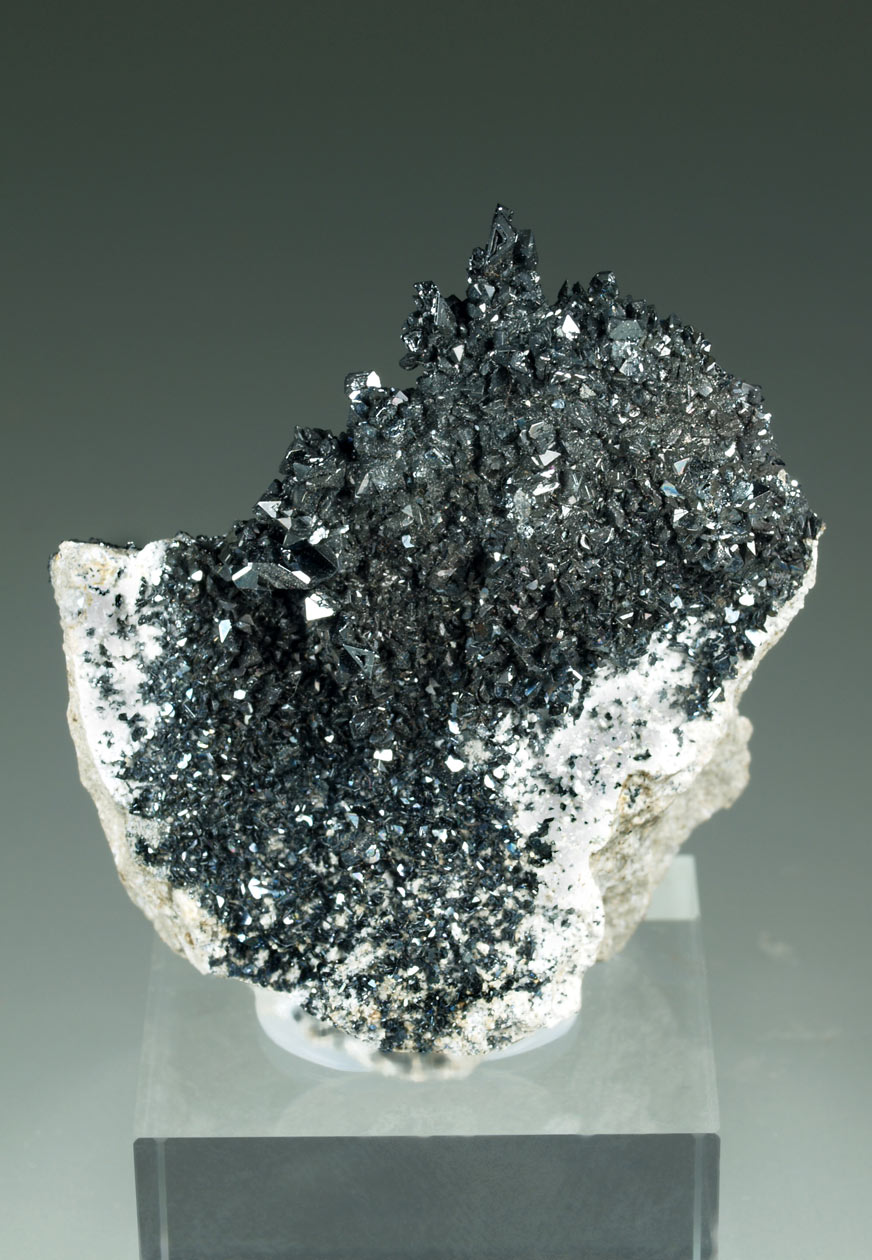
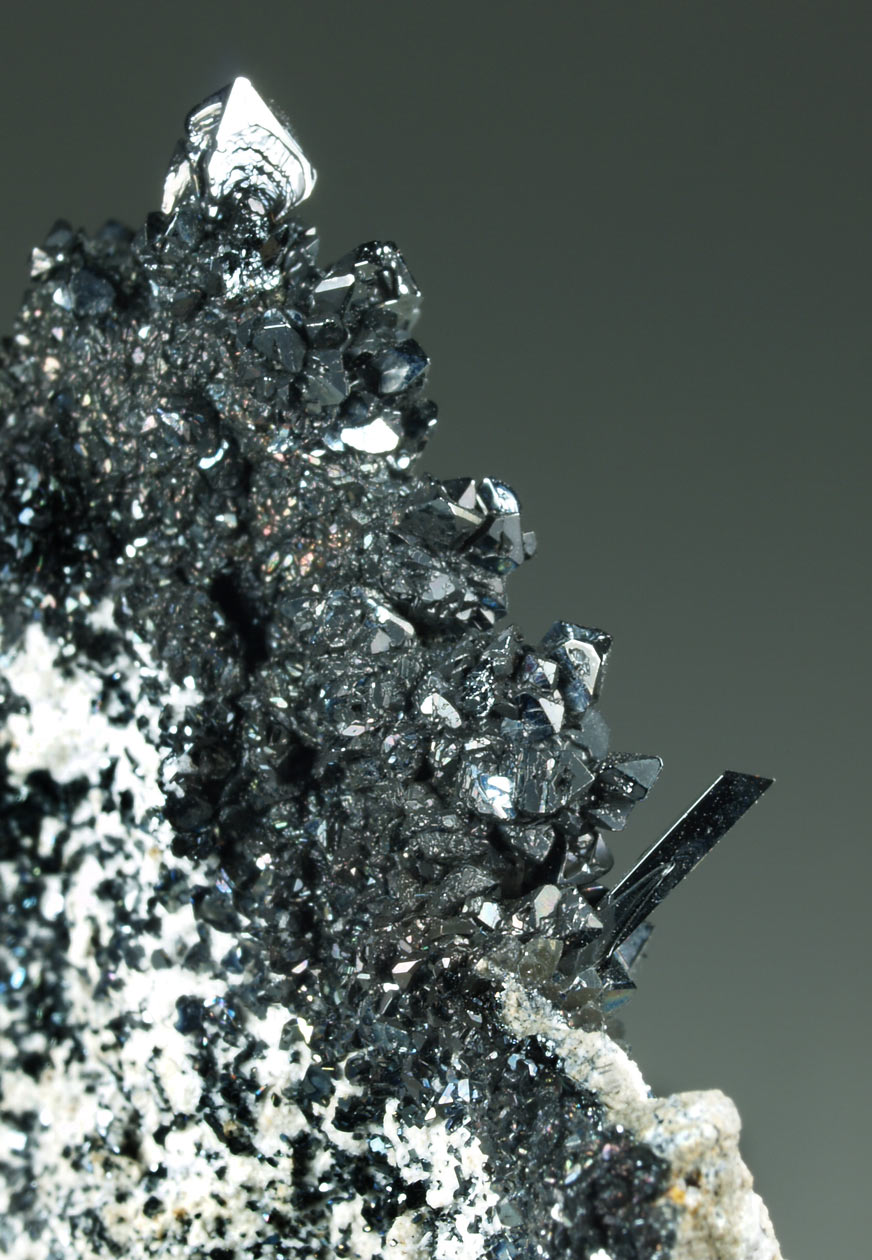
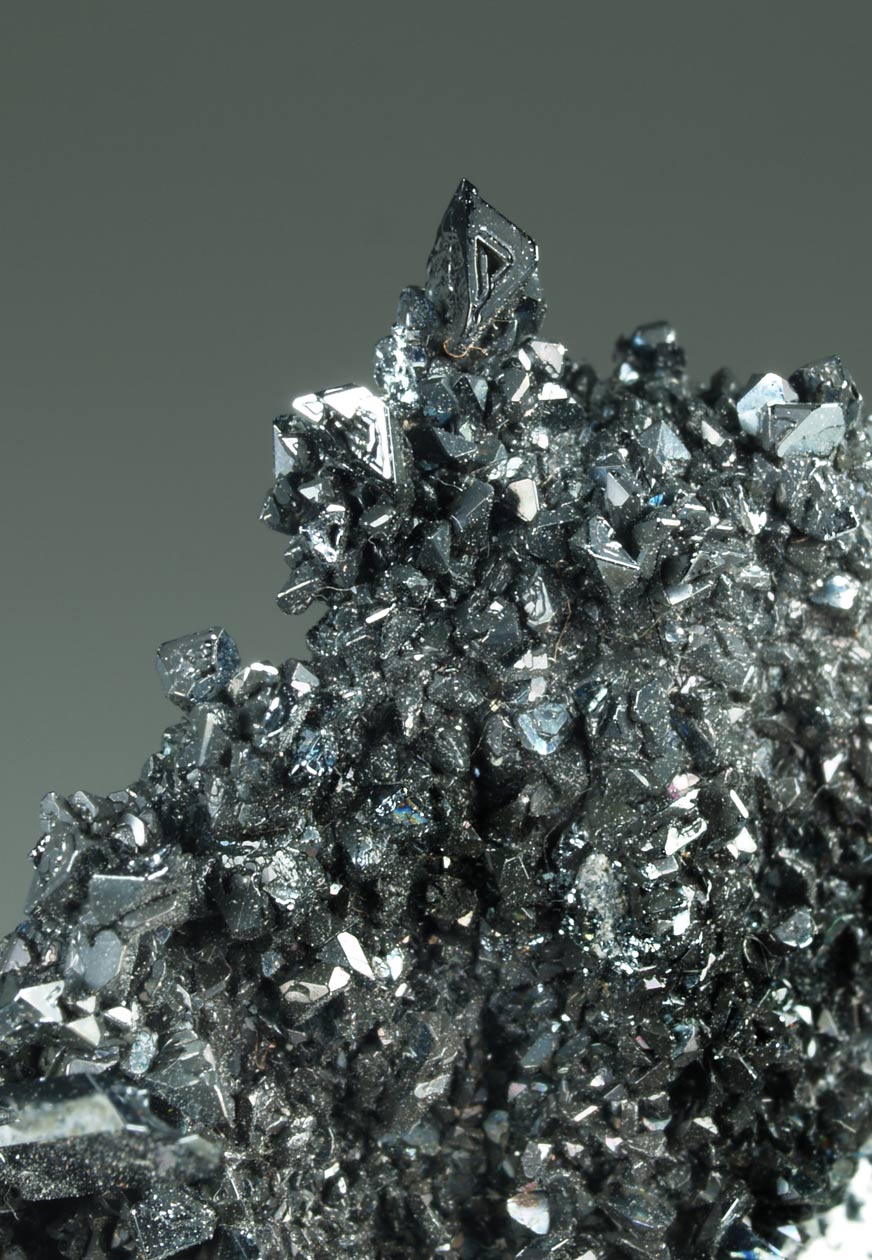
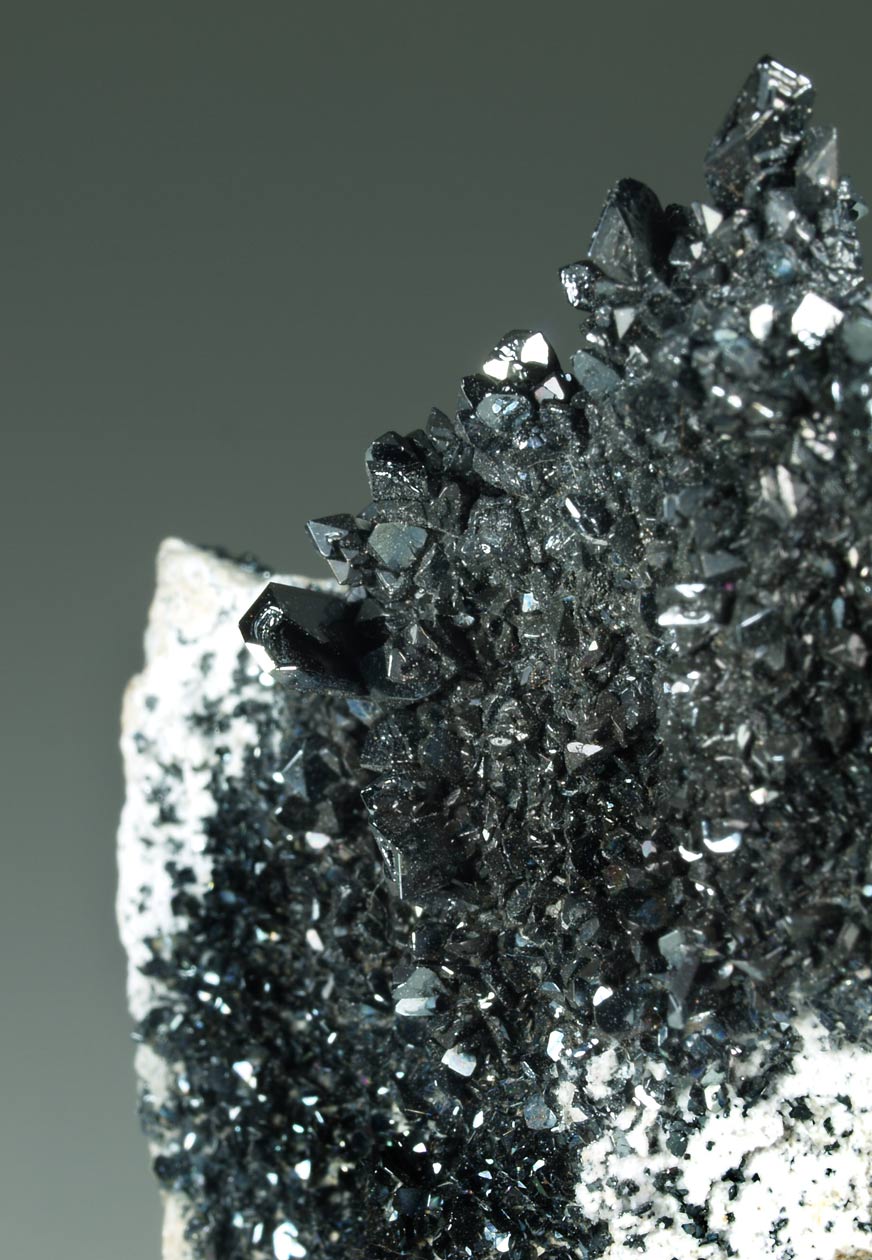
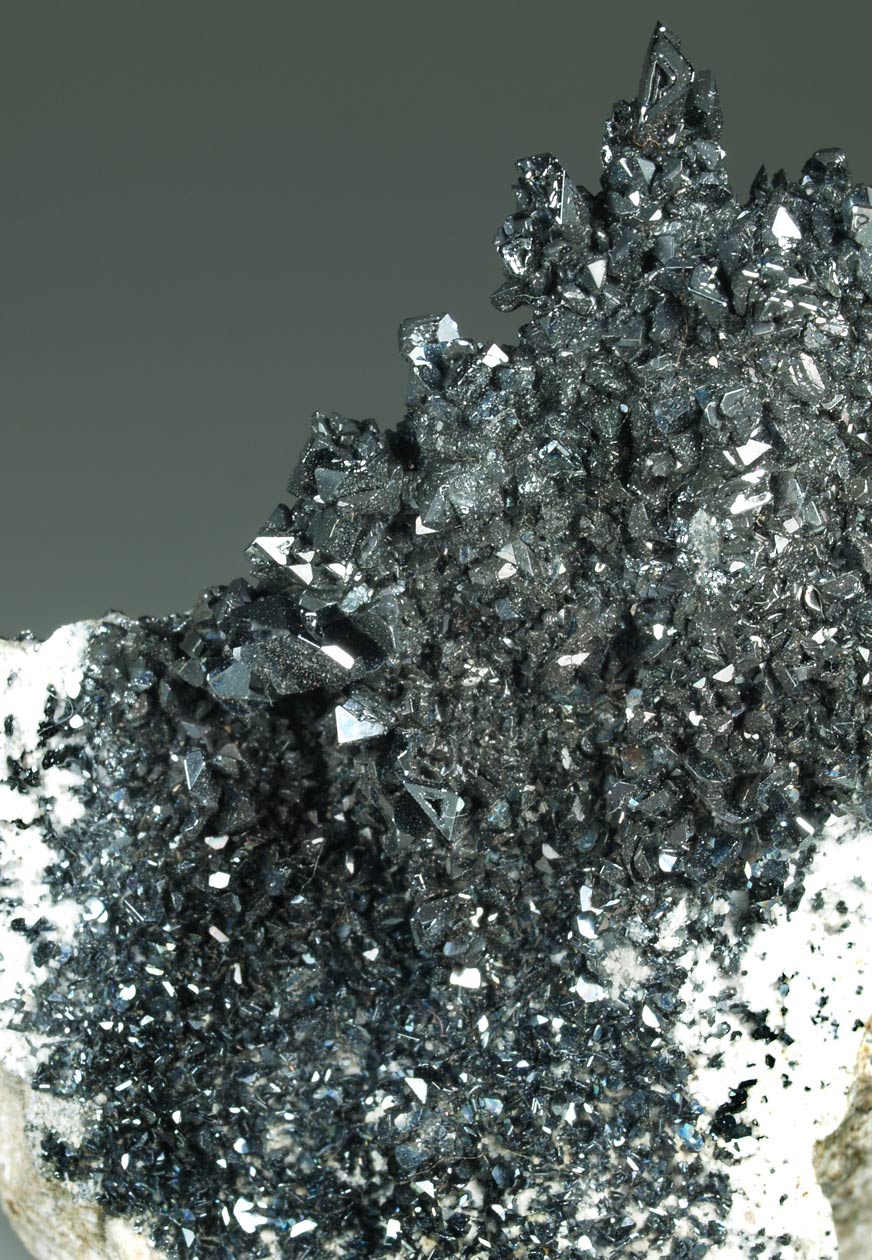
Estos ejemplares son todo brillo, difíciles de fotografiar... Los hematites de Nador son bien conocidos de forma aislada, sin matriz. En este ejemplar observamos un nutrido grupo de cristales muy definidos y brillantes de hematites que se disponen de forma muy aérea sobre la matriz de riolita. Los ejemplares proceden de una pequeña cantera de riolita muy cercana a la comunidad de Nador, en el carretera de Melilla. Estos hematites a veces se han etiquetado erróneamente como de "Ouichane" o "Jebel Ouichane", la localidad cercana para la barita azul. Diferente de lo habitual.
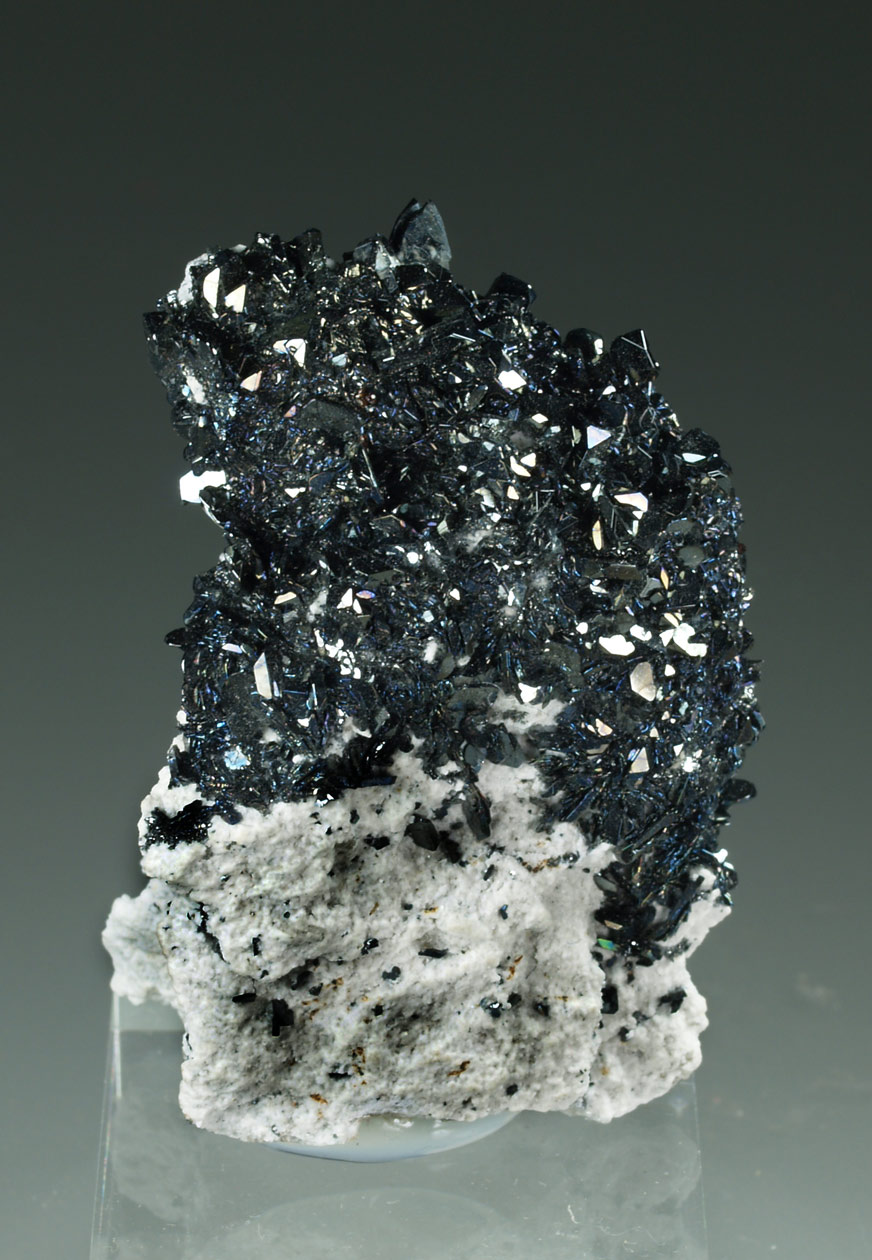
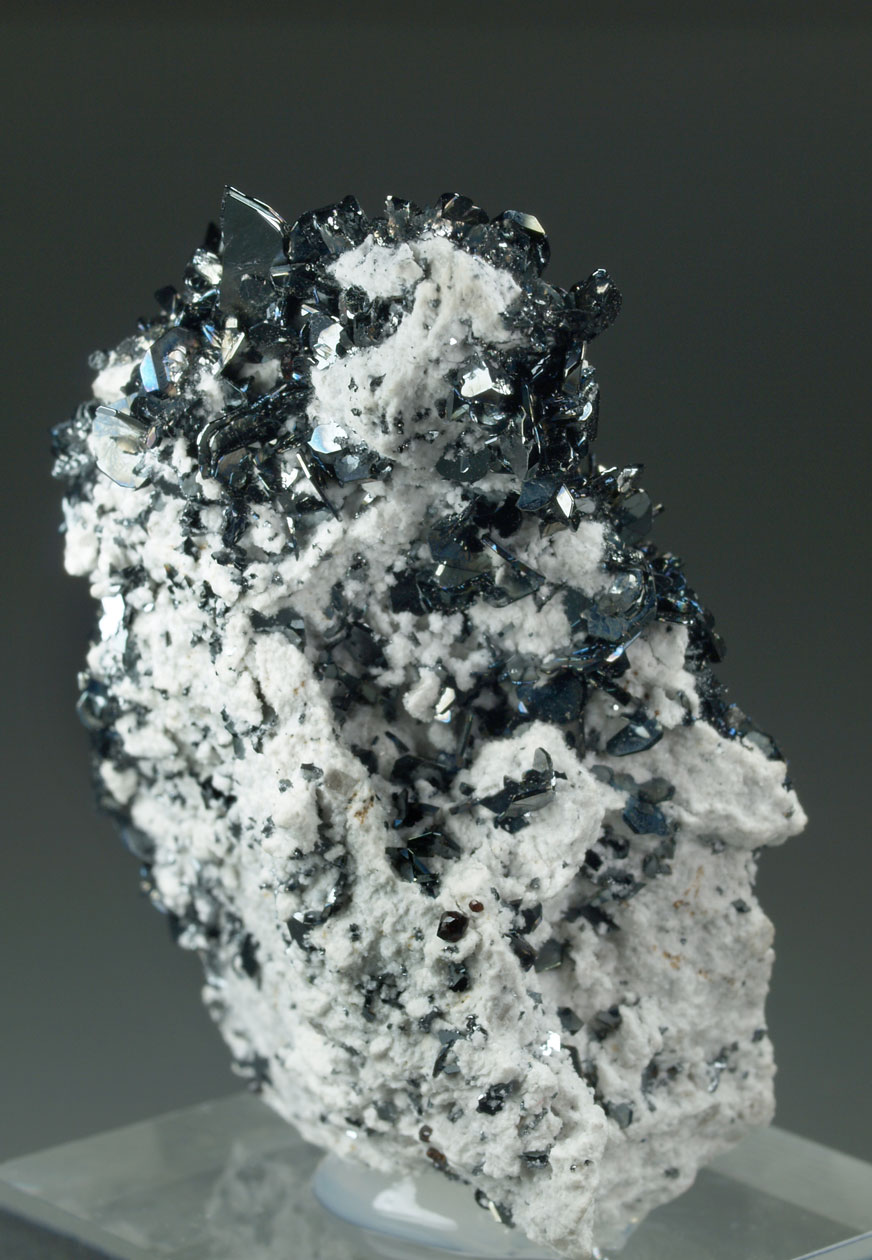
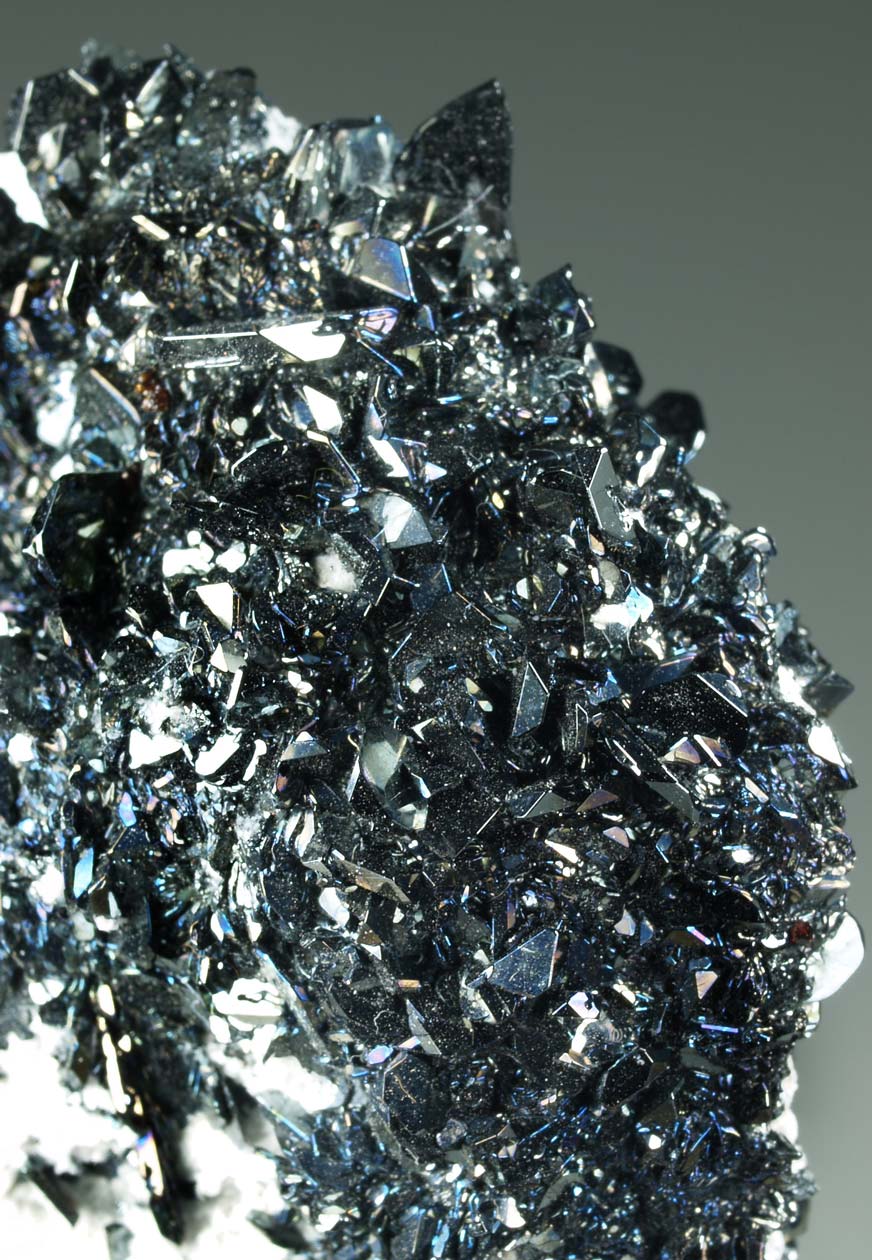
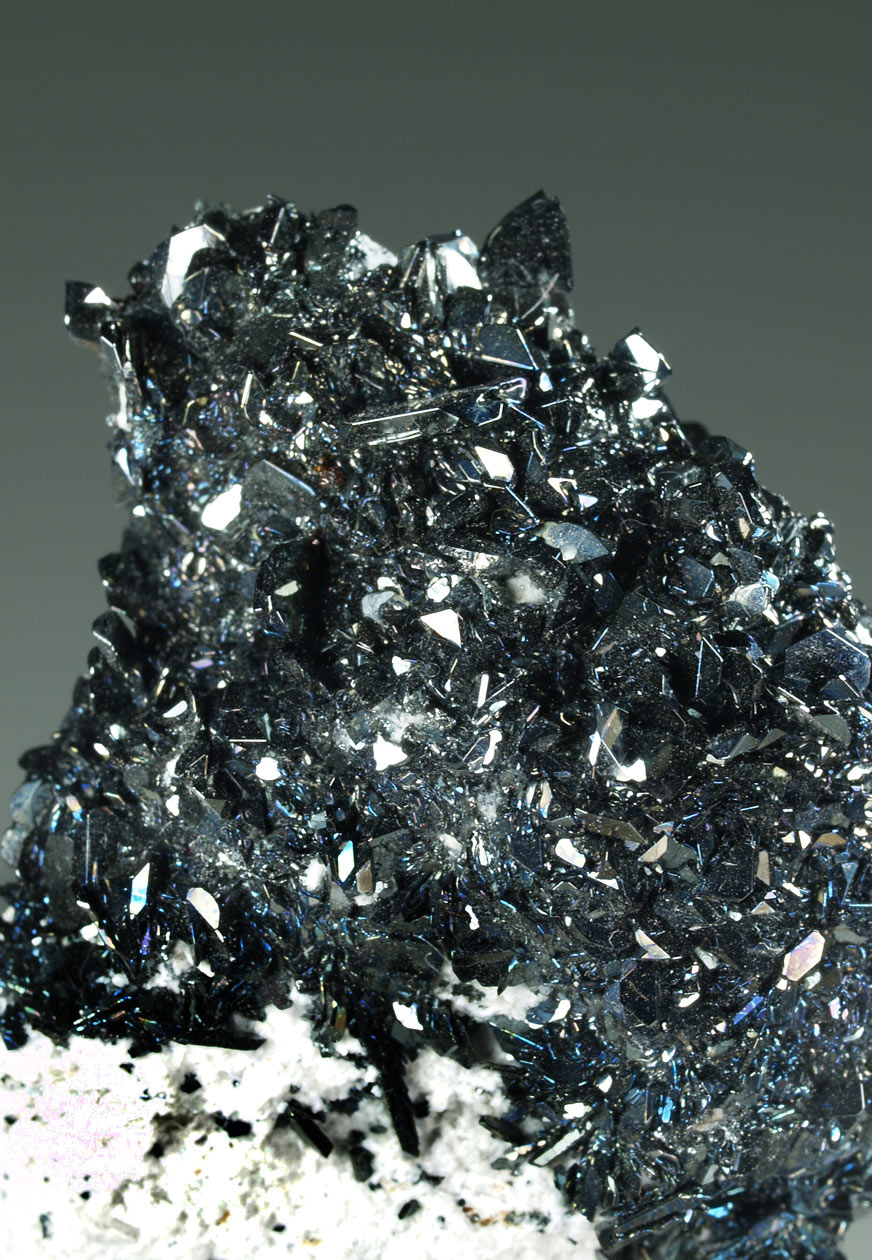
Estos ejemplares son todo brillo, difíciles de fotografiar... Los hematites de Nador son bien conocidos de forma aislada, sin matriz. En este ejemplar observamos un nutrido grupo de cristales muy definidos y brillantes de hematites que se disponen de forma muy aérea sobre la matriz de riolita. Los ejemplares proceden de una pequeña cantera de riolita muy cercana a la comunidad de Nador, en el carretera de Melilla. Estos hematites a veces se han etiquetado erróneamente como de "Ouichane" o "Jebel Ouichane", la localidad cercana para la barita azul. Diferente de lo habitual.
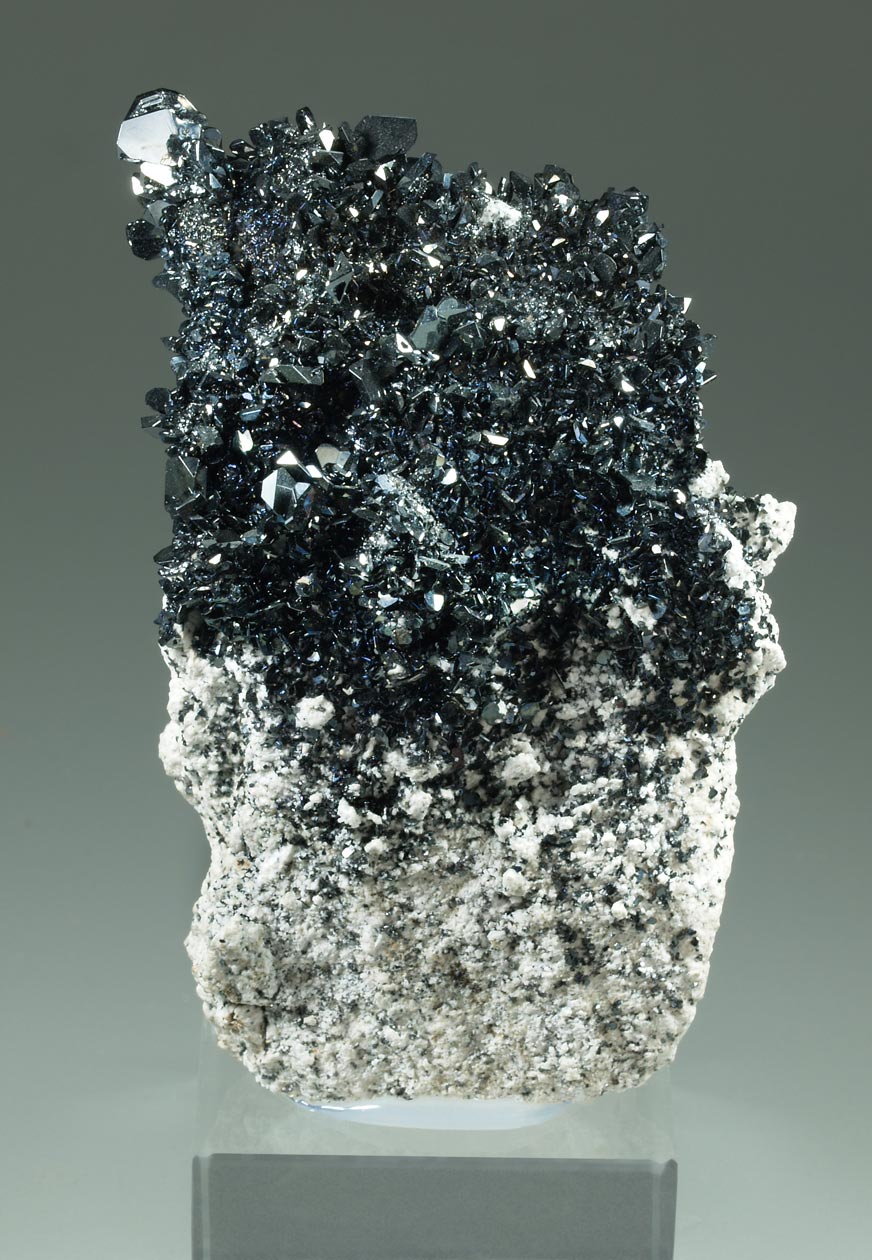
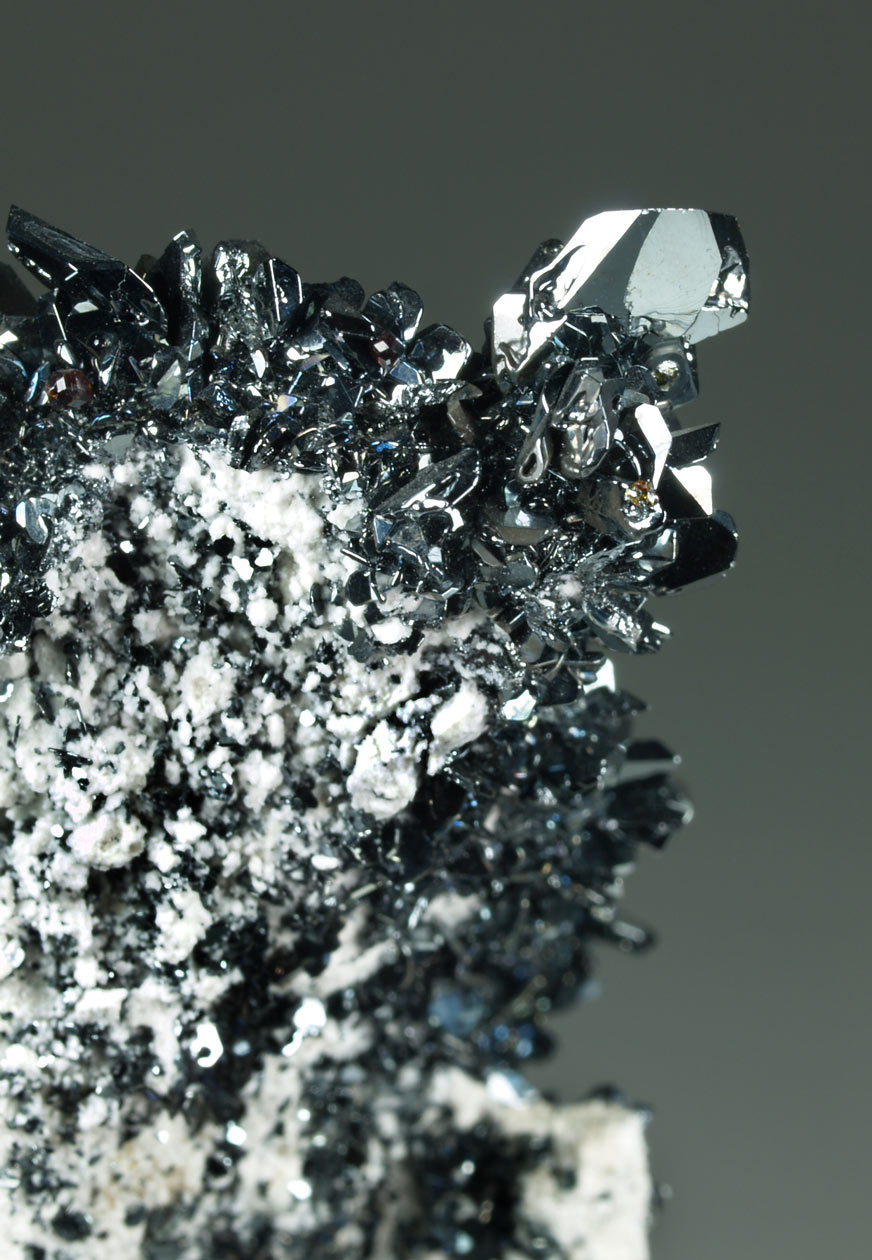
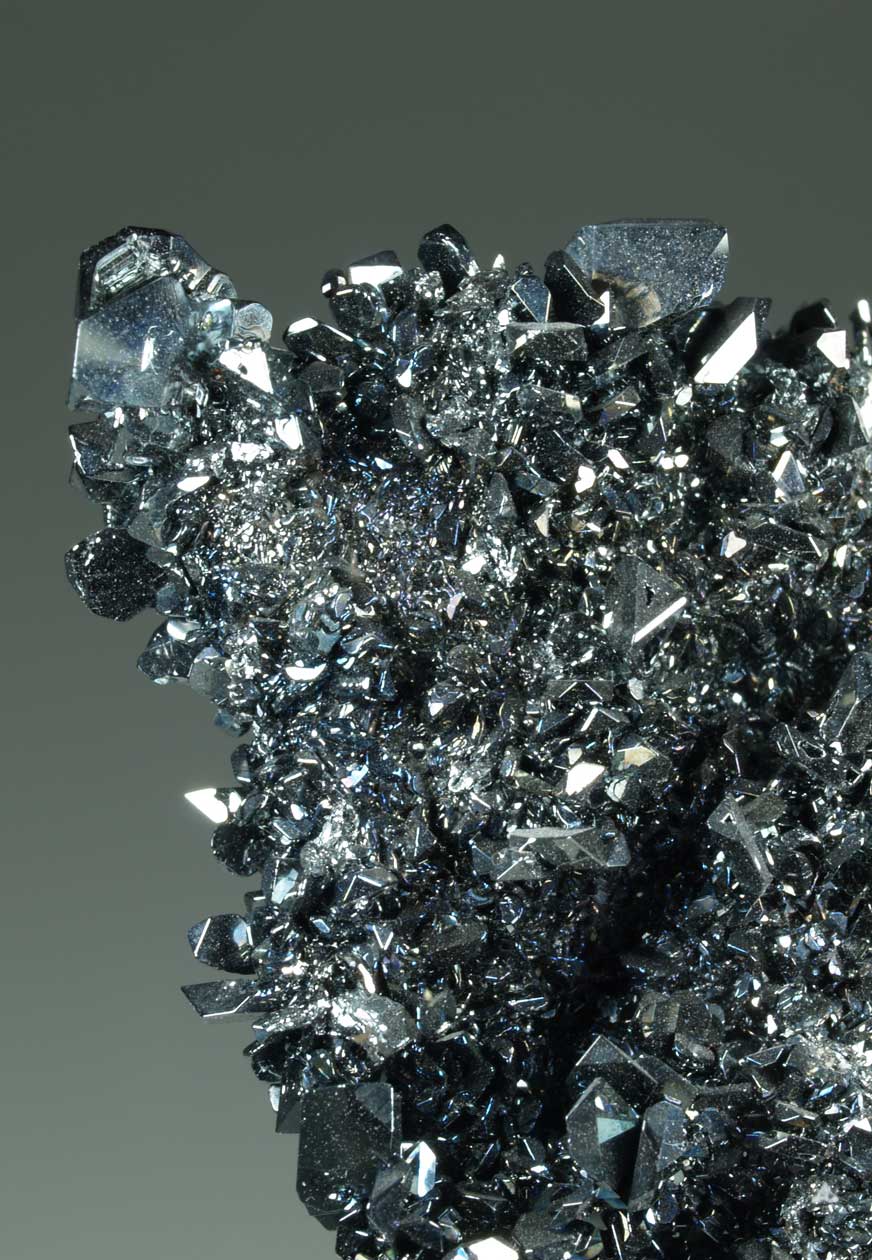
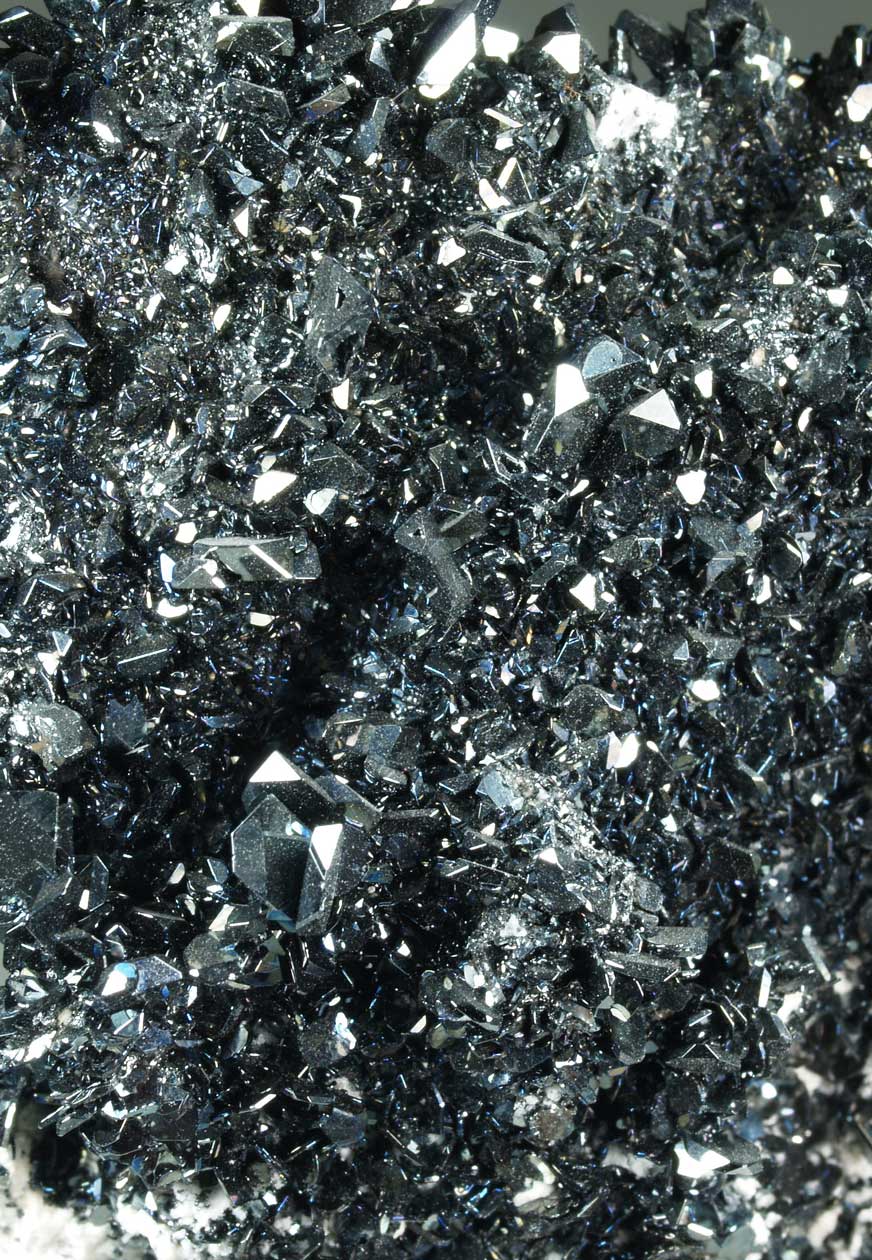
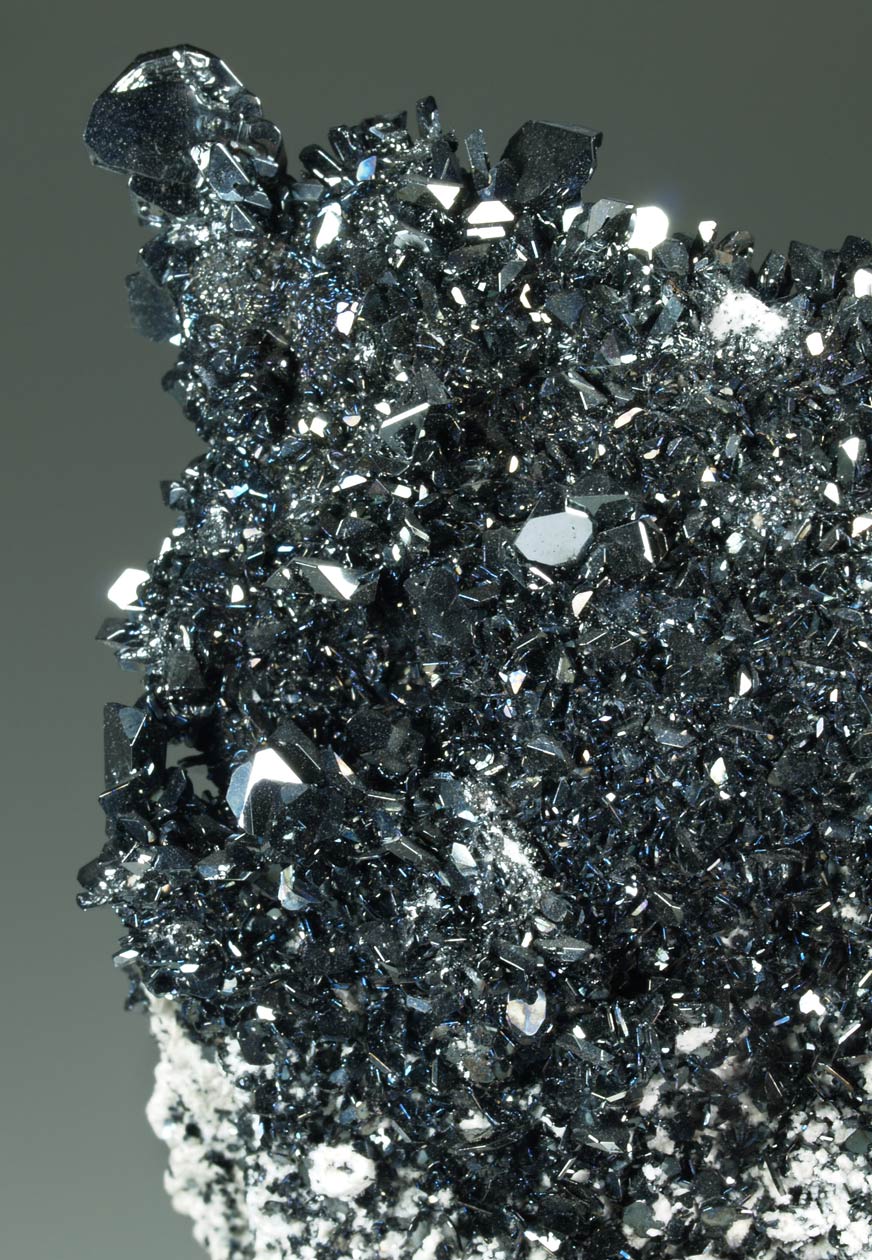
Este ejemplar es todo brillo, difícil de fotografiar... Los hematites de Nador son bien conocidos de forma aislada, sin matriz. En este ejemplar observamos un nutrido grupo de cristales muy definidos y brillantes de hematites que se disponen de forma muy aérea sobre la matriz de riolita. Los ejemplares proceden de una pequeña cantera de riolita muy cercana a la comunidad de Nador, en el carretera de Melilla. Estos hematites a veces se han etiquetado erróneamente como de "Ouichane" o "Jebel Ouichane", la localidad cercana para la barita azul. Diferente de lo habitual.
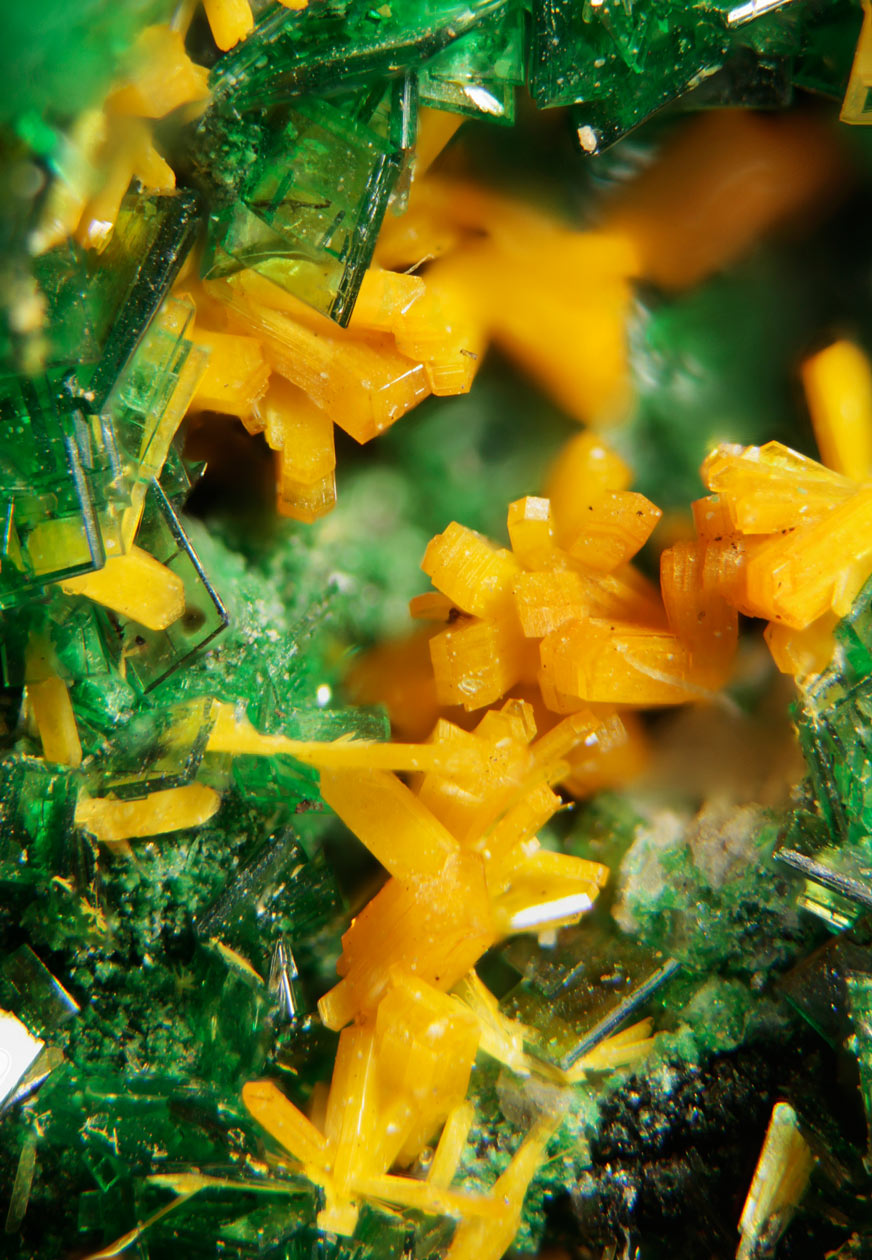
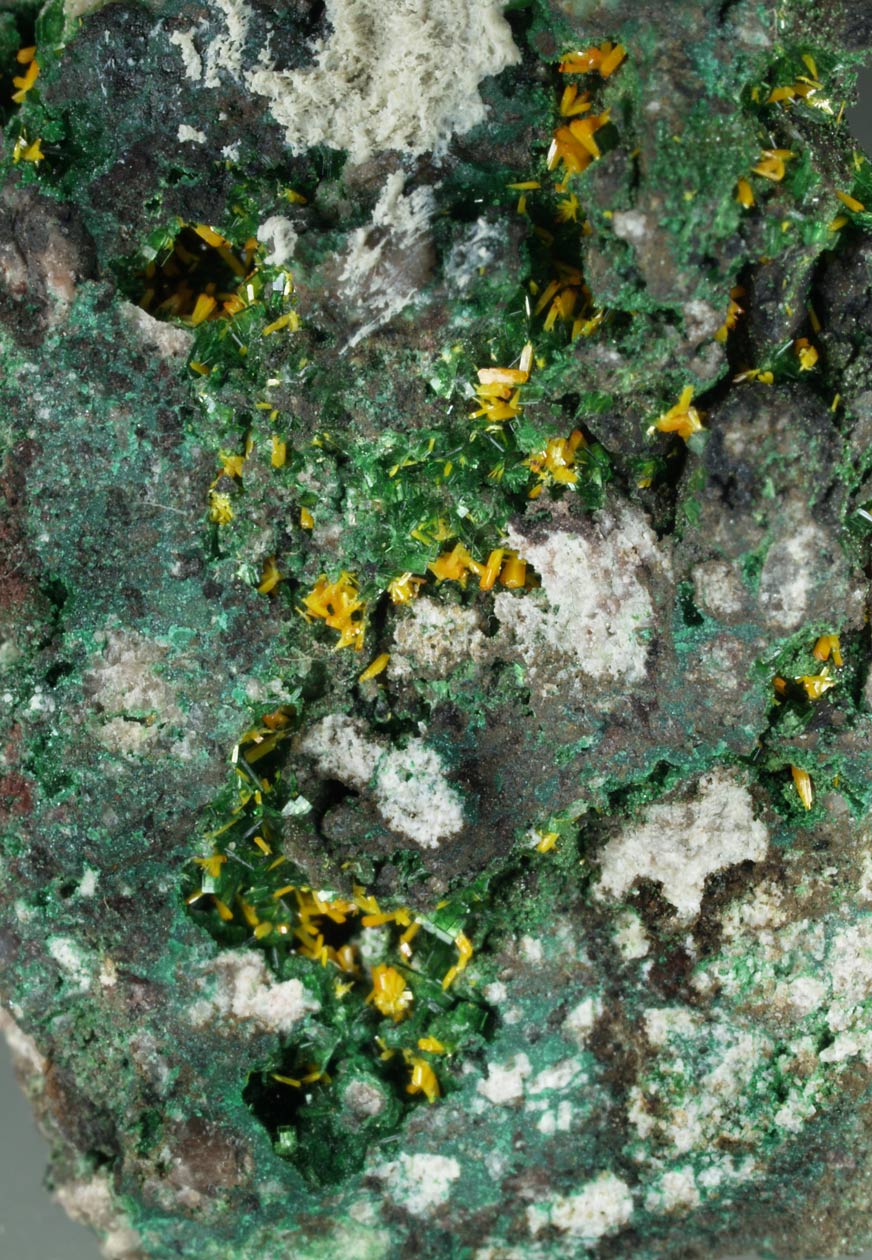
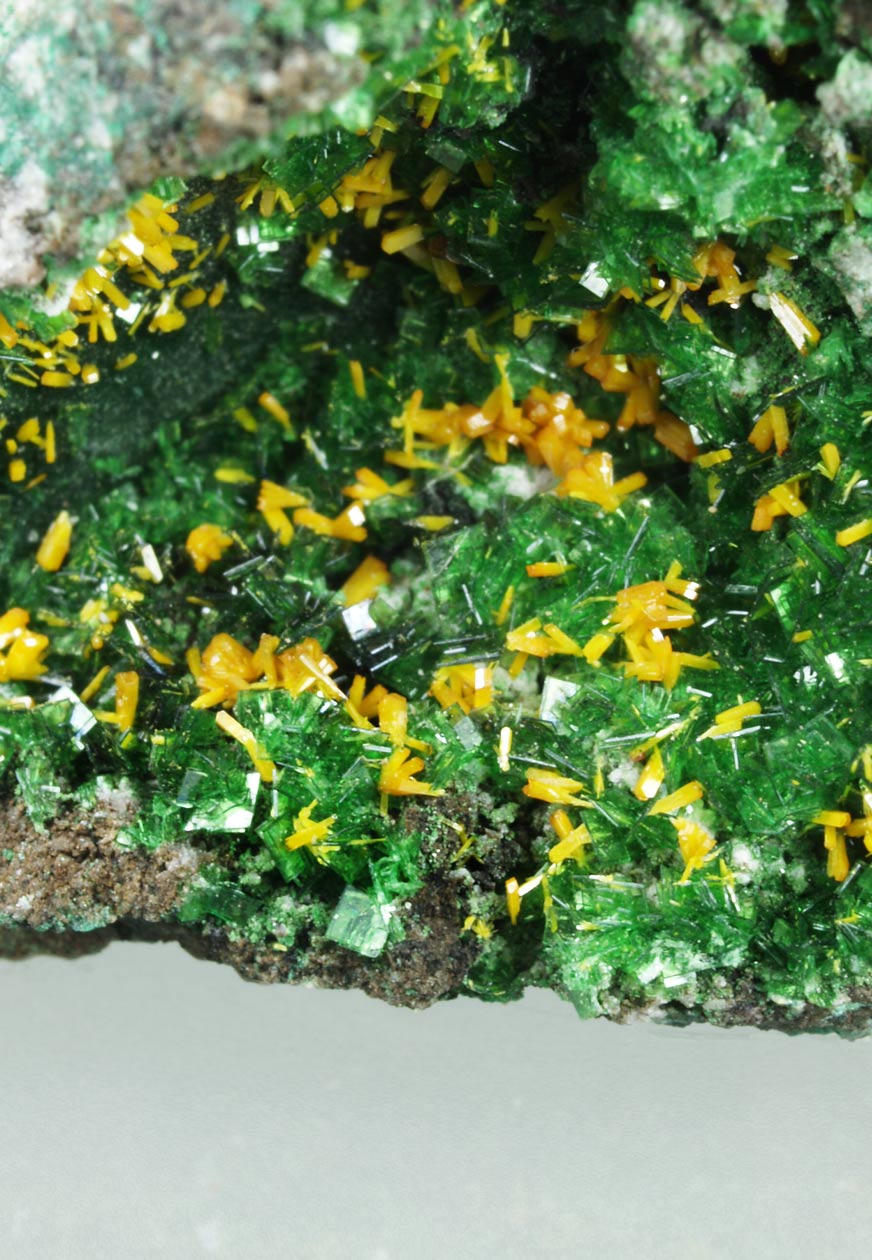
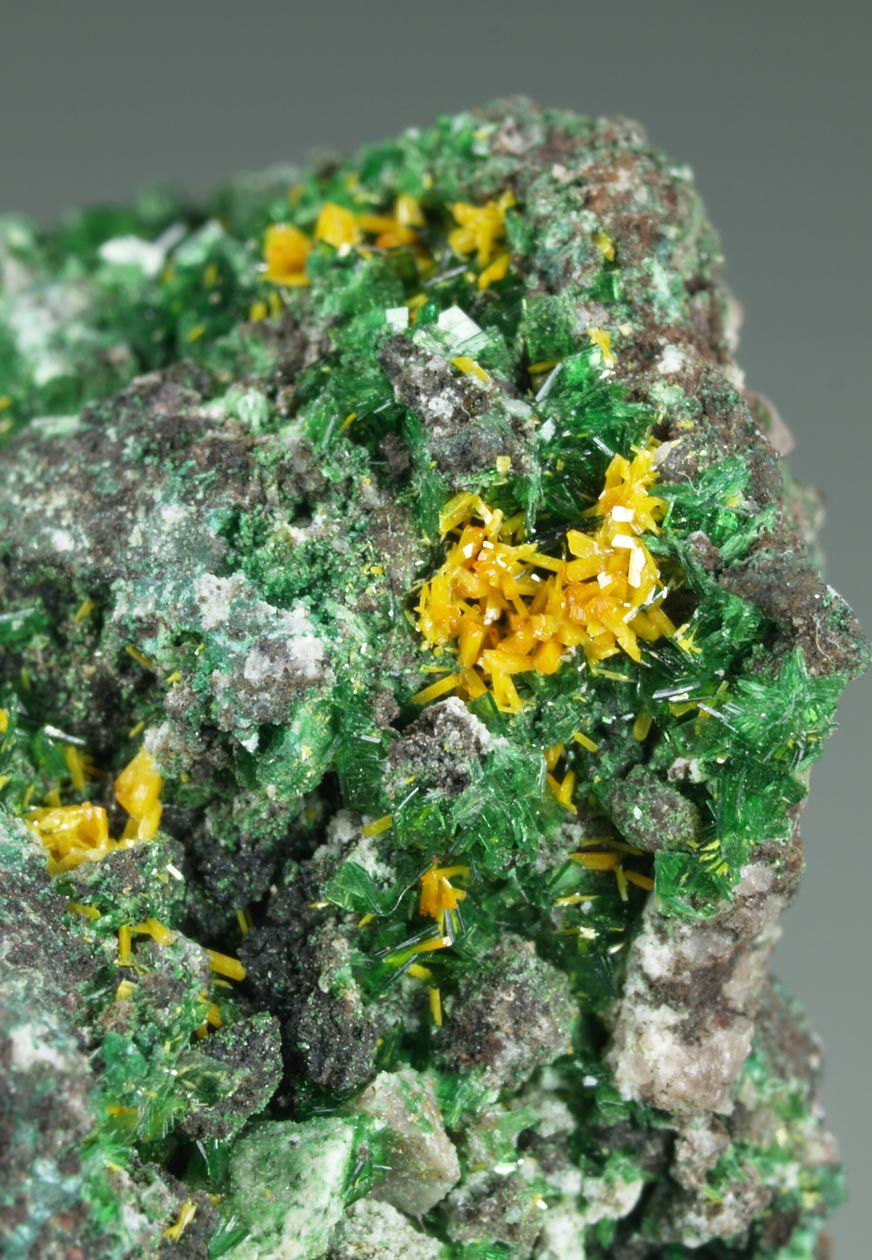
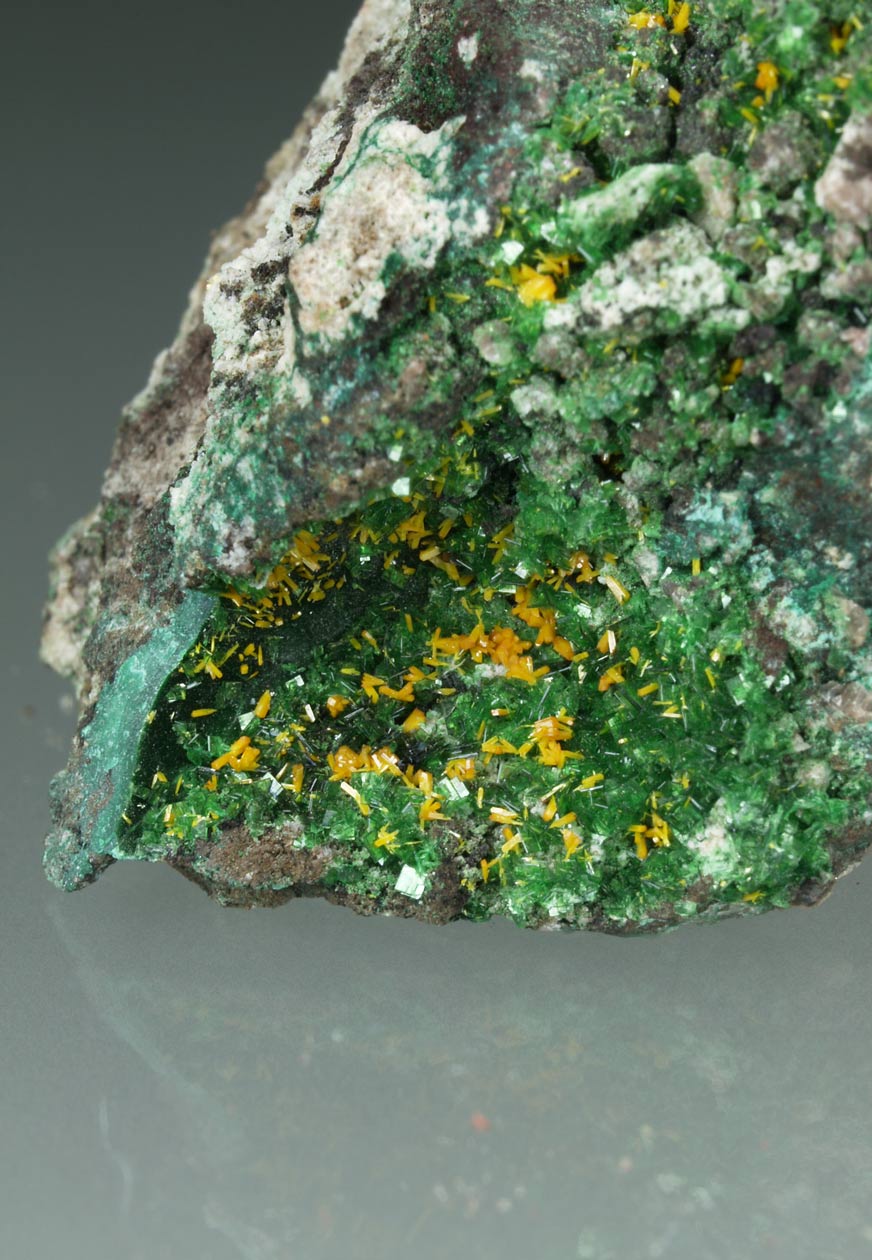
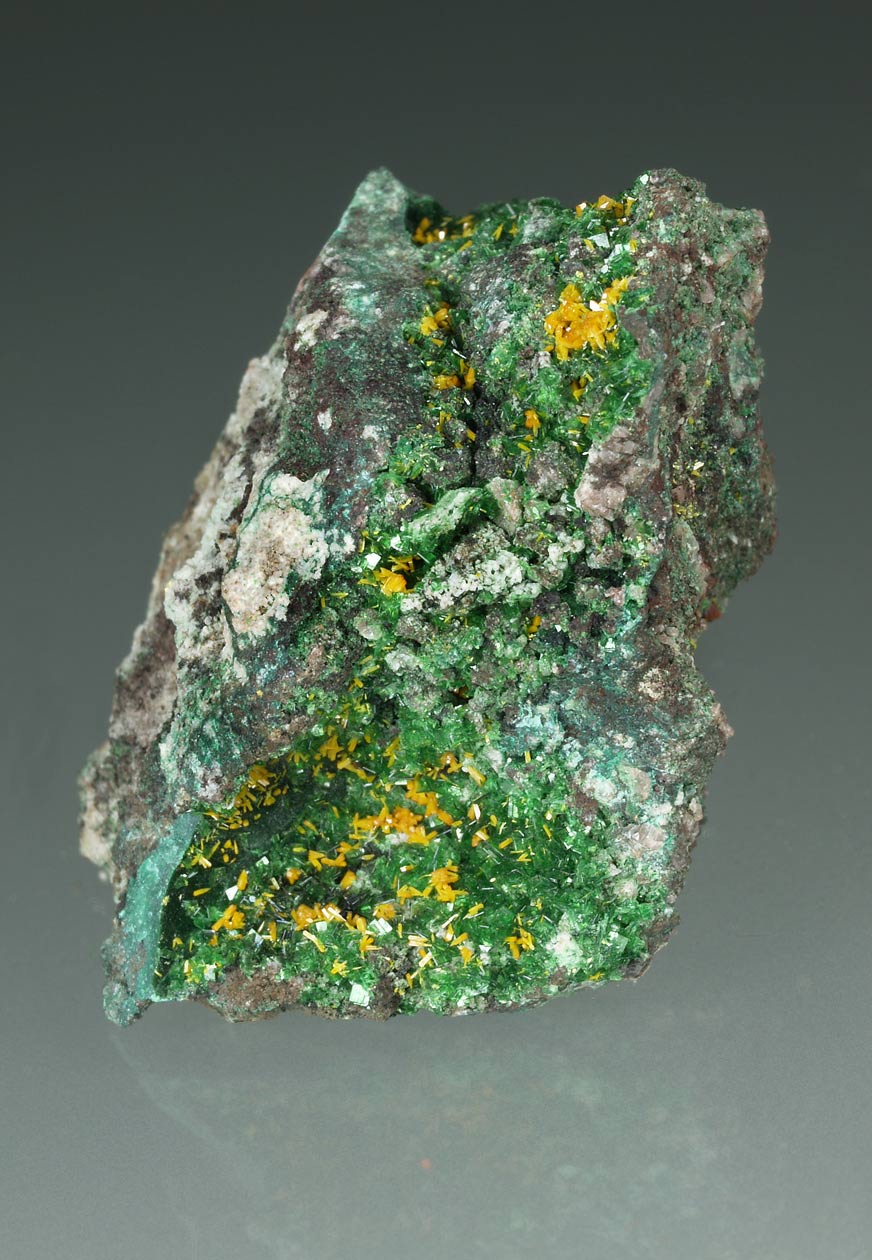
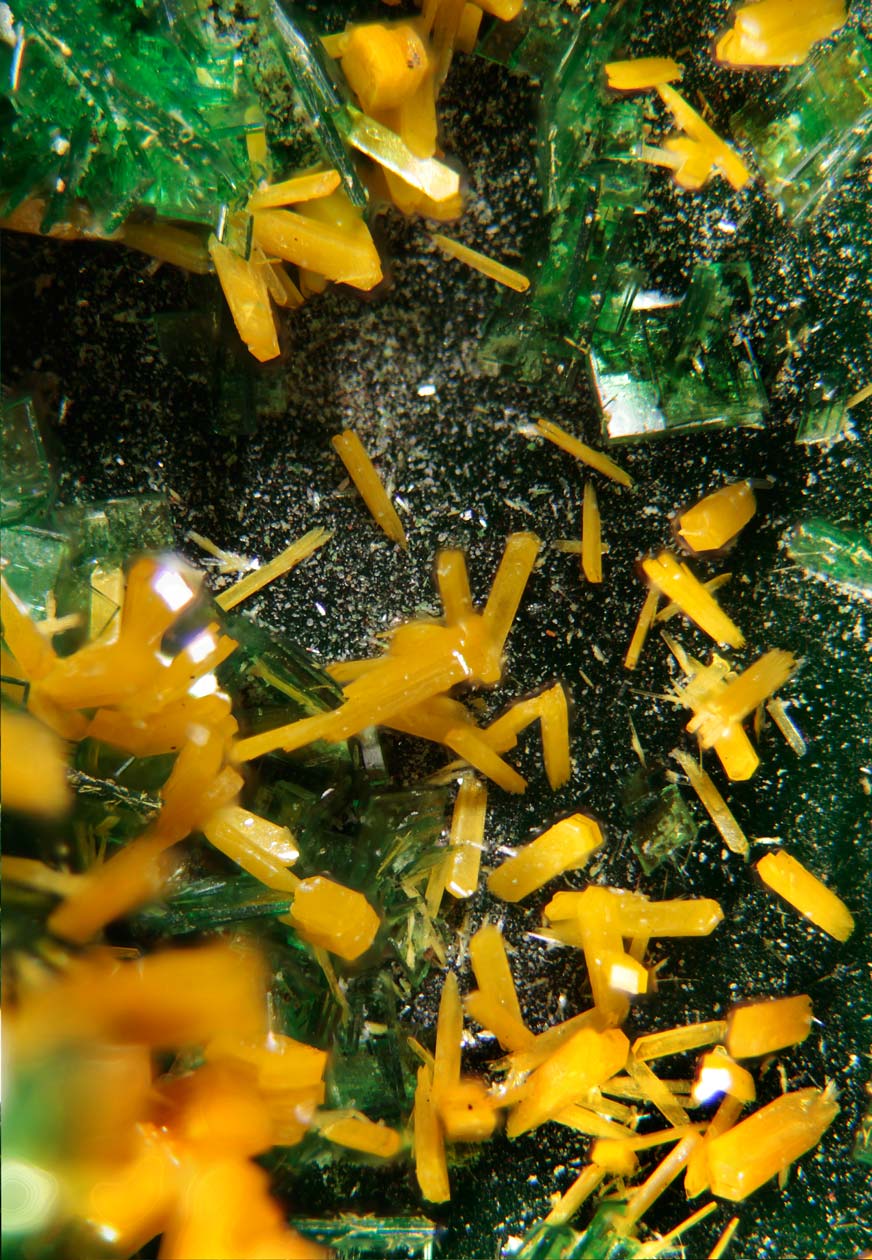
Desde mi punto de vista, de entre todos los minerales radioactivos conocidos, la kasolita es de los más estéticos. Se presenta en forma de prismas alargados a tabulares, muy definidos, muchos de ellos biterminados y de intenso color amarillo, incluso con cierta transparencia. Se acompaña de cristales de wulfenita prismáticos de color naranja. La matriz està tapizada de brillantes y transparentes cristales de torbernita. Con malaquita. Una belleza de una localidad clásica, para ser observada con atención, y de la que hoy día es difícil ver buenos ejemplares como este.
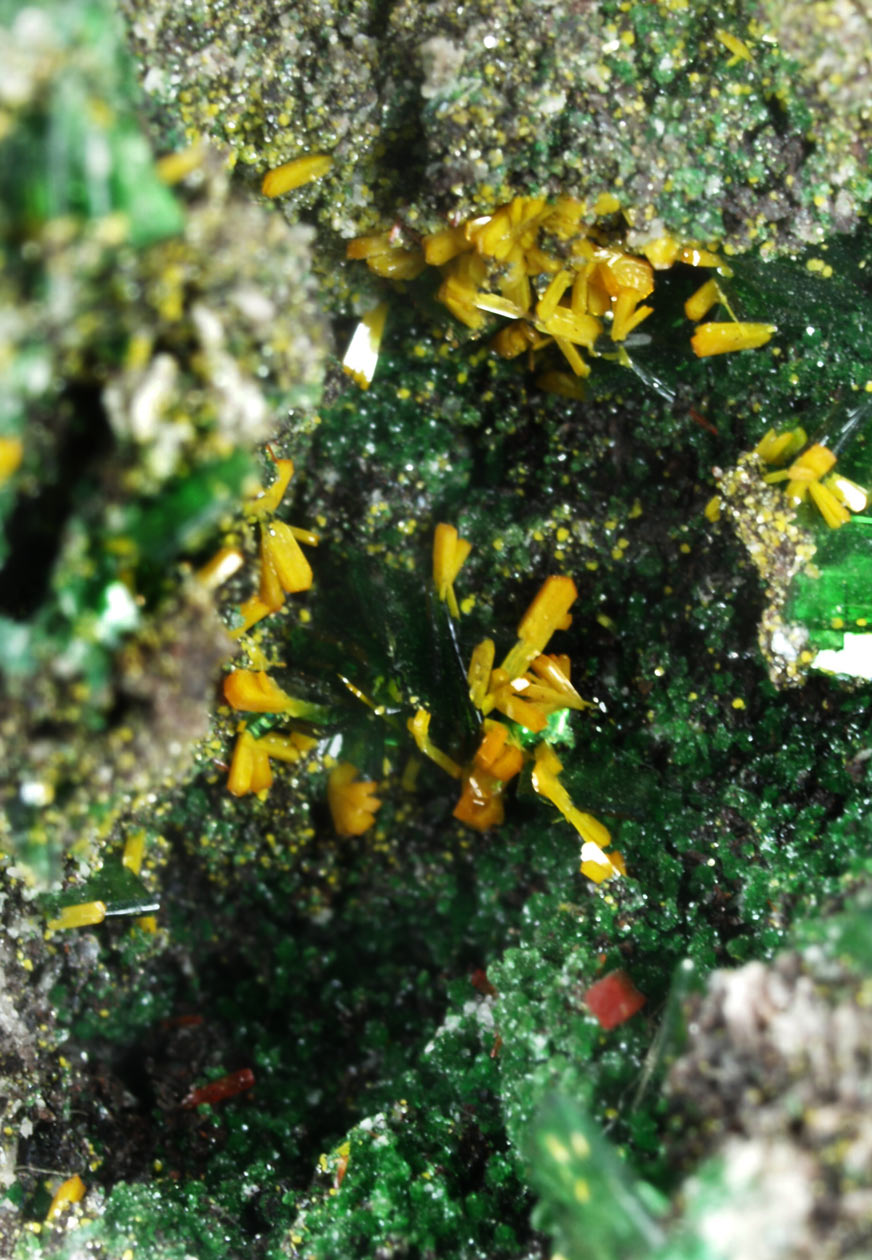
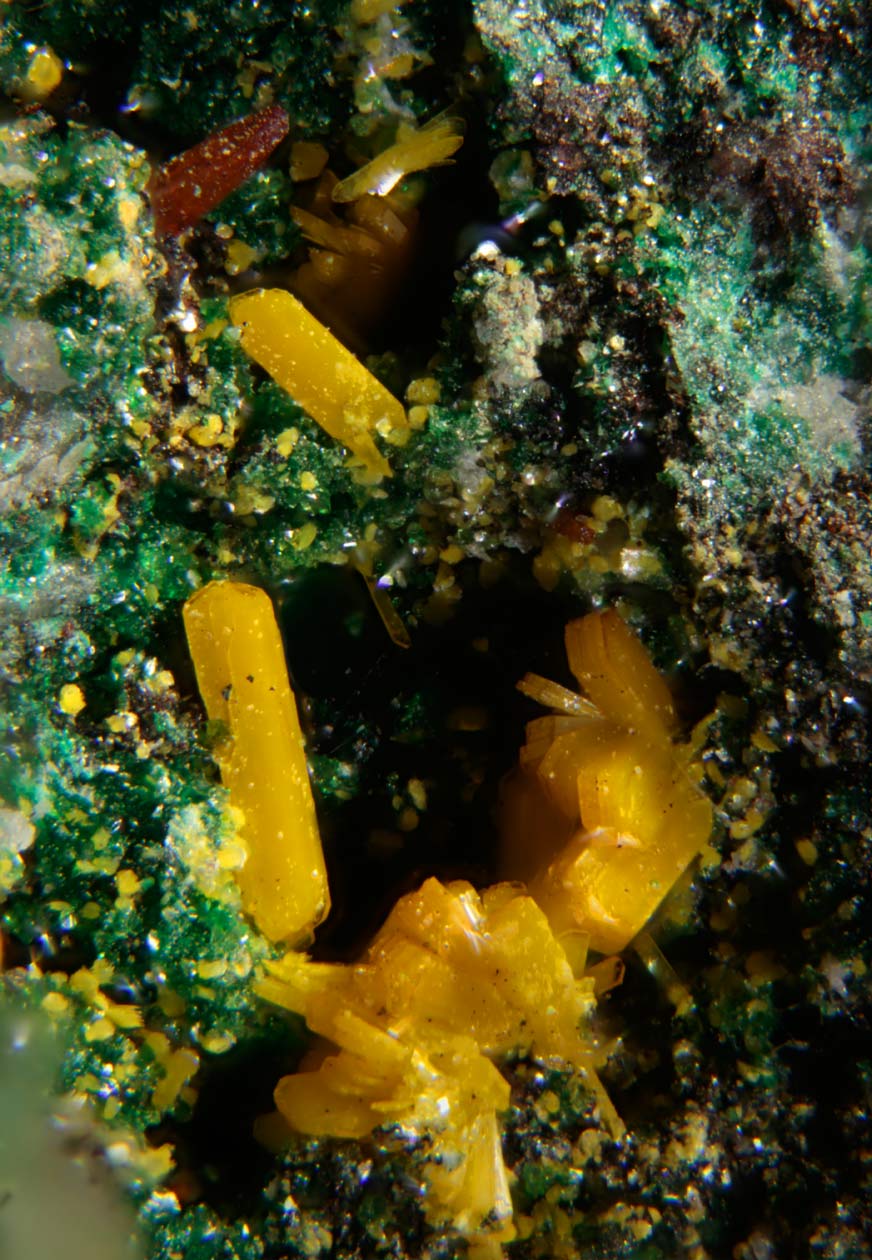
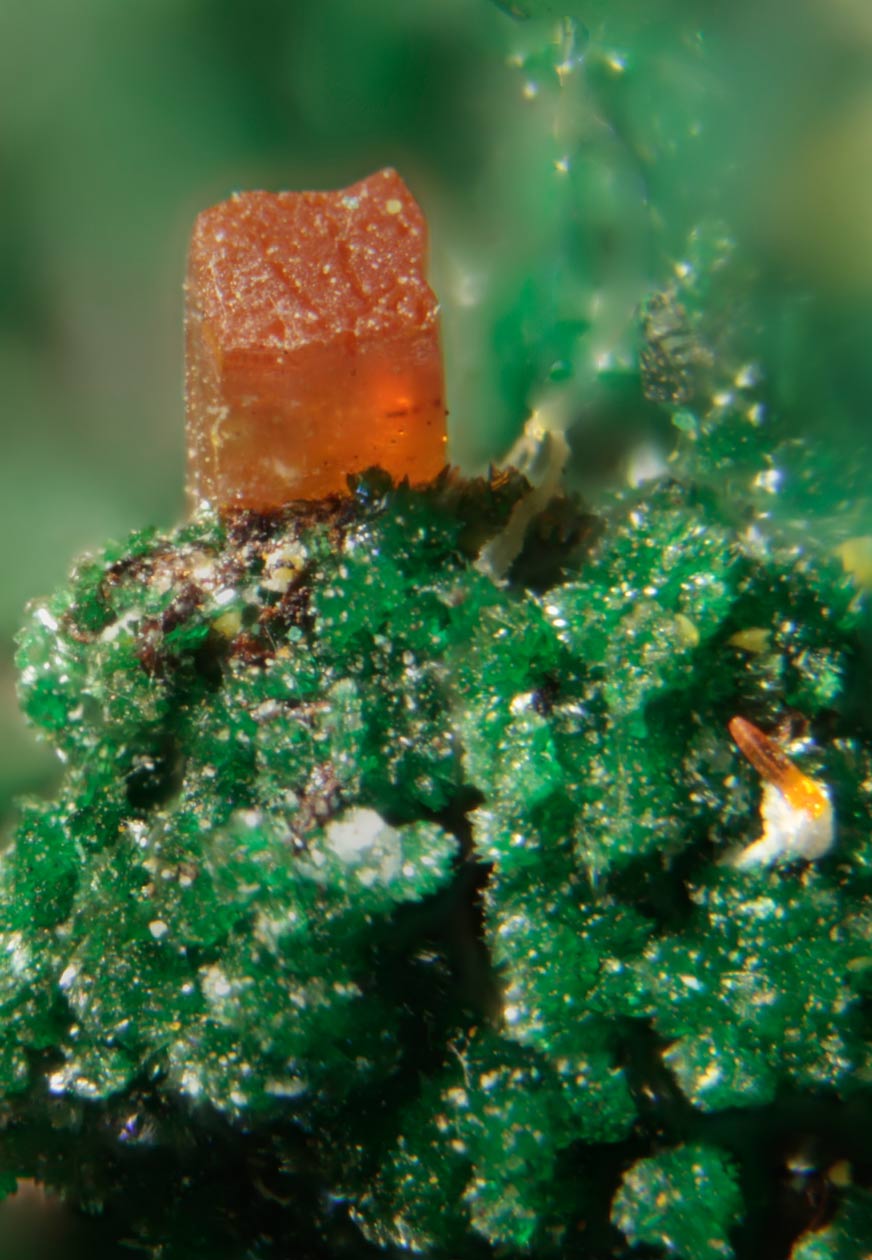
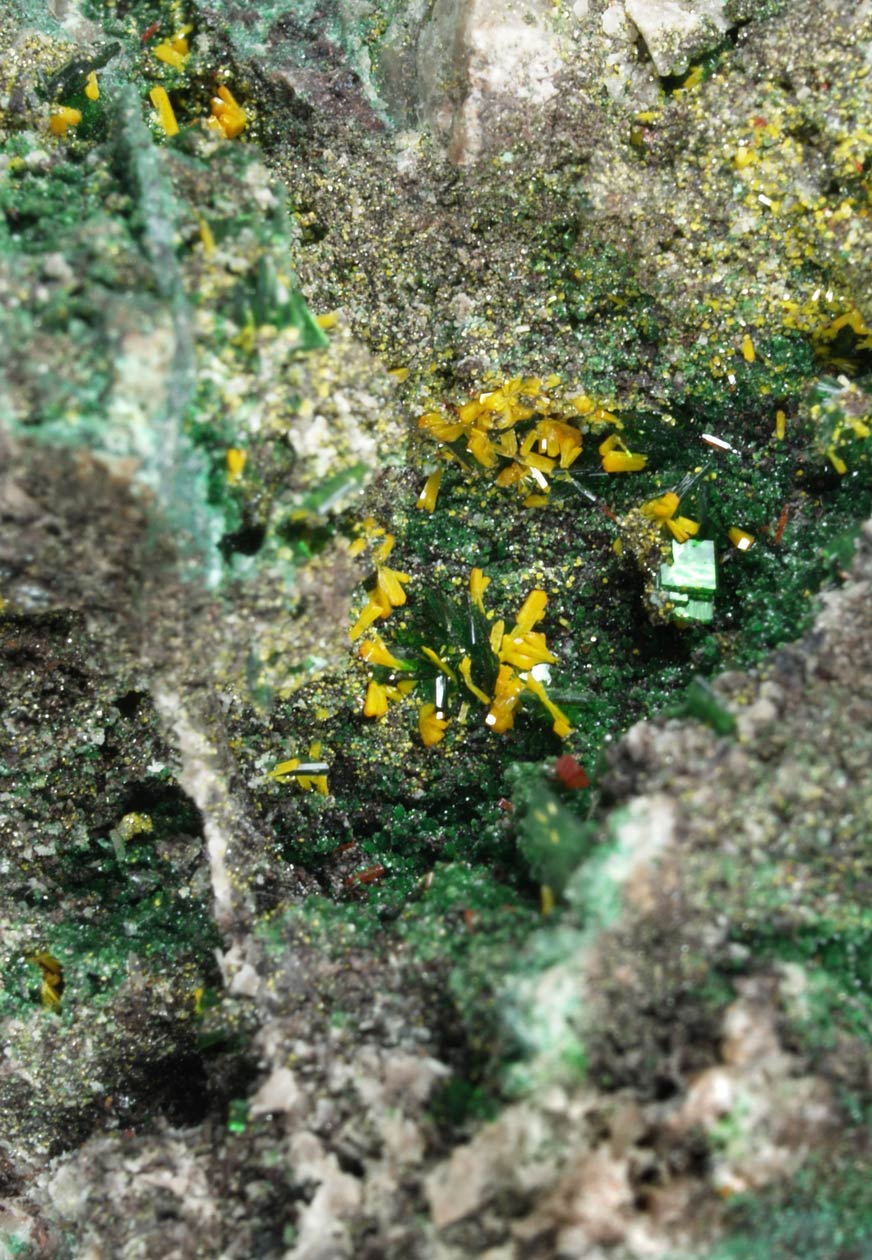
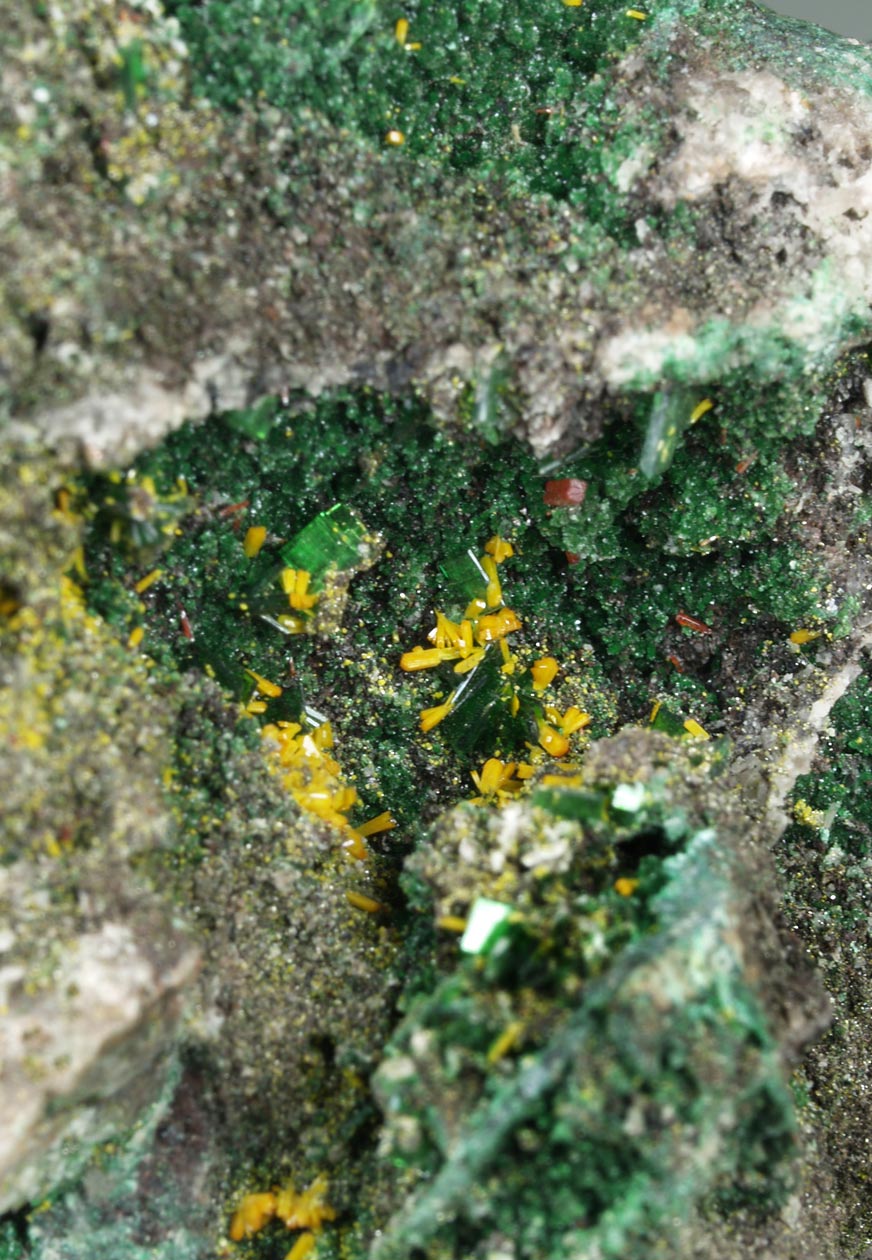
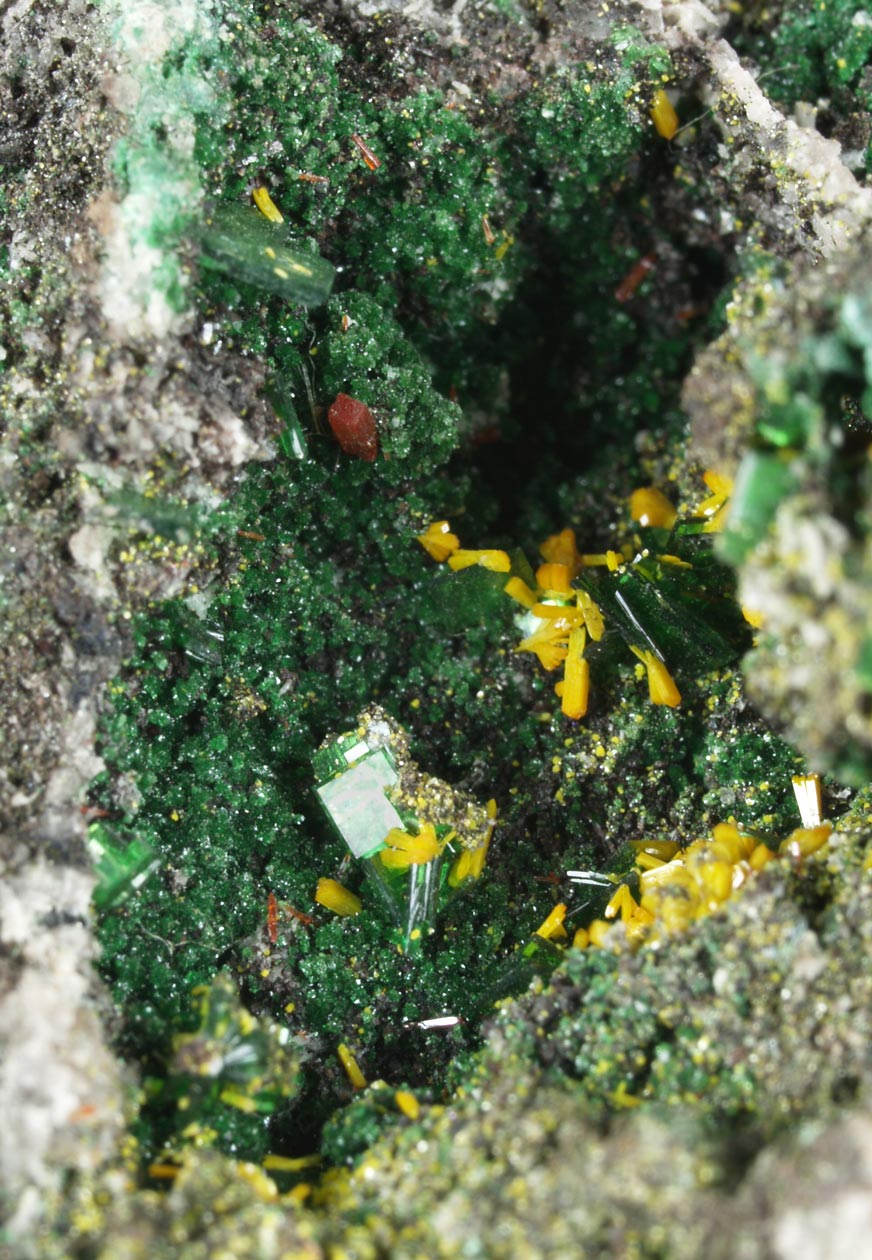
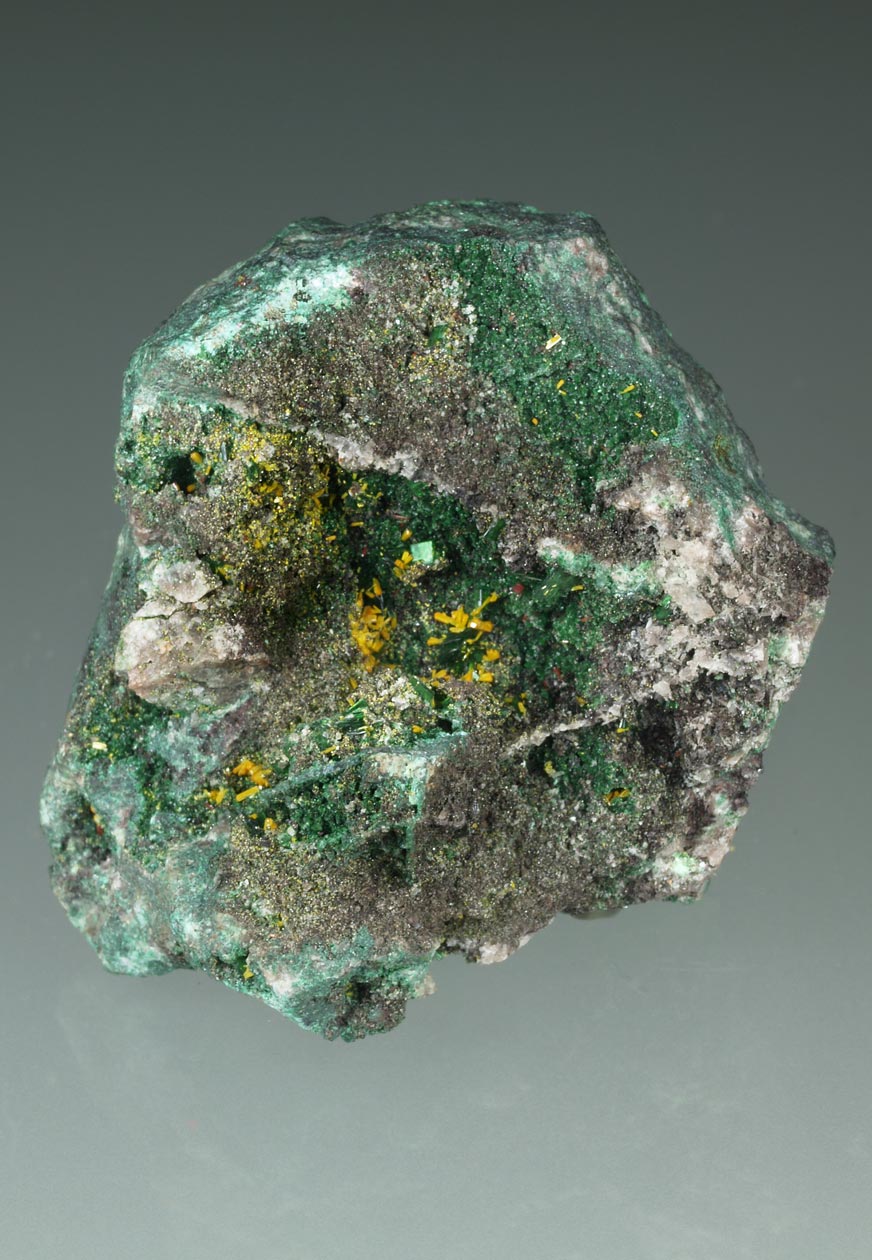
Desde mi punto de vista, de entre todos los minerales radioactivos conocidos, la kasolita es de los más estéticos. Se presenta en forma de prismas alargados a tabulares, muy definidos, muchos de ellos biterminados y de intenso color amarillo, incluso con cierta transparencia. Se acompaña de cristales de wulfenita prismáticos de color naranja. La matriz està tapizada de brillantes y transparentes cristales de torbernita. Con malaquita. Una belleza de una localidad clásica, para ser observada con atención, y de la que hoy día es difícil ver buenos ejemplares como este.
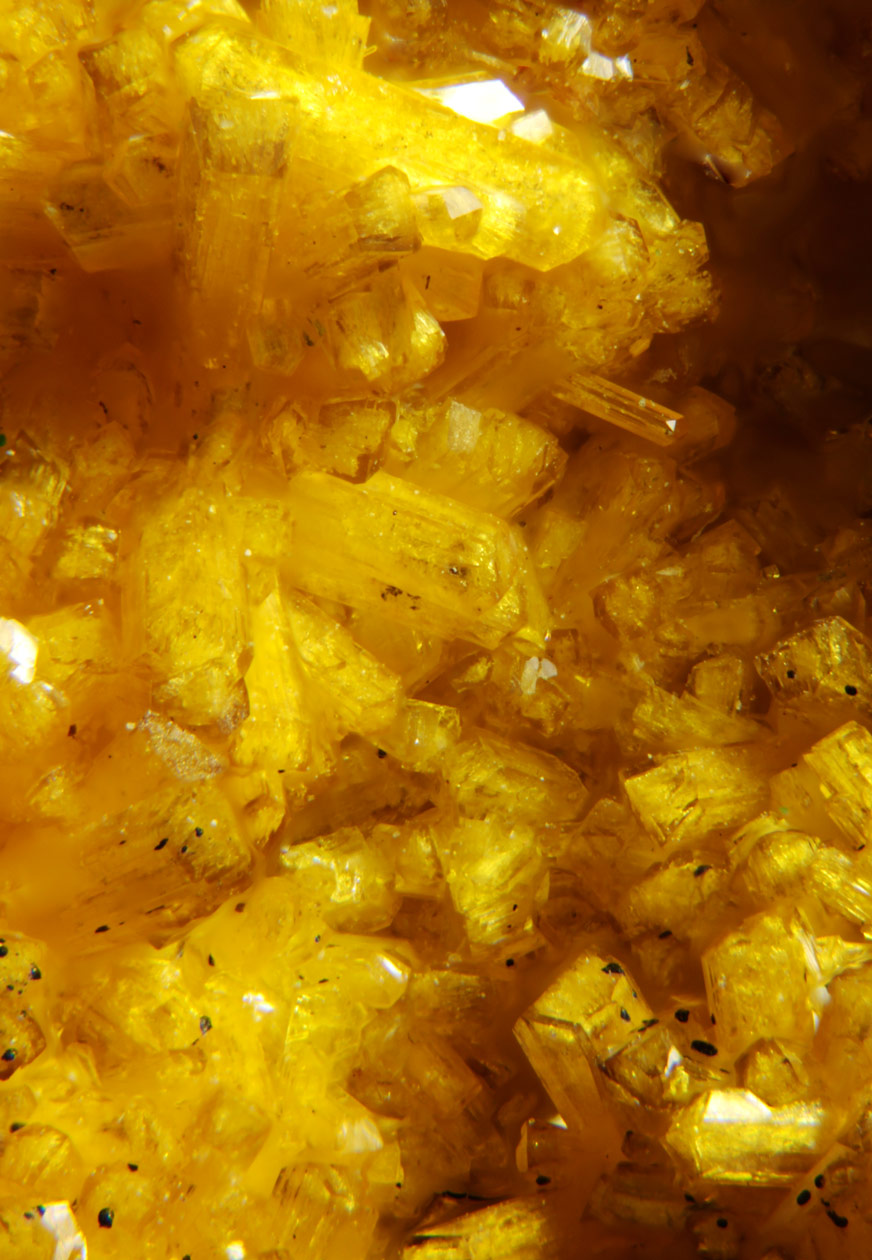
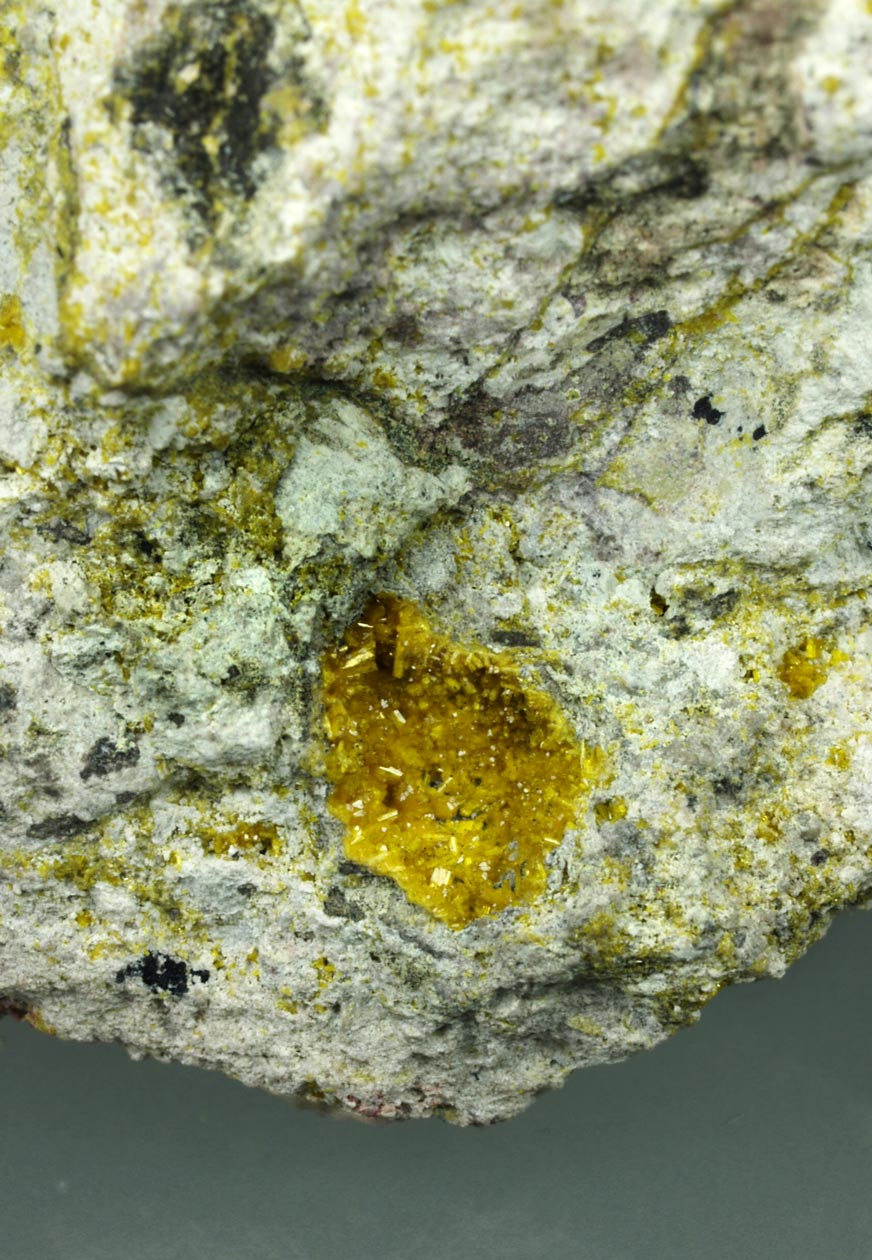
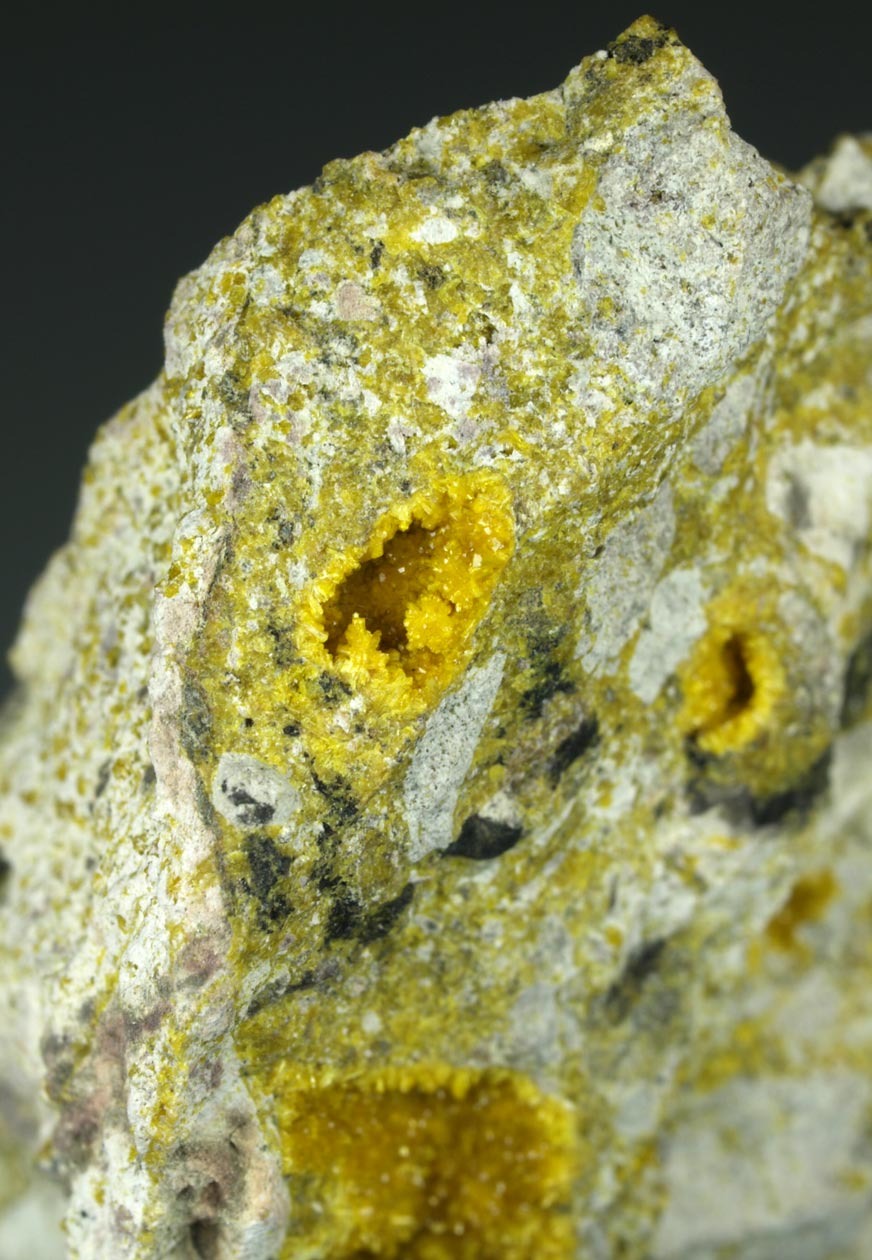
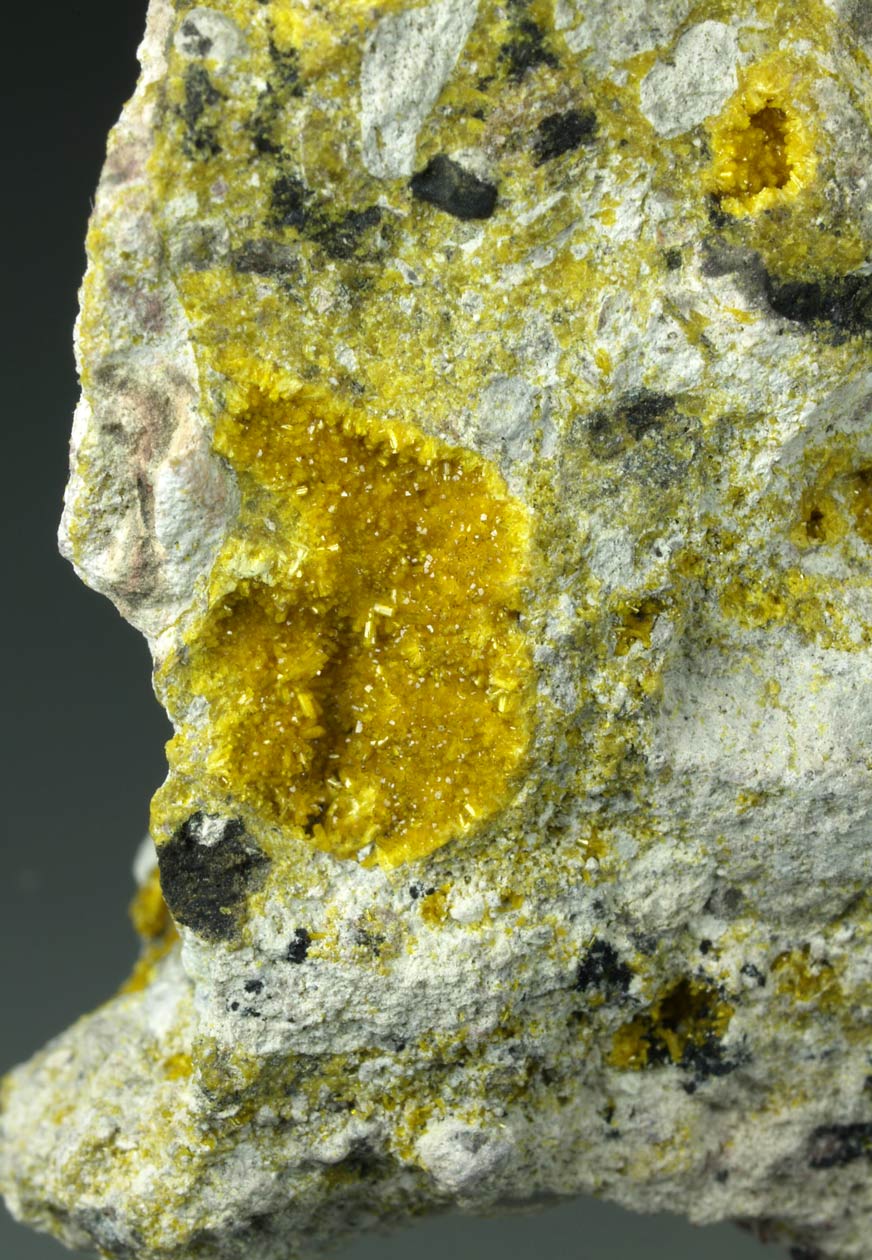
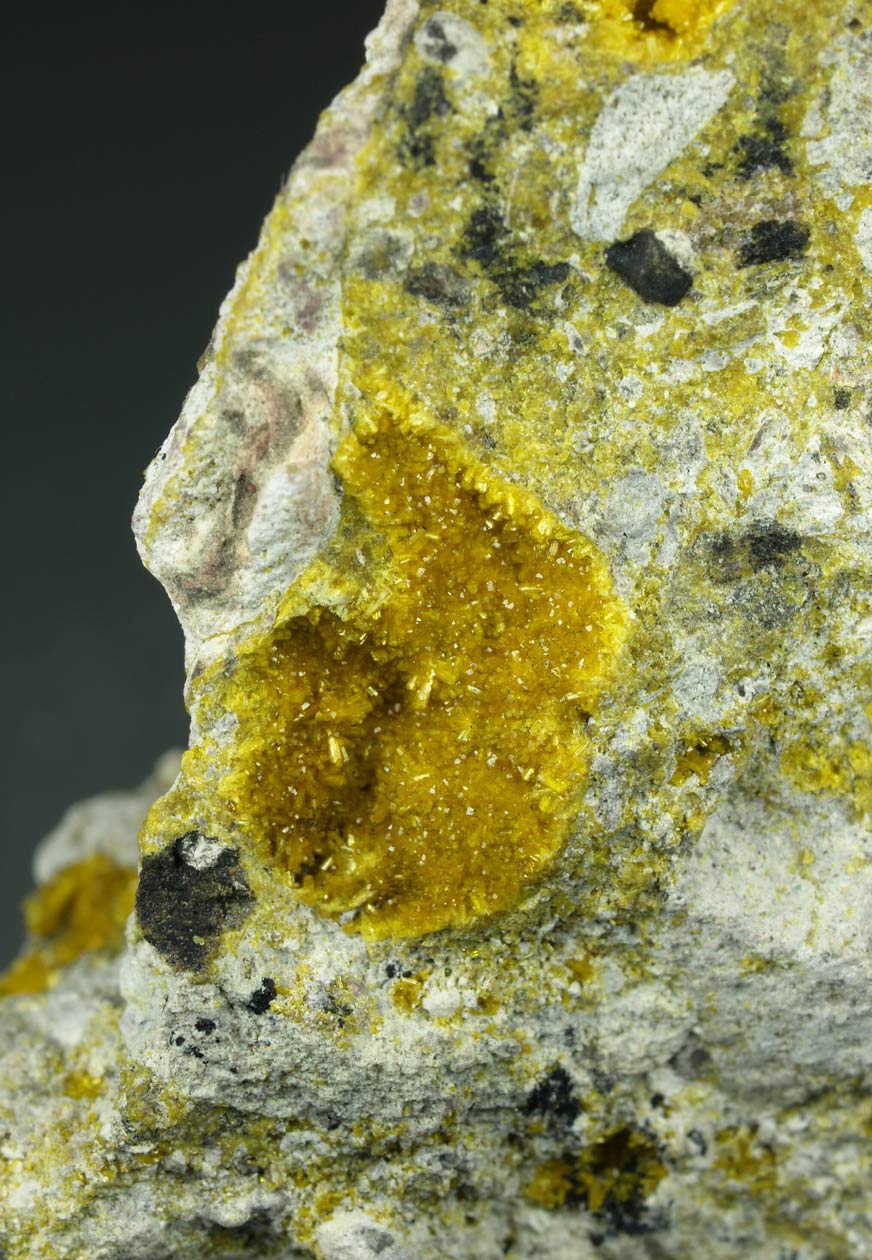
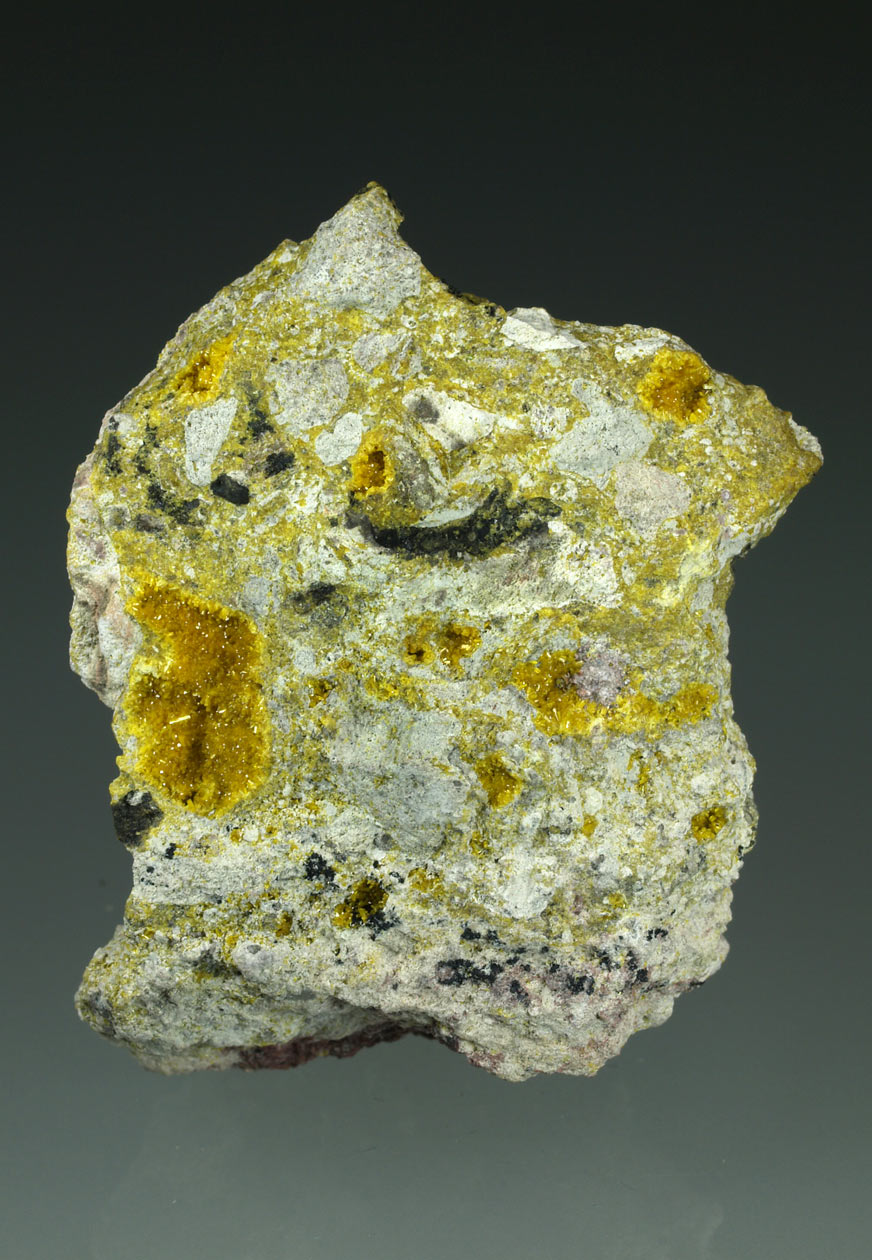
Ejemplar de buen tamaño con numerosas cavidades tapizadas de cristales amarillos de sklodowskita, prismáticos, transparentes y de intenso color. Un ejemplar de gran calidad para la especie. Presenta actividad radioactiva. Esta especie lleva el nombre de Marie Skłodowska-Curie.
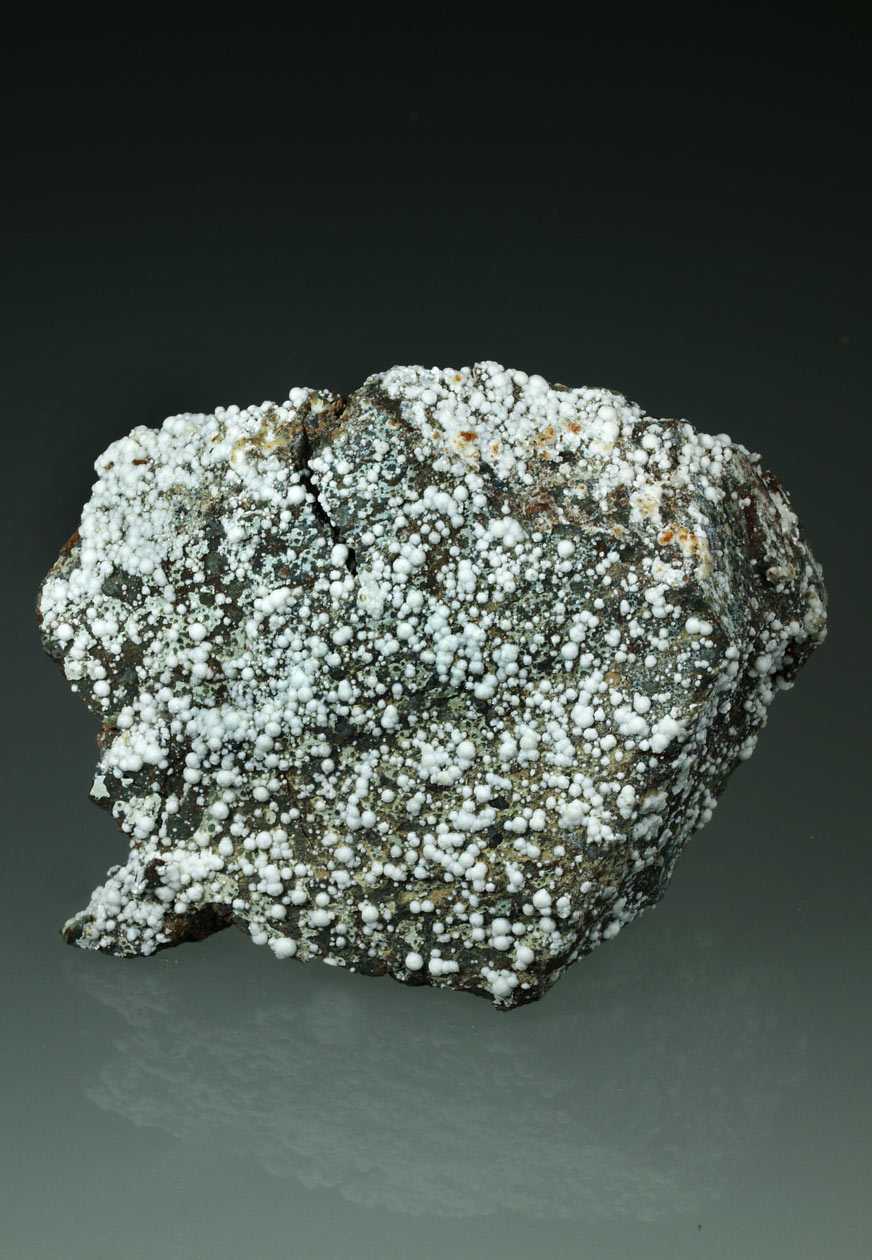
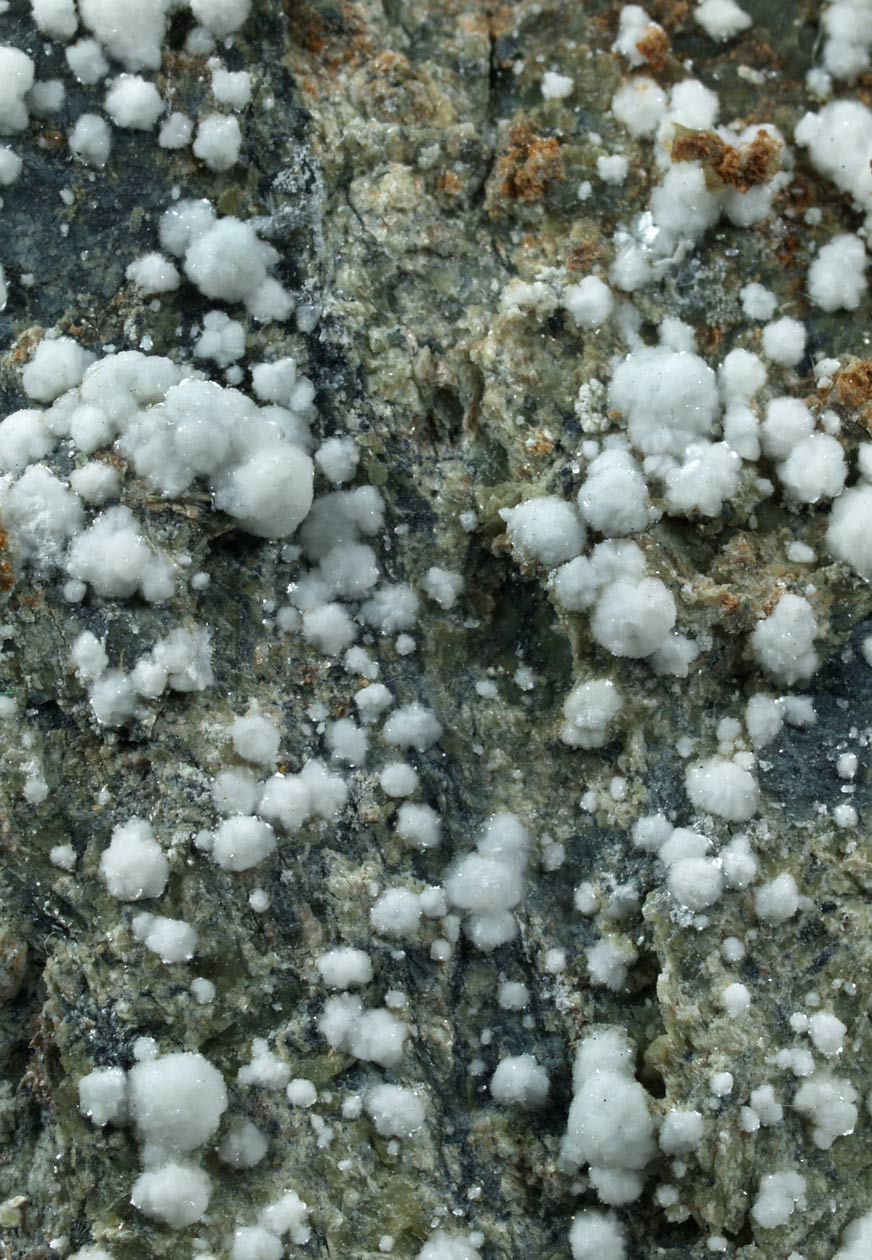
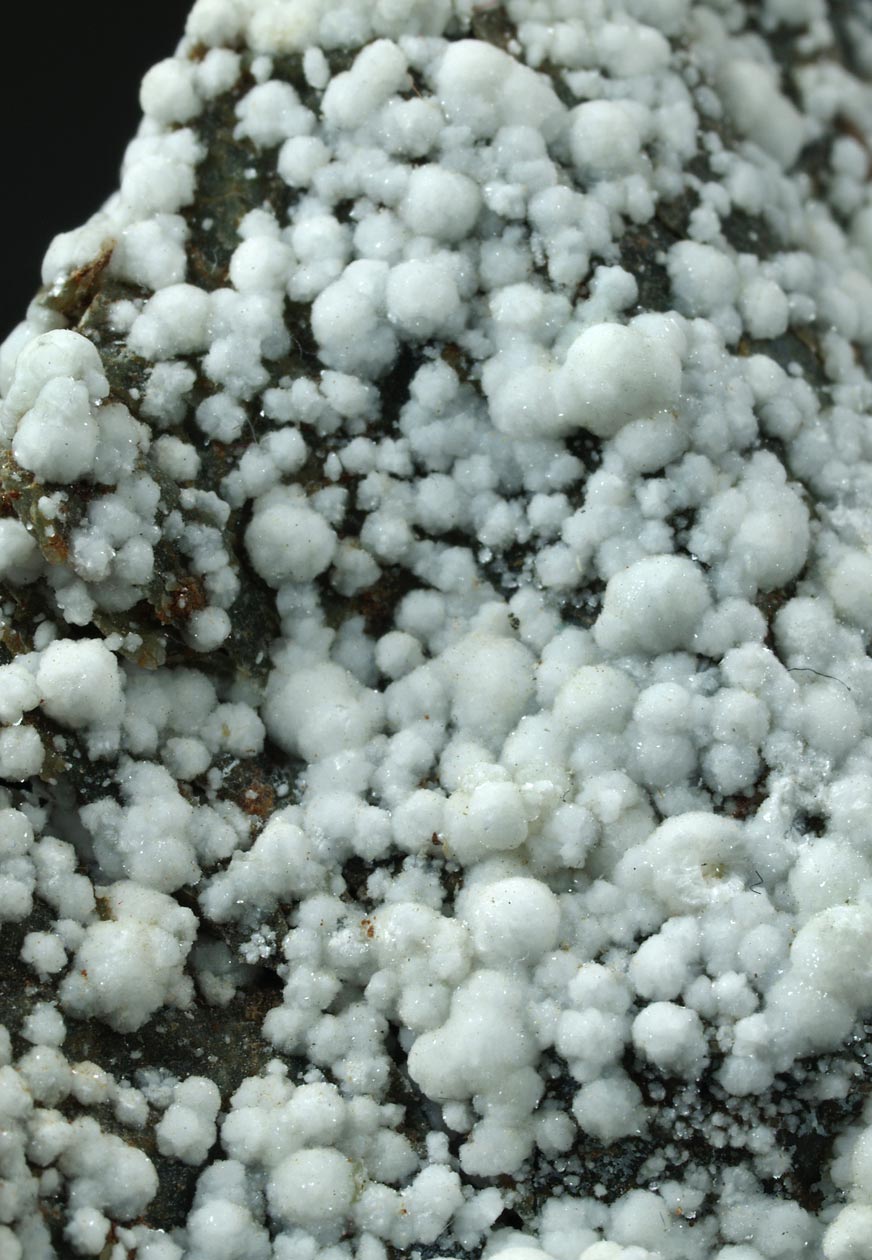
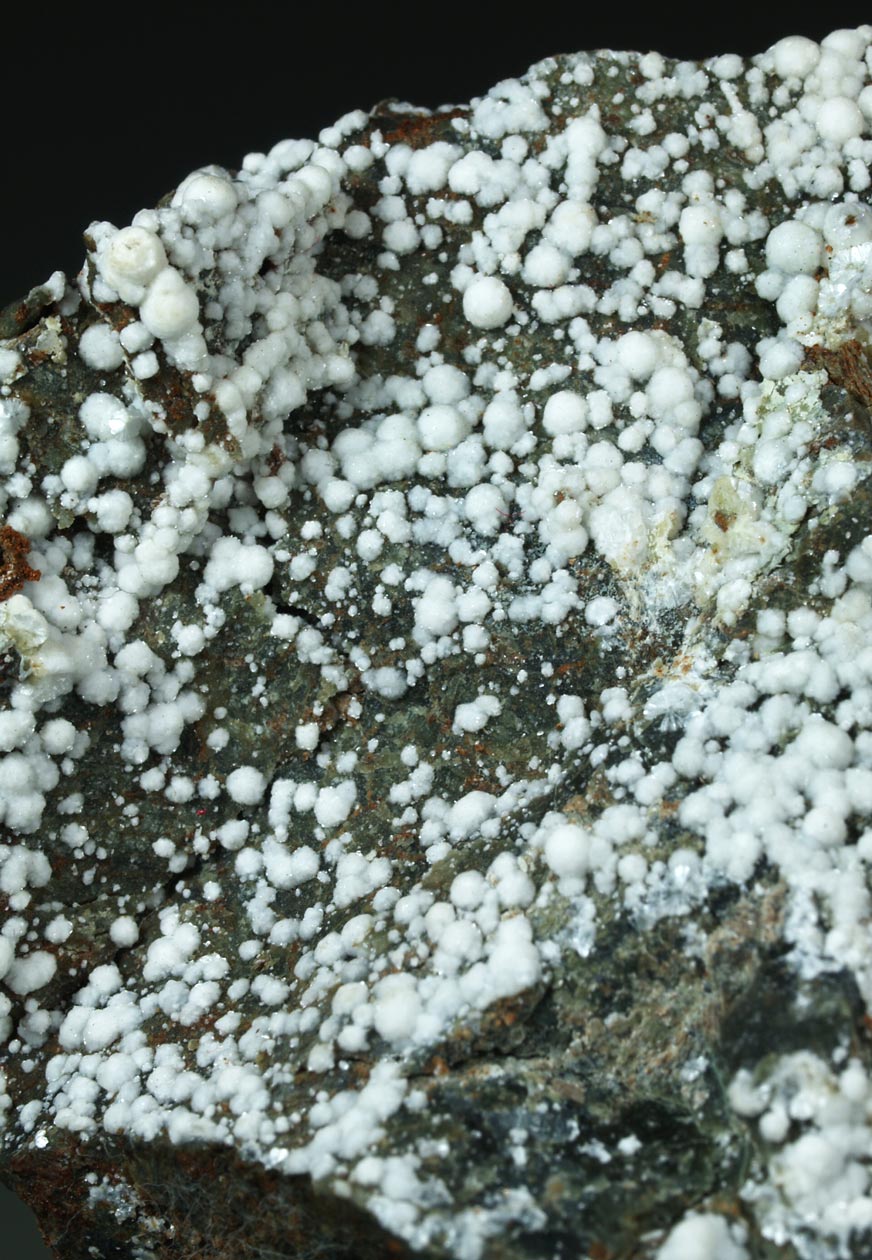
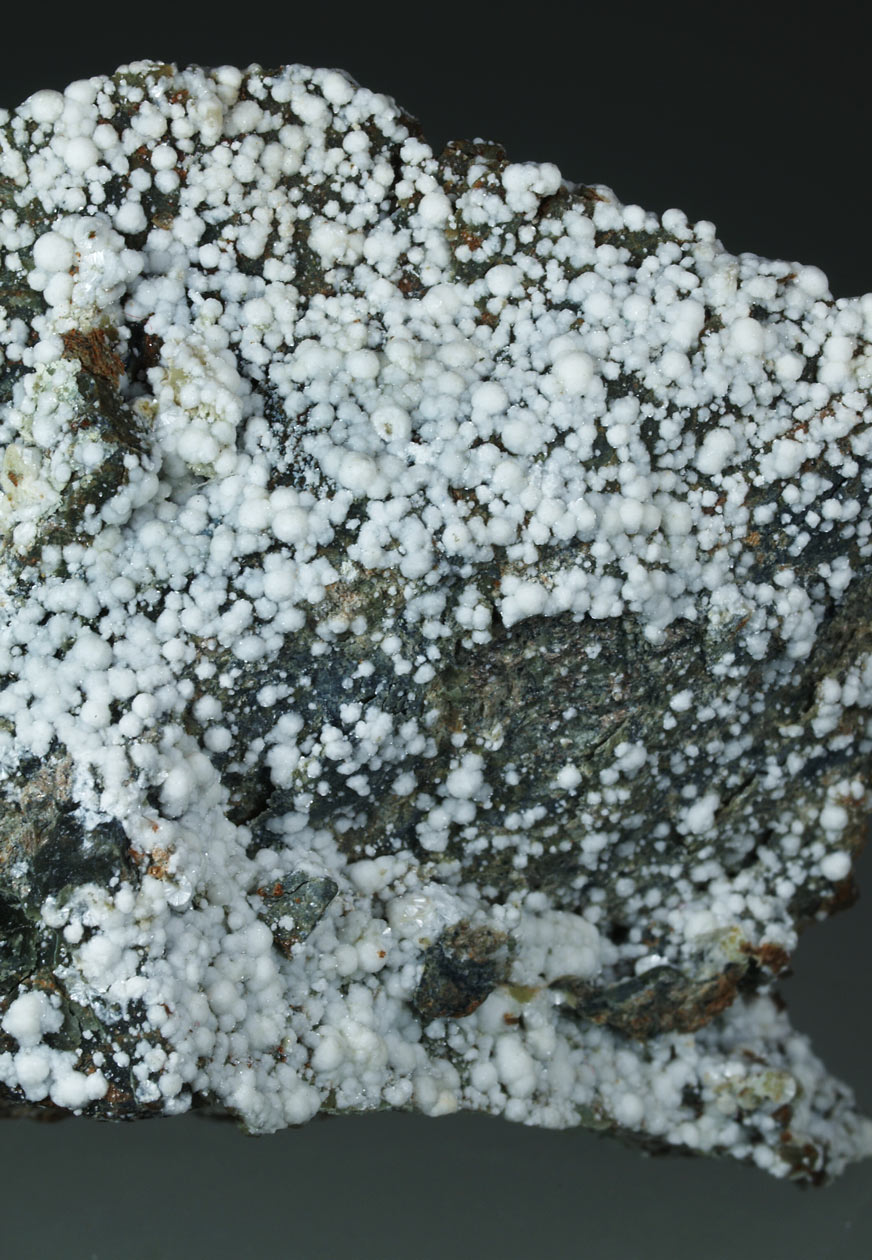
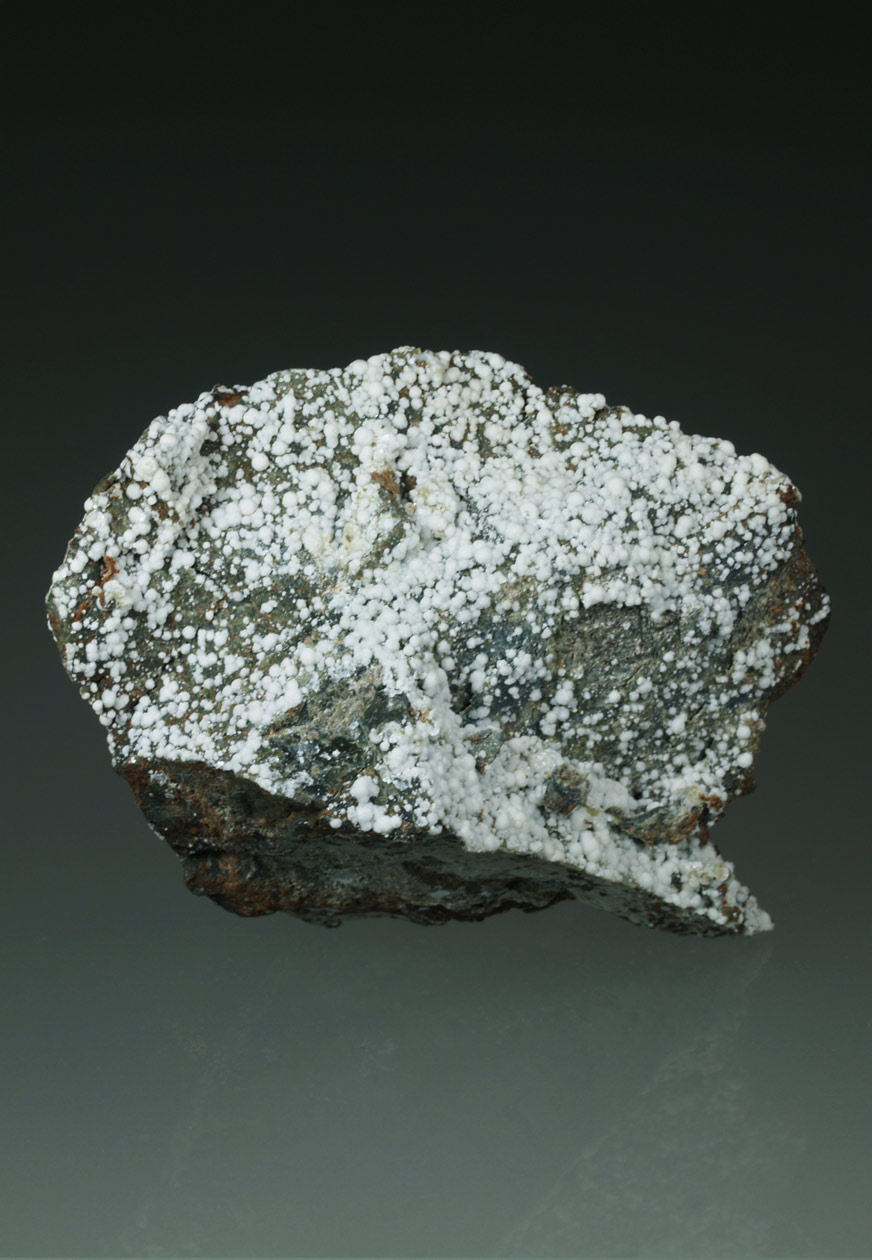
No son muy habituales los ejemplares bien cristalizados de hidromagnesita y menos de este yacimiento y con tamaño. Sobre la matriz se disponen numerosos agregados esféricos de níveo color blanco, transparentes bajo aumento. Procede de la col. Hubin (Bélgica).
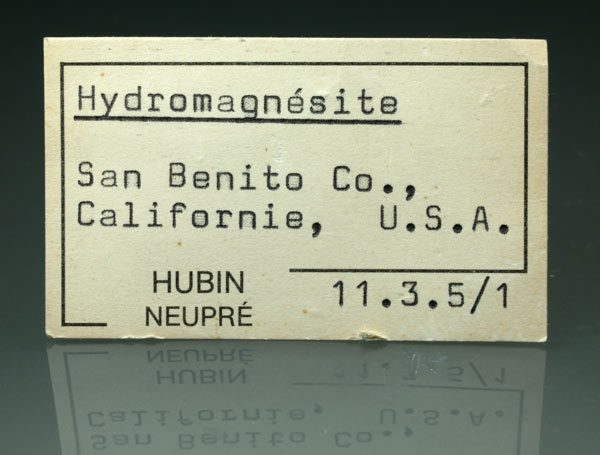
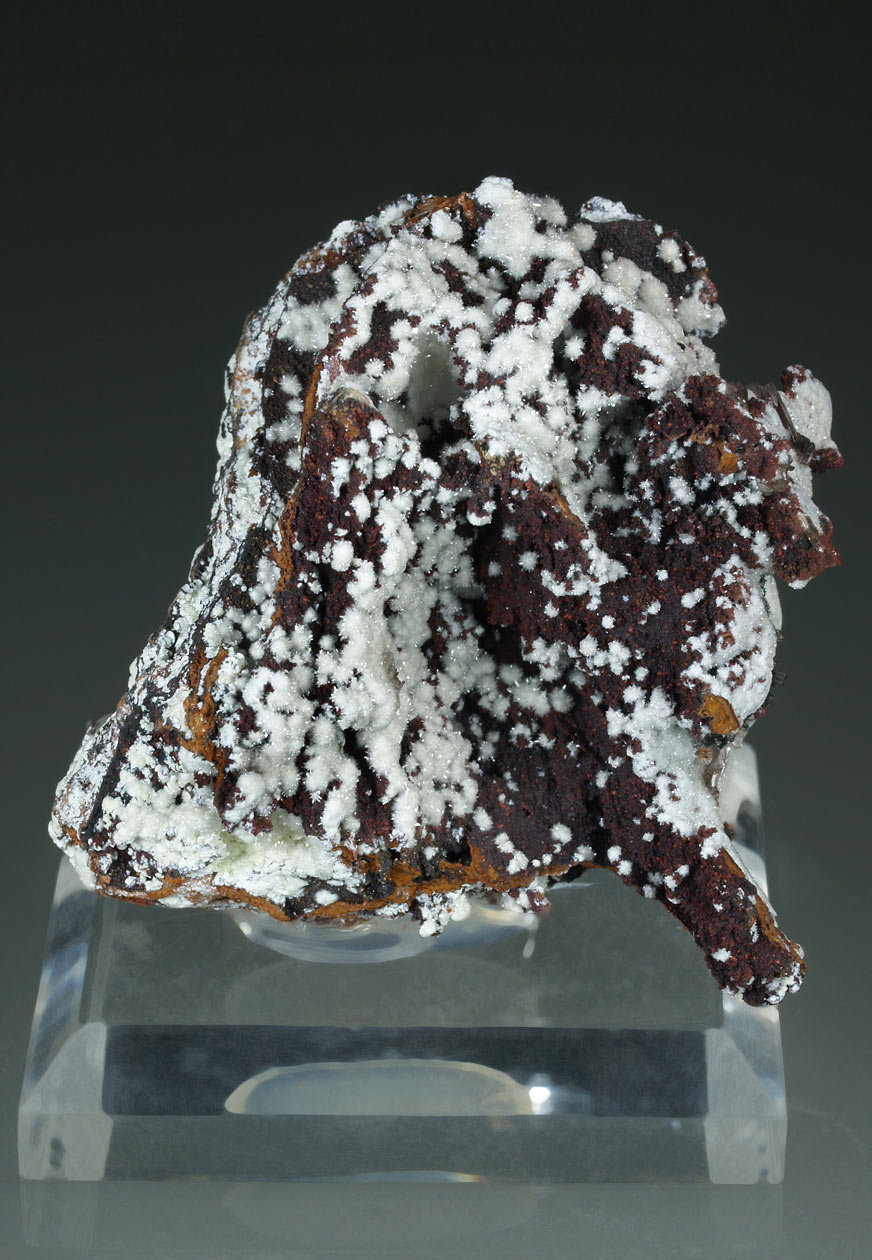
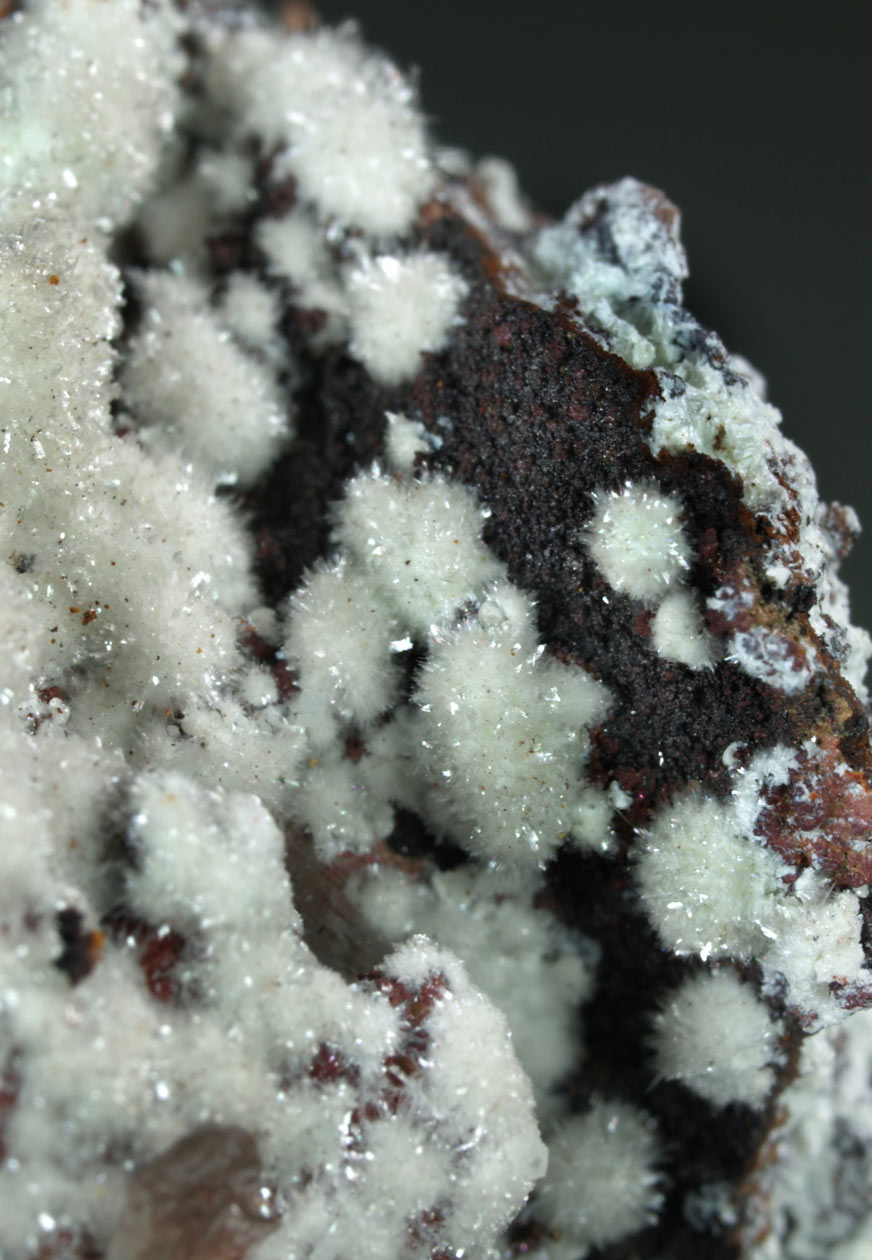
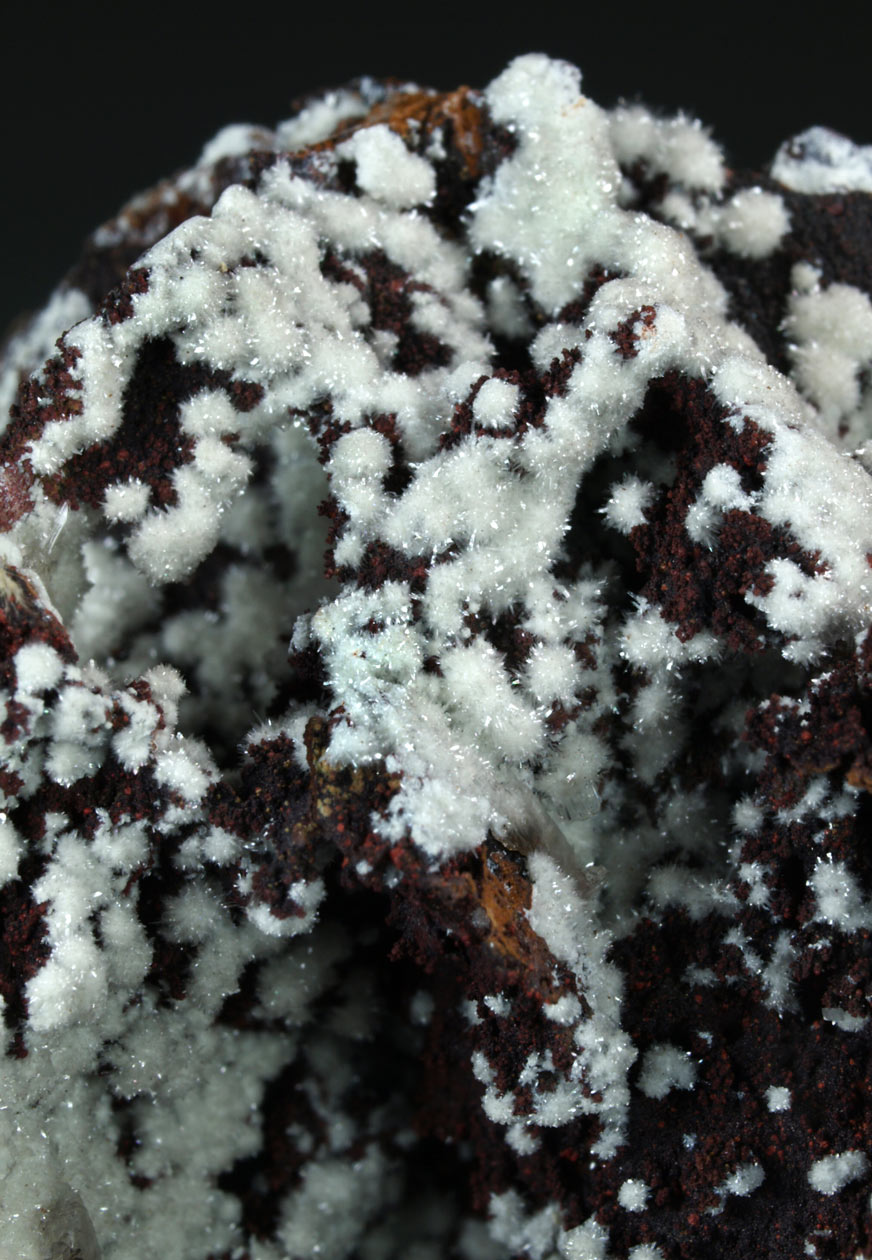
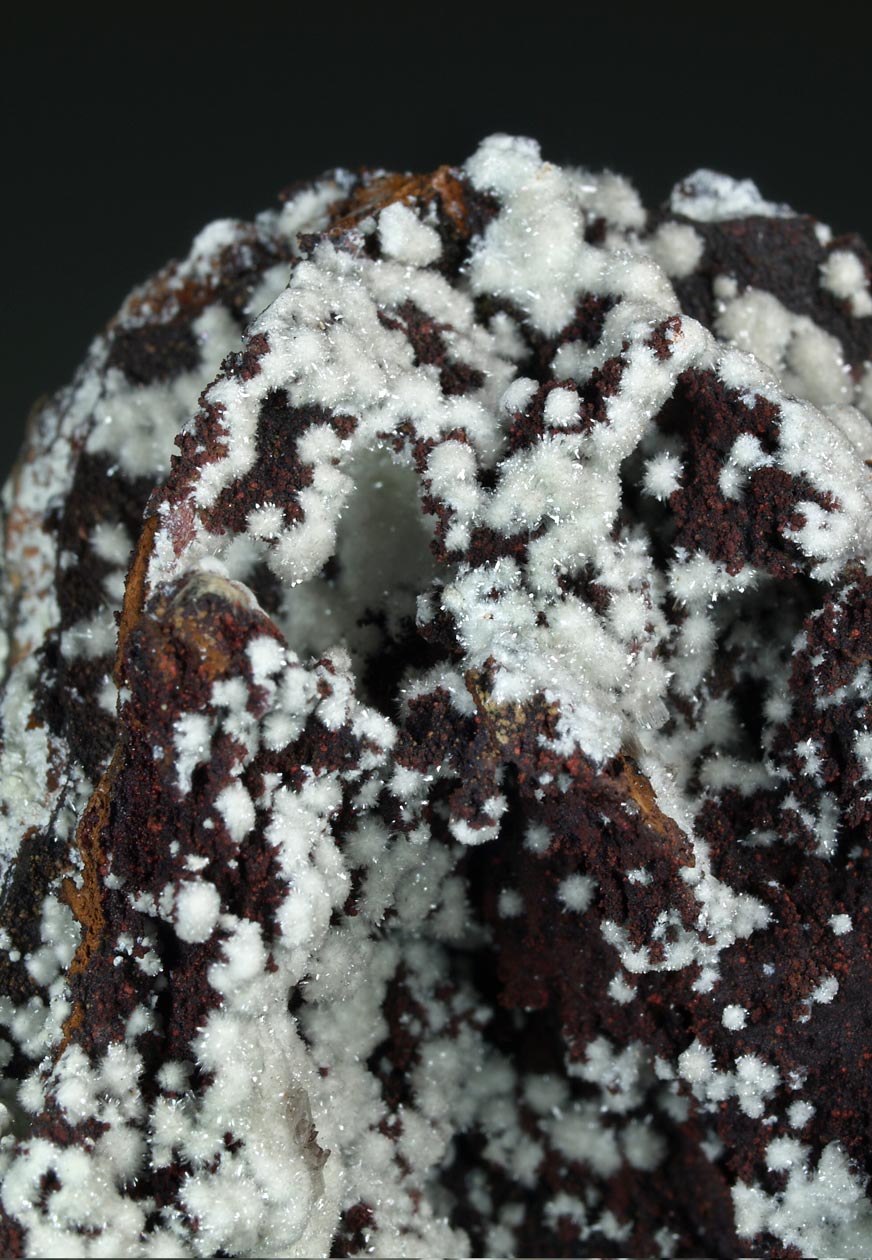
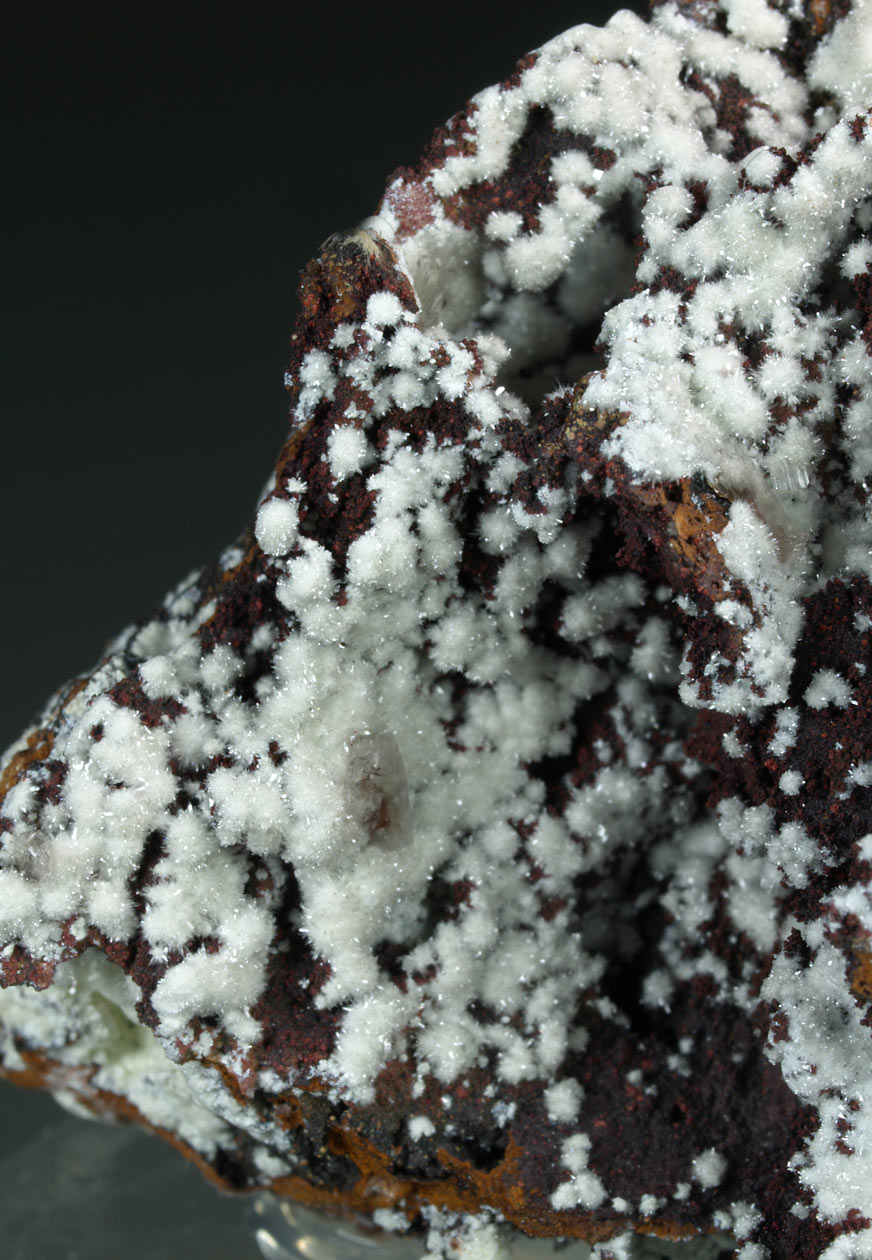
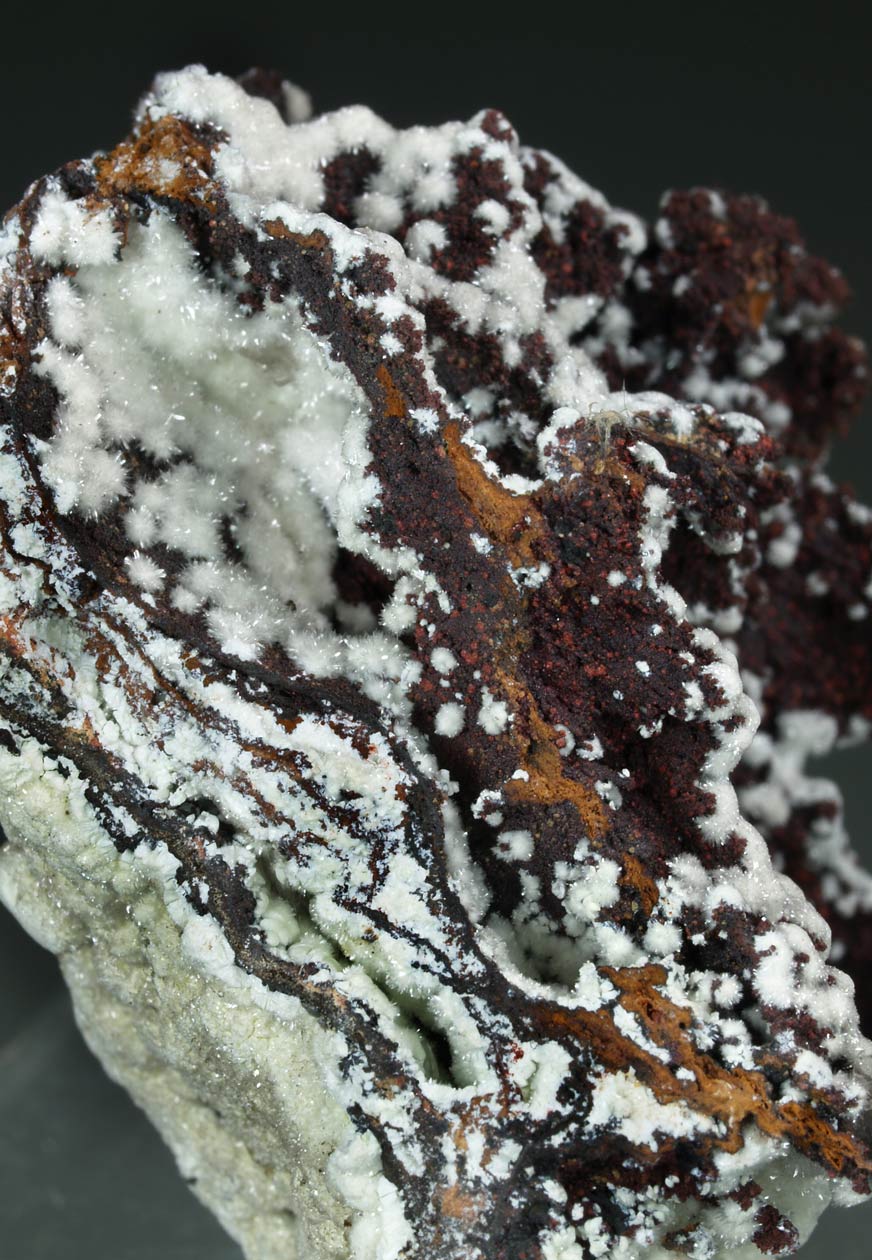
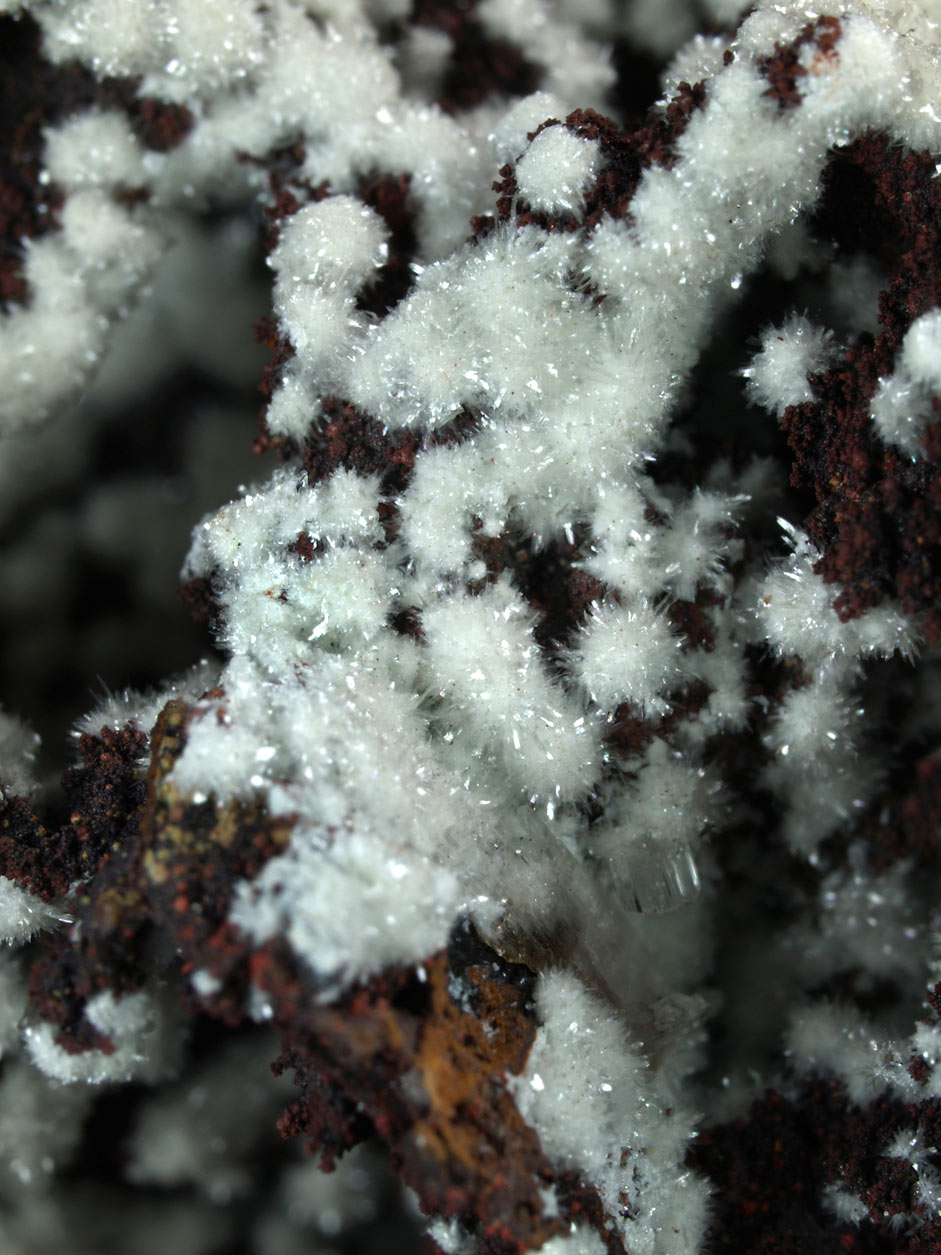
Este es un espécimen muy rico de hidrozincita estético y de buen tamaño, de la clásica mina Ojuela. Interesante, formado por agregados níveos de cristales de la especie que se han formado en cavidades en la matriz de limonita, con la que contrastan. ESPECTACULAR bajo lupa. La hidrozincita se forma en las zonas de oxidación de depósitos de zinc como masas o costras. Excol. Hubin (B).
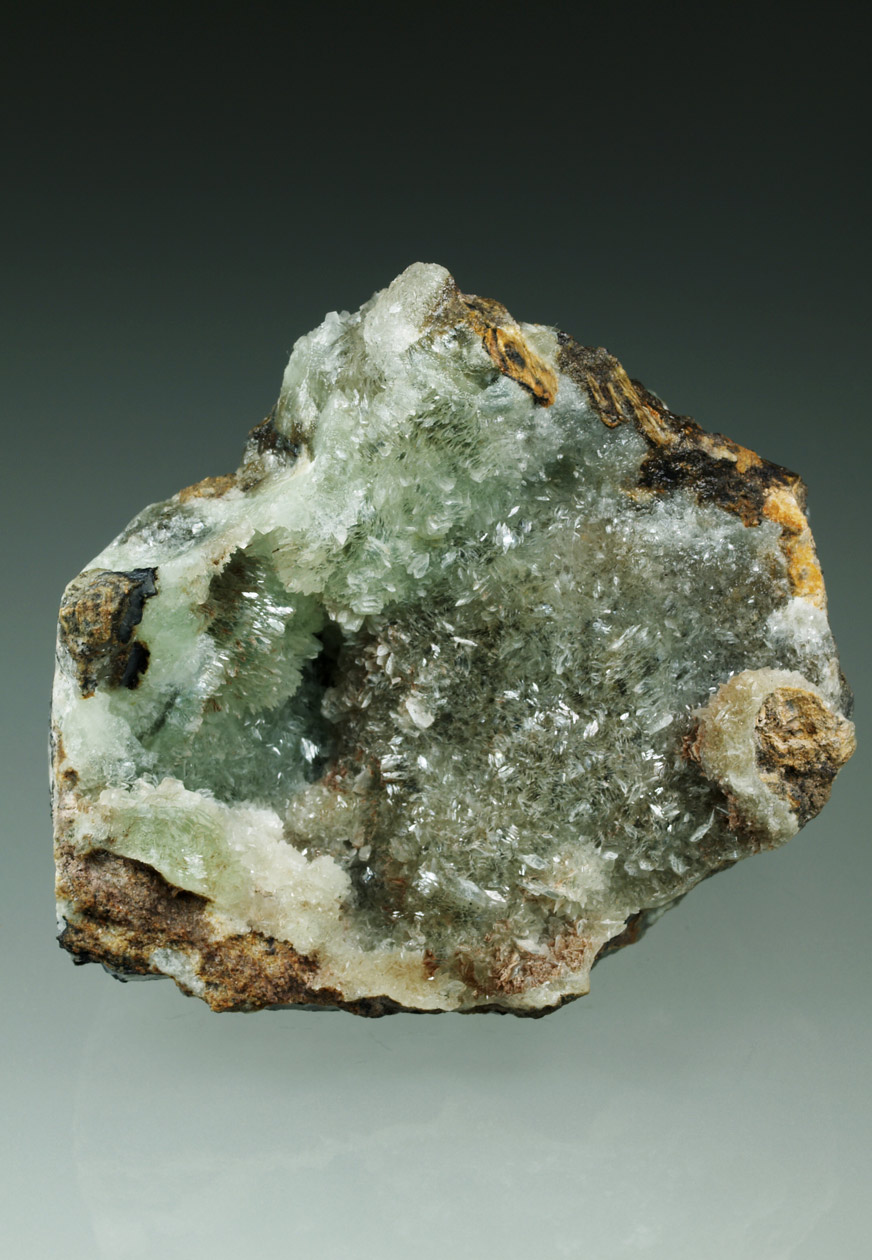
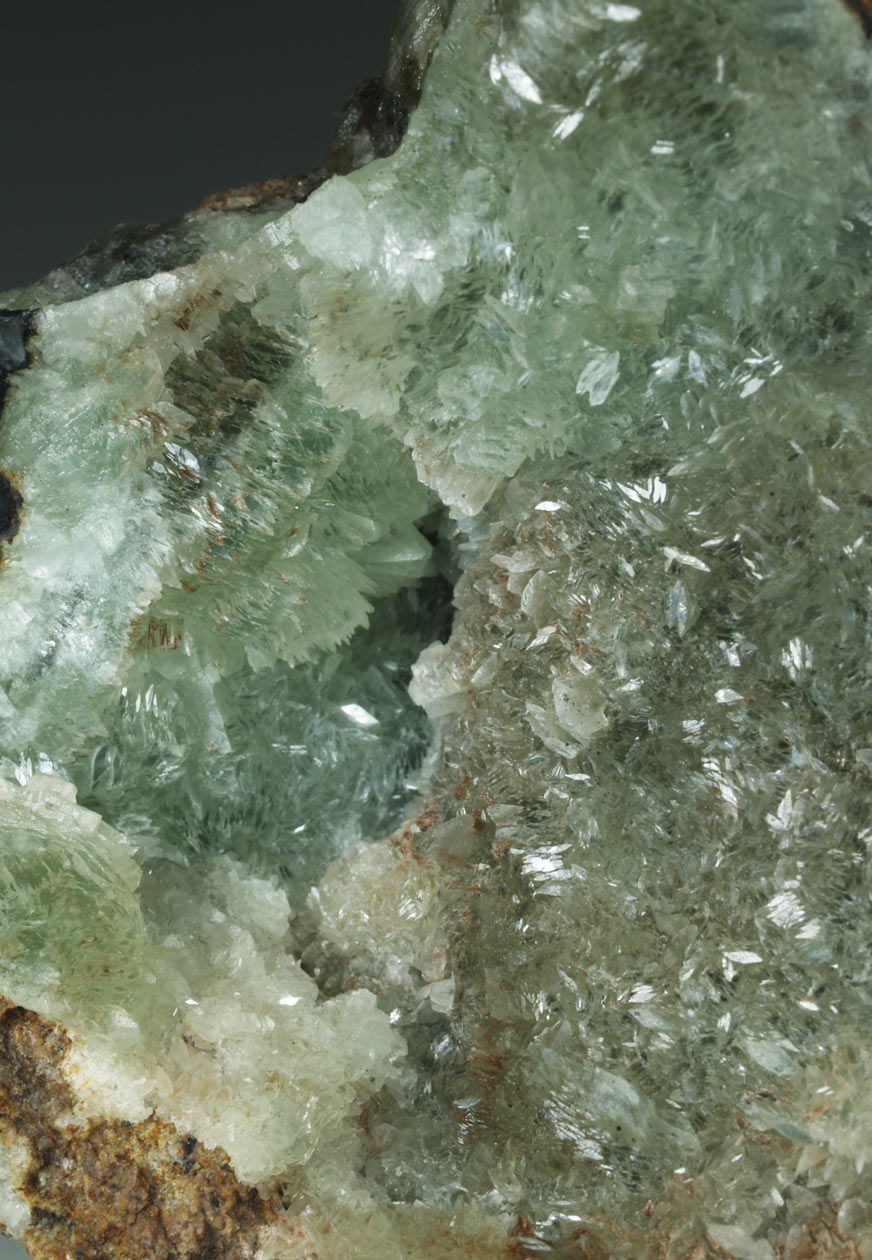
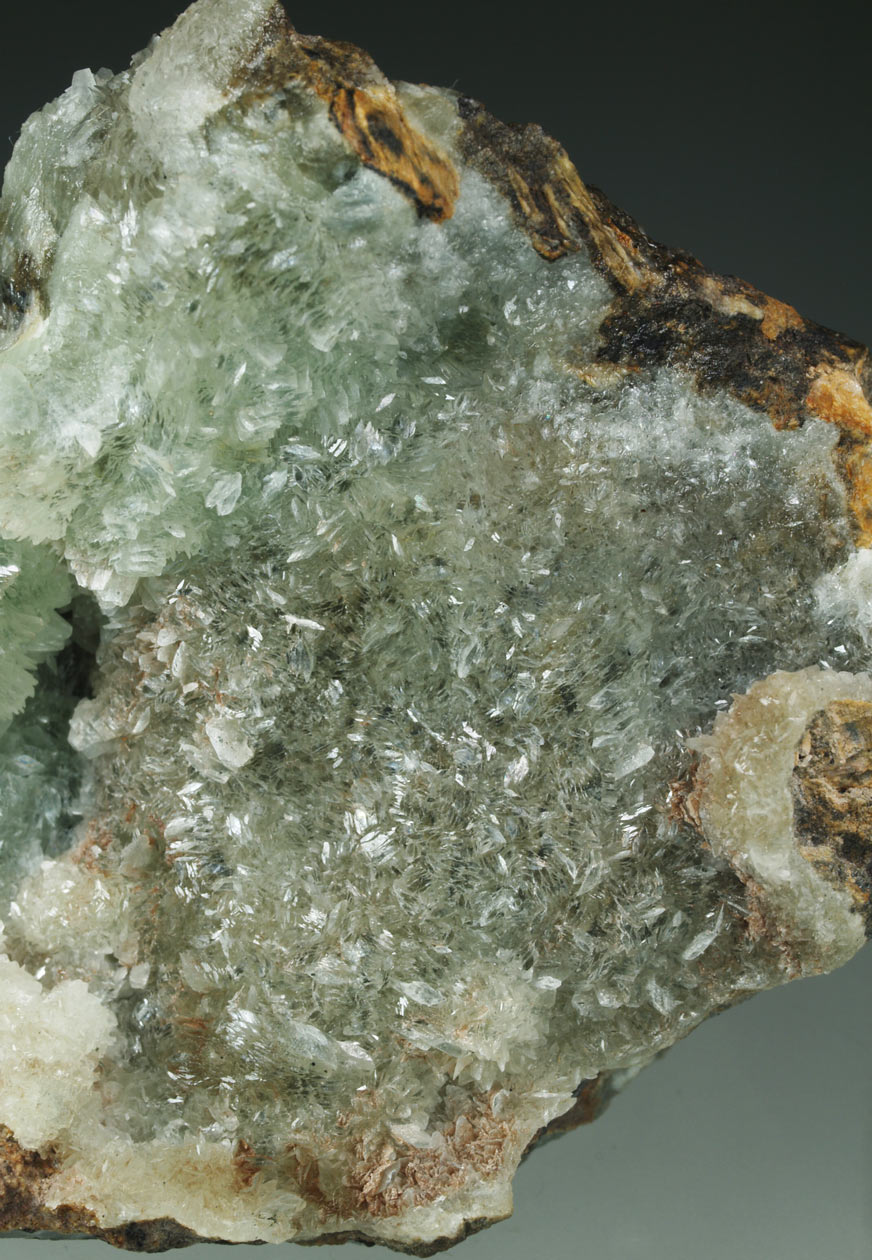
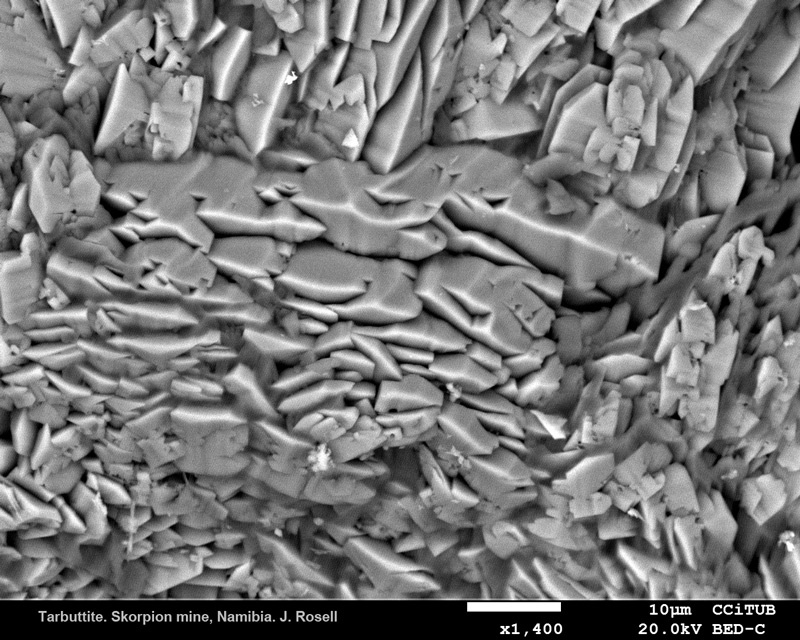
Cavidad en la matriz totalmente recubierta de brillantes cristales de tabulares, formando agregados paralelos de color verde manzana. Estos cristales de tarbuttita de la Skorpion mine se pueden considerar entre los mejores del mundo.
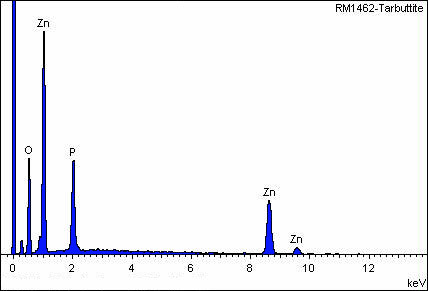
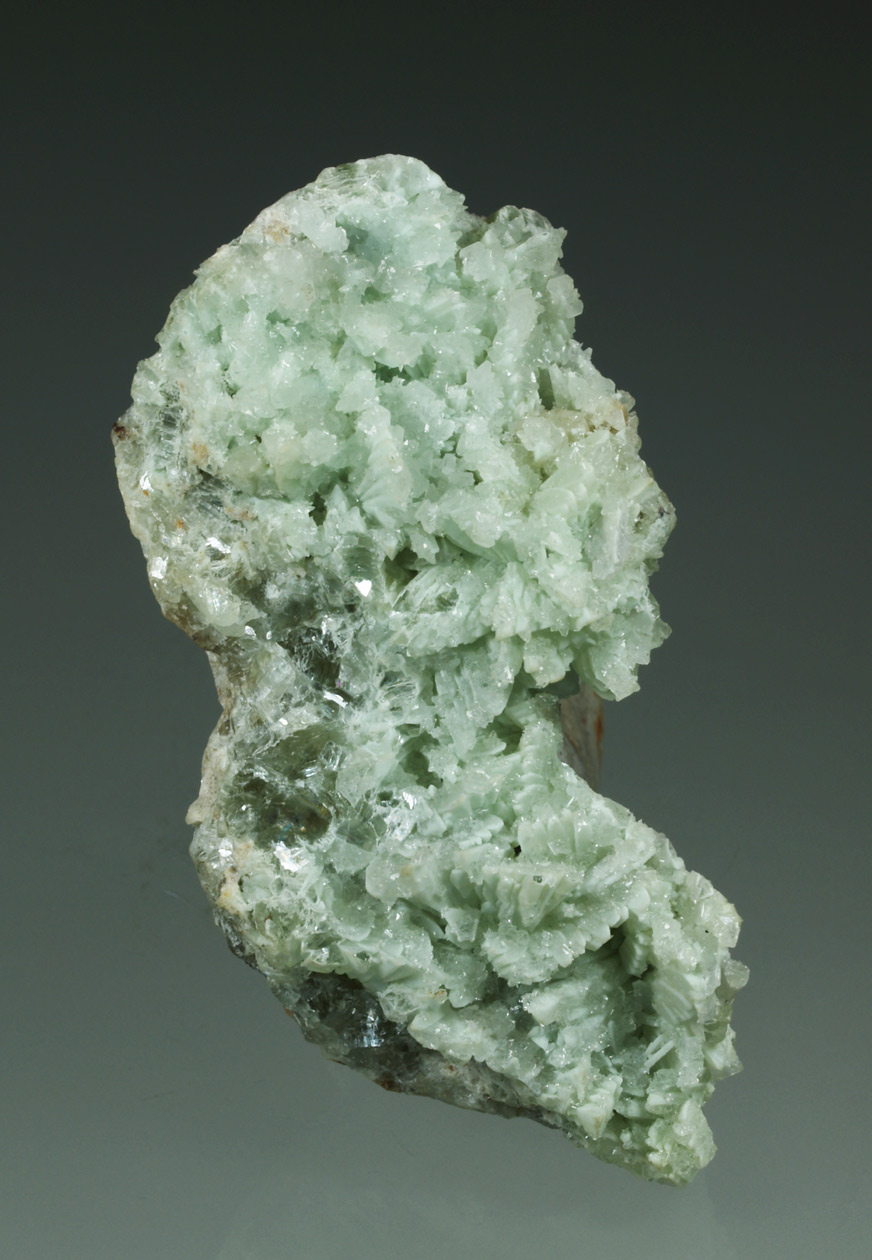
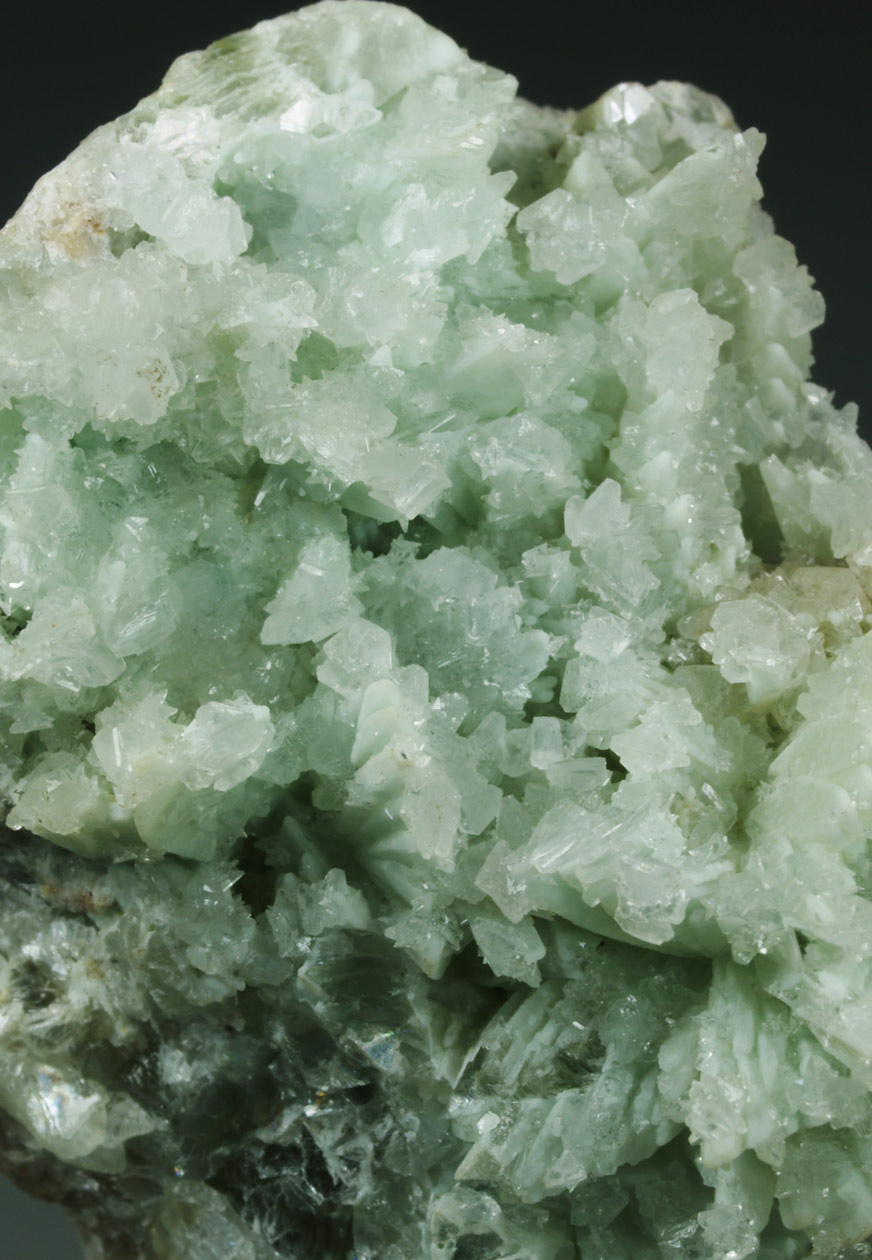
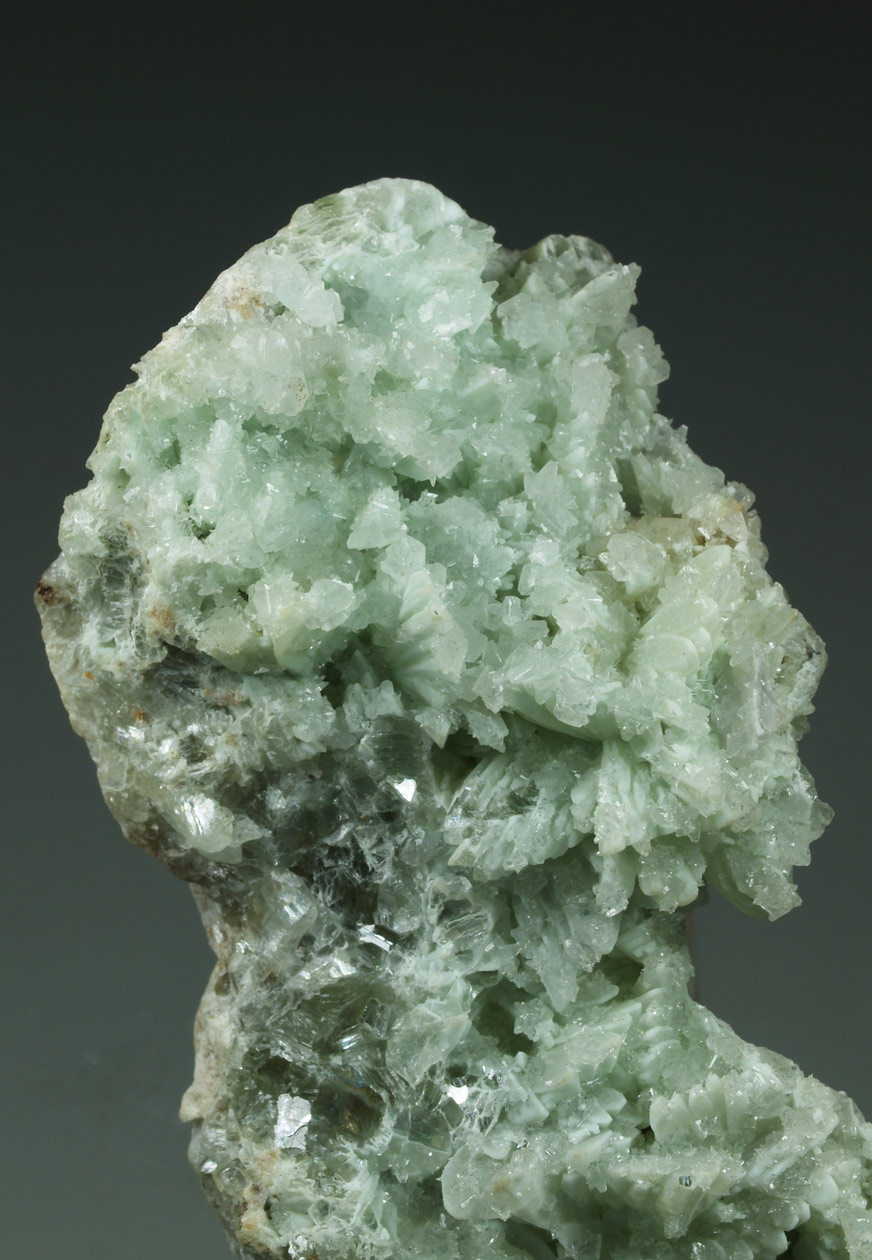
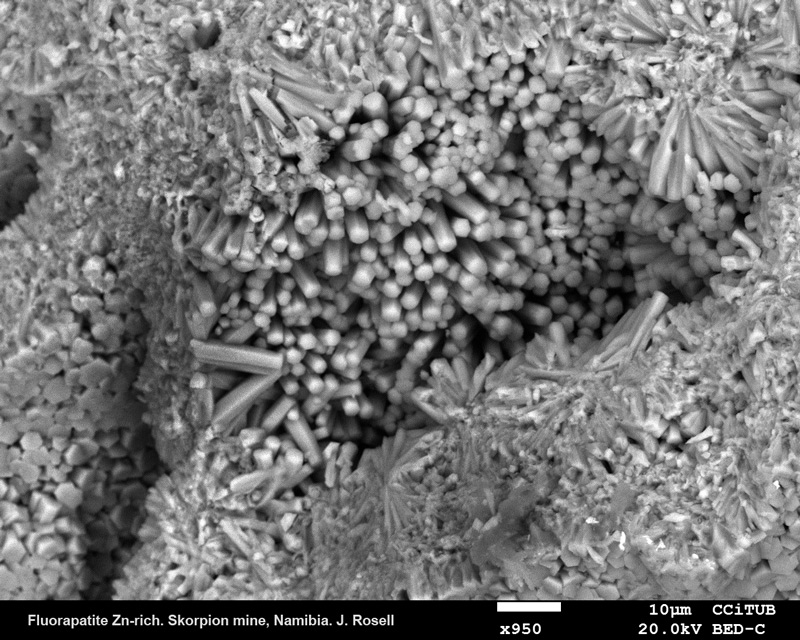
Ejemplar de tarbuttita formado por numerosos cristales tabulares, formando agregados paralelos de color verde manzana. Estos cristales de tarbuttita de la Skorpion mine se pueden considerar entre los mejores del mundo. Se hallan parcialmente recubiertos de diminutos cristales de fluorapatito, rico en Zn, pero sin llegar a ser skorpionita. Enviaremos los análisis al comprador. A mi entender muchos ejemplares de este yacimiento etiquetados como skorpionita son en realidad scholzita y/o fluorapatito rico en Zn. Se acompaña de cristales lanceolados de hemimorfita.
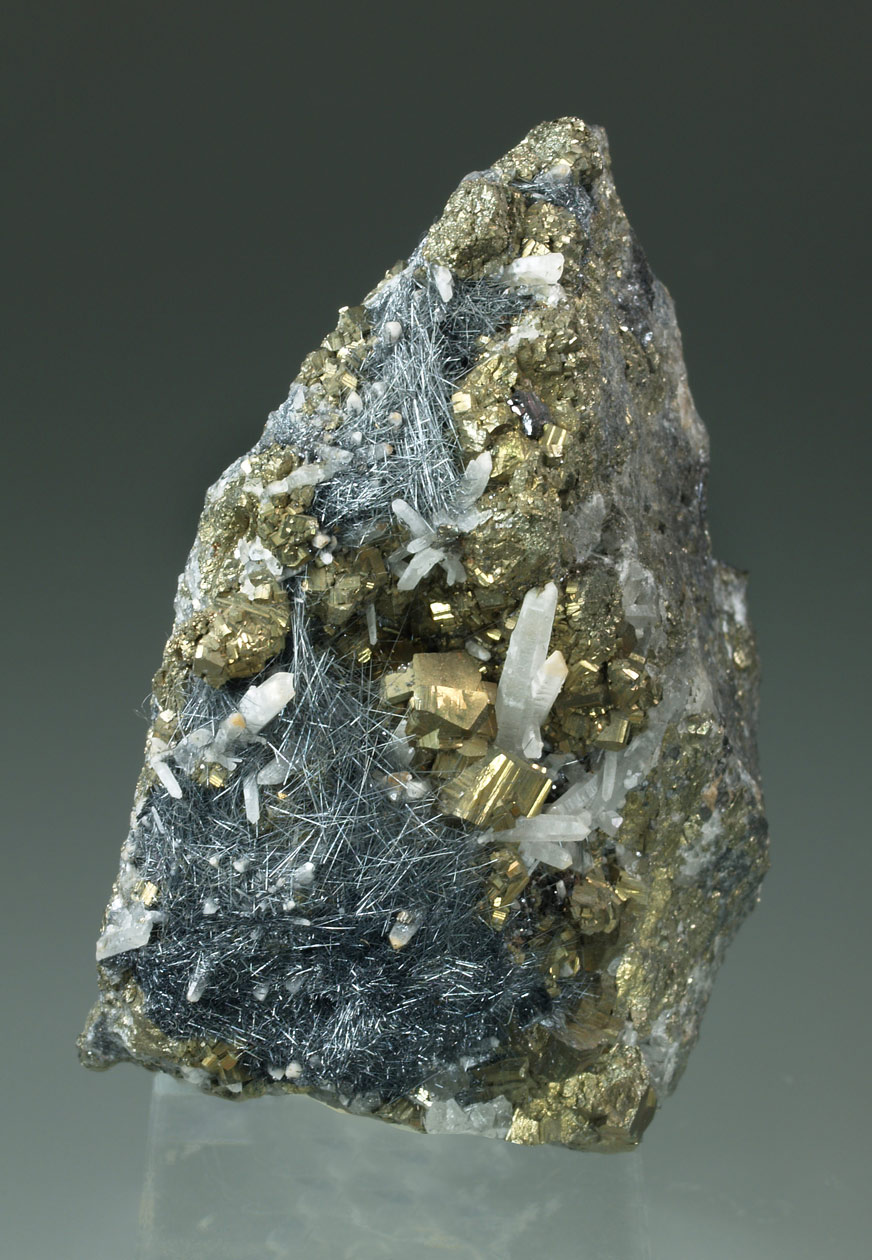
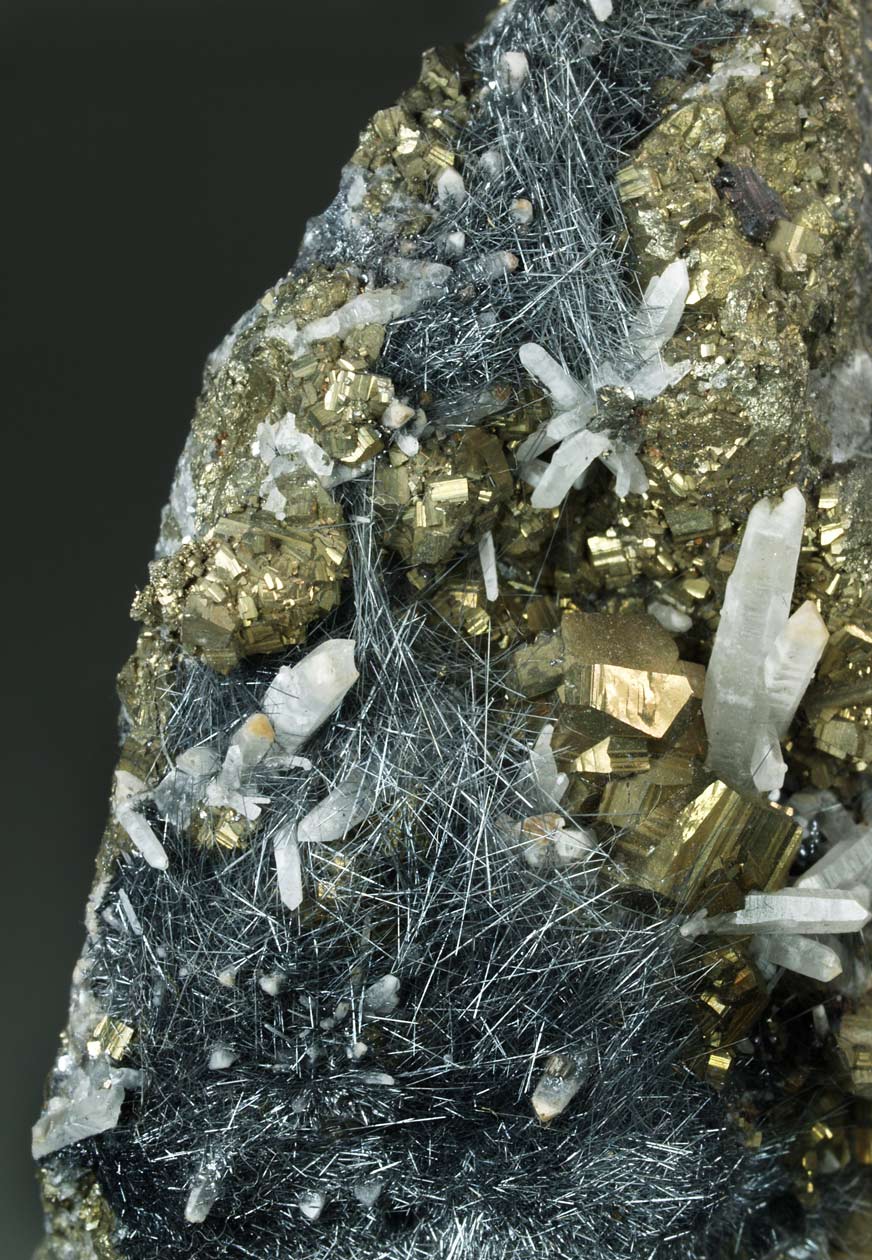
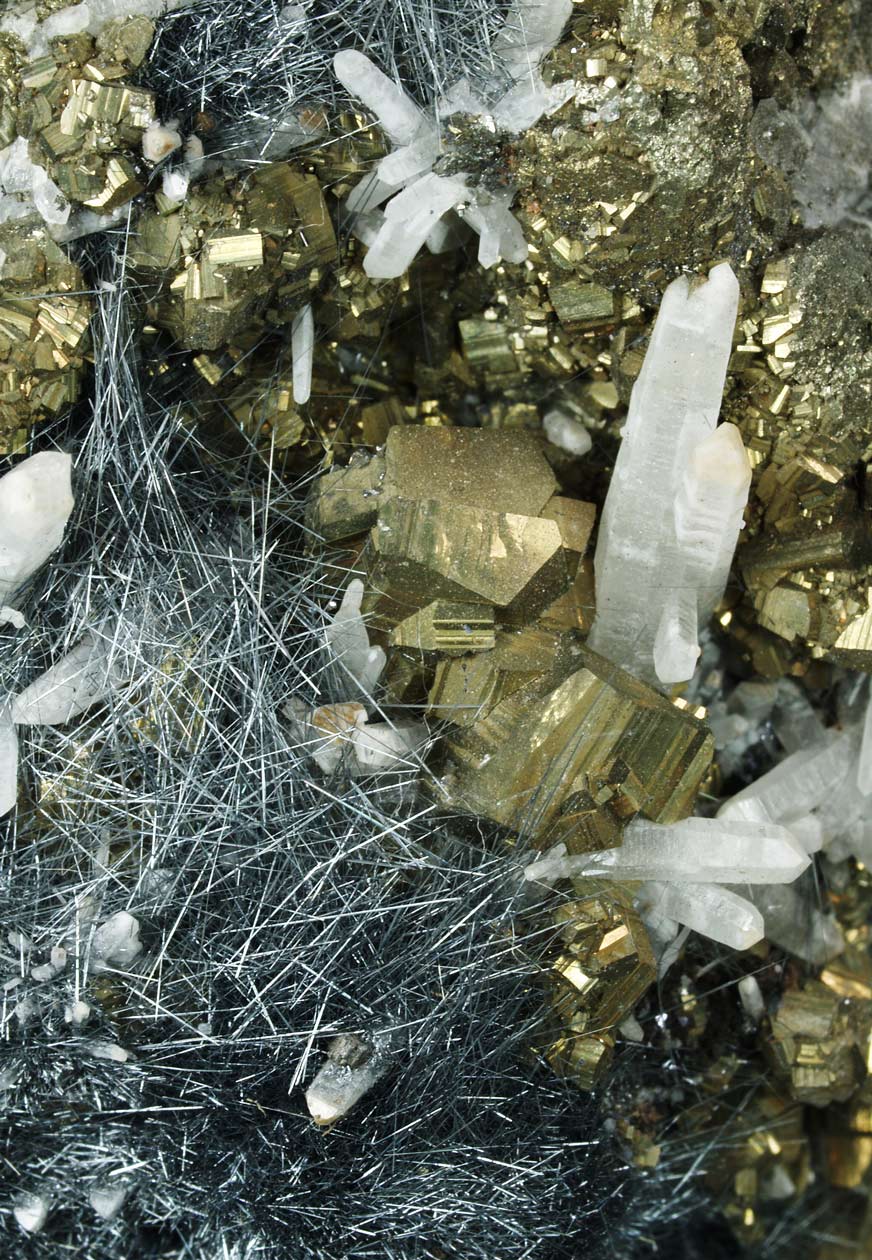
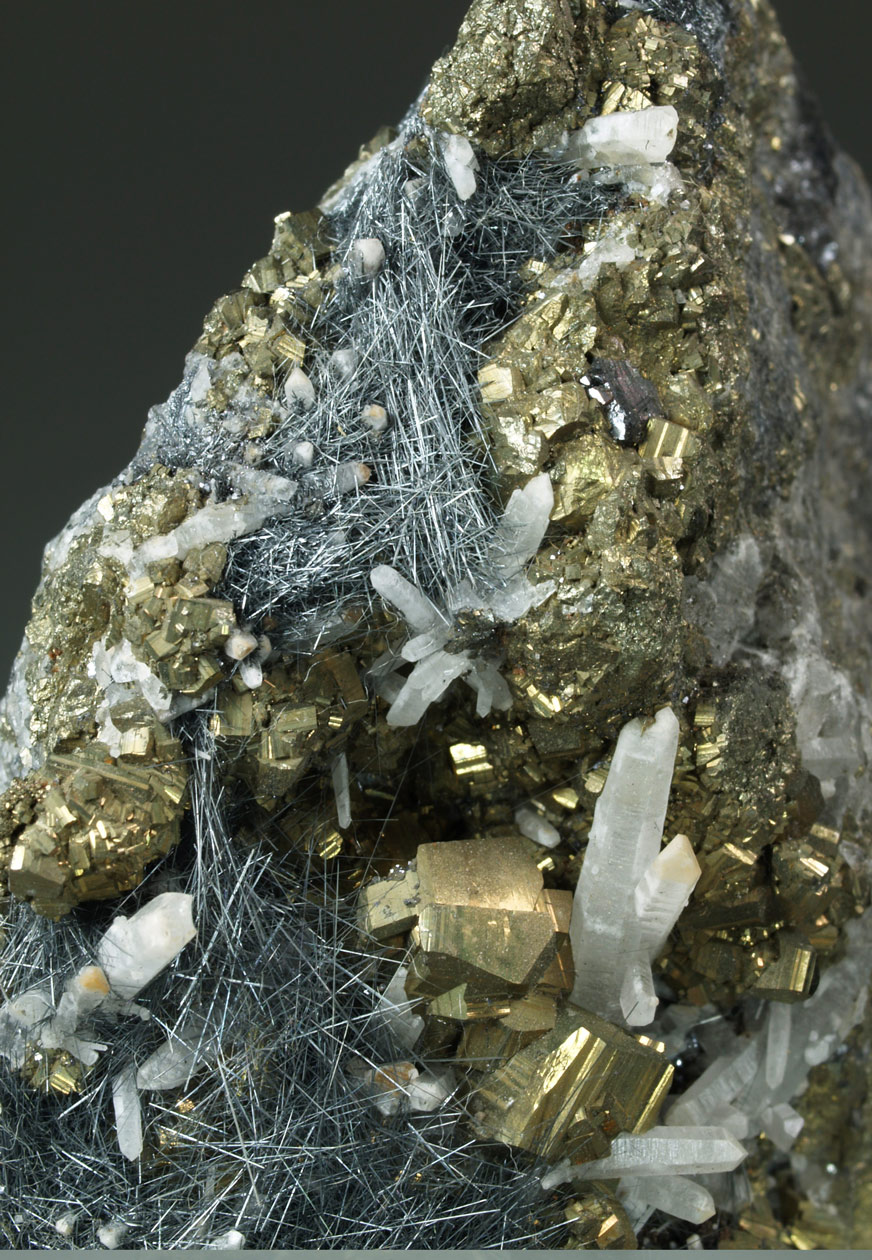
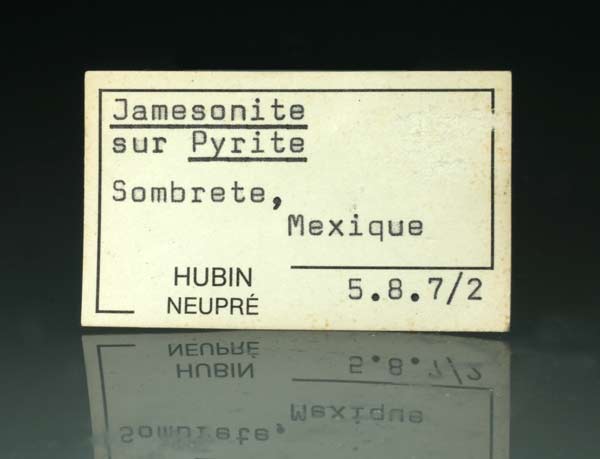
Estos ejemplares de jamesonita de Zacatecas son muy apreciados por los coleccionistas y difíciles de encontrar hoy día. Este ejemplar muestra un rico grupo de cristales aciculares, muy brillantes, que se disponen en una matriz con cristales de pirita y cuarzo. Prcede la colecció Hubin (Bélgica).
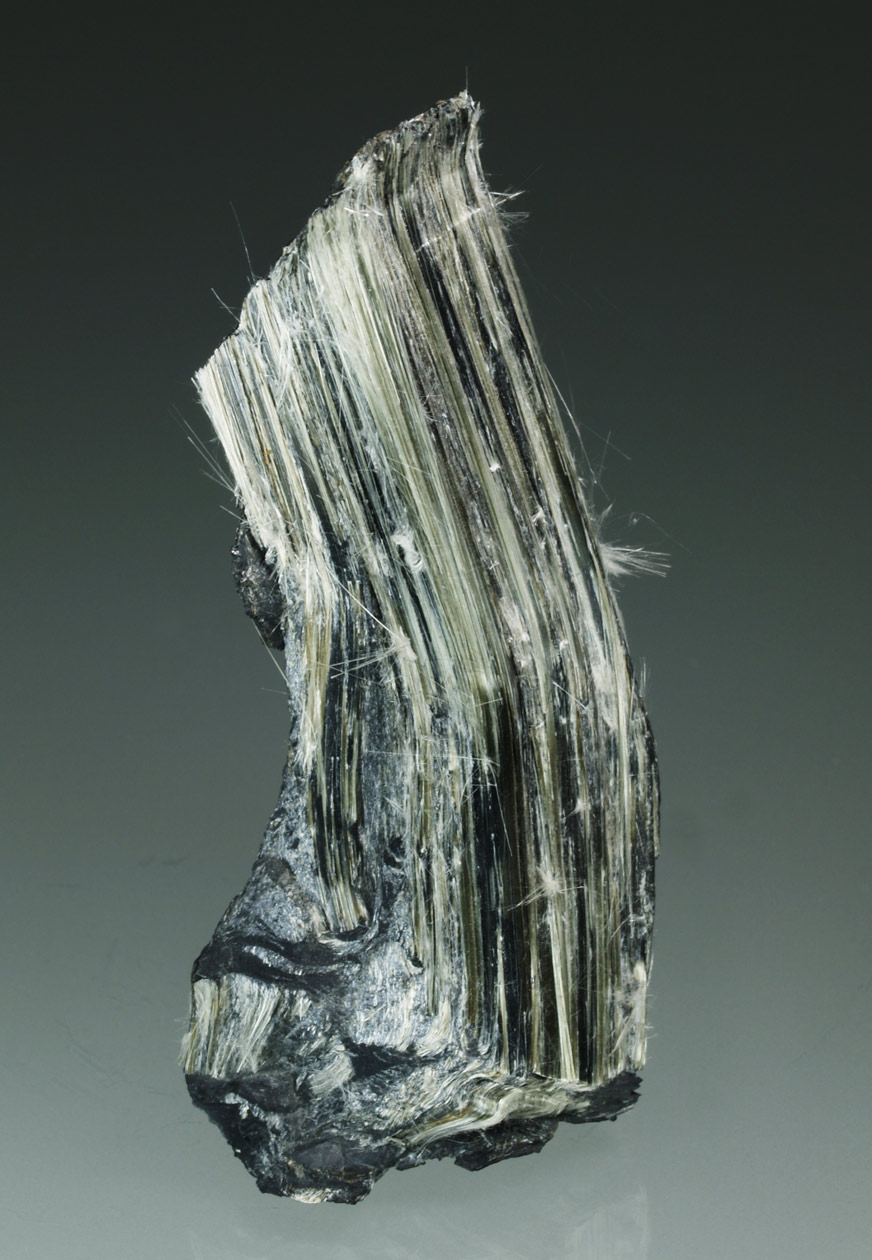
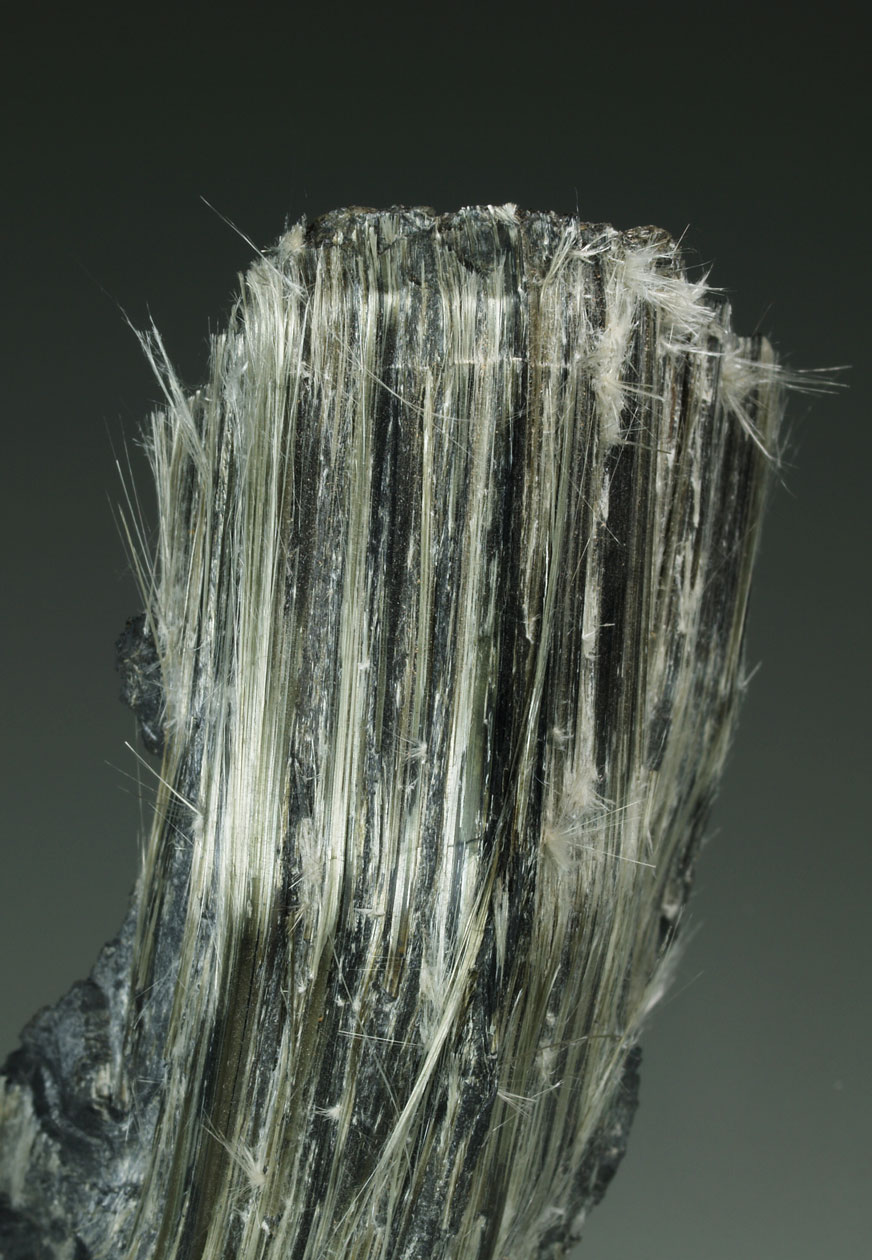
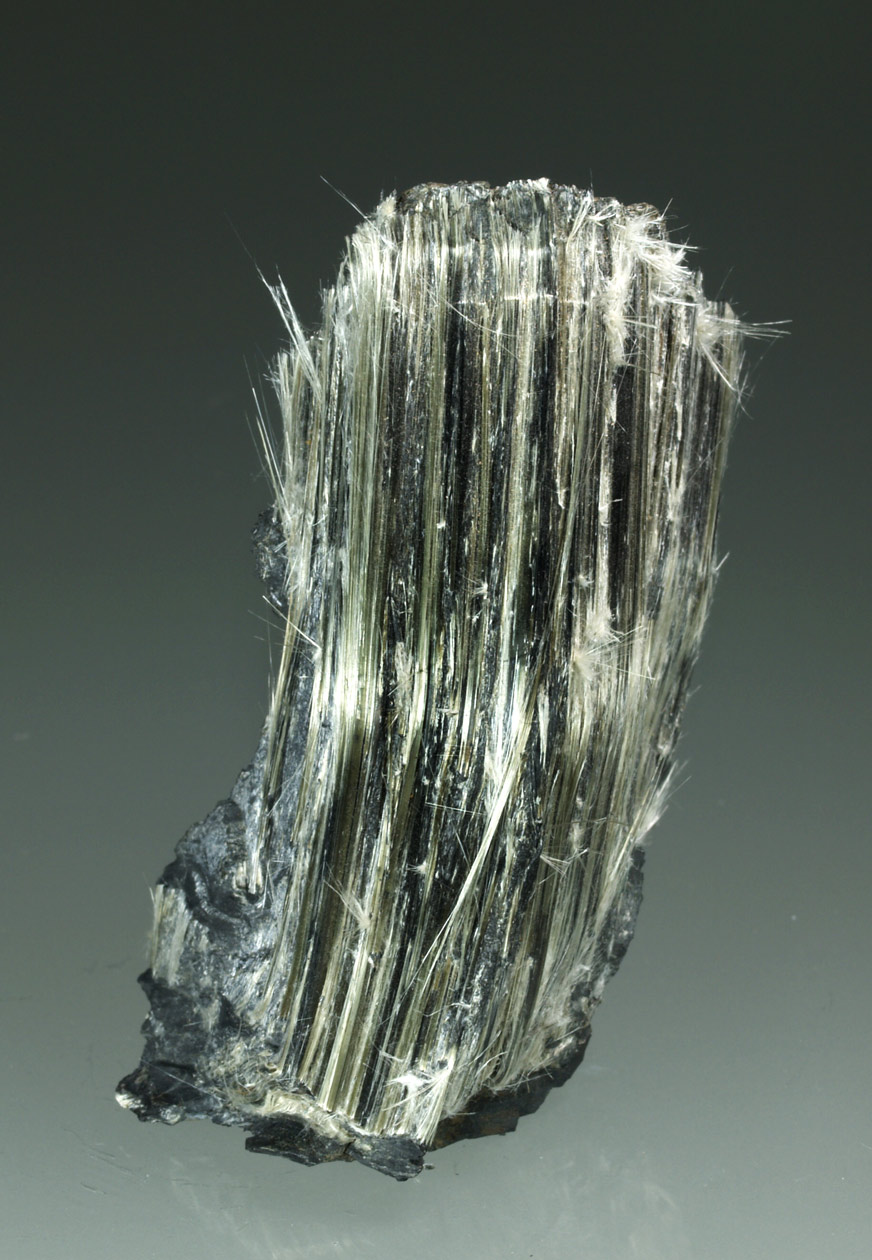
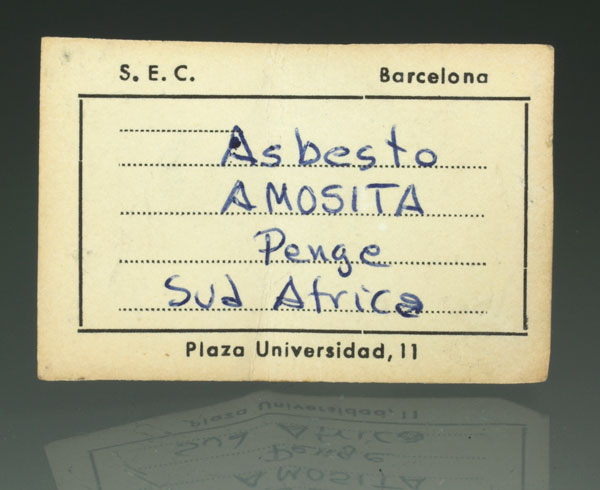
Ejemplar de buen tamaño de este anfíbol monoclínico de nombre grunerita y que en su forma fibrosa se llama amosita. Pertenece al subgrupo de los anfíboles con magnesio-hierro-manganeso. El nombre también se ha utilizado para referirse a otros miembros del grupo de los anfíboles tipo amianto, tales como la cummingtonita, con el que forma serie. Un clásico mundial de esta localidad sudafricana.
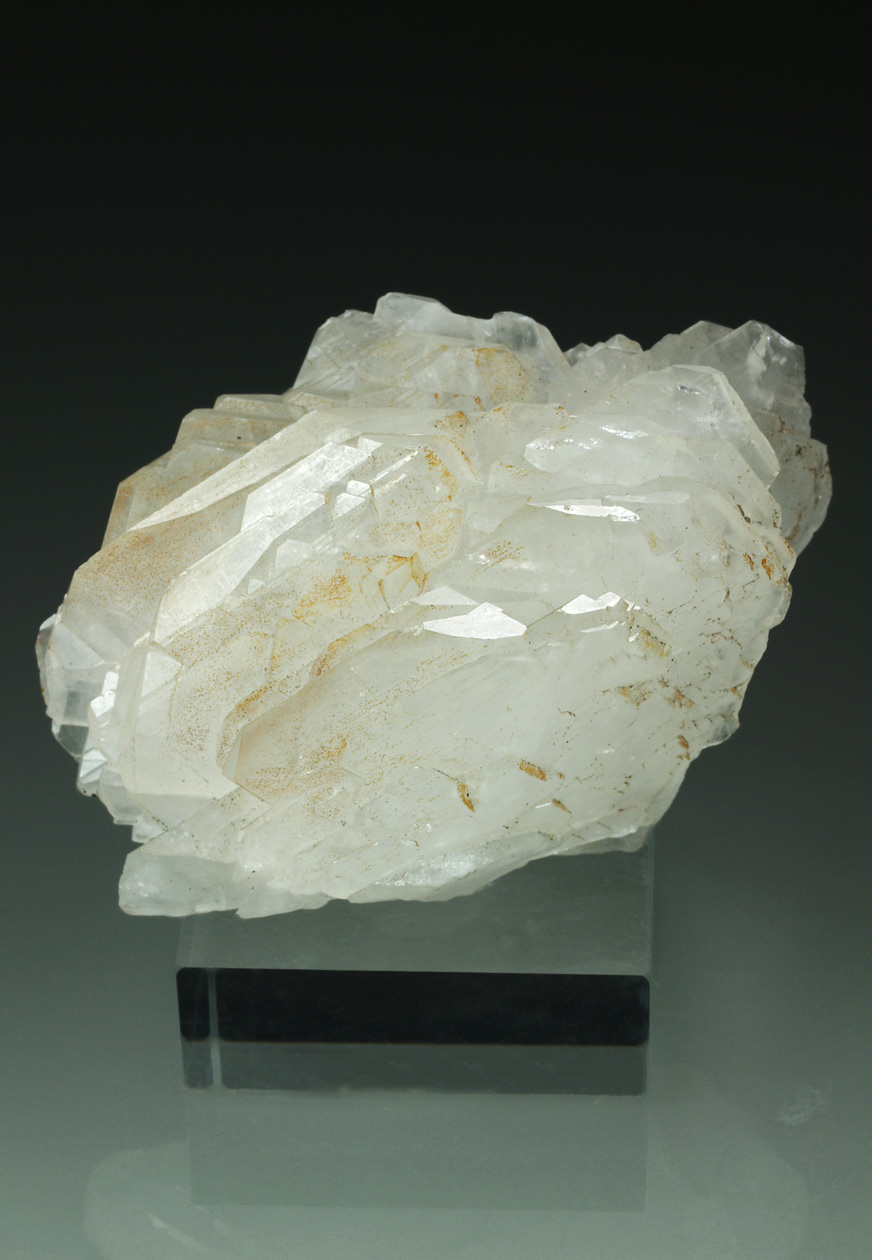
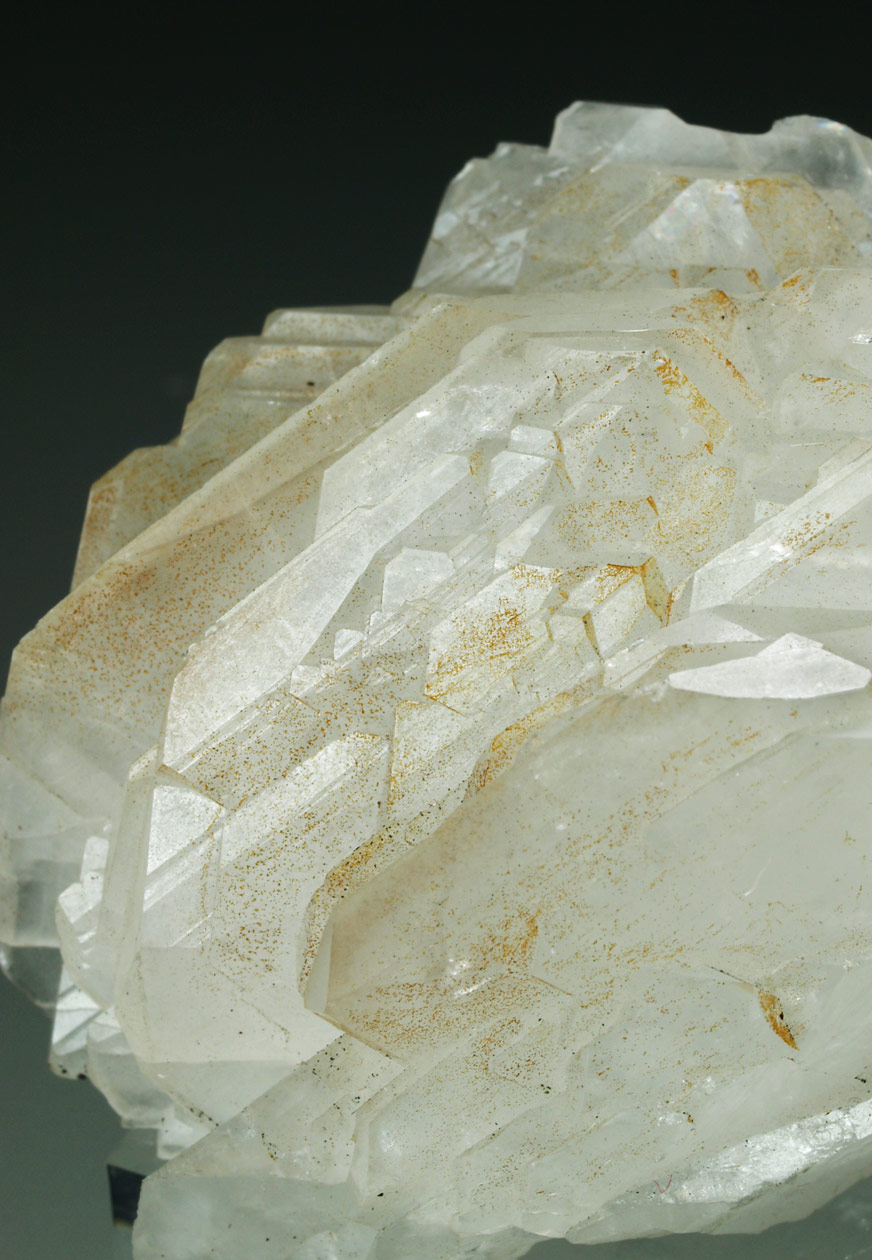
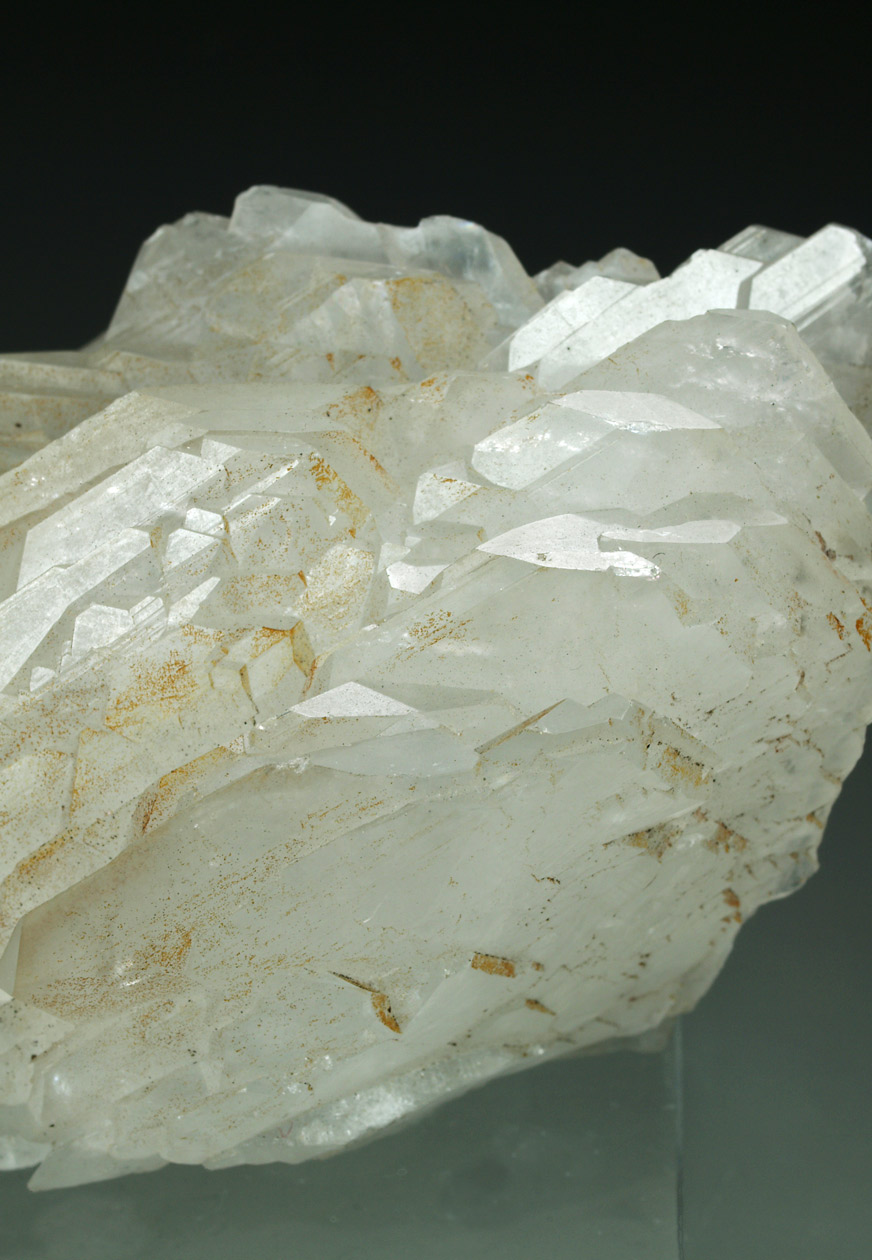
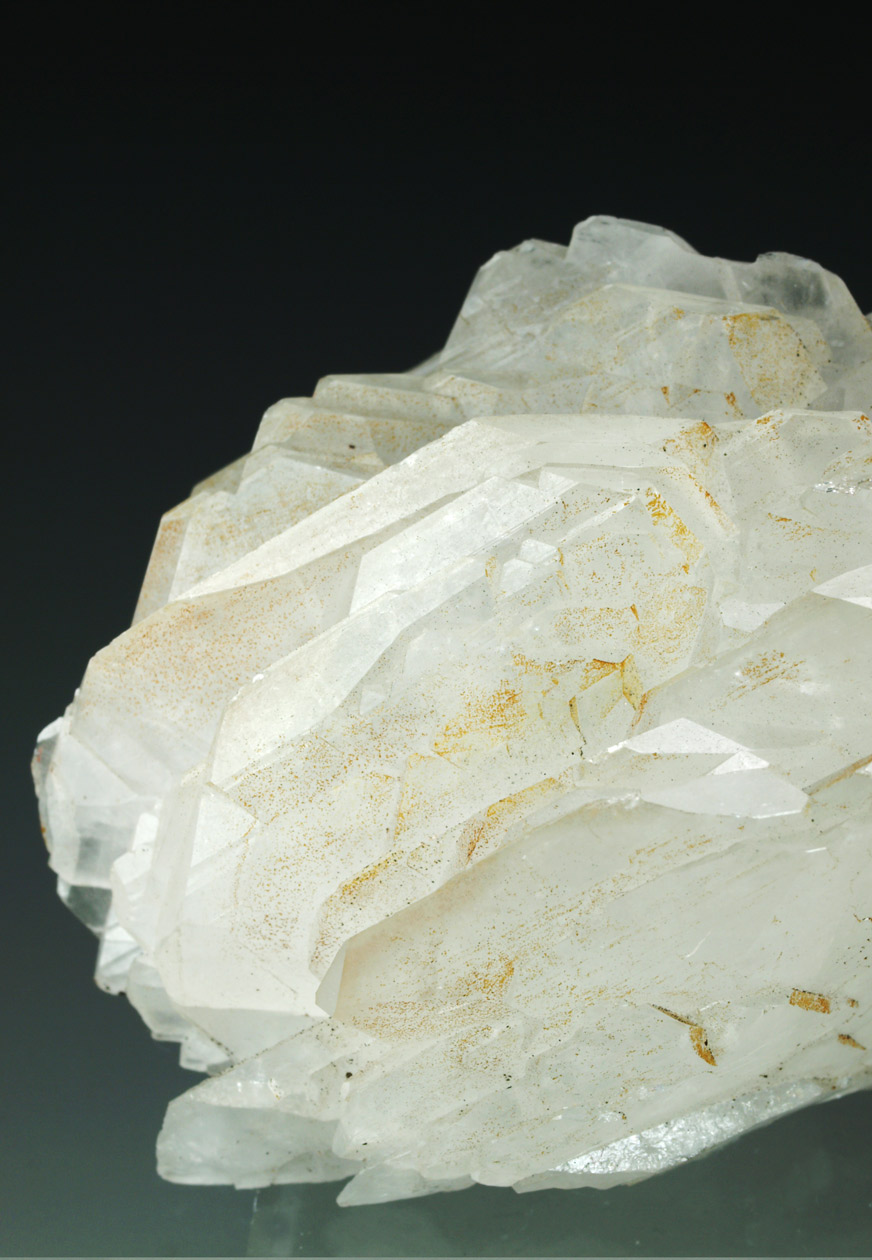
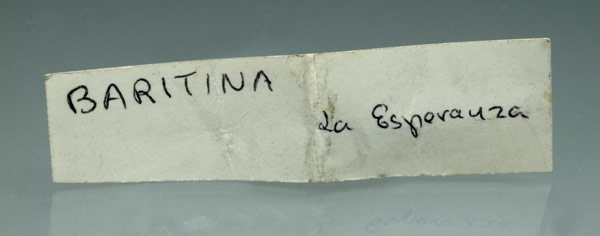
Nutrido grupo de cristales tabulares de barita con transparencia, muy definidos, en forma de libro. Se acompaña de una etiqueta que refiere a la mina Esperanza.
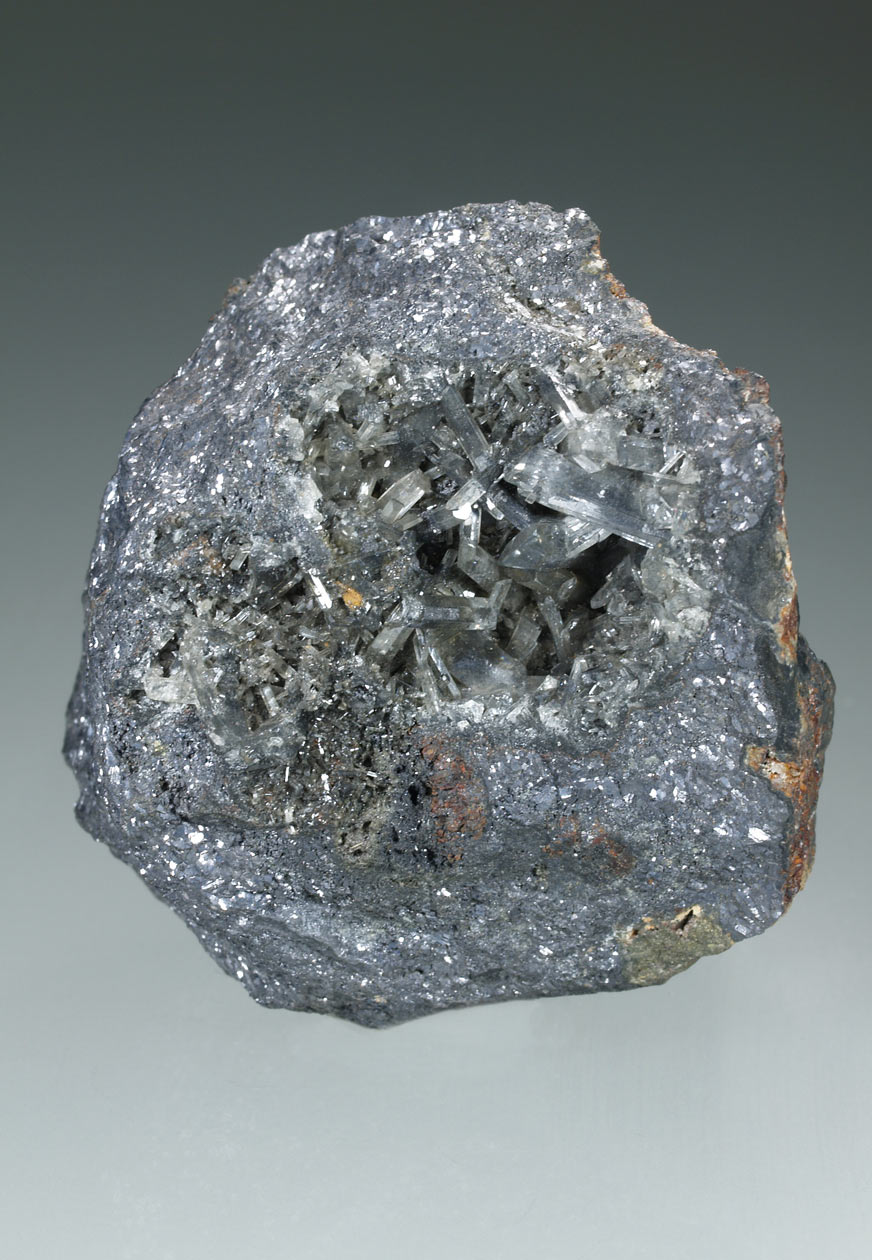
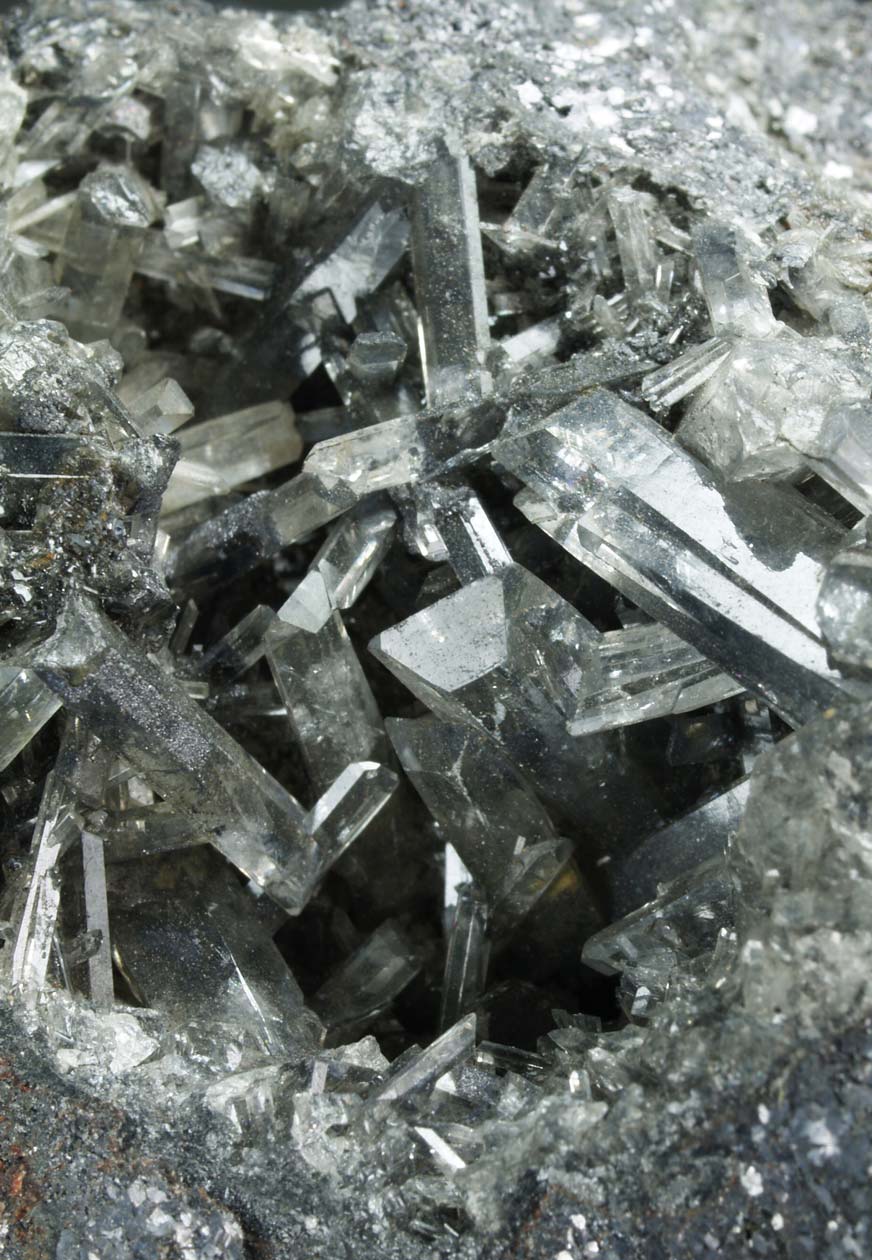
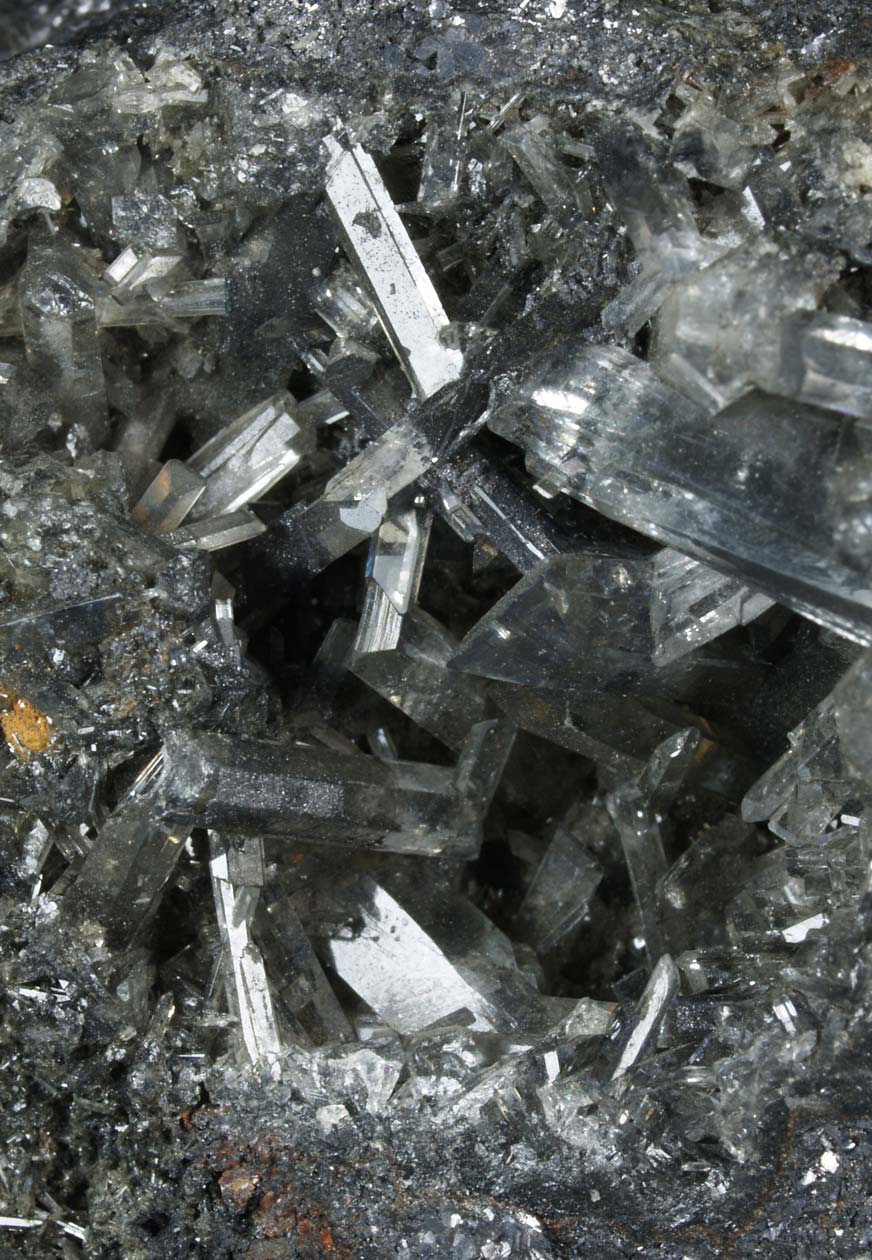
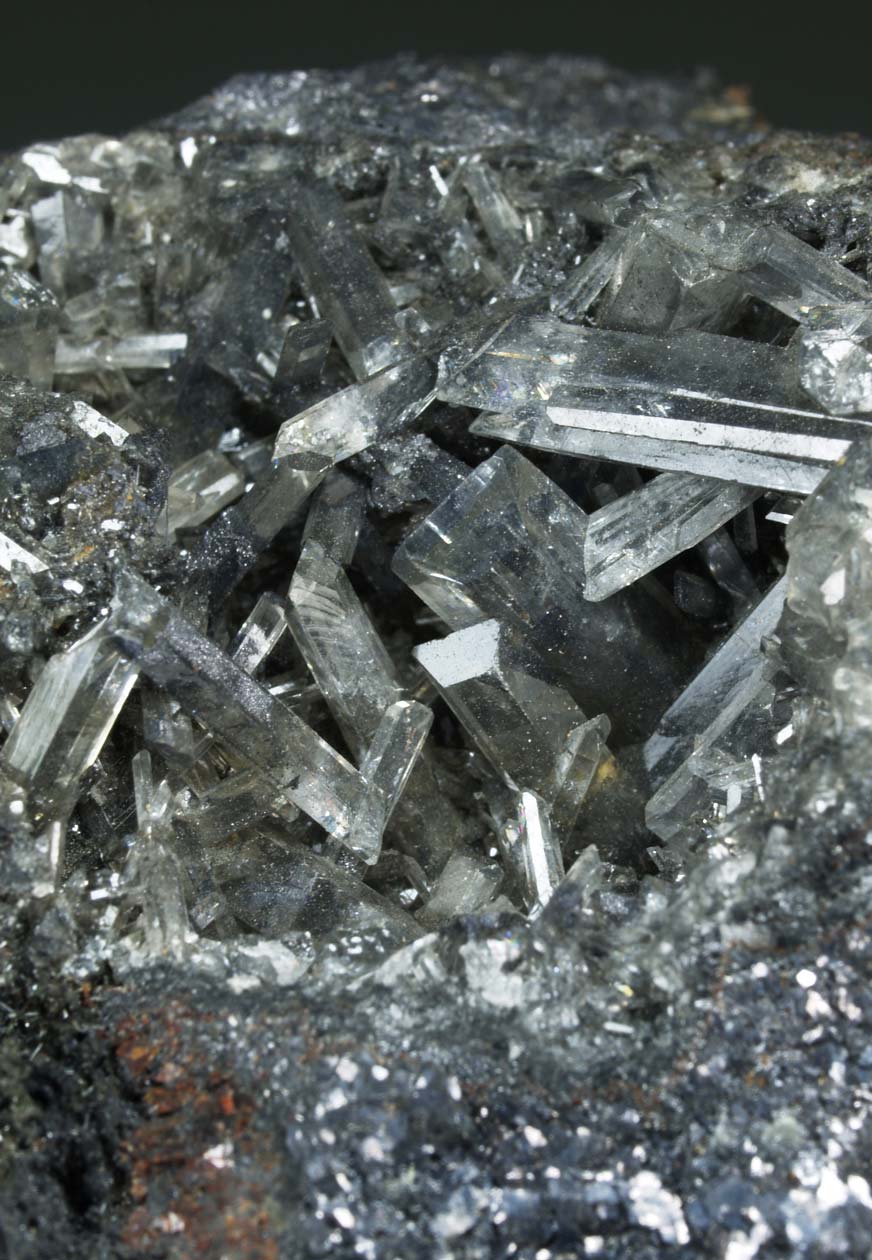
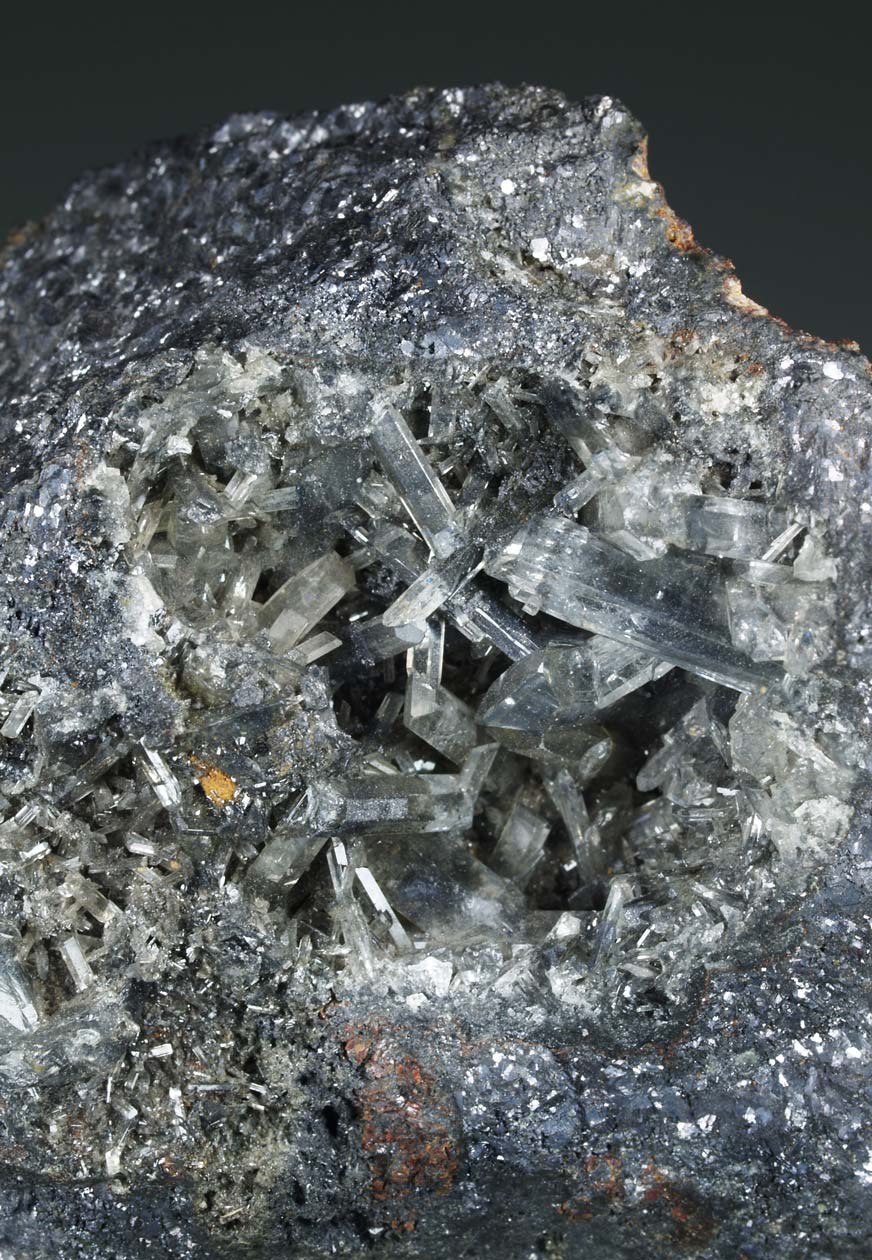
Nutrido grupo de cristales de anglesita, los cuales muestran muy buena transparencia, caras y aristas definidas, formadas por prismas de primer y segundo orden. Se disponen en una cavidad de la matriz. De una localidad clásica italiana de donde no es facil encontrar ejemplares de anglesita de esta calidad. Procede de la colección de L. Daunis (Barcelona) con su etiqueta manuscrita.
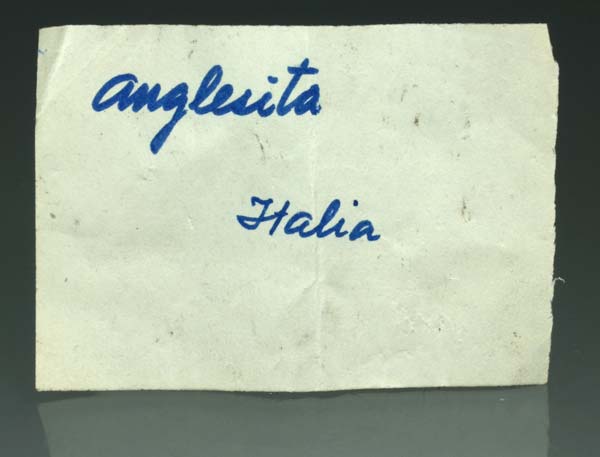
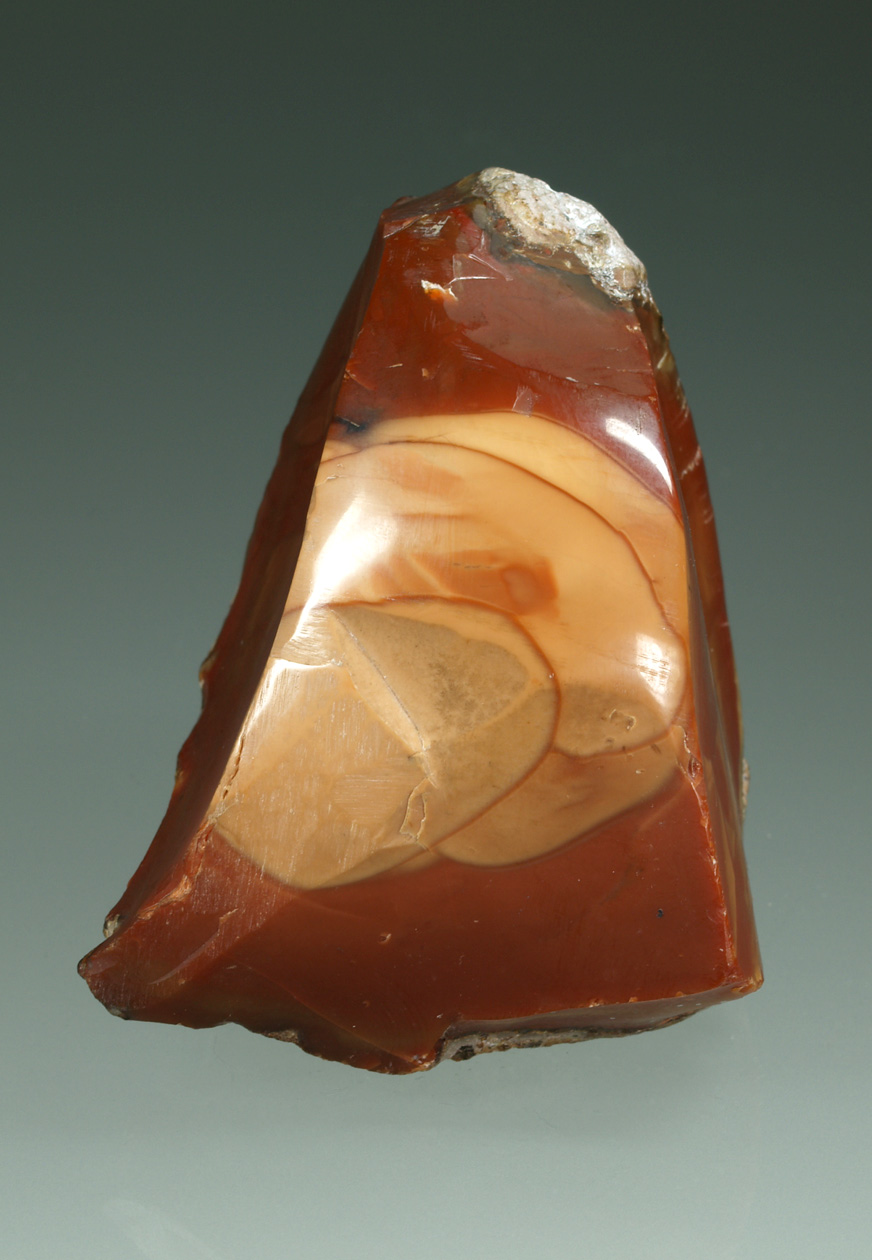
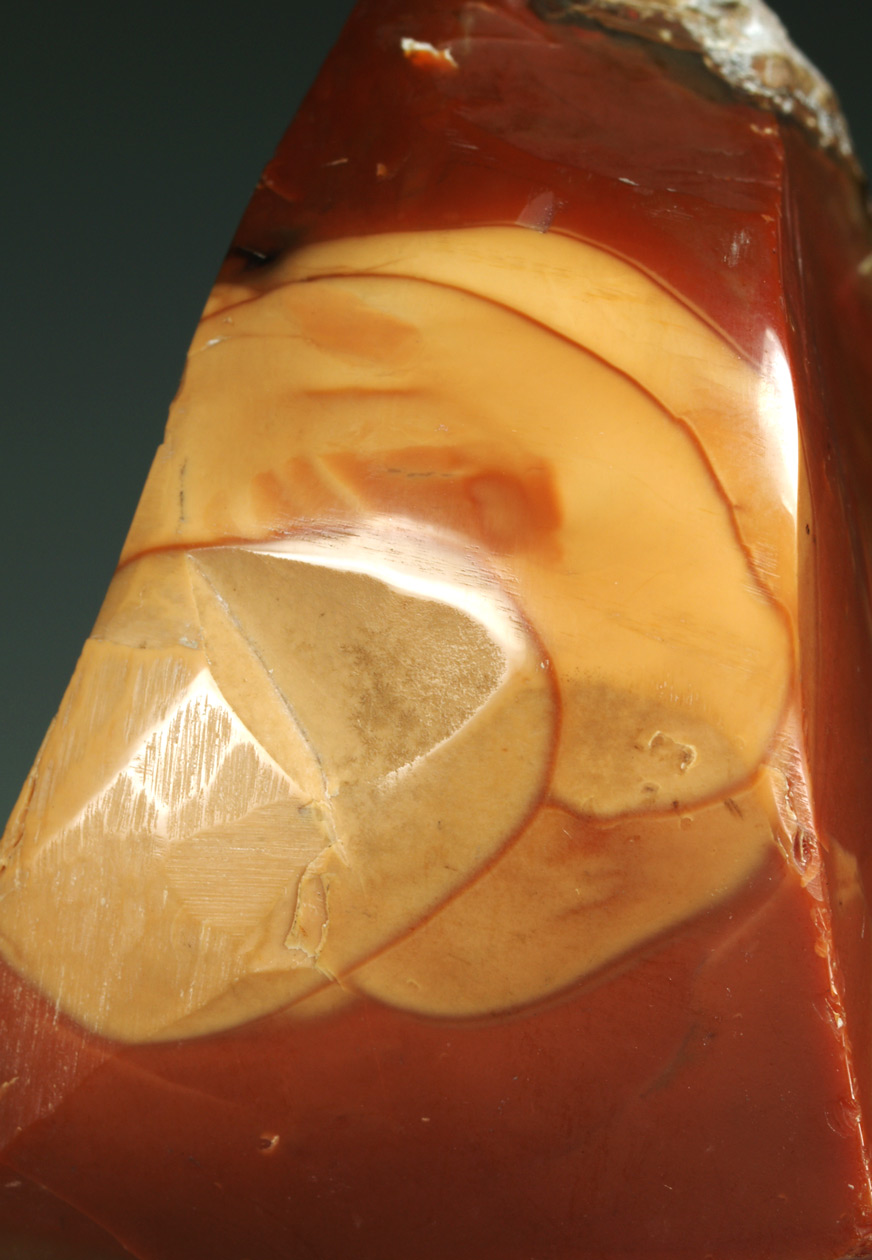
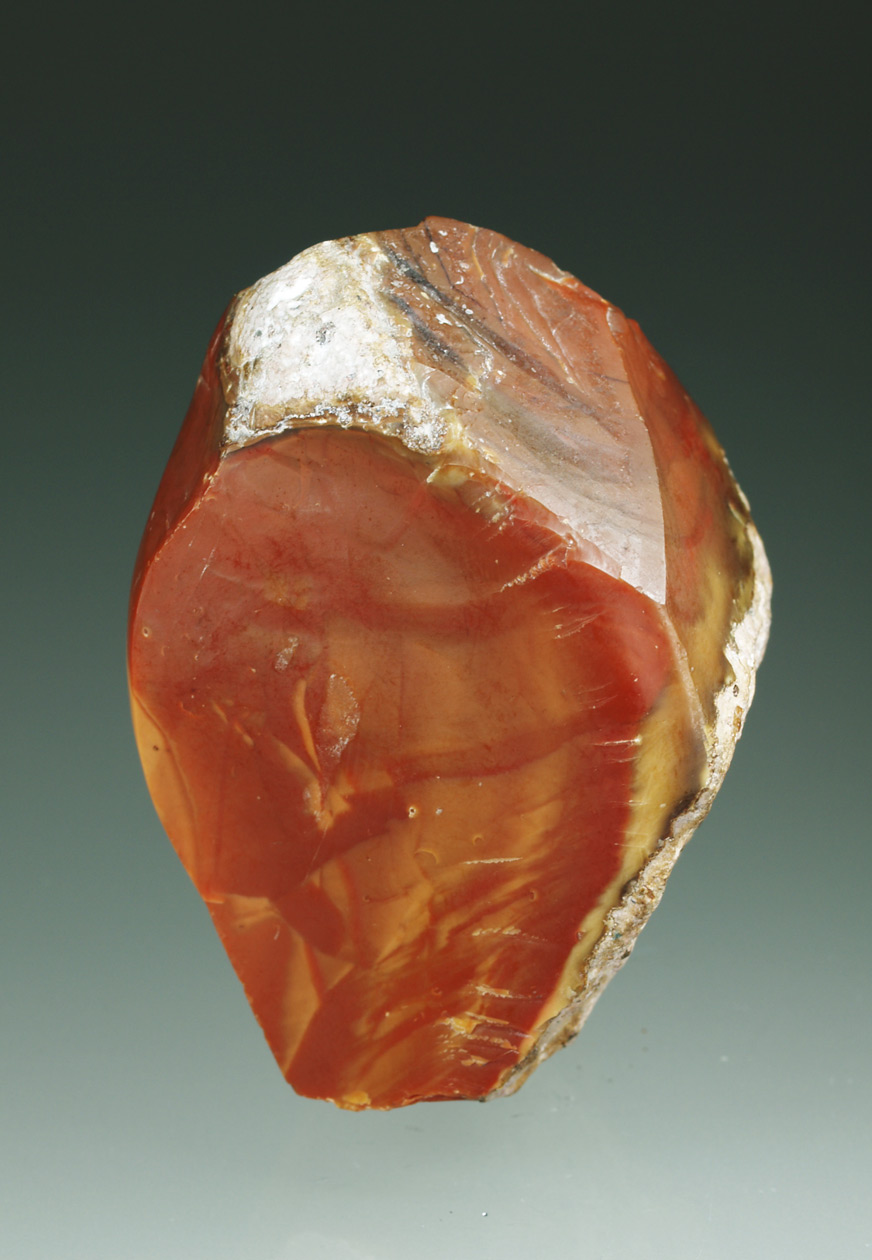
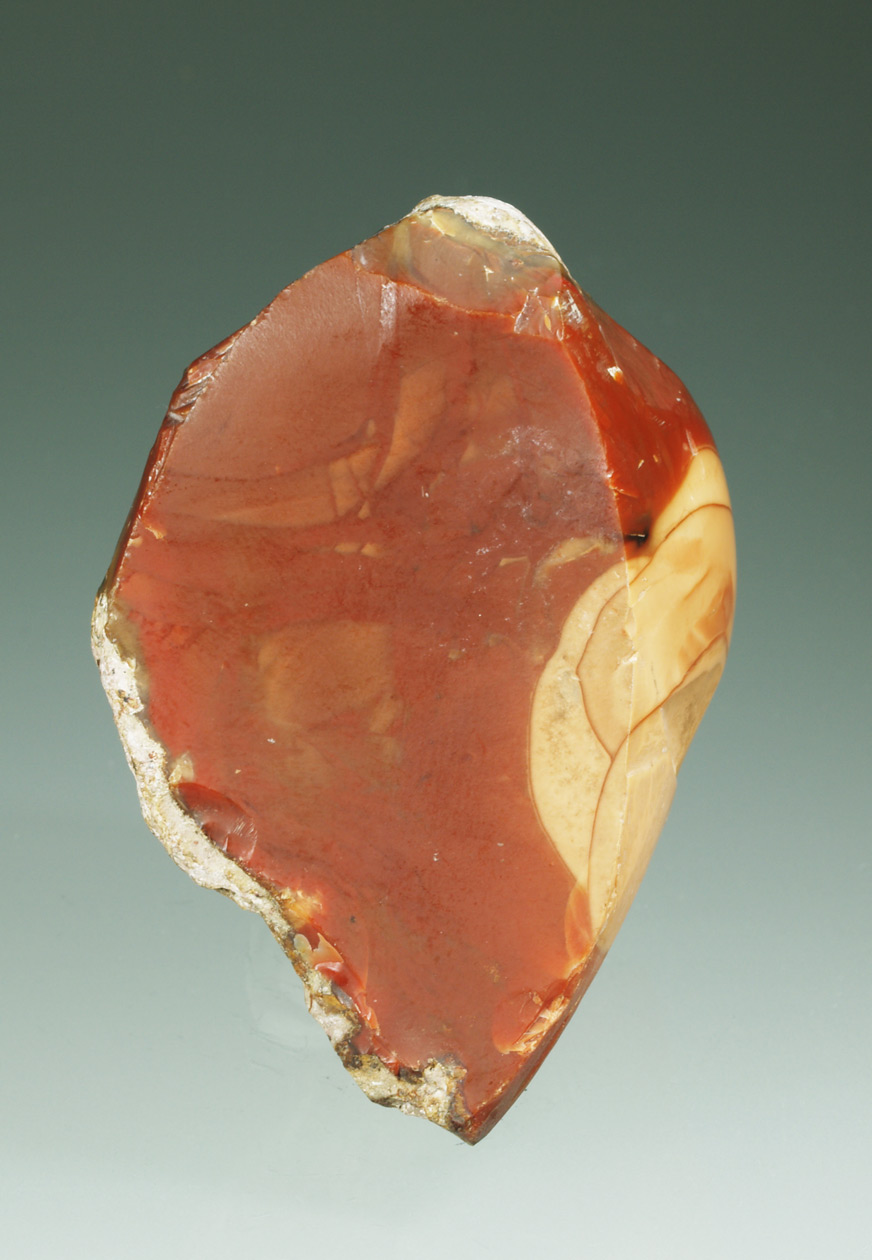
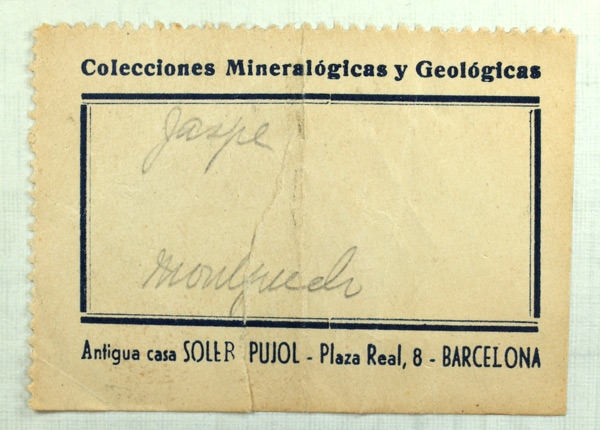
Este es uno de los antiguos ejemplares de jaspe, recogidos por el Sr. L. Daunis en la montaña de Montjuïc, en Barcelona, bien conocida por los mineralogistas y geólogos catalanes por la característica variedad de especies minerales que se han podido colectar. Se trata de una pieza con una parte ligeramente pulida que permite disfrutar de la nobleza de esta piedra semi-preciosa, el resto presenta el tono original. Con una etiqueta manuscrita por el propietario. Un clásico barcelonés que no debe faltar en una colección de nivel.
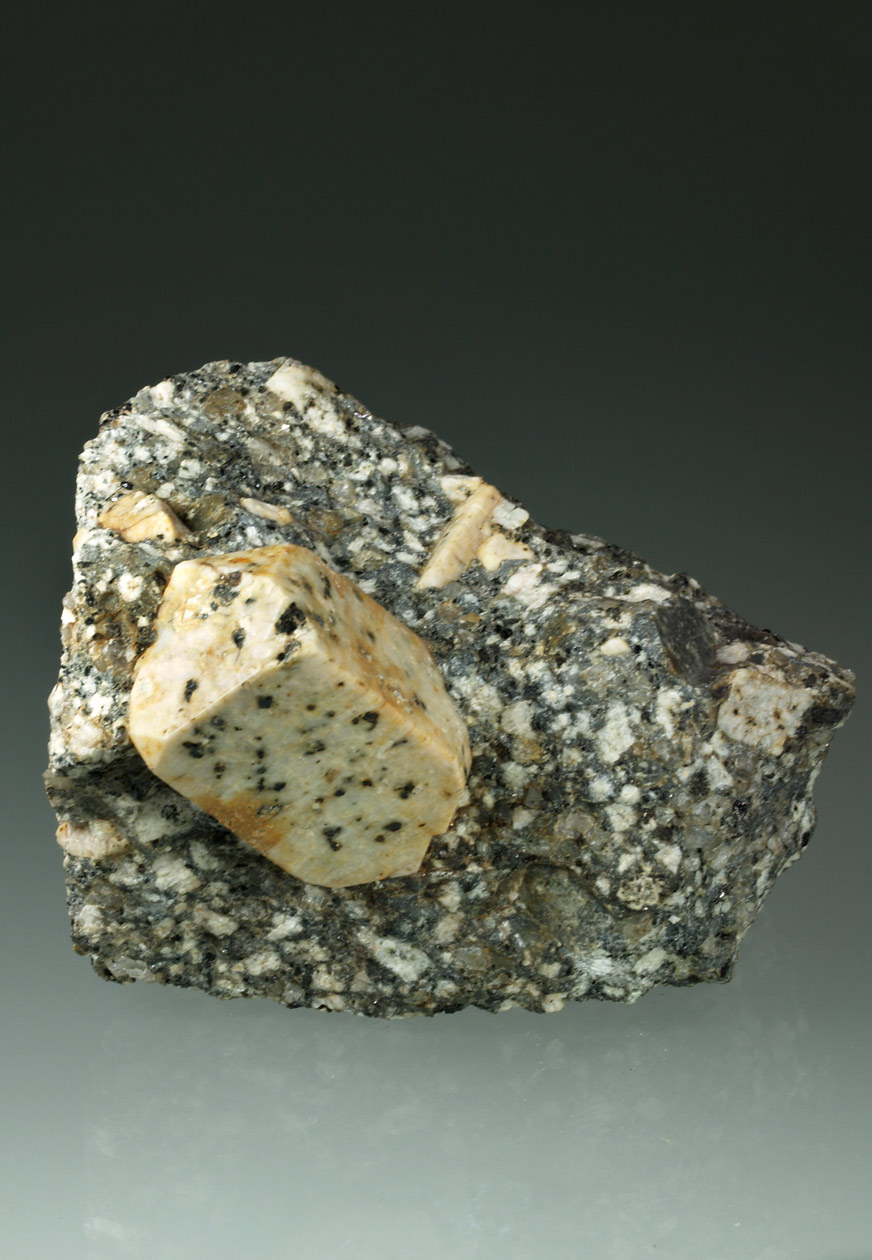
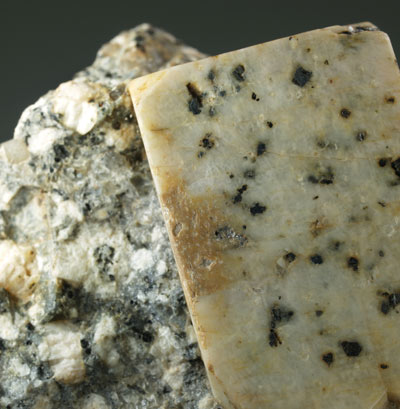
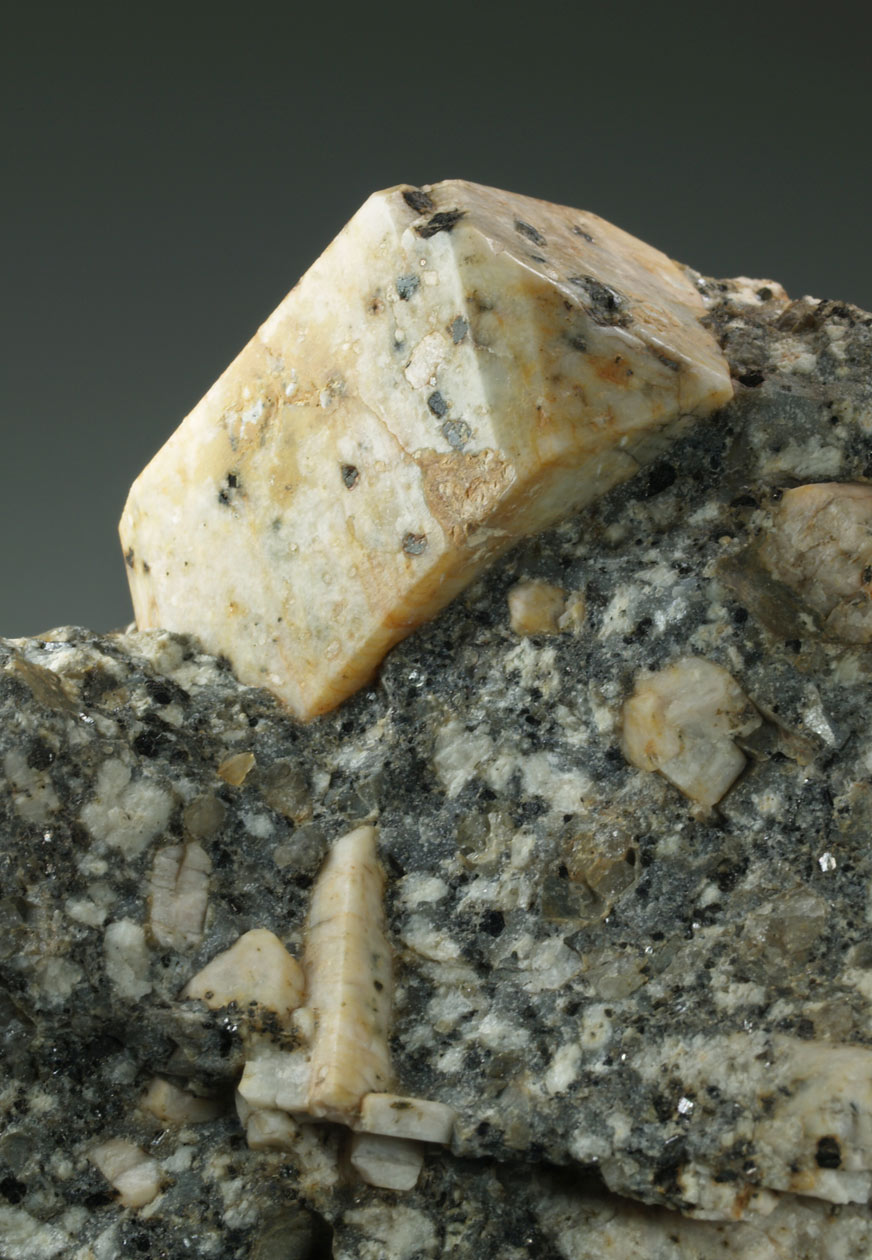
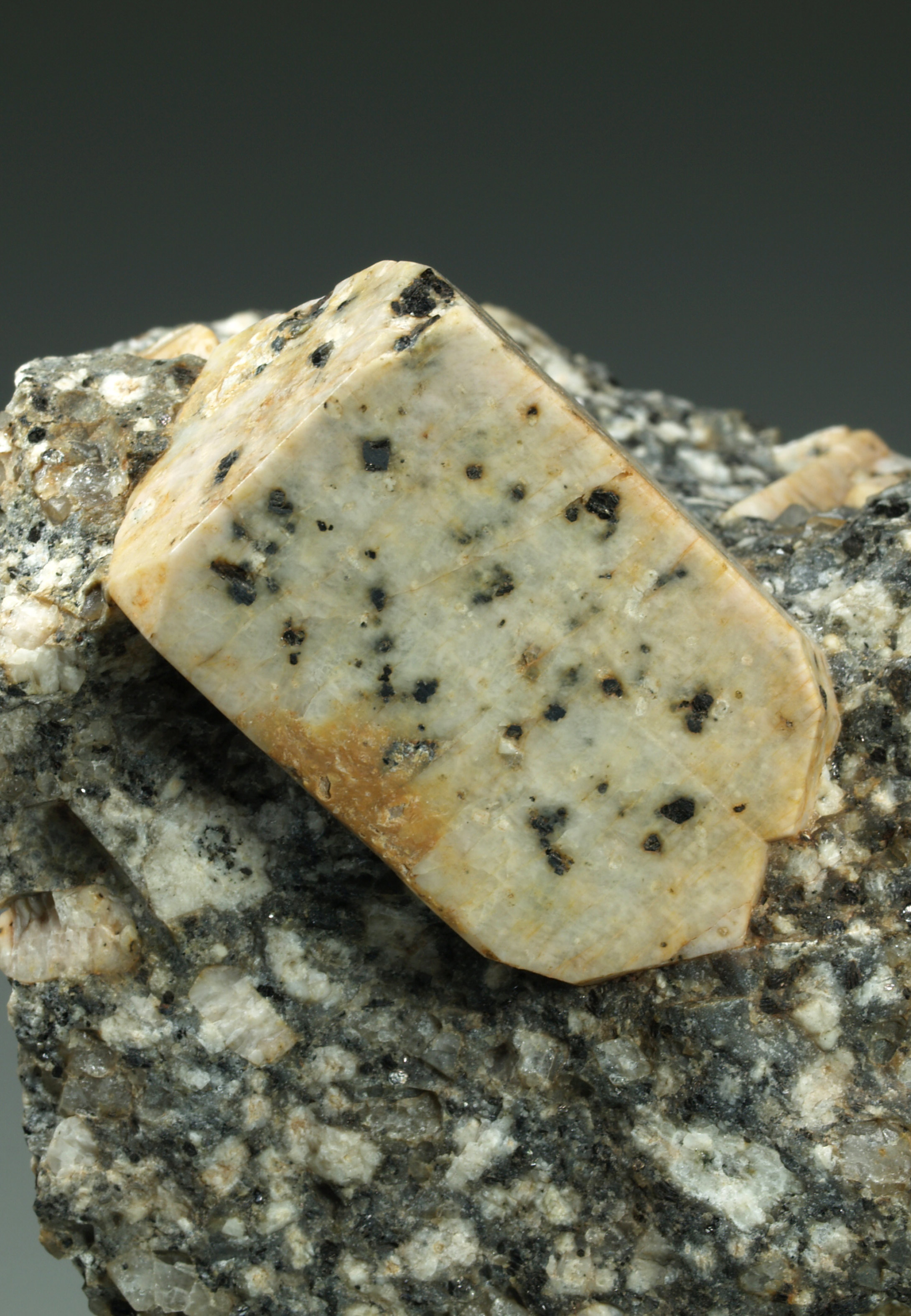
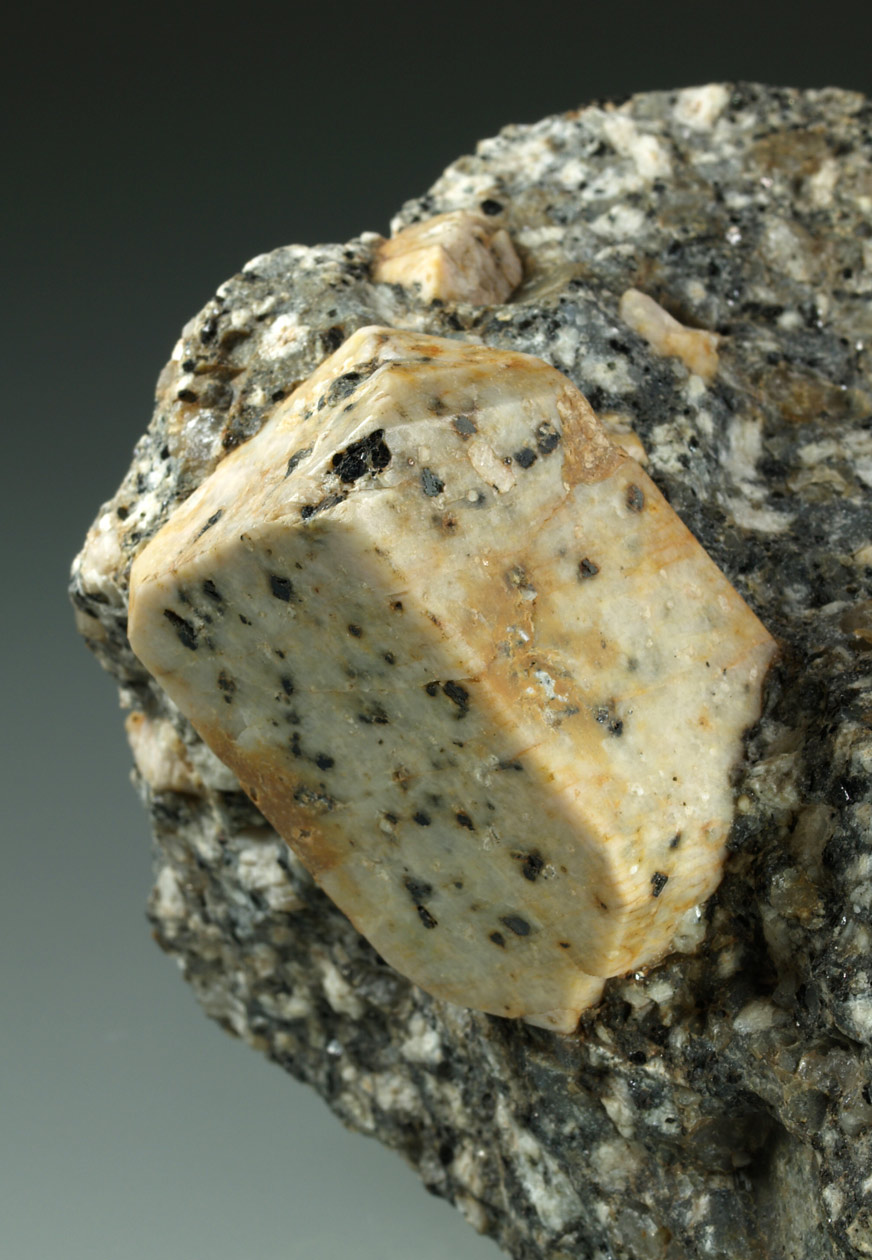
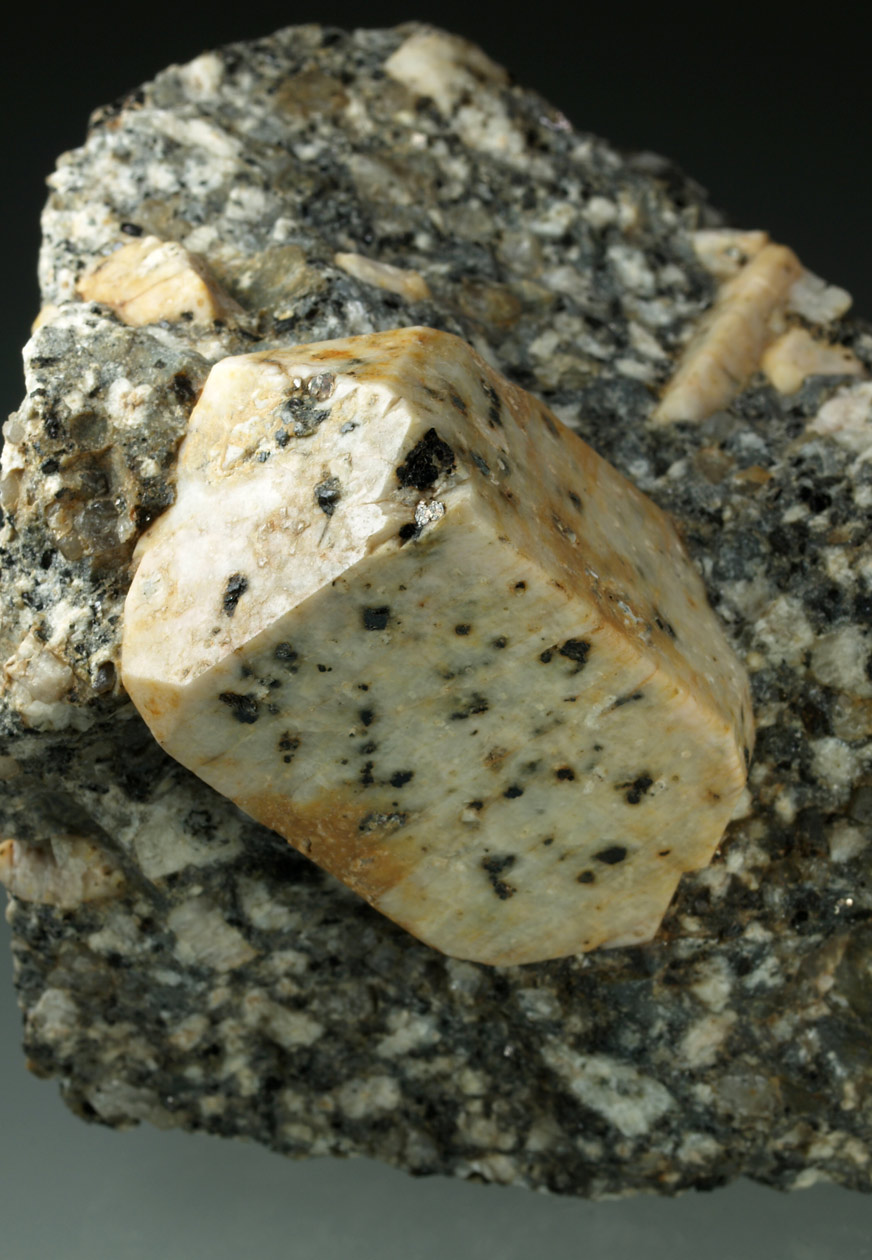
Ejemplar de muy buen tamaño para la localidad de ortosa que muestra caras bien definidas del prisma y el pinacoide. Presenta una pequeña reparación de época realizada con gran maestría por el Sr. Daunis en una de las aristas. Se dispone en una matriz porfídica con numerosos fenocristales de feldespato. Es una localidad clásica de la mineralogía española.
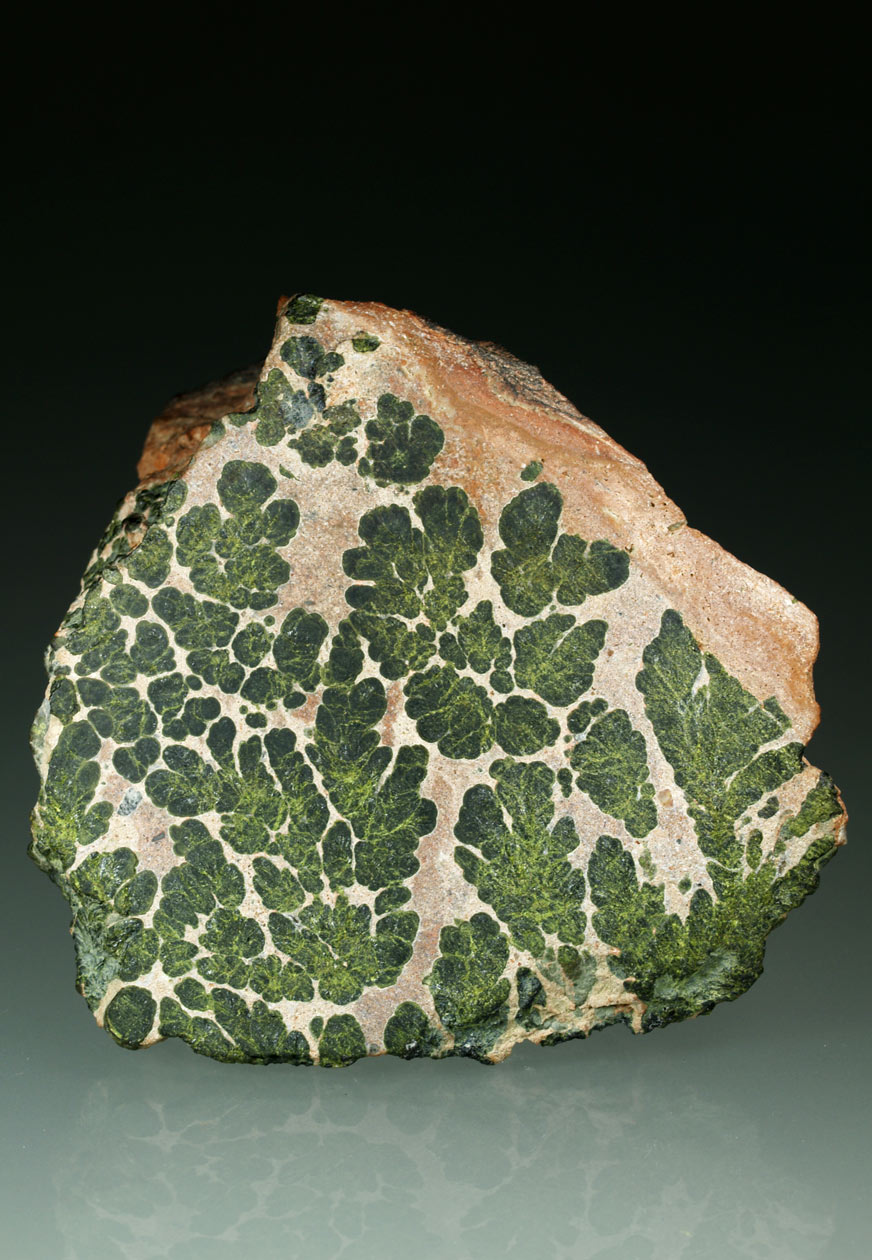
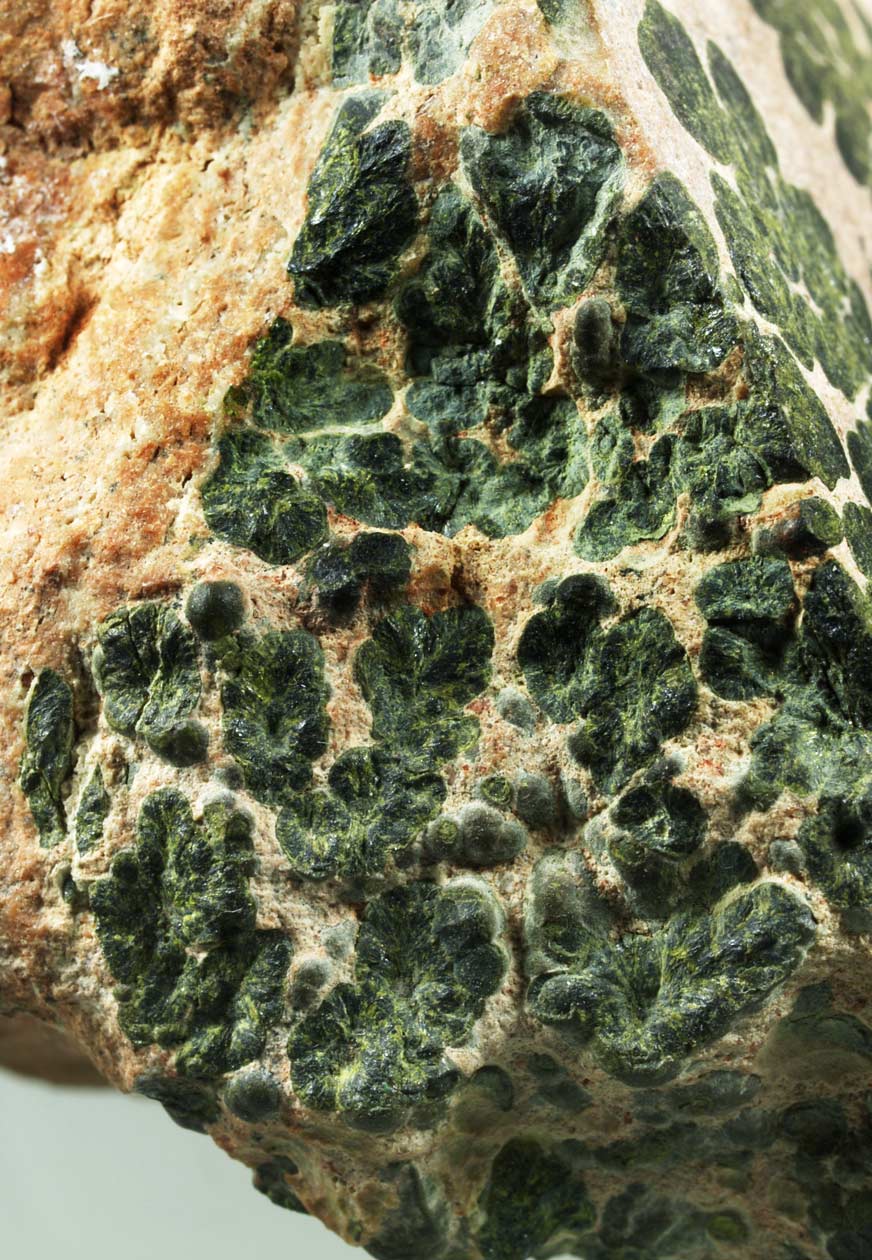
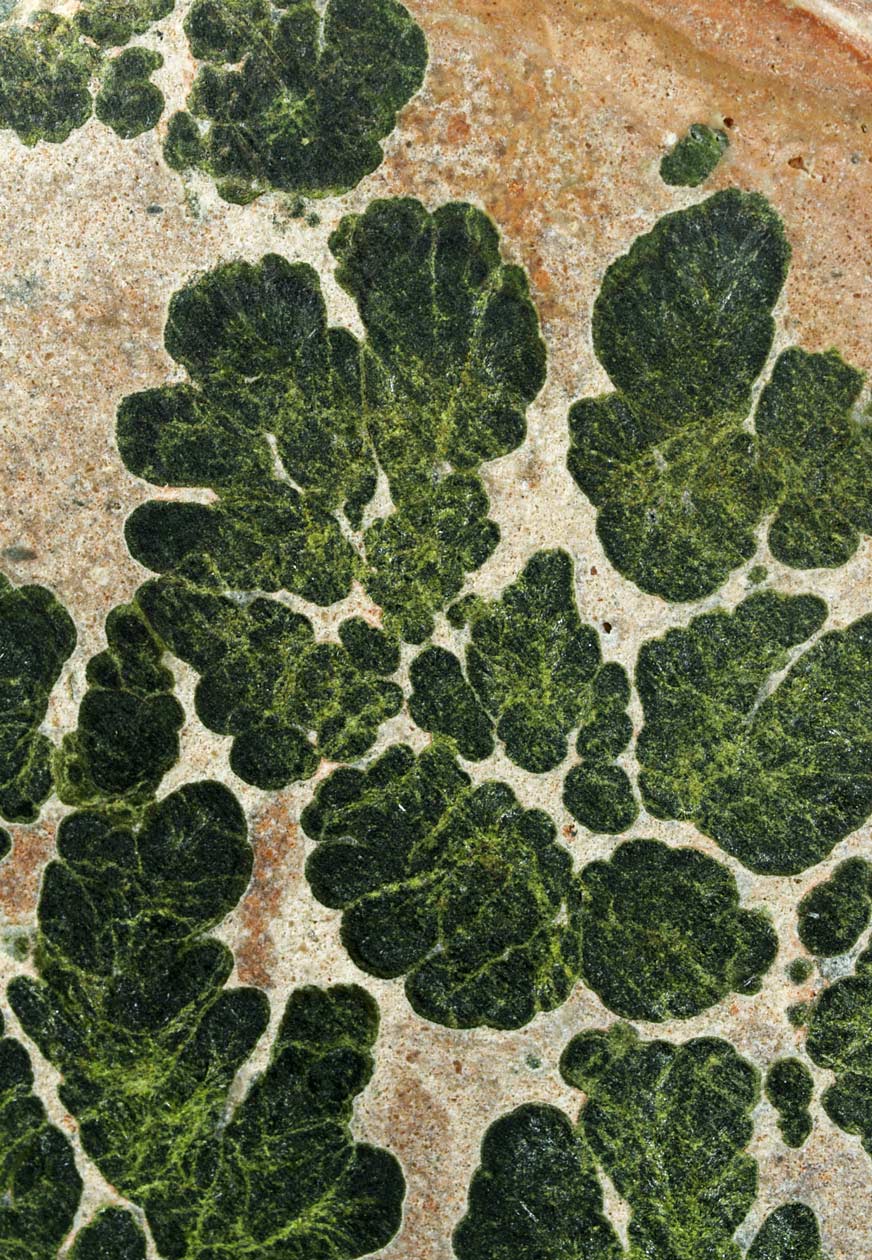
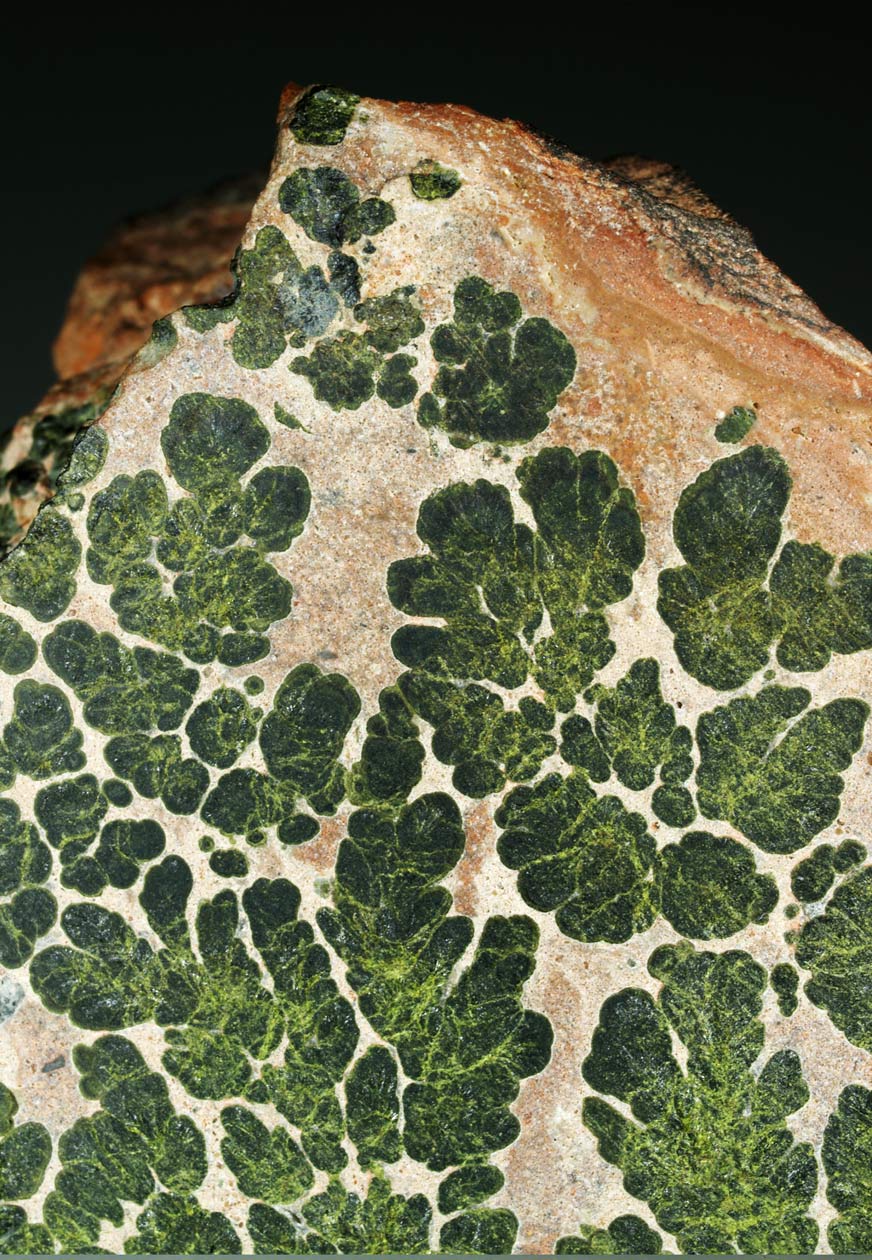
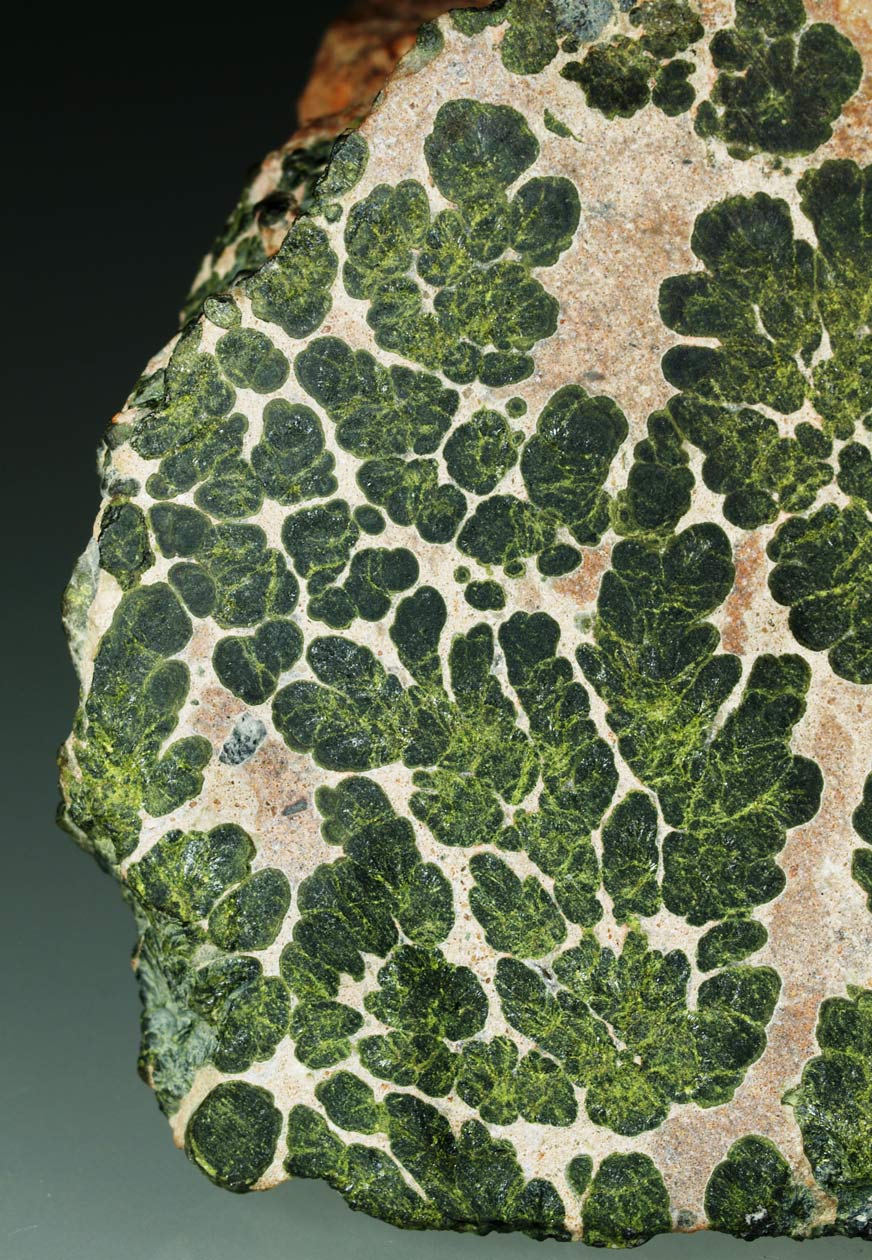
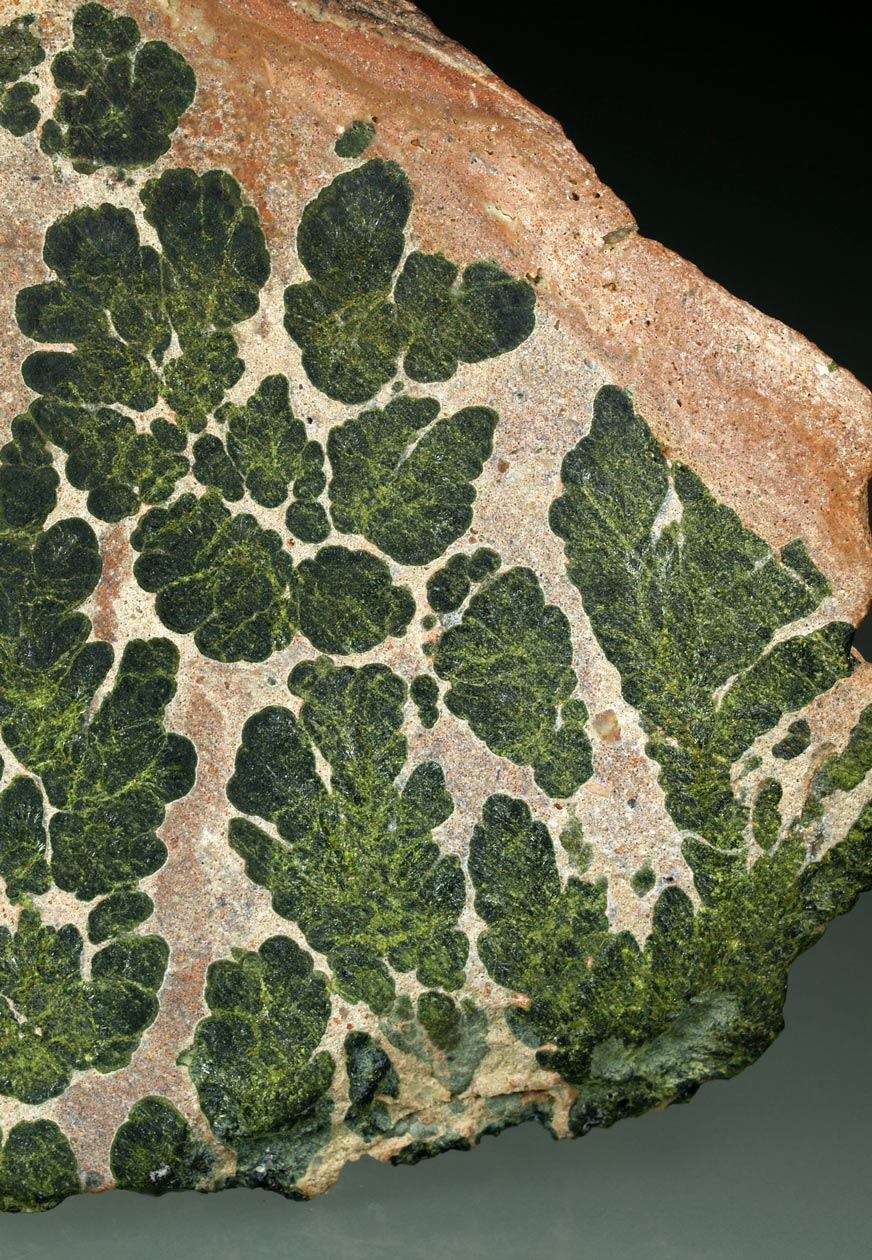
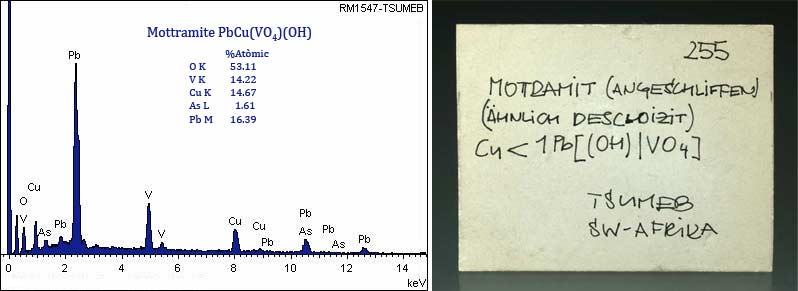
Un ejemplar de esta localidad clásica de la mineralogía mundial totalmente diferente a lo visto. Se trata de una pieza antigua de una colección alemana, formada por una matriz repleta de nódulos de intenso color verde de mottramita. Una de sus caras ha sido cortada permitiendo observar unos estéticos agregados de tono verde intenso que recuerdan hojas. He analizado el ejemplar y muestra la presencia de un cierto porcentage de As. Los resultados se enviarán al comprador. Algo muy distinto de Tsumeb...
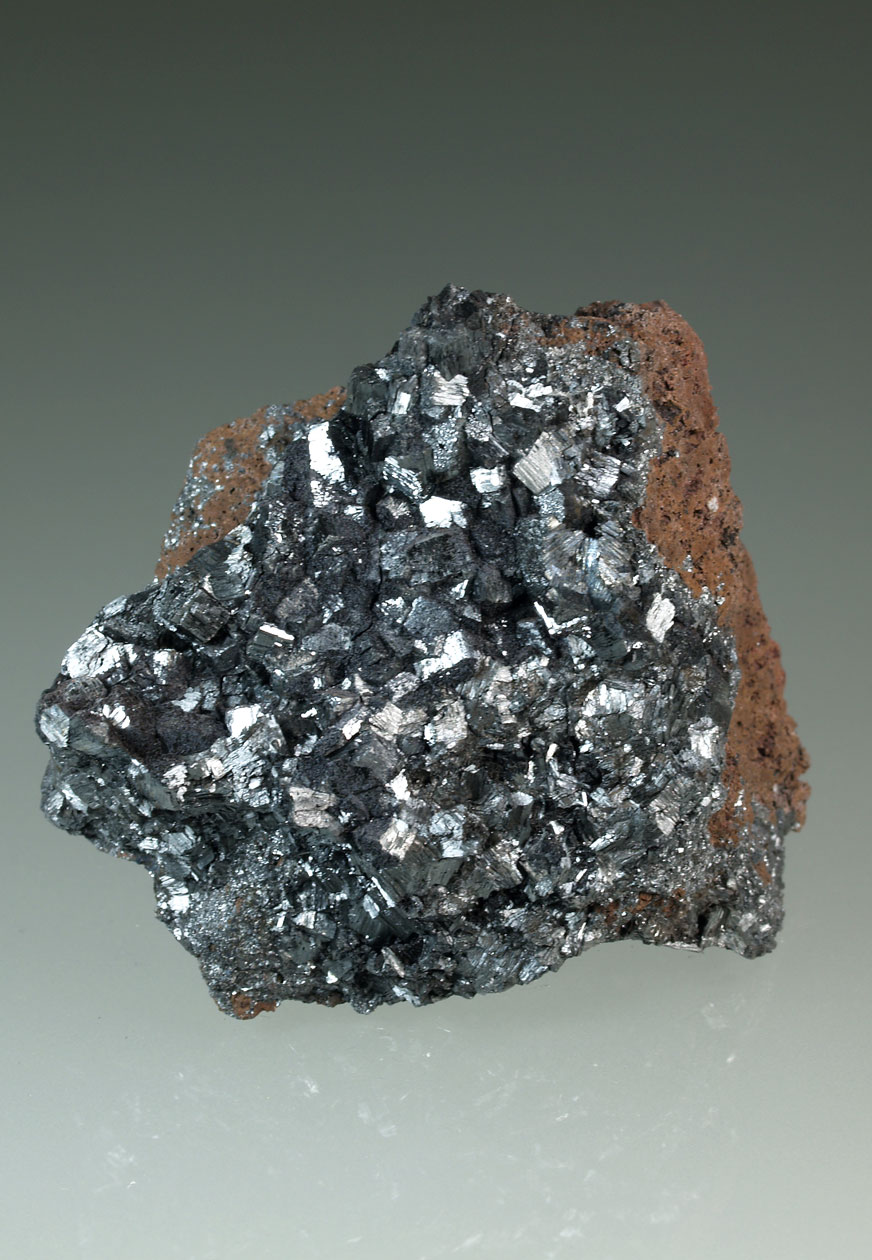
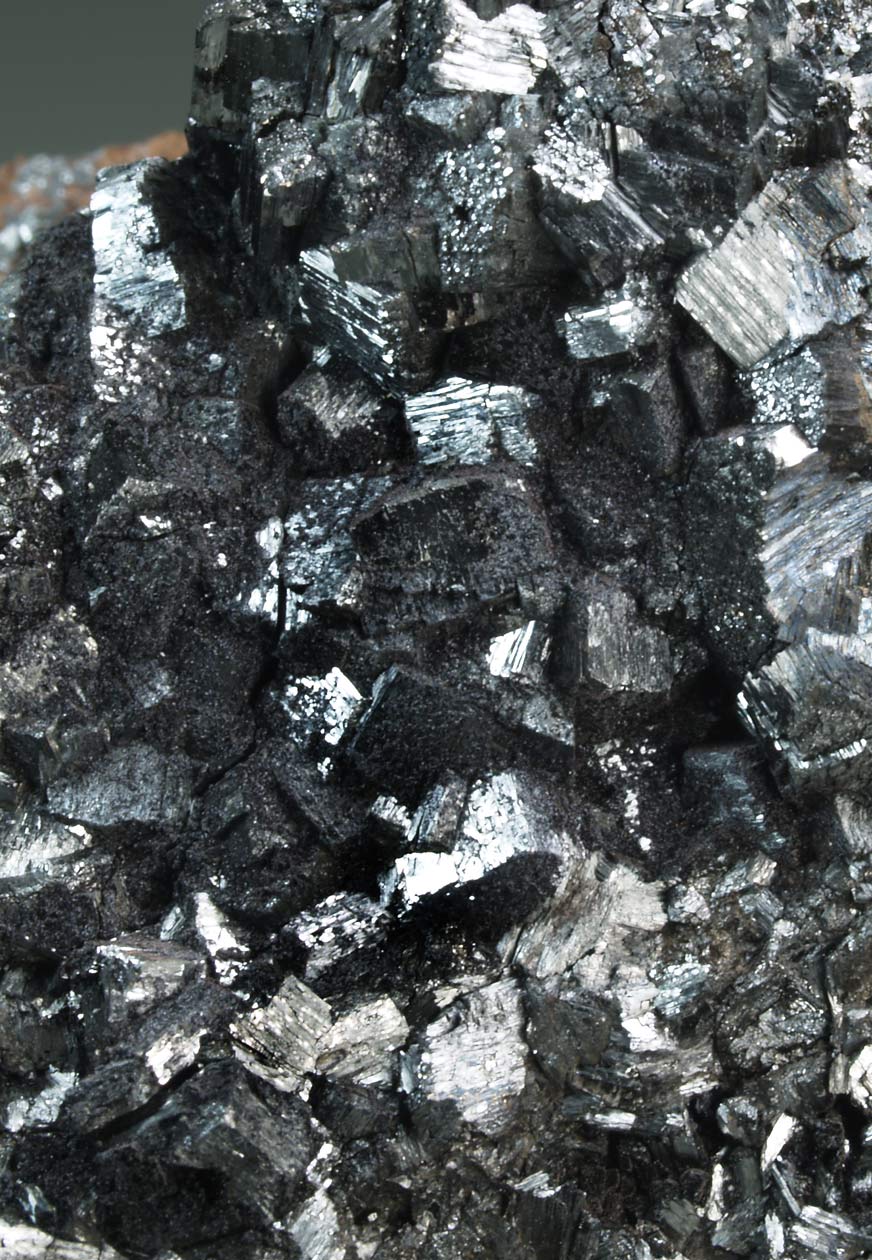
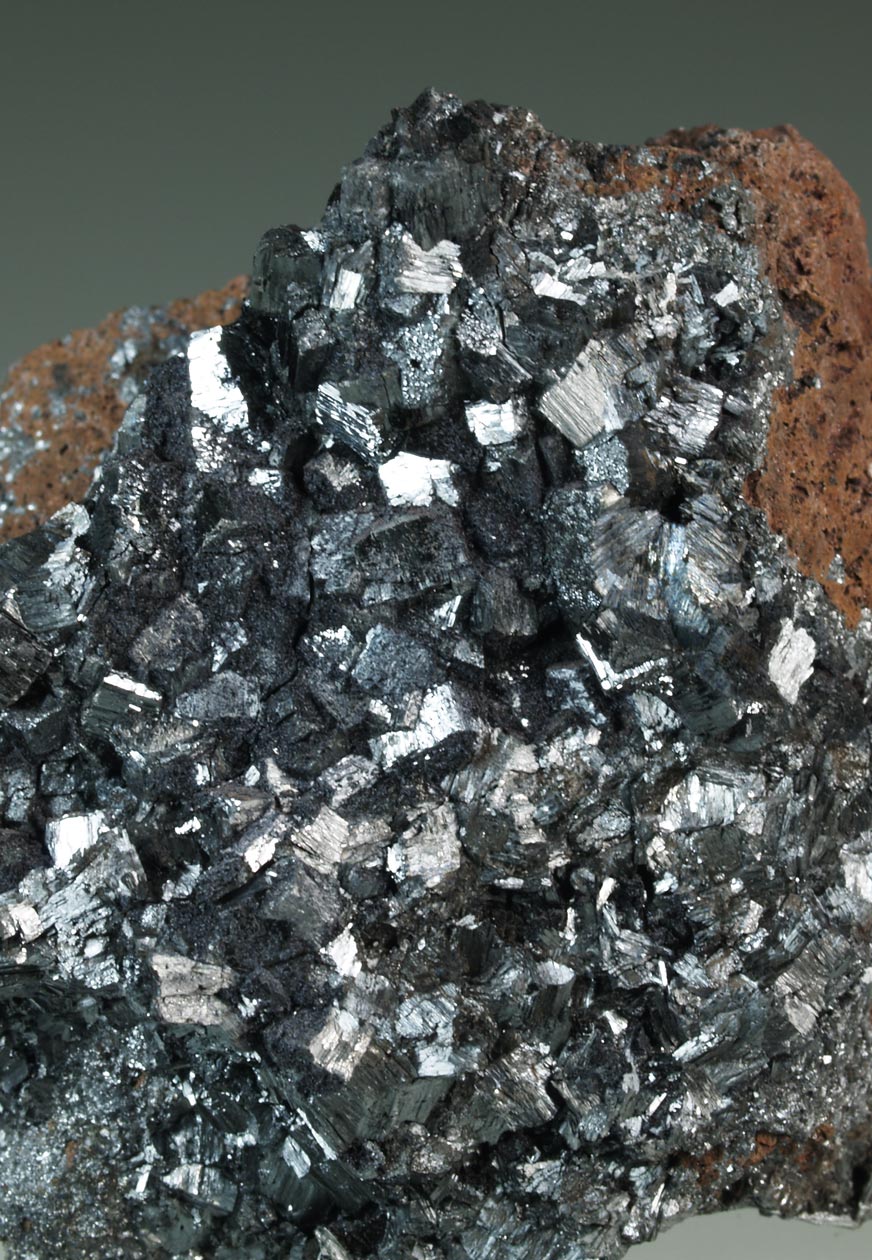
Muy rico ejemplar de ramsdellita, un raro óxido de manganeso, formado por varios grupos de cristales interpenetrados y algunos aislados bien definidos. El brillo es notable y en matriz. La ramsdellita de esta pequeña y extinta mina en un rincón remoto de Arizona se encontró por primera vez a principios de los años 1900. Sin embargo, la localidad fue aparentemente olvidada durante algún tiempo y fue redescubierta por el equipo padre/hijo de Roy Jones y Dick Jones en la década de los 60. Estos especímenes proceden de un hallazgo reciente en 2016.
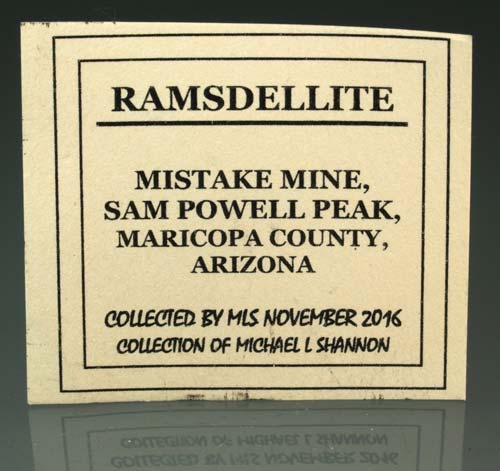
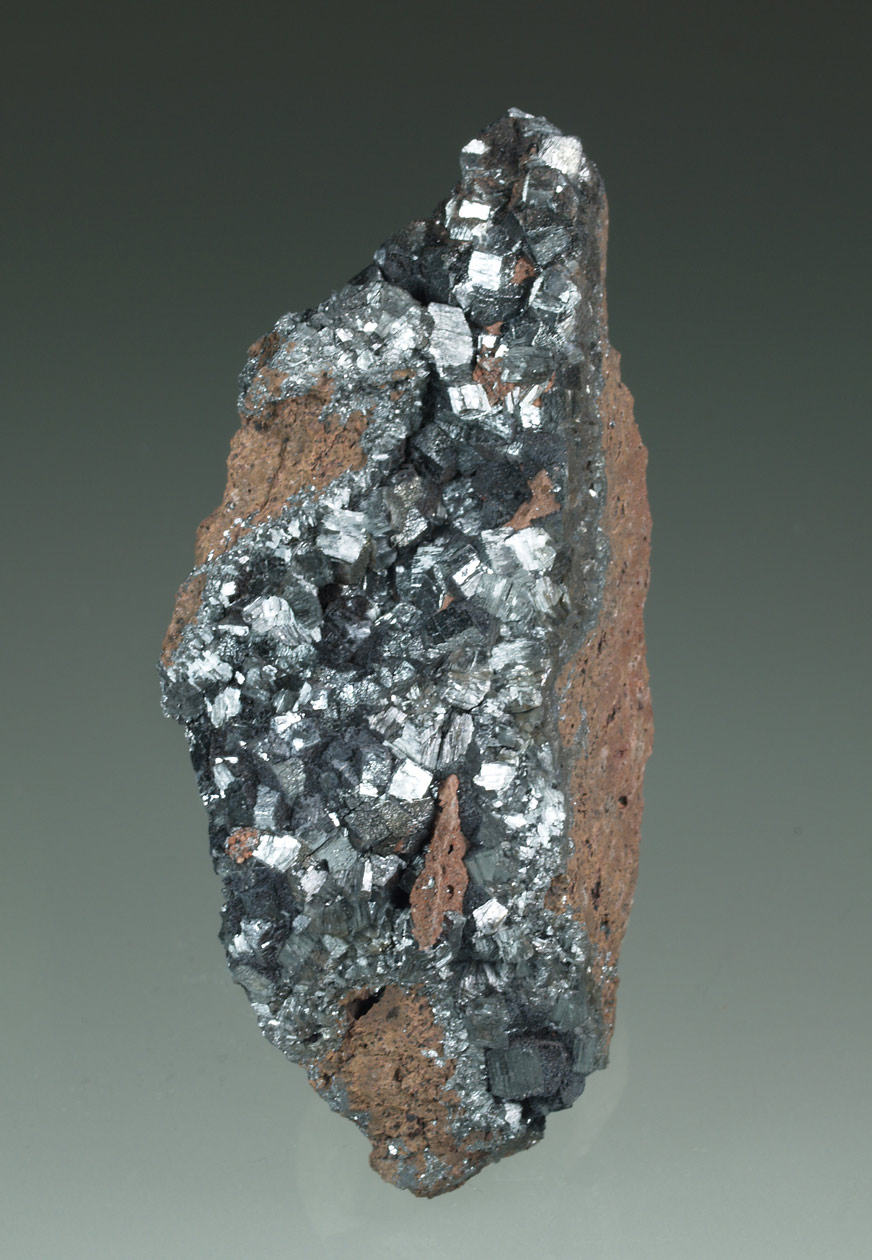
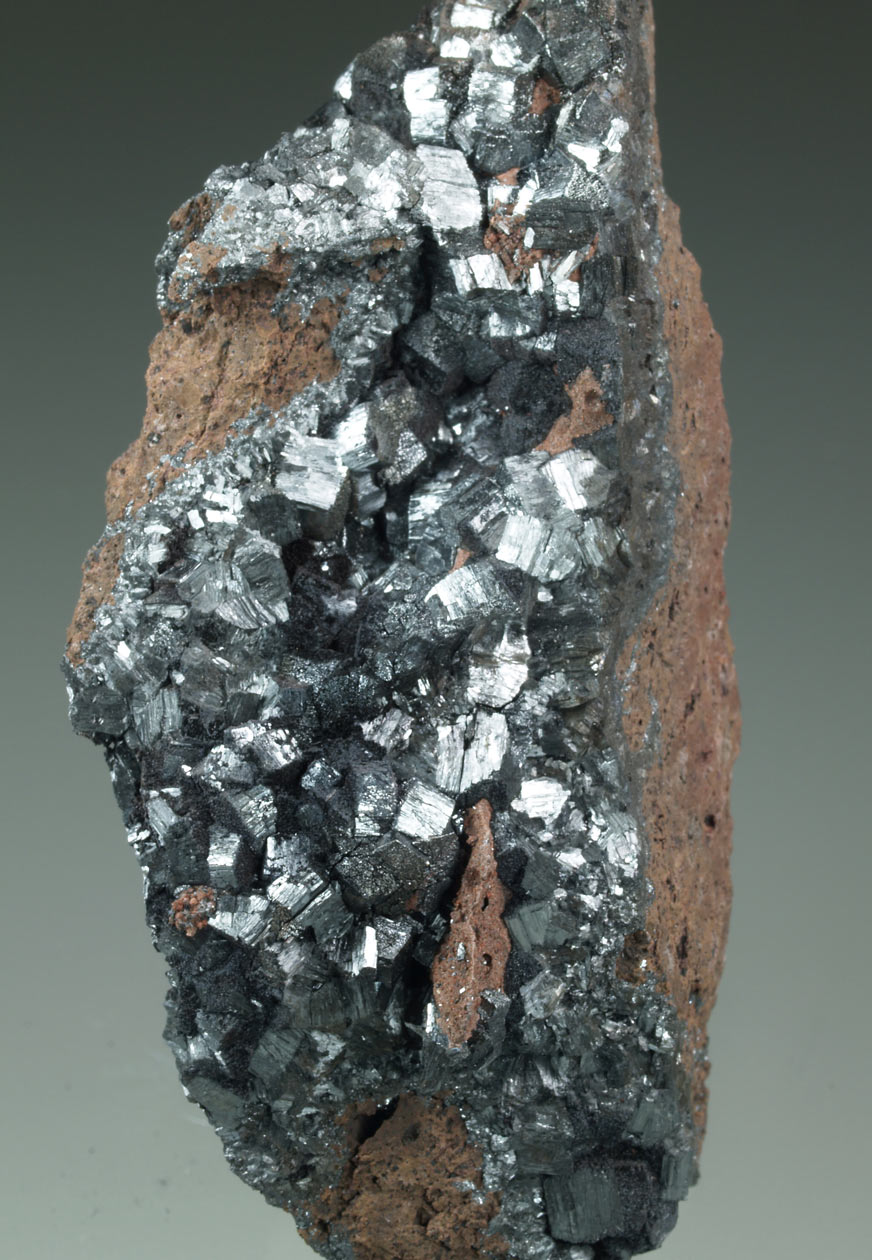
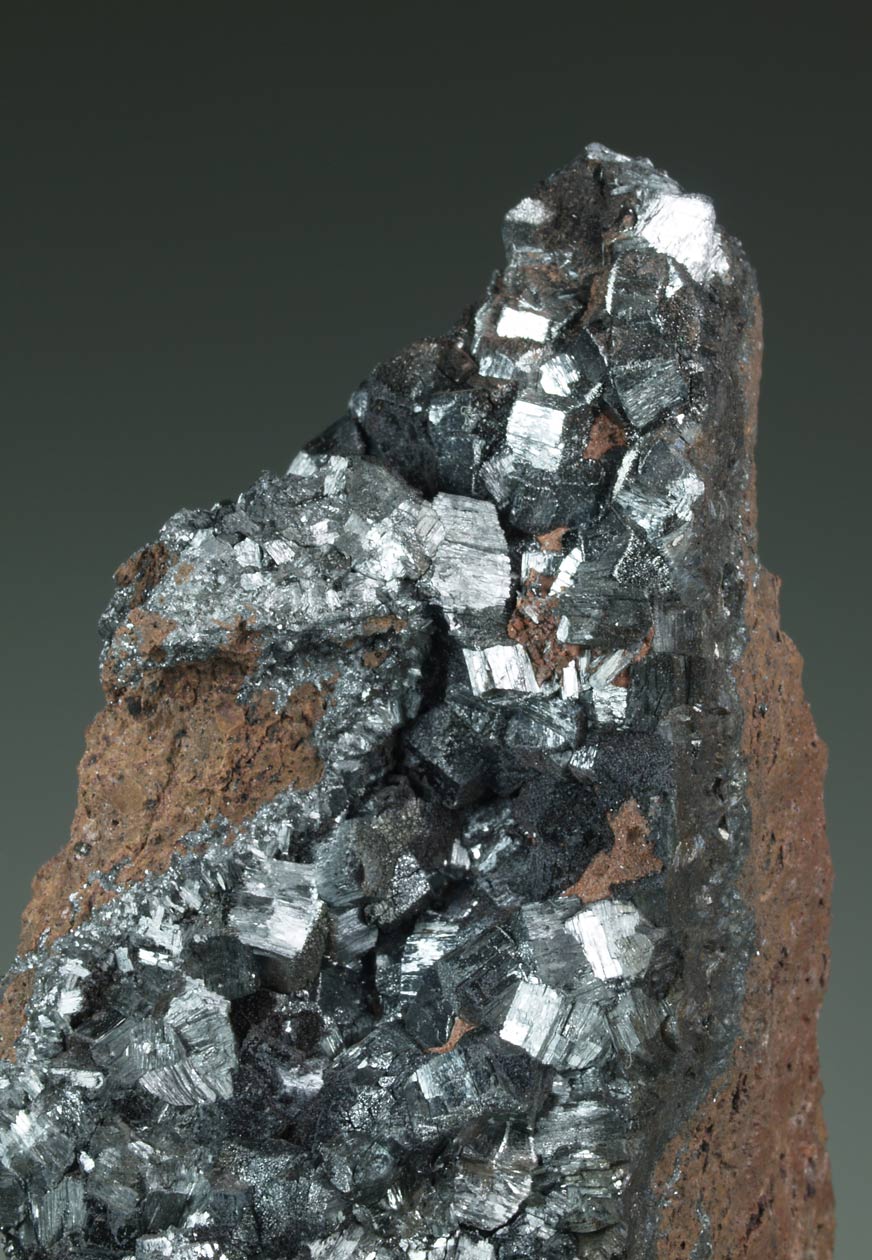
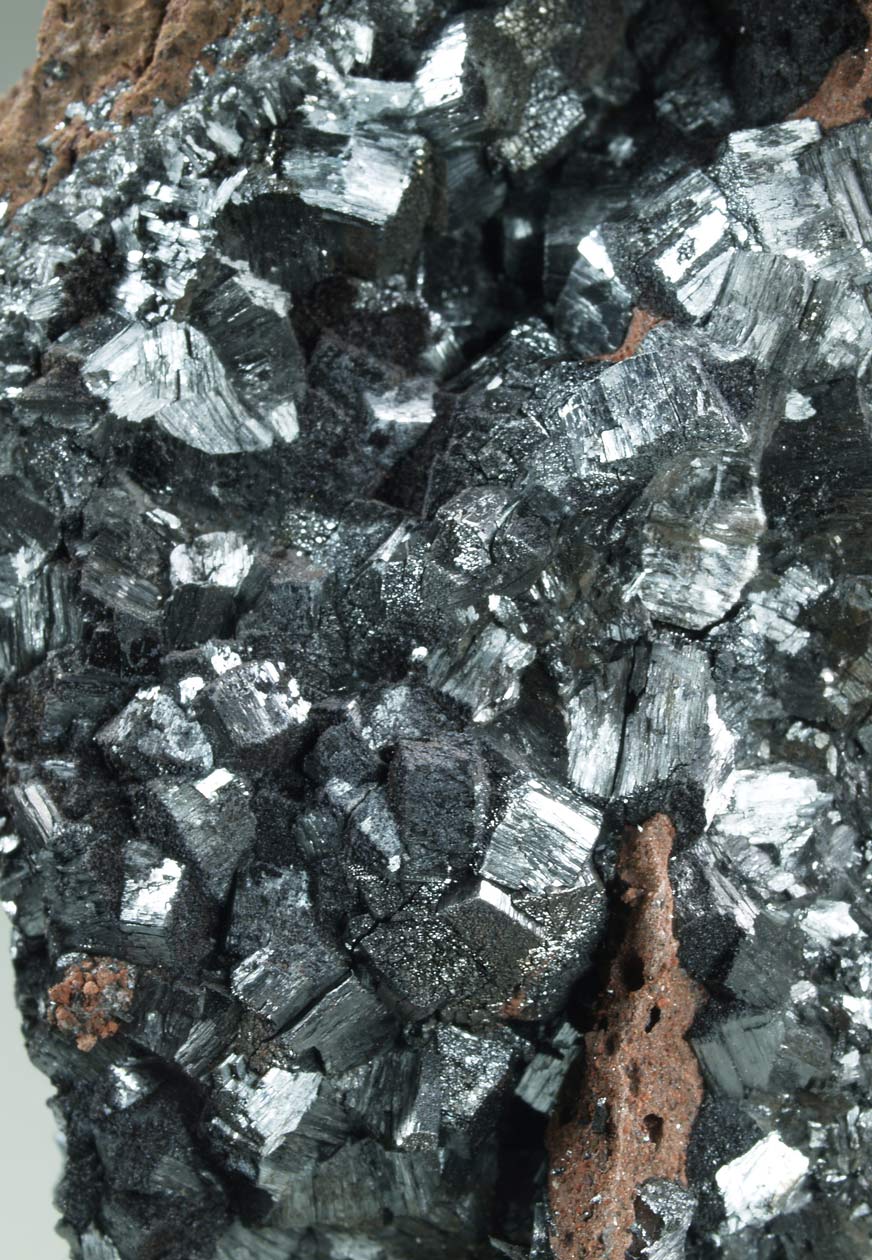
Muy rico ejemplar de ramsdellita, un raro óxido de manganeso, formado por varios grupos de cristales interpenetrados y algunos aislados bien definidos. El brillo es notable y en matriz. La ramsdellita de esta pequeña y extinta mina en un rincón remoto de Arizona se encontró por primera vez a principios de los años 1900. Sin embargo, la localidad fue aparentemente olvidada durante algún tiempo y fue redescubierta por el equipo padre/hijo de Roy Jones y Dick Jones en la década de los 60. Estos especímenes proceden de un hallazgo reciente en 2016.
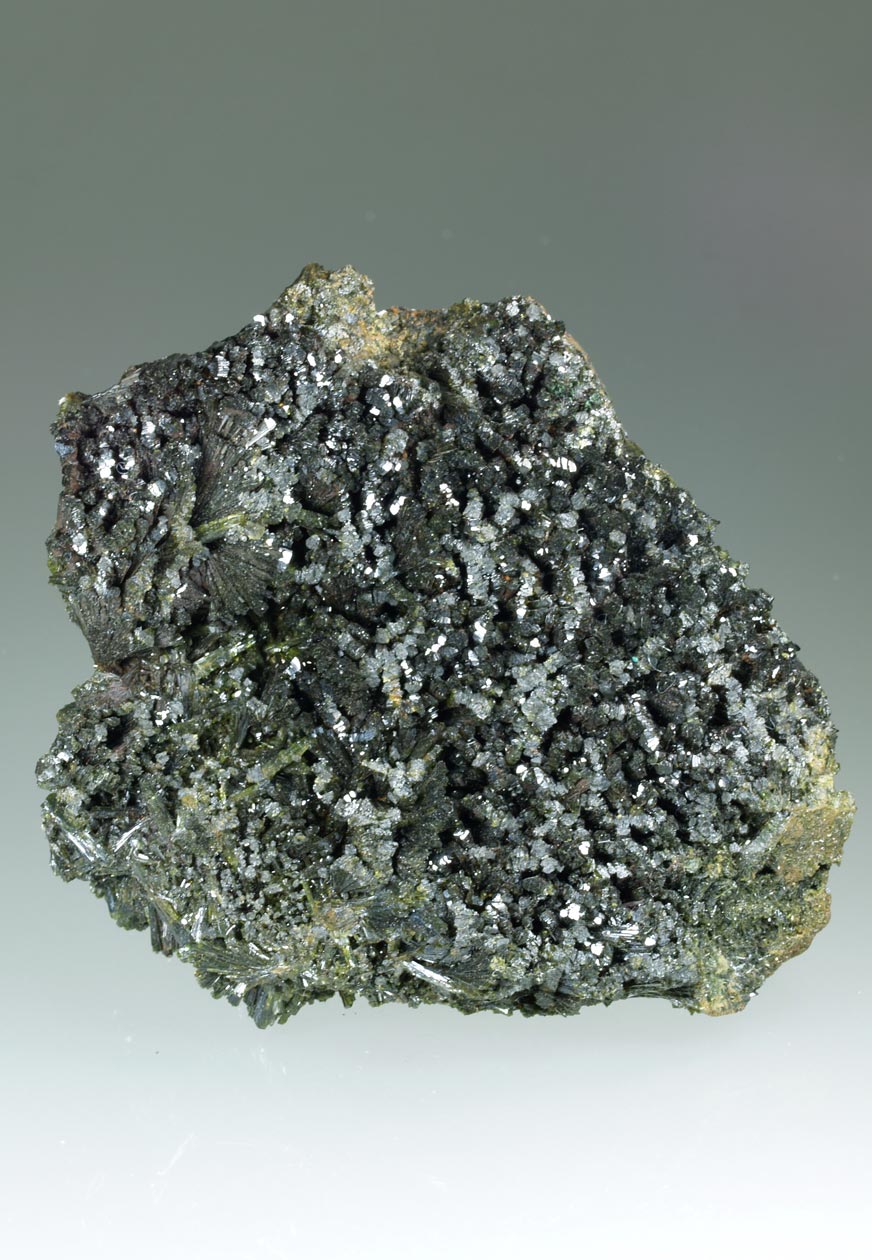
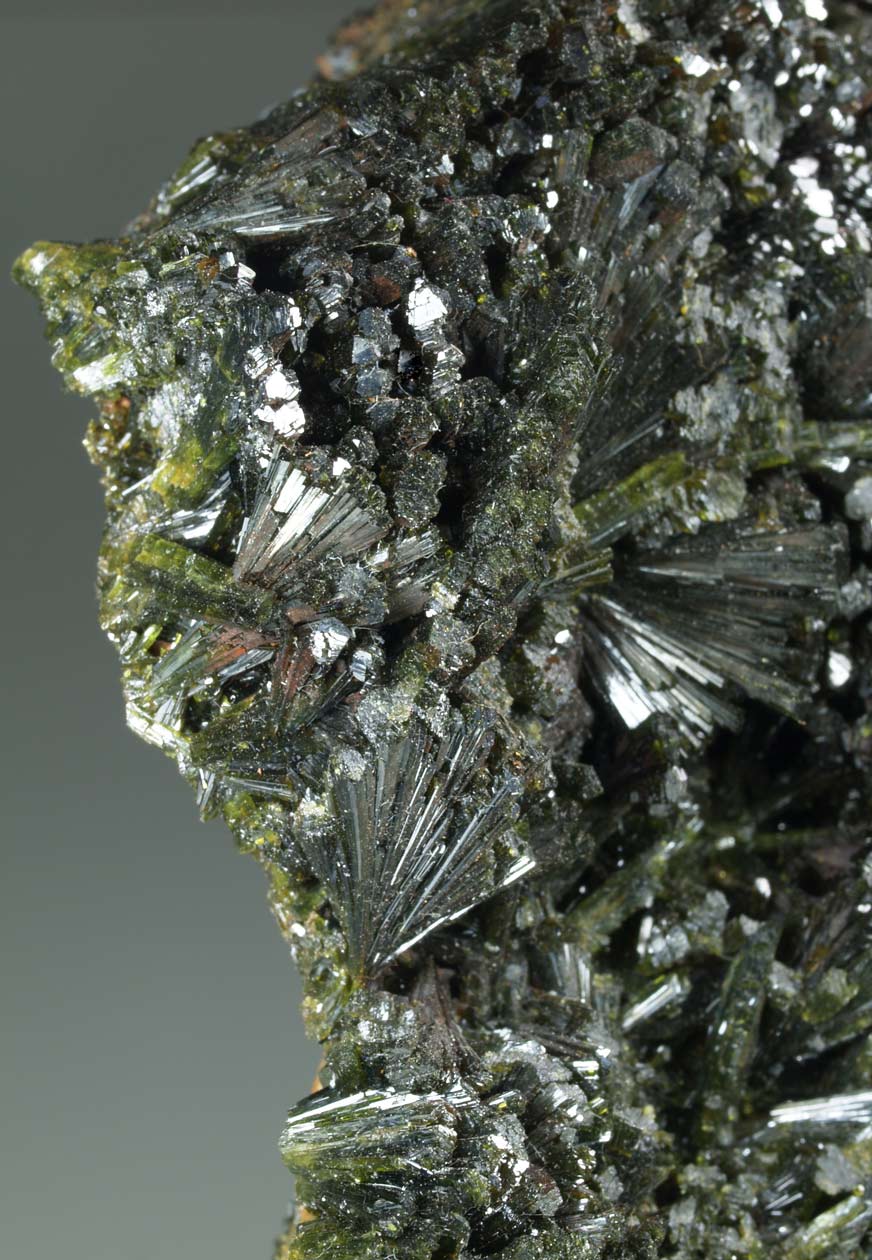
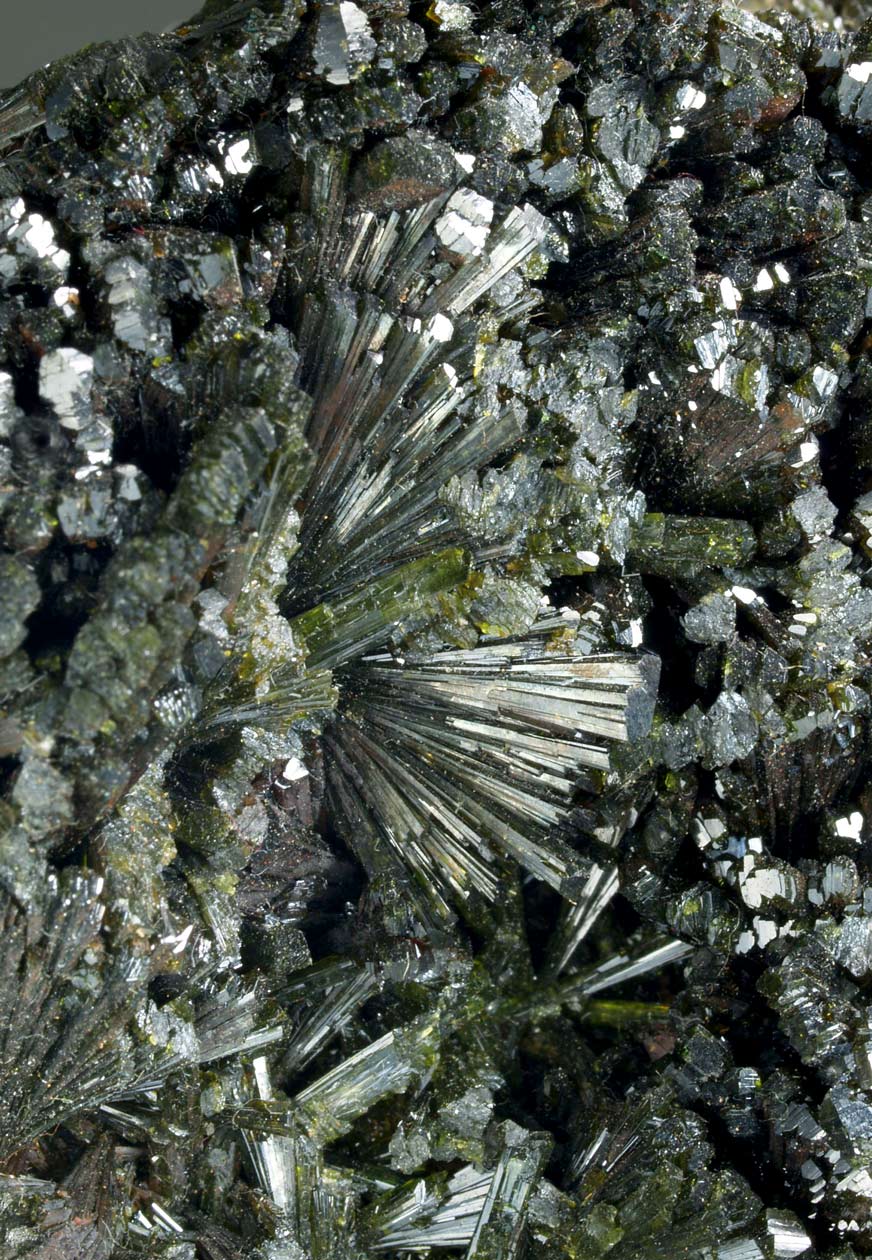
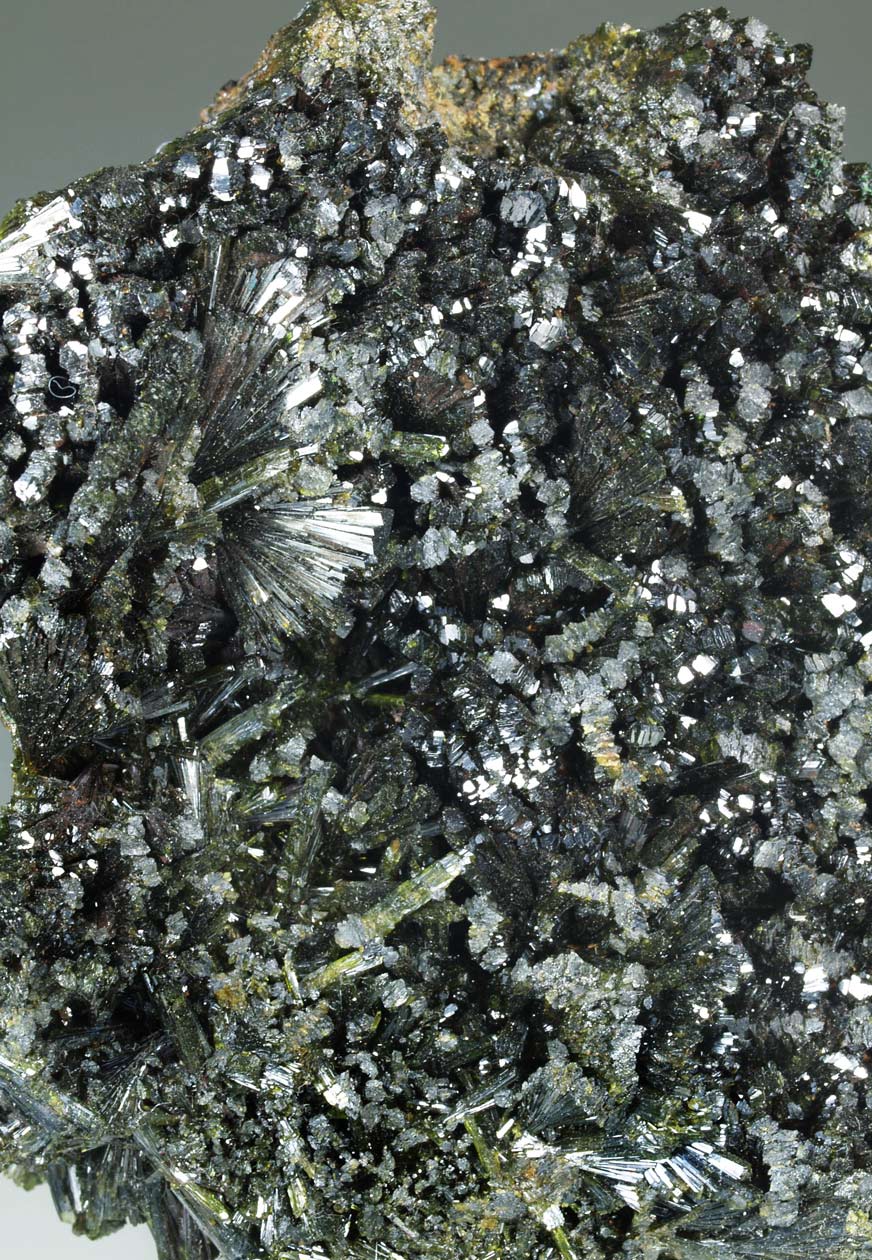
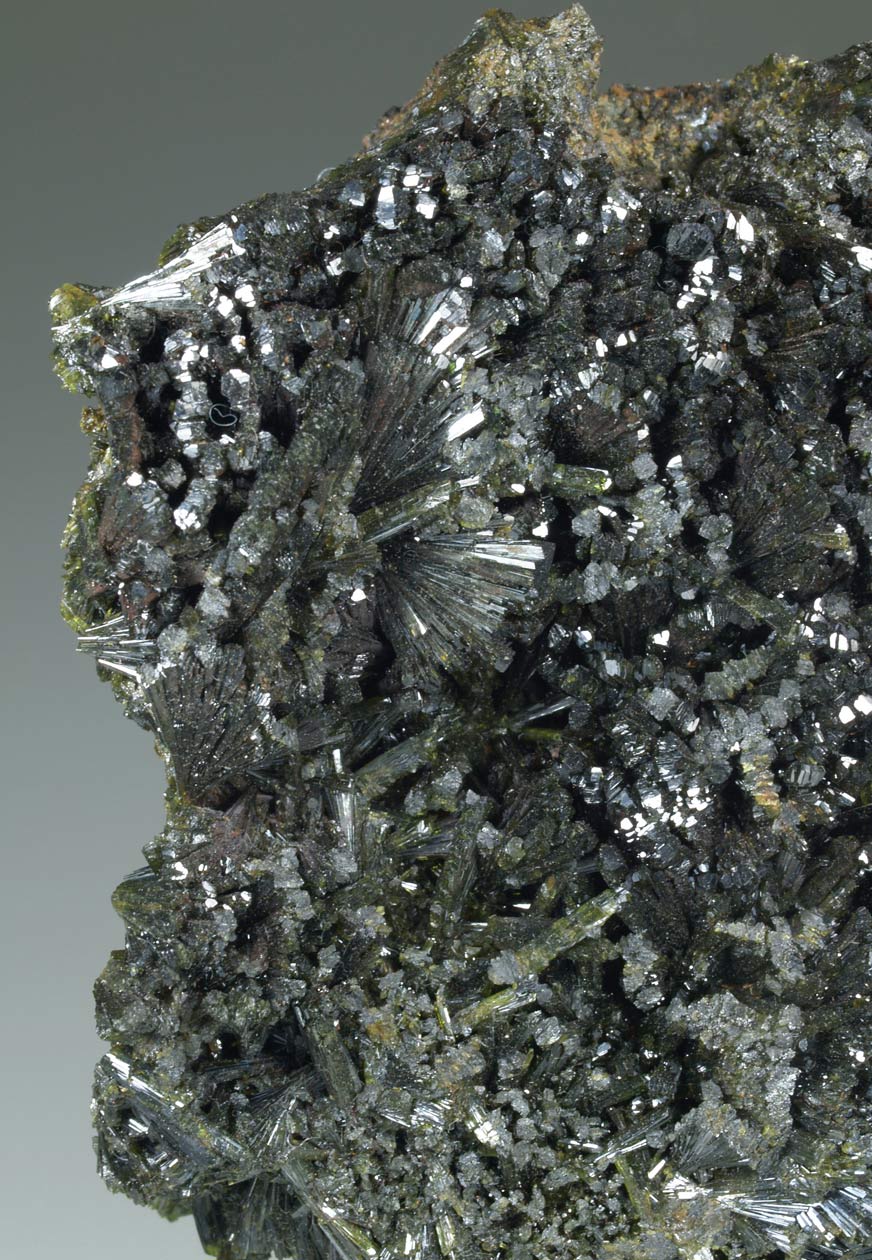
Un ejemplar de buen tamaño de epidota procedente de la clásica localidad de Casterner. Grupos de cristales en abanico, muy brillantes y con transparencia. Ejemplares de esta calidad ya se ven pocos. Actualmente está prohibido recoger en la zona.
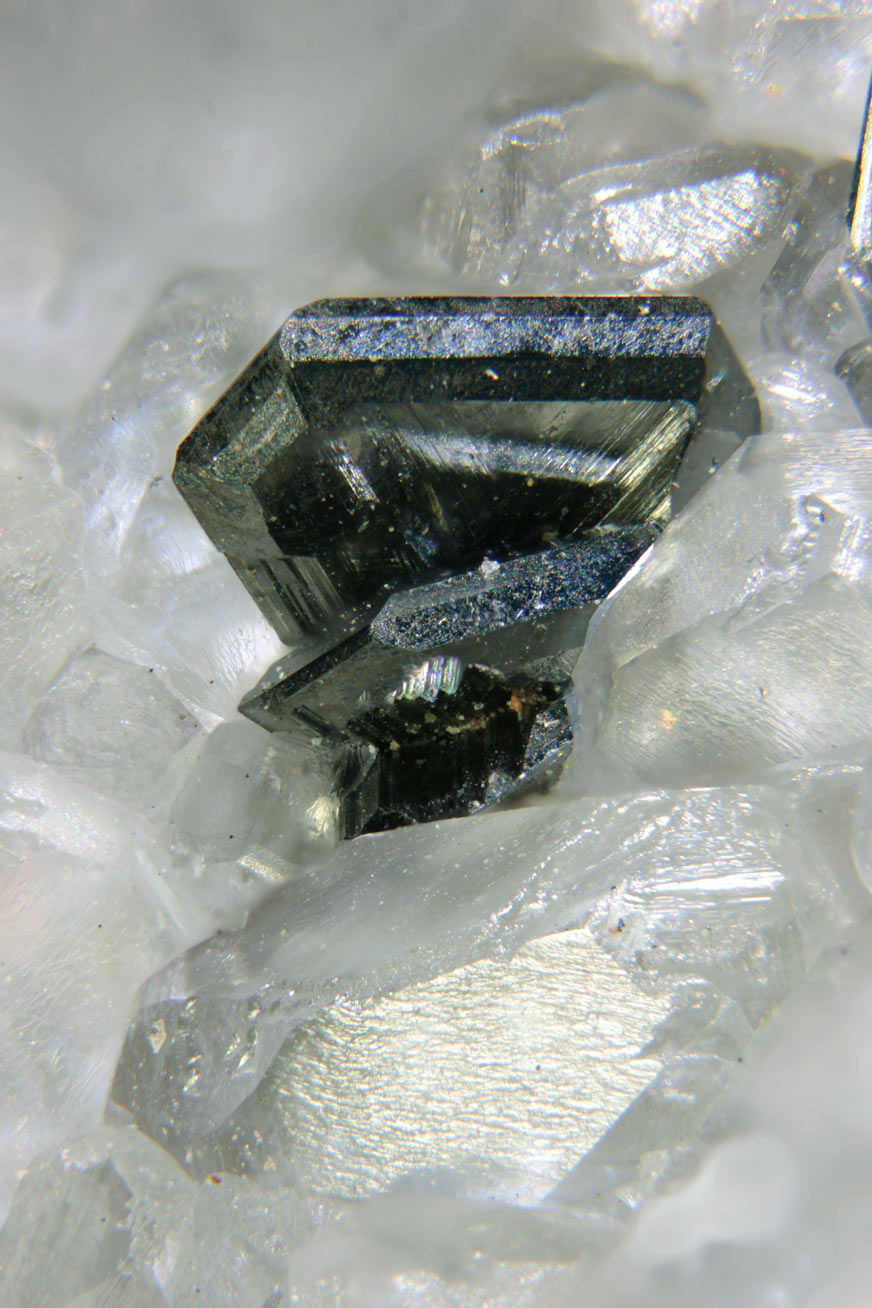
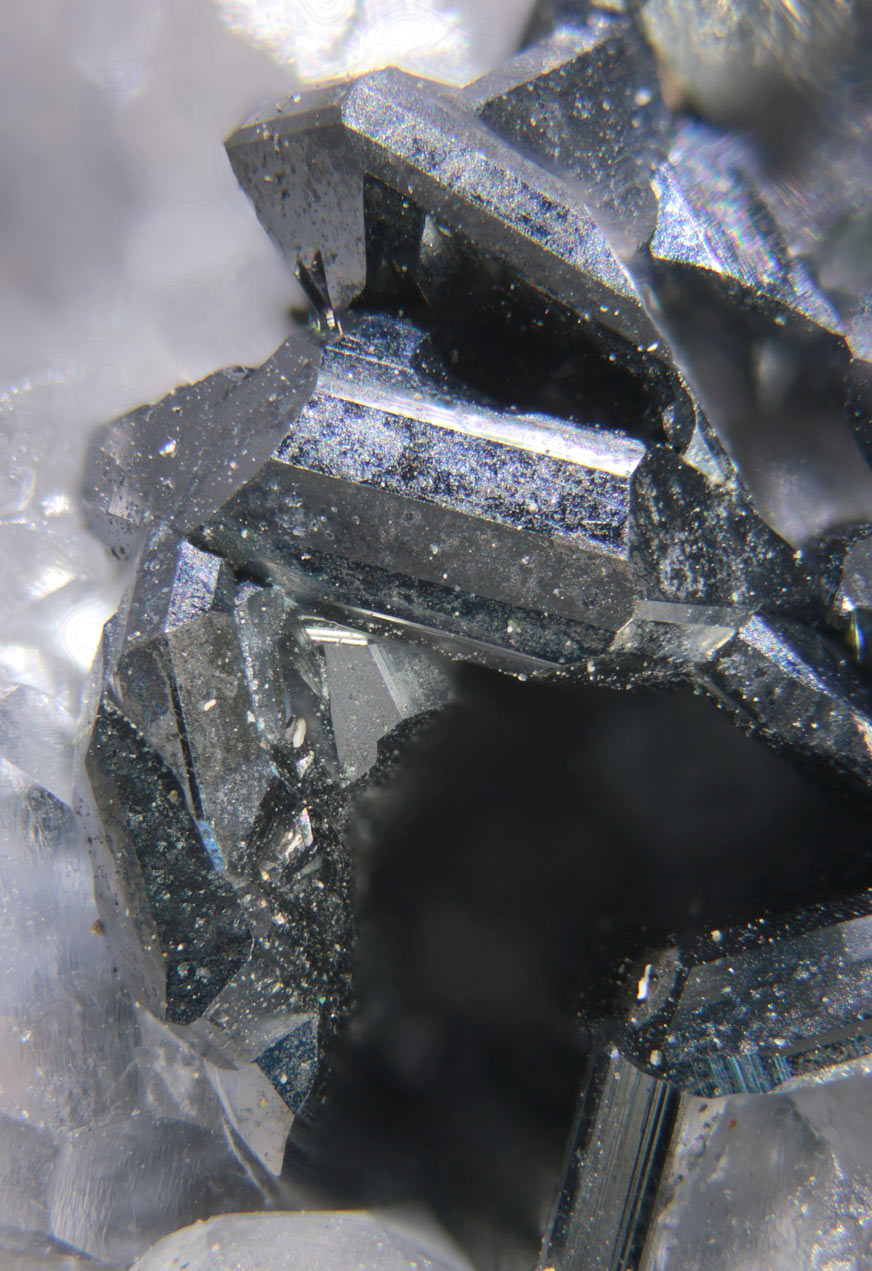
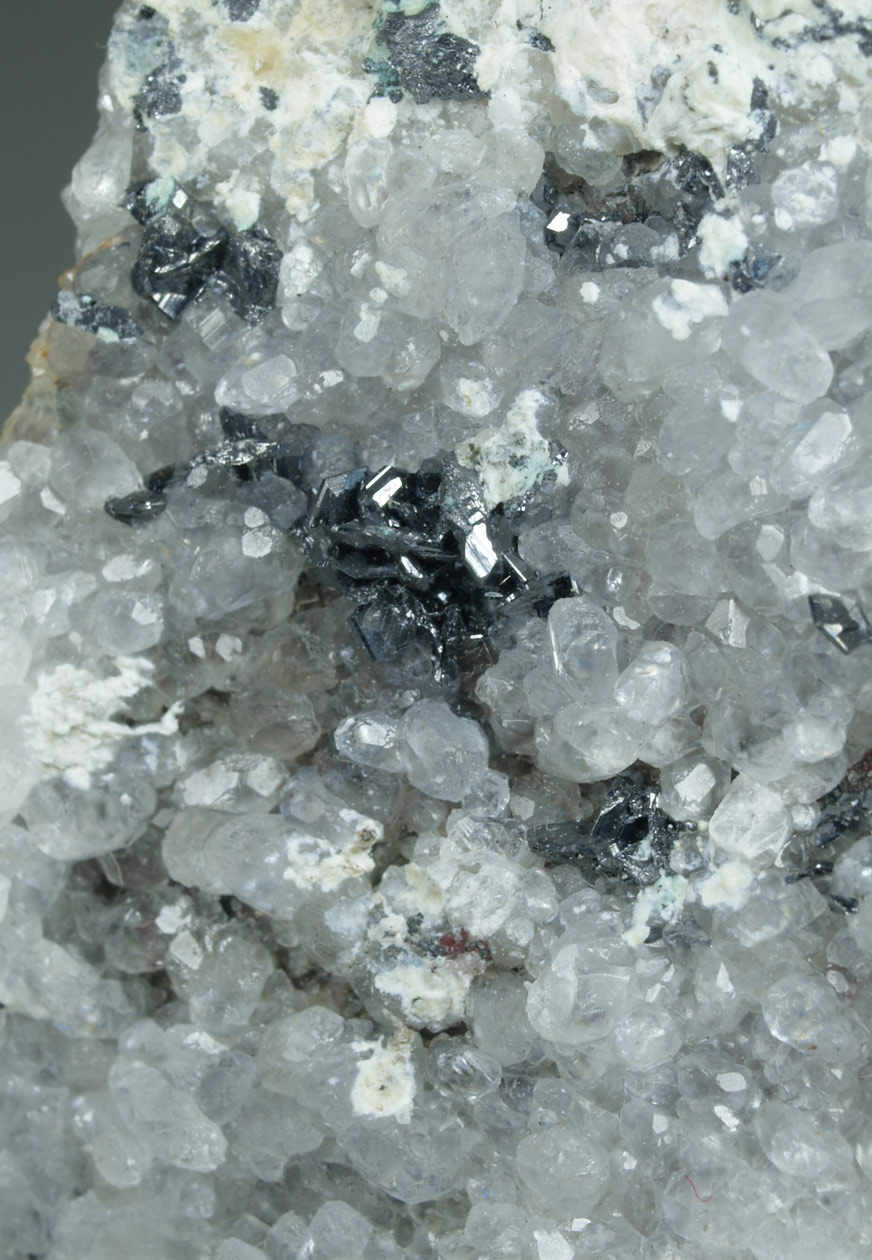
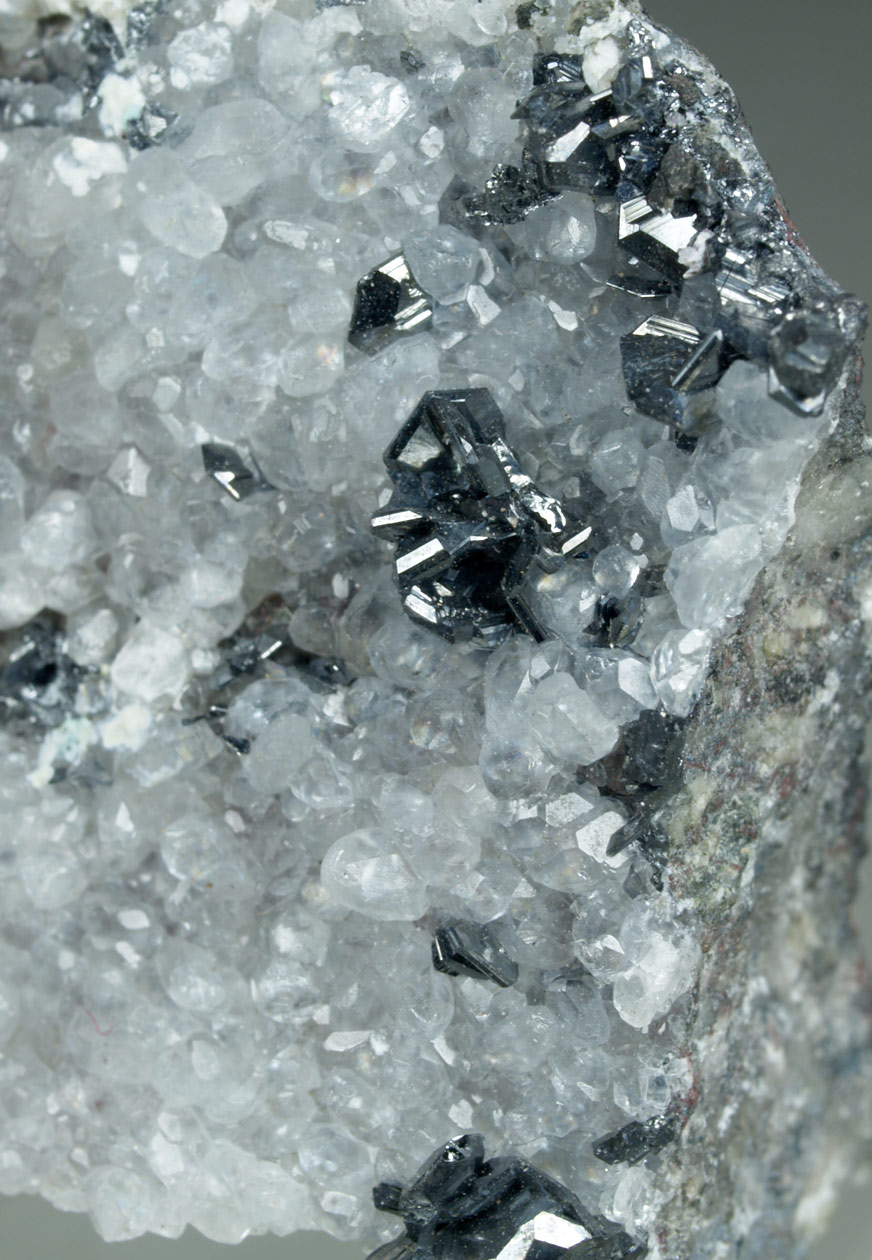
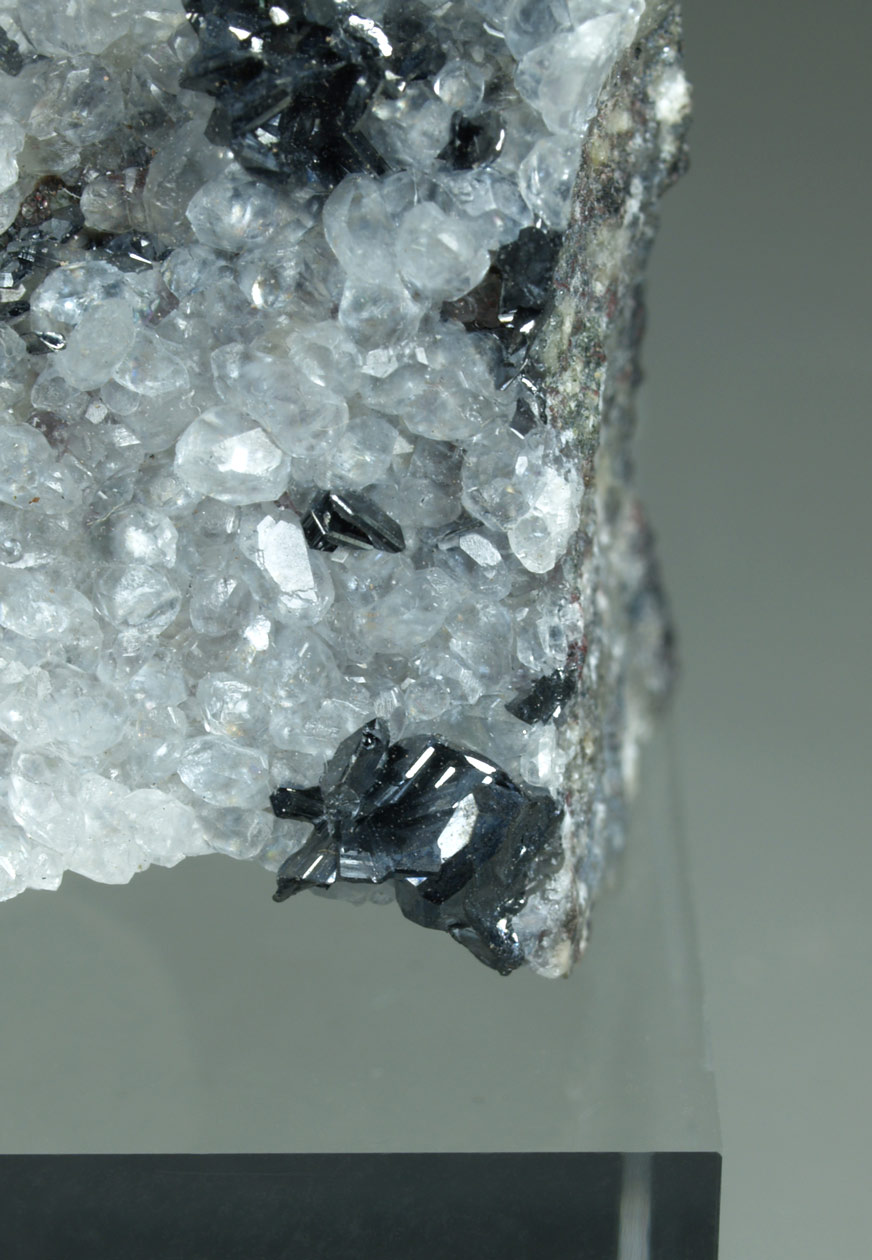
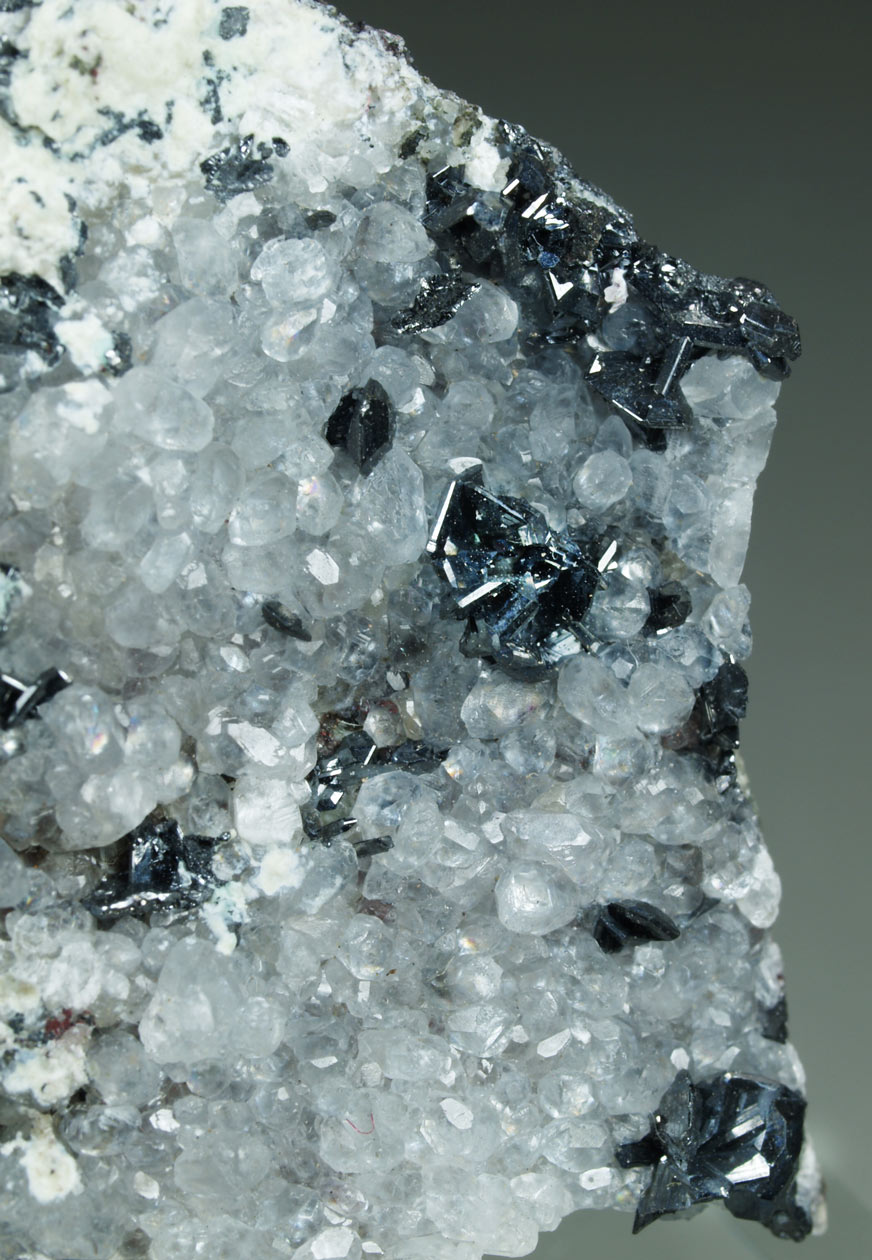
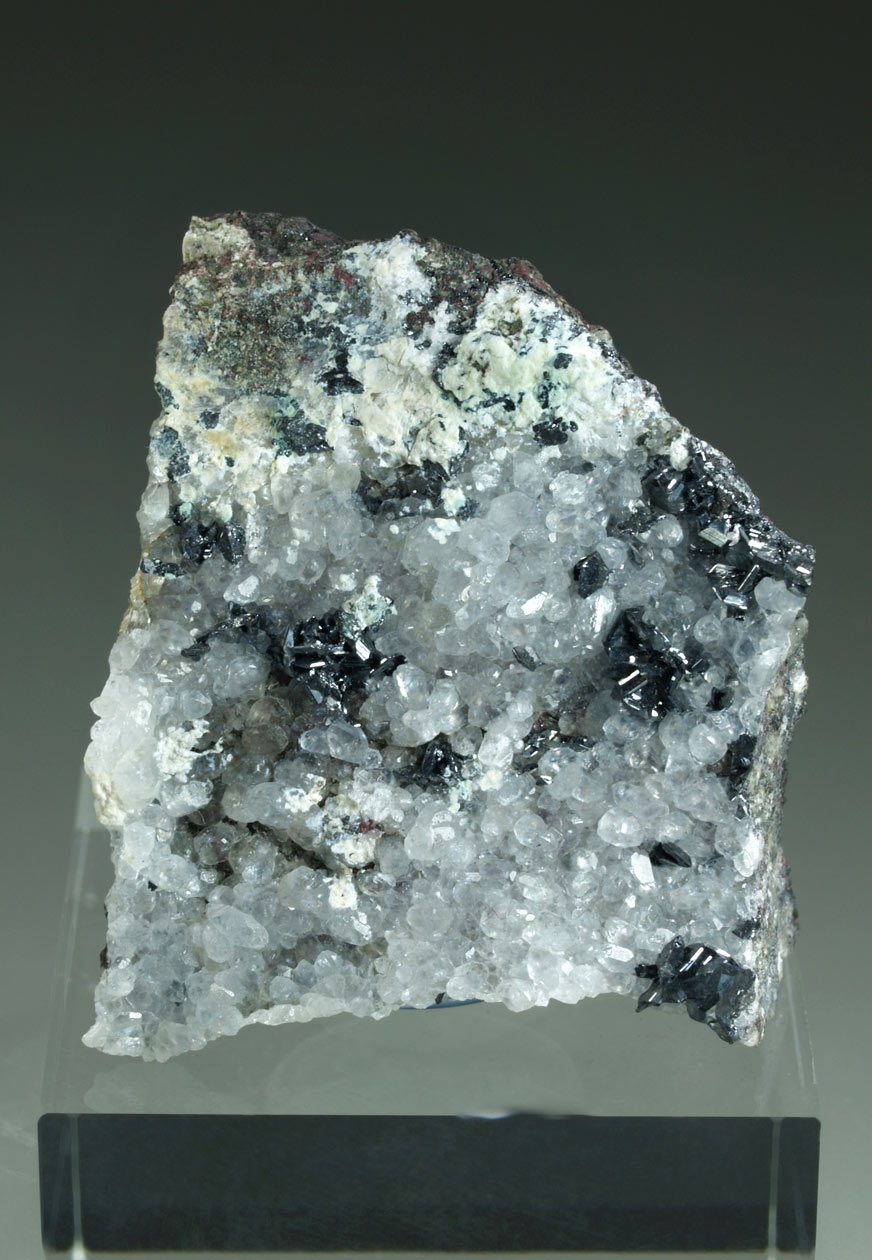
Grupo de cristales de calcocita muy definidos, aislados unos e interpenetrados otros, tabulares y con formas pseudohexagonales macladas muy claras. Brillo metálico intenso, color gris. Destacan sobre una matriz de brillantes cristales de calcita y pequeños agregados de tennantita. Los ejemplares de esta localidad son muy escasos. Novedad en Sainte-Marie-aux-Mines 2017.
La mina de Mantos Cobrizos es depósito tipo "manto". Se trata de un pequeño depósito, ubicado en el distrito minero de los Cóndores, cerca de Paipote, en Copiapó. Hasta ahora la producción se ha realizado a pequeña escala.
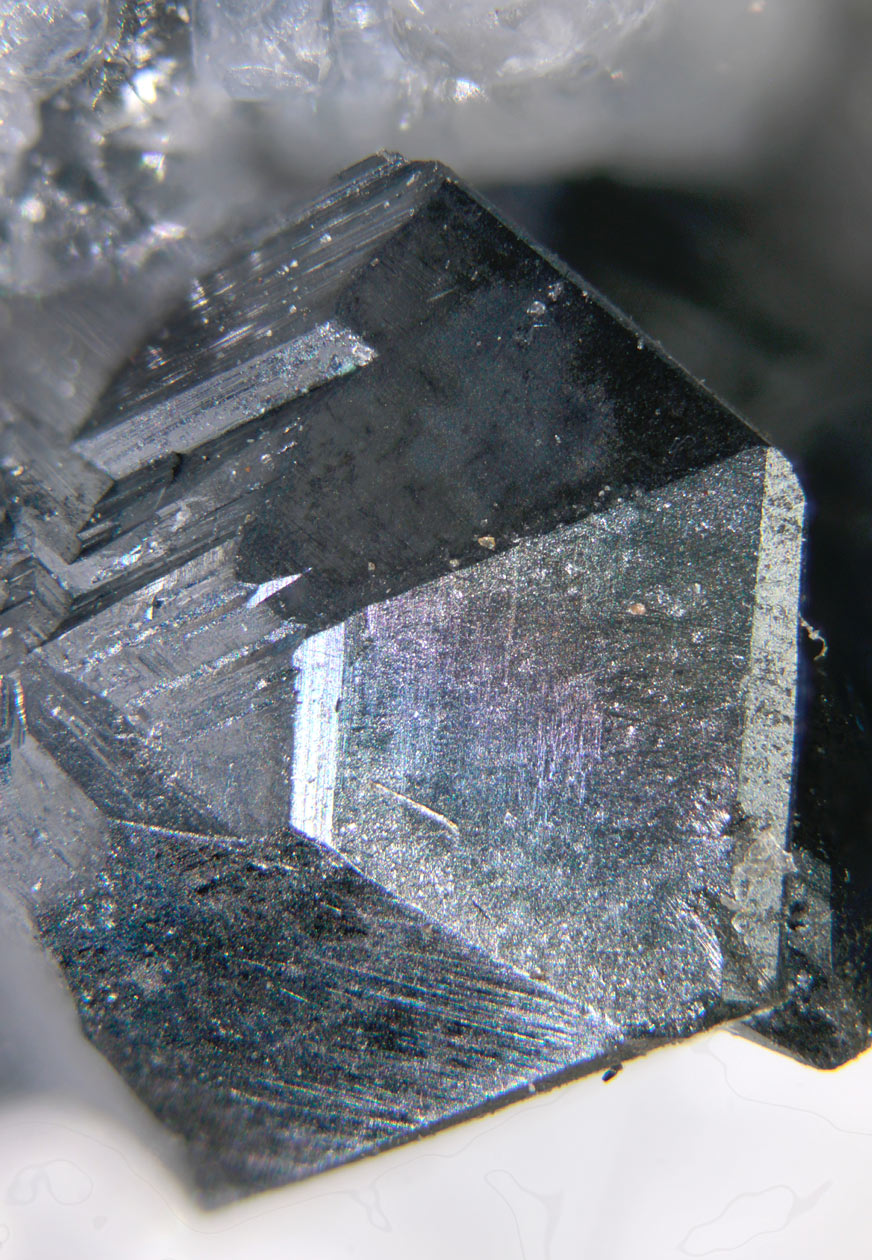
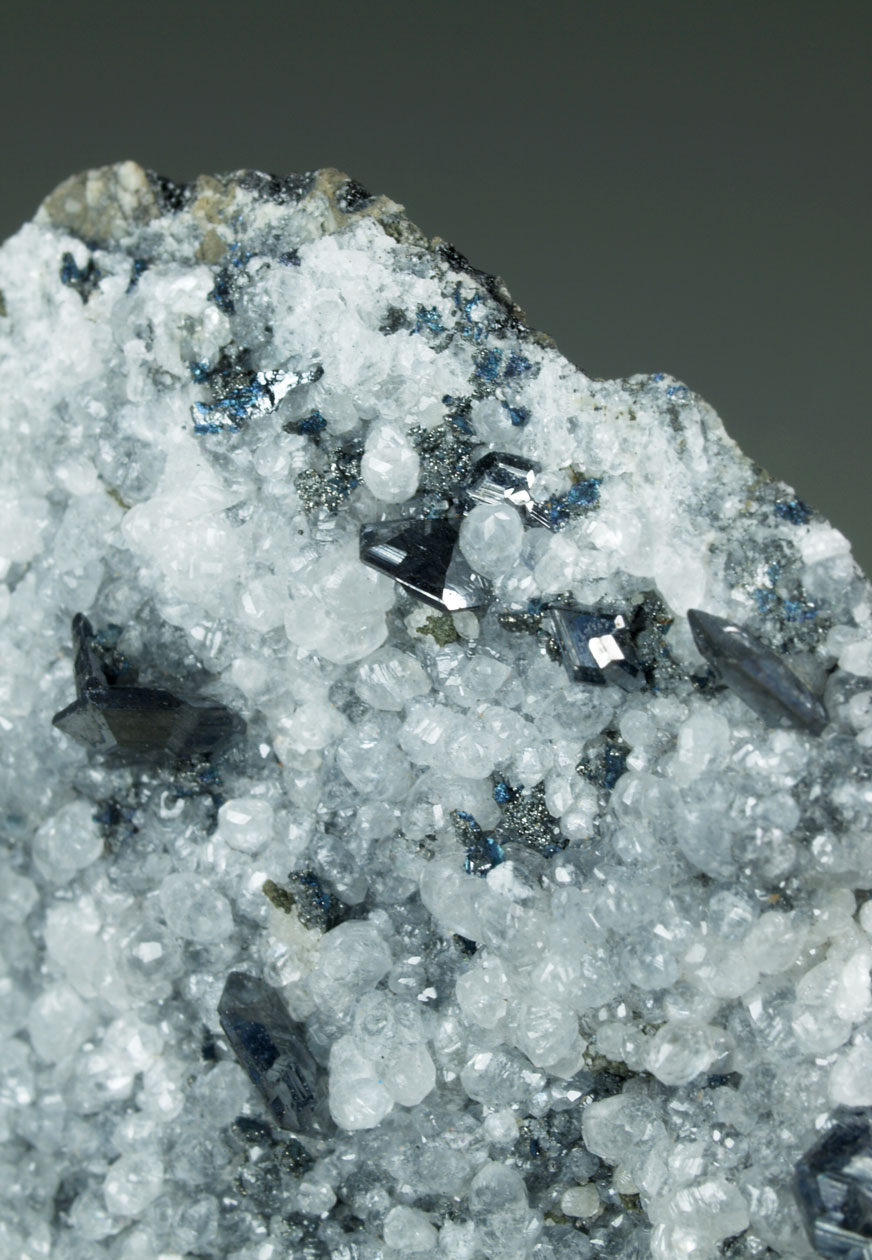
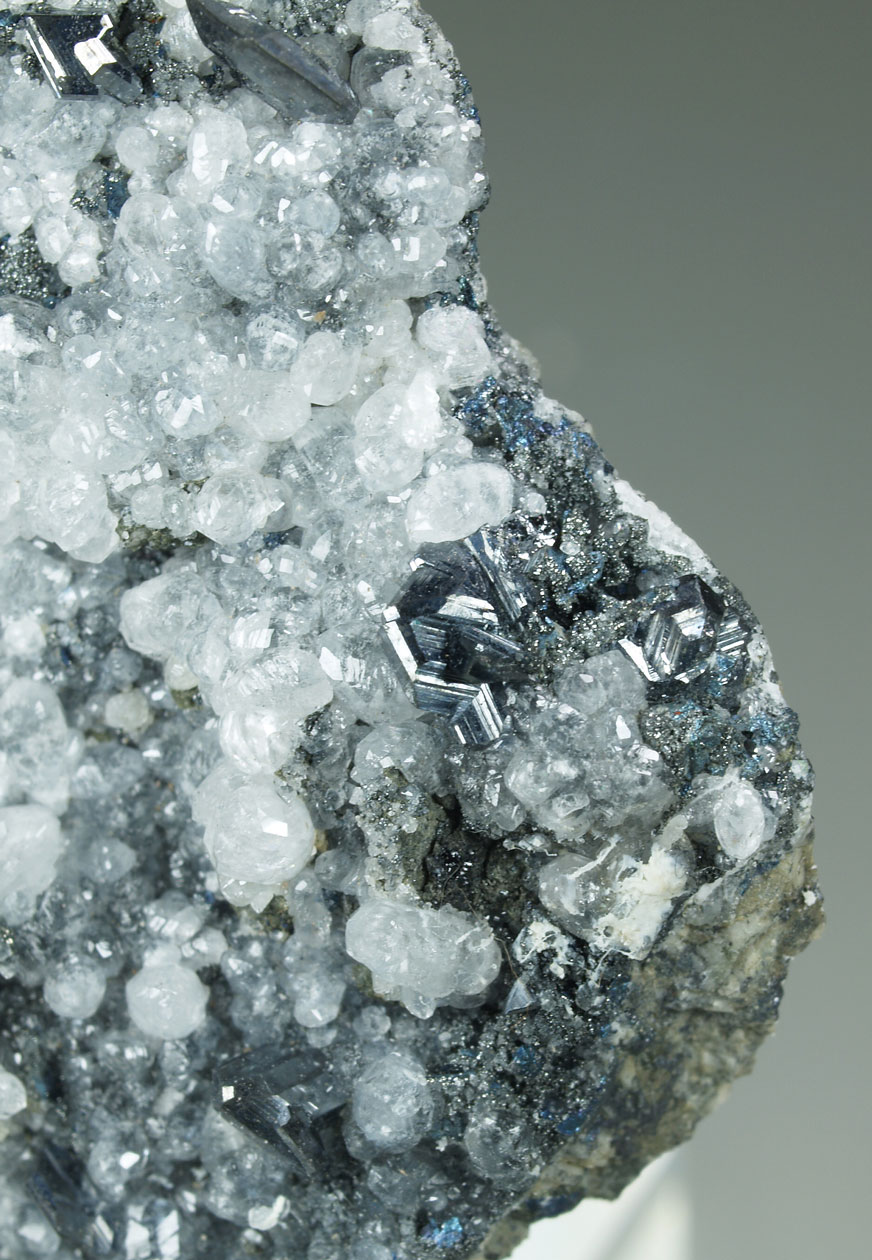
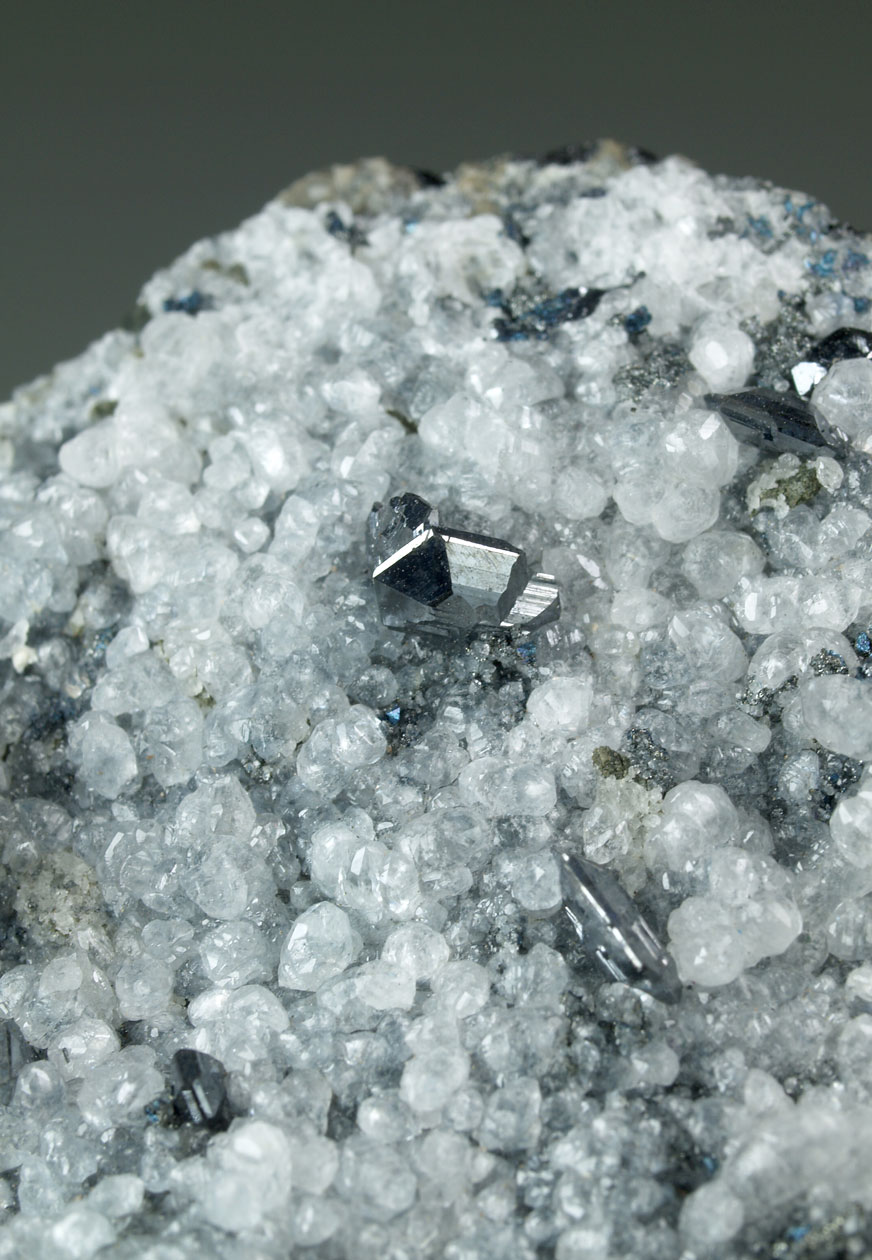
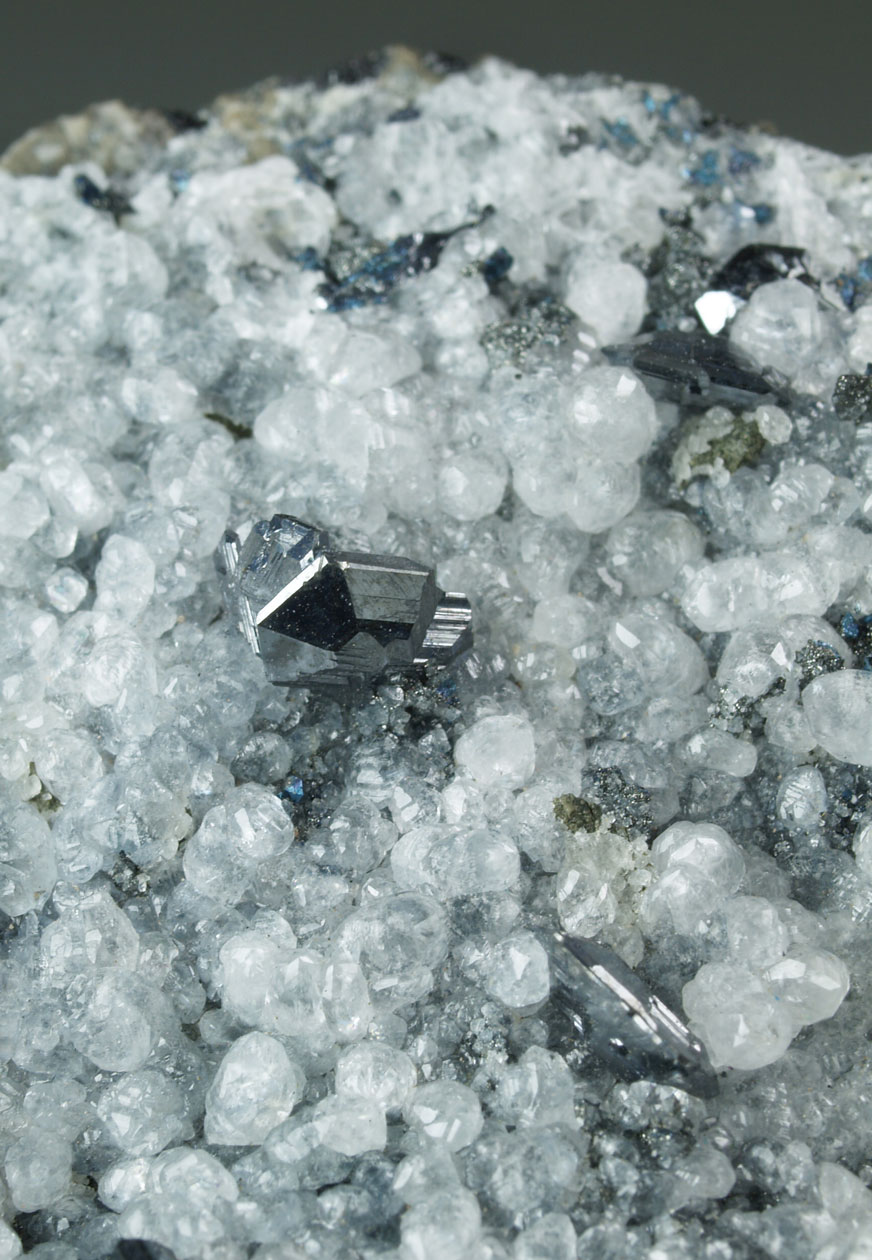
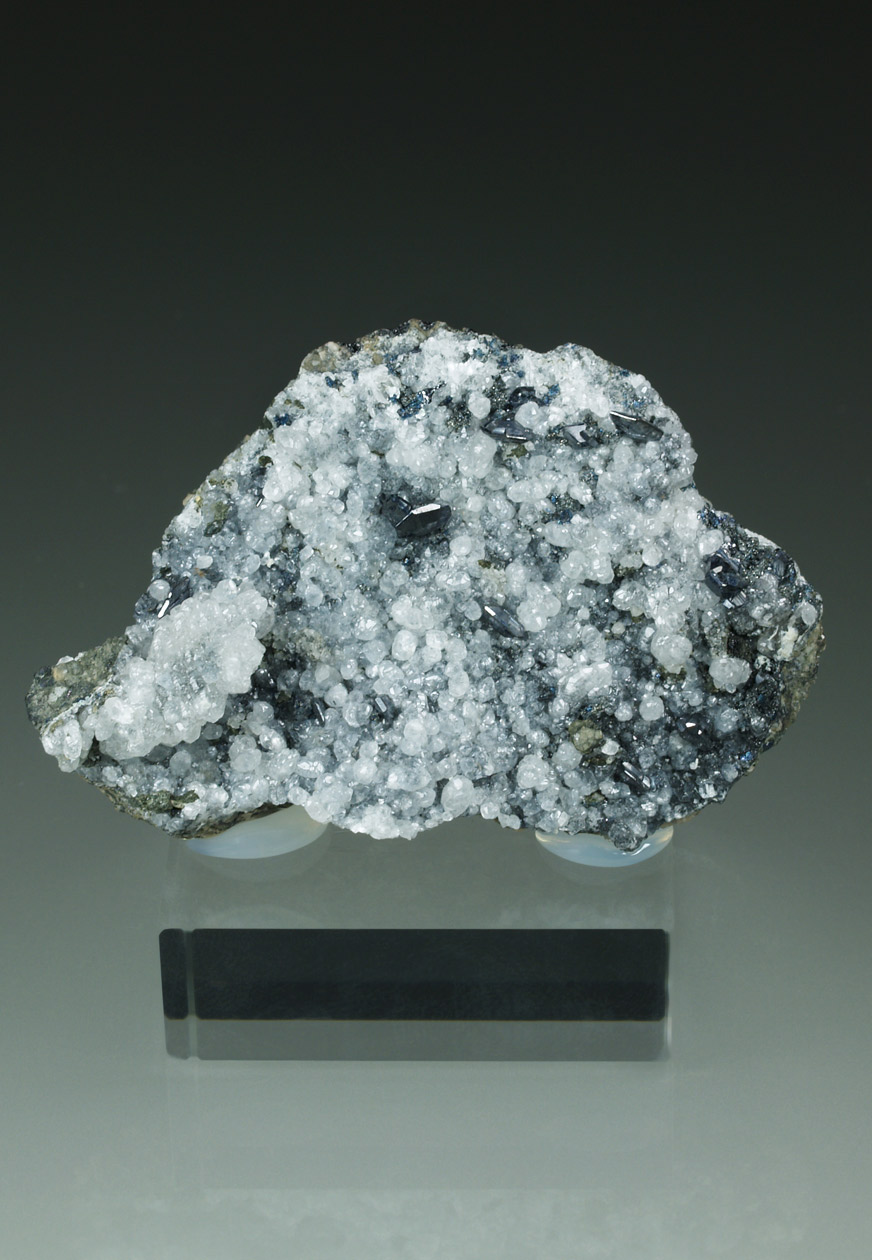
Más que excelente grupo de cristales de calcocita muy definidos, aislados unos e interpenetrados otros, tabulares y con formas pseudohexagonales macladas muy claras. Brillo metálico intenso, color gris. Destacan sobre una matriz de brillantes cristales de calcita y pequeños cristales de tennantita. Los ejemplares de esta localidad son muy escasos. Novedad en Sainte-Marie-aux-Mines 2017.
La mina de Mantos Cobrizos es depósito tipo "manto". Se trata de un pequeño depósito, ubicado en el distrito minero de los Cóndores, cerca de Paipote, en Copiapó. Hasta ahora la producción se ha realizado a pequeña escala.
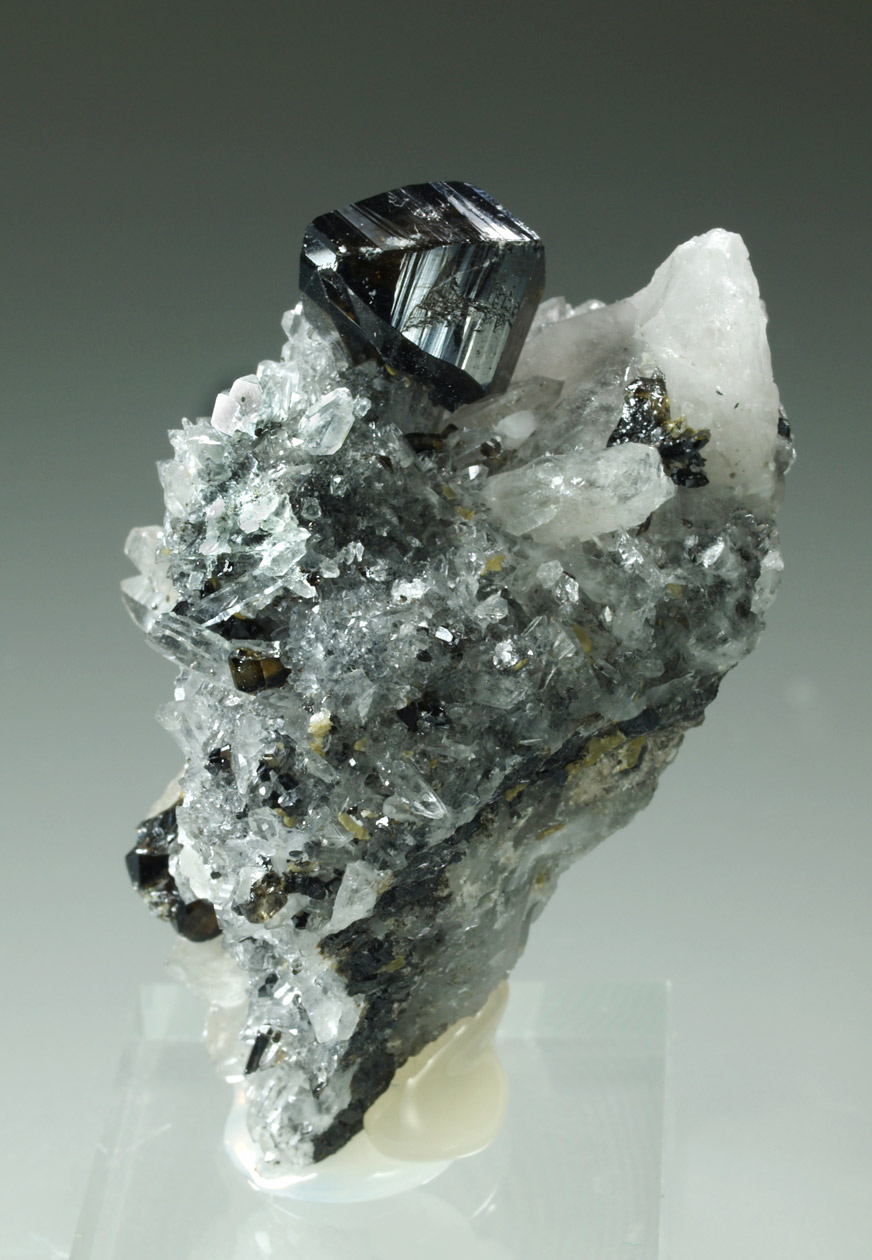
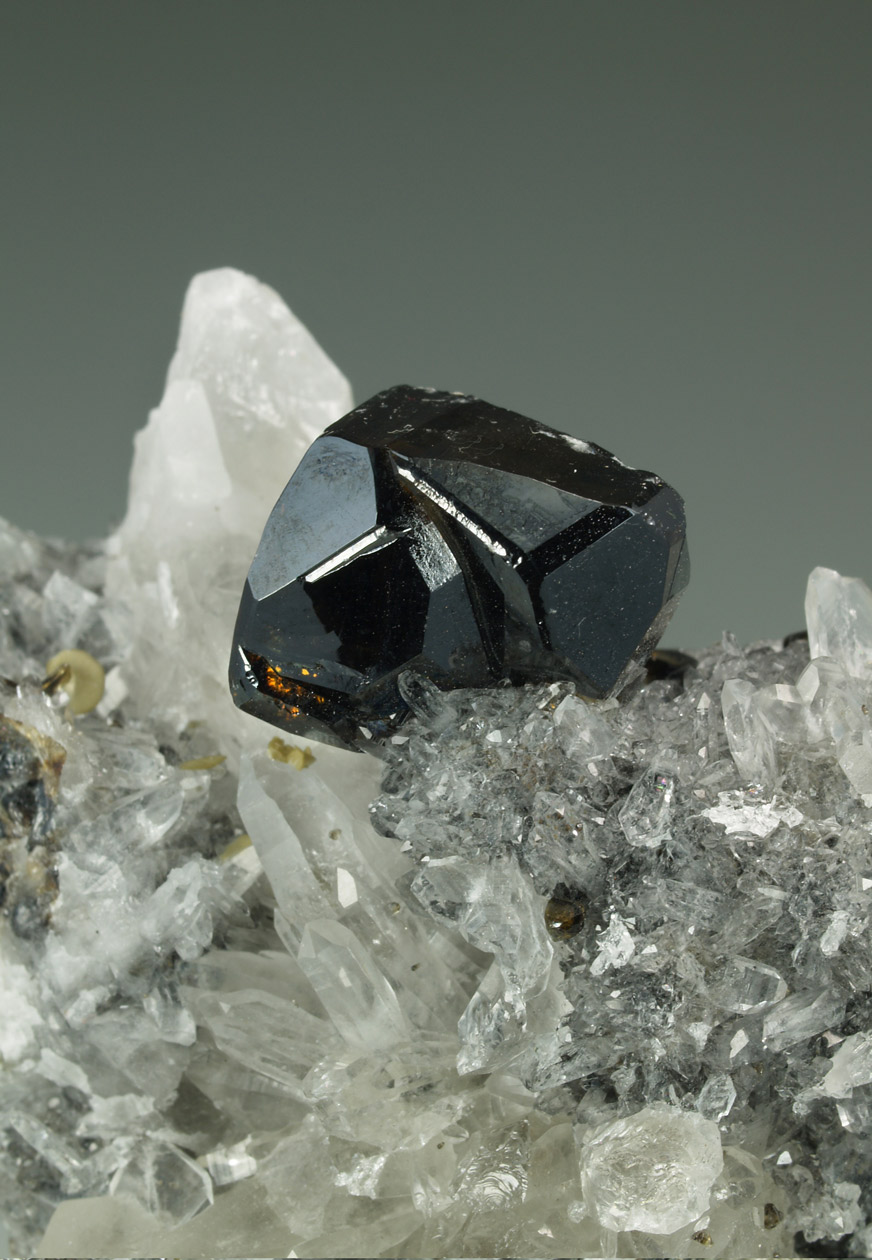
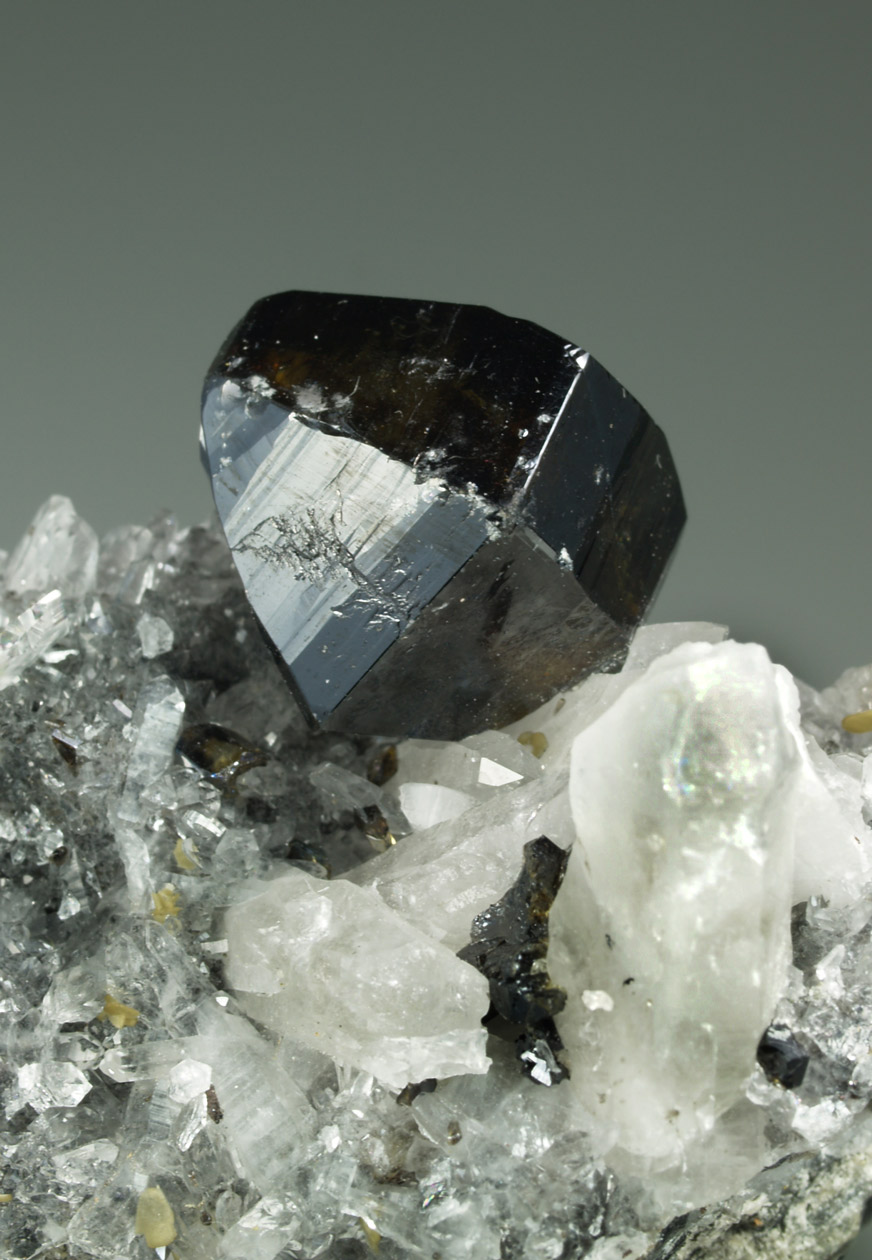
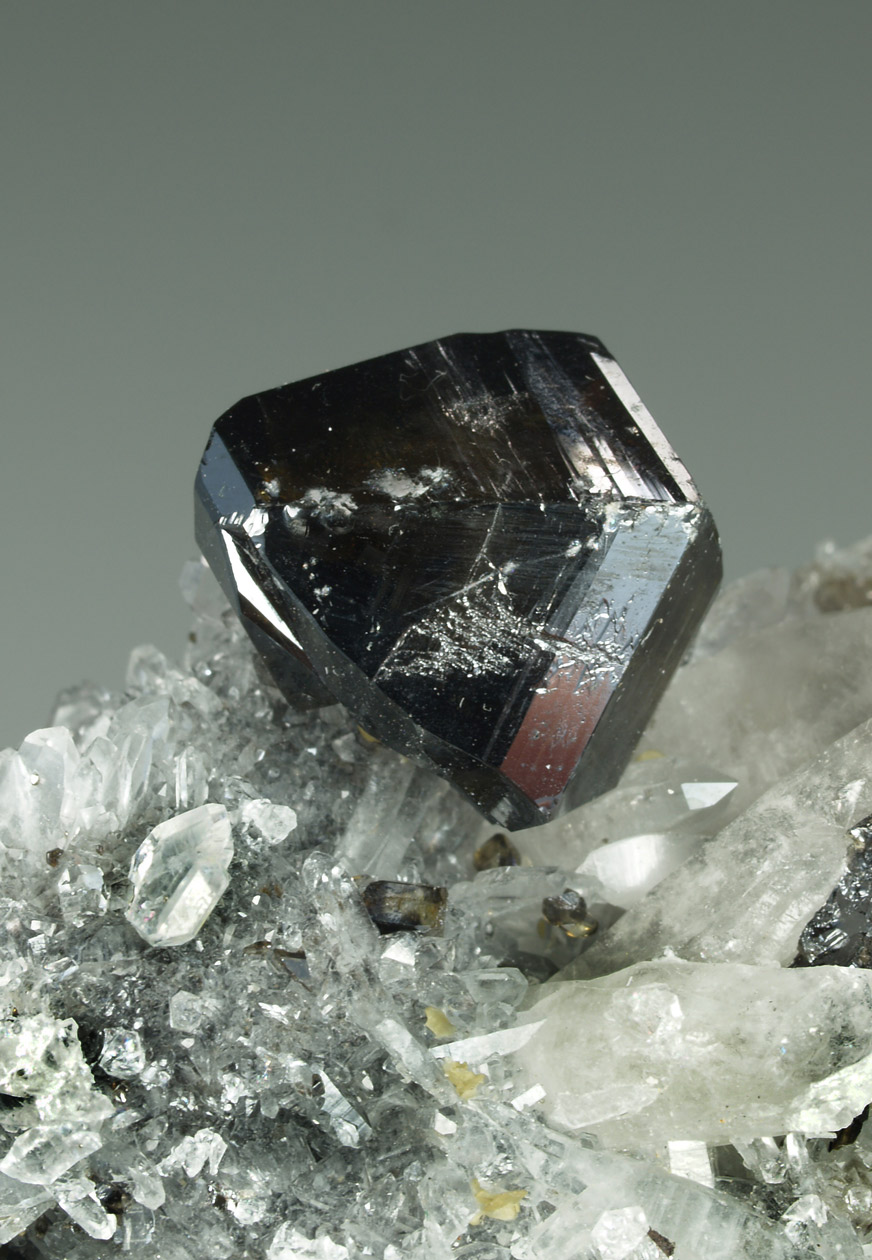
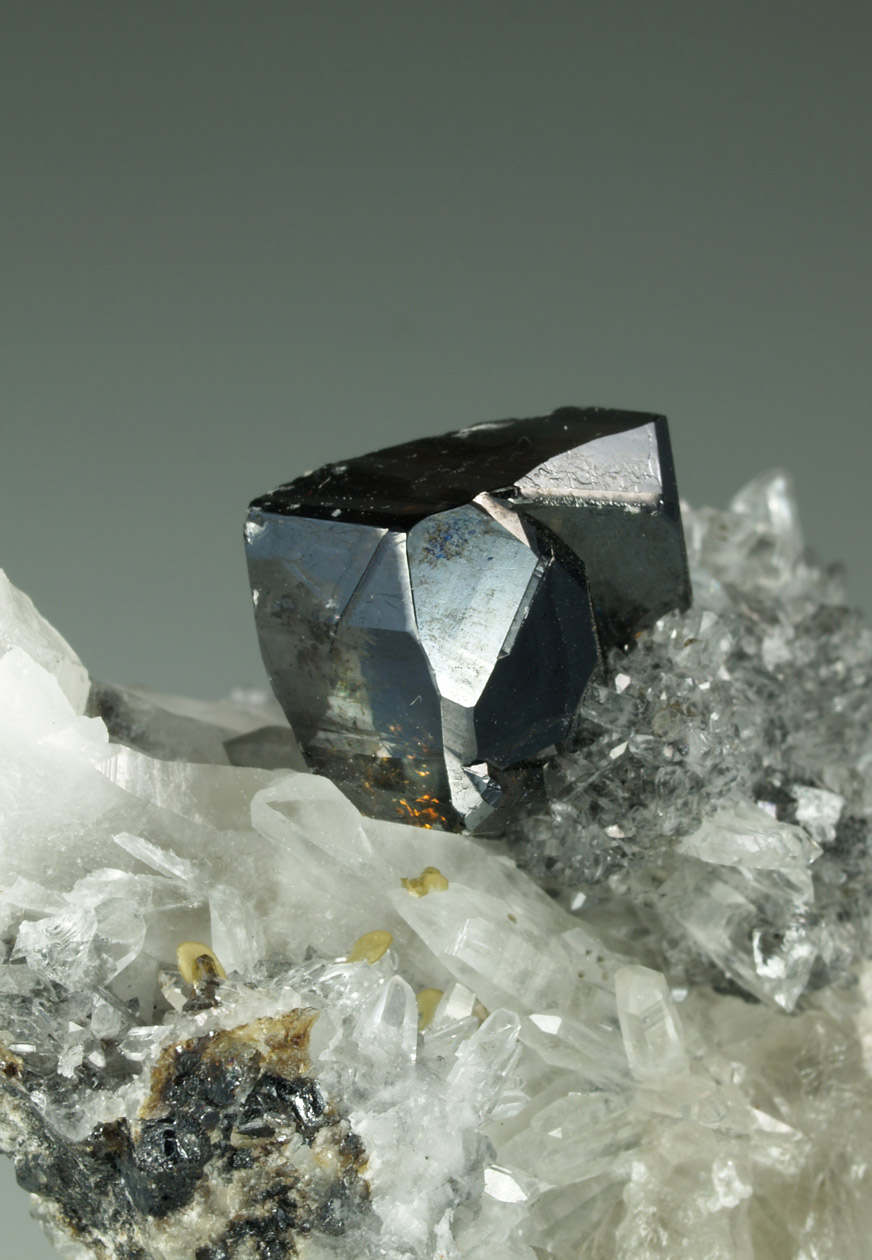
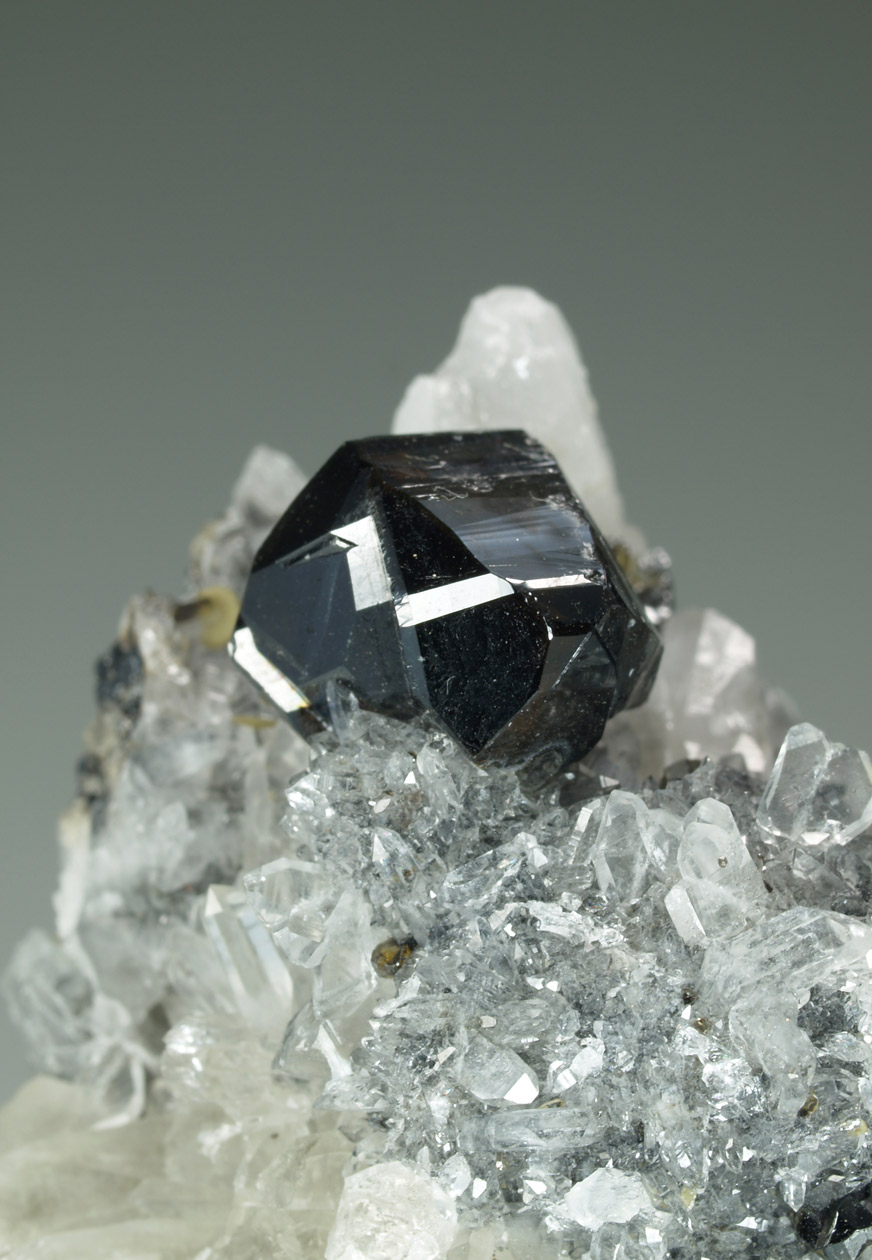
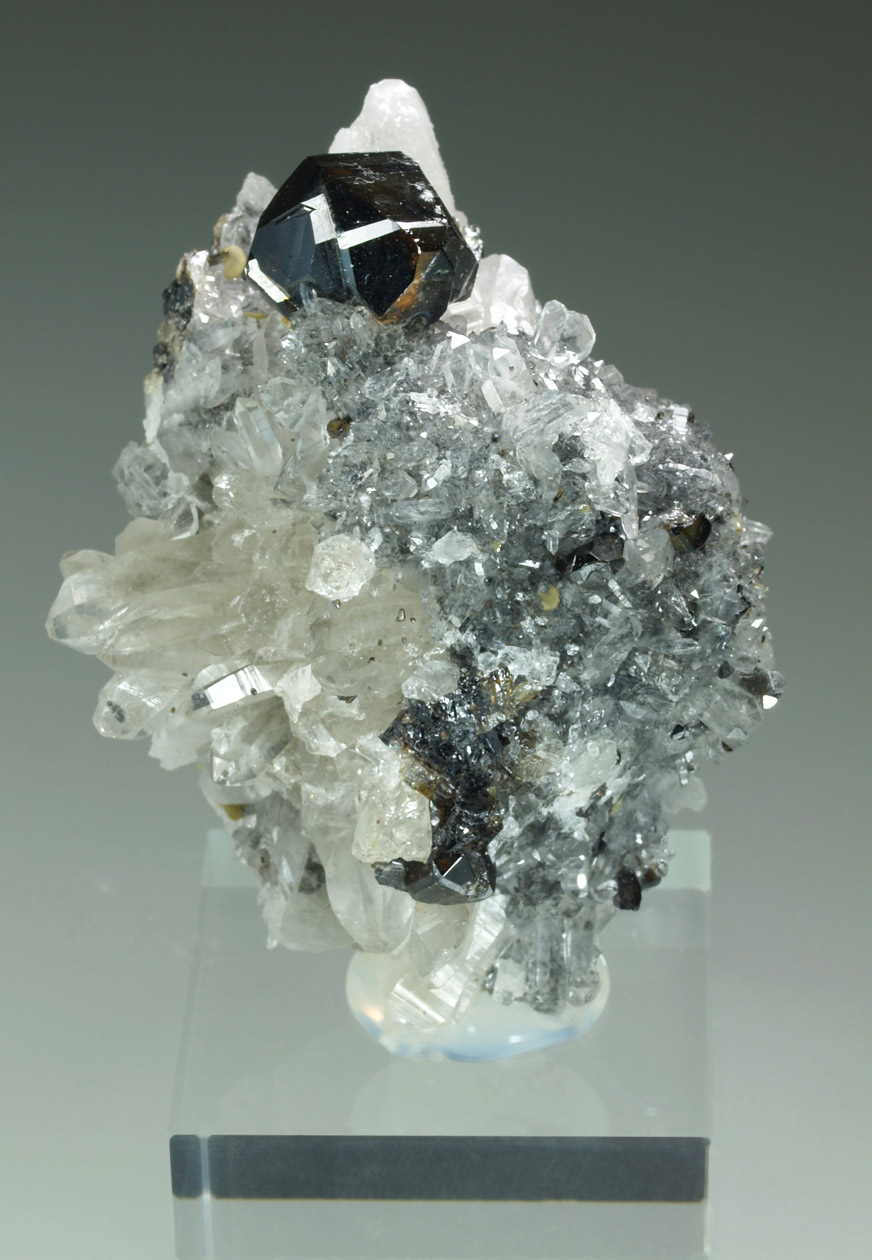
Grupo de cristales de casiterita, muy definidos y aéreos, brillantes, con transparencias meladas. Muestran maclas cíclicas y en codo bien claras. Se disponen de forma muy estética contrastando sobre una matriz de cristales de cuarzo y algo de arsenopirita. De una localidad clásica para la especie.
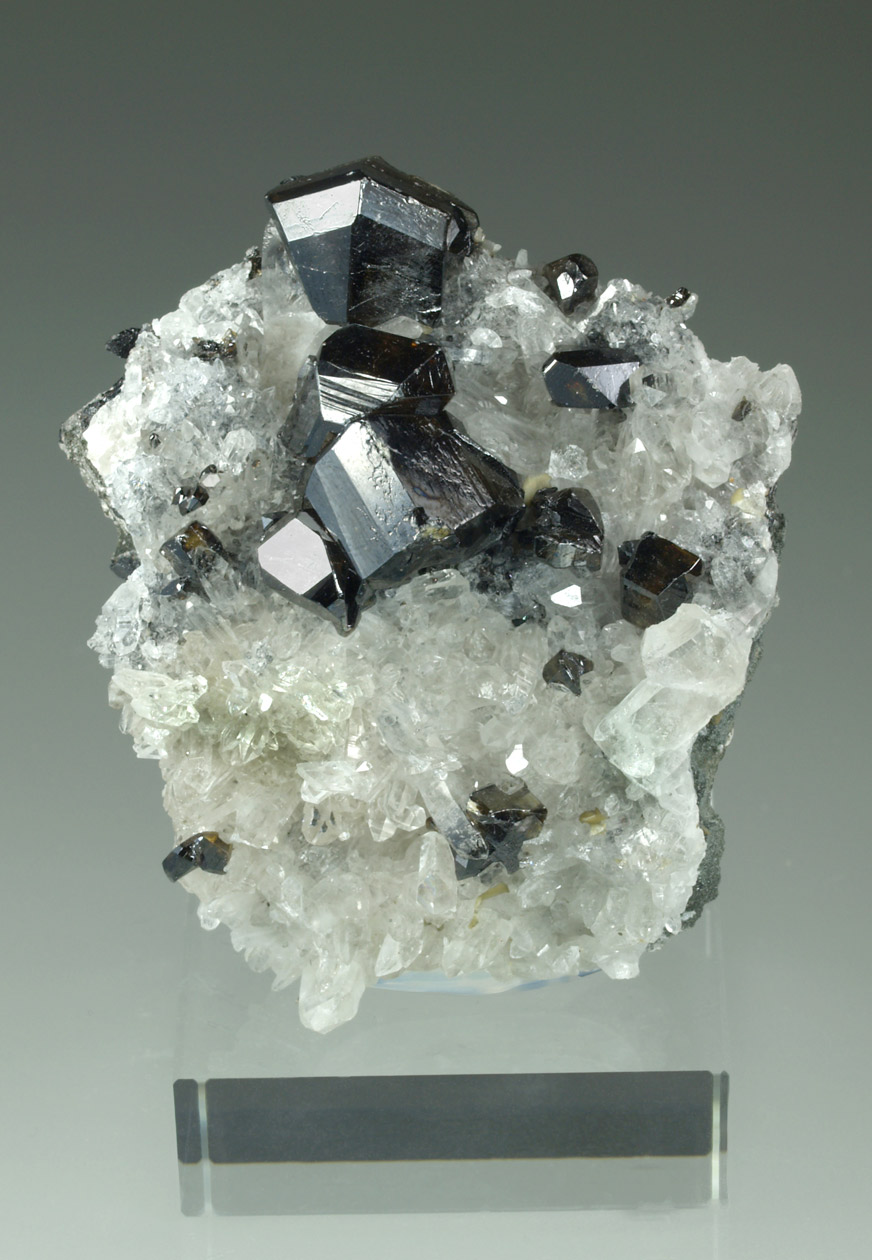
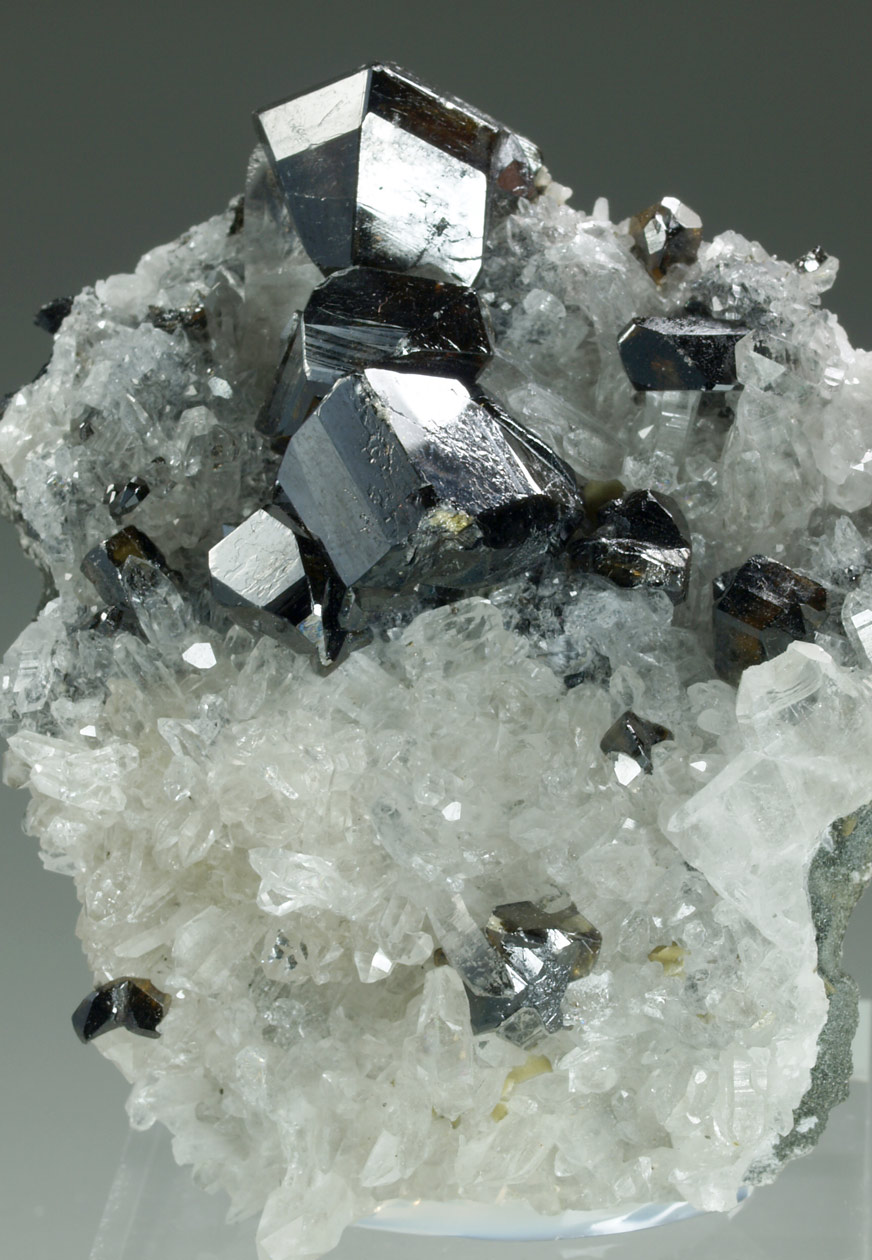
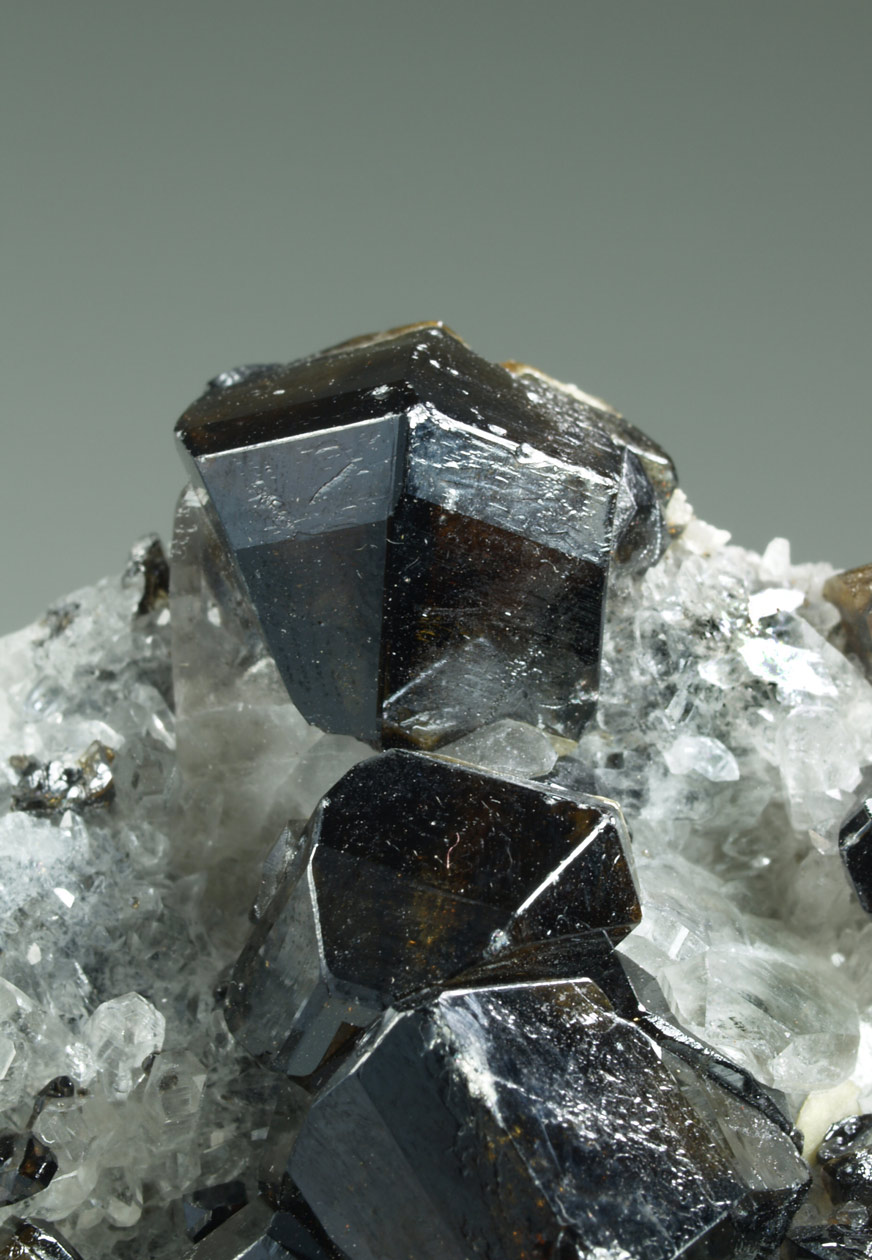
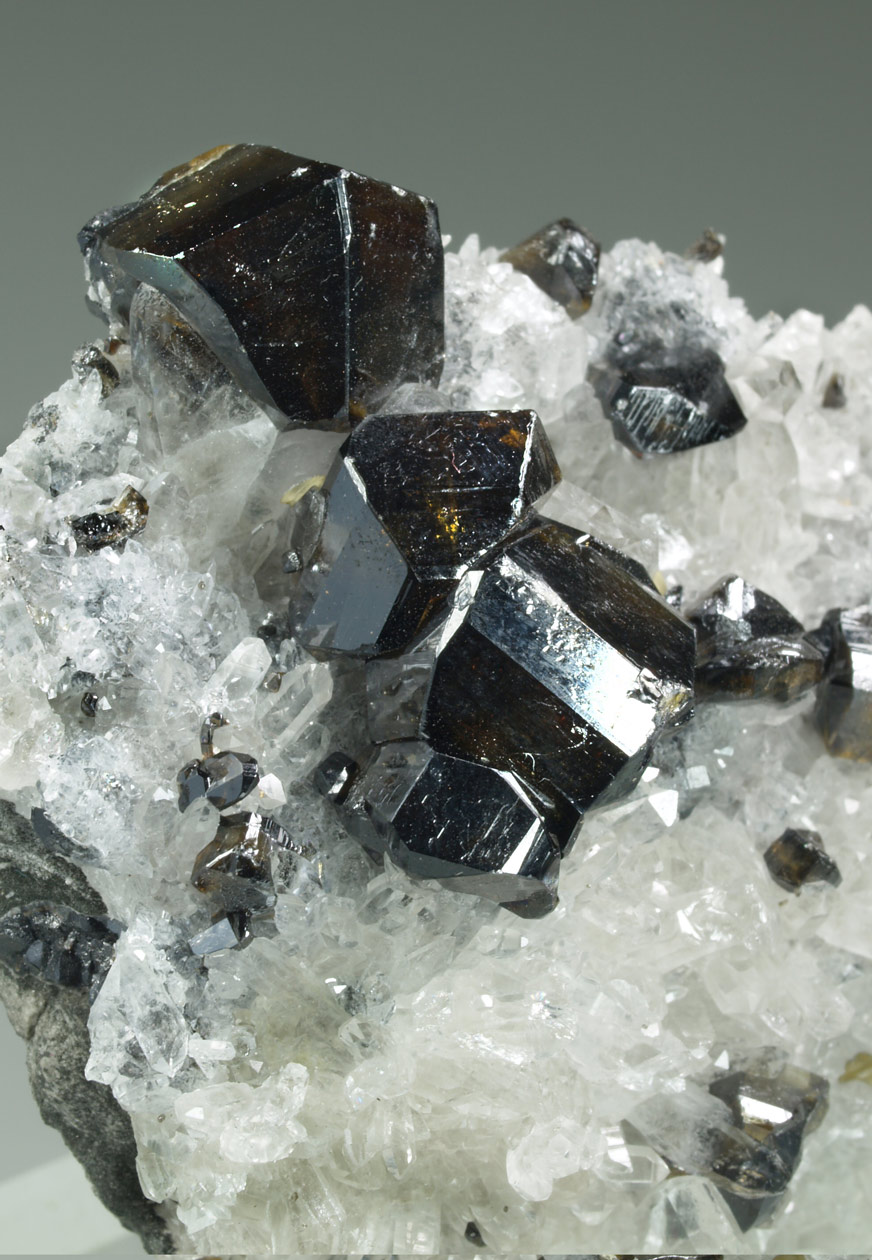
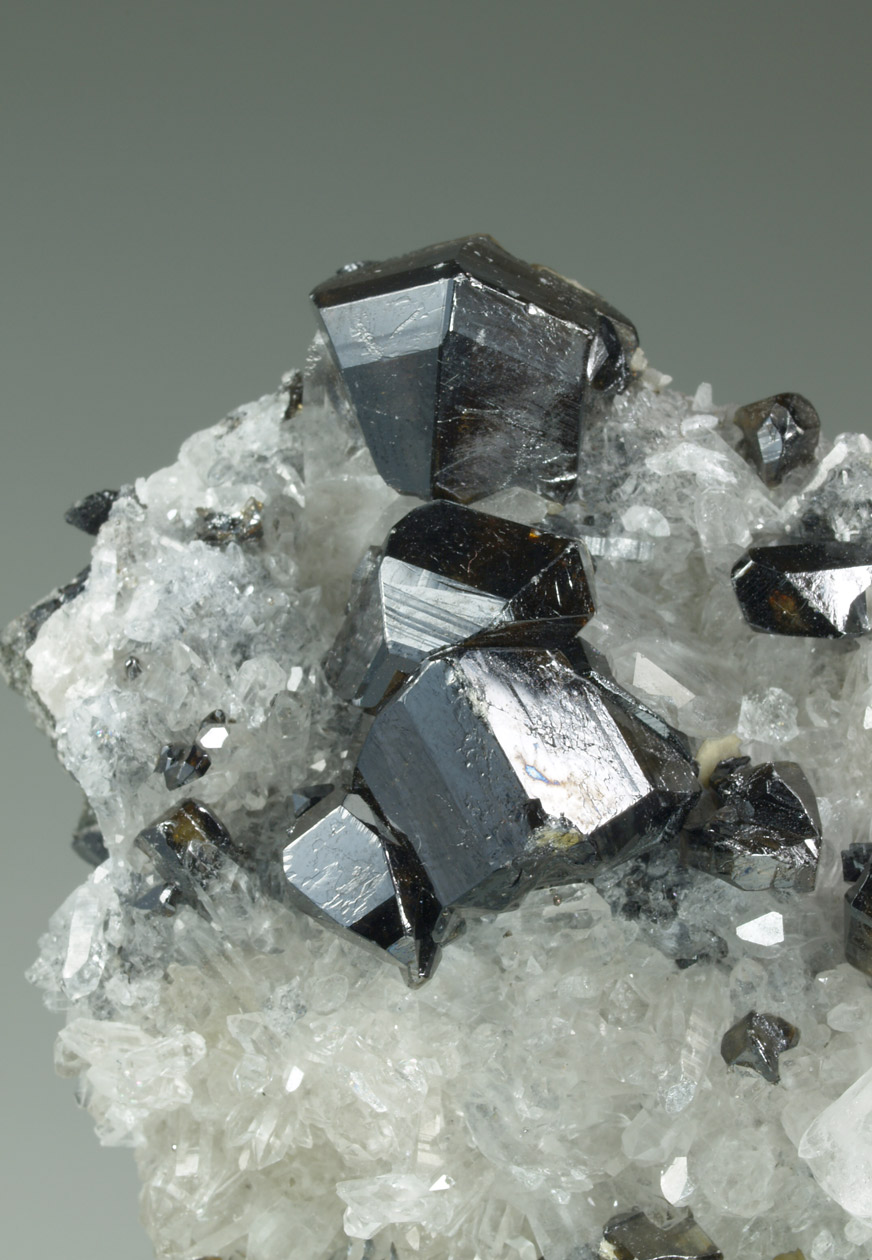
Grupo de cristales de casiterita, muy definidos, brillantes, con transparencias meladas. Muestran maclas cíclicas y en codo bien claras. Se disponen de forma muy estética contrastando sobre una matriz de cristales de cuarzo. De una localidad clásica para la especie.