- Home About RM Minerals
- Virtual Photo Museum Blog RM Contact
- Microscopy and instruments How to Buy Disclaimer
Copyright 2010-2026
www.rosellminerals.com



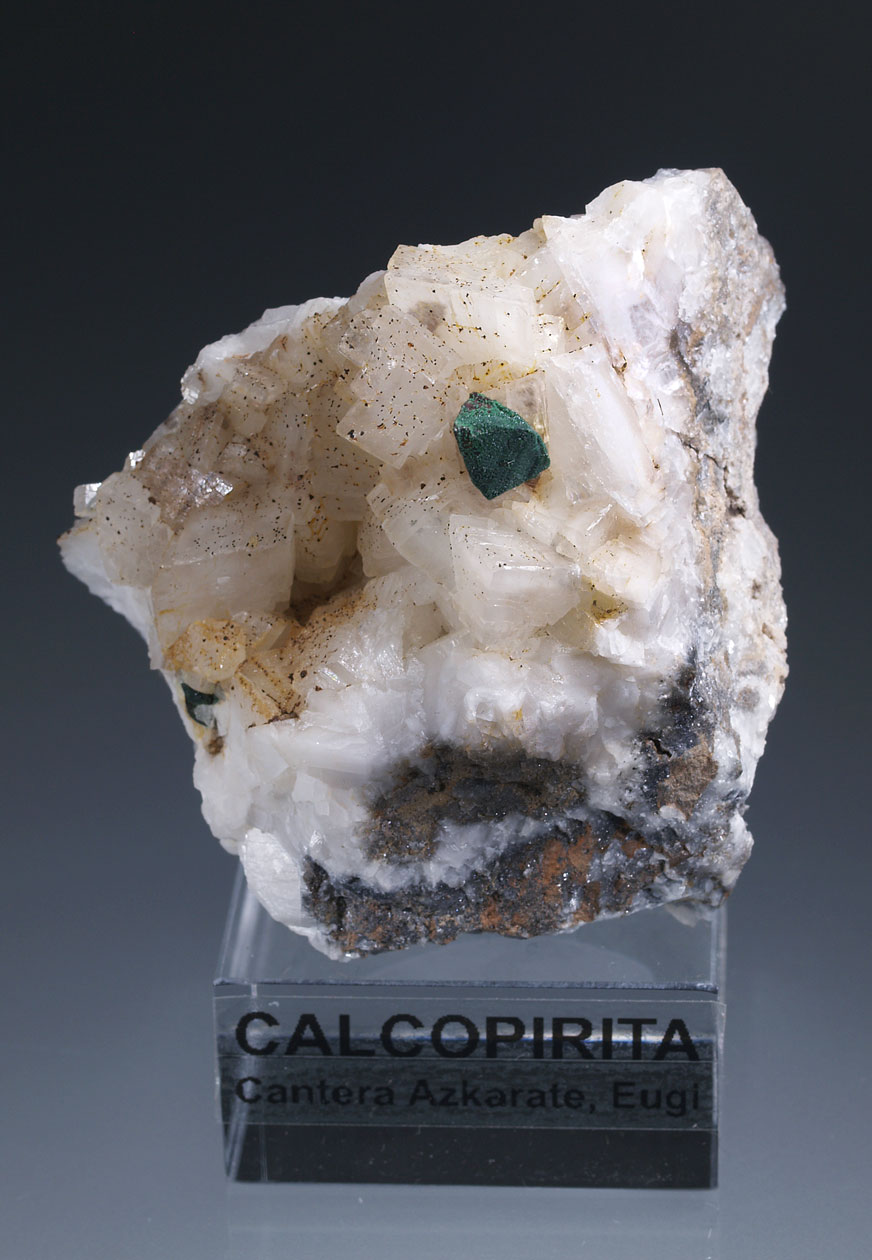
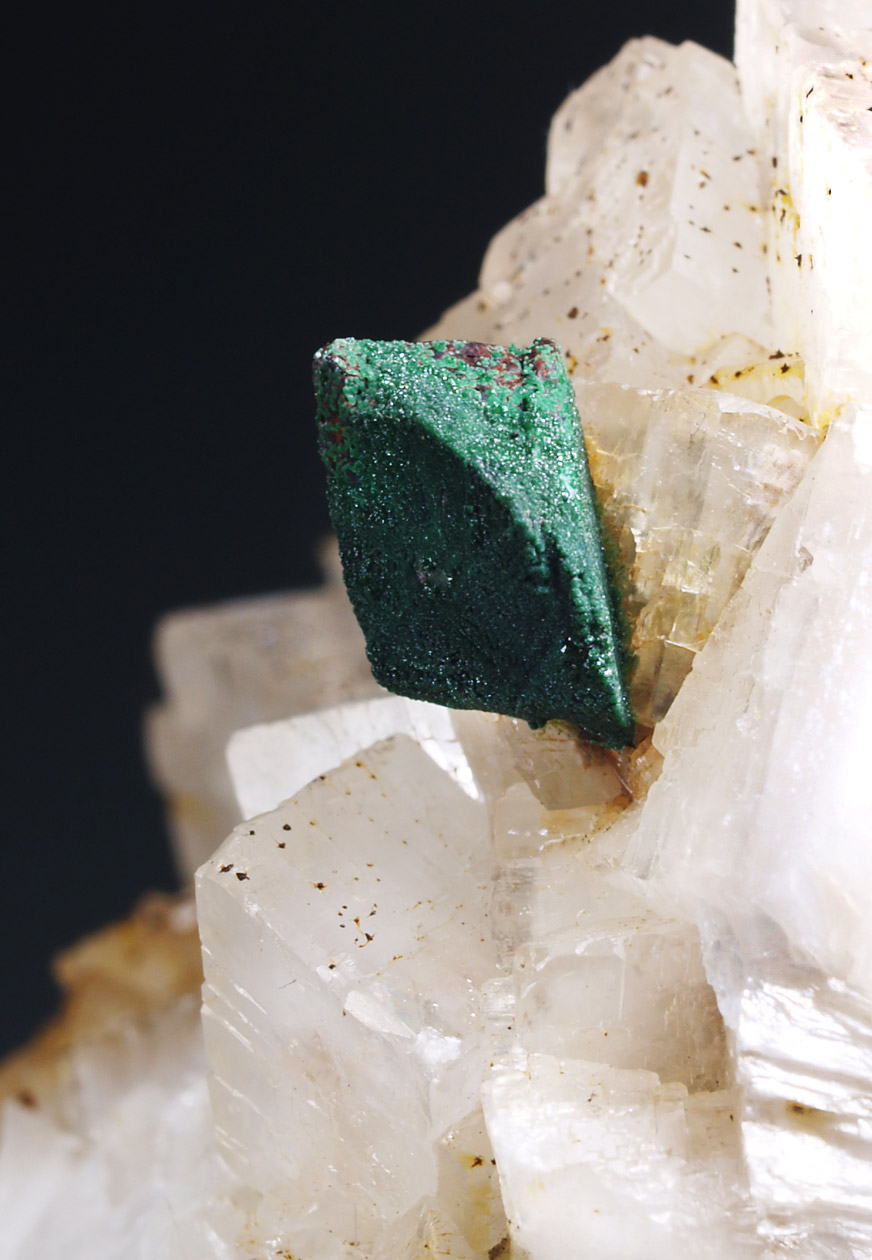
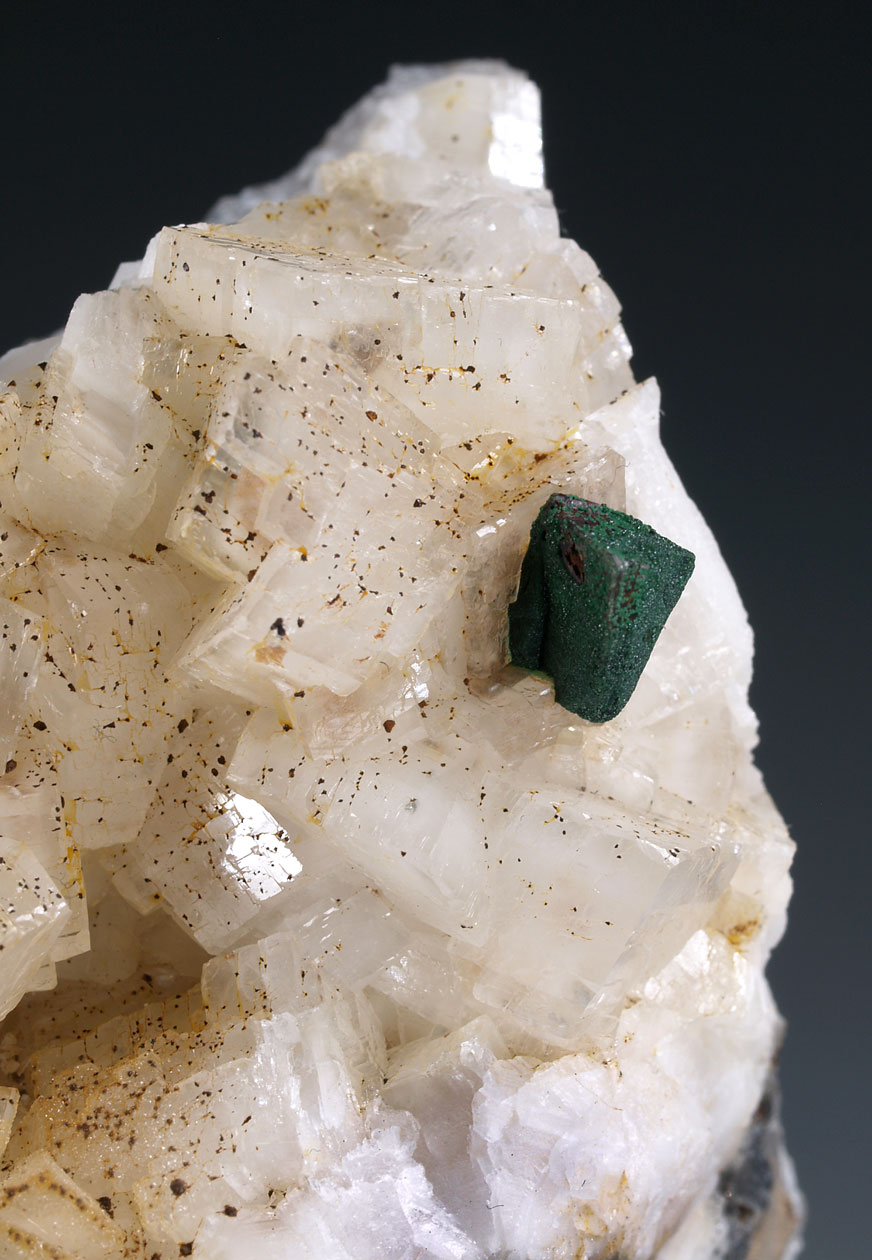
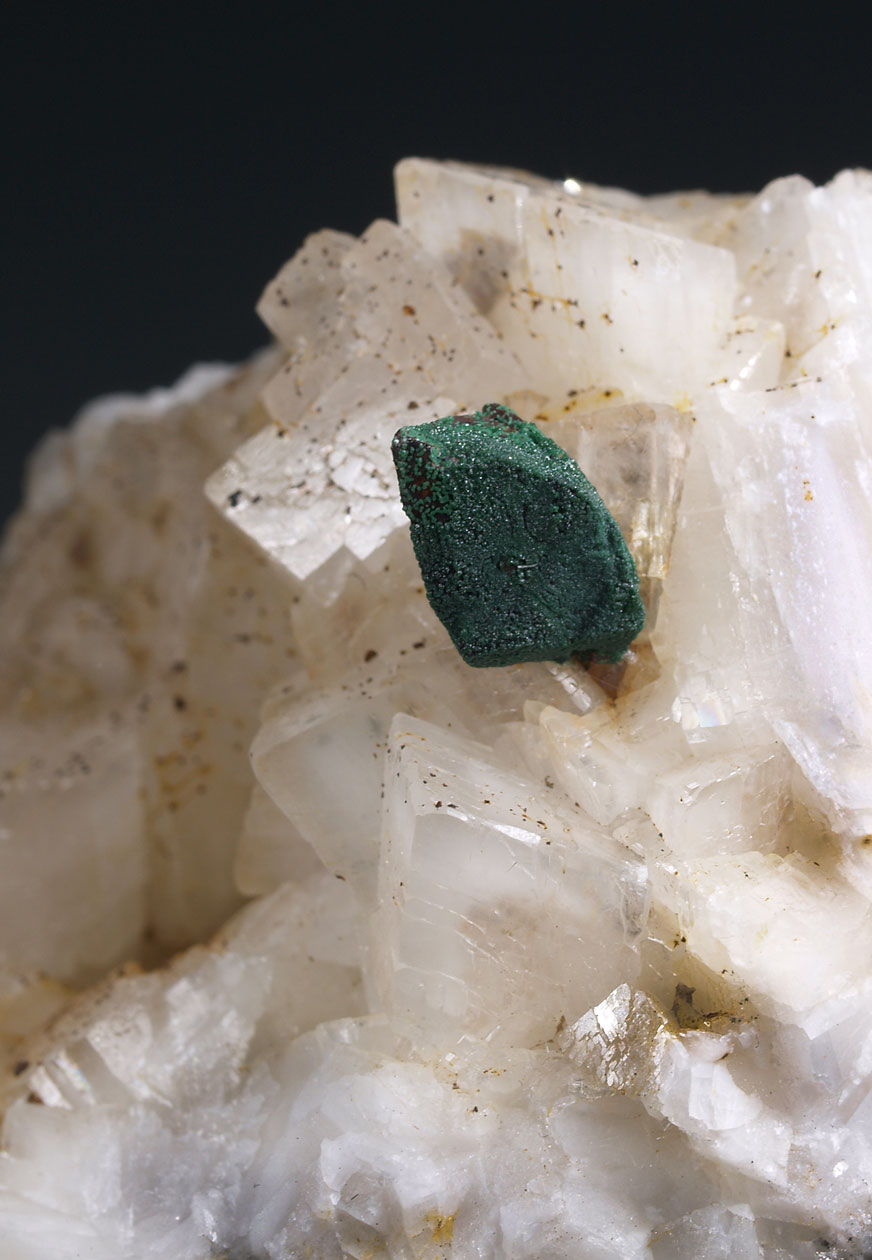
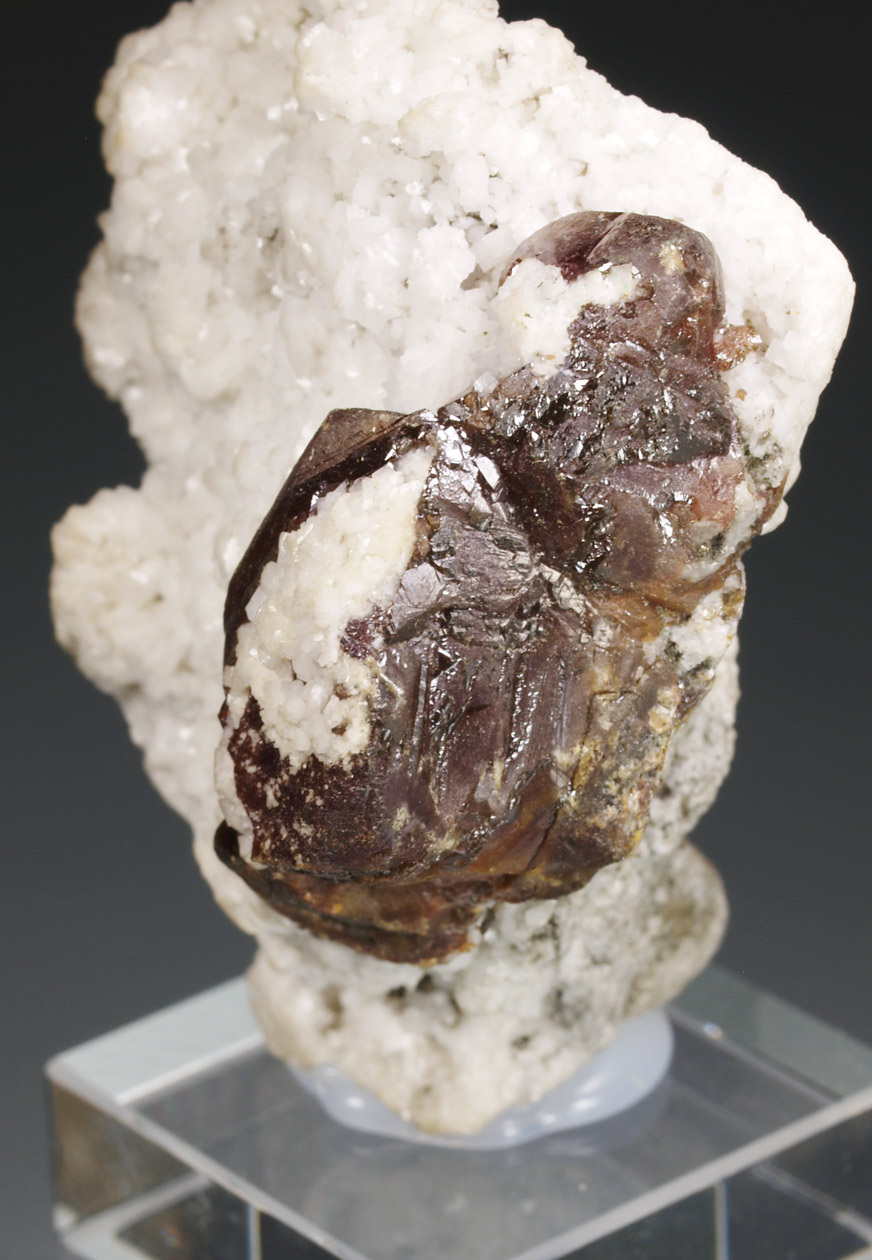
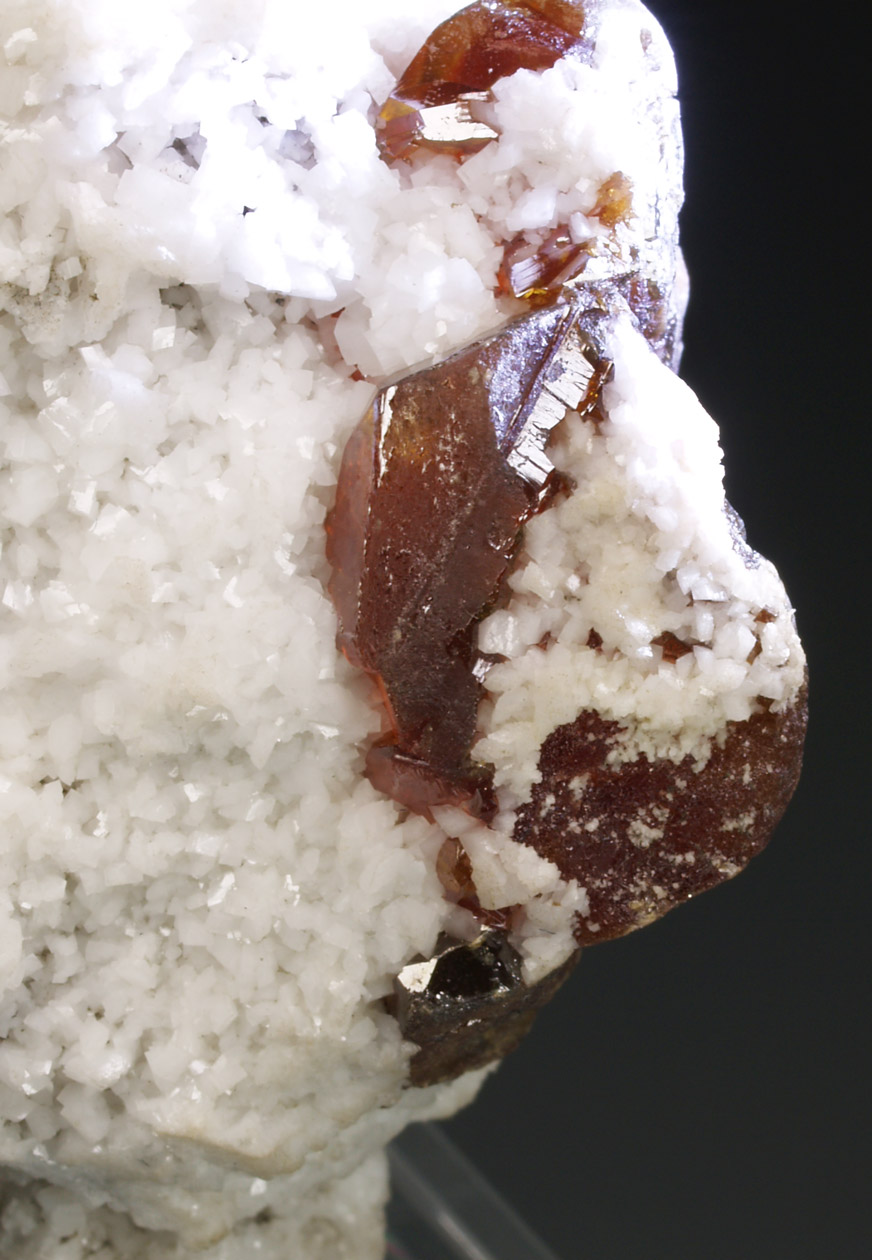
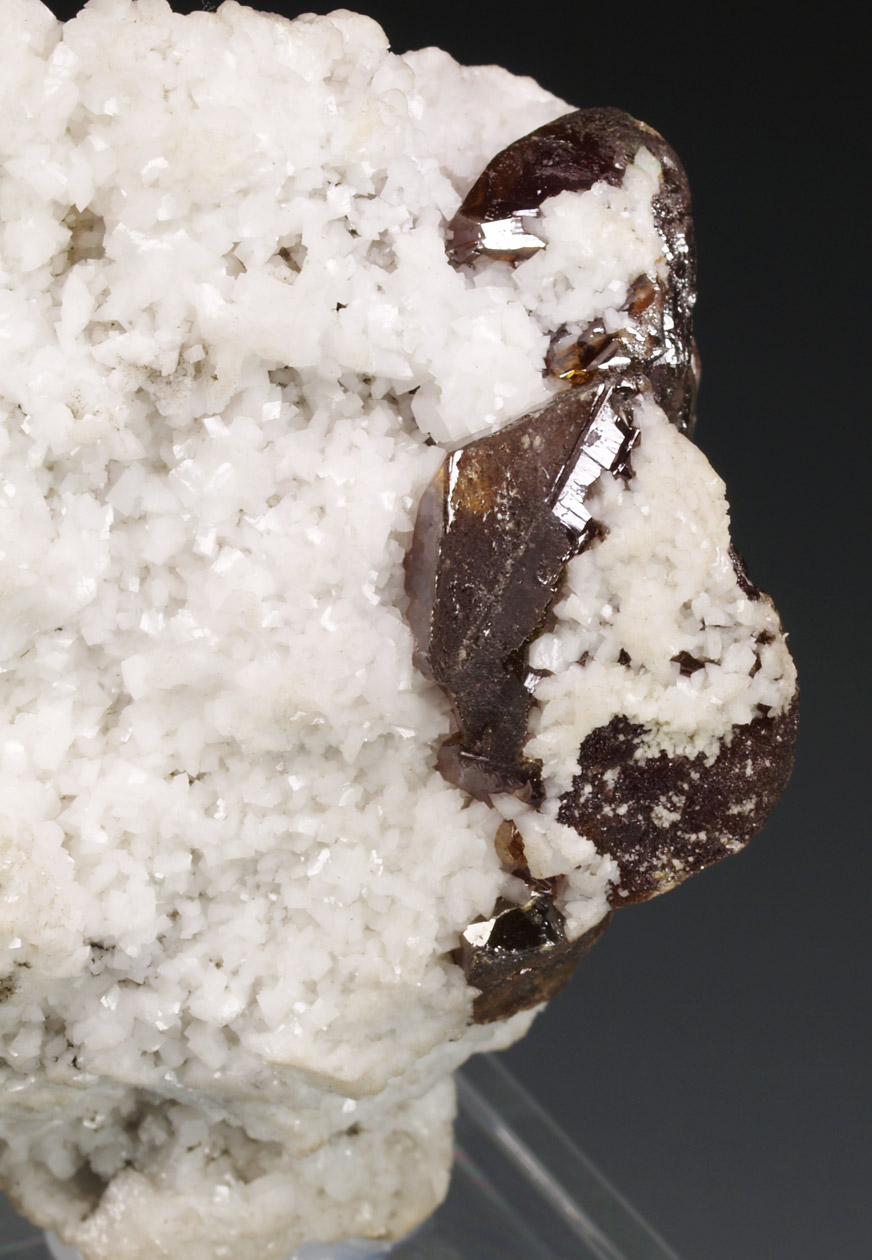
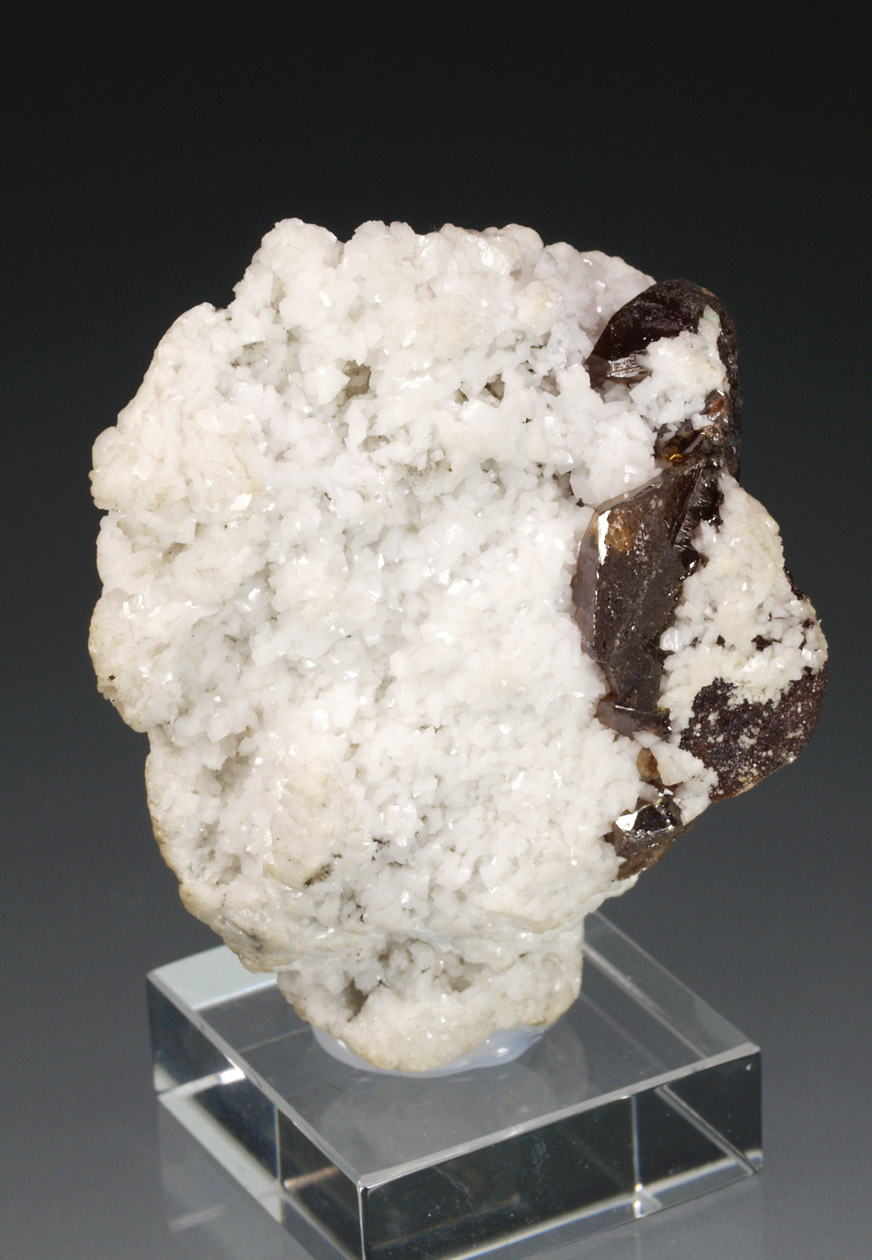
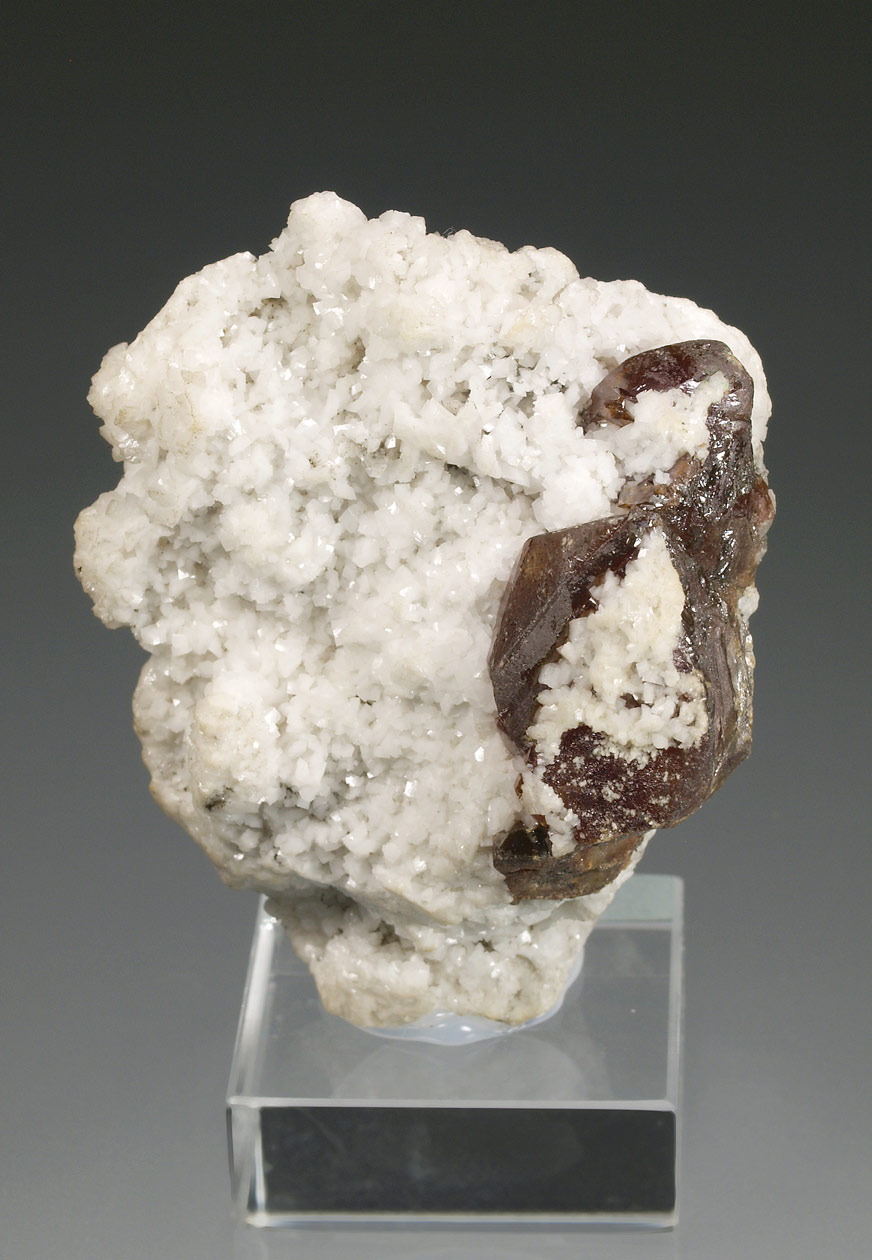
A very aesthetic chalcopyrite crystal displaying a tetragonal habit (tetragonal scalenohedron), partially covered by crystalline malachite. It is prominently perched and contrasts nicely with the matrix of dolomite rhombohedra. These specimens were found around 1995, and today it is virtually impossible to find them. A classic from Nafarroa mineralogy.
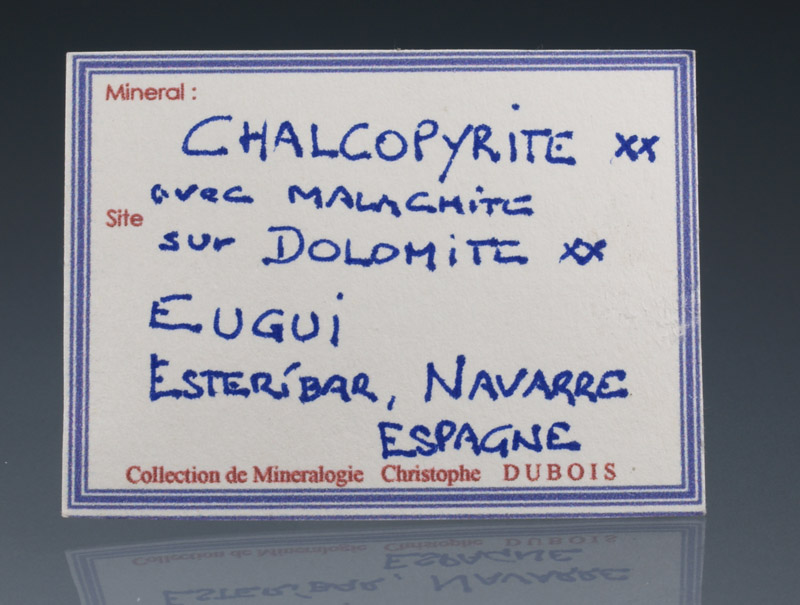
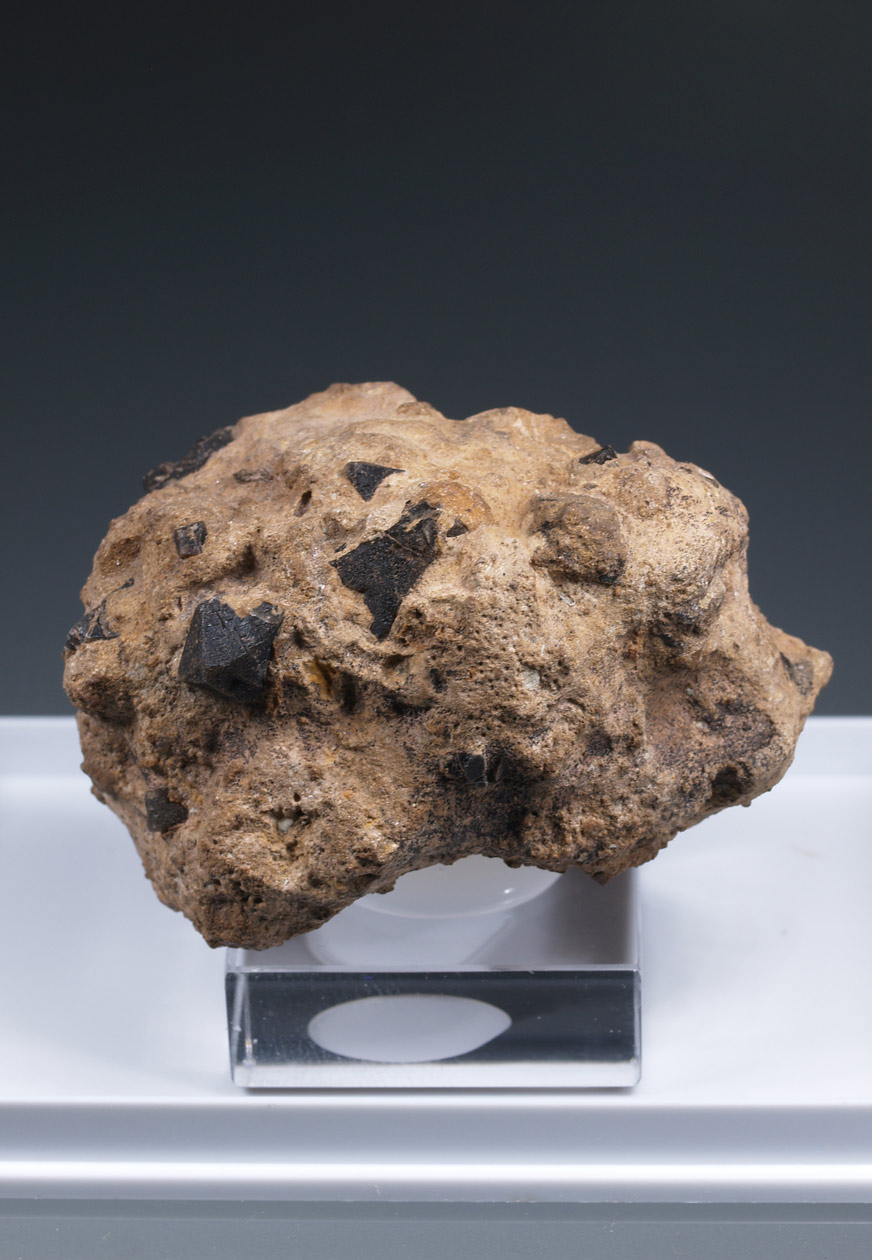
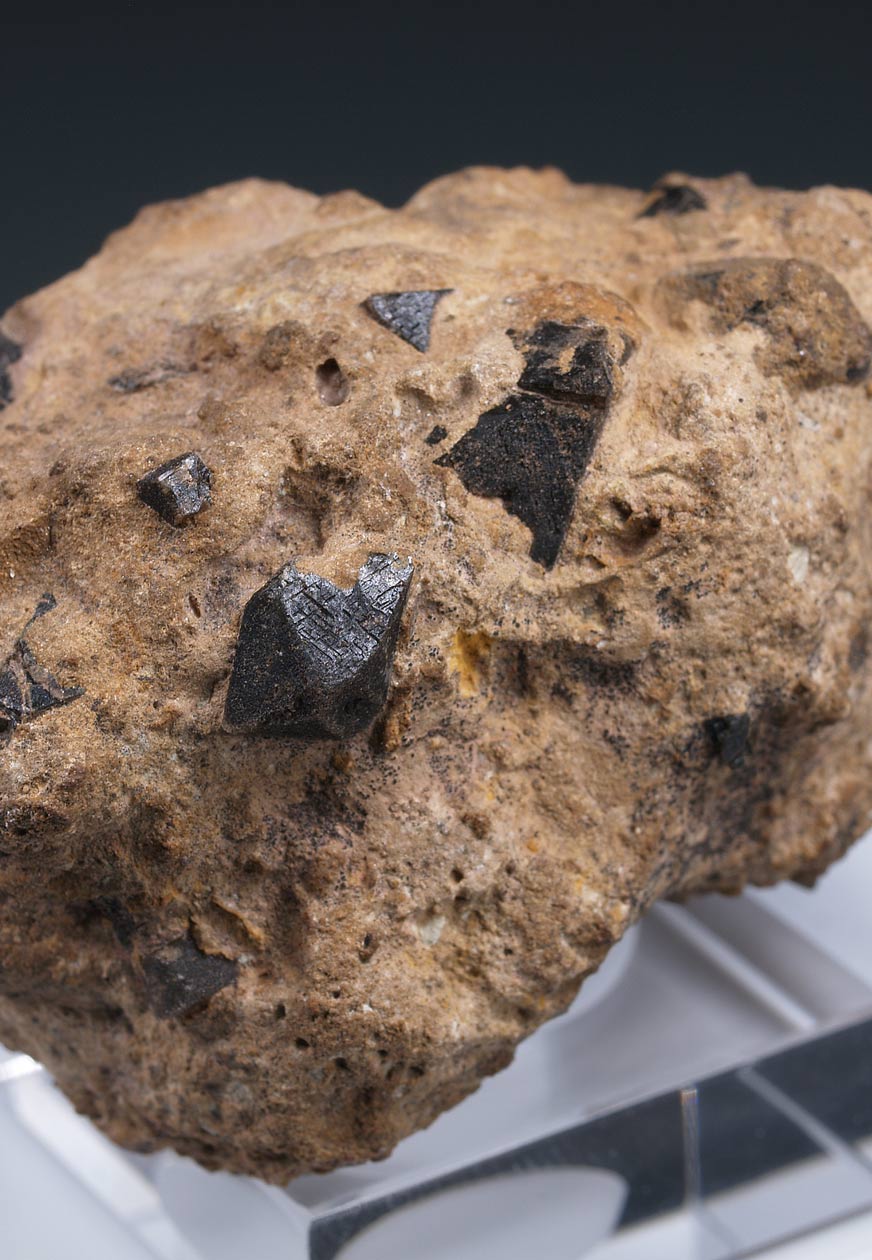
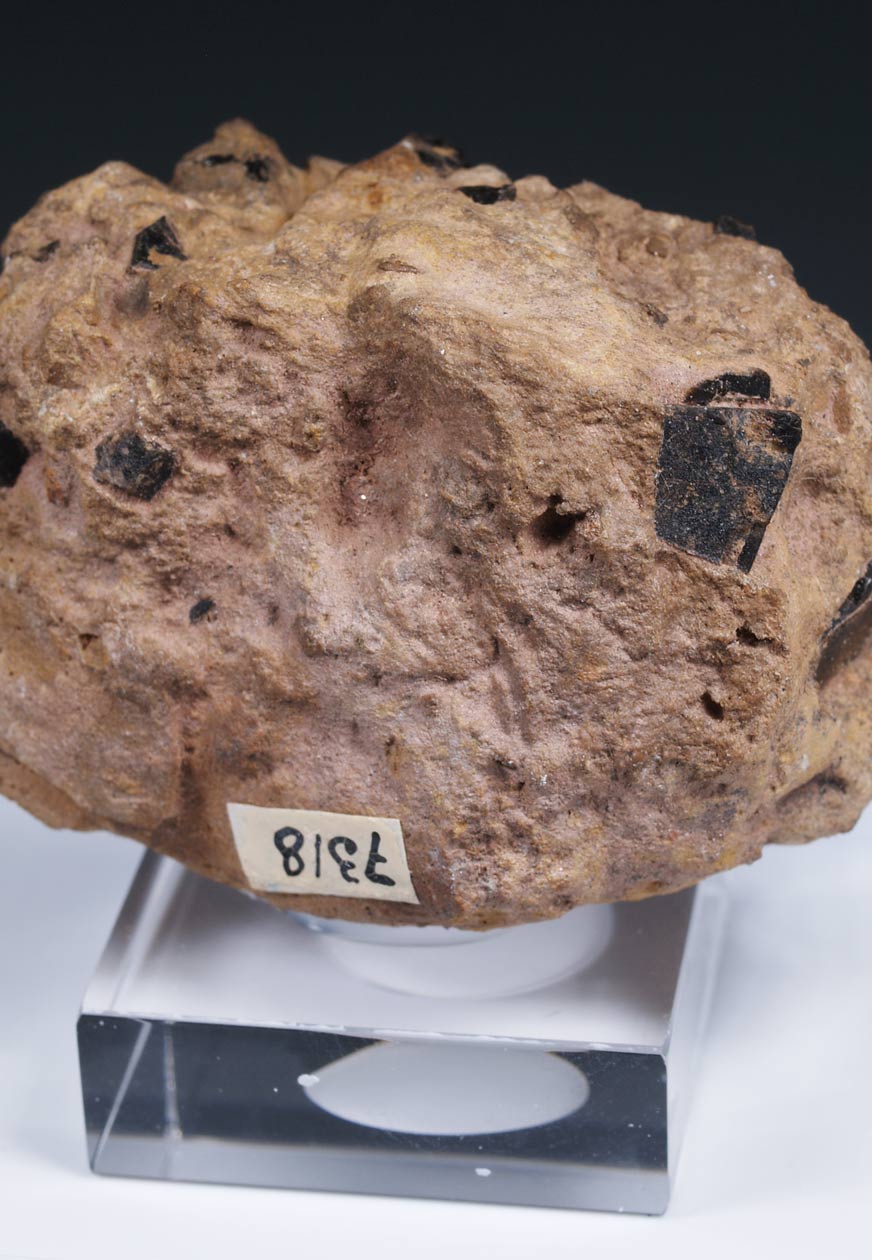
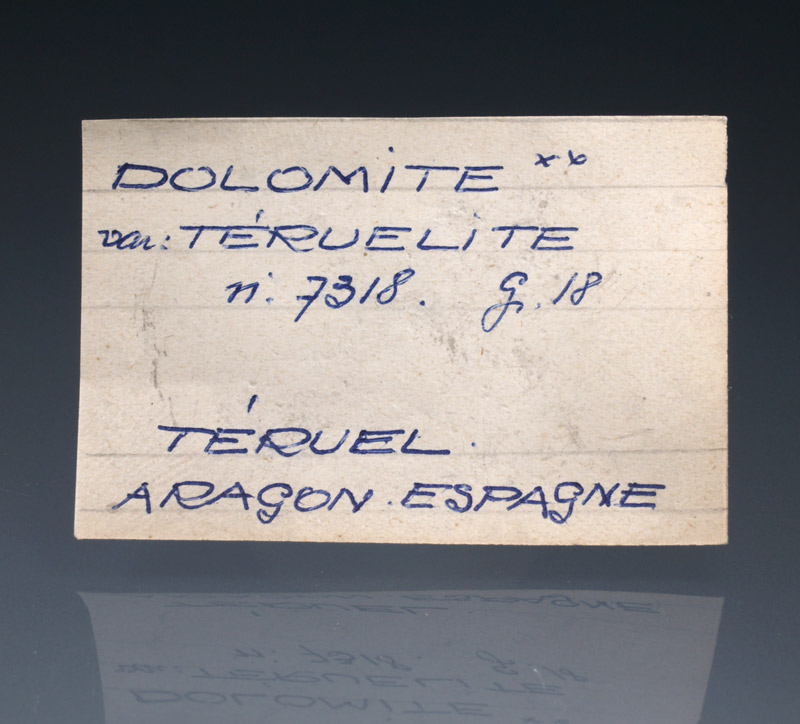
This specimen stands out for several reasons. On the one hand, it is an antique specimen of teruelite—an iron-rich variety of dolomite that was first described from this area of Teruel. The specimen displays several pseudo-octahedral crystals embedded in a detrital rock matrix.
On the other hand, the piece is accompanied by a handwritten label bearing collection number #7318 and the code G.18, which we believe refers to the drawer (tiroir) where it was stored.
By comparing the handwriting style with other cataloged labels, we can confirm that this label and specimen originate from the collection of the renowned French mineral collector Jean Chervet (1904–1962).
Chervet served as head of the mineralogy department at the French Commissariat à l'Énergie Atomique (CEA) throughout the 1950s and early 1960s. He played a pivotal role in the survey and prospecting of uranium deposits in France and African territories such as Gabon and Madagascar. The mineral chervetite, discovered at the Mounana mine in Gabon and formally described in 1963, was named in his honor.
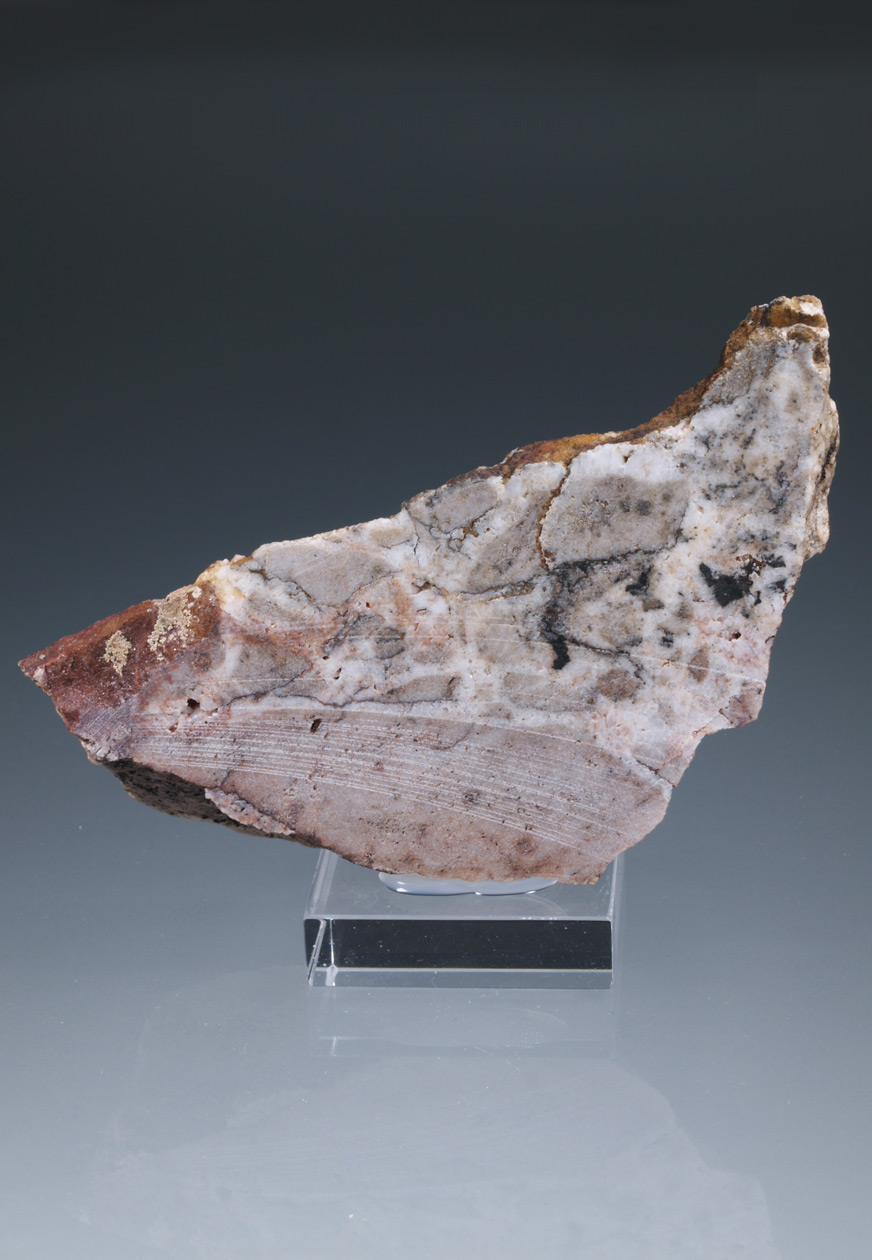
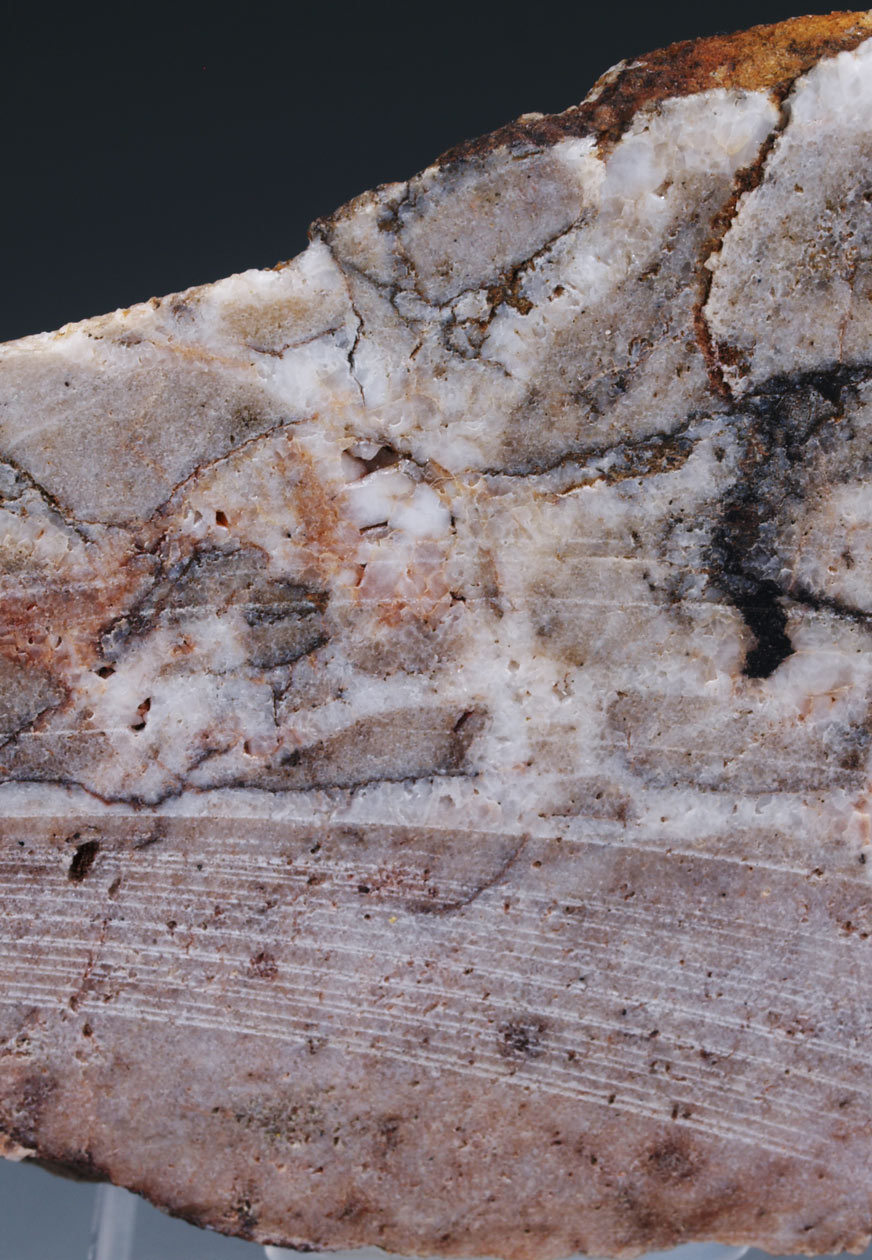
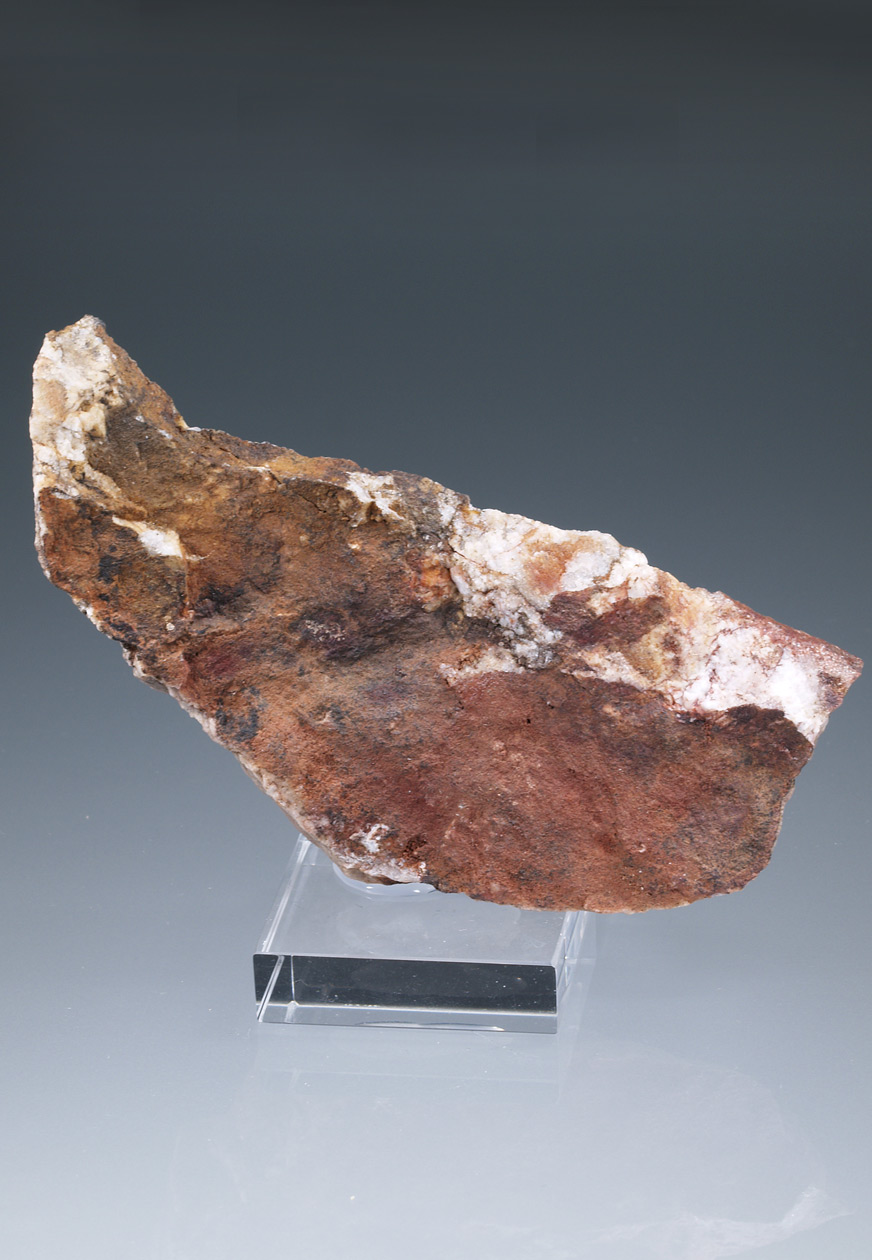
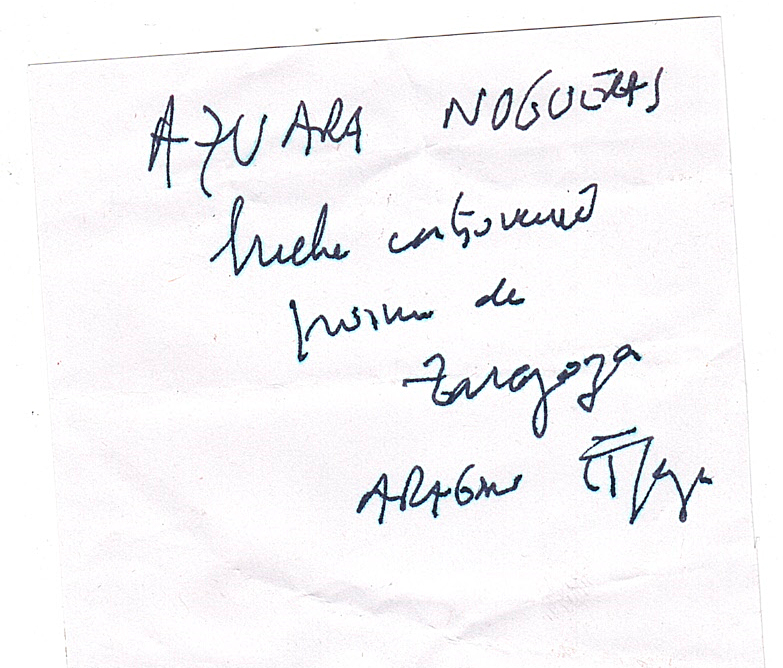
This breccia specimen, polished on one face, comes from the purported Azuara impact structure (Zaragoza province, on the border with Teruel).
This formation is at the center of one of the most intense controversies in recent Spanish geology: although proposed in the early 1980s as a meteorite impact crater, the hypothesis has been rejected by the stratigraphic, structural, and planetary science communities.
It is a piece of notable scientific interest whose exact outcrop remains unrecorded, having been acquired from a French mineral dealer.
For further information on the Azuara controversy, see Mindat link and Ernstson Claudin Impact Structures-Meteorite craters. And more...
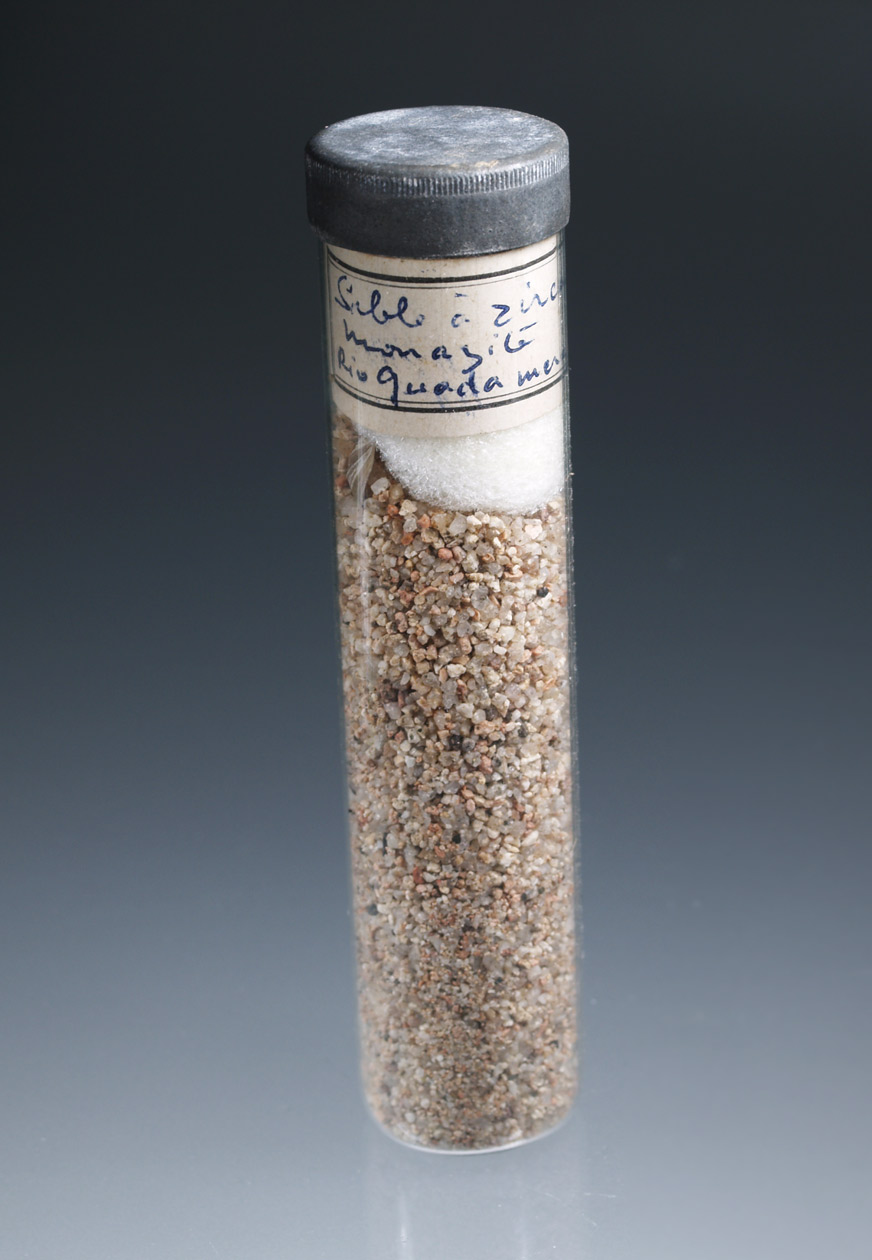
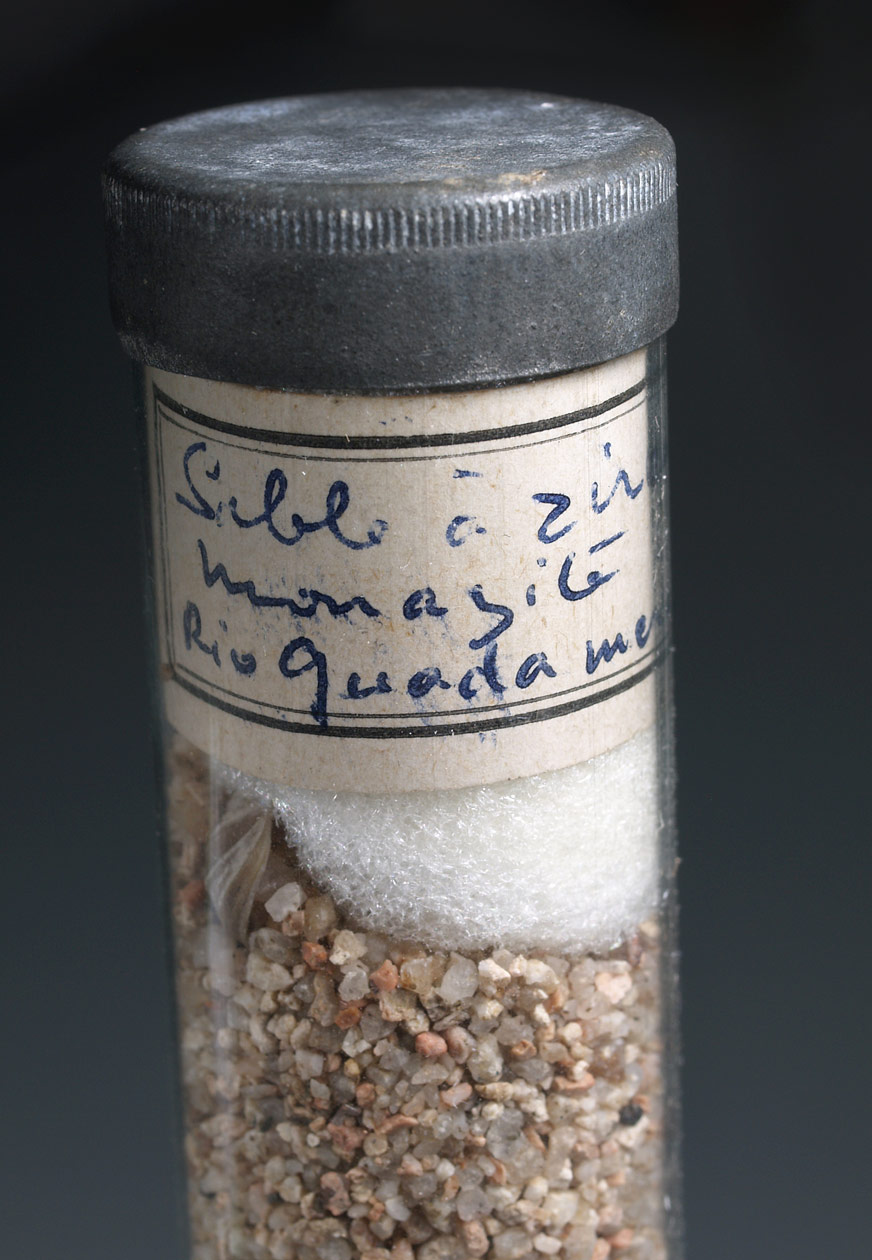
A scientific curiosity from oldtime... This is a glass tube, from a former French collection, containing sands from the Guadarrama River, although the antique handwritten label locates it in the Córdoba area (sic). These are probably samples collected in the upper reaches of the river, which flows from the Sierra de Guadarrama (Community of Madrid) and drains into the Tajo River, in the province of Toledo. An interesting Spanish piece recovered from a forgotten drawer of an old French collector or museum.


An excellent specimen formed by numerous epidote crystals, from the classic locality of Casterner. Fan-shaped crystals, they are very bright and with an excellent transparence. Samples of this area are already few. It is currently forbiden to collect in the area.


Blocky aerinite criptocristalline with fragments of dolerite included. Excellent color. Aerinite was used as a blue pigment in many Romanesque paintings in the Pyrenees between the 11th and 14th centuries. Its characteristic blue color varies from dark to pale blue. In fact, its name comes from a Greek root aerinos meaning "atmosphere" or "sky", as it was only known by that color. Obtaining these specimens of pure aerinite nowadays is almost impossible.


Blocky aerinite criptocristalline with fragments of dolerite included. Excellent color. Aerinite was used as a blue pigment in many Romanesque paintings in the Pyrenees between the 11th and 14th centuries. Its characteristic blue color varies from dark to pale blue. In fact, its name comes from a Greek root aerinos meaning "atmosphere" or "sky", as it was only known by that color. Obtaining these specimens of pure aerinite nowadays is almost impossible.


Blocky aerinite criptocristalline with fragments of dolerite included. Excellent color. Aerinite was used as a blue pigment in many Romanesque paintings in the Pyrenees between the 11th and 14th centuries. Its characteristic blue color varies from dark to pale blue. In fact, its name comes from a Greek root aerinos meaning "atmosphere" or "sky", as it was only known by that color.
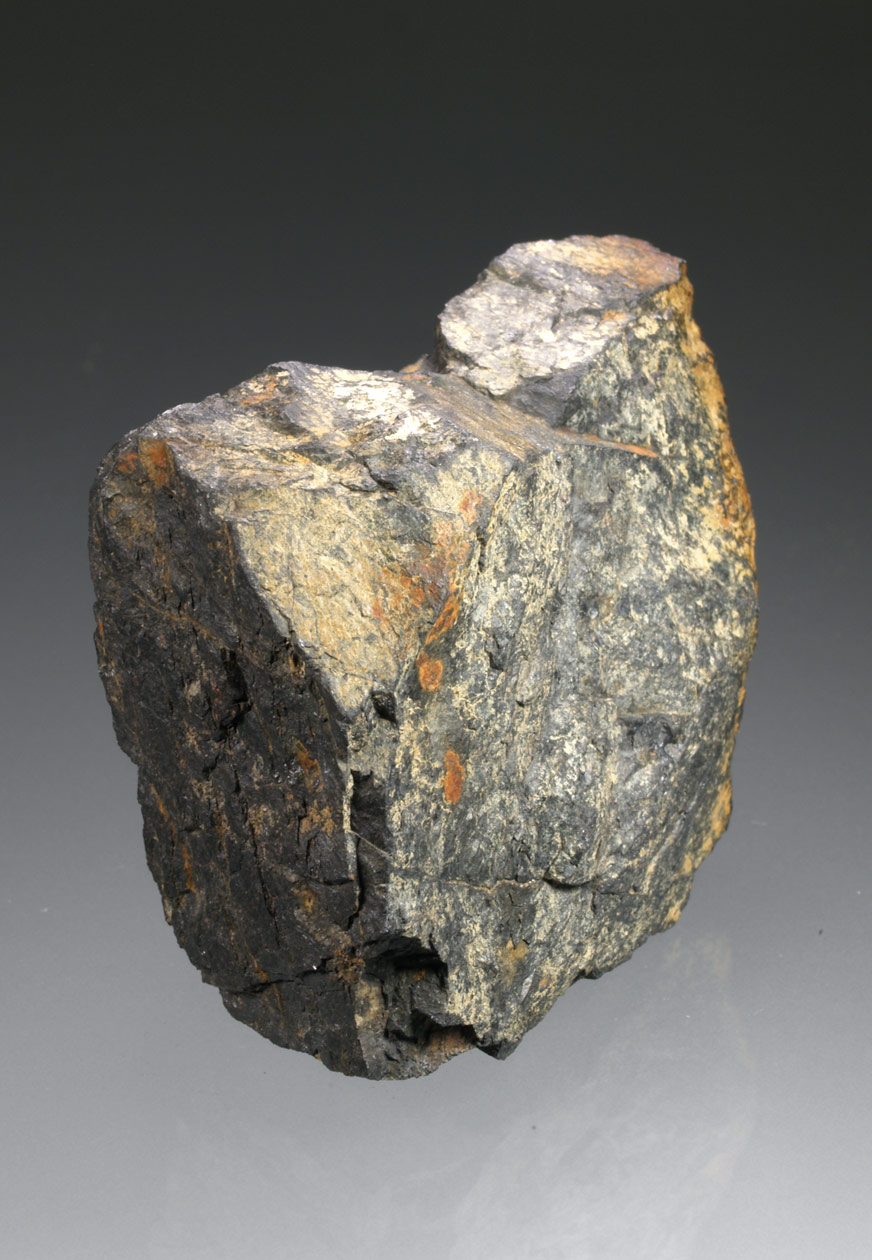
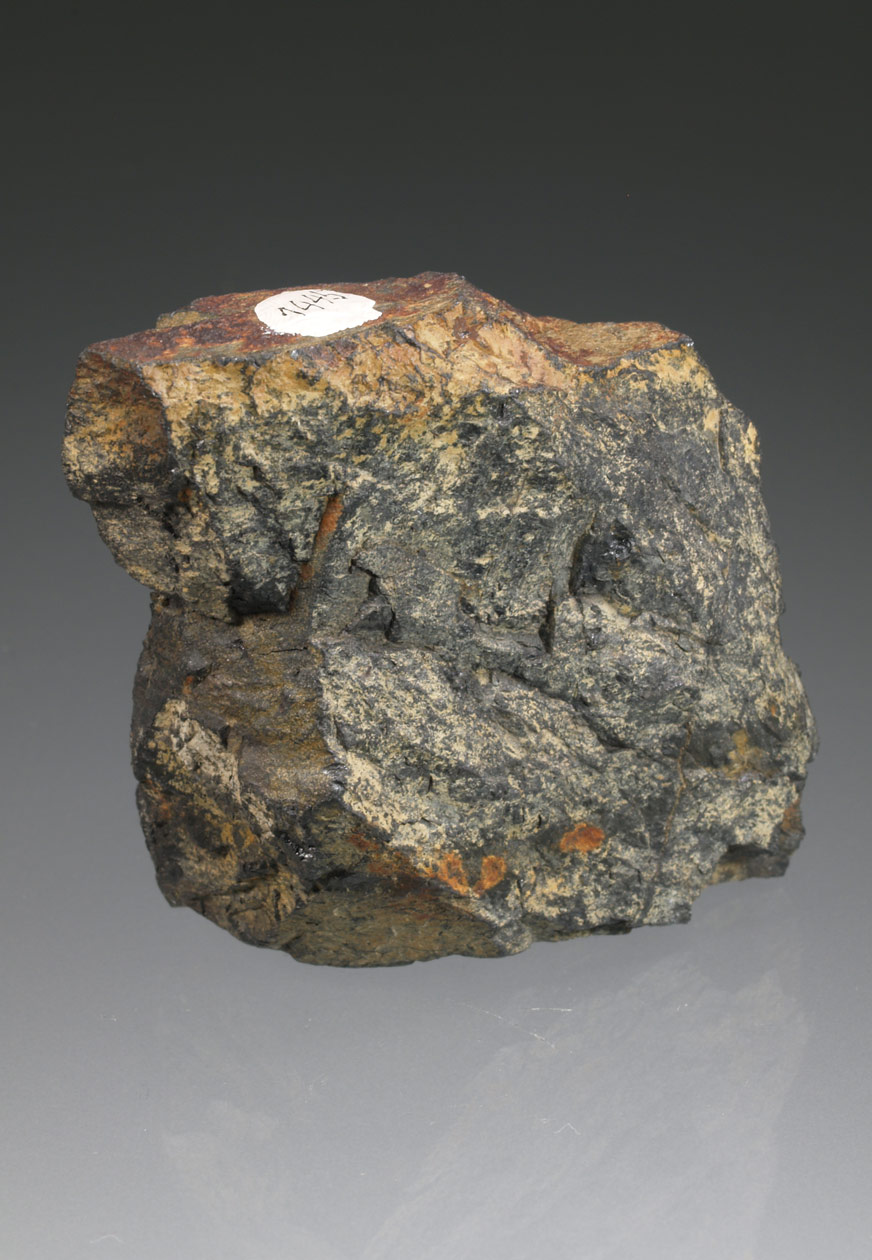
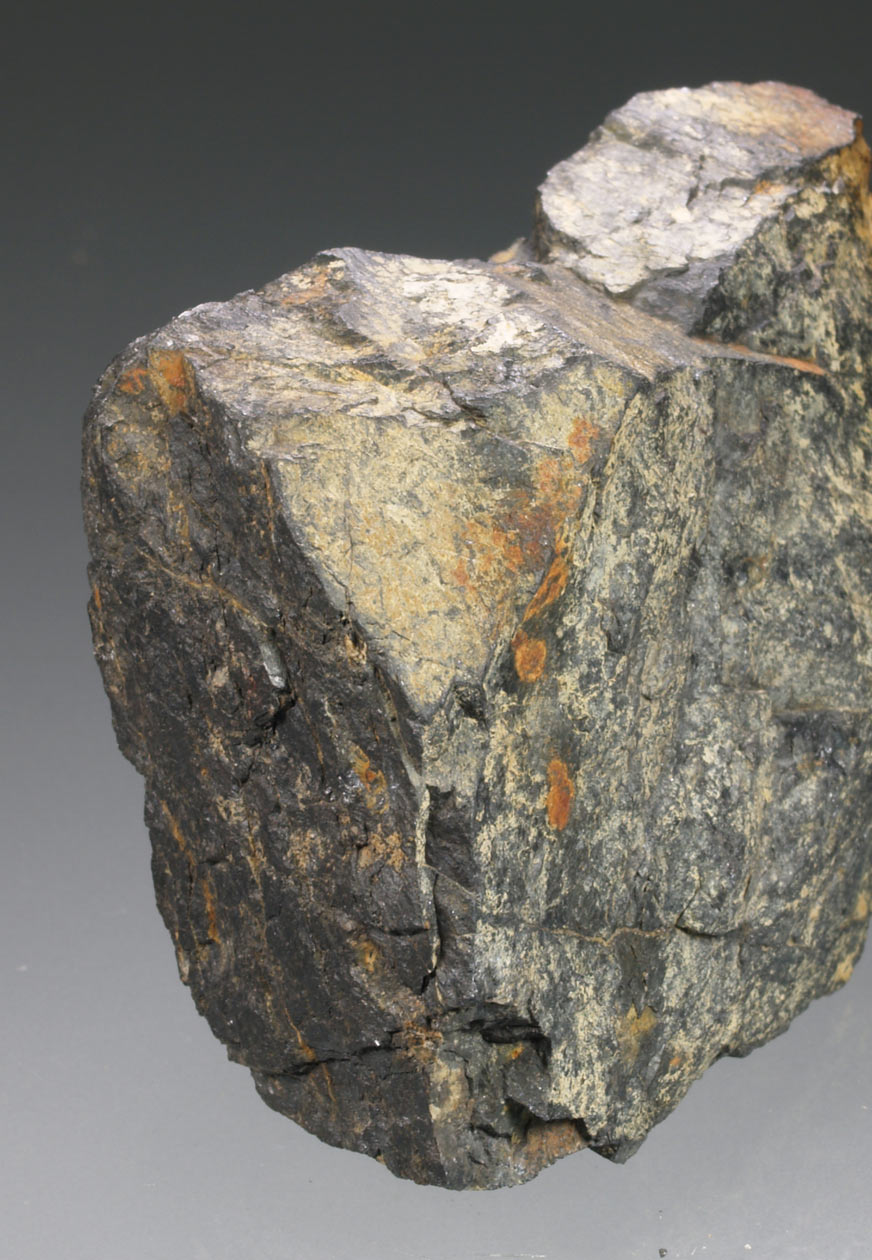
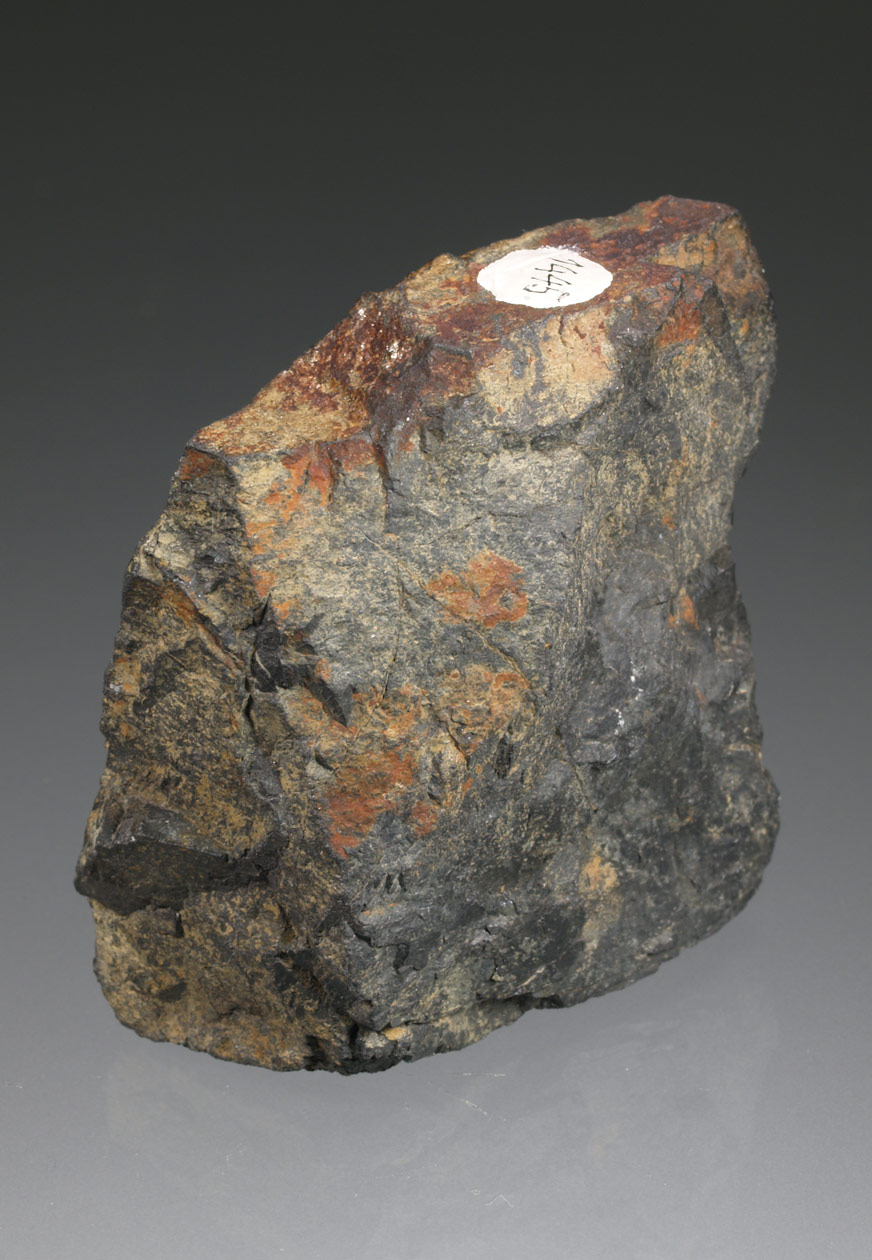
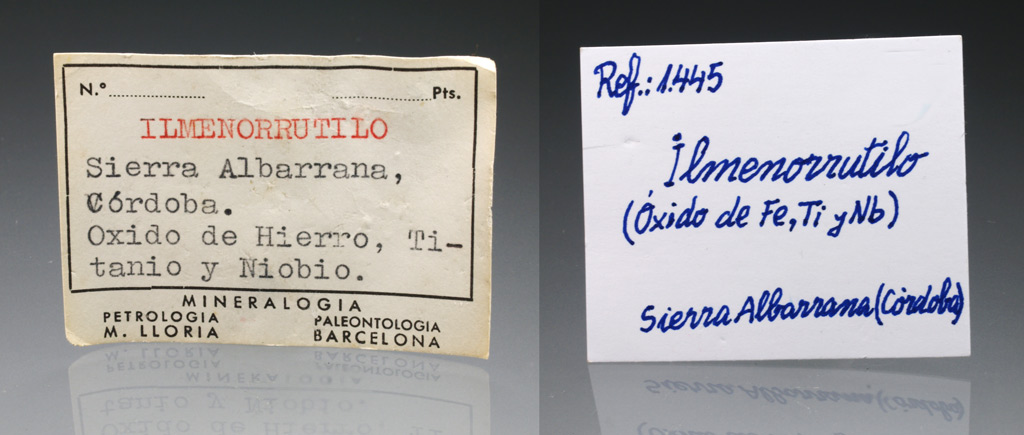
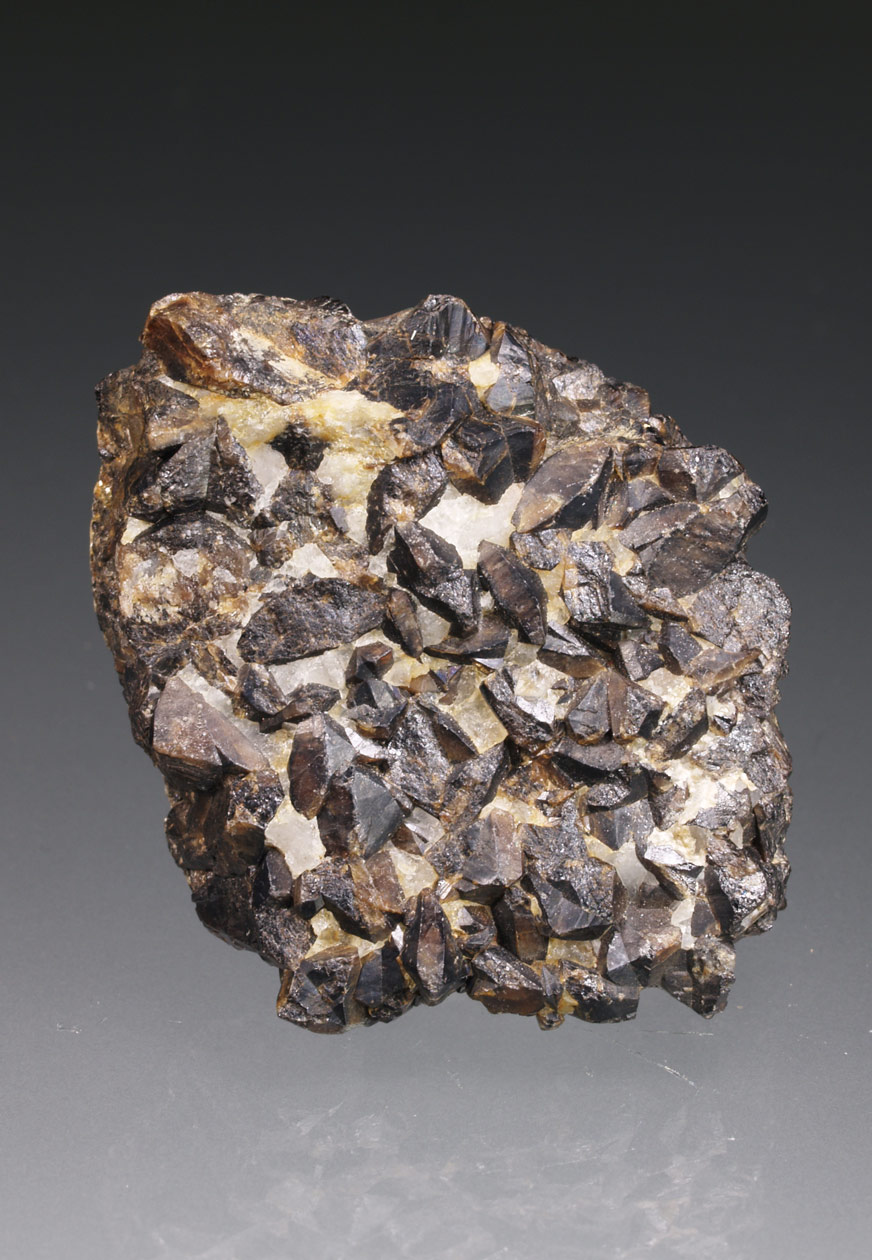
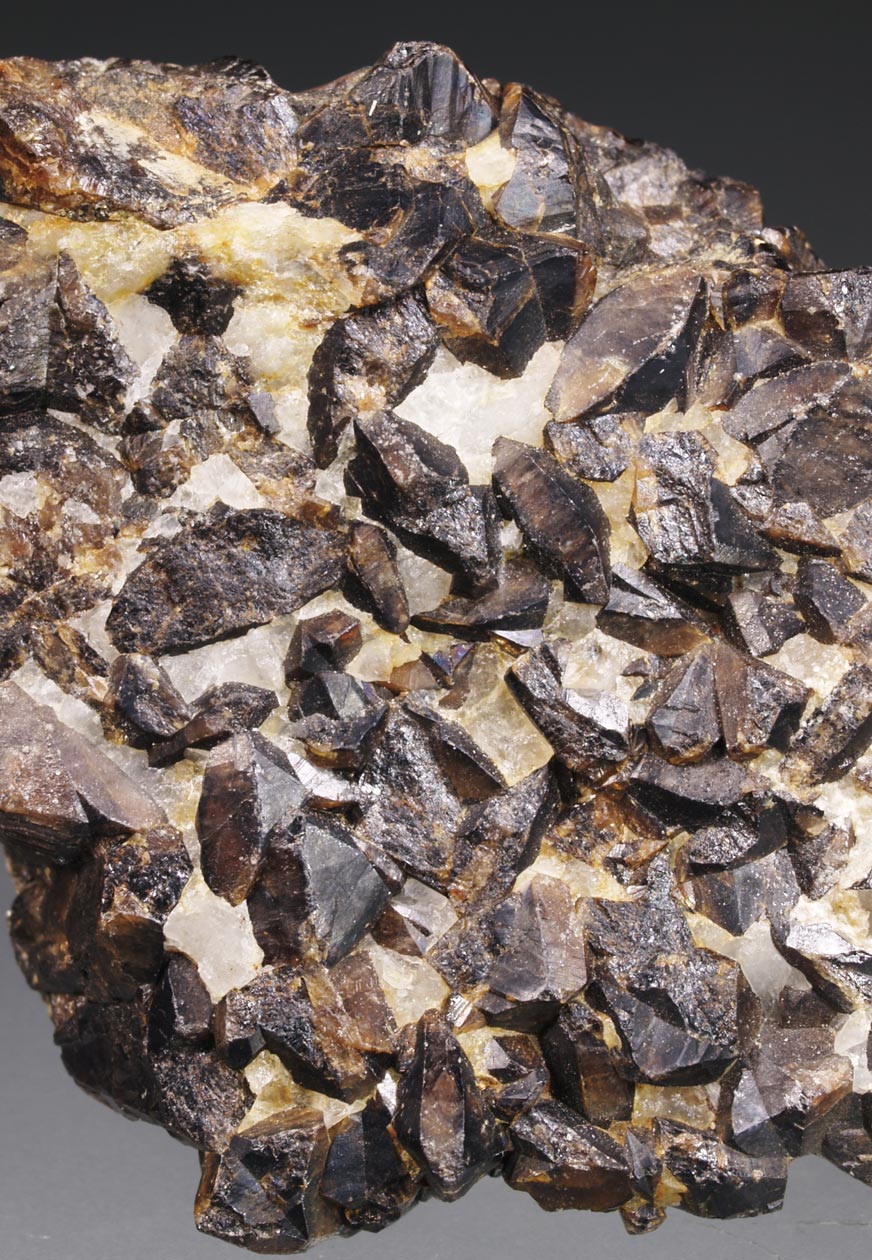
Ilmenorutile is a niobium-rich variety of rutile, with the formula (Ti,Nb)O₂. In this specimen, some crystal faces can be observed. It most likely comes from the Diéresis quarry, where, during the 1980s, masses weighing several kilograms with developed crystal faces were found, enclosed in the pegmatite. From the Vilaseca collection, acquired from the well-known Barcelona mineral dealer Marçal Llòria (Lloid).
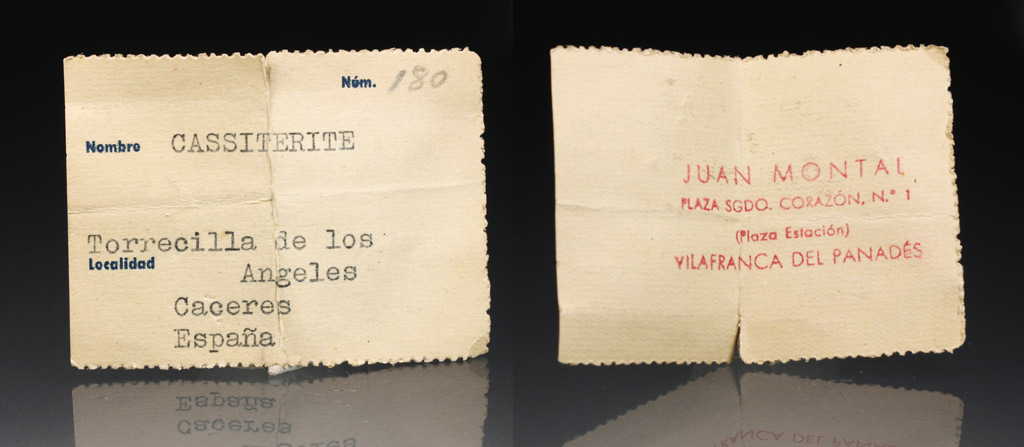
A very rich cluster of well-formed cassiterite crystals, showing twinning and bipyramidal forms. The color ranges from deep honey to lighter shades in some crystals when light strikes them. It comes from a locality in Cáceres that is poorly represented in collections. The deposit is composed of three sub-circular granitic cupolas that host Sn–Nb–Ta–W mineralization. There have been recent initiatives and applications for mining exploration permits (for example, the “Torrecilla”), covering several grid squares in the municipalities of Torrecilla de los Ángeles, Hernán Pérez, and Santibáñez El Alto, indicating interest in exploring the mineral resources. From the Vilaseca collection (Barcelona) and and old label from Joan Montal, a former Catalan dealer.
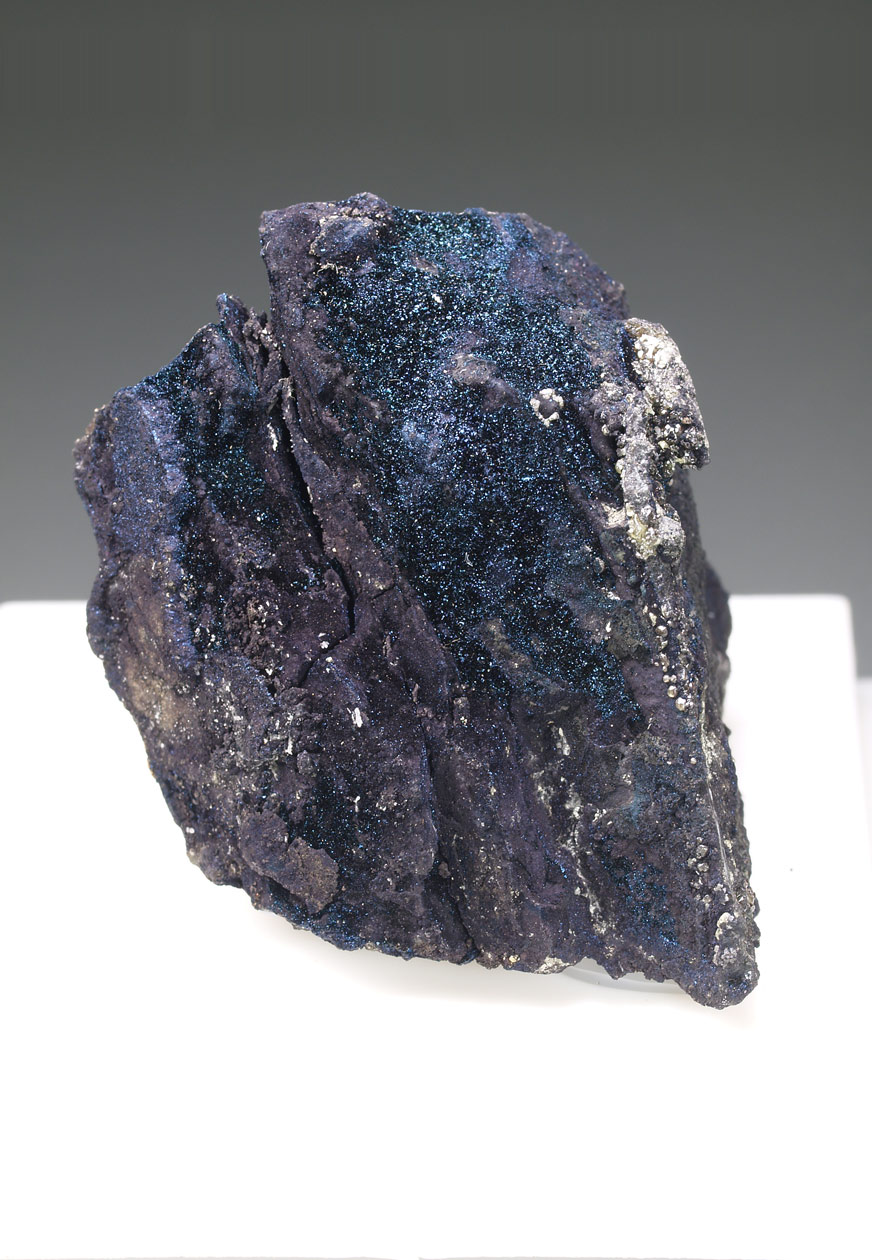
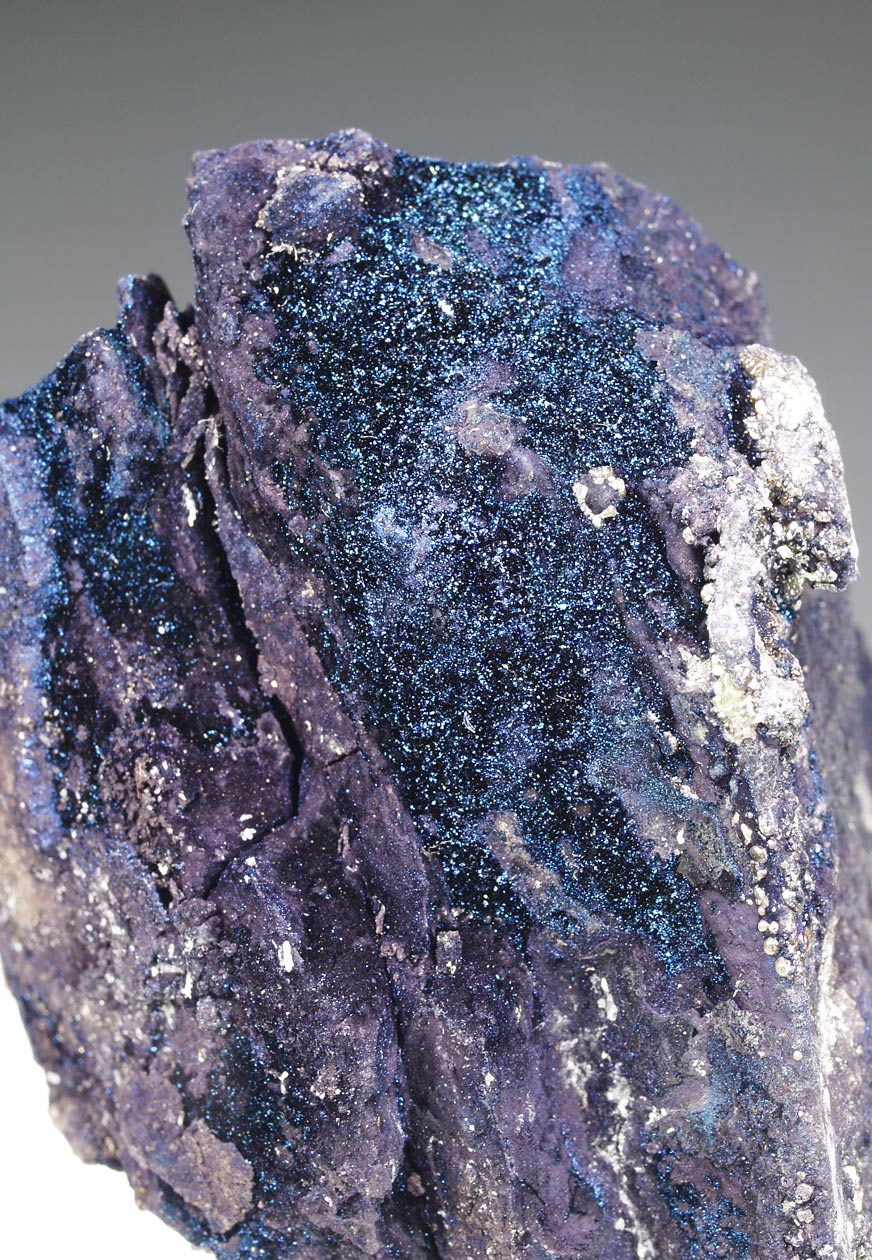
On a matrix of polymetallic sulfides, primarily pyrite, are several druses of intensely lustrous, deep blue covellite crystals. These are accompanied by sulfur crystals, among other minerals. This specimen belongs from the Atalaya open pit, an emblematic mining operation in Huelva province.
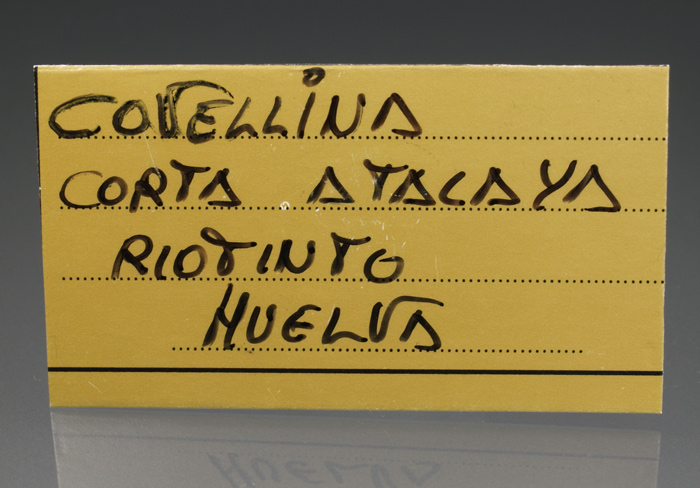
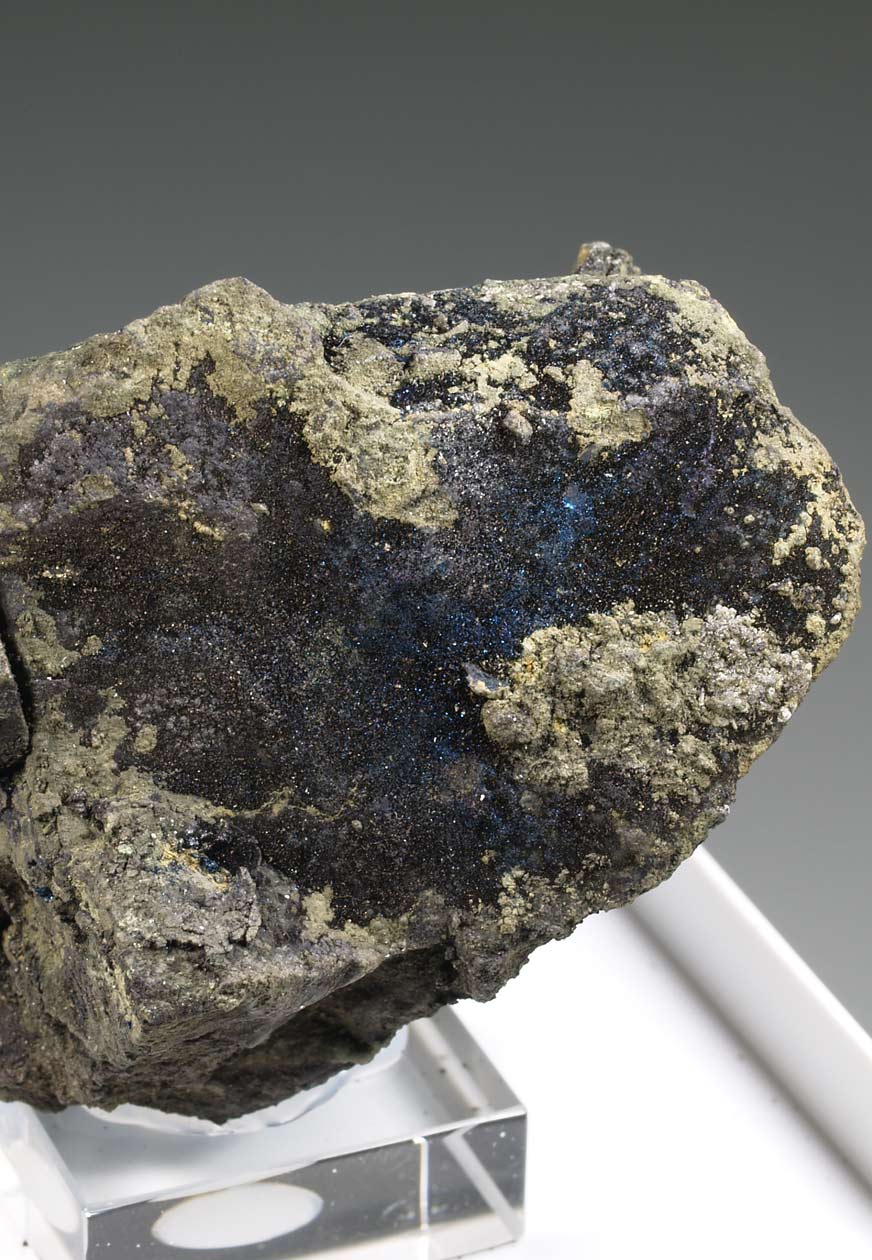
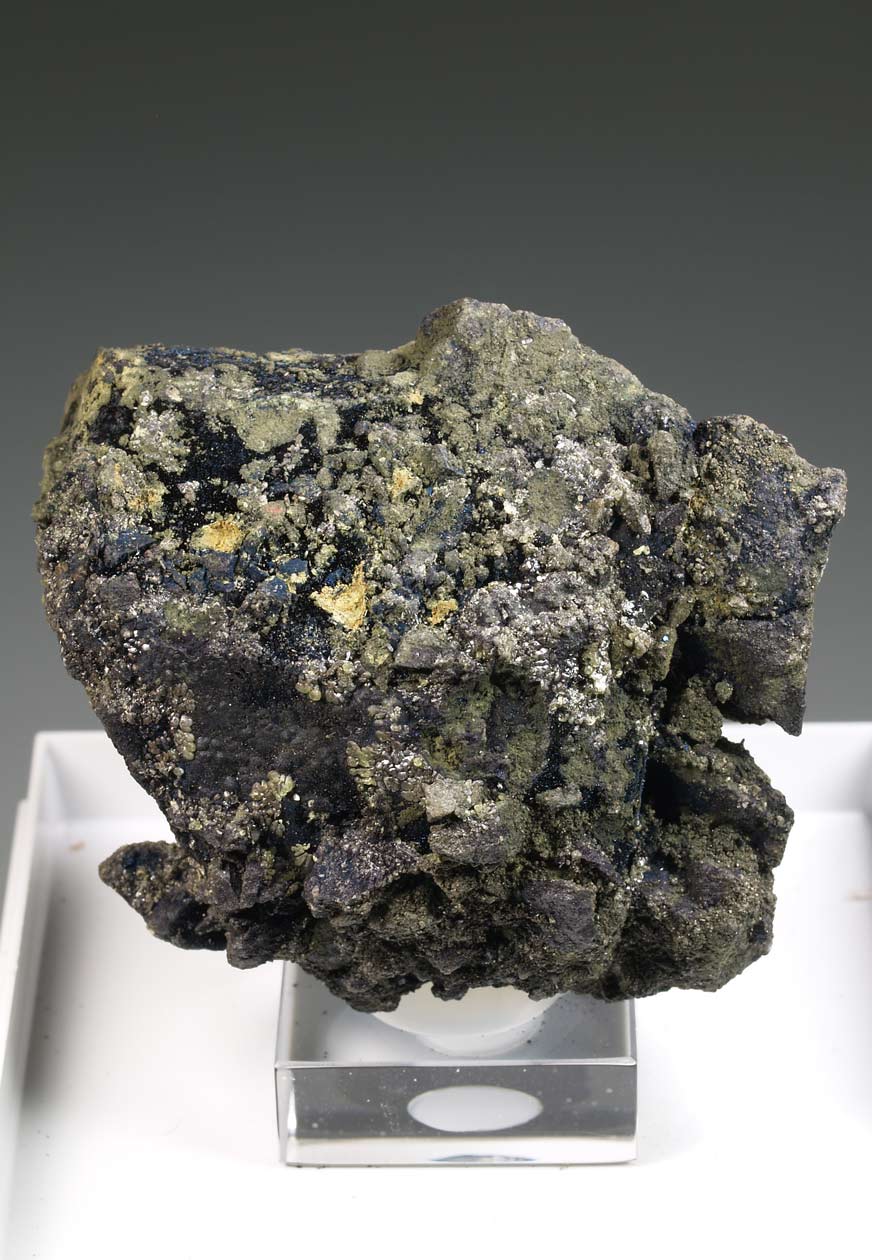
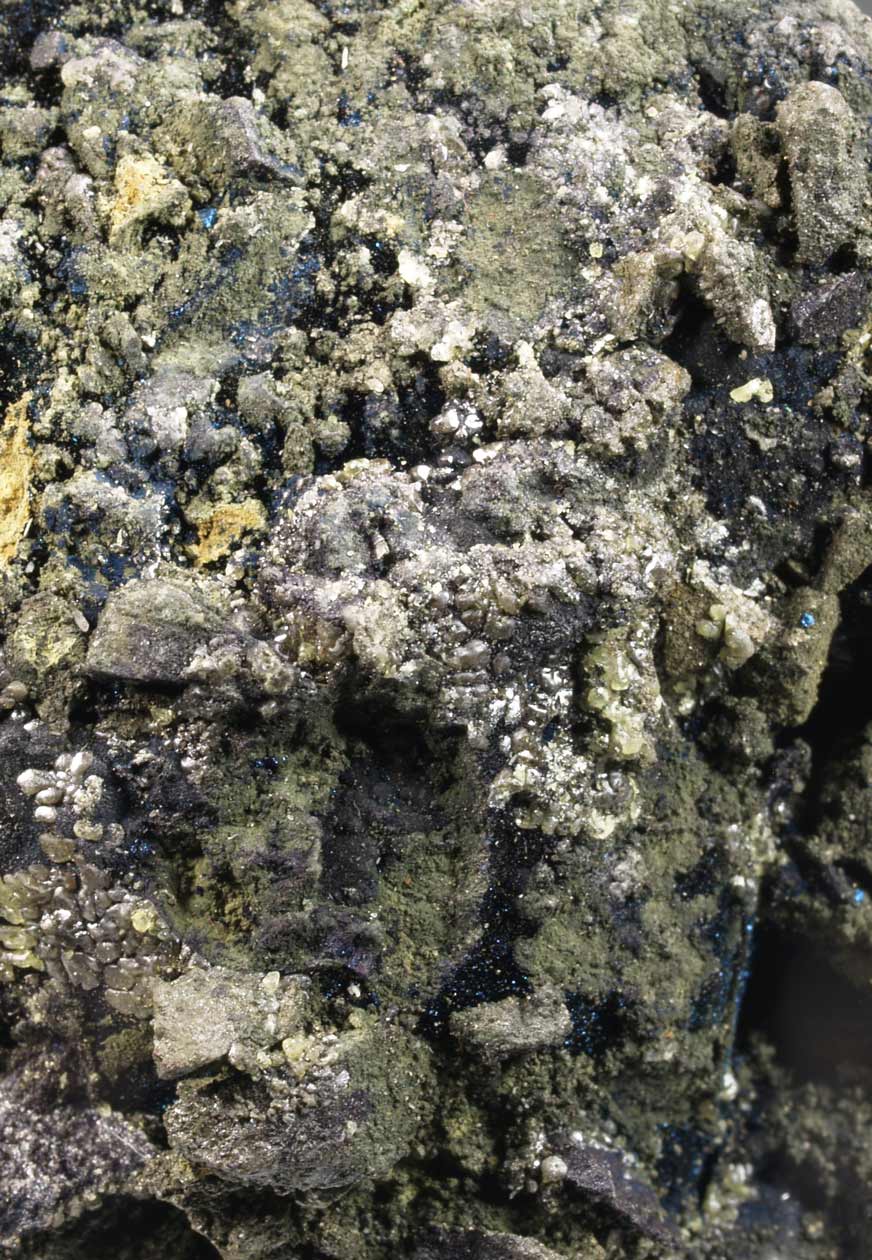
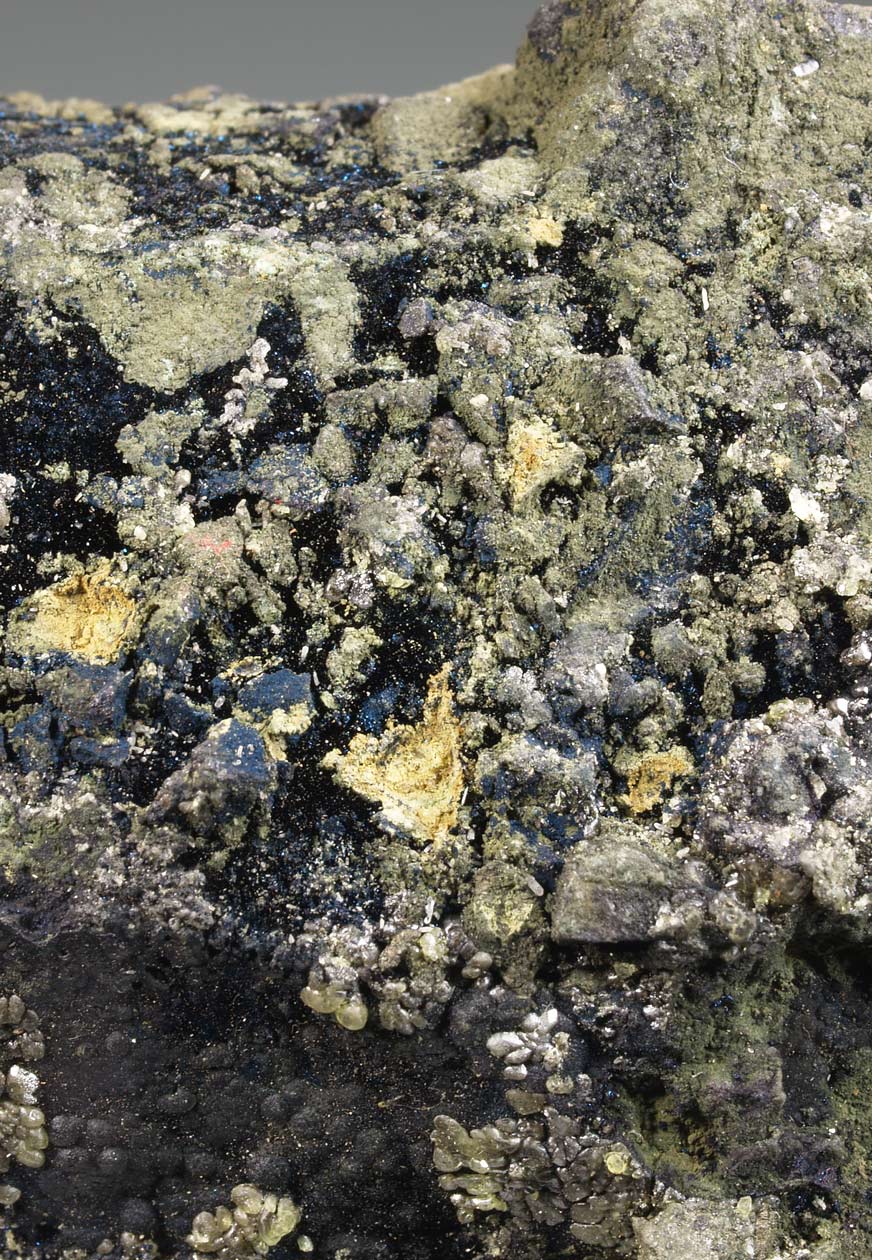
On a matrix of polymetallic sulfides, primarily pyrite, are several druses of intensely lustrous, deep blue covellite crystals. These are accompanied by sulfur crystals, among other minerals. This specimen belongs from the Atalaya open pit, an emblematic mining operation in Huelva province.
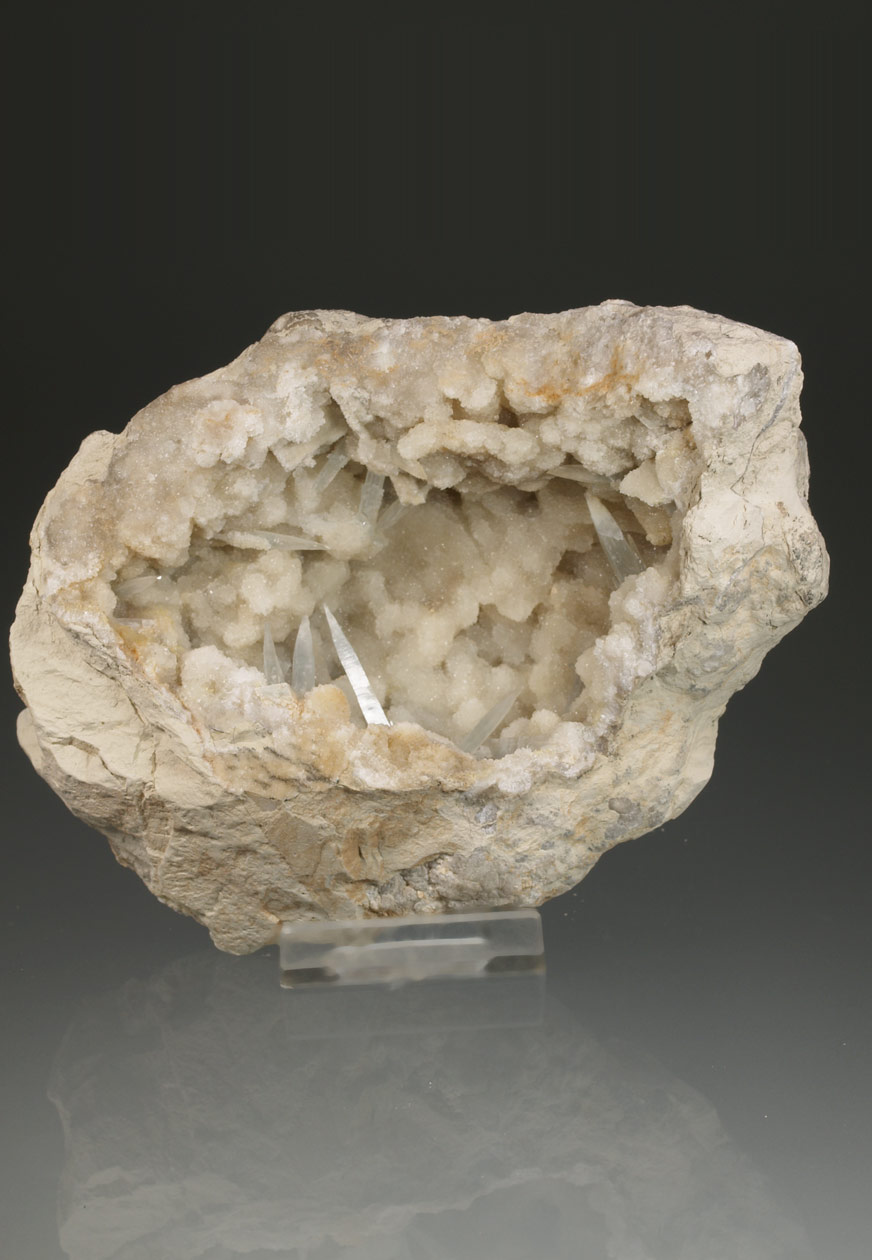
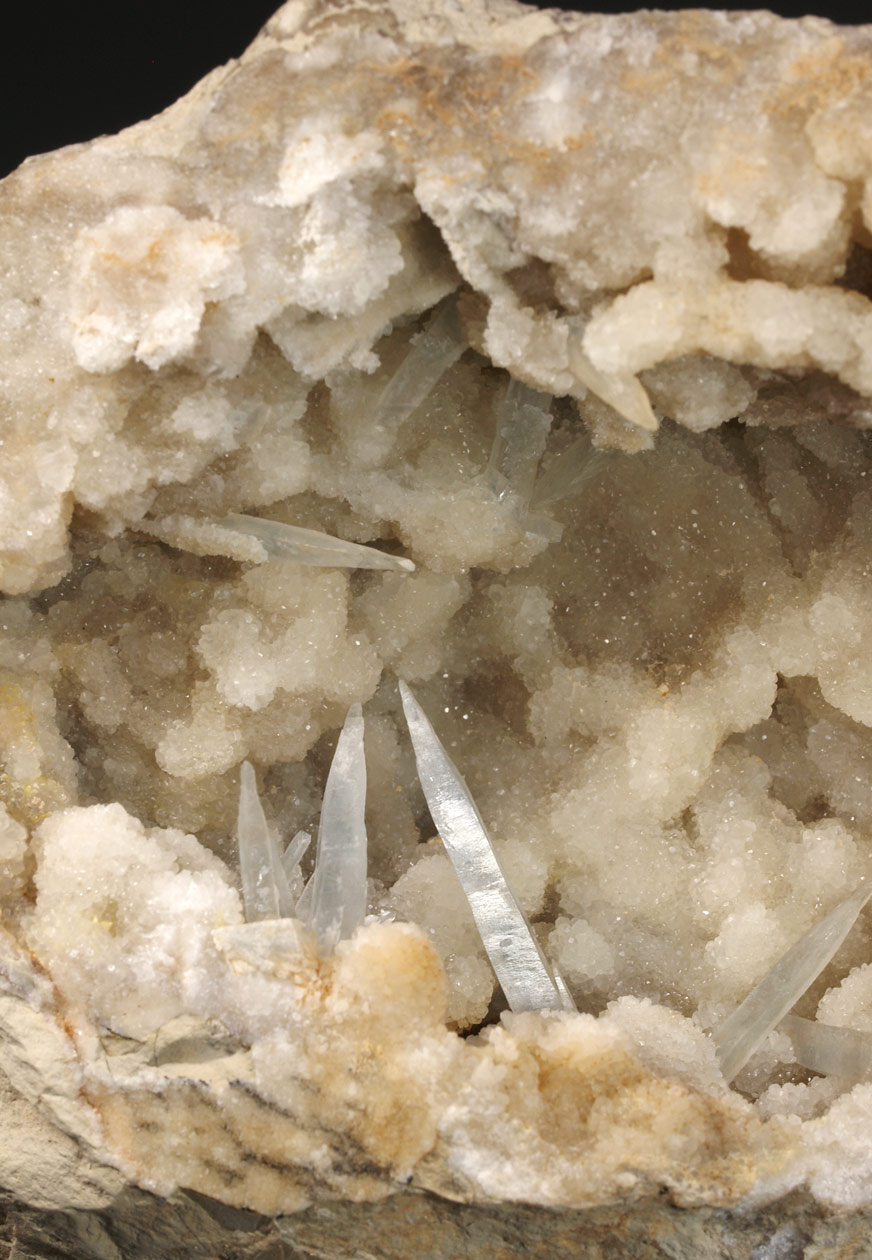
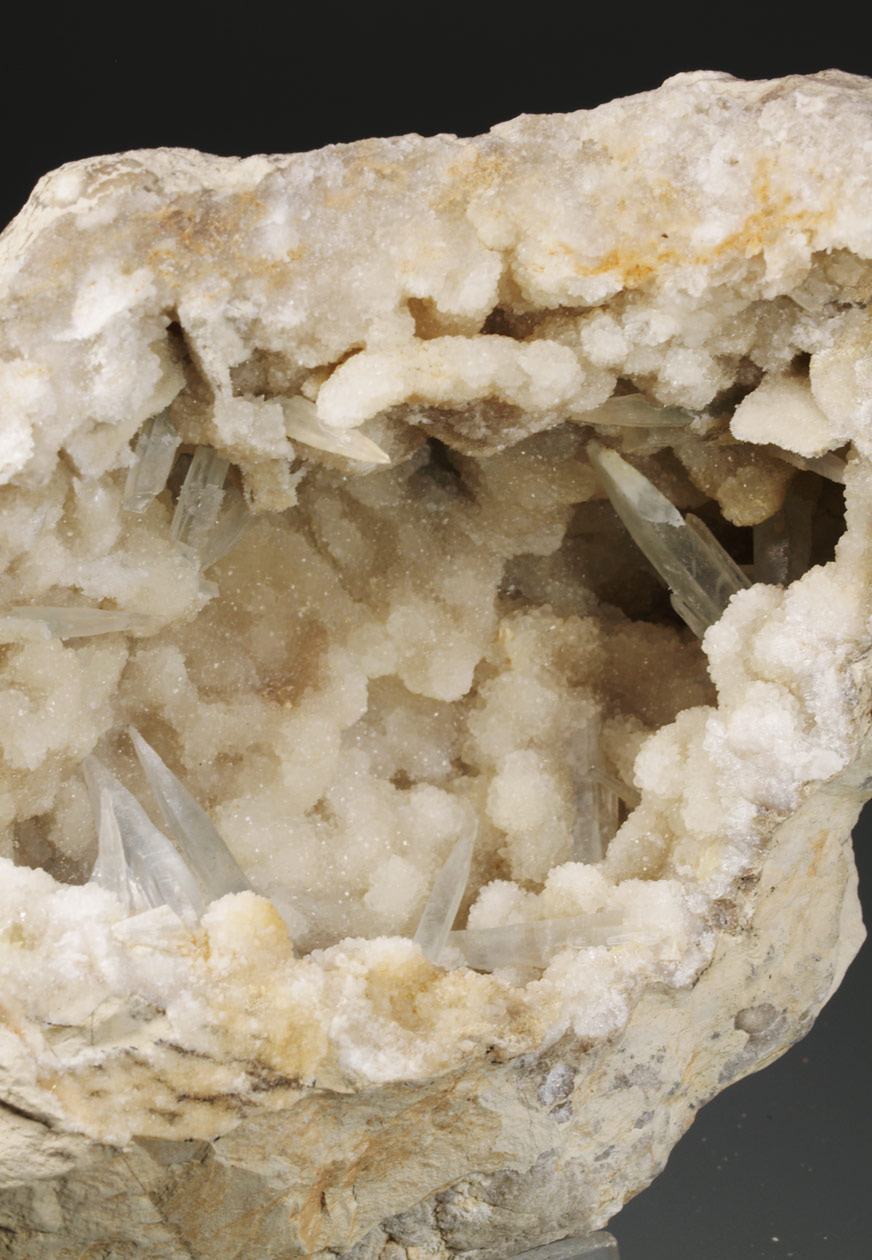
The celestine specimens from the Torà and Ivorra regions are a classic of Catalan mineralogy. They have been found in different areas of both municipalities. This specimen comes from test pits taken near Torà, on slopes that are now covered and prohibited for searching due to the destruction caused by some prospectors in the past. Pointed prismatic crystals, slightly bluish-gray in color, are found in cavities lined with calcite, in a carbonate marl matrix.
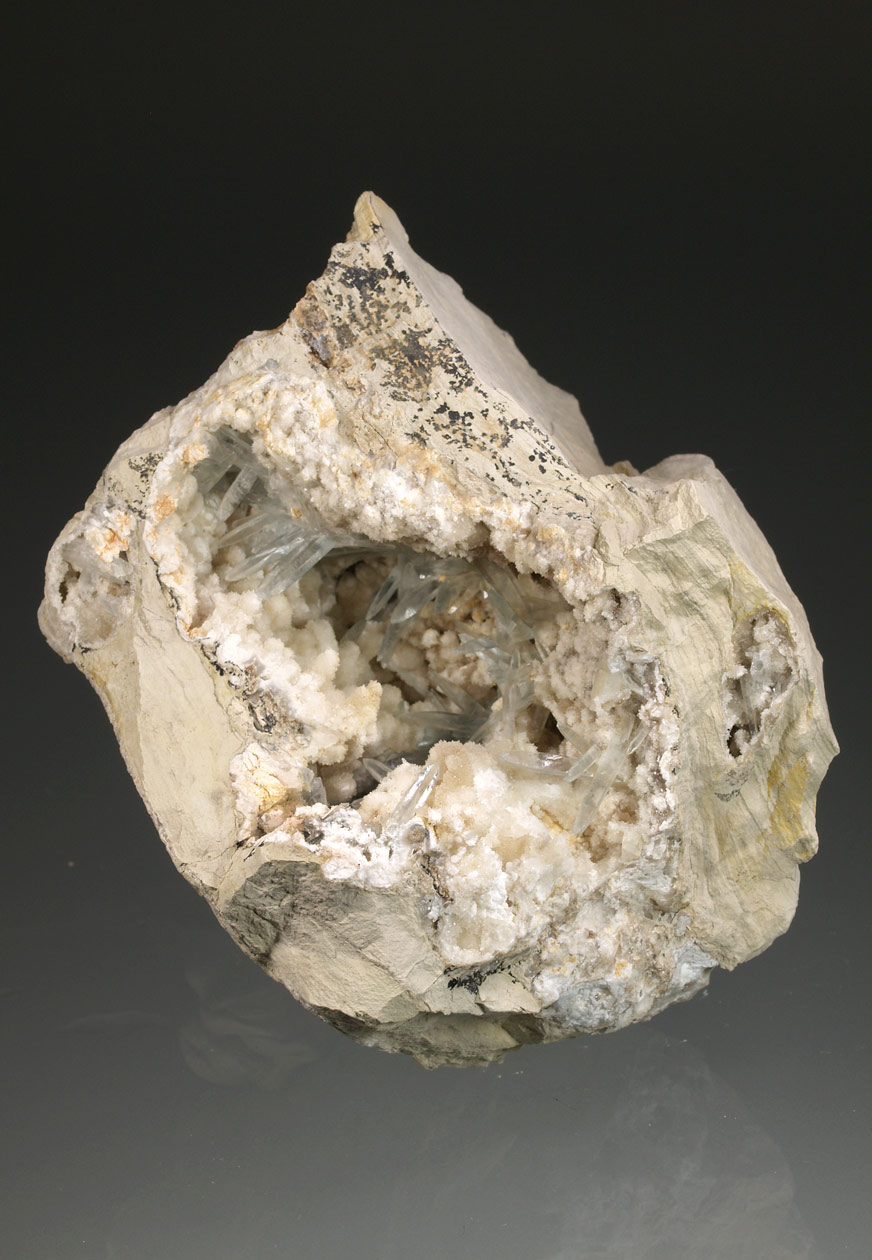
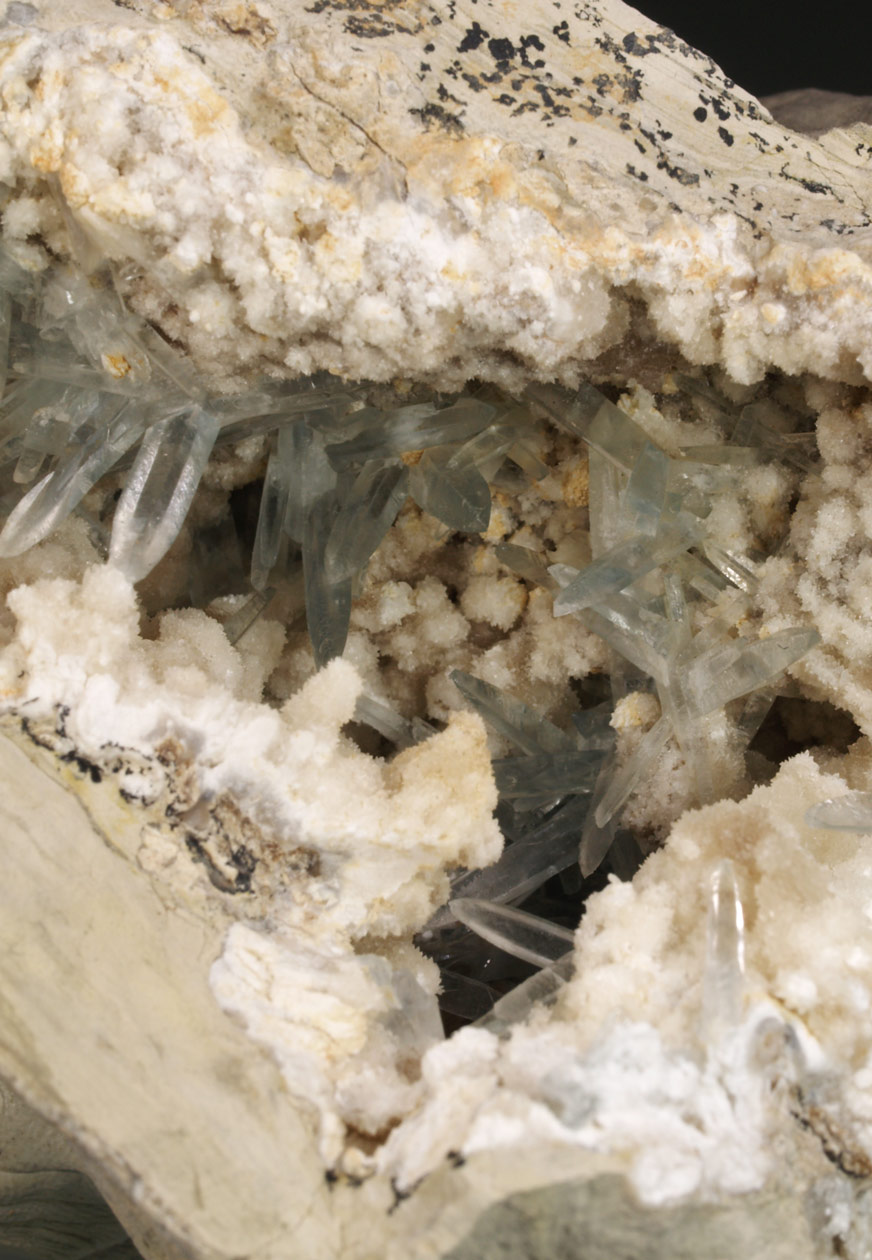
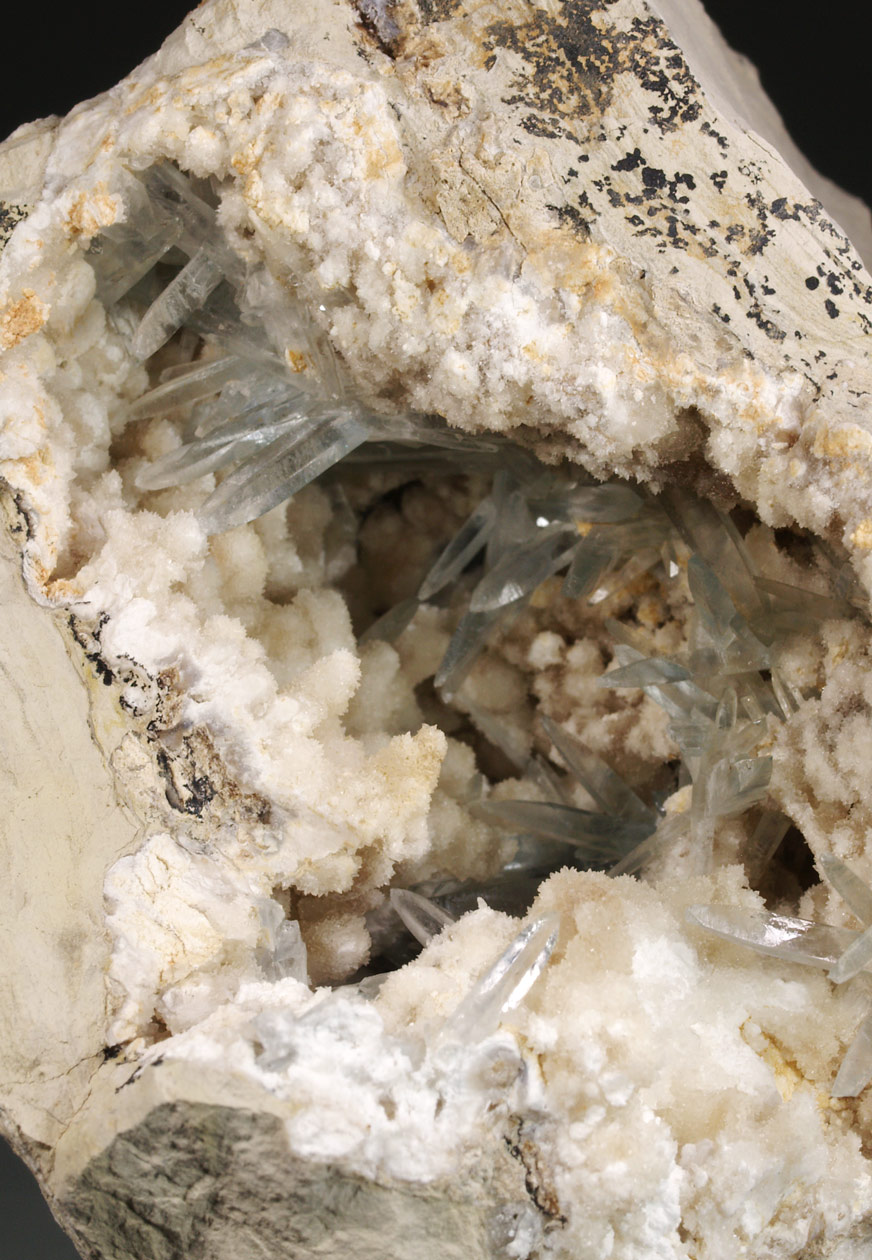
The celestine specimens from the Torà and Ivorra regions are a classic of Catalan mineralogy. They have been found in different areas of both municipalities. This specimen comes from test pits taken near Torà, on slopes that are now covered and prohibited for searching due to the destruction caused by some prospectors in the past. Pointed prismatic crystals, slightly bluish-gray in color, are found in cavities lined with calcite, in a carbonate marl matrix.
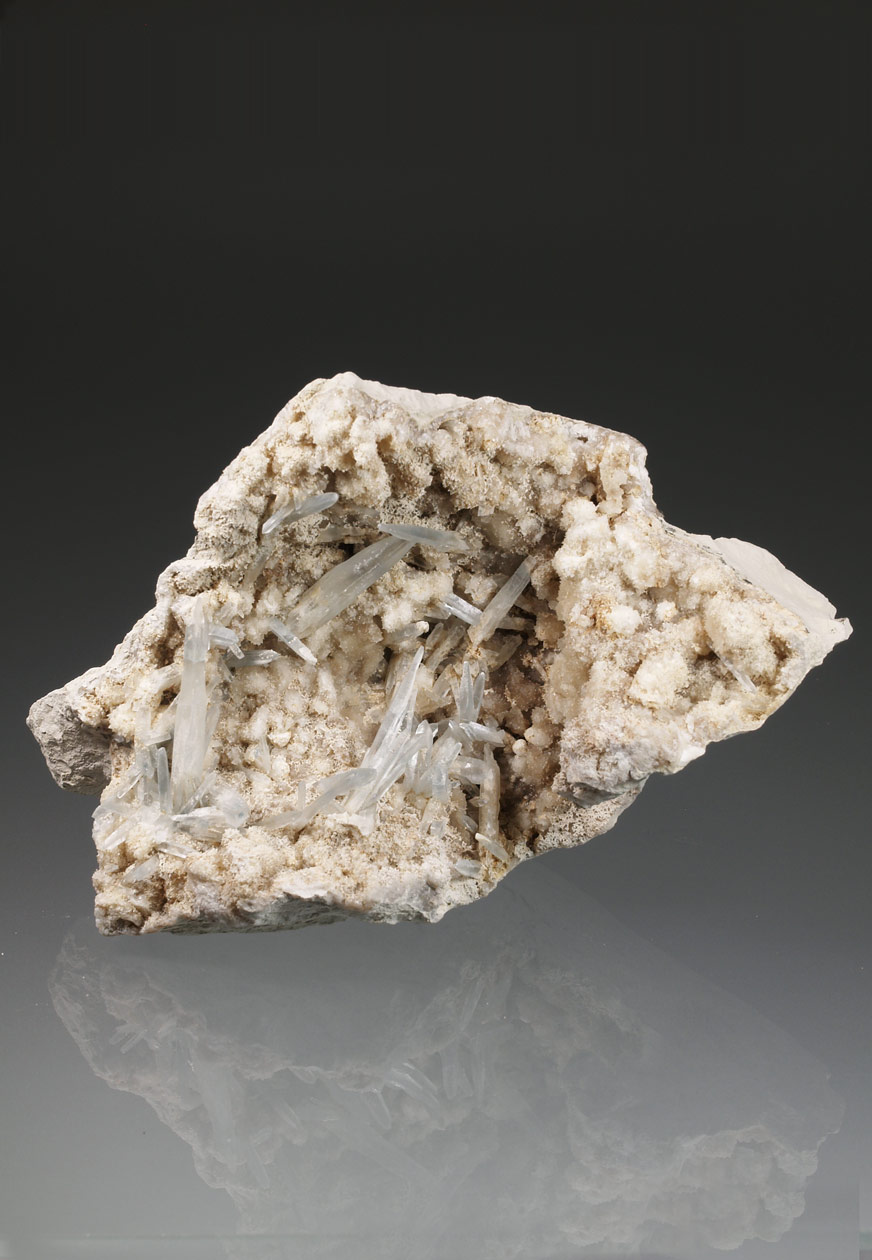
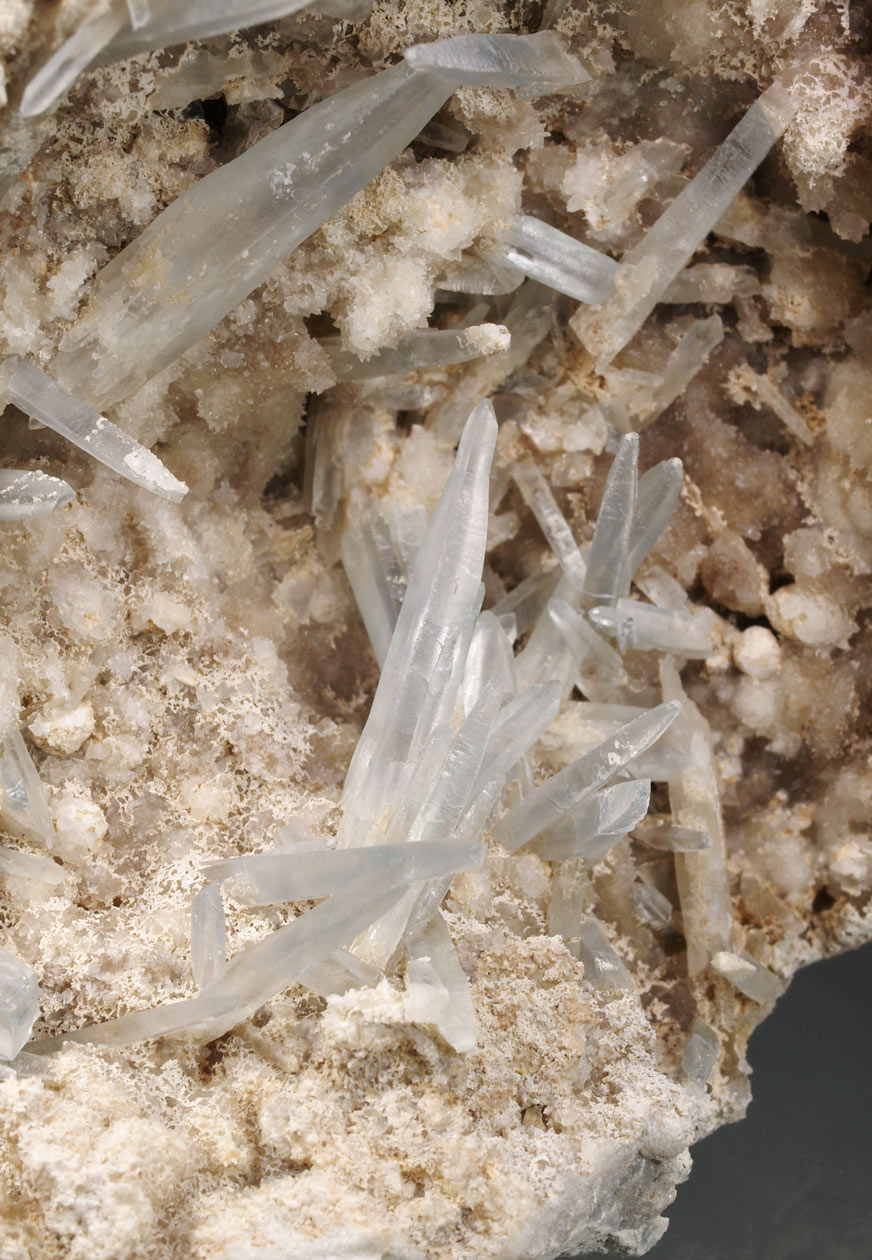
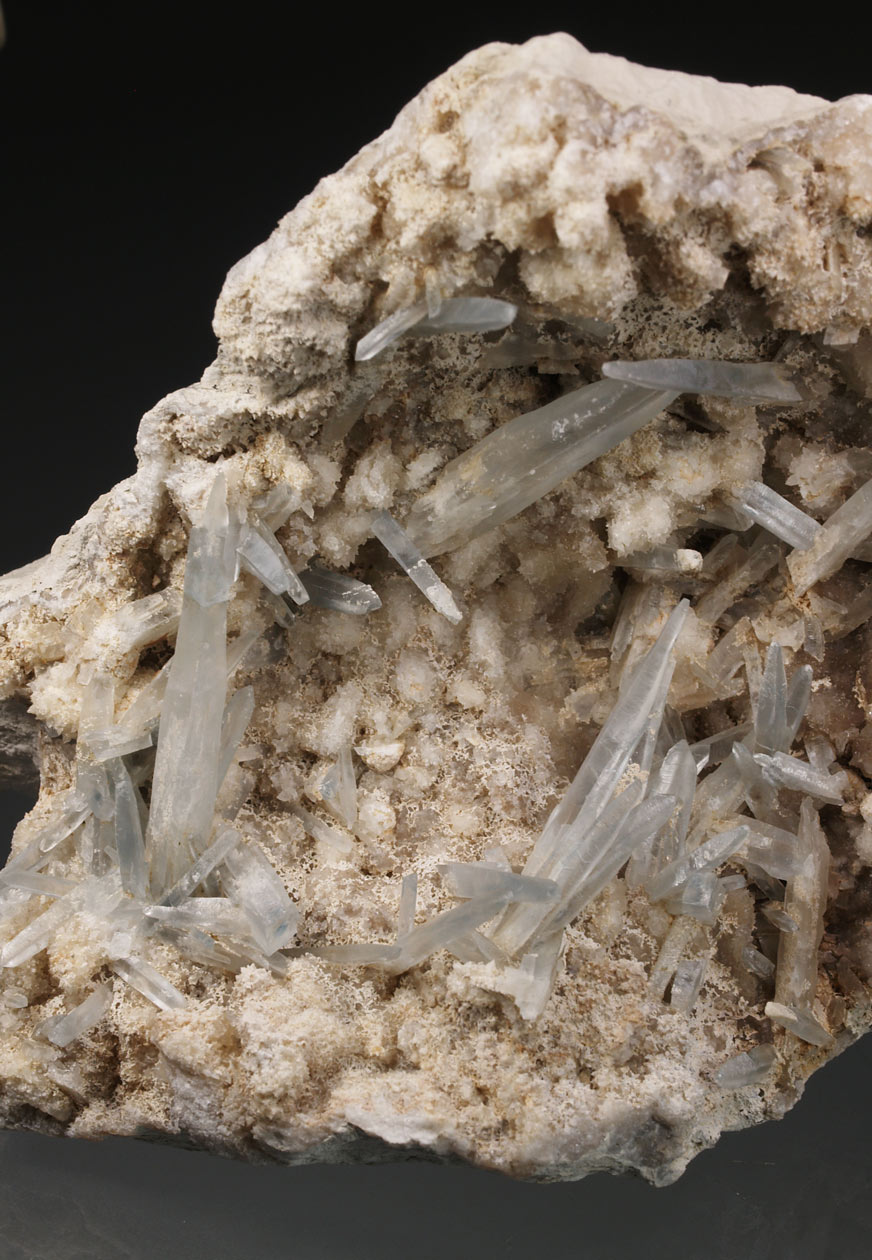
The celestine specimens from the Torà and Ivorra regions are a classic of Catalan mineralogy. They have been found in different areas of both municipalities. This specimen comes from test pits taken near Torà, on slopes that are now covered and prohibited for searching due to the destruction caused by some prospectors in the past. Pointed prismatic crystals, slightly bluish-gray in color, are found in cavities lined with calcite, in a carbonate marl matrix.
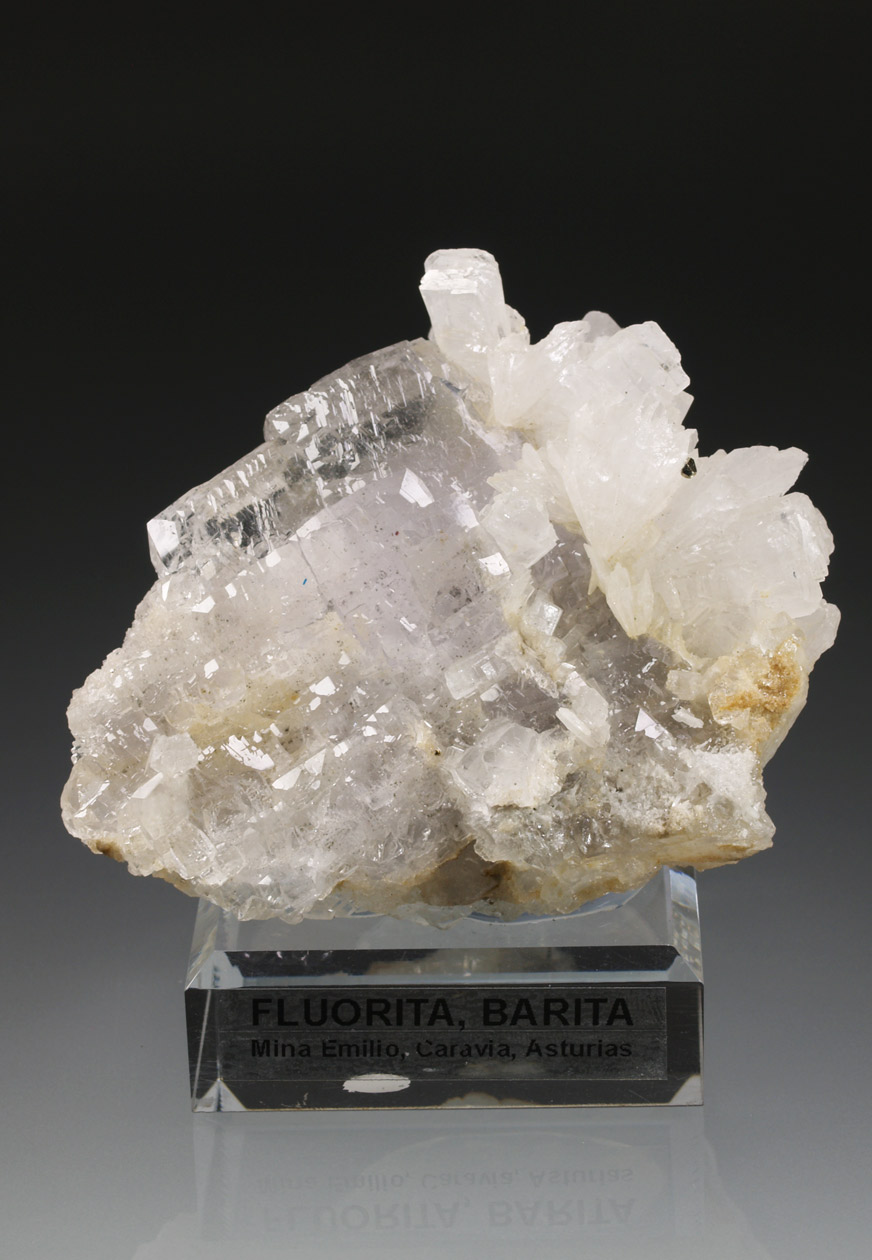
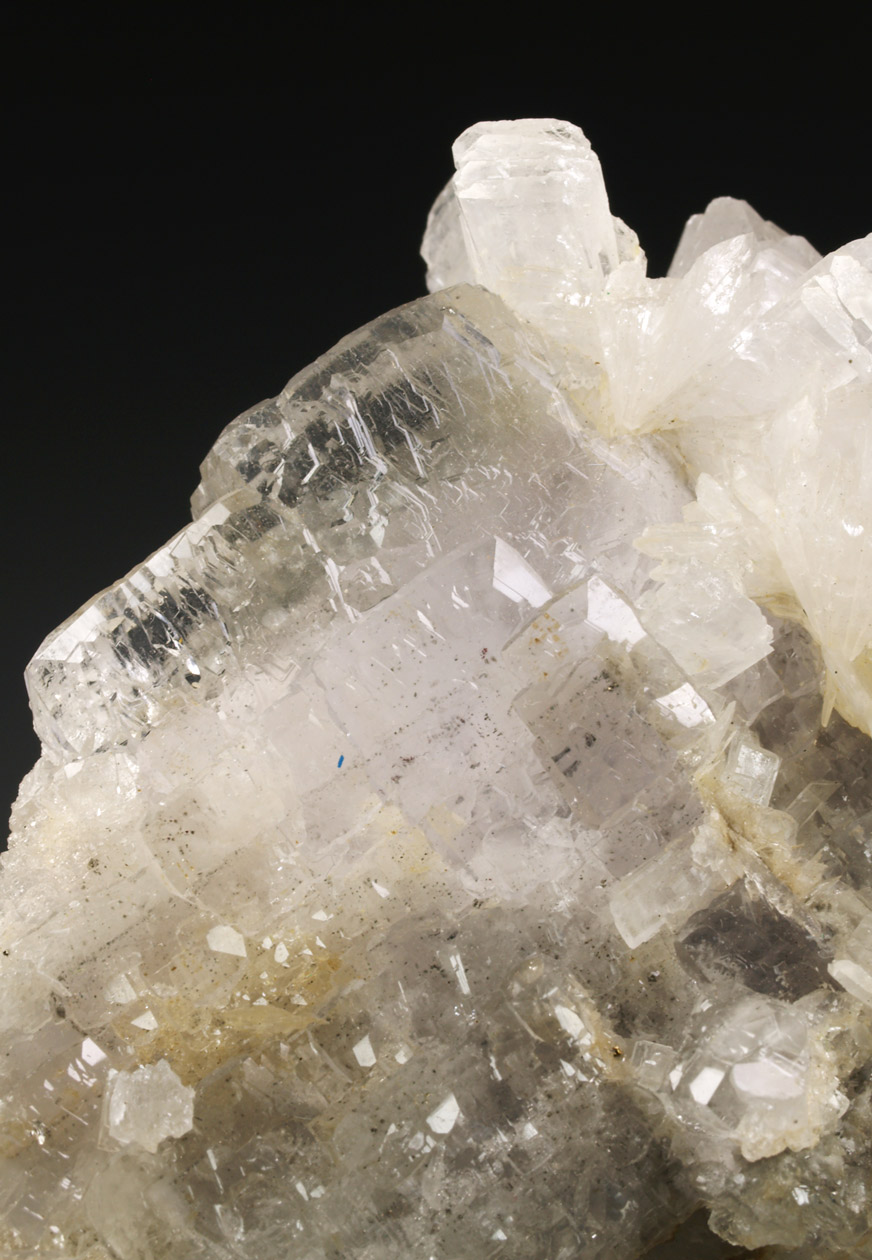
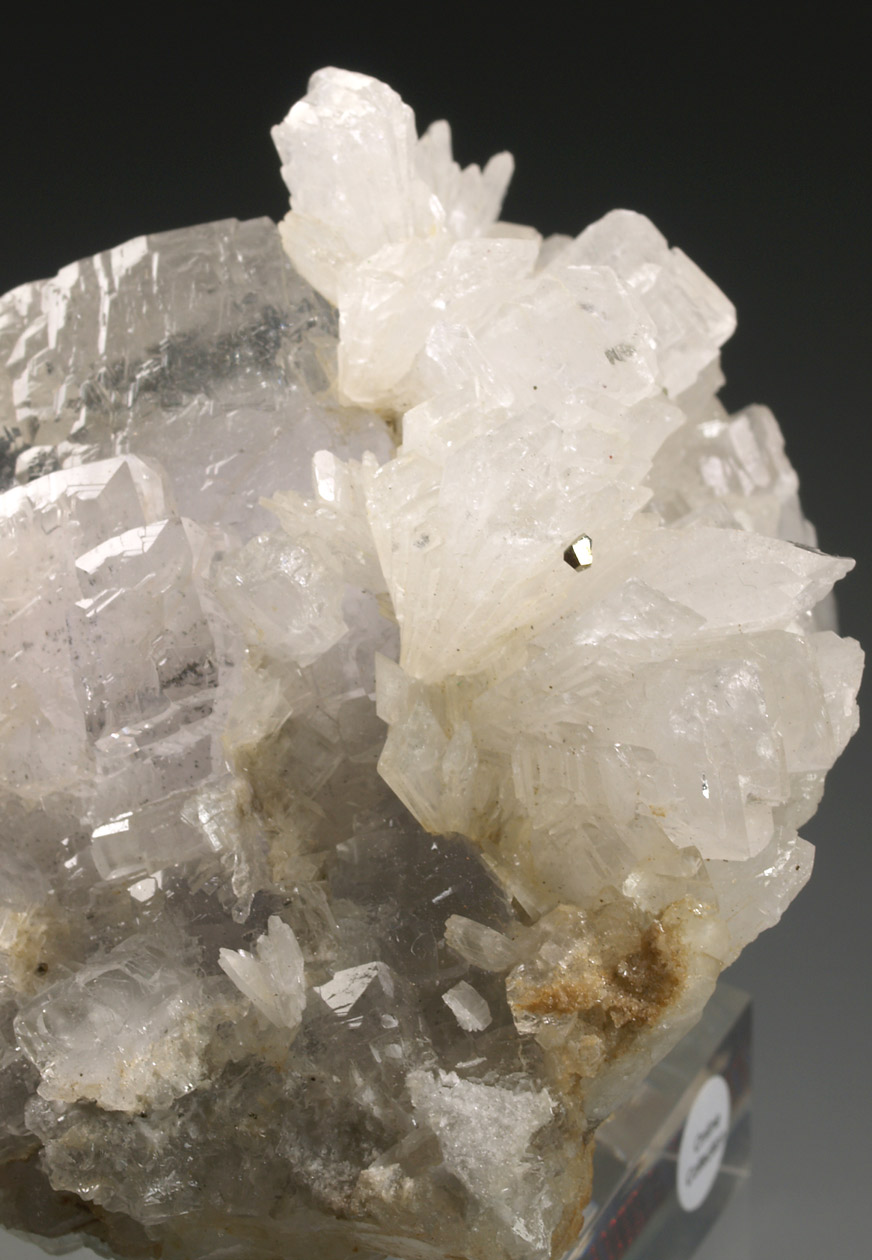
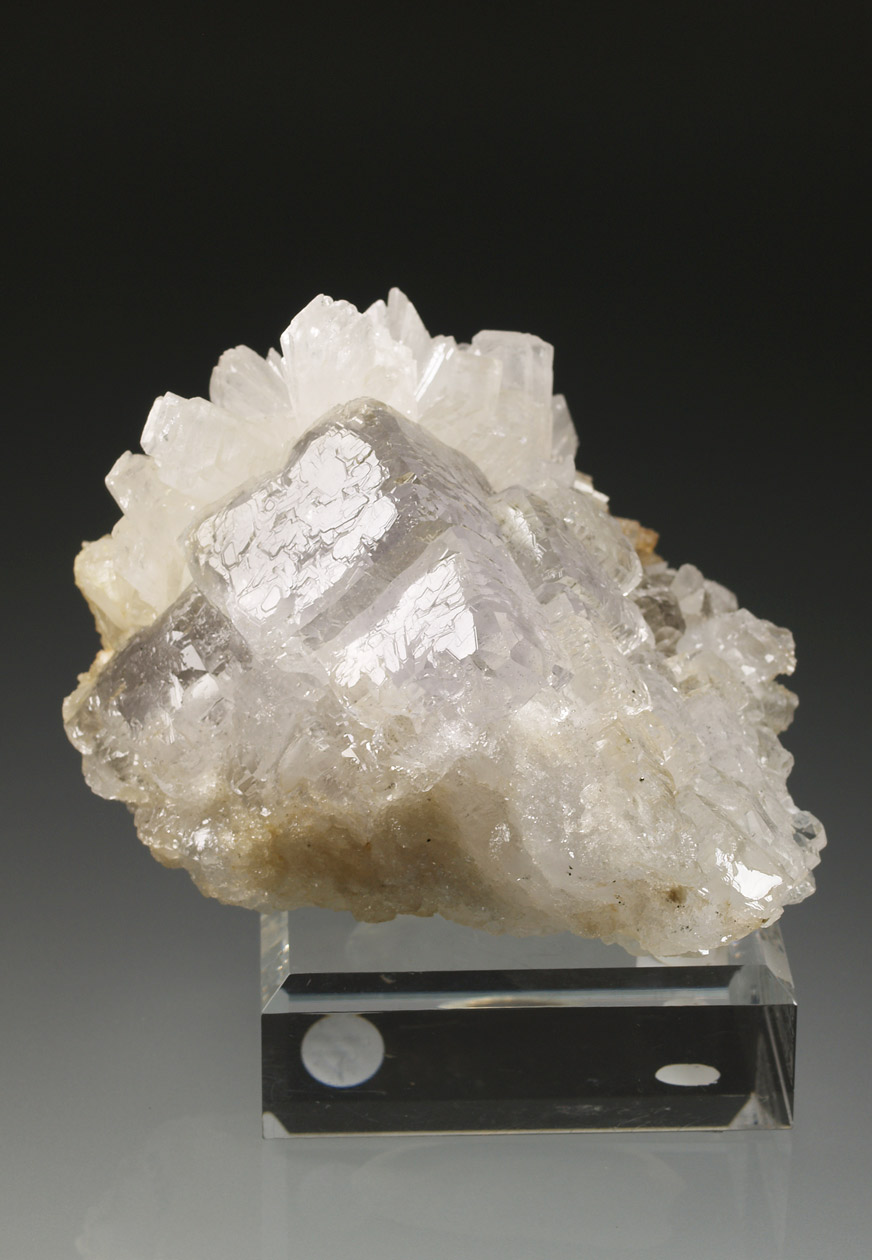
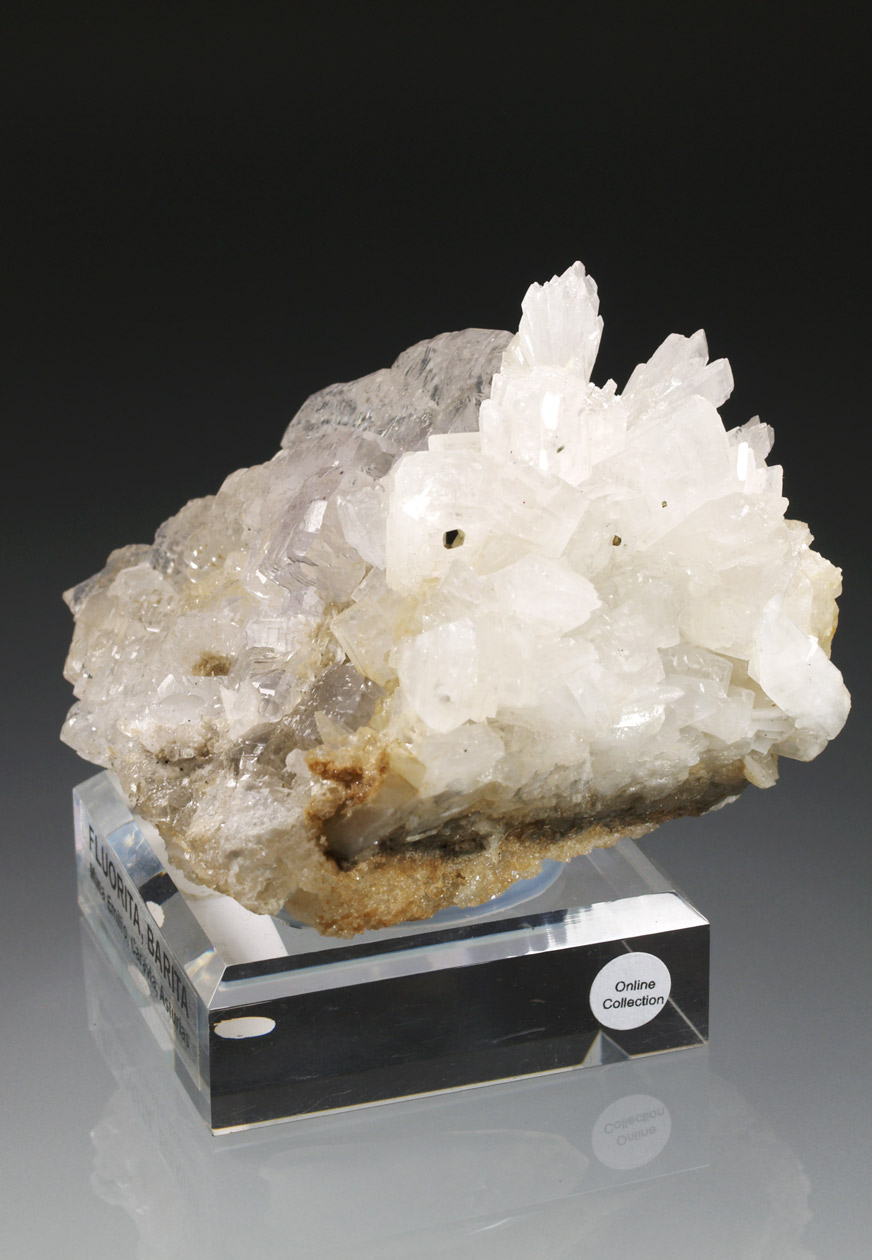
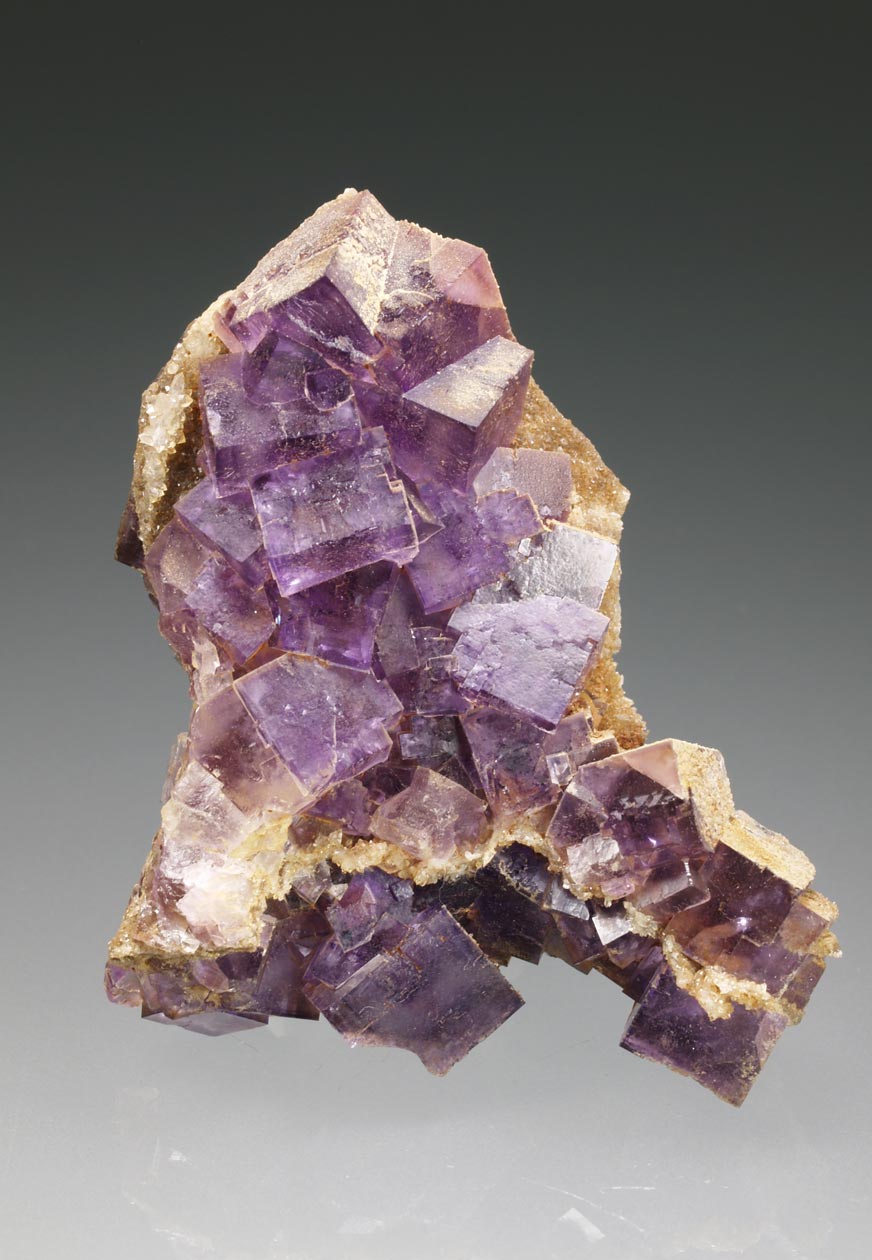
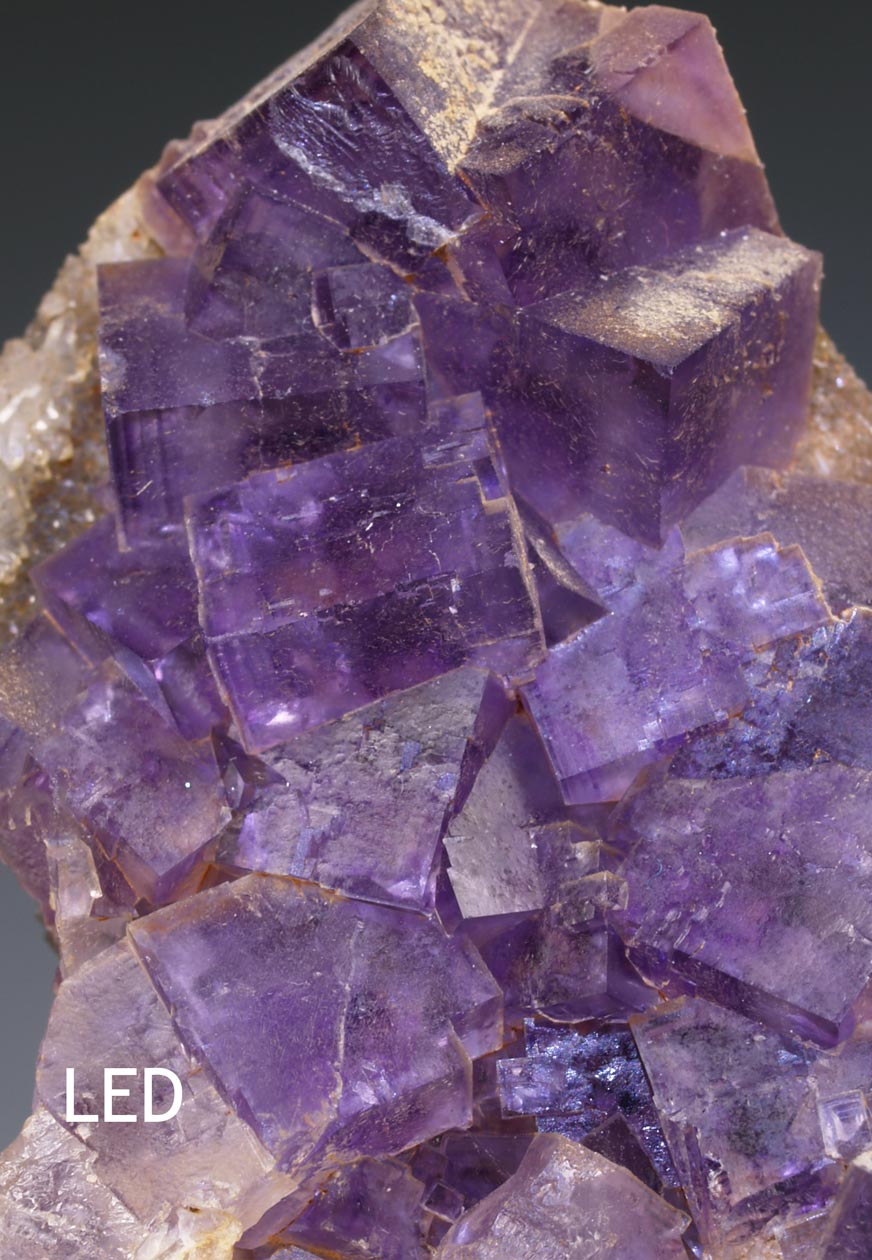
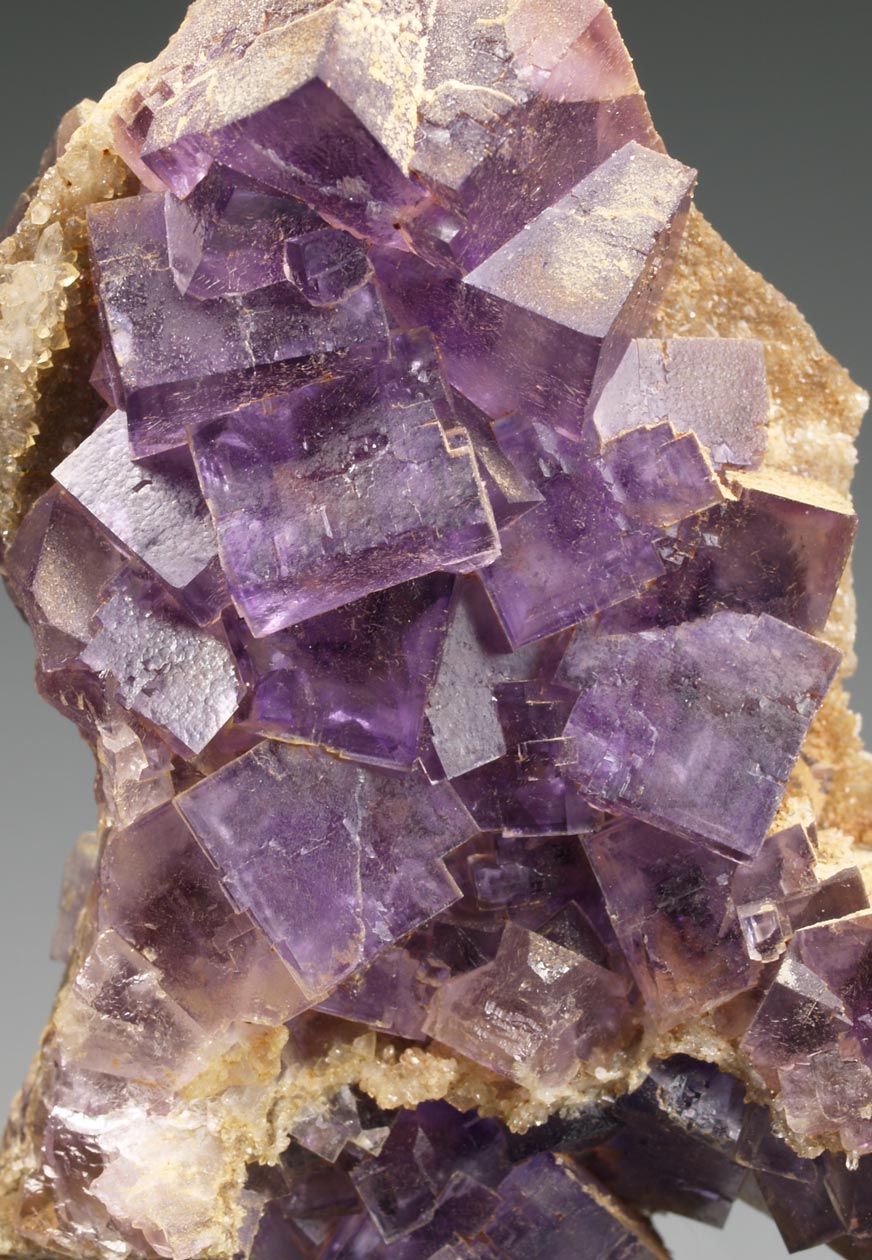
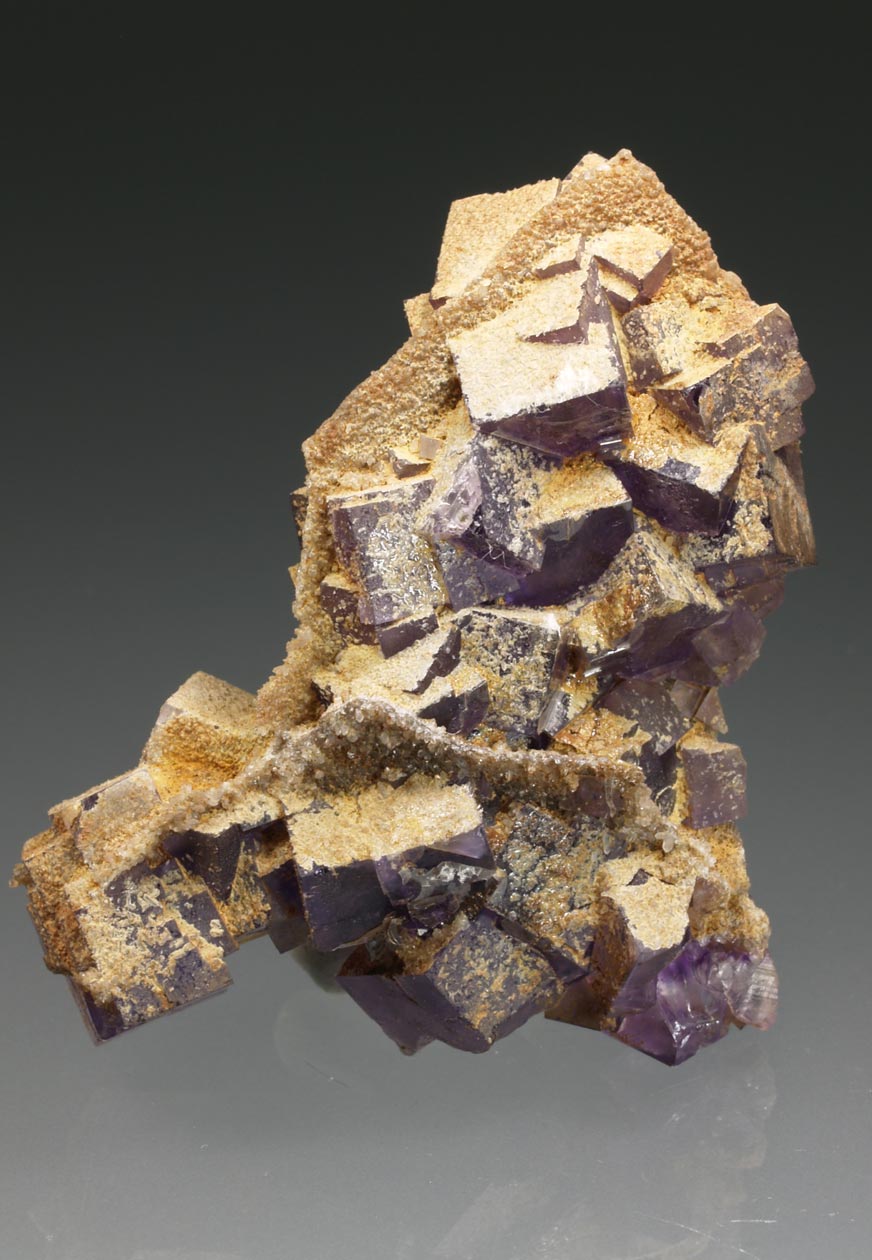
A very good-sized fluorite specimen formed by several cubic crystals, growing in parallel and in staggered forms. Its faces show polysynthetic growths and its edges are beveled by the dodecahedron. It is transparent and brilliant. The internal color is slightly violet, depending on the light, but the fluorite is colorless, as is typical at this Asturian deposit. It is accompanied by several good-sized prismatic barite crystals, interspersed with small chalcopyrite crystals. A very aesthetic specimen.

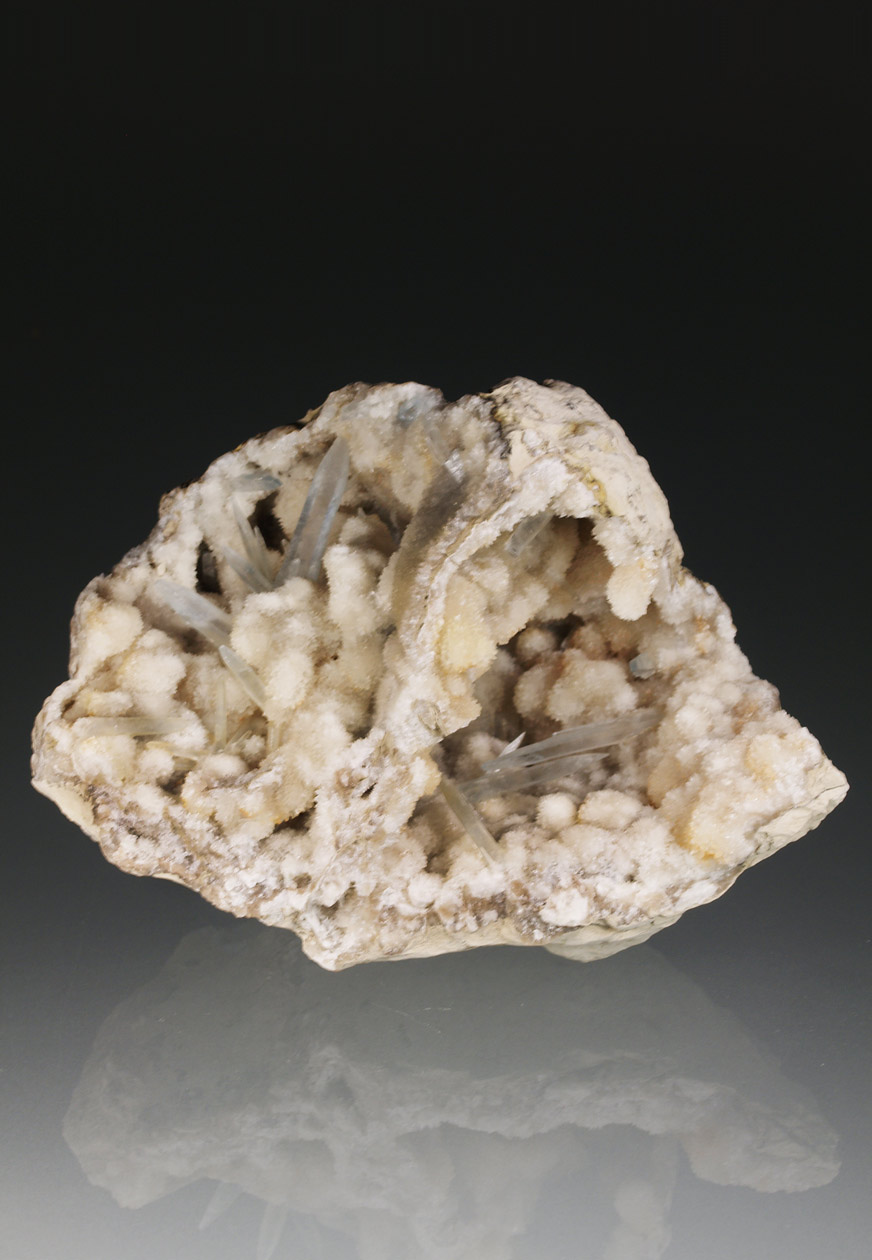
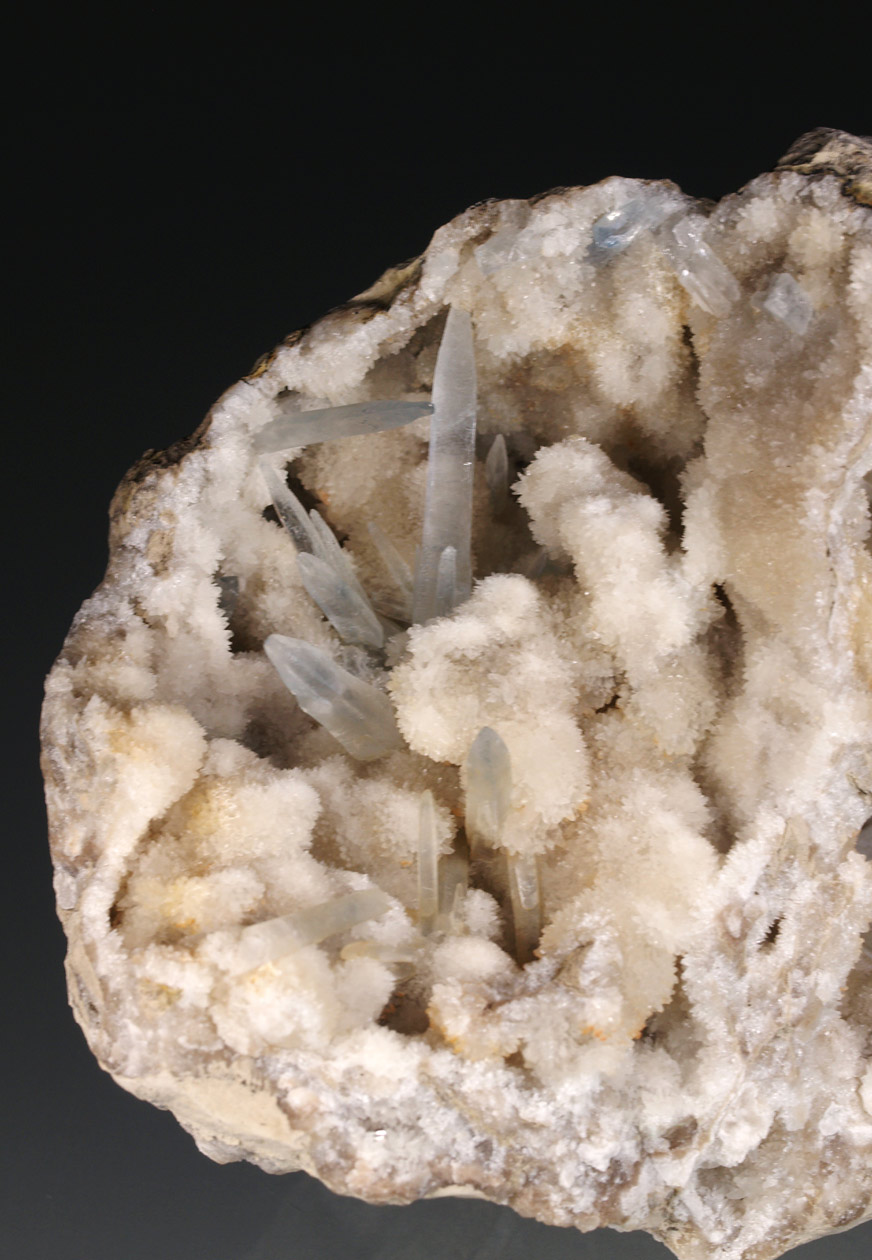
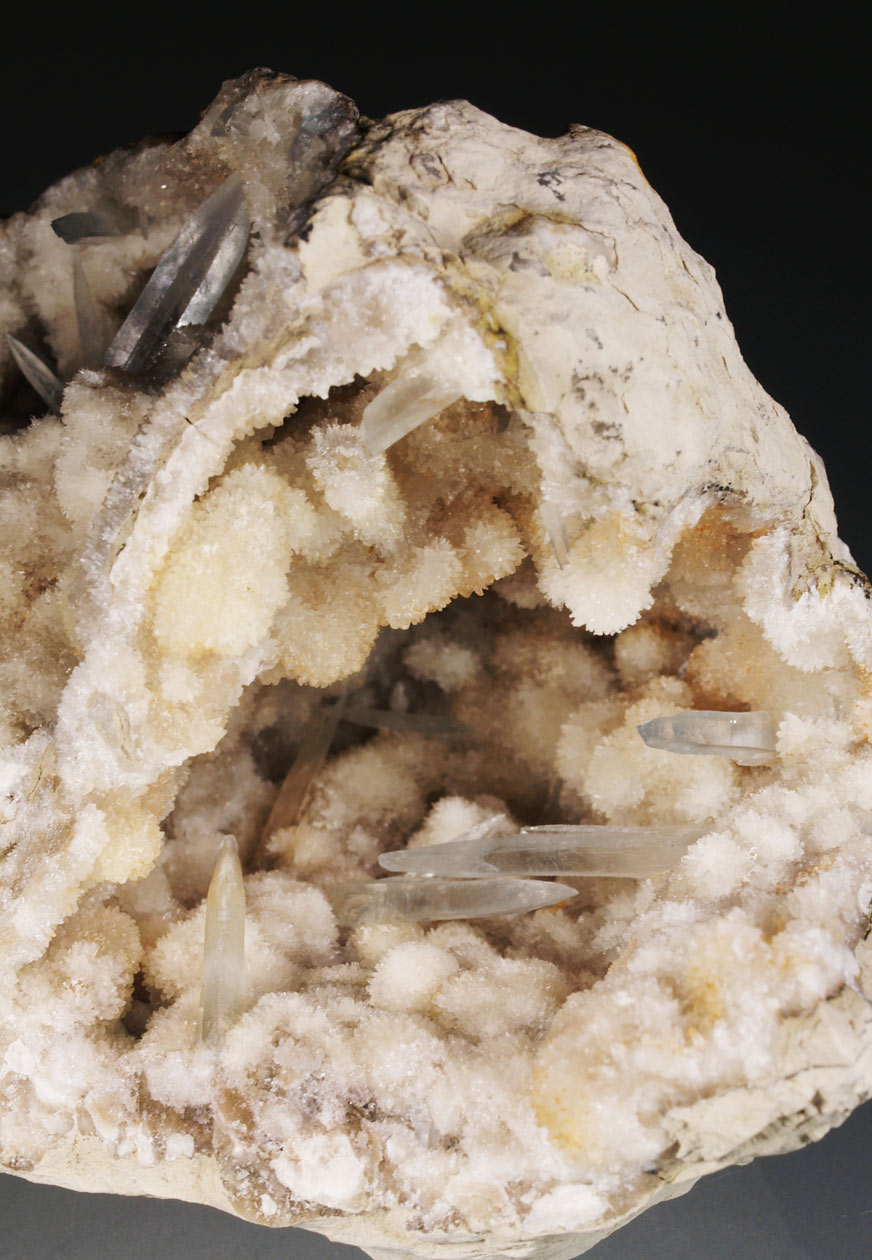
The celestine specimens from the Torà and Ivorra regions are a classic of Catalan mineralogy. They have been found in different areas of both municipalities. This specimen comes from test pits taken near Torà, on slopes that are now covered and prohibited for searching due to the destruction caused by some prospectors in the past. Pointed prismatic crystals, slightly bluish-gray in color, are found in cavities lined with calcite, in a carbonate marl matrix.
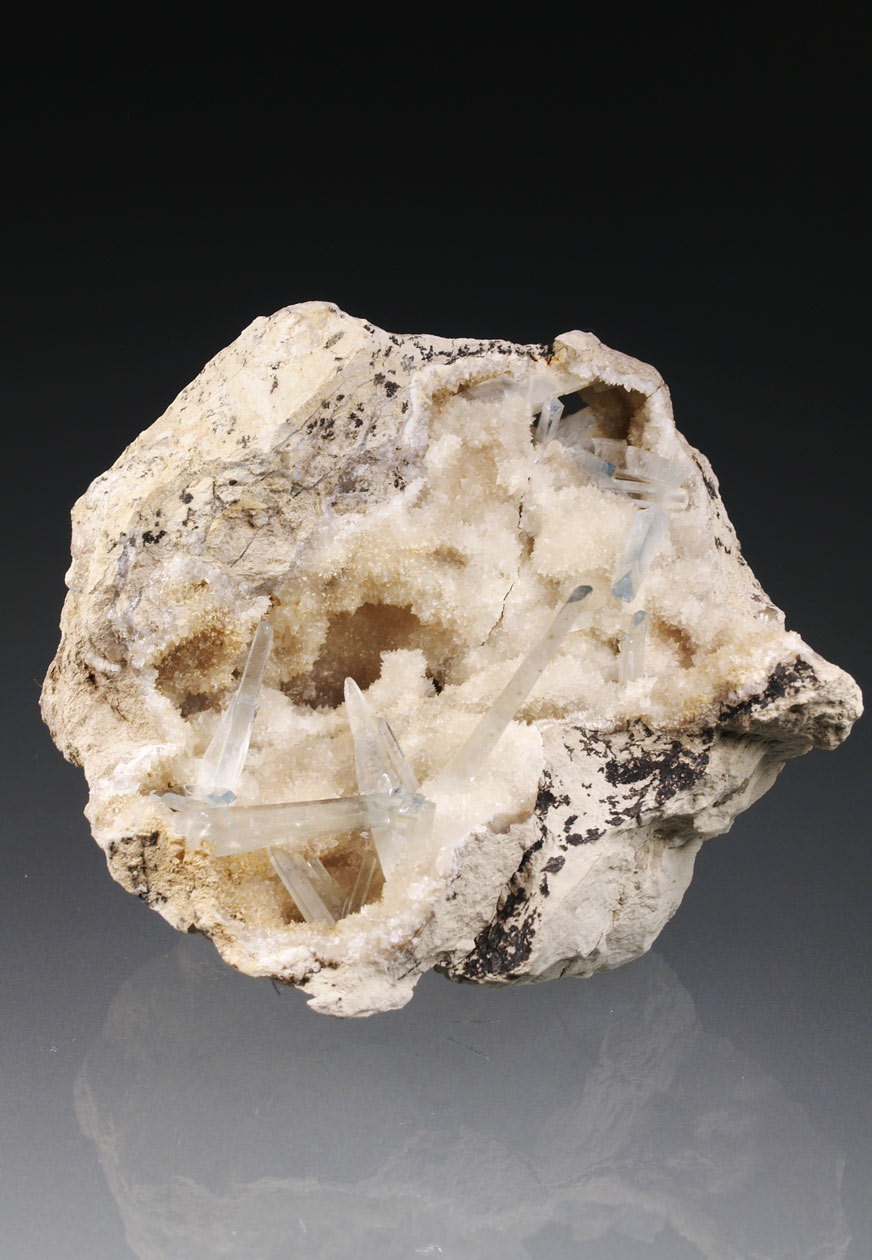
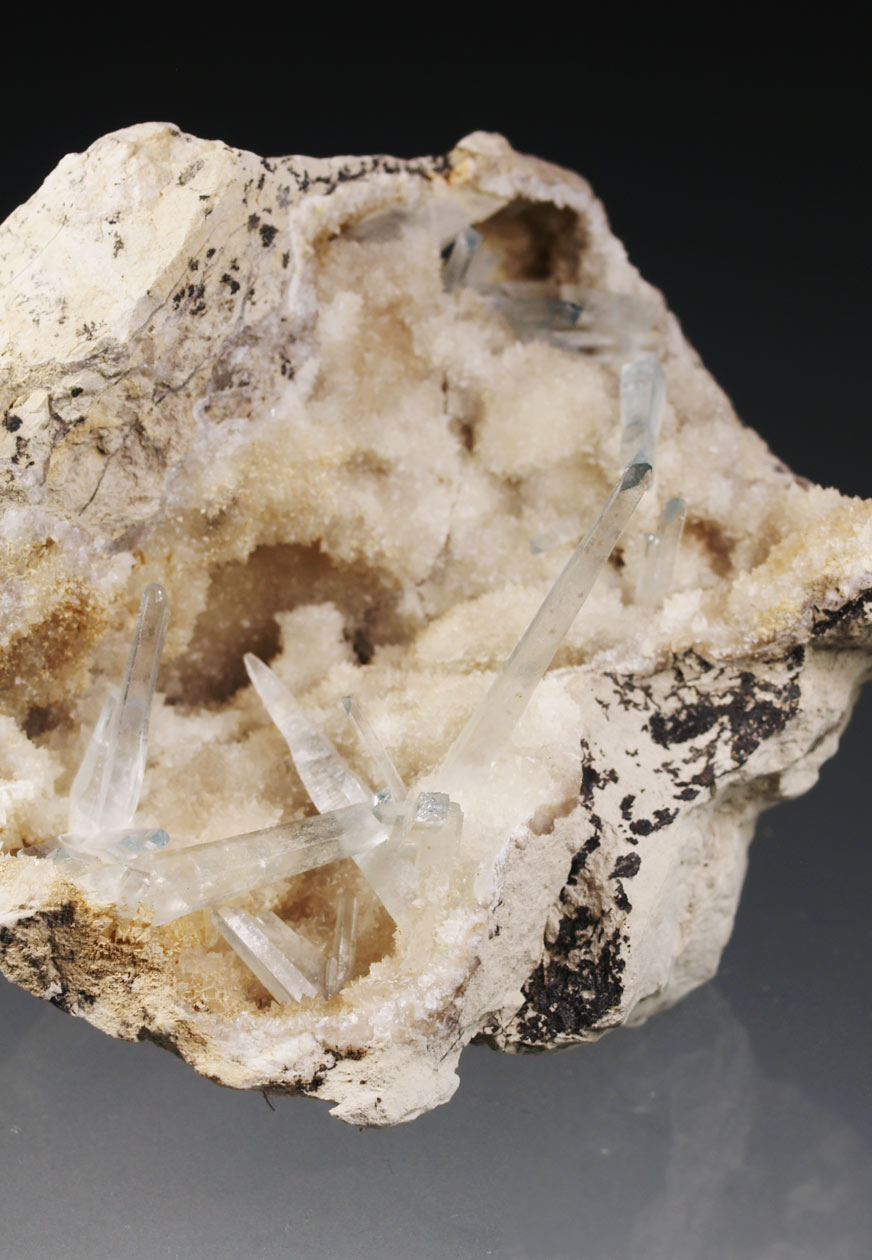
The celestine specimens from the Torà and Ivorra regions are a classic of Catalan mineralogy. They have been found in different areas of both municipalities. This specimen comes from test pits taken near Torà, on slopes that are now covered and prohibited for searching due to the destruction caused by some prospectors in the past. Pointed prismatic crystals, slightly bluish-gray in color, are found in cavities lined with calcite, in a carbonate marl matrix.
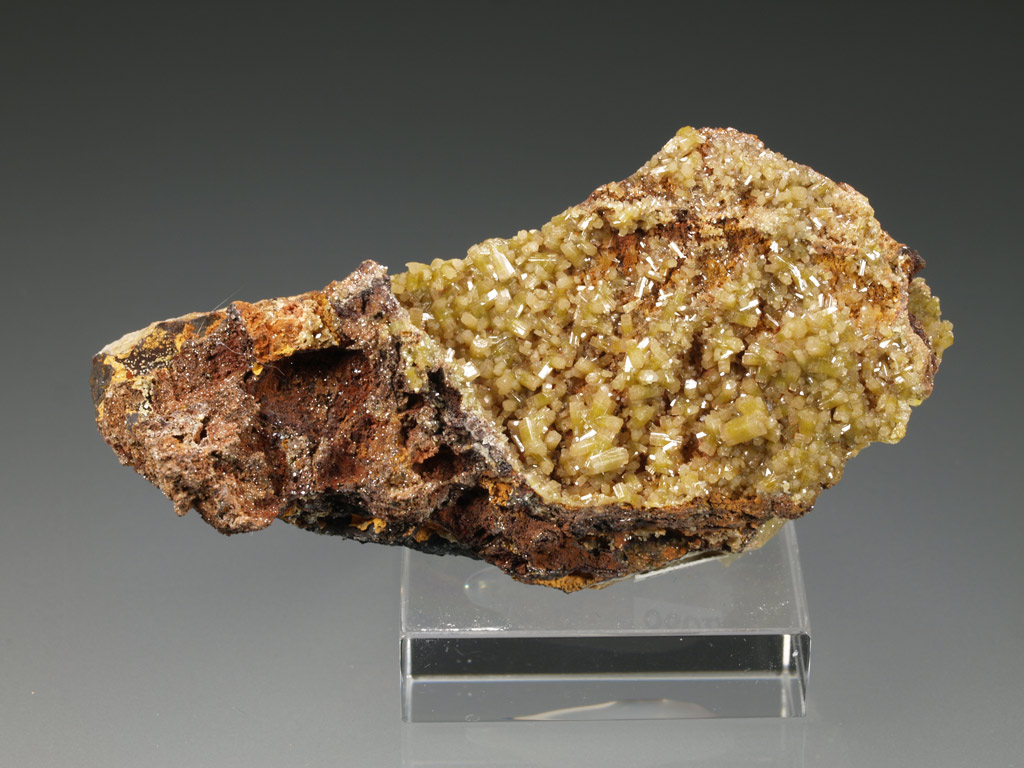
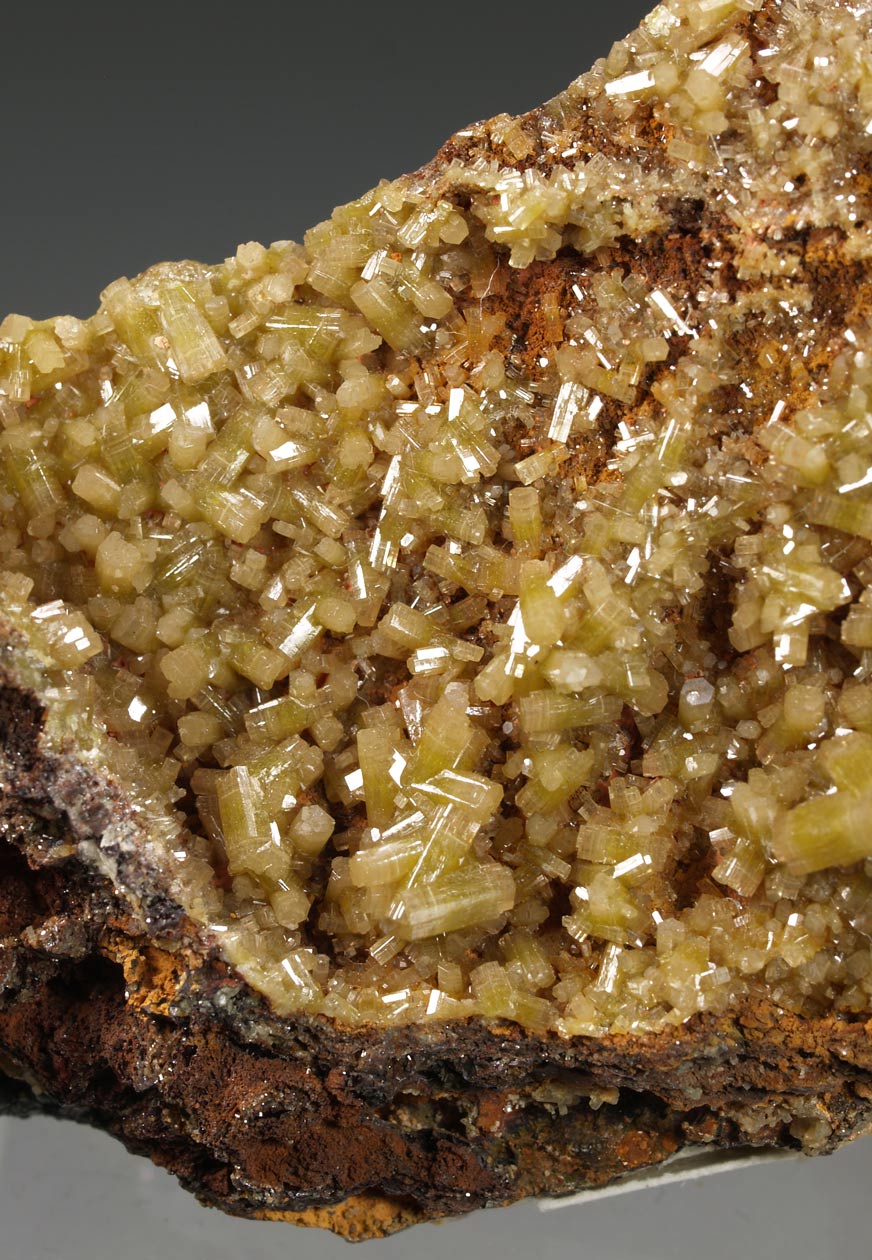
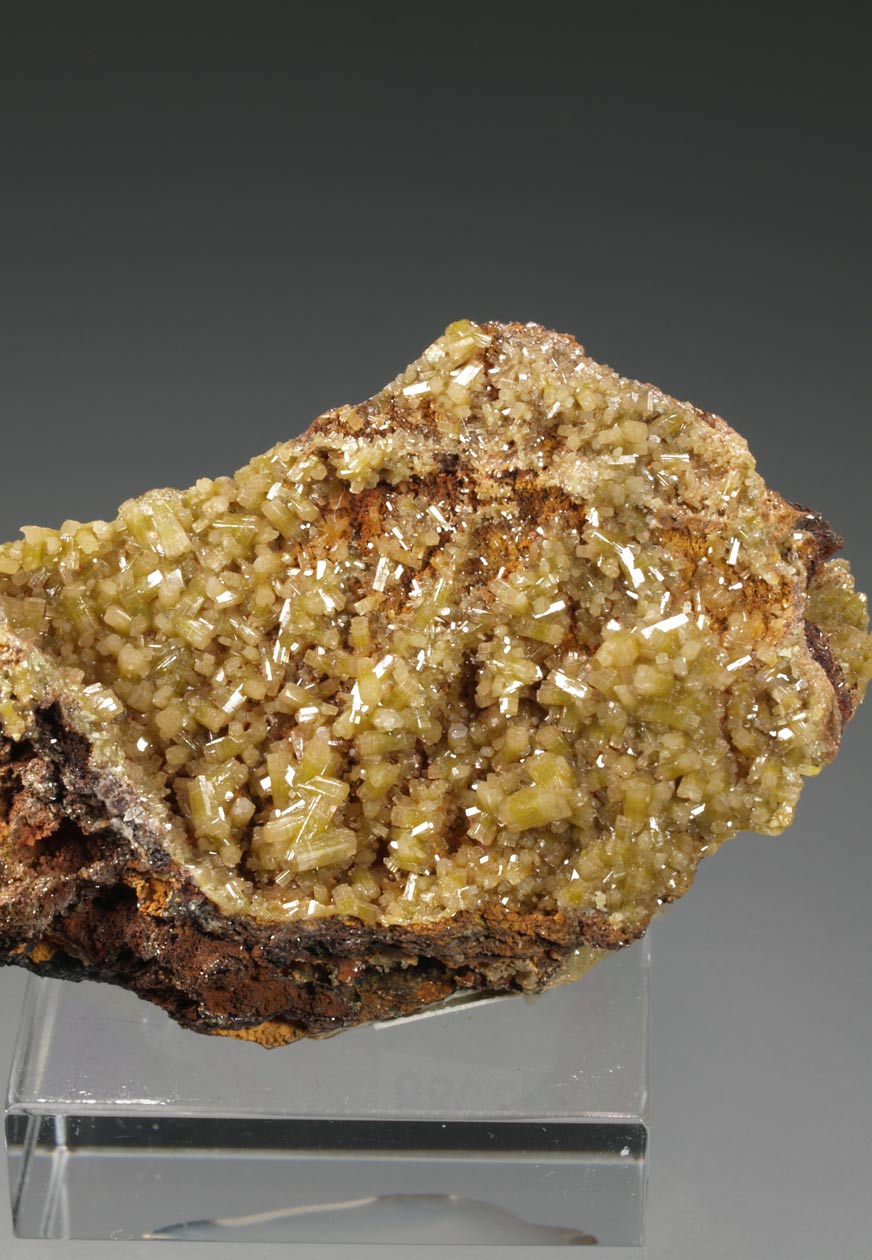
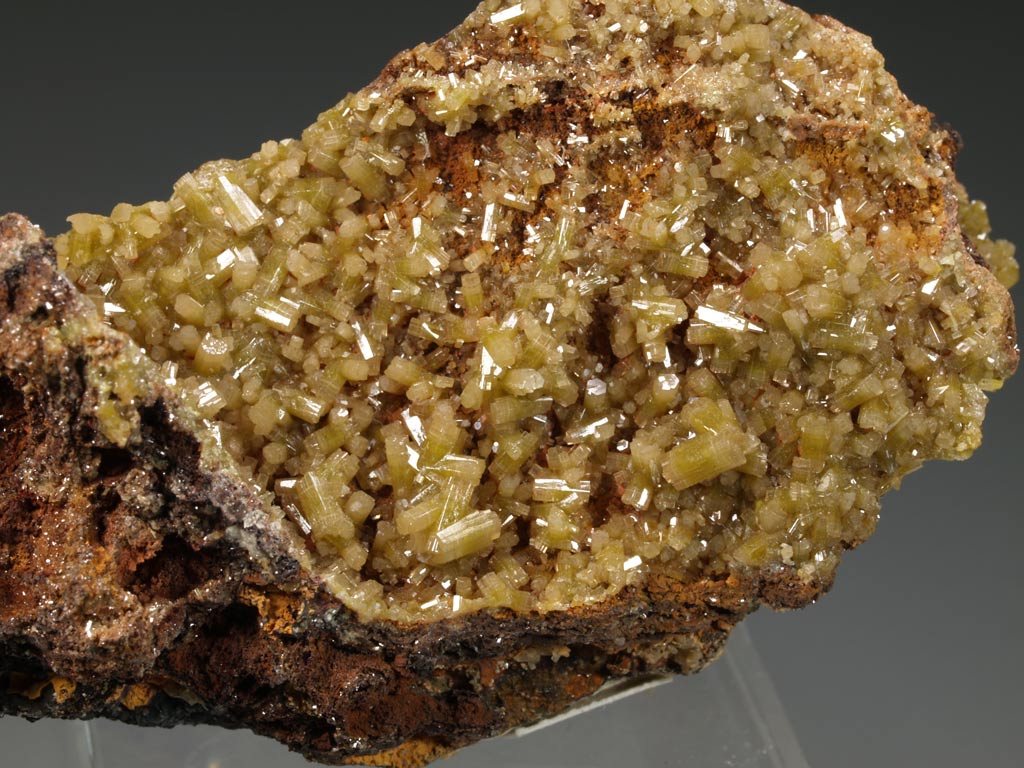
A rich group of hexagonal prismatic pyromorphite crystals, slightly barrel-shaped, with luster and a color that varies from yellowish green in the middle to light green at the ends. This specimen comes from a German collection.
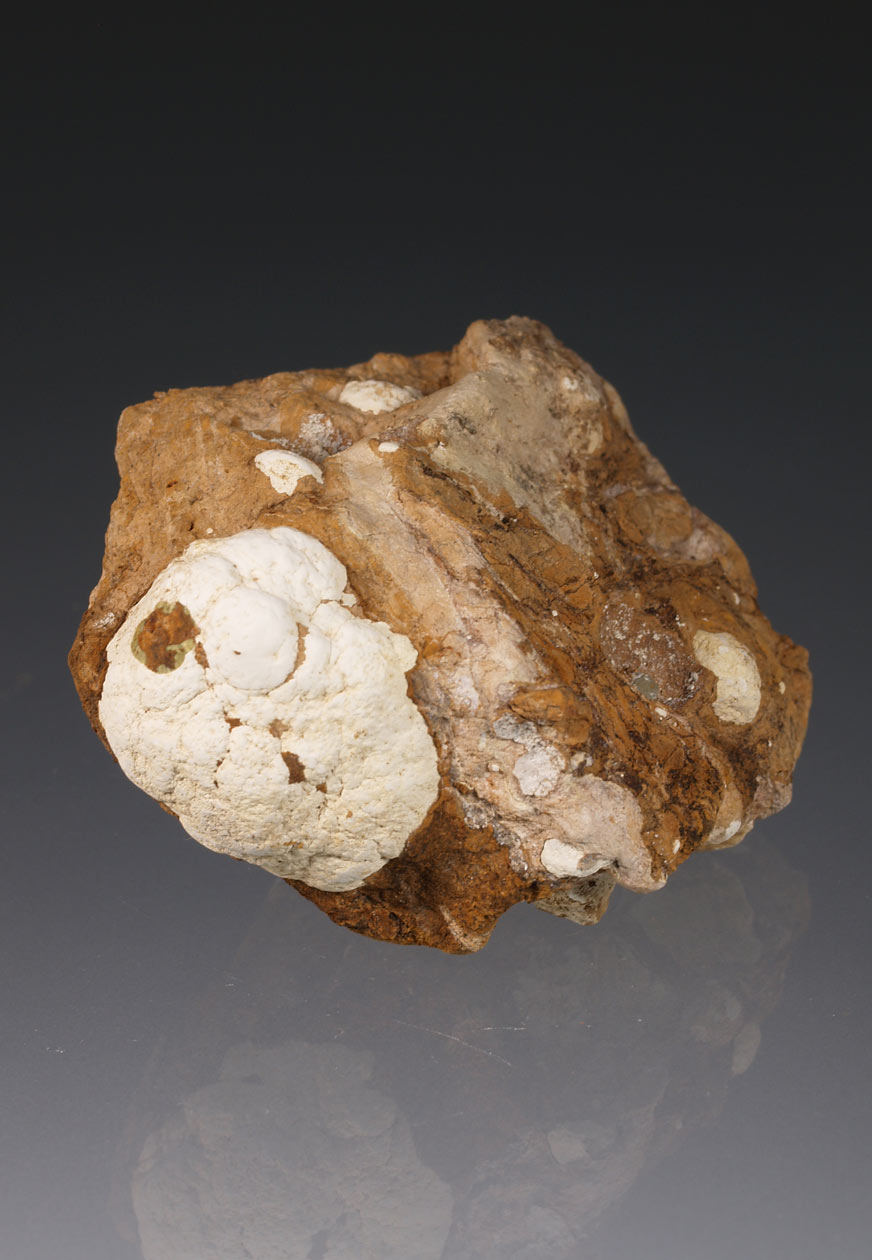
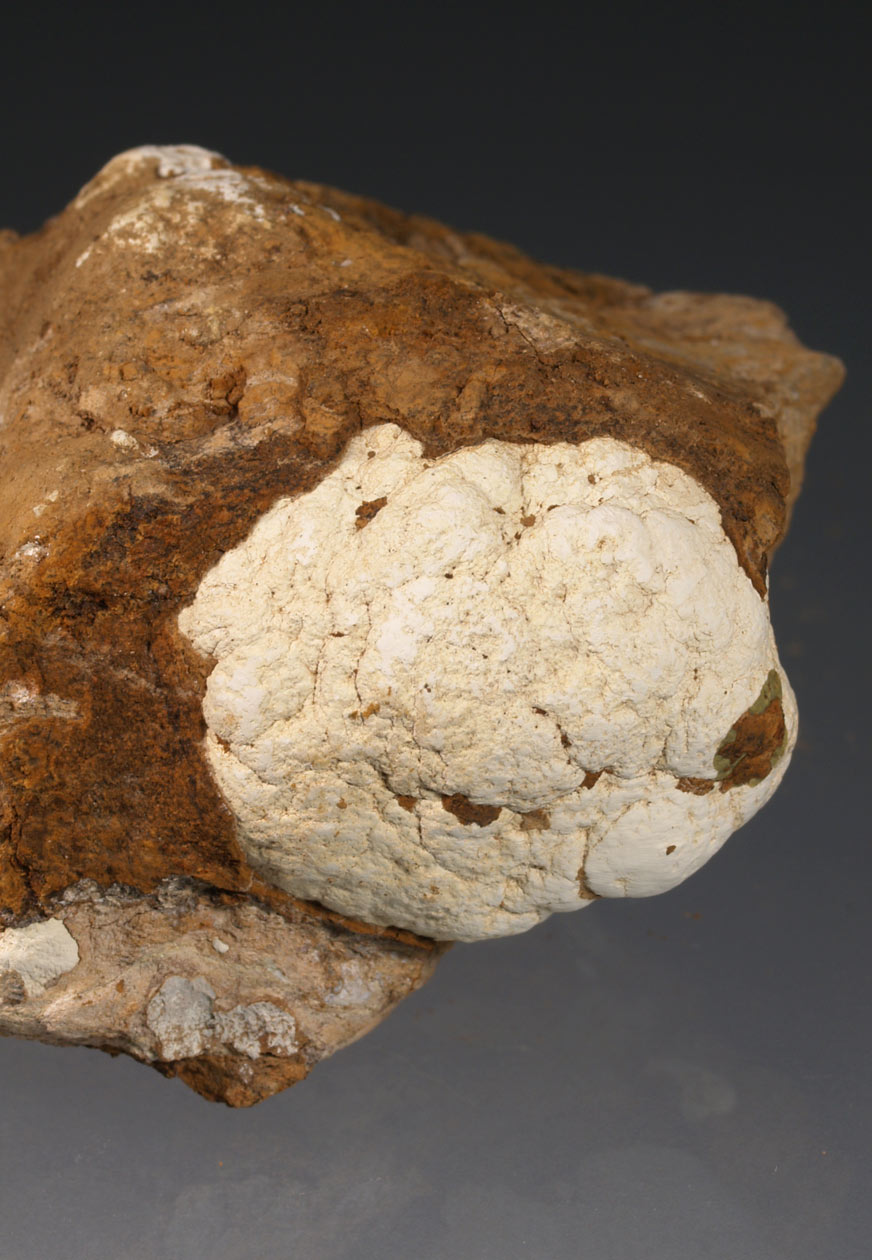
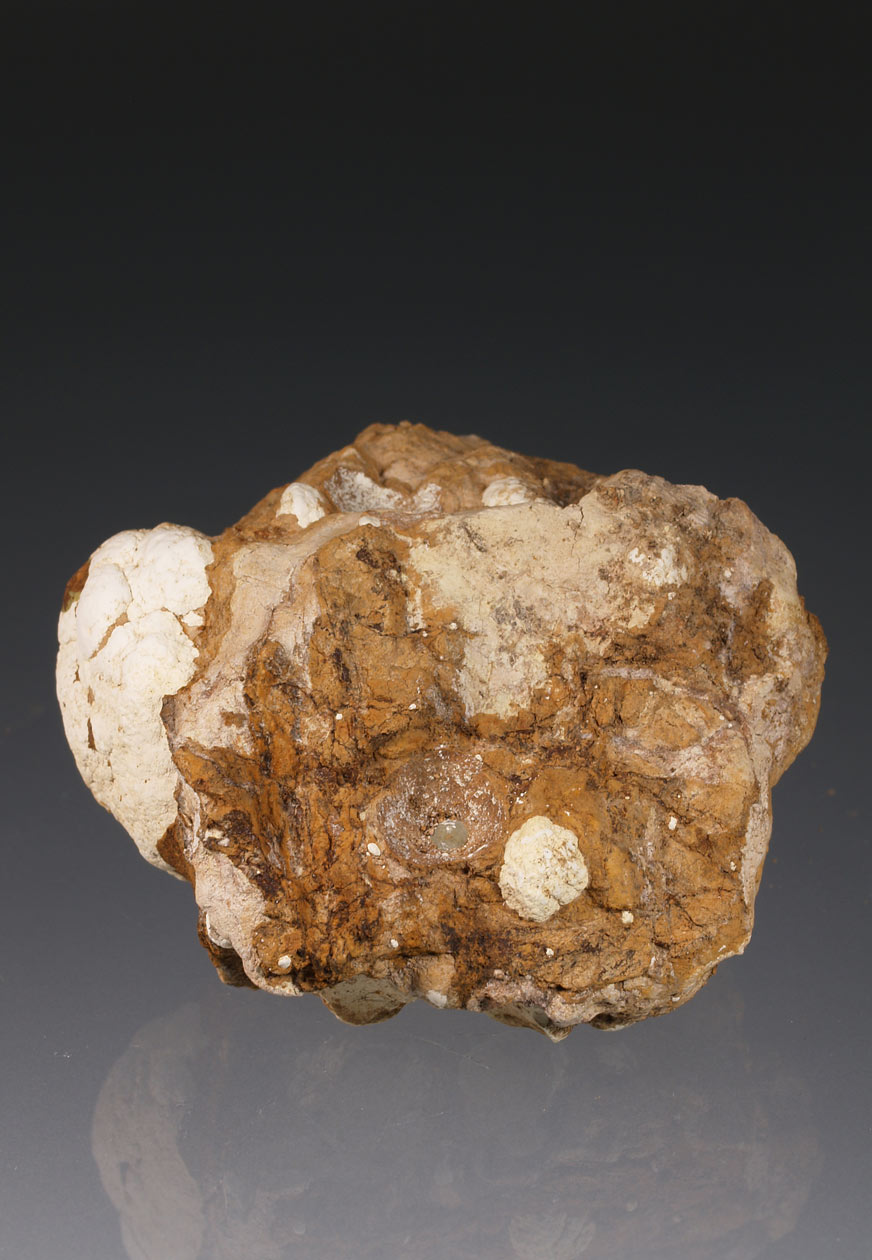
The tinticite nodules from the Bruguers mines are perhaps the most characteristic of the species. They are found in two forms: sometimes in the hard dolomitic rock, which allows sections to be seen, and sometimes in a limonite matrix, which allows their kidney-shaped shape to be observed and even easy to extract. We recommend visiting the book I recently published about this famous Catalan mine: : Mines i minerals de la serra de les Ferreres. Les mines de Rocabruna, Bruguers, Gavà, el Baix Llobregat, Catalunya.
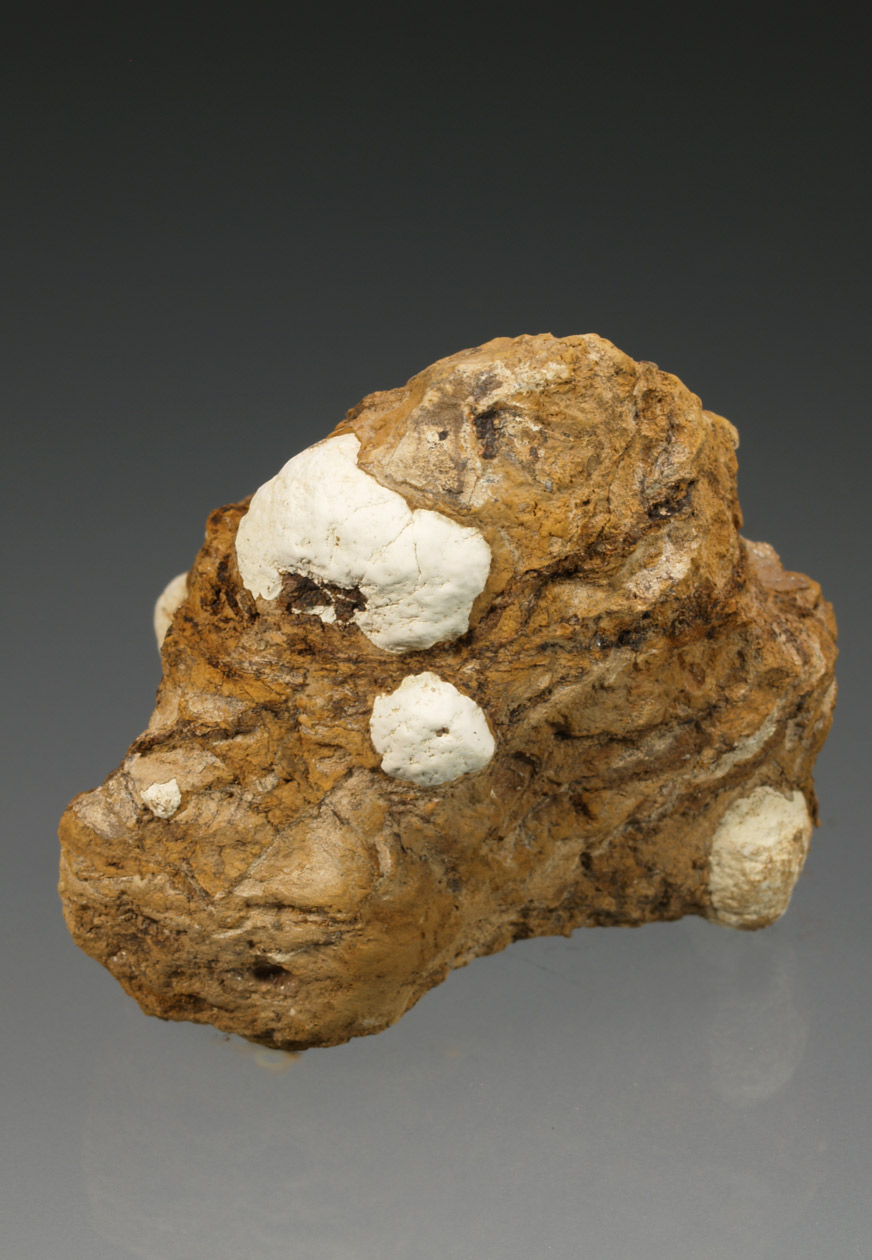
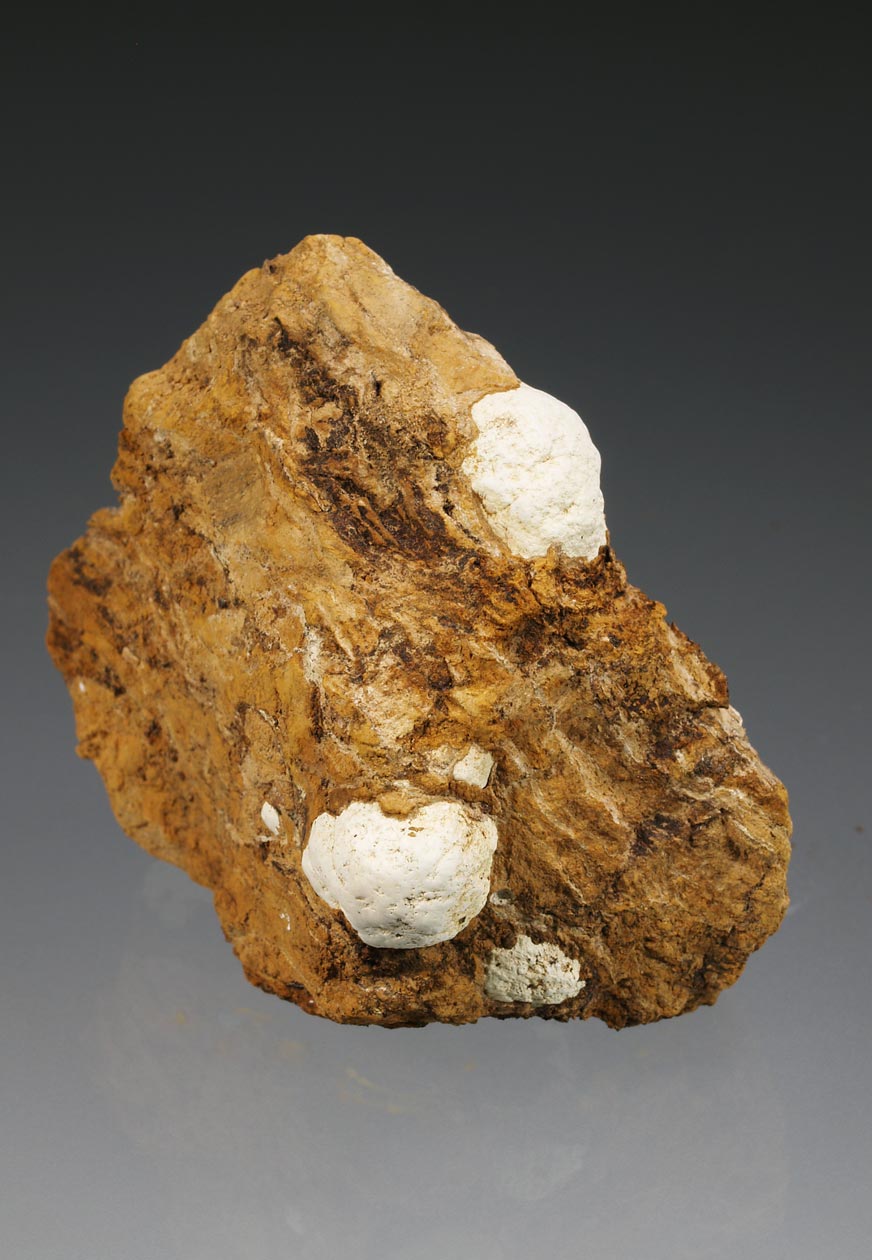
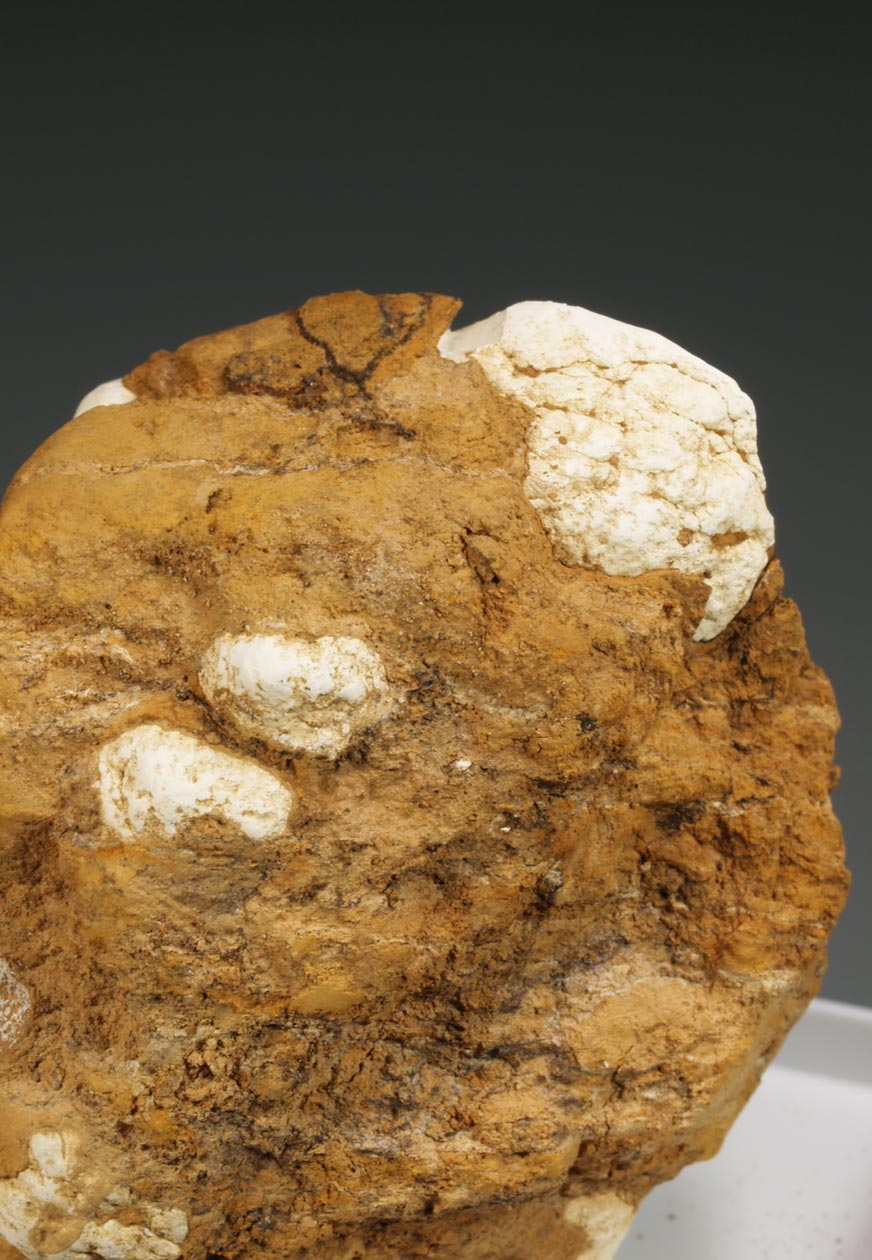
The tinticite nodules from the Bruguers mines are perhaps the most characteristic of the species. They are found in two forms: sometimes in the hard dolomitic rock, which allows sections to be seen, and sometimes in a limonite matrix, which allows their kidney-shaped shape to be observed and even easy to extract. We recommend visiting the book I recently published about this famous Catalan mine: : Mines i minerals de la serra de les Ferreres. Les mines de Rocabruna, Bruguers, Gavà, el Baix Llobregat, Catalunya.