- Inicio Acerca de RM Minerales
- Galería de fotos Blog RM Contacto
- Microscopia e instrumentos Pedidos Aviso legal
Copyright 2010-2026
www.rosellminerals.com



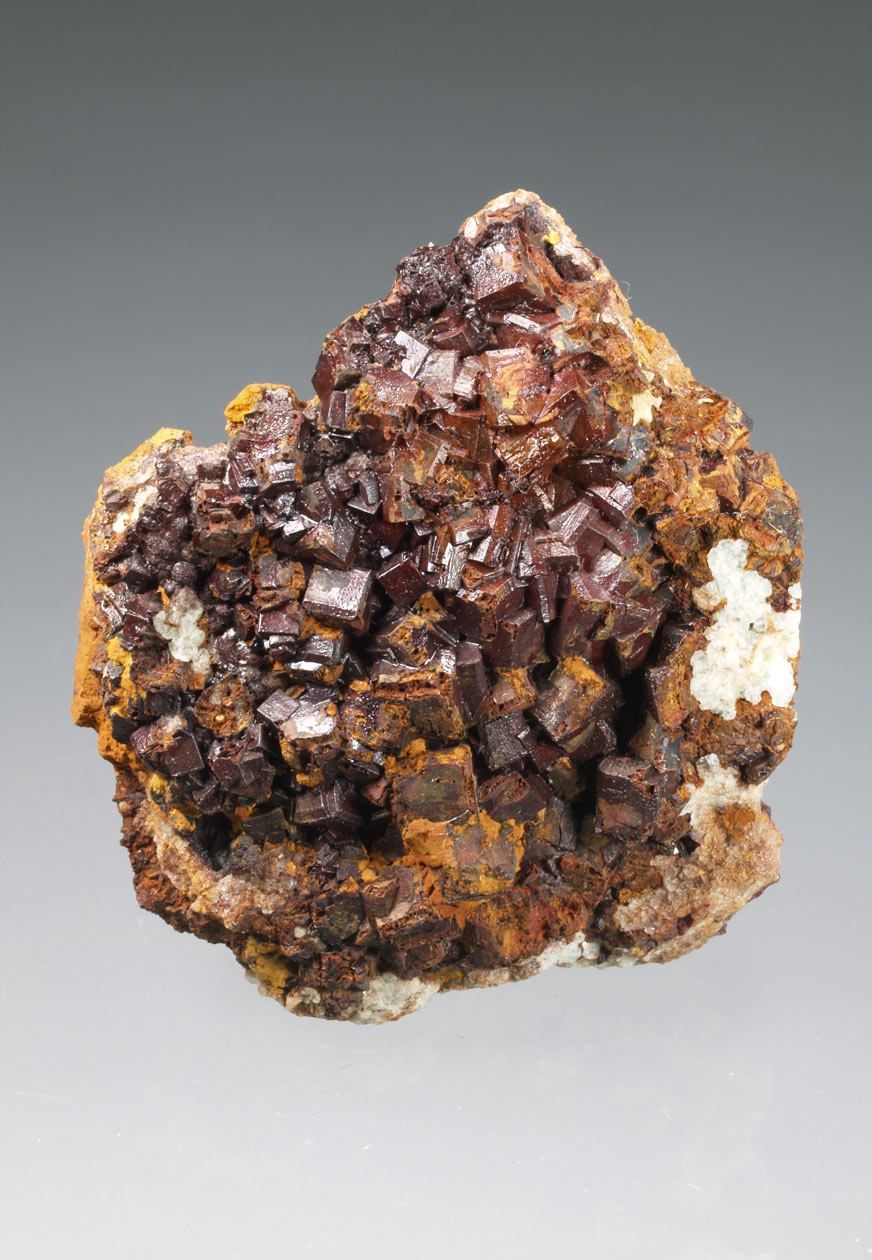
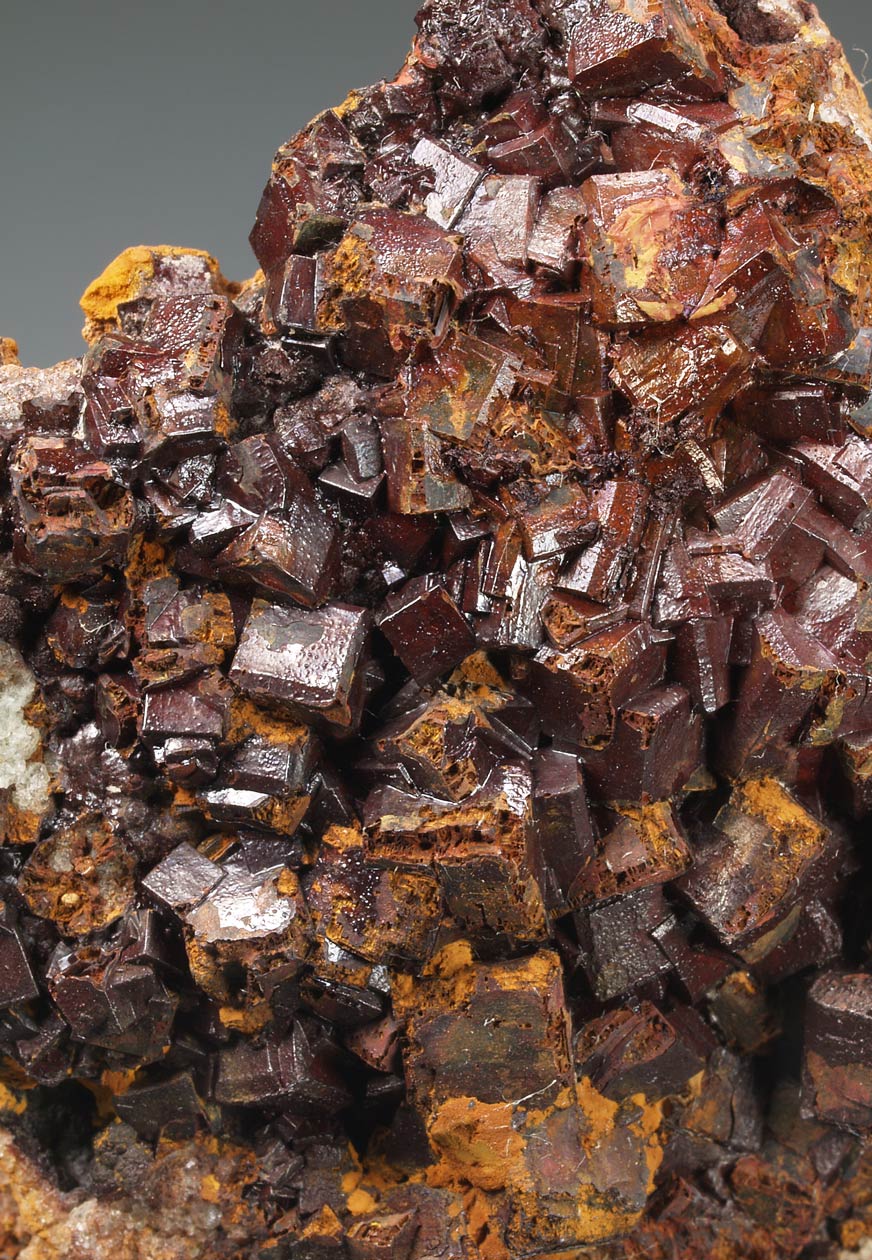
Este ejemplar de goethita pseudomórfica de pirita de la Pedrera Berta muestra numerosos cristales cúbicos totalmente transformados en goethita y limonita. Muy brillantes y sobre una matriz con fluorita. Un clásico de esta mina difícil de ver hoy día. Procede de la colección Joan Astor (Barcelona), con etiqueta manuscrita y mecanografiada.
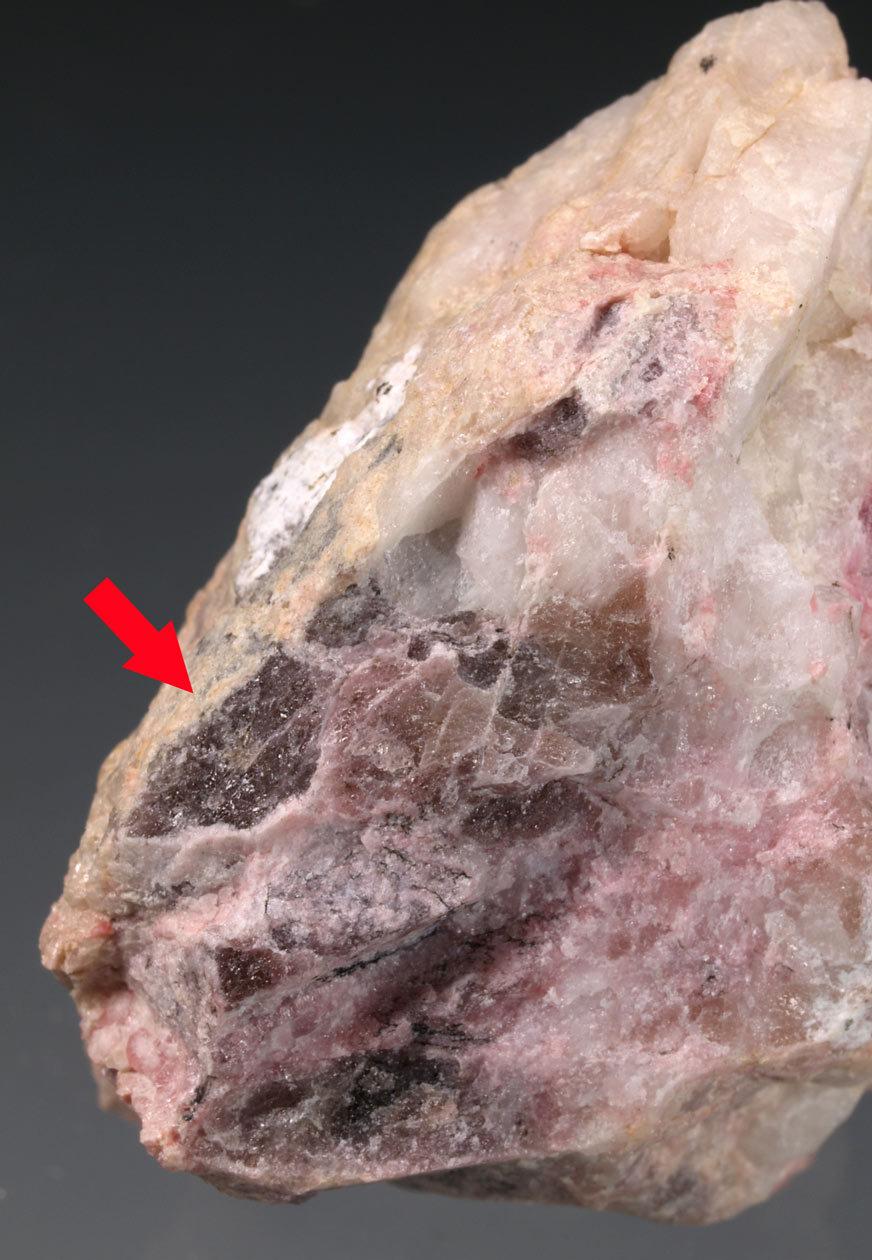
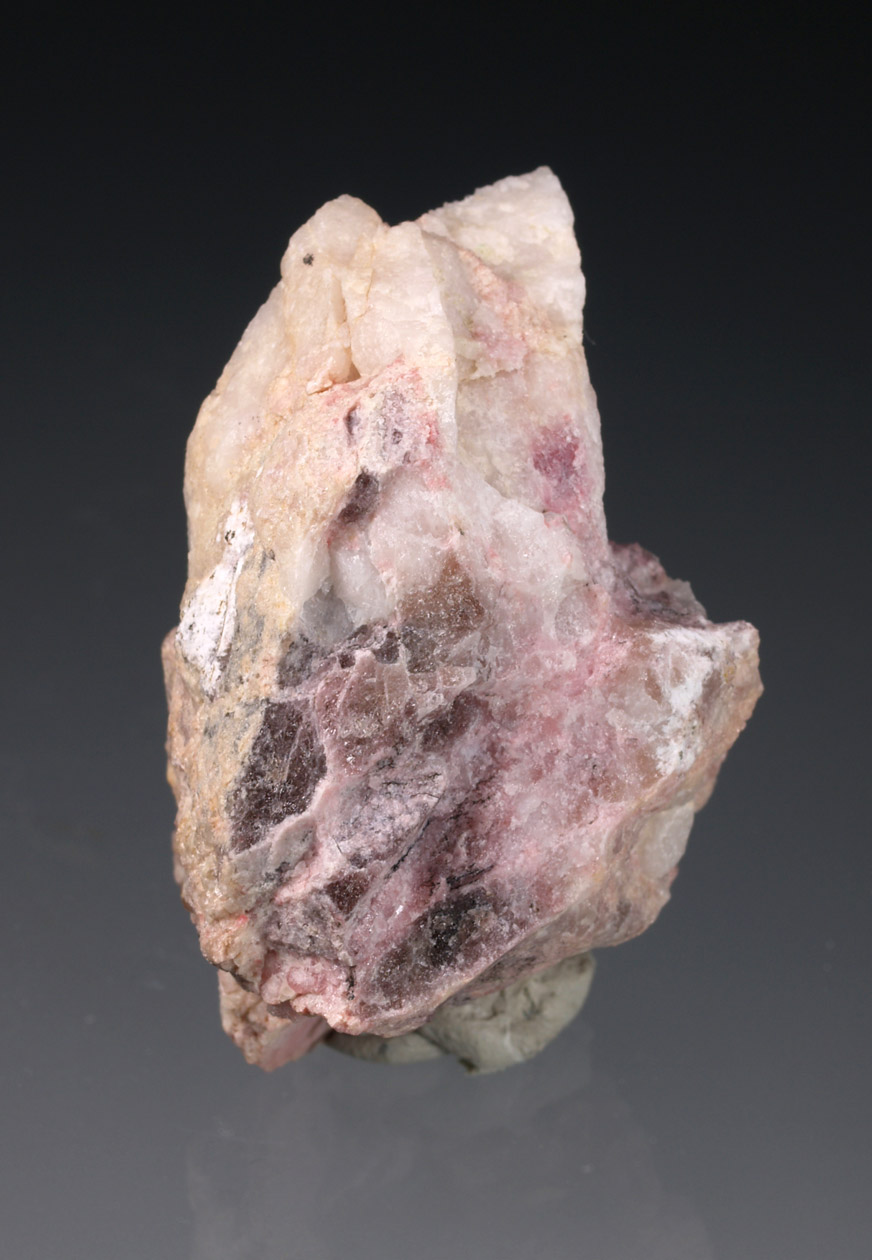
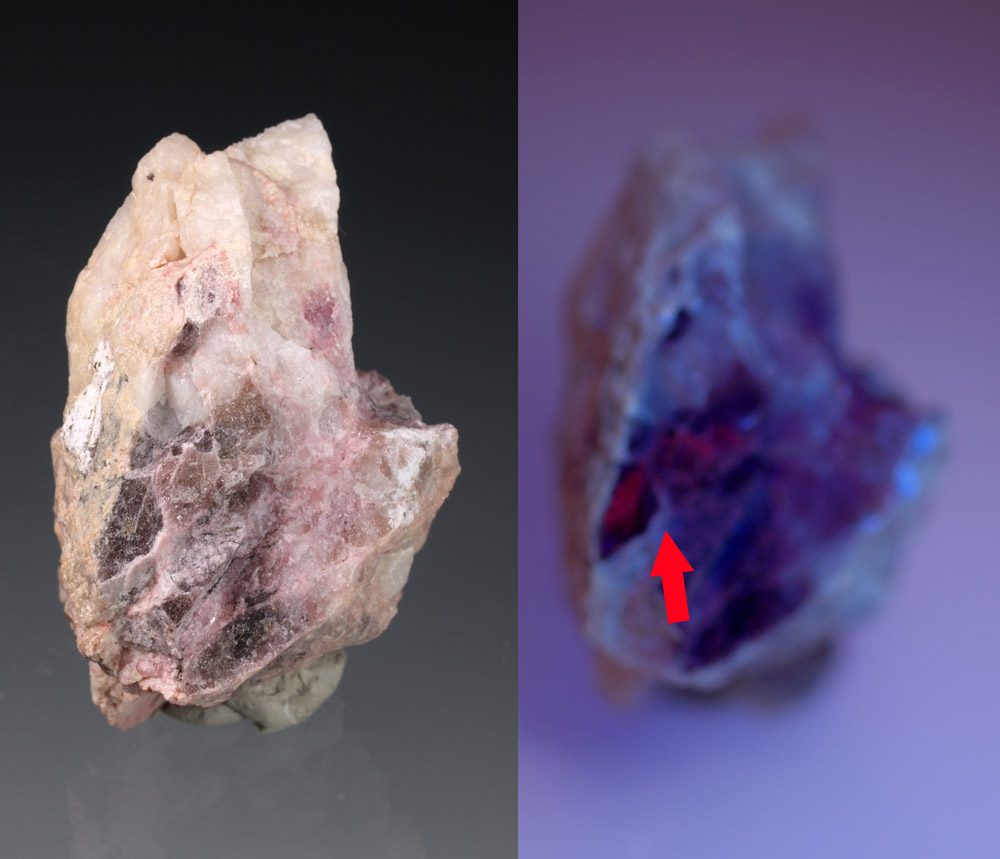
En este ejemplar podemos ver la cookeita en tonos rosados. Se asocia con eucriptita, un raro aluminosilicato de litio, y cuarzo. Los pseudomorfos de eucriptita-cuarzo se descubrieron por primera vez en esta mina australiana en 1963, son de color rosa pálido y, más raramente, de color marrón vidrioso oscuro, y presentan una fluorescencia de un color rojizo bajo la luz ultravioleta de onda corta. En la zona indicada con la flecha se halla la eucriptita.
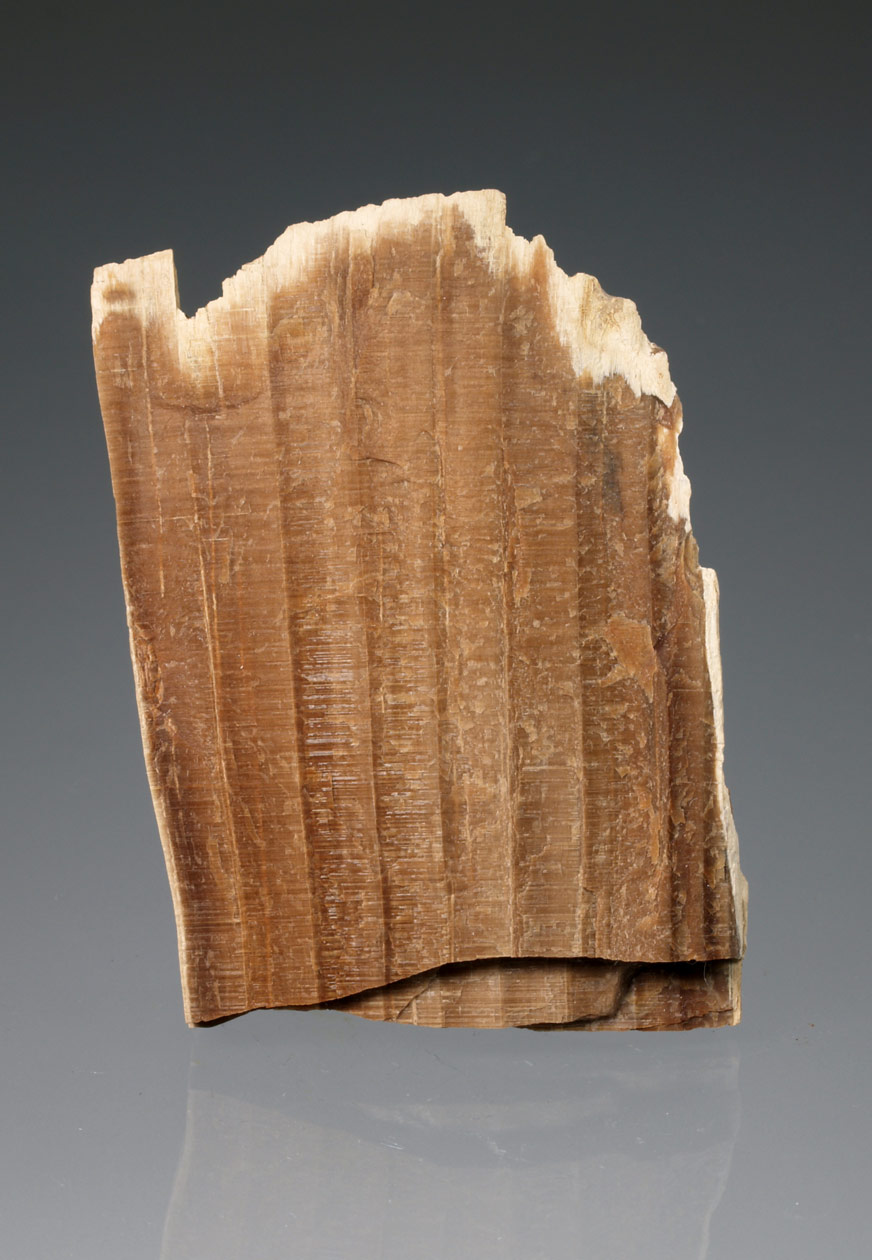
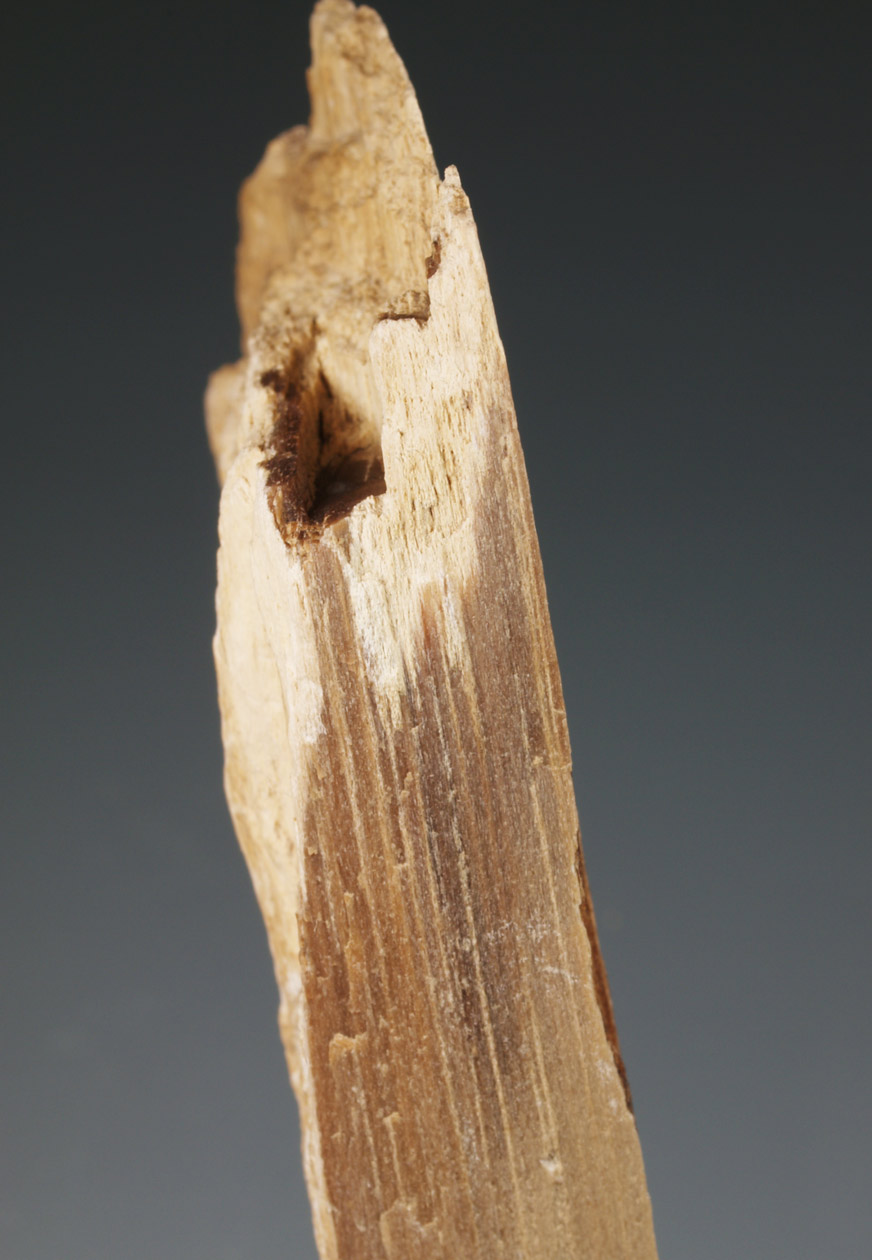
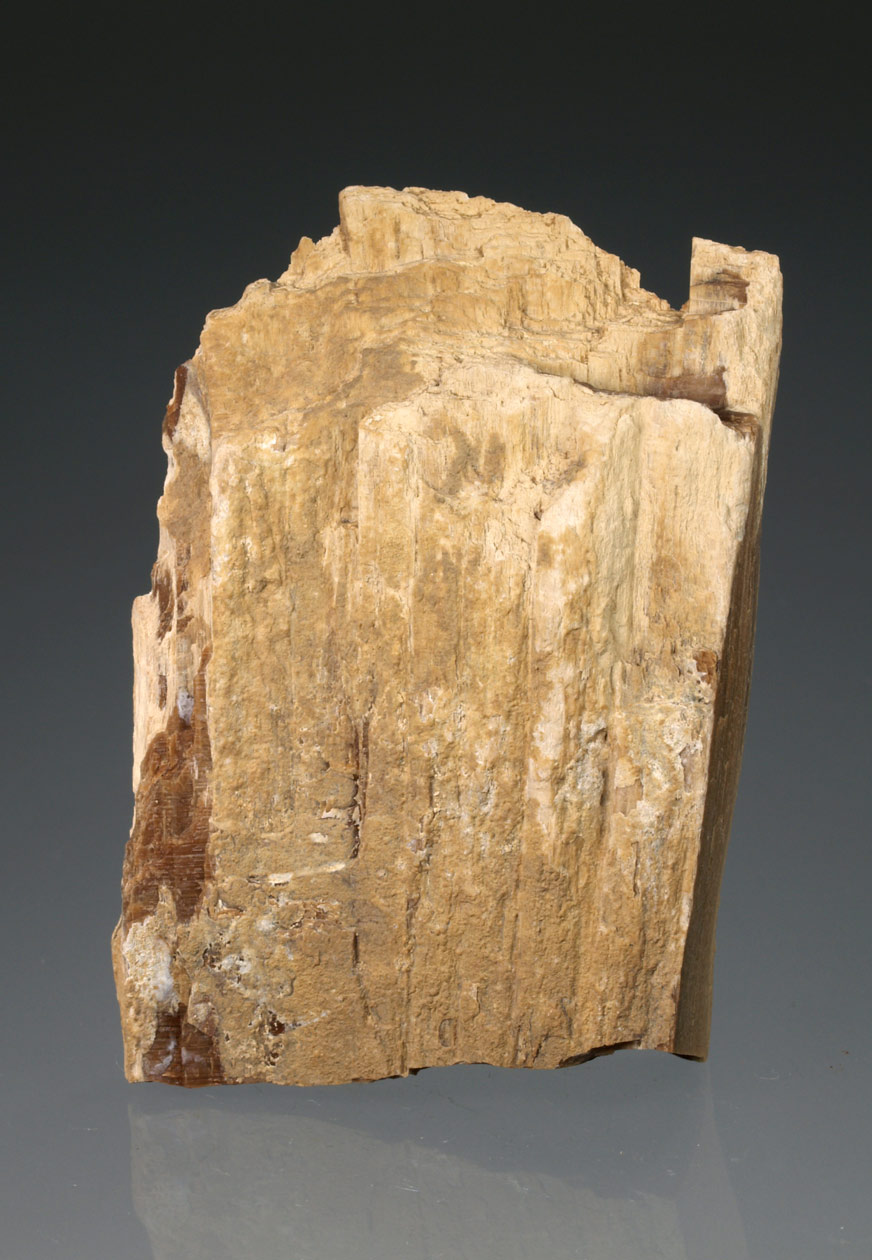
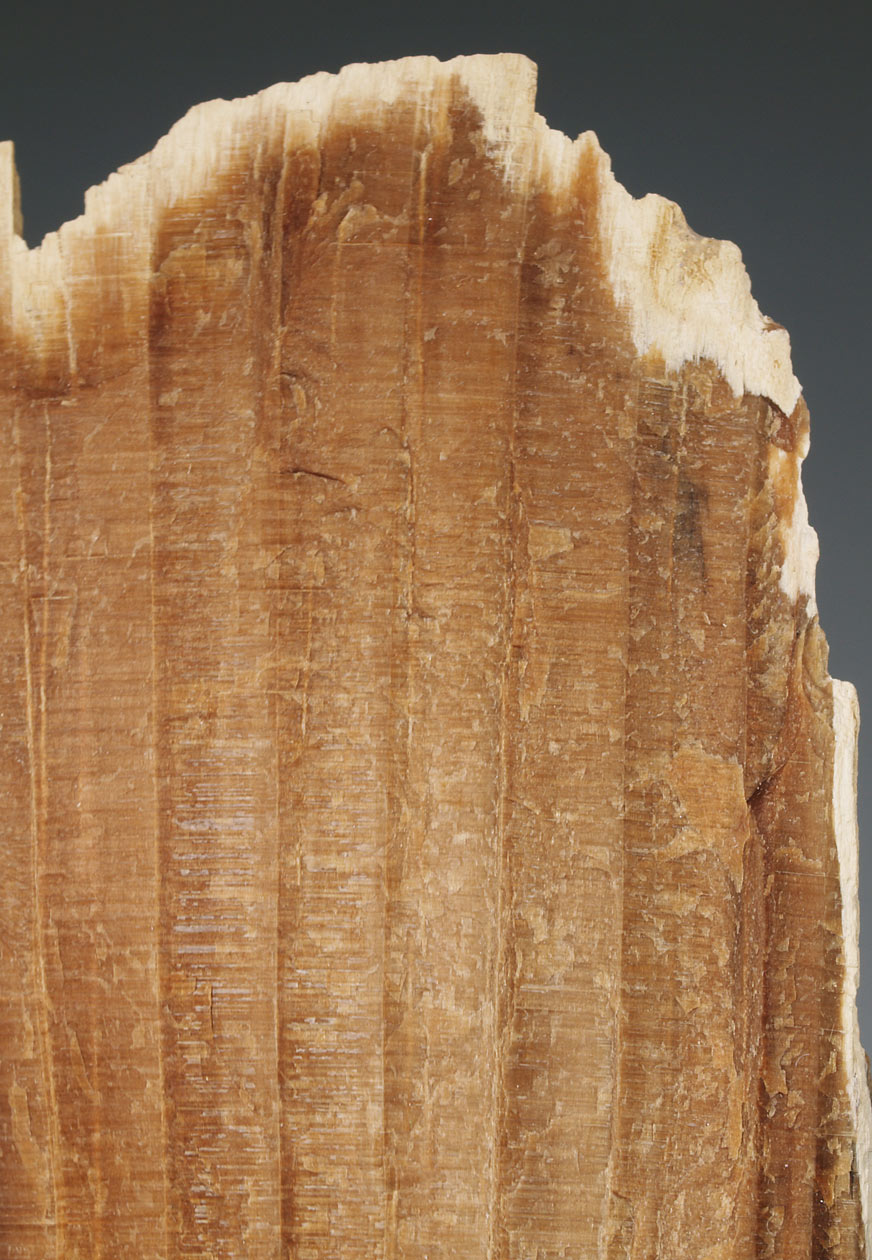
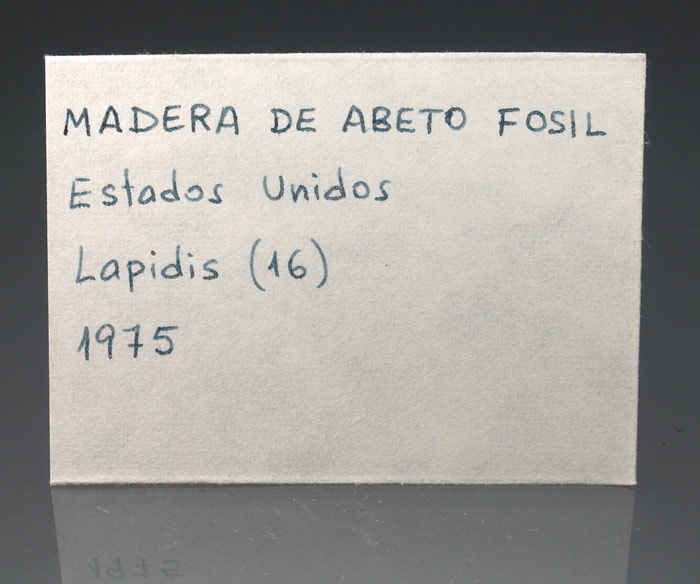
Las maderas fósiles del estado norteamericano de Washington son bien conocidas desde el siglo XIX. Este ejemplar es un xilópalo procedente de esta zona y muestra claramente los anillos de crecimiento del árbol en cuestión. Si se trata de un abeto o de otro miembro de las pináceas ya es un tema sobre el que no nos podemos pronunciar.
Tal como podemos leer en un folleto de los años 80 (ver enlace): "La madera petrificada se encuentra en todo el estado y es un símbolo de nuestros primeros bosques. Representa un período de tiempo geológico en el que el vulcanismo extenso enterró grandes bosques con ceniza volcánica y lava basáltica".
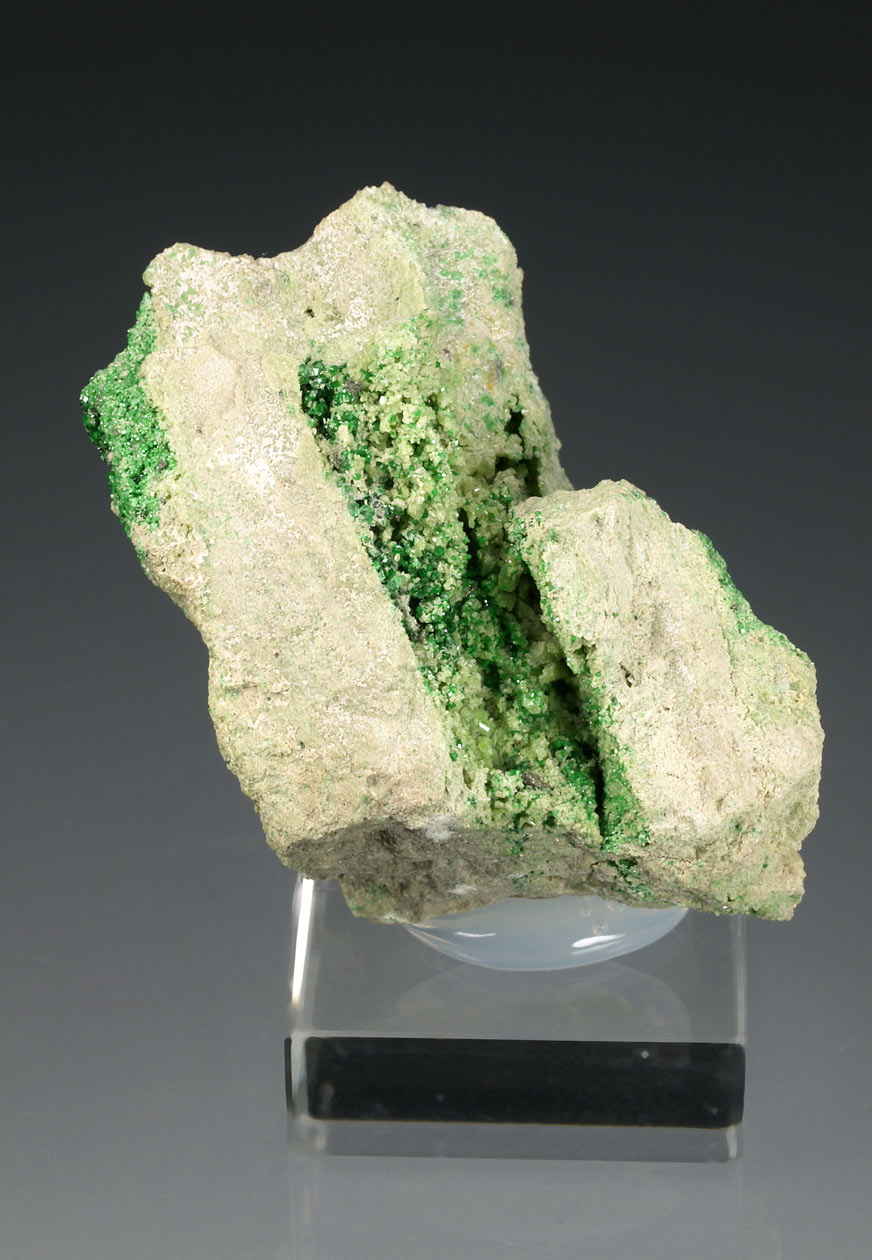
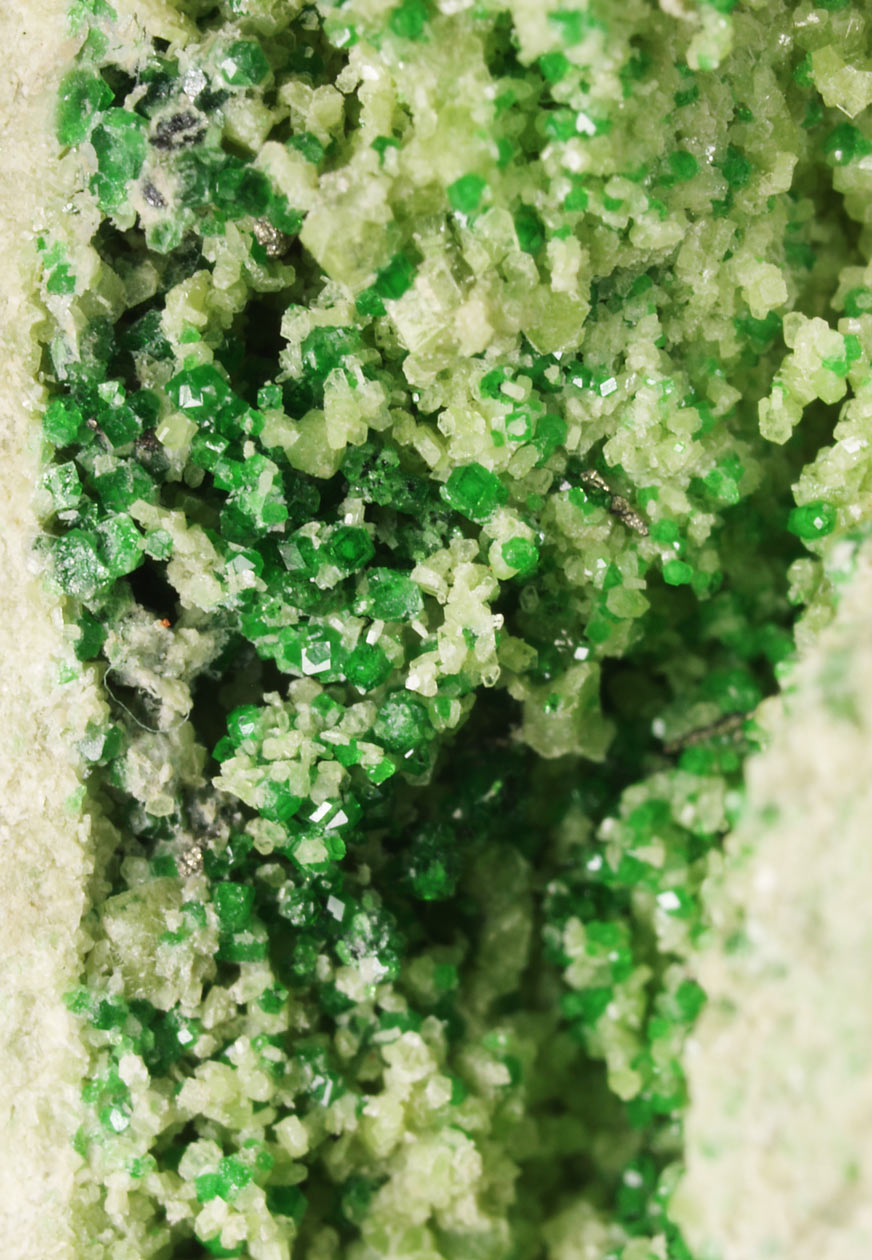
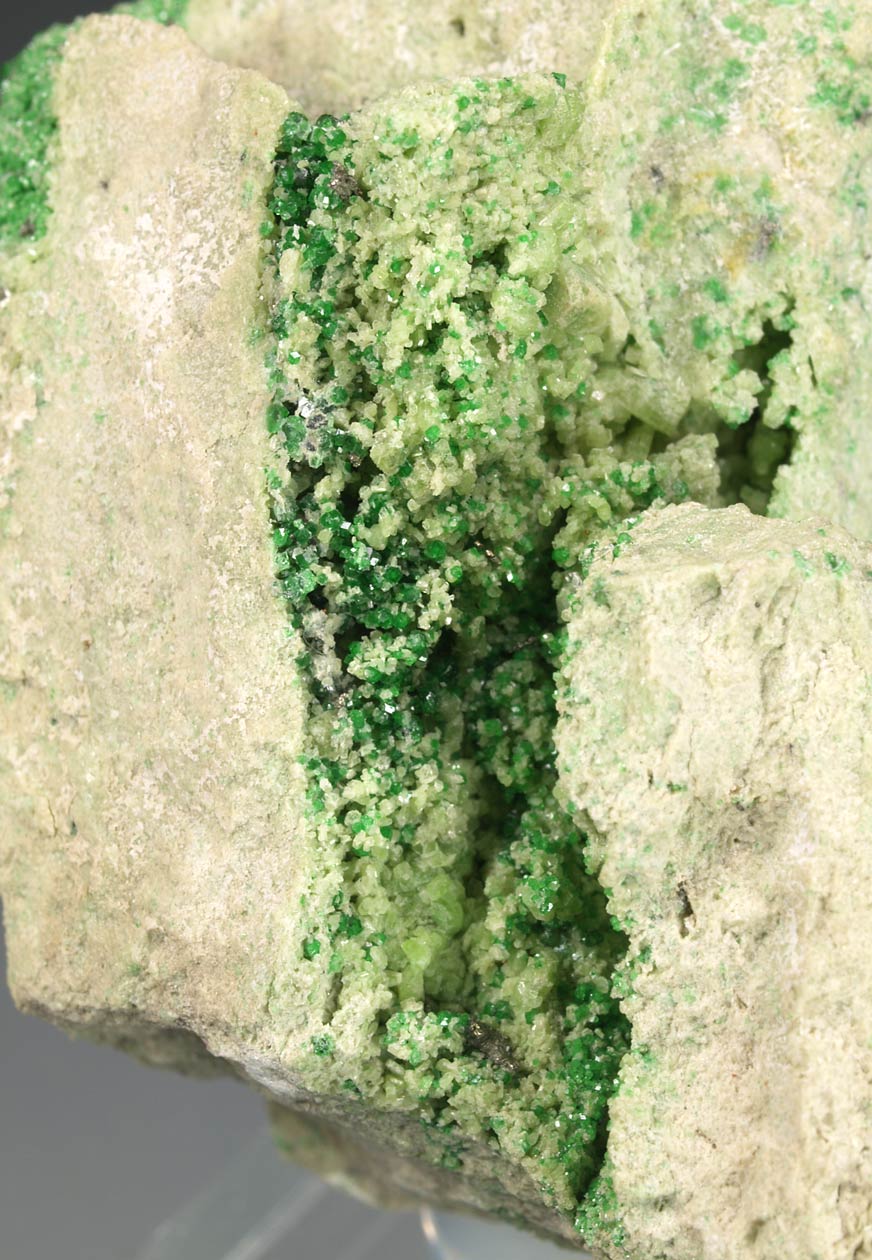
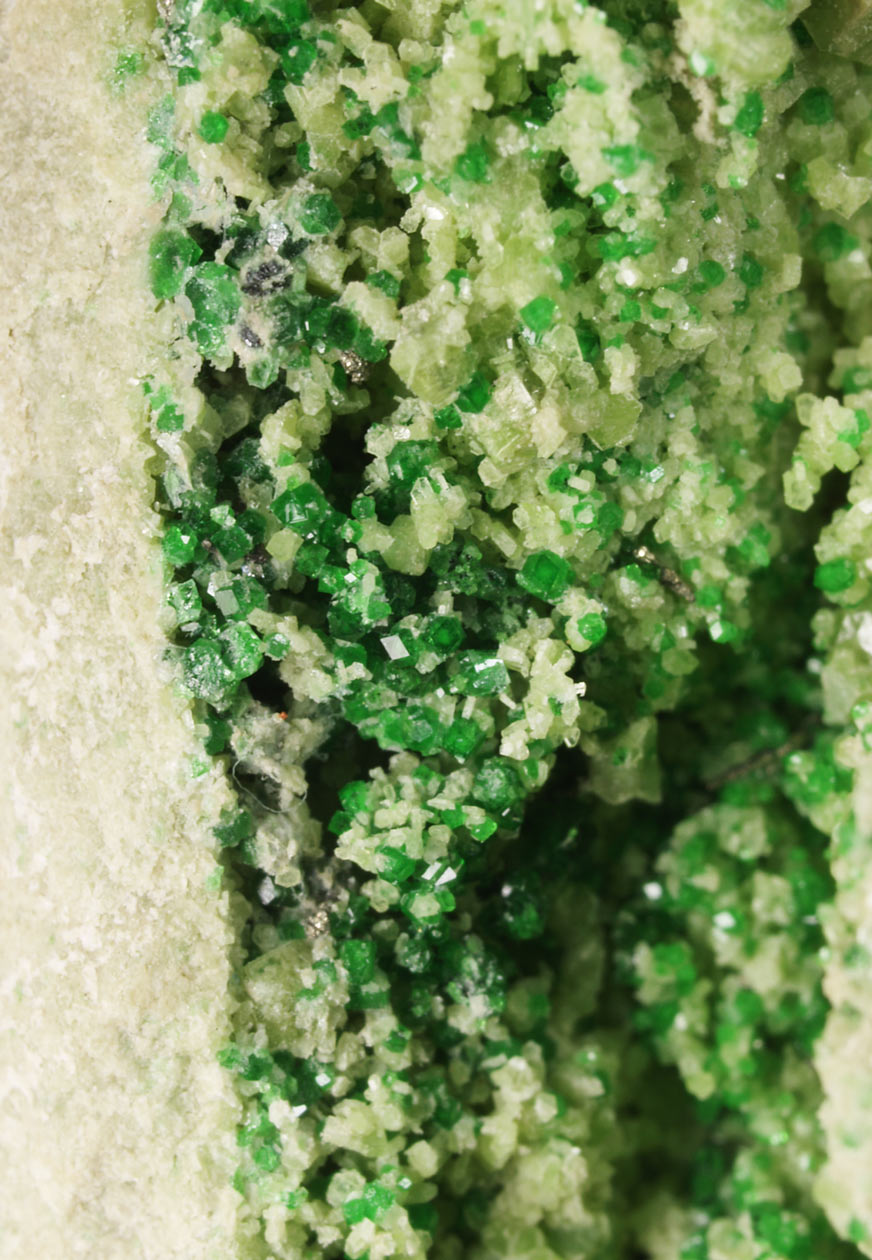
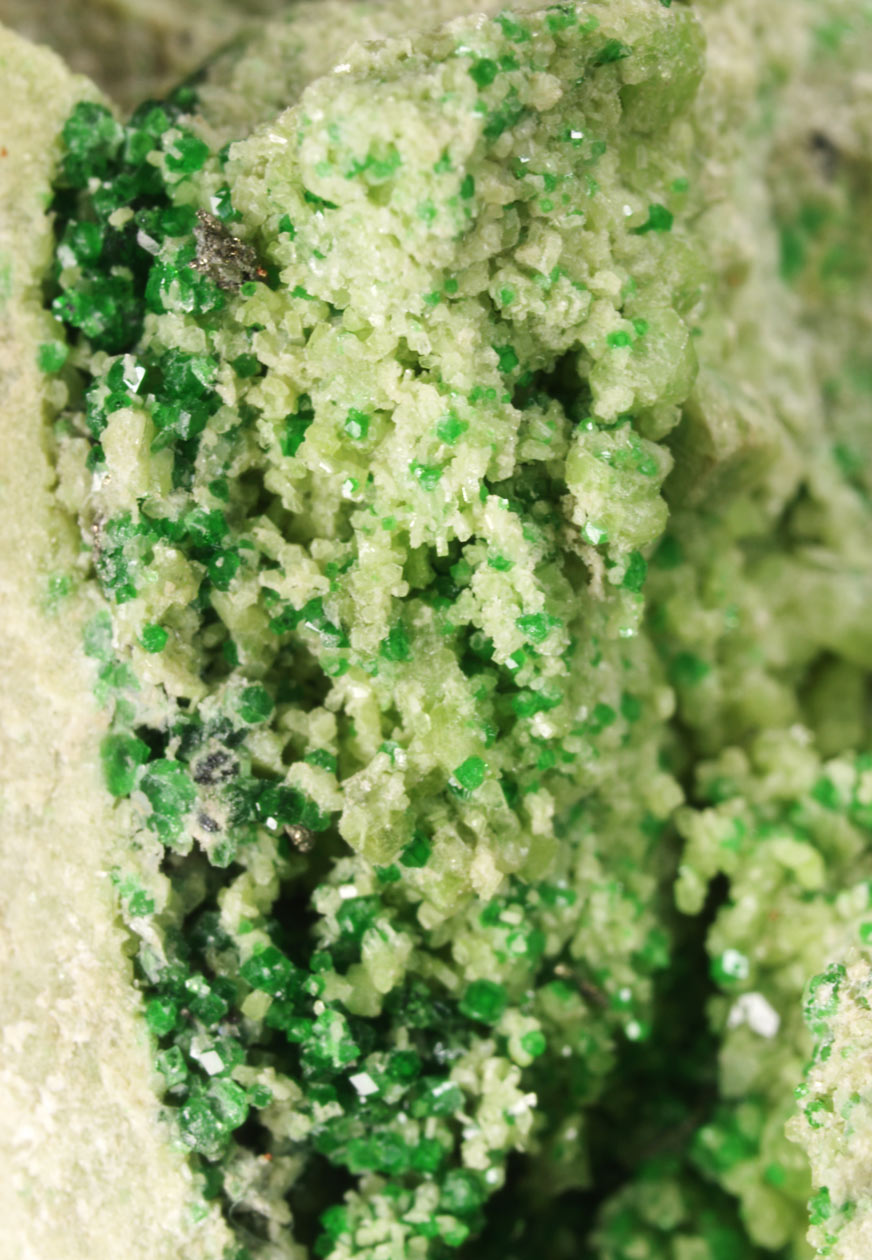
Los ejemplares de uvarovita de la Jeffrey no son nada habituales. Este ejemplar de la colección de Joan Astor, data de los años 70, cuando algunos ejemplares fueron recogidos. Pequeños pero brillantes y transparentes cristales de este granate, extremo cromífero de la serie grosularia-uvarovita.
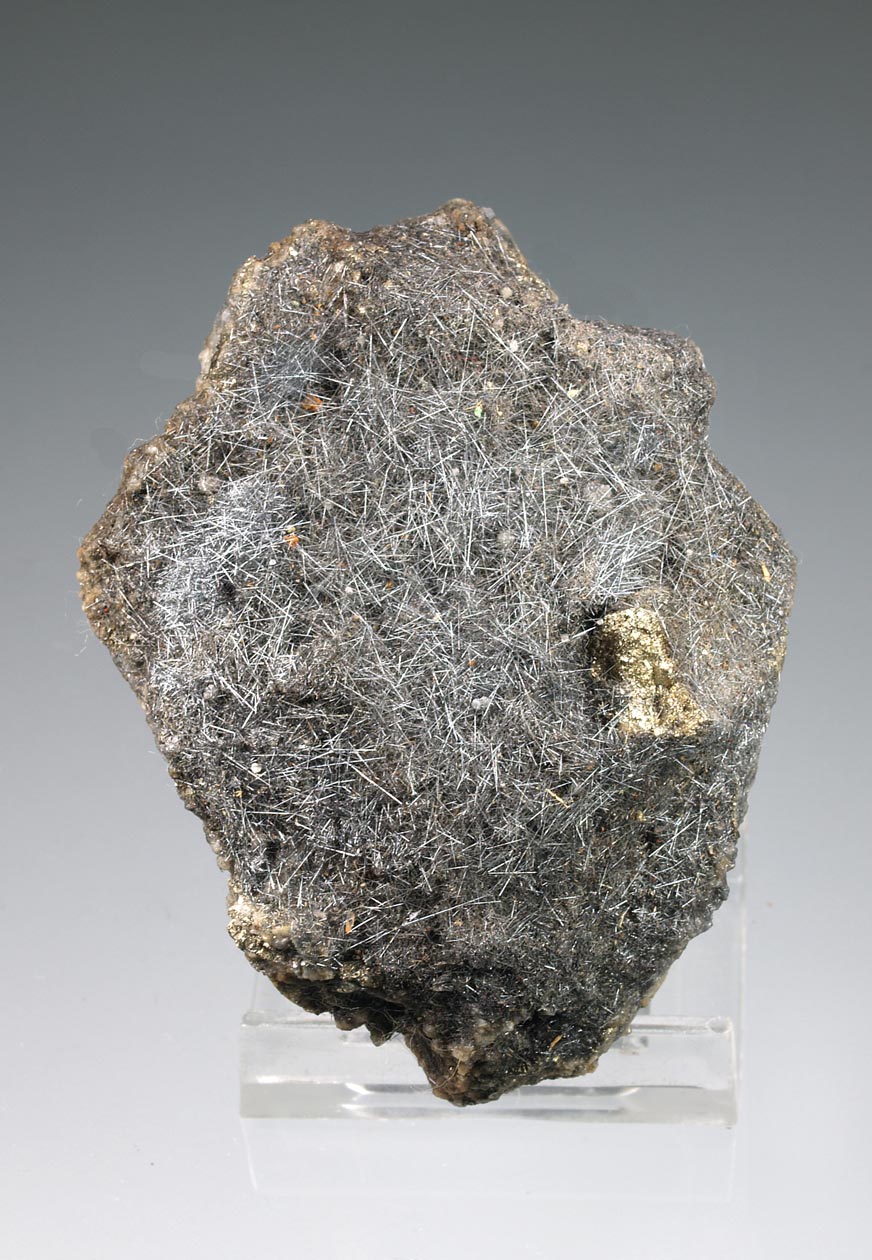
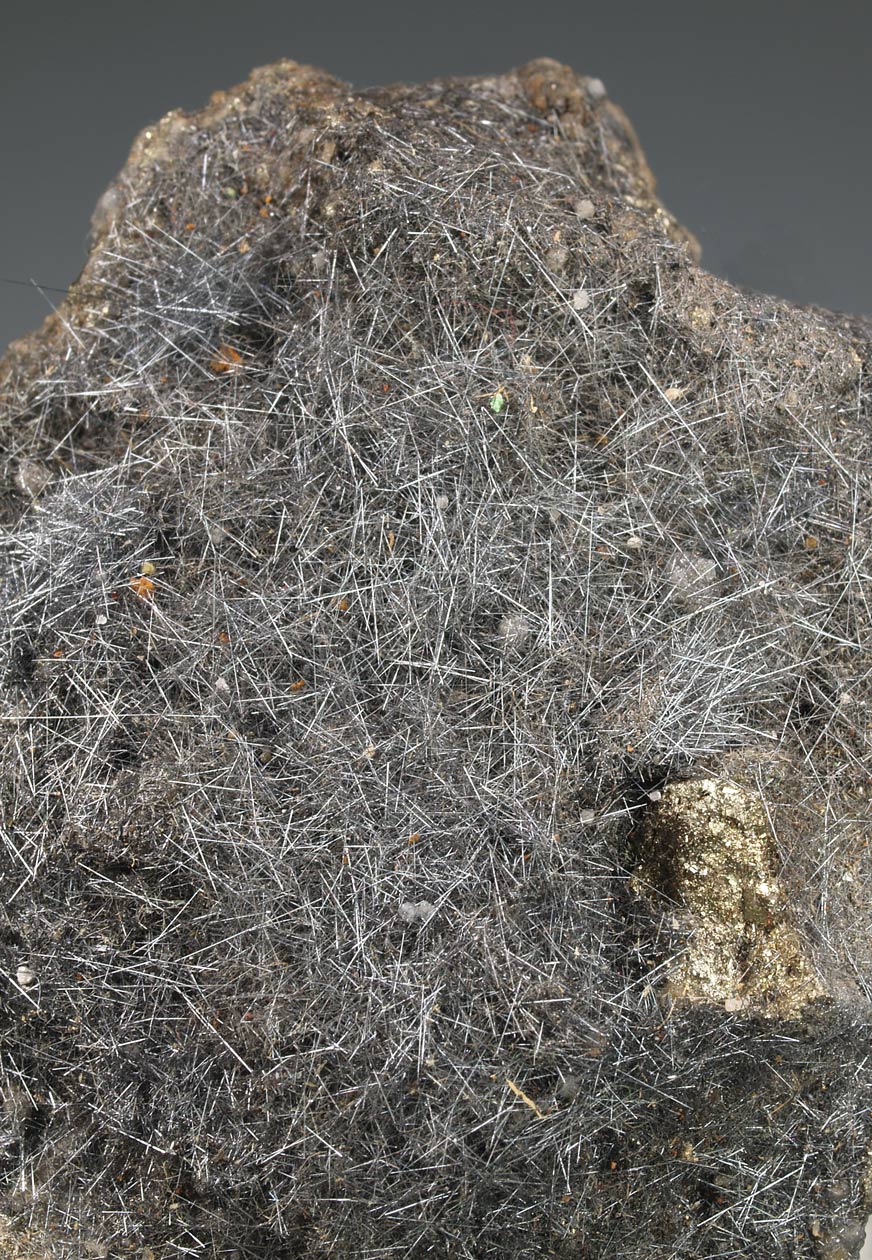
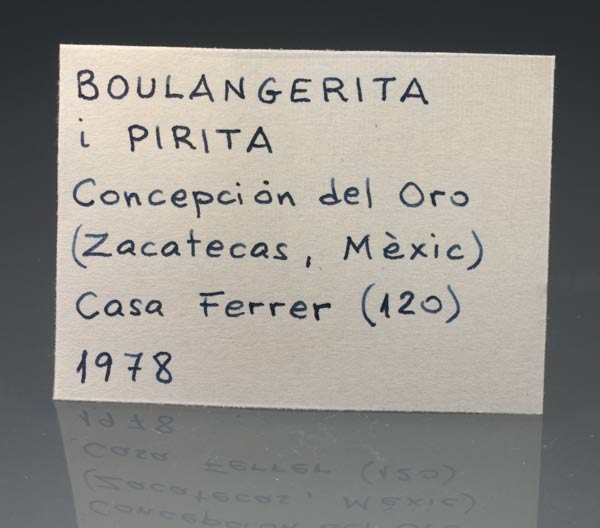
Una pieza muy antigua que nos muestra una matriz de cuarzo con carbonatos y cristales de pirita, recubierta de finas agujas de boulangerita. Muy brillantes y salpicadas de cristales de calcita o dolomita. La etiqueta original manuscrita de la colección Astor, de 1978, nos indica que procede de Concepción del Oro, pero creemos poder decir que es de la zona de Mazapil, población muy cercana a Concepción. En esos años, los temas geográficos no estaban tan determinados. Adquirida en la antigua también Casa Ferrer o Museu de l'Areny, en la Plaça Reial de Barcelona.
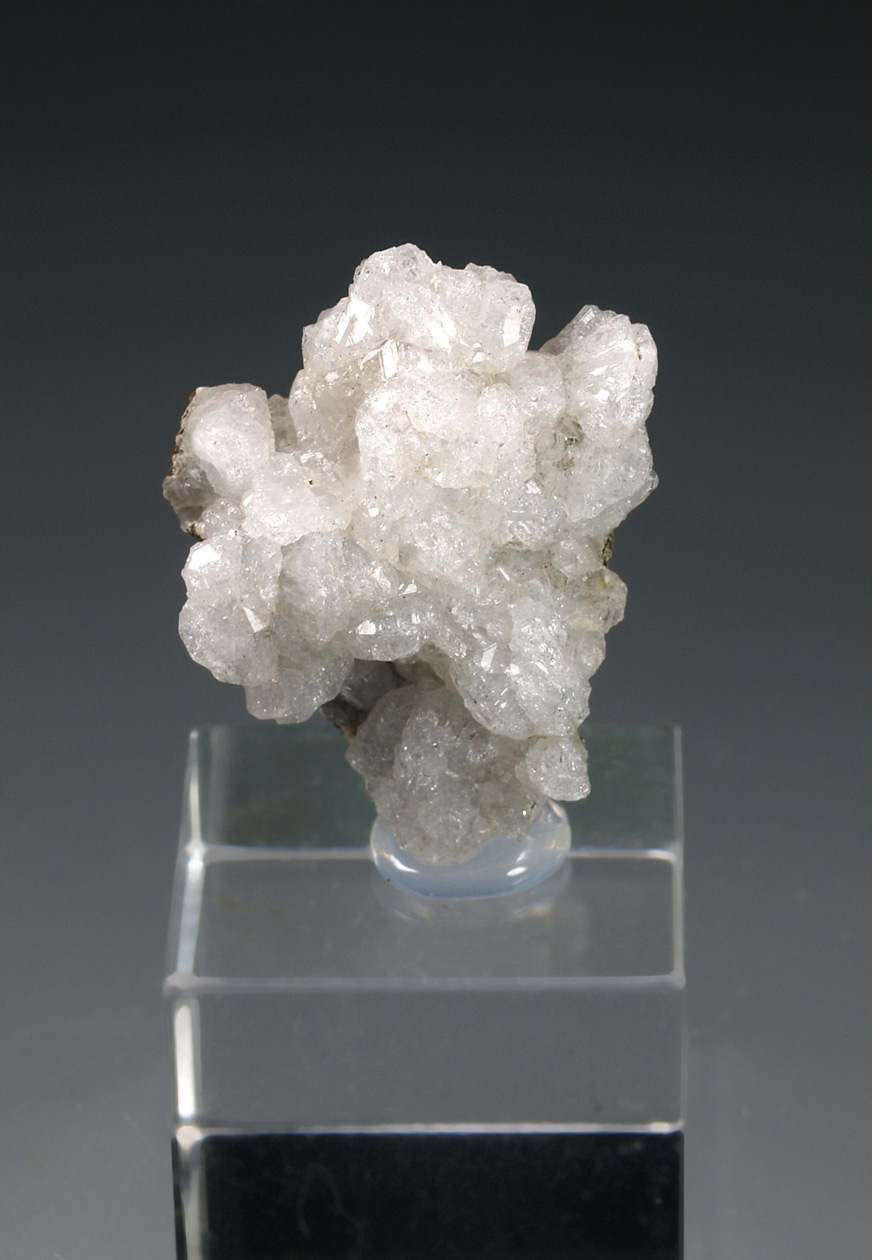
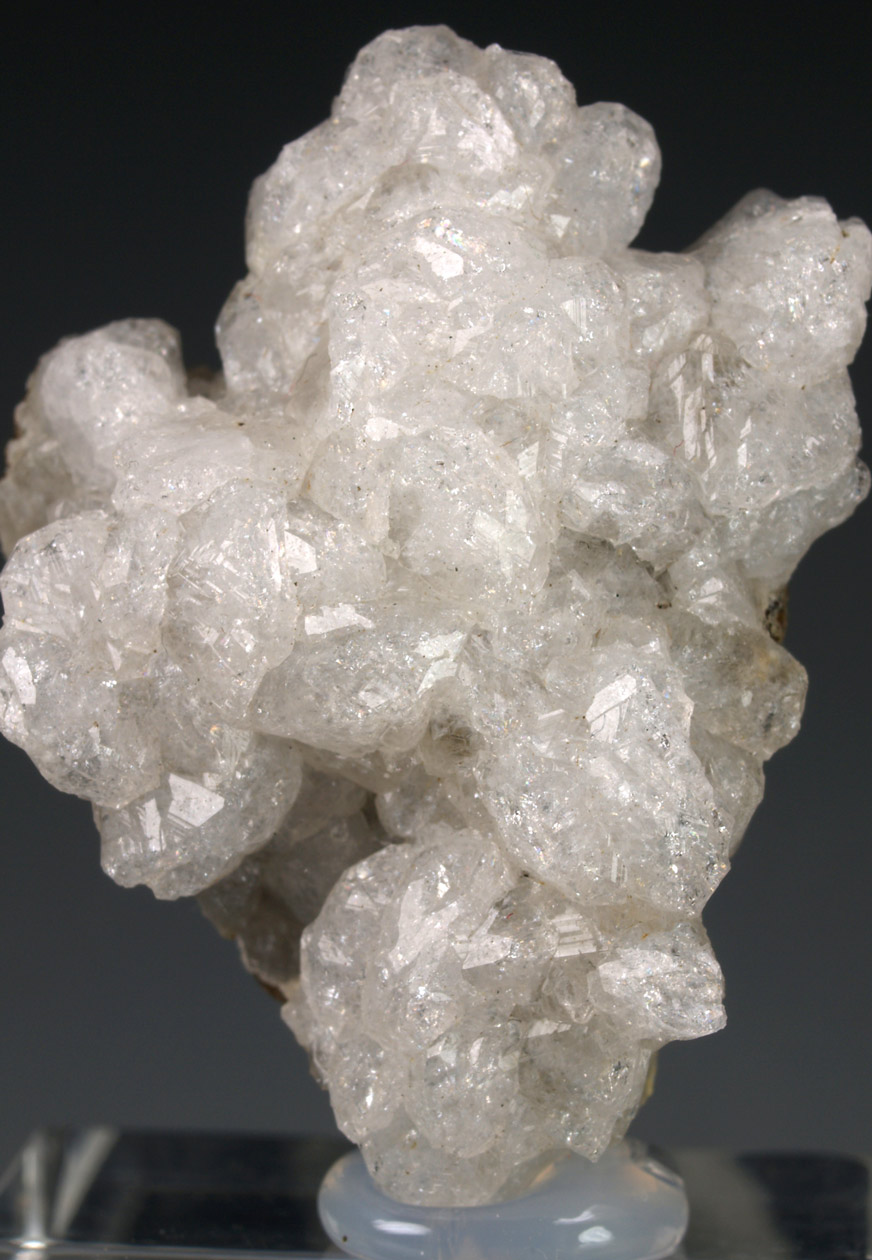
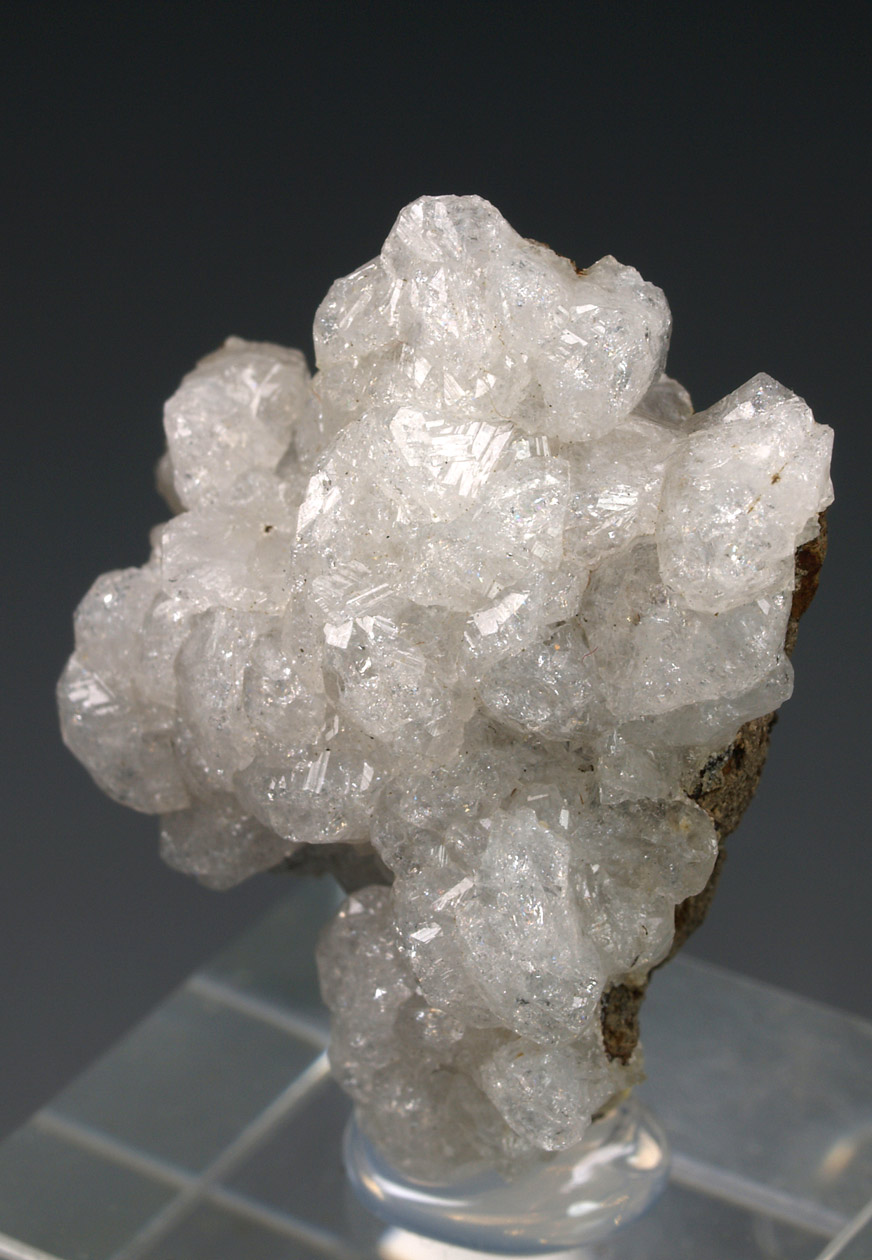
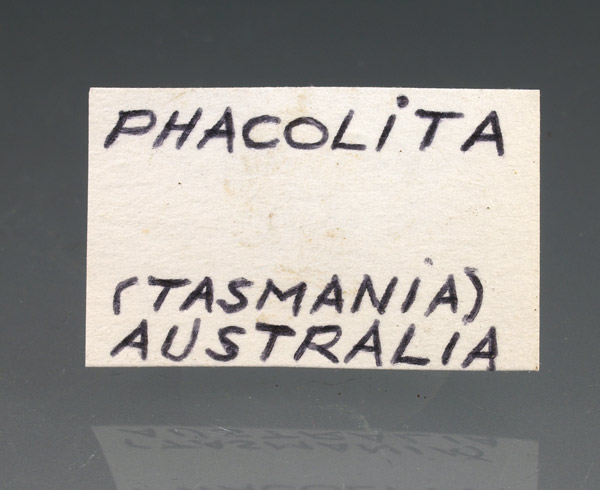
Cristales de facolita, vítreos y brillantes, incoloros, recubren la matriz de roca volcánica. La facolita es una variedad de chabasita de forma lenticular pseudohexagonal, debido al agrupación en macla de romboedros. Una miniatura de la colección Trigo, de Mataró, con su etiqueta manuscrita.
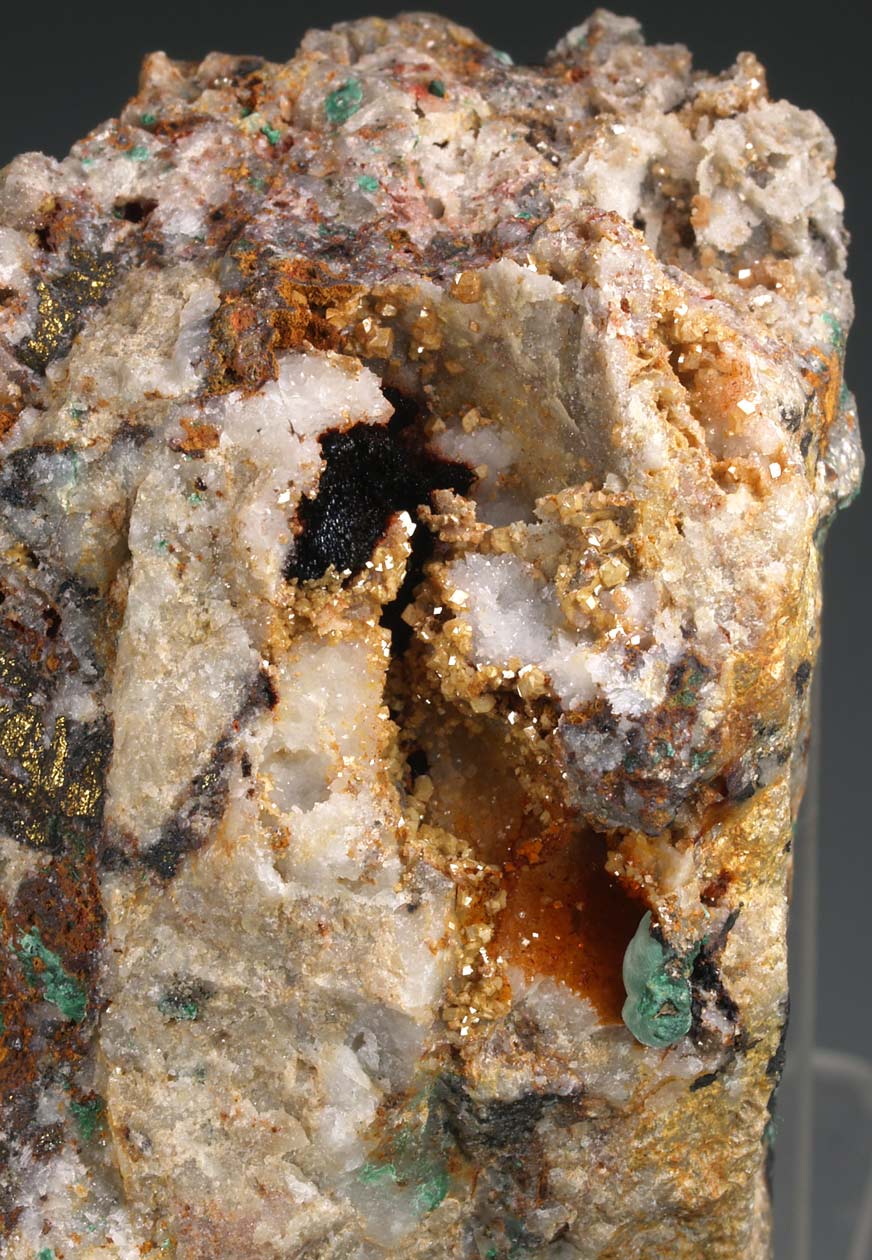
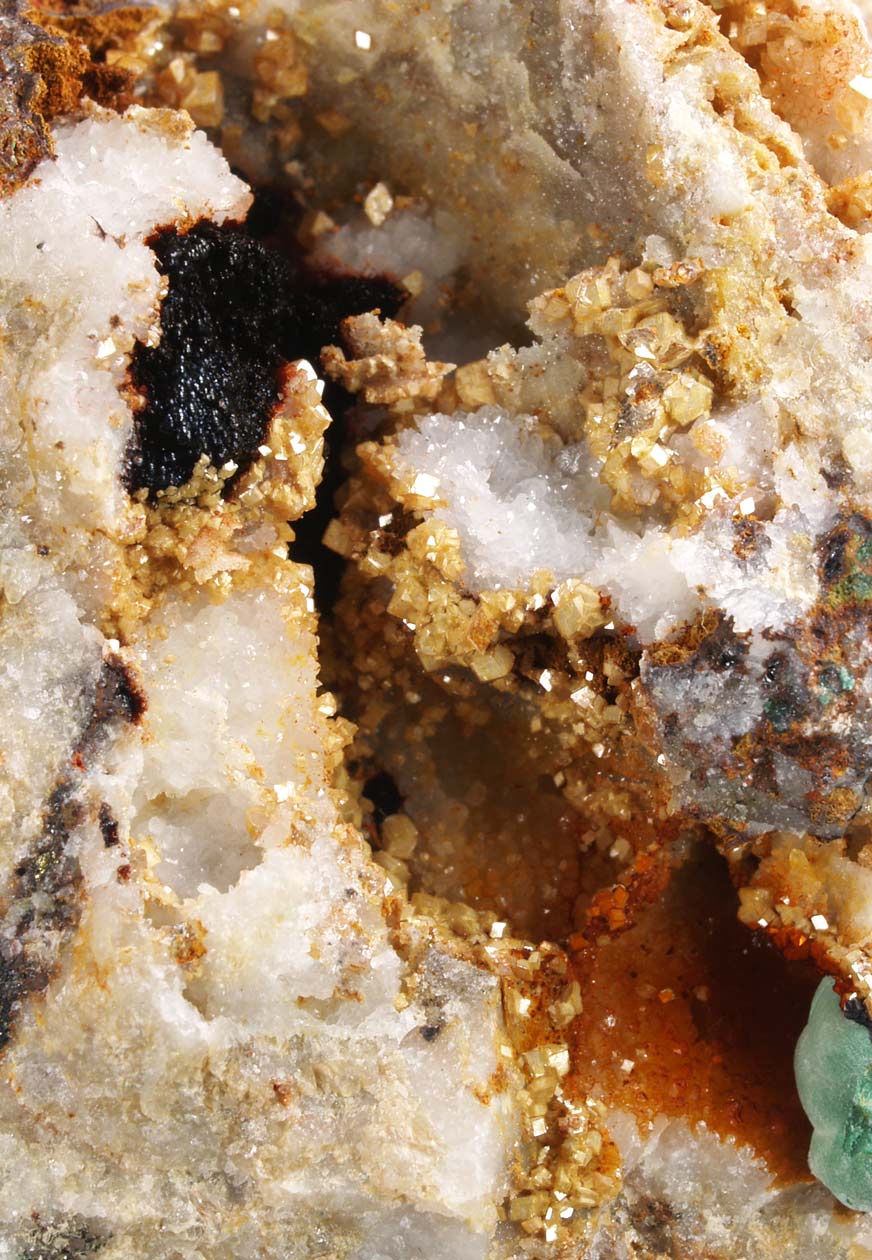
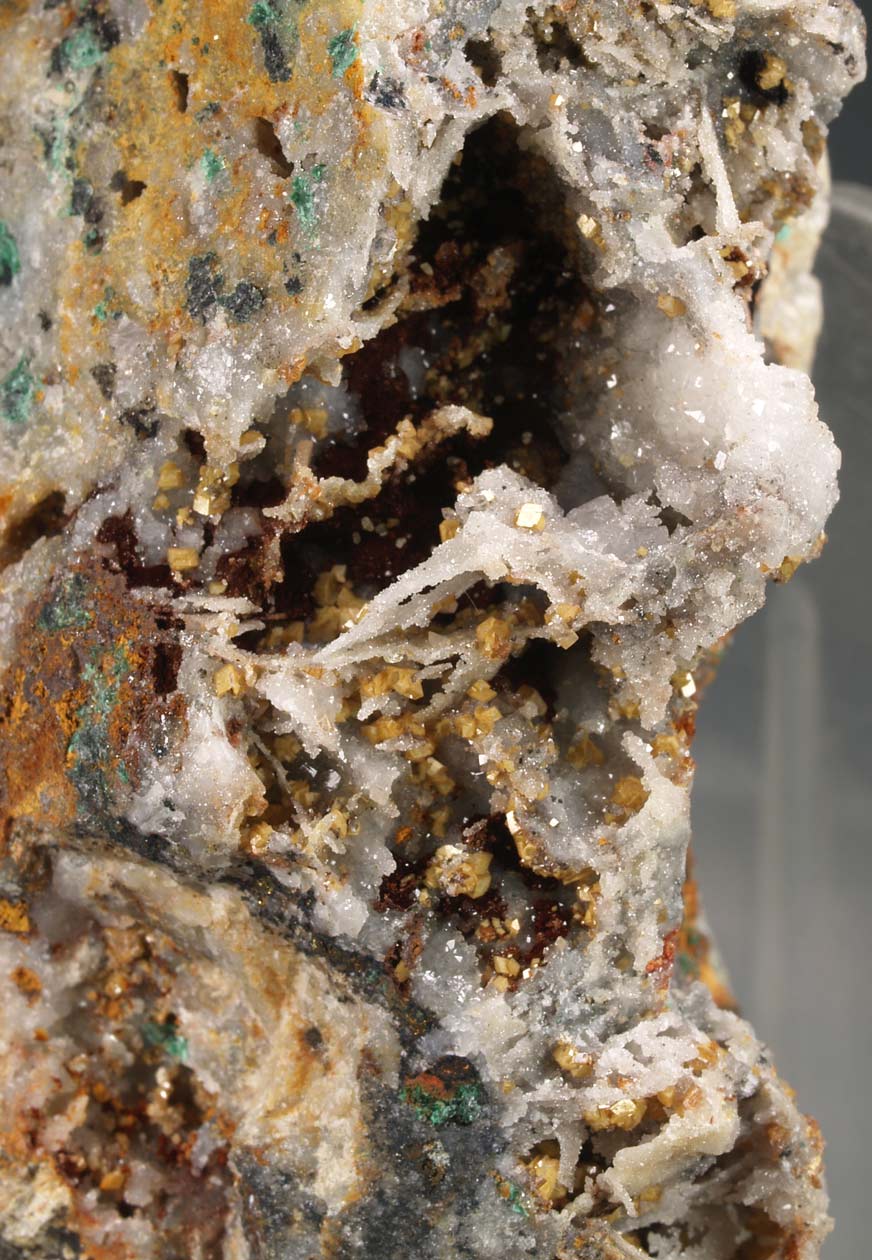
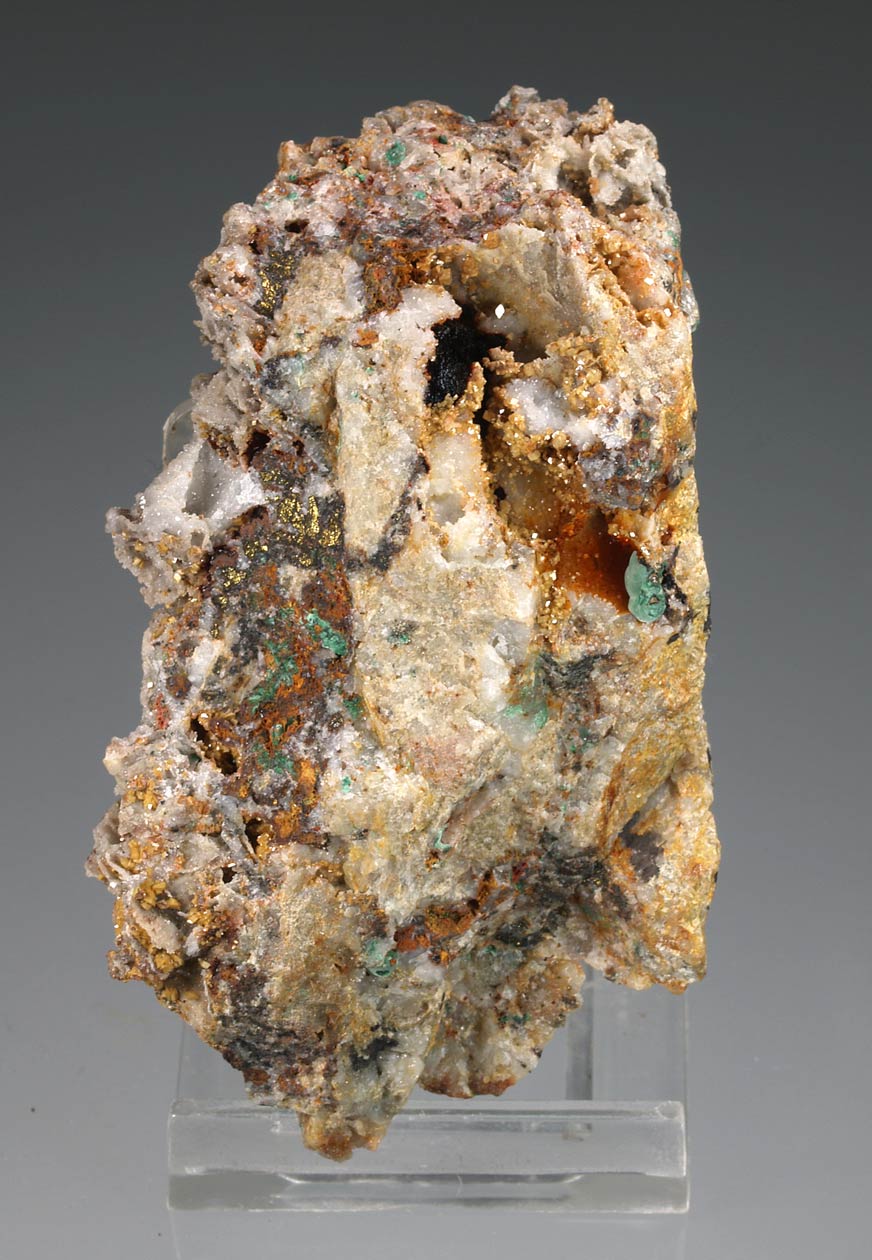
En esta matriz clásica de la Pedrera Berta, con cuarzo, fluorita, pirolusita... podemos ver algunas cavidades en las que destacan unos pequeños pero brillantes cristales romboédricos de smithsonita, de un color dorado. Vistos bajo aumento son de "foto". Se acompaña de agregados de malaquita. Recogidos por el conocido coleccionista y buscador Manuel Moreno "Manolo" y procedentes de la colección de Joan Astor, con etiquetas.
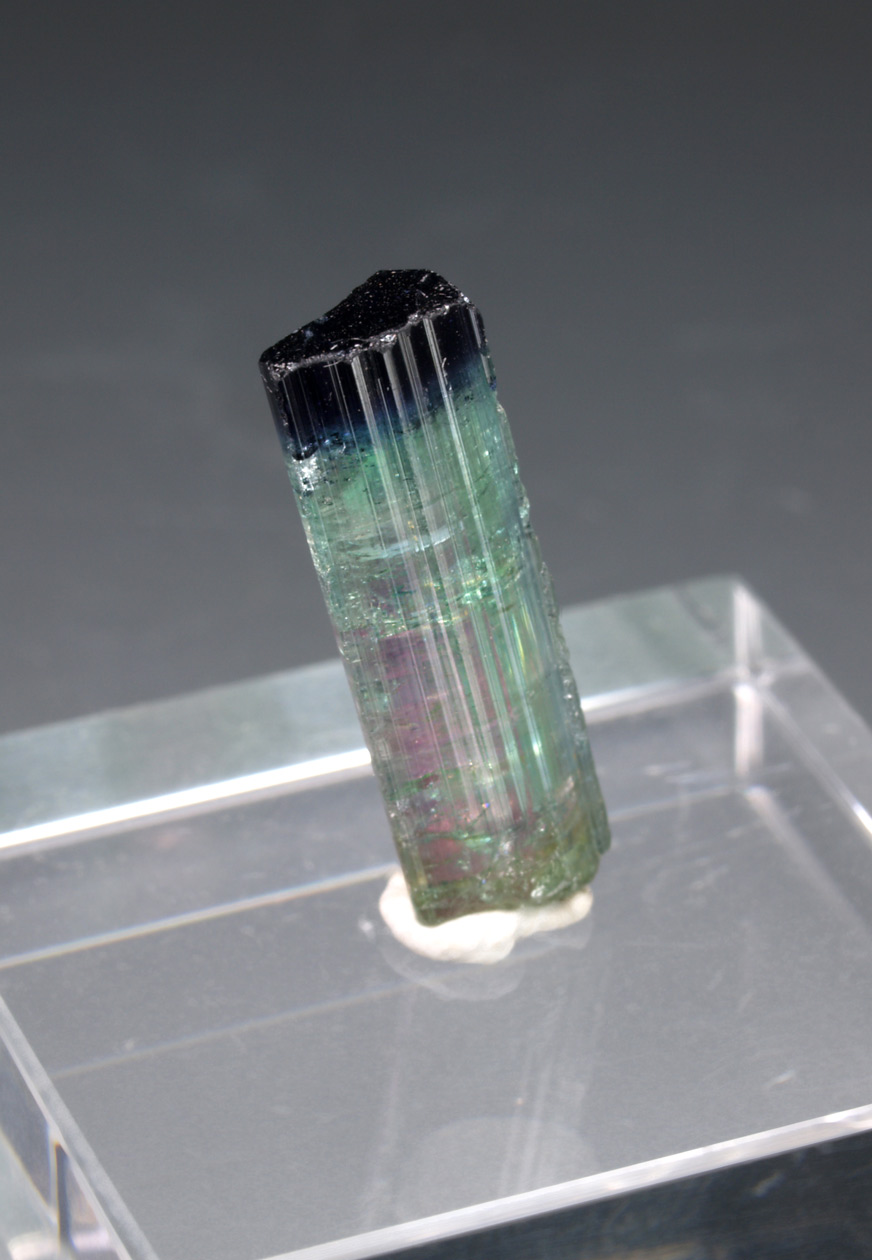
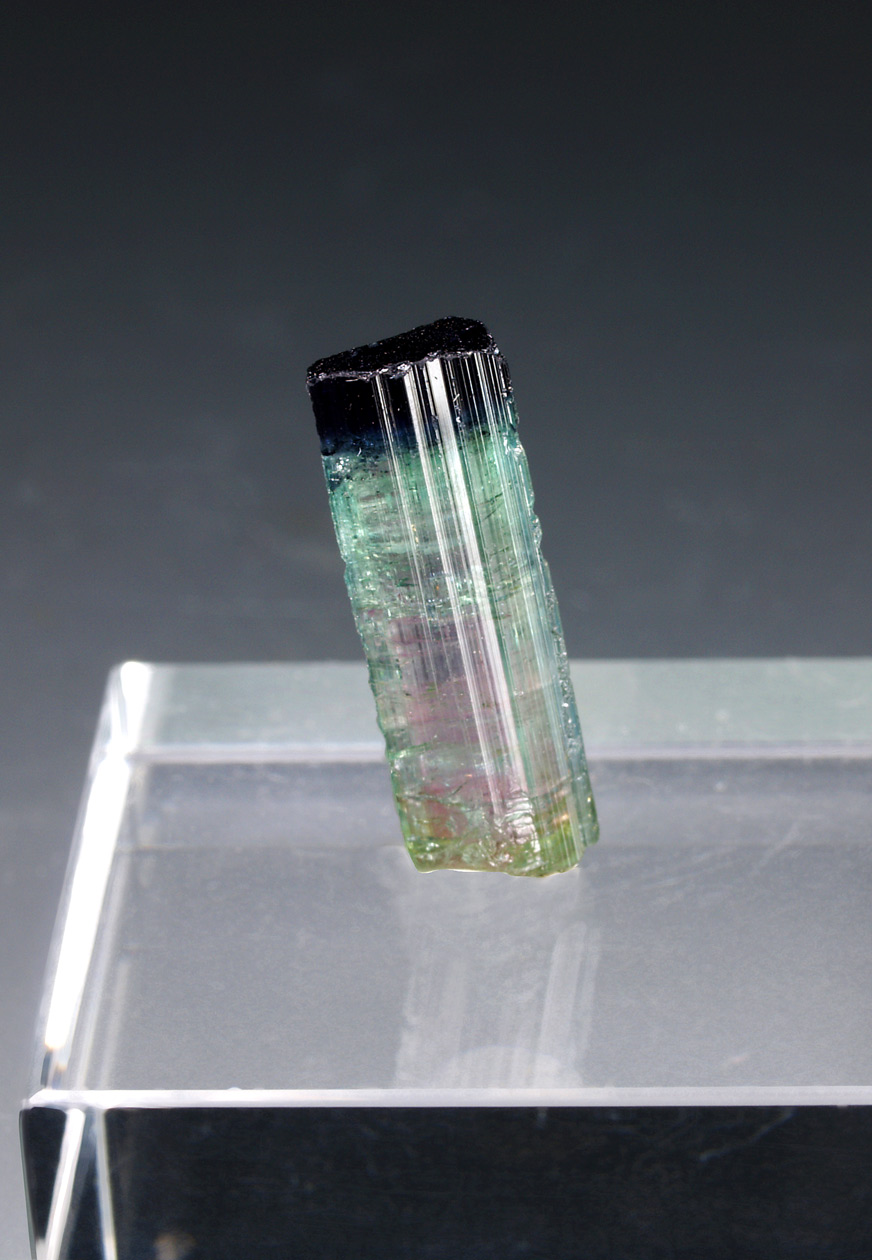
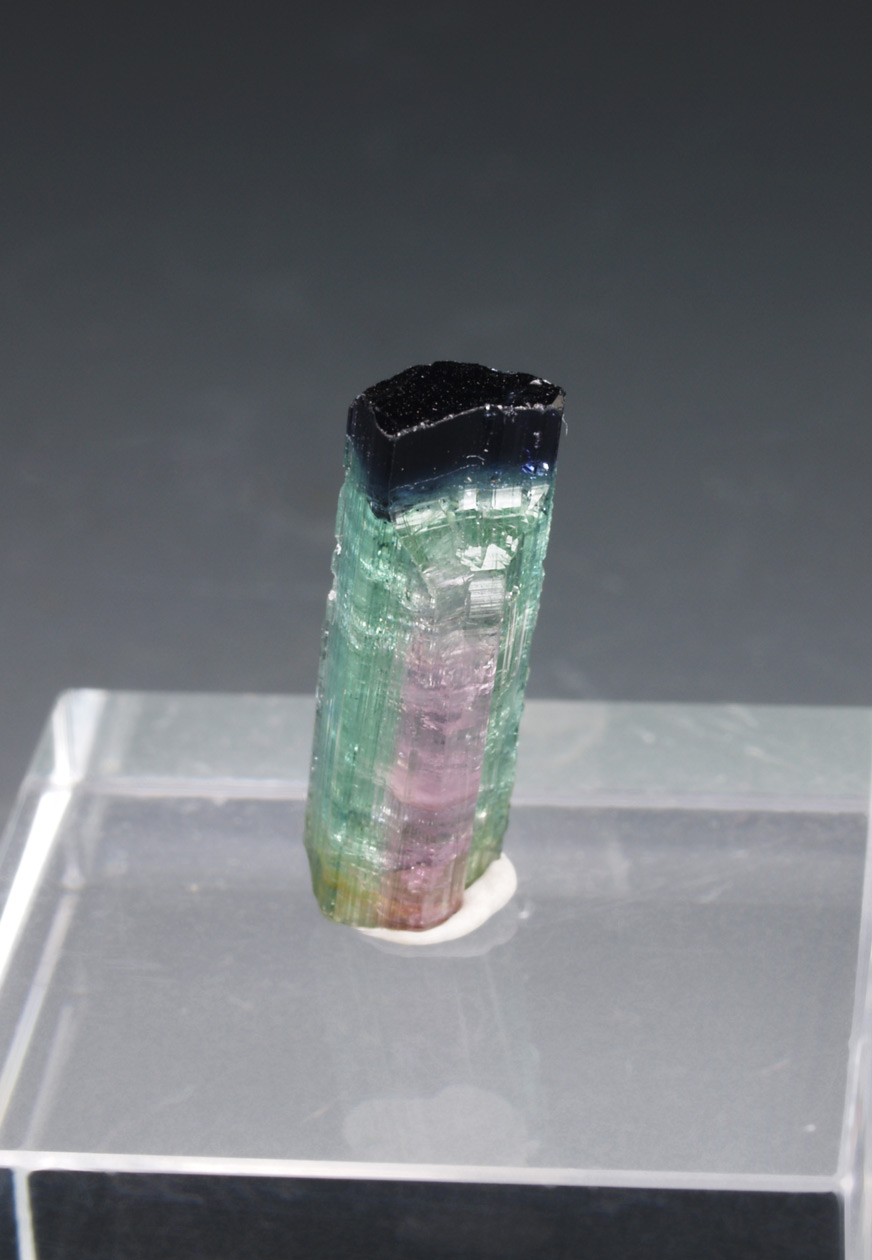
Una pieza de pequeñas dimensiones, pero con una variación de color excepcional. Entre el rojo, al azul, pasando por el verde. Una delicatessen de Brasil.
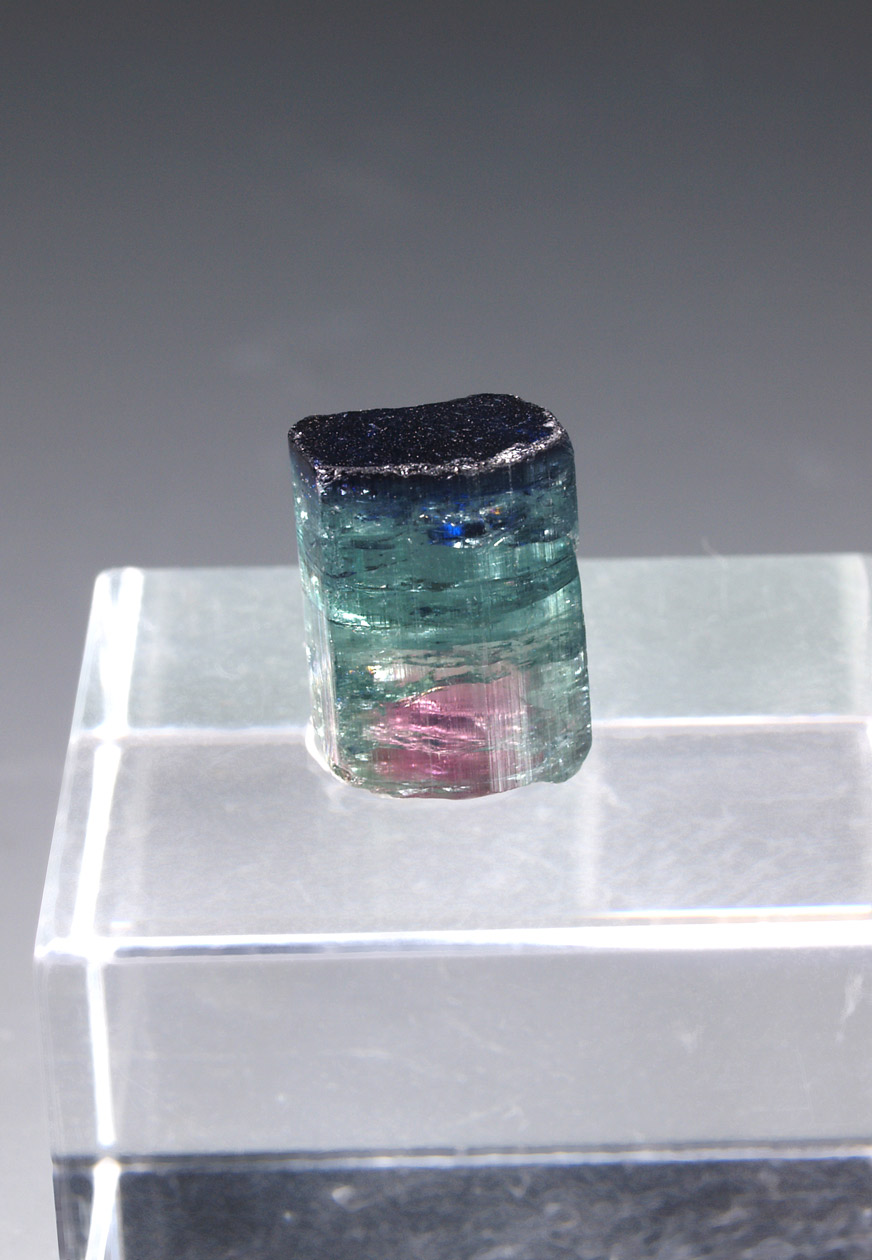
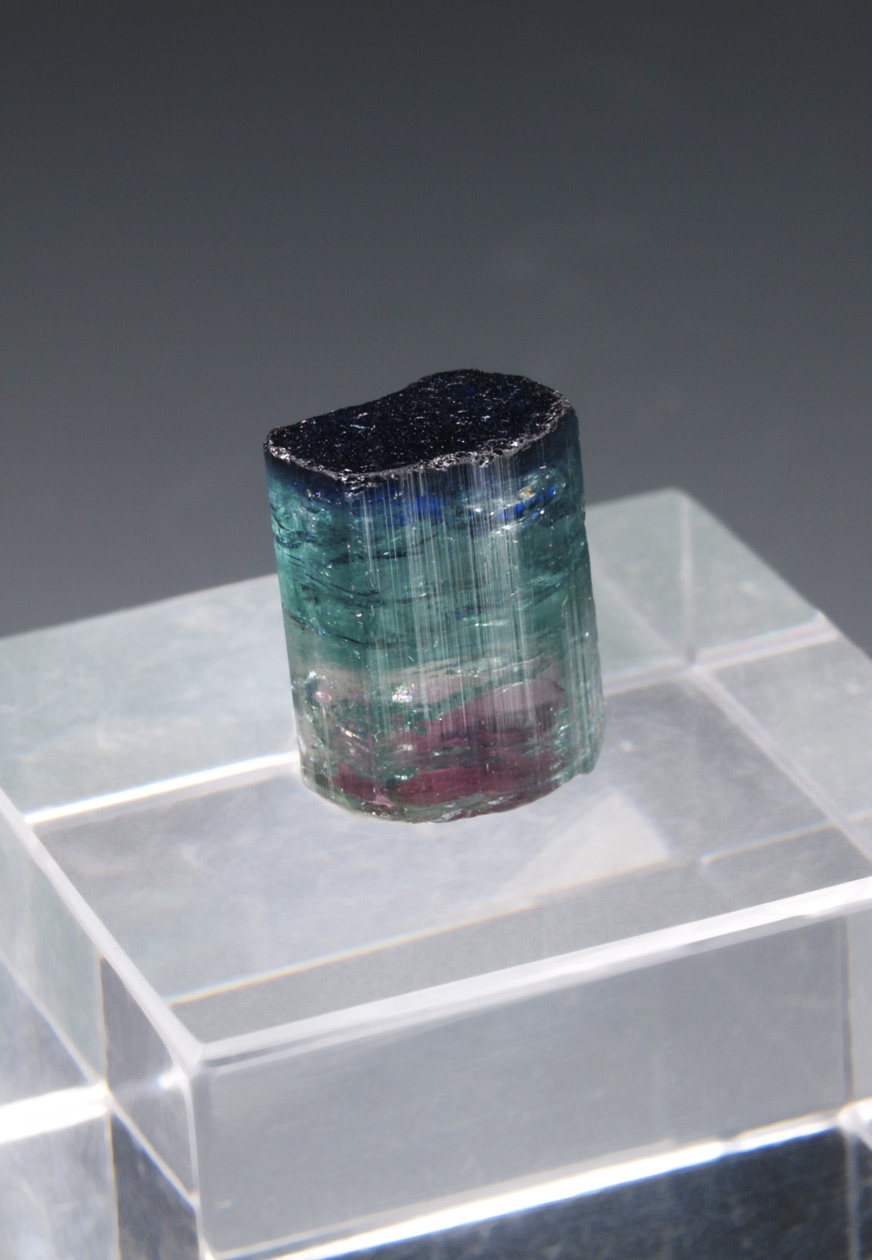
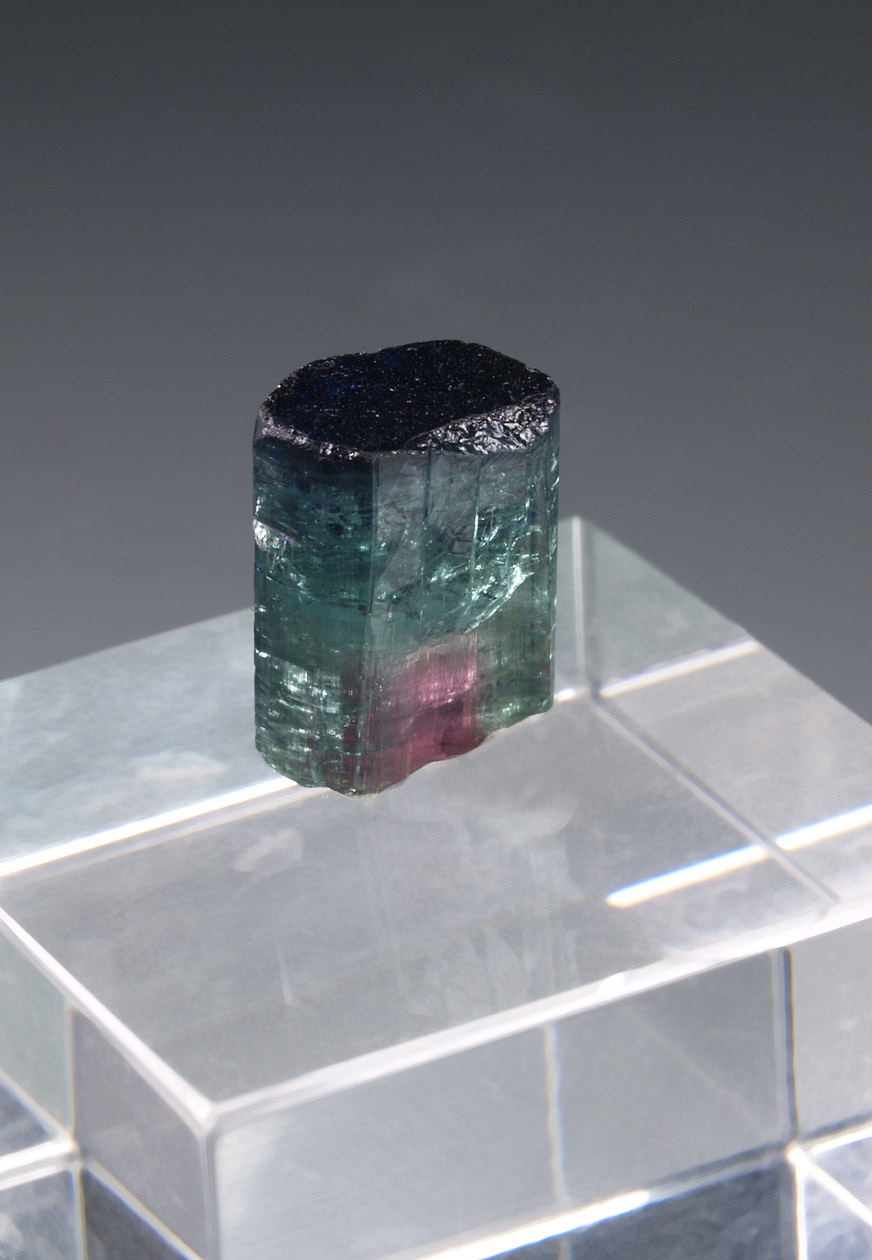
Una pieza de pequeñas dimensiones, pero con una variación de color excepcional. Entre el rojo, al azul, pasando por el verde. Una delicatessen de Brasil.
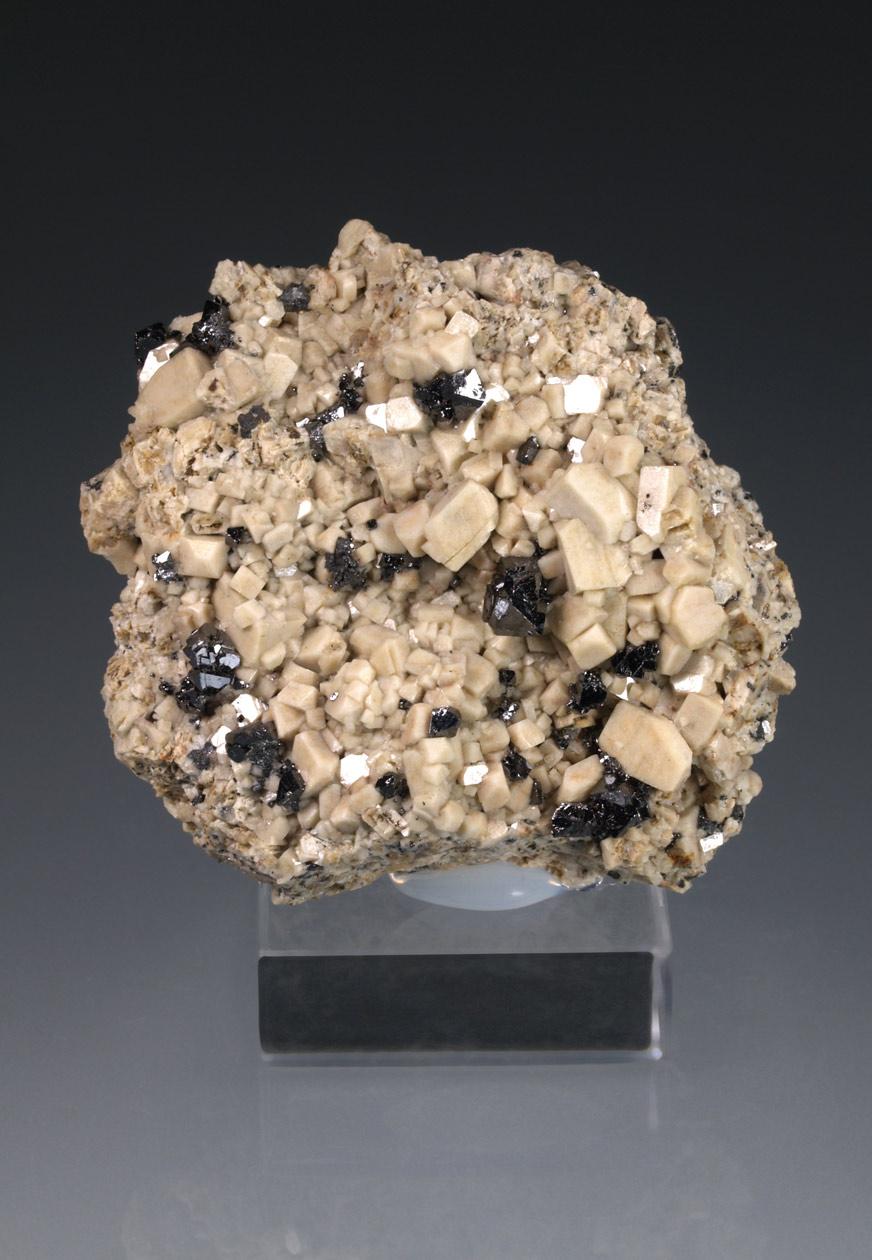
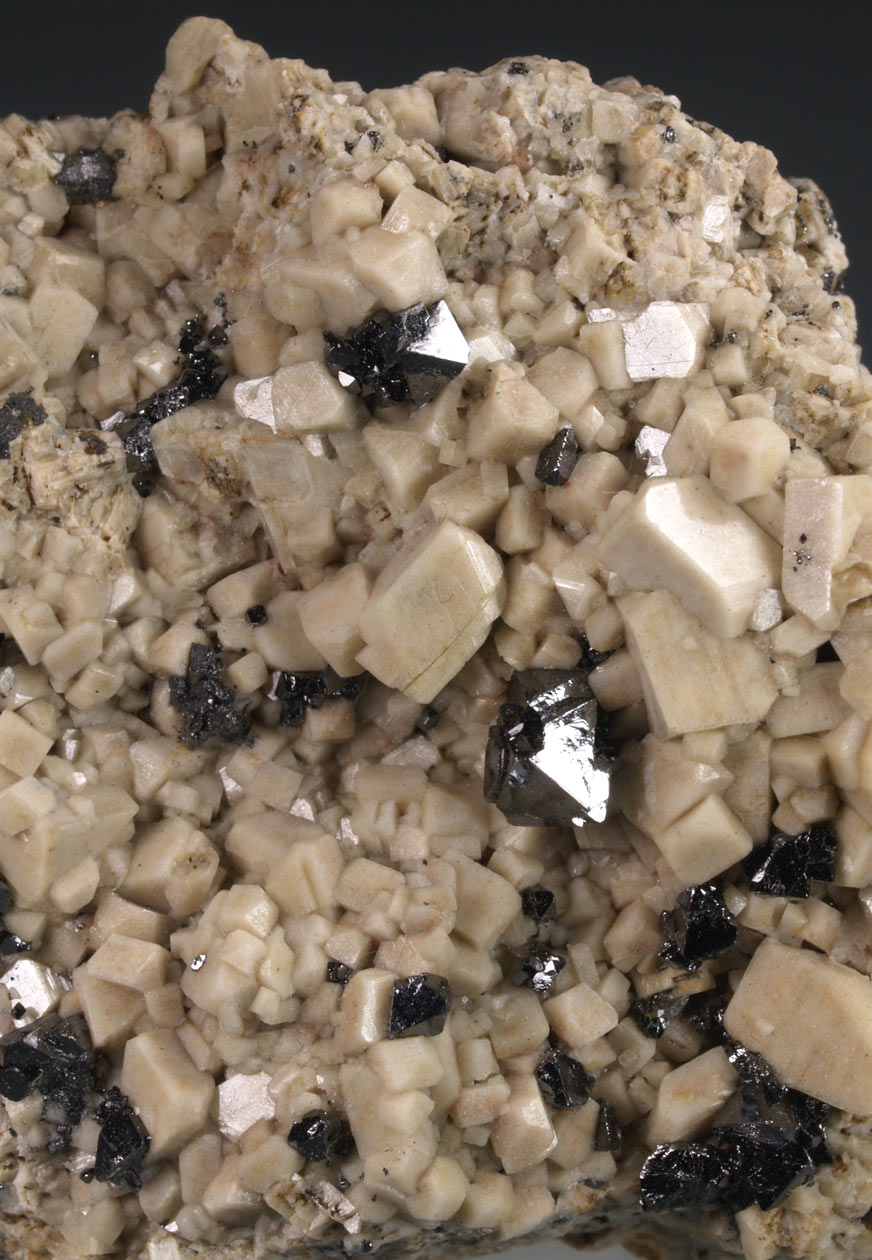
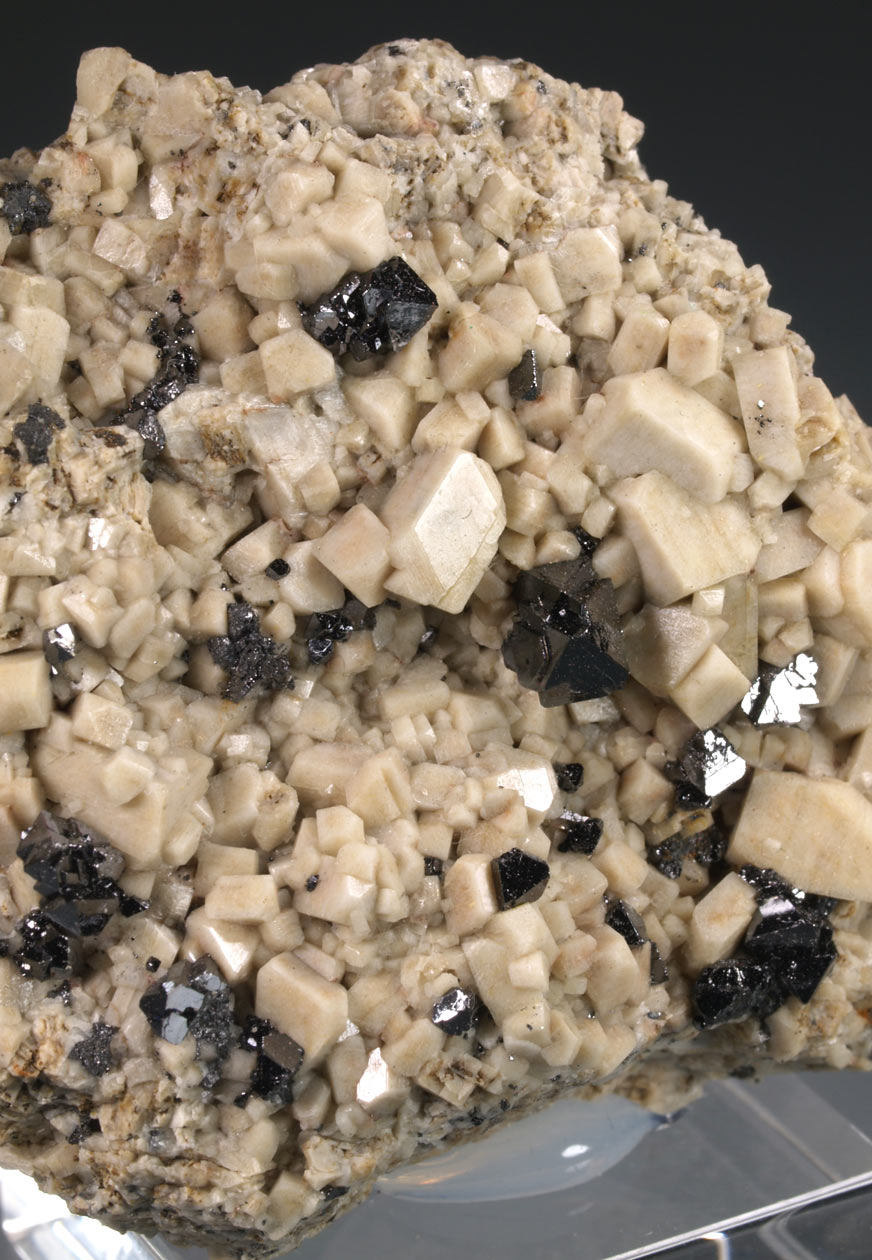
Grupos de cristales octaédricos de magnetita, algunos en crecimiento escalonado, con un brillo excelente, con caras y aristas muy definidas. Se disponen sobre una matriz de cristales de microclina.


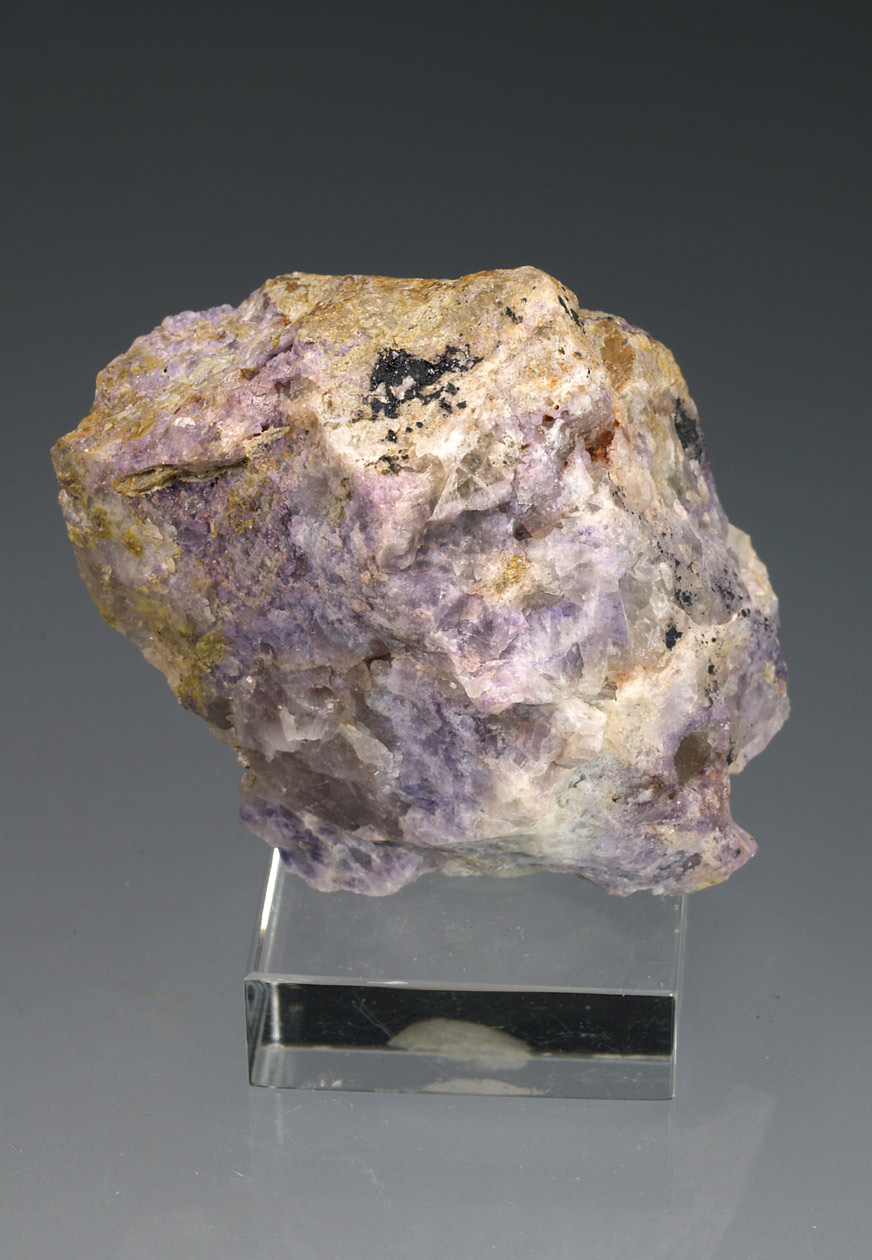
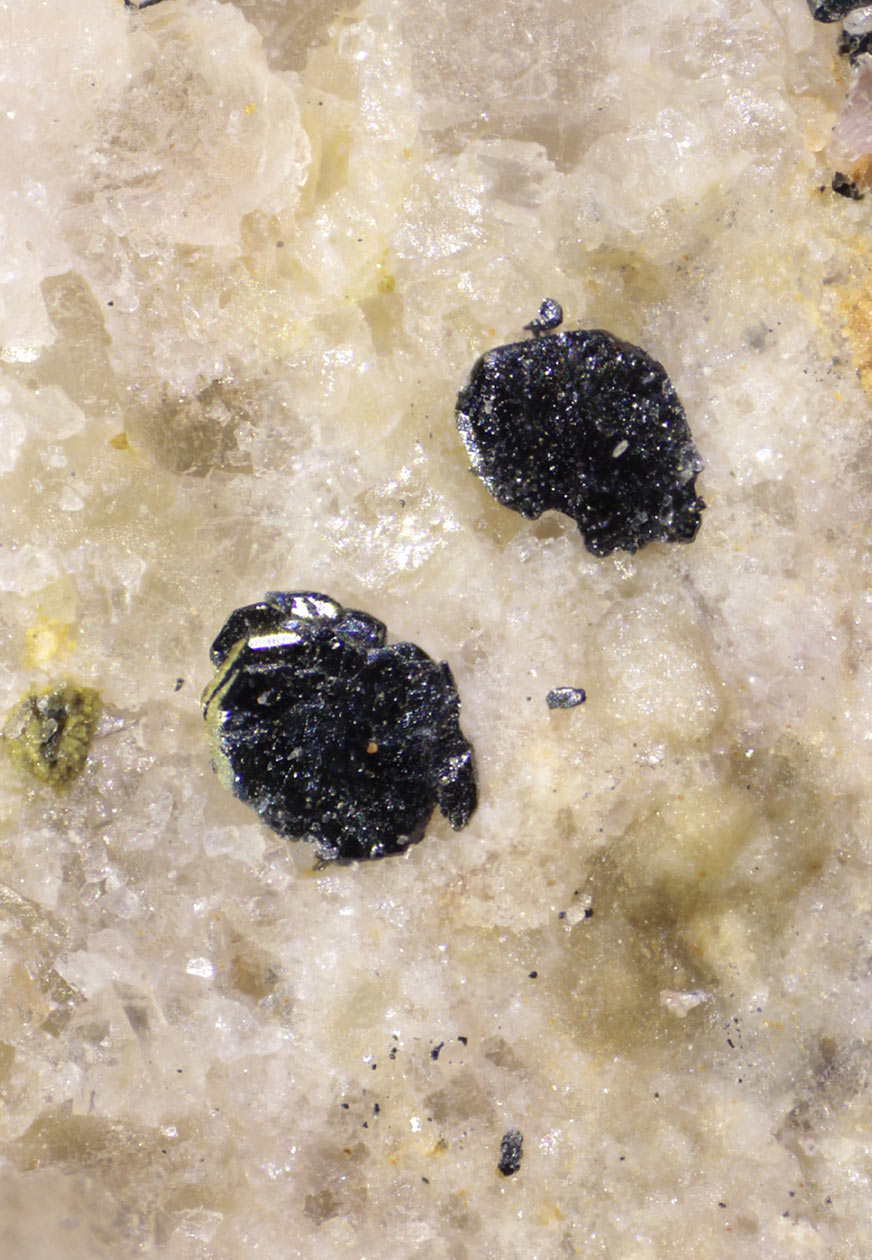
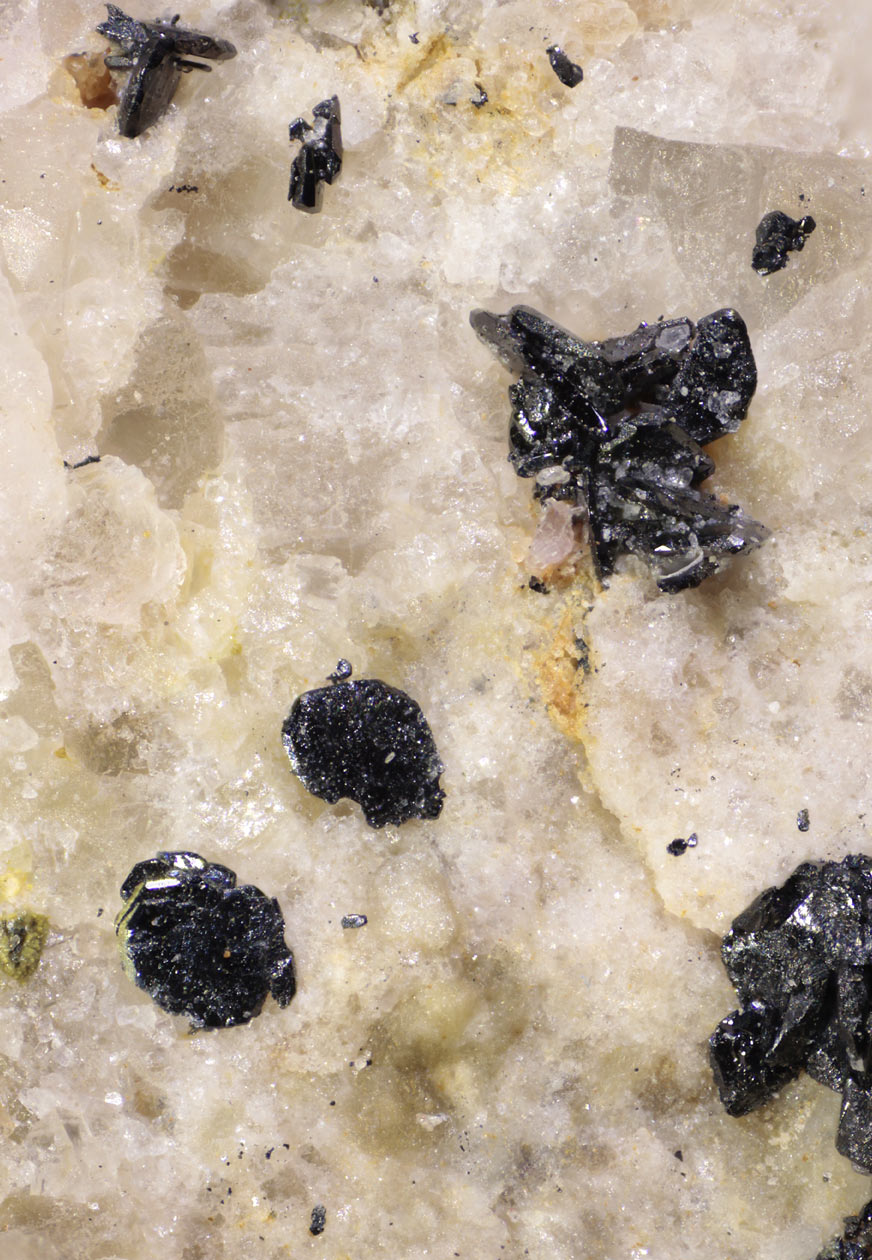
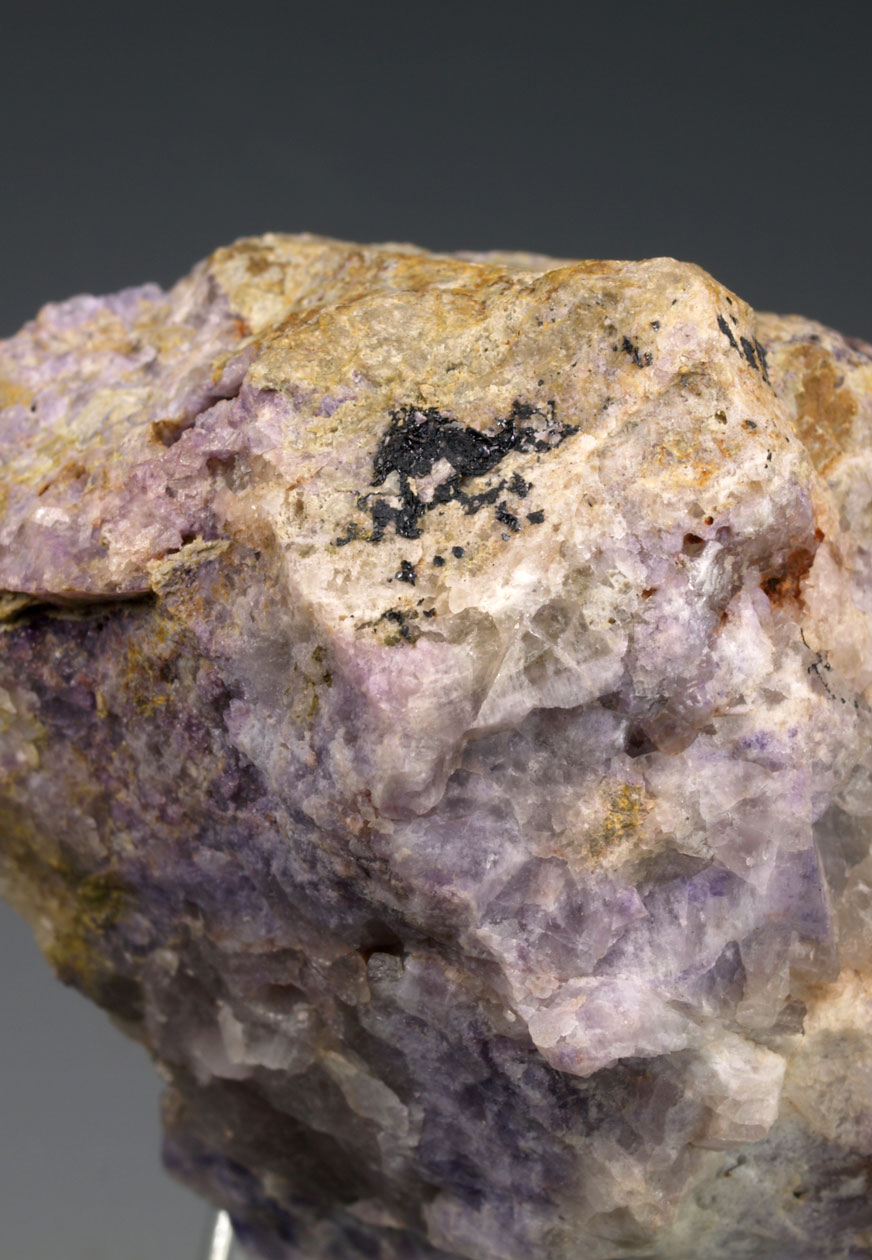
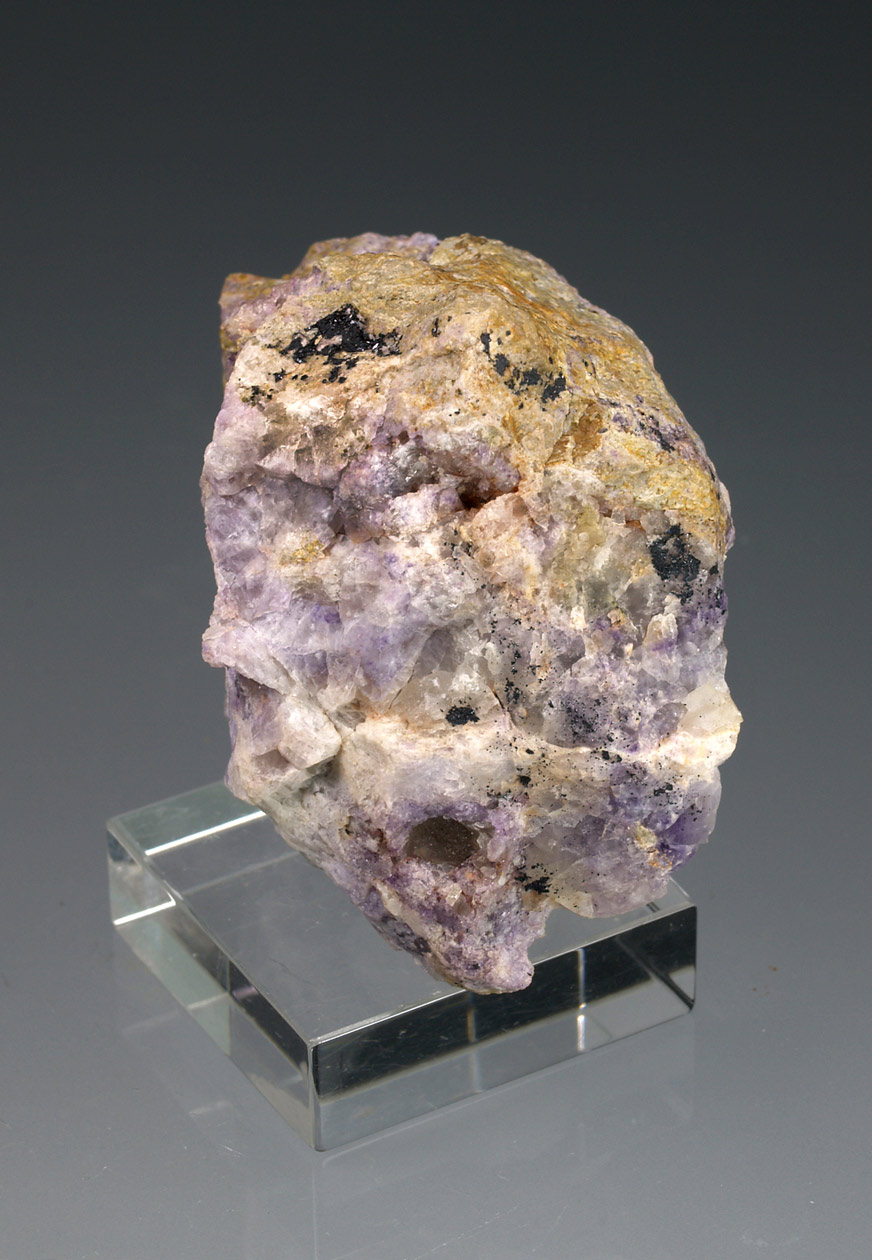
Probablemente los cristales de čechita de la "Rasa de l'Alzina" (calicata), cerca de la mina Maria Magdalena, se pueden considerar entre los mejores del mundo. De esta especie sólo se conocen tres localidades más. Los cristales muestran formas tabulares, rómbicas, con riqueza de caras prismáticas y pinacoides desarrollados. Se disponen en las cavidades de la fluorita. Este hallazgo se realizó en 2016 y, posteriormente en 2017, algunos ejemplares más se han encontrado, pero pocos con esta calidad y visibles fácilmente.
De los ejemplares se han realizado análisis SEM-EDS, Microsonda y Raman, observándose curiosamente que la superficie de numerosos cristales muestra la presencia de Cu(II) substituyendo al Pb(II). Pero a pocas micras dentro del cristal la fórmula PbFe2+(VO4)(OH) se hace única, con una pequeña cantidad de Zn(II), a diferencia de muchos, casi todos, los cristales de otros yacimientos que son muy ricos en Mn(II).
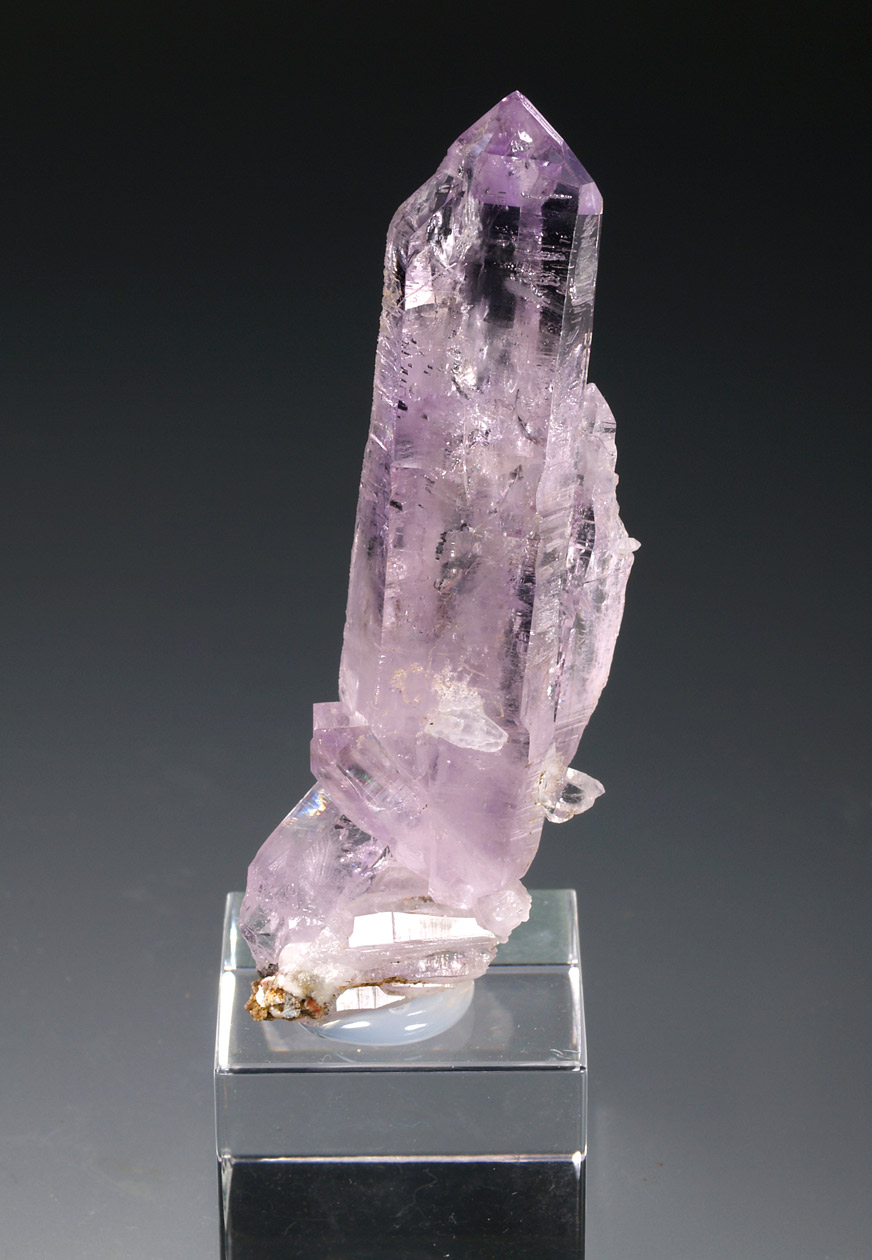
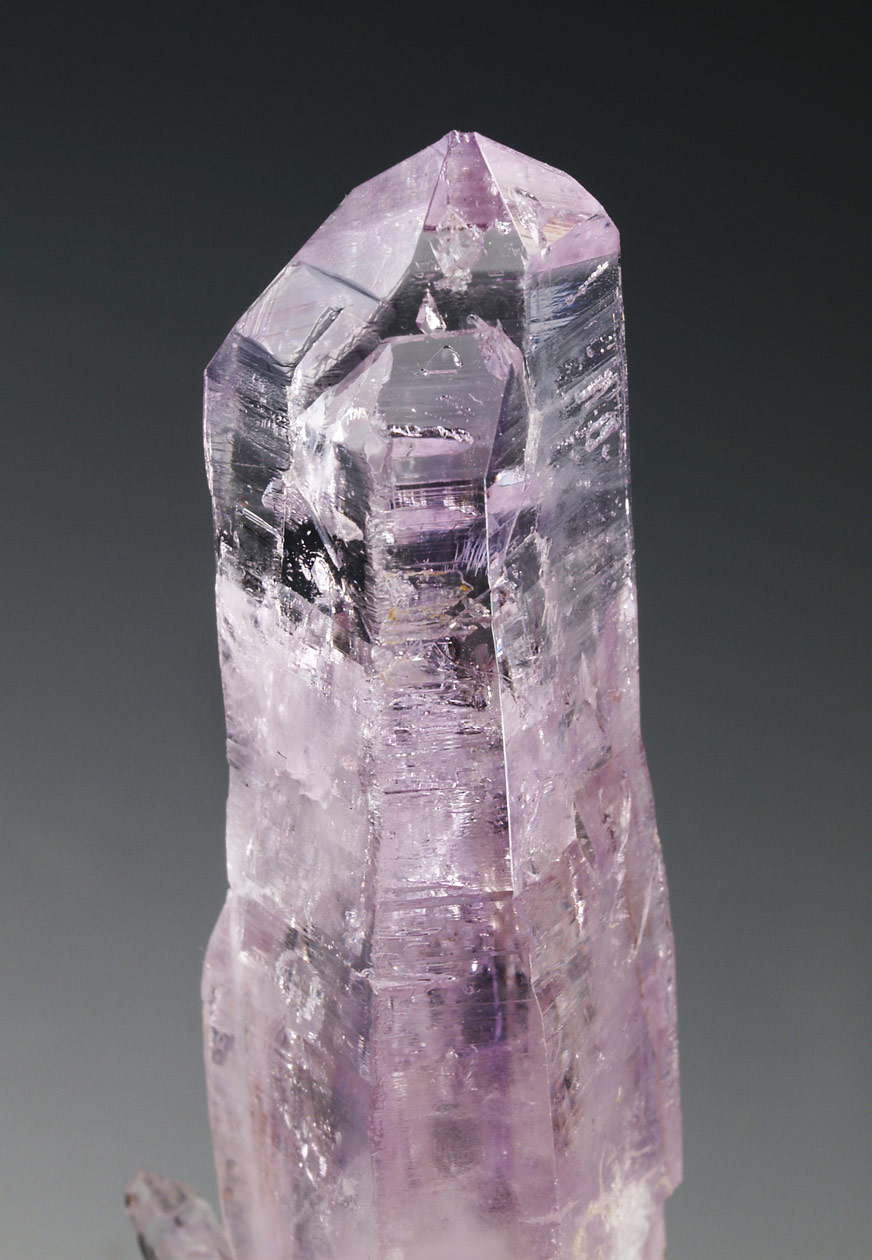
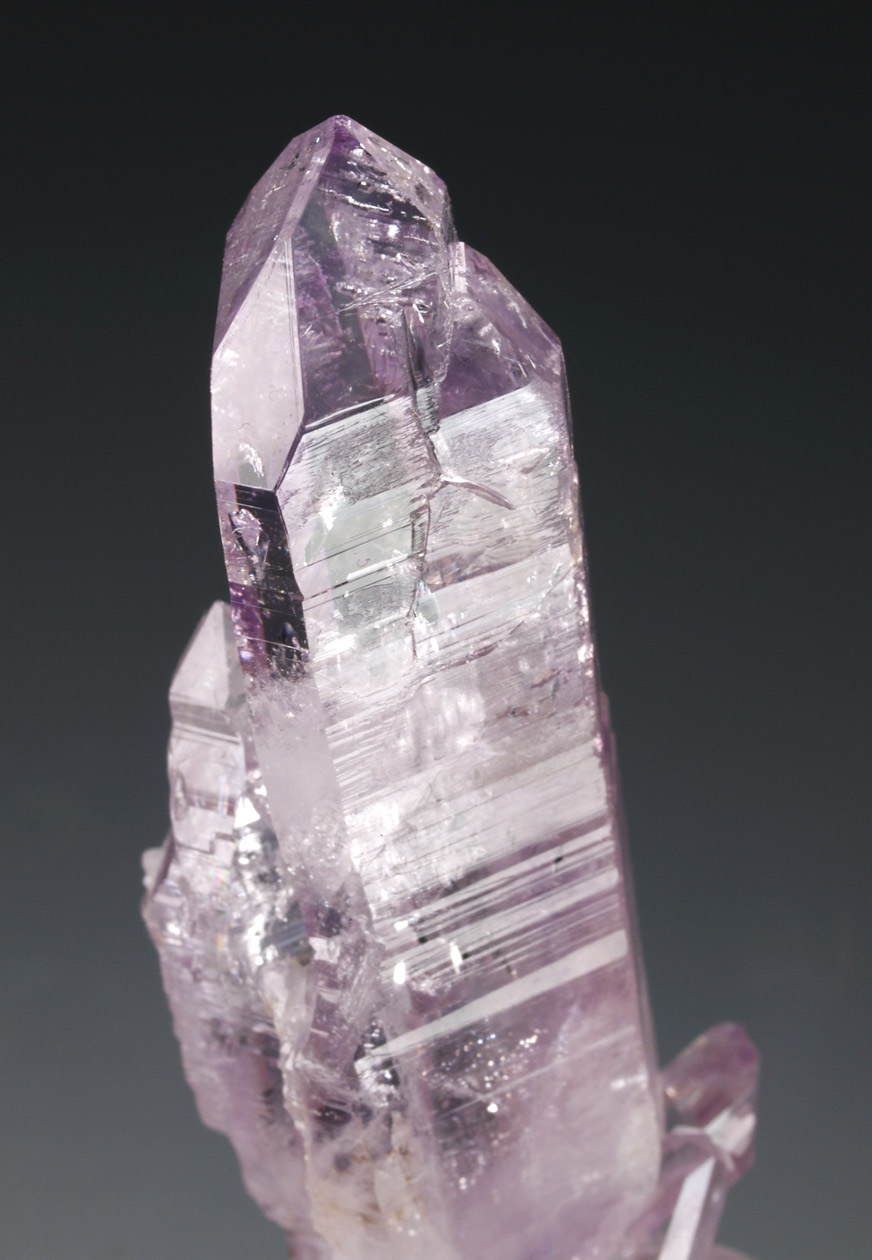
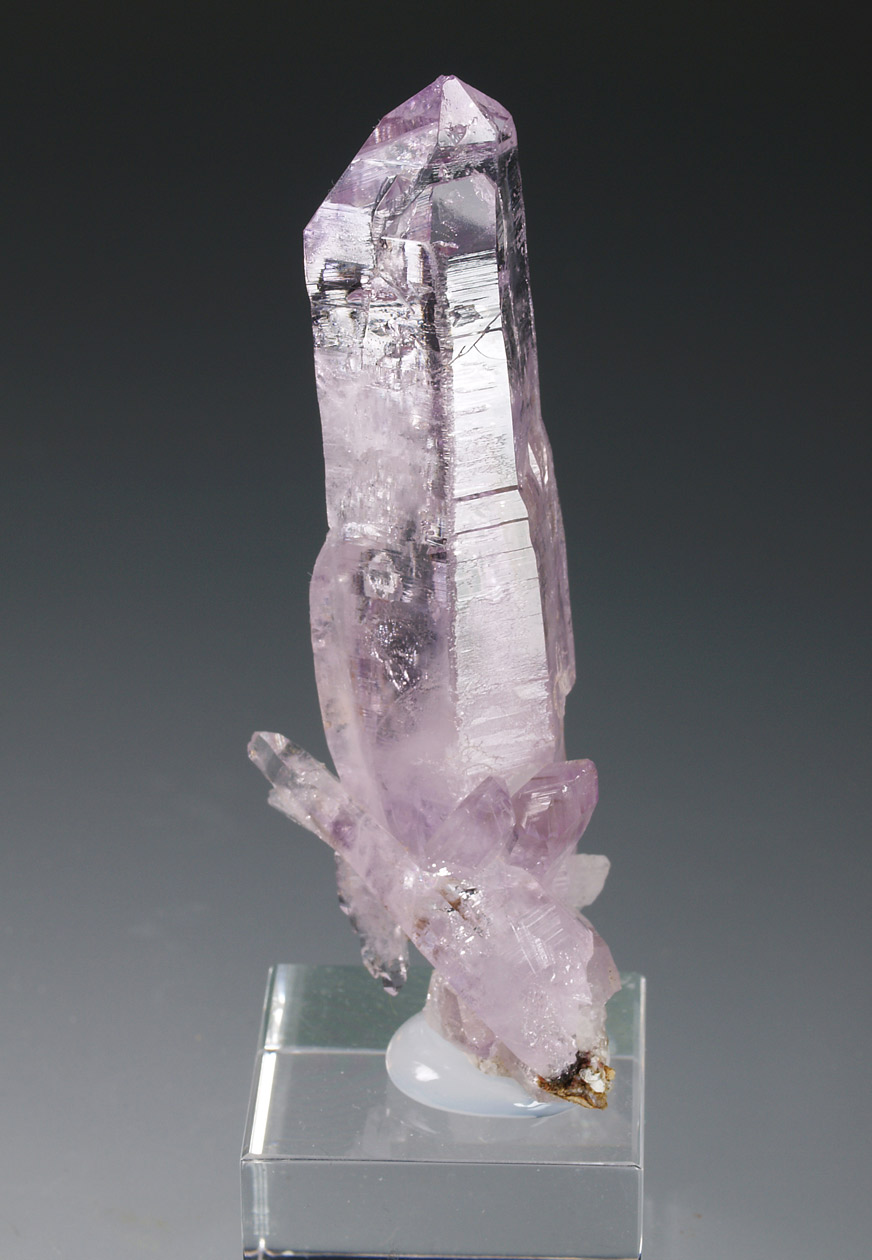
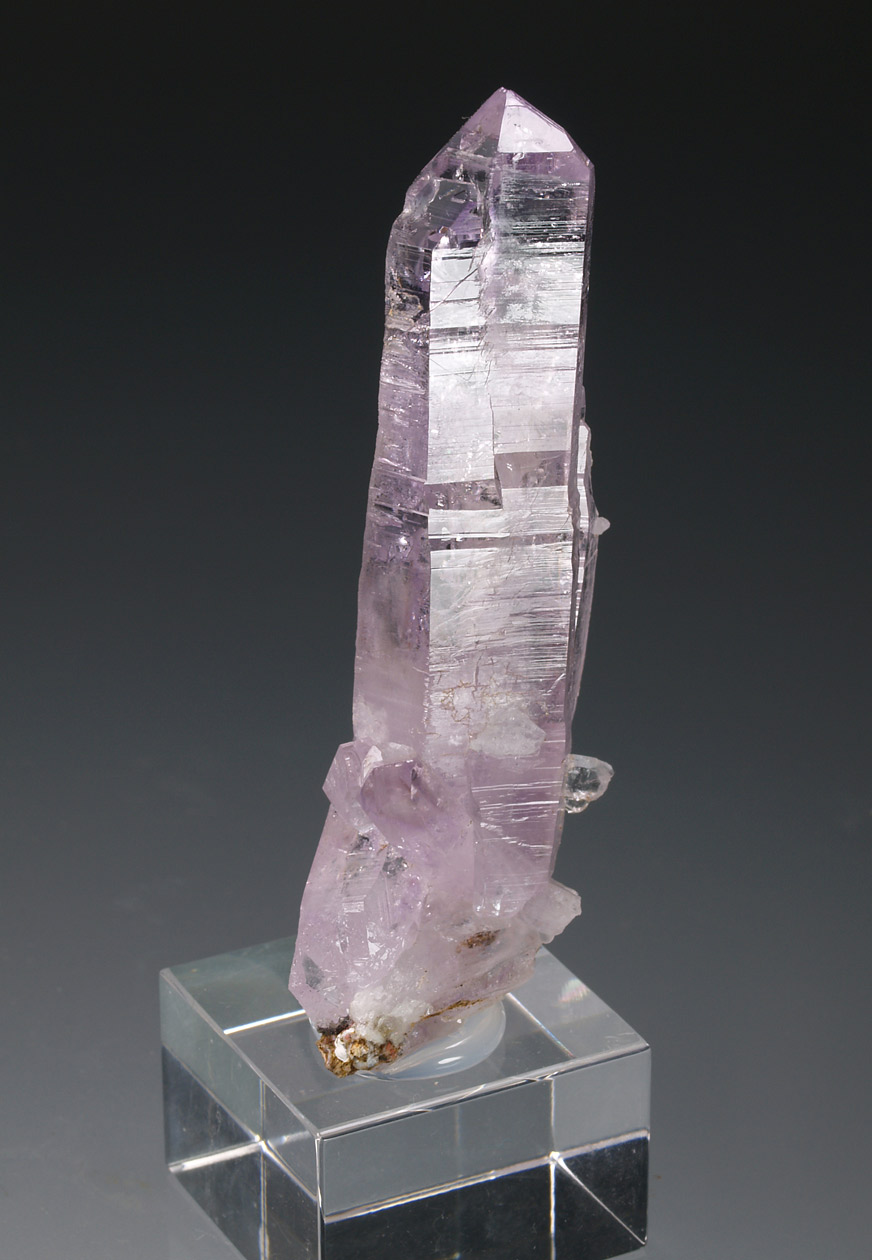
Grupo de cristales de cuarzo, de la variedad amatista, el principal muy elongado. Muy transparente, con caras y aristas definidas, y con un color púrpura suave y uniforme. De la colección Trigo, de Mataró, con su etiqueta manuscrita.
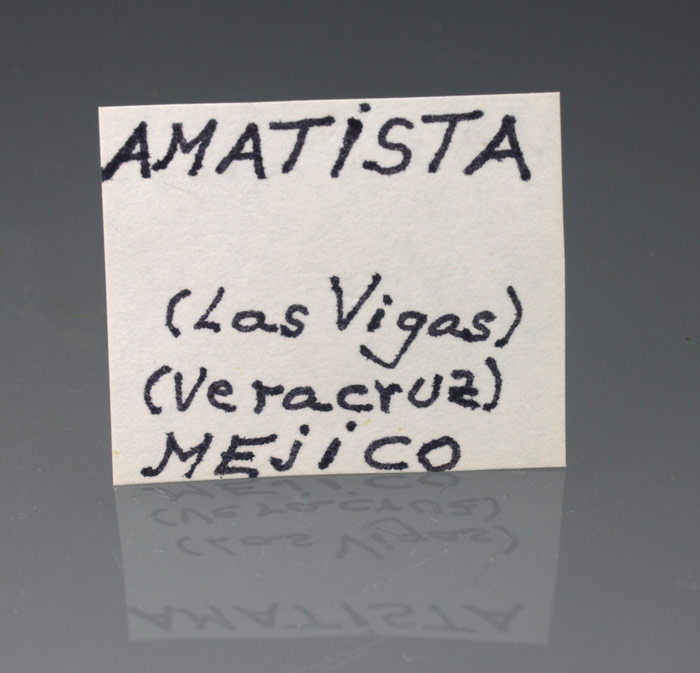
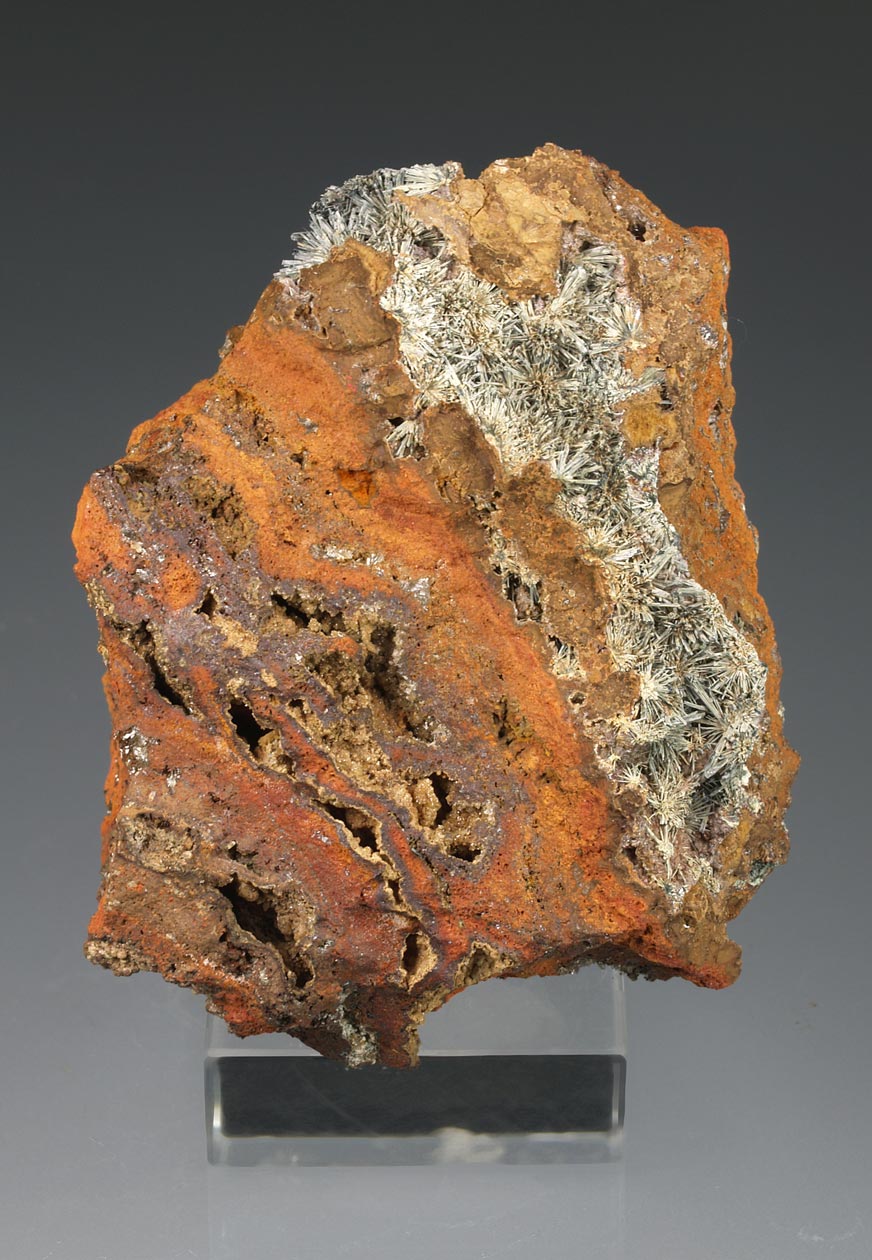
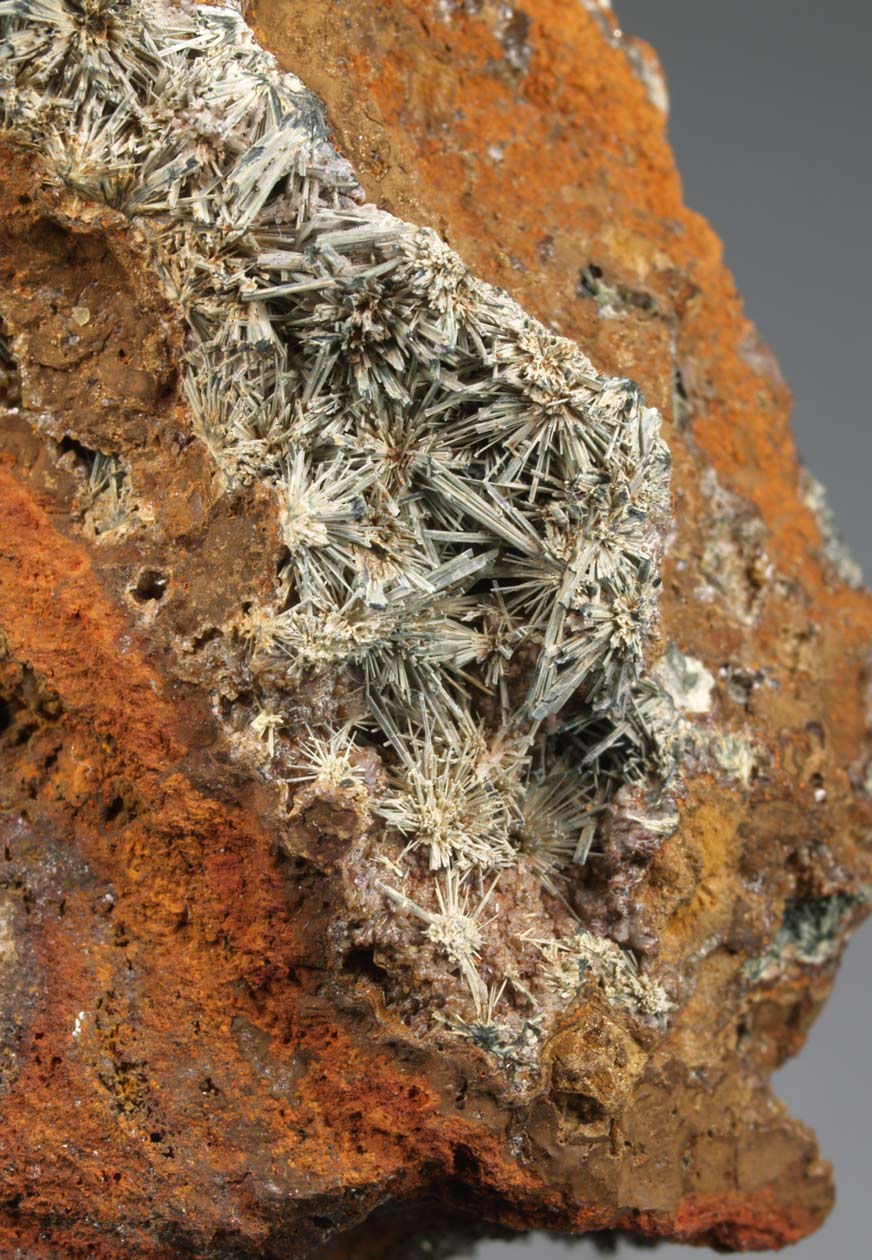
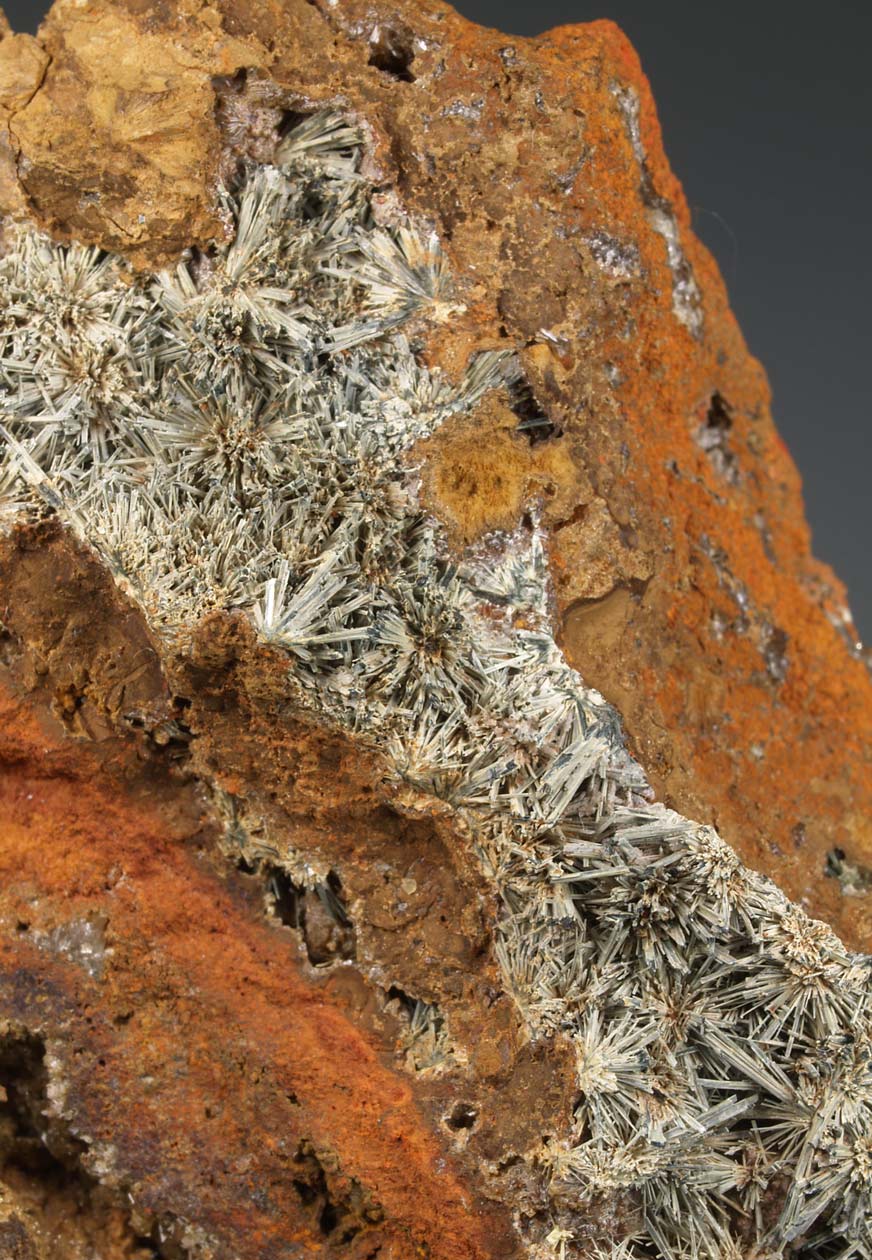
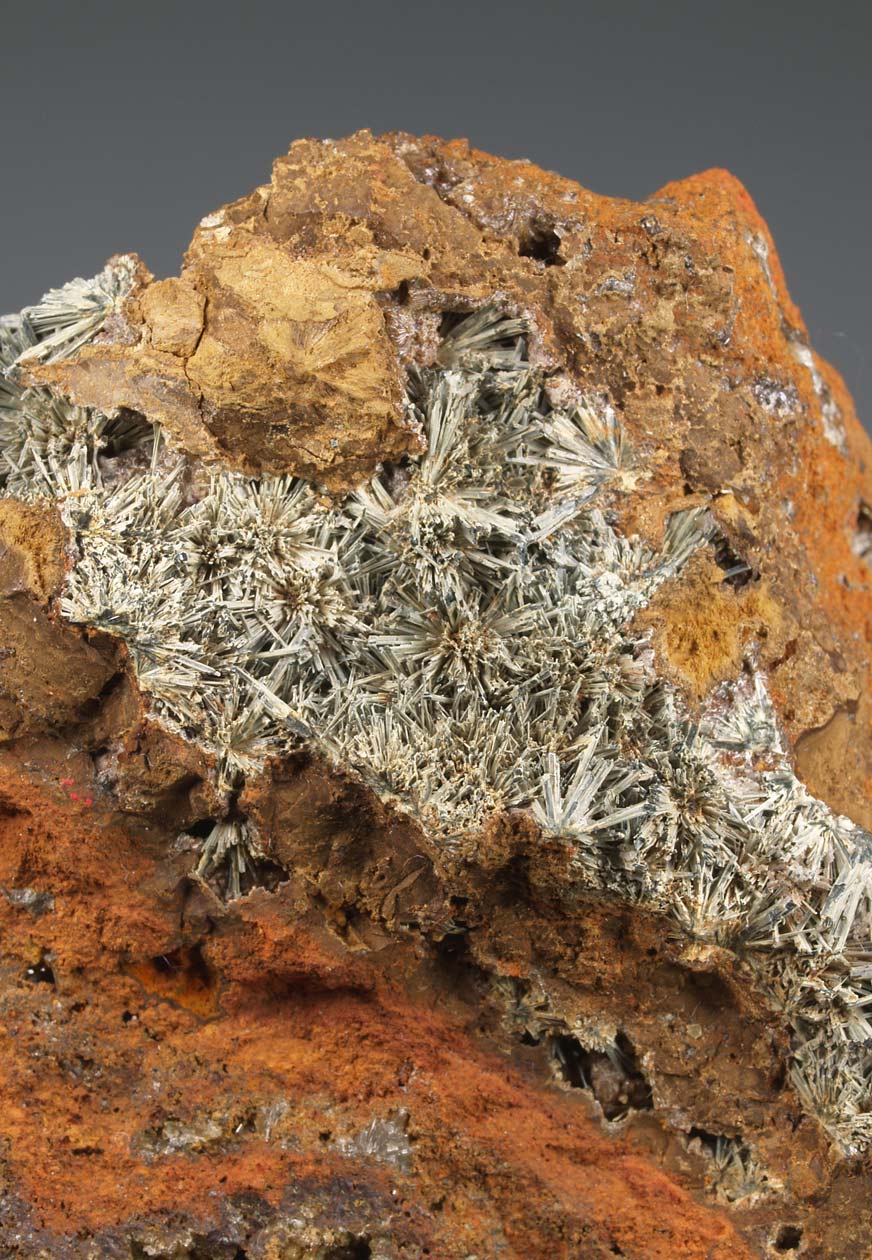
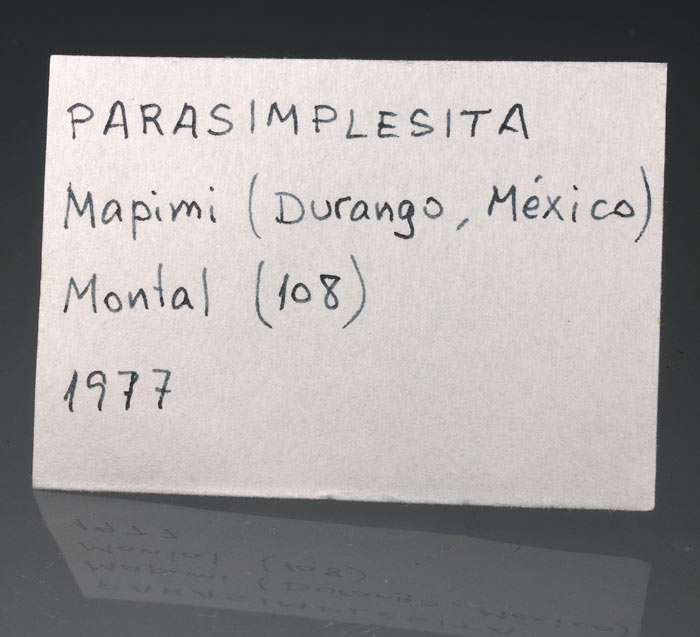
Rico ejemplar de parasimplesita de esta clásica mina mexicana. Numerosos agregados divergentes de cristales prismáticos y tabulares de parasimplesita, con un color verde claro en la superficie y un color verde muy oscuro, casi negro, en el interior. Se disponen en una matriz de goethita con cavidades tapizadas de pequeños cristales de arseniosiderita de color melado y de adamita. Procede de la colección Joan Astor (Barcelona), con etiqueta manuscrita y otra mecanografiada.
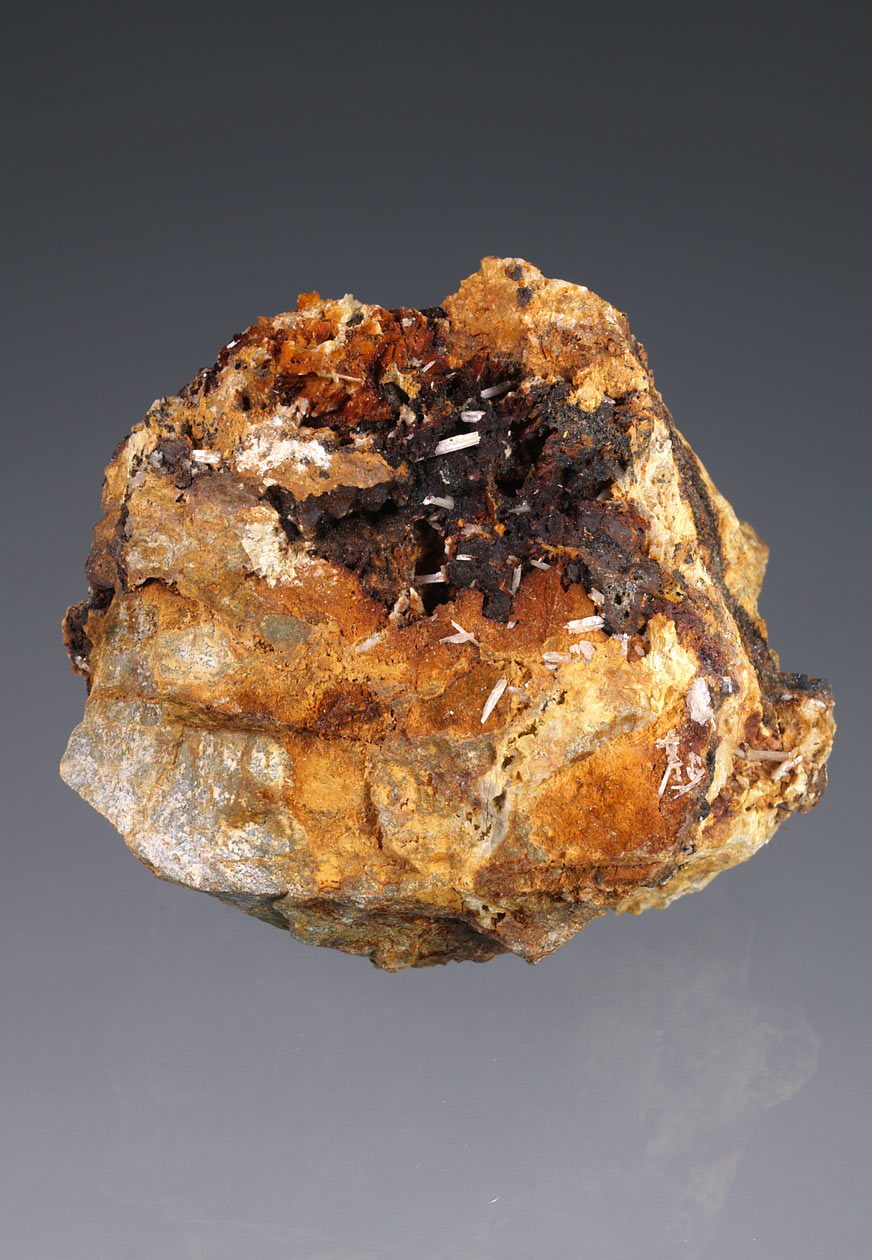
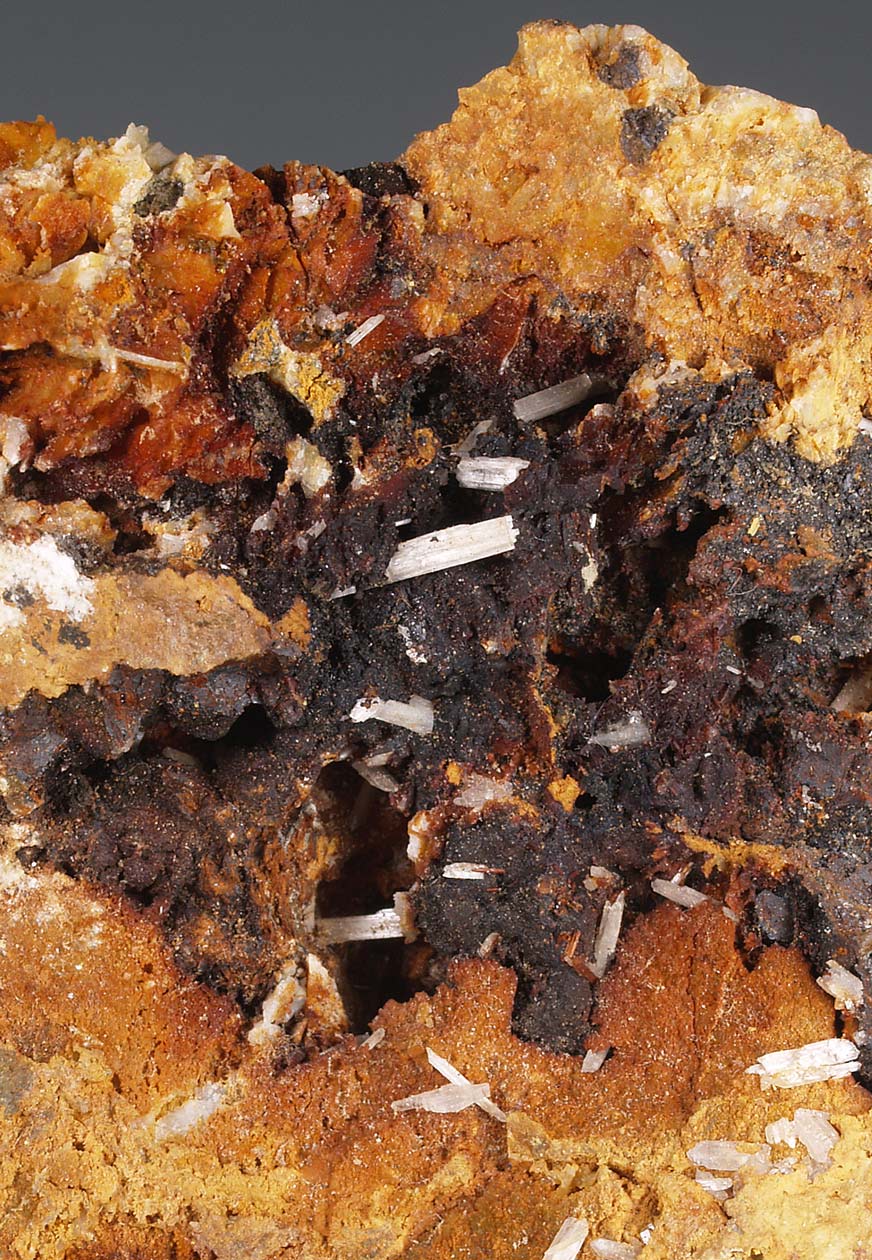
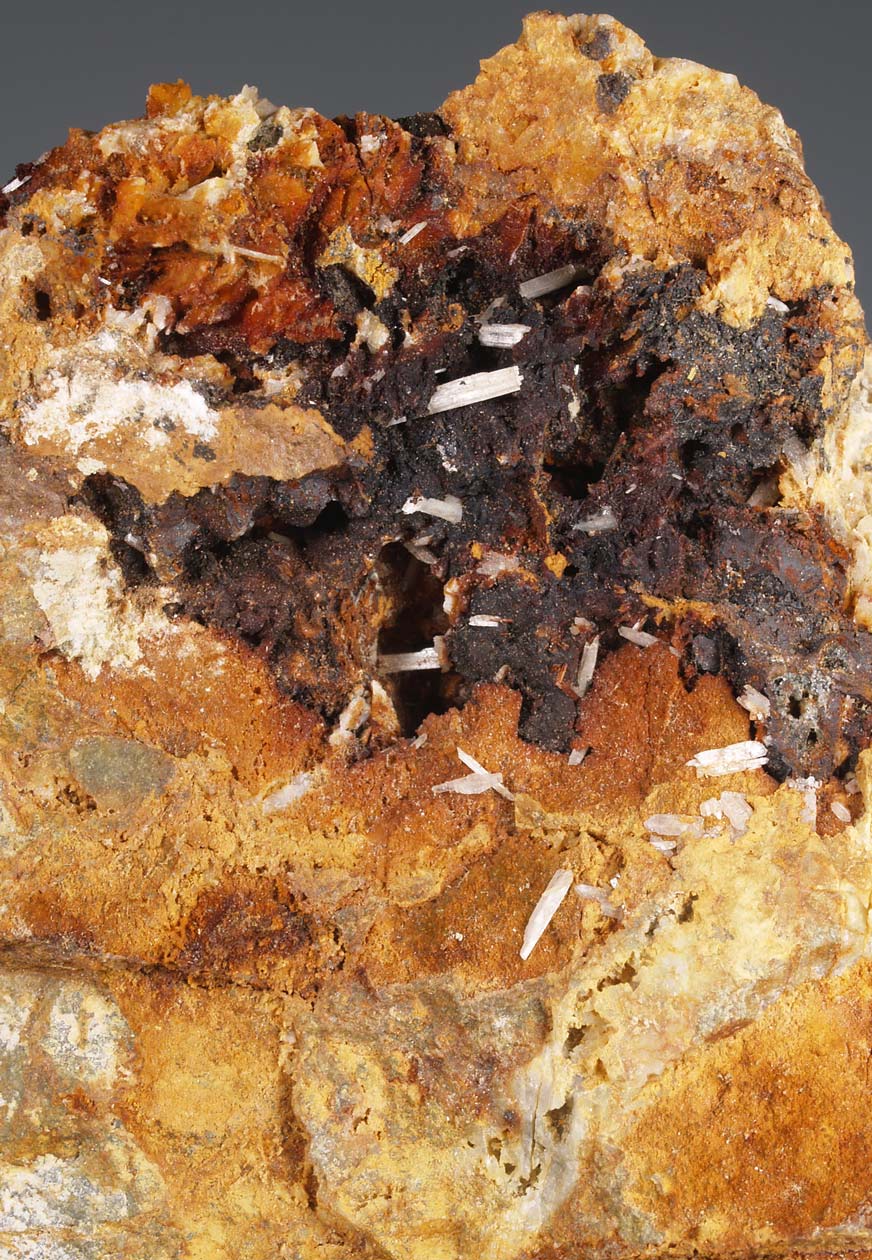
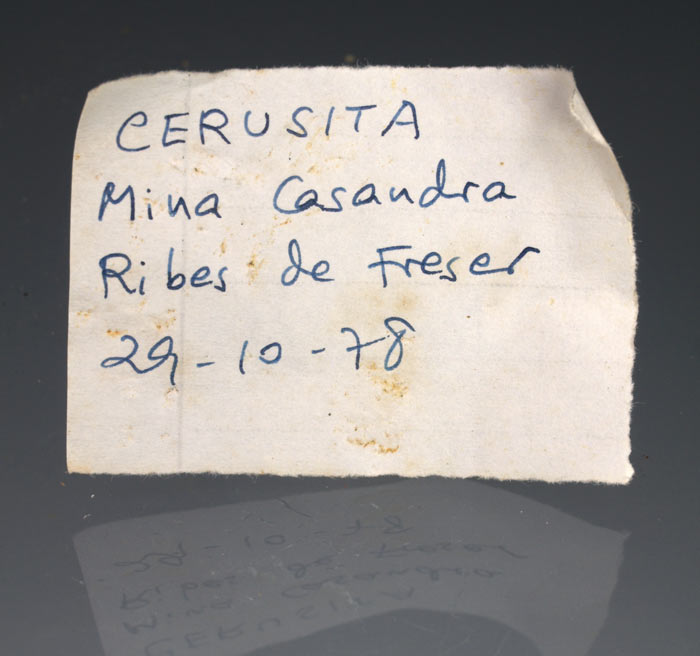
Una pieza antigua, con cristales prismáticos de cerusita, de níveo color blanco y brillantes. Estriados en las caras del prisma y dispuestos por la matriz. Fluorescentes bajo la luz UV-OL. Los ejemplares de esta clásica mina de la Vall de Ribes (casi desaparecida), en el Pirineo catalán, son imposibles de encontrar en el sitio y solo se ven en colecciones de hace bastantes años. Procede de la colección Joan Astor (Barcelona), con etiqueta manuscrita y recogida en octubre de 1978 por él mismo.
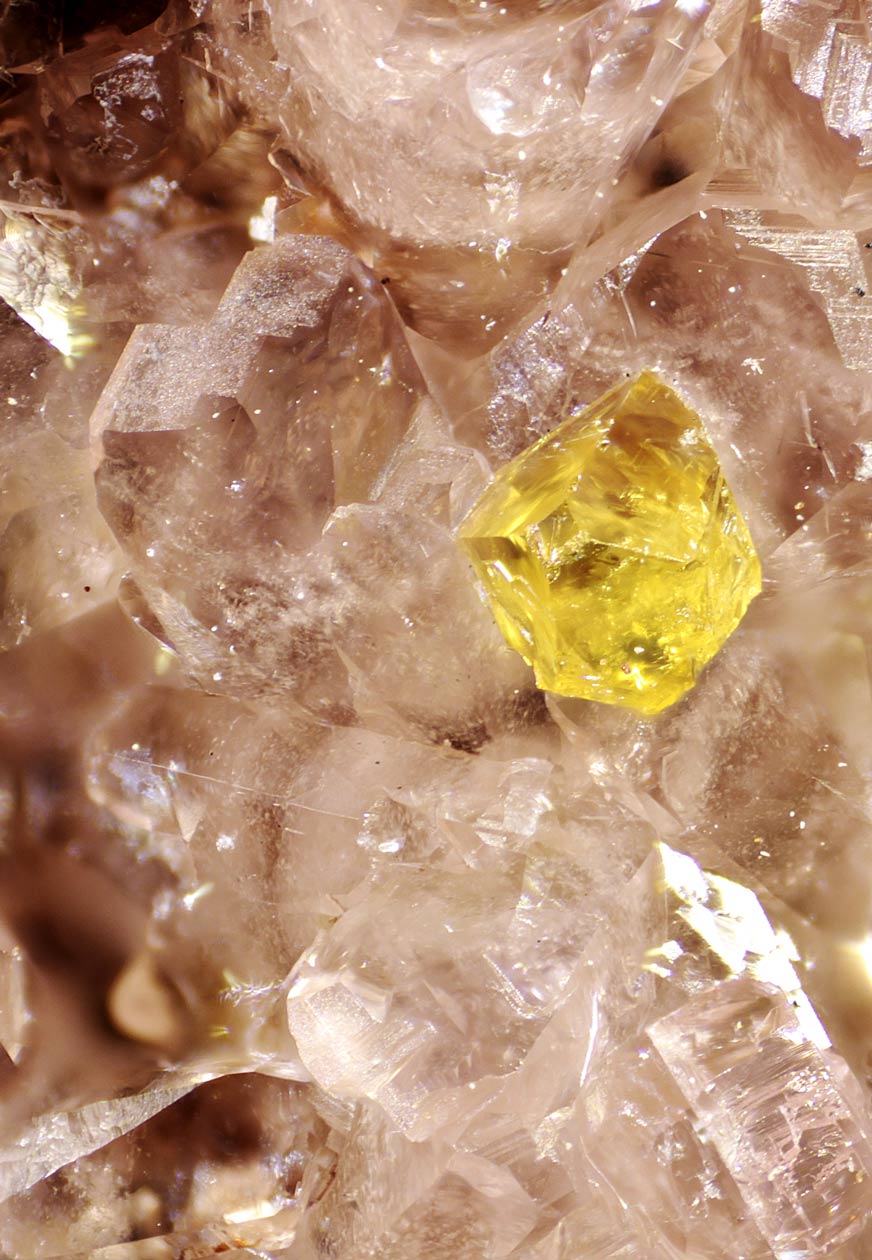
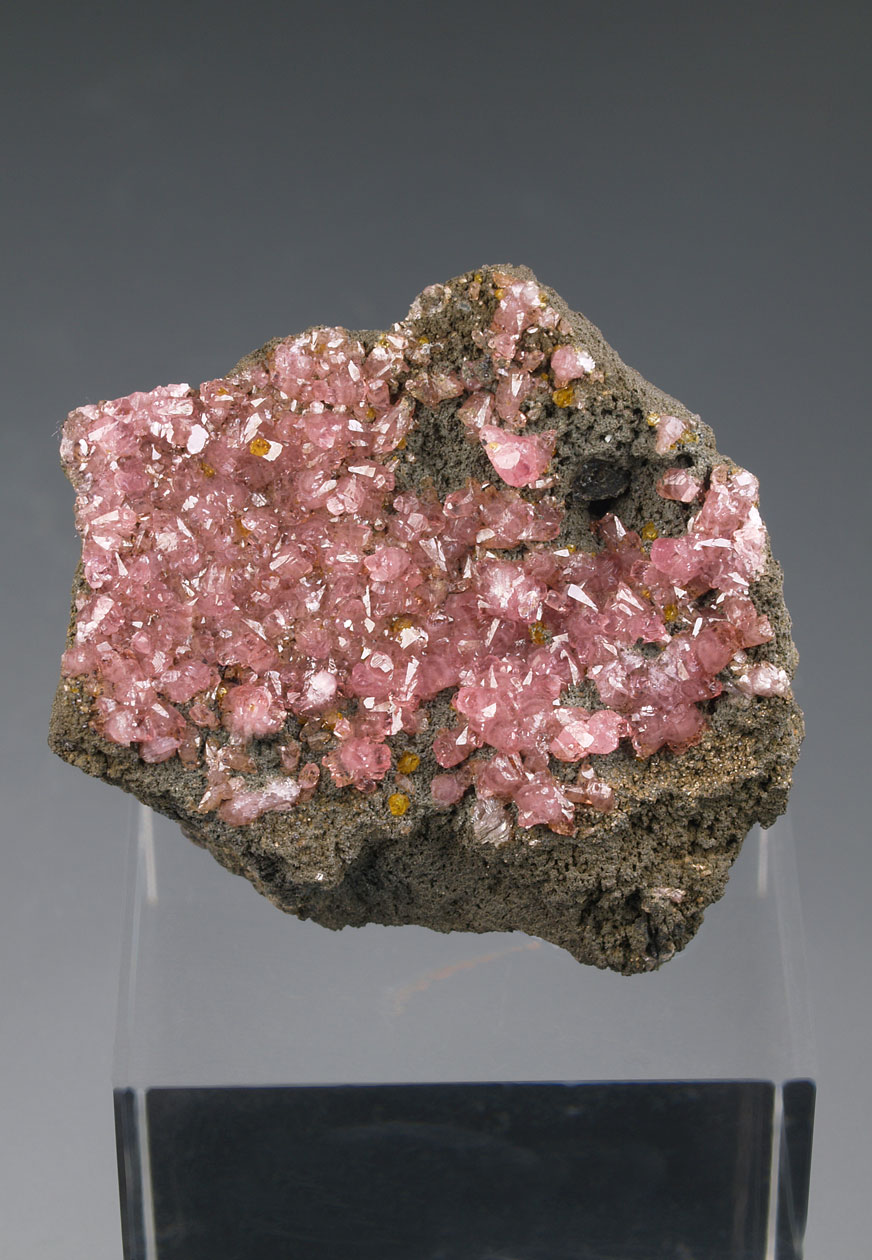
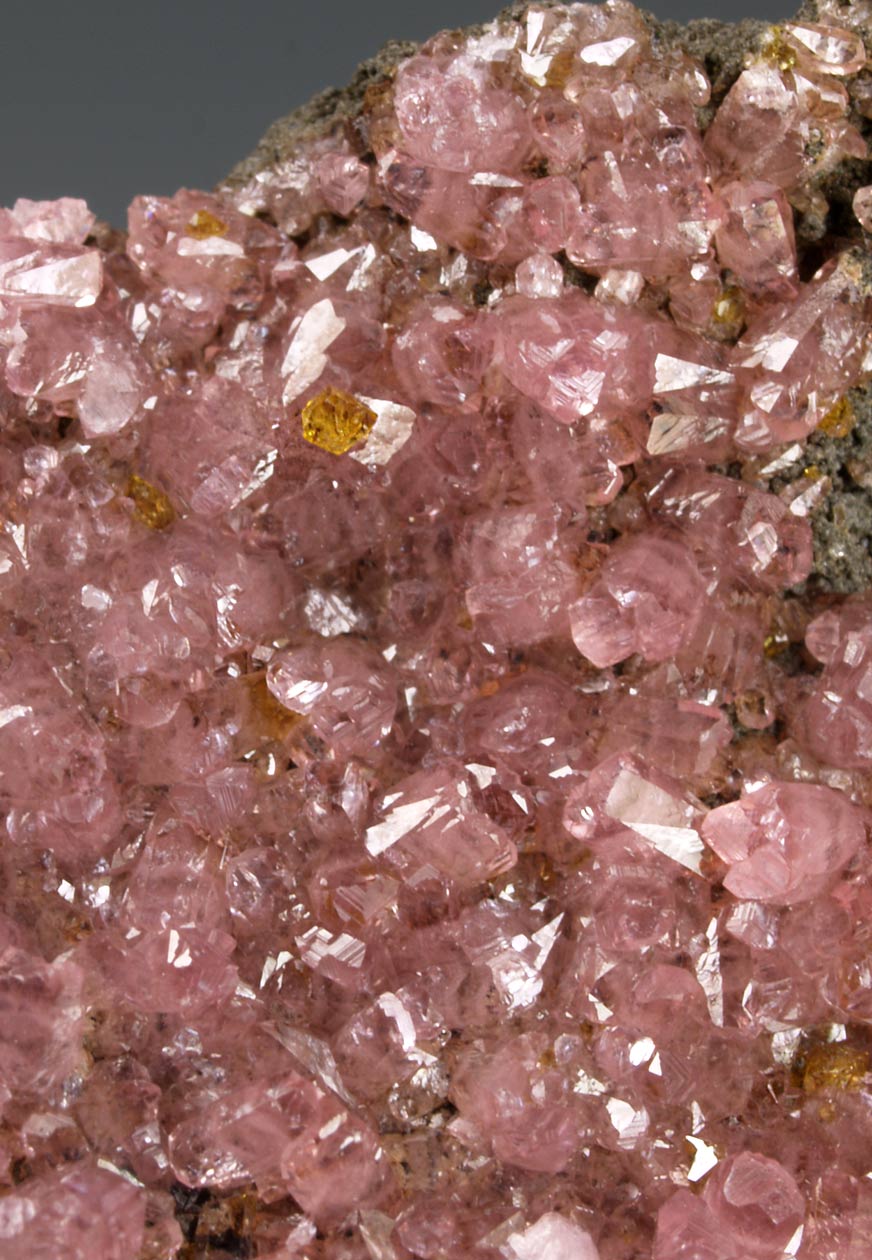
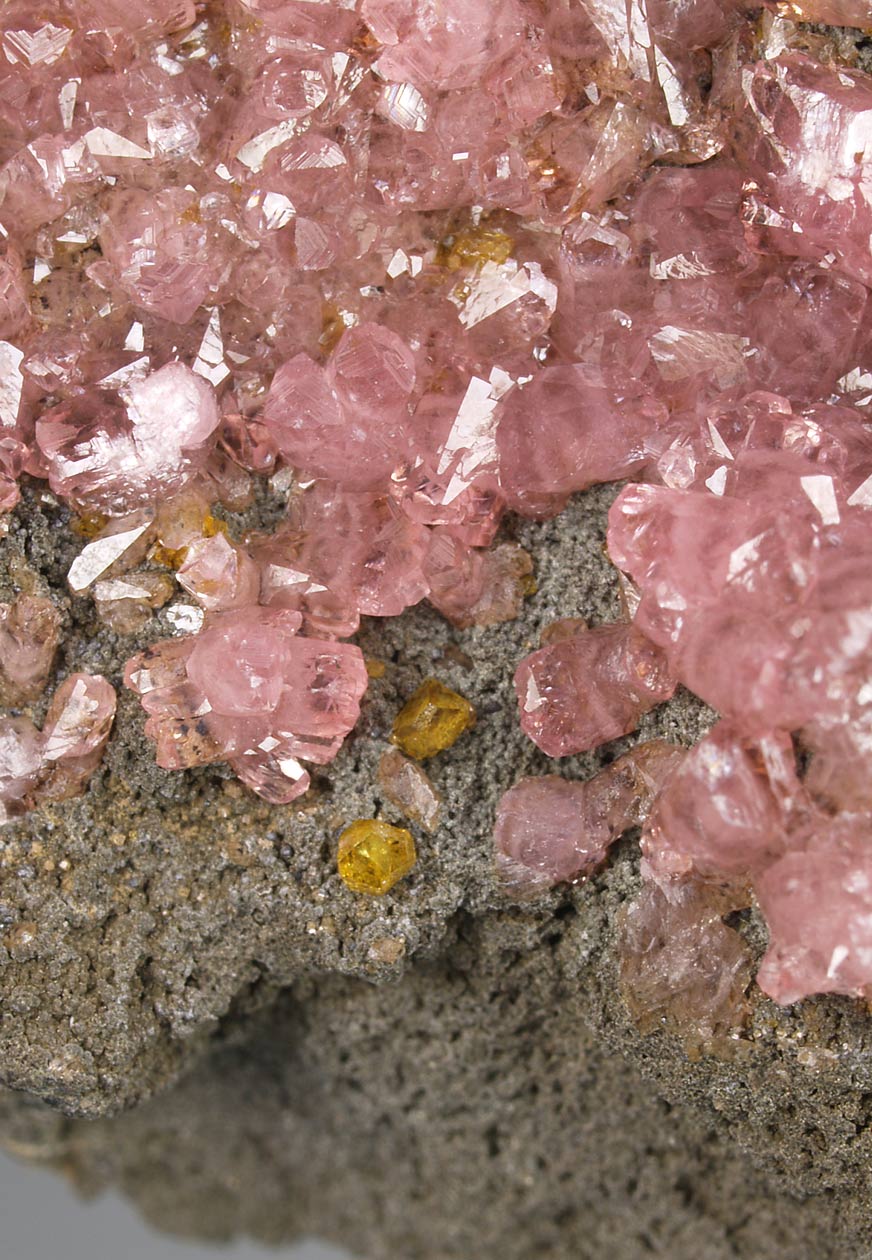
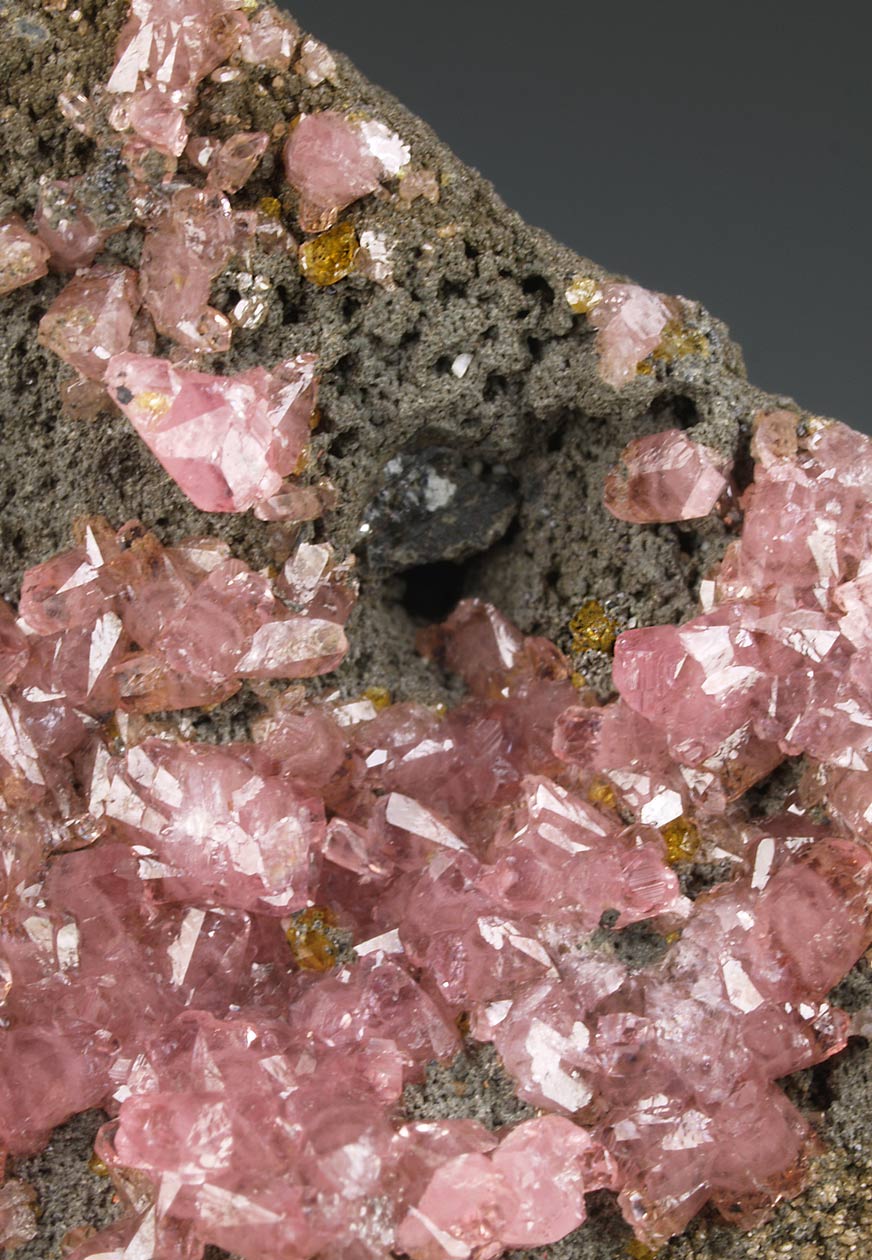
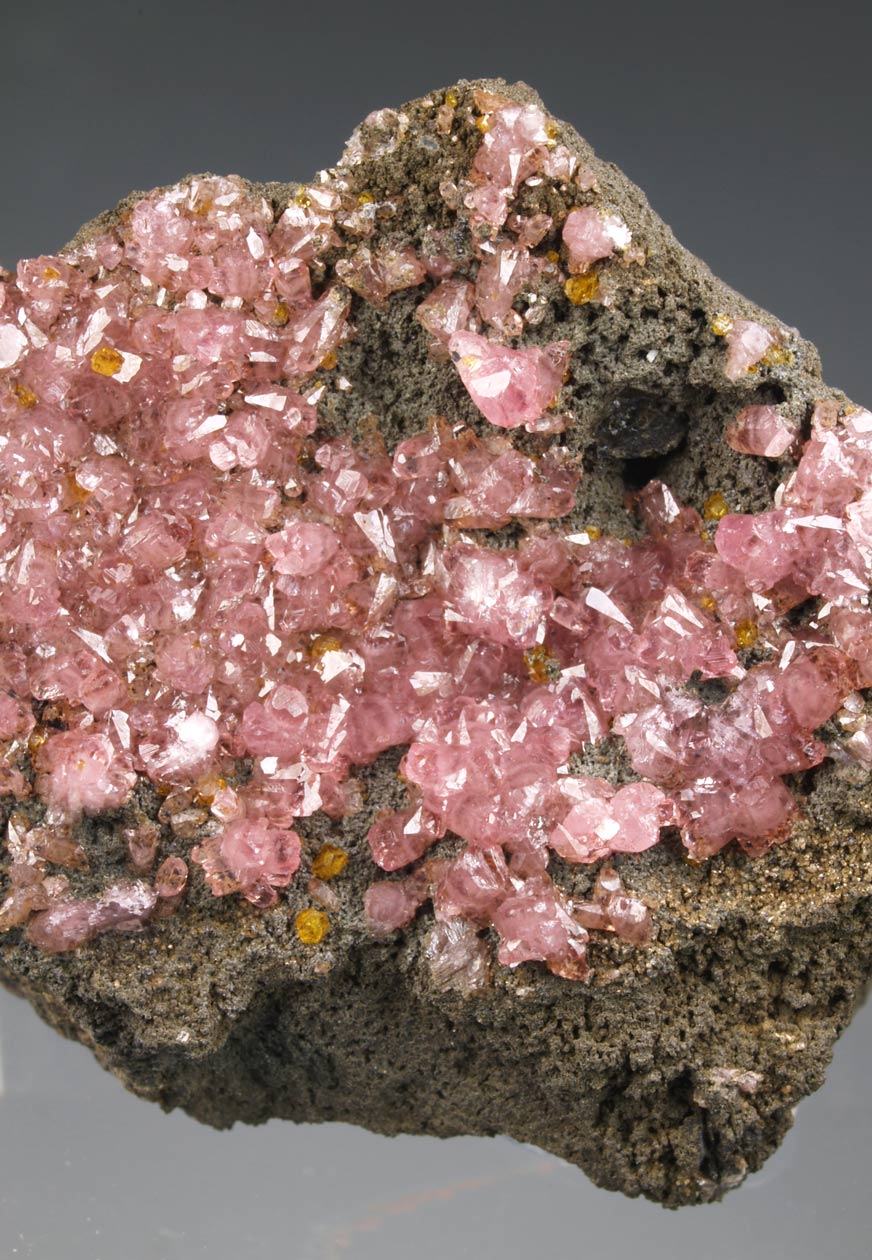
La natanita es un raro hidróxido de estaño y hierro. Se presenta como cristales octaédricos truncados en sus vértices por las caras del cubo. En este ejemplar podemos ver diversos cristales muy definidos, transparentes y de un intenso color amarillo. Destacan sobre una matriz con brillantes cristales de rodocrosita. Una pieza excepcional para la especie y la localidad.
Aunque los mejores ejemplares de natanita se han encontrado en la mina Potosí, la localidad tipo de la especie se halla en las antiguas repúblicas soviéticas de Kyrgyzstán y Tajikistán.
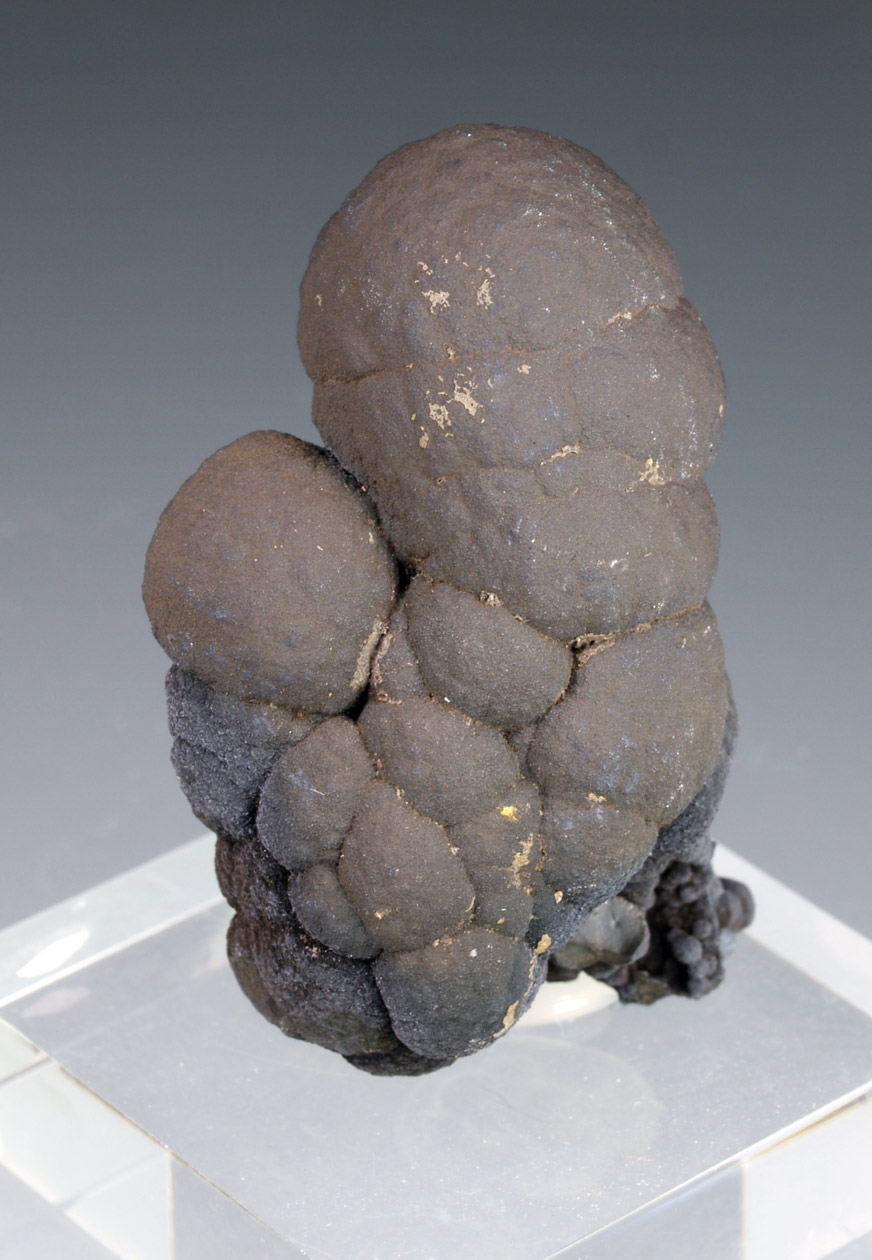
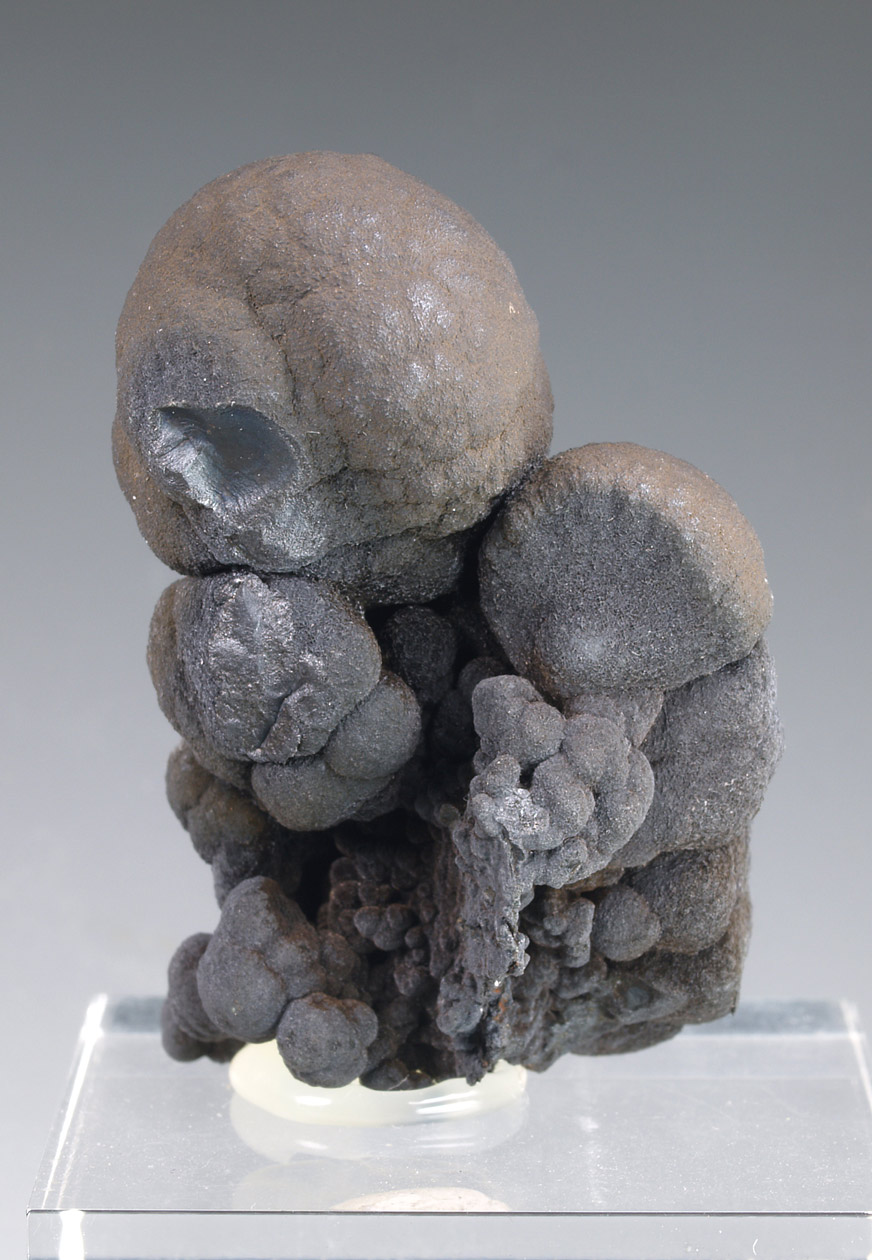
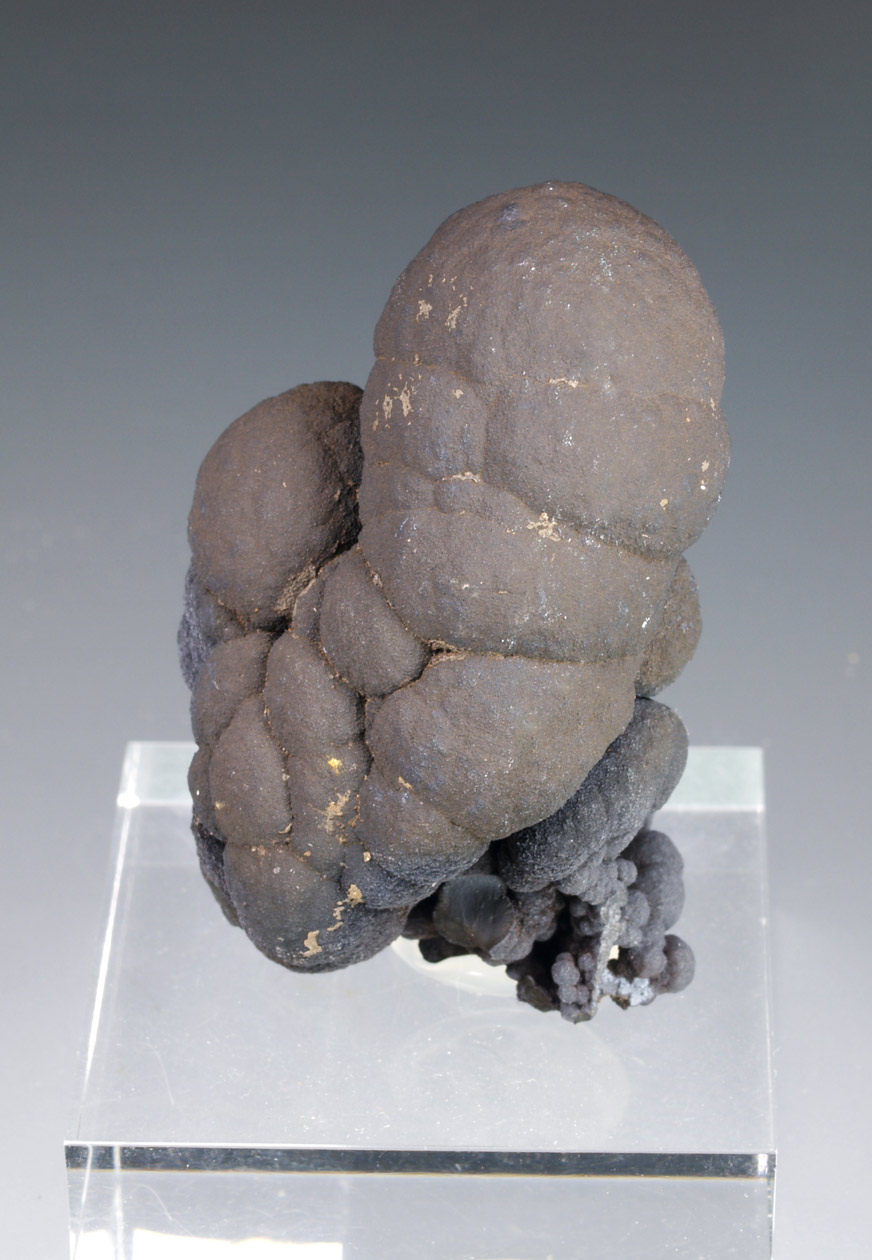
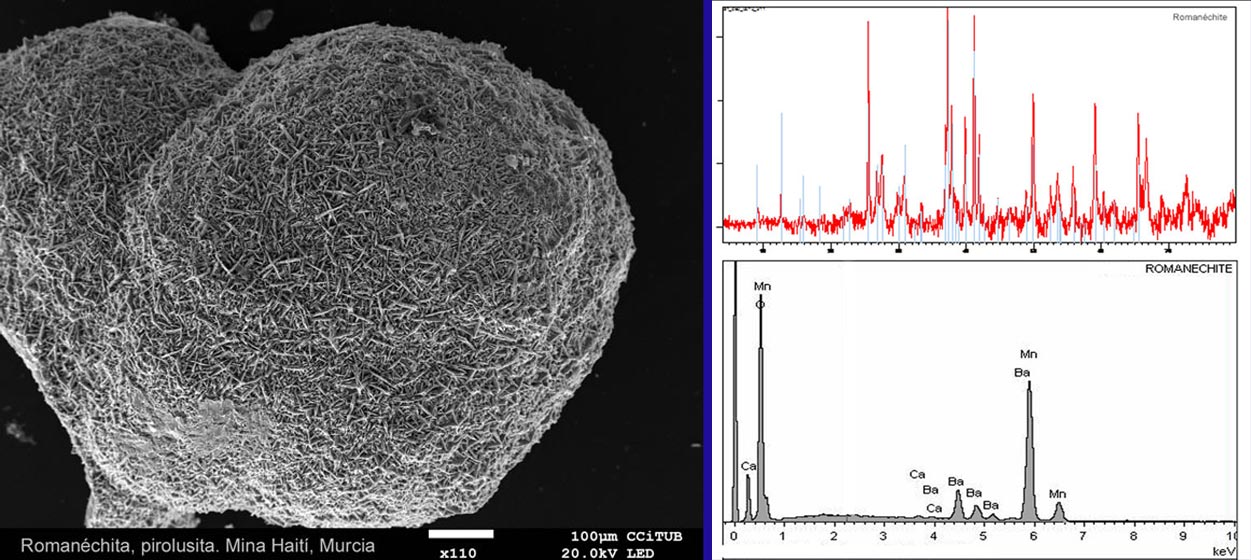
Sin duda estos son los mejores ejemplares de romanechita que se hayan encontrado nunca en España. Se trata de agregados botrioidales que nos muestran una superficie aterciopelada, formada por diminutos cristales de romanechita/pirolusita. La romanechita presenta en fractura fresca el clásico color gris. Sobre la superficie de las estalactitas podemos observar pequeños pero brillantes cristales de pirolusita. Estas muestras no han sido tratadas, solo se han lavado con agua. Los análisis se enviaran al comprador.
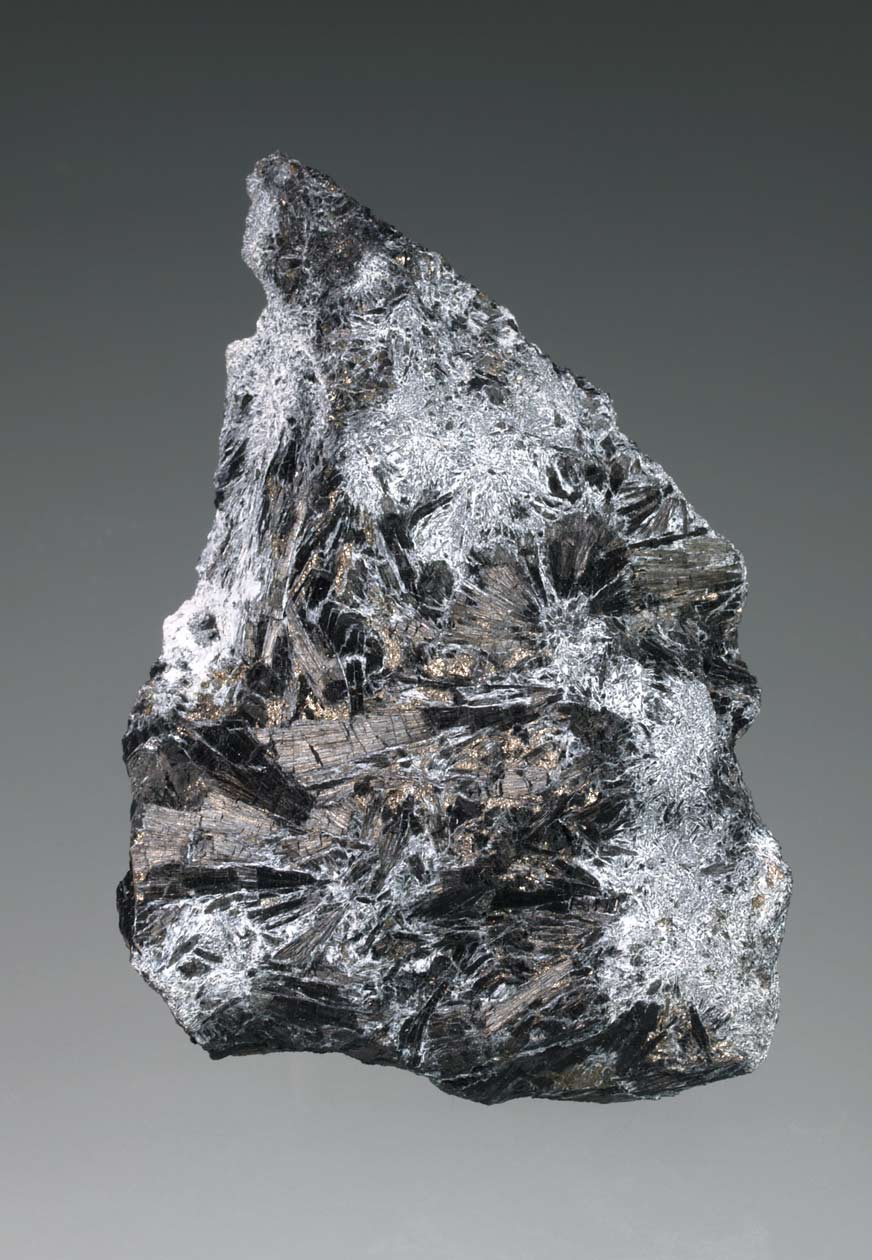
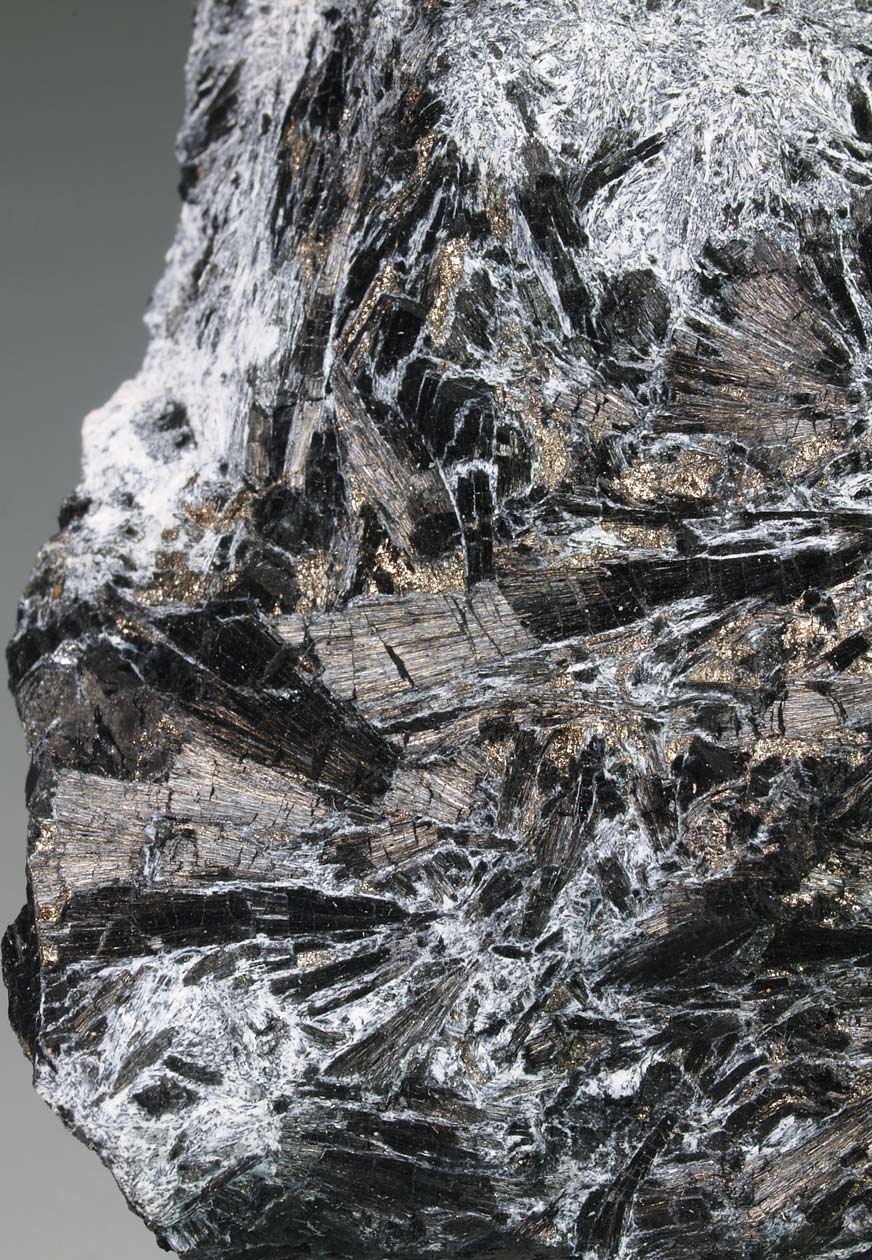
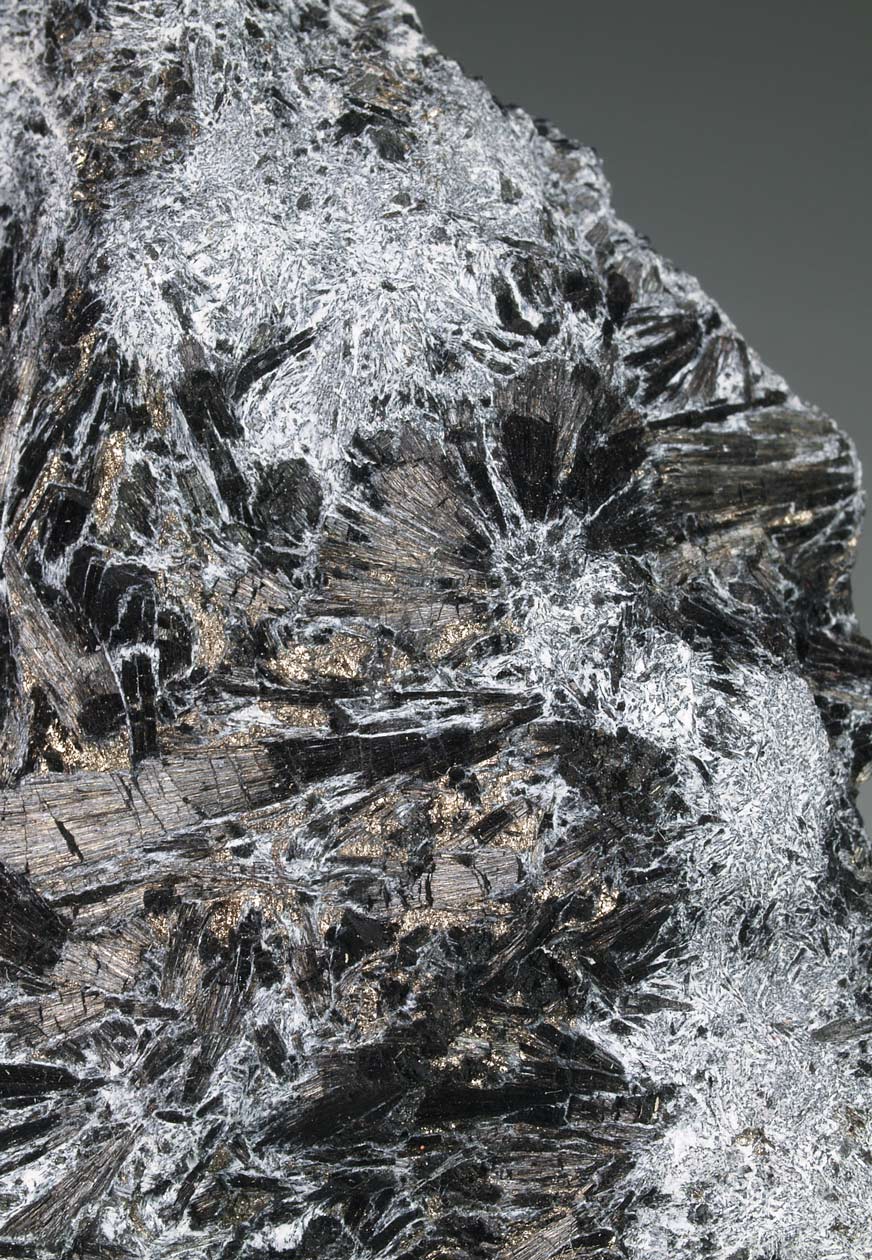
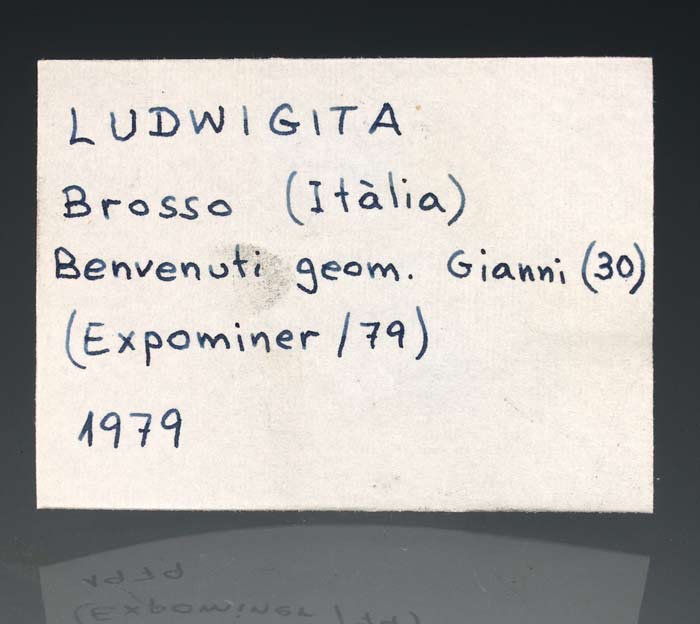
Agregados radiales de cristales de ludwigita, un poco habitual borato de magnesio y hierro. Se acompaña de pirita. Habitualmente muchos de estos ejemplares han sido acidificados, no es este el caso. Procede de la colección Joan Astor (Barcelona), con etiqueta manuscrita.
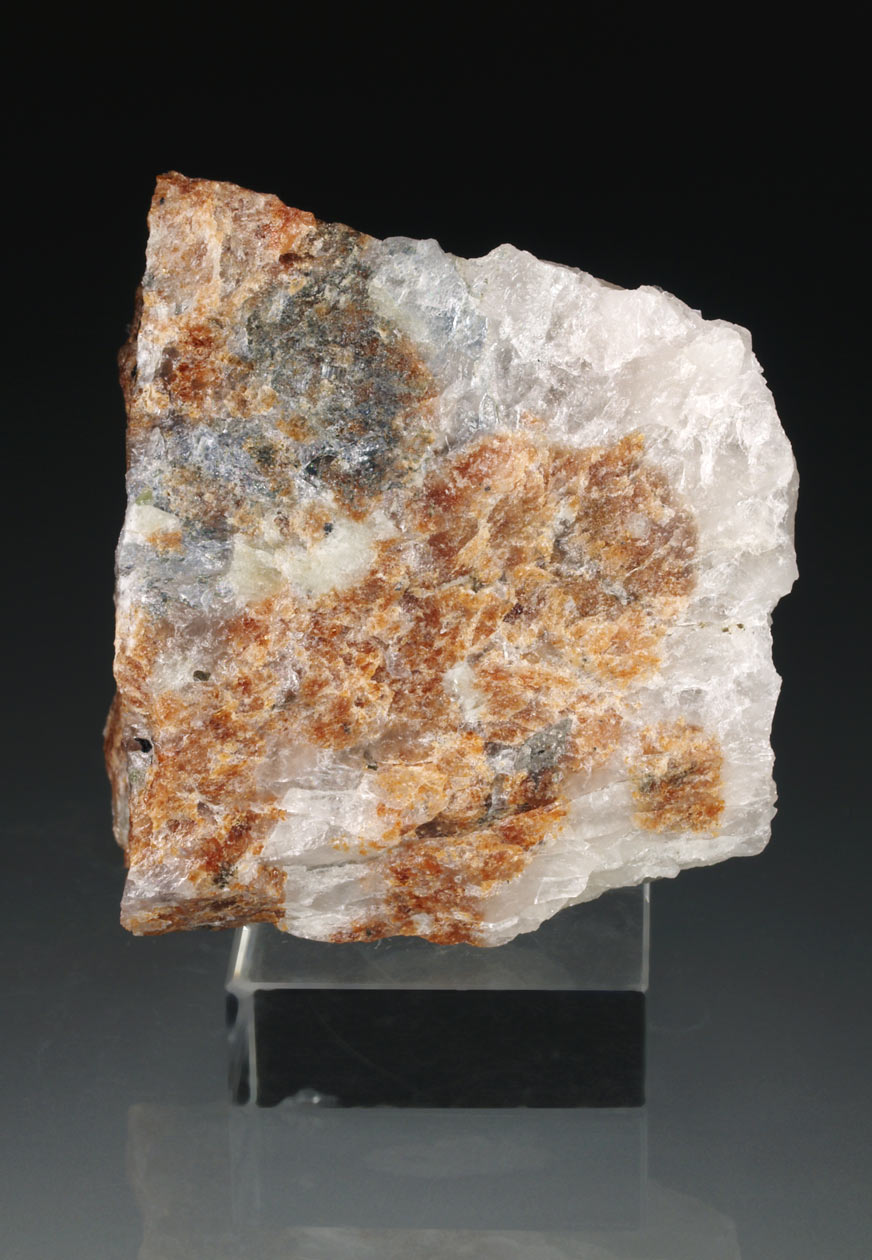
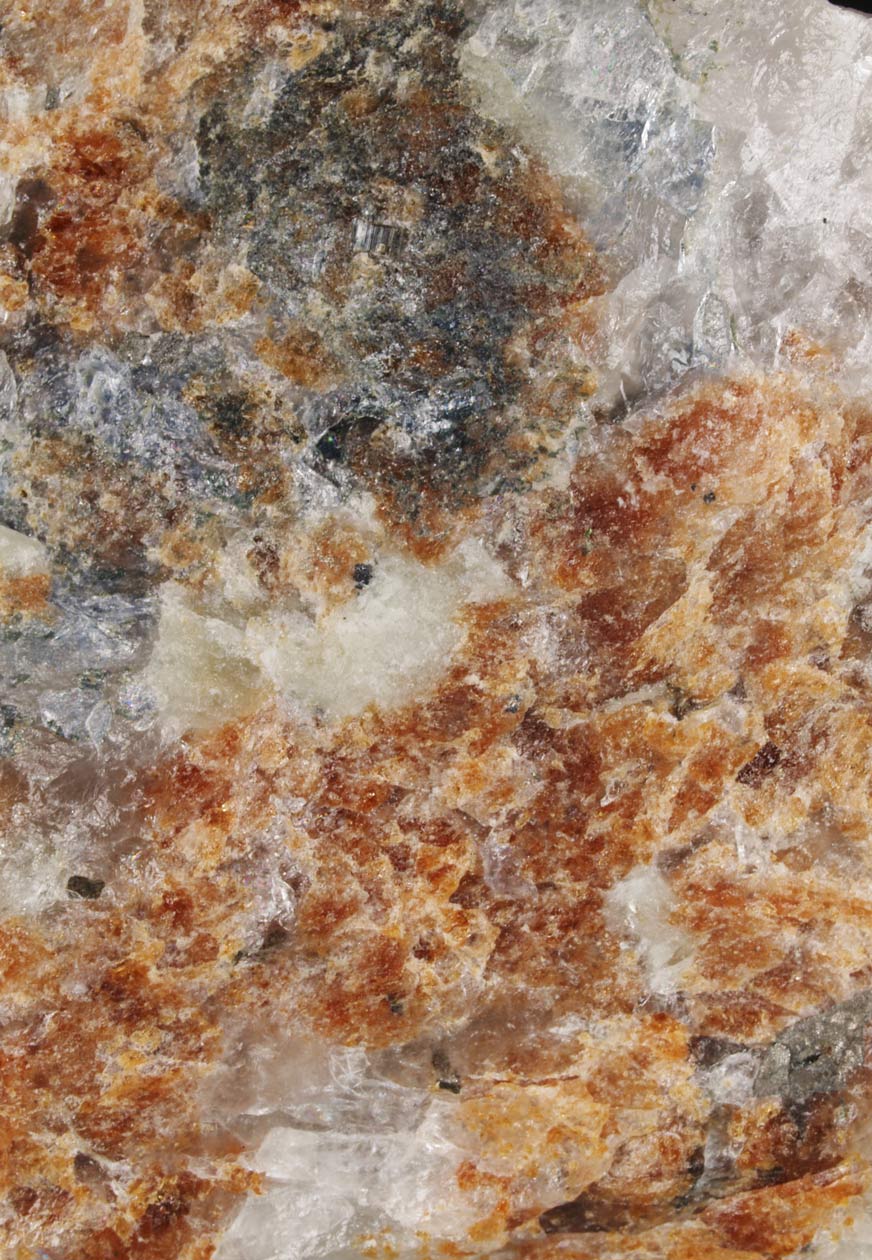
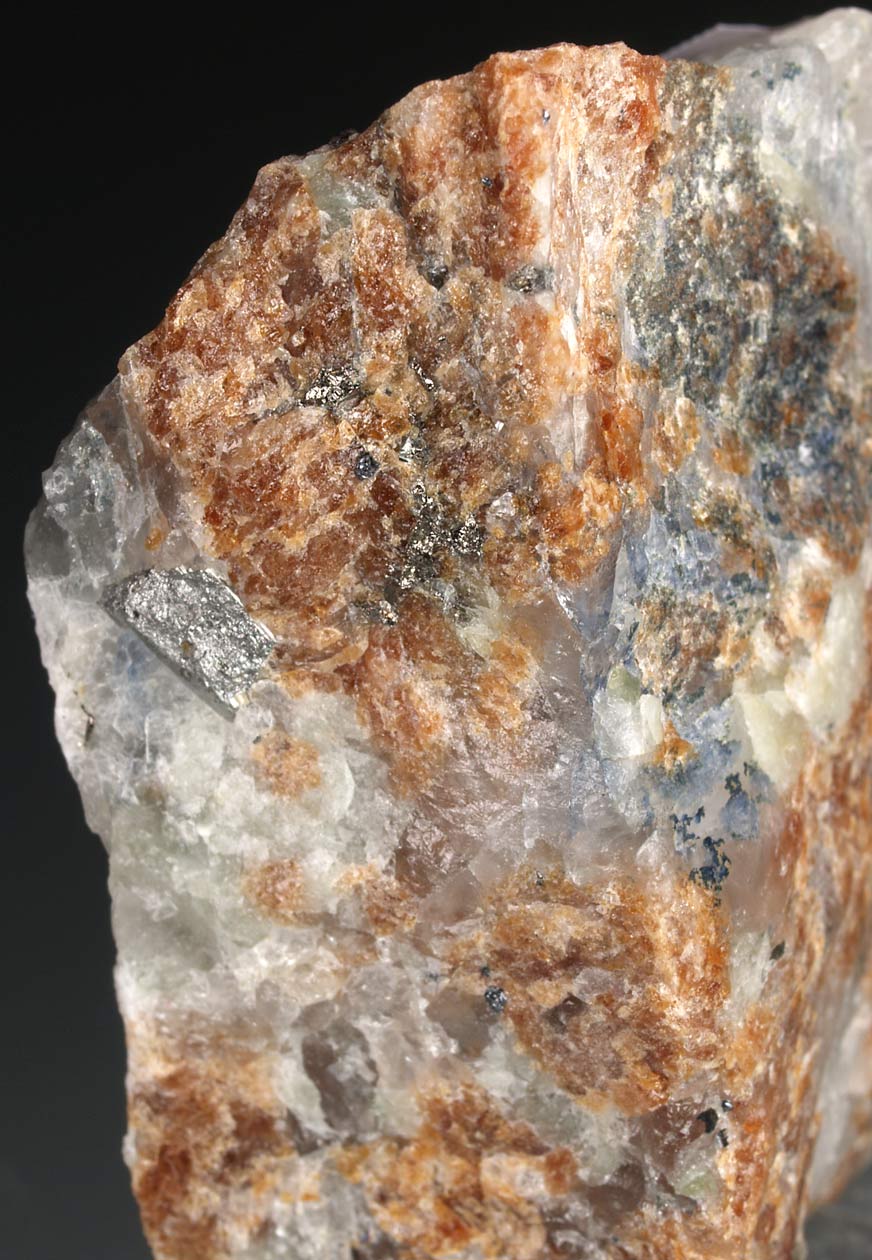
De ejemplares como estos se identificó esta rarísima especie: panasqueiraíta. Identificarla en cada ejemplar es tarea casi imposible. La panasqueiraita es un fosfato monoclínico de calcio-magnesio, sería el análogo hidroxilado de la isokita. En Panasqueira, su localidad tipo, se encuentra como agregados masivos de grano fino junto con otros fosfatos (fluorapatita, thadeuíta, wolfeíta, triplita, althausita y vivianita), con topacio, cuarzo y sulfuros (arsenopirita, pirrotita, calcopirita y esfalerita) a vetas hidrotermales. La panasqueiraíta se parece mucho a la thadeuíta y la wolfeíta, pero a simple vista se pueden distinguir las tres especies por sus colores ligeramente diferentes: thadeuíta: amarillo naranja; wolfeíta: salmón rosado; panasqueiraíta: naranja rosado.
No se conocen cristales de panasqueiraíta, pero siempre hay planos de exfoliación {010}, también para thadeuíta (Caries Curto, Jordi Fabre: The Panasqueira Mines. The Mineralogical Record, enero-febrero de 2014, volumen 45, número 1).
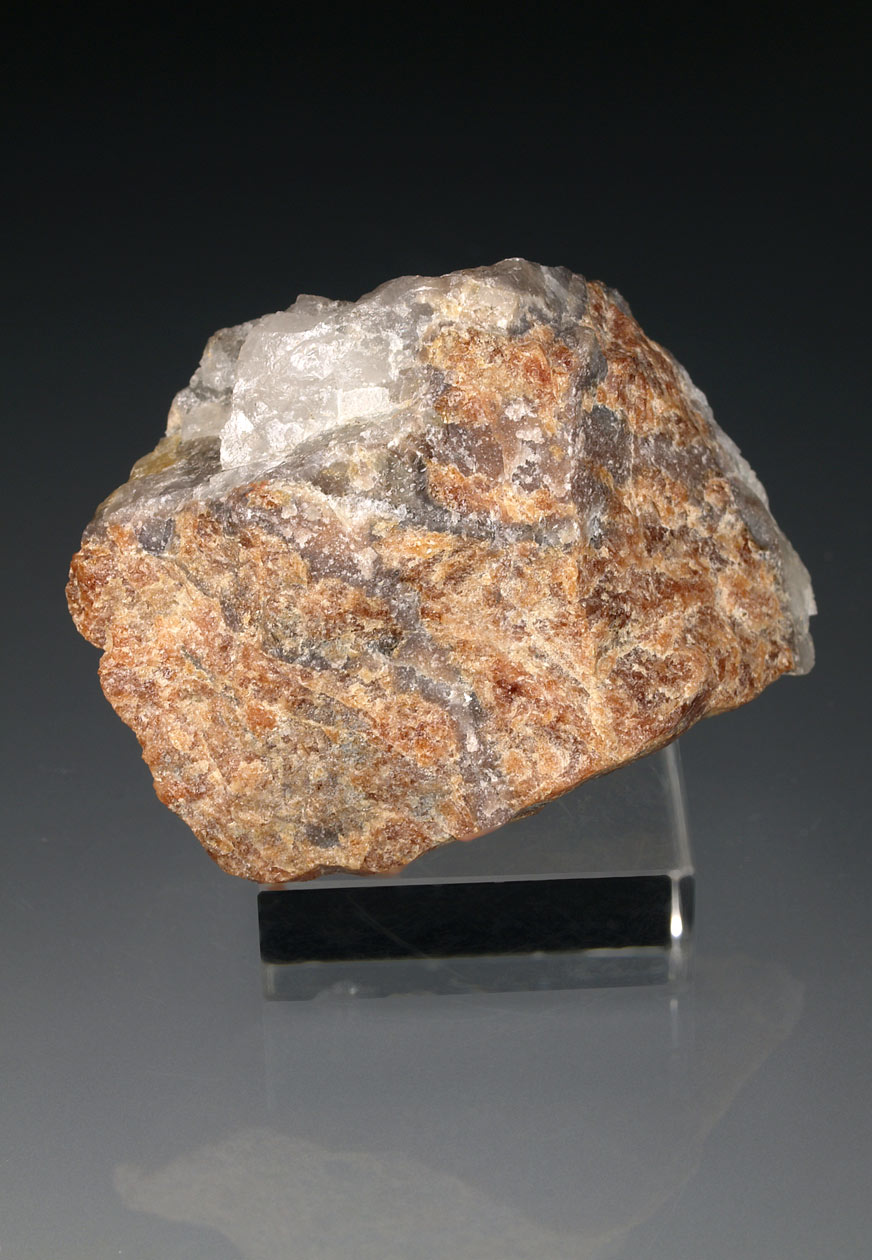
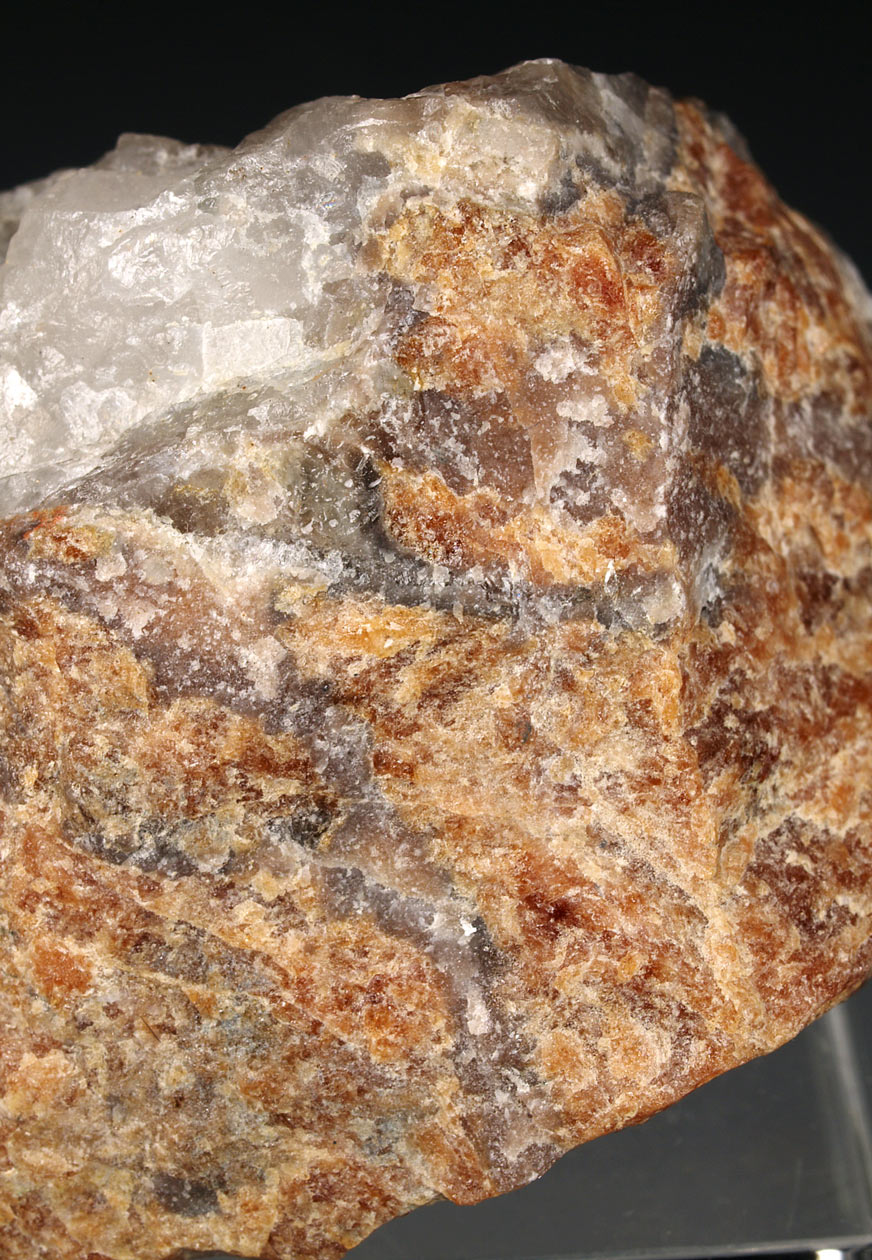
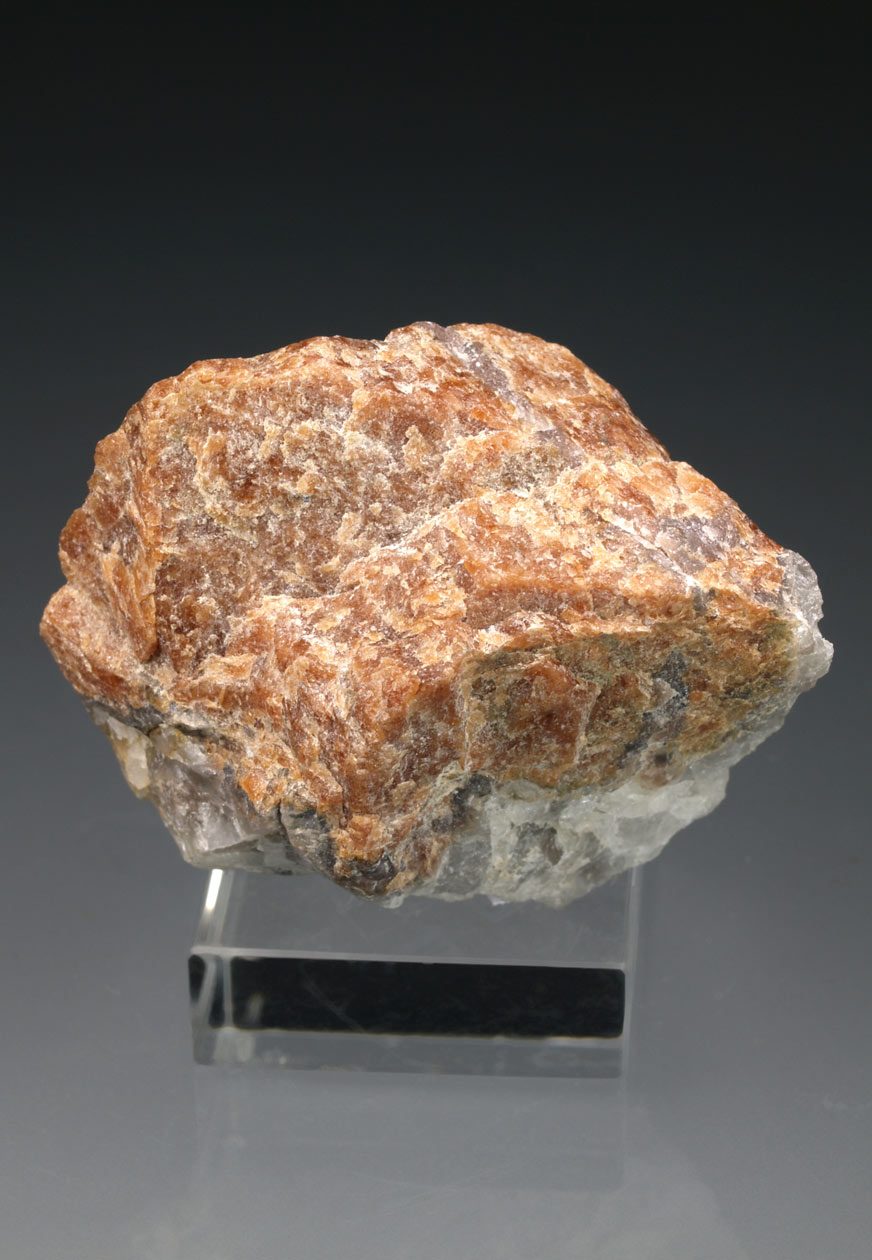
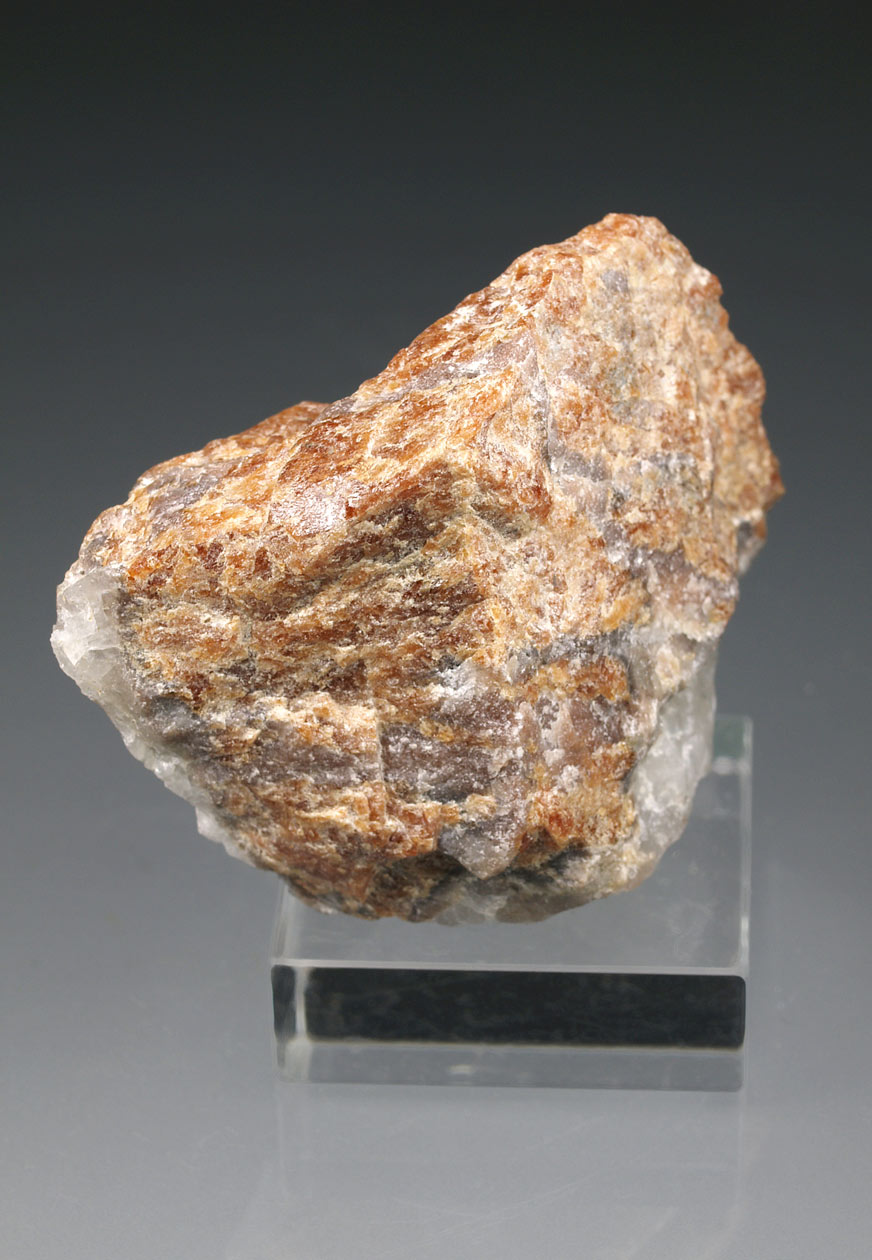
De ejemplares como estos se identificó esta rarísima especie: panasqueiraíta. Identificarla en cada ejemplar es tarea casi imposible. La panasqueiraita es un fosfato monoclínico de calcio-magnesio, sería el análogo hidroxilado de la isokita. En Panasqueira, su localidad tipo, se encuentra como agregados masivos de grano fino junto con otros fosfatos (fluorapatita, thadeuíta, wolfeíta, triplita, althausita y vivianita), con topacio, cuarzo y sulfuros (arsenopirita, pirrotita, calcopirita y esfalerita) a vetas hidrotermales. La panasqueiraíta se parece mucho a la thadeuíta y la wolfeíta, pero a simple vista se pueden distinguir las tres especies por sus colores ligeramente diferentes: thadeuíta: amarillo naranja; wolfeíta: salmón rosado; panasqueiraíta: naranja rosado.
No se conocen cristales de panasqueiraíta, pero siempre hay planos de exfoliación {010}, también para thadeuíta (Caries Curto, Jordi Fabre: The Panasqueira Mines. The Mineralogical Record, enero-febrero de 2014, volumen 45, número 1).
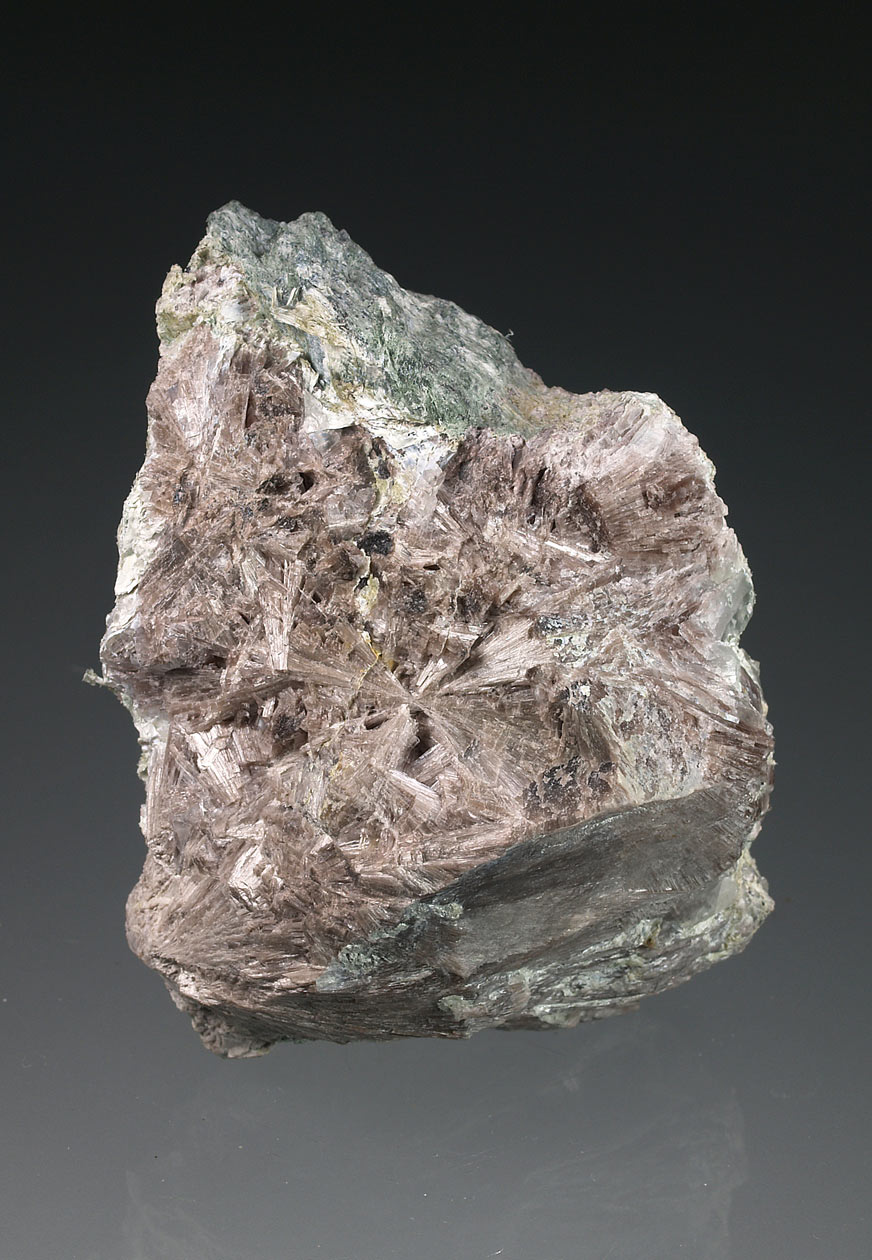
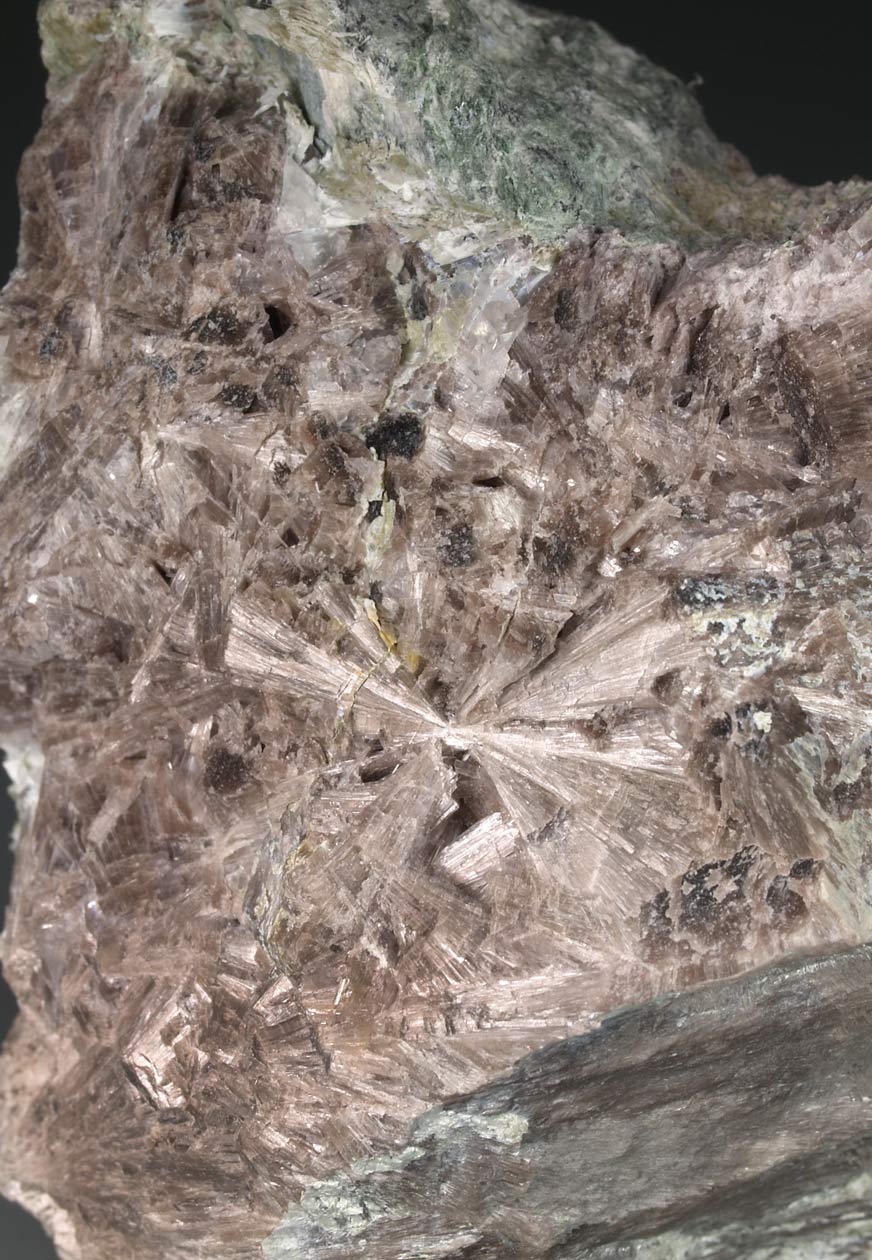
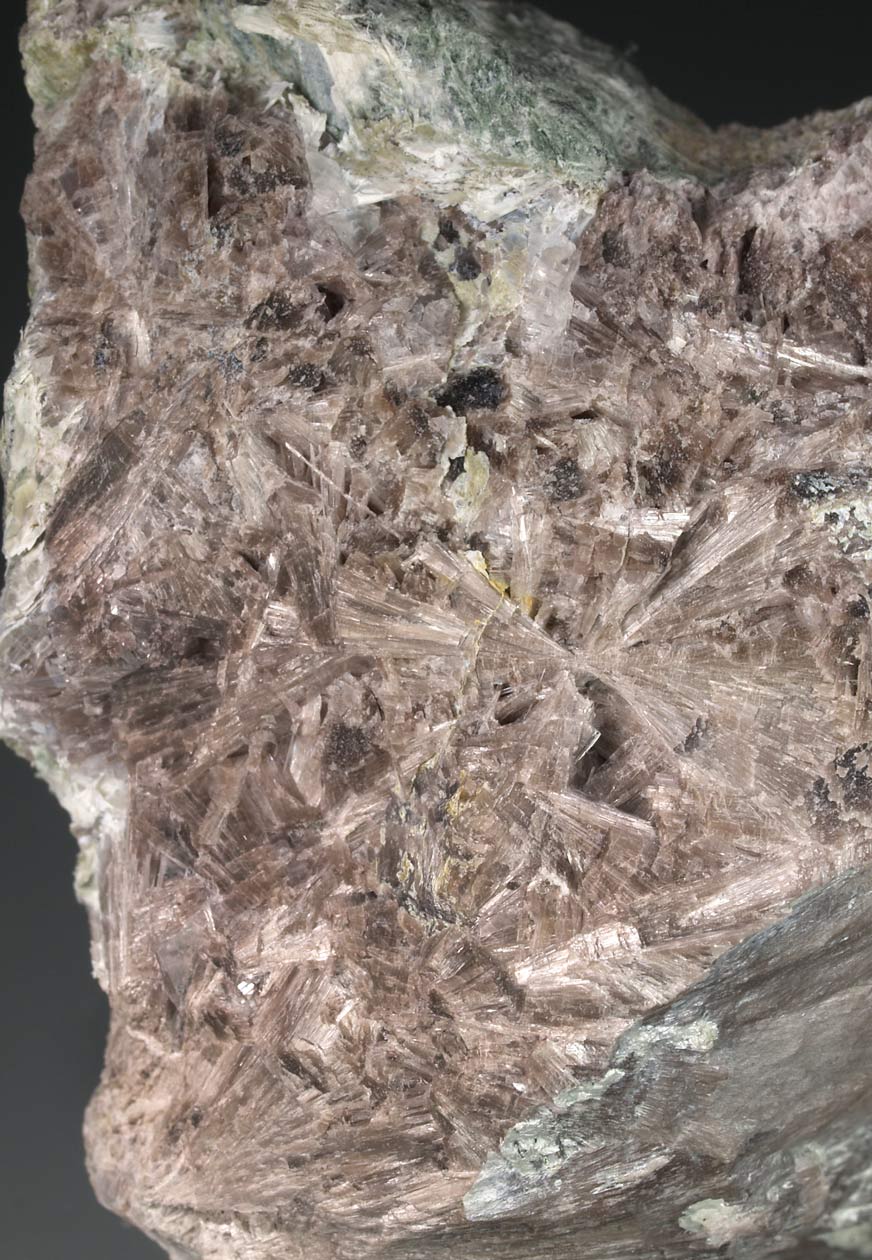
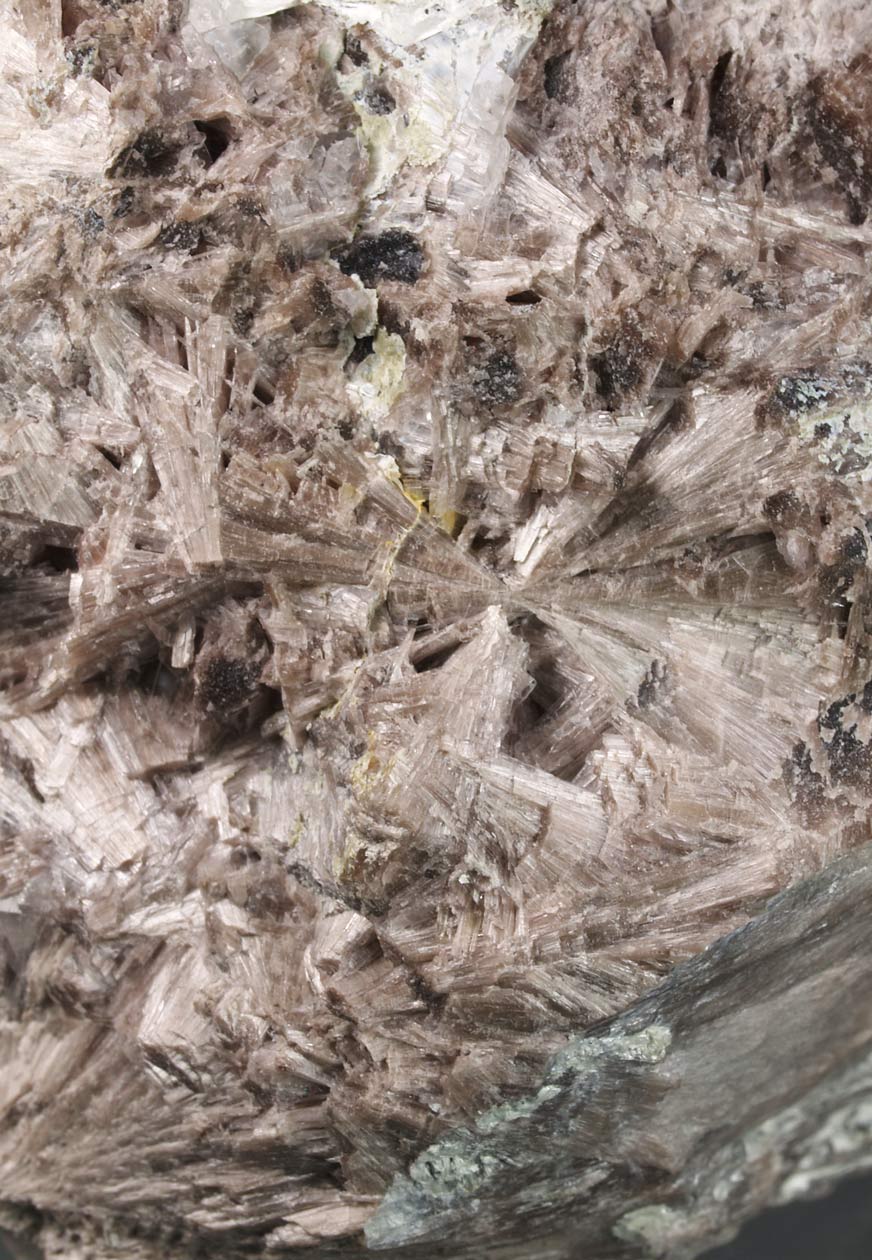
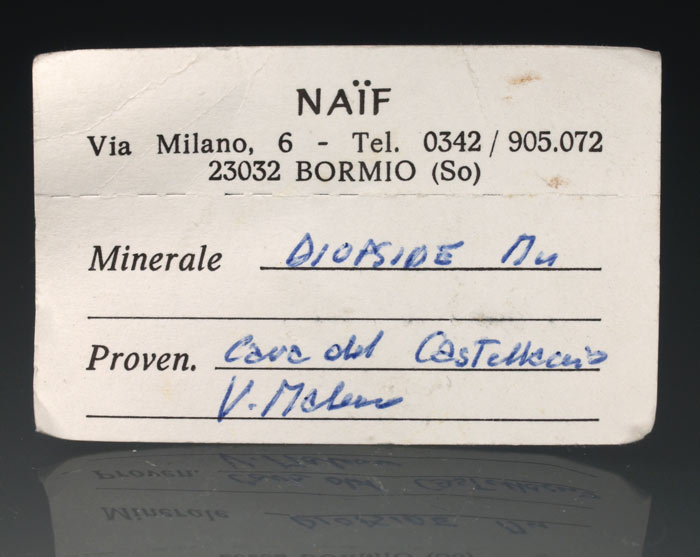
Los ejemplares de diópsido de Castellaccio son difíciles de encontrar hoy día. Se presenta como agregados de cristales prismáticos radiales de diópsido con una tonalidad lavanda debido a las impurezas de manganeso. Se trata de la especie más conocida que se halla en la rodingita (una roca metasomática) de esta cantera italiana. Diversos análisis han mostrado la presencia de Co (0,5% en peso en CoO) y Mn (1,5% en peso en MnO). Los minerales asociados incluyen perovskita, grossularia, andradita, magnetita, titanita, apatito, pirrotita y calcita (Bedognè et al., 2006). Con una interesante etiqueta, de la tienda de minerales Naïf (Bormio), de la que no he encontrado más información.
Bedognè, F., Montrasio, A., Sciesa, E. (2006): I minerali della medio-alta Valtellina delle Orobie e della Val Poschiavo. Aggiornamenti sulle altre località della provincia di Sondrio. Tipografia Bettini, Sondrio, 255 pp.
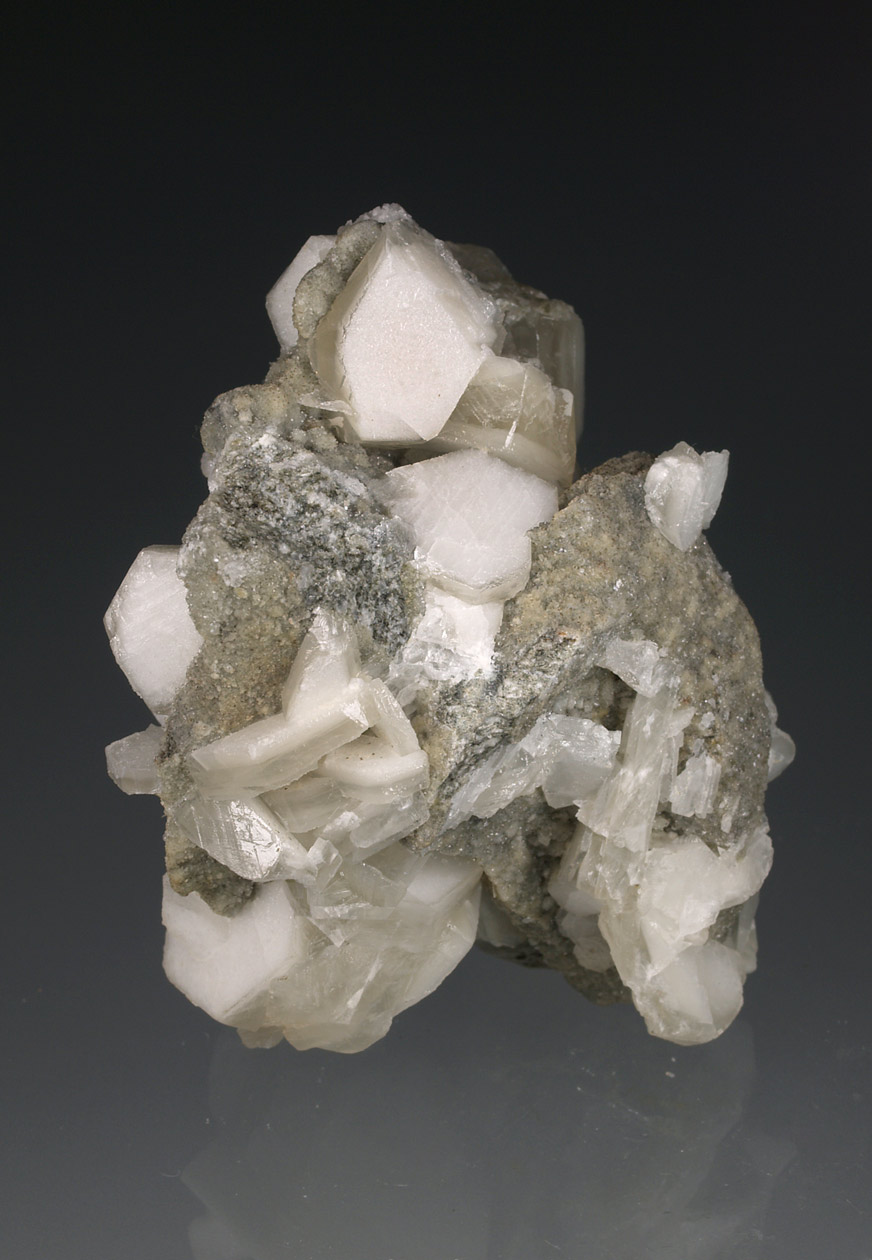
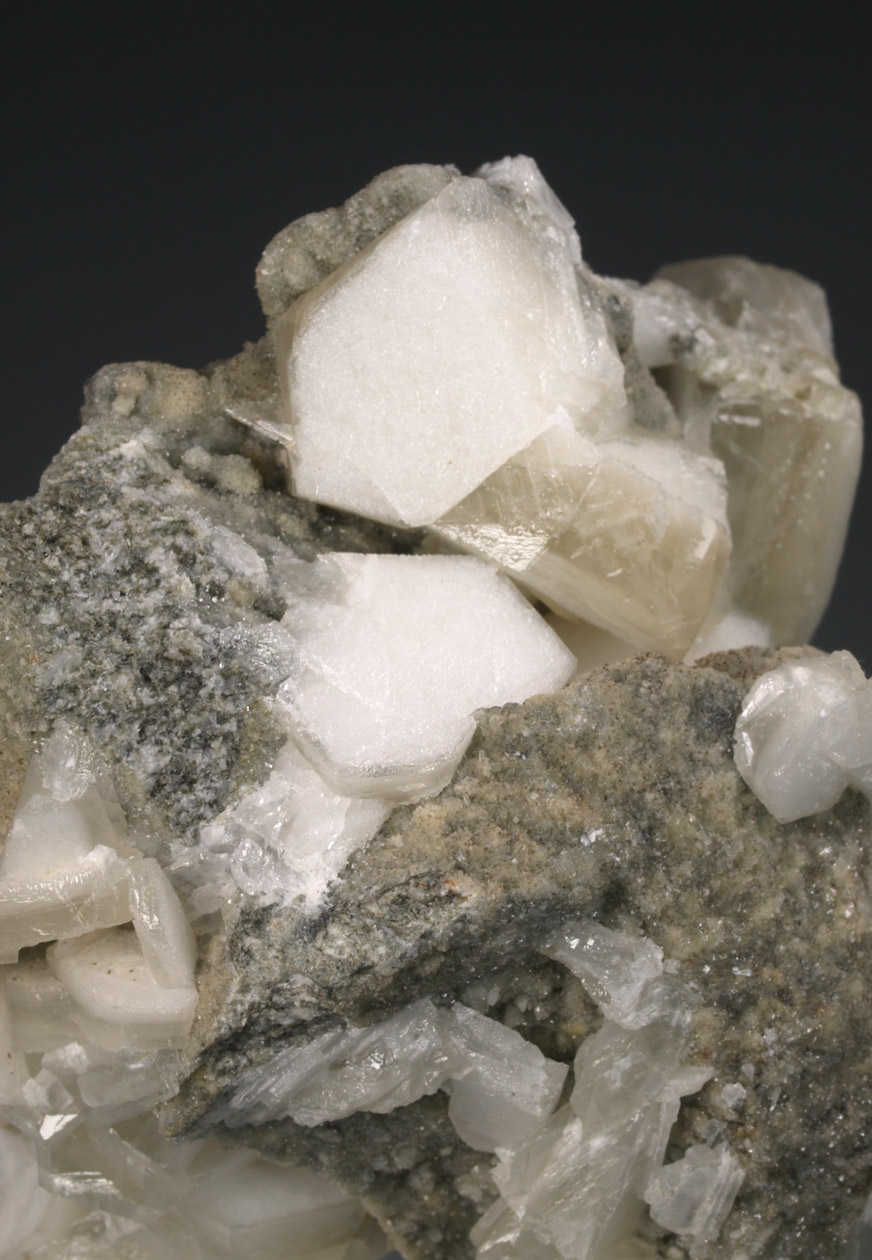
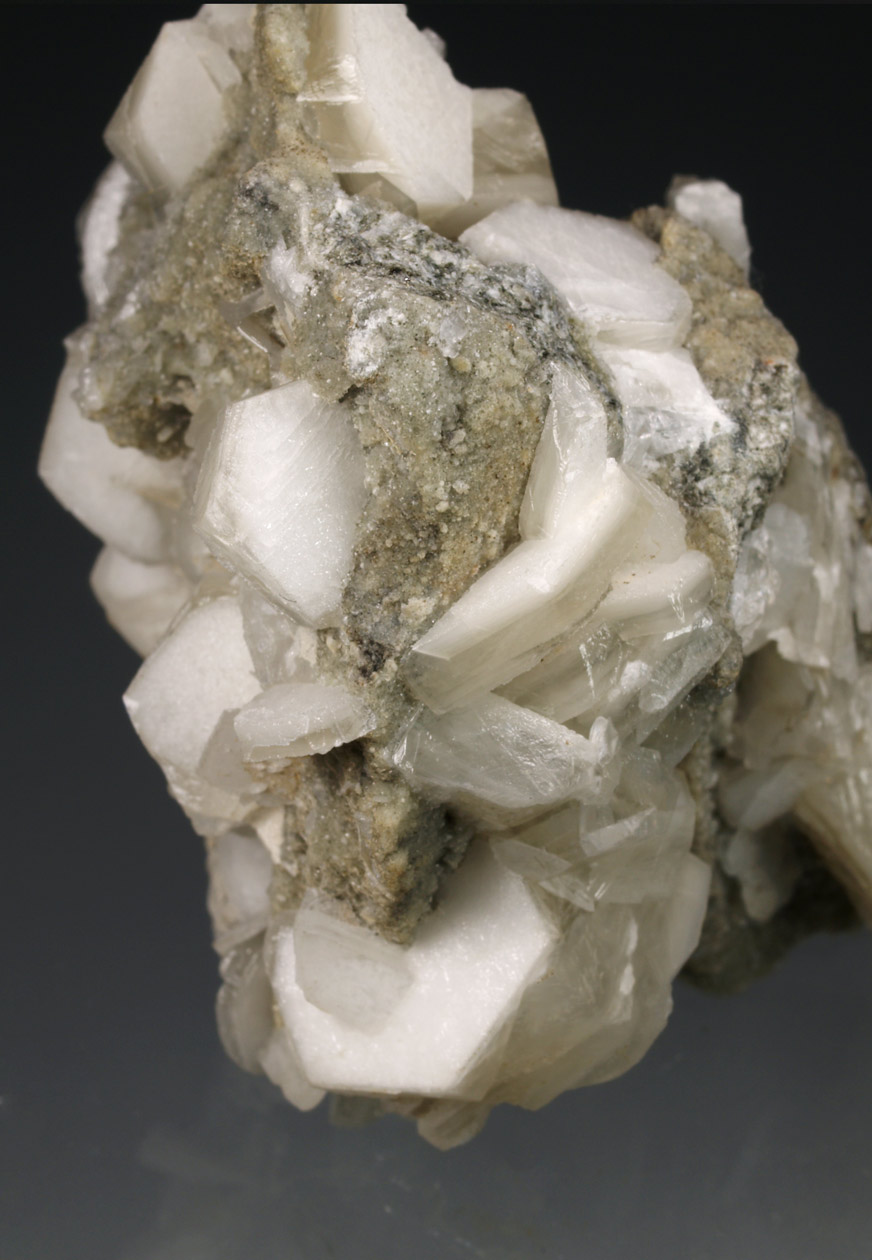
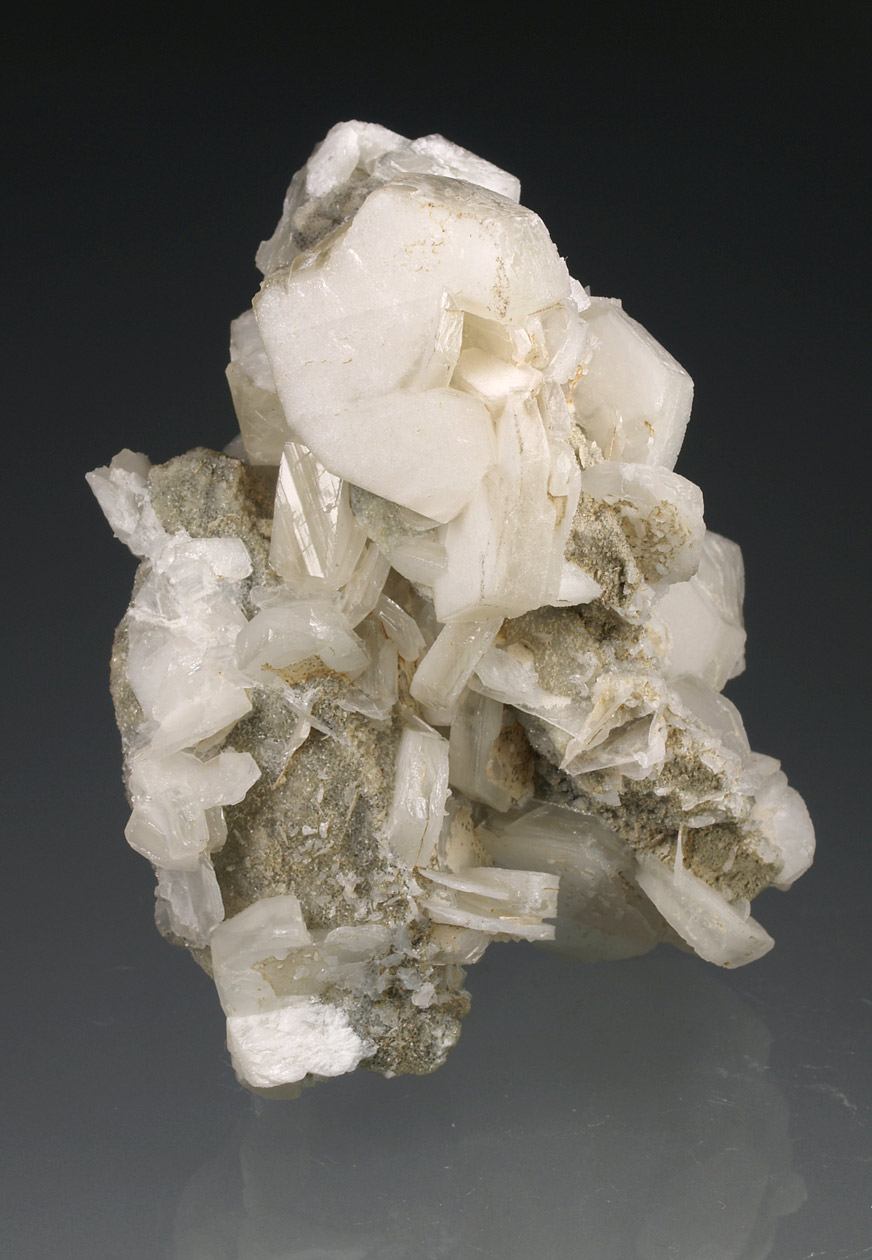
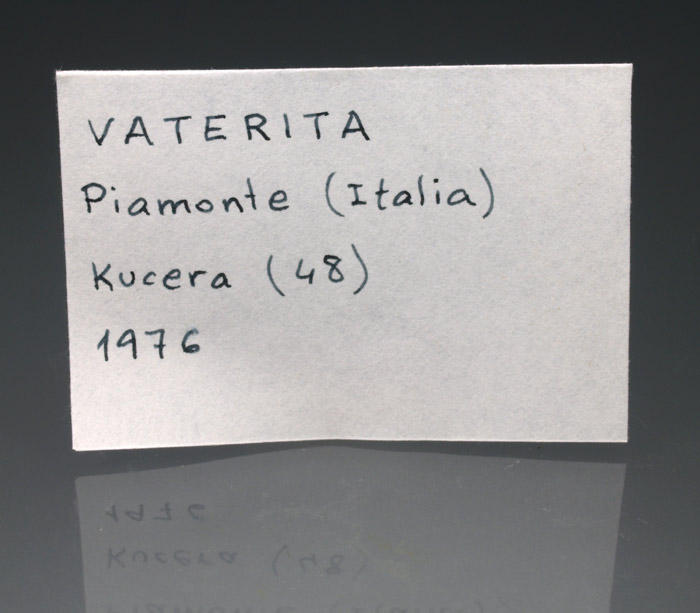
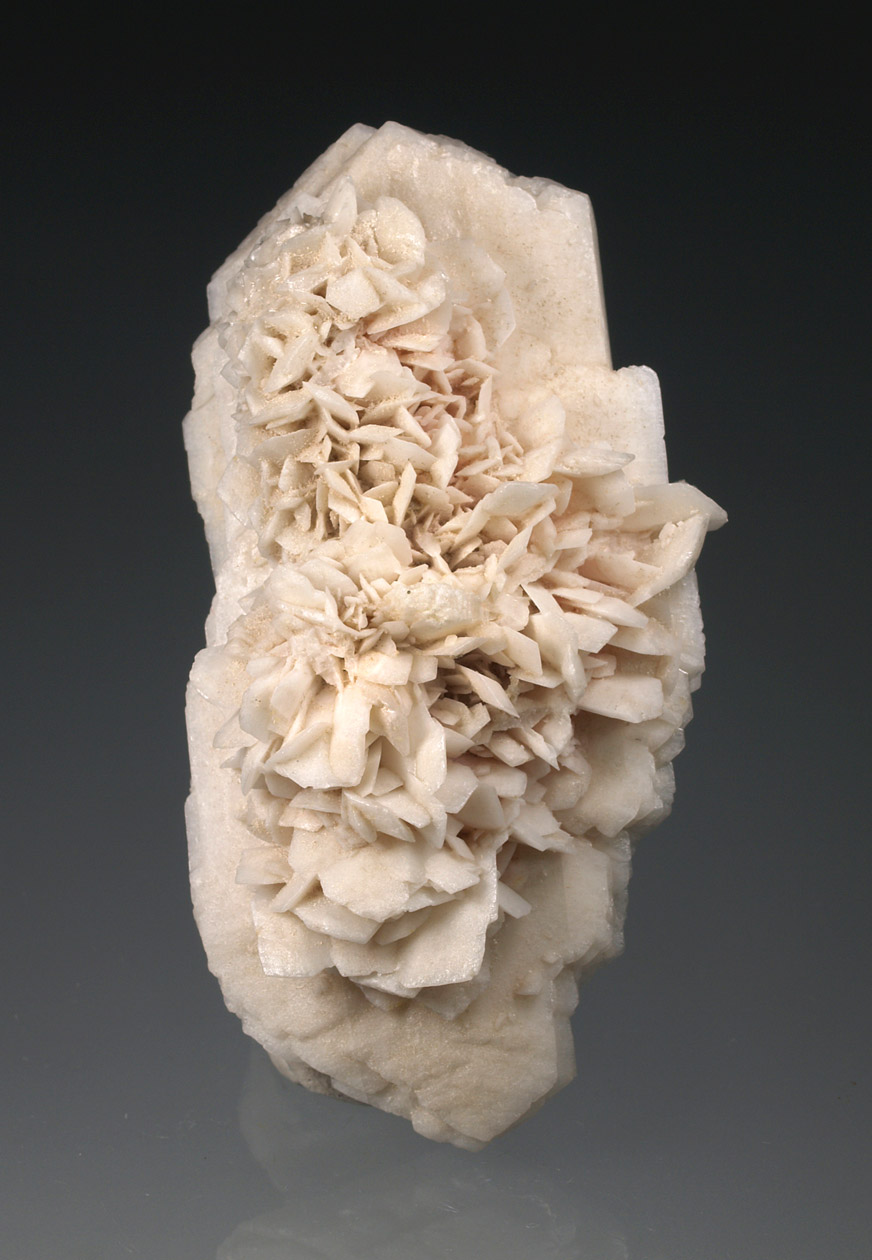
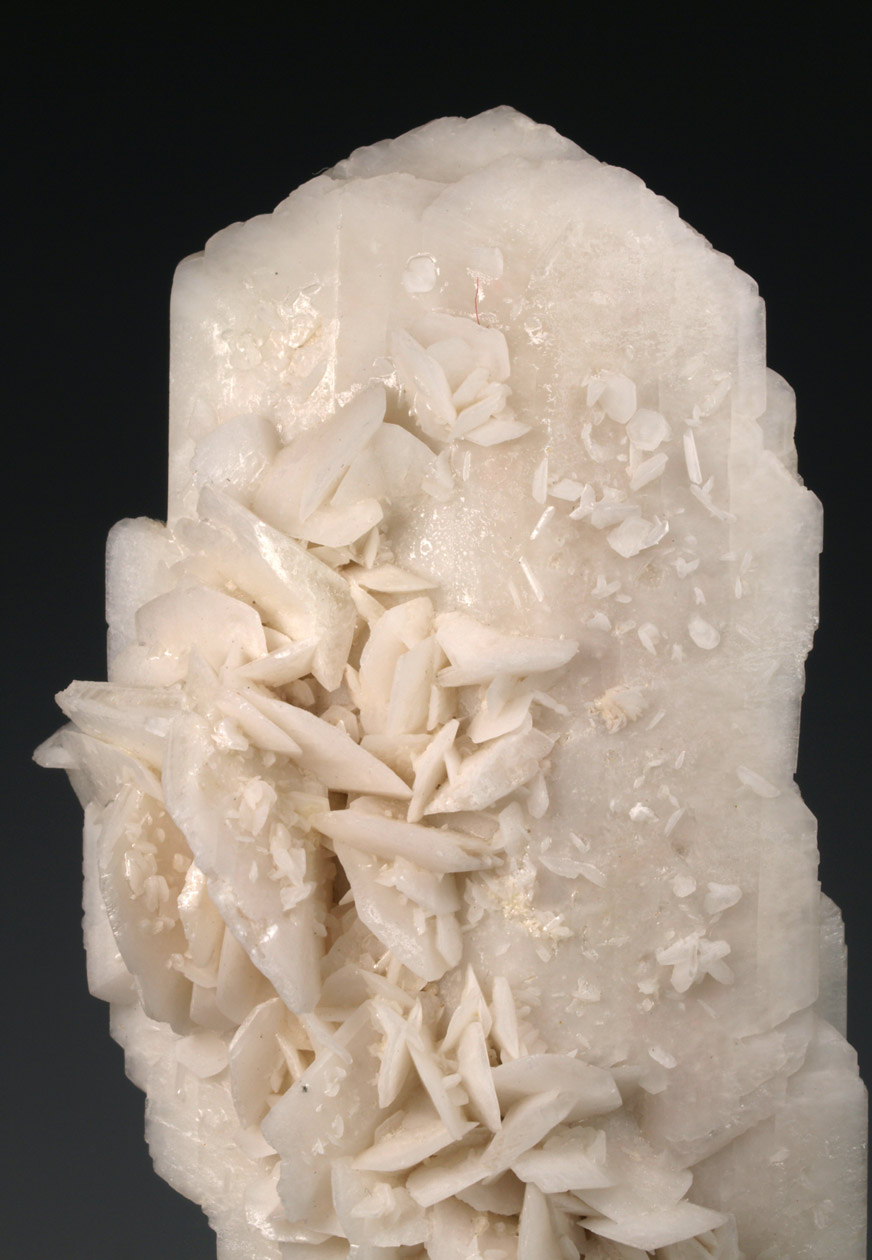
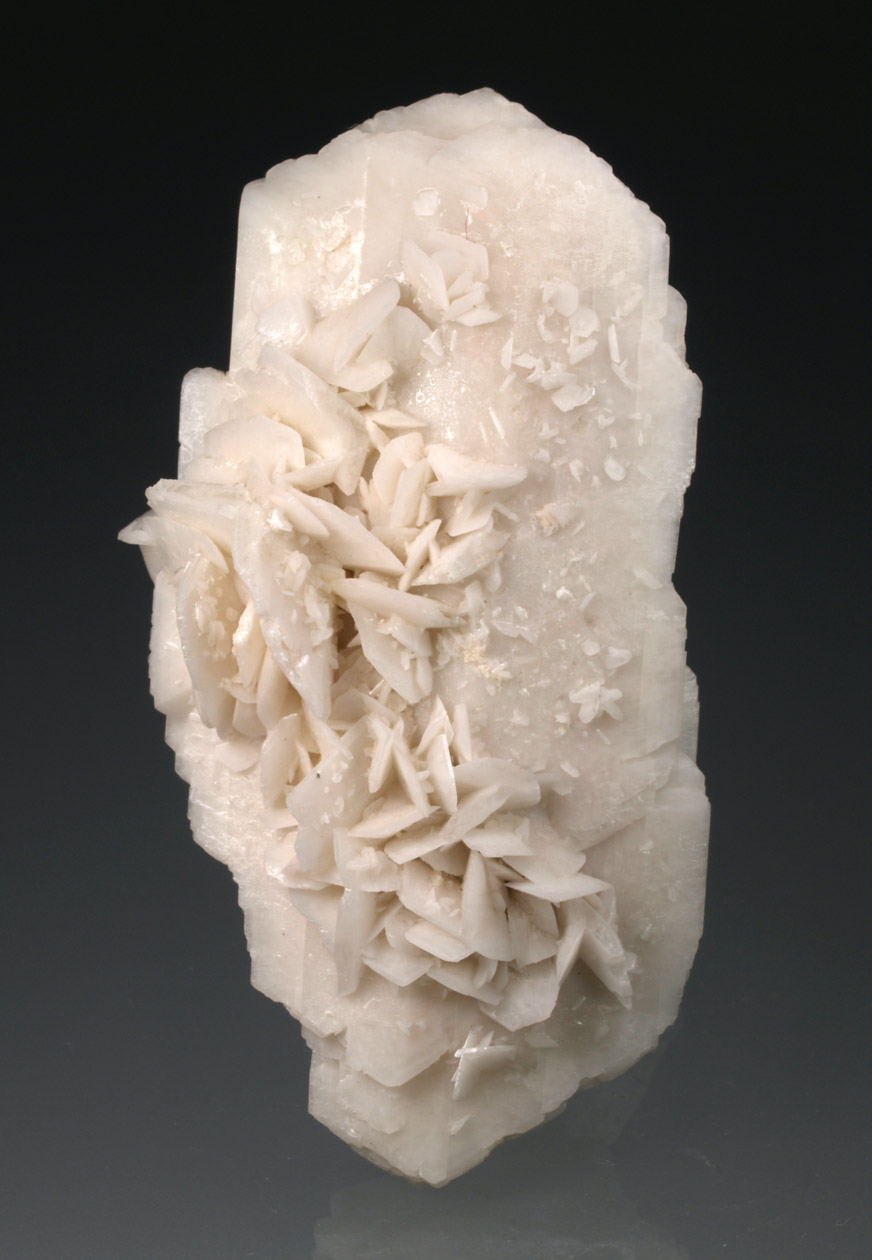
Estos ejemplares de calcita italianos fueron etiquetados, décadas atrás, como vaterita, un polimorfo la calcita y el aragonito. Las formas hexagonales, con cristales bien definidos, aplanados e interpenetrados, condujeron a esta suposición. Se obtuvieron en unos trabajos de excavación que evidenciaron una gran fisura rellena de bloques de gneis de varios tamaños cementados por calcita cristalizada. Esta calcita aparecía como cristales prismáticos pseudohexagonales de color blanco lechoso. Procede de la colección Joan Astor (Barcelona), con etiqueta manuscrita y otra mecanografiada.
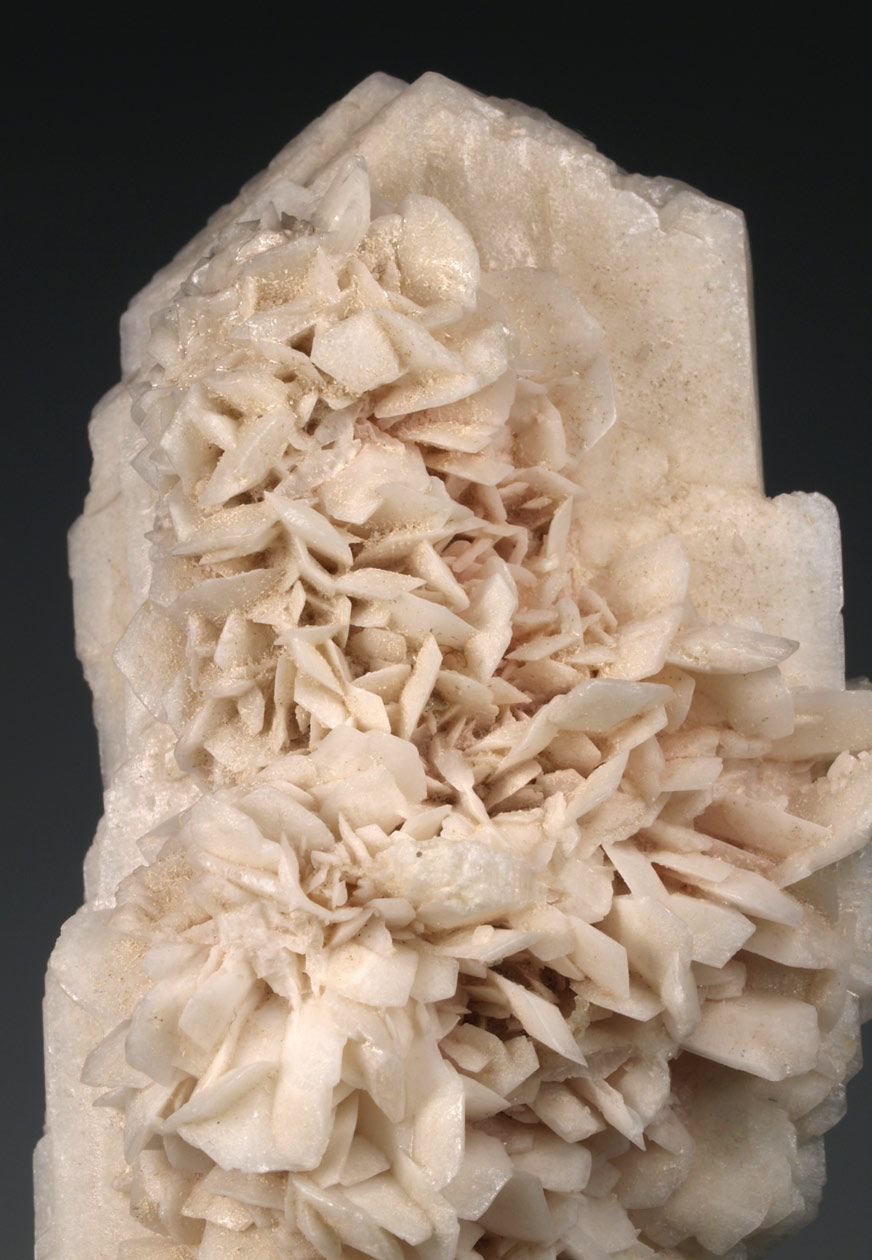
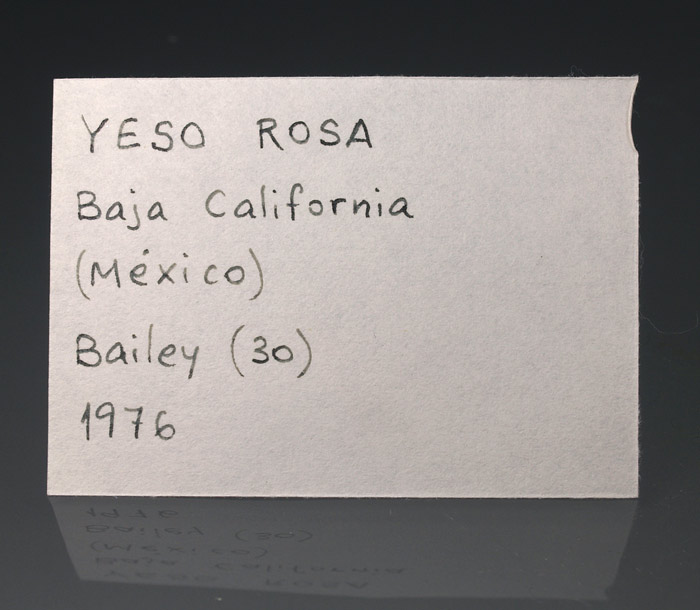
Este estético ejemplar flotante de yeso presenta una formas de roseta sobre unos cristales de mayor tamaño en crecimiento paralelo. Muy definidos, brillantes y con un delicado tono rosado aún visible. Estos ejemplares eran más rosados cuando se recogieron pero con el tiempo esa tonalidad se ha difuminado. Muy fluorescente, con tonos amarillos y anaranjados. La etiqueta indica que es de la Baja California mexicana, pero estoy seguro de que es de Guerrero Negro. Un magnífico ejemplar con muchos años. Procede de la colección Joan Astor (Barcelona), con etiqueta manuscrita y otra mecanografiada. Fue adquirida en 1976 a Bailey Minerals (Ángel Jesús Talabán García, Segovia 1942-Madrid 2007).
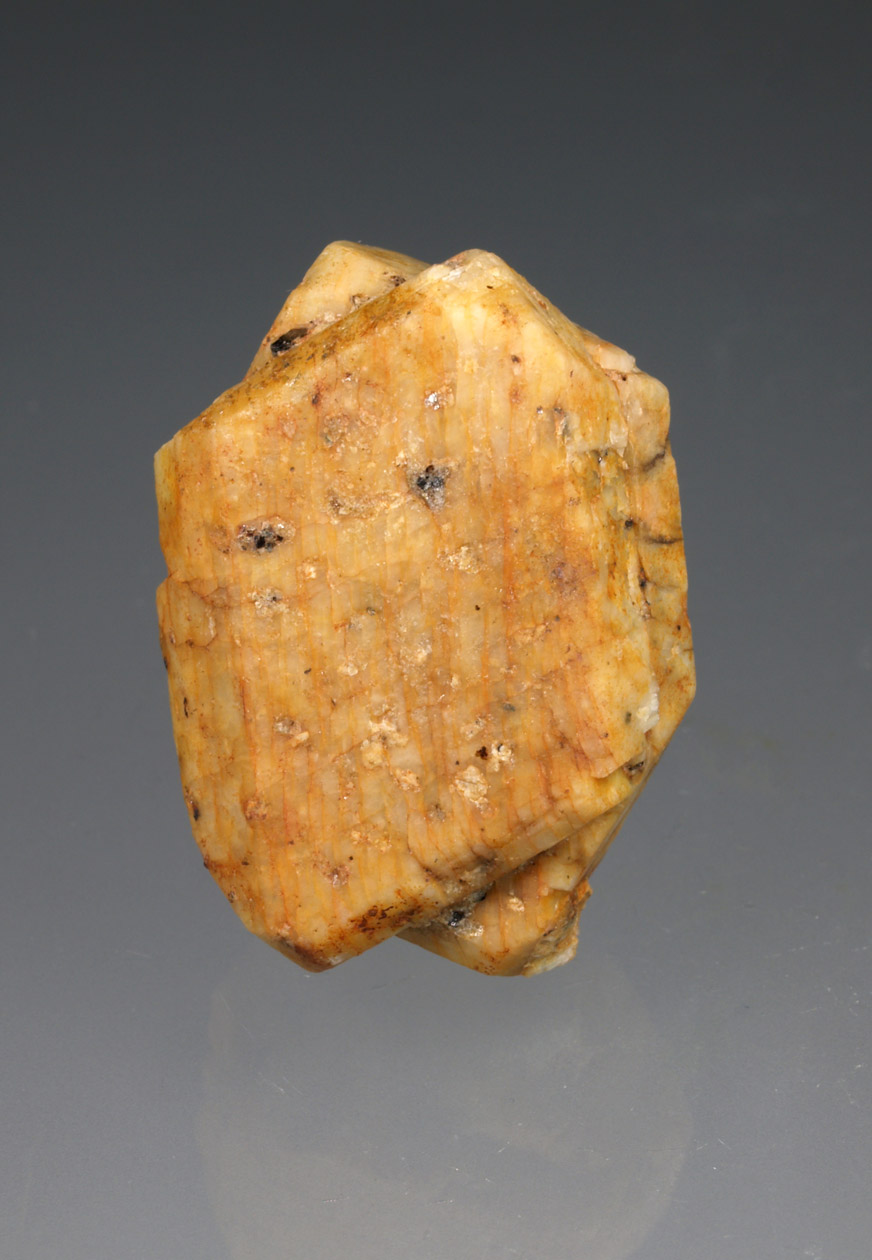
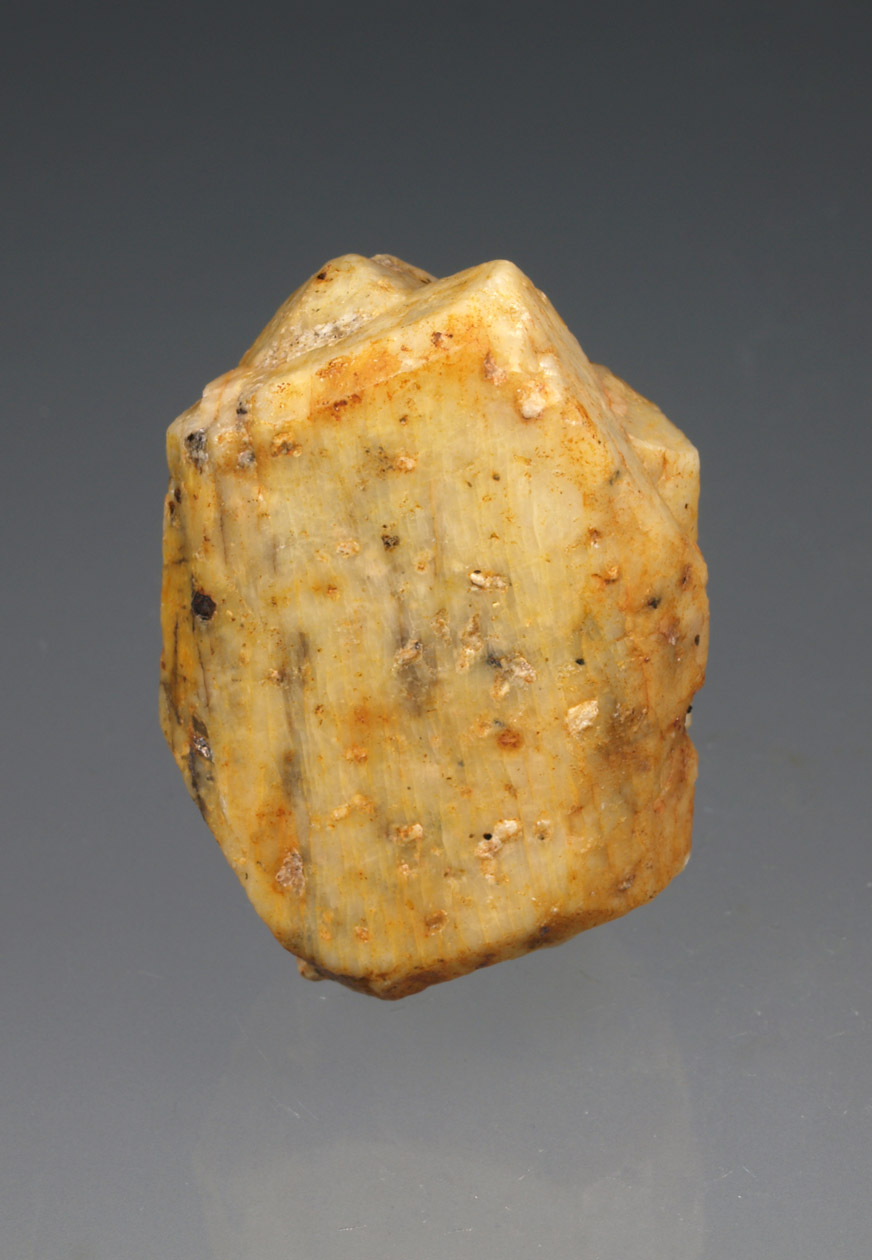
Cristal completo de ortoclasa maclada con la conocida macla de karlsbad. De una localidad clásica española. Procede de la colección Joan Astor (Barcelona), con etiqueta manuscrita.
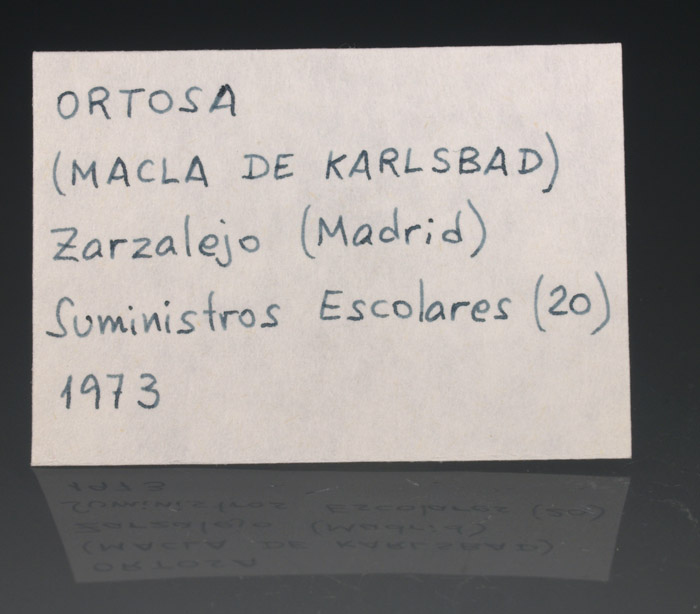
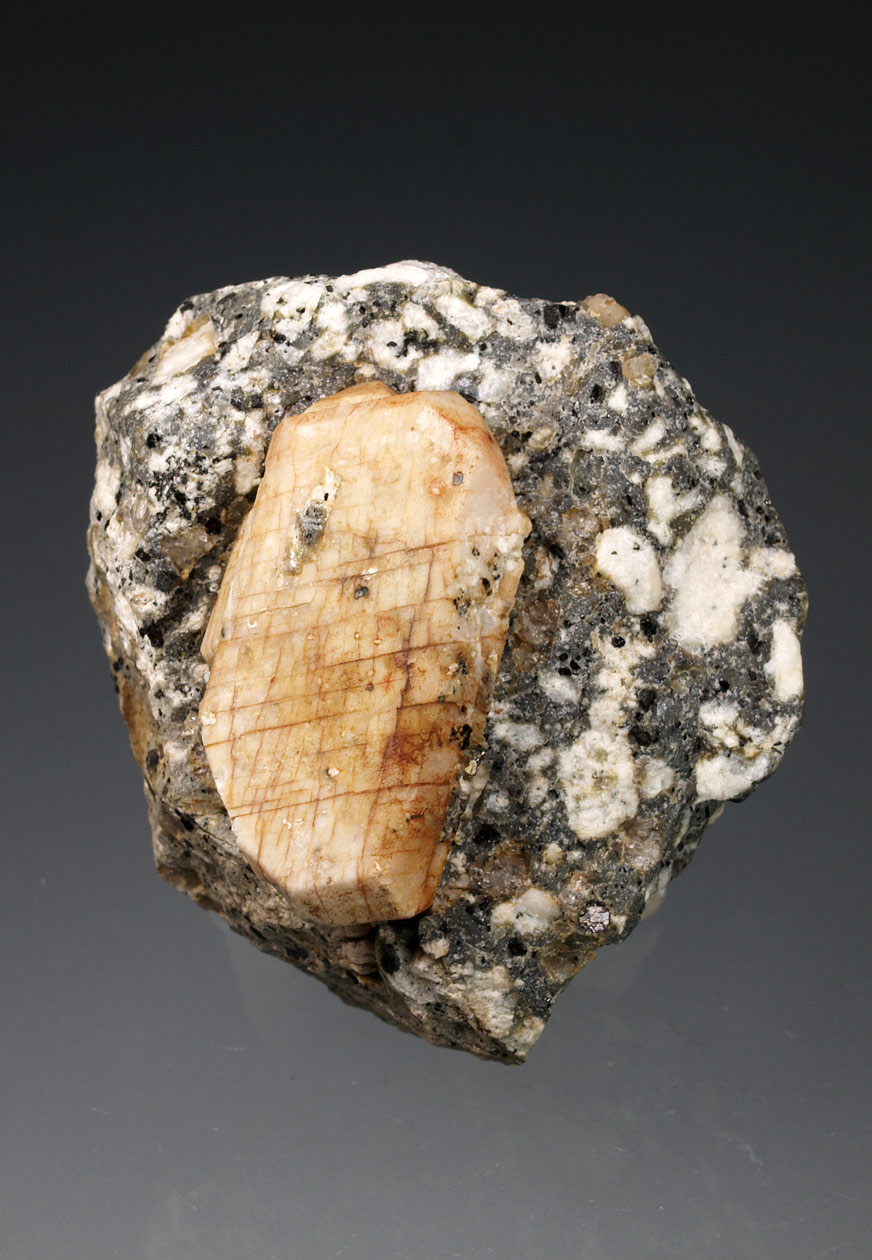
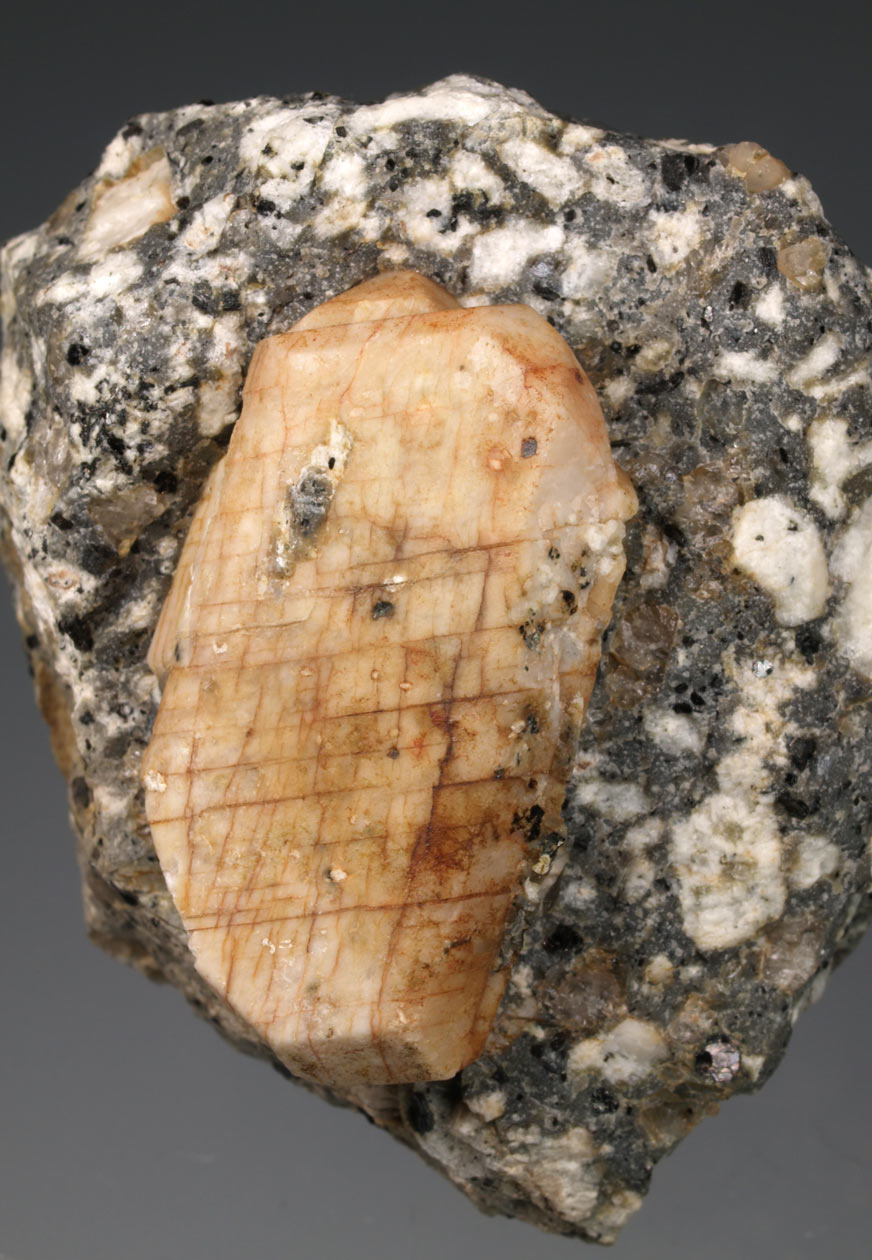
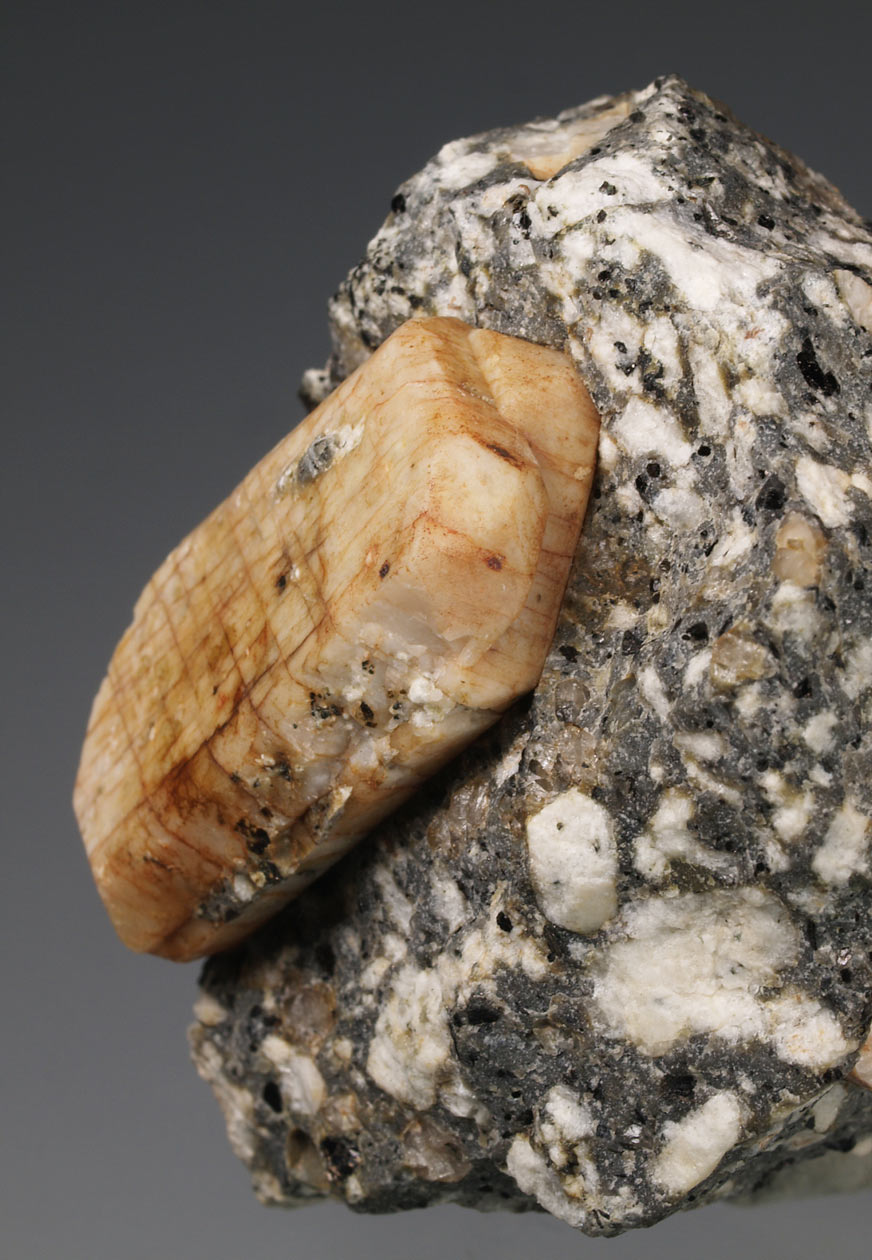
Ejemplar de muy buen tamaño para la localidad de ortosa que muestra caras bien definidas del prisma y el pinacoide, con la macla de karlsbad. Se dispone en una matriz porfídica con numerosos fenocristales de feldespato. Creemos que está adherido sobre su lugar en la matriz, pero es invisible. Es una localidad clásica de la mineralogía española.
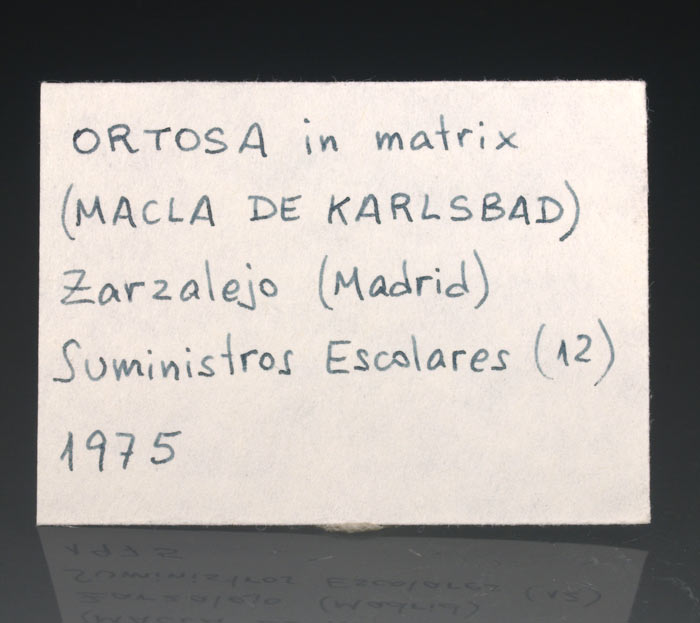
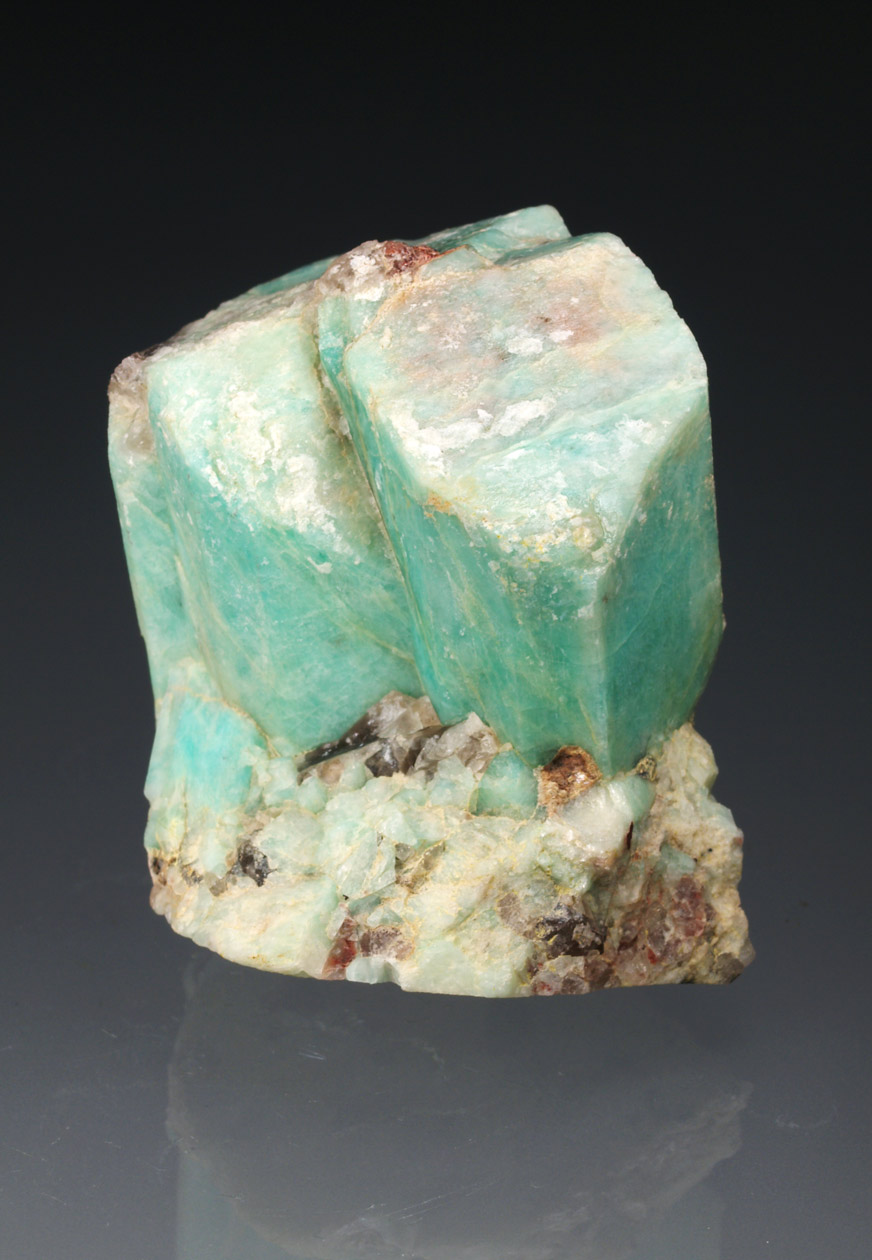
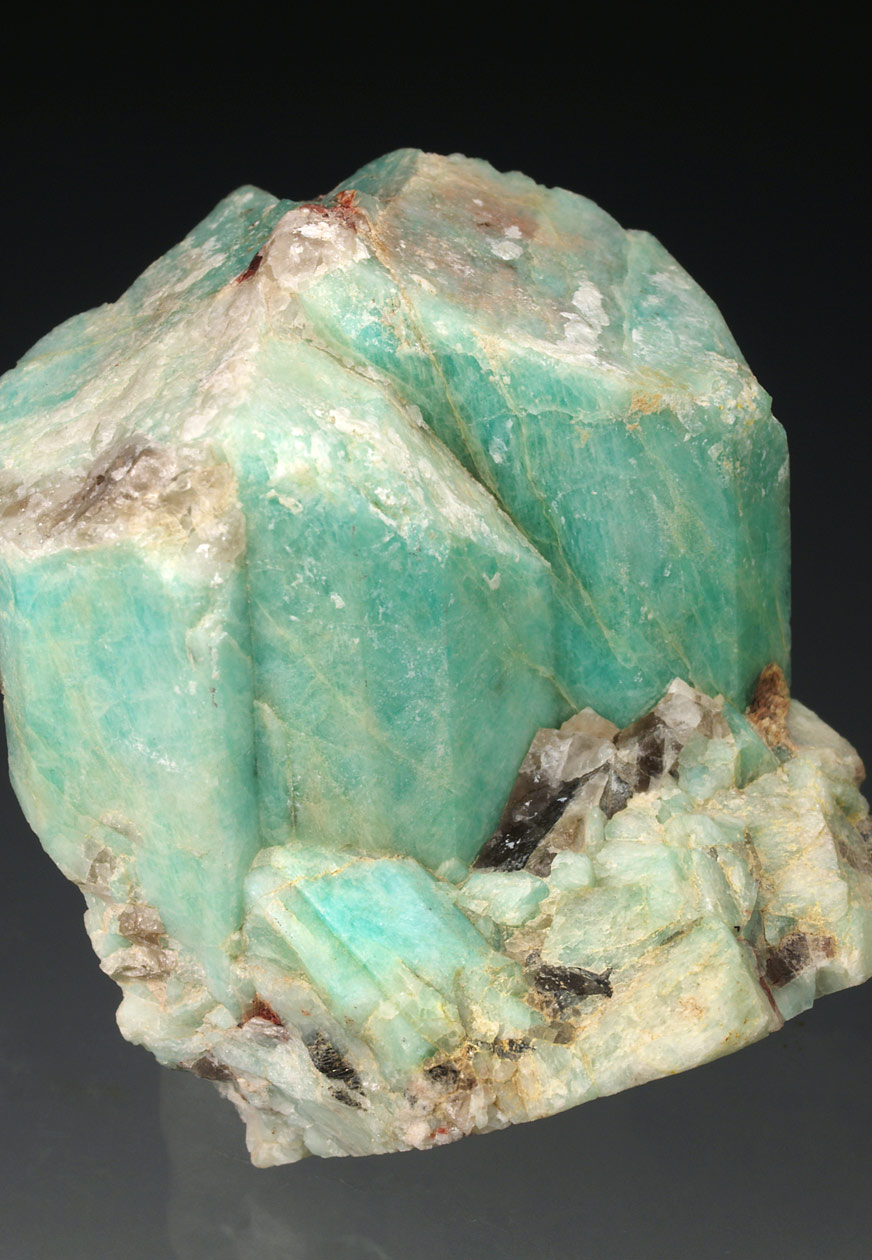
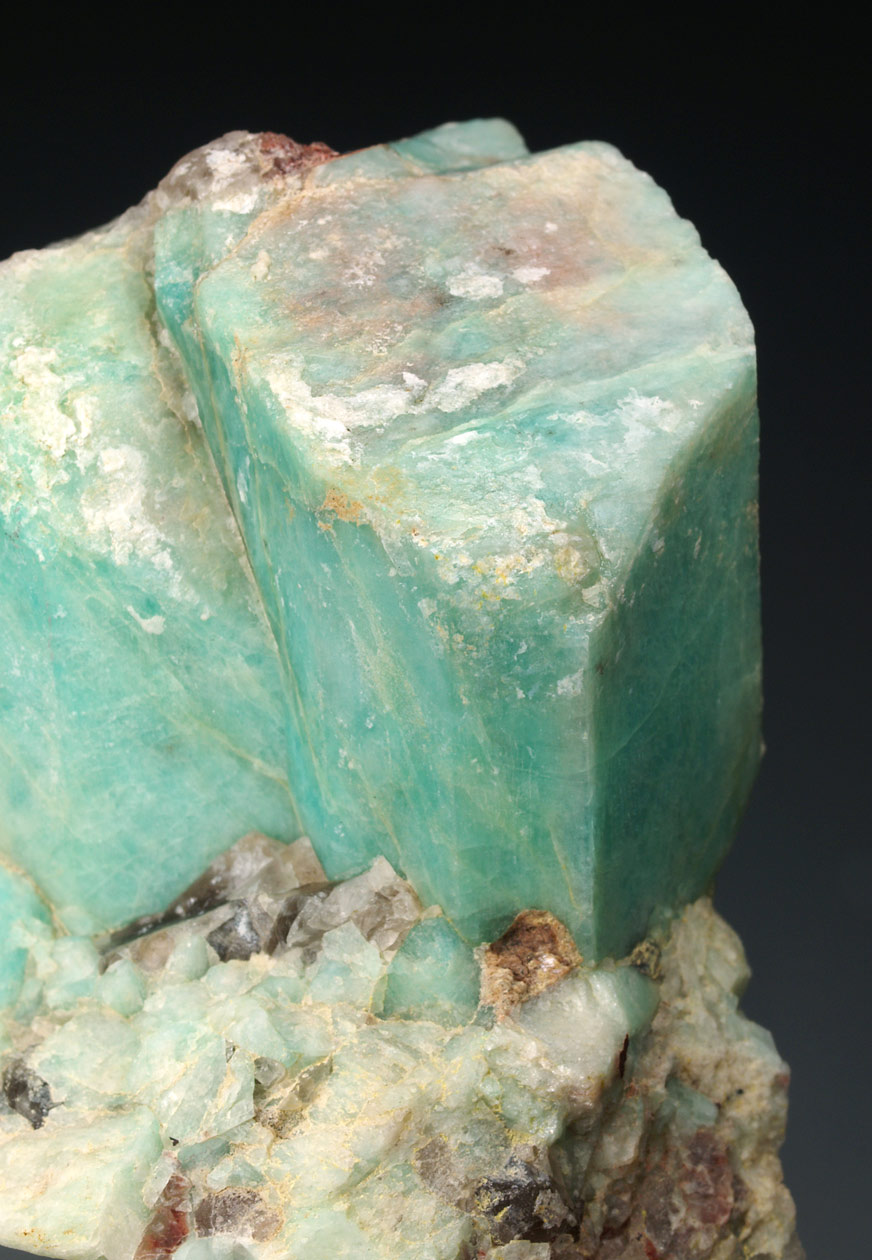
Grupo de cristales prismáticos de amazonita, una variedad de microclina. Con las caras de prismas y pinacoides definidas. Presenta este característico color verde azulado. Pikes peak es la "meca" de las amazonitas, una de varias montañas formadas por la erosión del batolito de Pikes Peak, famoso por cavidades miarolíticas con cuarzo ahumado, amazonita, topacio, entre otros. Procede de la colección Joan Astor (Barcelona), con etiqueta manuscrita y otra mecanografiada.