- Home About RM Minerals
- Virtual Photo Museum Blog RM Contact
- Microscopy and instruments How to Buy Disclaimer
Copyright 2010-2026
www.rosellminerals.com



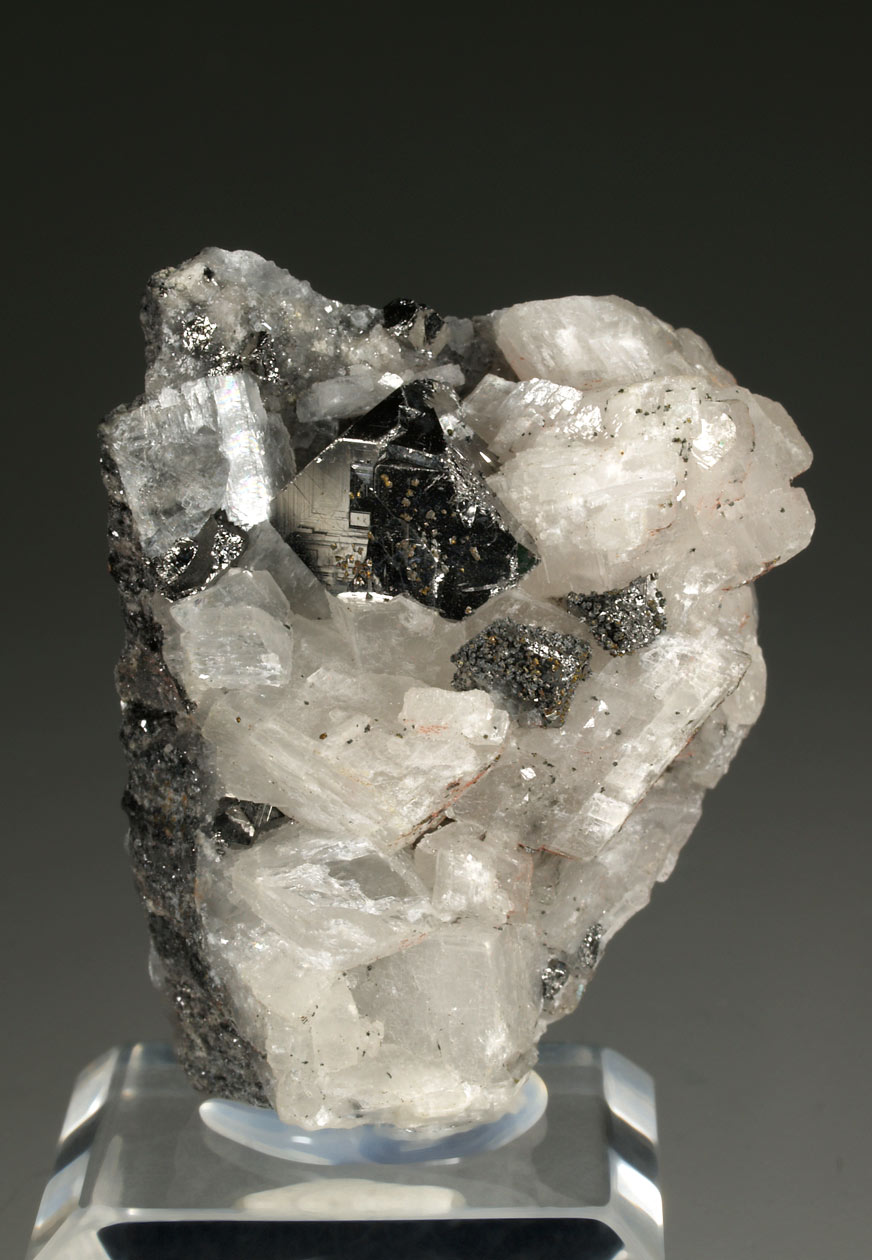
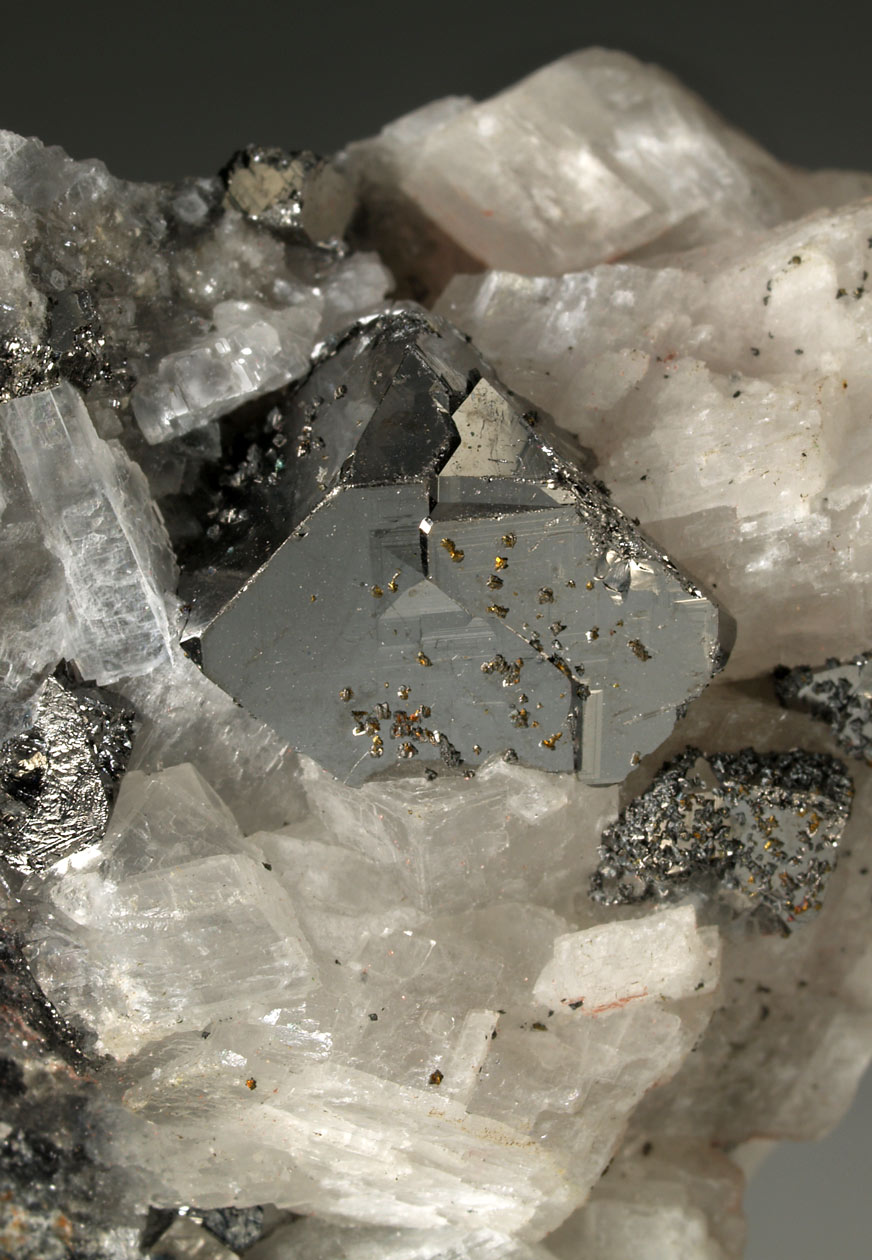
Group of very sharp carrollite crystals showing cube forms more developed than the octahedron ones. Very bright and interpenetrating each other. Exceptional metallic luster. Highlights this specimen by small sharp and twinned crystals of chalcocite which are disposed on the carrolite faces. An unusual and very aesthetic combination.
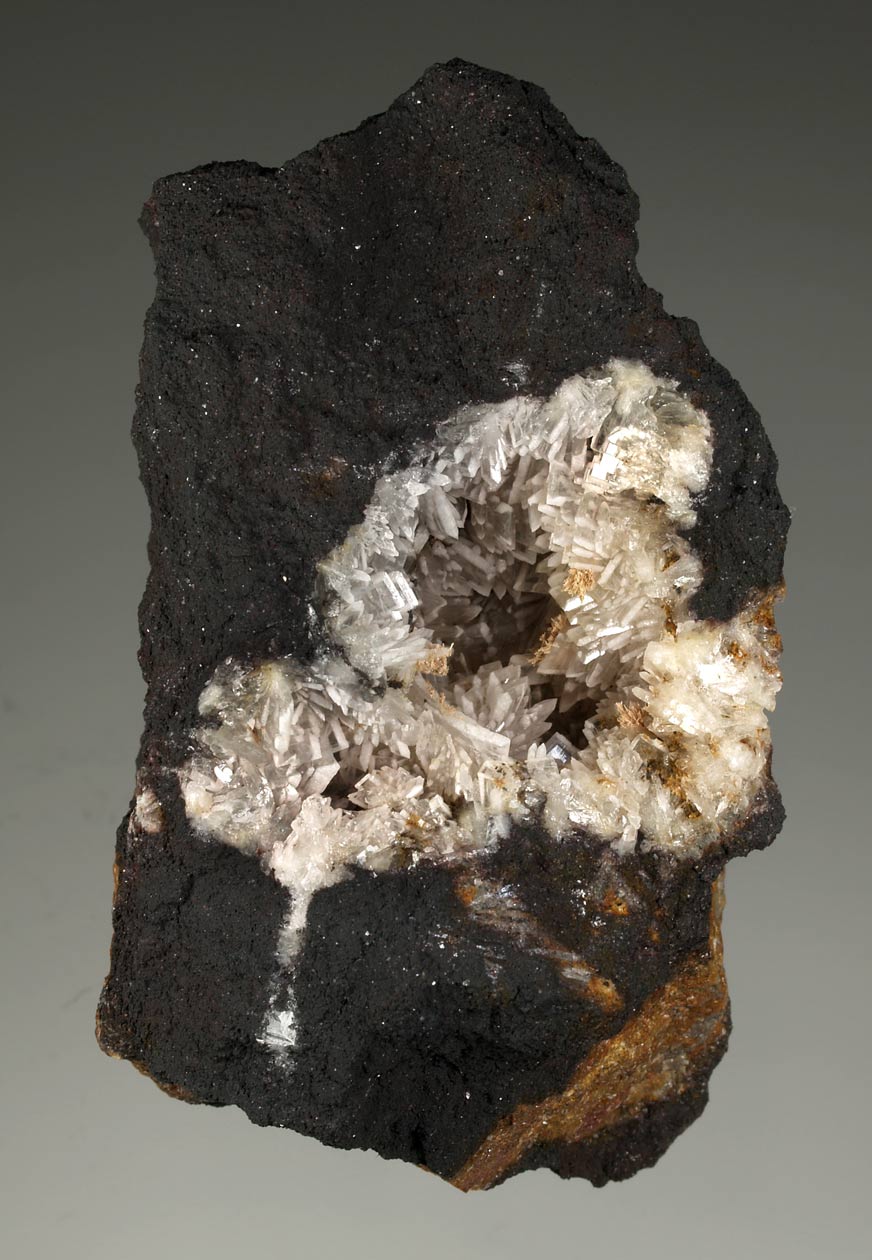
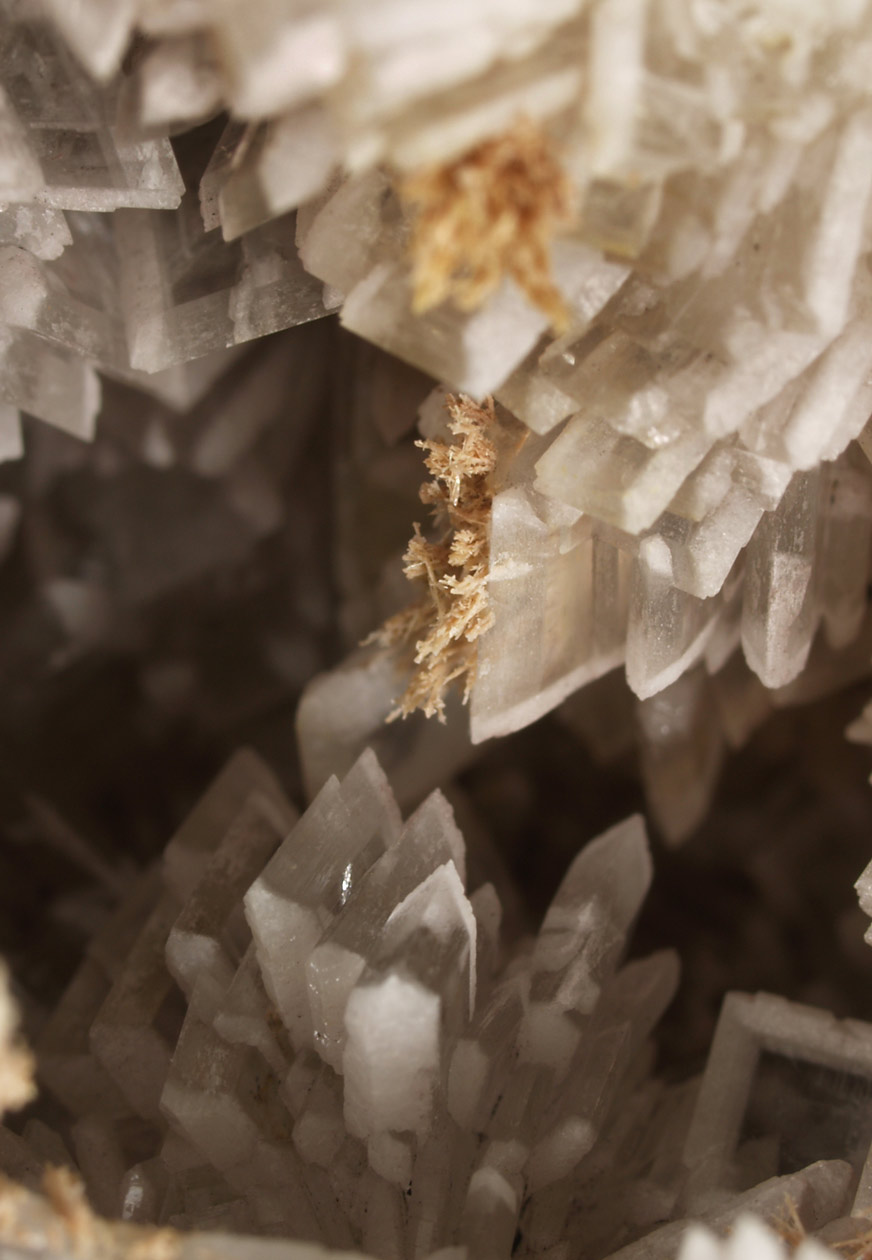
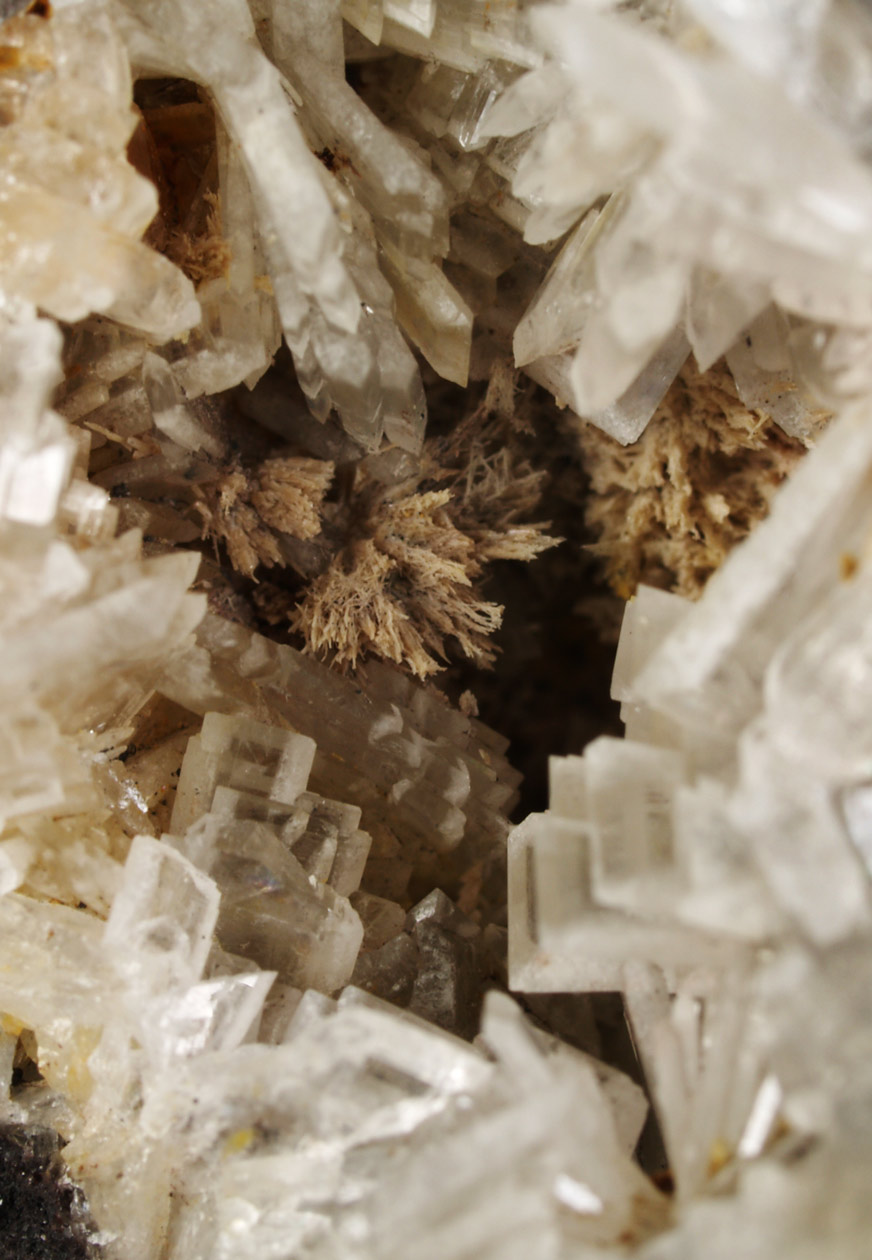
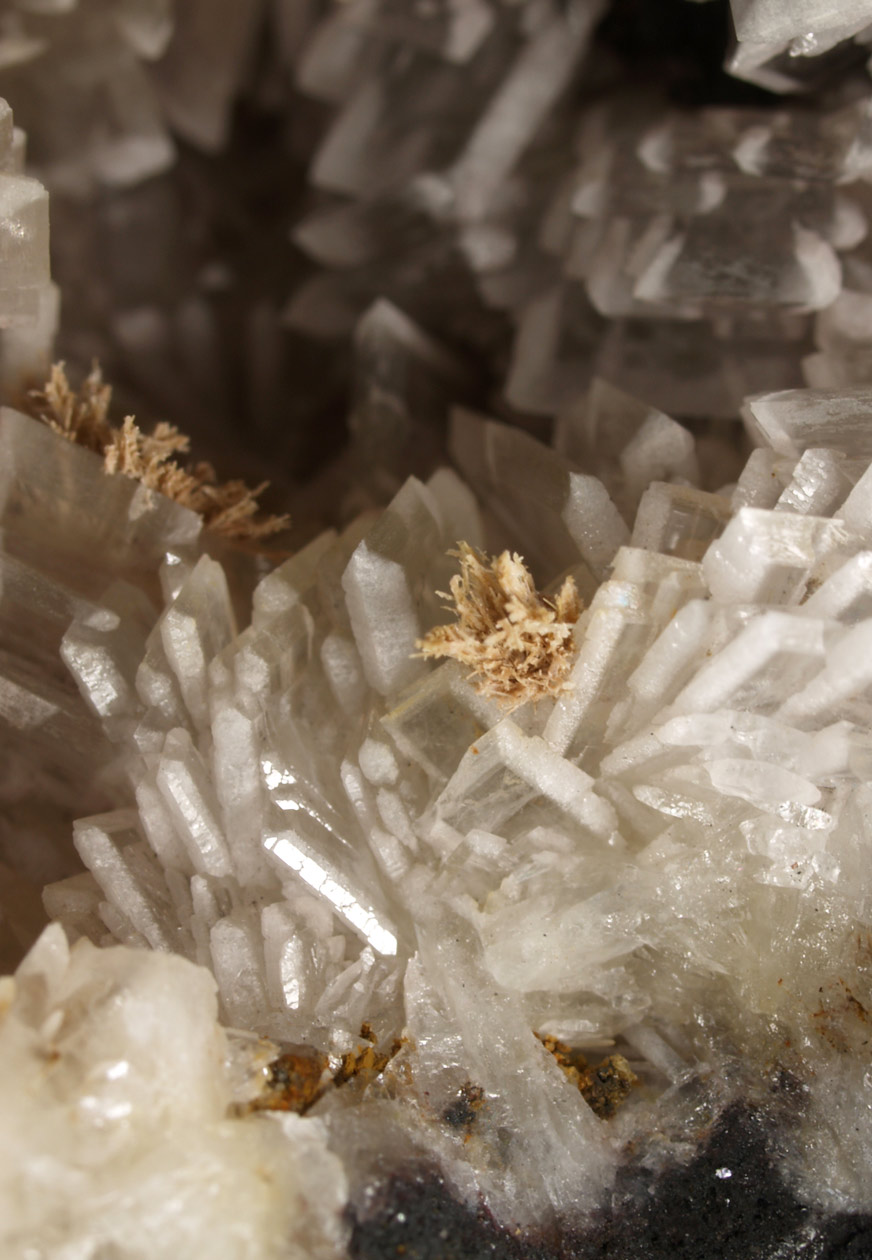
At the beginning of 2014, reviewing some specimens from the Santa Matilde open pit we found into the vugs some groups of lanceolated, fibrous or equidimensional crystals, with pink, beige to white colours, those aroused our interest. After some analysis we could identify as fluorcalcioroméite species (Ca,Na)2Sb5+2O6F,OH), with a small percentage of oxyplumboroméite (Pb2Sb2O7, due to the presence of lead).
Both species belong to the isometric system. But the observed symmetry indicated that they are, highly probable, a pseudomorph after stibnite and/or bournonite crystals. This is the first report of this mineral in the Iberian Peninsula. Nowadays this quarry is completelly filled by rubble. In this specimen we can see some aggregates, one of them predominant, formed by several lanceolated to needle-like crystals, with luster, beige to ocher tone, accompanied by aesthetic baryte crystals. We will send a copy of the analysis (SEM-EDS, XRD) to the buyer.
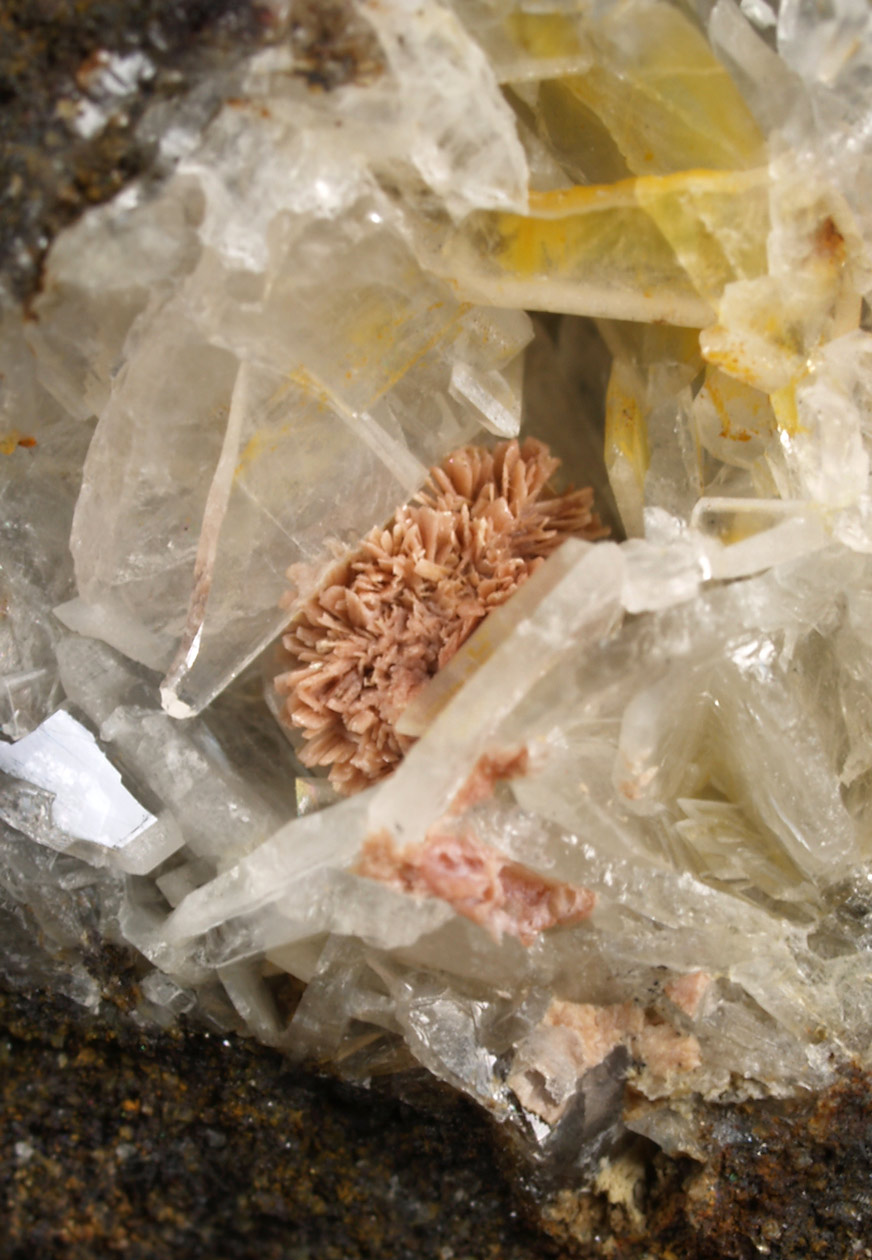
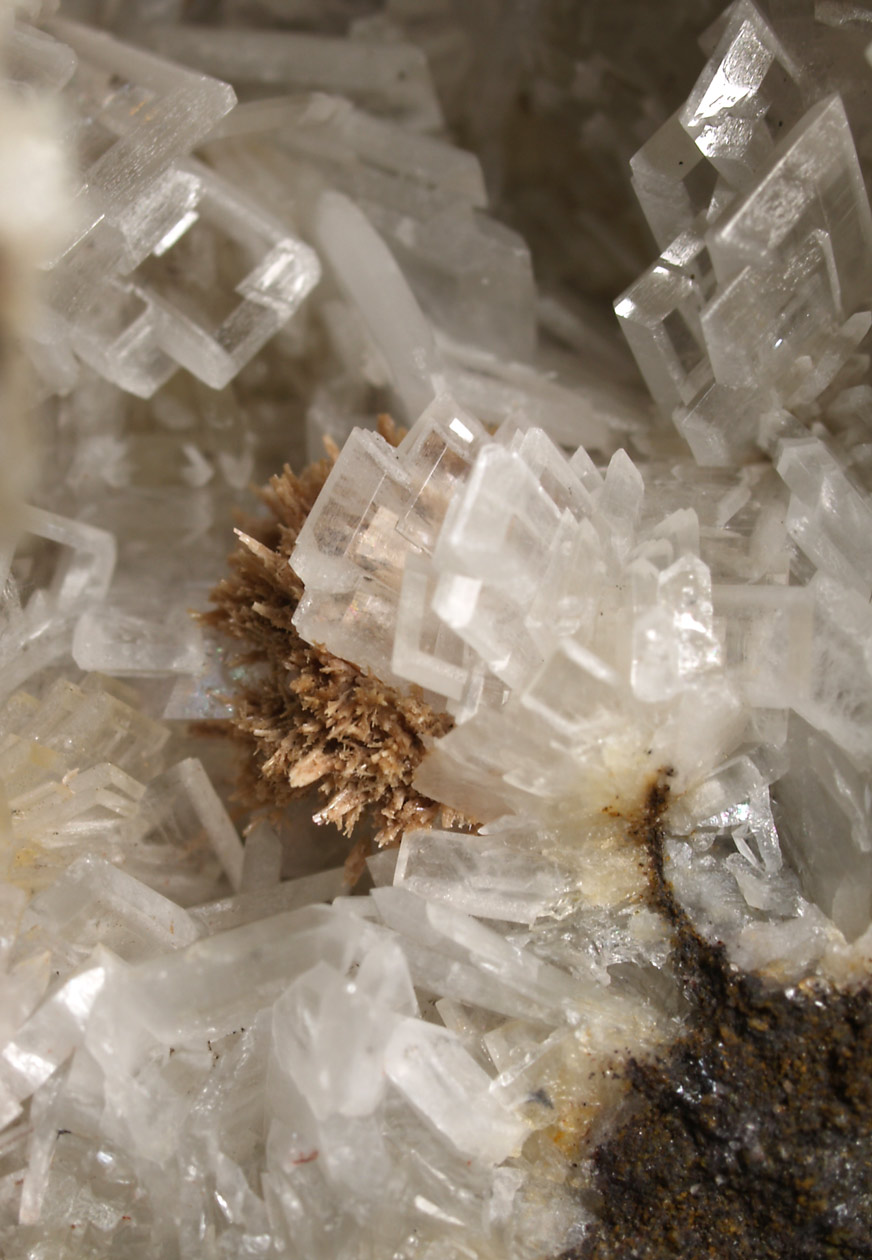
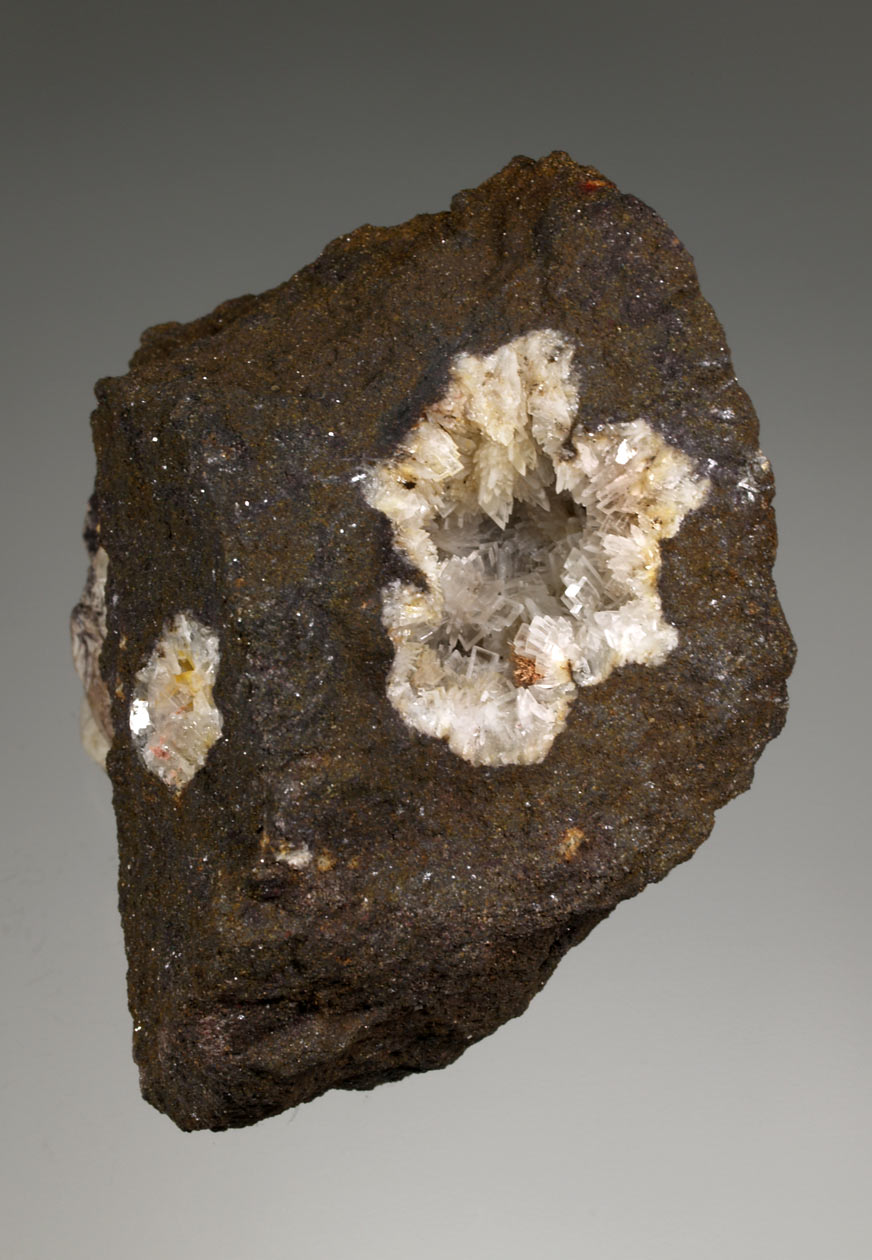
At the beginning of 2014, reviewing some specimens from the Santa Matilde open pit we found into the vugs some groups of lanceolated, fibrous or equidimensional crystals, with pink, beige to white colours, those aroused our interest. After some analysis we could identify as fluorcalcioroméite species (Ca,Na)2Sb5+2O6F,OH), with a small percentage of oxyplumboroméite (Pb2Sb2O7, due to the presence of lead). Both species belong to the isometric system. But the observed symmetry indicated that they are, highly probable, a pseudomorph after stibnite crystals. This is the first report of this mineral in the Iberian Peninsula. Nowadays this quarry is completelly filled by rubble. In this specimen we can see two vugs with rich aggregates formed by lanceolated to fibrous crystals, with luster, beige to pink color, accompanied by aesthetic baryte crystals. We will send a copy of the analysis (SEM-EDS, XRD) to the buyer.
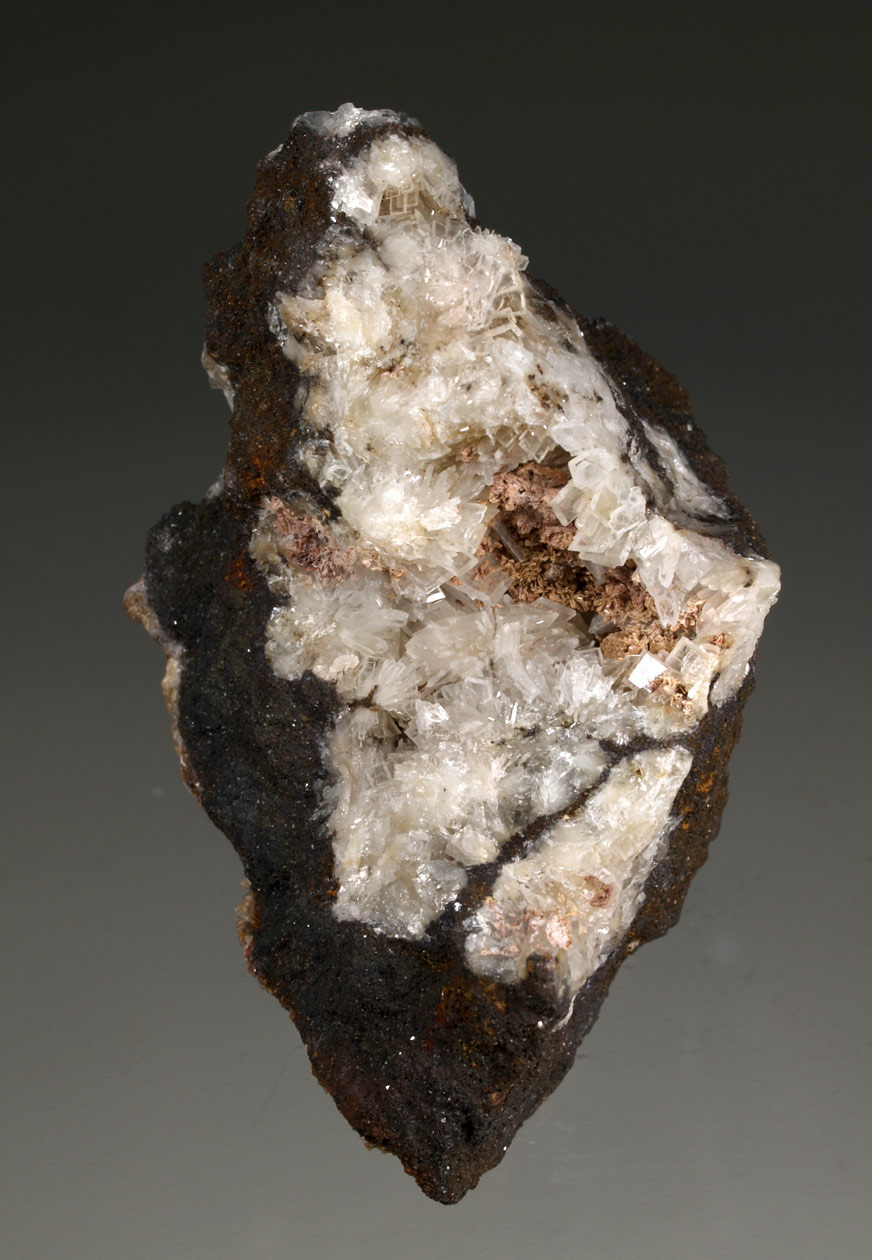
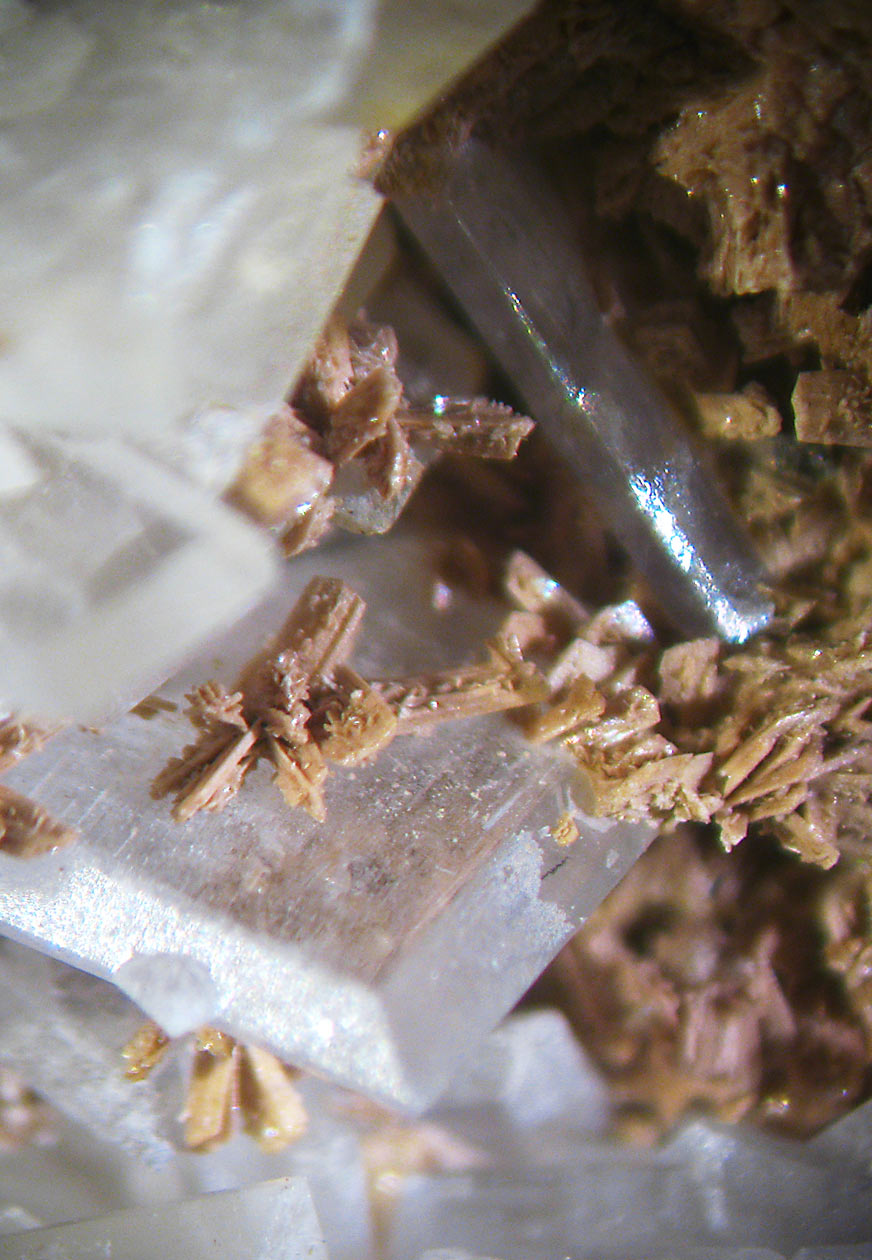
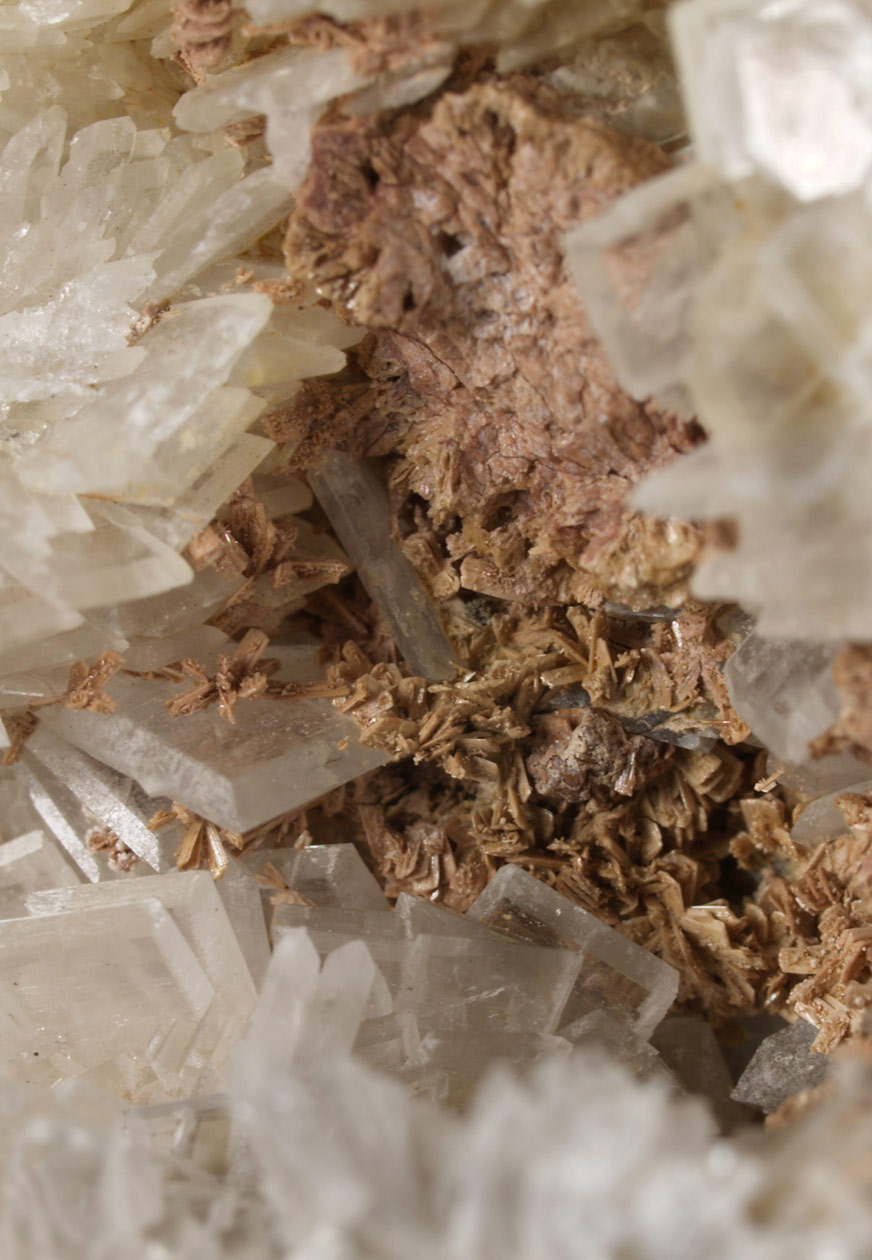
At the beginning of 2014, reviewing some specimens from the Santa Matilde open pit we found into the vugs some groups of lanceolated, fibrous or equidimensional crystals, with pink, beige to white colours, those aroused our interest. After some analysis we could identify as fluorcalcioroméite species (Ca,Na)2Sb5+2O6F,OH), with a small percentage of oxyplumboroméite (Pb2Sb2O7, due to the presence of lead). Both species belong to the isometric system. But the observed symmetry indicated that they are, highly probable, a pseudomorph after stibnite crystals. This is the first report of this mineral in the Iberian Peninsula. Nowadays this quarry is completelly filled by rubble. In this specimen we can see rich aggregates formed by lanceolated crystals, with luster, beige to ocher color, accompanied by aesthetic baryte crystals. We will send a copy of the analysis (SEM-EDS, XRD) to the buyer.
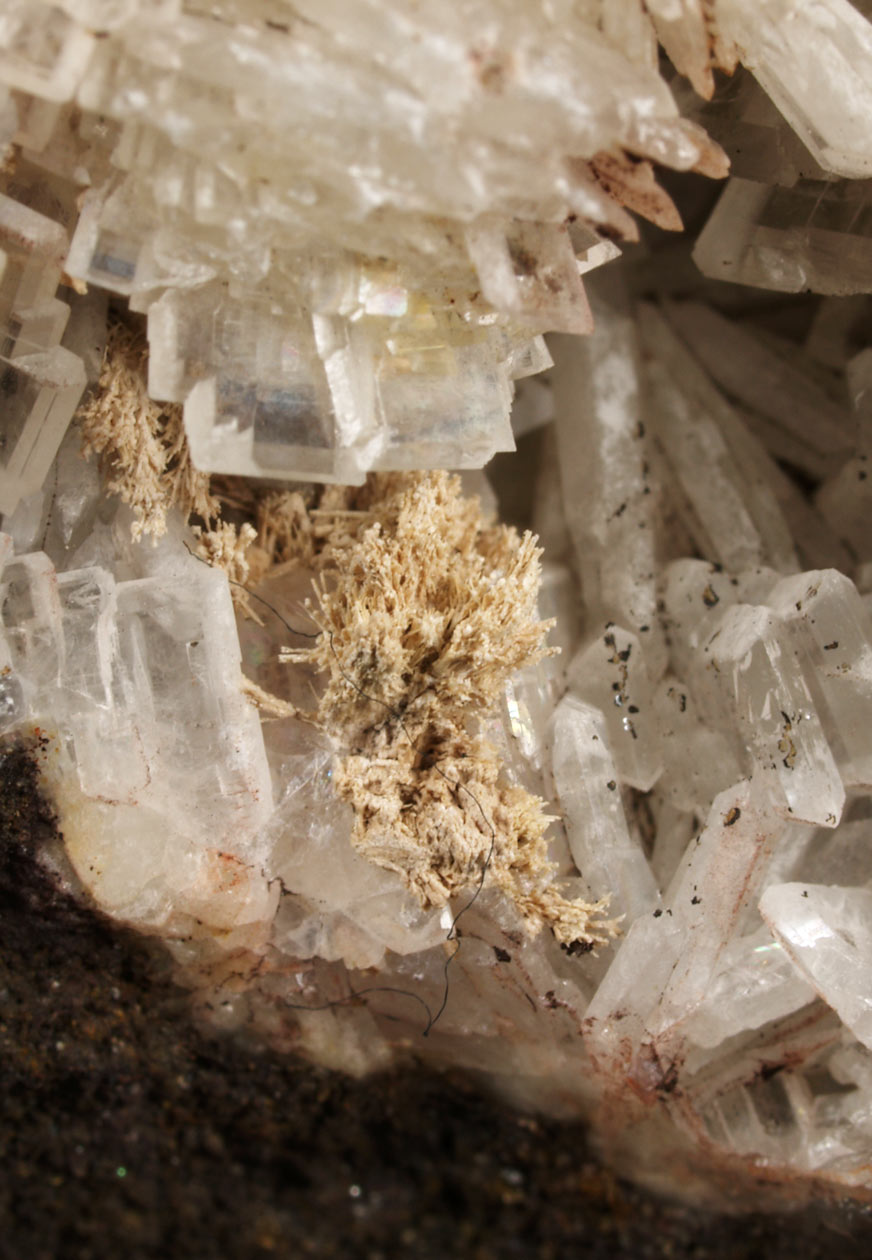
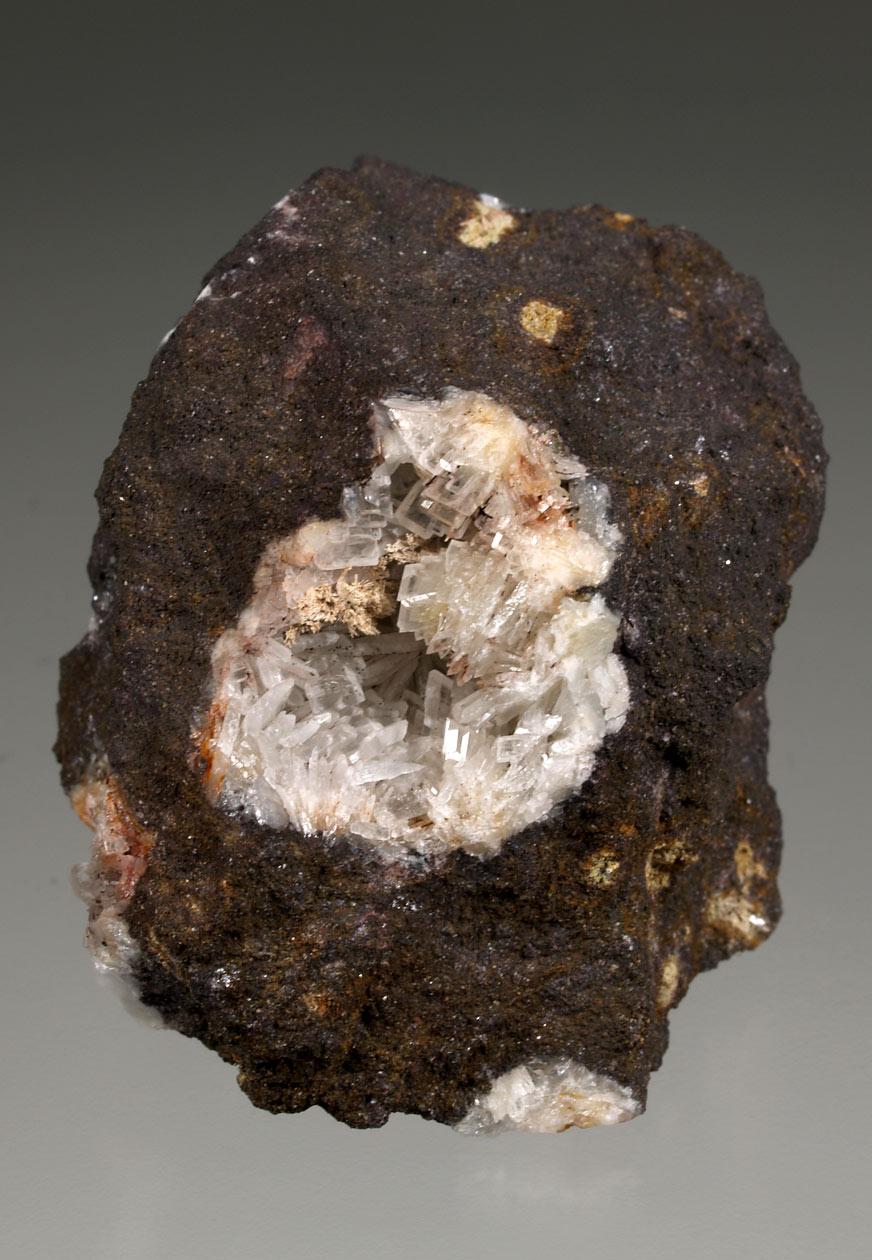
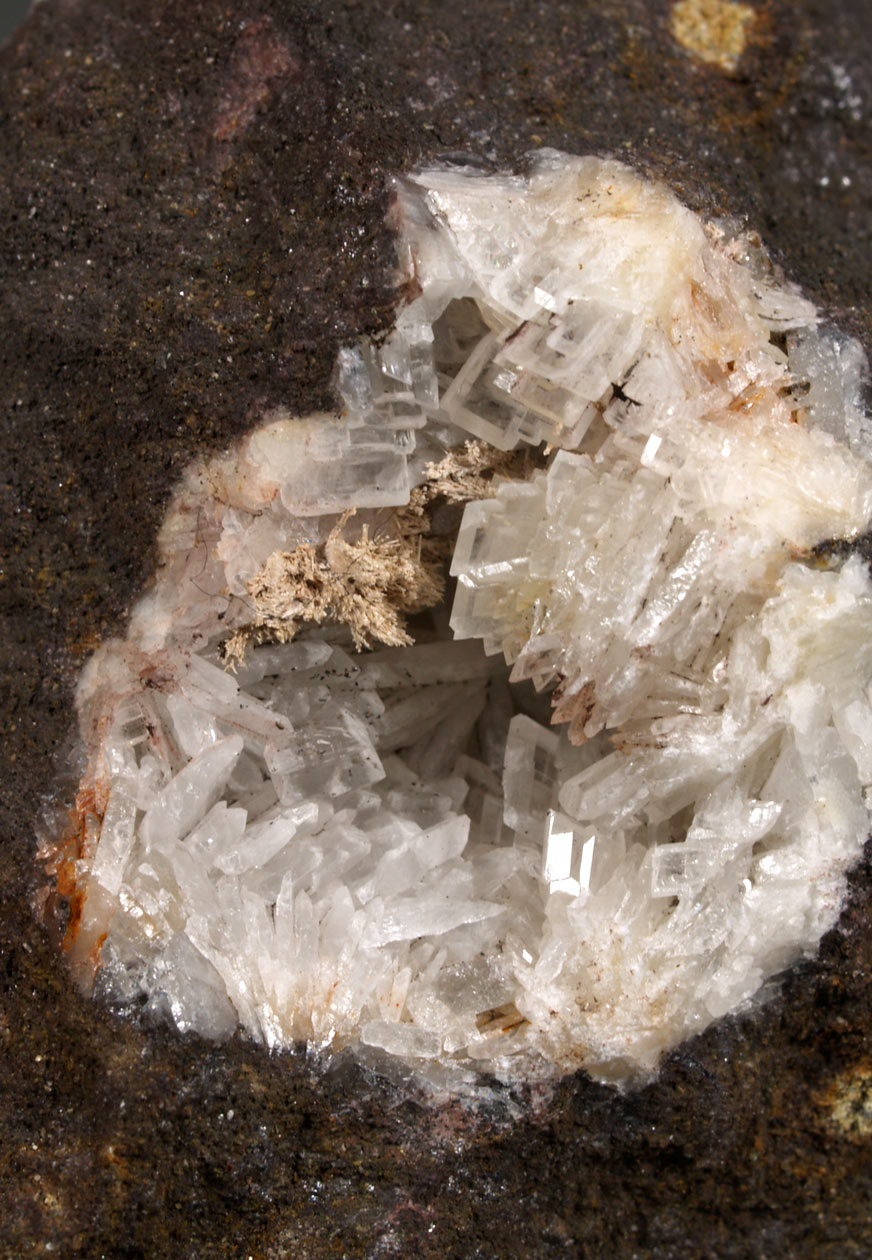
At the beginning of 2014, reviewing some specimens from the Santa Matilde open pit we found into the vugs some groups of lanceolated, fibrous or equidimensional crystals, with pink, beige to white colours, those aroused our interest. After some analysis we could identify as fluorcalcioroméite species (Ca,Na)2Sb5+2O6F,OH), with a small percentage of oxyplumboroméite (Pb2Sb2O7, due to the presence of lead). Both species belong to the isometric system. But the observed symmetry indicated that they are, highly probable, a pseudomorph after stibnite crystals. This is the first report of this mineral in the Iberian Peninsula. Nowadays this quarry is completelly filled by rubble. In this specimen we can see some aggregates formed by several needle-like crystals, with luster, beige to white color, accompanied by aesthetic baryte crystals. We will send a copy of the analysis (SEM-EDS, XRD) to the buyer.
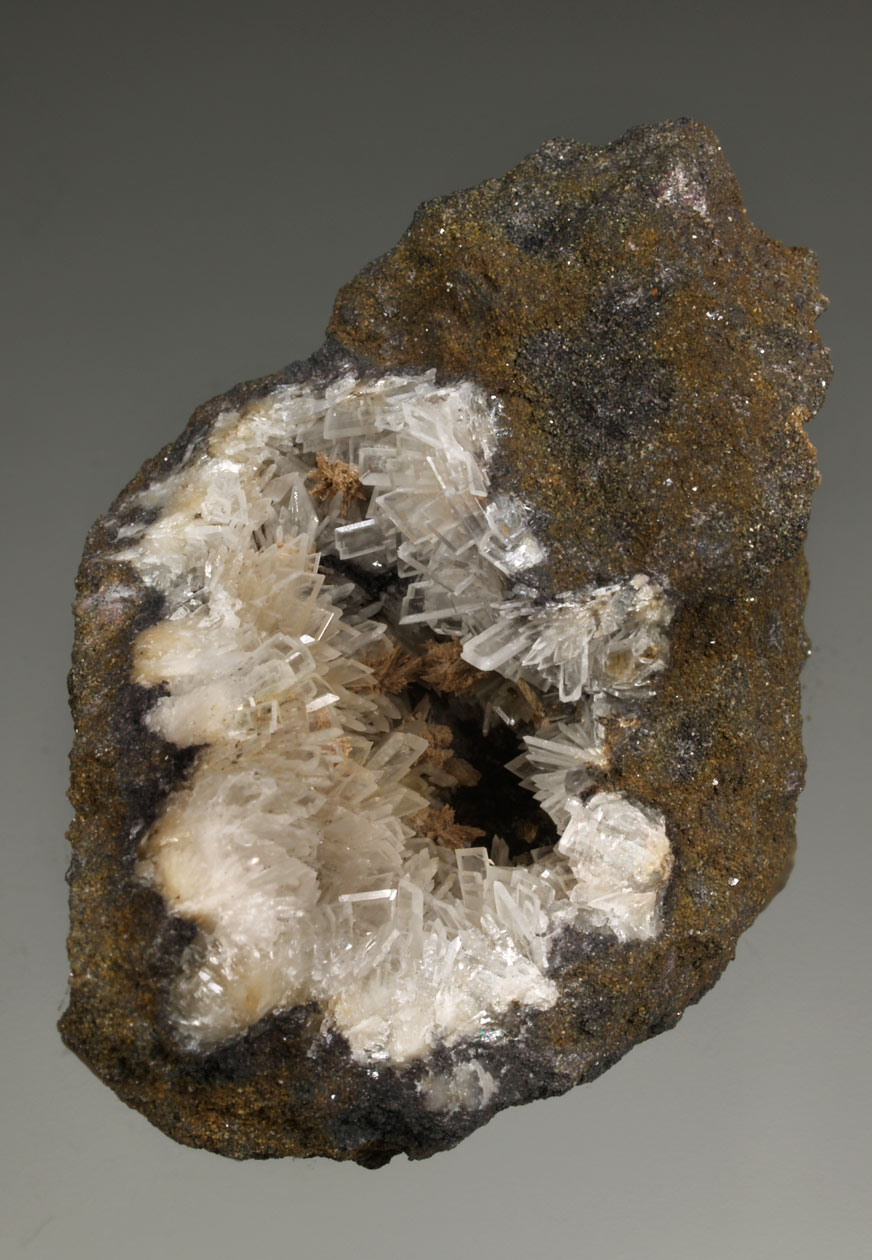
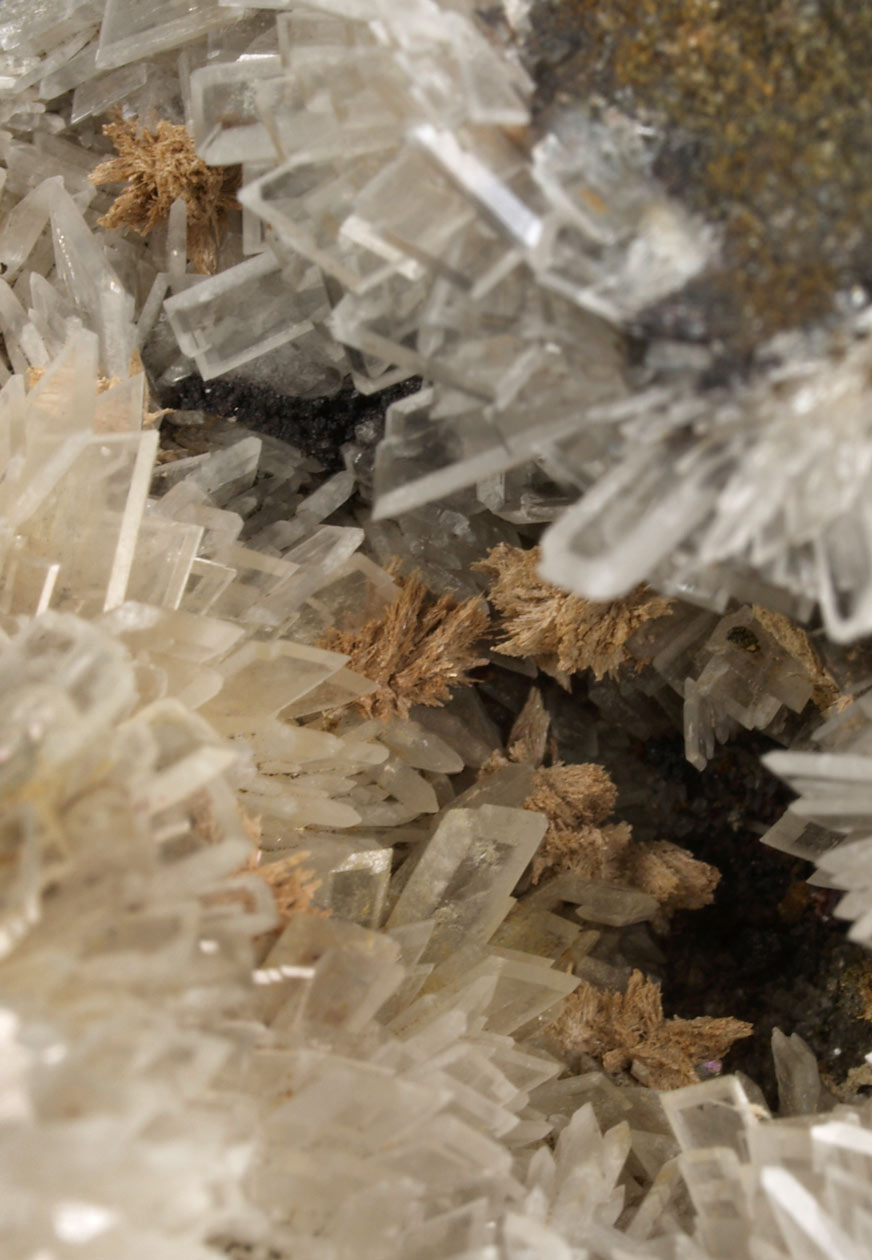
At the beginning of 2014, reviewing some specimens from the Santa Matilde open pit we found into the vugs some groups of lanceolated, fibrous or equidimensional crystals, with pink, beige to white colours, those aroused our interest. After some analysis we could identify as fluorcalcioroméite species (Ca,Na)2Sb5+2O6F,OH), with a small percentage of oxyplumboroméite (Pb2Sb2O7, due to the presence of lead). Both species belong to the isometric system. But the observed symmetry indicated that they are, highly probable, a pseudomorph after stibnite crystals. This is the first report of this mineral in the Iberian Peninsula. Nowadays this quarry is completelly filled by rubble.
In this specimen we can see some several aggregates in the cavity formed by lanceolated to fibrous crystals, with luster, beige tone, accompanied by aesthetic baryte crystals. We will send a copy of the analysis (SEM-EDS, XRD) to the buyer.
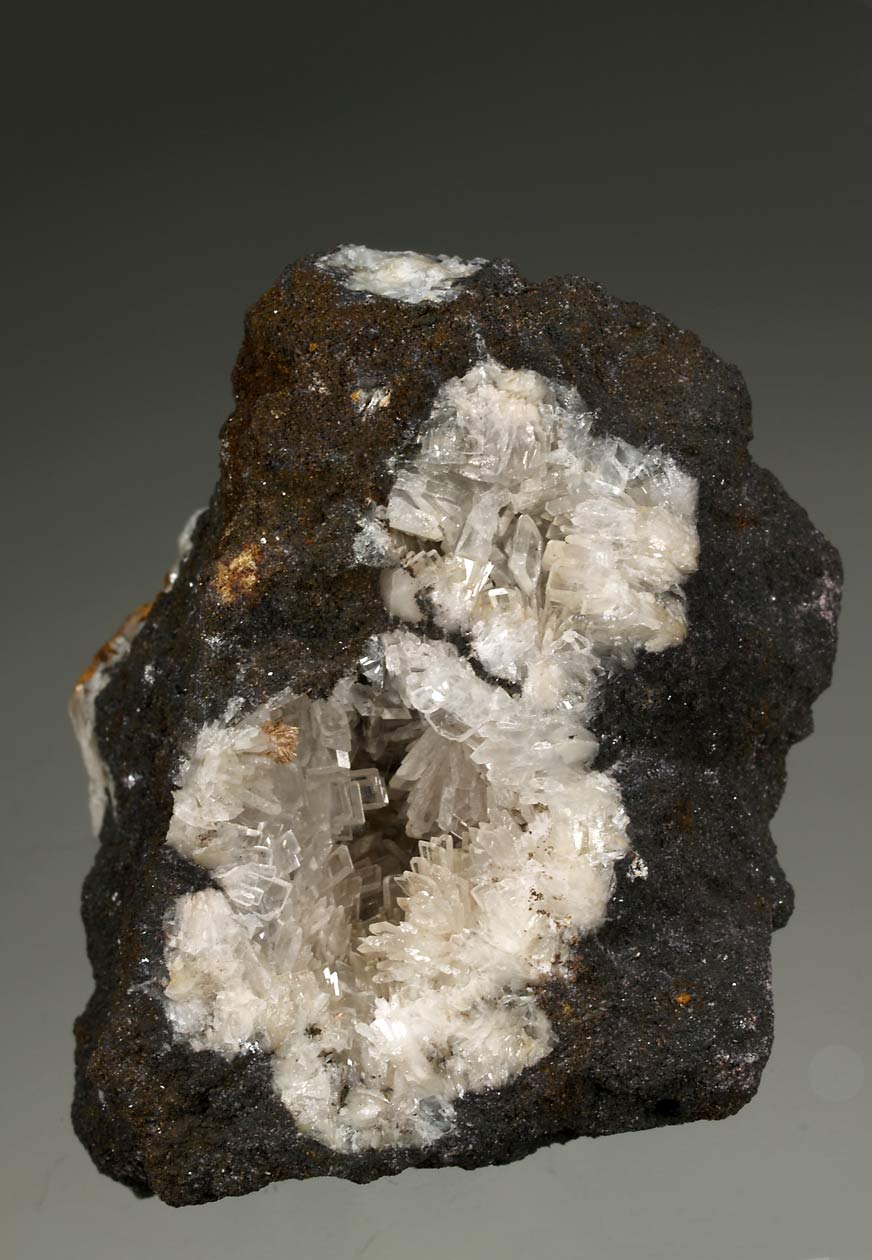
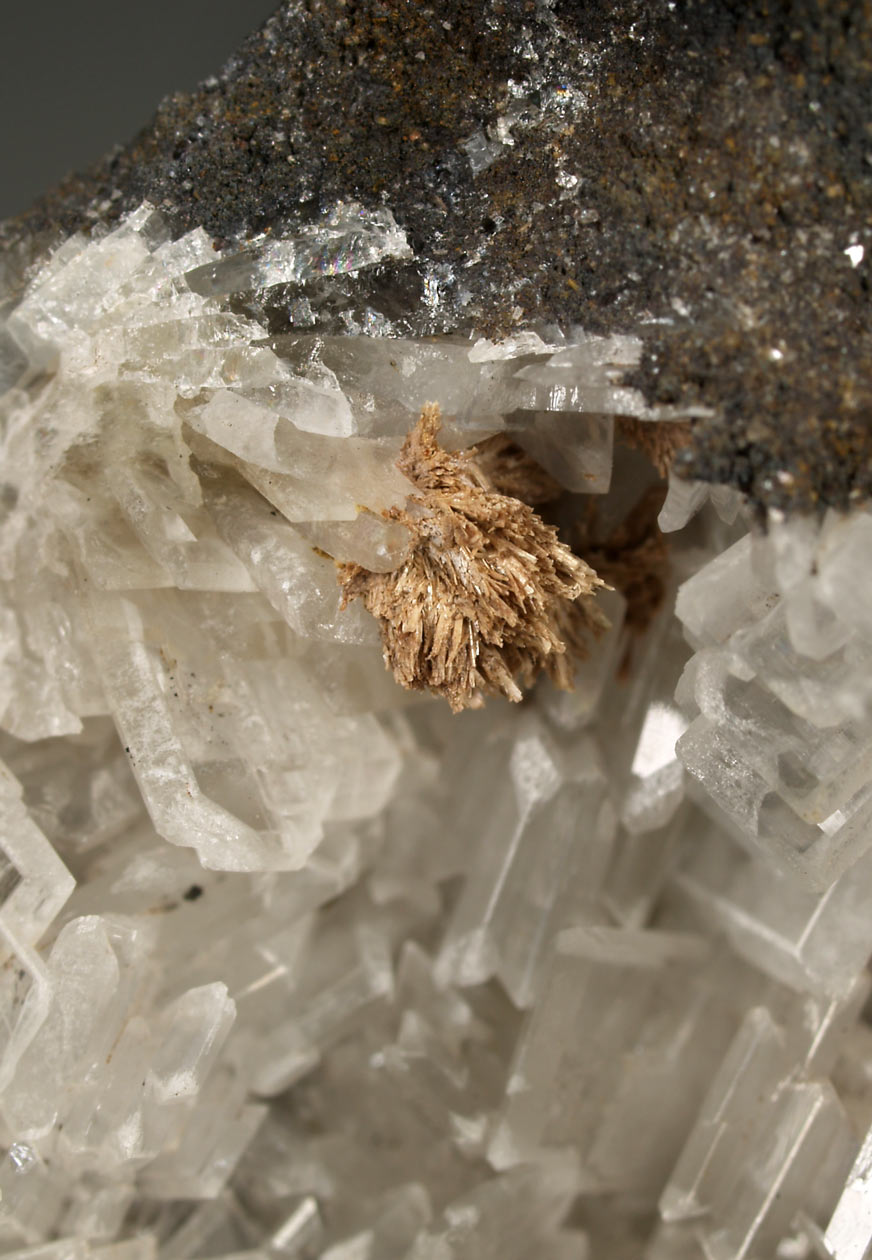
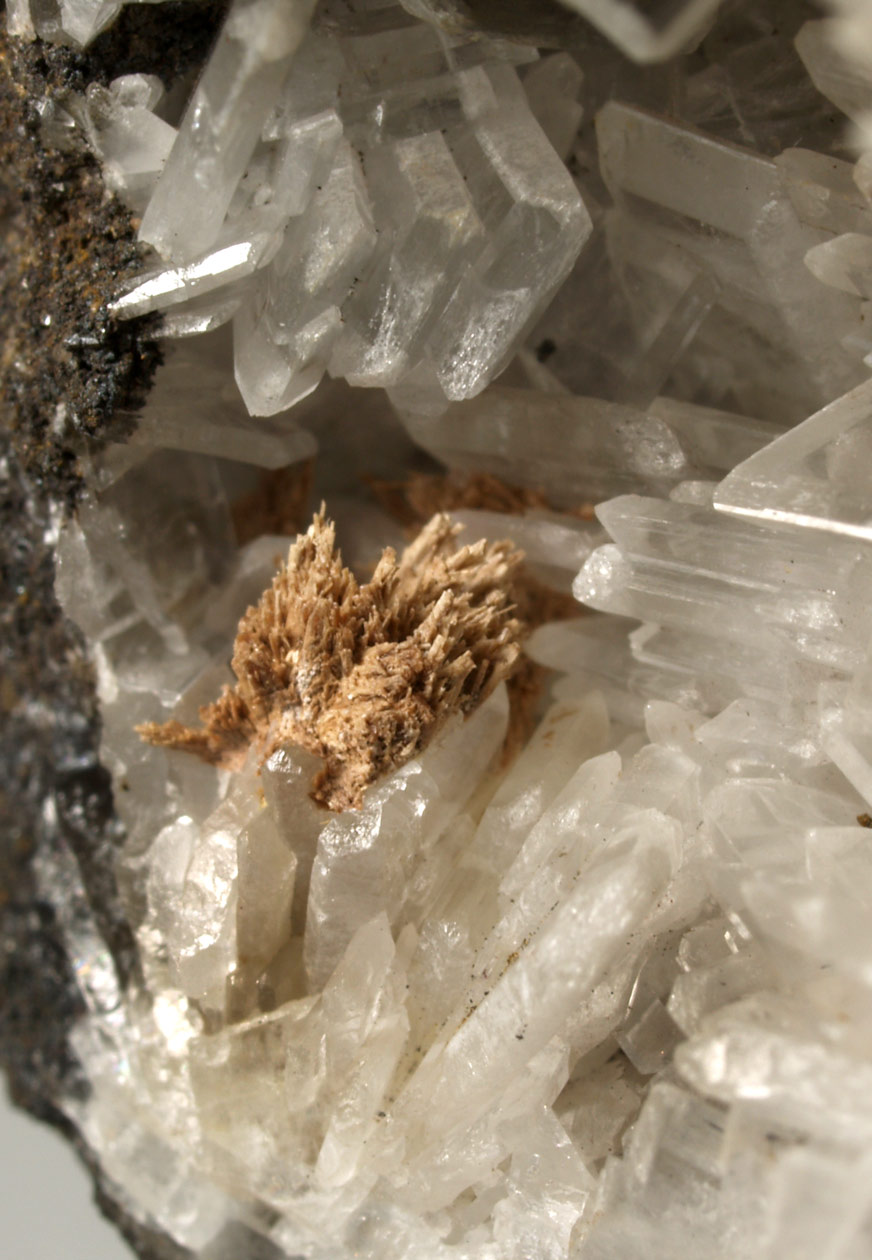
At the beginning of 2014, reviewing some specimens from the Santa Matilde open pit we found into the vugs some groups of lanceolated, fibrous or equidimensional crystals, with pink, beige to white colours, those aroused our interest. After some analysis we could identify as fluorcalcioroméite species (Ca,Na)2Sb5+2O6F,OH), with a small percentage of oxyplumboroméite (Pb2Sb2O7, due to the presence of lead). Both species belong to the isometric system. But the observed symmetry indicated that they are, highly probable, a pseudomorph after stibnite crystals. This is the first report of this mineral in the Iberian Peninsula. Nowadays this quarry is completelly filled by rubble. In this specimen we can see some aggregates, one of them predominant, formed by several lanceolated to needle-like crystals, with luster, beige to ocher tone, accompanied by aesthetic baryte crystals. We will send a copy of the analysis (SEM-EDS, XRD) to the buyer.
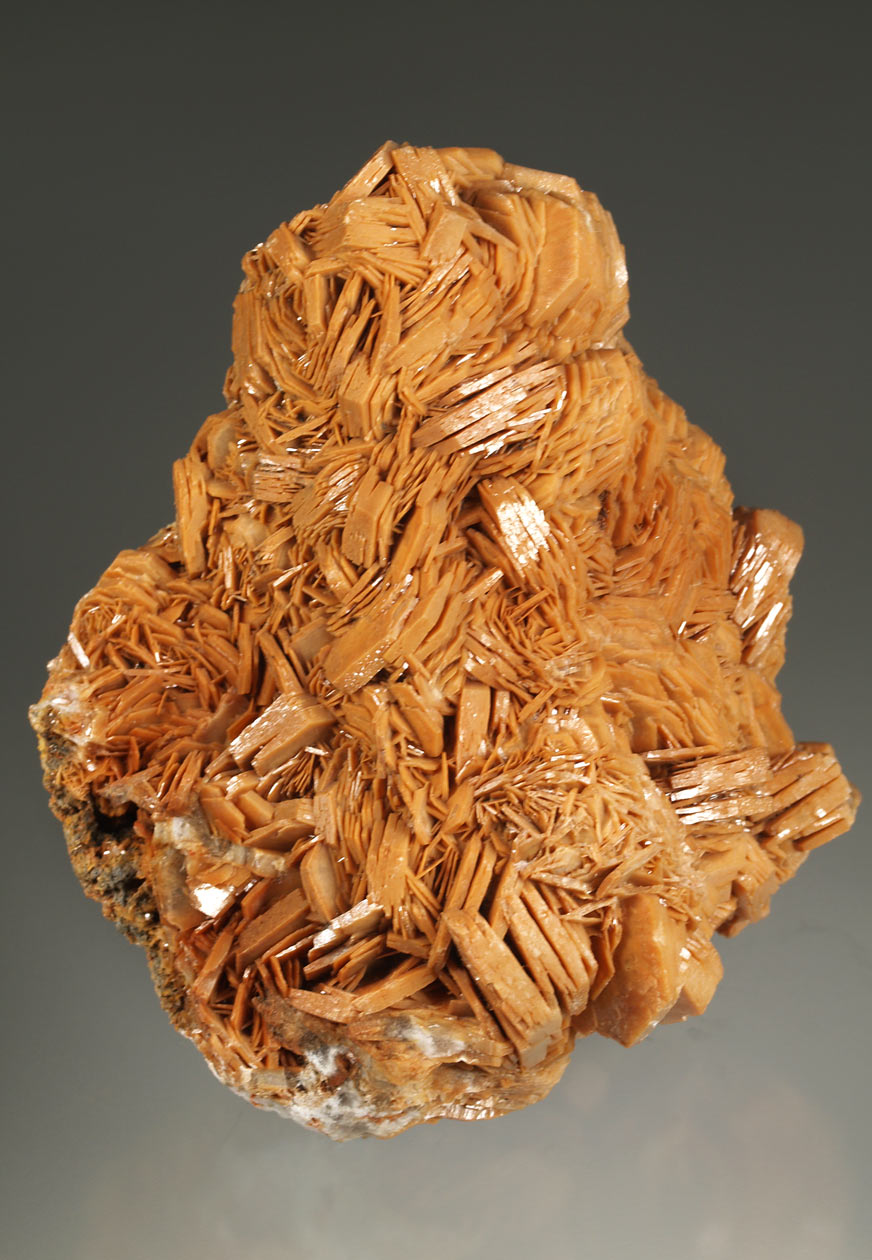
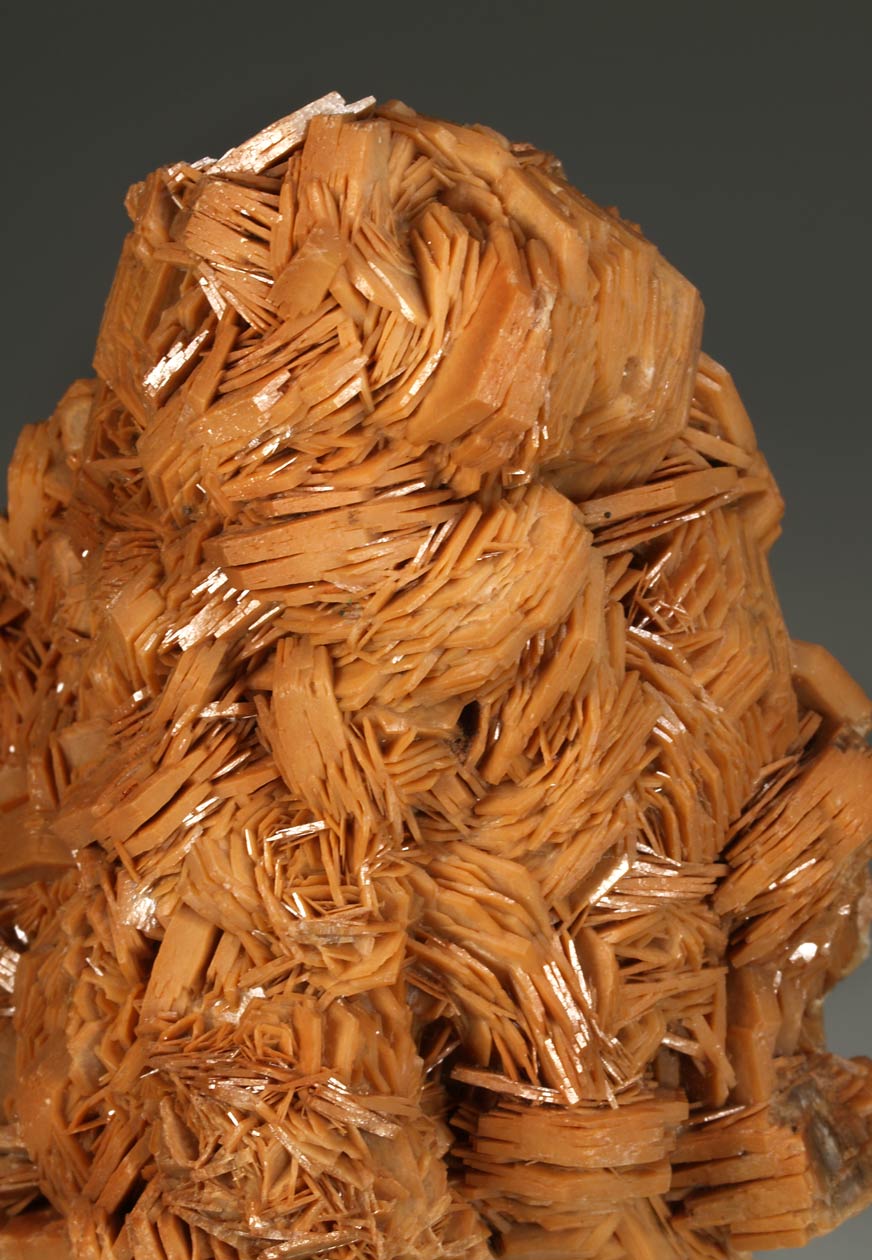
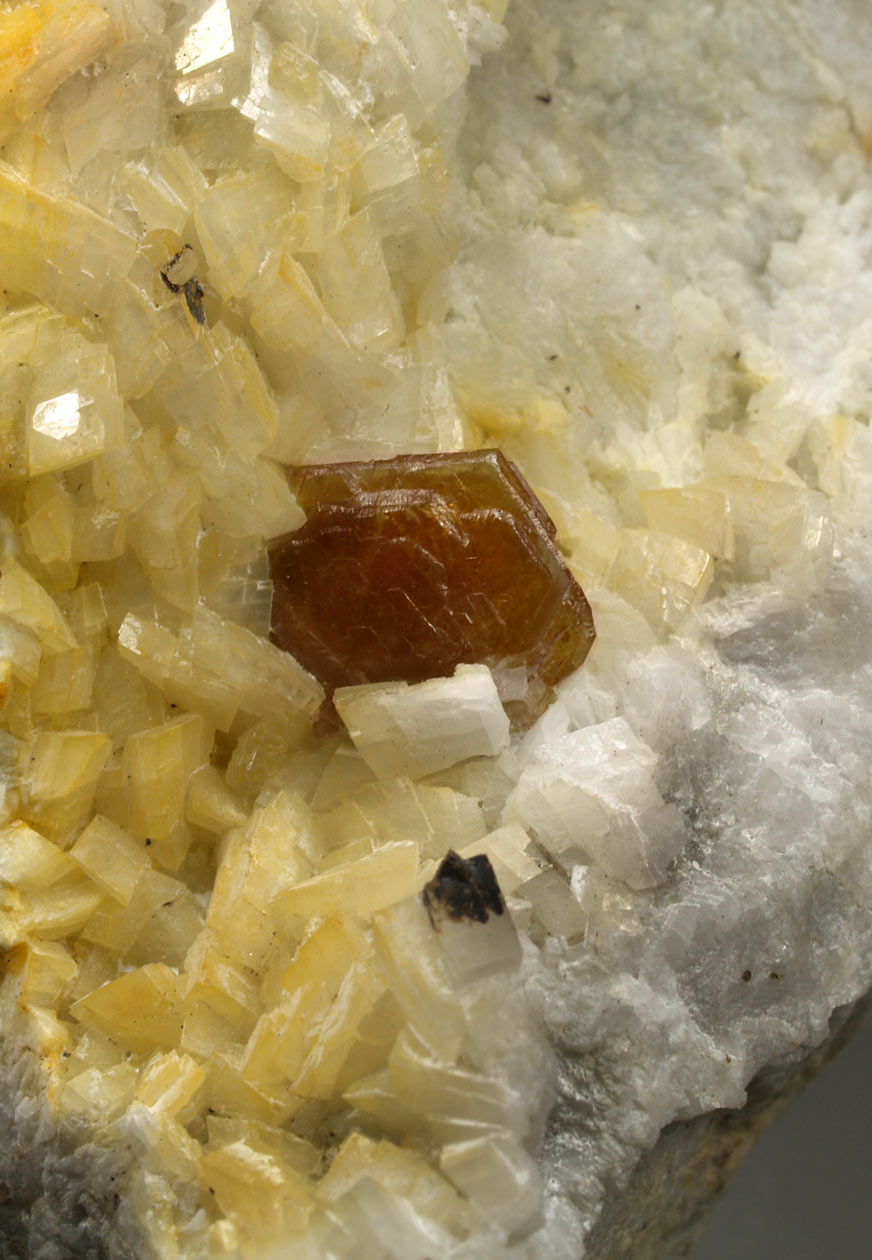
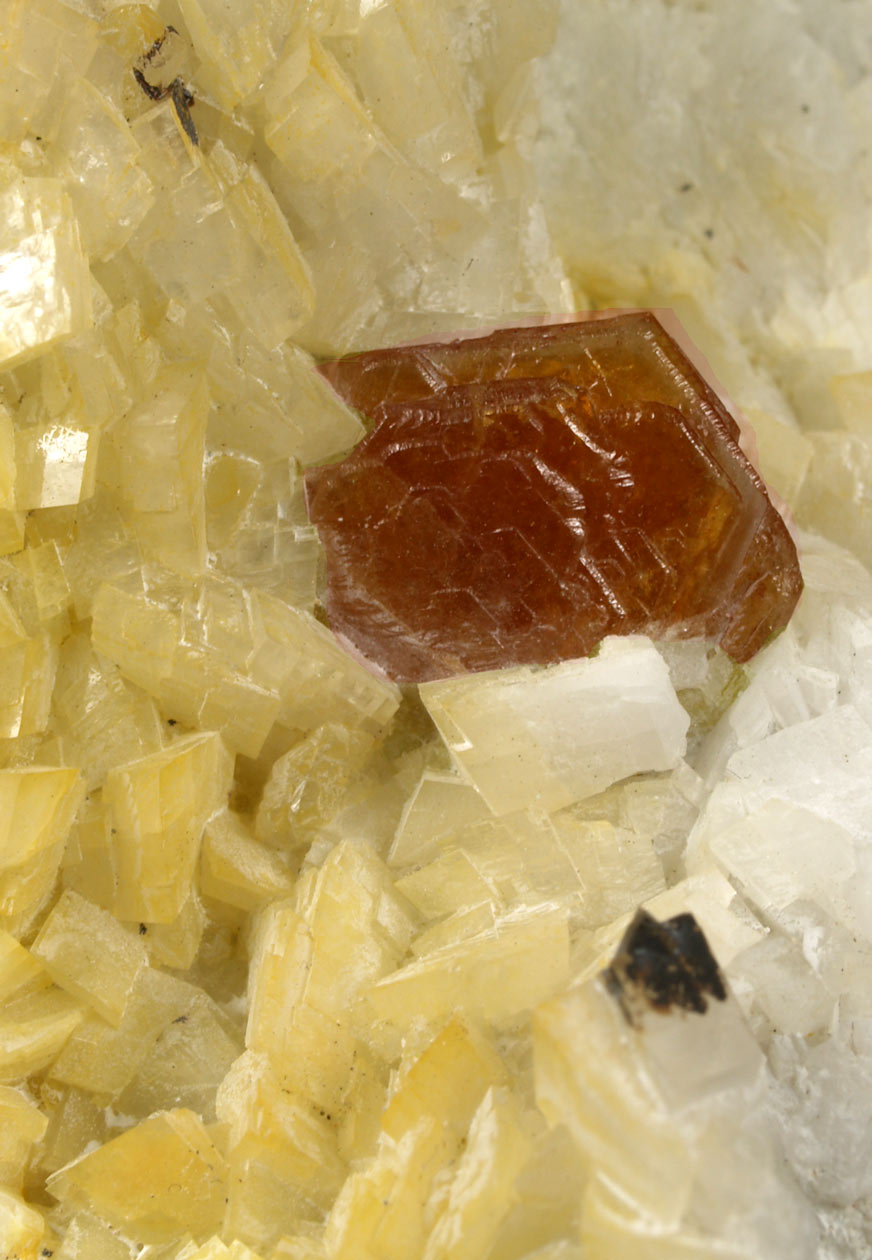
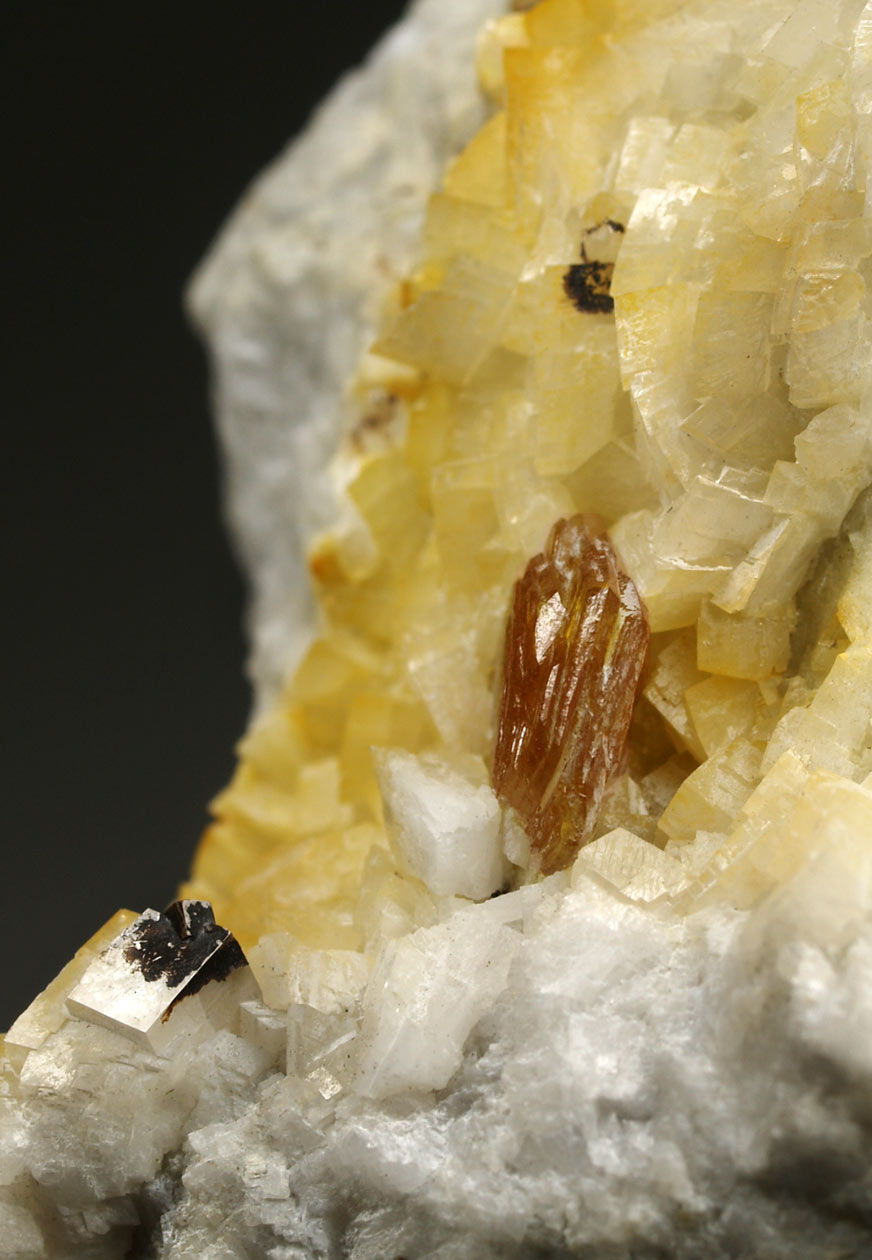
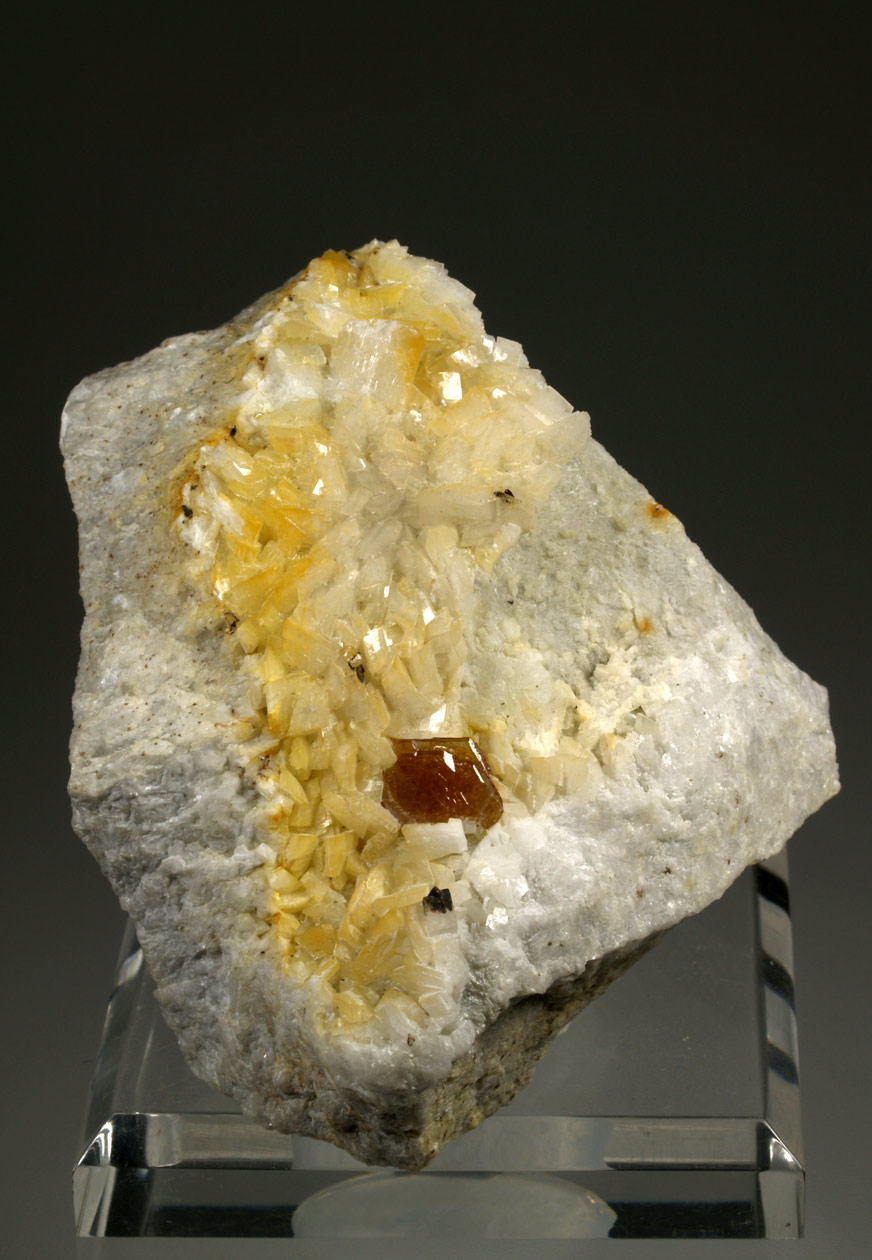
Specimen with a good size formed by a rich group of tabular baryte crystals, very sharp and brilliant, showing pseudohexagonal forms and with a uniform ocher color. A mine poorly represented in collections.
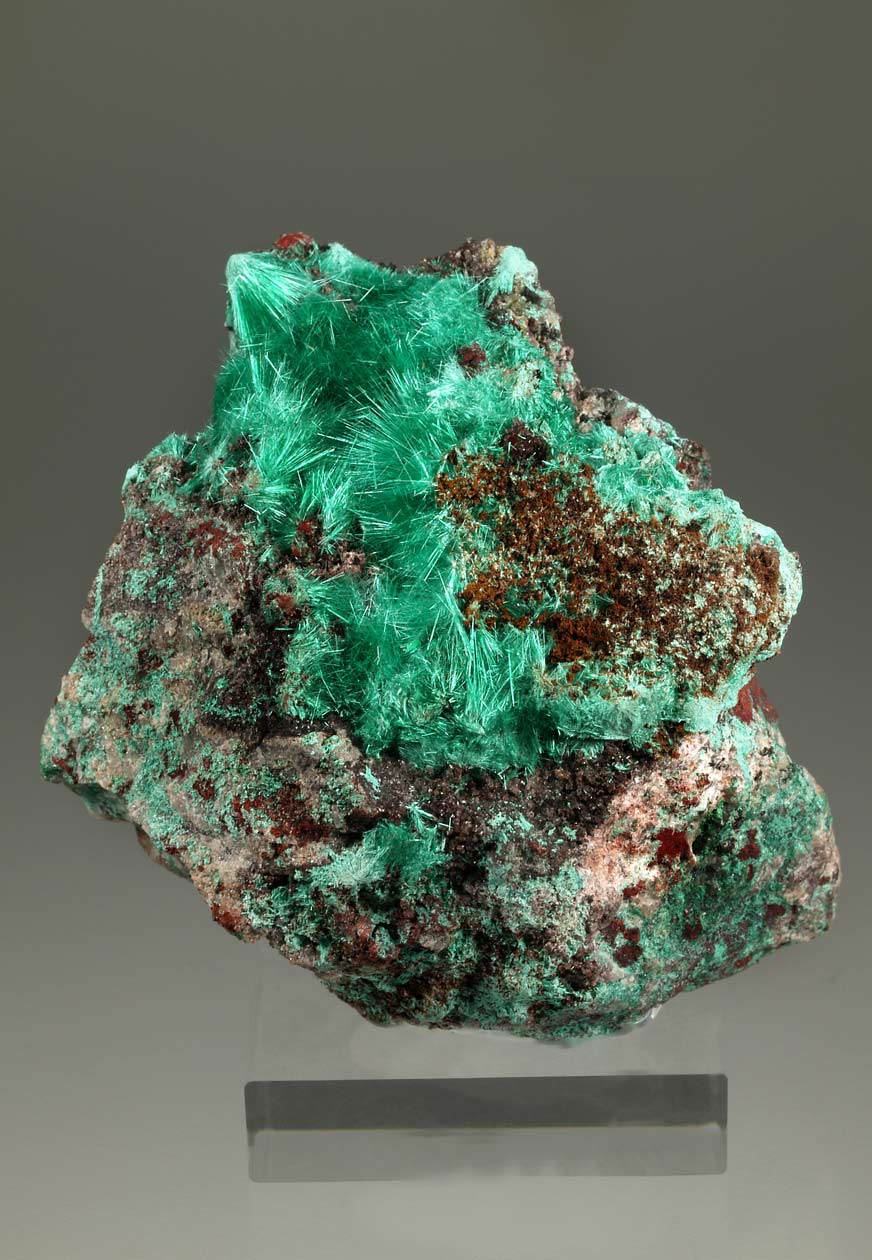
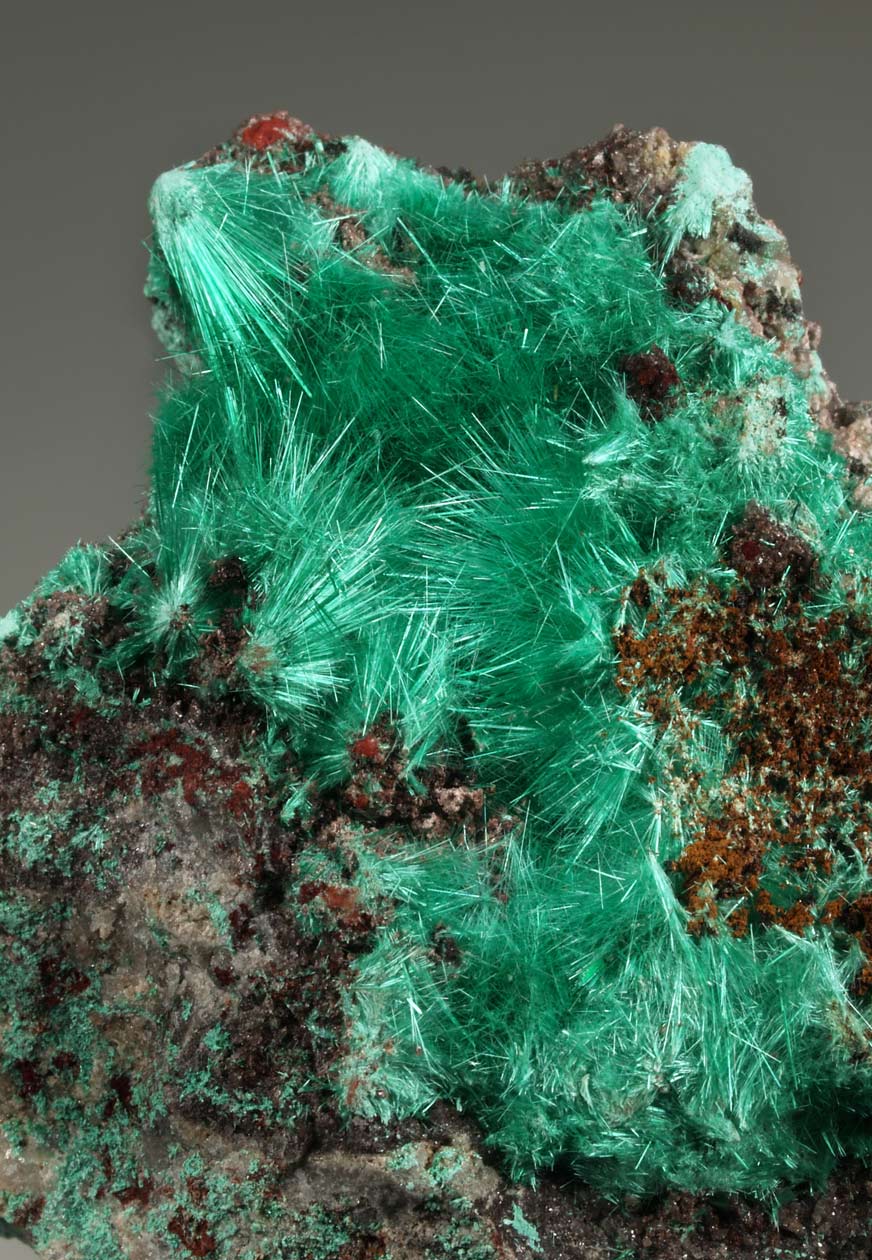
These specimens of brochantite from the mining area of Katanga are one of my weaknesses. The long needles of this mineral, filling cavities of the matrix, special green color, brilliance and silky luster... Pure aesthetic. I hope you enjoy it.
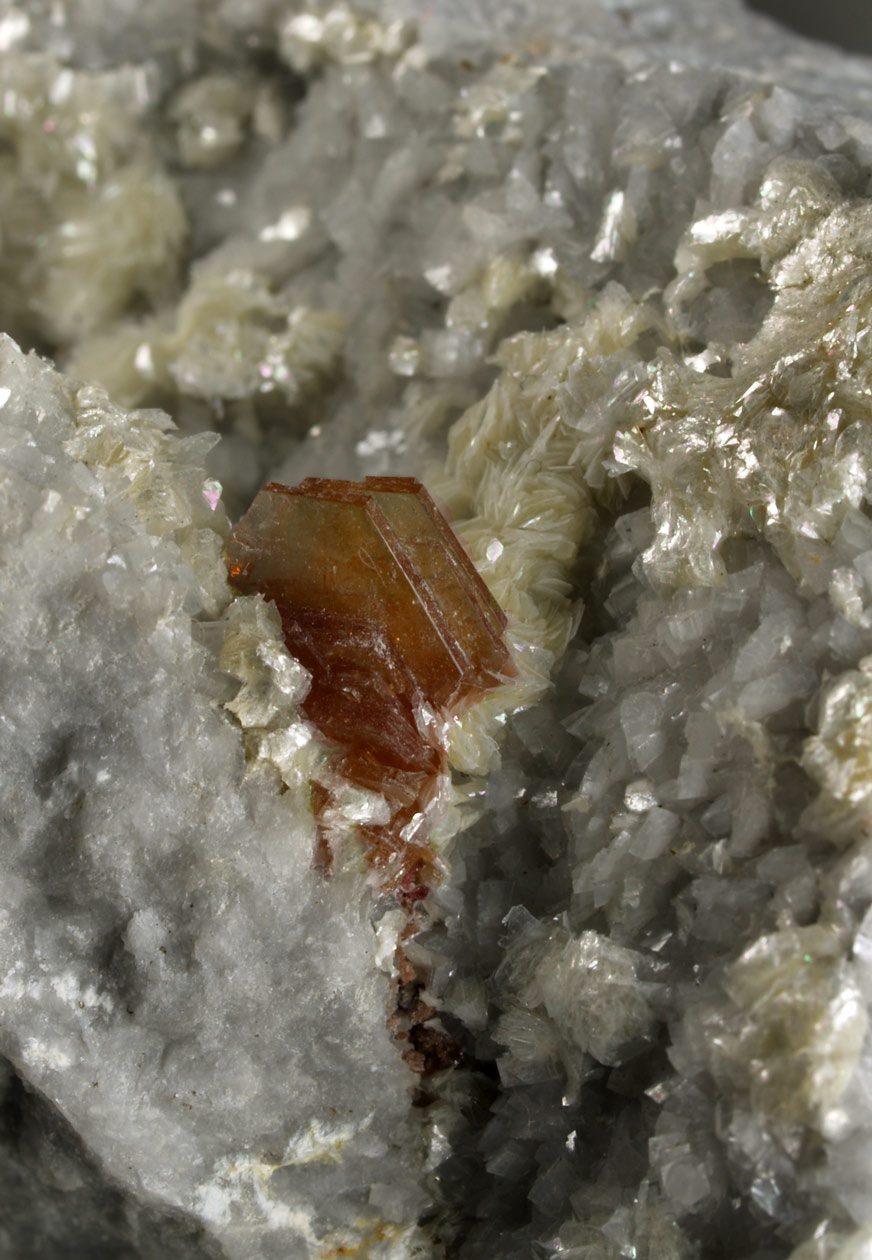
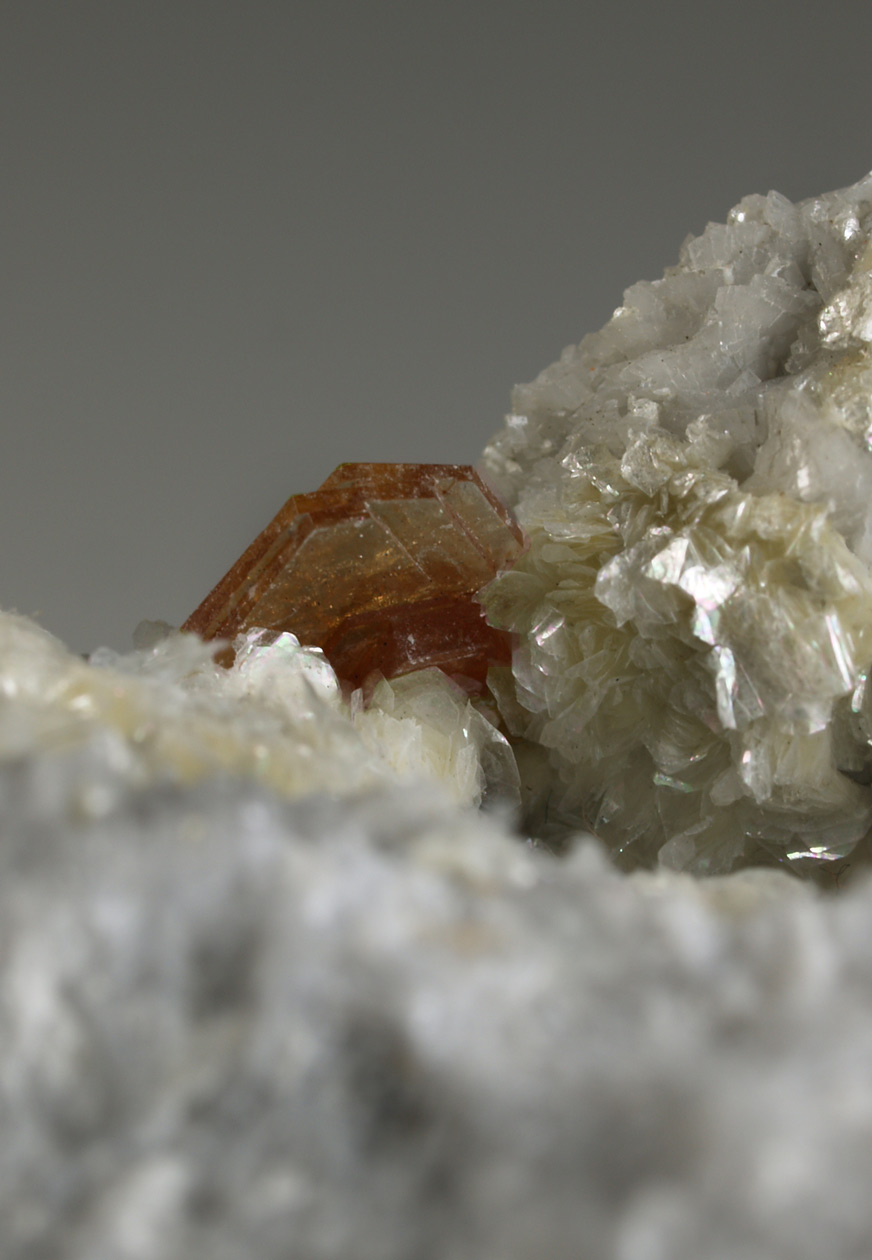
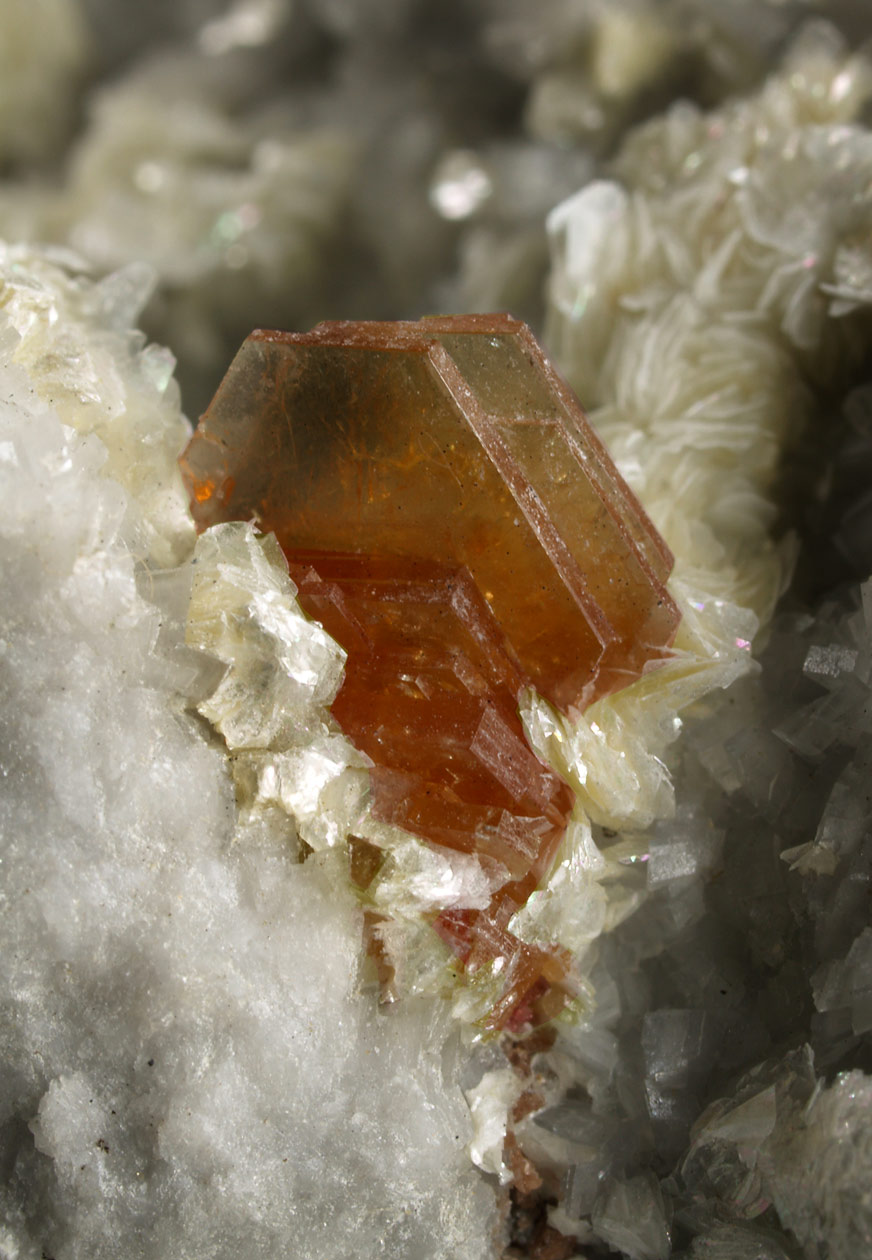
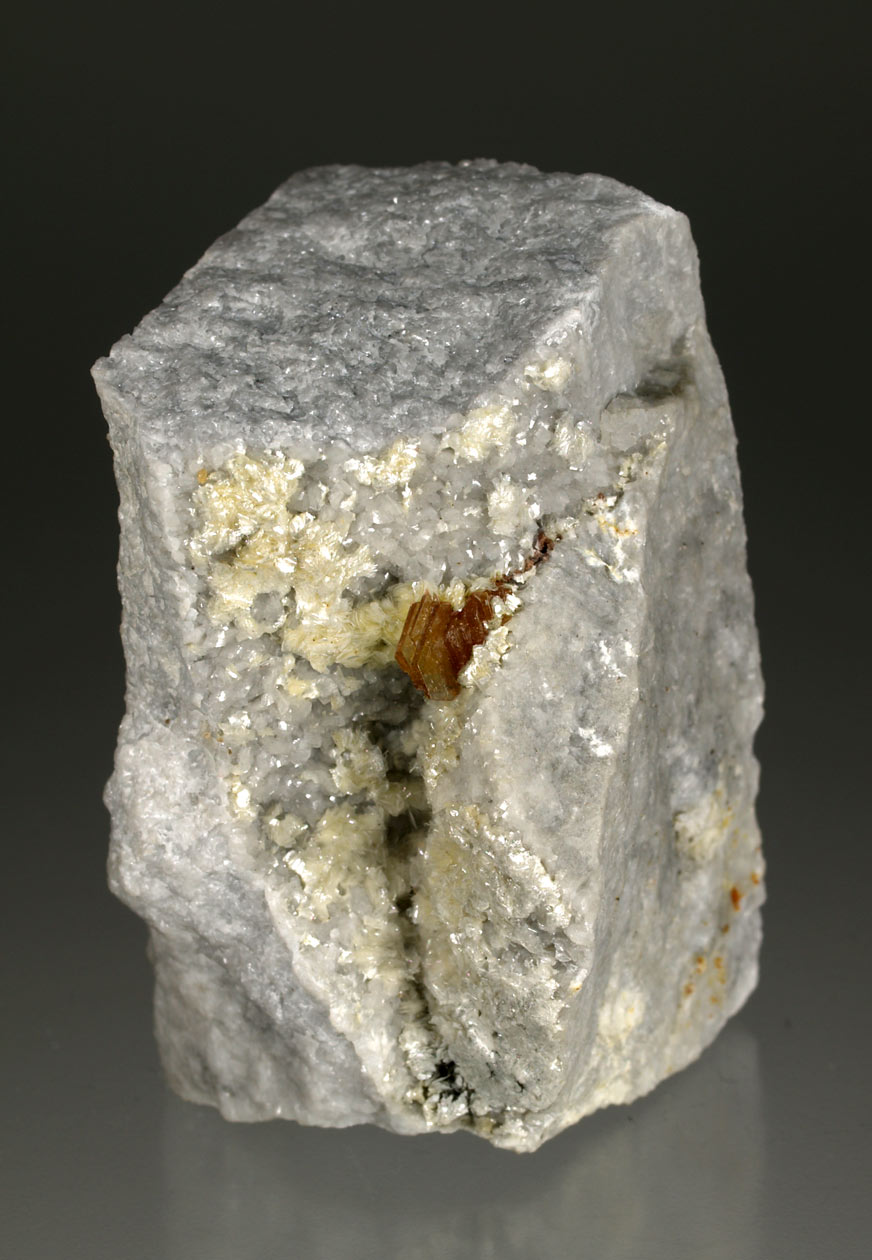
Very exceptional group of bastnäsite-(Ce) crystals. Good size, defined faces and edges, transparence, brilliance... And perfectly disposed on a dolomite crystal matrix with talc. A rare opportunity to obtain a top quality specimen of this REE carbonate from this classic French talc quarry.
Very exceptional group of bastnäsite-(Ce) crystals. Good size, defined faces and edges, transparence, brilliance... And perfectly disposed on a dolomite crystal matrix. A rare opportunity to obtain a top quality specimen of this REE carbonate from this classic French talc quarry.
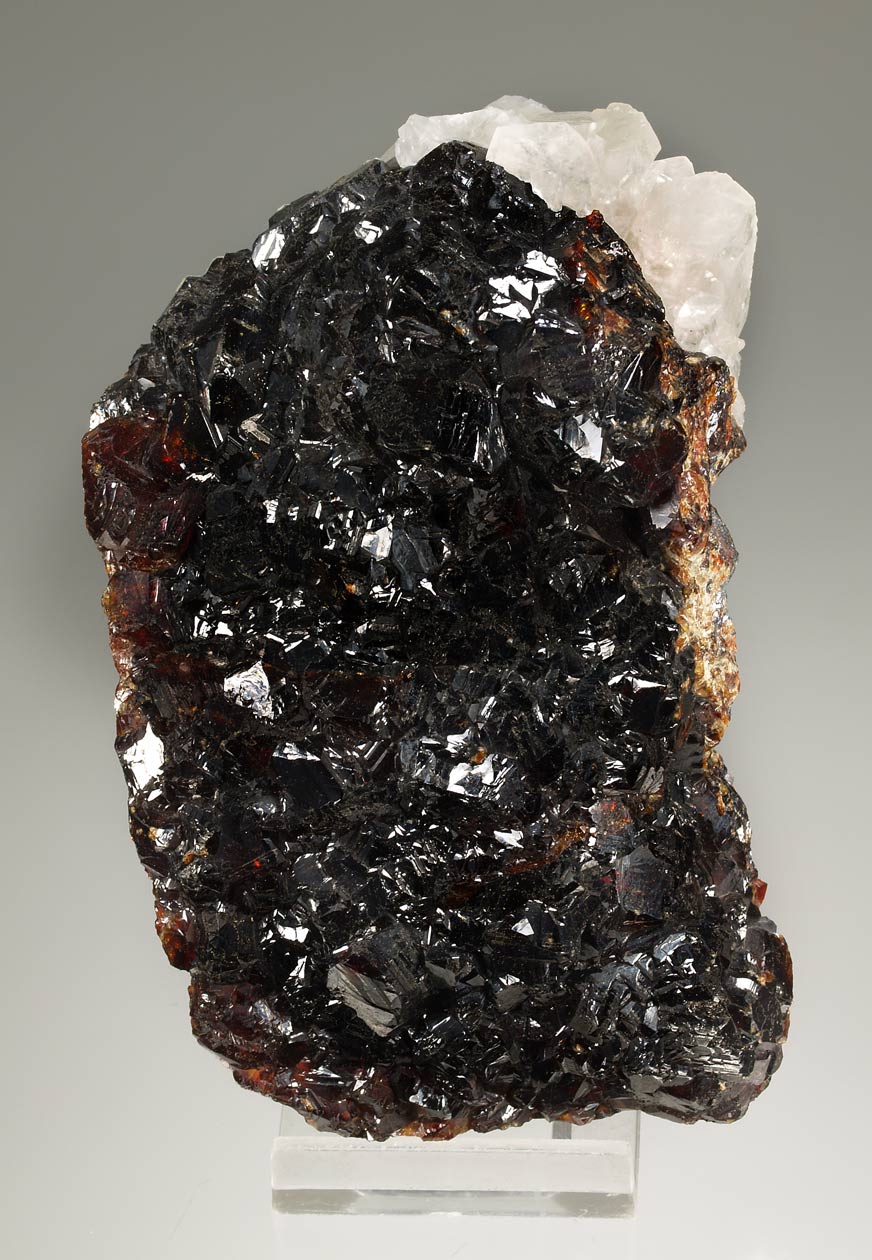
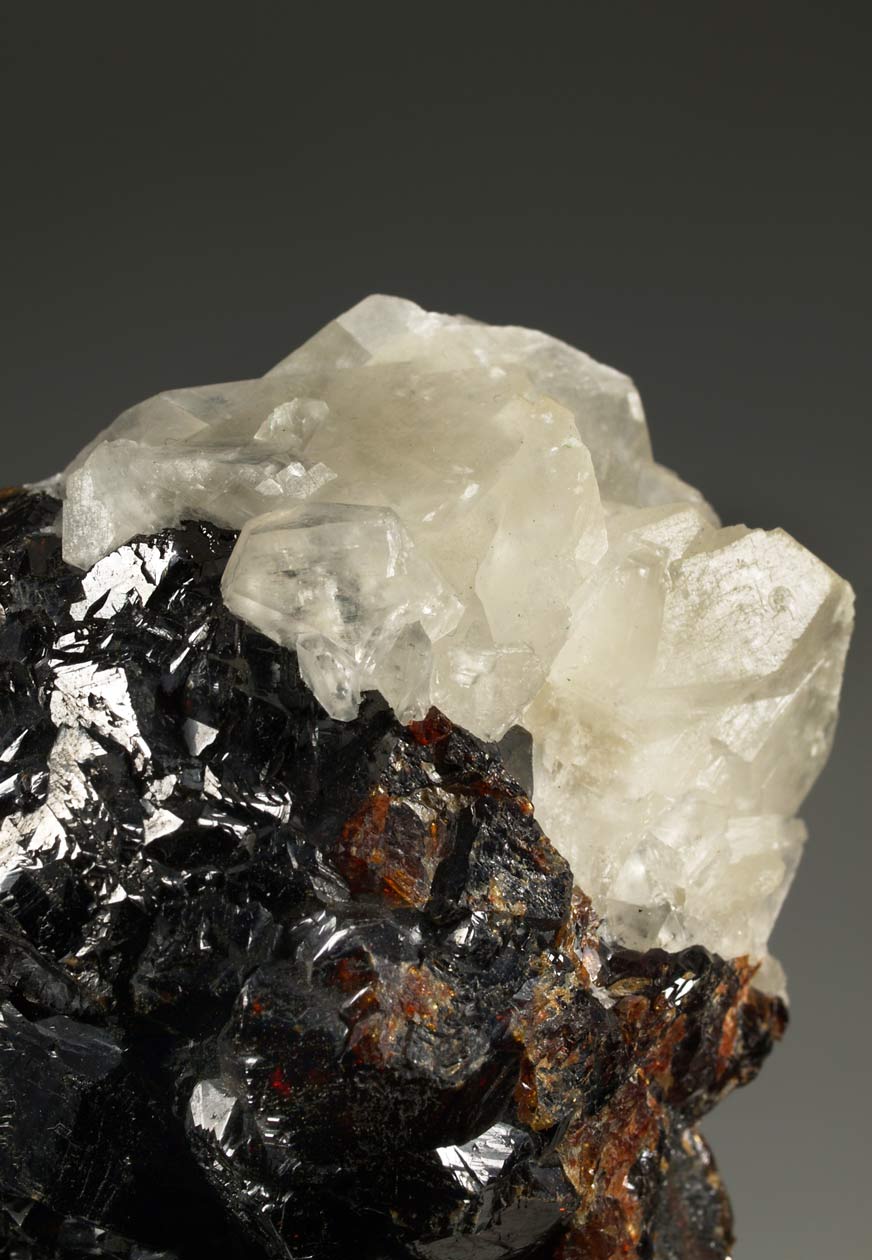
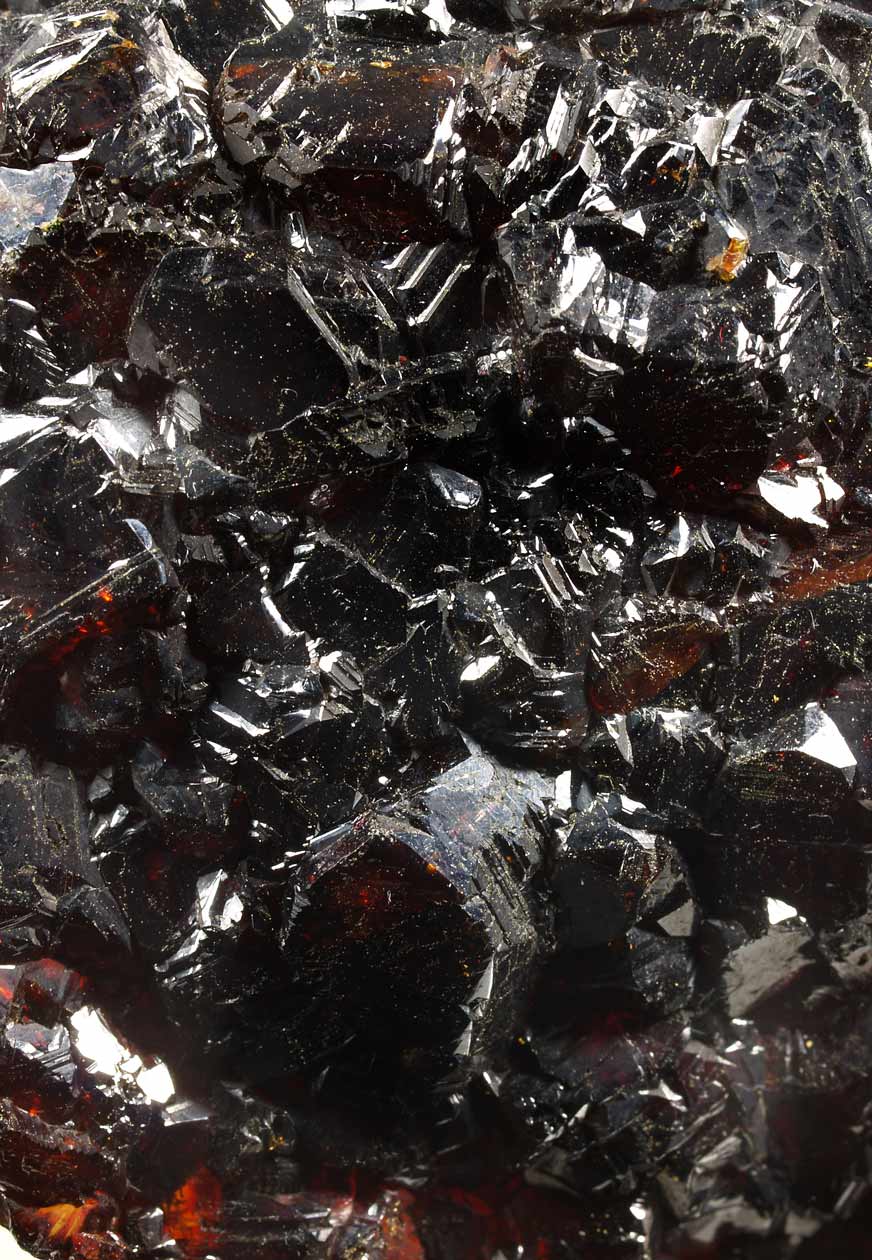
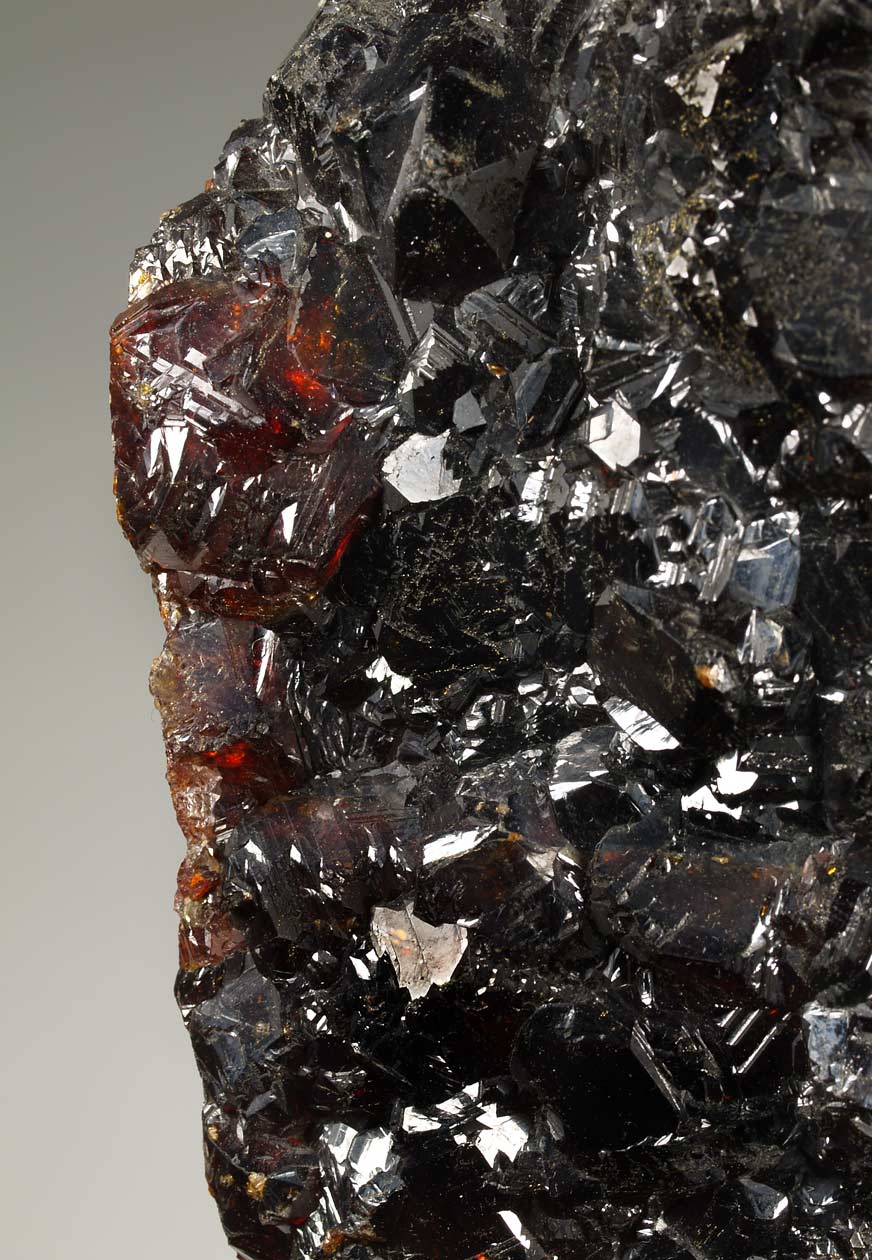
Druse formed by complex interpenetrated sphalerite crystals, with toasted honey color, some transparence and accompanied by calcite crystals. A huge size specimen from a classic Spanish locality.
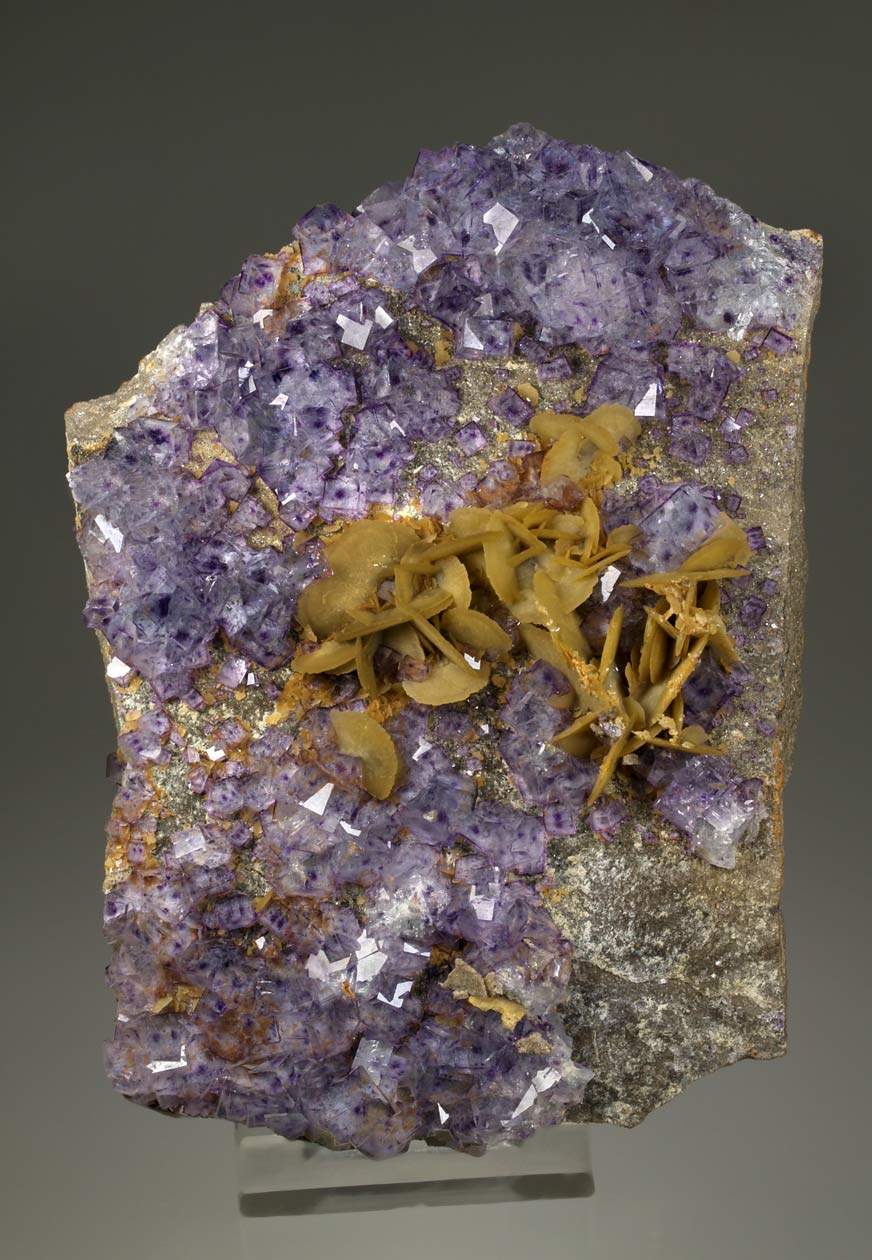
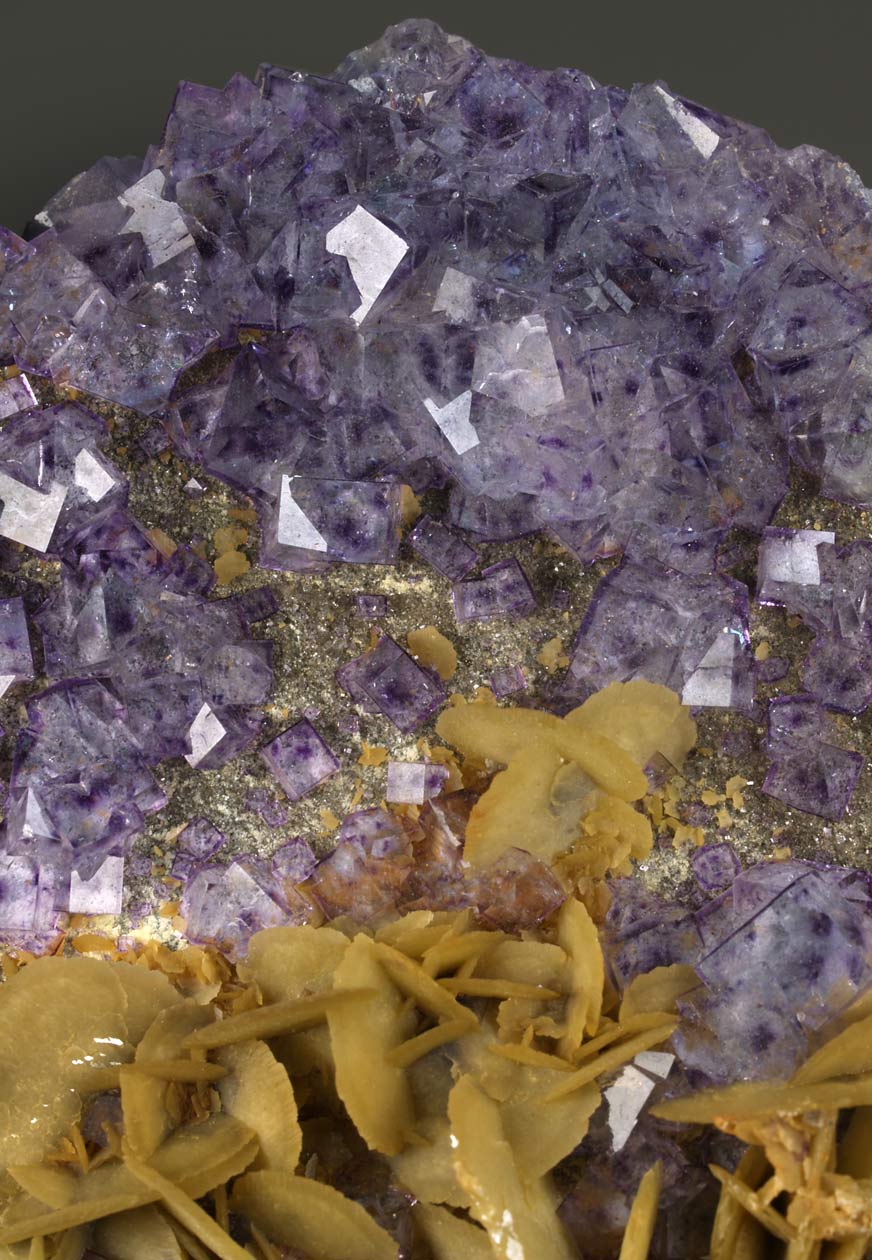
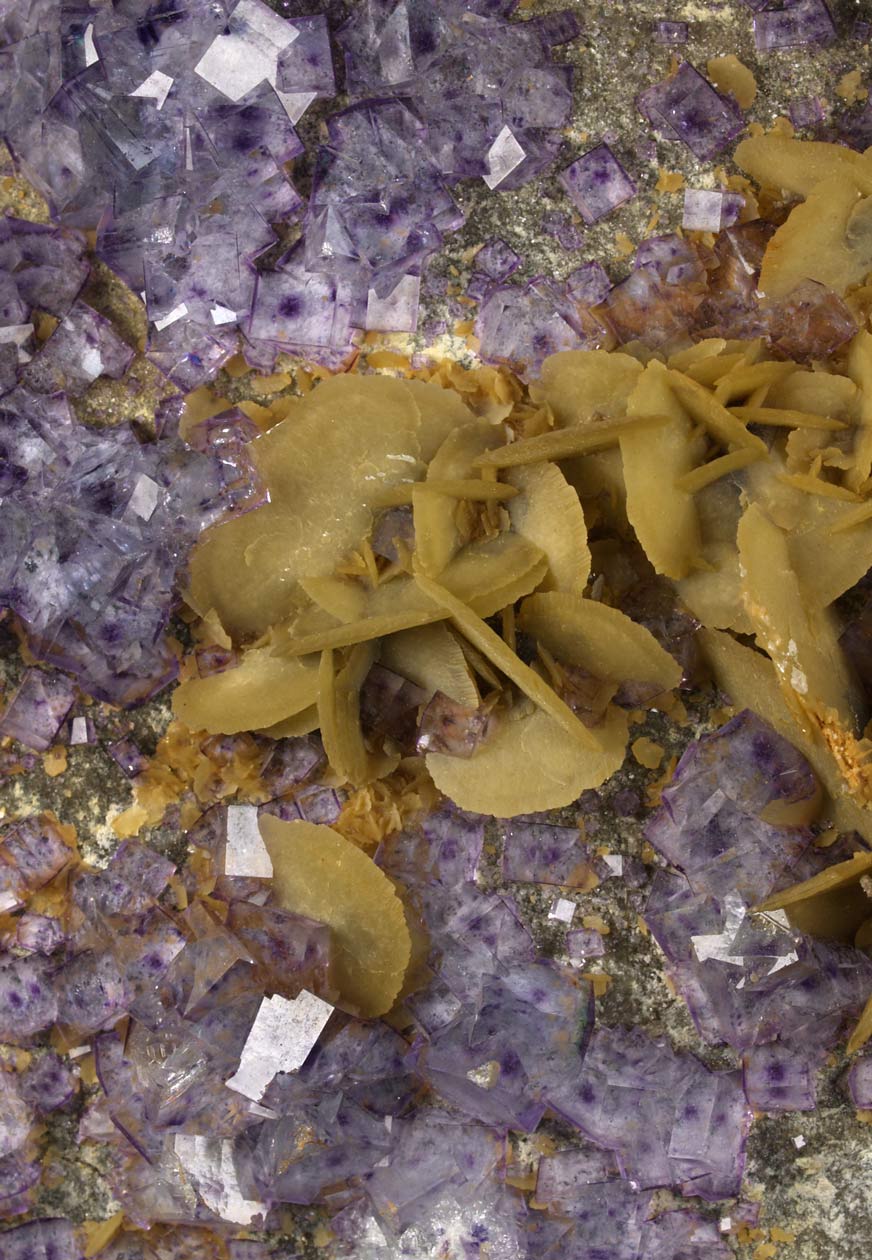
Druse of fluorite crystals with a marked color zoning. An intense violet crystal core and colorless in the edges, with some geometrical zoning on some edges. An interesting fluorite specimen. Accompanied by lenticular crystals of siderite. Very aesthetic.
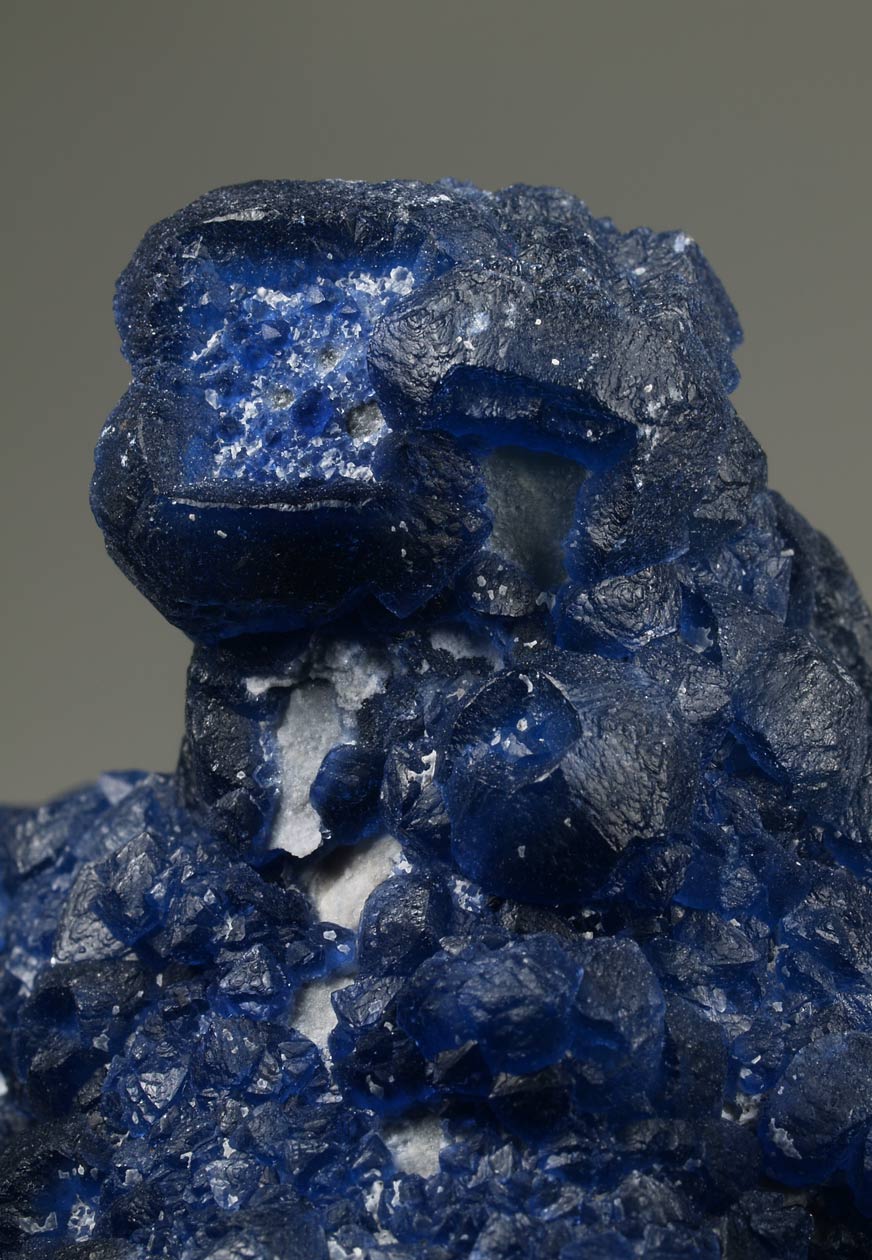
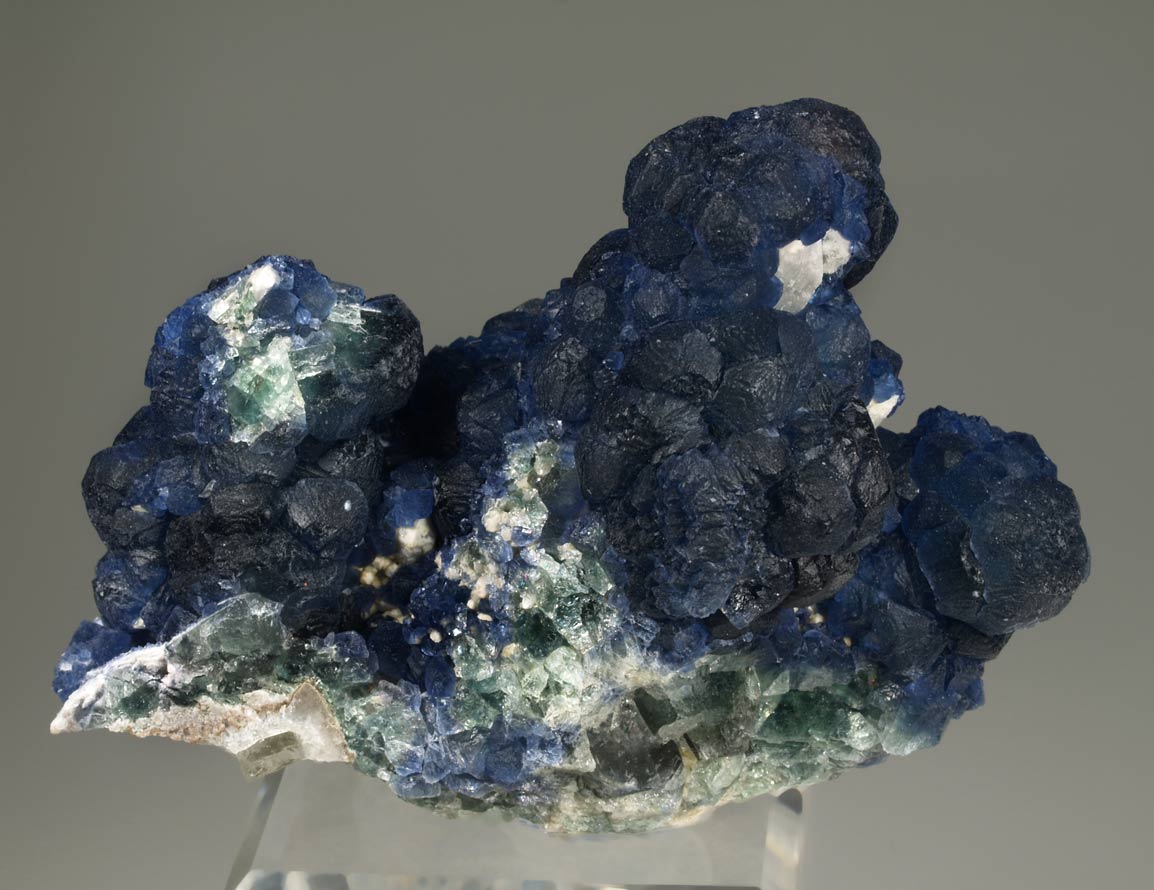
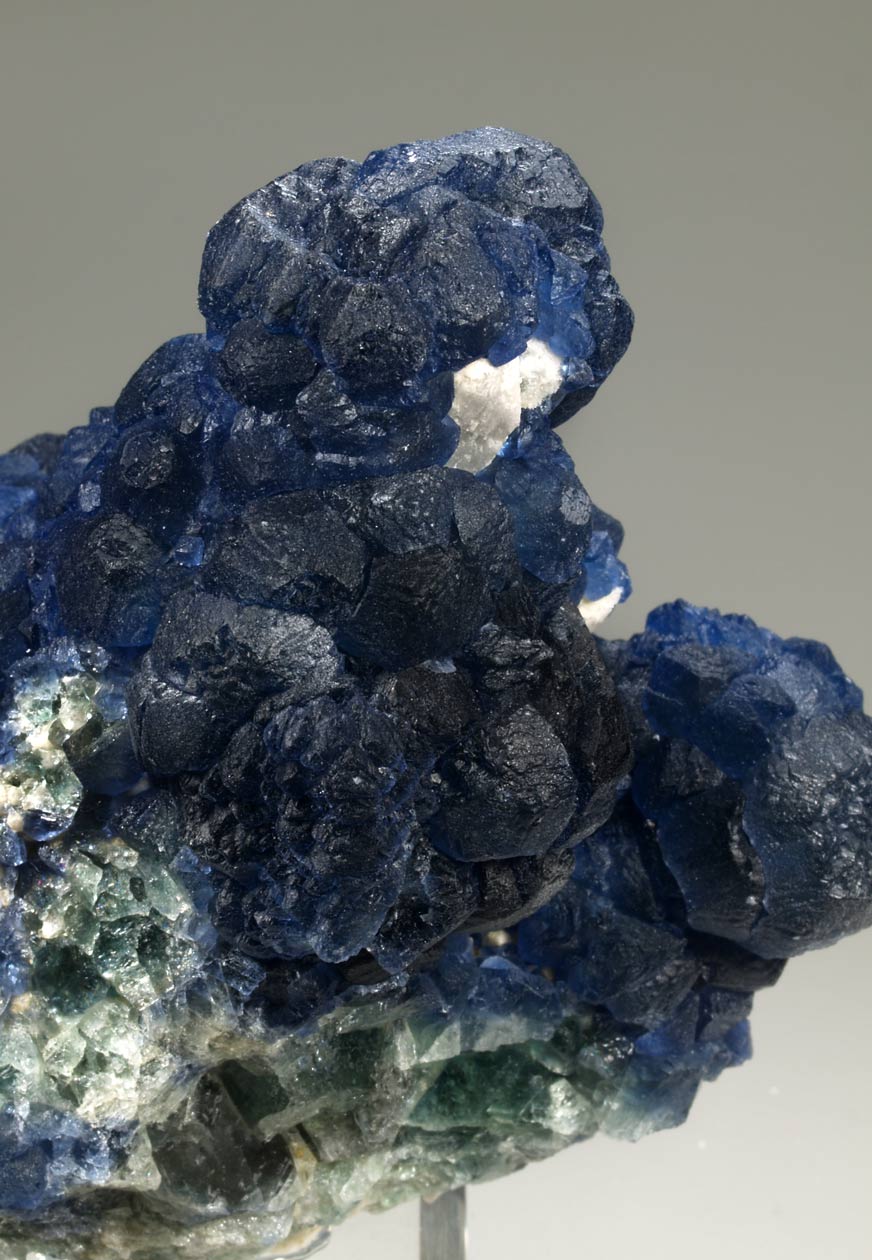
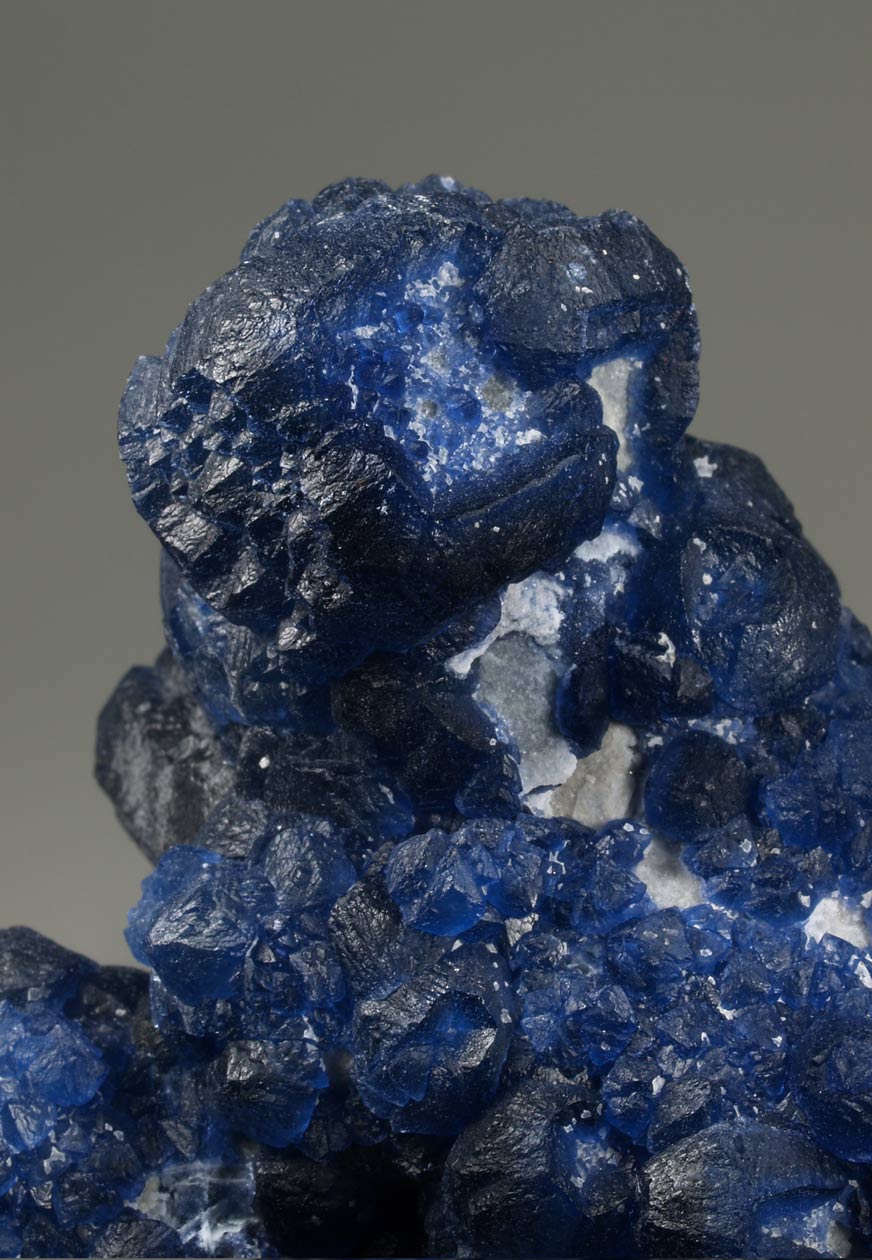
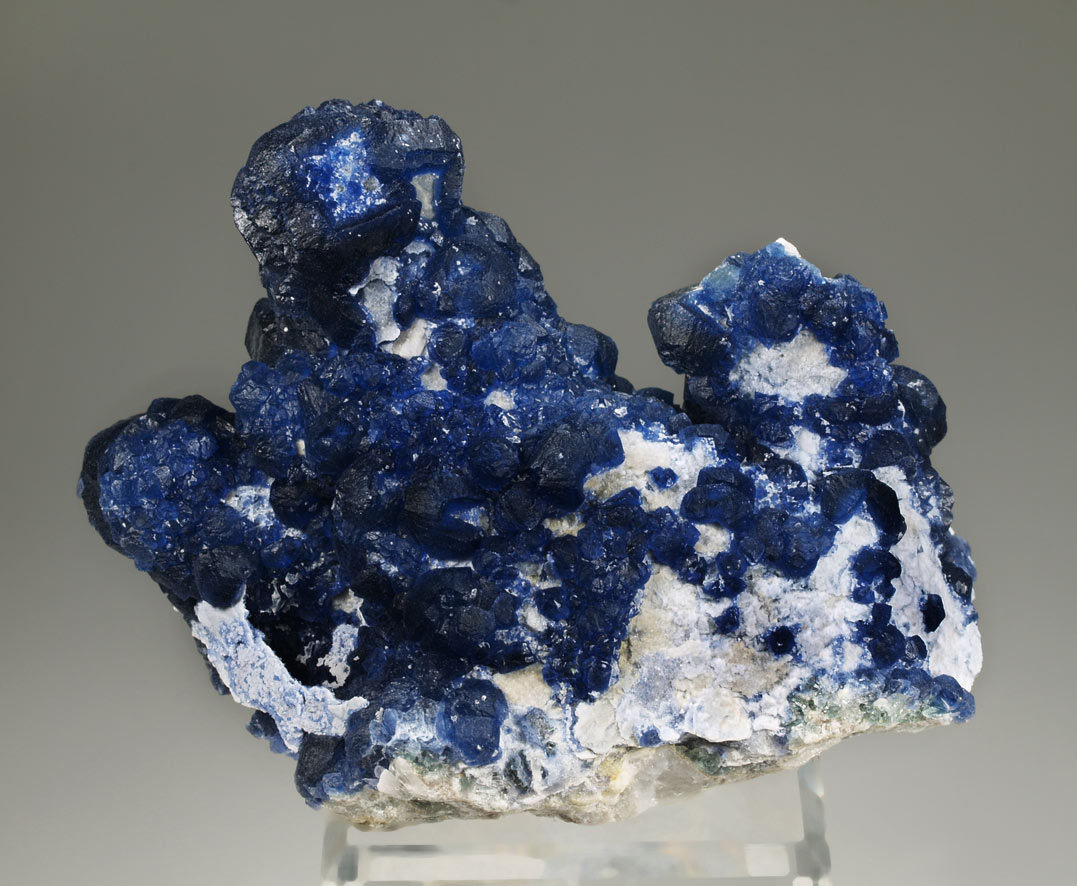
These specimens, novelty, 2014, show very unusual fluorite crystals, with an uncommon color. They show cubic crystals beveled by the dodecahedron and deep hoppered growths. Also almost globular crystals in which the dodecahedral forms predominate. The color is very, very intense, vivid shades that vary between indigo and navy blue, clearly visible when light is incident. We observed also green tones within a few crystals. They have grown on quartz crystals covered by layers of smaller milky quartz. An aesthetic specimen for fluorite and crystal collectors.
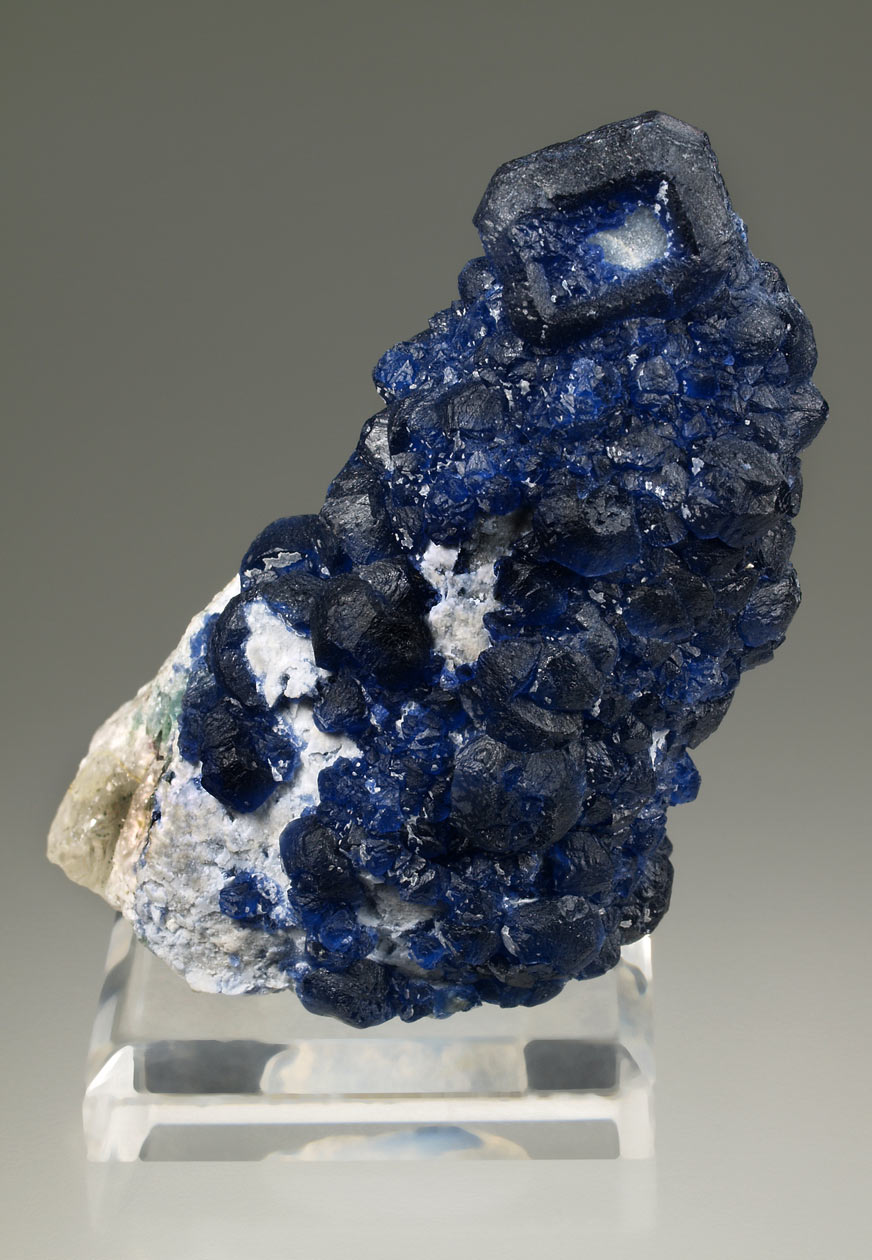
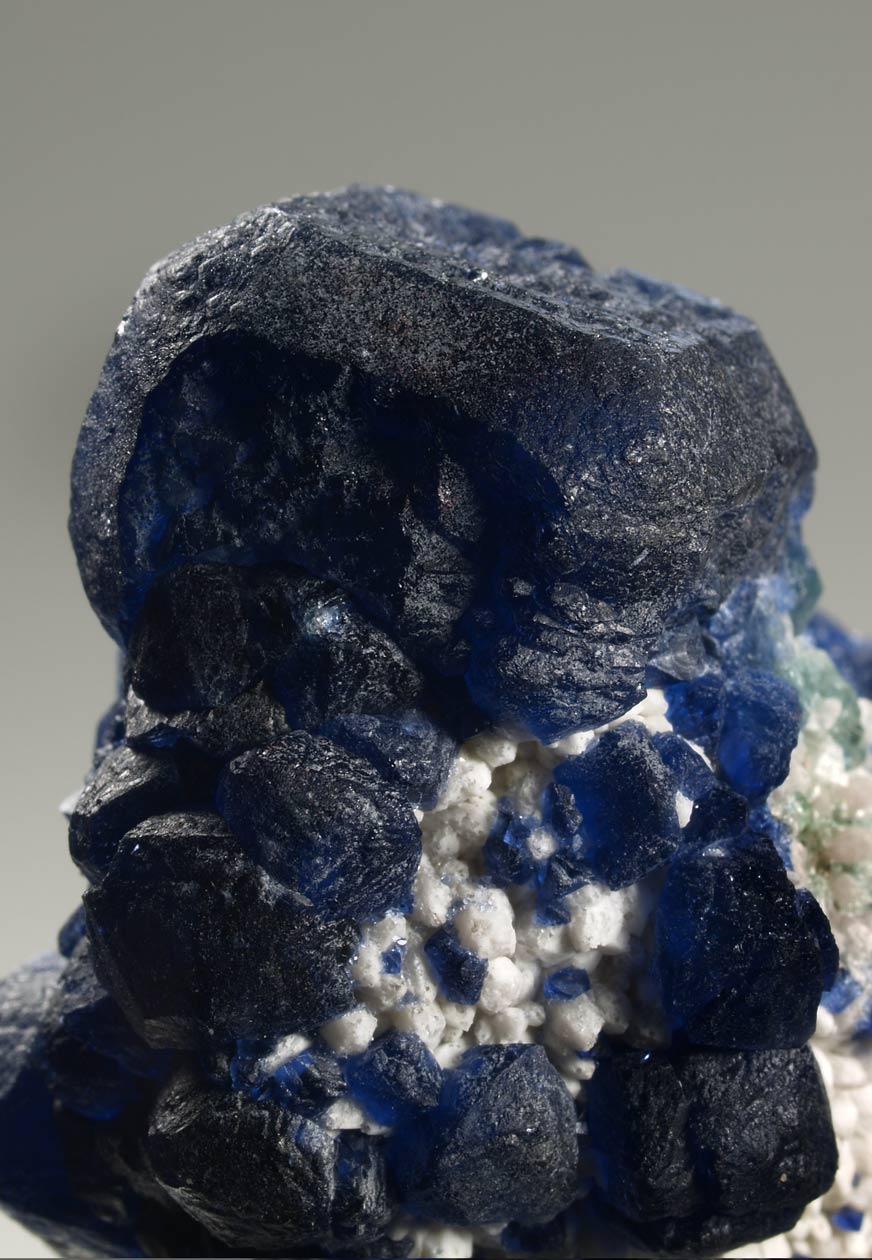
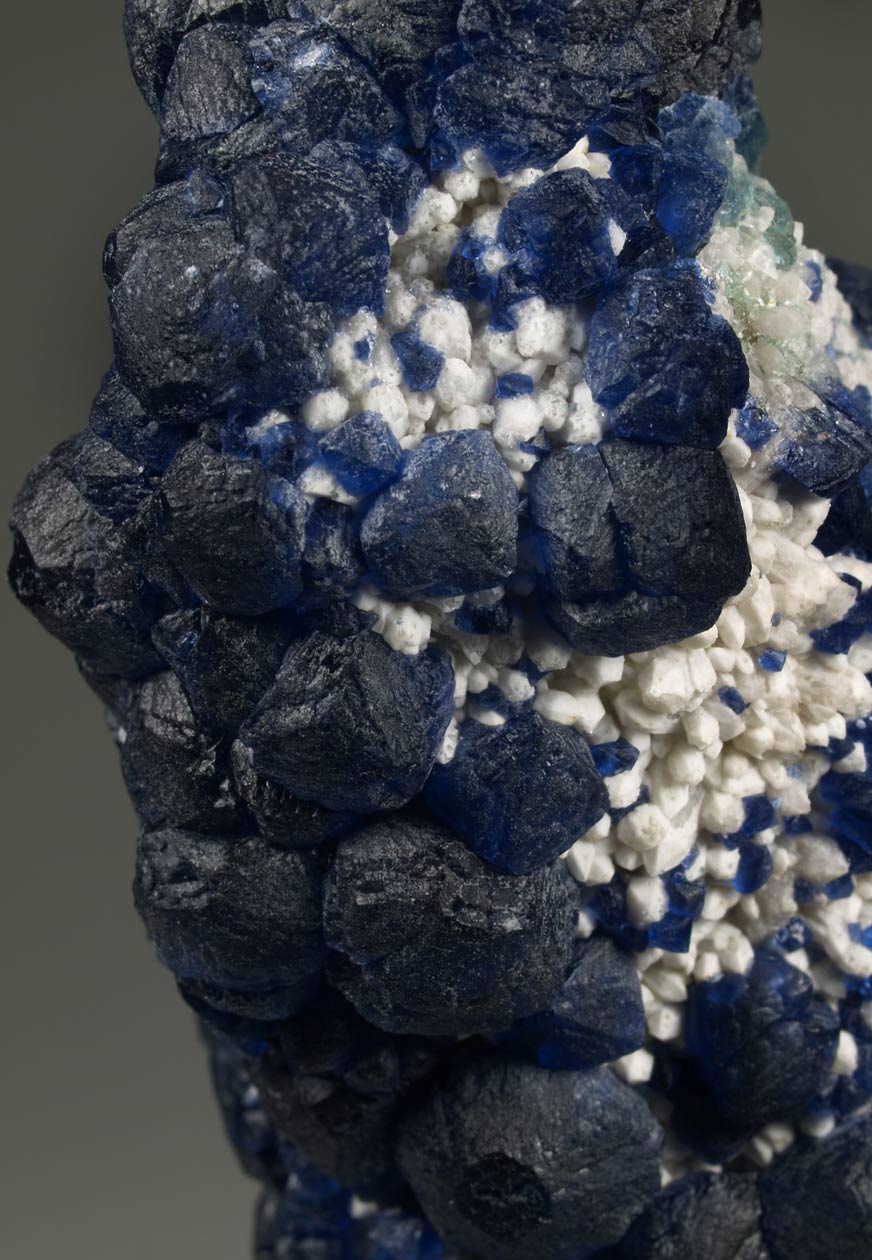
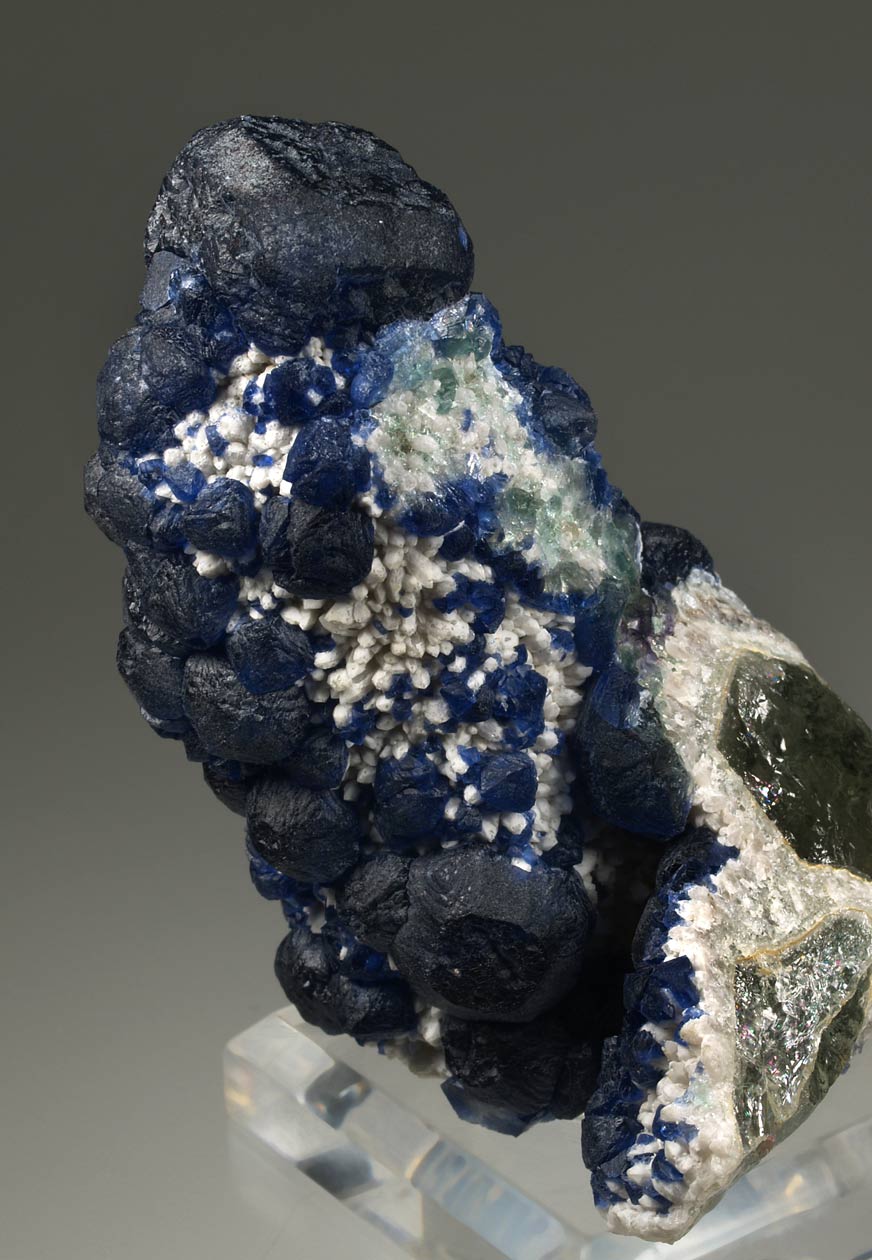
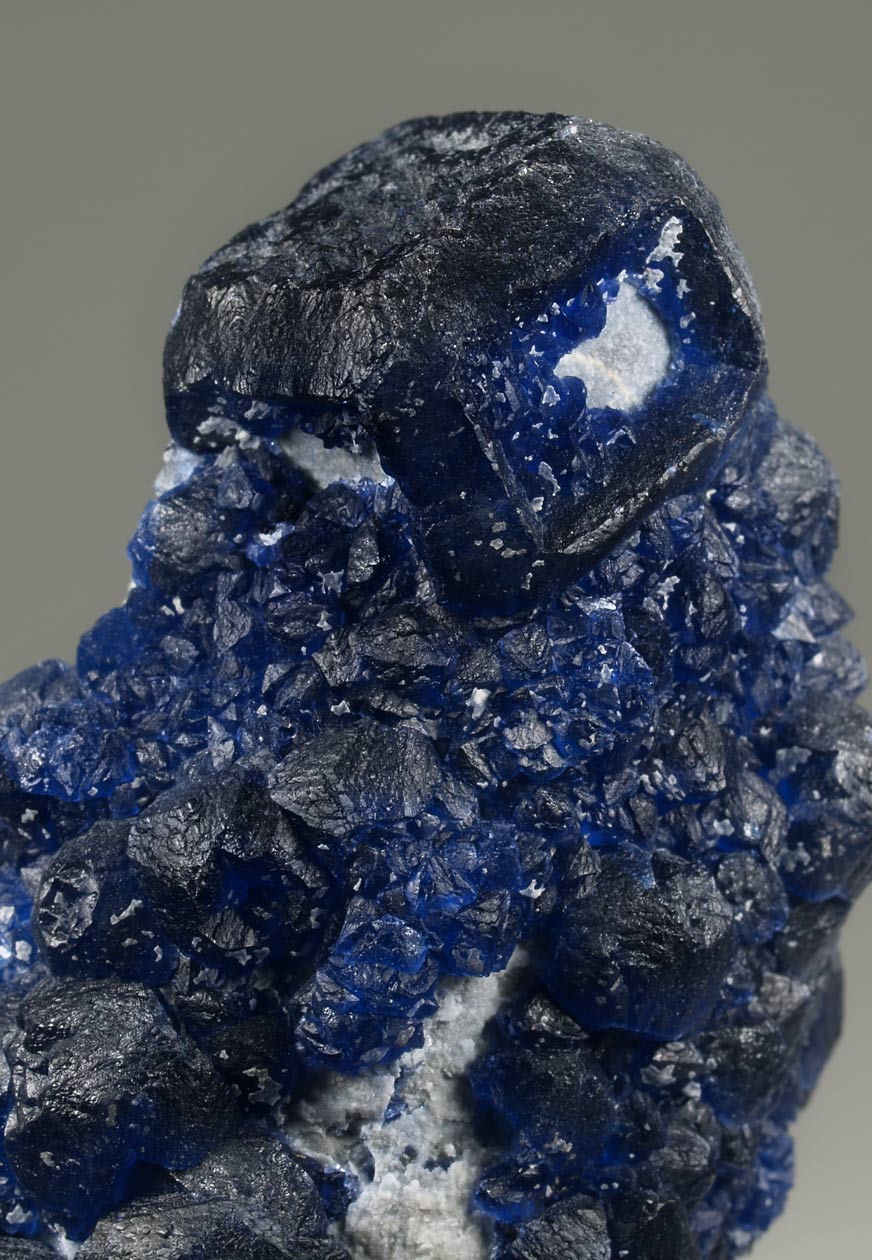
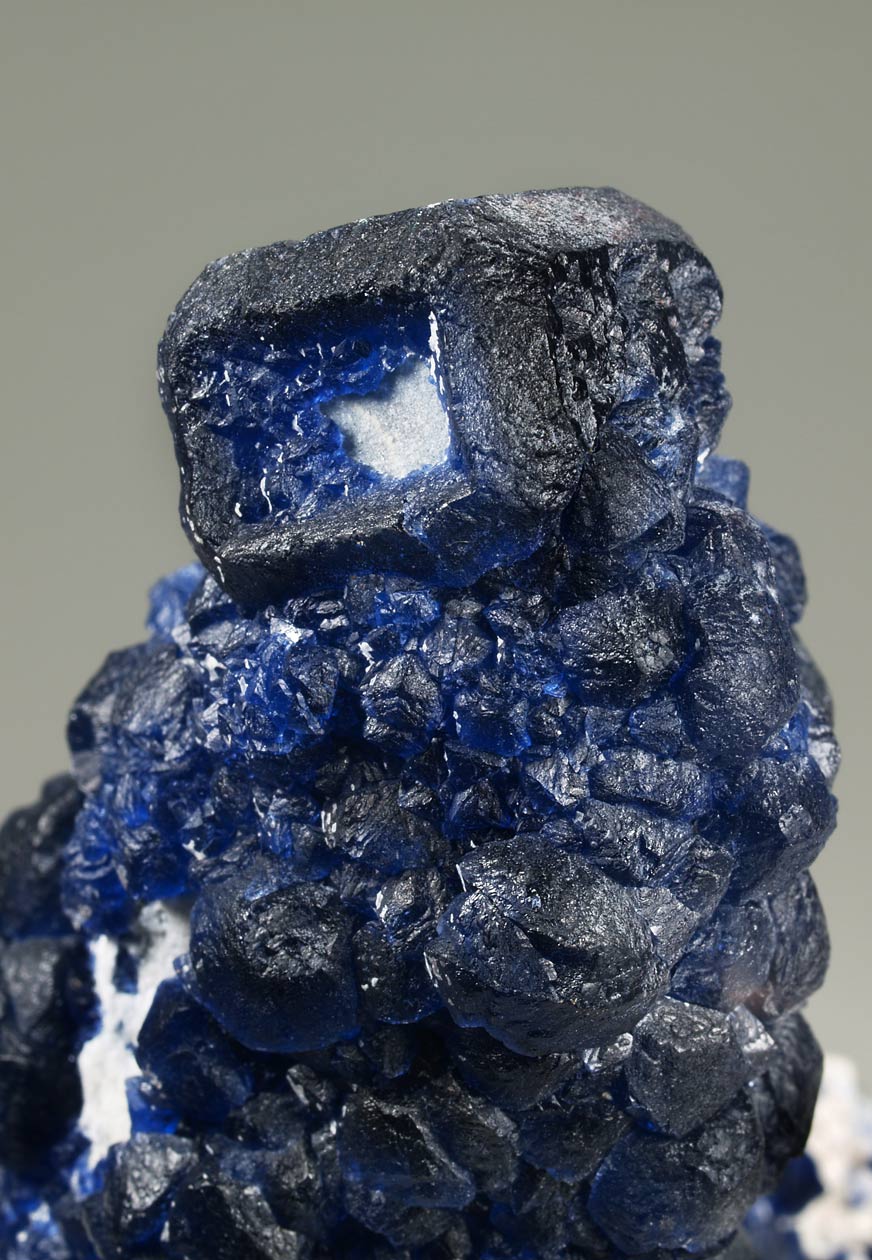
These specimens, novelty, 2014, show very unusual fluorite crystals, with an uncommon color. They show cubic crystals beveled by the dodecahedron and deep hoppered growths. Also almost globular crystals in which the dodecahedral forms predominate. The color is very, very intense, vivid shades that vary between indigo and navy blue, clearly visible when light is incident. We observed also green tones within a few crystals. They have grown on quartz crystals covered by layers of smaller milky quartz. An aesthetic specimen for fluorite and crystal collectors.
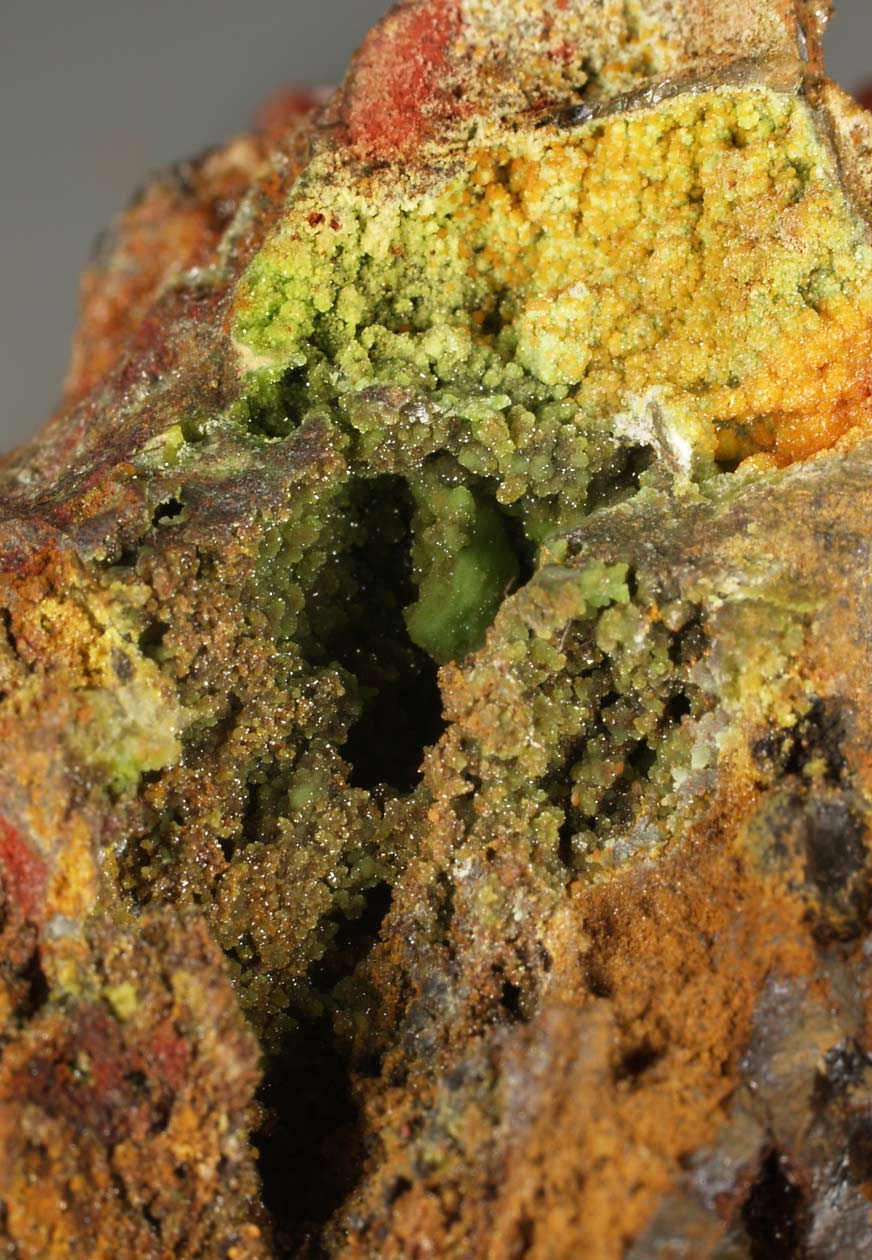
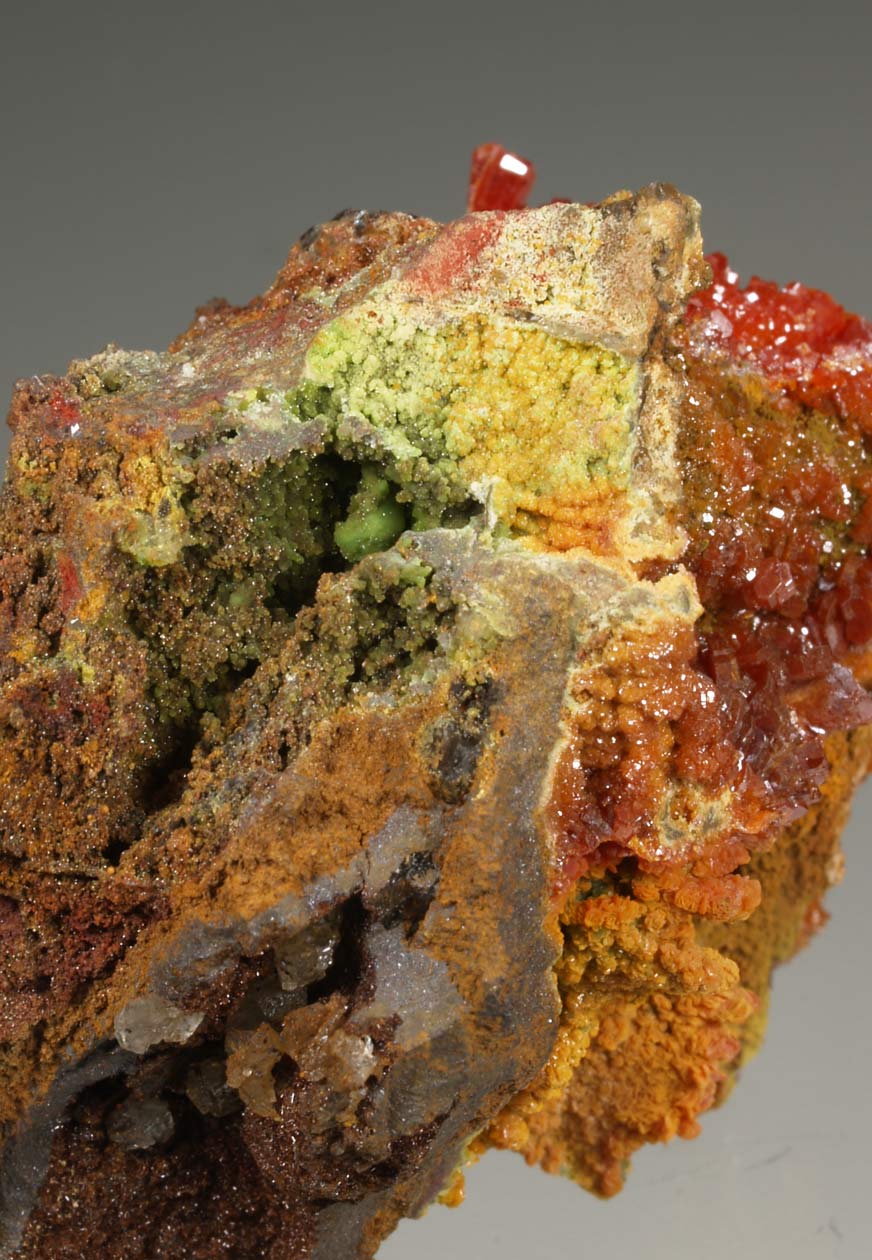
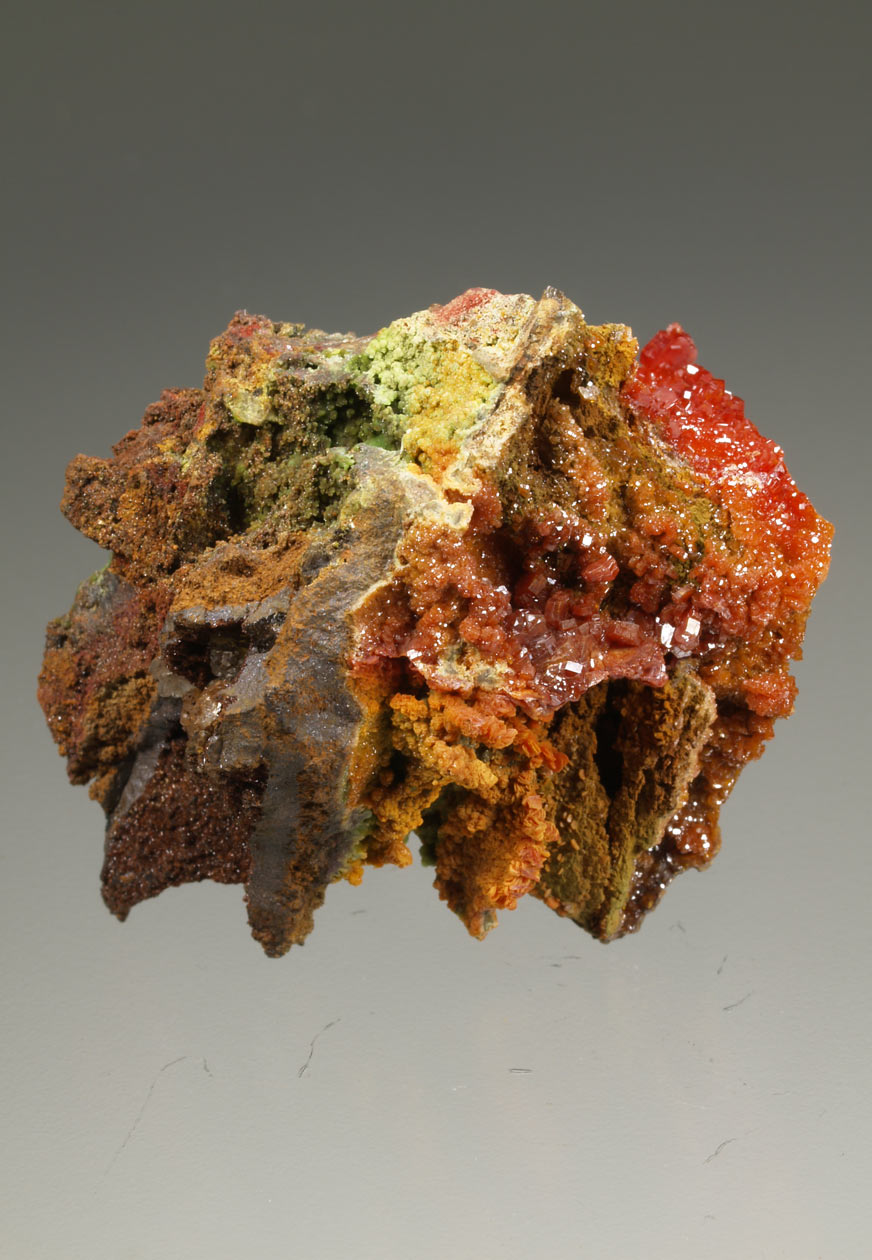
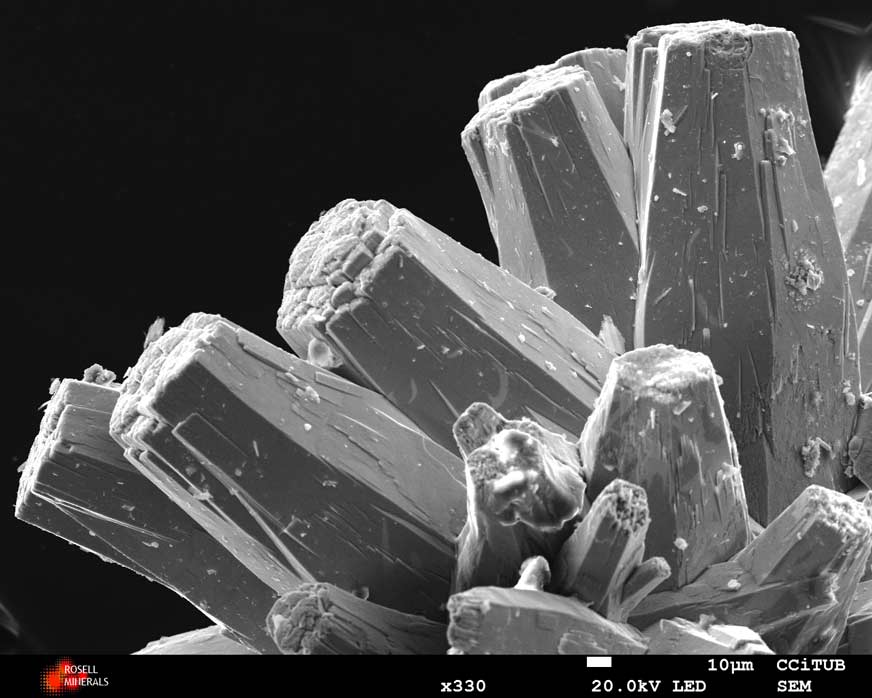
After a trip to Morocco in 2013, we analyzed few samples of a mineral similar to mimetite species. Results indicated that it was phosphohedyphane. From the same mine we have obtained some specimens of the zone in which came out in 2013 original ones, but now they showed marked differences. After a careful analysis, results indicate that these were also phosphohedyphane, but with a different shape but similar to the pyromorphite appearance. They are covering cavities of the limonite matrix, small hexagonal crystals slightly barrel-shaped, with green to a yellowish tones. Accompanied by brilliant quartz and vanadinite, some rich in arsenic. It seems that they form part of a pyromorphite-phosphohedyphane series. Analysis results will be delivered to the buyer.
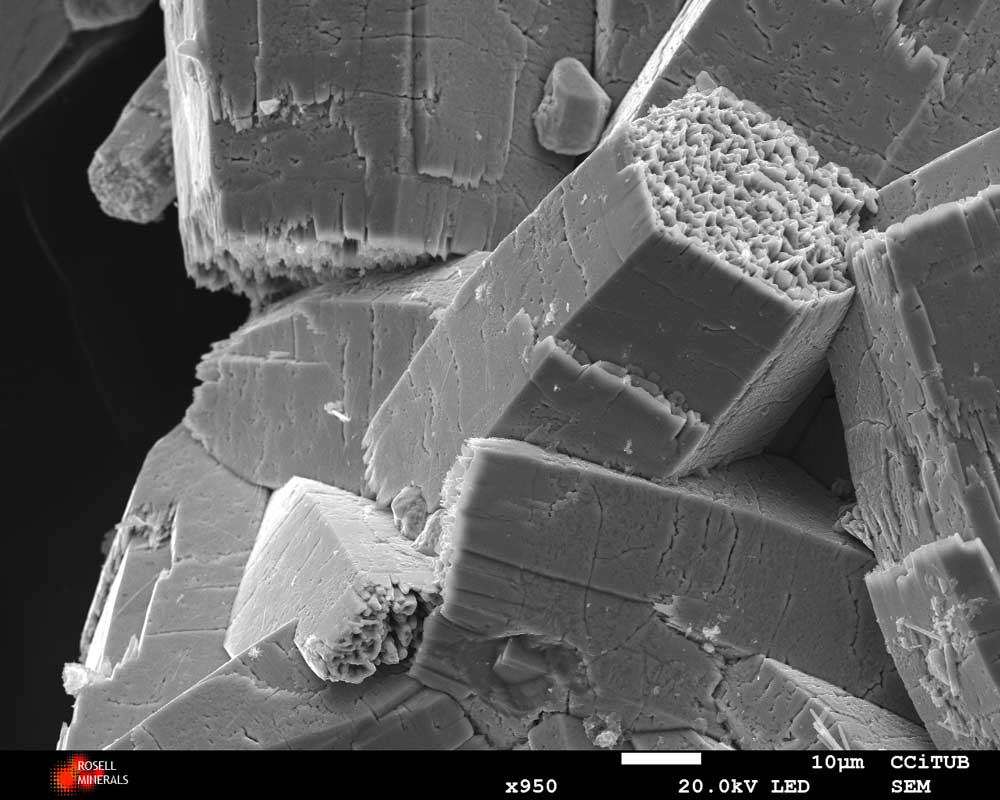
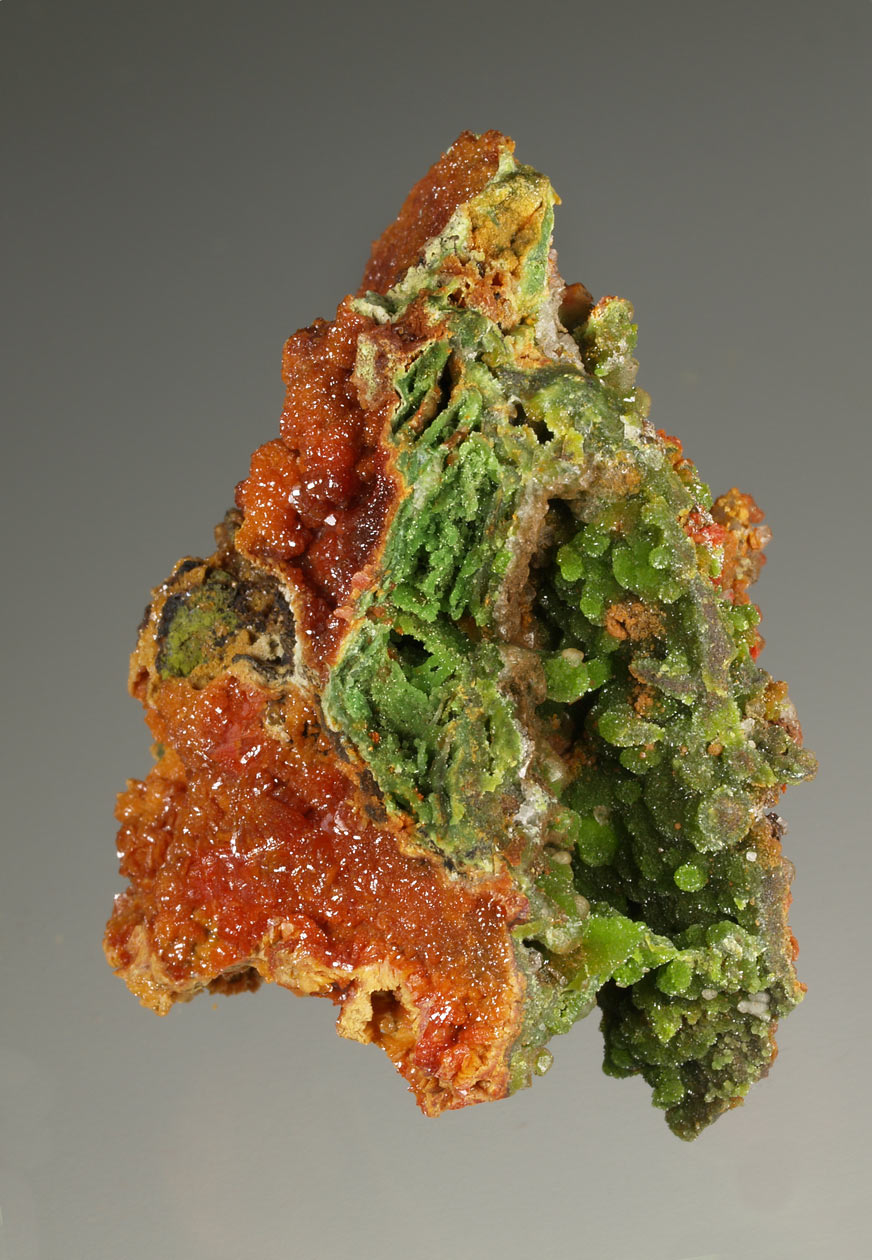
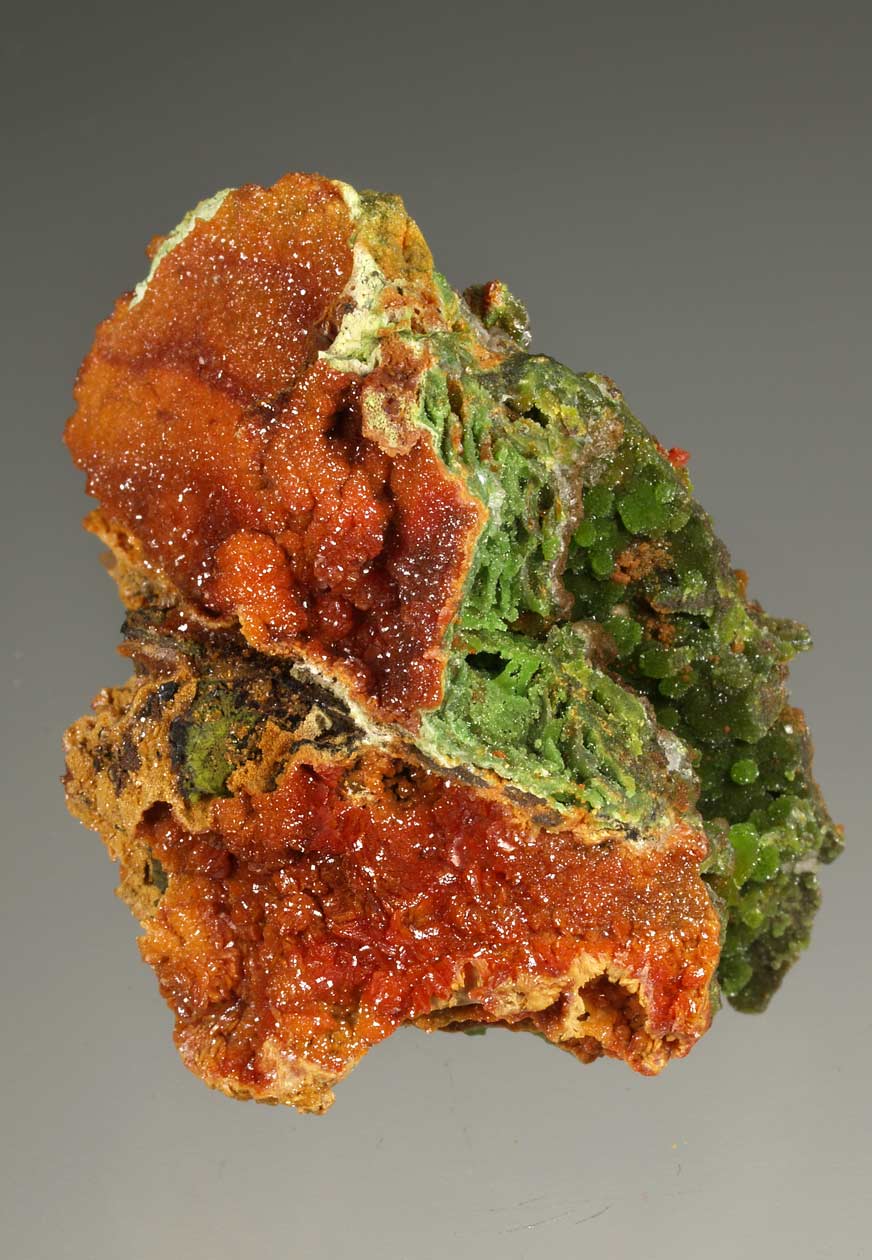
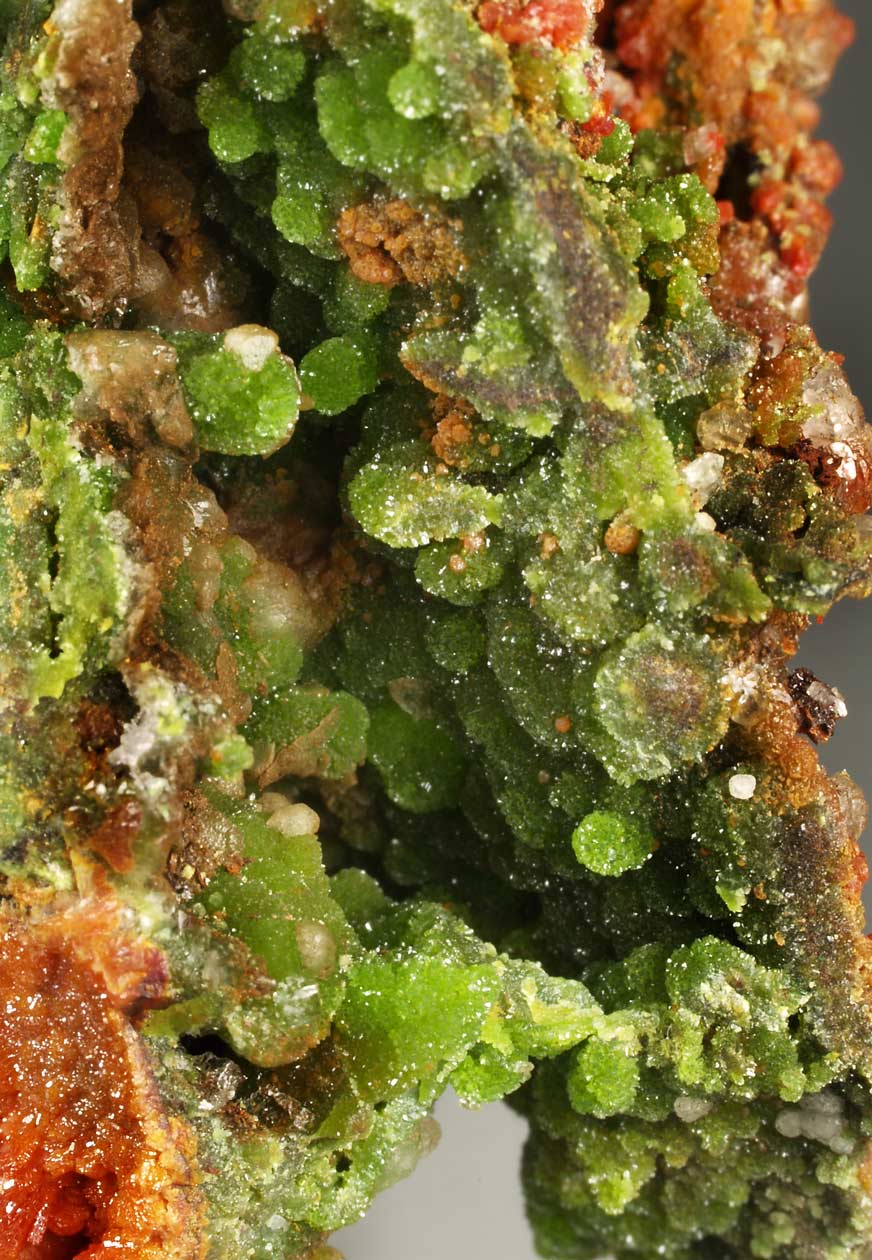
After a trip to Morocco in 2013, we analyzed few samples of a mineral similar to mimetite species. Results indicated that it was phosphohedyphane. From the same mine we have obtained some specimens of the zone in which came out in 2013 original ones, but now they showed marked differences. After a careful analysis, results indicate that these were also phosphohedyphane, but with a different shape but similar to the pyromorphite appearance. They are covering cavities of the limonite matrix, small hexagonal crystals slightly barrel-shaped, with green to a yellowish tones. Accompanied by brilliant quartz and vanadinite, some rich in arsenic. It seems that they form part of a pyromorphite-phosphohedyphane series. Analysis results will be delivered to the buyer.
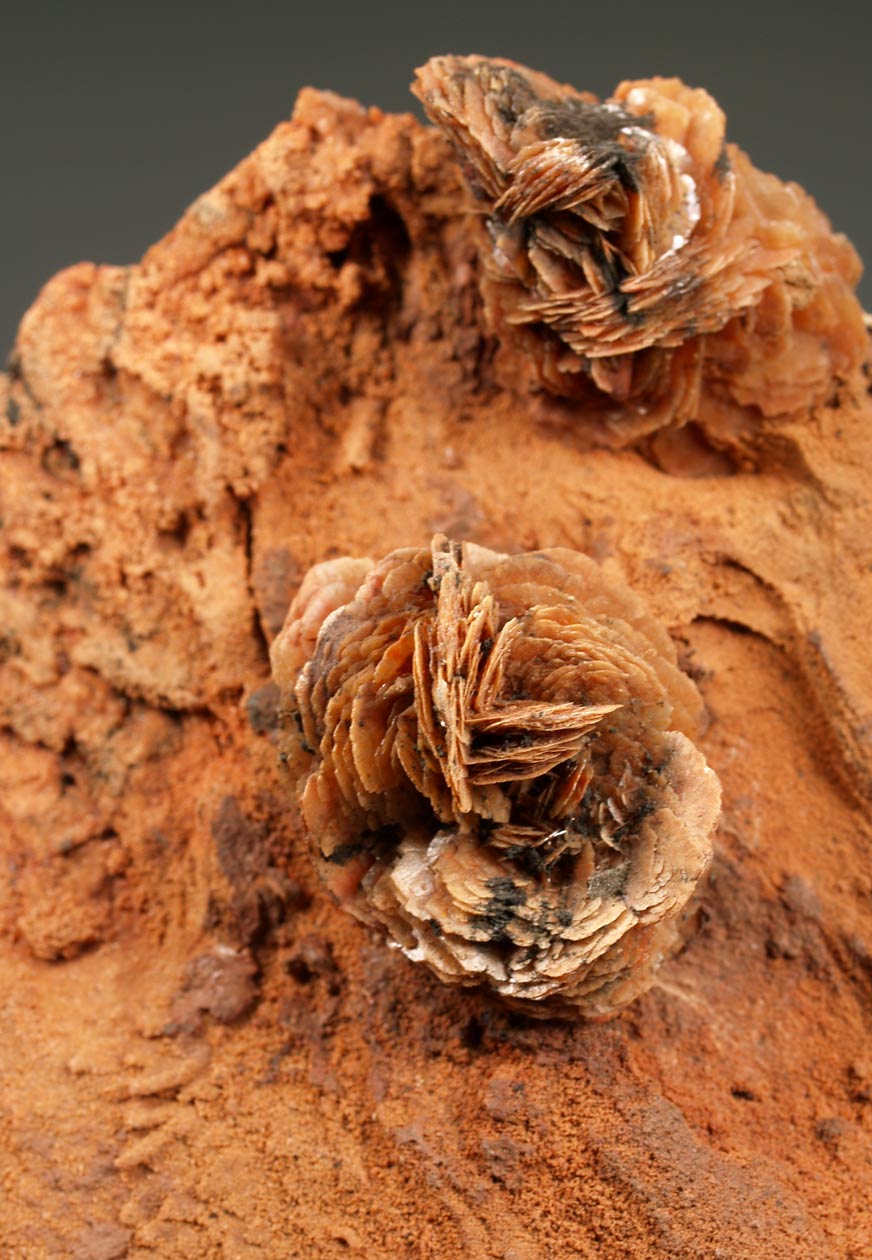
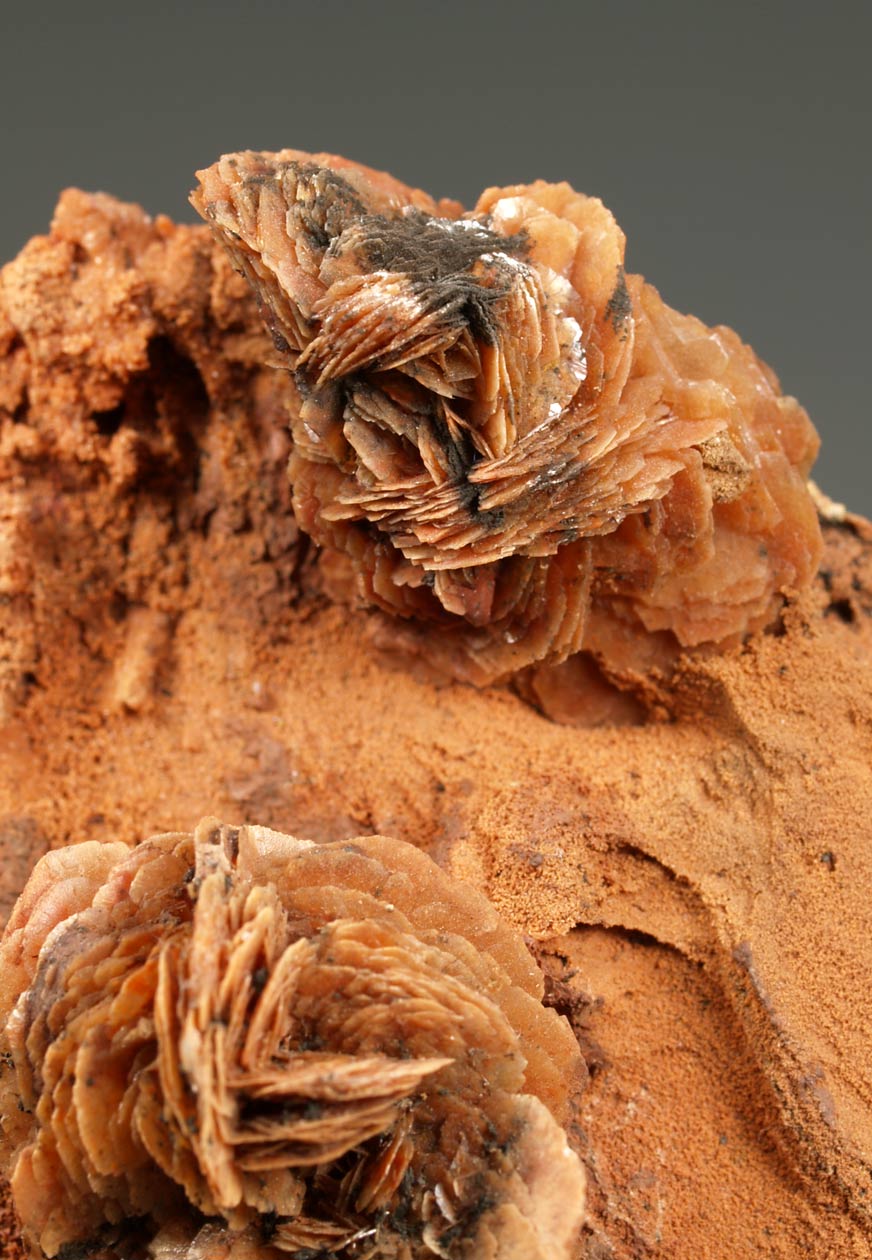
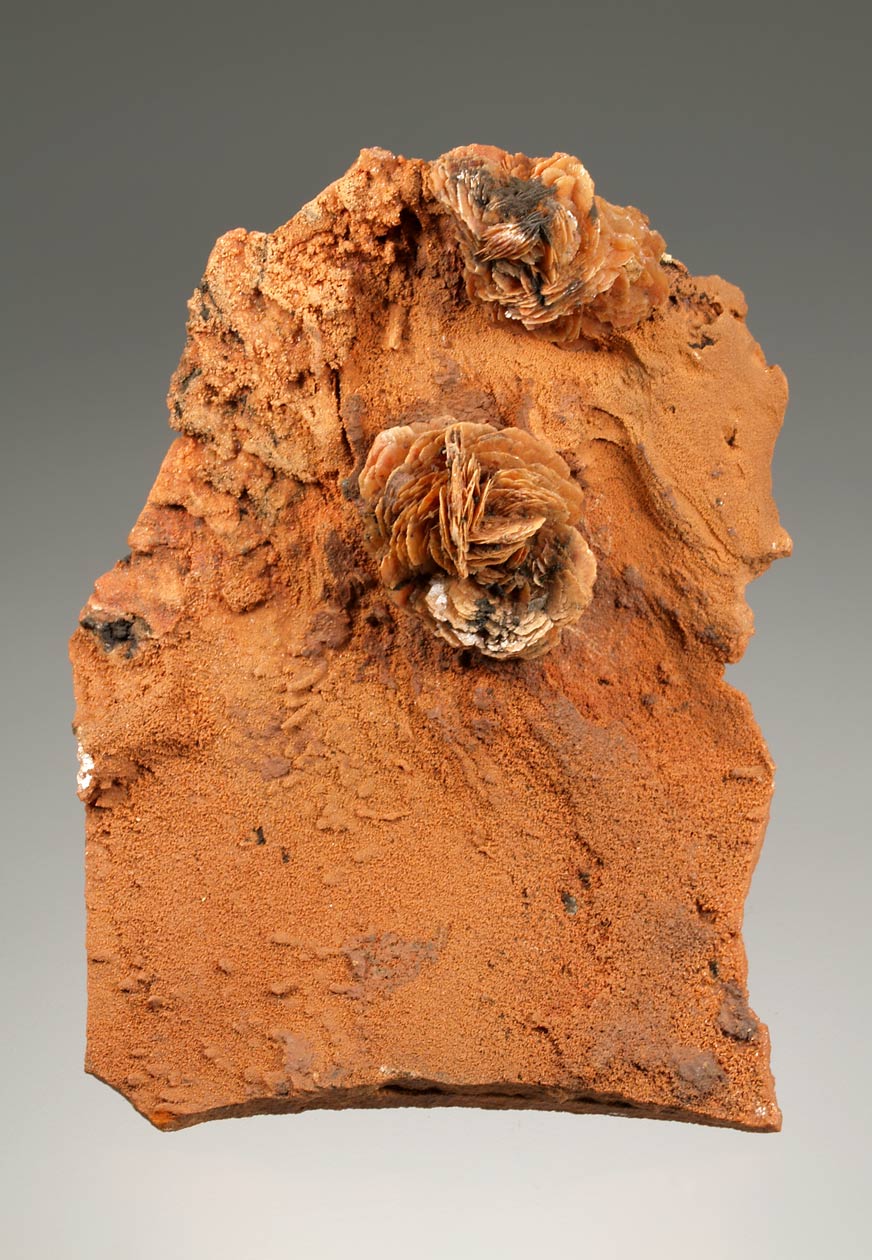
On a thin limonite matrix we can enjoy two aggregates and aesthetic baryte rosettes formed by lenticular crystals are arranged. Both aggregates are complete, but one of them shows an unusual perfection. It comes from a mine known for its ocher tone barytes,but this shape is not very common in this mine.
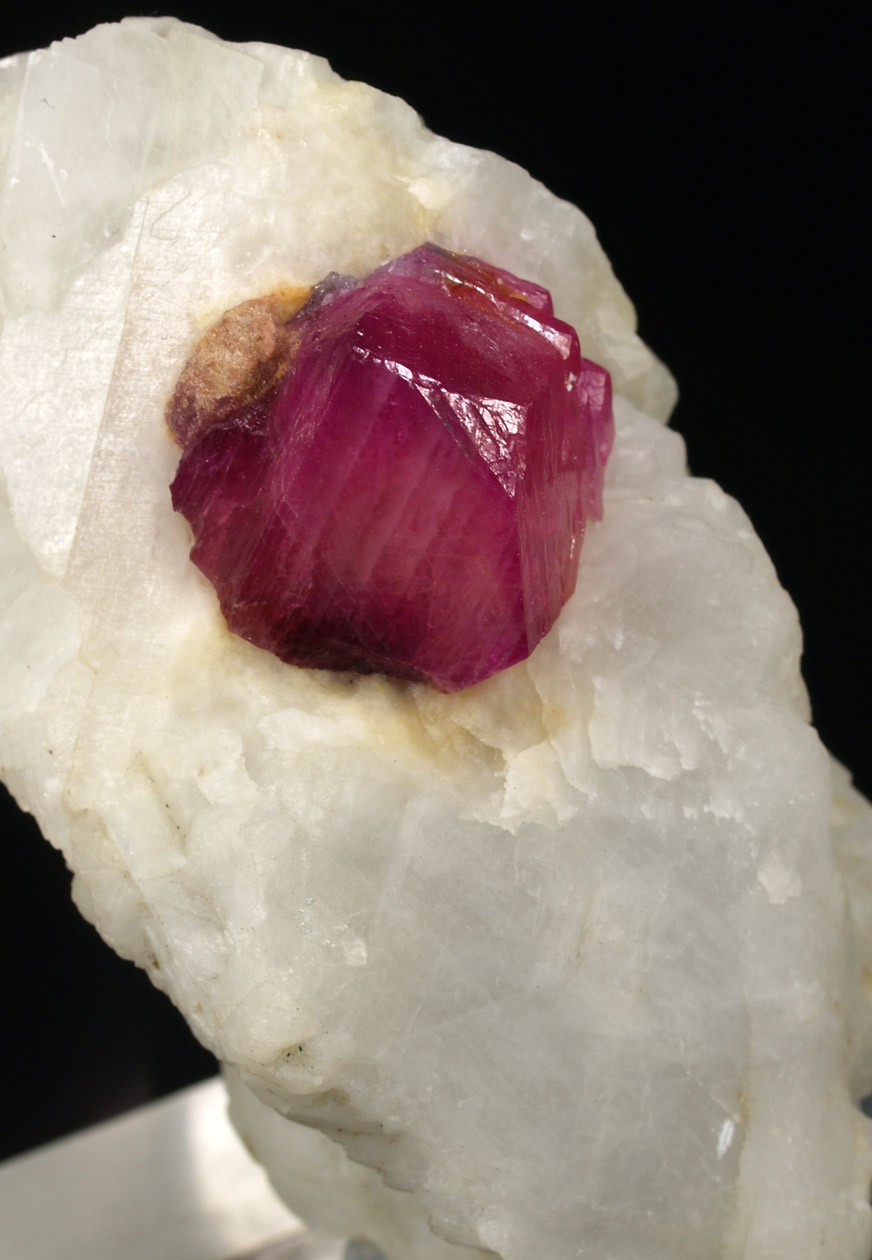
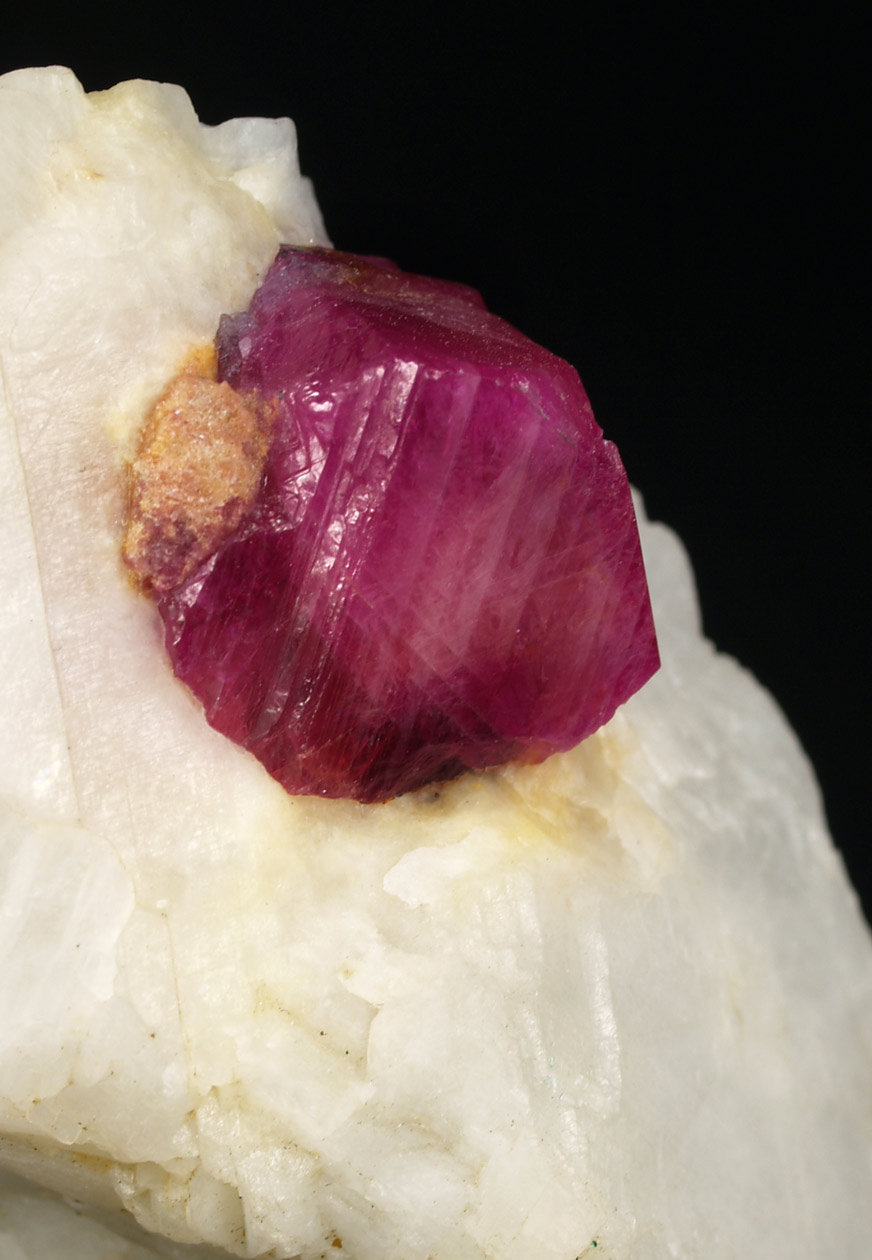
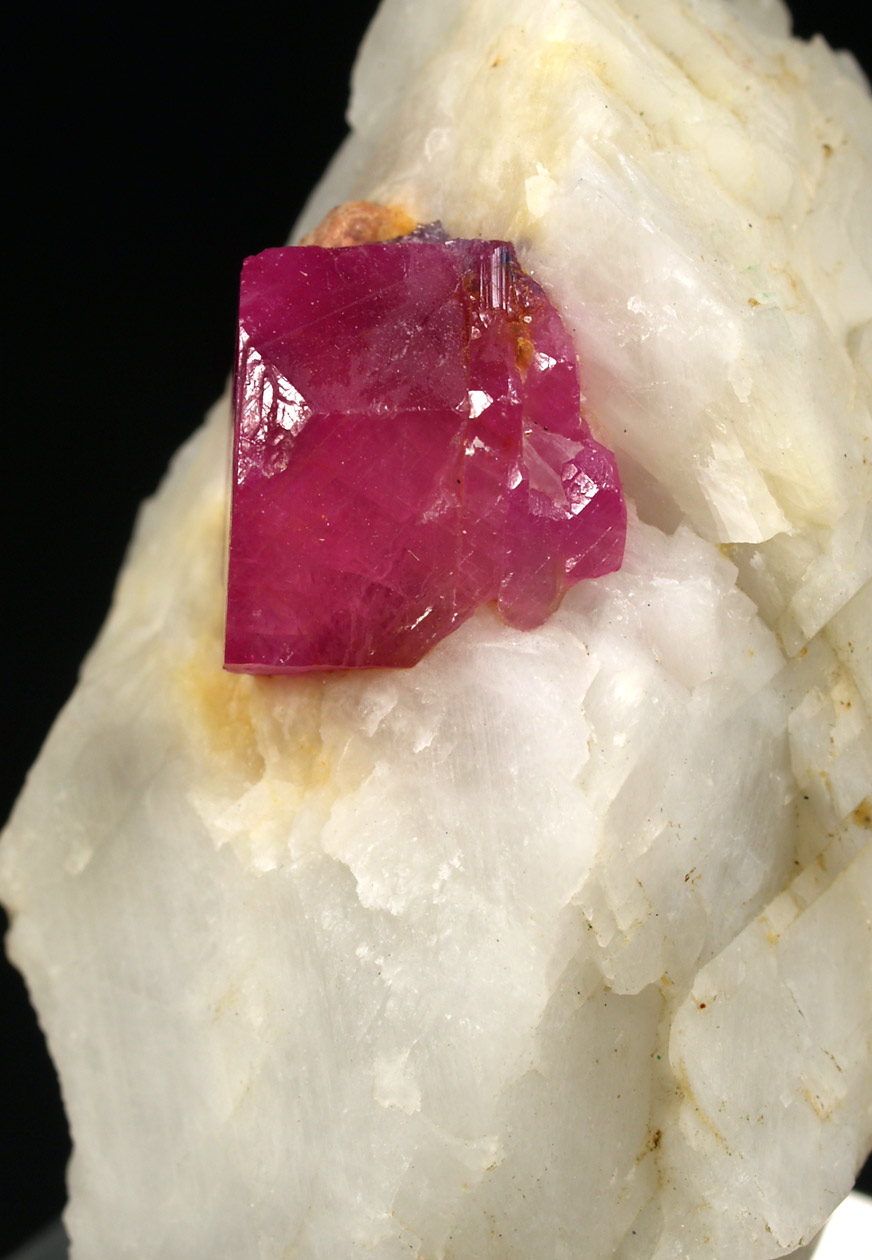
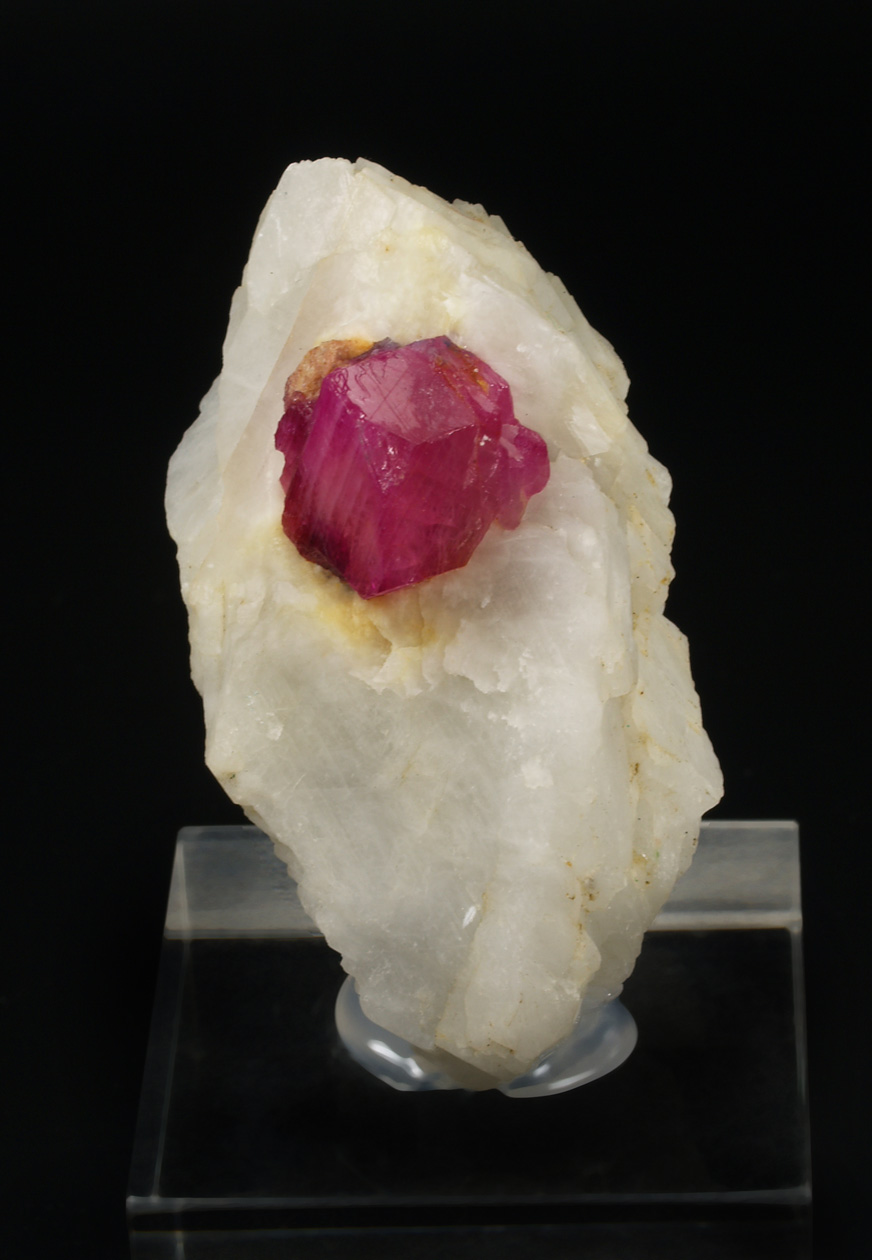
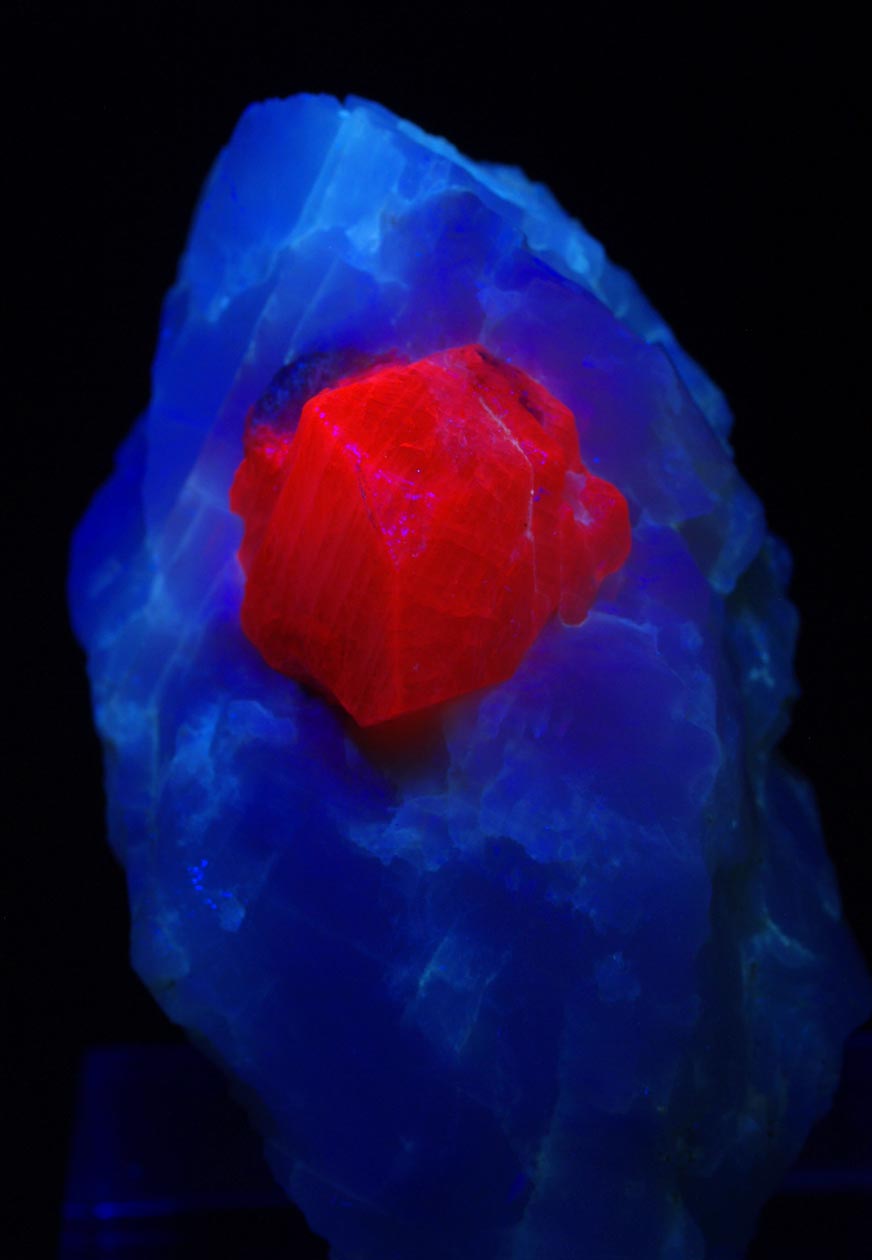
A stunning corundum, var. ruby, specimen. Perfectly disposed and contrasting with the marble matrix. Very sharp, translucent, brilliance and with a deep pink to reddish color not ususal in this locality. Very fluorescent under LWUV. A perfect gem from Hunza valley area.
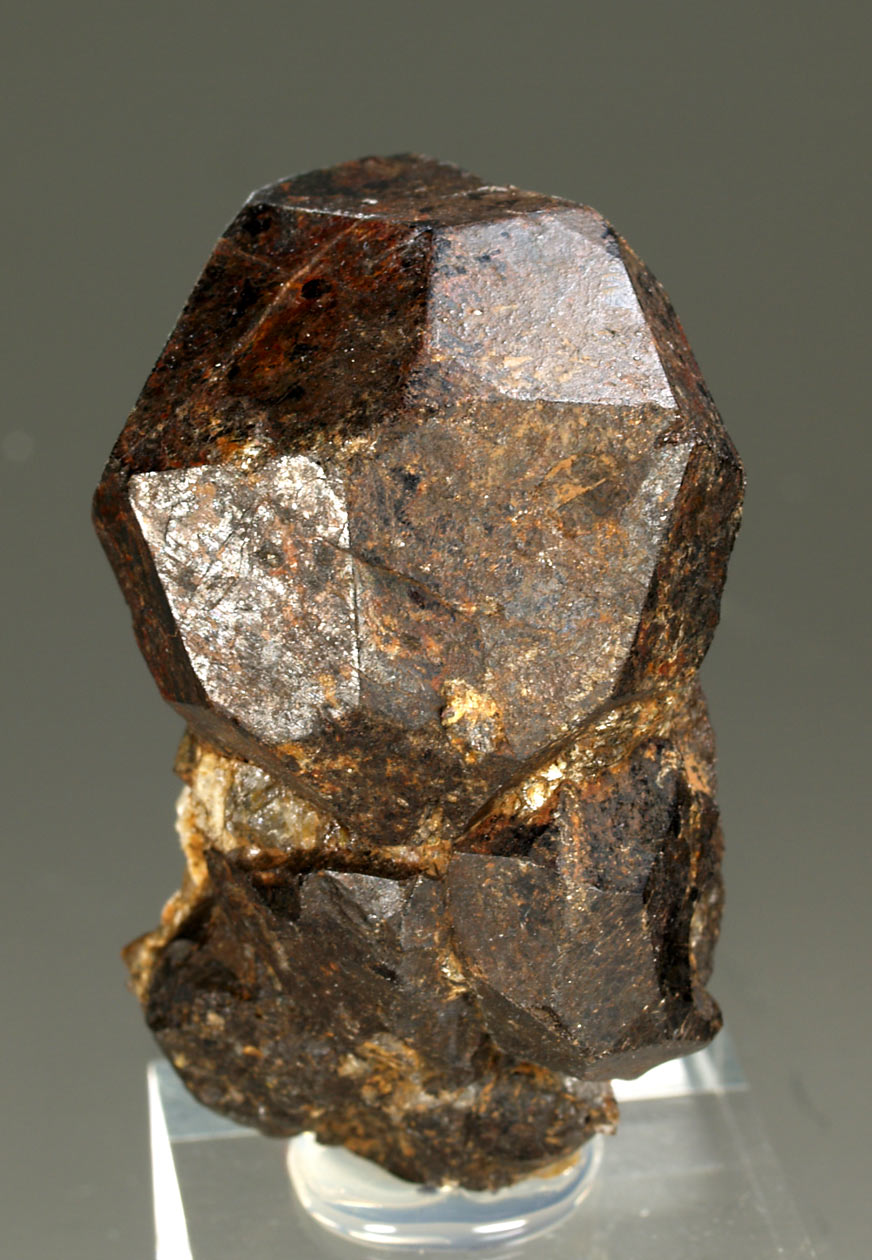
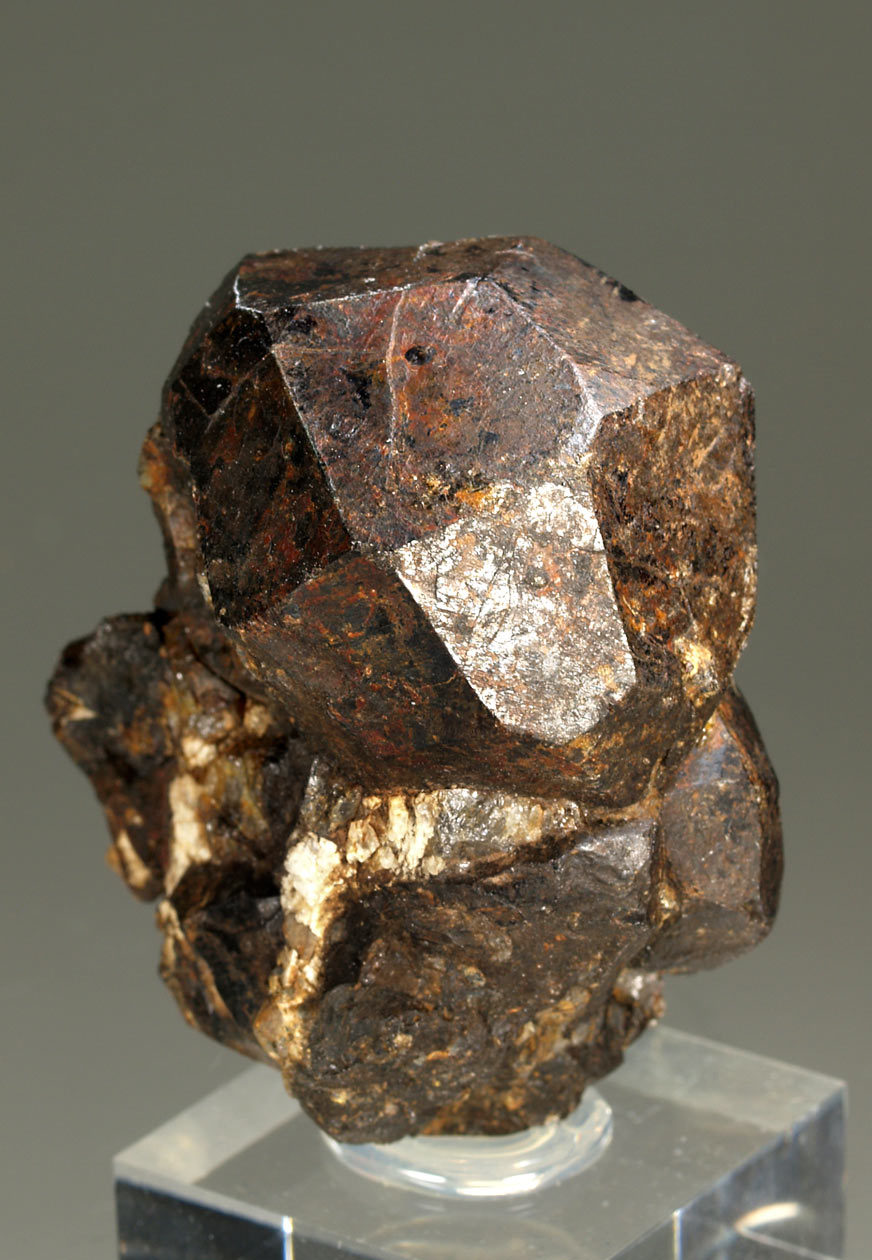
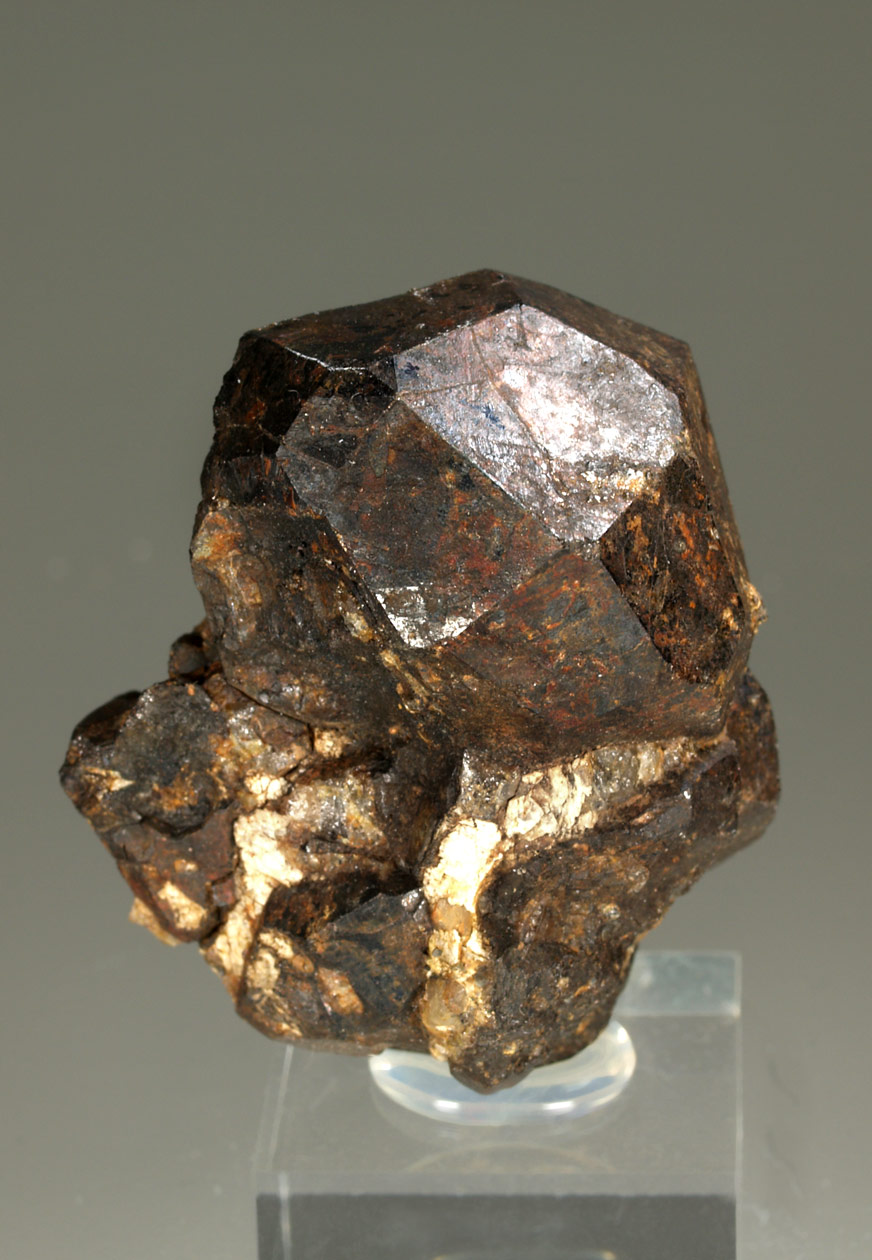
Good sized almandine group of crystals, one of them predominant and showing well marked trapezohedron faces. It is not complete, the back side is contacted with the rock. It comes from a mineral area not well represented in collections.
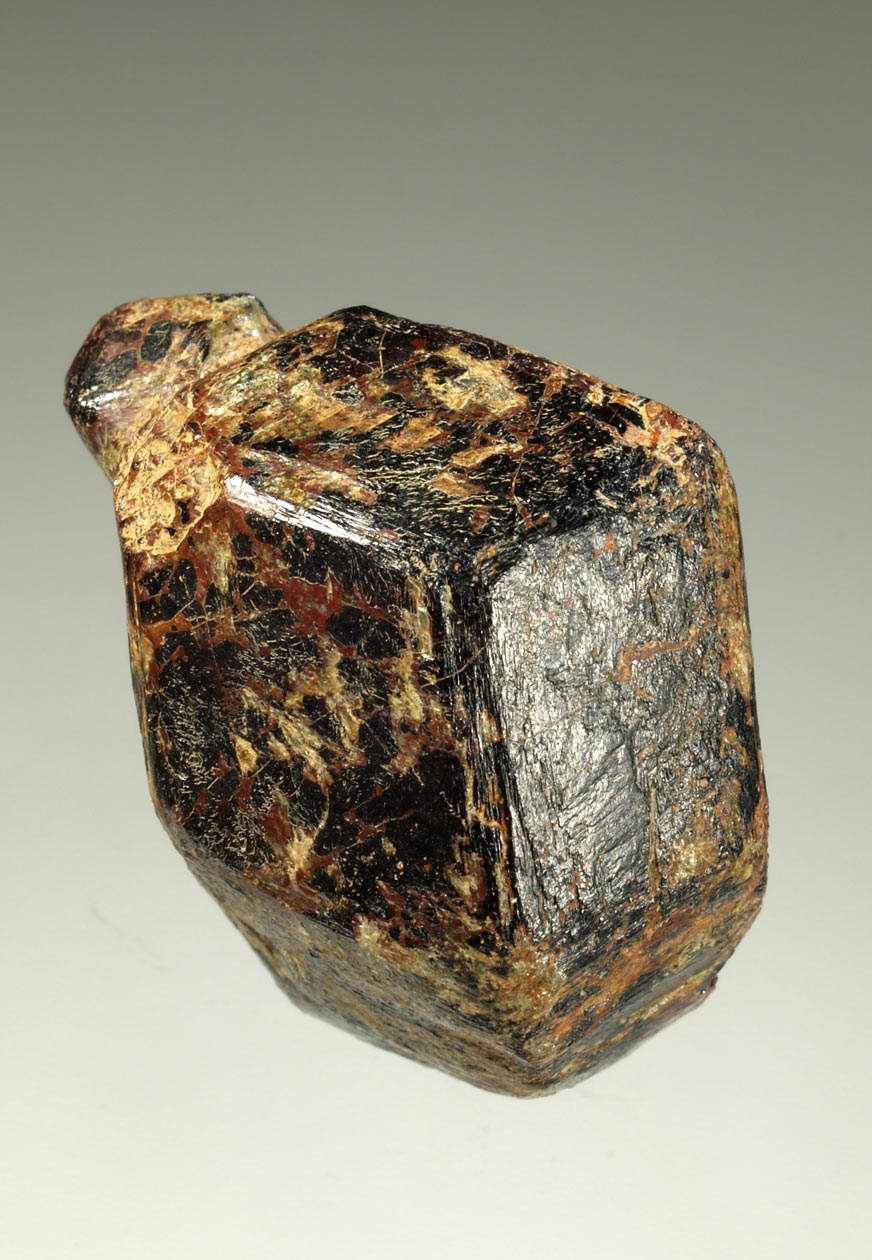
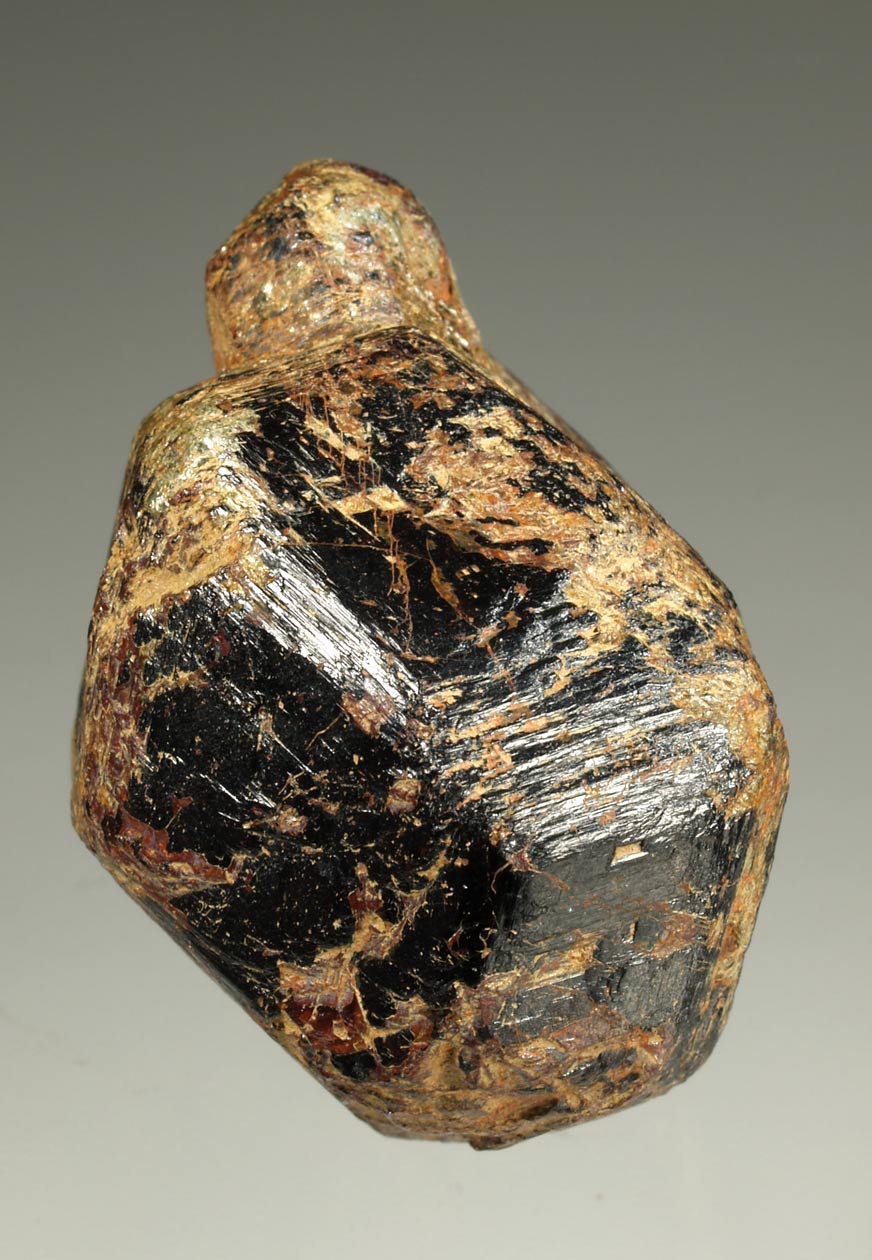
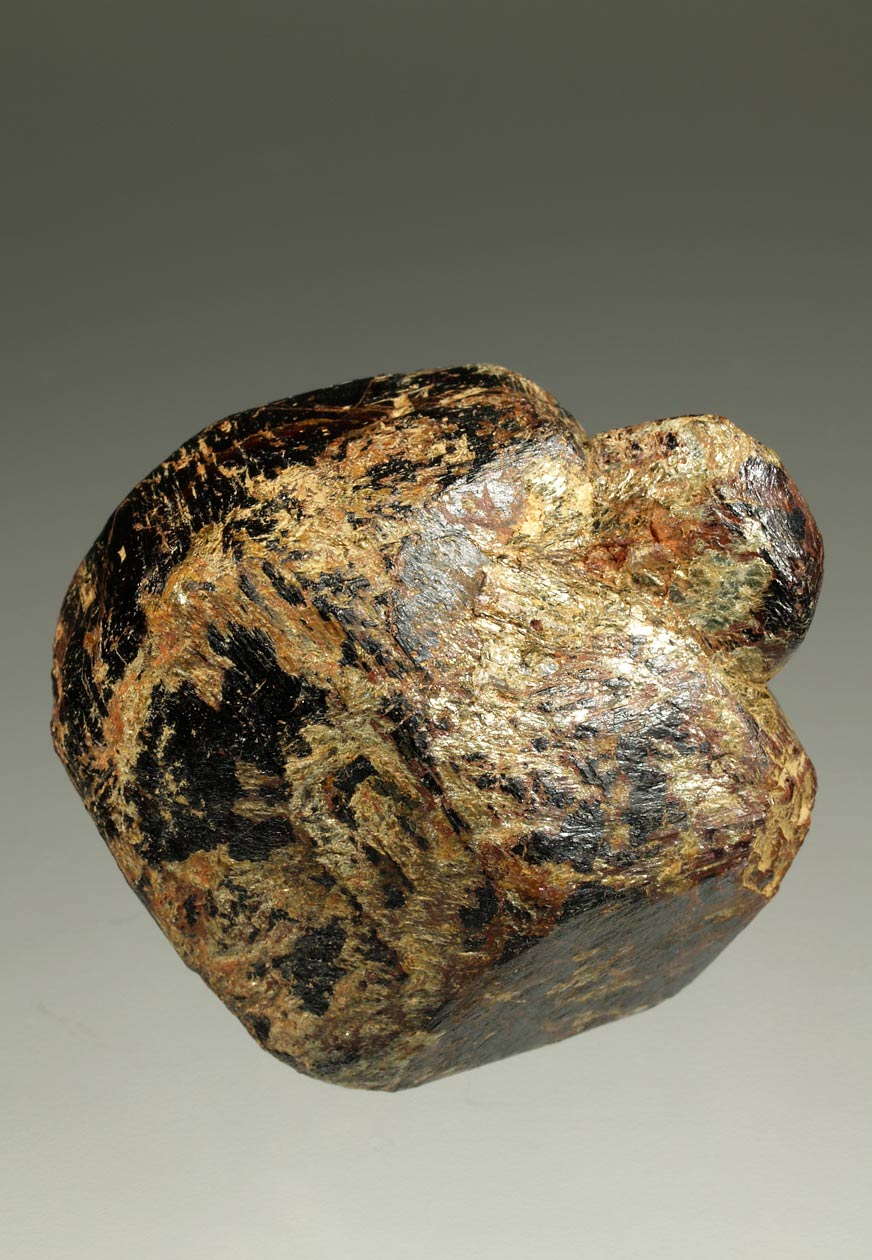
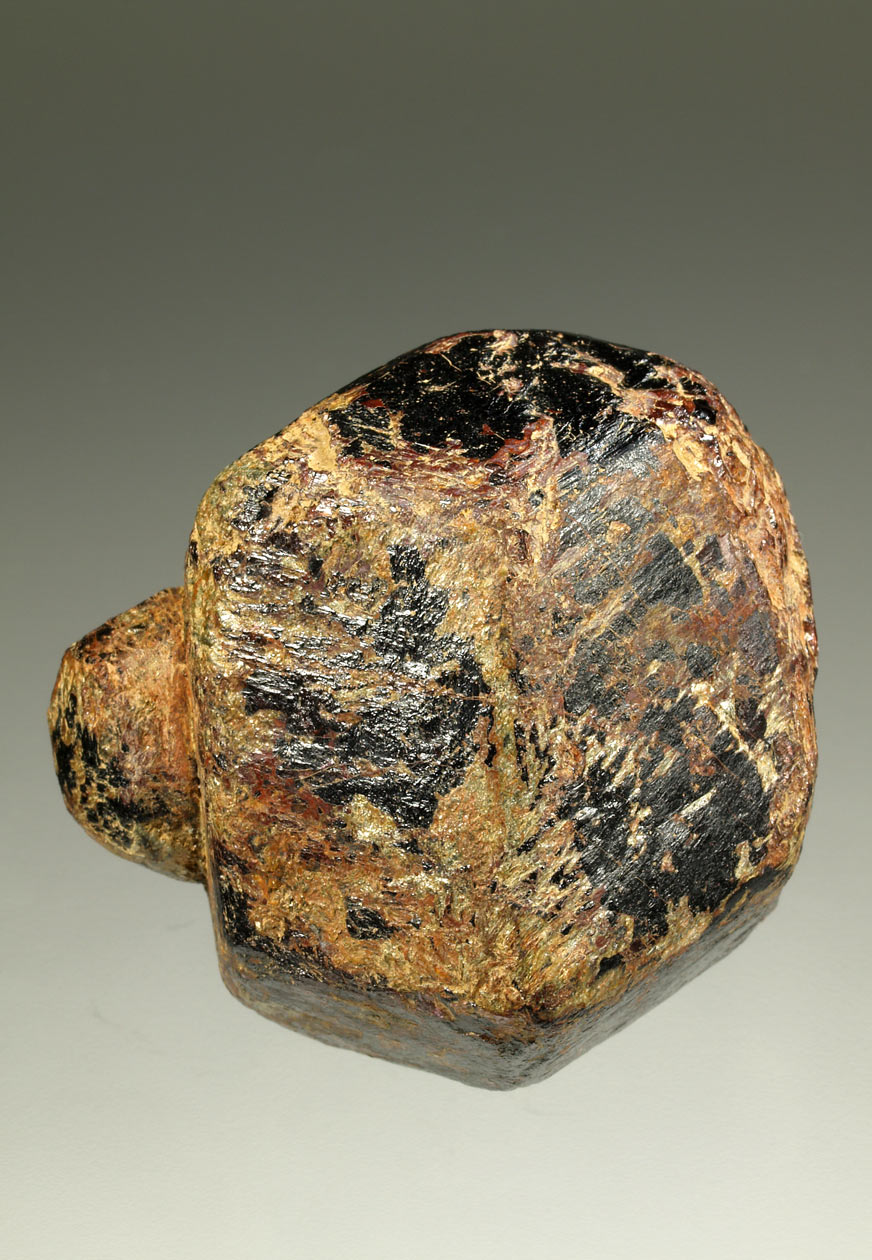
A floating almandine crystal with a good size for the locality. Defined faces and rounded edges (very common), with an intense brown to black color. Acompanied by a interpenetrated minor almandine crystal. A Spanish classic.
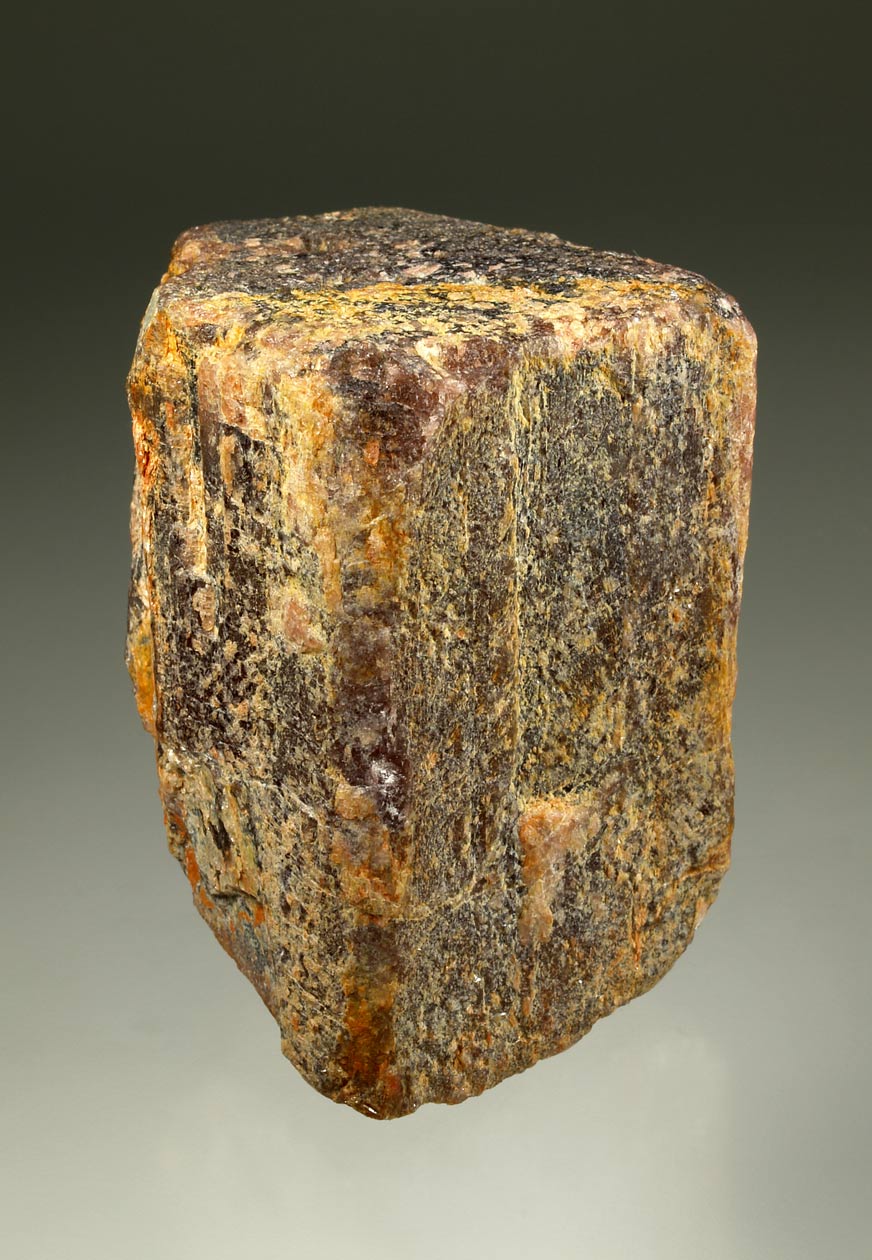
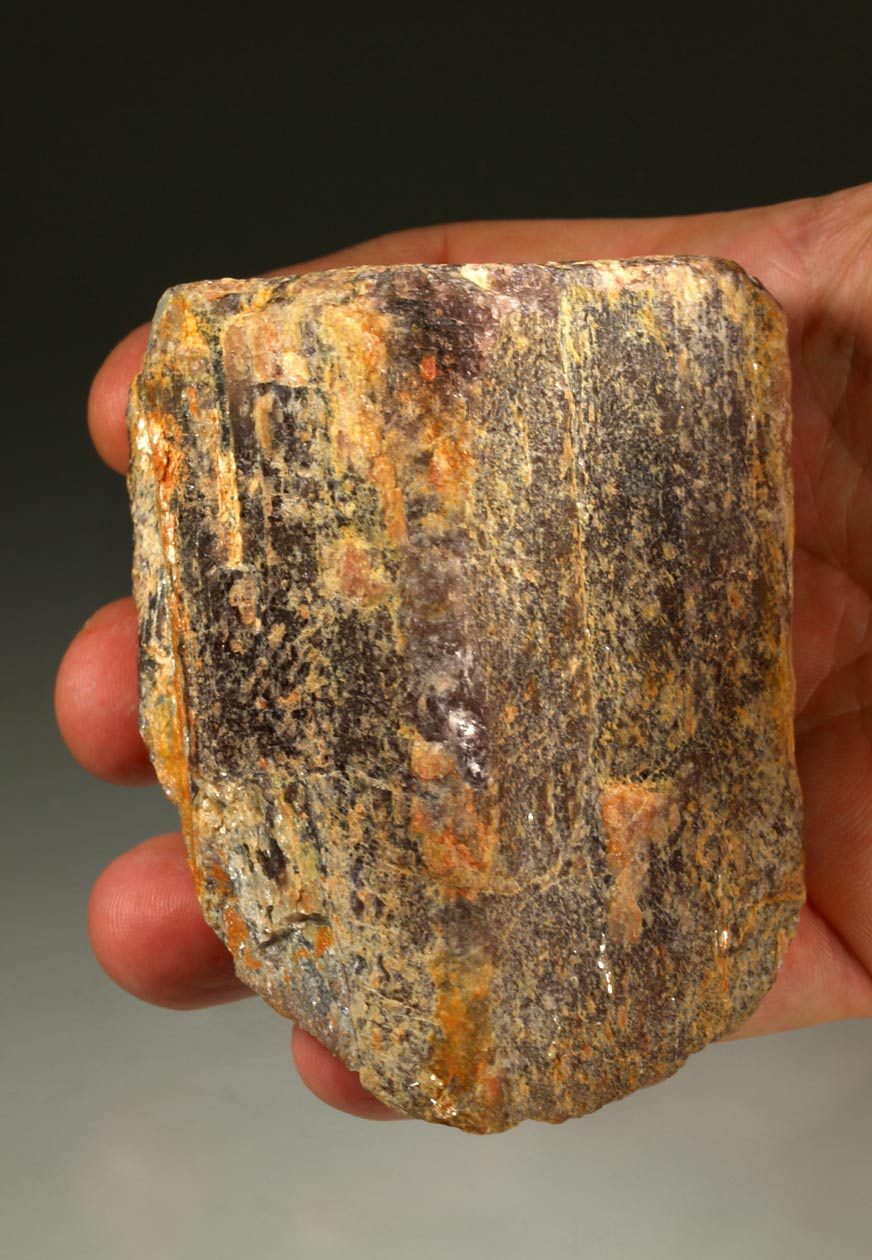
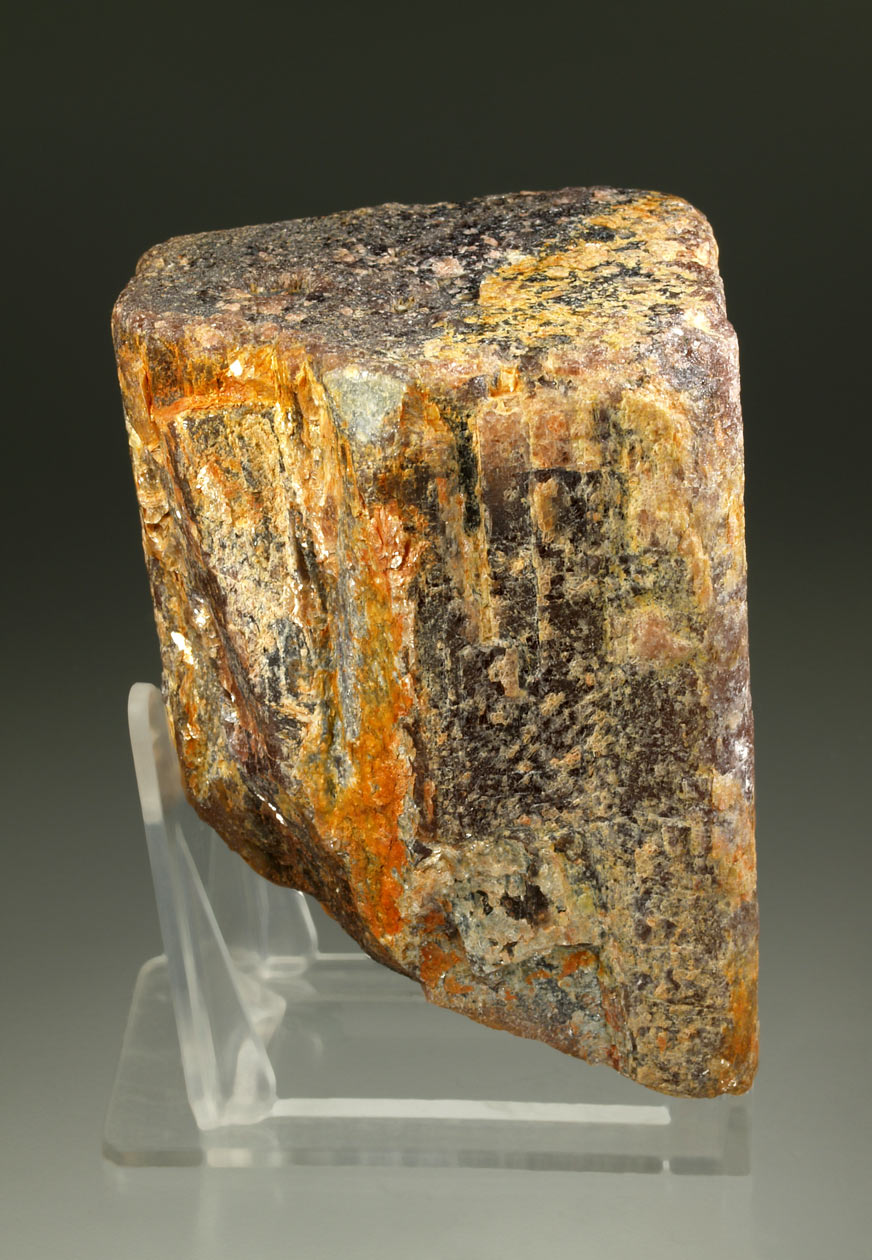
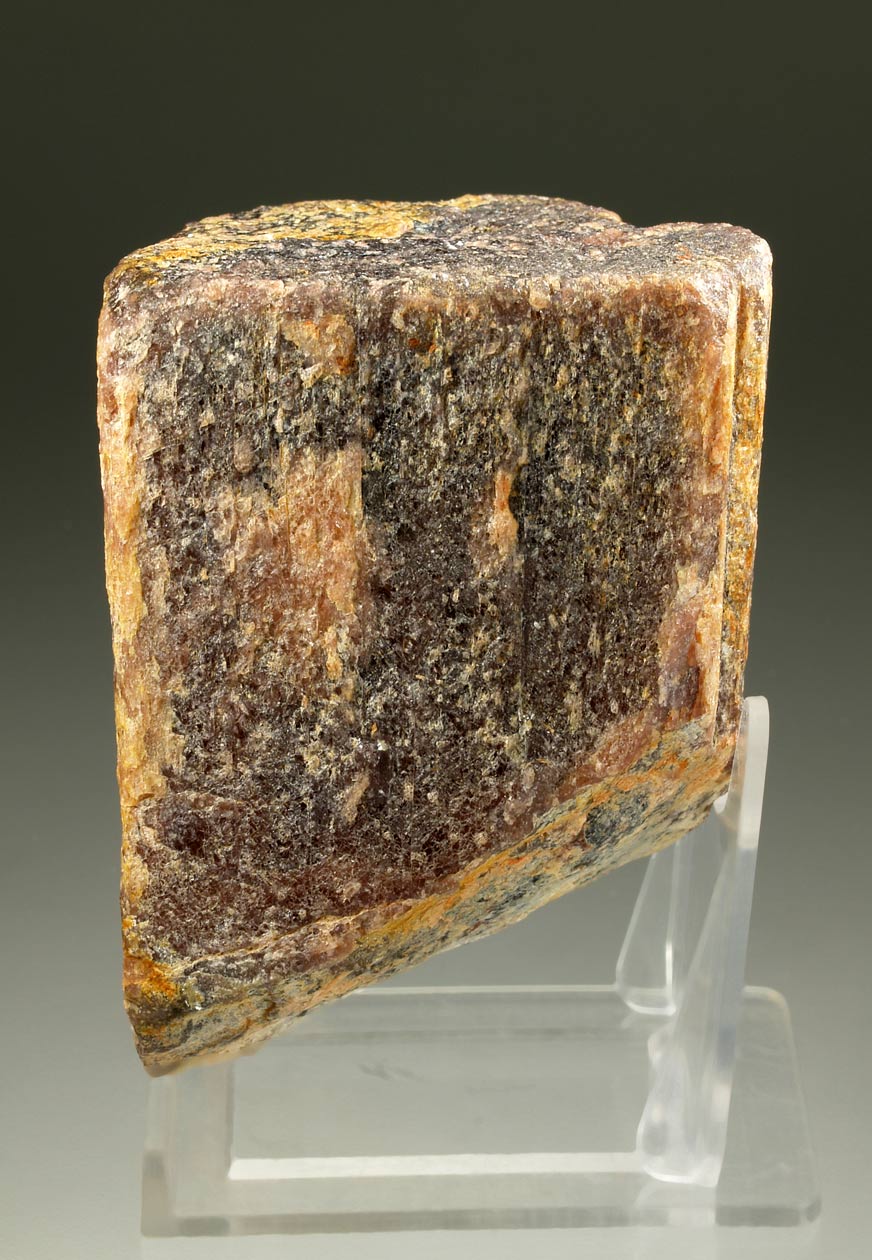
A huge size andalusite prismatic crystal, with defined faces and rounded edges. A Spanish classic that many of us have told about and we present here for you.
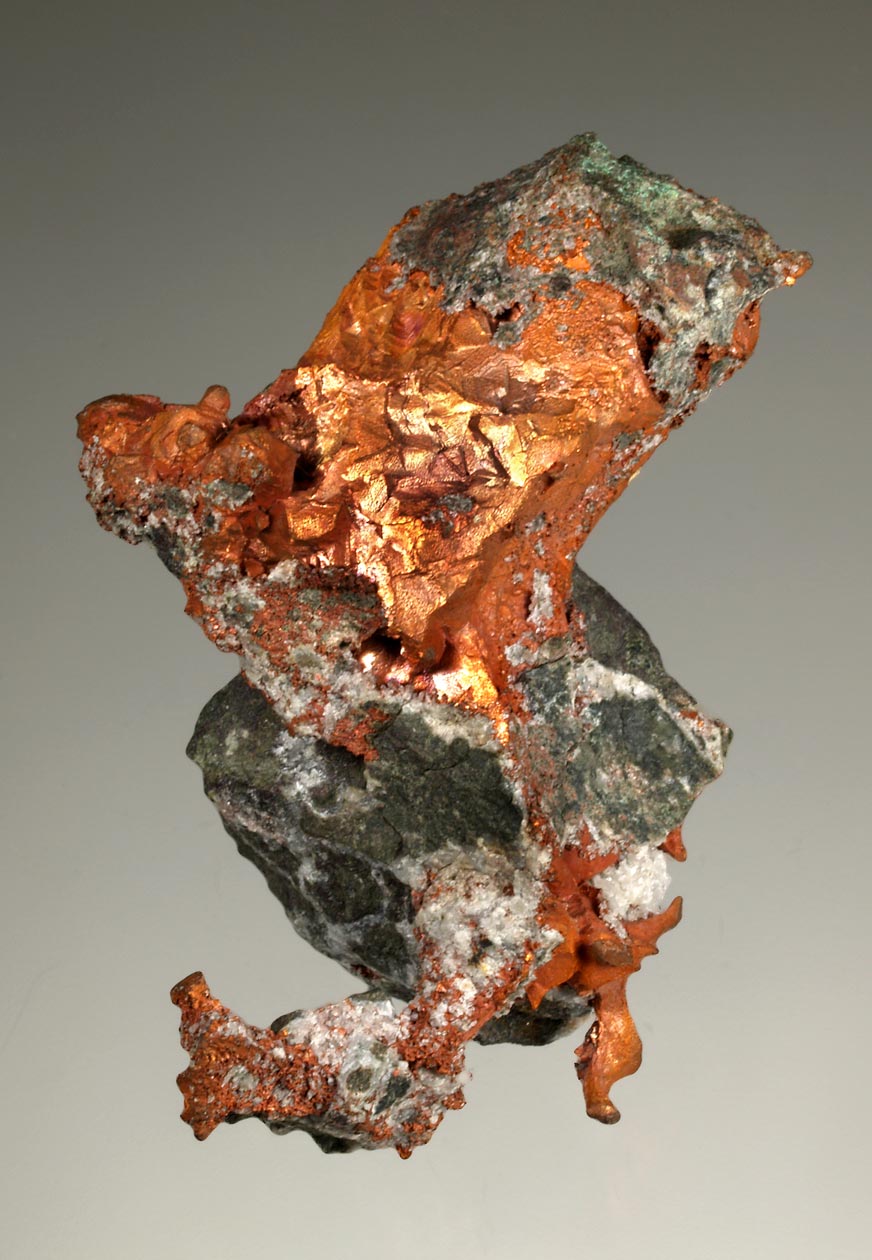
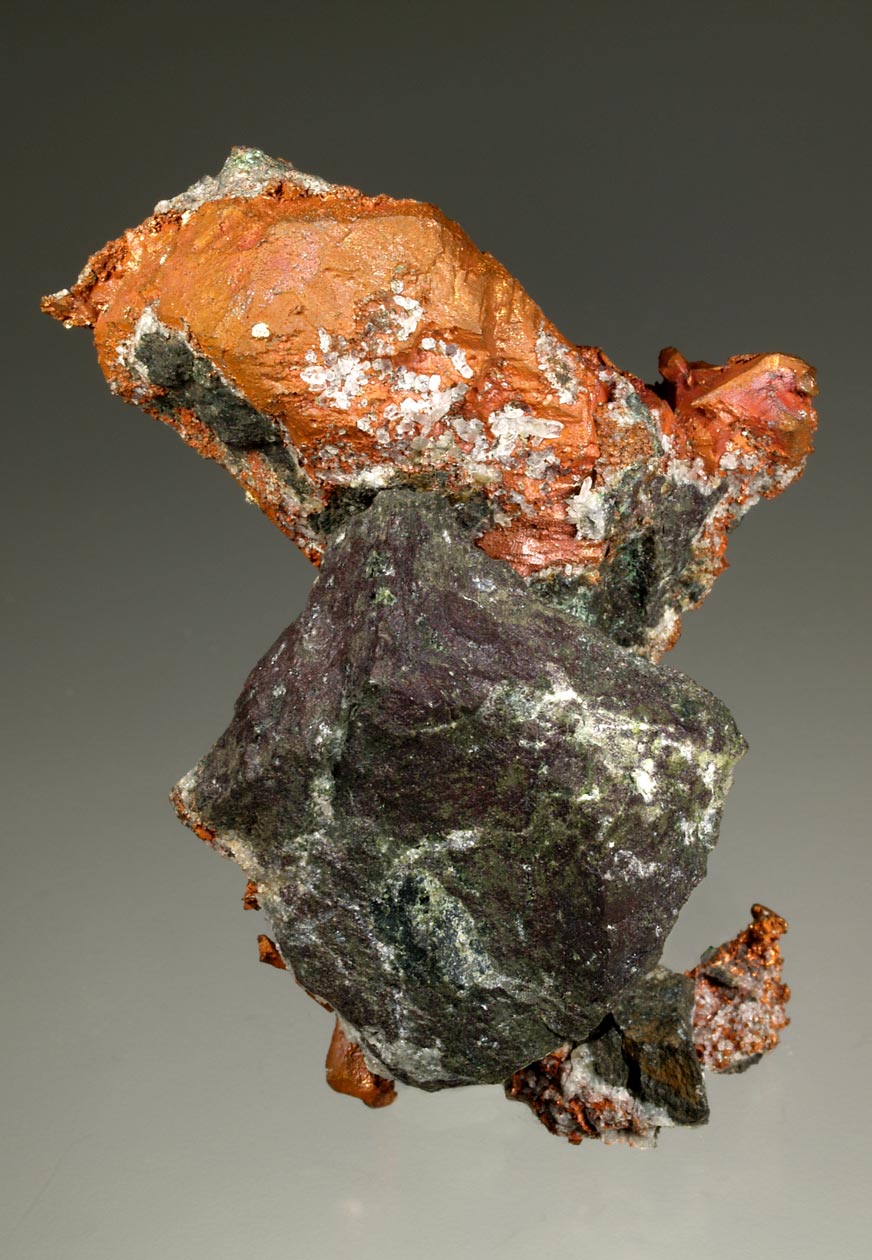
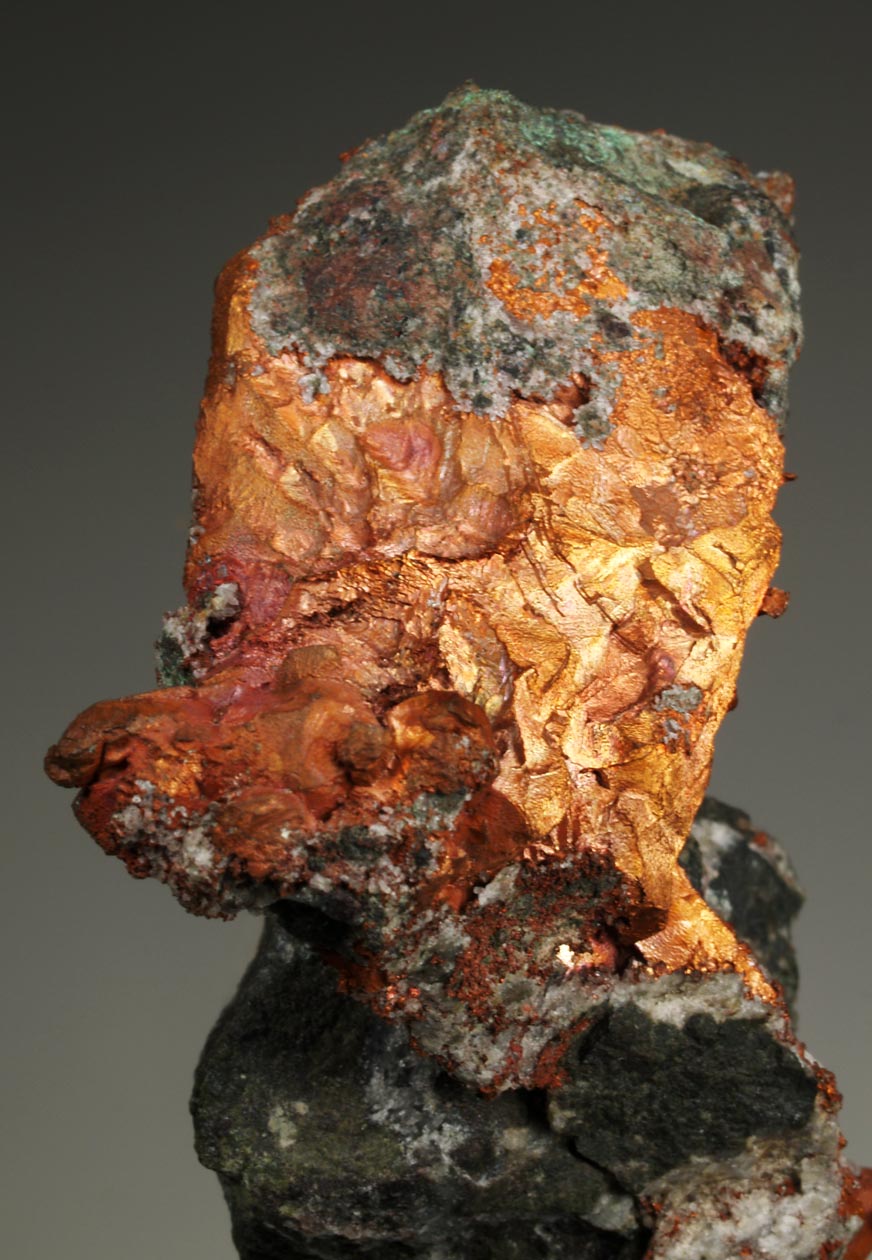
Good sized specimen of native copper showing complex crystal faces, typical of these specimens, with good color, brilliance and aesthetics. This specimen is from the findings made in the mid-90 in this American mine. It has not been treated with chemicals, so its color and brightness are natural.
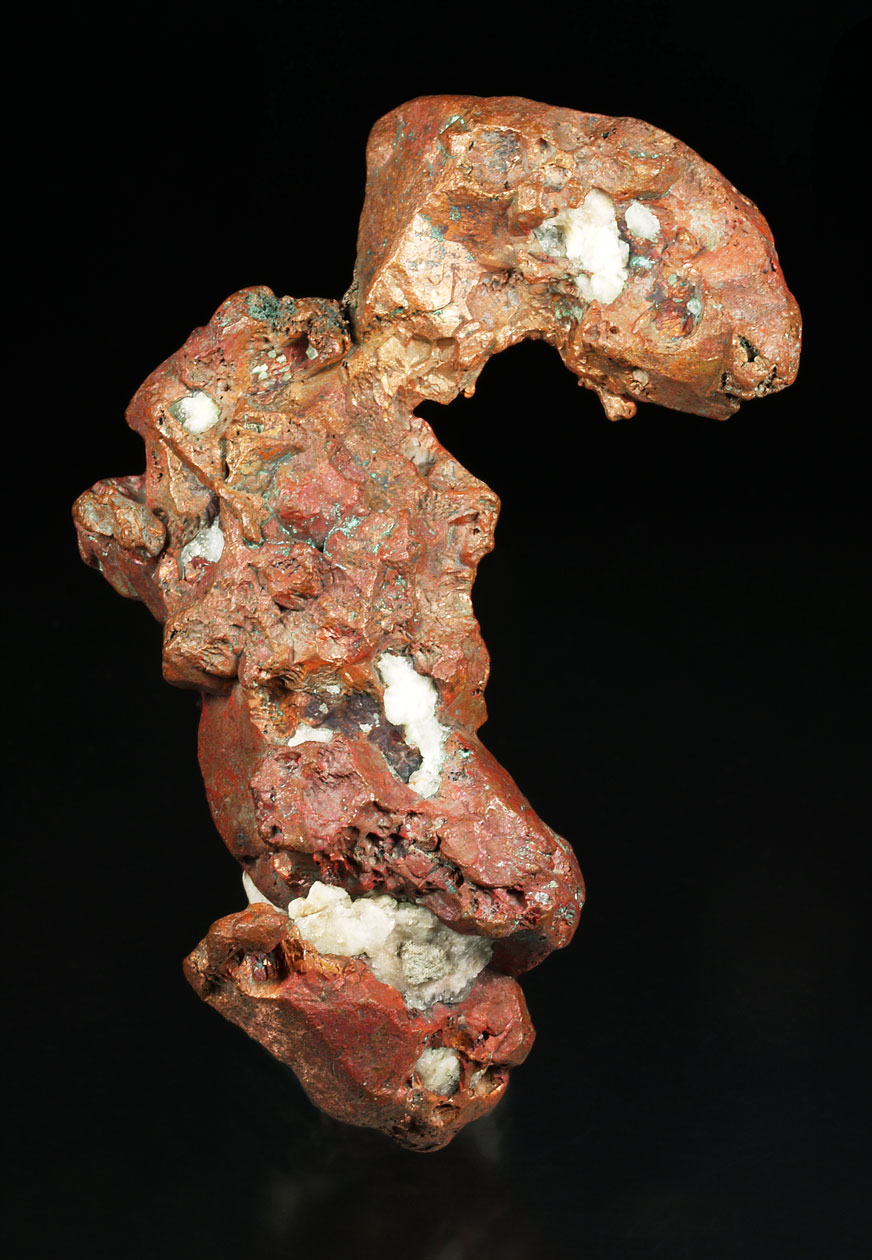
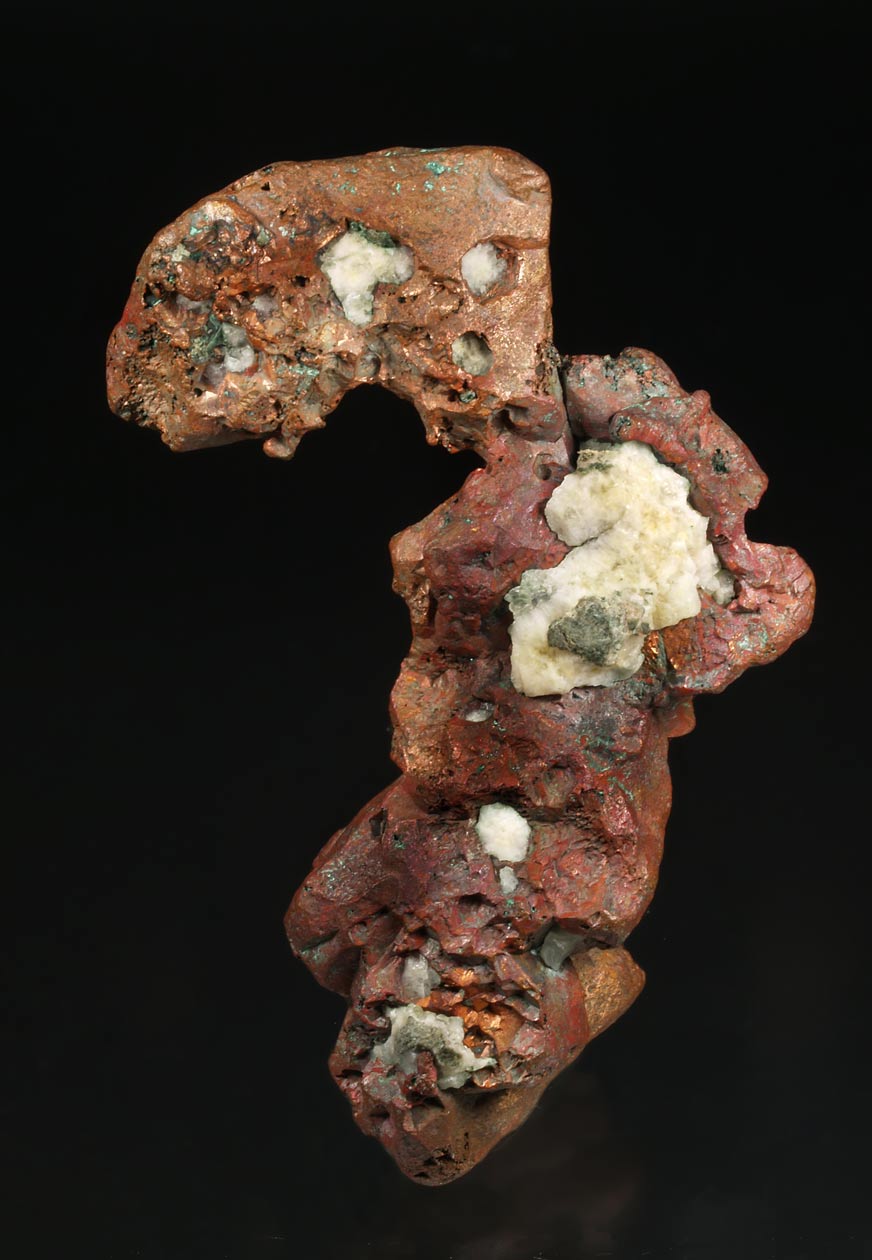
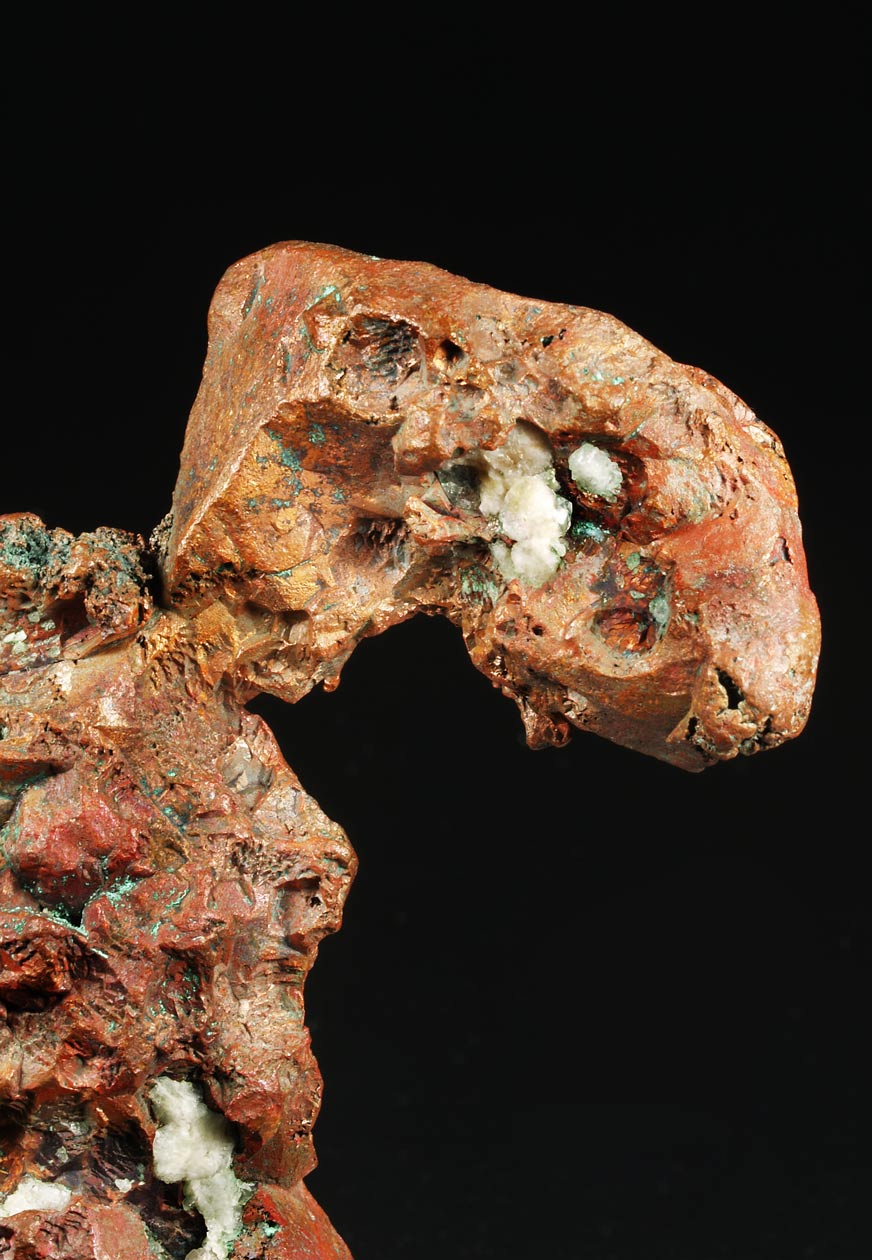
Good sized and aerial specimen of native copper showing curved crystal faces, typical of these specimens, with good color and aesthetics. This specimen is from the findings made in the mid-90 in this American mine. It has not been treated with chemicals, so its color and brightness are natural.
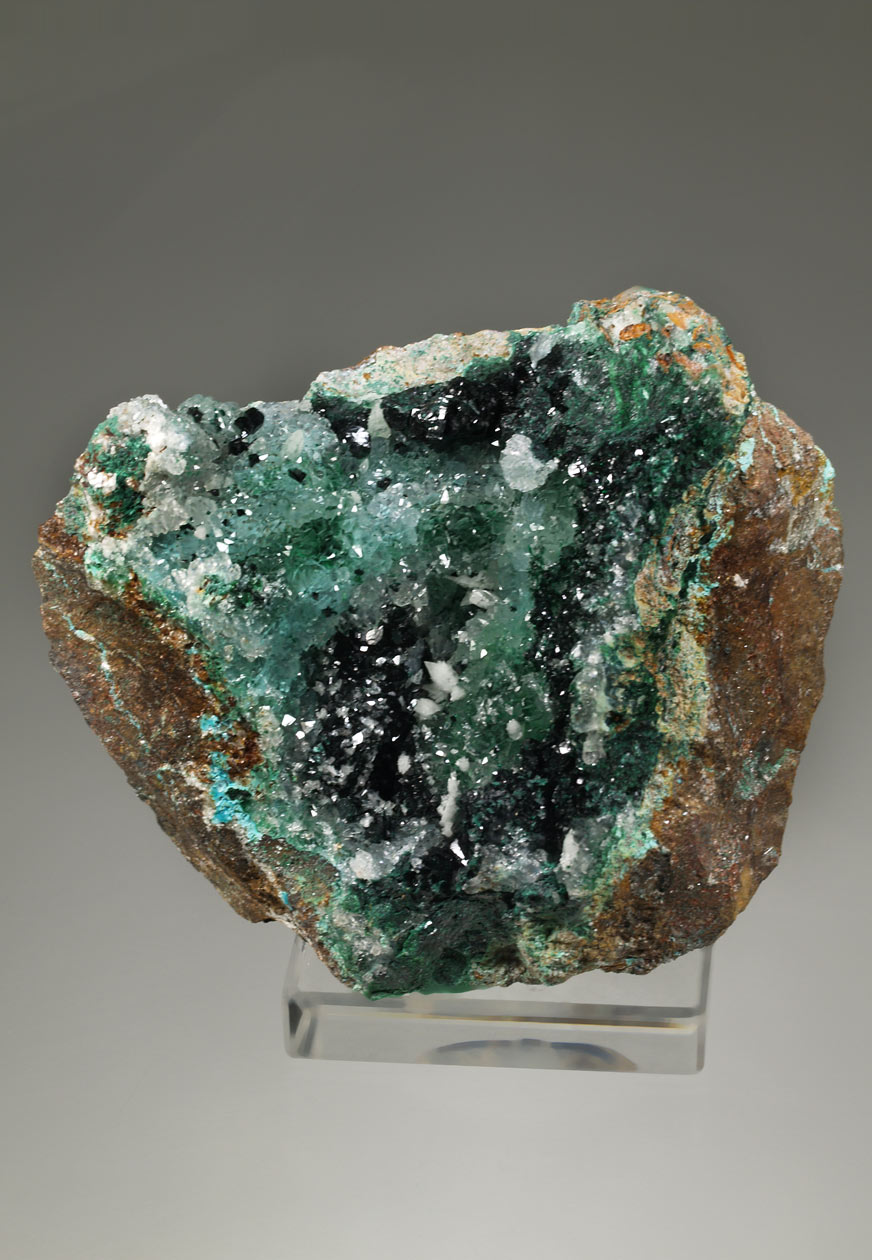
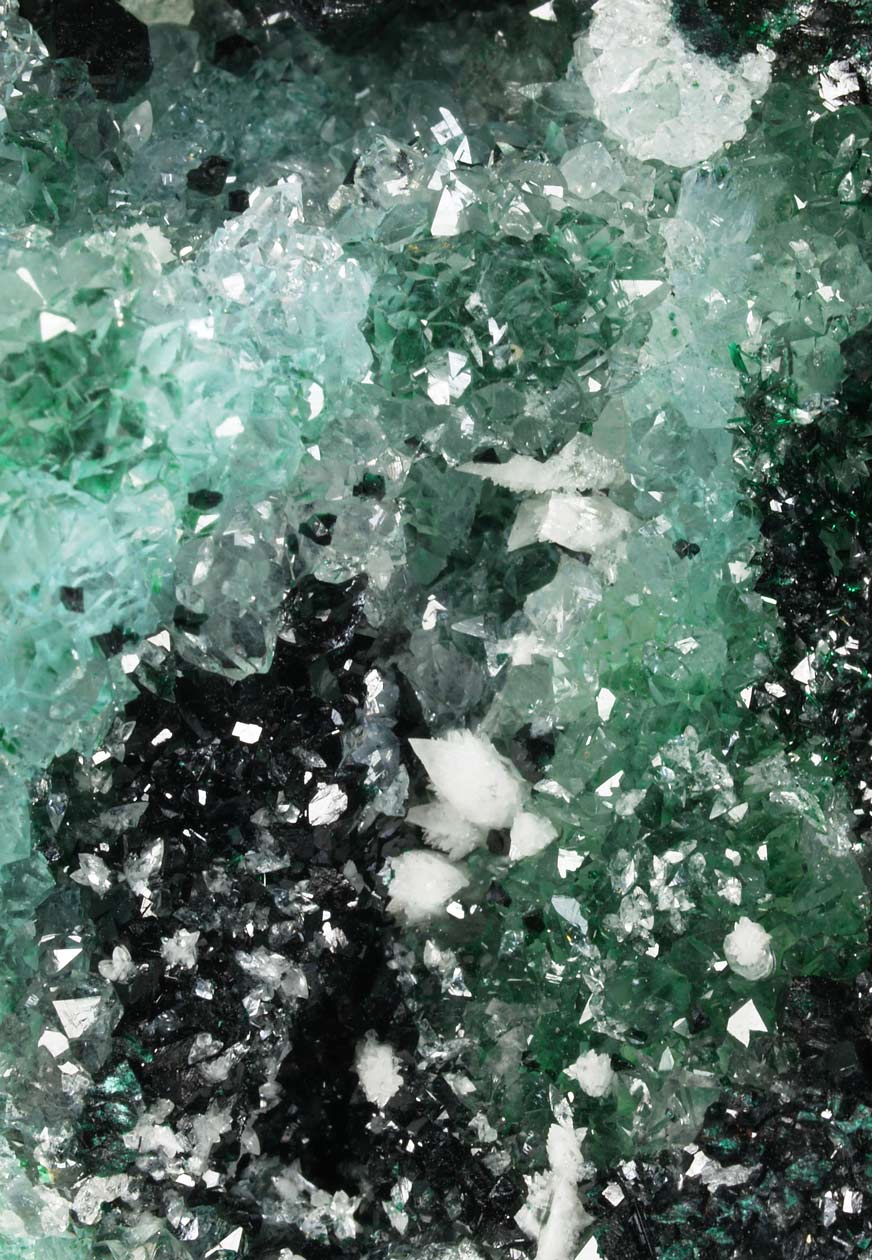
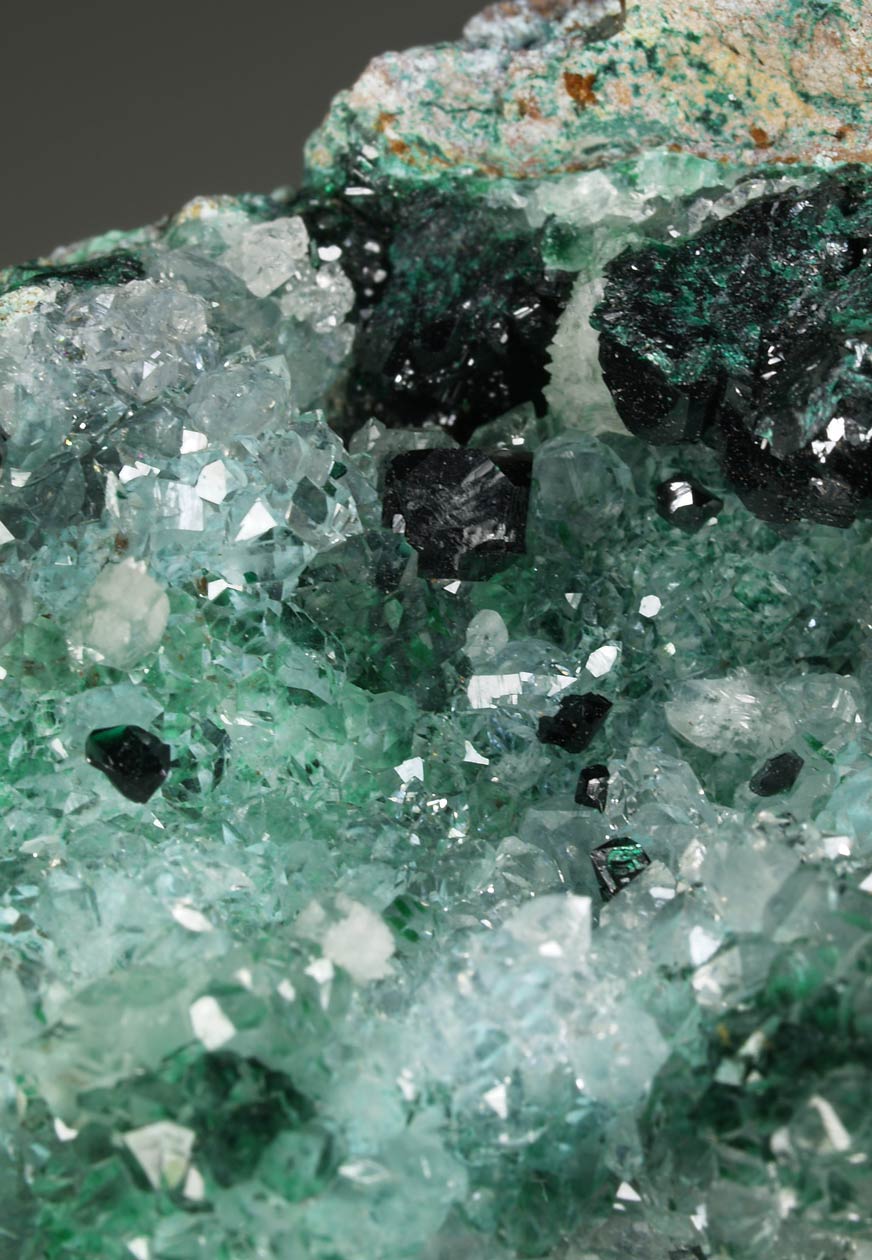
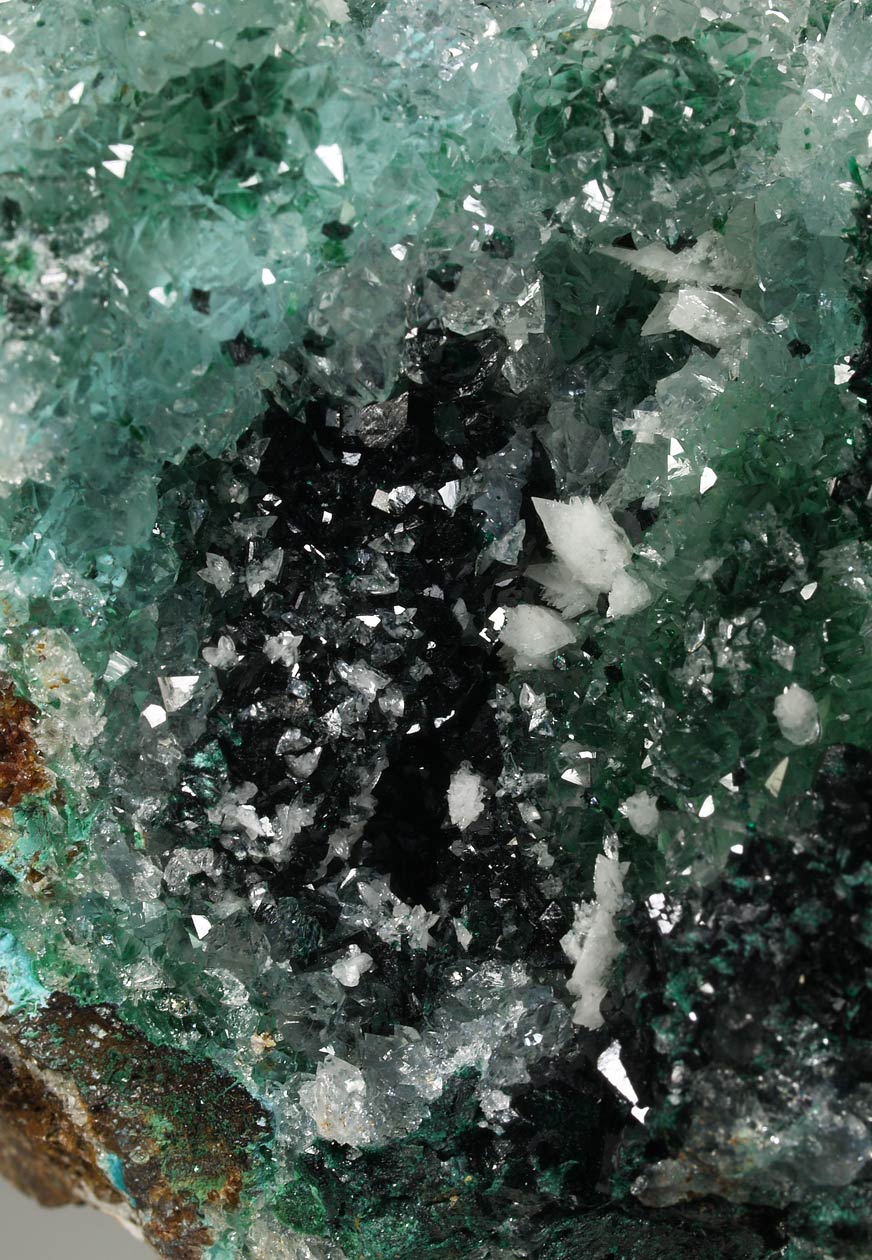
A huge size specimen formed by a rich groups of brilliant atacamite crystals, showing elongated forms, intense green color and with transparence. We can observe several clinoatacamite crystals with pseudocubic or hexagonal forms, easy to be identified. Accompanied by scalenohedral calcite crystals, with brilliant quartz. A aesthetic display specimen.