- Home About RM Minerals
- Virtual Photo Museum Blog RM Contact
- Microscopy and instruments How to Buy Disclaimer
Copyright 2010-2026
www.rosellminerals.com



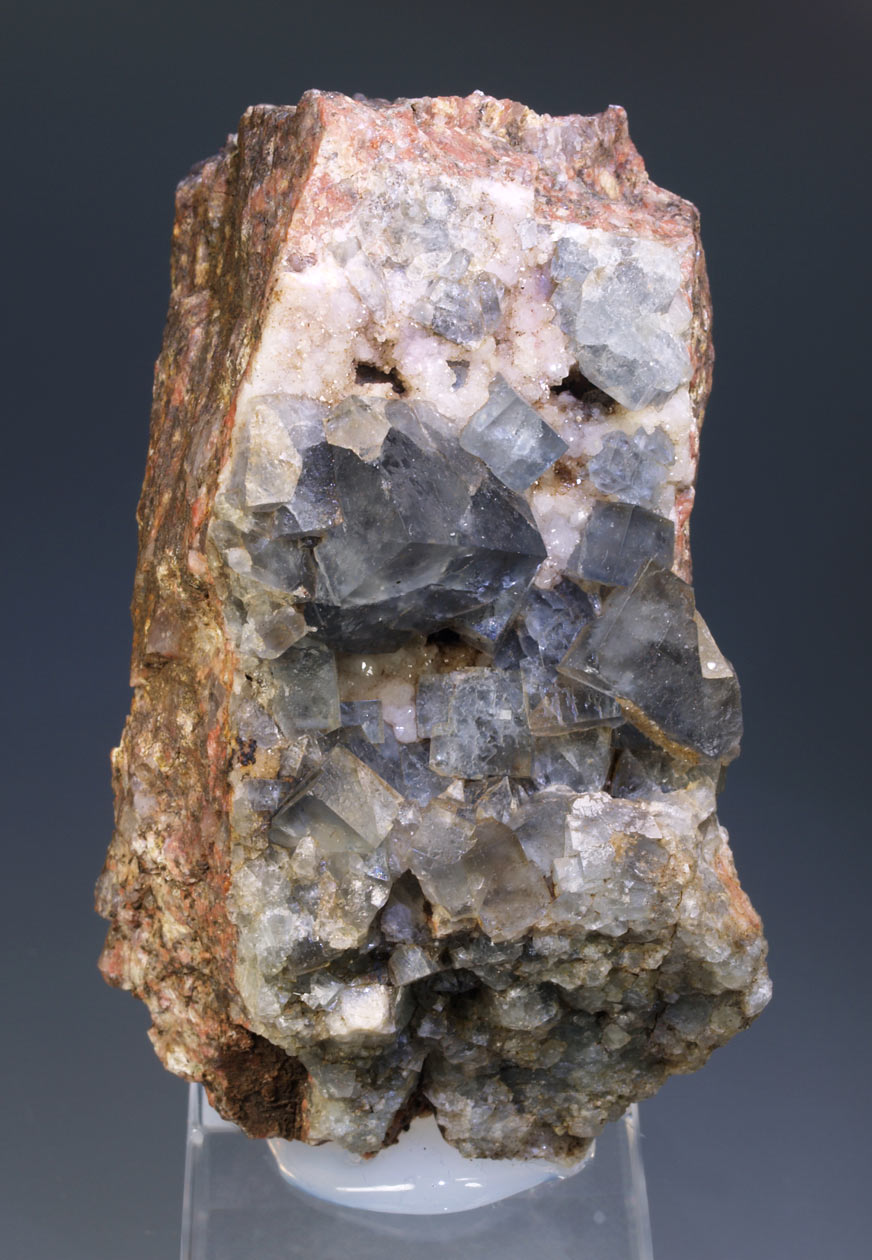
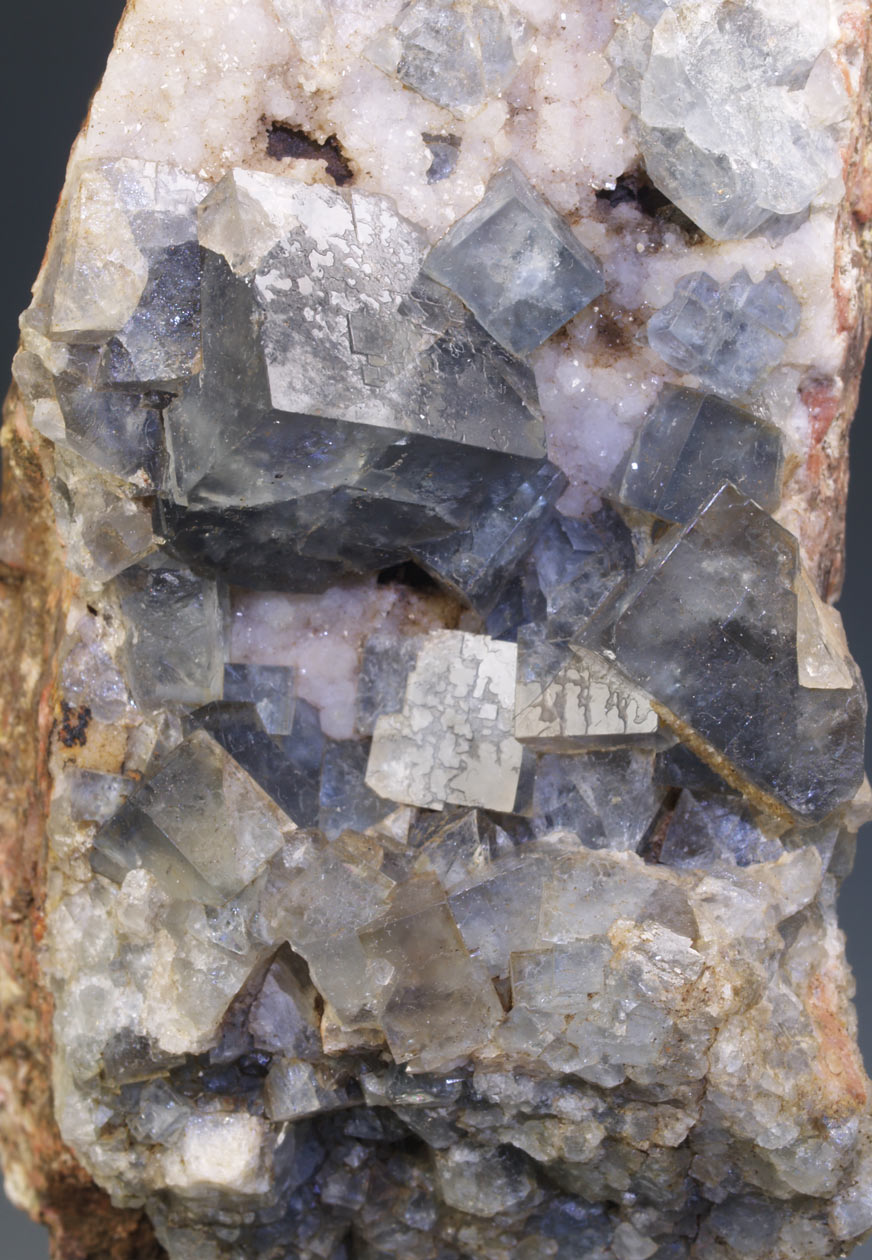
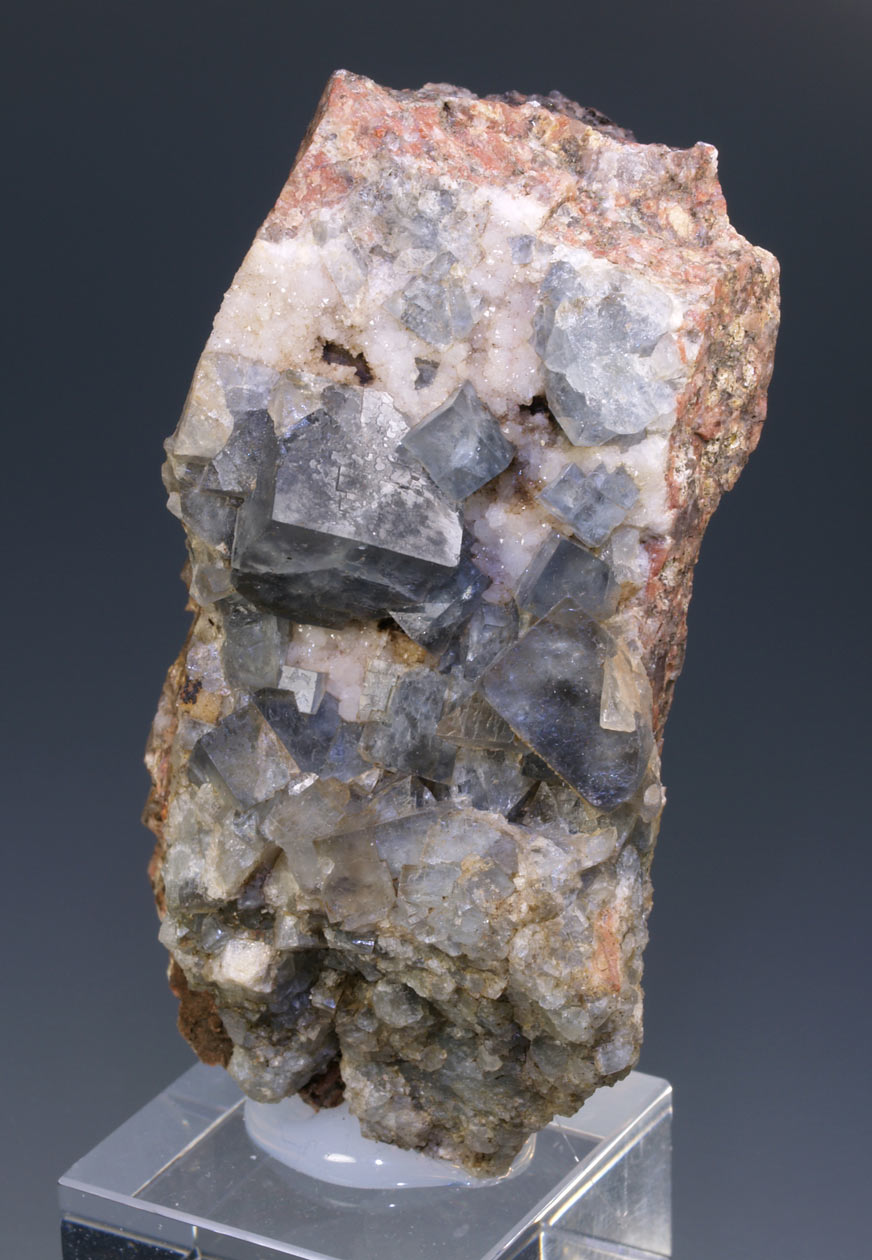
Fluorite specimens from Sant Marçal mines usually appear as aggregates of cubic crystals, defined, sometimes sprinkled or partially covered by quartz crystals. Yellow to greenish tones are the usual ones. Specimens with violet to bluish or green colors (depending on the type of incident light) are much less frequent and highly appreciated by collectors. These specimens we offer were collected at the beginning of the 70s. In this specimen we can observe cubic crystals with this bluish to greenish tone, translucent and disposed on a characteristic ochy "pegmatite" matrix. They are partially covered with small but brilliant quartz crystals.
The Sant Marçal mines (also known as Matagalls mines) are located in the Montseny massif, on the eastern slope of the Matagalls peak (1,700 m). Mining works were carried out at 1,250 to 1,350 m of altitude. They were mined until the mid-90s and have been partially restored. Currently this area belongs to the Montseny Natural Park, so the collection of specimens is totally prohibited.
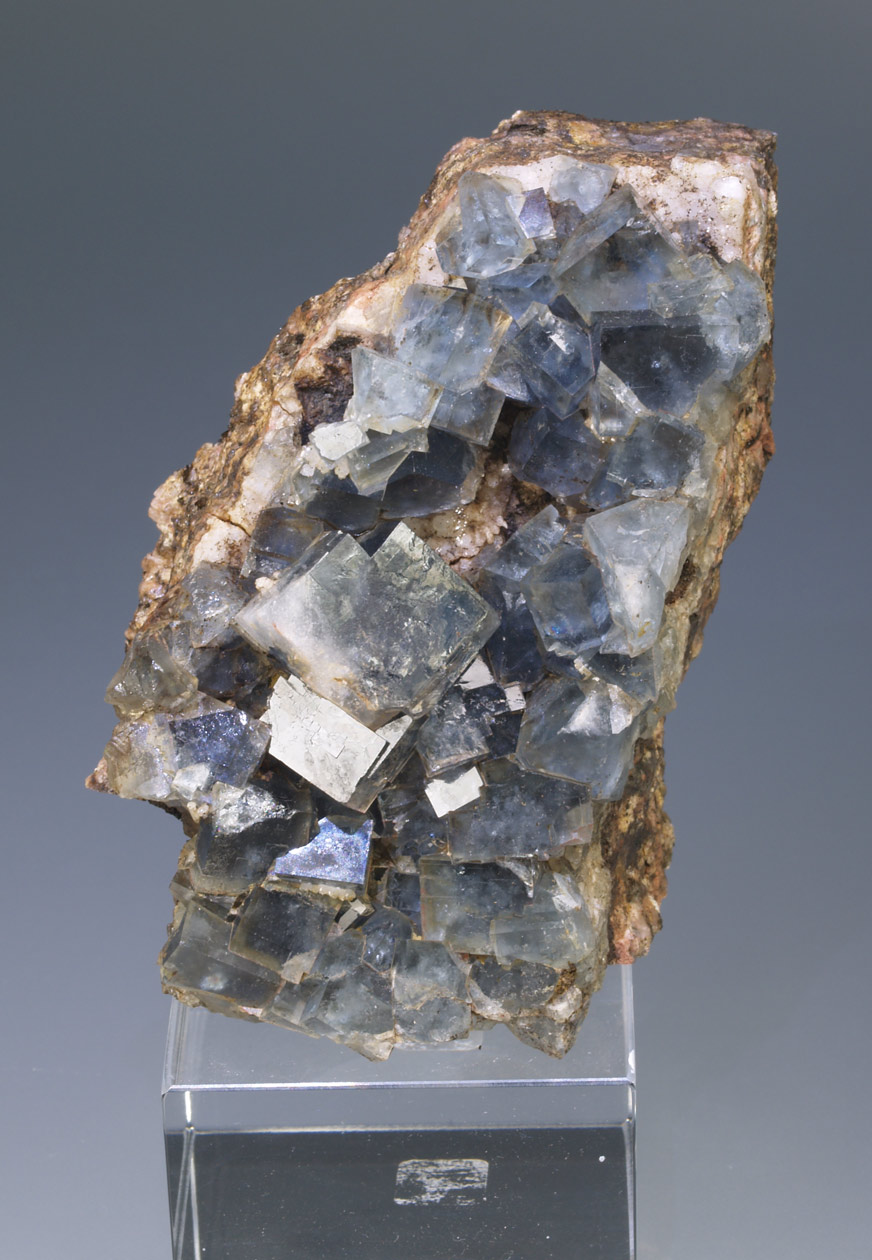
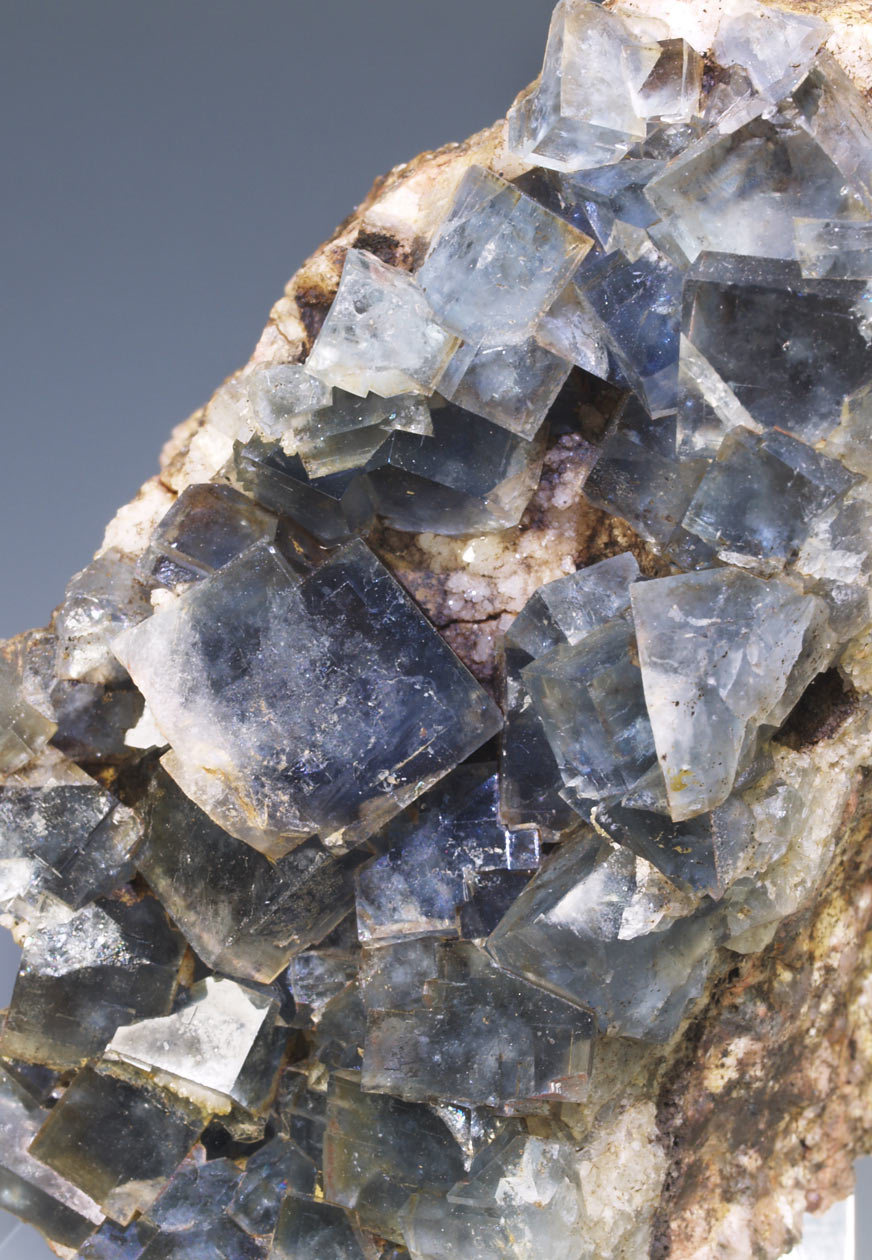
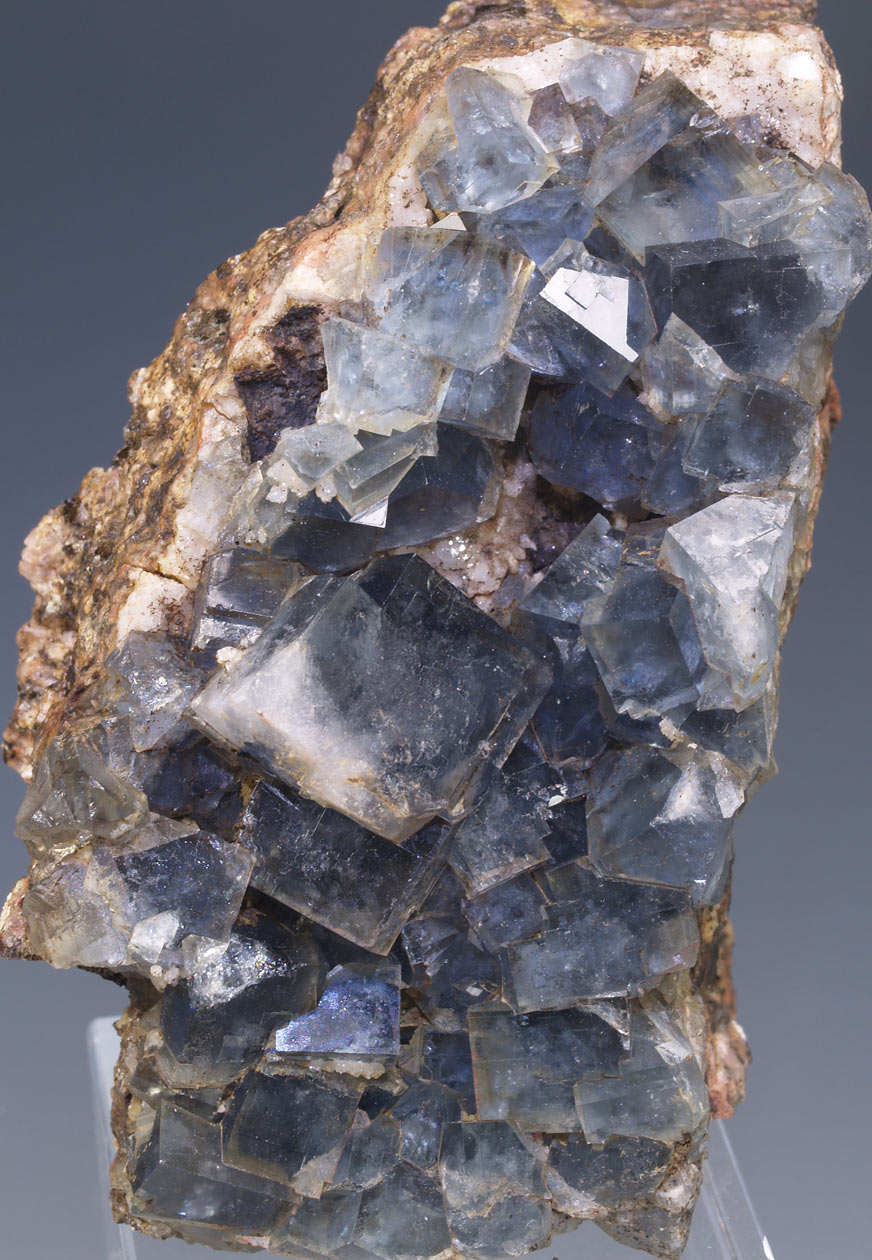
Fluorite specimens from Sant Marçal mines usually appear as aggregates of cubic crystals, defined, sometimes sprinkled or partially covered by quartz crystals. Yellow to greenish tones are the usual ones. Specimens with violet to bluish or green colors (depending on the type of incident light) are much less frequent and highly appreciated by collectors. These specimens we offer were collected at the beginning of the 70s. In this specimen we can observe cubic crystals with this bluish to greenish tone, translucent and disposed on a characteristic ochy "pegmatite" matrix. They are partially covered with small but brilliant quartz crystals.
The Sant Marçal mines (also known as Matagalls mines) are located in the Montseny massif, on the eastern slope of the Matagalls peak (1,700 m). Mining works were carried out at 1,250 to 1,350 m of altitude. They were mined until the mid-90s and have been partially restored. Currently this area belongs to the Montseny Natural Park, so the collection of specimens is totally prohibited.
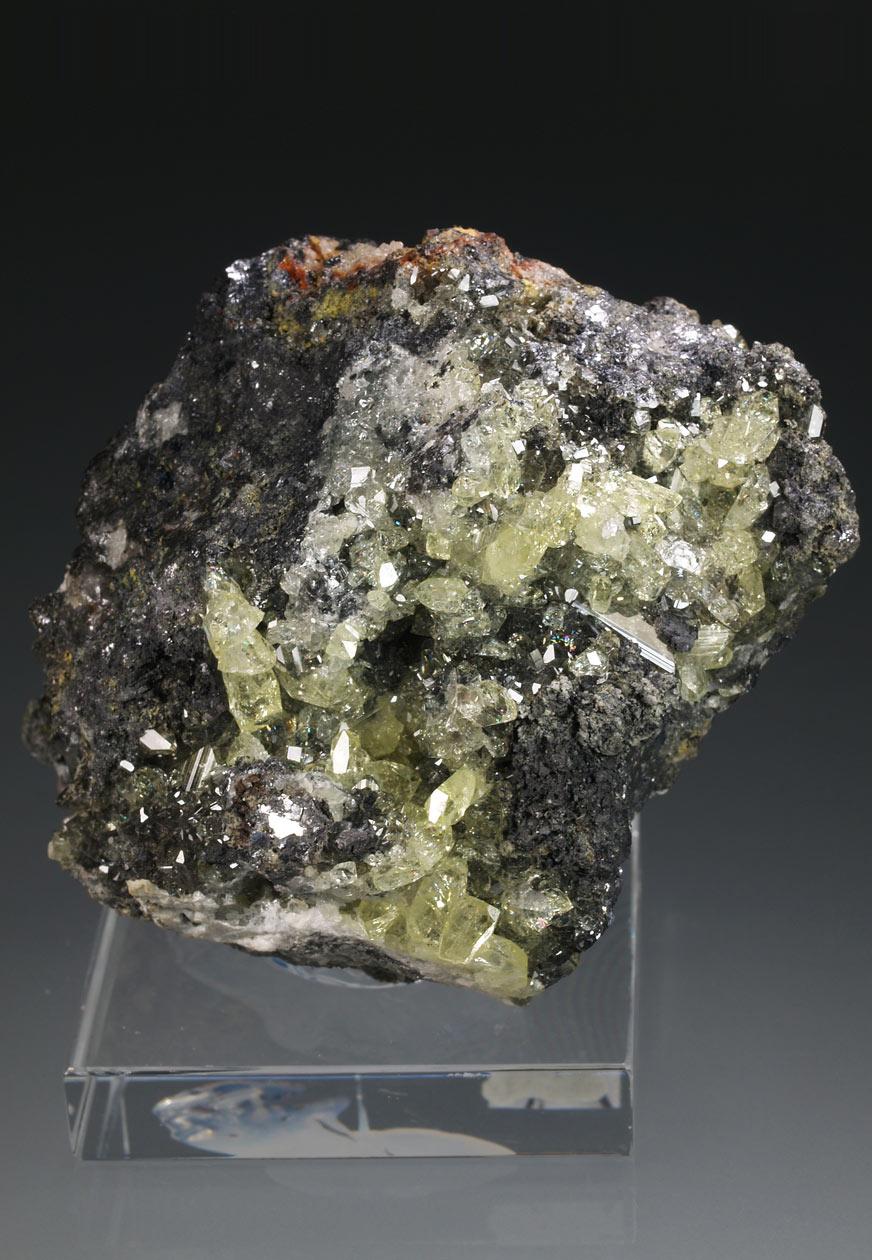
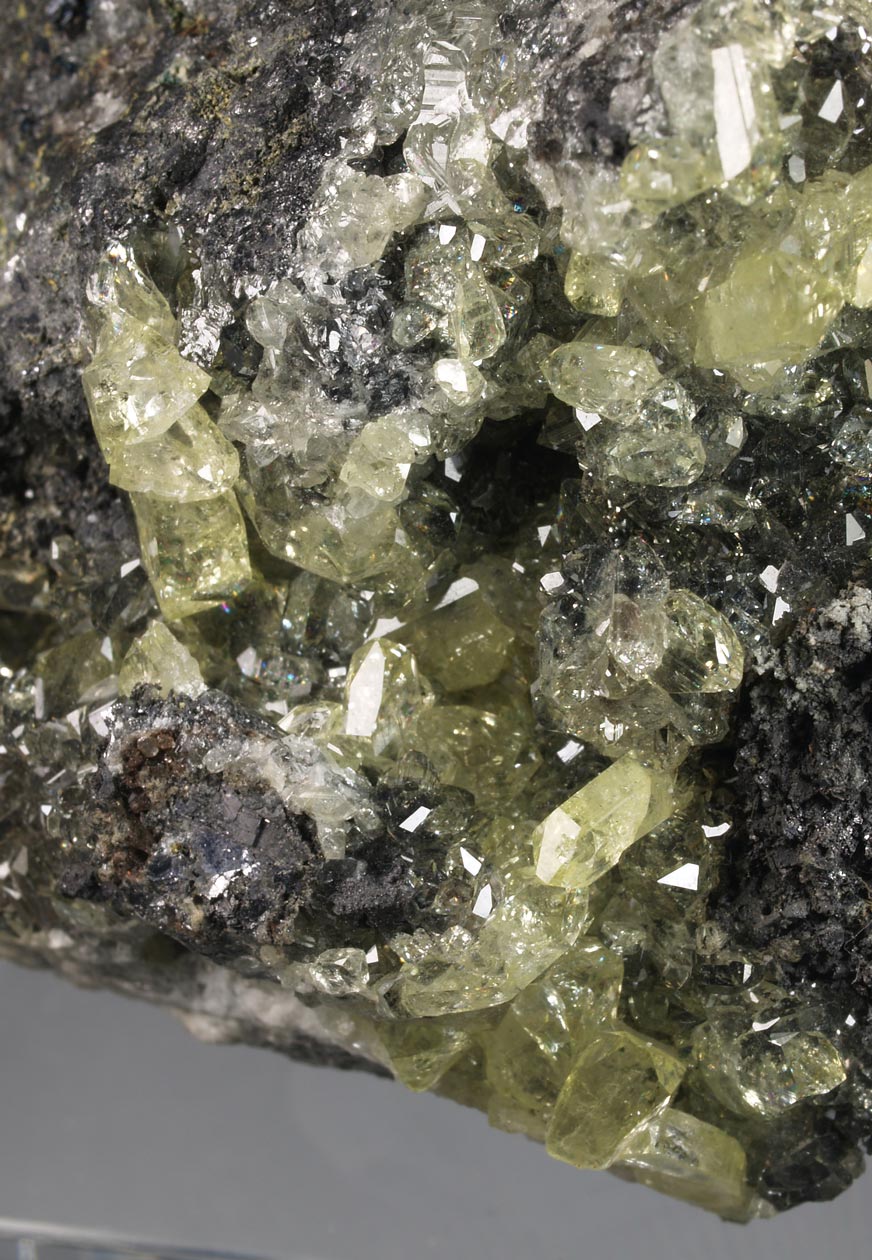
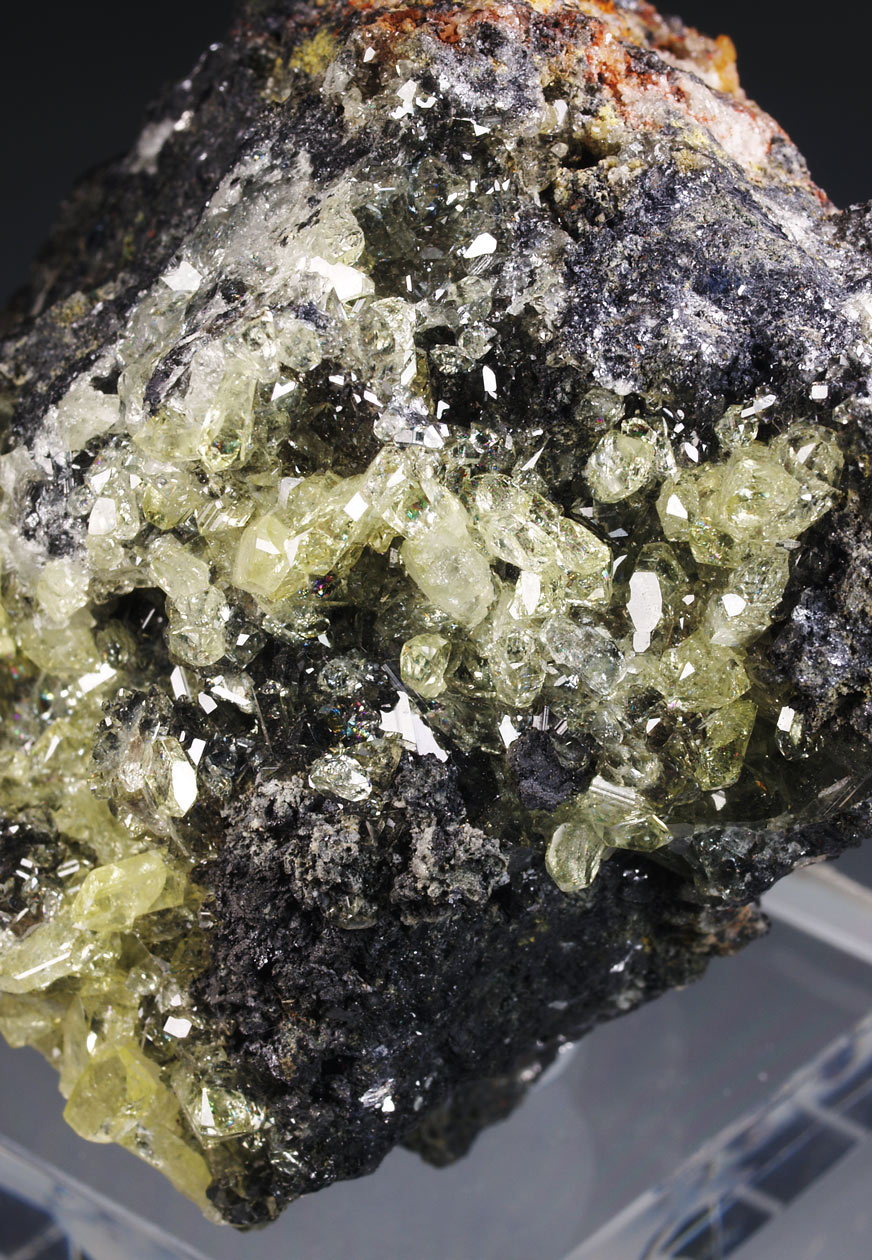
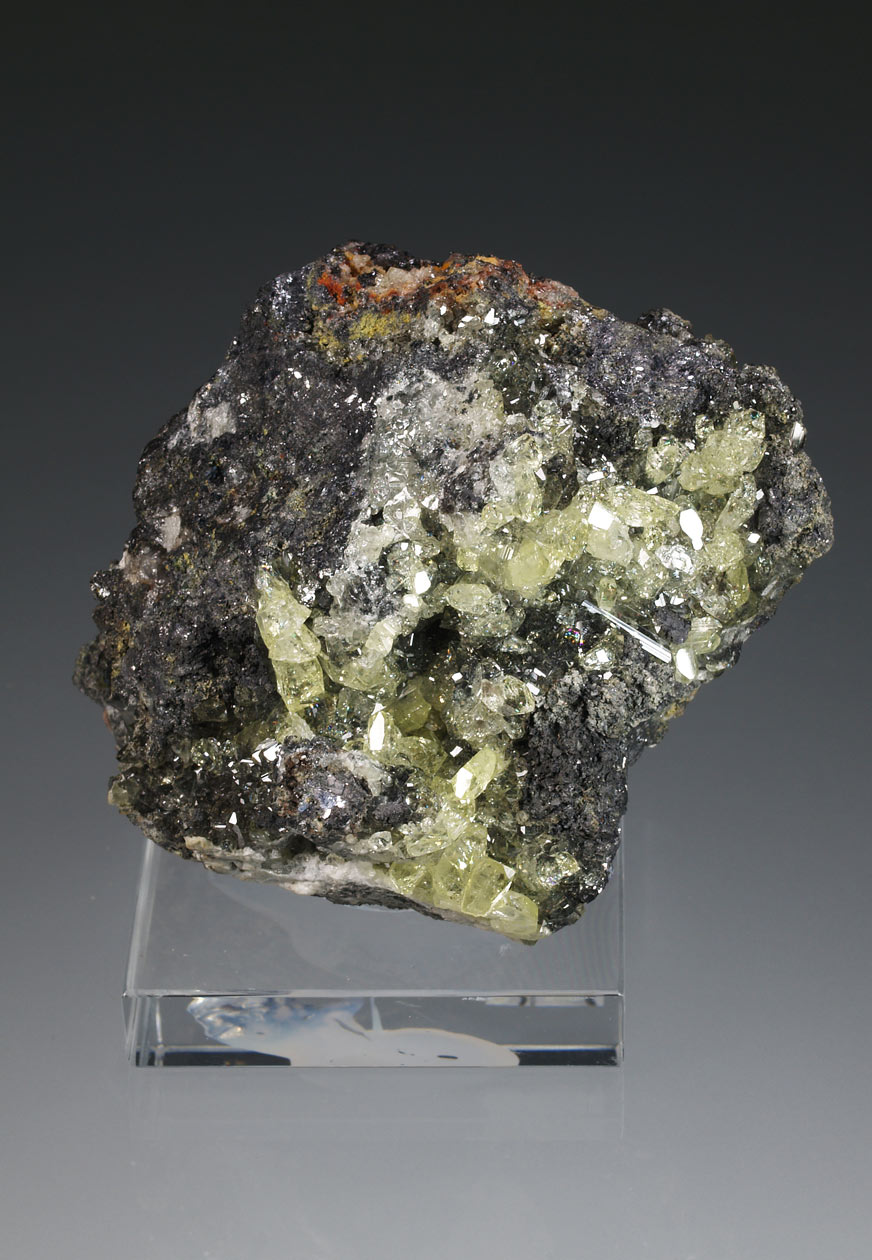
Anglesite specimens from this classic Moroccan mine are quite difficult to find. In this piece we can see numerous lanceolated prismatic crystals of this lead sulphate, very brilliant, with well defined faces and edges, transparent and showing the natural yellow colour characteristic of this species and mine. They are disposed filling cavities in a galena matrix.
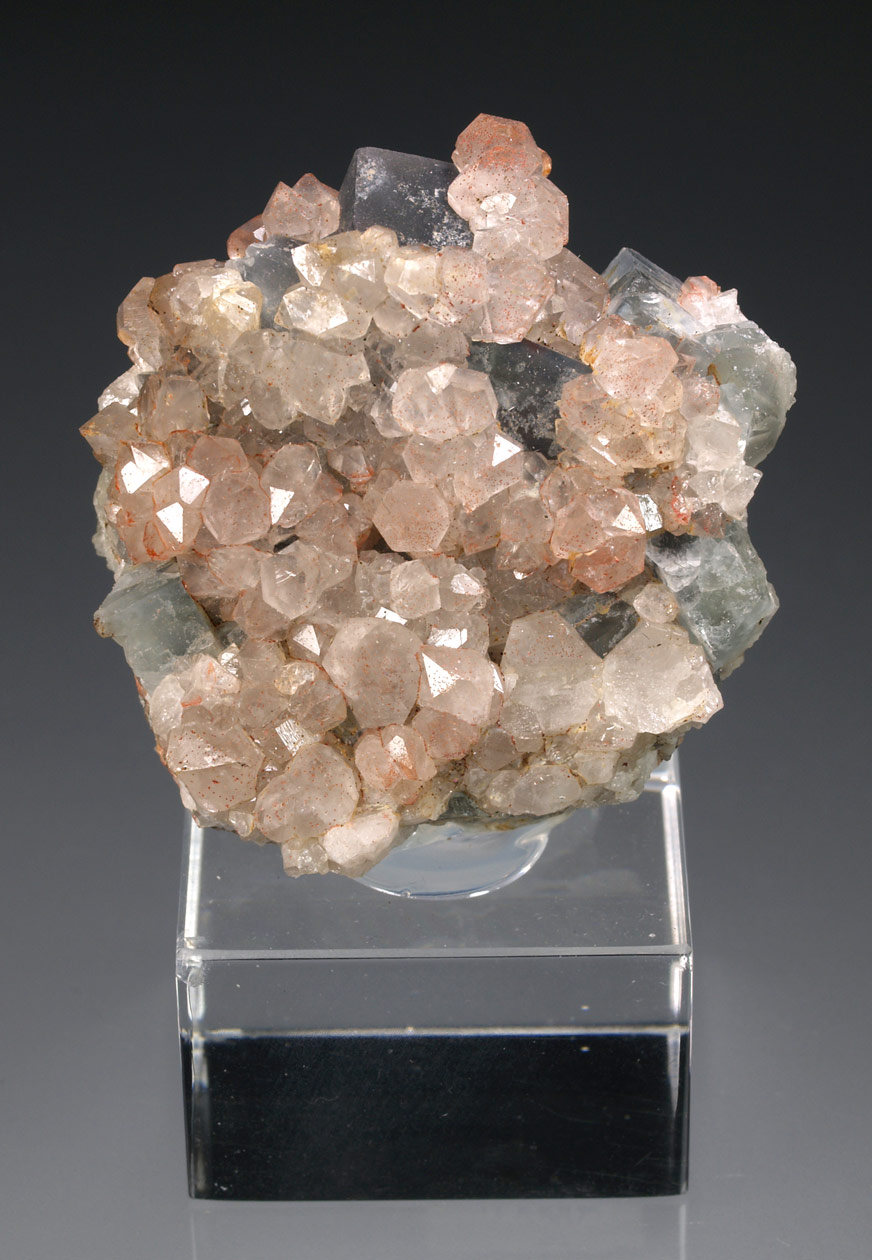
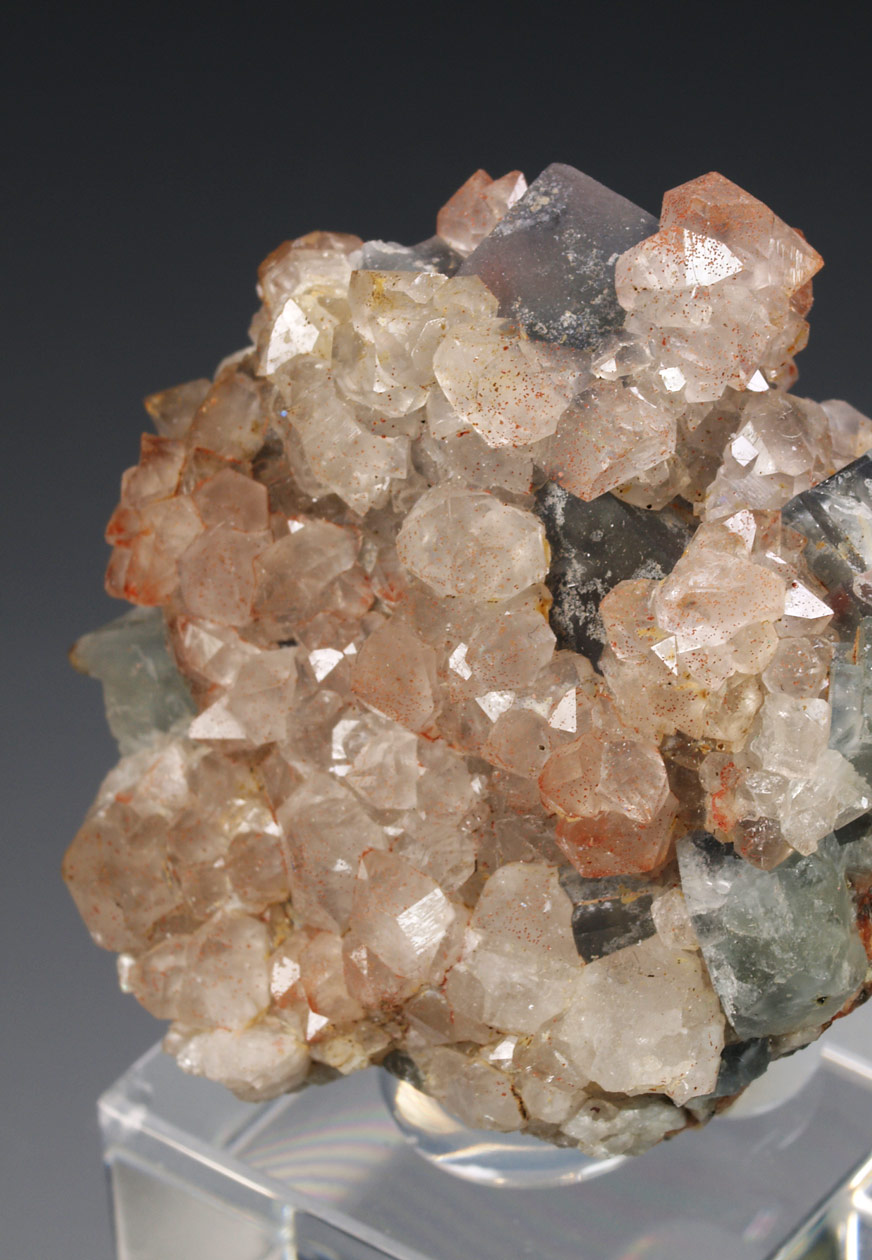
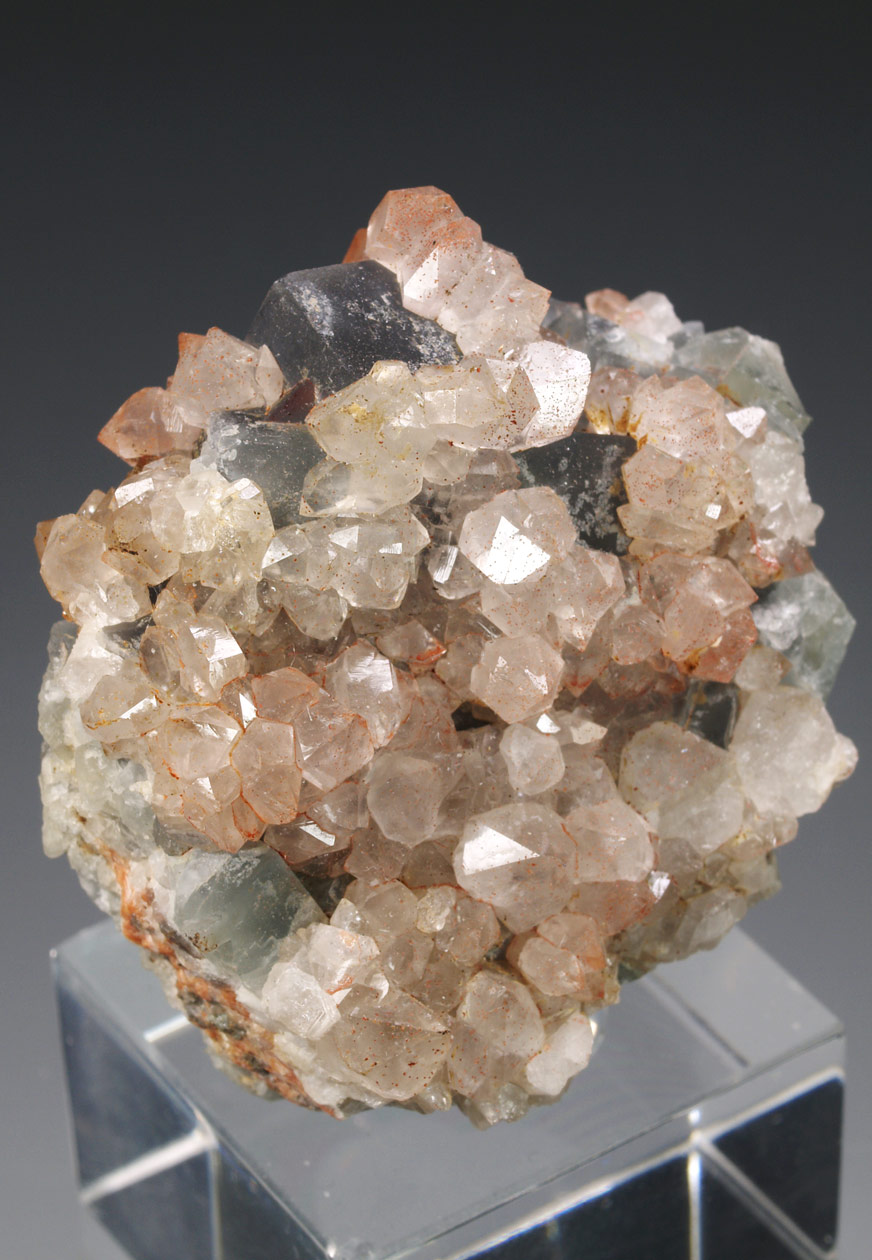
Various aggregates of quartz crystals, some doubly terminated, with transparence and brilliance, partially dotted with small reddish globules of hematite, which partially cover a matrix with bluish crystals of fluorite. These specimens that we offer were collected at the beginning of the 70s. The mines were exploited until the mid-90s and have been partially restored. Currently this area belongs to the Montseny Natural Park, so the collection of specimens is totally prohibited.
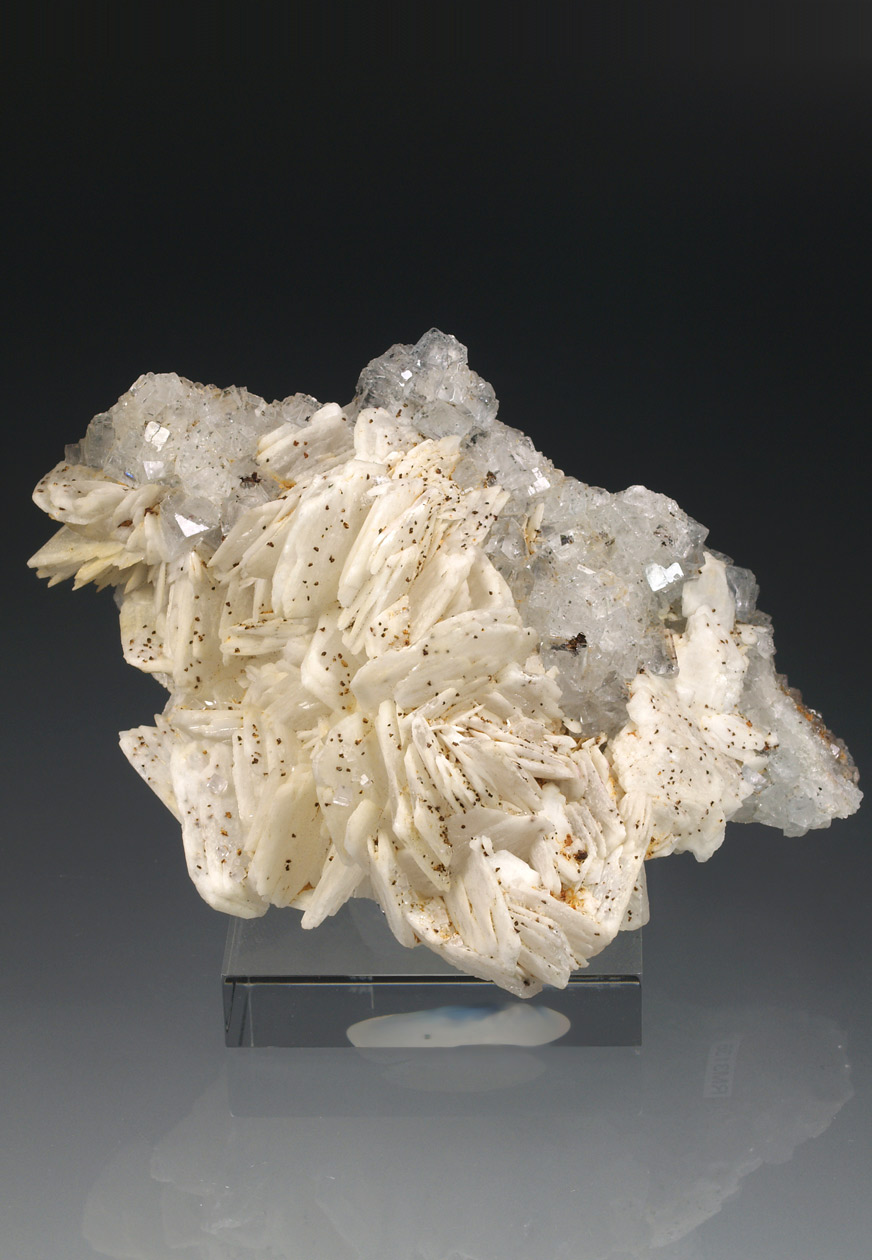
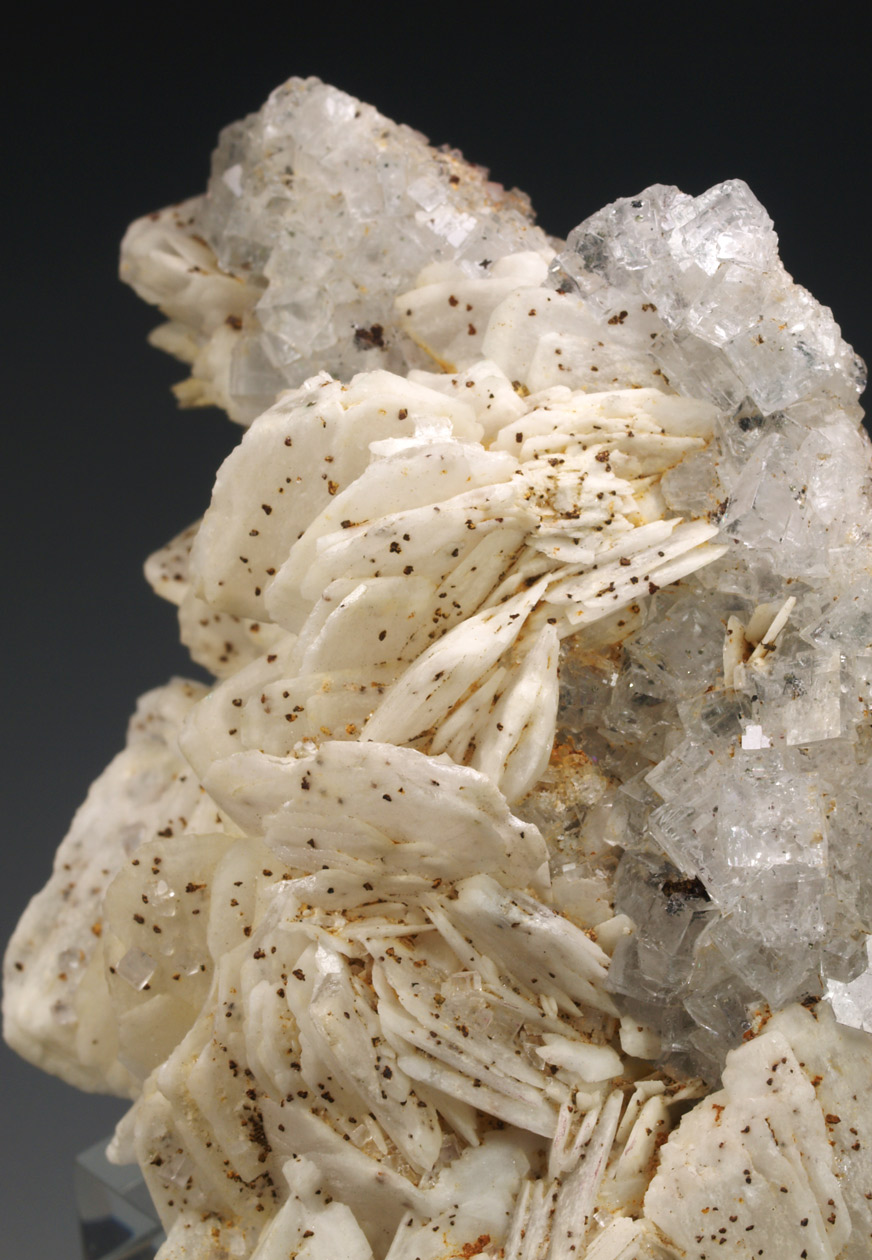
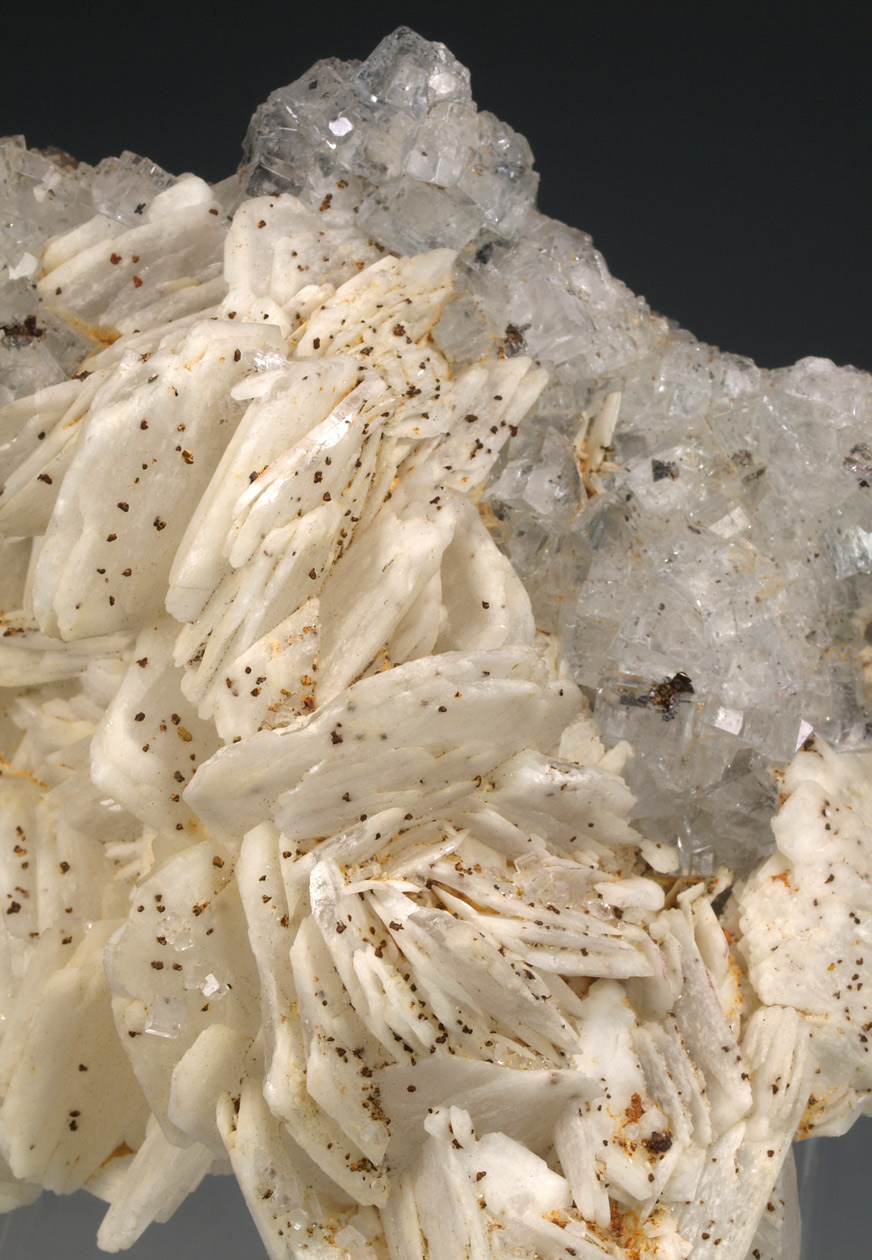
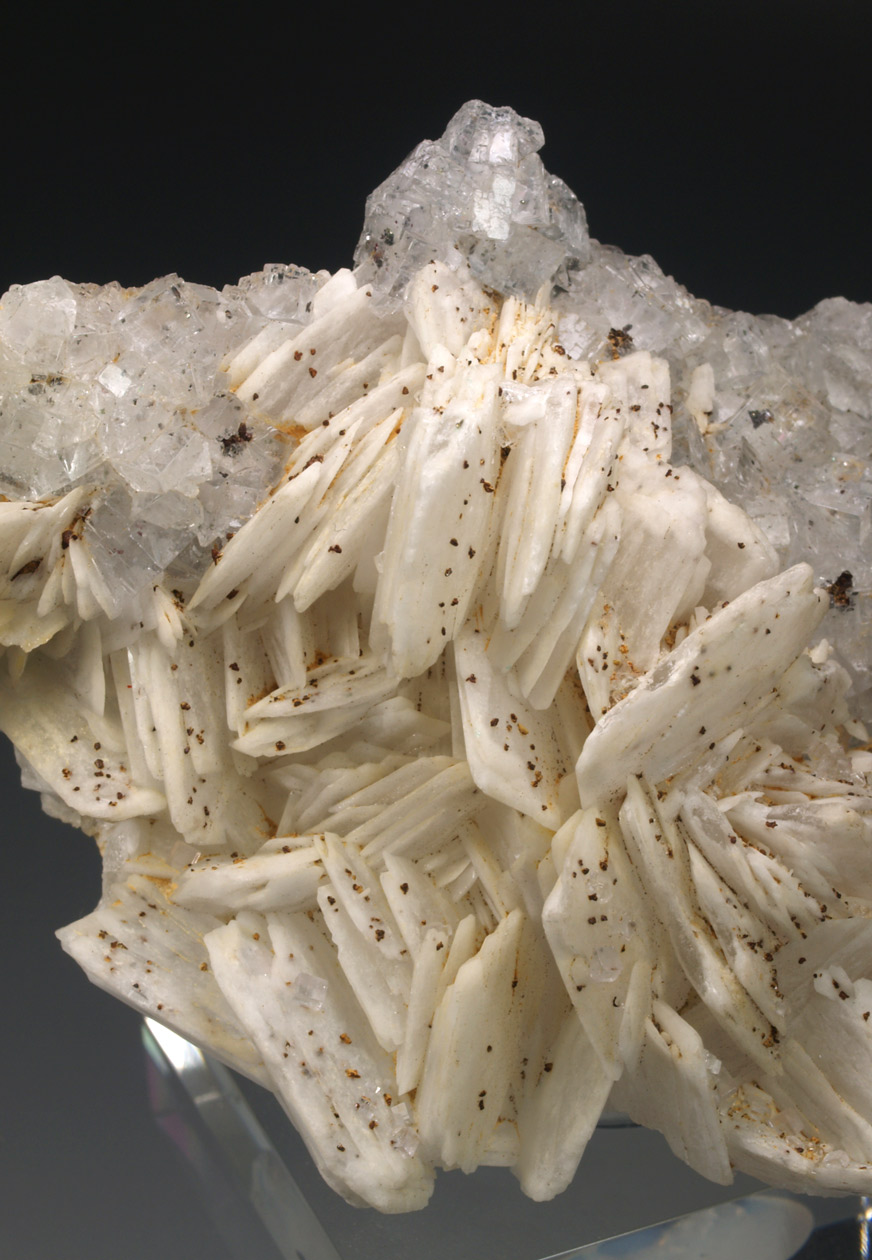
Good size specimen formed by a matrix with cubic fluorite crystals, colorless and very transparent. They are partially covered by aesthetic white tabular baryte crystals, peppered with small altered pyrite and chalcopyrite, some of them included in fluorite.
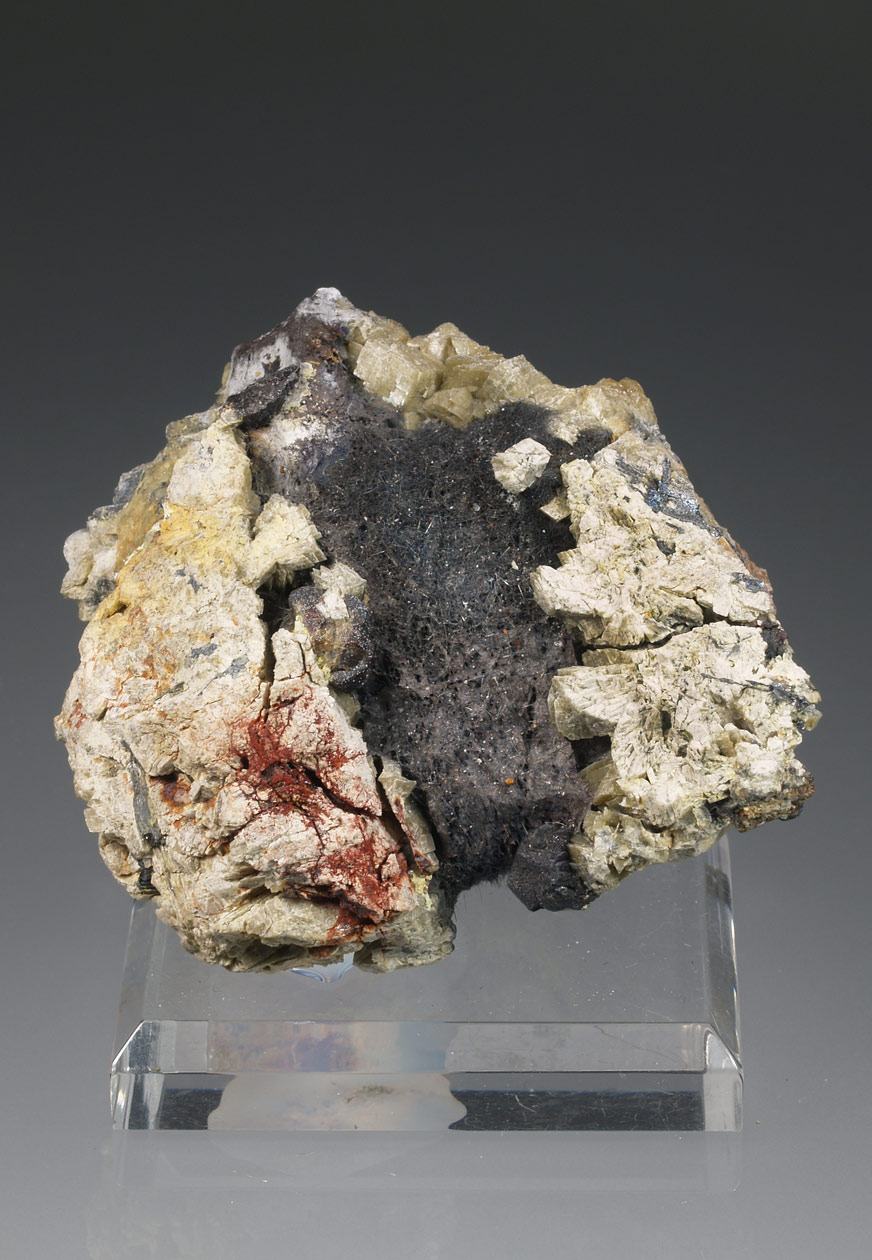
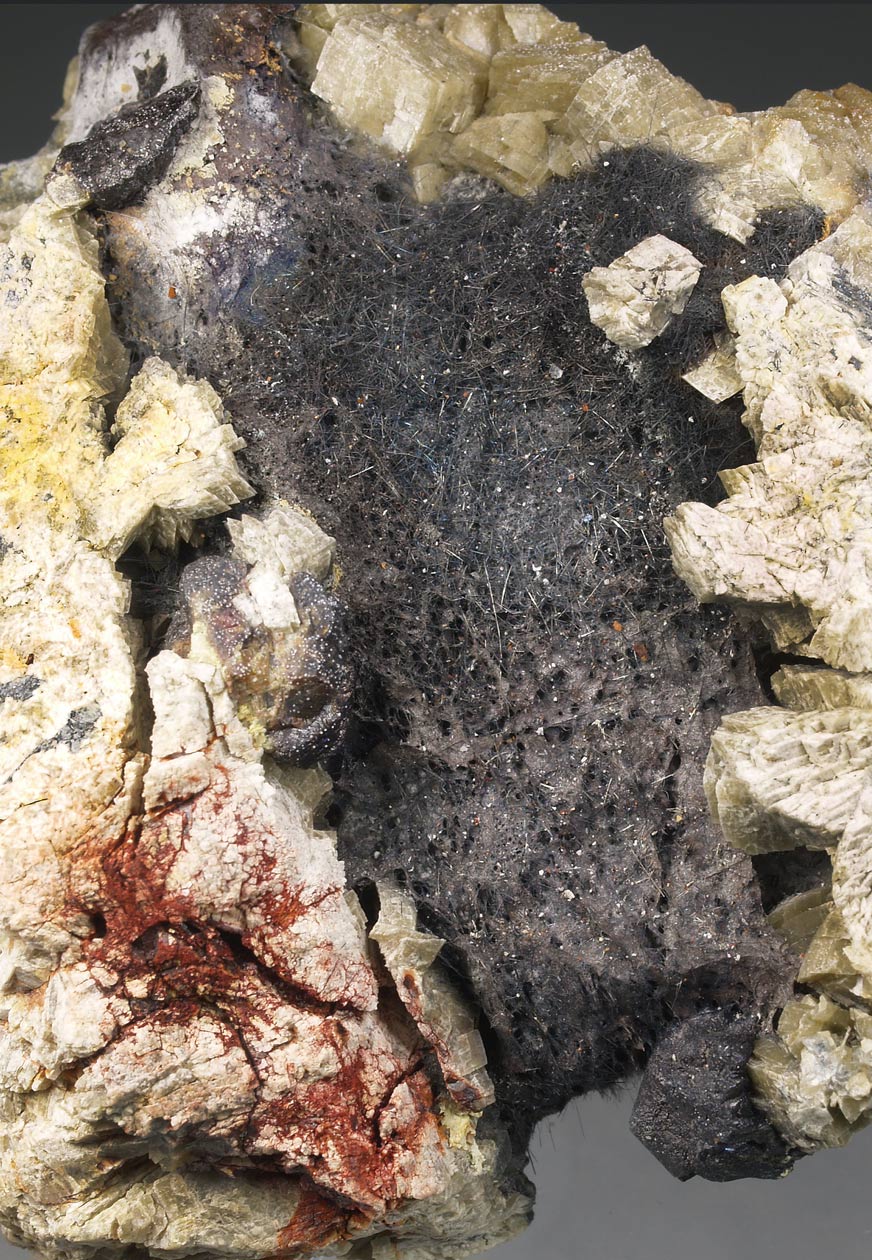
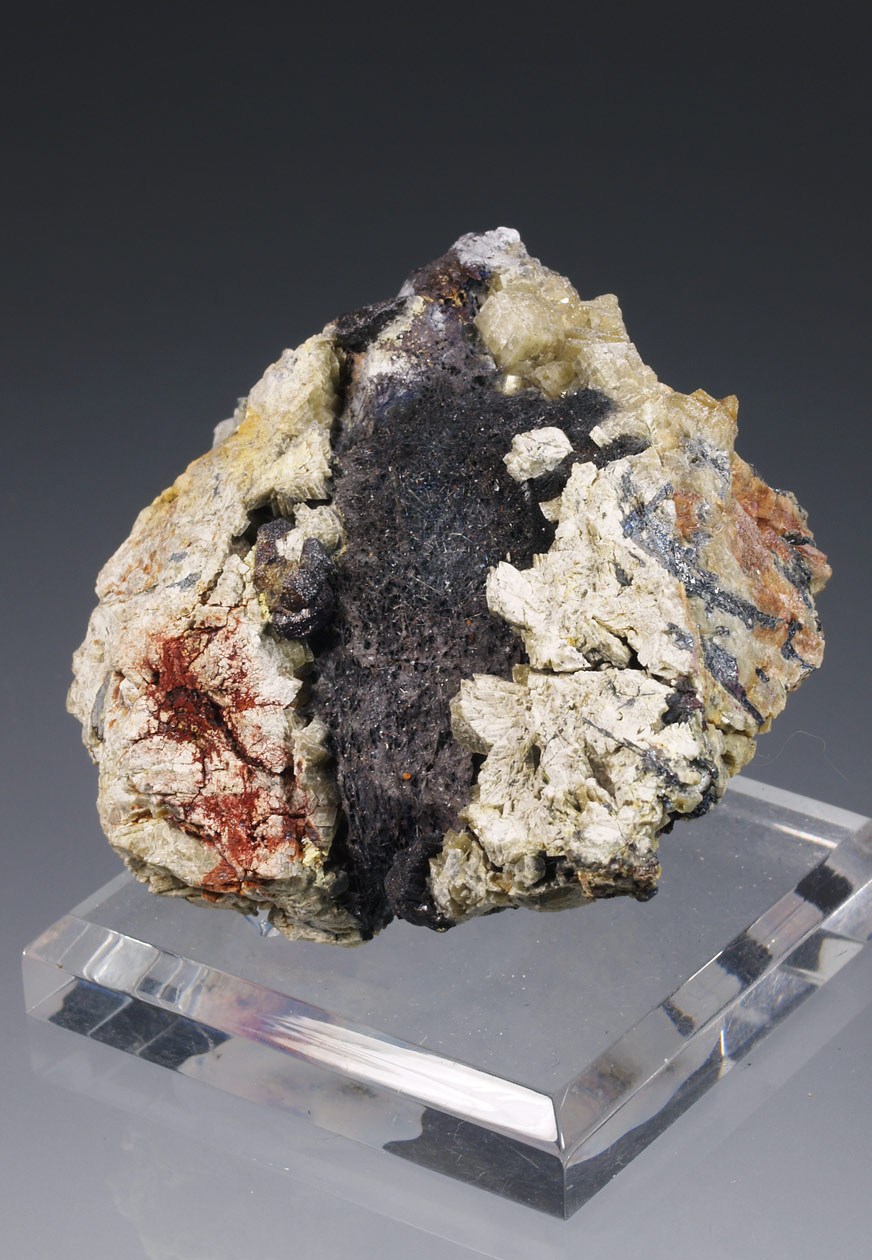
Dadsonite is a rare chloro-sulfoantimonide of lead, compositionally differing from boulangerite by this chlorine anion (1 atom of Cl for 60 atoms of S!). In the "bad-lands" area of Sant Ponç (or Saint-Pons) there are lenticular levels of siderite and calcite. The formation of this rare sulfosalt is based on the redissolution of other sulfosalts in the presence of chlorides.
The fine needles of dadsonite usually appear included in calcite, along with boulangerite. Once the calcite is removed by chemical processes, needles emerge in all their beauty. It can also be found forming radial aggregates in matrix cavities. The dadsonite from Sant Ponç can probably be considered among the best worldwide.
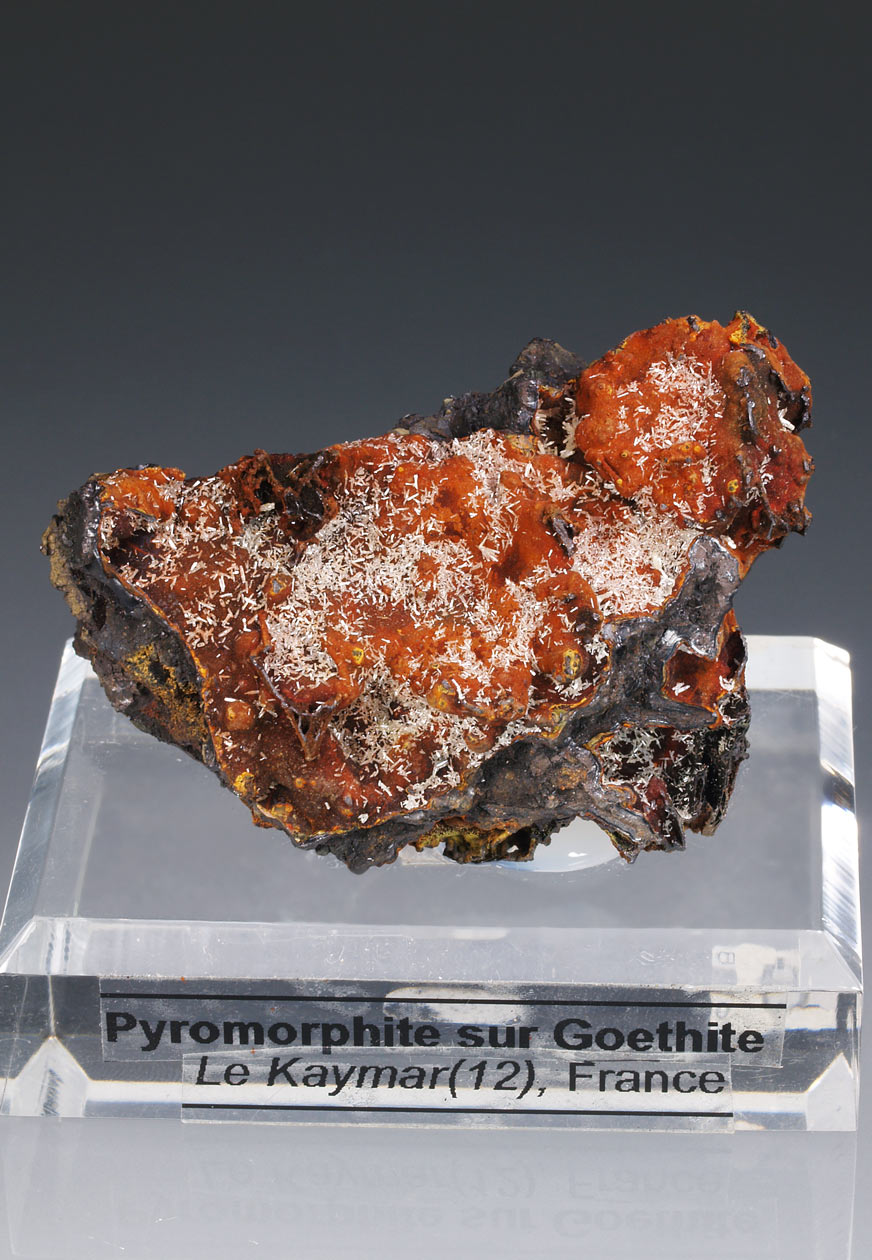
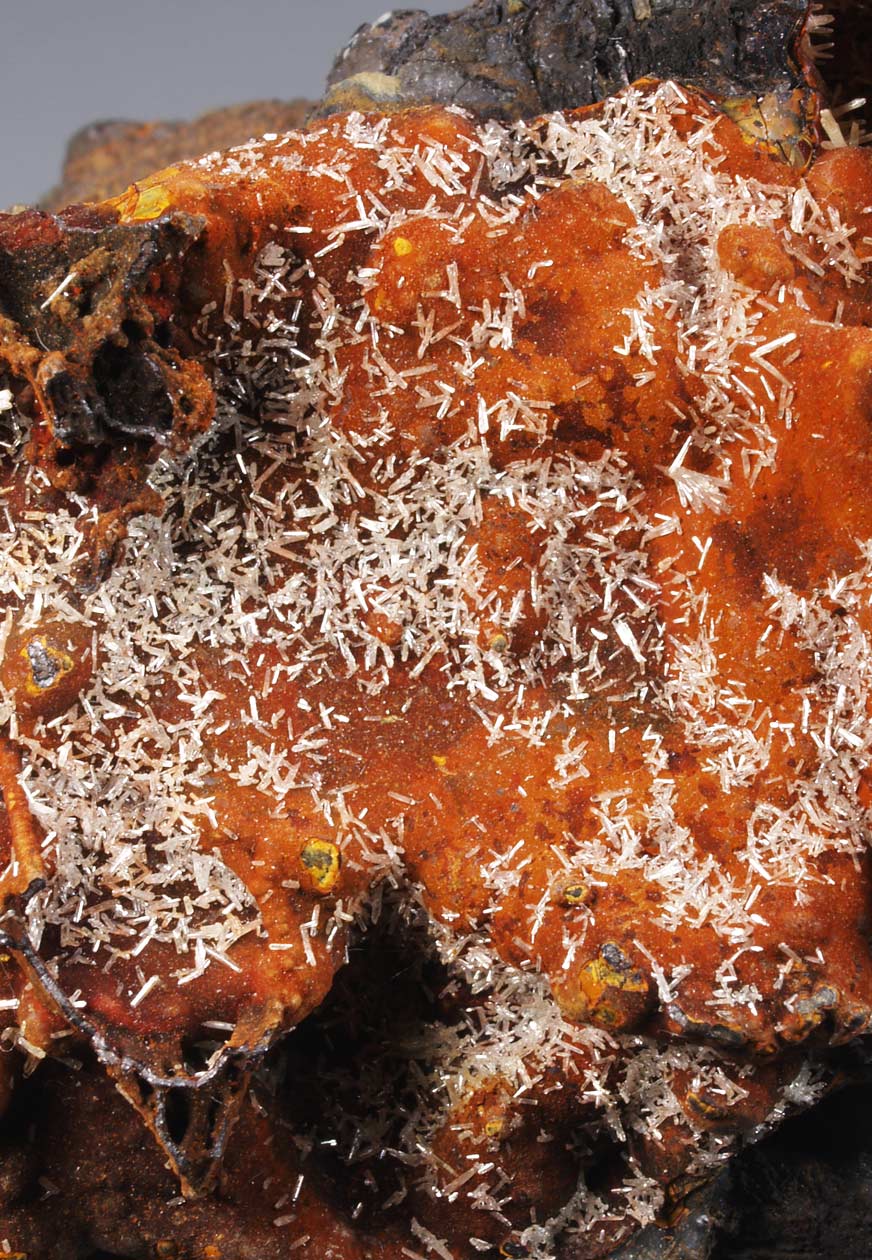
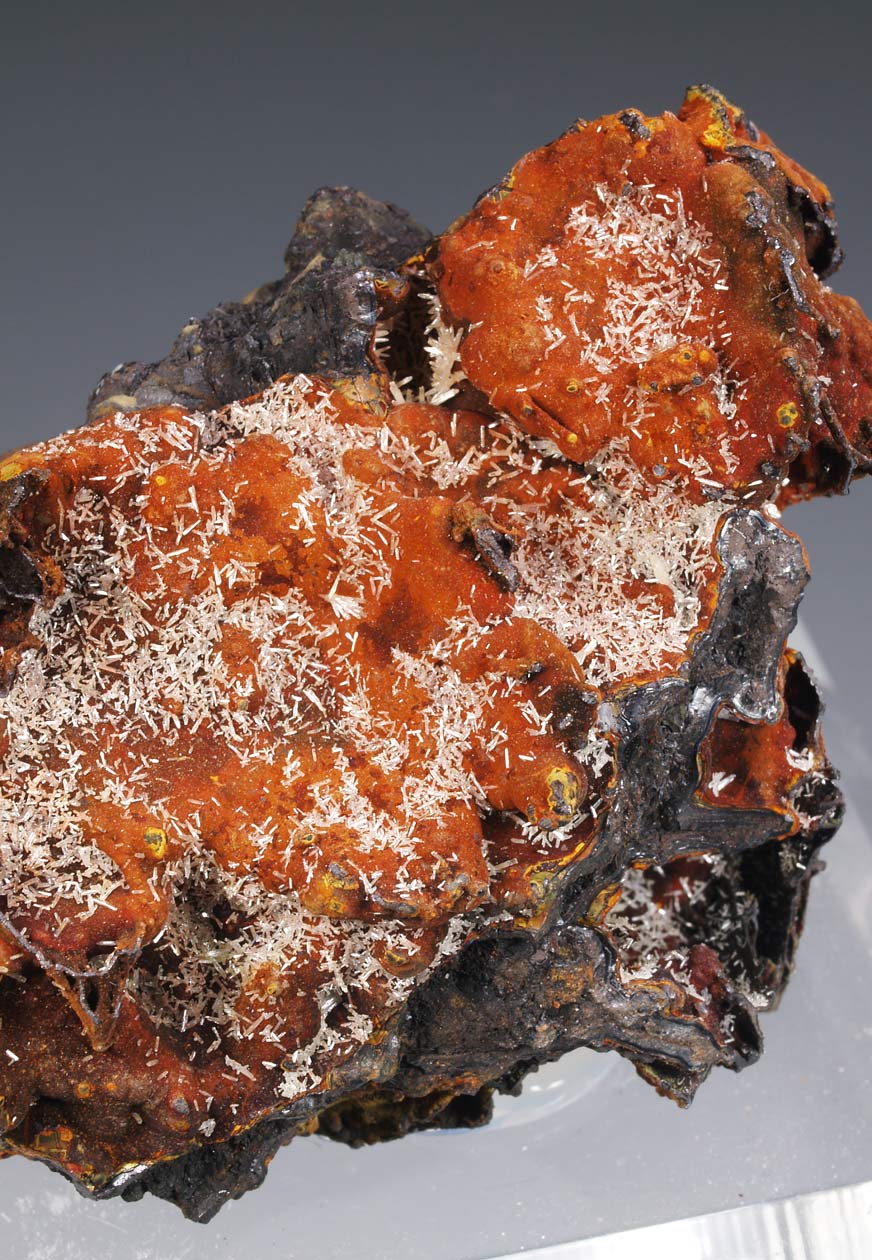
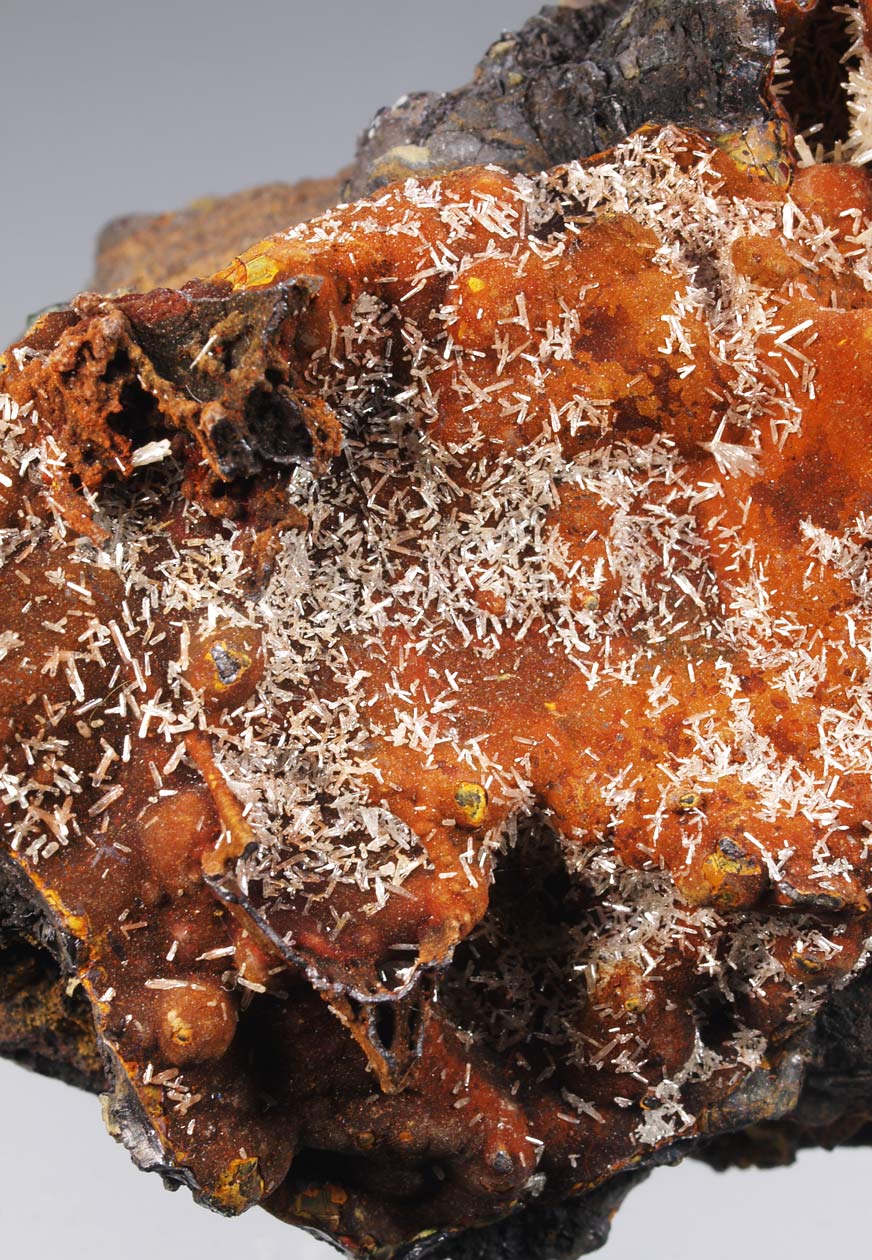
This specimen shows various groups of prismatic pyromorphite crystals, with terminal faces of the dipyramid, brilliant, colourless and transparent. They stand out on a matrix of goethite with orange tone. This locality is not one of the most common for this species. This specimen from Le Kaymar can be considered among the best seen for the mine.
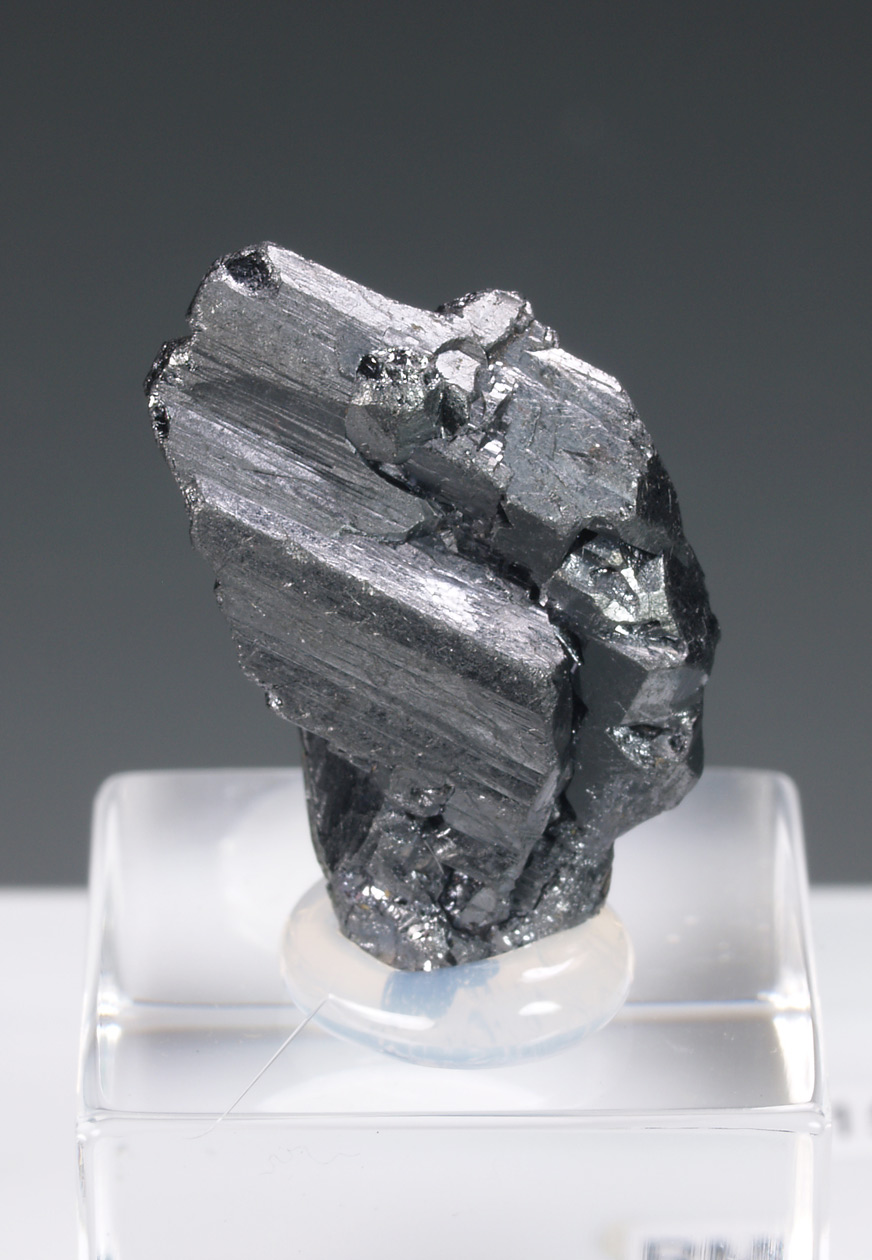
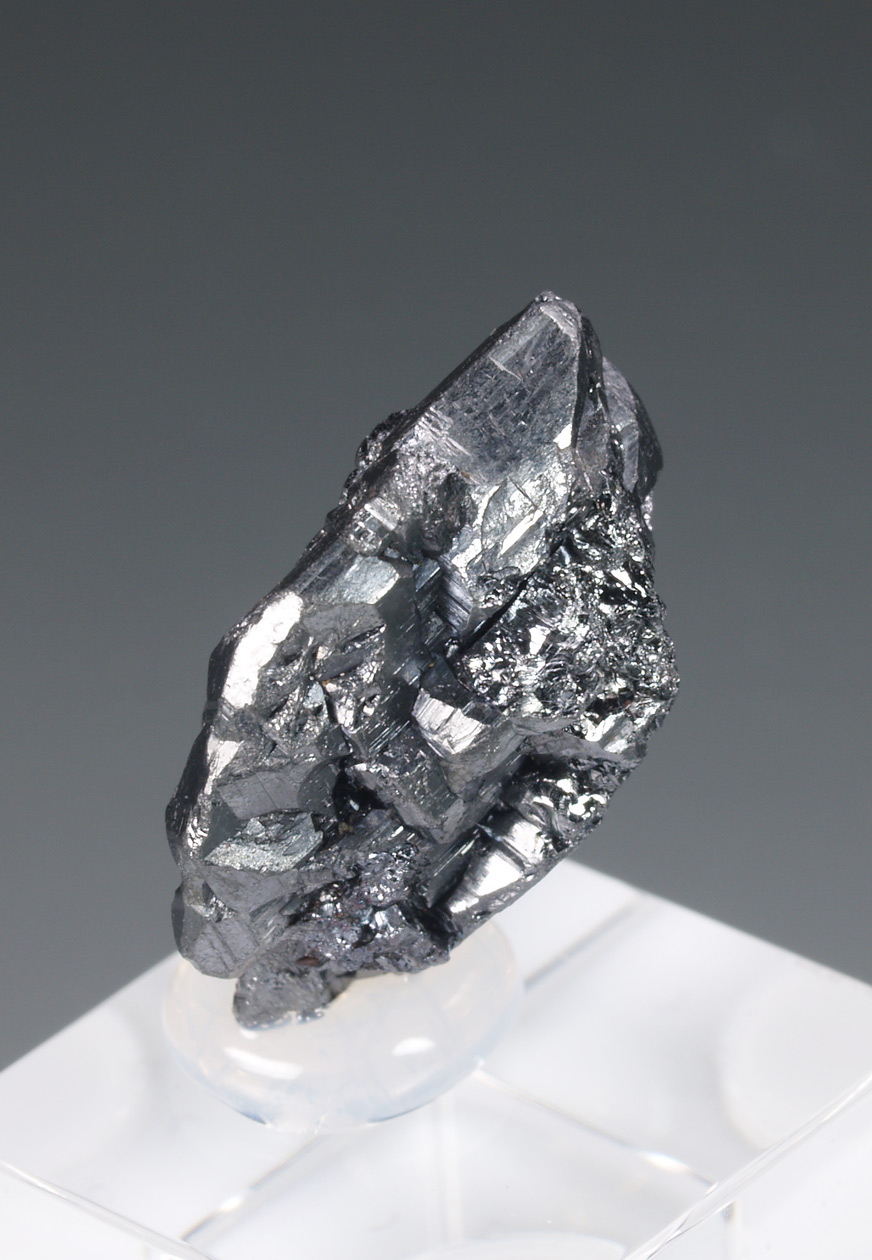
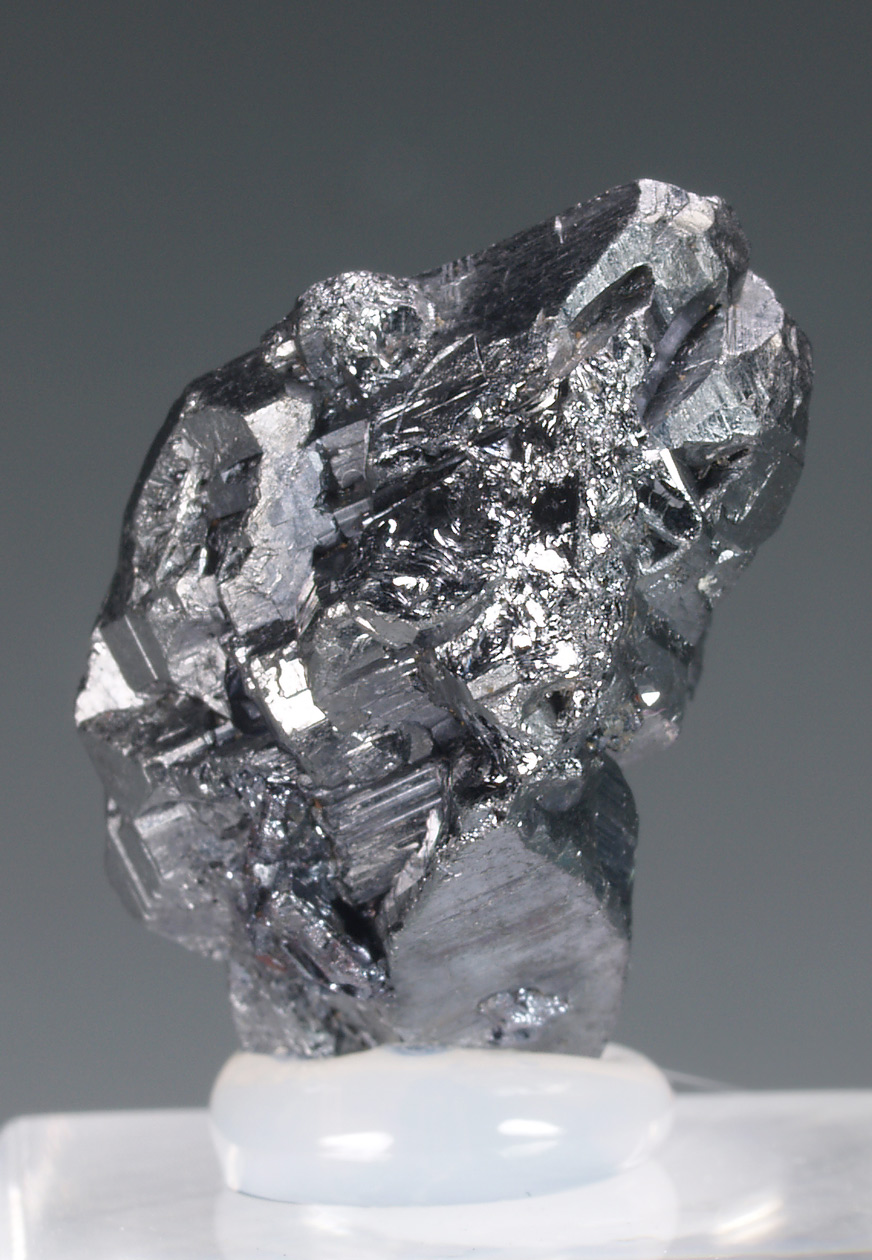
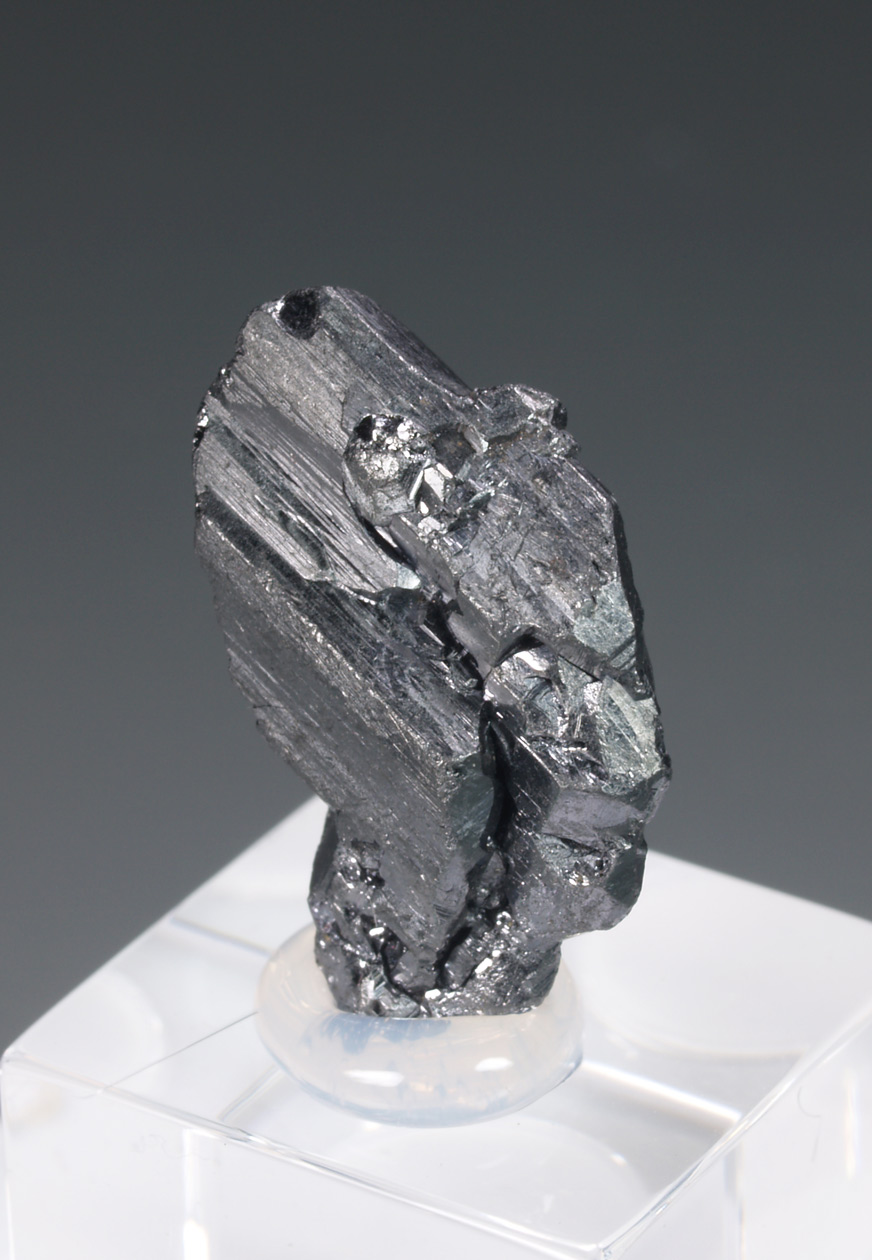
In this Bolivian Andean mining area, around 2010-2013, a small area with antimony and silver ore was found, highlighting some specimens of stephanite, a silver sulfoantimonide. This floater specimen is formed by a group of interpenetrated crystals, with parallel growth, and showing orthorhombic prism shapes with striations and complex terminal faces. It is distinguished from pyrargyrite by being completely opaque to light, while the latter usually gives red colors (red silvers). An exceptional specimen reminiscent of the best and ancient Mexican stephanite, although this is from the Porco mine, the oldest and most significant silver mine in Bolivia.
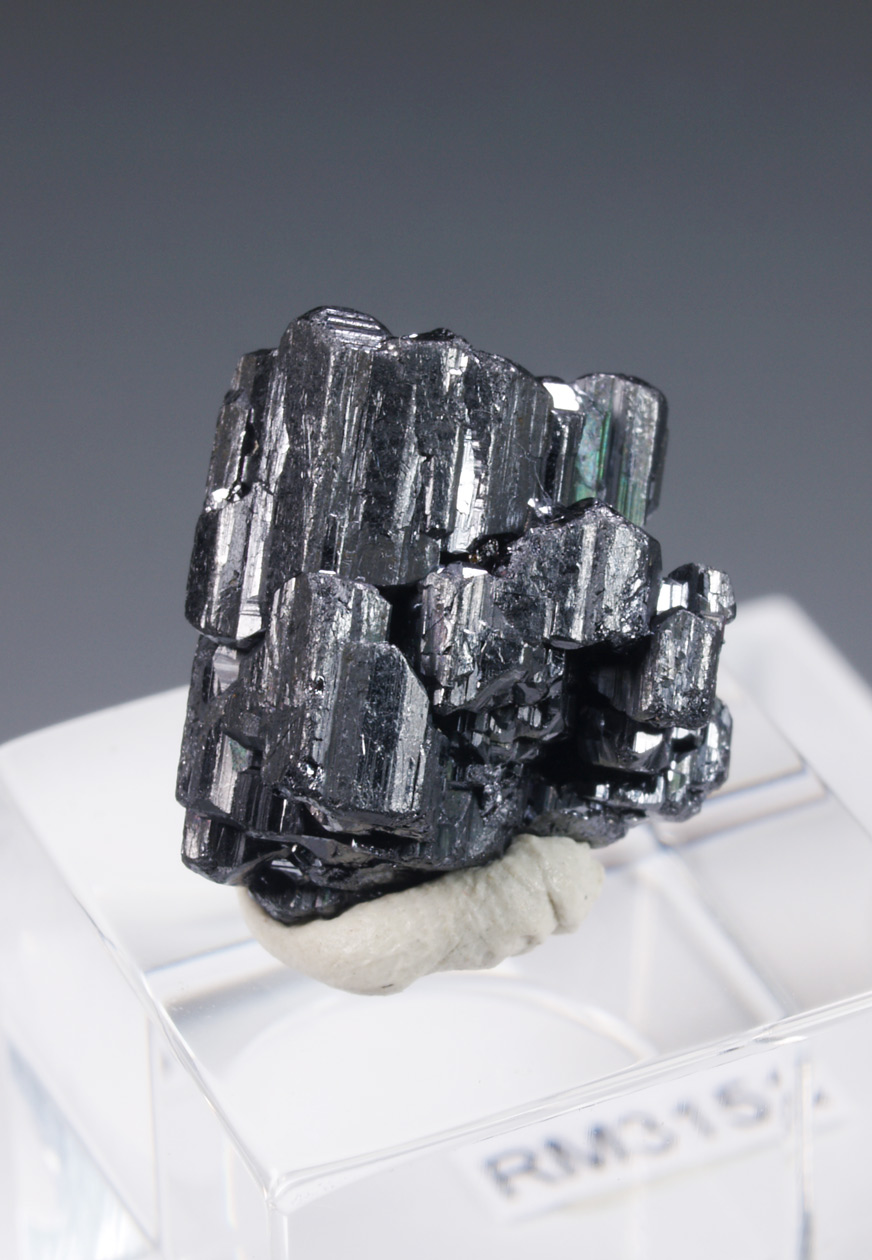
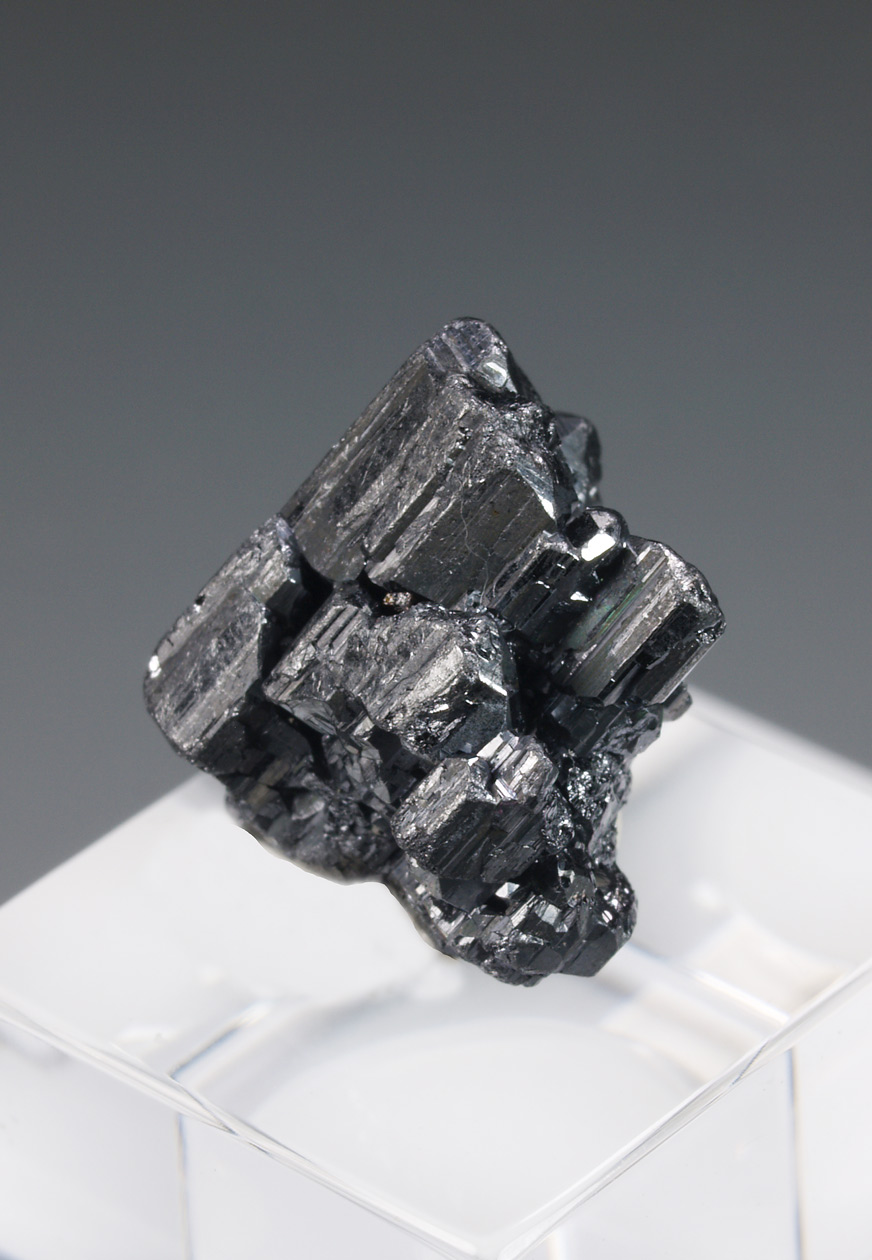
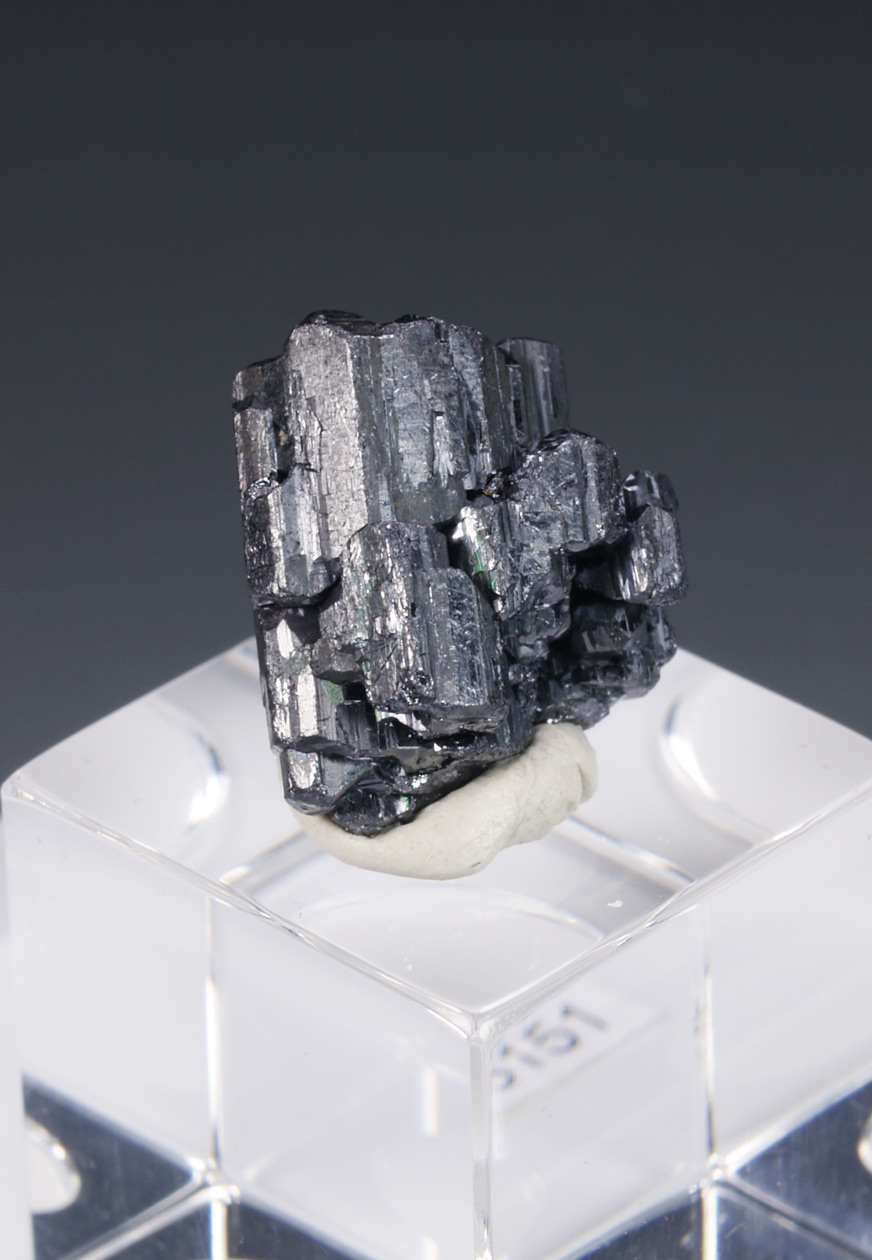
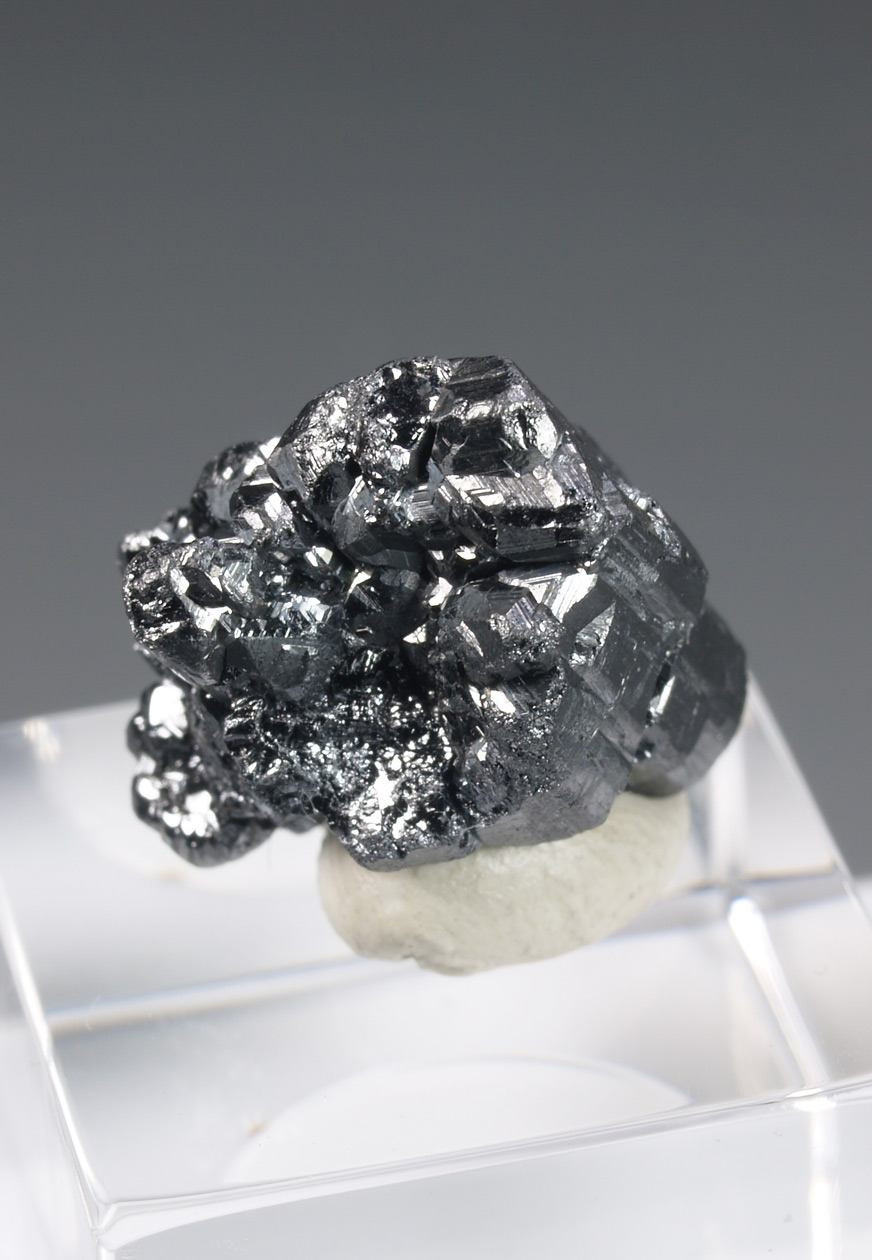
In this Bolivian Andean mining area, around 2010-2013, a small area with antimony and silver ore was found, highlighting some specimens of stephanite, a silver sulfoantimonide. This floater specimen is formed by a group of interpenetrated crystals, with parallel growth, and showing orthorhombic prism shapes with striations and complex terminal faces, some of them are doubly terminated. It is distinguished from pyrargyrite by being completely opaque to light, while the latter usually gives red colors (red silvers). An exceptional specimen reminiscent of the best and ancient Mexican stephanite, although this is from the Porco mine, the oldest and most significant silver mine in Bolivia.
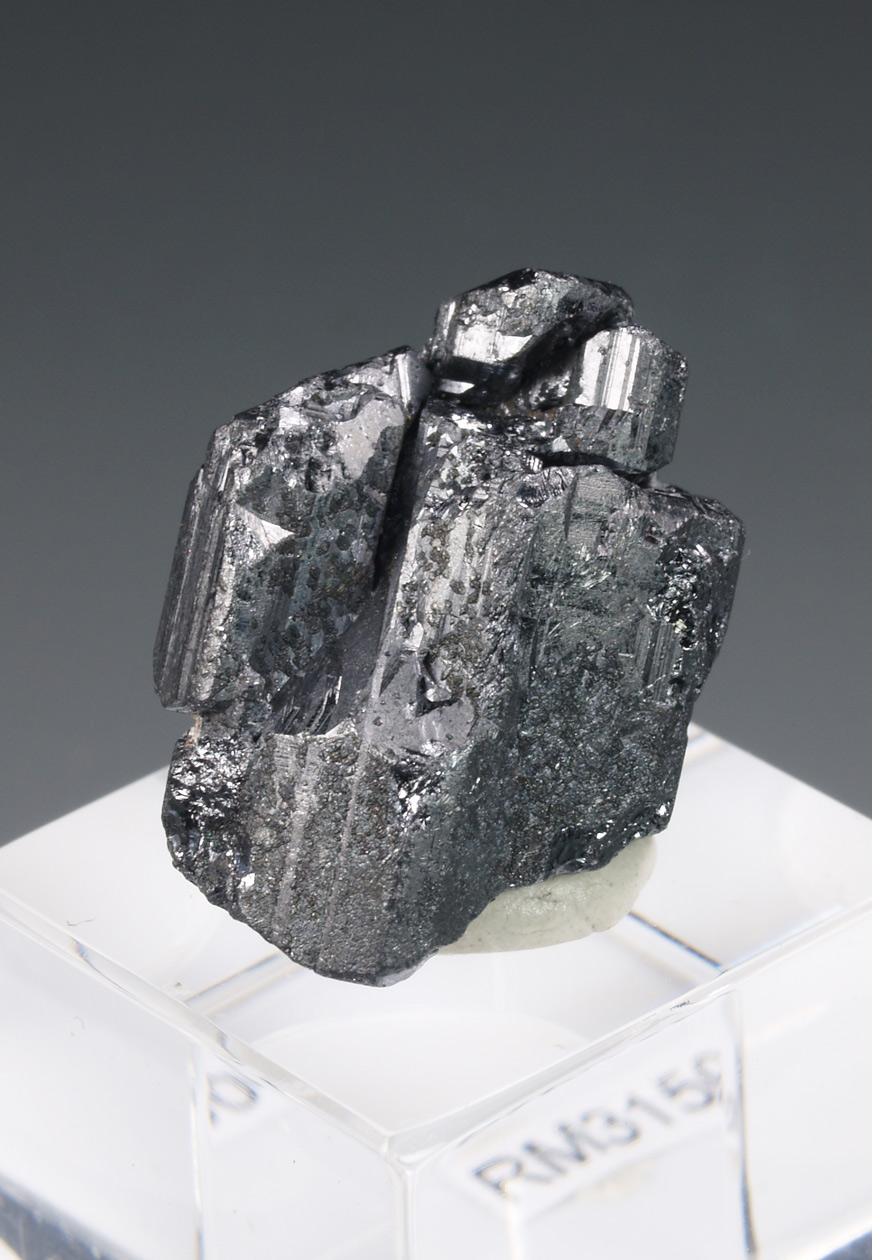
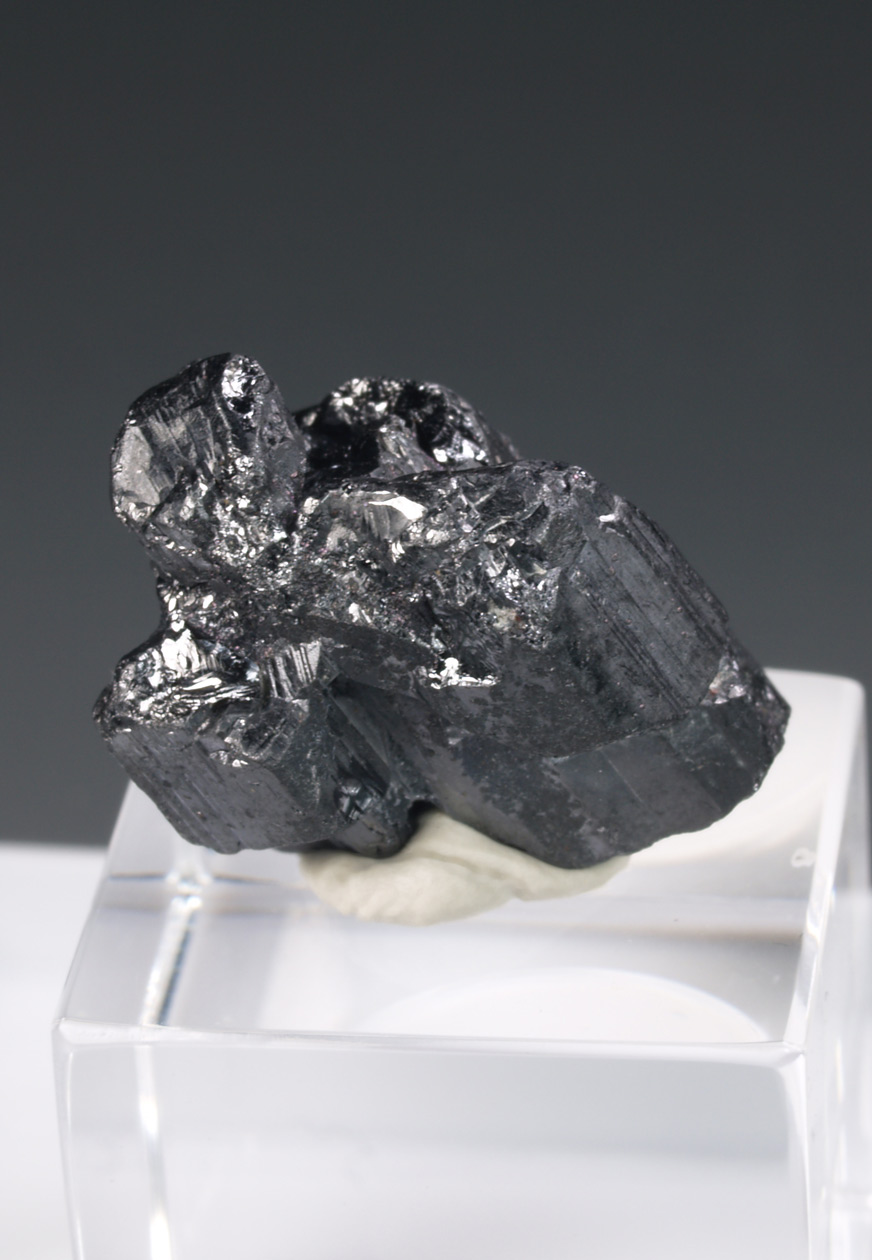
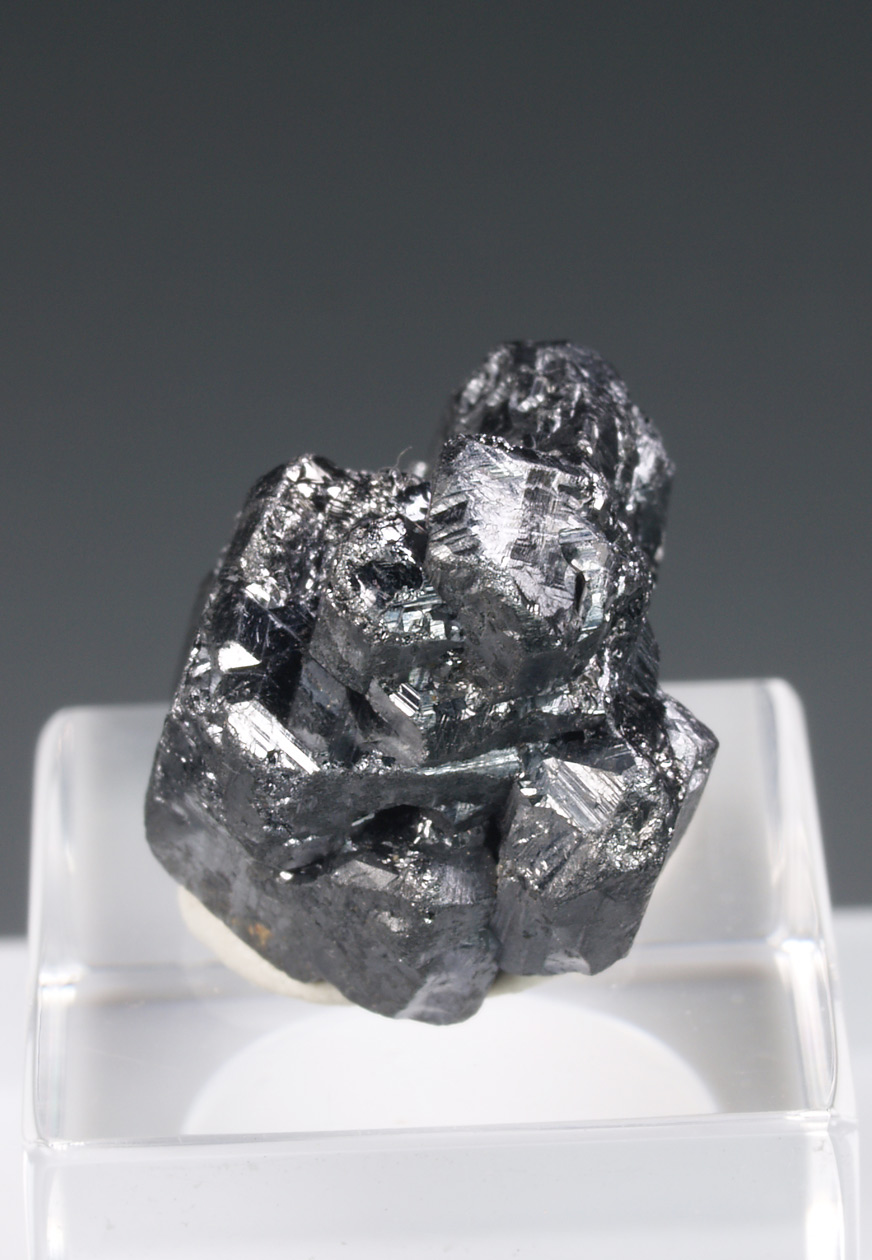
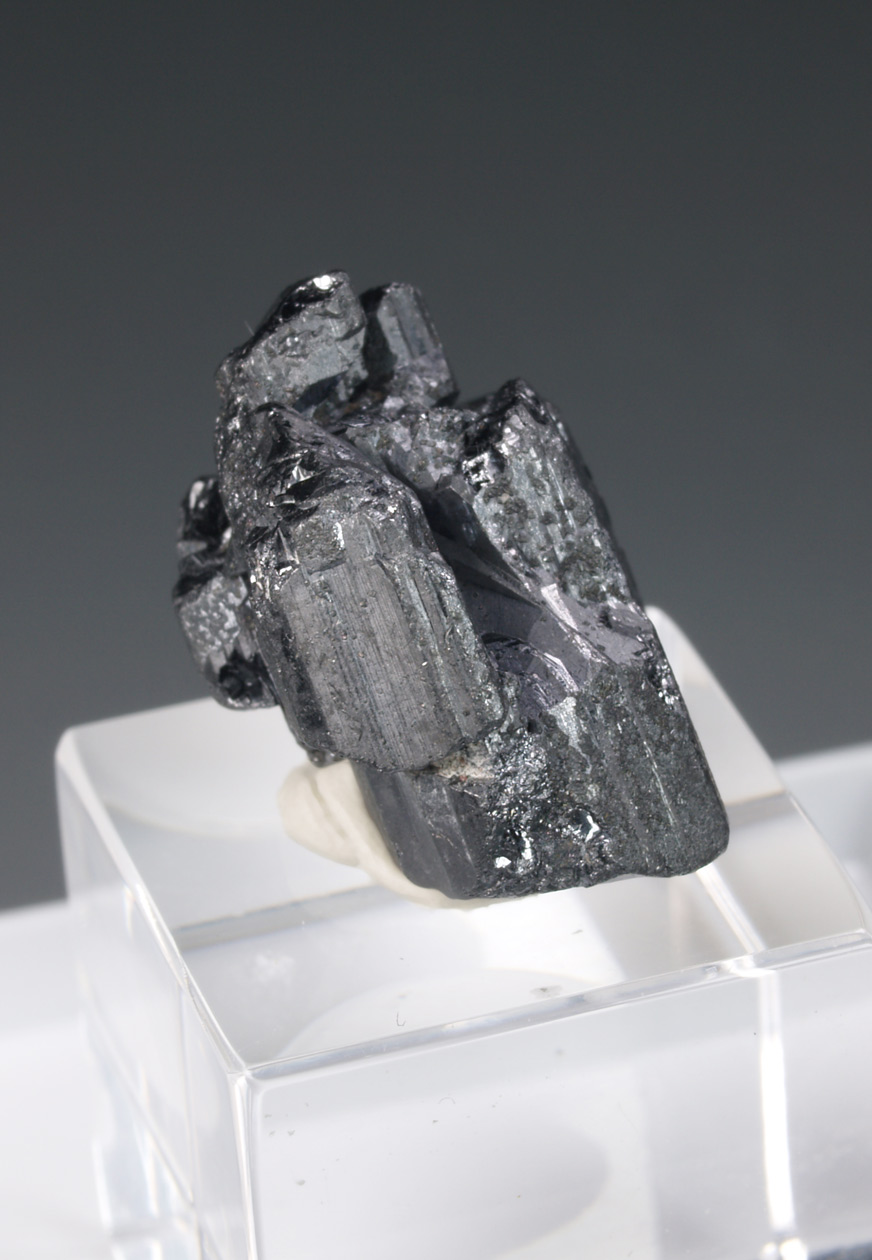
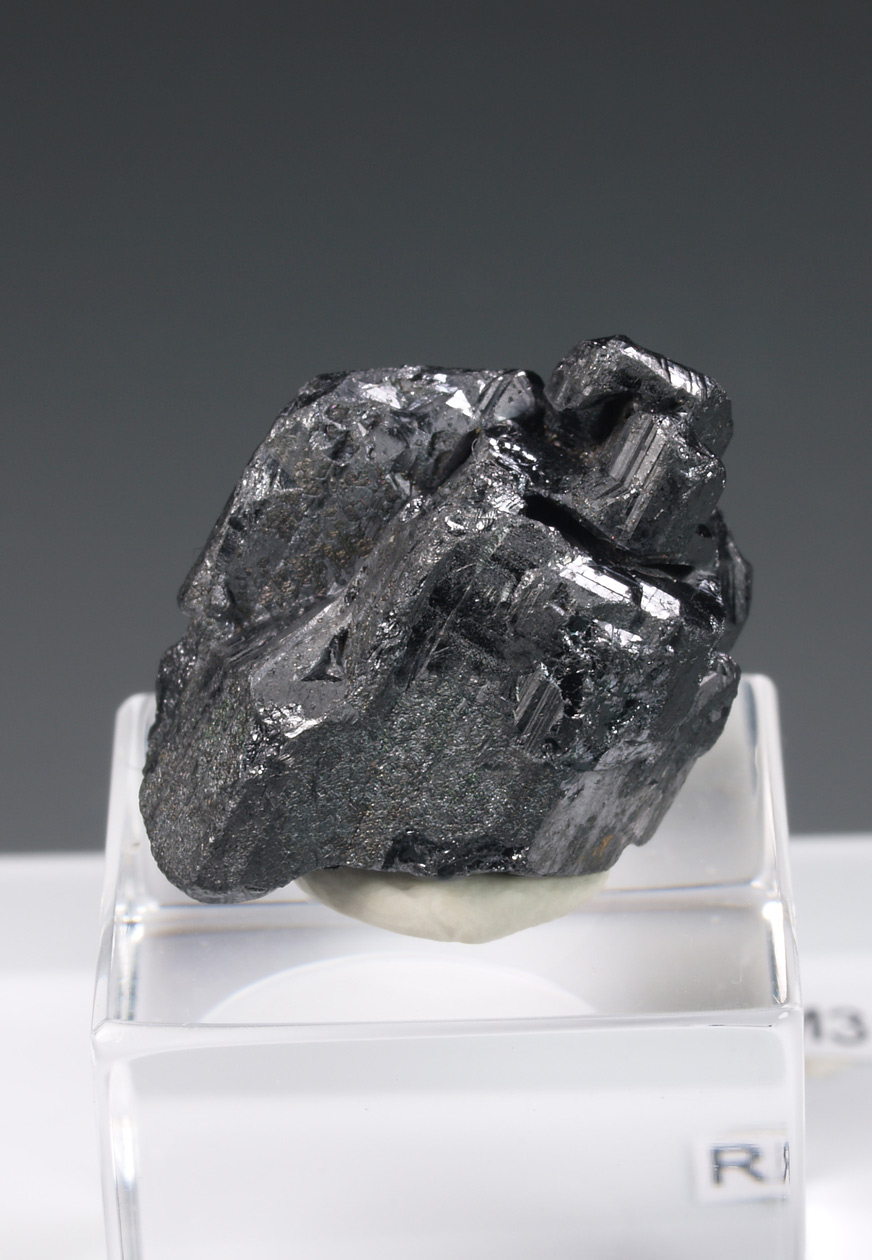
In this Bolivian Andean mining area, around 2010-2013, a small area with antimony and silver ore was found, highlighting some specimens of stephanite, a silver sulfoantimonide. This floater specimen is formed by a group of interpenetrated crystals, with parallel growth, and showing orthorhombic prism shapes with striations and complex terminal faces. It is distinguished from pyrargyrite by being completely opaque to light, while the latter usually gives red colors (red silvers). An exceptional specimen reminiscent of the best and ancient Mexican stephanite, although this is from the Porco mine, the oldest and most significant silver mine in Bolivia.
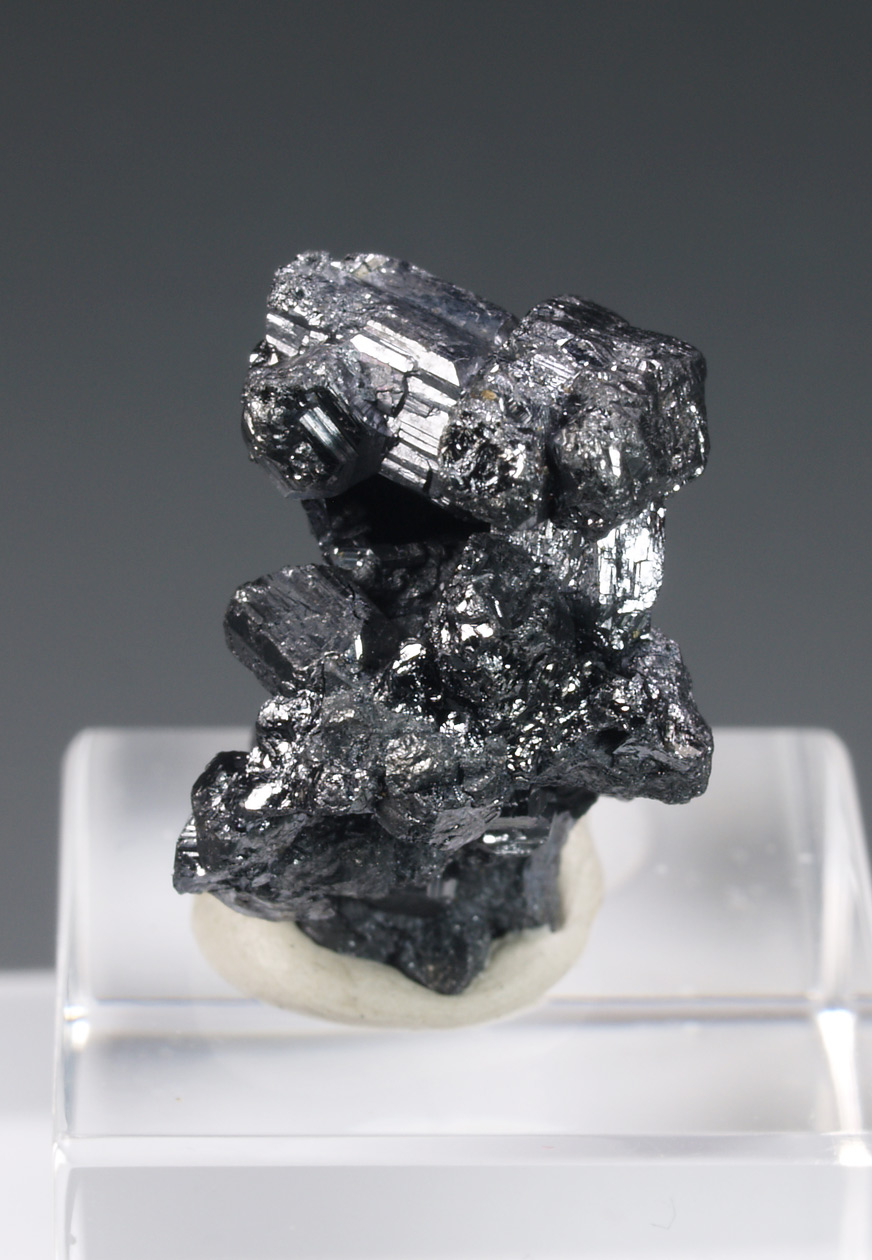
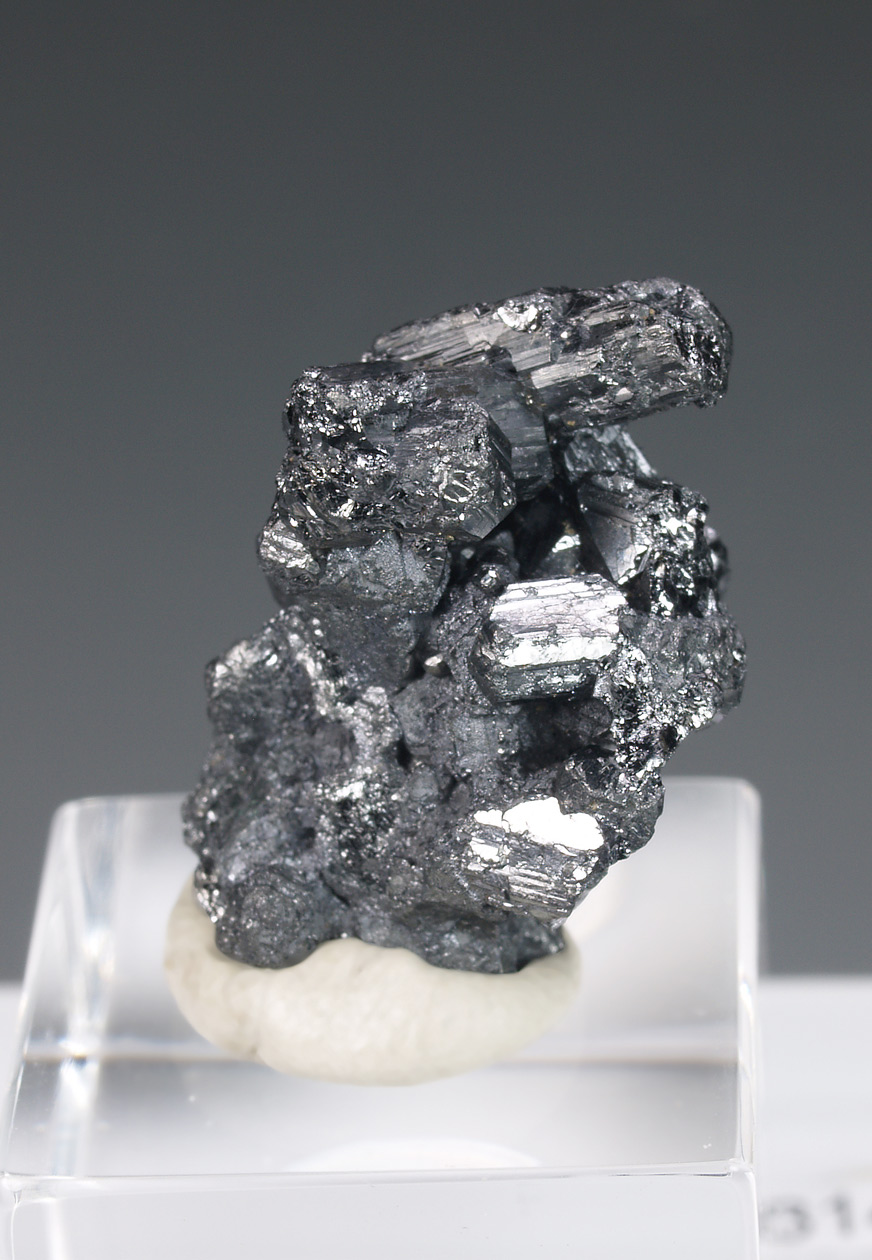
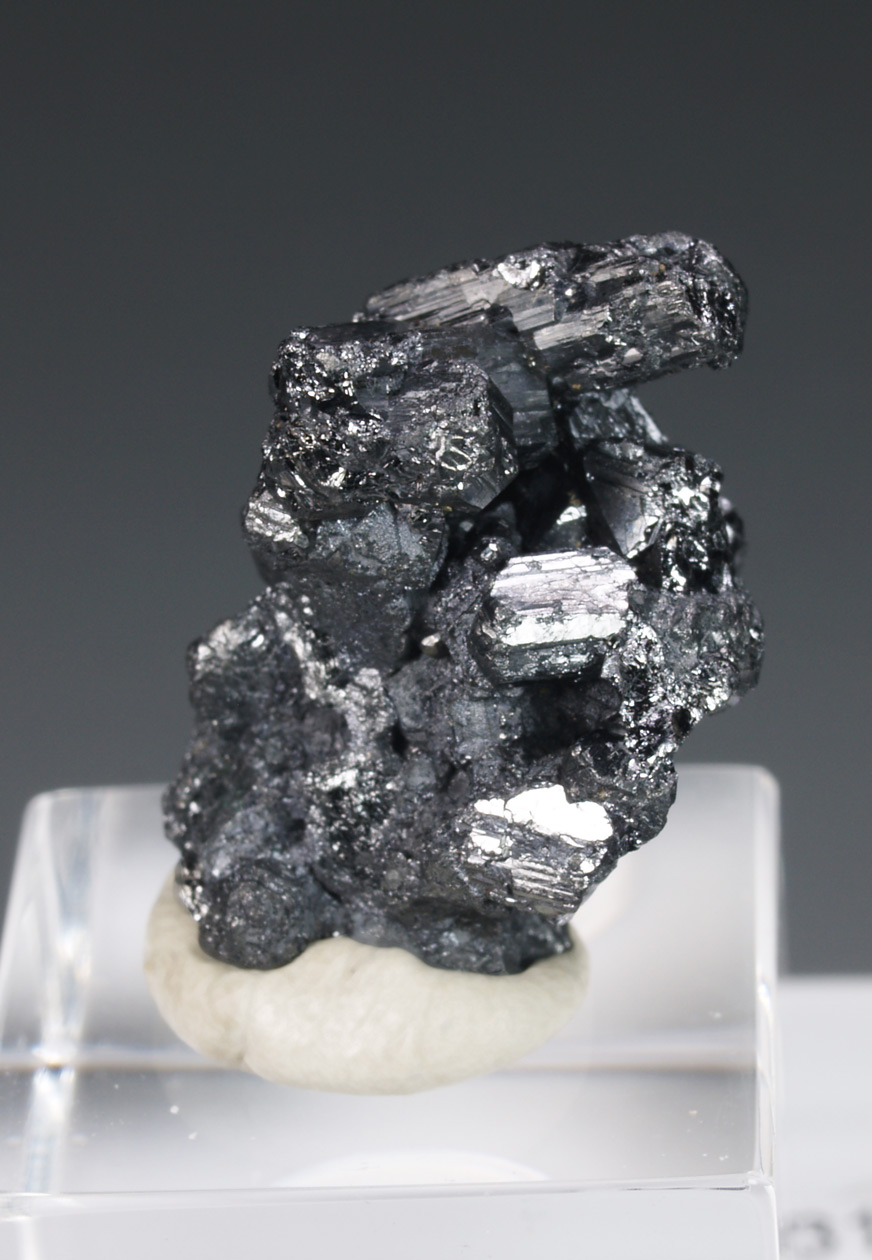
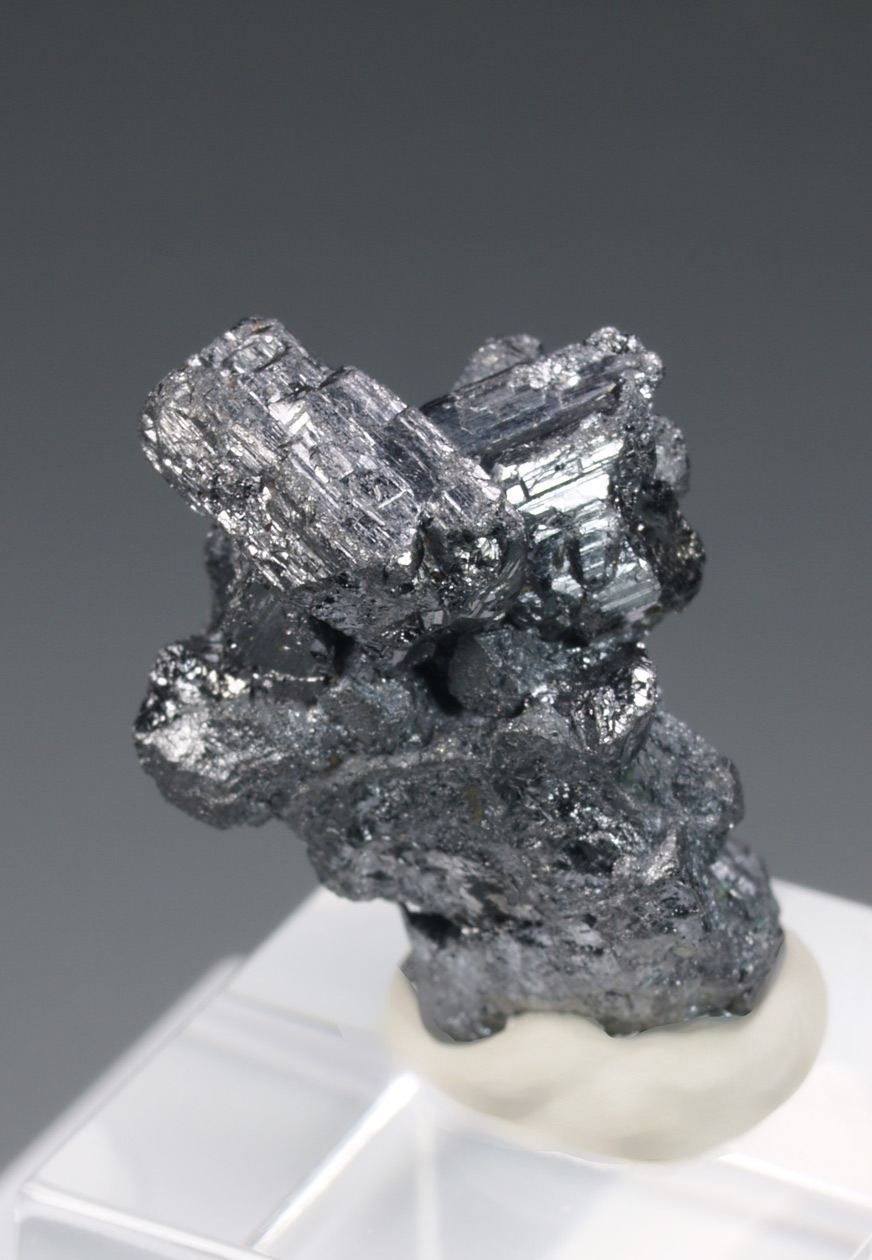
In this Bolivian Andean mining area, around 2010-2013, a small area with antimony and silver ore was found, highlighting some specimens of stephanite, a silver sulfoantimonide. This floater specimen is formed by a group of interpenetrated crystals, with parallel growth, and showing orthorhombic prism shapes with striations and complex terminal faces, some of them are doubly terminated. It is distinguished from pyrargyrite by being completely opaque to light, while the latter usually gives red colors (red silvers). An exceptional specimen reminiscent of the best and ancient Mexican stephanite, although this is from the Porco mine, the oldest and most significant silver mine in Bolivia.
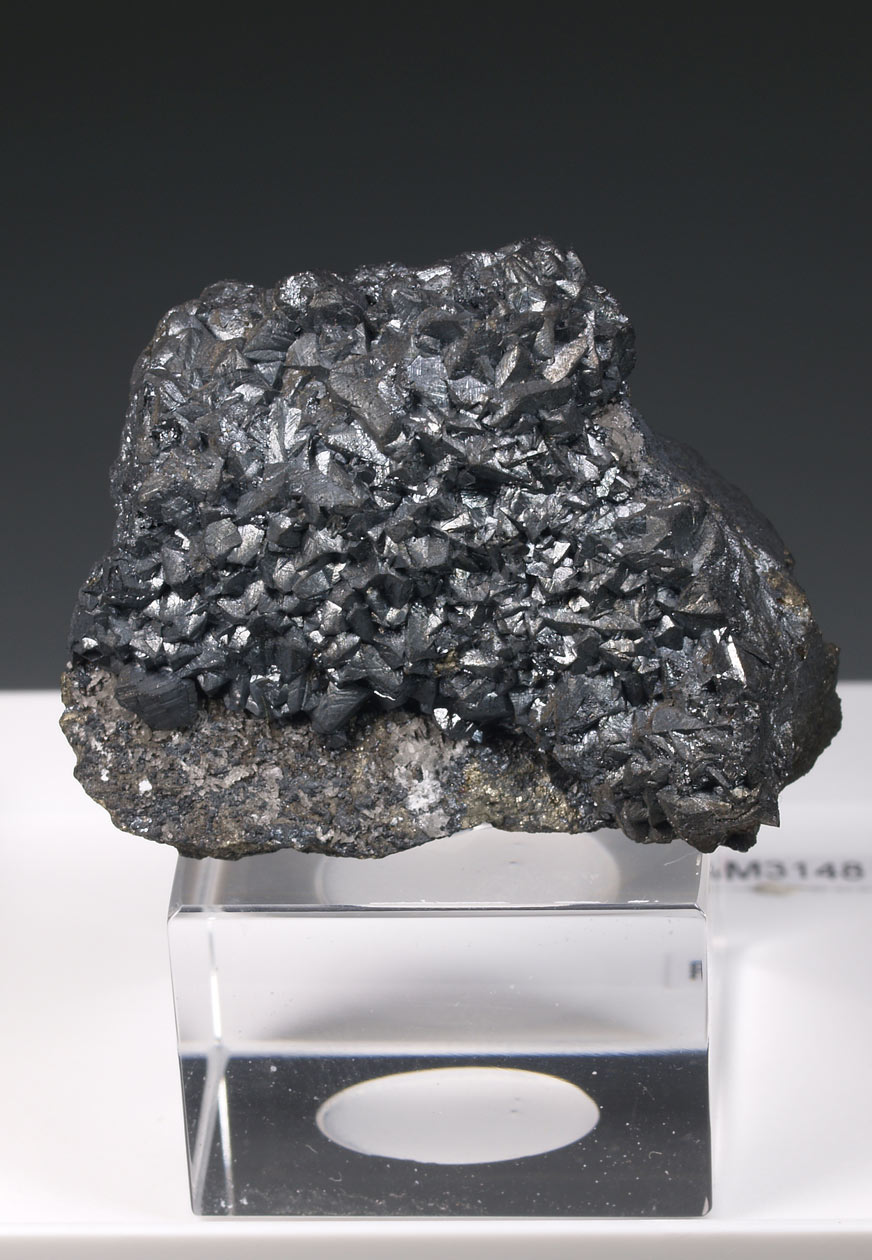
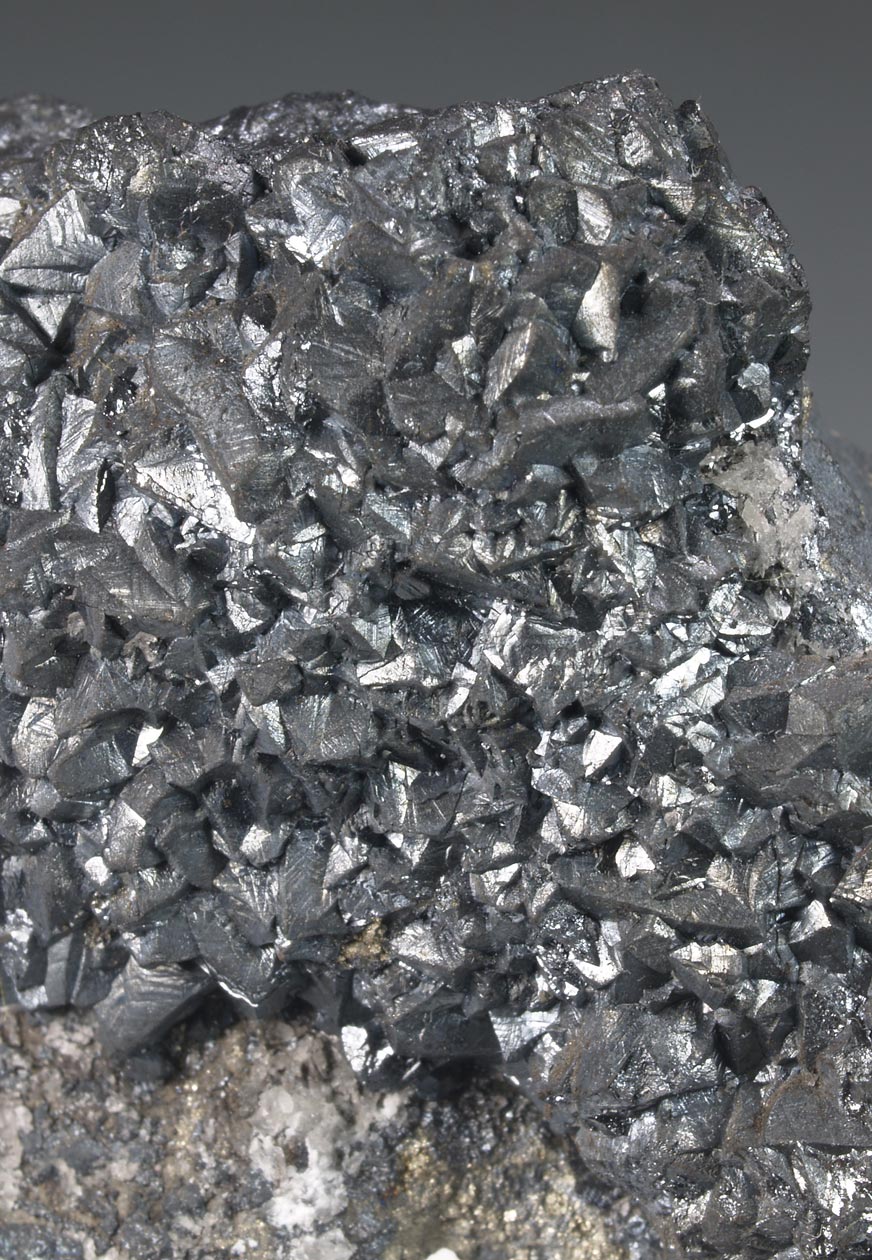
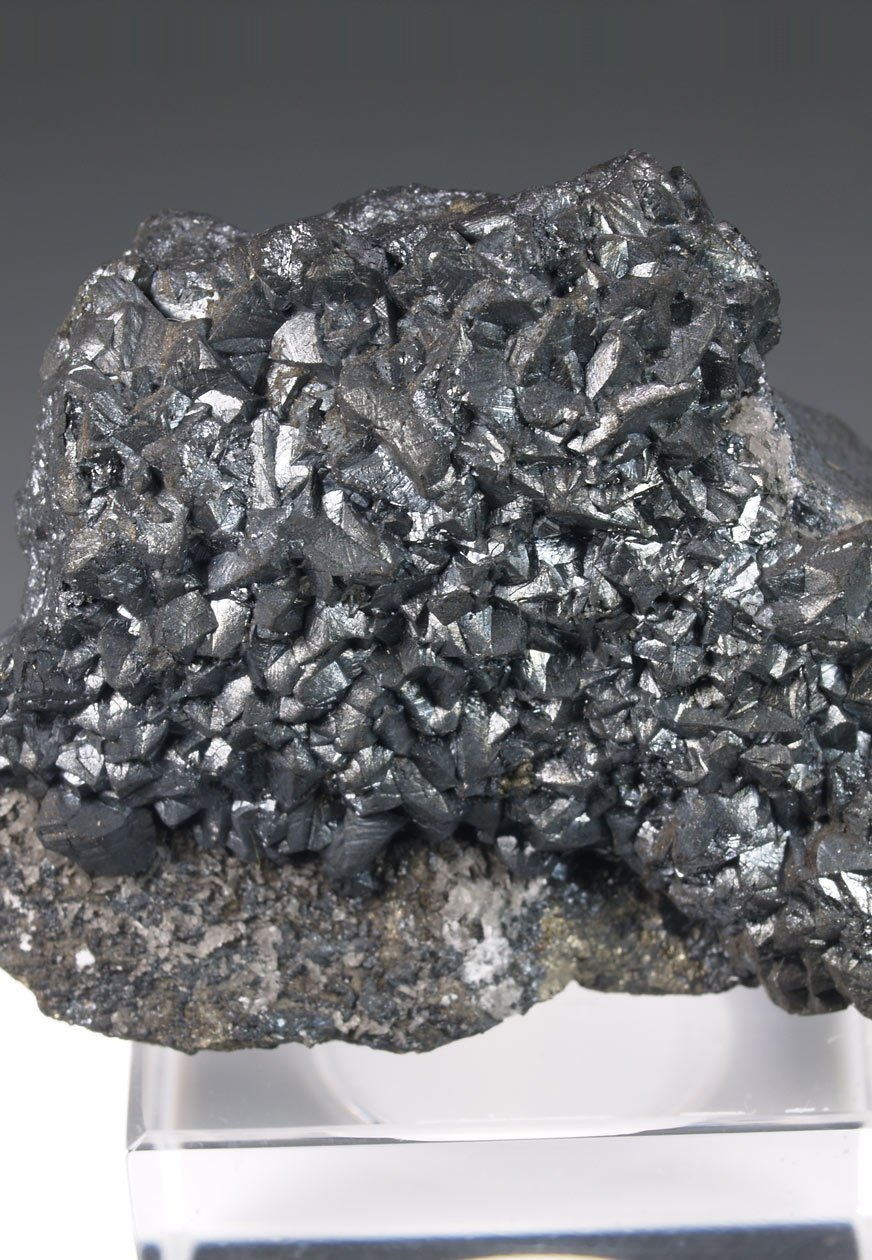
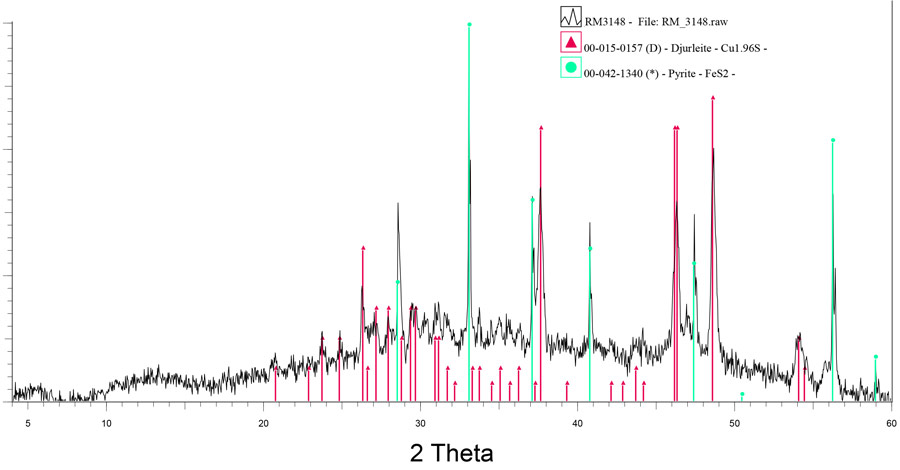
Las Cruces mine, northwest of Seville, is an example of mining in the Iberian Pyrite Belt. But it must be said that minerals those have been found there are not at all common in other deposits of this geological megastructure. Exceptional specimens of chalcocite and djurleite stand out from this mine. This specimen we offer is a magnificent specimen of the latter species, djurleite (an orthorhombic copper sulfide). We can observe aggregates formed by several idiomorphic crystals with octahedral shape and a metallic gray luster. They are disposed on a matrix formed by other copper and iron sulfides. As is usual in these specimens and has already been indicated in previous studies, these crystals may correspond to phases of djurleite/chalcocite. In this case we have carried out an X-ray diffraction that confirms it is djurleite.
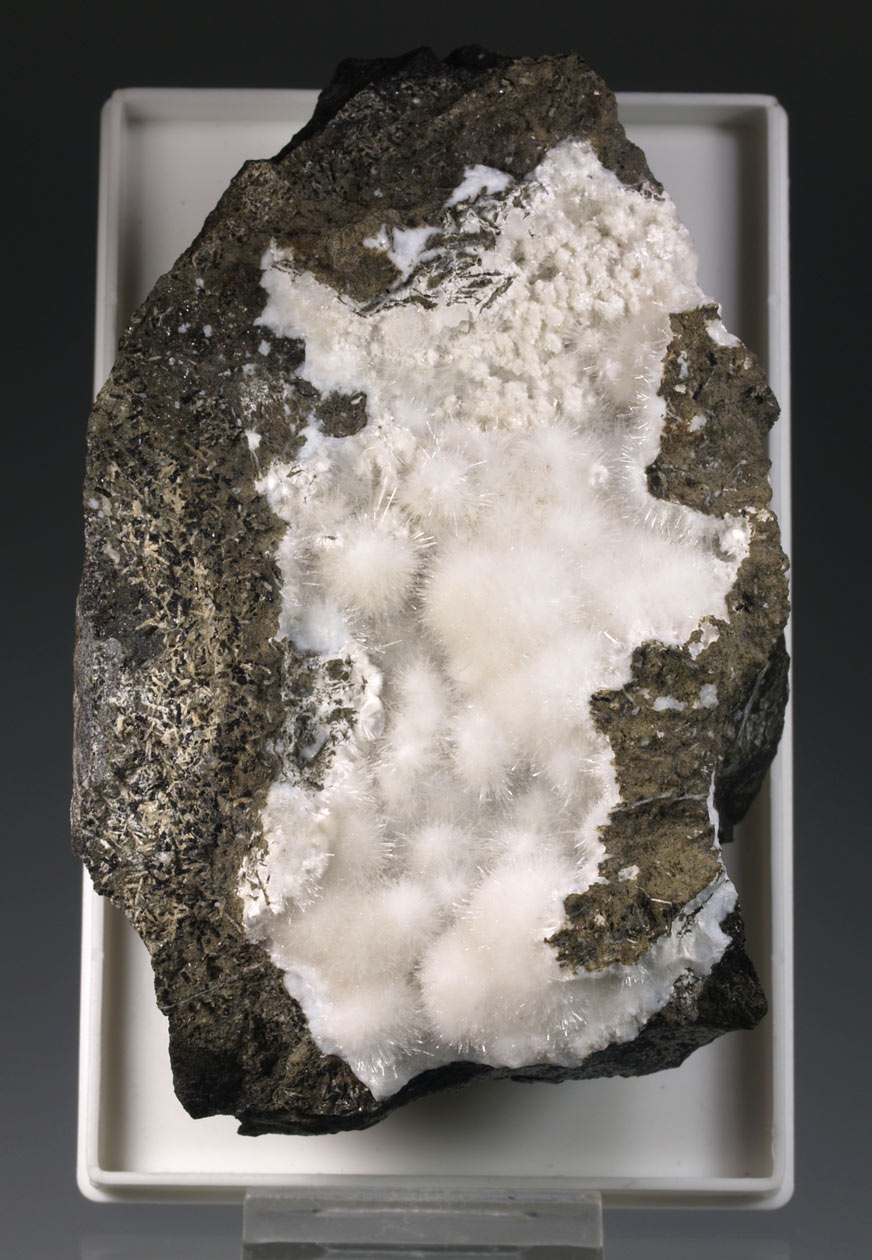
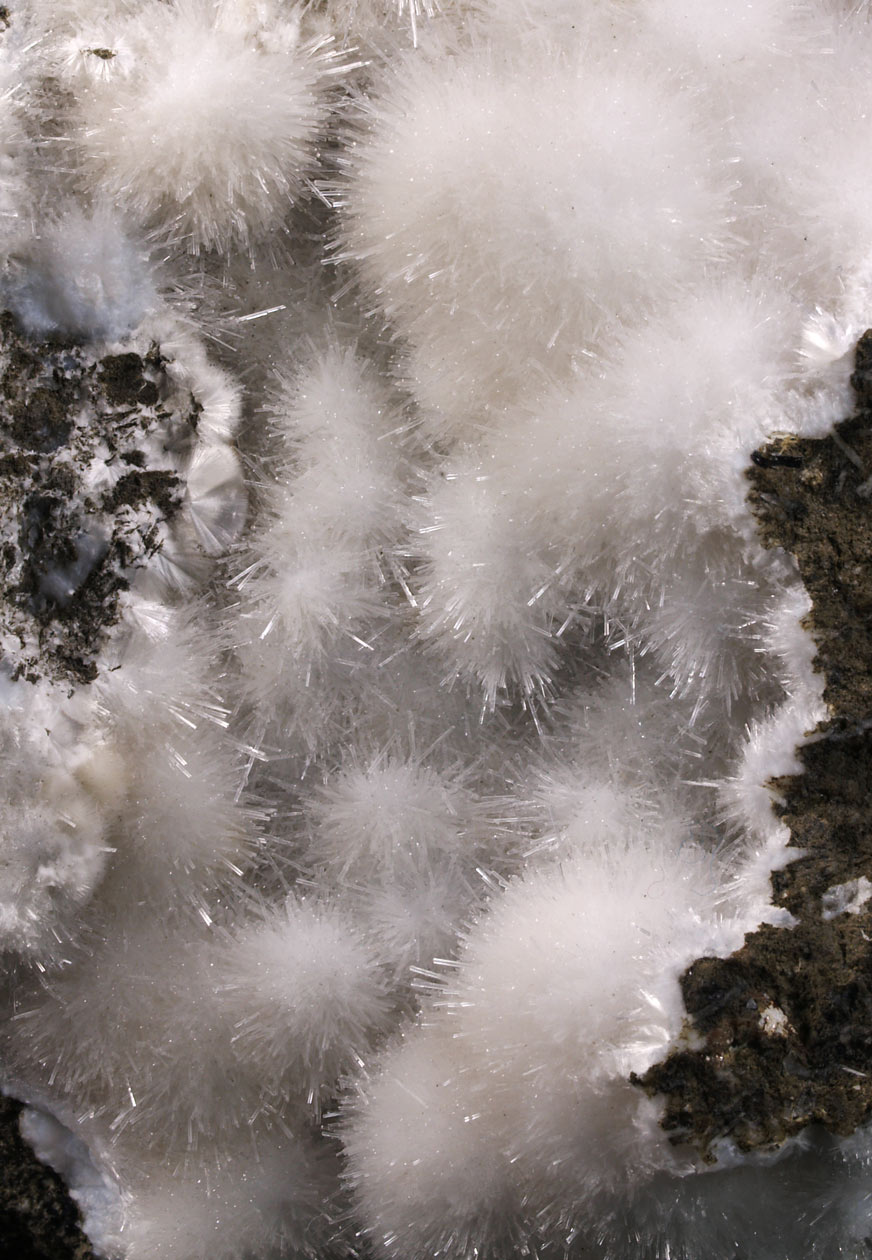
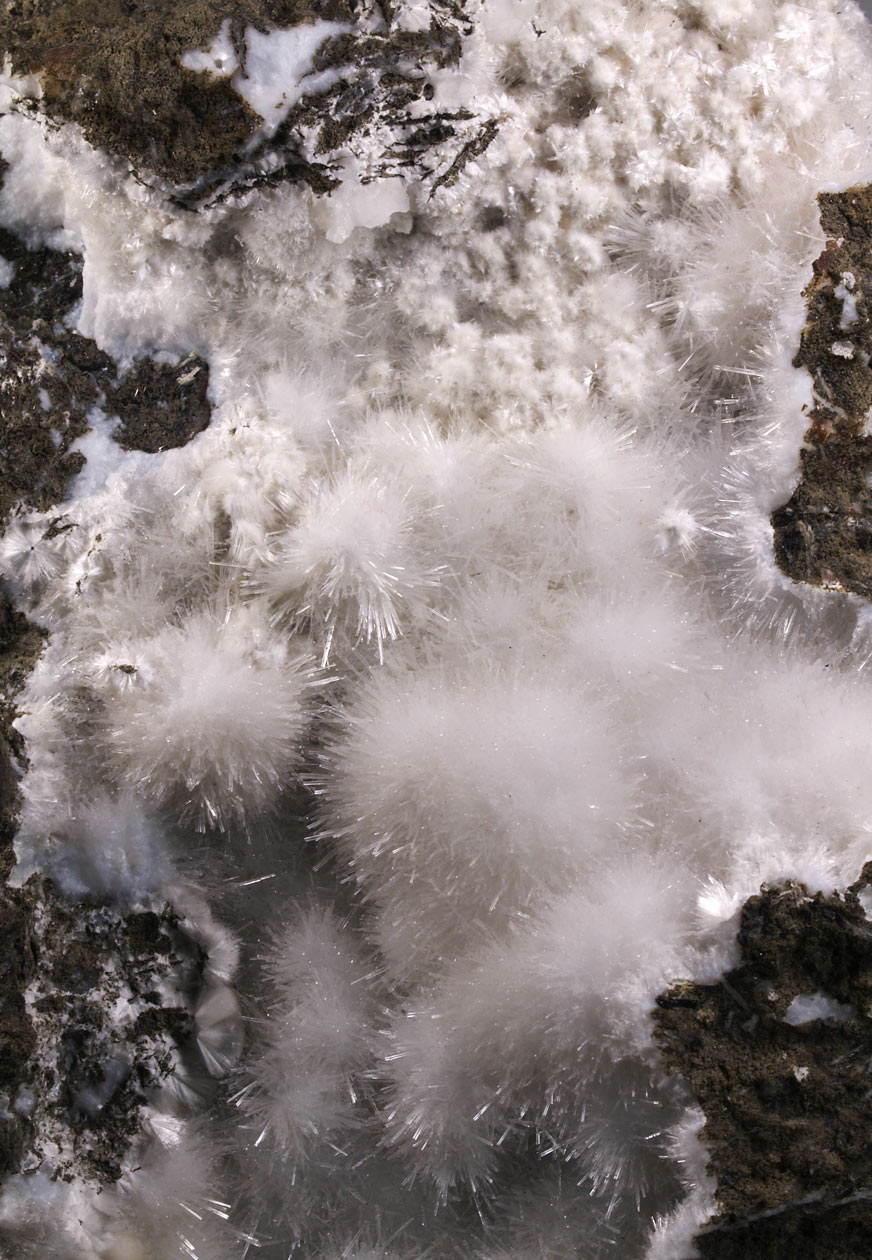
Aesthetic sprays of acicular transparent natrolite crystals on vuggy basalt matrix. Very unusual specimen on the market fro this locality. Analyzed specimen SEM-EDS.
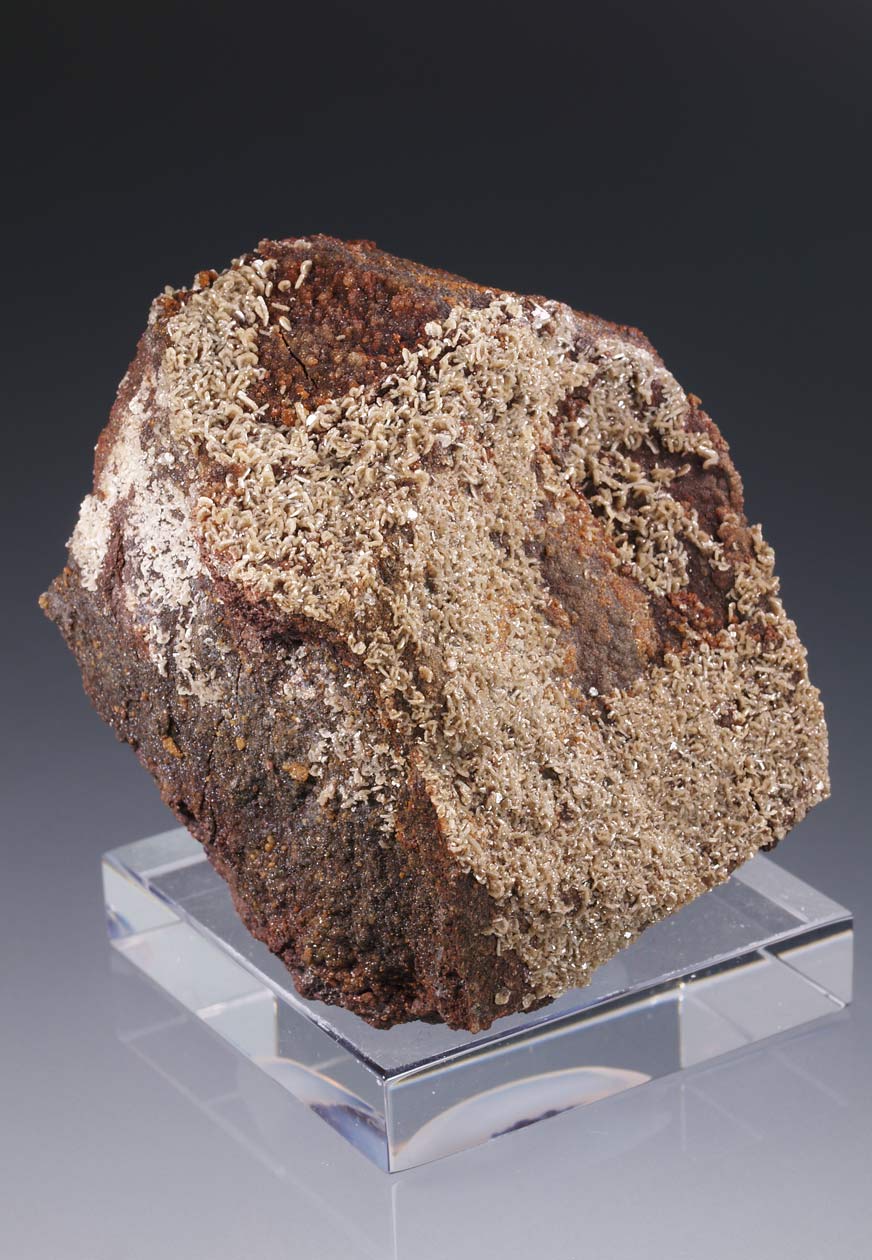
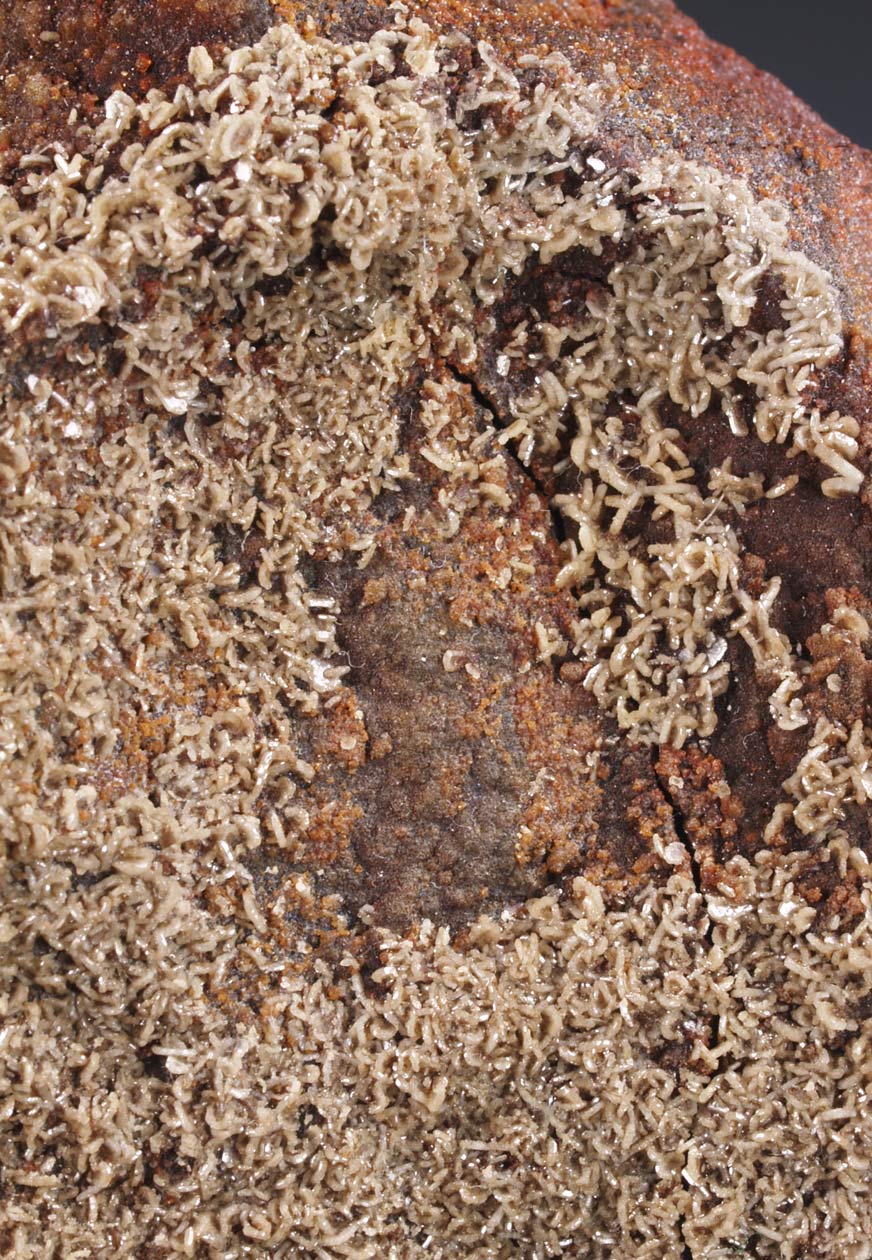
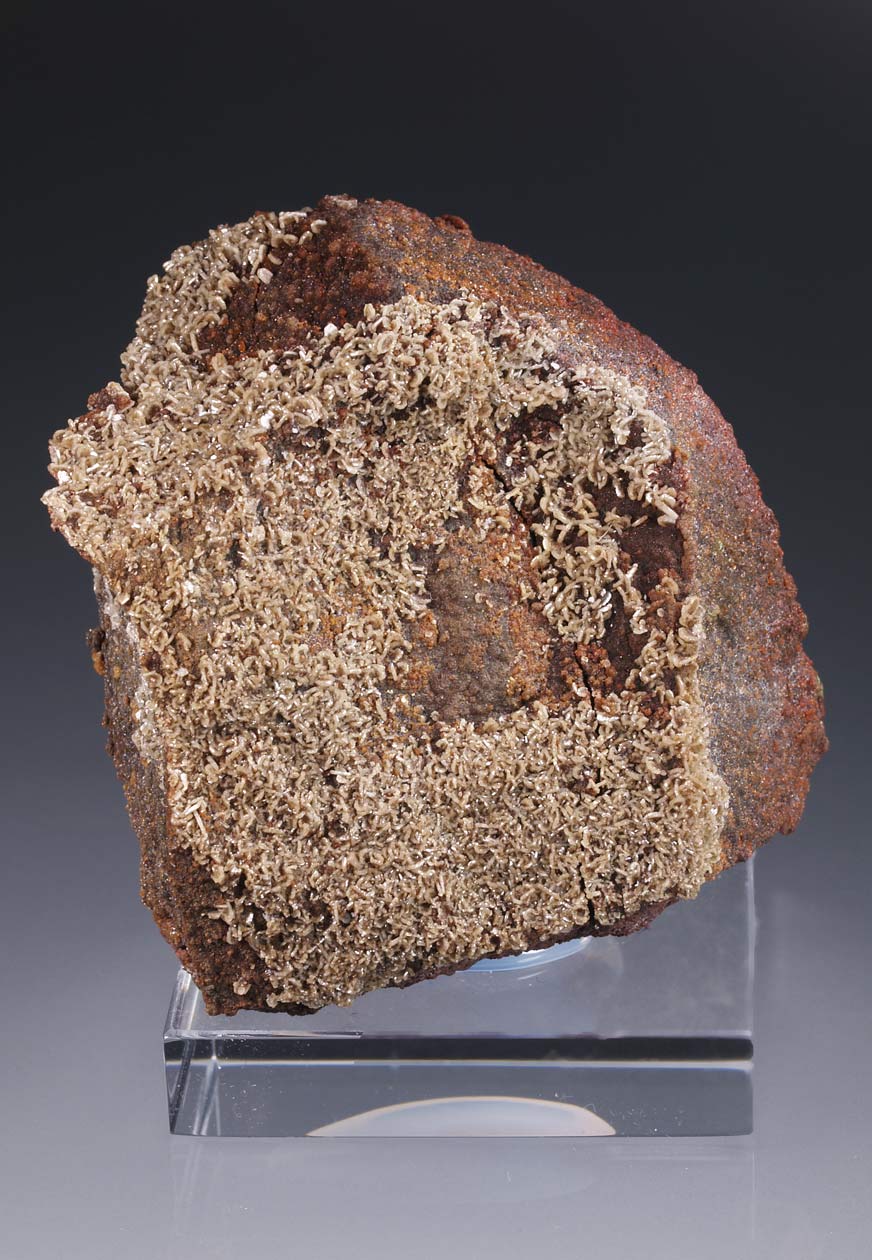
Tabular lanceolated crystals of baryte, translucent in the core and opaline in the outer areas, interpenetrated and brilliant. They are disposed on a matrix formed by small siderite crystals and layering septarian cavities. An Aragonese mineral curiosity.
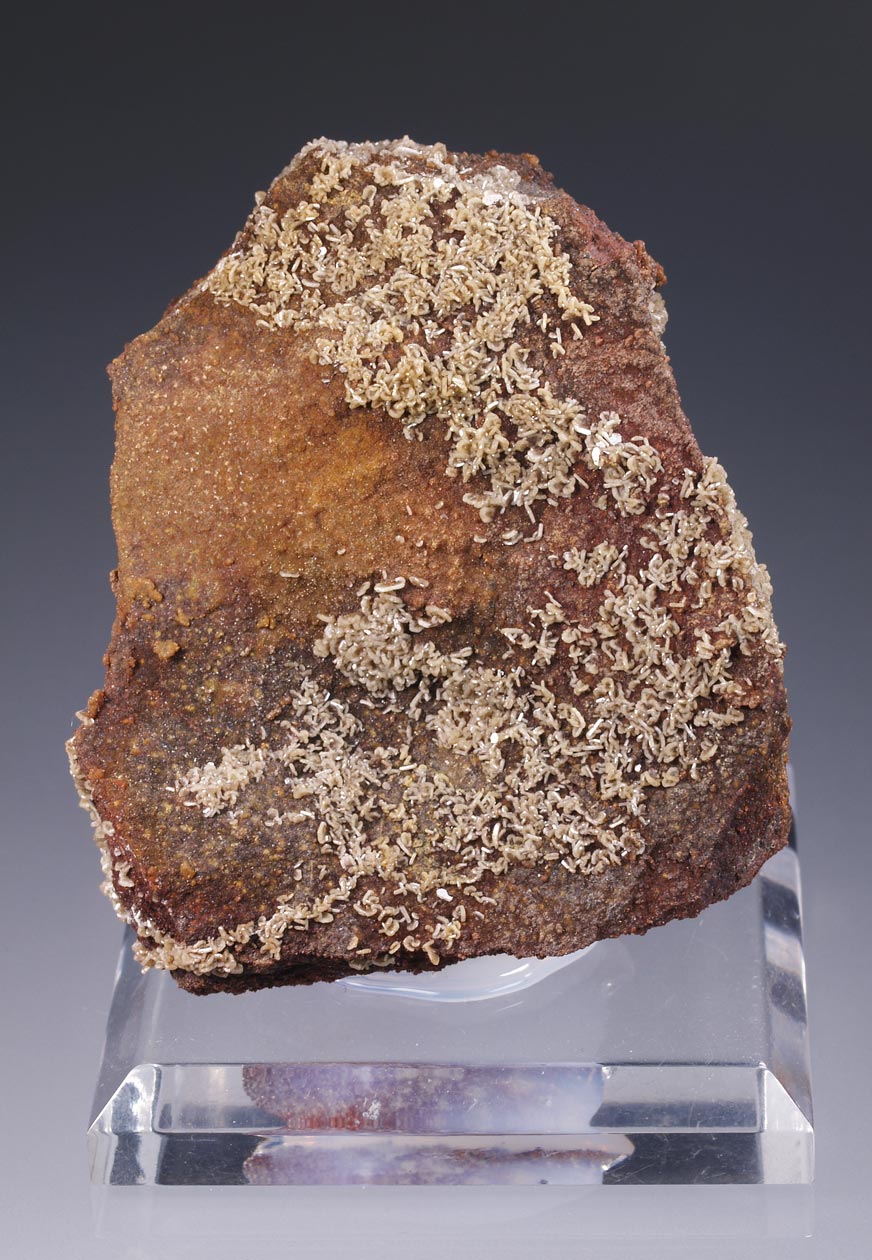
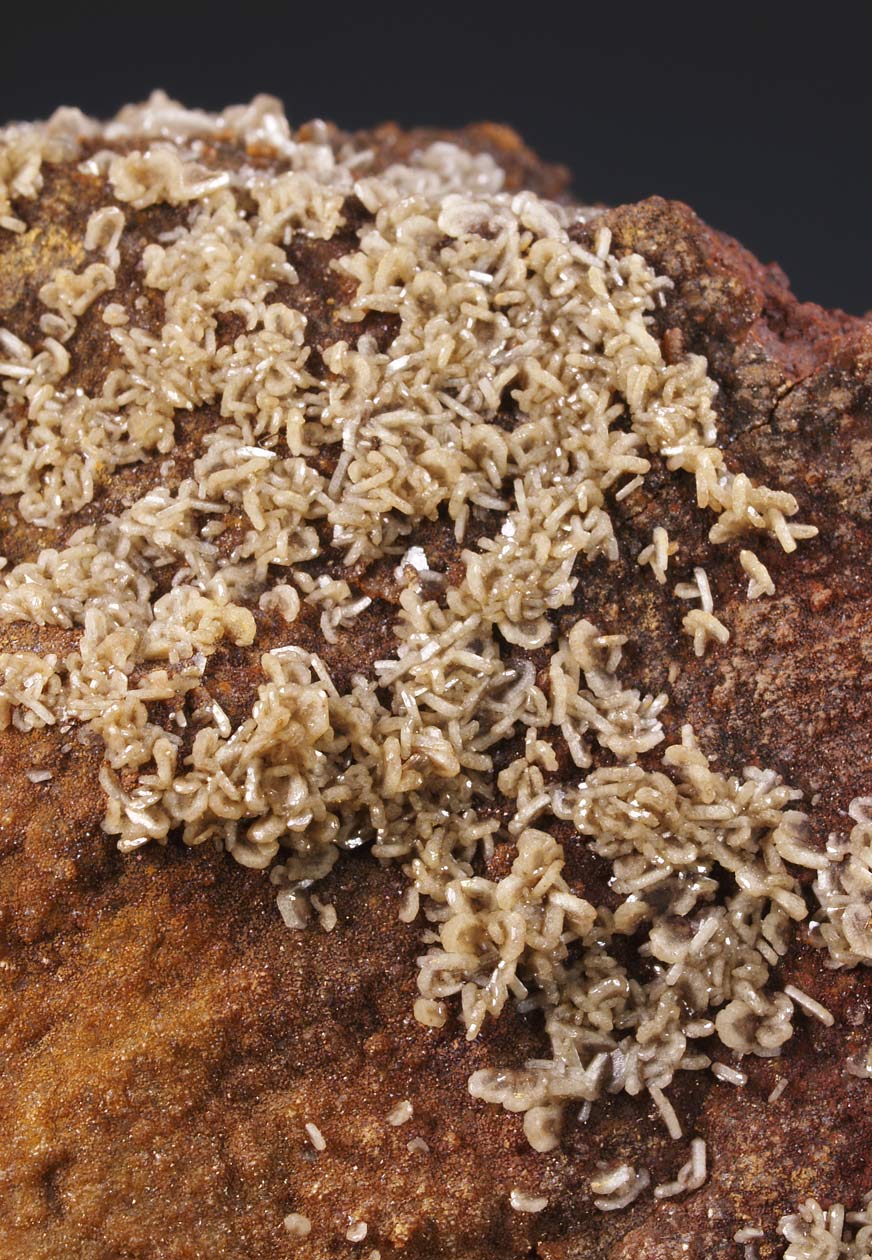
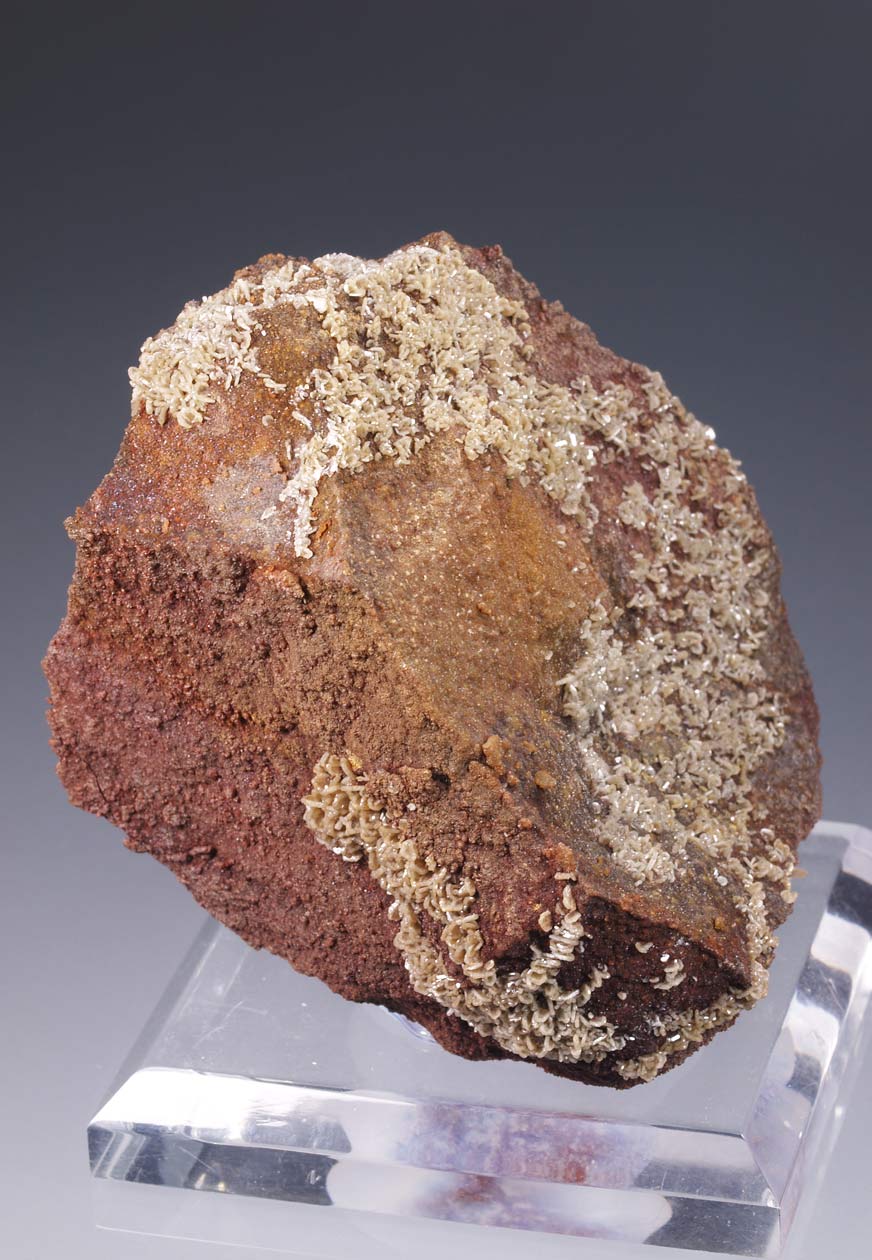
Tabular lanceolated crystals of baryte, translucent in the core and opaline in the outer areas, interpenetrated and brilliant. They are disposed on a matrix formed by small siderite crystals and layering septarian cavities. An Aragonese mineral curiosity.
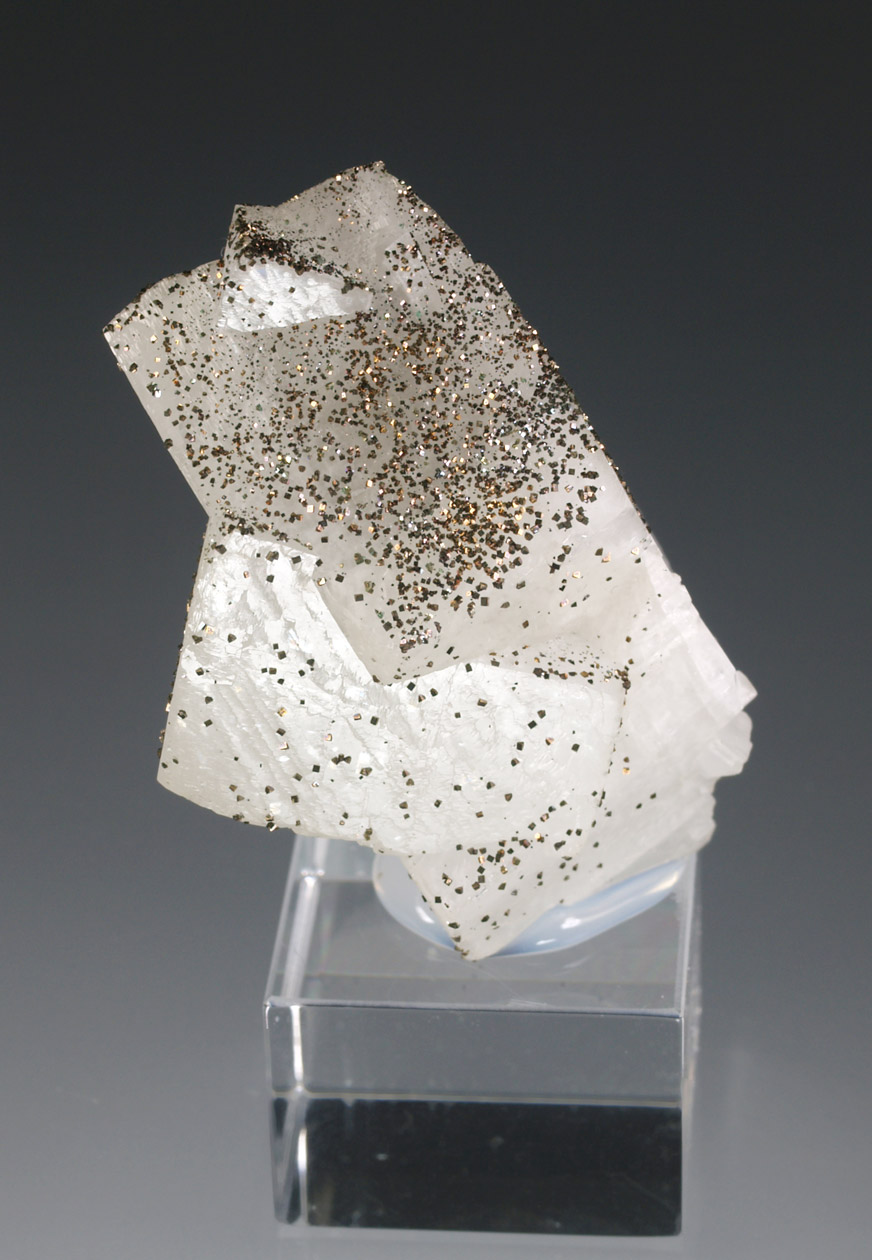
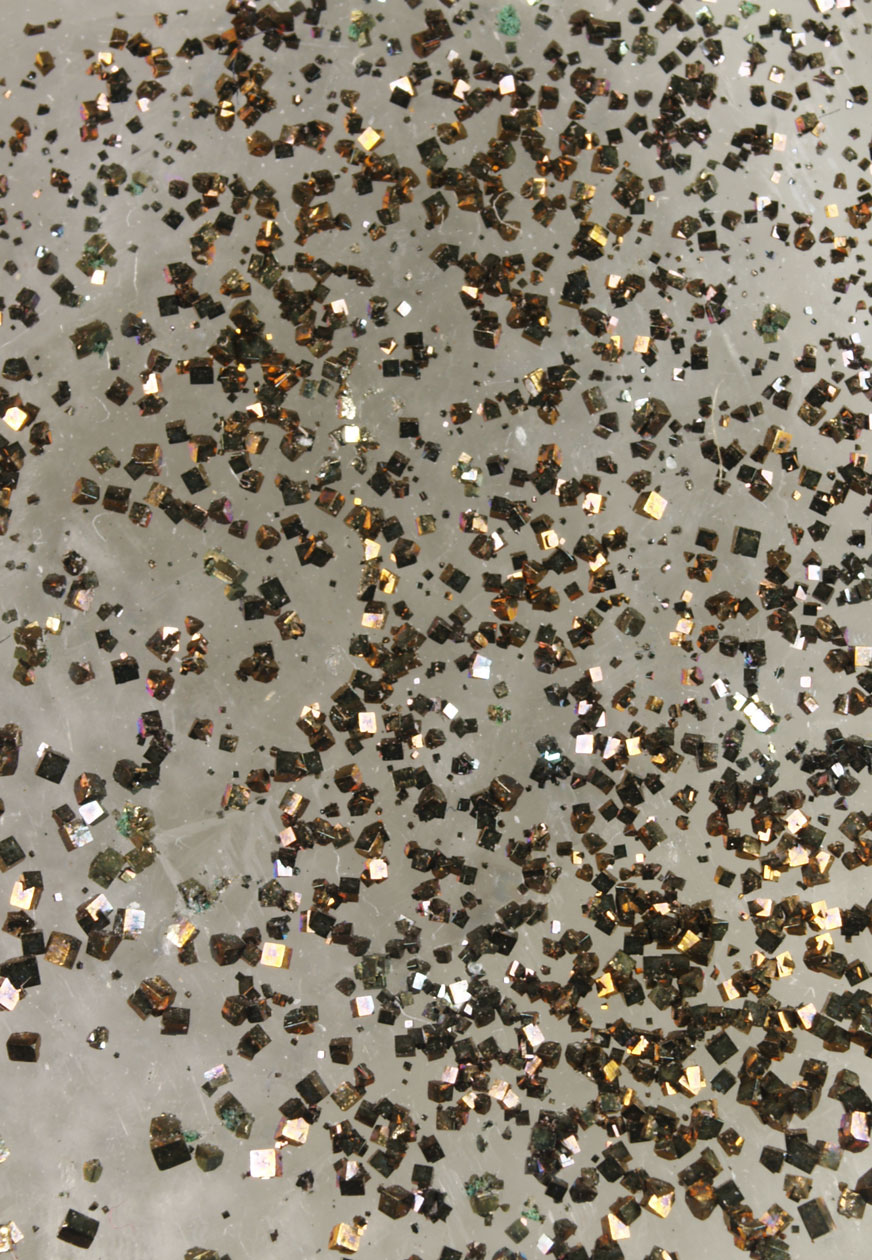
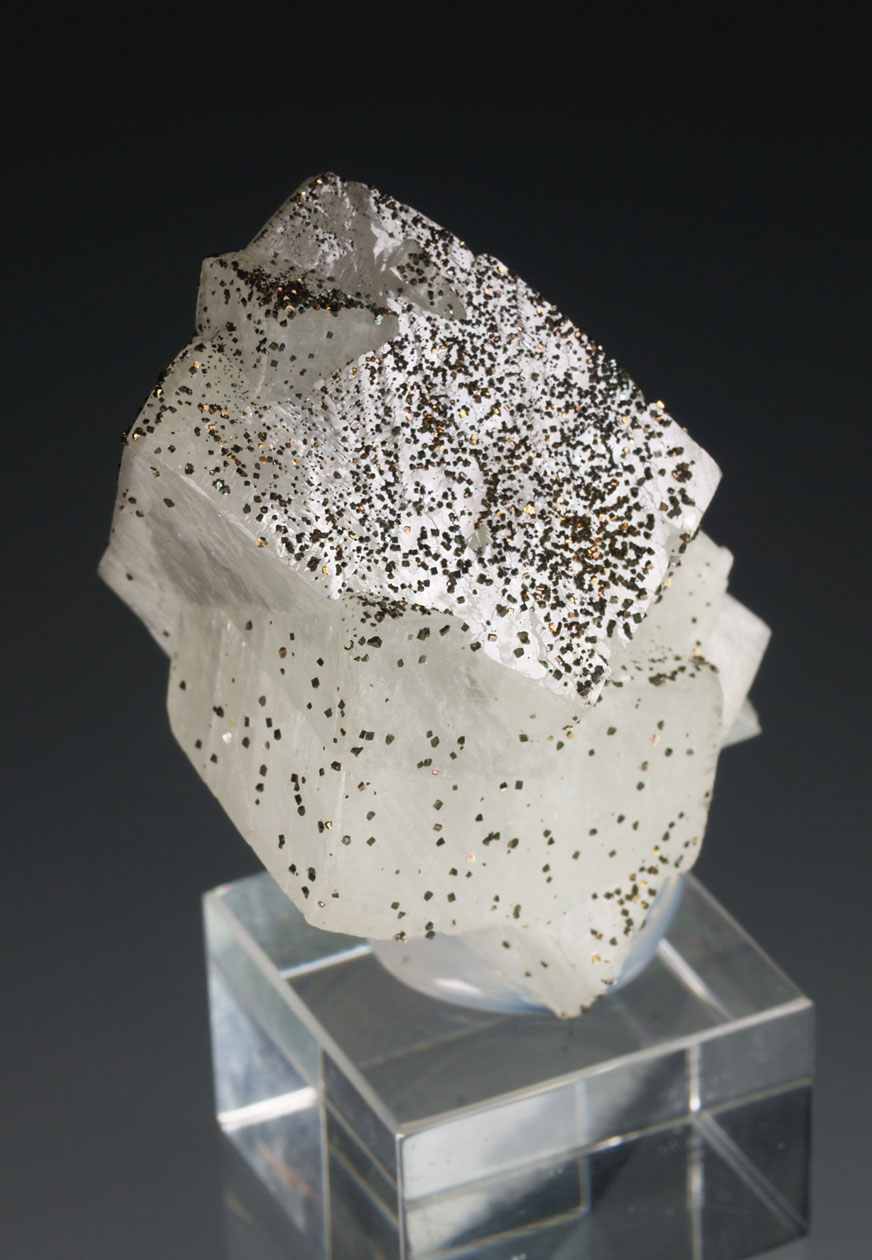
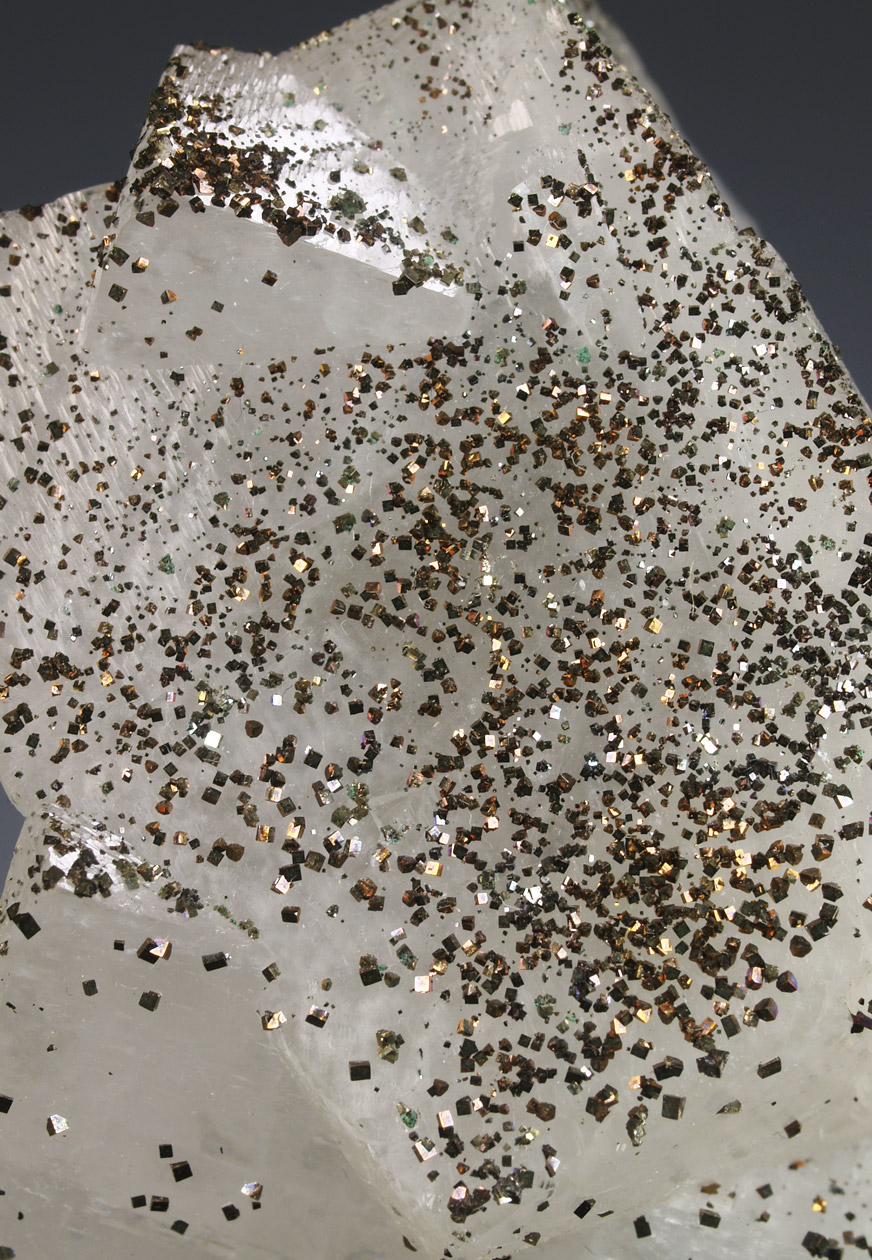
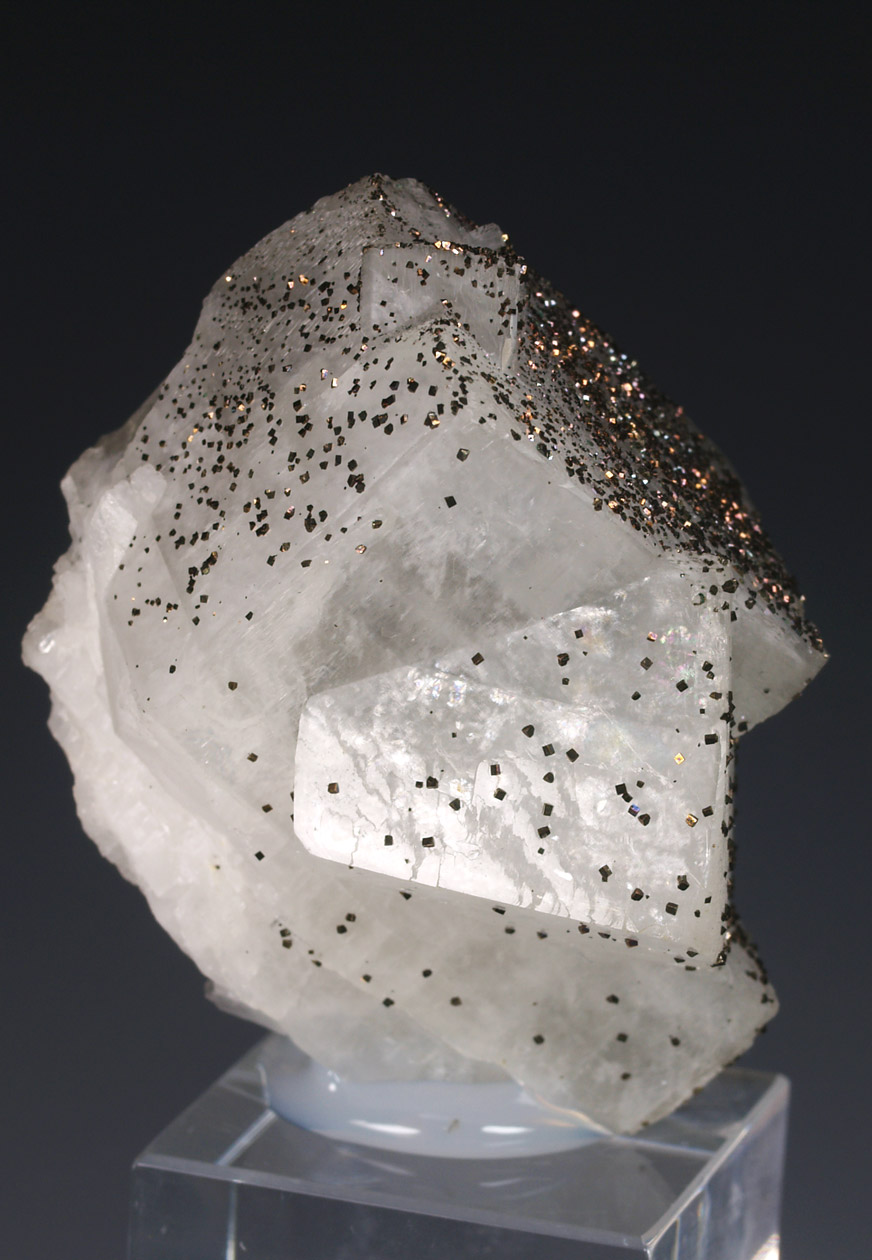
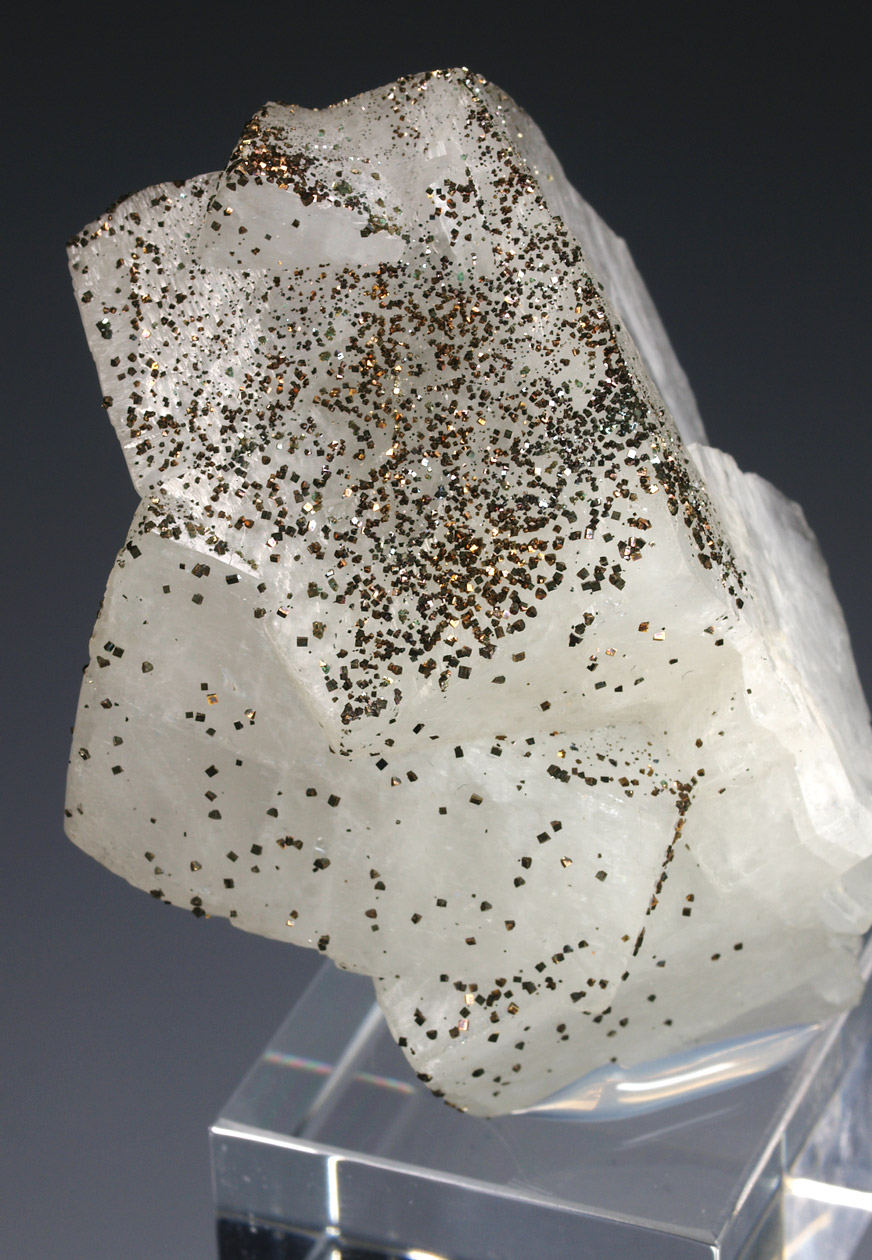
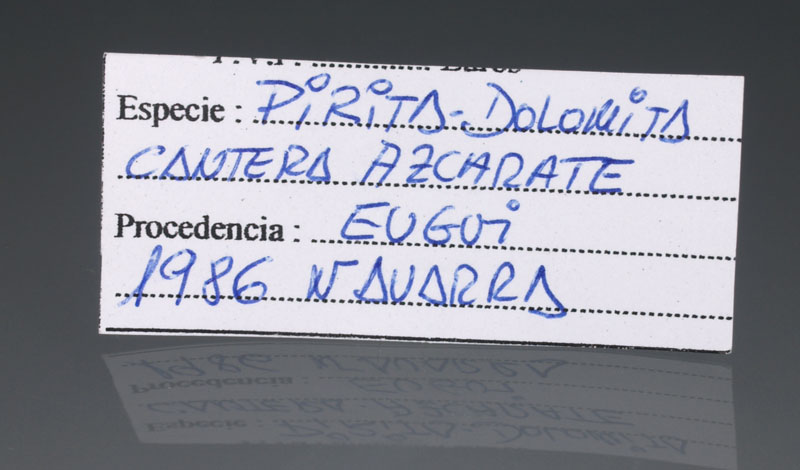
Group of twinned dolomite crystals of good size, peppered by numerous bright, golden cubic pyrite crystals that give the specimen a special touch. They are not common in this classic Spanish mine. The piece belongs from the collection of Andrés Jiménez Shelly (Madrid) and is accompanied by an handwritten label.
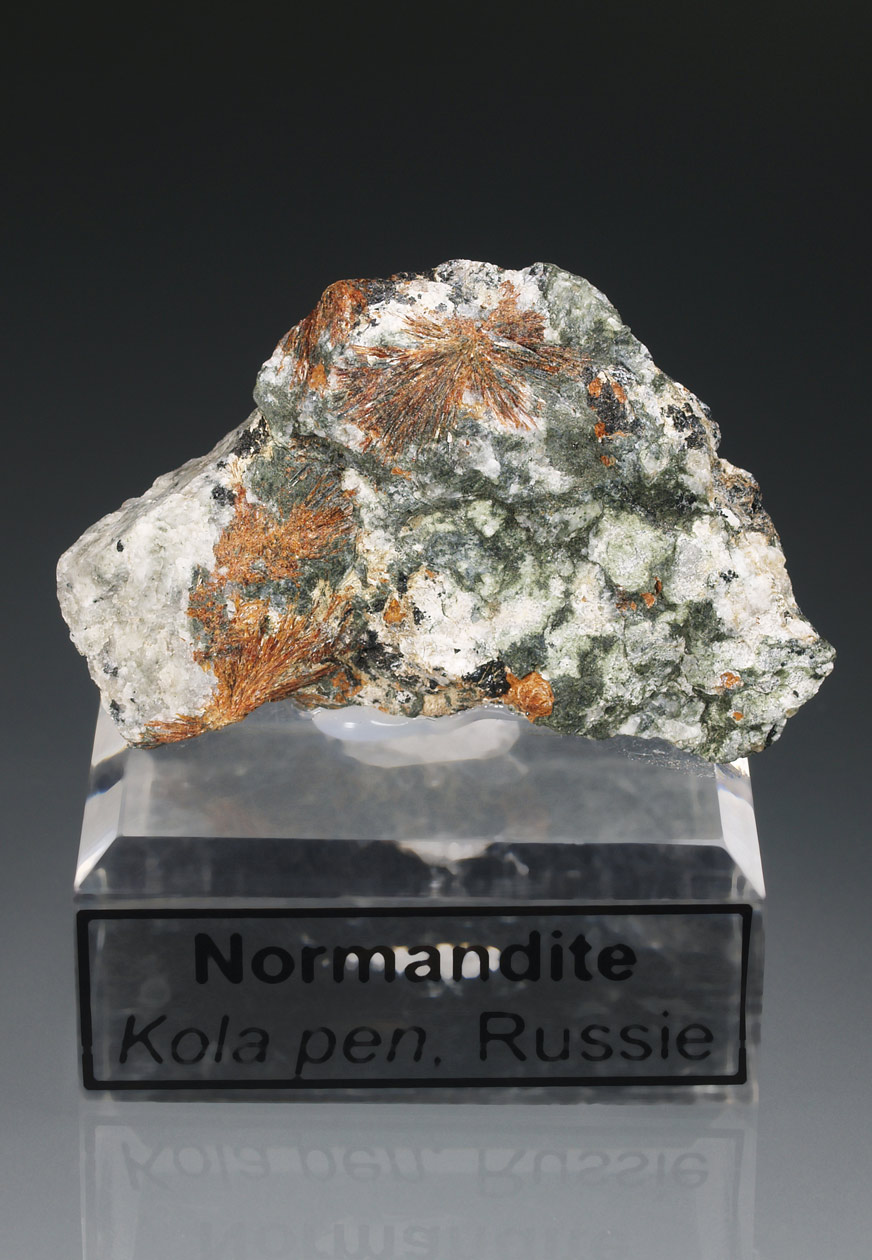
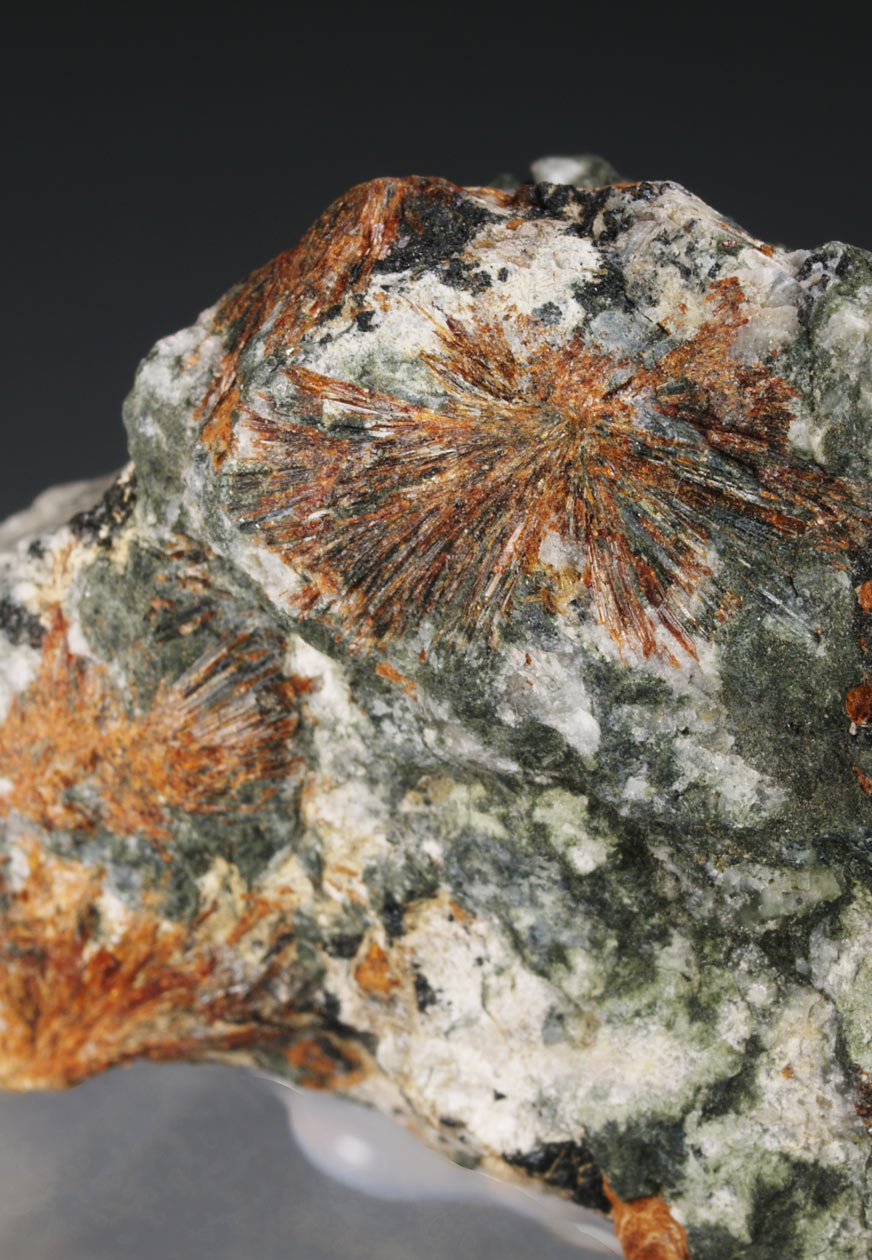
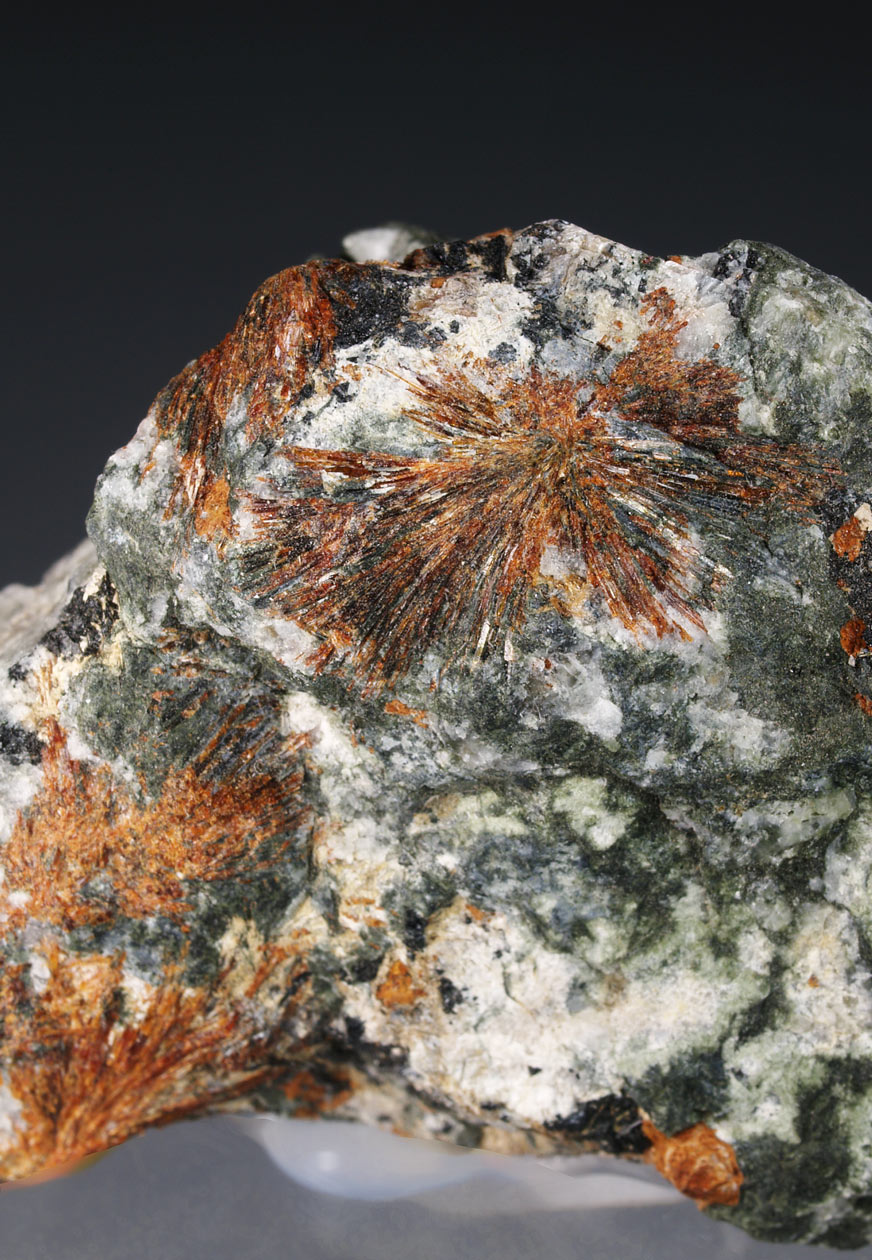
Radial aggregates of normandite, of intense orange color and with transparency. They are disposed in a matrix with aegirine/augite and analcime. Under LW-UV light the white matrix shows some fluorescence with intense orange spots. From the alkaline pegmatites of the Kola peninsula.
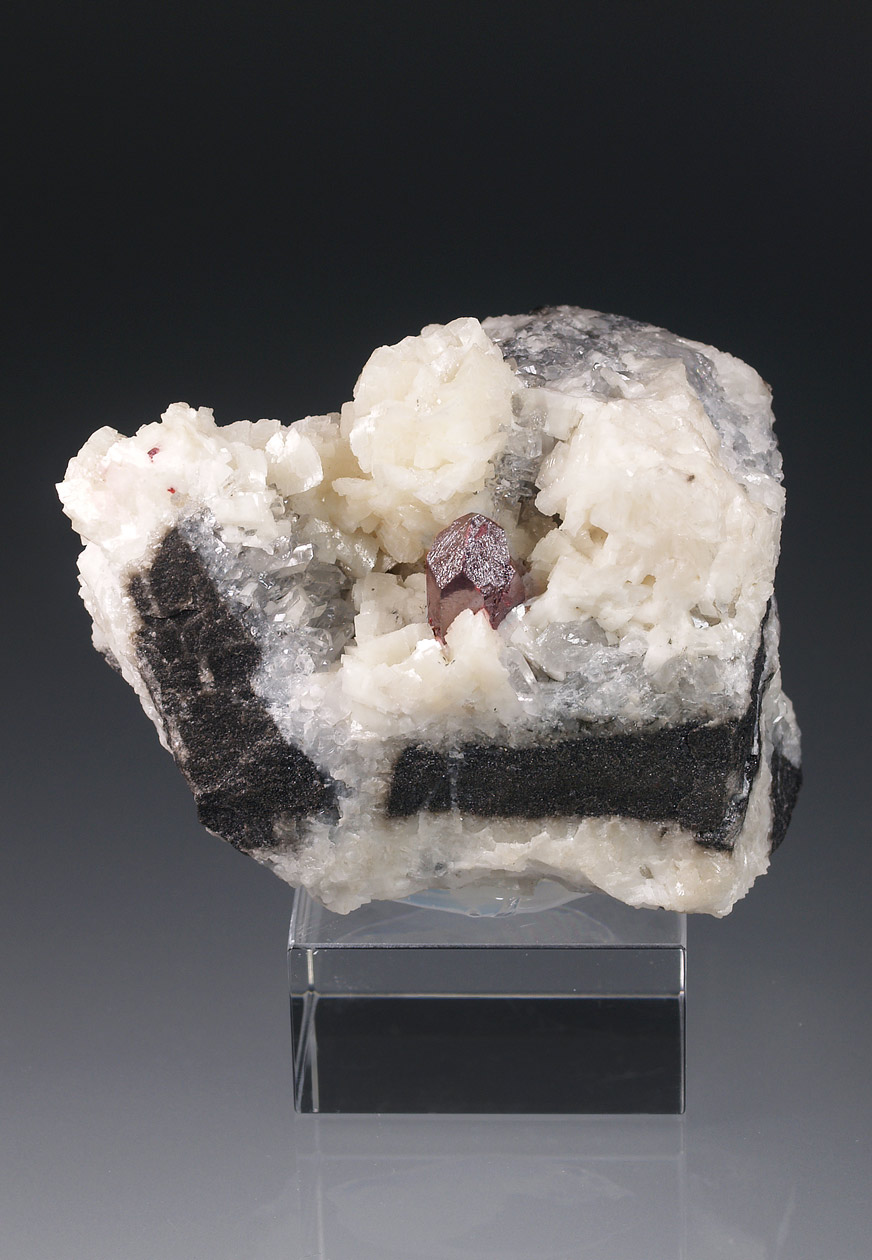
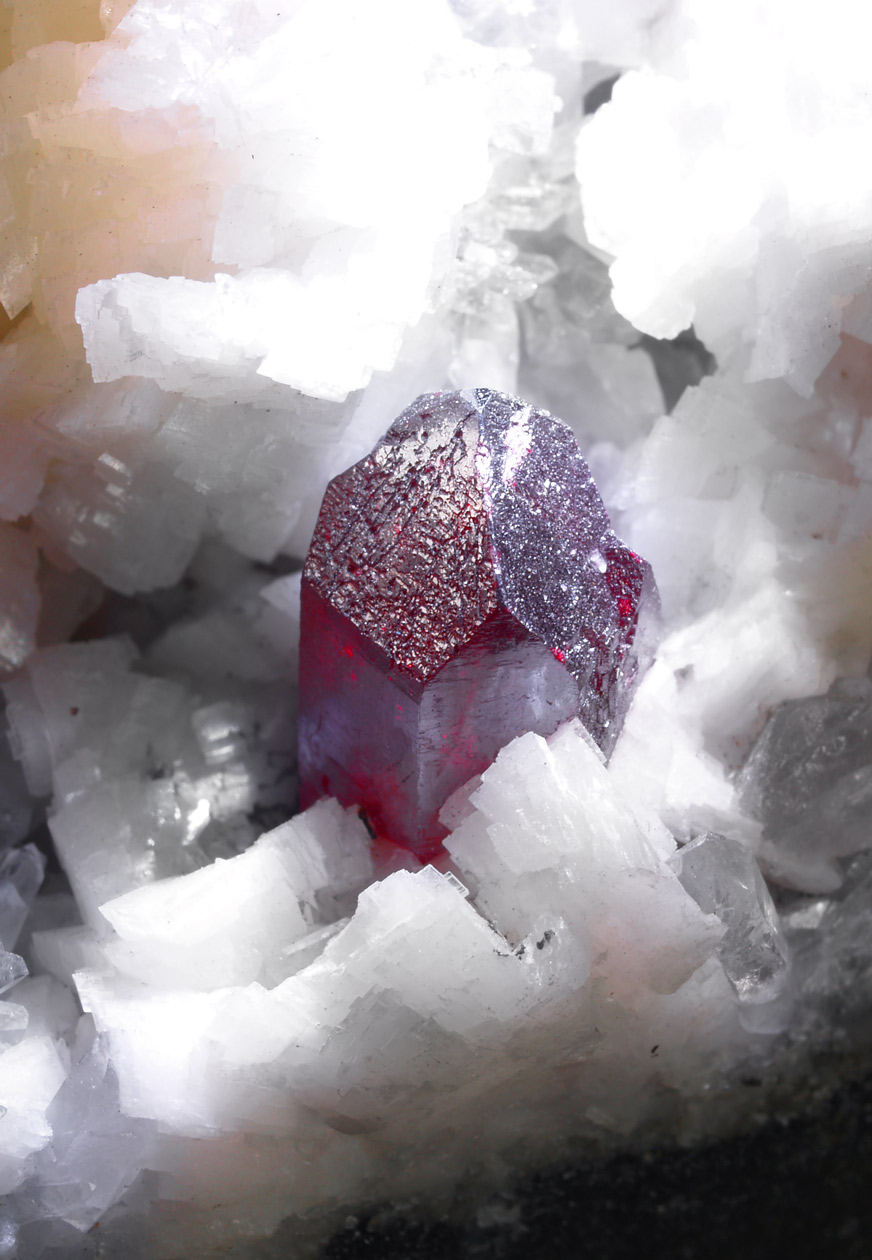
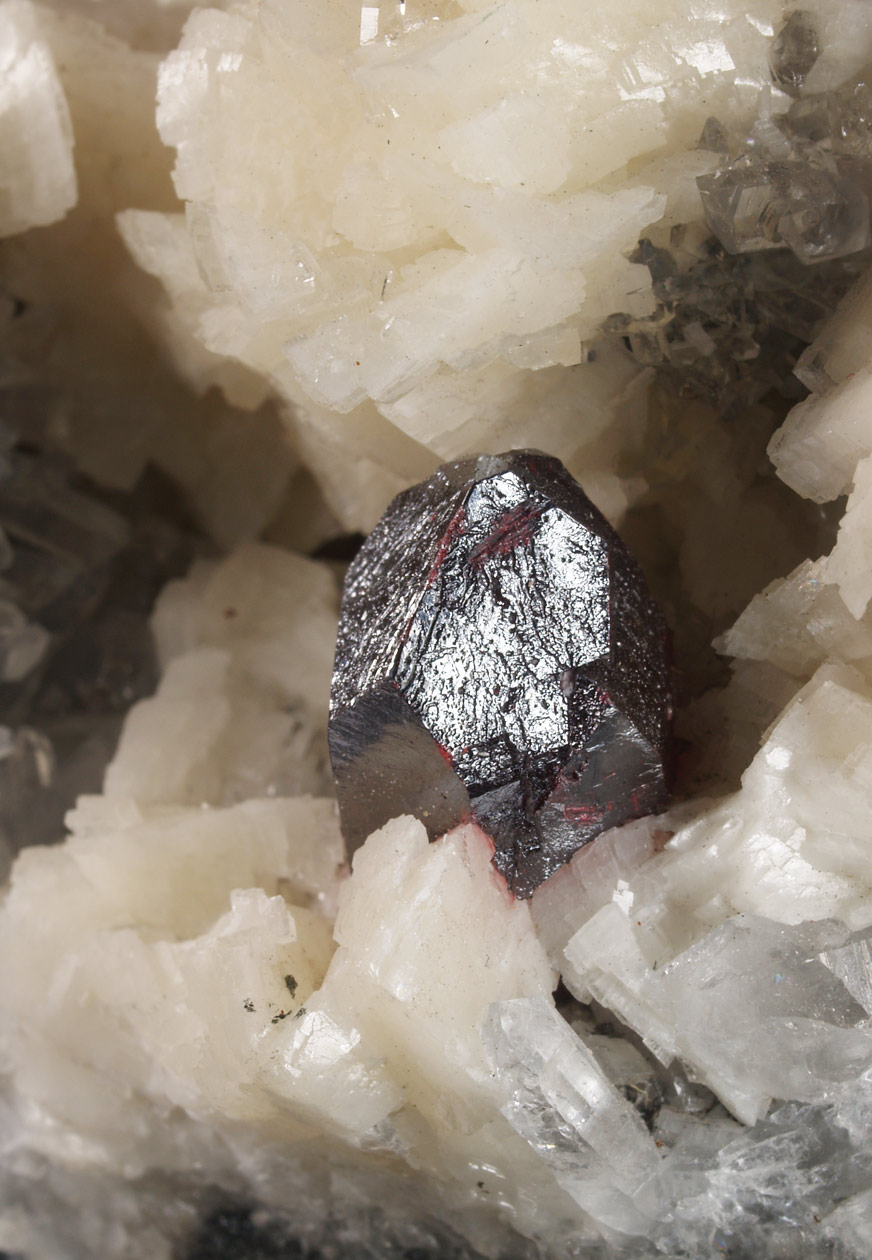
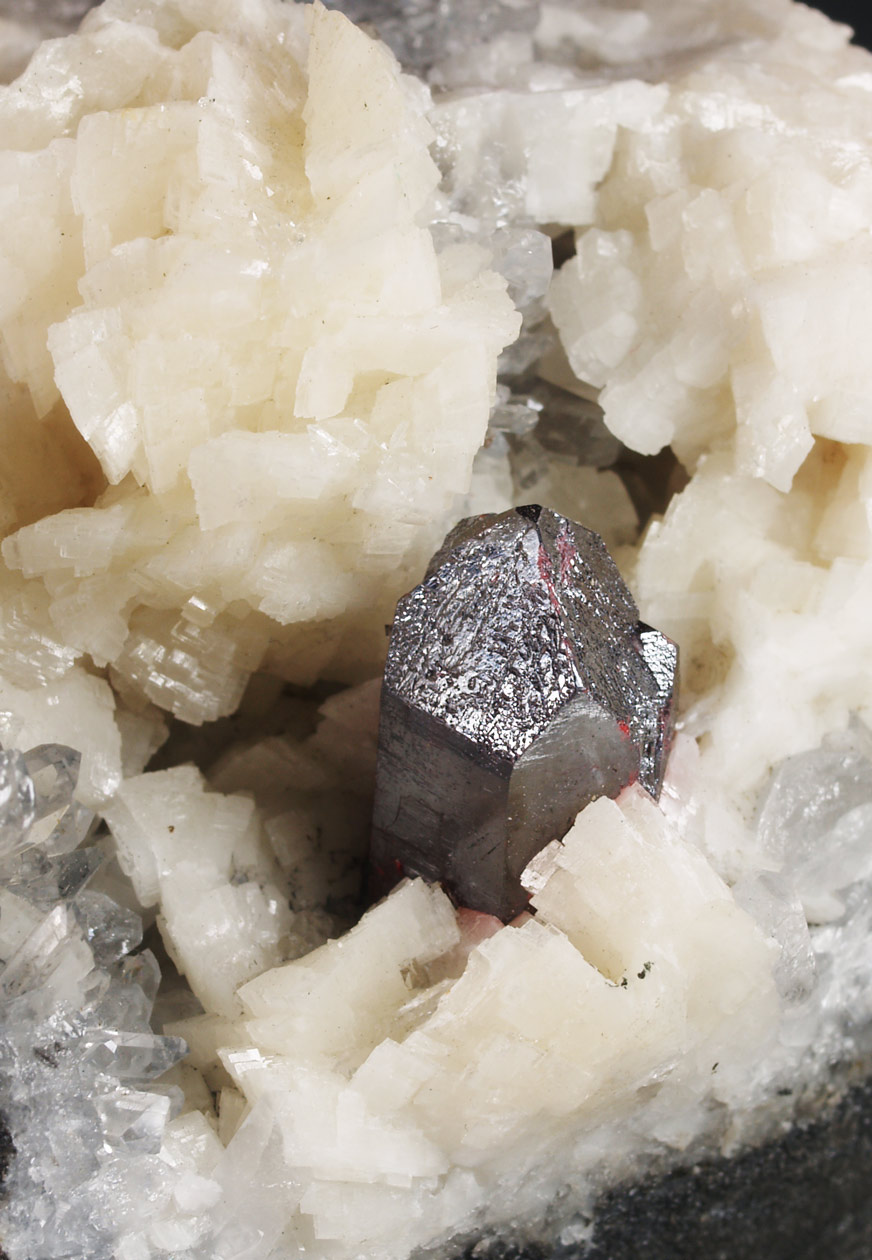
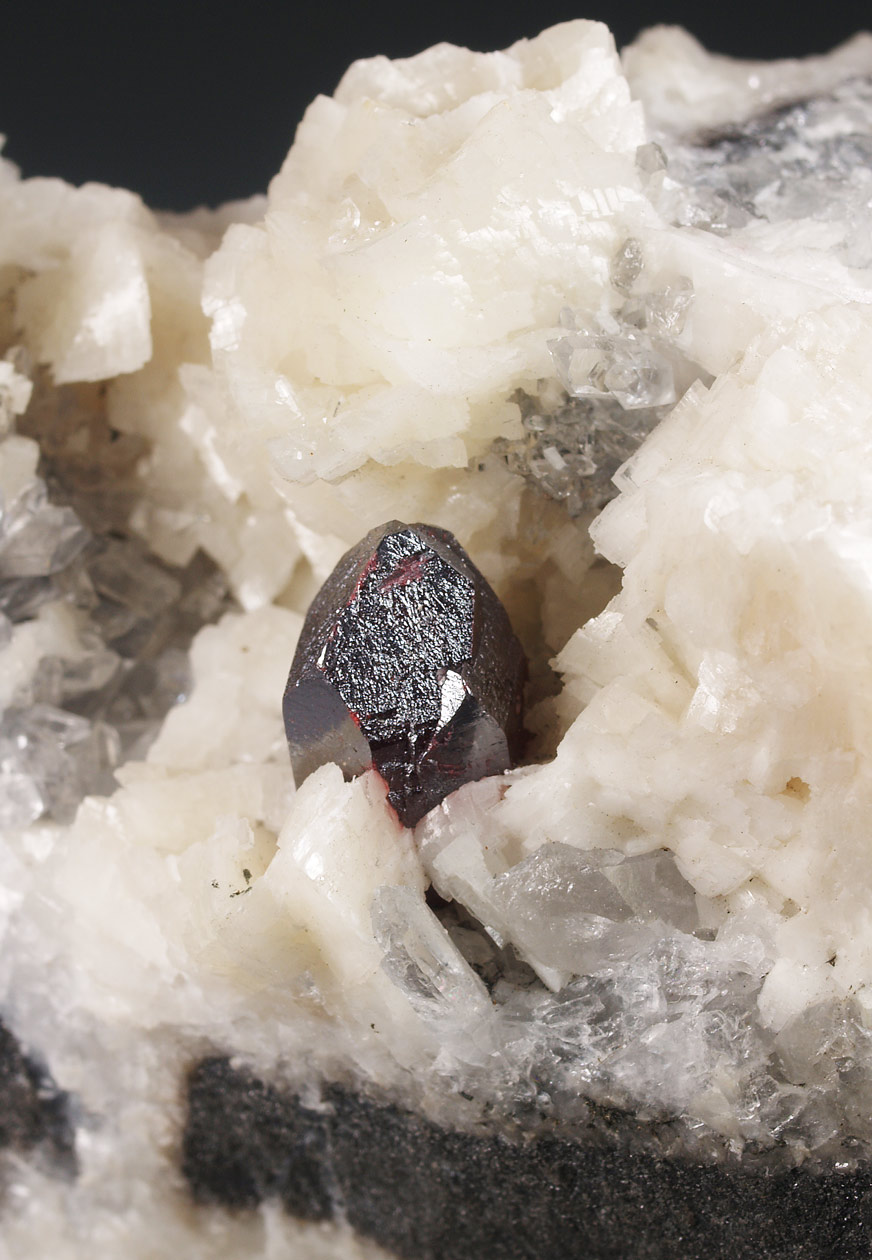
Twinned cinnabar, with well defined faces and edges, red color slightly silvery, well formed and almost 2 cm in size. It is disposed in a very aesthetic way on dolomite crystals. At the time, this locality produced world-class specimens such as the one we offer. Simply spectacular.
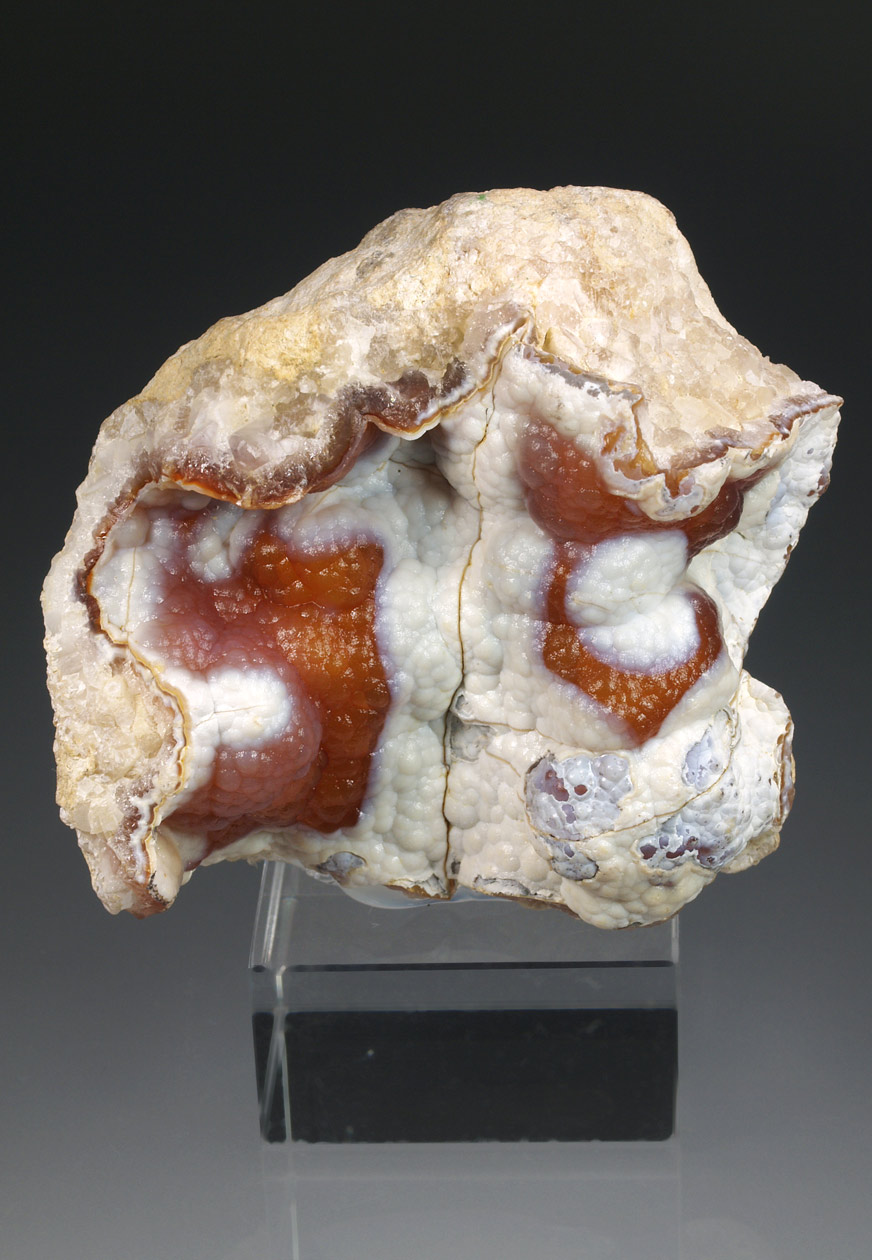
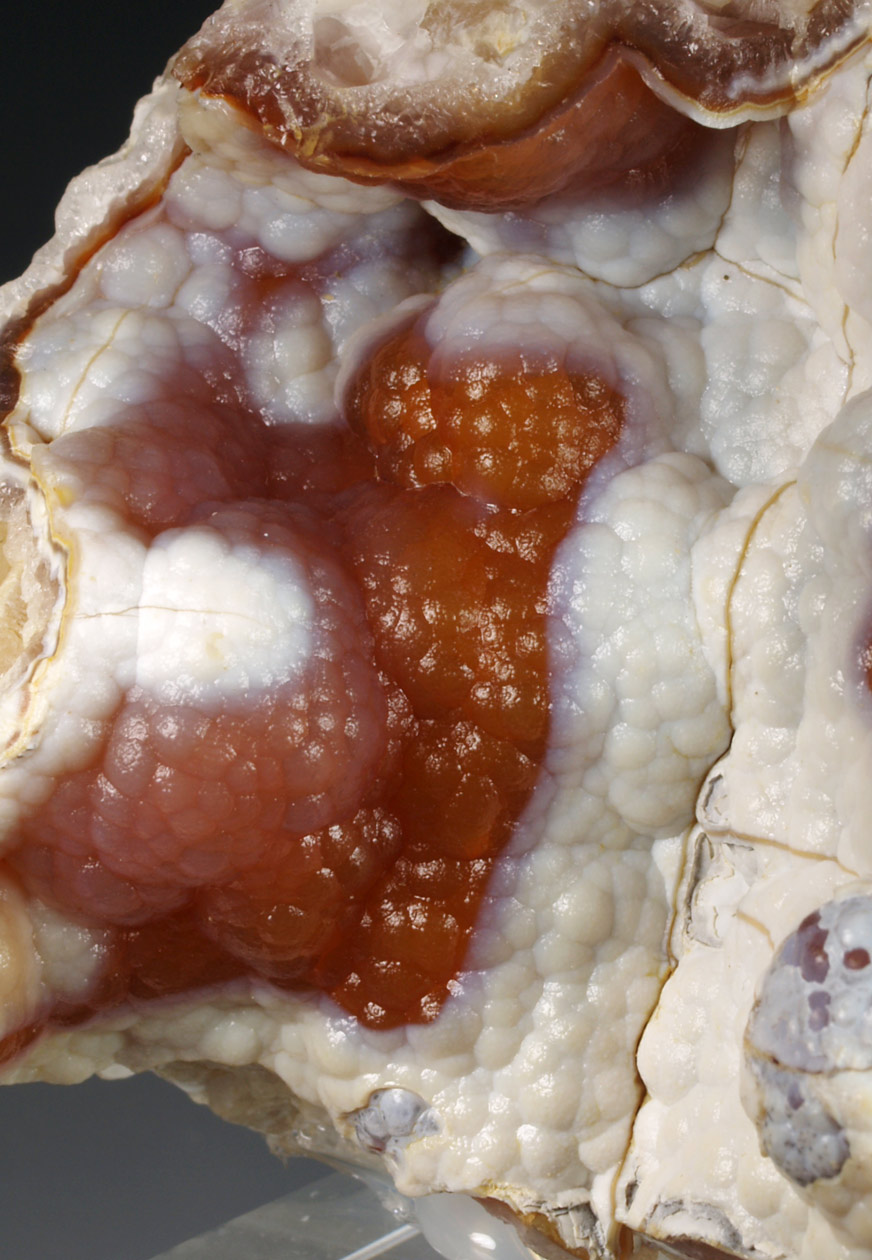
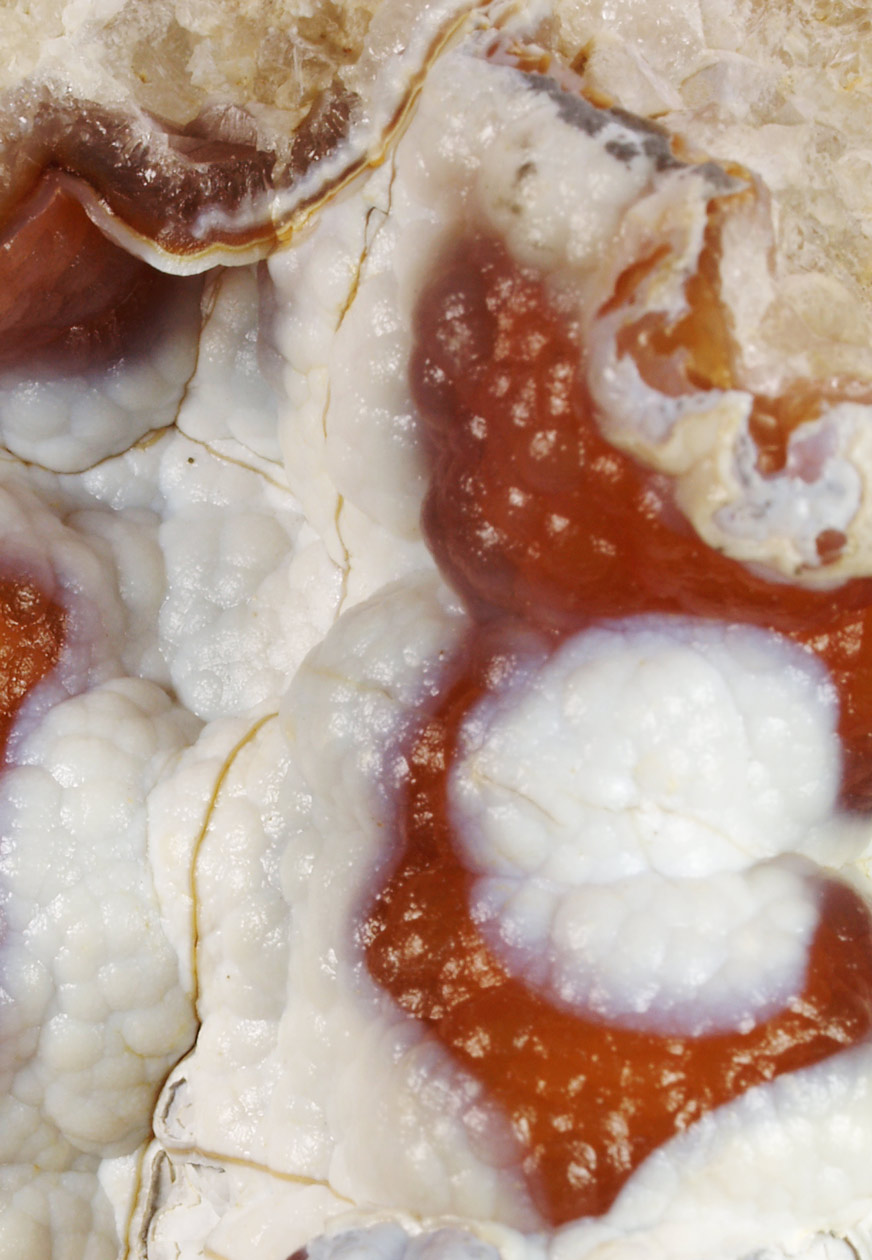
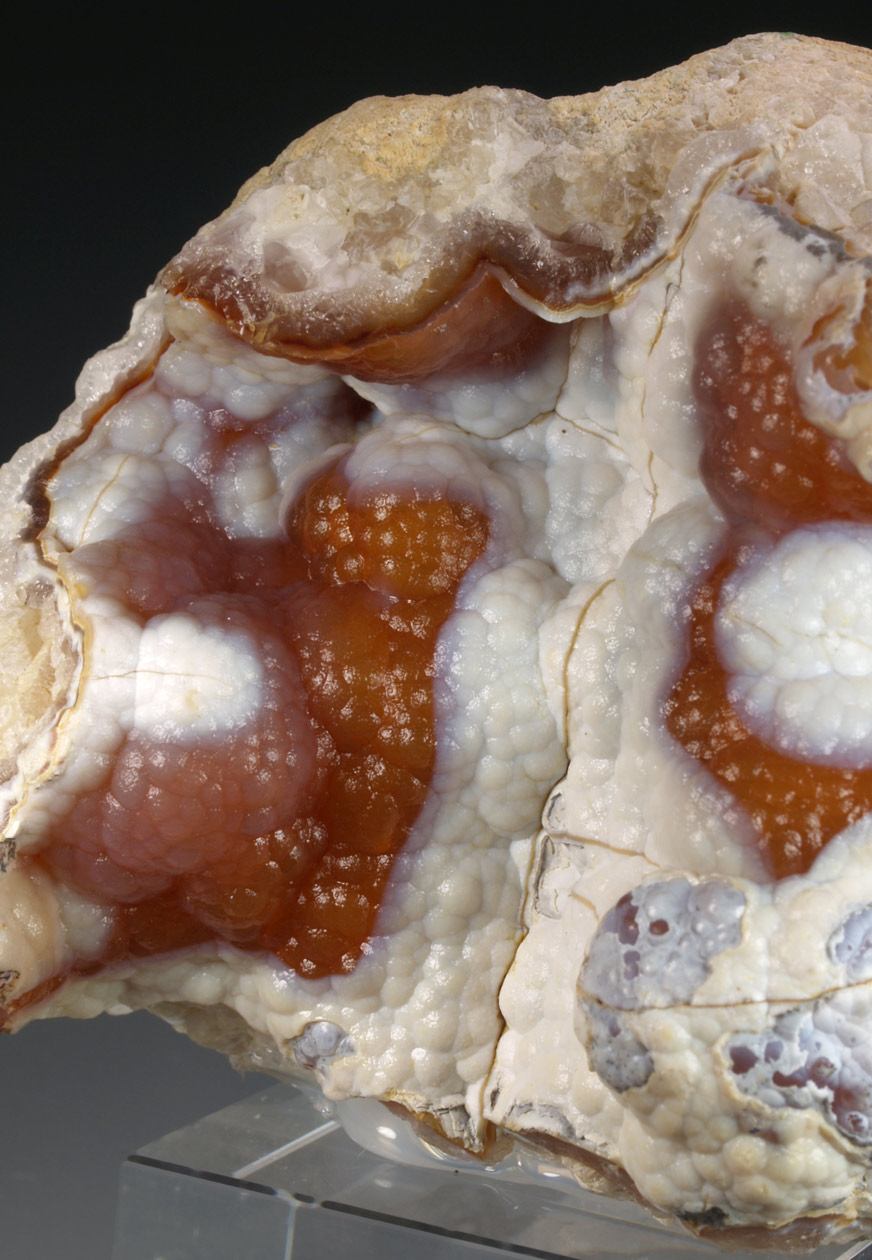
This specimen has a bit of history... The piece was acquired in May 1987 at a fair in Segovia that was held in the Lozoya tower. At that time the labels were rather "approximate". This specimen was labeled as "Poitiers" chalcedony. Looking for intertwined information between chalcedony and France, it turns out that there is a locality where similar chalcedonies appear, near Vienne, in Mauprévoir. Curiously, this locality is in a historical region named Poitou-Charentes (Peitau i Charantas in Occitan), which makes us think that the correct locality is Mauprévoir. Old and fine specimen.
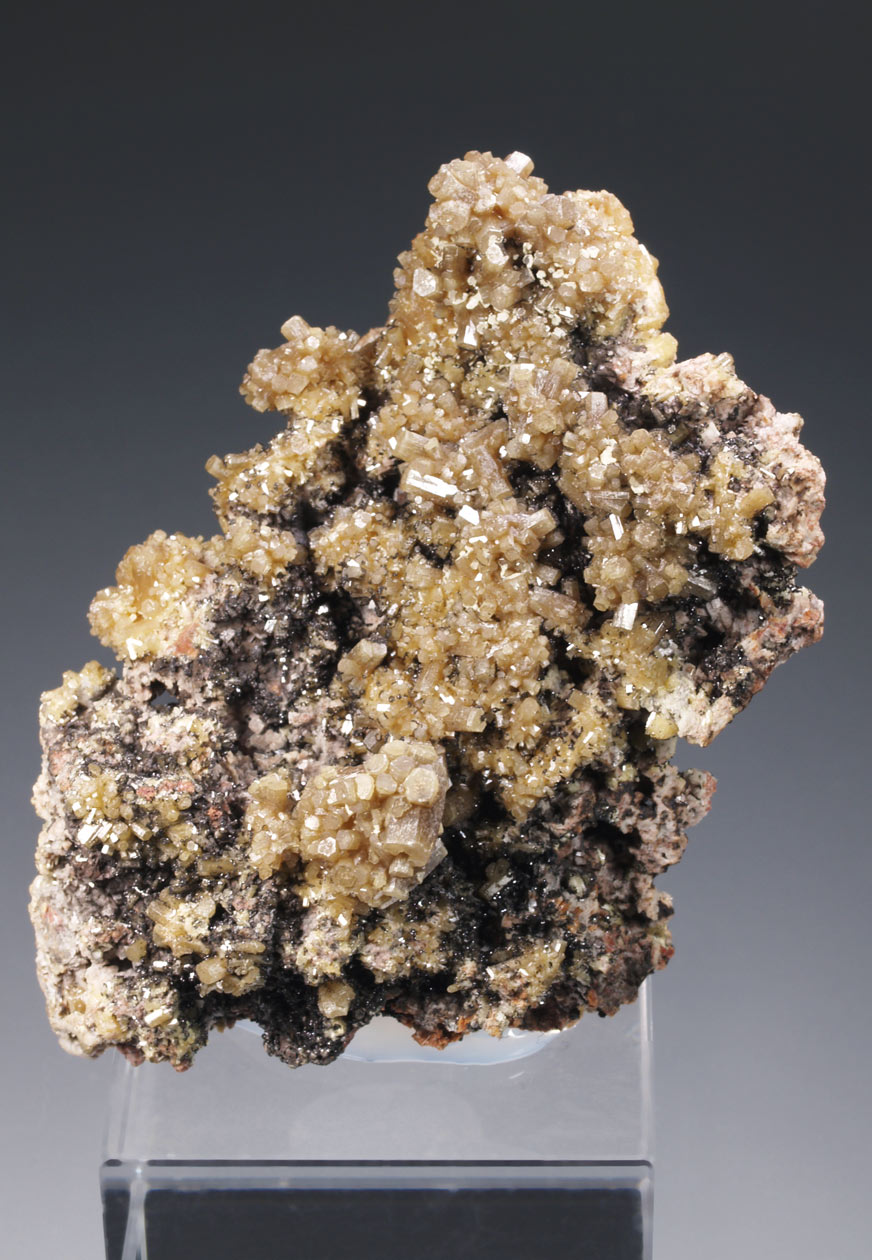
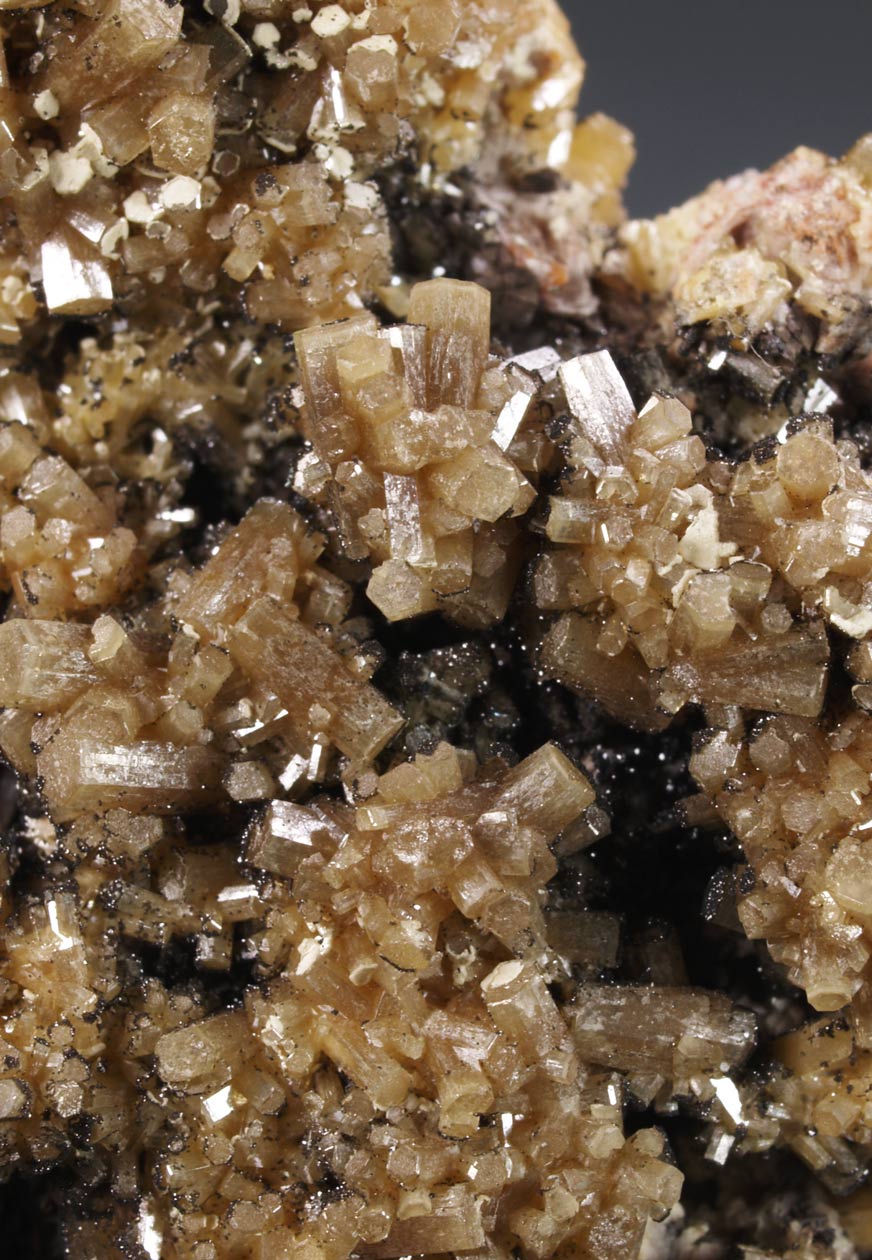
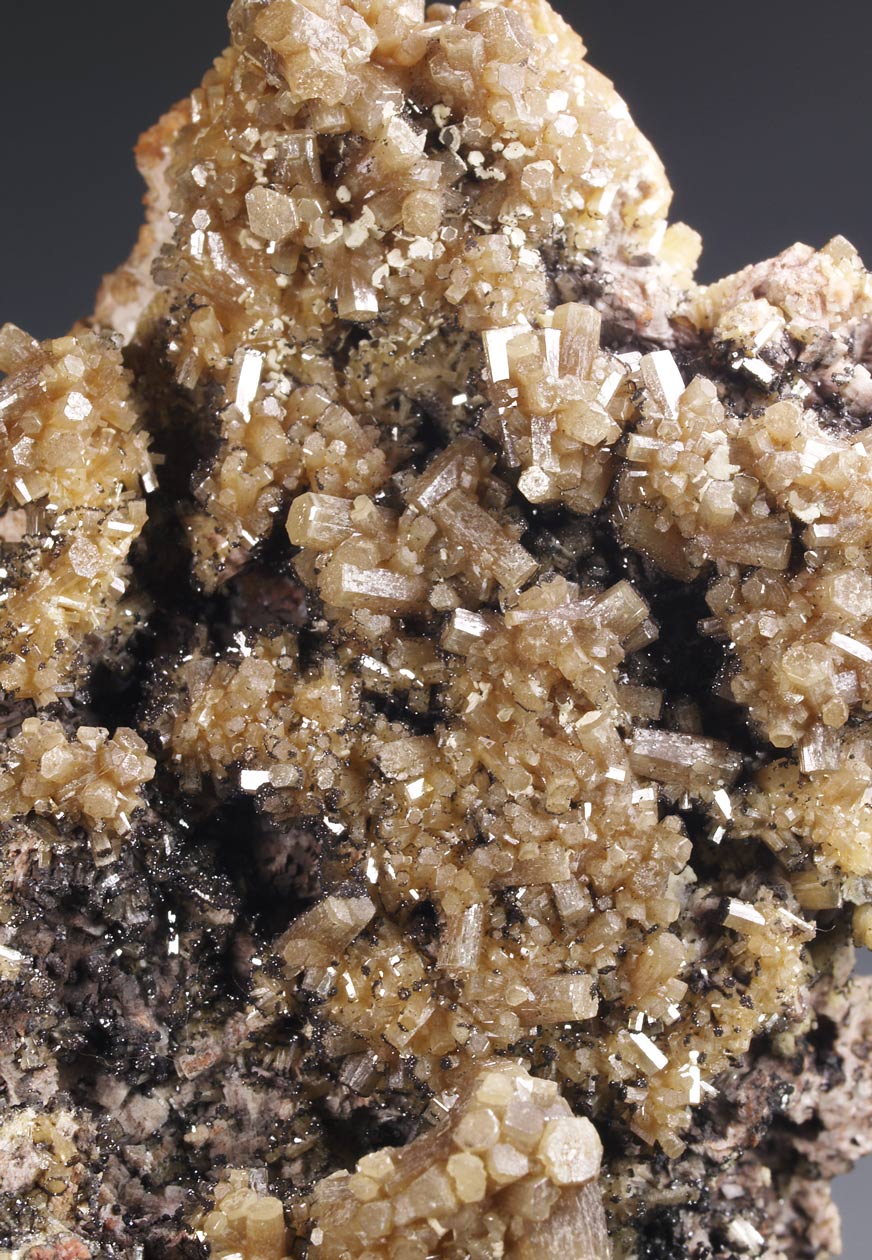
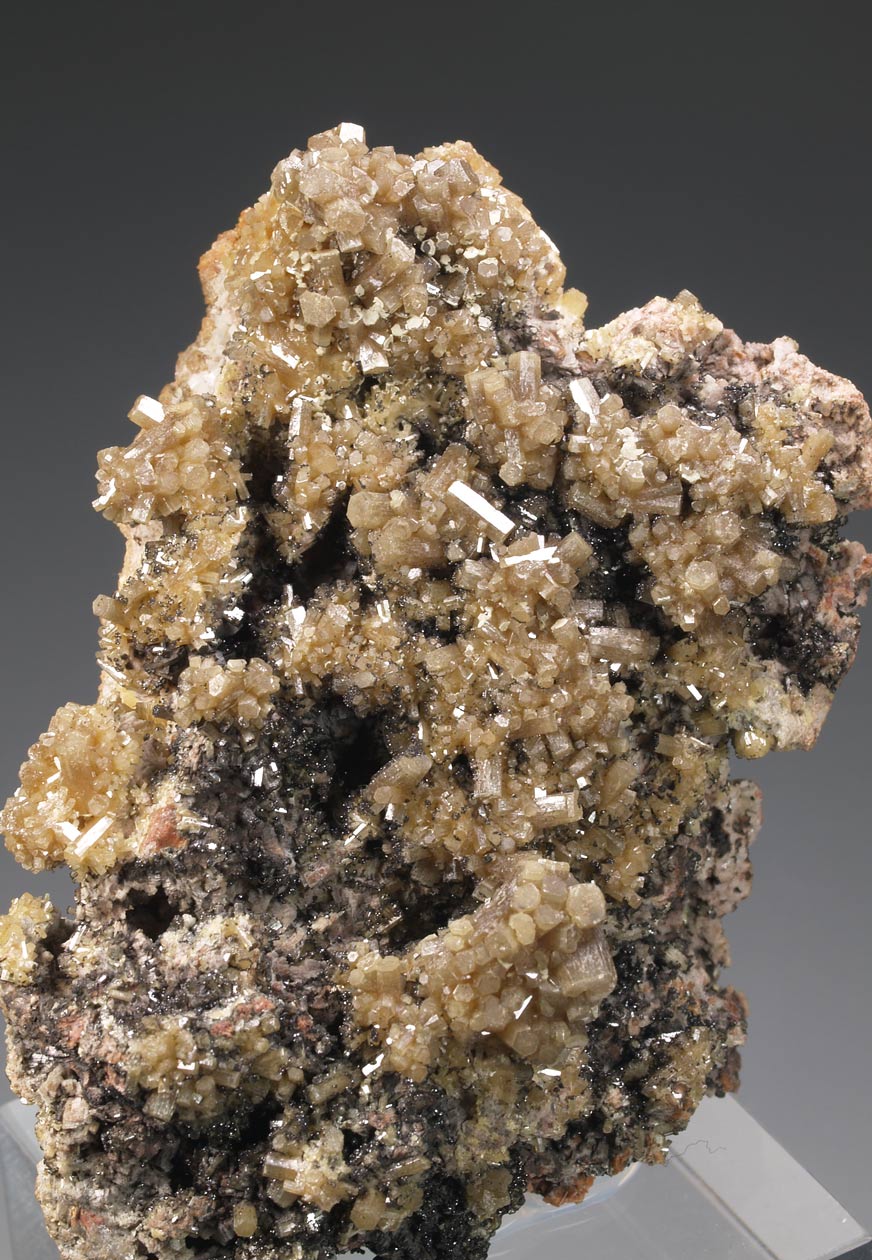
Very aesthetic specimen formed by several aggregates of vanadinite crystals, labeled as arsenical endlichite. Very well defined hexagonal prisms, beige in color, peppered with tiny but brilliant and well defined crystals of descloizite-mottramite, with dark honey tones. The descloizite-mottramite forms globules but also partially covers vanadinite crystals, especially on the pinacoidal faces and forming "half moons", a curiosity. These specimens from this Moroccan mine are not common.
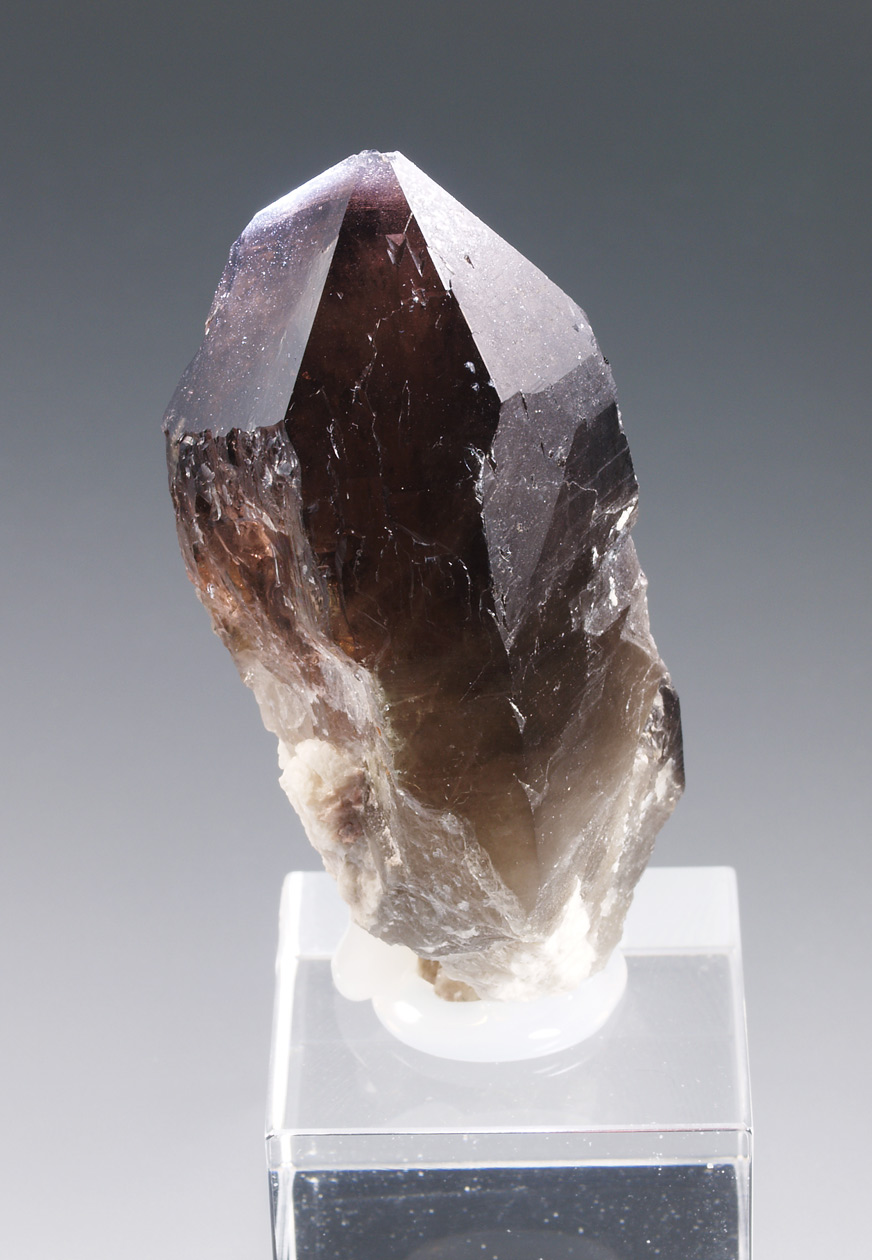
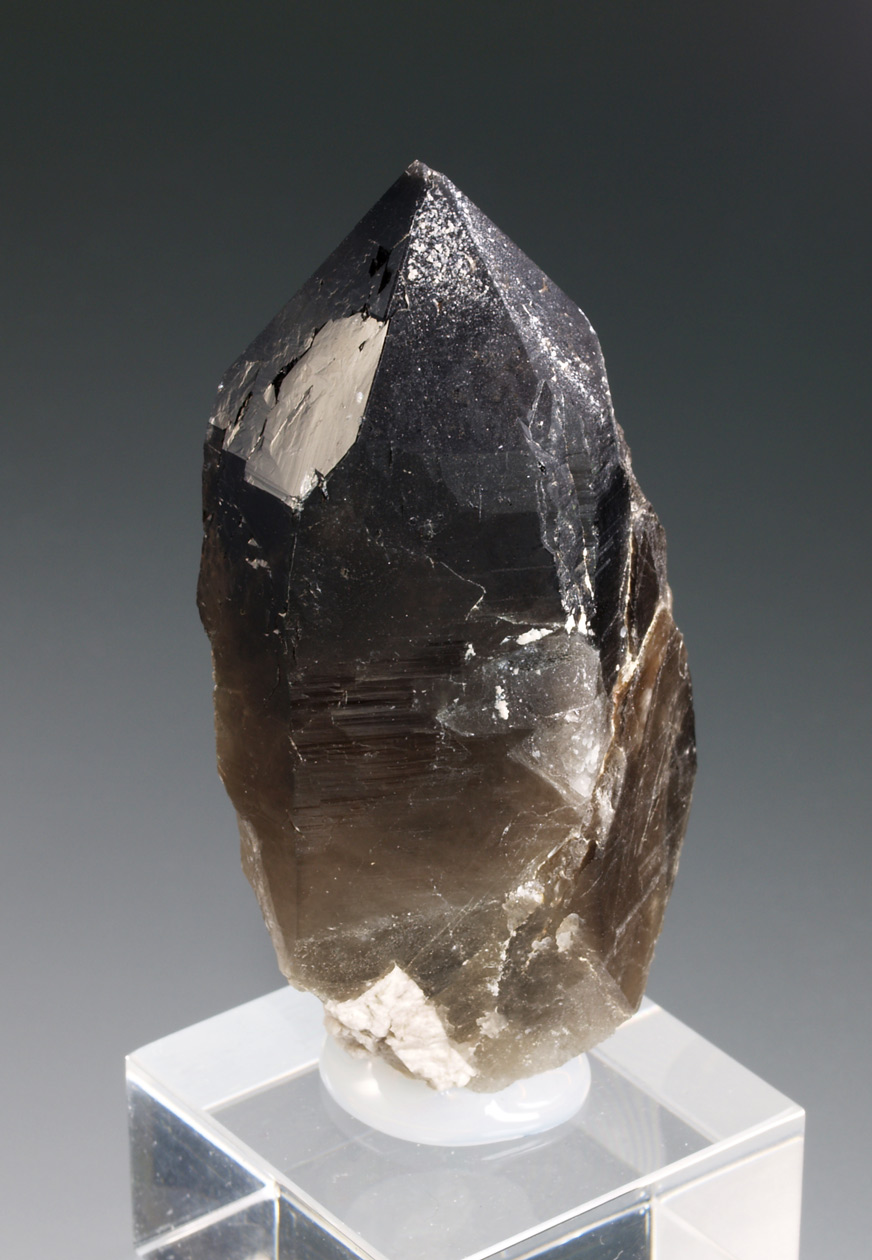
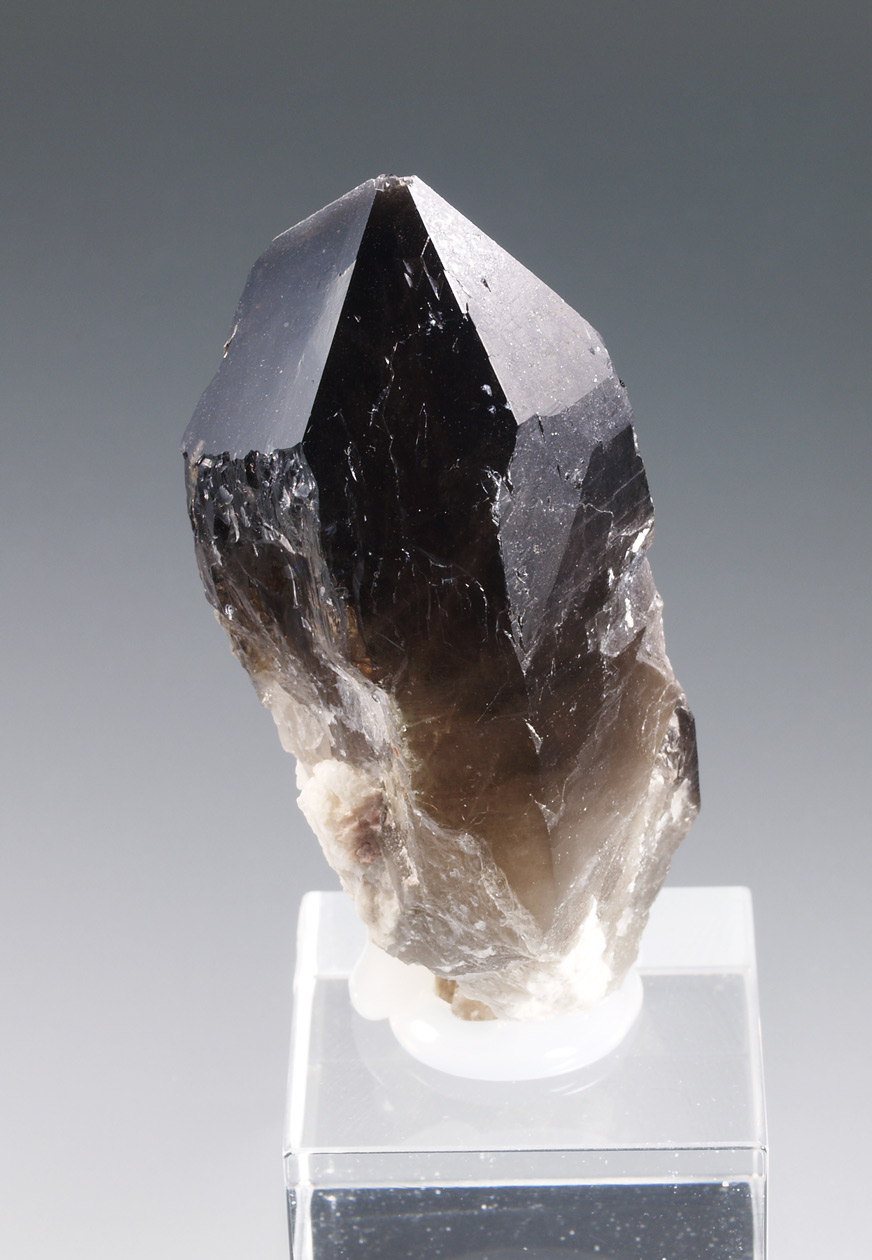
Smoky quartz crystals in parallel growth. Translucent, with a uniform smoky tone, they alternate glossy and matt faces. The quartz crystals from this quarry are a classic of Catalan mineralogy. Currently works are abandoned and it is difficult to find new specimens.
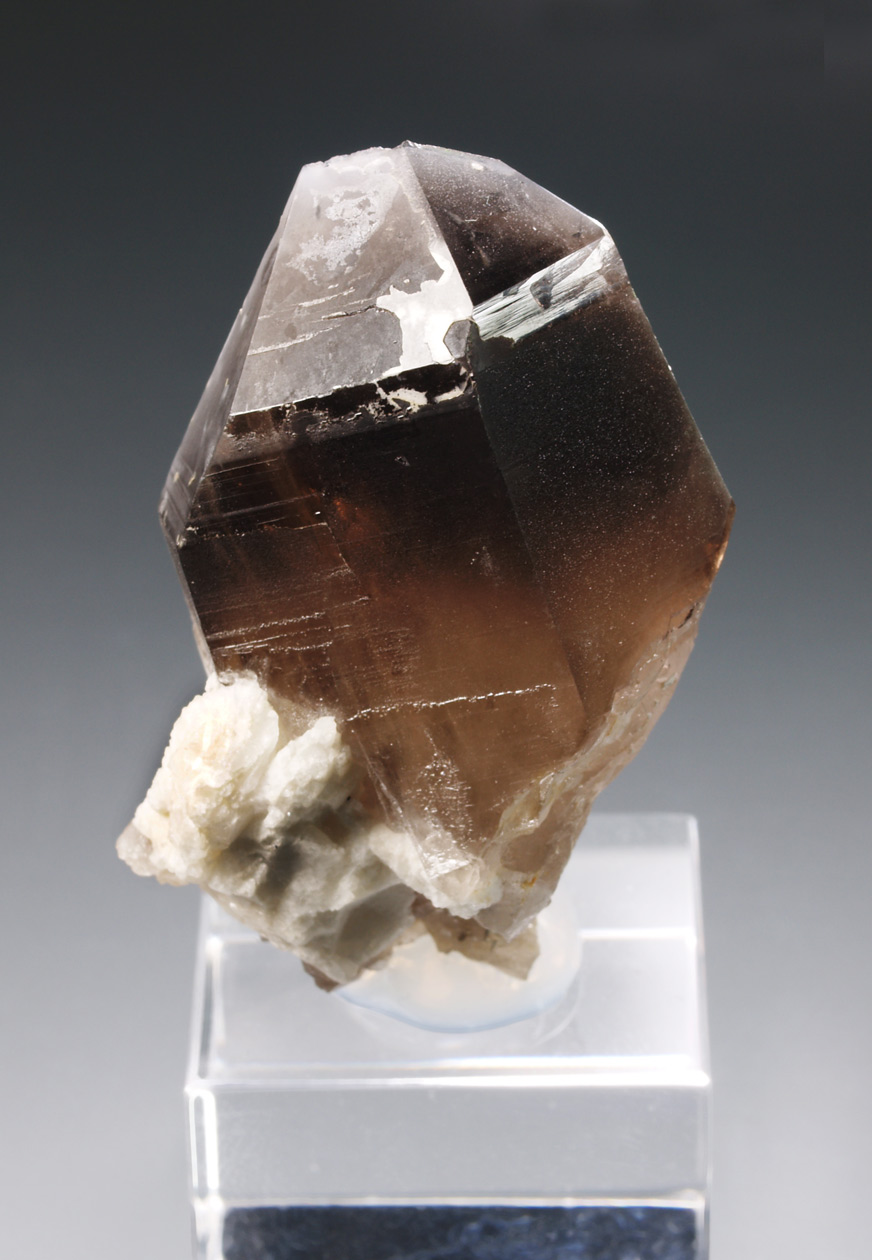
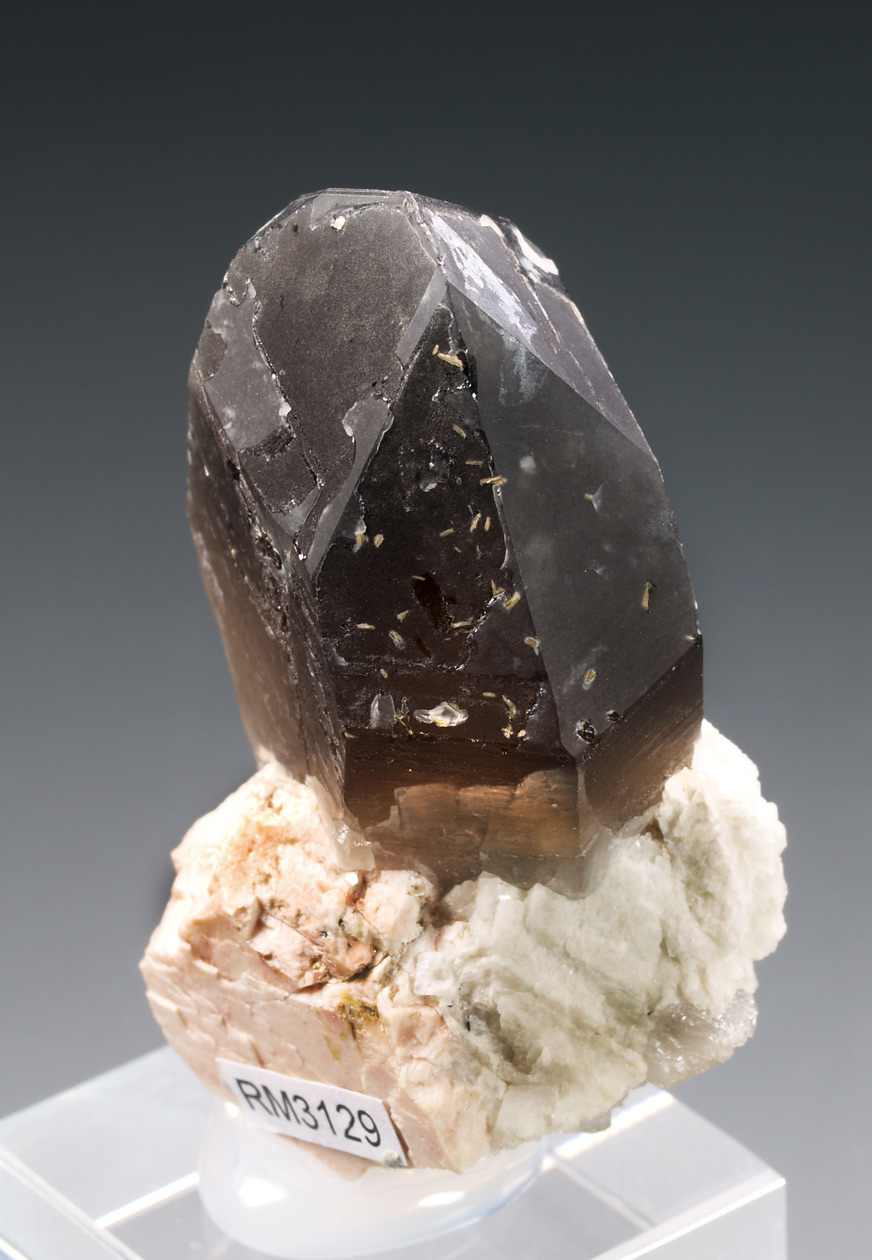
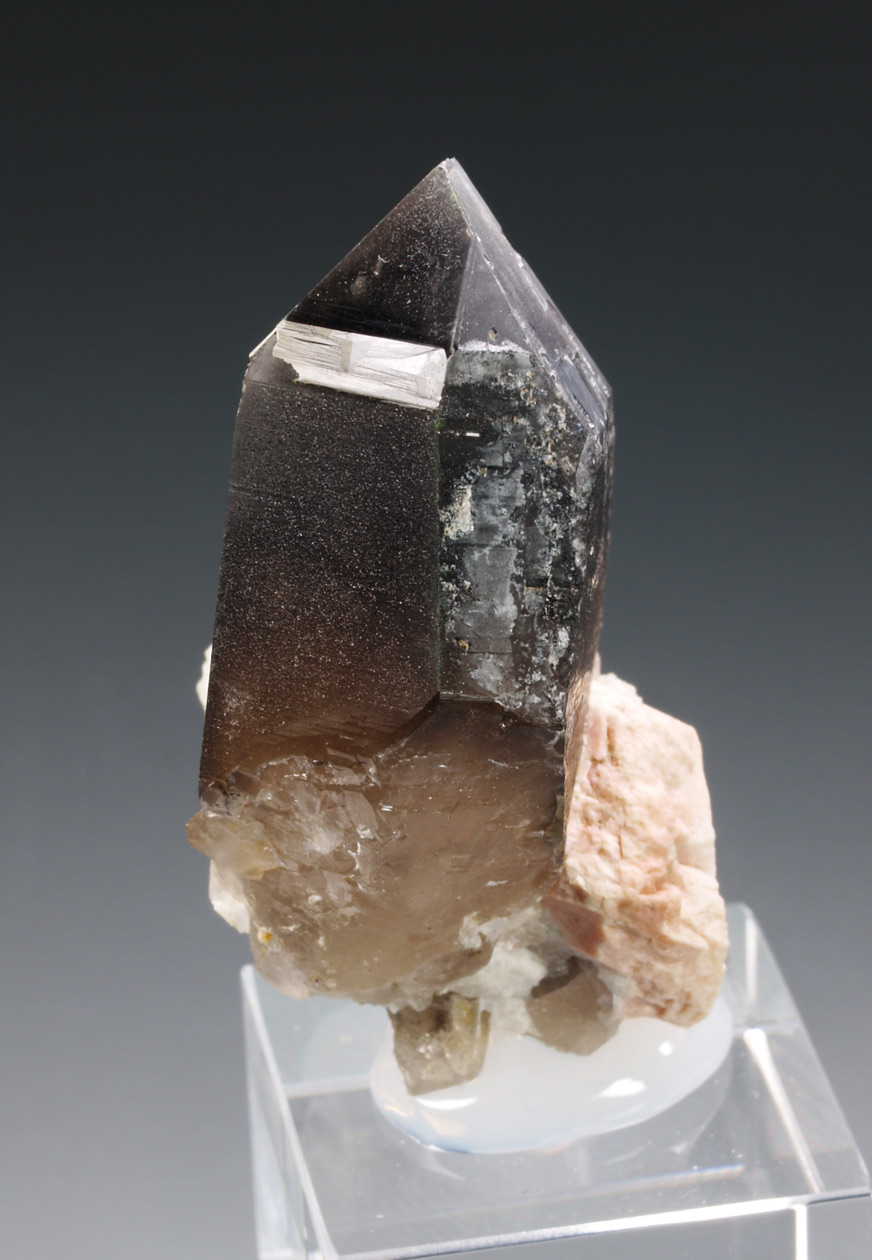
Smoky quartz crystal on a microcline matrix. Translucent, with a uniform smoky tone, it alternates brilliant and matte faces. The quartz crystals from this quarry are a classic of Catalan mineralogy. Currently works are abandoned and it is difficult to find new specimens.
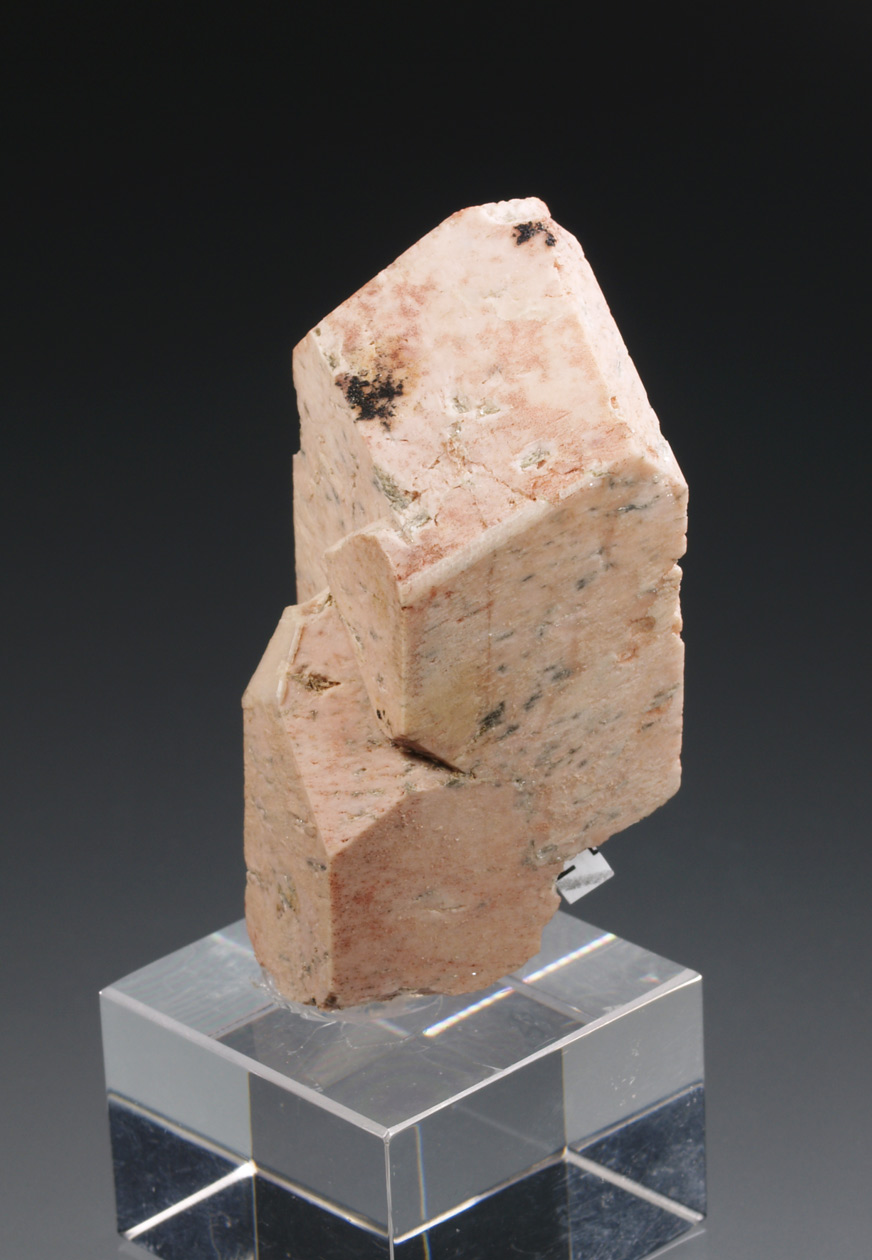
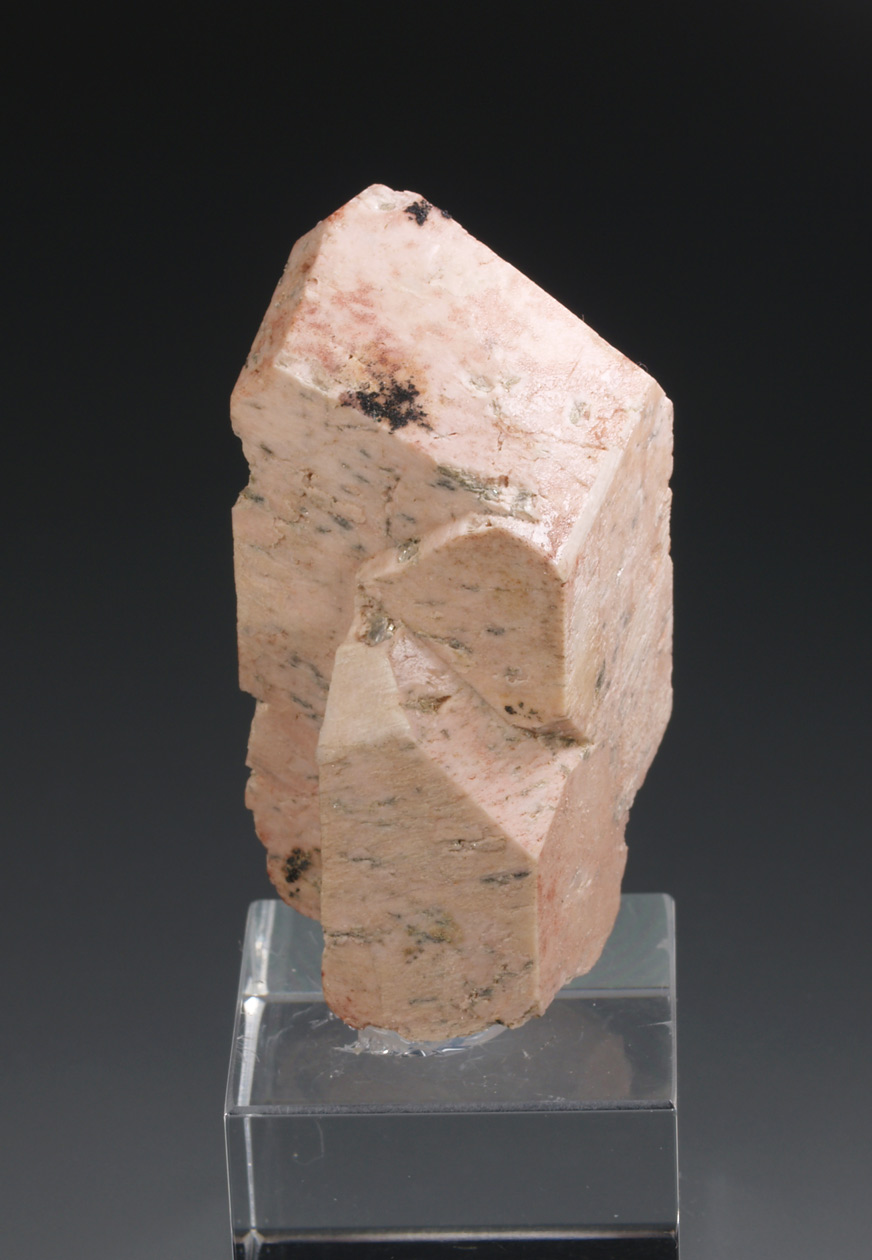
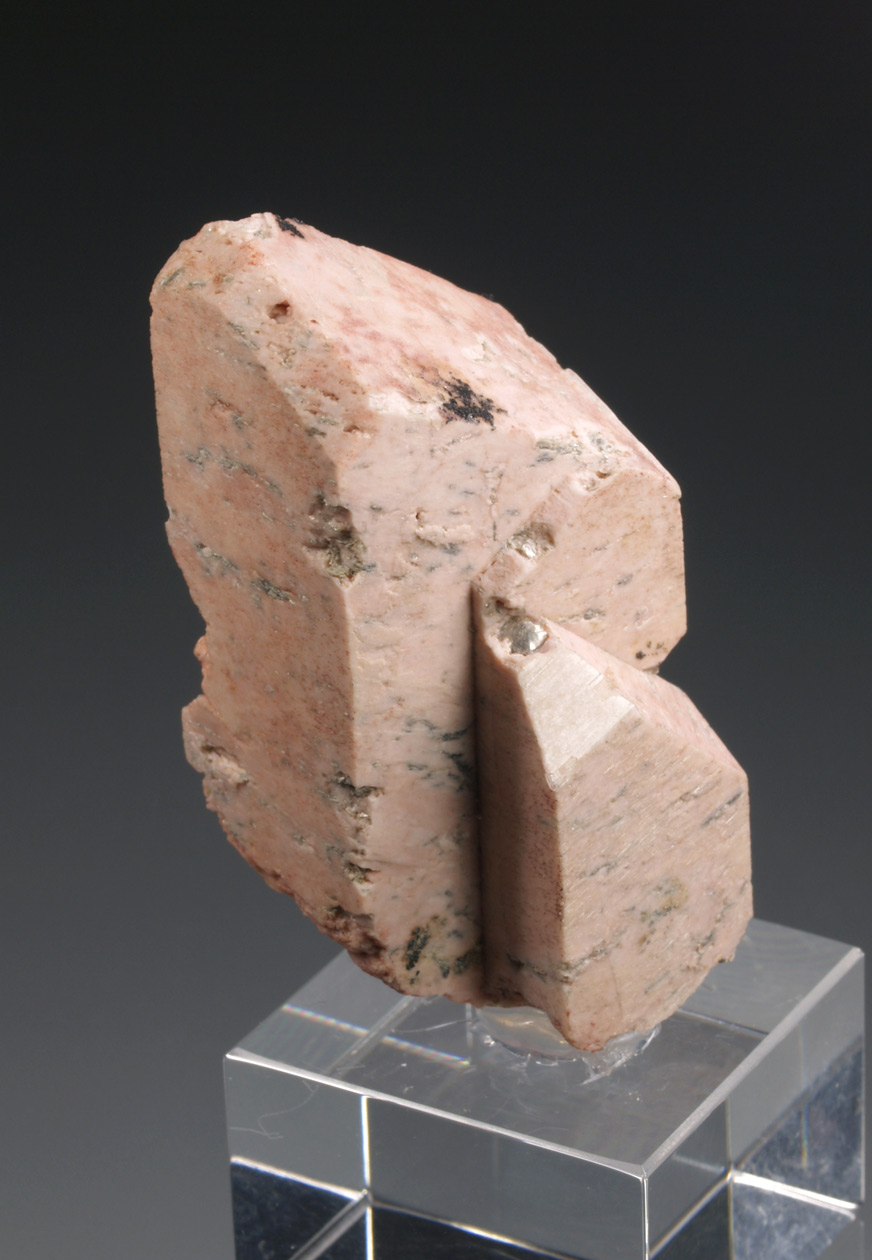
Microcline crystals in parallel growth. They show faces of the Baveno twin. The microcline crystals from this quarry are a classic of Catalan mineralogy. Currently works are abandoned and it is difficult to find new specimens.
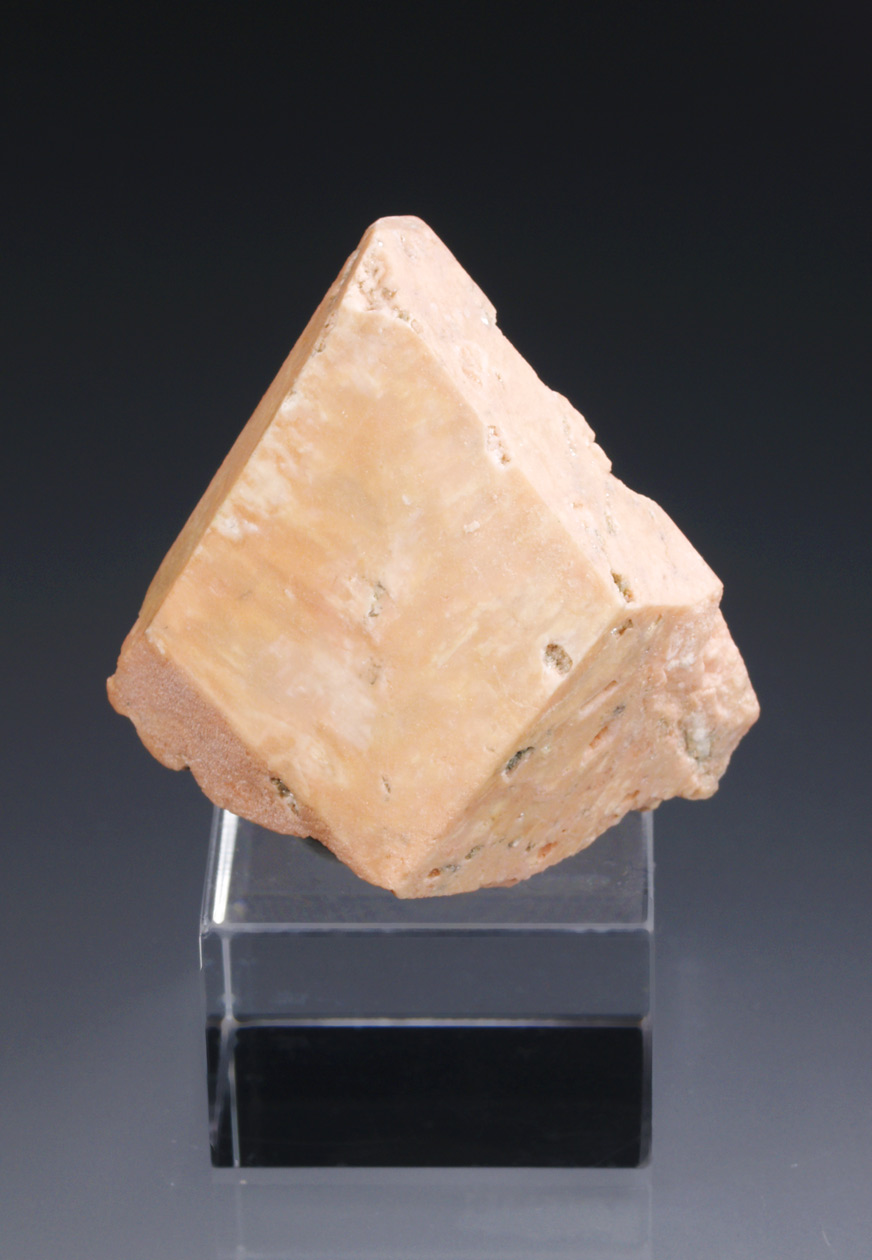
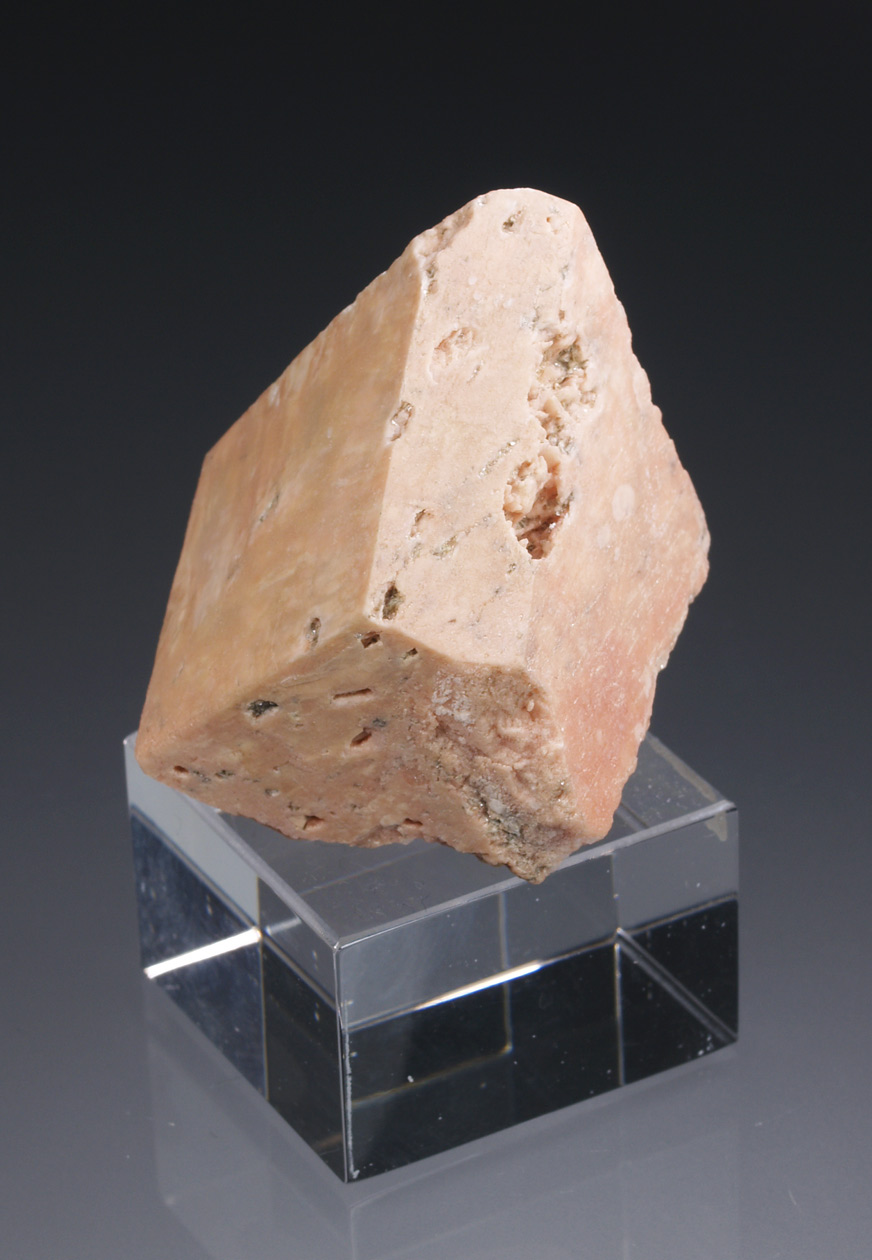
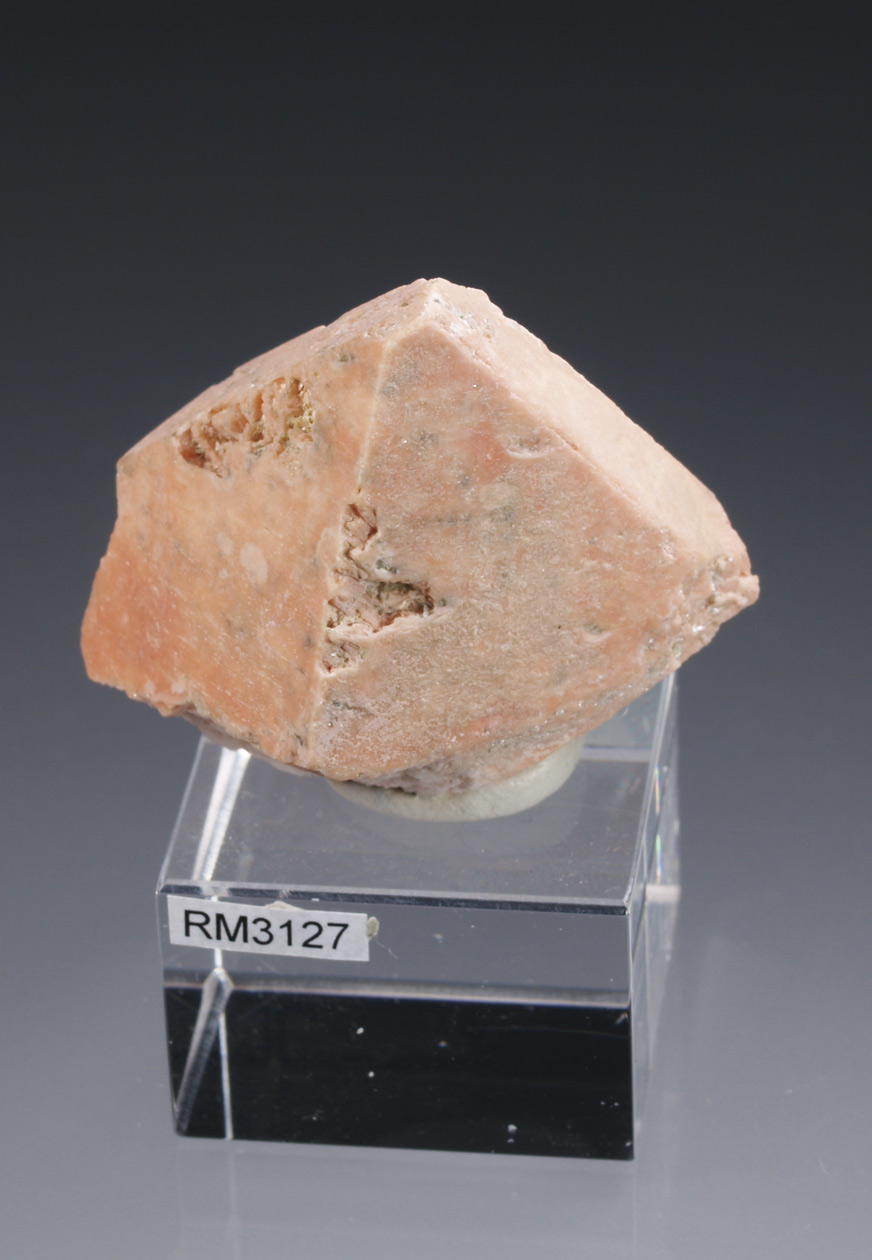
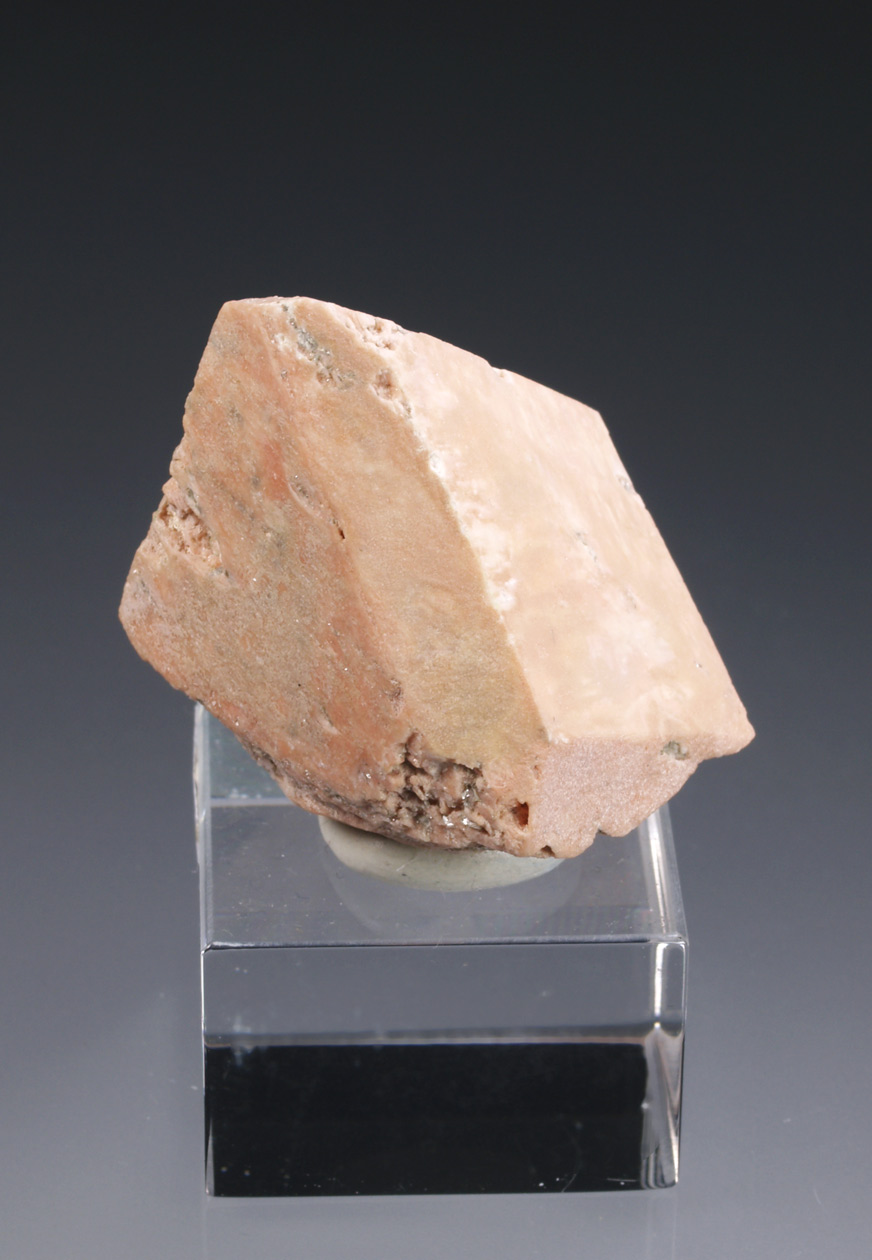
Microcline crystal with muscovite inclusions. It presents faces of the Baveno twin. The microcline crystals from this quarry are a classic of Catalan mineralogy. Currently works are abandoned and it is difficult to find new specimens.
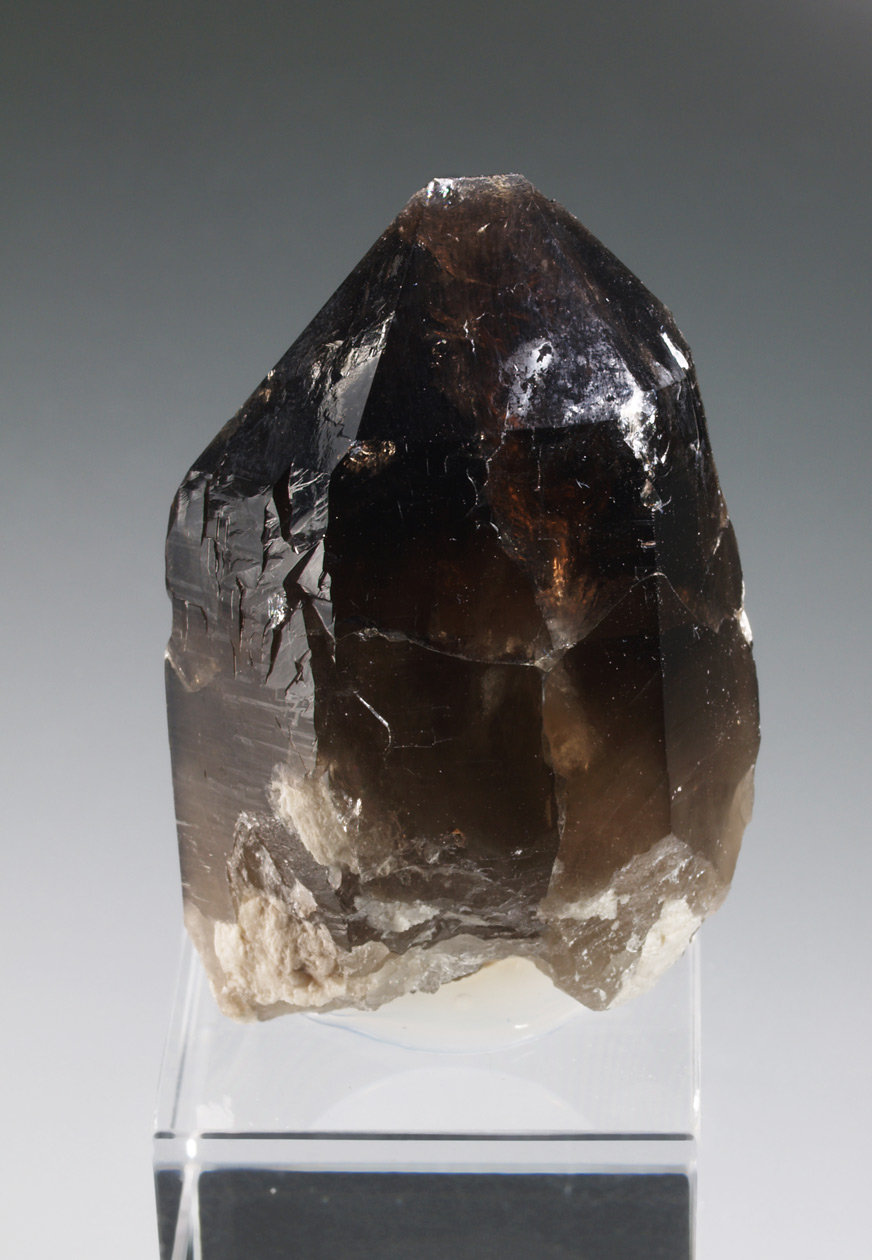
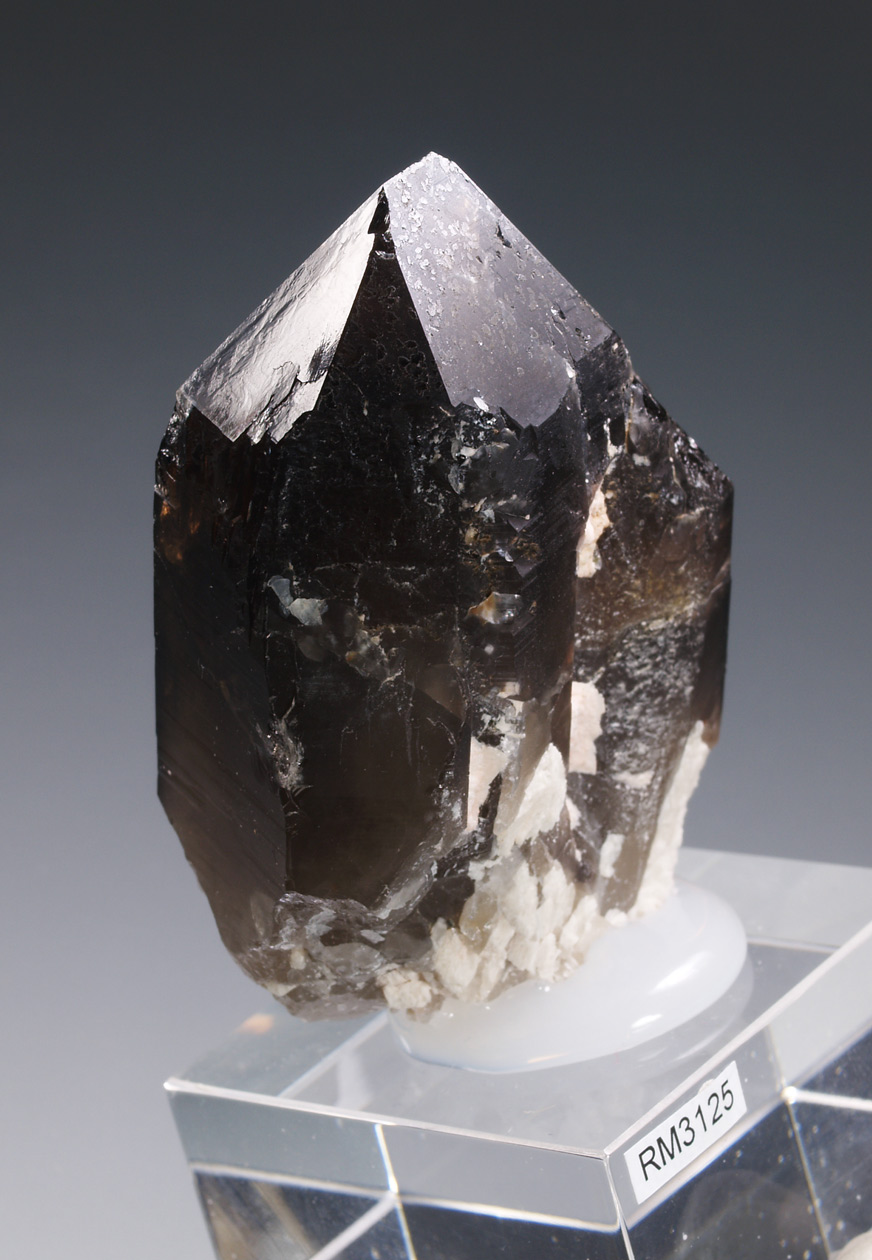
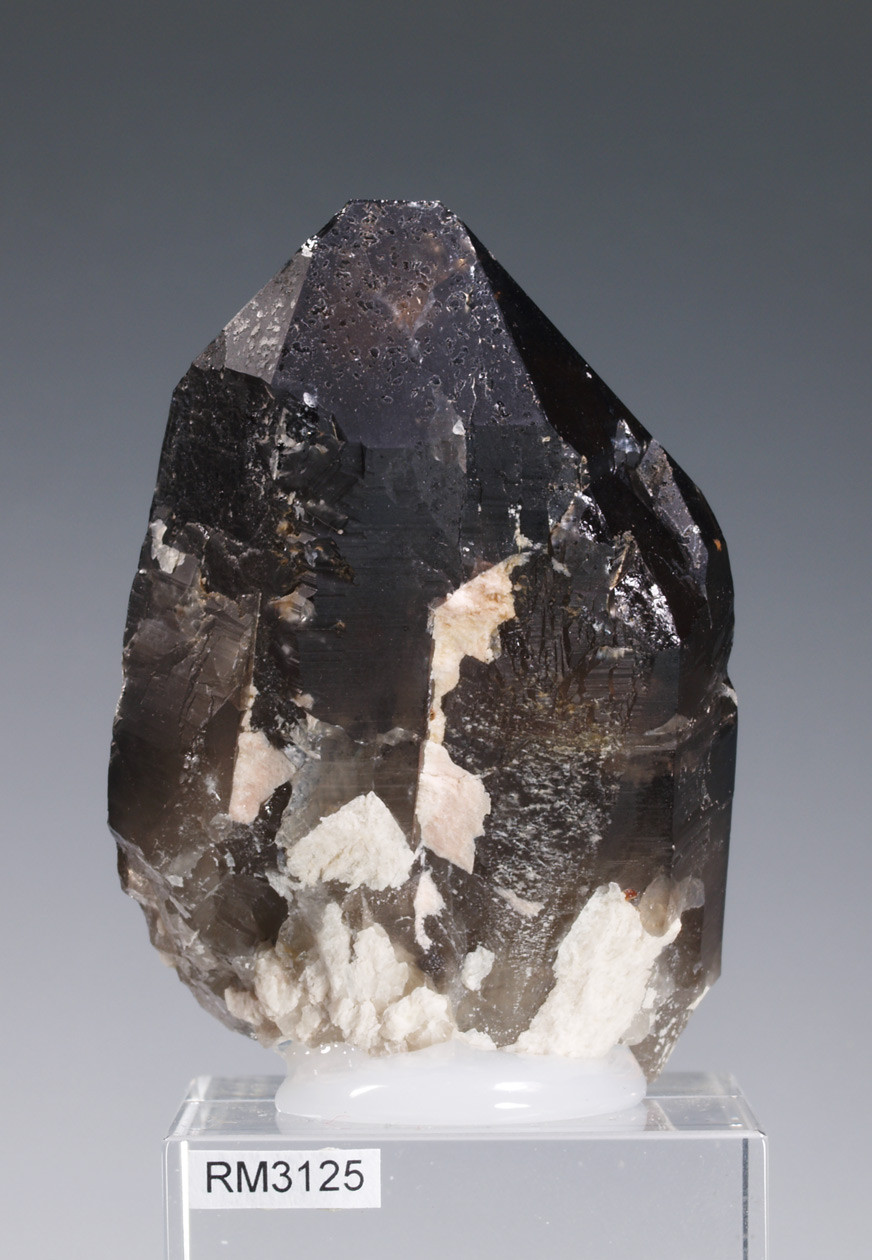
Smoky quartz crystals with parallel growths. Smoky tone is good. The quartz crystals from this quarry are a classic of Catalan mineralogy. Currently quarry is abandoned and it is difficult to find new specimens.