- Inicio Acerca de RM Minerales
- Galería de fotos Blog RM Contacto
- Microscopia e instrumentos Pedidos Aviso legal
Copyright 2010-2026
www.rosellminerals.com



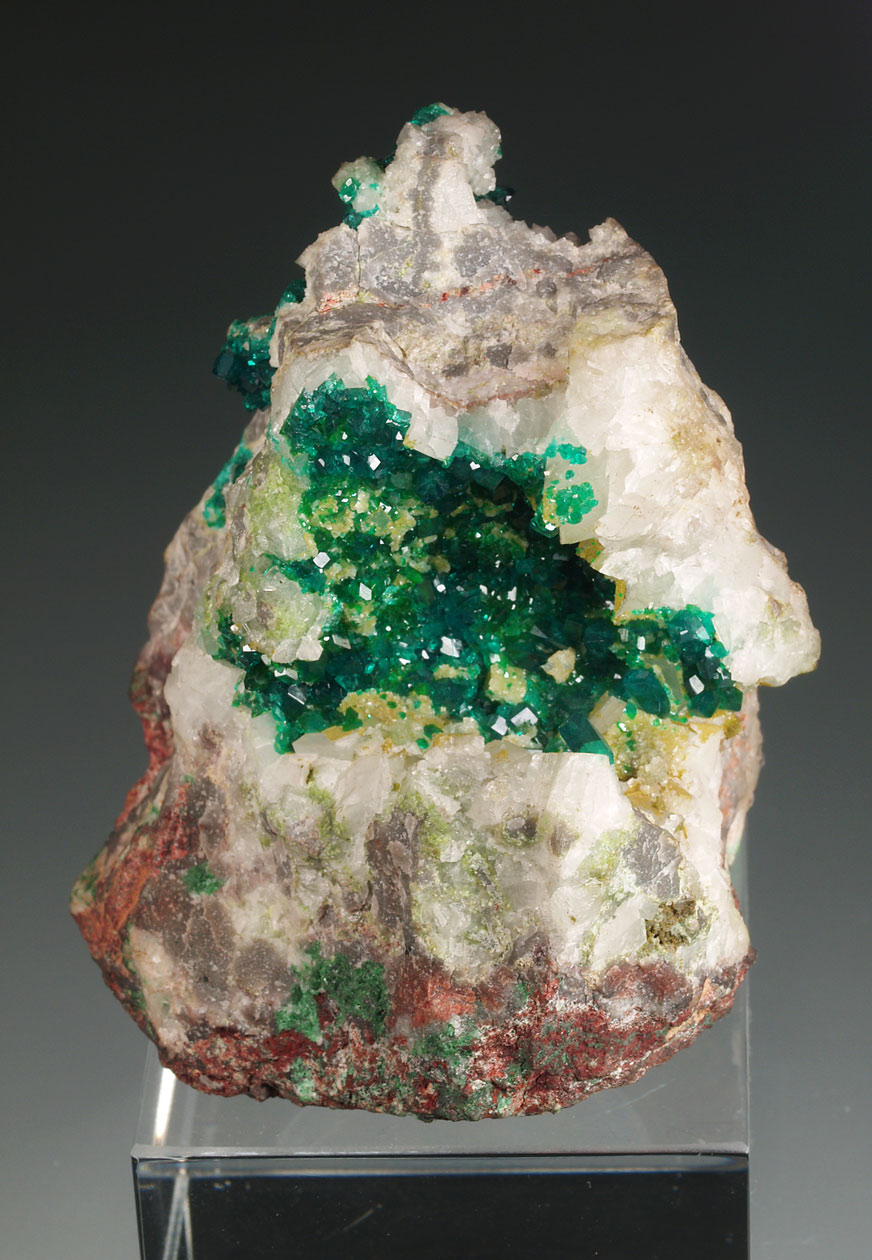
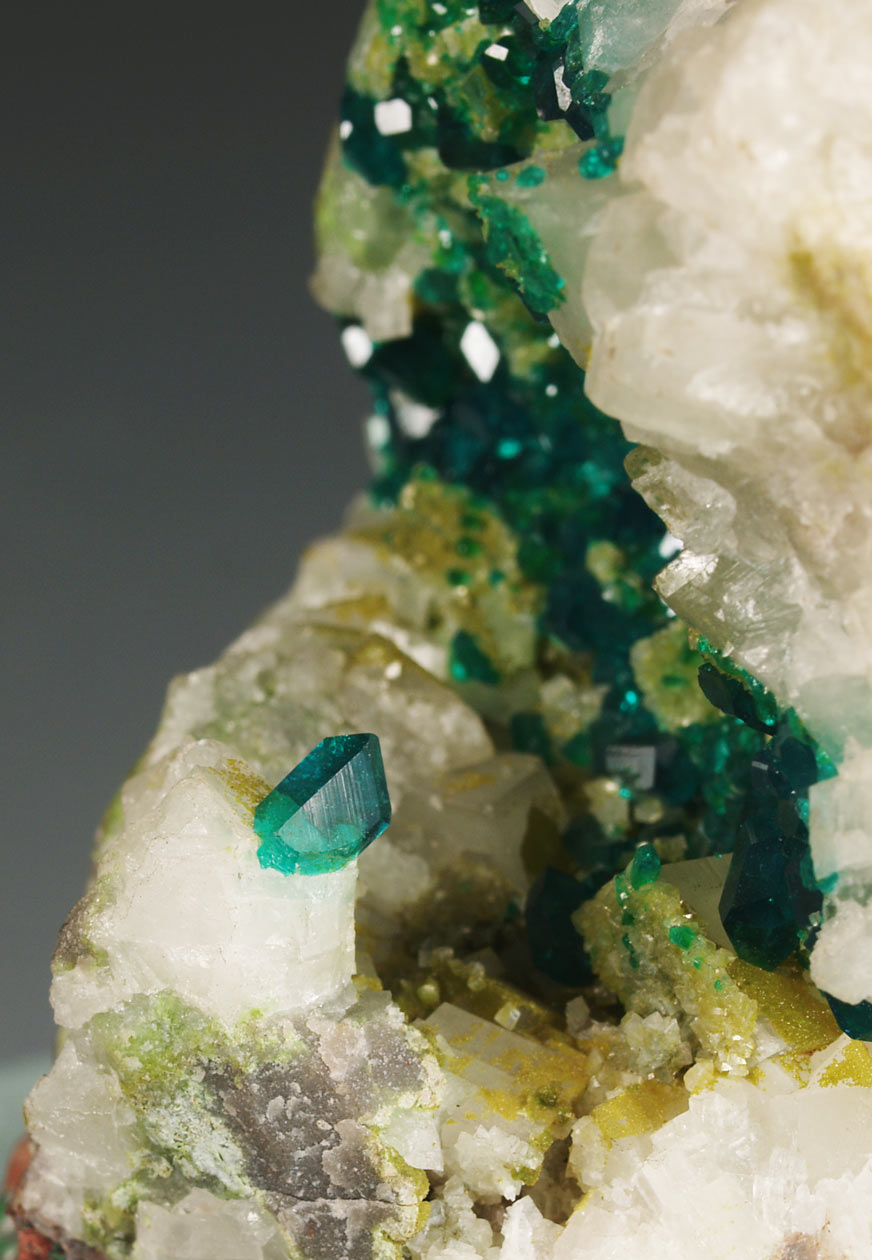
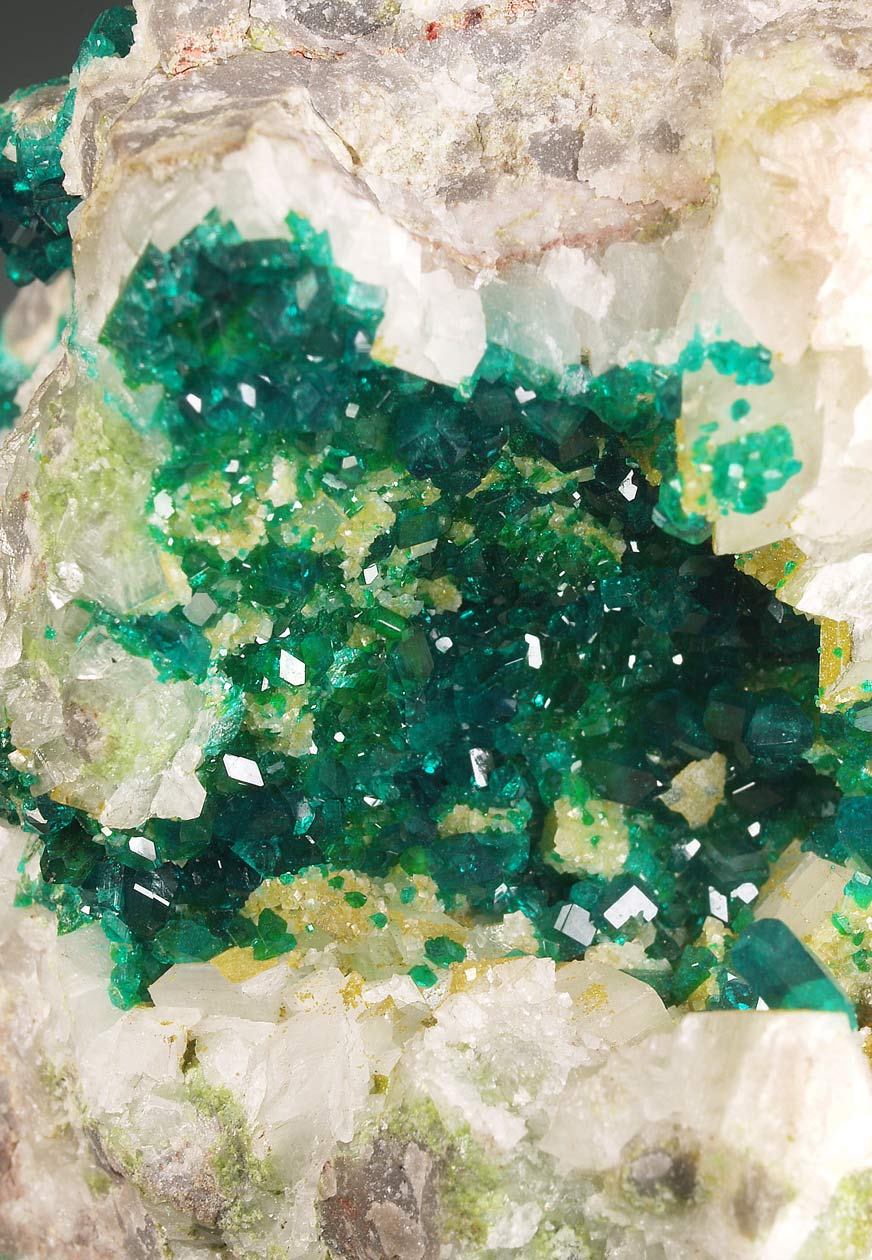
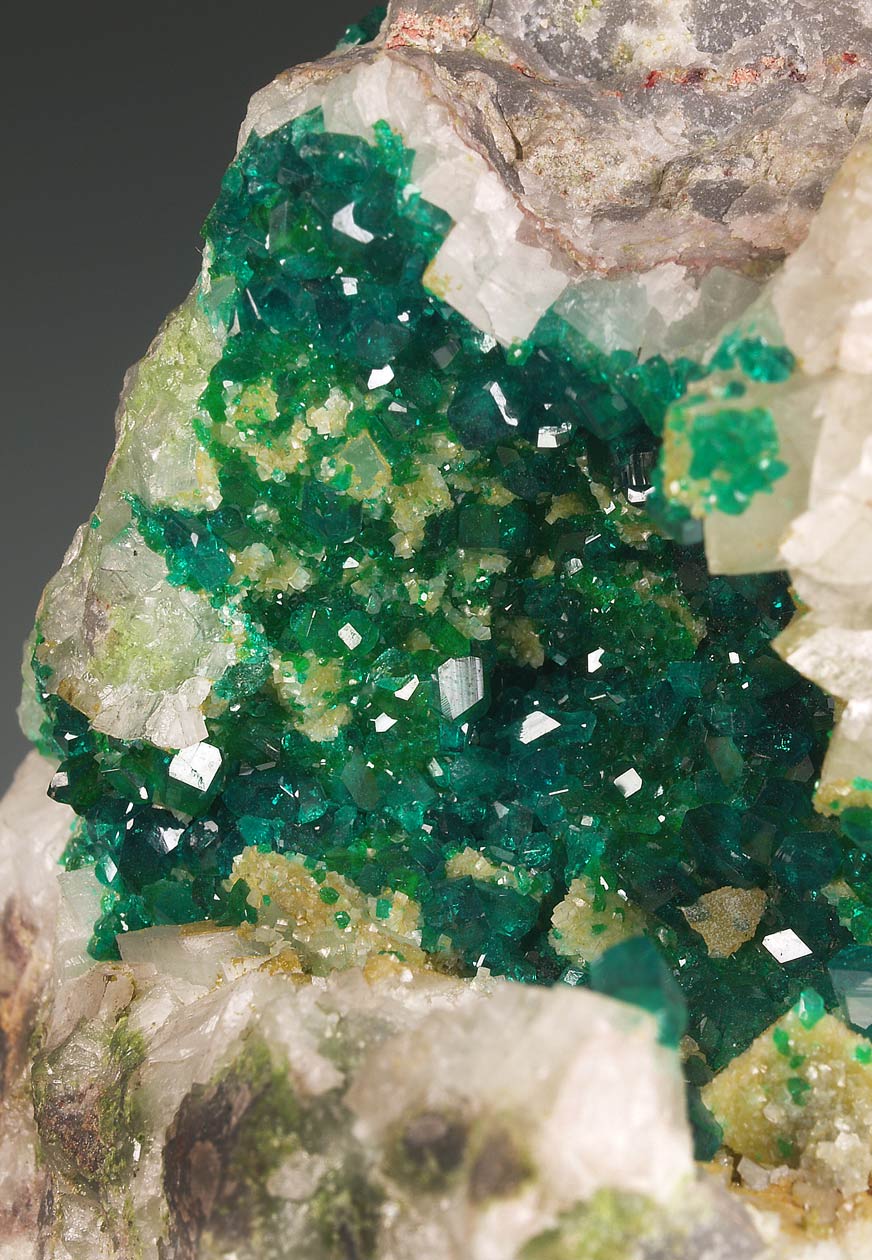
En una cavidad se disponen numerosos cristales completos y brillantes de dioptasa con el intenso color verde característico. Se acompañan de pequeños cristales amarillos de duftita, sobre romboedros de calcita. Un clásico muy estético de esta mina.
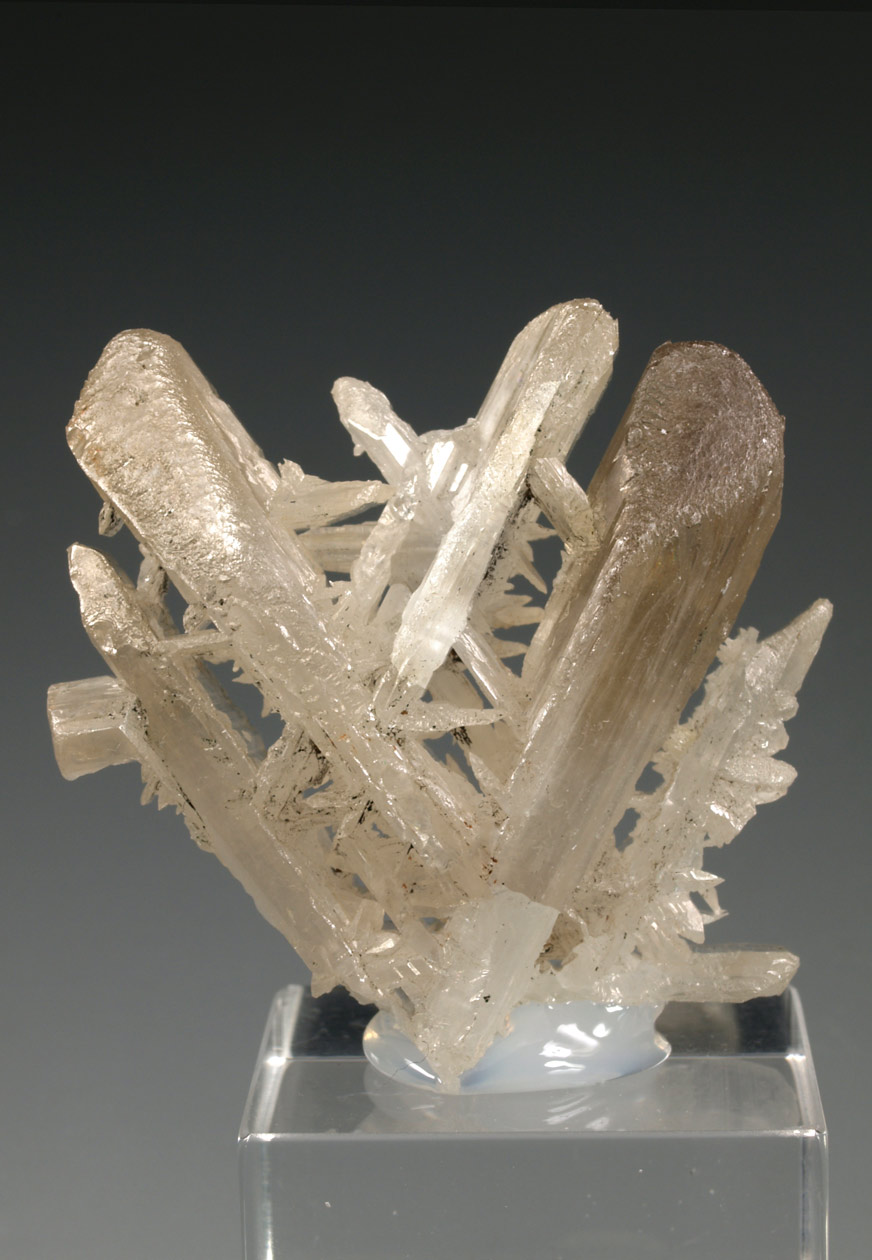
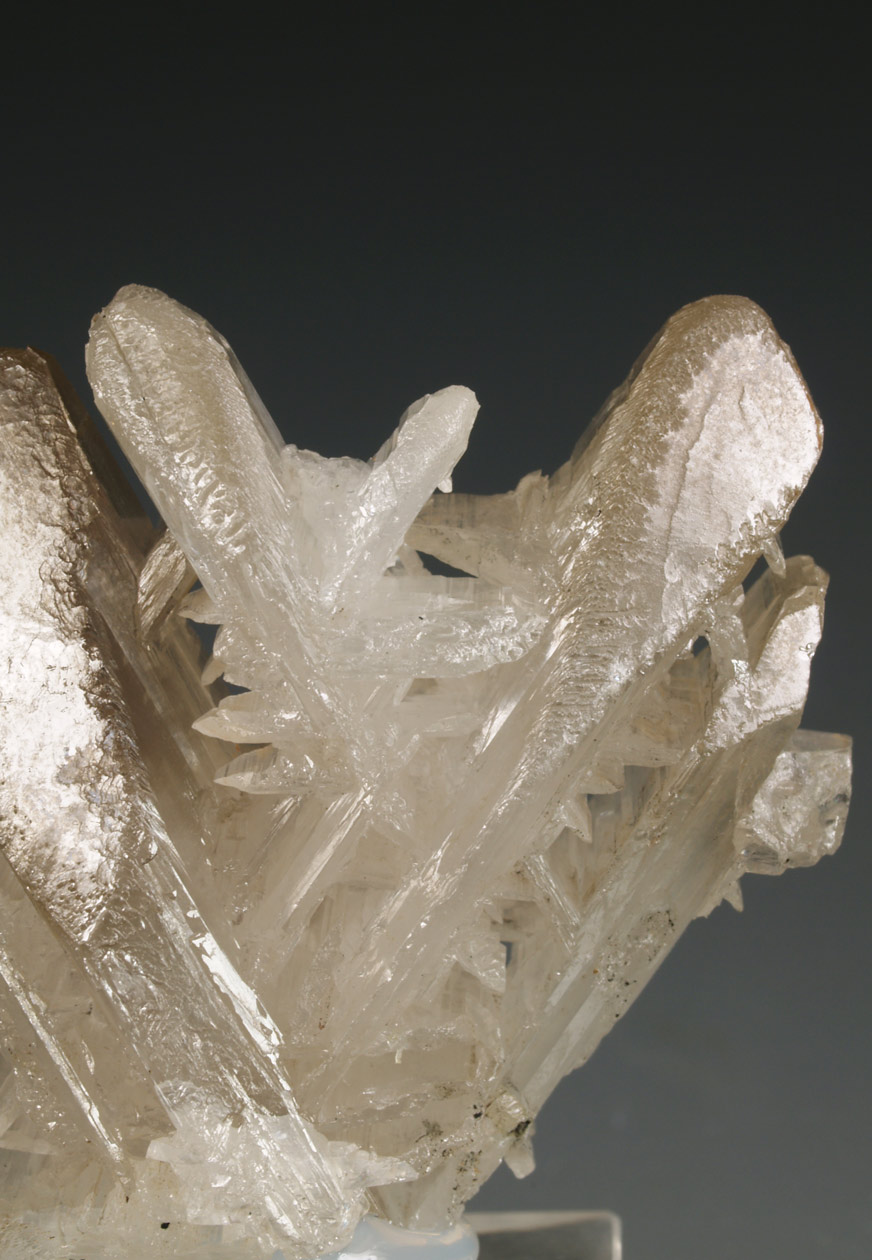
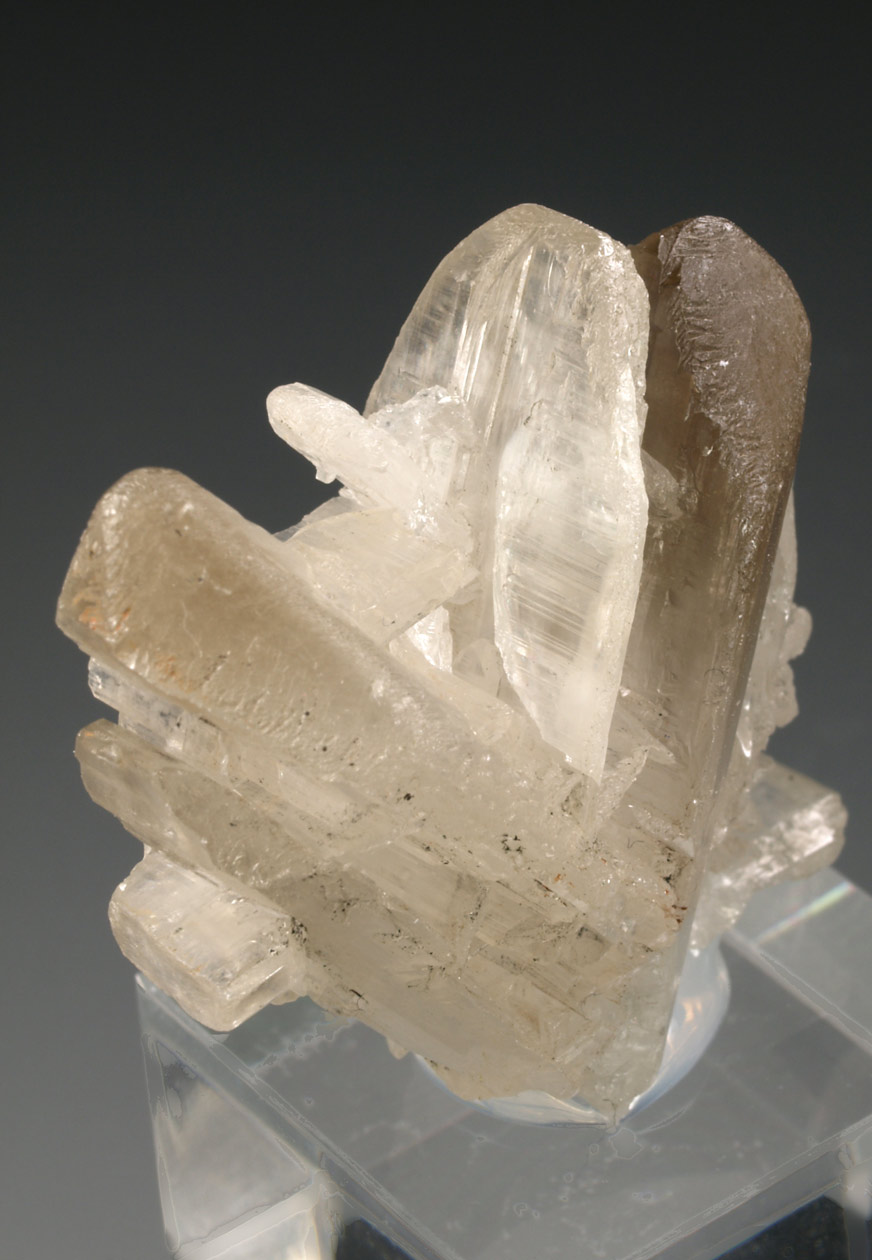
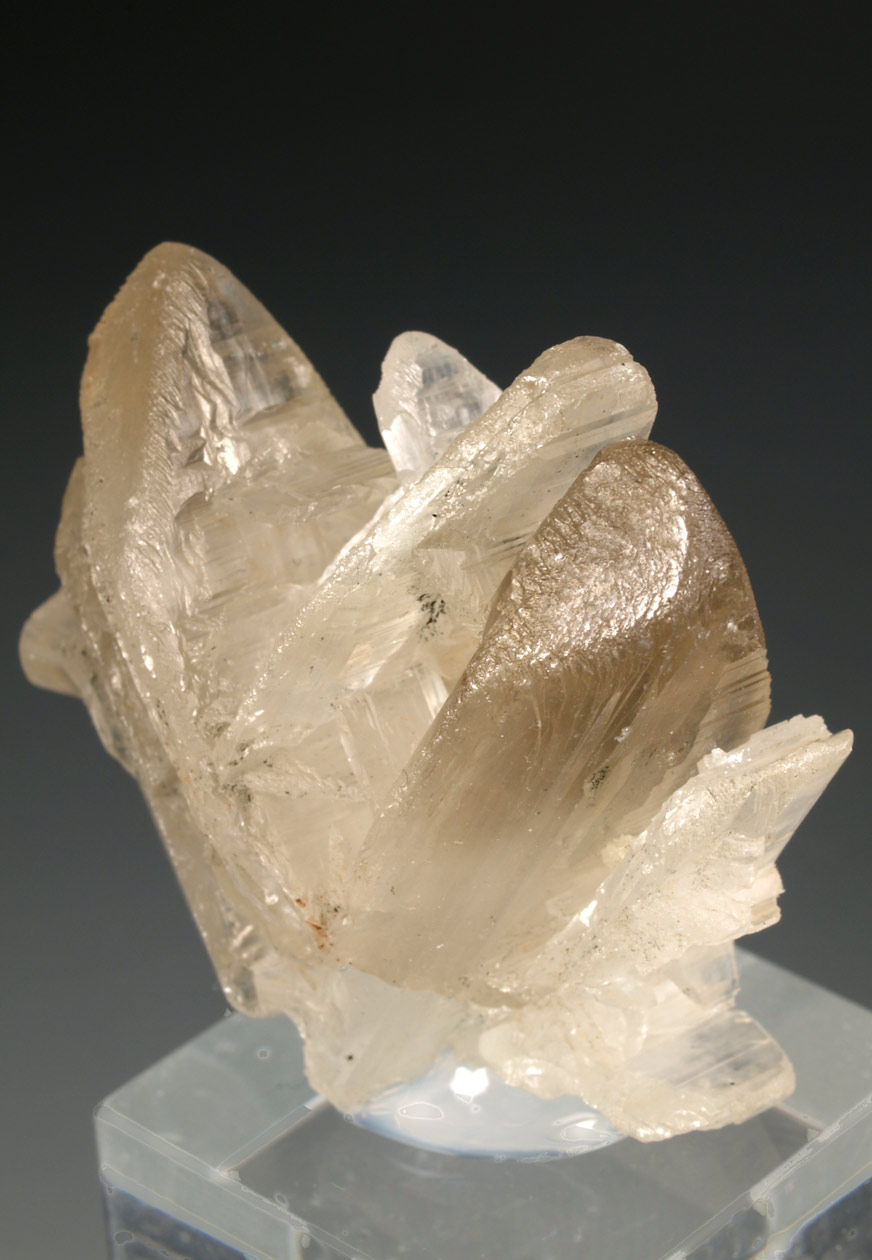
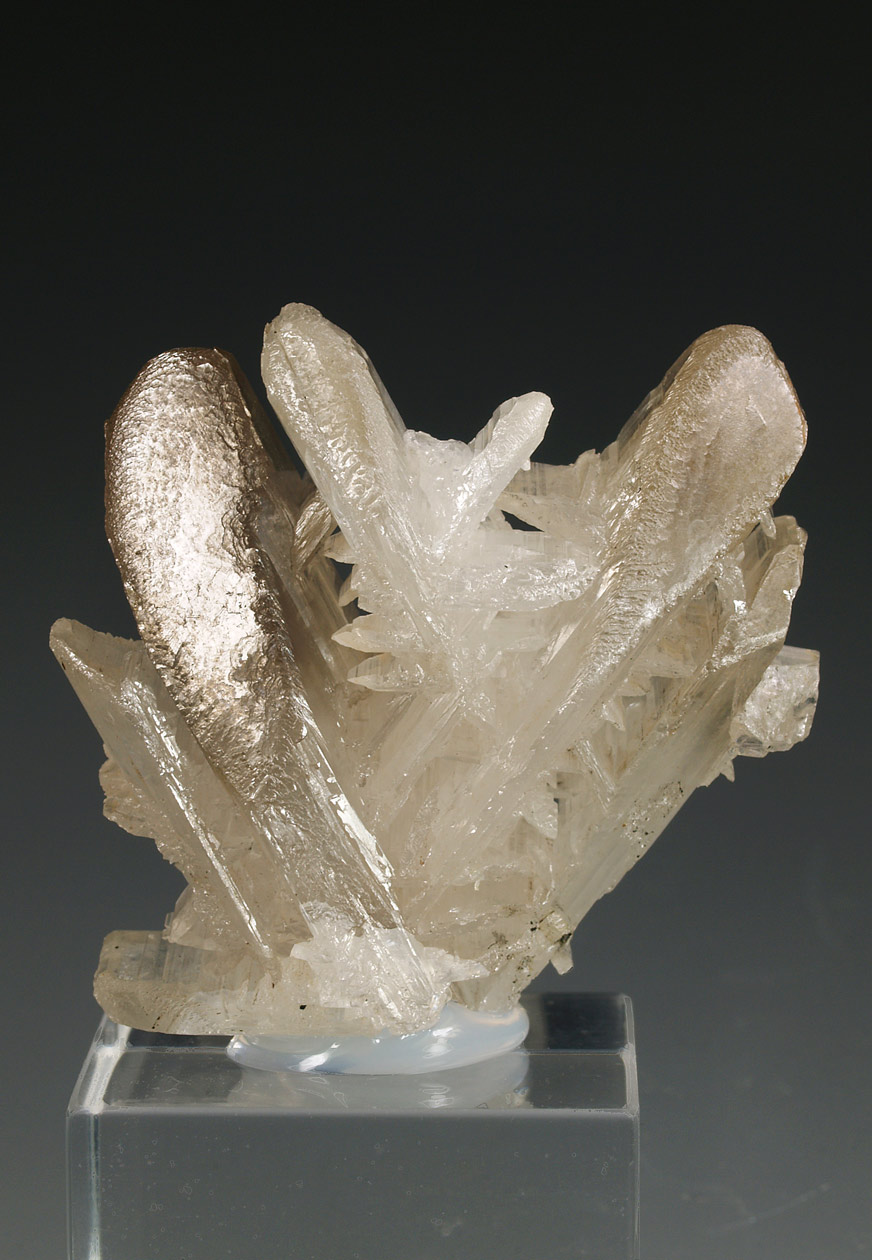
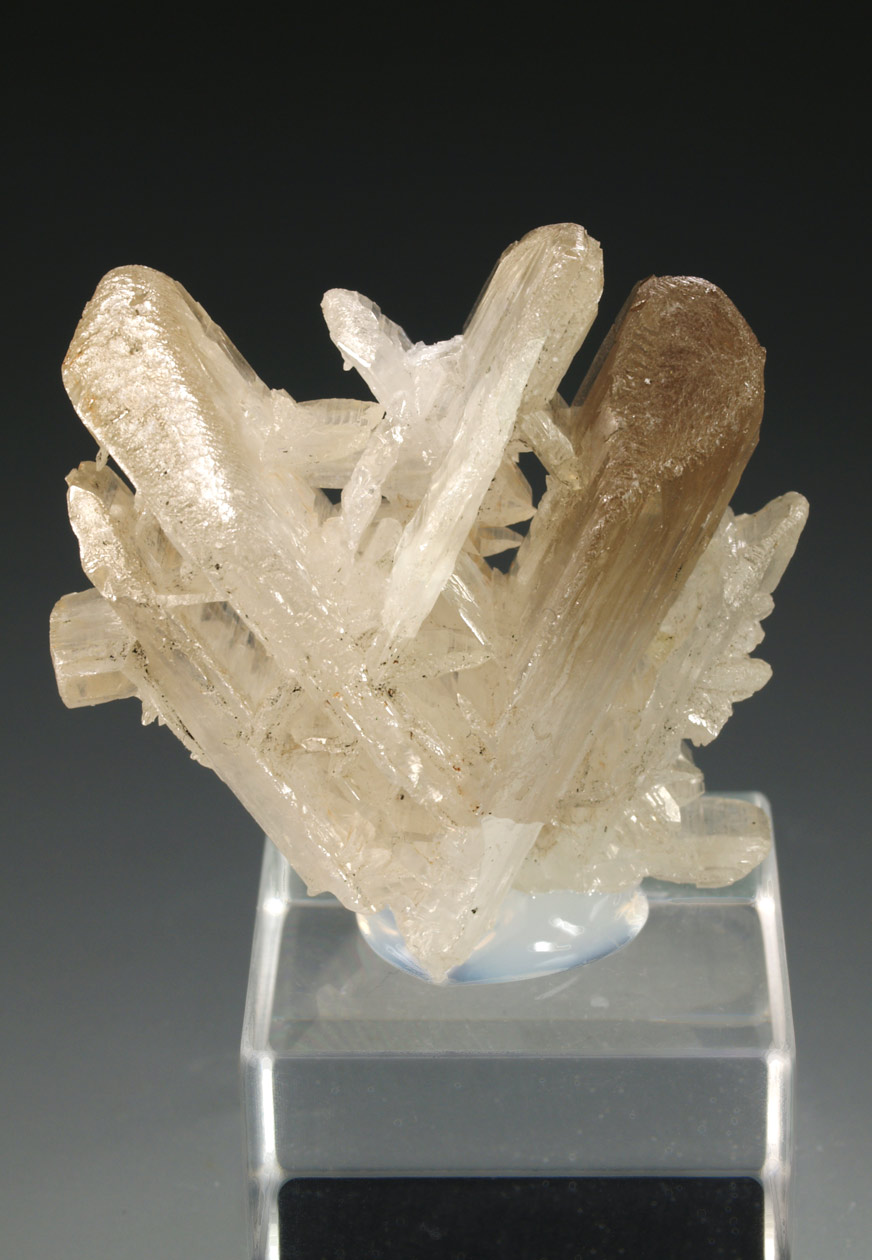
Excepcional y antiguo ejemplar de cerusita de esta clásica localidad marroquí. Presenta diversos cristales prismáticos a tabulares de buen tamaño divergentes, maclados en "V". Translúcidos y con un tono ahumado en uno de ellos. Pura estética, un ejemplar muy difícil de conseguir hoy en día.
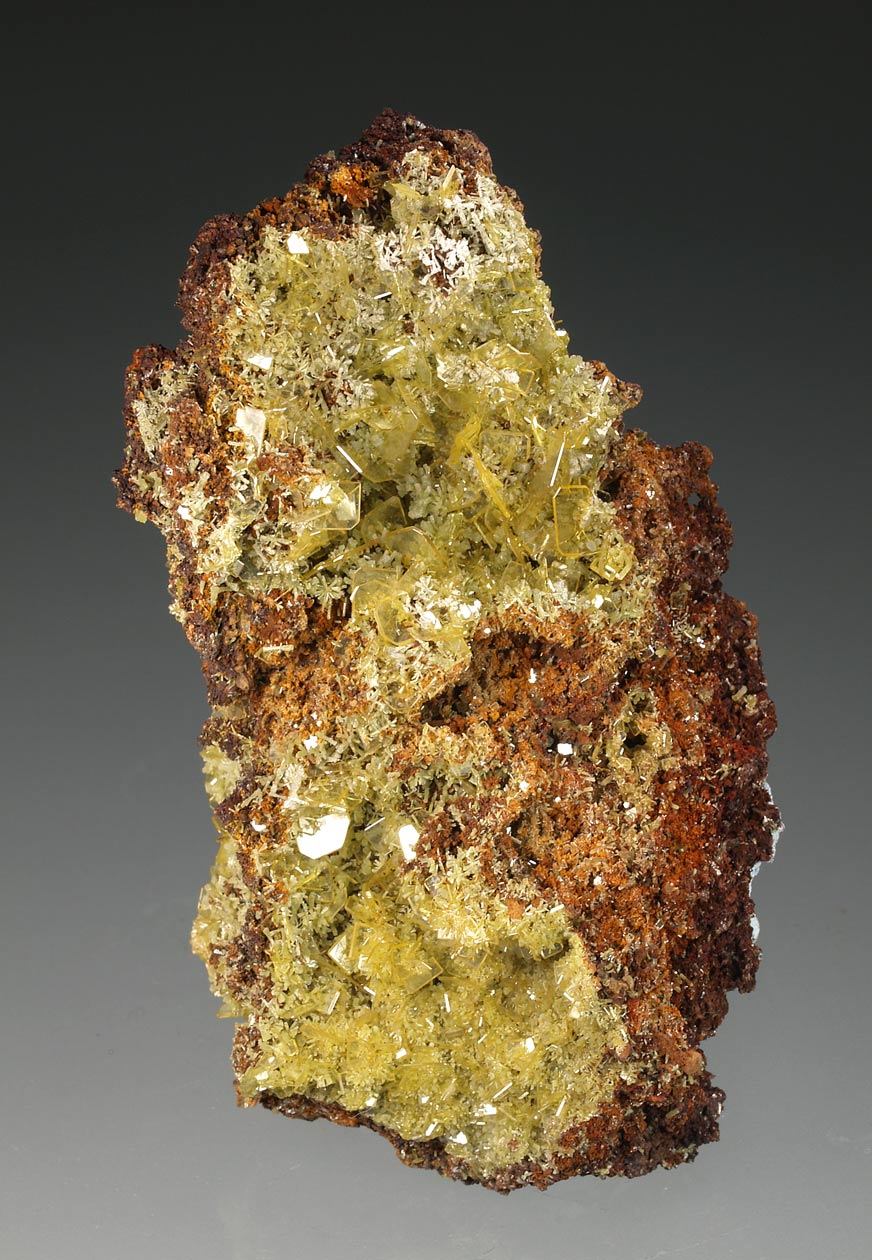
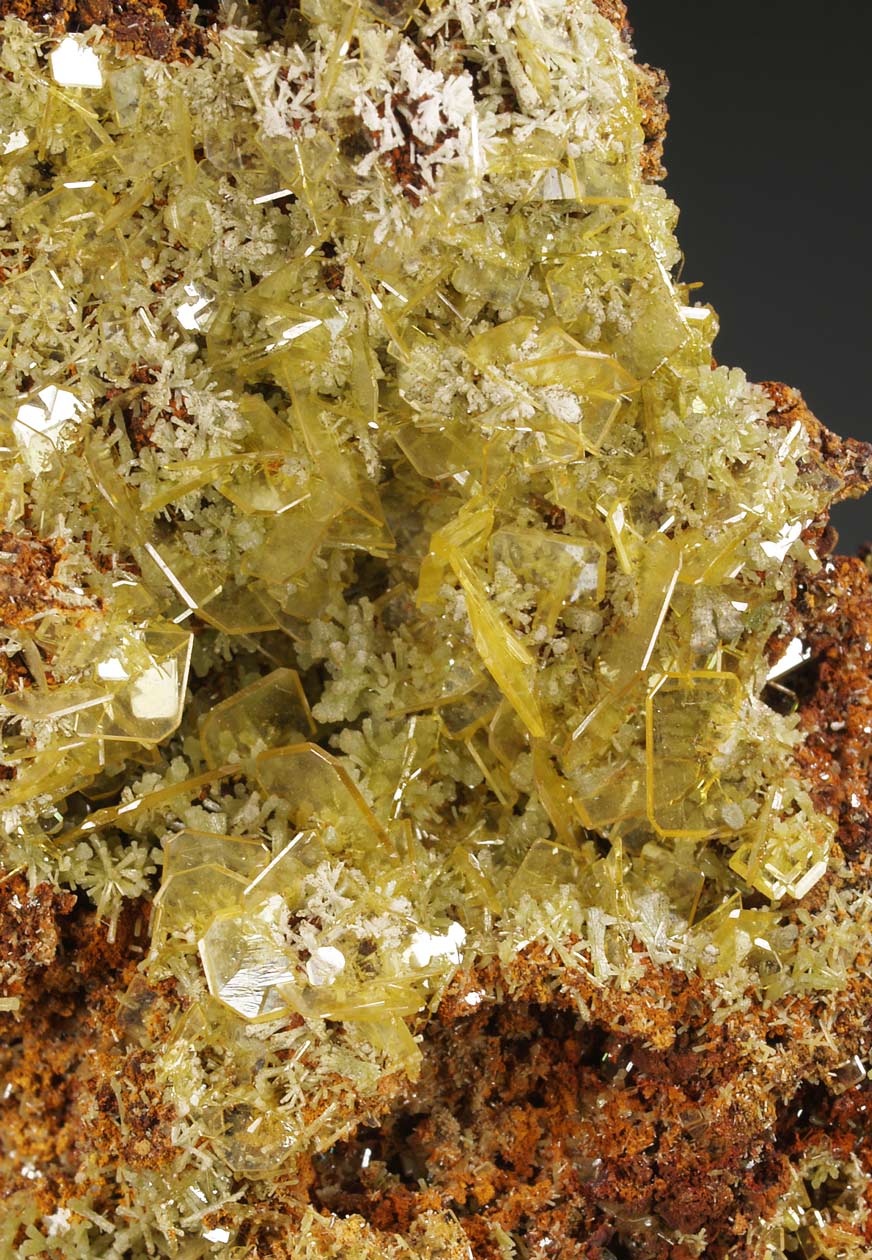
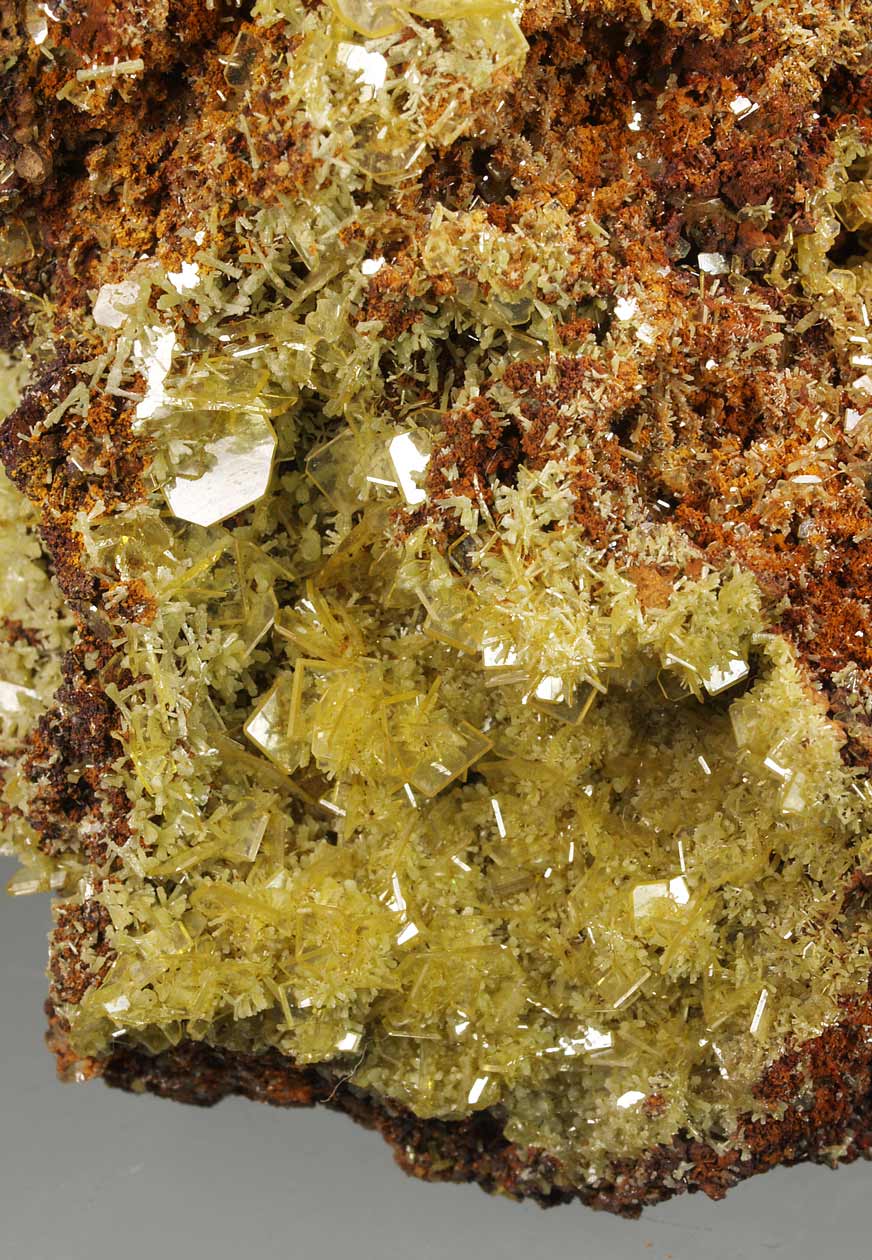
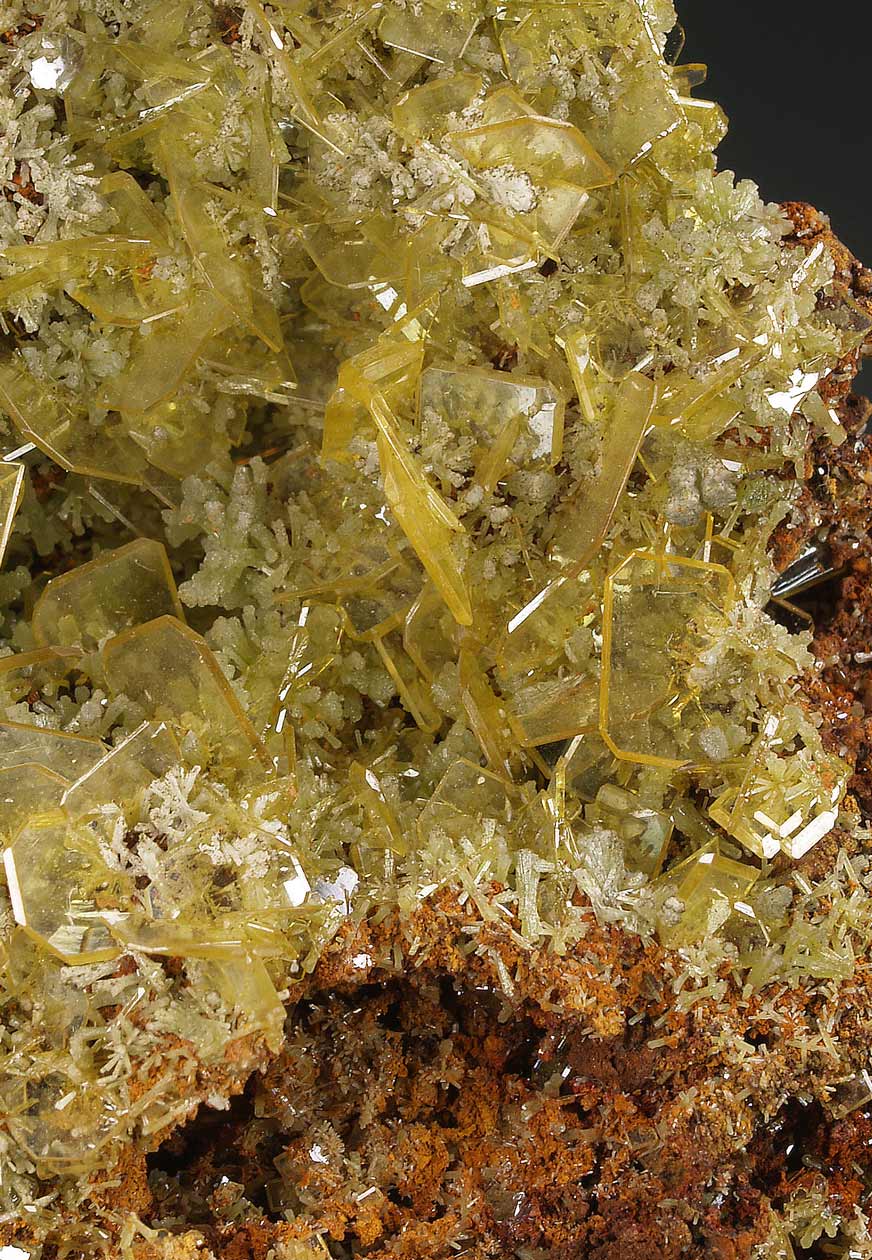
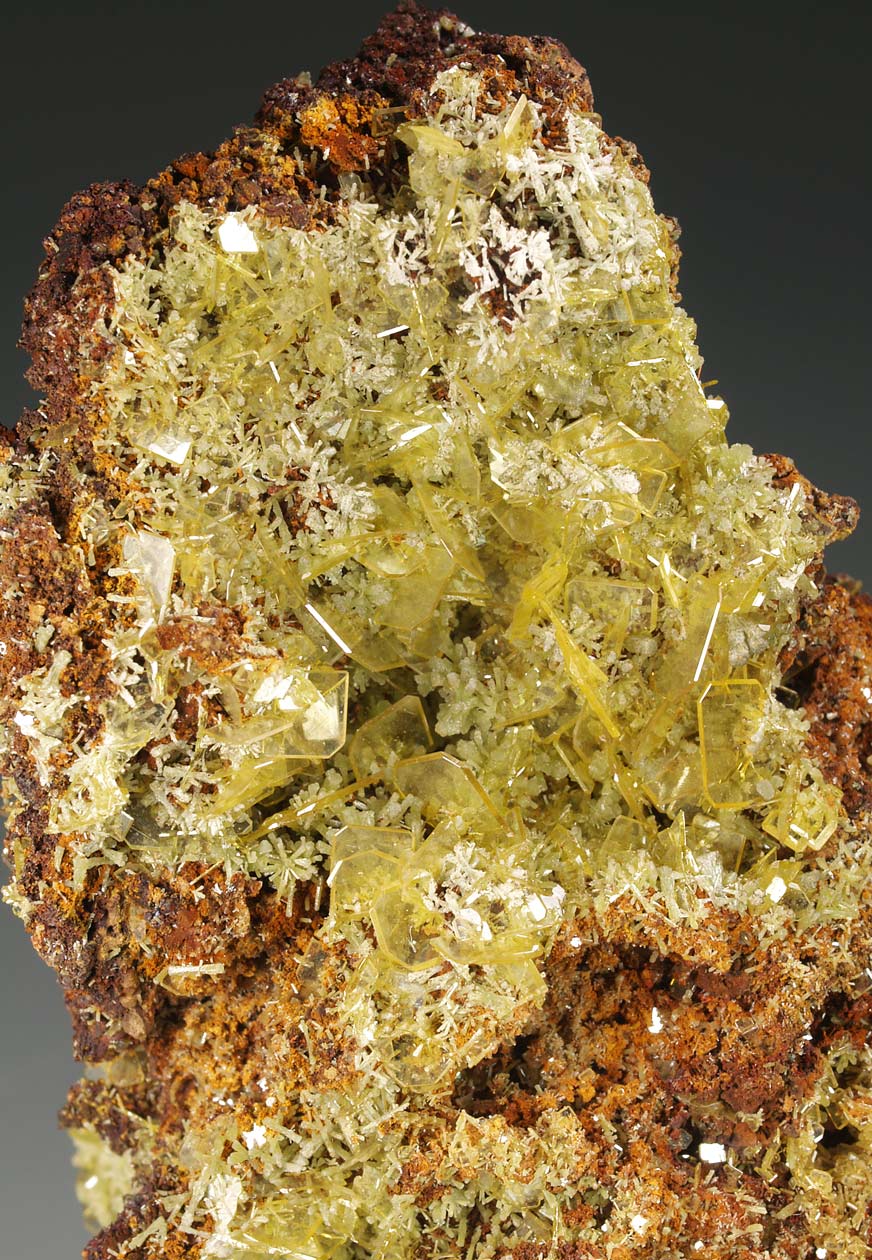
Drusa de cristales tabulares de wulfenita, transparentes, definidos y con un suave tono amarillento a verdoso. Se acompañan en una matriz de goethita con agregados en gavilla de cristales de mimetita. Muy estética.
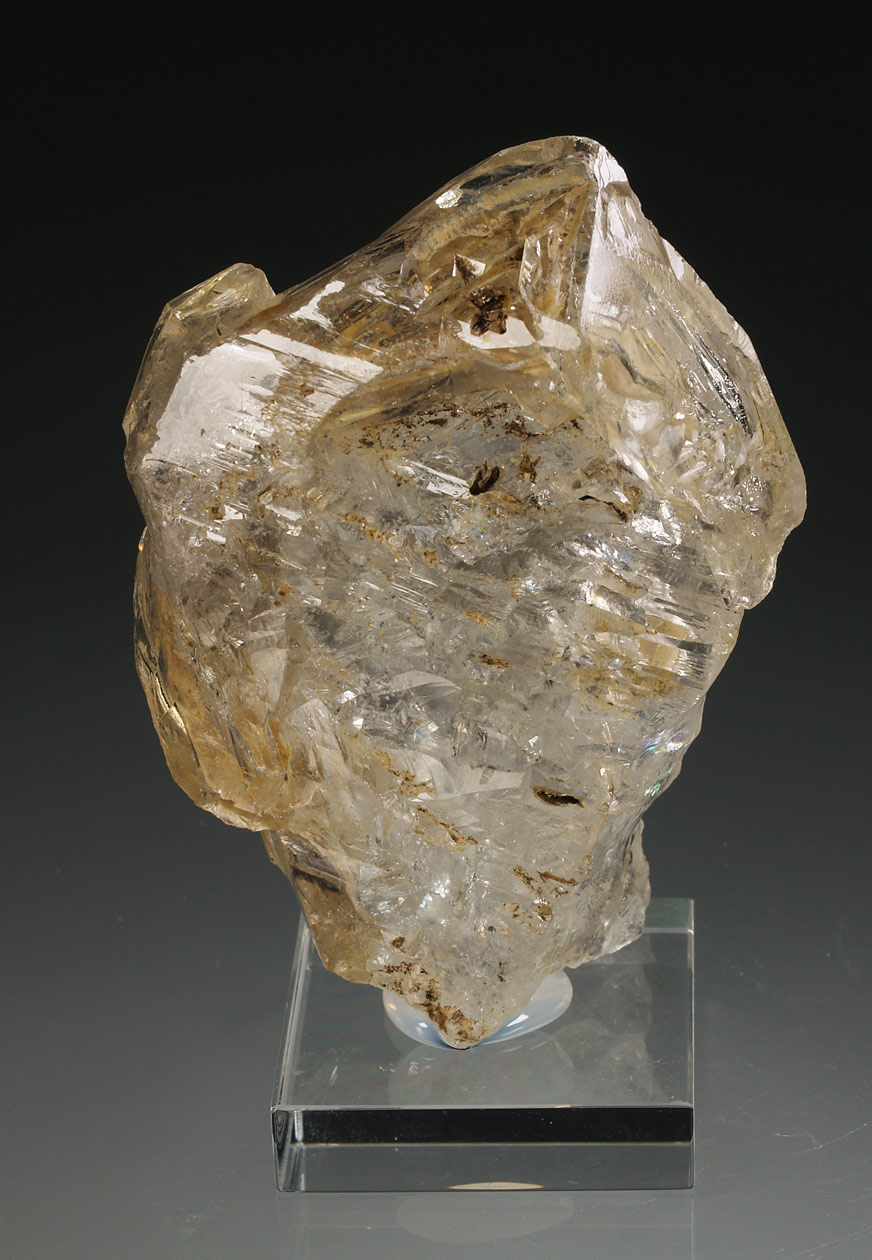
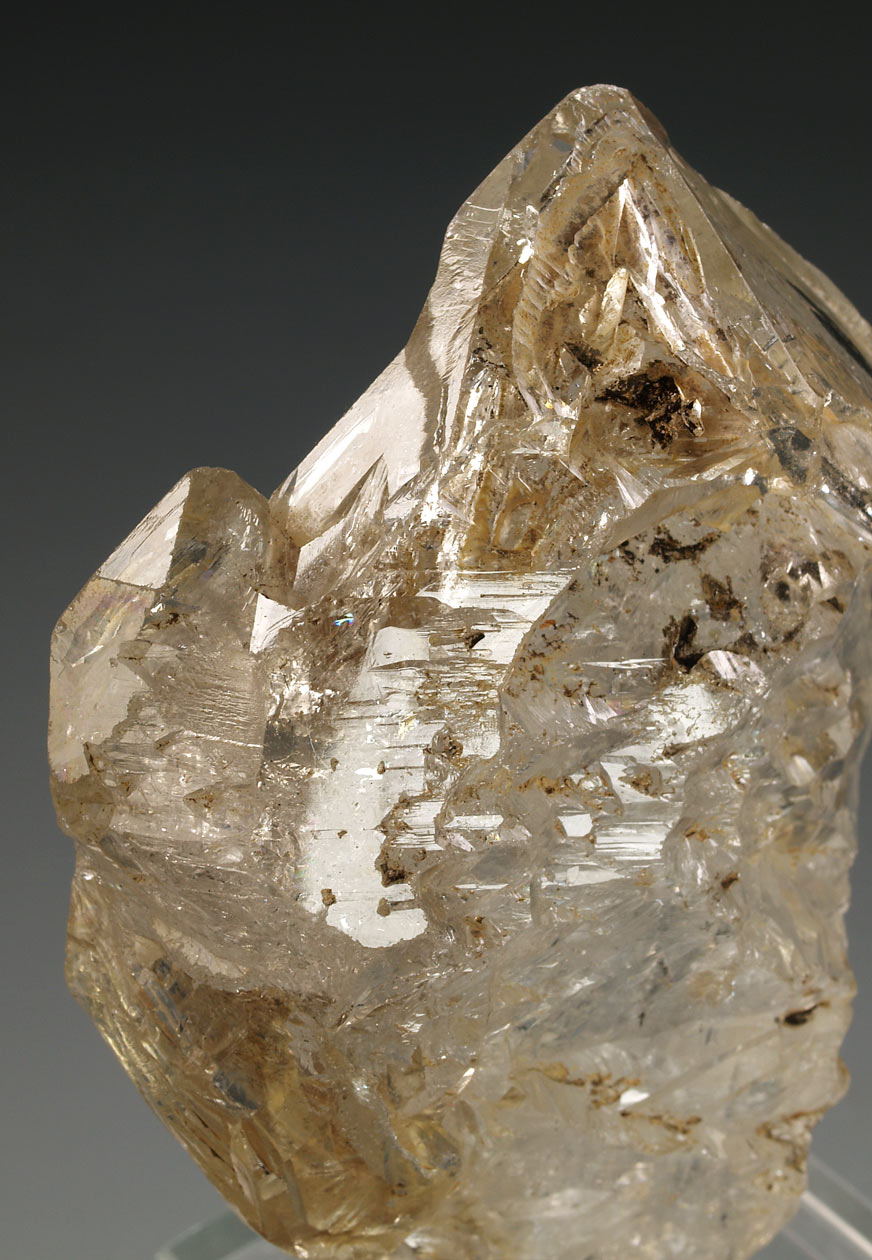
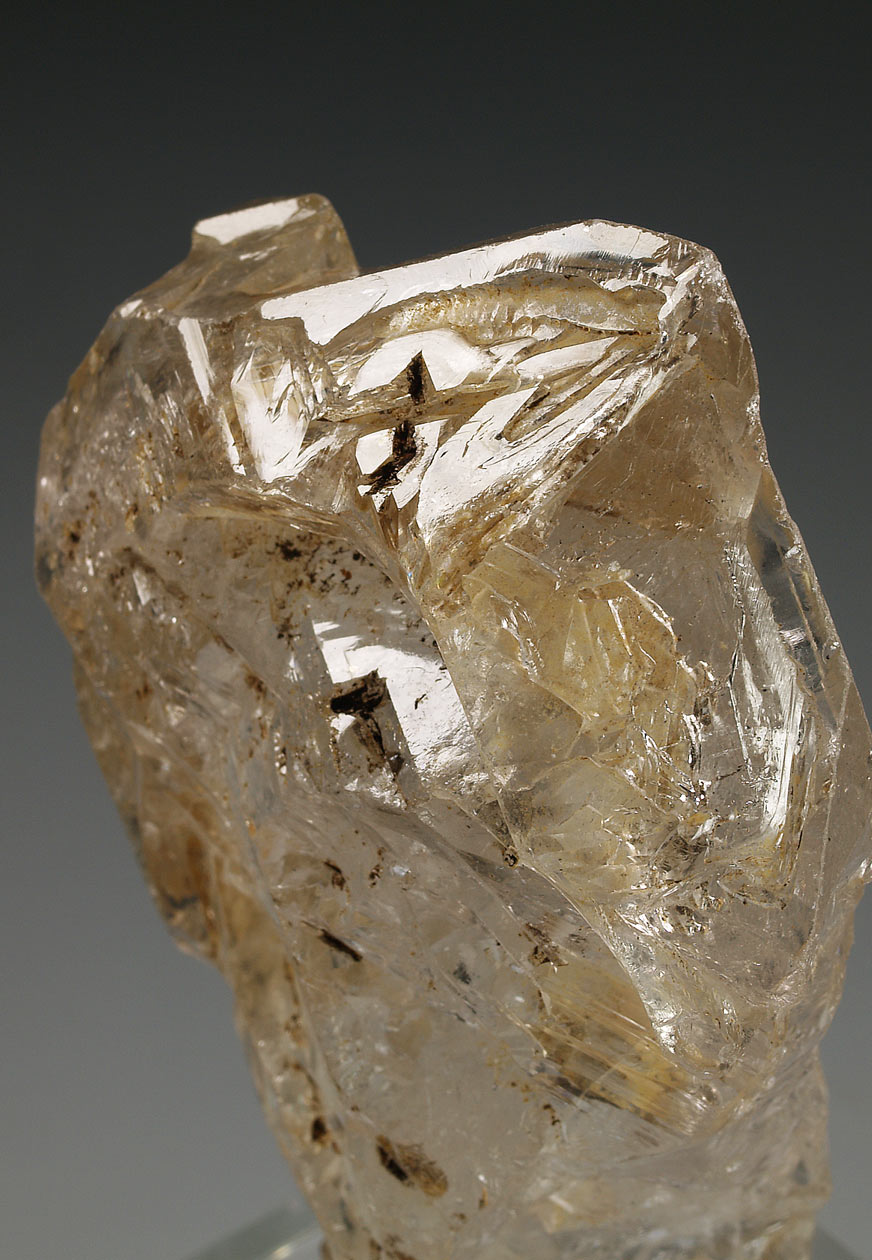
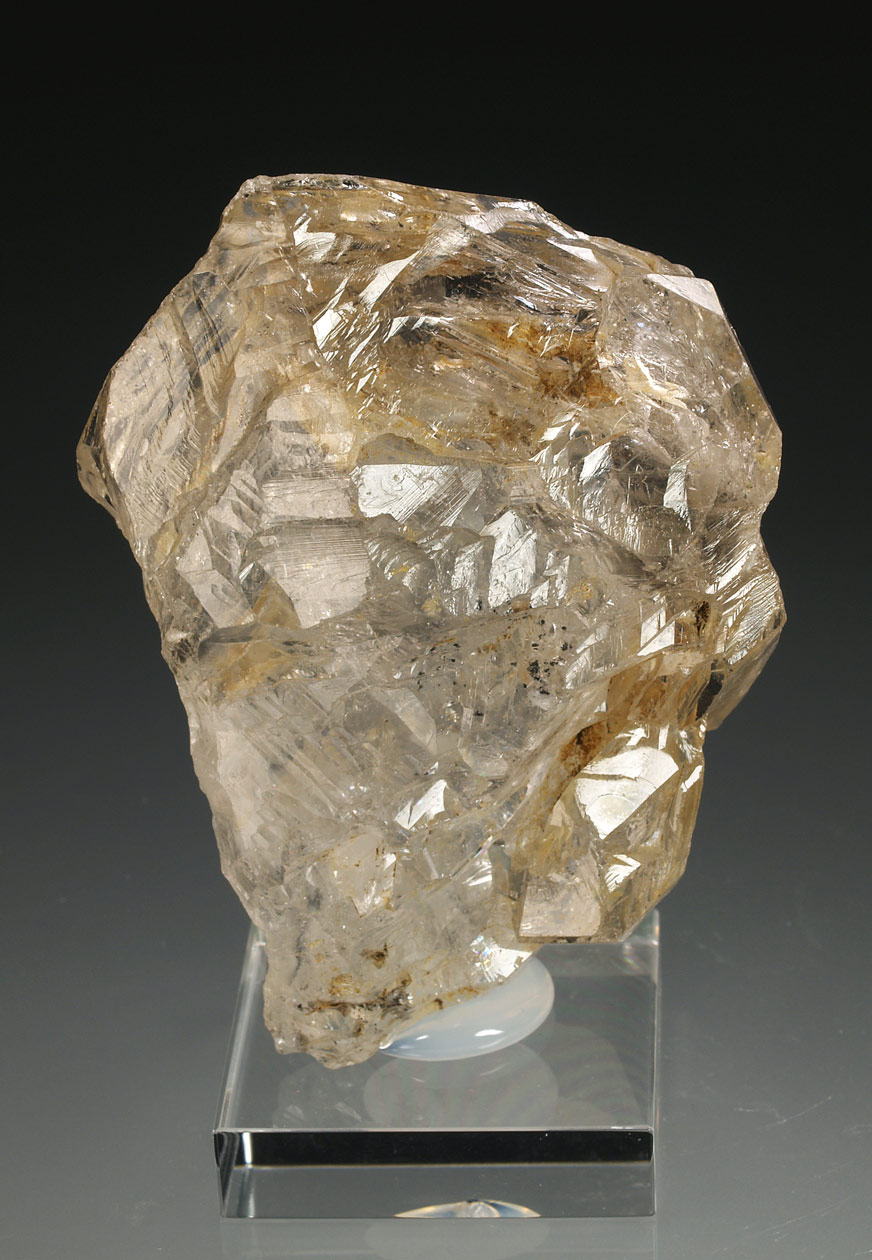
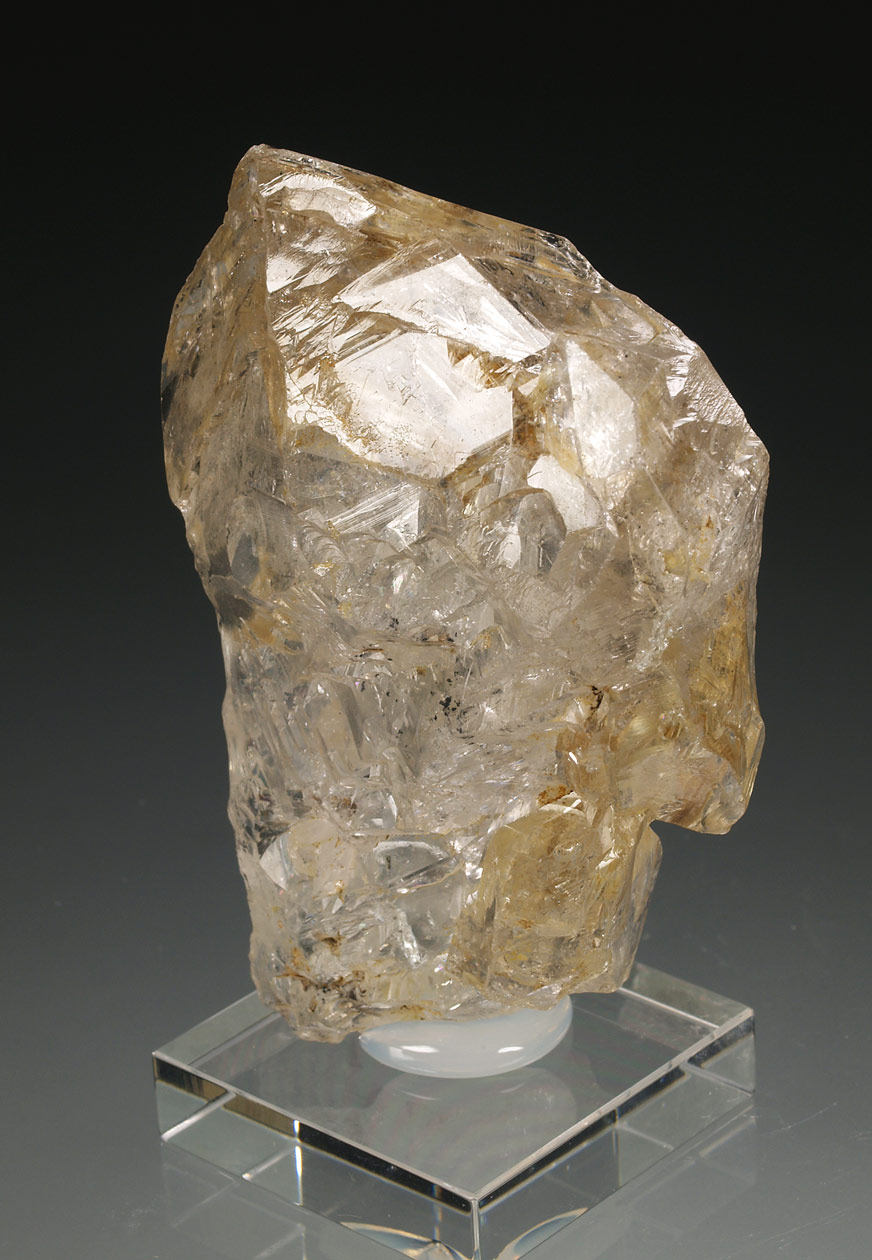
Ejemplar de cuarzo con marcadas formas de crecimiento en "ventana" con inclusiones. Estos cristales de Allos no son muy habituales en el mercado. El paso de Allos está situado en los límites del Parque Nacional de Mercantour, aproximadamente a 20 km del pequeño pueblo de Barcelonnette.
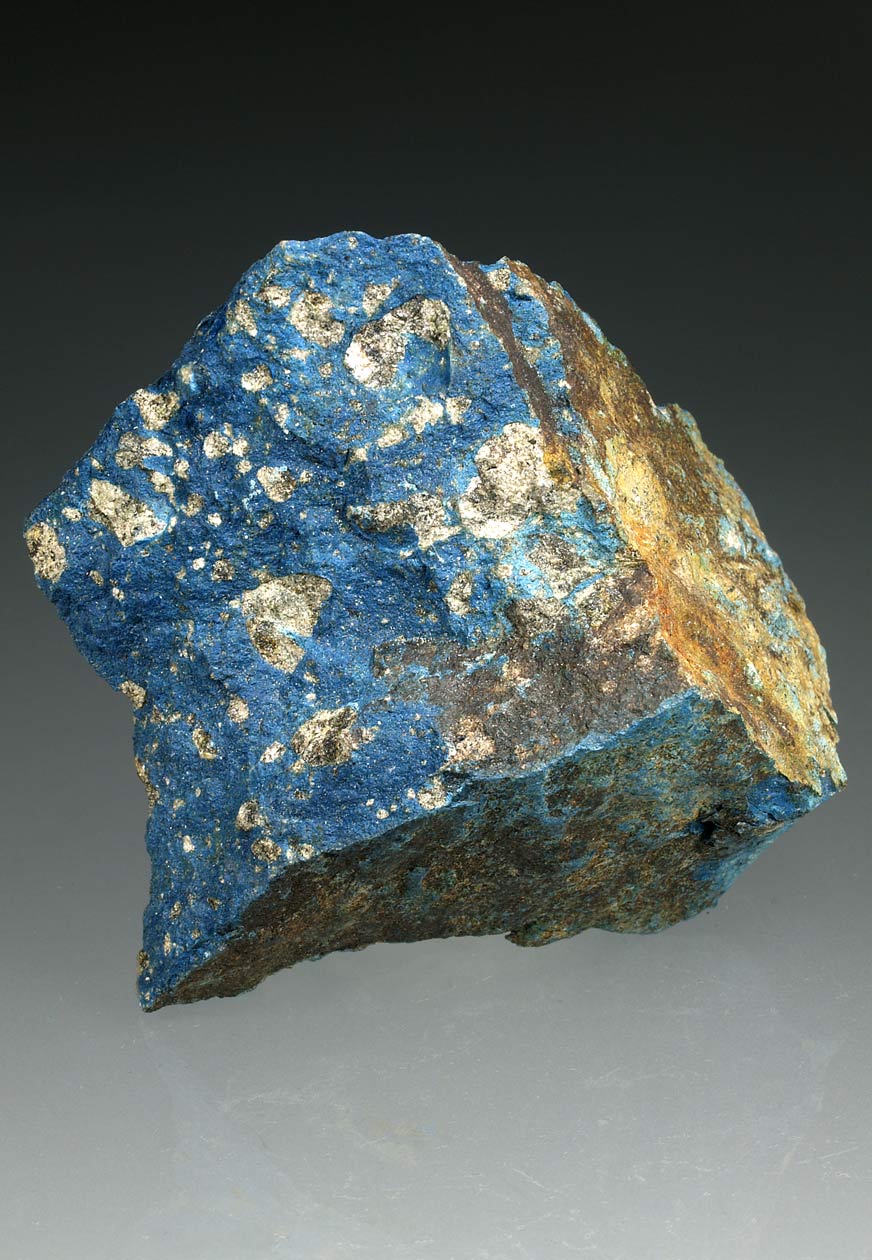
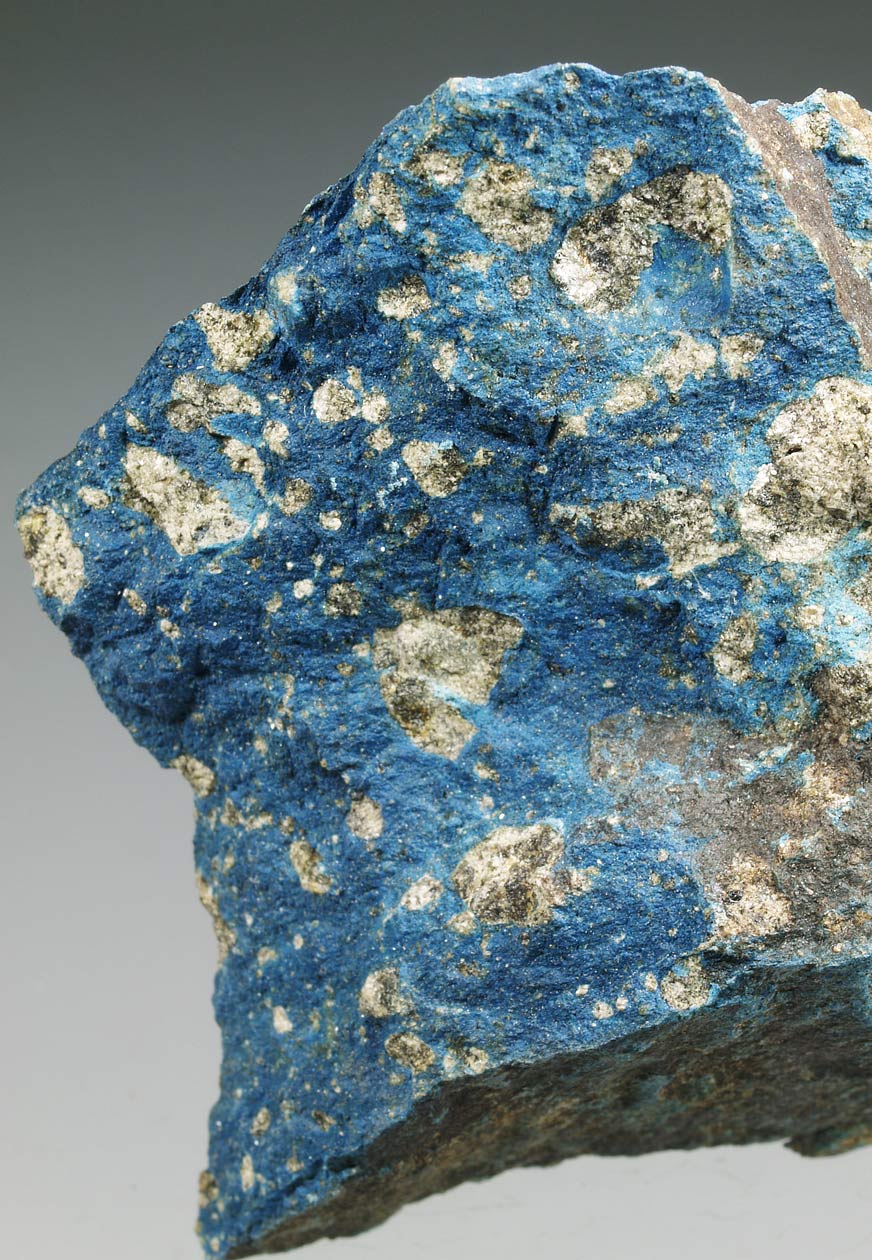
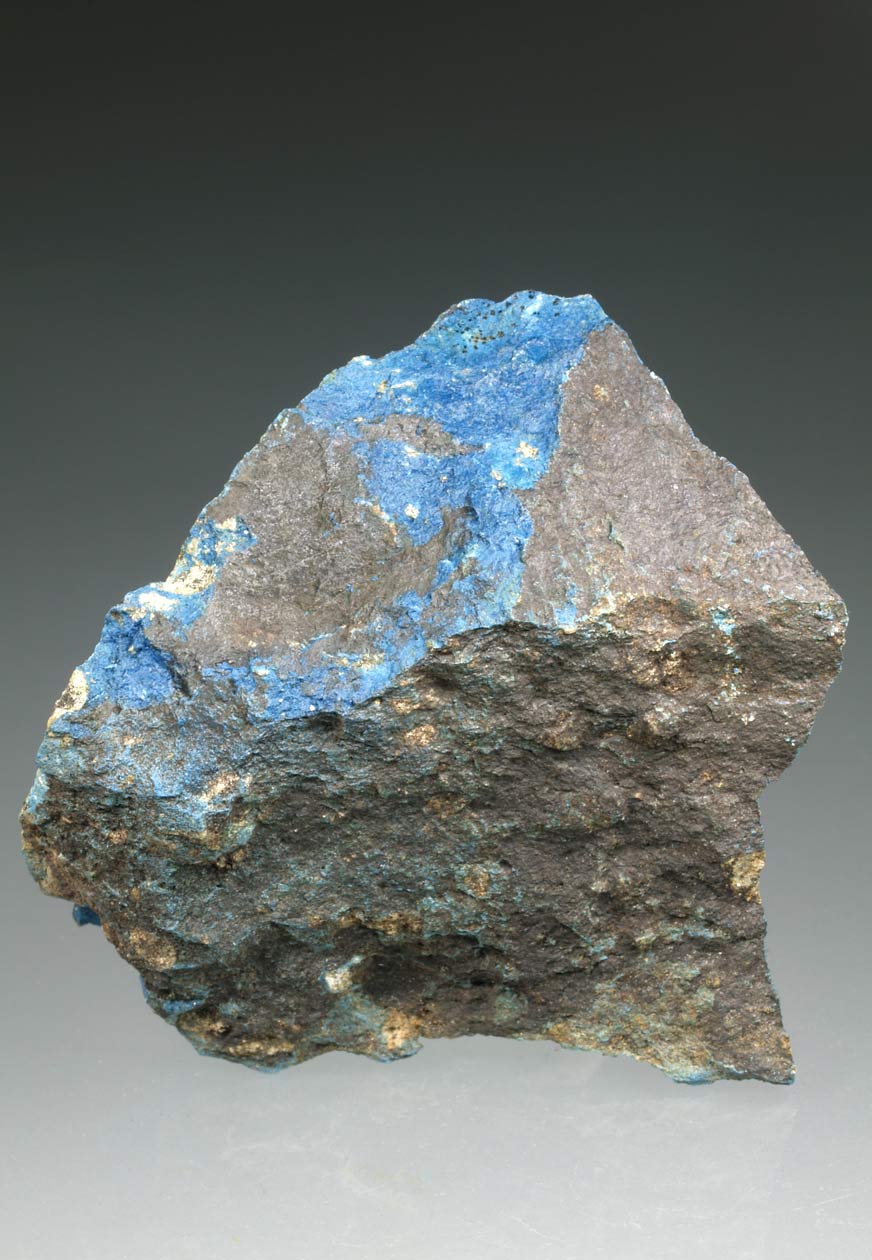
Aerinita compacta con nódulos de dolerita. La aerinita se utilizó como pigmento azul en muchas pinturas románicas de la zona pirenaica entre los siglos XI-XIV. Su color azul característico varía de oscuro a azul pálido. De hecho, su nombre proviene de una raíz griega aerinos que significa "atmósfera" o "cielo", ya que sólo se conocía con ese color.
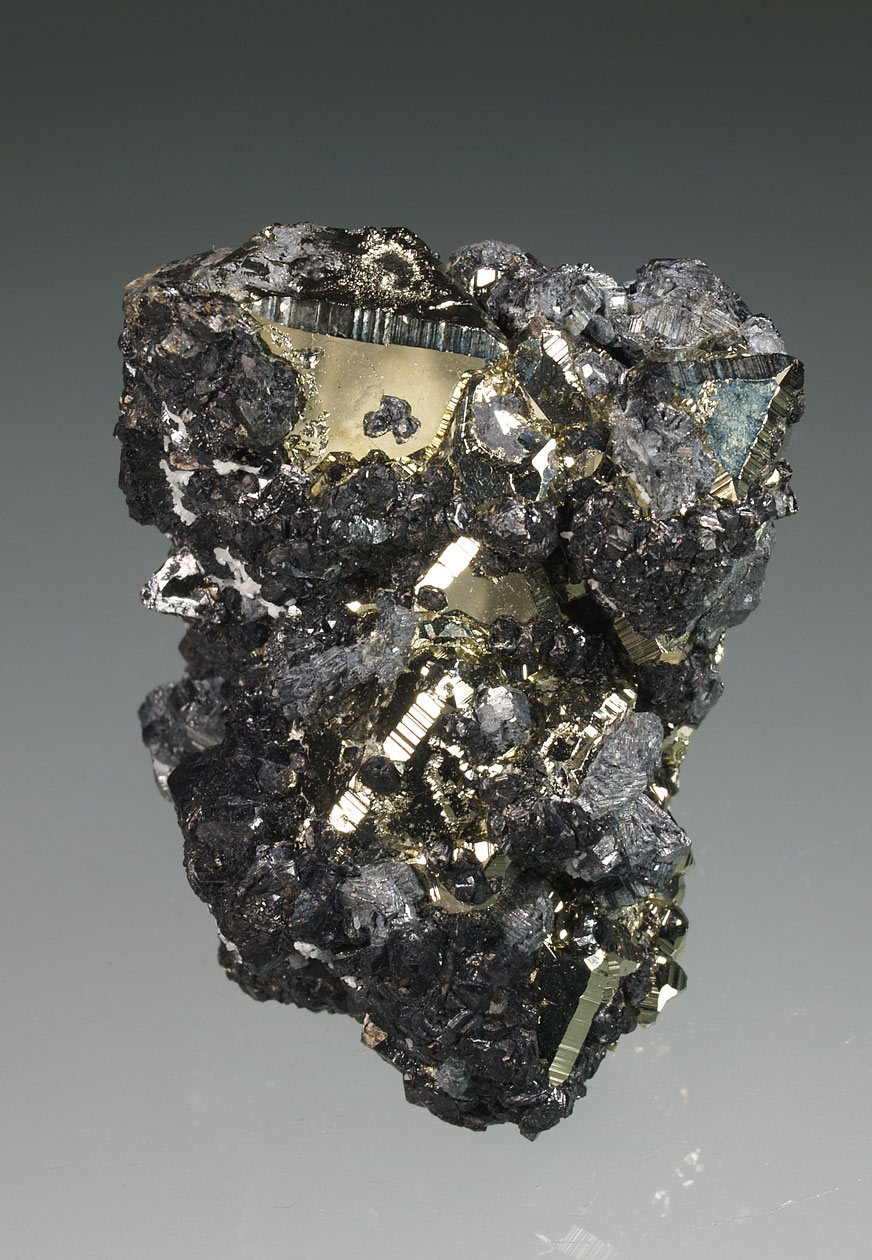
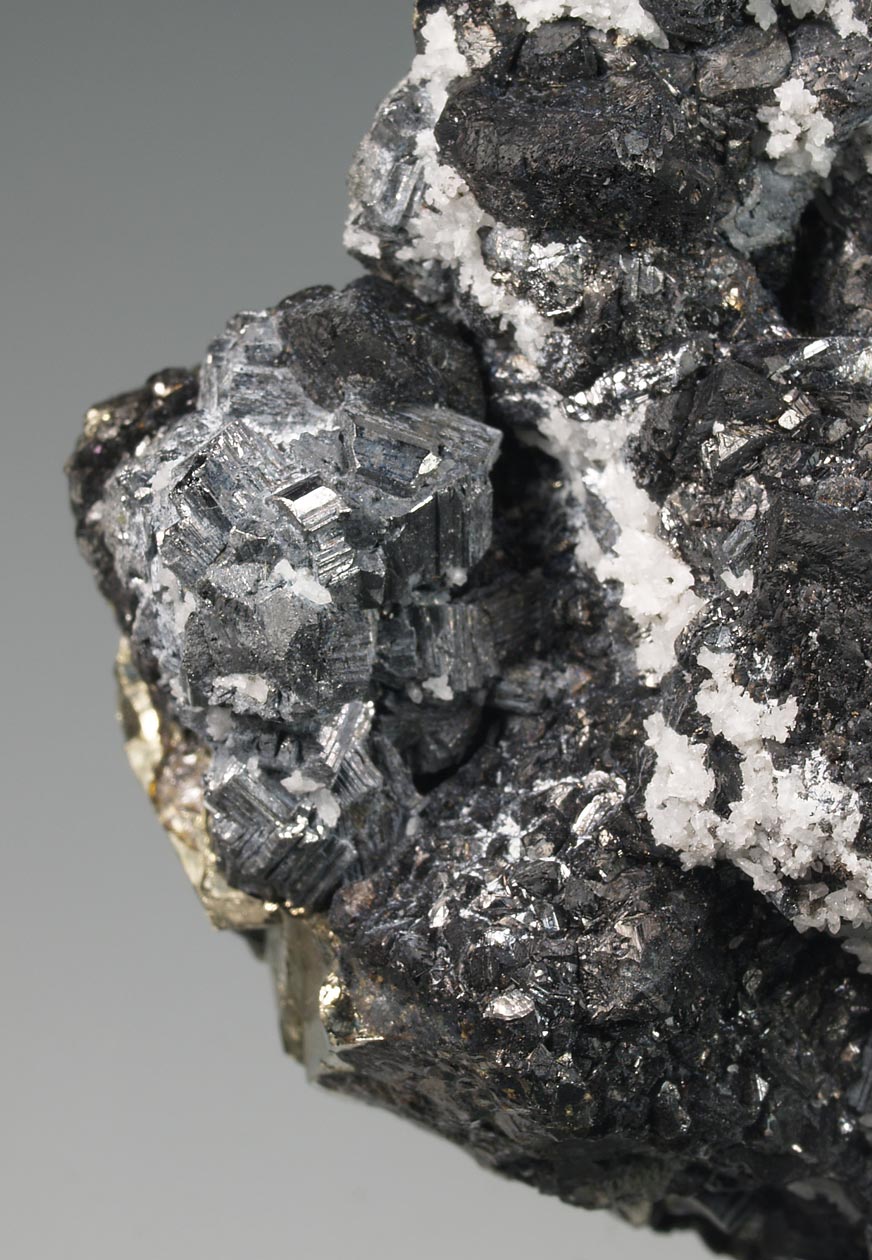
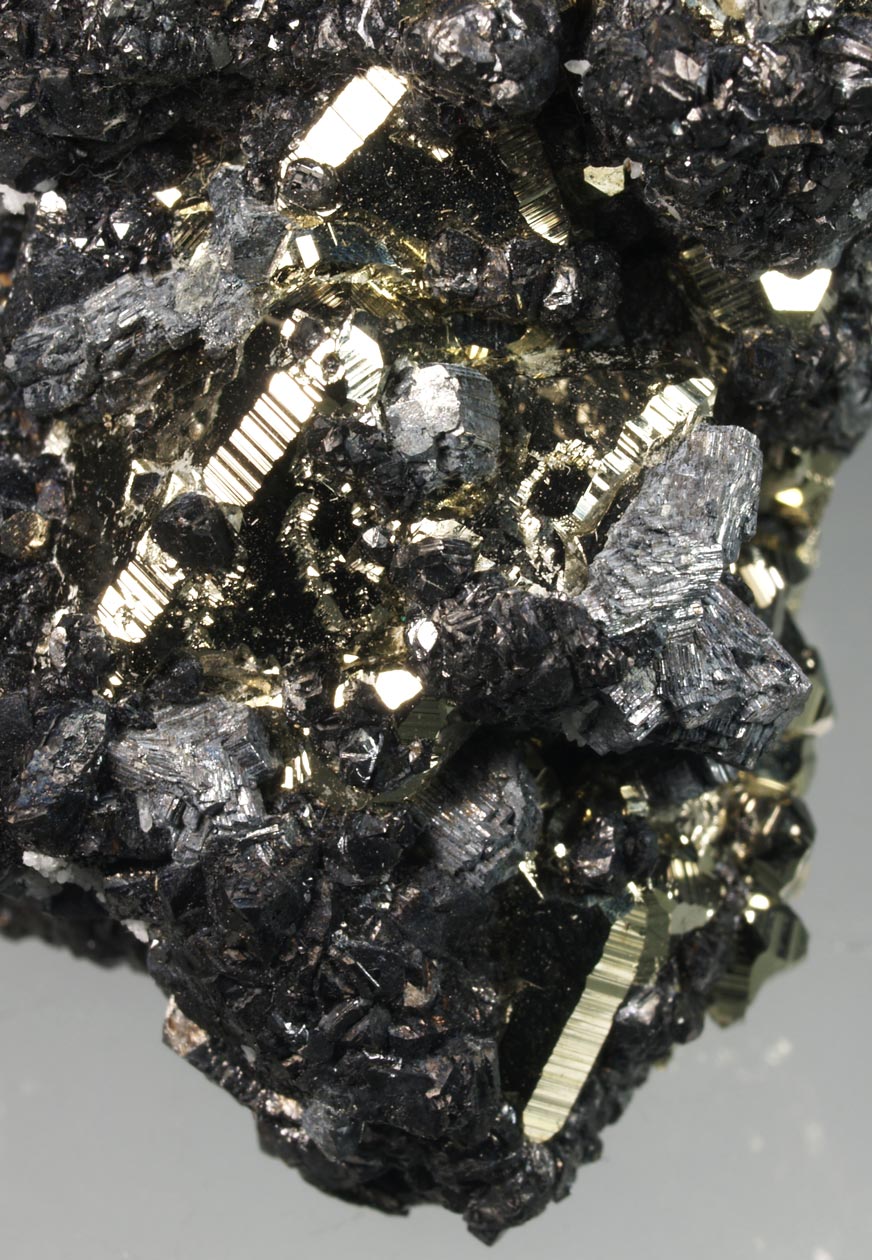
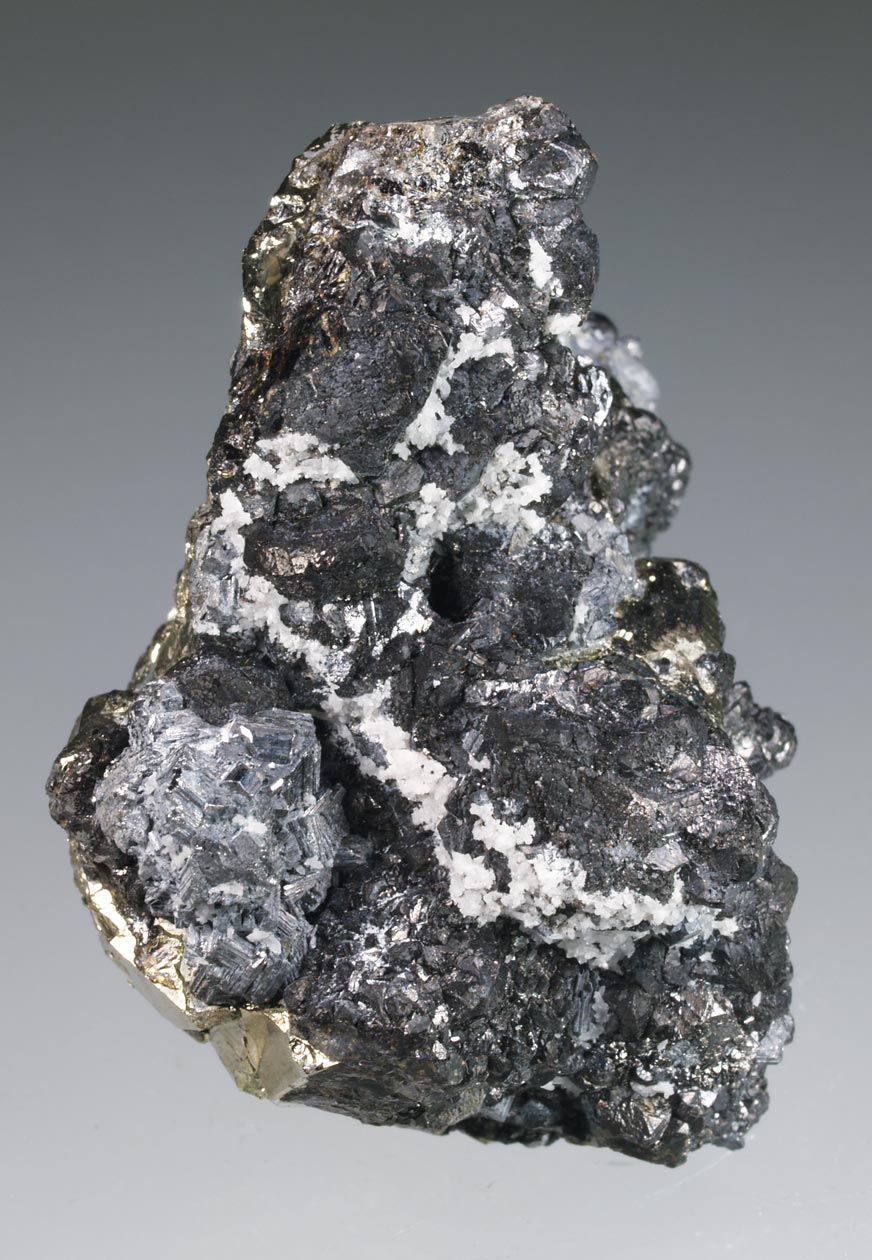
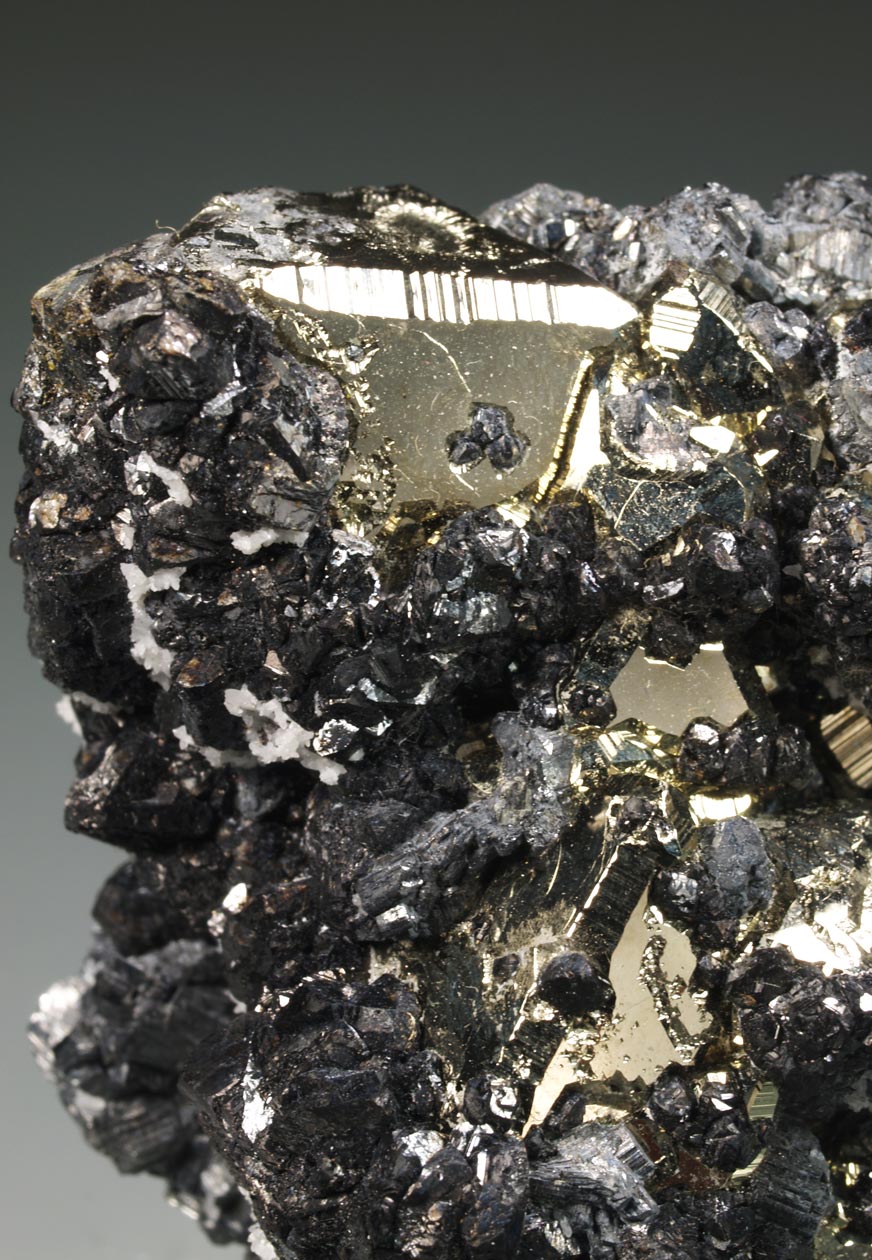
Grupo de cristales maclados cíclicamente de bournonita, de color gris metálico, interpenetrados entre sí. Se disponen en una matriz de cristales octaédricos de pirita, muy brillantes, parcialmente recubiertos de cristales complejos de esfalerita.
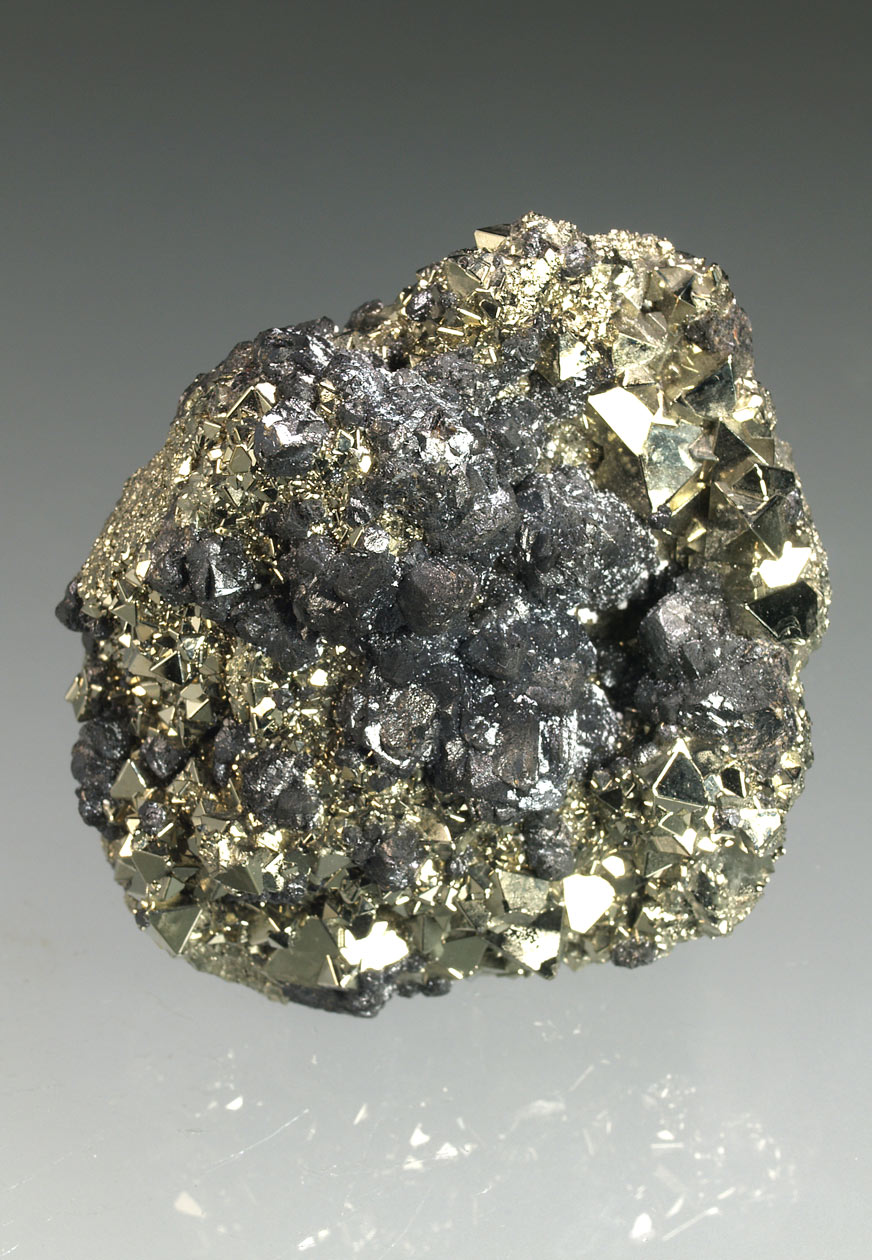
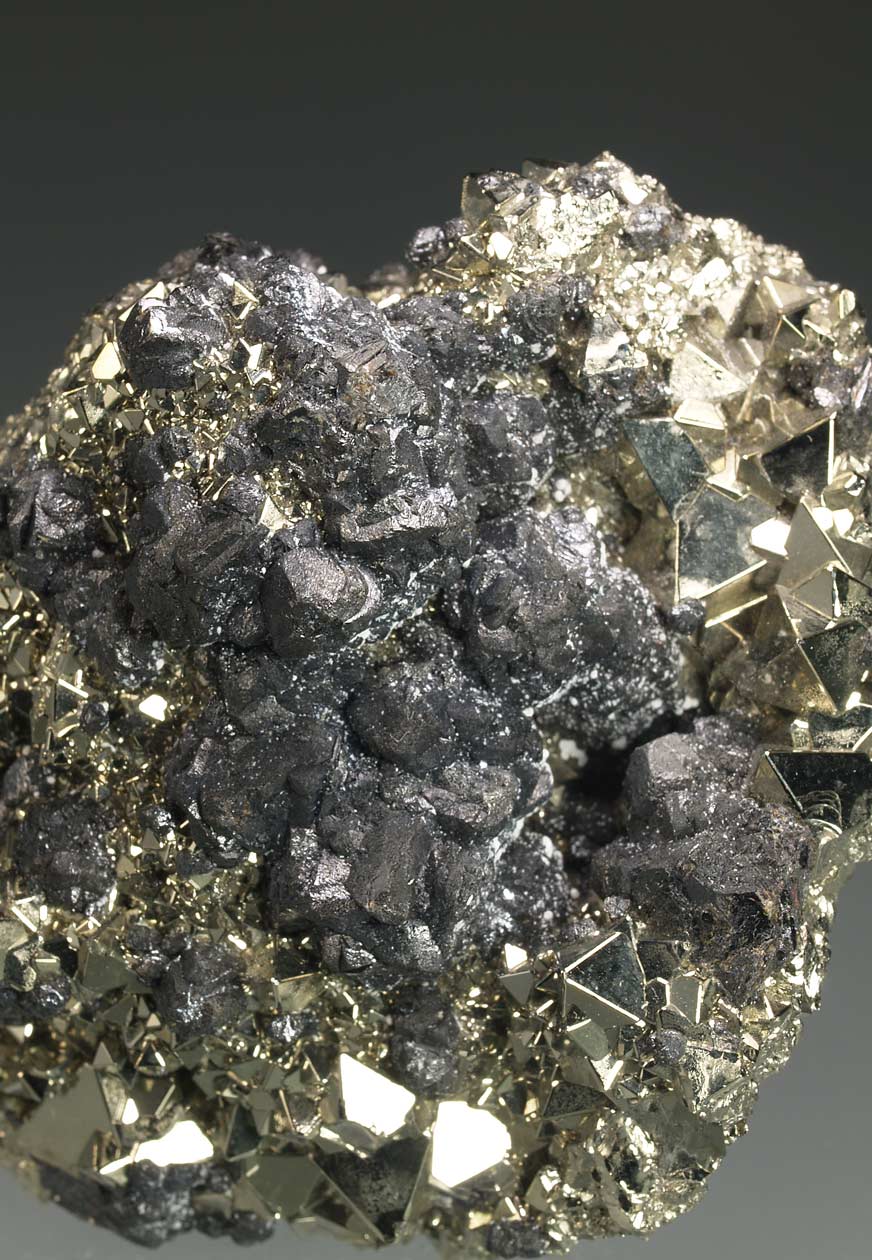
Grupo de cristales octaédricos de pirita, muy brillantes y definidos, que se acompañan de cristales complejos de esfalerita. Sobre ellos observamos numerosos agregados globulares blancos de crandallita (analizados mediante DRX). Esta combinación de minerales es poco habitual en el yacimiento, siendo este fosfato la primera cita.
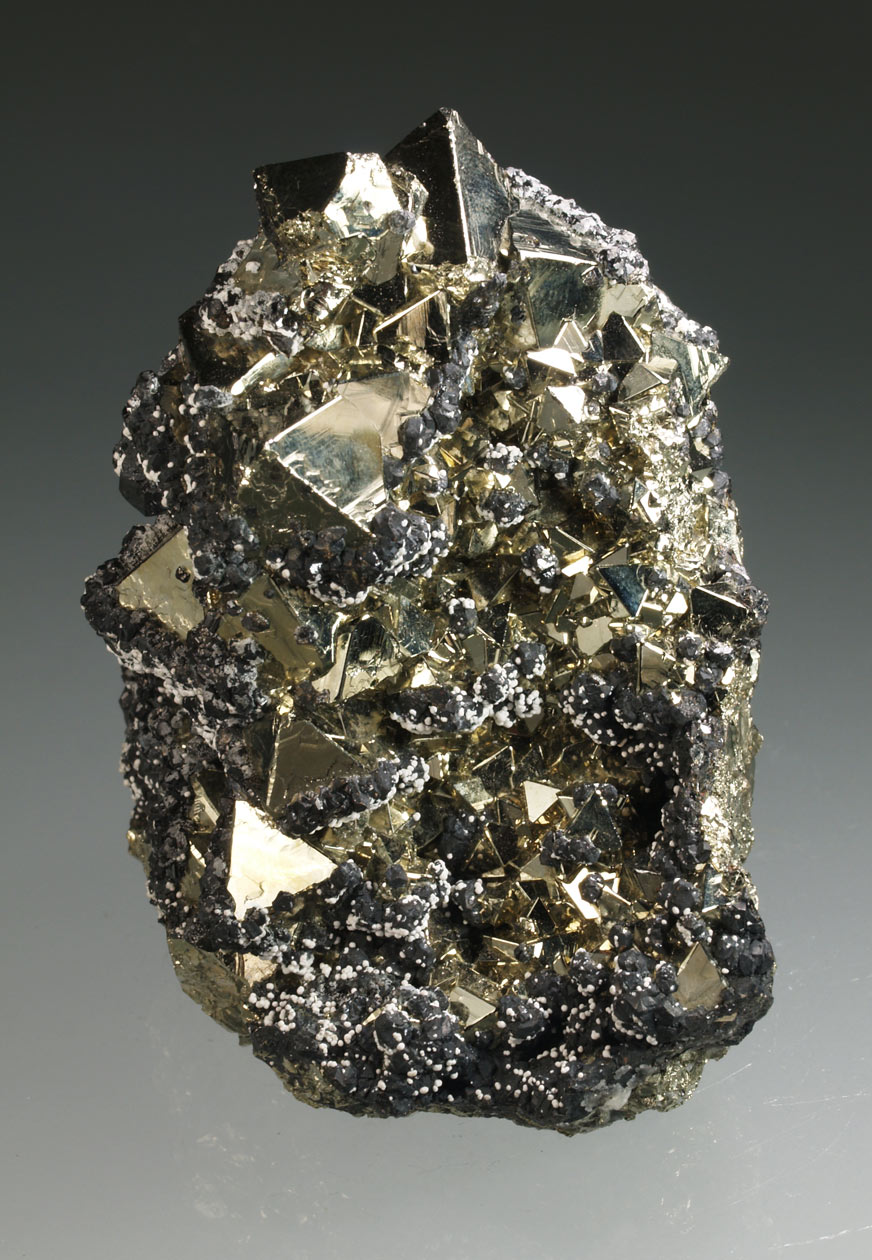
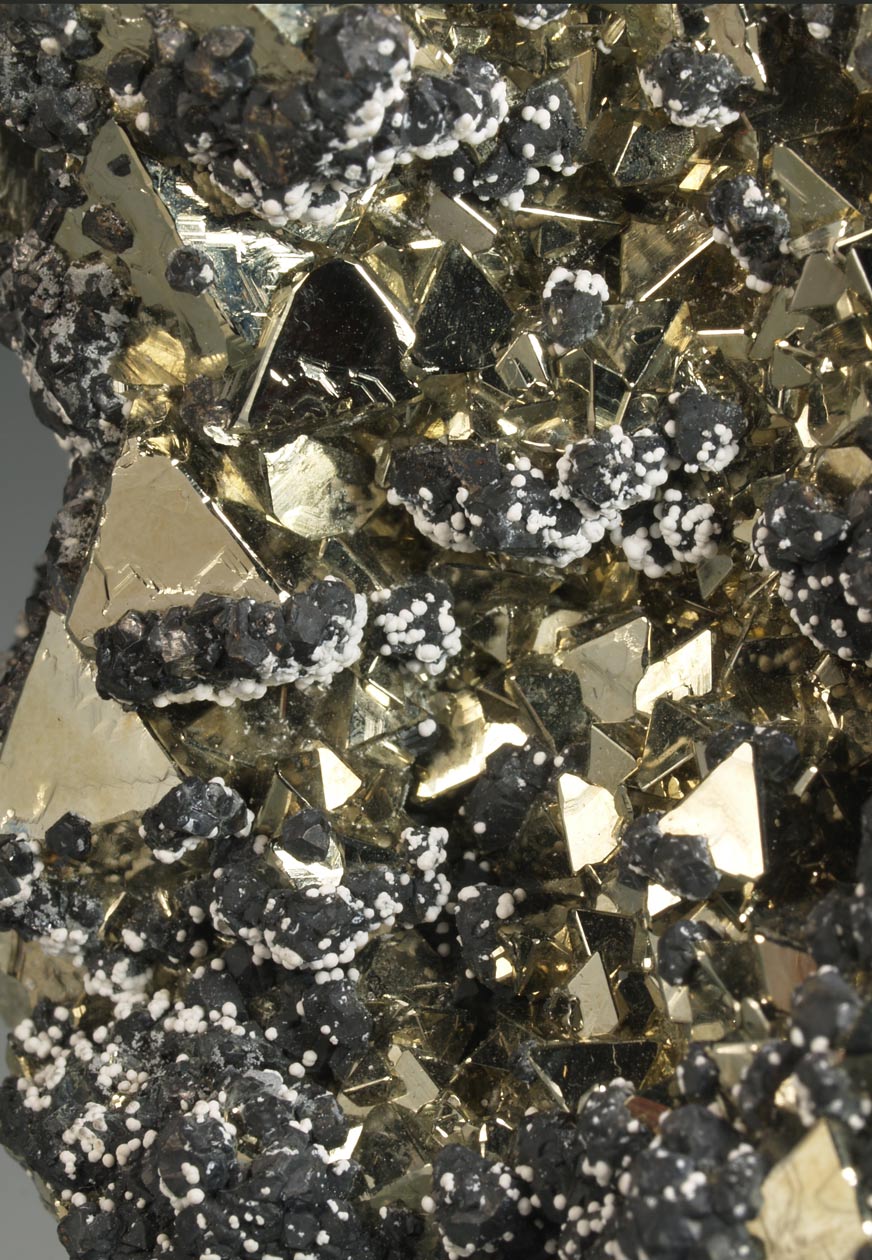
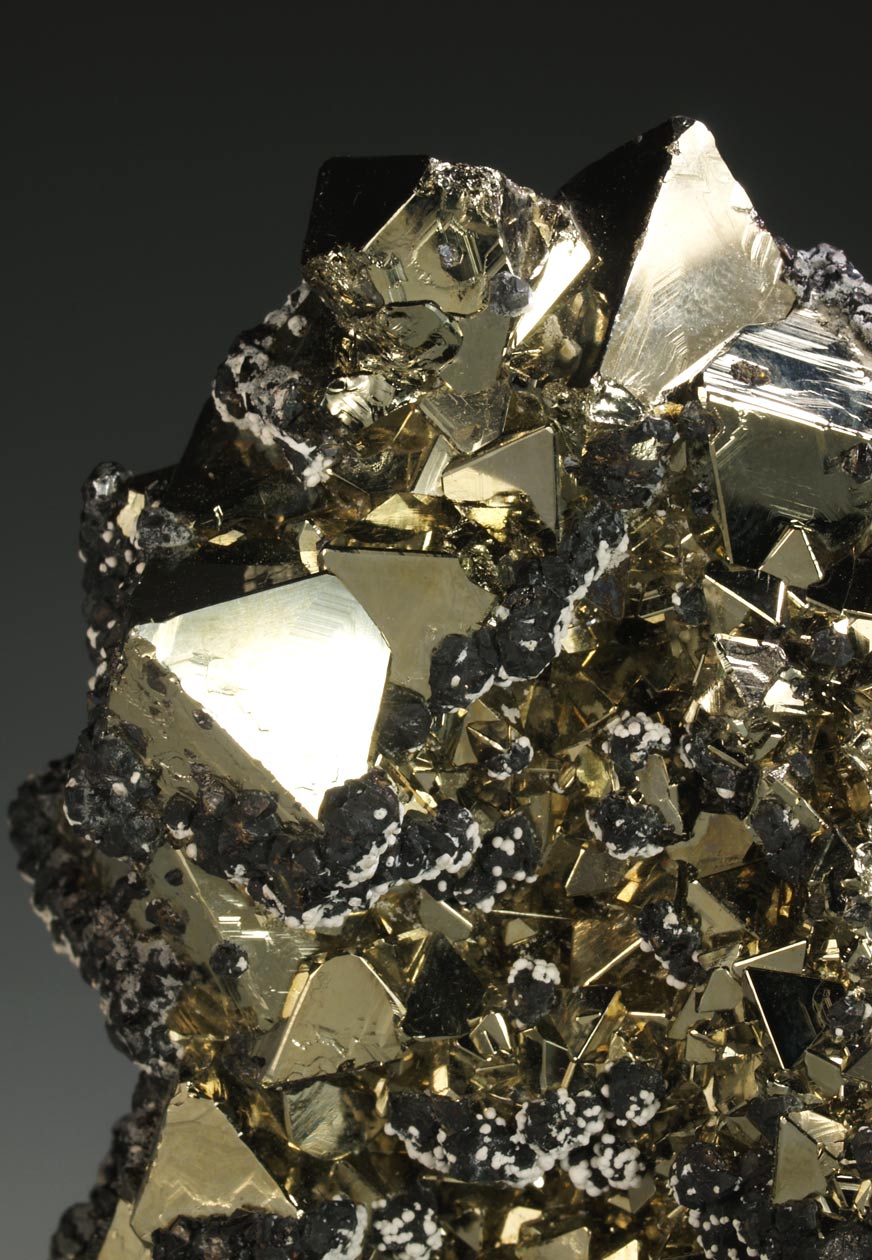
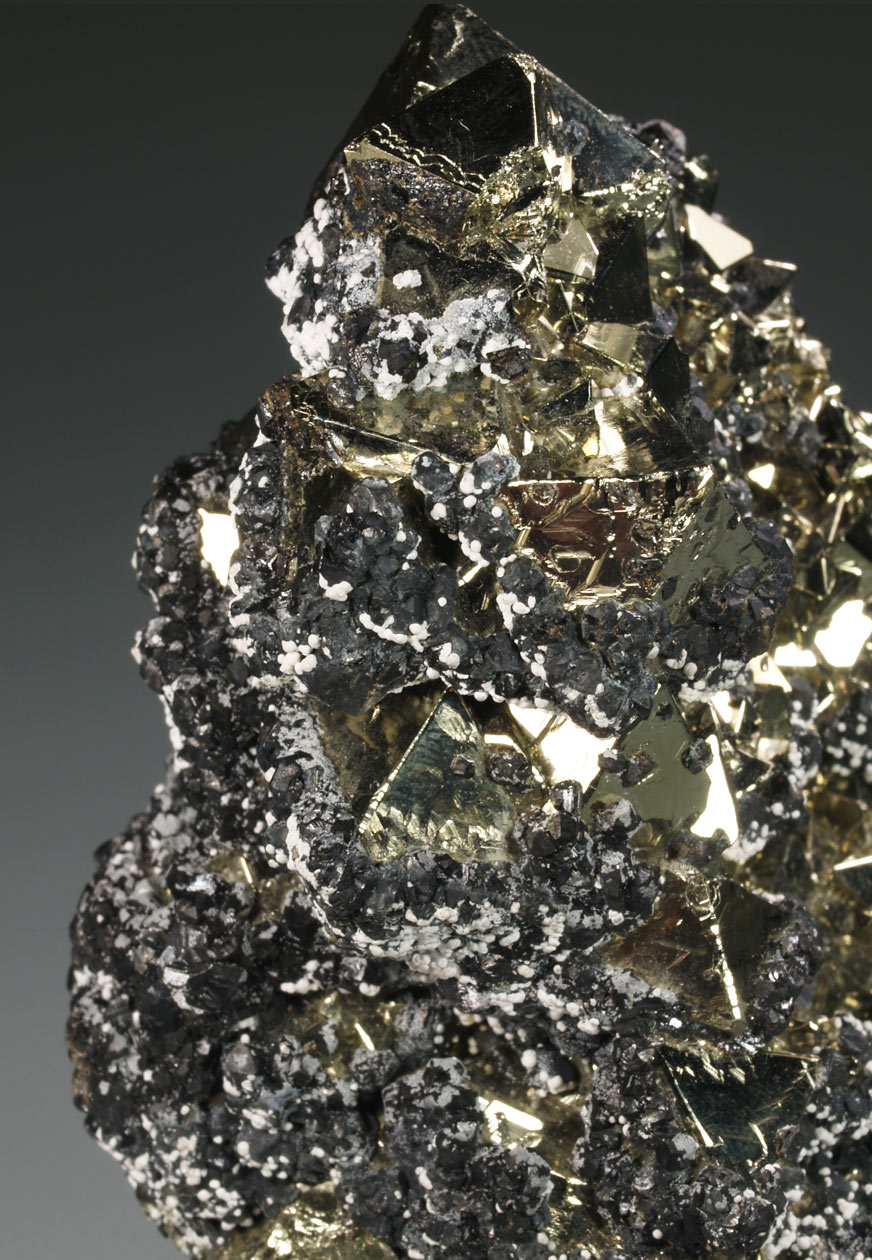
Grupo de cristales octaédricos de pirita, muy brillantes y definidos, que se acompañan de cristales complejos de esfalerita. Sobre ellos observamos numerosos agregados globulares blancos de crandallita (analizados mediante DRX). Esta combinación de minerales es poco habitual en el yacimiento, siendo este fosfato la primera cita.
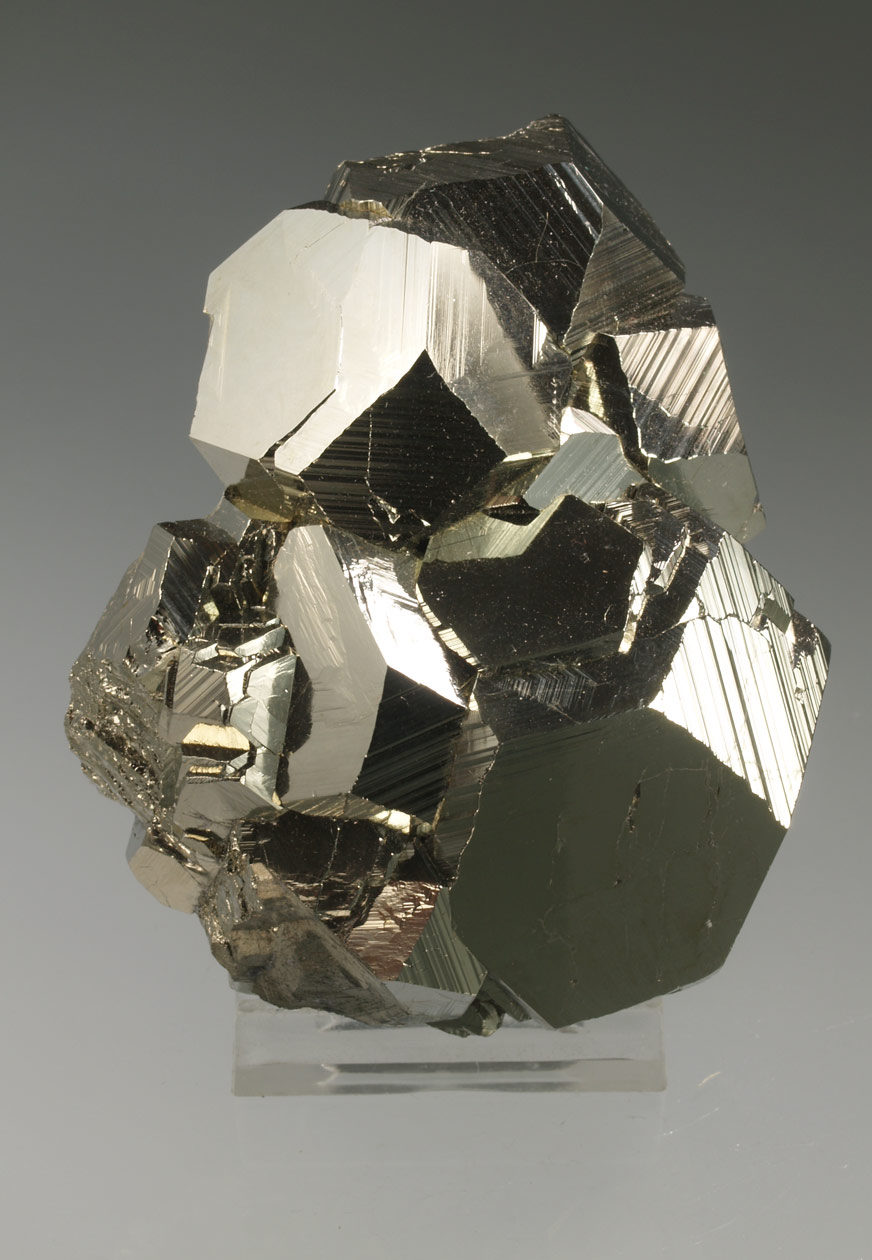
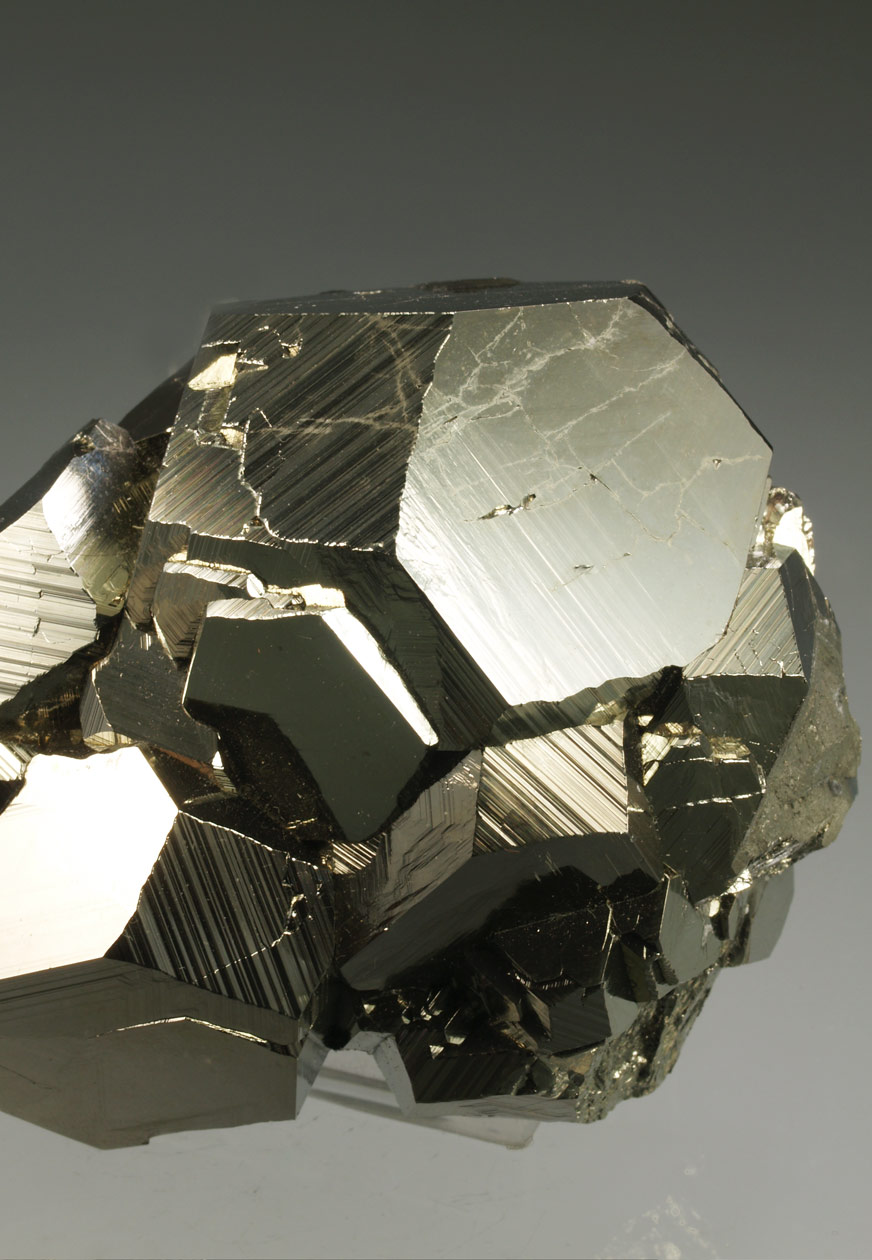
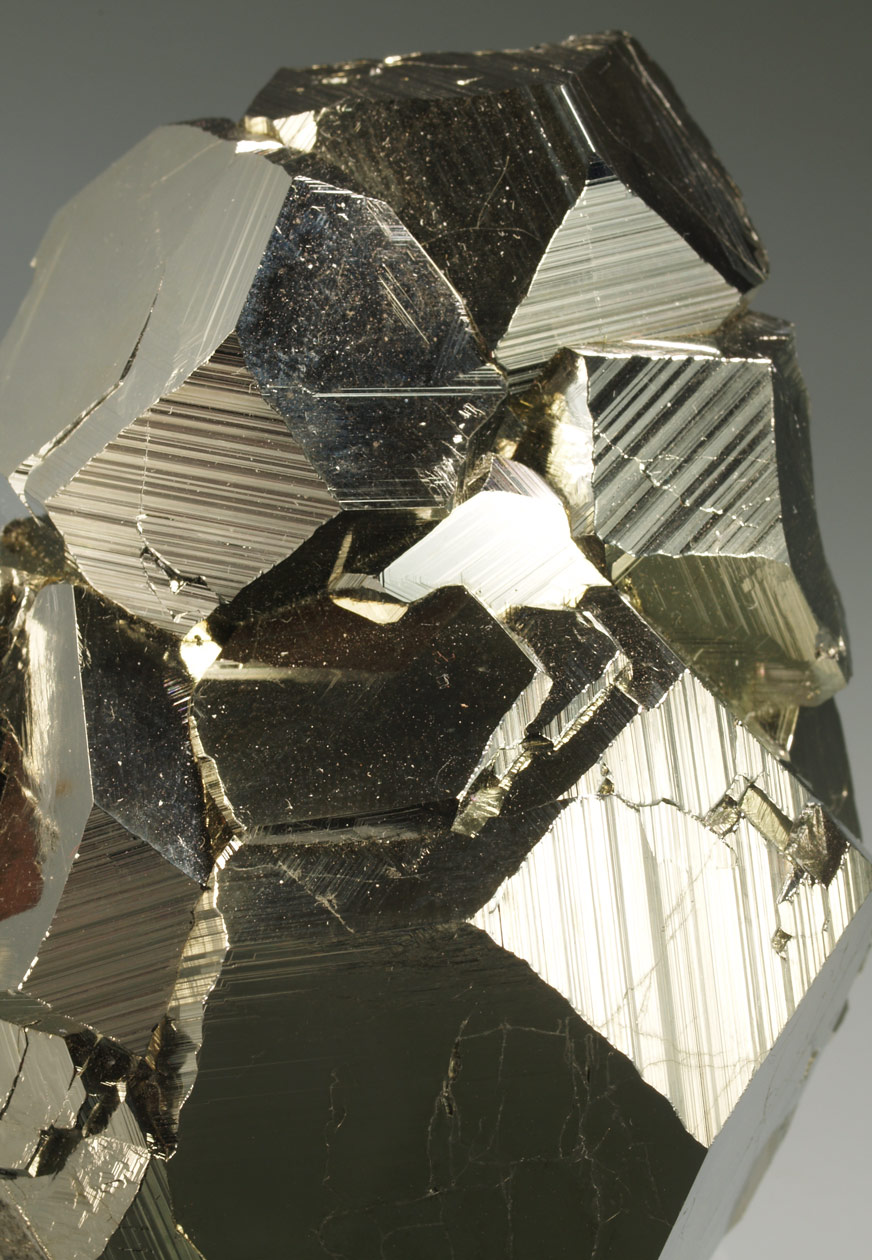
Drusa de cristales con caras del cubo y el rombododecaedro de pirita, con formas del diploide, caras estriadas, compleja cristalografía, lo que añade interés al ejemplar. El brillo es excepcional, difícil de fotografiar. Los cristales estan interpenetrados. Un clásico de la mina de donde se obtienen las bases para el "Balón de Oro" de la FIFA...
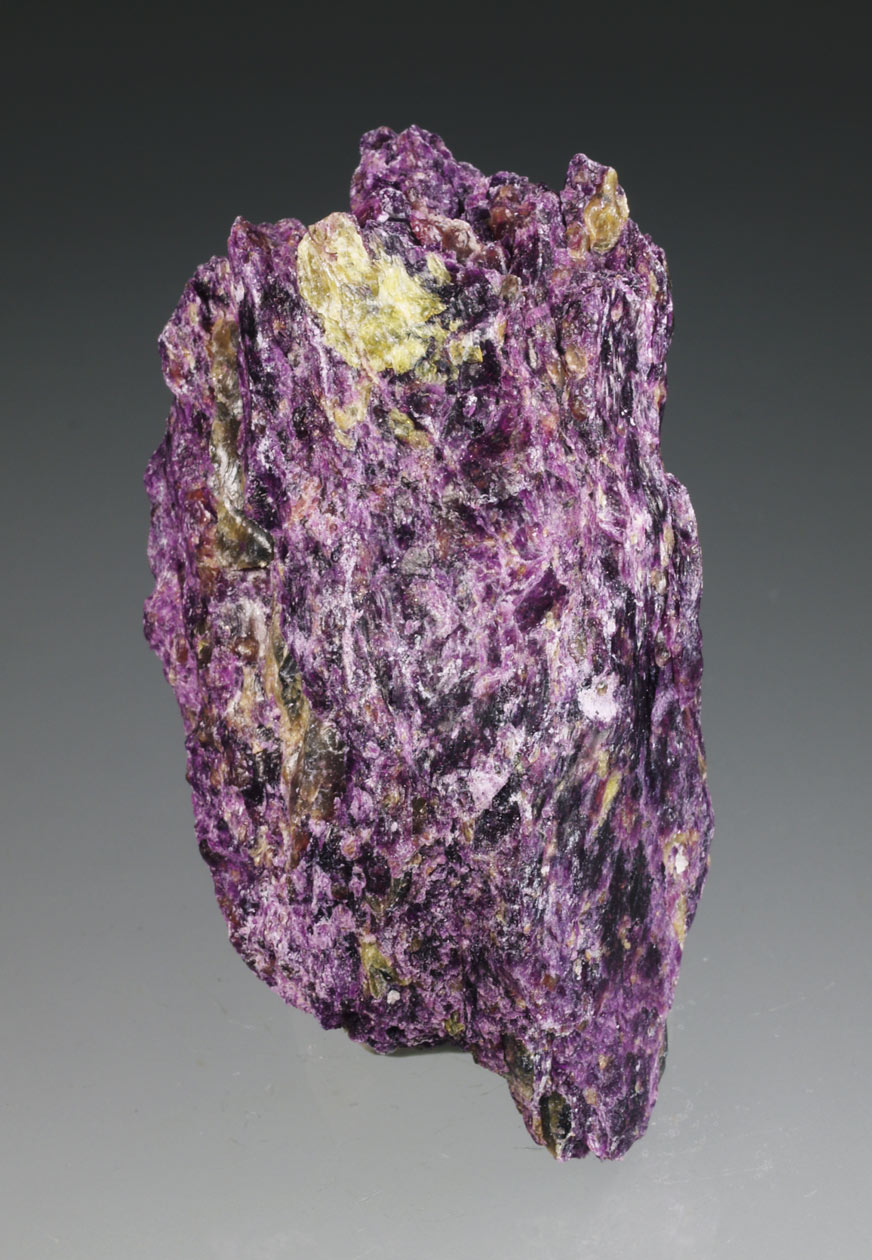
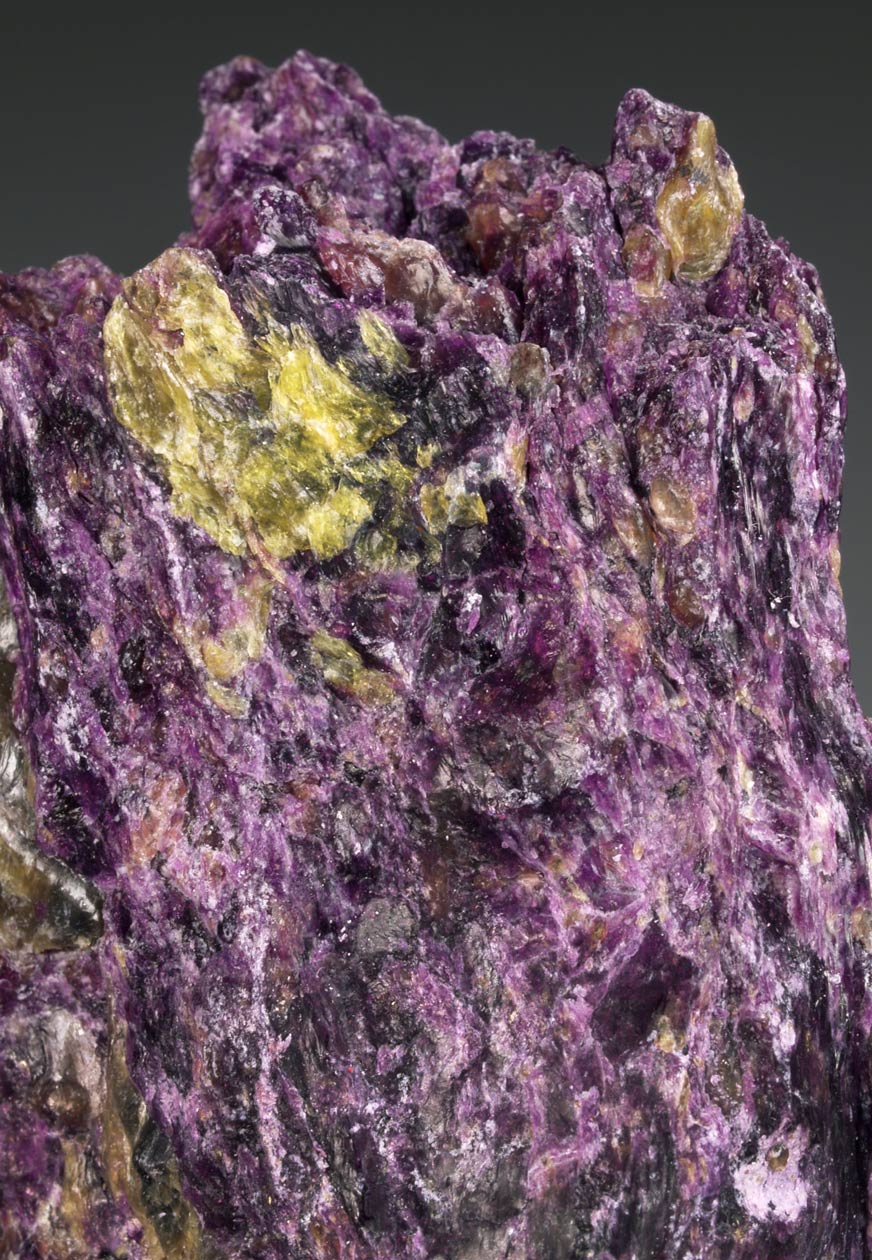
Masa compacta a hojosa de iowaita cromífera de color púrpura, con inclusiones de serpentina de tono verdoso. La iowaita es uno de los minerales clásicos en la localidad y en su mayoría está reemplazada por stichtita, que forma agregados similares pero más claros, de color lila.
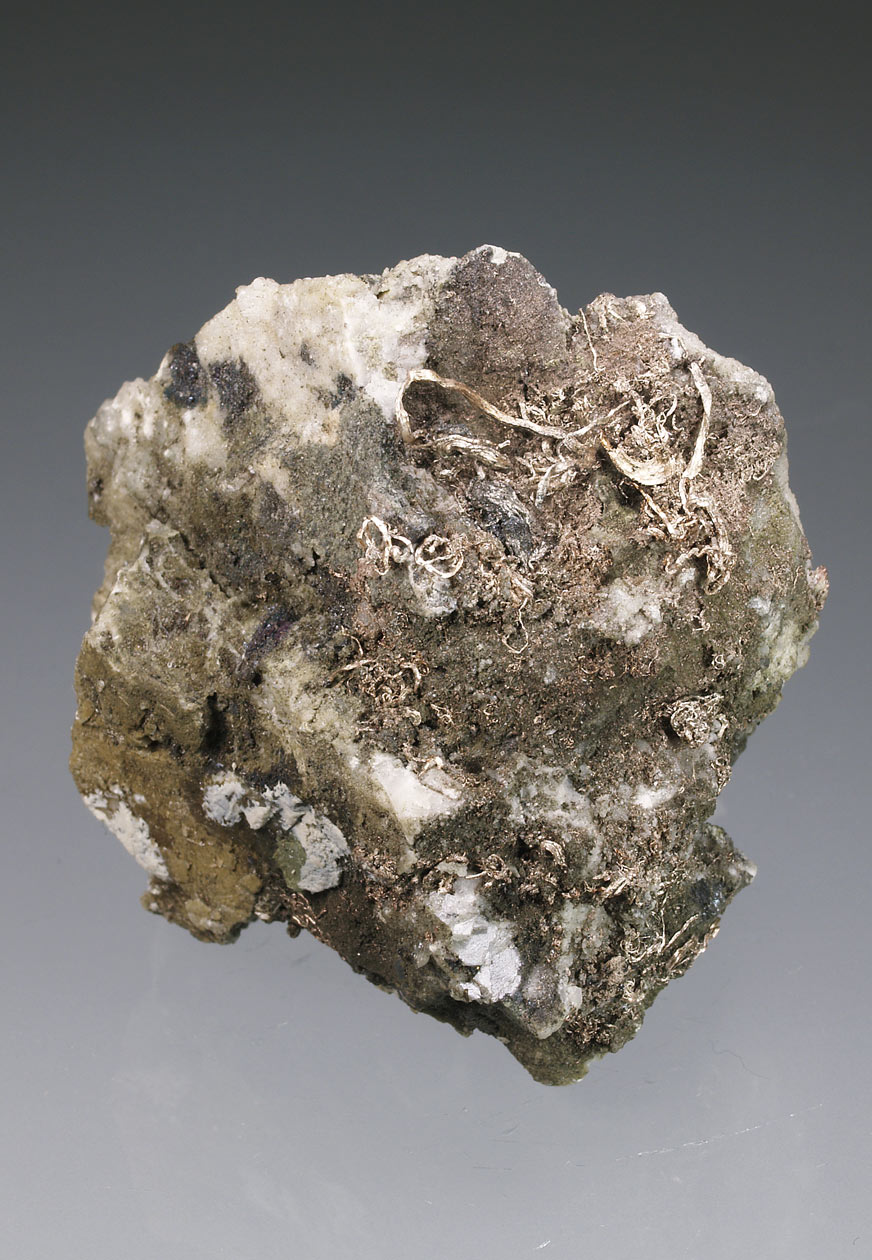
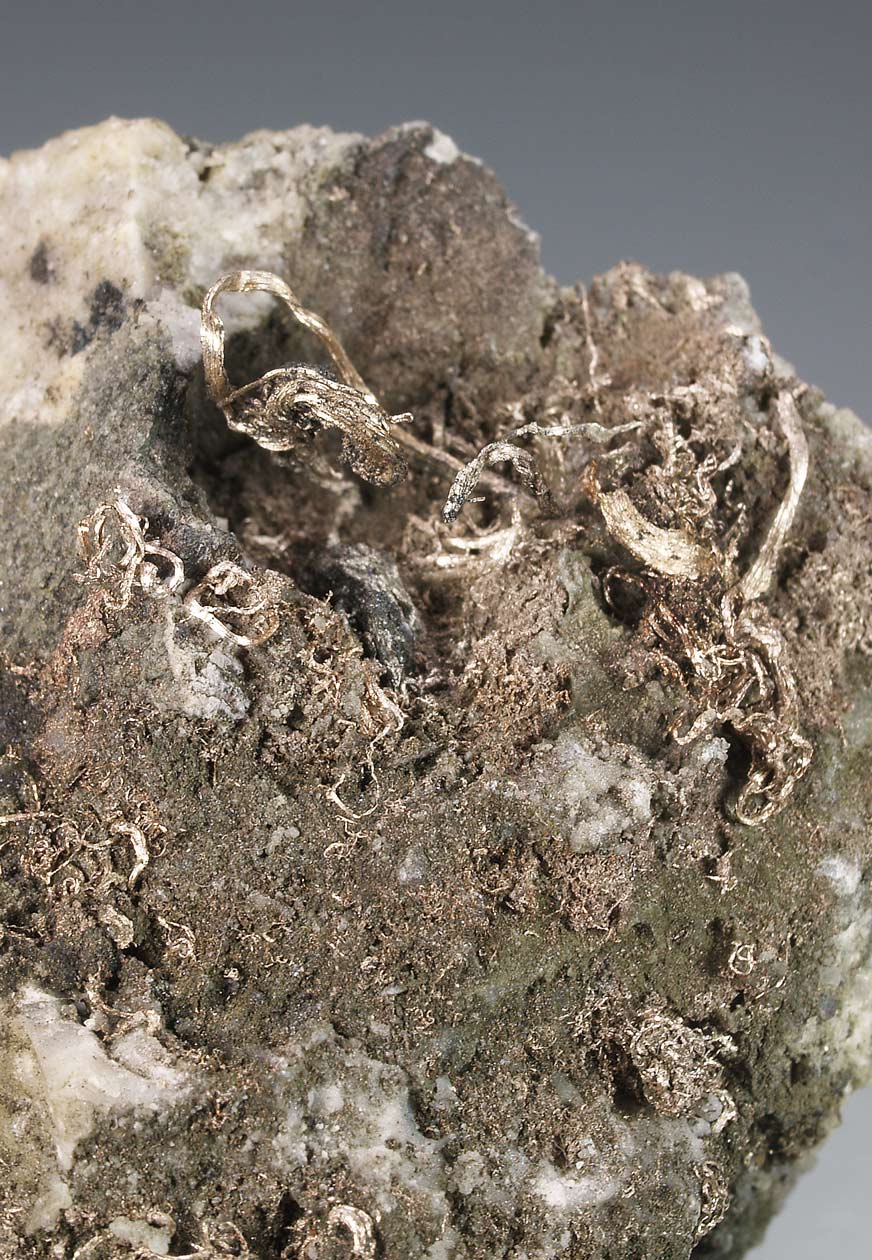
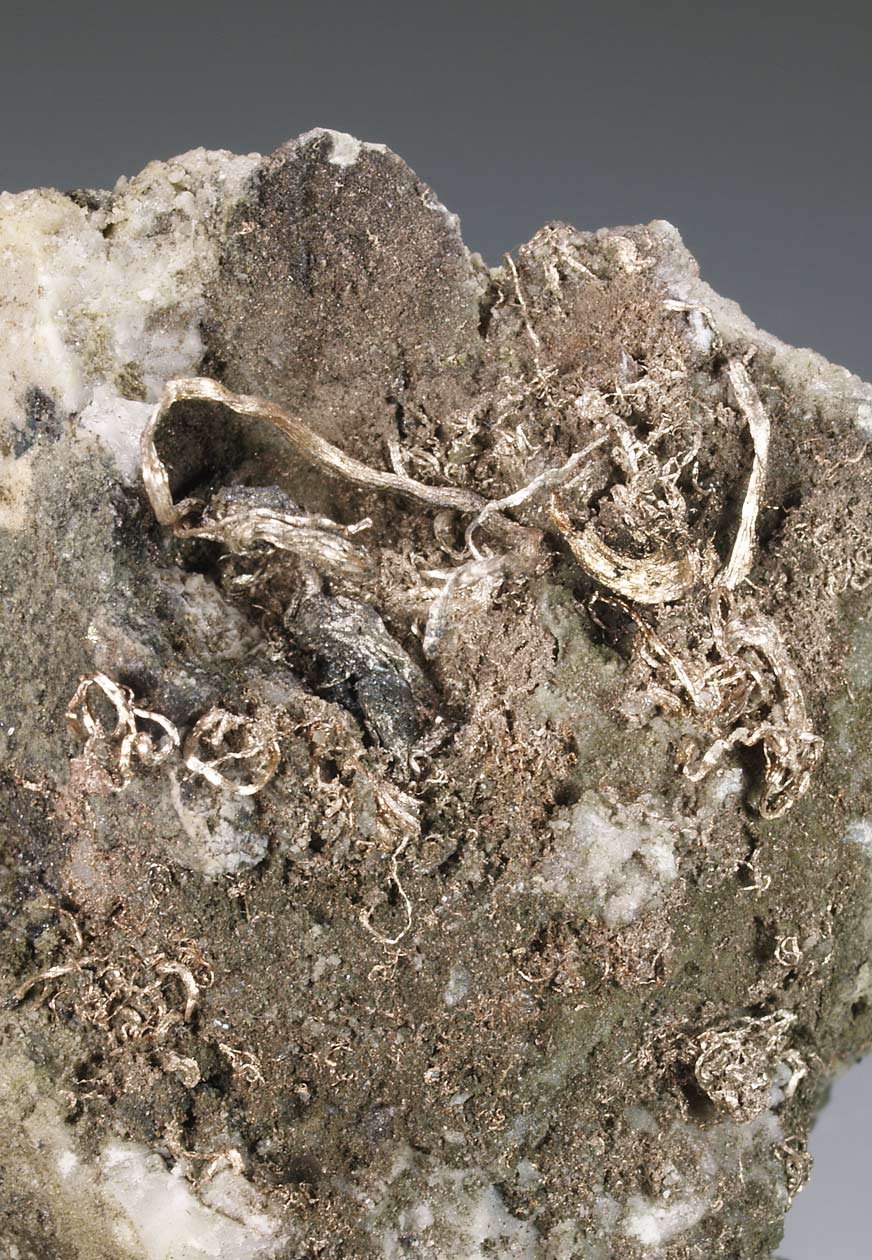
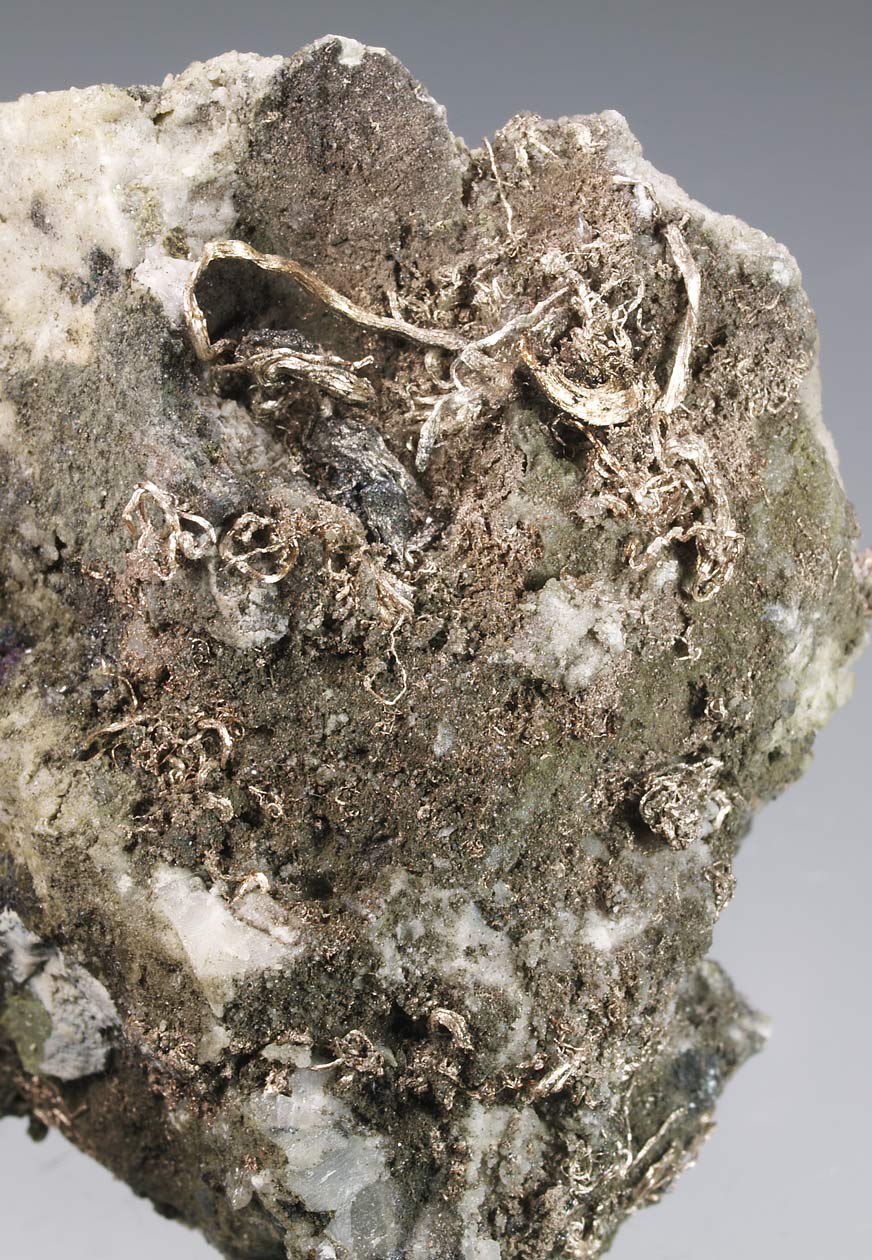
Ejemplar rico en agregados filiformes de plata nativa, curvados, con rizos, brillantes y con un tono dorado muy estético. Algunos presentan zonas más oscuras de acantita. Se acompañan de pequeños pero bien formados de pearceita de contorno hexagonal. Con calcita. Esta pieza sorprende cuando se miran las cavidades bajo aumento. Procede del depósito Sarbaiskoe, la zona productora de plata más conocida de Kazajstán. Muy raro encontrar hoy día ejemplares.
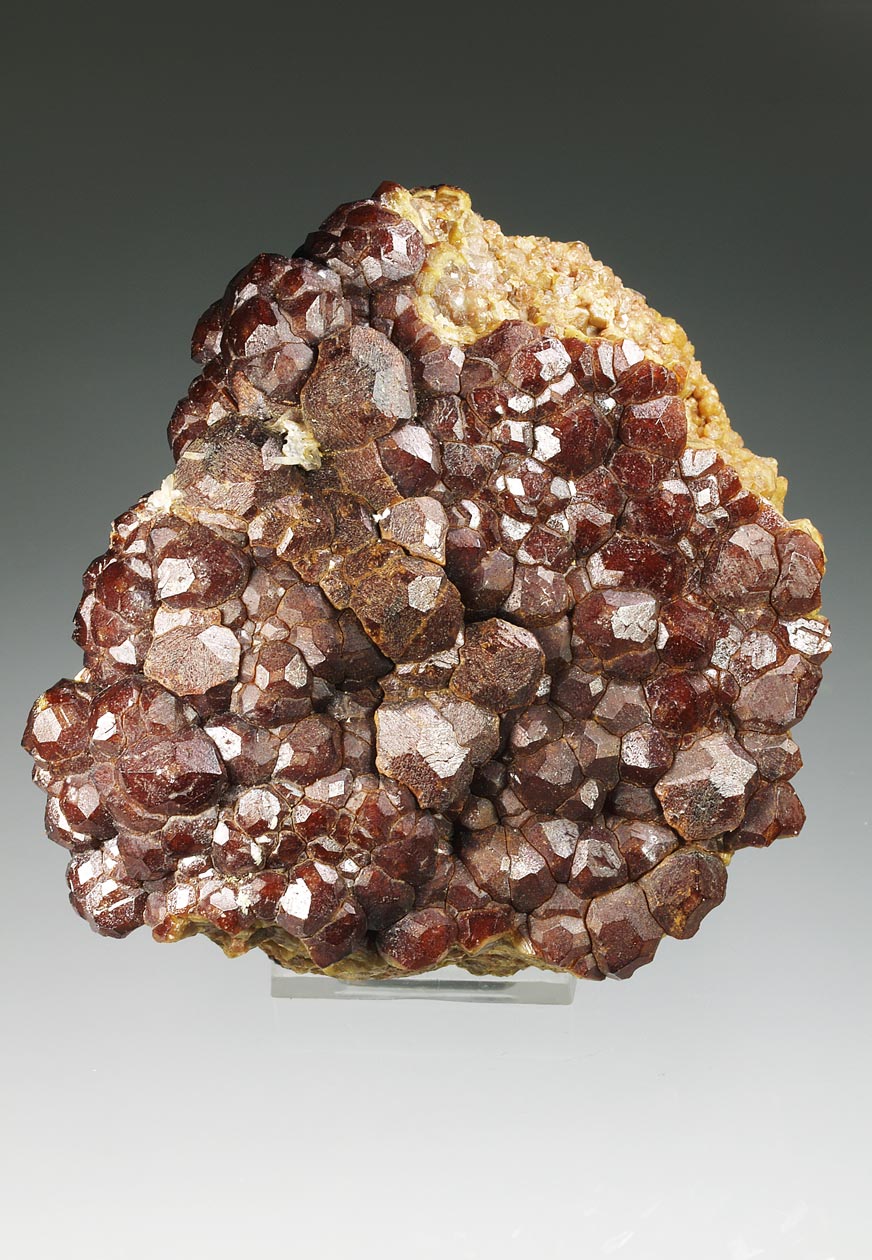
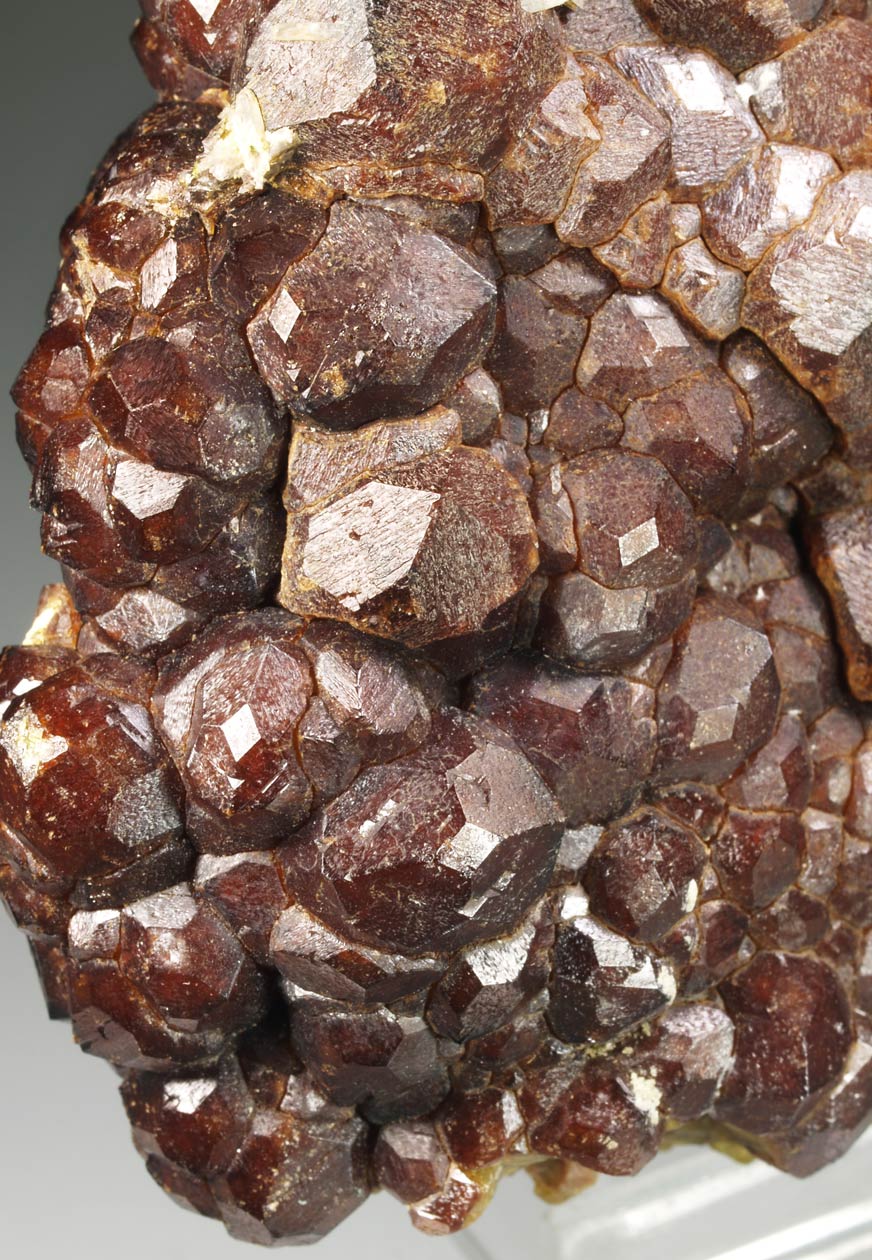
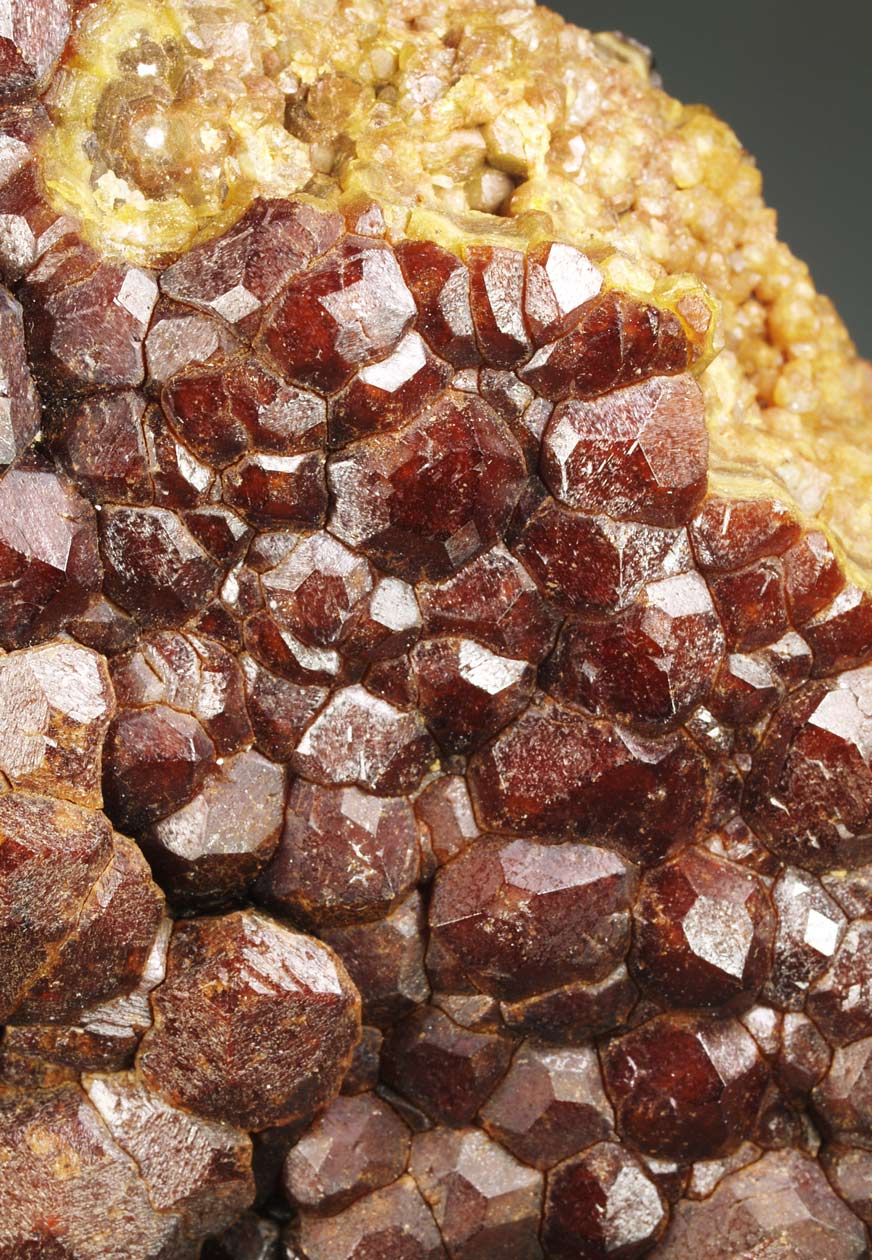
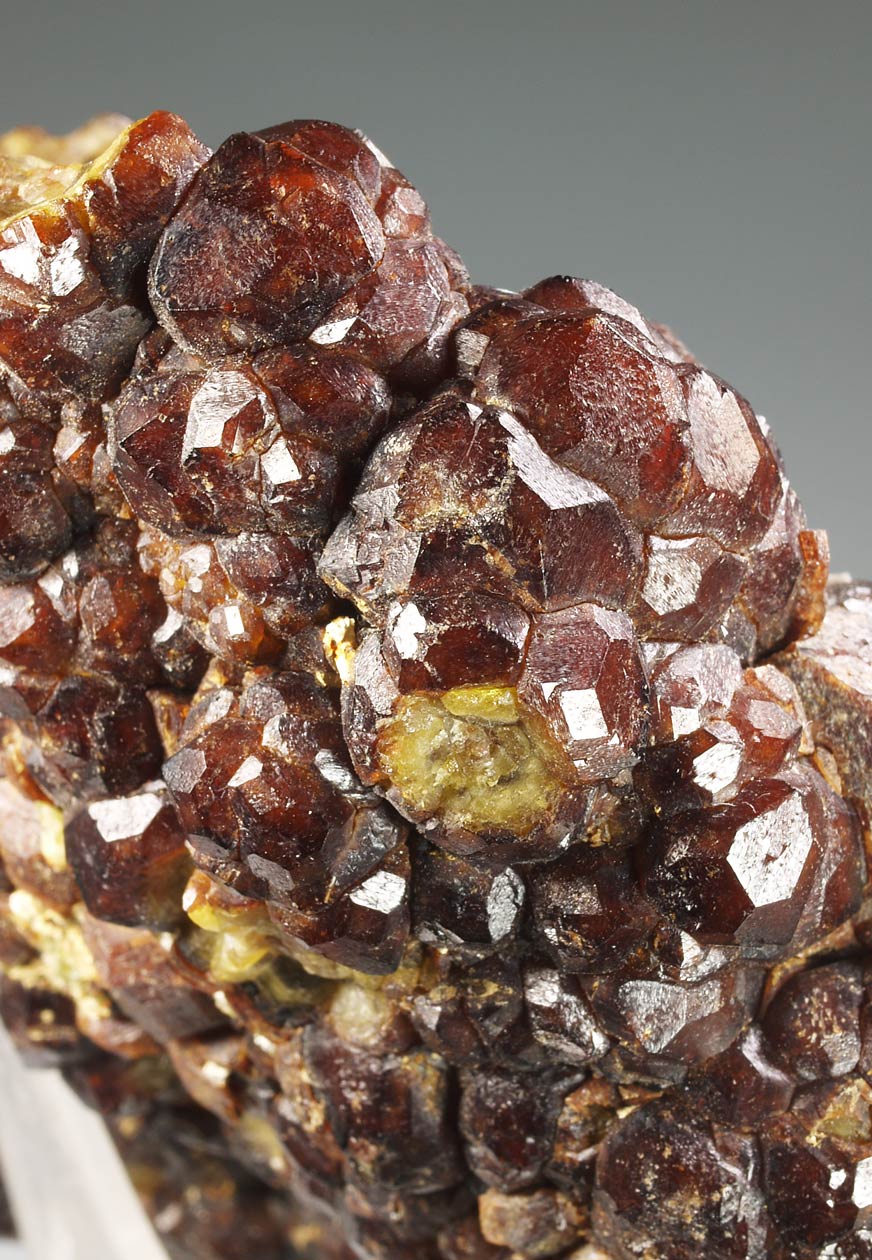
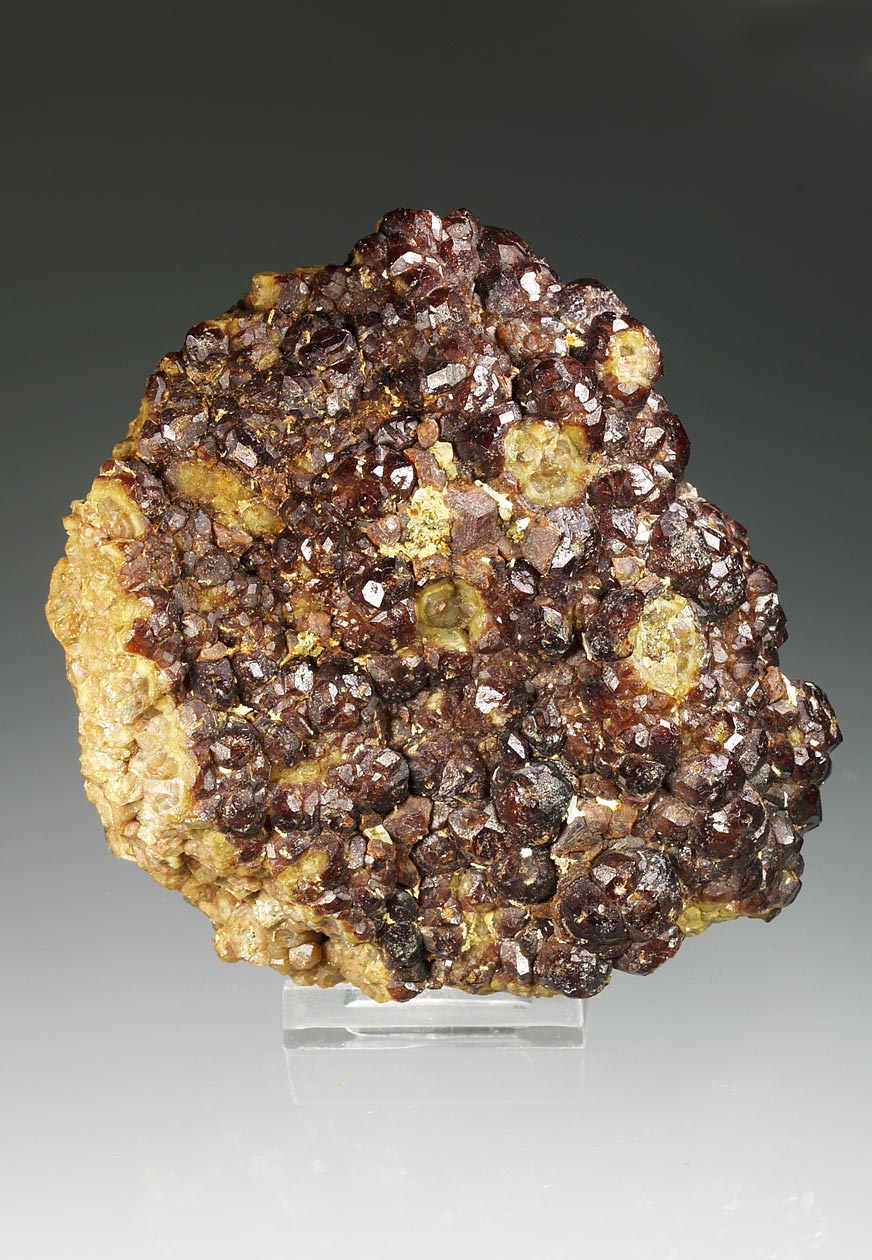
Nutrido agregado de cristales de andradita-grosularia de intenso color marrón en superfície, pero con zonación de color, más clara en el interior. El exterior de la pieza muestra un tono marrón rojizo oscuro con cristales trapezoédricos muy definidos, pero en el interior los cristales son de un color dorado muy estético. En las zonas de fractura de la pieza se muestran bandas de varias capas que van desde el marrón rojizo hasta el verde y el dorado. Por esta razón preferimos etiquetarlo como serie andradita-grosularia. Muy buen tamaño.
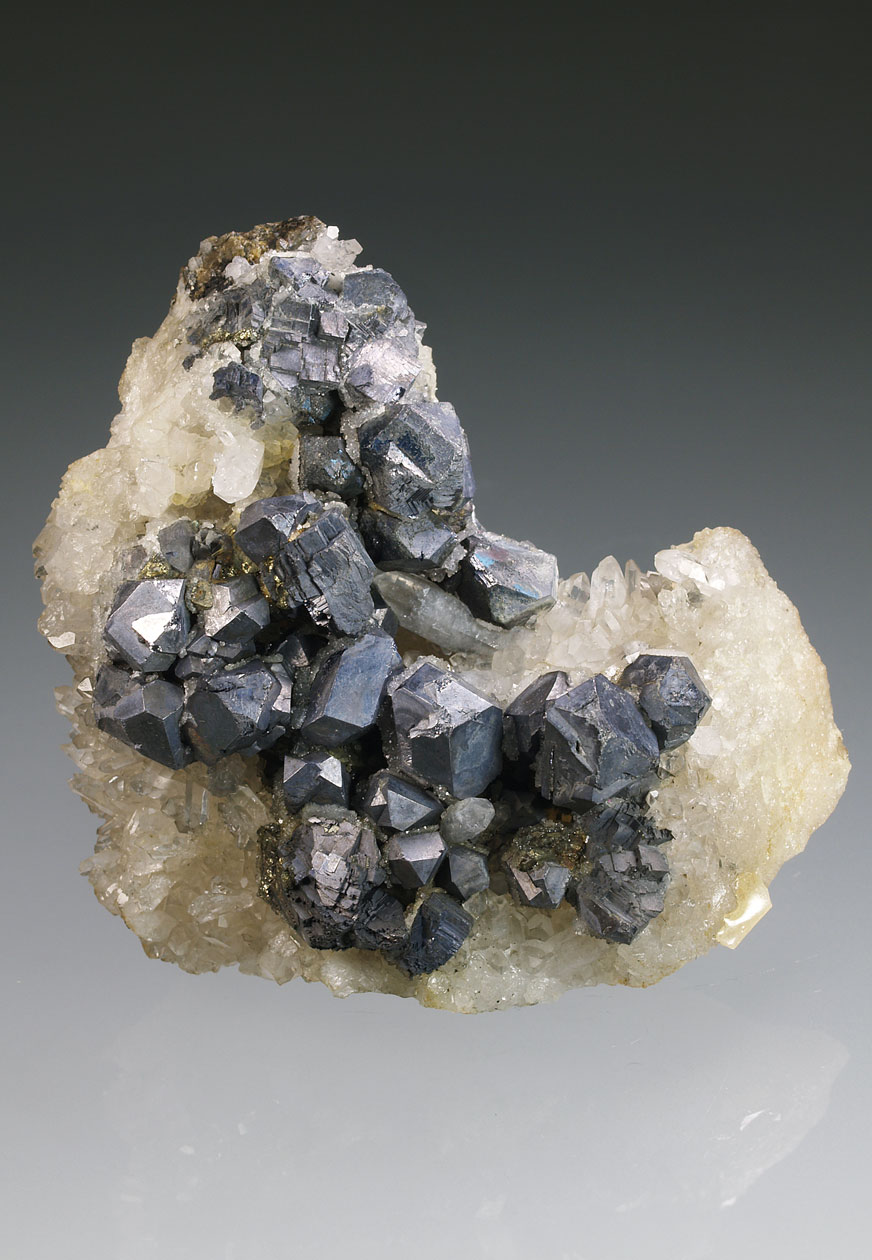
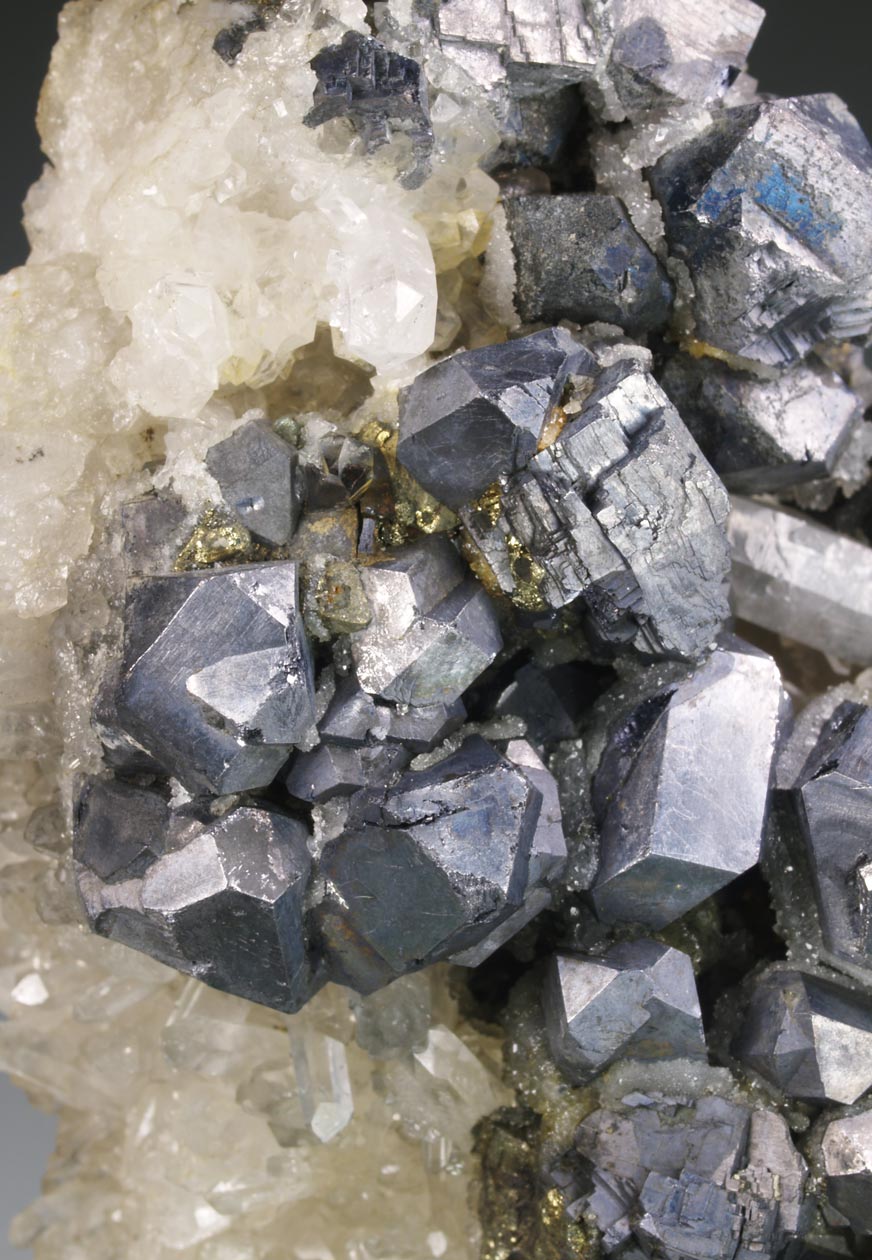
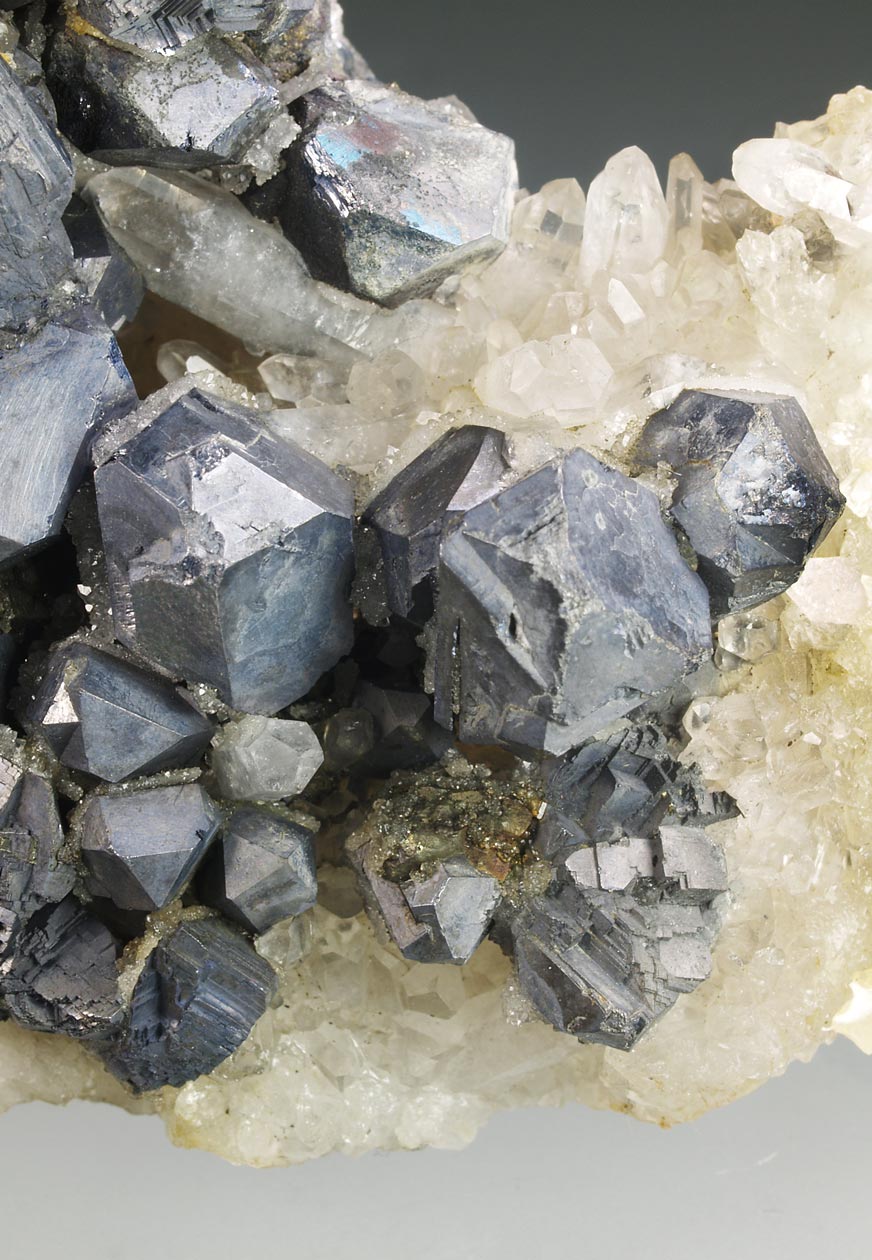
Nutrido grupo de cristales de galena cubo octaédricos, con exfoliaciones de época, con cierto brillo, pero con la pátina de los años que hemos preferido no eliminar, ya que se trata de una pieza antigua de la zona minera de Príbram. Se disponen sobre una matriz con pirita y cristales de cuarzo. Con una etiqueta manuscrita.
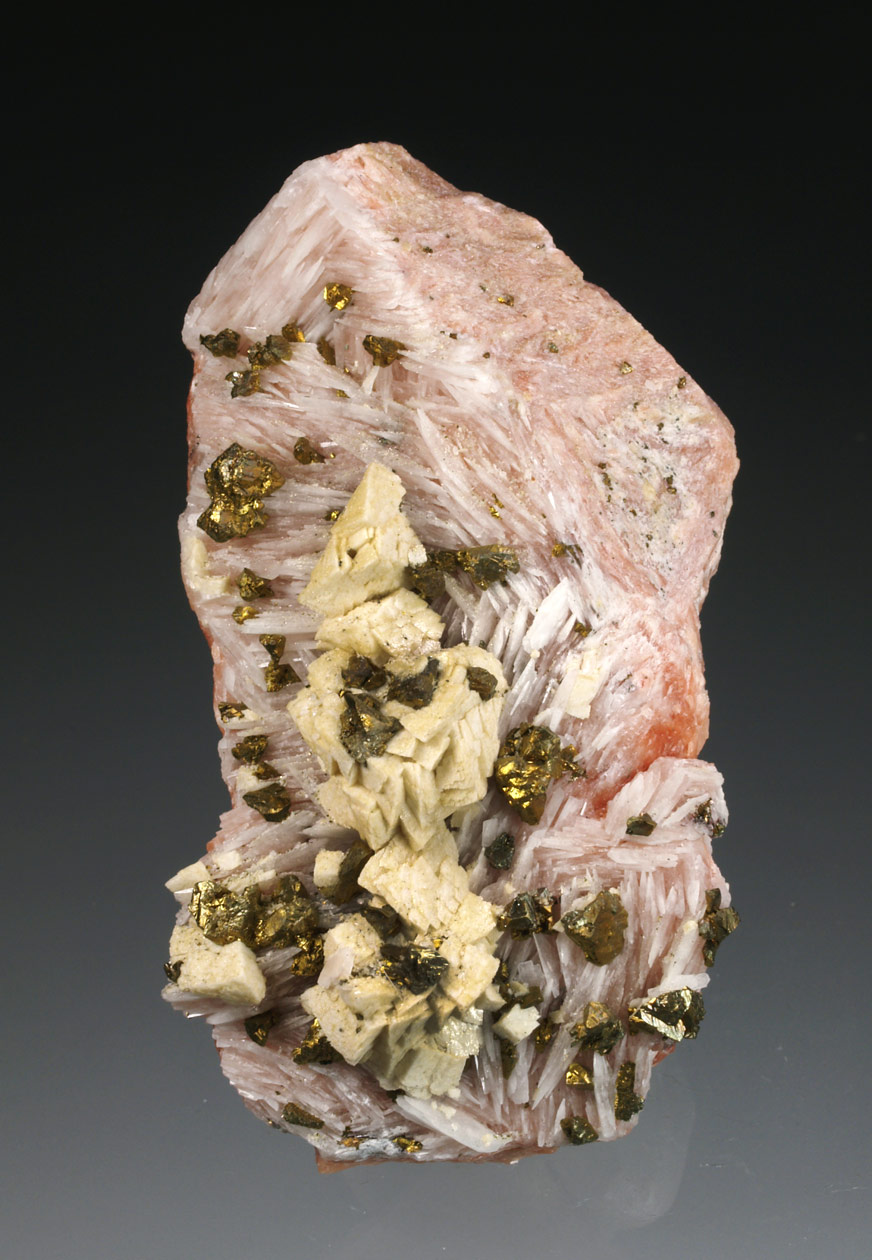
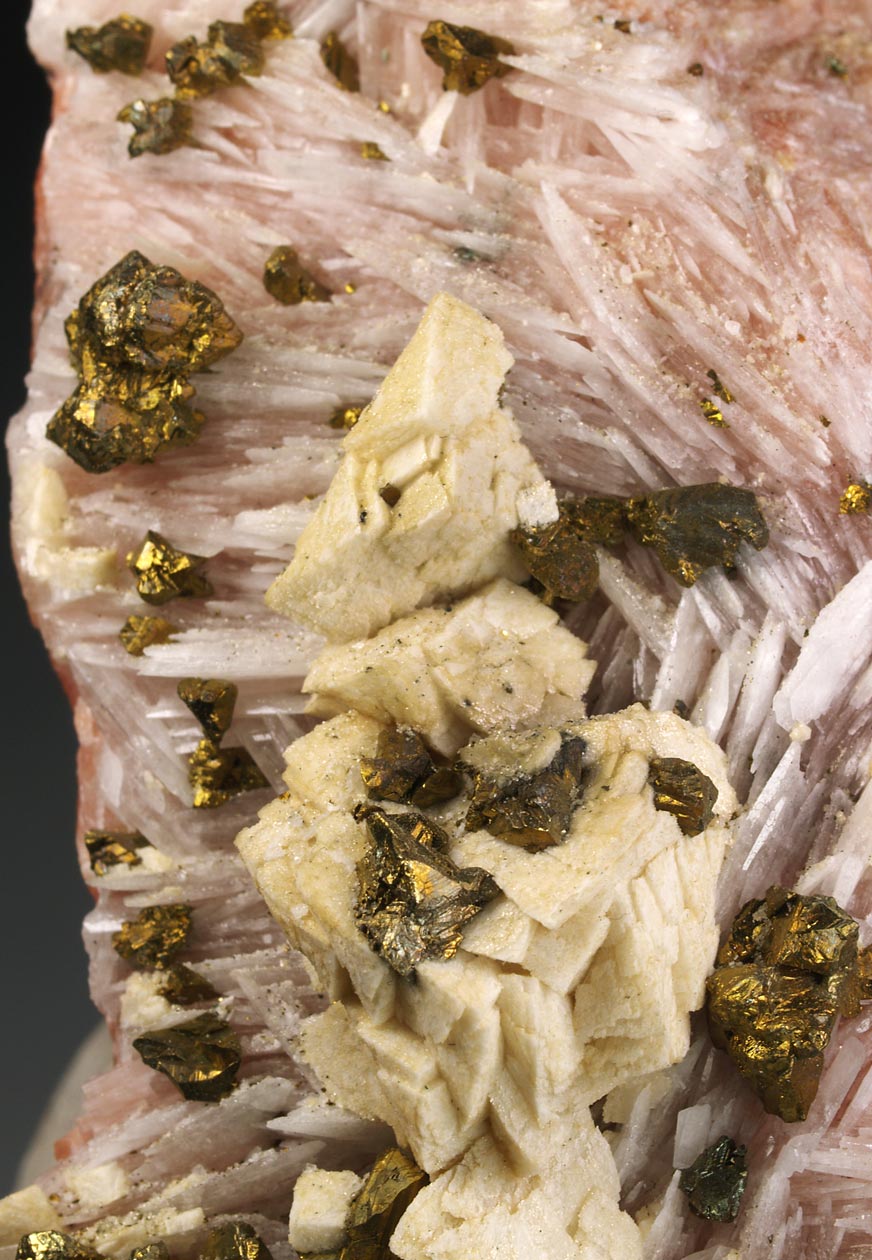
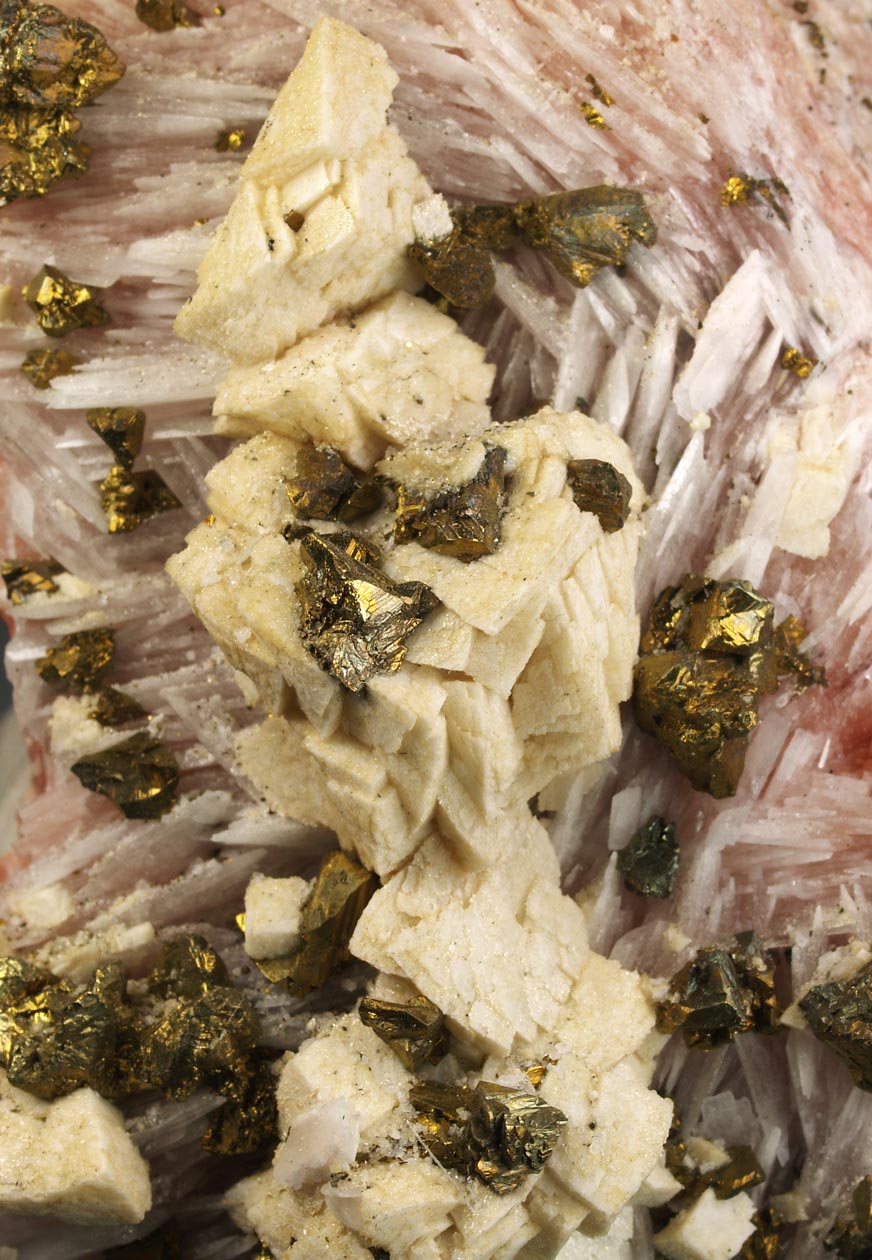
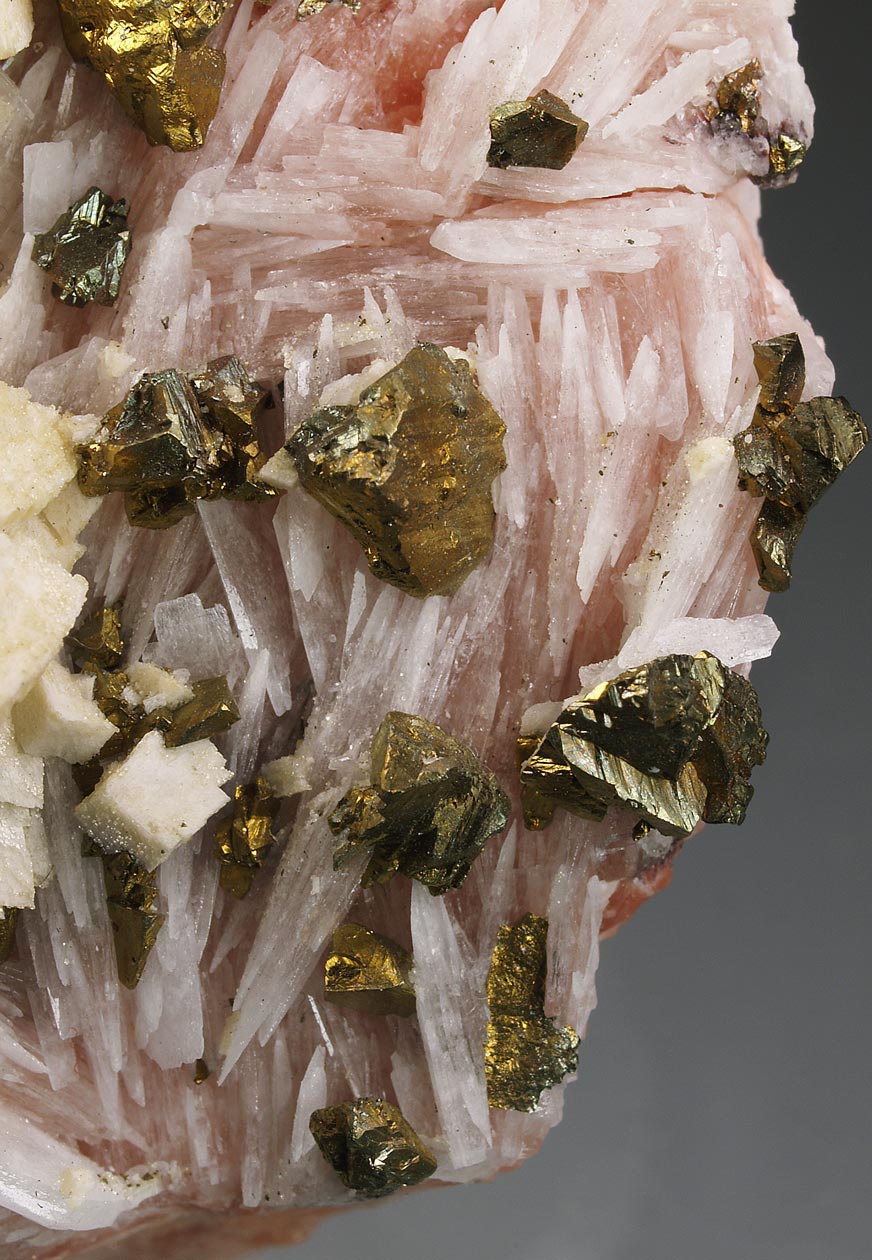
Nutrido grupo de cristales de calcopirita, complejos, brillantes y que contrastan sobre una matriz de cristales de barita. Se acompañan de cristales de dolomita romboédricos interpenetrados. El ejemplar procede de la mina Dreislar, una mina que se explotó desde 1970 a 2007, con las habituales interrupciones, para el plomo, zinc y cobre, y más modernamente para la barita. Los ejemplares son clásicos en las colecciones alemanas.
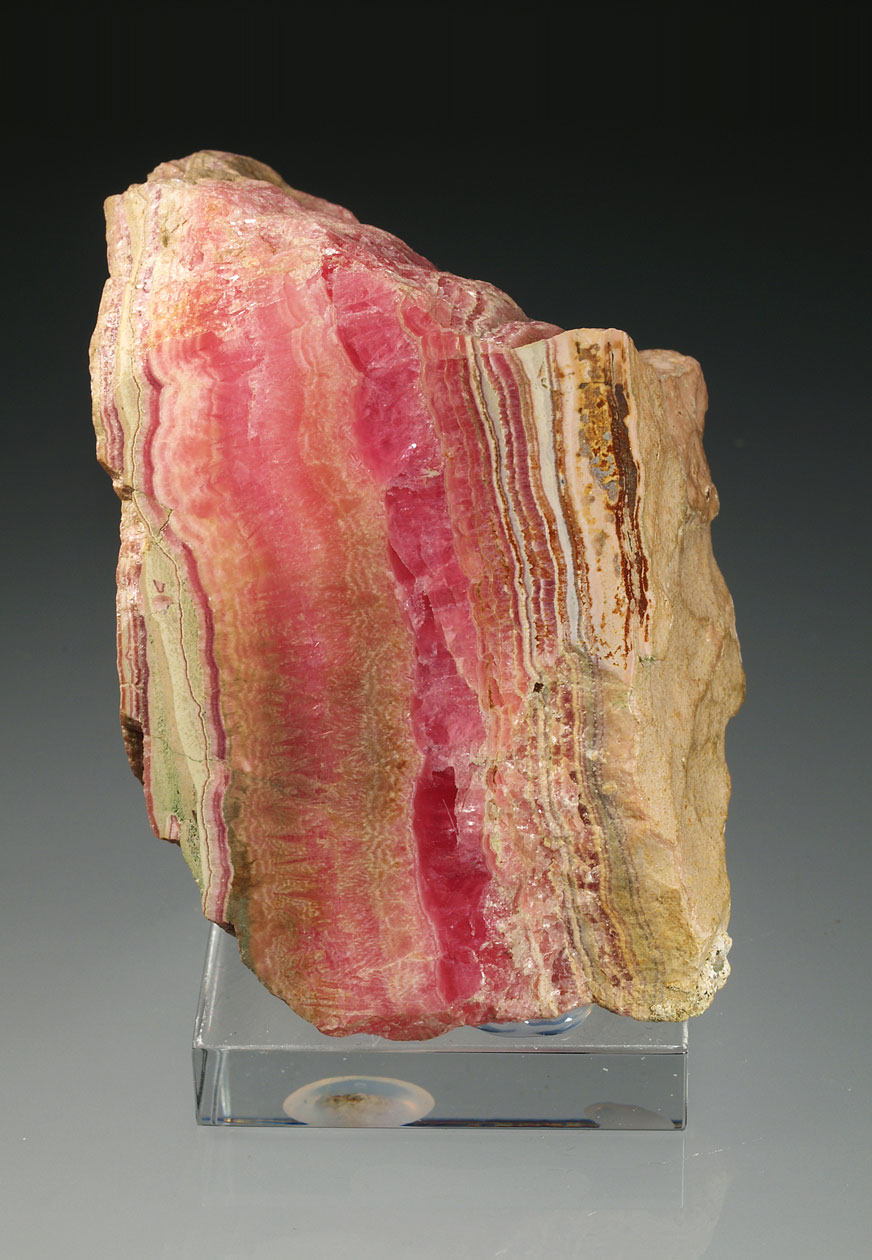
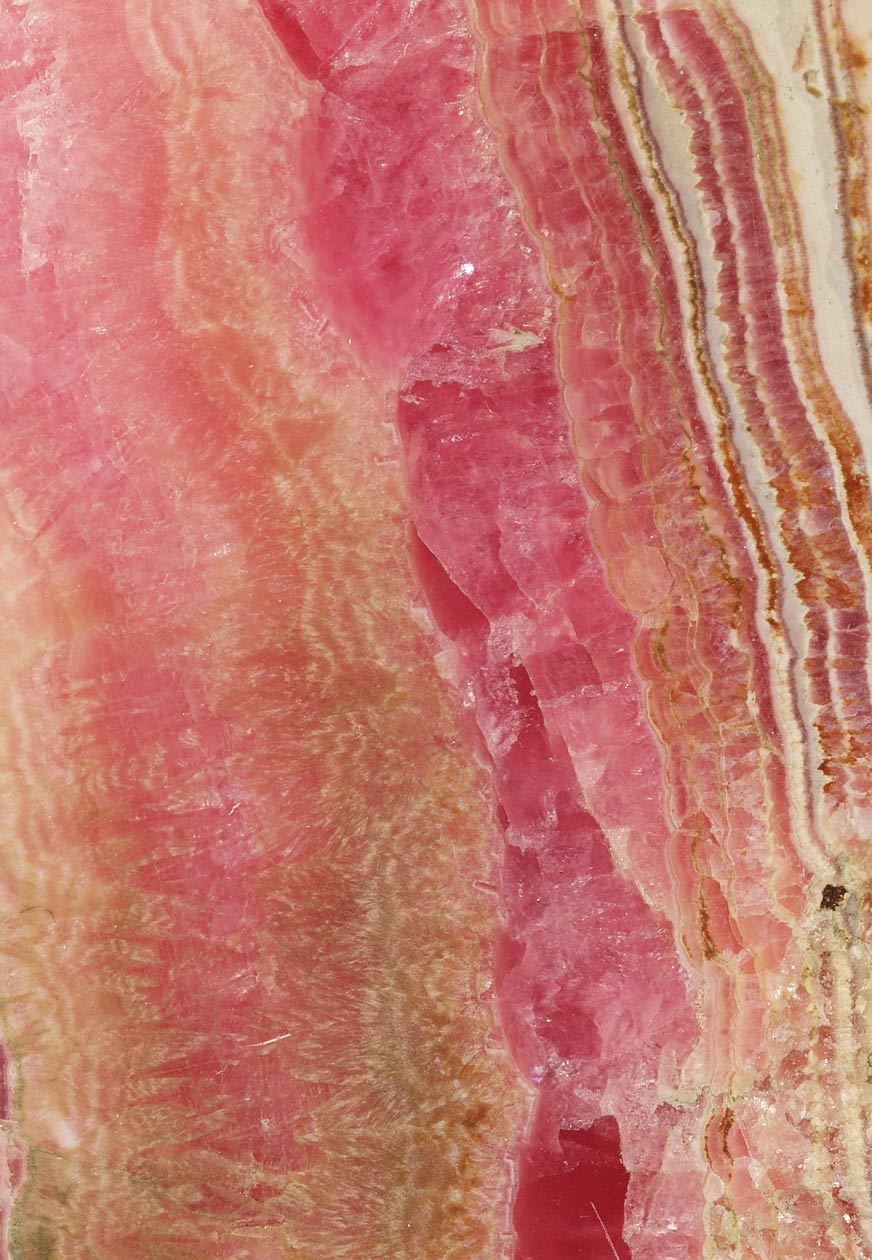
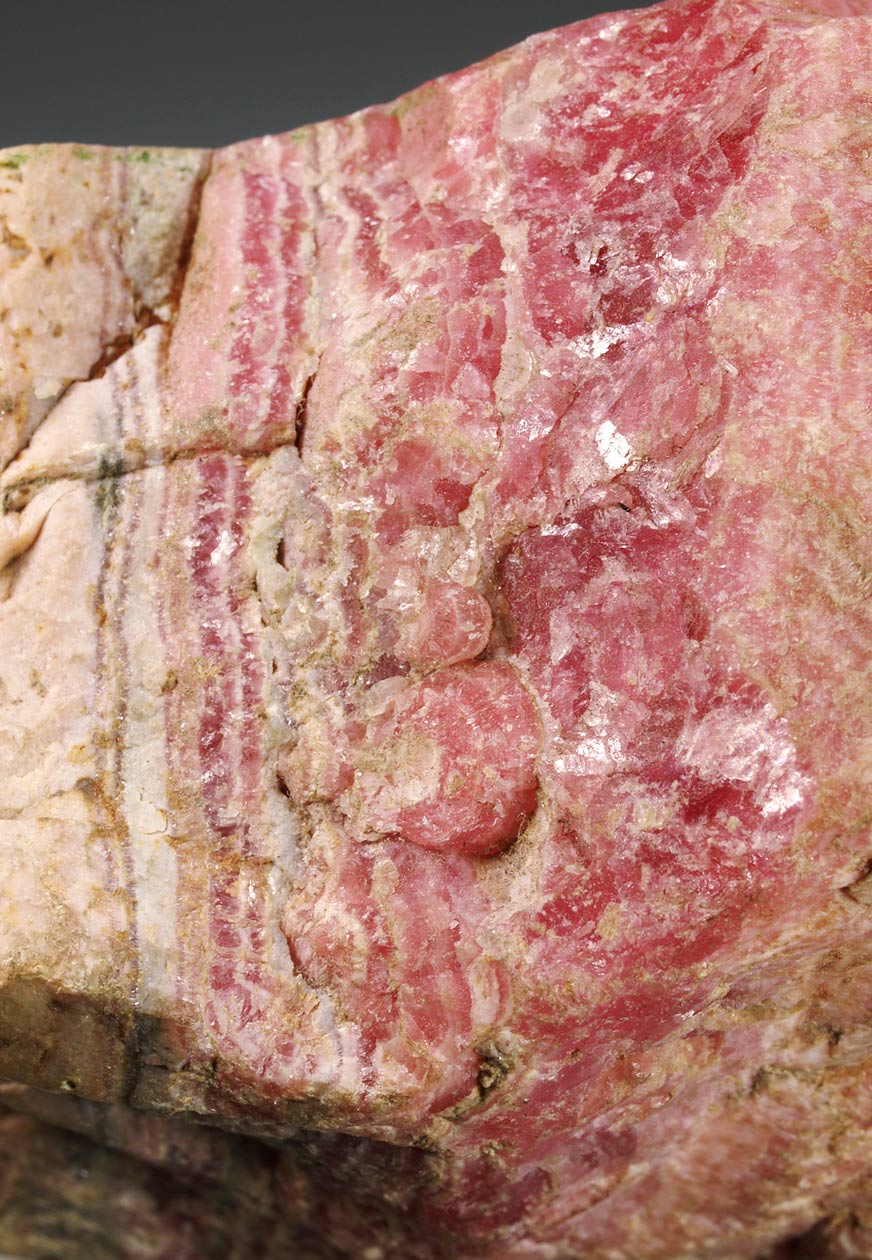
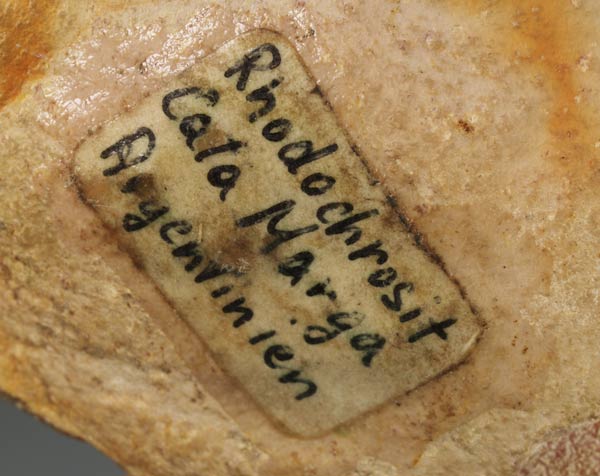
Ejemplar de muy buen tamaño de rodocrosita de esta clásica localidad argentina. En la parte pulida podemos observar los bandeados característicos, con buen color. Y la parte "natural" nos indica que se trata de una veta. Presenta una etiqueta adherida manuscrita y por su aspecto se trat de una pieza muy antigua.
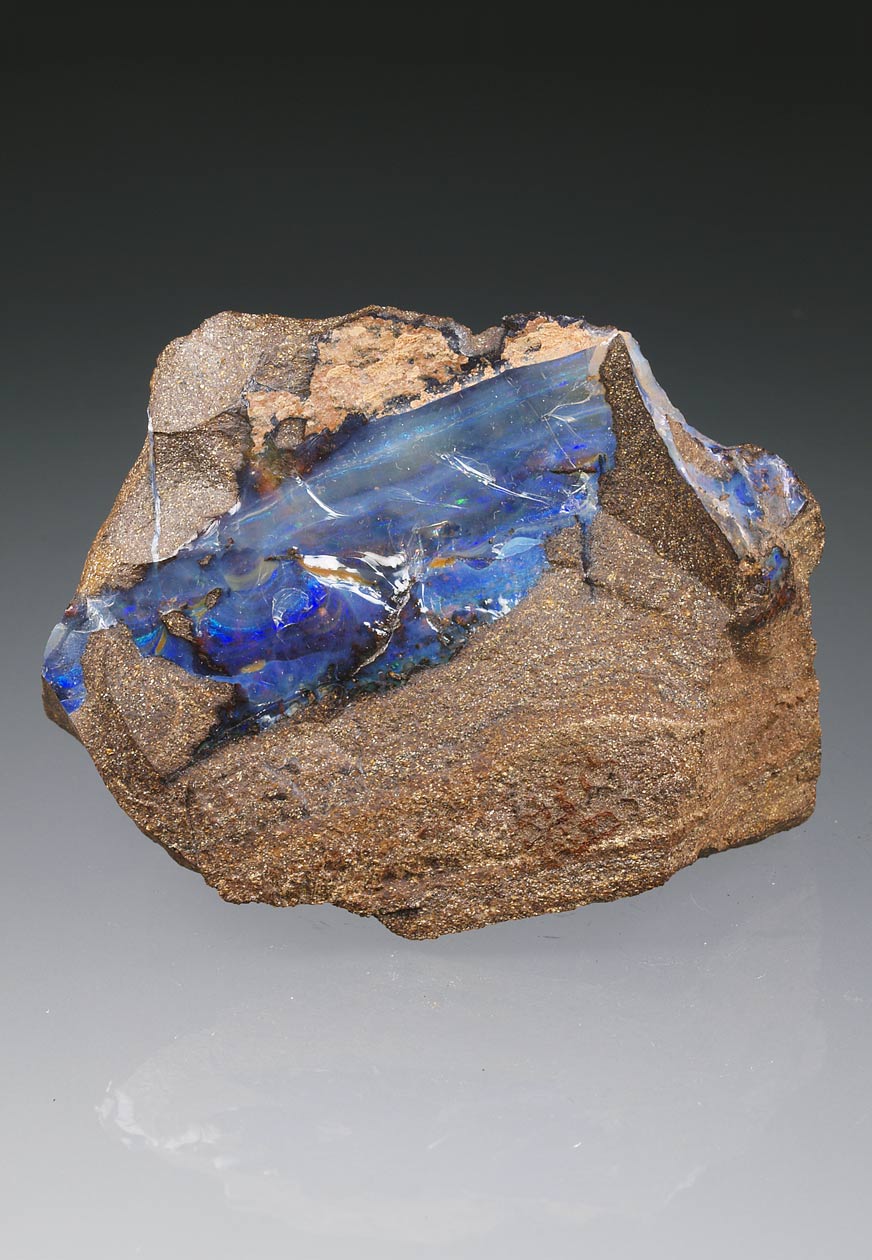
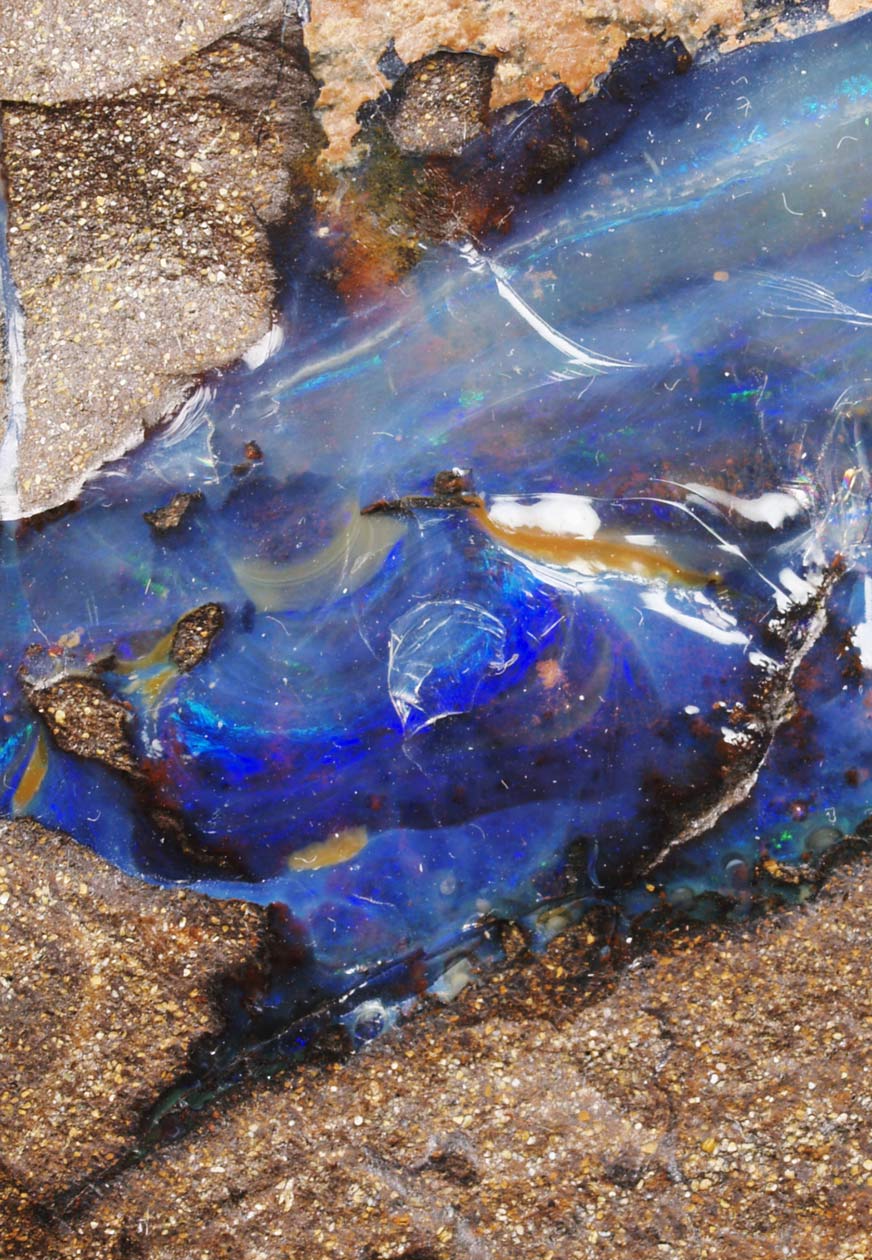
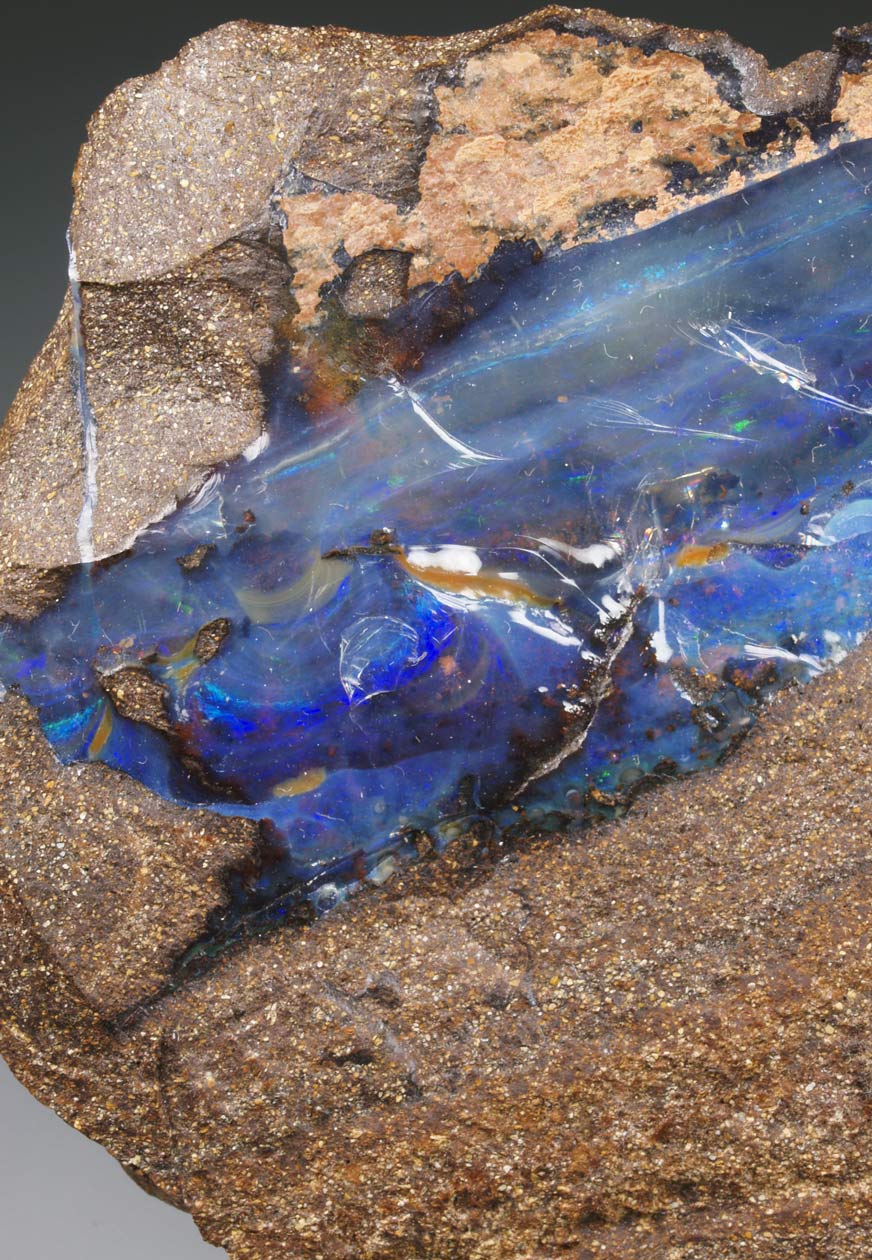
Estético ejemplar de ópalo con notables iridiscencias azuladas en una matriz de gres de grano muy fino. De la zona de Quilpie, una localidad ganadera y minera que contiene uno de los depósitos más grandes de ópalo del mundo. Una gema...
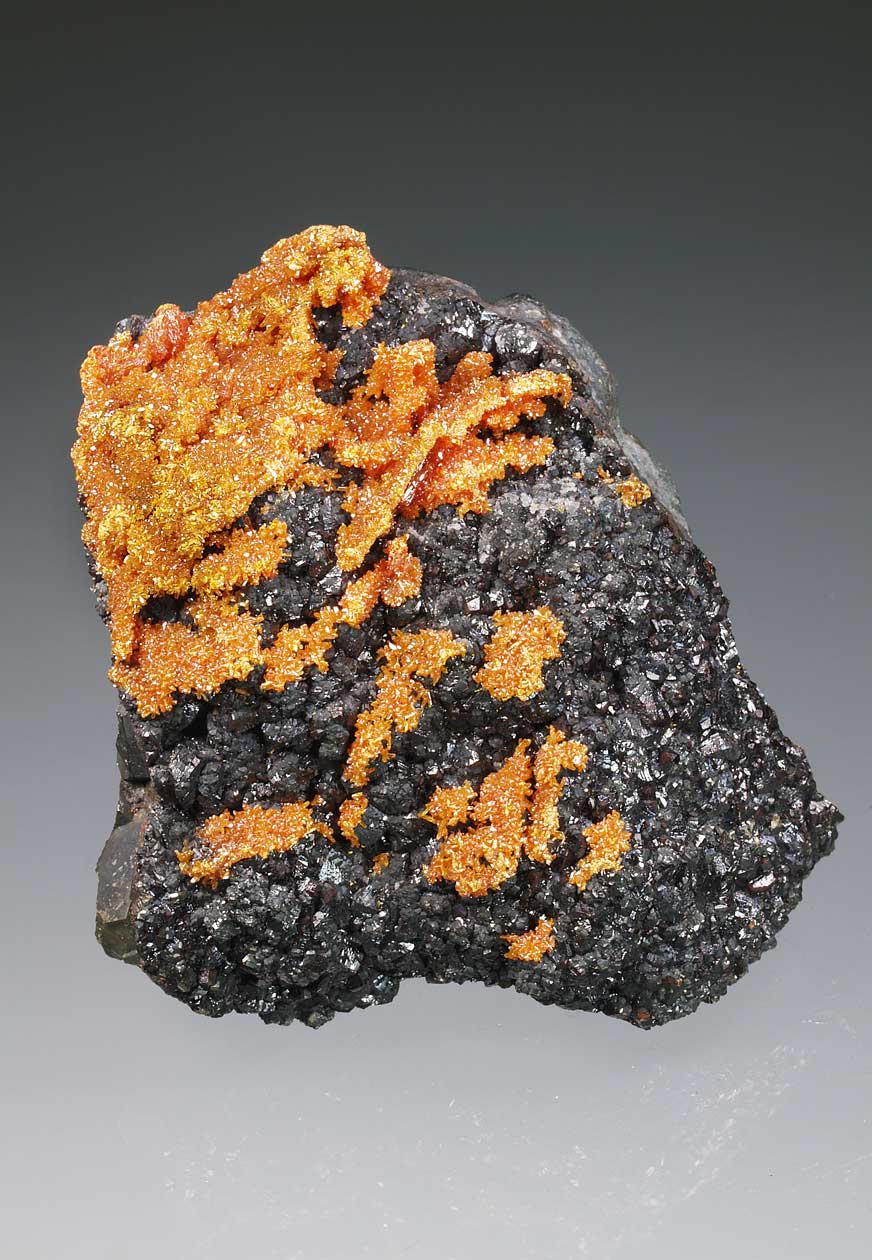
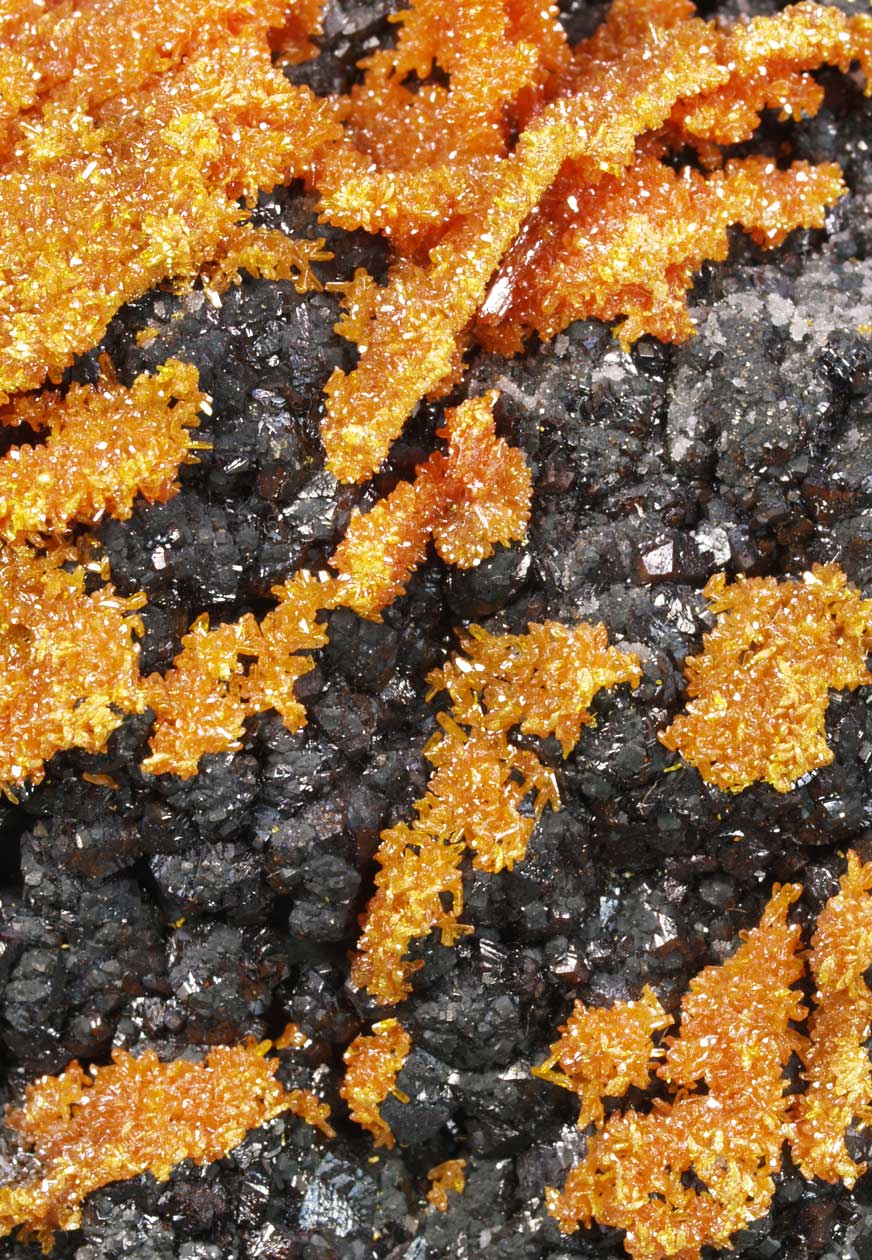
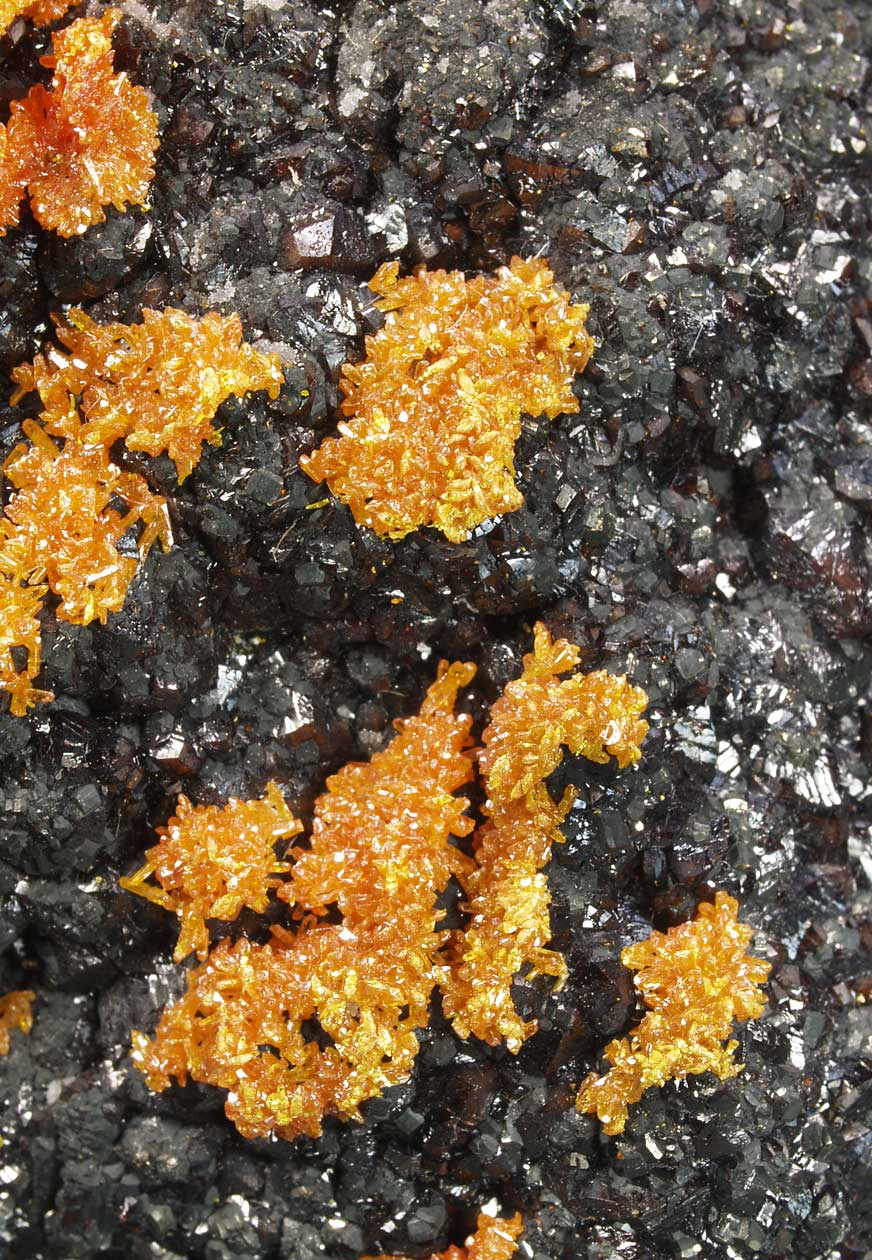
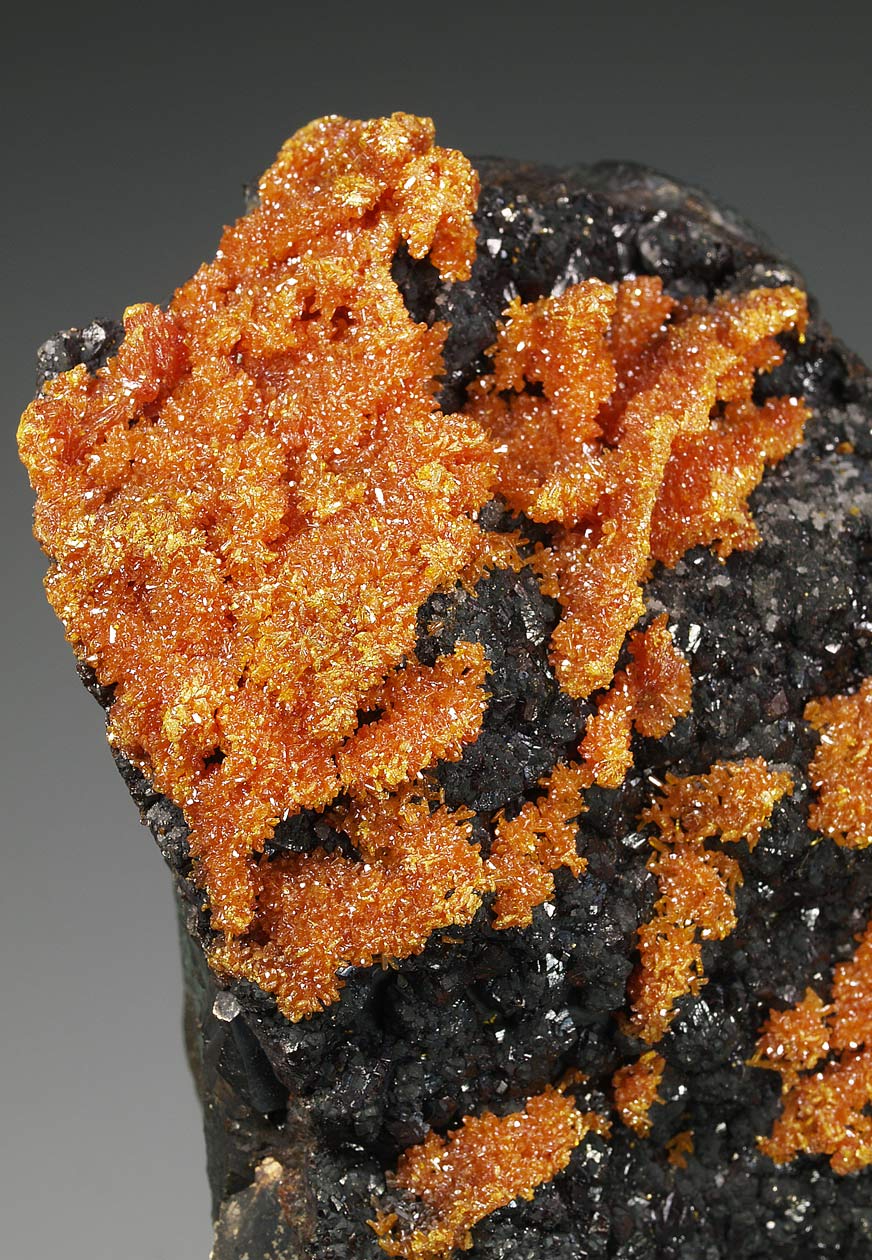
Muy estético ejemplar que nos muestra dos generaciones de orpimente. Una de intenso color anaranjado, formada por numerosos cristales, brillantes. Una segunda con cristales que tapizan la matriz de arsenopirita con pirita, con un tono más oscuro. Una pieza distinta de esta clásica mina Peruana.
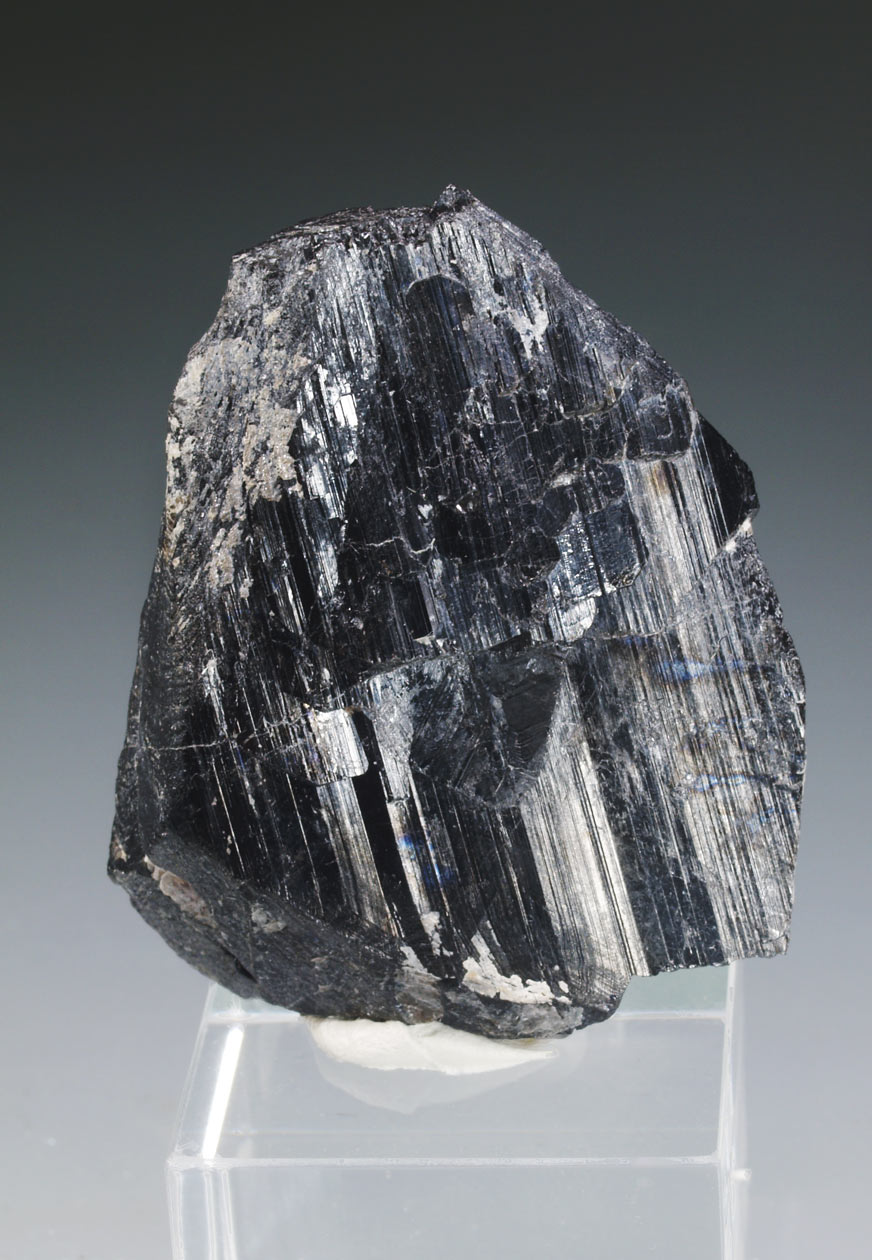
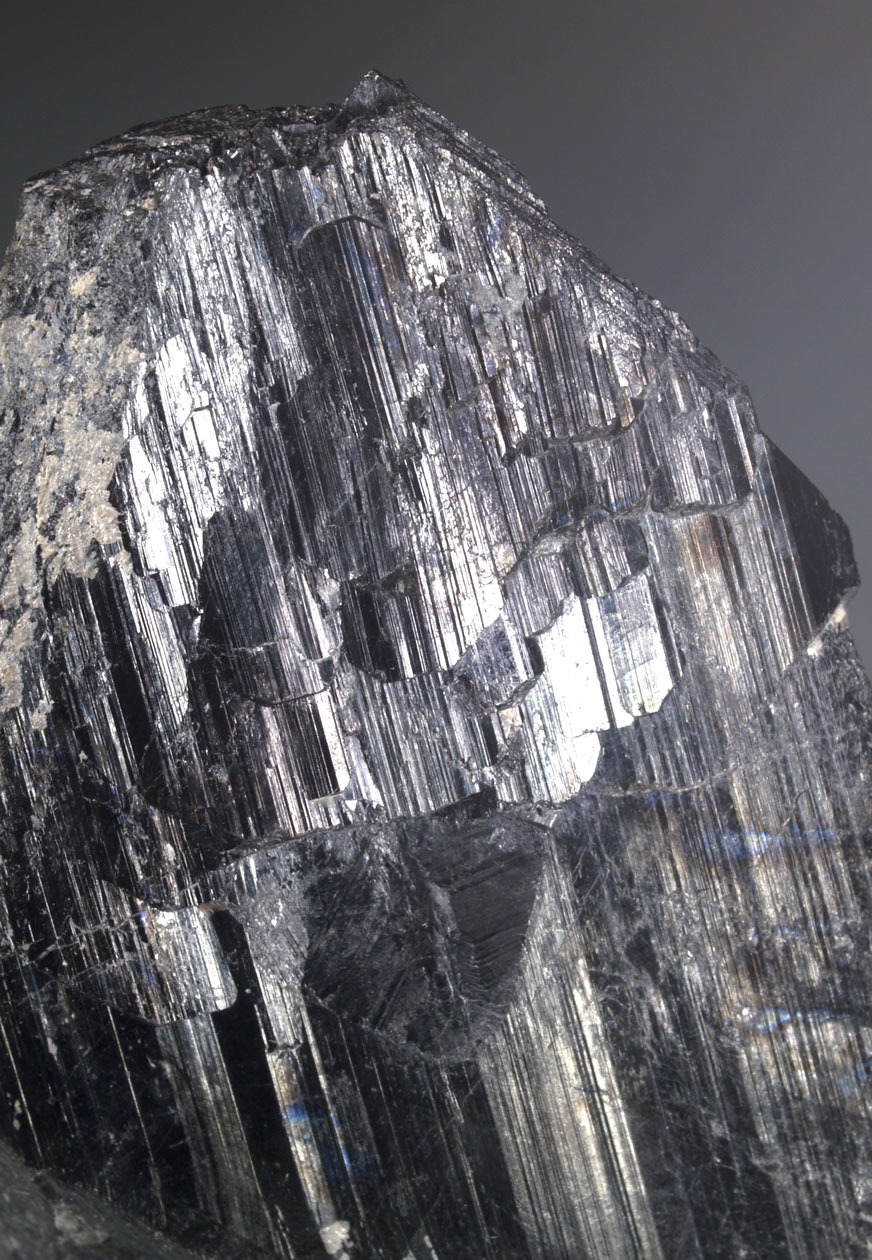
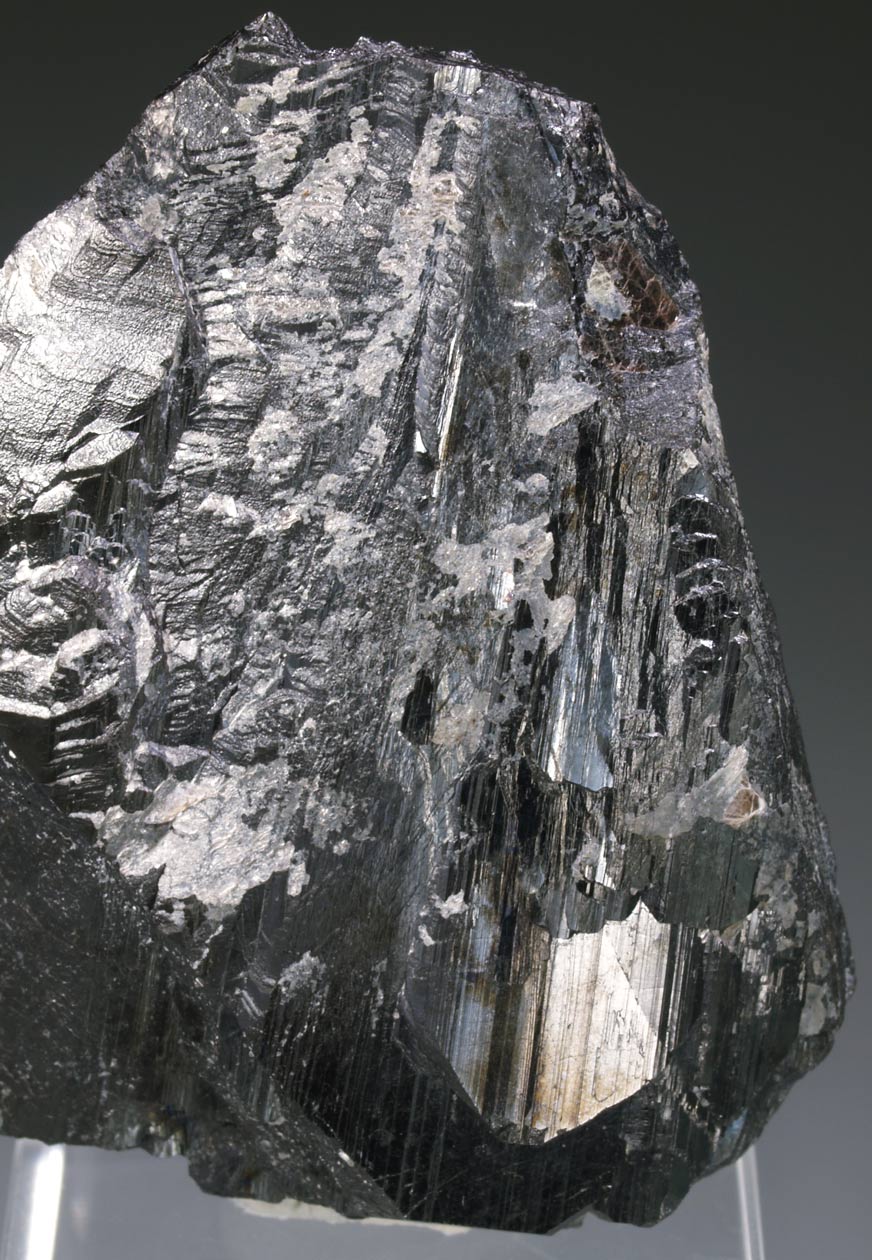
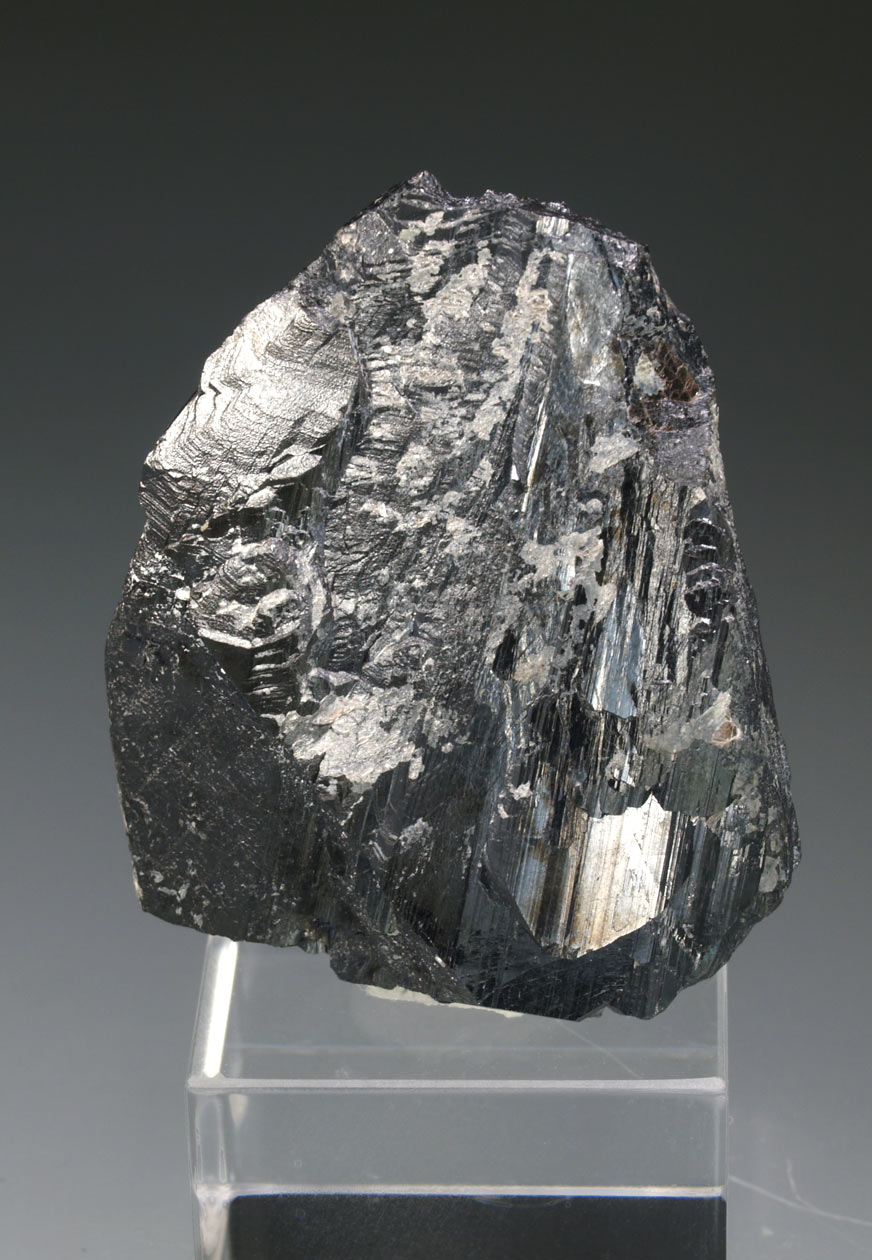
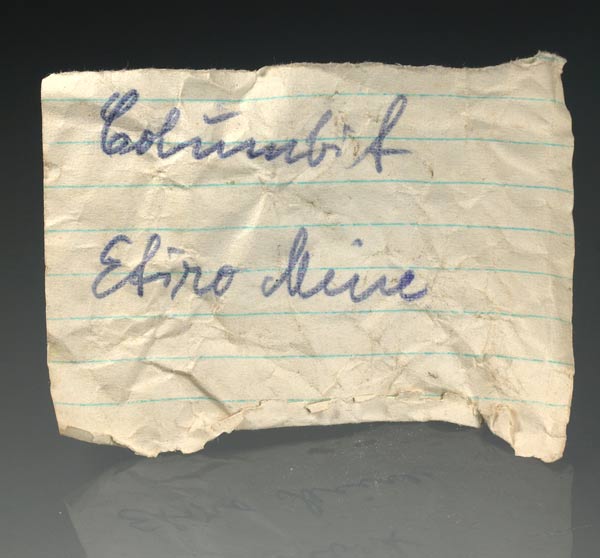
Cristal de buen tamaño de columbita-(Mn) que muestra crecimientso paralelos en las caras, con estriaciones, brillo e intenso color negro. La etiqueta manuscrita que lo acompaña indica que procede de las pegmatitas de Etiro, en Namíbia, de la que pocos ejemplares se han visto. La pieza procede de la colección H.G. Hoppert.
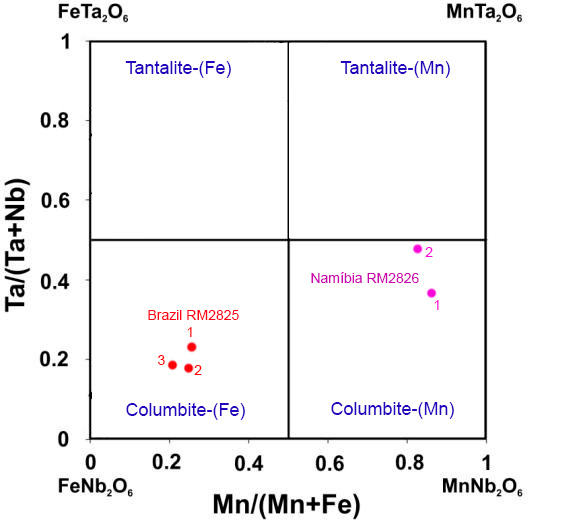
La pieza se ha analizado y los resultados, como puede verse en los documentos adjuntos, indican que continen más Mn que Fe, y que se trata de una columbita, con valores en la zona limítrofe con la tantalita. Todos los datos se enviaran al comprador.
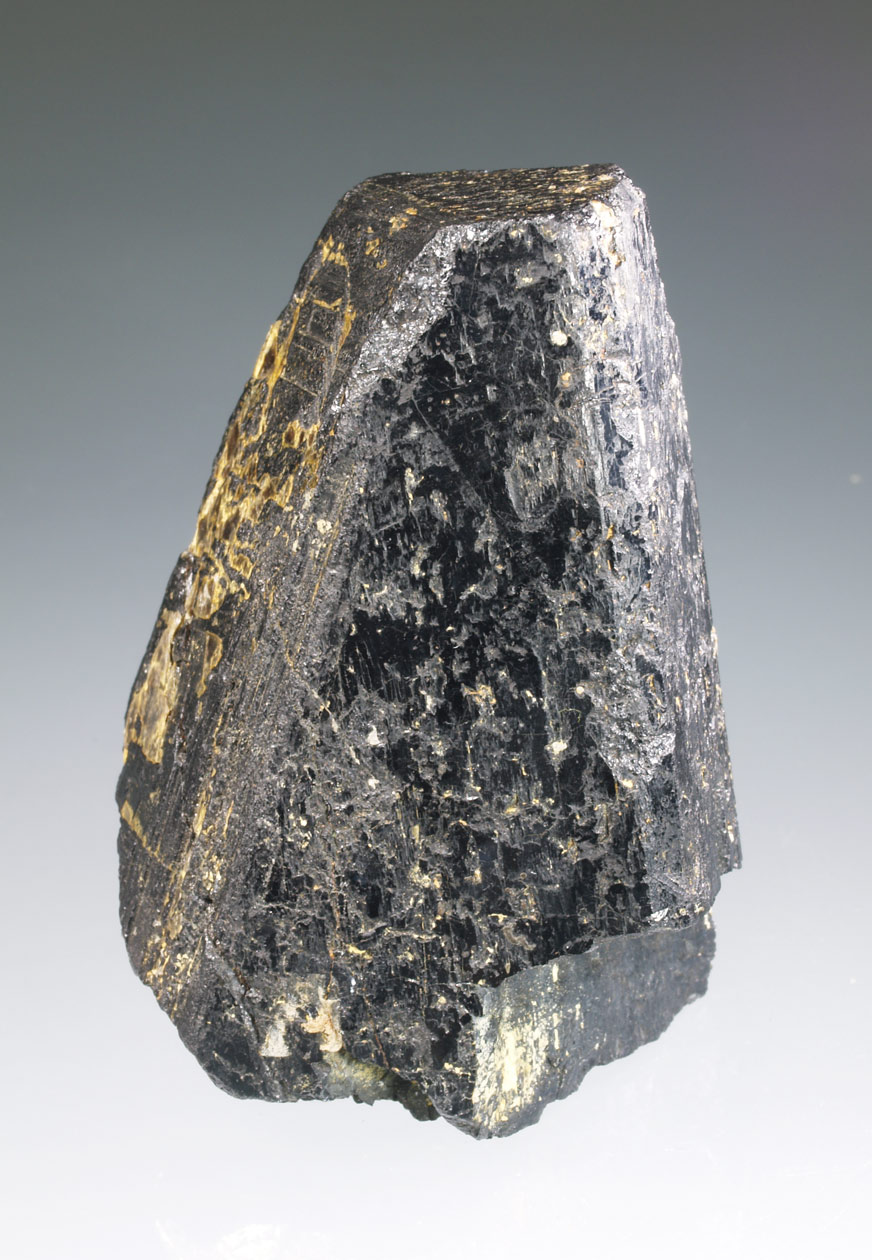
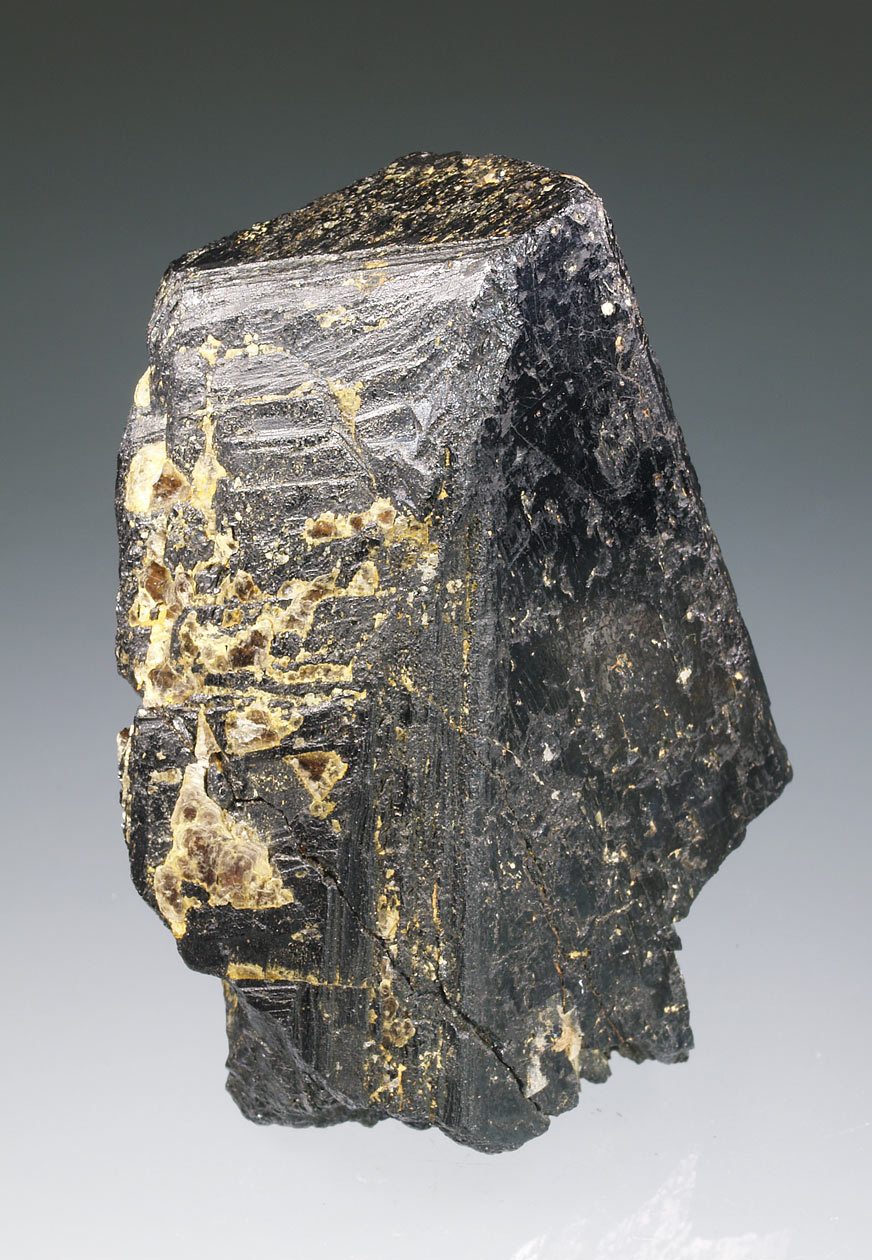
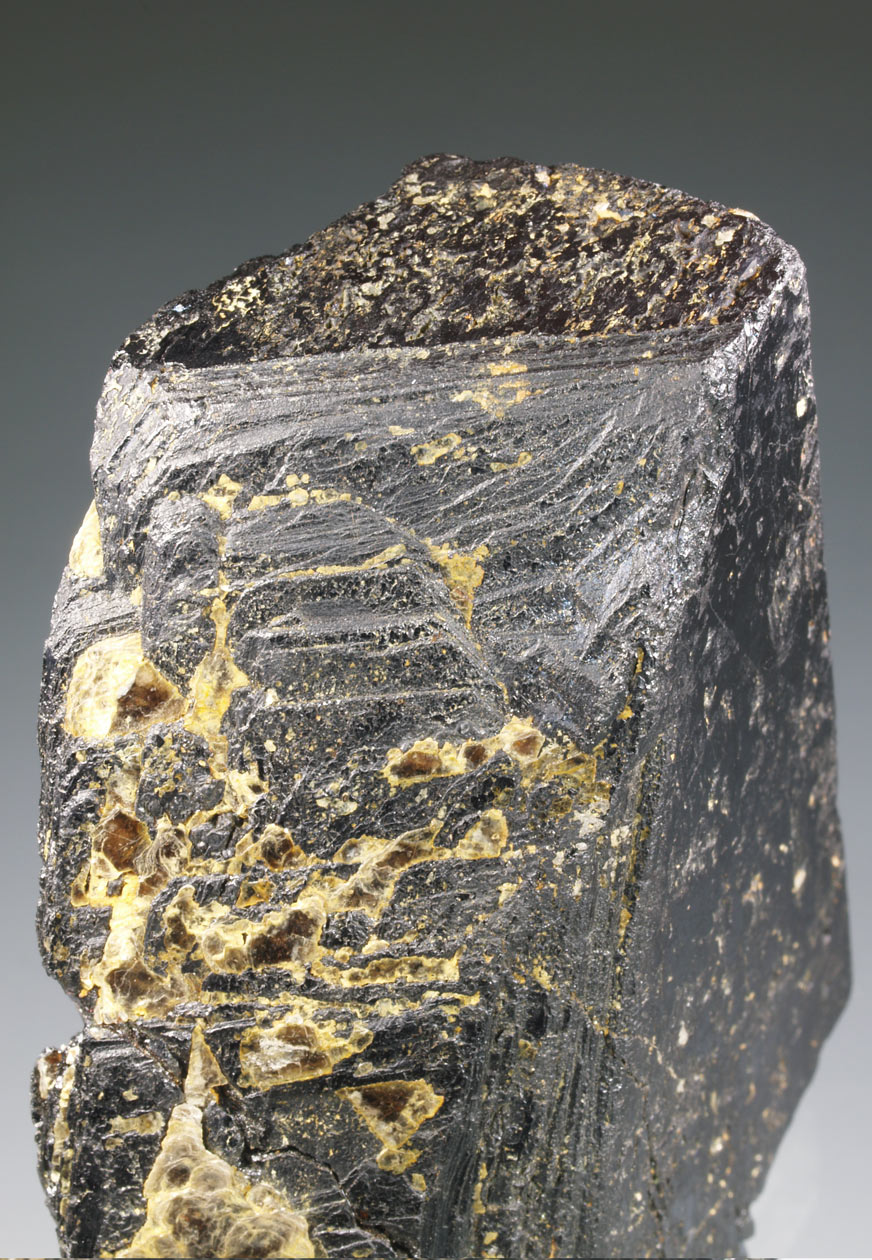
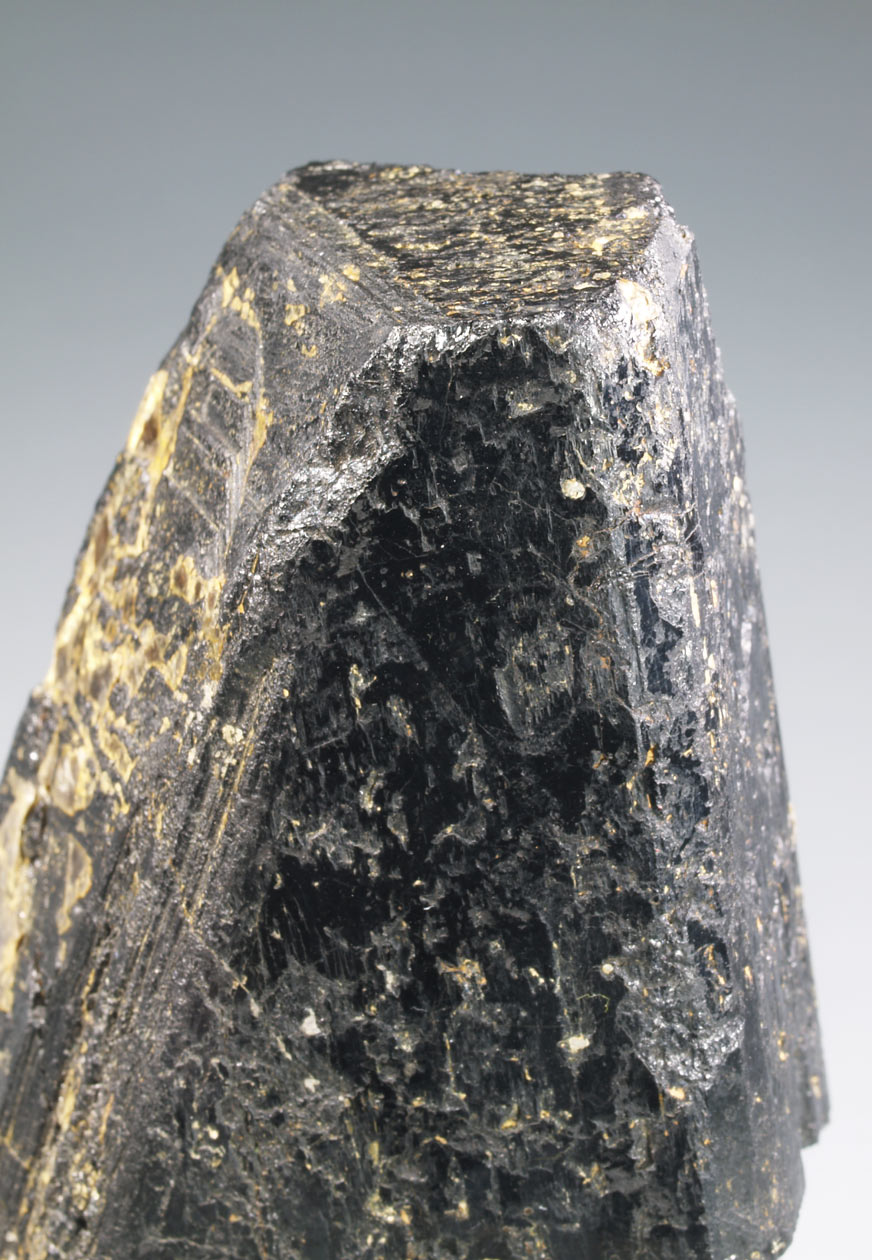
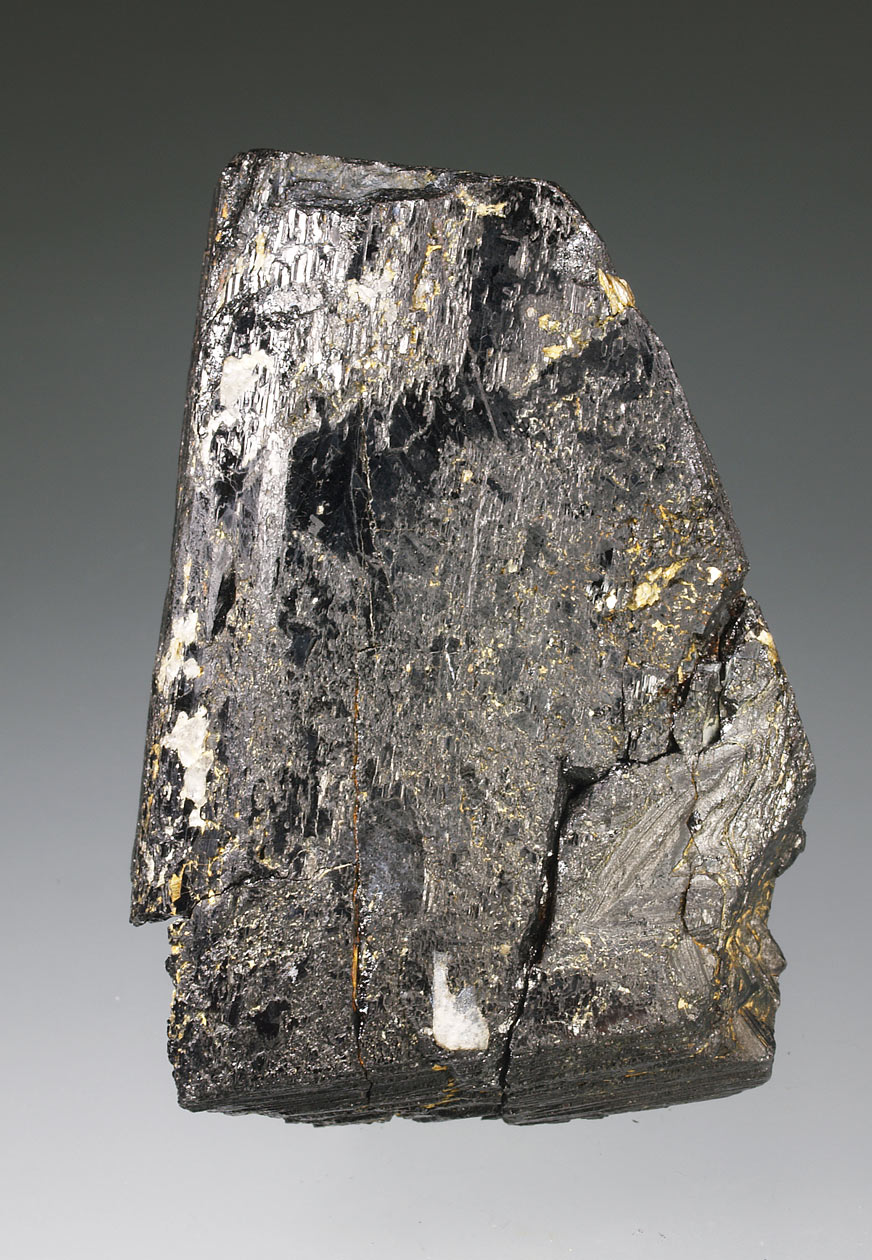
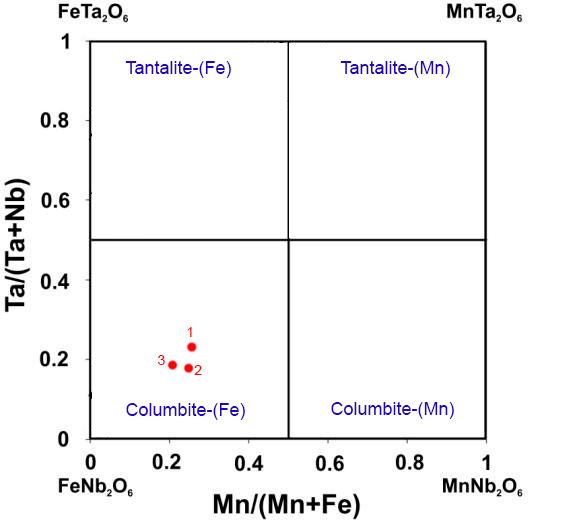
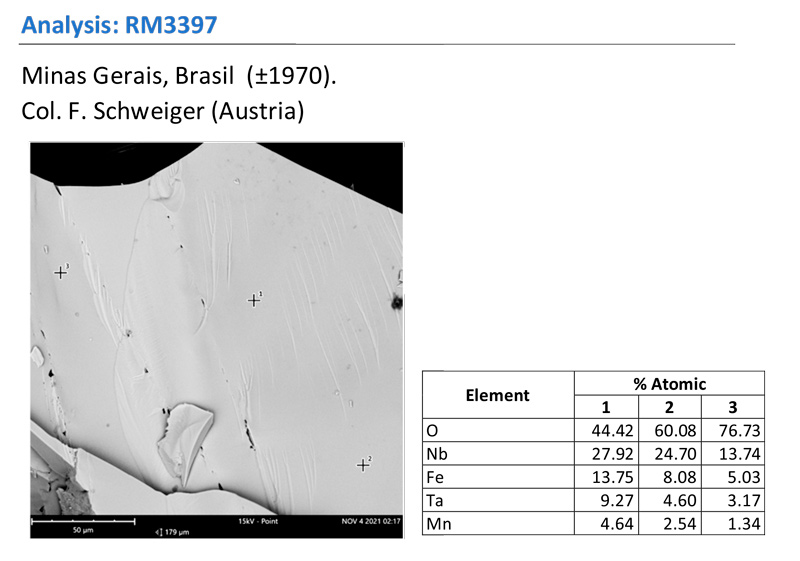
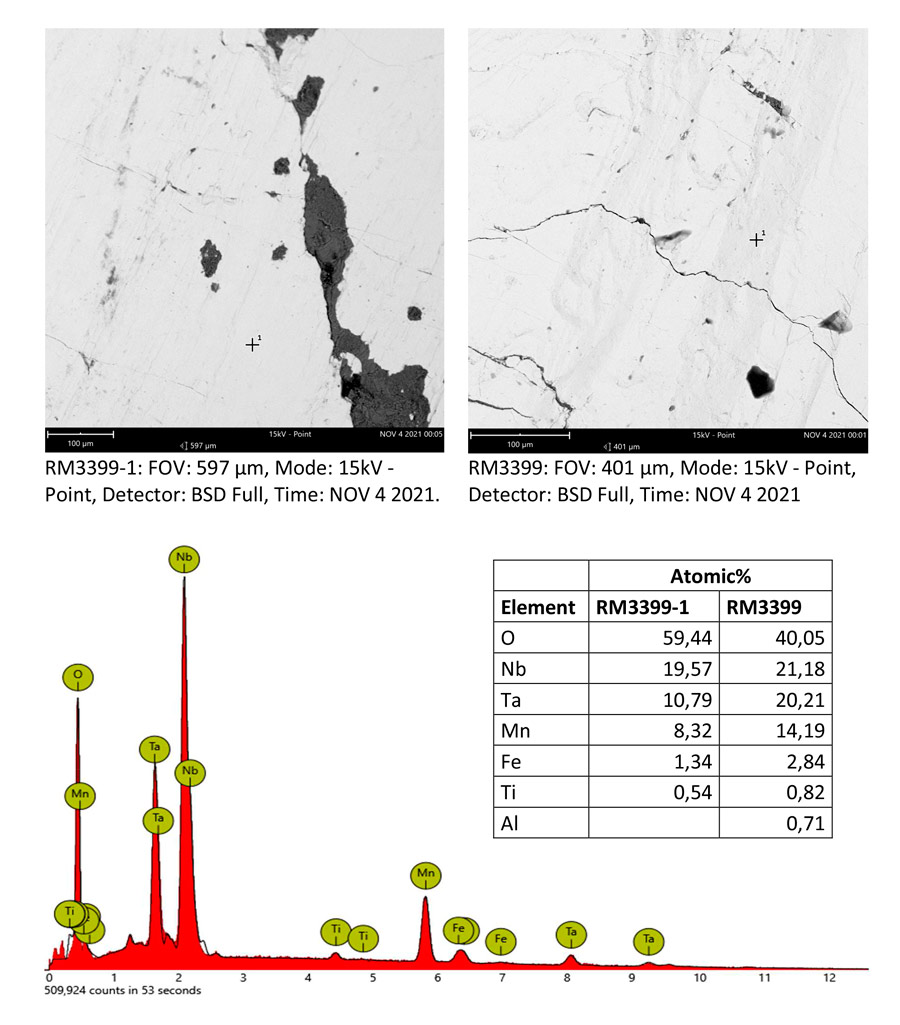
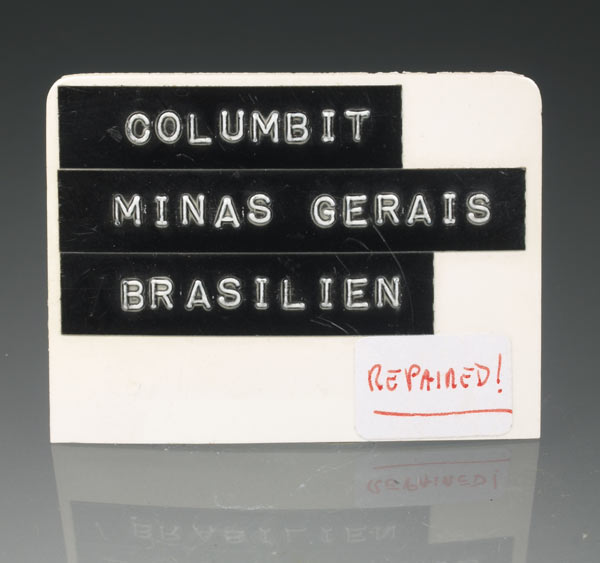
Cristal flotante de columbita-(Fe) de gran tamaño para la especie. Podemos observar numerosas facetas, algunas con estriaciones, brillantes. El ejemplar indica reparado ya que una parte (ver foto) ha sido recolocada en su sitio, sin afectar a la calidad. Se acompaña de lepidolita. Ejemplares de columbita de este tamaño no son nada habituales. Hemos analizado el ejemplar y en el diagrama adjunto podemos ver que los resultados se hallan en el dominio de la columbita-(Fe). Se detectan pequeñas cantidades de titanio. Enviaremos estos datos al comprador. Una pieza excepcional.
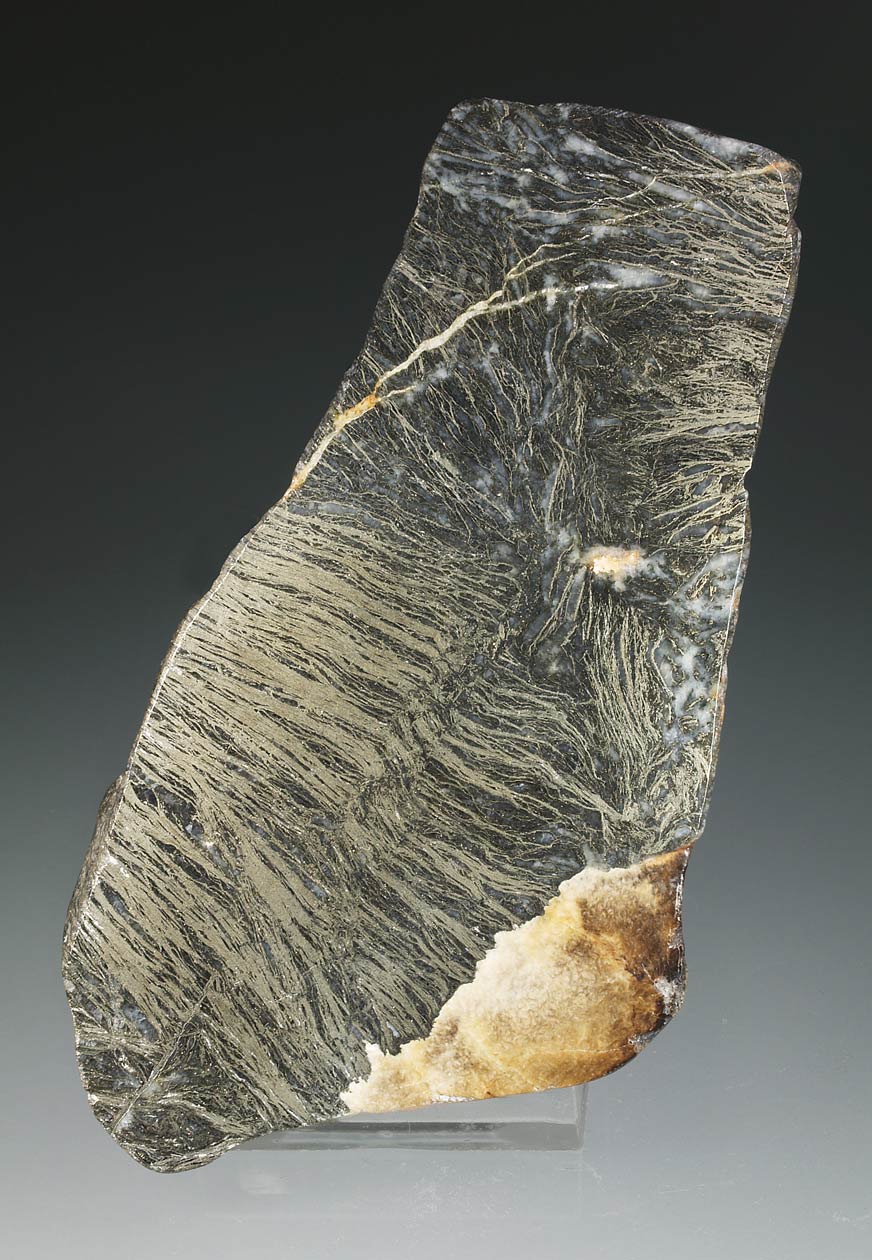
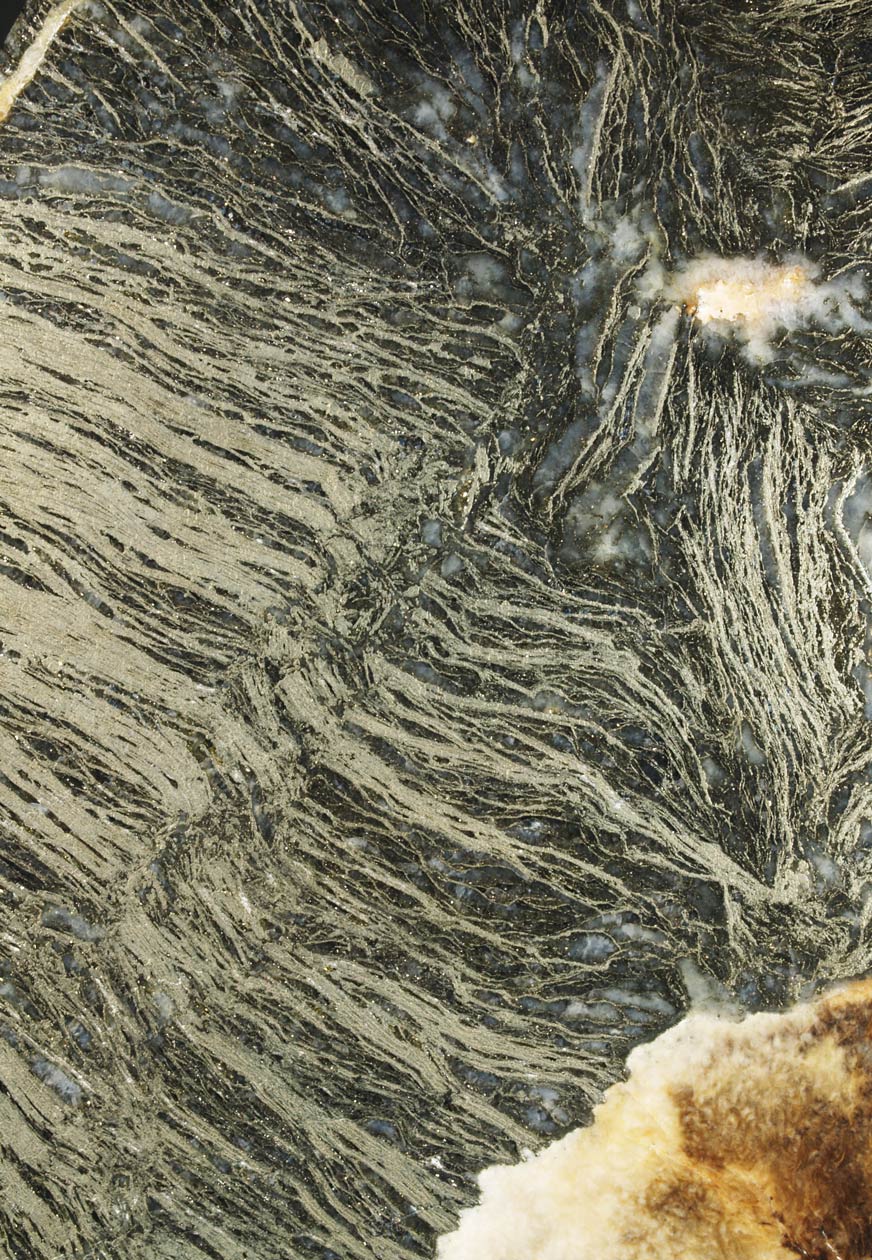
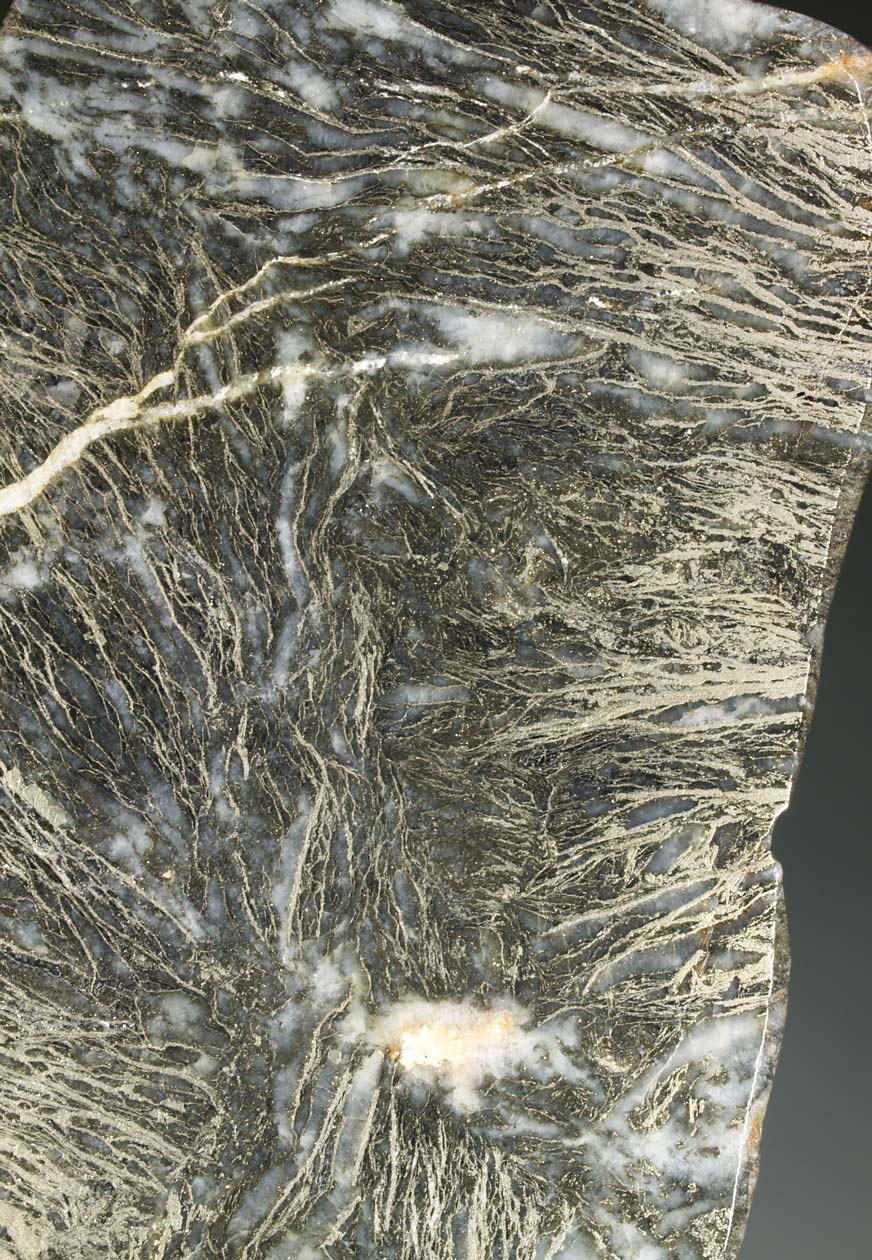
Este ejemplar es un clásico de la mina de plomo-plata de Pfaffenberg, en Alemania. Se trata de una placa pulida, de buen tamaño, que nos muestra formas filamentosas que corresponden a "plumas" de cristales de pirrotita pseudomorfizadas por pirita. De ahí su nombre alemán "federpyrite" o "feather pyrite" en inglés. Se acompaña de siderita. Muy apreciada por coleccionistas europeos y muy poco habitual.
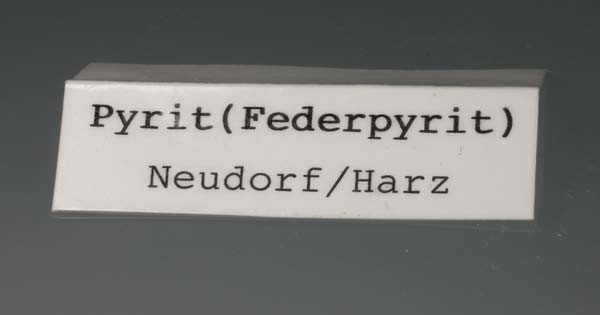
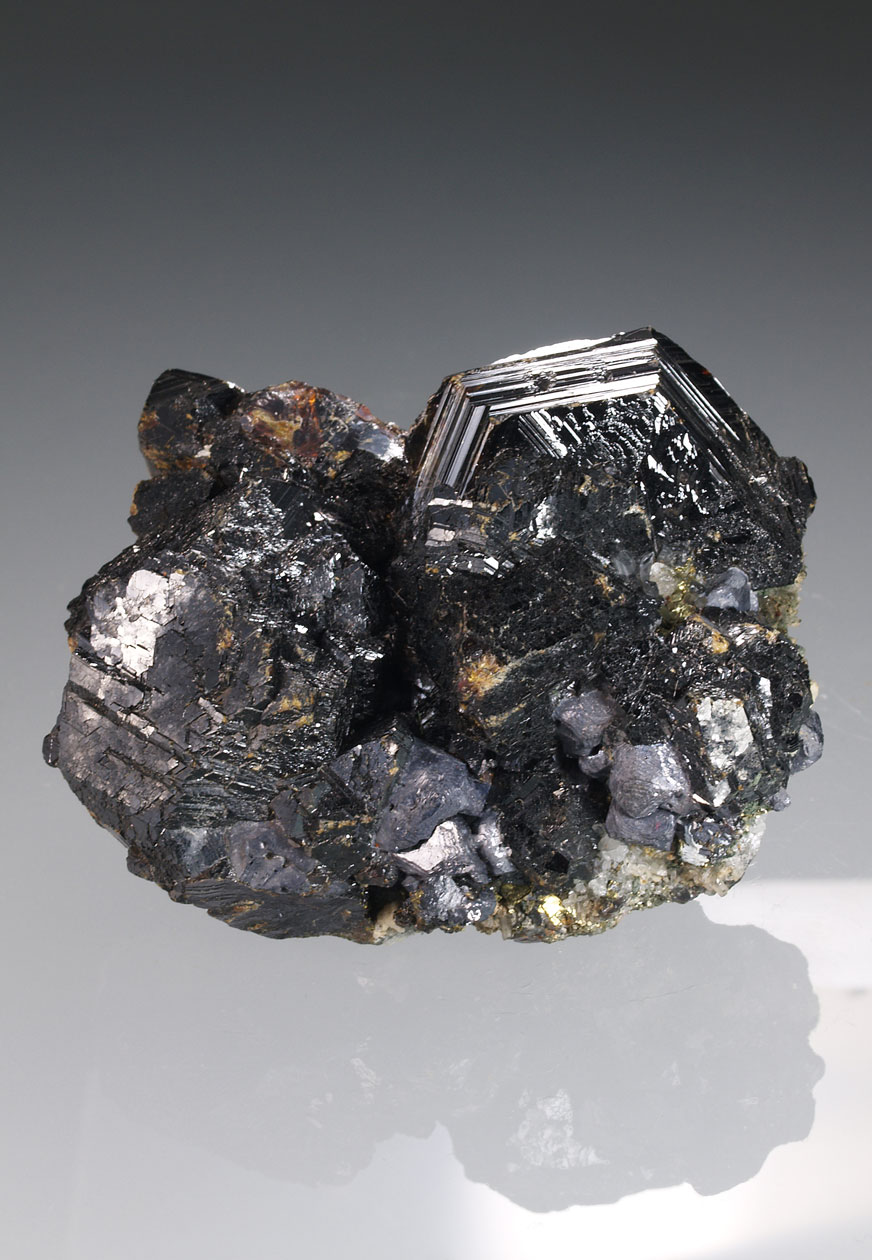
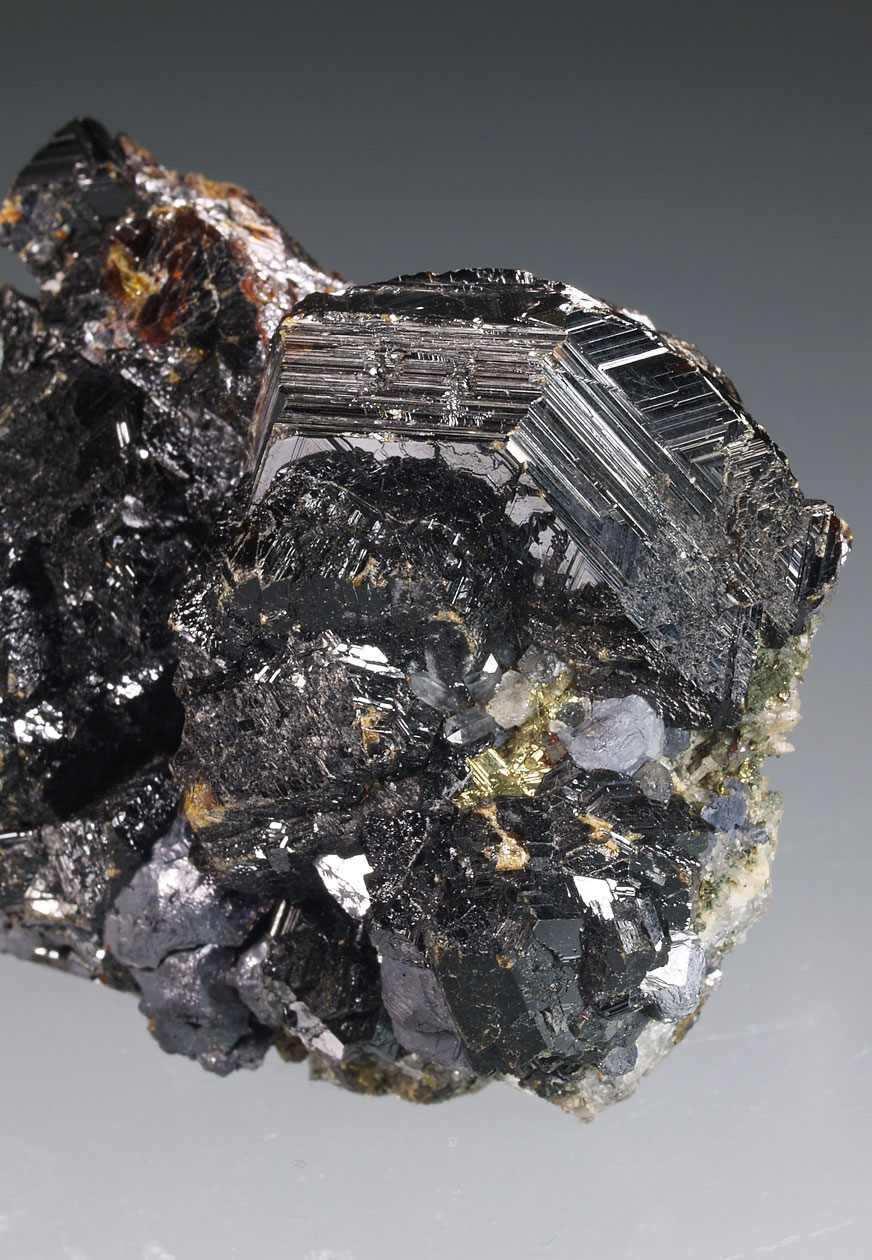
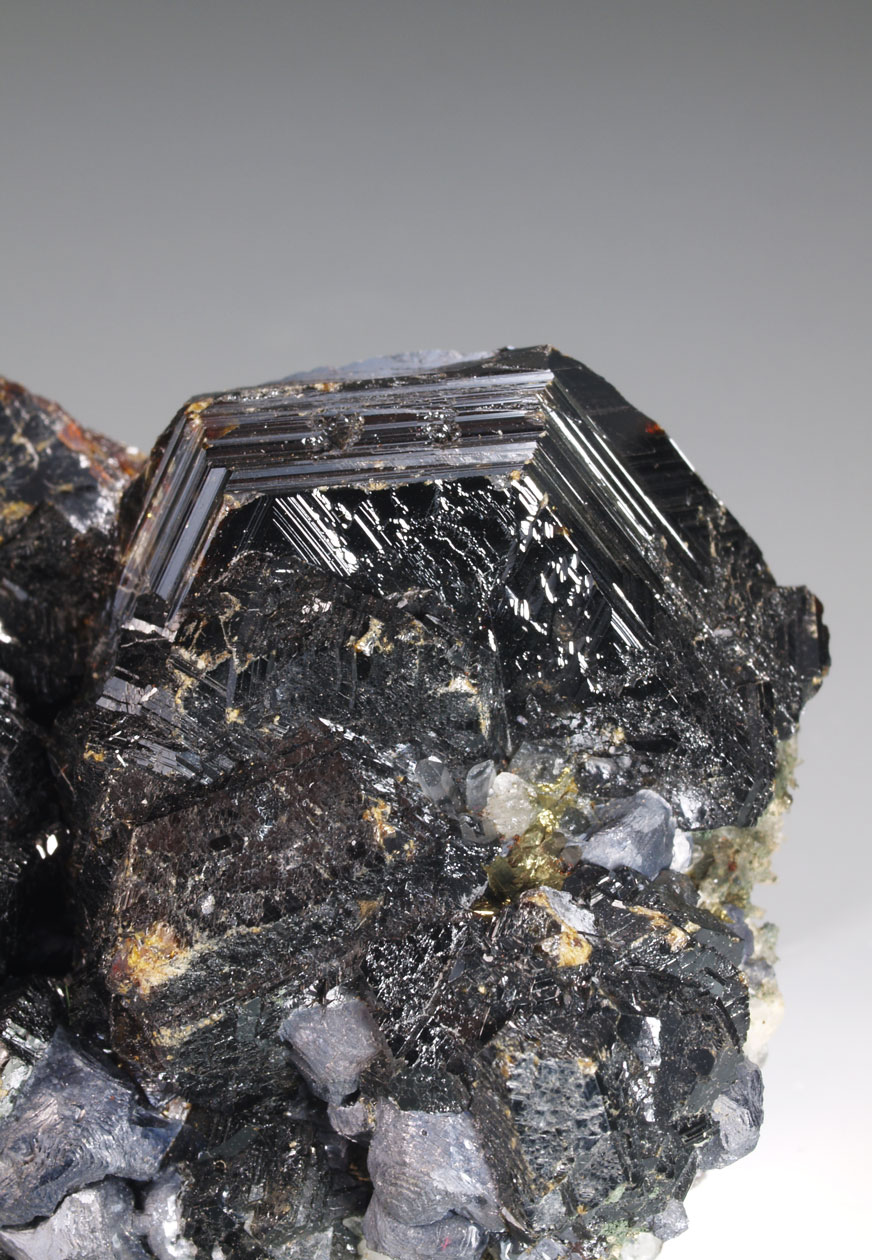
Ejemplar de esfalerita muy interesante por mostrar una macla cíclica, poco habitual para la especie y la mina. Muy brillante, con cristales de galena en matriz.
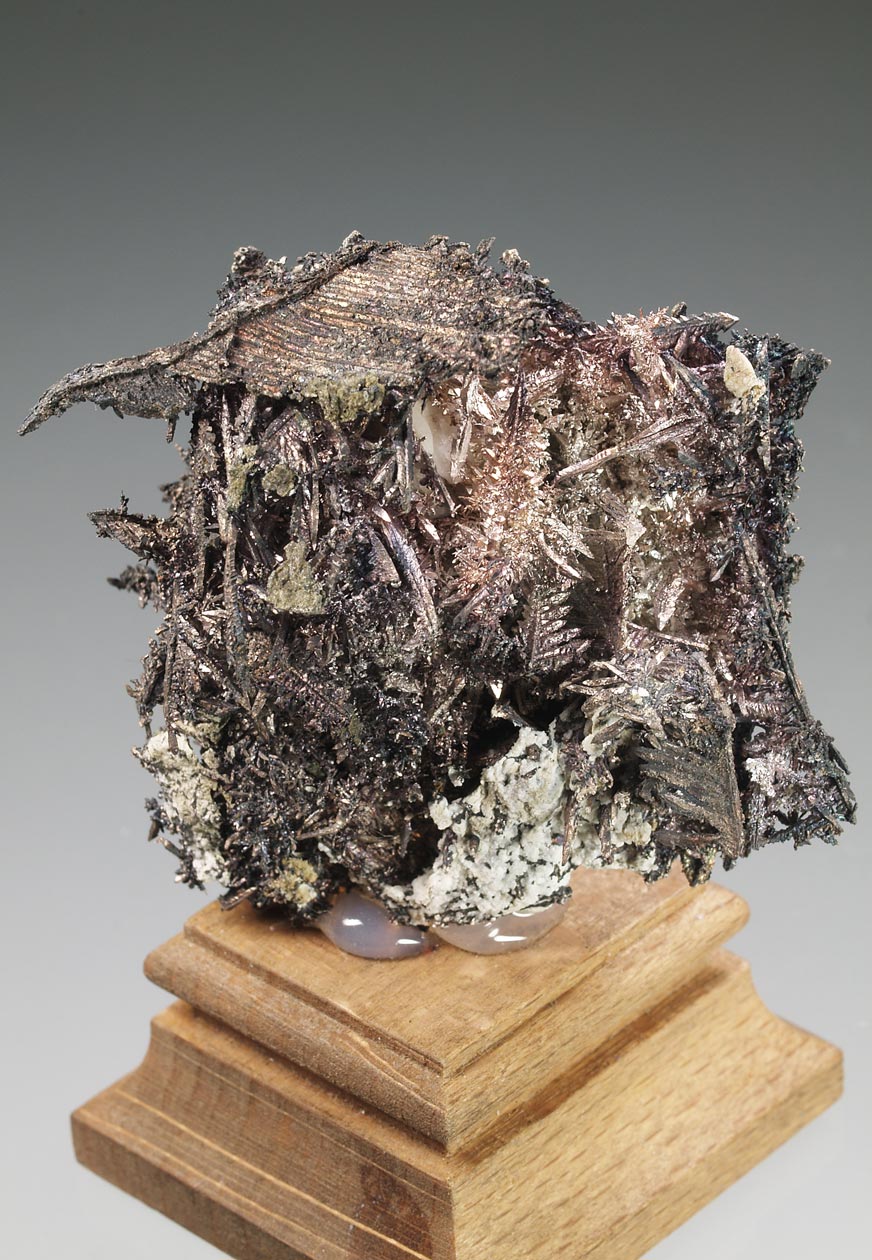
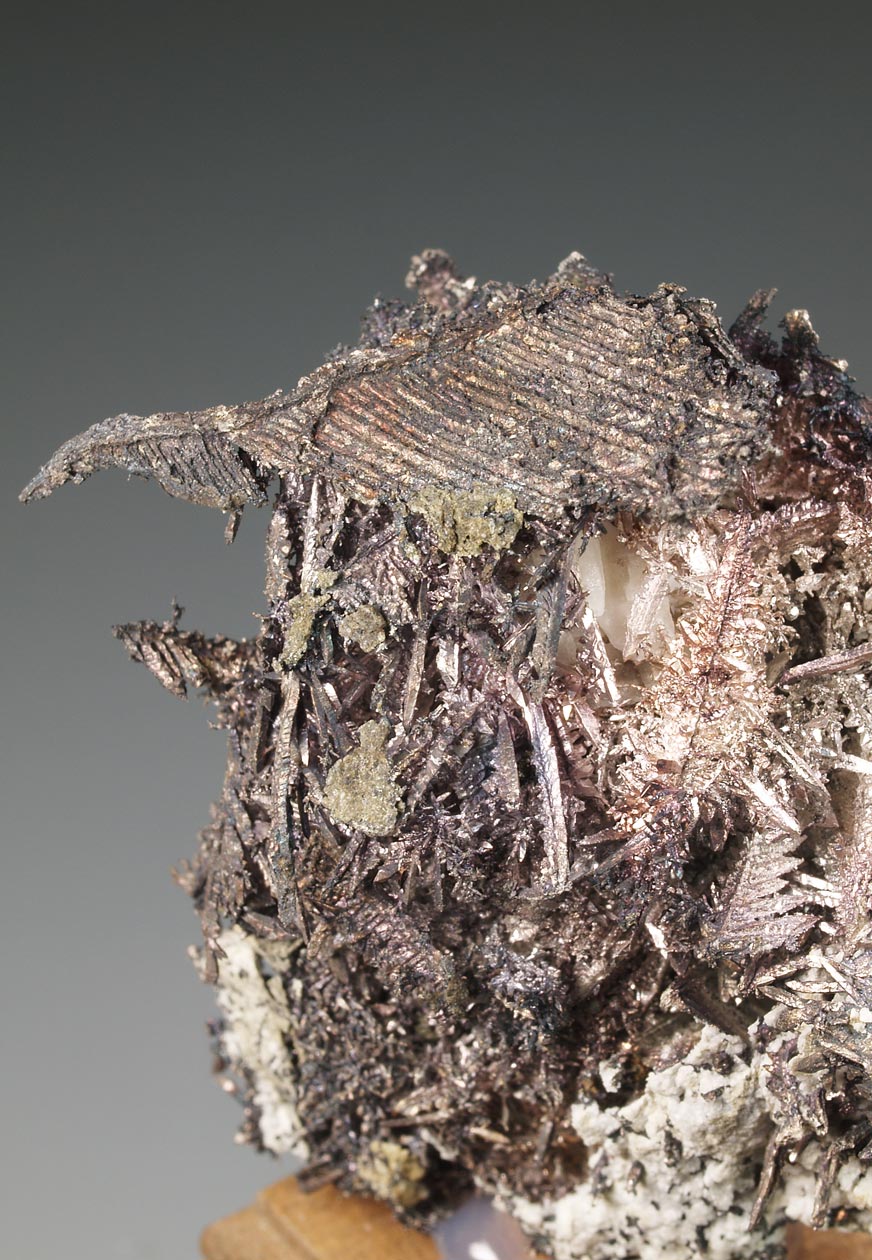
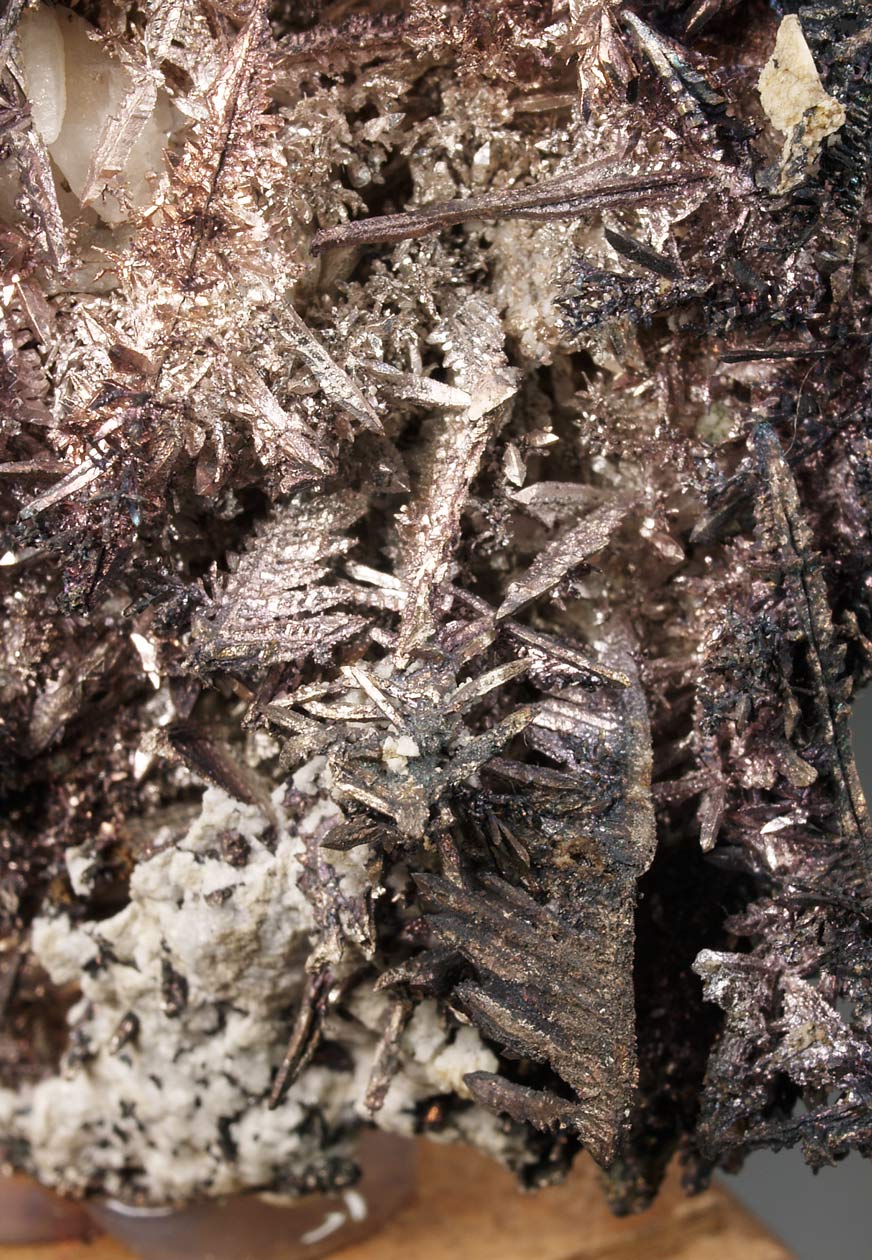
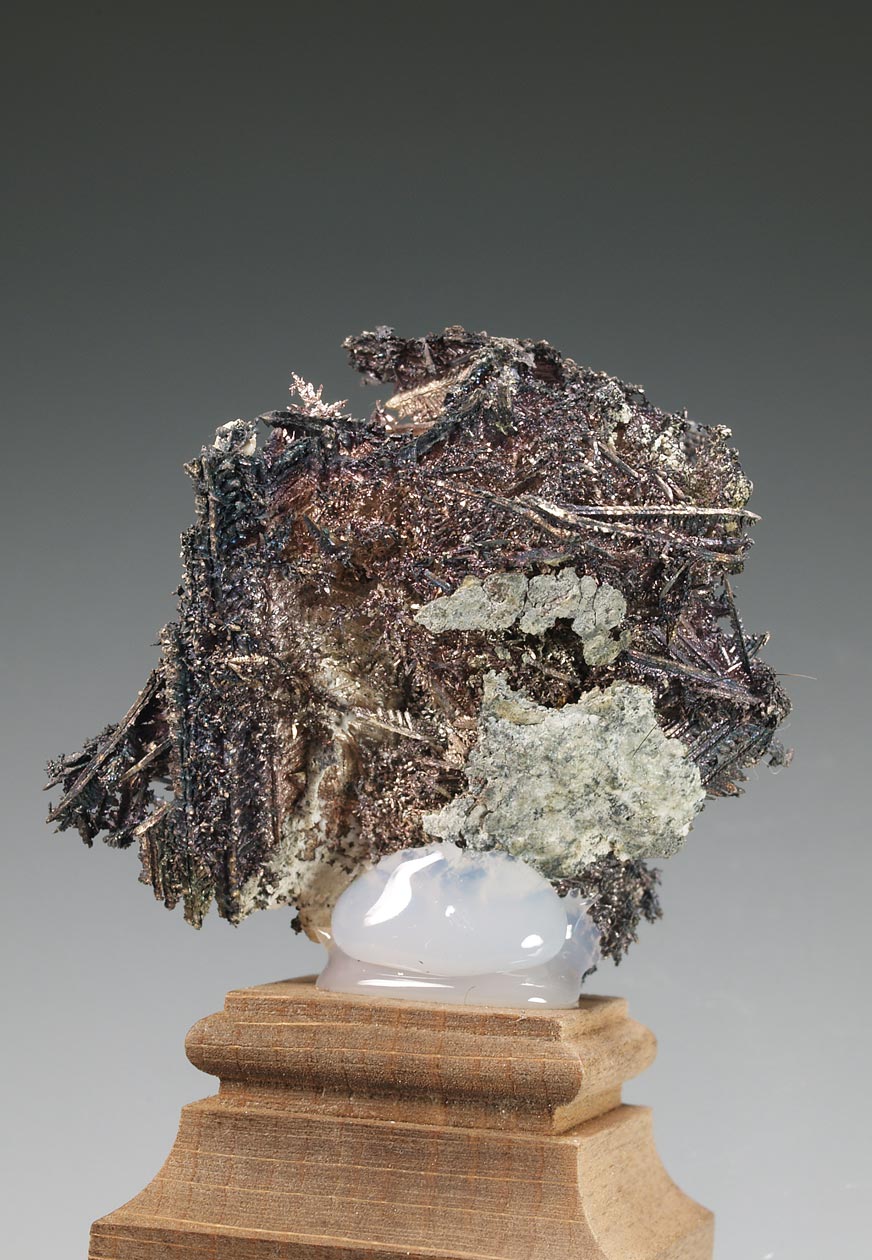
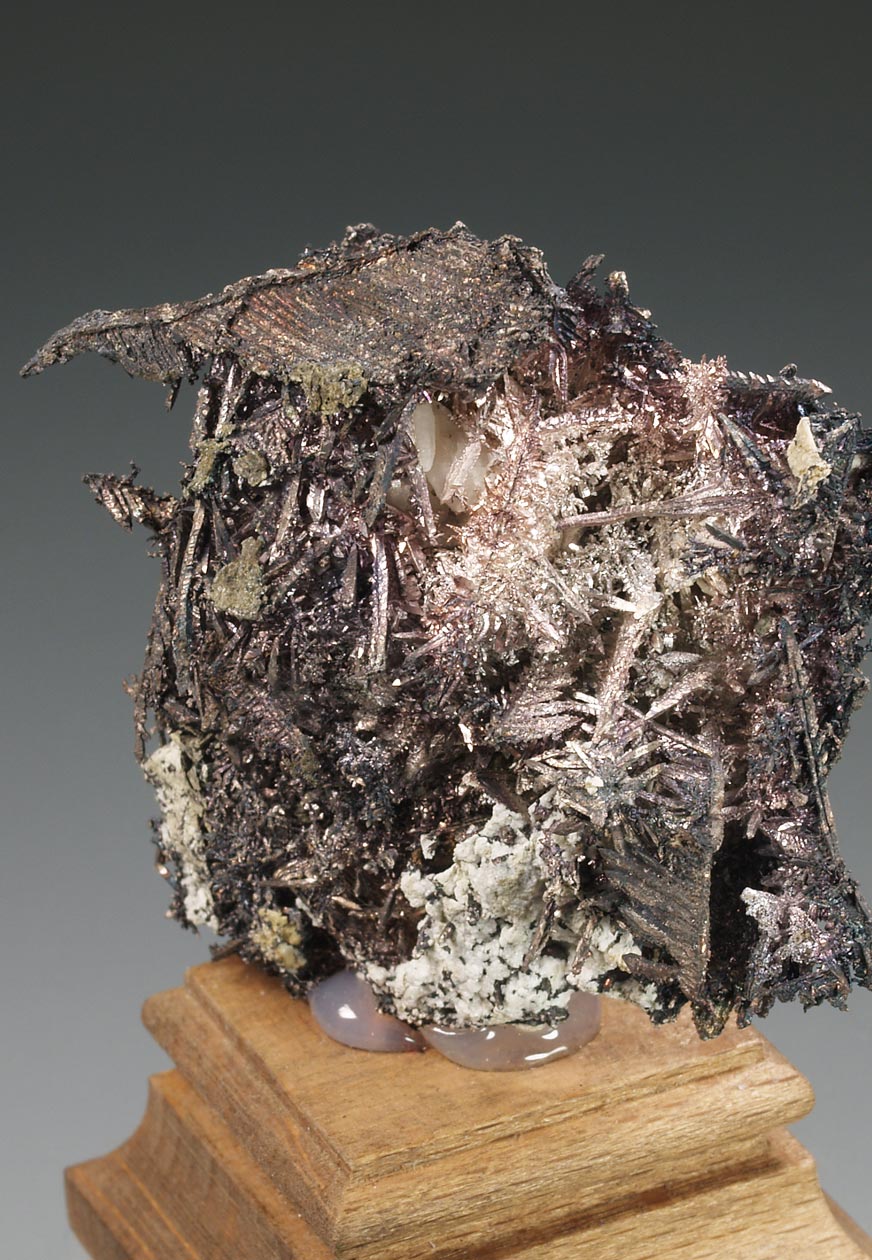
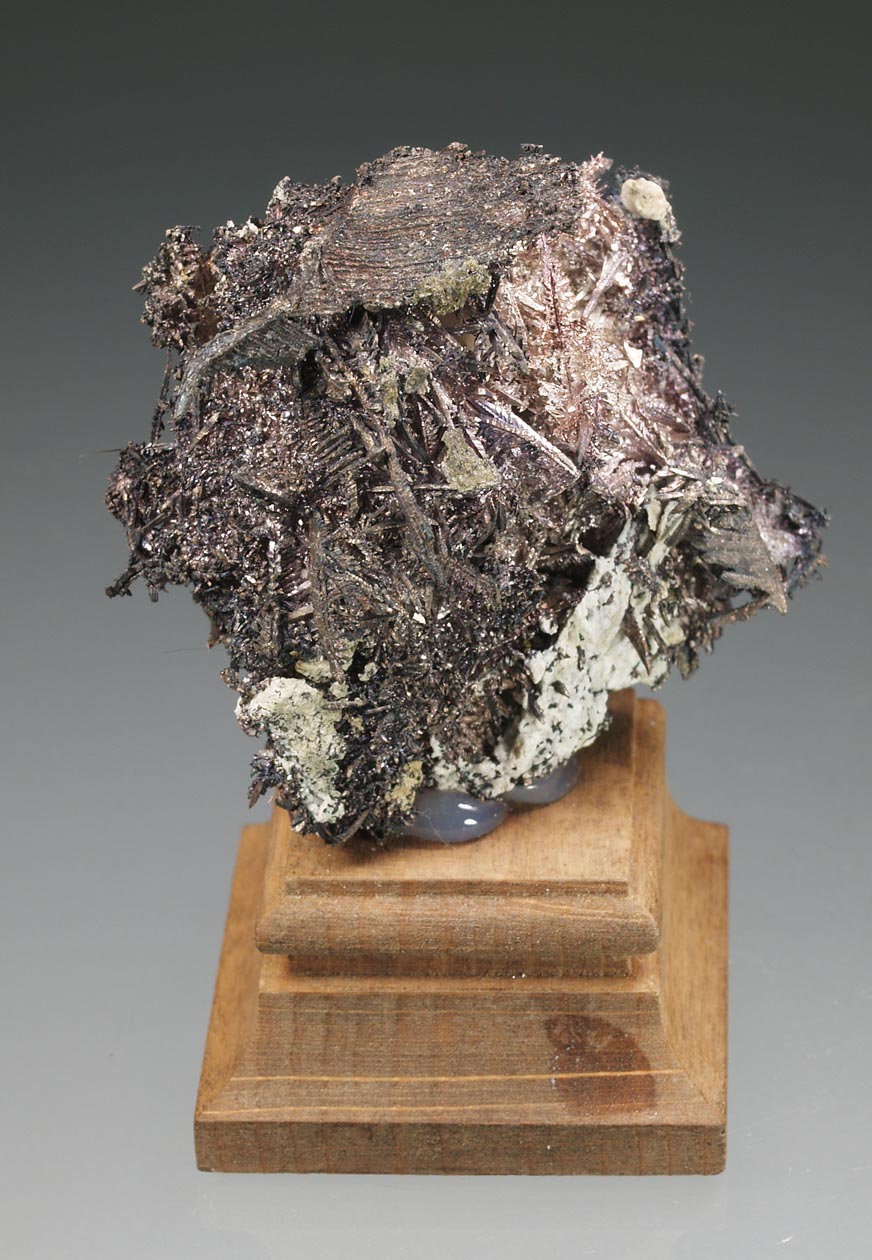
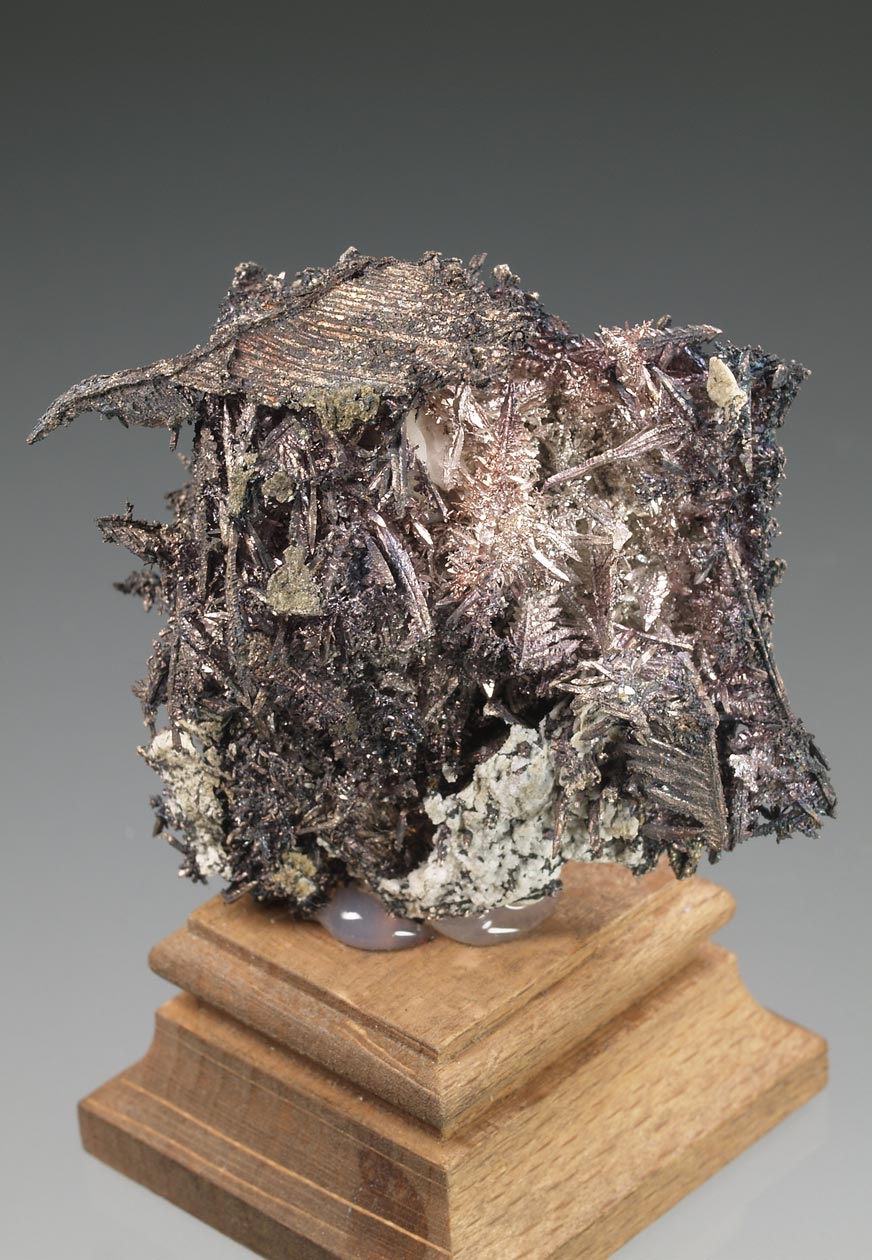
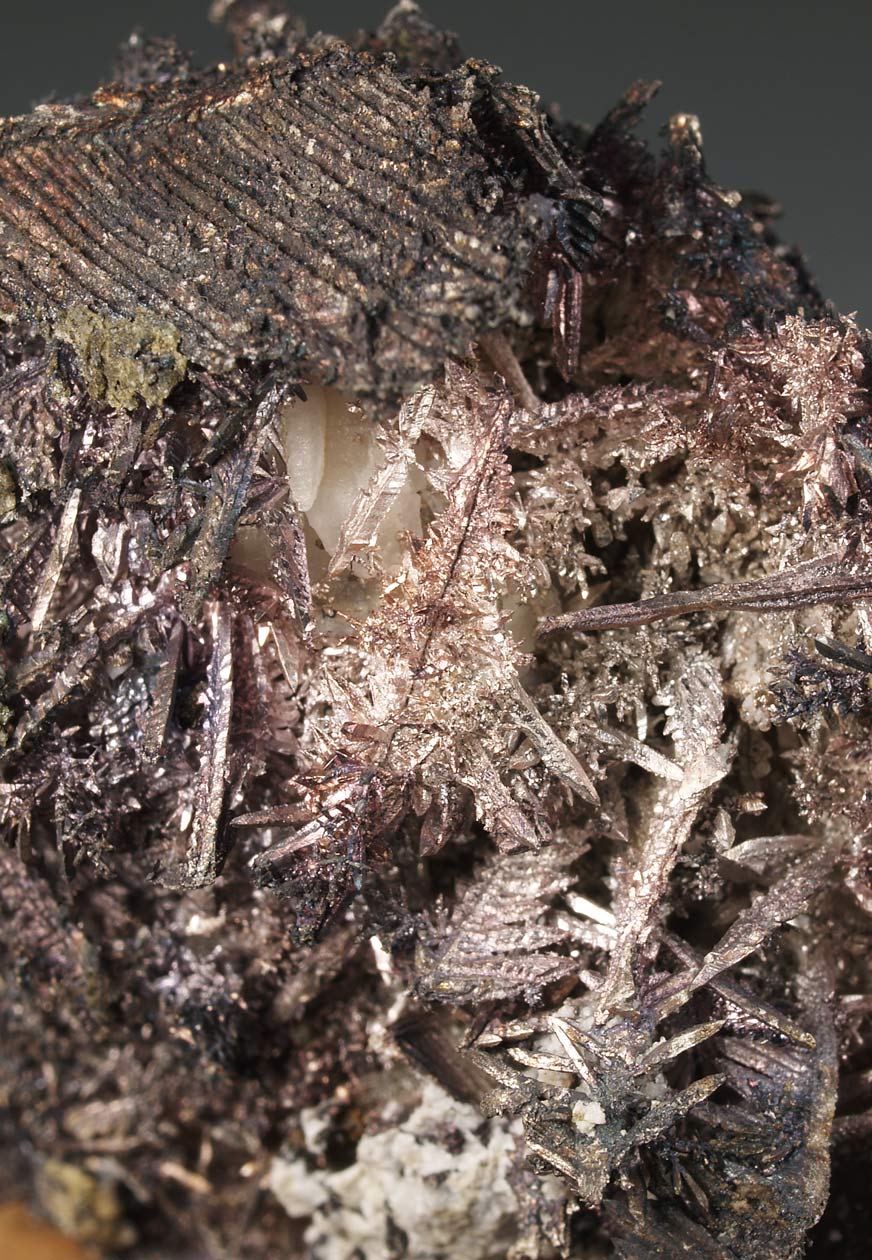
Ejemplar de plata nativa de esta más que clásica localidad mexicana como es Batopilas. Este espécimen muestra numerosos agregados esqueléticos de plata, formados por cristales maclados con la ley de la espinela, con un agregado en espiga excelente. Se disponen de forma muy aérea sobre una matriz de calcita. Encontrar ejemplares con esta calidad y tamaño de esta mina no es nada fácil. Procede de una antigua colección austríaca.
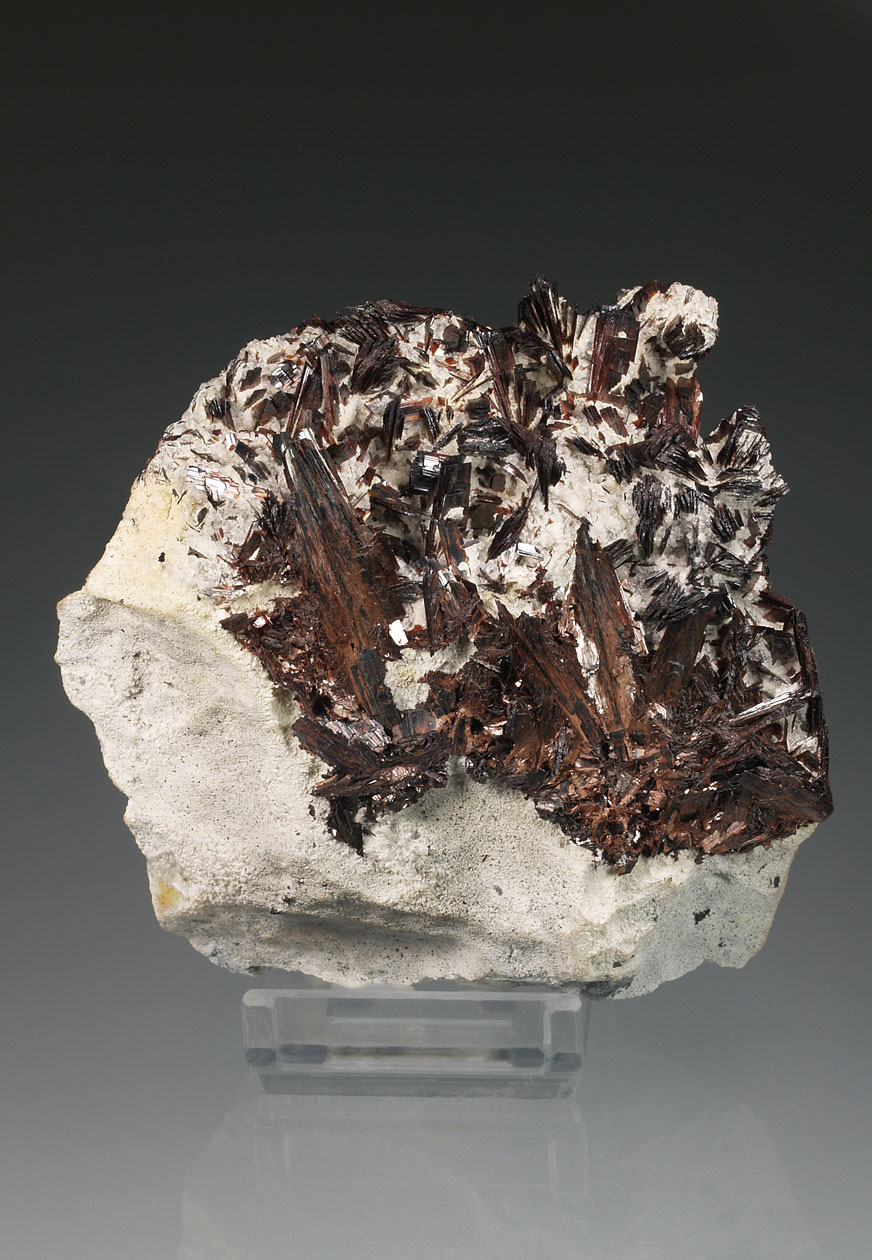
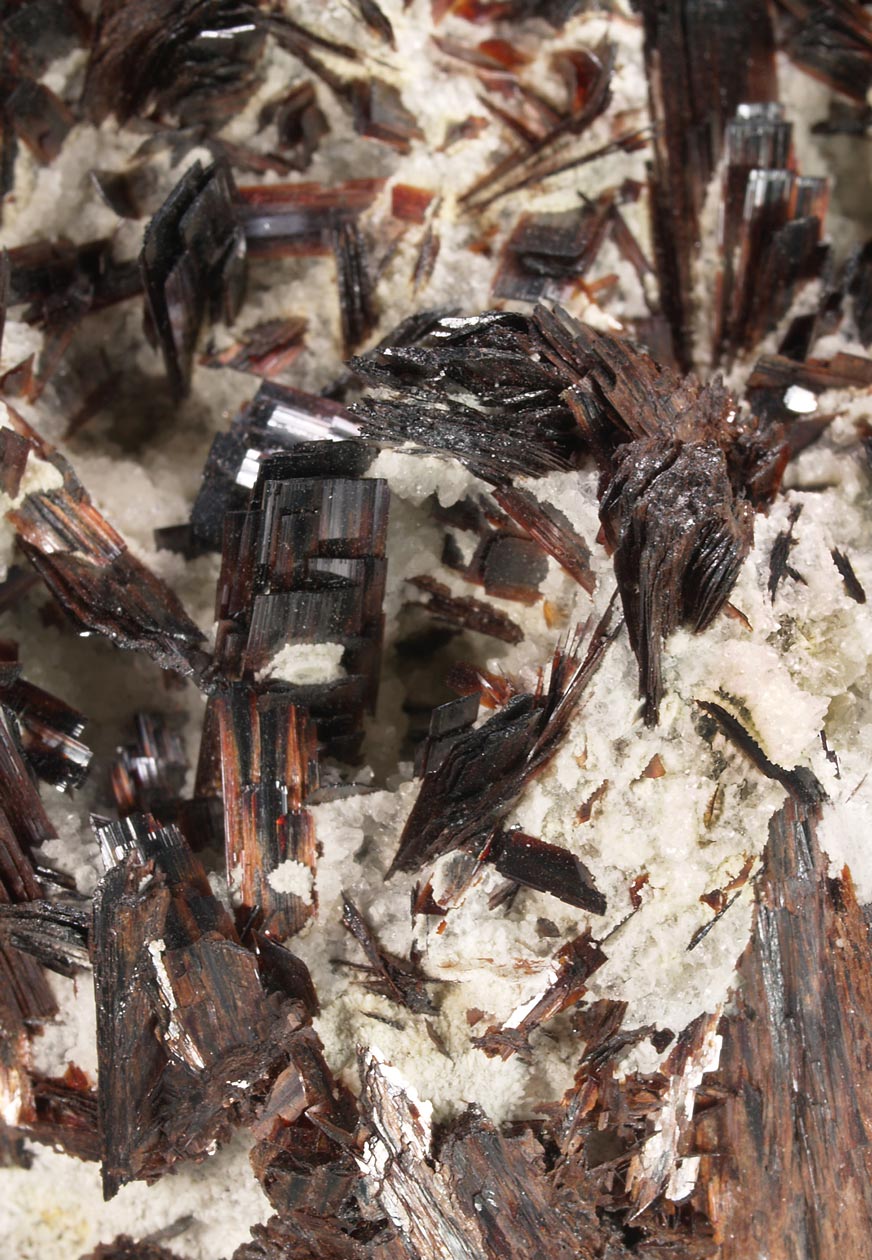
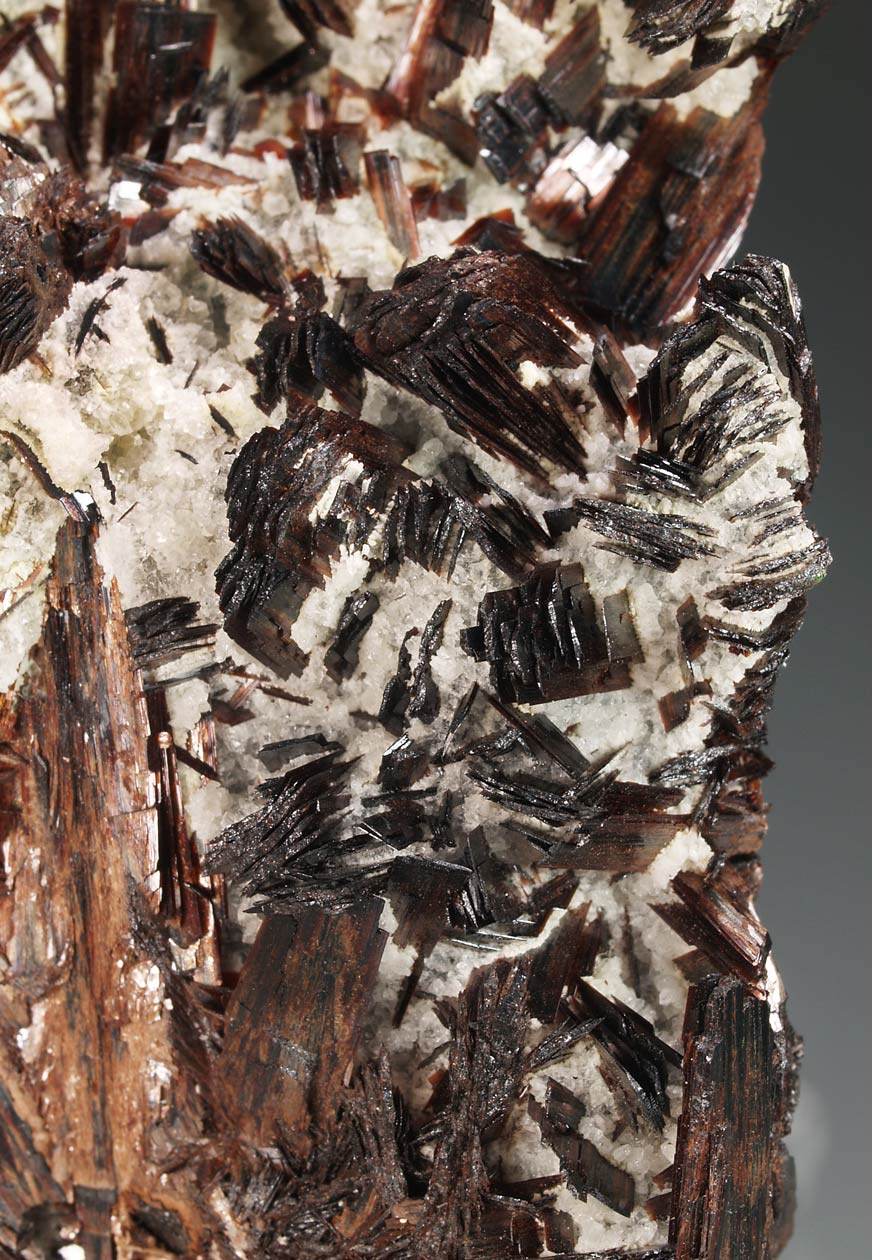
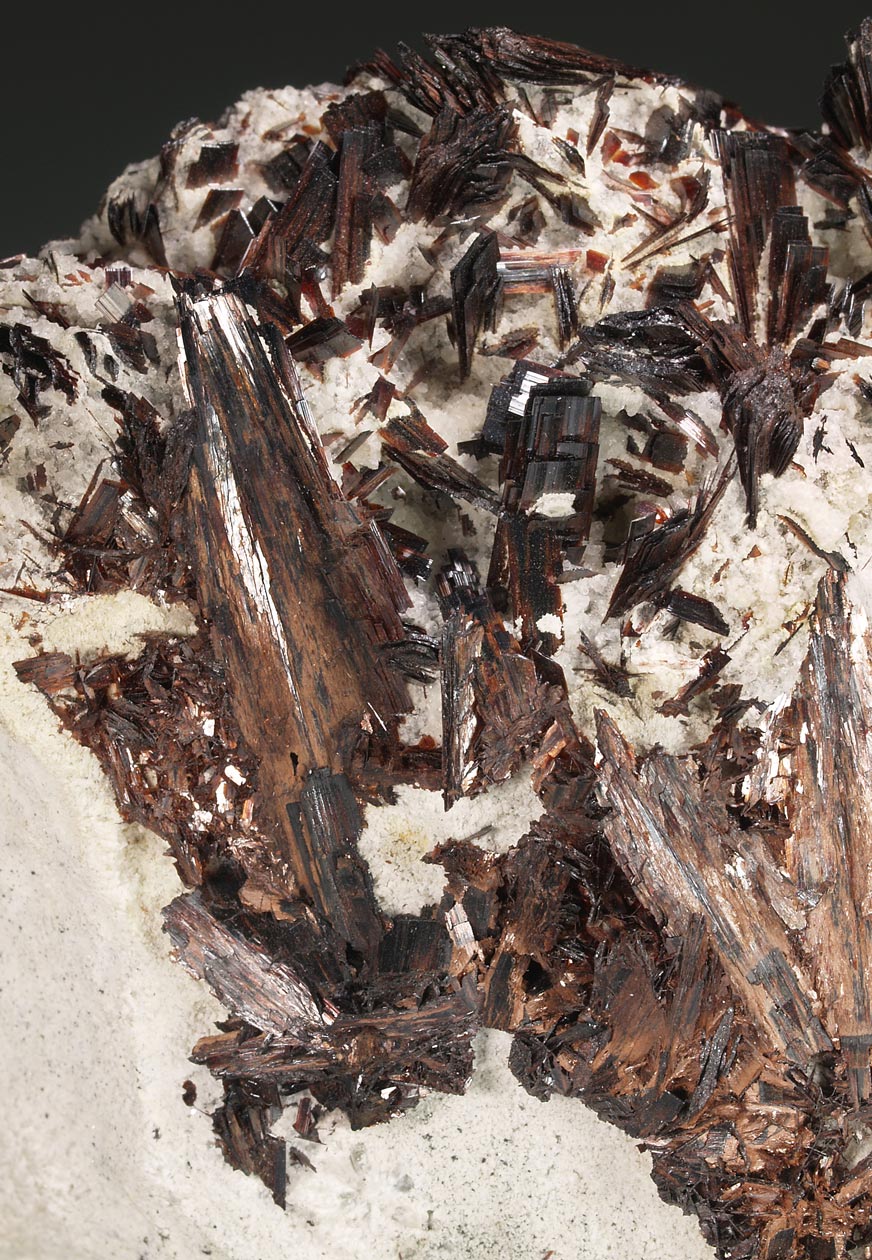
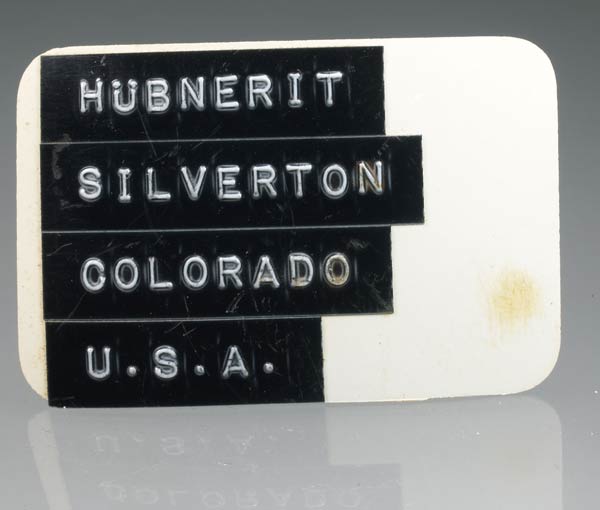
Un excelente clásico antiguo de la mineralogía Norteamericana. Grupos de cristales de hübnerita, muy definidos, que muestran crecimientos paralelos, algunos de ellos aislados. Translúcidos, color marrón intenso y buen brillo, que contrastan de forma muy estética con la matriz blanca con cuarzo. Hoy en día es muy difícil encontrar especímenes con esta calidad y tamaño. Procede de una antigua colección austríaca.
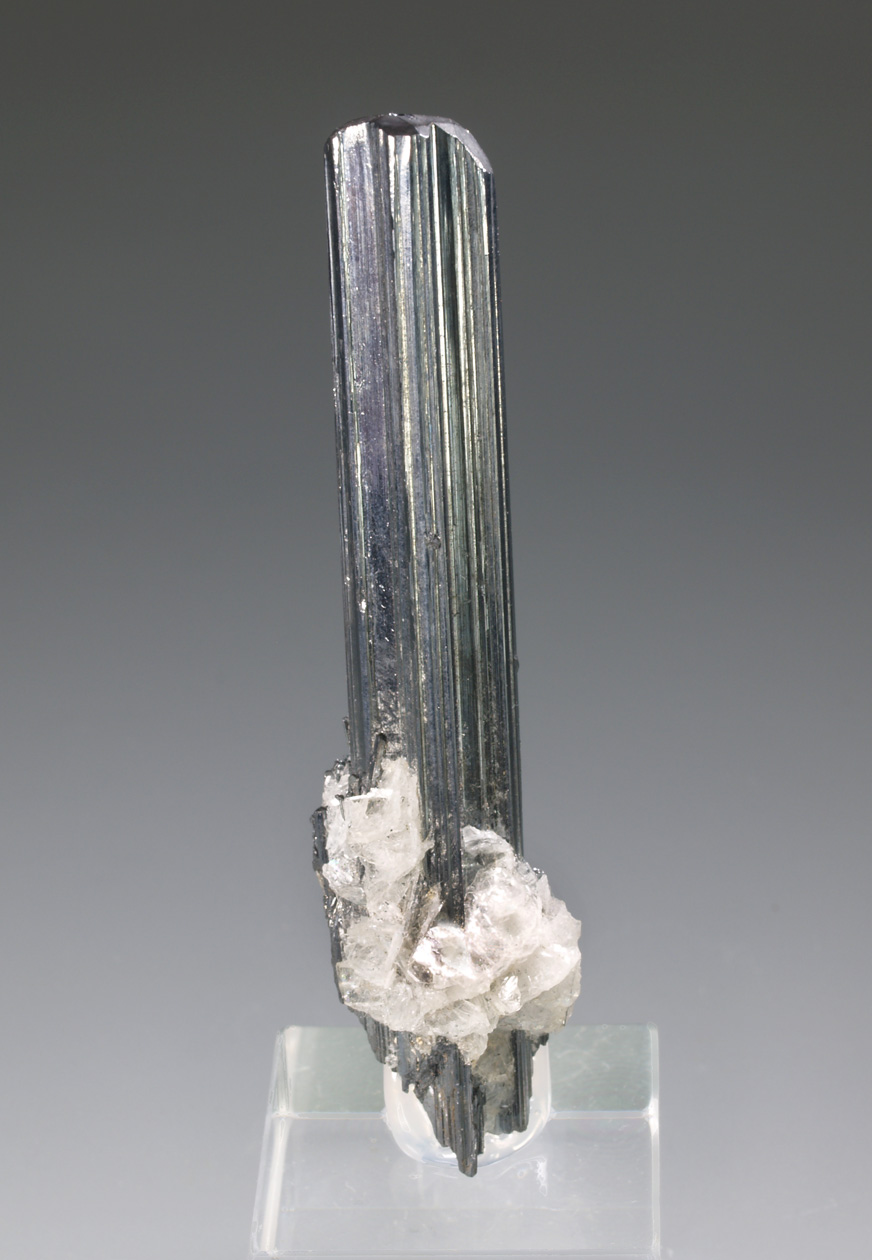
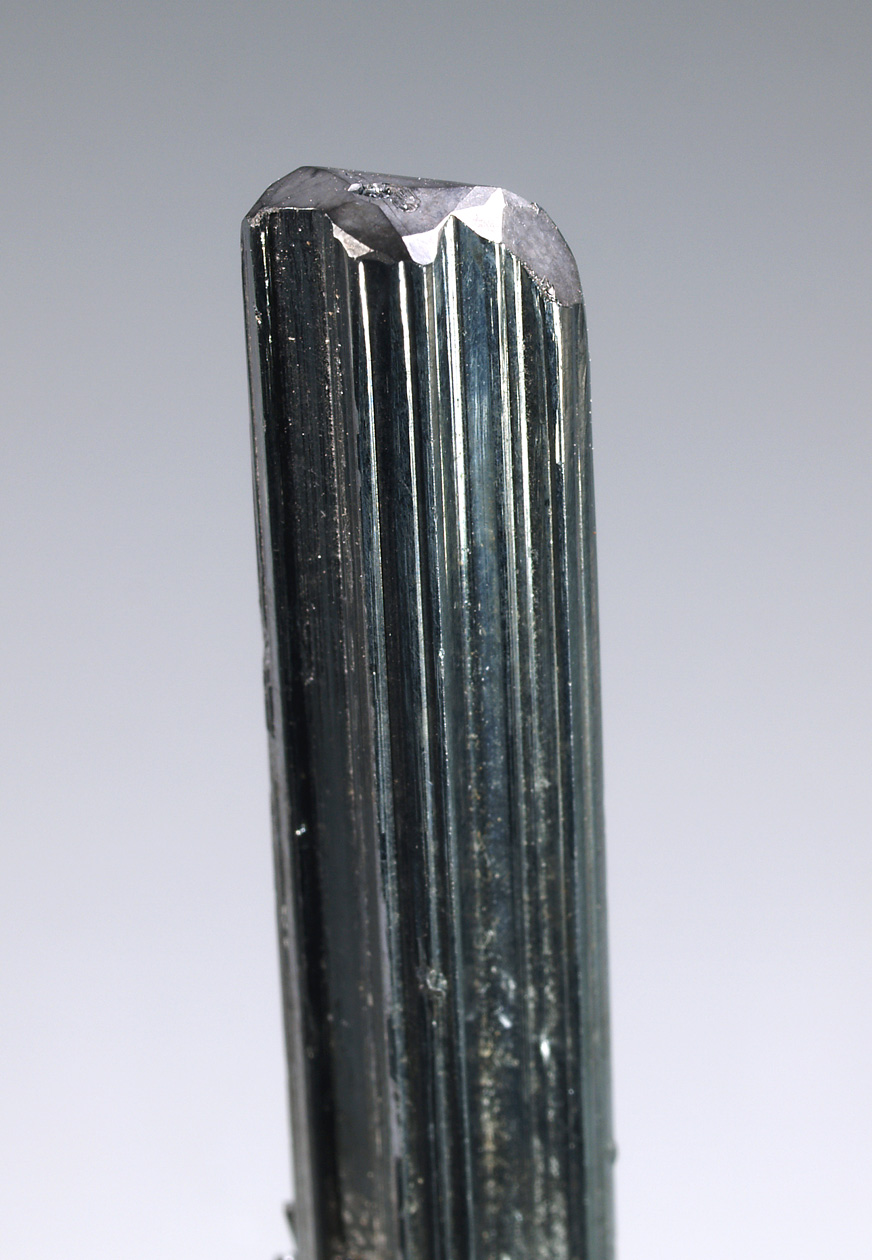
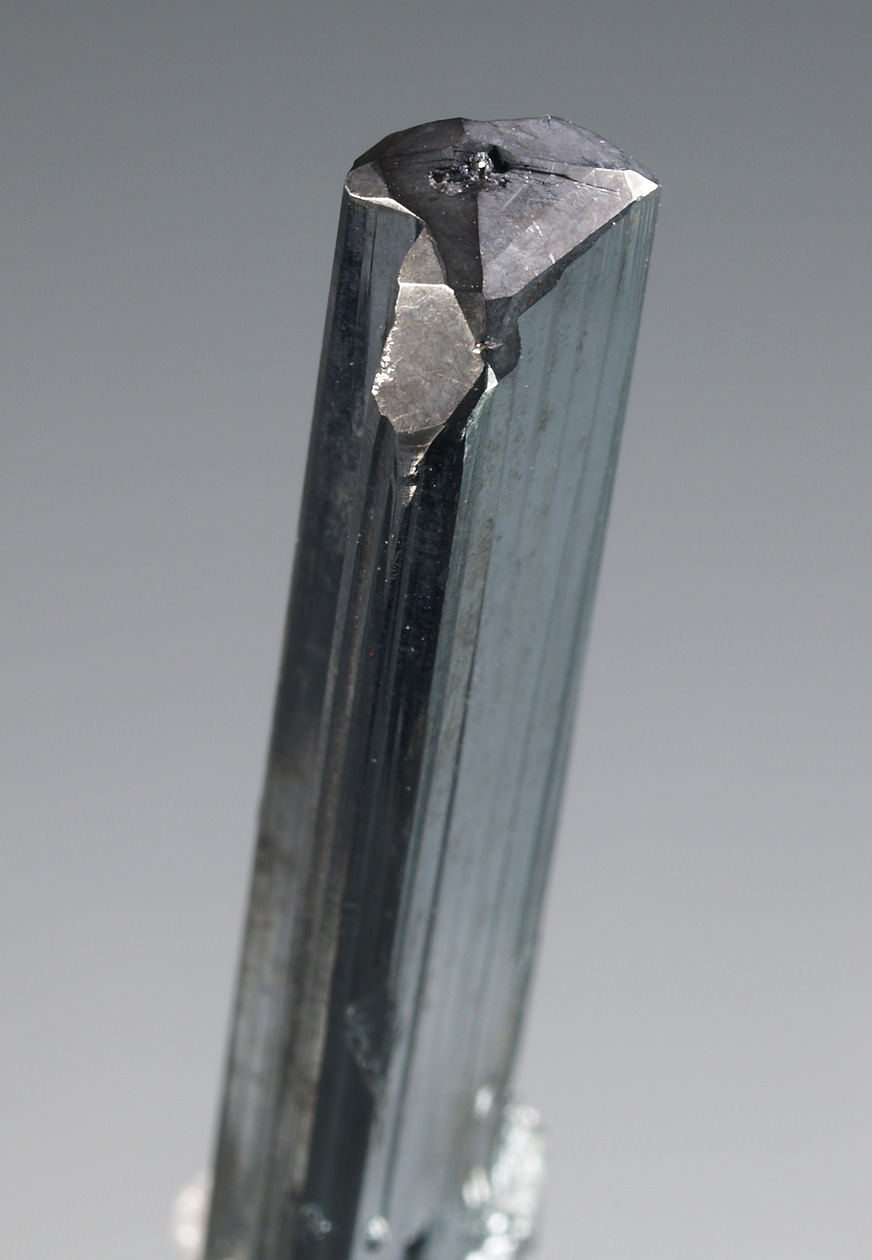
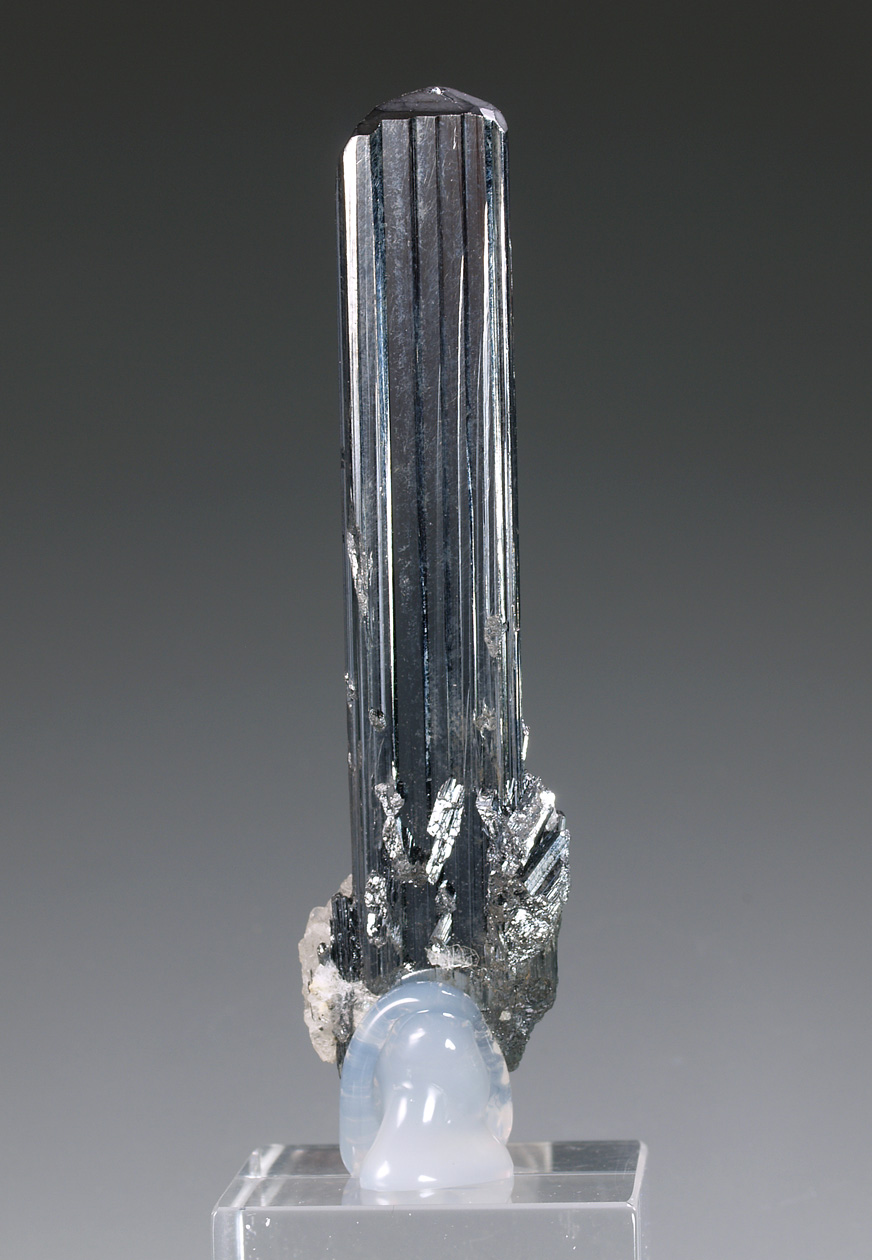
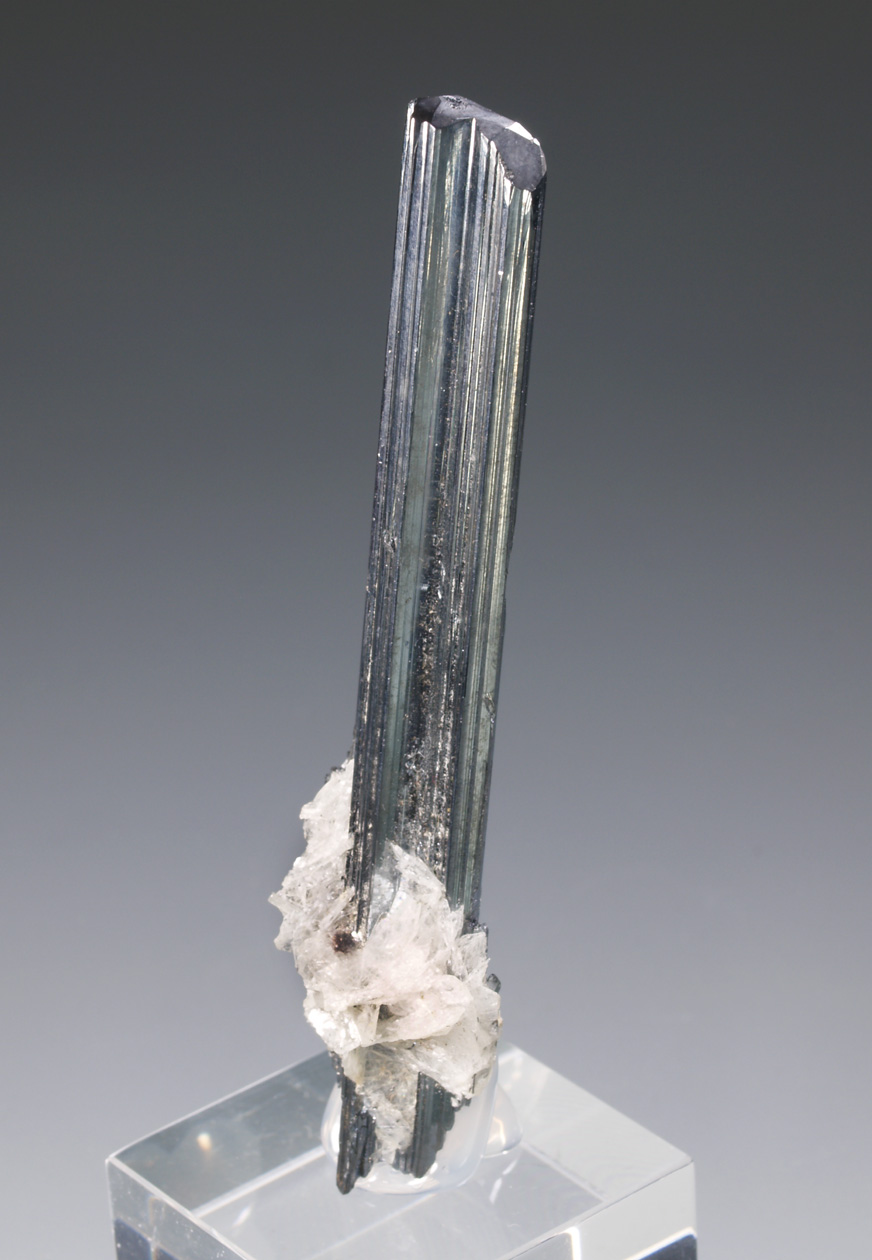
Cristal de muy buen grosor y tamaño de estibnita de esta clásica localidad rumana. Presenta un prisma elongado, con estriaciones, con un brillo excelente. Muy rico en facetas en la parte superior terminal, con caras complejas bipiramidales. Se acompaña en la base con cristales tabulares de barita. Hoy día cuesta encontrar ejemplares con esta calidad de esta mina. Procede de una antigua colección austríaca.
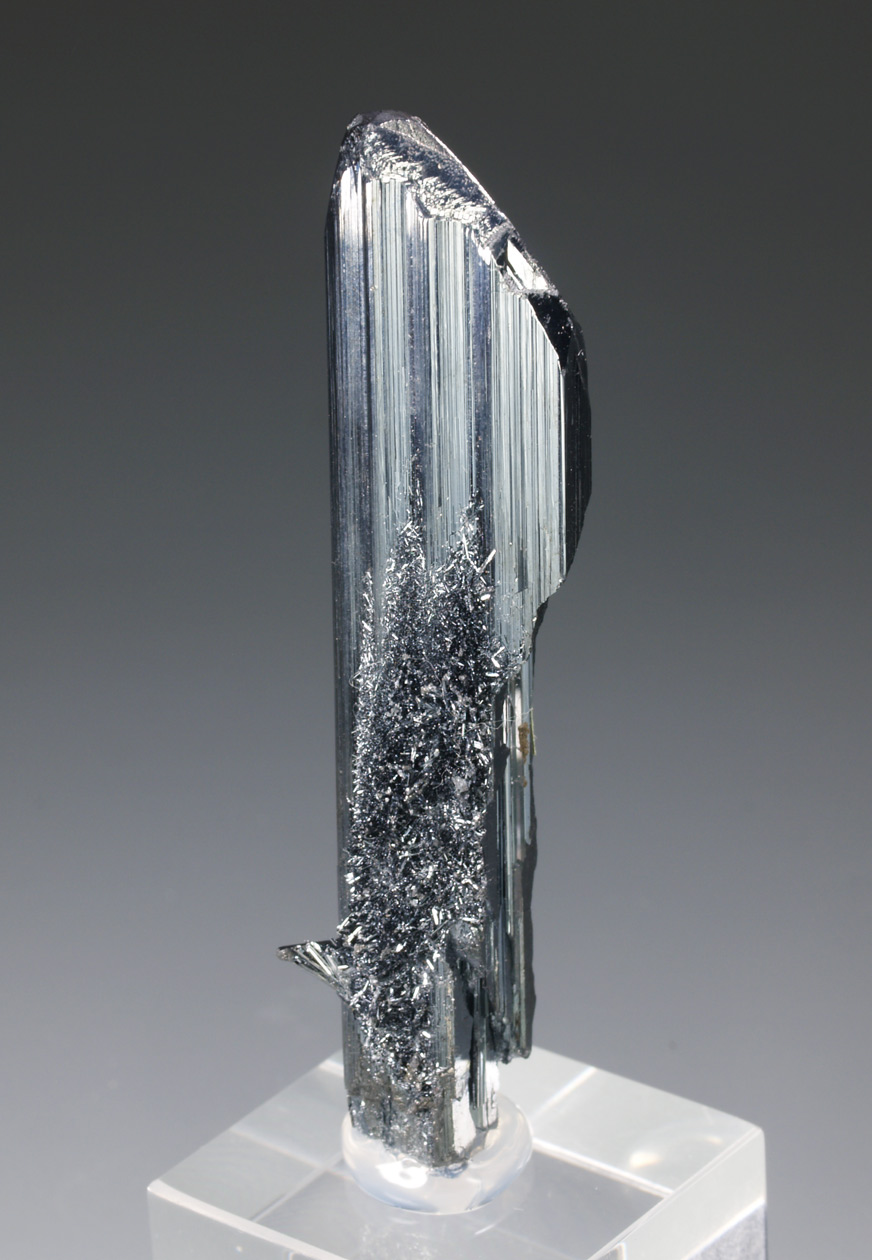
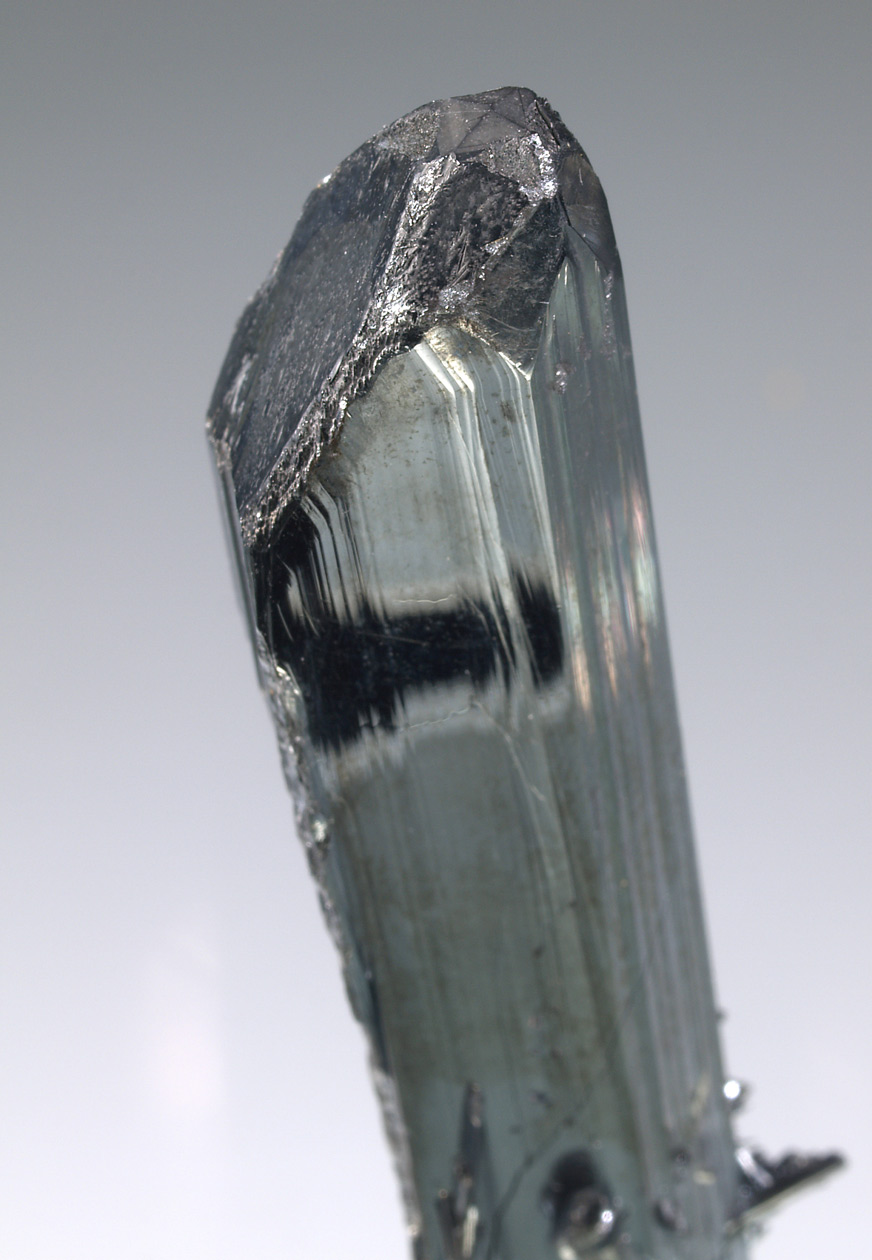
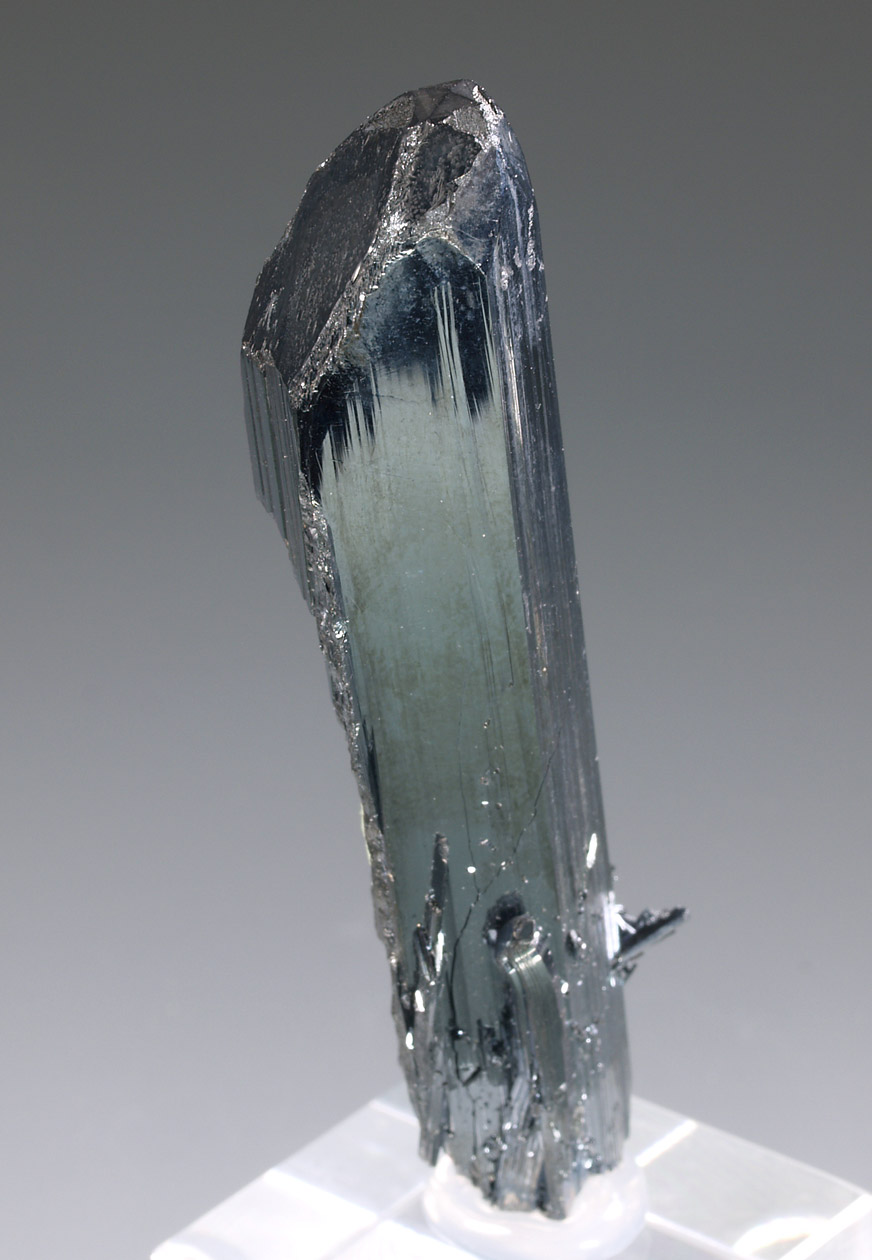
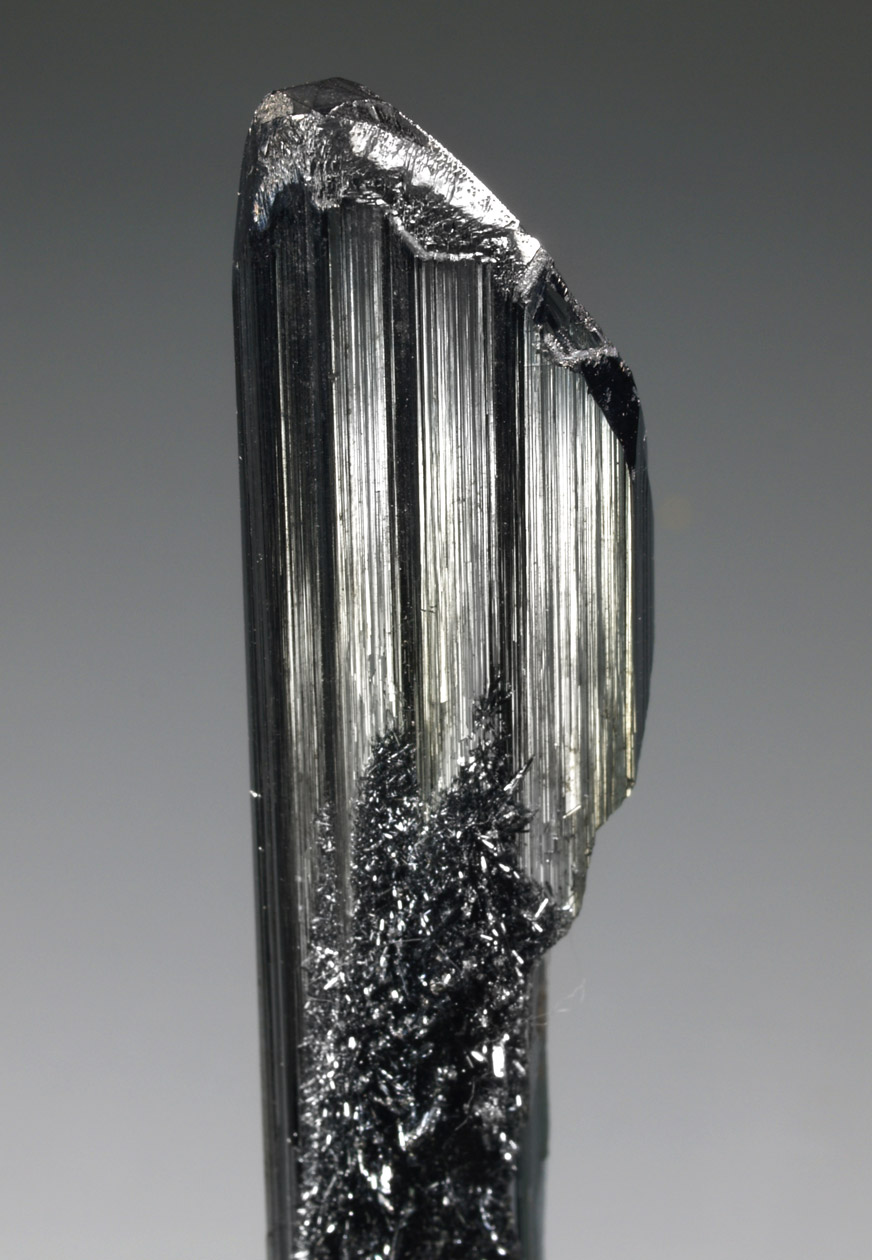
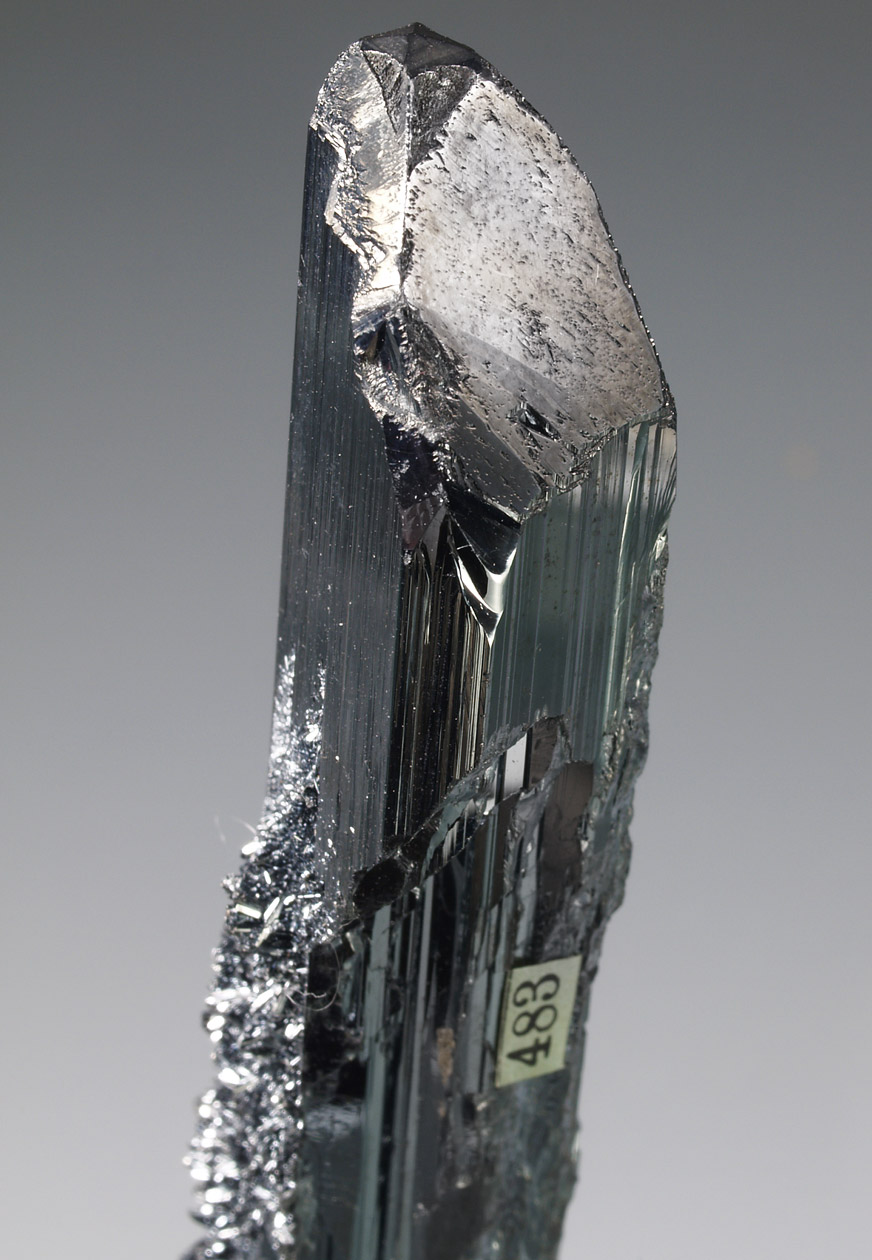
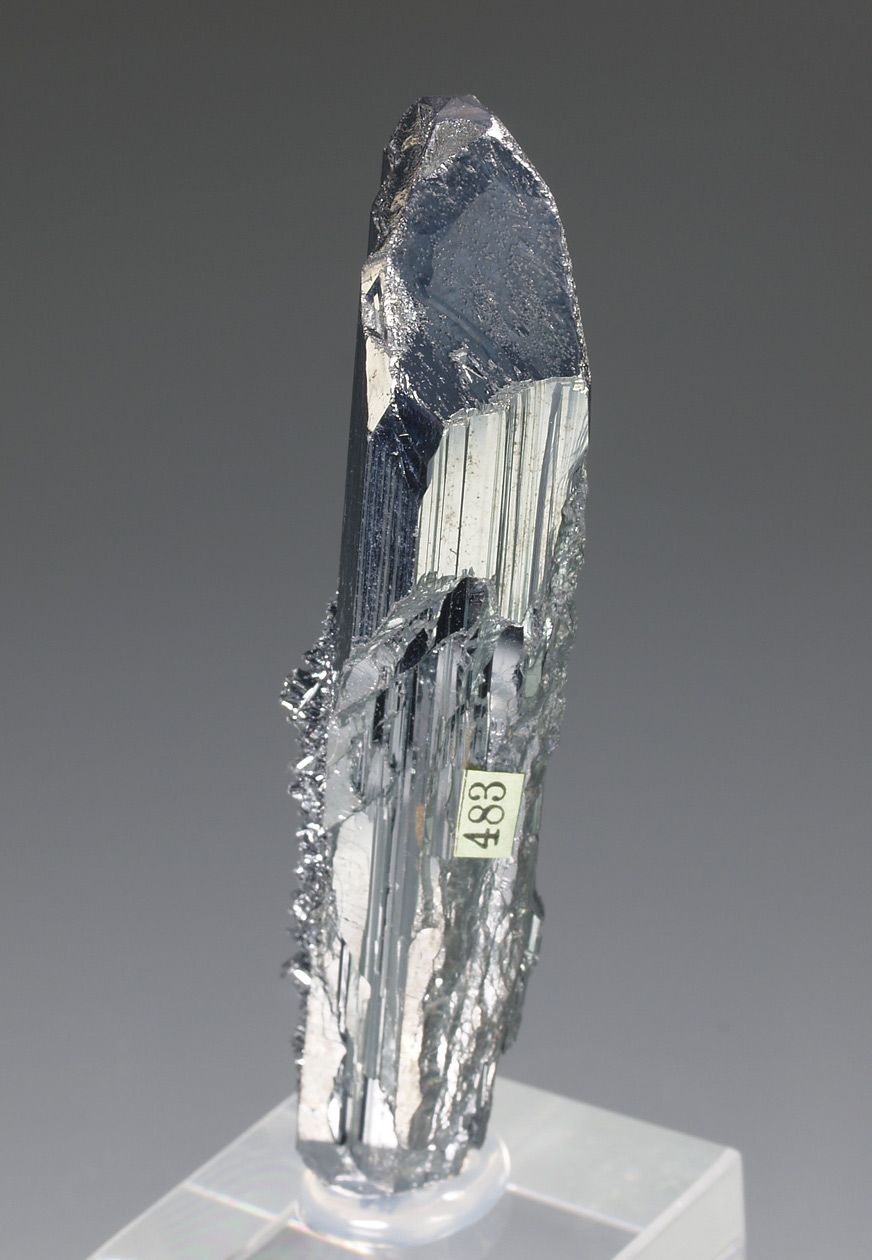
Cristal de muy buen grosor y tamaño de estibnita de esta clásica localidad rumana. Presenta un prisma elongado, con estriaciones, con un brillo excelente. Muy rico en facetas en la parte superior terminal, con caras complejas bipiramidales. Sobre el cristal principal observamos un grupo de cristales del mismo mineral, más finos, que suponen una segunda cristalización. Hoy día cuesta encontrar ejemplares con esta calidad de esta mina. Procede de una antigua colección austríaca.