- Inicio Acerca de RM Minerales
- Galería de fotos Blog RM Contacto
- Microscopia e instrumentos Pedidos Aviso legal
Copyright 2010-2026
www.rosellminerals.com



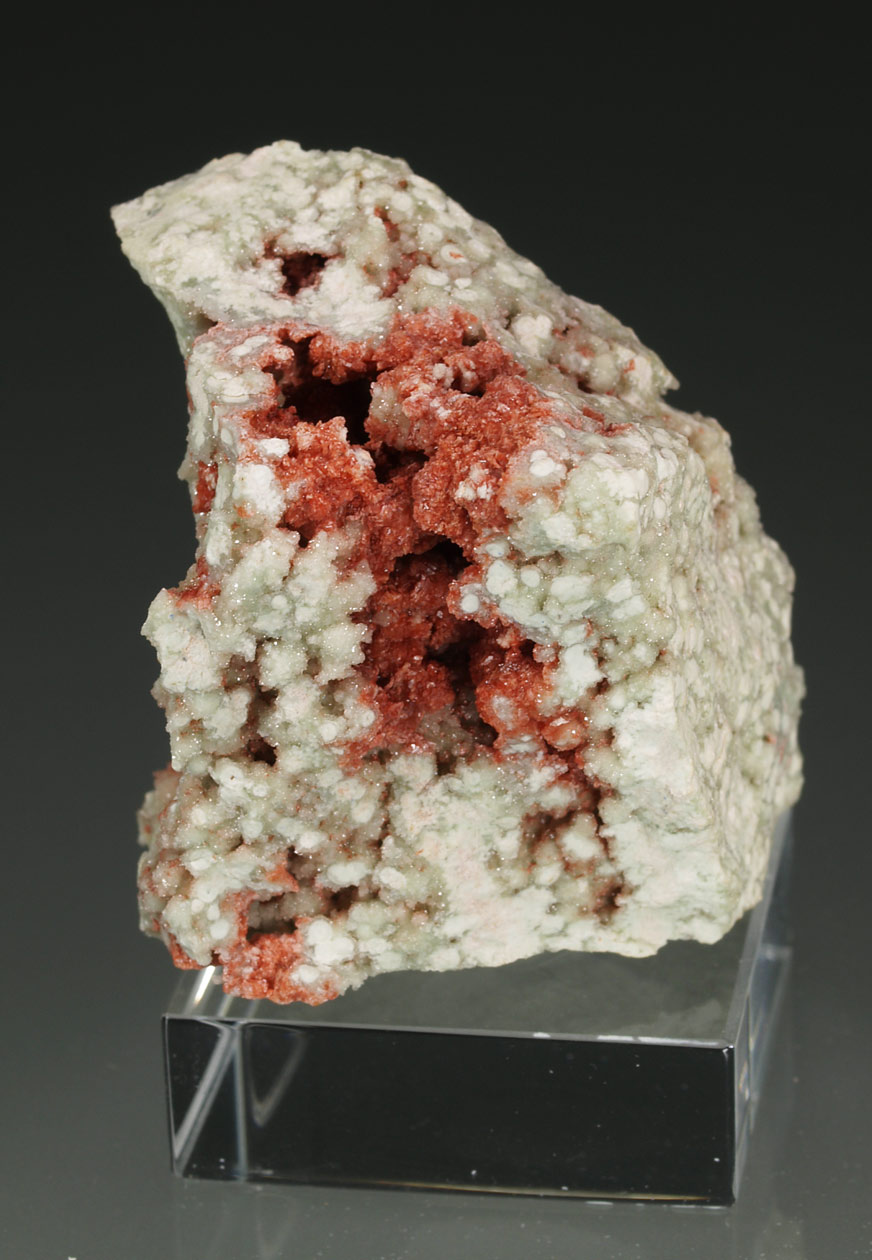
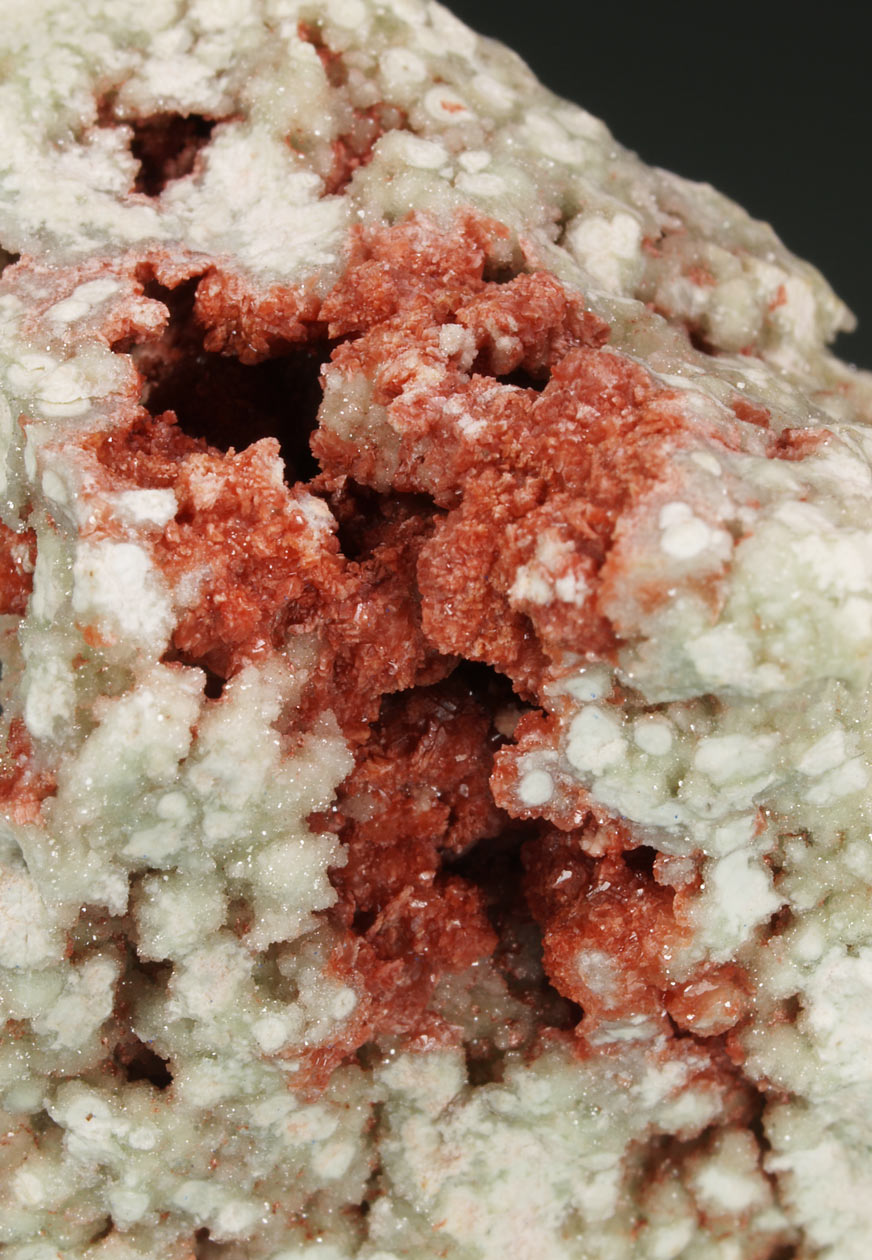
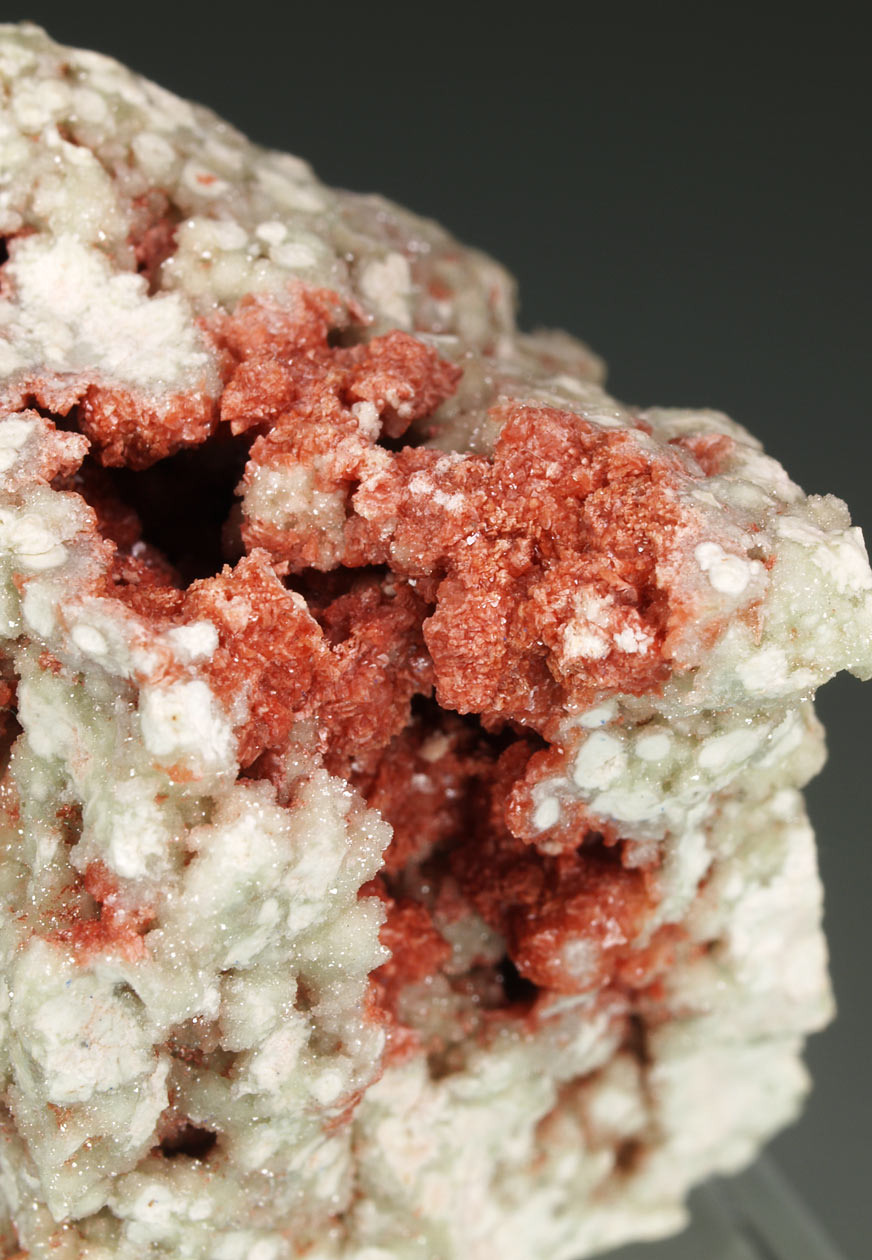
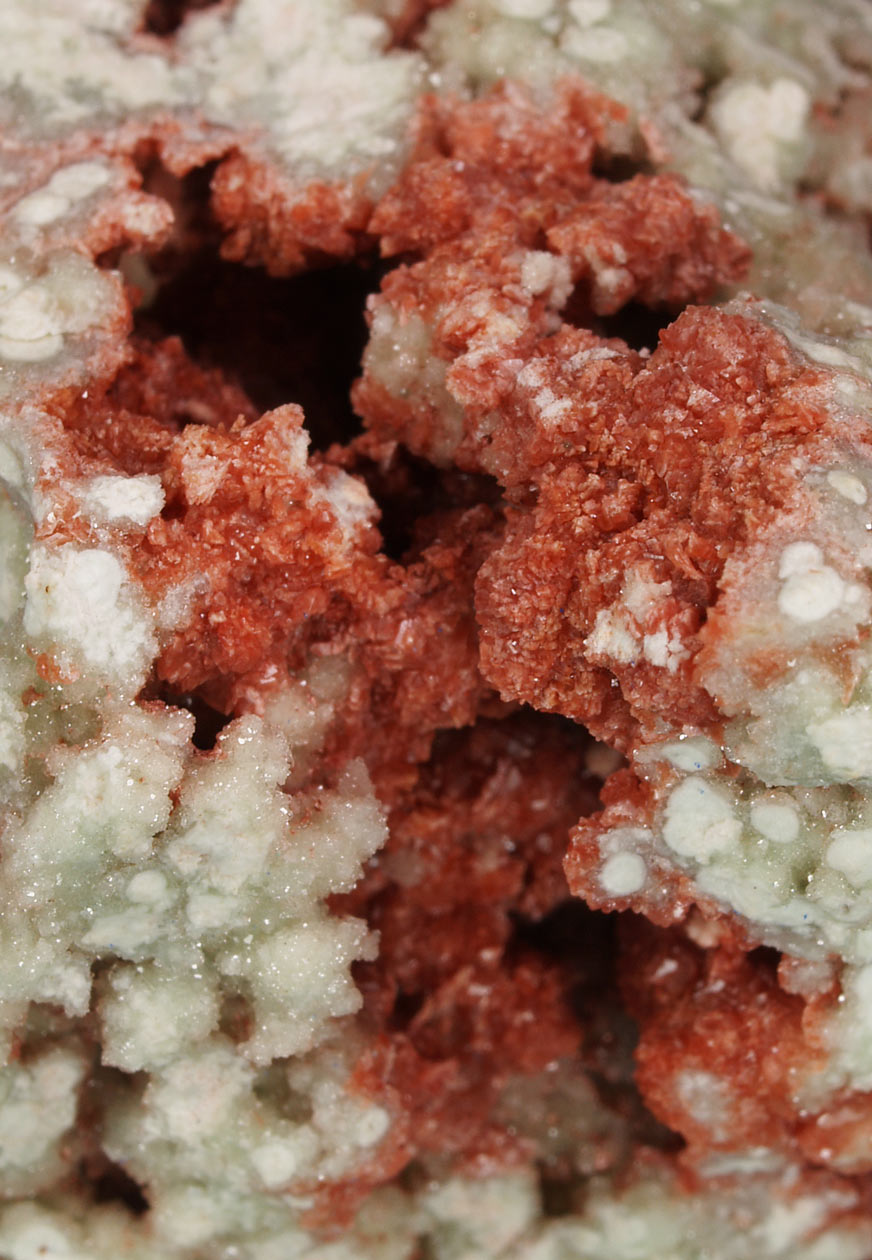
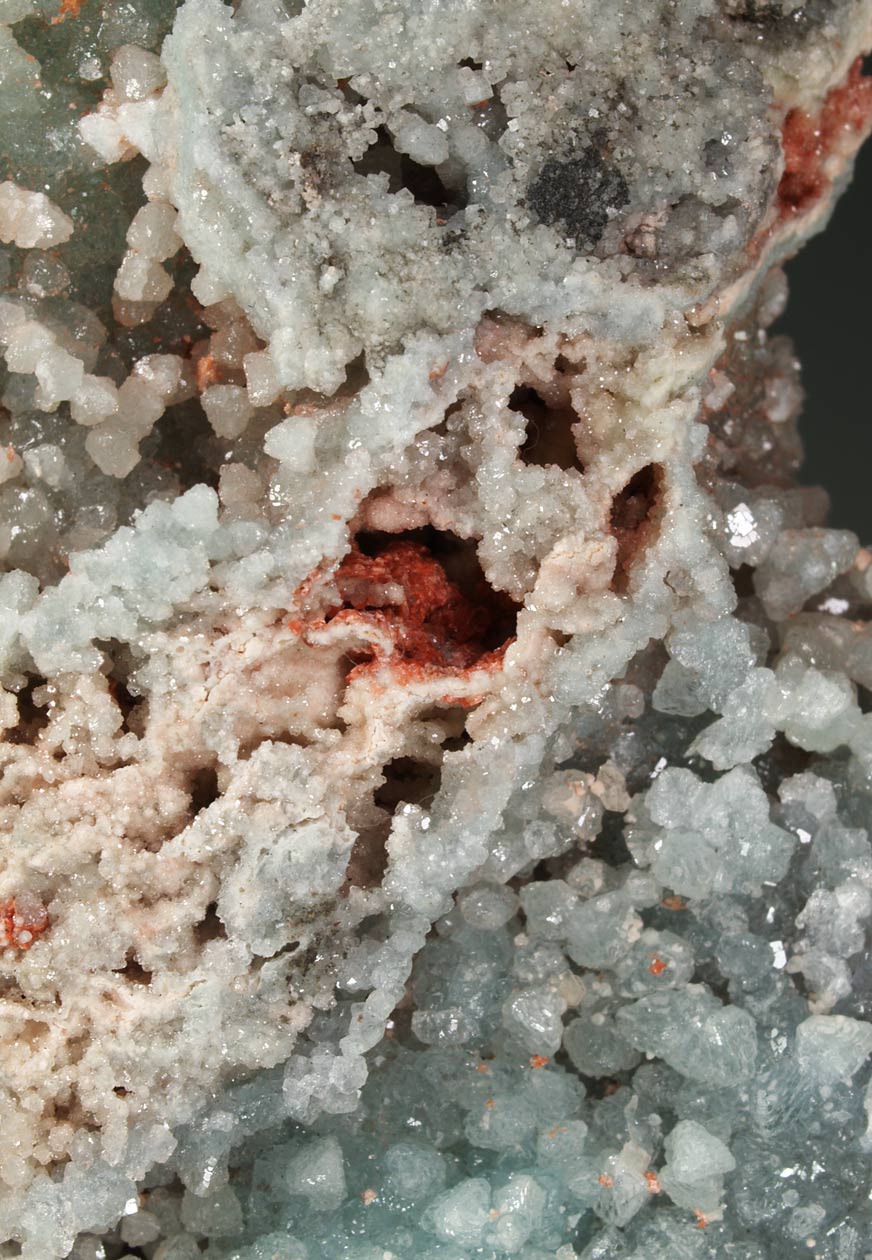
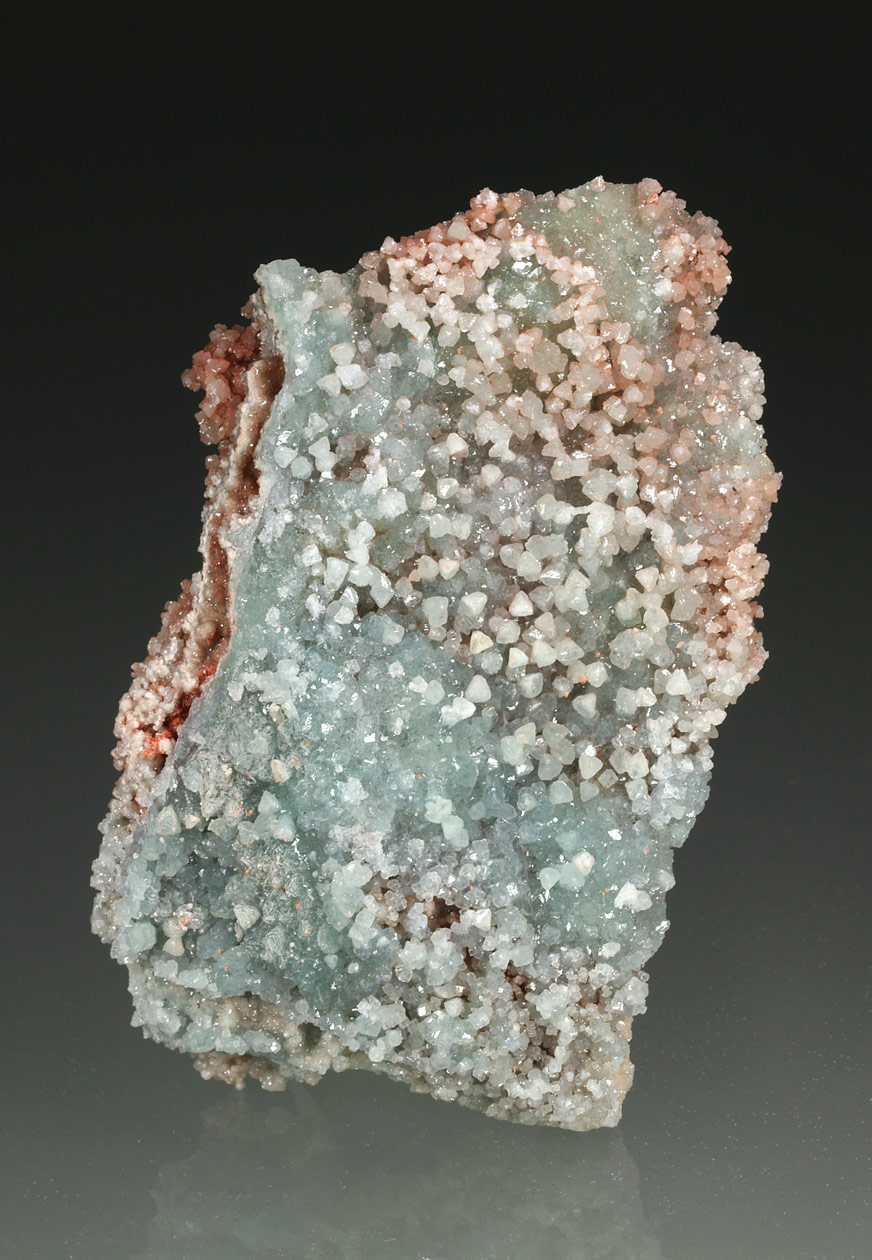
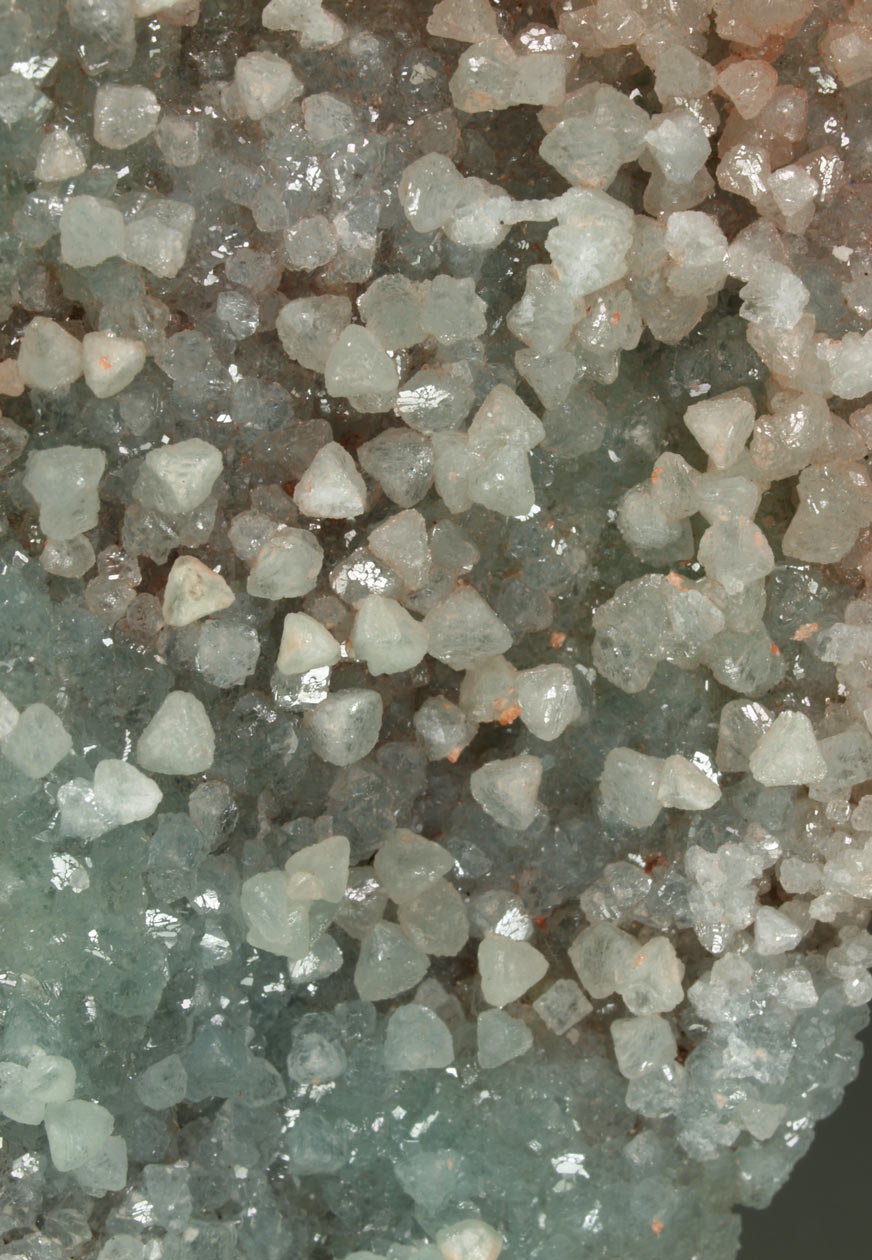
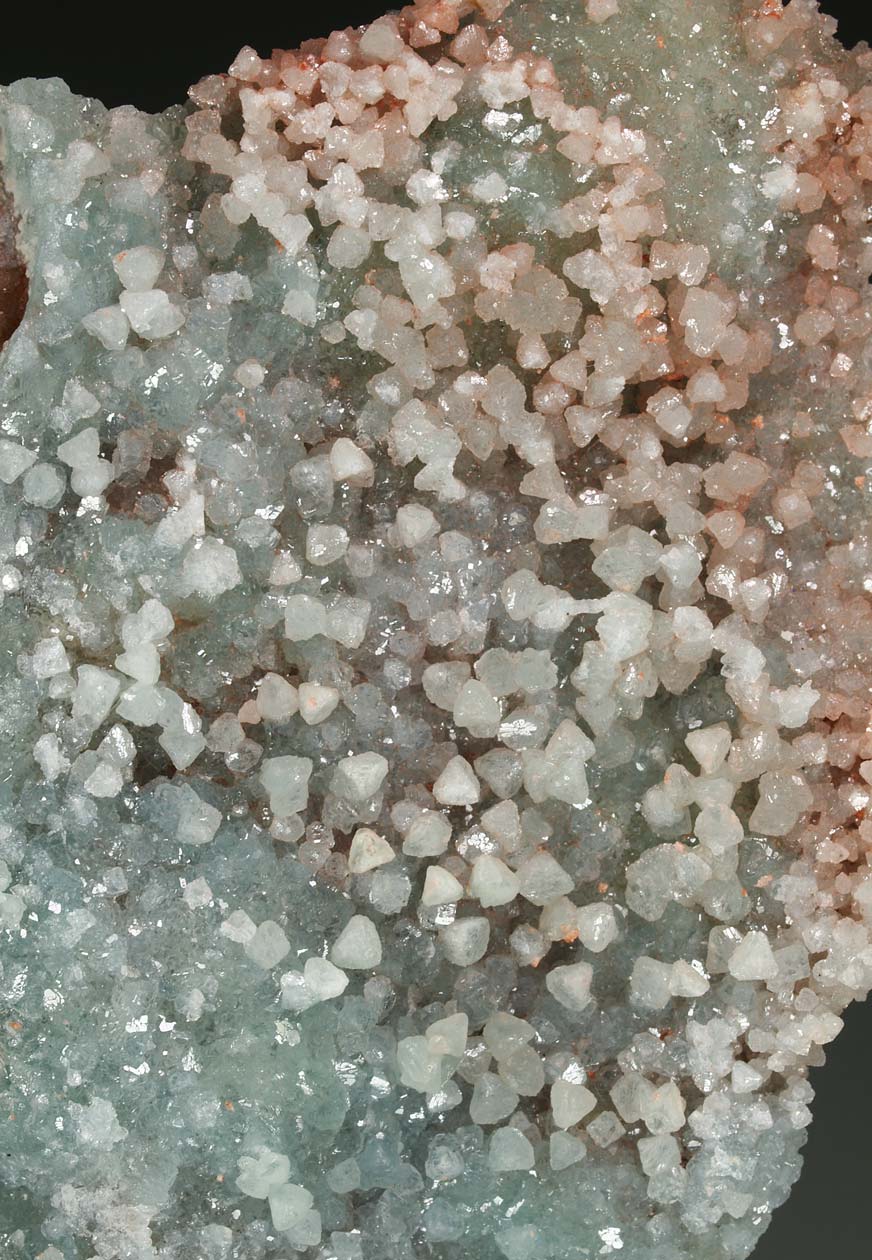
Ejemplar muy rico en agregados de cristales de hilgardita, definidos y de color rojizo. Están recubriendo parcialmente los cristales de boracita que forman la matriz. Ambos, boracita y hilgardita, son cloroboratos de magnesio y calcio respectivamente. Esta mina, que se halla al este de Loftus, cerca de Easington, se explota por las sales sódicas y potásicas. Cuando los mineros encuentran vetas de estos boratos, la roca se vuelve muy dura lo que es un problema para la explotación y una alegría para los coleccionistas. Estos ejemplares ingleses no son habituales en el mercado.
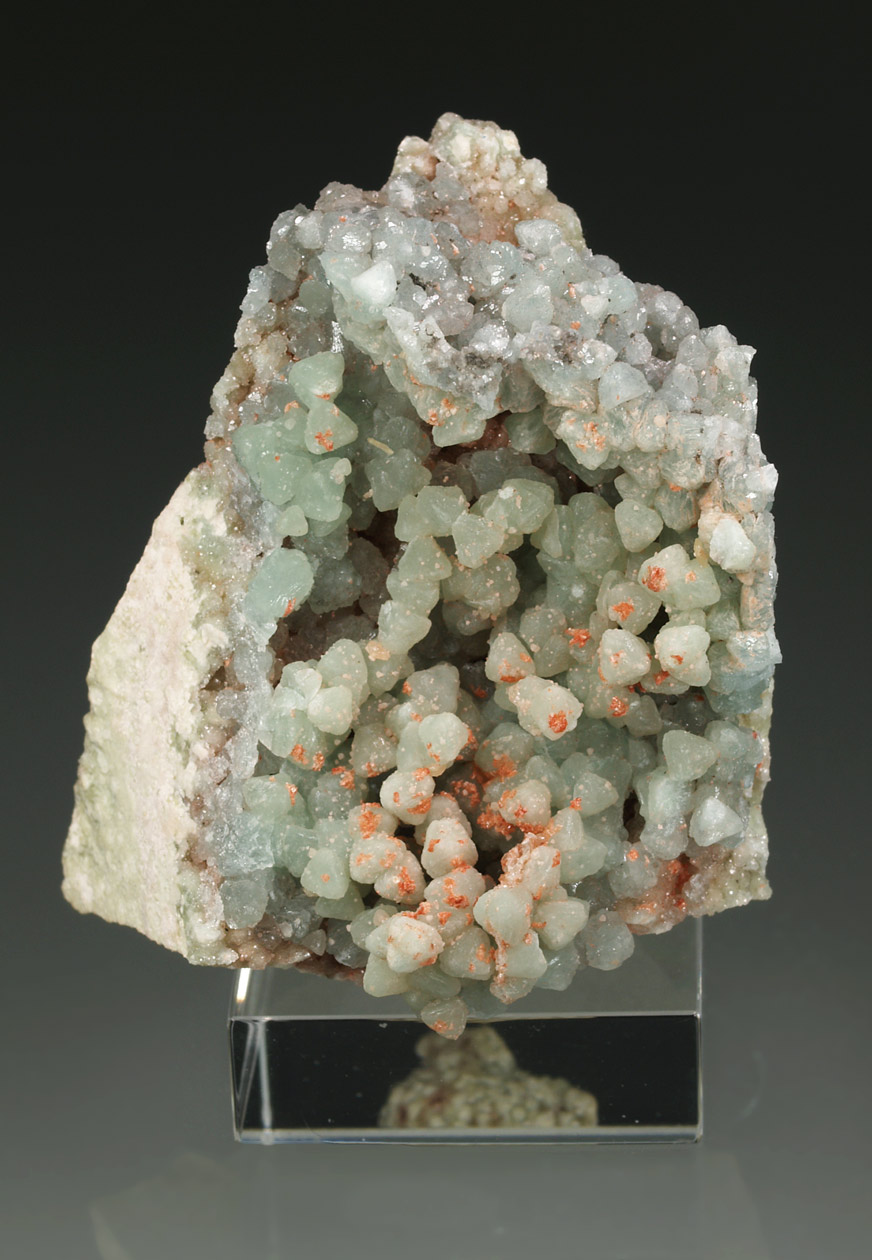
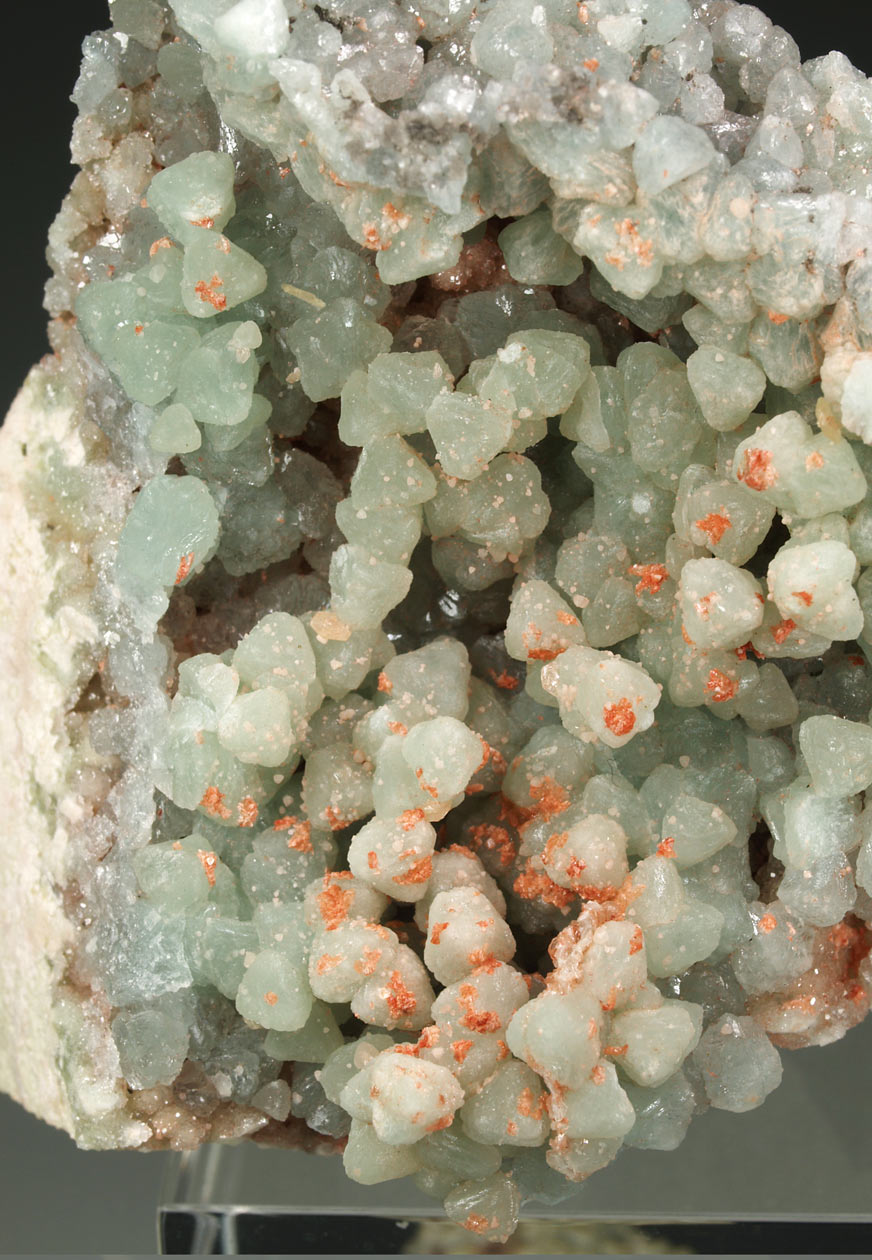
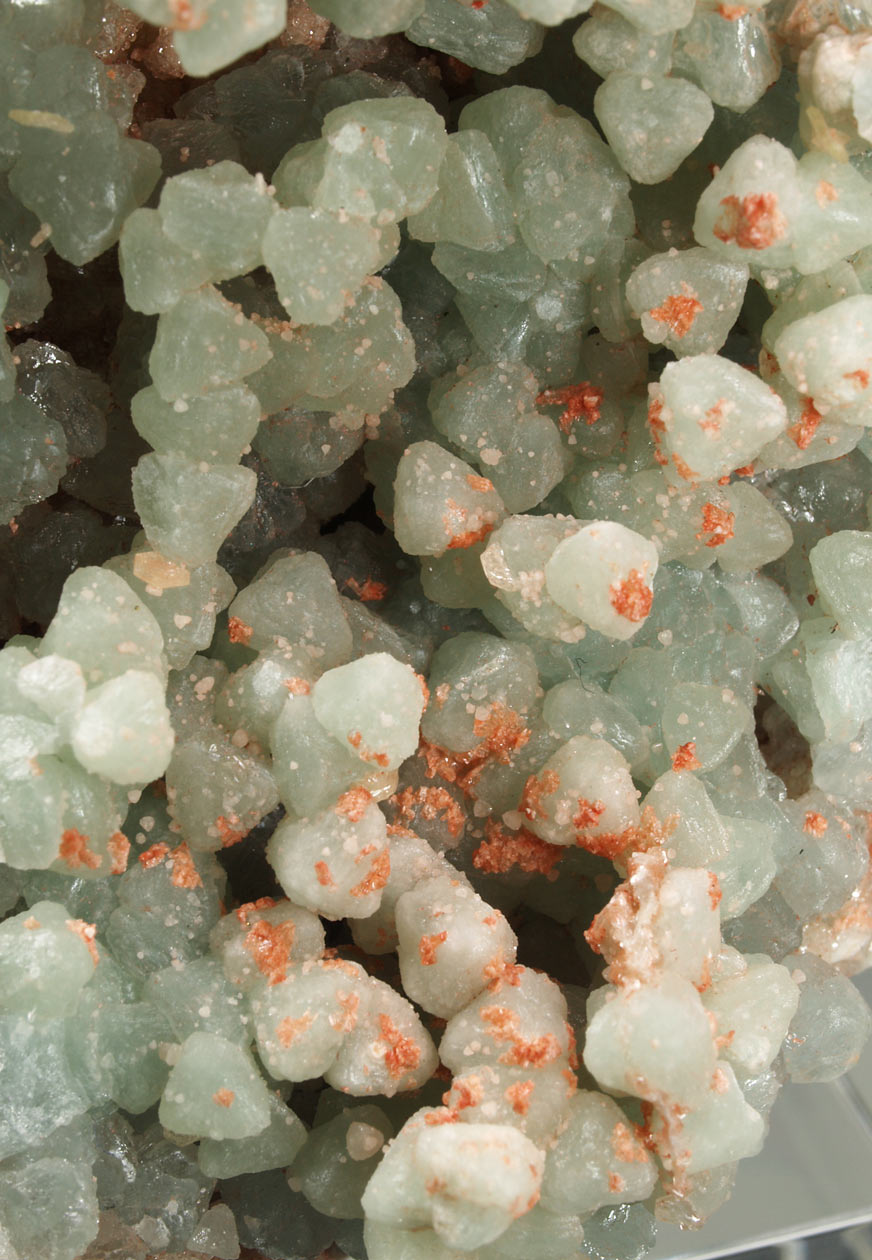
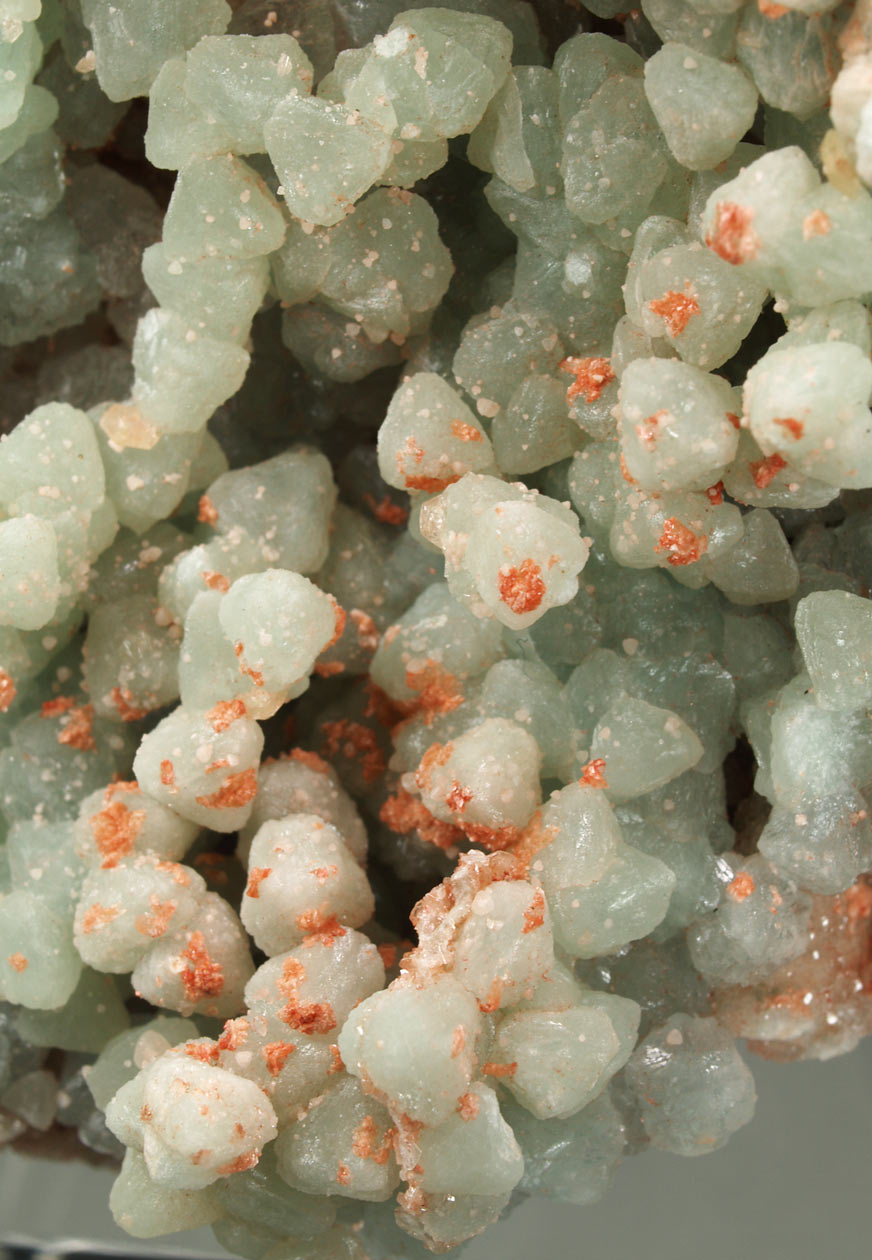
Los ejemplares de boracita de esta mina inglesa muestran un tono azulado, con formas complejas del tetraedro, modificadas por el cubo y el dodecaedro, con crecimientos escalonados. Entre transparentes a translúcidos. Se acompañan de cristales tabulares incoloros de contorno hexagonal de magnesita y agregados de cristales de hilgardita, de tono rojizo. La boracita presenta tonalidades rojizas debido a las inclusiones de hilgardita.
Ambos, boracita y hilgardita, son cloroboratos de magnesio y calcio respectivamente. Esta mina, que se halla al este de Loftus, cerca de Easington, se explota por las sales sódicas y potásicas. Cuando los mineros encuentran vetas de estos boratos, la roca se vuelve muy dura lo que es un problema para la explotación y una alegría para los coleccionistas. Estos ejemplares ingleses no son habituales en el mercado.
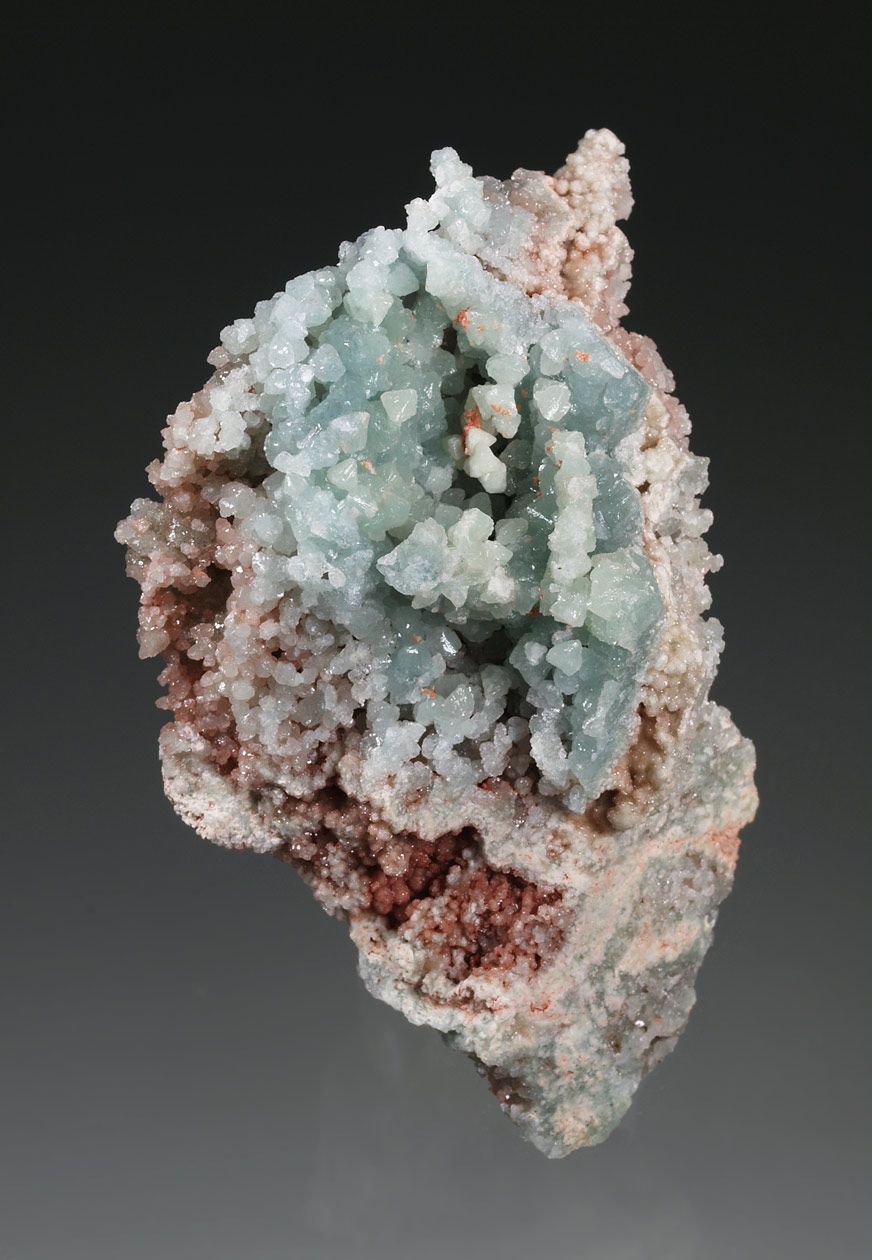
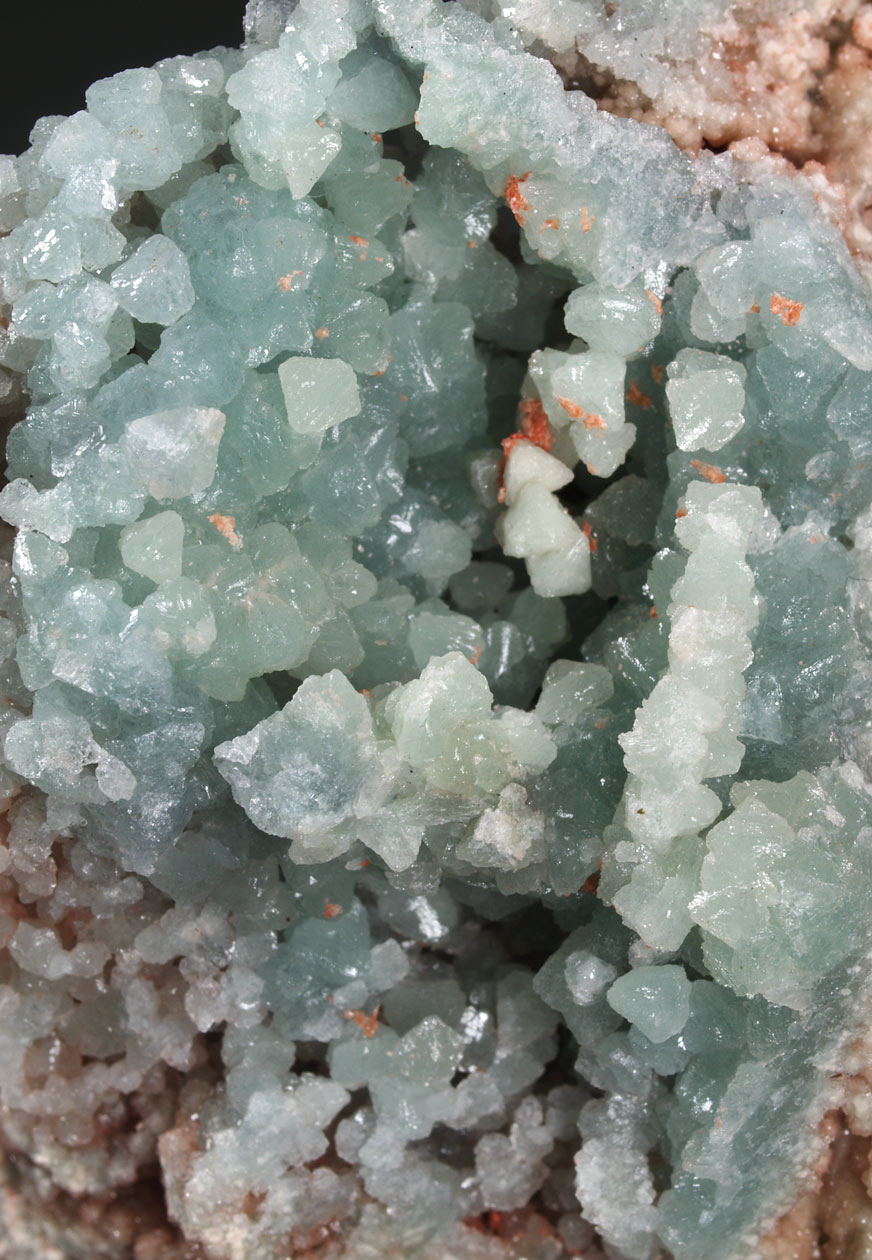
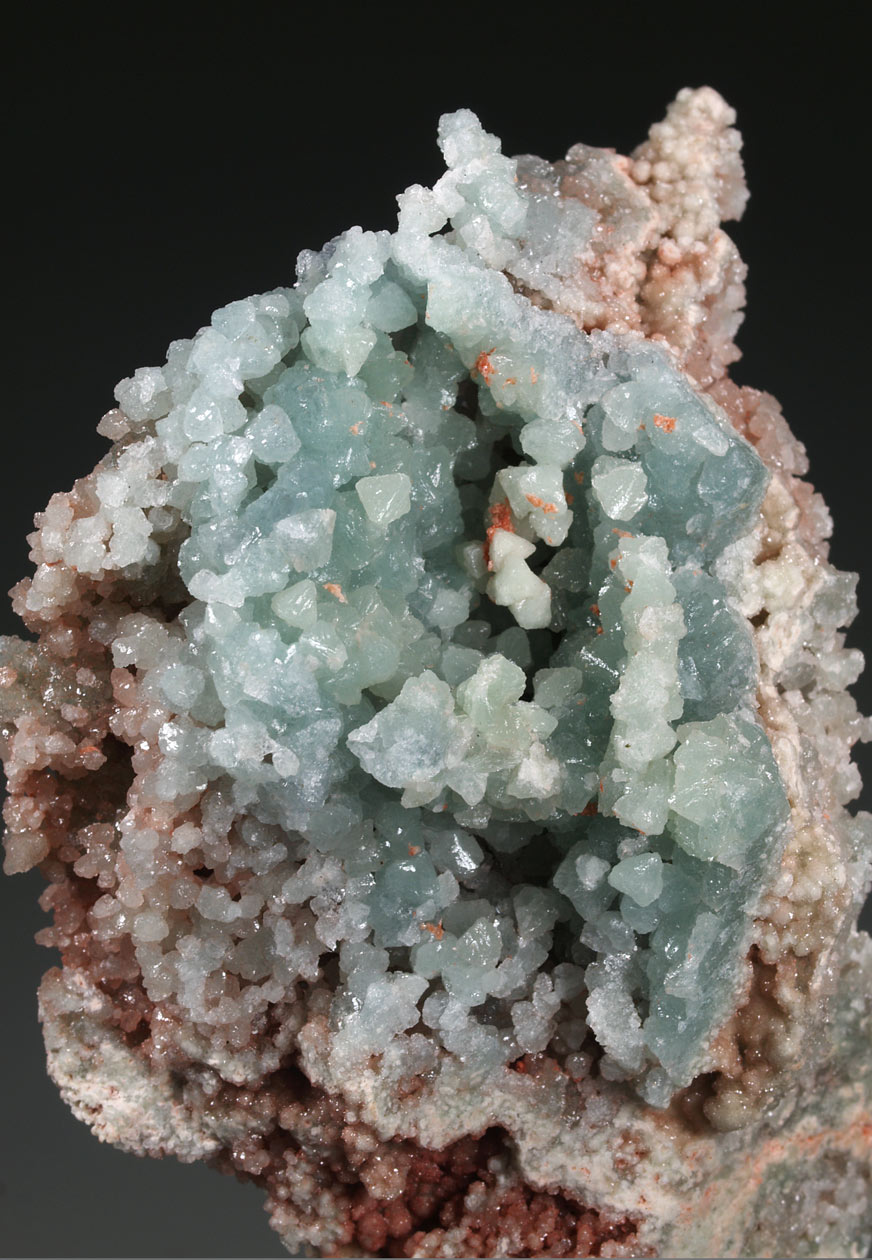
Los ejemplares de boracita de esta mina inglesa muestran un tono azulado, con formas complejas del tetraedro, modificadas por el cubo y el dodecaedro, con crecimientos escalonados. Entre transparentes a translúcidos. Se acompañan de cristales tabulares incoloros de contorno hexagonal de magnesita y agregados de cristales de hilgardita, de tono rojizo. La boracita presenta tonalidades rojizas debido a las inclusiones de hilgardita.
Ambos, boracita y hilgardita, son cloroboratos de magnesio y calcio respectivamente. Esta mina, que se halla al este de Loftus, cerca de Easington, se explota por las sales sódicas y potásicas. Cuando los mineros encuentran vetas de estos boratos, la roca se vuelve muy dura lo que es un problema para la explotación y una alegría para los coleccionistas. Estos ejemplares ingleses no son habituales en el mercado.
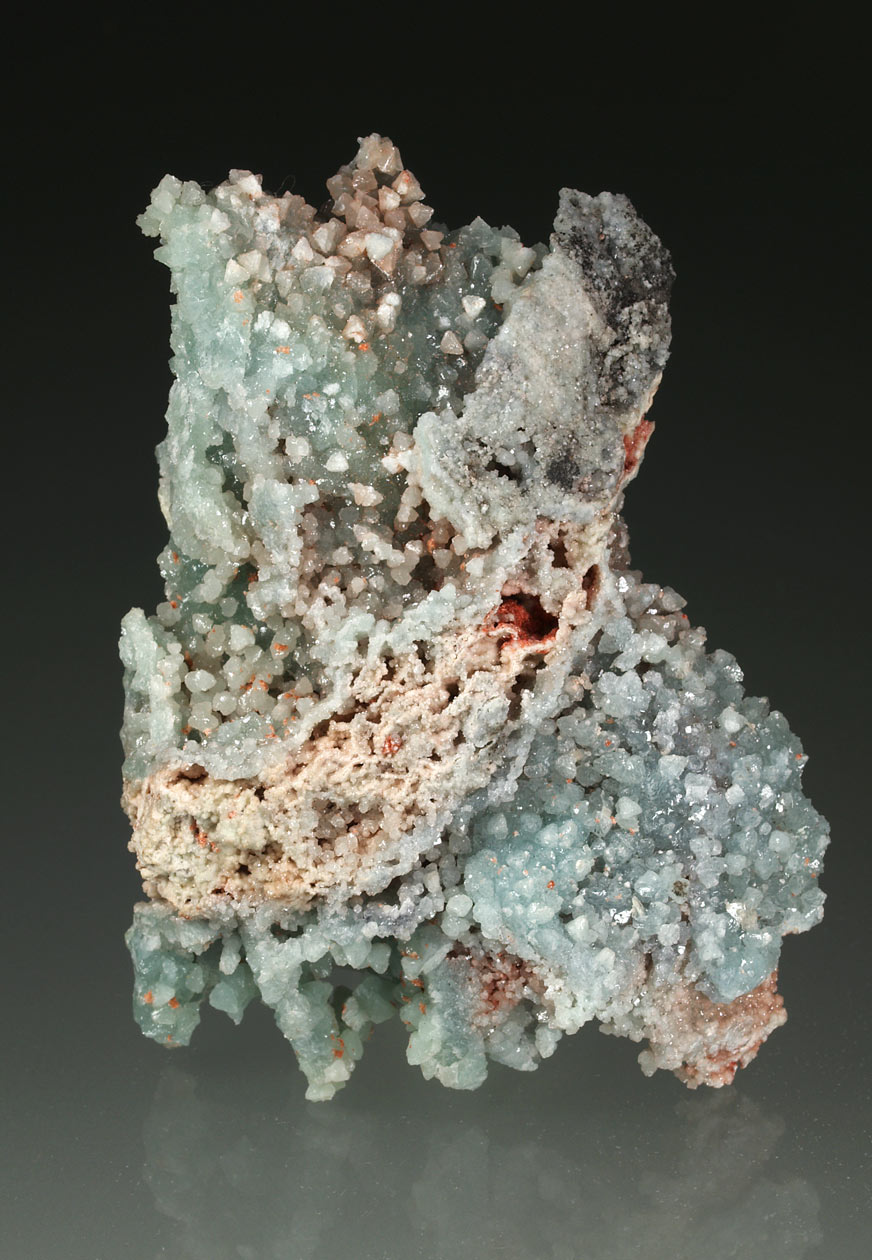
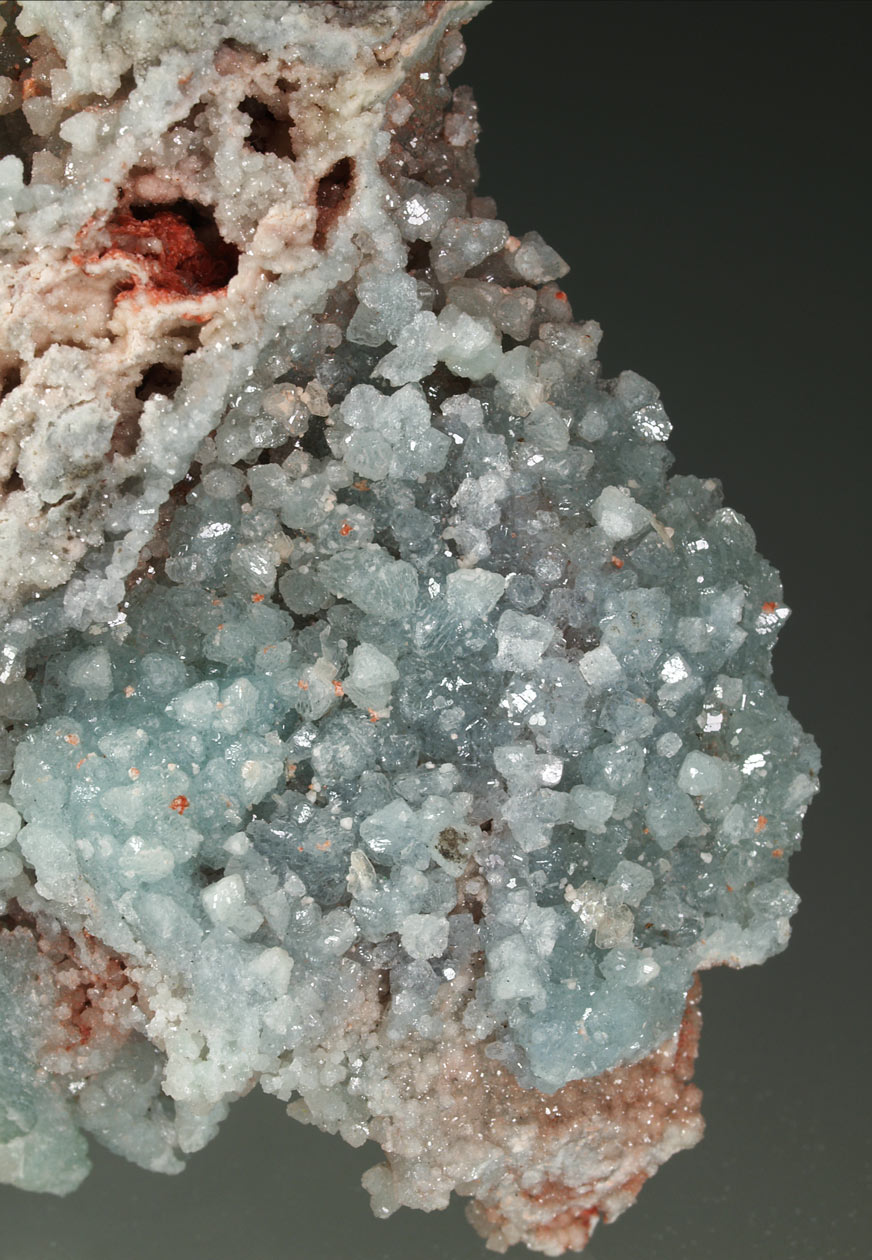
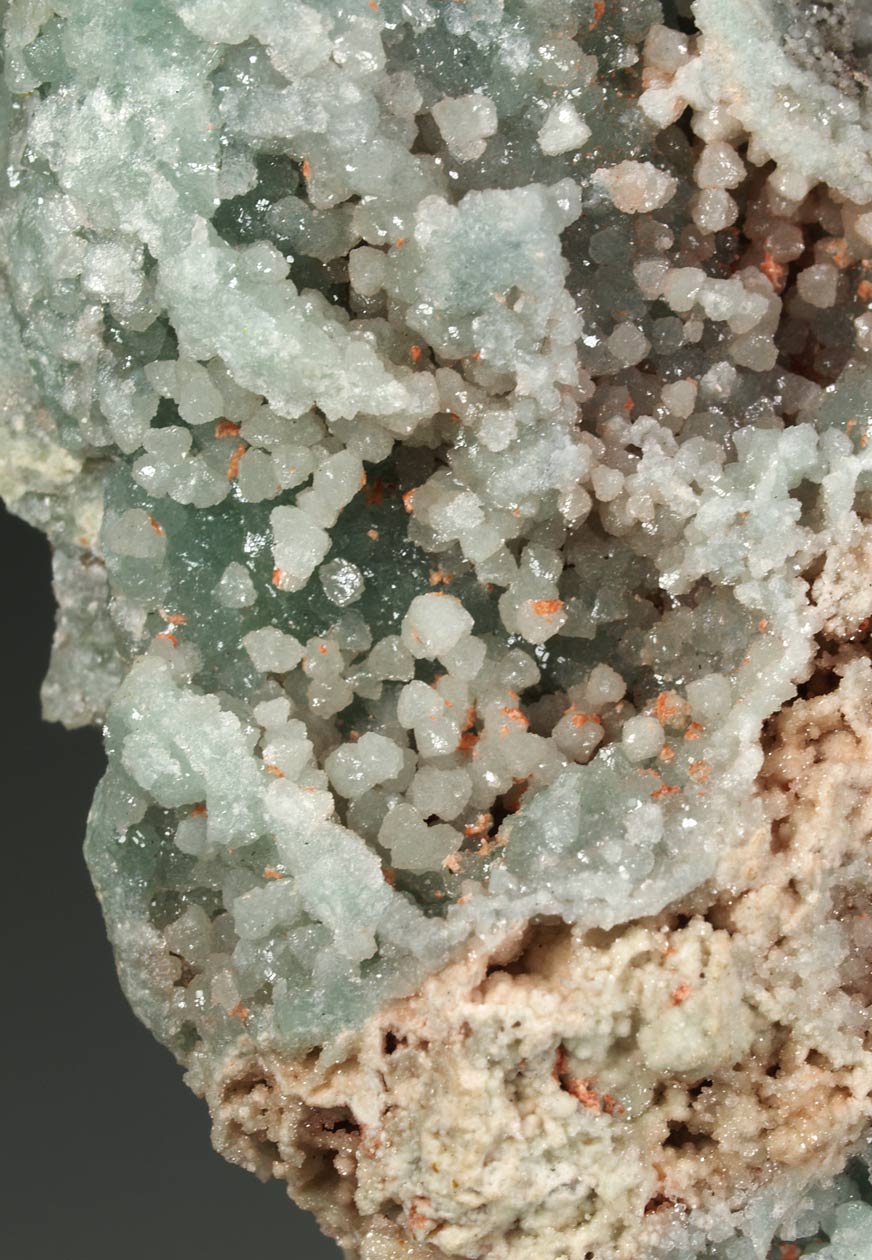
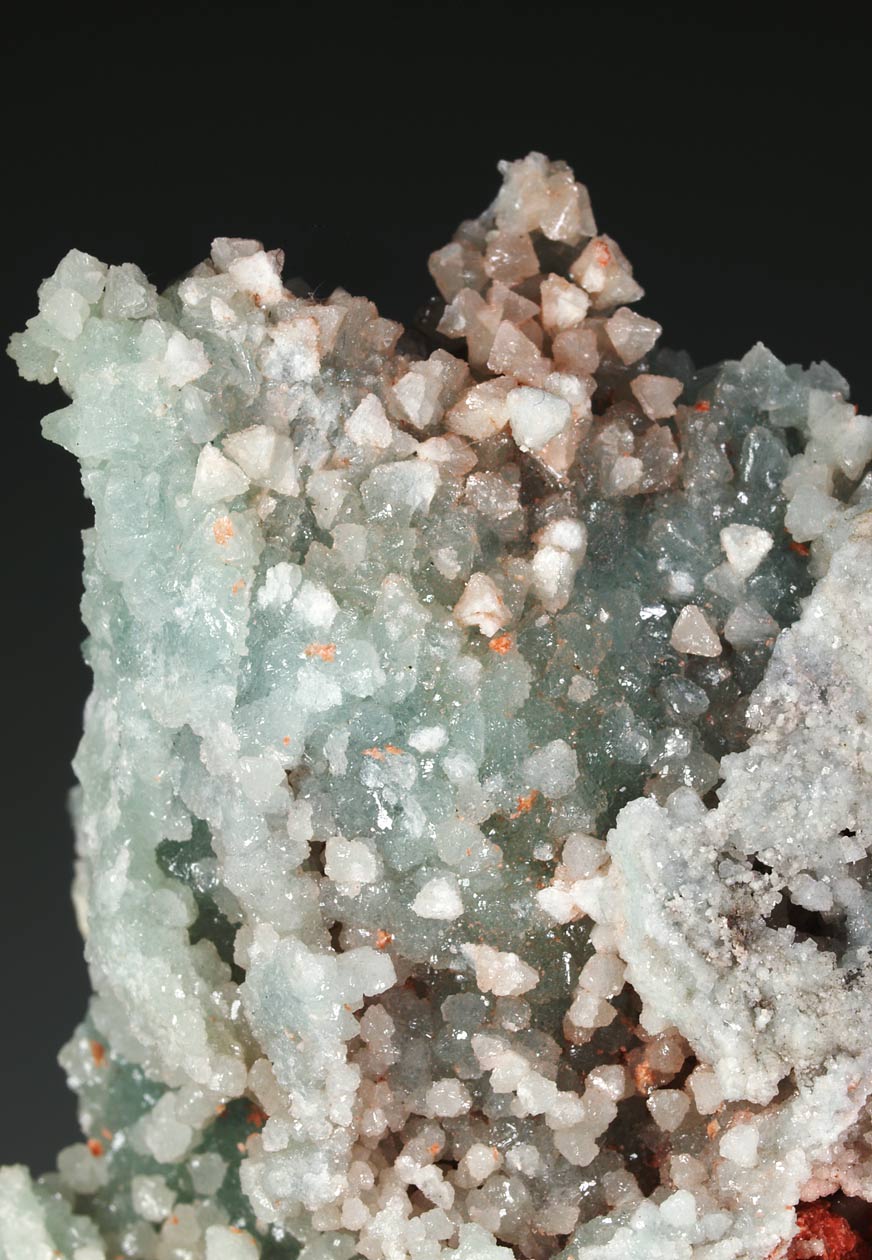
Los ejemplares de boracita de esta mina inglesa muestran un tono azulado, con formas complejas del tetraedro, modificadas por el cubo y el dodecaedro, con crecimientos escalonados. Entre transparentes a translúcidos. Se acompañan de cristales tabulares incoloros de contorno hexagonal de magnesita y agregados de cristales de hilgardita, de tono rojizo. La boracita presenta tonalidades rojizas debido a las inclusiones de hilgardita.
Ambos, boracita y hilgardita, son cloroboratos de magnesio y calcio respectivamente. Esta mina, que se halla al este de Loftus, cerca de Easington, se explota por las sales sódicas y potásicas. Cuando los mineros encuentran vetas de estos boratos, la roca se vuelve muy dura lo que es un problema para la explotación y una alegría para los coleccionistas. Estos ejemplares ingleses no son habituales en el mercado.
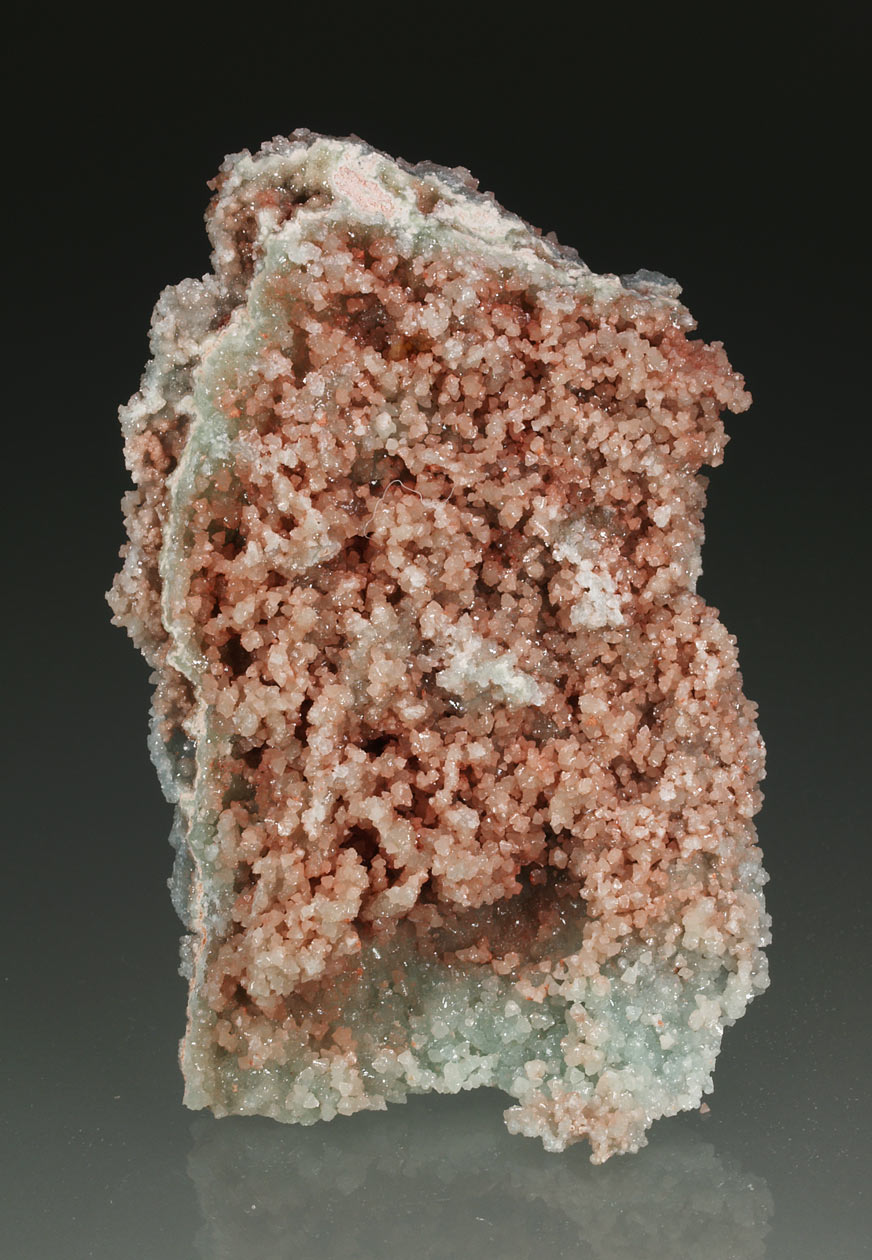
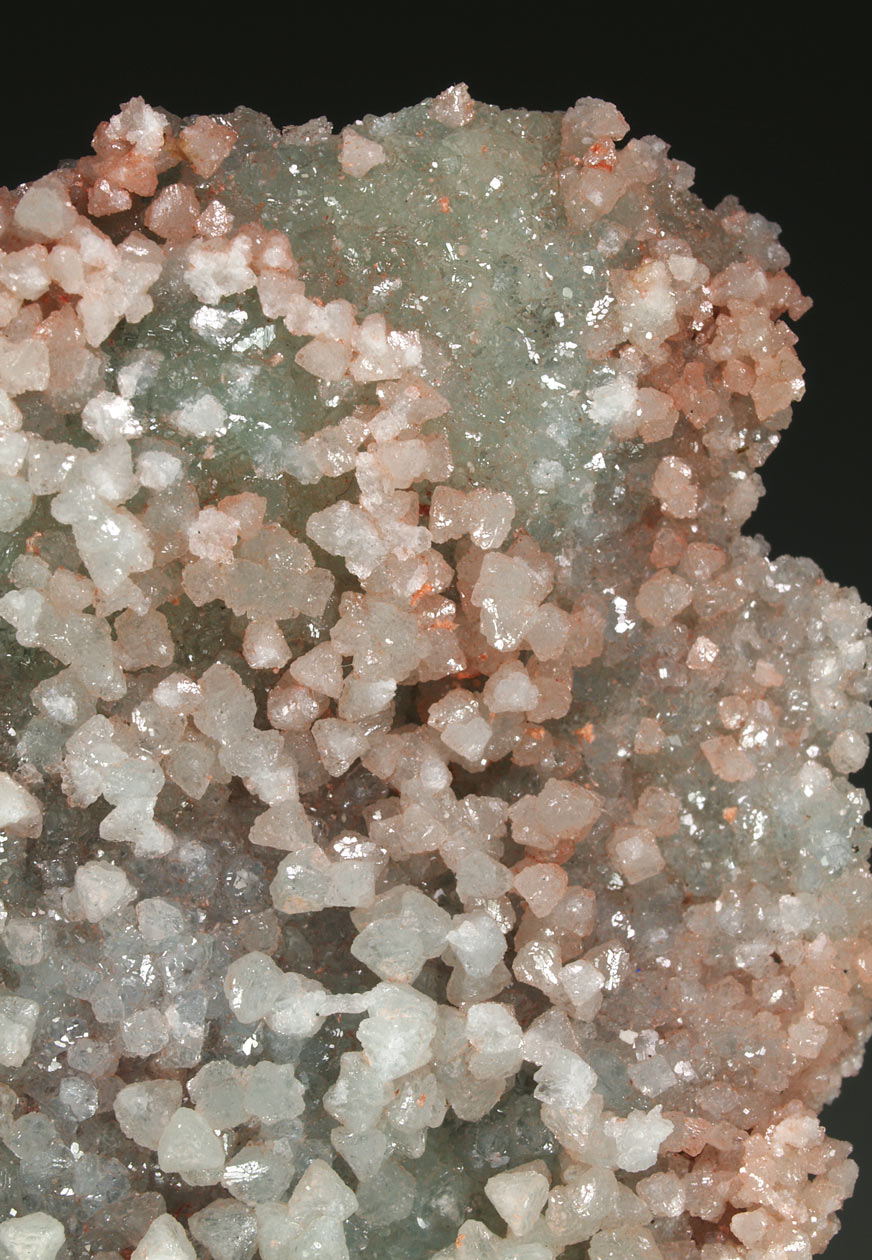
Los ejemplares de boracita de esta mina inglesa muestran un tono azulado, con formas complejas del tetraedro, modificadas por el cubo y el dodecaedro, con crecimientos escalonados. Entre transparentes a translúcidos. Se acompañan de cristales tabulares incoloros de contorno hexagonal de magnesita y agregados de cristales de hilgardita, de tono rojizo. La boracita presenta tonalidades rojizas debido a las inclusiones de hilgardita.
Ambos, boracita y hilgardita, son cloroboratos de magnesio y calcio respectivamente. Esta mina, que se halla al este de Loftus, cerca de Easington, se explota por las sales sódicas y potásicas. Cuando los mineros encuentran vetas de estos boratos, la roca se vuelve muy dura lo que es un problema para la explotación y una alegría para los coleccionistas. Estos ejemplares ingleses no son habituales en el mercado.
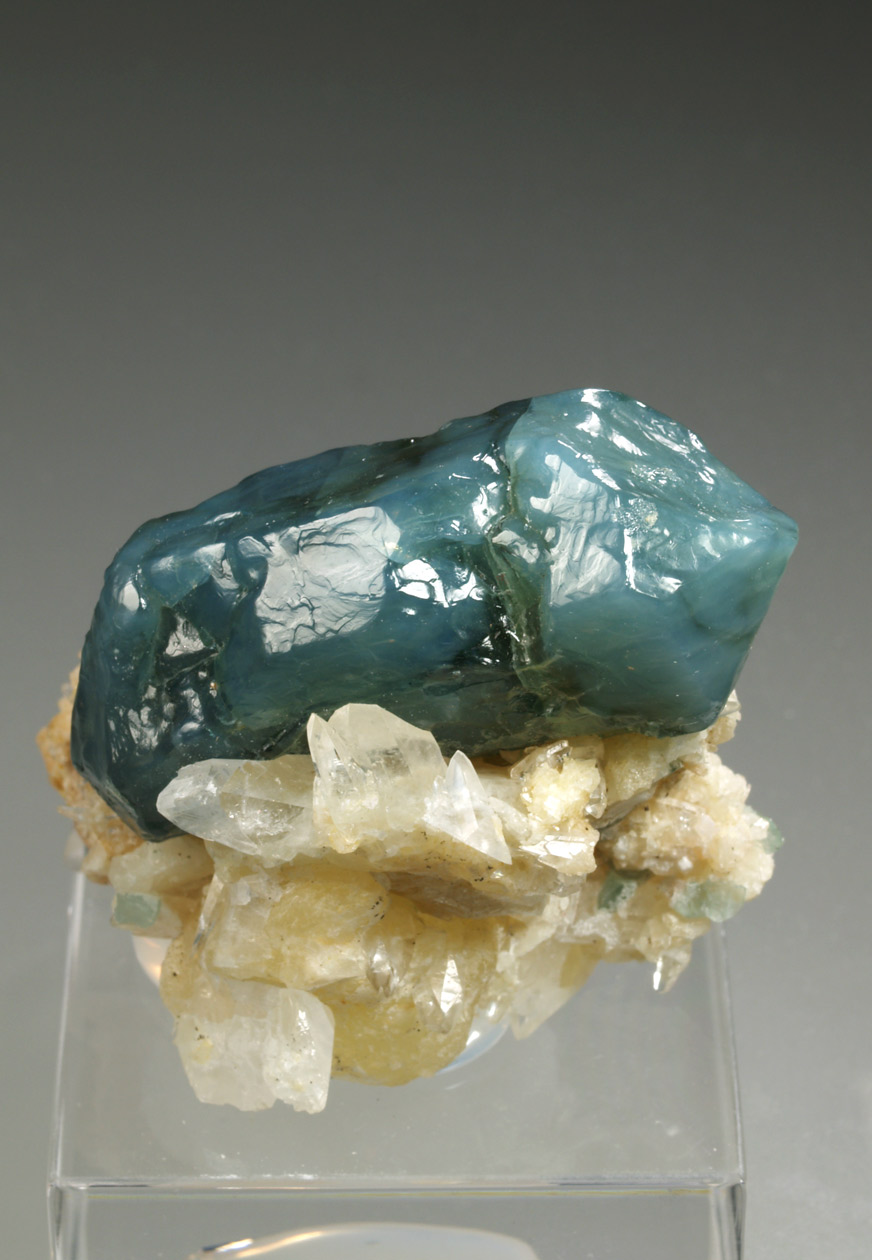
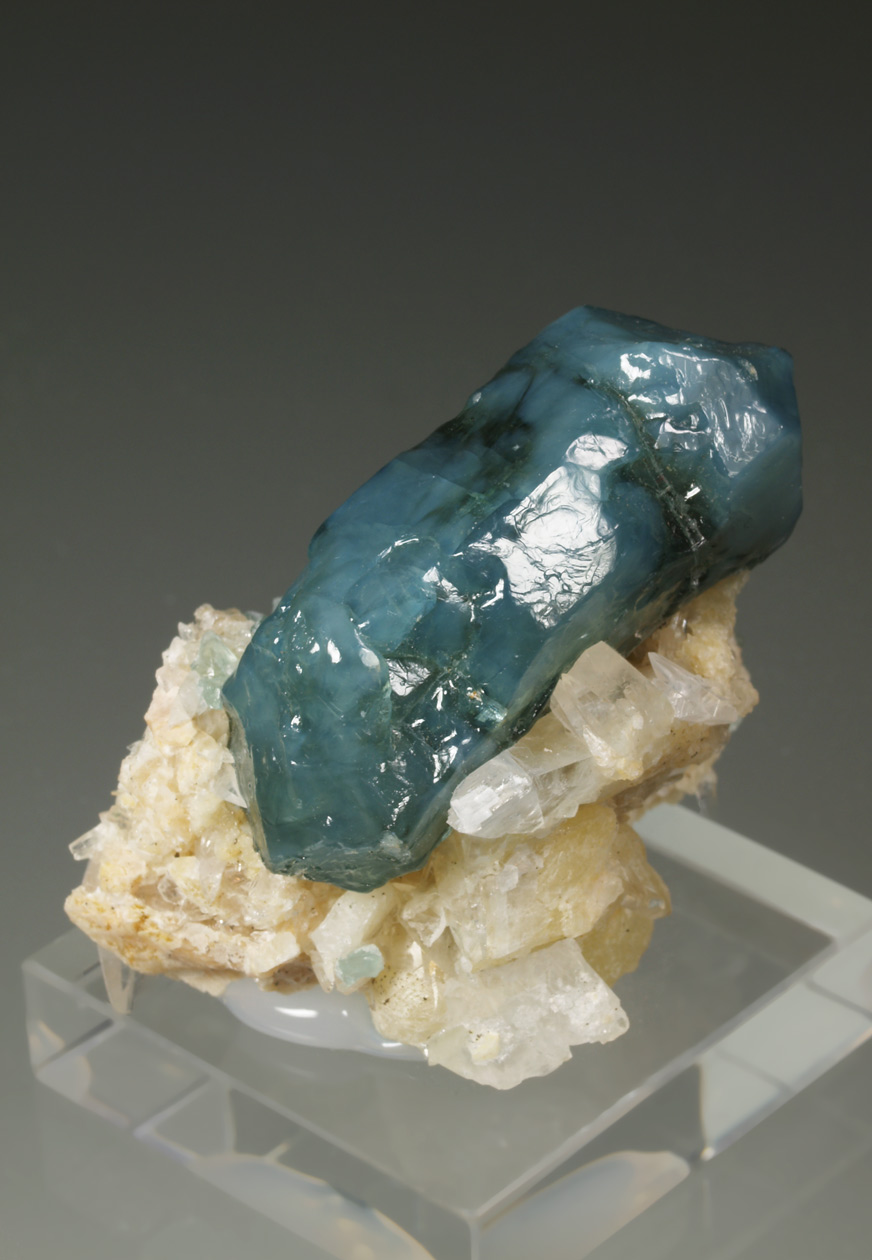
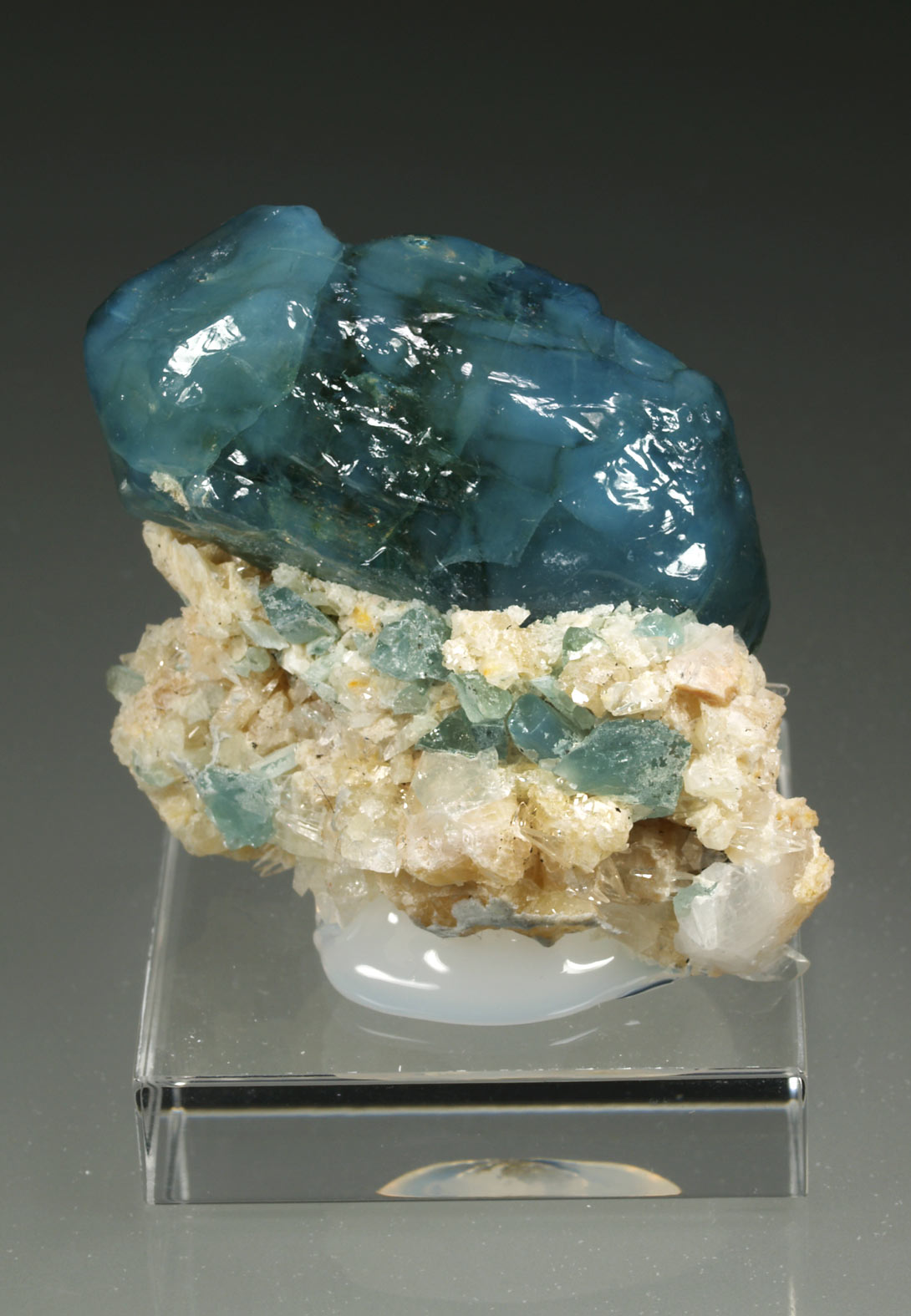
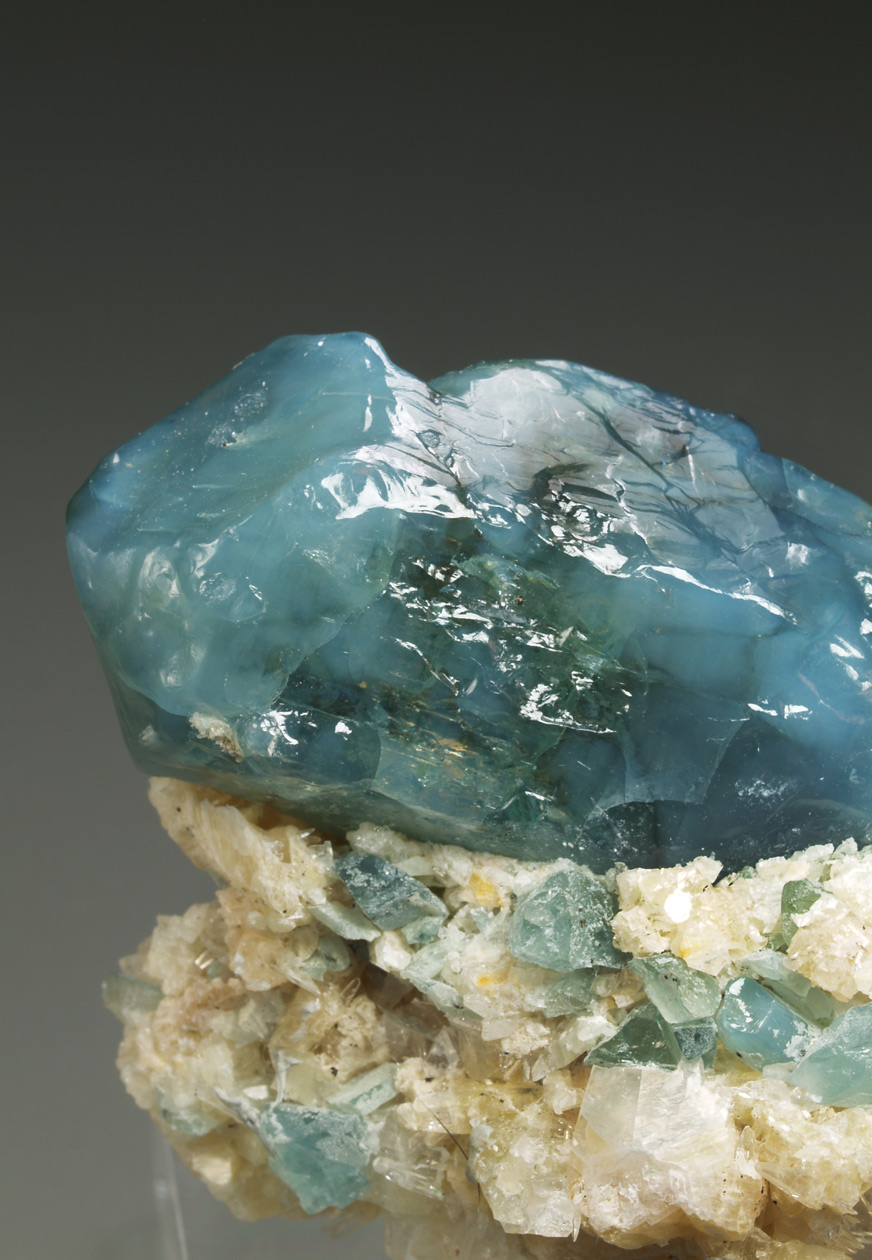
En una matriz de calcita y cuarzo se asienta un cristal de fluorapatito muy curioso, con este color azul y las facetas redondeadas. El brillo vítreo, translúcido, el color y el tamaño de este espécimen lo convierten en una pieza muy interesante. Los cristales de fluorapatita de esta localidad rusa son muy apreciados por su brillo. Buen tamaño y disposición muy aérea.
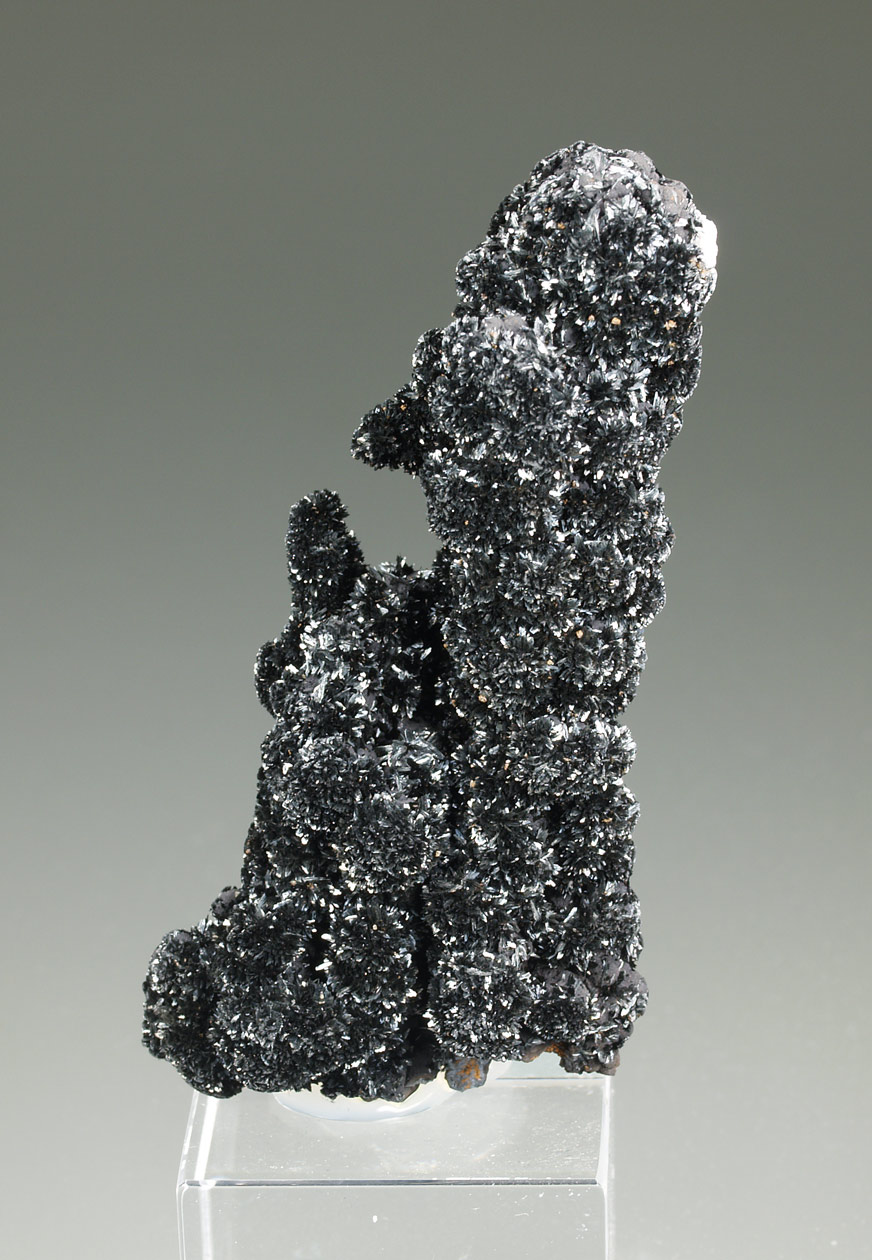
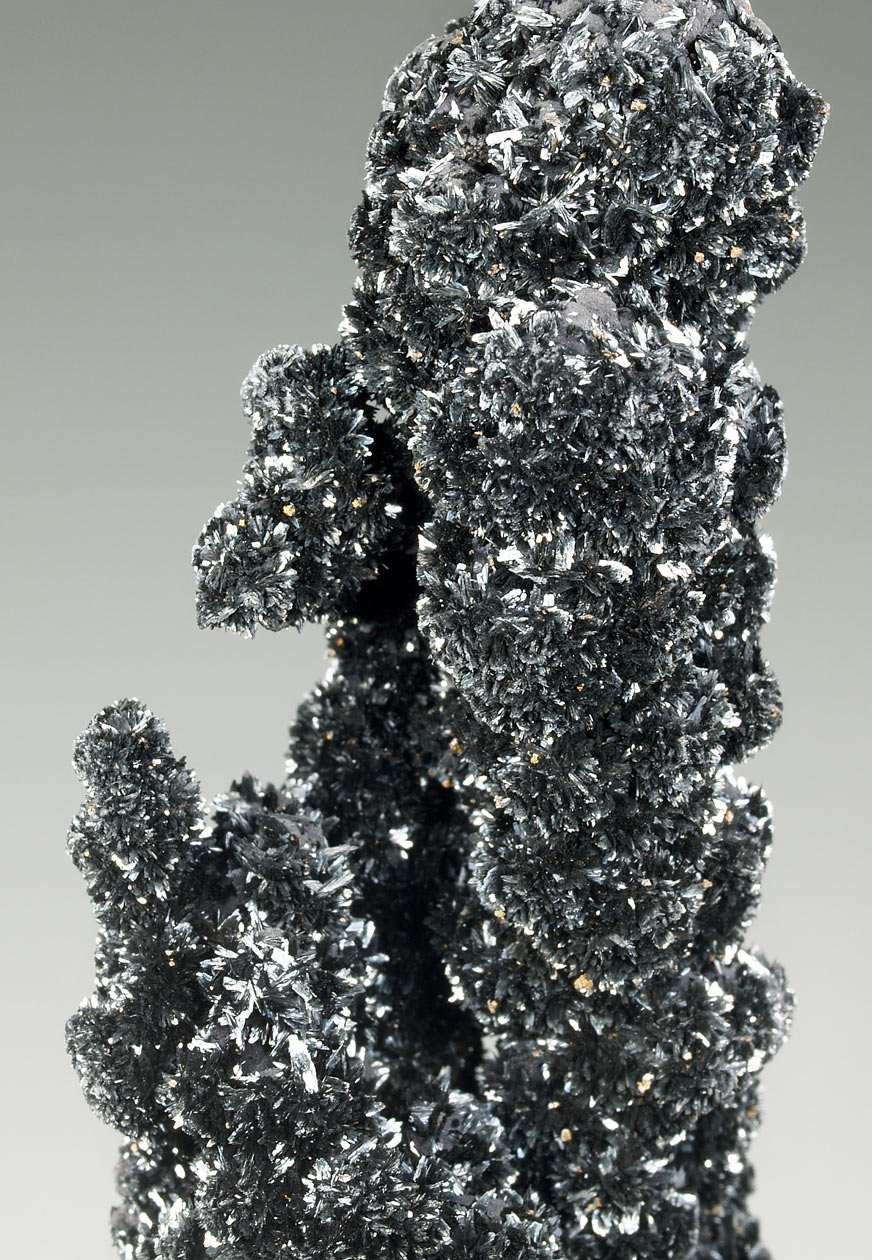
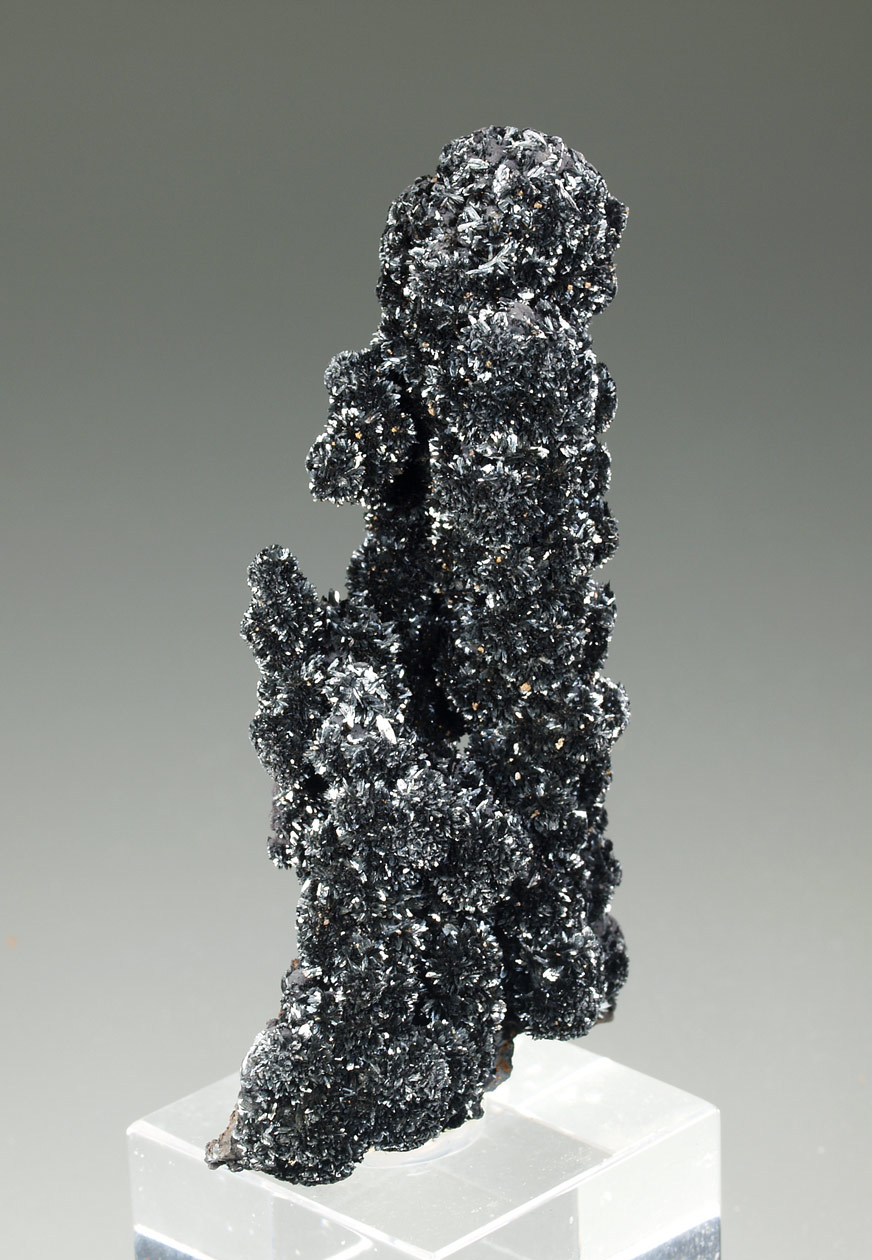
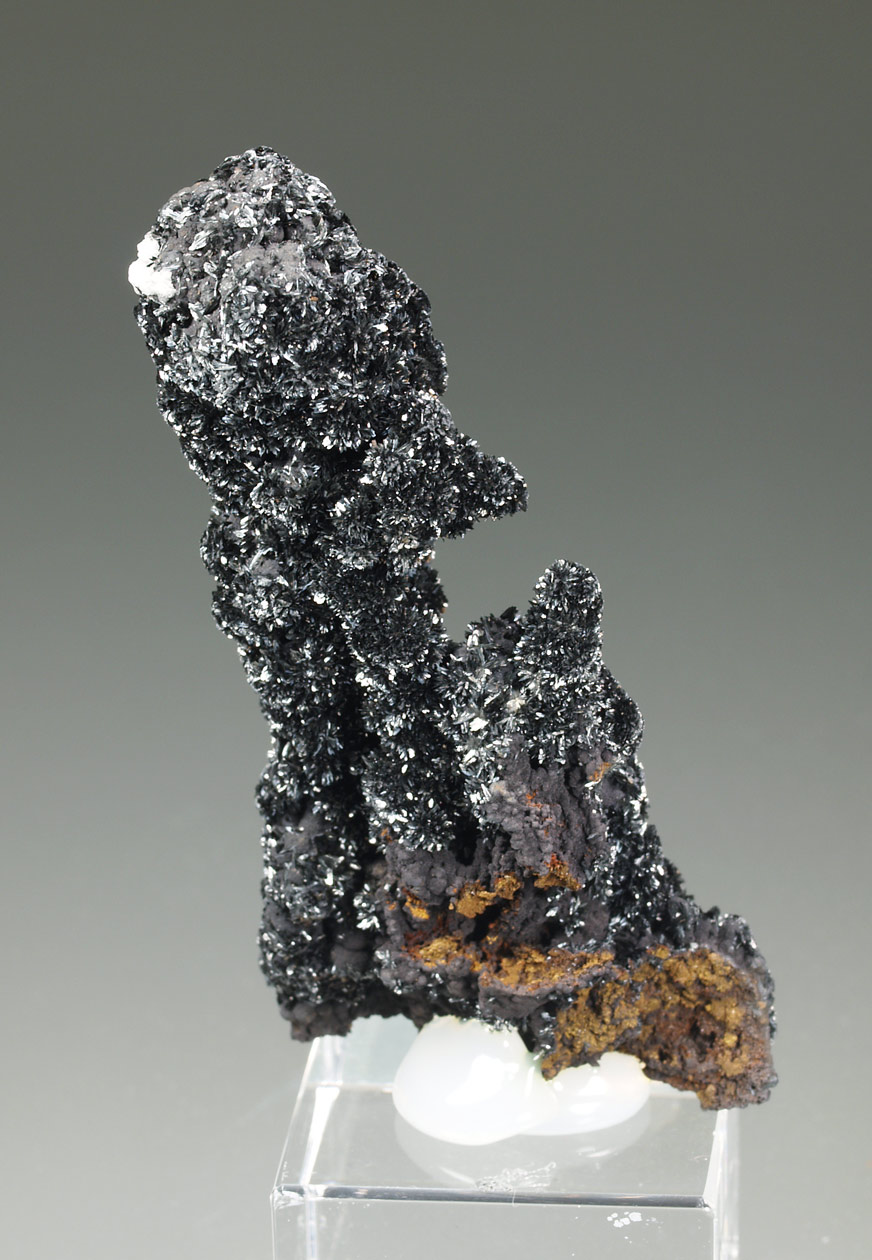
Estética estalactita de goethita totalmente recubierta de cristales lanceolados de pirolusita, dispuestos de una forma muy aérea, con un intenso brillo, color entre gris metálico a casi negro. Un ejemplar notable para la especie y la localidad.
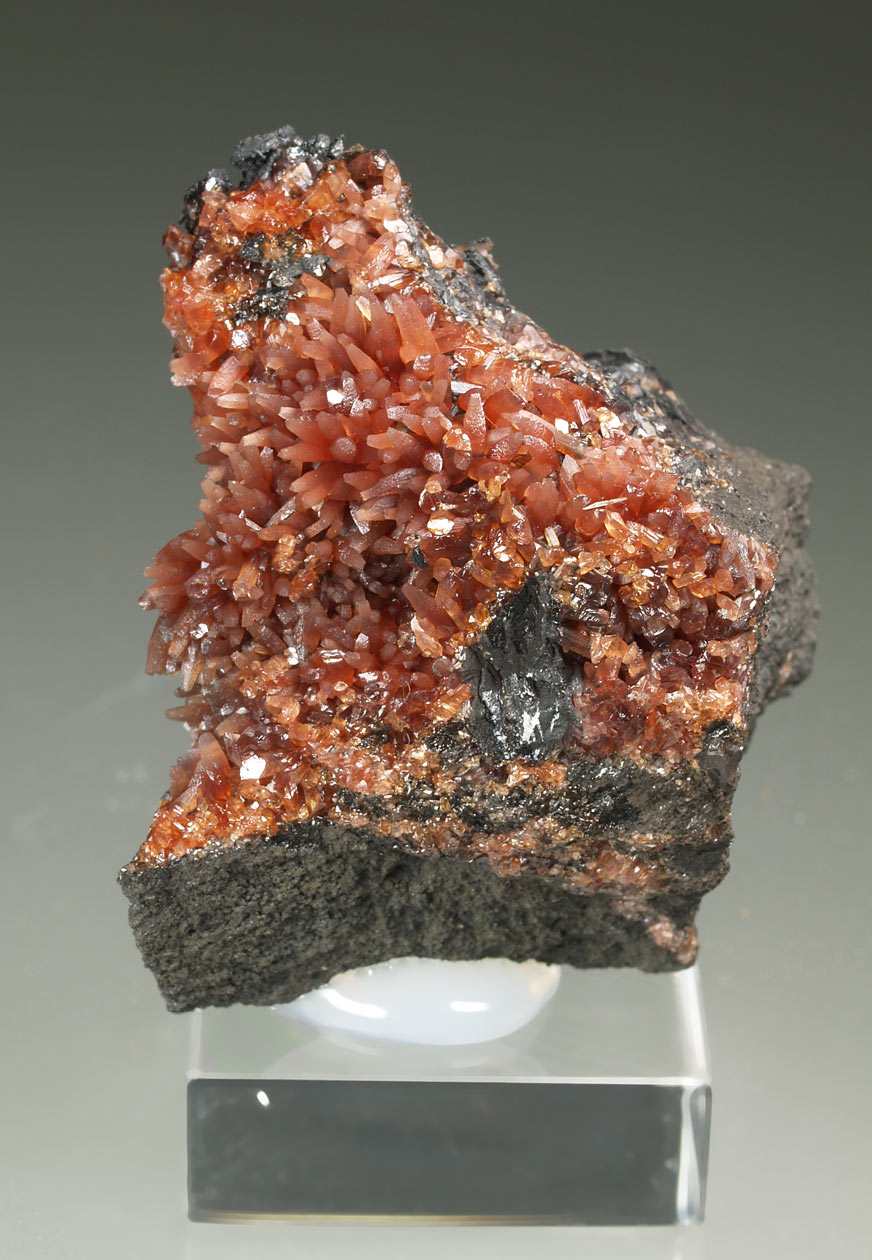
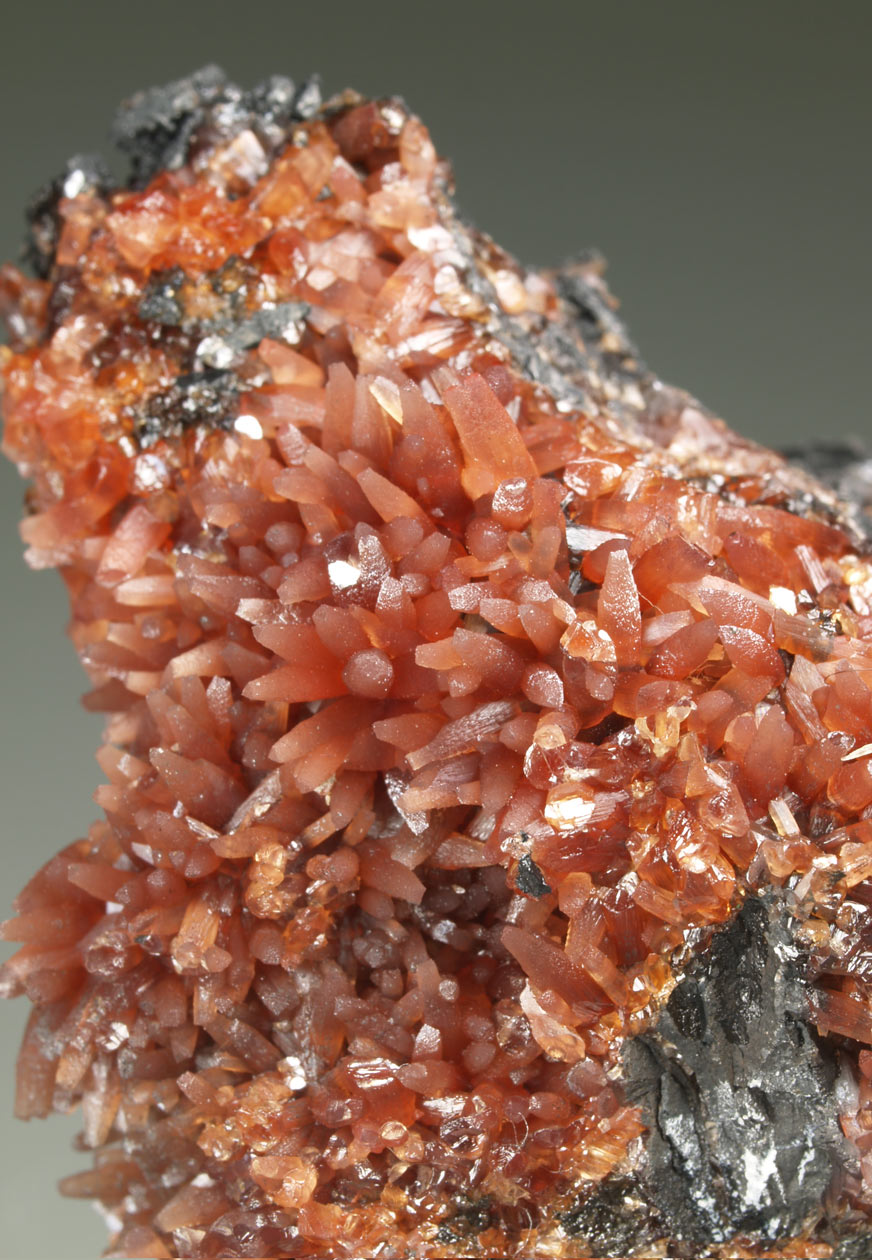
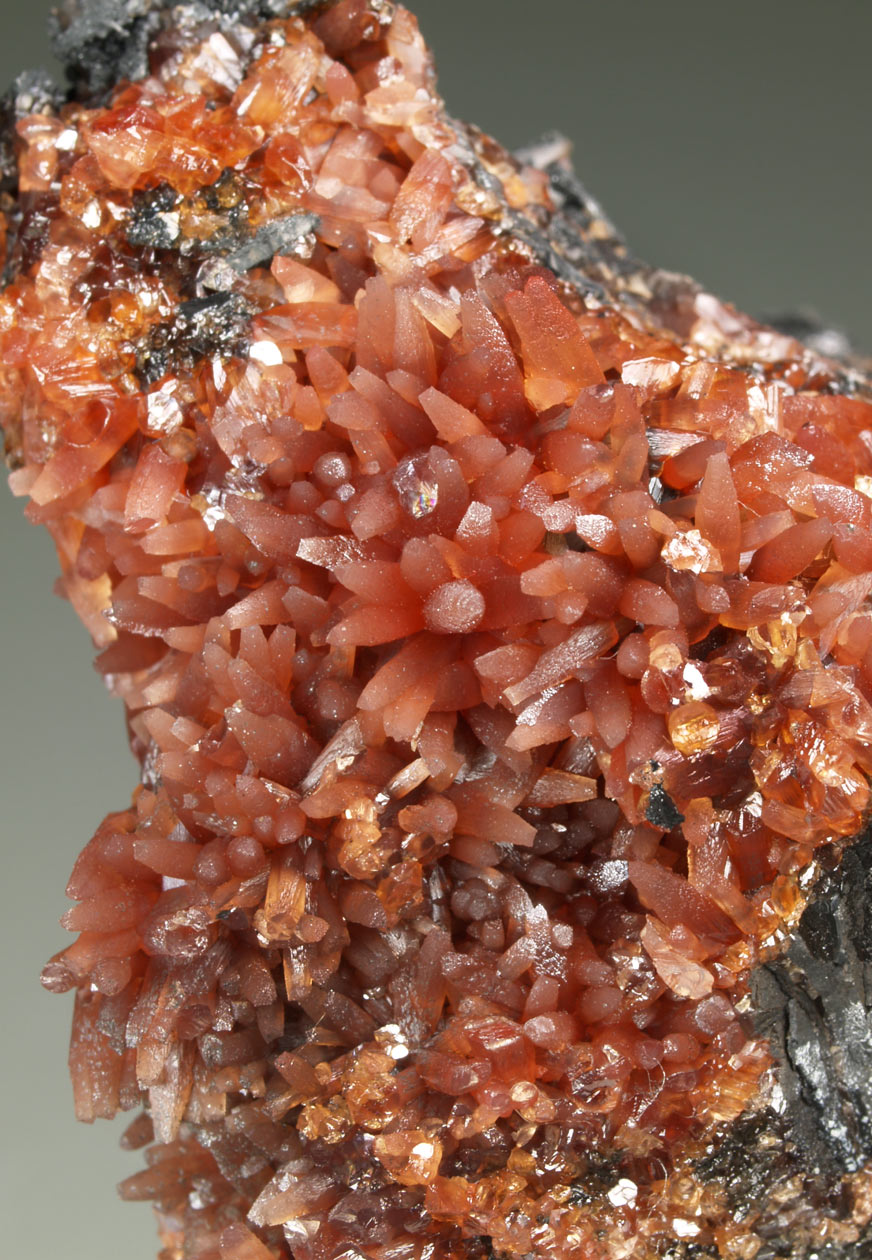
Drusa de cristales escalenoédricos elonagados de rodocrosita, con terminaciones romboédricas, algunos biterminados. Tienen un color intenso, brillo, entre transparentes a translúcidos. En una matriz de óxidos de manganeso. Una localidad clásica, de la que actualmente es muy difícil obtener ejemplares, que se extrajeron en los años 70 a 80 del siglo pasado.
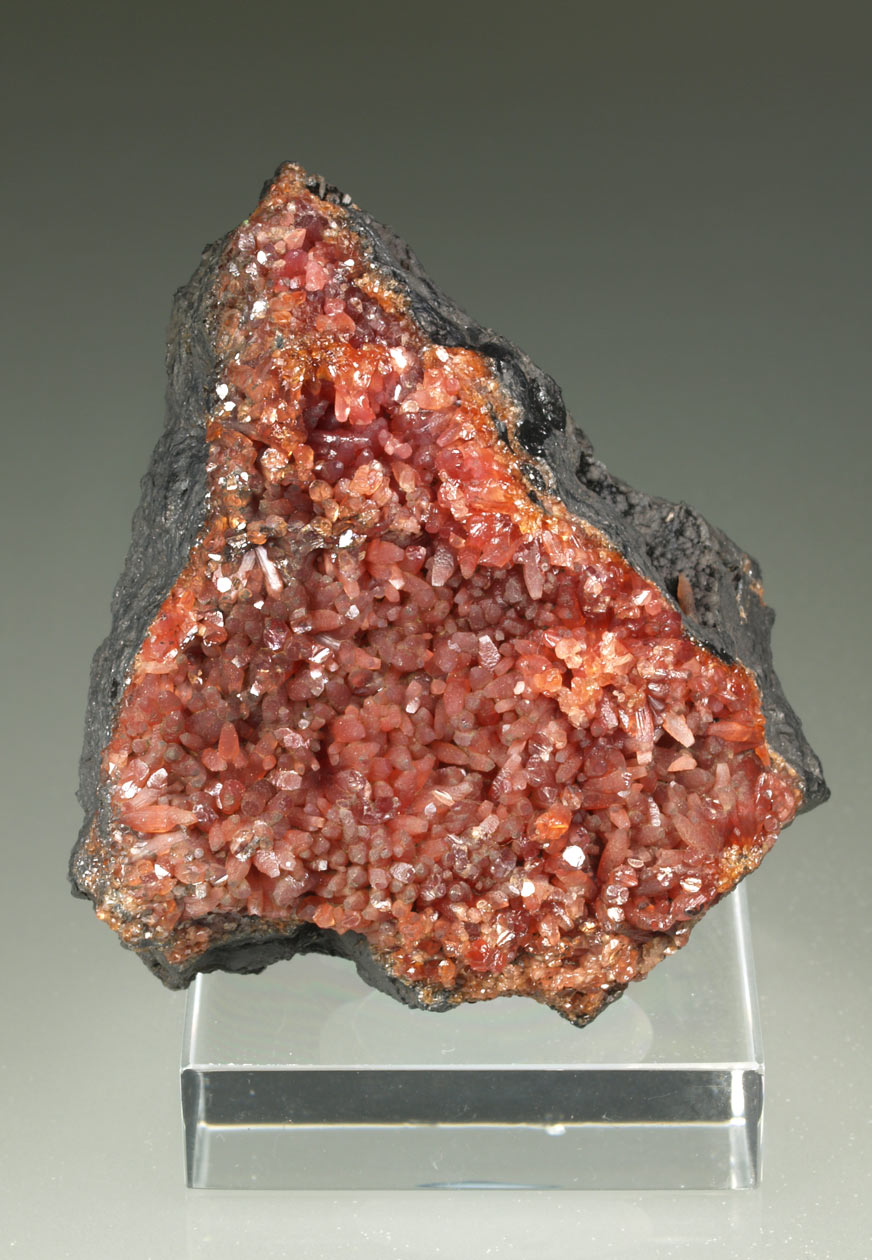
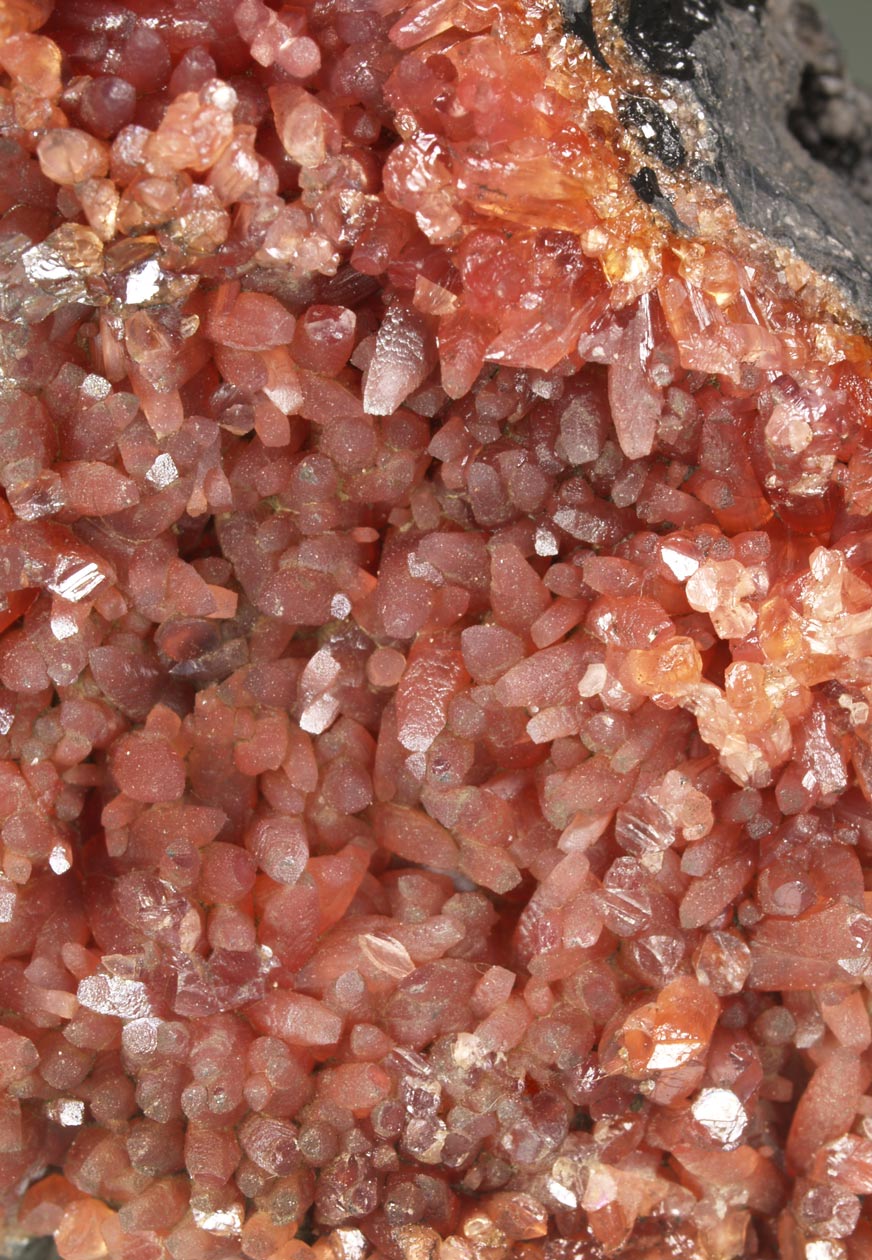
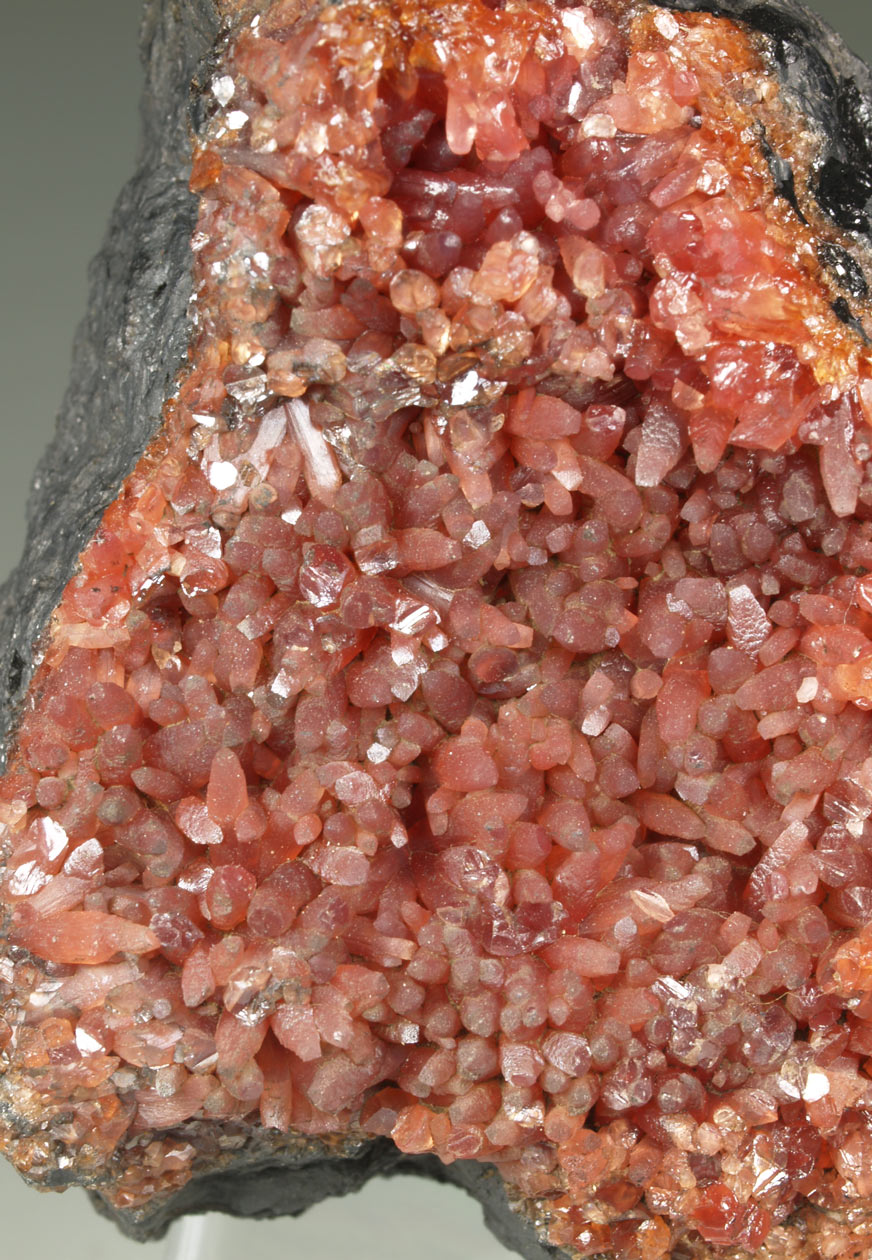
Drusa de cristales escalenoédricos elonagados de rodocrosita, con terminaciones romboédricas, algunos biterminados. Tienen un color intenso, brillo, entre transparentes a translúcidos. En una matriz de óxidos de manganeso. Una localidad clásica, de la que actualmente es muy difícil obtener ejemplares, que se extrajeron en los años 70 a 80 del siglo pasado. Con una etiqueta antigua.
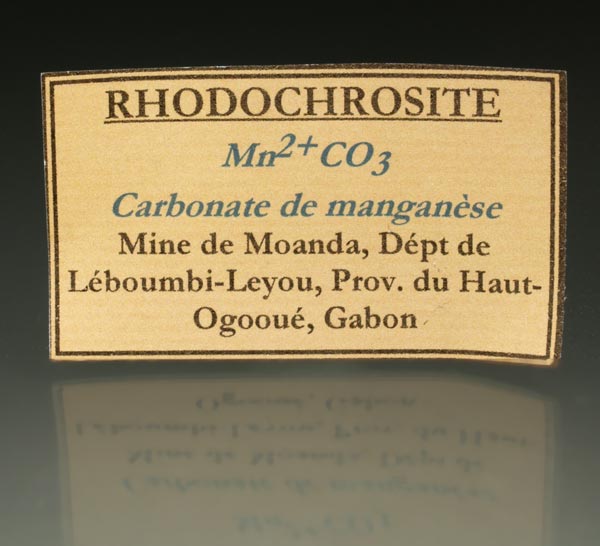
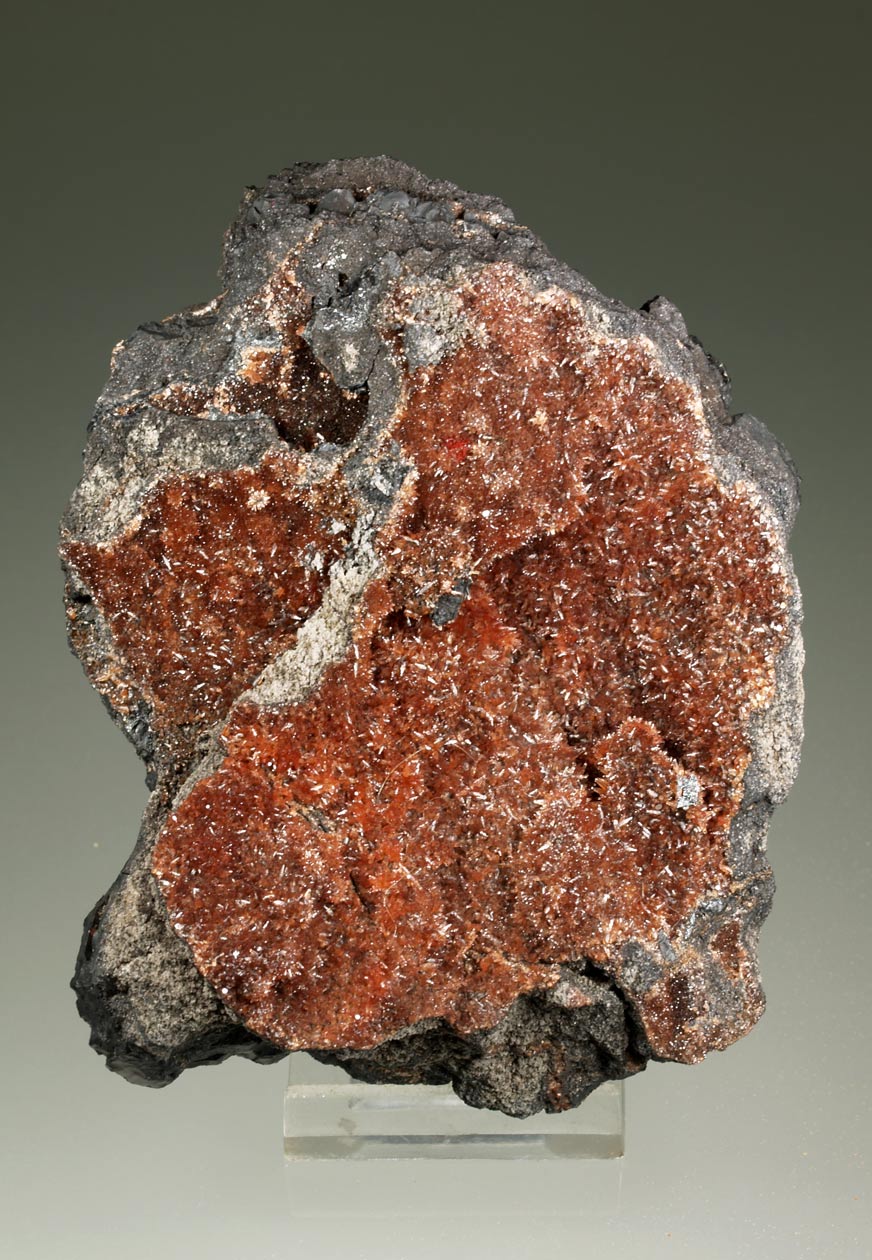
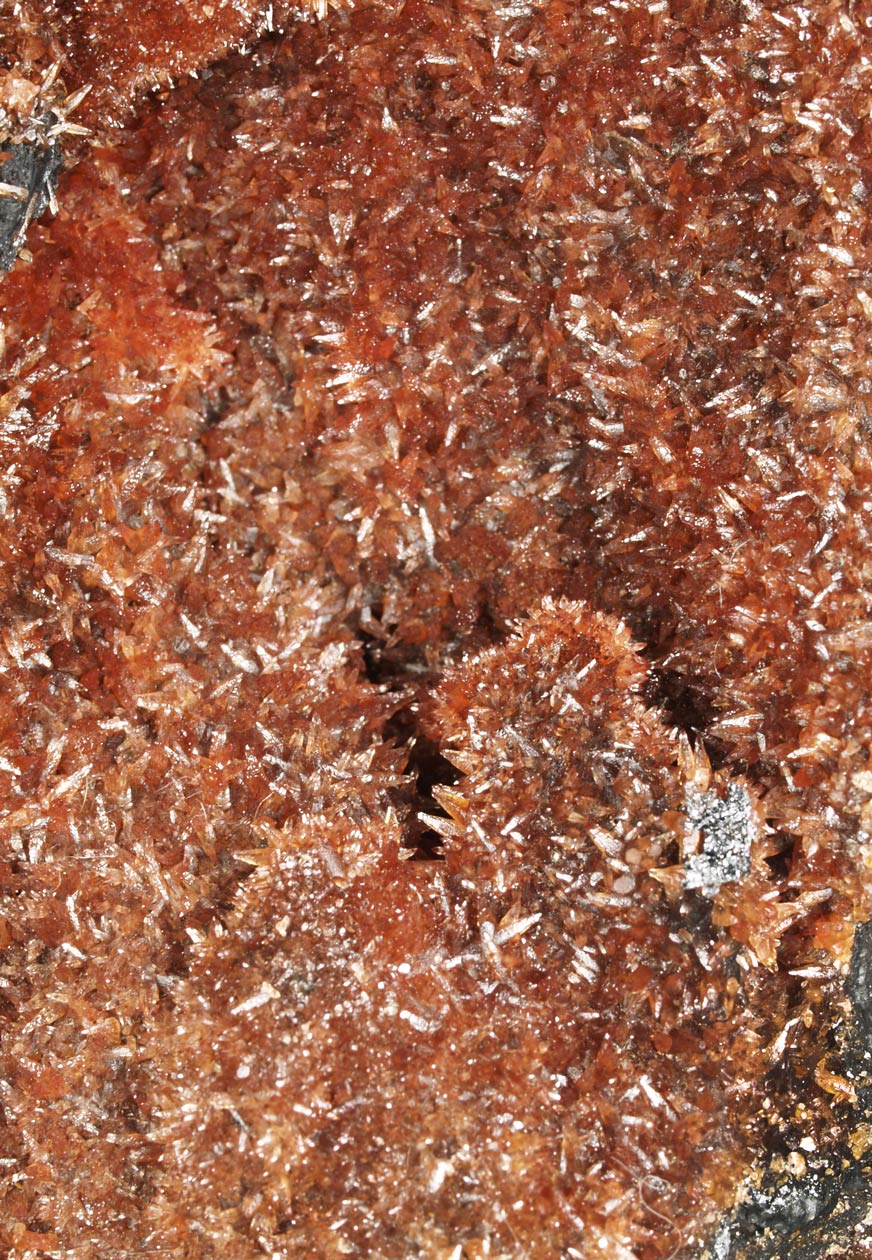
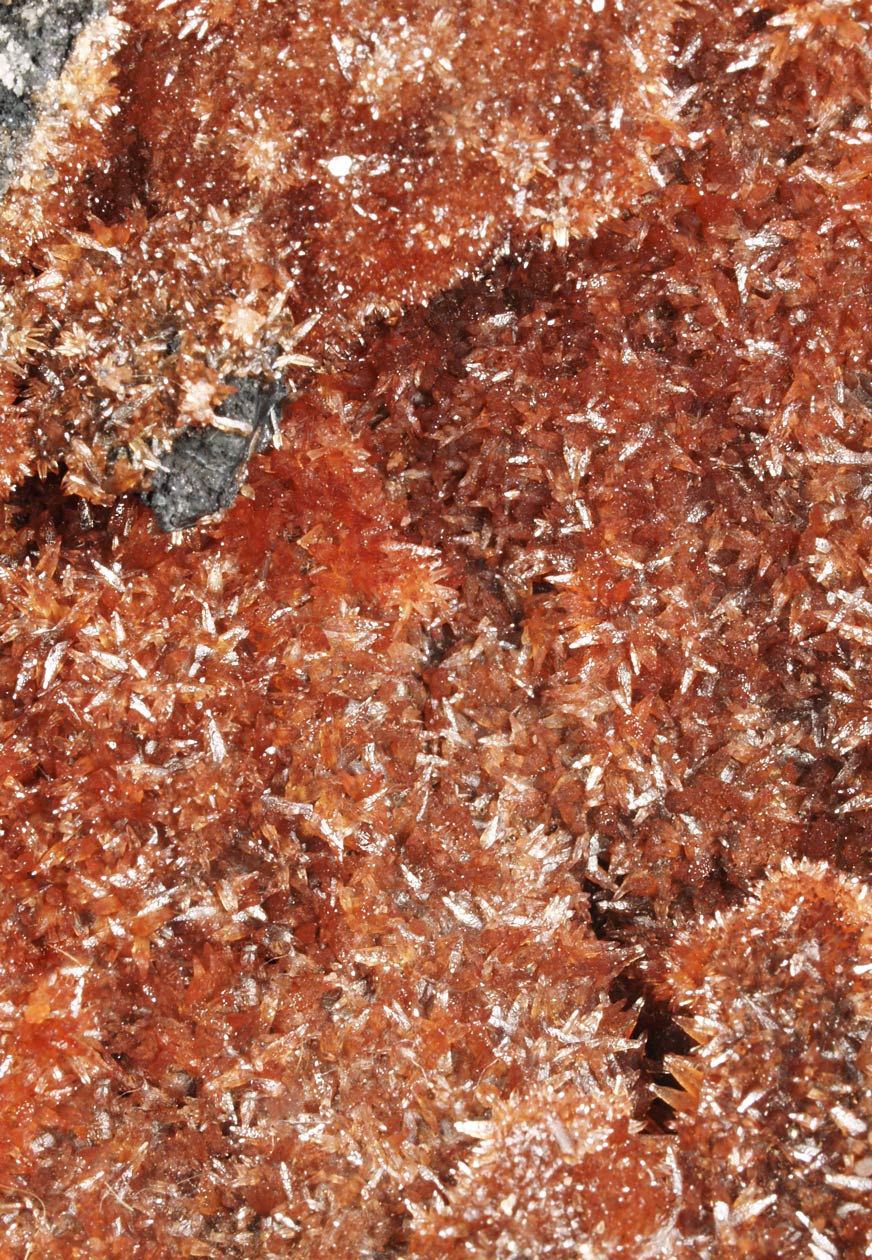
Drusa de cristales escalenoédricos muy elonagados de rodocrosita, con terminaciones romboédricas, algunos biterminados. Tienen un color intenso, brillo, entre transparentes a translúcidos. En una matriz de óxidos de manganeso. Una localidad clásica, de la que actualmente es muy difícil obtener ejemplares de buen tamaño como este, que se extrajeron en los años 70 a 80 del siglo pasado. Con una etiqueta antigua.
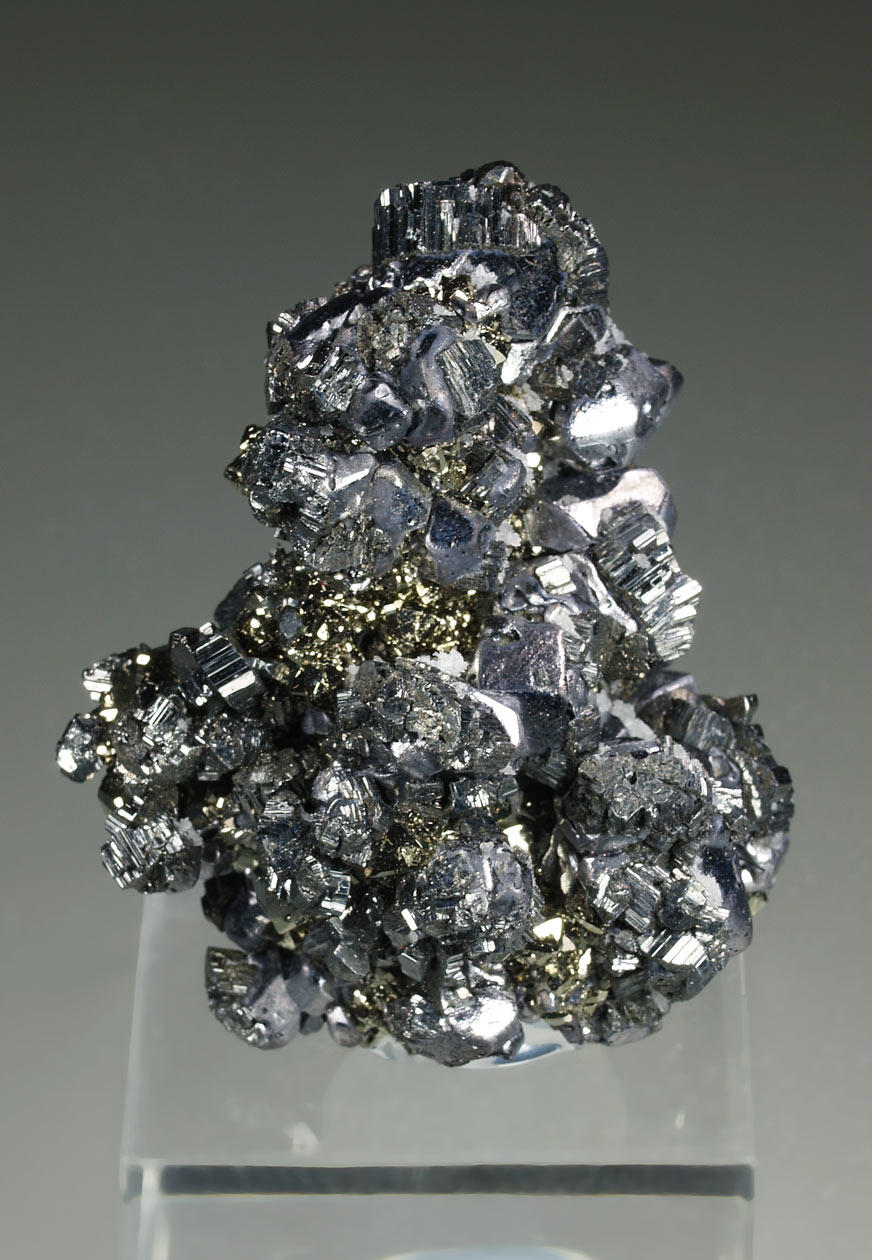
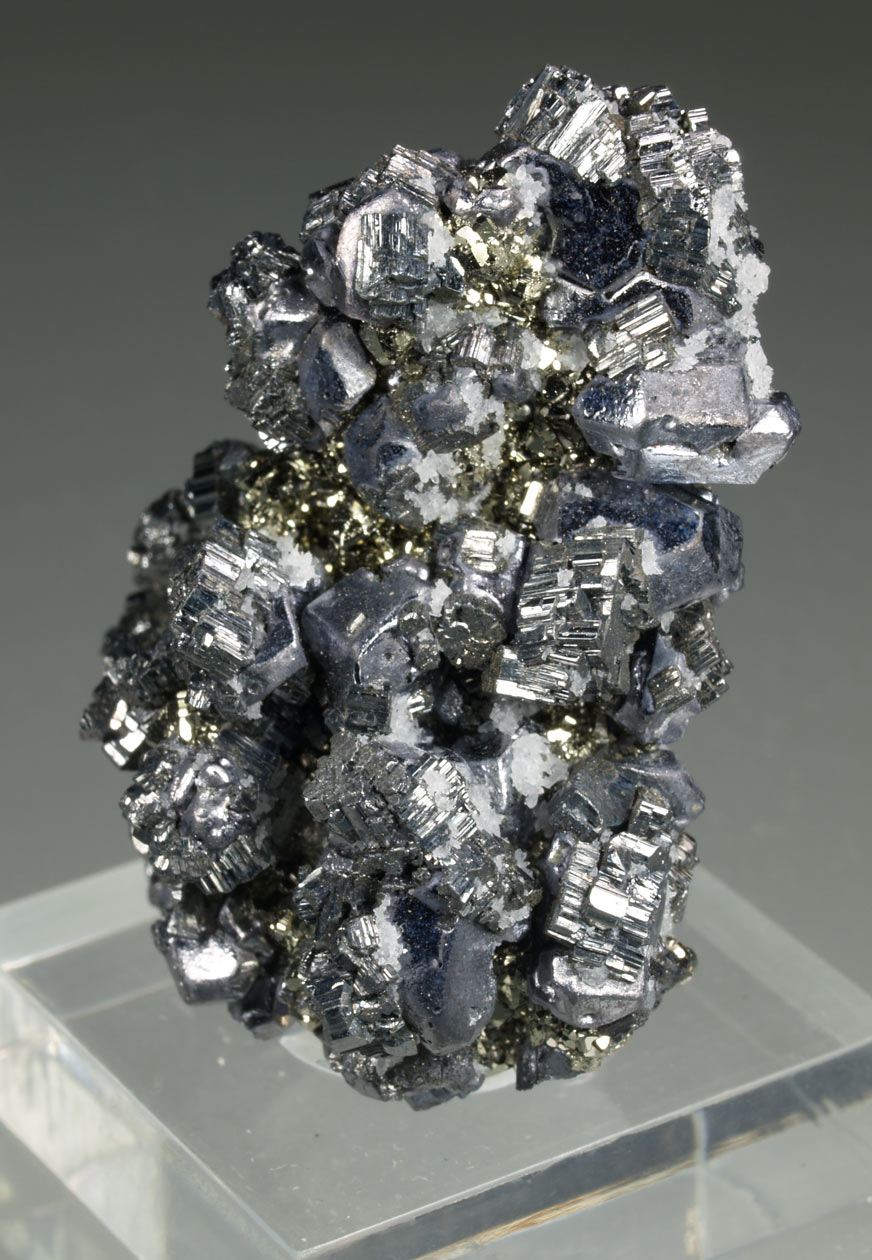
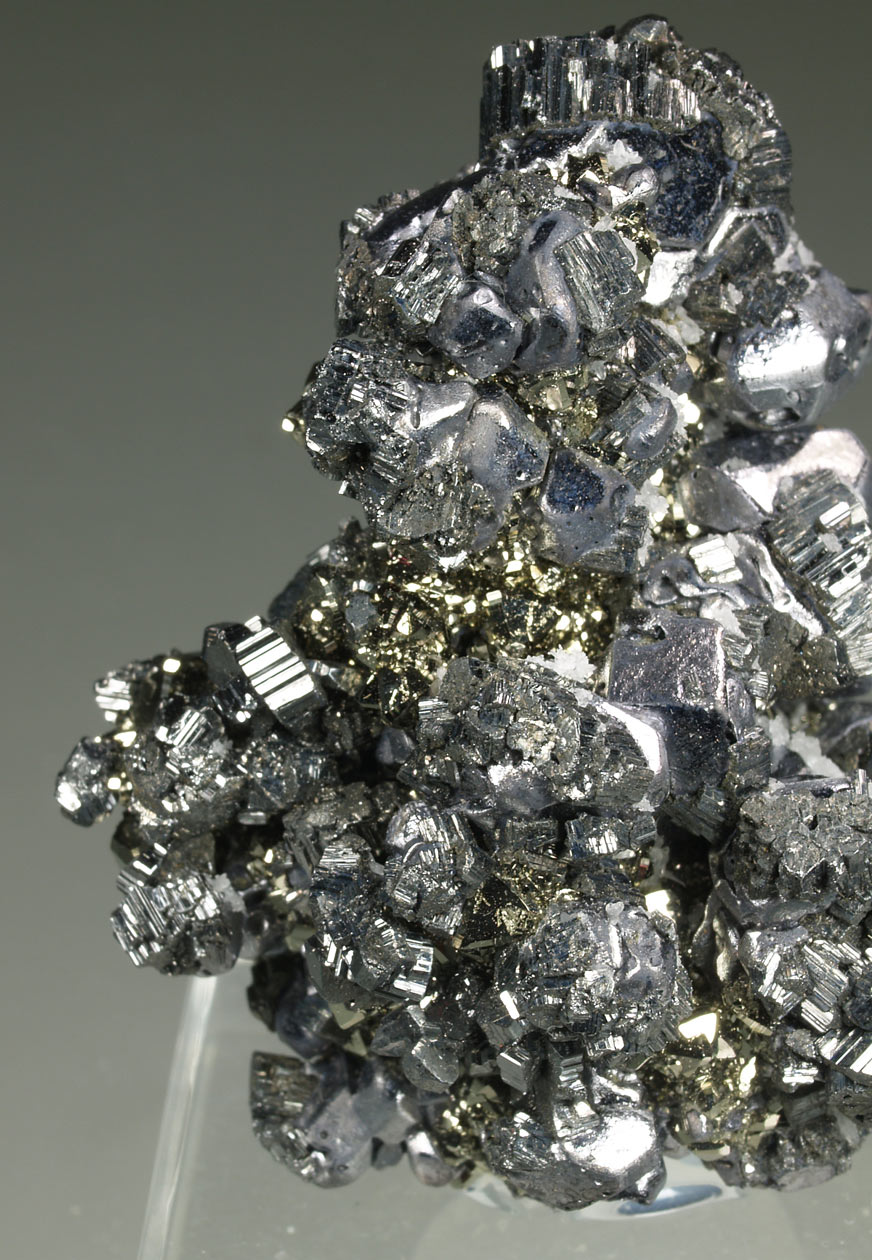
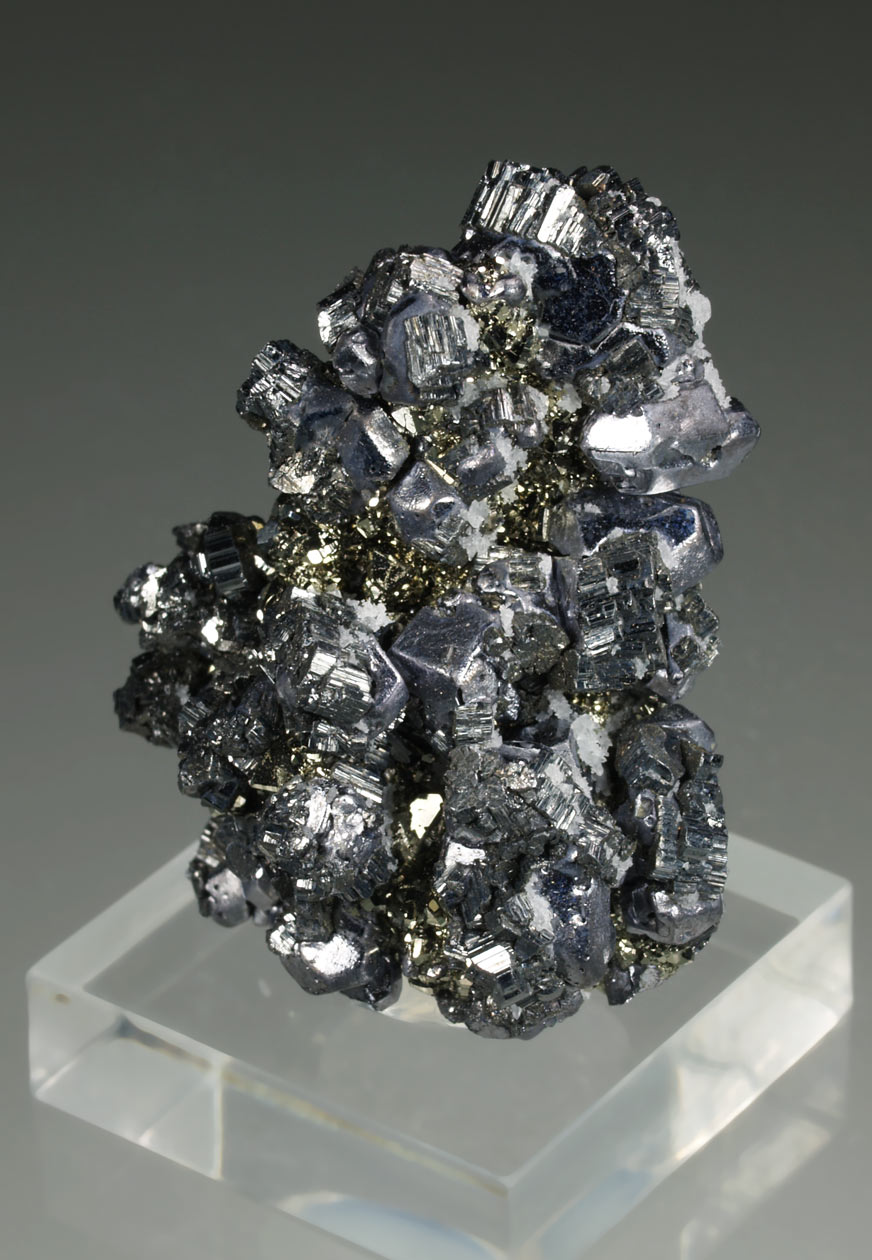
Ejemplar muy estético formado por numerosos cristales de bournonita, brillantes, definidos y maclados cíclicamente. Se acompañan de cristales de galena cubo-octaédricos con caras redondeadas y cristales brillantes de pirita.
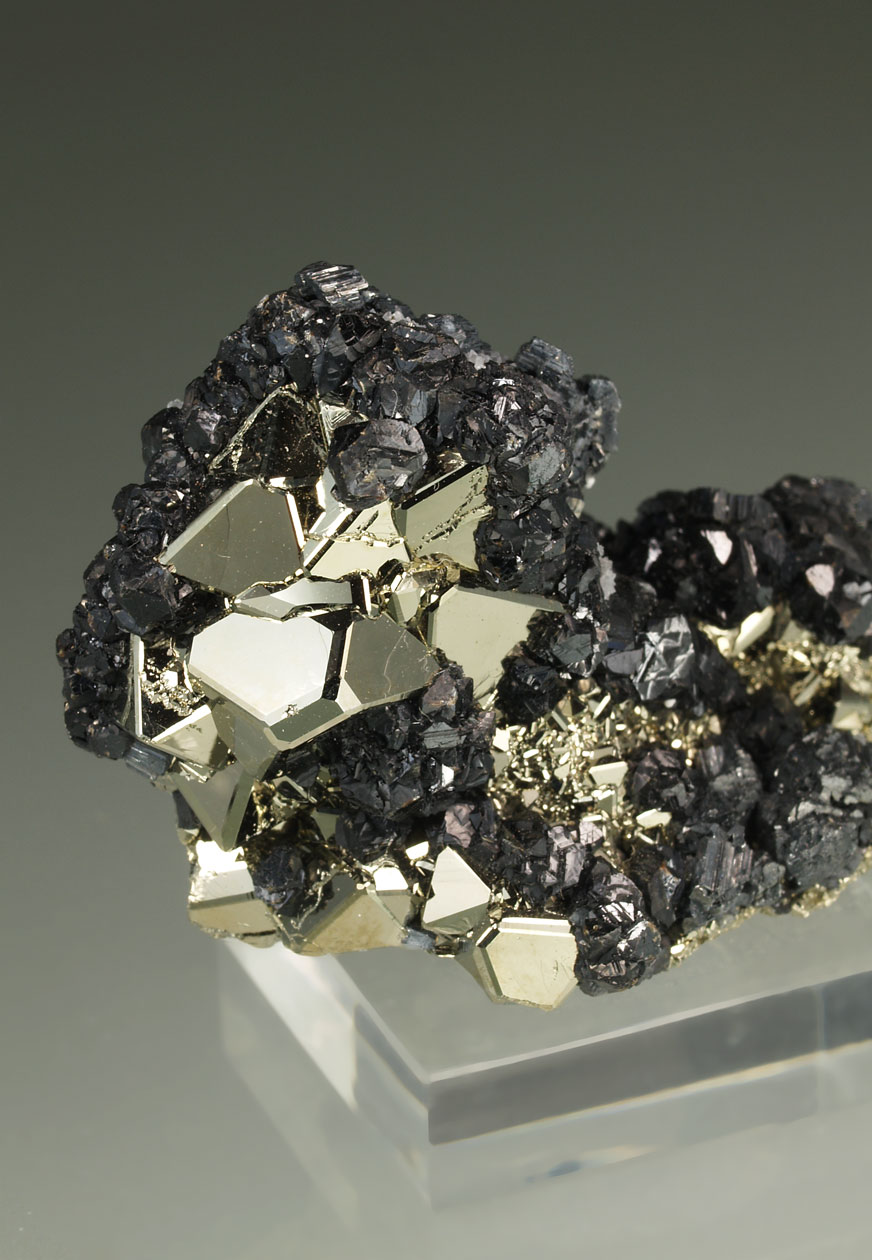
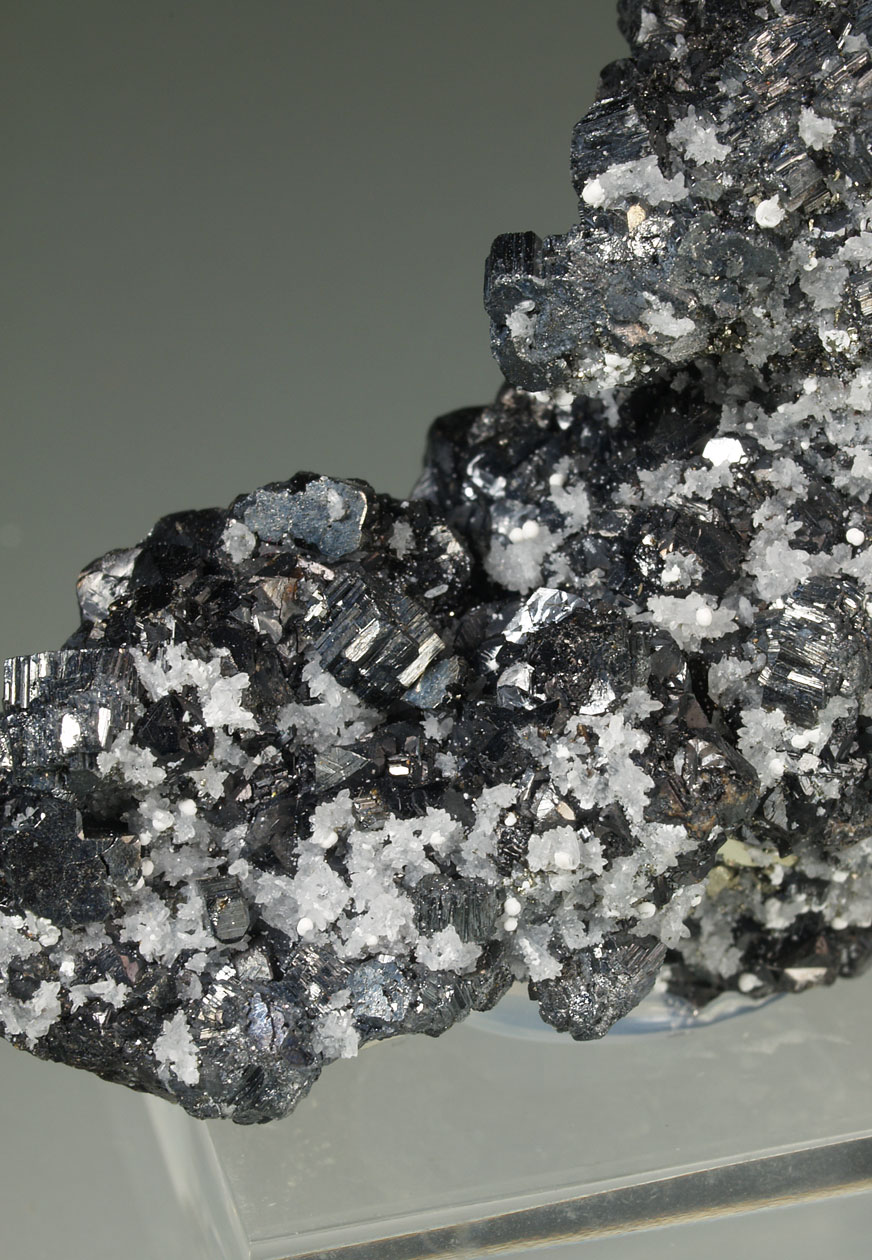
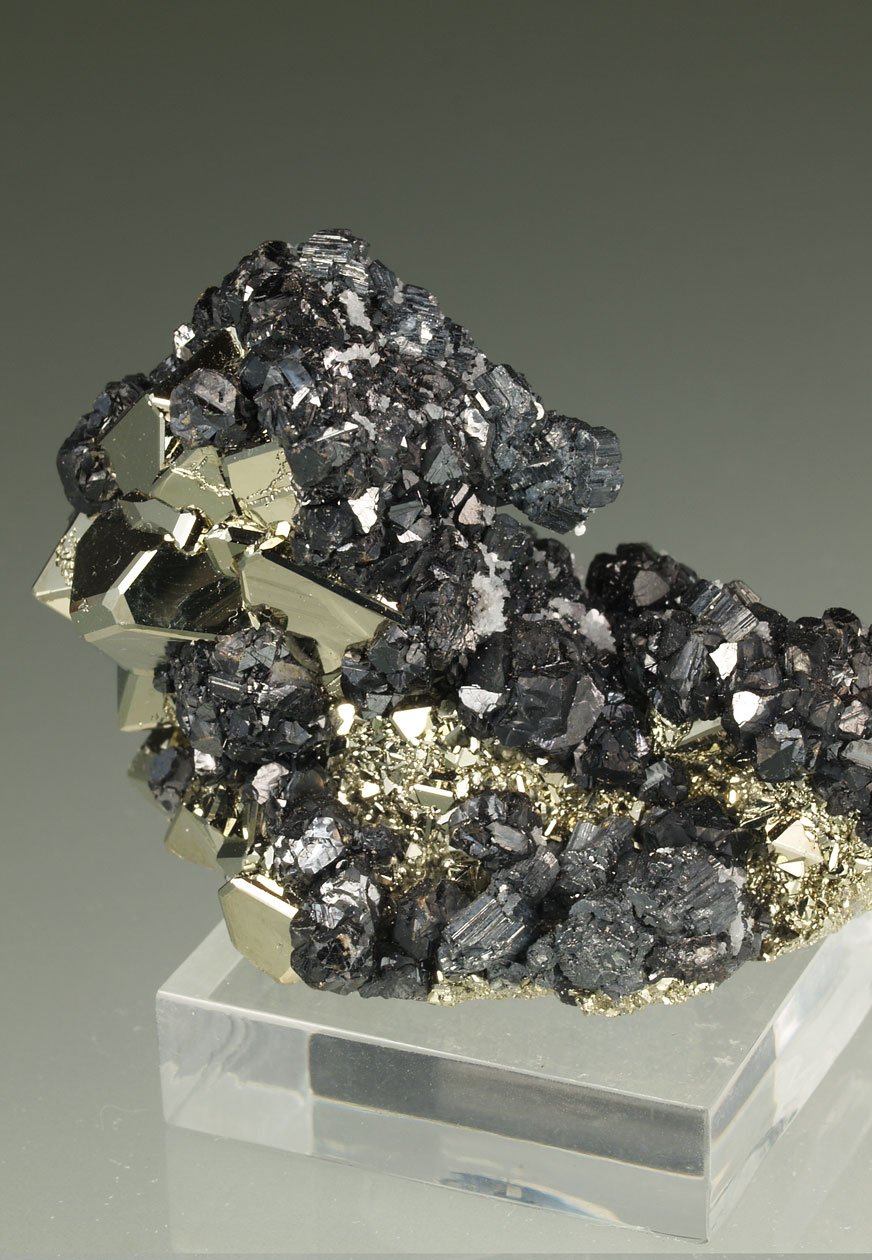
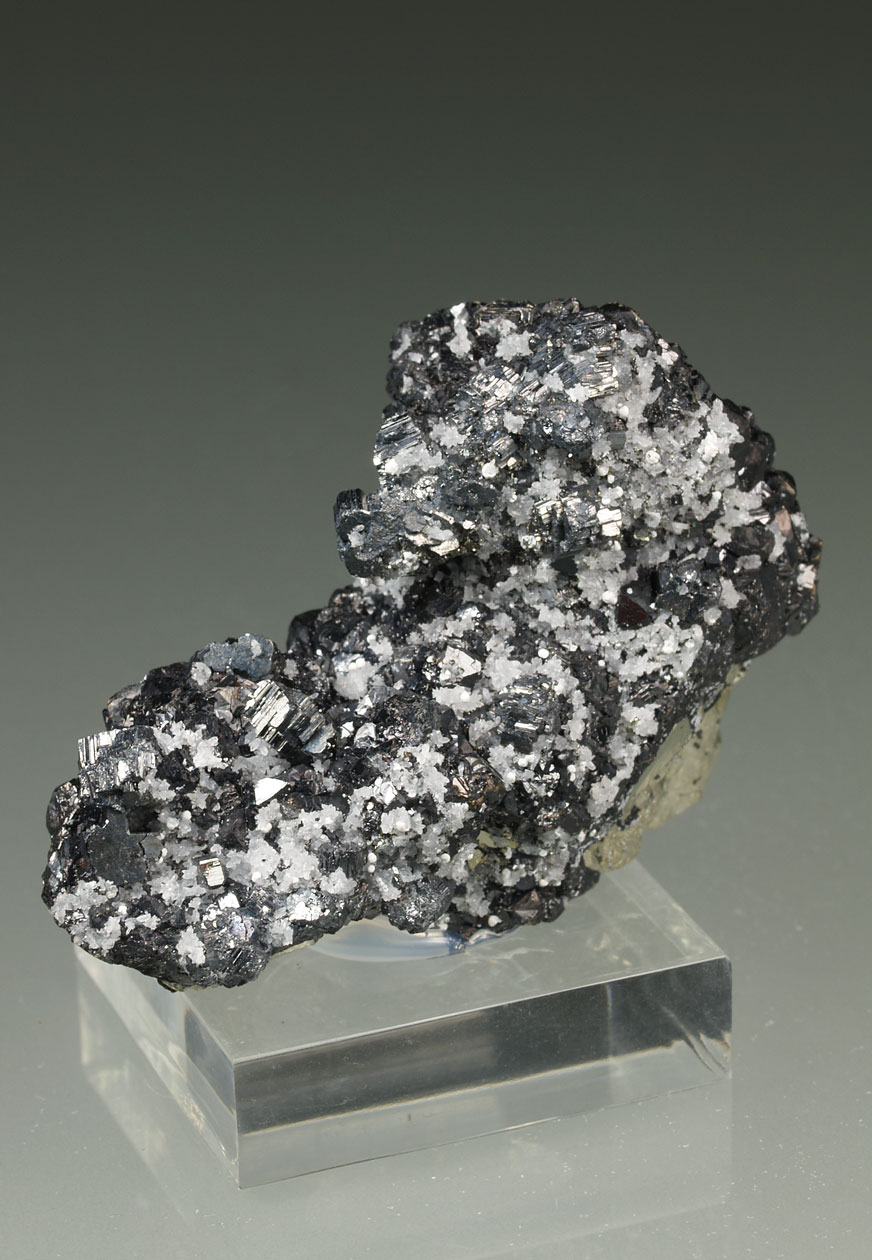
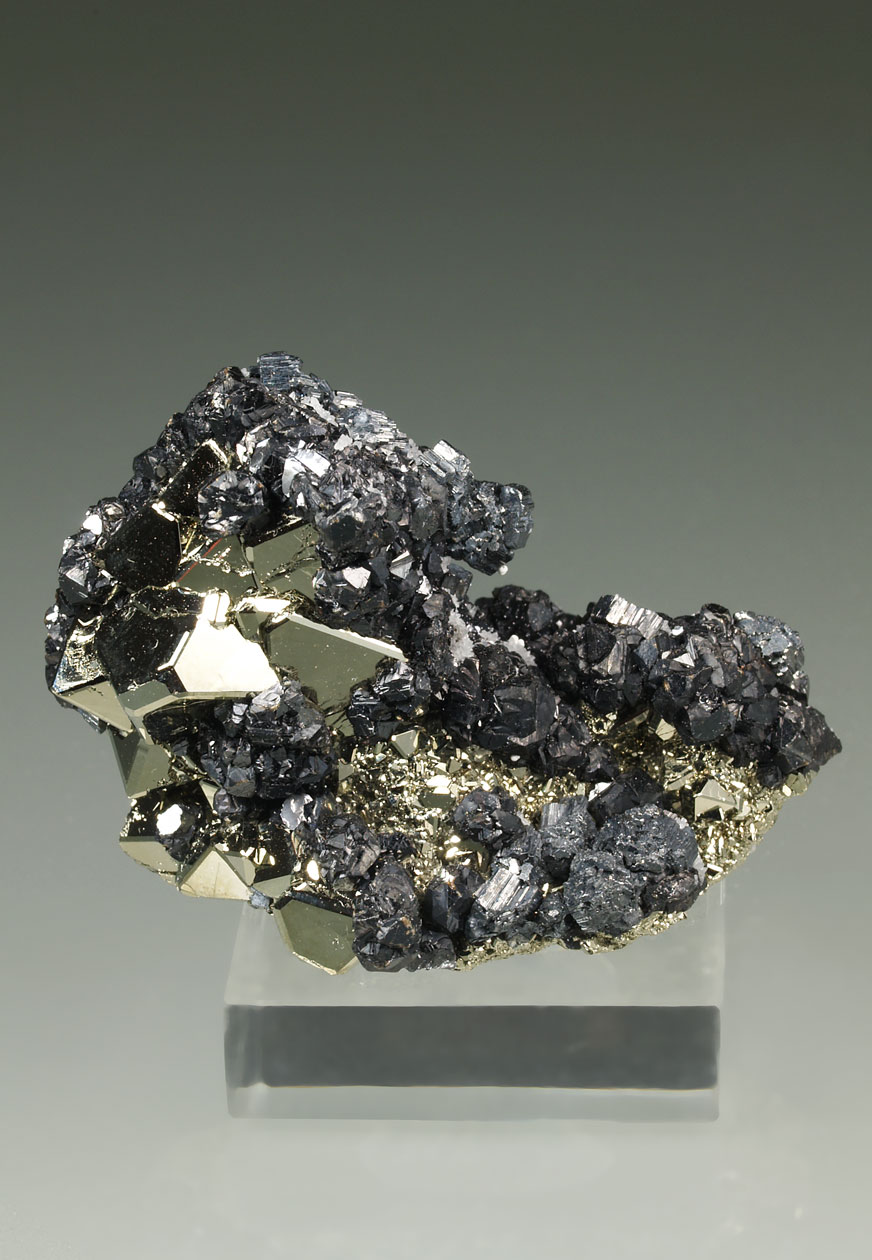
En una matriz de cristales octaédricos de pirita, muy brillantes y facetados, se disponen diversos grupos de cristales de esfalerita sobre los que destacan las maclas cíclicas de bournonita. Se acompañan de pequeños cristales de cuarzo y glóbulos de hidrozincita. Una pieza muy estética.
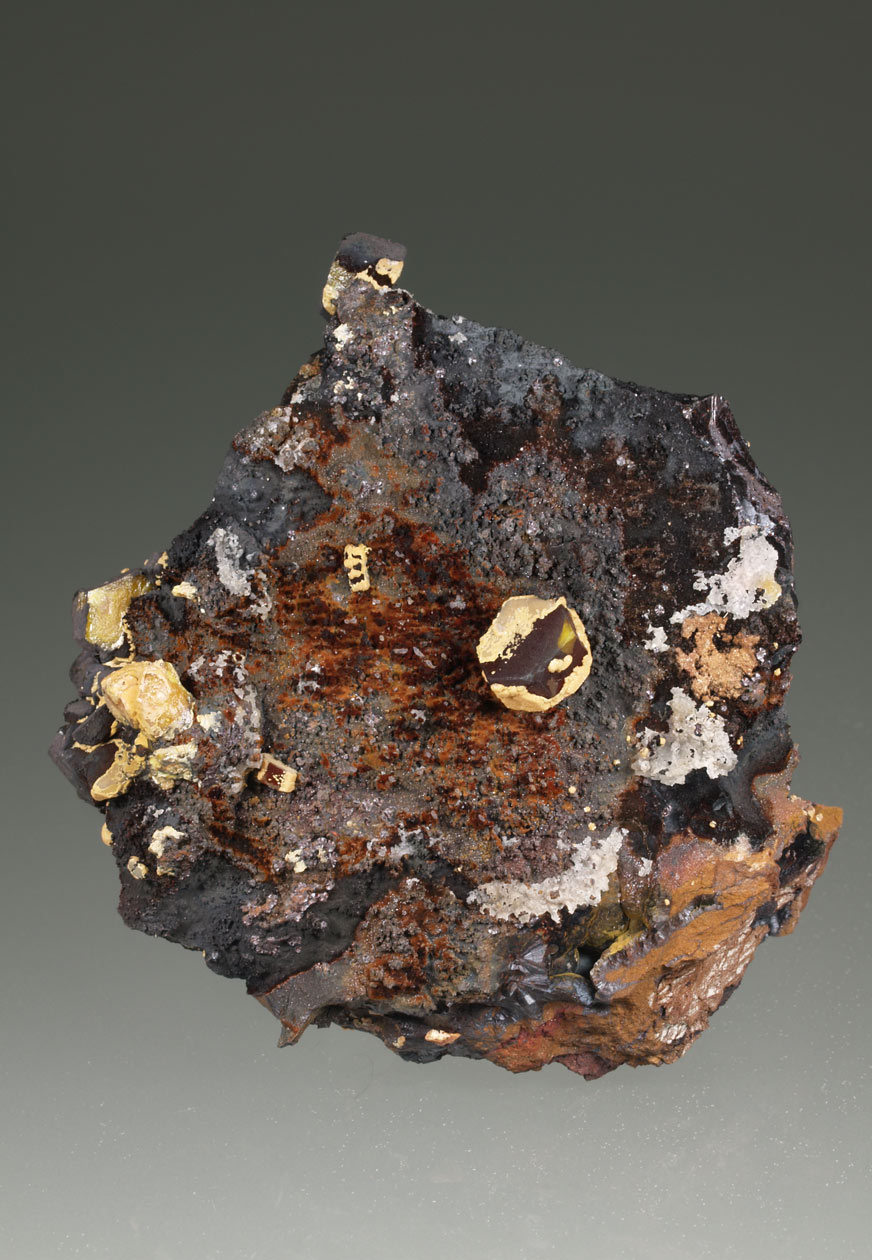
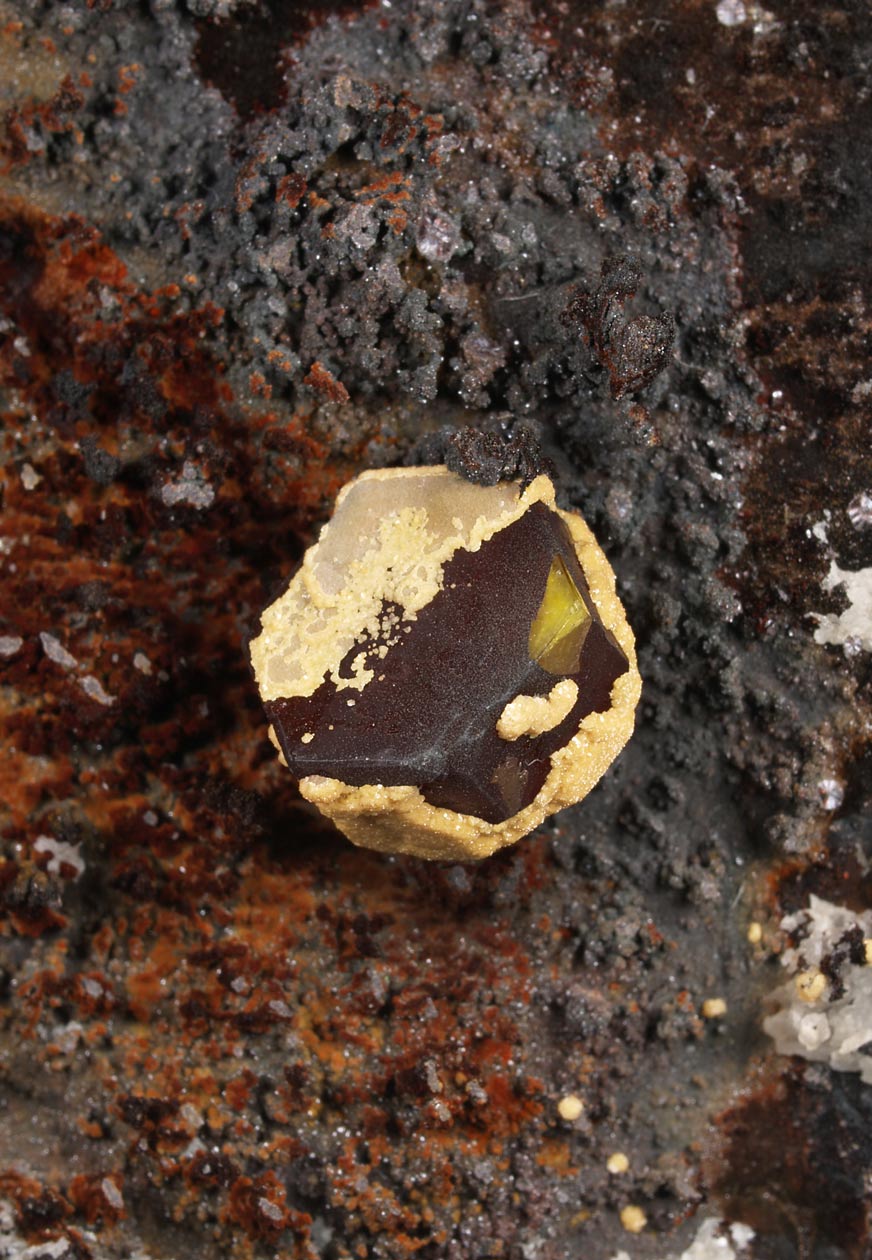
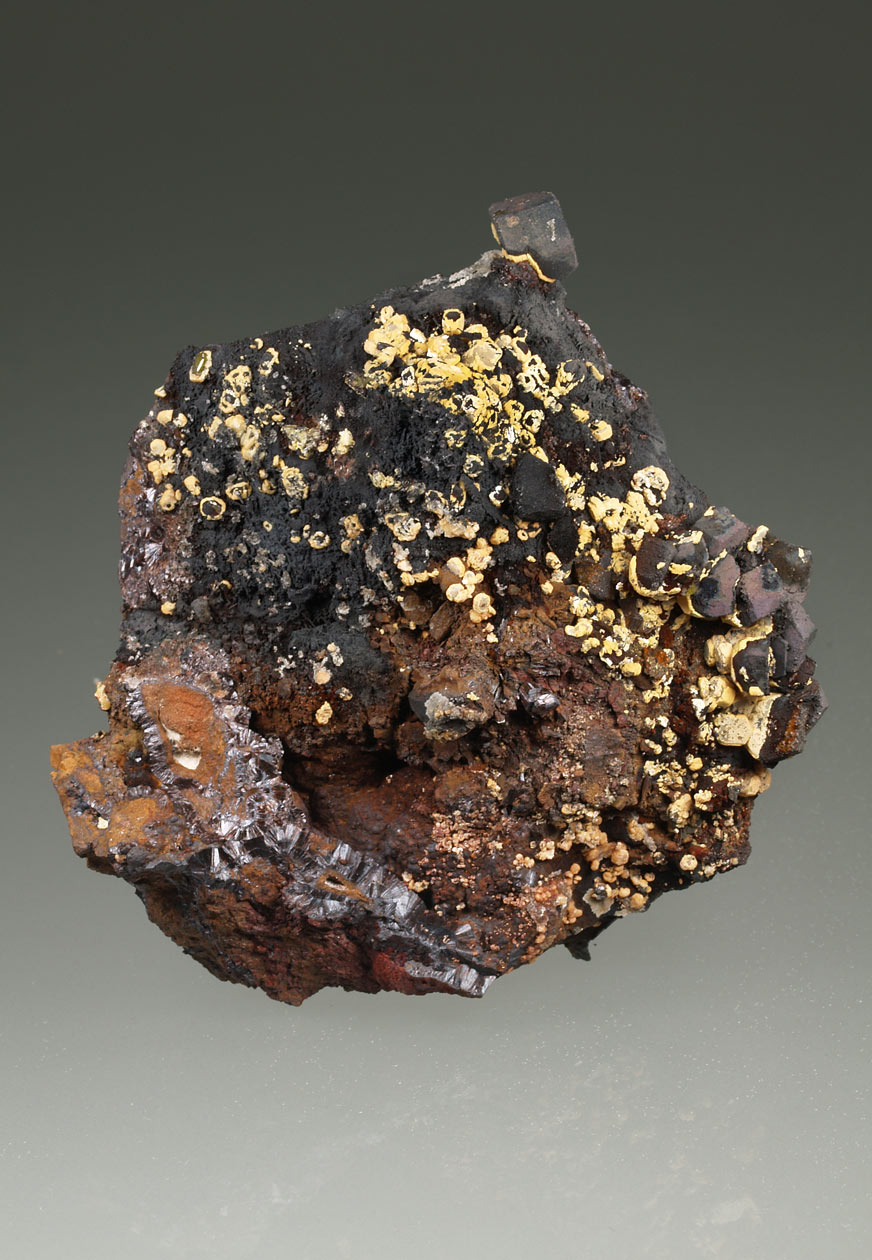
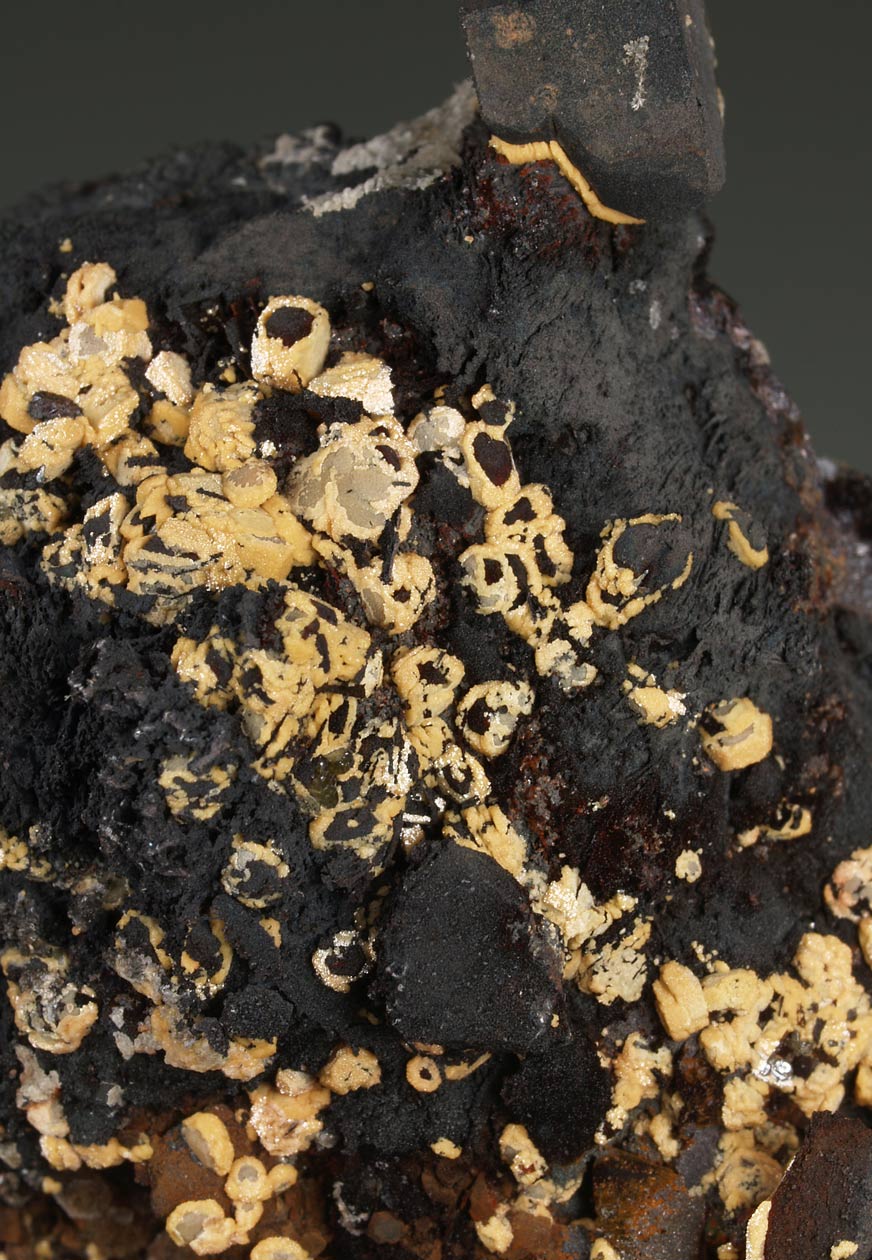
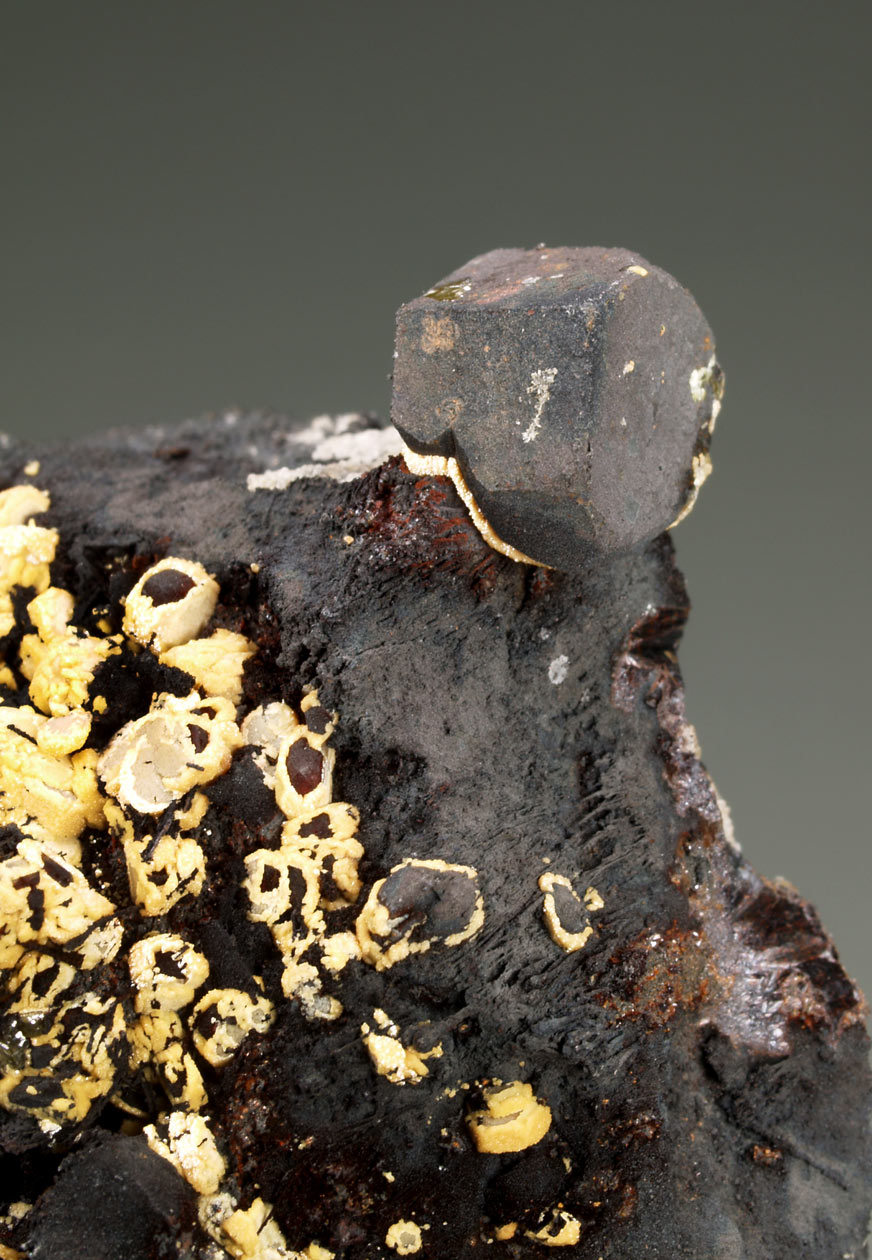
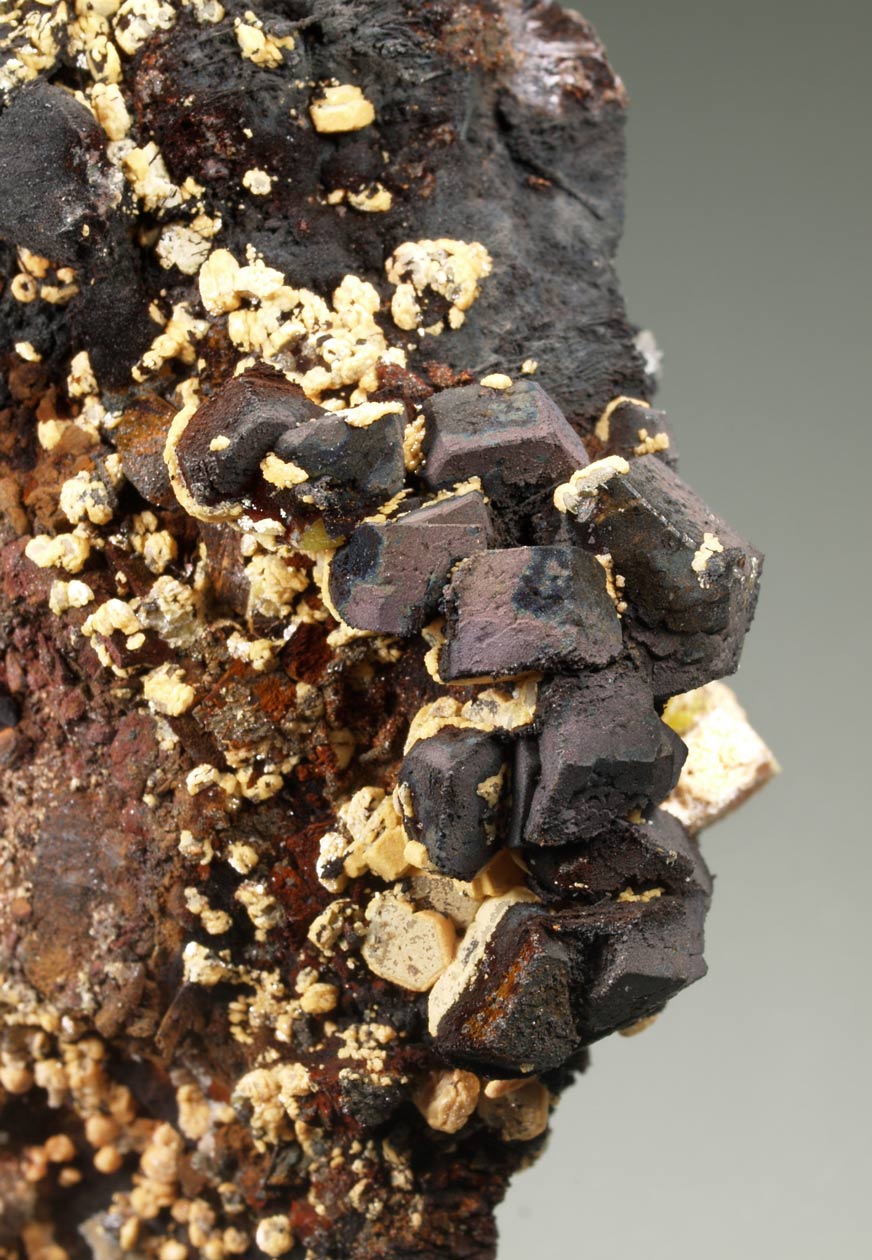
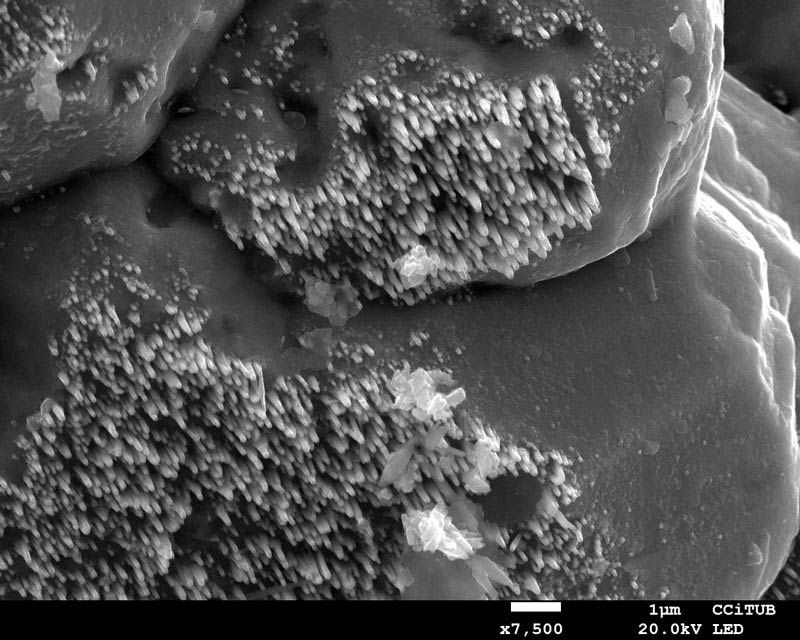
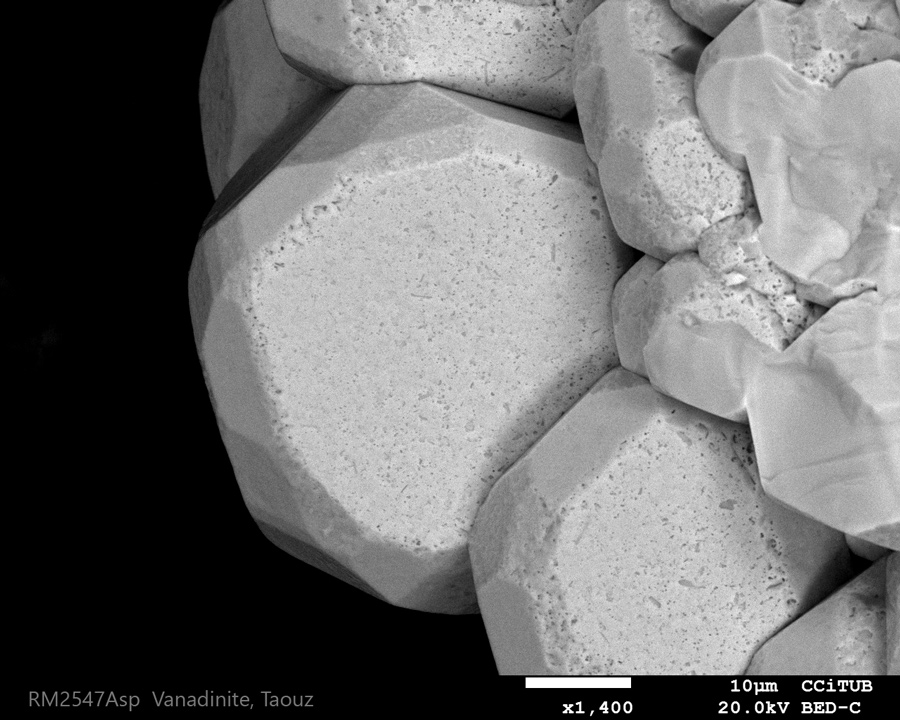
Curiosos ejemplares de vanadinita que nos muestran cristales prismáticos hexagonales de color amarillo, ligeramente anaranjados, sobre los que se ha depositado una fina capa de goethita y, a la vez, sobre esta otra generación de vanadinita y piromorfita rica en calcio (fosfohedifana), tal como demuestran los análisis adjuntos que mandaremos al comprador de la misma. Se disponen en una matriz de goethita. Muy interesantes y diferentes. Ver la imagen SEM de los cristales de segunda generación con una riqueza de facetas inusitada...
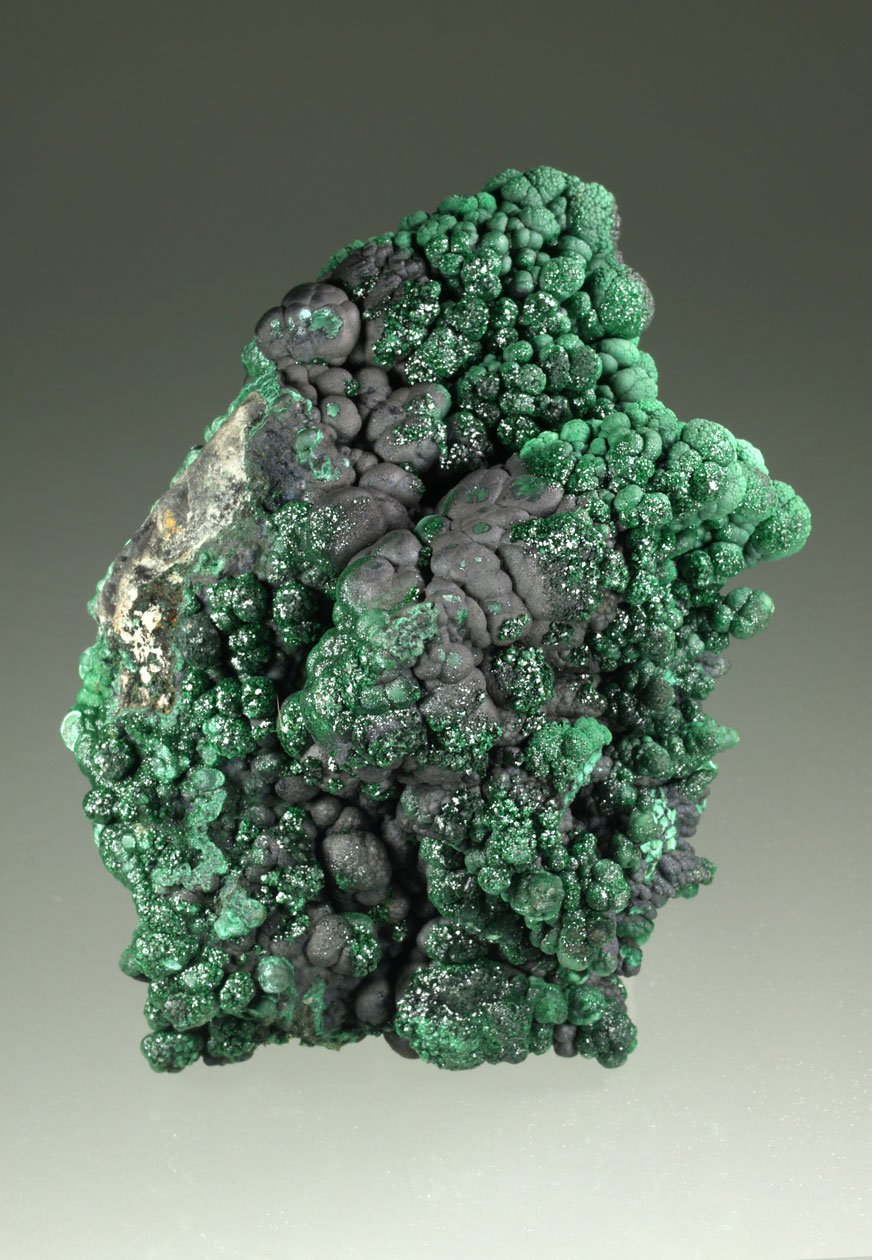
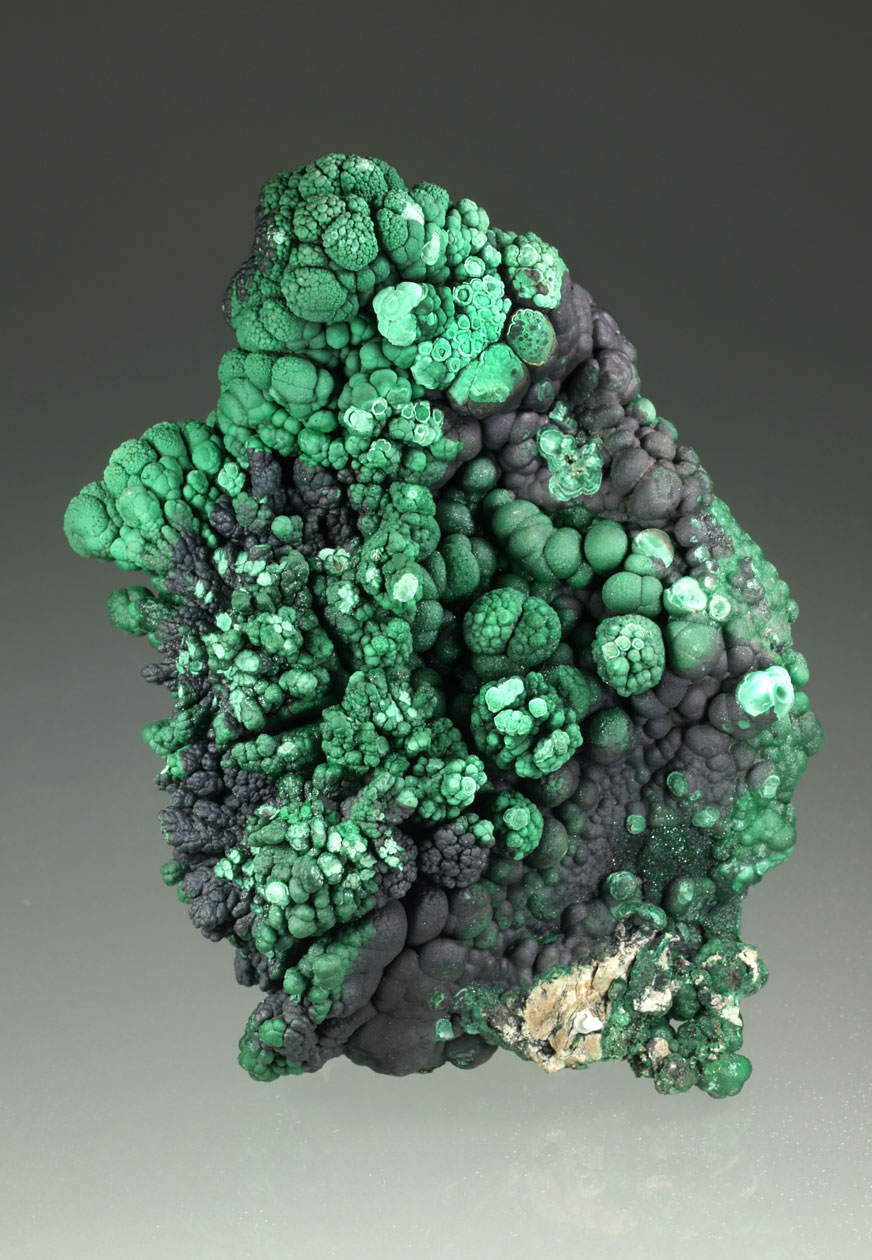
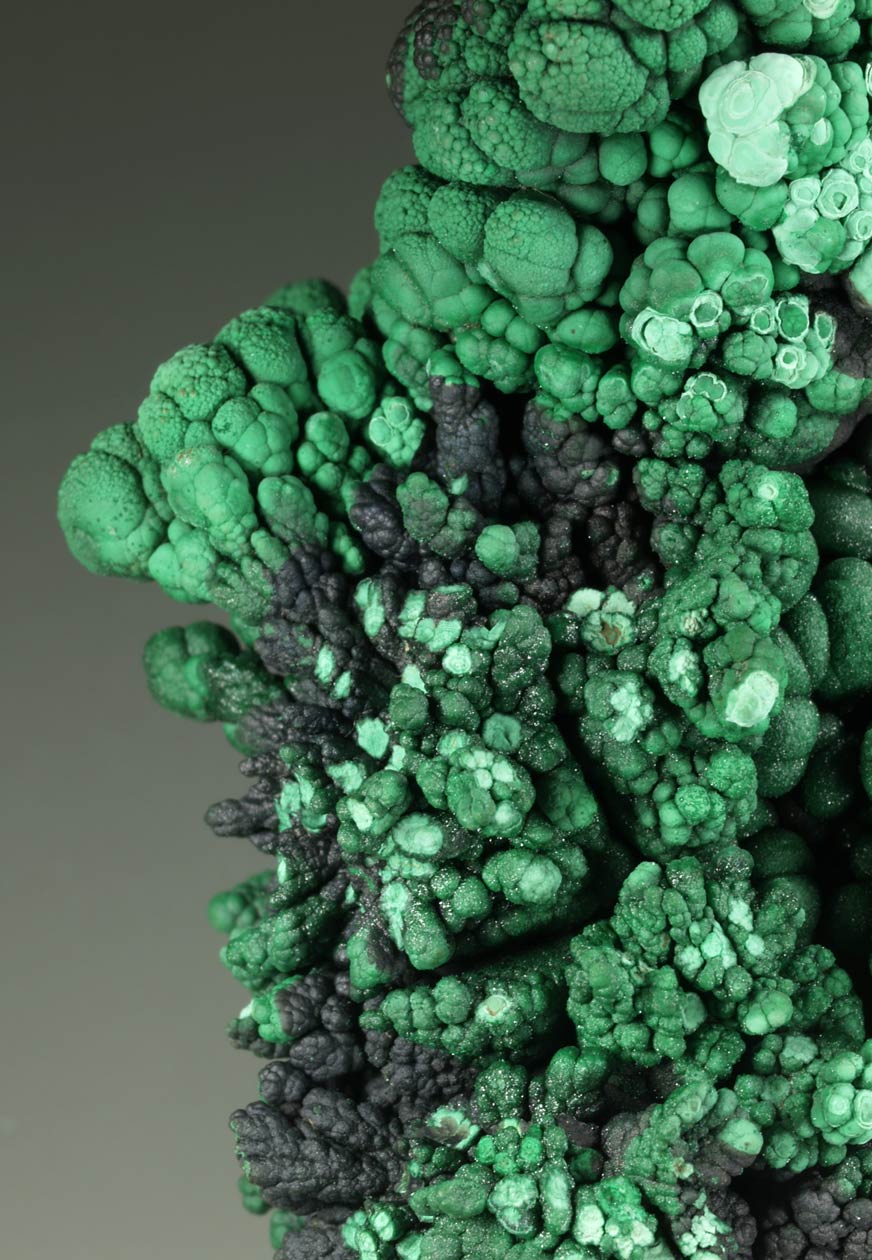
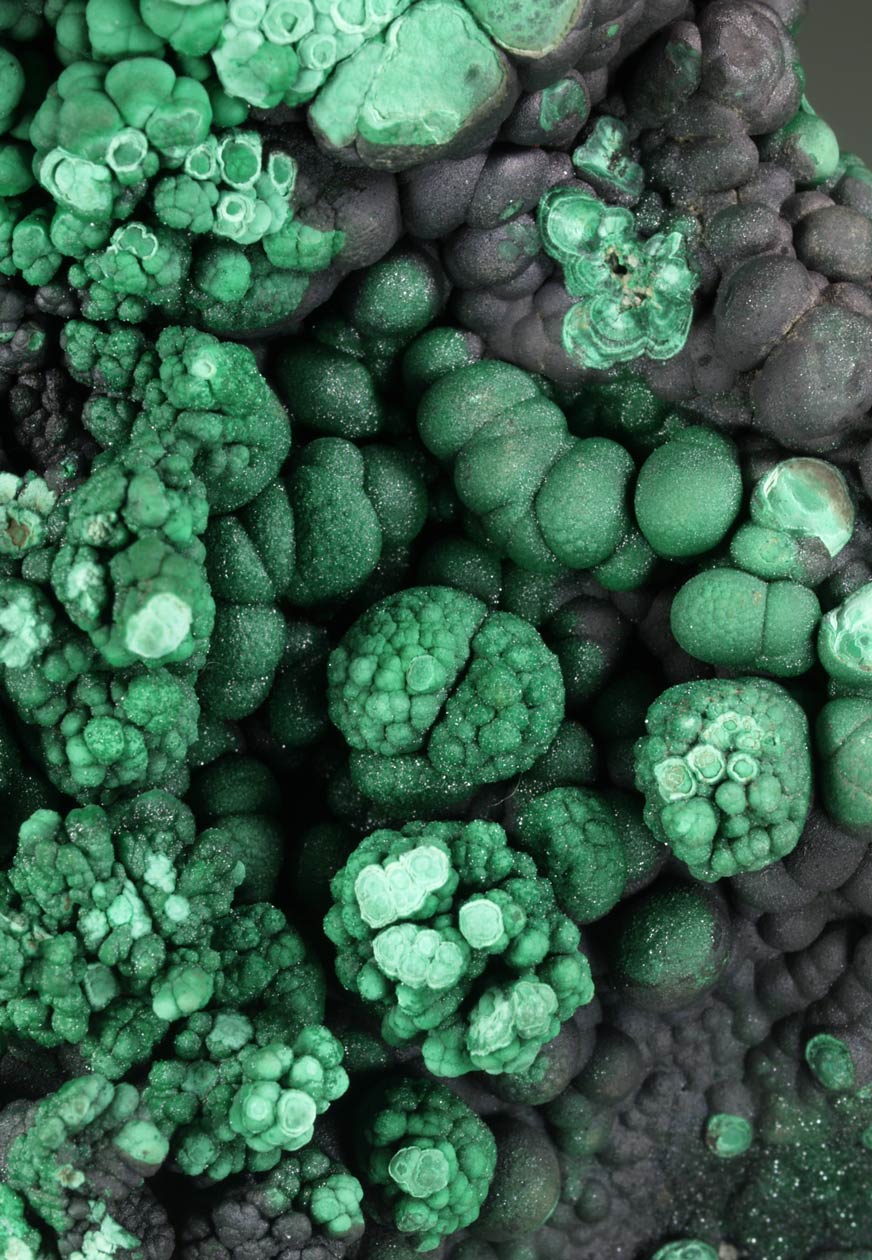
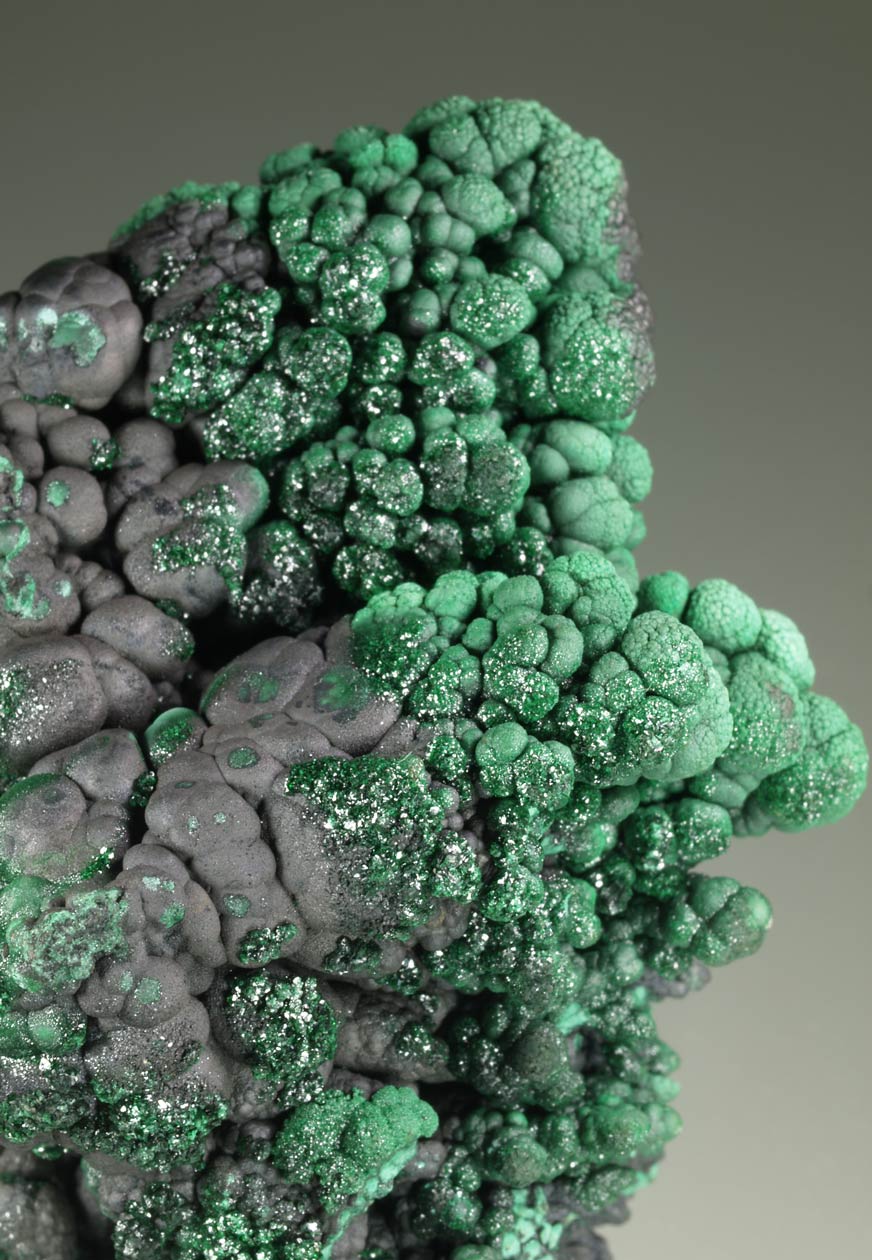
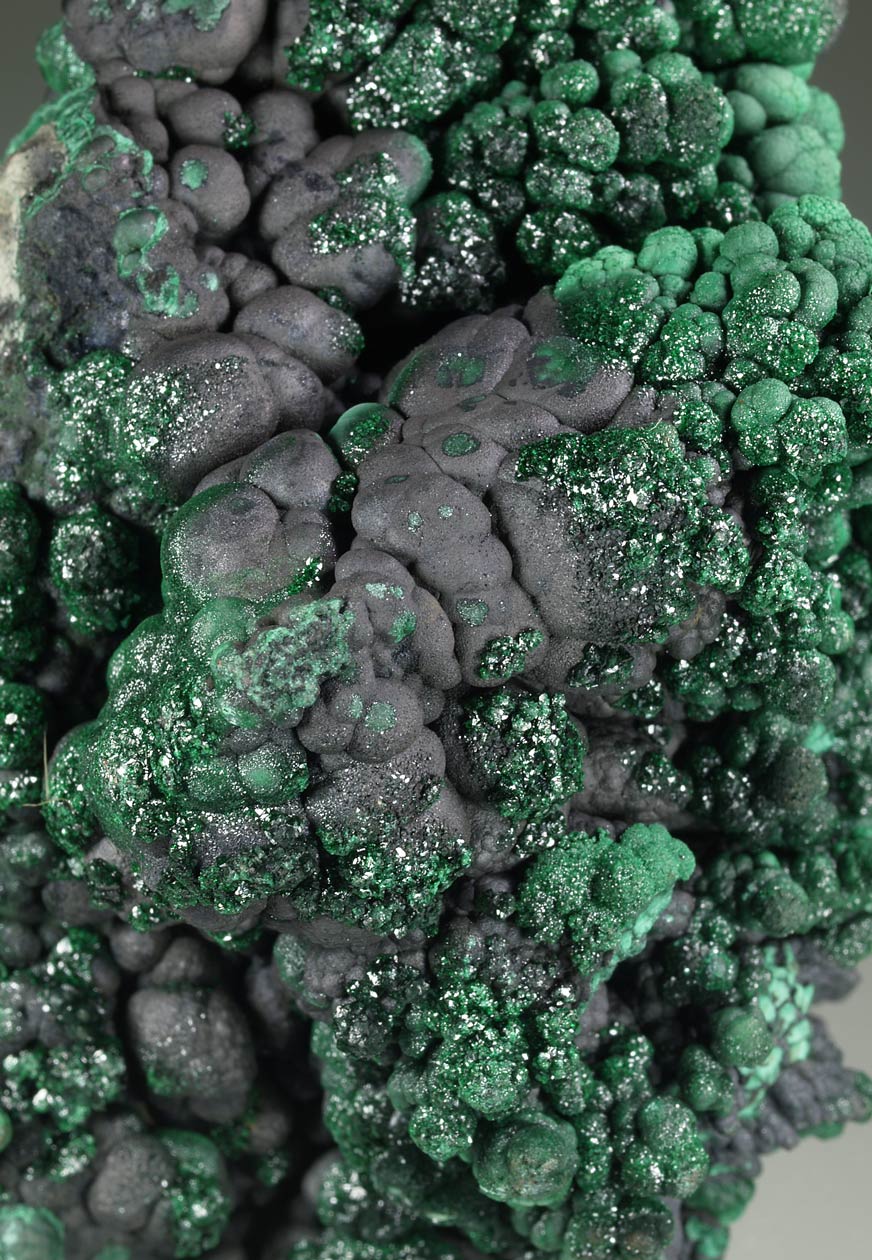
Muy estético ejemplar que nos muestra diversos agregados globulares de malaquita, muy brillantes y de intenso color verde. Otros presentan agregados botroidales a estalactíticos aterciopelados. Si se observa bajo la lupa podemos ver que son pequeños cristales de este carbonato de cobre, transparentes y definidos. En una matriz de goethita. De esta localidad clásica localidad congoleña para la especie.
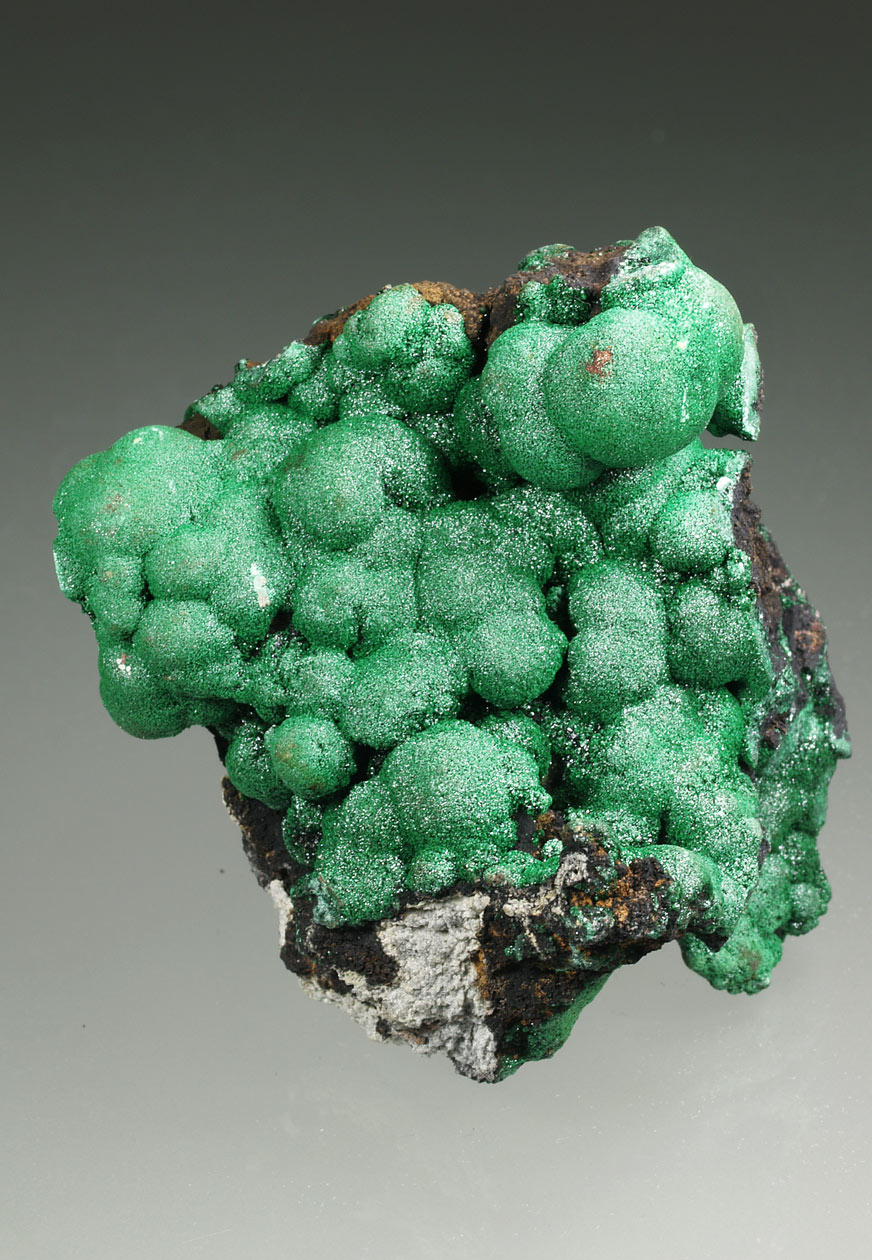
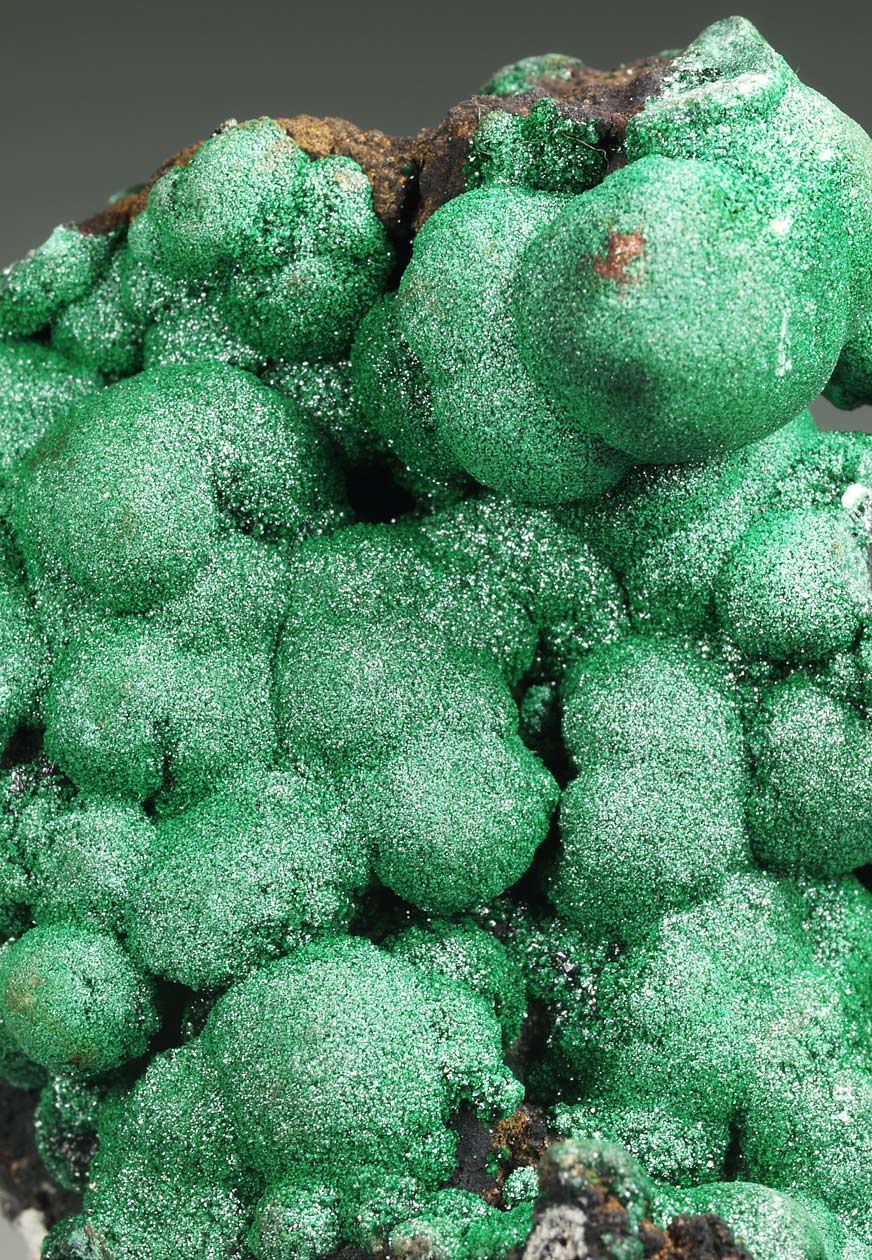
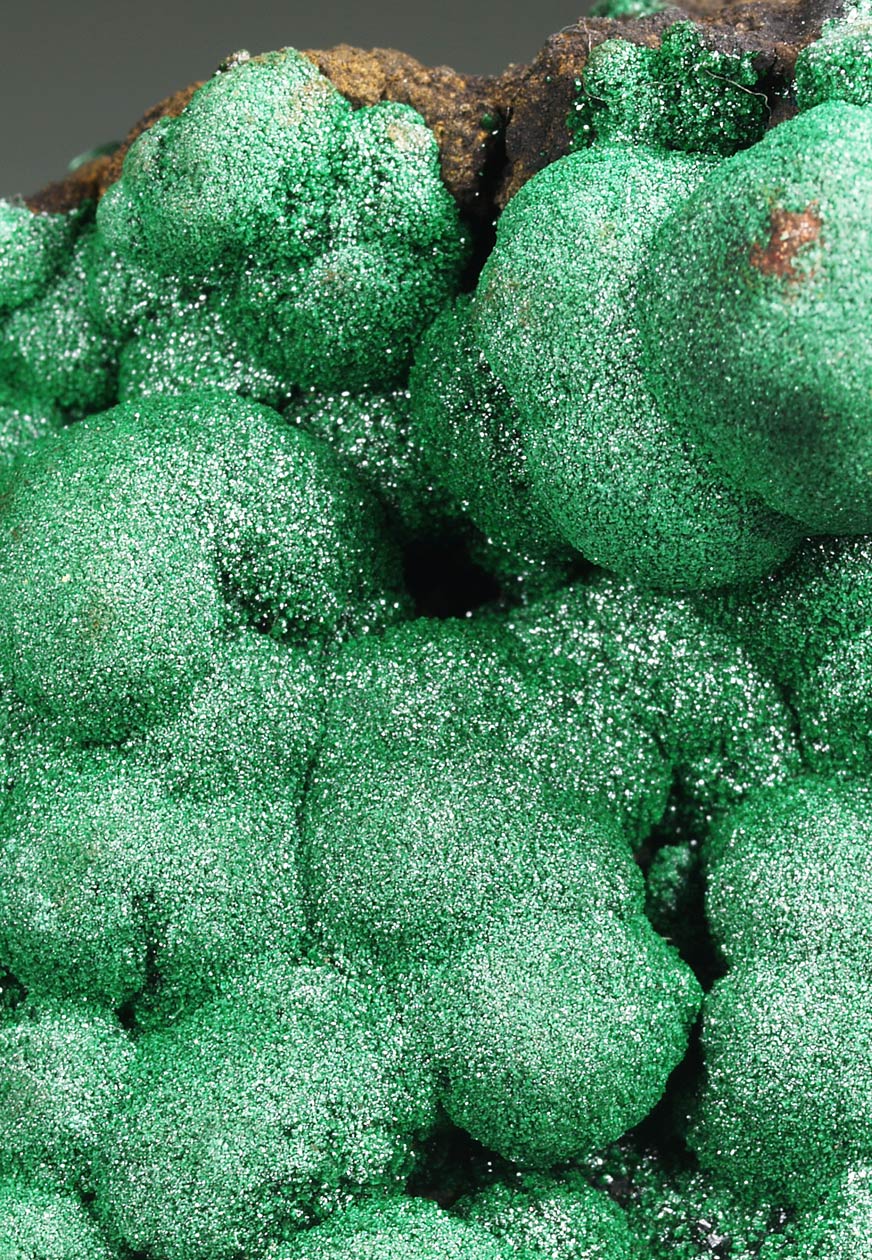
Muy estético ejemplar que nos muestra diversos agregados globulares de malaquita, muy brillantes y de intenso color verde. Si se observa bajo la lupa podemos ver que son pequeños cristales de este carbonato de cobre, transparentes y definidos. En una matriz de goethita. De esta localidad clásica localidad congoleña para la especie.
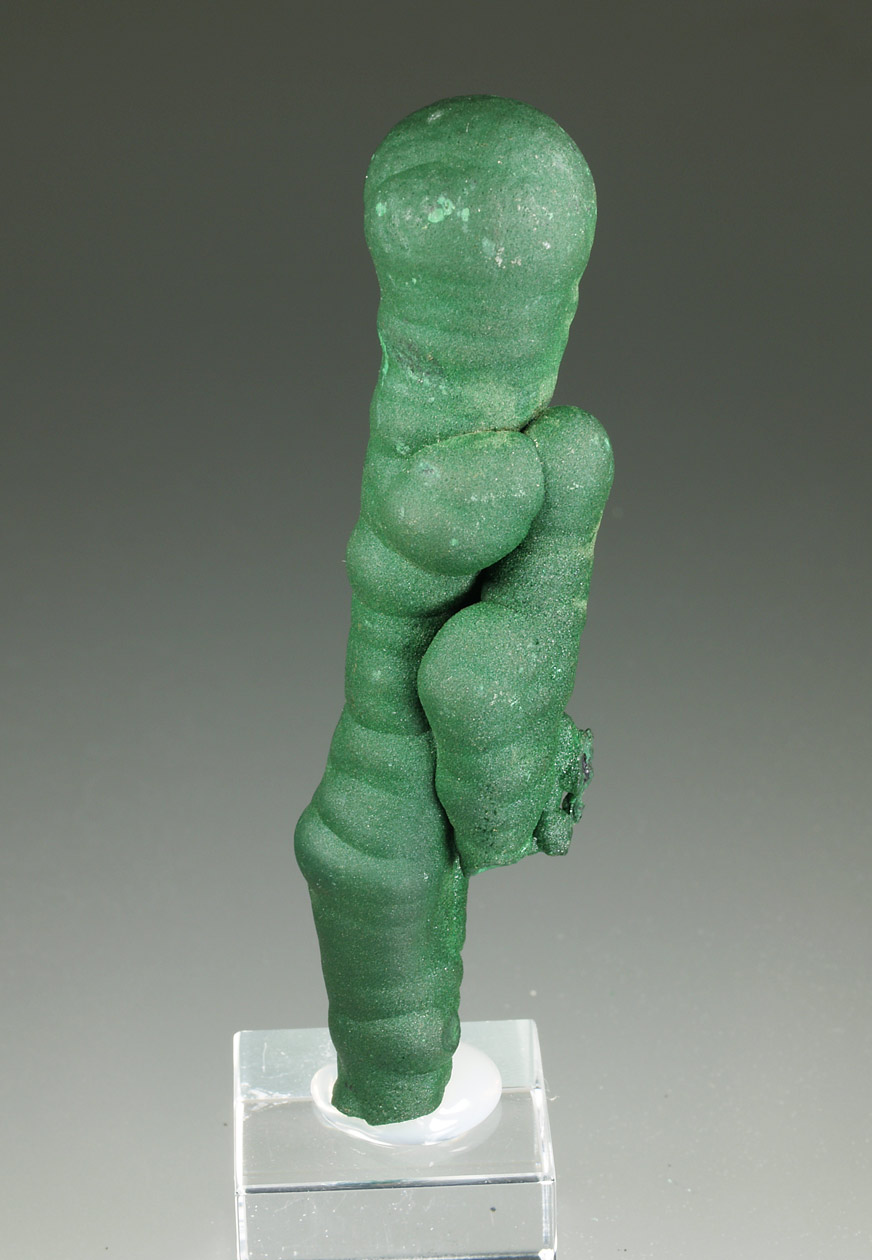
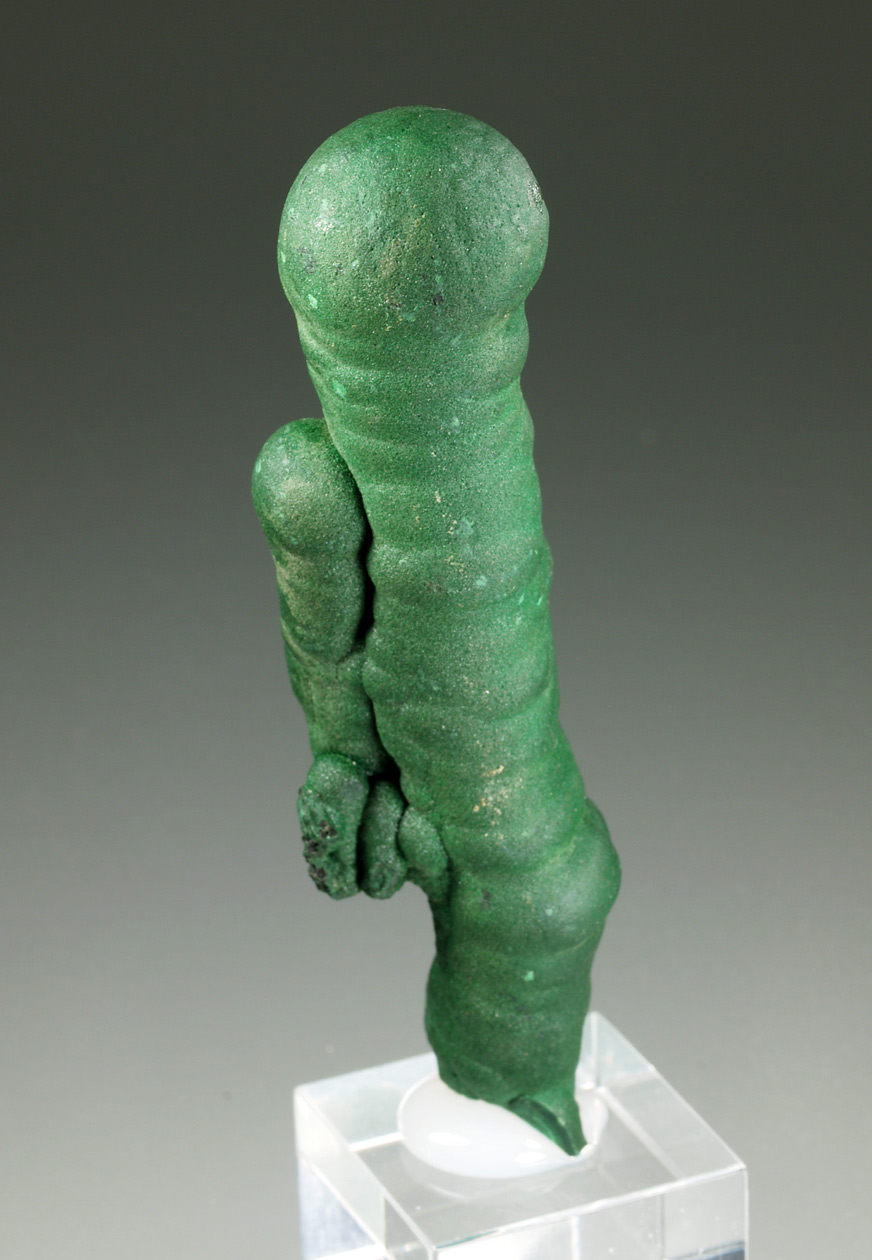
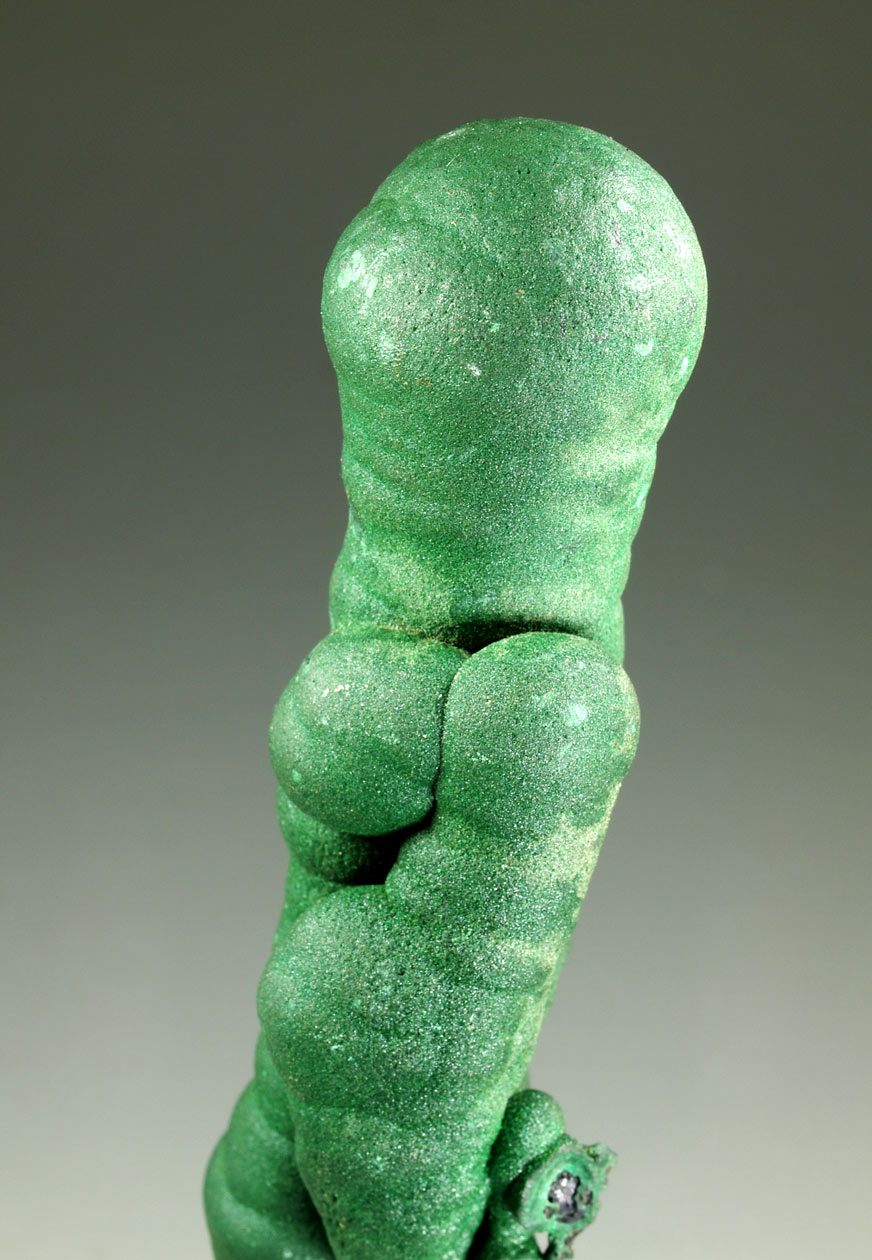
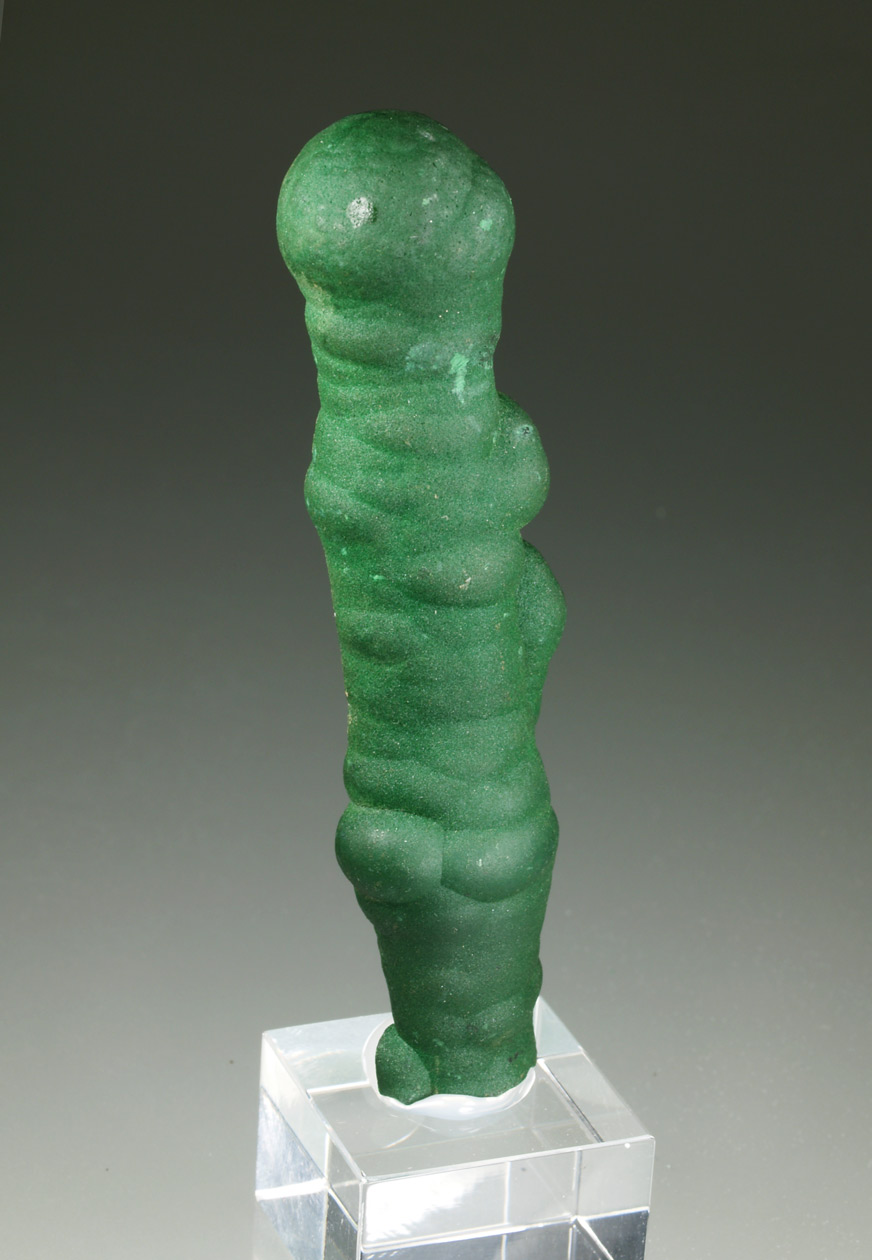
Estética estalactita de malaquita, de intenso color verde y una disposición muy aérea. Muy buen tamaño. De esta localidad clásica localidad congoleña para la especie.
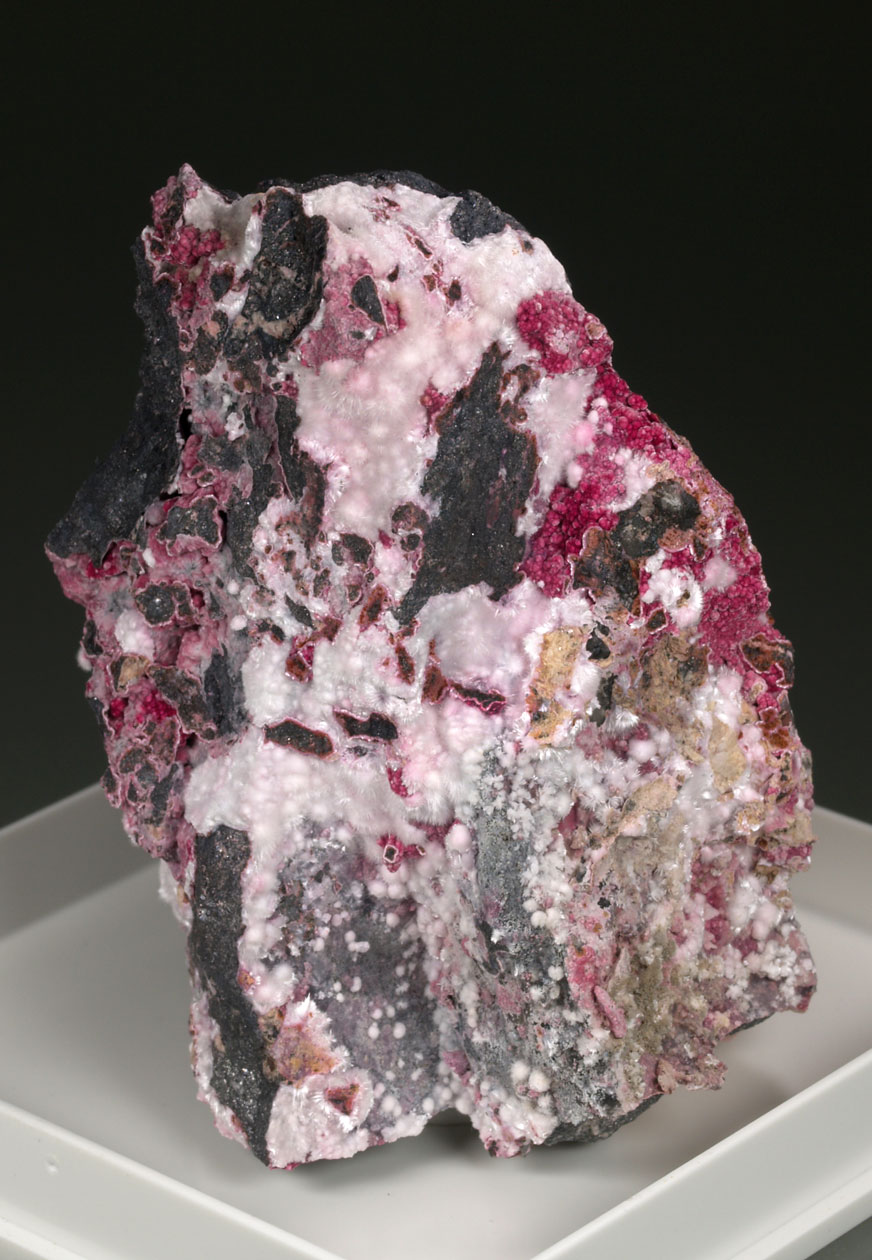
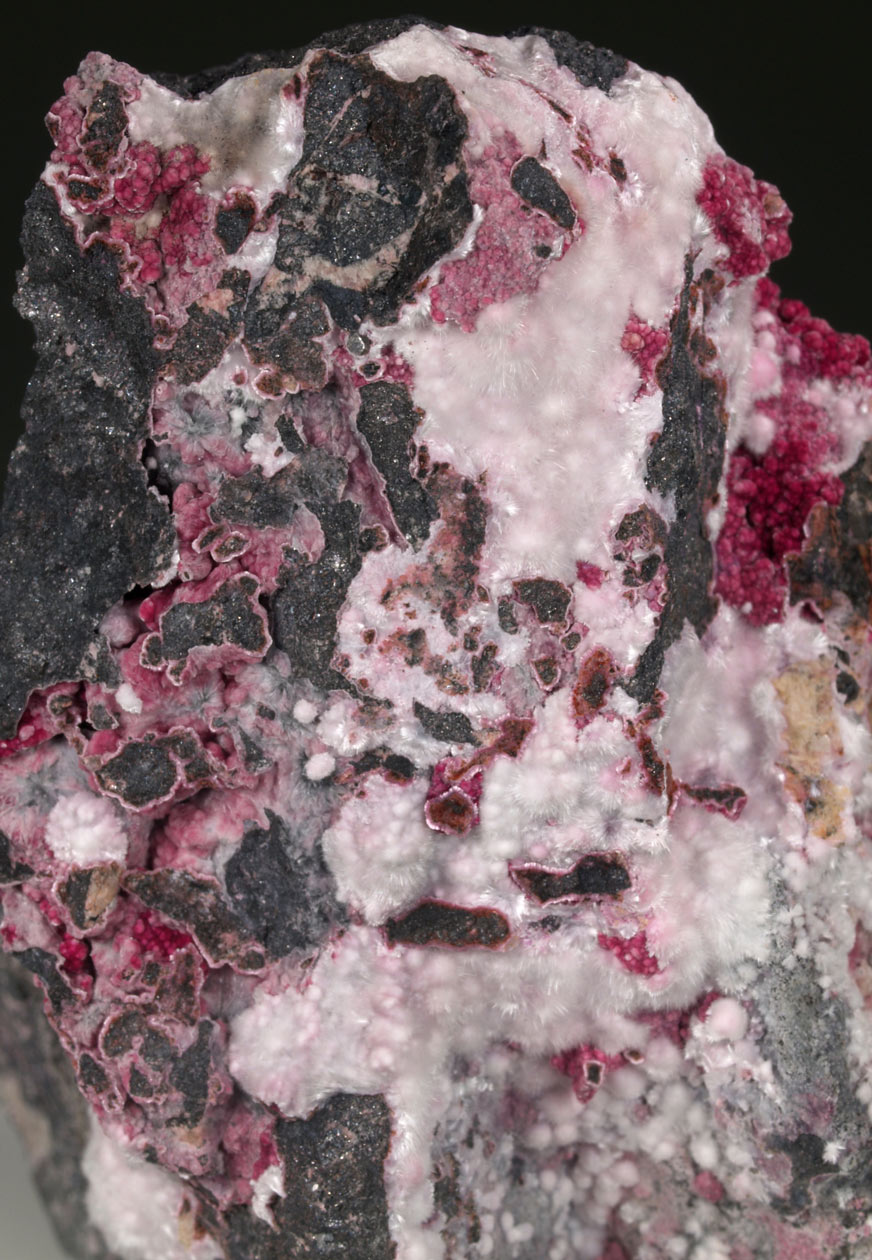
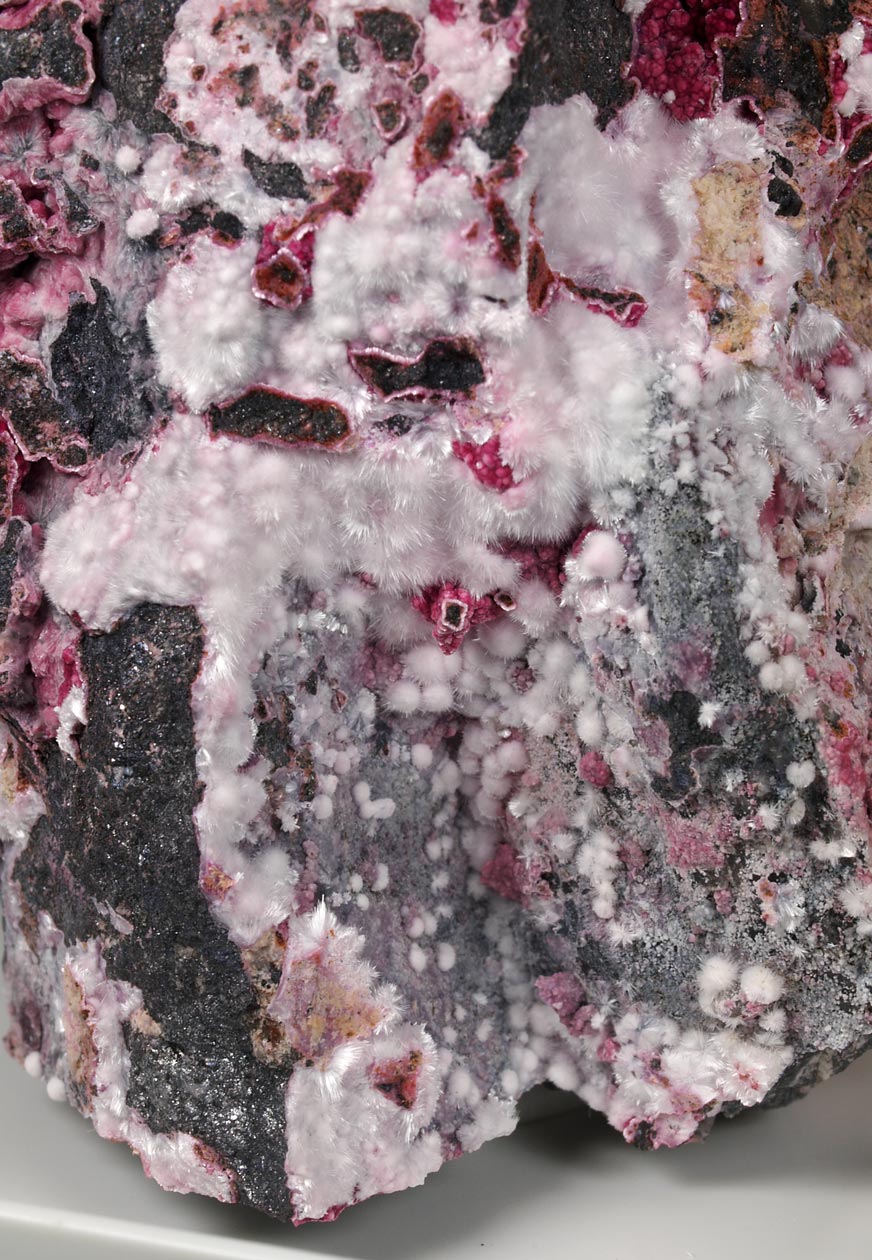
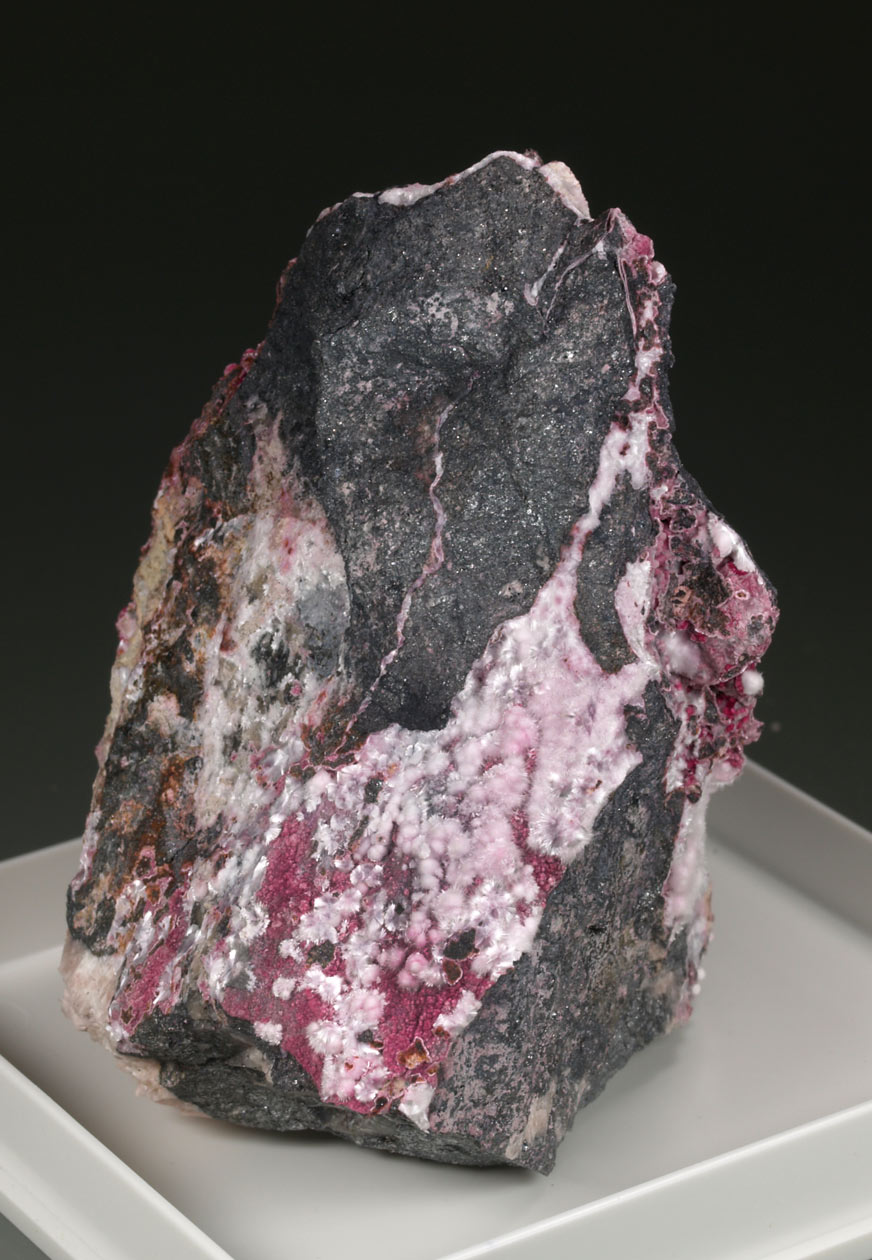
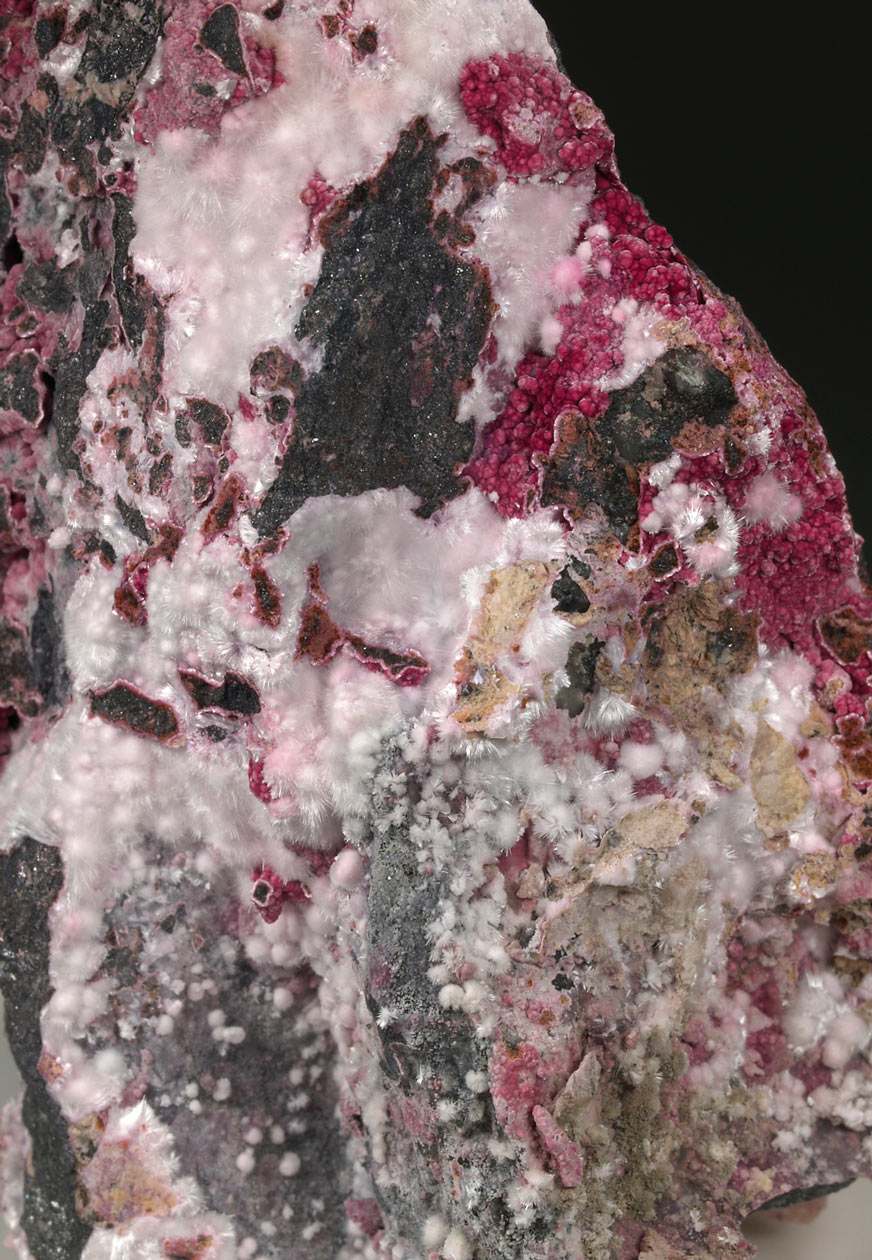
Espécimen muy rico formado por numerosos agregaods de cristales aciculares blancos (transparentes) de picrofarmacolita, acompañados de eritrita rosada rica en Mg, junto con farmacolita y sainfeldita. En una matriz de nickelskutterudita. Estos ejemplares fueron extraídos de la mina Bou Azer en febrero de 2018. Son muy estéticos bajo aumento, con buen tamaño para colección.
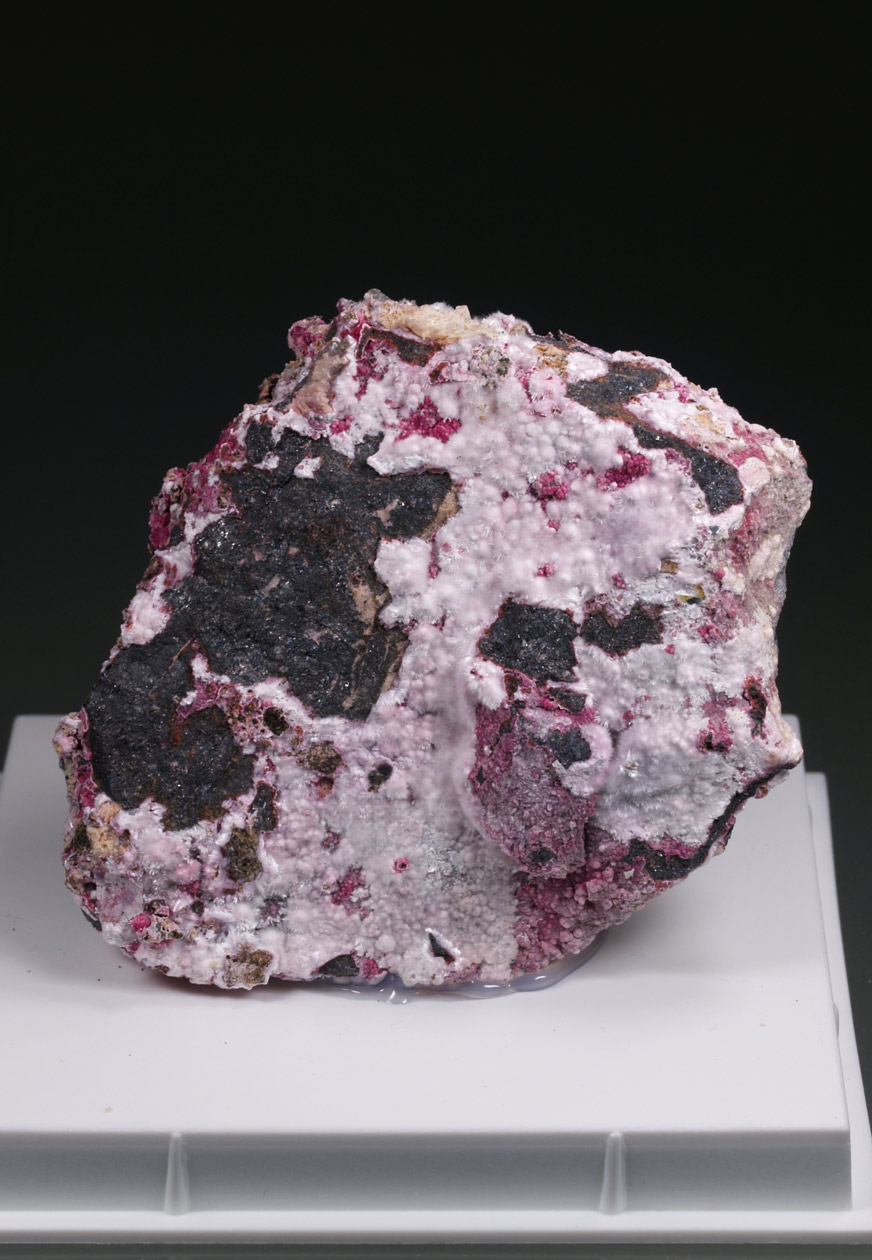
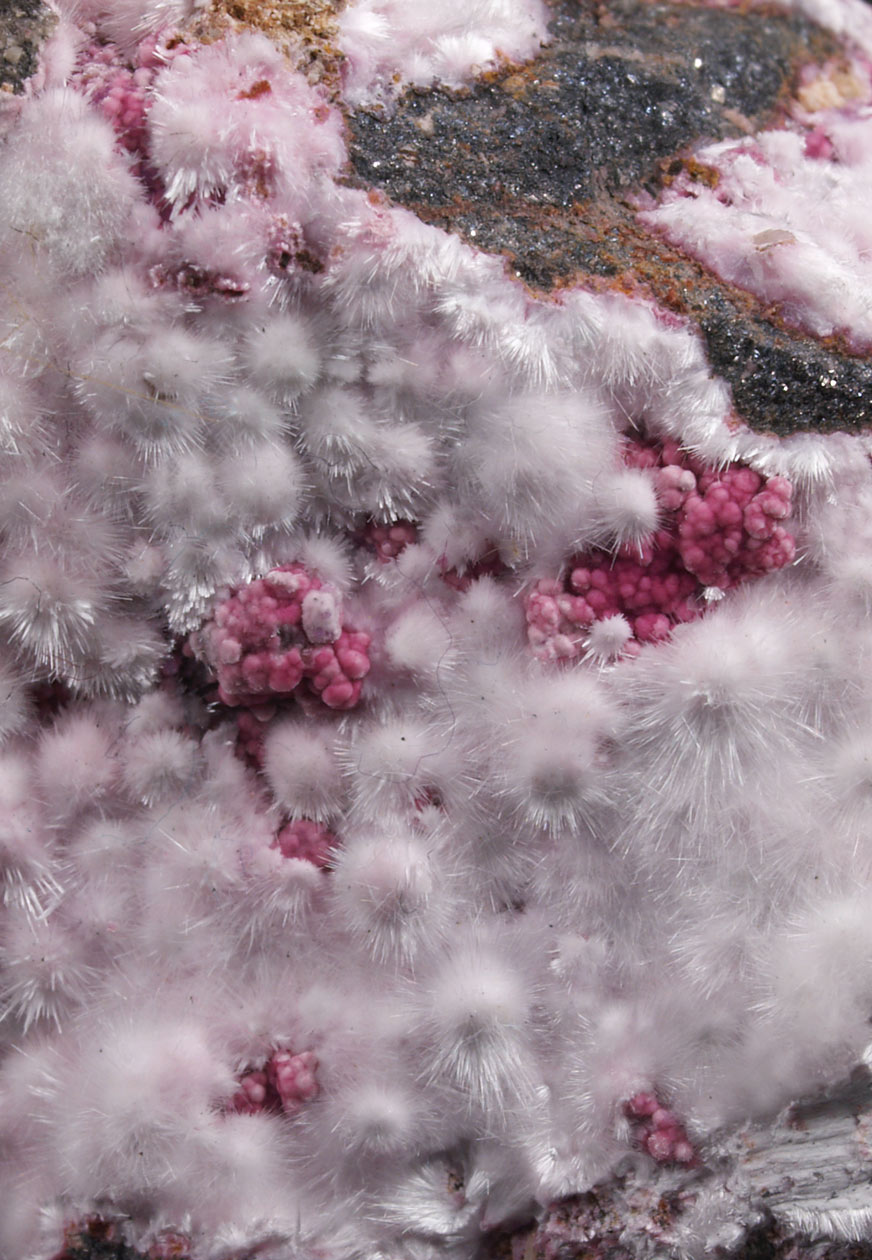
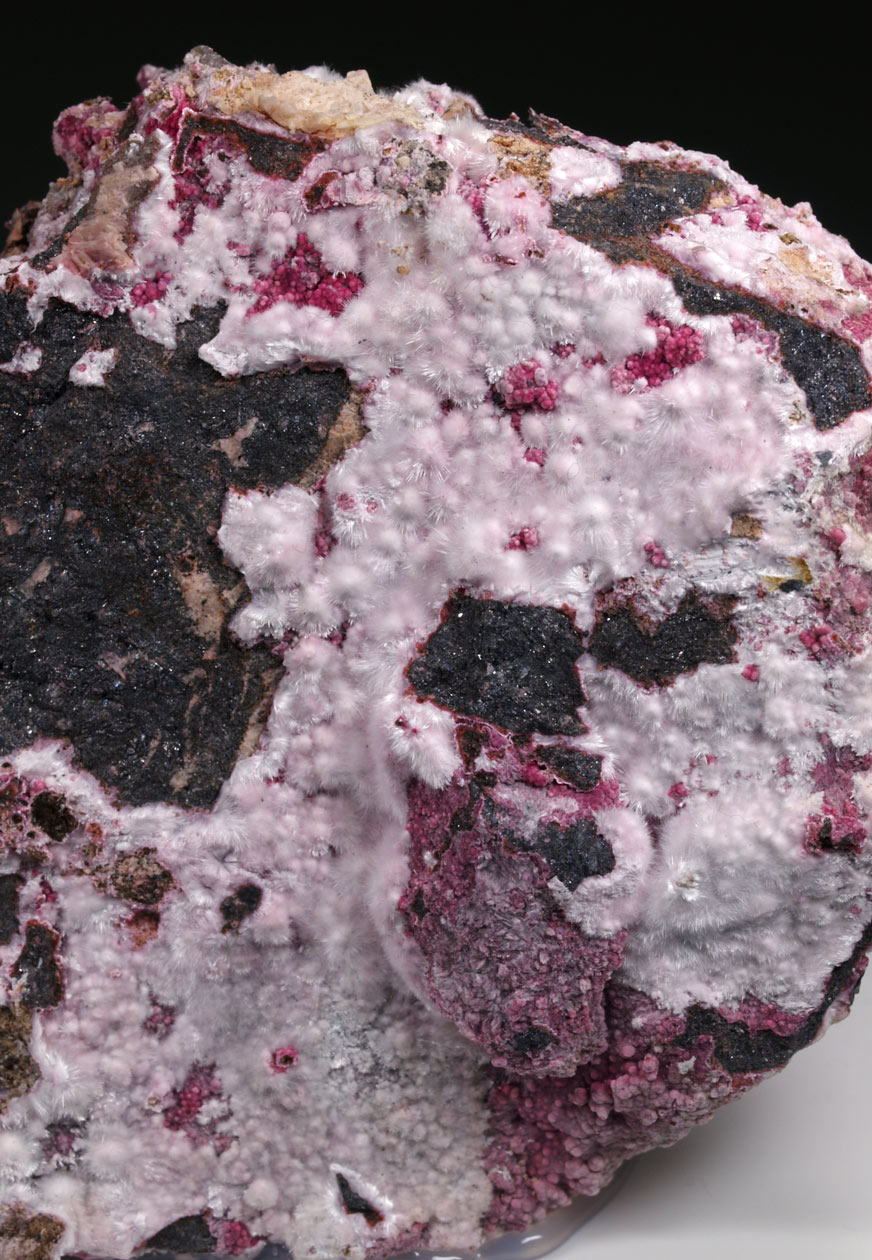
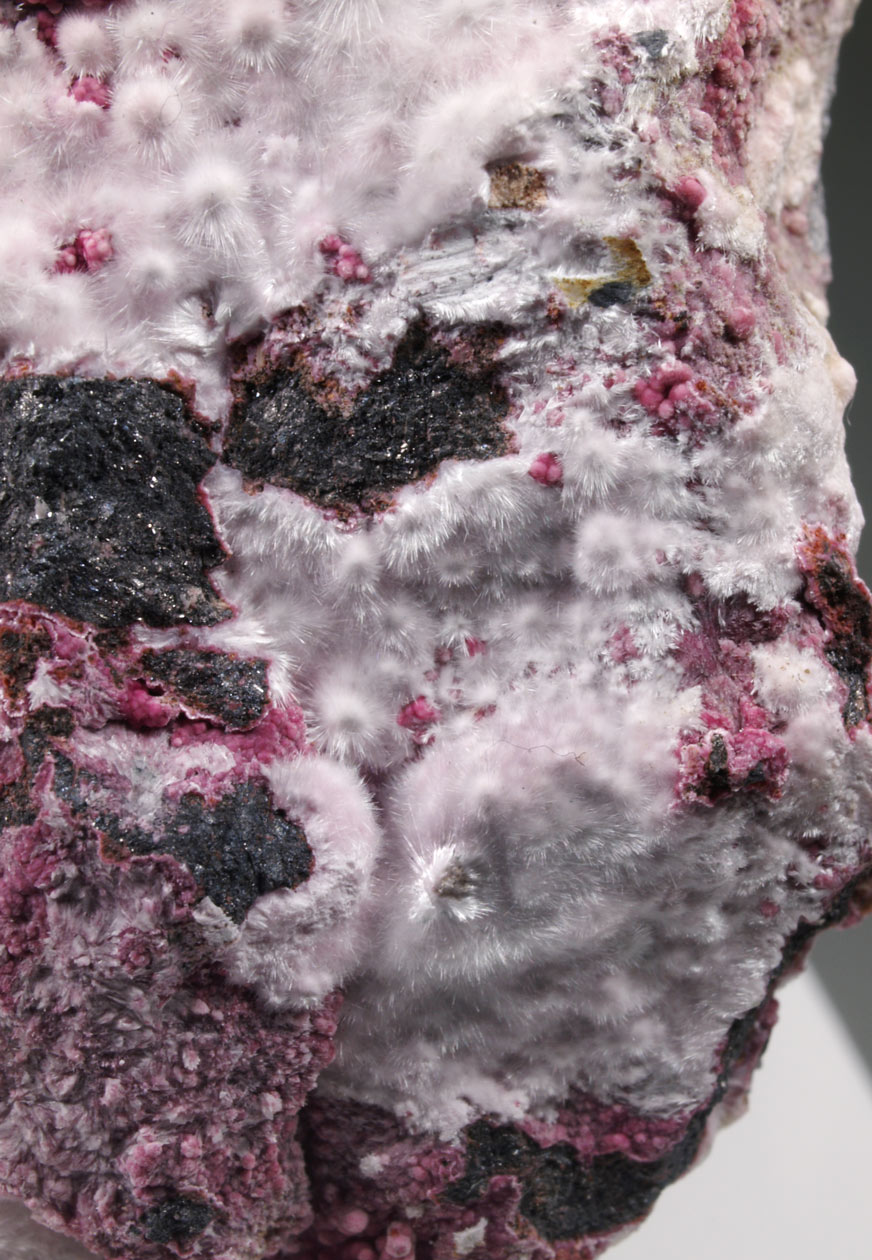
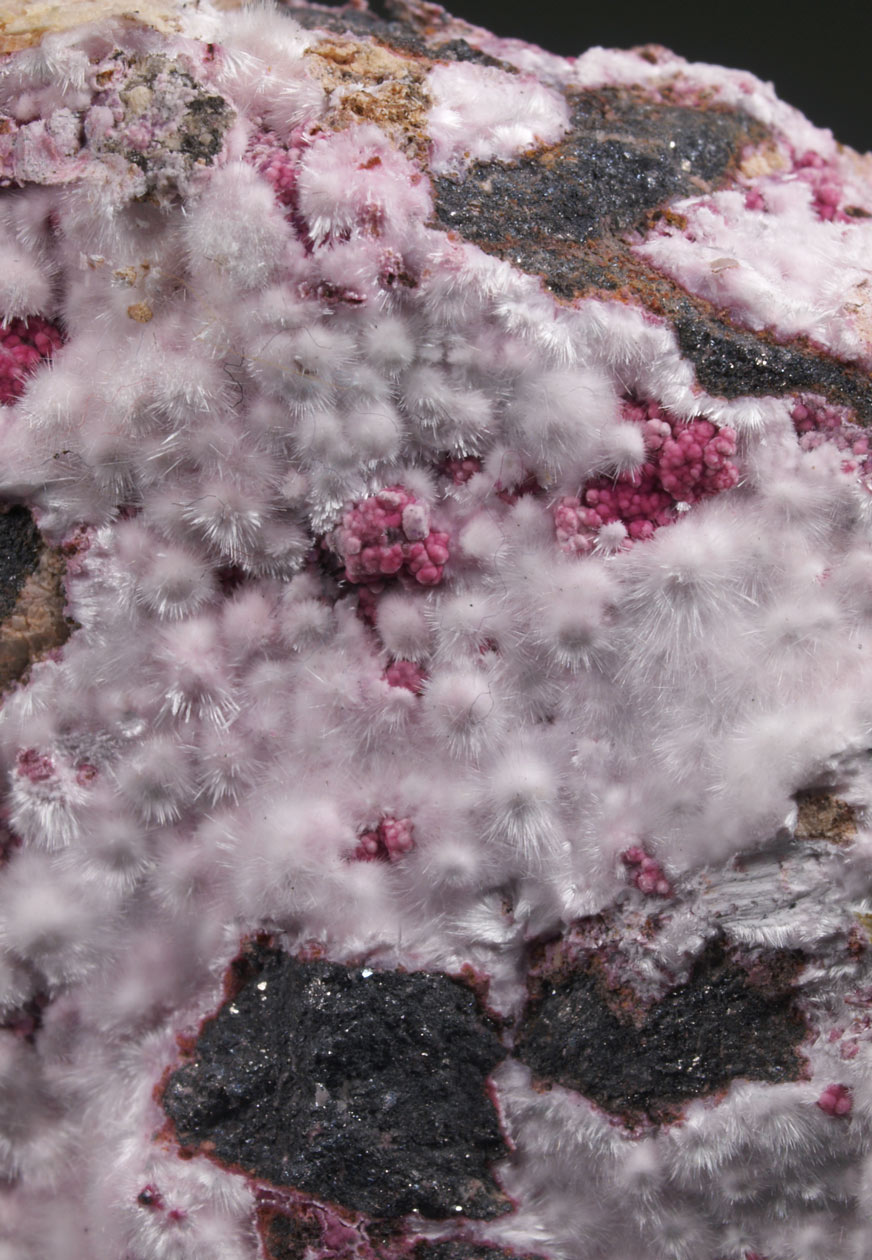
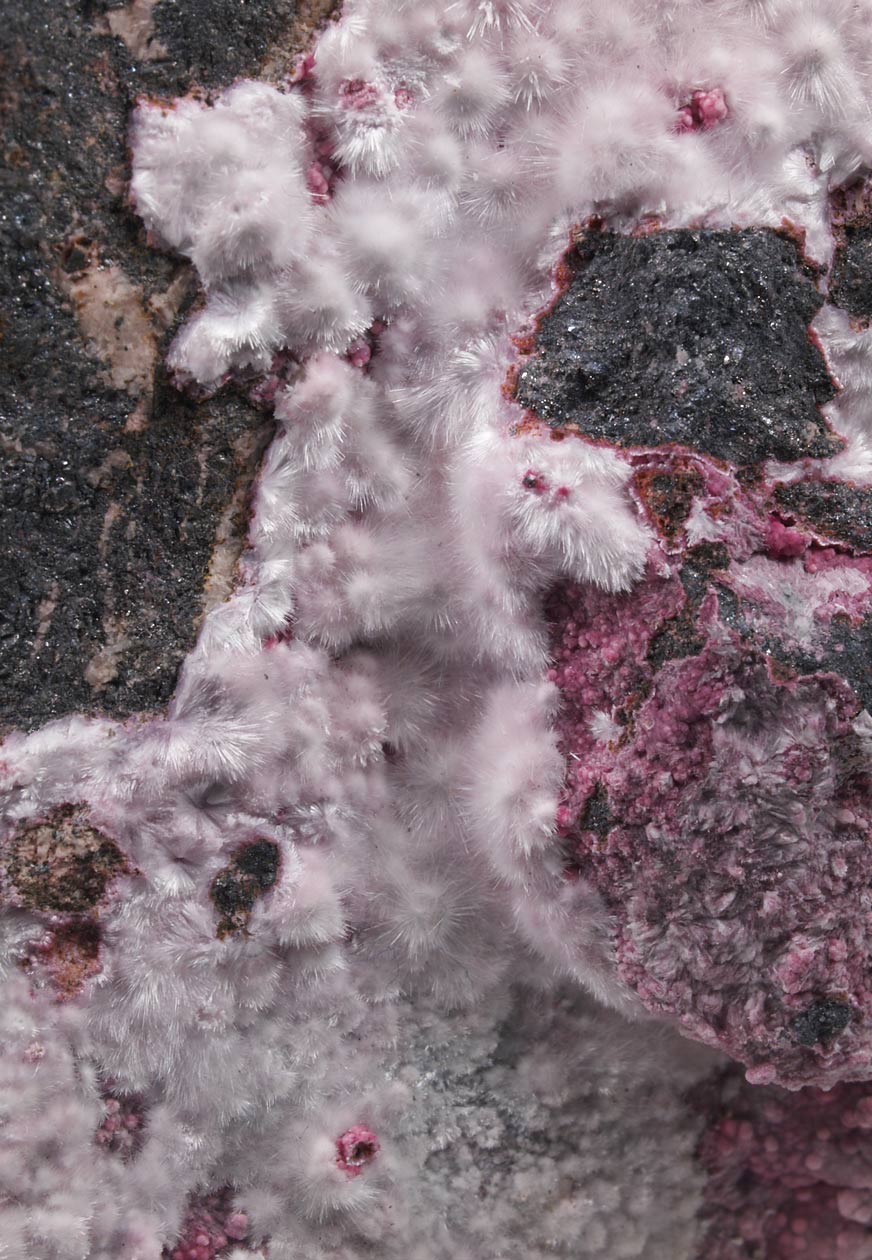
Espécimen muy rico formado por numerosos agregaods de cristales aciculares blancos (transparentes) de picrofarmacolita, acompañados de eritrita rosada rica en Mg, junto con farmacolita y sainfeldita. En una matriz de nickelskutterudita. Estos ejemplares fueron extraídos de la mina Bou Azer en febrero de 2018. Son muy estéticos bajo aumento, con buen tamaño para colección.
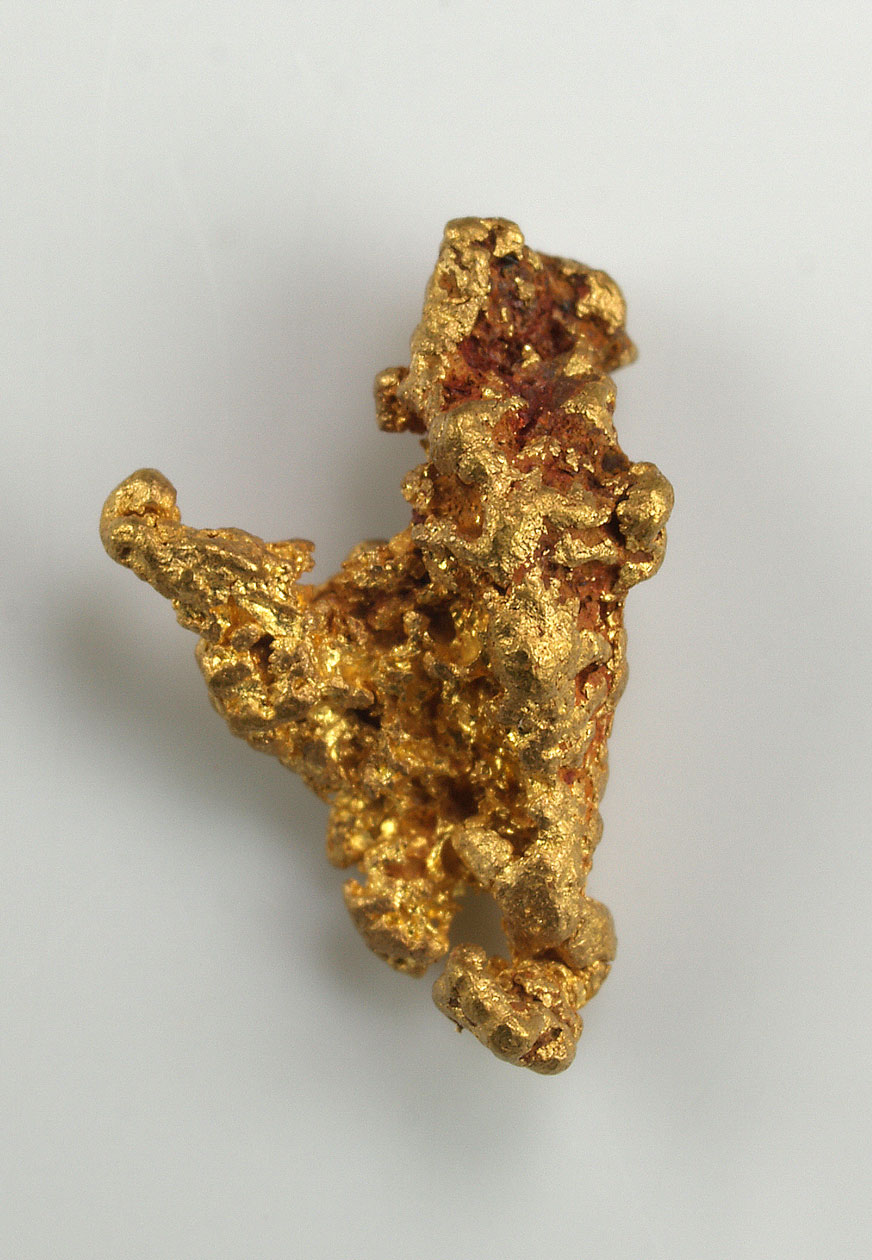
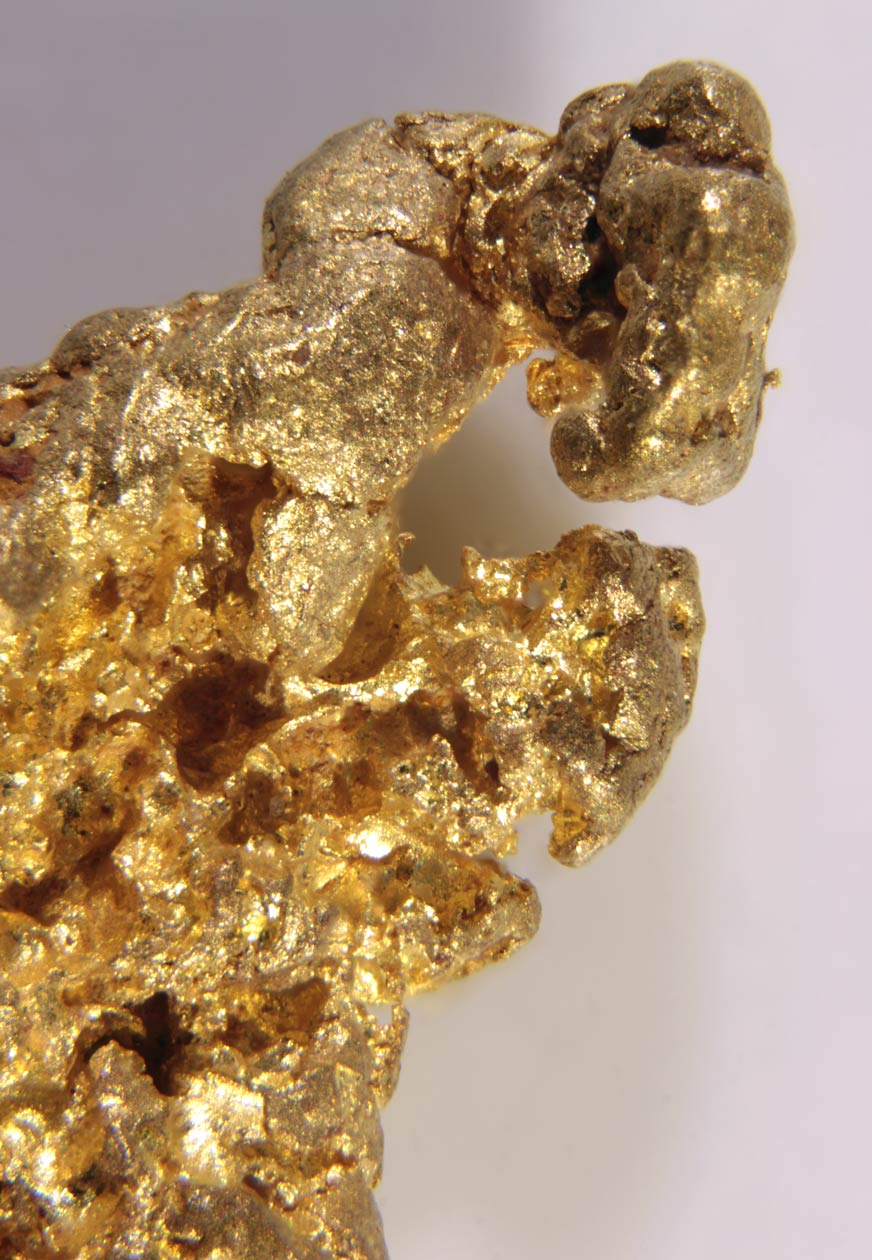
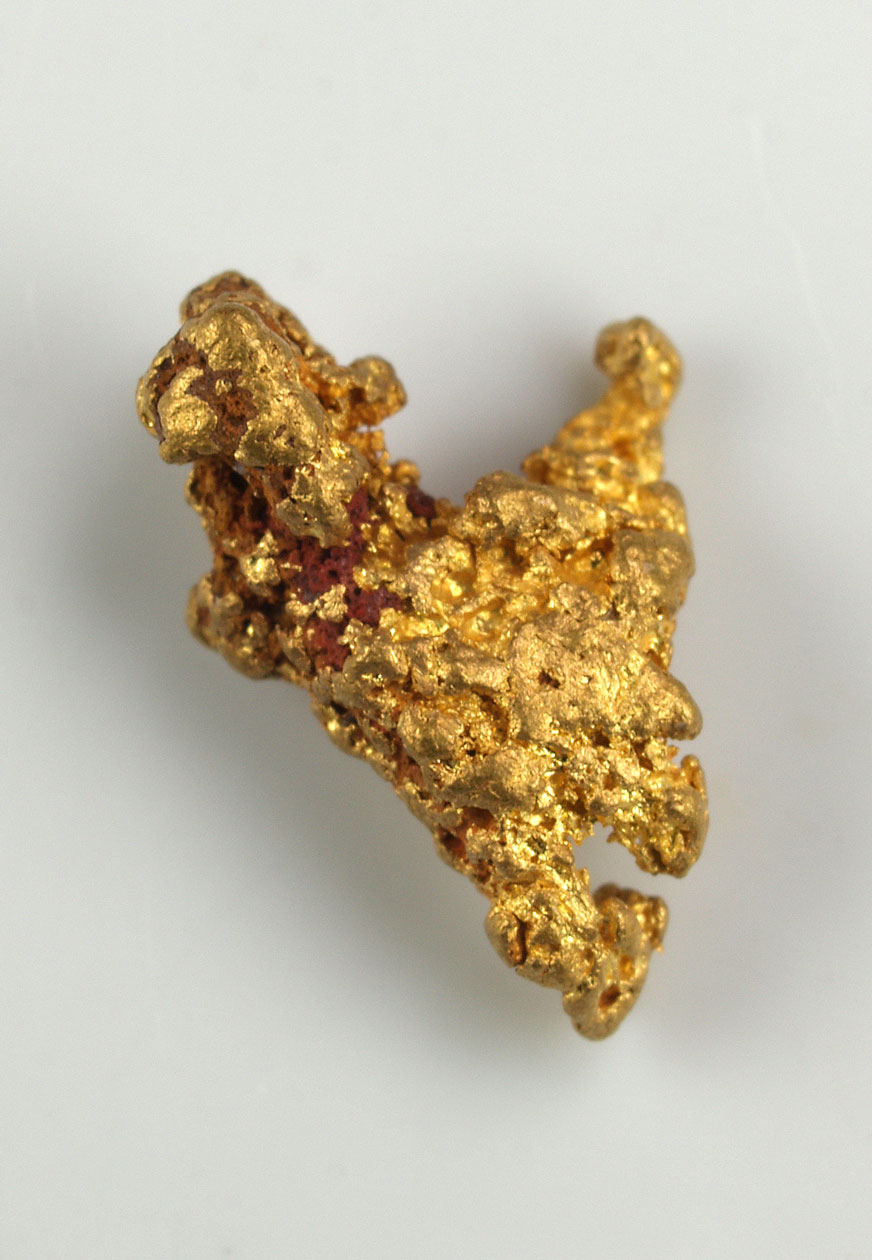
Agregado e cristales de oro, de la variedad electrum, con brillo, color y de una localidad poco representada en las colecciones. Proceden de una zona minera que empezó a explotarse a principios del s. XX para la extracción de oro y plata. Hemos analizado diversos ejemplares y muestran un contenido de plata entre el 20% al 28% en peso.
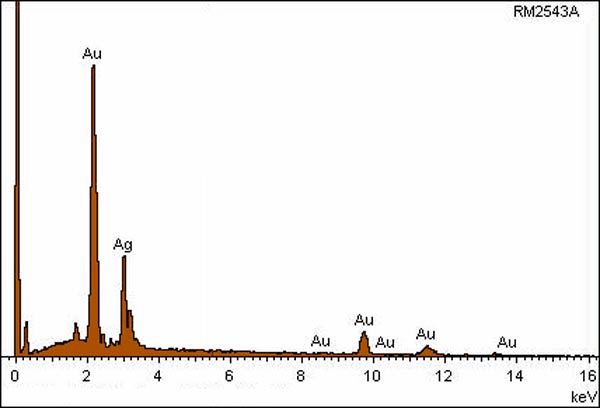
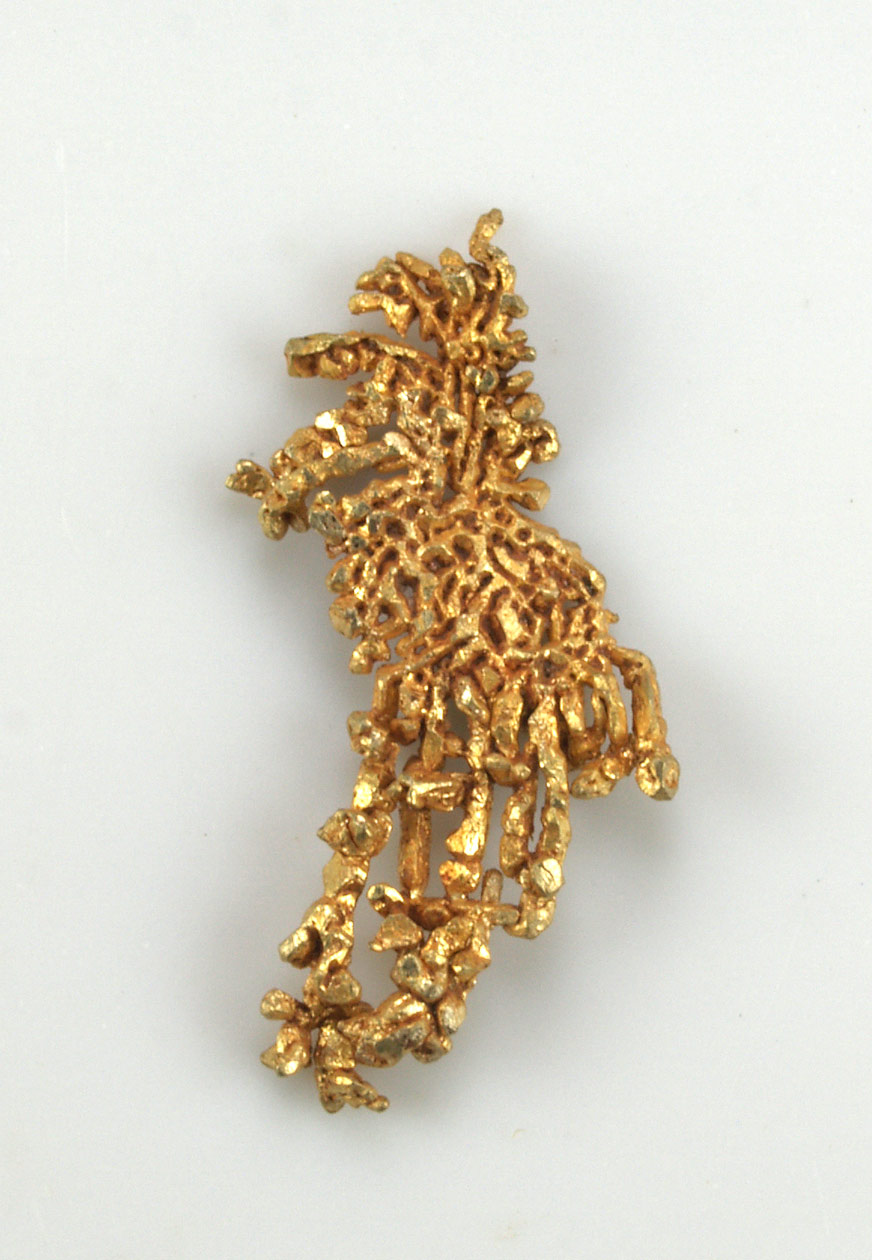
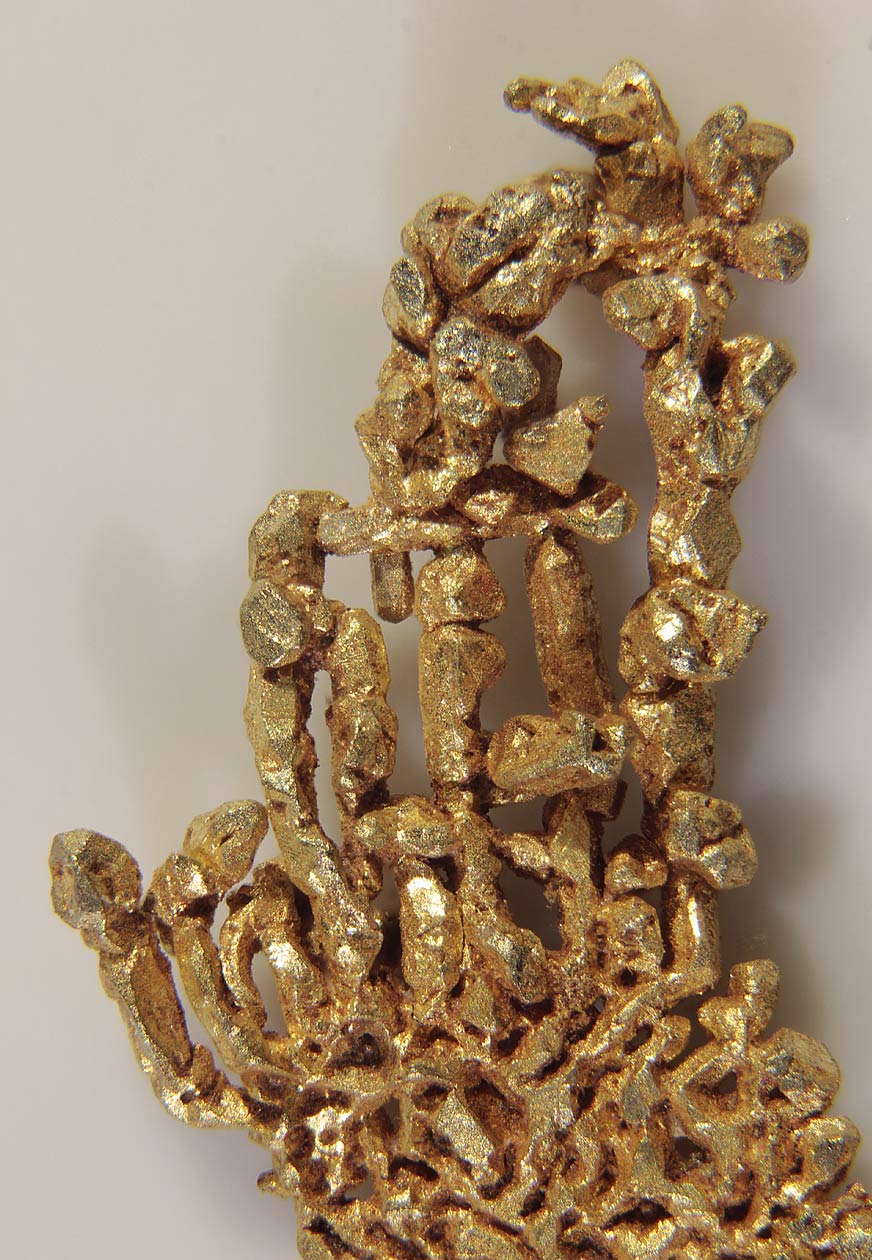
Agregado arborescente esquelético de cristales de oro, de la variedad electrum, con brillo, color y de una localidad poco representada en las colecciones. Proceden de una zona minera que empezó a explotarse a principios del s. XX para la extracción de oro y plata. Hemos analizado diversos ejemplares y muestran un contenido de plata entre el 20% al 28% en peso.
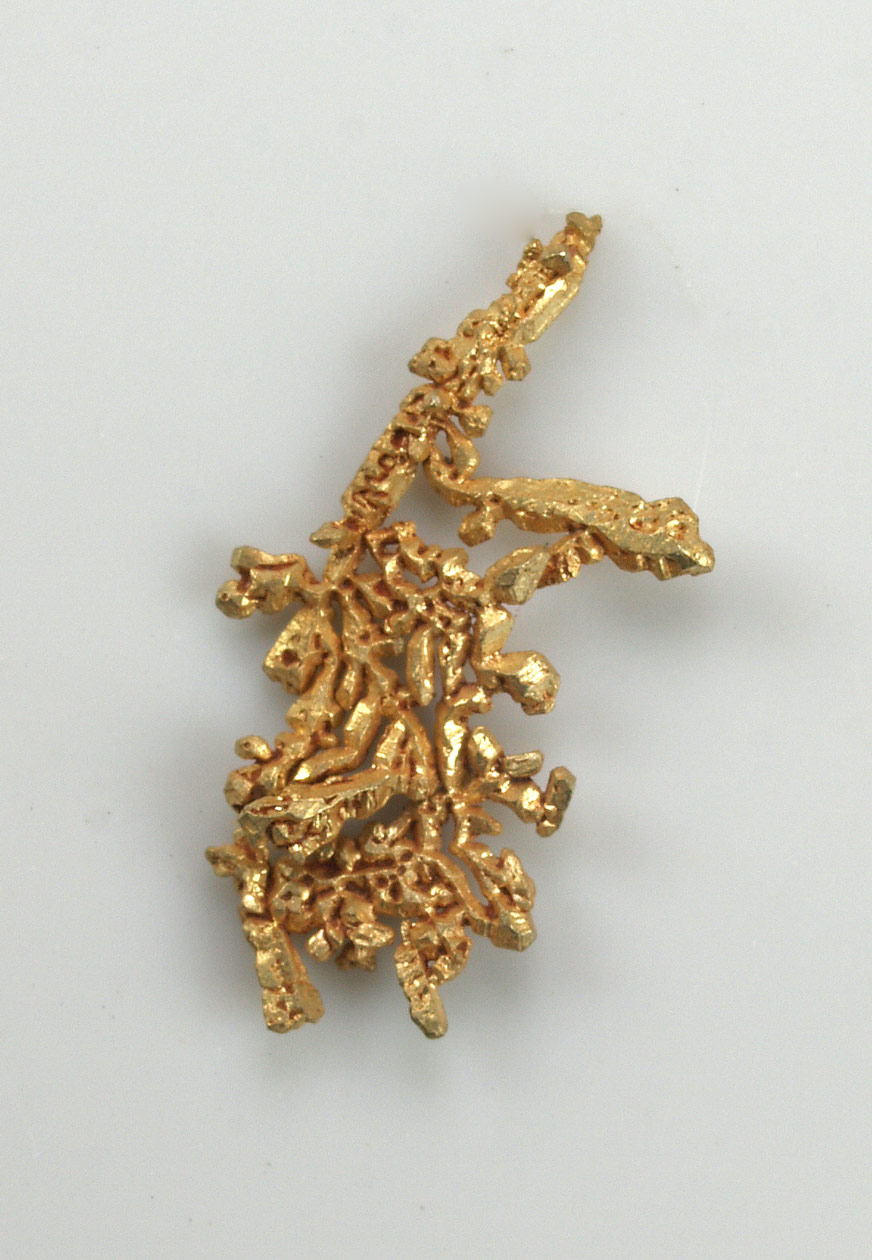
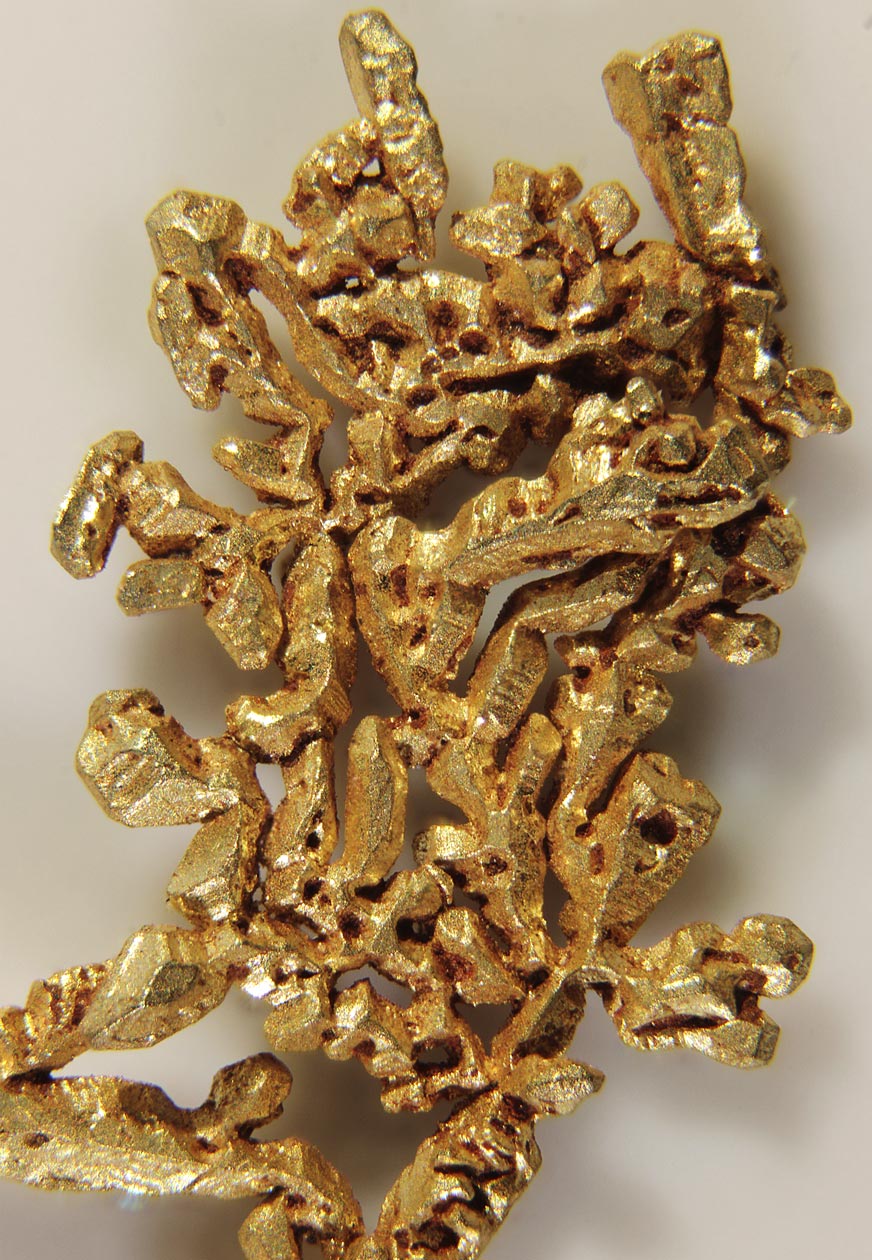
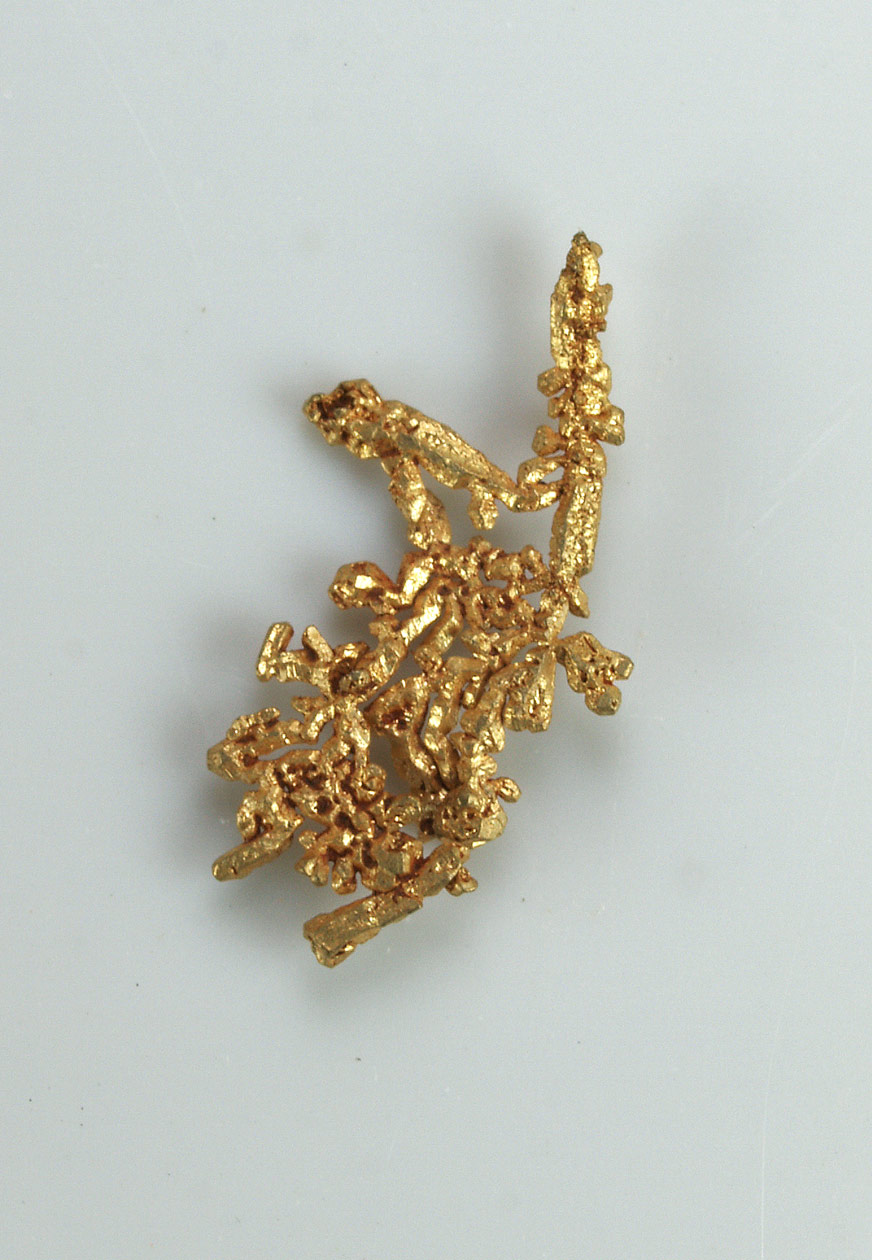
Agregado arborescente esquelético de cristales de oro, de la variedad electrum, con brillo, color y de una localidad poco representada en las colecciones. Proceden de una zona minera que empezó a explotarse a principios del s. XX para la extracción de oro y plata. Hemos analizado diversos ejemplares y muestran un contenido de plata entre el 20% al 28% en peso.
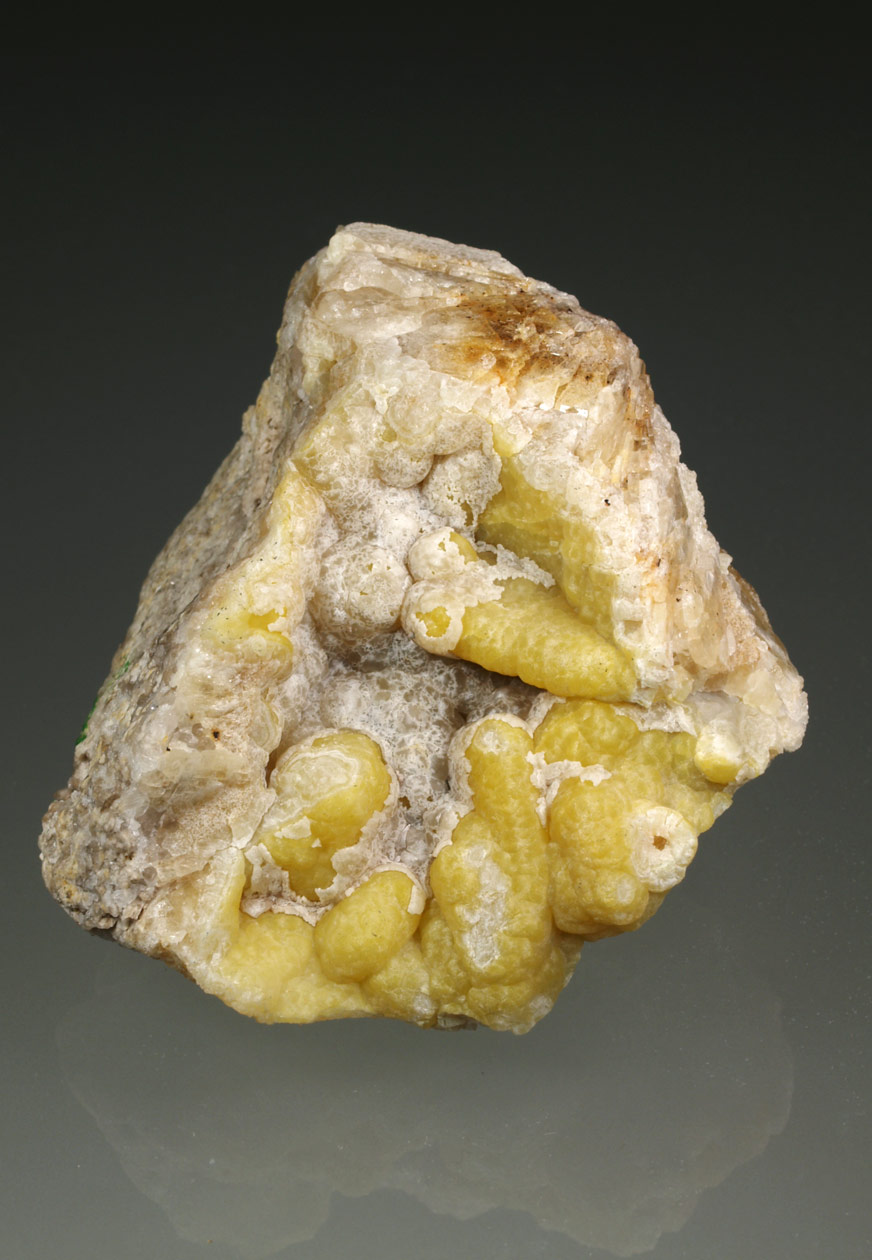
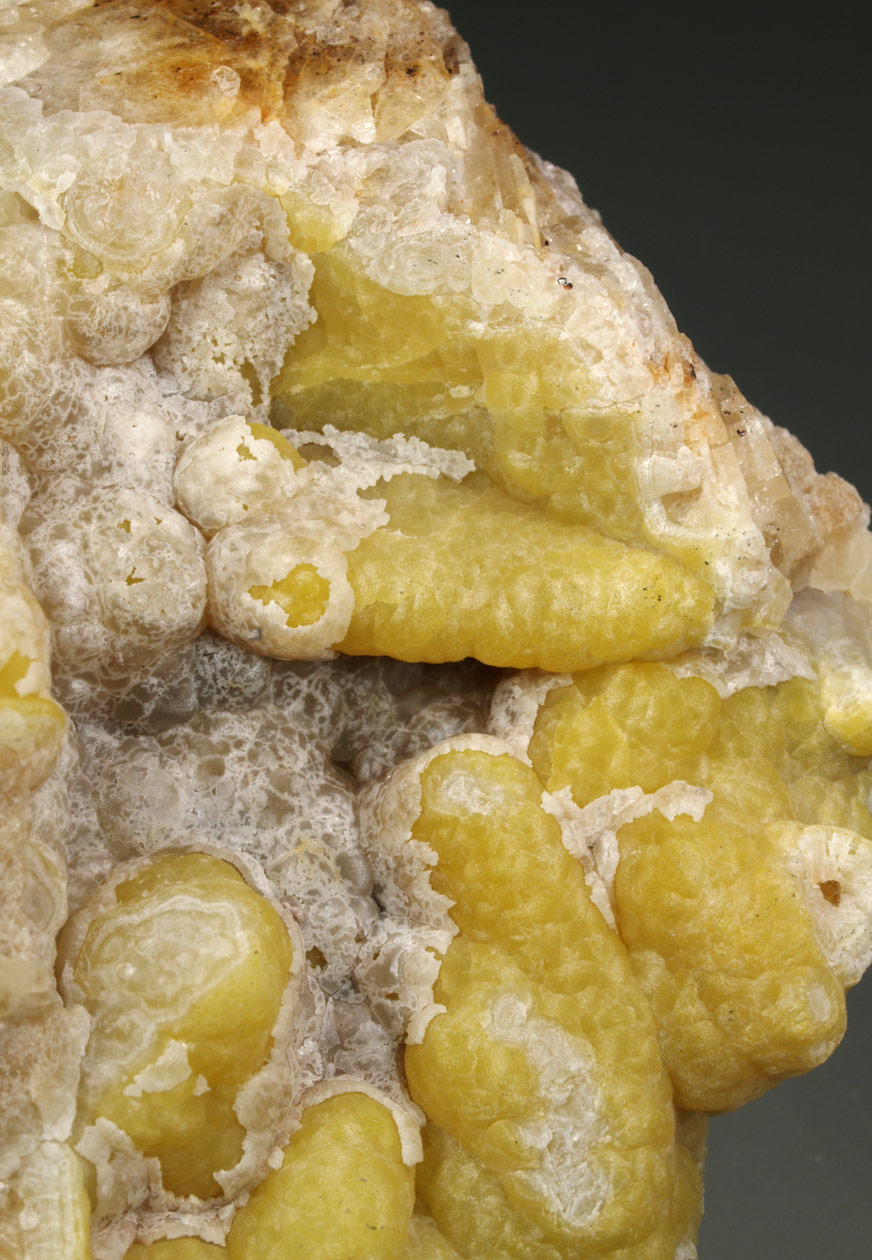
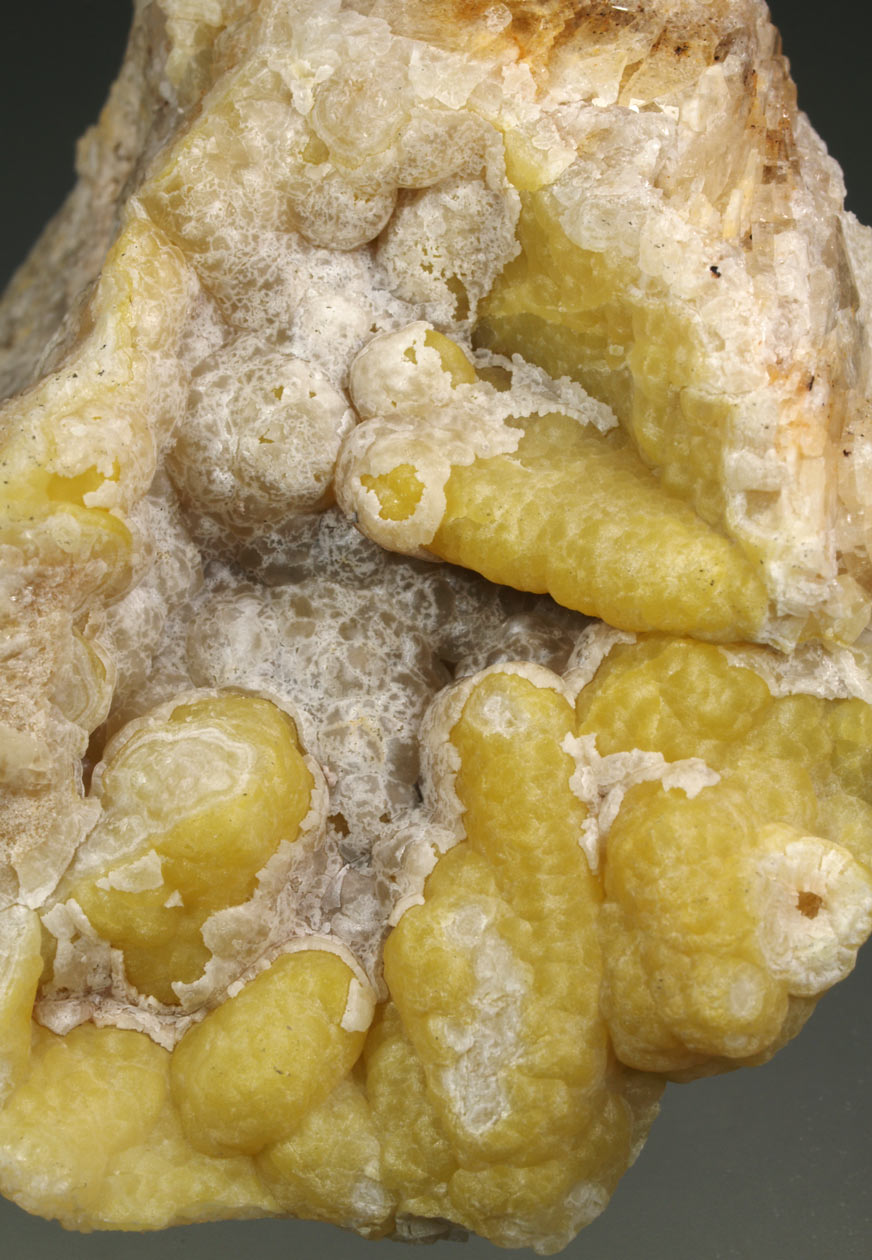
Agregados estalactíticos a botroidales de smithsonita de tonalidad amarillenta, parcialmente recubiertos de una segunda generación incolora a blanca. Esta mina se halla en la concesión Magdalena, cerca de Robriguero, con labores de interior y a cielo abierto. Se explotó hasta 1924 para la obtención de calamina y algo de galena. Hoy día es difícil encontrar ejemplares.
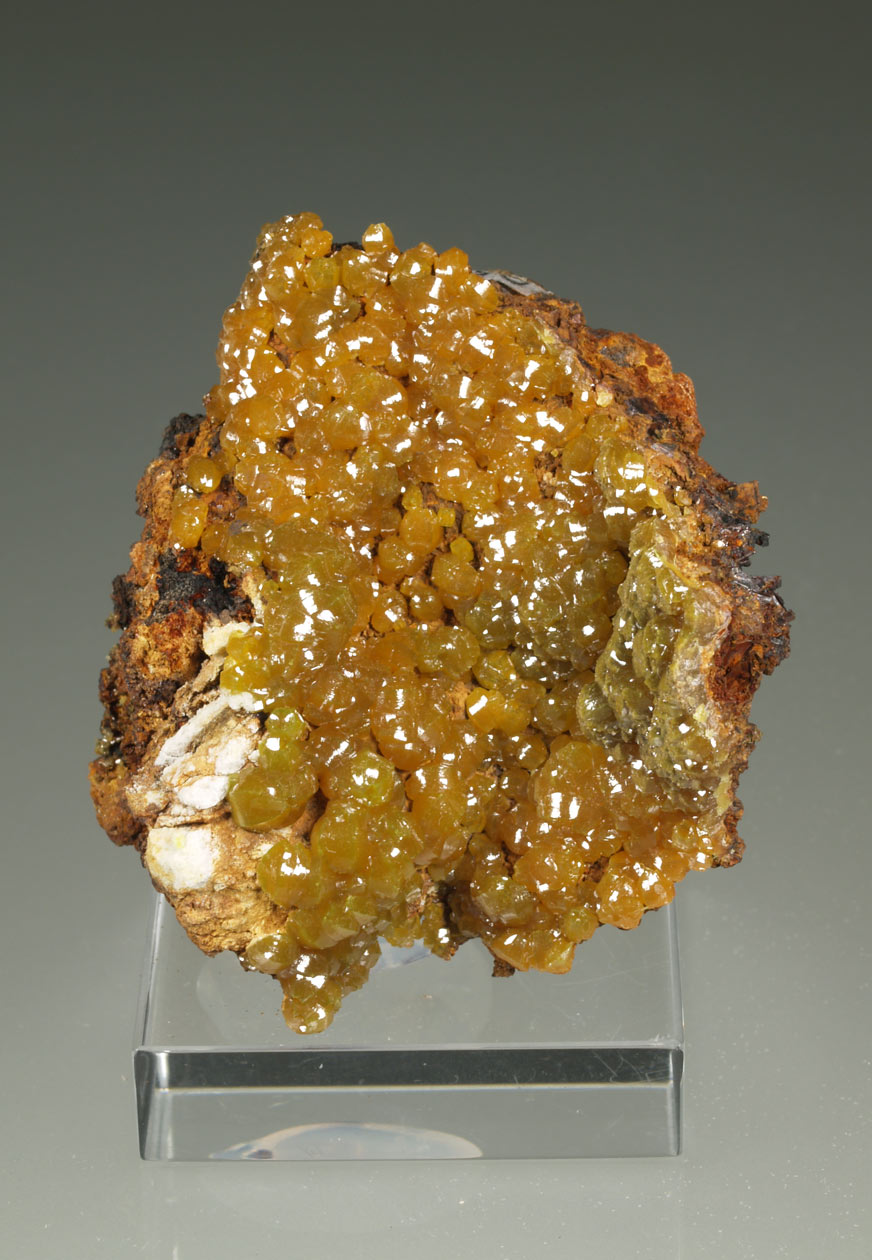
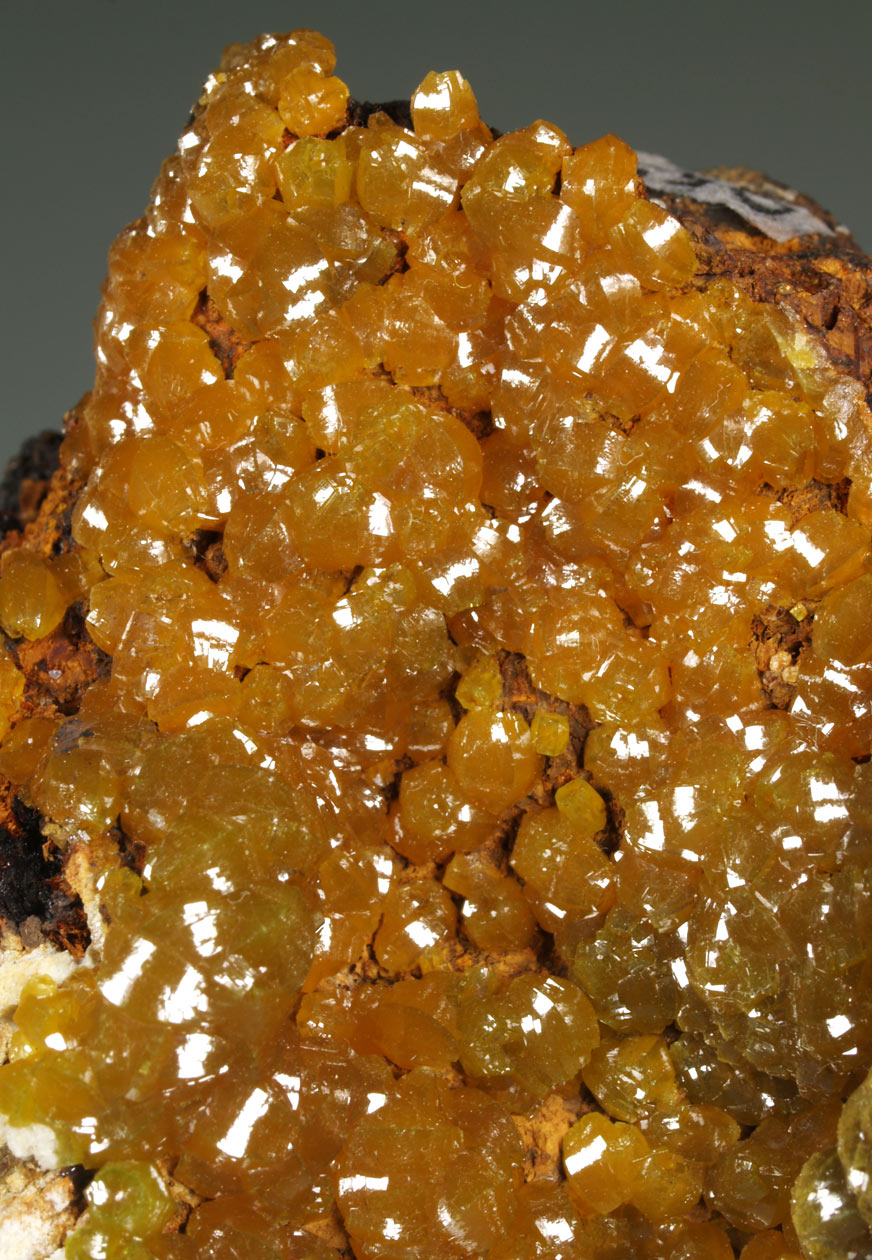
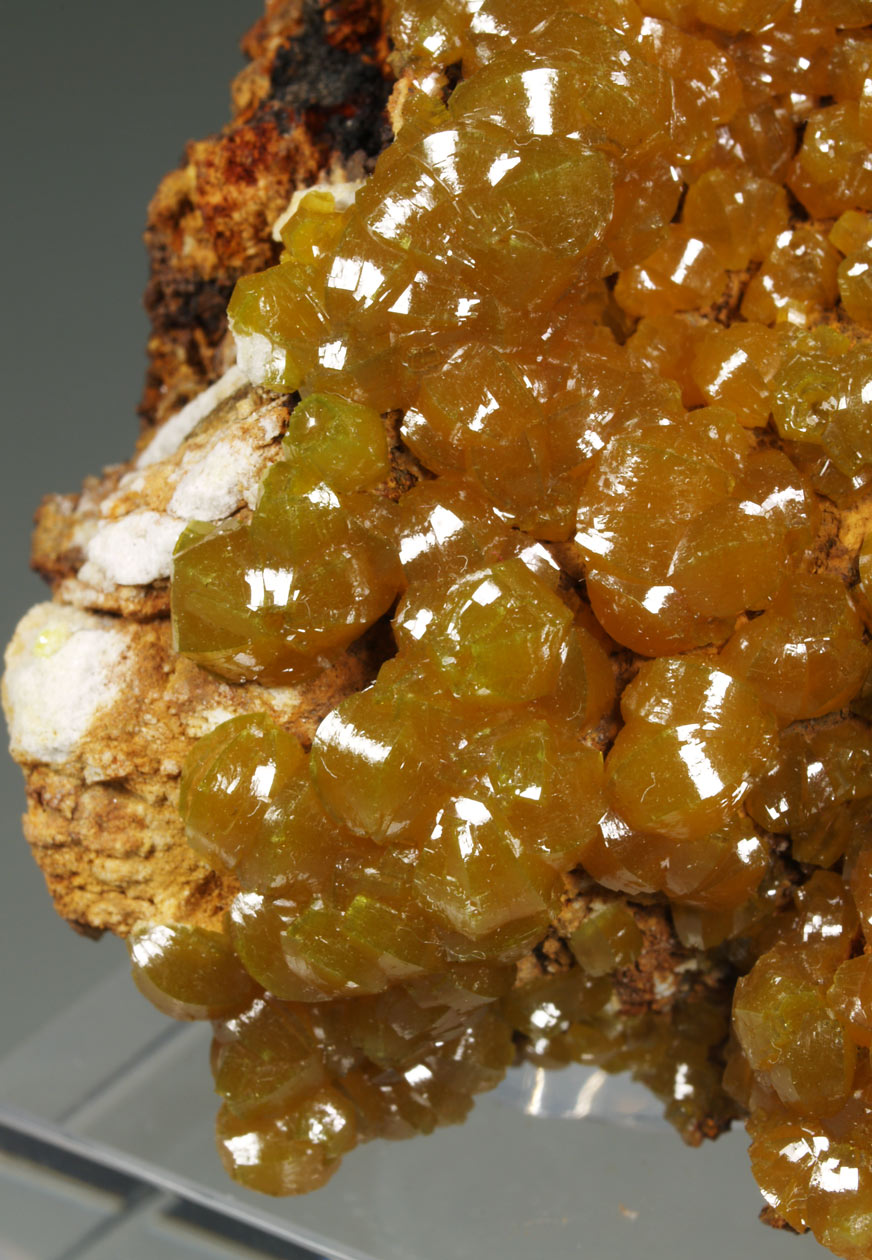
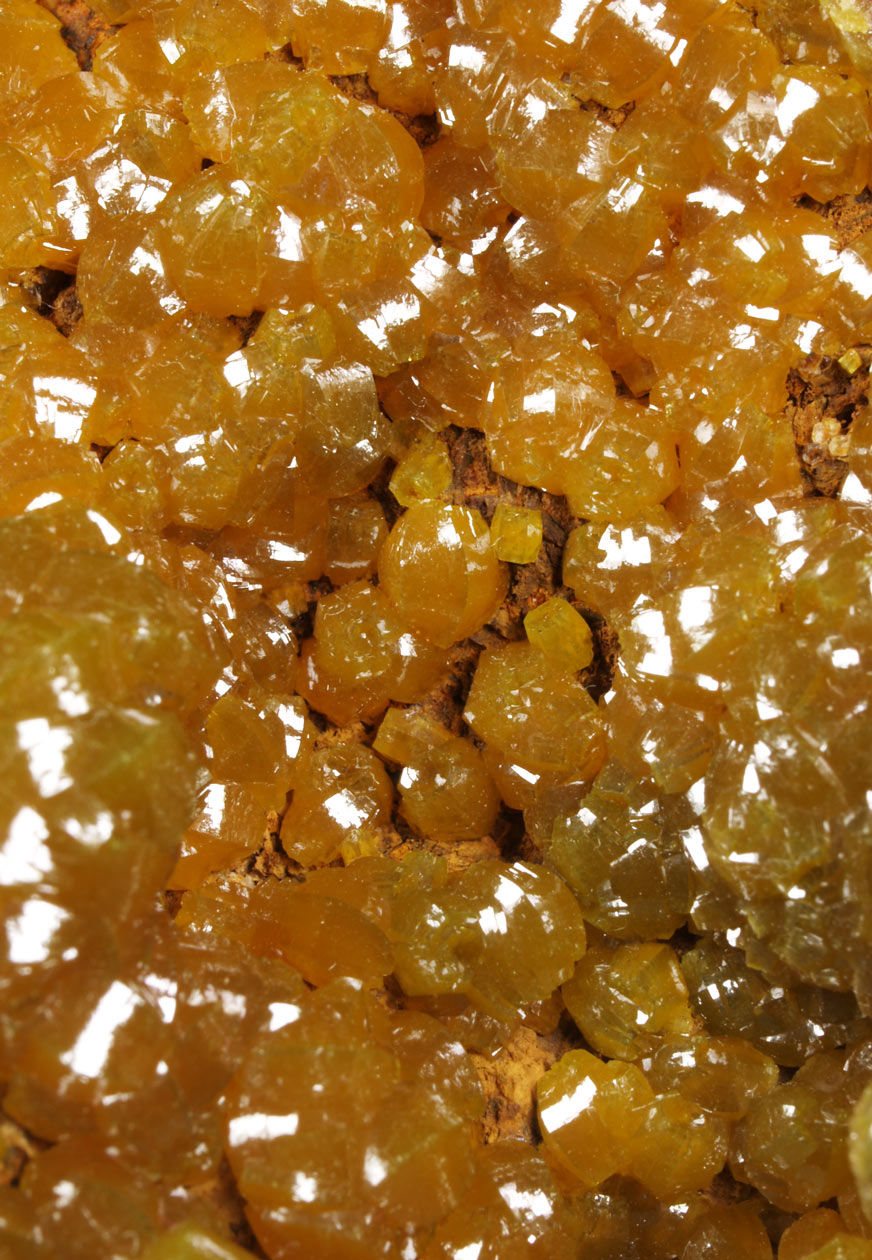
Los ejemplares de piromorfita de Bunker Hill se encuentran entre los más apreciados por los coleccionistas de todo el mundo. Este ejemplar nos muestra una drusa de cristales abarrilados con un color y un brillo excelentes, biterminados algunos de ellos y con buen tamaño. Cada vez es más difícil encontrar ejemplares de esta calidad a un precio razonable.
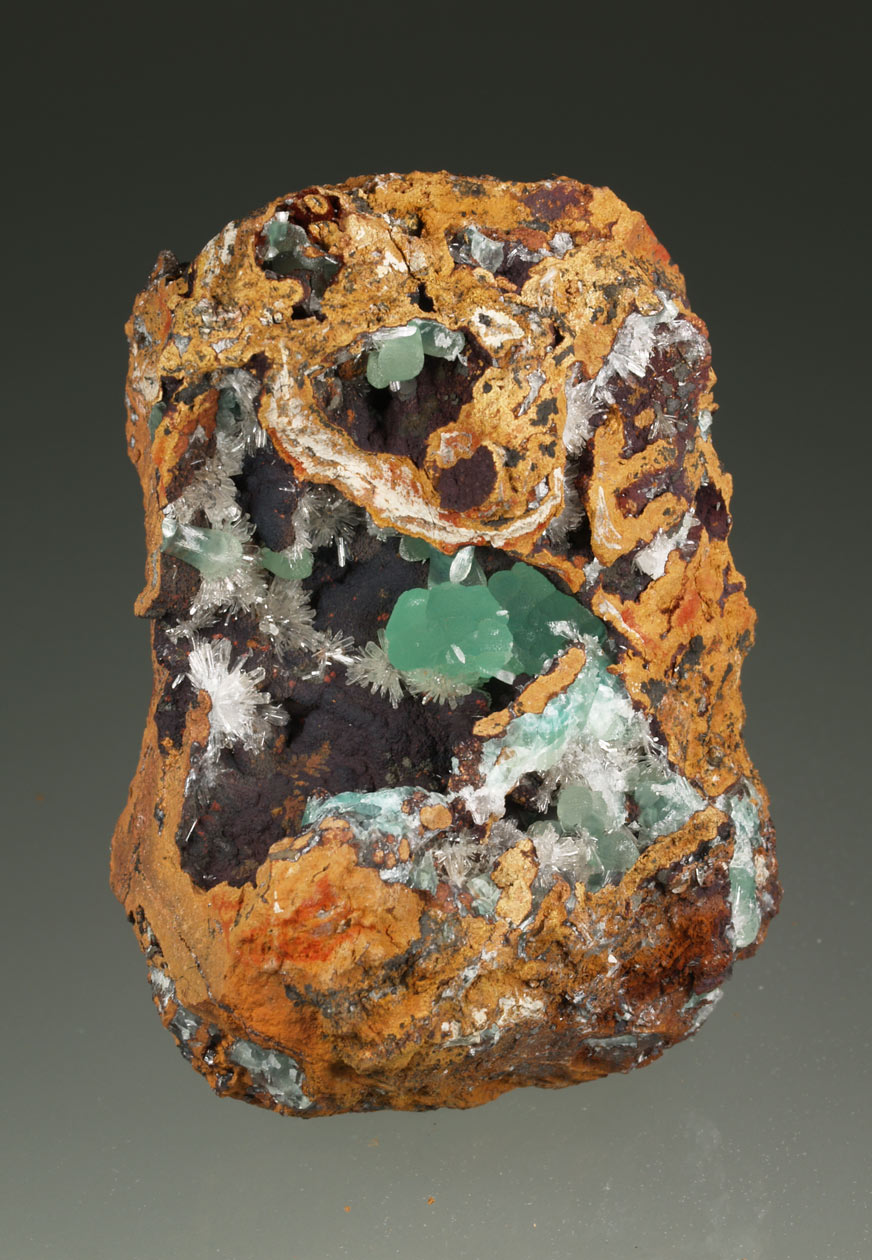
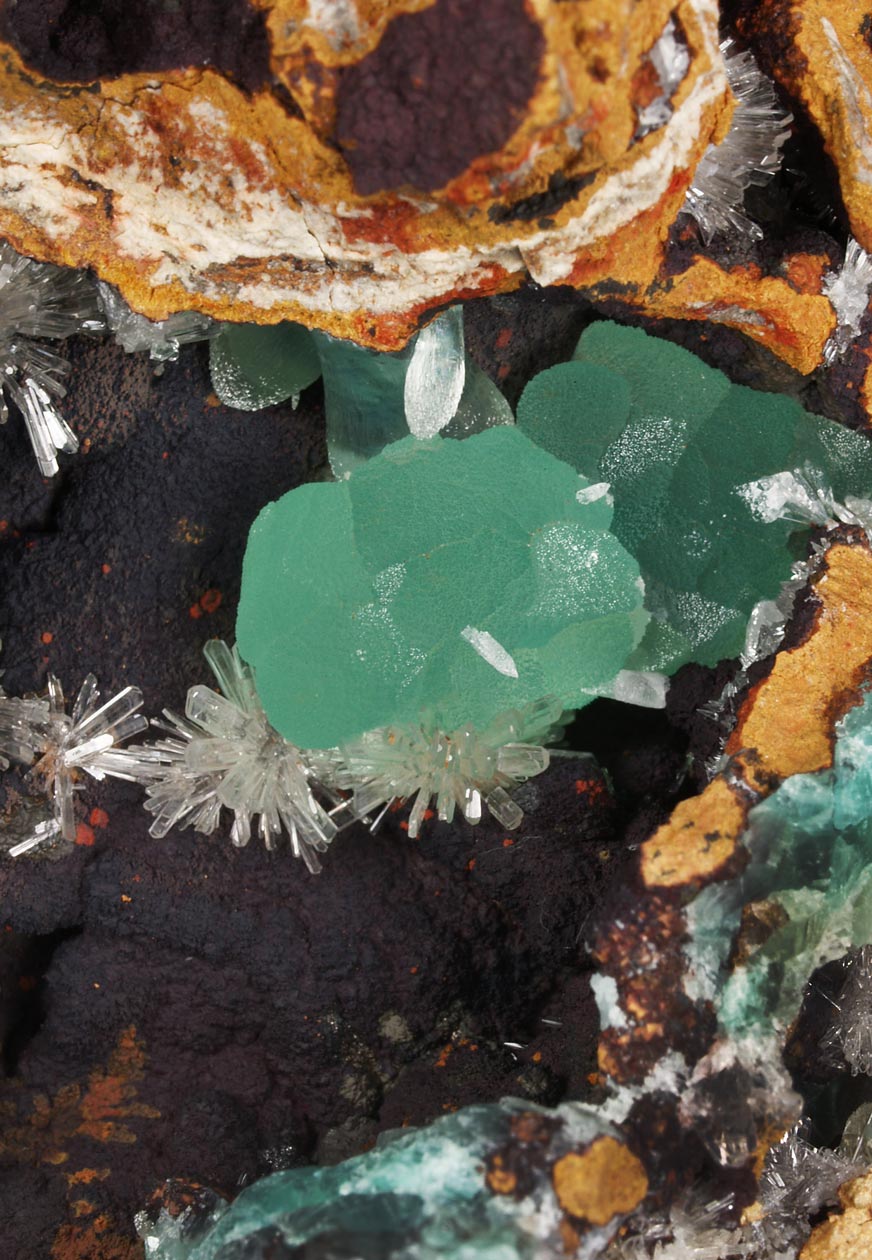
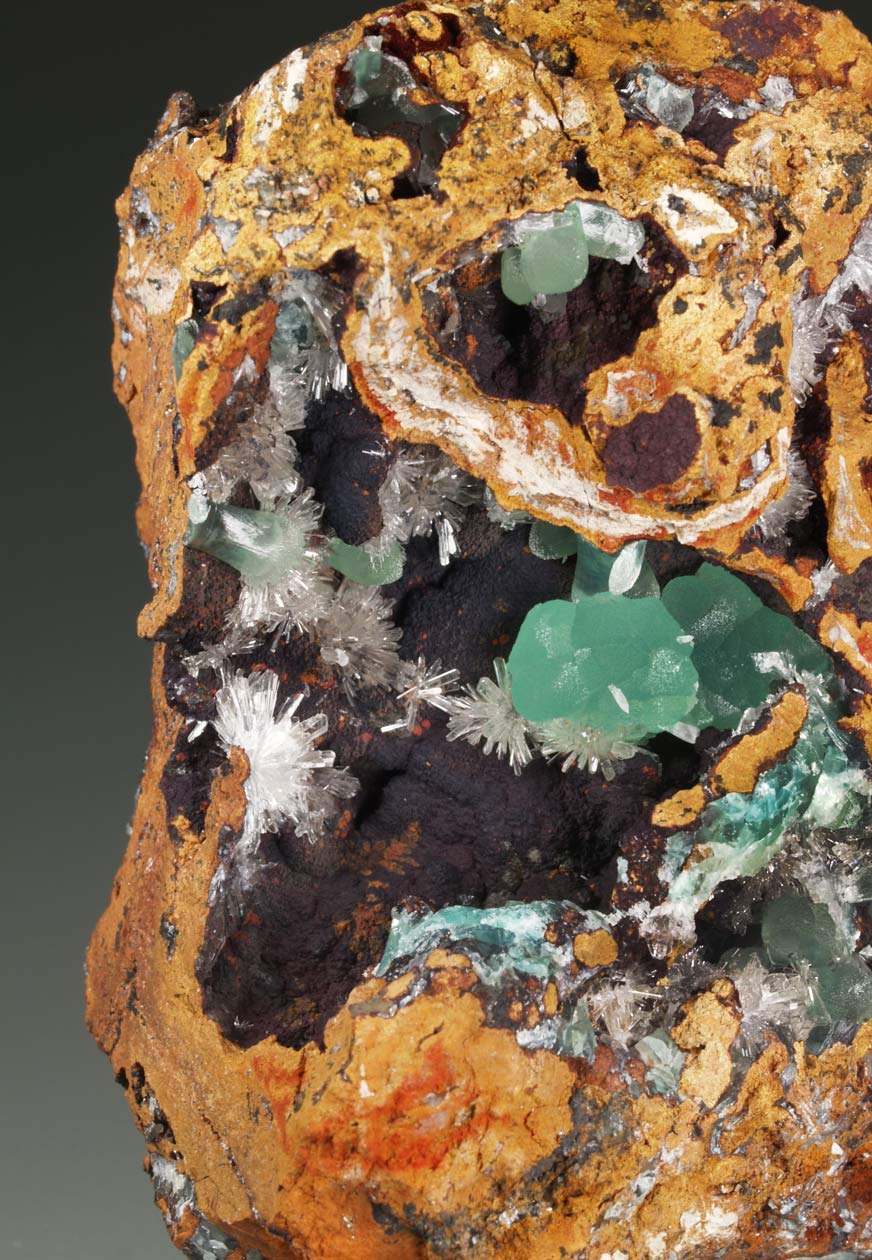
Estéticos agregados globulares de smithsonita, de intenso color verde, translúcidos, acompañados de cristales lanceolados y transparentes de hemimorfita. Se encuentran dentro de una cavidad en la matriz de goethita. Los ejemplares de smithsonita de esta mina mexicana son conocidos y apreciados por los coleccionistas. Proceden del nivel 8 de la mina.
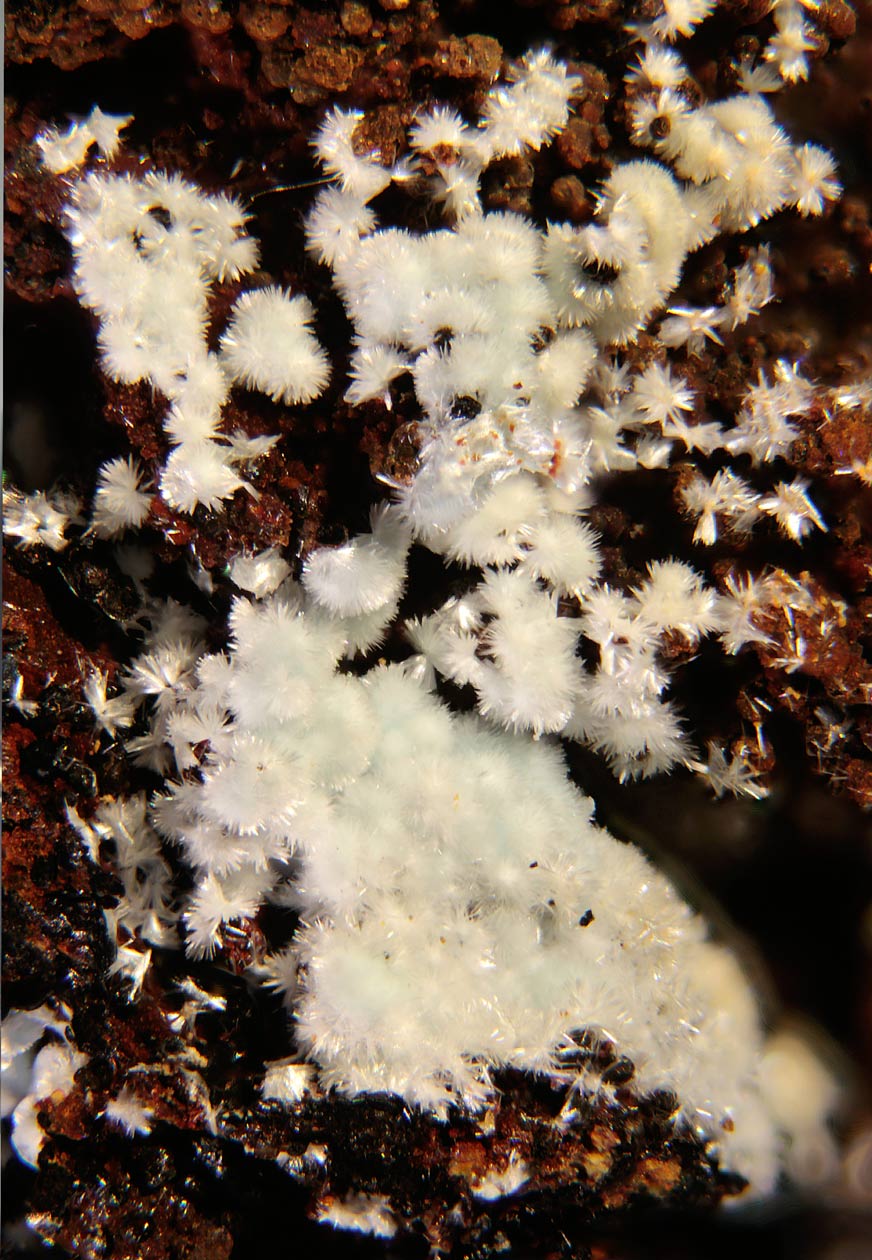
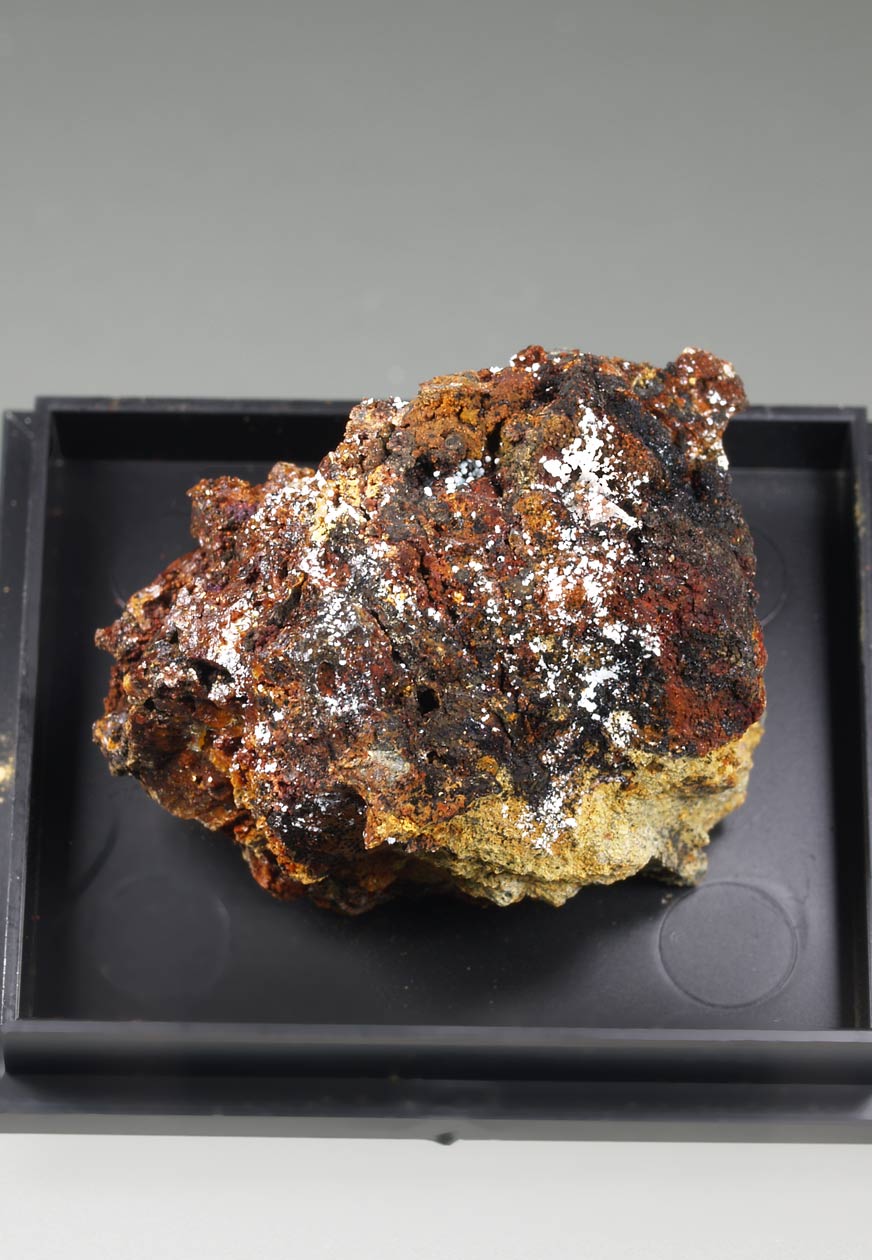
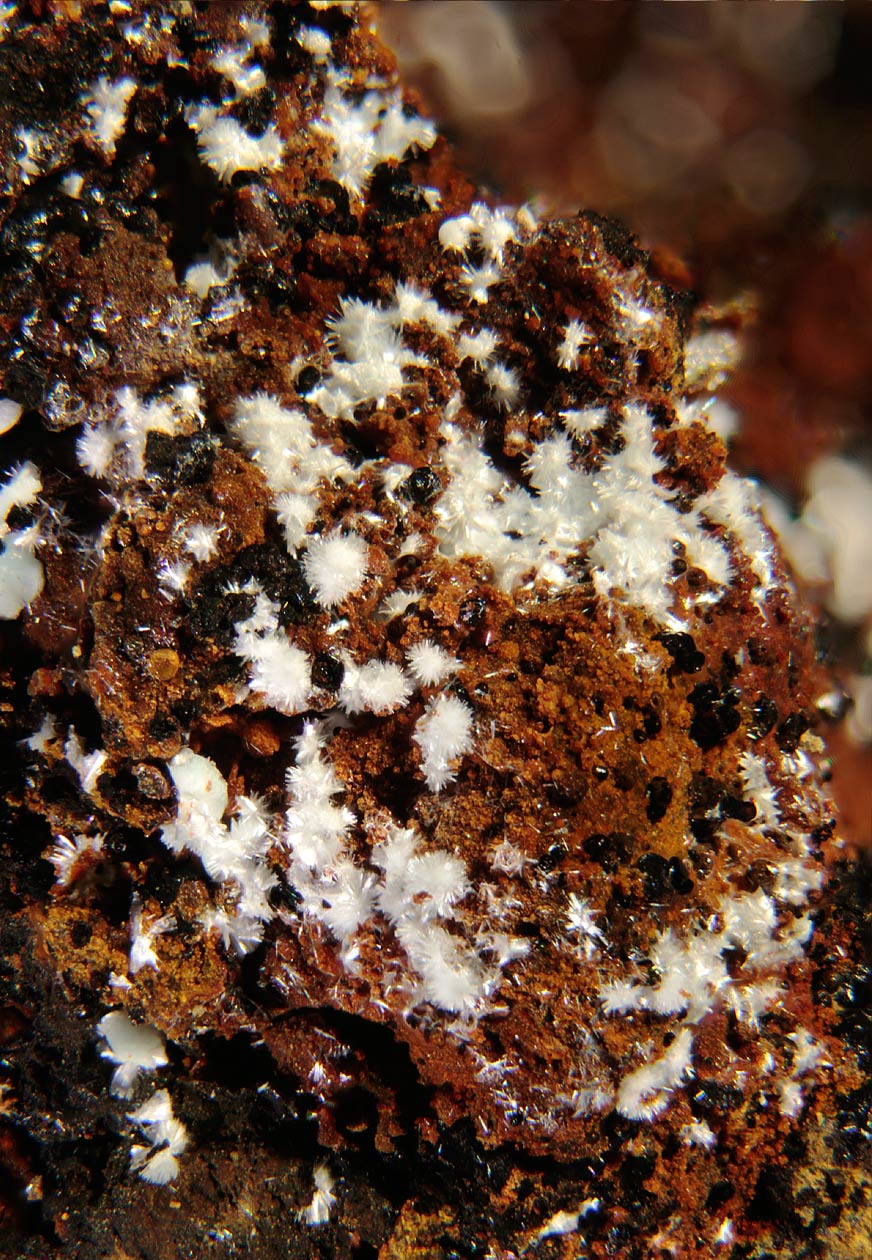
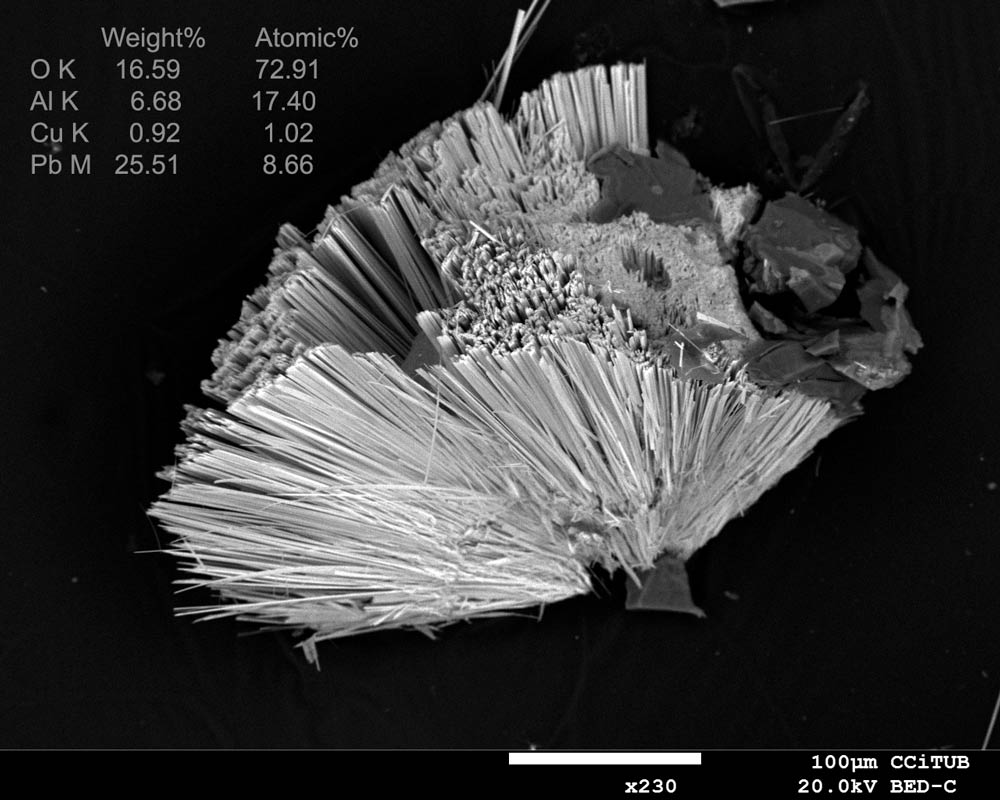
La dundasita es un poco habitual hidroxicarboanto de plomo y aluminio, que se forma como mineral secundario en la zona de oxidación de depósitos de plomo. Esta localidad pirenaica es muy interesante por su diversa paragénesis. En este ejemplar observamos bajo la lupa numerosos y estéticos agregados de cristales aciculares de brillo sedoso, algunos ligeramente azulados por su contenido en Cu, que contrastan con la matriz.