- Home About RM Minerals
- Virtual Photo Museum Blog RM Contact
- Microscopy and instruments How to Buy Disclaimer
Copyright 2010-2026
www.rosellminerals.com



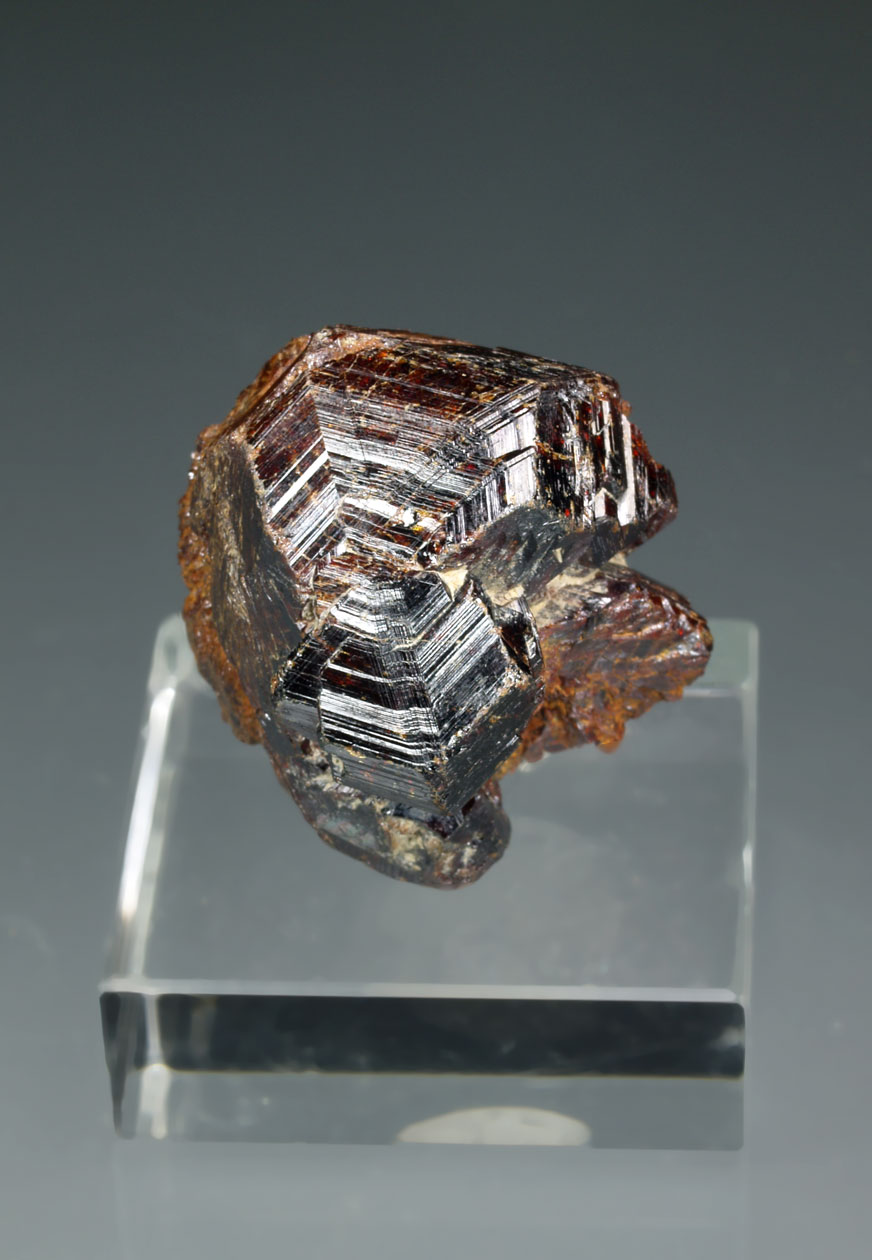
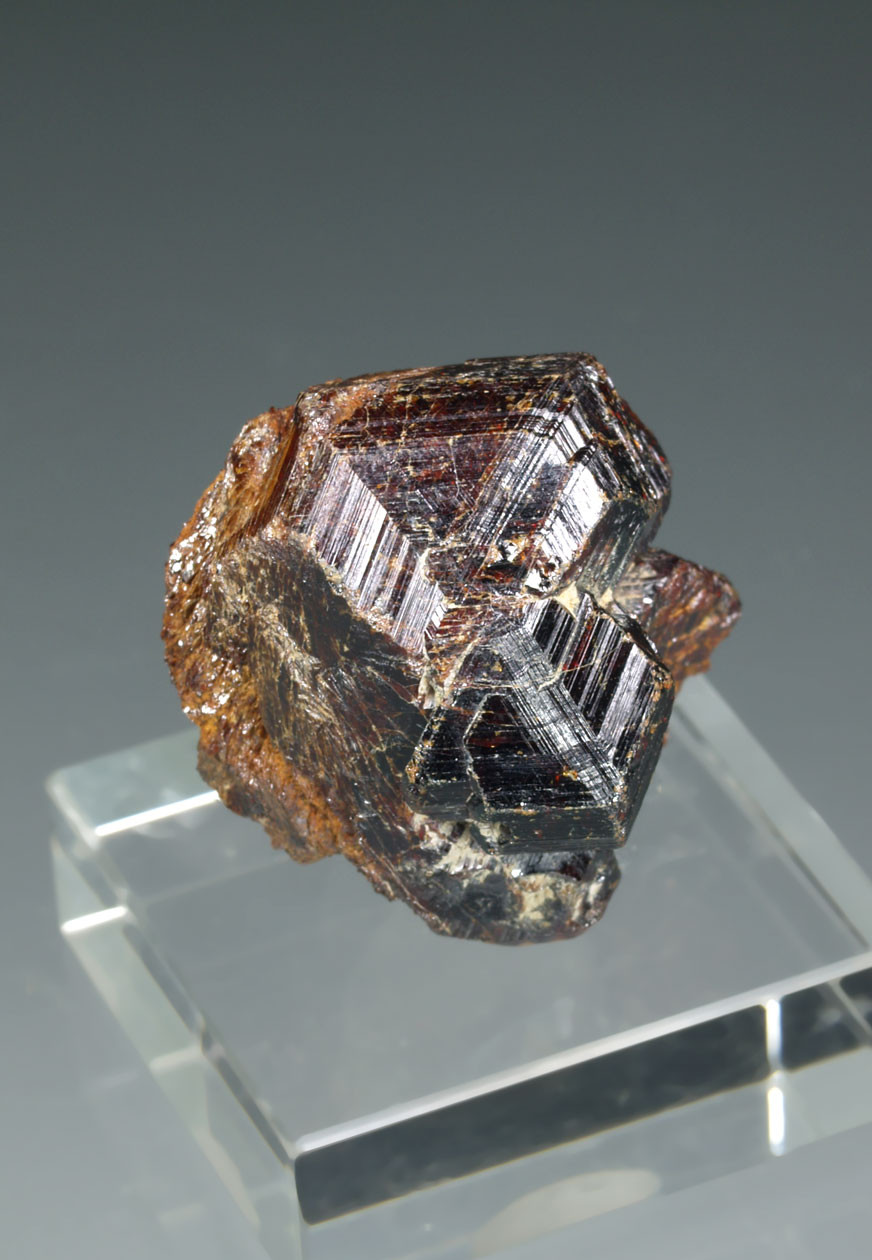
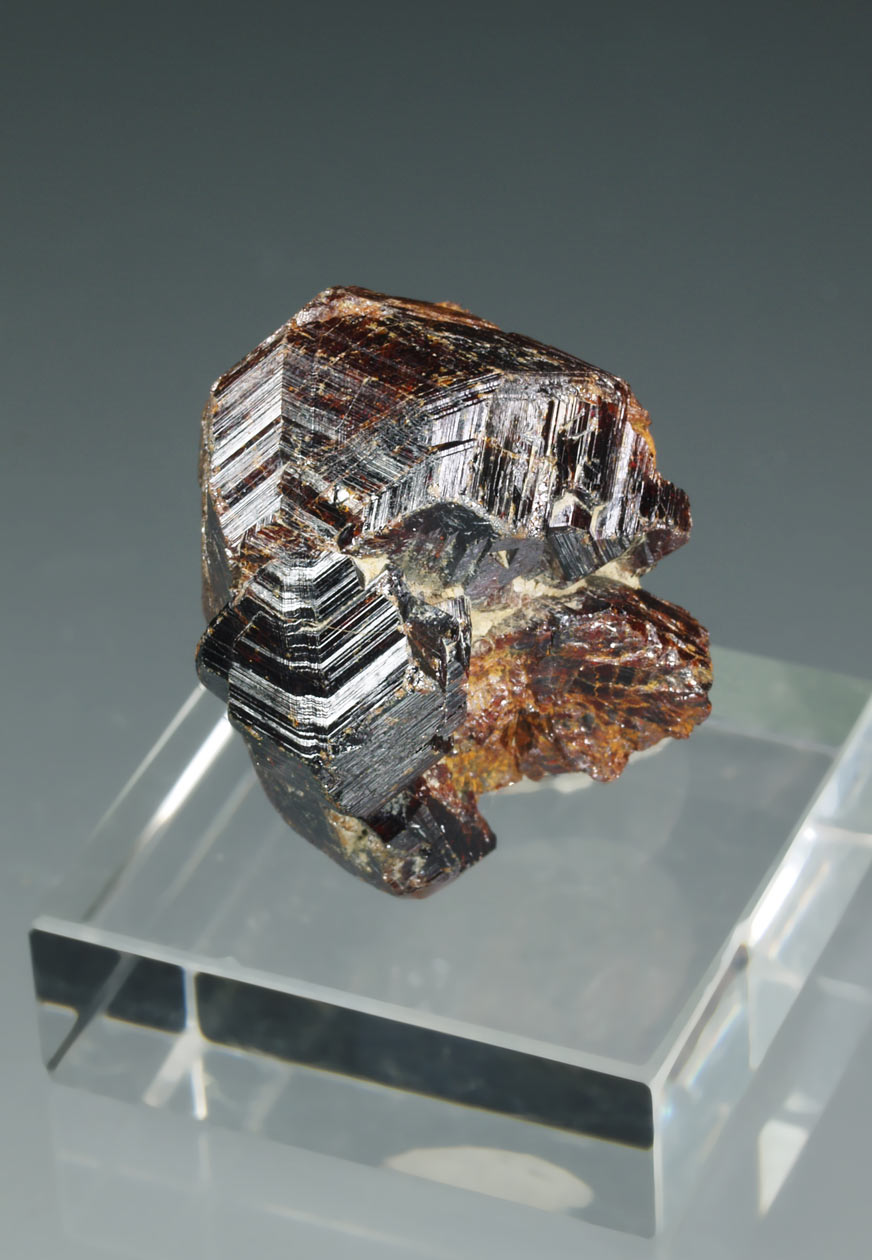
Group of rutile crystals with a highly visible cyclic twin. A brilliant piece with years... From the Joan Astor collection.
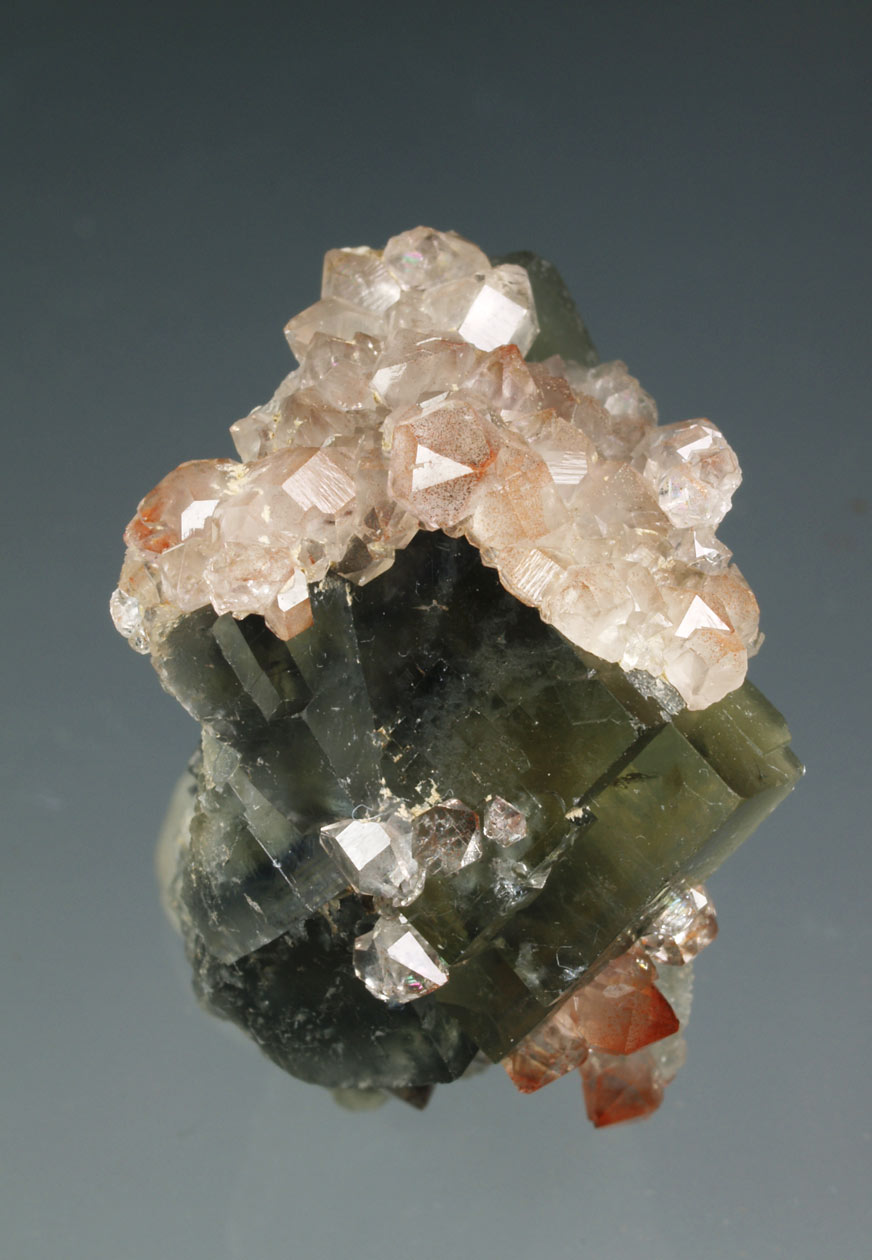
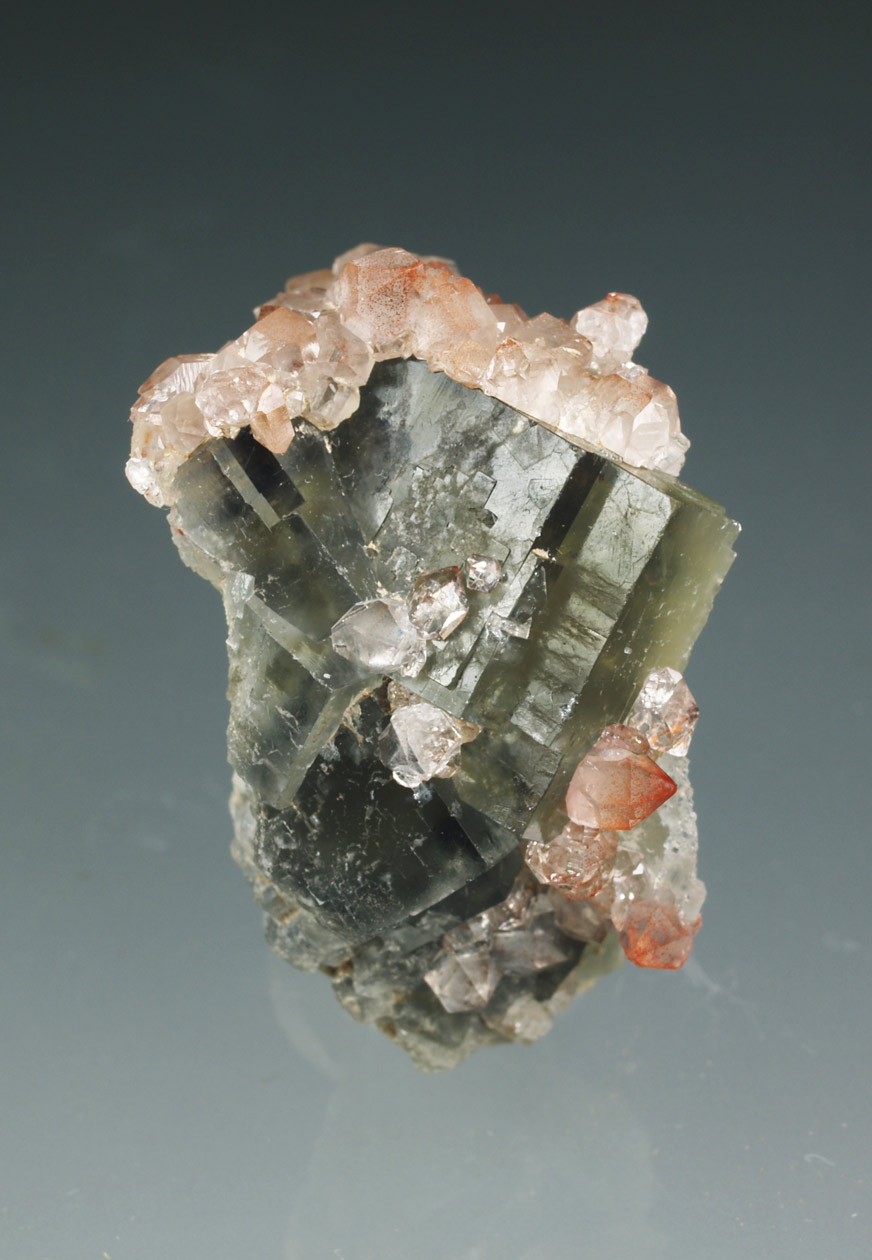
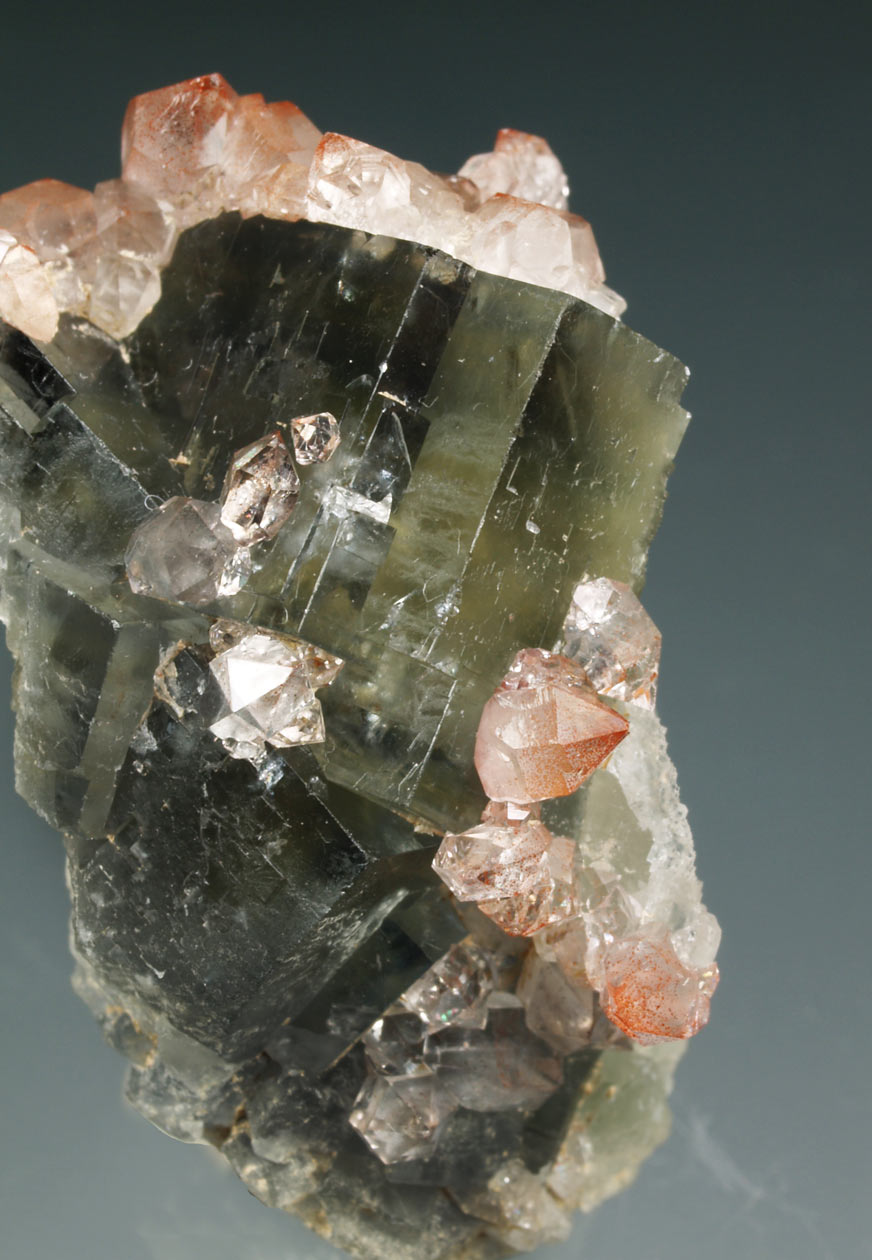
Aesthetic miniature of fluorite crystals of a greenish hue with geometric violet colour zoning. Partially covered by various aggregates of hyaline quartz crystals, peppered by small globular hematite that gives them a reddish hue. A piece from this classic Catalan mine, from the J. Astor and collection. by L. Daunis.
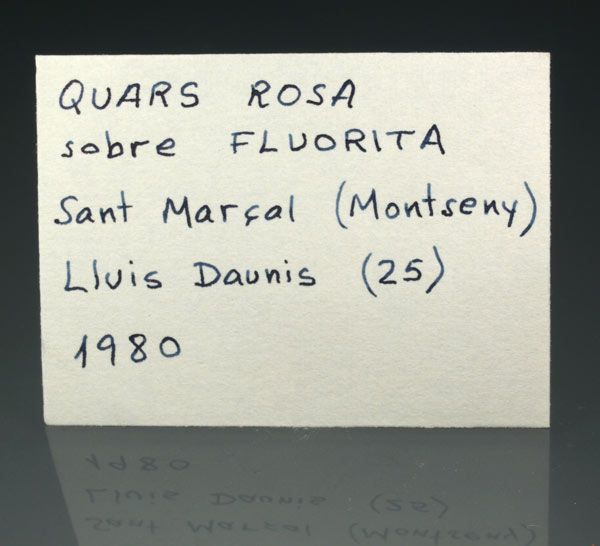
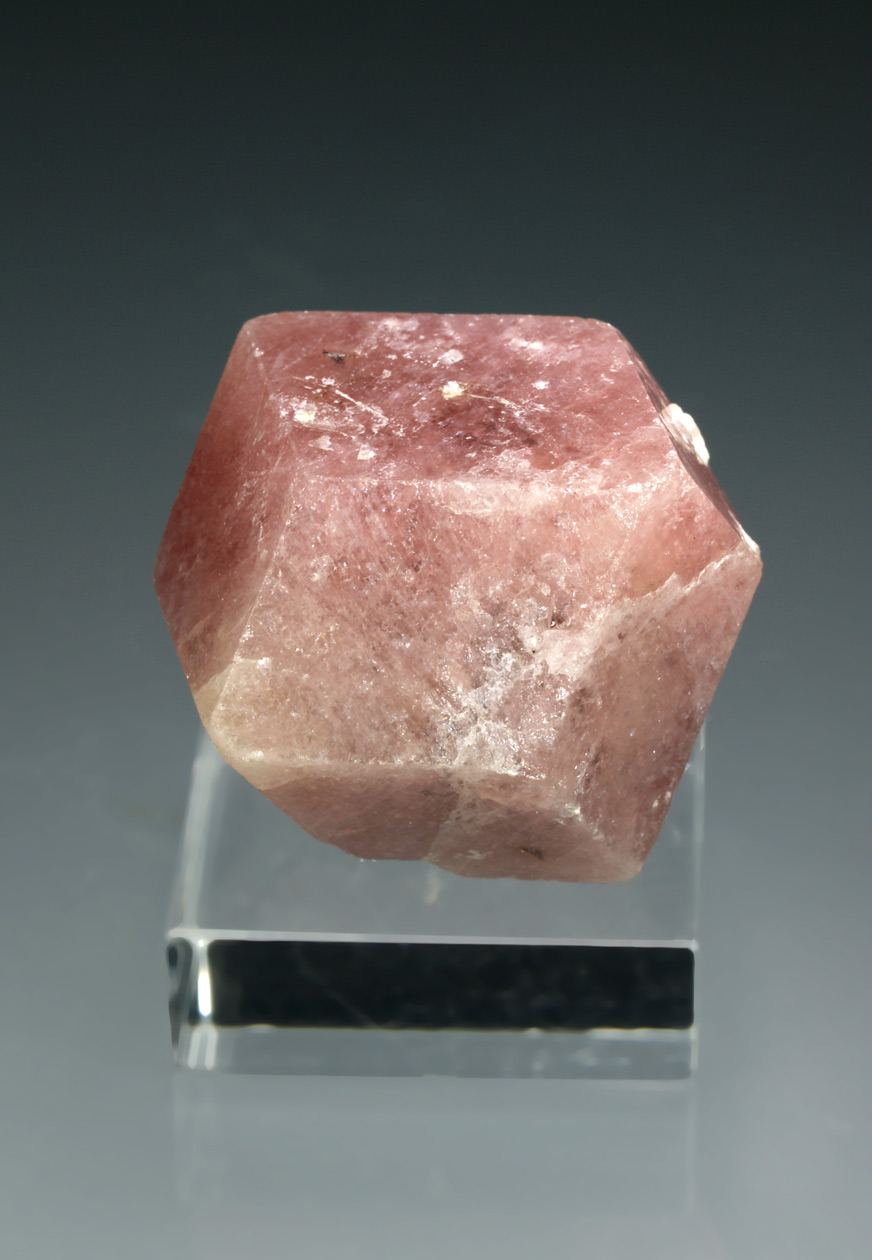
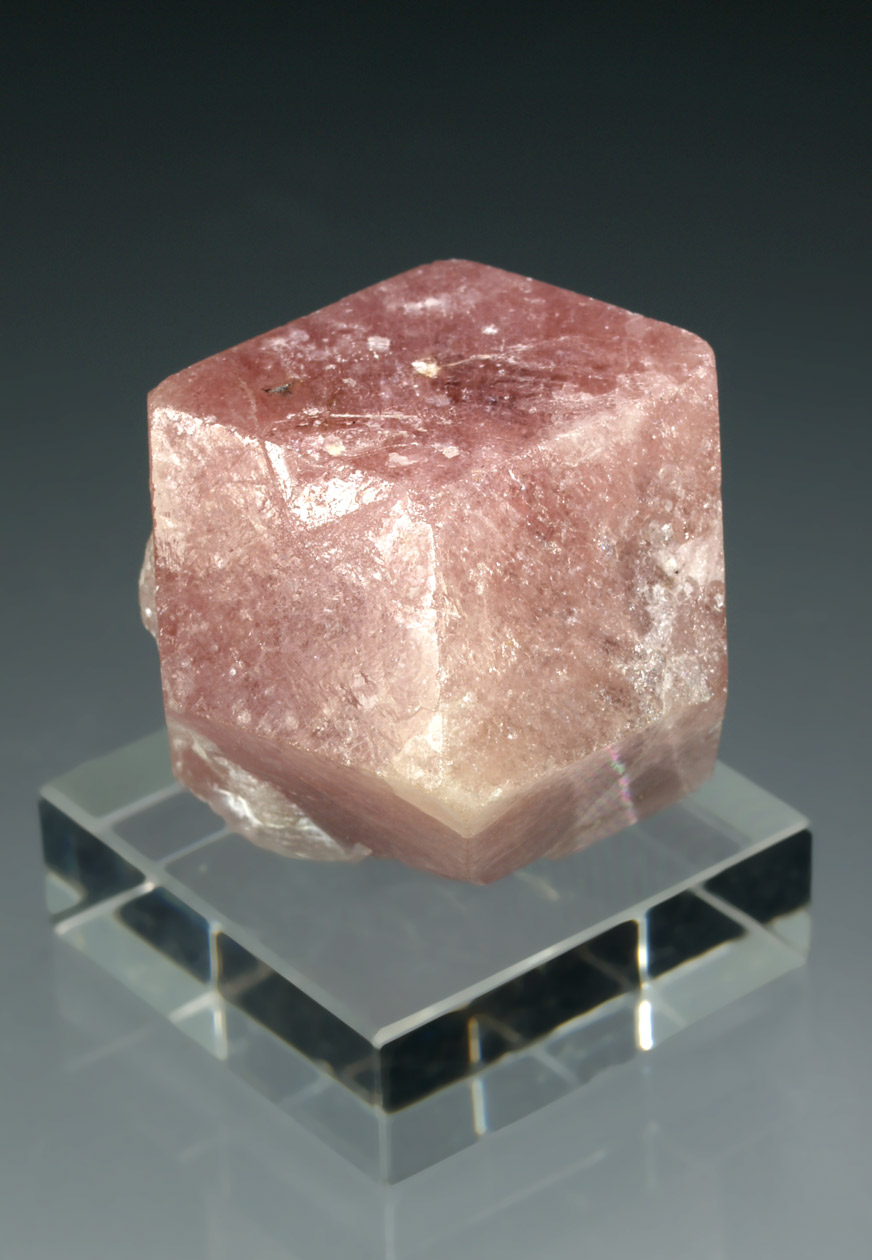
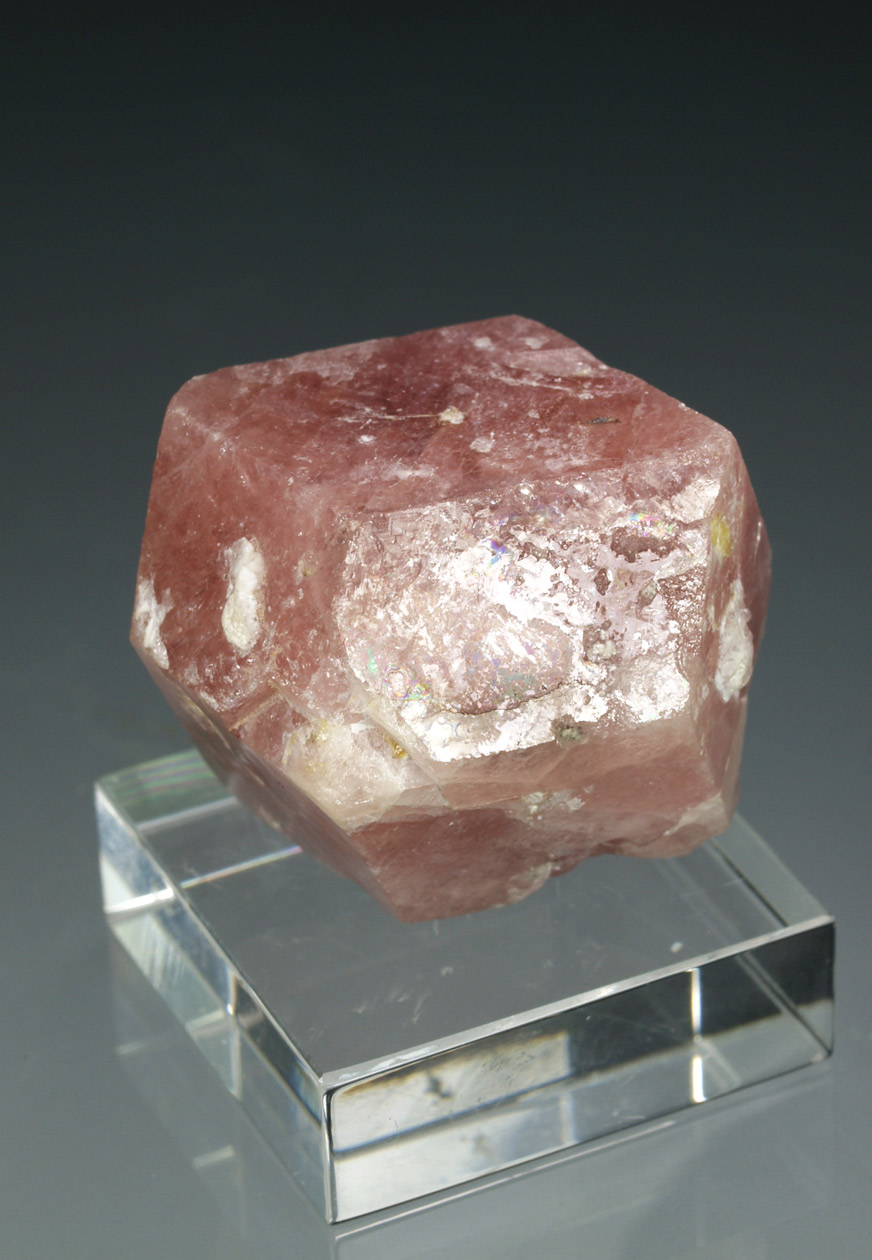
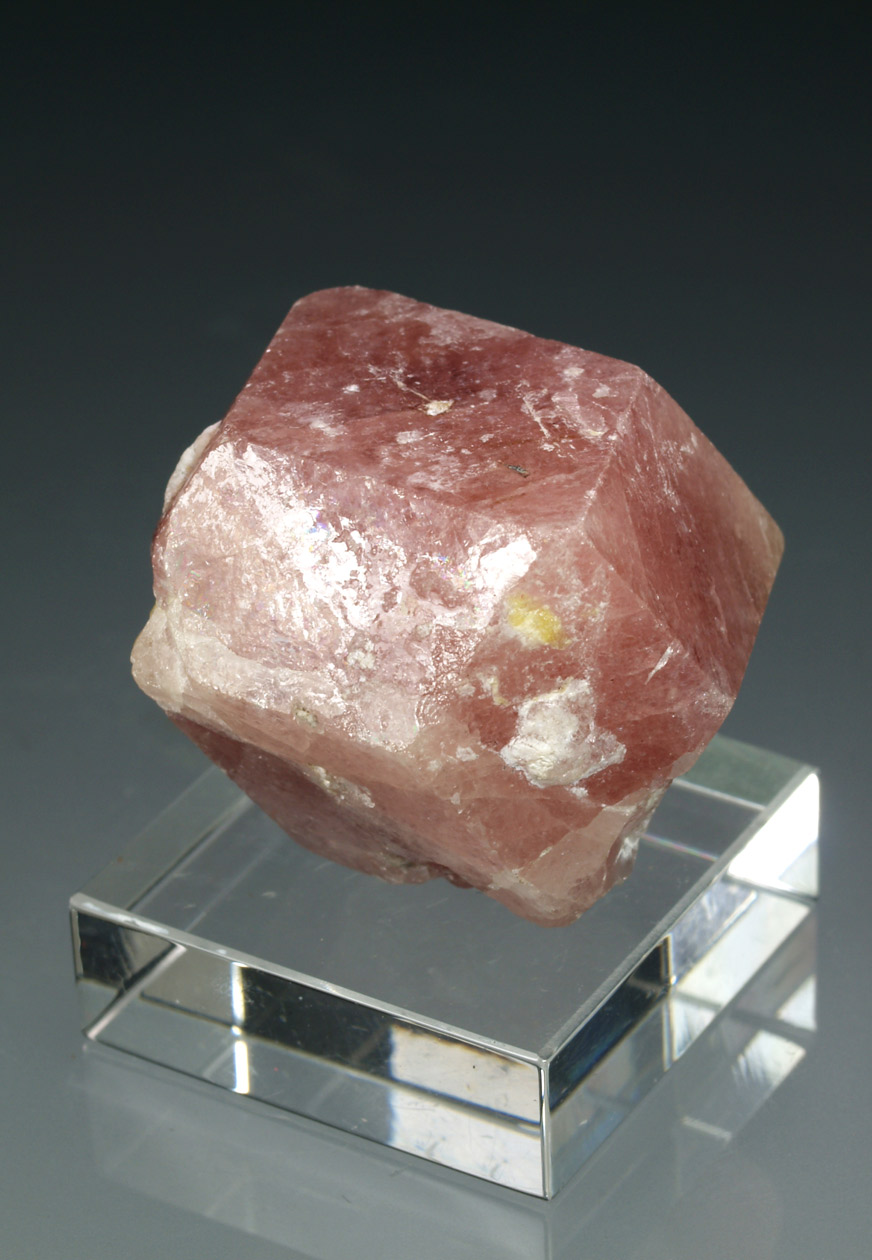
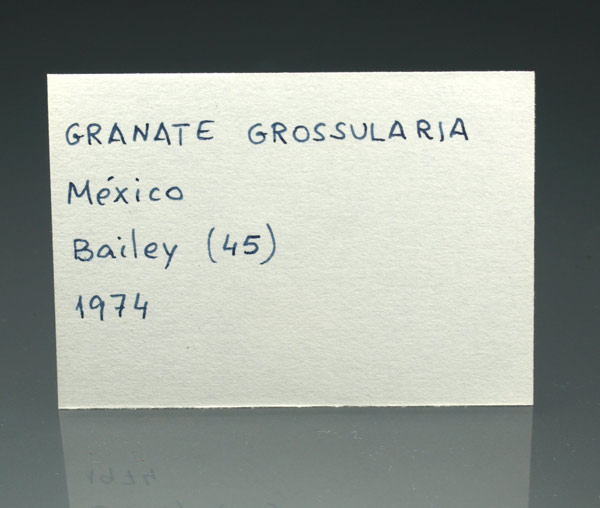
A good sized floater crystal of grossular, with a delicate pink color, brilliant (not very common), with very well defined faces of the dodecahedron. This piece comes from the former J. Astor collection, acquired in 1974 from Bailey Minerals (Ángel Jesús Talabán García, Segovia 1942-Madrid 2007). With labels. A hard-to-find classic.
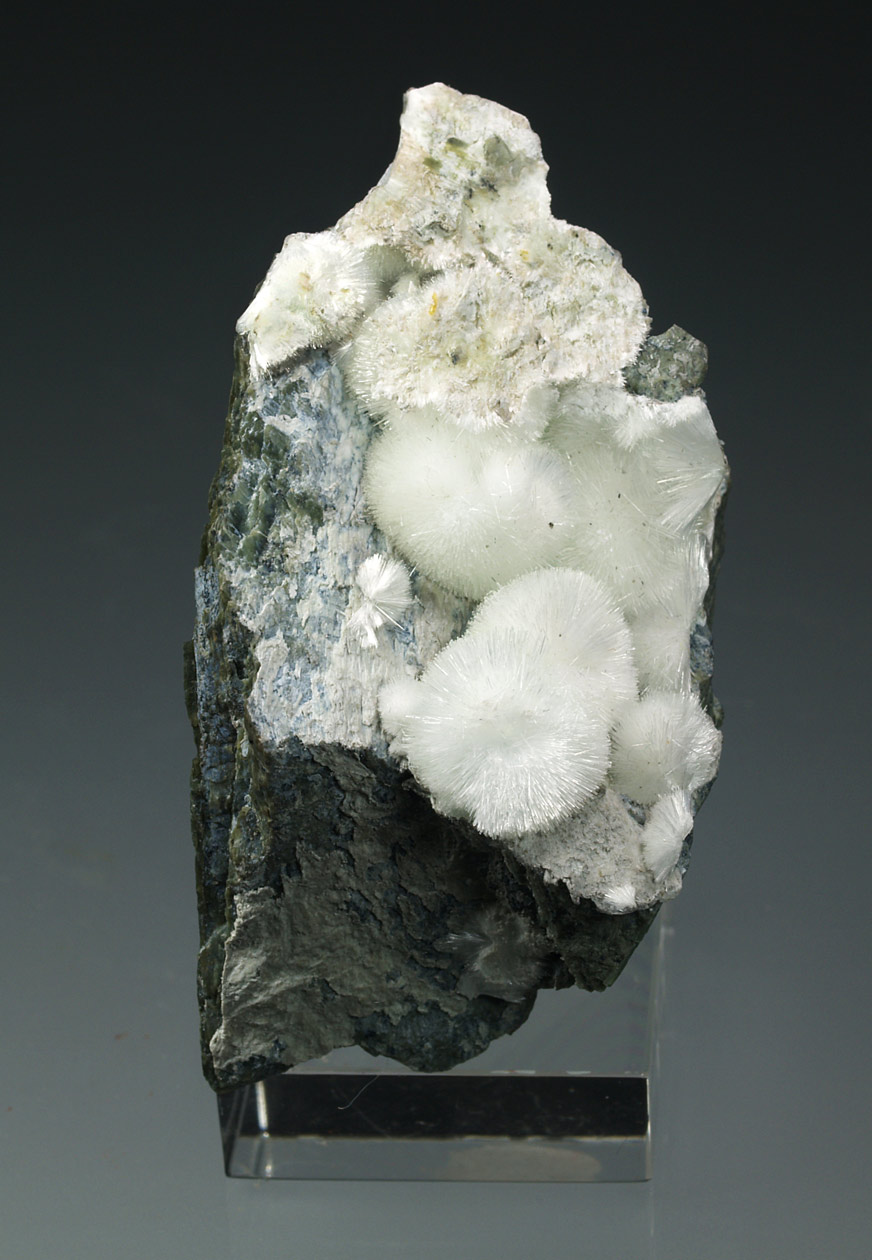
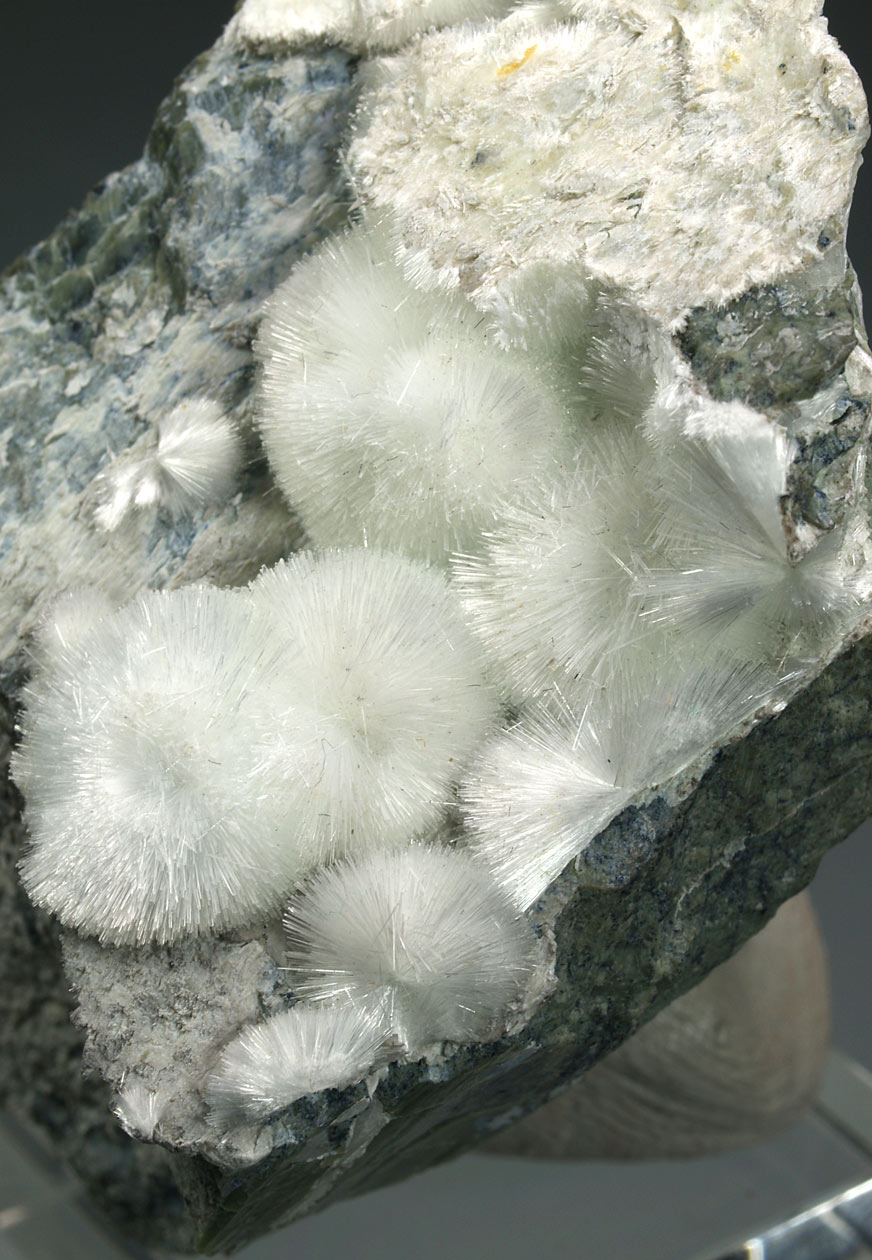
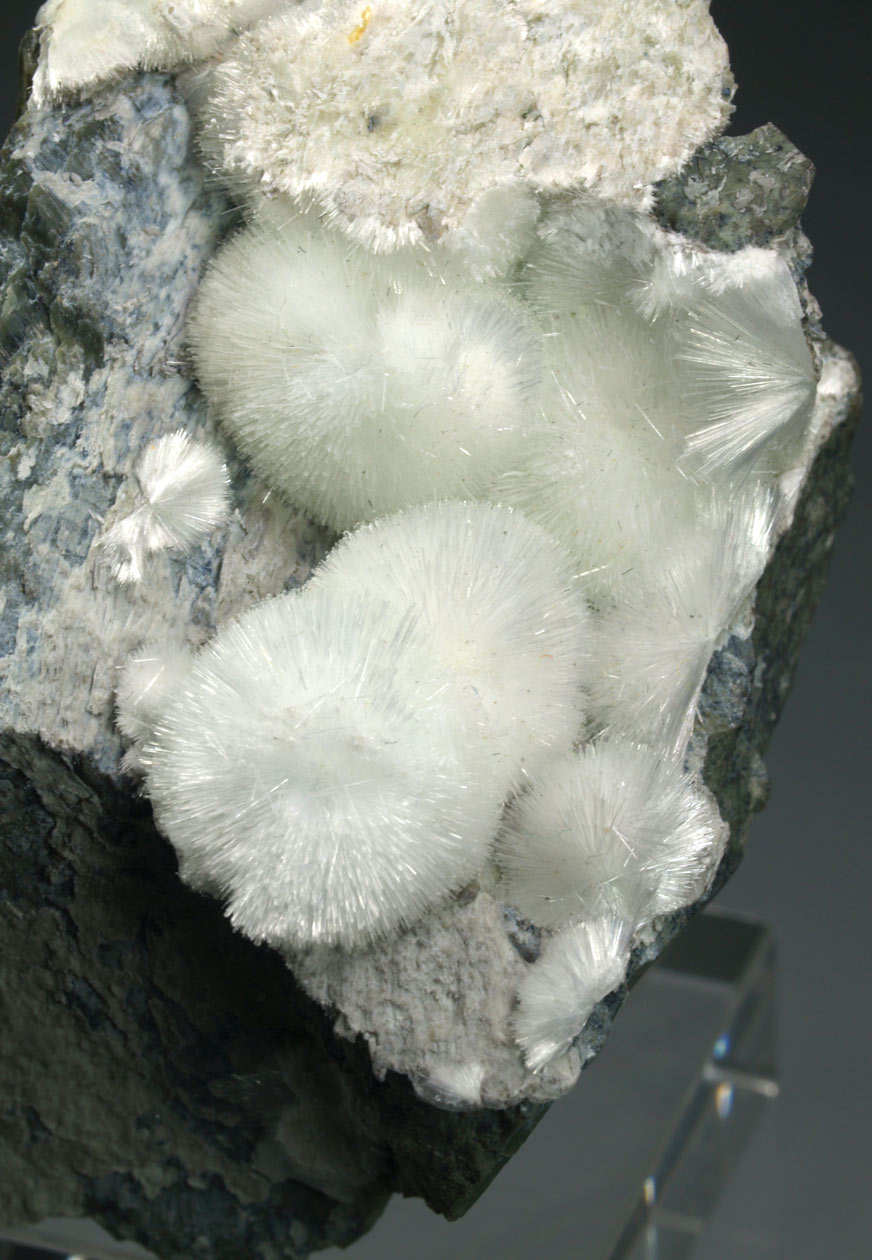
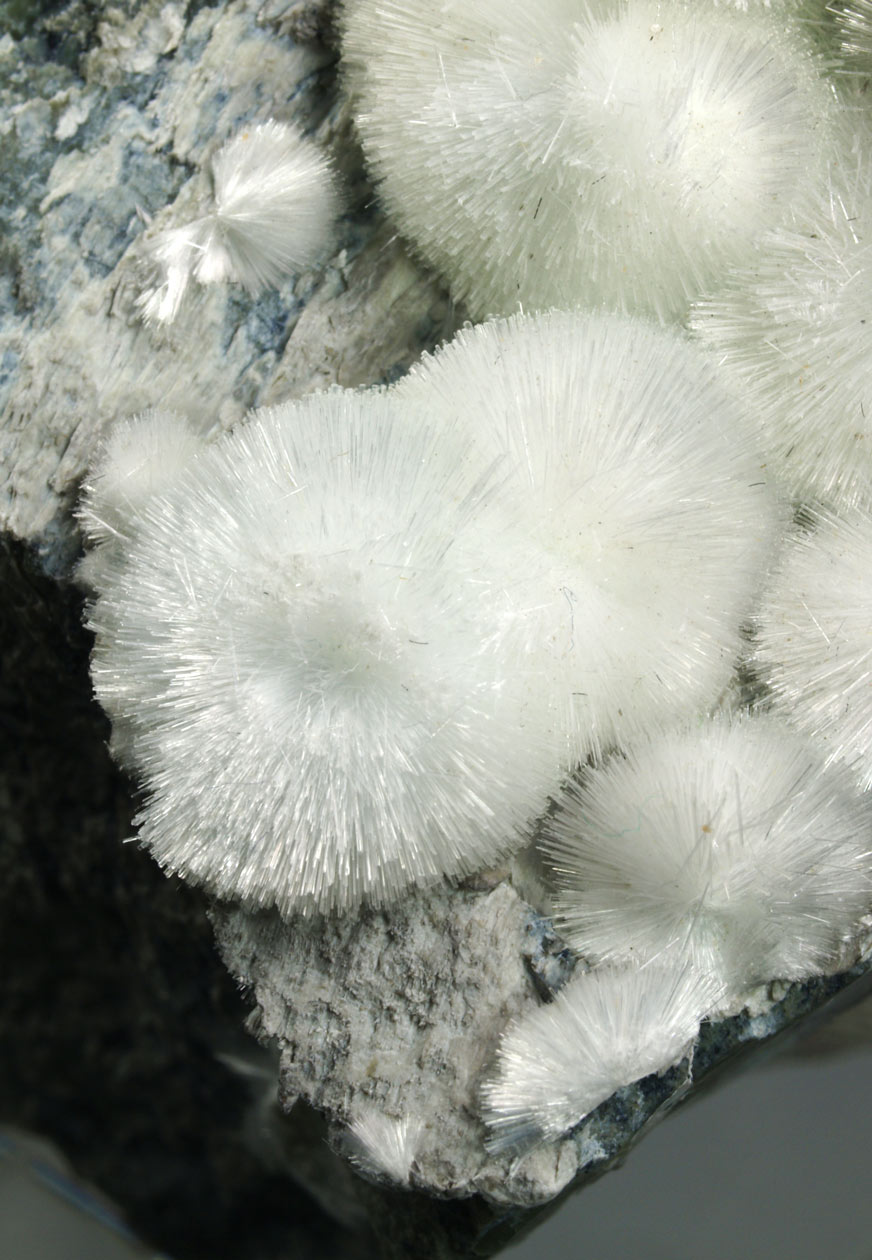
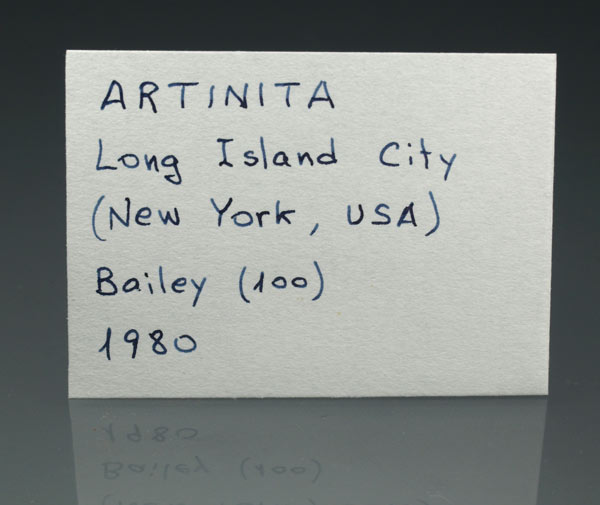
A rare specimen collected in an urban setting. Colorless to white radial aggregates of acicular artinite crystals on a serpentine matrix. Aesthetic, good size, excellent quality, very rich, from the classic Staten Island locality. Artinite is a rare hydrated magnesium carbonate. This piece comes from the J. Astor collection, acquired in 1980 from Bailey Minerals (Ángel Jesús Talabán García, Segovia 1942-Madrid 2007). With old labels. An USA classic nowadays not easy to find.
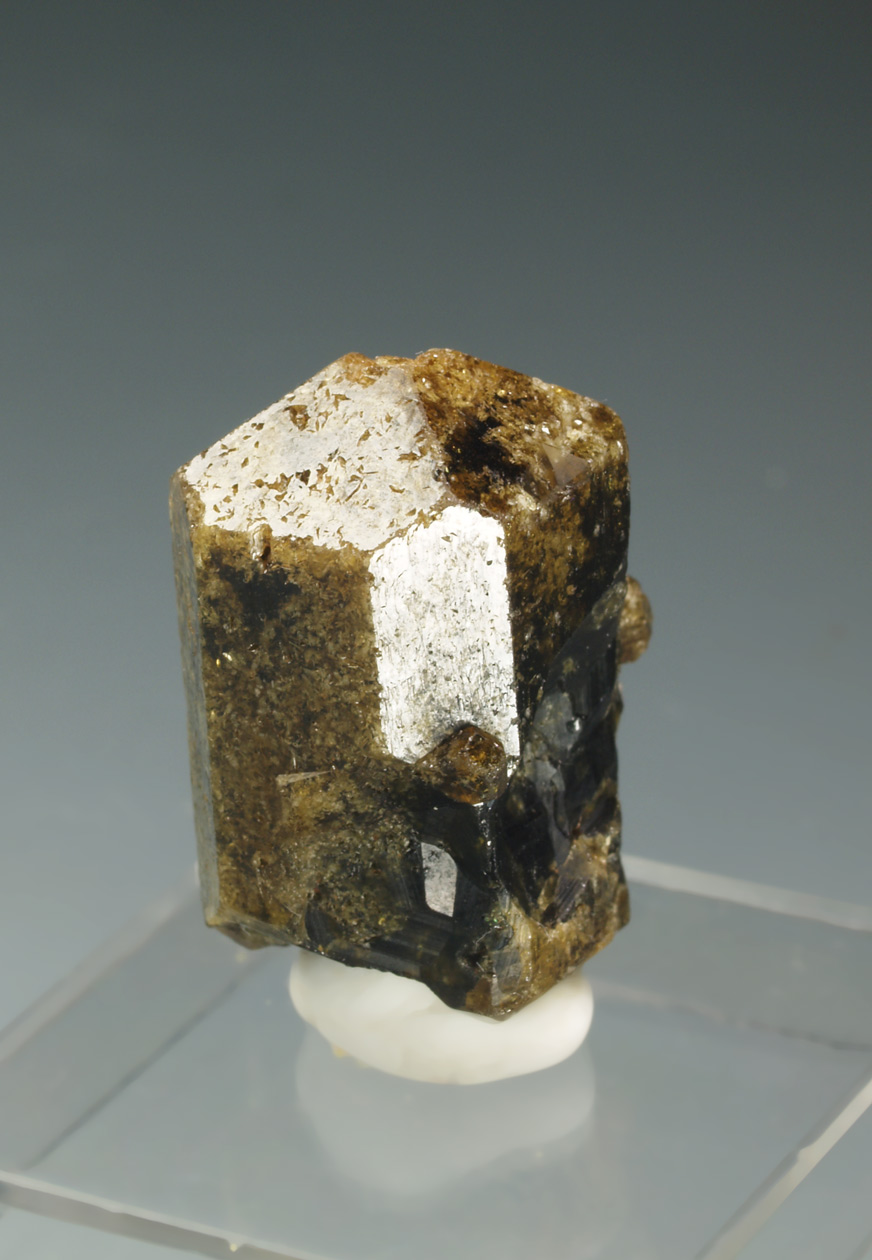
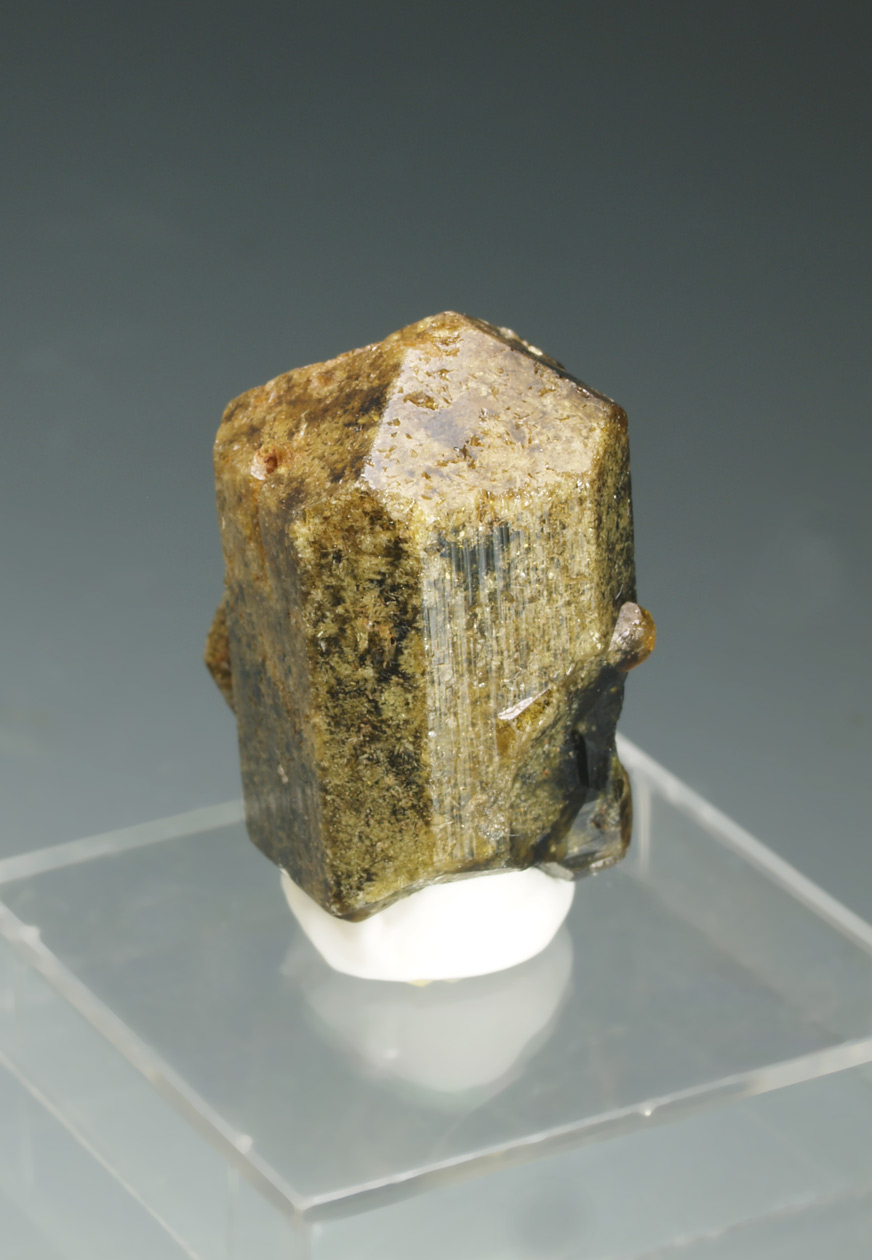
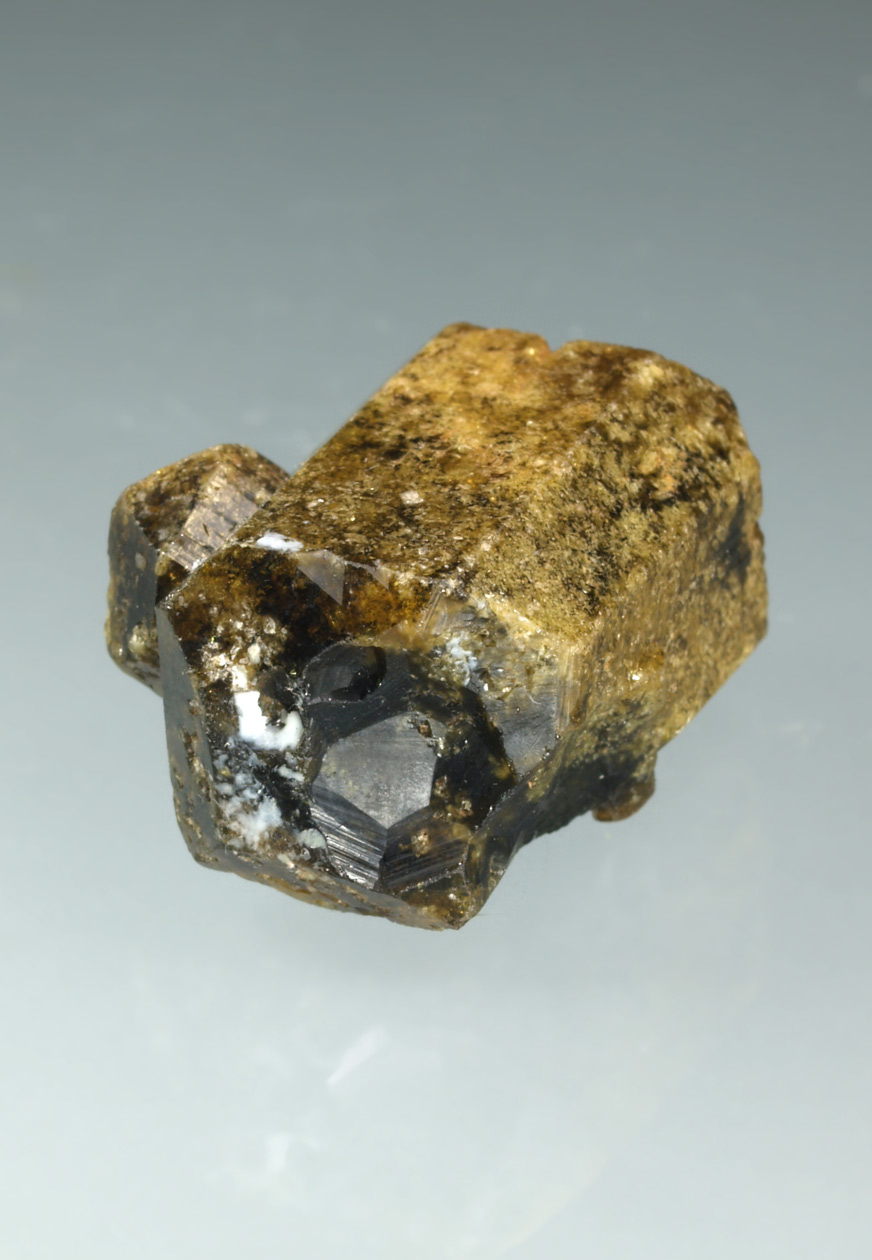
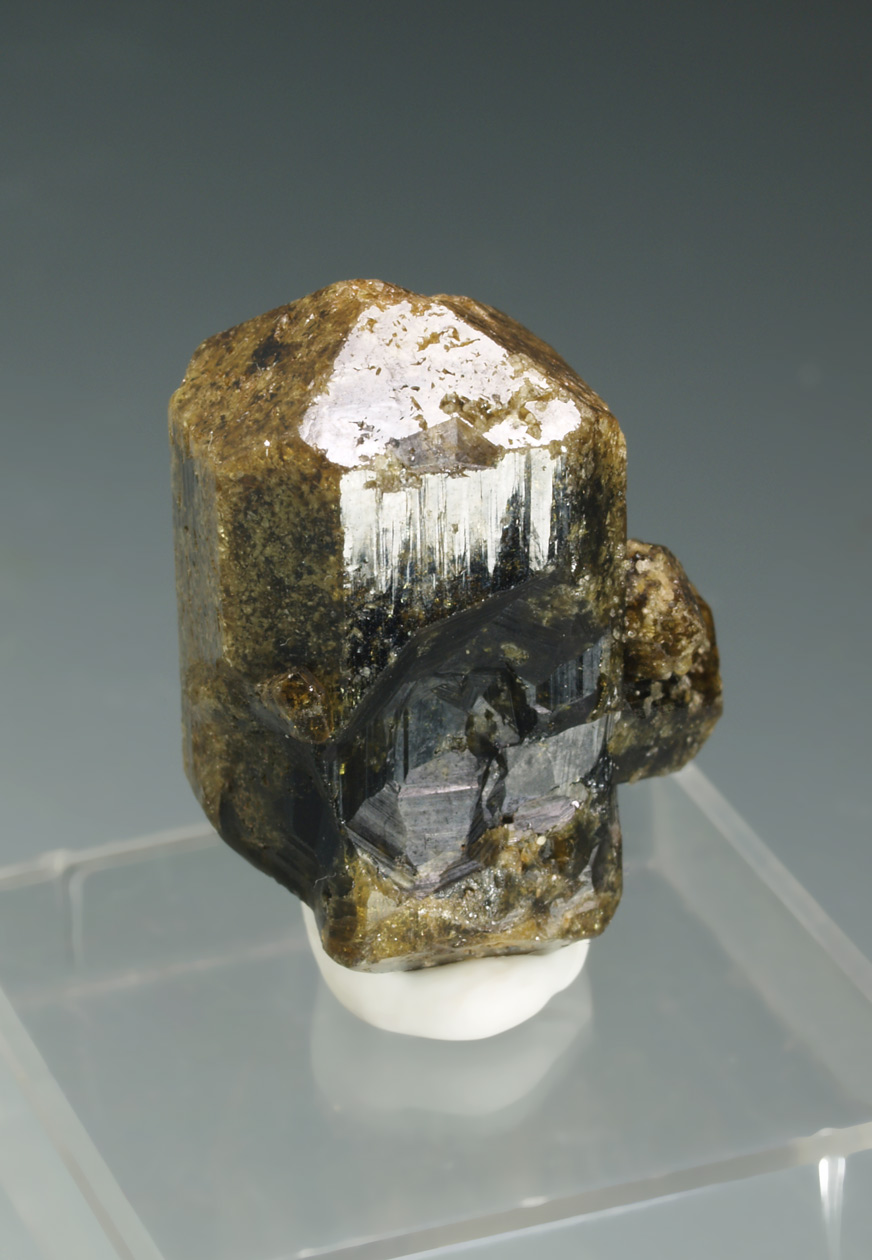
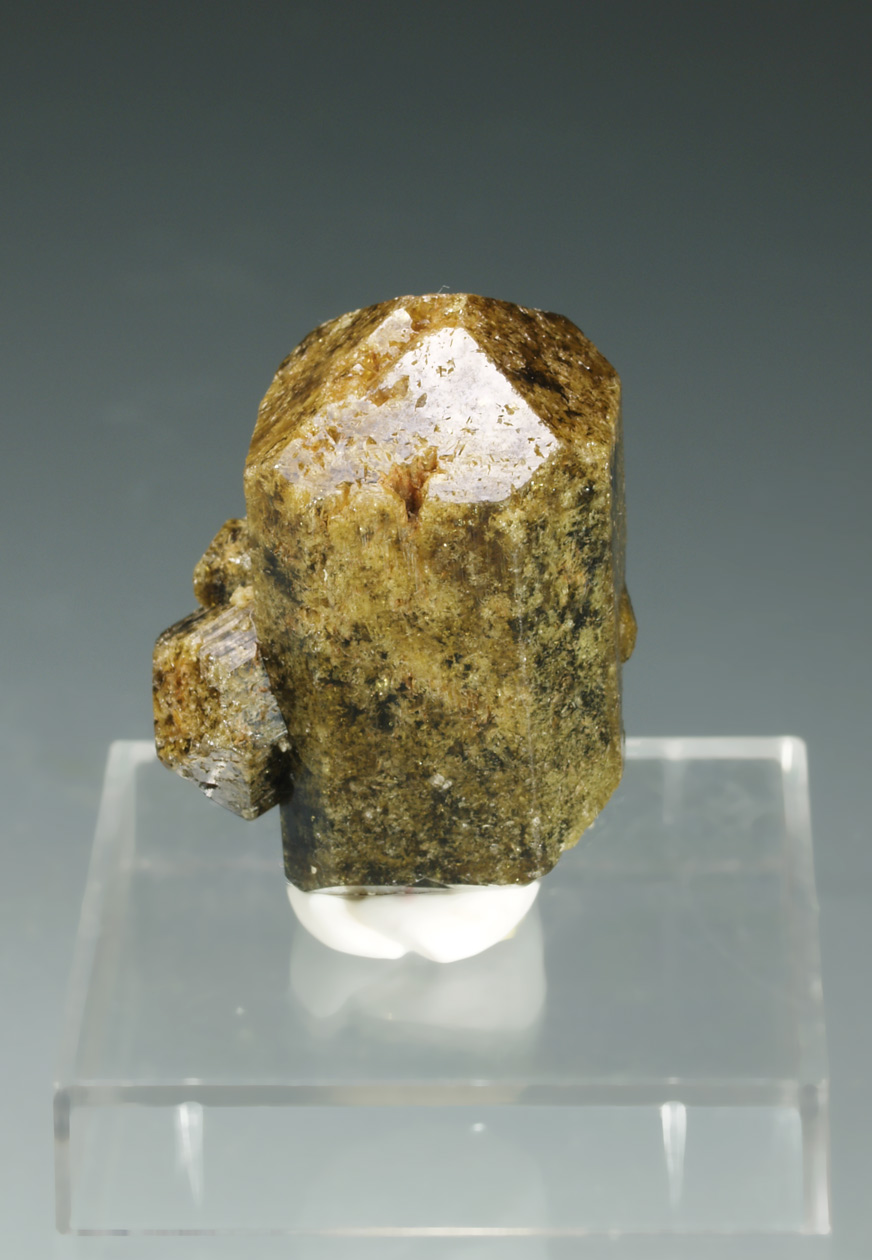
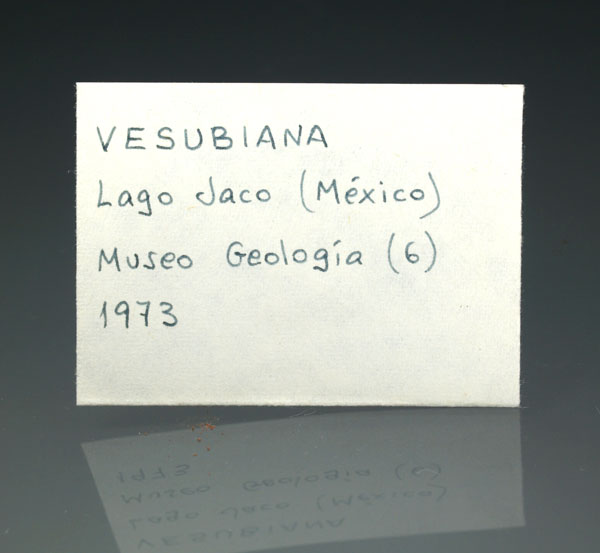
Floating crystal of vesuvianite, defined faces, doubly terminated, with an intense olive color. It is labeled as coming from Lago Jaco, although it must be said that the garnets and vesuvianites attributed to Lago Jaco come from the Sierra de Cruces (incorrectly Sierra de la Cruz or Sierra de las Cruces), Sierra Mojada municipality, Coahuila, Mexico. Acquired by J. Astor from the Geology Museum of Barcelona in the early 70s, with labels.
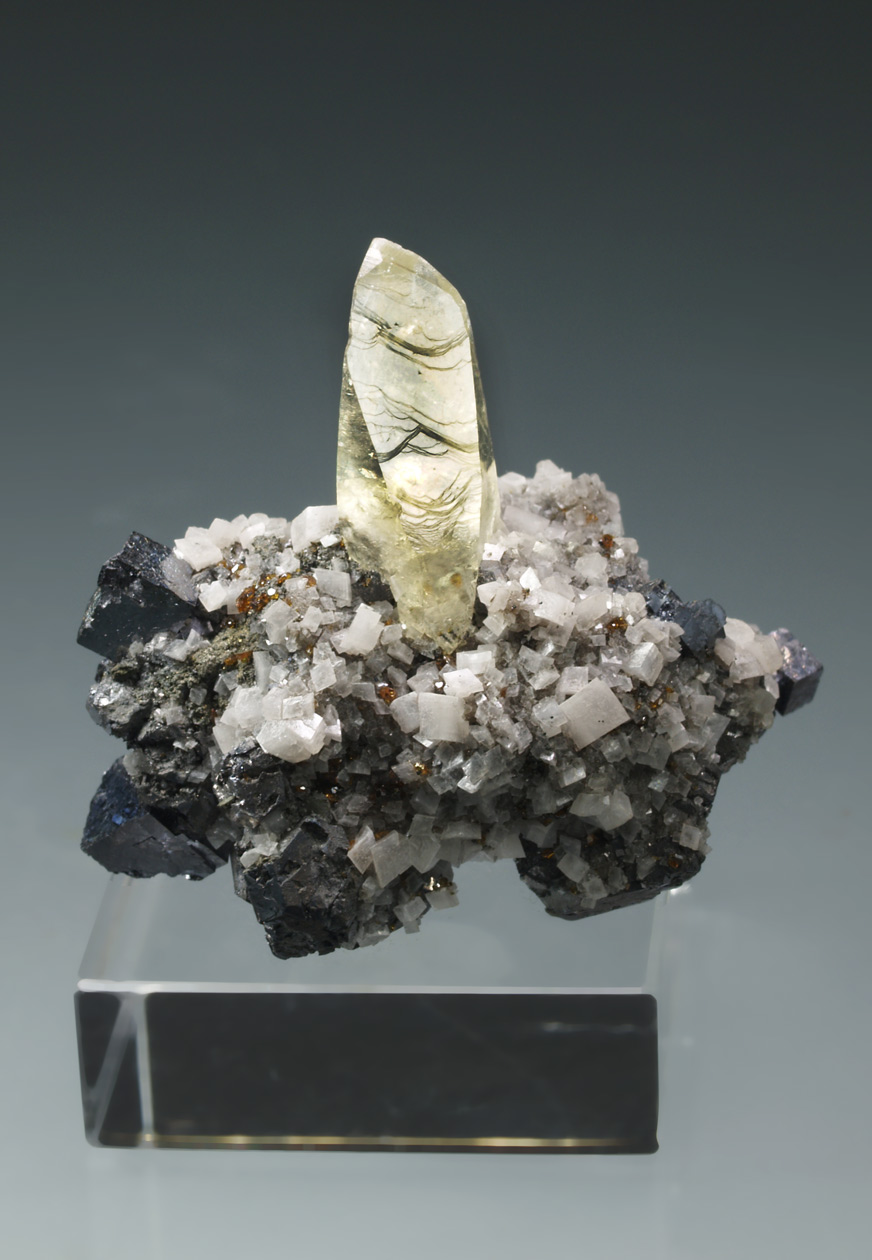
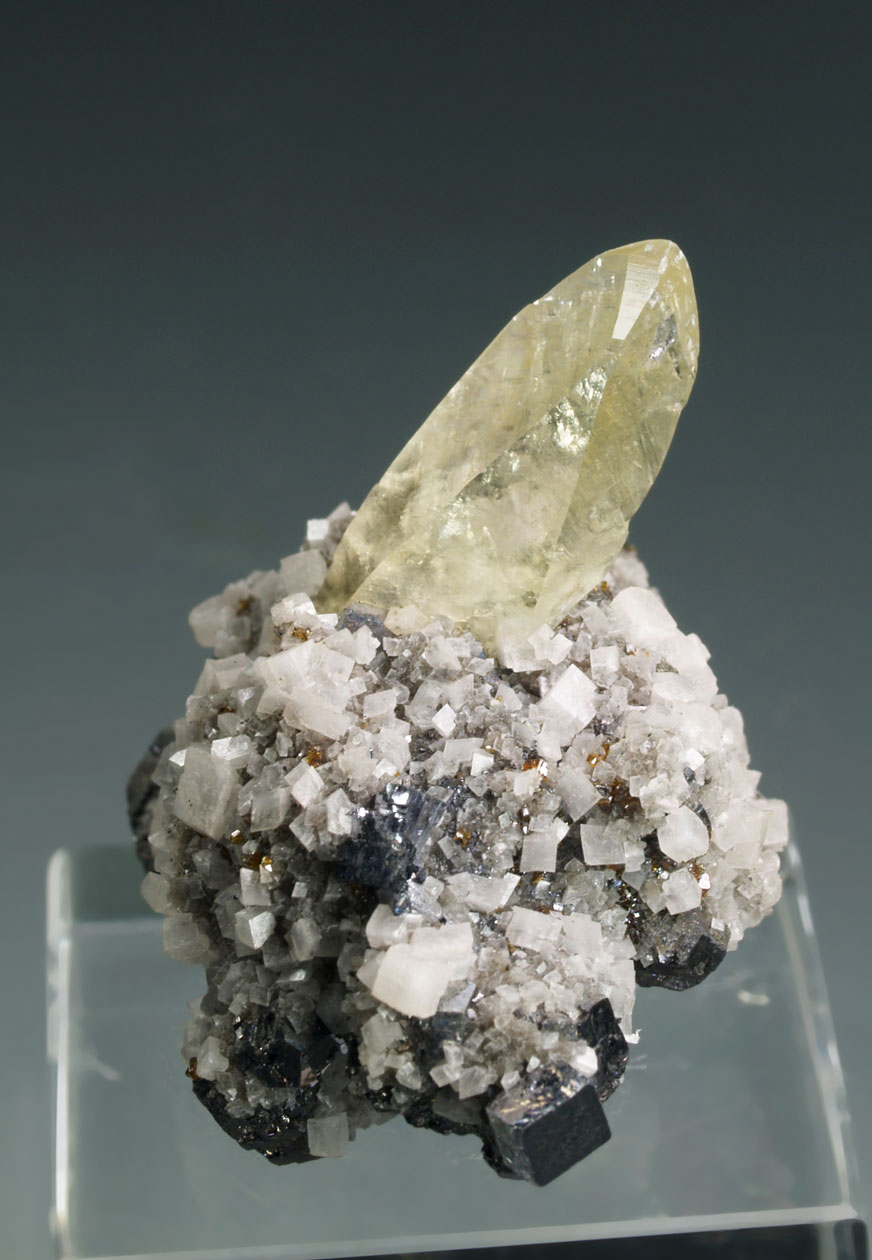
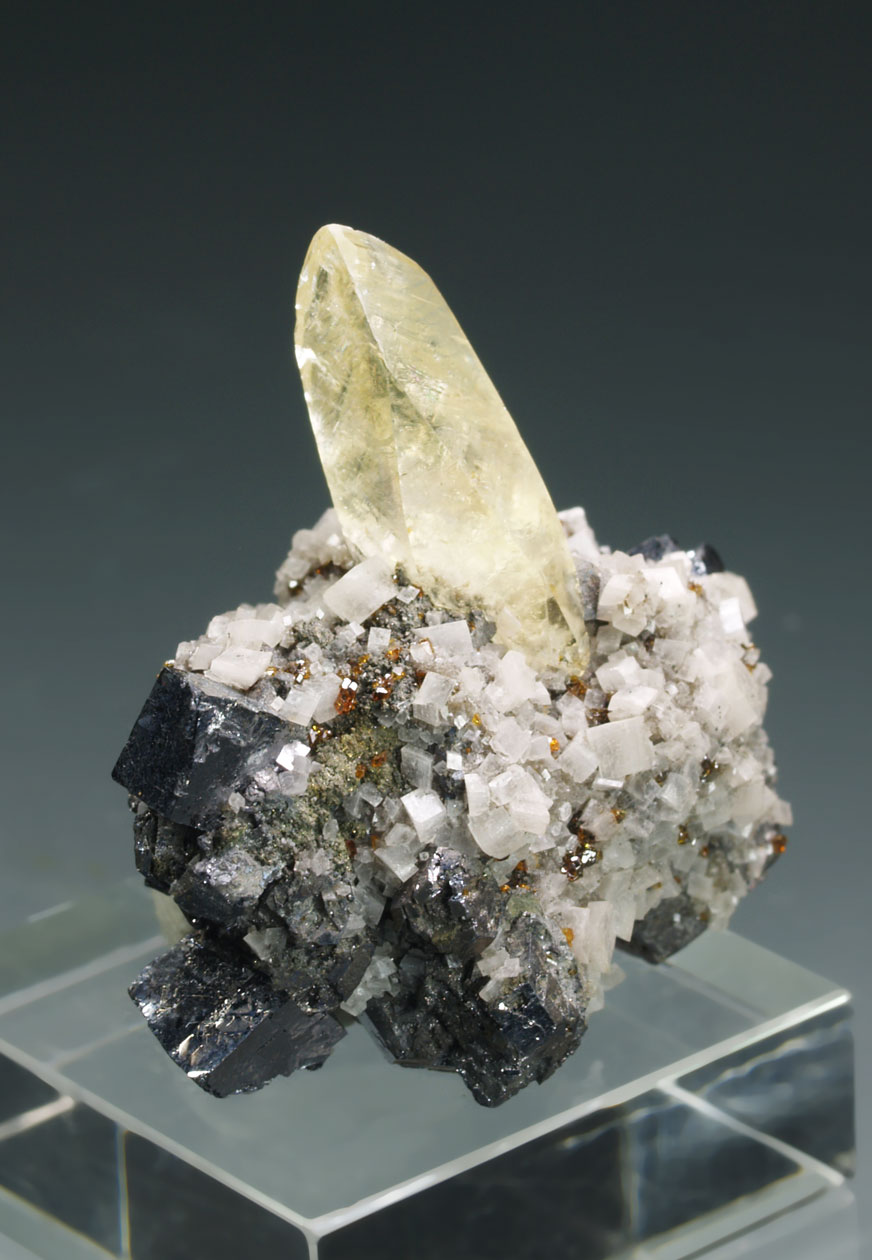
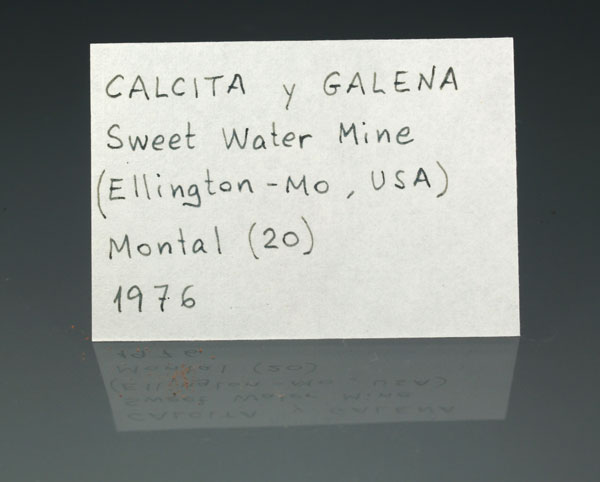
Calcite gemmy crystal from this classic North American locality, very transparent, bright and with a delicate yellow color. It is disposed very aerially on a matrix with galena, sphalerite, dolomite and pyrite. It is also crystallographically very interesting because of the shapes of the elongated rhombohedron, with the faces of the scalenohedron. Acquired by J. Astor from J. Montal in the mid-1970s, with labels.
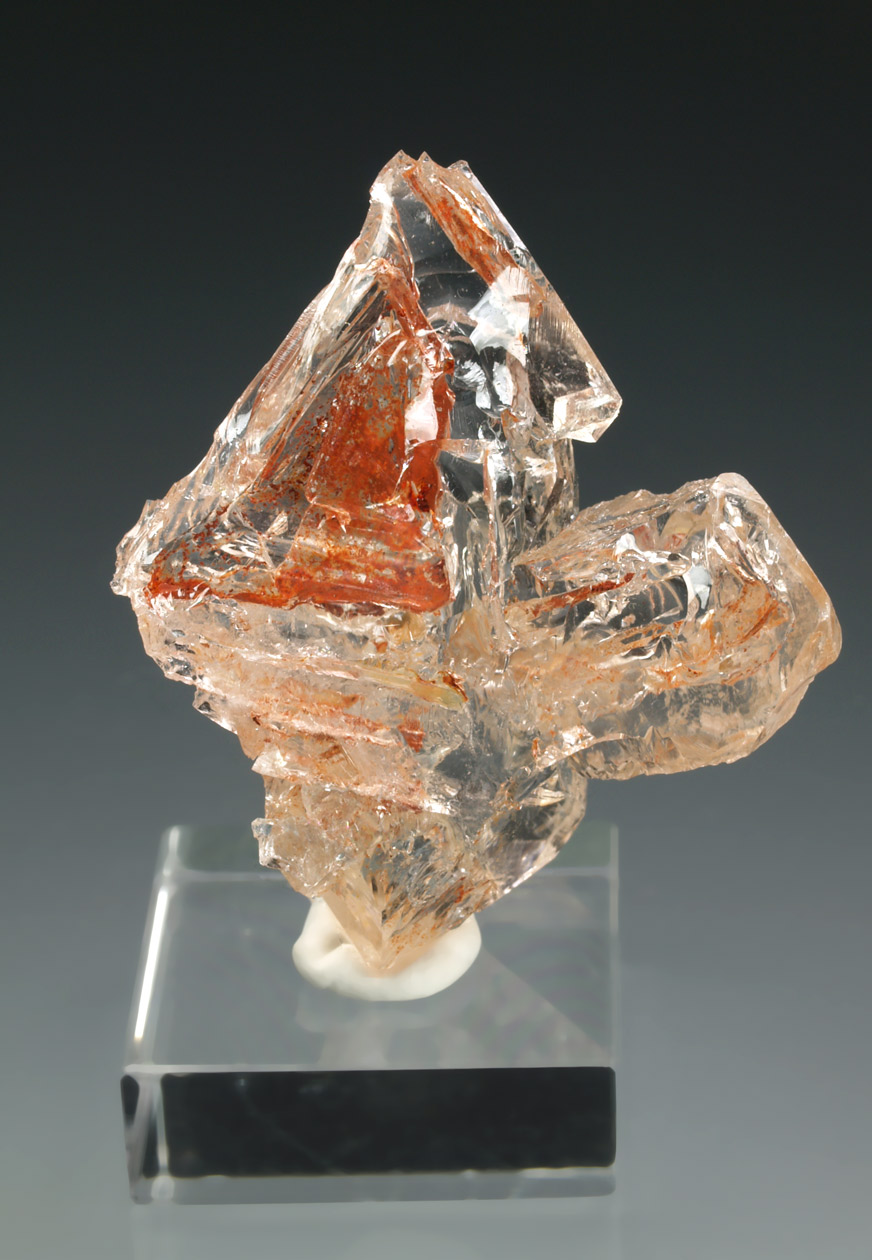
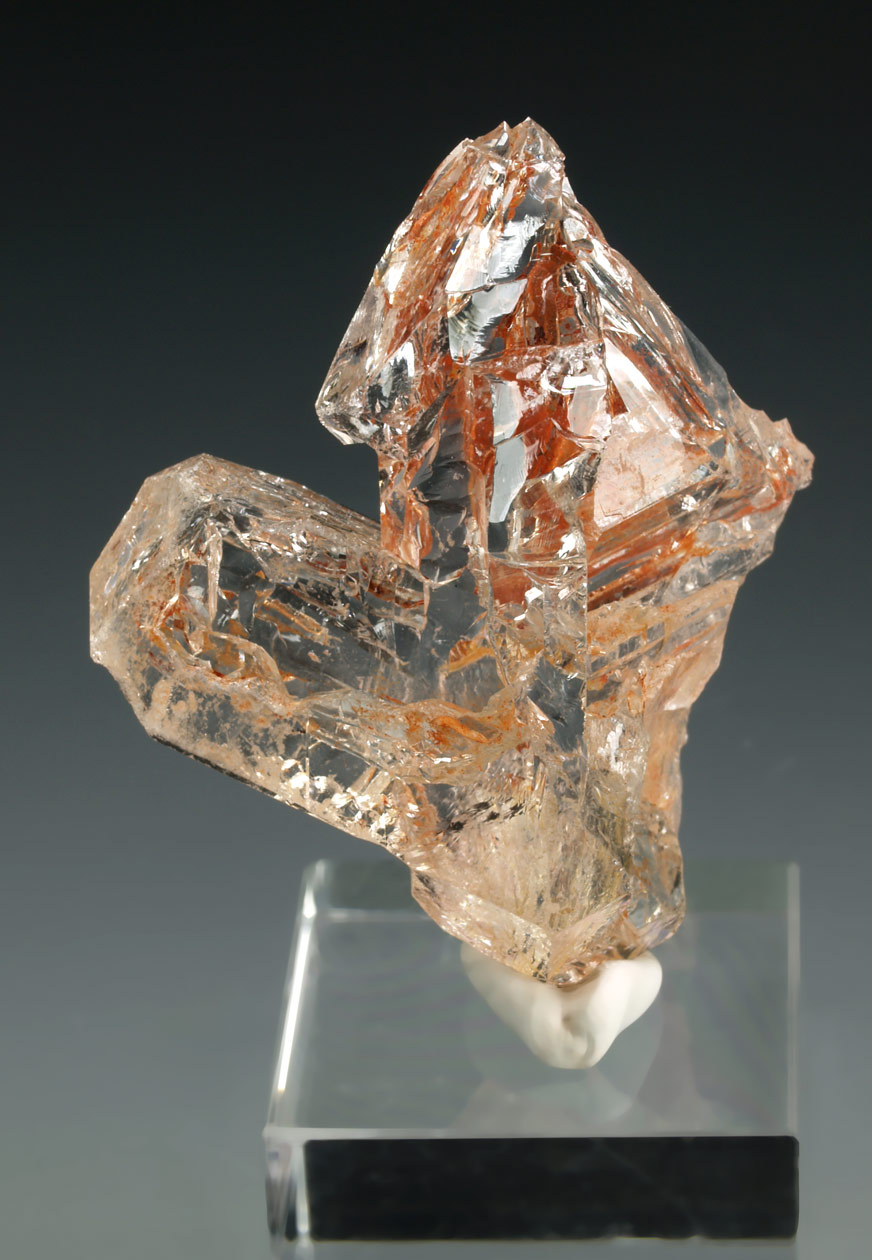
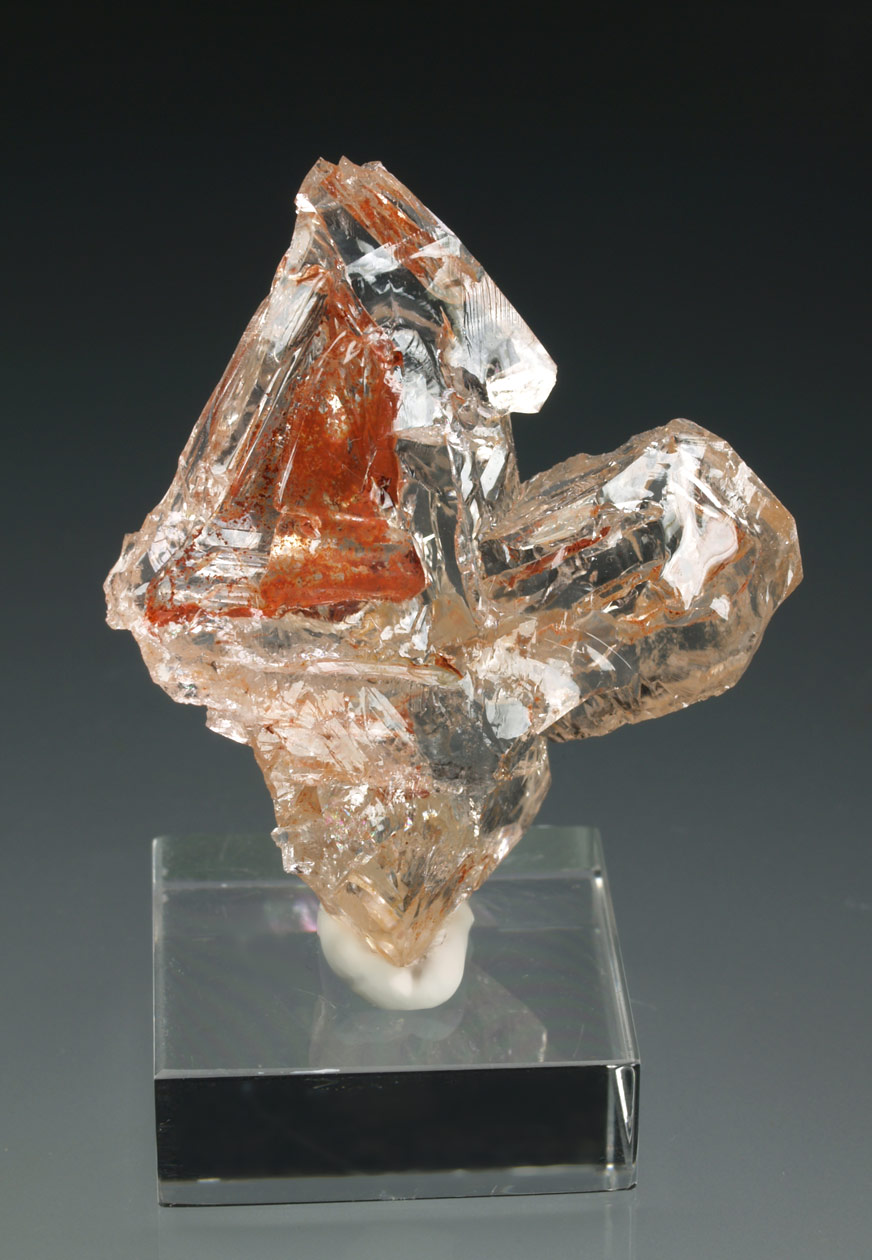
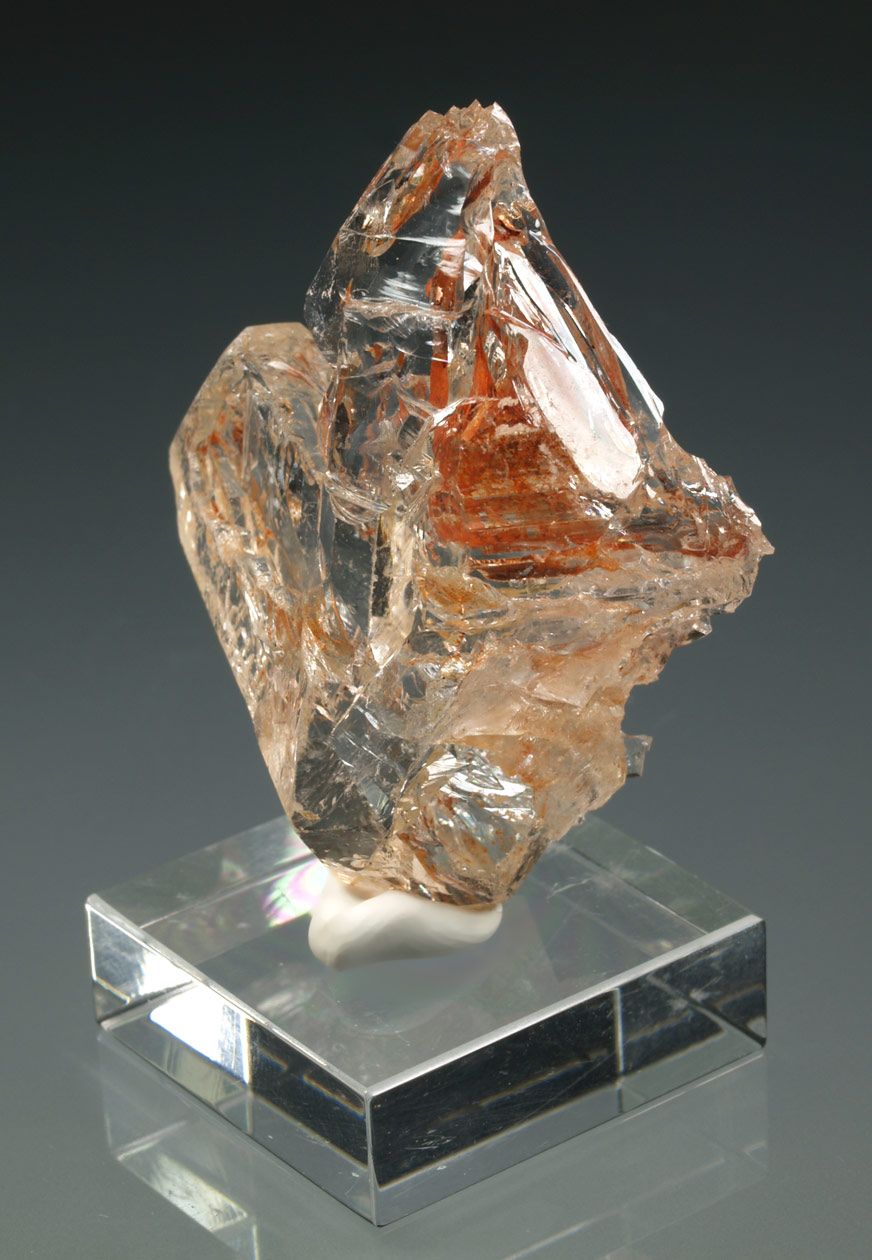
Group of hyaline quartz crystals, very transparent, brilliant, with complex shapes due to polycrystalline and window growths. With orange inclusions. Very aesthetic and interesting specimens from a new Malagasy locality.
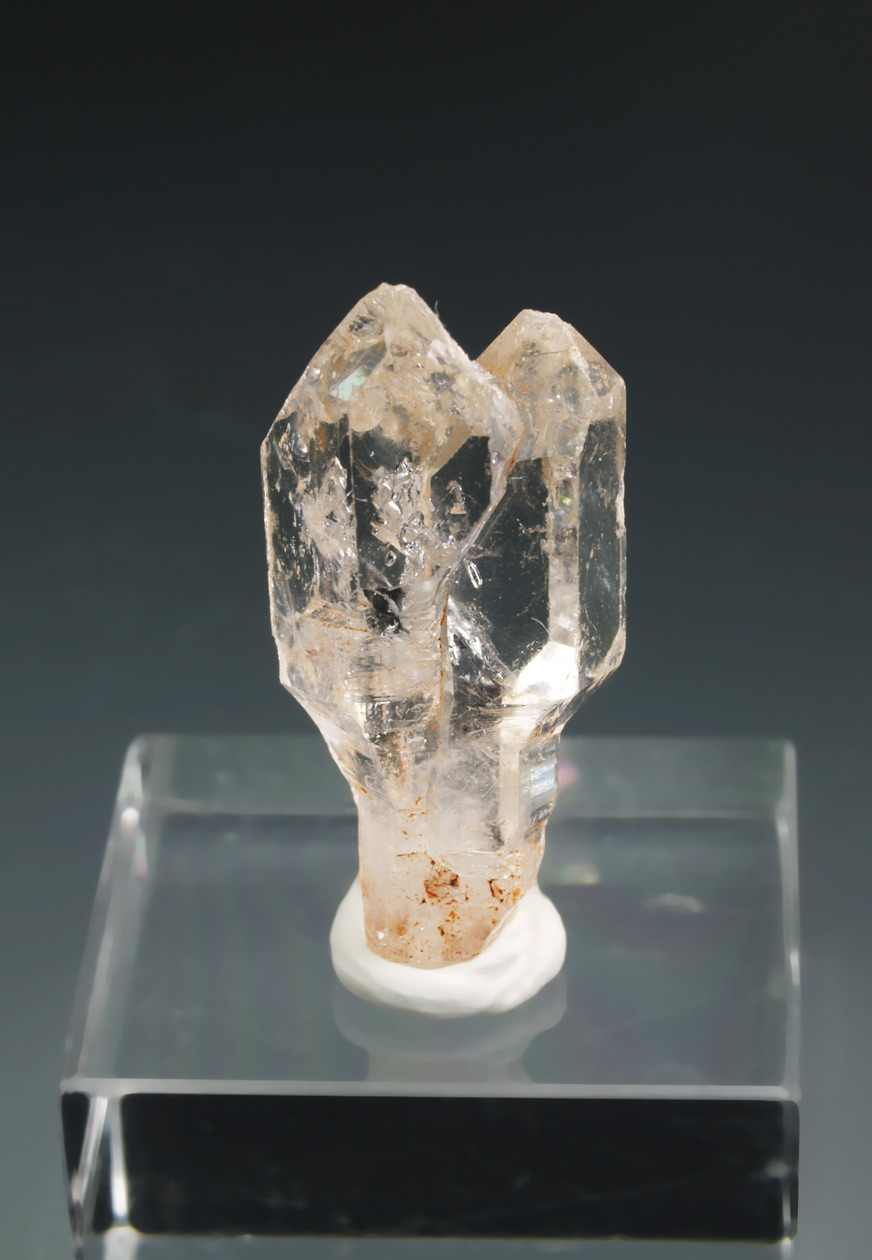
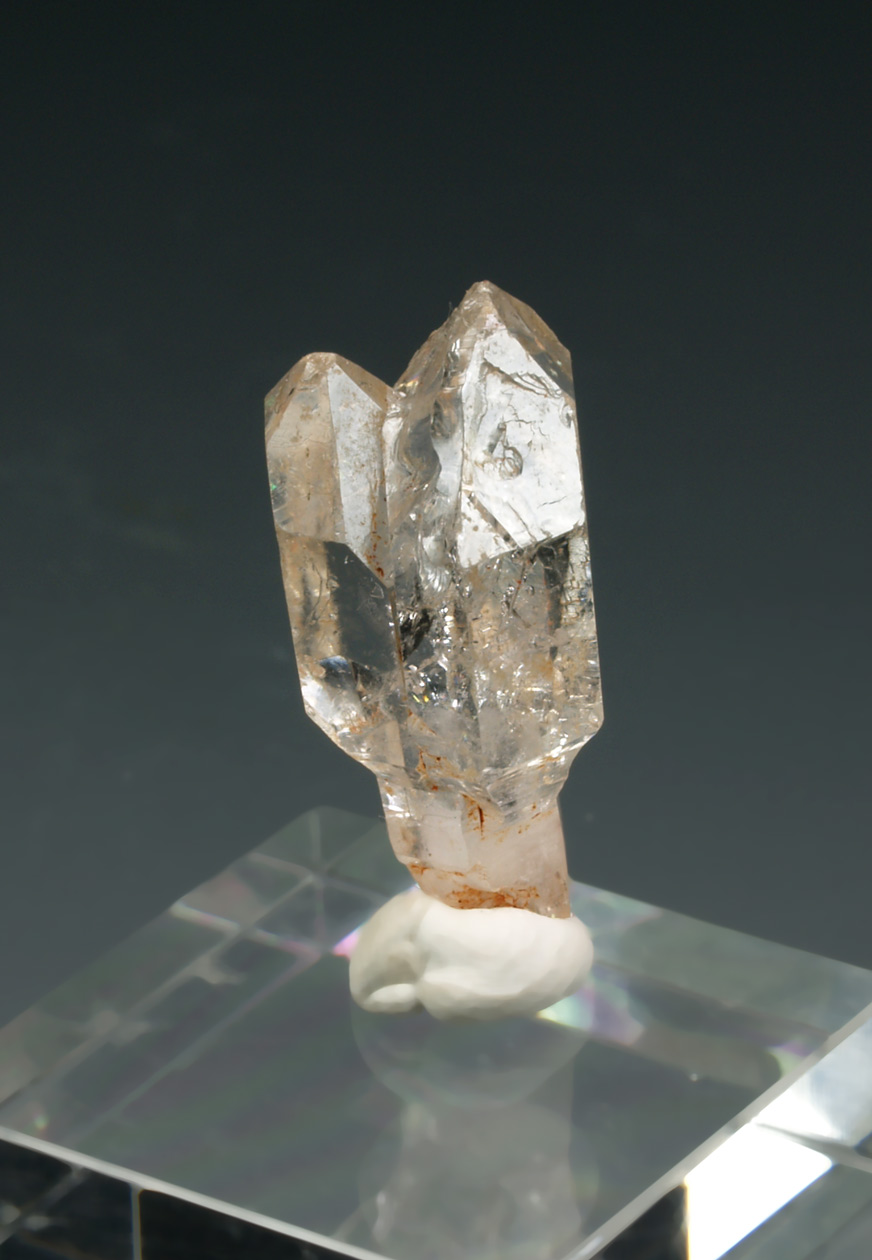
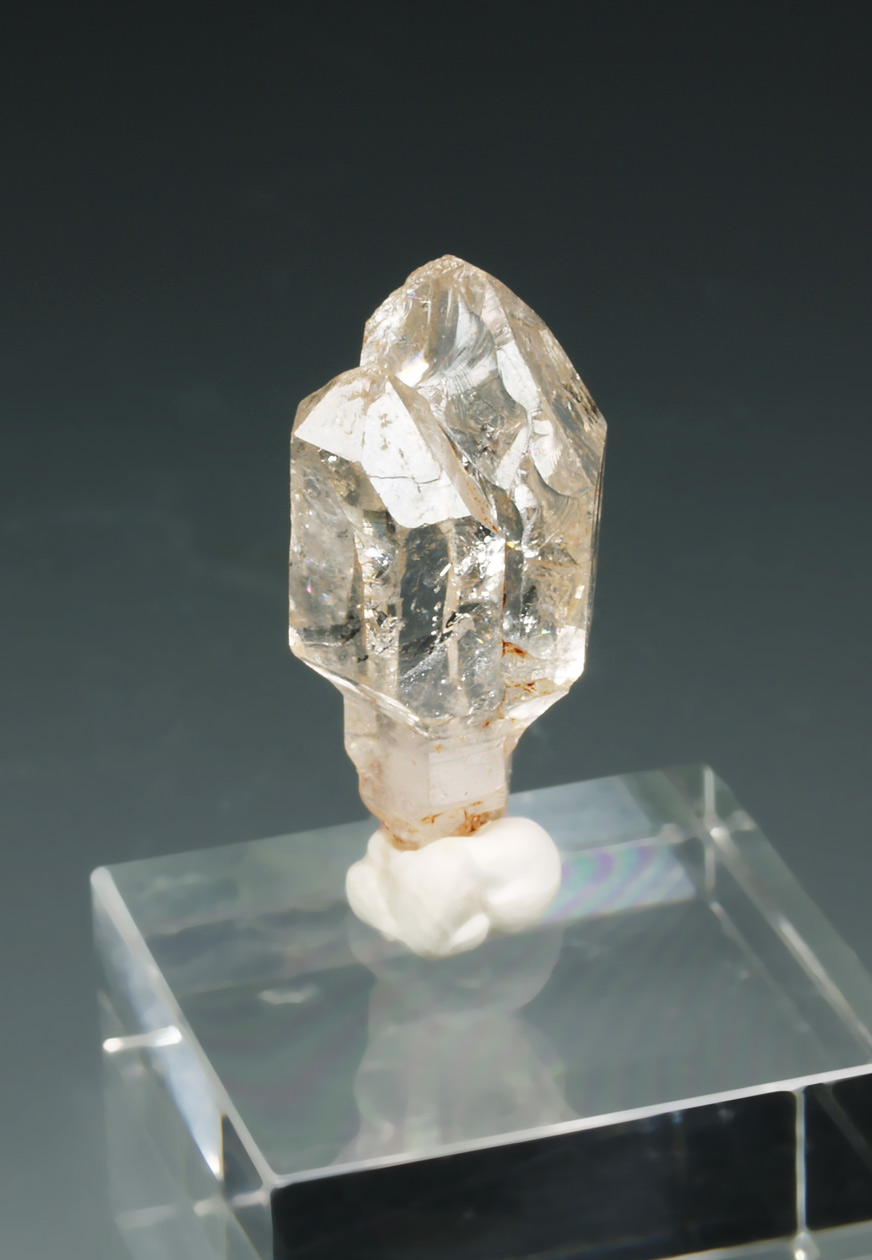
Curious parallel growth of quartz crystals in scepter. A very aesthetic miniature of a new locality in Madagascar.
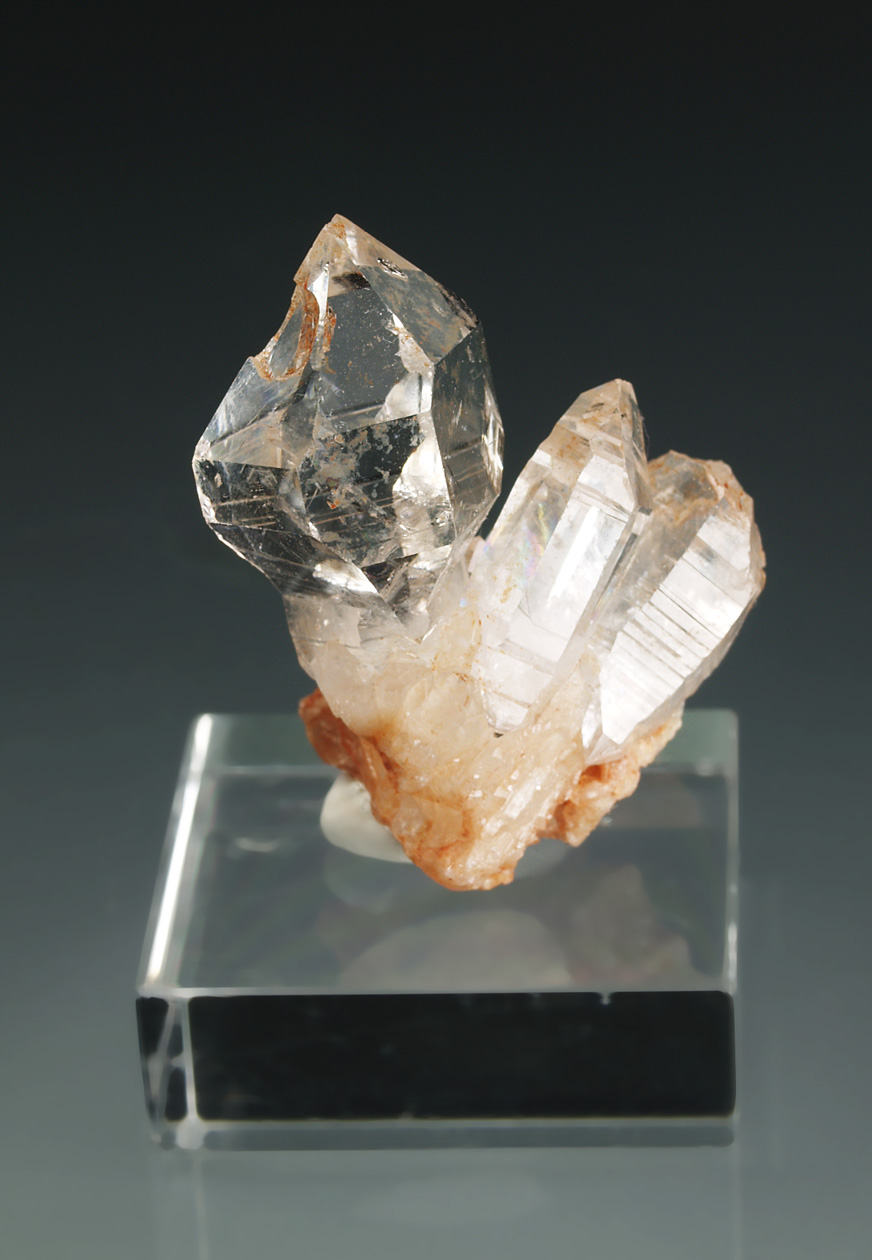
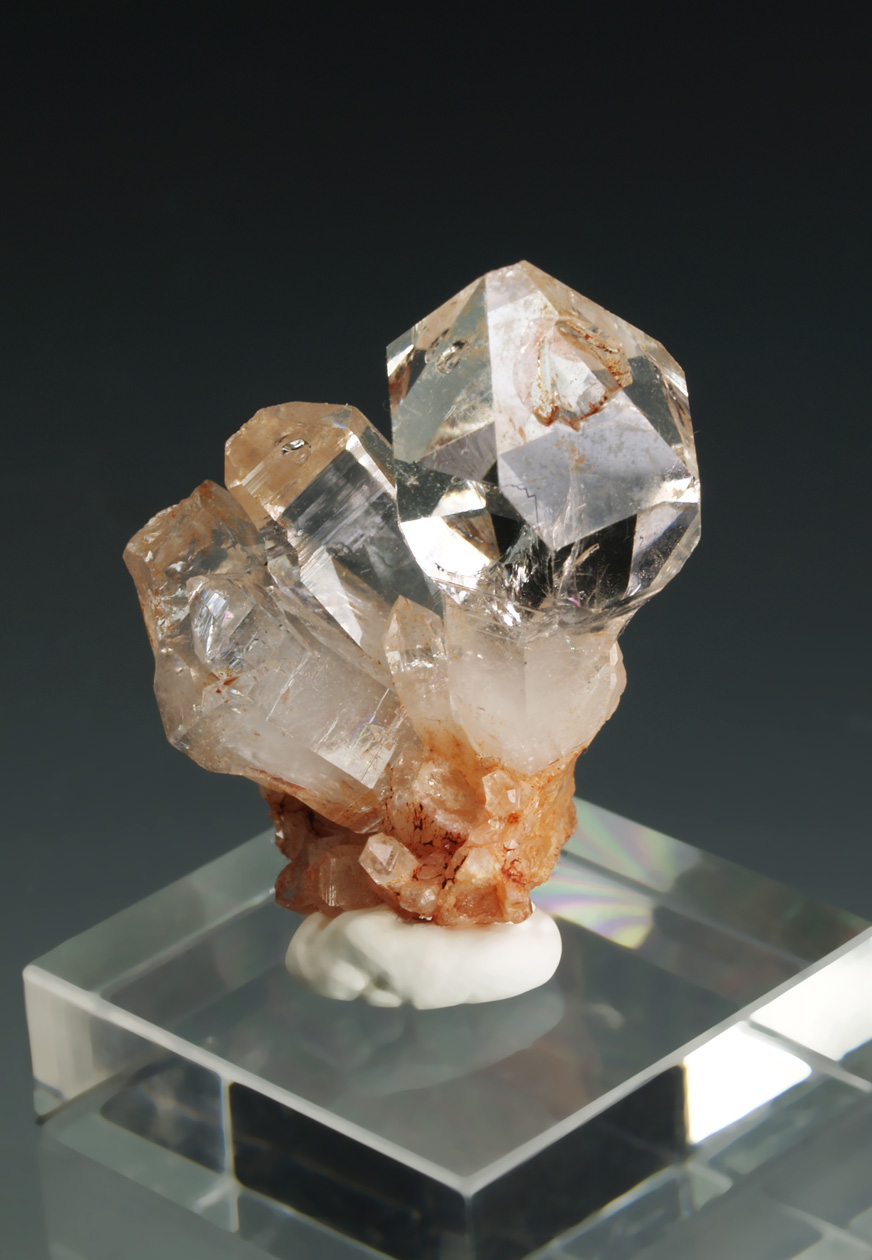
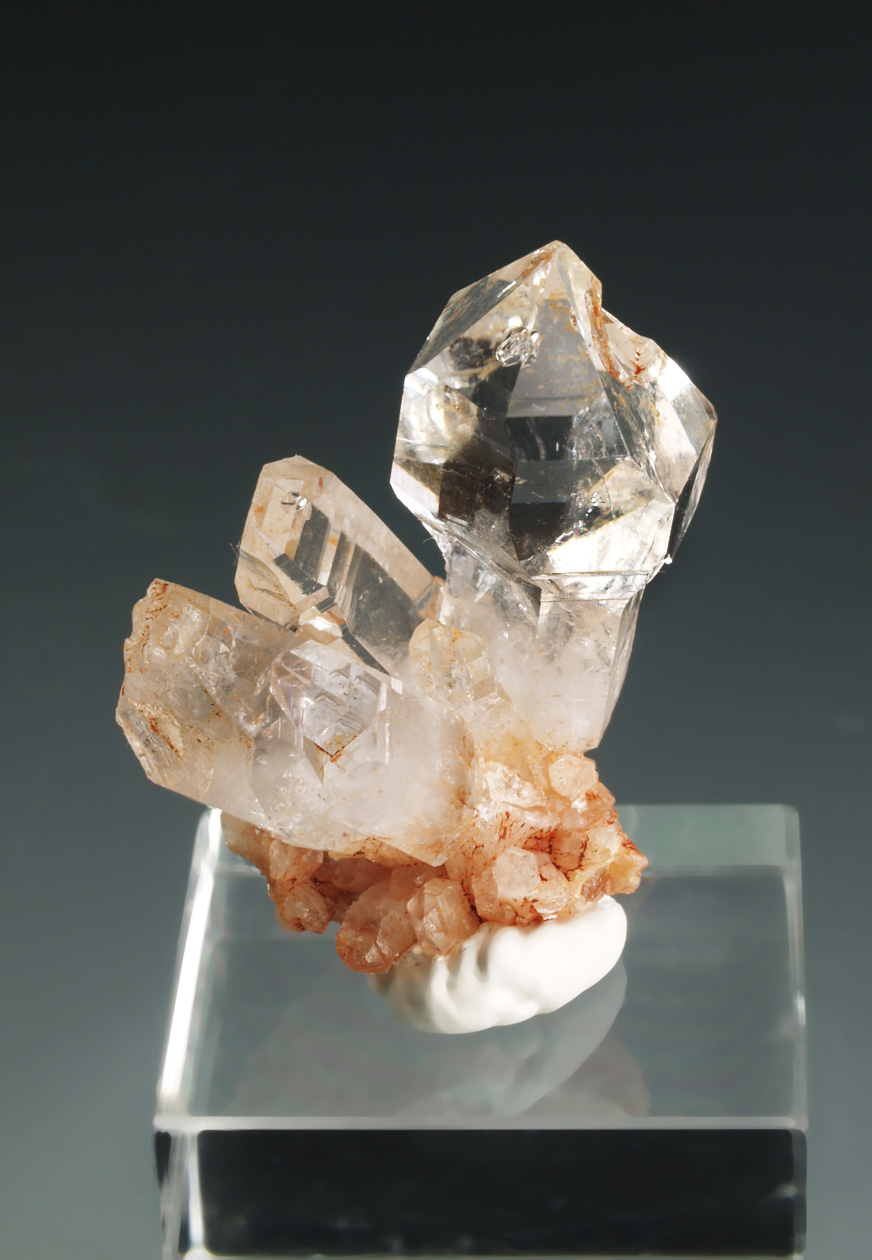
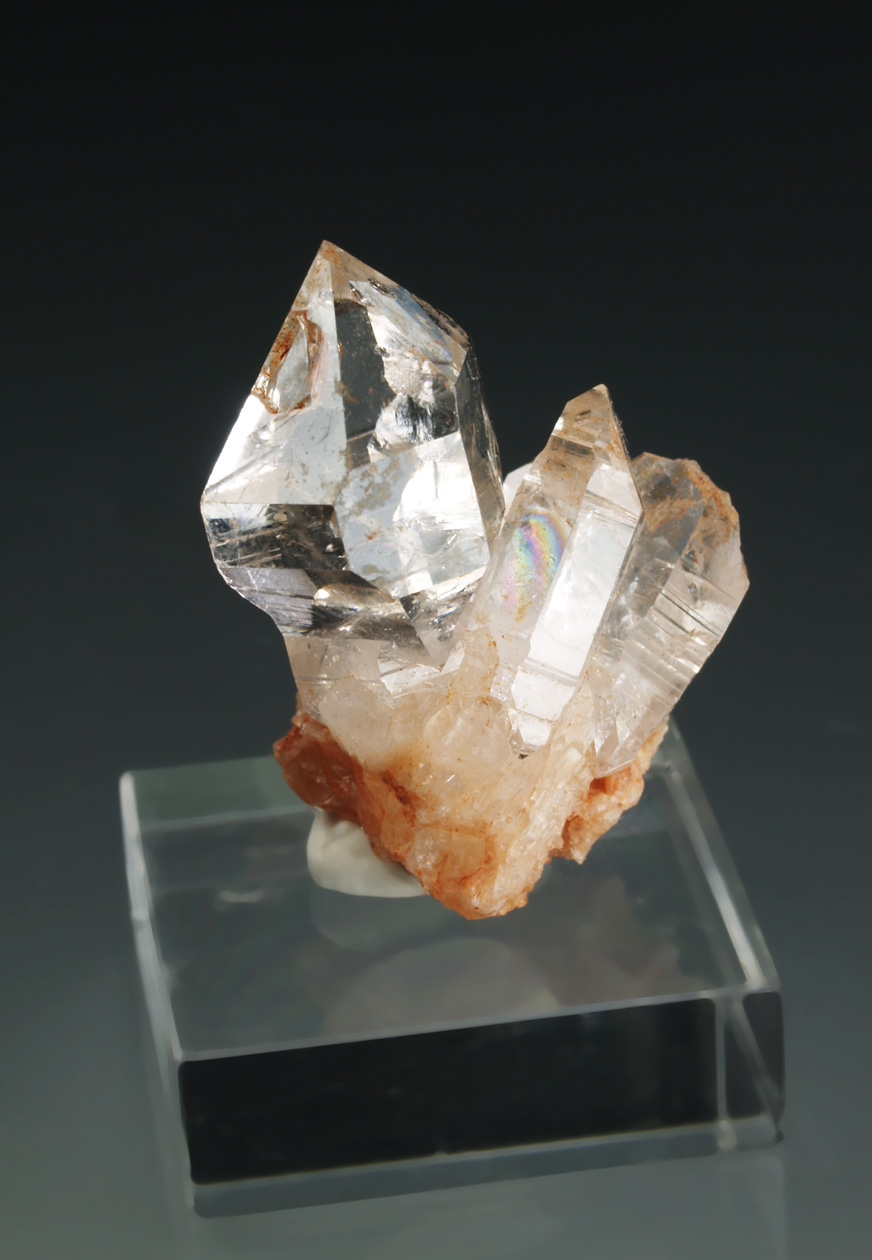
Group of hyaline quartz crystals, very brilliant, one of them more developed and showing the scepter growth stands out. With polycrystalline growths. An aesthetic novelty from Madagascar.
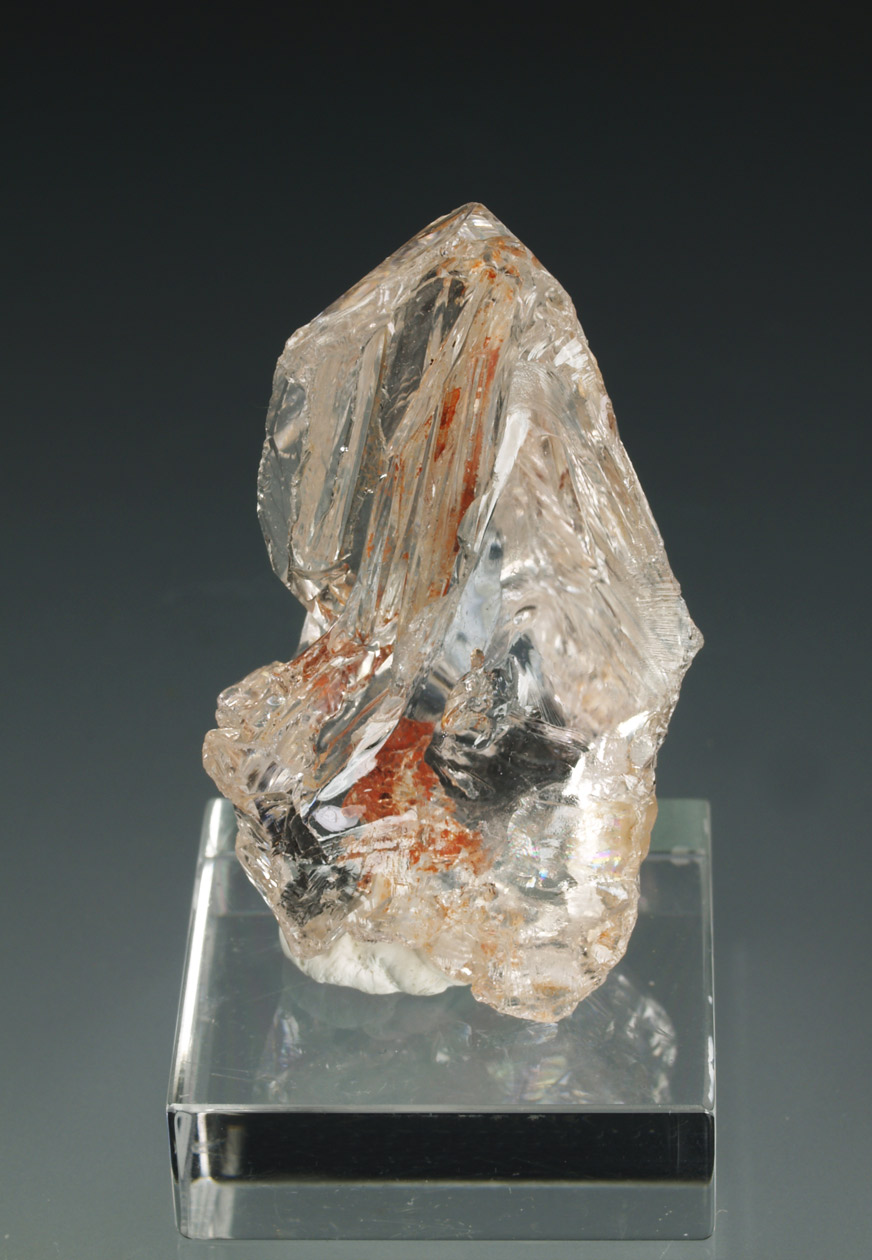
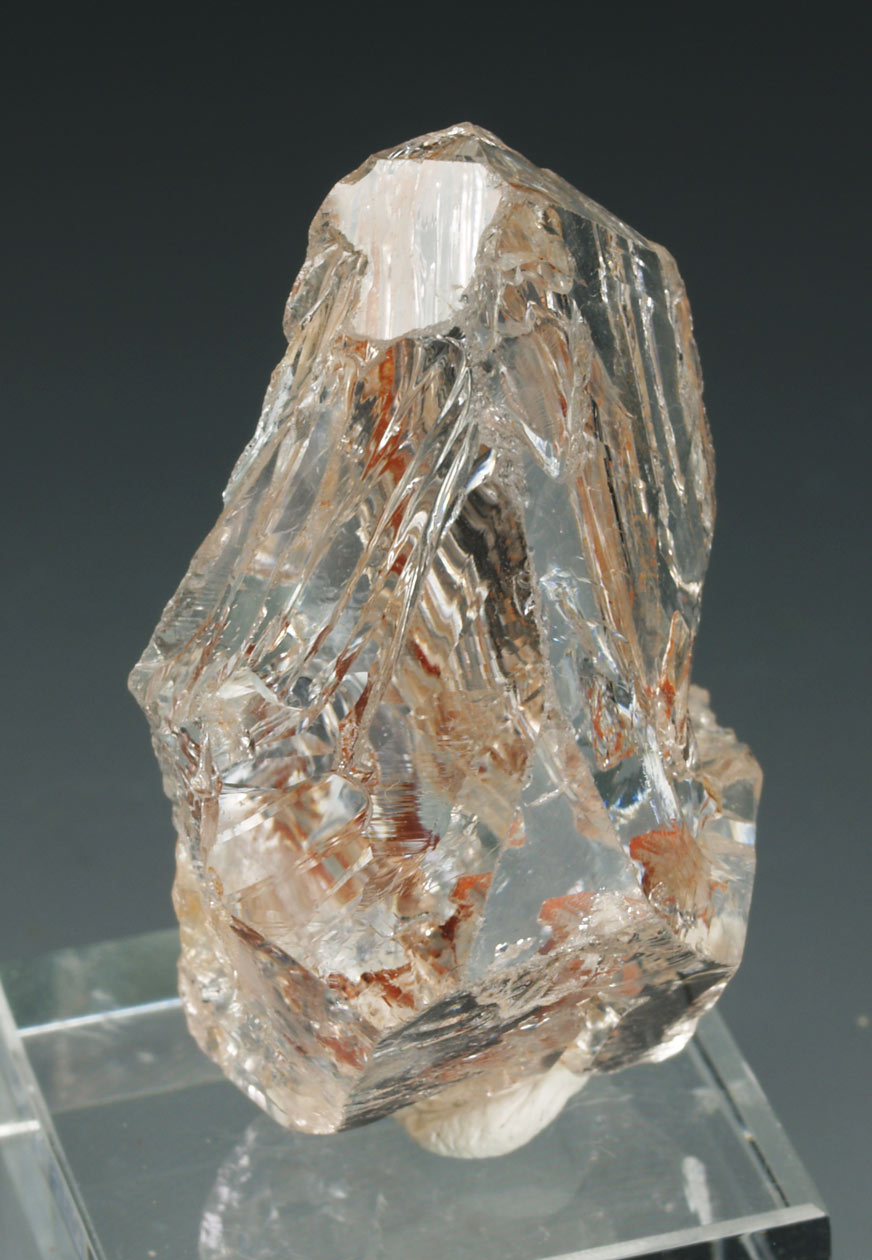
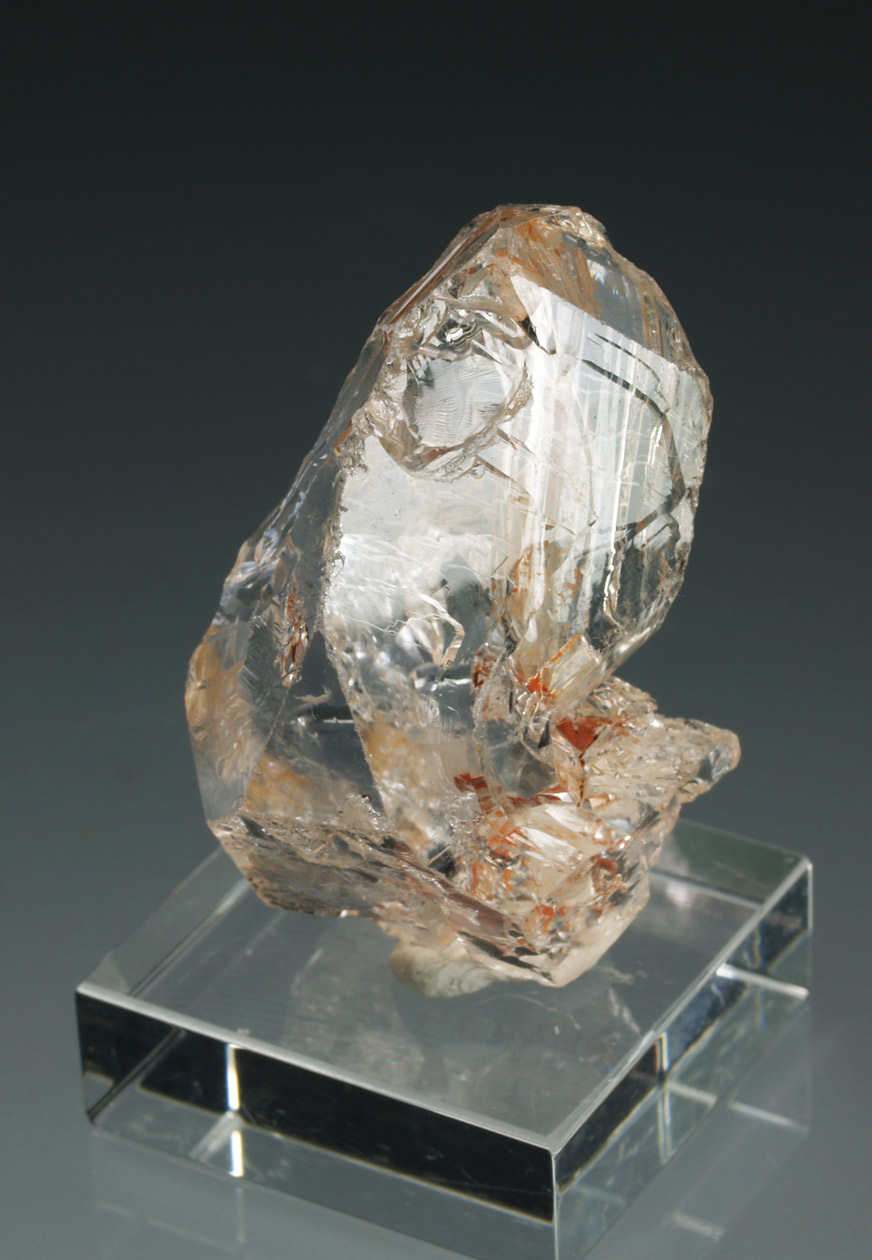
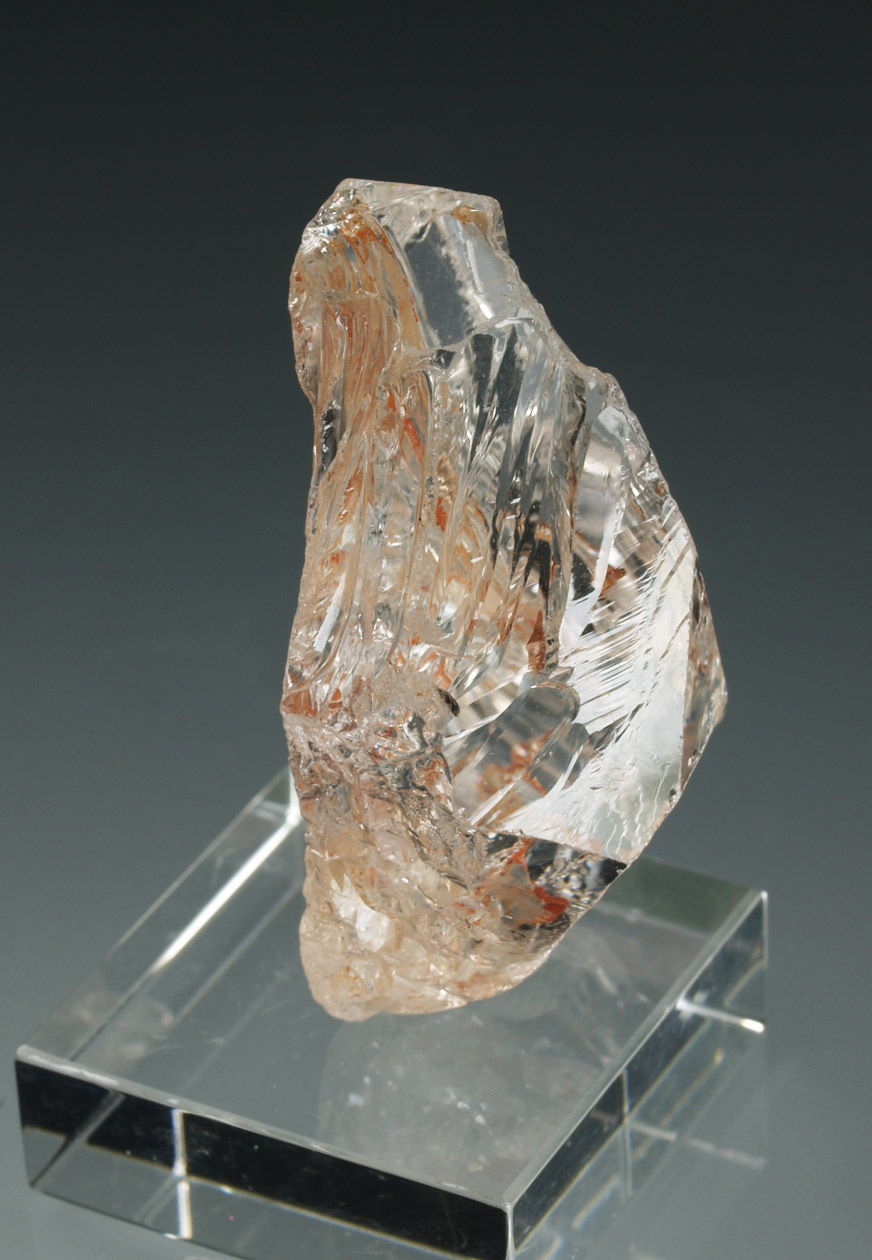
Aesthetic quartz specimen, very transparent and with orange inclusions. It shows a very curious window growths and some facets of the rhombohedron. These specimens come from a little-known locality. Really interesting.
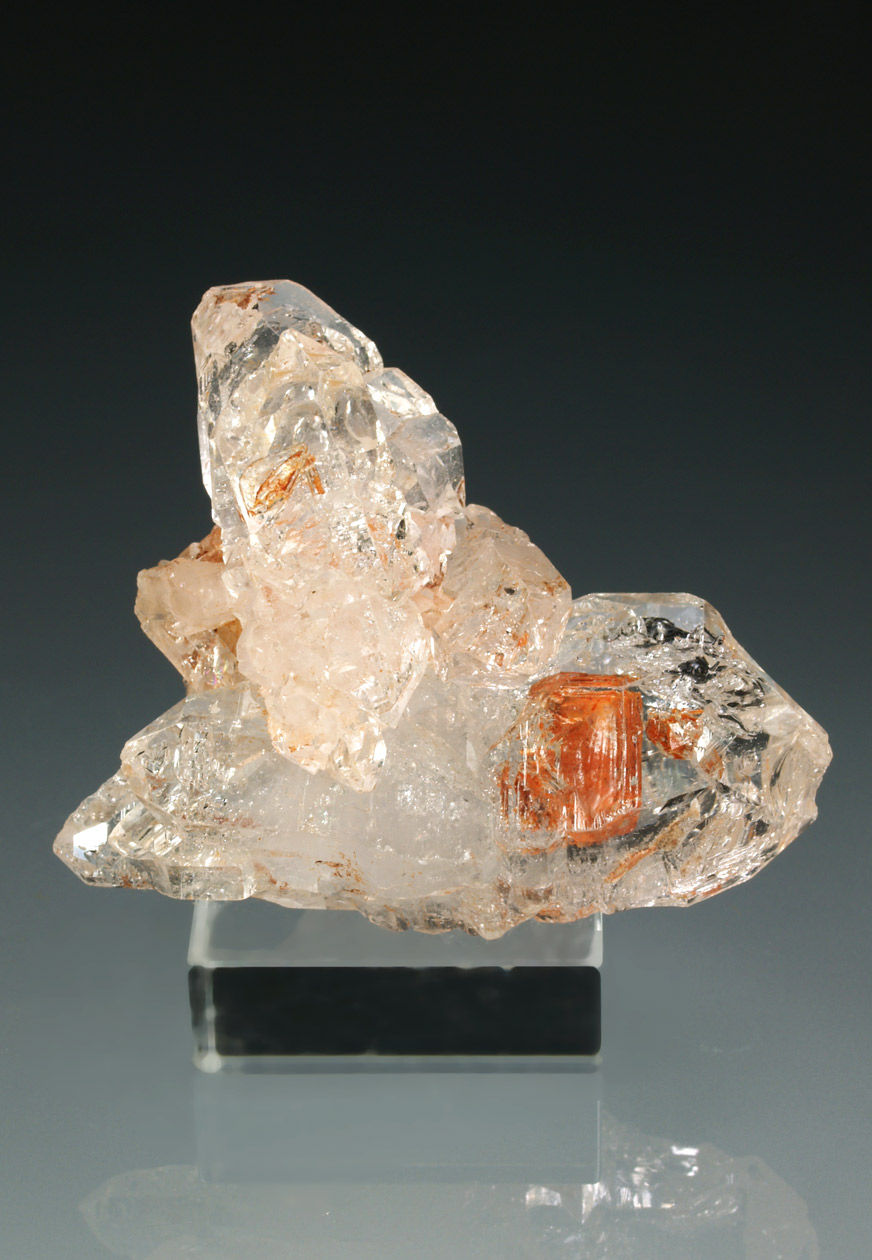
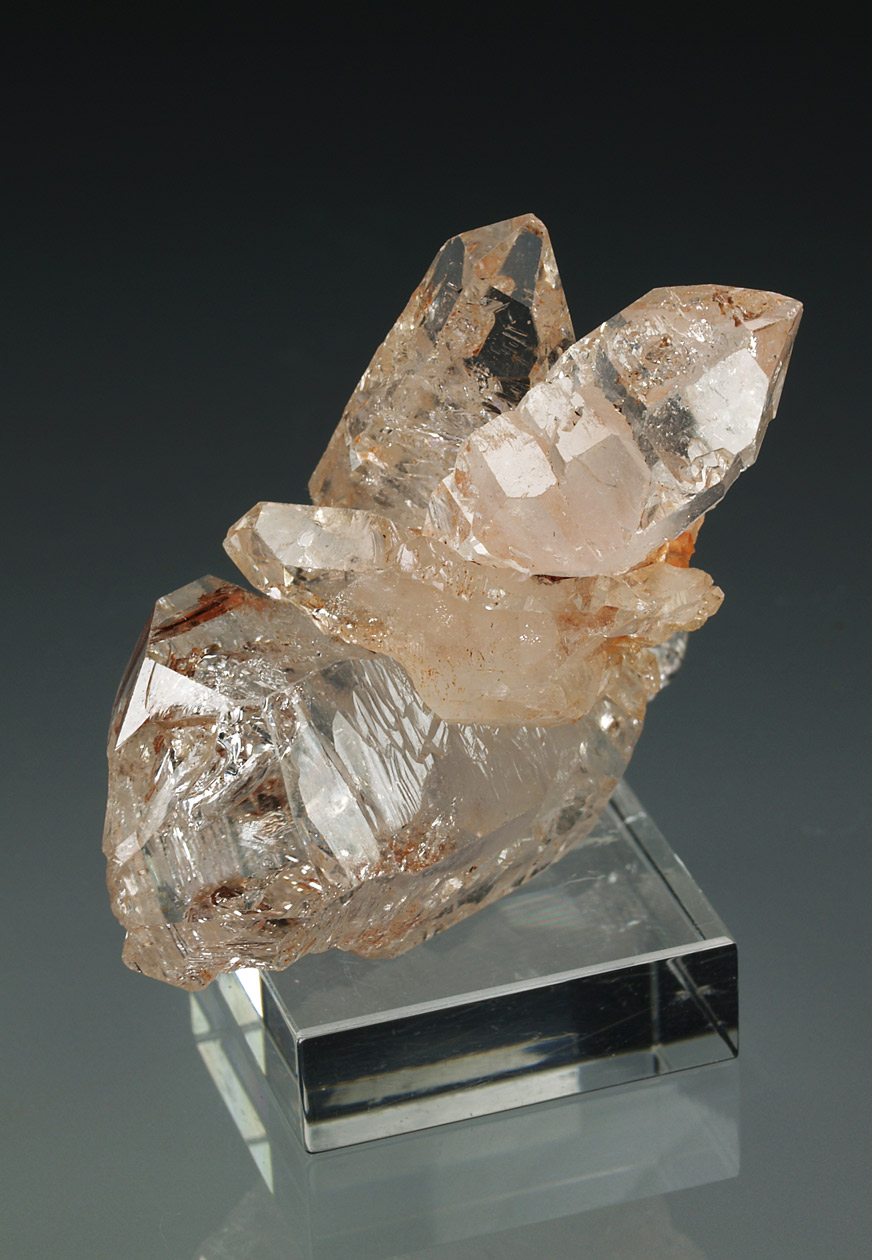
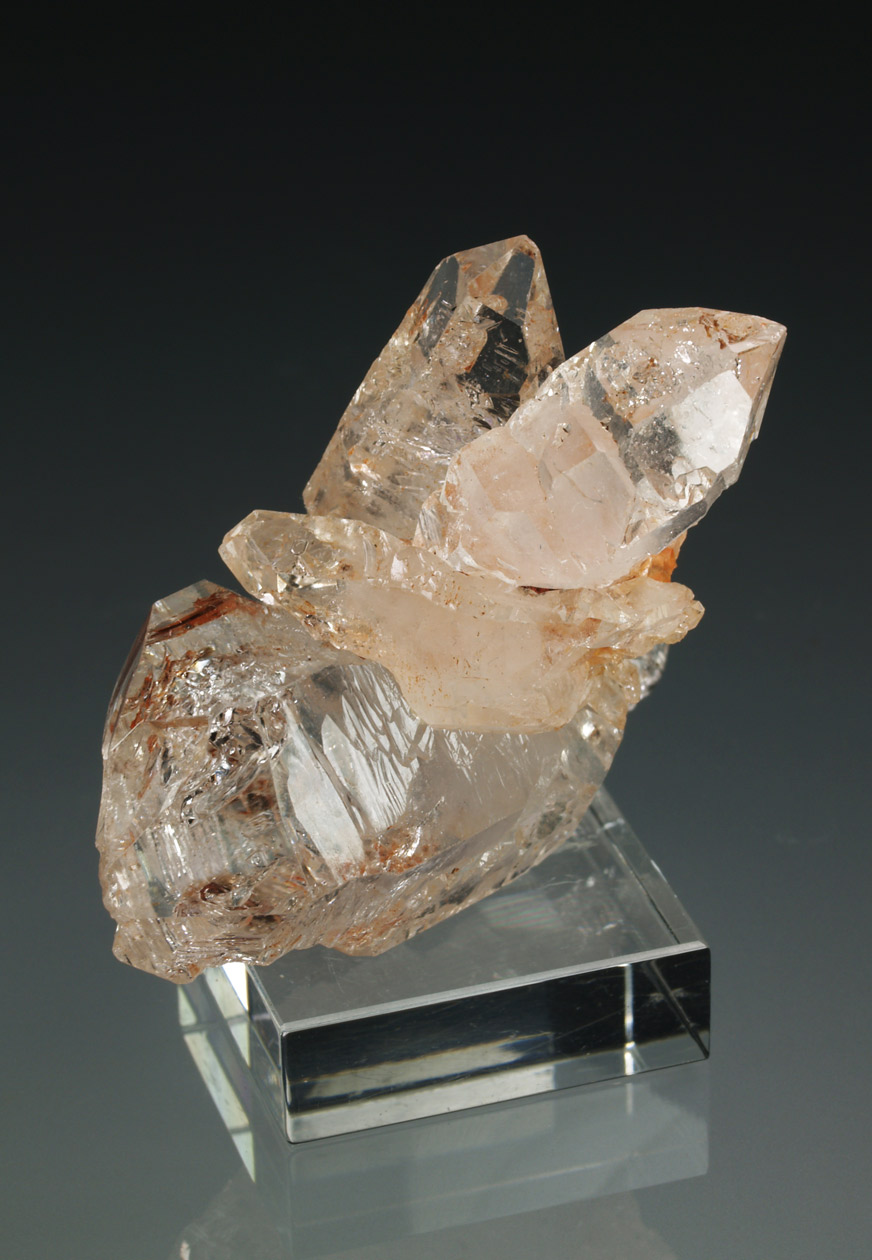
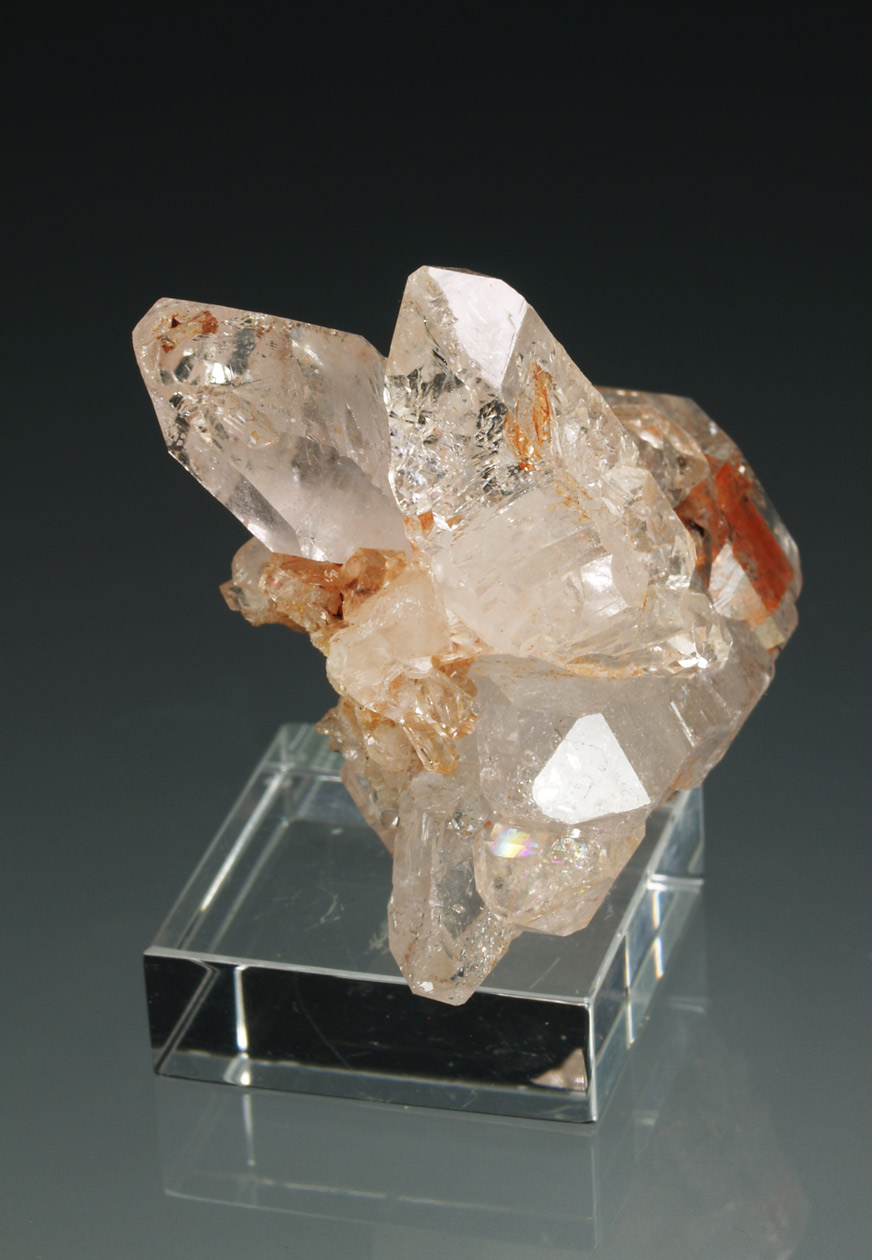
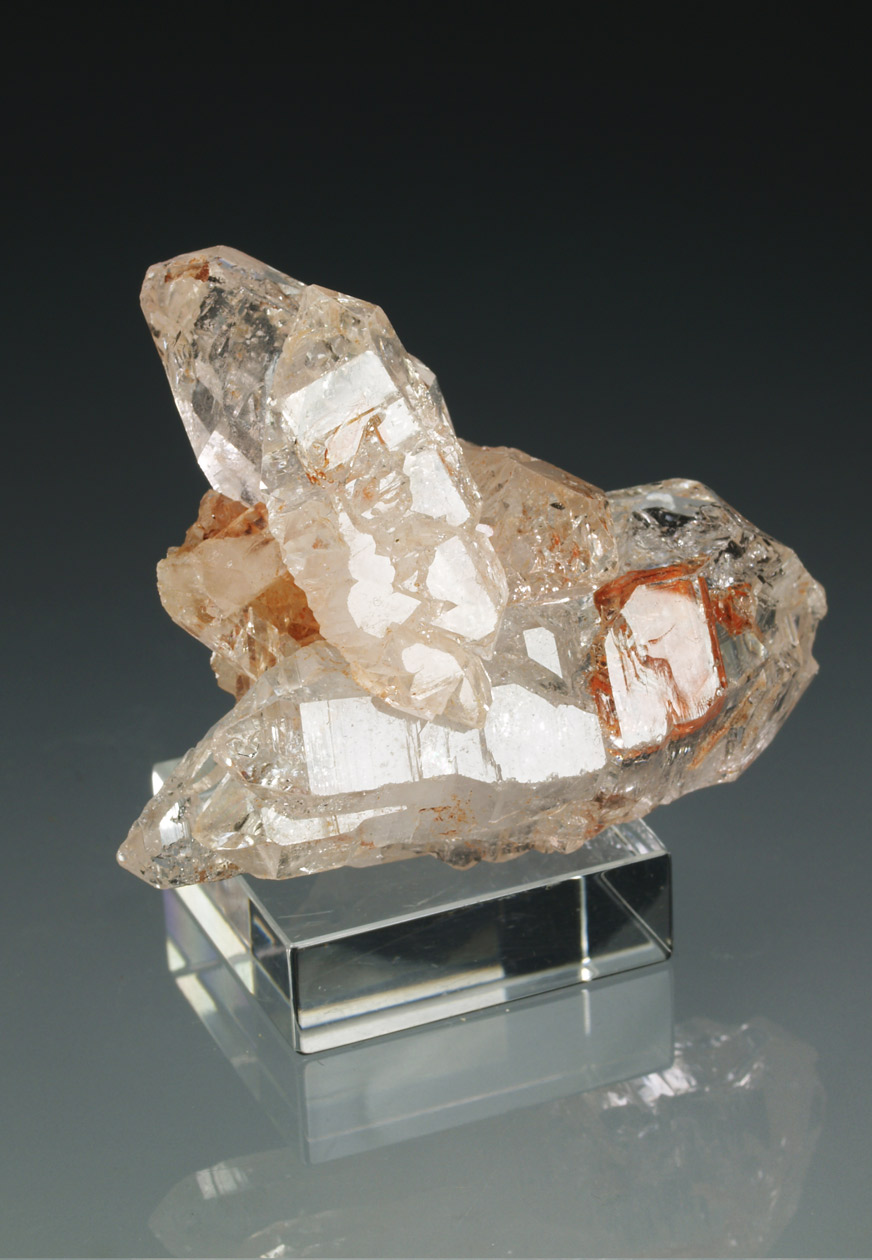
Group of doubly terminated quartz crystals, very transparent and with orange inclusions. With prisms and terminal faces with very evident polycrystalline and window growths. These specimens come from a new not well-known locality. Very aesthetic and pure brilliance.
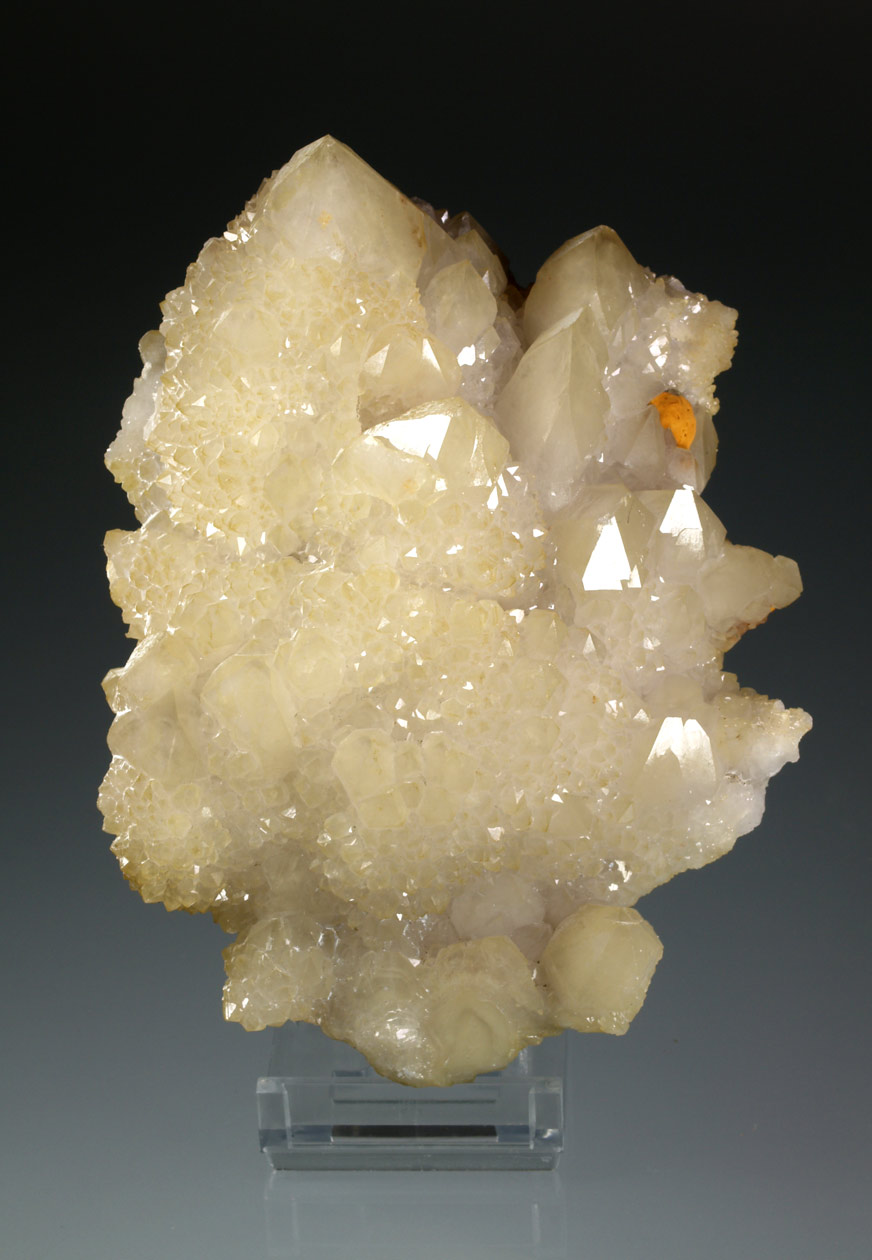
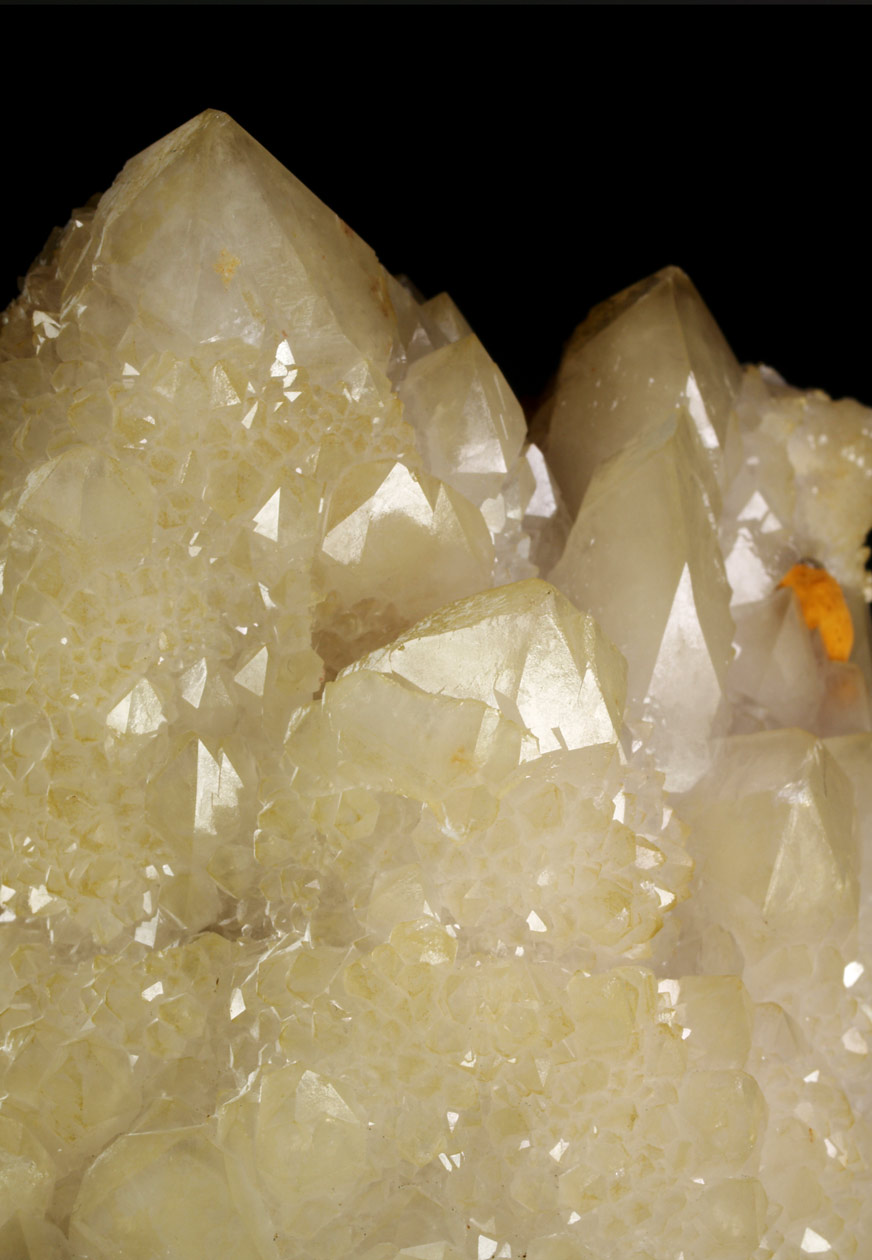
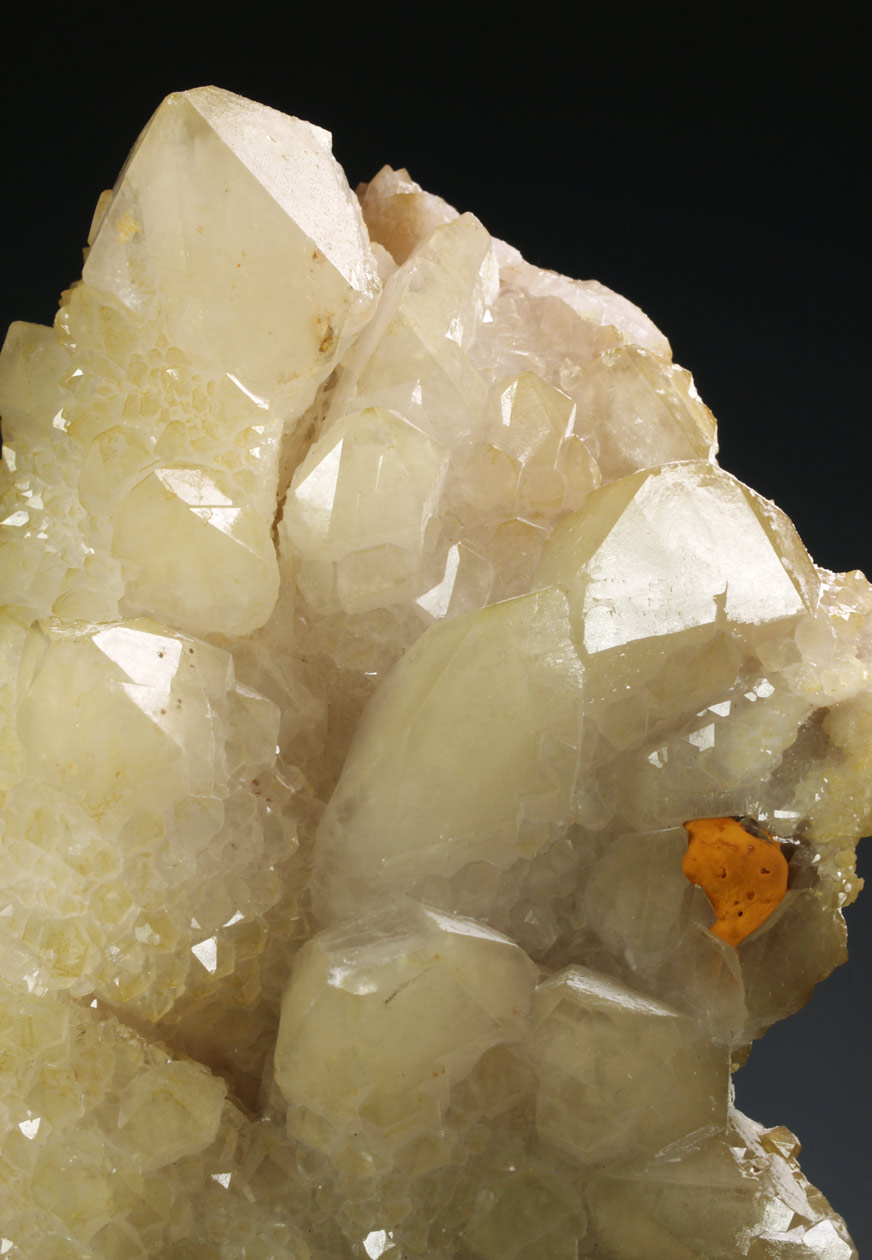
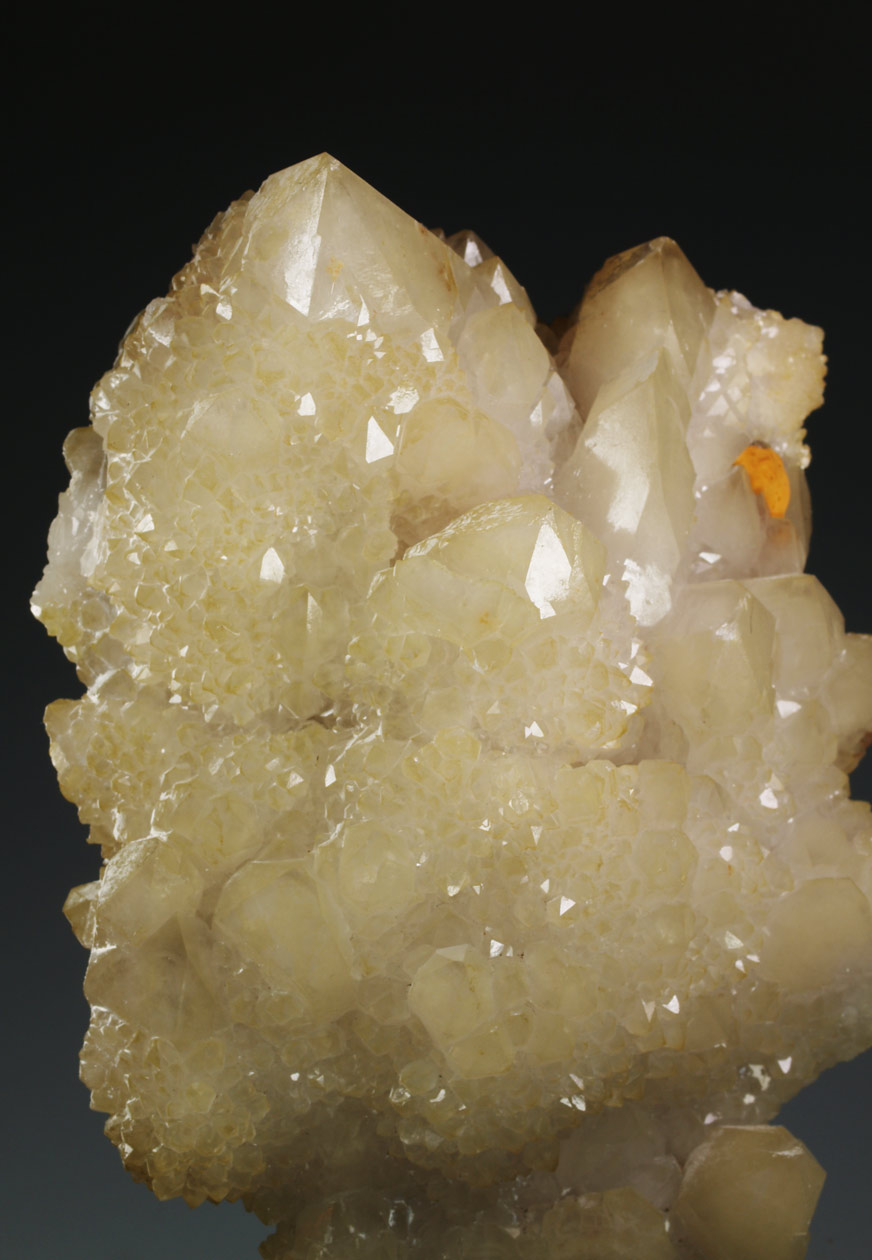
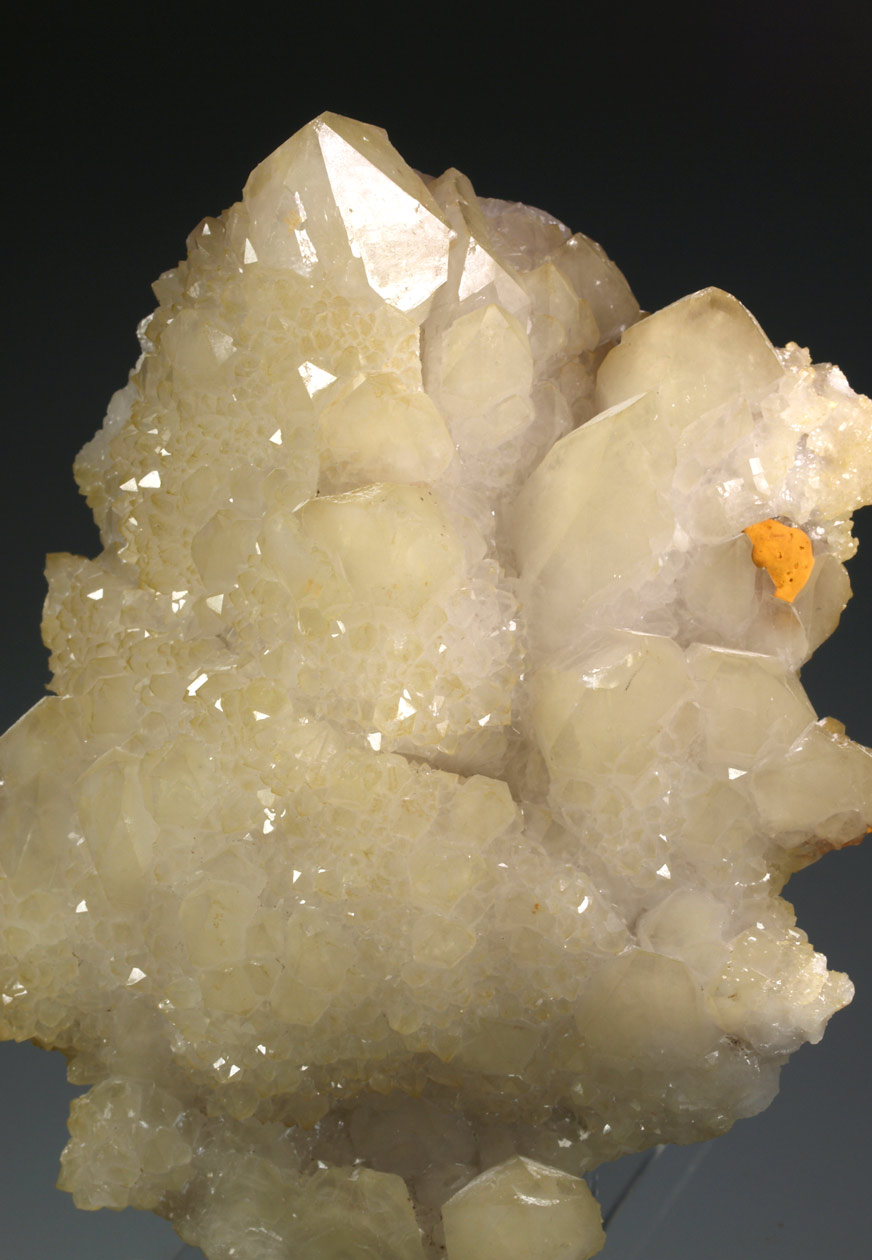
Almost floating druse of quartz crystals forming pineapple growths, with a good luster and a slightly yellowish hue. On the backside, also crystallized, we can see the typical kaolinite layer of this deposit. It is accompanied by a limonite nodule that was probably pyrite.
These specimens were collected in this A Coruña quarry that exploits quartz, one of the main mines in the world due to the quality and quantity of its reserves. The mine was discovered in 1968 by three Galicians who gave their name (from their surnames SEñarís, RAma and BALboa) to the concession and who found it while exploring these mountains in the Pico Sacro area in search of "seixo" (from the Galician: hard white rock) of good quality.
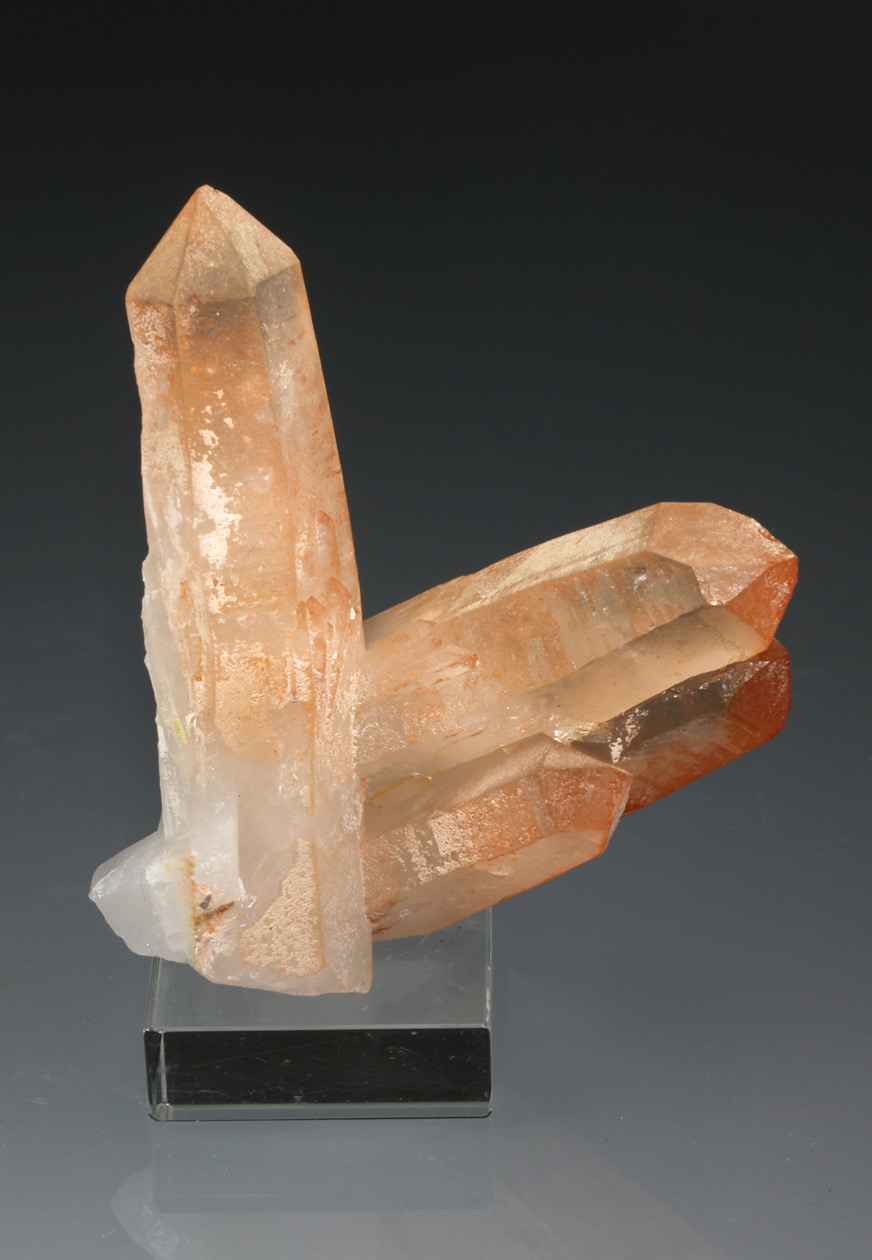
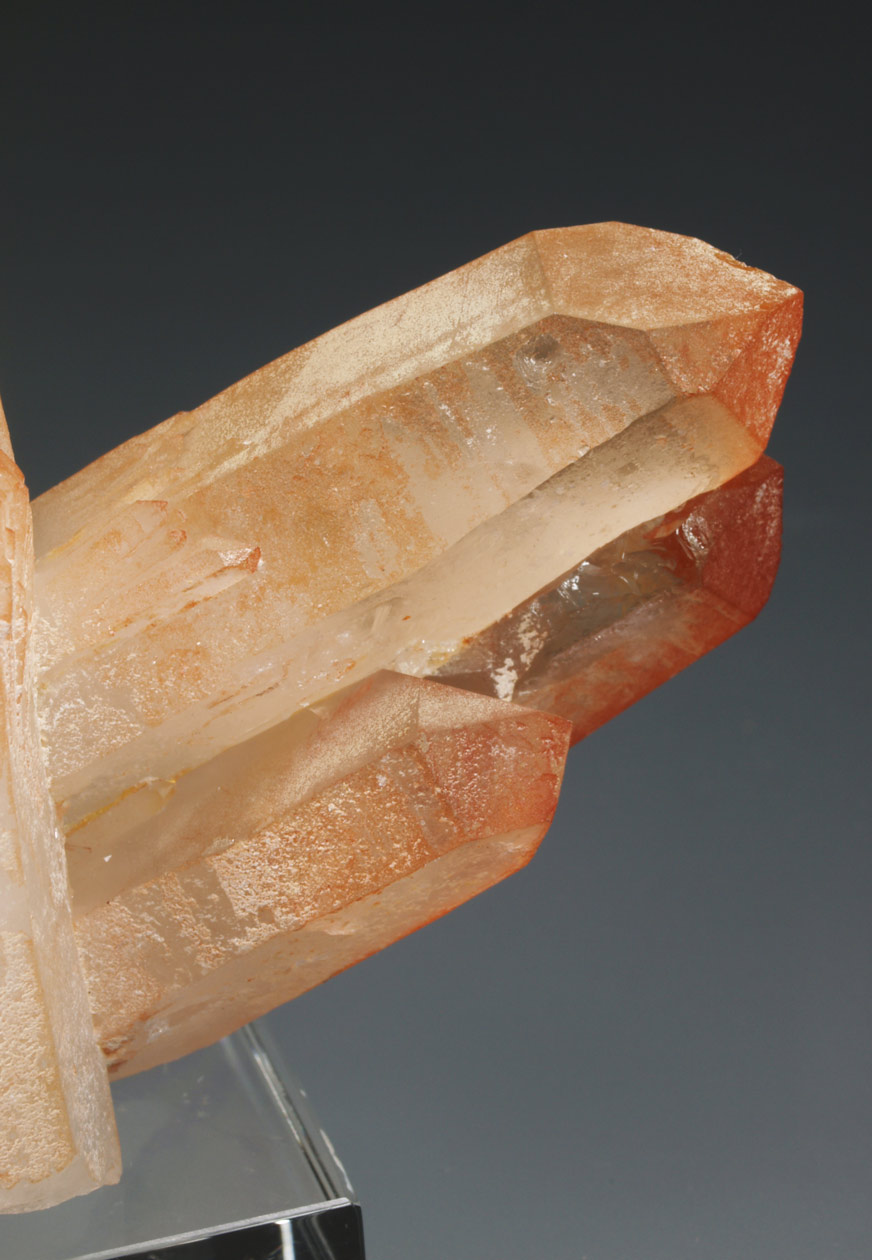
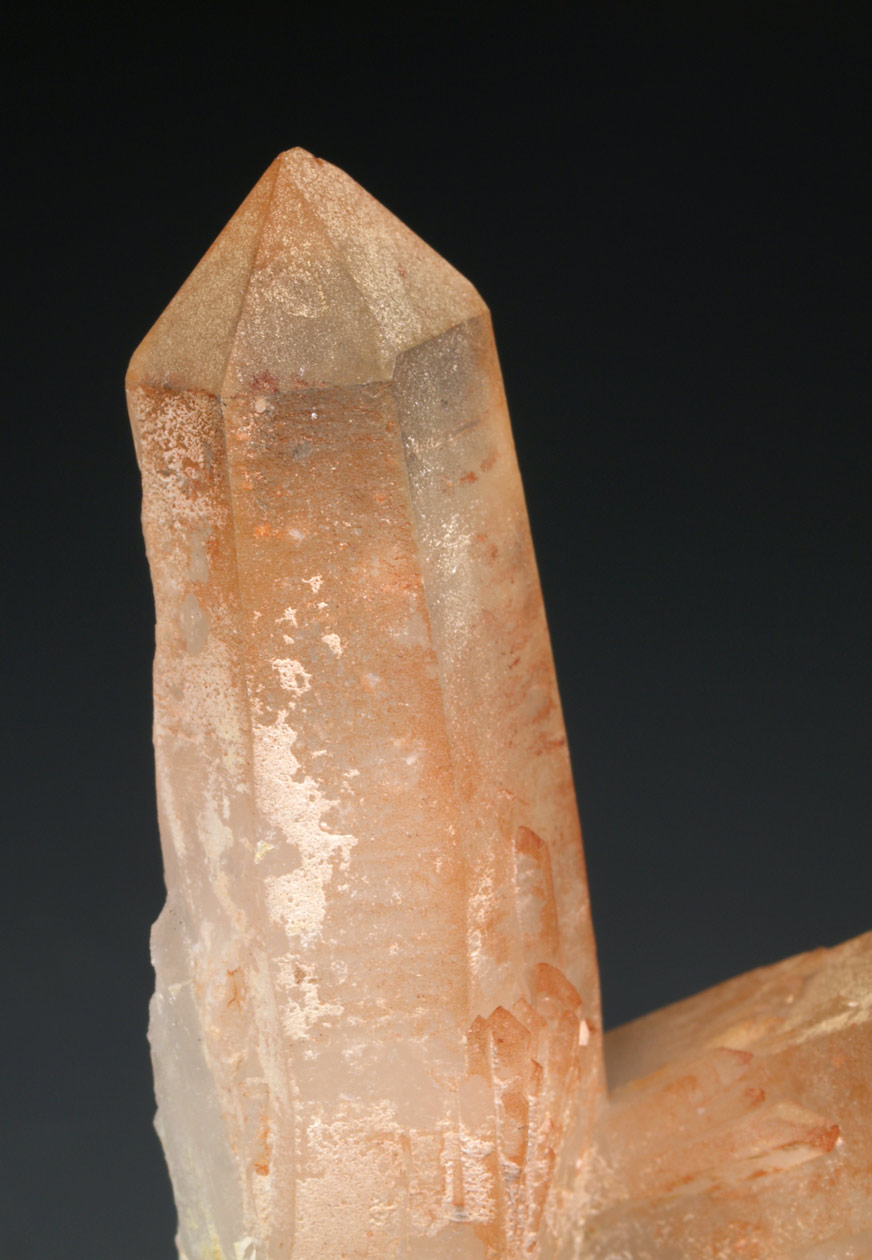
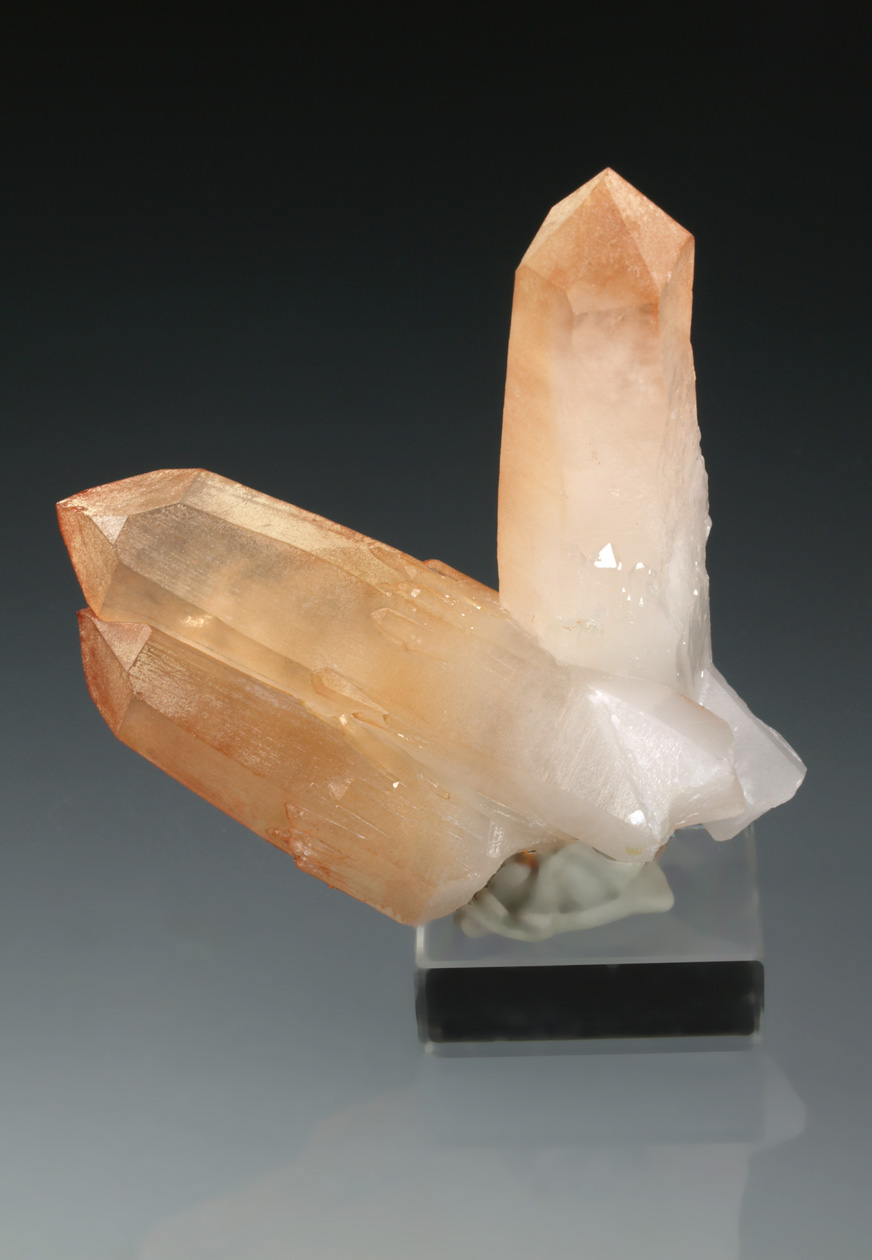
Group of quartz crystals, with developed prisms and defined terminal faces, between transparent to translucent, and with reddish tones due to hematite. With interesting parallel growths. These specimens were collected in this A Coruña quarry that exploits quartz, one of the main mines in the world due to the quality and quantity of its reserves. The mine was discovered in 1968 by three Galicians who gave their name (from their surnames SEñarís, RAma and BALboa) to the concession and who found it while exploring these mountains in the Pico Sacro area in search of "seixo" (from the Galician: hard white rock) of good quality.
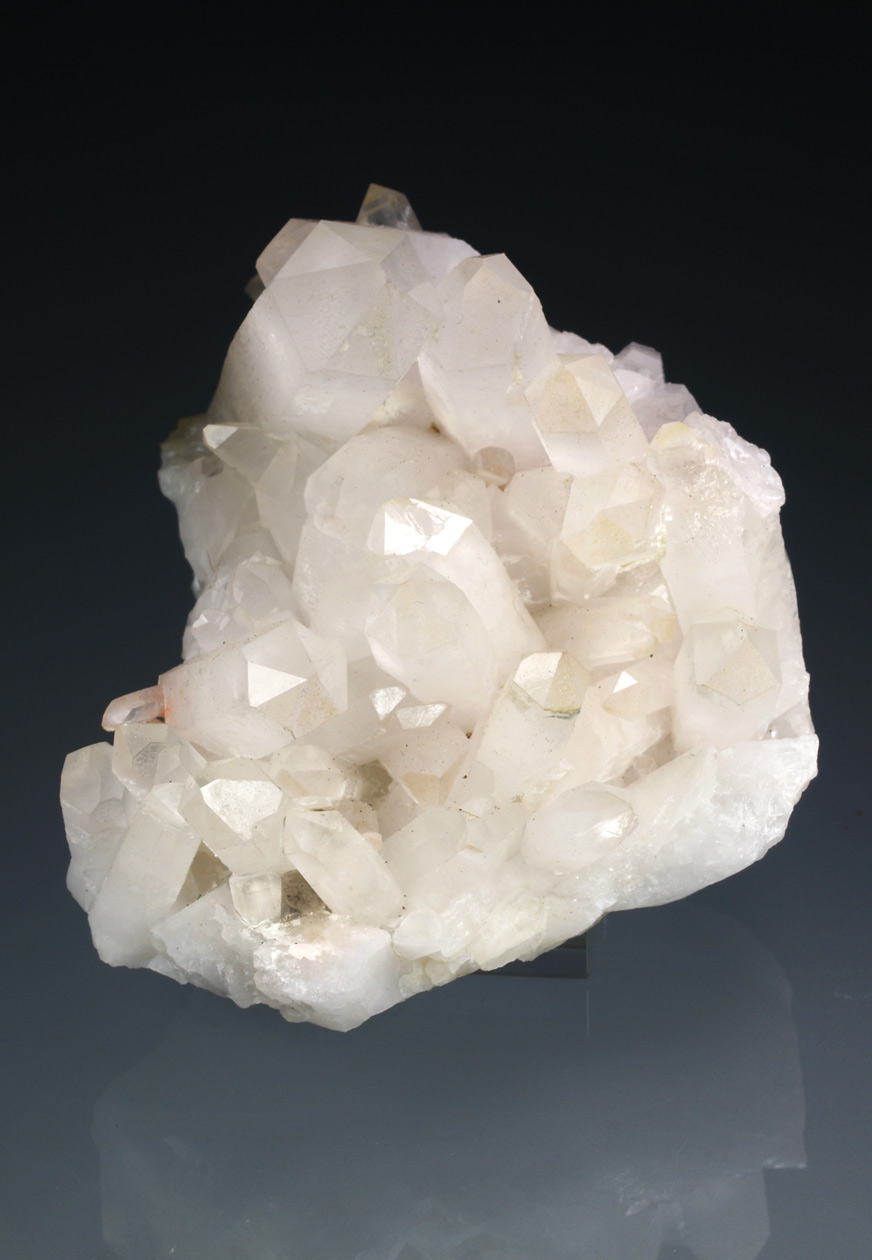
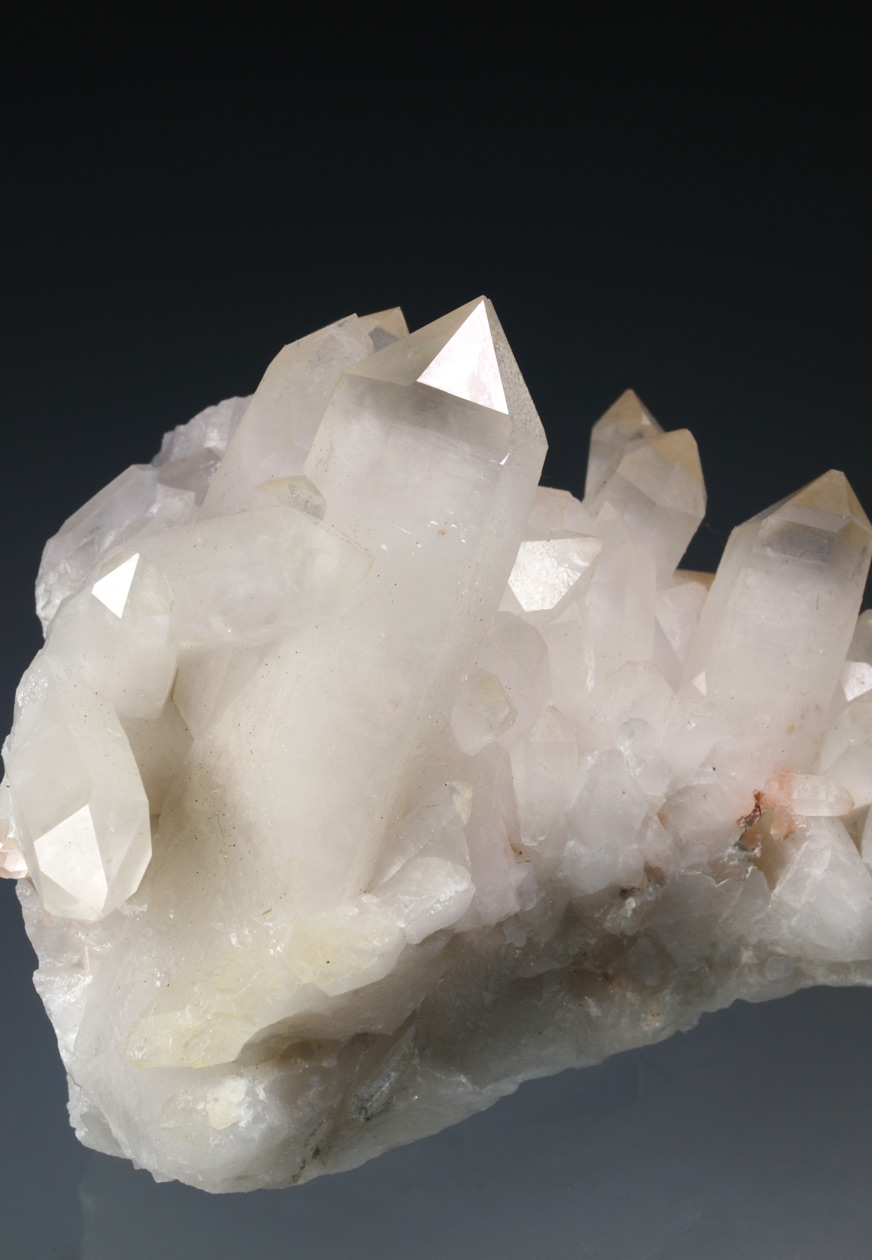
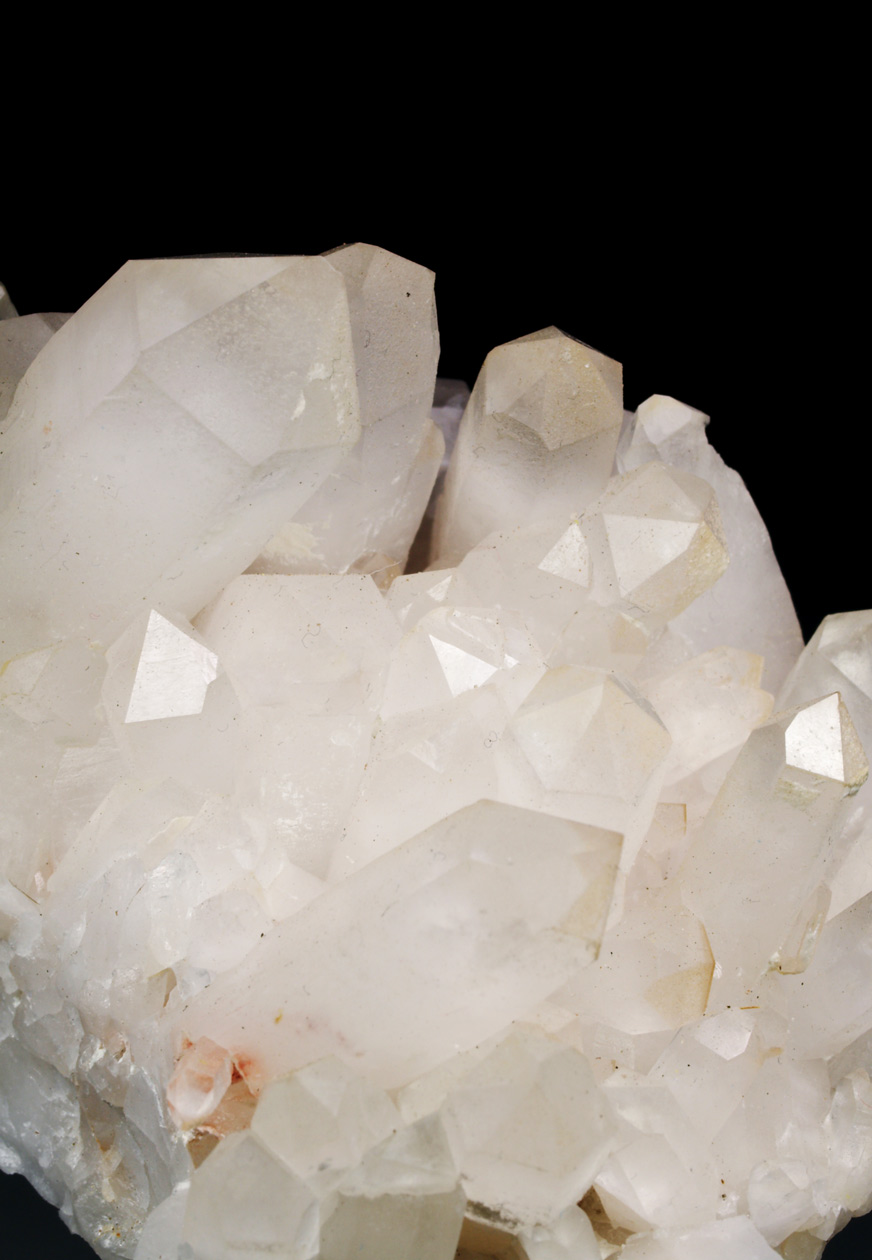
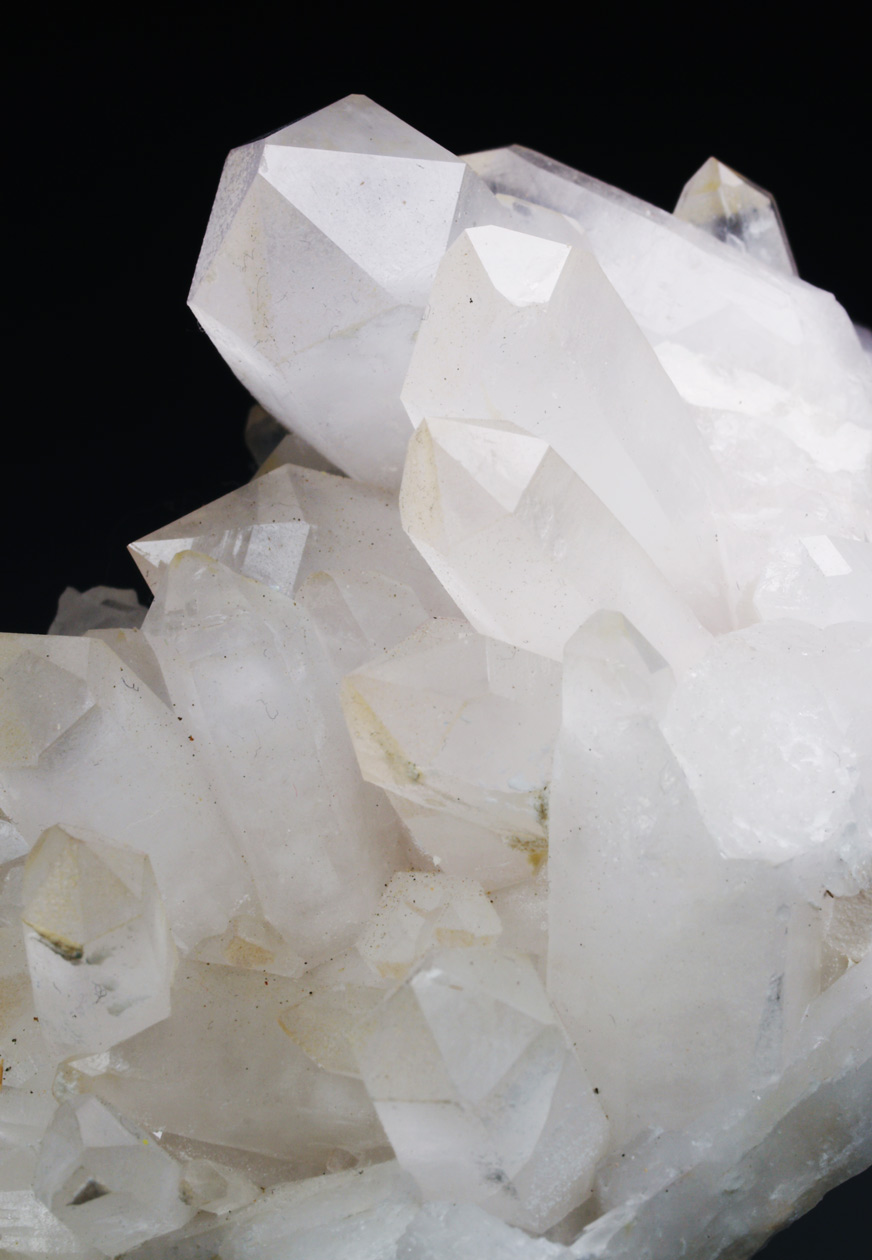
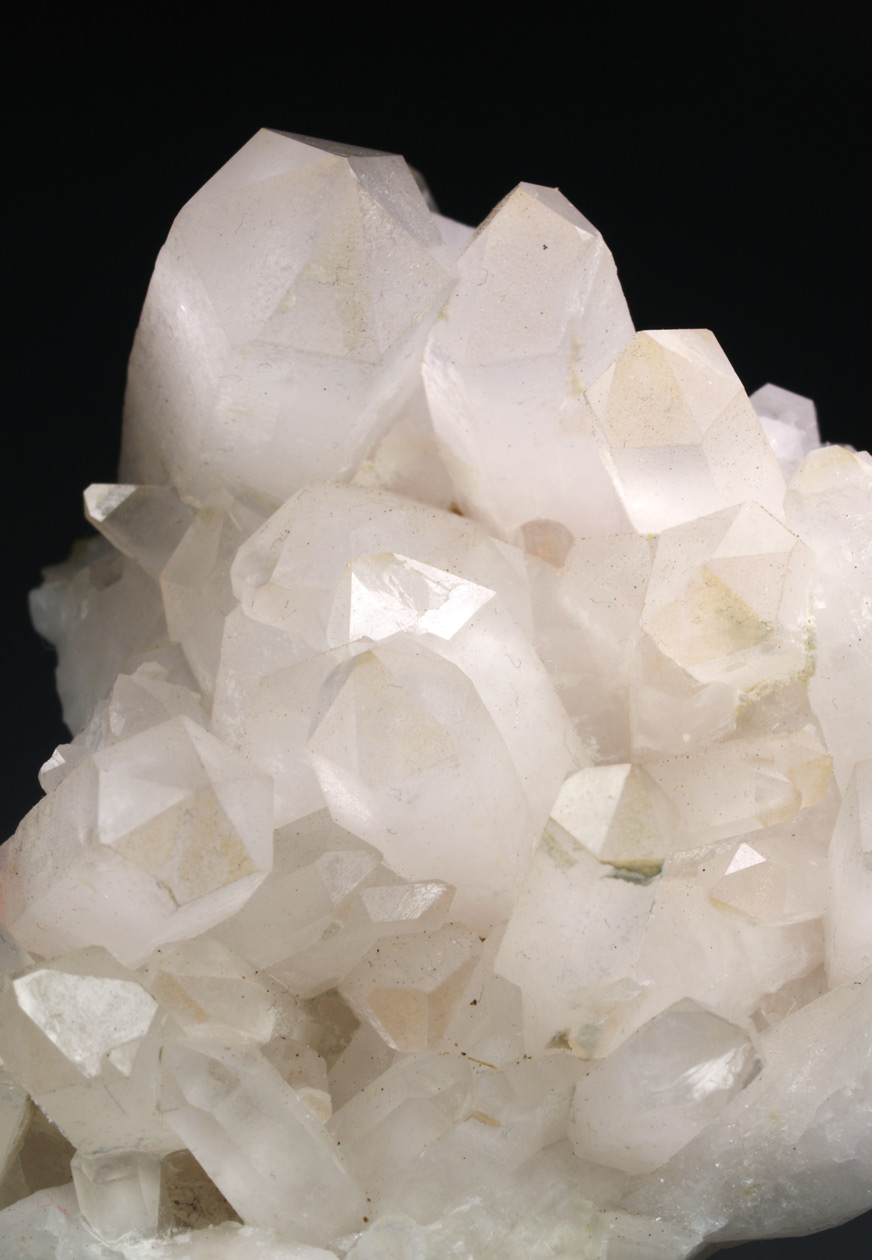
Group of quartz crystals, with developed prisms and defined terminal faces, between transparent to translucent. With interesting parallel growths. They are disposed very aerially on the matrix partially dotted with kaolinite.
These specimens were collected in this A Coruña quarry that exploits quartz, one of the main mines in the world due to the quality and quantity of its reserves. The mine was discovered in 1968 by three Galicians who gave their name (from their surnames SEñarís, RAma and BALboa) to the concession and who found it while exploring these mountains in the Pico Sacro area in search of "seixo" (from the Galician: hard white rock) of good quality.
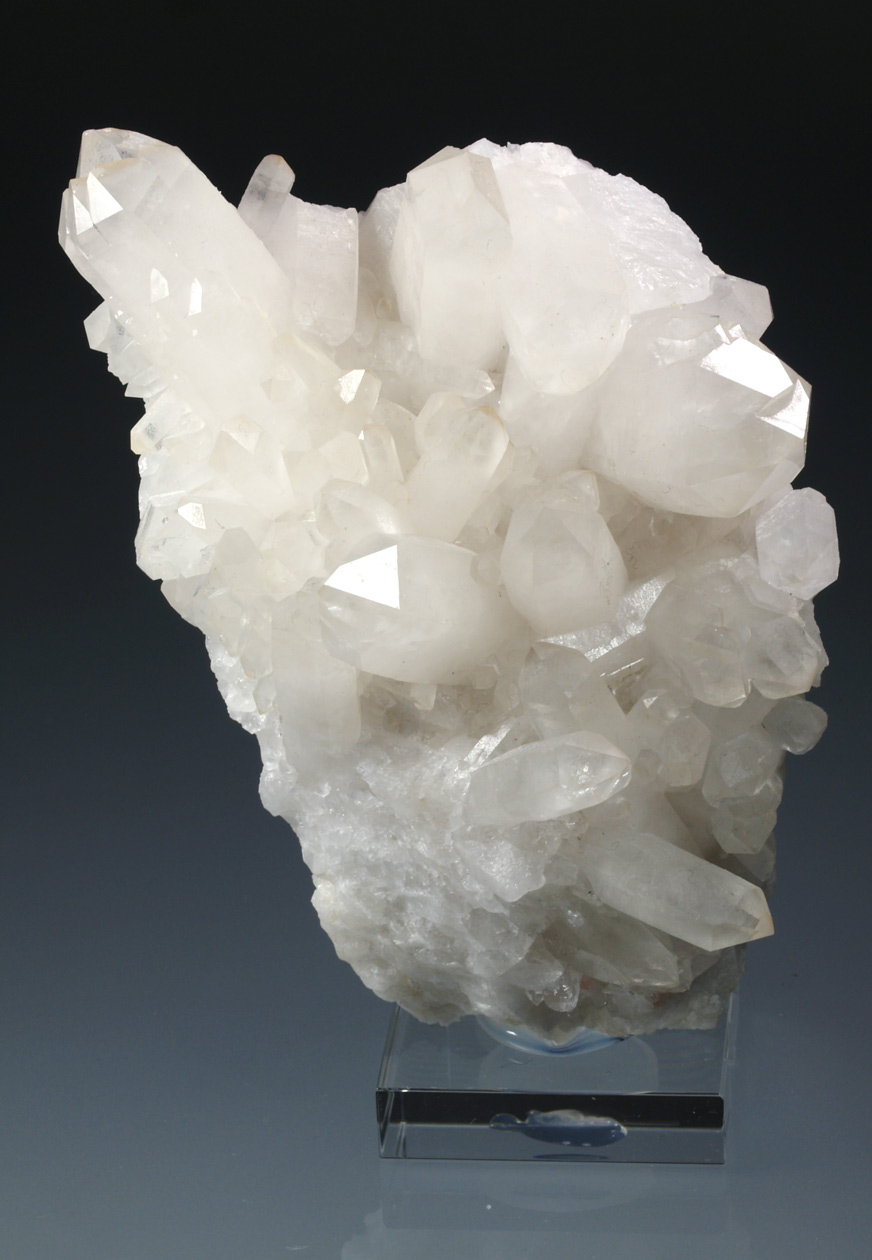
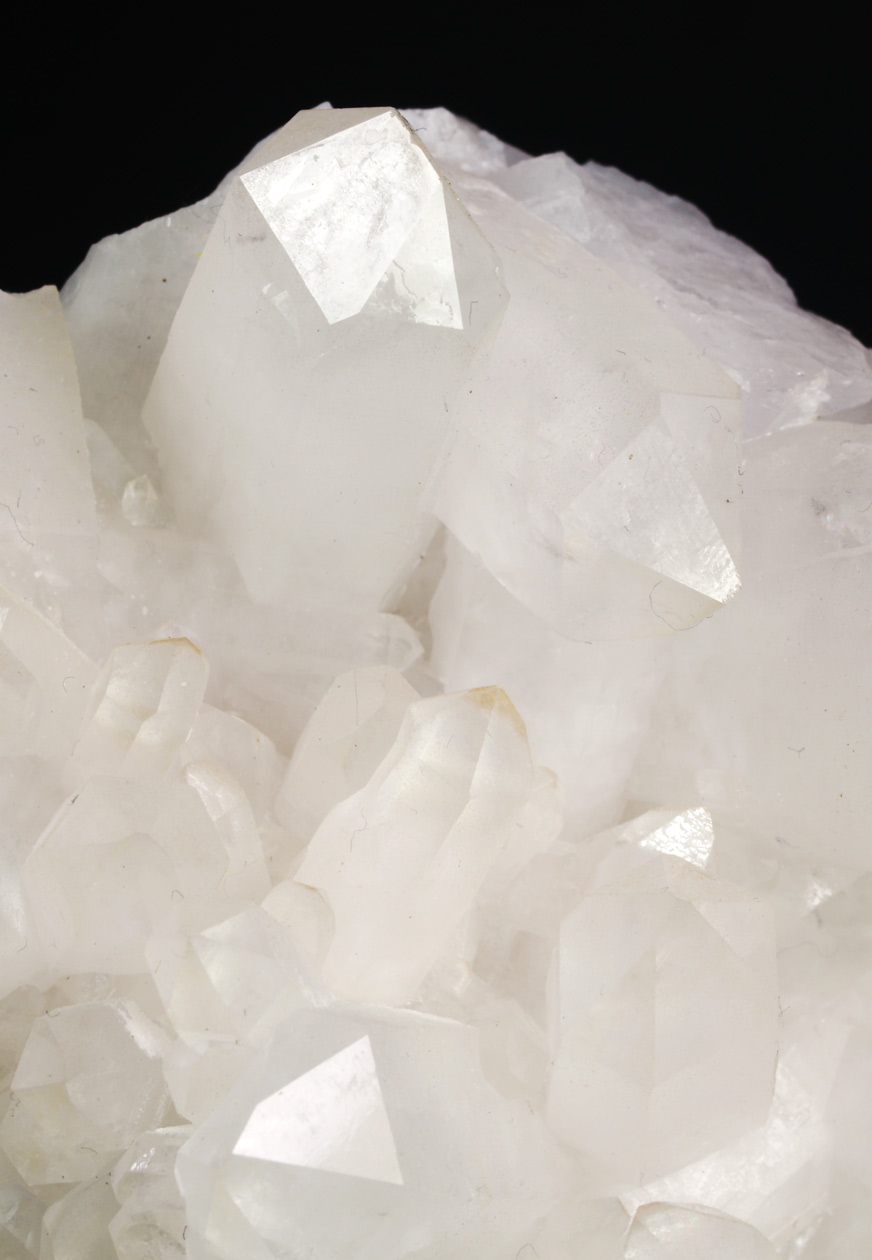
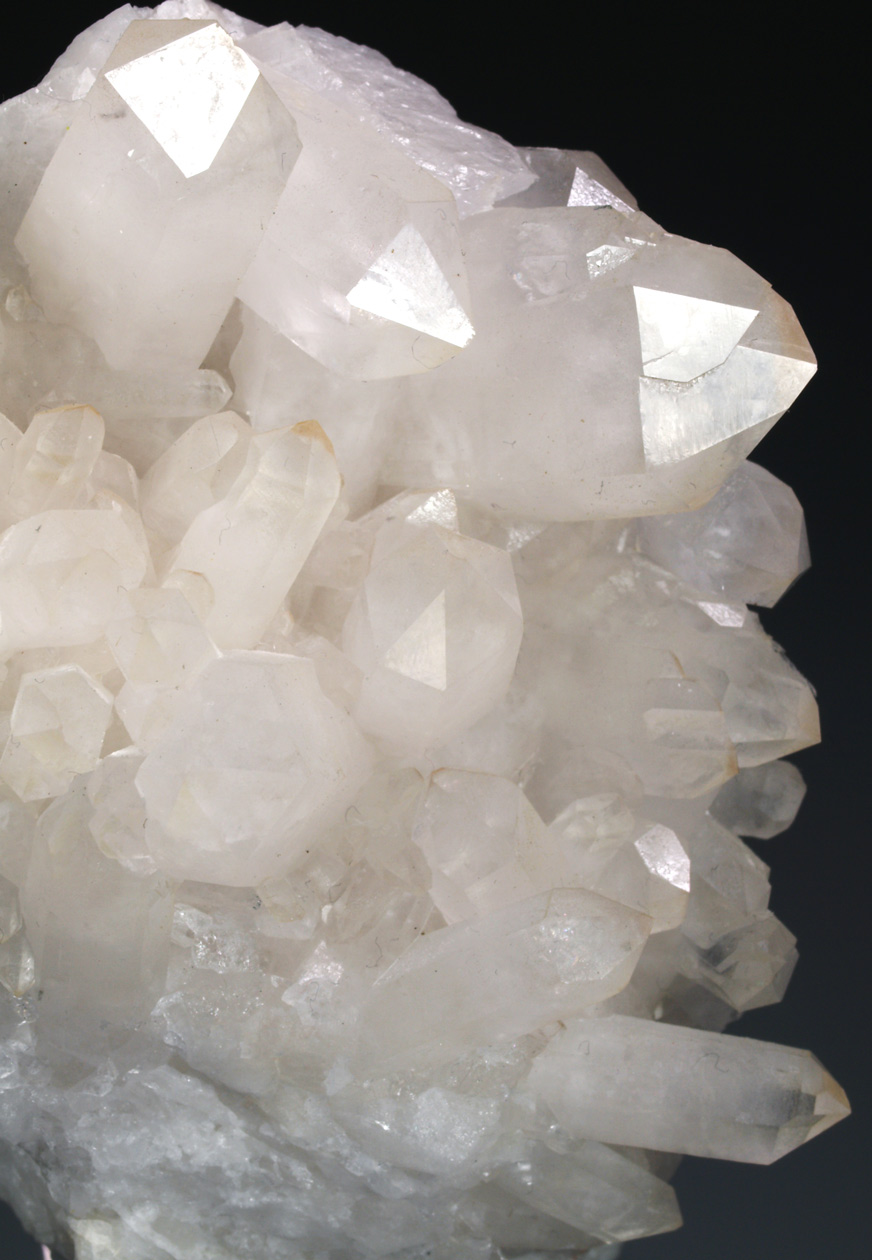
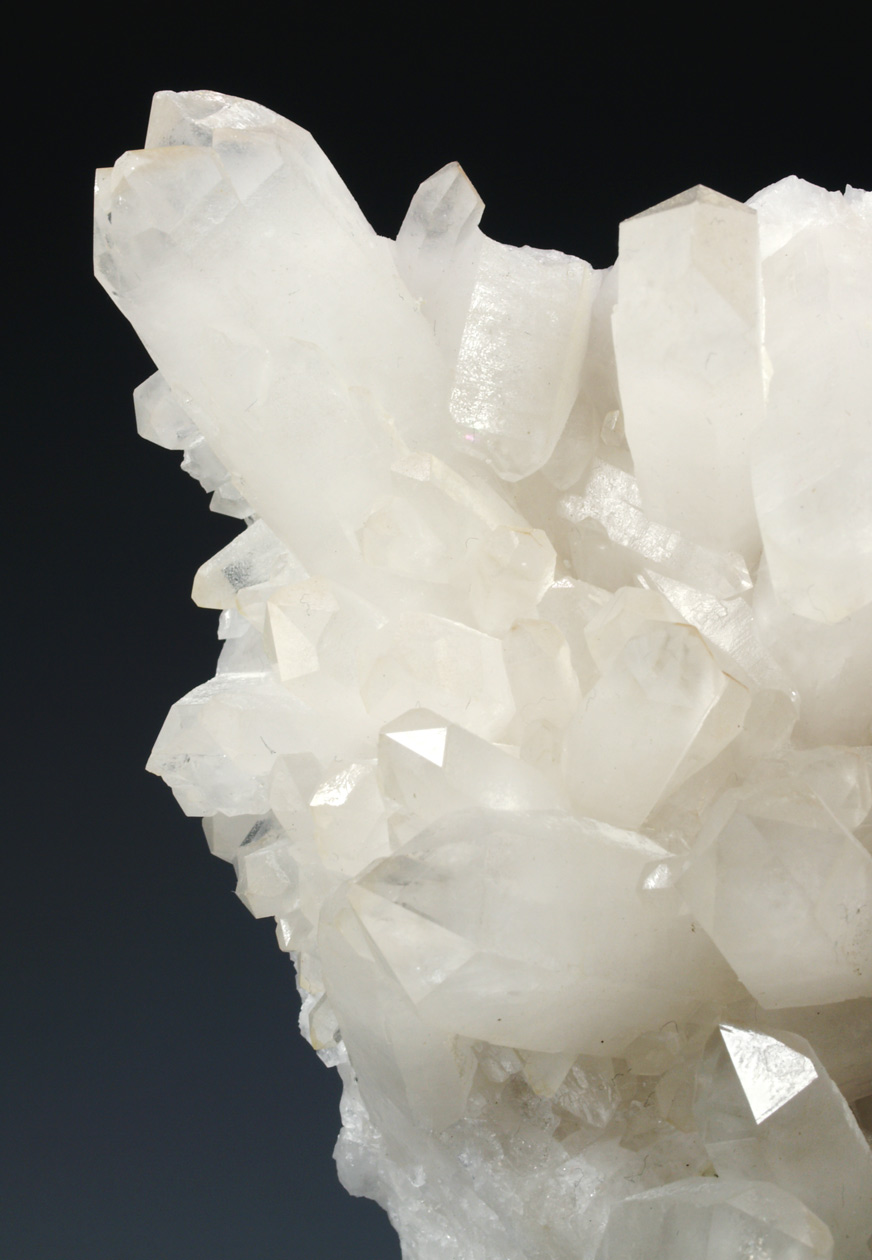
Rich group of quartz crystals, with developed prisms and defined terminal faces, between transparent to translucent. With interesting parallel growths. They are disposed very aerially on the matrix partially dotted with kaolinite.
These specimens were collected in this A Coruña quarry that exploits quartz, one of the main mines in the world due to the quality and quantity of its reserves. The mine was discovered in 1968 by three Galicians who gave their name (from their surnames SEñarís, RAma and BALboa) to the concession and who found it while exploring these mountains in the Pico Sacro area in search of "seixo" (from the Galician: hard white rock) of good quality.
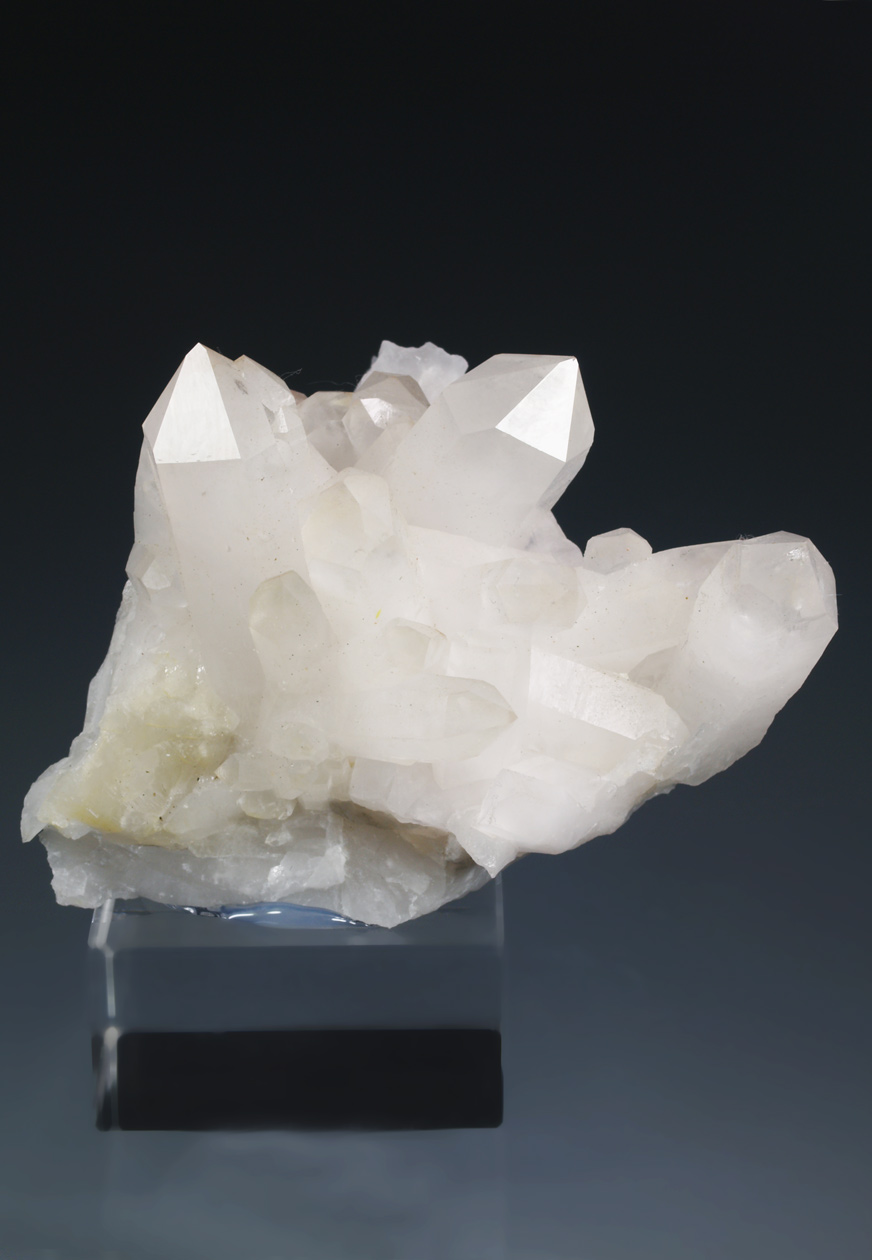
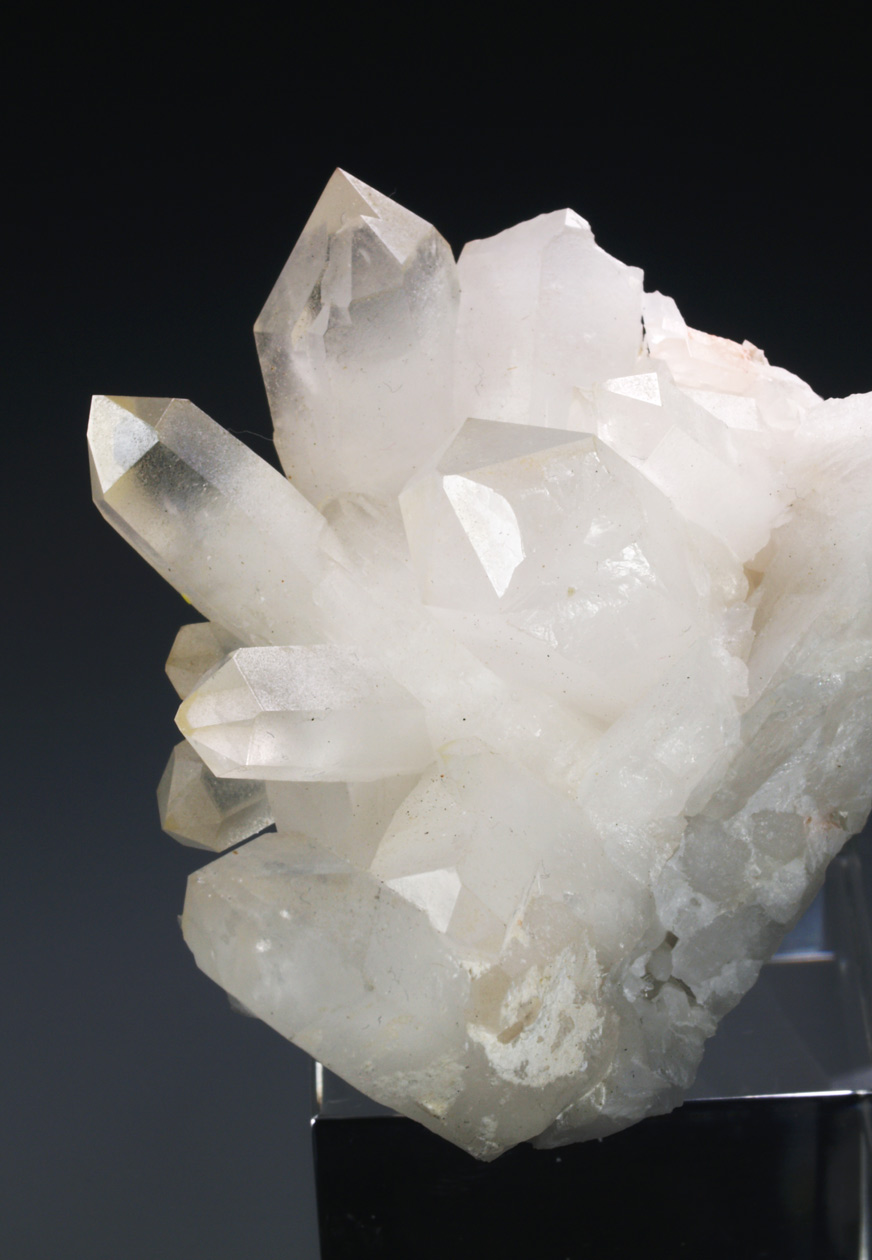
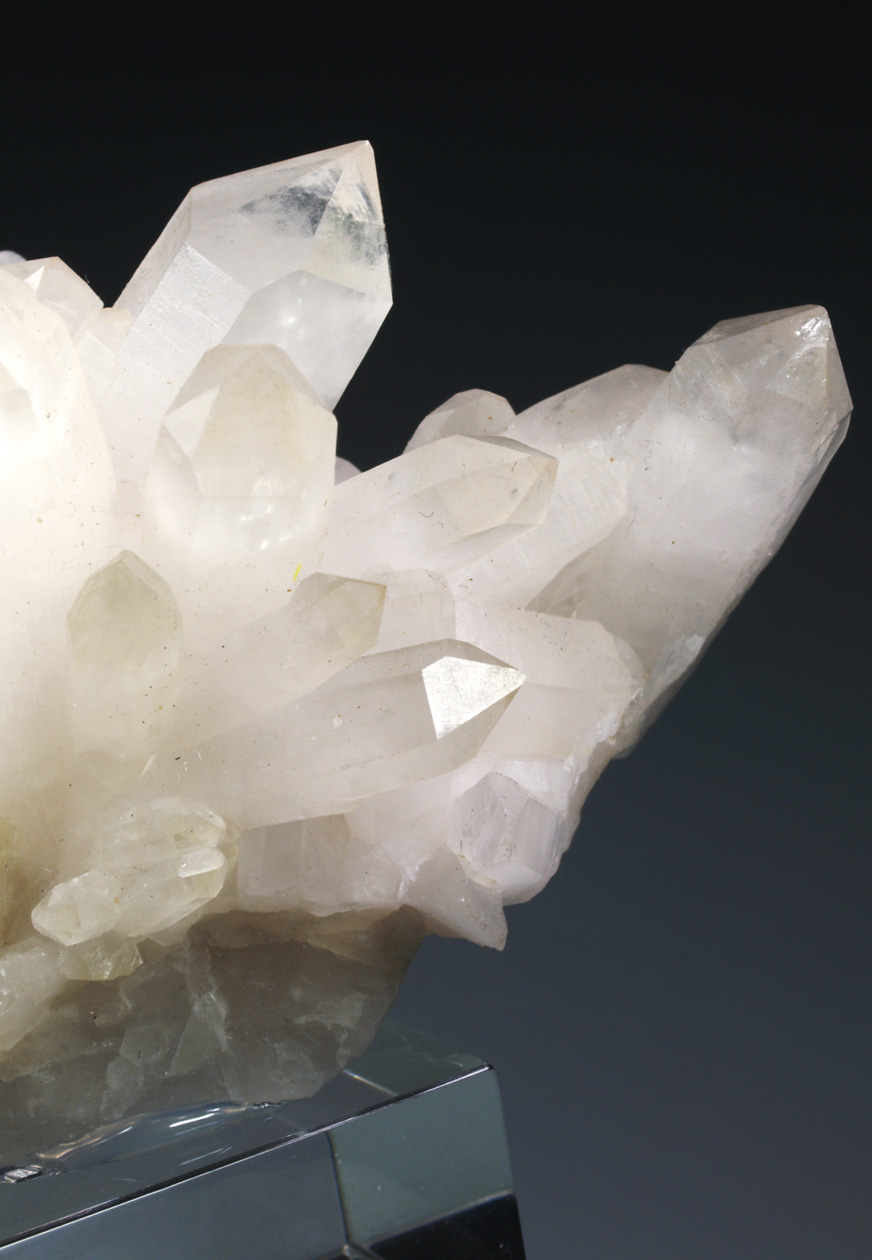
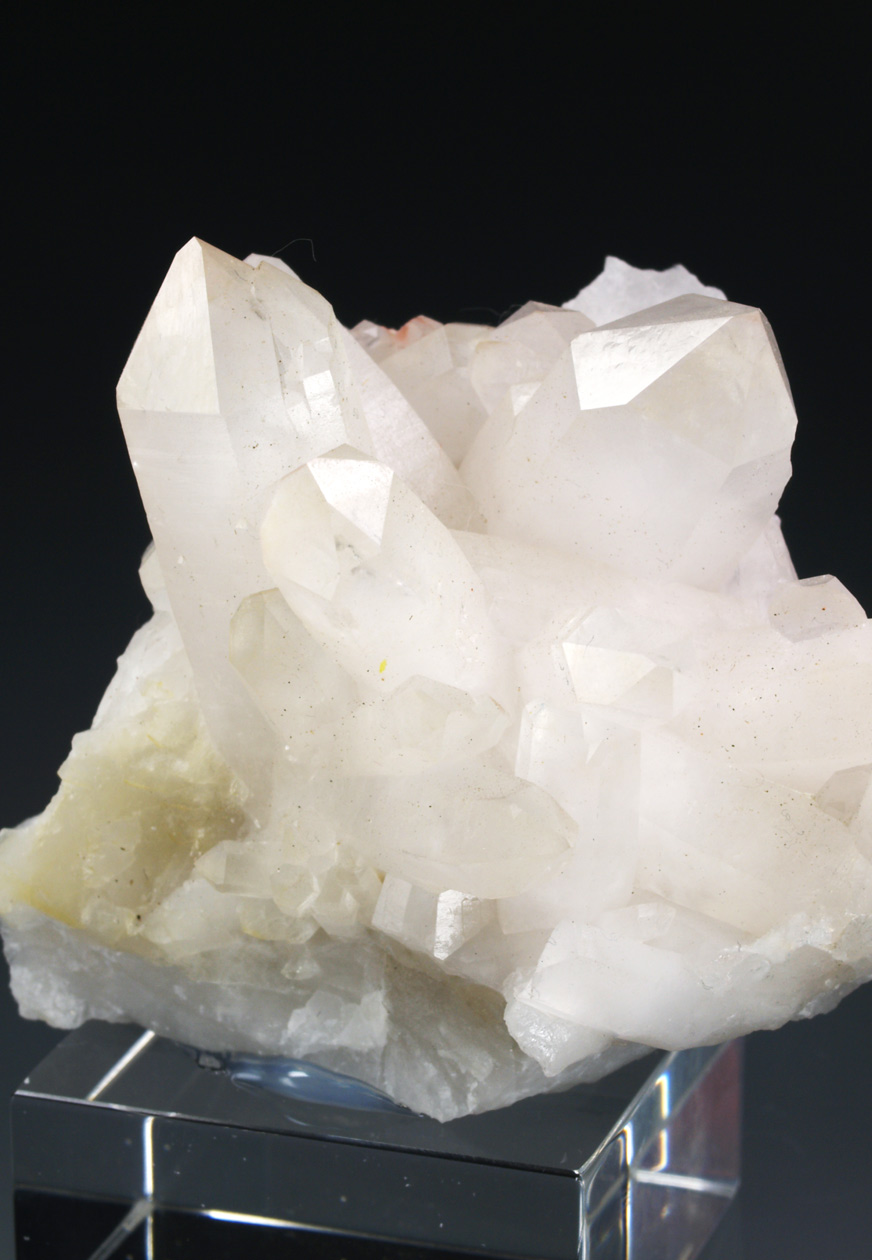
Group of quartz crystals, with developed prisms and defined terminal faces, between transparent to translucent. They are disposed very aerially on the matrix partially dotted with kaolinite.
These specimens were collected in this A Coruña quarry that exploits quartz, one of the main mines in the world due to the quality and quantity of its reserves. The mine was discovered in 1968 by three Galicians who gave their name (from their surnames SEñarís, RAma and BALboa) to the concession and who found it while exploring these mountains in the Pico Sacro area in search of "seixo" (from the Galician: hard white rock) of good quality.
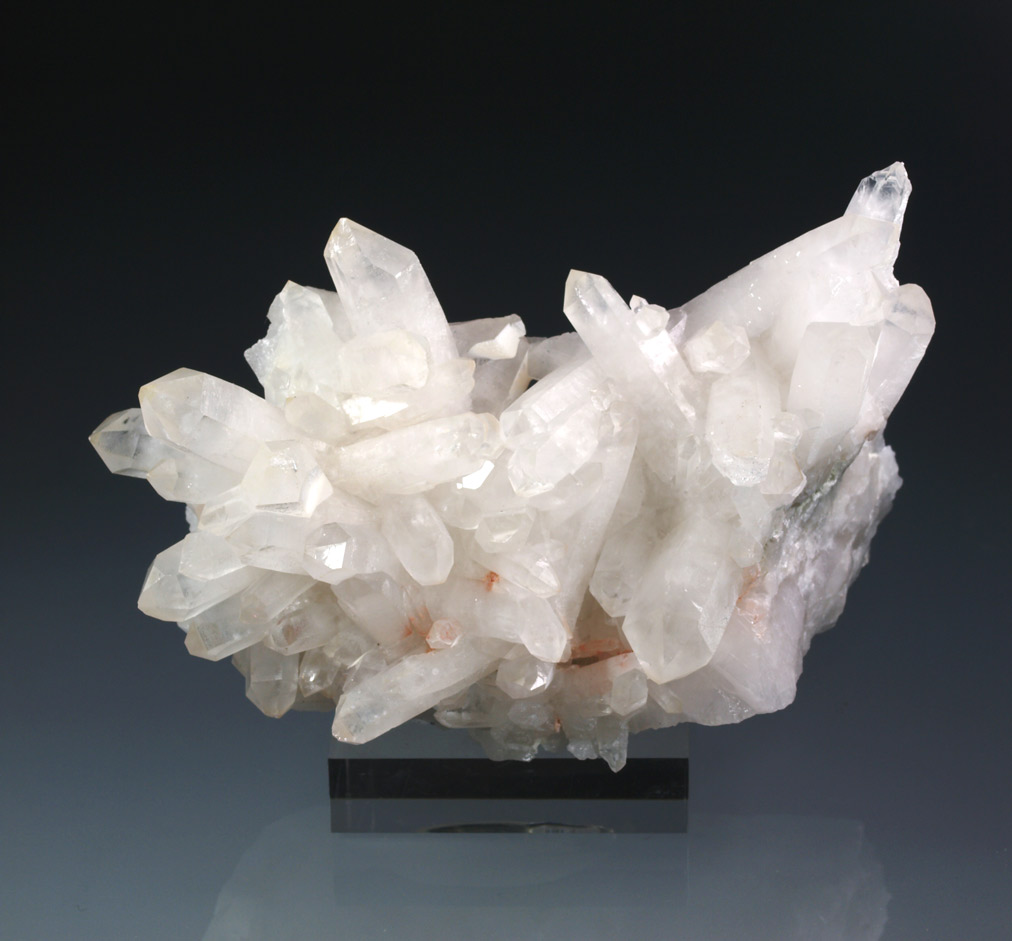
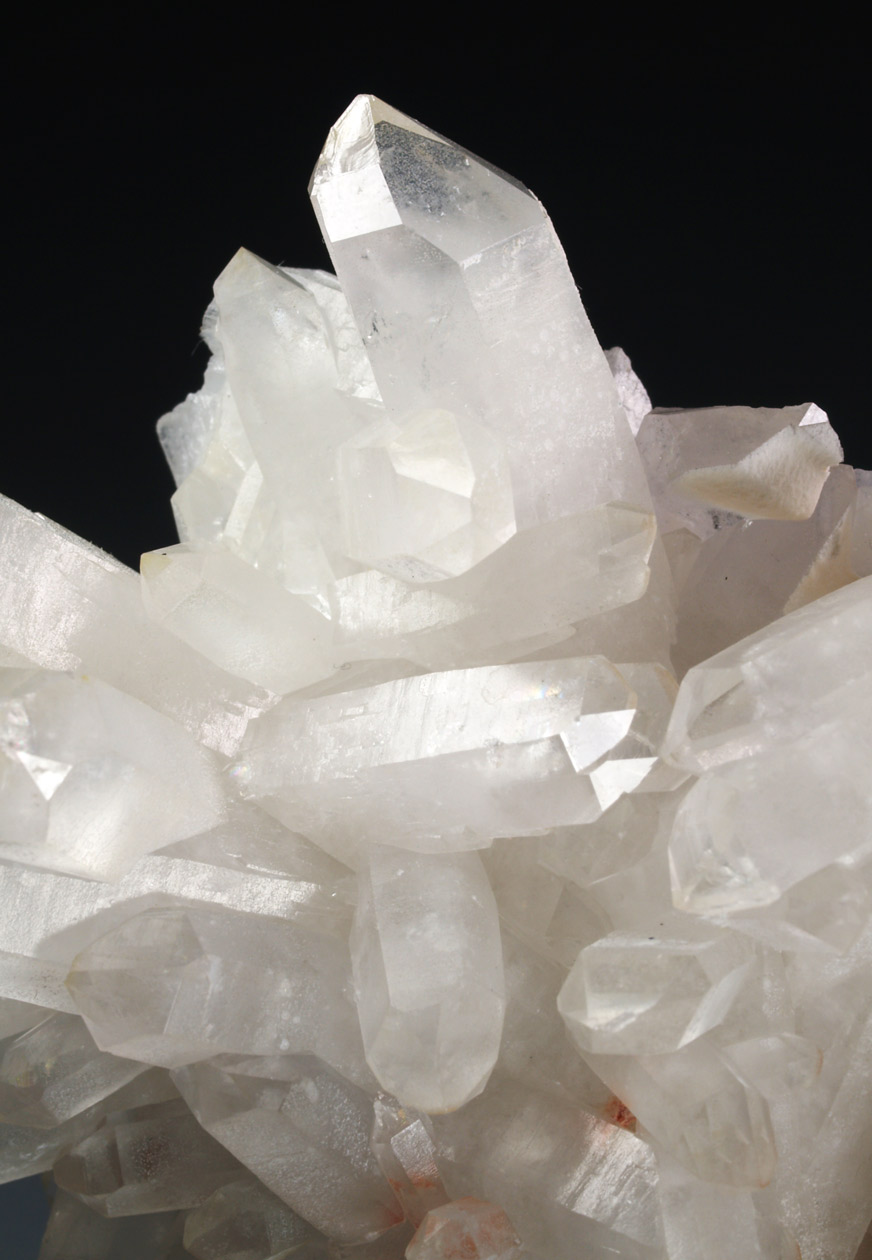
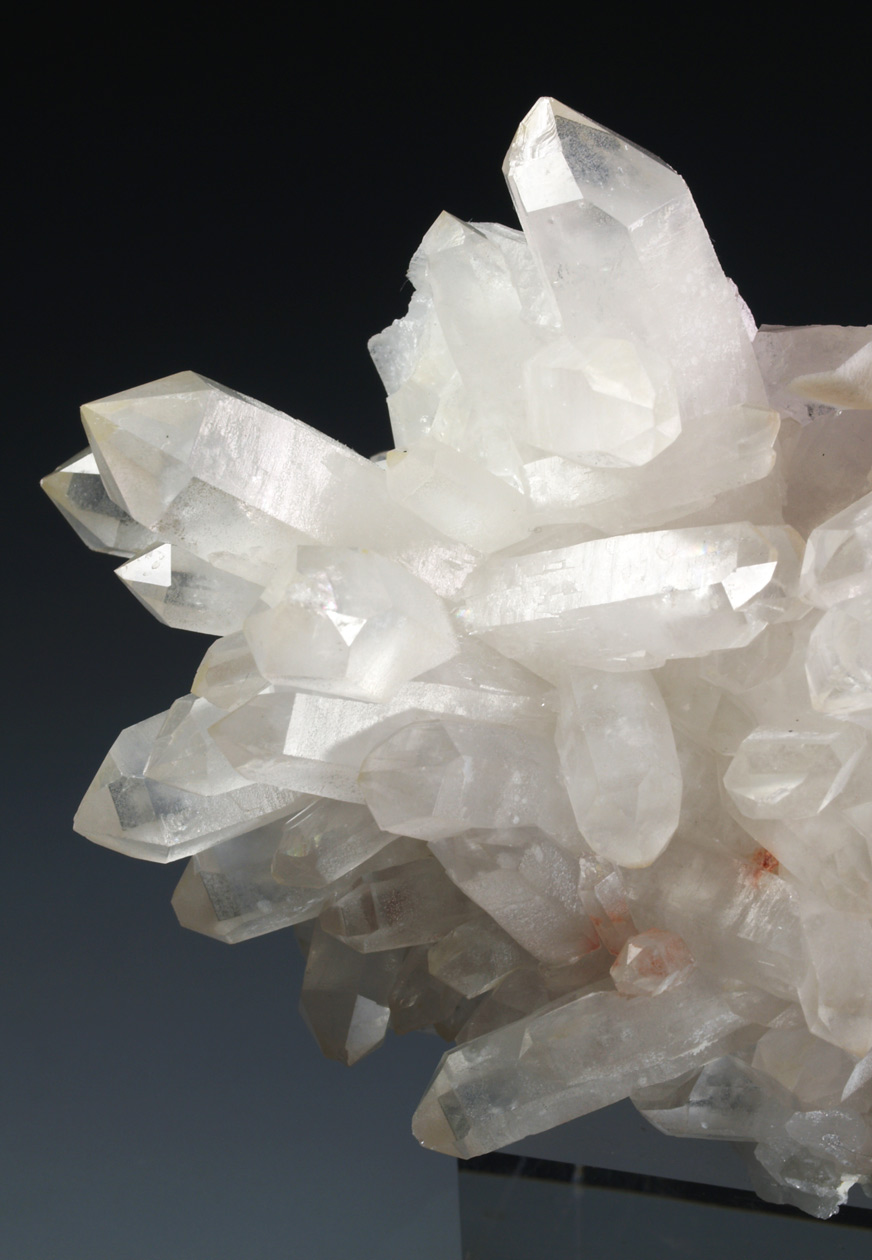
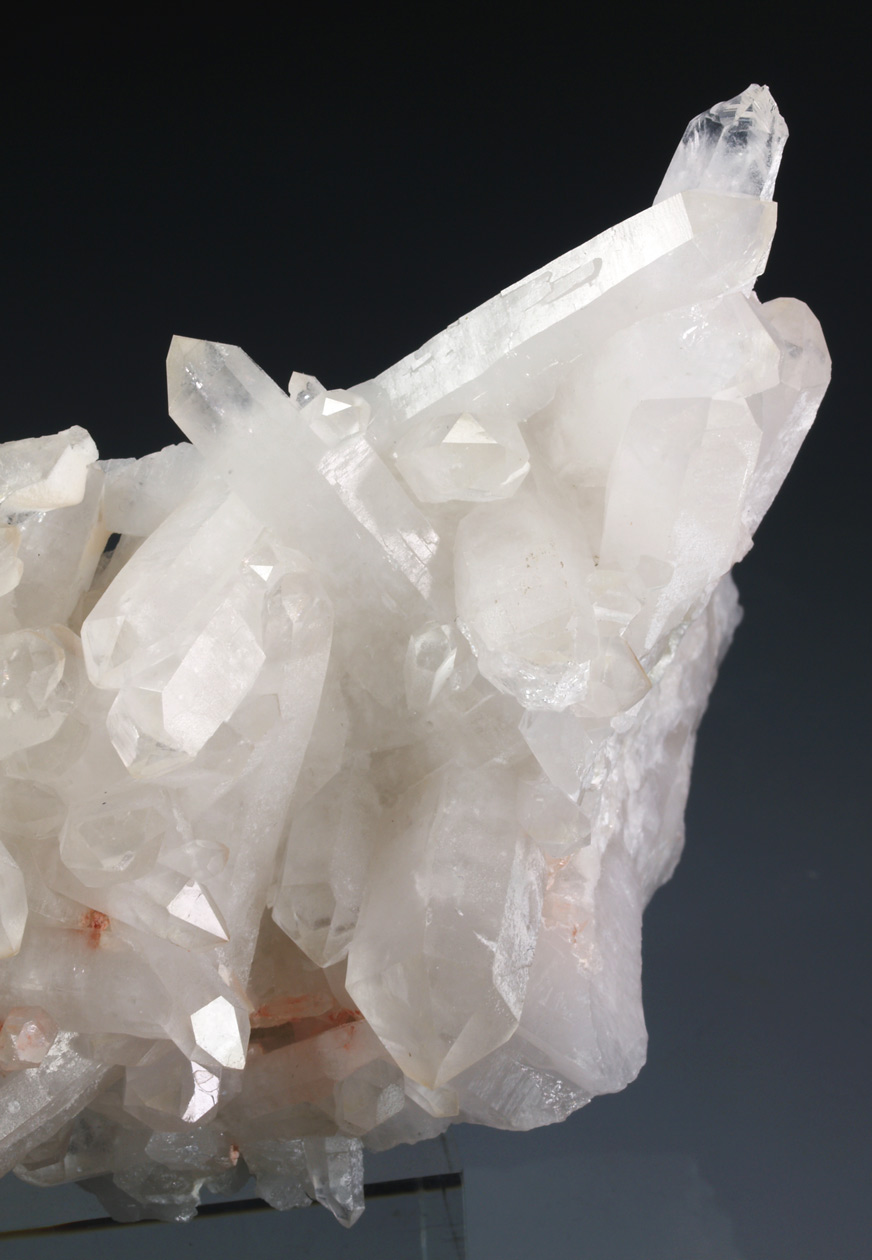
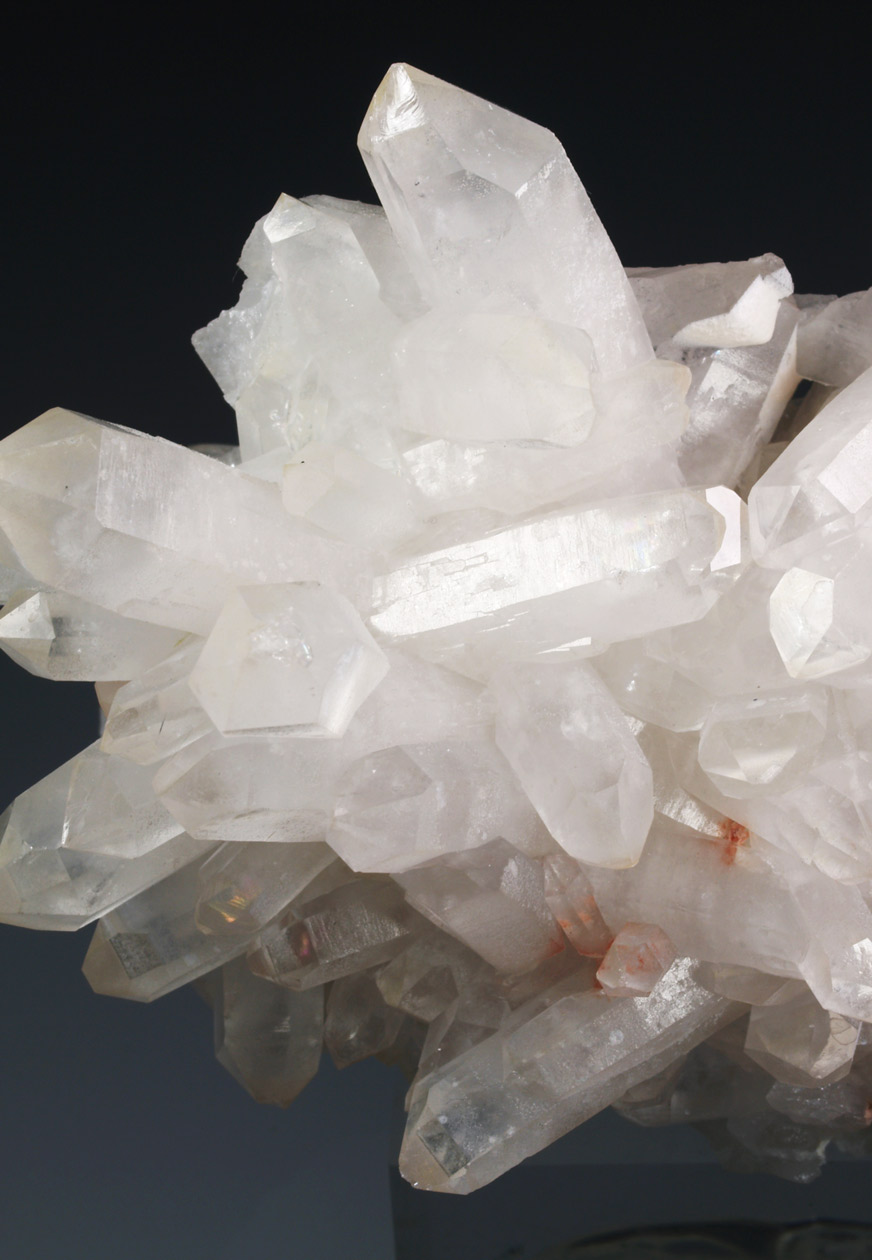
Rich group of quartz crystals, with developed prisms and defined terminal faces, between transparent to translucent. They are disposed very aerially on the matrix partially dotted with kaolinite.
These specimens were collected in this A Coruña quarry that exploits quartz, one of the main mines in the world due to the quality and quantity of its reserves. The mine was discovered in 1968 by three Galicians who gave their name (from their surnames SEñarís, RAma and BALboa) to the concession and who found it while exploring these mountains in the Pico Sacro area in search of "seixo" (from the Galician: hard white rock) of good quality.
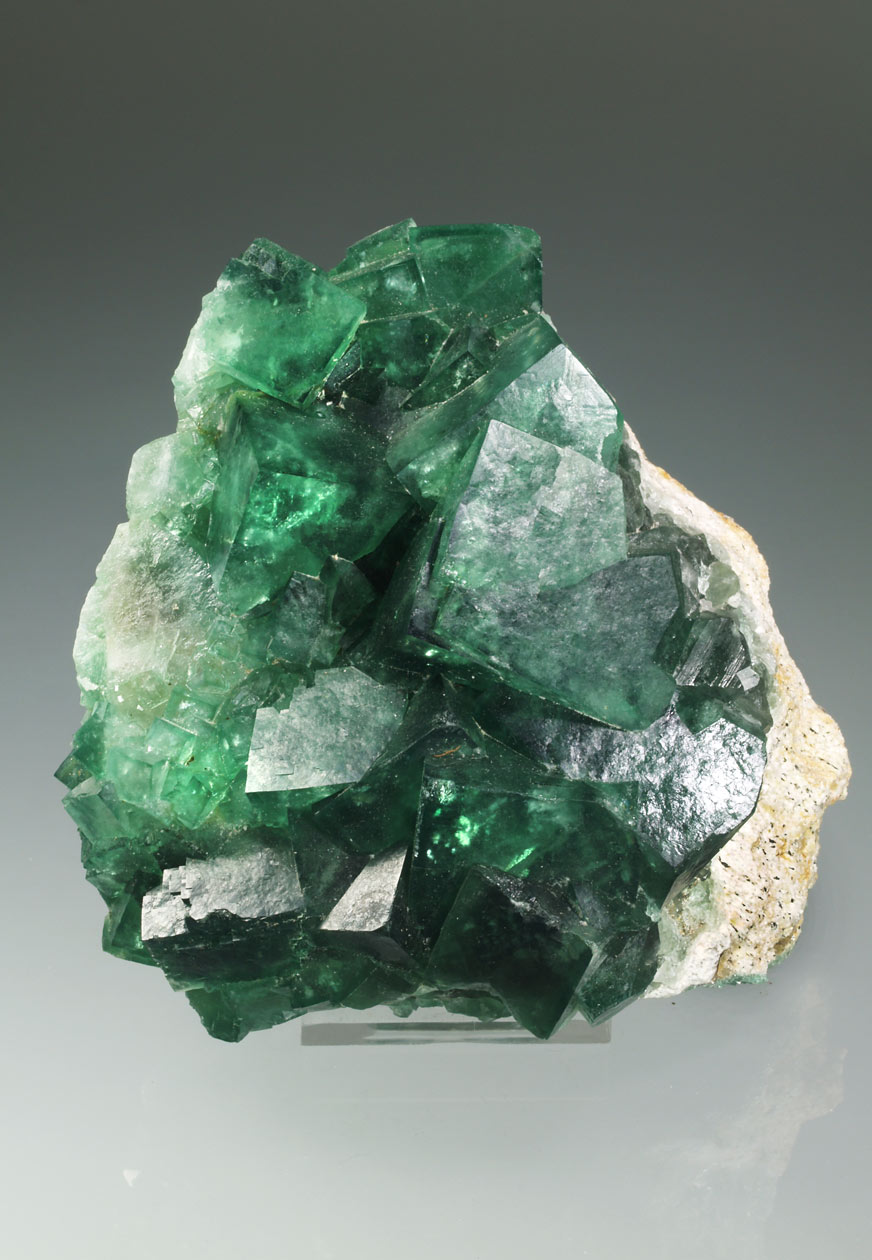
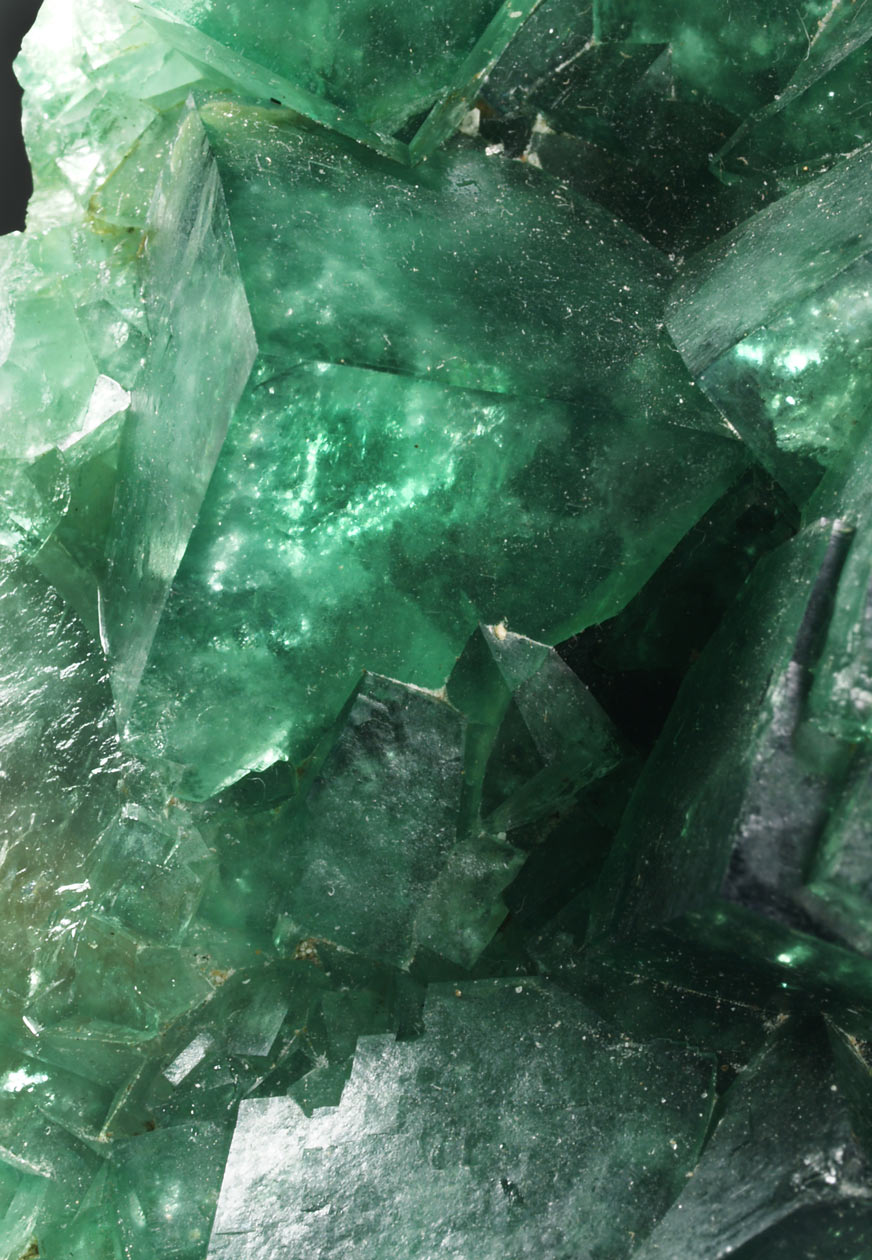
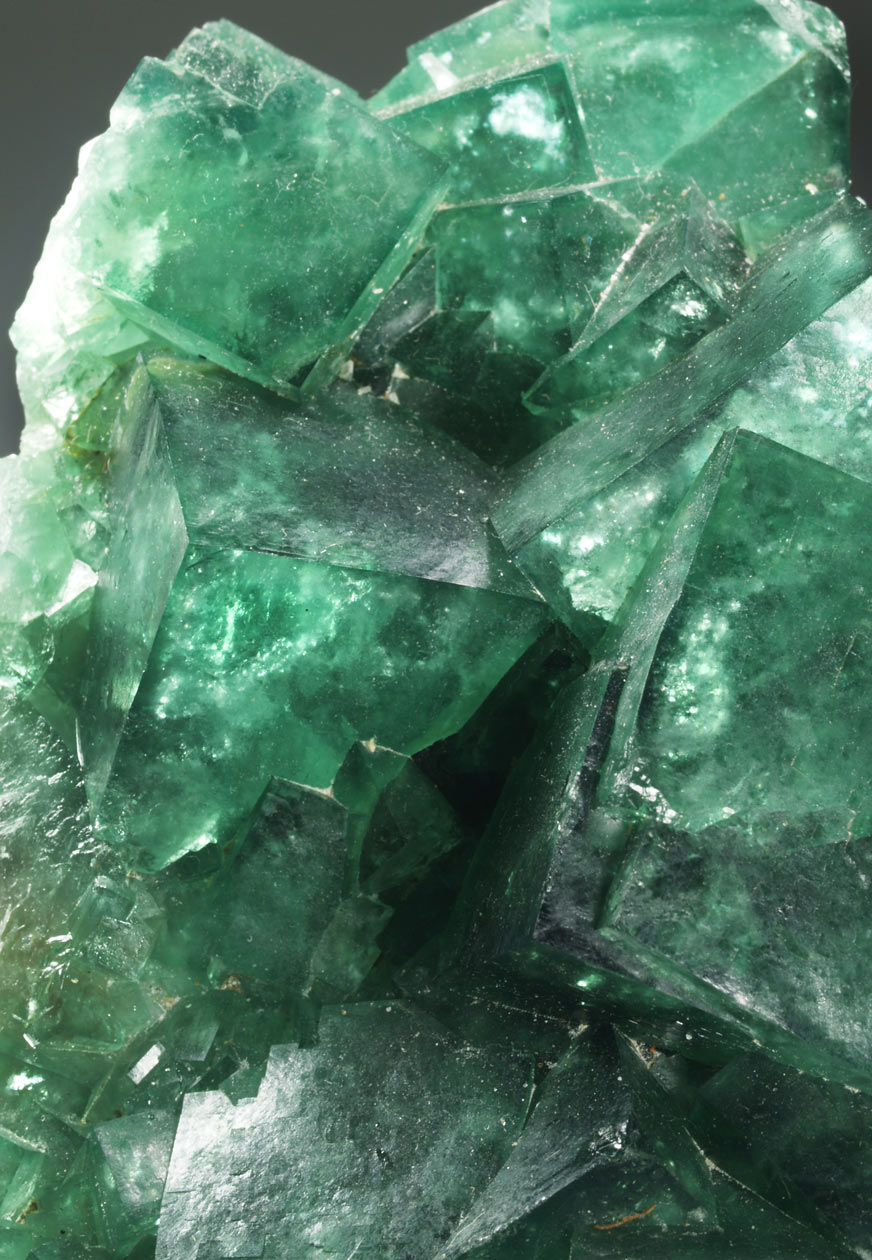
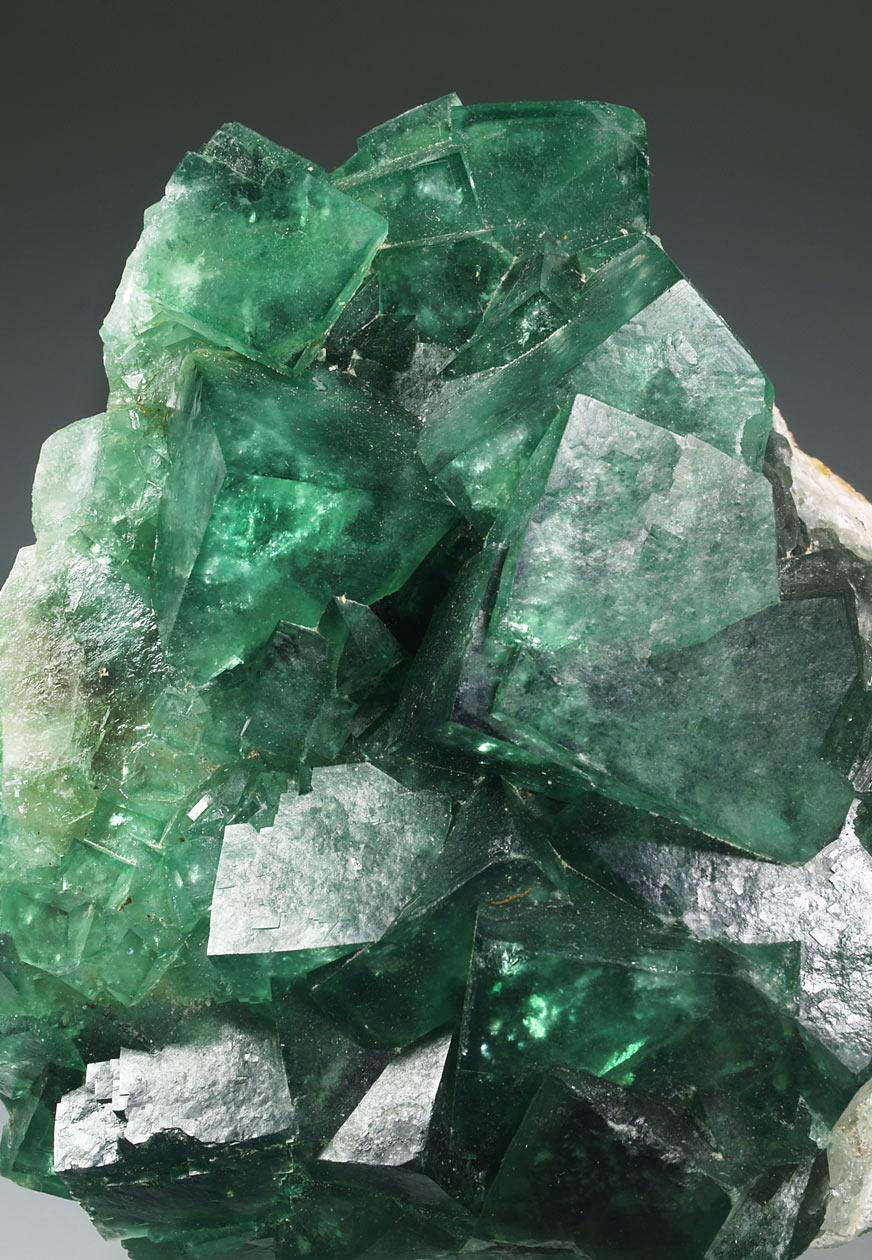
A good size specimen showing a group of cubic fluorite crystals, between translucent and transparent, with an intense green color with delicate dichroism under sunlight. The crystals are interpenetrated and show geometric color zoning and interesting and esthetic inclusions of white color. Very fluorescent under LW-UV and SW-UV. New locality for fluorite in Madagascar.
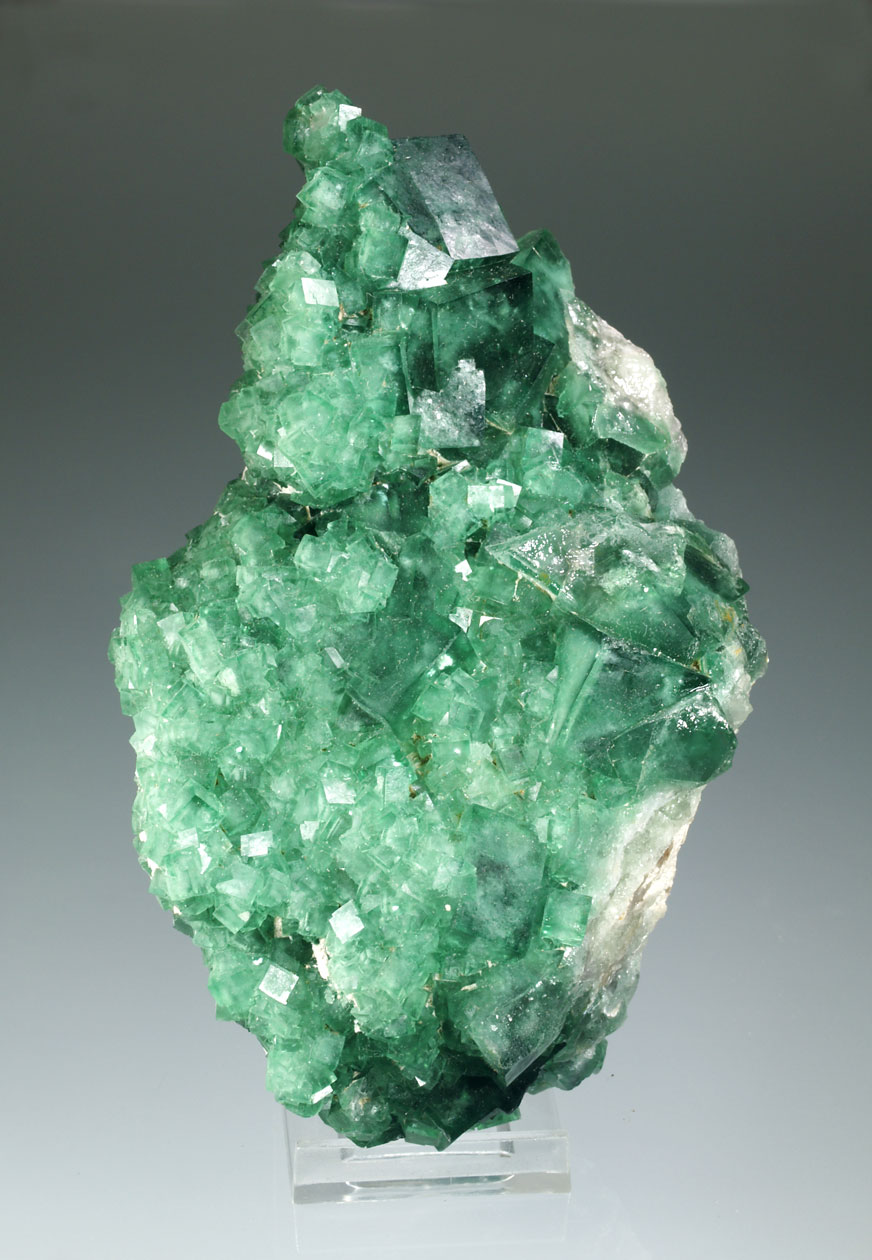
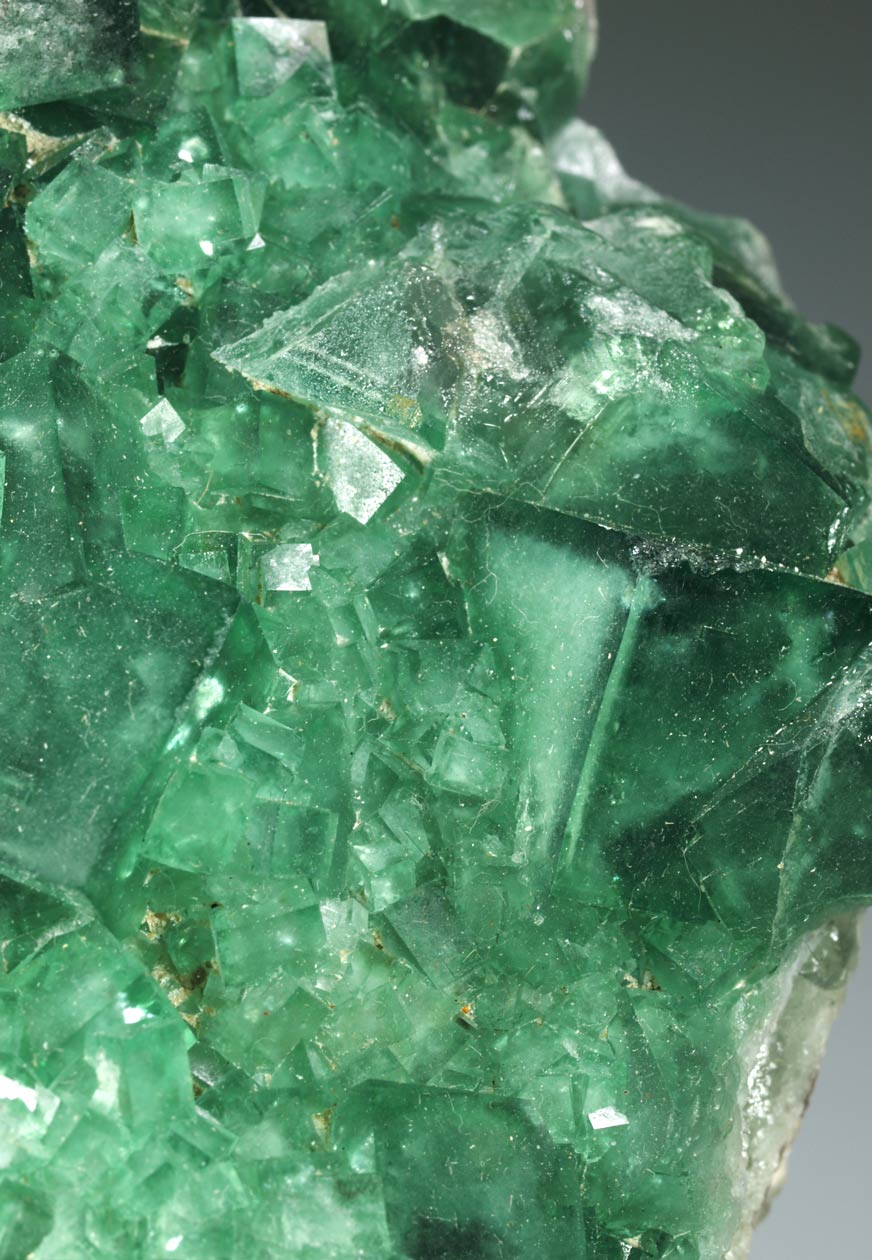
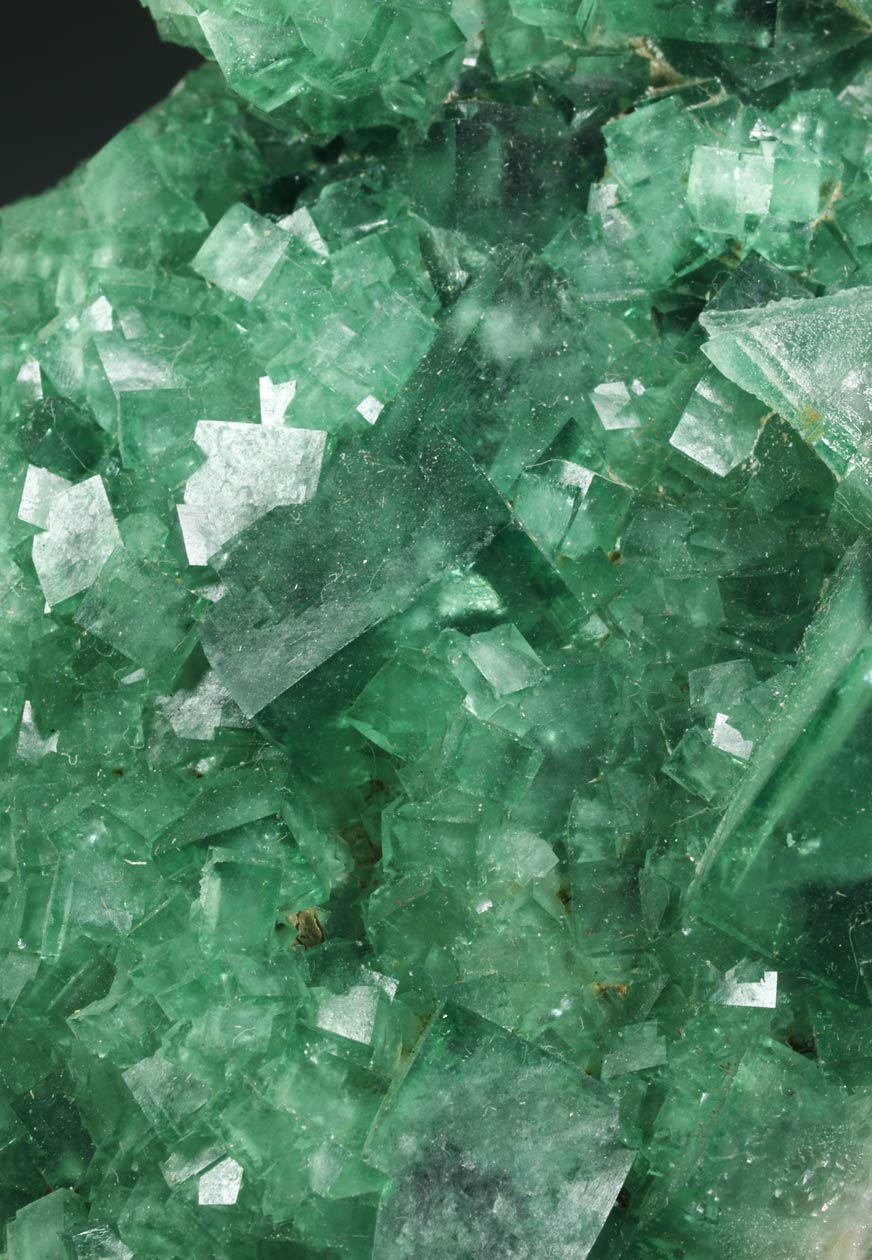
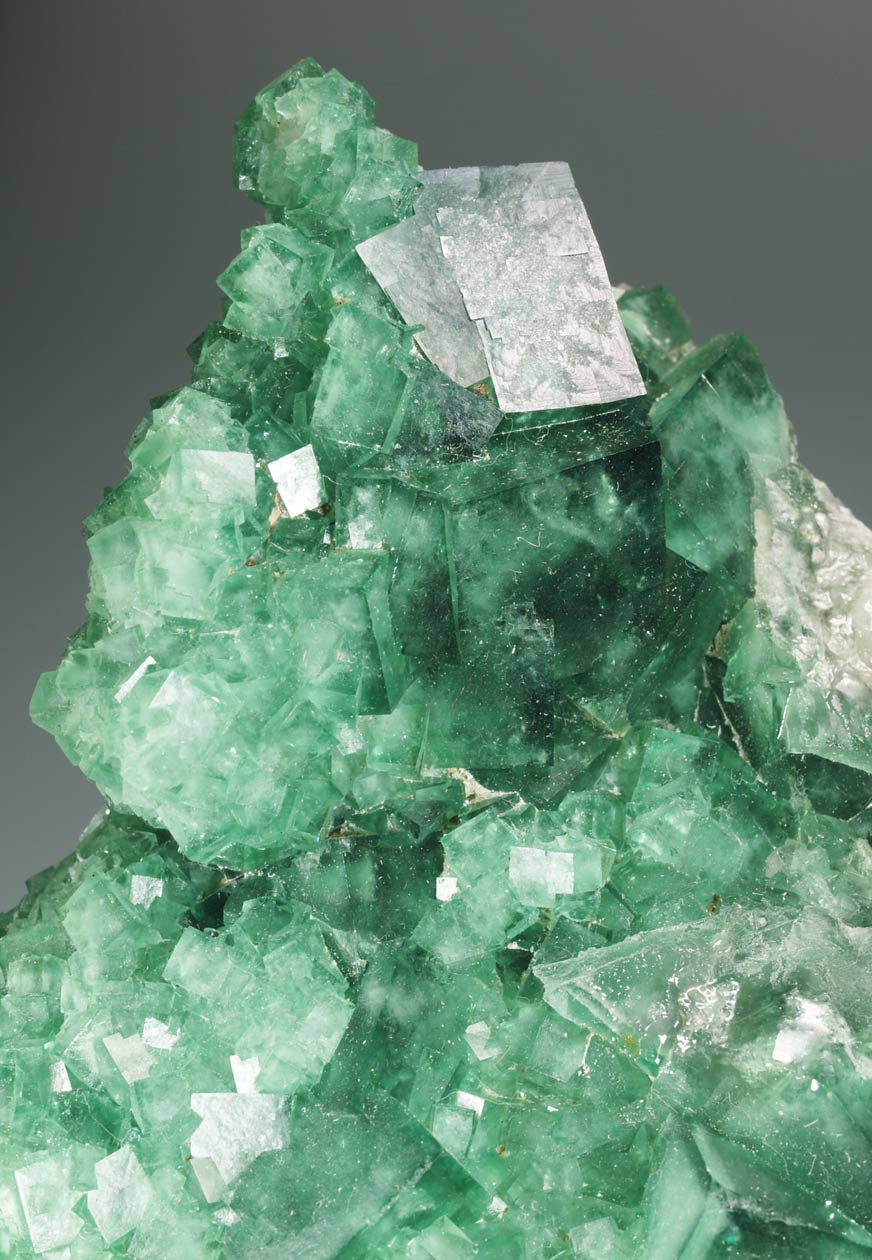
A good size specimen showing a group of cubic fluorite crystals, between translucent and transparent, with an intense green color with delicate dichroism under sunlight. The crystals are interpenetrated and show geometric color zoning and interesting and esthetic inclusions of white color. Very fluorescent under LW-UV and SW-UV. New locality for fluorite in Madagascar.
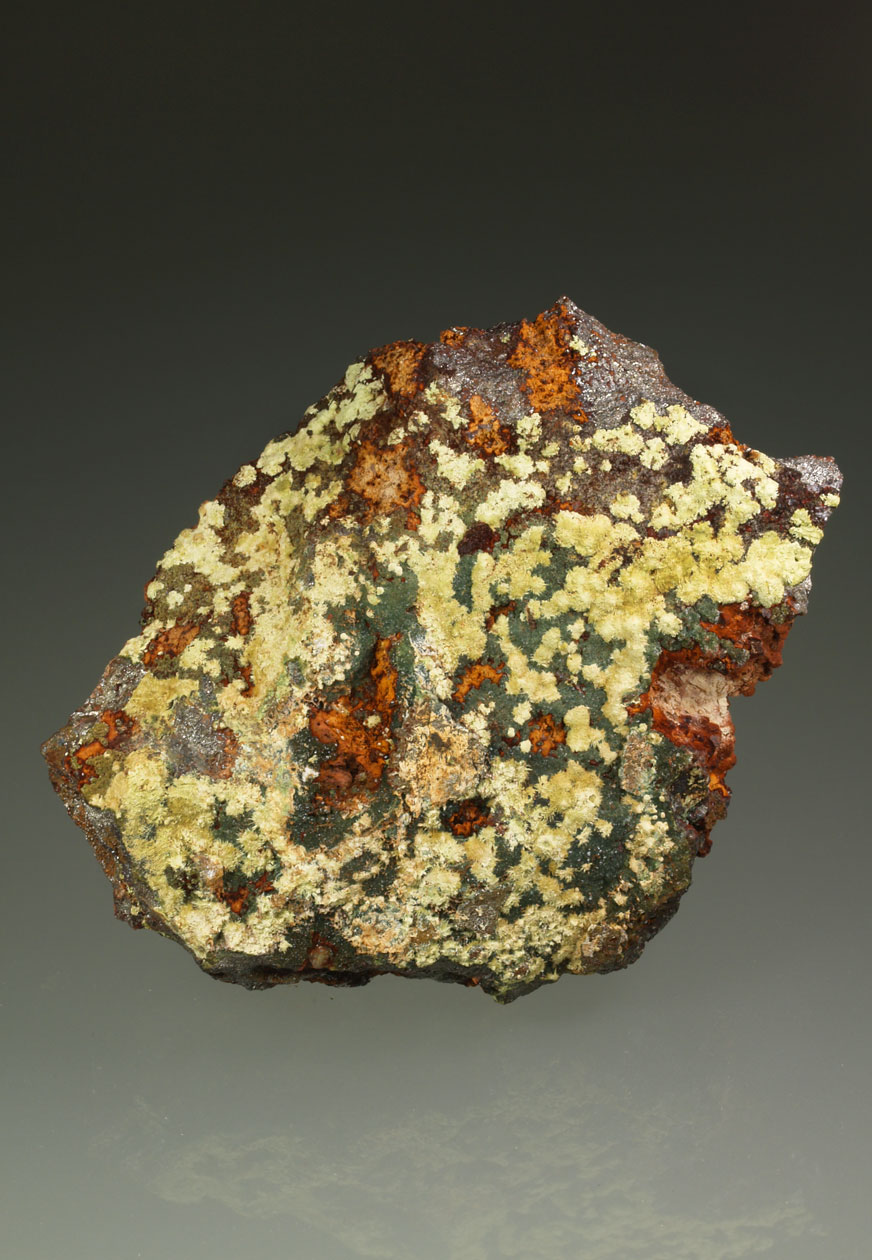
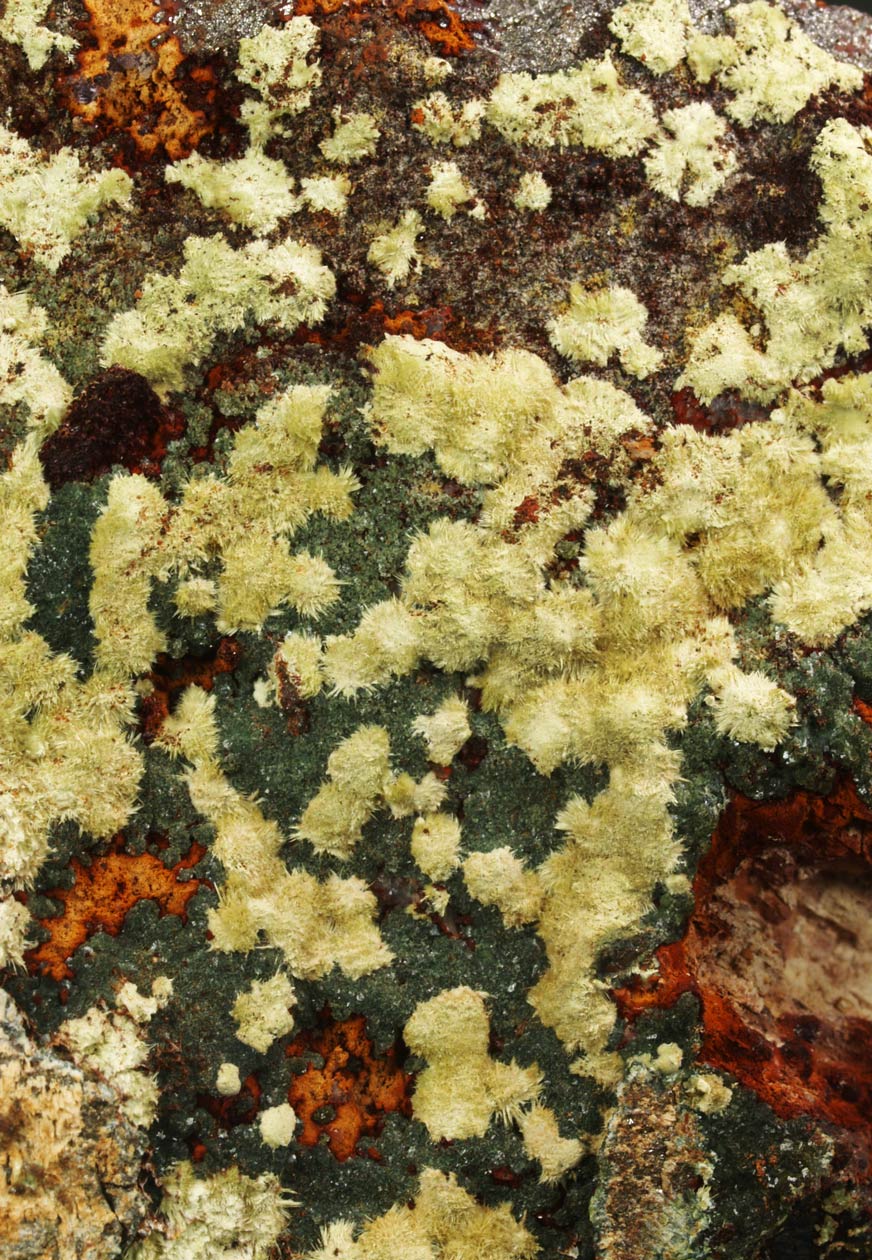
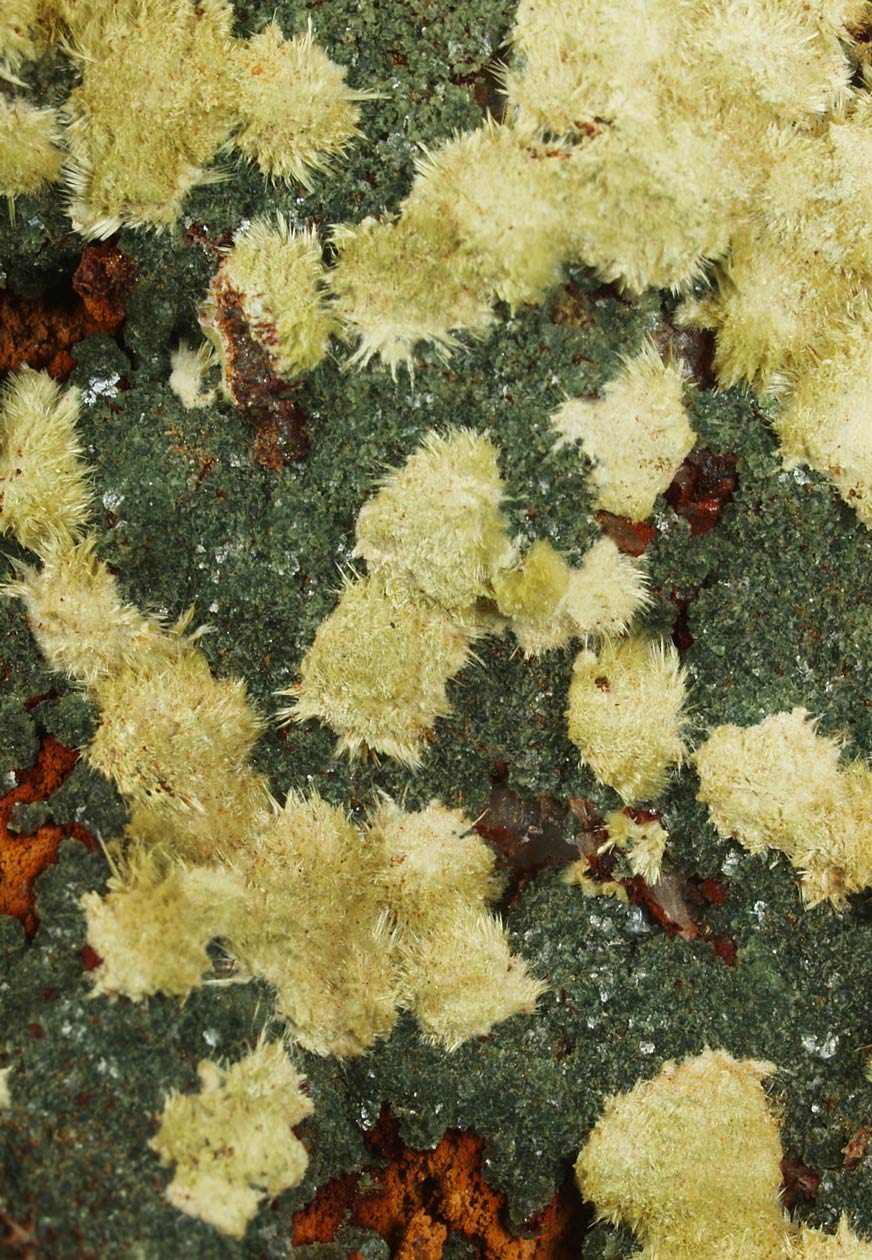
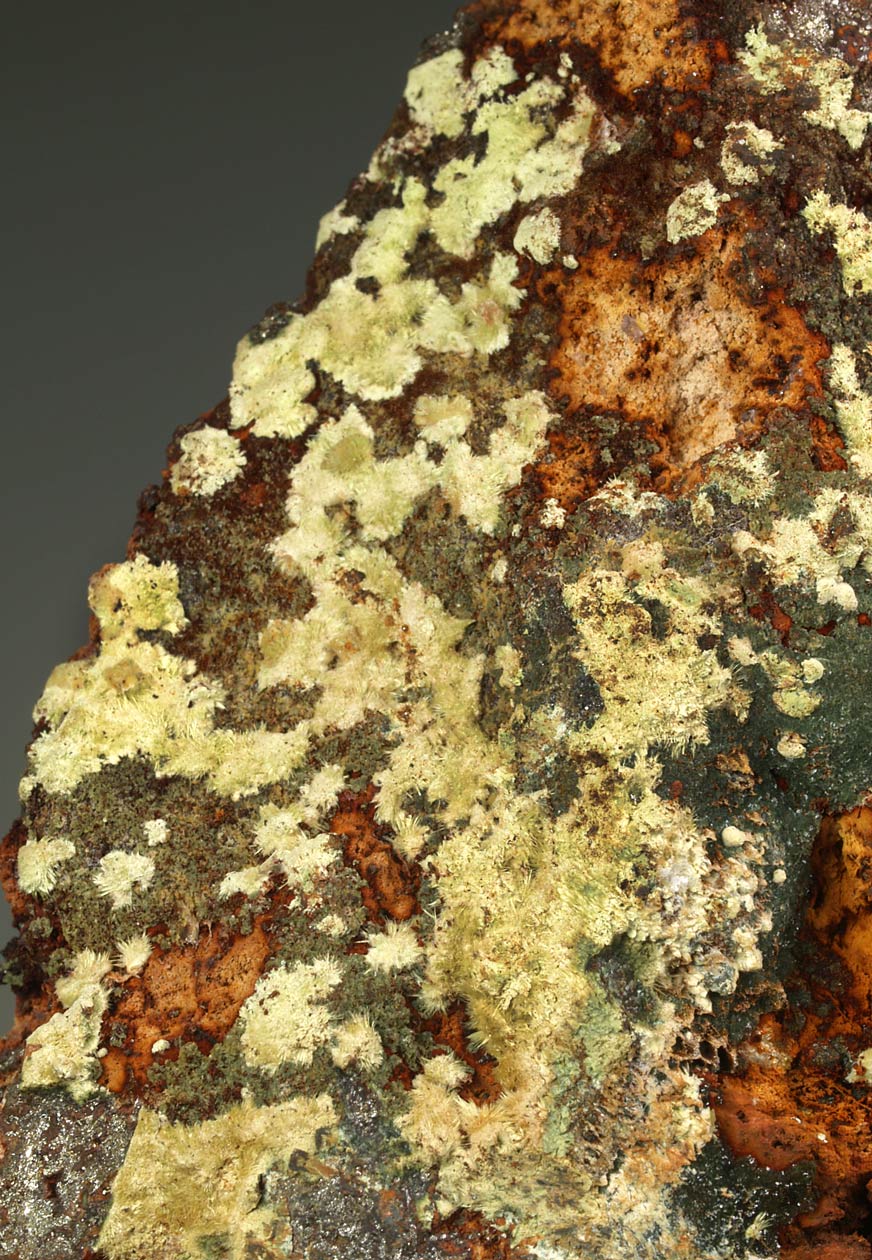
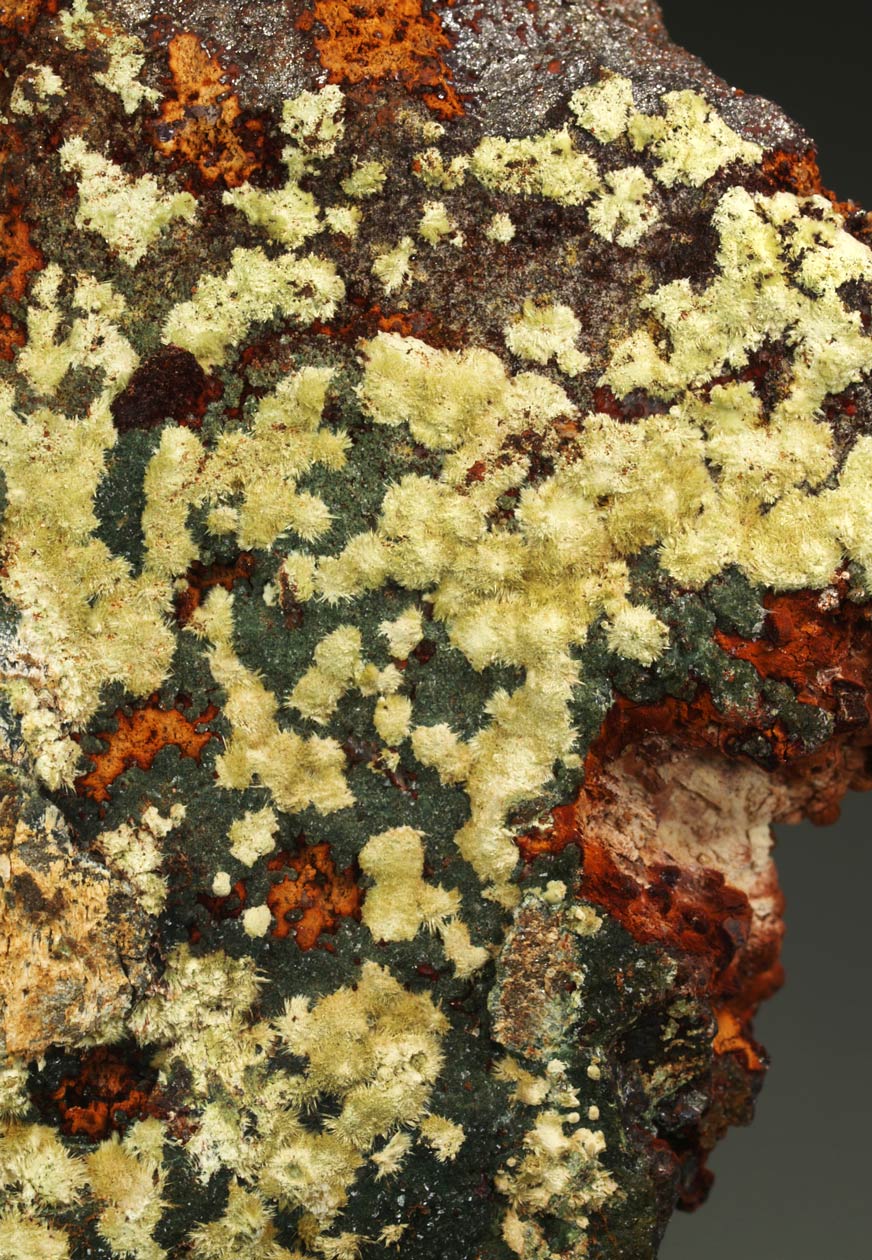
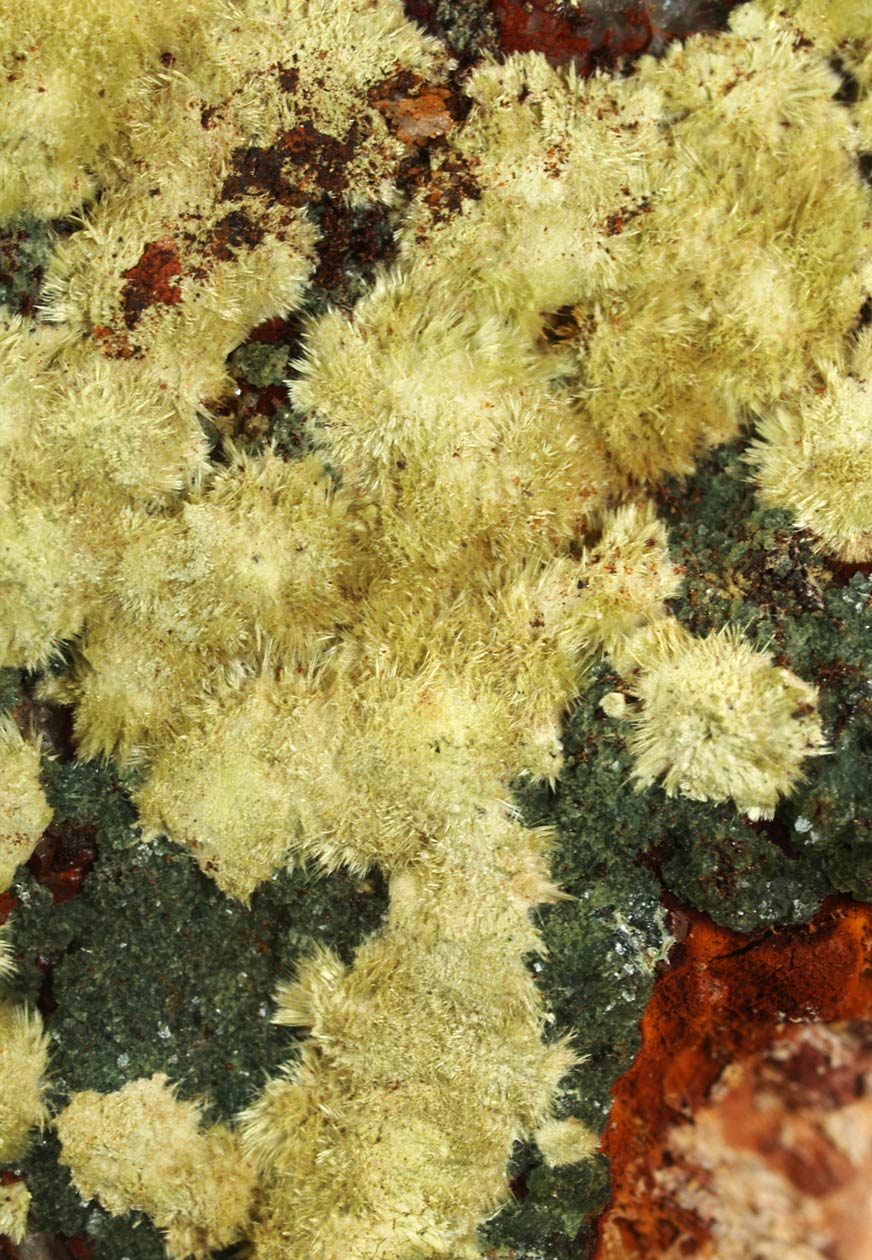
Ojuelaite is a very rare zinc and iron arsenate named after the world famous Ojuela mine (Mexico), its type locality. The species, which belongs to the arthurite group, was accepted by the IMA in 1982 and is isostructural with whitmoreite. It is found in the oxidation zone of the Ojuela deposit, associated with scorodite, adamite and / or smithsonite.
In the article published by Cesbron, Romero and Williams [La mapimite et l'ojuélaïte, deux nouveaux arséniates hydratés de zinc et de fer de la mine Ojuela, Mapimi, Mexique. Bulletin de Minéralogie 104, 582-586. (1981)] two new minerals were described, mapimite and ojuelaite. The studied specimens were obtained thanks to the well-known Mexican mineralogist Don Manuel Romero.
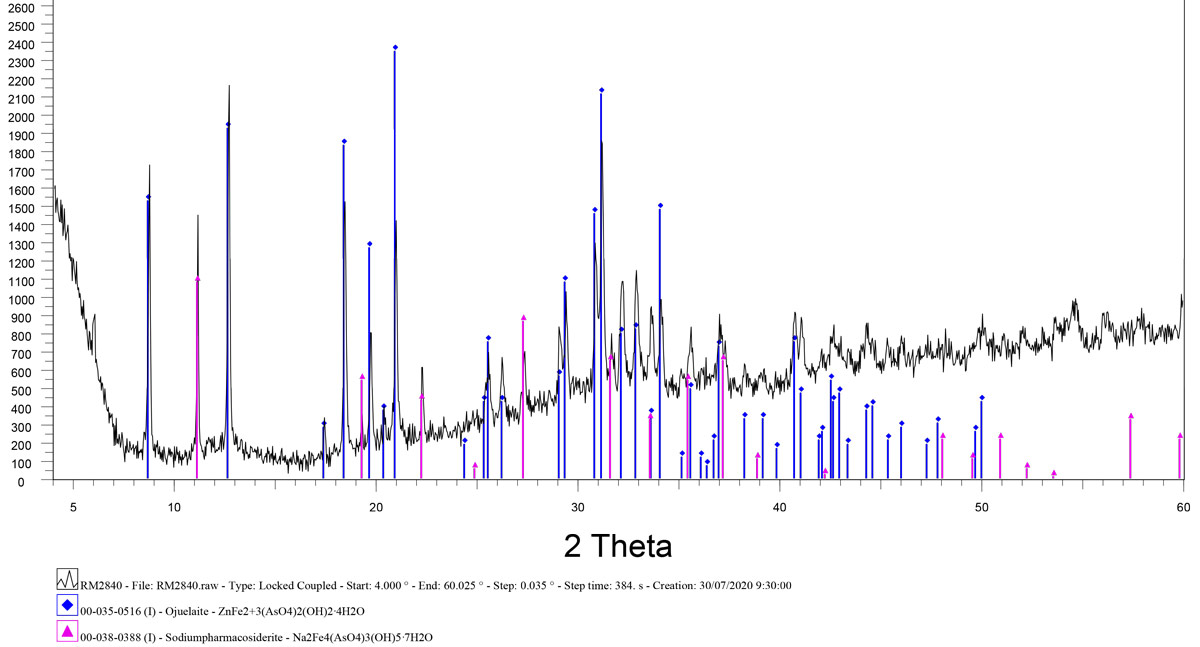
In this specimen, ojuelaite is associated with natropharmacosiderite-pharmacosiderite, as shown by the XRD attached. The arsenopyrite matrix is partially covered by aggregates of natropharmacosiderite-pharmacosiderite crystals, with a green color, brilliant and with cubic shapes. The ojuelaite of this specimen is showing radial fibrous aggregates, with a silky luster and yellow color. We will send the analyzes to the buyer. Former Marcus J. Origlieri collection.
We can say that this specimen is among the best worldwide for this species, due to its size, richness, aesthetics and quality.
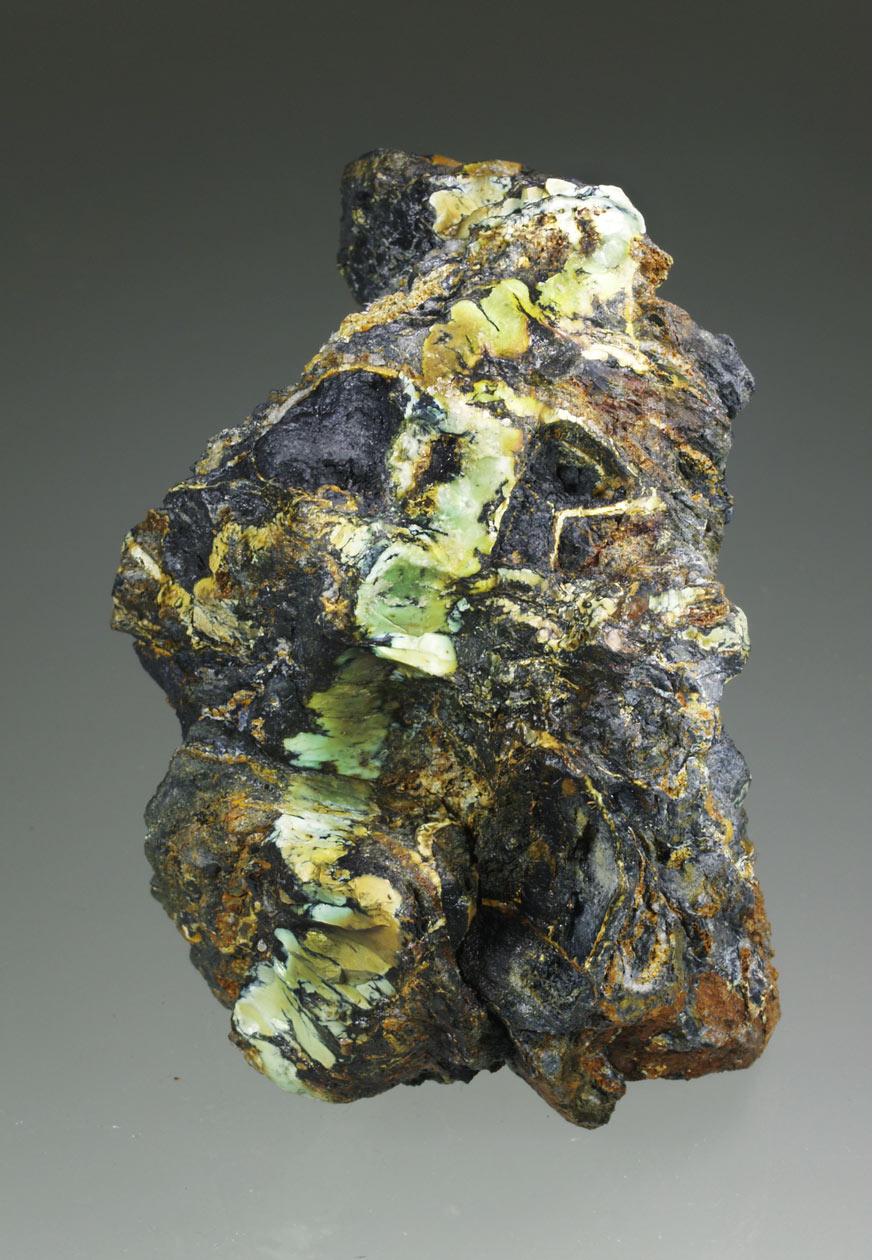
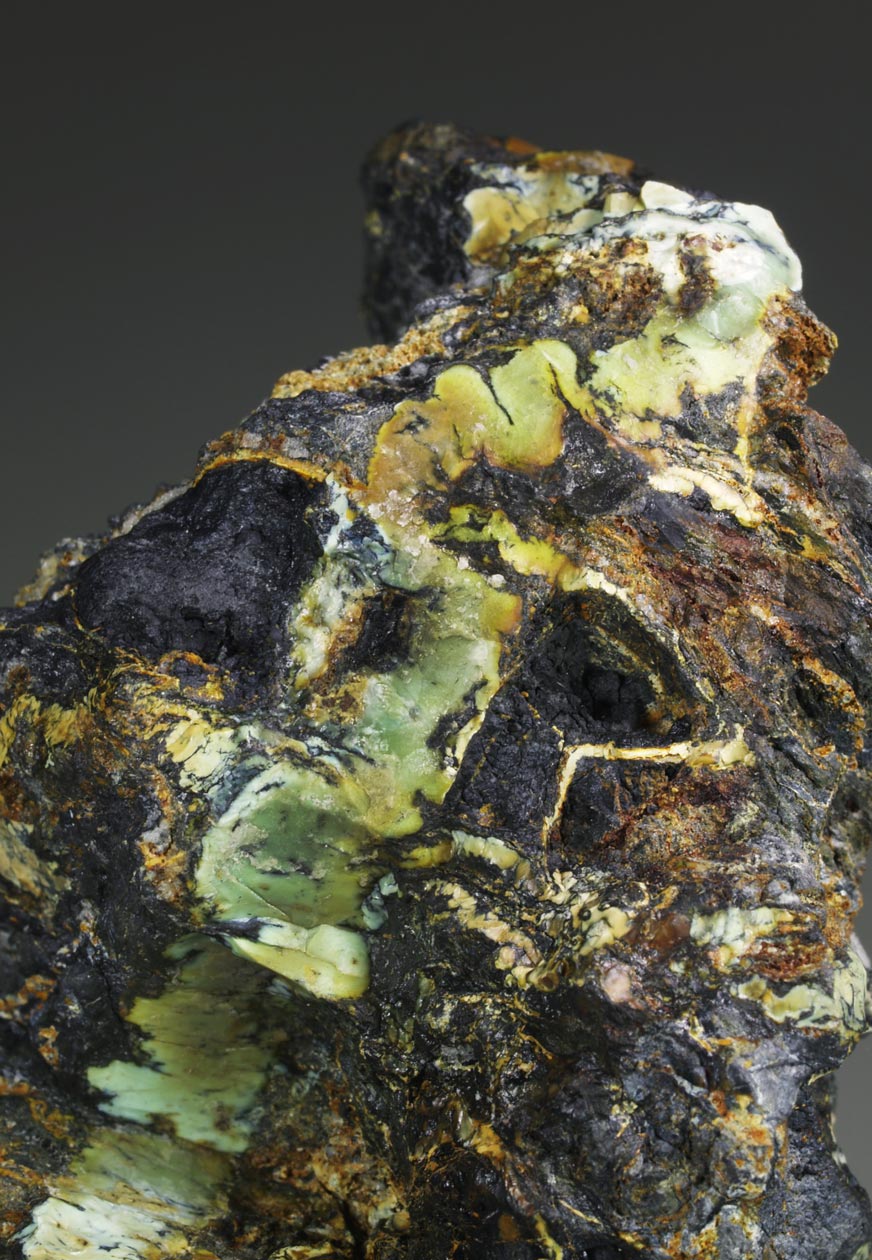
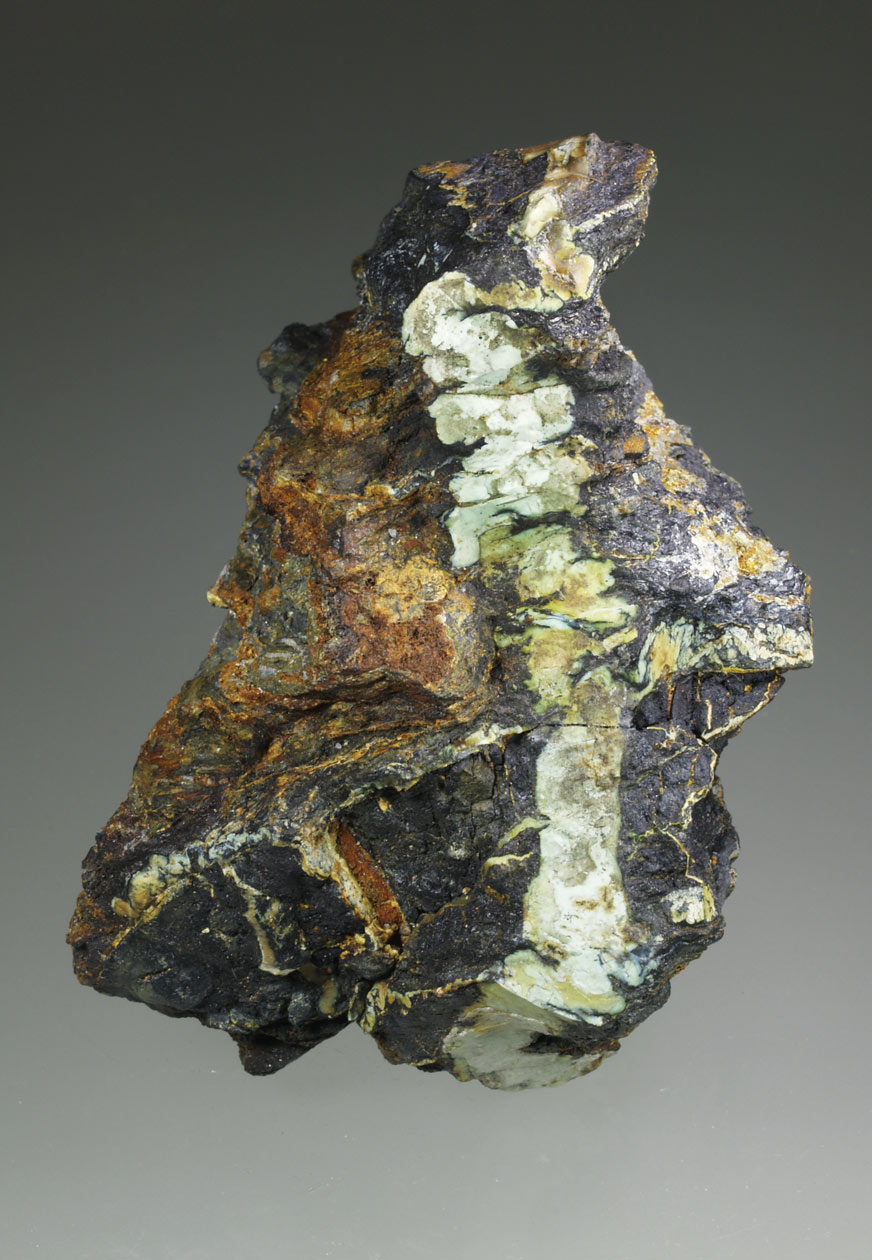
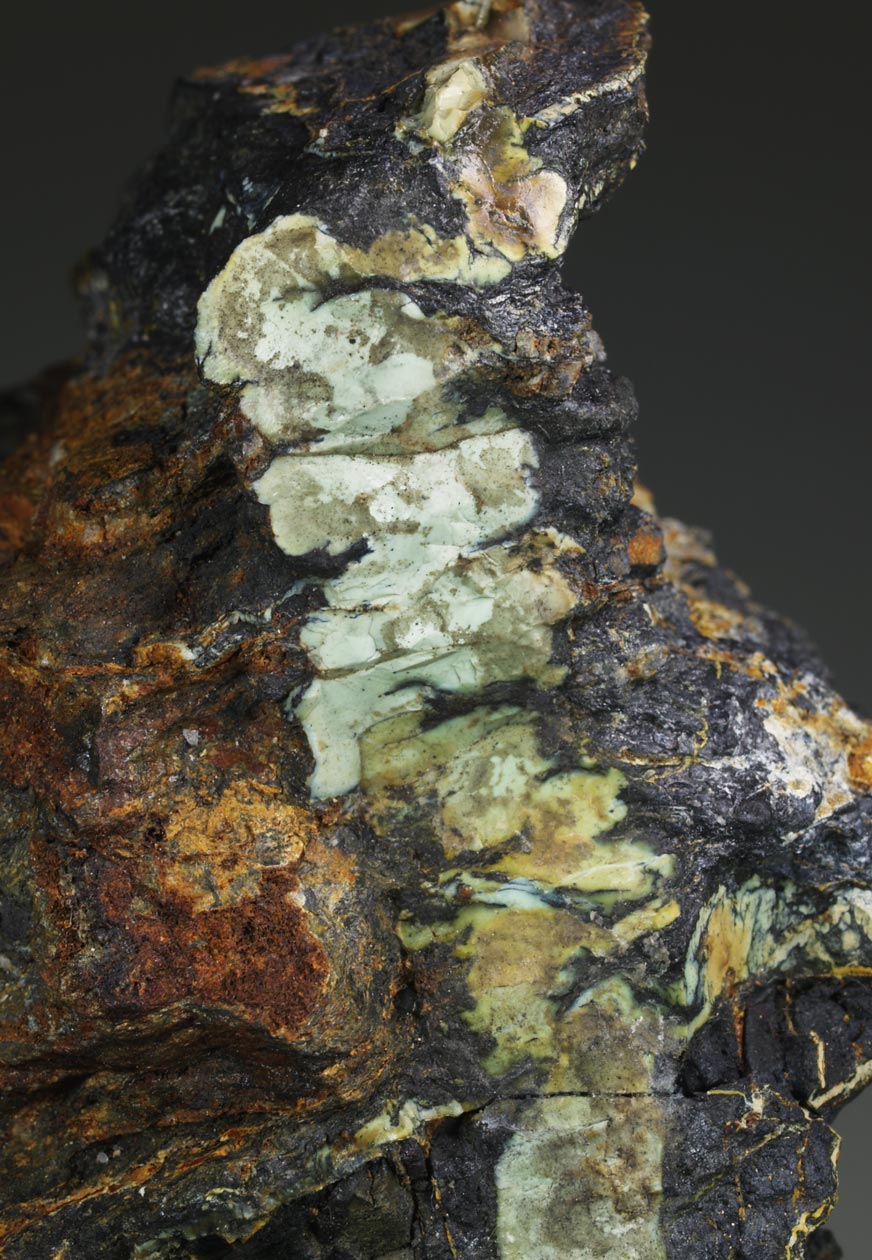
Variscite is a hydrated aluminum phosphate present in different Catalan deposits found in the Catalan Coastal Mountain Ranges. Well-known sites are those of the Serra de Miramar, in Tarragona; Bruguers, Gavà and Cerdanyola in Barcelona, along with the well-known site of Montcada i Reixac, close to the city of Barcelona. Less well known are the deposits in the northernmost area of these mountain ranges, between Malgrat de Mar and Pineda de Mar area. This specimen comes from the Malgrat area and was found in surveys near Can Palomeres. The variscite vein shows a green color with yellow to whitish tones. It is included in slates with other phosphates such as phosphosiderite and strengite. We can observe so-called ptygmatic folds produced by the entry of a viscous fluid (variscite) into a less viscous one.
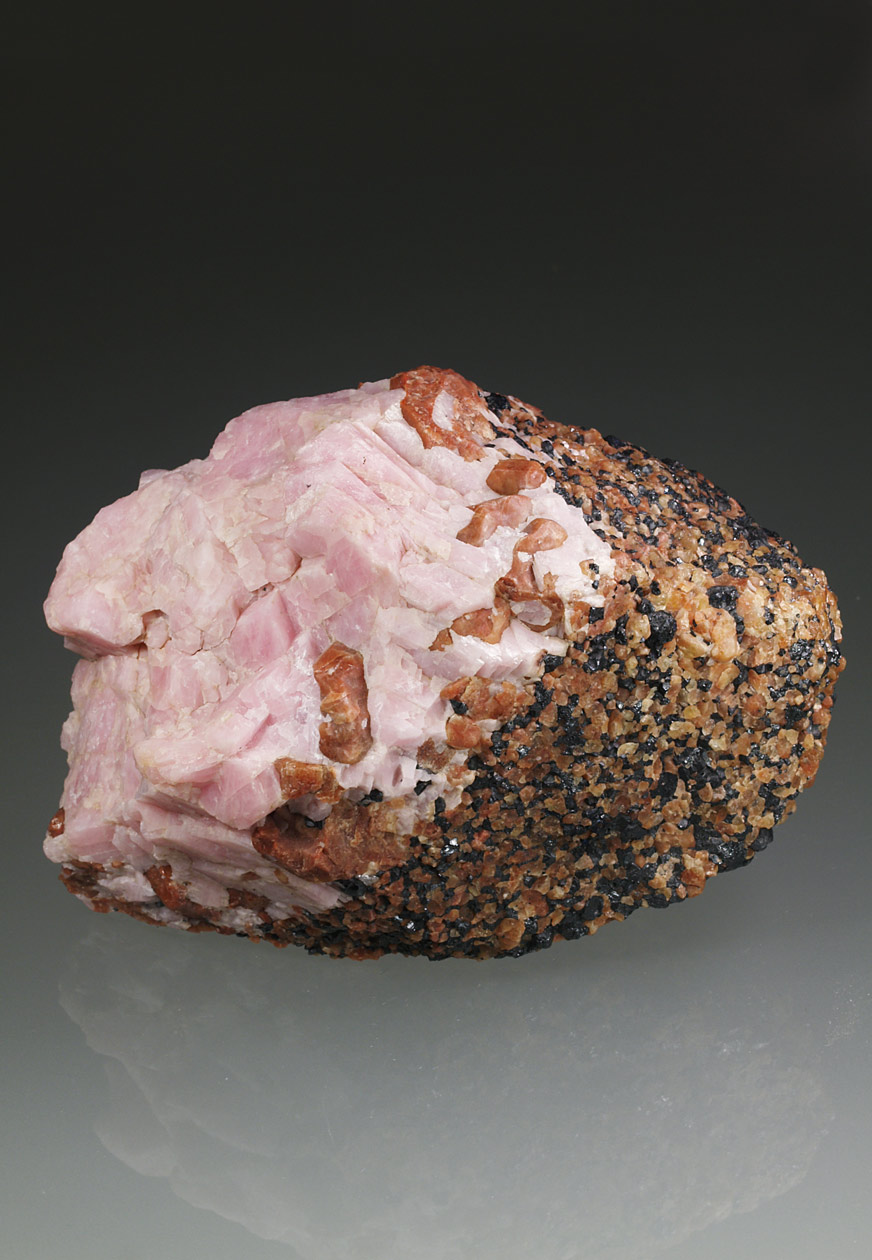
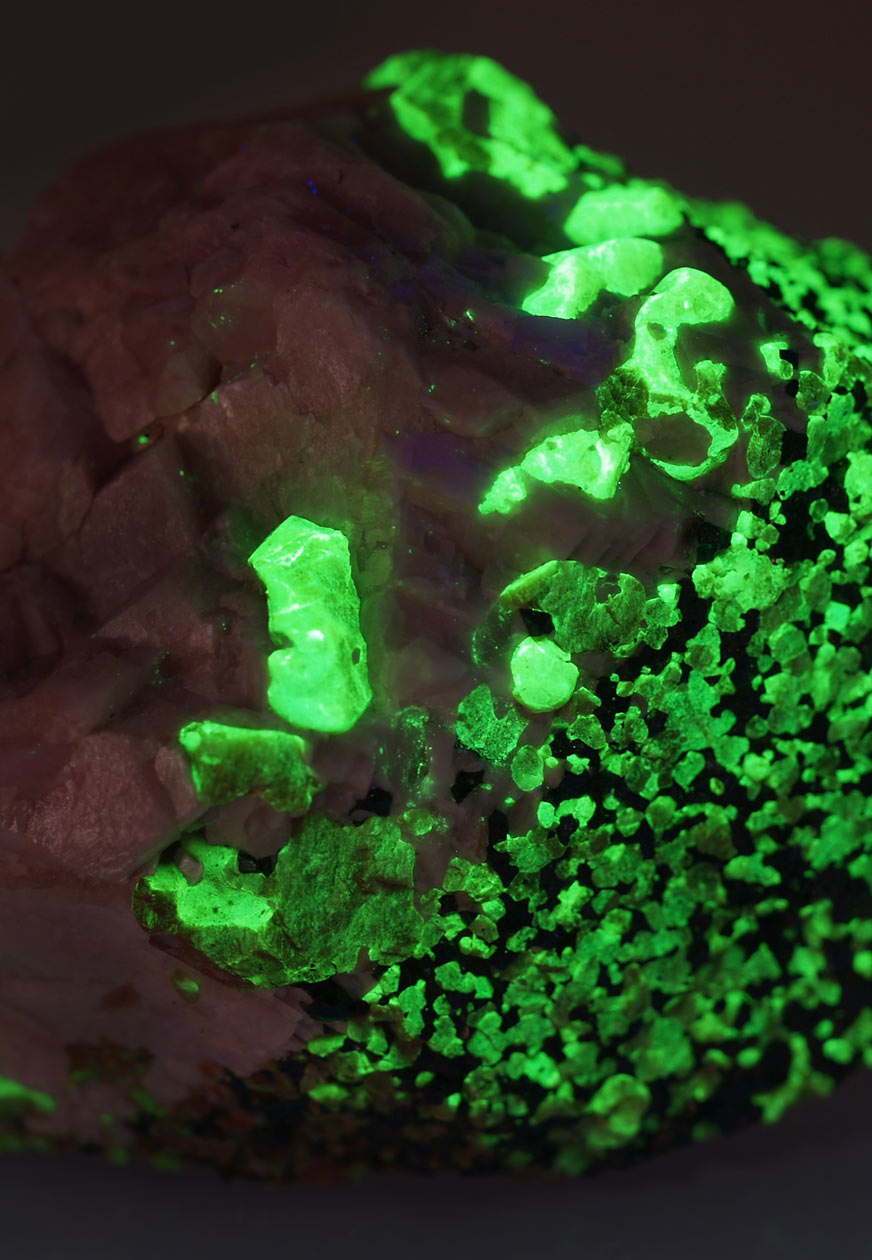
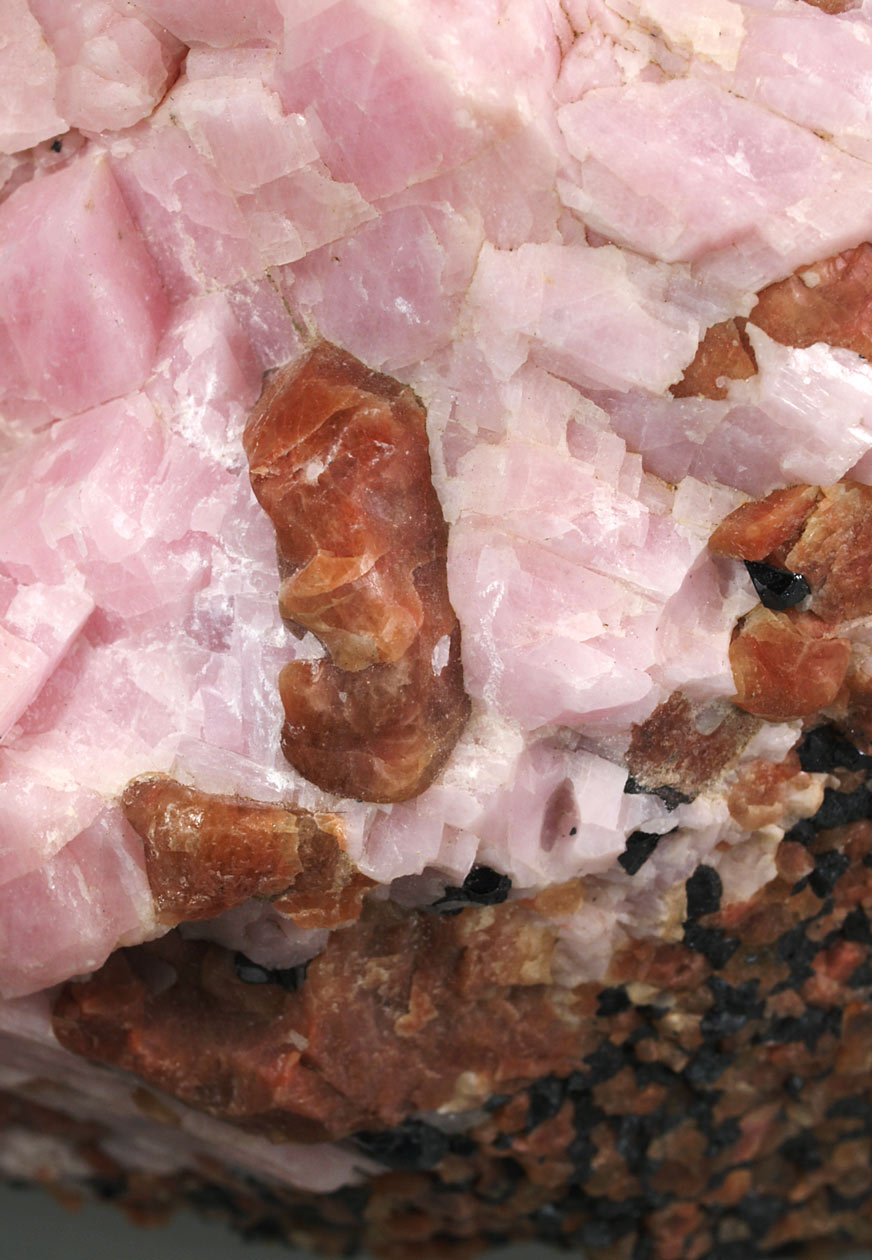
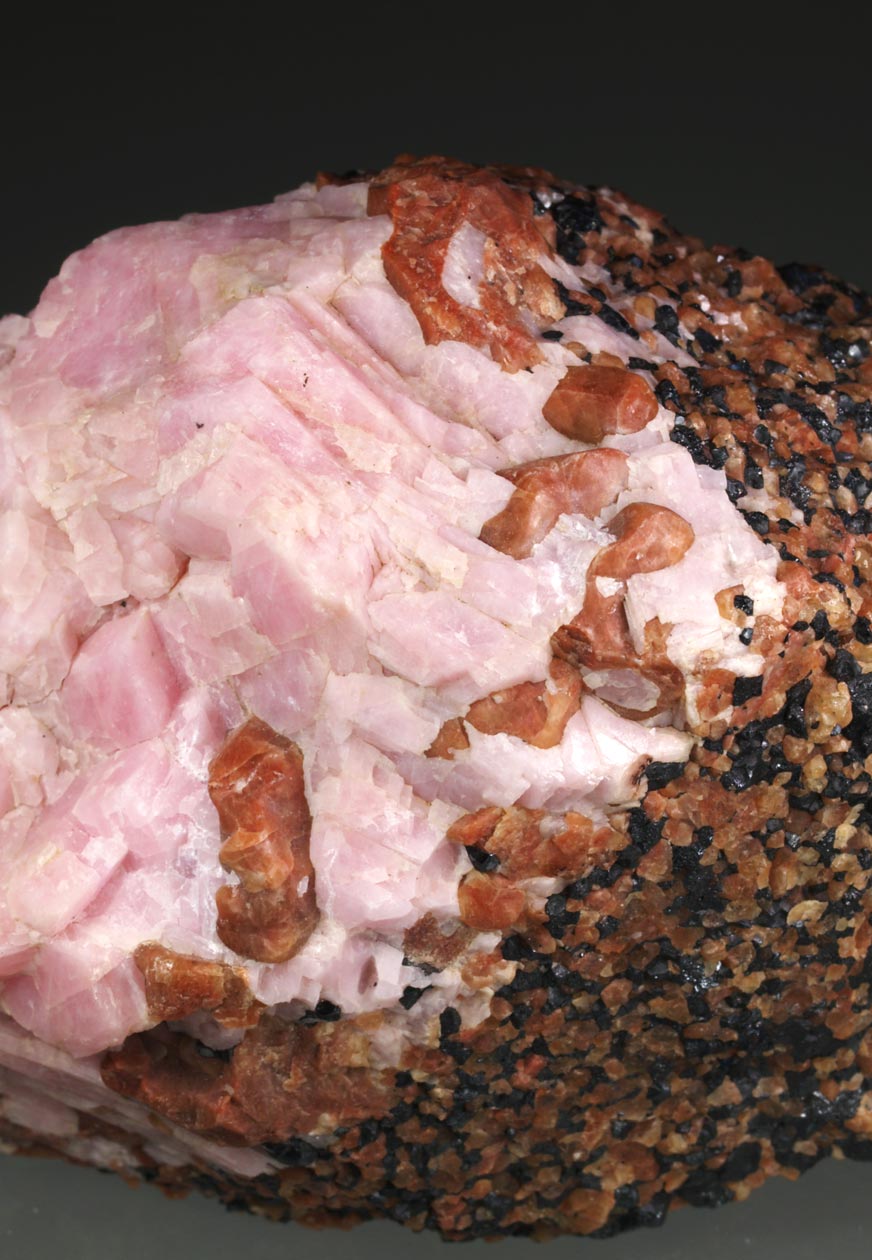
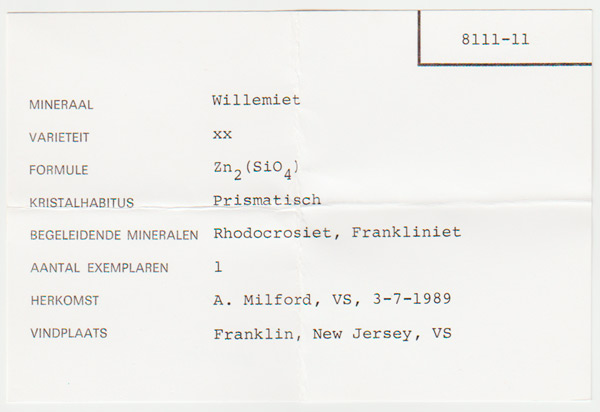
A really good sized specimen in which we highlight various orange willemite crystals, the main one is doubly terminated. They are included in rhodochrosite and on a matrix with franklinite crystals. This specimen is from the Renaud Vochten collection. The intense fluorescence of willemite stands out with a yellowish-green emission under short-wave ultraviolet light. Renaud F.C. Vochten (8 December 1933 - 29 July 2012), professor of mineralogy at the State University of Antwerpen (Belgium), with a species dedicated: vochtenite [link].
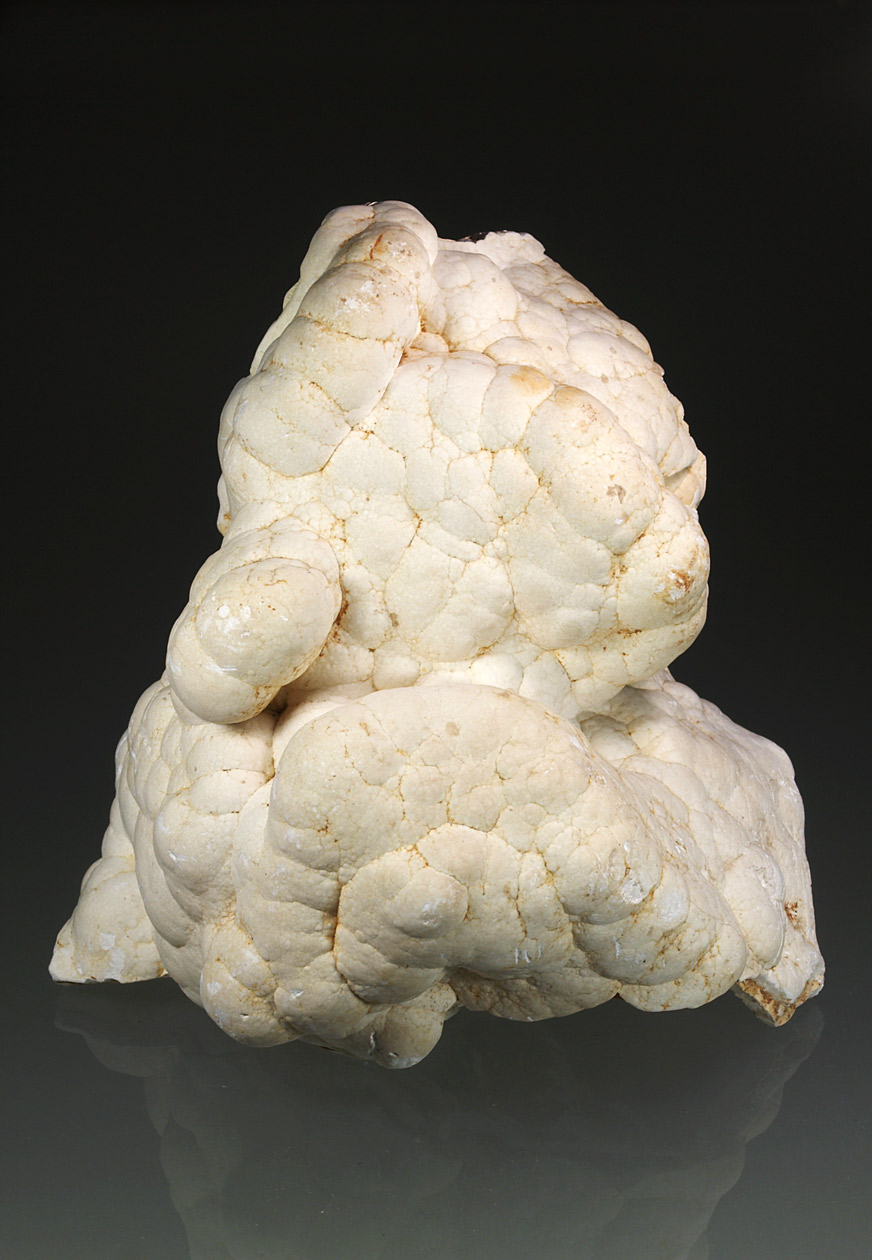
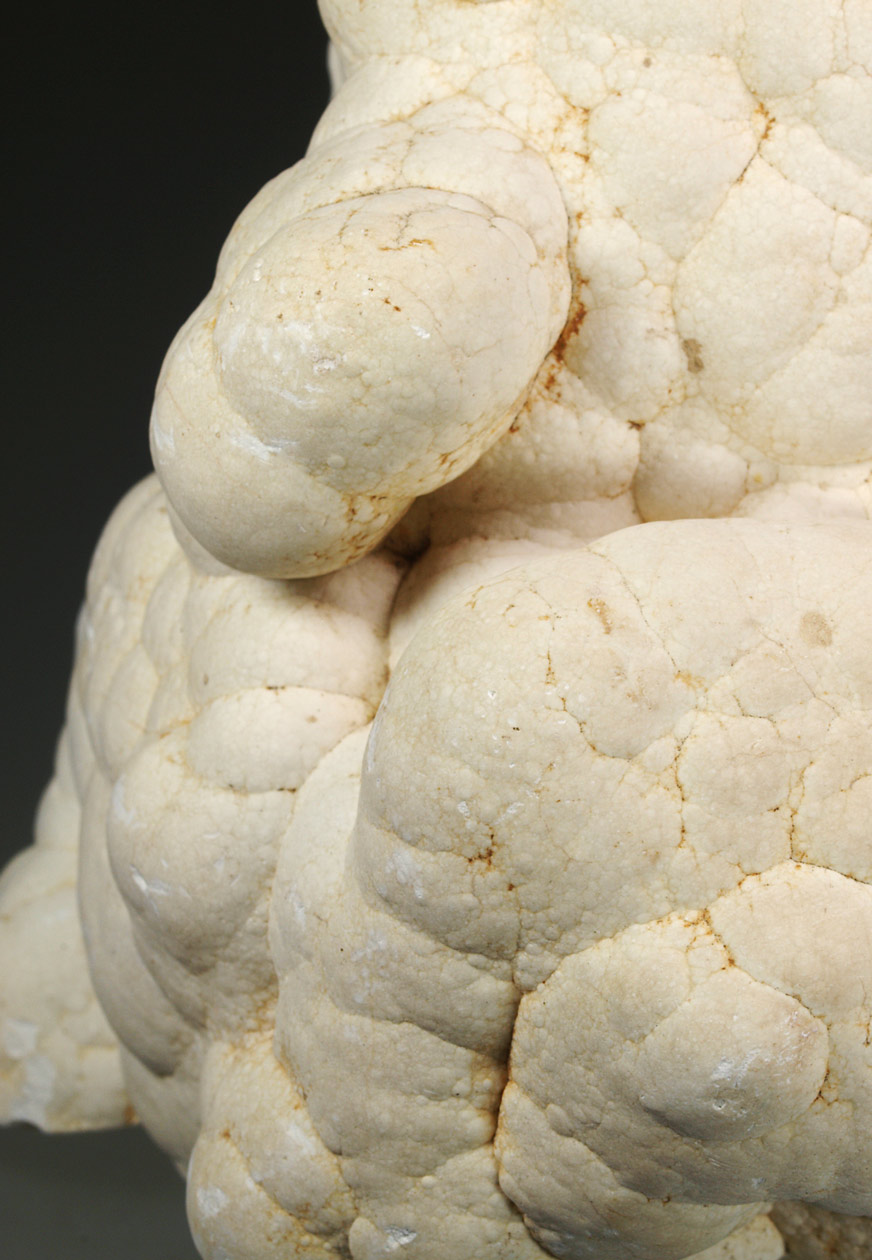
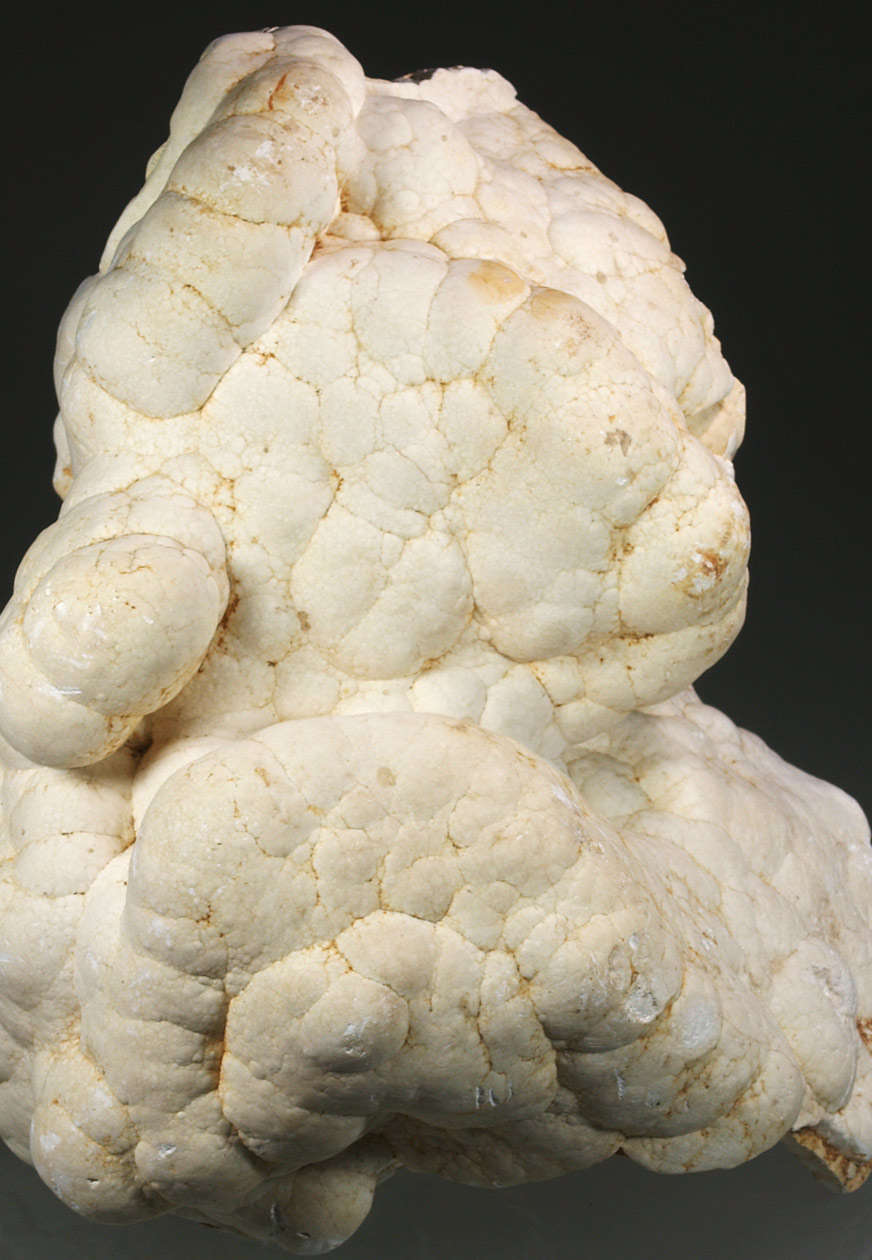
Really good sized hydrozincite specimen from this classic Spanish mine, with botryoidal forms and beige tone. The specimens with these sizes are difficult to see today. This one comes from the A. Arguijo collection. The Hermosa or Sel del Haya mine was a lead and zinc exploitation whose activity was carried out mainly between 1855 and 1932, although in the decade from 1950 to 1960 some important works were carried out. Settled on dolomitic limestone from the Aptian, the main mineralization comprises lead and zinc, the latter being the most important, both in the form of carbonates and sulphides [link].
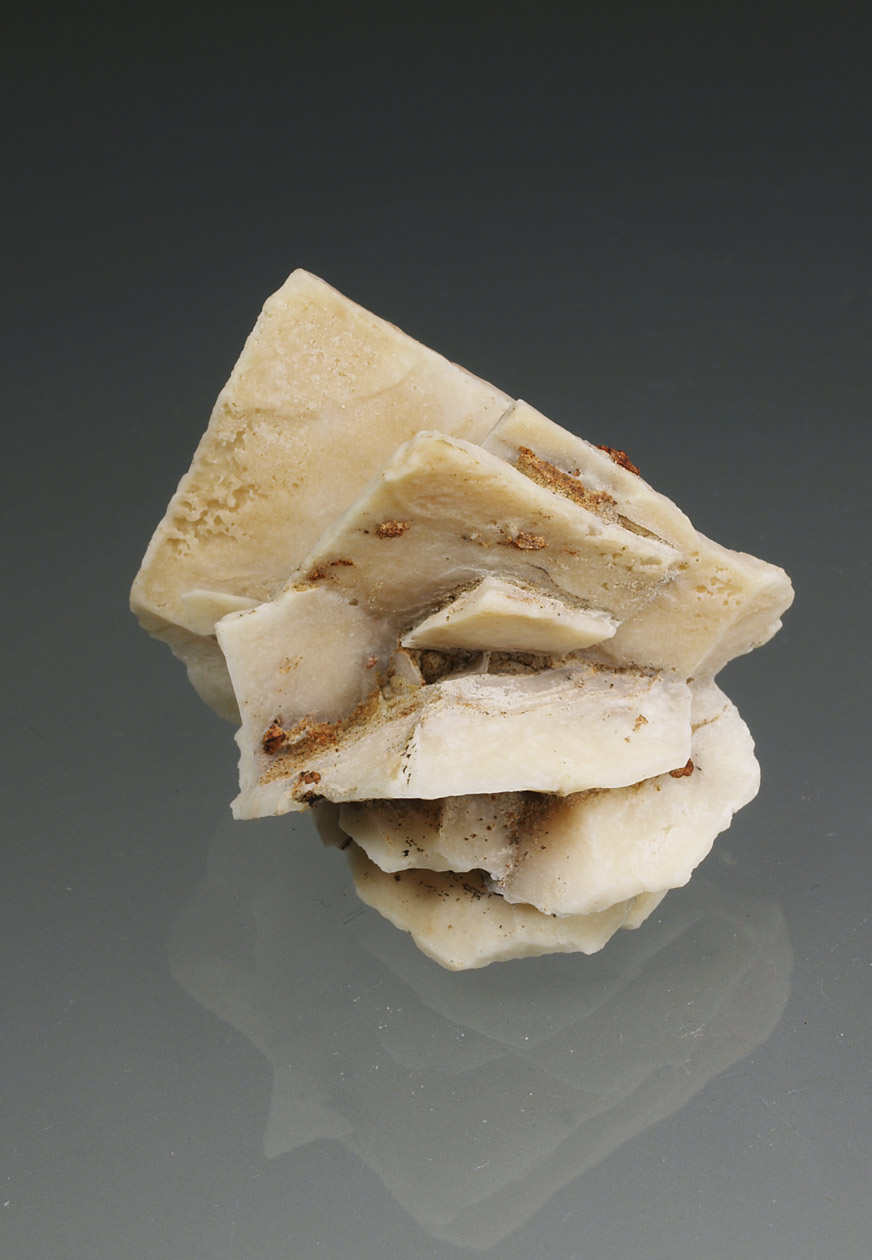
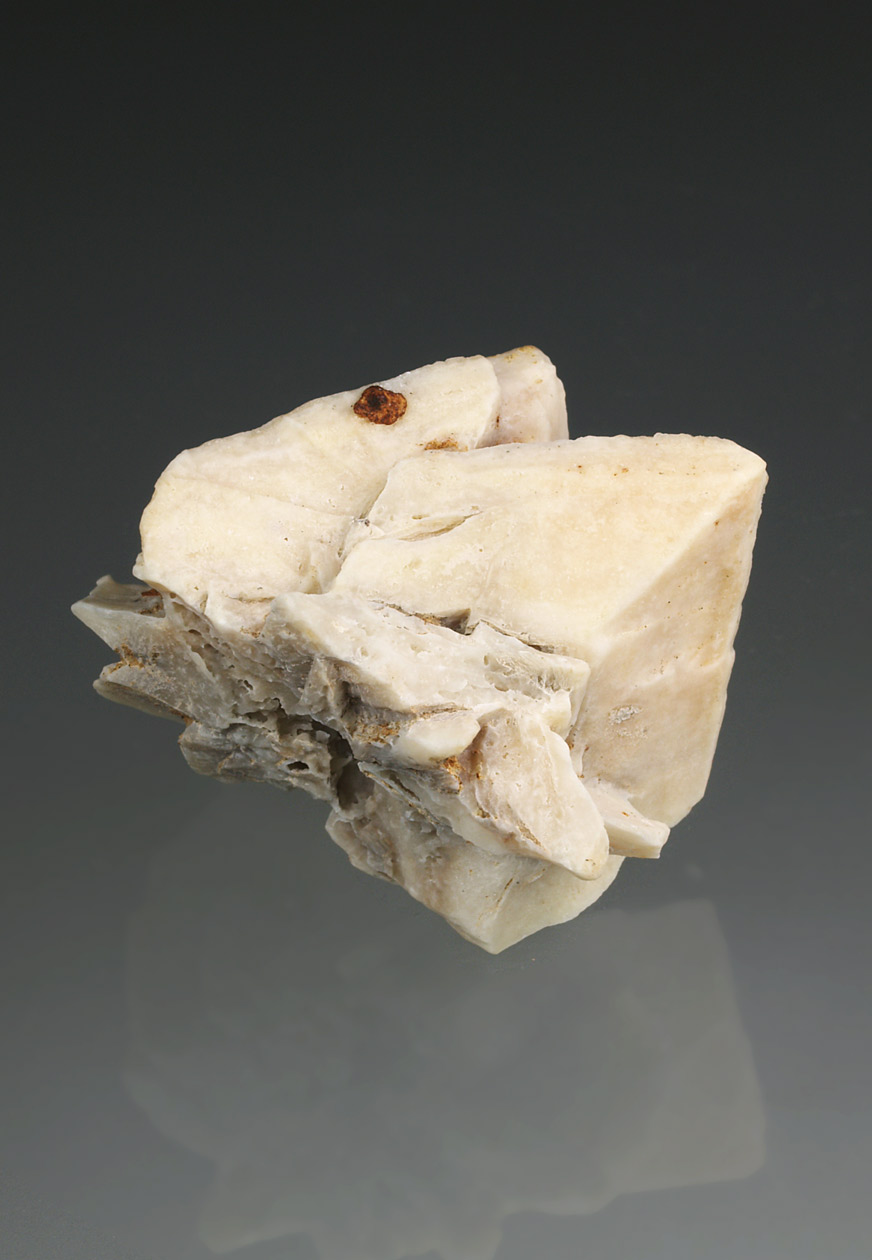
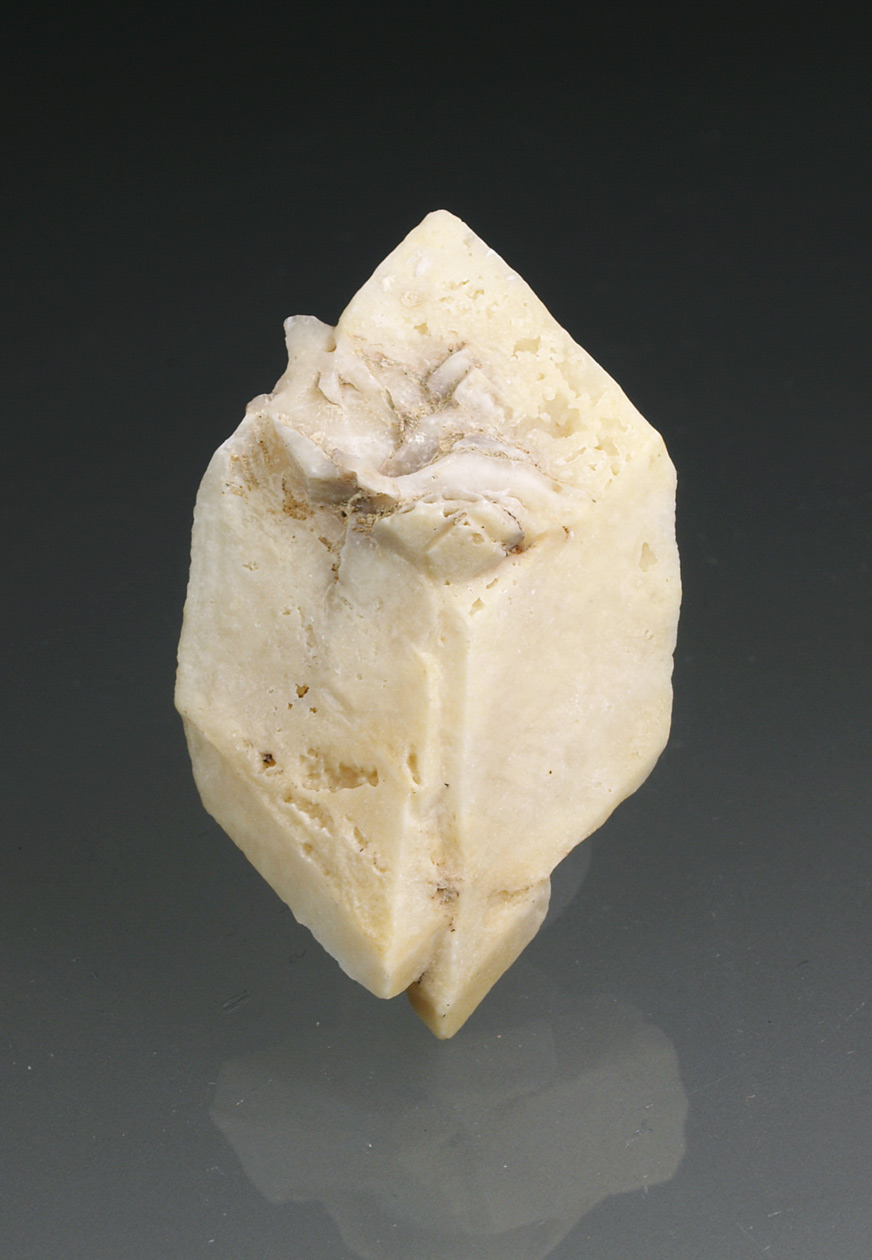
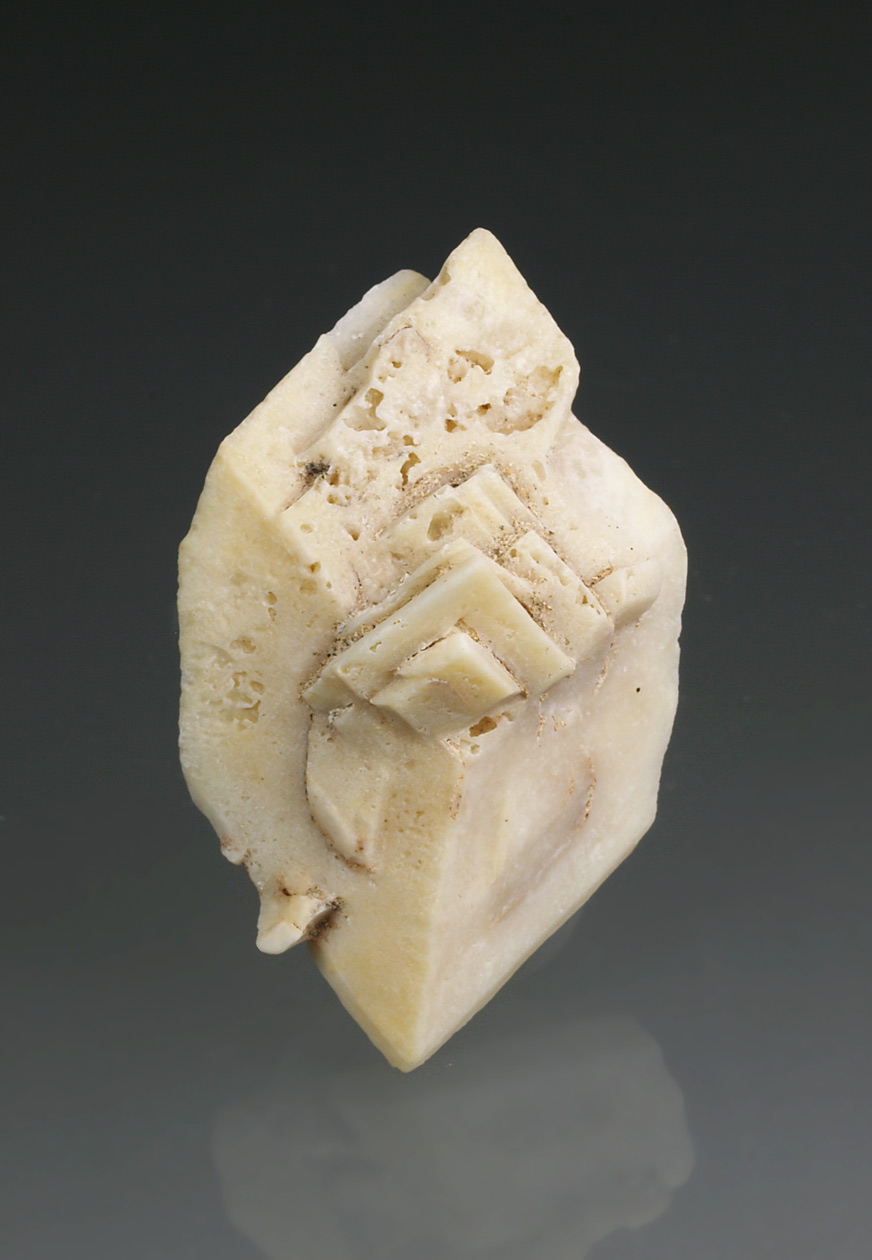
This specimen is one of the well-known calcite after glauberite pseudomorphs from Arizona. This aesthetic floating specimen shows interpenetrated crystals, very well defined faces and edges and a delicate cream tone. A classic by itself.