- Inicio Acerca de RM Minerales
- Galería de fotos Blog RM Contacto
- Microscopia e instrumentos Pedidos Aviso legal
Copyright 2010-2026
www.rosellminerals.com



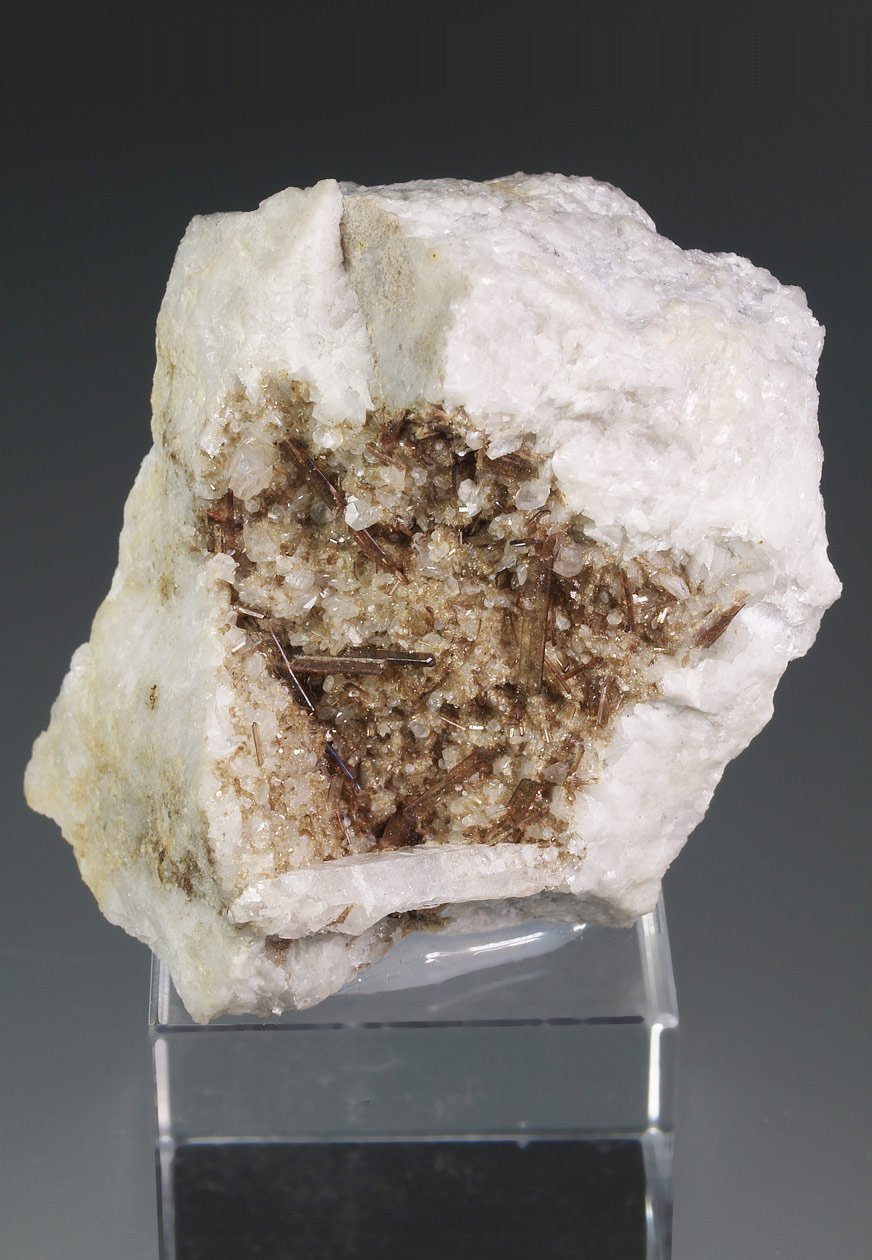

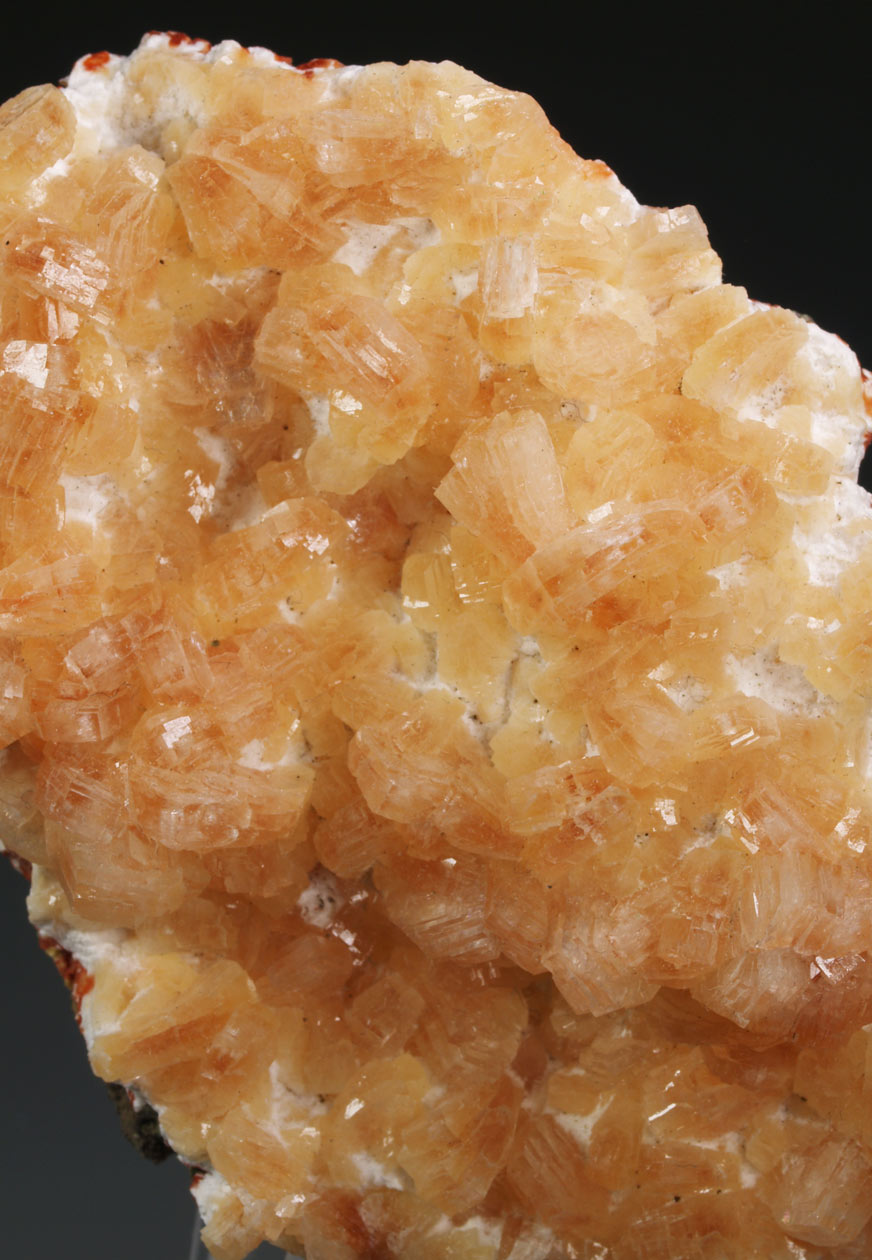
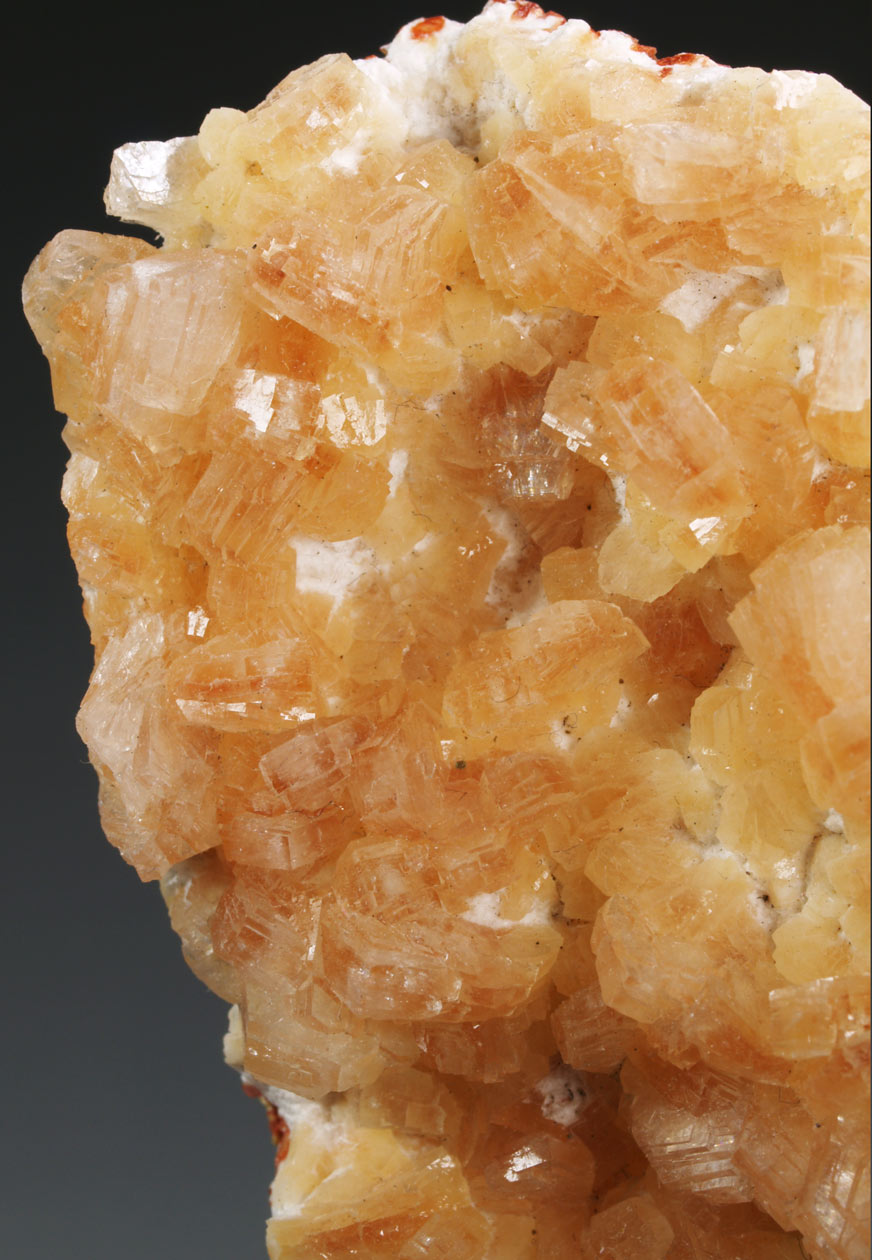
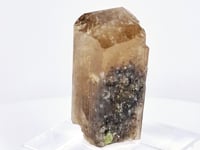
Grupos anaranjados de cristales de heulandita, con buen brillo. Los cristales se combinan a la perfección para crear estos grupos de cristales anaranjados poco habituales, sumamente estéticos. El brillo es fantástico para la especie.

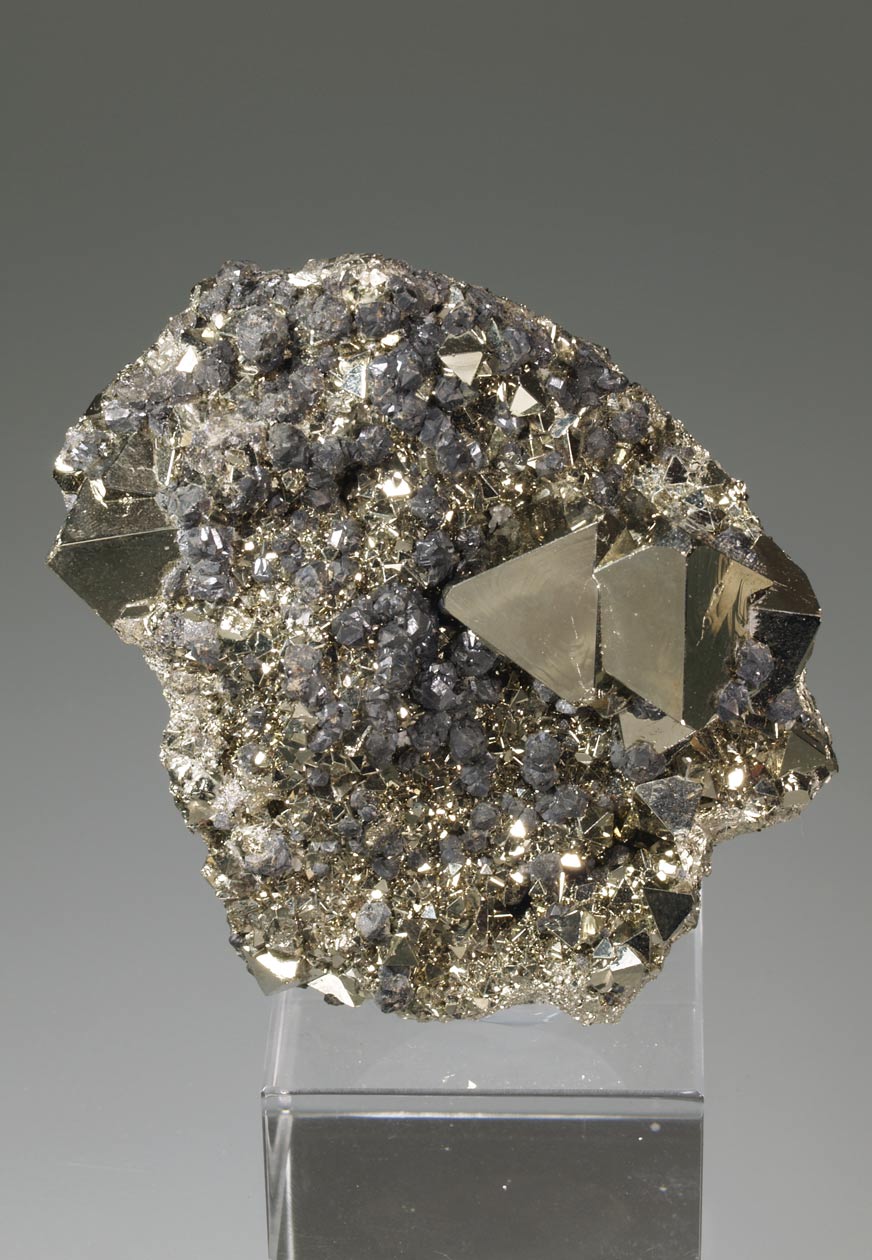
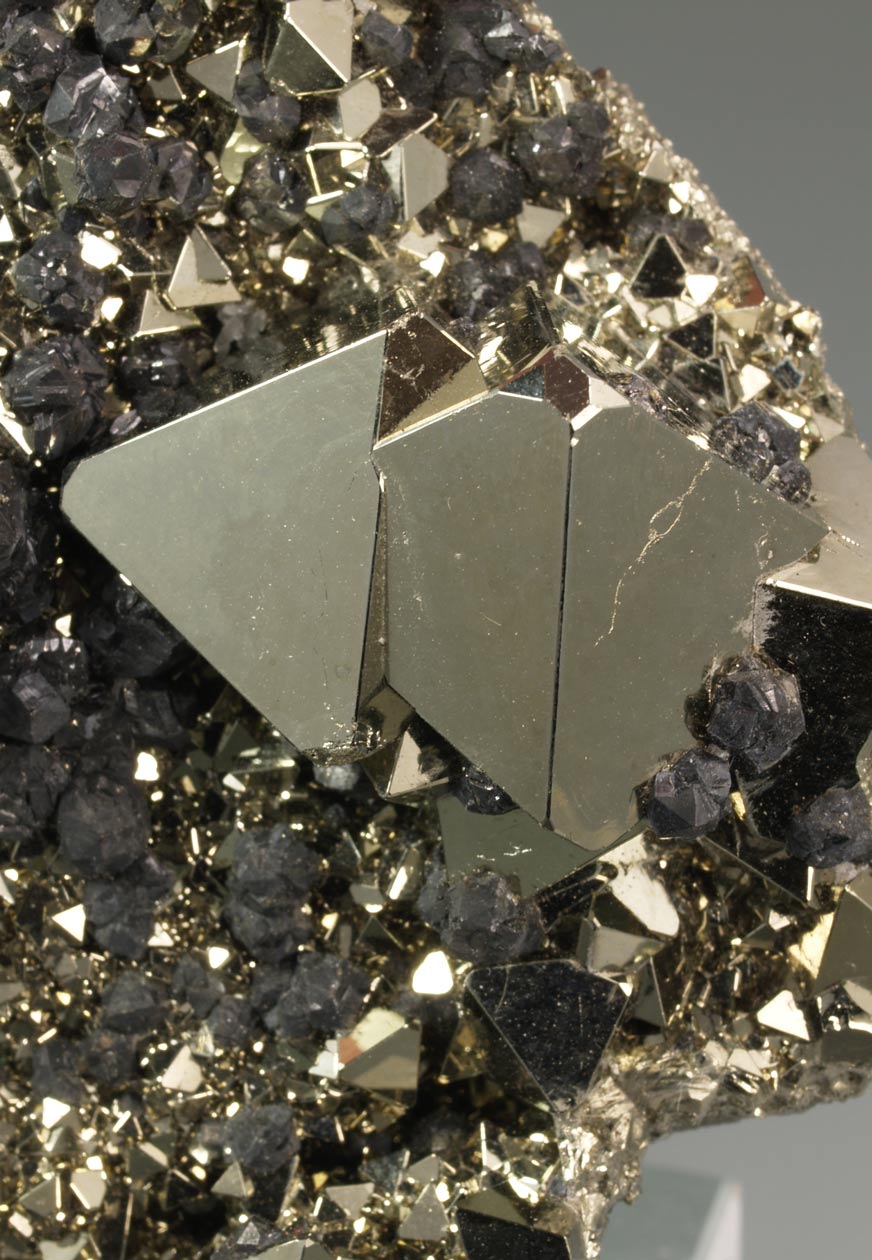
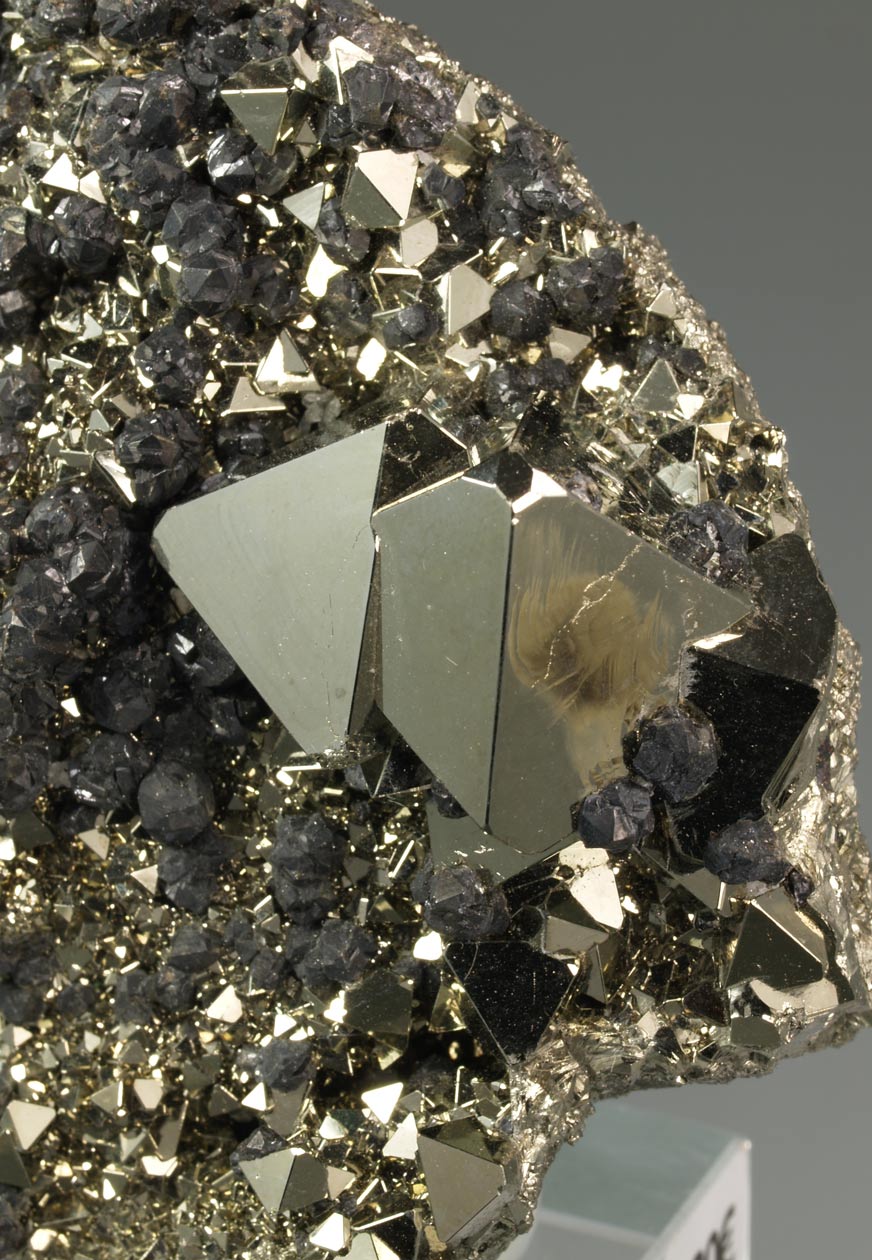
Grupo de cristales octaédricos de pirita, de buen tamaño, con un brillo
excepcional y con caras y aristas muy definidas. Se acompaña de cristales de esfalerita. De esta mina procede la
base del "Balón de Oro" que se otorga cada año al mejor jugador del
mundo.
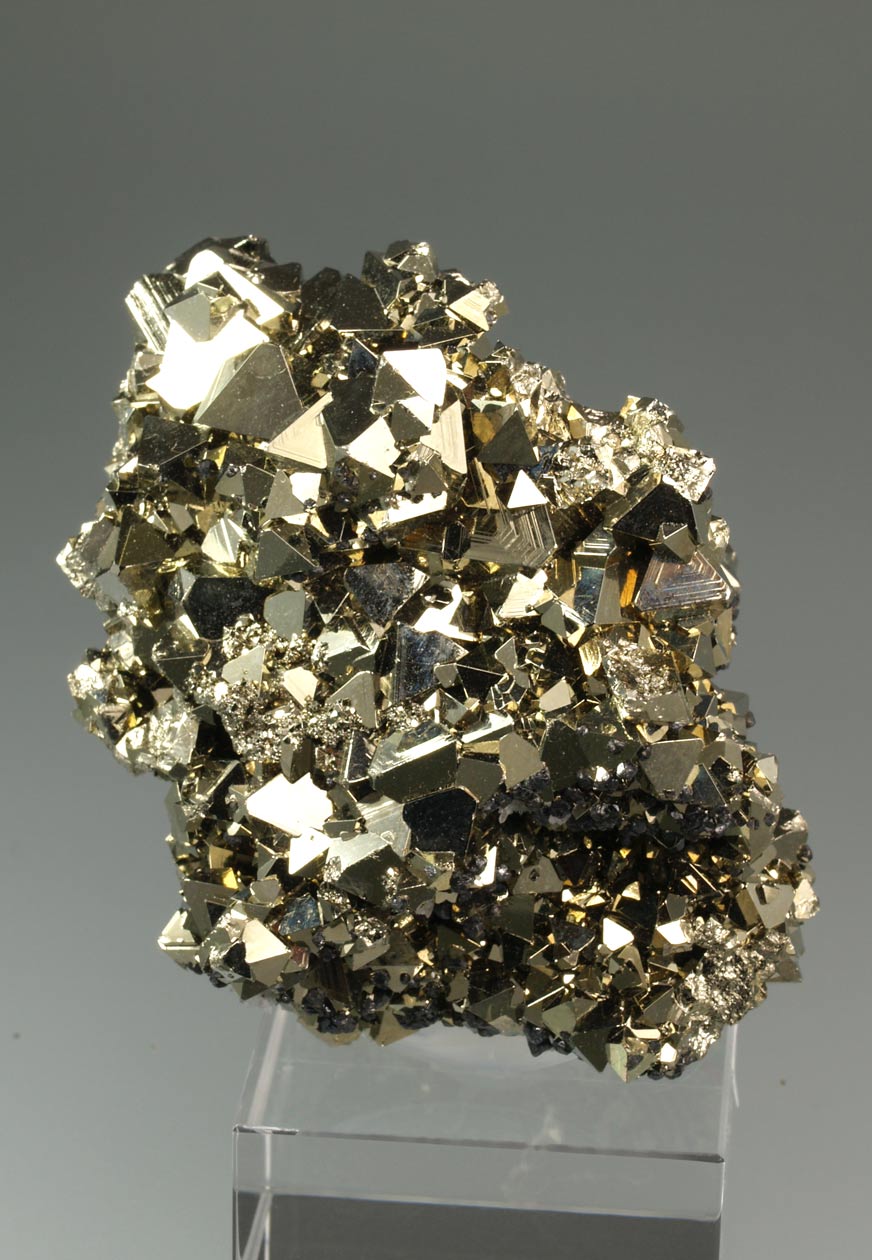
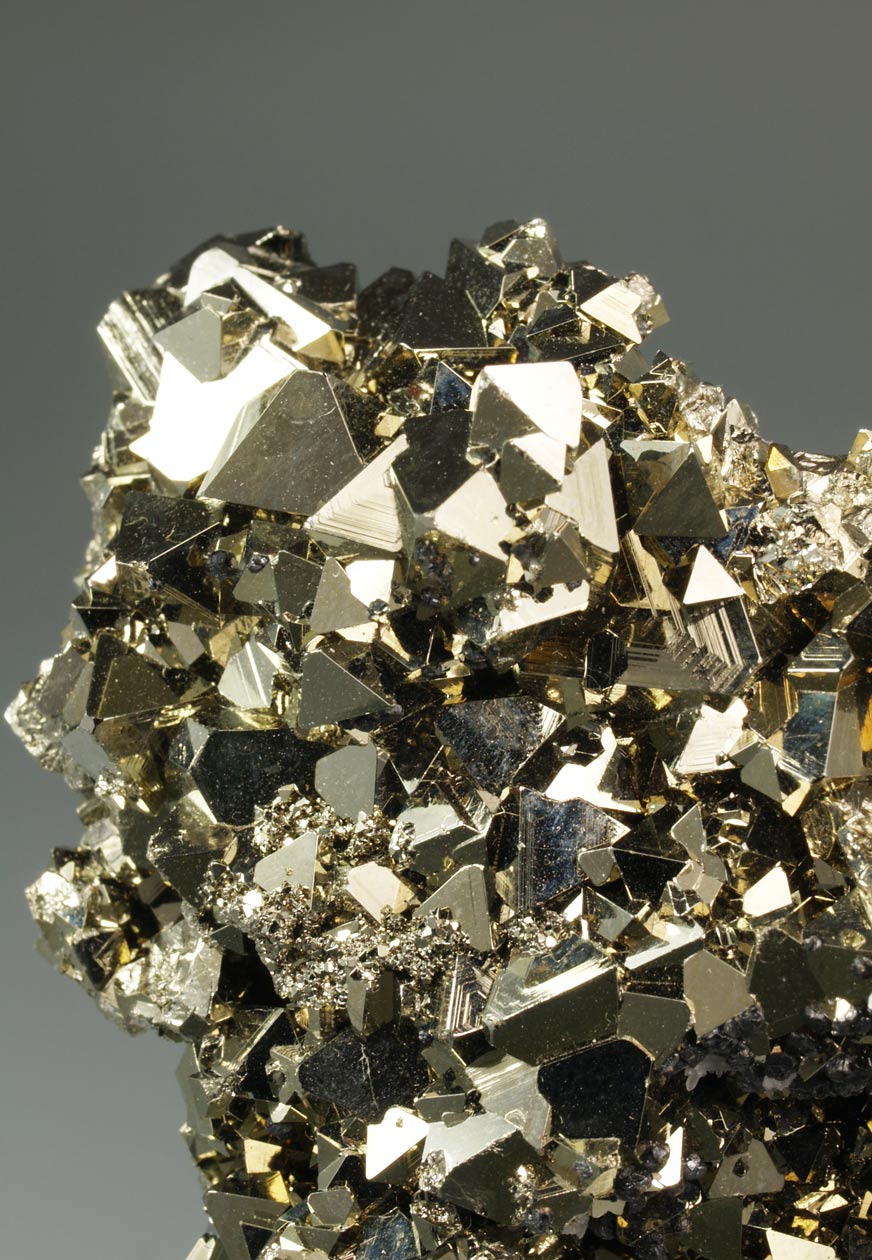
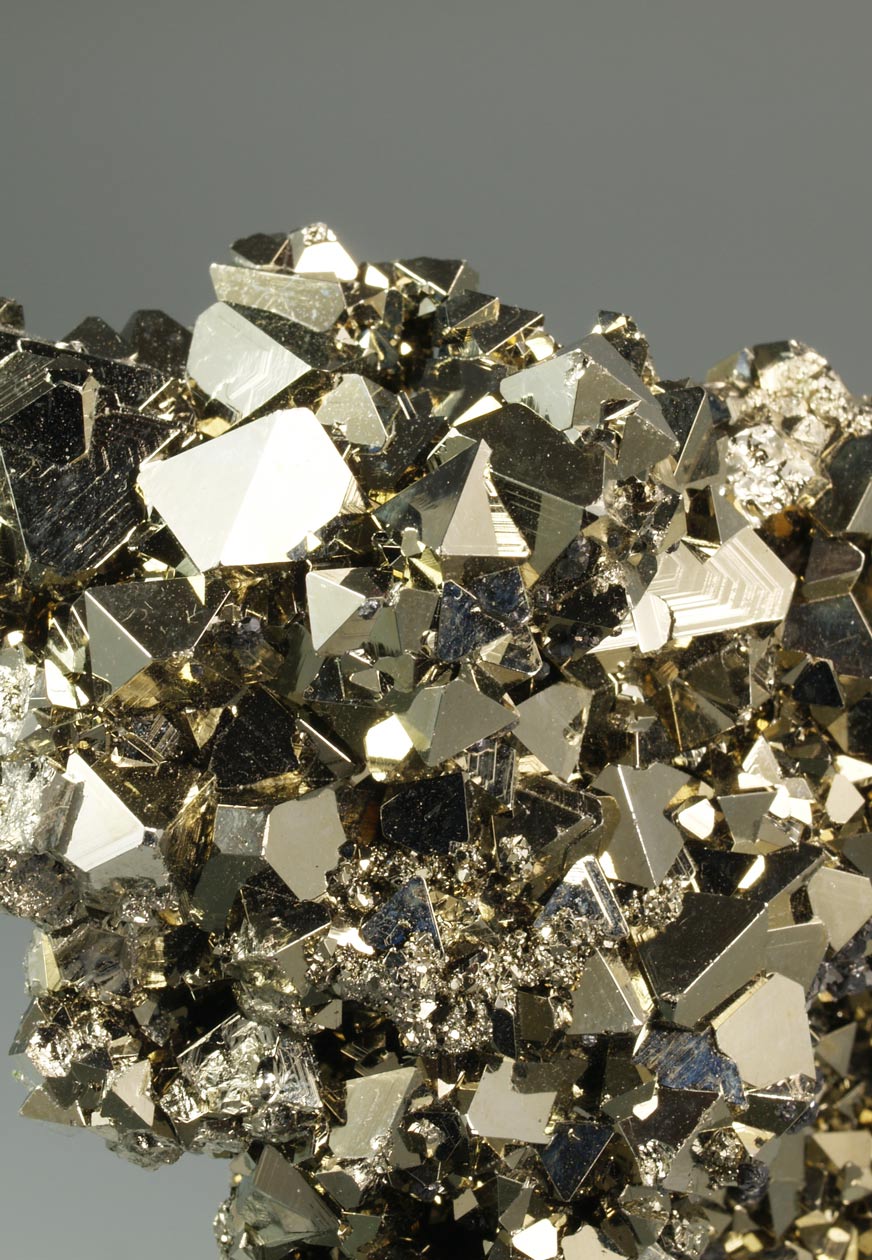
Nutrido grupo de cristales octaédricos de pirita, con un brillo excepcional y con caras y aristas muy definidas. De esta mina procede la base del "Balón de Oro" que se otorga cada año al mejor jugador del mundo.
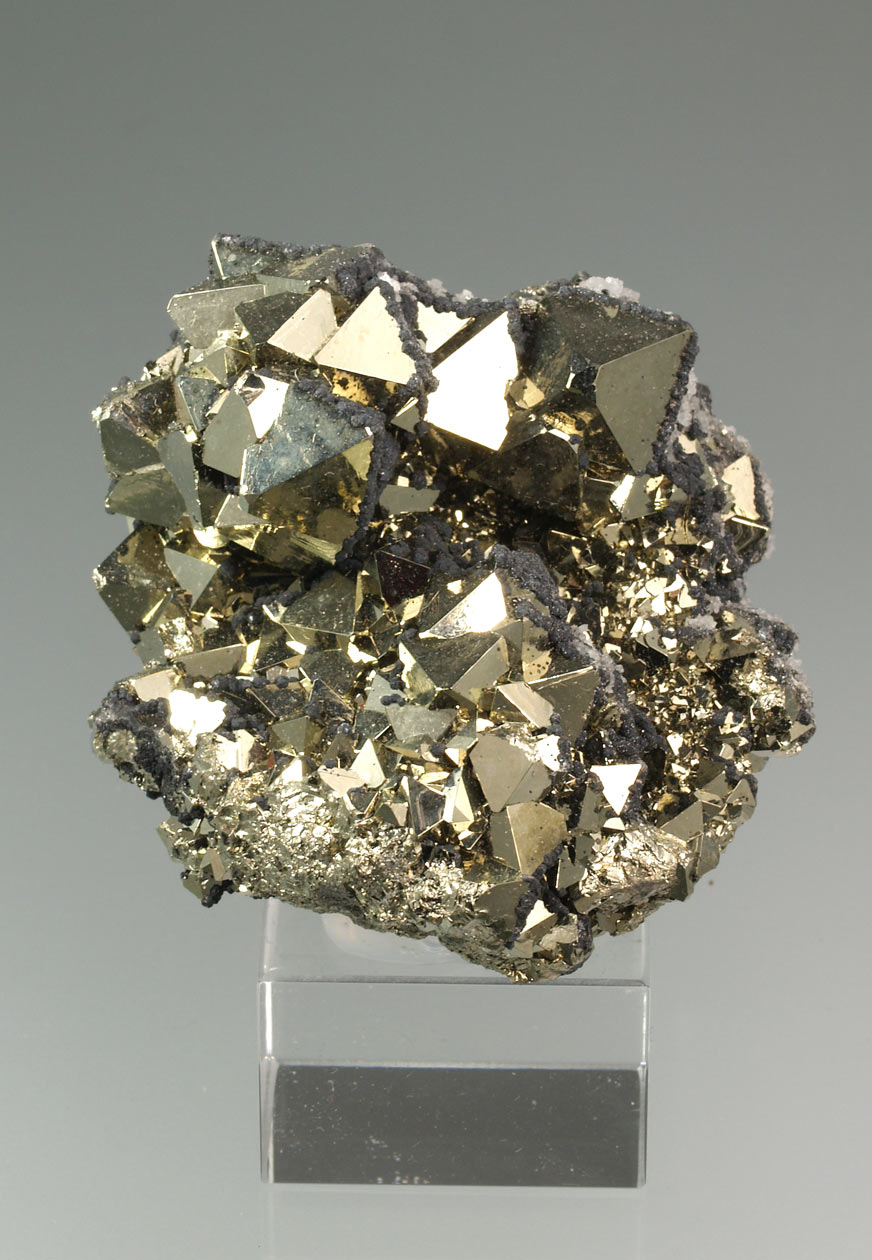
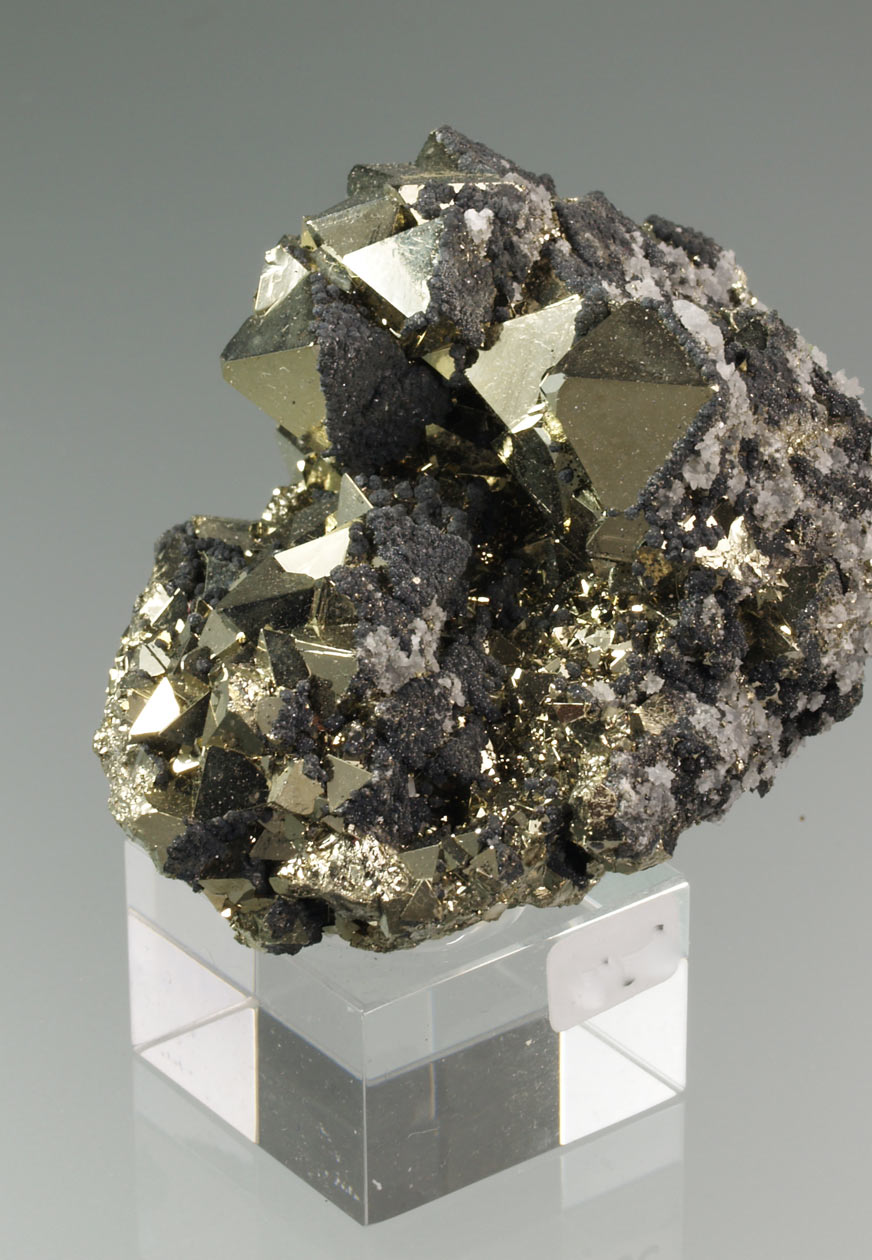
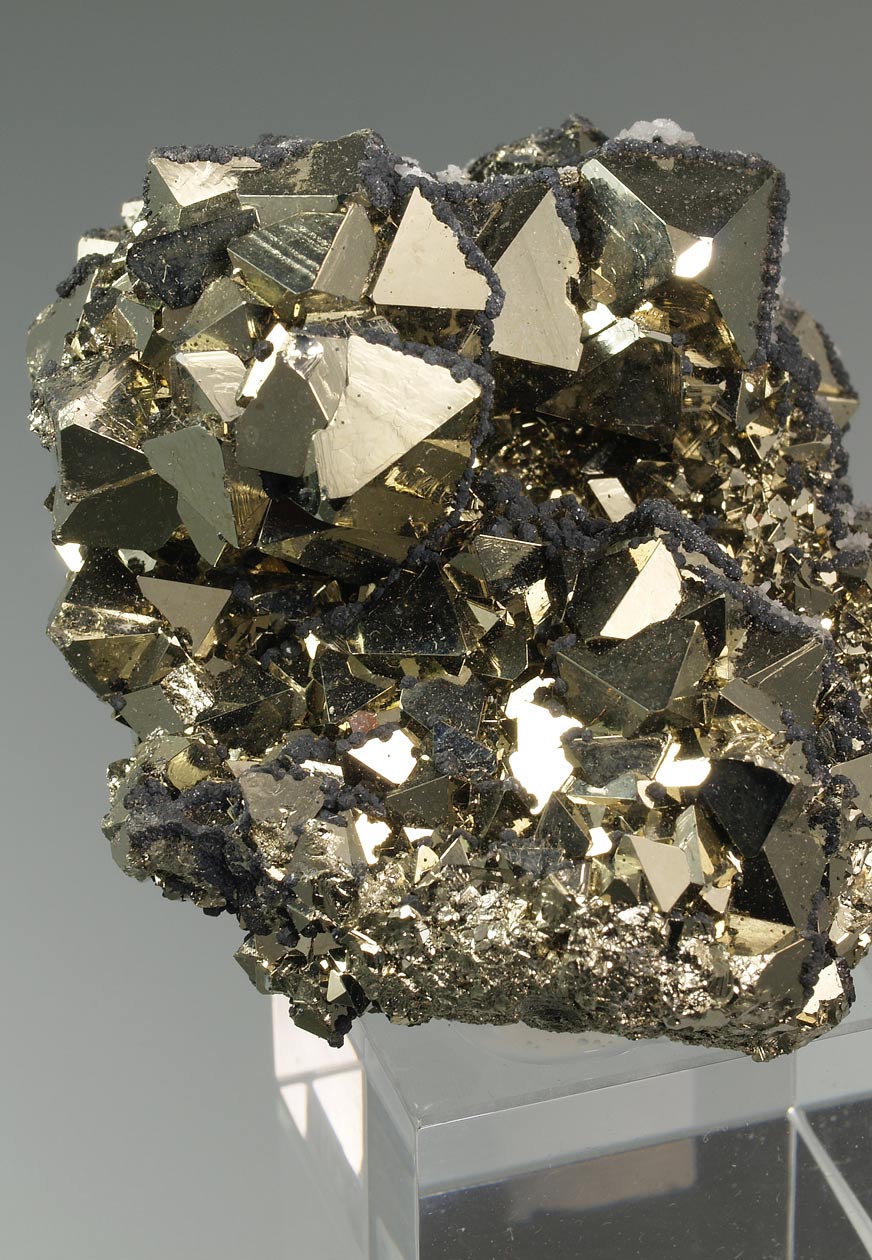
Nutrido grupo de cristales octaédricos de pirita, con un brillo
excepcional y con caras y aristas muy definidas. Se acompaña de esfalerita y cuarzo. De esta mina procede la
base del "Balón de Oro" que se otorga cada año al mejor jugador del
mundo.
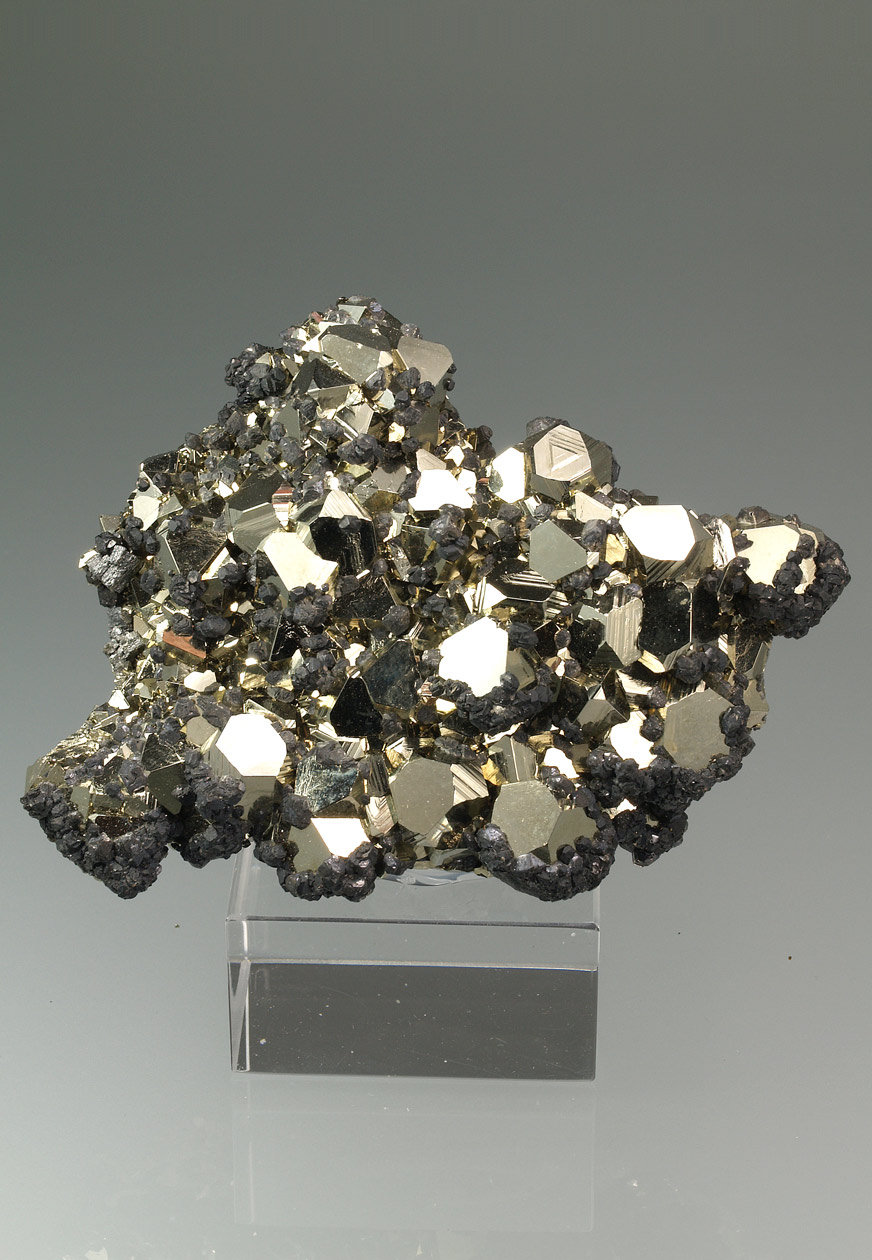
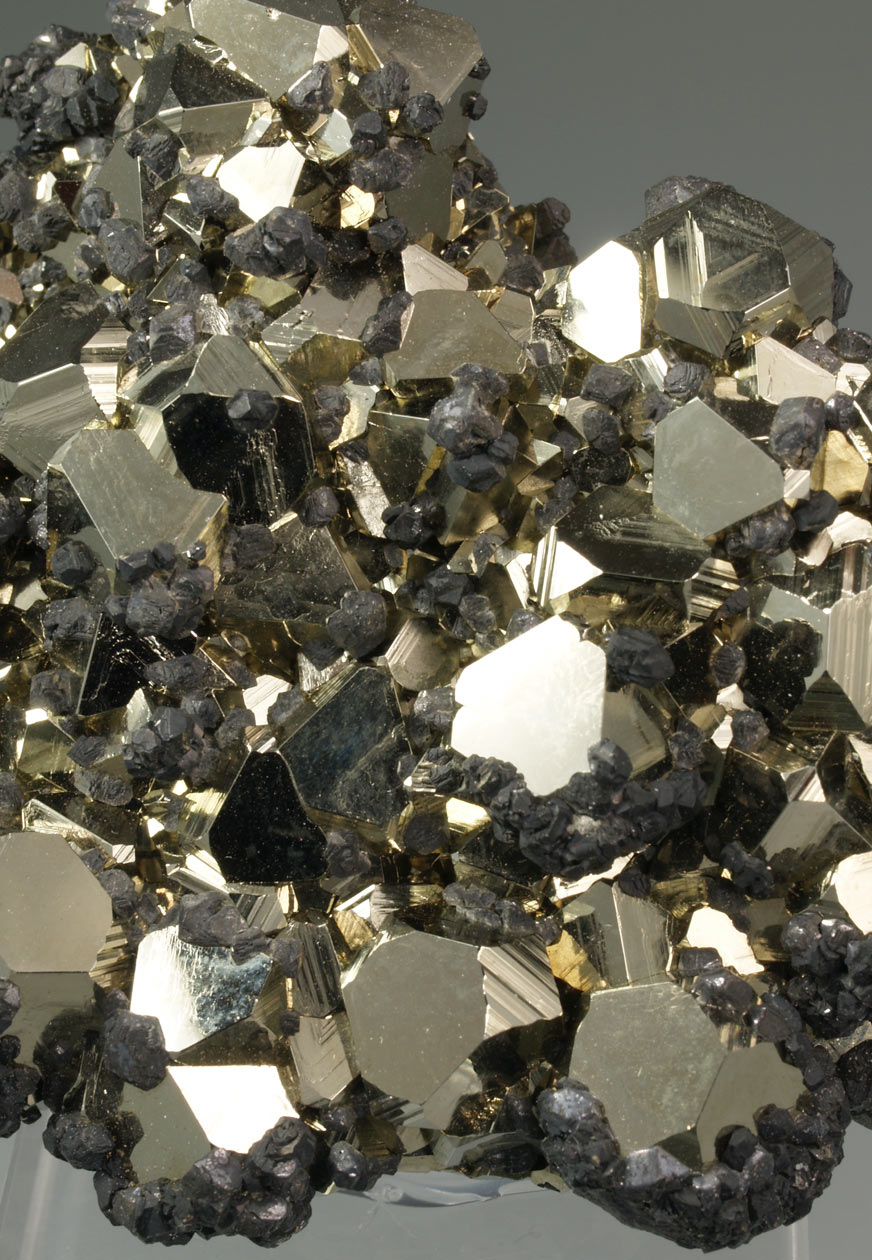
Nutrido grupo de cristales cubo-octaédricos de pirita, con un brillo excepcional y con caras y aristas muy definidas. Se acompaña de esfalerita y cuarzo. De esta mina procede la base del "Balón de Oro" que se otorga cada año al mejor jugador del mundo. Muy buen tamaño y notable calidad.
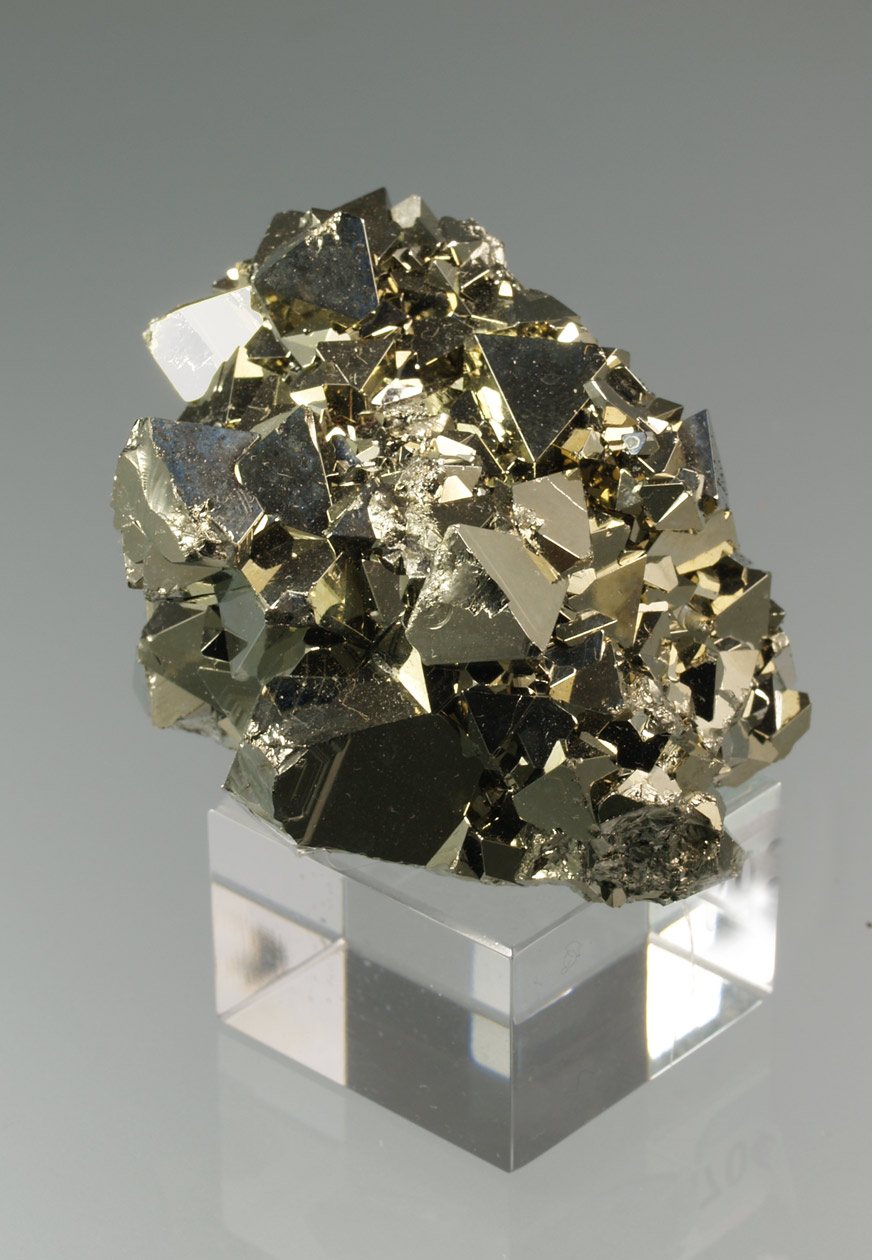
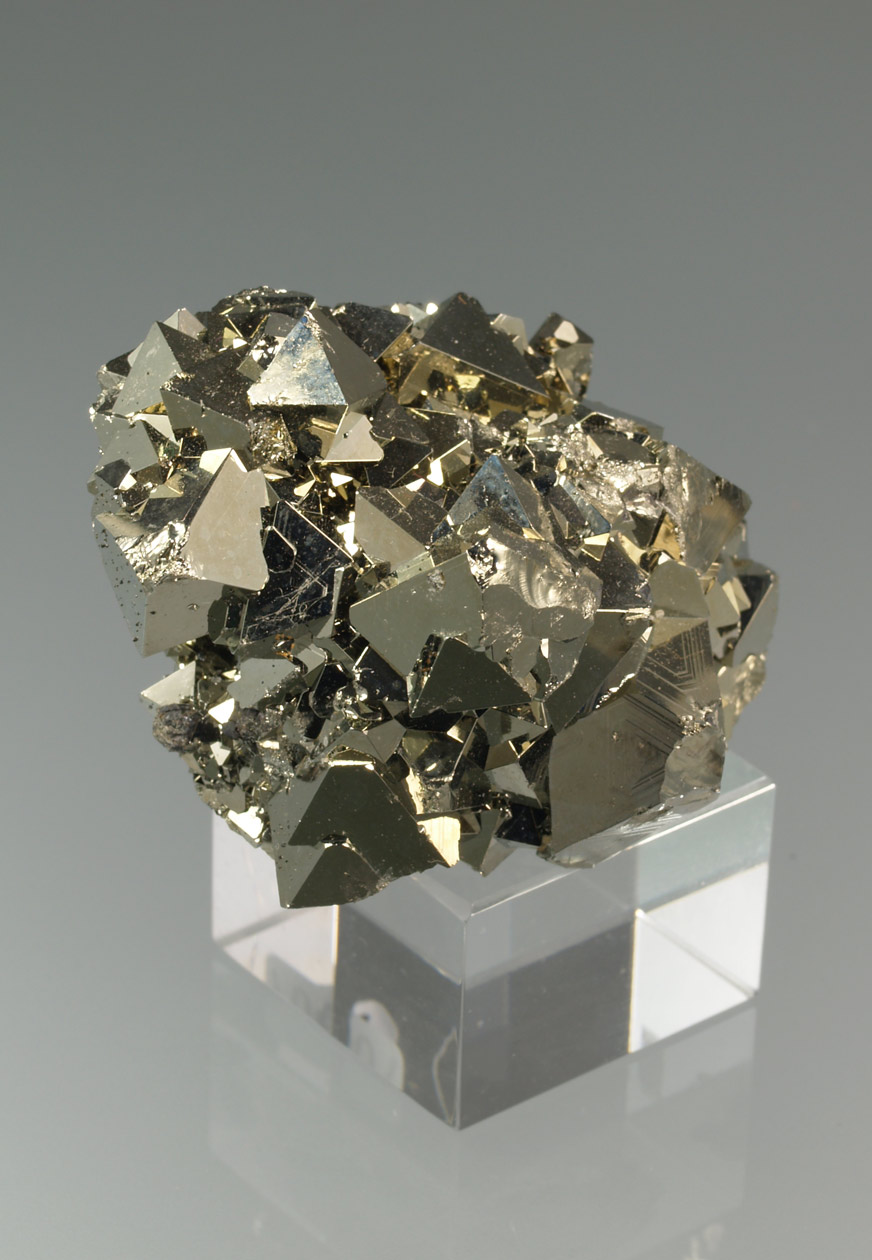
Nutrido grupo de cristales octaédricos de pirita, con un brillo
excepcional y con caras y aristas muy definidas. De esta mina procede la
base del "Balón de Oro" que se otorga cada año al mejor jugador del
mundo.
Formas del cubo, octaedro y dodecaedro.
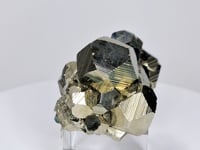
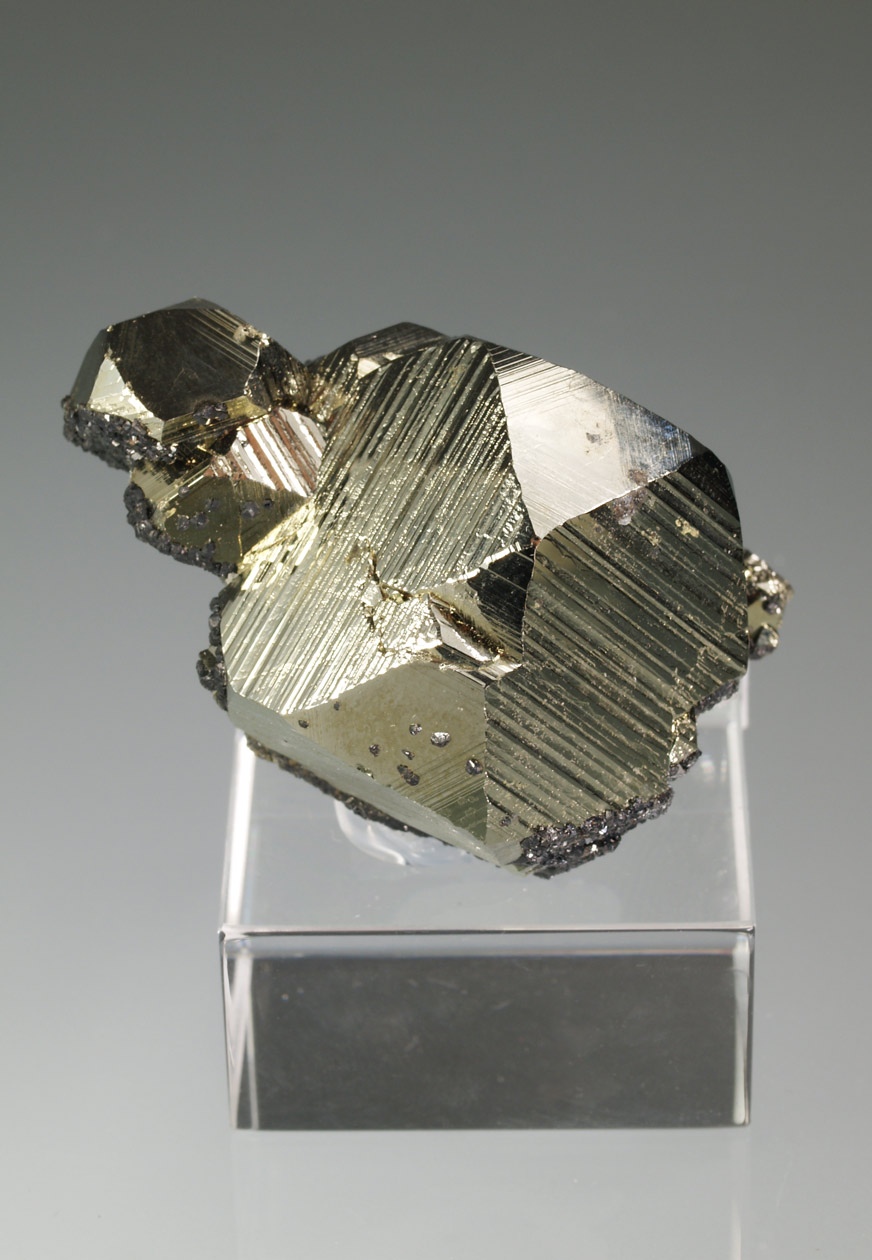
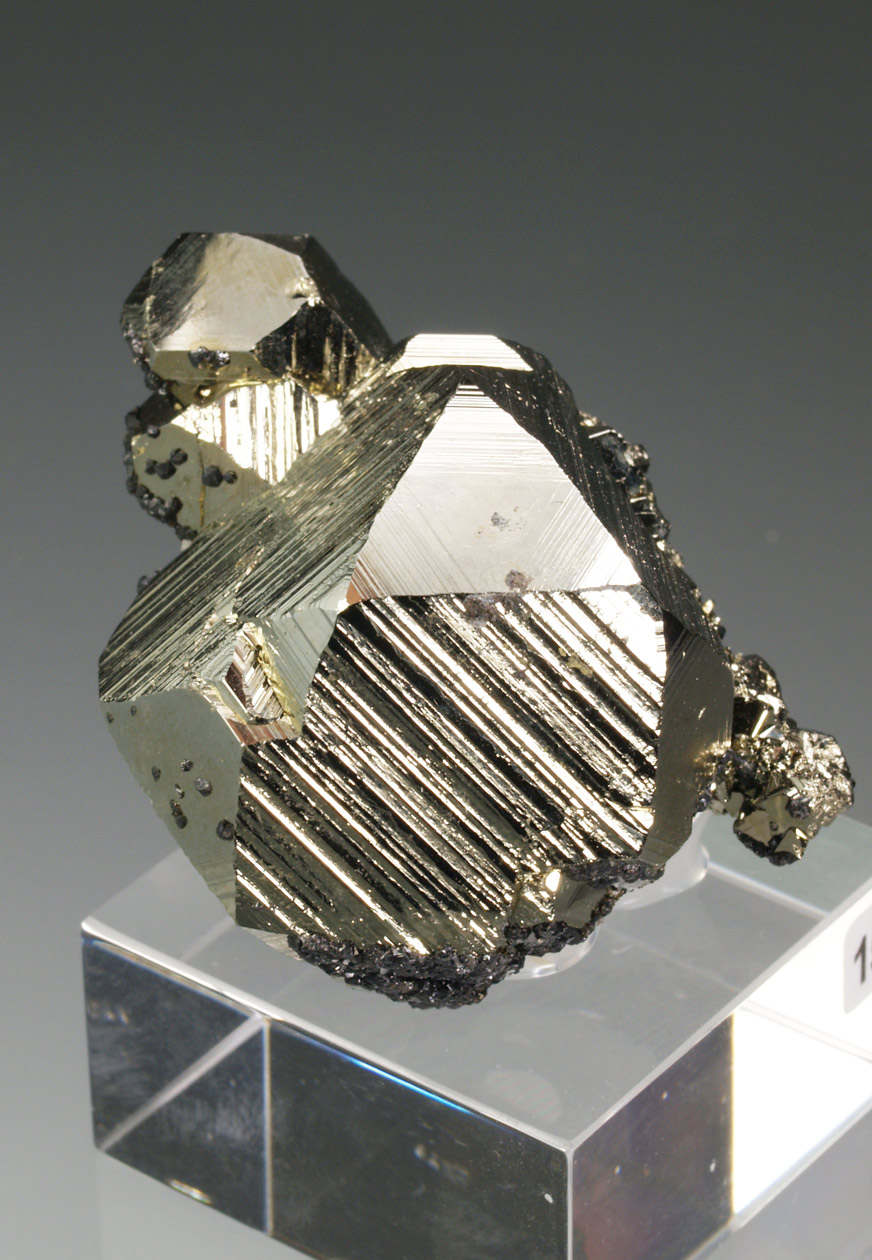

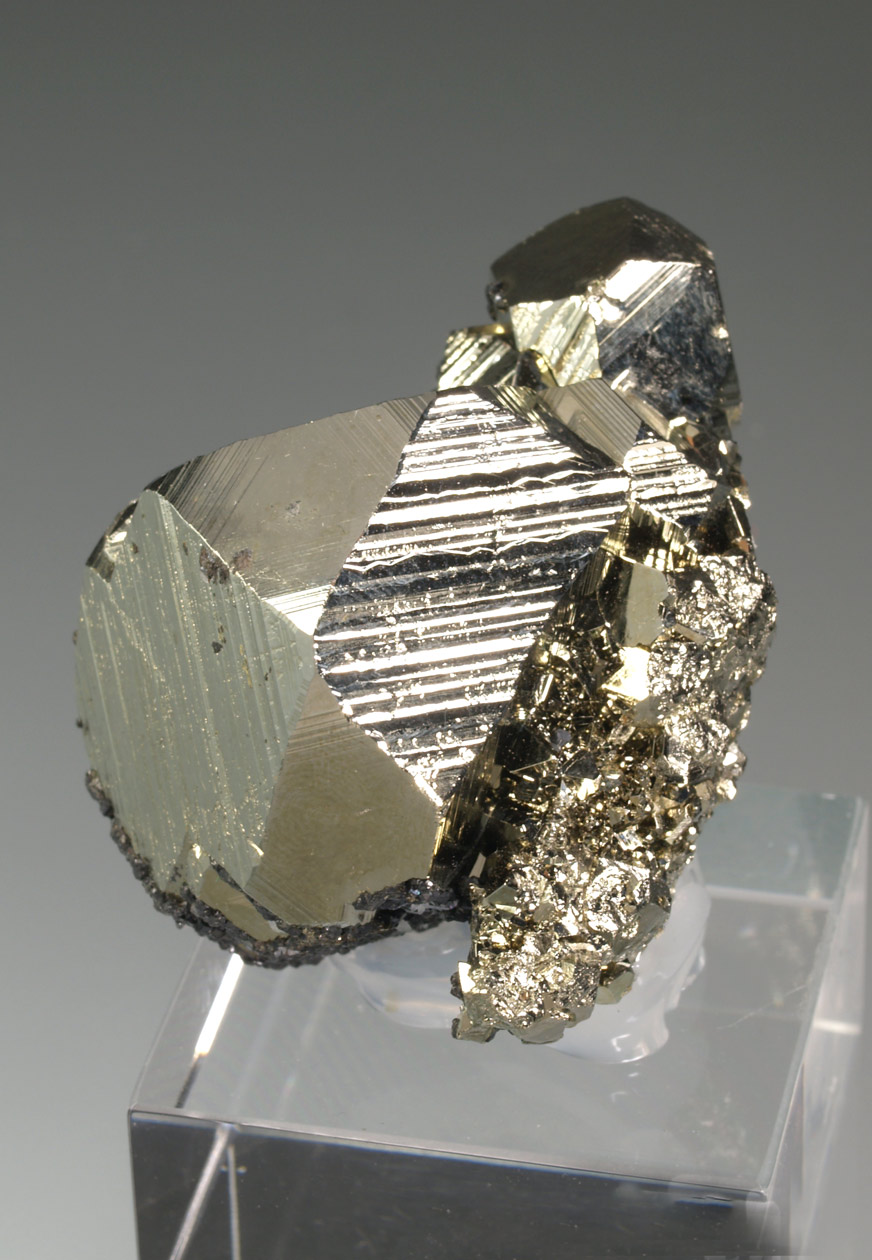
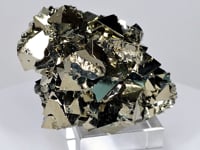
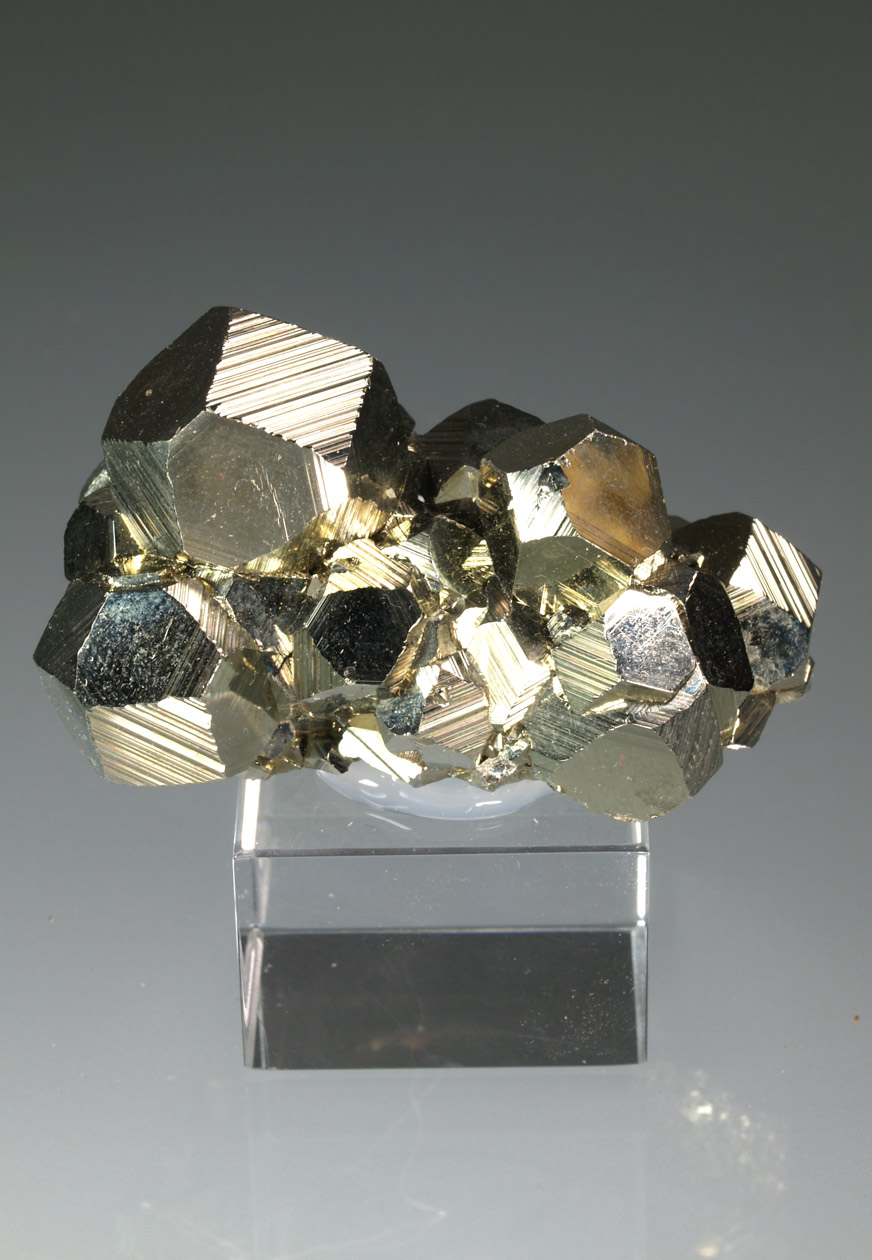
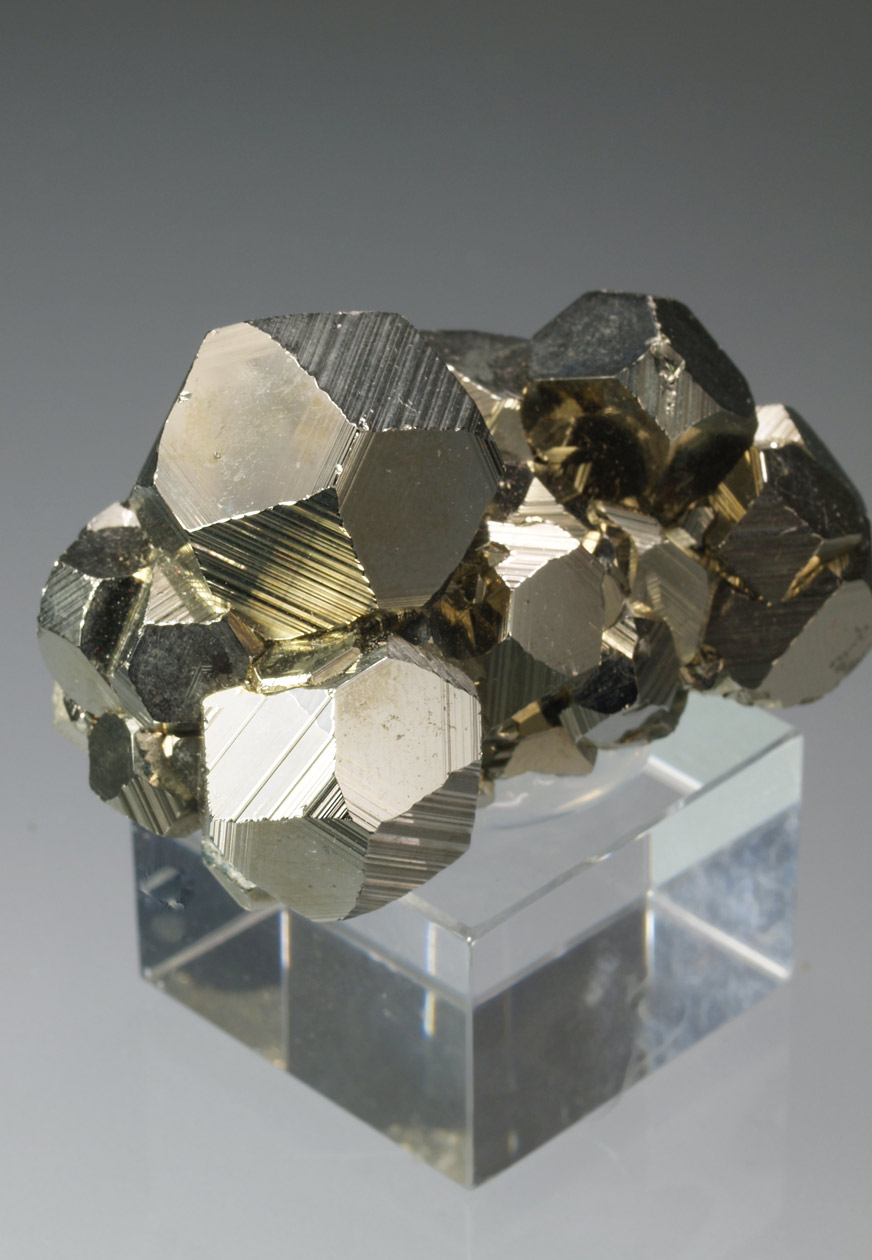
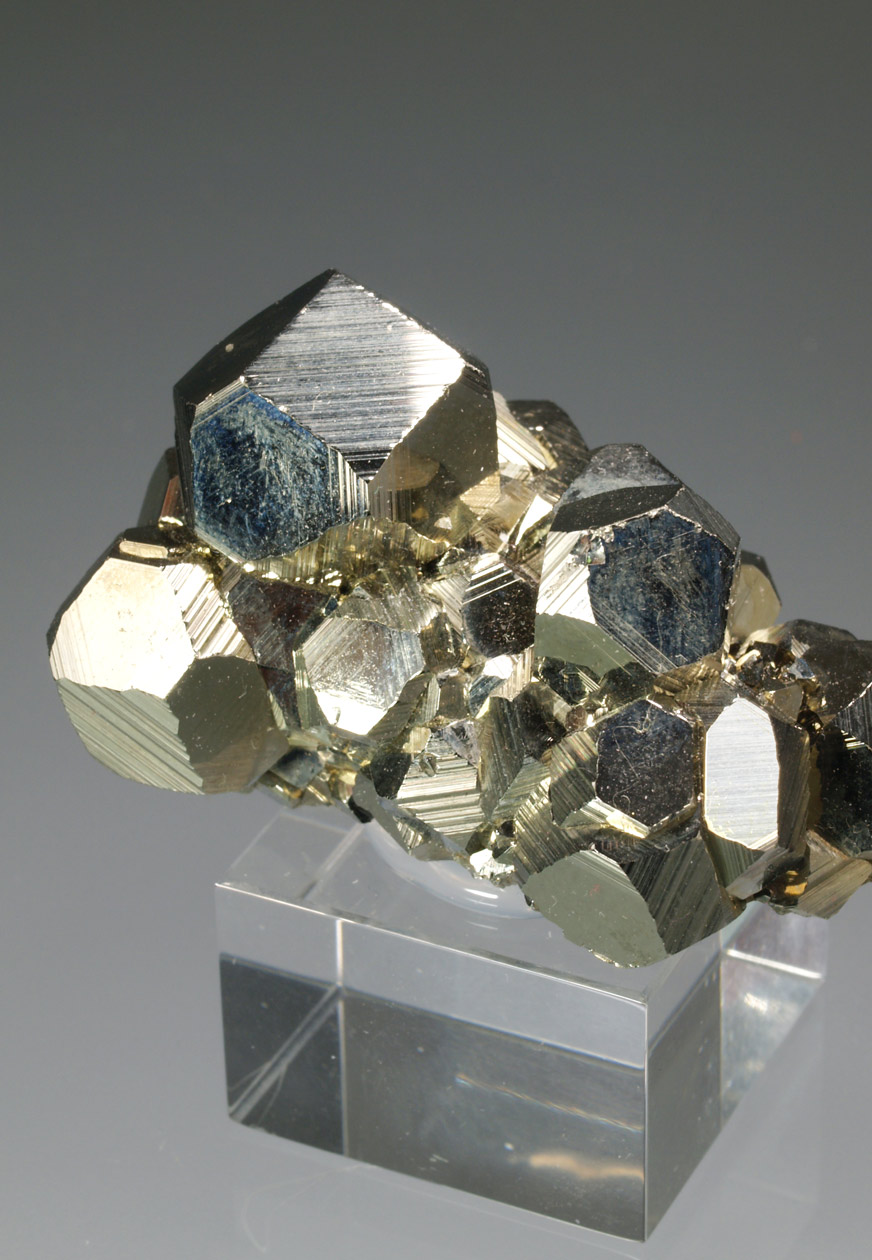
Excepcional ejemplar formado por diversos cristales de pirita, destacando el tamaño de uno de ellos, Con un brillo muy notable. Observamos interesantes crecimientos cristalográficos que nos muestran las caras del cubo con estriaciones triglifas y las caras del octaedro lisas. Se acompaña de pequeños y brillantes cristales de cuarzo y esfalerita. Una pieza muy interesante tanto desde el punto de vista estético como cristalográfico. De esta mina procede la base del "Balón de Oro" que se otorga cada año al mejor jugador del mundo.
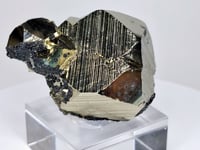
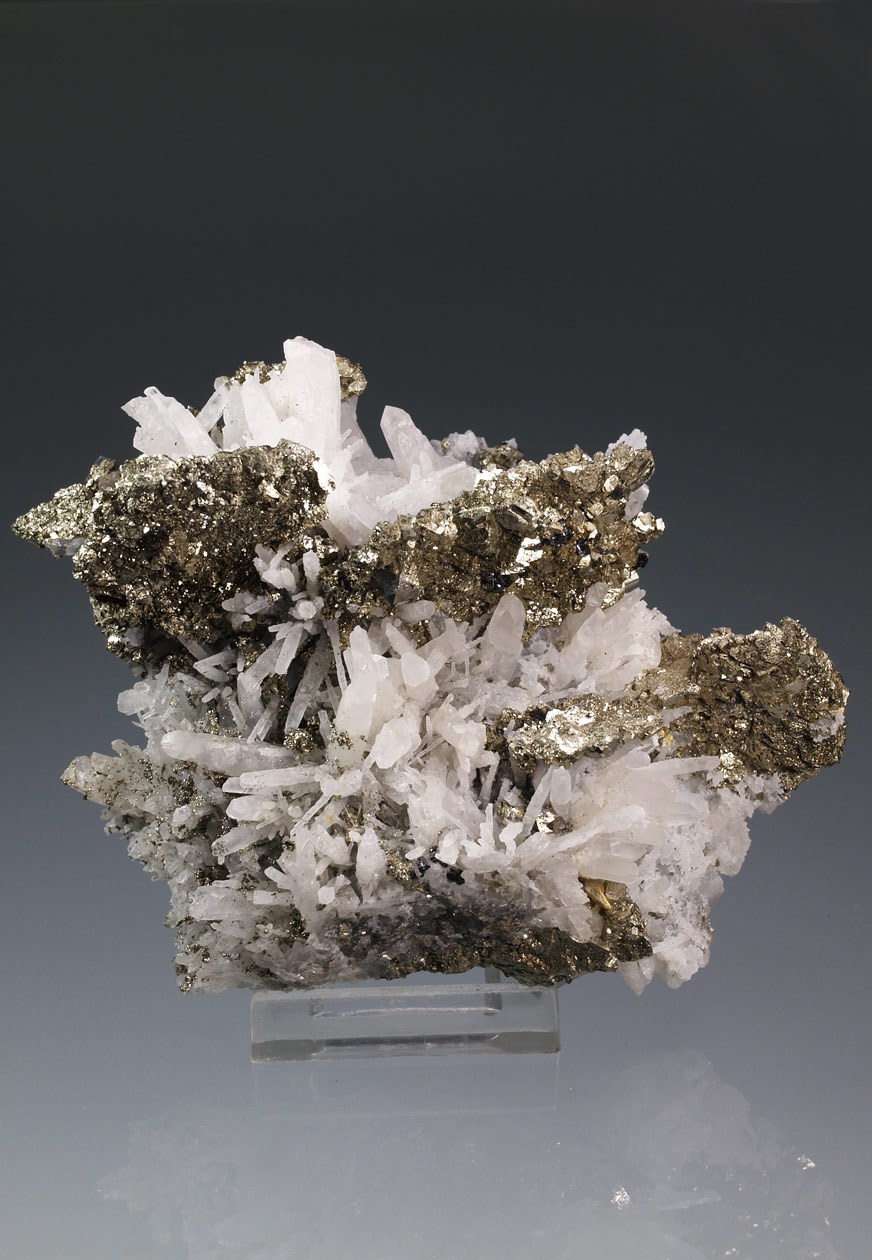
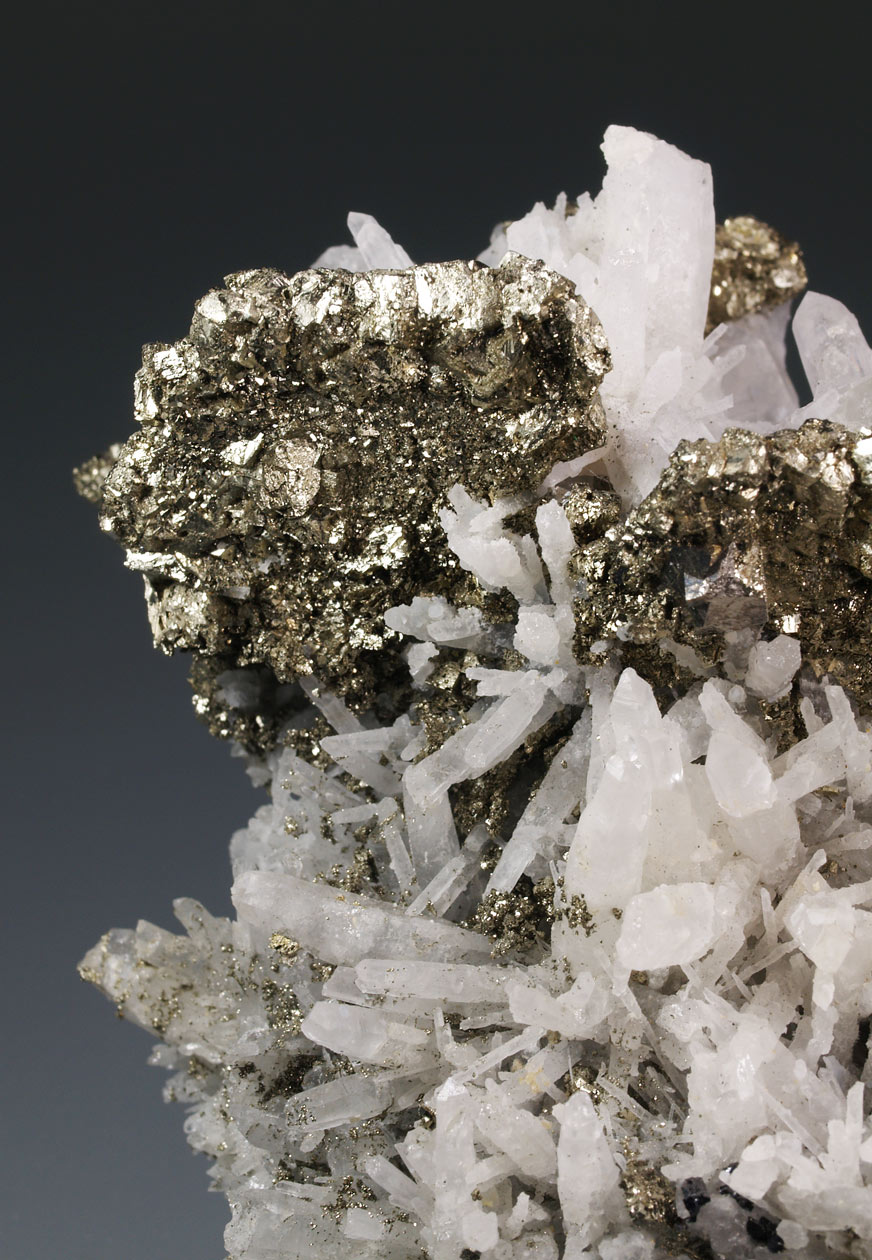
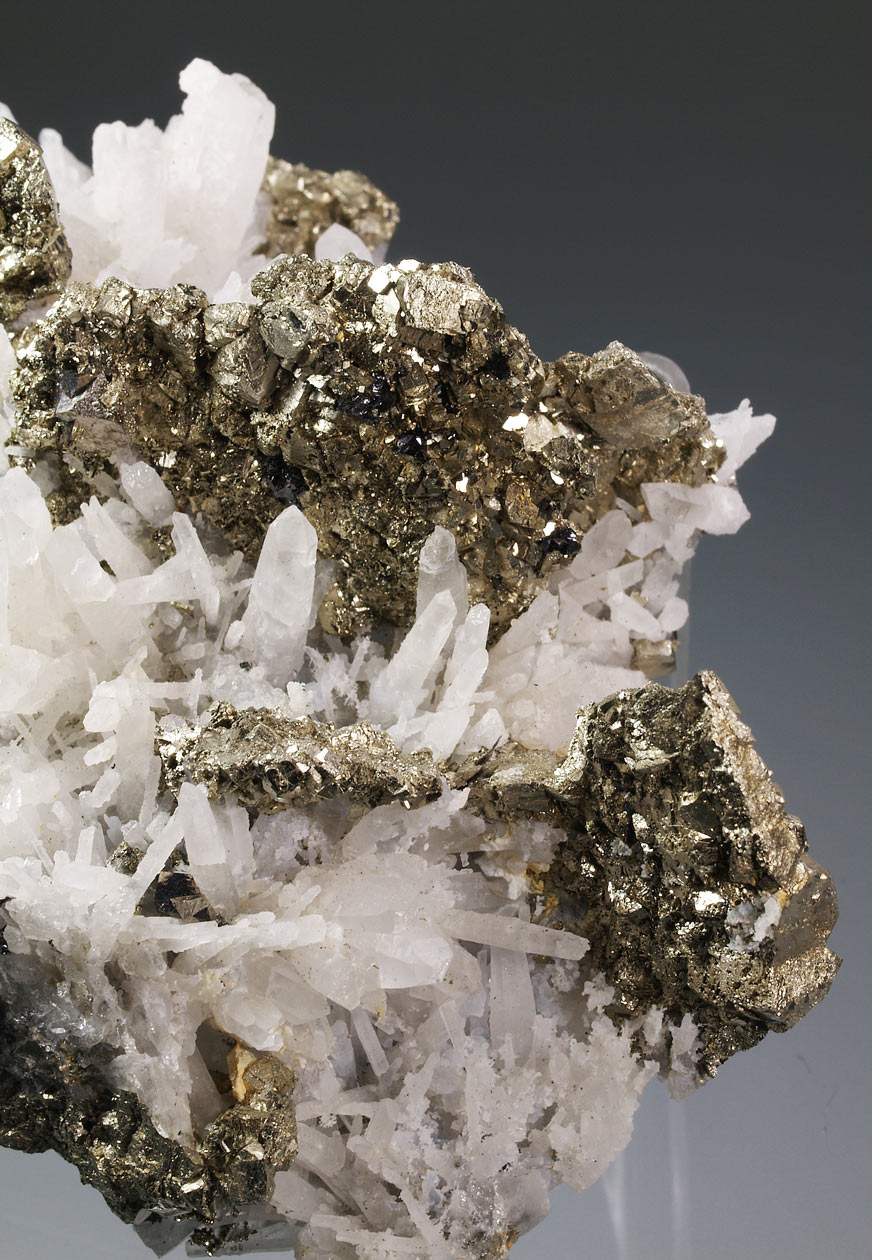
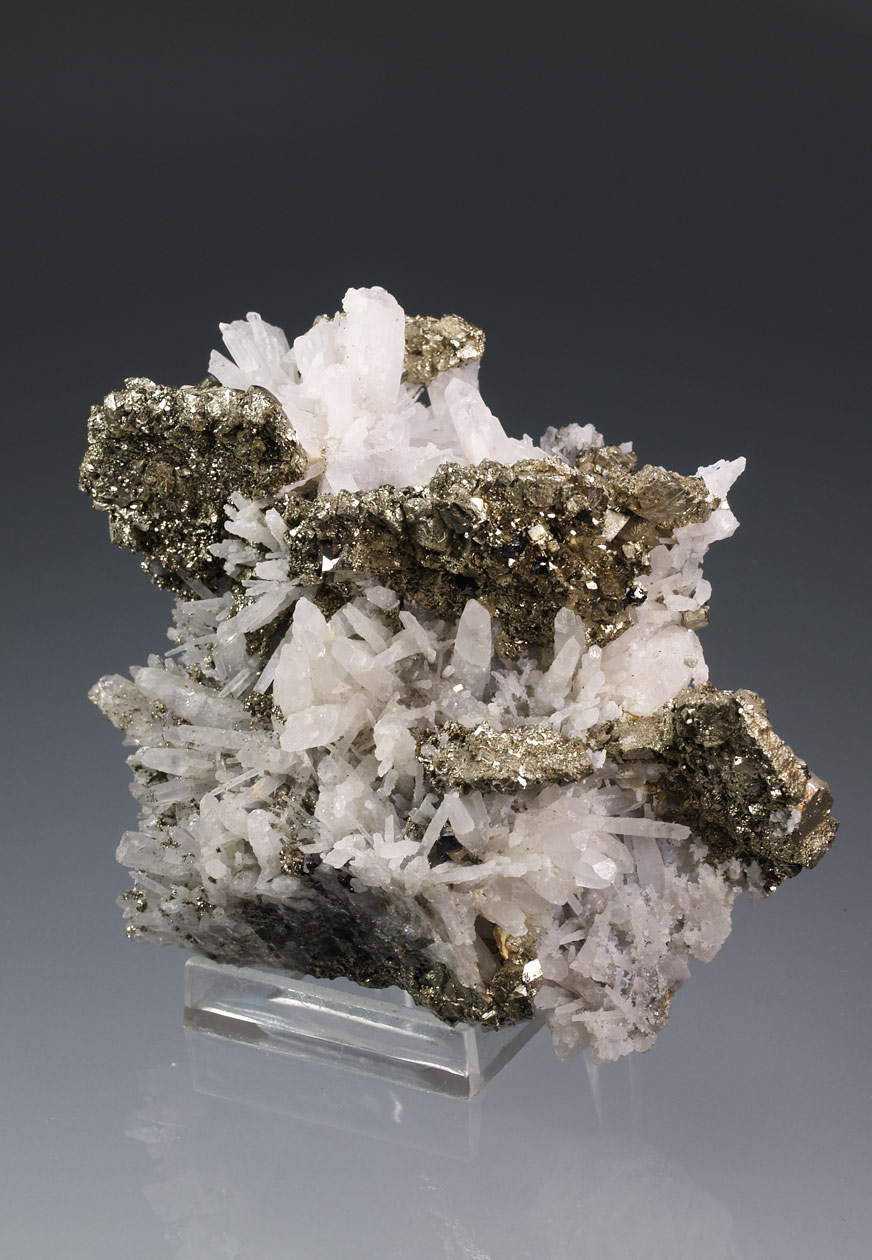
En este ejemplar podemos observar diversos cristales hexagonales de pirrotina que han sido totalmente sustituidos por pirita. El brillo es muy bueno y destacan en una matriz formada por numerosos cristales de cuarzo. Una pseudomórfosis muy interesante y estética.
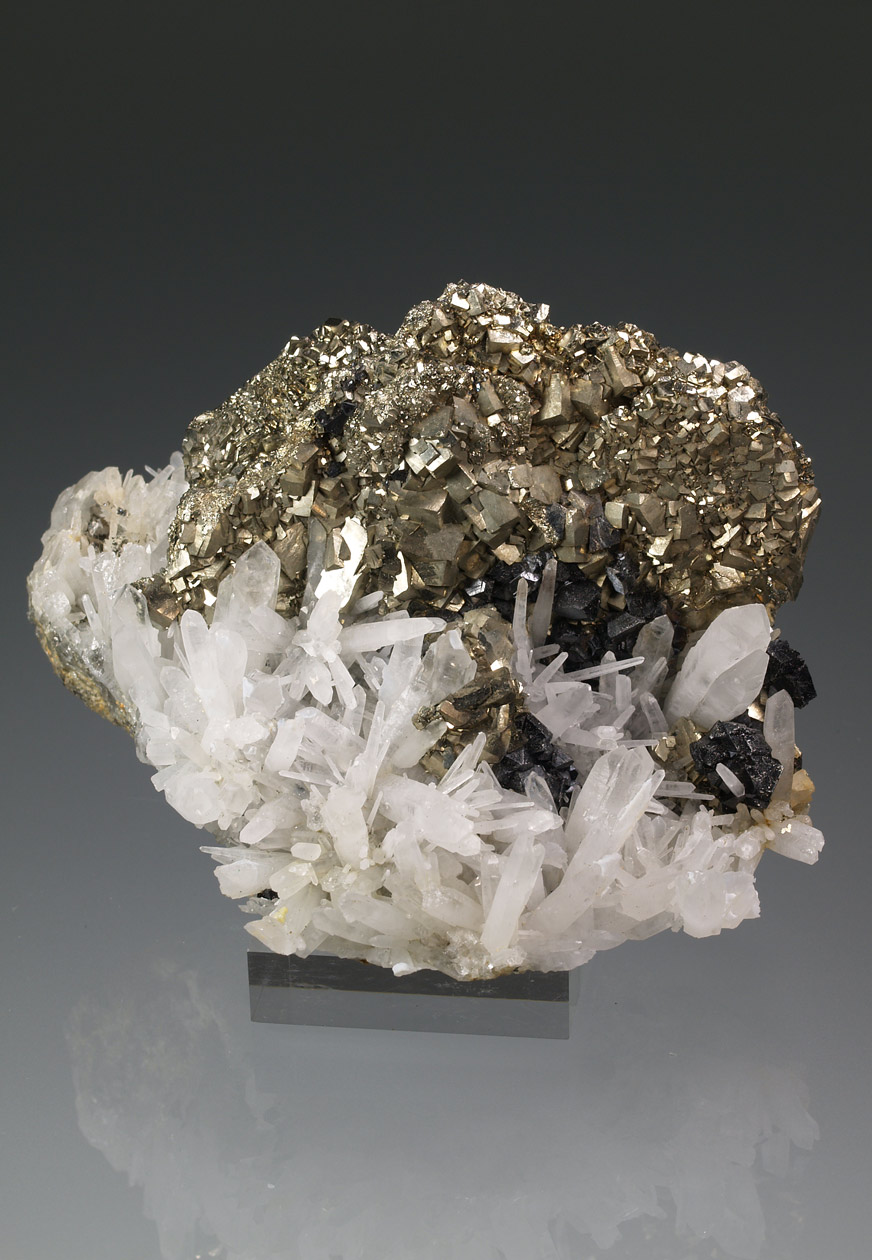
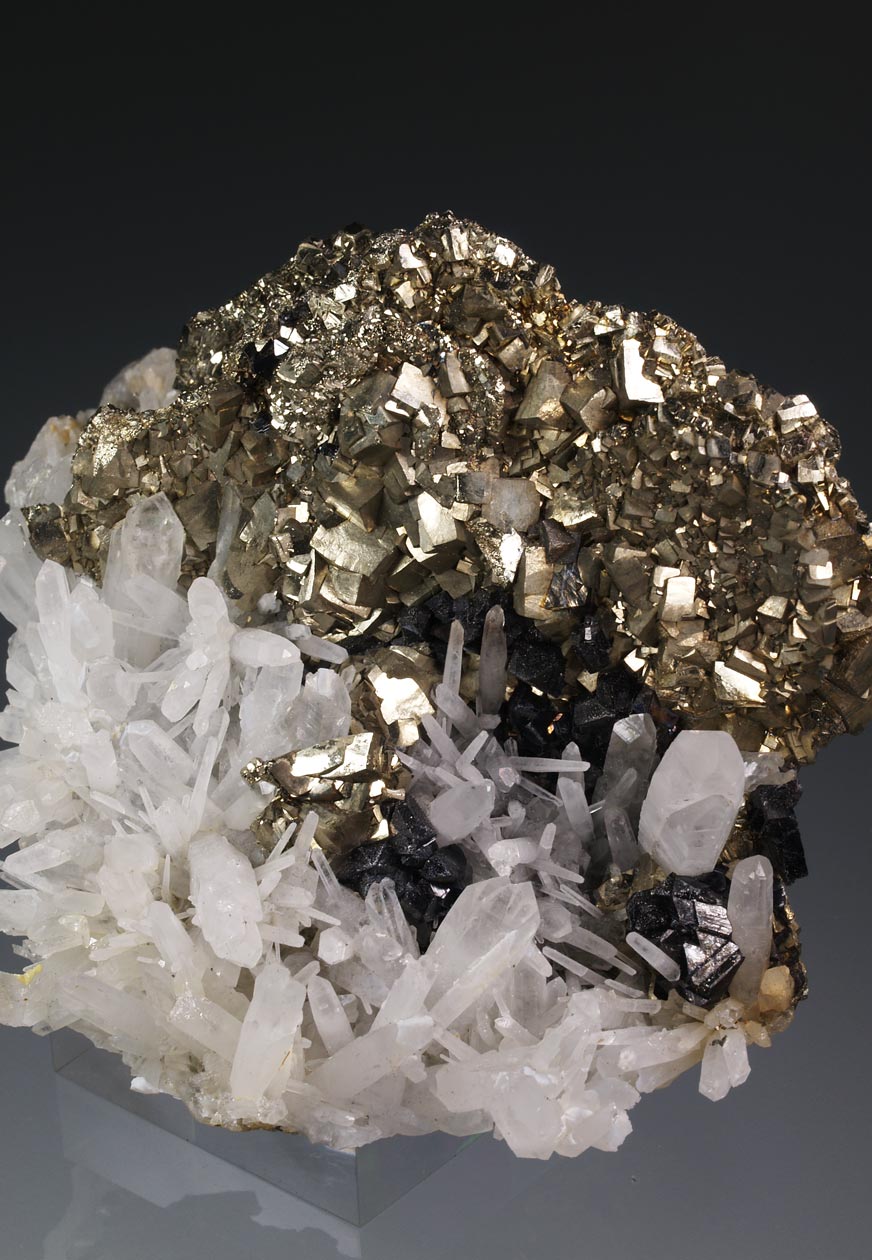
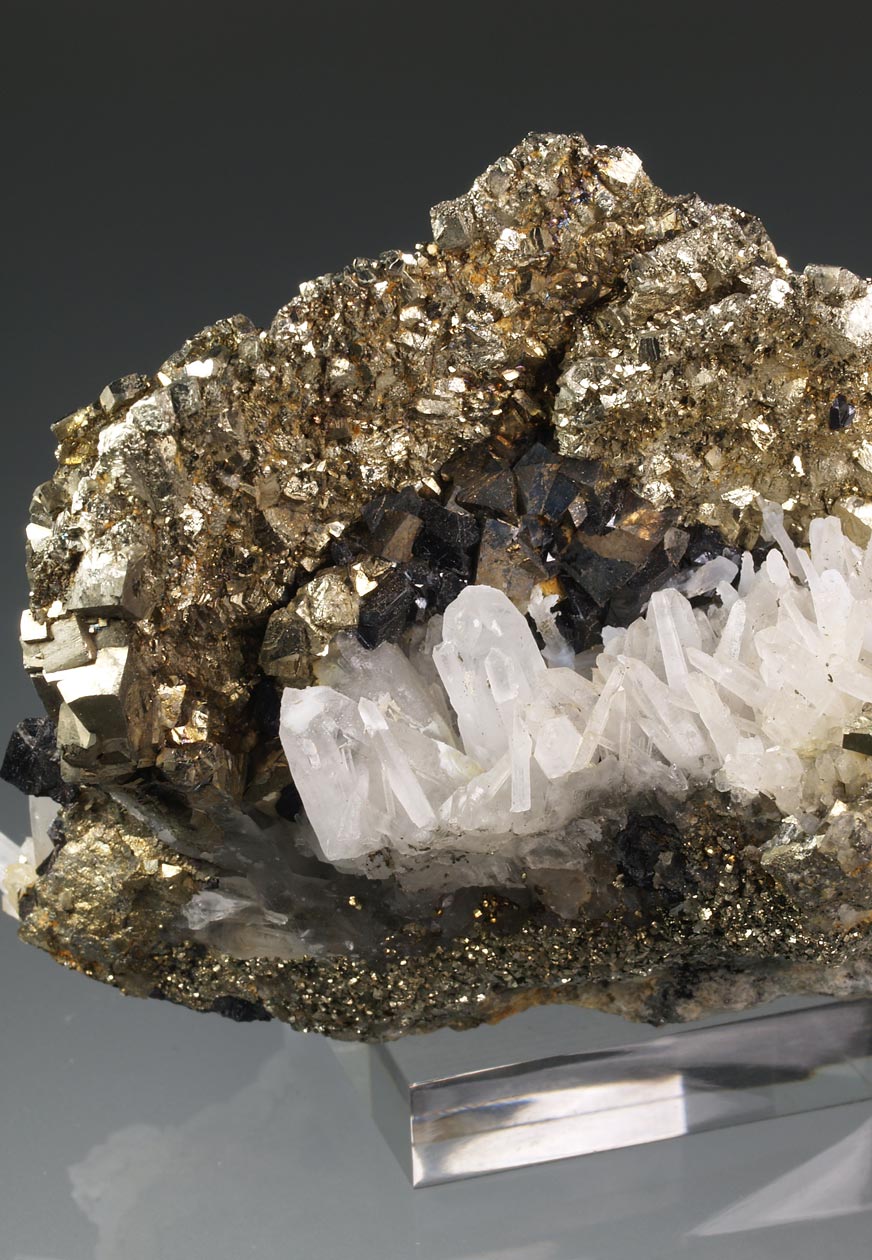
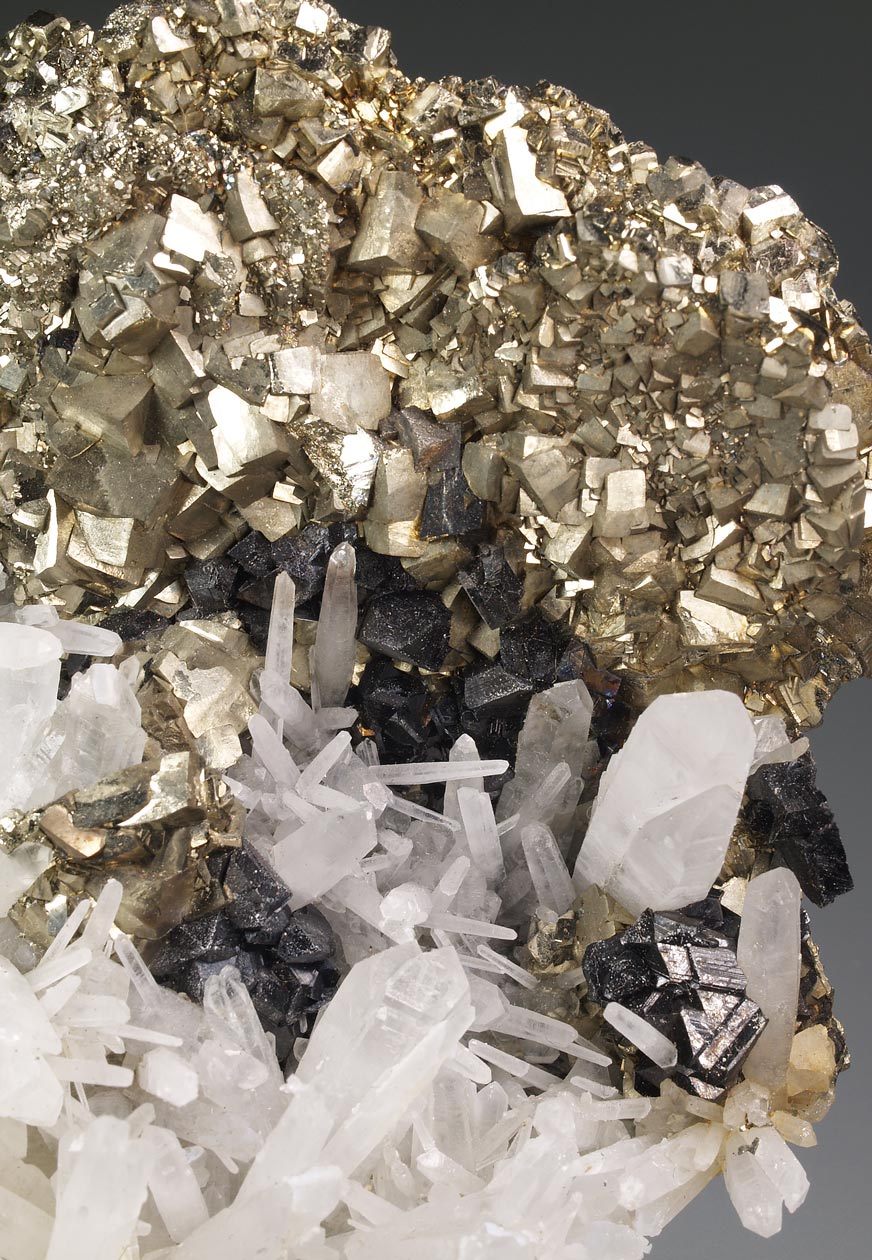
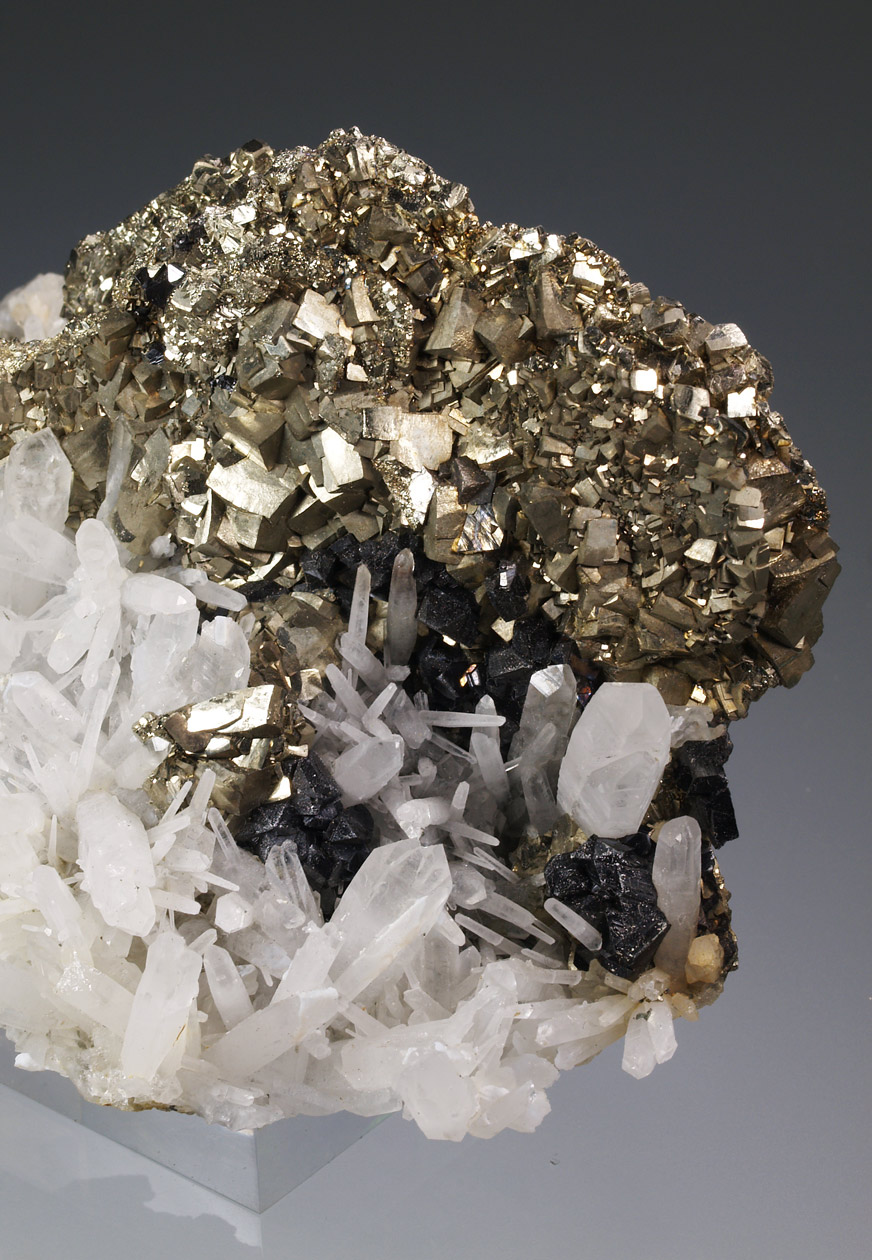
En este ejemplar podemos observar diversos cristales hexagonales de pirrotina que han sido totalmente sustituidos por pirita. El brillo es muy bueno y destacan en una matriz formada por numerosos cristales de cuarzo y esfalerita. Una pseudomórfosis muy interesante y estética.
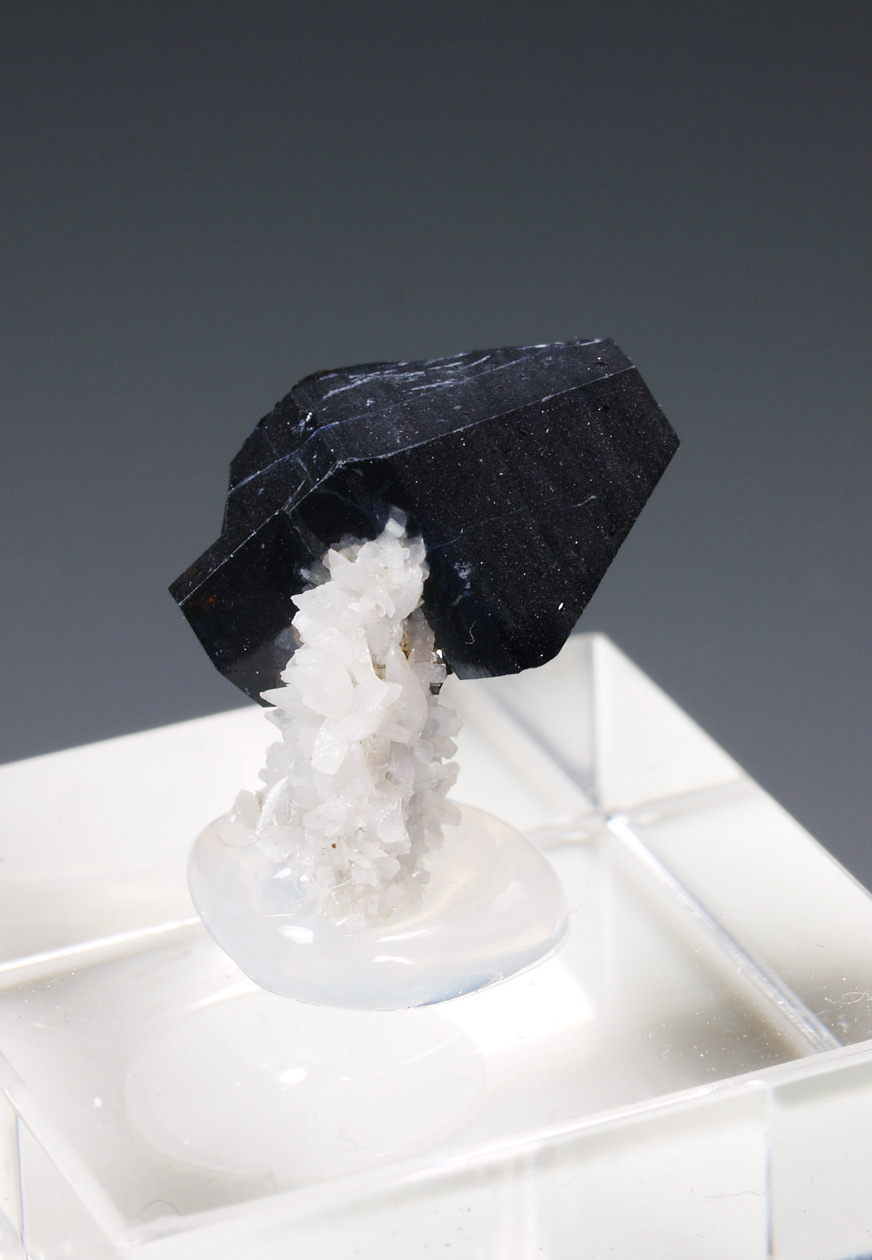
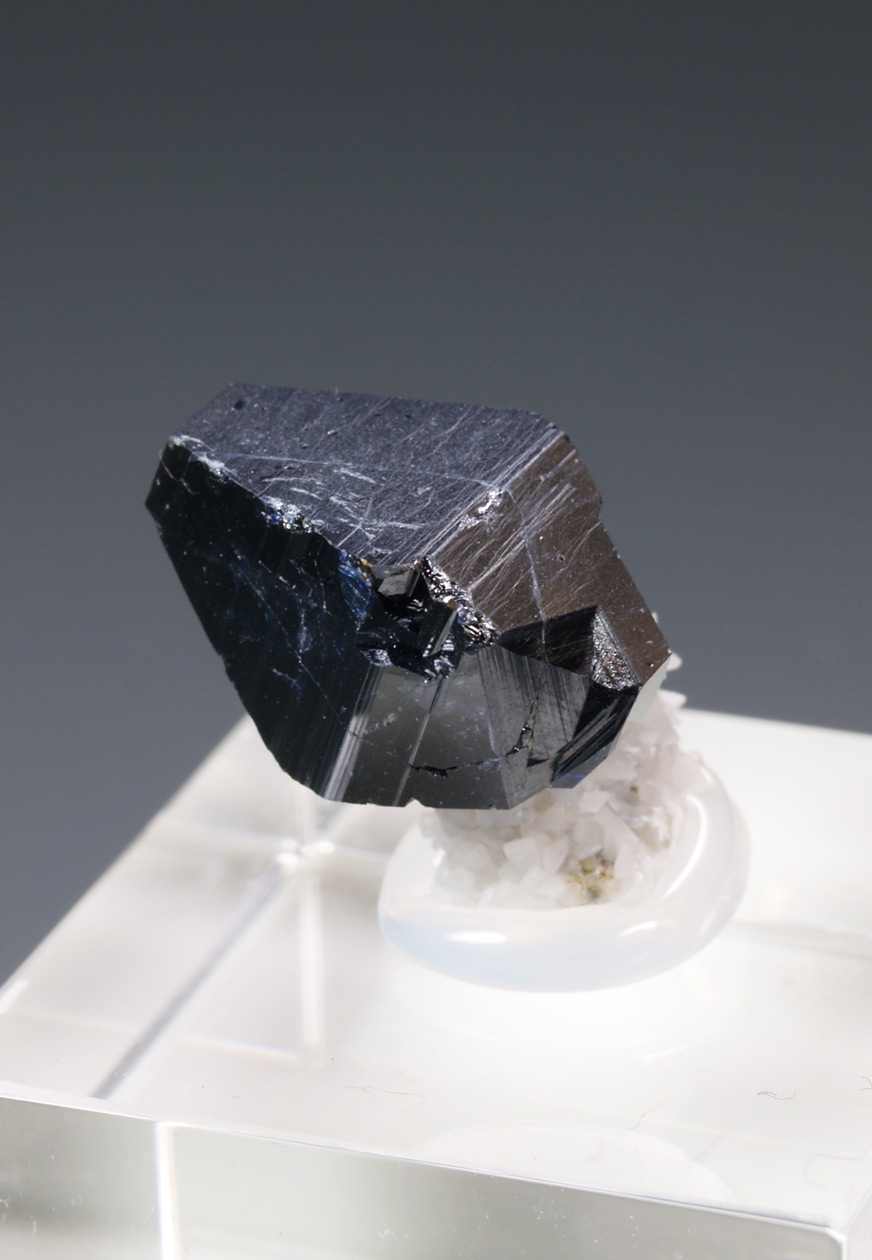
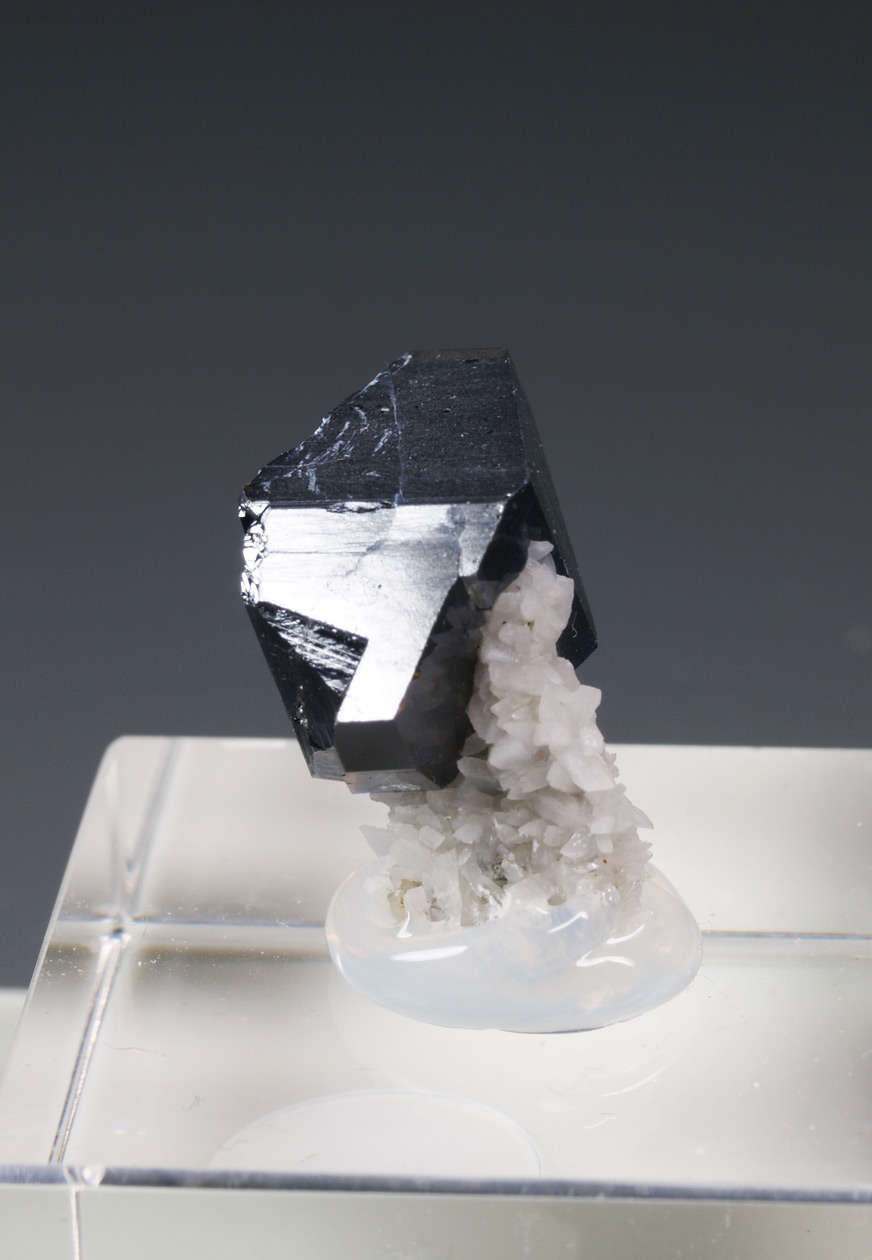
Los cristales de anatasa de esta localidad Noruega solo un clásico de la mineralogía mundial. Destacan por su tamaño. En este ejemplar podemos ver un cristal formado por la bipirámide tetragonal truncada en los vértices por pinacoides. Se pueden observar contactos de crecimiento y alguna pequeña mella, sin quitar calidad a la pieza. Se dispone de forma muy aérea sobre una pequeña matriz de cuarzo.
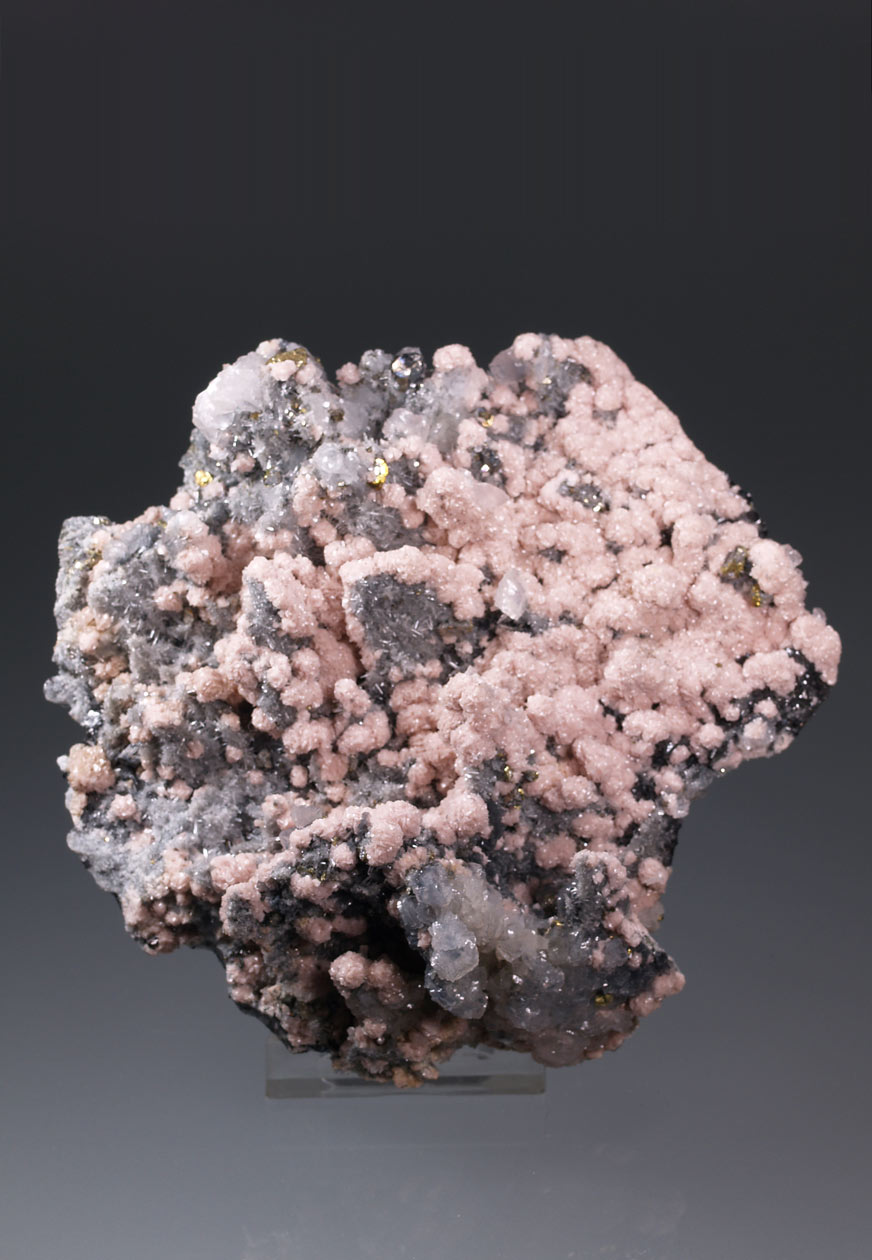
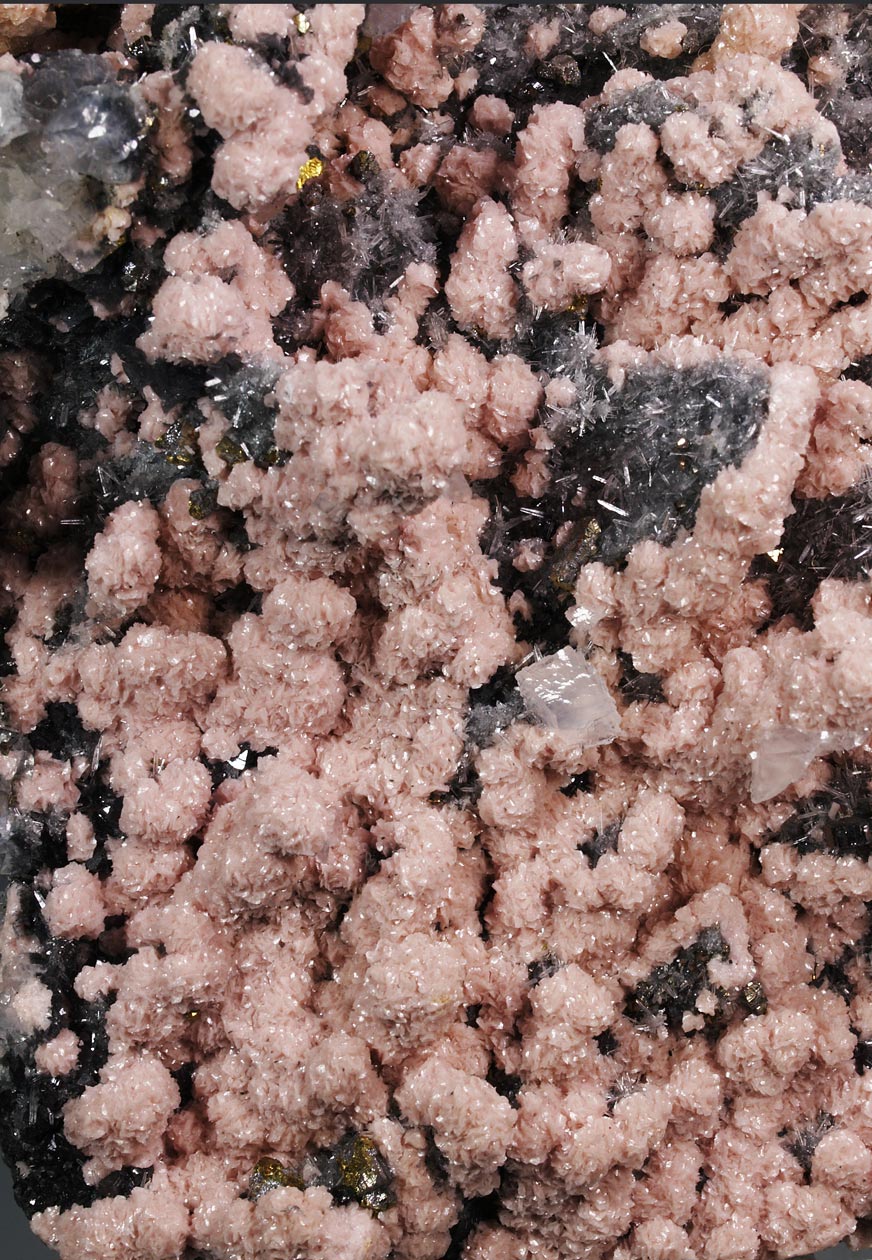
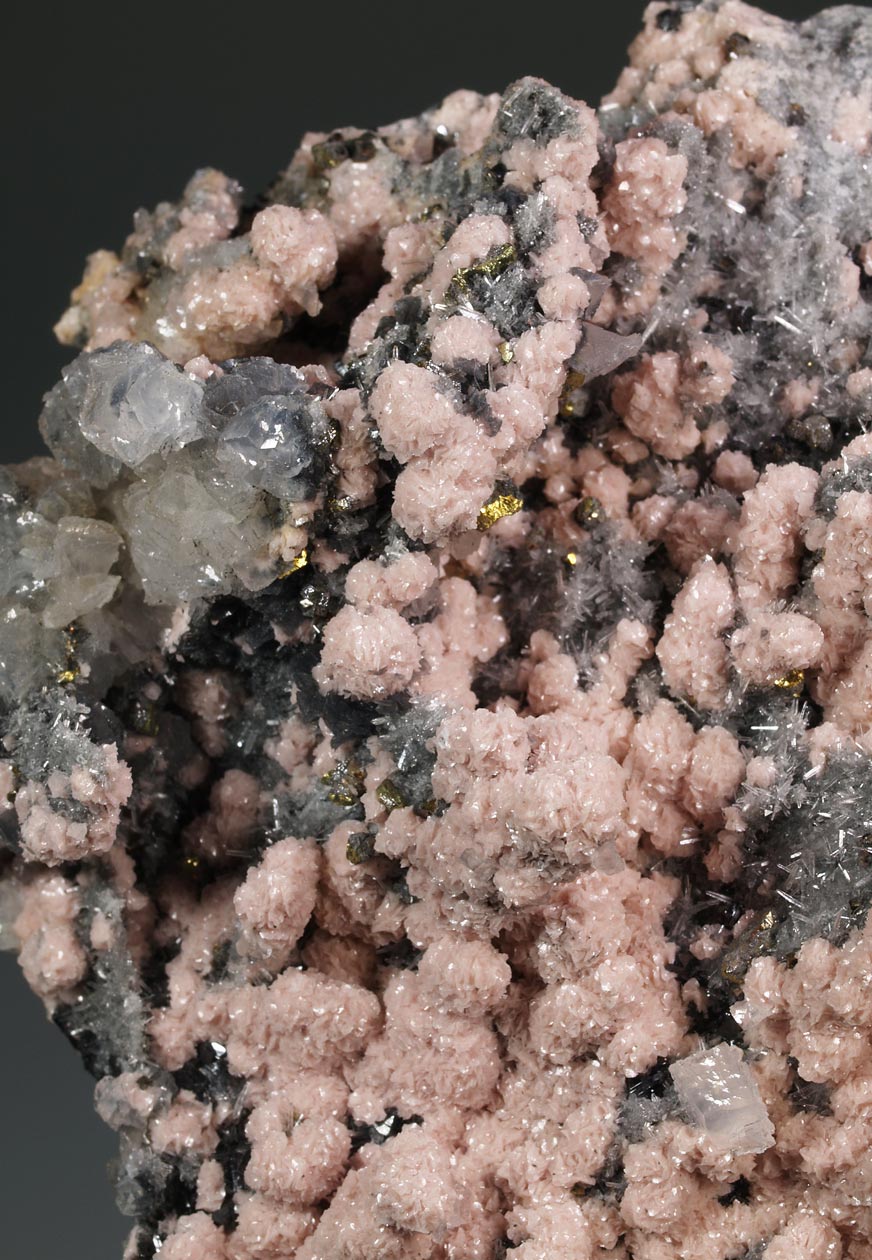
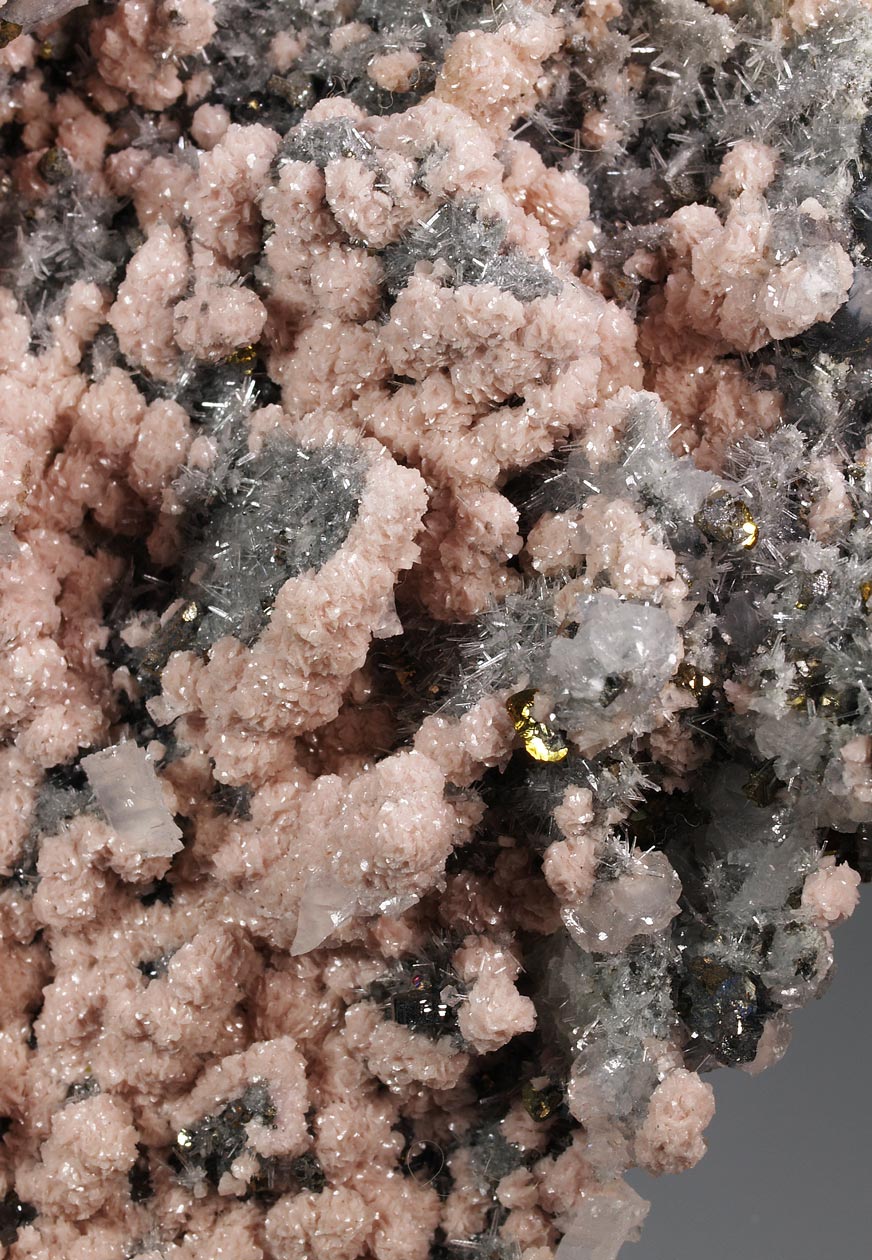
En este ejemplar podemos observar numerosos agregados en roseta formados por cristales lenticulares de rodocrosita, con un tono rosado tenue y que contrasta con una matriz formada por numerosos cristales de cuarzo y calcita, algunos de ellos como romboedros aplanados. Se acompaña de varios cristales facetados de brillante calcopirita. Una pieza muy estética de esta clásica mina kosovar.
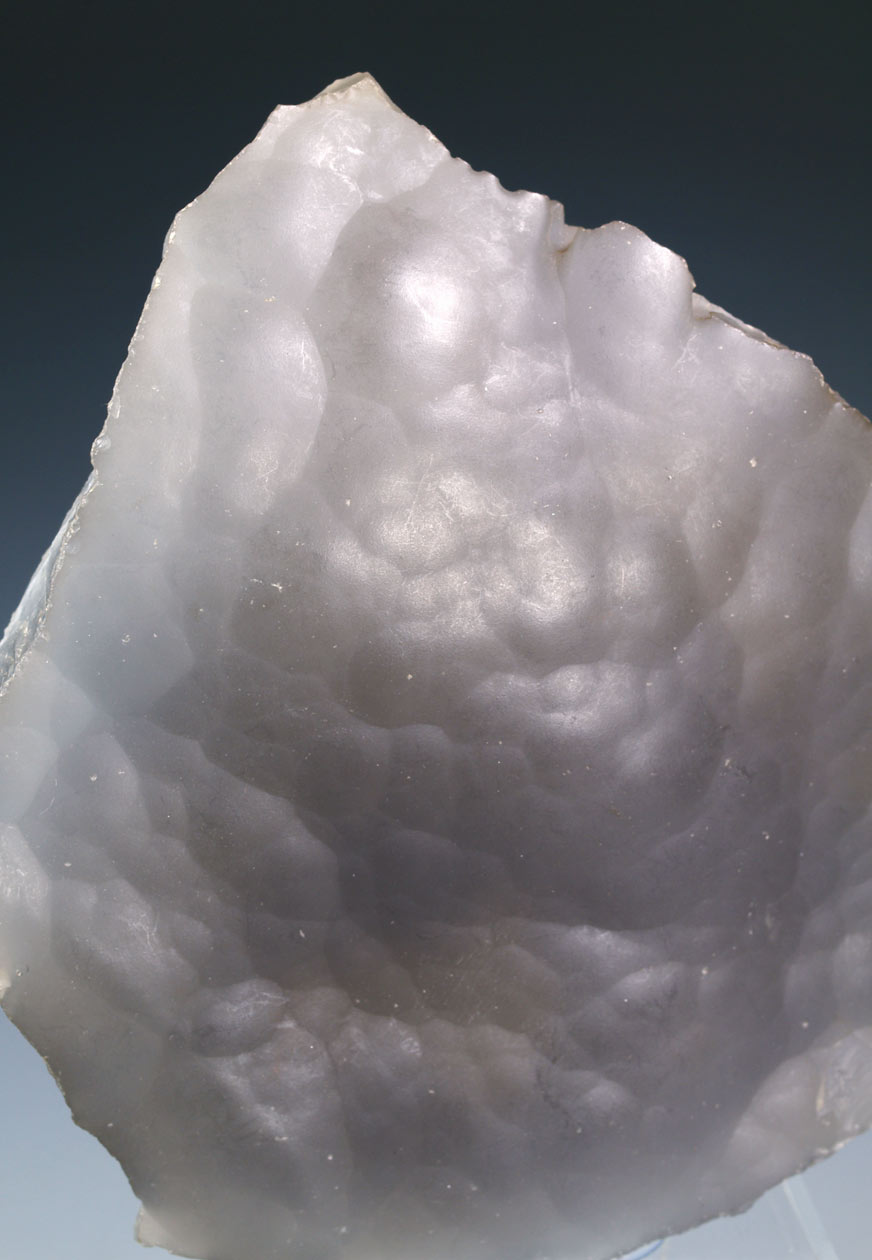
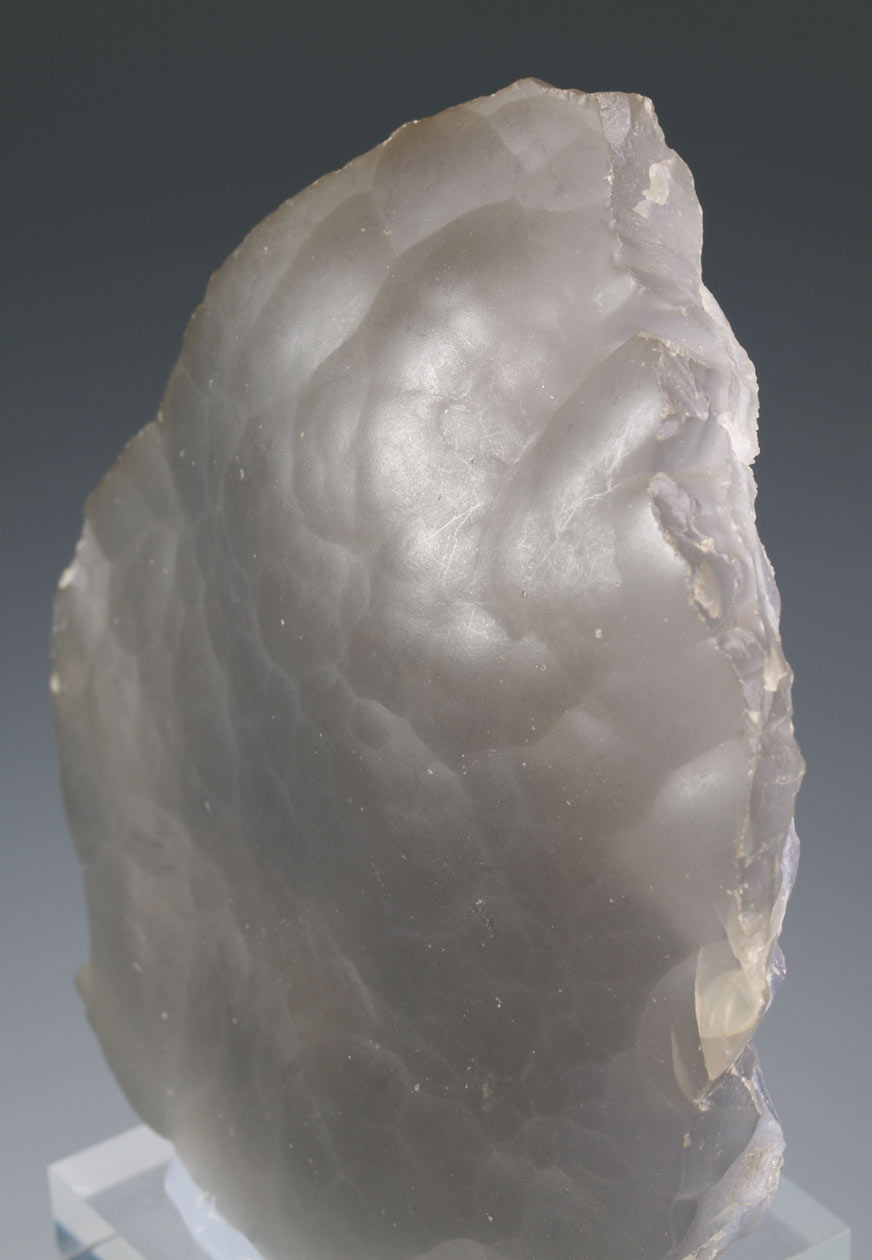
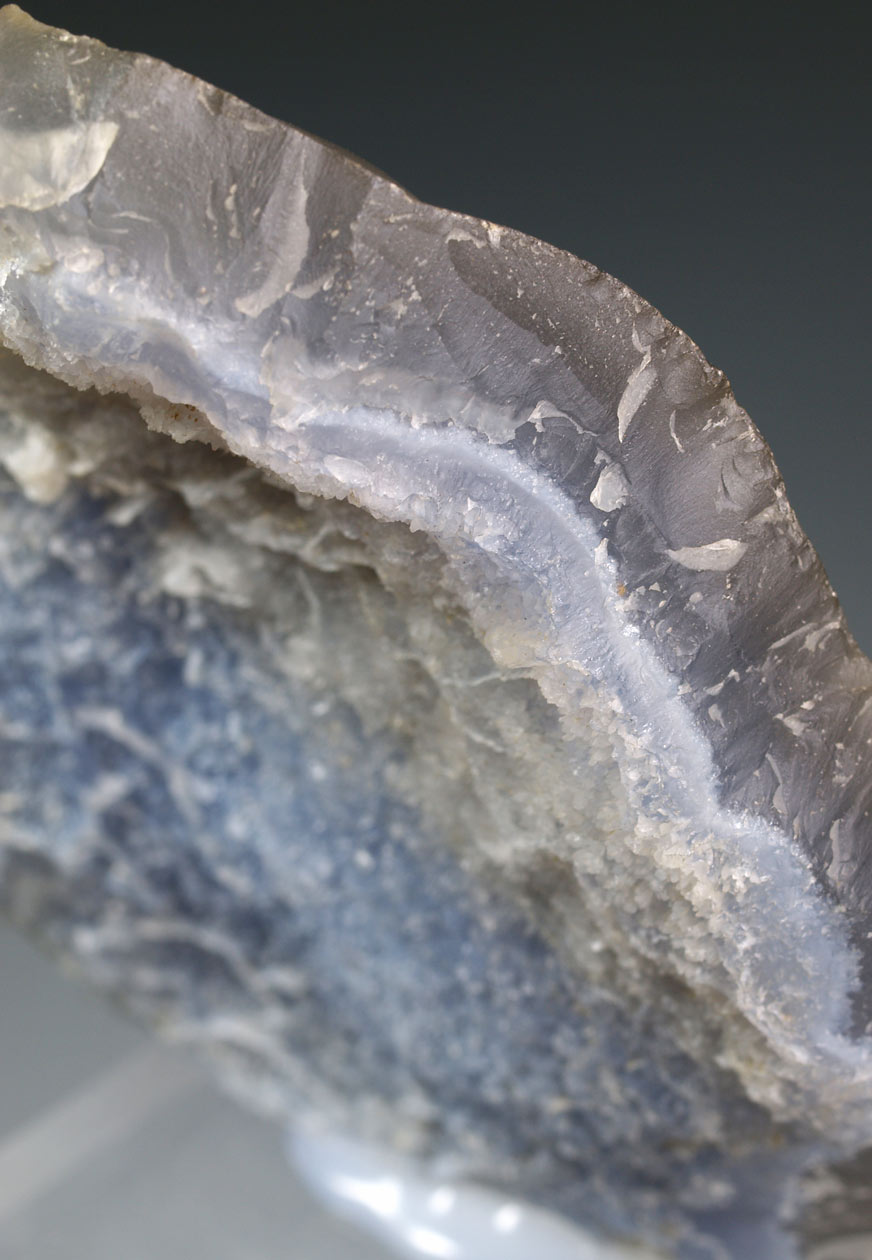
Estética placa de calcedonia, variedad criptocristalina de cuarzo, translúcida, en la que podemos observar crecimientos en capas, con colores gris azulados y una parte frontal con formas botroidales. Procede de la colección de Jaime Murria (Barcelona).
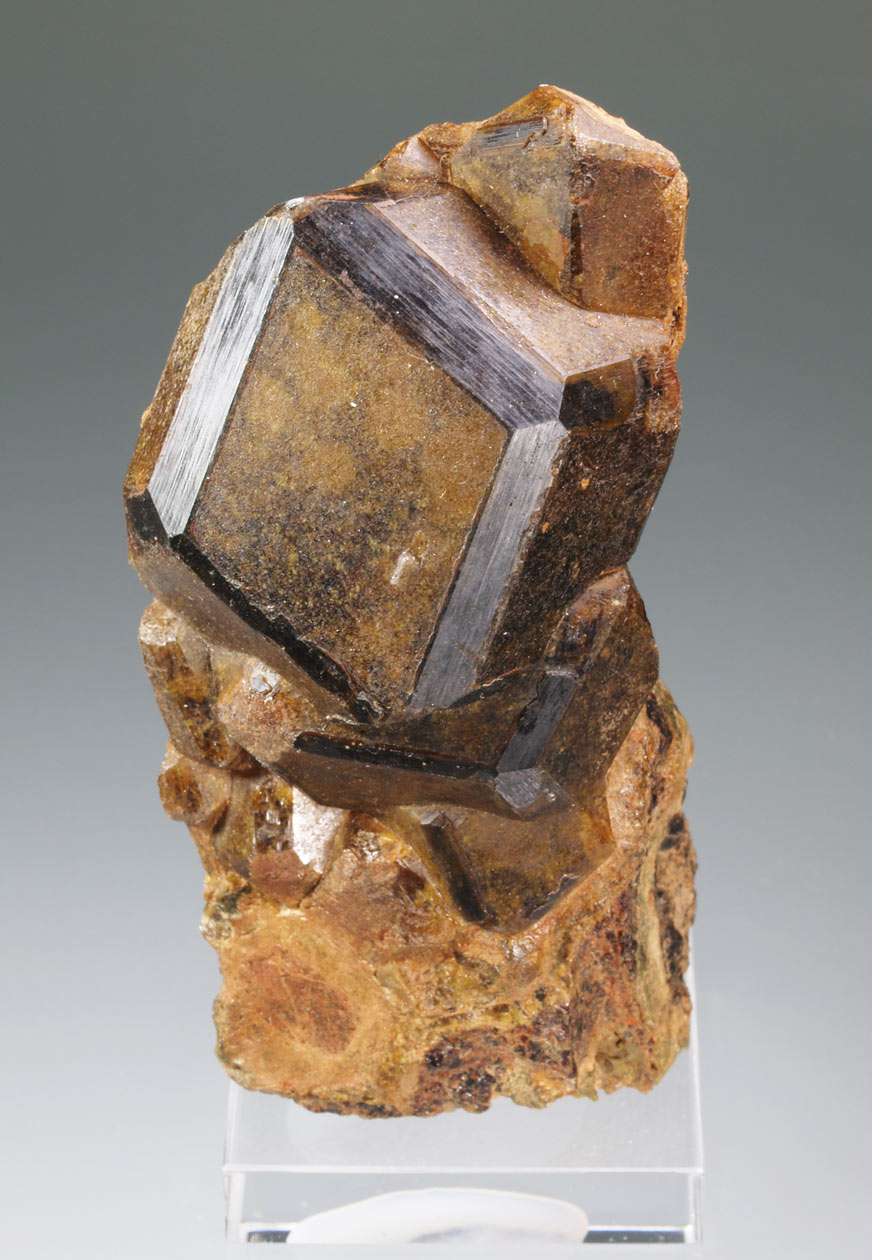
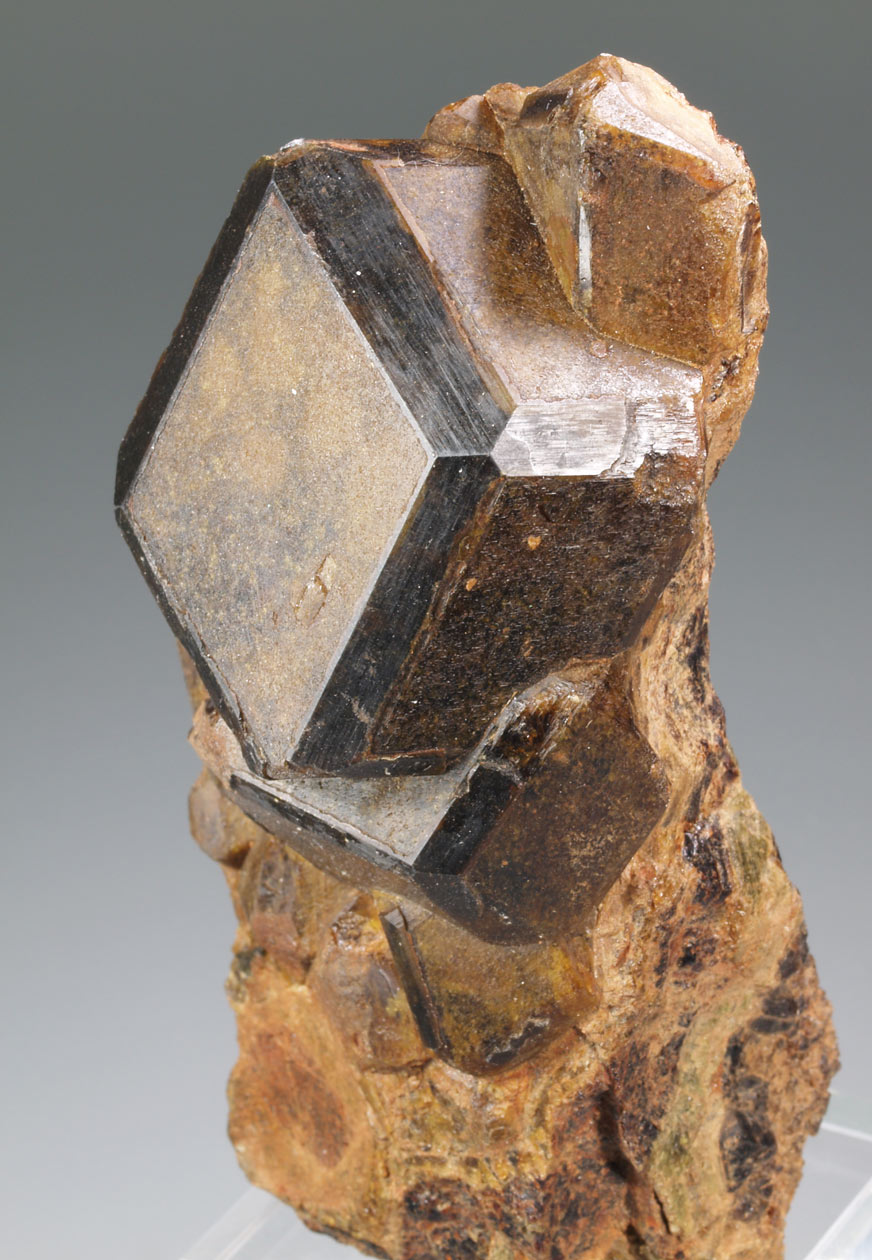

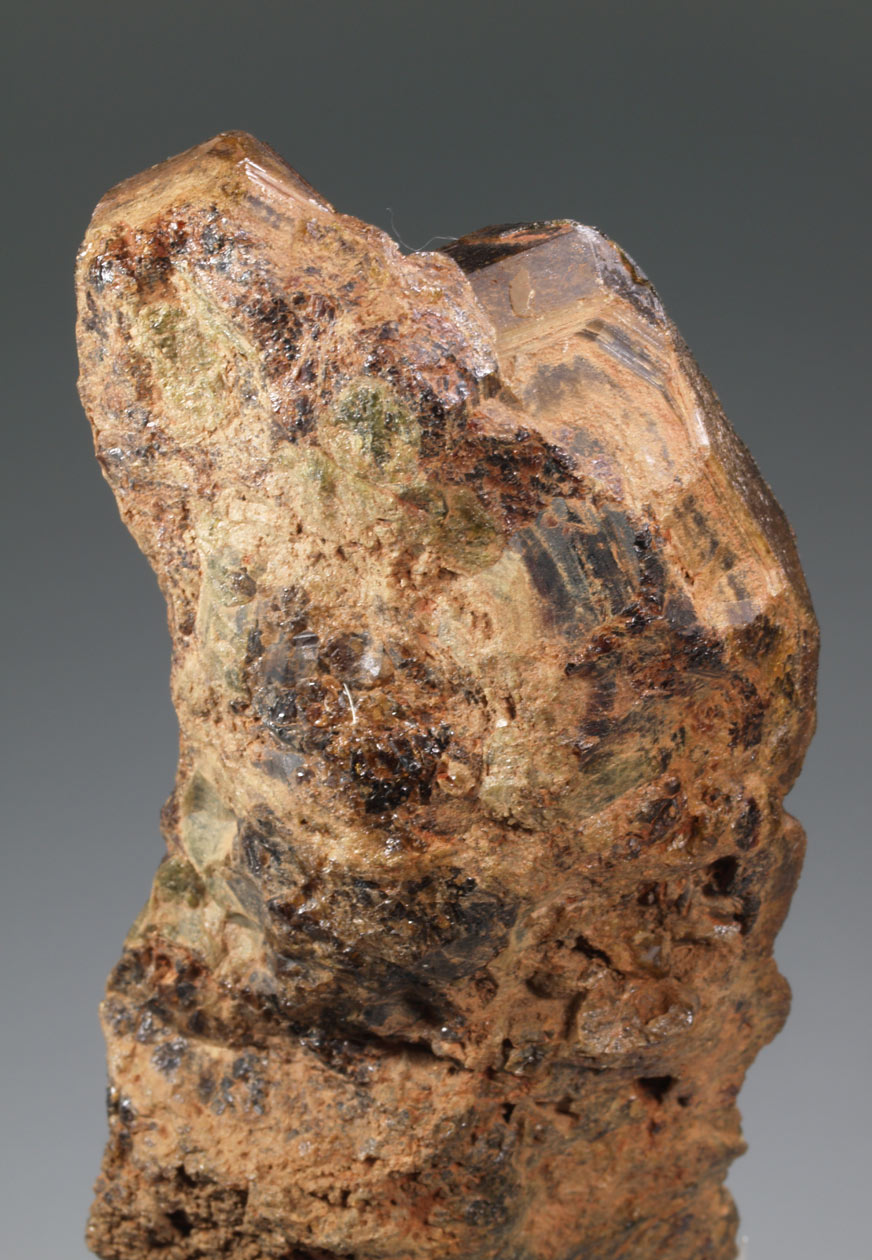
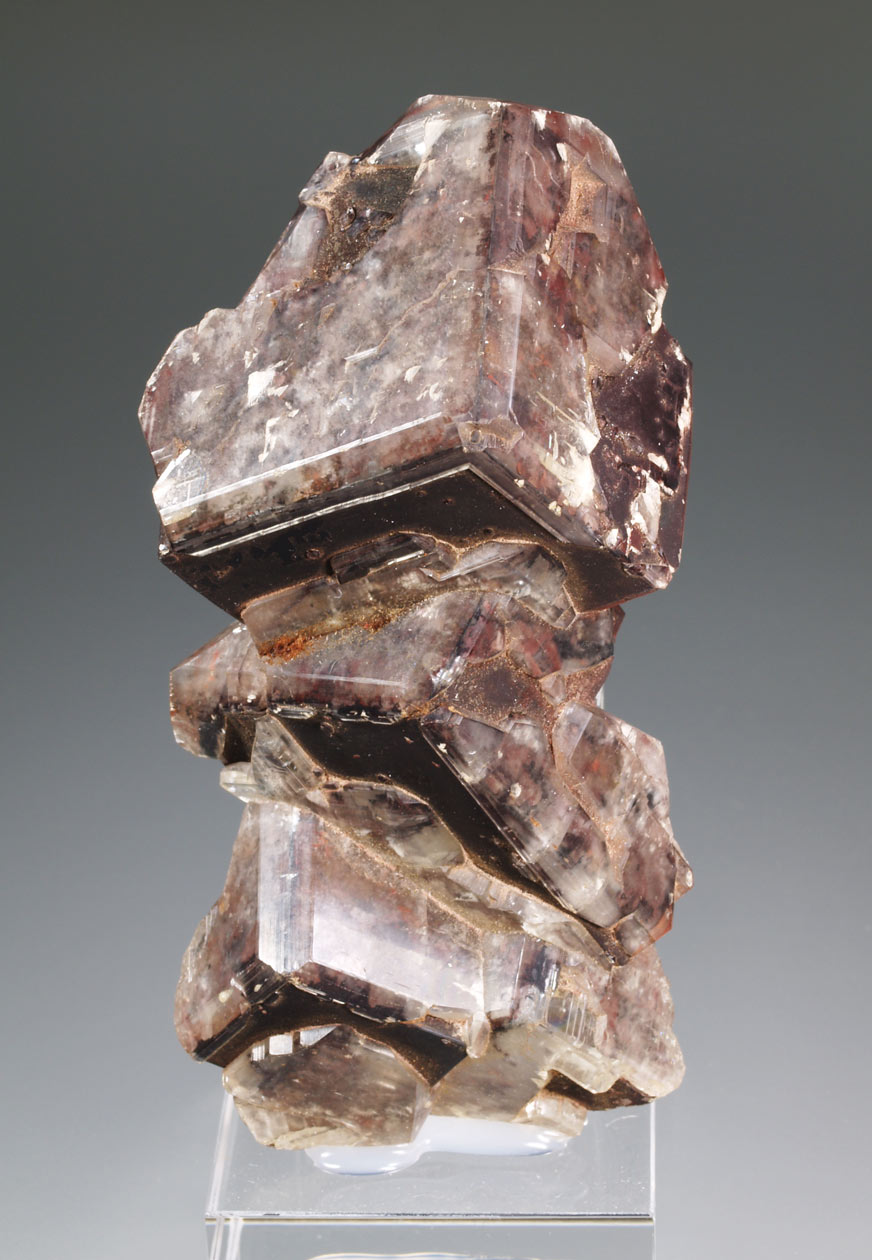
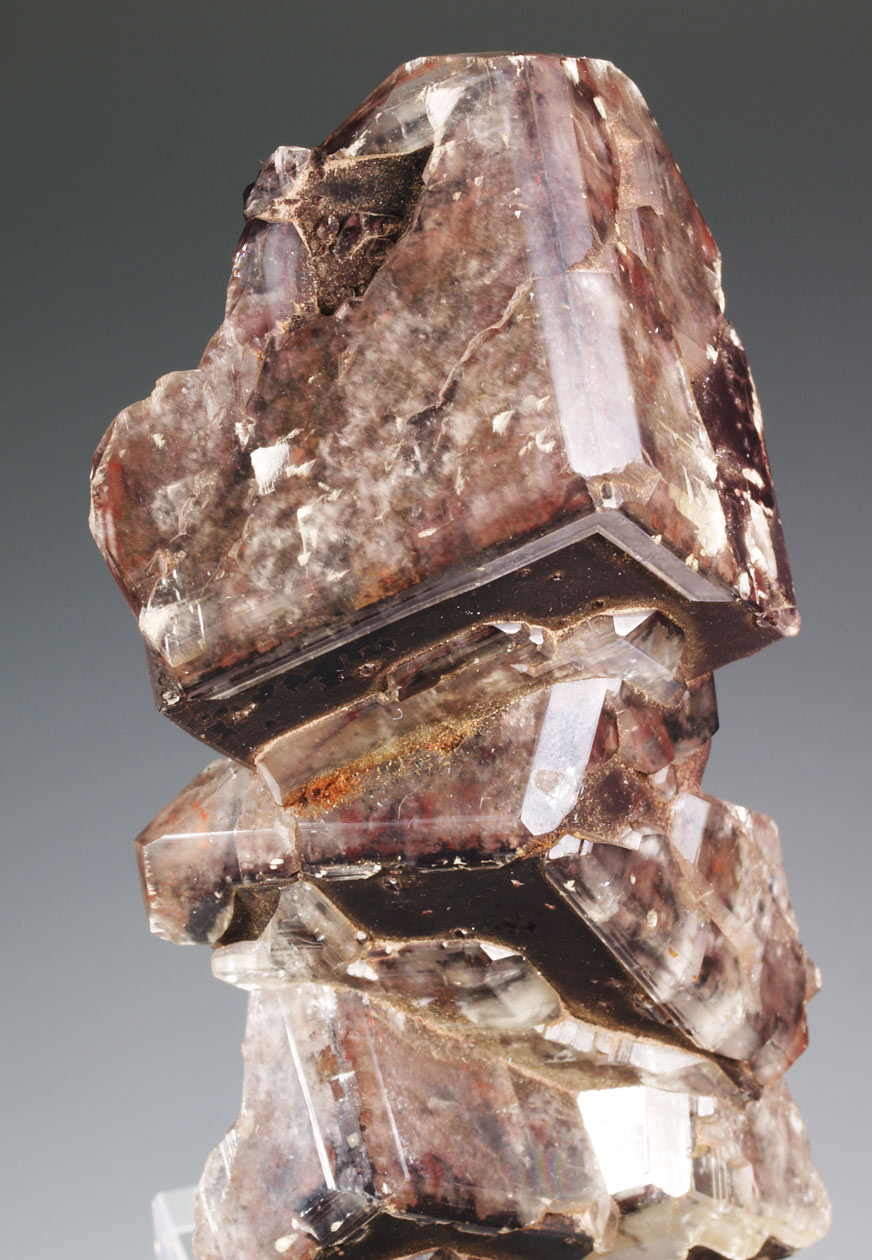
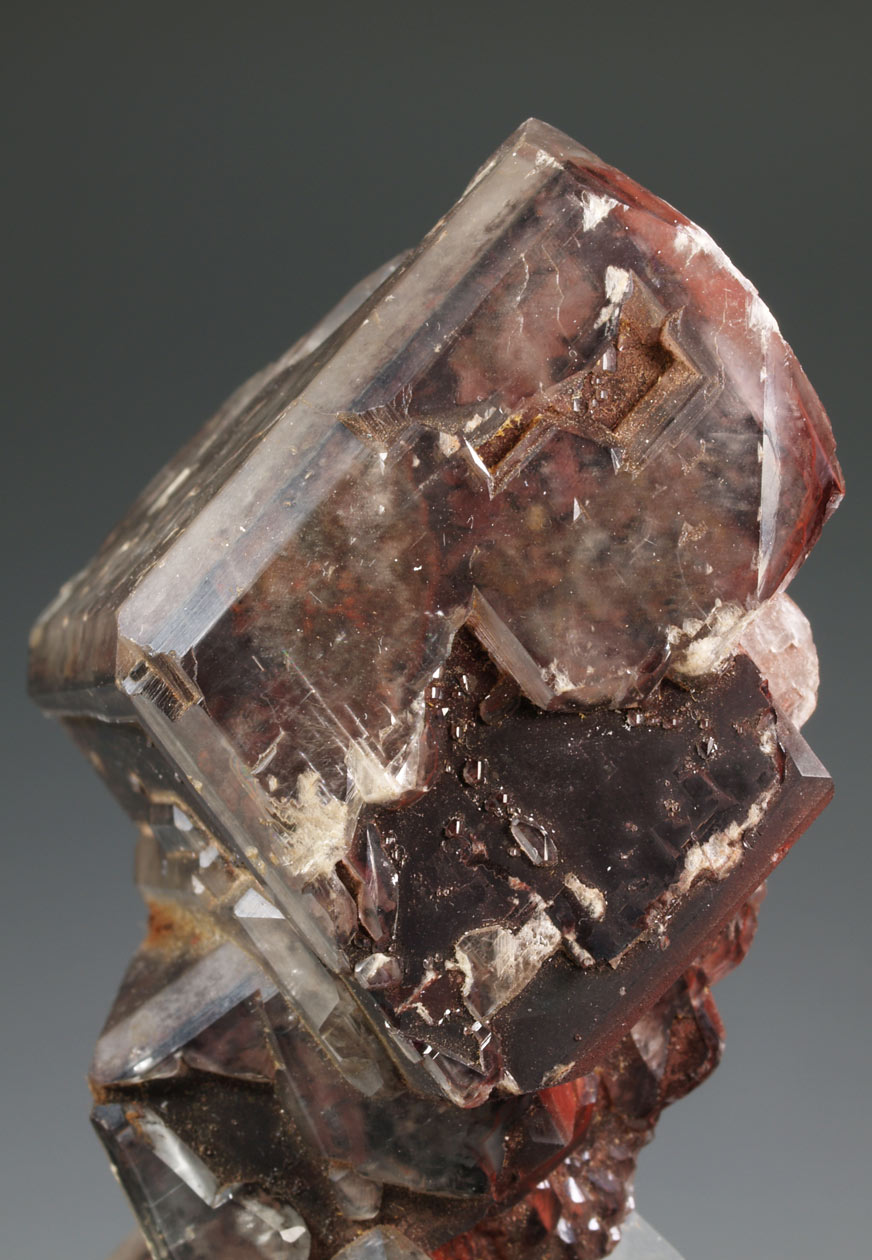
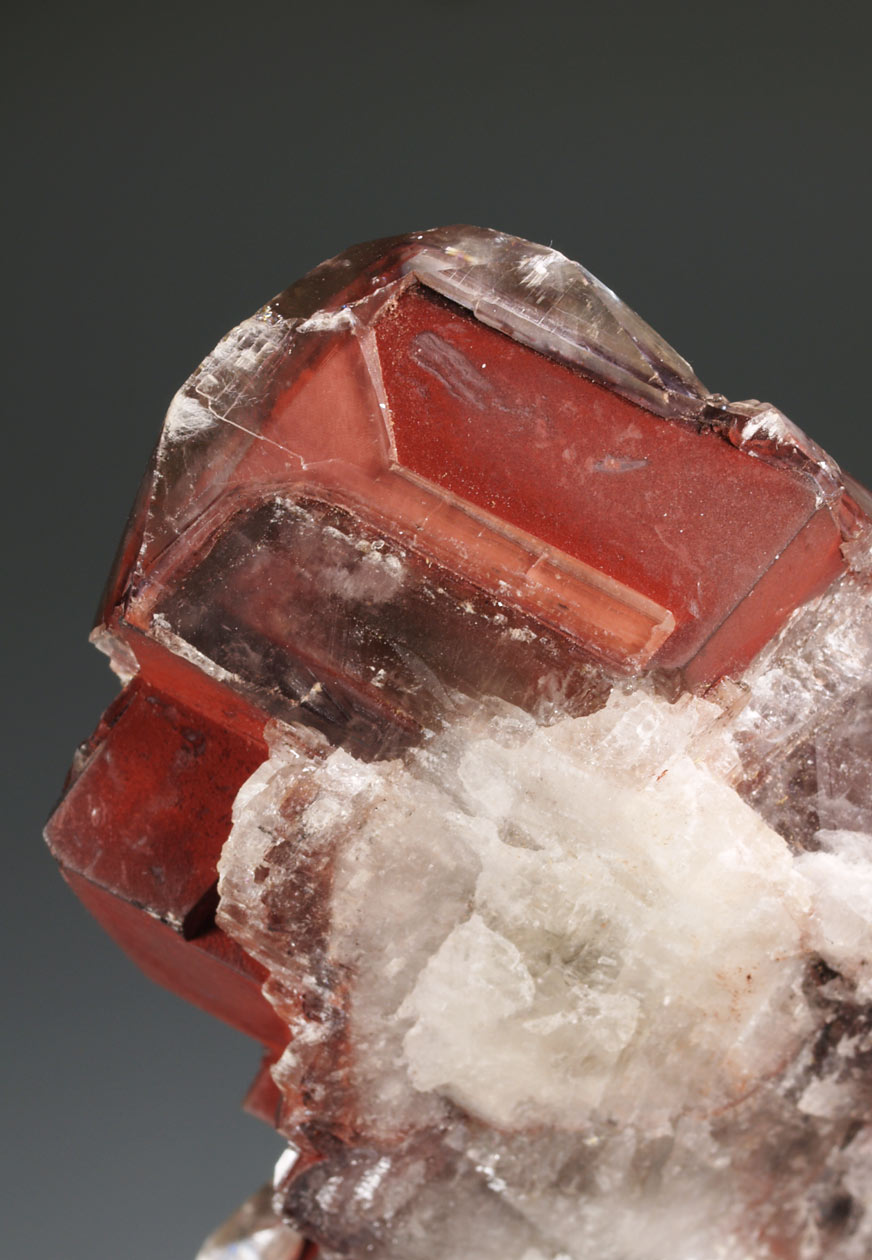
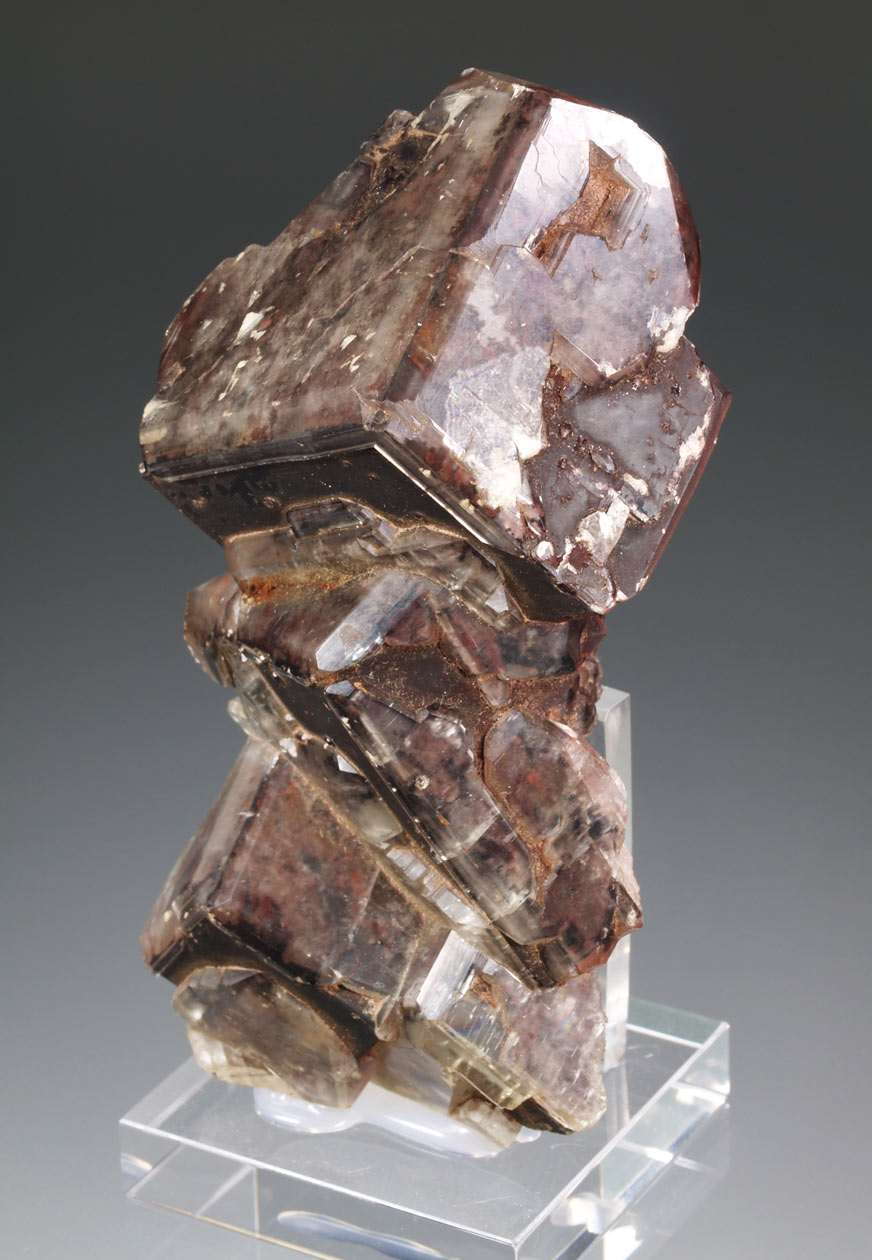
Grupo de cristales de andradita, que nos muestran muy bien definidas las caras del dodecaedro truncadas en las aristas por las del trapezoedro. Tiene un intenso color marron y brillo más marcado en las caras de trapezoedro. Ejemplar procedente de esta clasica localidad rusa poco frecuente en la actualidad.
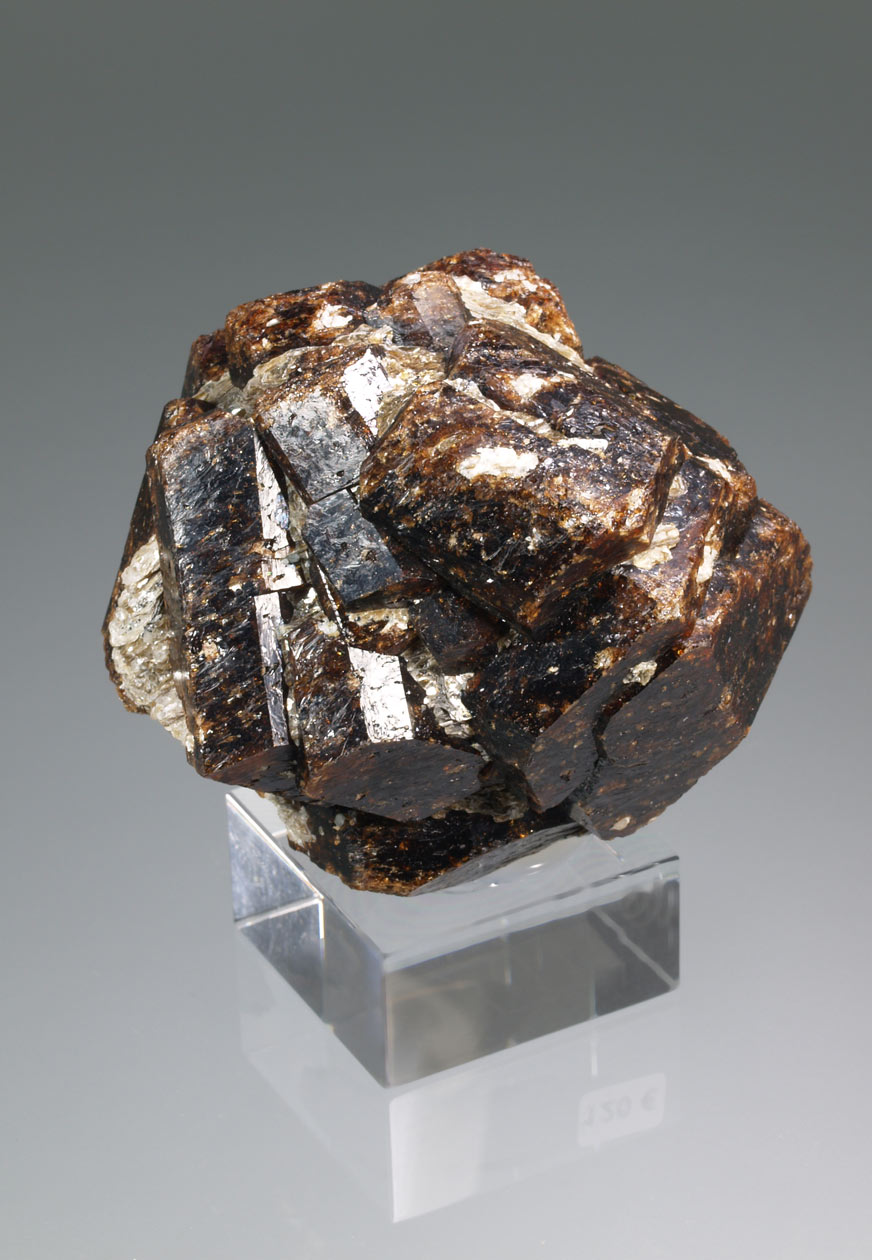
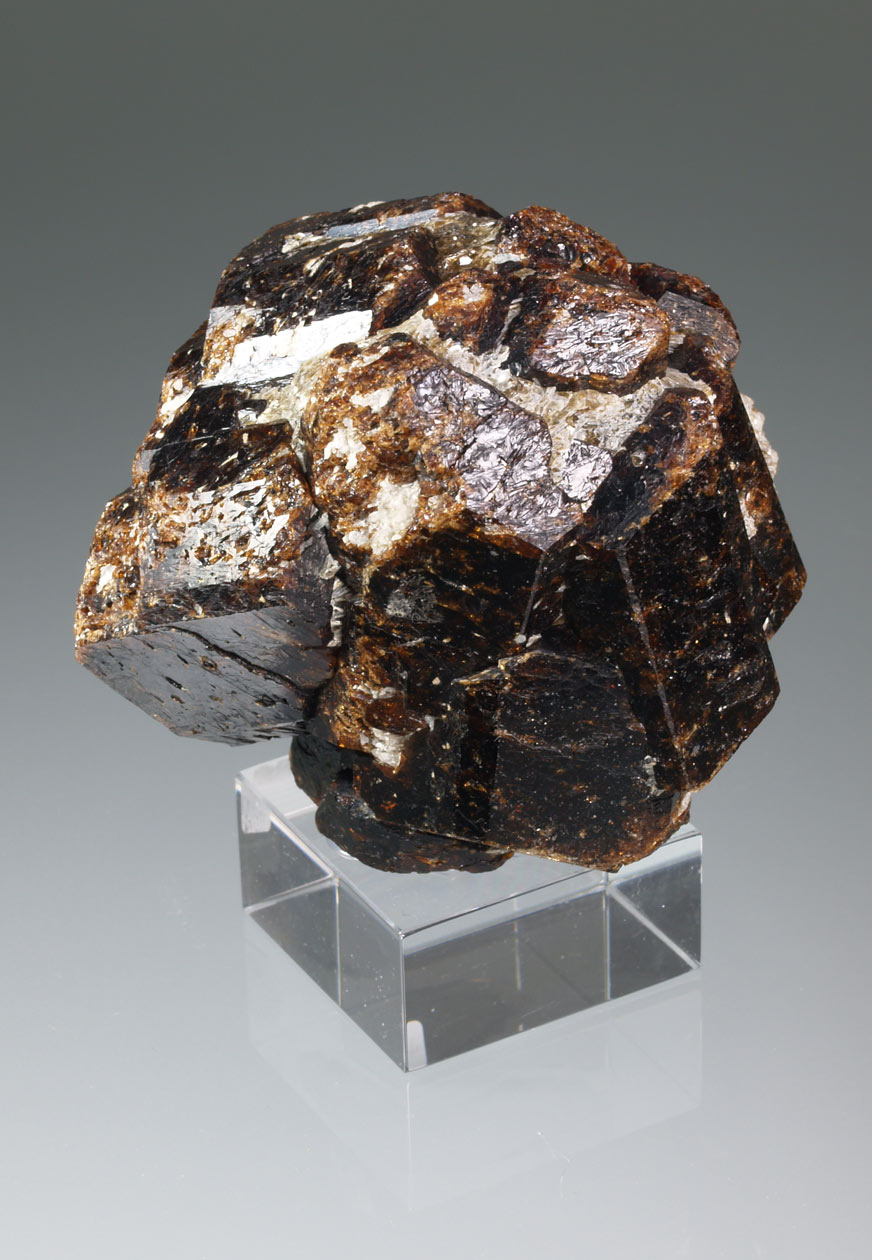
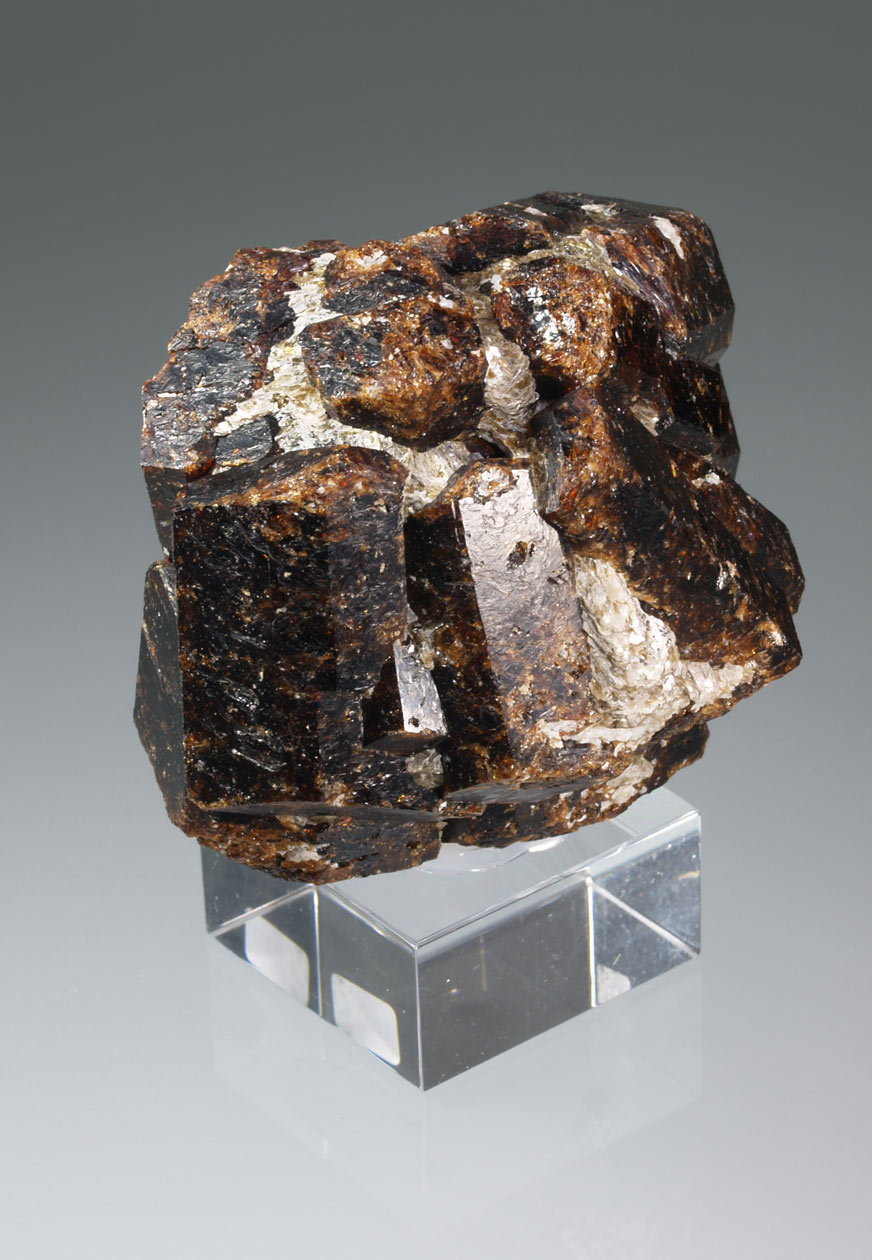
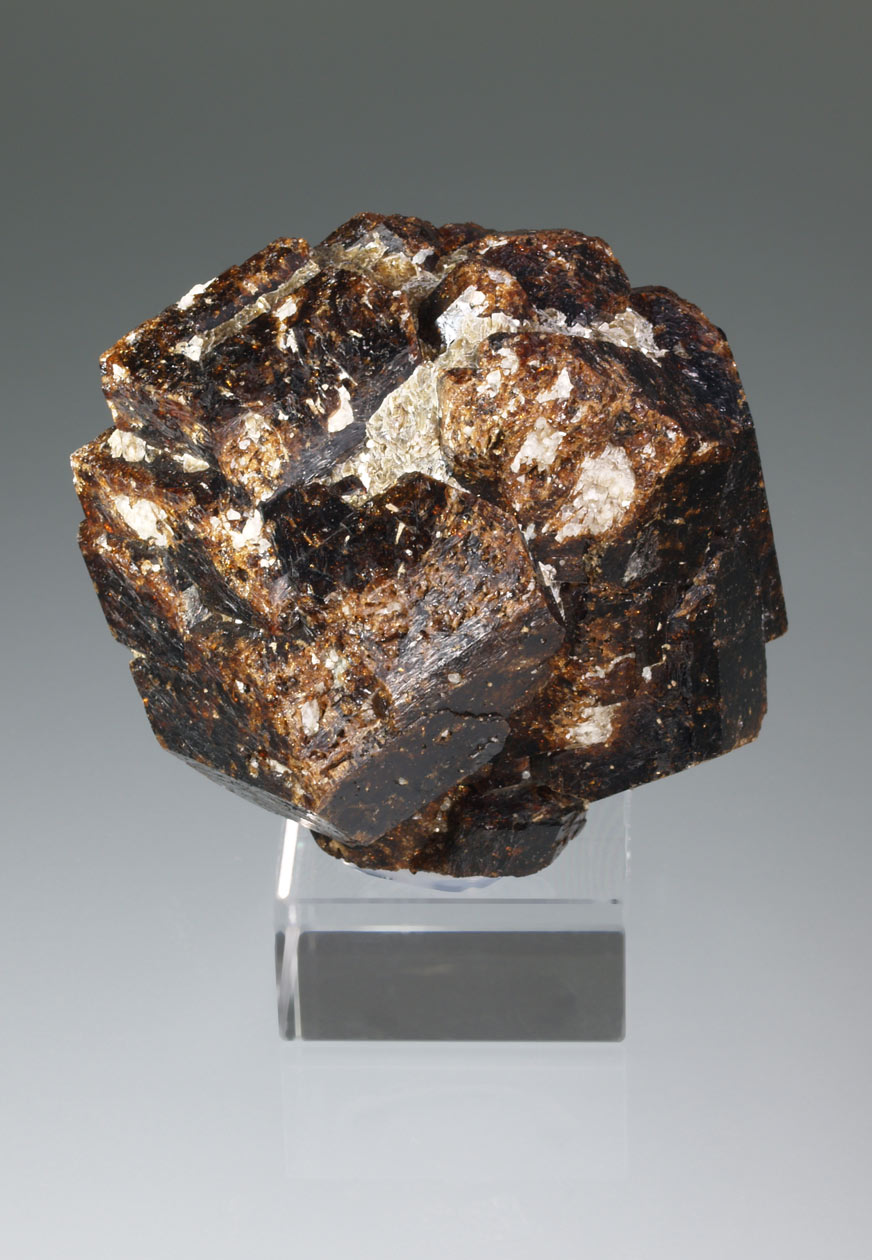
Los cristales de dravita de Yinnietharra son un clásico de la mineralogía mundial. Hoy en día no son frecuentes y sólo se pueden obtener de colecciones antiguas que tuvieron la suerte de formarse cuando se trabajaban las minas. Este ejemplar nos muestra un buen grupo de cristales biterminados de dravita, con caras y aristas muy definidas, brillantes y con el característico color de miel tostada. Se acompañan de moscovita. Una pieza EXCEPCIONAL!!!

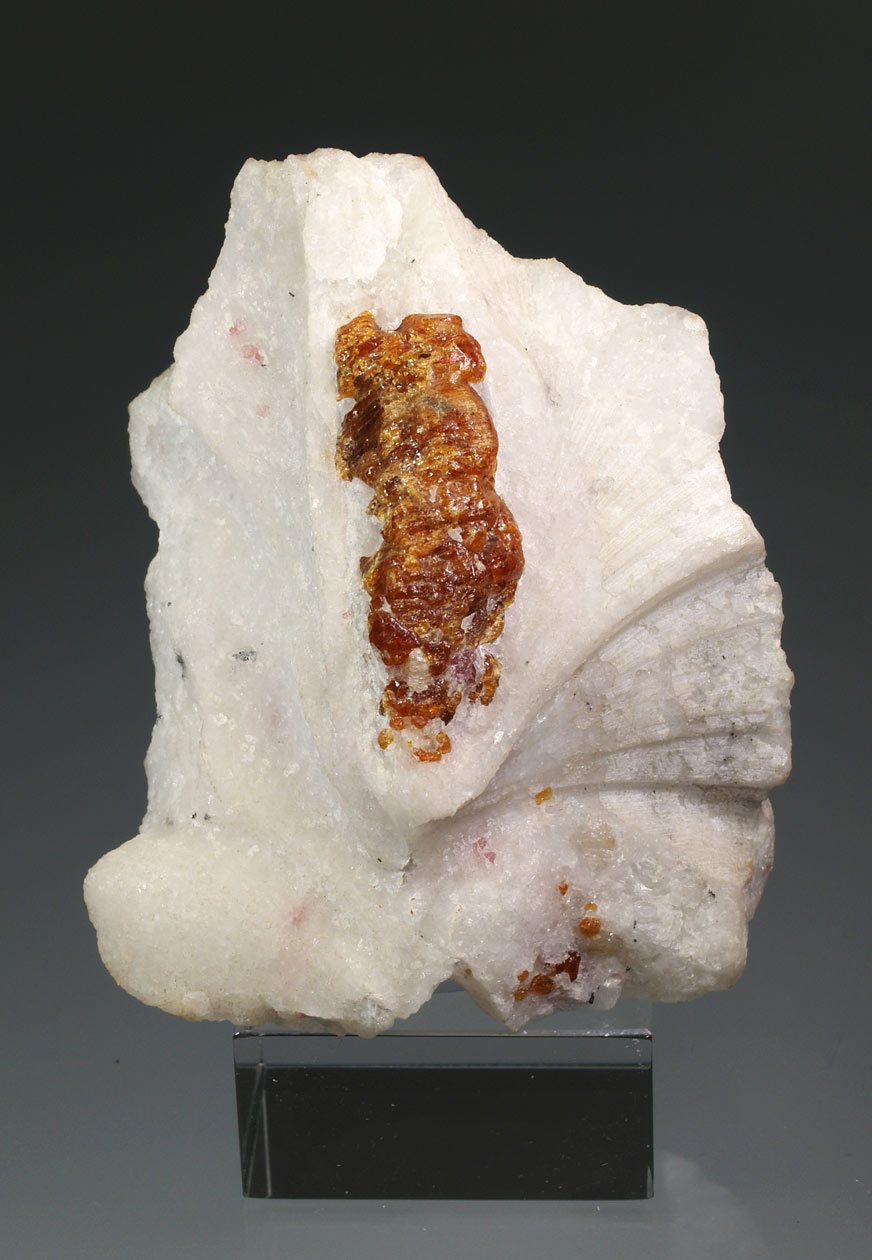
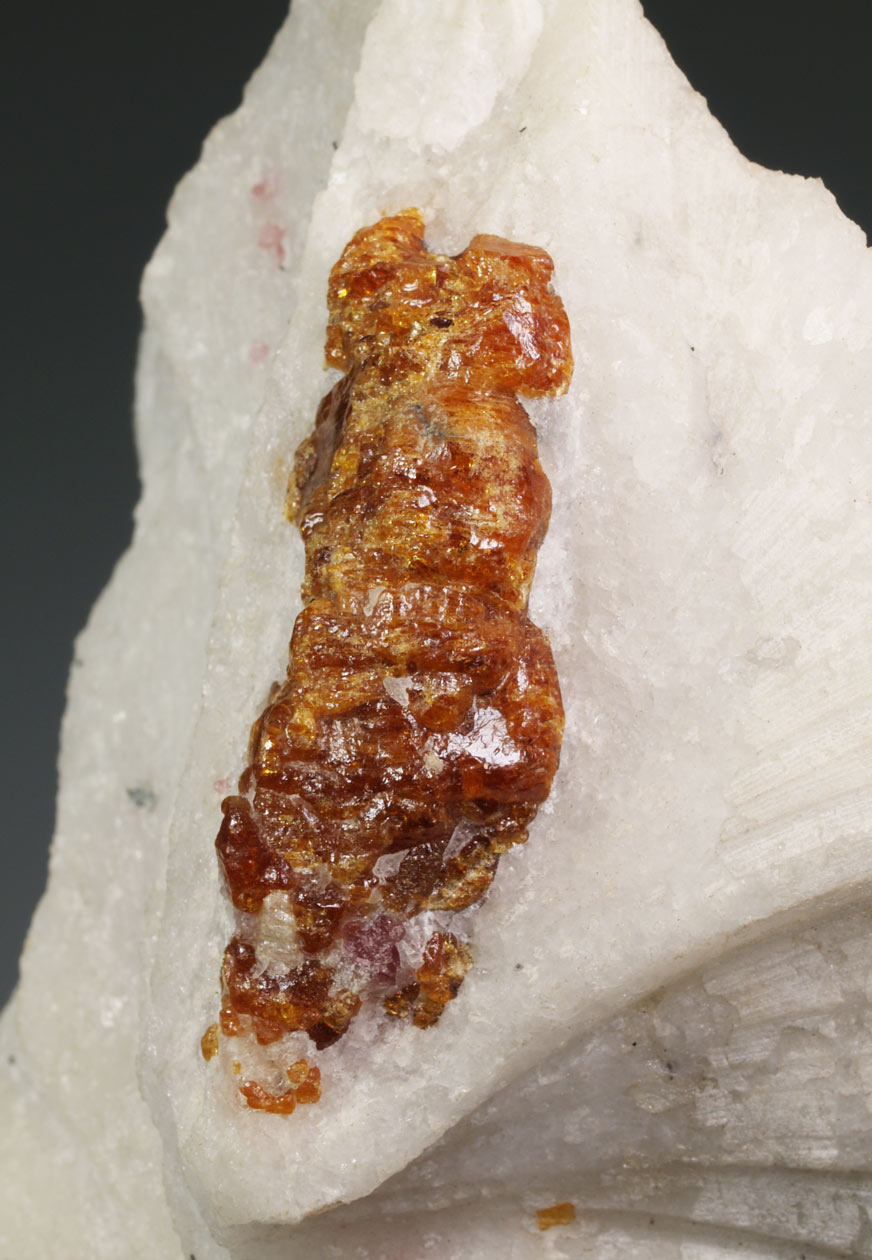
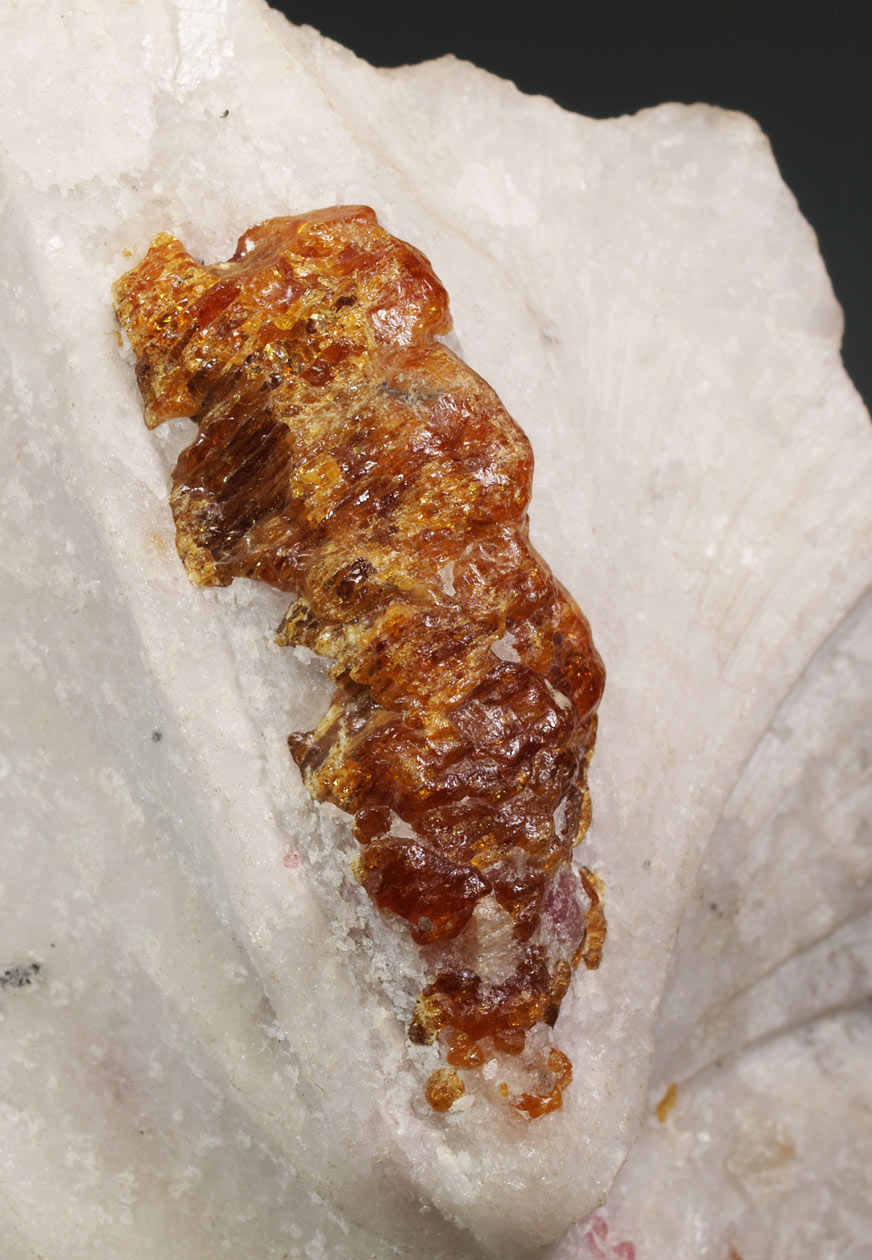
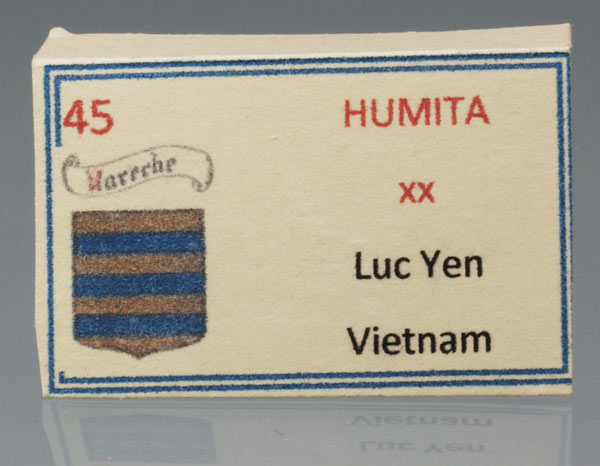
Estos ejemplares de Lục Yên se vendieron como humita o clinohumita, pero estudios posteriores han demostrado que se trata de condrodita. La condrodita es un mineral del grupo de las humitas. Está estrechamente relacionada con la clinohumita, la humita y la norbergita, y suele encontrarse con uno o más de estos minerales. En este ejemplar la condrodita muestra caras y un color naranja que destaca sobre la matriz de mármol con alguna espinela.
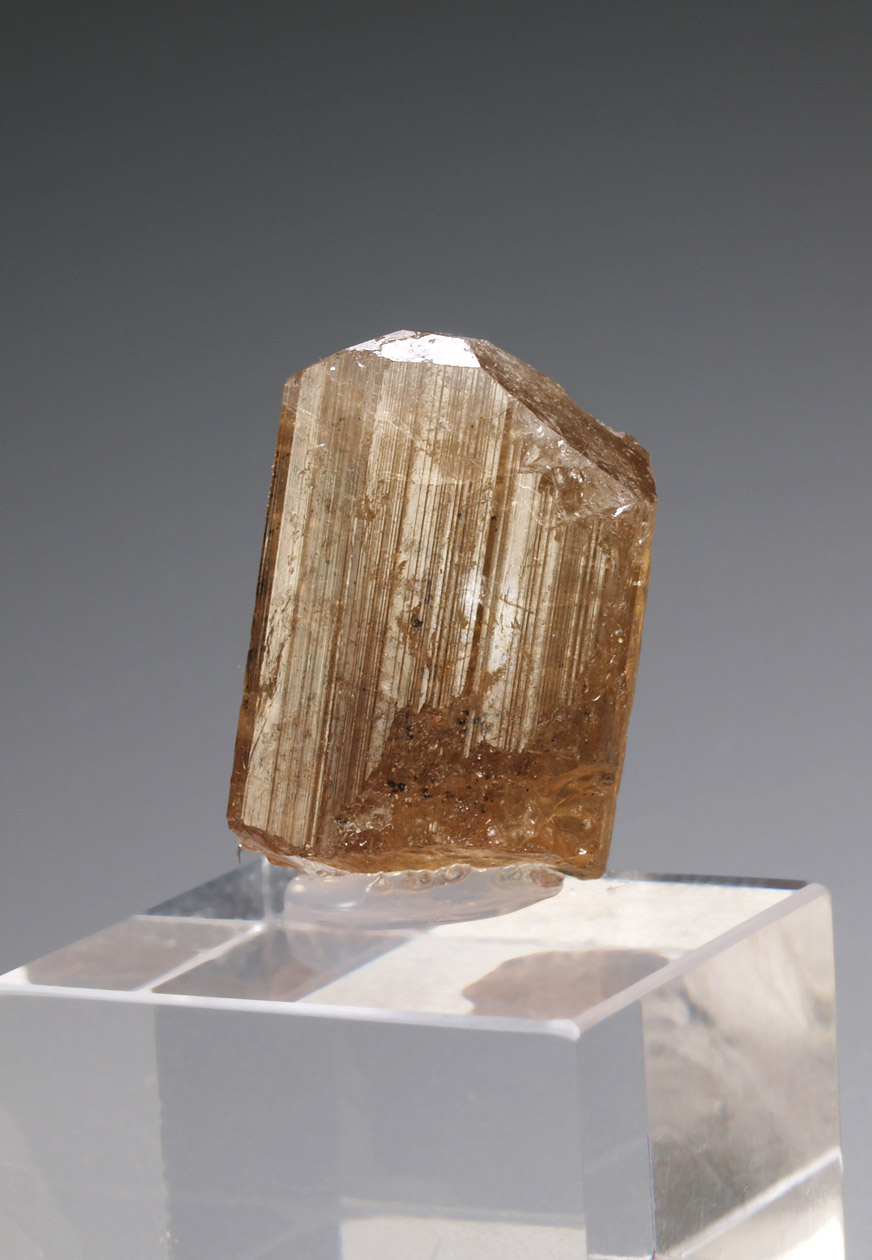
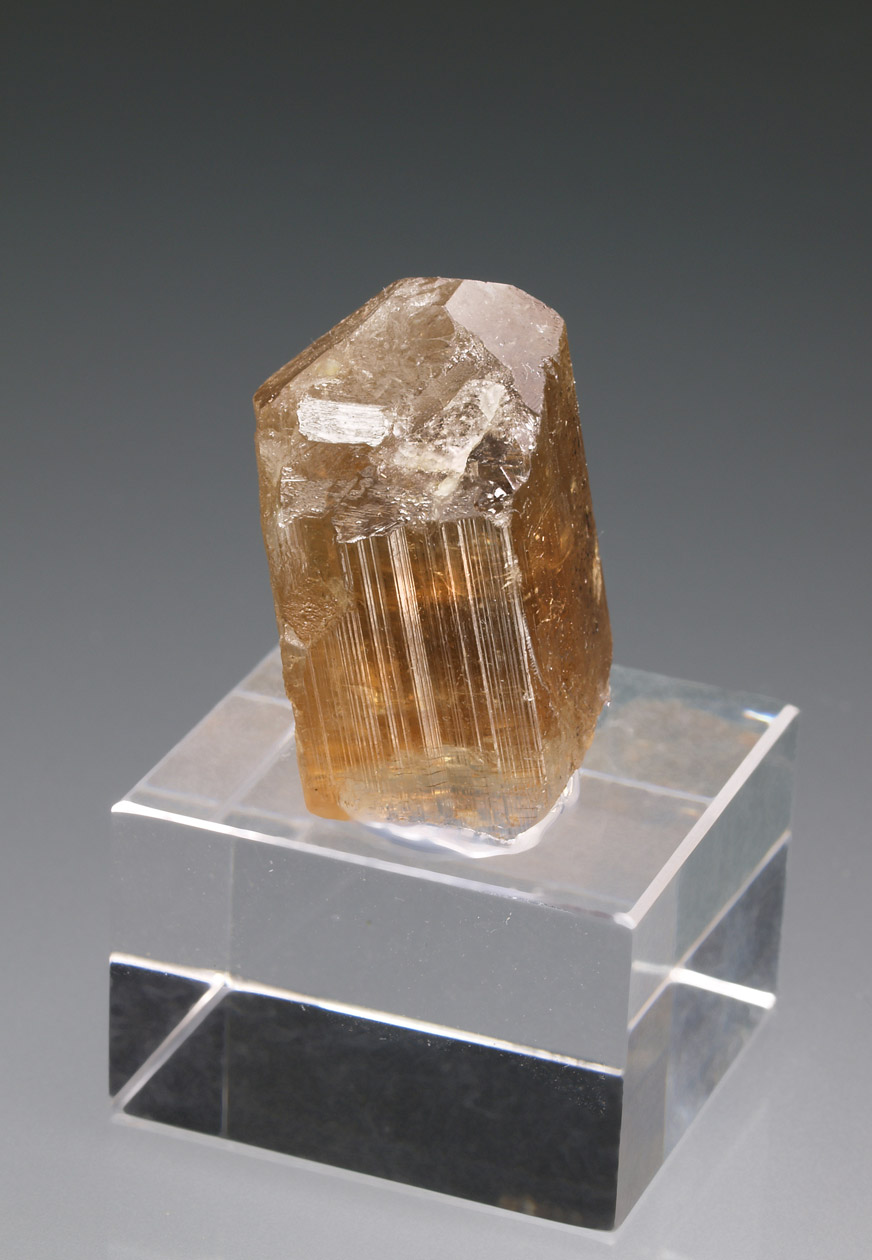
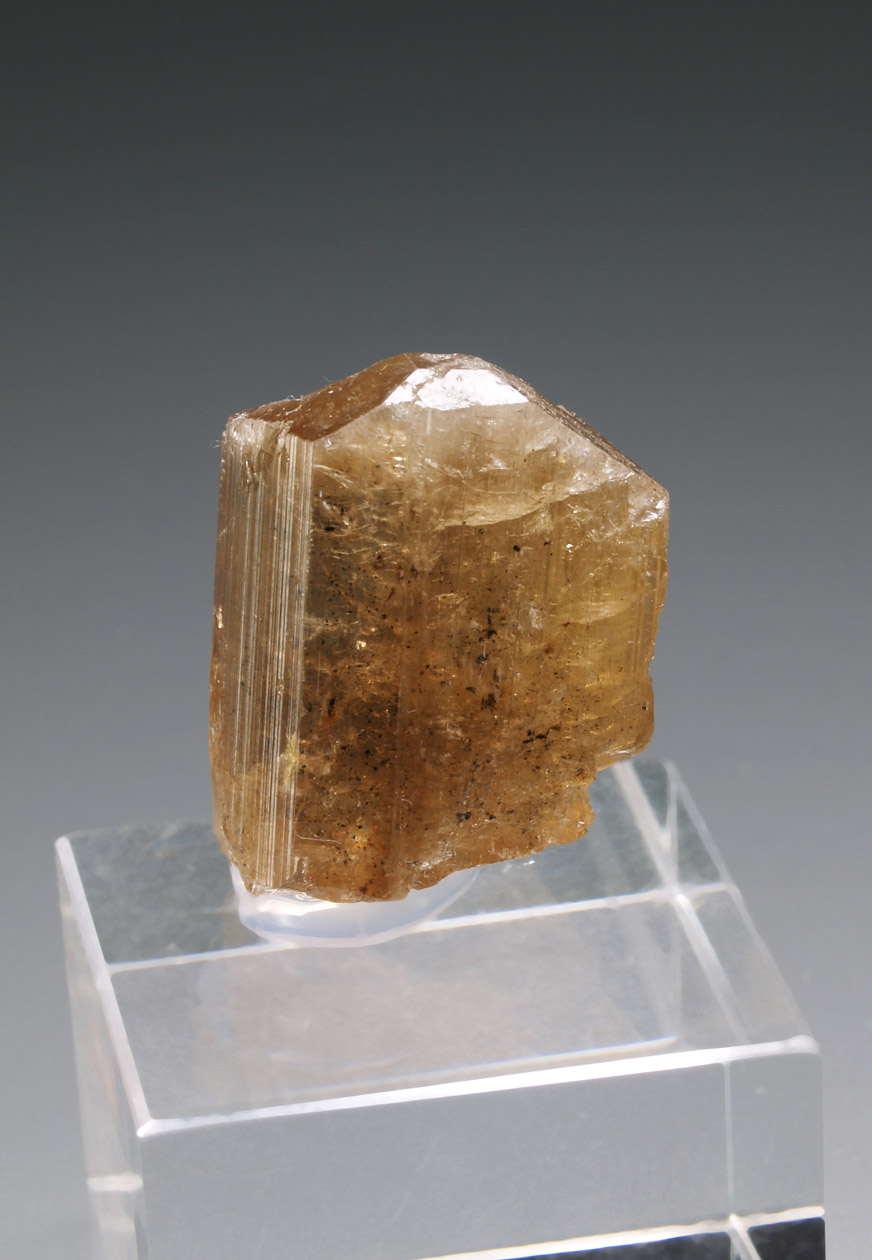
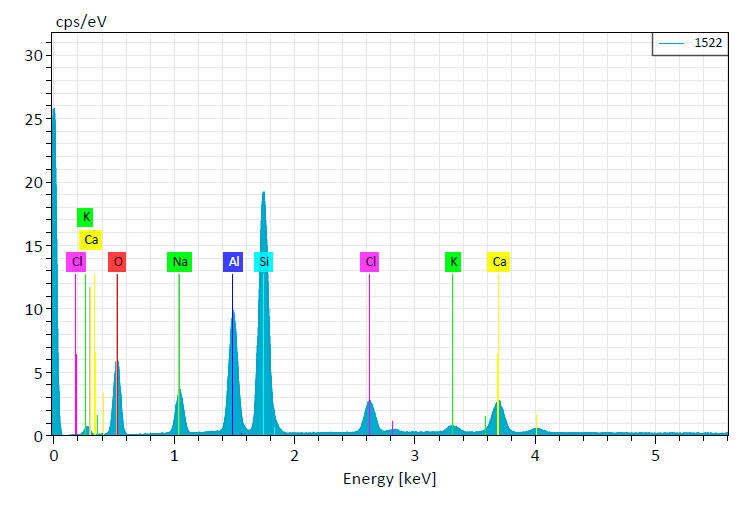
Recientemente han aparecido en el mercado ejemplares de escapolita de origen marroquí. Los análisis que hemos realizado de varios ejemplares nos indican que se trata de marialita, ya que la proporción de Na (marialita, Na₄Al₃Si₉O₂₄Cl) es superior a la de calcio (meionita, Ca₄Al₆Si₆O₂₄CO₃), además se detecta la presencia de cloro. Podemos observar que la proporción de Ca es bastante alta por lo que nos encontramos en un término medio de la serie marialita-meionita.
Los cristales se presentan como prismas tetragonales truncados por el pinacoide basal y la bipirámide de primer orden. Transparentes a translúcidos y algunas inclusiones. Presentan cierta fluorescencia bajo la lus UV-OL. Enviaremos los análisis al comprador.
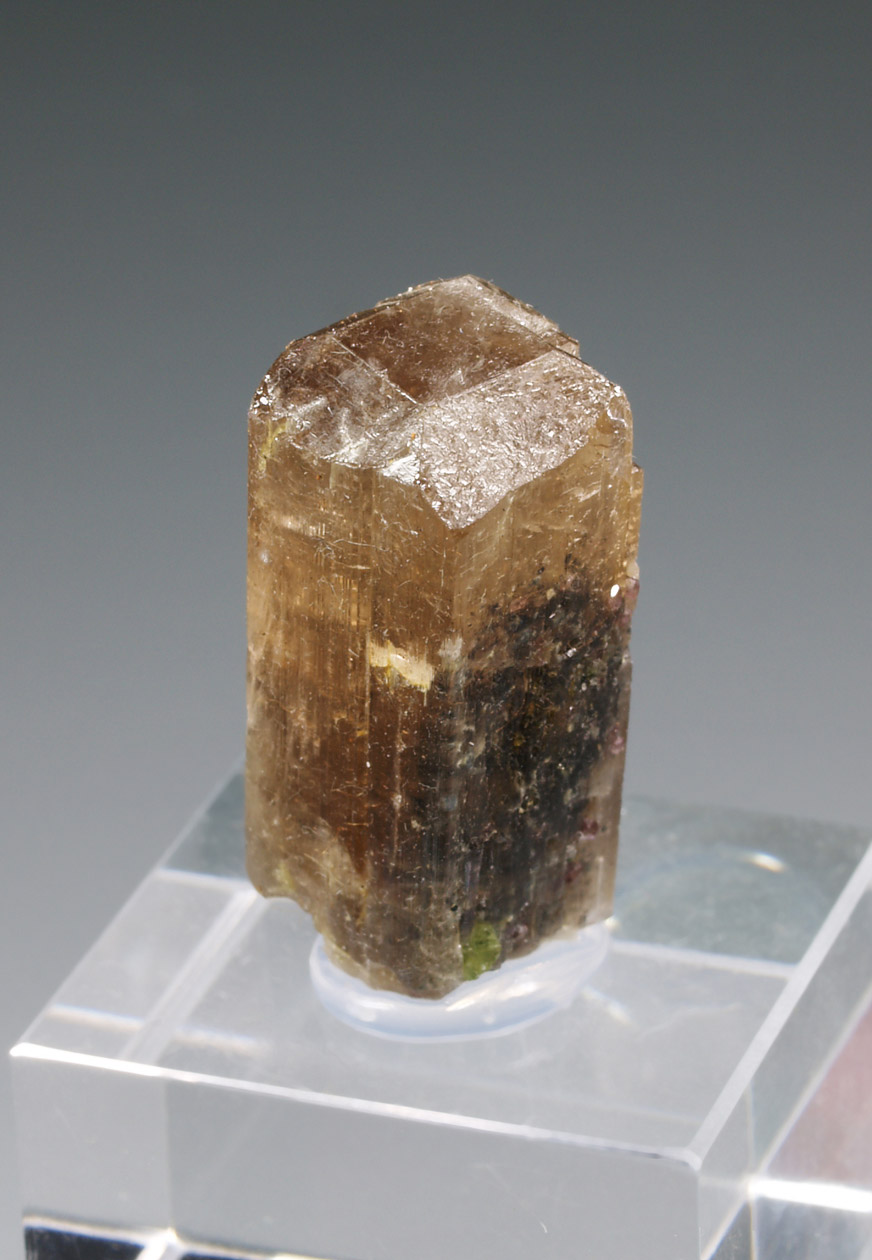
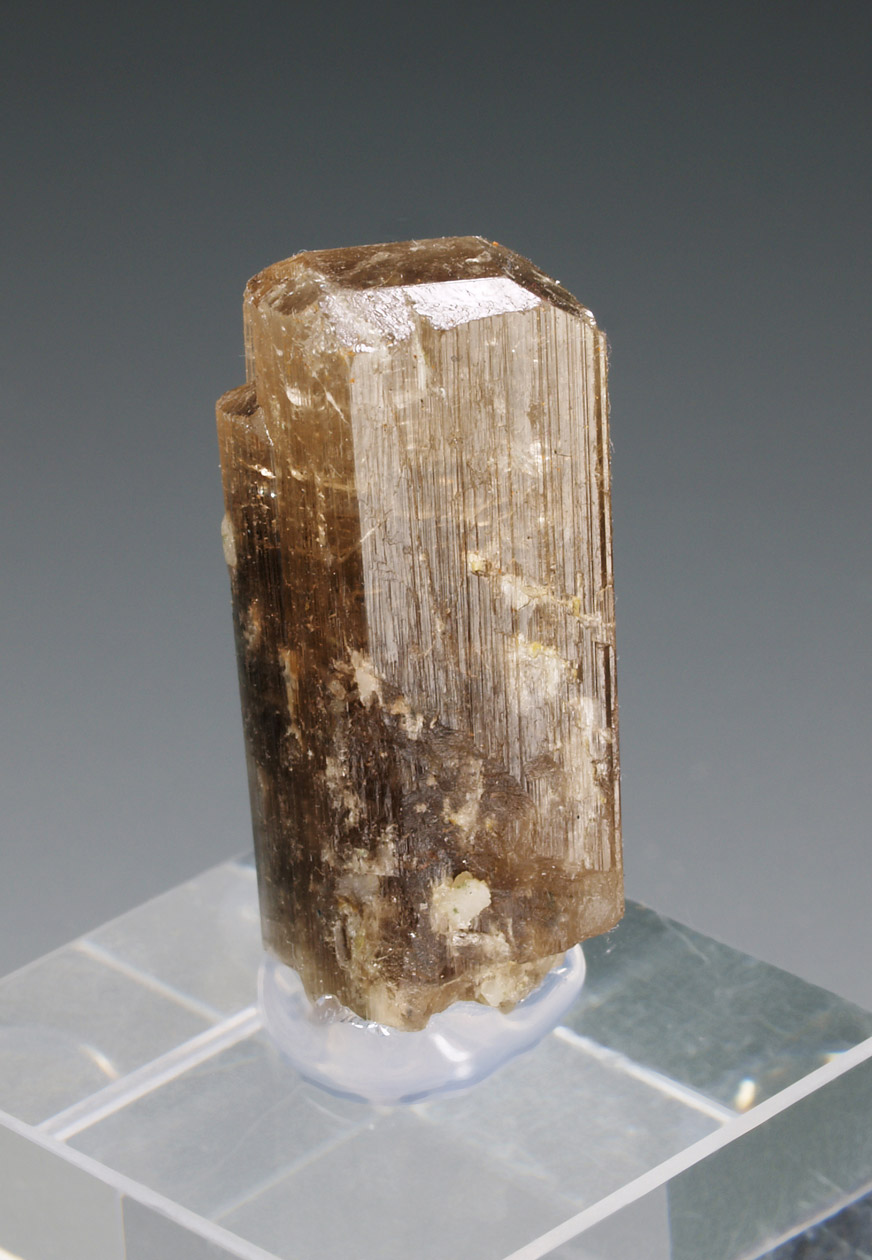
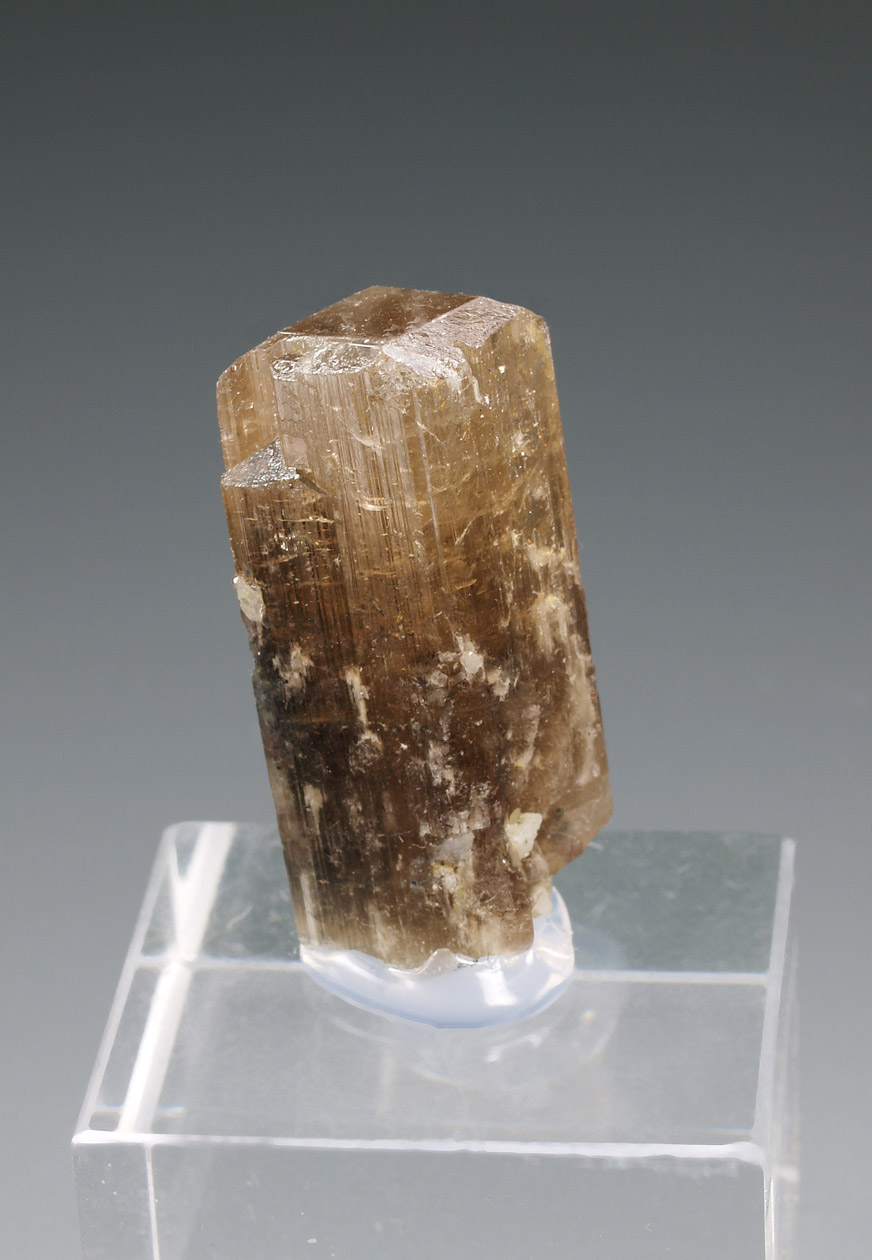
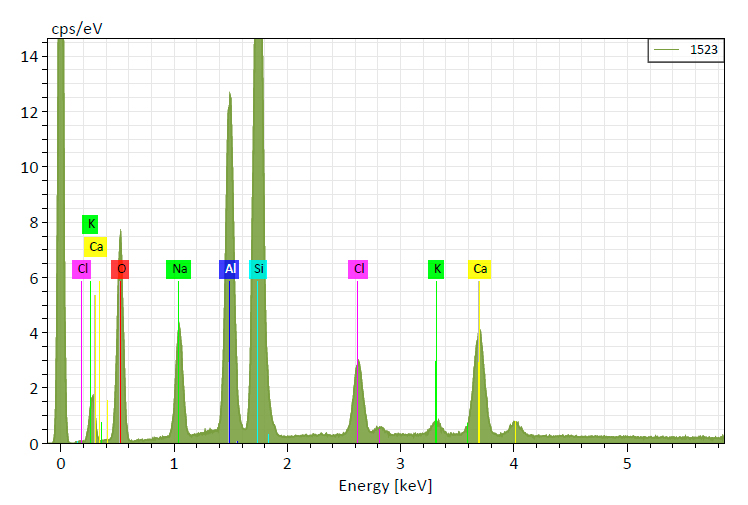
Recientemente han aparecido en el mercado ejemplares de escapolita de origen marroquí. Los análisis que hemos realizado de varios ejemplares nos indican que se trata de marialita, ya que la proporción de Na (marialita, Na₄Al₃Si₉O₂₄Cl) es superior a la de calcio (meionita, Ca₄Al₆Si₆O₂₄CO₃), además se detecta la presencia de cloro. Podemos observar que la proporción de Ca es bastante alta por lo que nos encontramos en un término medio de la serie marialita-meionita.
Los cristales se presentan como prismas tetragonales truncados por el pinacoide basal y la bipirámide de primer orden. Transparentes a translúcidos y algunas inclusiones. Presentan cierta fluorescencia bajo la lus UV-OL. Enviaremos los análisis al comprador.
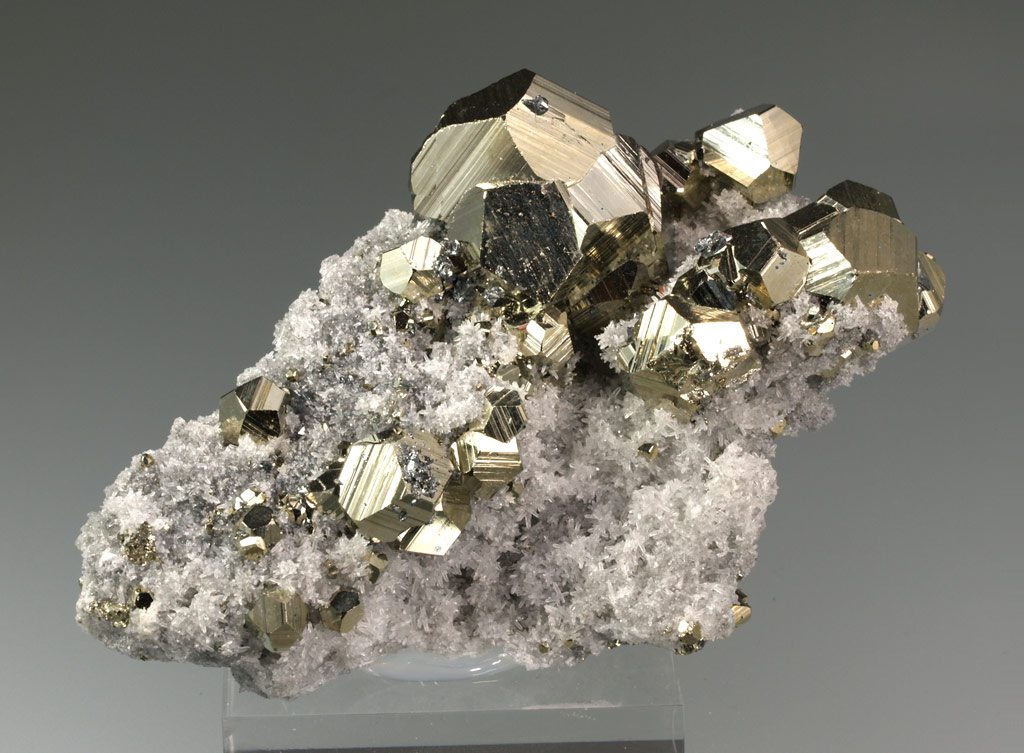
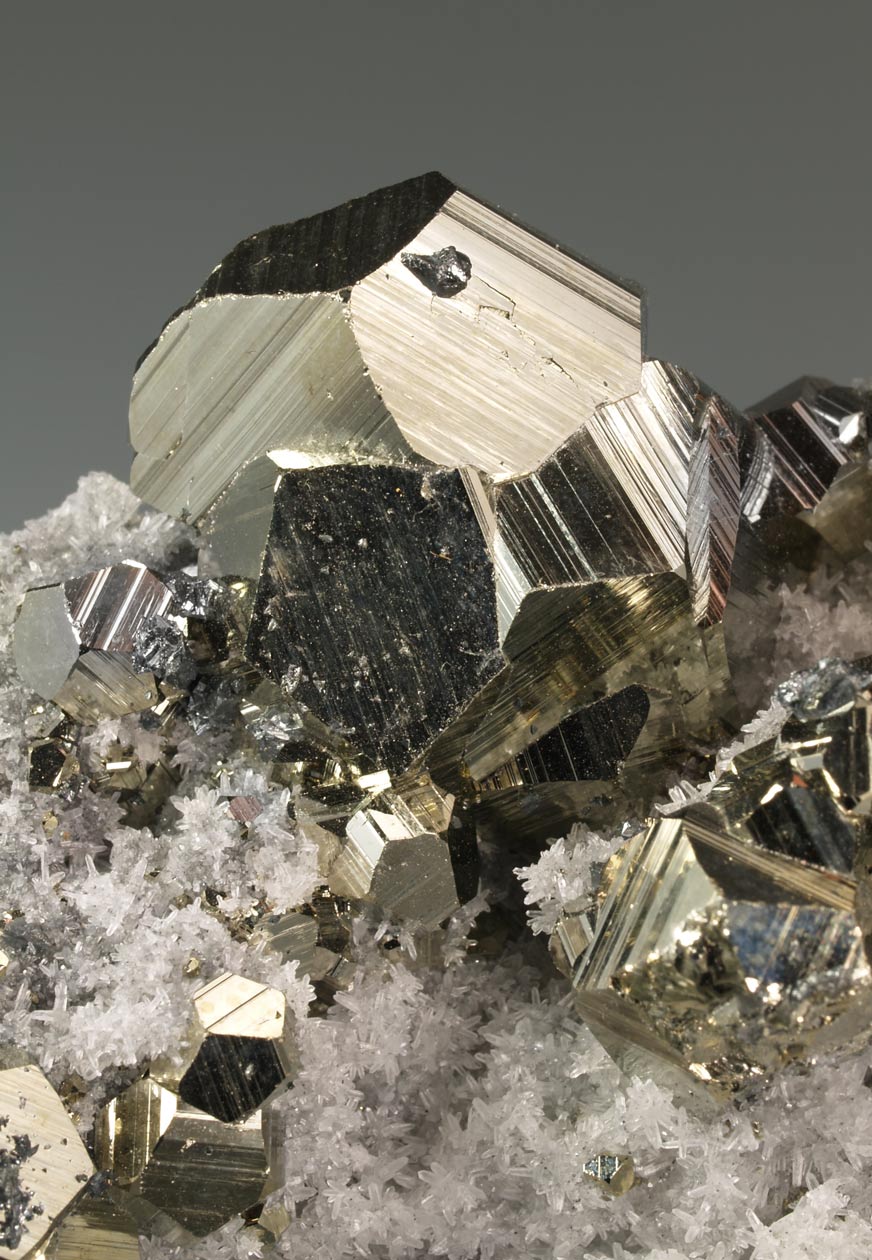
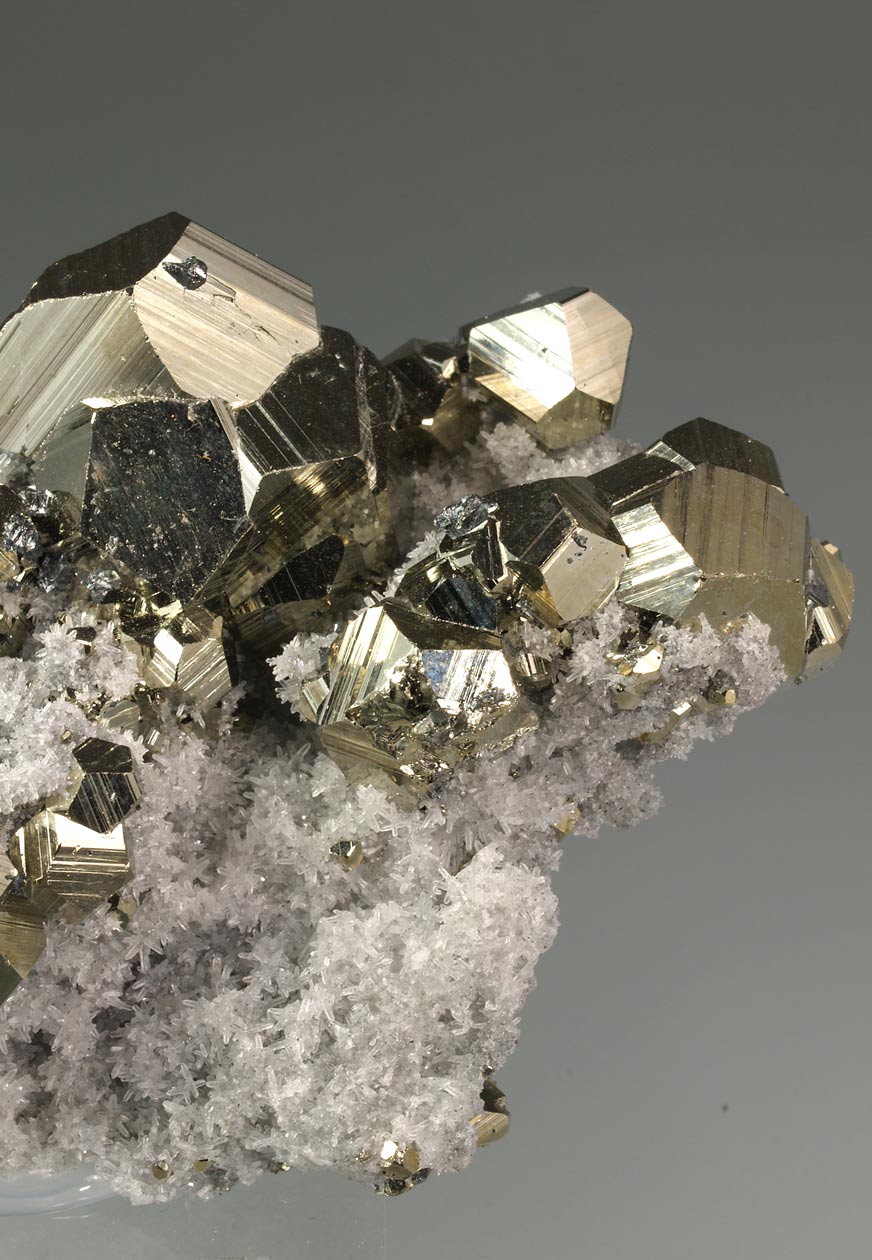
Grupo de cristales pentadodecaédricos de pirita sobre una matriz de pequeños cristales de cuarzo y de tennantita. Los cristales de pirita muestran las caras estriadas y un brillo es excepcional. En alguno de los cristales pentadodecaédricos de pirita se puede apreciar las aristas truncadas por las caras de cubo y los vértices por las del octaedro.
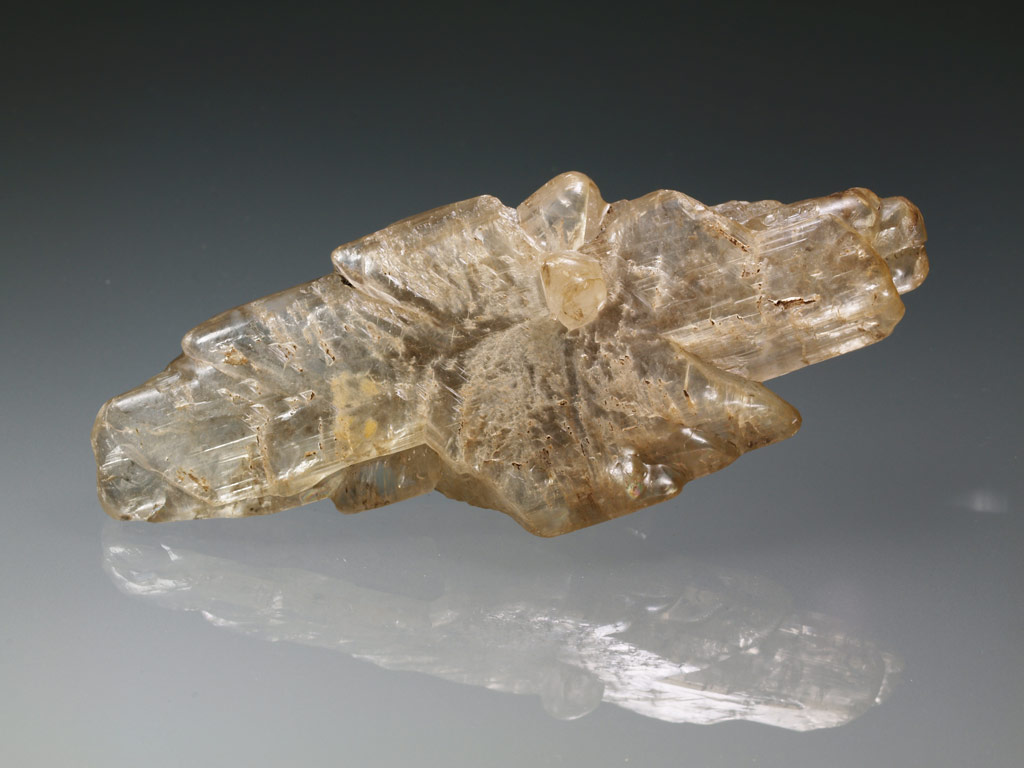
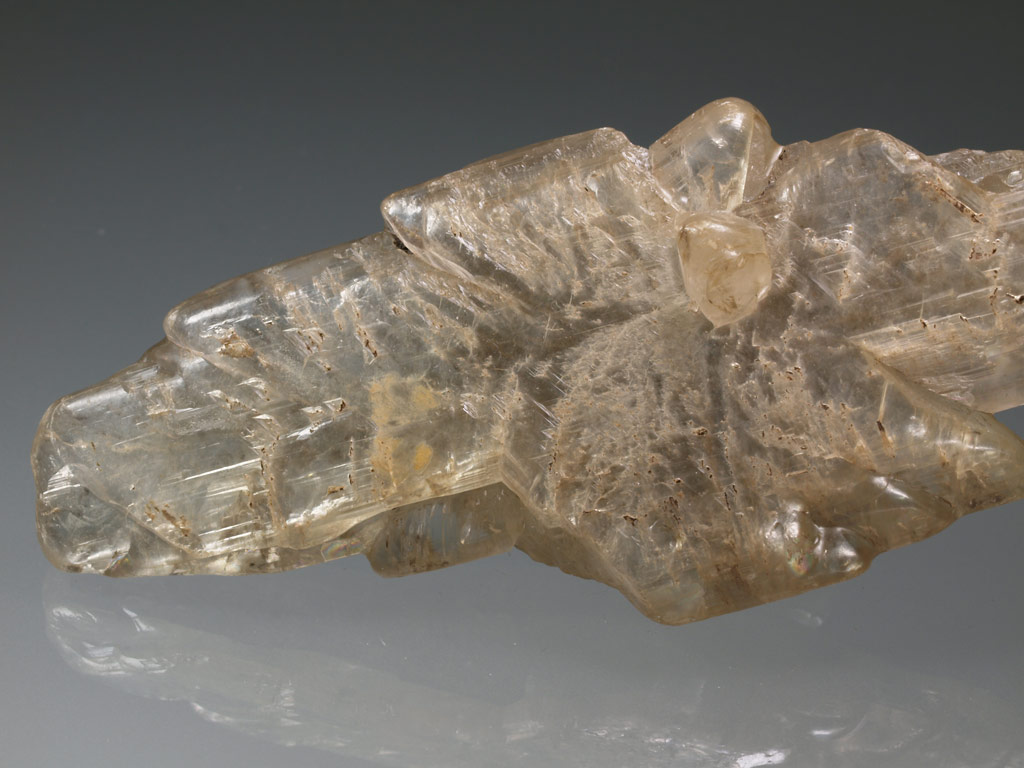
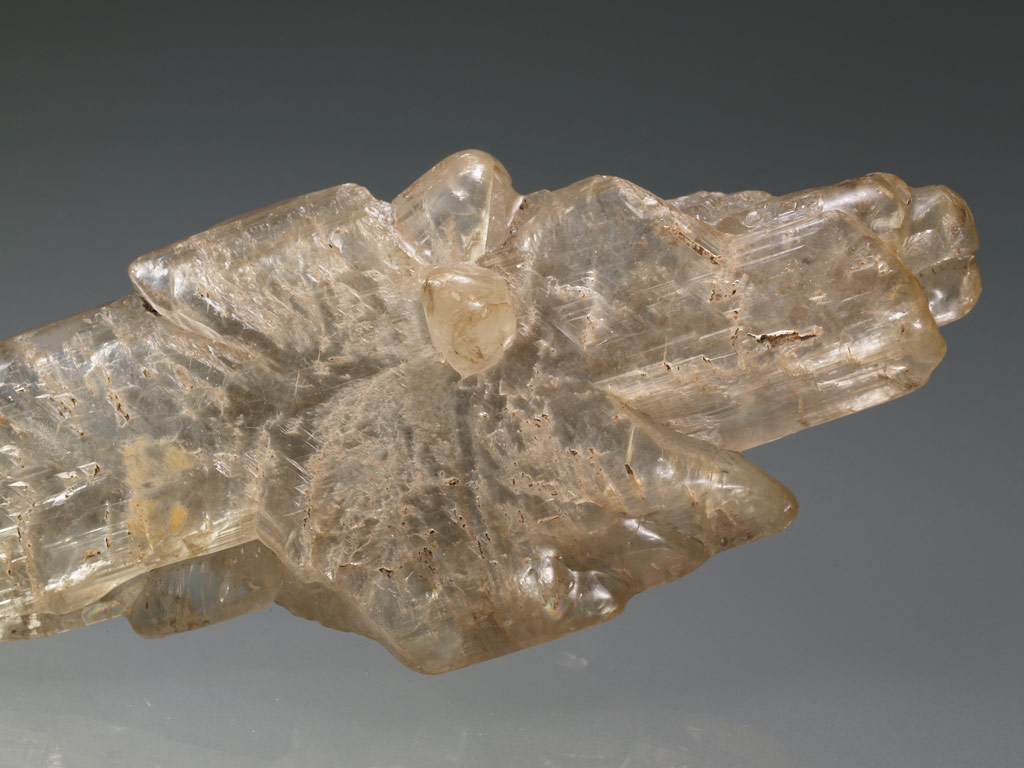
Estos ejemplares de yeso selenita presentan la macla de cola de golondrina y la inversa. Muestran una cierta transparencia, que nos permite ver las inclusiones, y un buen brillo debido al pulimento natural del yeso. Lo más interesante, según mi punto de vista, es este aspecto redondeado debido a la acción erosiva del spray marino, ya que aparecen en las arcillas de los acantilados eocénicos. Una curiosidad muy inglesa de la colección de Jaime Murria.
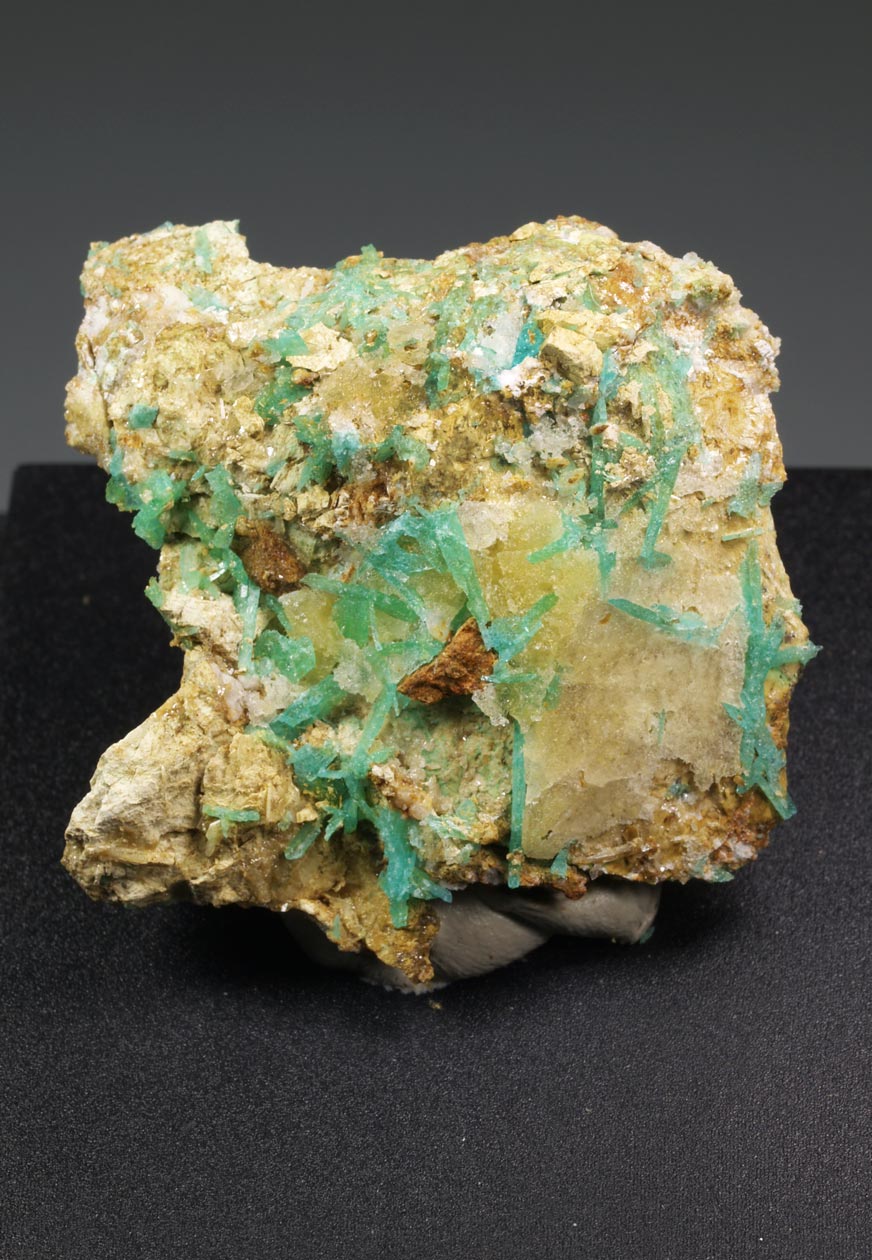
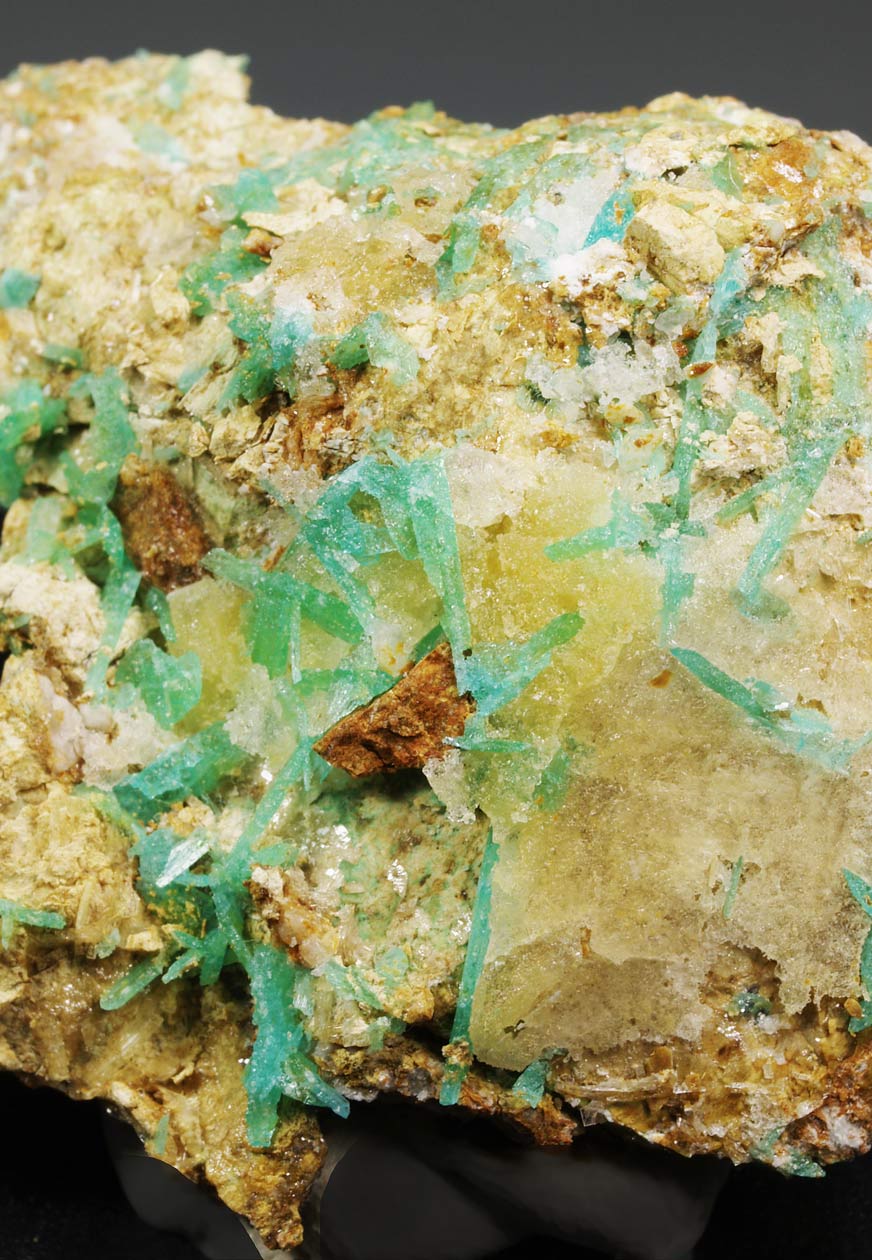
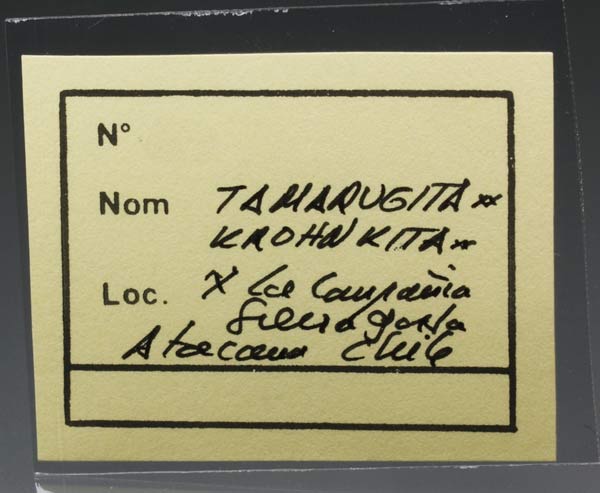
La tamarugita es un poco habitual sulfato de aluminio y sodio de fórmula NaAl(SO₄)₂·6H₂O, que suele presentarse como costras blancas, formadas por diminutos cristales. En este ejemplar se acompaña de kröhnkita, otro sulfato de sodio pero este con cobre Na₂Cu(SO₄)₂·2H₂O, en forma de cristales azul verdosos elongados, translúcidos.
NOTA: Estos ejemplares son naturales, formados en mina, nada tienen que ver con los procedentes de balsas de aguas mina que se vendieron hace años a precios desorbitados.
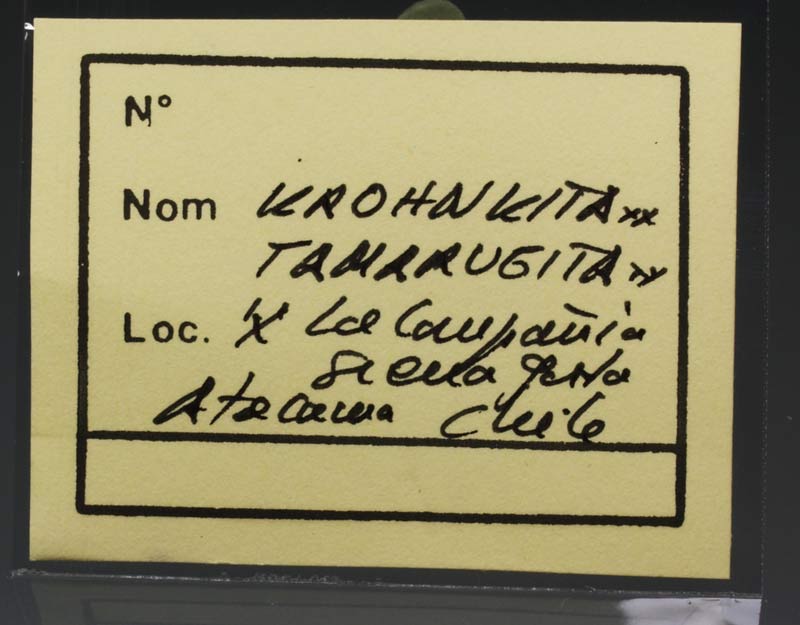
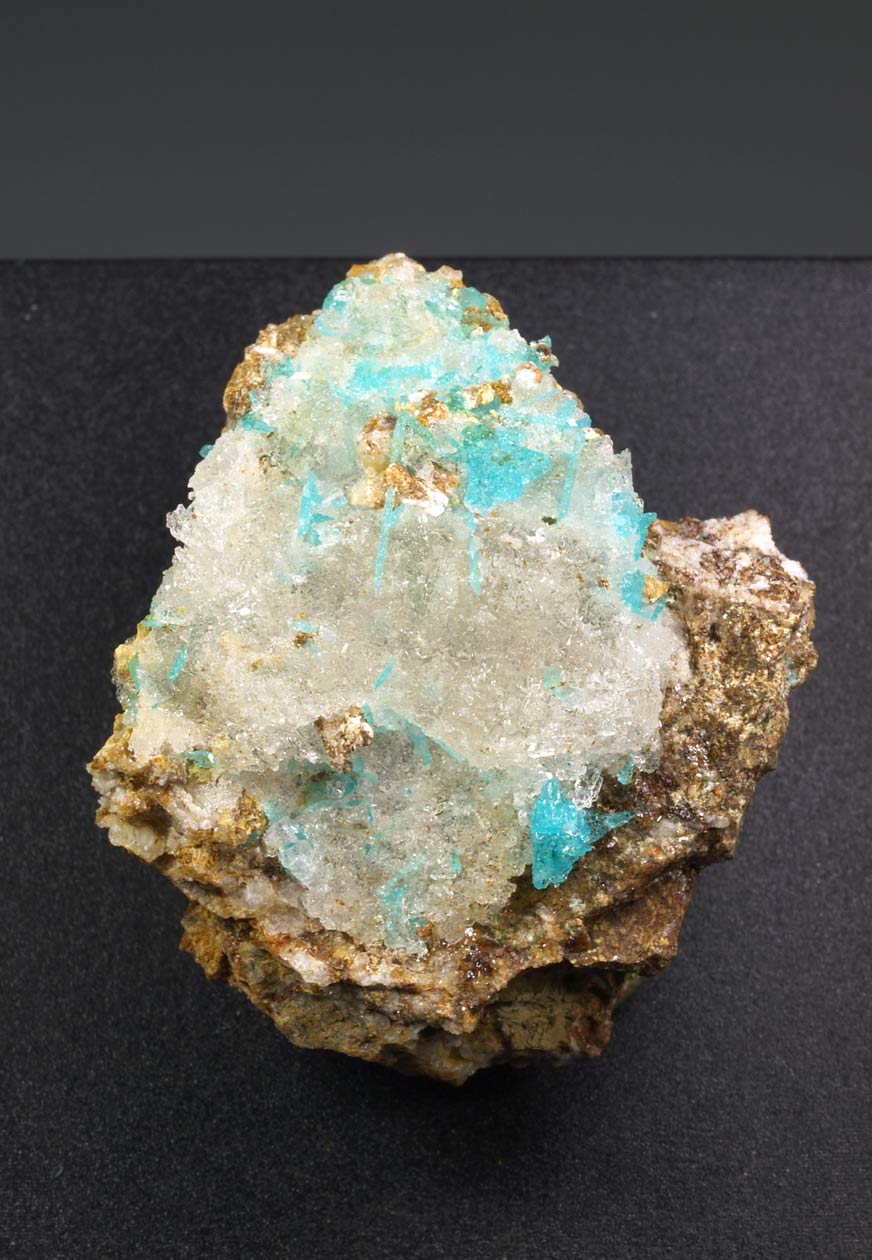
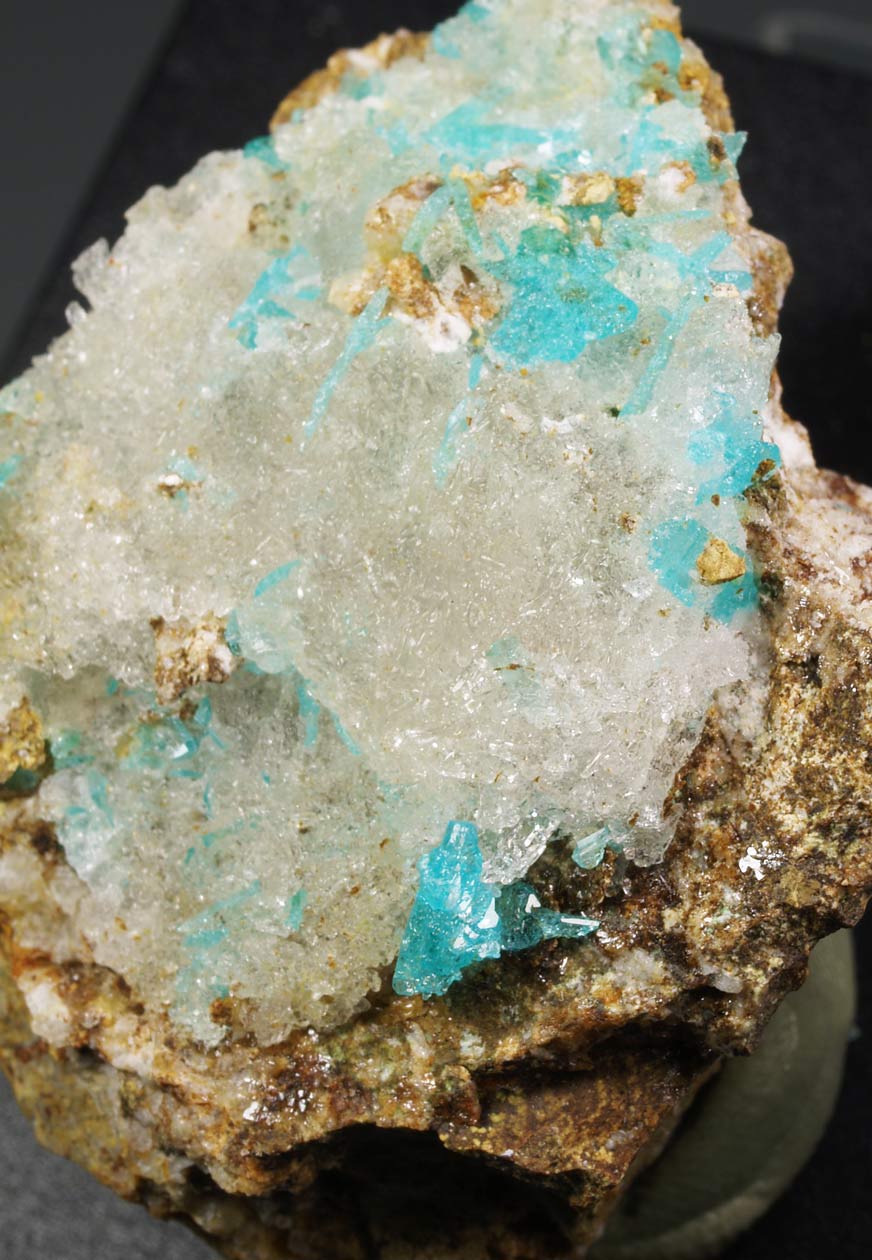
La tamarugita es un poco habitual sulfato de aluminio y sodio de fórmula NaAl(SO₄)₂·6H₂O, que suele presentarse como costras blancas, formadas por diminutos cristales. En este ejemplarse acompaña de kröhnkita, otro sulfato de sodio pero este con cobre Na₂Cu(SO₄)₂·2H₂O, en forma de cristales azulados, transparentes y brillantes. NOTA: Estos ejemplares son naturales, formados en mina, nada tienen que ver con los procedentes de balsas de aguas mina que se vendieron hace años a precios desorbitados.