- Home About RM Minerals
- Virtual Photo Museum Blog RM Contact
- Microscopy and instruments How to Buy Disclaimer
Copyright 2010-2026
www.rosellminerals.com



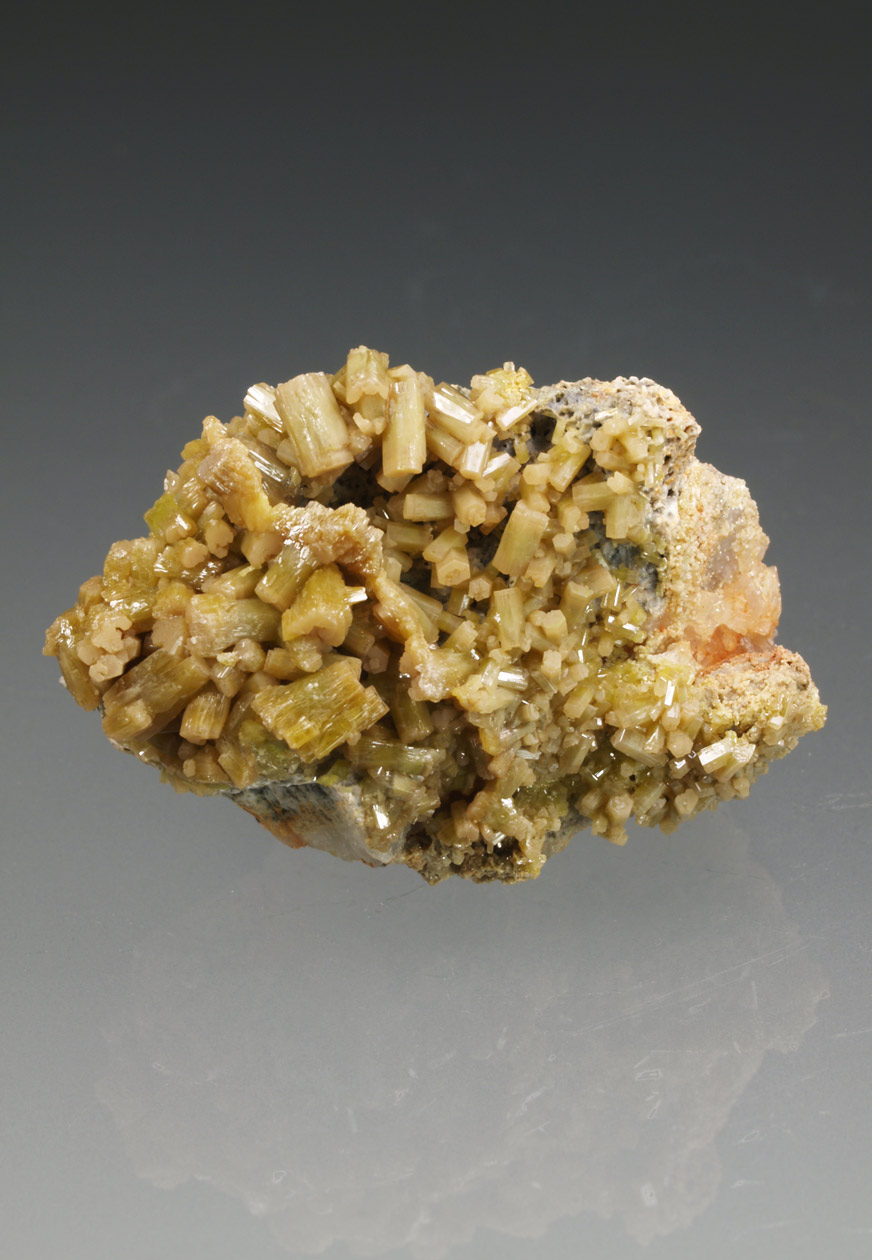
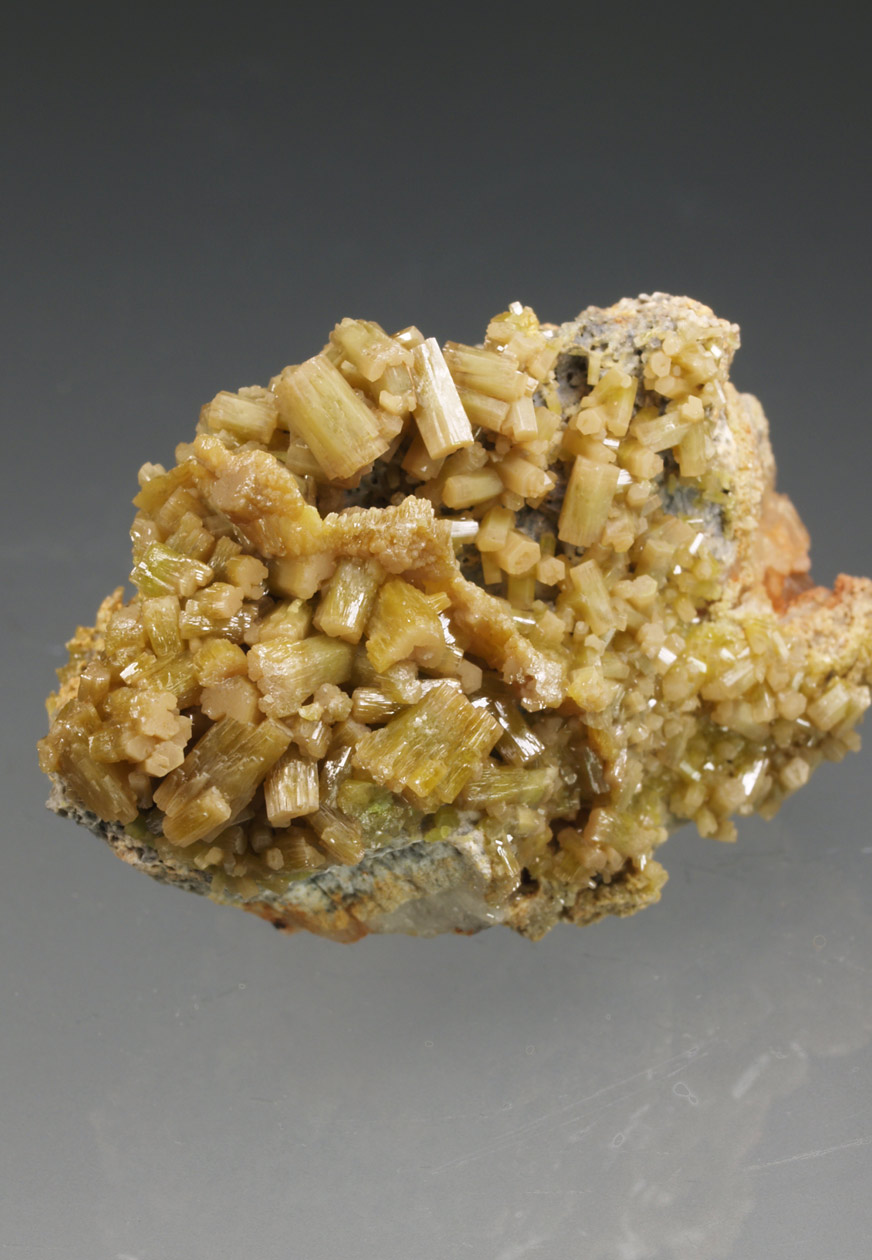
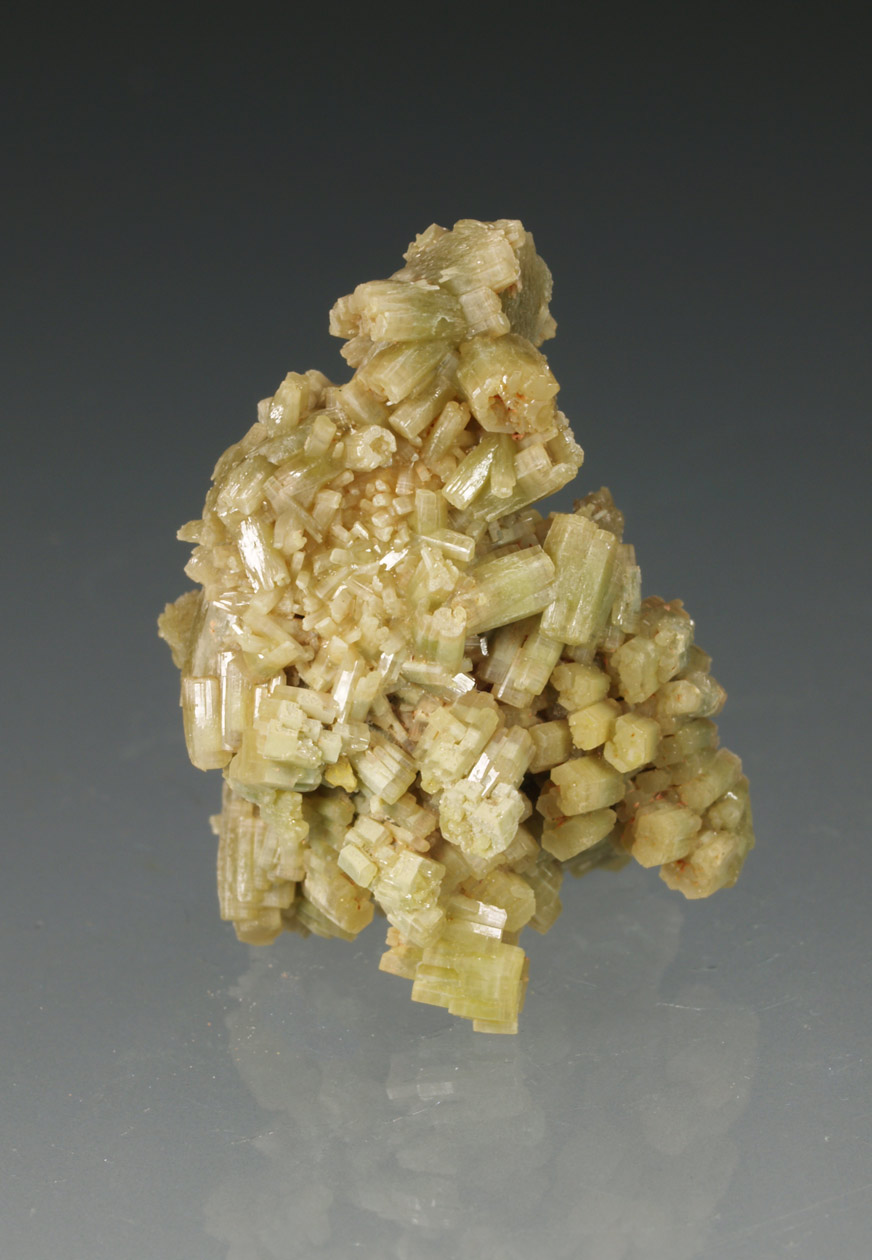
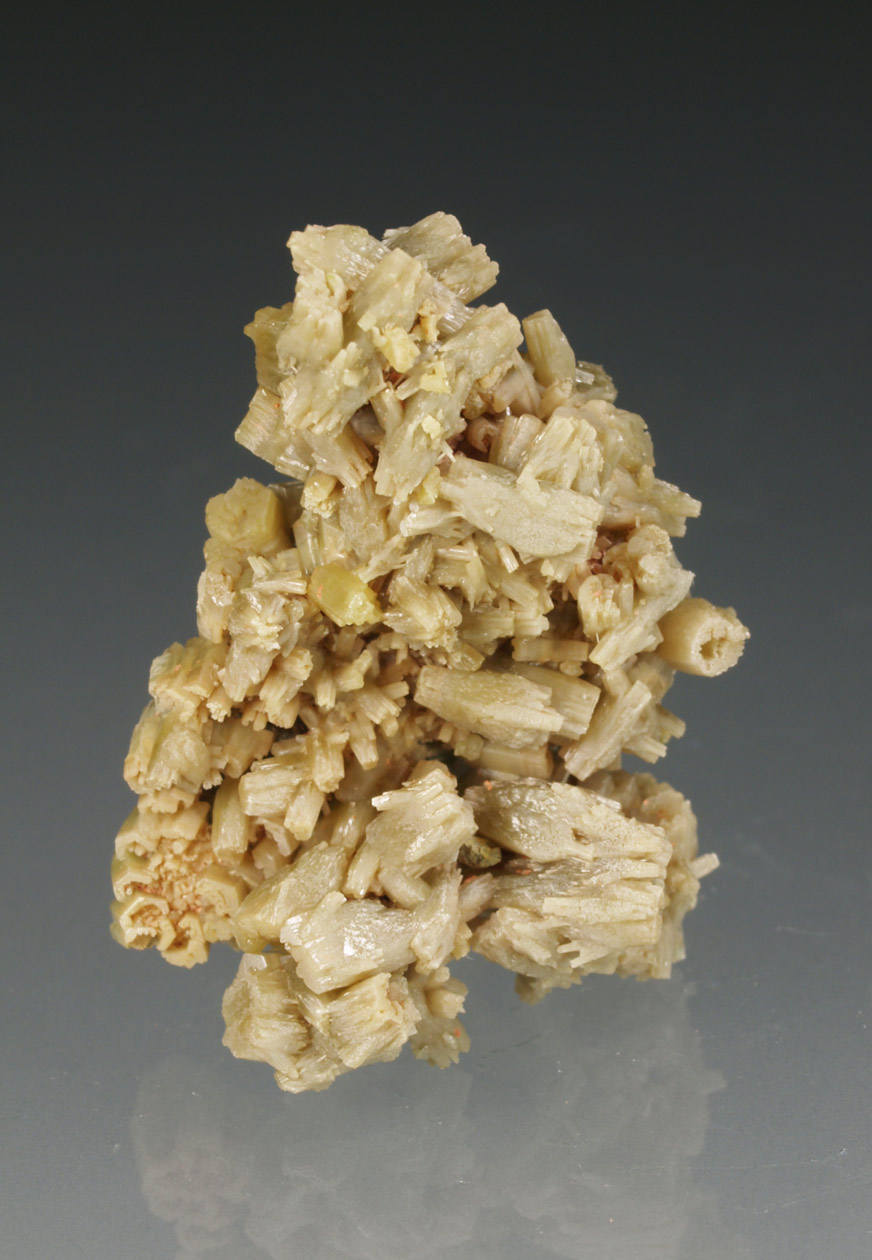
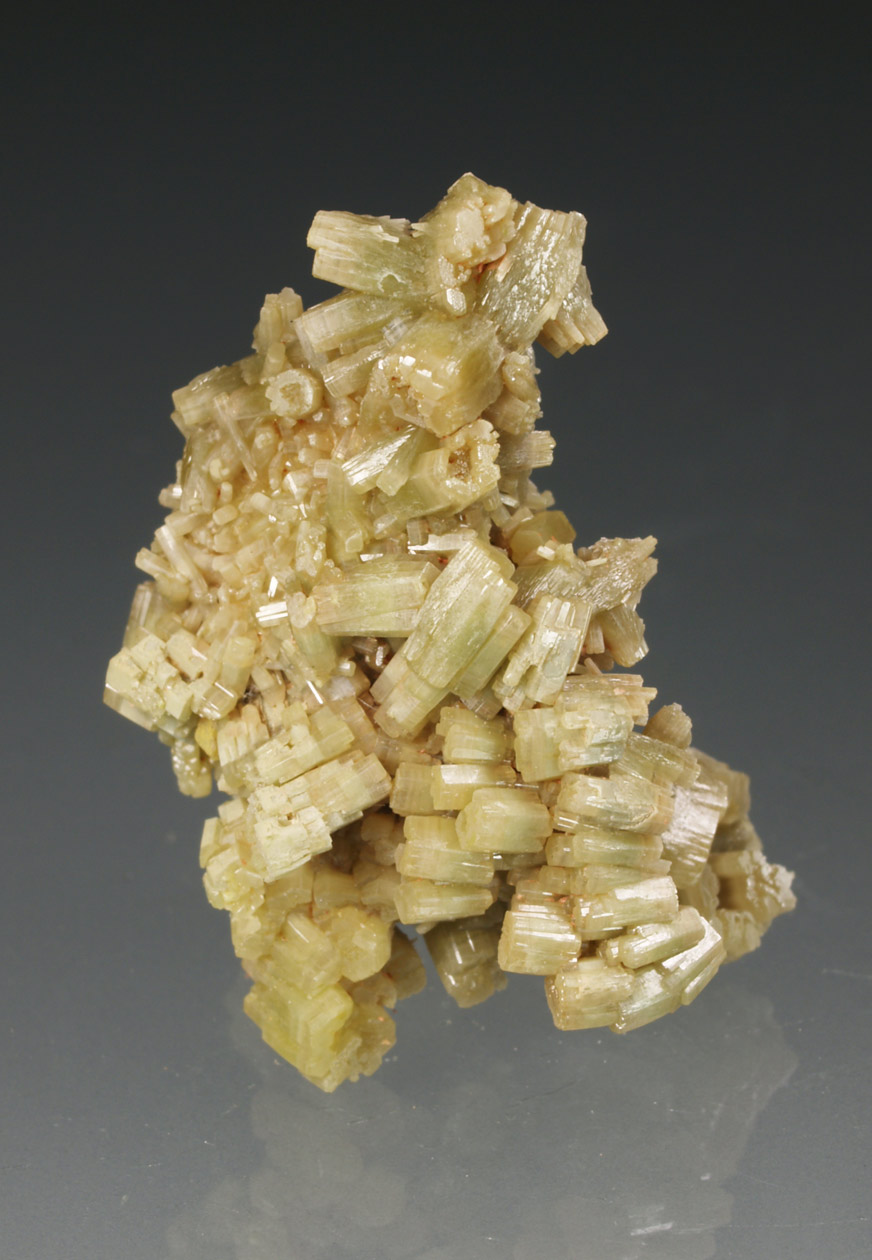
Group of pyromorphite crystals with a brownish green color, with very well defined hexagonal shapes and well defined faces and edges. It comes from a classic Spanish mine and from which good quality specimens have come out.
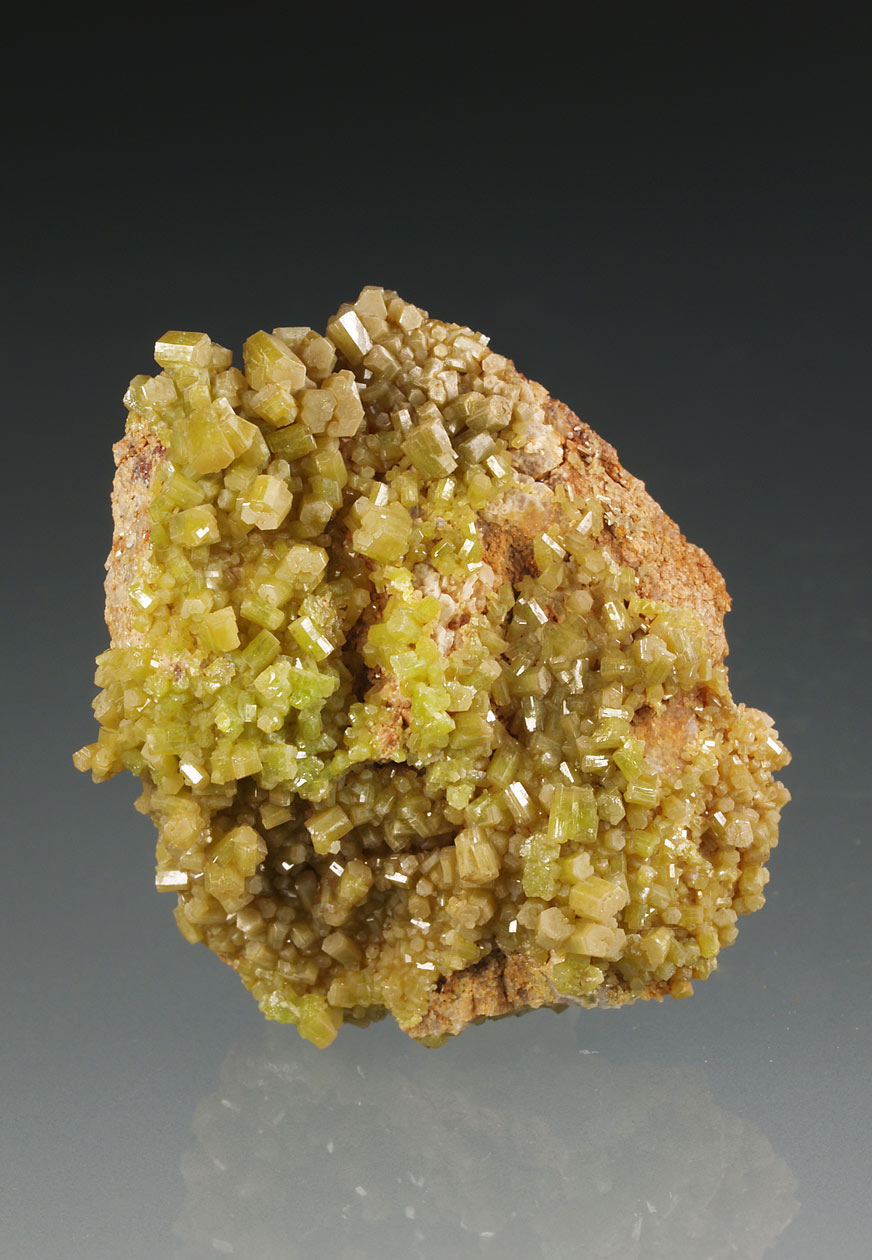
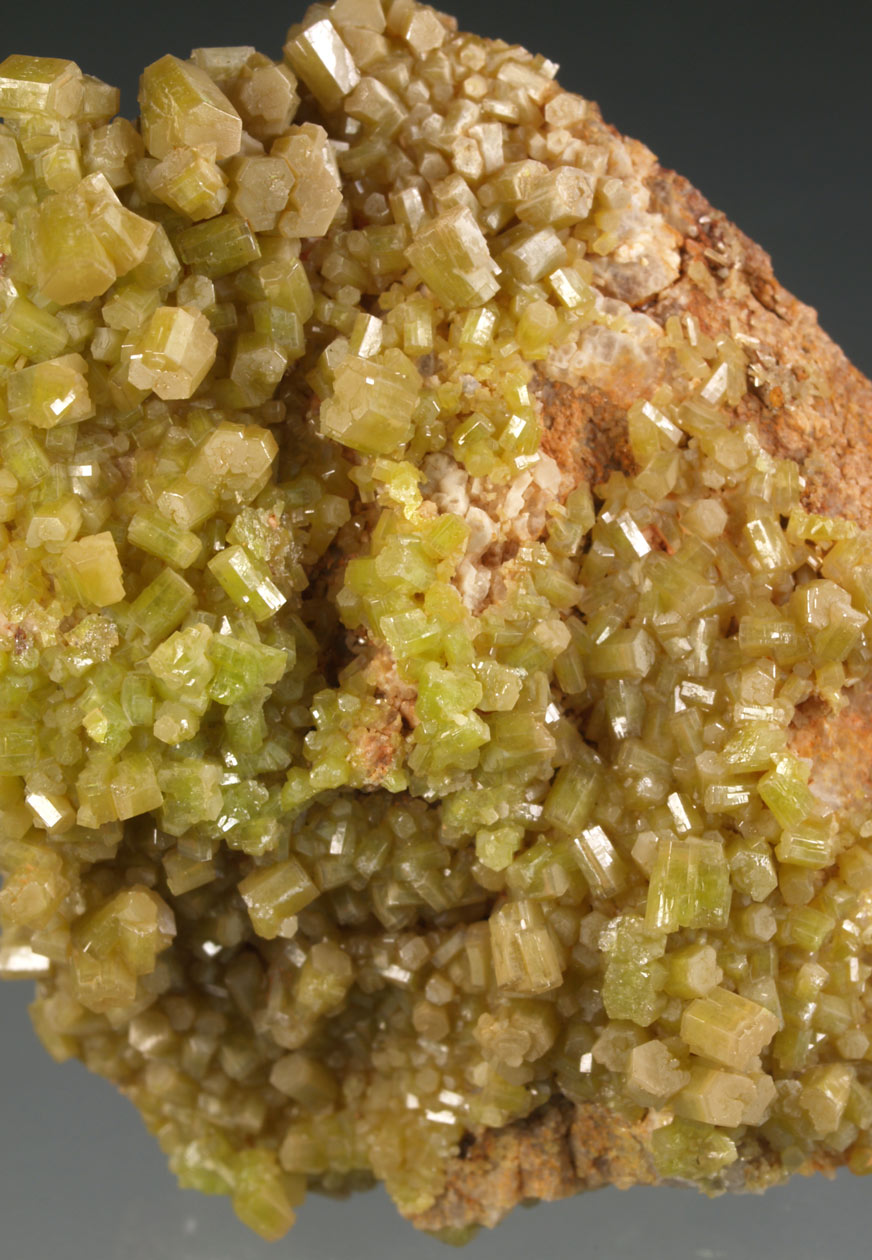
Group of pyromorphite crystals with a brownish to green color with zoning, with very well defined hexagonal shapes and well defined faces and edges. On rocky matrix. It comes from a classic Spanish mine and from which good quality specimens have come out. An aesthetic miniature.
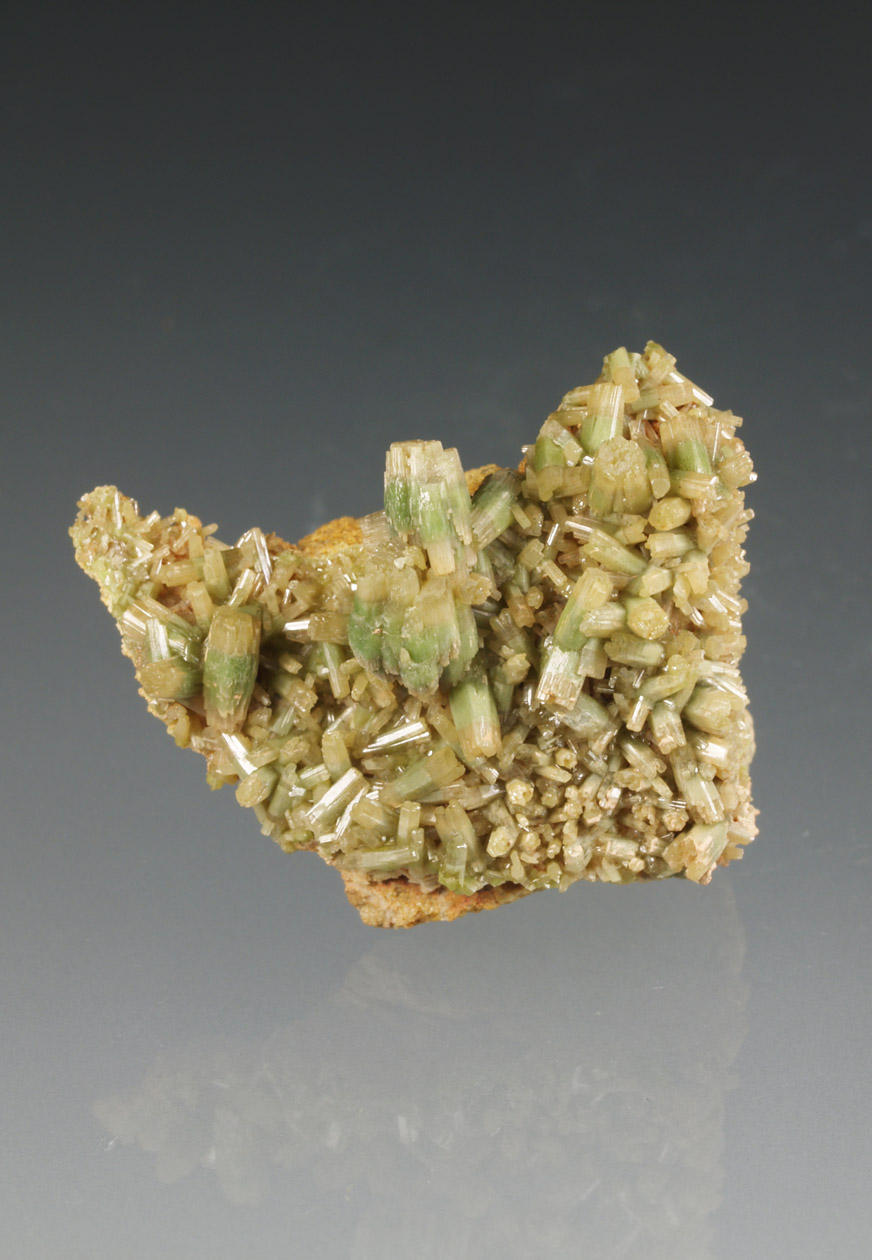
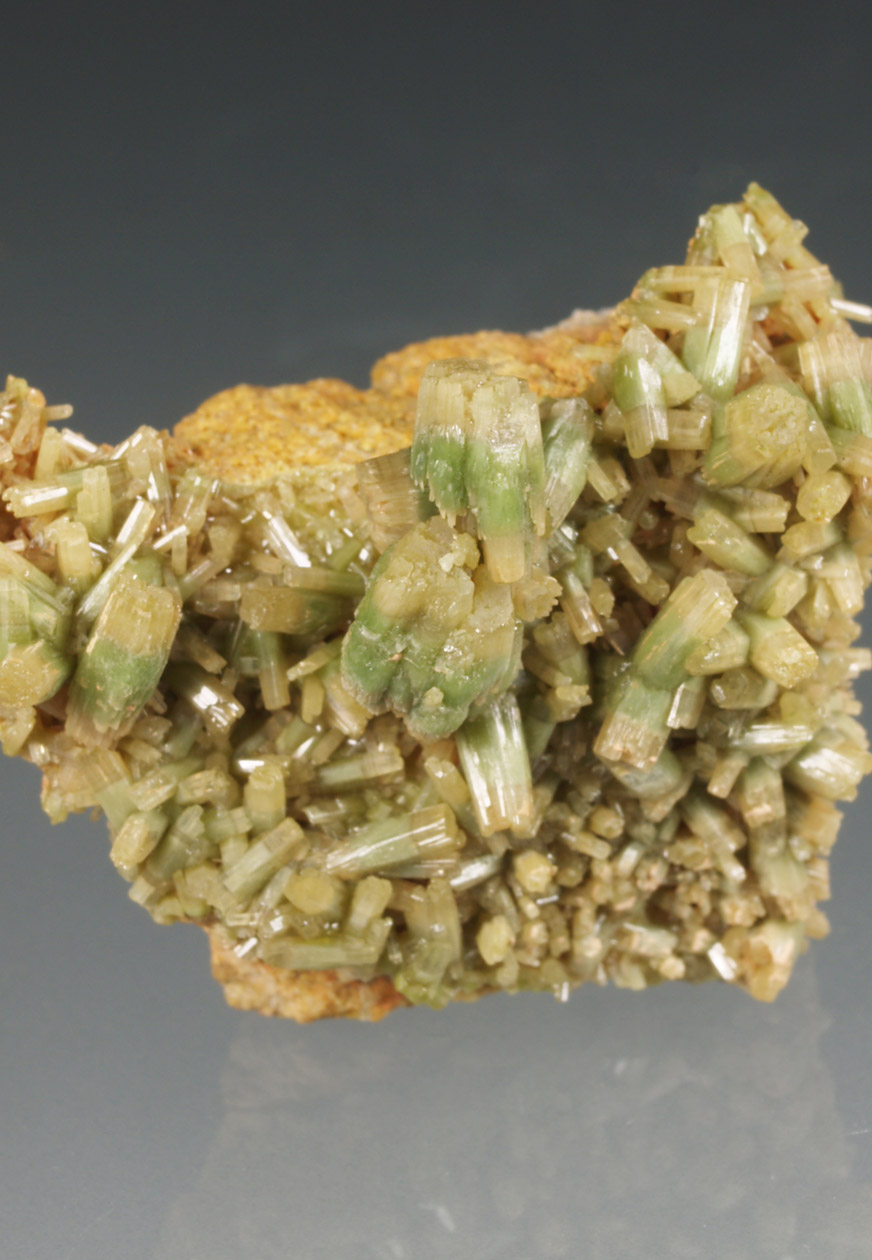
Group of pyromorphite crystals with a brownish to green color, with very well defined hexagonal shapes and well defined faces and edges. On rocky matrix. It comes from a classic Spanish mine and from which good quality specimens have come out. An aesthetic miniature.
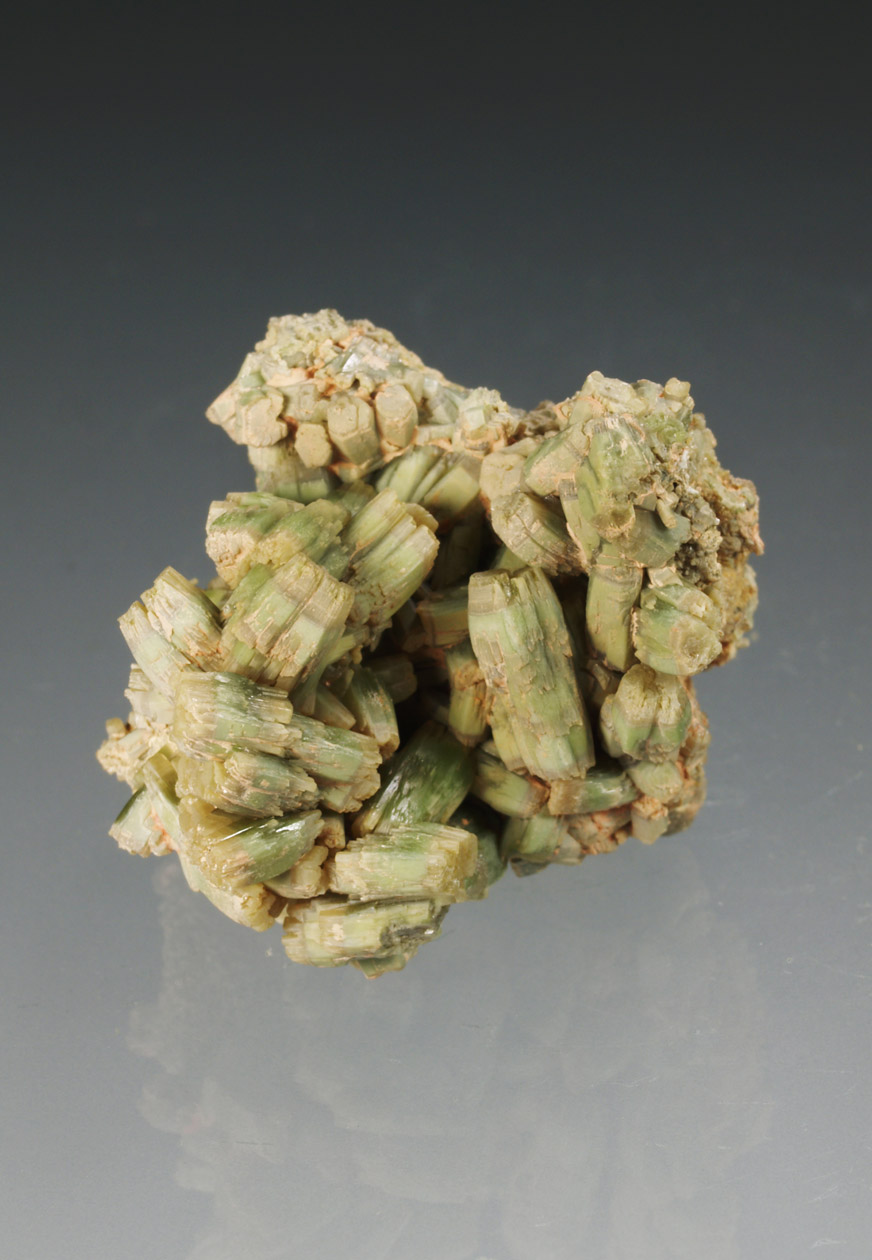
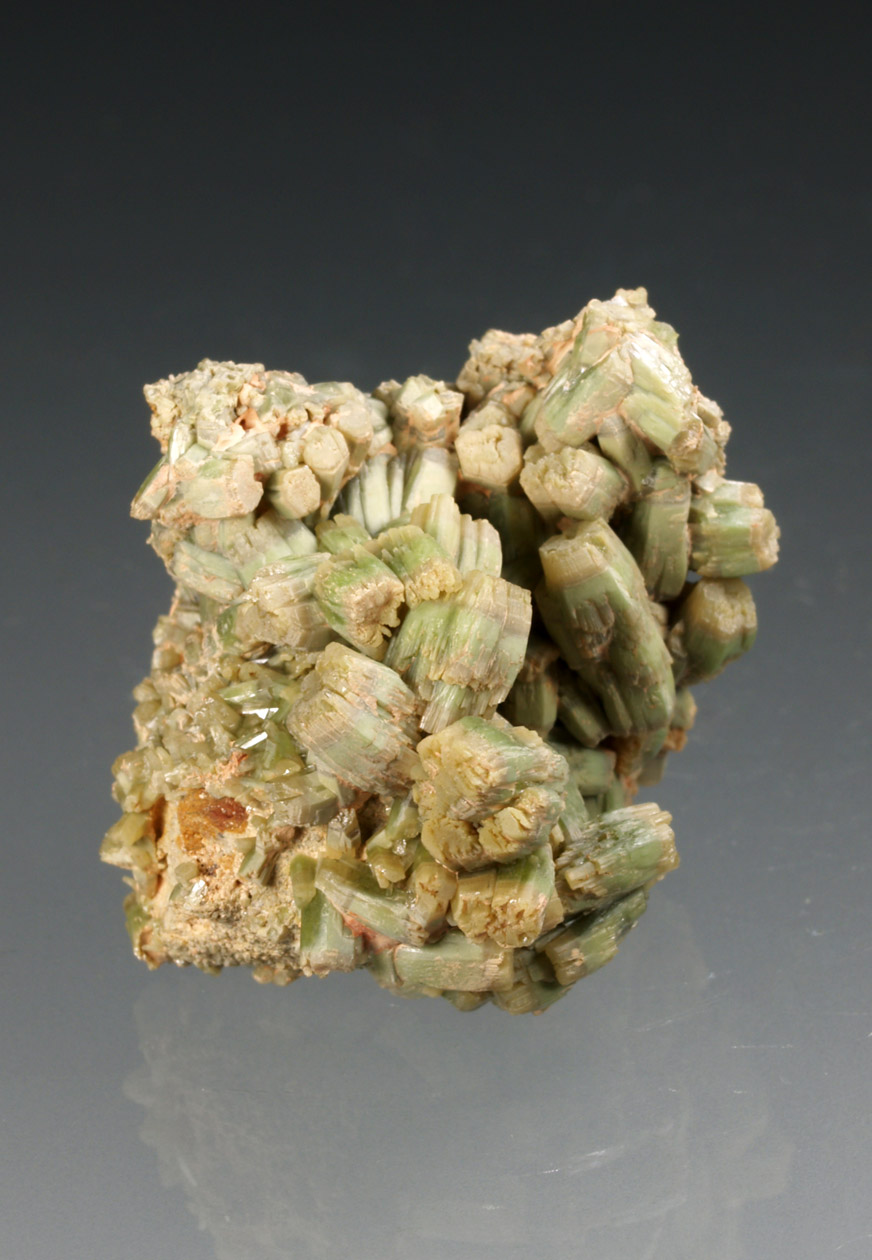
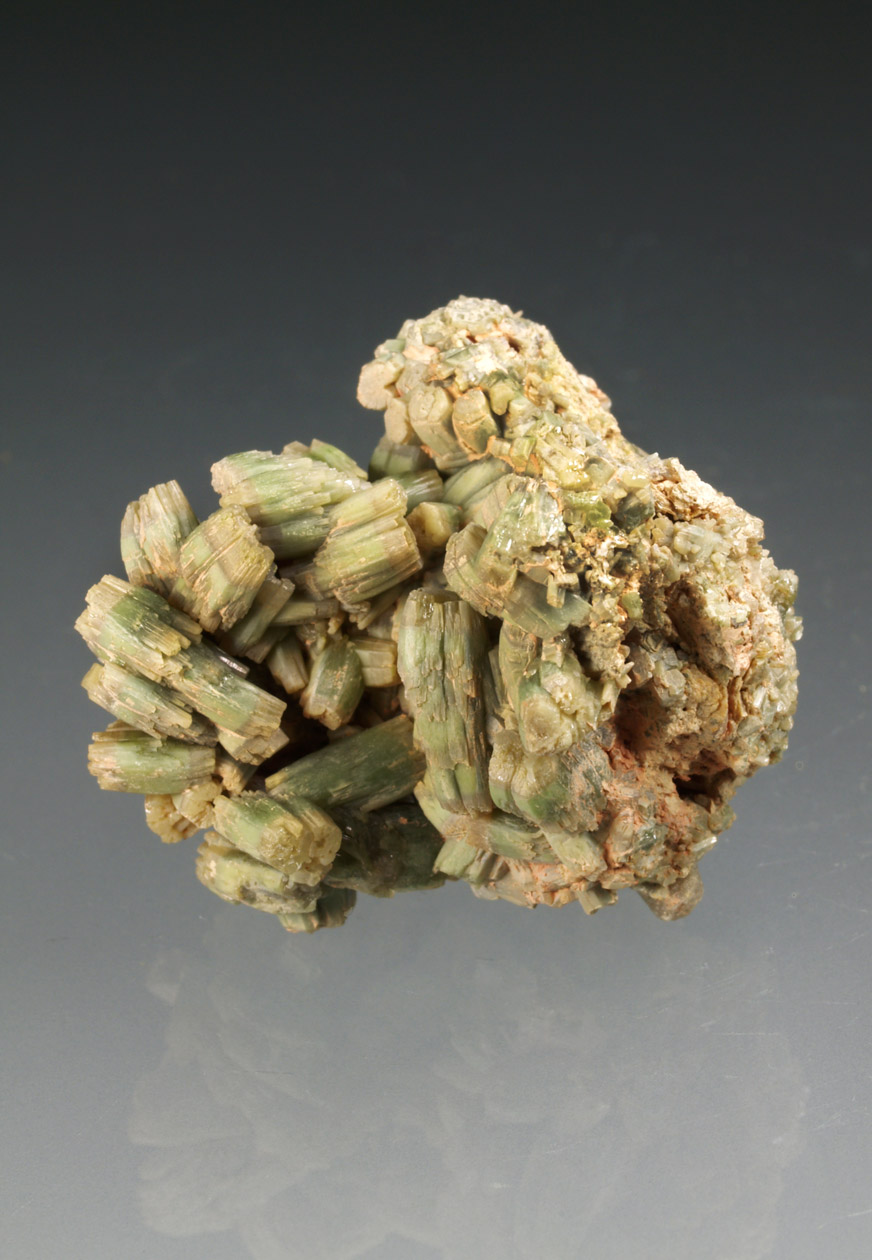
Group of pyromorphite crystals with a brownish green color, with very well defined hexagonal shapes and well defined faces and edges. It comes from a classic Spanish mine and from which good quality specimens have come out. An aesthetic miniature.
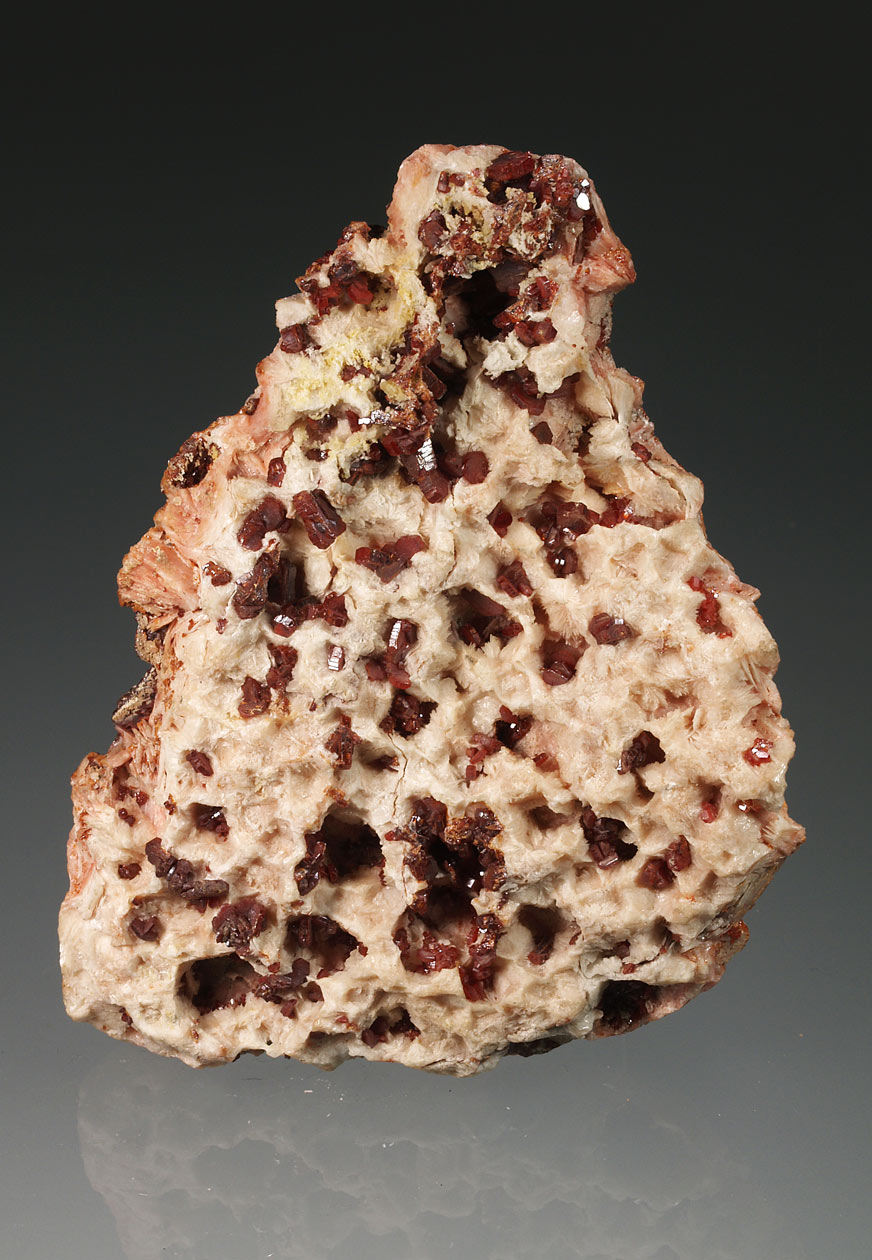
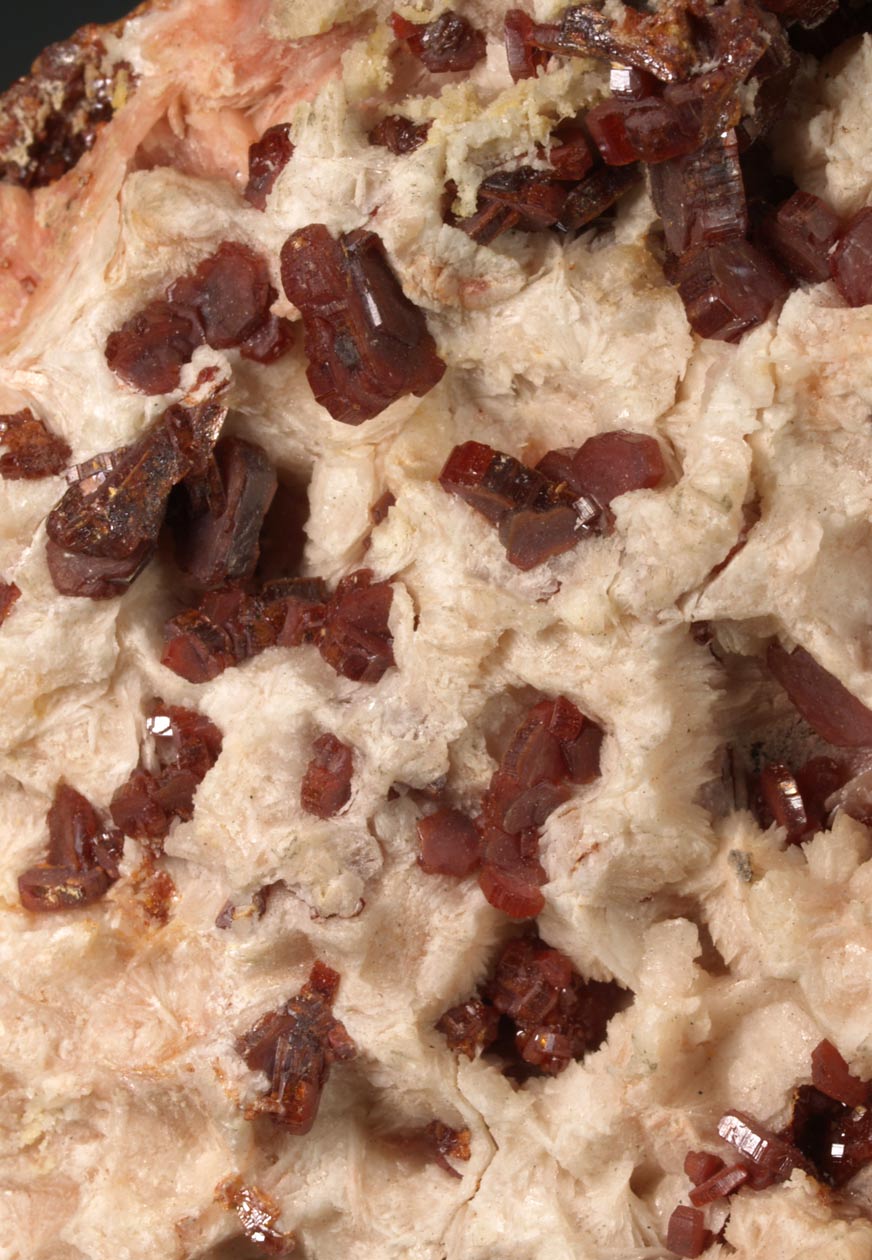
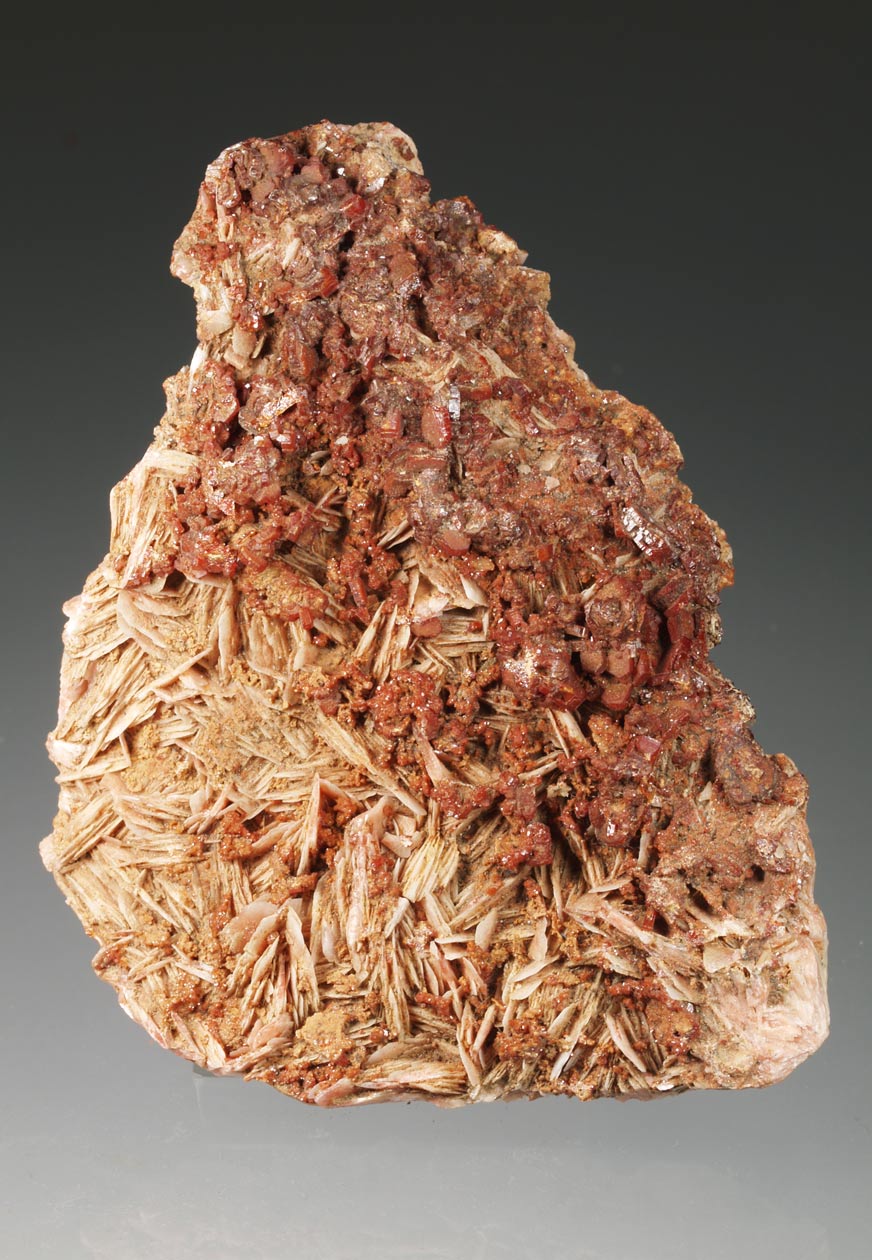
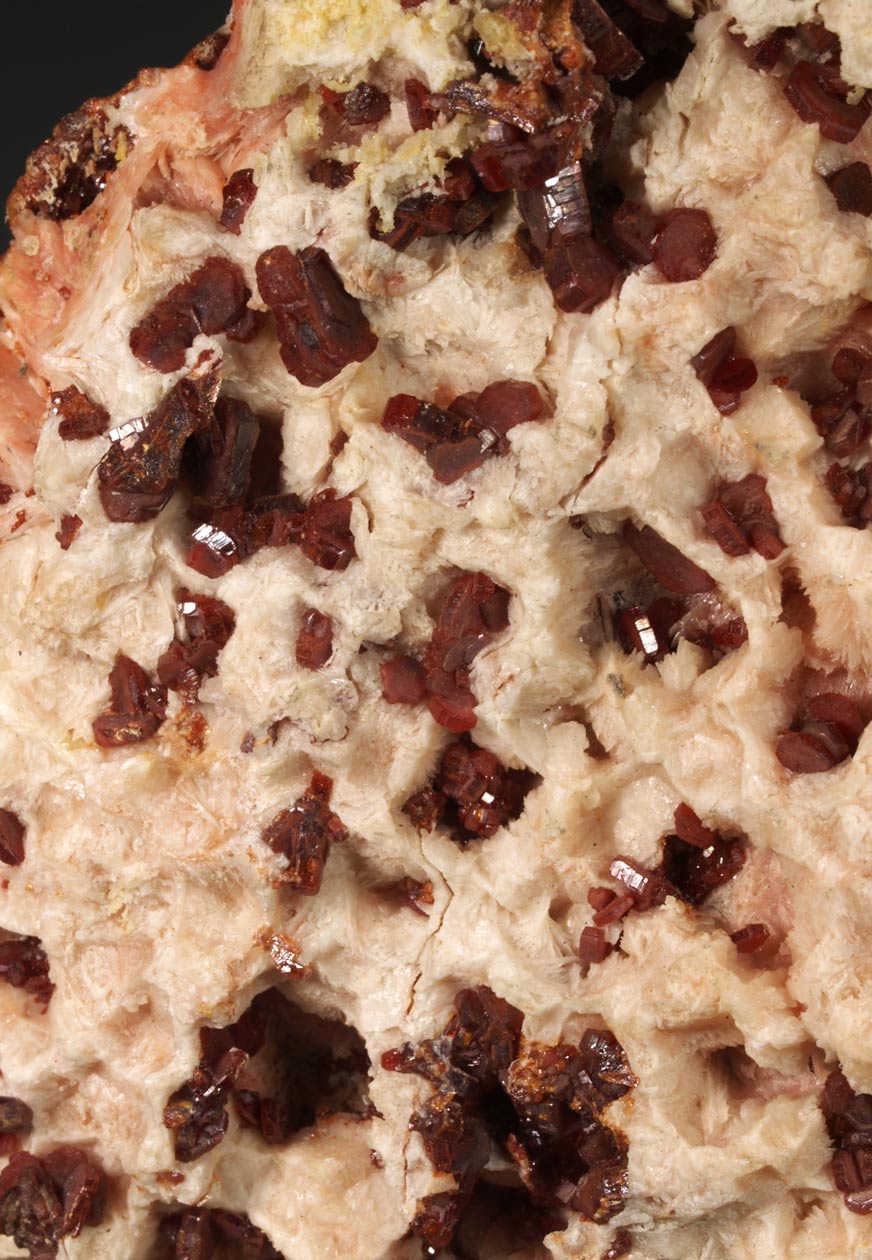
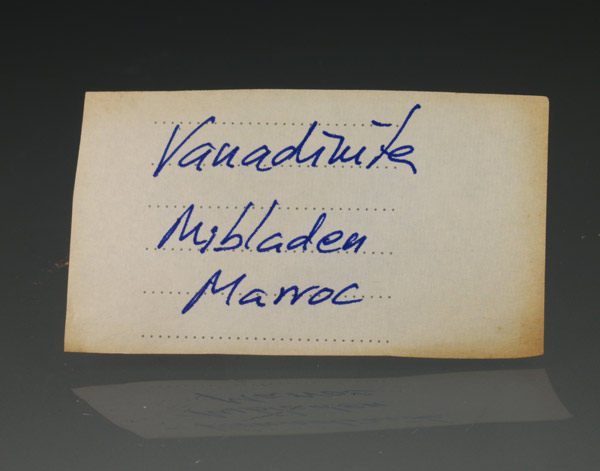
Very curious specimen formed by a matrix of baryte, on one side with lenticular crystals sprinkled with vanadinite and on the other with cavities in which aggregates of vanadinite crystals have grown, with color zoning. An old piece with handwritten label.
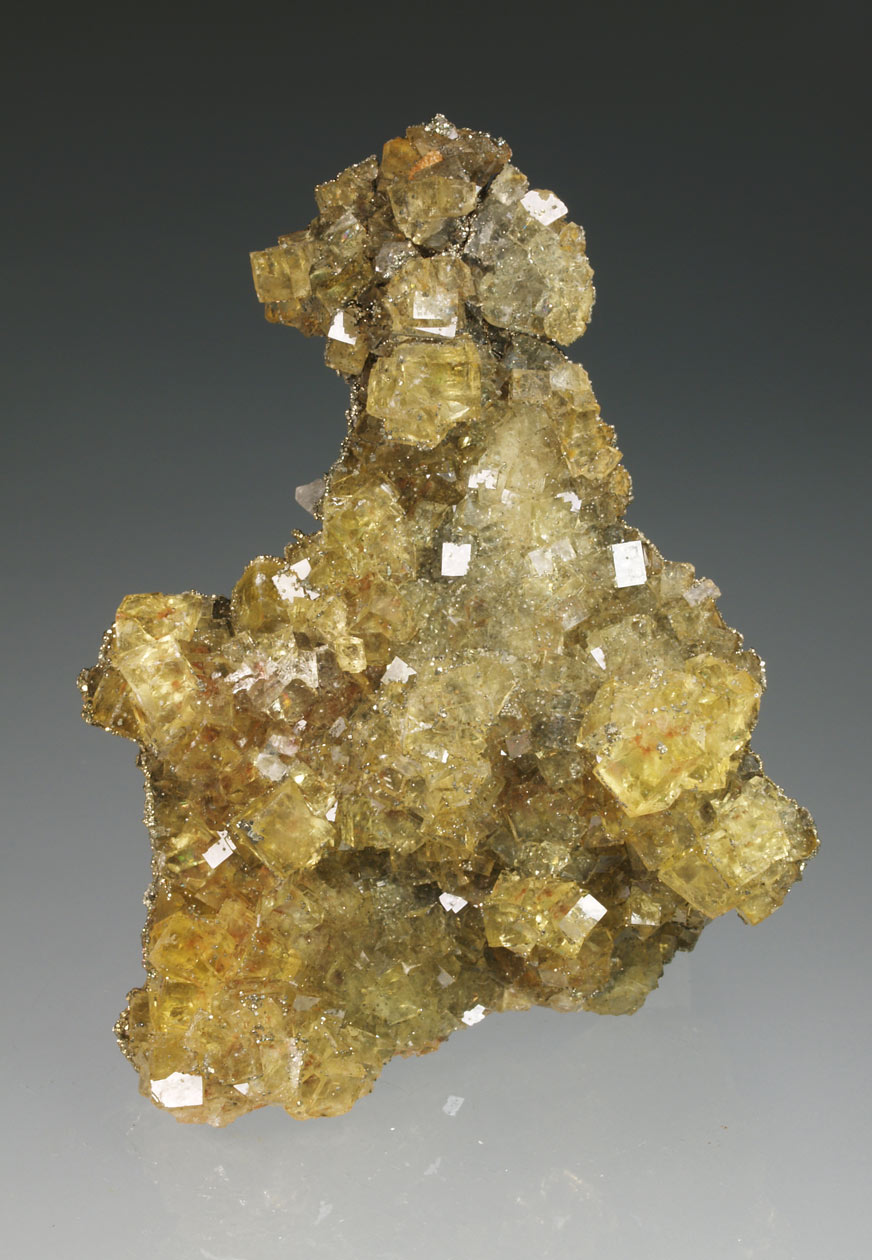
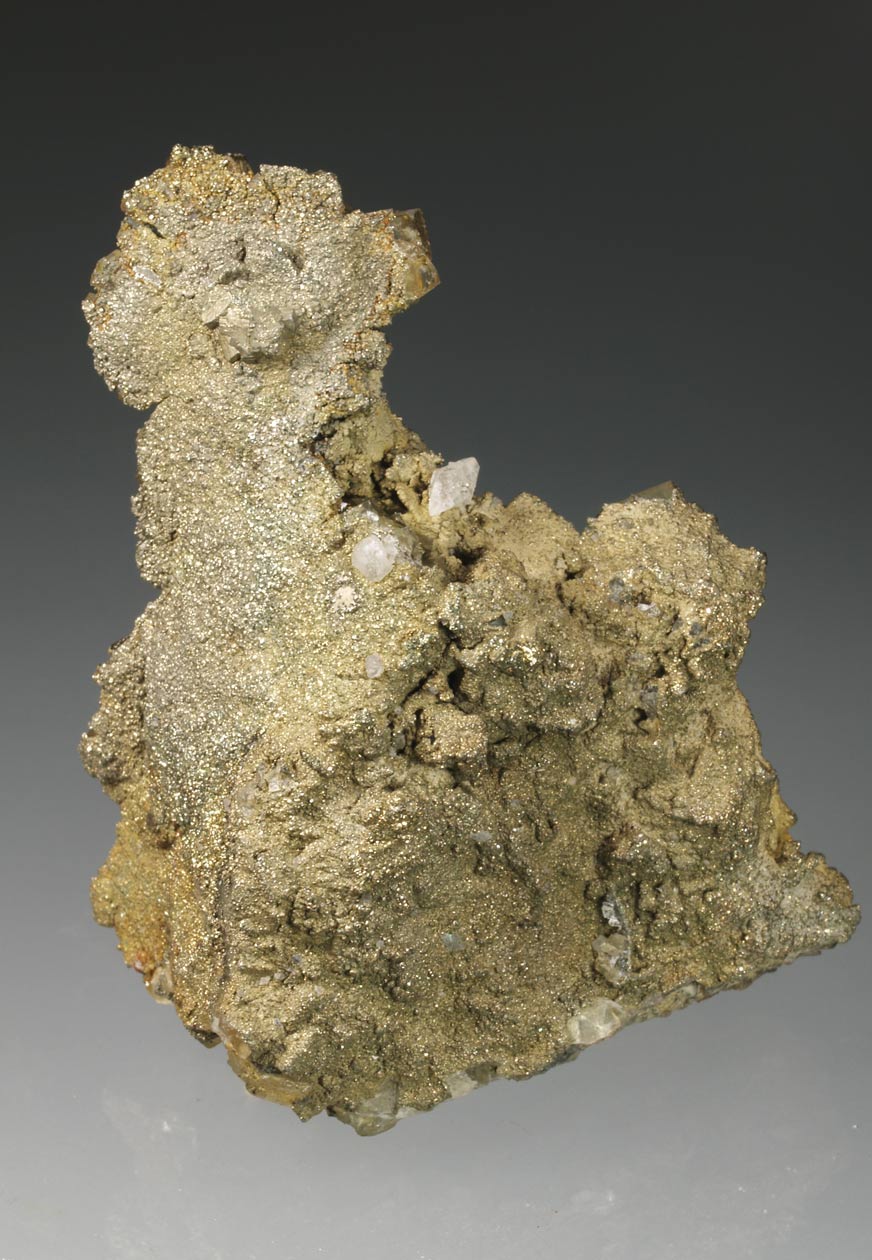
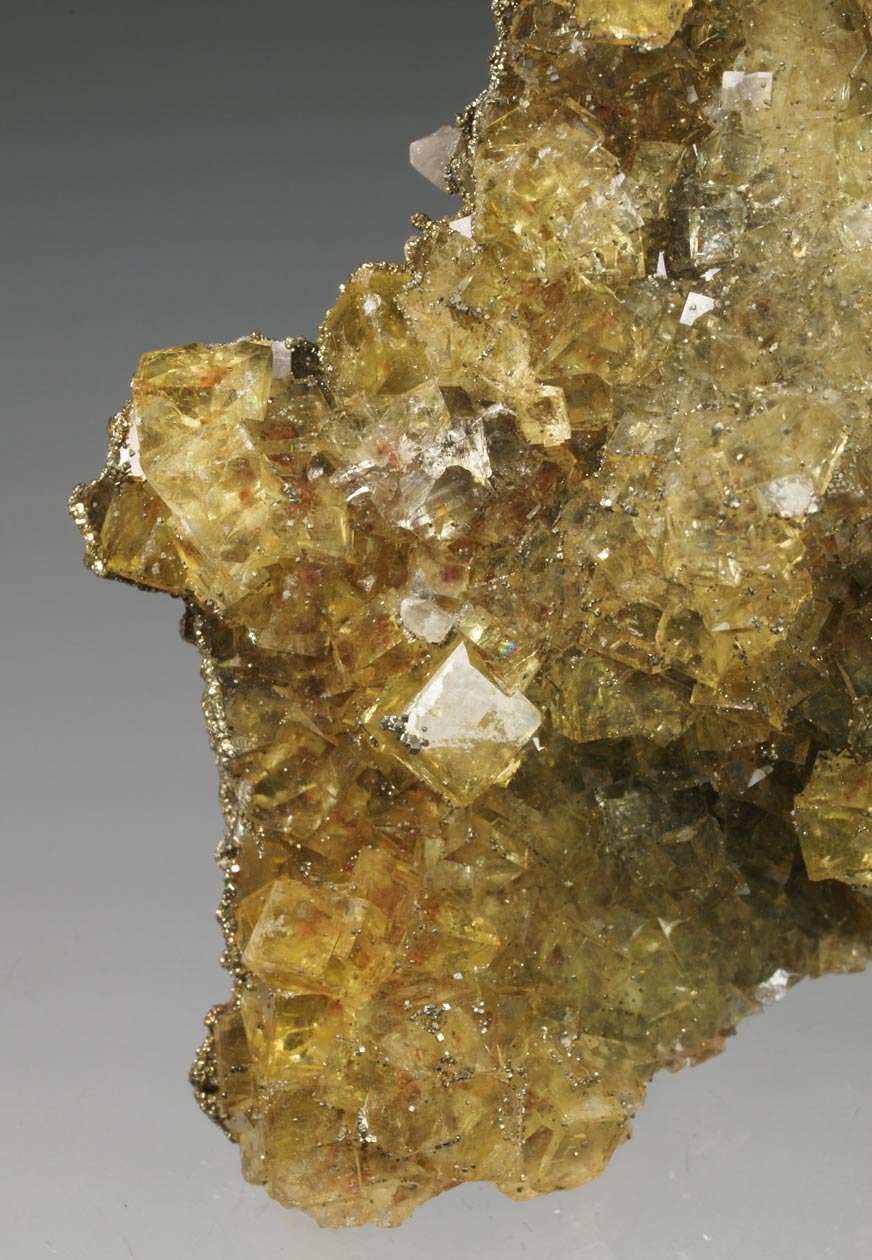
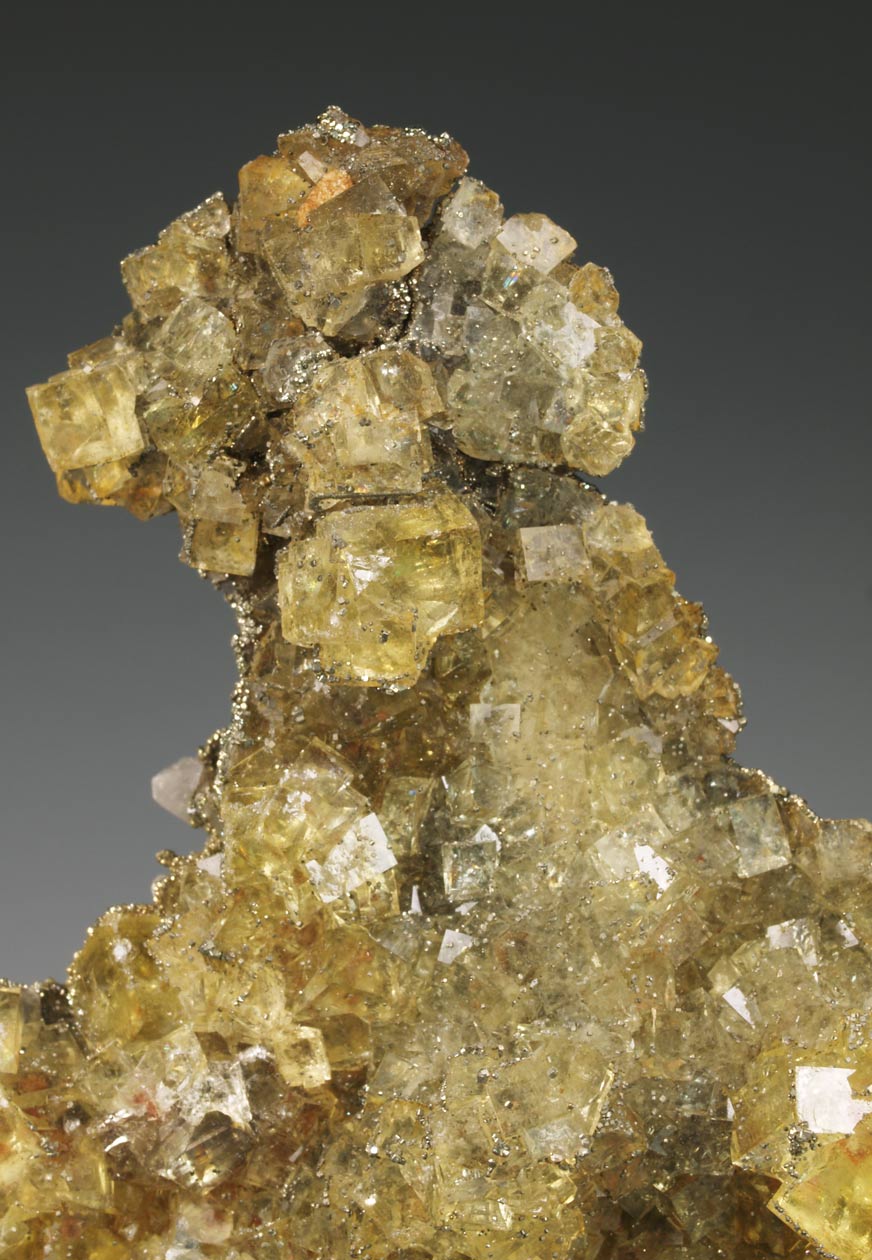
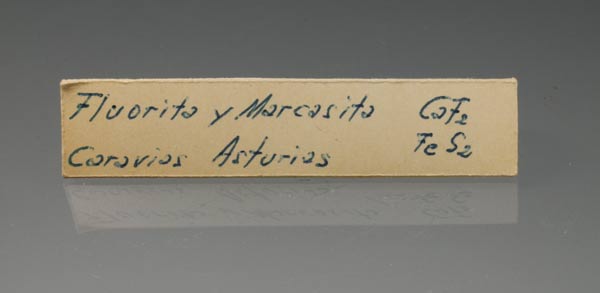
Group of cubic fluorite crystals, brilliant, transparent and with a yellow color with zoning, more orange in the core of some of the crystals. Dotted with small beveled cubic crystals of pyrite. The back side is fully upholstered in pyrite.
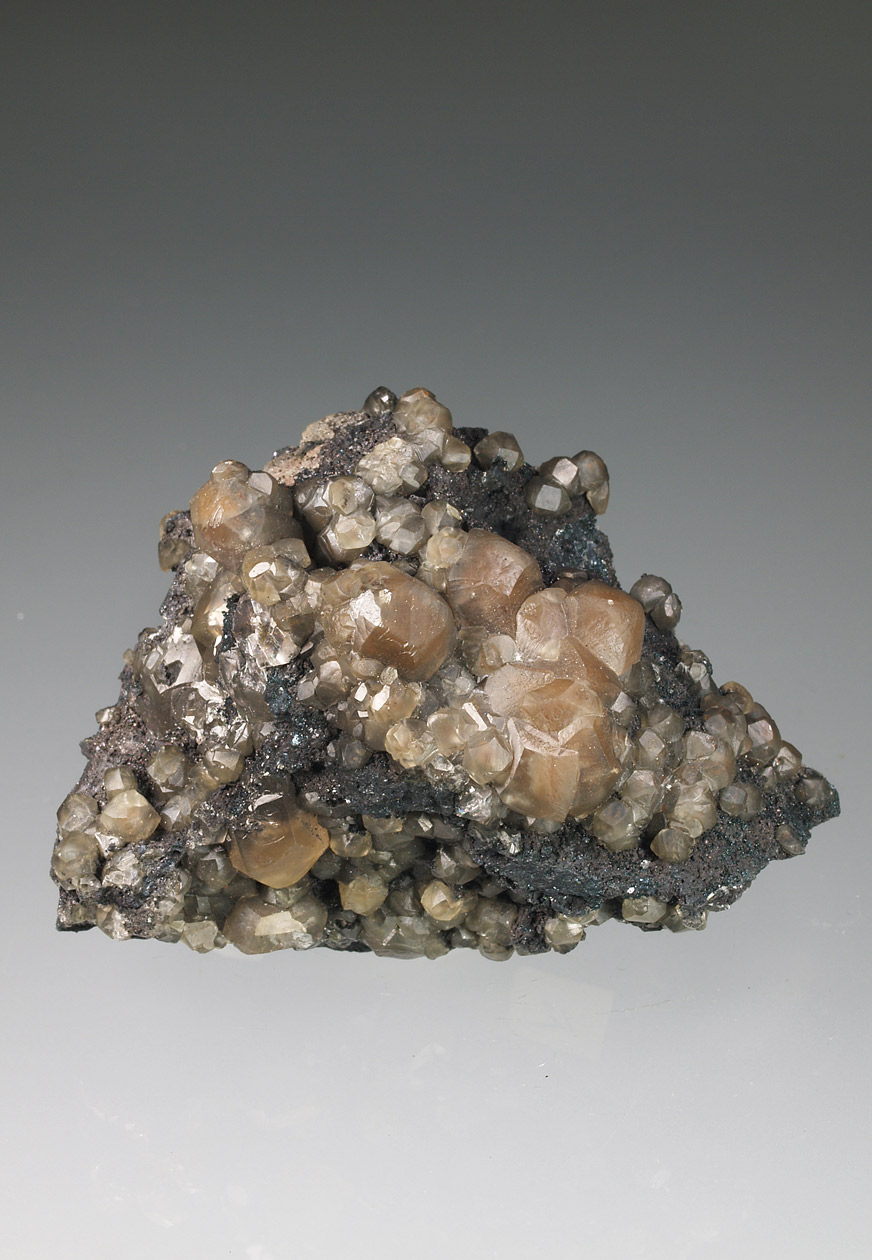
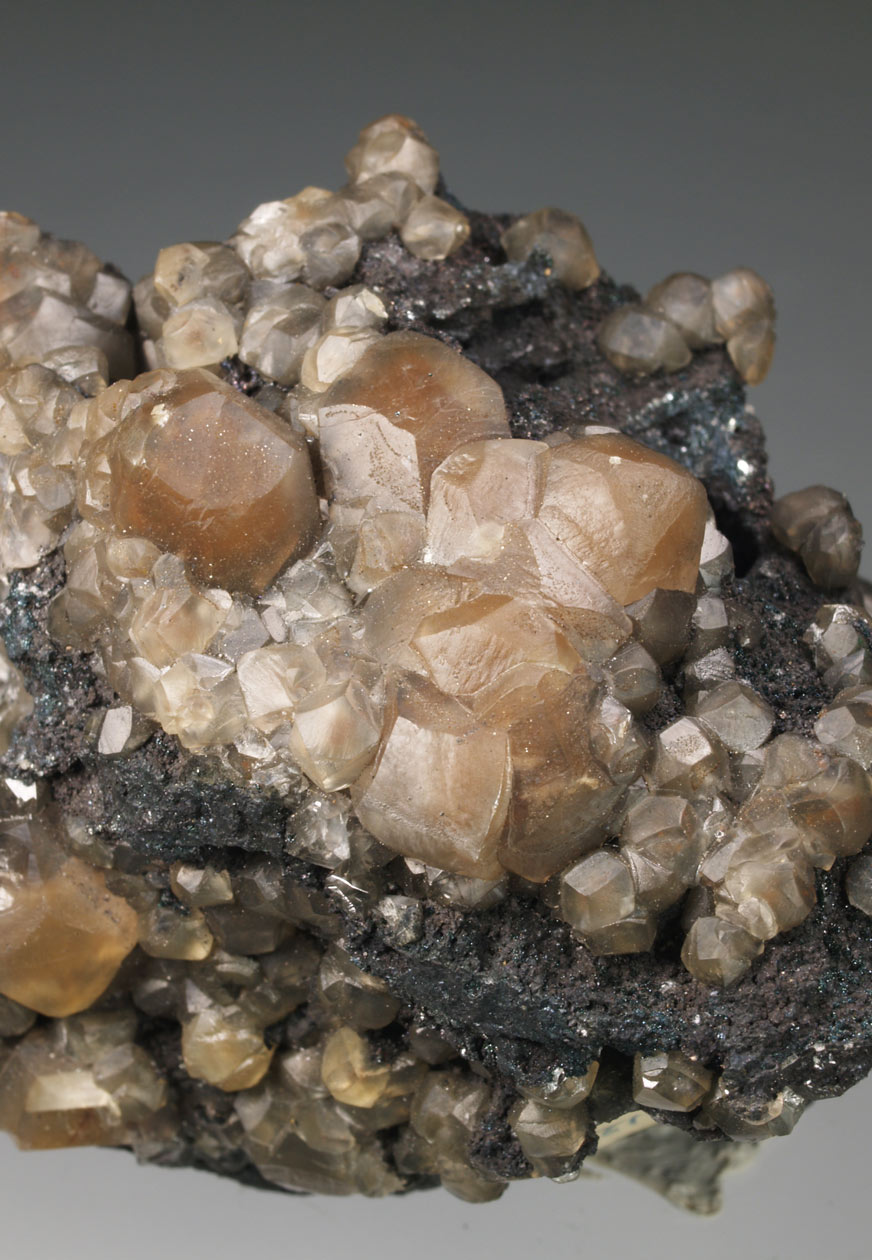
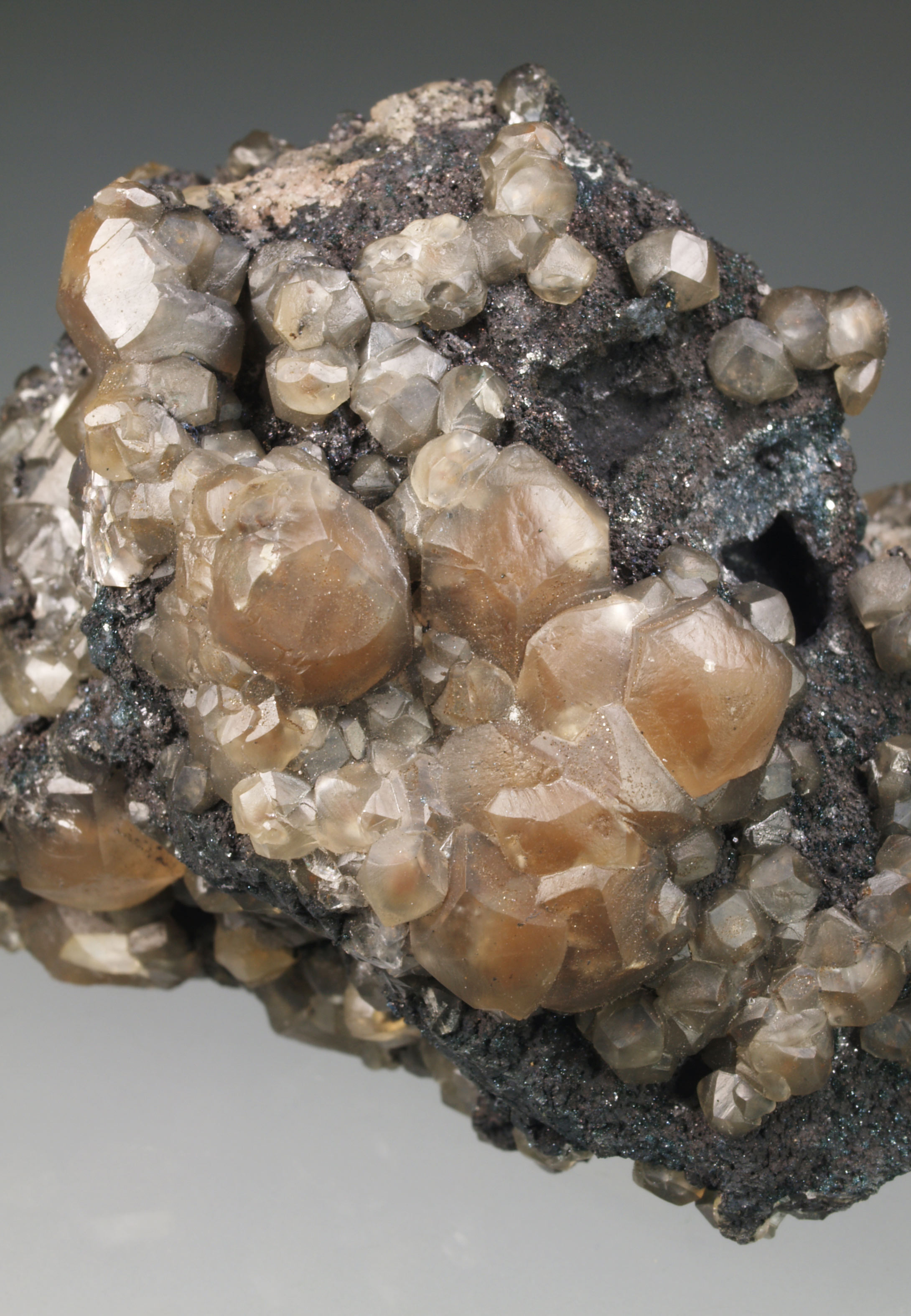
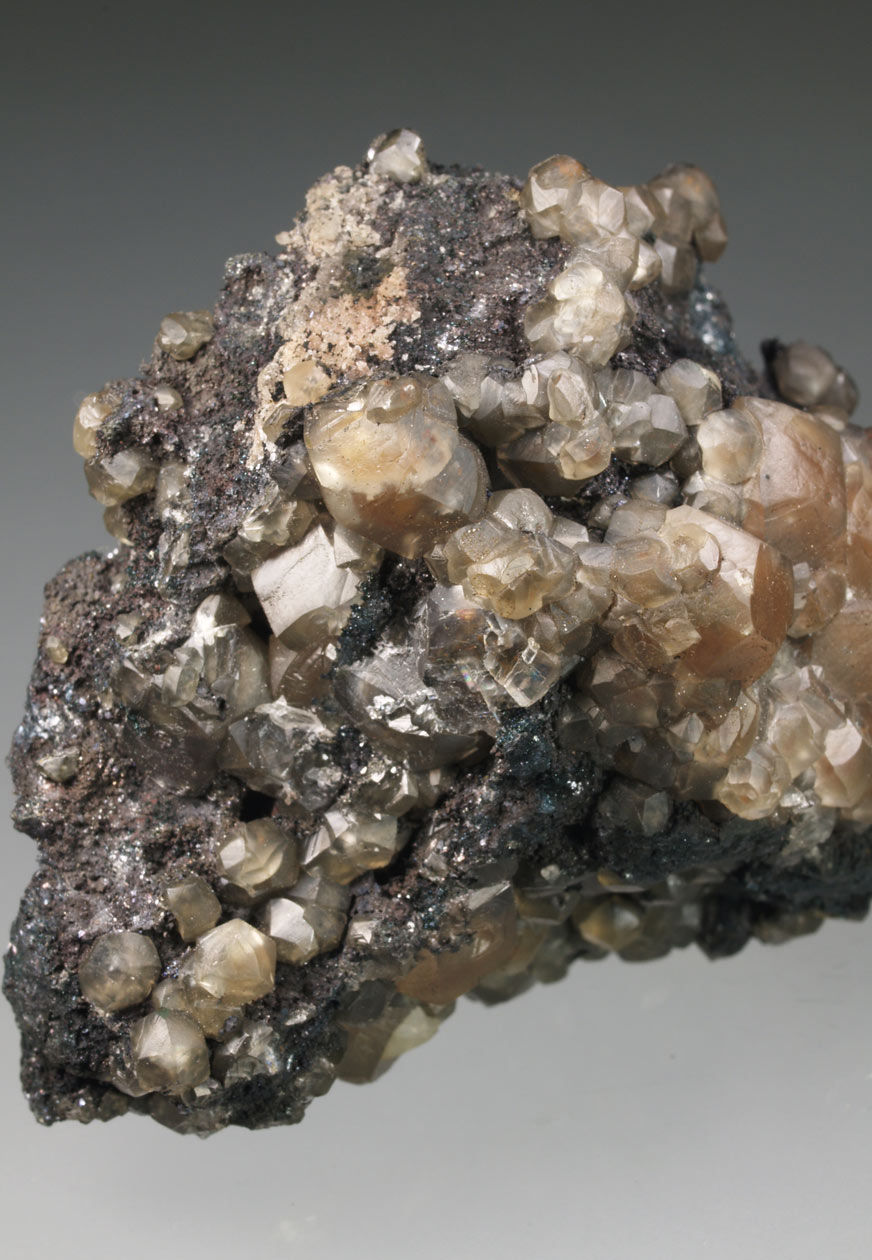
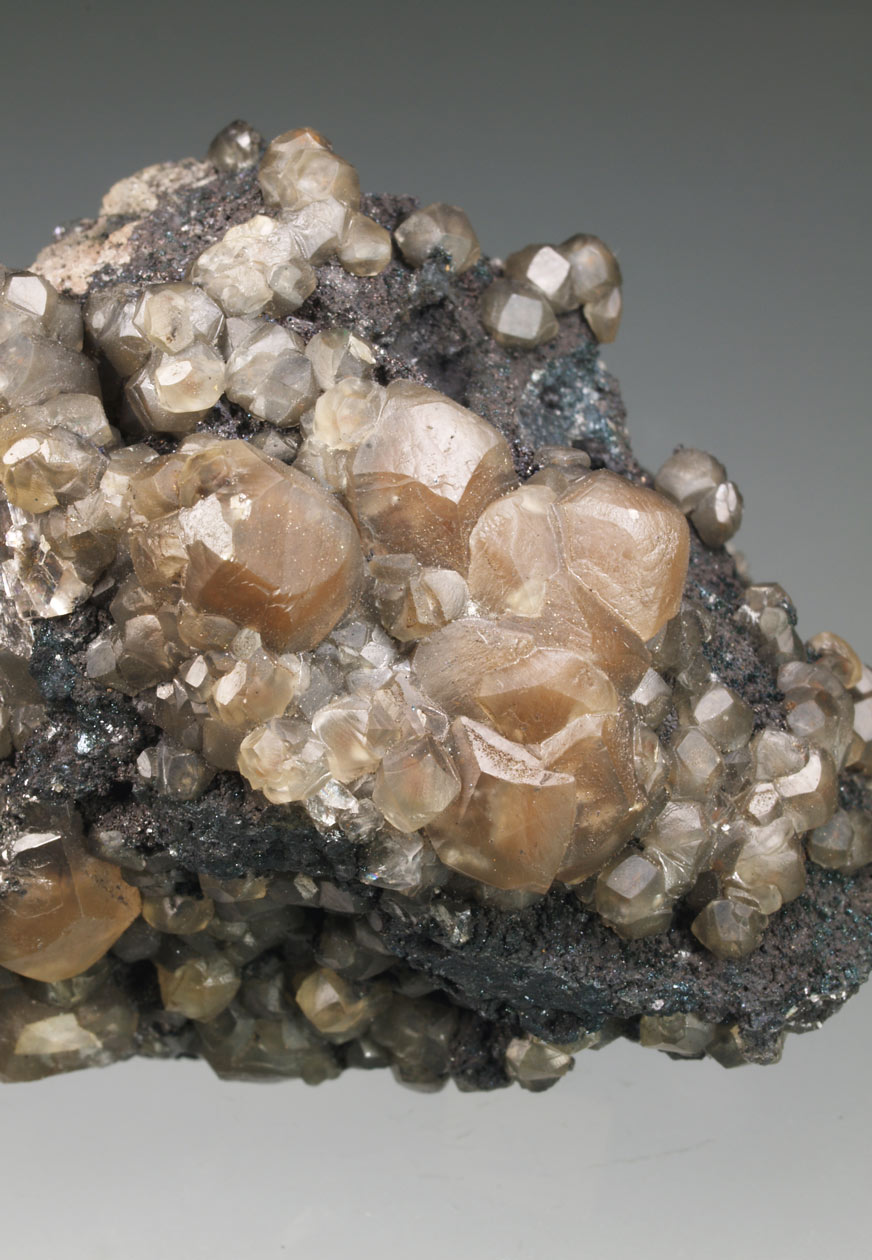
An old specimen of smithsonite, with an orange to pink hue, formed by numerous highly faceted crystals, with curved edges and disposed on a matrix with galena, iridescent chalcopyrite and other sulfides. A good sized classic...
.jpg)
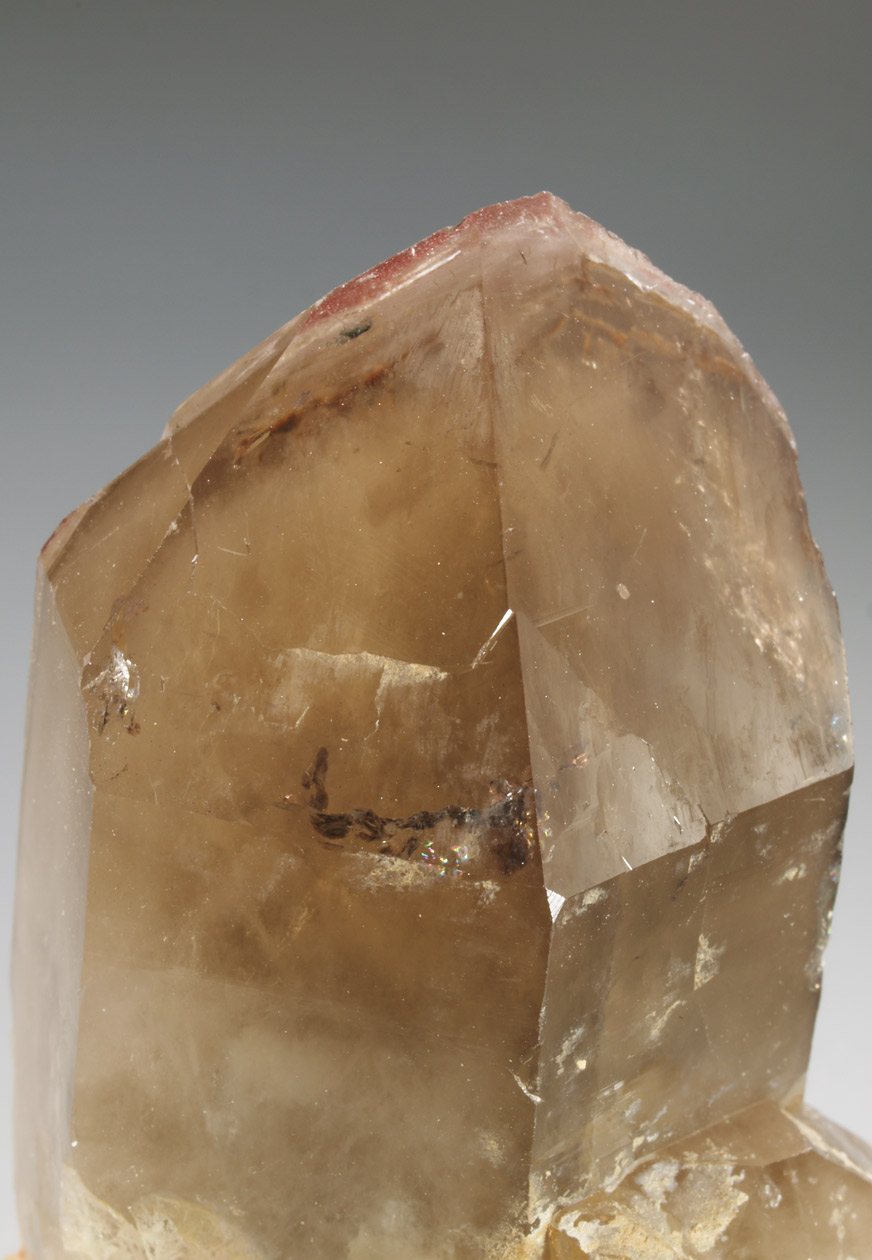
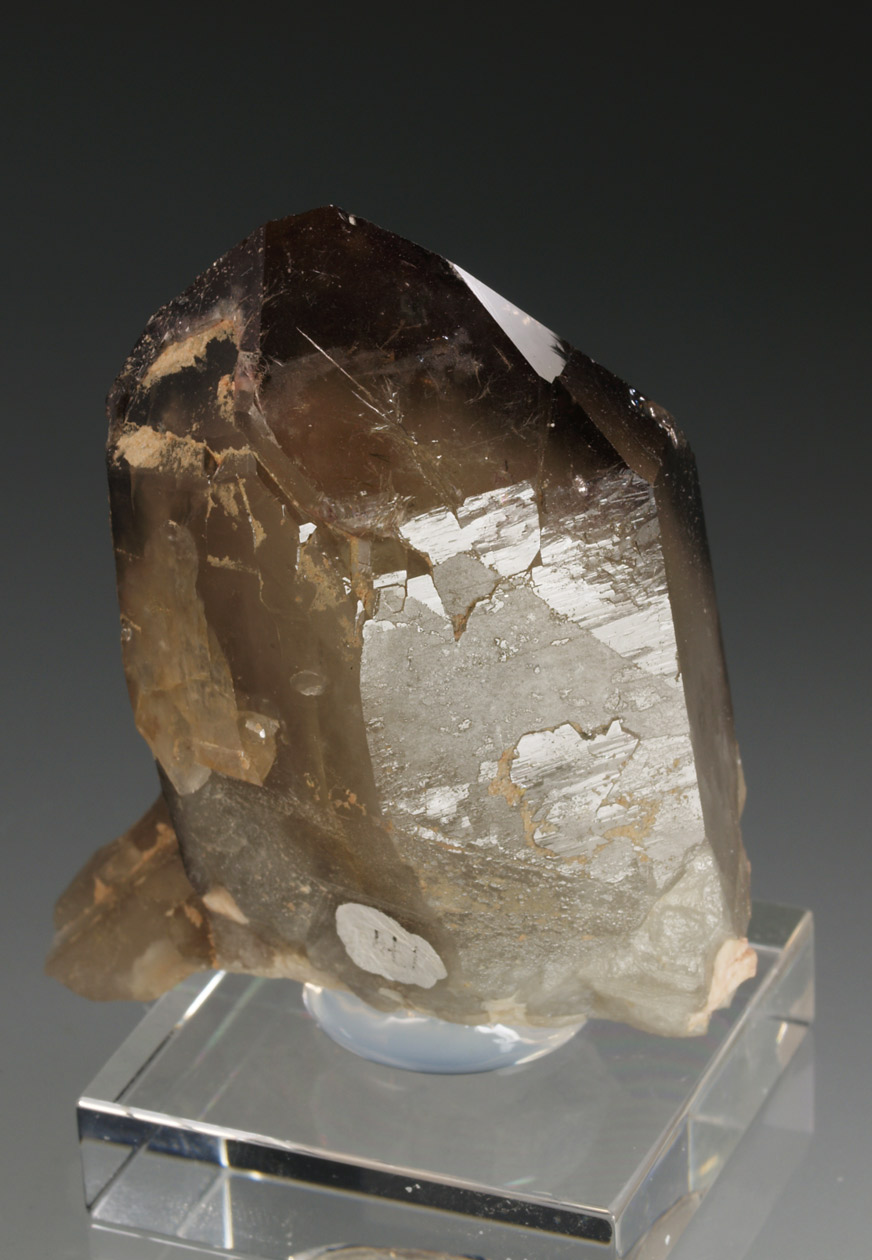
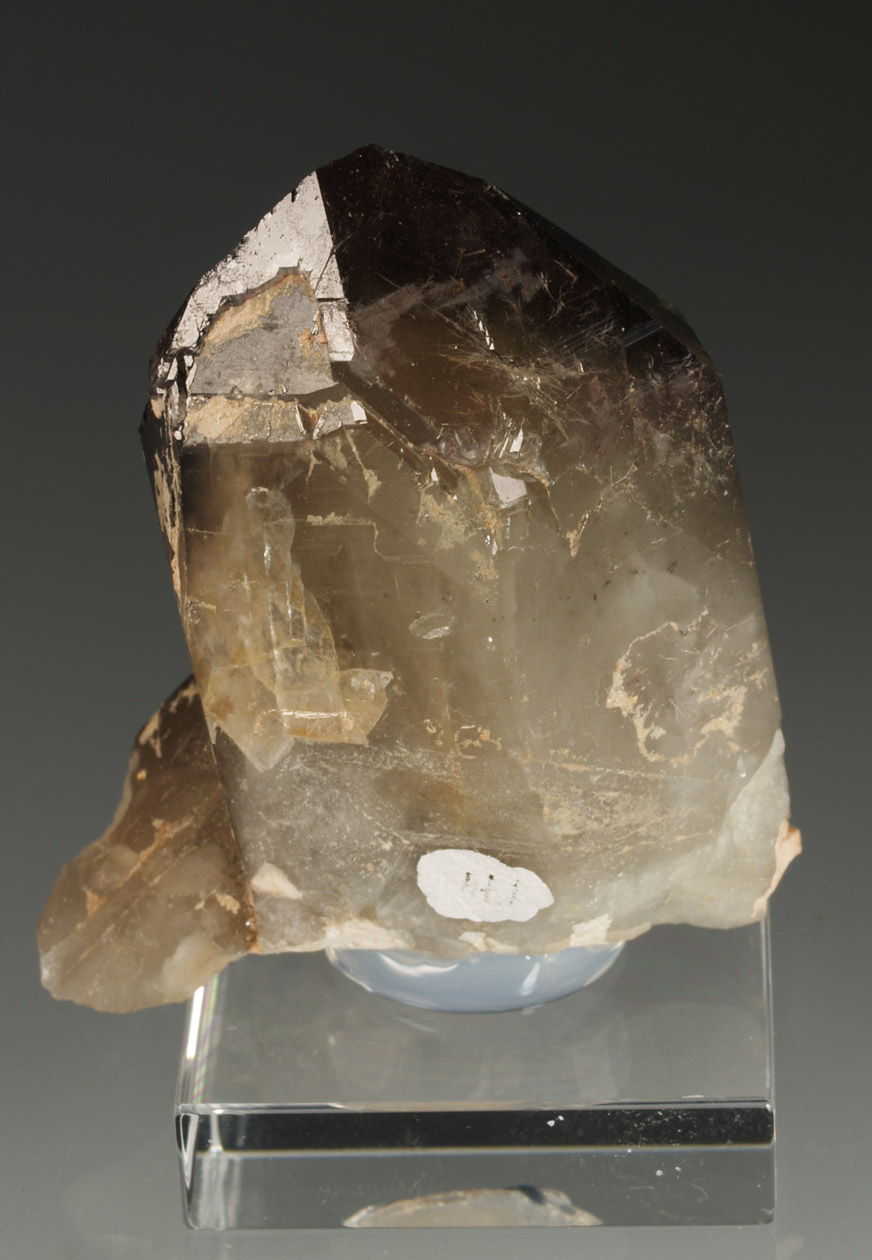
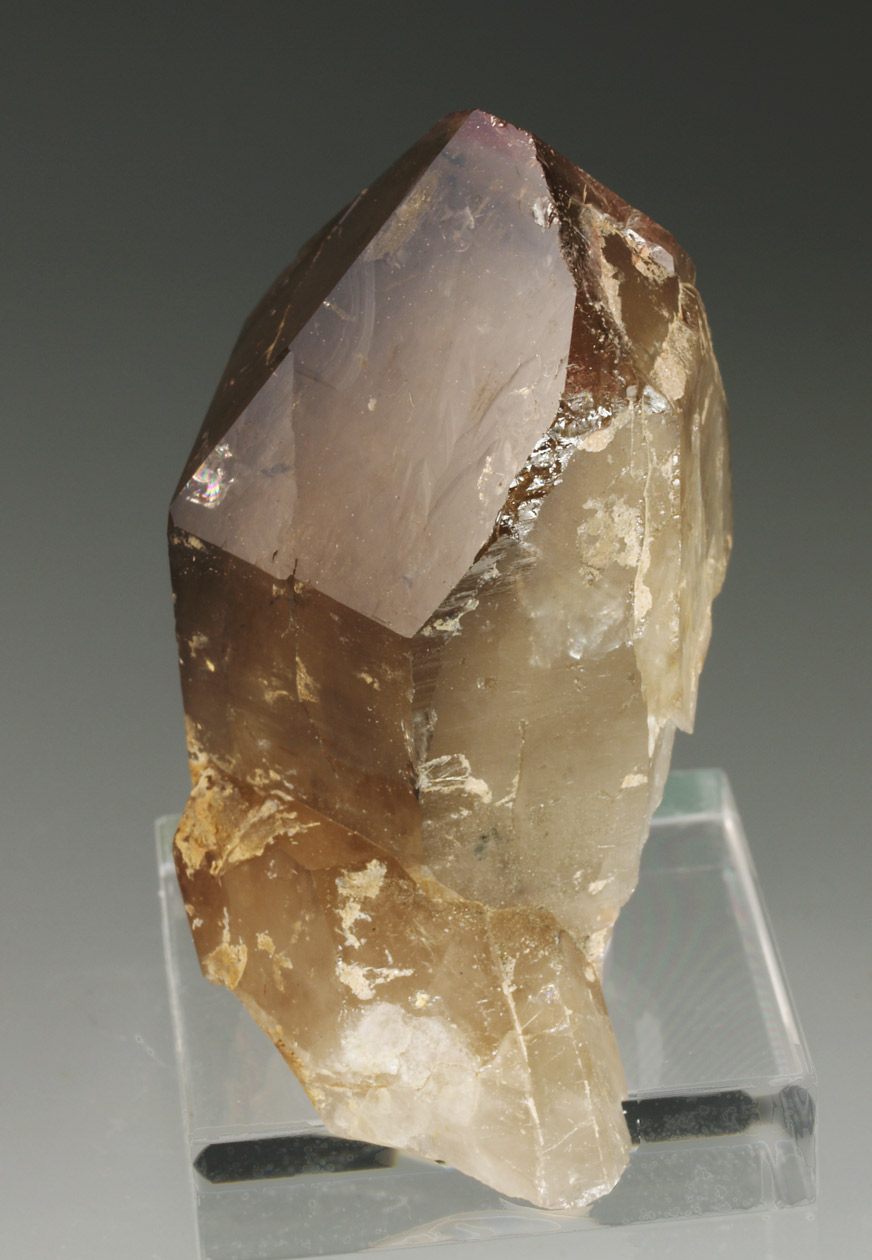
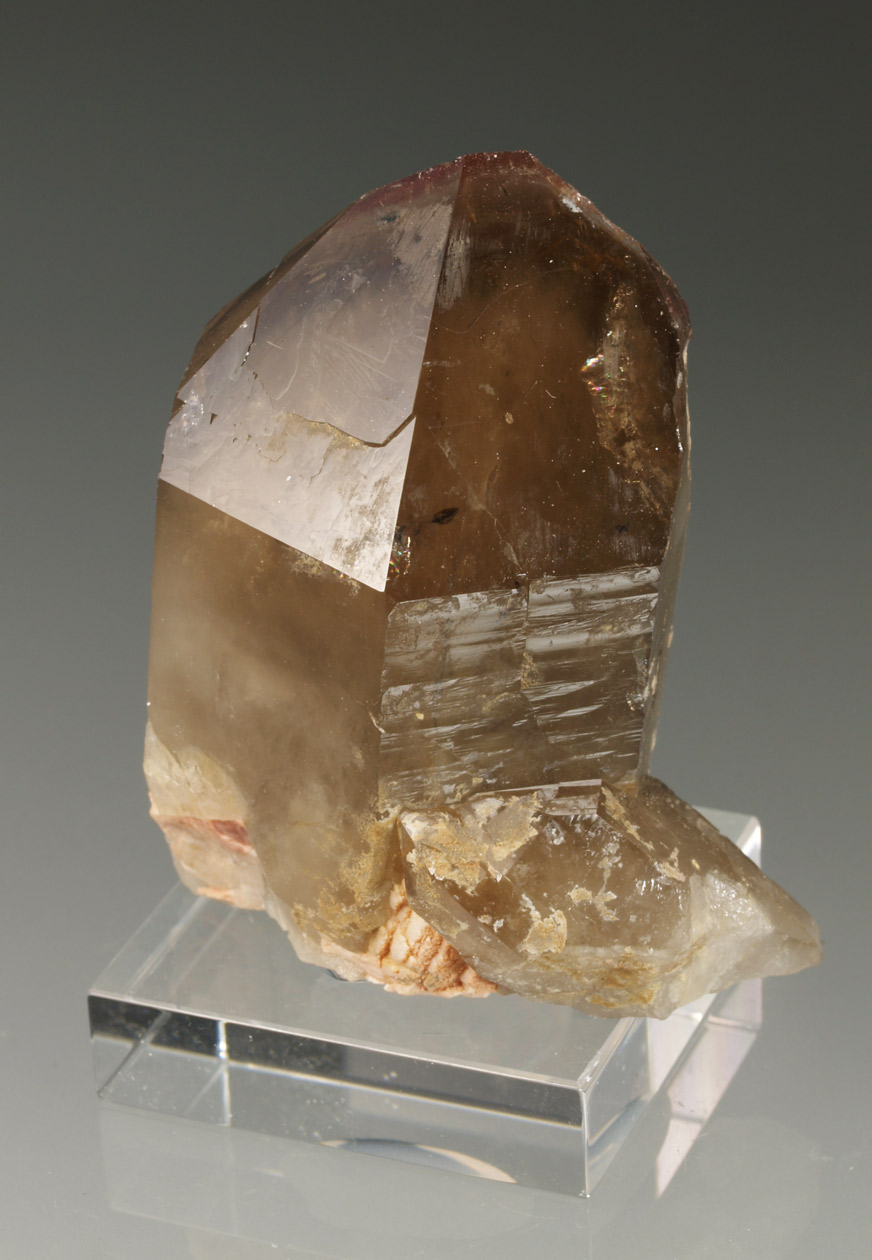
Good size smoky quartz crystal. Defined, bright and with "ghost" shapes inside. An old piece from a classic Catalan locality.
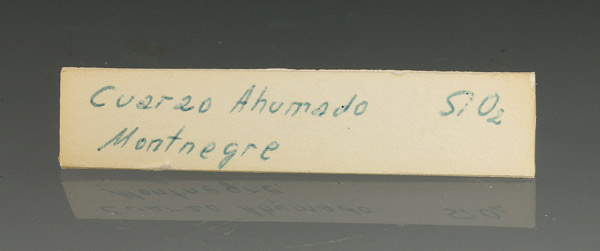
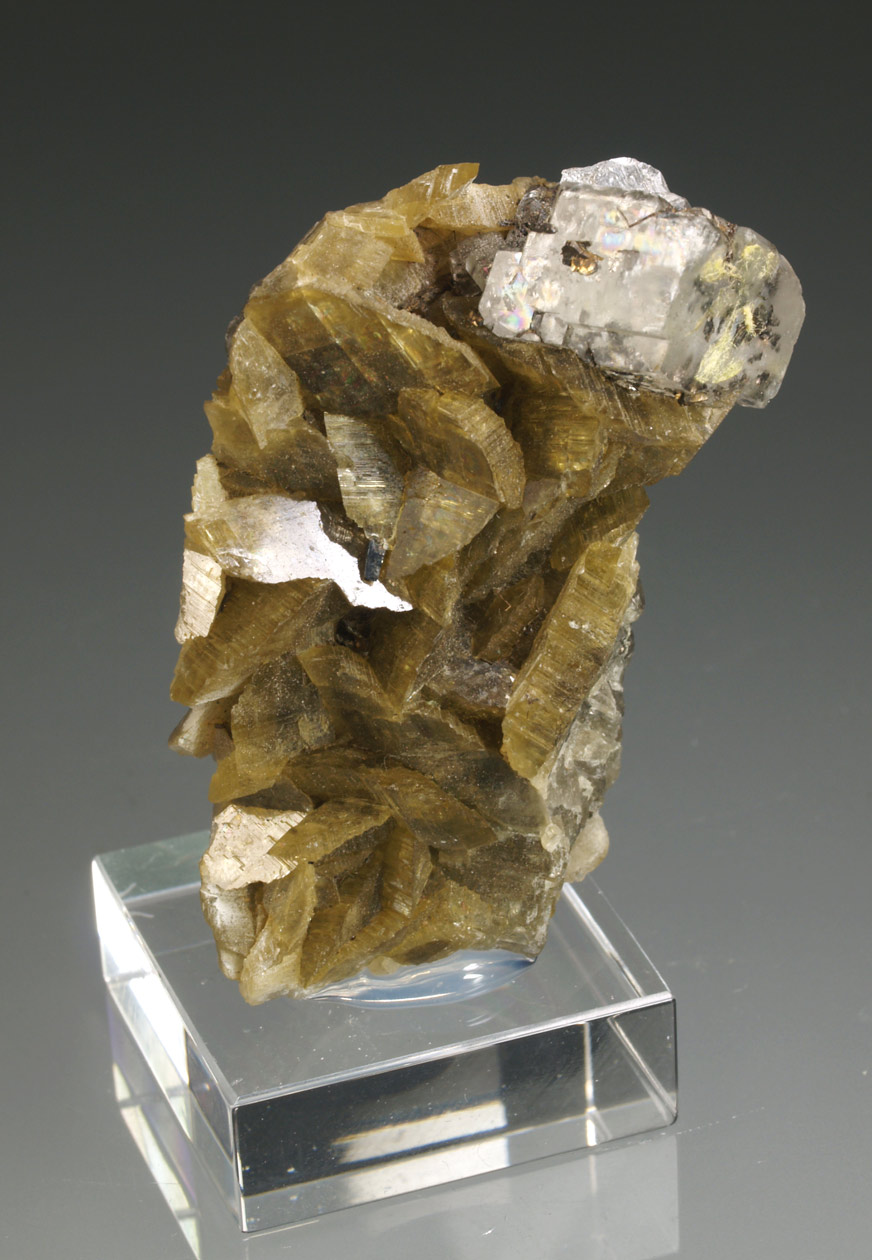
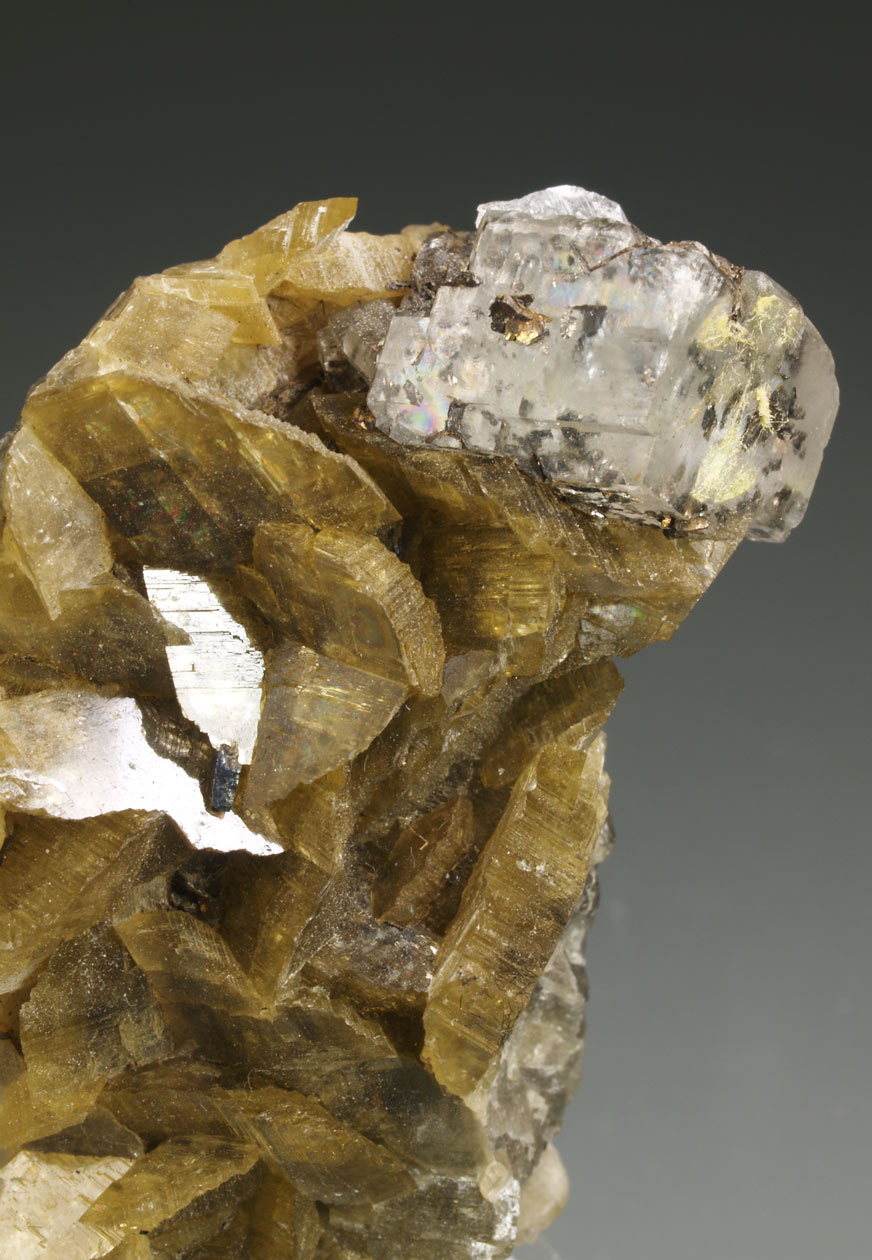
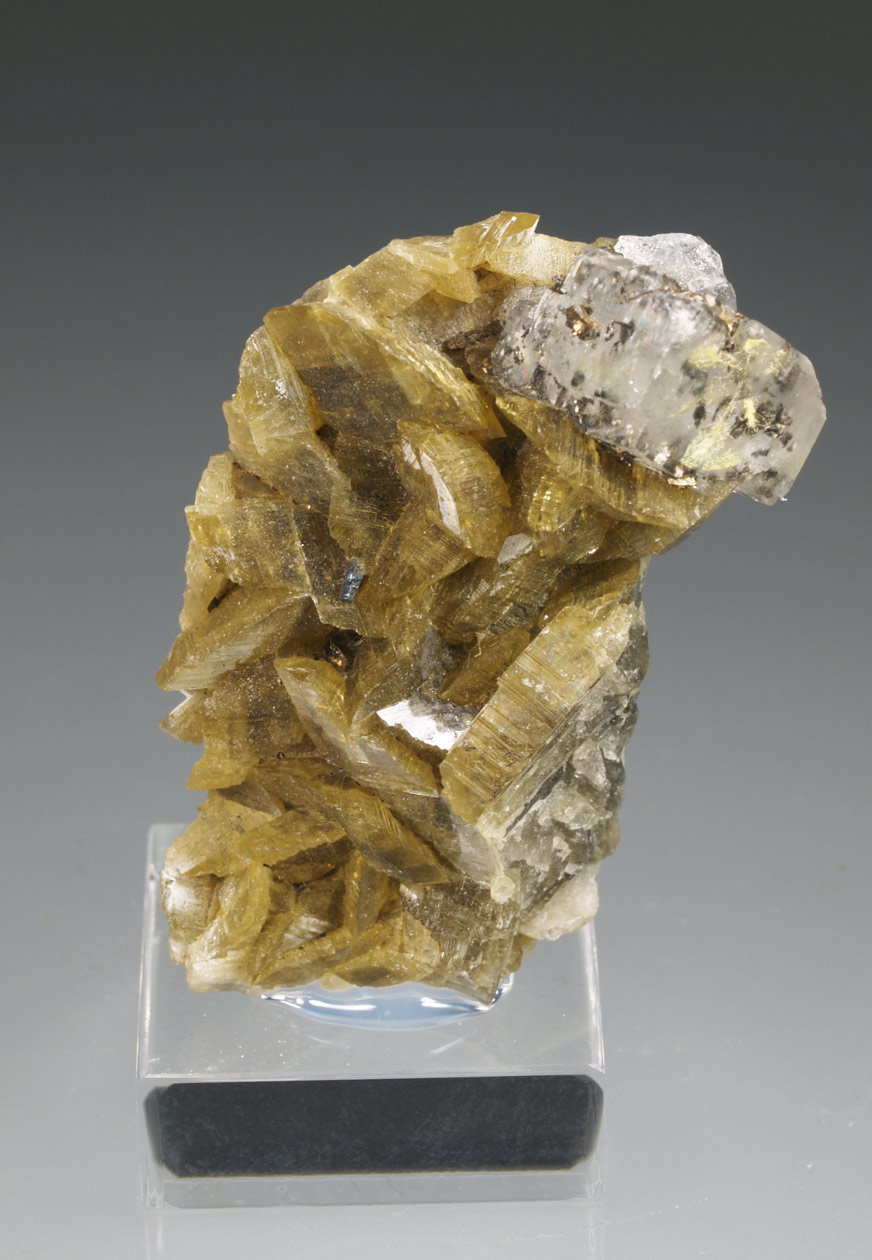
A classic specimen from this Brazilian locality. Various flattened, almost lenticular, siderite crystals with a yellowish green color, on which a group of dolomite crystals stands out. In dolomite we see numerous pseudohexagonal pyrrhotite crystals, some included in the dolomite. We did not observe the presence of cubanite.
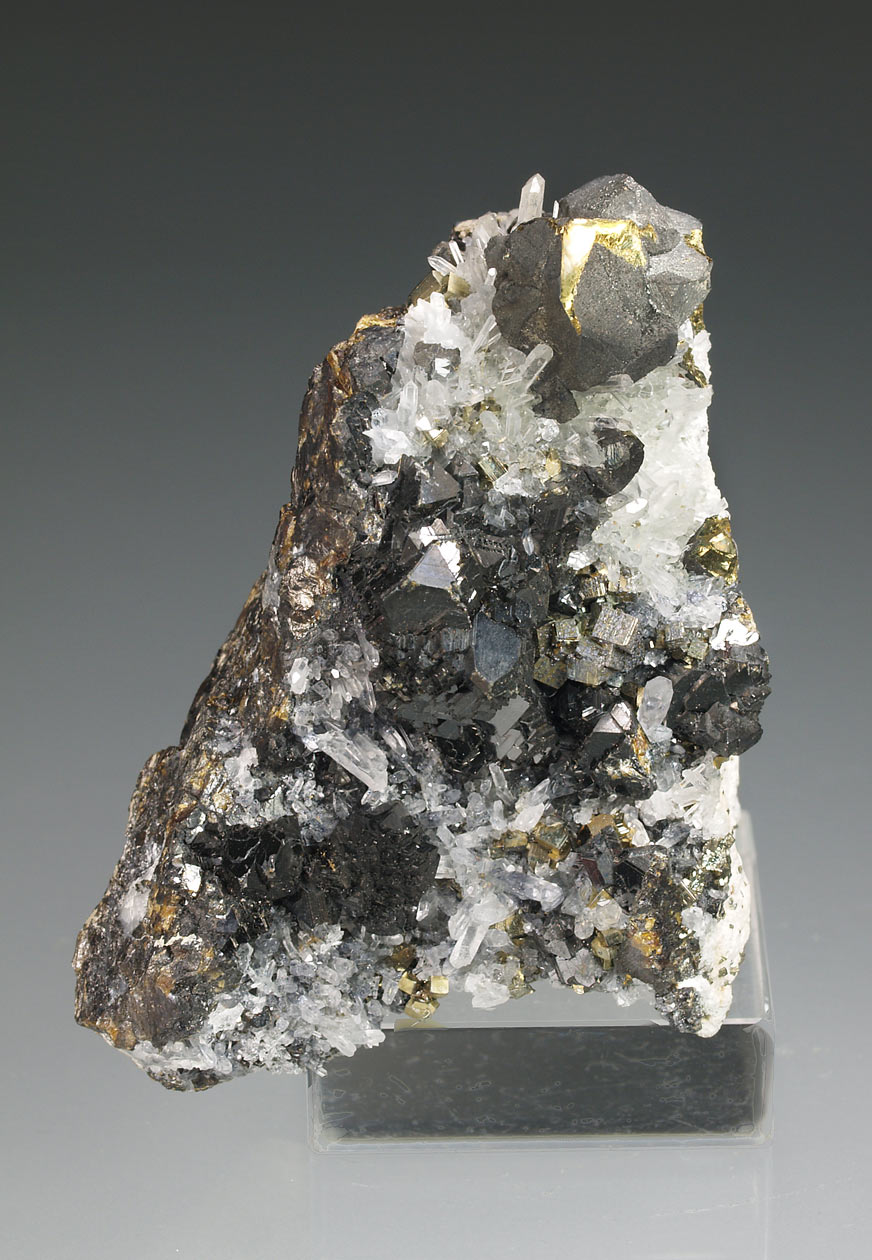
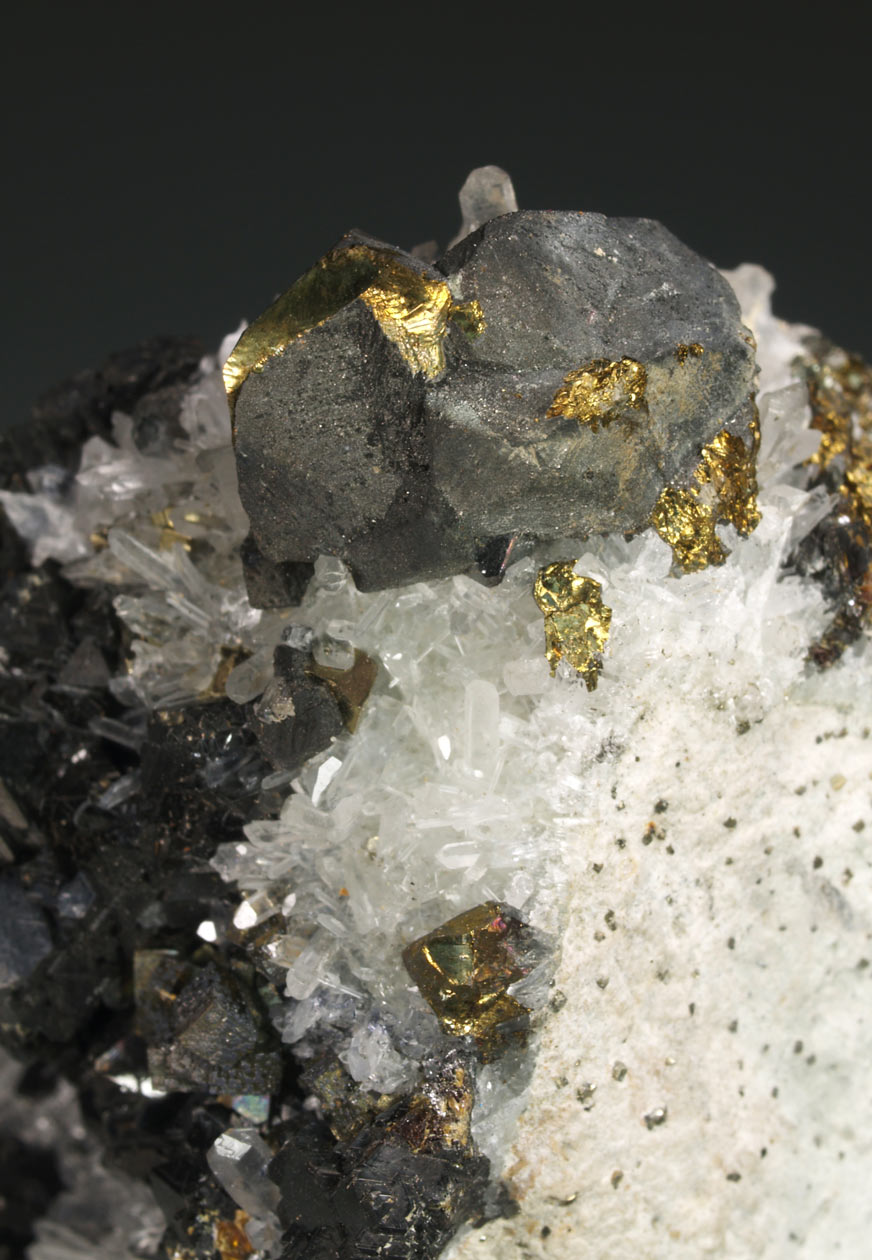
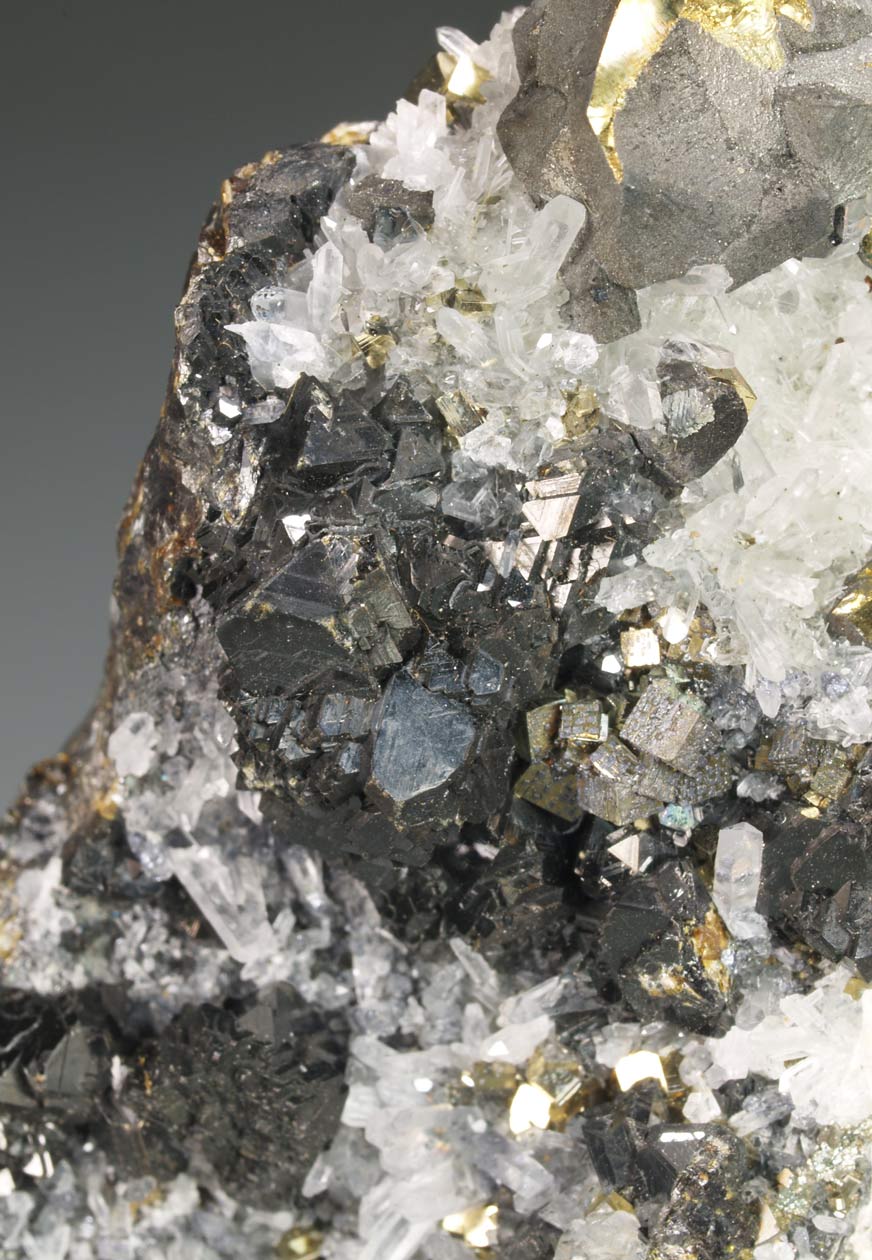
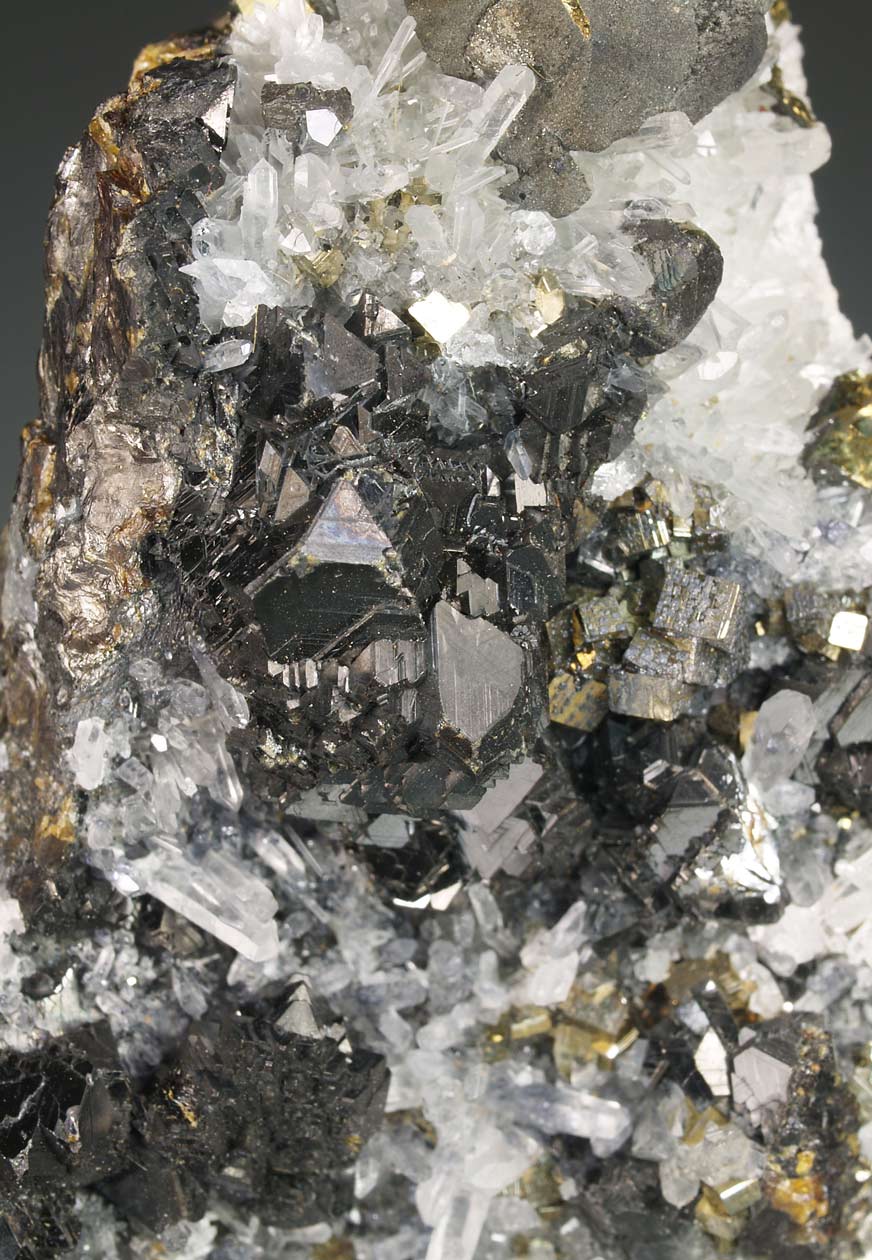
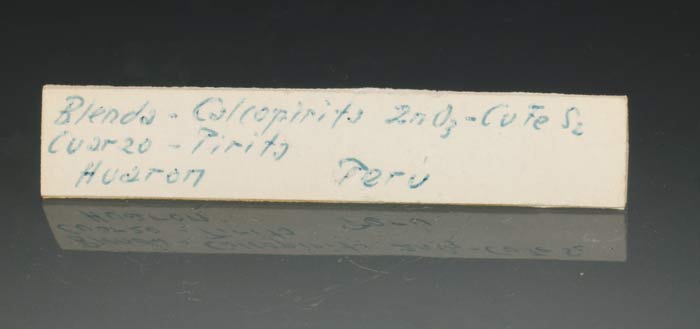
Numerous well-defined and interpenetrated sphalerite crystals are arranged on a matrix with quartz crystals, accompanied by pyrite crystals. In the upper part, a group of chalcopyrite crystals with some indentation, which allows us to see the color and brilliance.
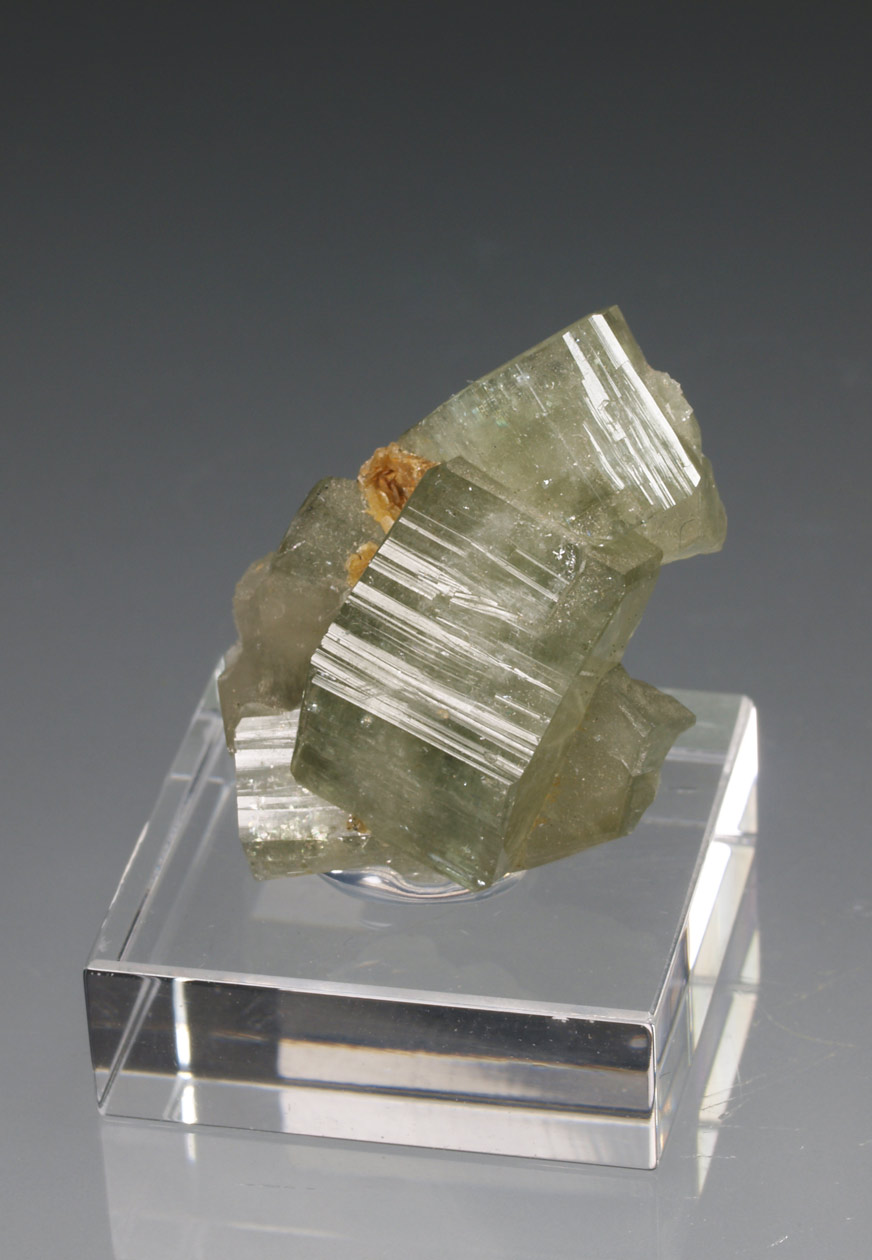
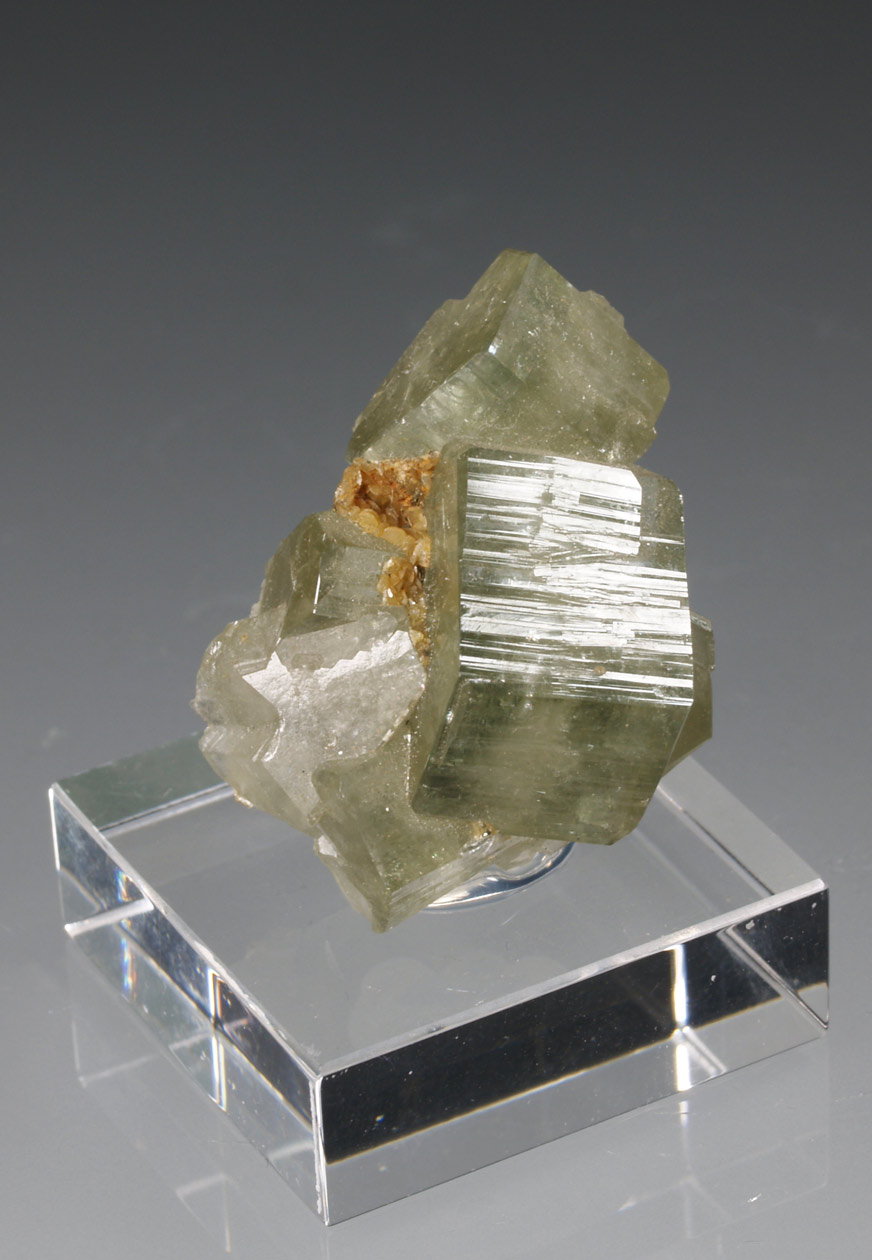
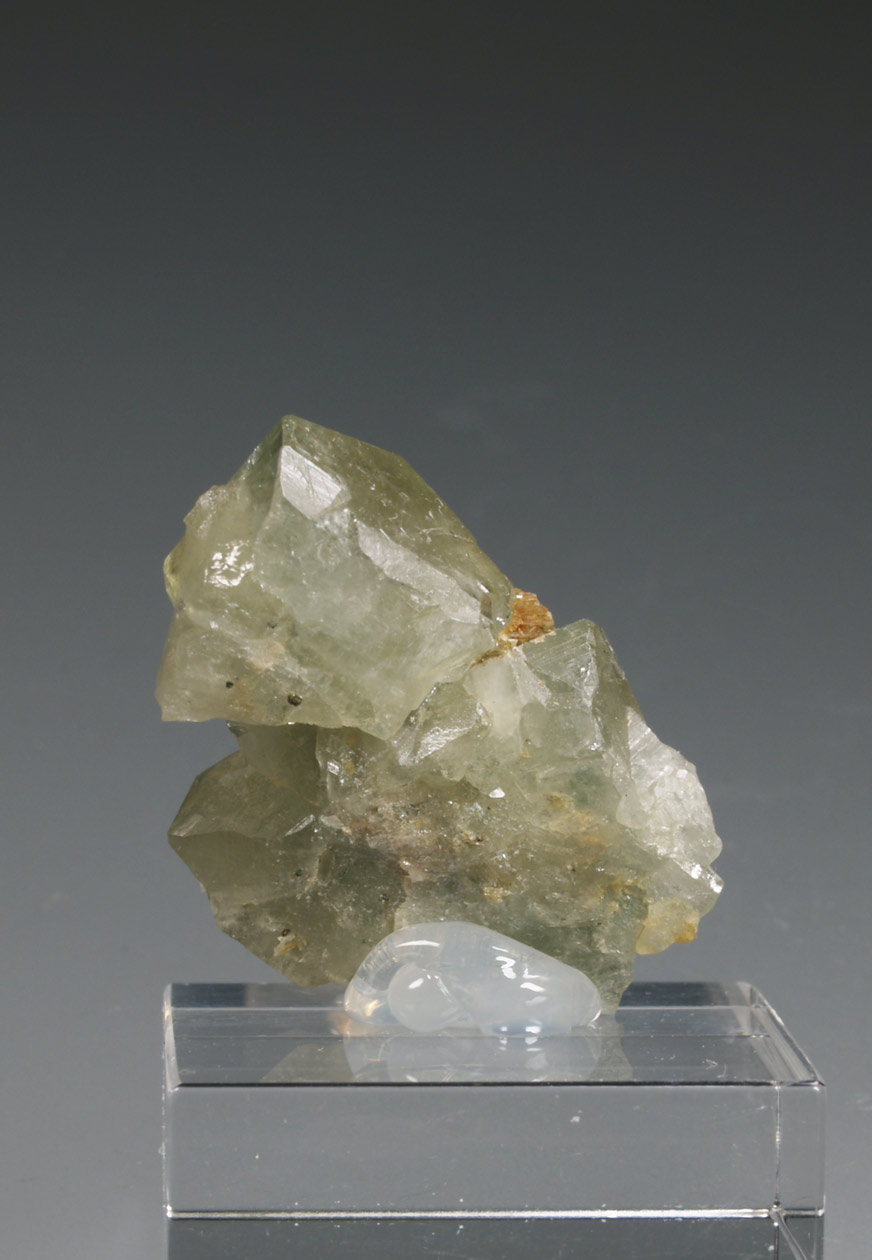
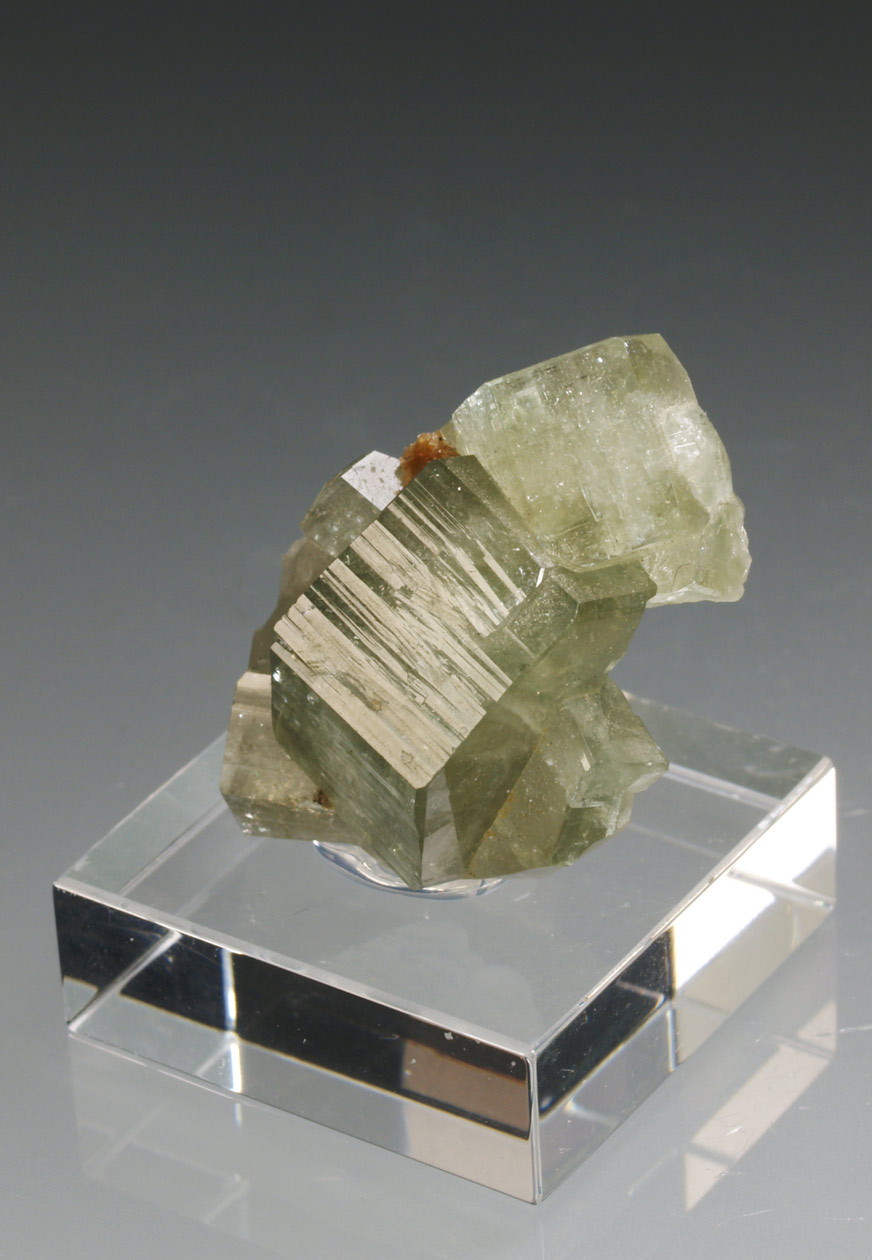
Group of fluorapatite crystals from this famous Portuguese mine. They are accompanied by small lenticular siderite crystals.
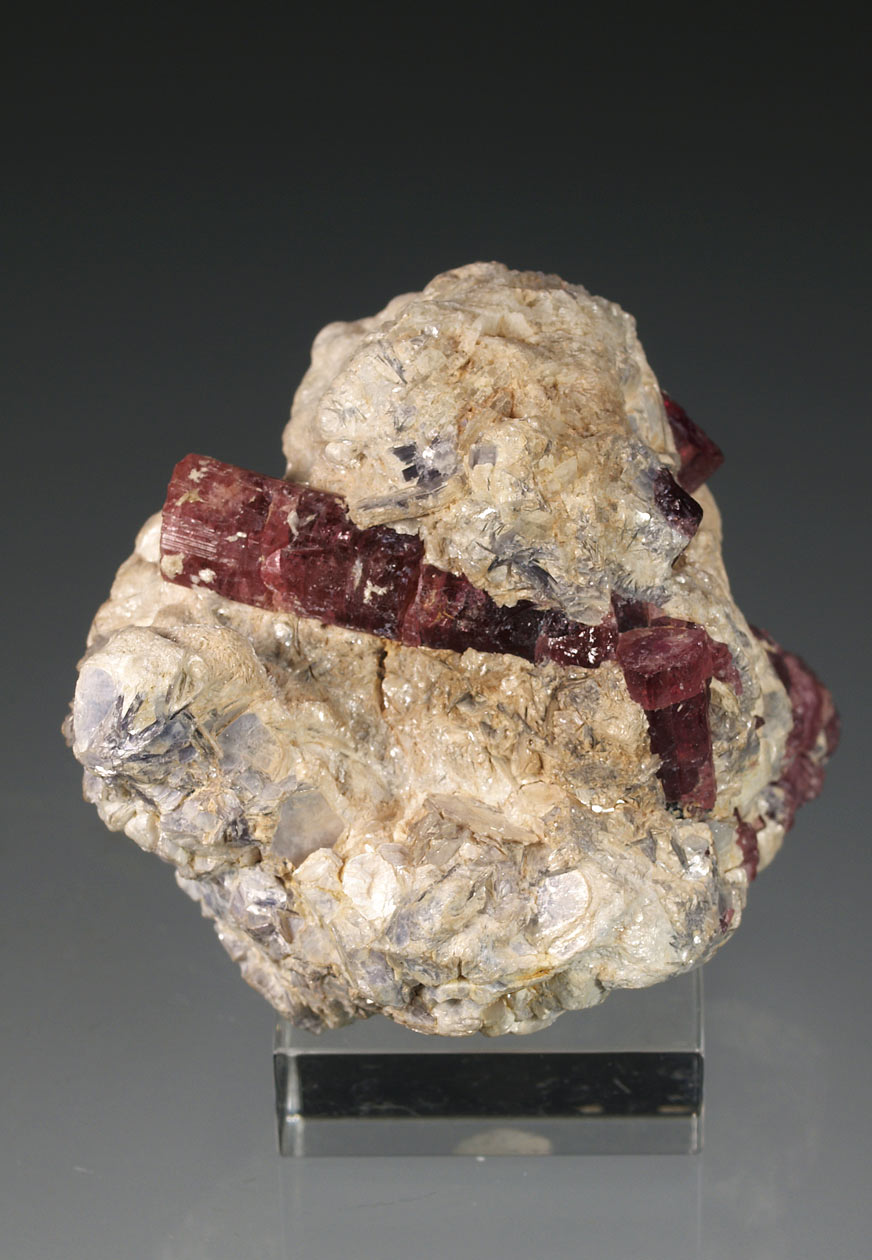
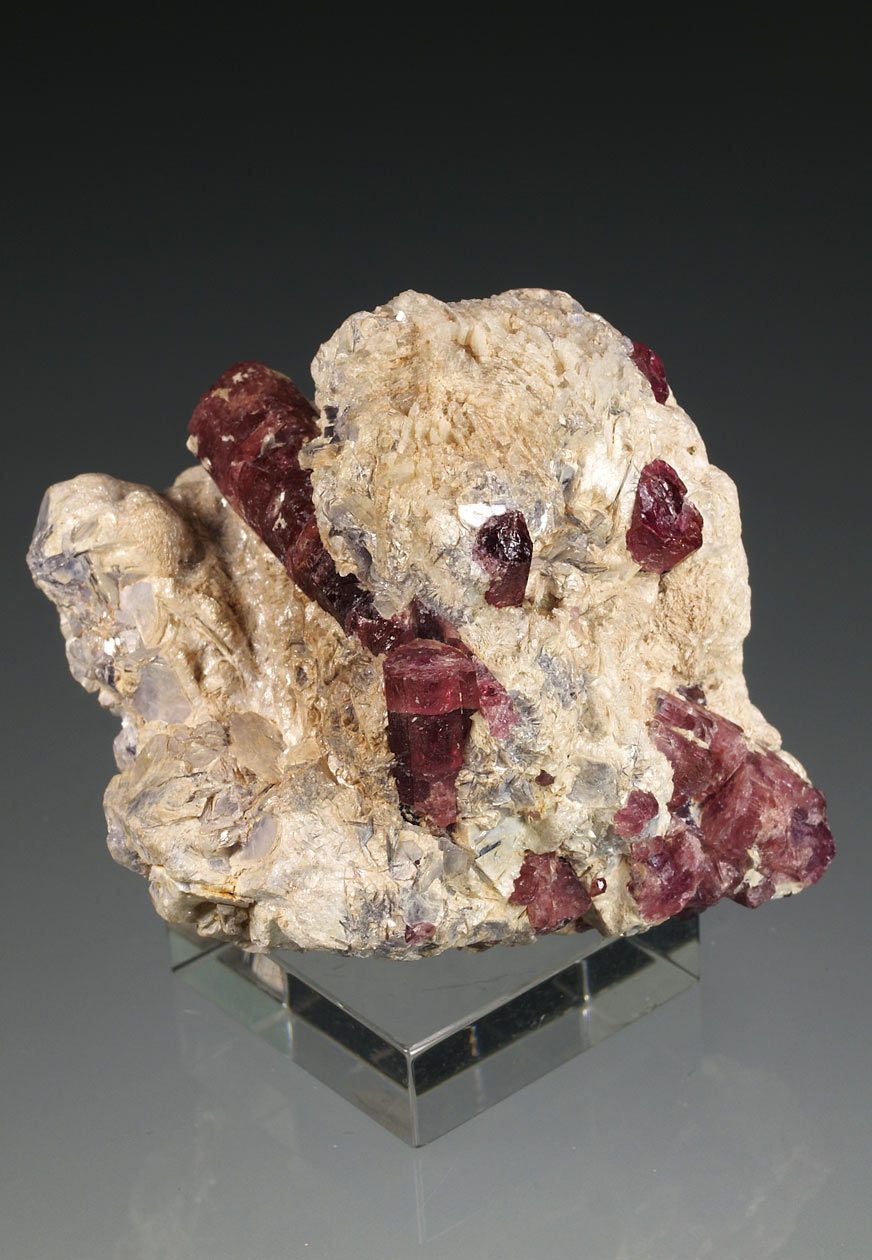
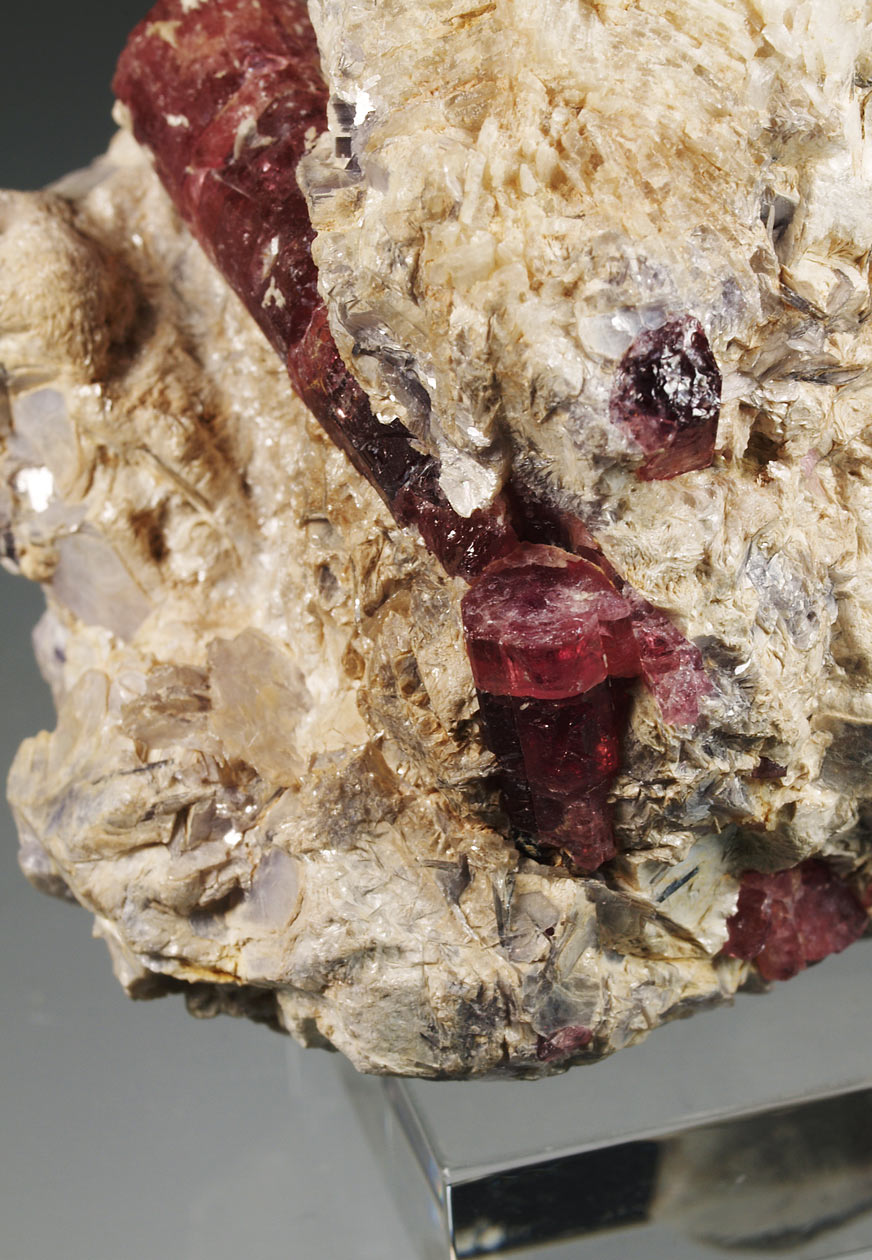
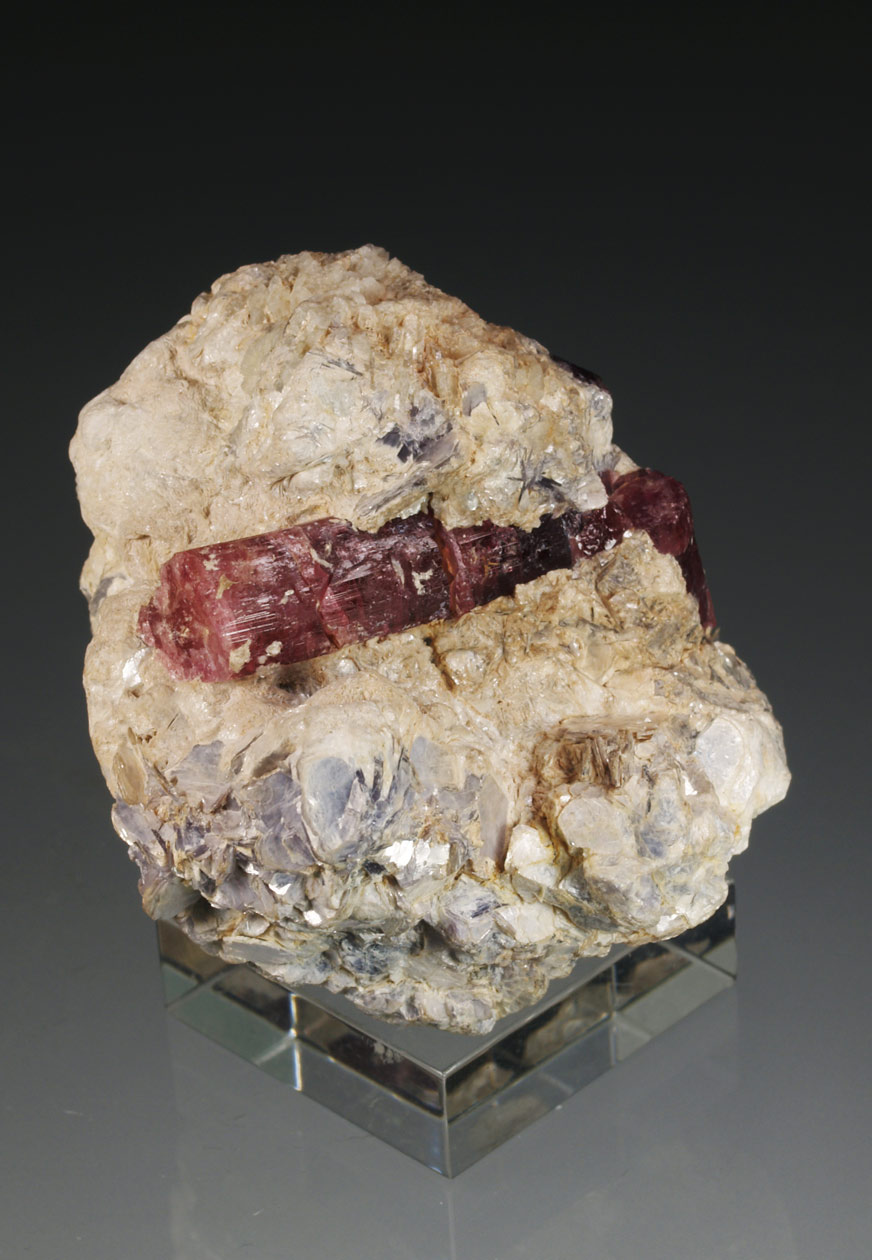
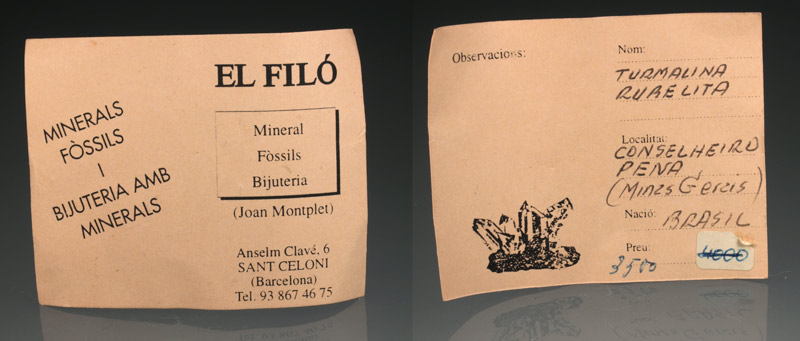
This old piece stands out for the size of the crystals and their color. The largest crystal presents the classic fractures, perpendicular to the main axis. The minor, with the terminal face. They are pieces that came out many years ago, around the 70s. This specimen also stands out for the label of Joan Montplet, a well-known mineral seller from Sant Celoni (Catalonia).
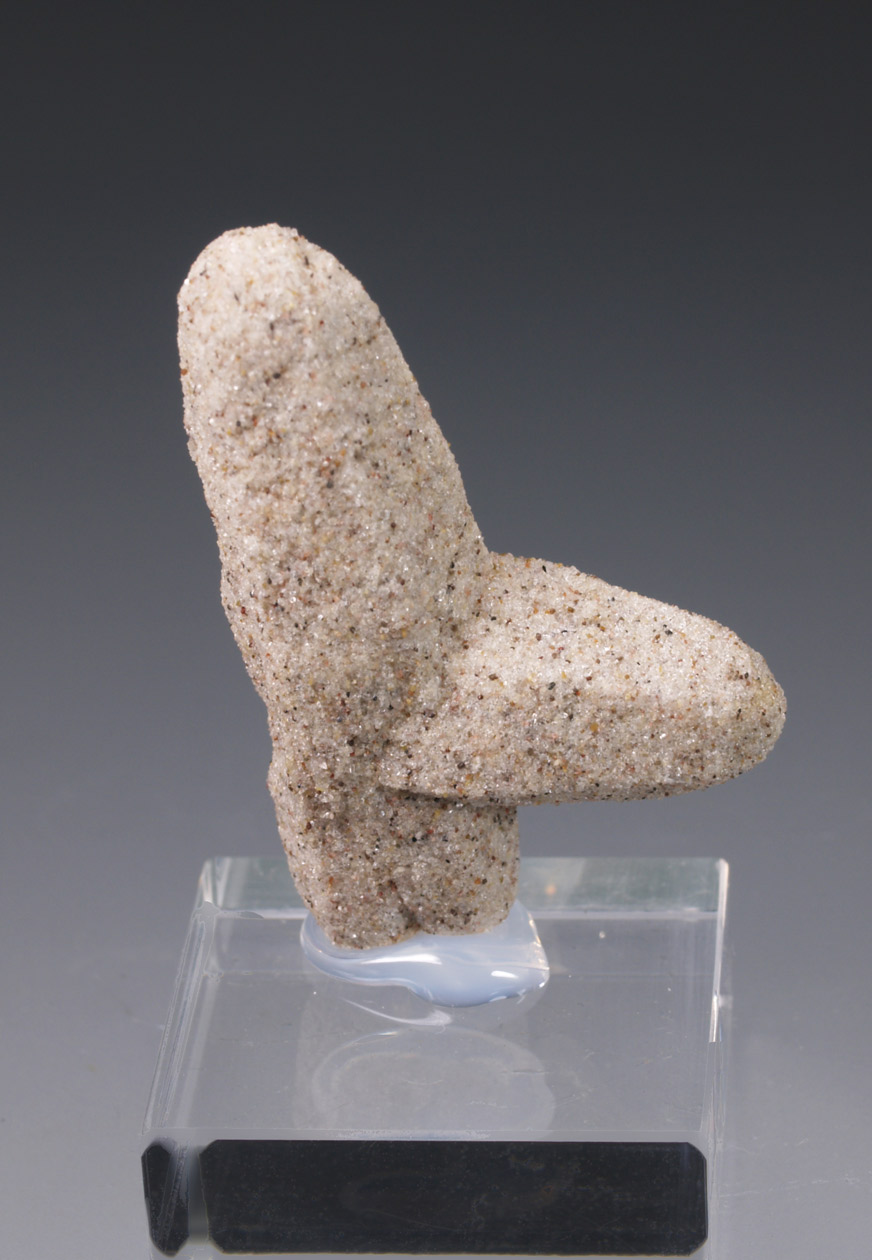
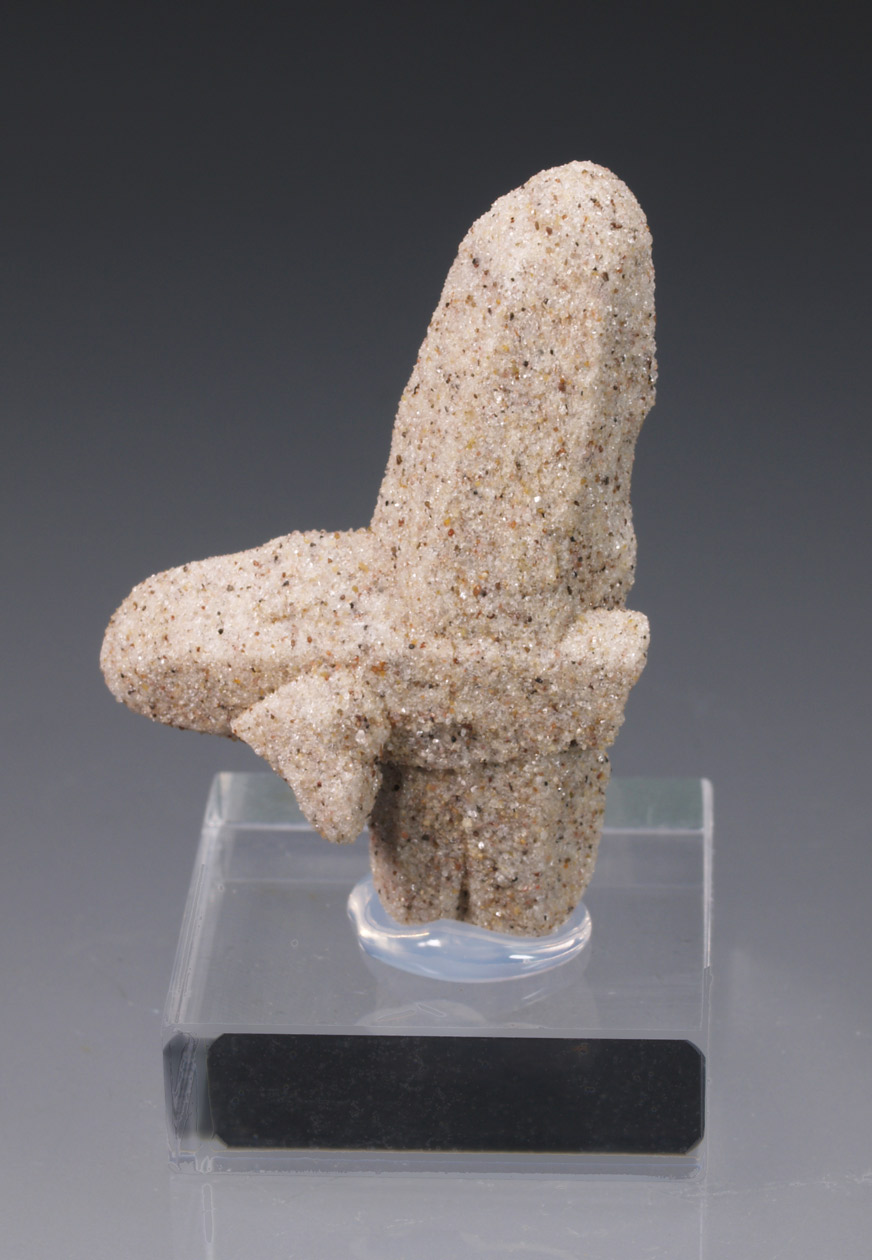
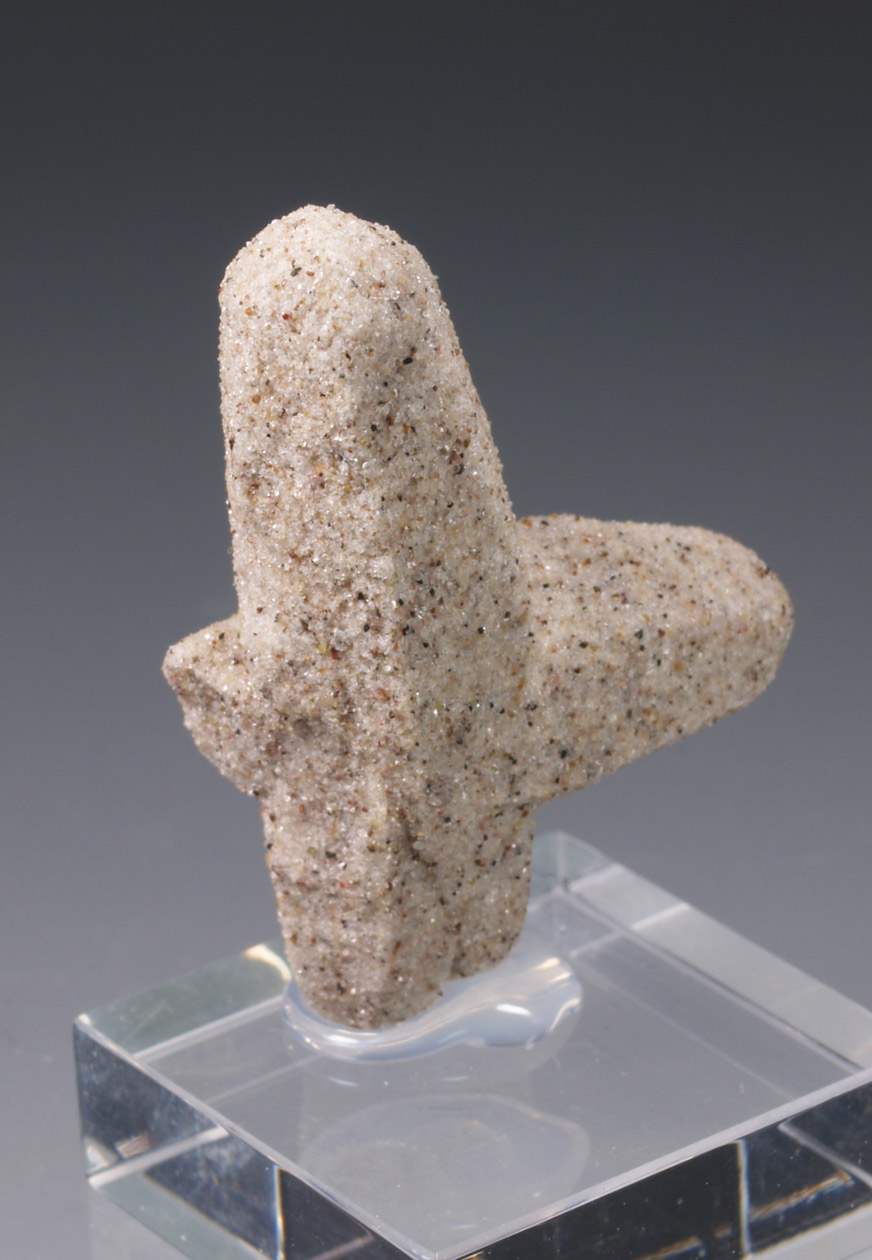
A cluster of "sand calcite" calcite which the locality is well know for. Crystals show a hexagonal form, the main one doubly terminated. From a former Spanish collection.
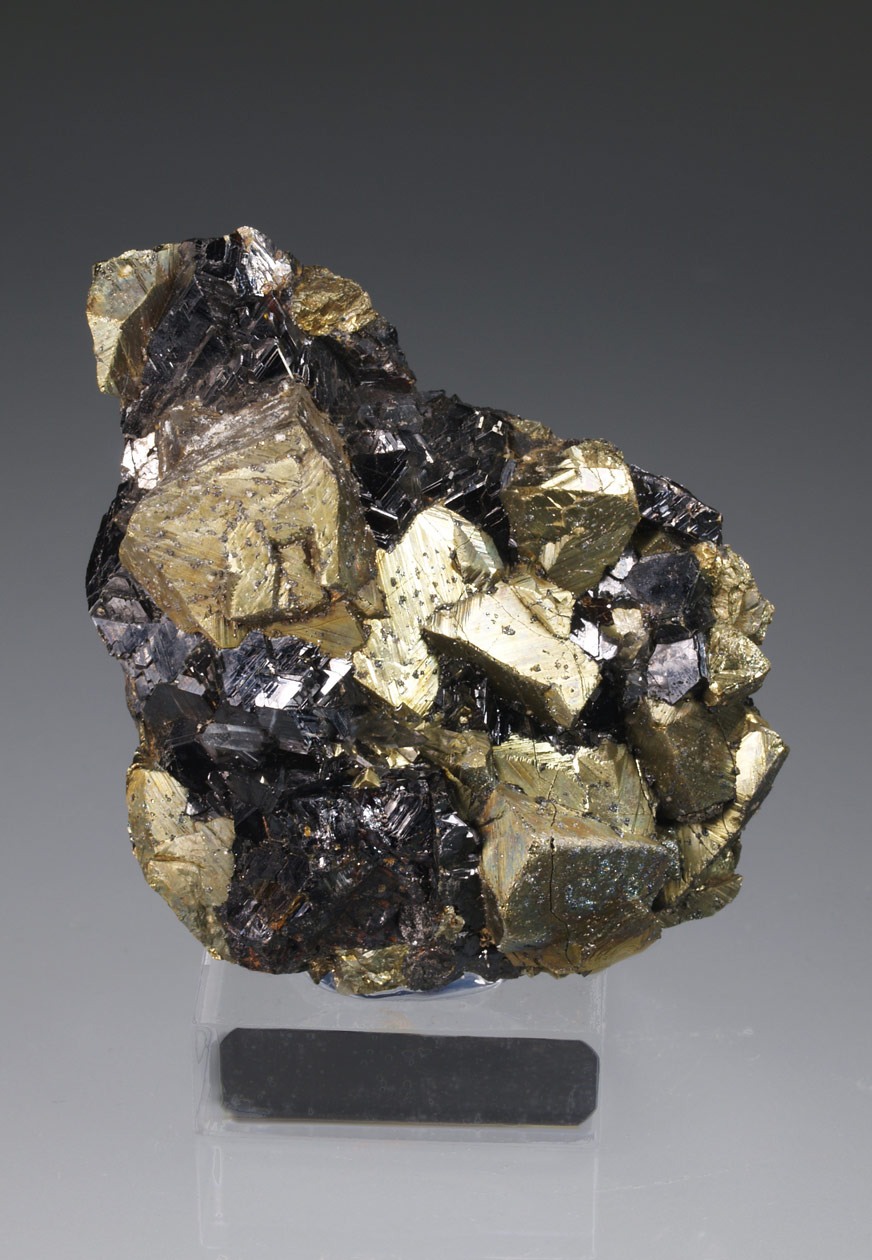
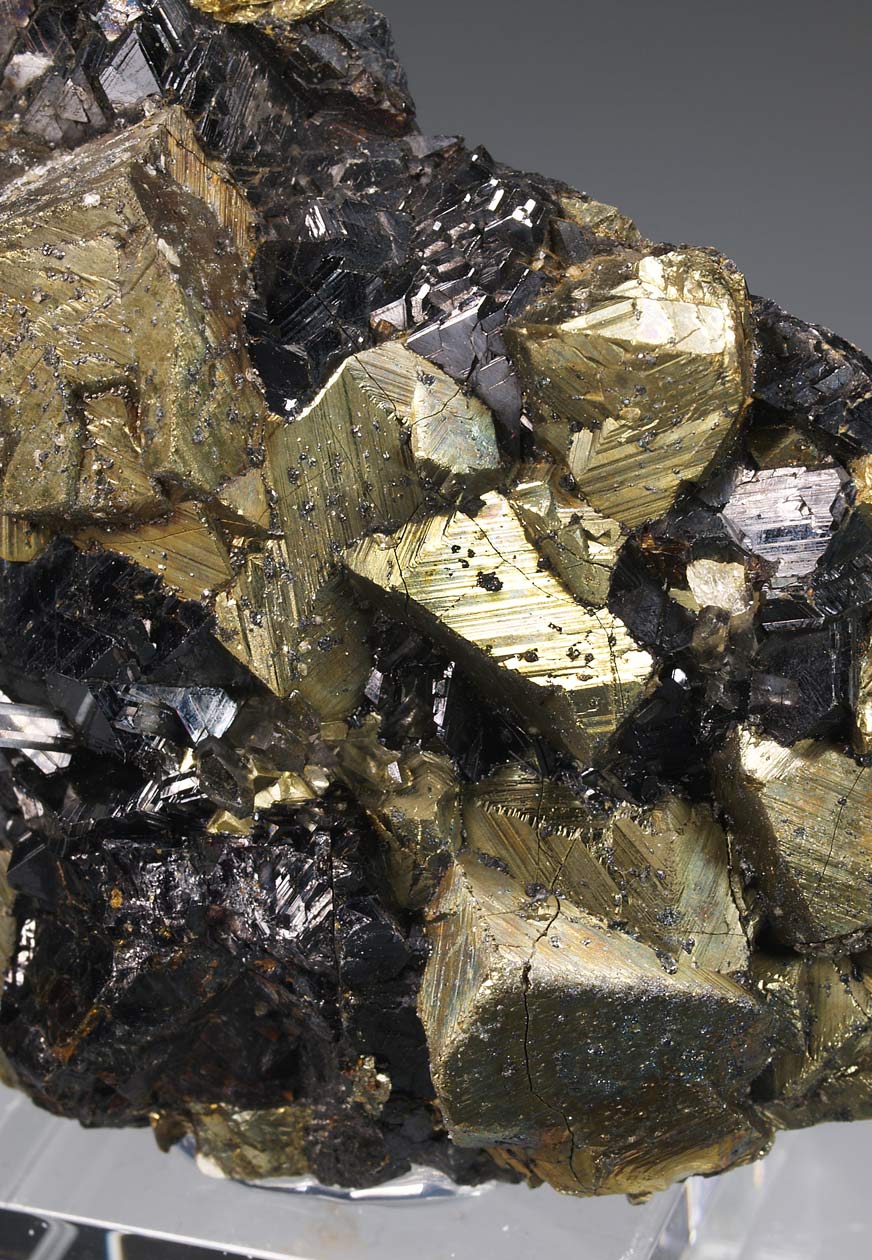
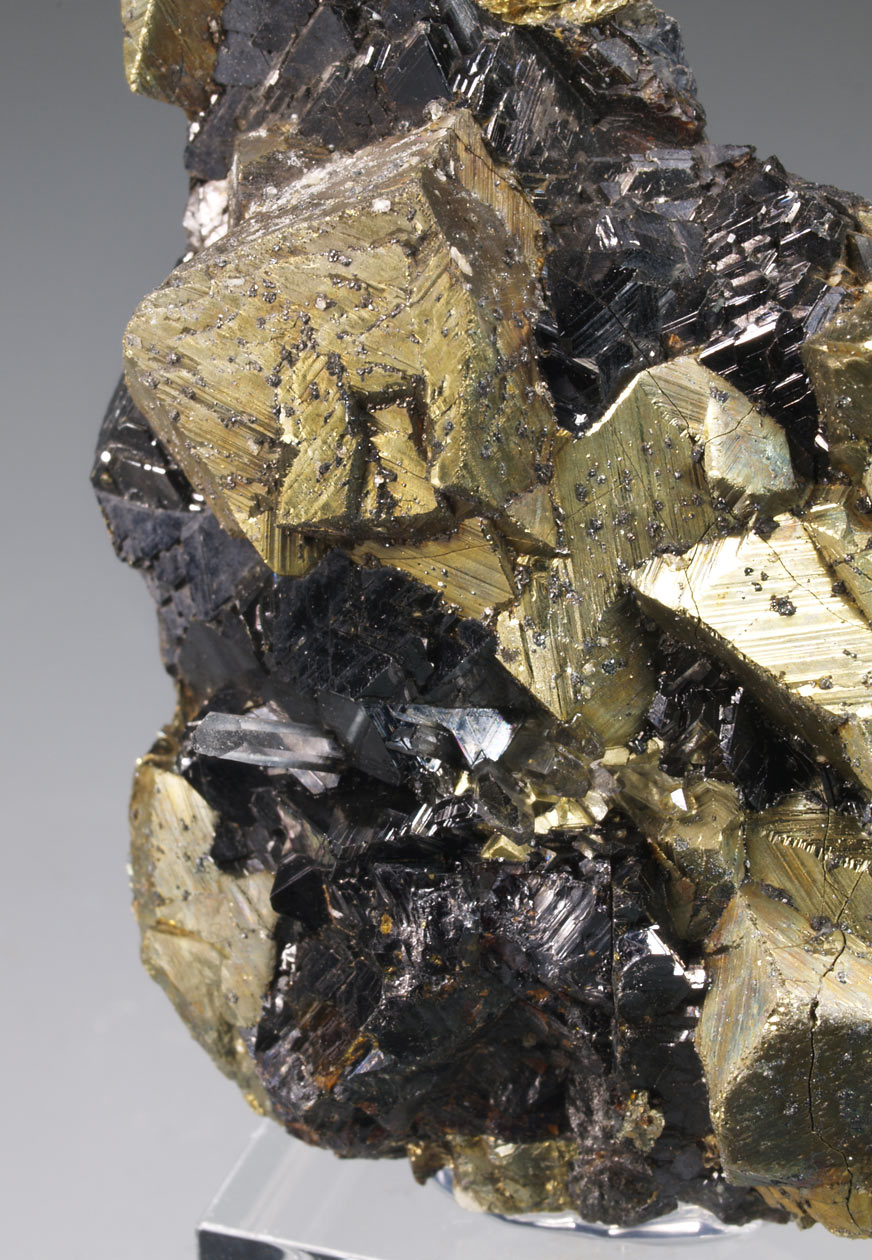
Group of chalcopyrite crystals, bright, interpenetrated, with well defined edges. On the faces of the crystals we can see small aggregates of crystals, probably tetrahedrite. They are accompanied by sphalerite crystals on matrix. An old piece, from the time of those that are preserved in the Freiberg Mining School Museum.
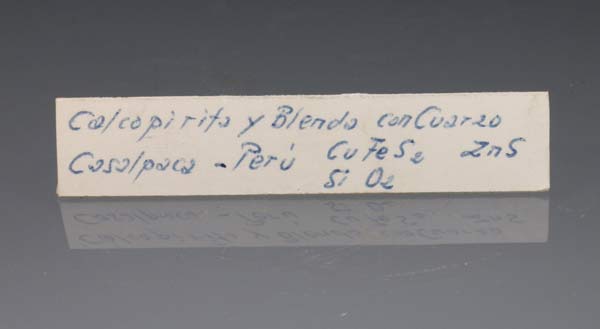
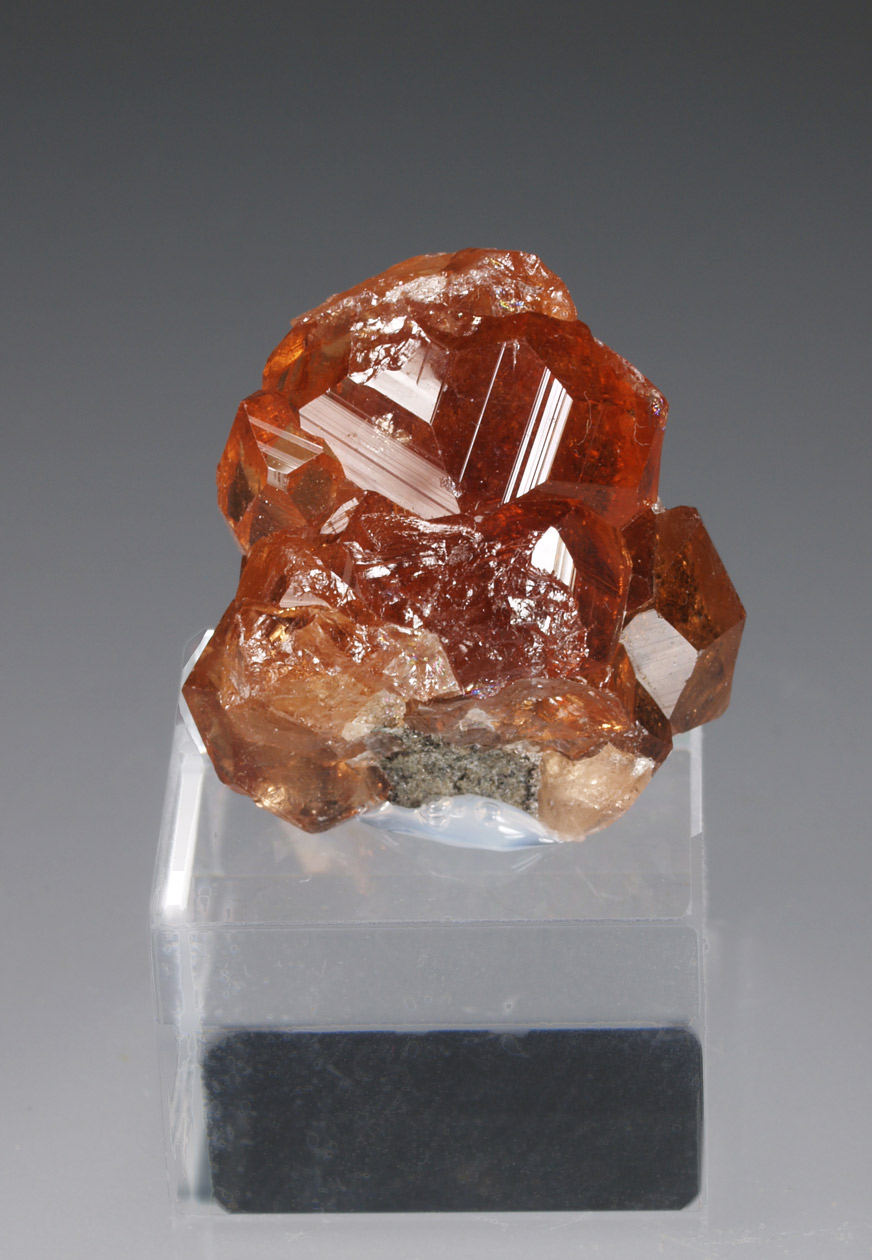
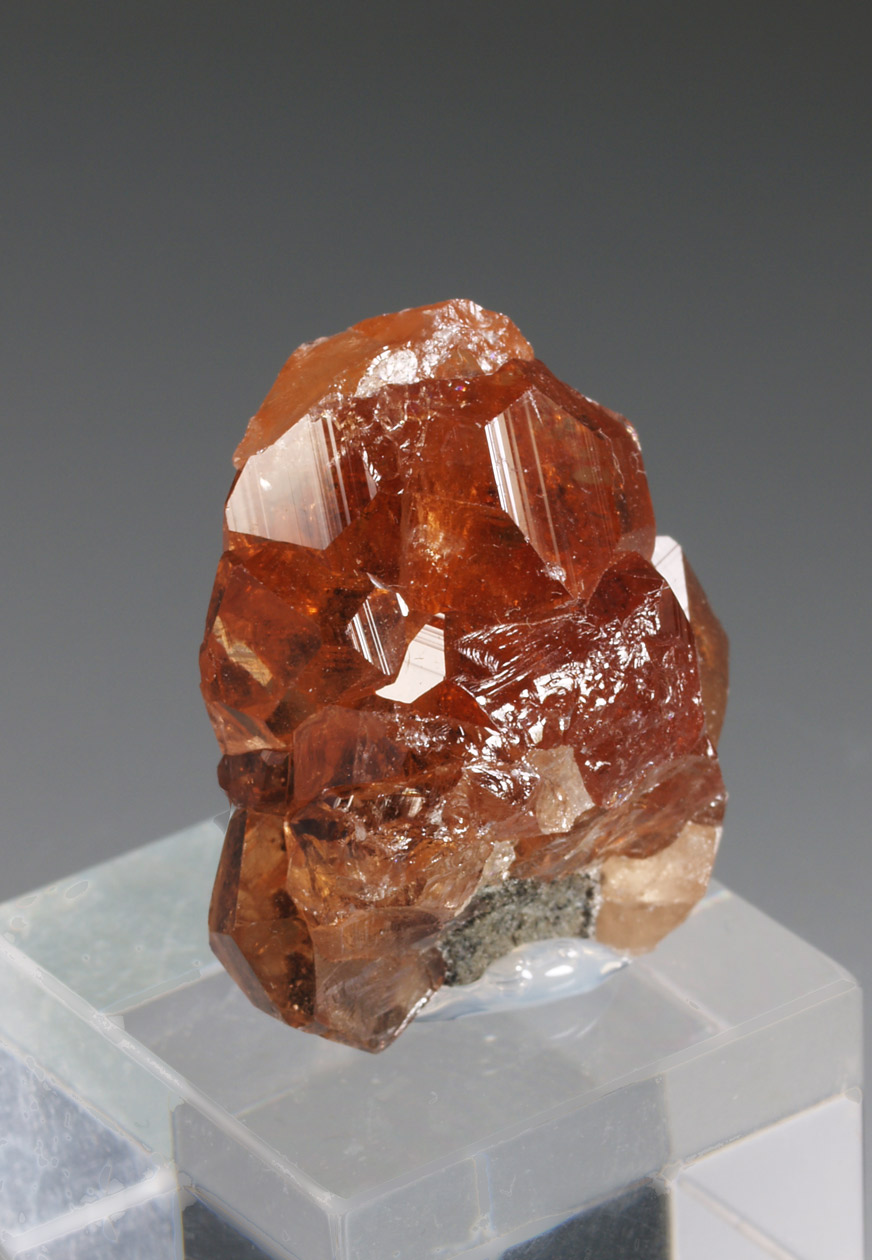
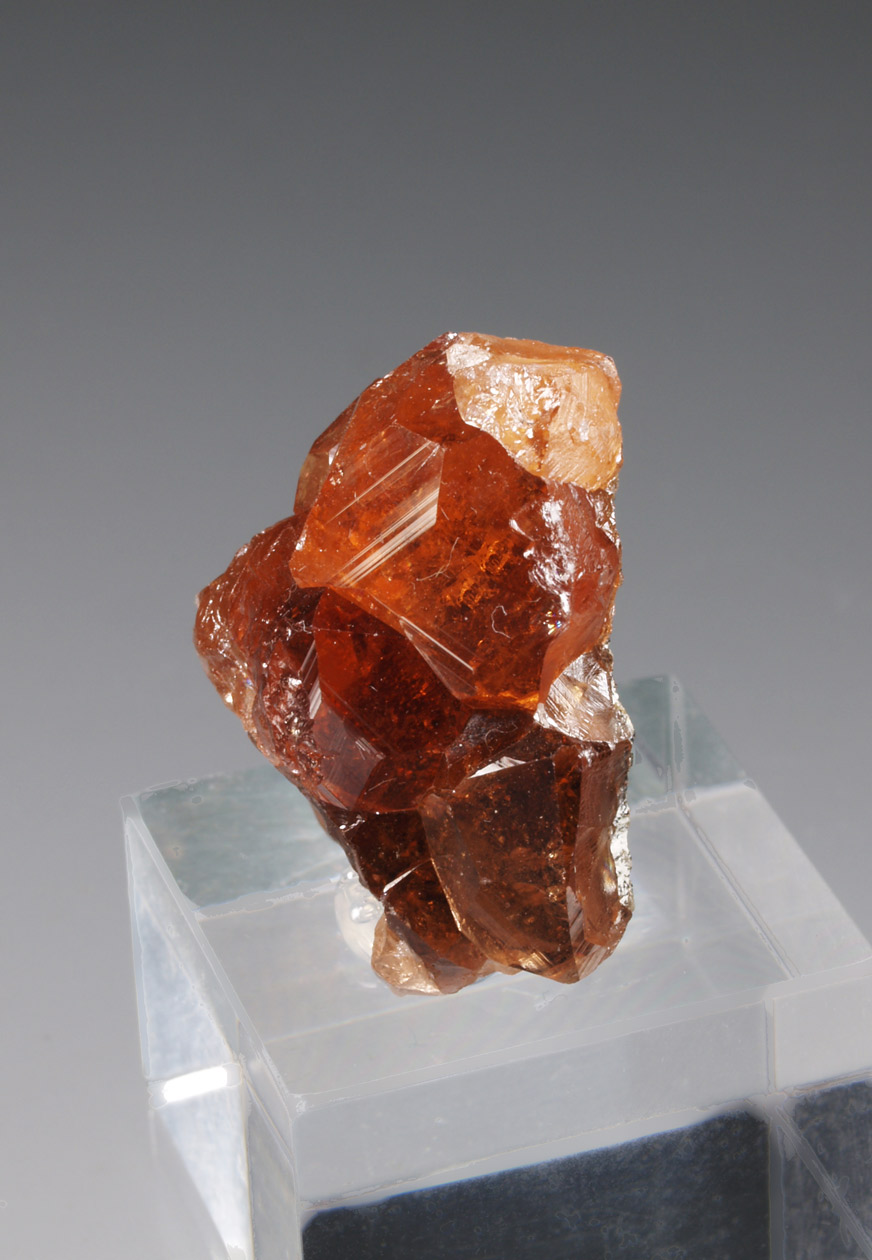
This miniature is a gem, formed by several grossular crystals, with brilliance, very well defined, transparent and with an intense color. Since the mine closed it is difficult to see specimens of this type. From a former Catalan collection.
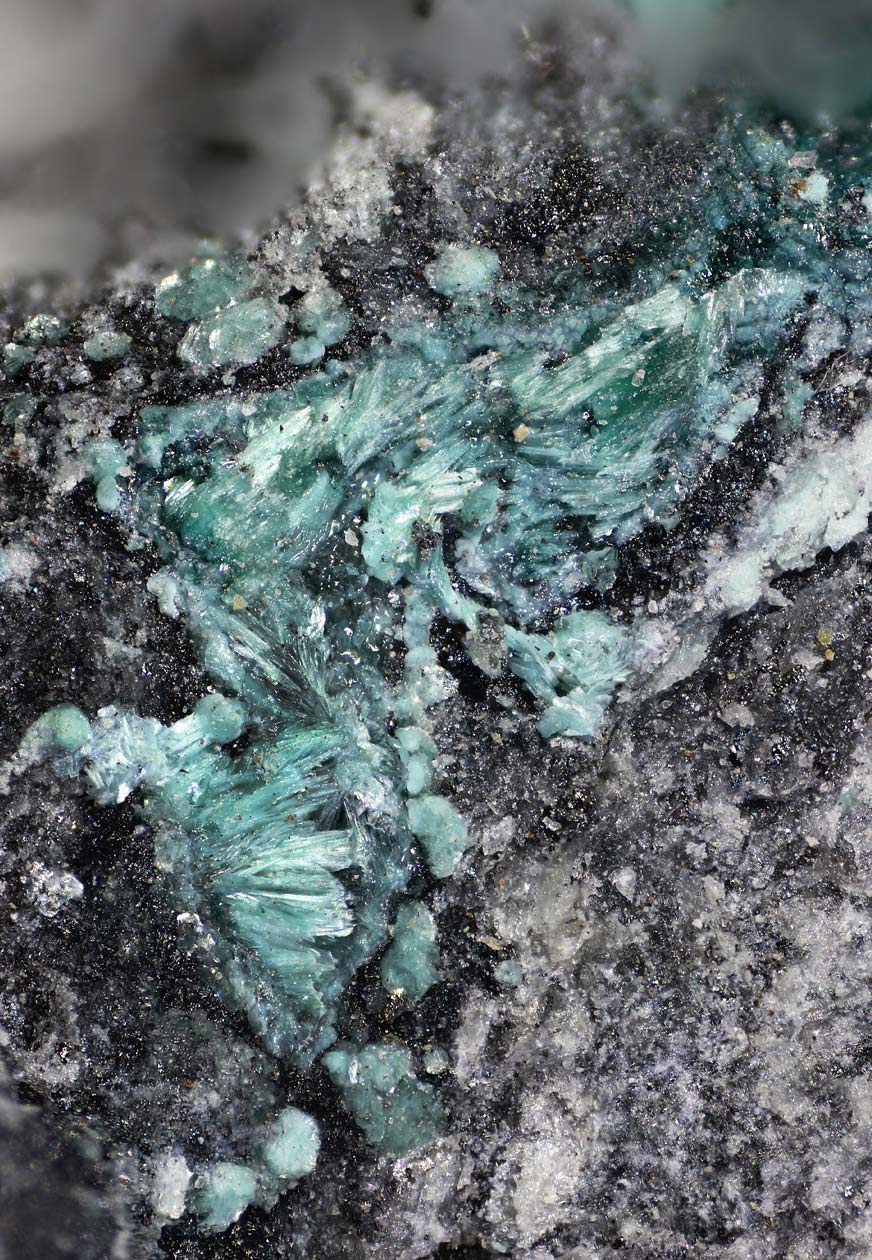
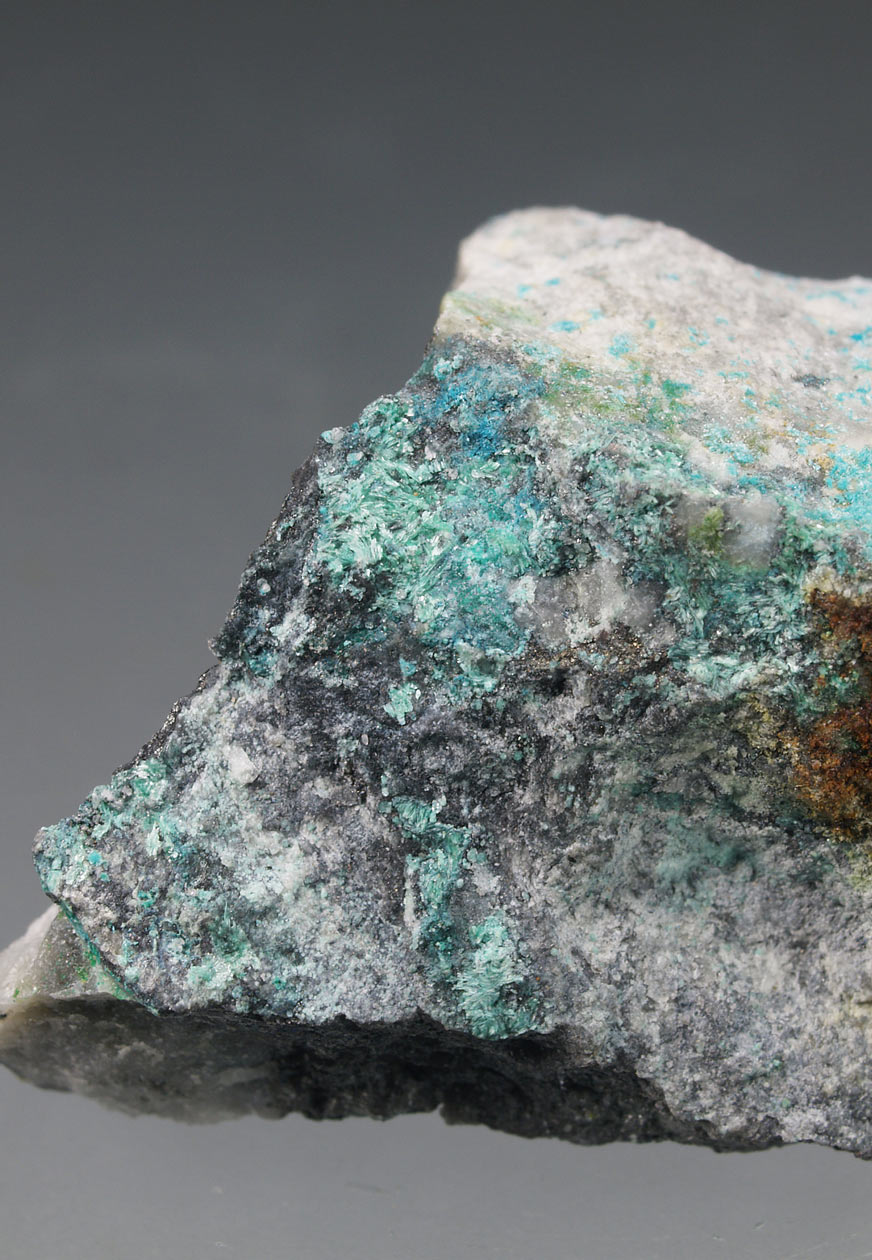
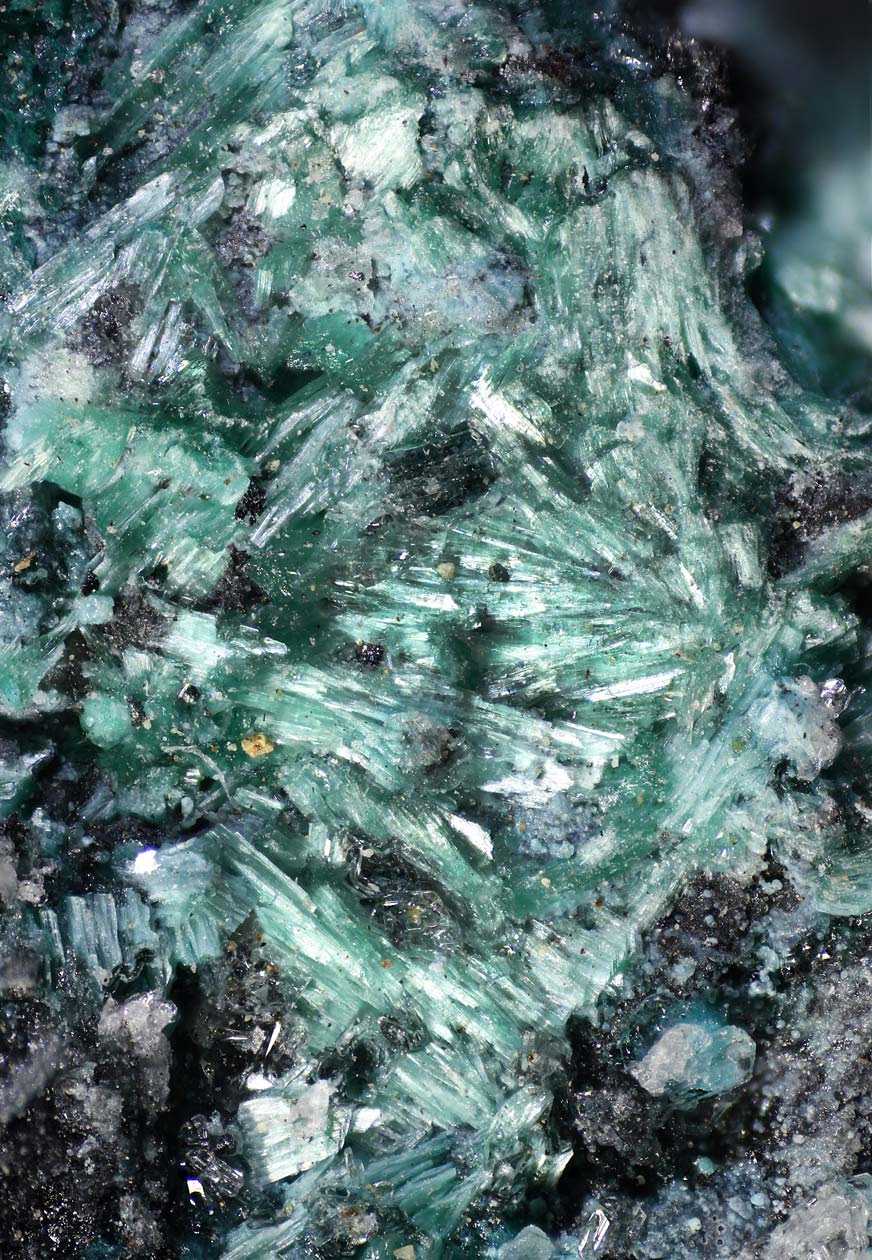
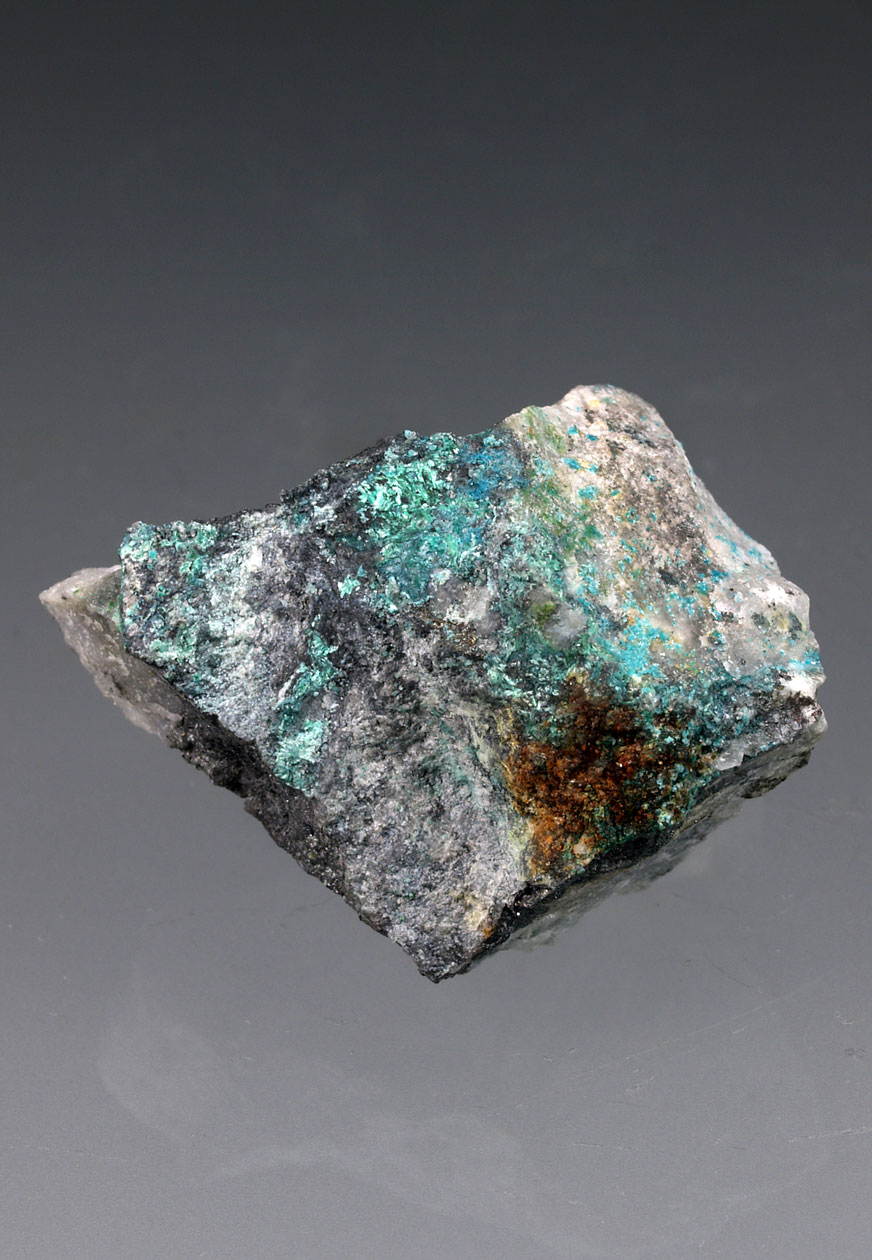
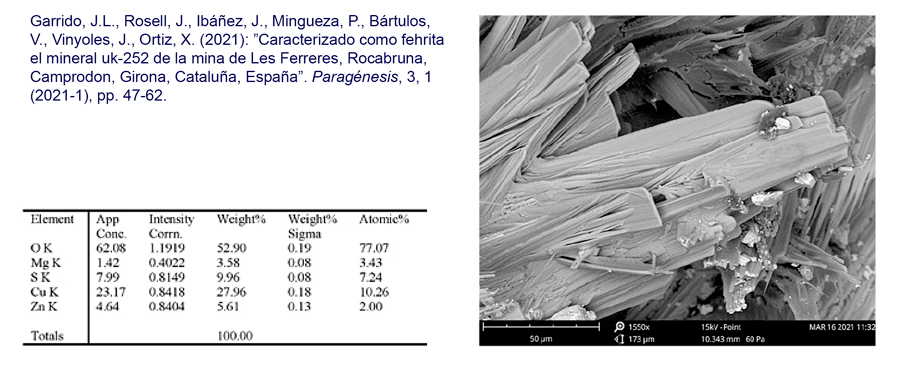
Fehrite is a recent new species found in Almeria (Spain). Some years ago (2012) we identified this species in the Les Ferreres mine (Camprodon) but unfortunatelly we didn't have enough sample to finish detrmination and structural studies. Recently we found some more samples and the characterization was carried out based on the results obtained from the application of various analytical techniques: SEM-EDS, Raman and X-ray diffraction. Les Ferreres mine is the second locality worldwide for the species. We will send all reports to the buyer.
In this Catalan mine, fehrite appears as elongated elongated tabular to fibrous crystals, with a delicate bluish-green tone, and fibrous terminations. Usually, it is accompanied by devilline (blue) and brochantite (green). It is the magnesium analogue of ktenasite.
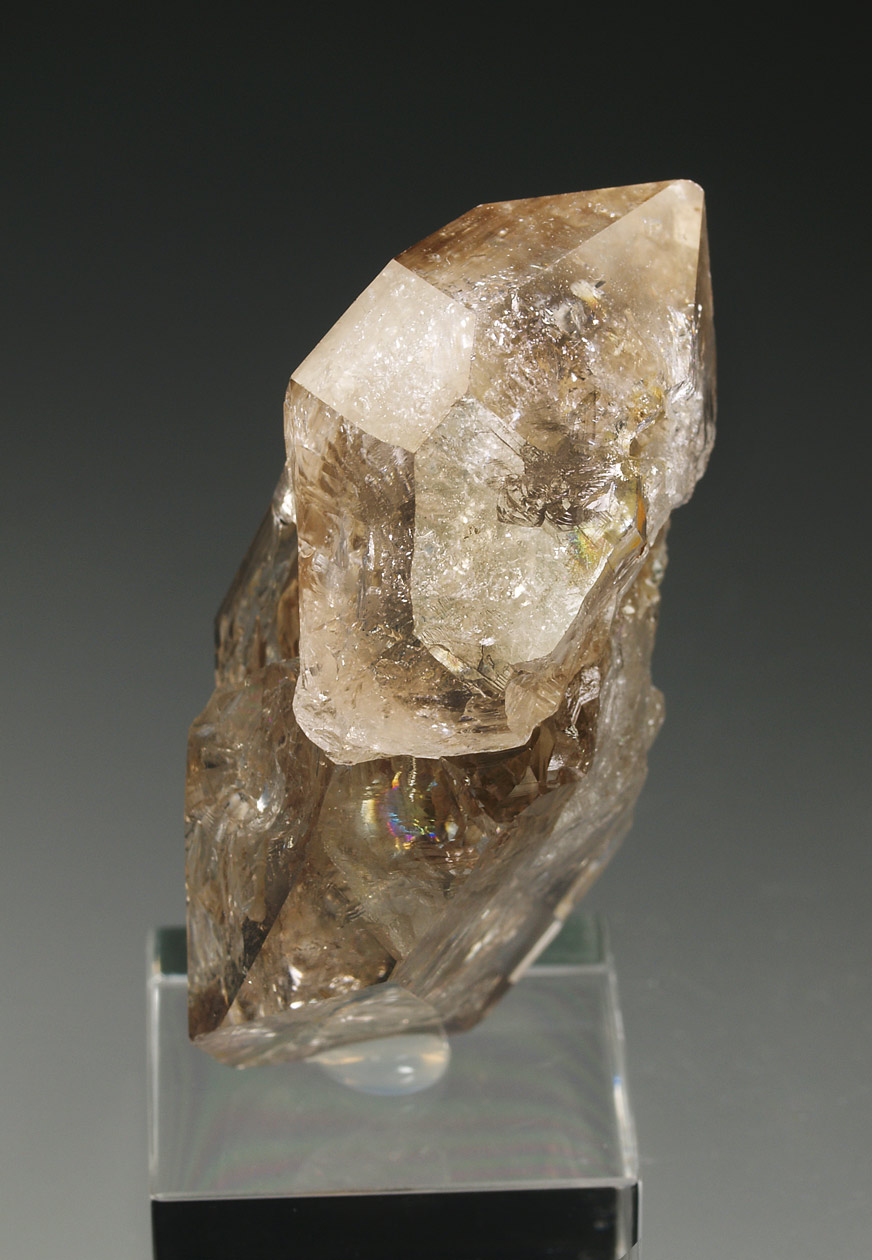
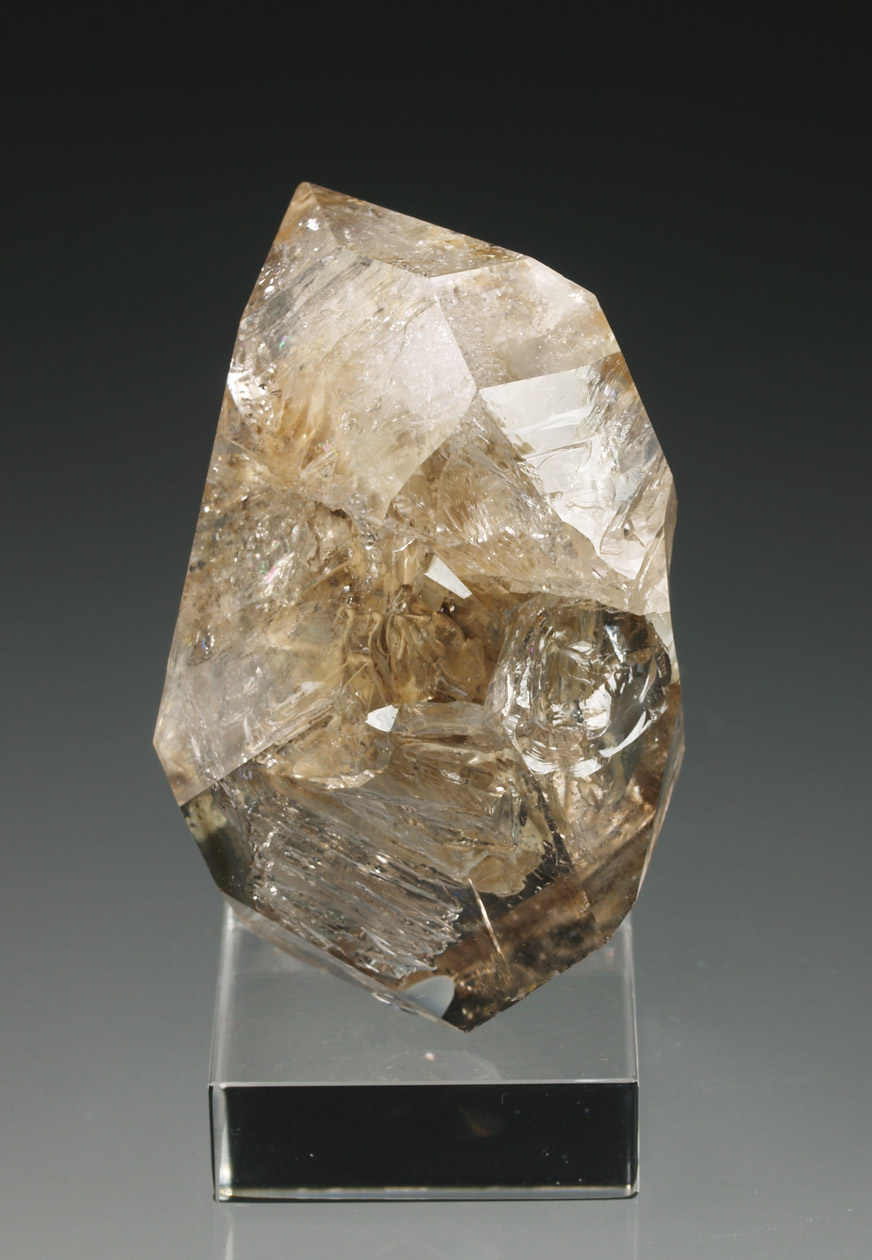
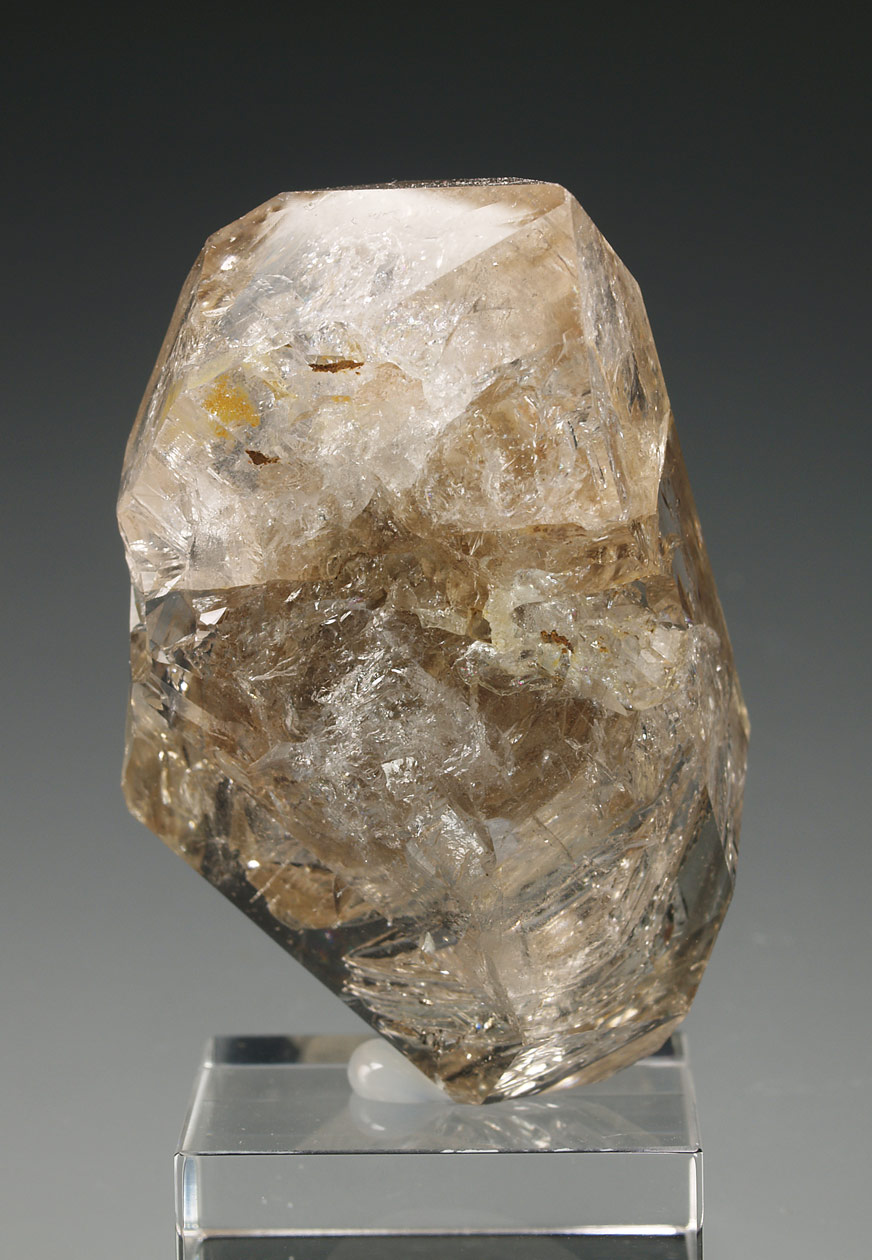
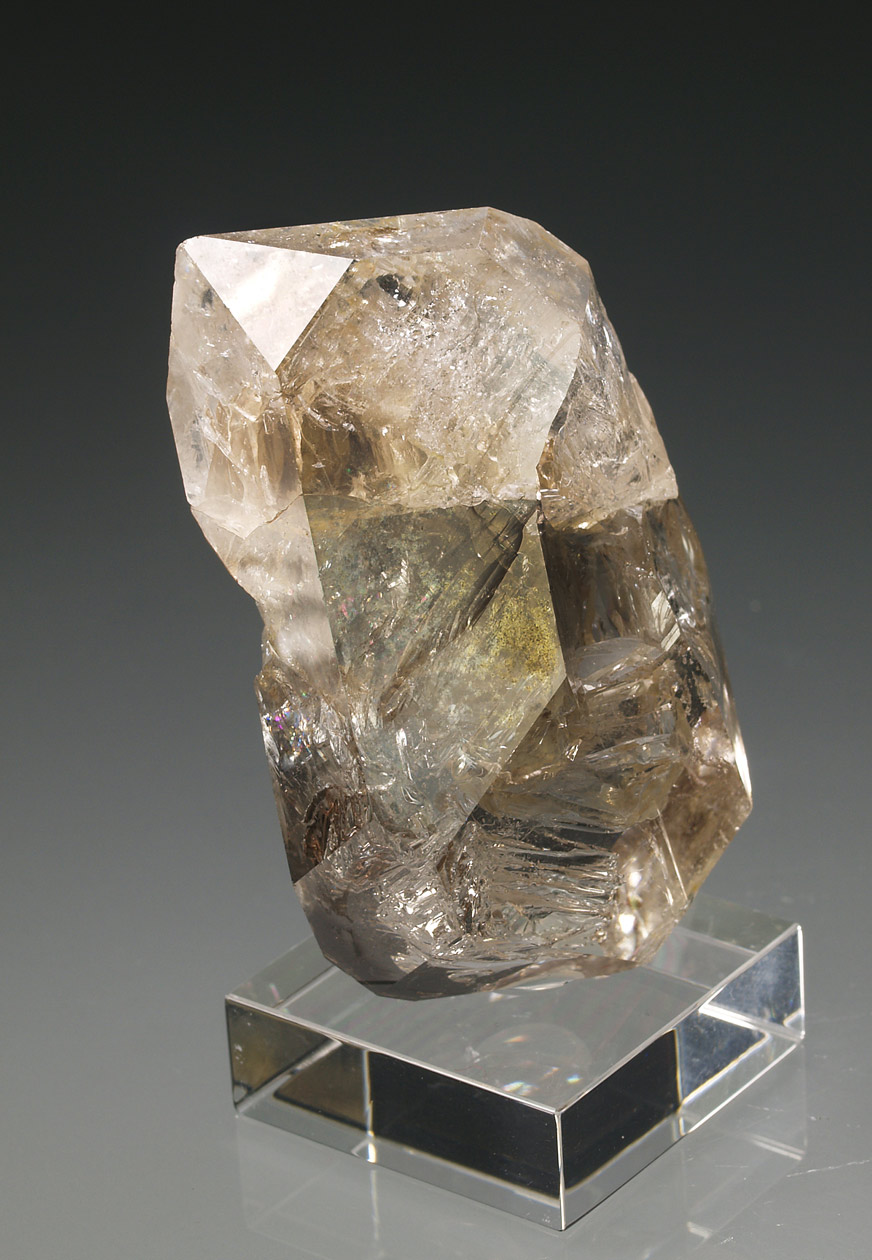
An excellent specimen of quartz, with a slight smoky tone, which presents very aesthetic "window" geometric growths. Doubly terminated and with complex crystallography. With inclusions. Not very seen in the market.
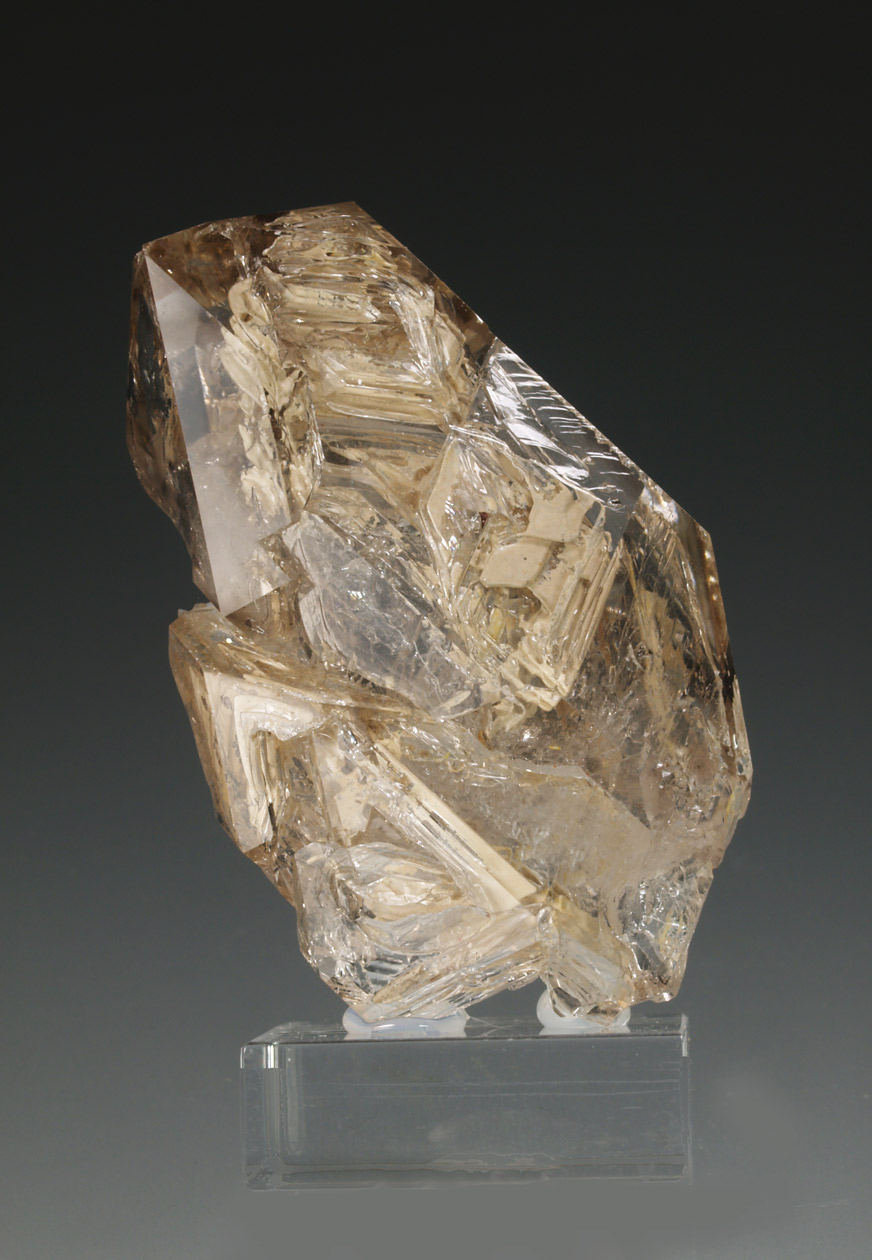
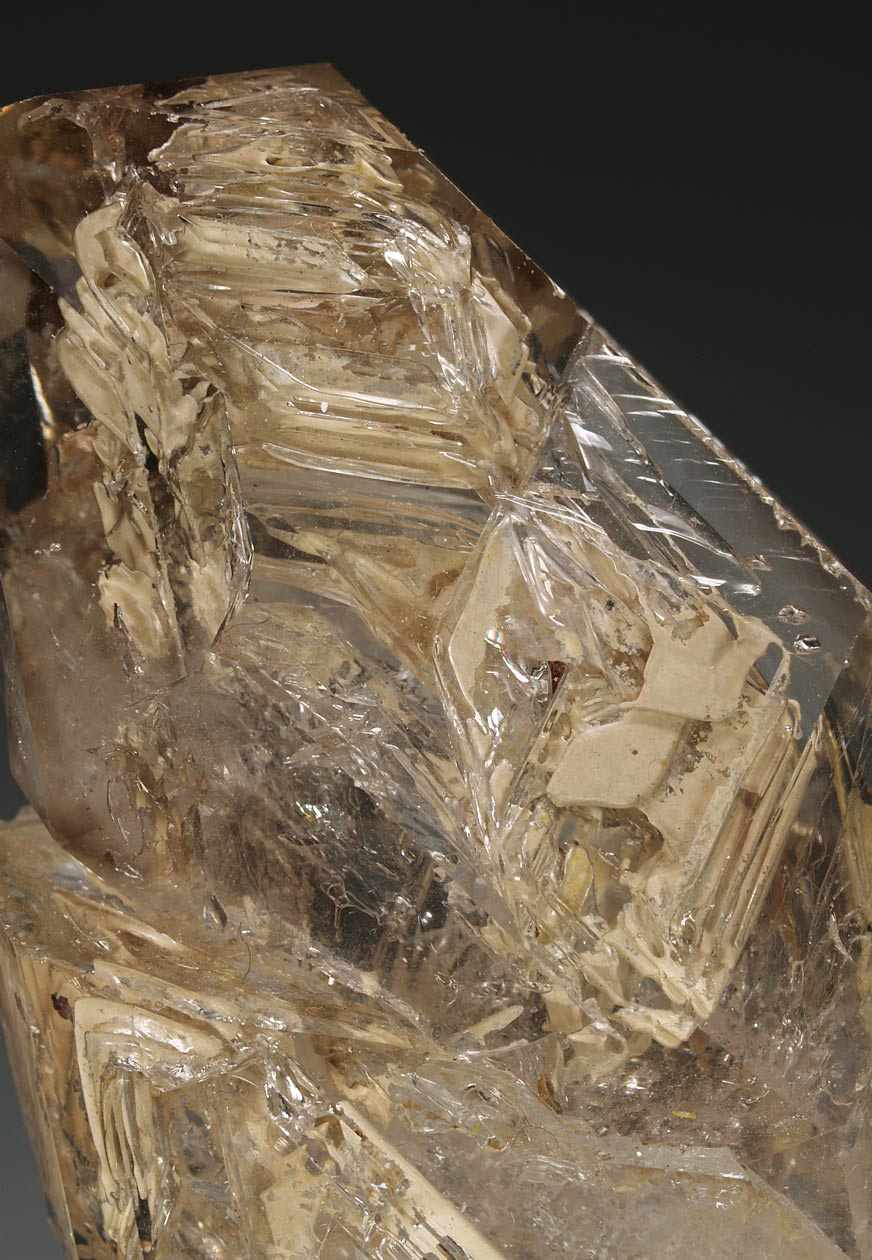
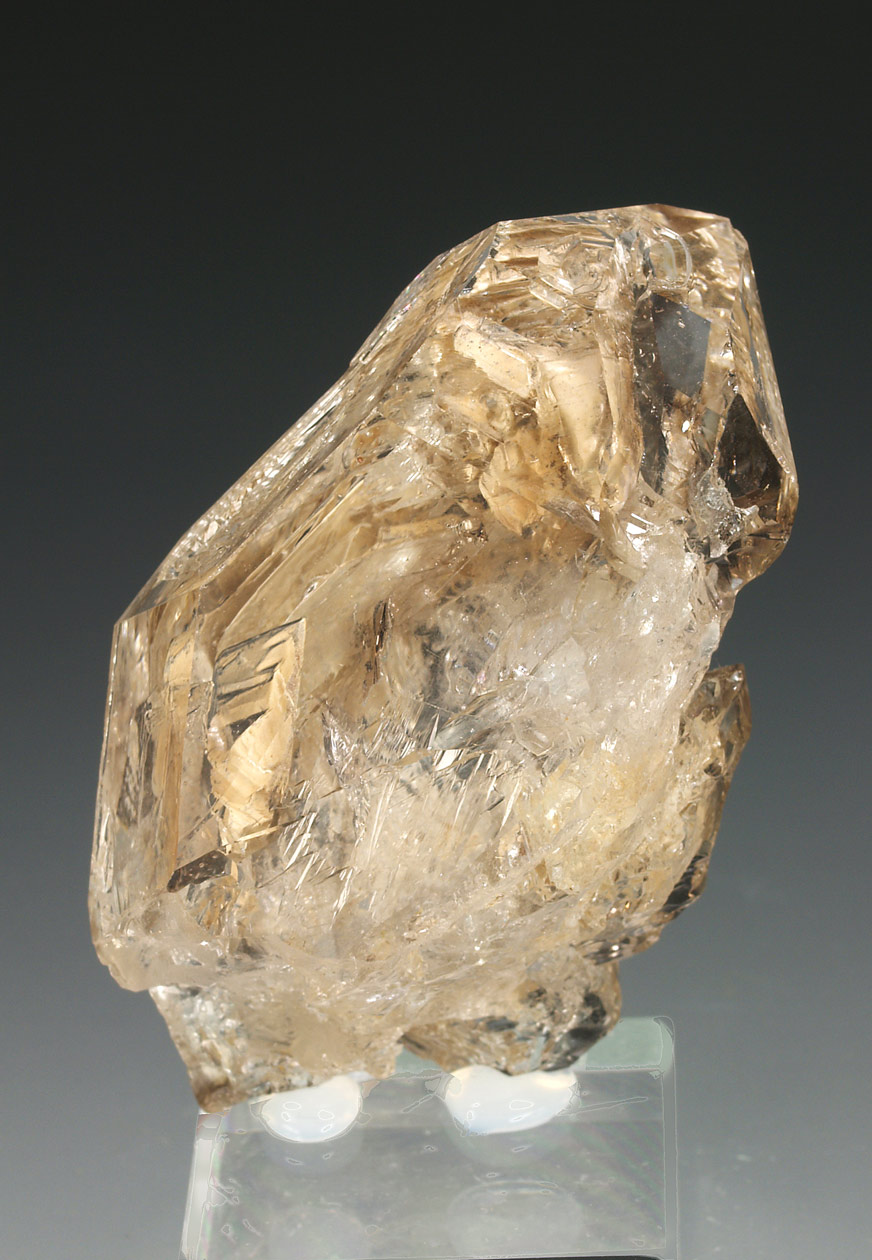
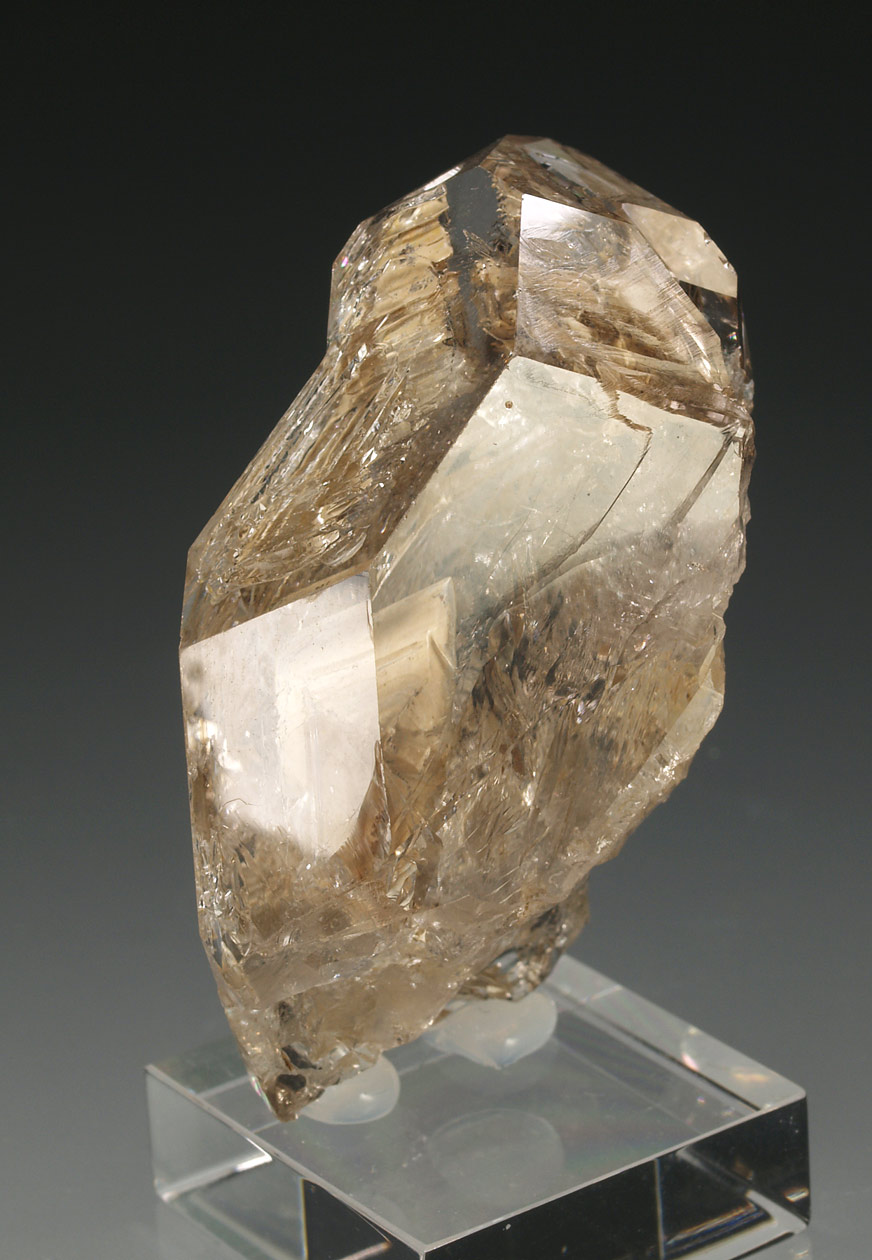
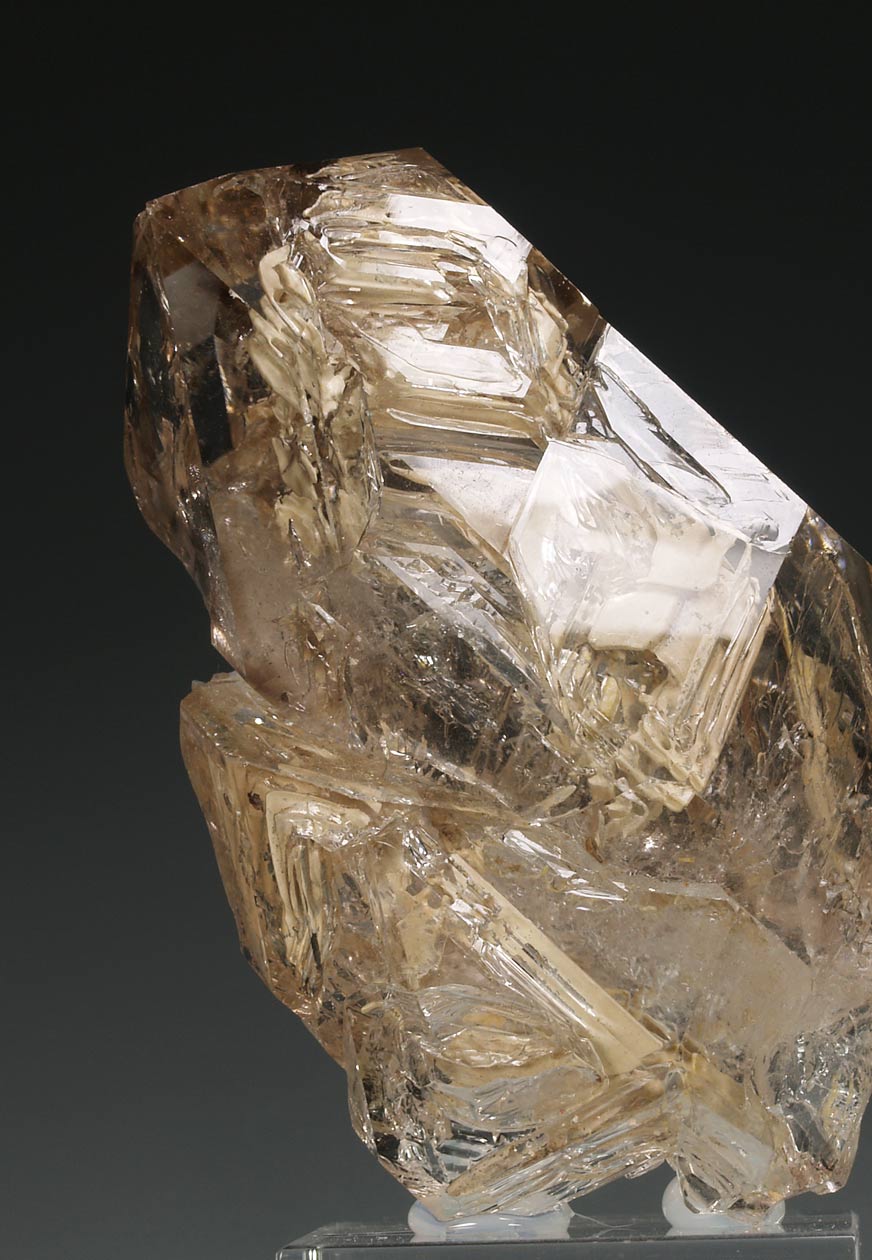
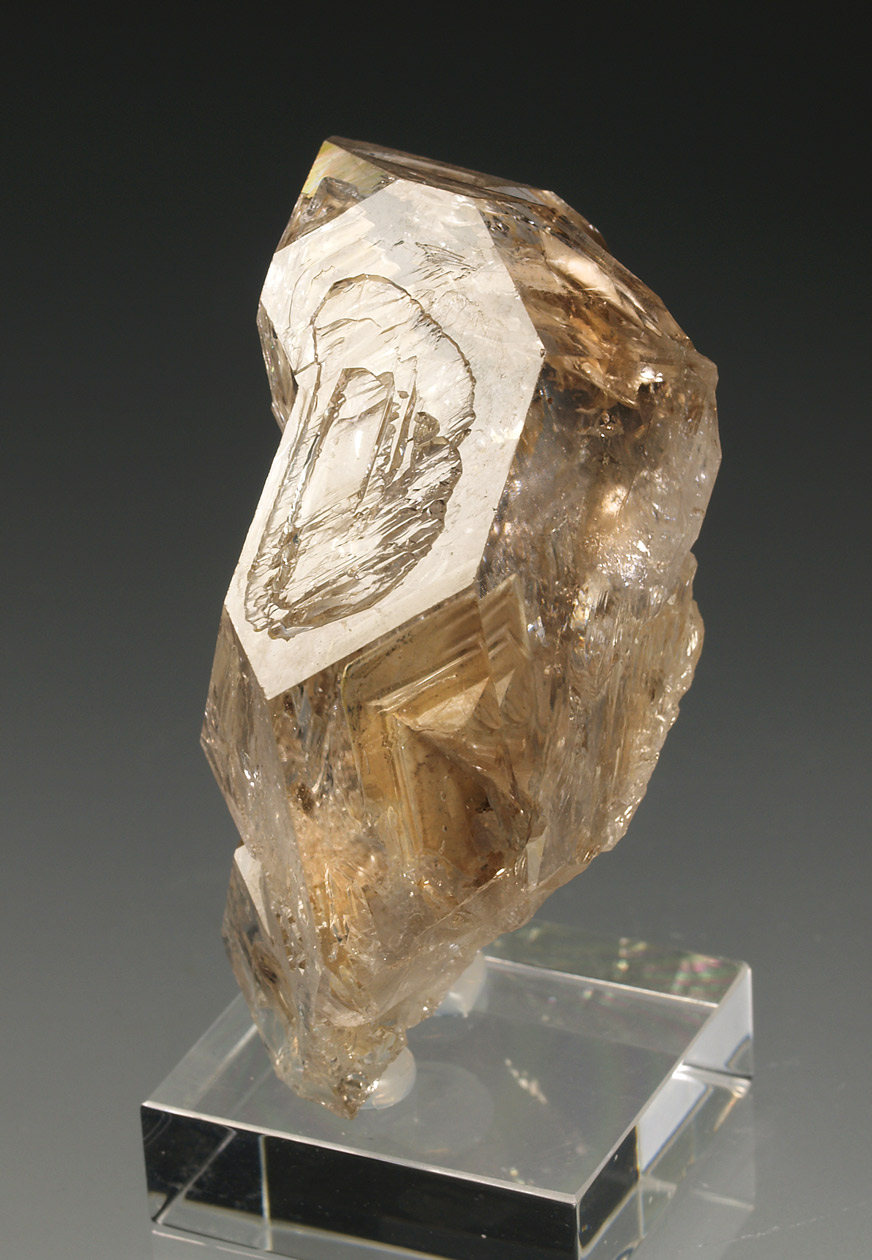
An excellent specimen of quartz, with a slight smoky tone, which presents very aesthetic "window" geometric growths. Doubly terminated and with complex crystallography. With inclusions. Not very seen in the market.
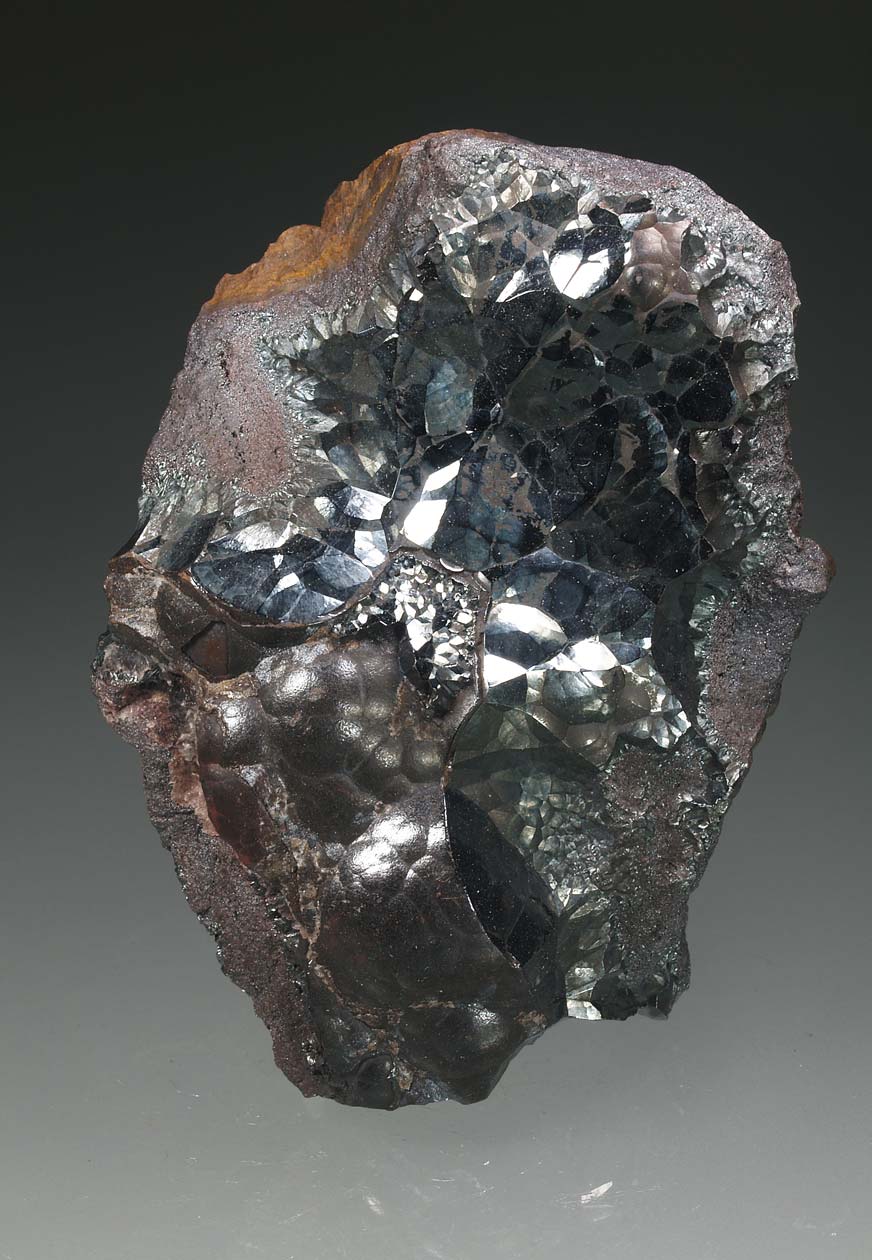
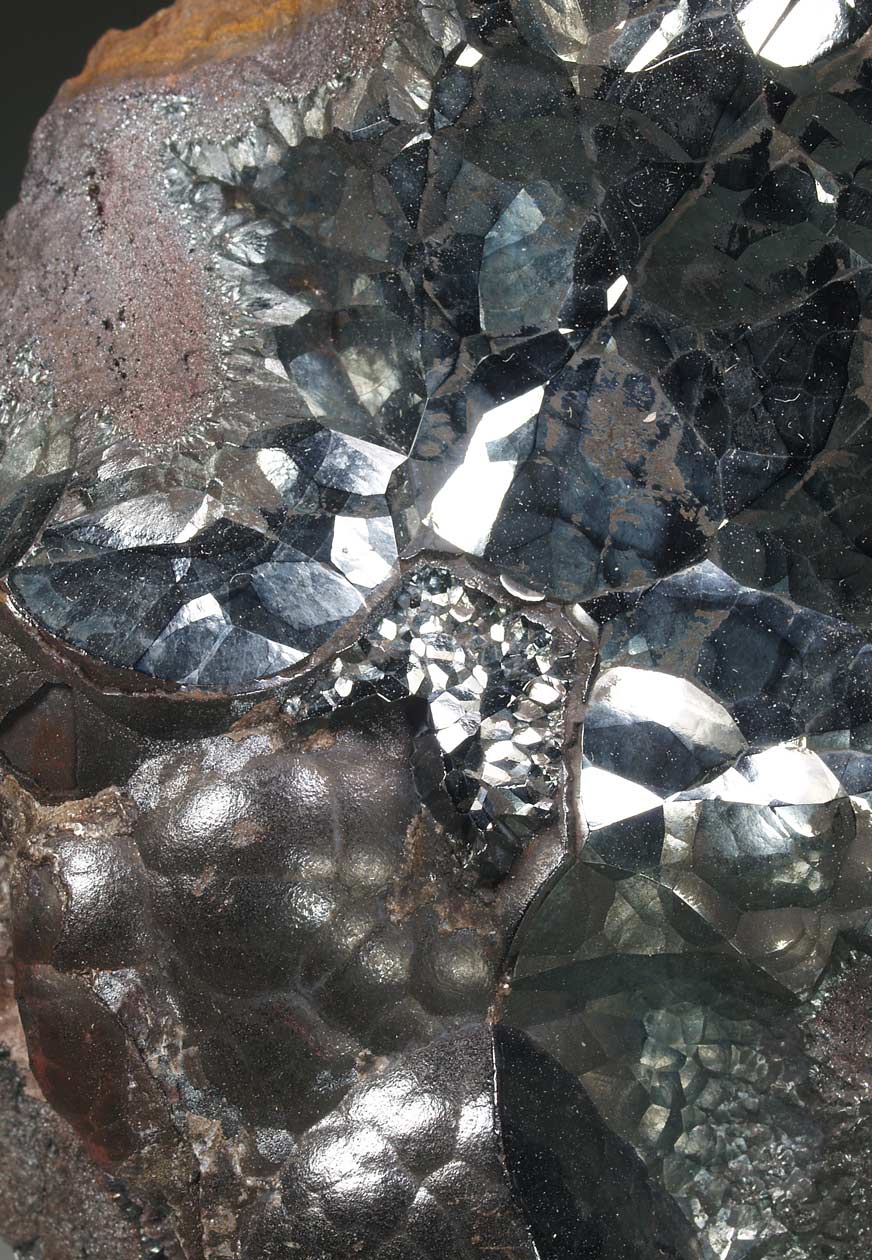
Nice botryoidal specimen of hematite, very brilliant. In the fracture zone we can see radial growths. A Moroccan curiosity.
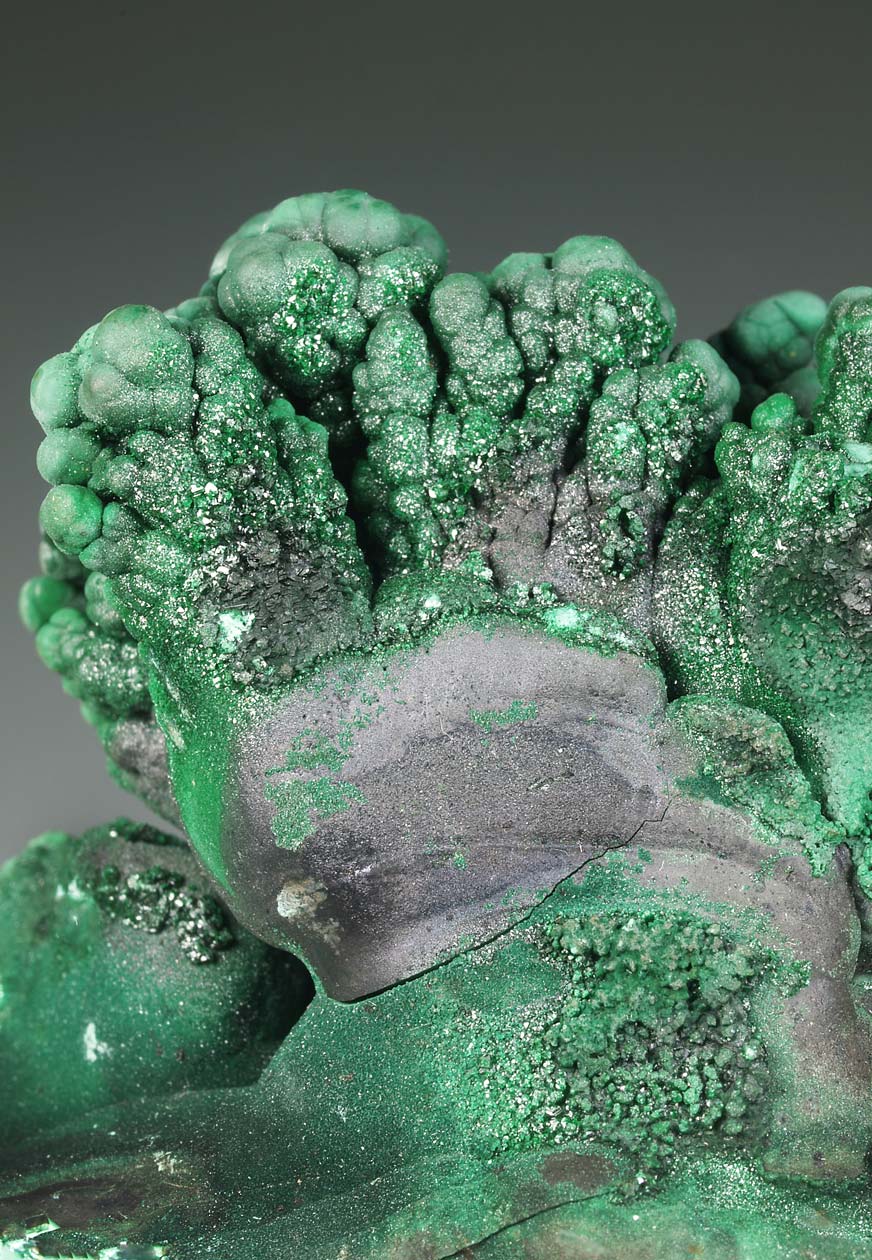
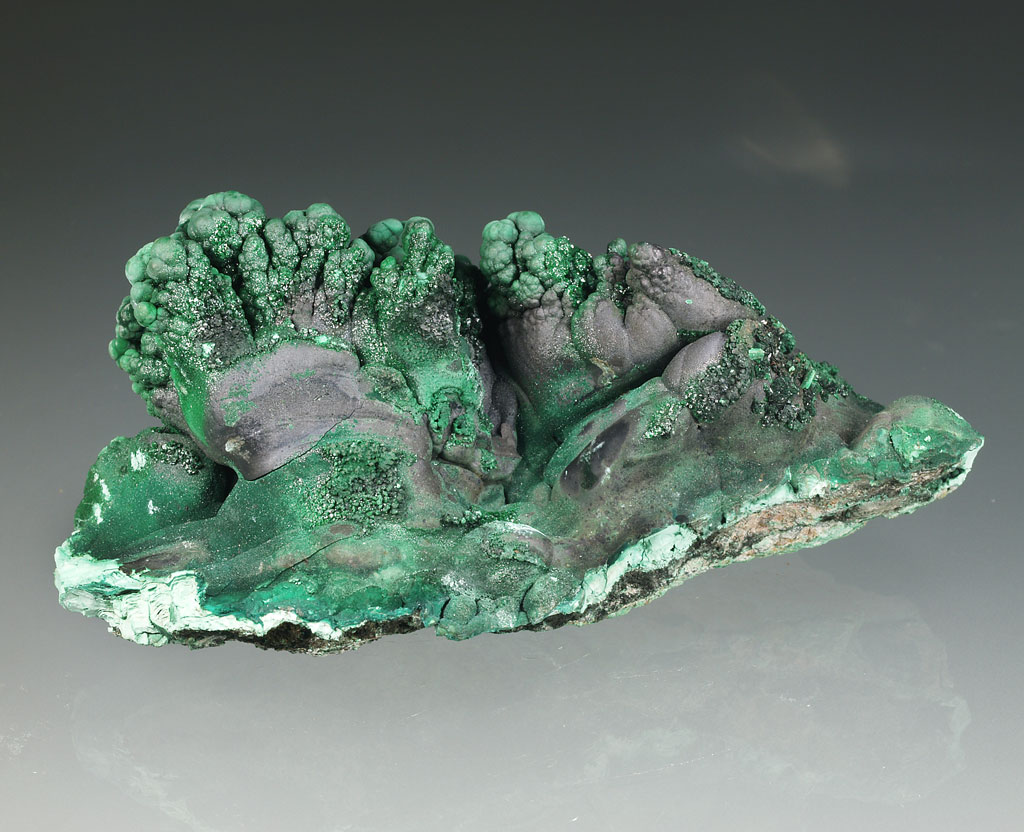
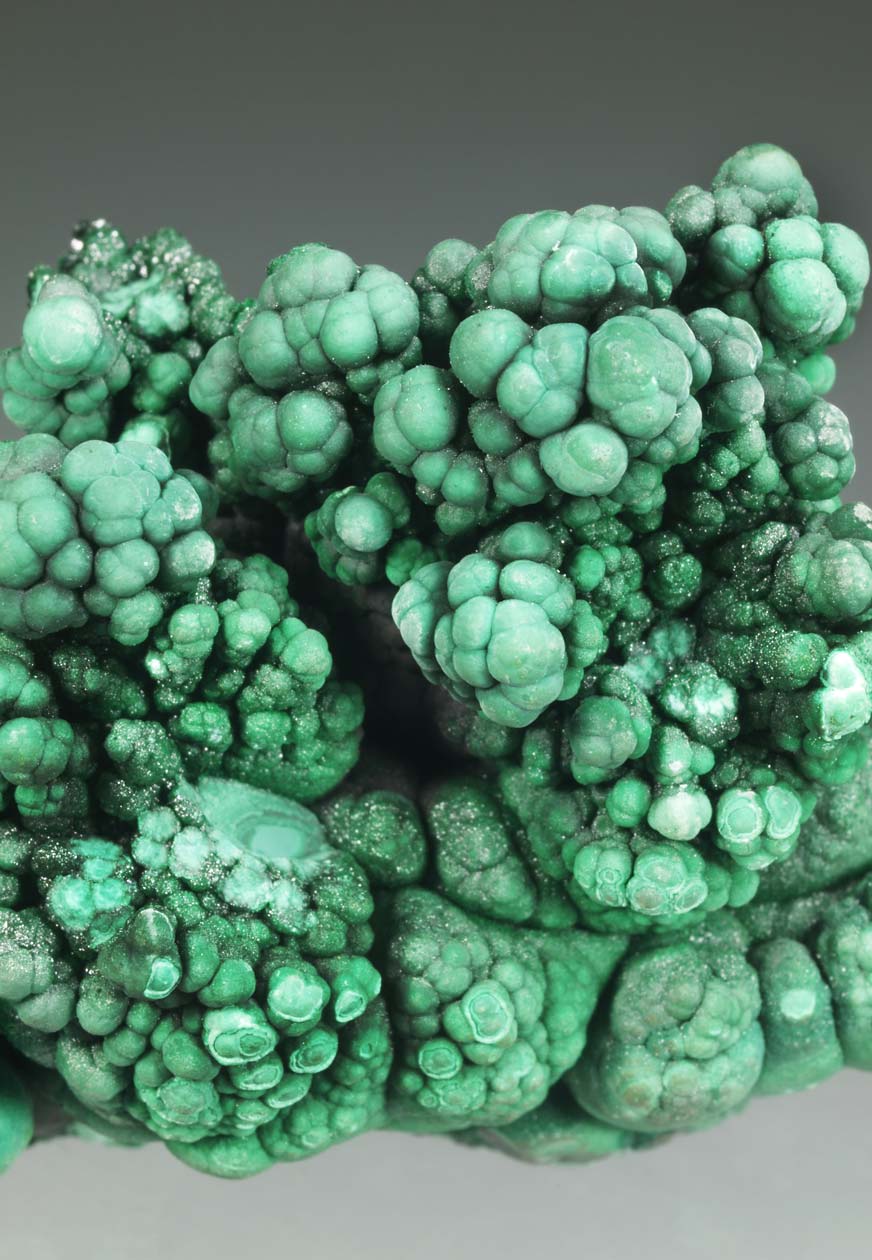
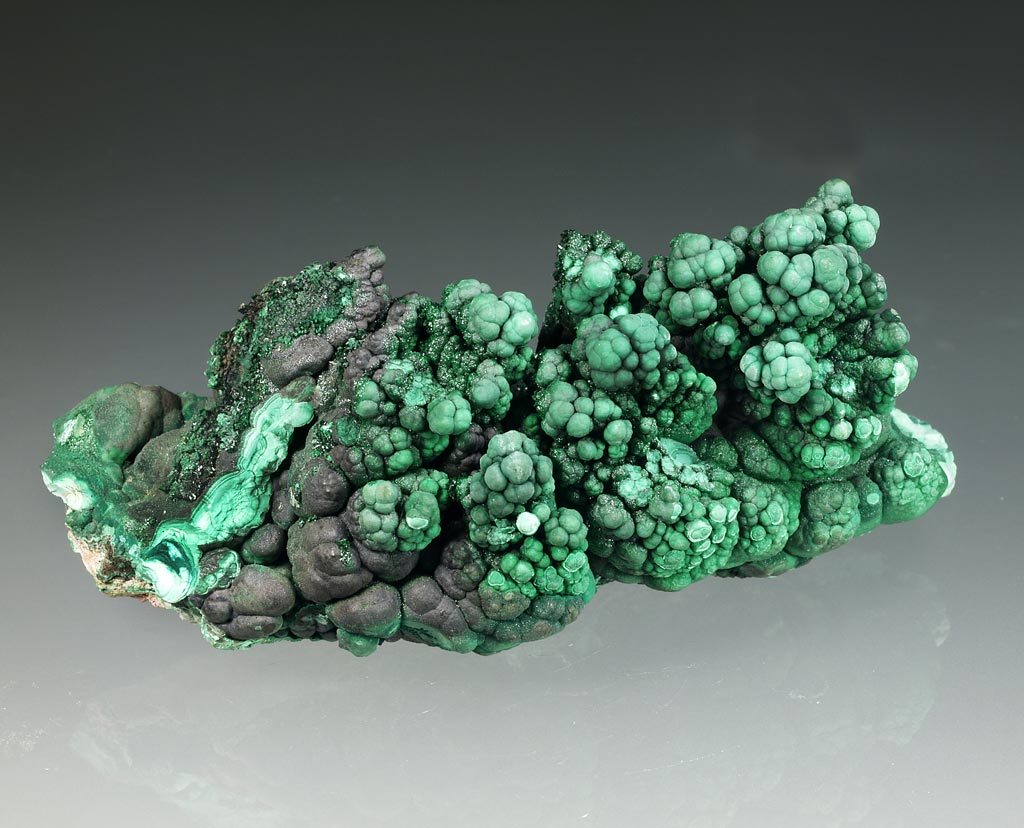
Very aesthetic specimen that shows various globular and stalactitic aggregates of malachite, velvety and green color with zoning. Peppered by small malachite crystals, under the magnifying glass we can see that they are small transparent and defined crystals. In a matrix with goethite. From this classic Congolese locality for the species.
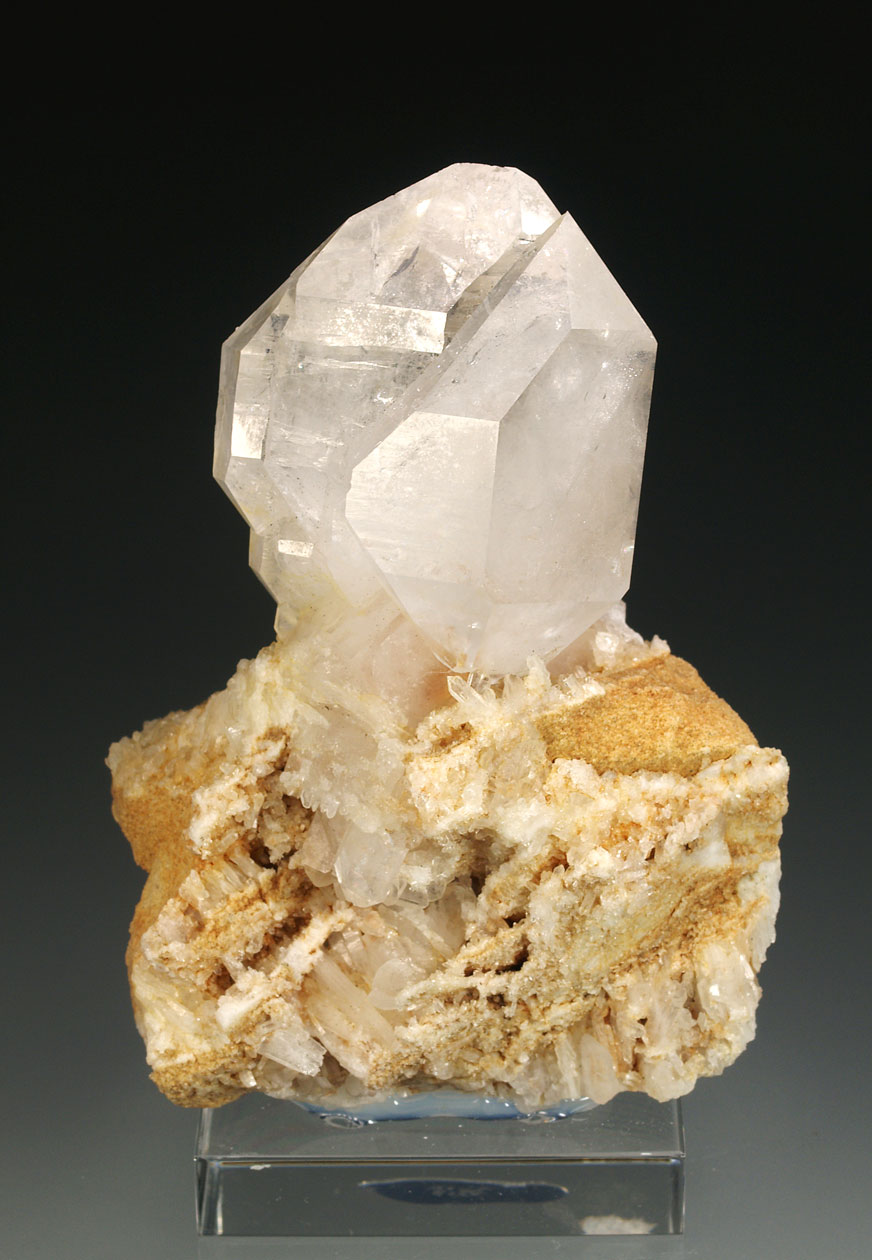
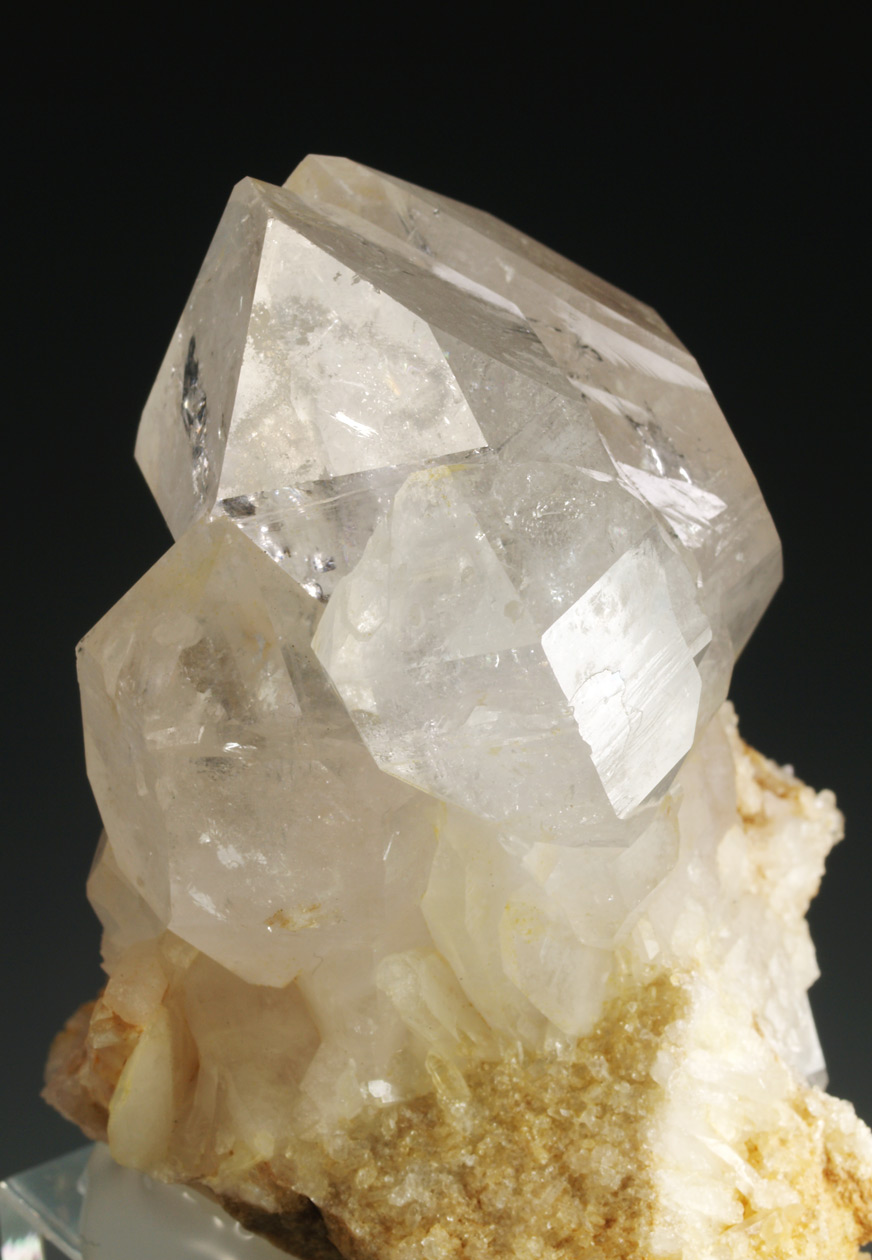
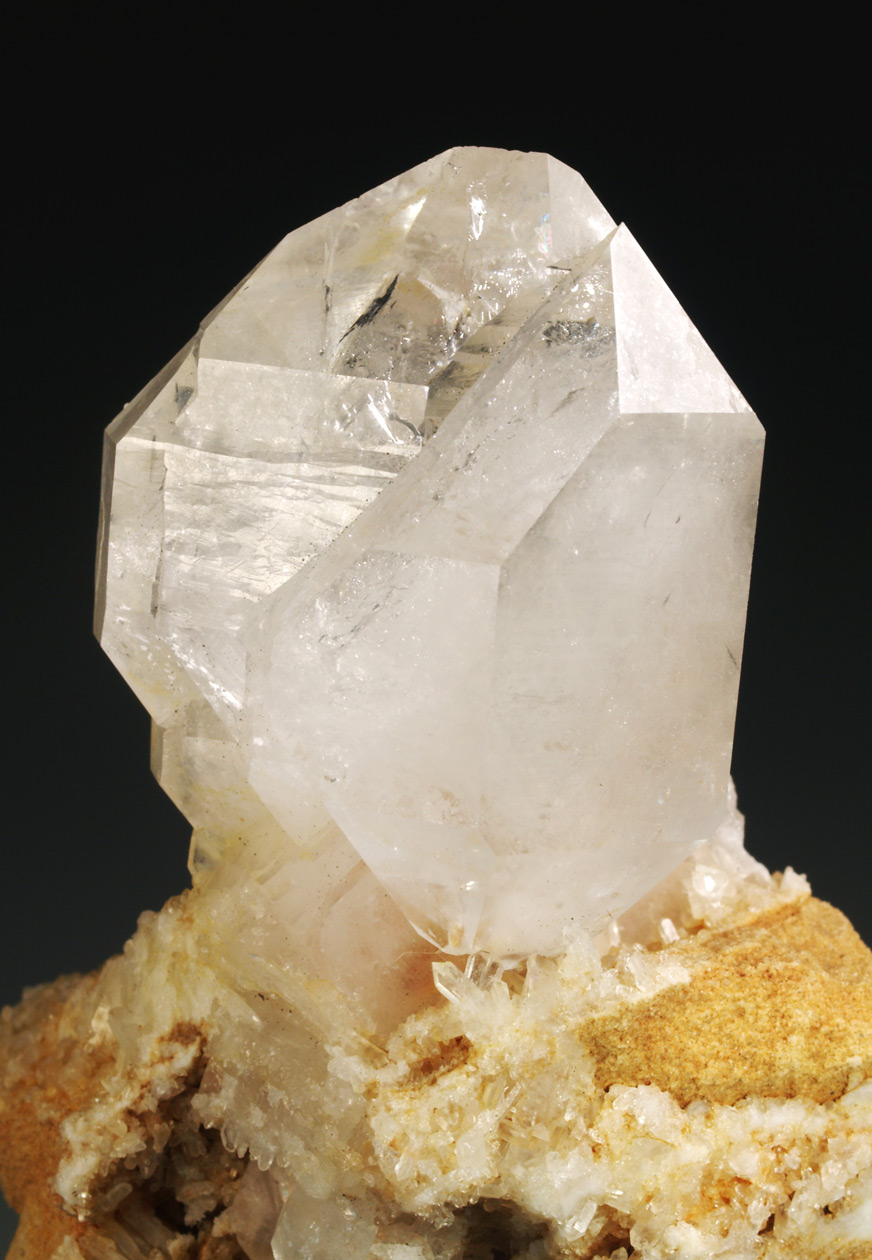
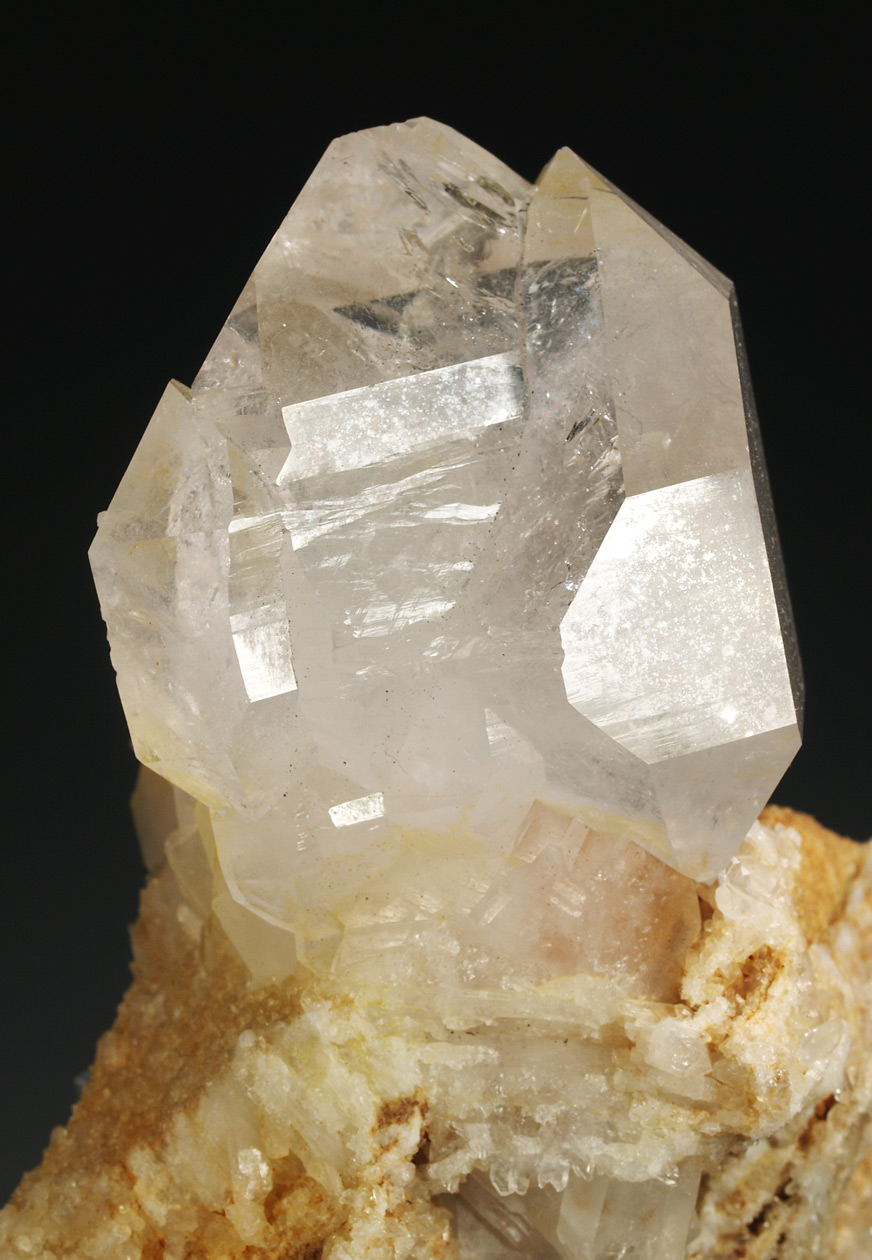
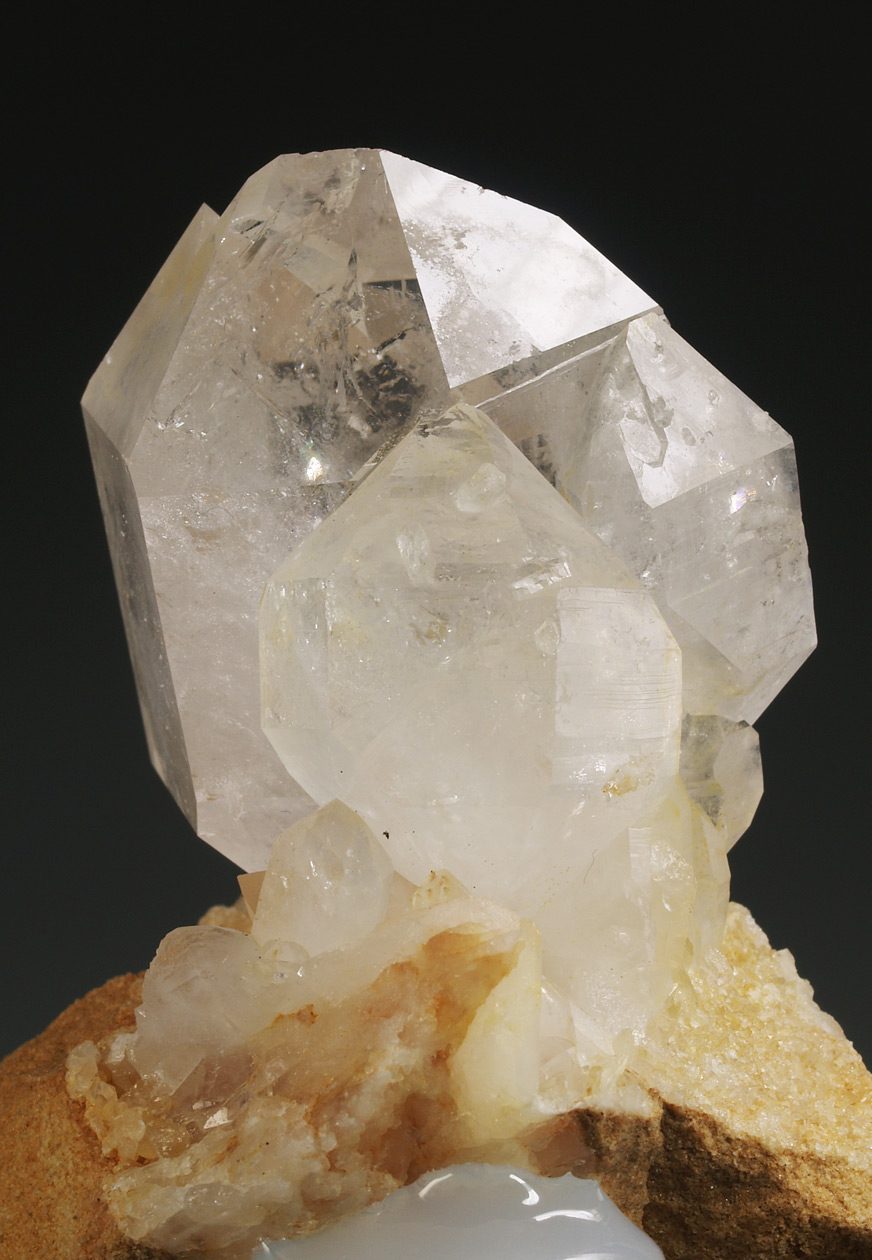
Group of quartz crystals in parallel growth and with a "scepter" structure. Very well defined faces and edges, brilliant and transparent to translucent. Very aerially disposed on the matrix. An good size and excellent specimen from a Moroccan locality not very known.
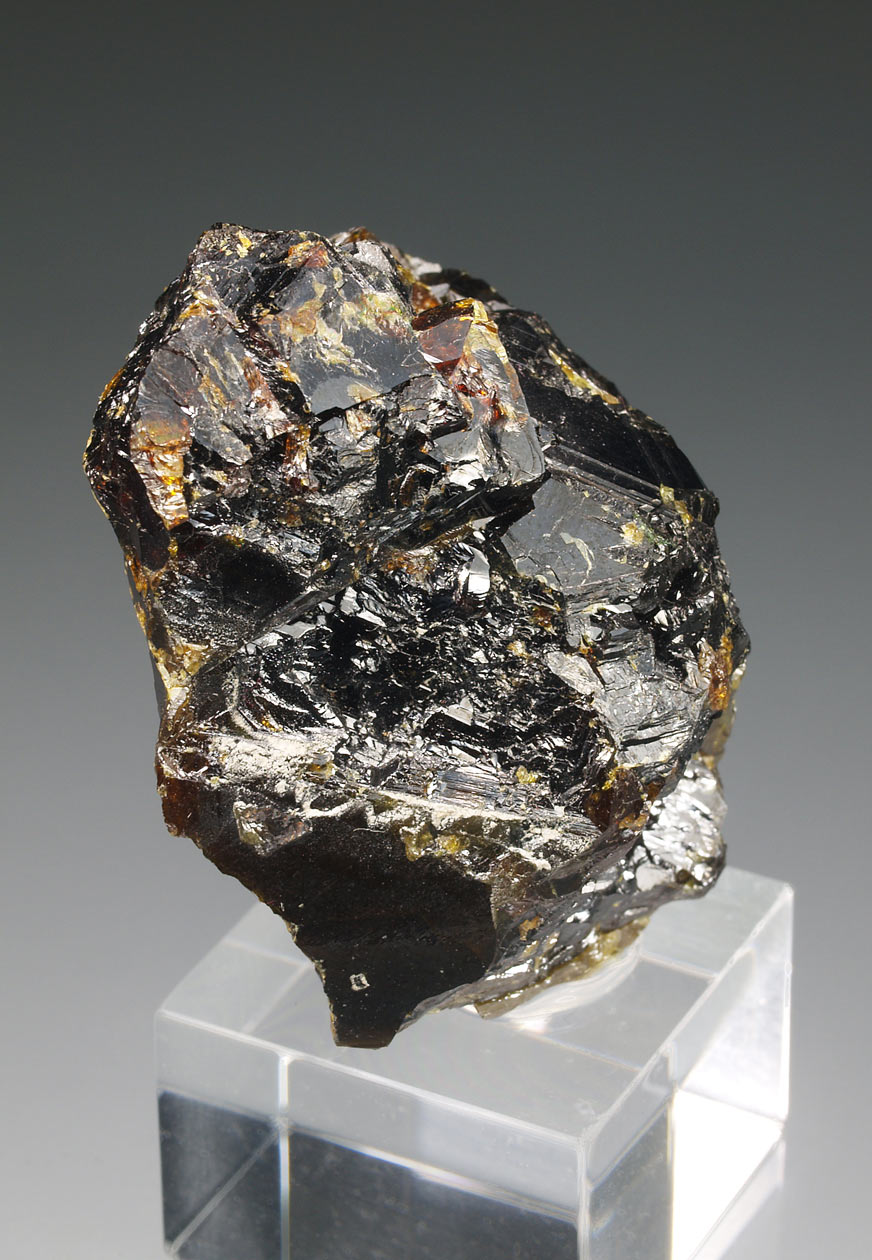
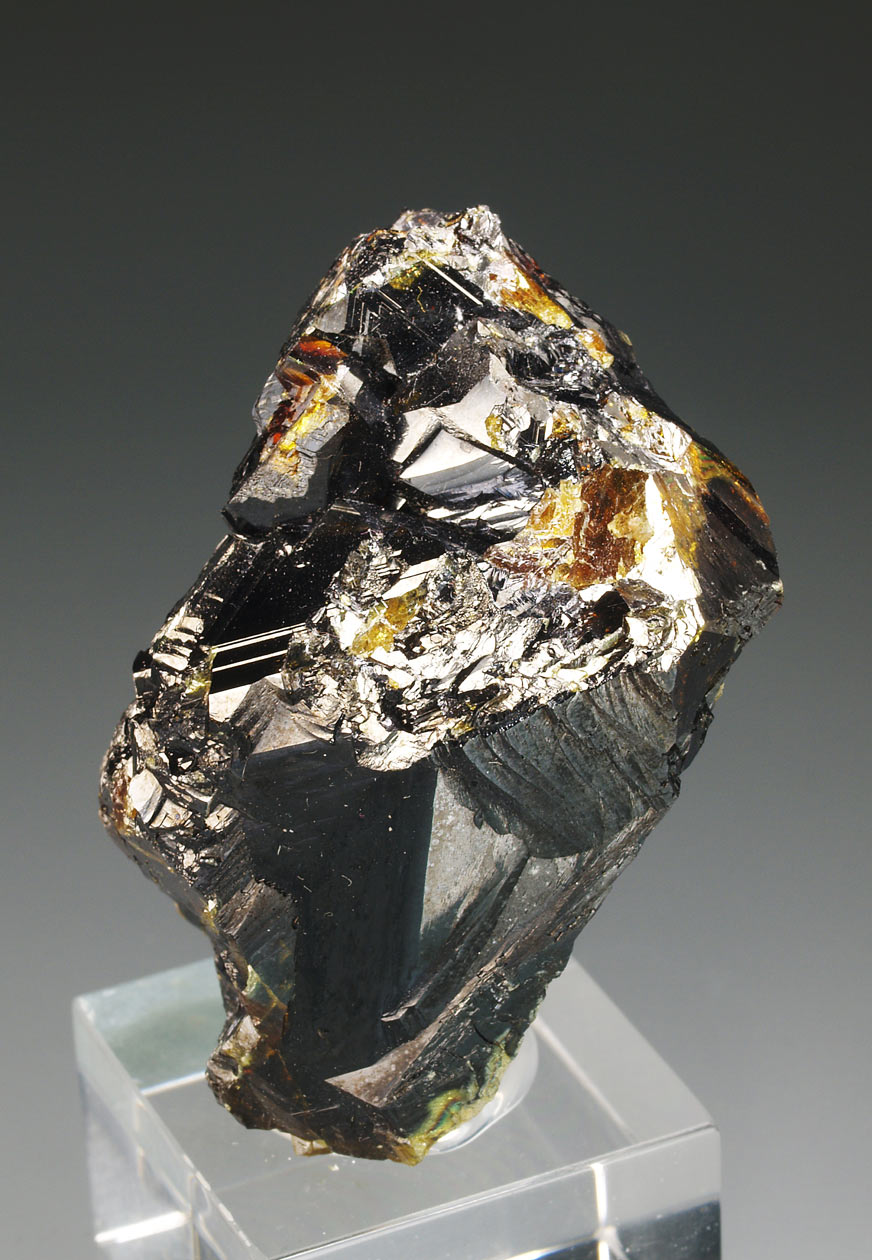
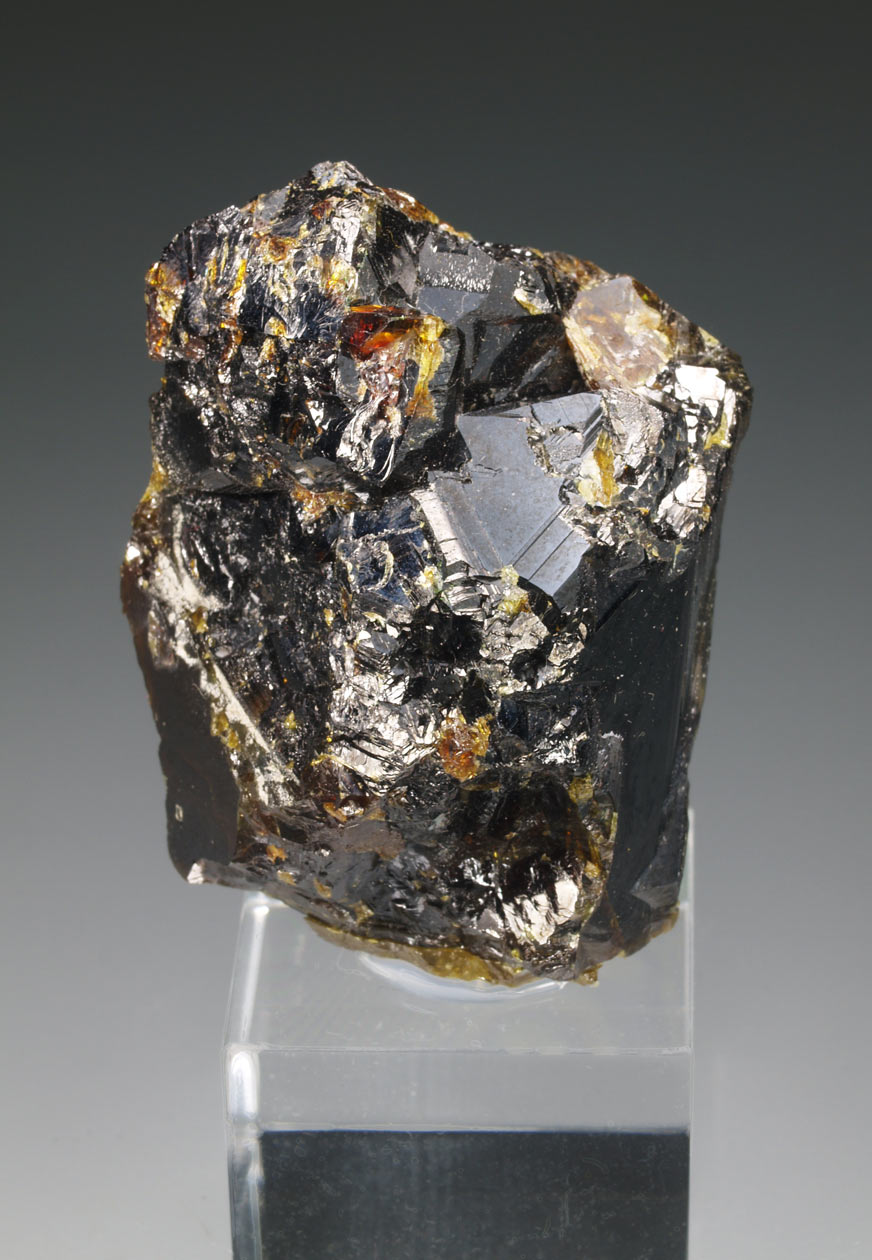
Group of complex sphalerite crystals with striated facets. Bright, translucent and with a toasted honey color. Exfoliated on the back.
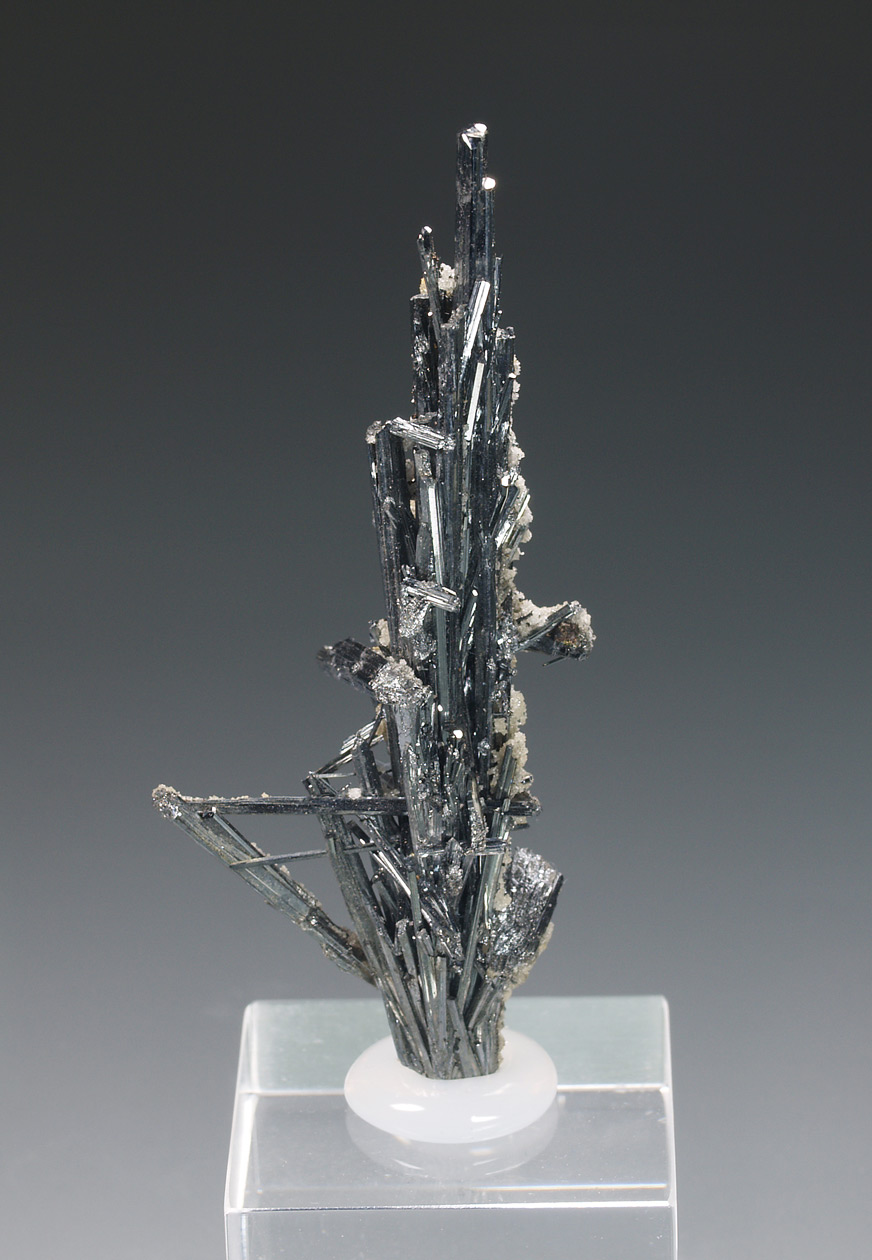
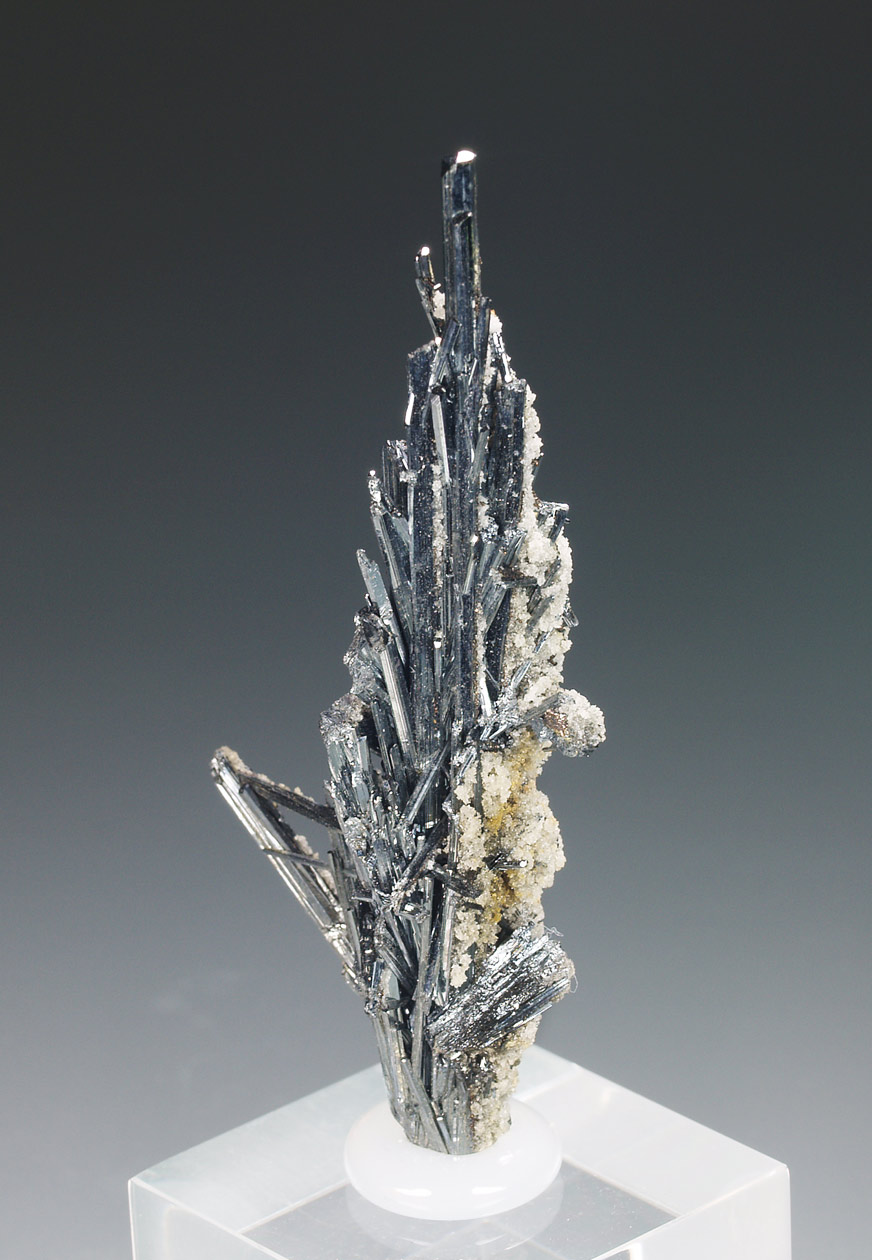
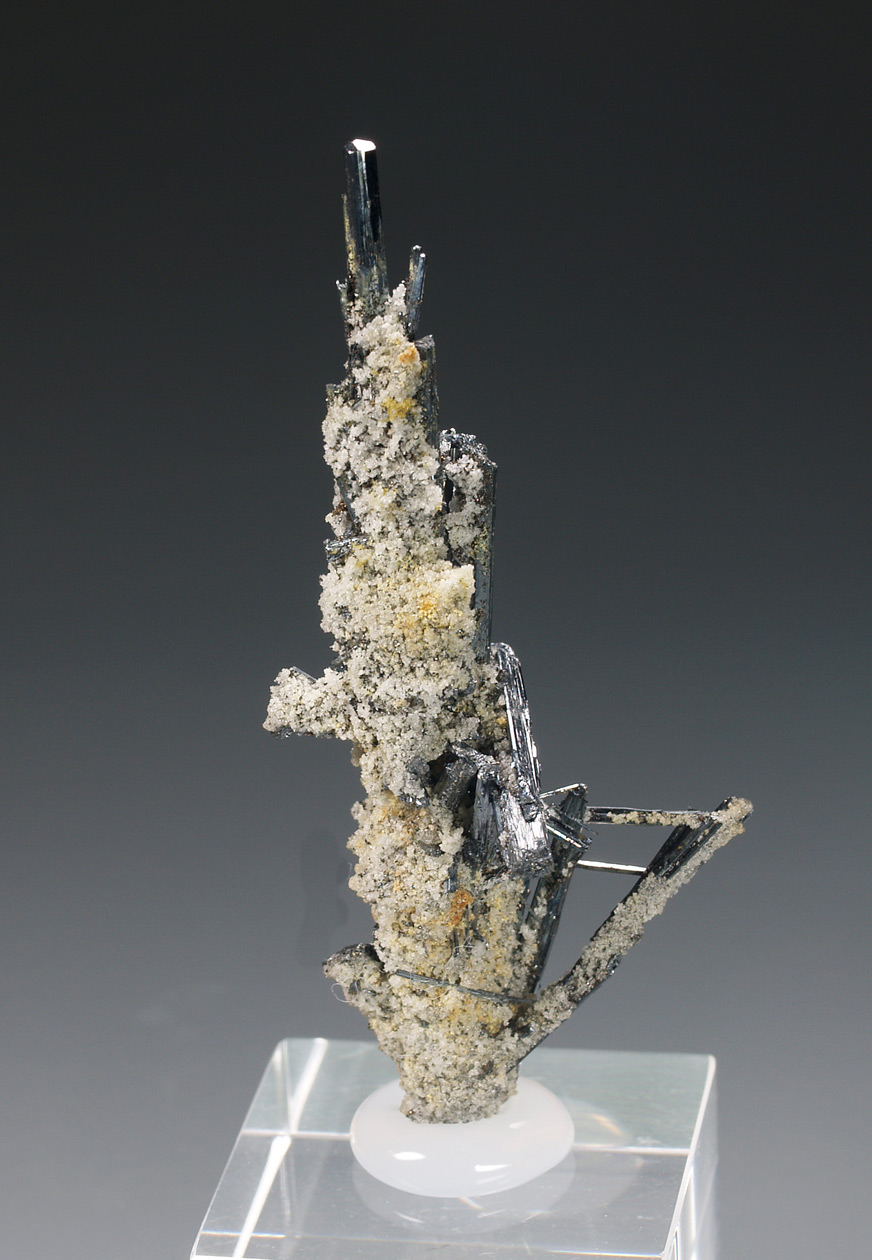
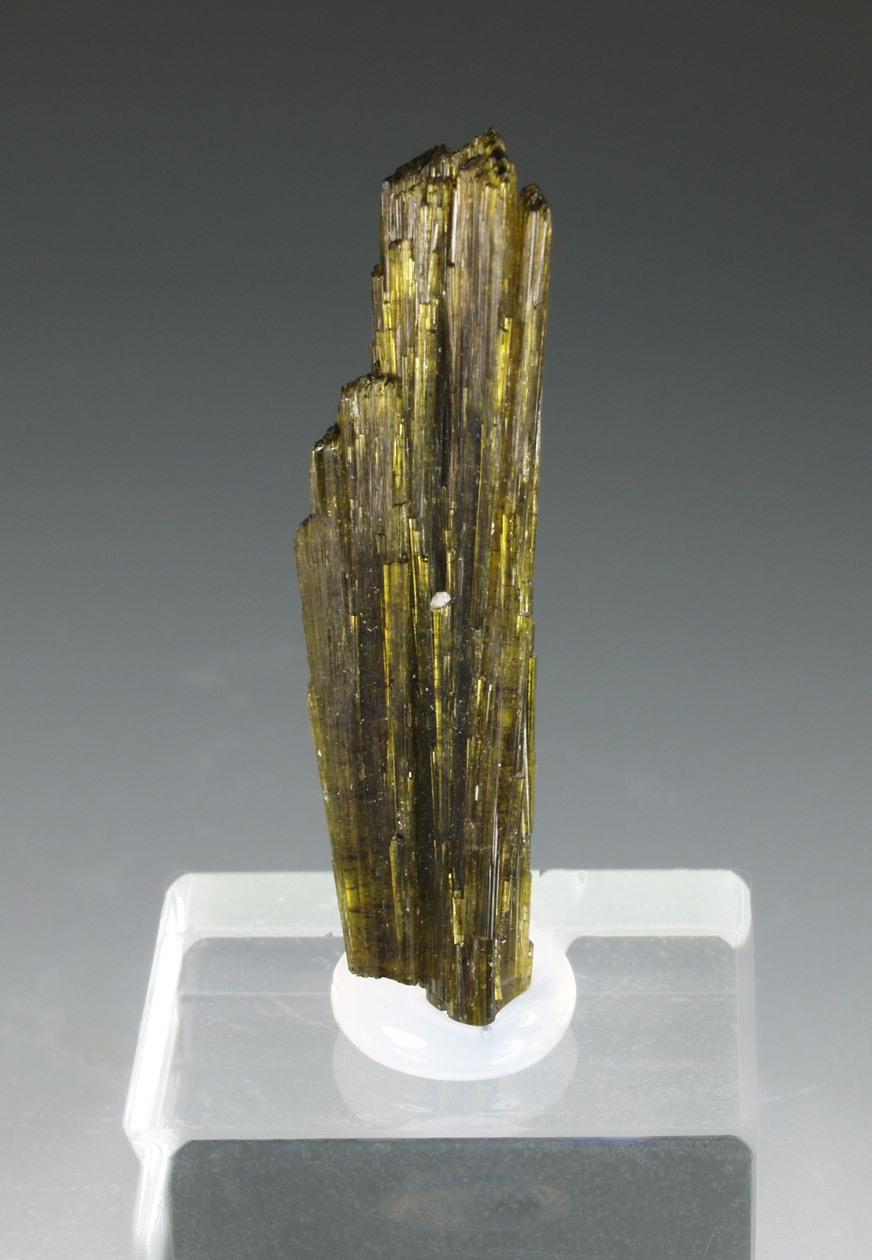
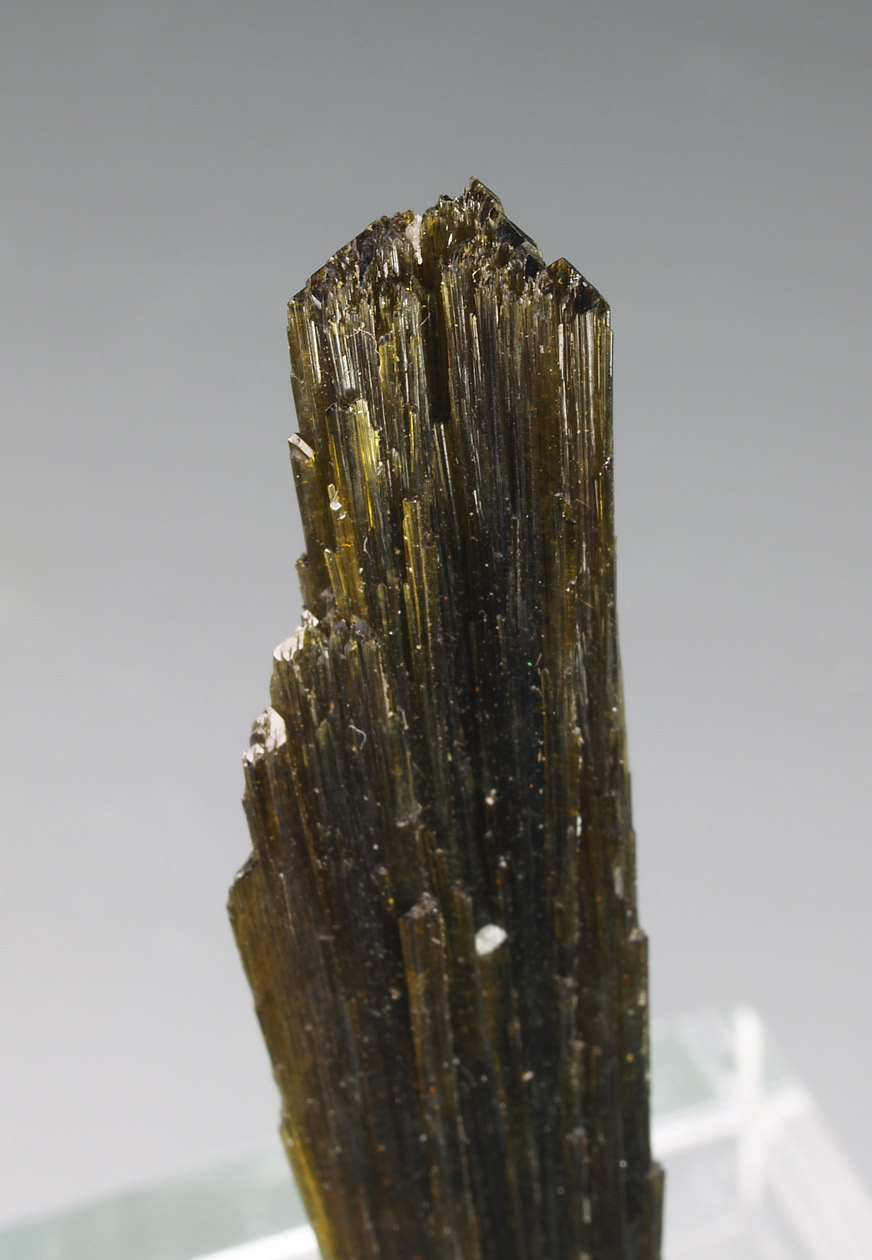
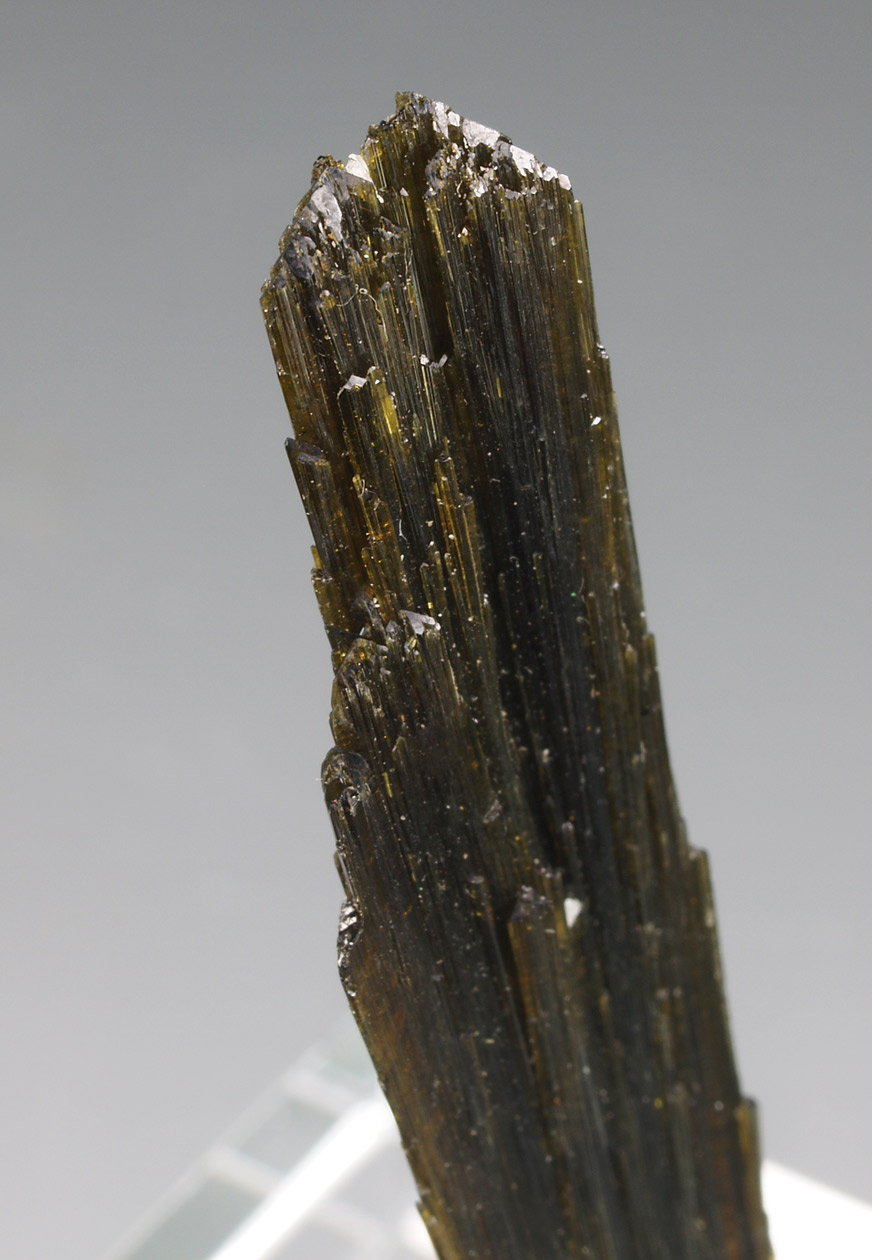
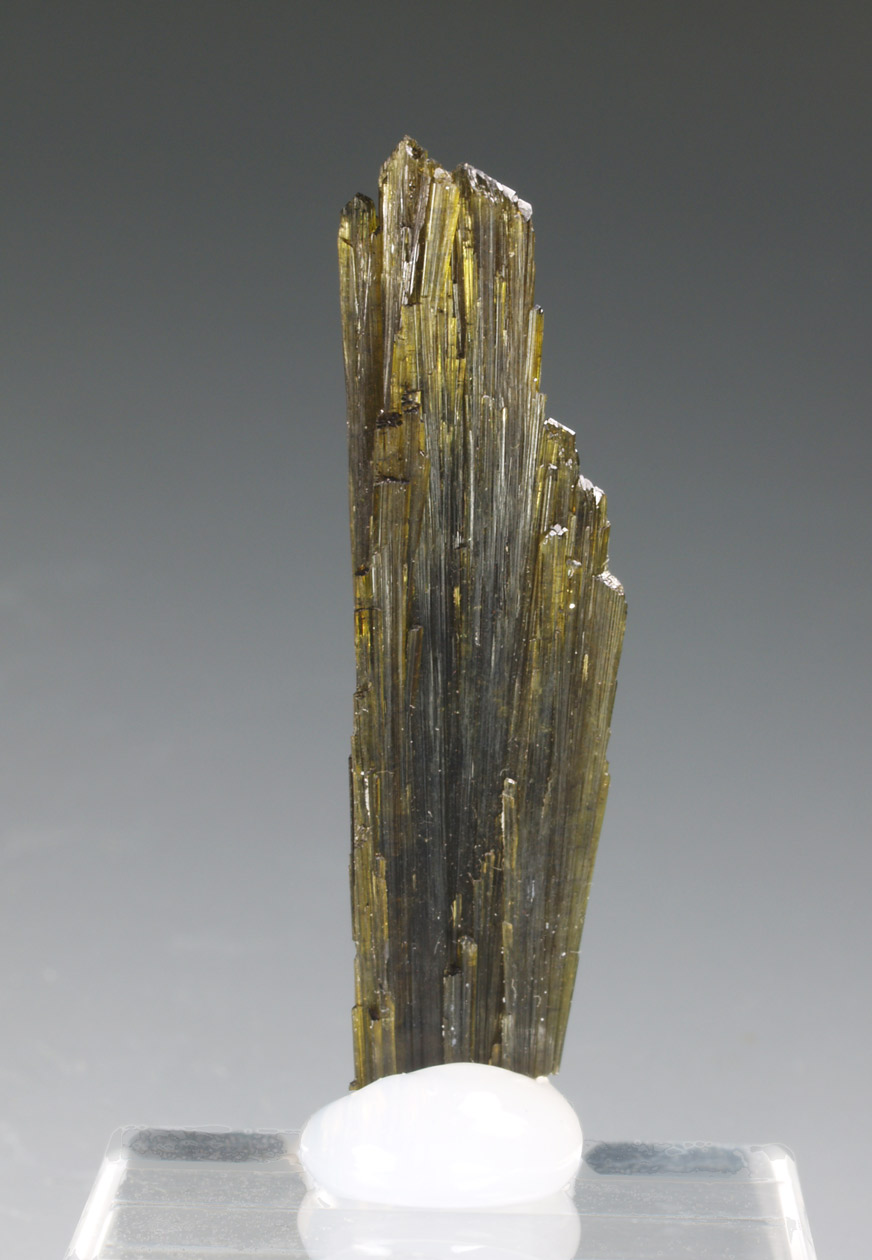
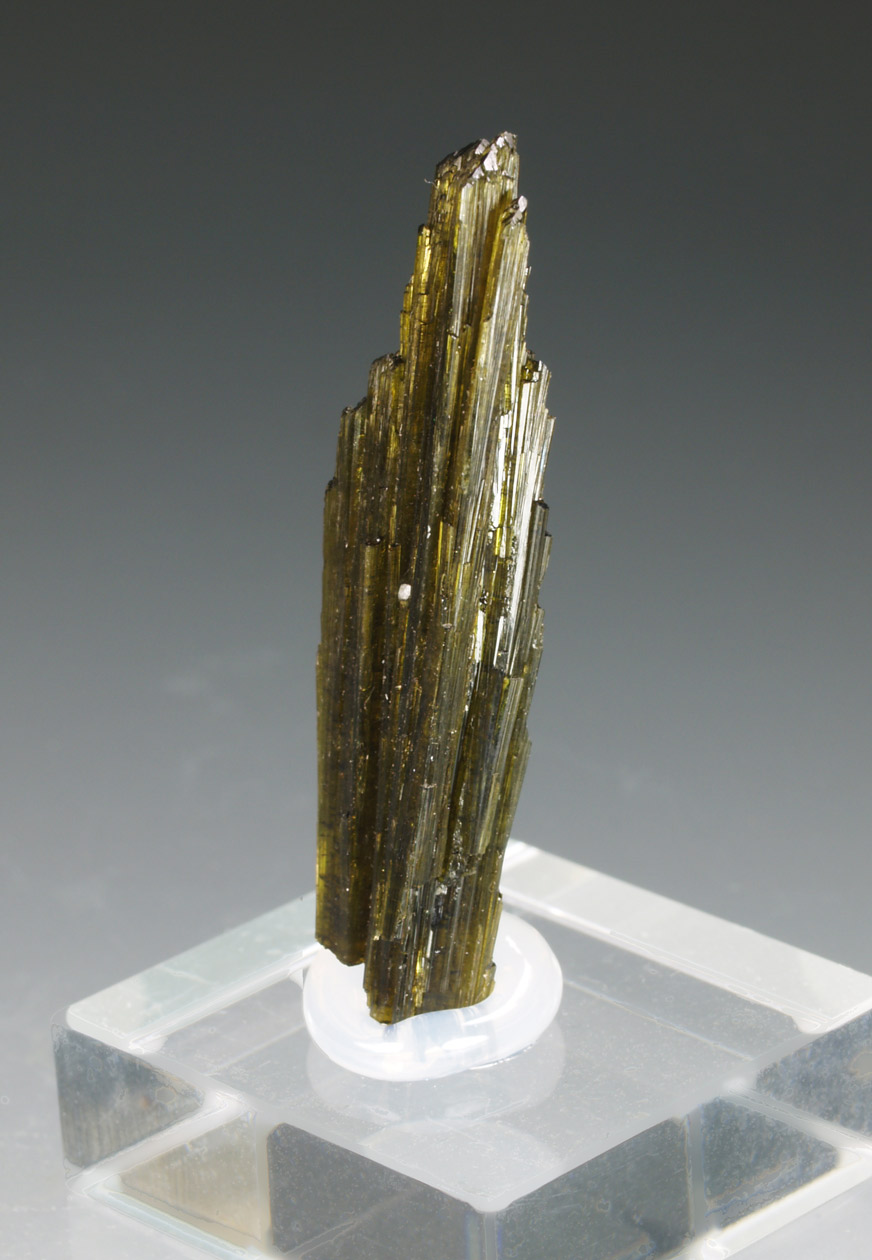
Group of very elongated prismatic crystals, in parallel growth, very brilliant. The back side has a coating of quartz microcrystals. A piece from the Astor collection acquired in 1974 from Bailey Minerals (Ángel Jesús Talabán García, Segovia 1942-Madrid 2007).