- Home About RM Minerals
- Virtual Photo Museum Blog RM Contact
- Microscopy and instruments How to Buy Disclaimer
Copyright 2010-2026
www.rosellminerals.com



A particularly fine specimen from this important locality with thick, metallic-foil-like, flat-laying crystals to 35 mm embedded in matrix. Ex. Emili Nicolau Collection.
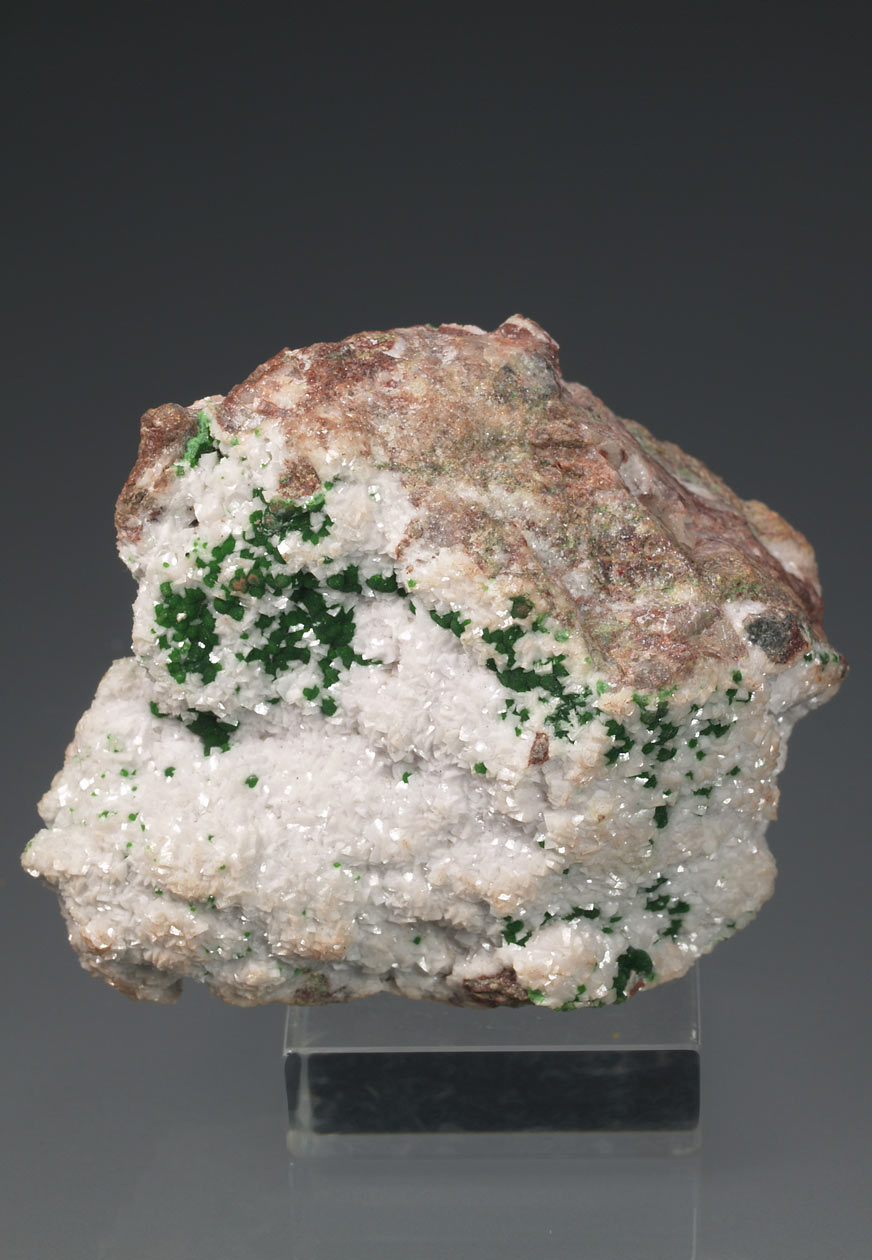
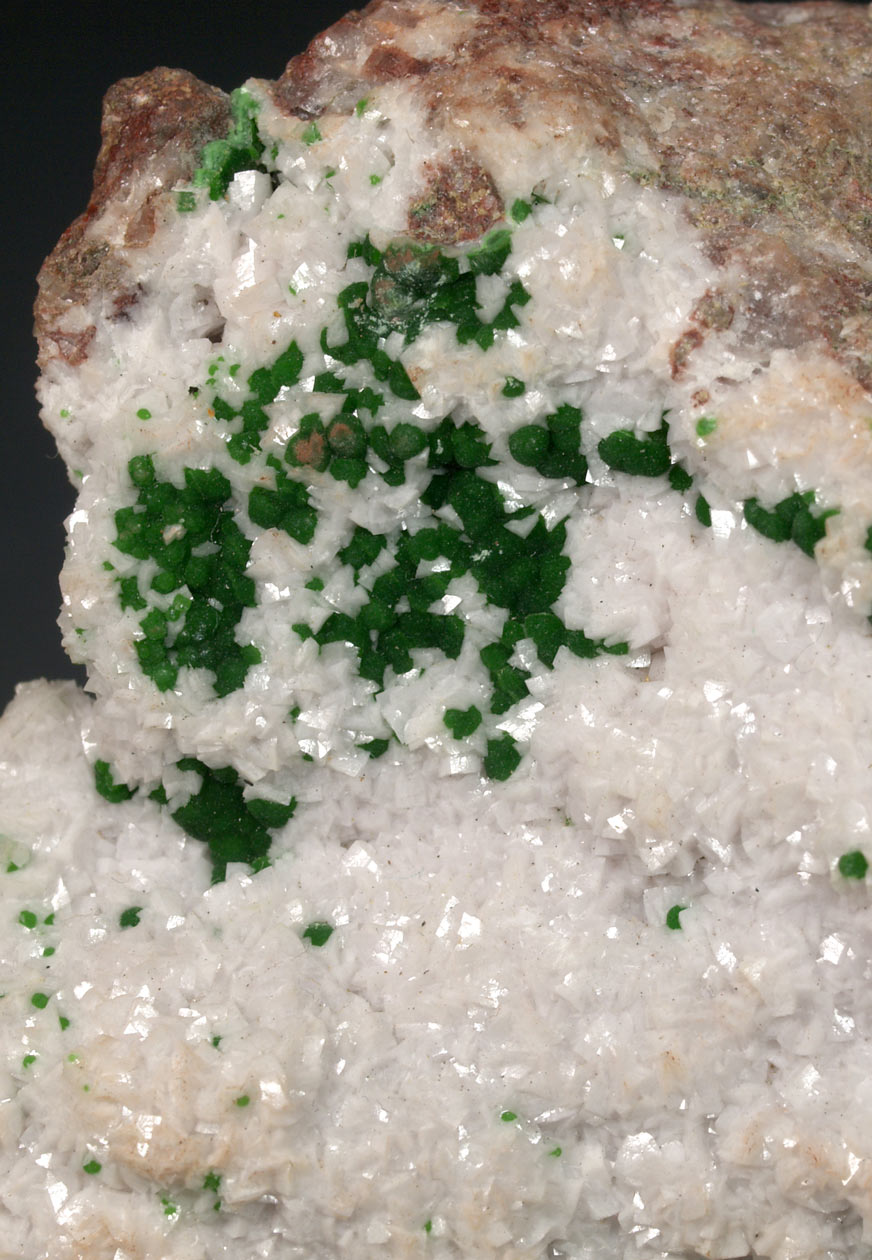
Contrasting sparkly dolomite matrix are lustrous, dark green spheres to 1 mm across, of conichalcite. This is an uncommon, calcium, copper arsenate and it is rare in the form of such isolated crystals or crystal aggregates as you see here (forming little ball-shaped growths).This aesthetic specimen is double sided.
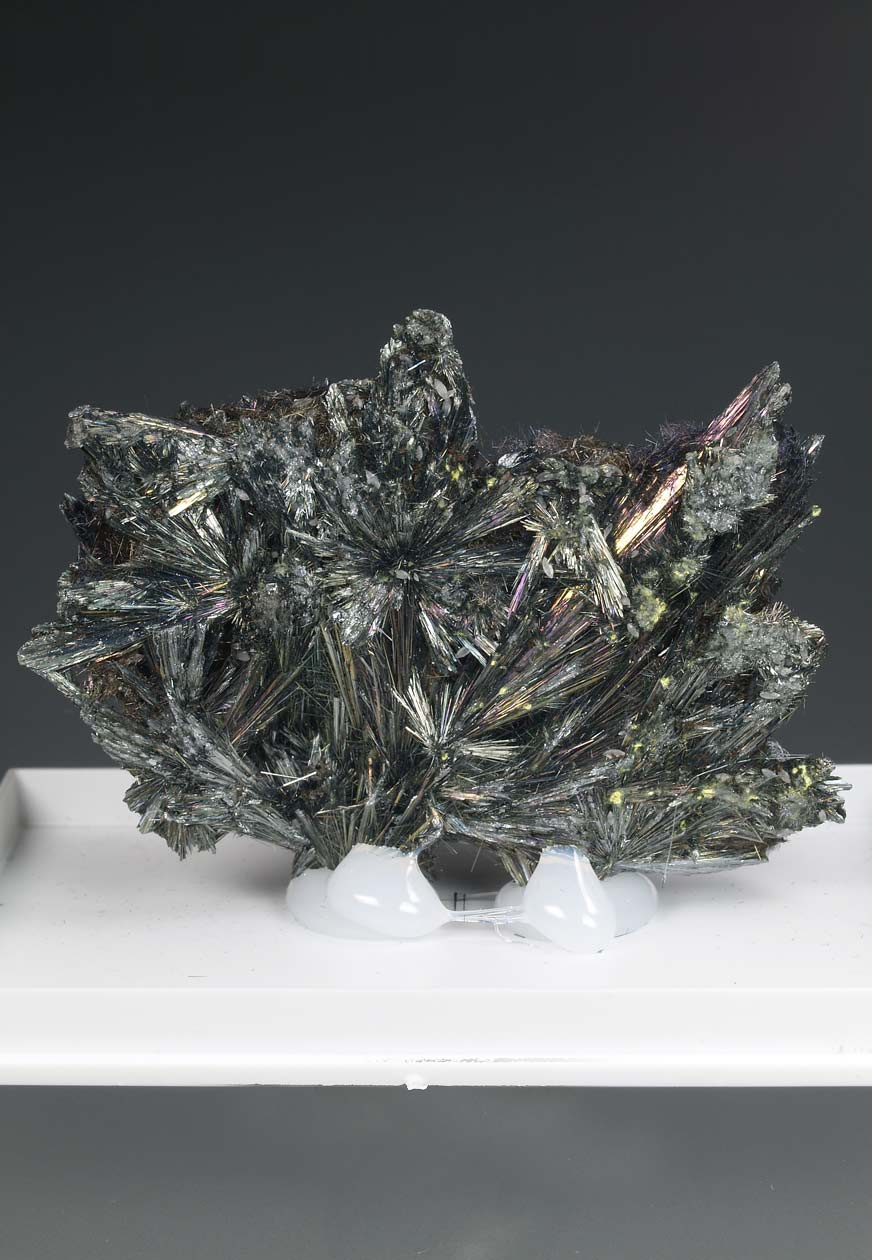
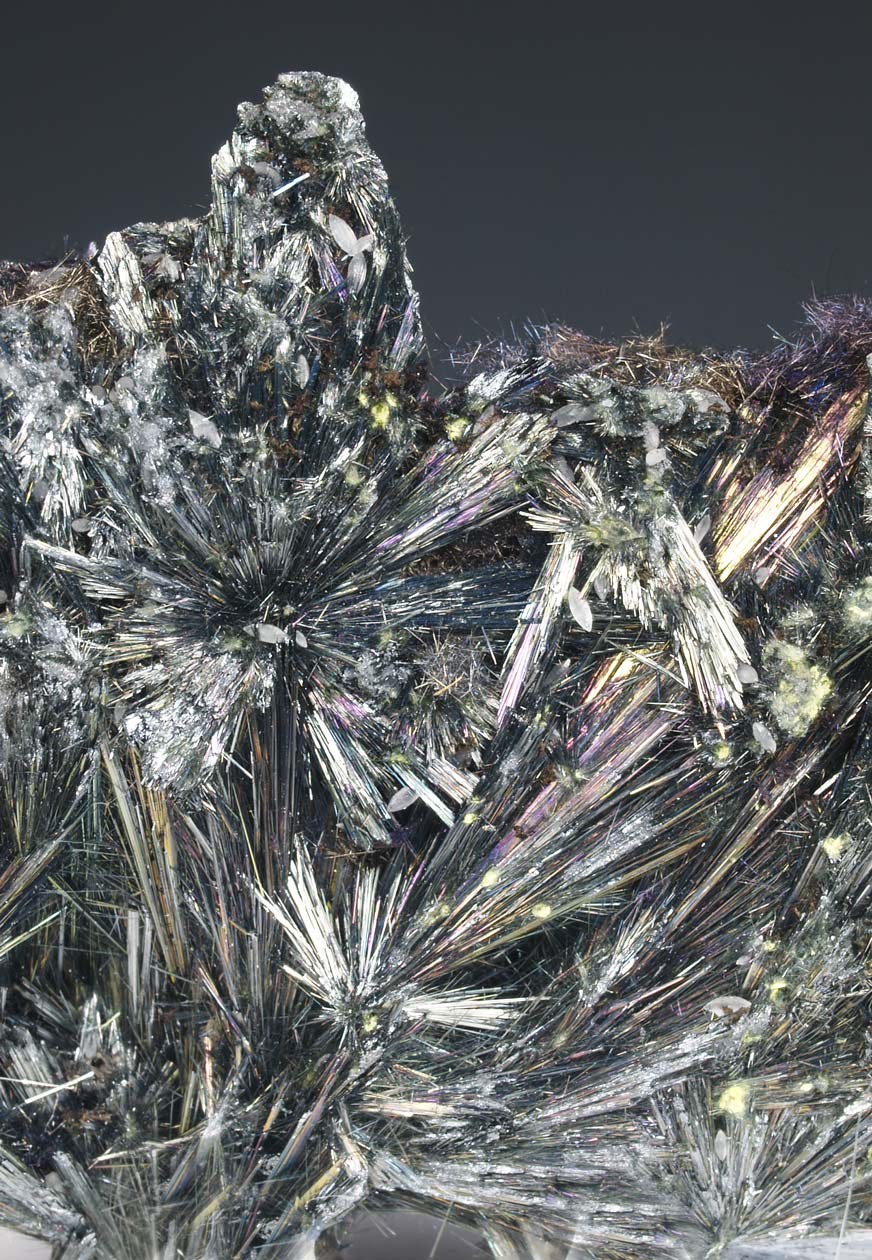
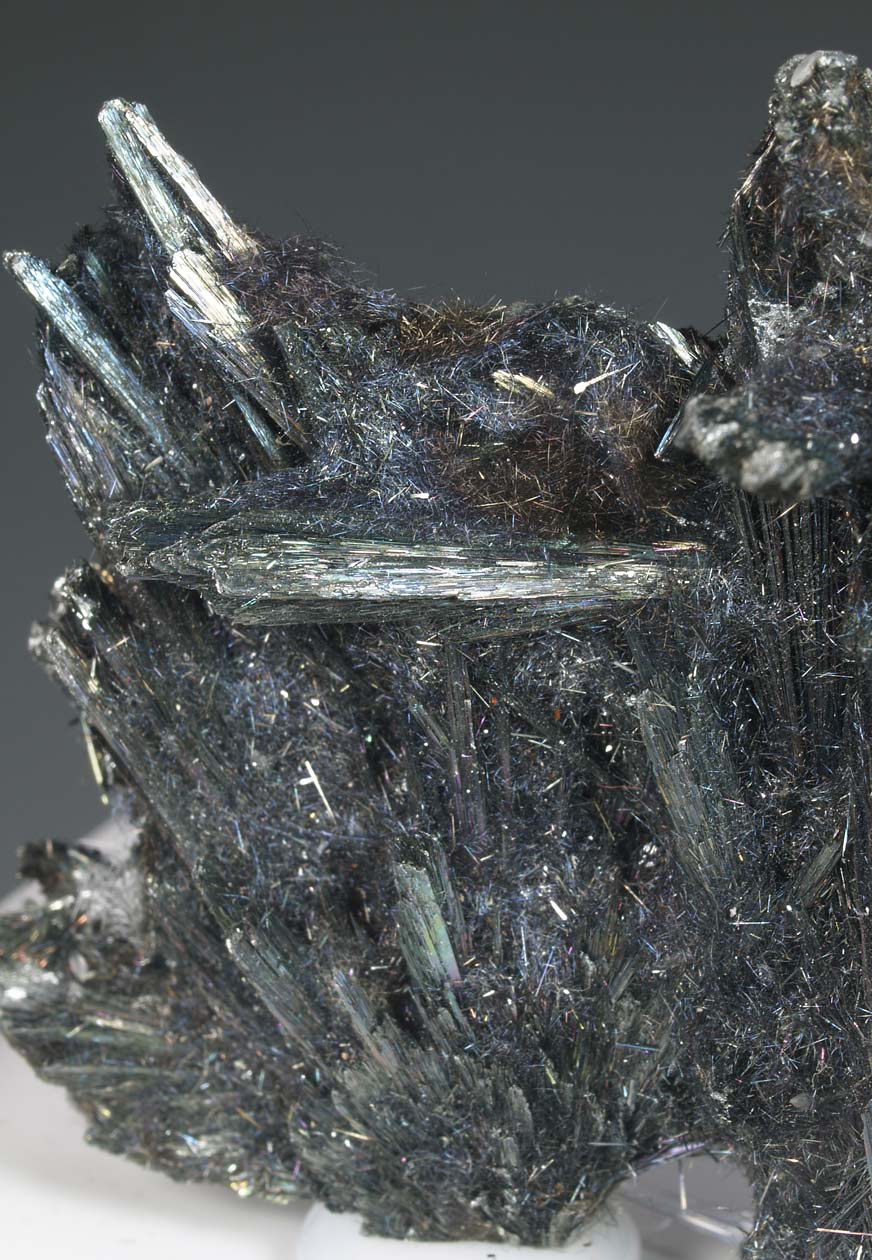
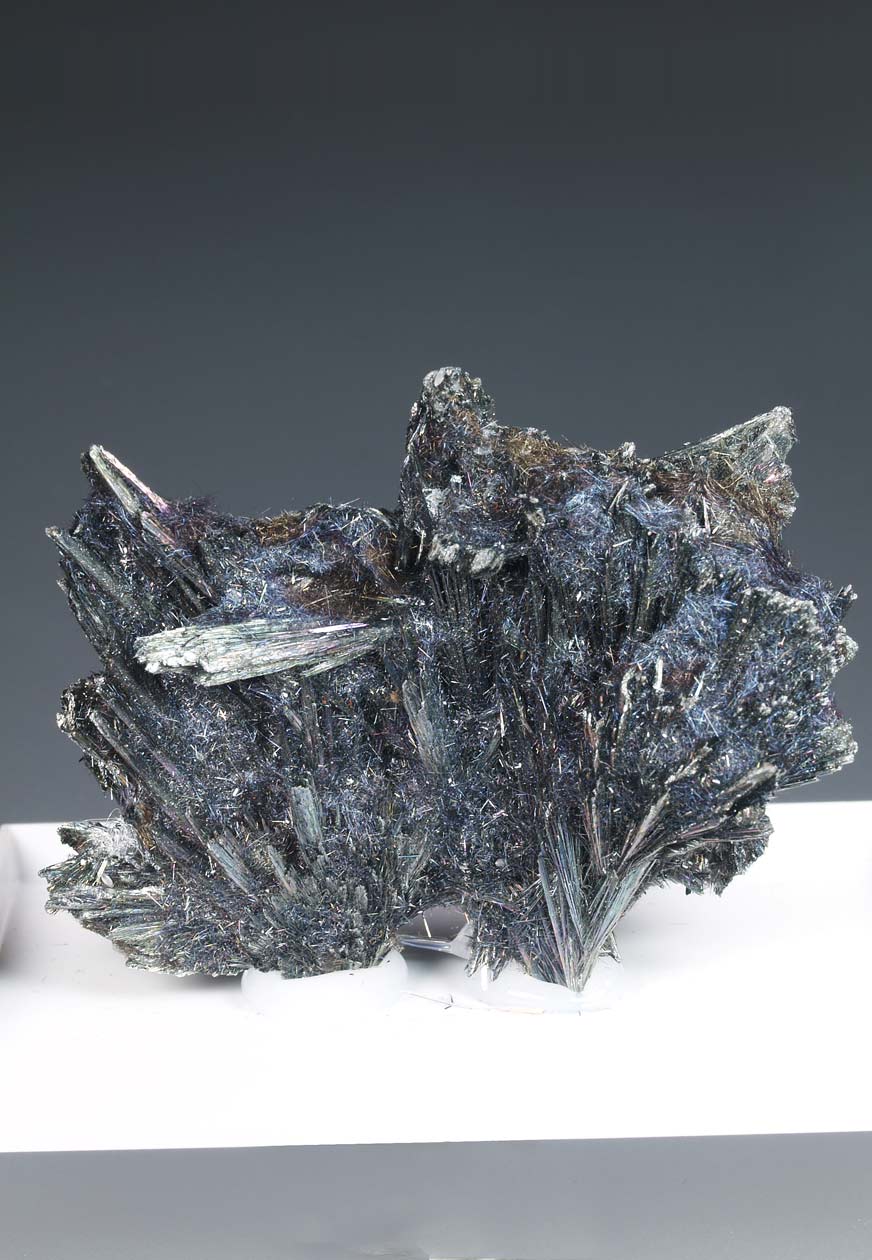
Excellent aggregate of prismatic stibnite crystals, very brilliant, with iridescence, which are disposed forming radial aggregates. They are partially covered with fine needles of boulangerite crystals. With small doubly terminated quartz crystals. A very aesthetic, colourful piece with the J. Viñals label and from the E. Nicolau collection.
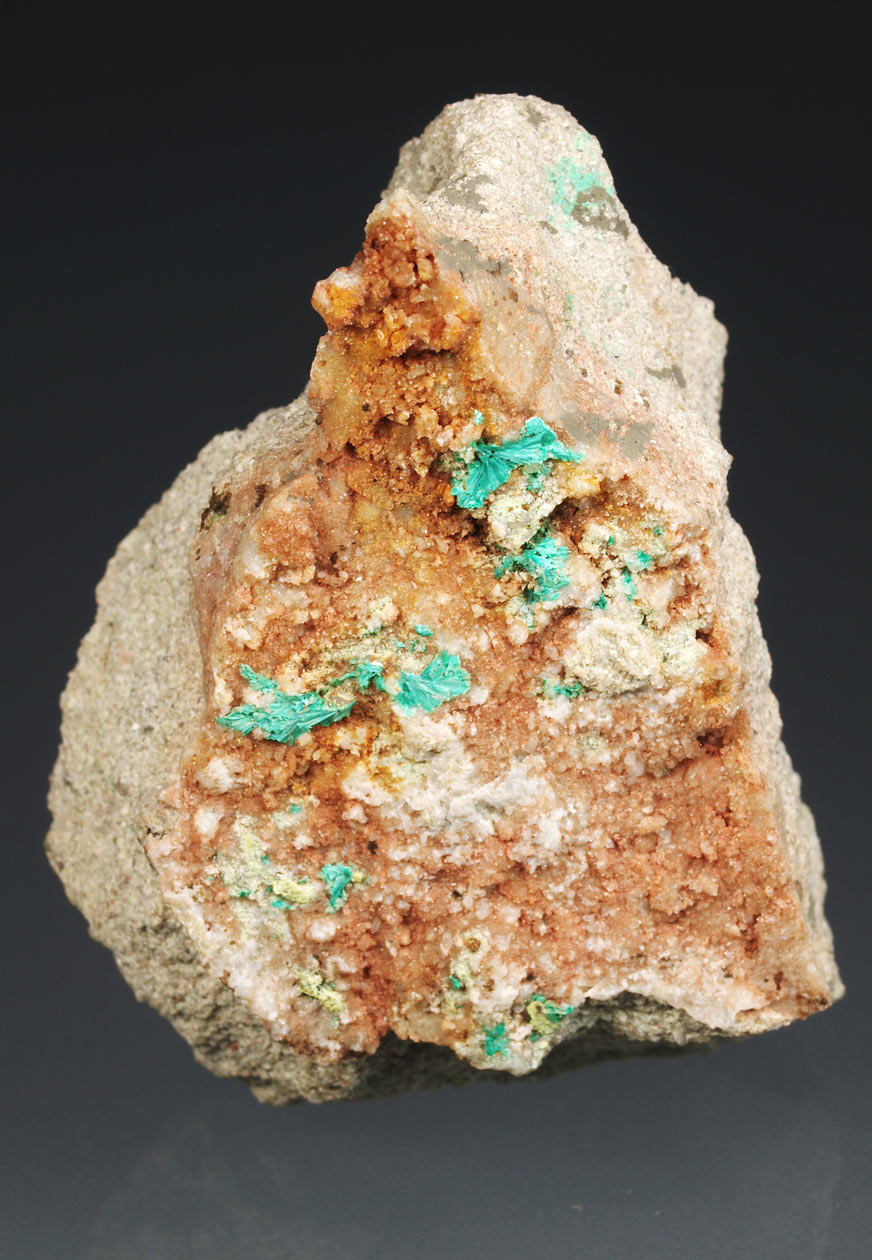
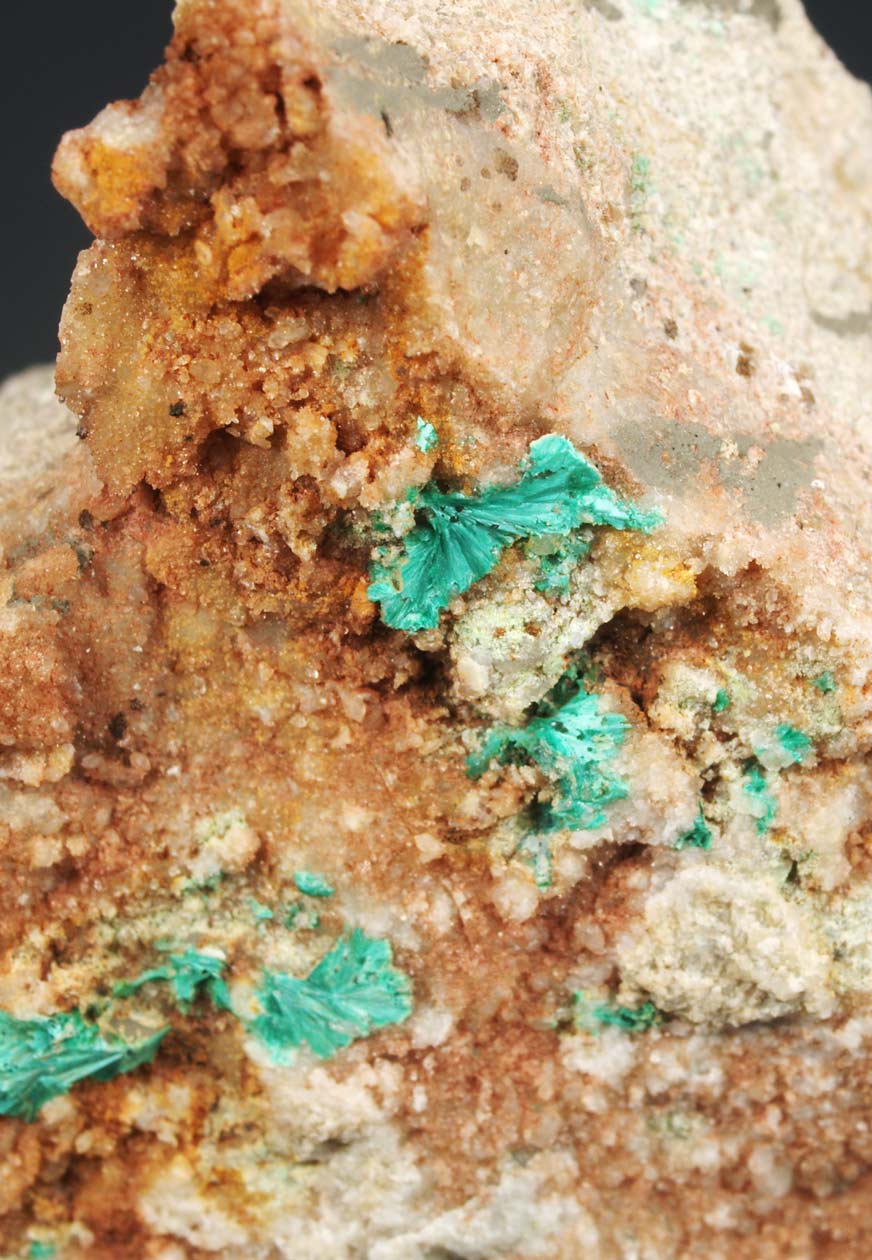
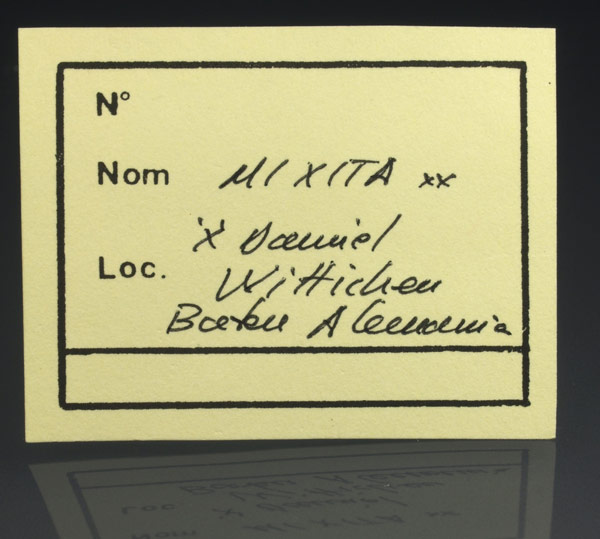
Rich groups of mixite crystals, arranged on a matrix with quartz. Joan Viñals' label indicates that it comes from the Daniel mine, in the same area as the waste dumps known as Schmiedestollen, the most famous dump in the Wittichen area, currently heavily restored. It does not belong to any real mine, but was driven to transport minerals from the nearby Alt St Joseph and Gnade Gottes mines, with which it is connected underground (see mindat), which indicates that some specimens from this dumps may belong also from this mine.
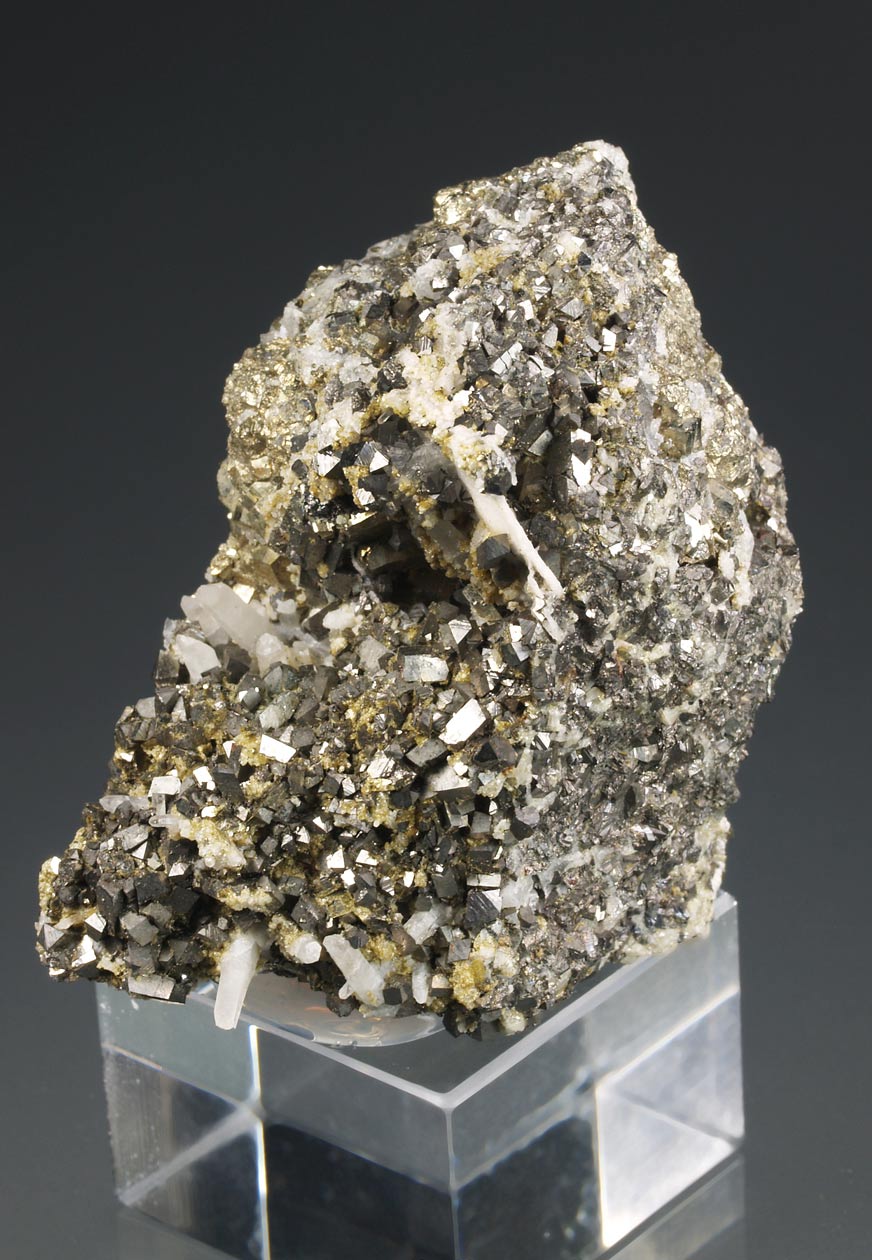
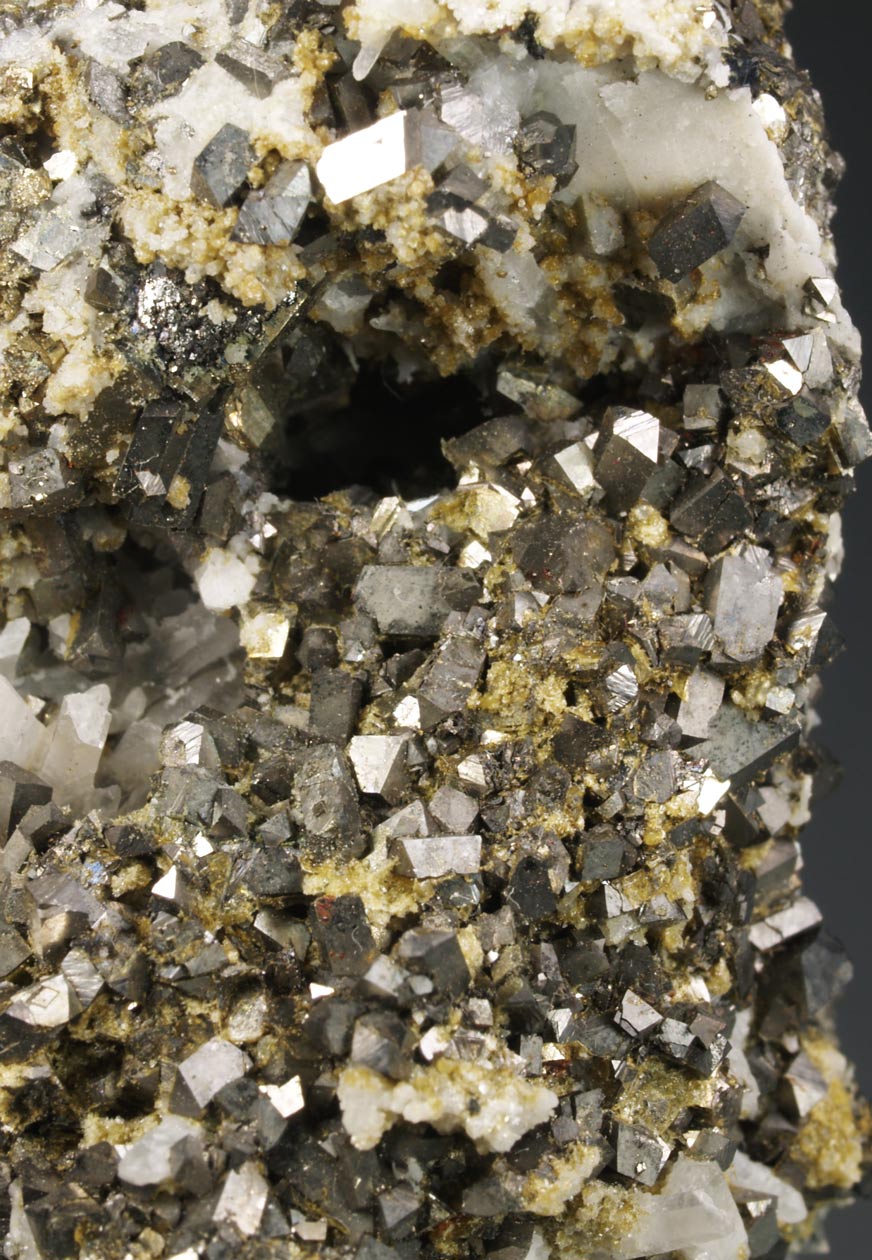
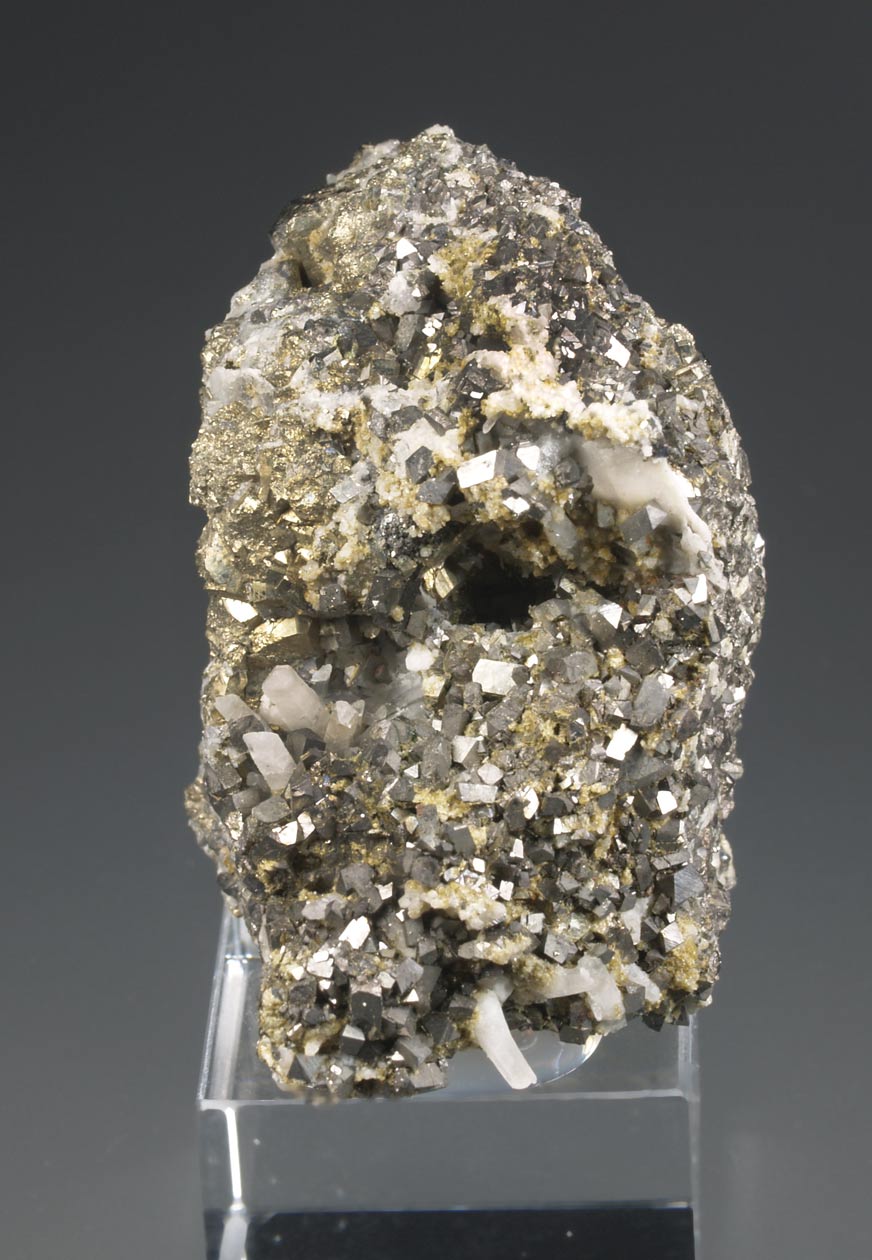
Group of arsenopyrite crystals, very well defined faces amd edges and brilliant, from this classic Spanish mine. With yellowish scorodite. It belongs from the collection of Peter Seroka and it is accompanied by some labels.
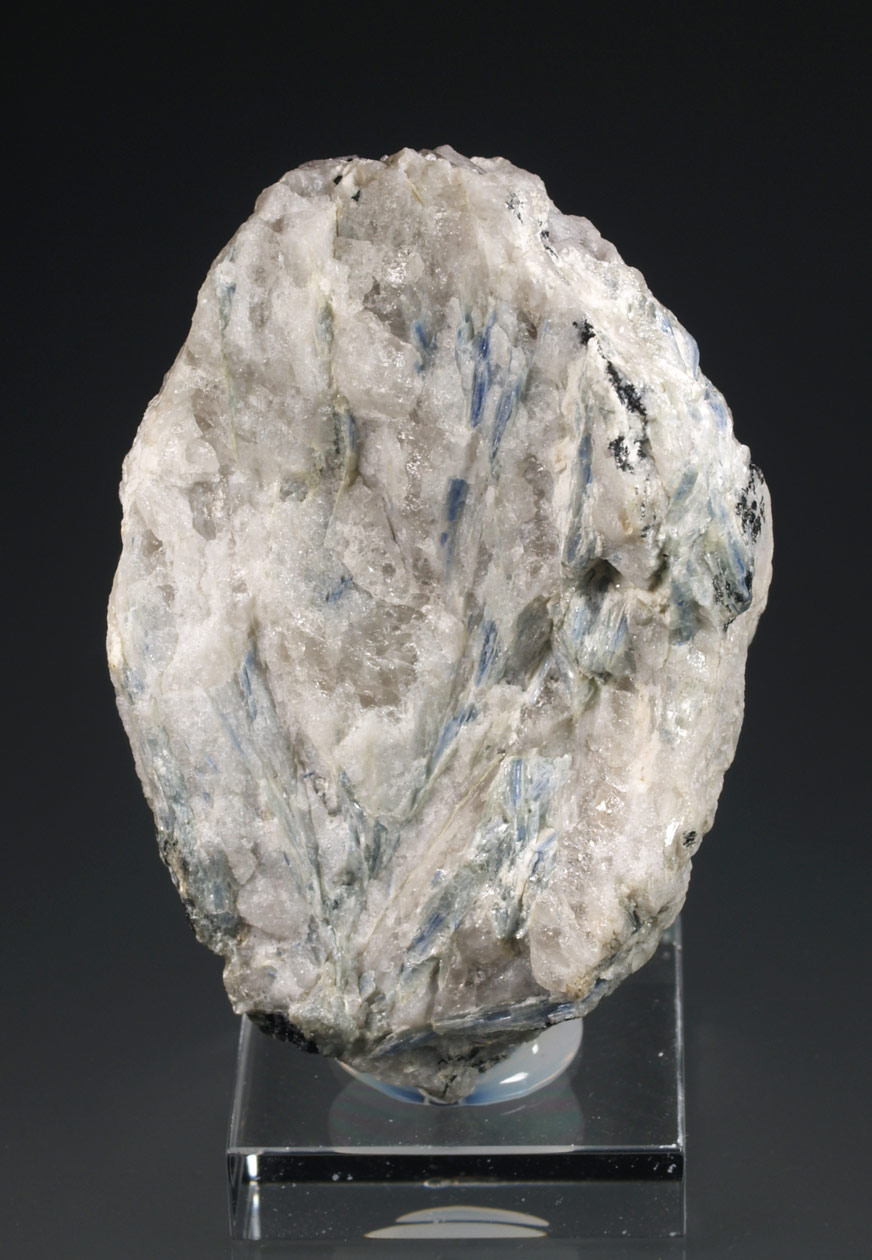
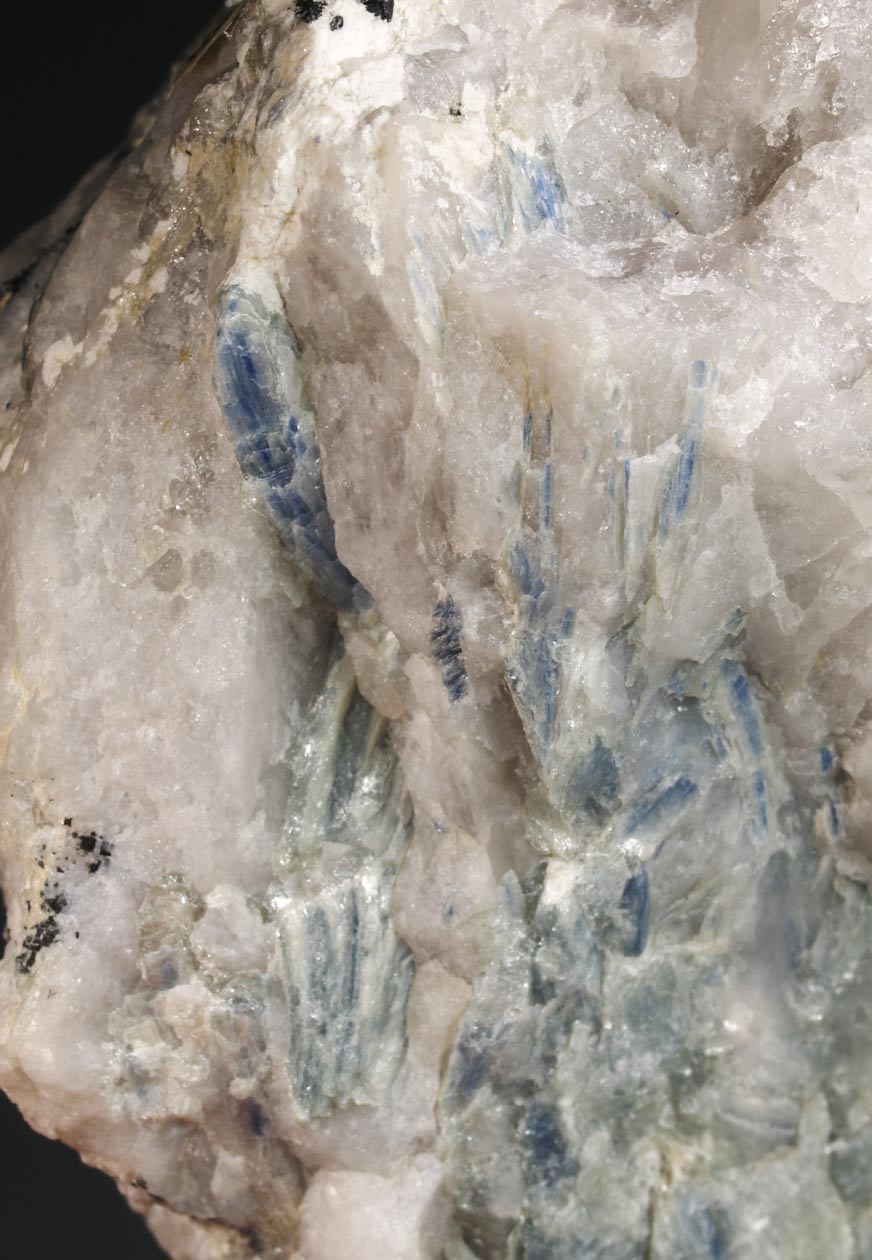
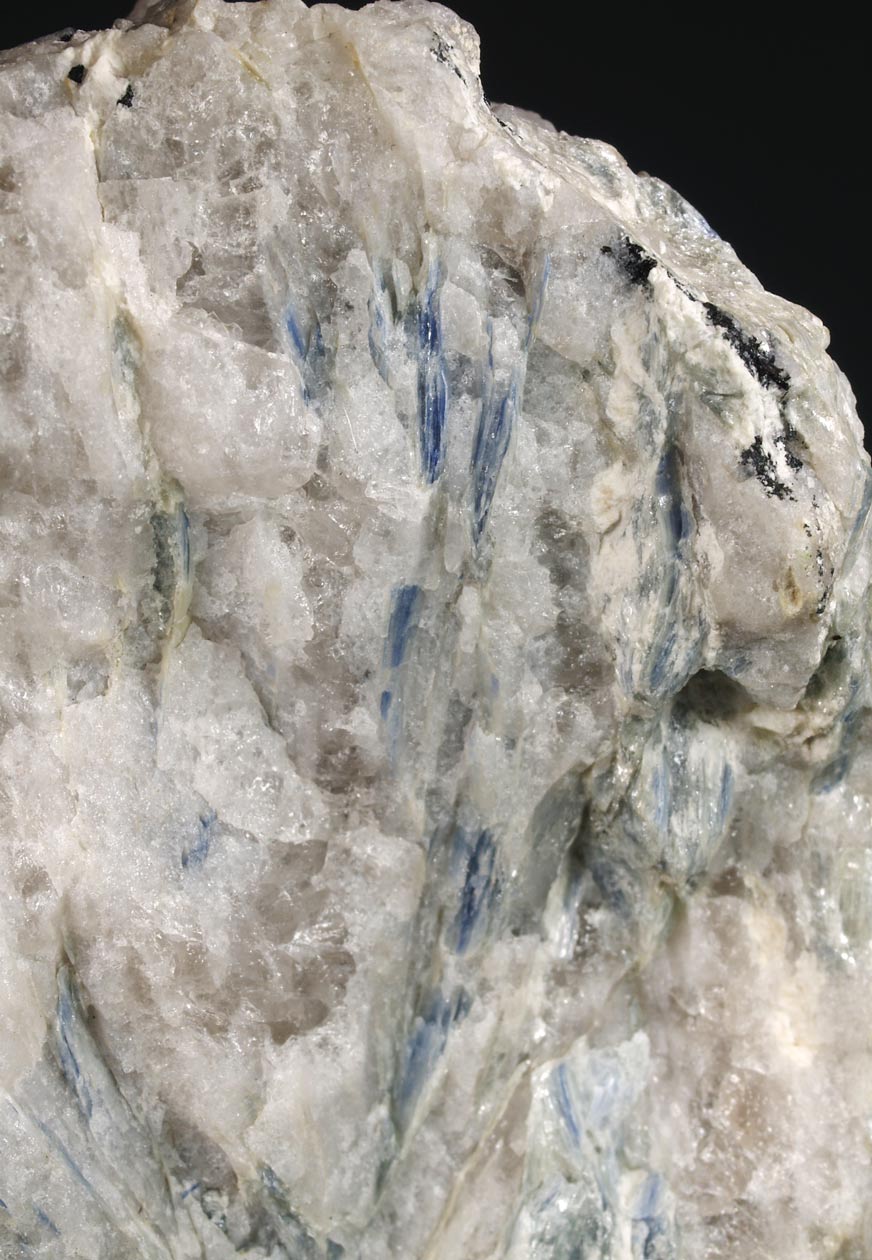
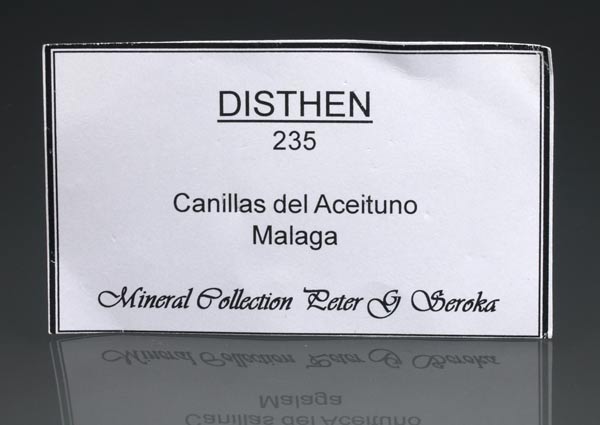
Laminar crystals of kyanite, with a bluish tone, from this deposit located on the road between Canillas del Aceituno and Sedella. This specimen belongs from the Peter Seroka collection and is accompanied by the label.
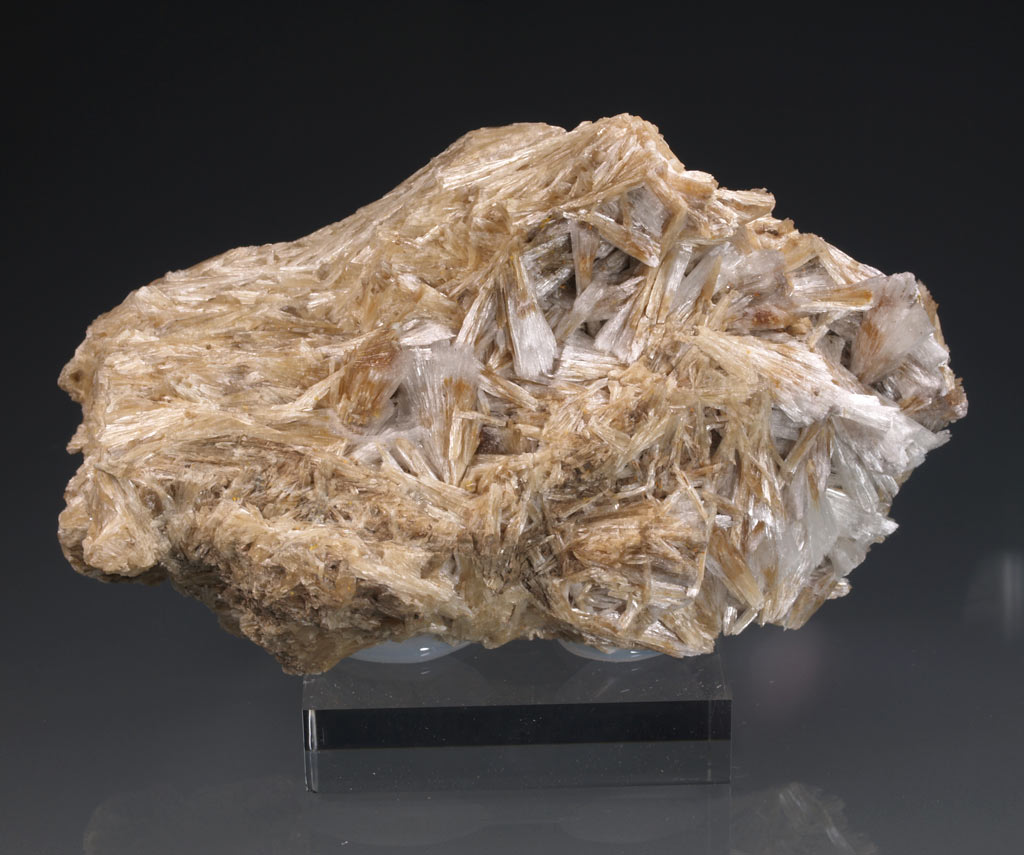
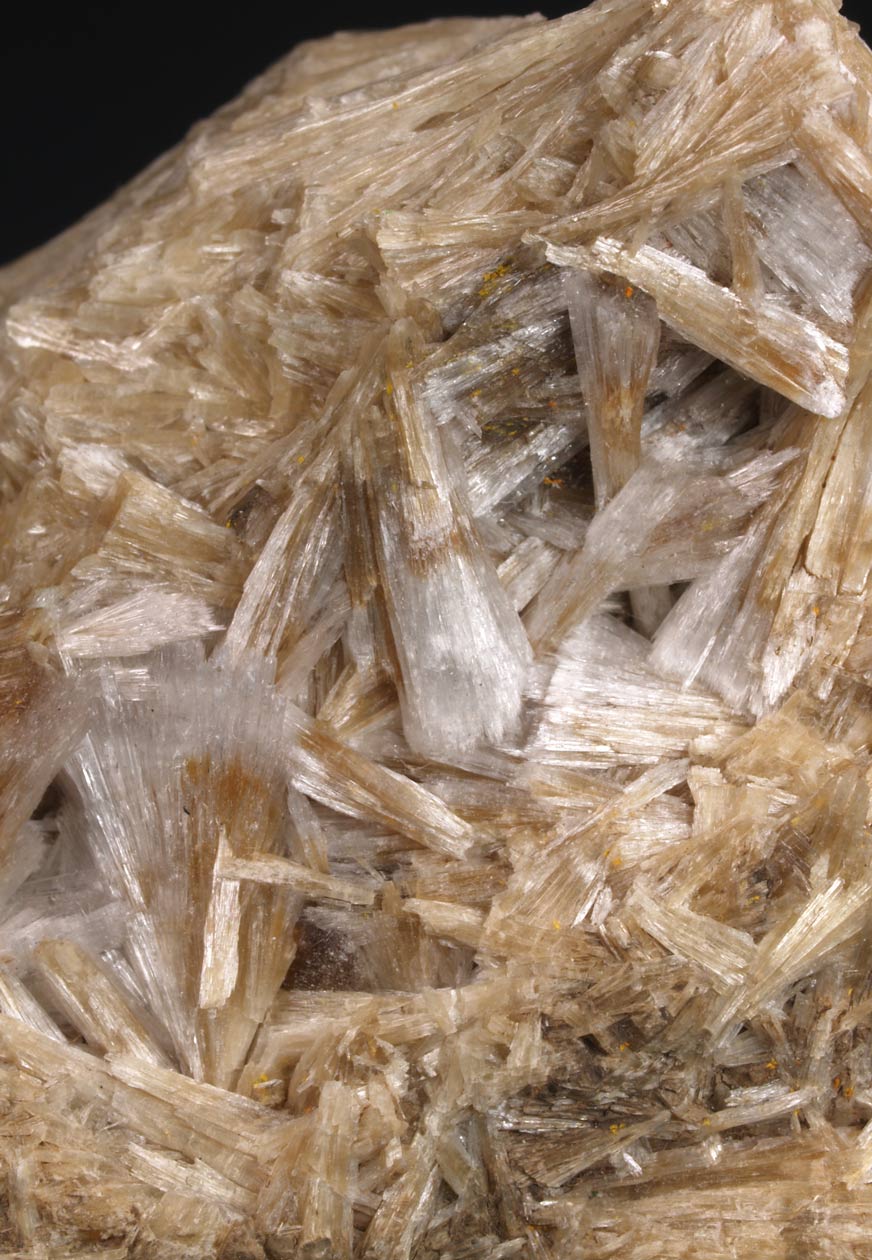
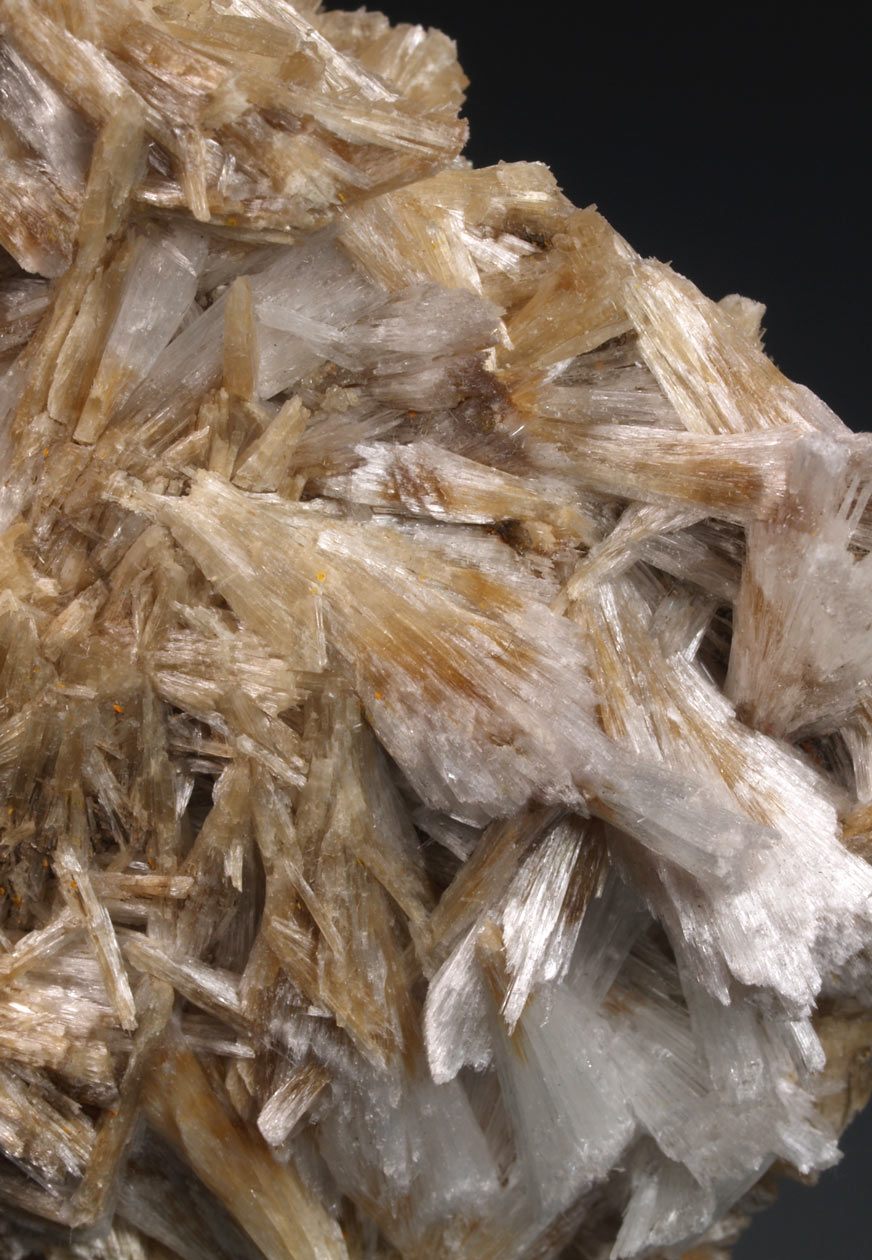
Excellent specimen of hydroboracite, with a very good size, formed by numerous radial aggregates of acicular crystals. Very good brilliance, transparence and with color zoning, between colorless to slightly honeyed. This specimen has a former owner's handwritten label. A display museum specimen.

-Llallagua-Bolivia.jpg)
-Llallagua-Bolivia-c.jpg)
-Llallagua-Bolivia-b.jpg)
These specimens from the Siglo XX Mine present defined, brilliant, translucent and light orange colour monazite-(Ce) crystals. They are accompanied by hyaline quartz and black-brown cassiterite on matrix. Some are twinned. Monazite is found in small quantities in this mine.
Monazite gets its name from the Greek word μουάζω "monazein" meaning "to be alone," alluding to its isolated crystals and their rarity when they were first found. Monazite is generally found in granitic pegmatites, but these crystals are found in hydrothermal veins with tin and the absence of thorium (generally an accompanying element of monazite).
-Llallagua-Bolivia-e.jpg)
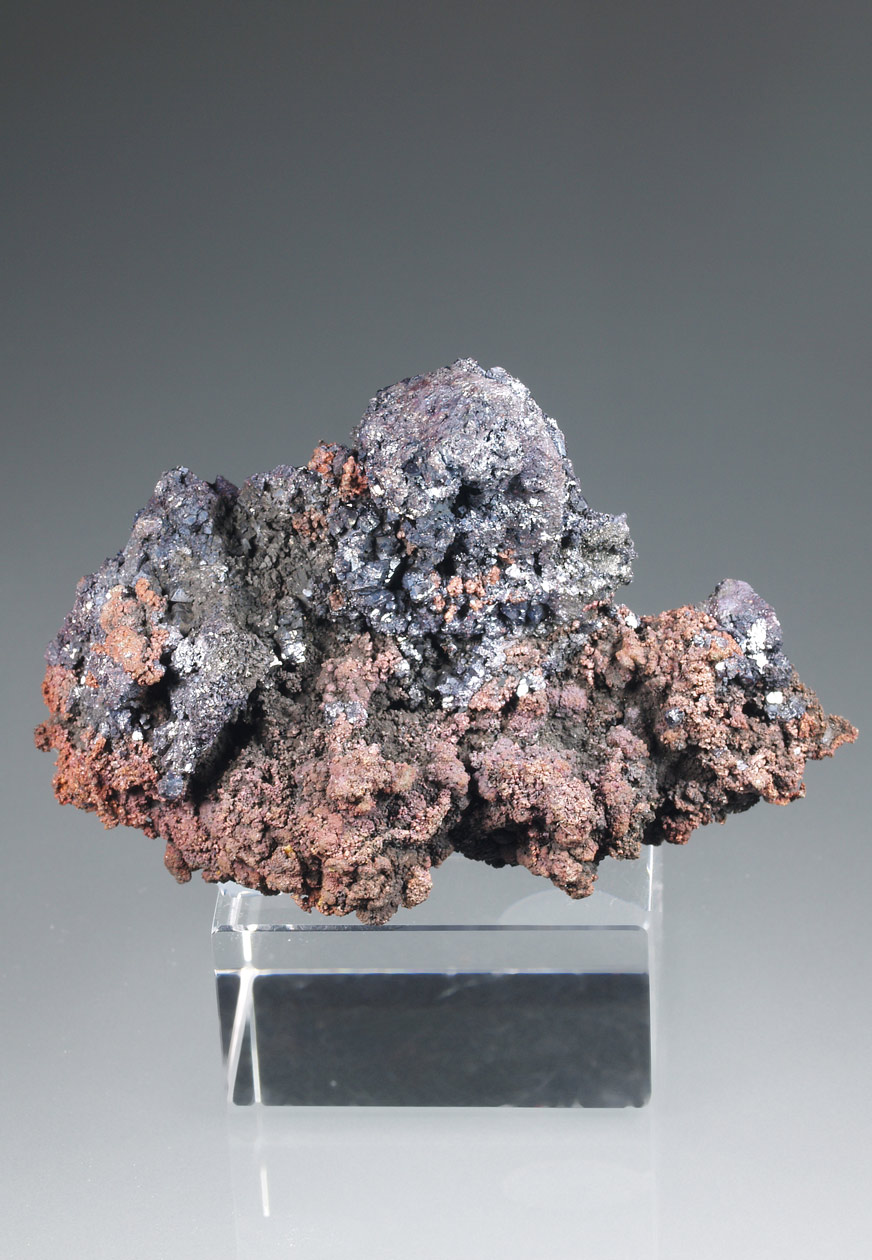
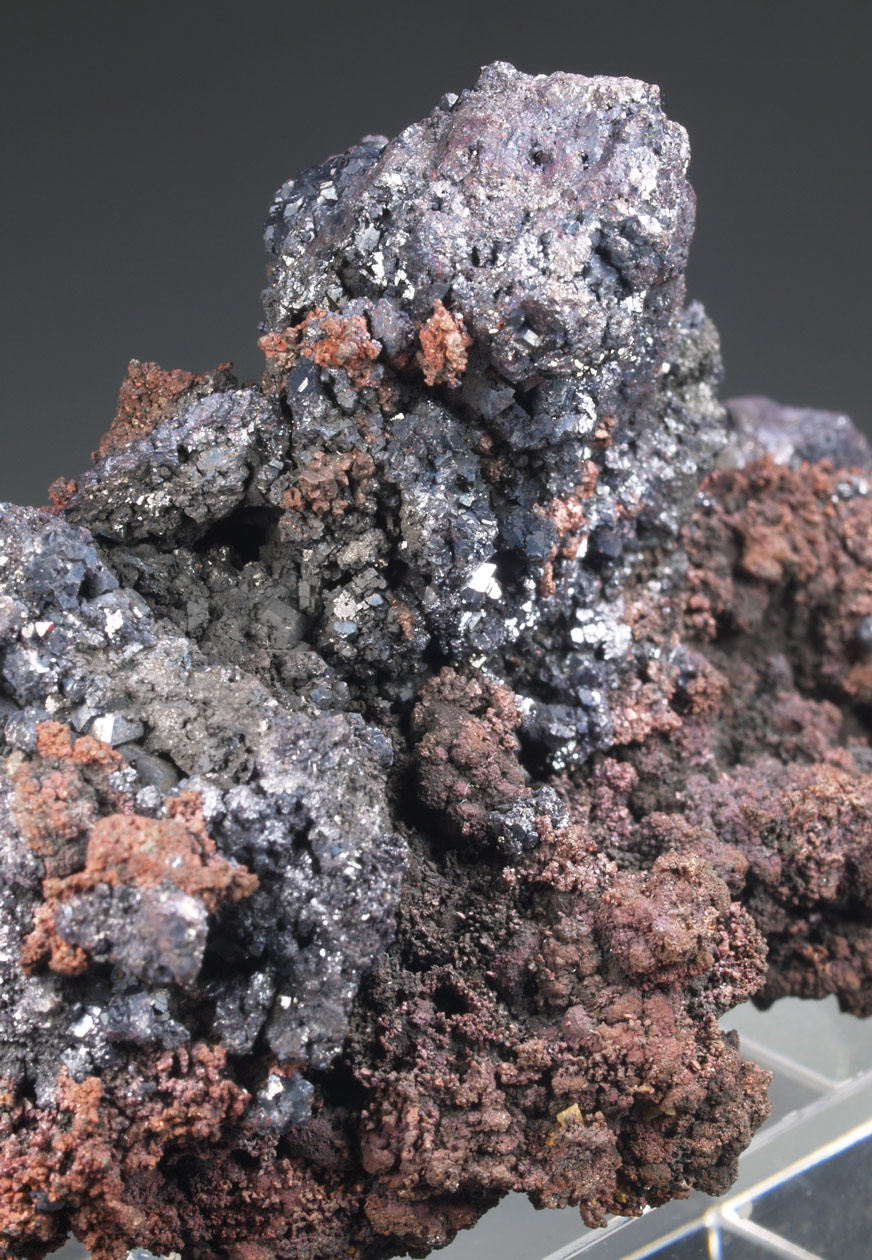
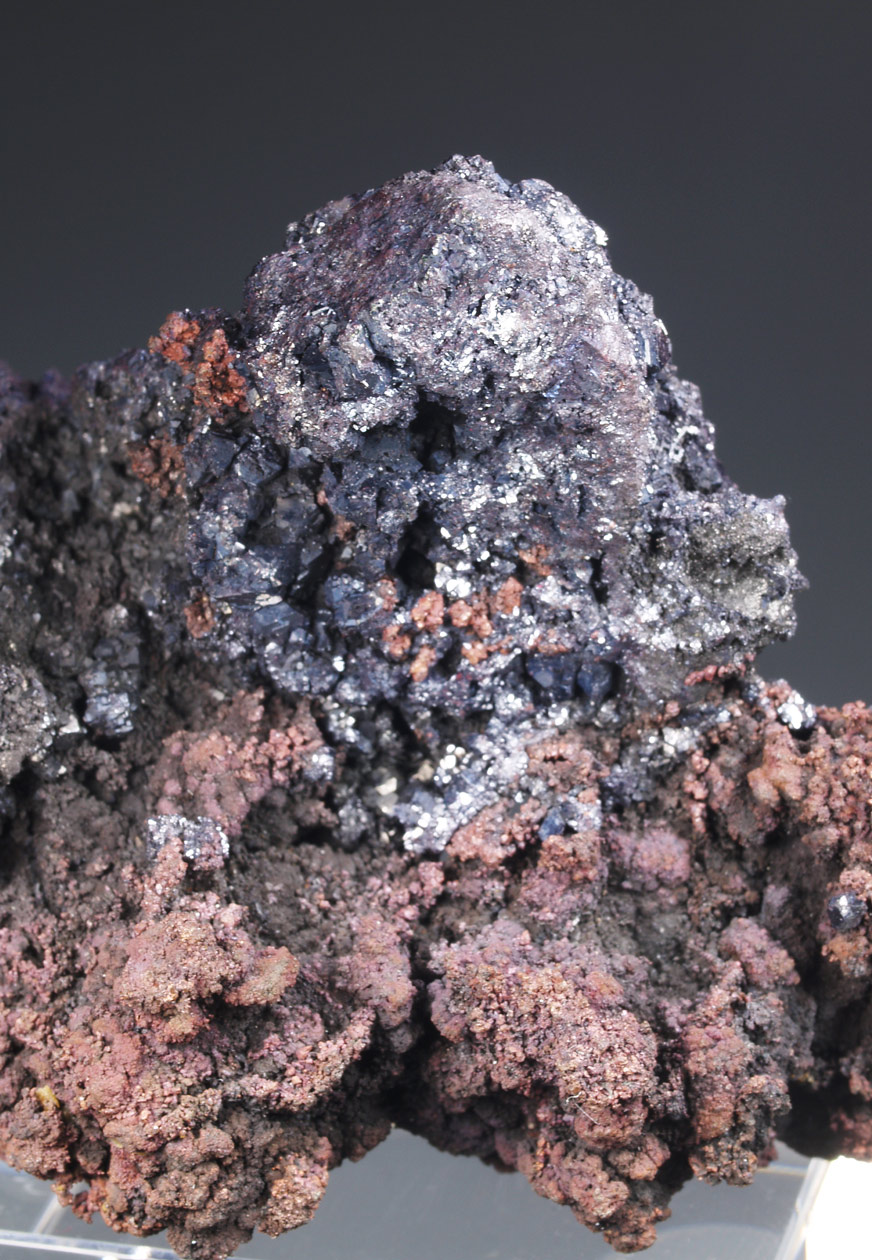
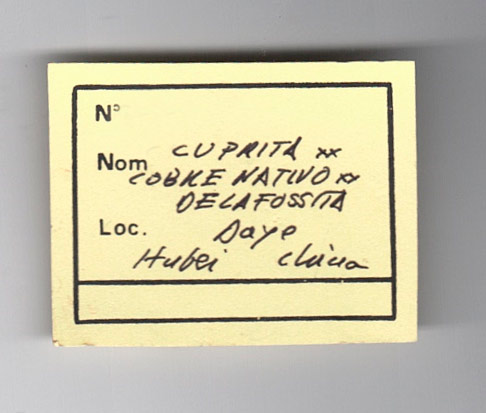
Very interesting specimen formed by a matrix of native copper crystals, partially covered by numerous red to almost black cuprite crystals, very defined and brilliant. It is accompanied in the matrix by delafossite (CuFeO2) aggregates, such as needles and radiated globules. Representative for the species. With the handwritten label of J. Viñals.
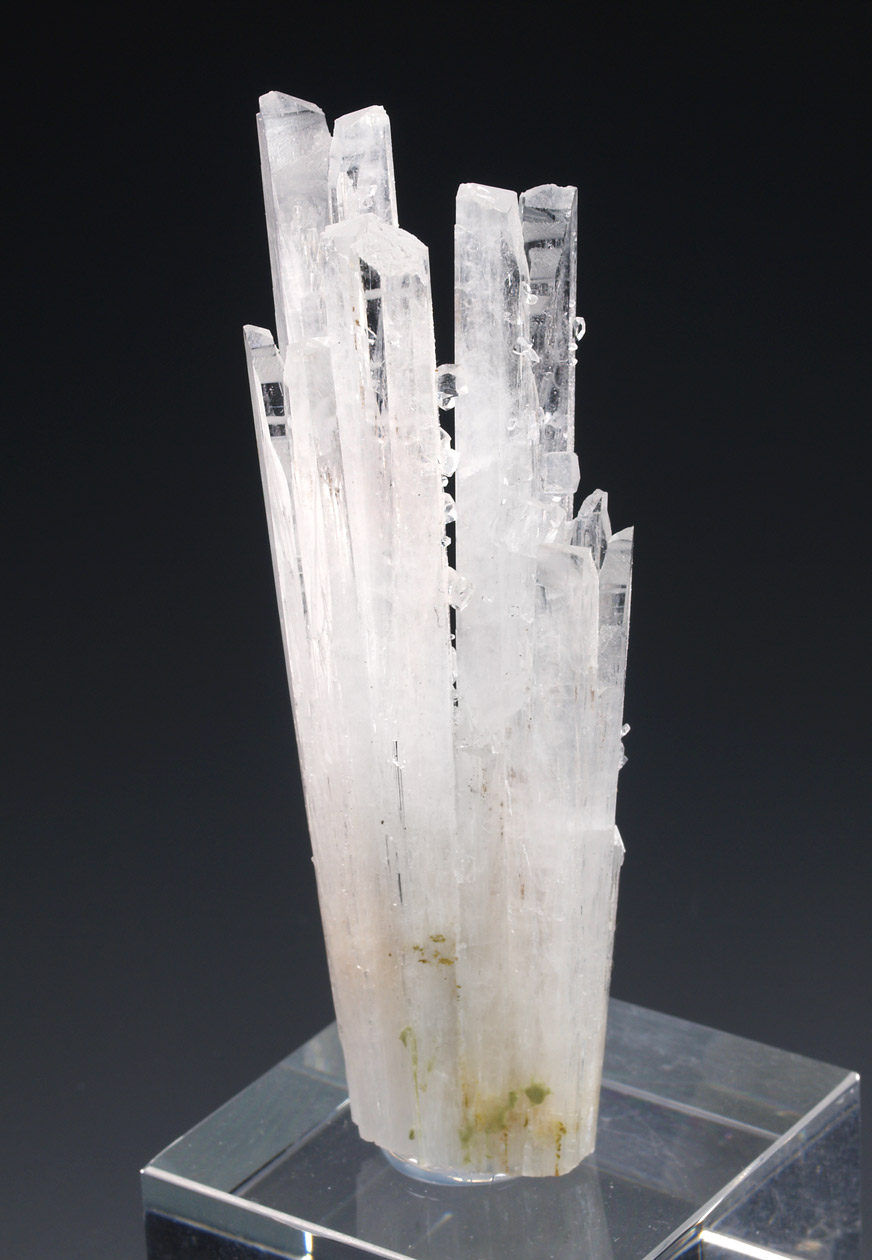
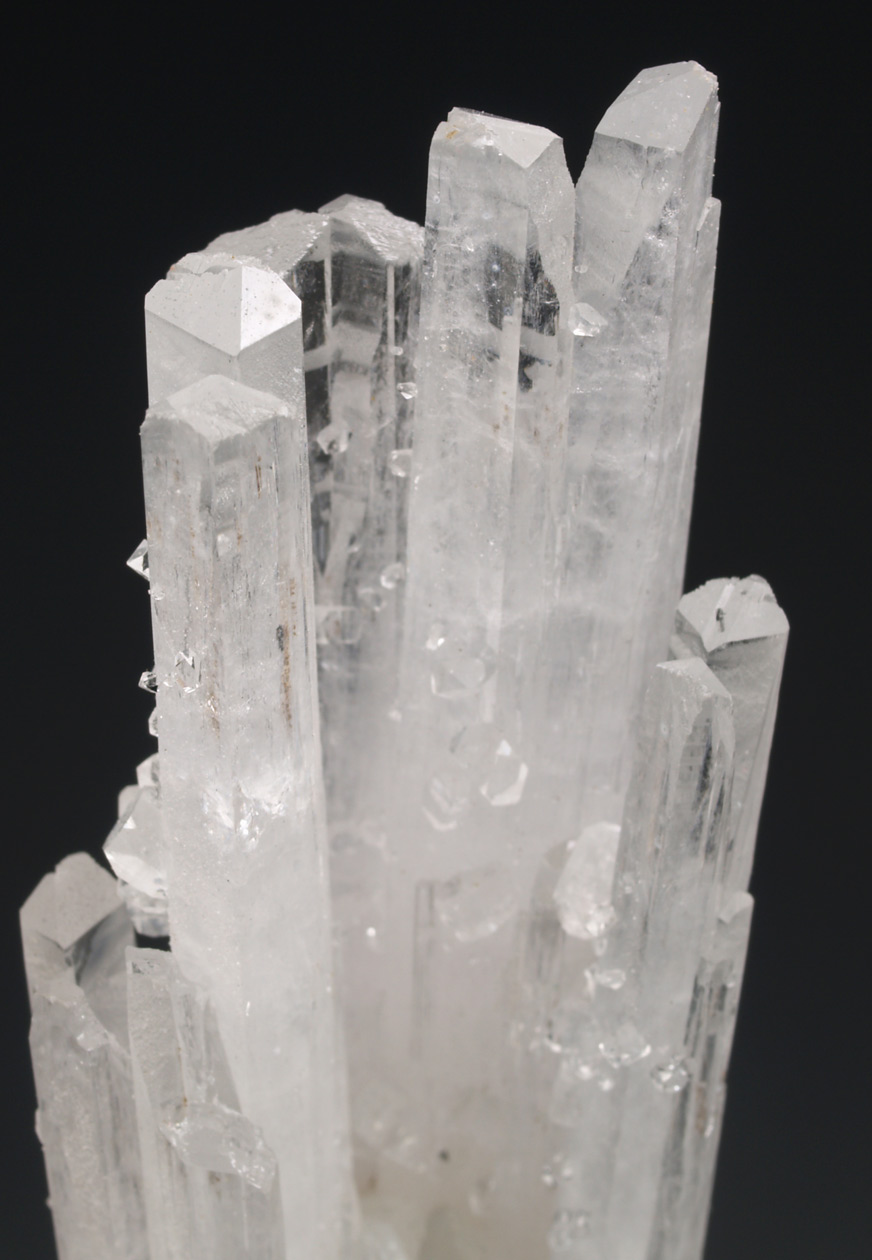
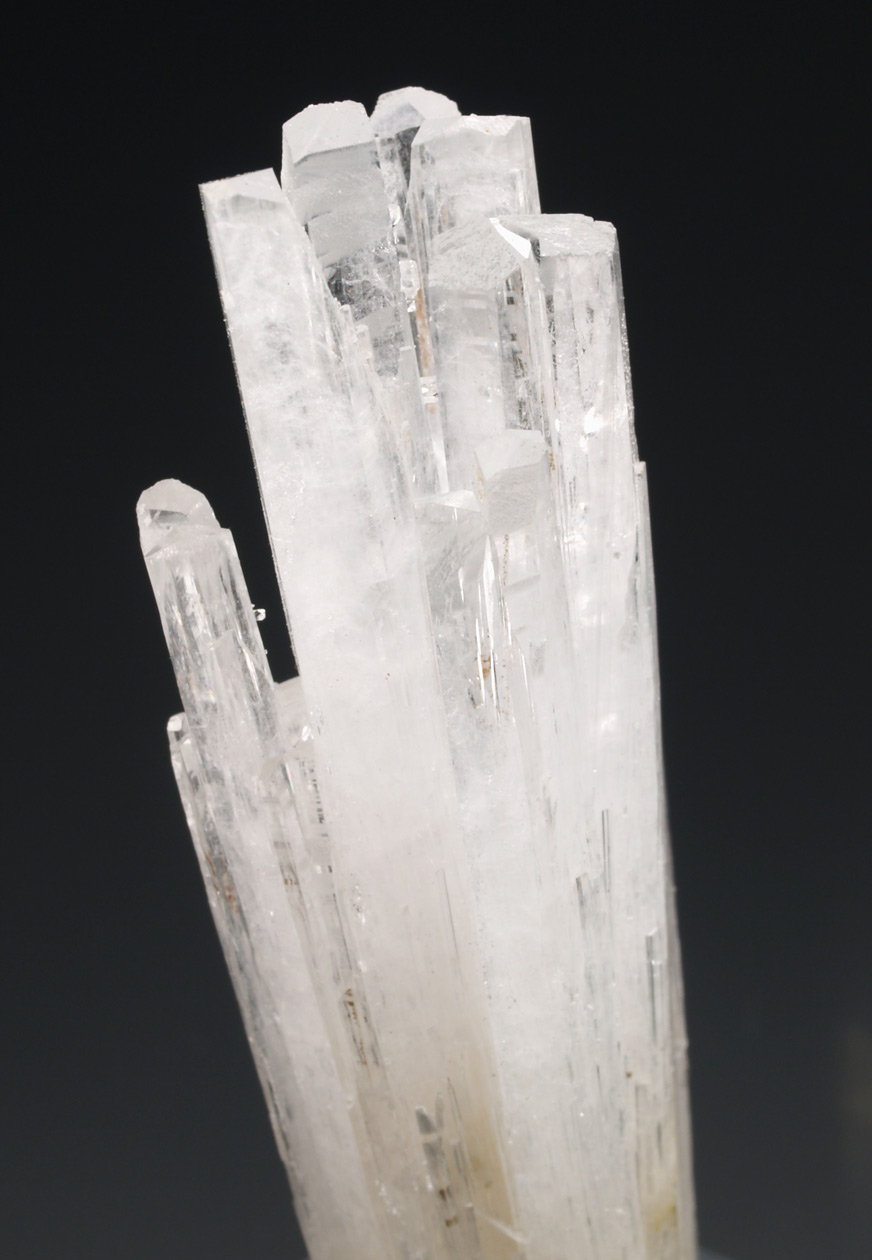
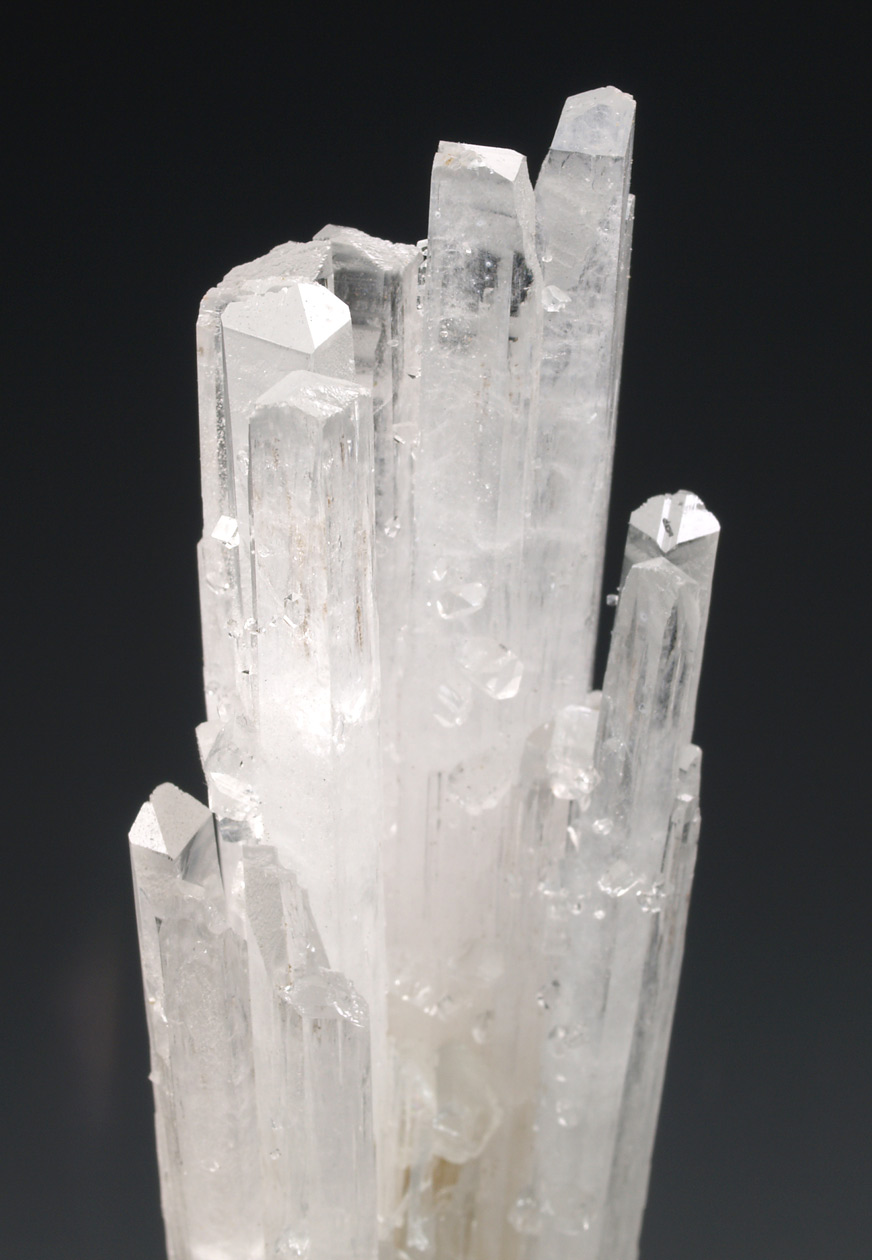
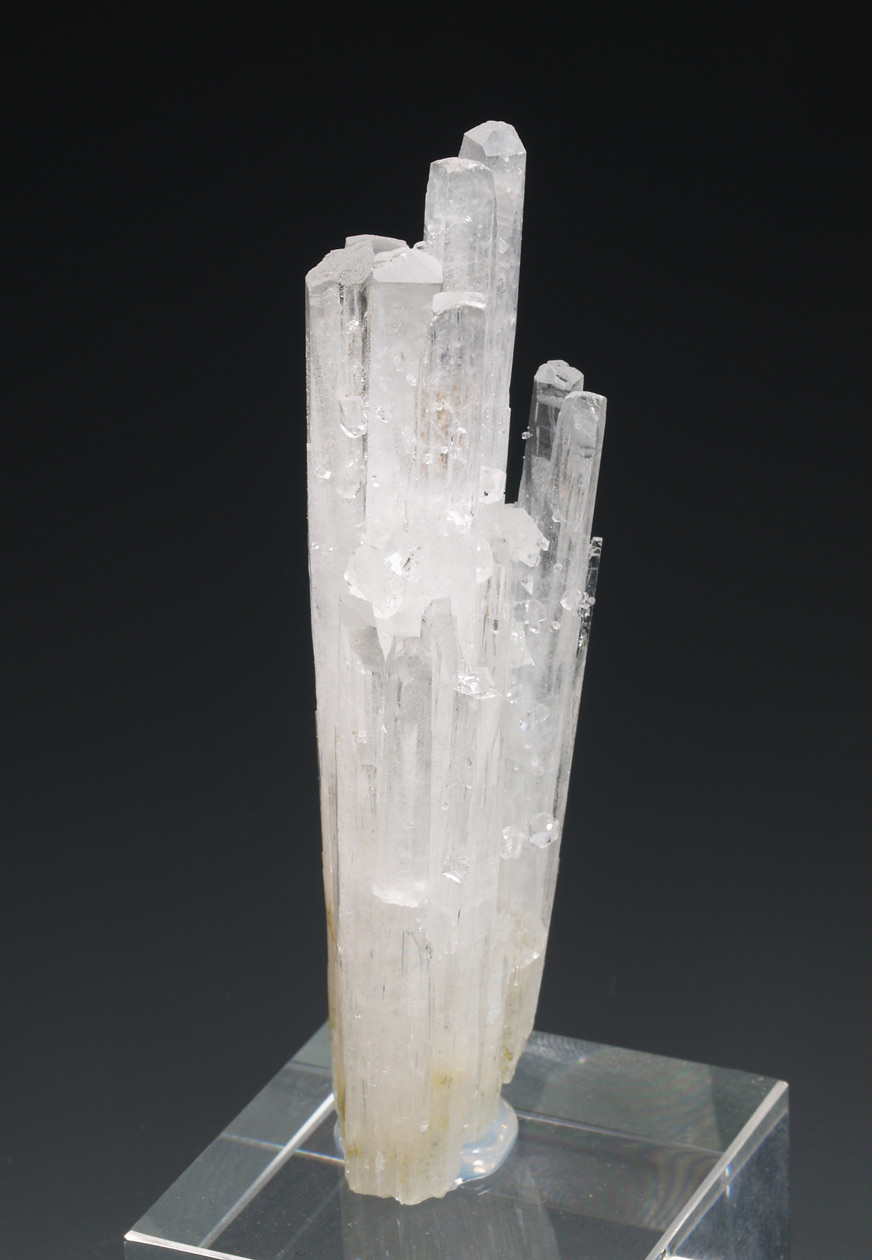
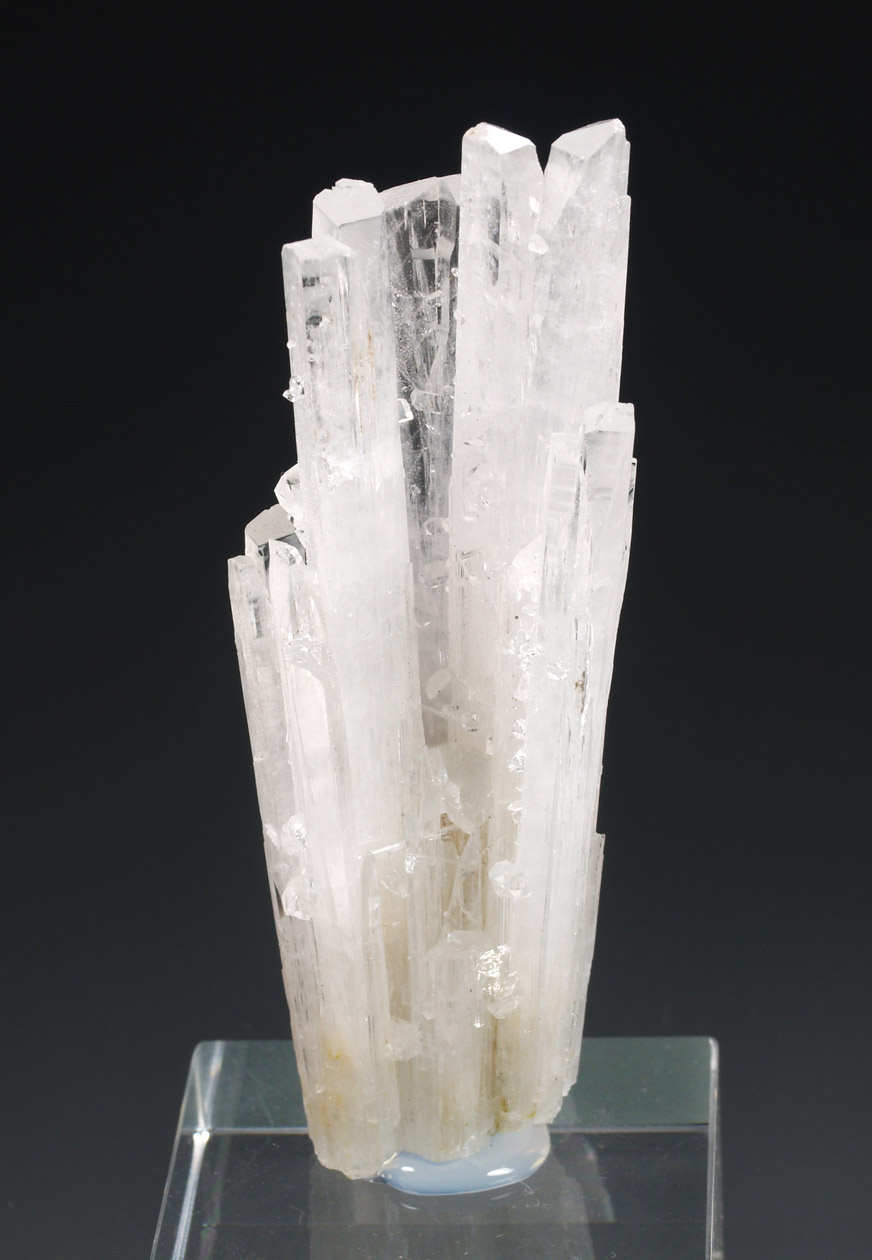
Group of twinned prismatic scolecite crystals, very brilliant and transparent. It is accompanied by small hyaline crystals of fluorapophyllite-(K), bright and very defined. Scolecite is a rather rare species of the zeolite group from India. With handwritten label by J. Viñals and belonged to the Nicolau collection (Barcelona).
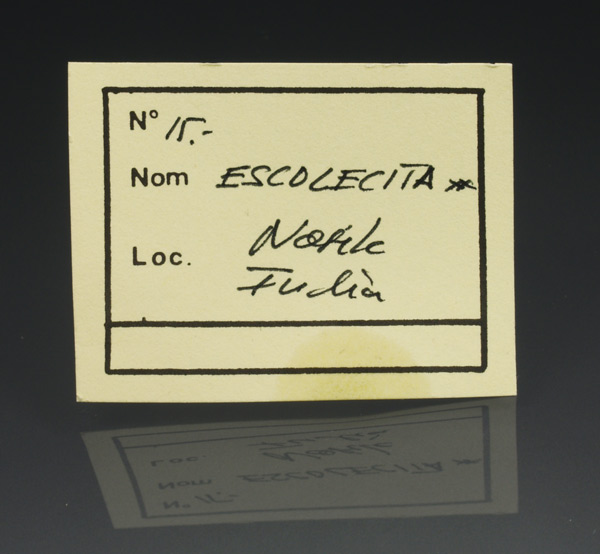
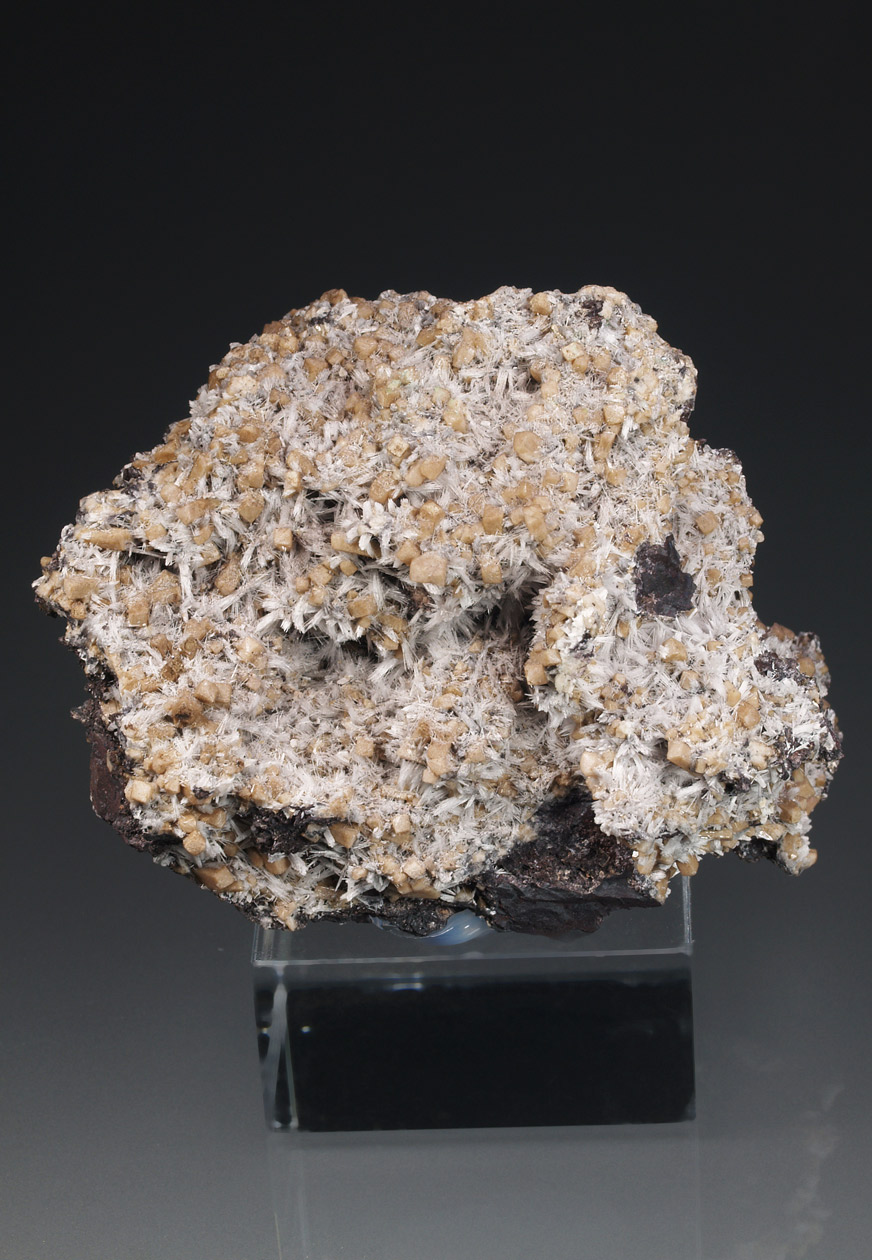
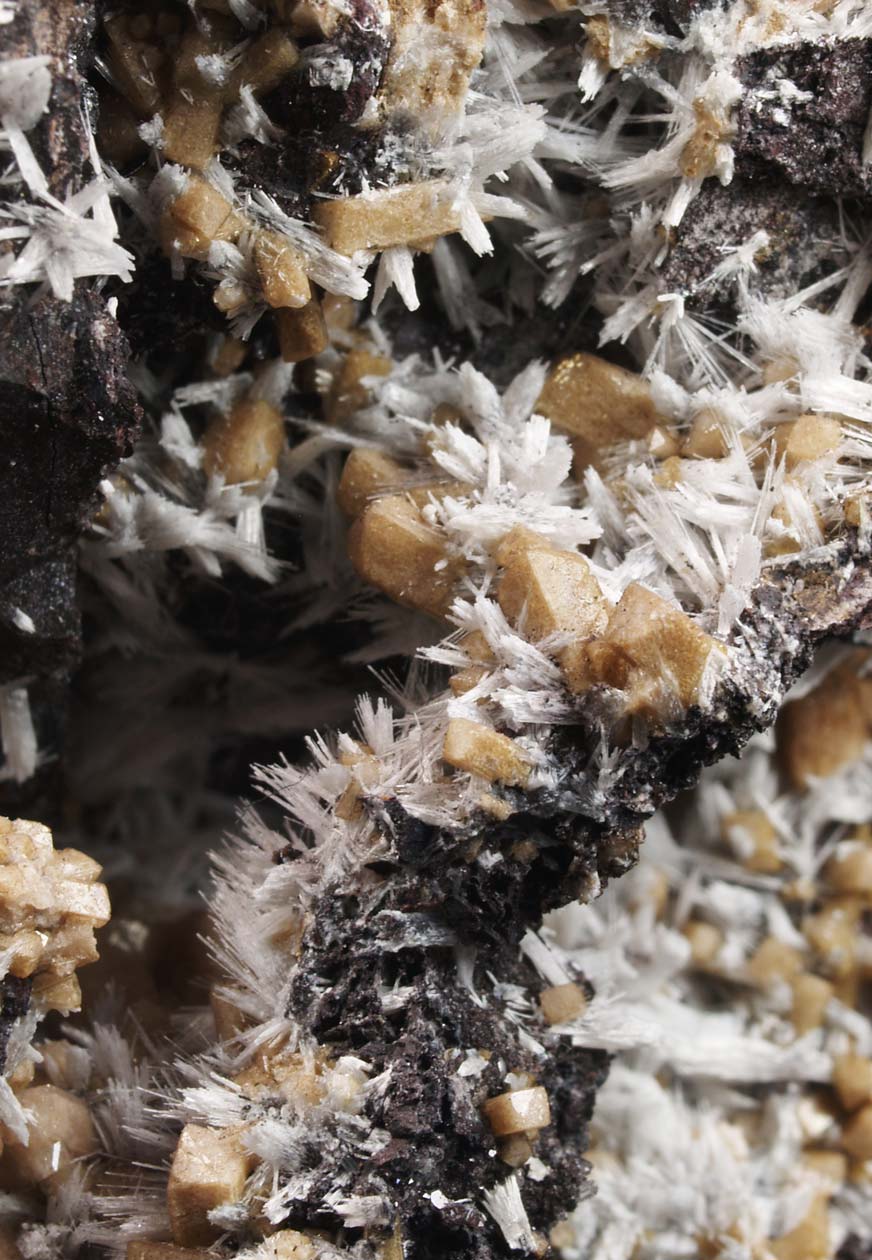
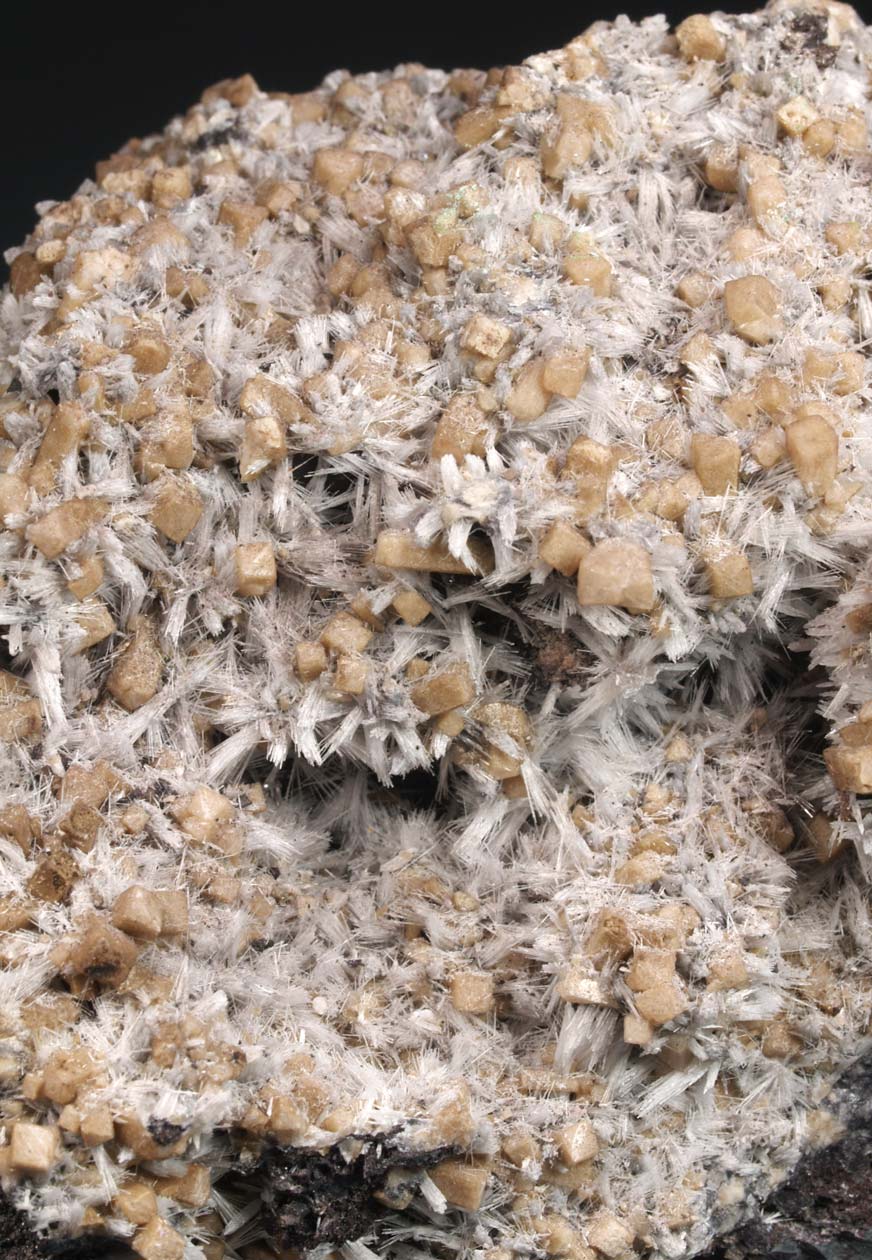
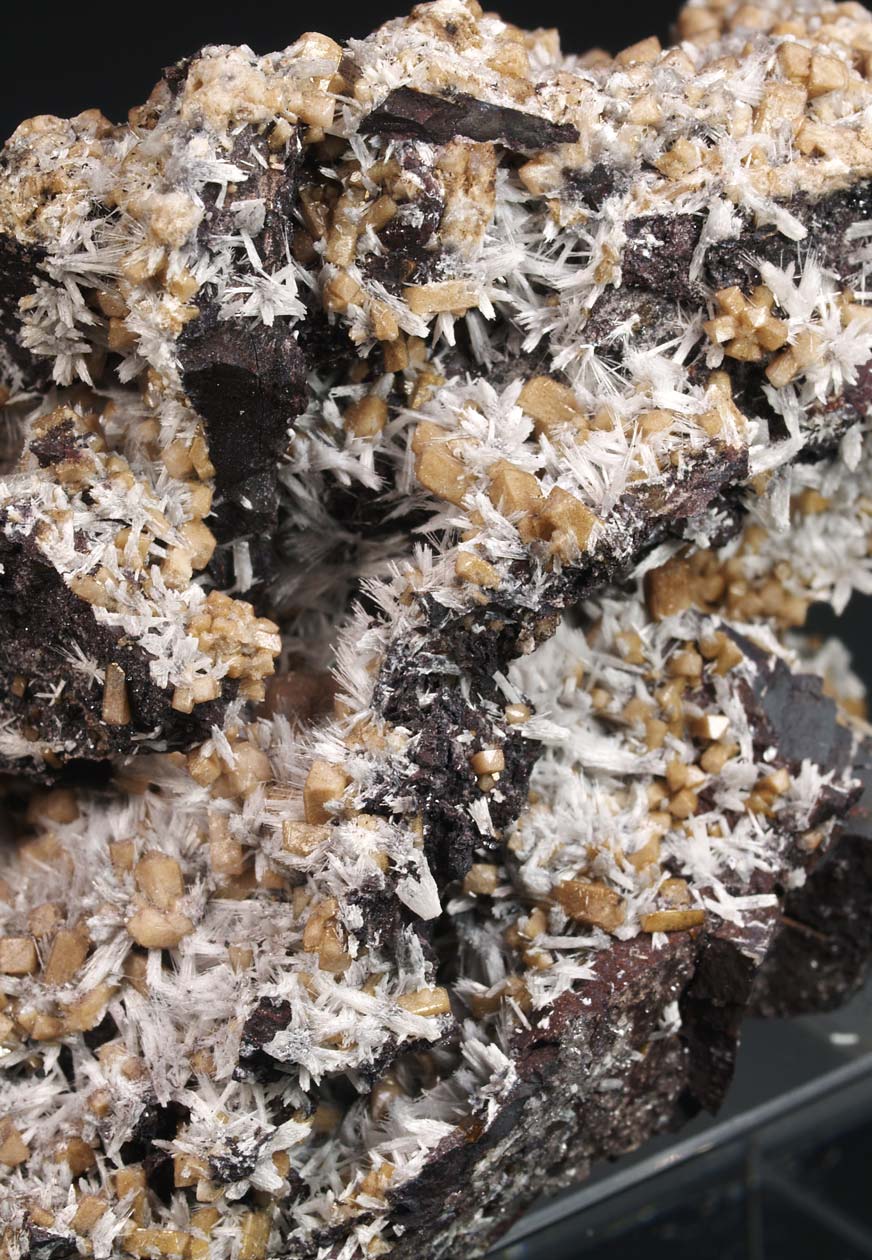
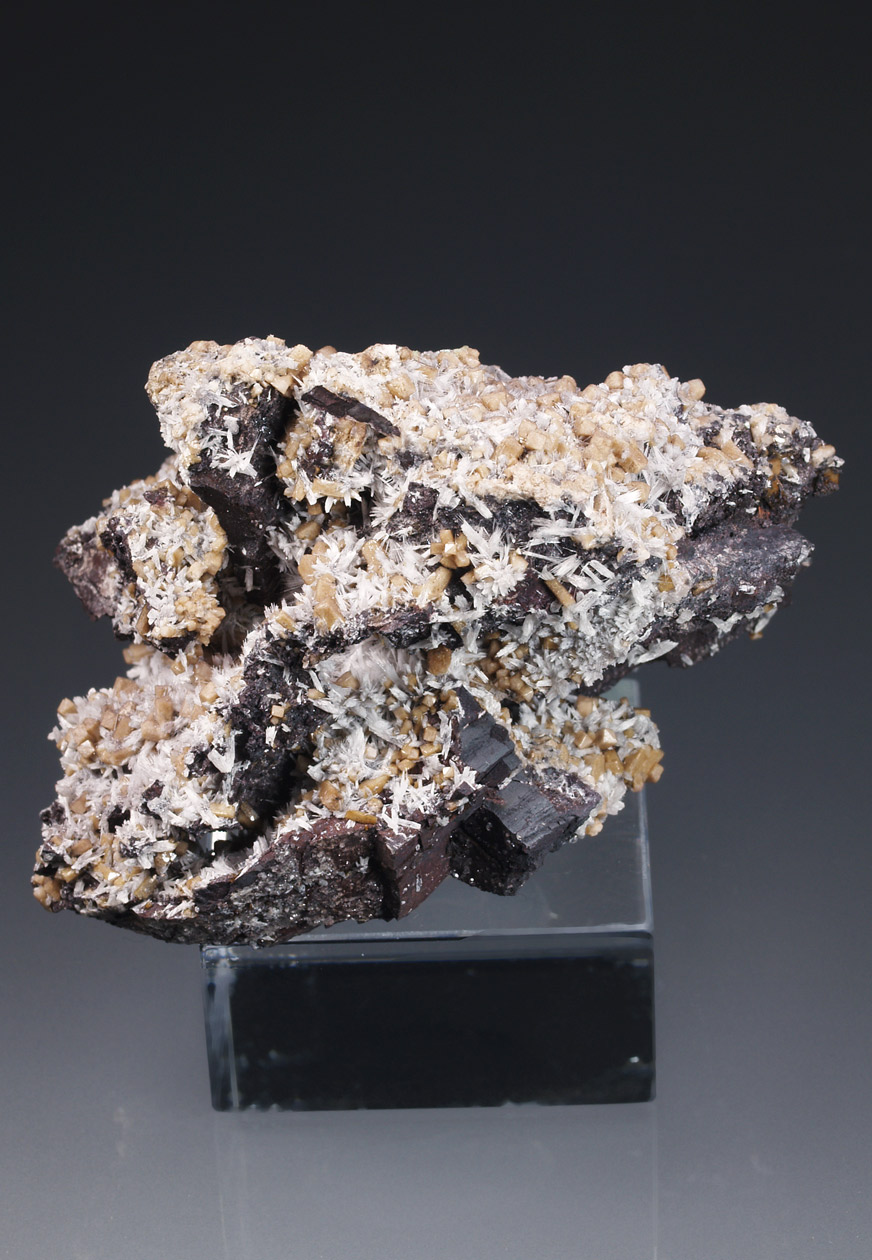
Excellent specimen formed by numerous colorless acicular crystals of bultfonteinite, a rare hydrated calcium fluorosilicate, which is accompanied by beige prismatic crystals of olmiite, a hydroxysilicate of calcium and manganese. The specimen is very representative of these species. This is the type locality for olmiite. We include pooldervaartite because it is very common since it forms a series with olmiite.
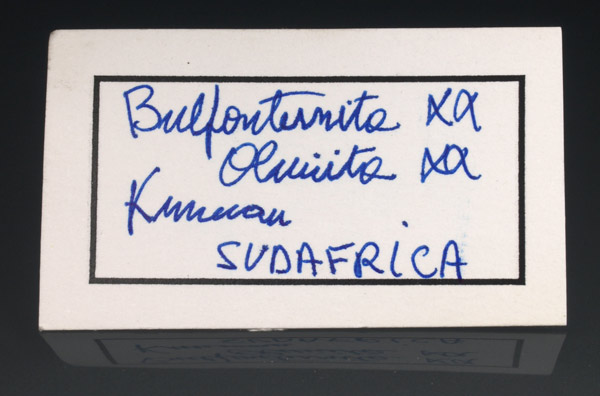
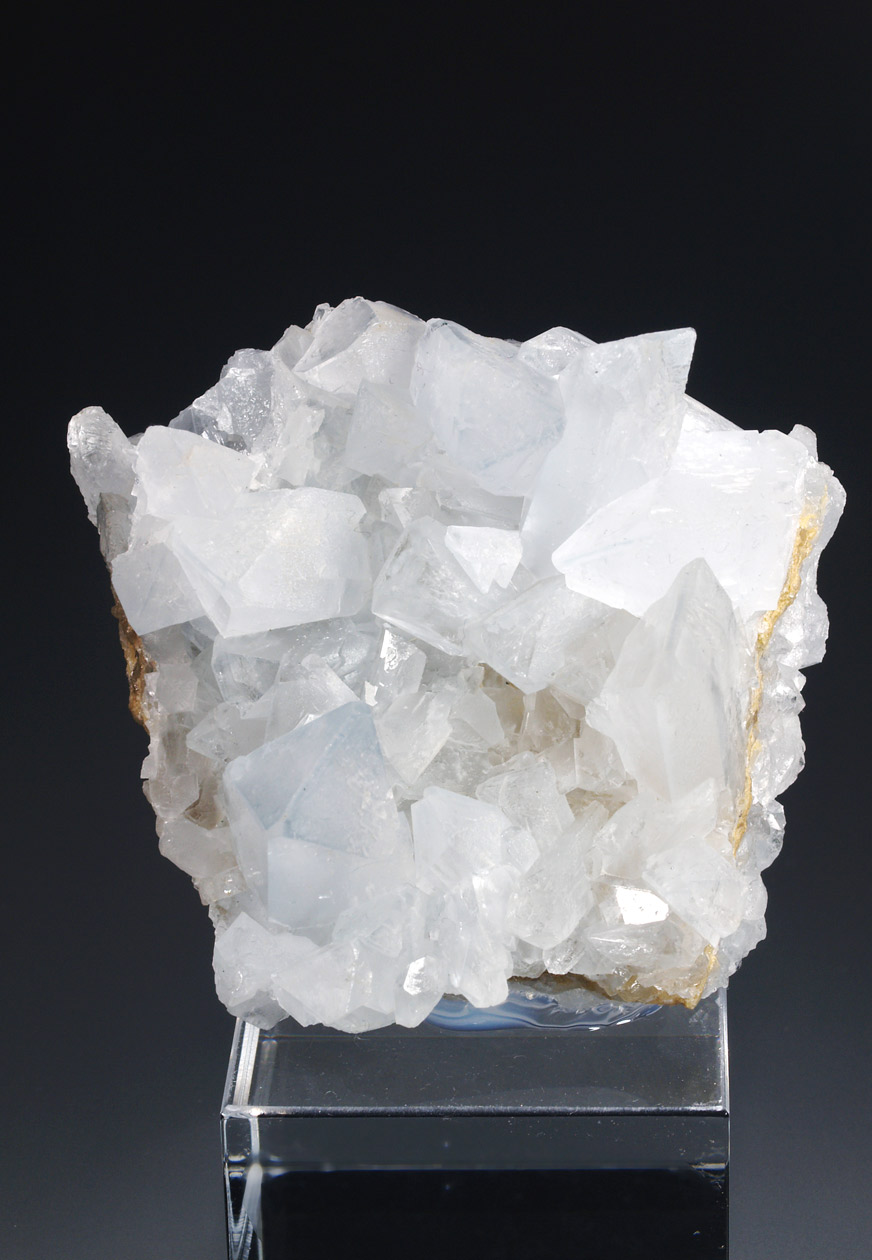
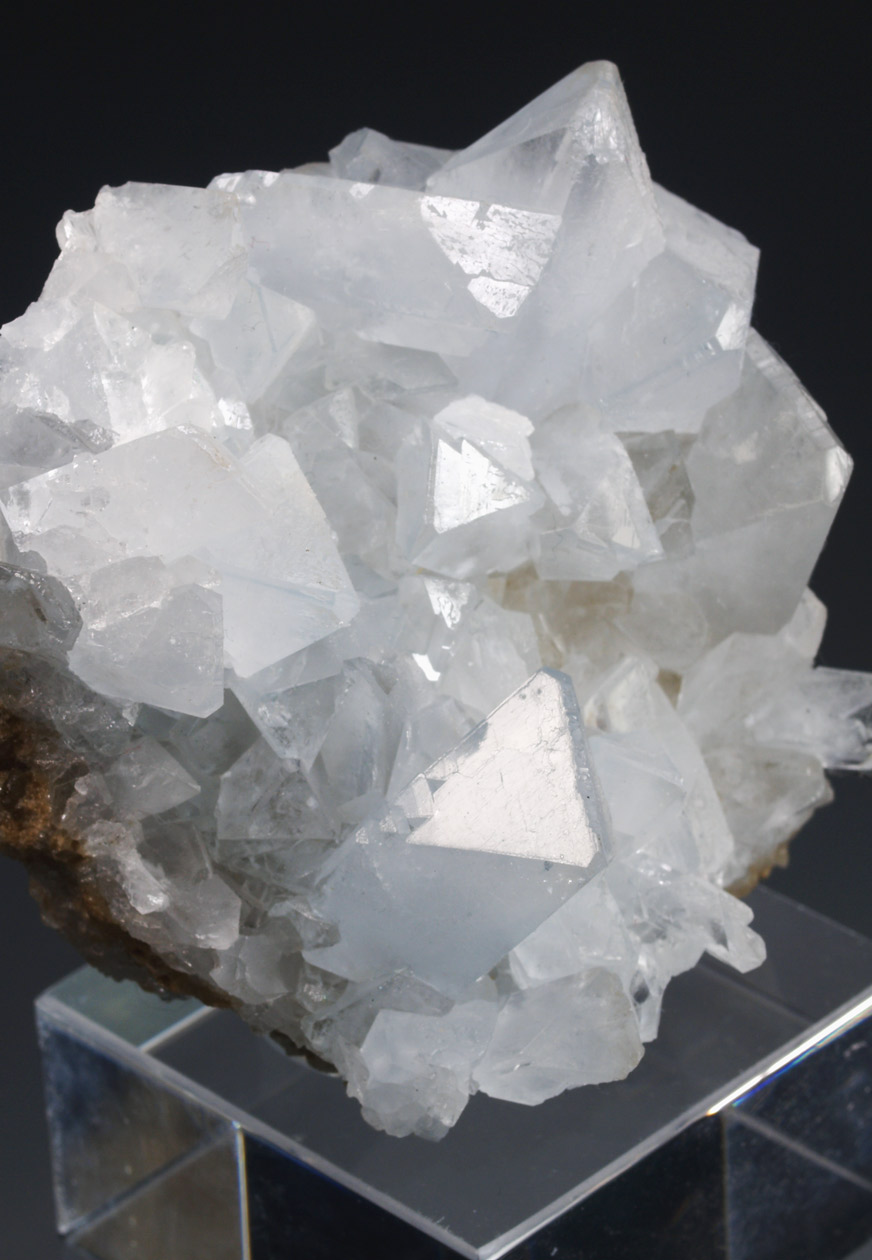
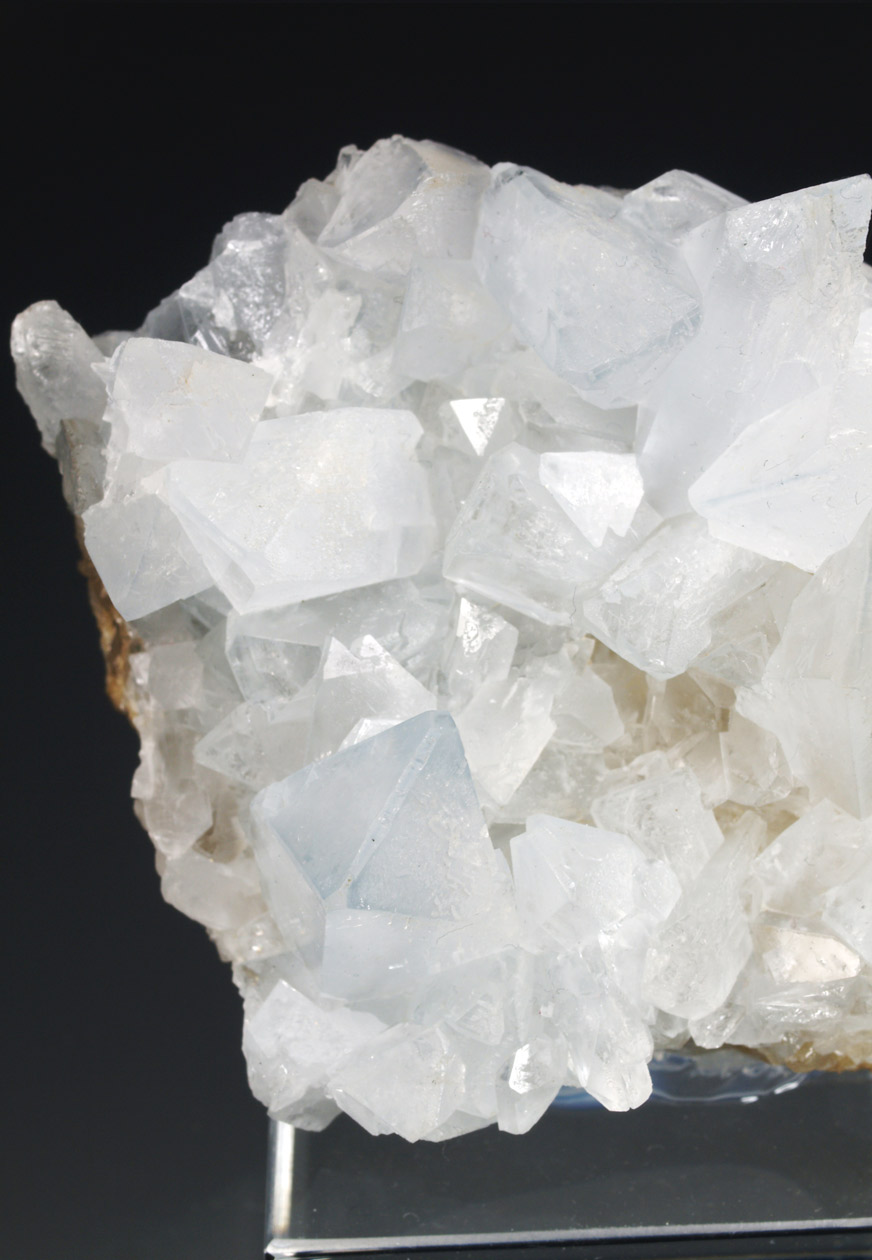
Group of prismatic celestine crystals, of very good size and from a classic Spanish locality for the species. It occurs in crystals defined by orthorhombic prisms of different orders. Translucent, brilliant and with a soft bluish tone. It belongs from the E. Nicolau collection (Barcelona), labeled by J. Viñals.
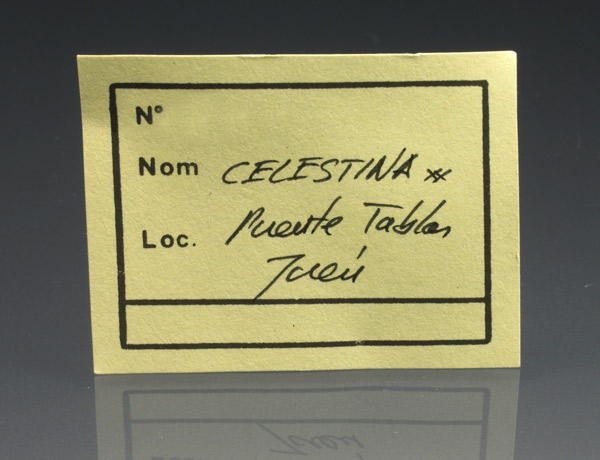
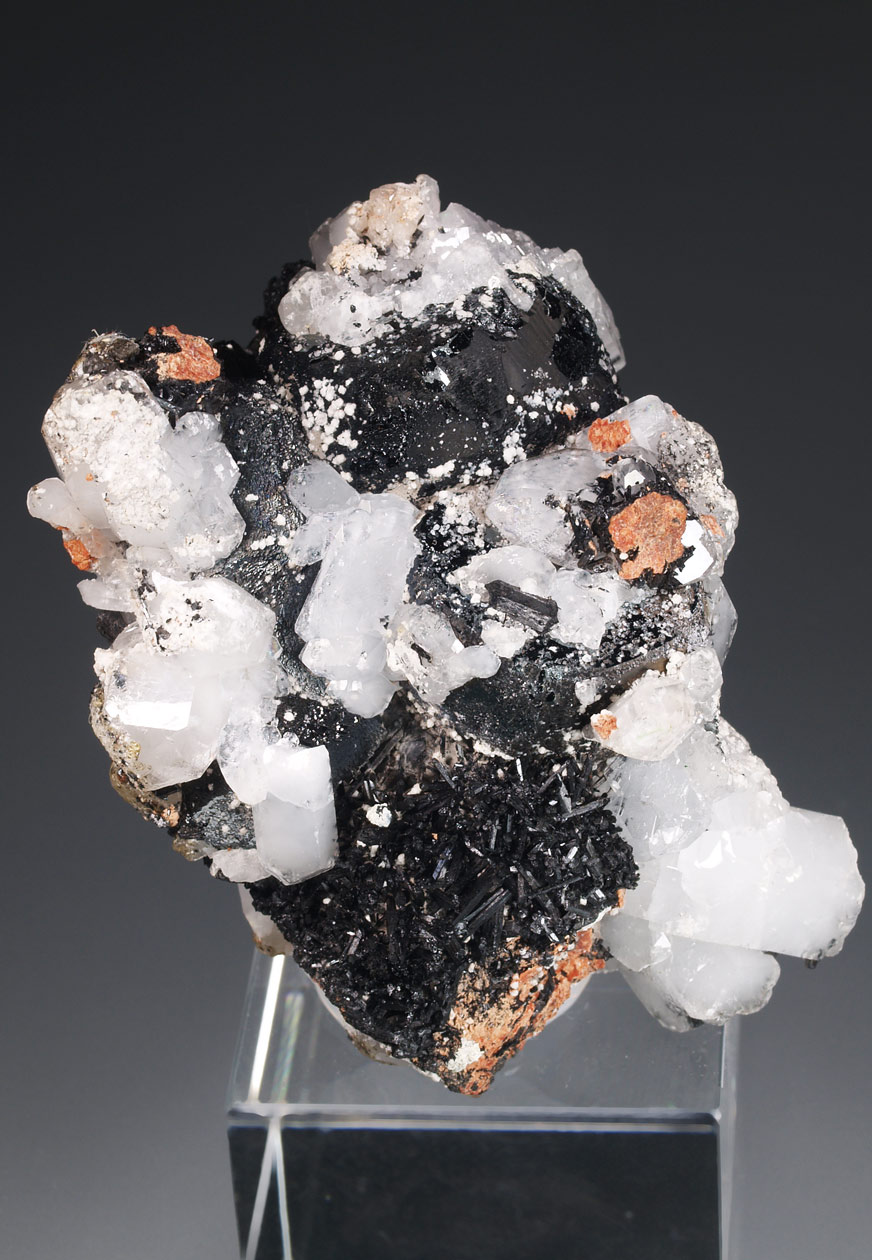
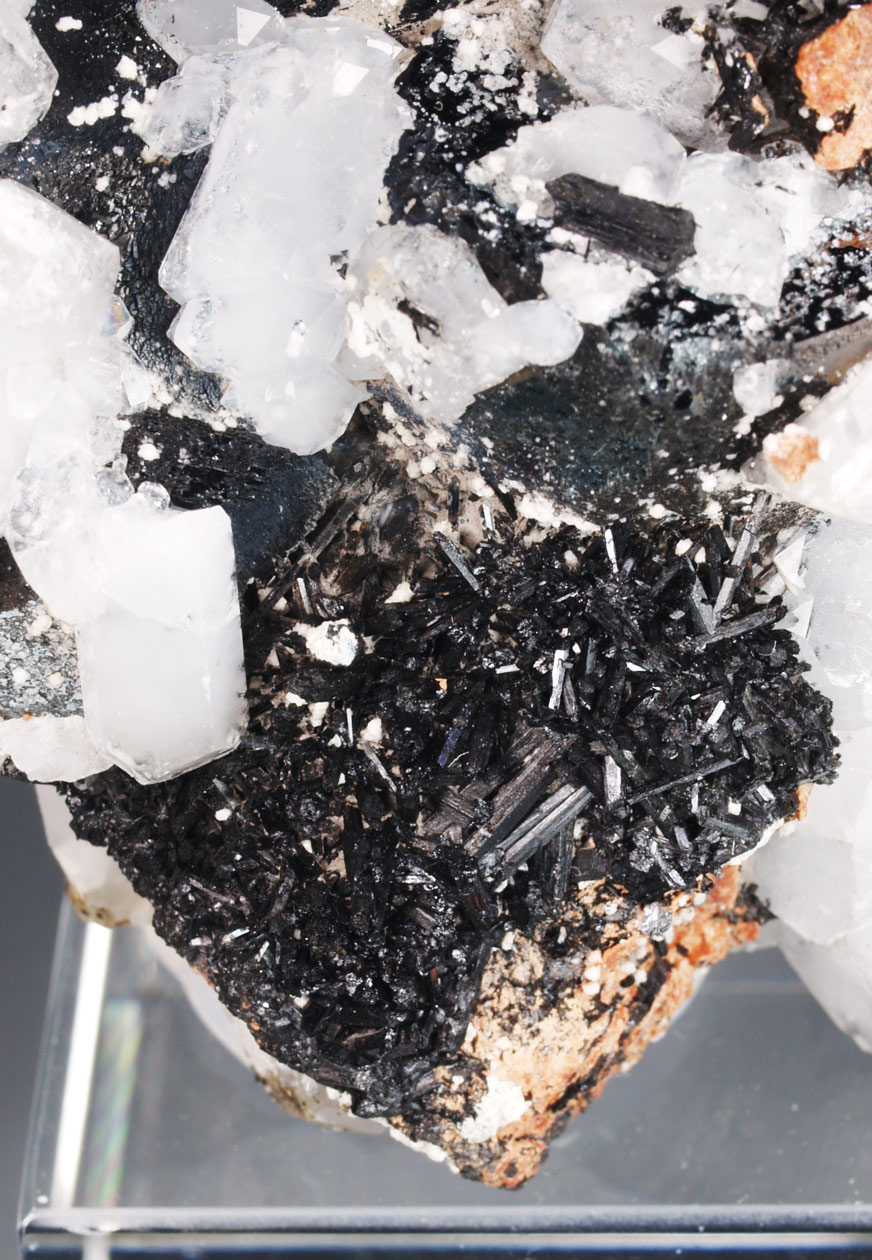
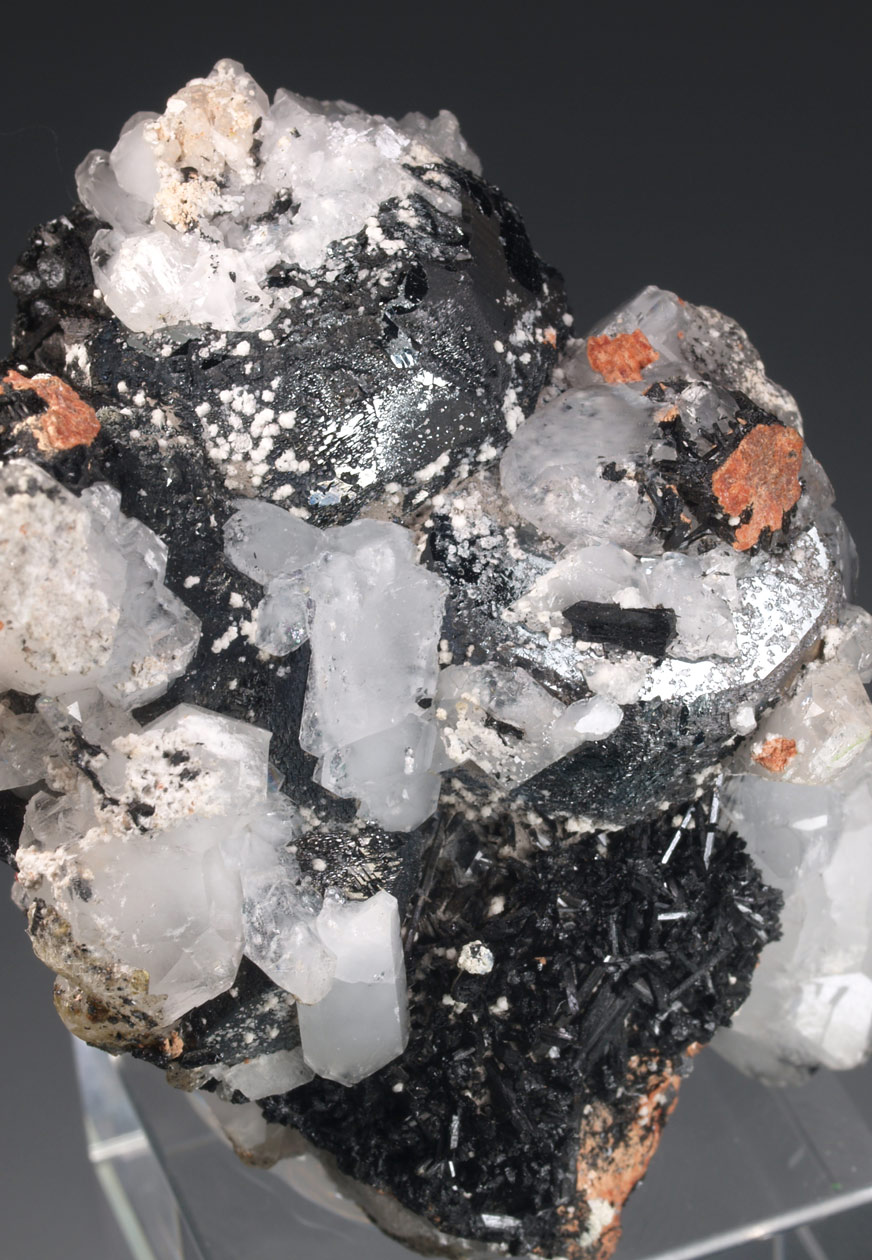
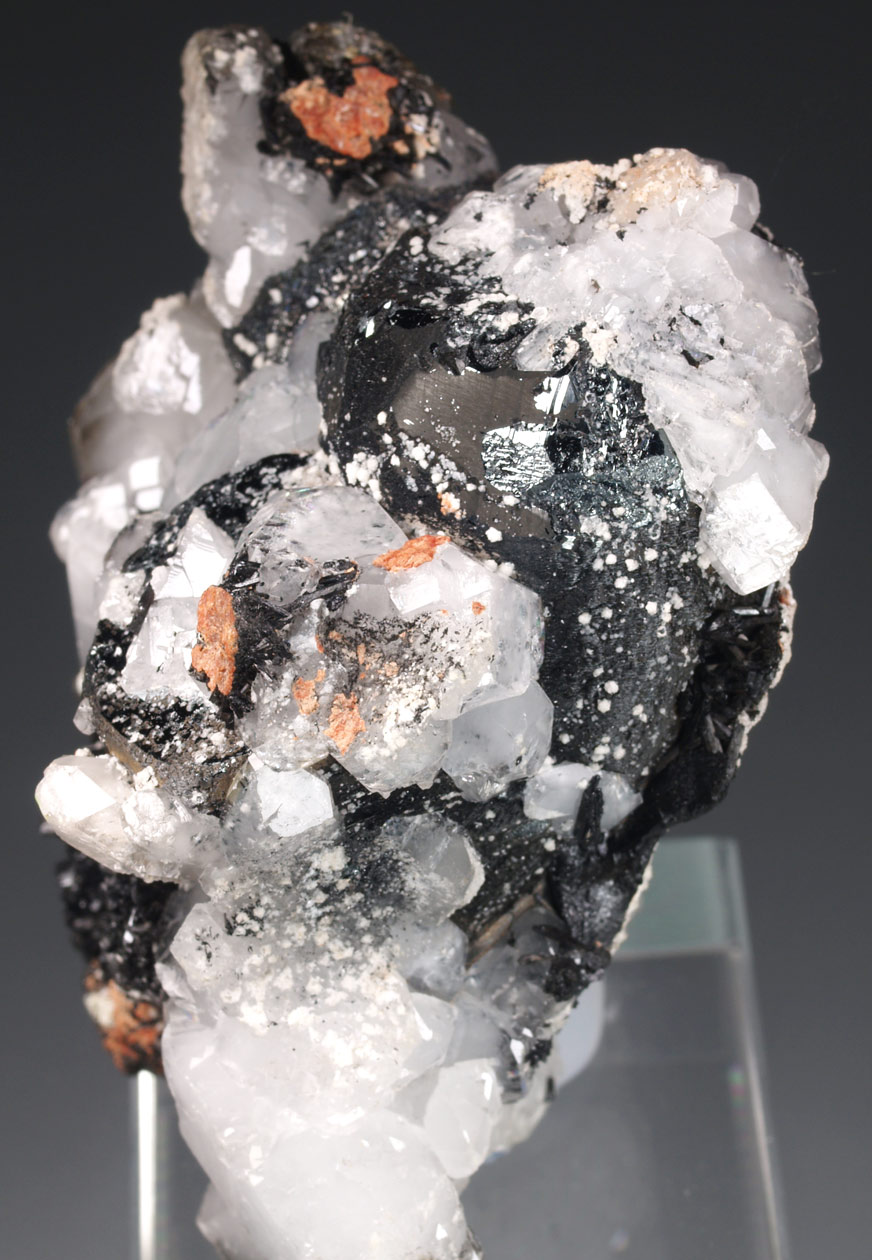
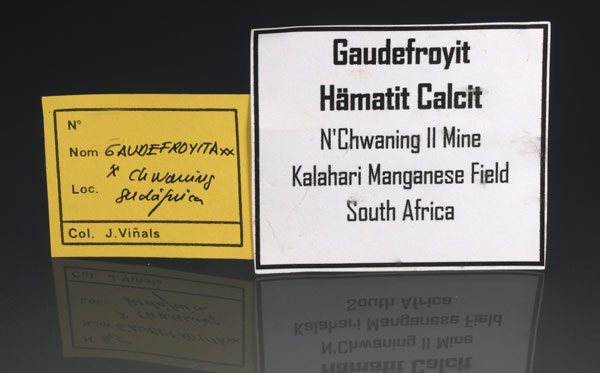
Rich group of prismatic crystals of gaudefroyite, a rare calcium and manganese borate-carbonate, with an intense black color. They are accompanied by brilliant hematite crystals, along with barite, calcite and orange andradite.
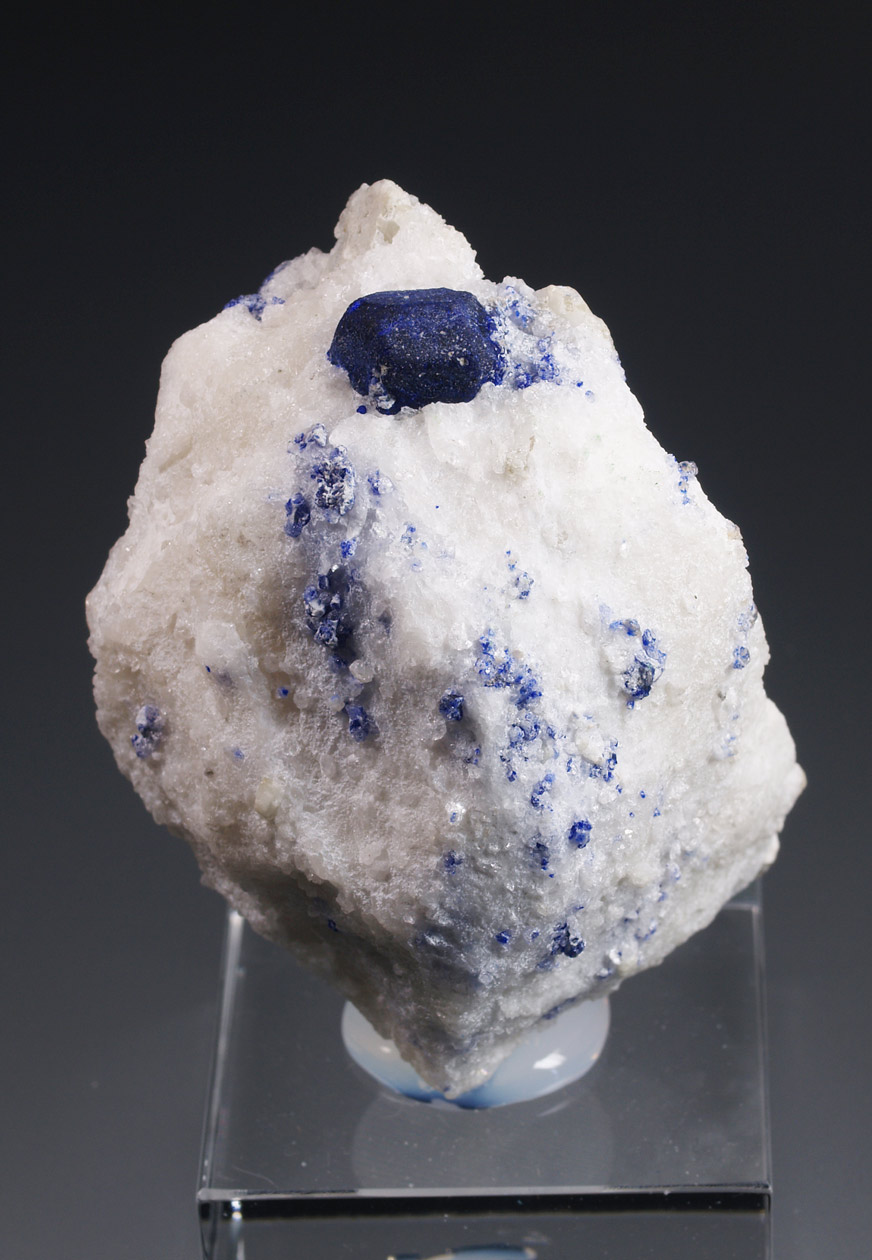
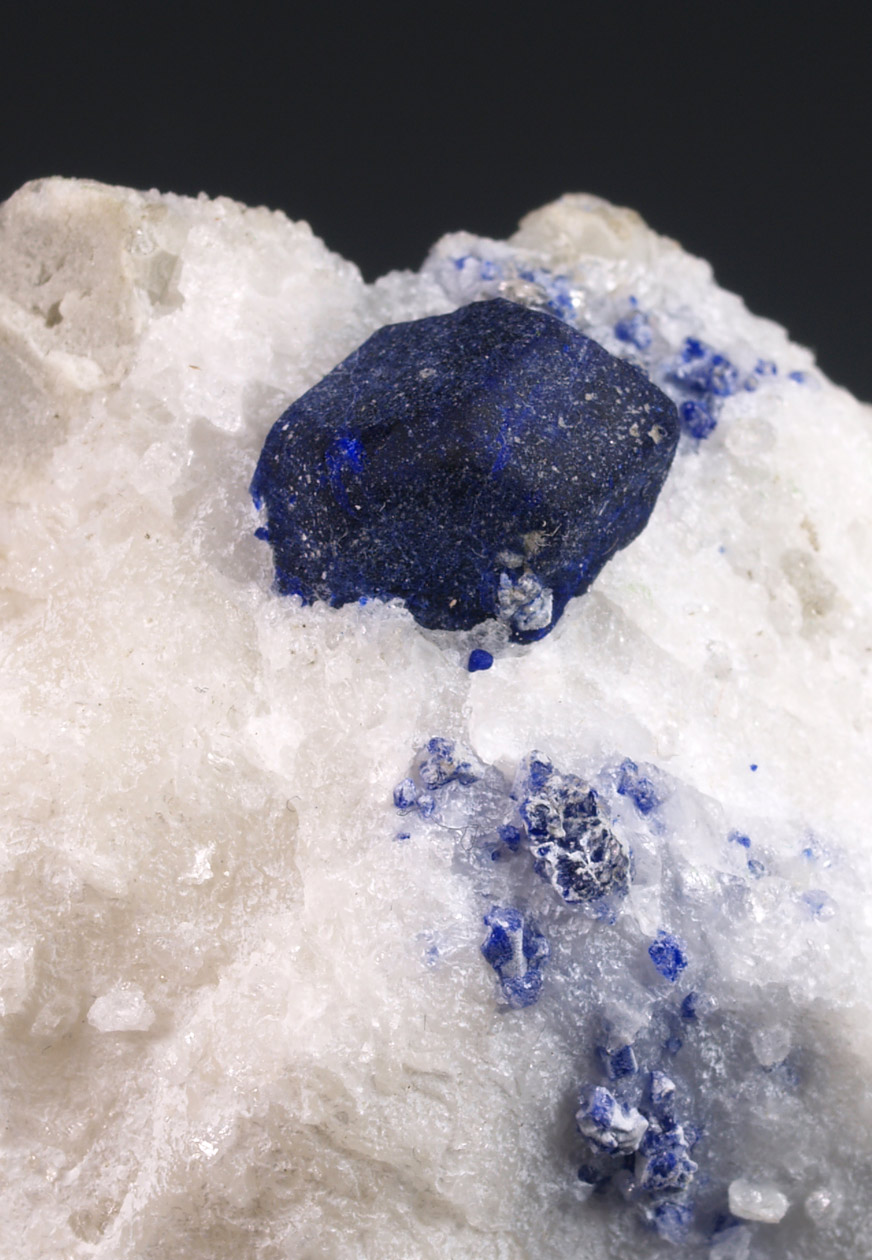
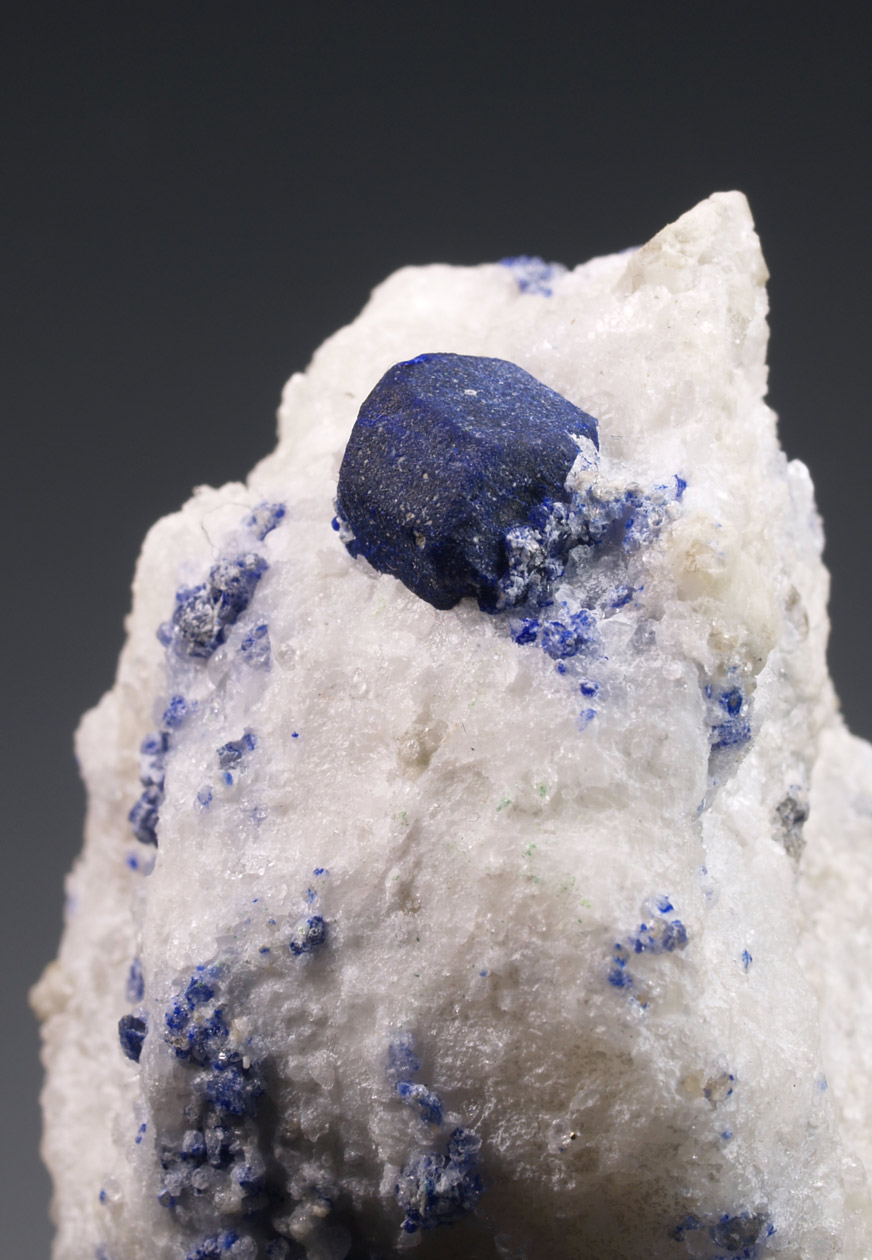
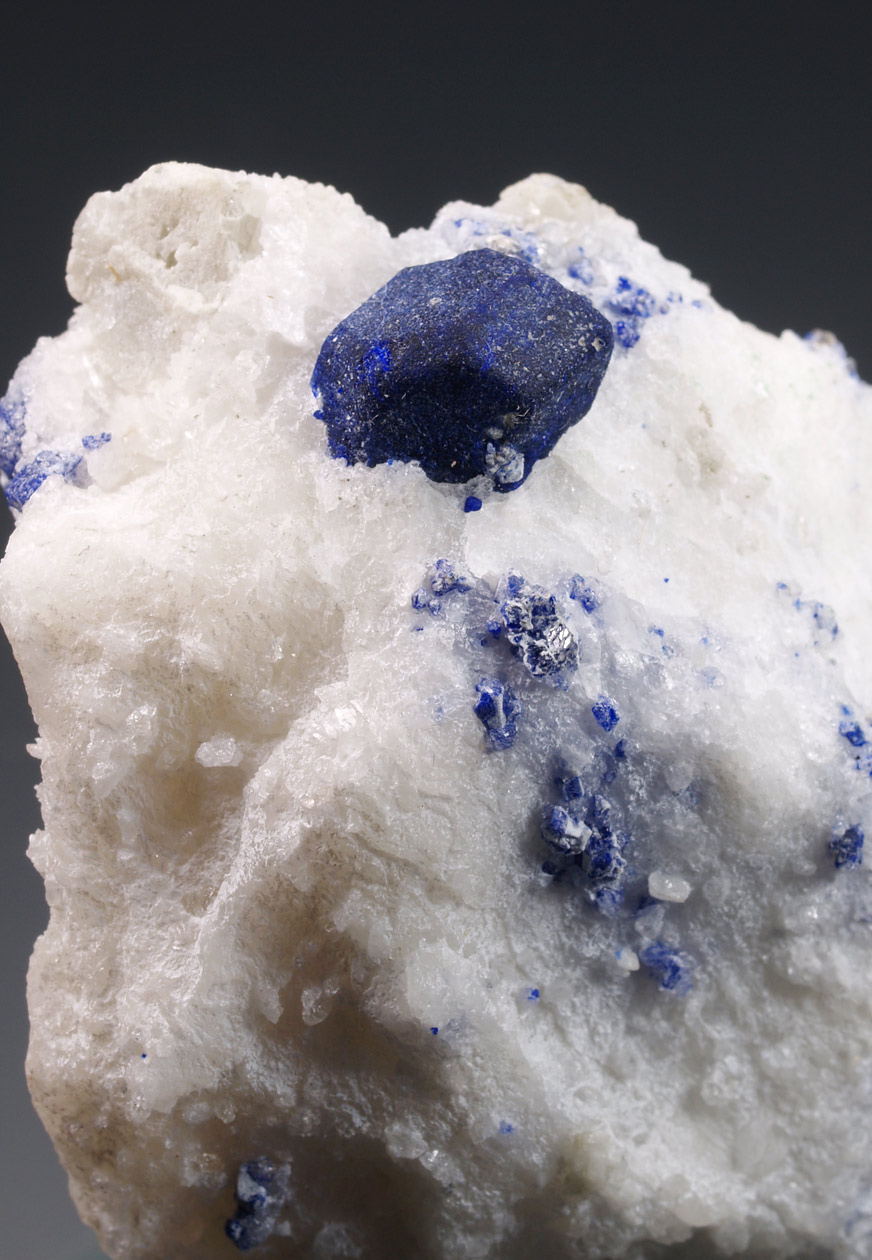
A sharp crystal of lazurite, sitting right up on the marble matrix. A representative miniature for this species. Lazurite is the blue component of the 'gemstone' (or, more usually, decorative rock) Lapis Lazuli, which is a lazurite-calcite-pyrite rock that has been mined as a gem material for some 9,000 years. Before the 2021 redefinition, all lazurites were only sulfide-rich varieties of haüyne and not a separate species.

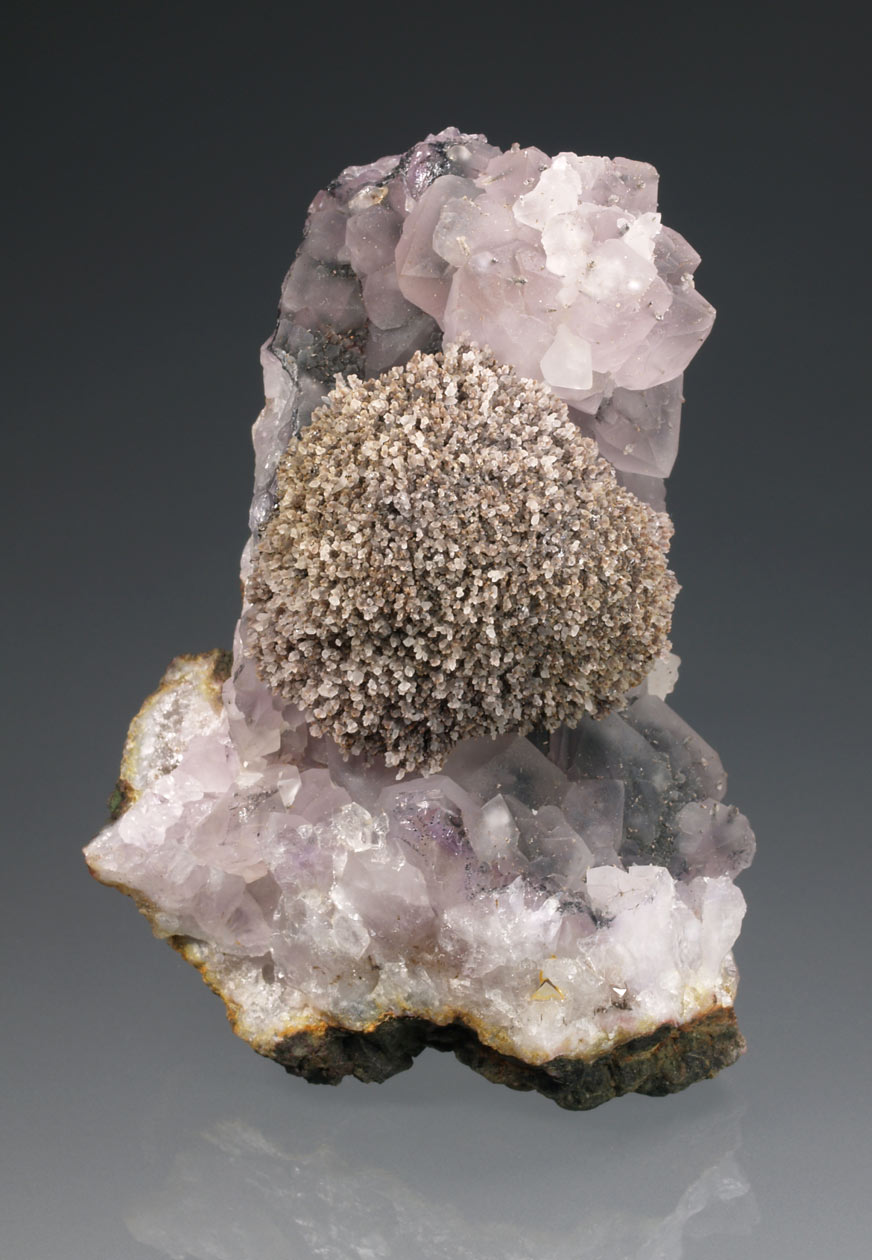
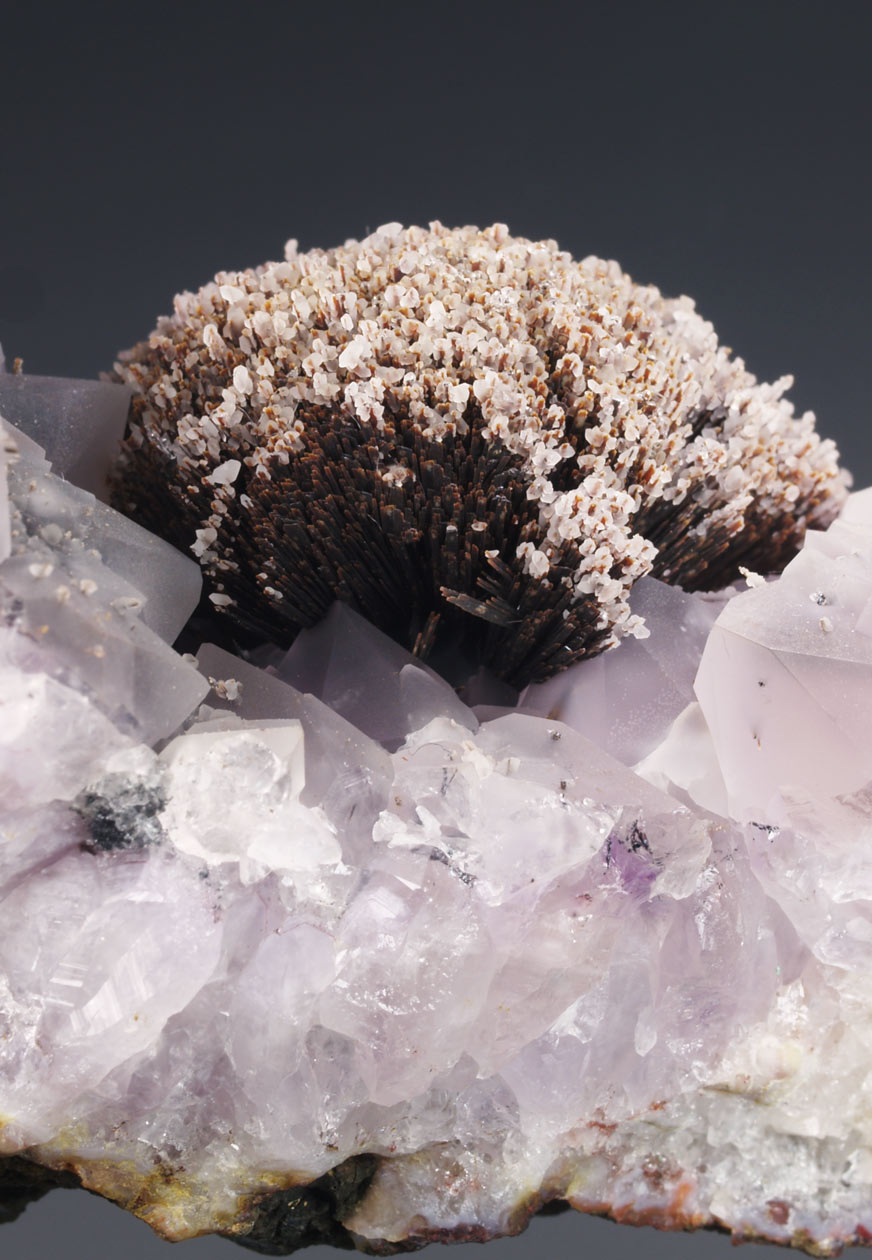
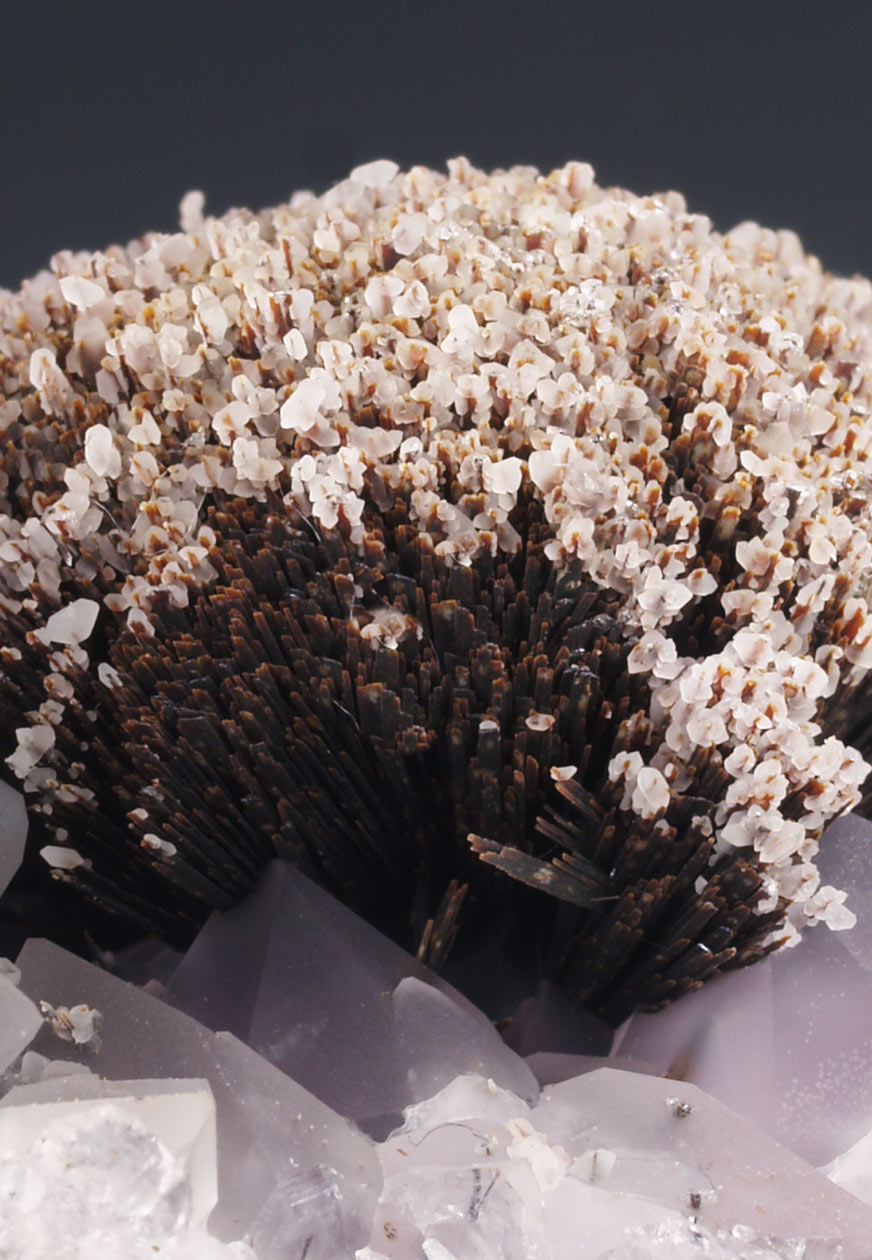
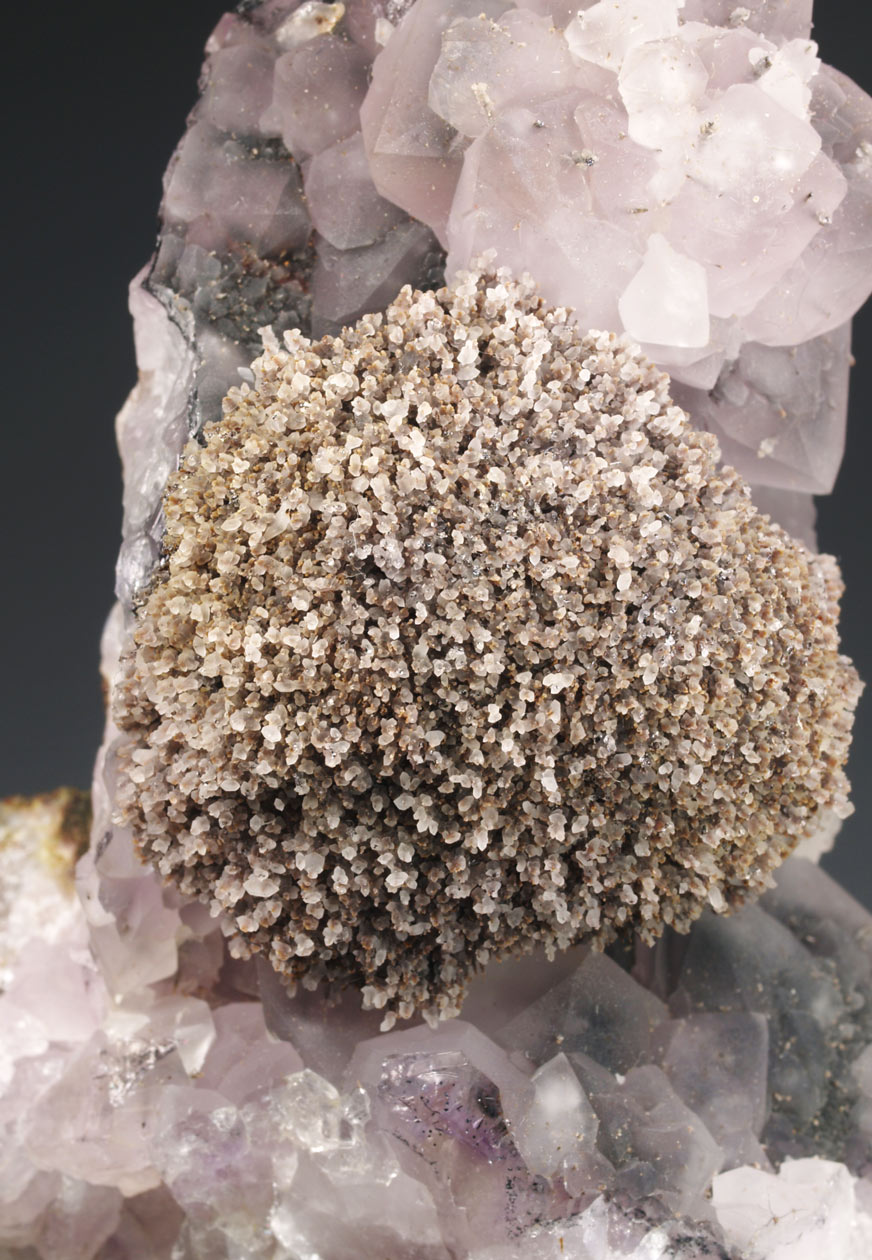
This specimen is totally different from those that we usually see in the market of this Moroccan locality. The matrix is a group of quartz crystals, with a soft amethyst tone, and partially covered with chalcedony, in tiny, shiny crystals. On this matrix there is a large group of goethite crystals, lanceolate, dark brown in color and also covered with chalcedony. But millimeter quartz crystals stand out above them, most of them doubly terminated. I had never seen specimens that looked like this. Very interesting.
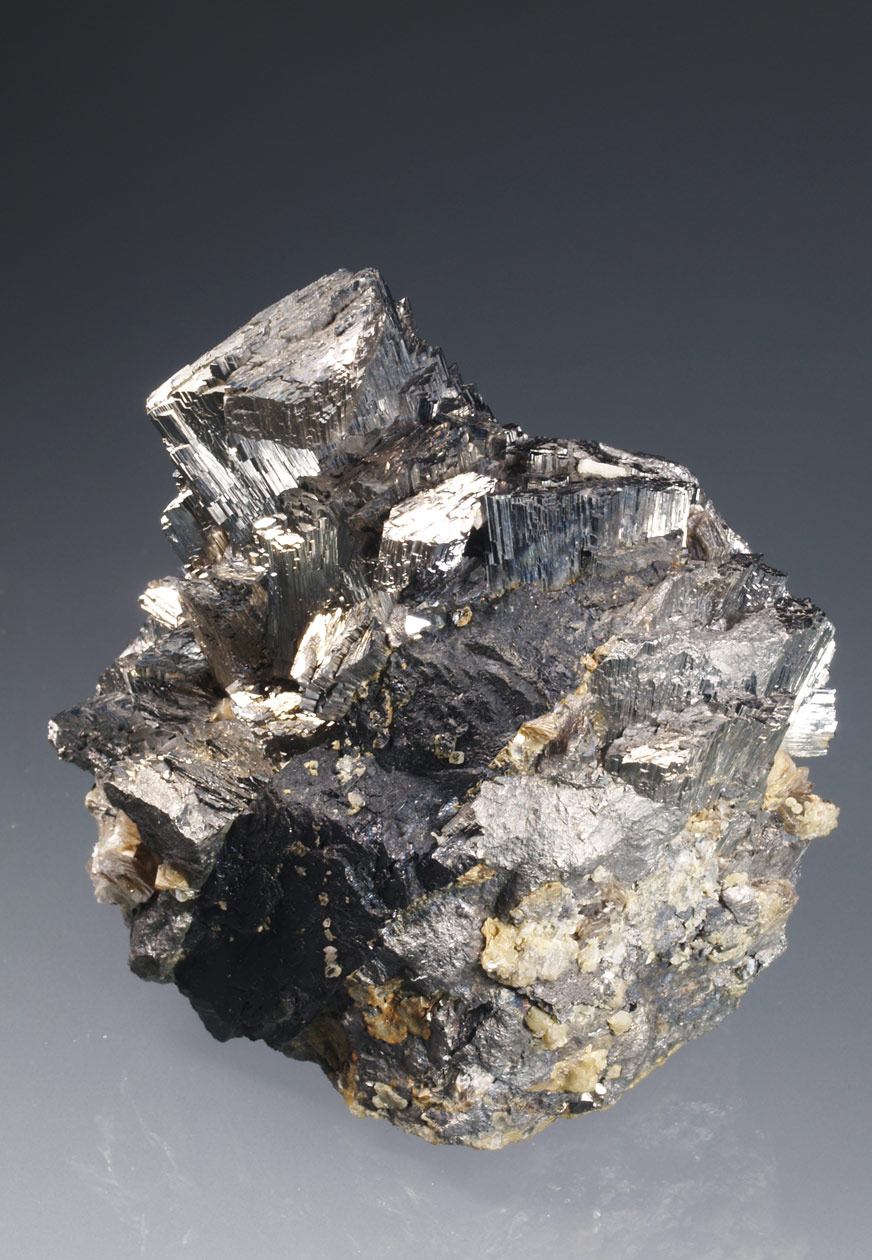
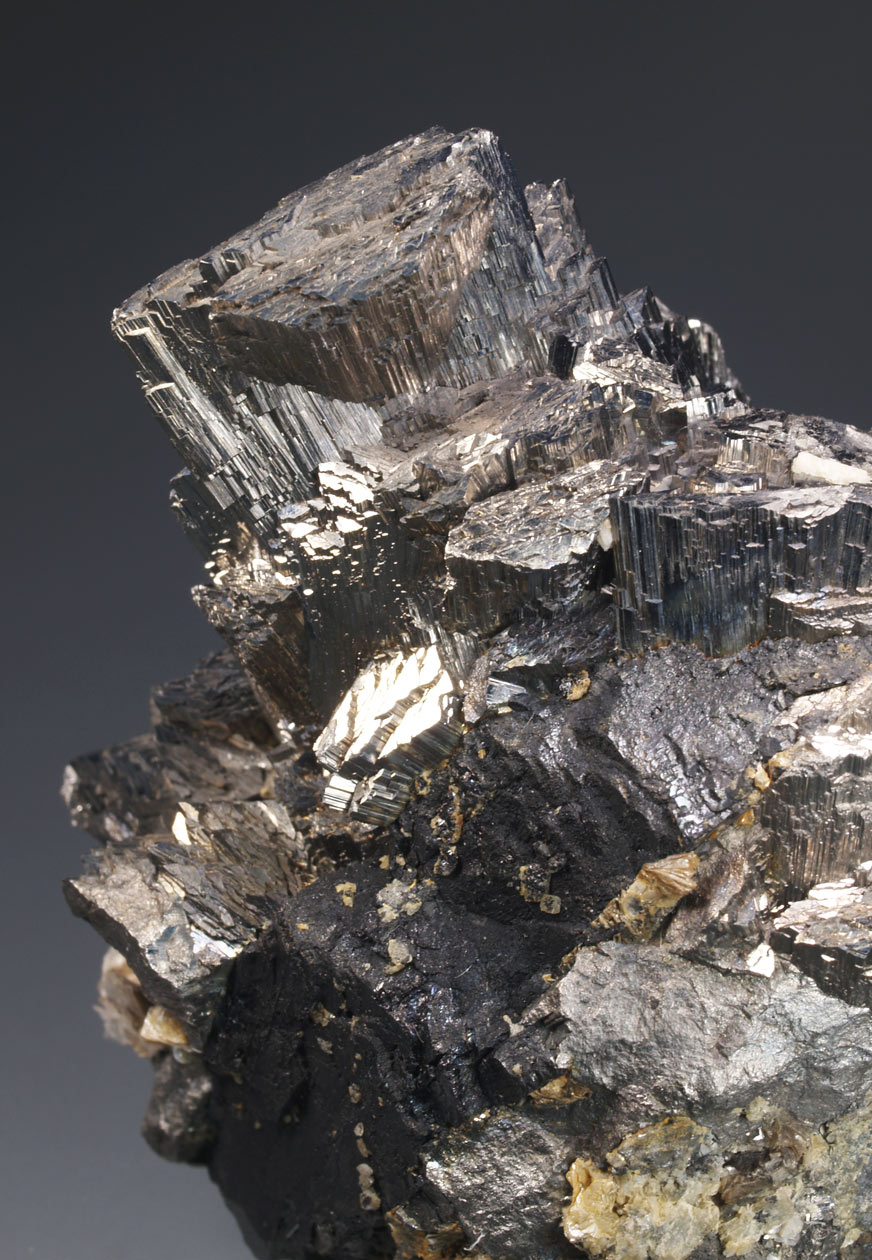
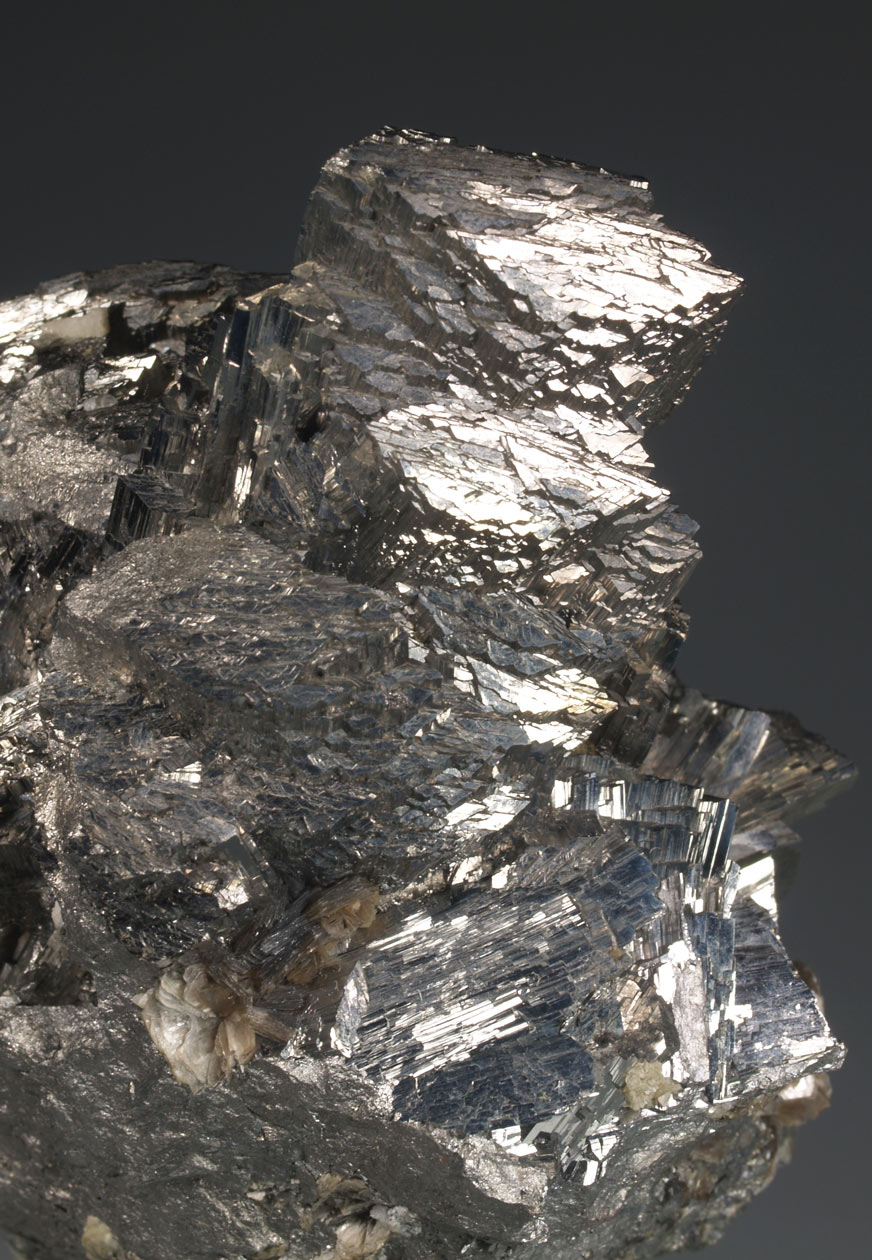
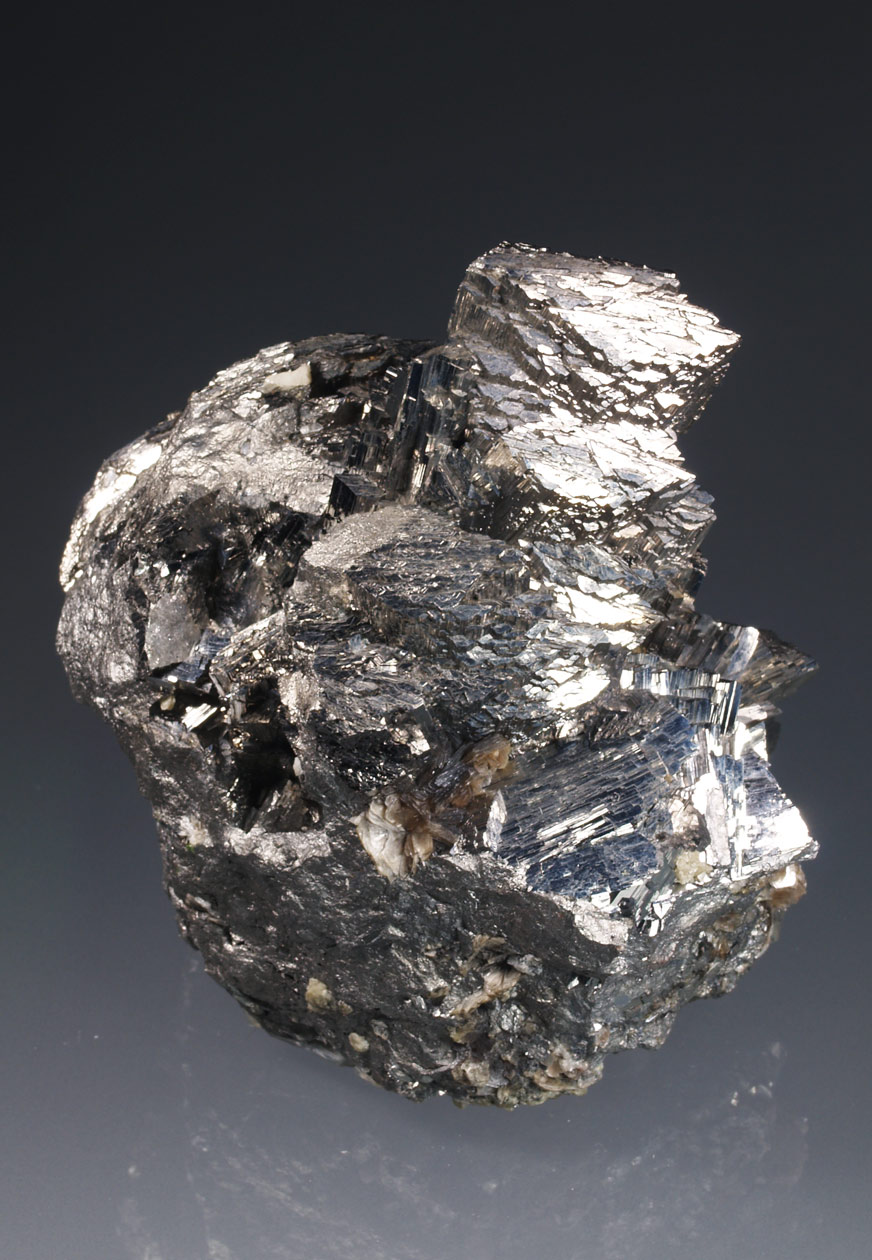
A great sample of arsenopyrite, pale gold to silver in colour with slight iridenscence and a bright metallic lustre, with several intergrown crystals all showing complex striations and serated crystal edges. Accompanied by black ferberite. Good sized and fine specimen.
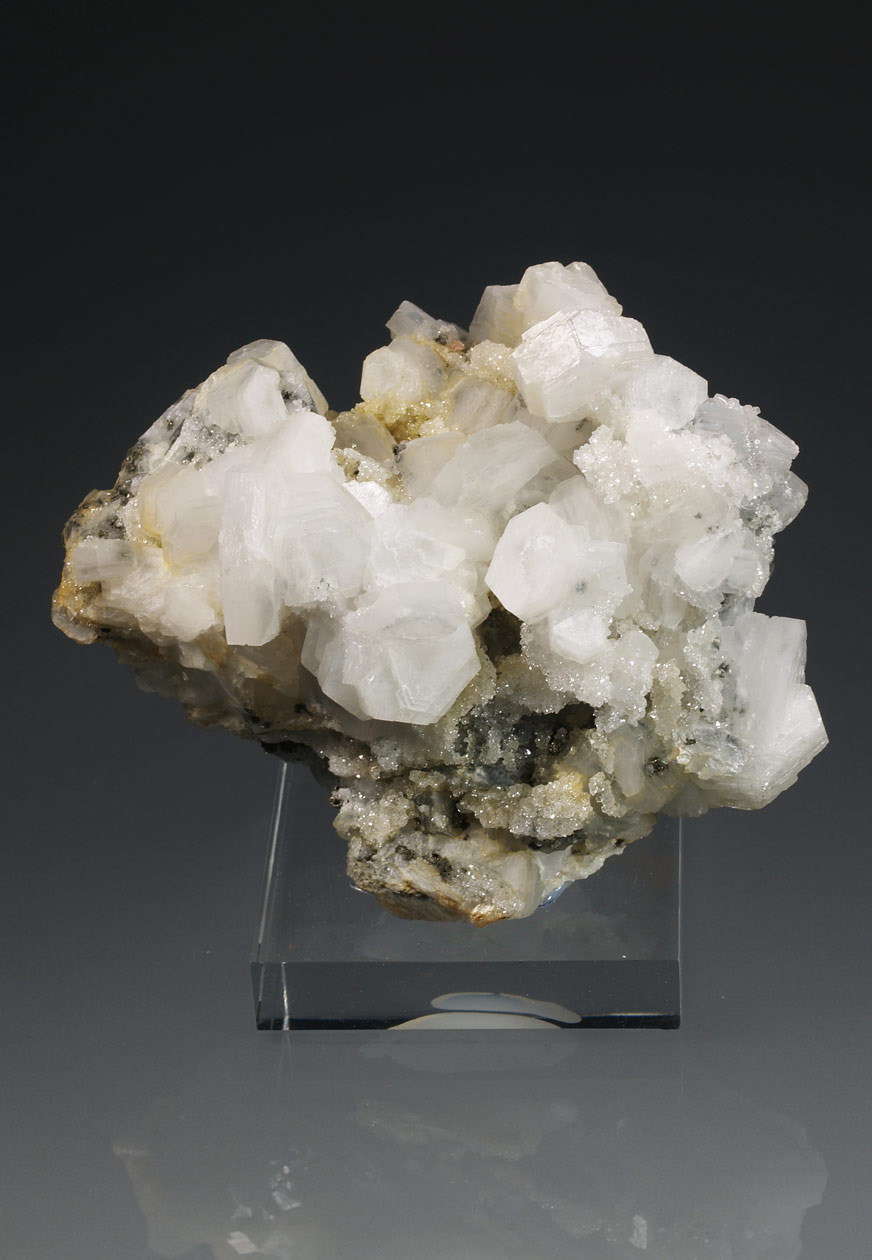
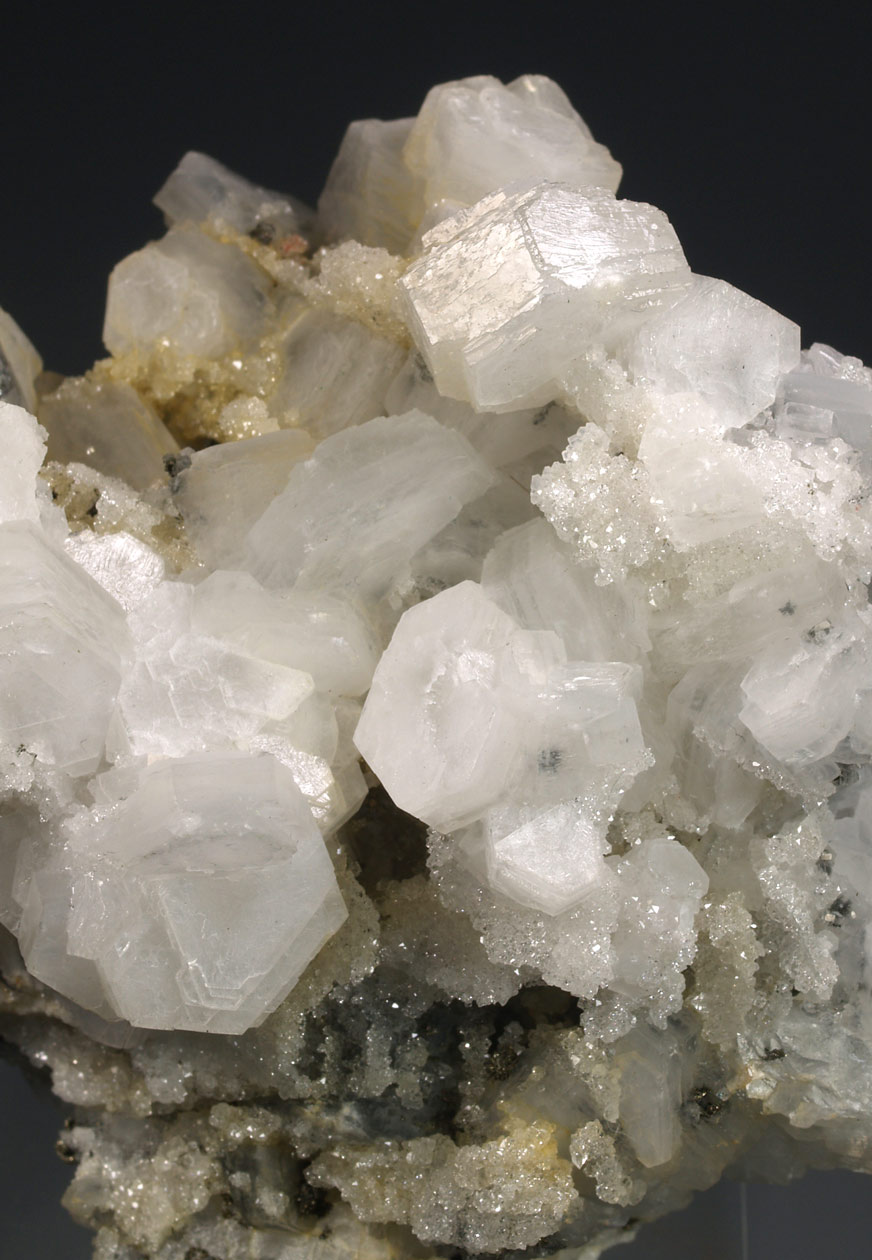
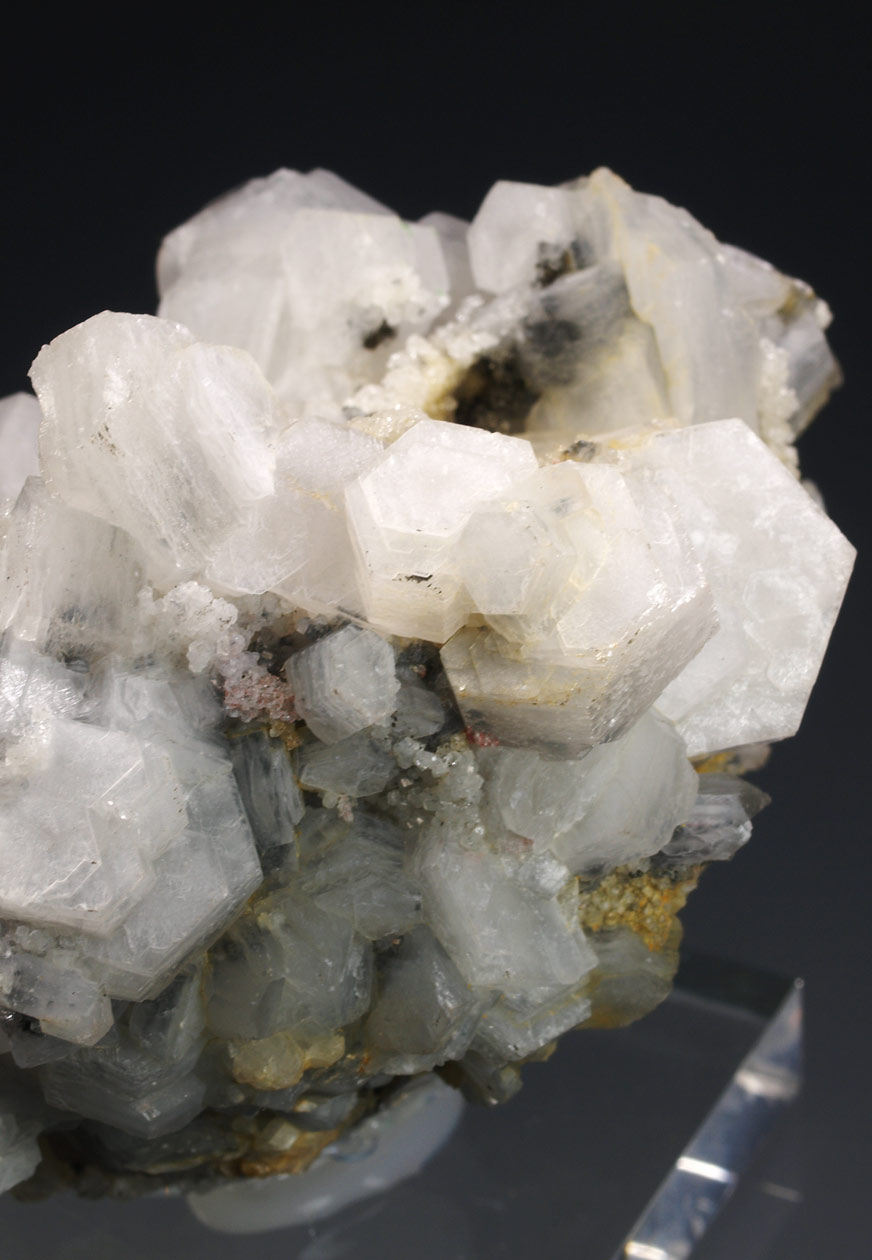
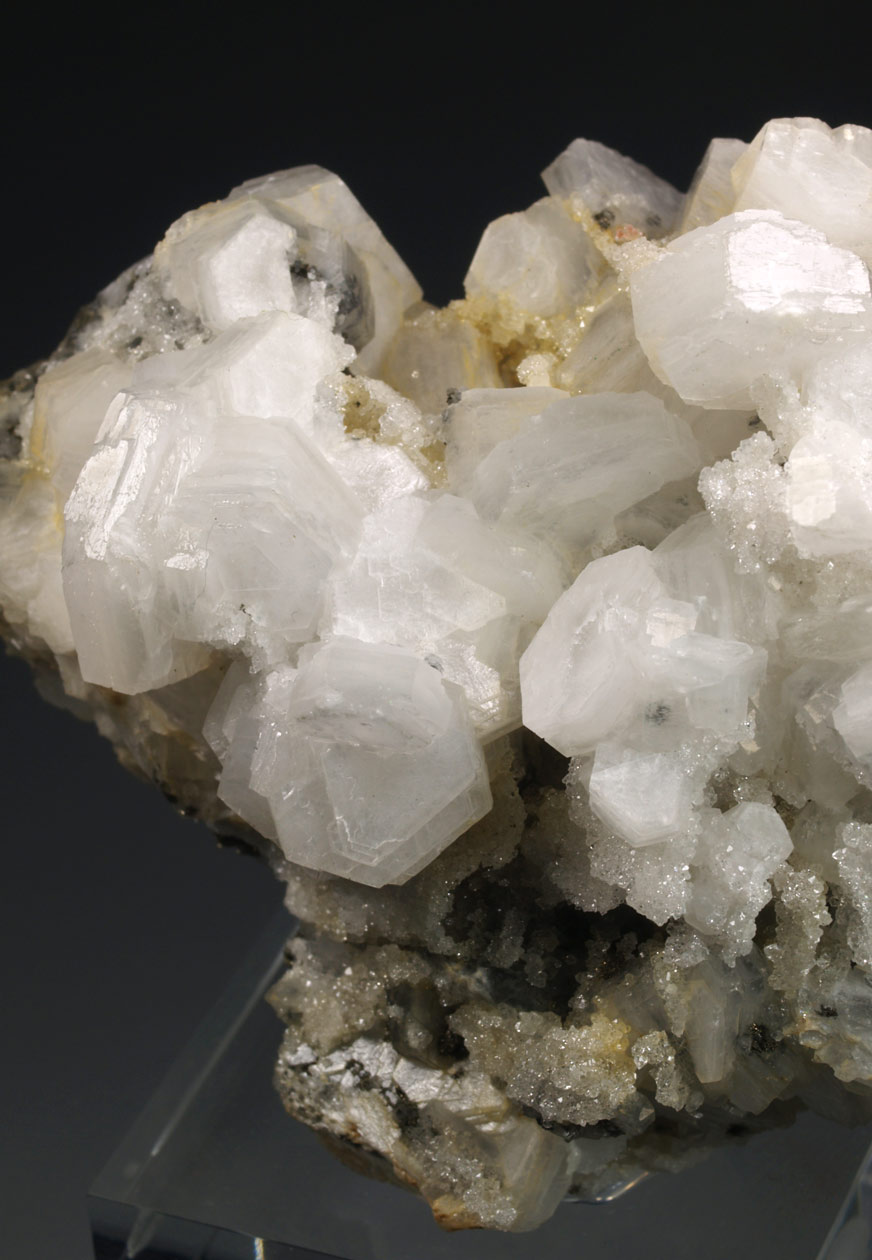
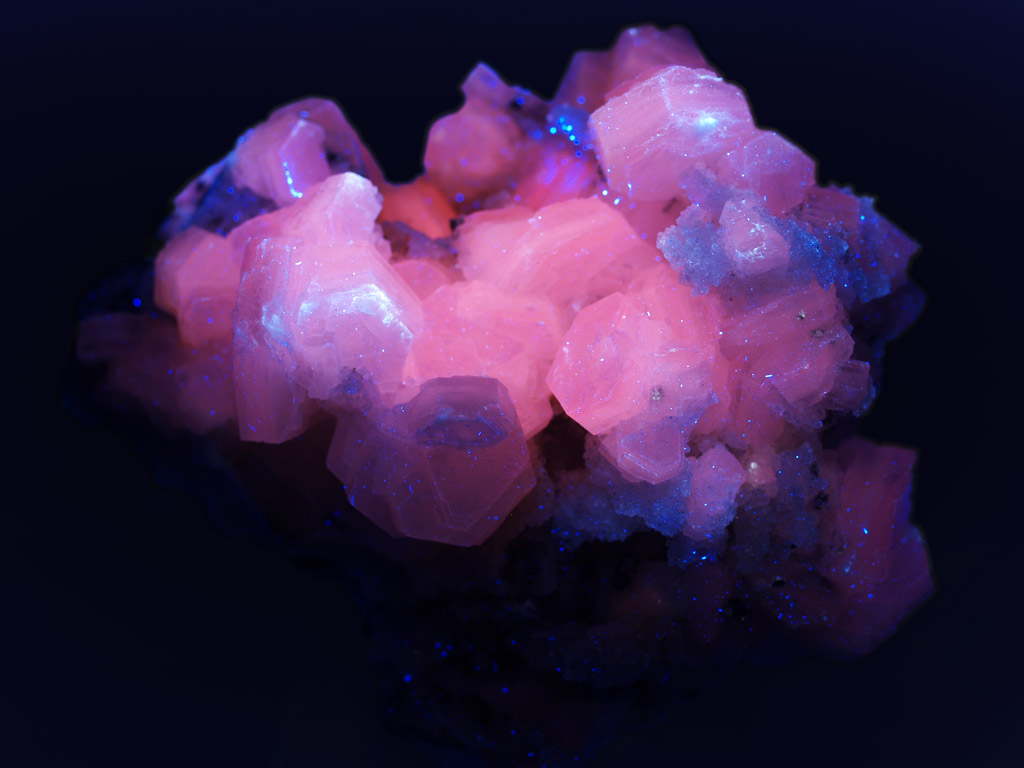
Group of tabular crystals of calcite of hexagonal shape, with color zoning and small recrystallizations of the same calcite in some areas of the piece. Crystals are on a matrix with fluorite, quartz and small pyrite crystals. It shows a intense reddish tone under UV light. Aesthetic specimen from this classic Moroccan locality.
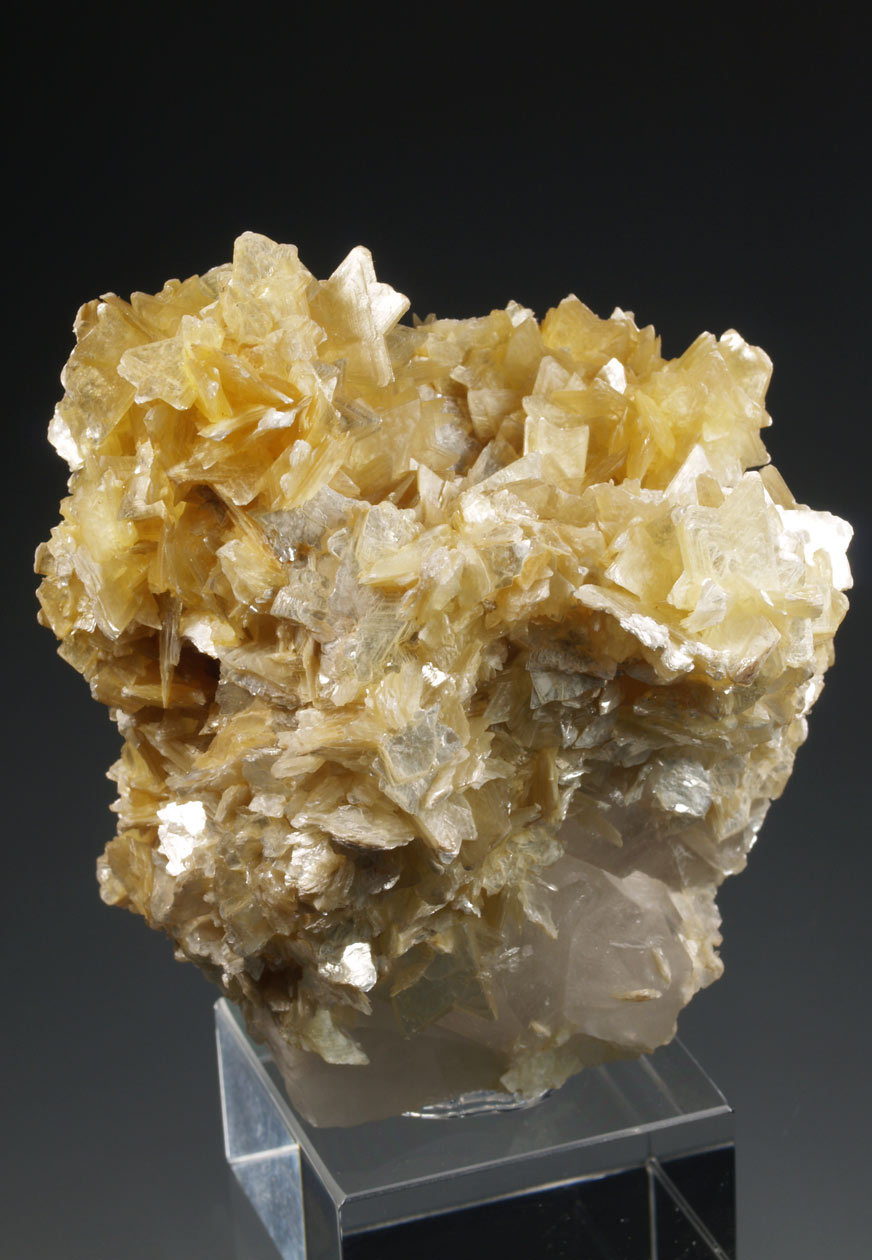
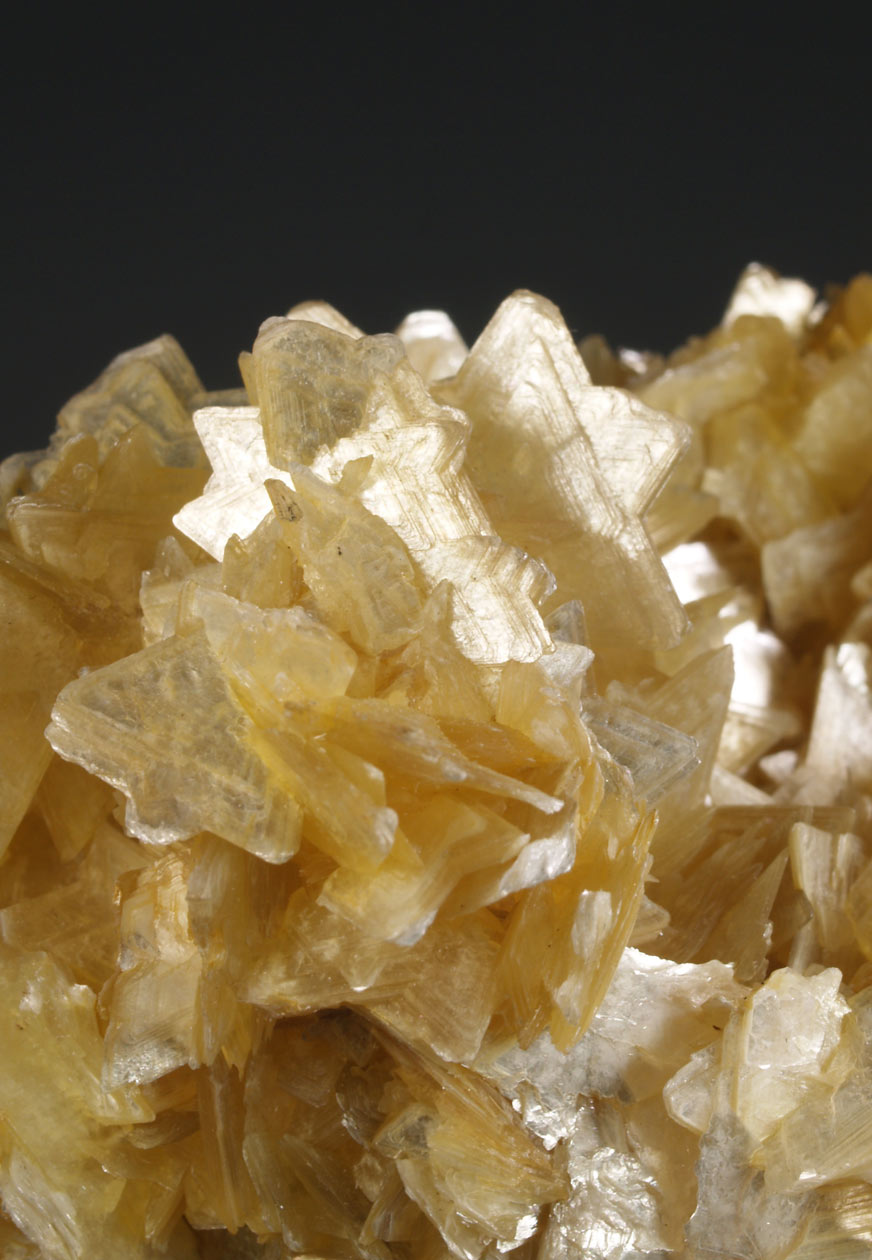
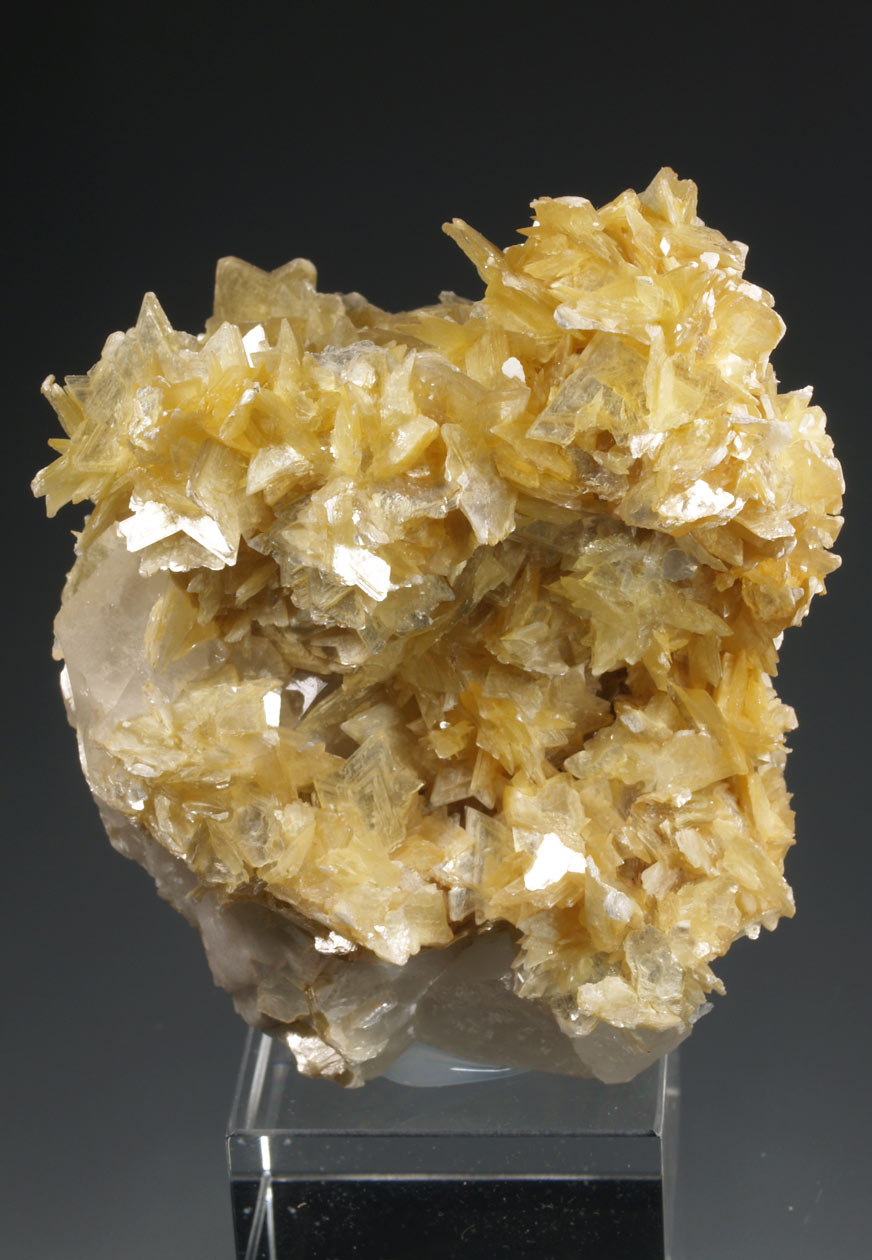
A very attractive large specimen of beautiful "star" muscovite mica from Linópolis. These specimens are some of the most distinctive and eye-catching pieces of mica from any locality for their wonderful morphology. This piece has a full coverage of lovely golden-yellow color, incredibly well-formed, star shaped twinned crystals of muscovite on quartz matrix.
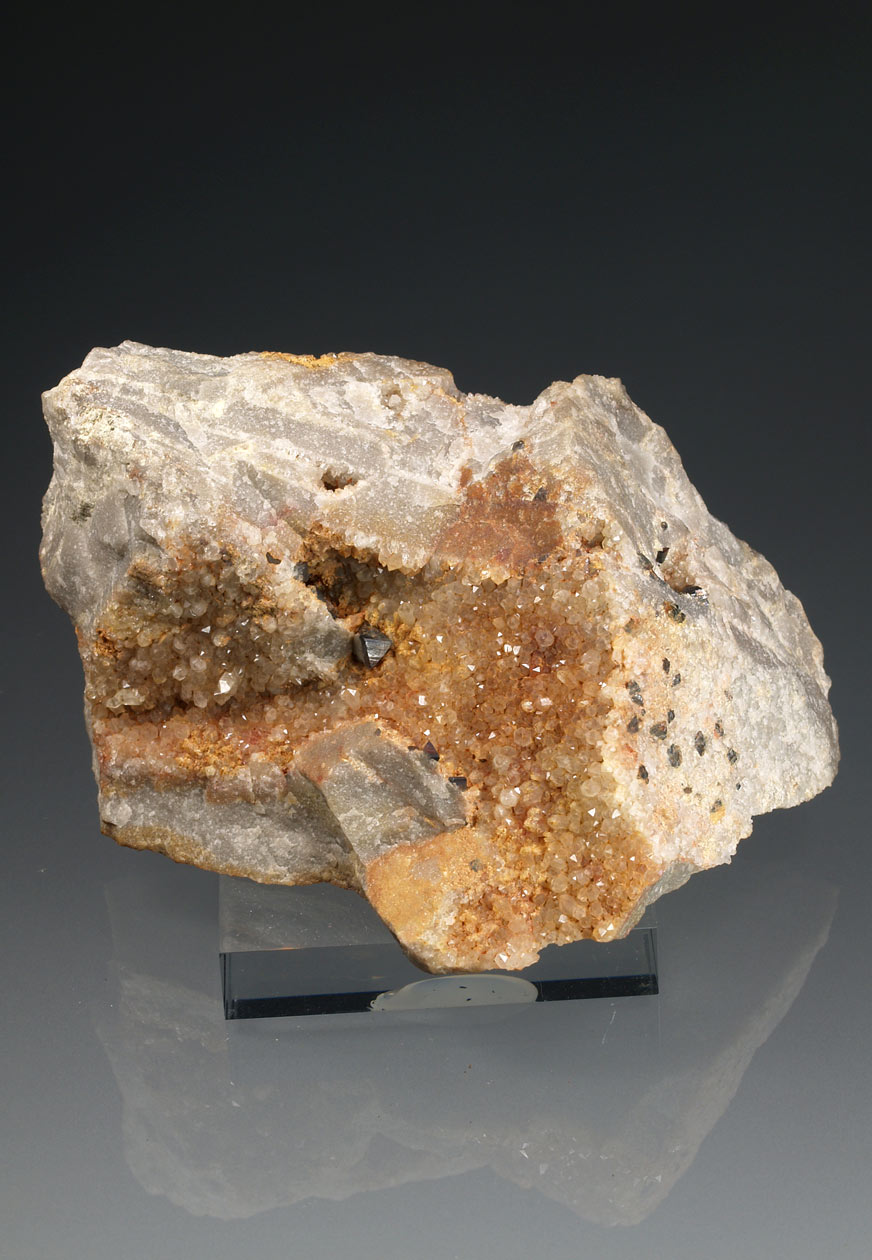
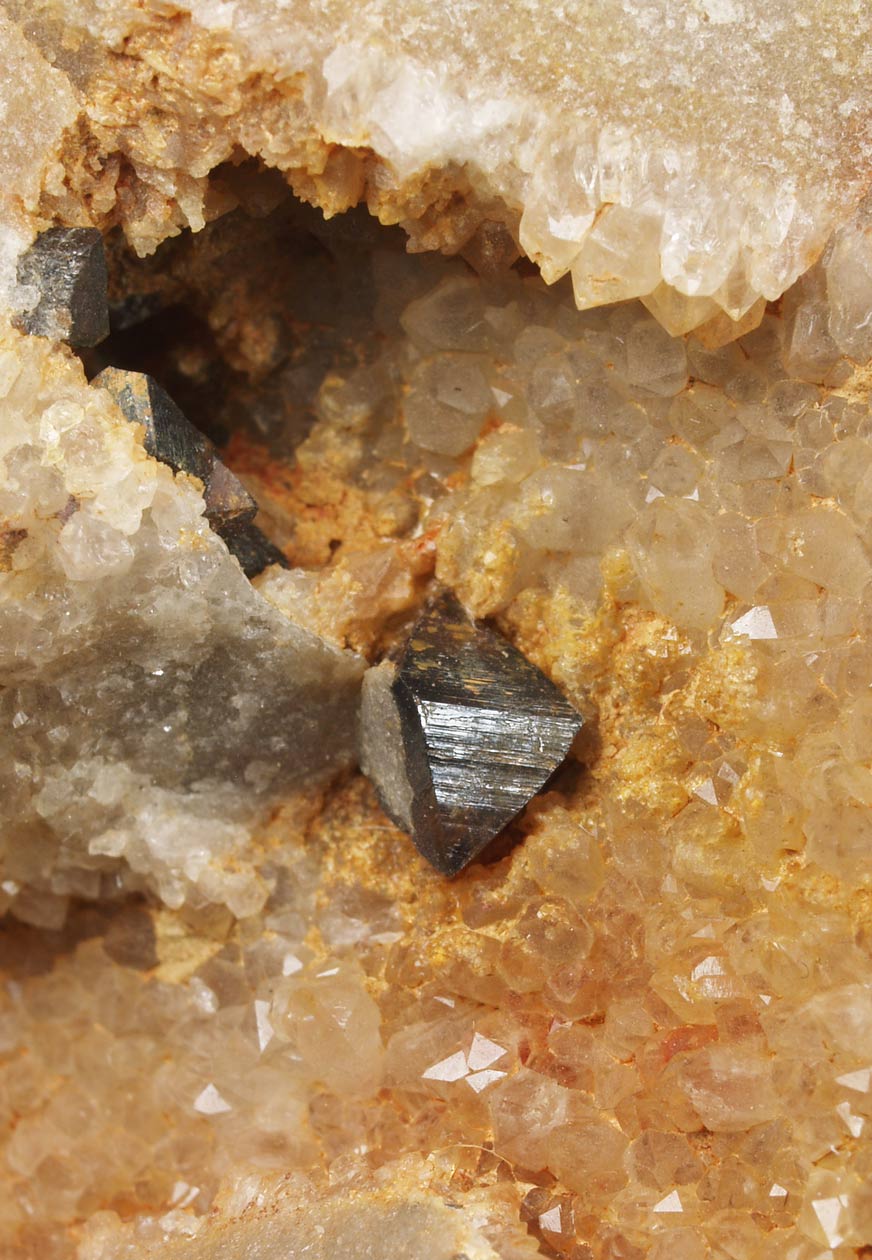
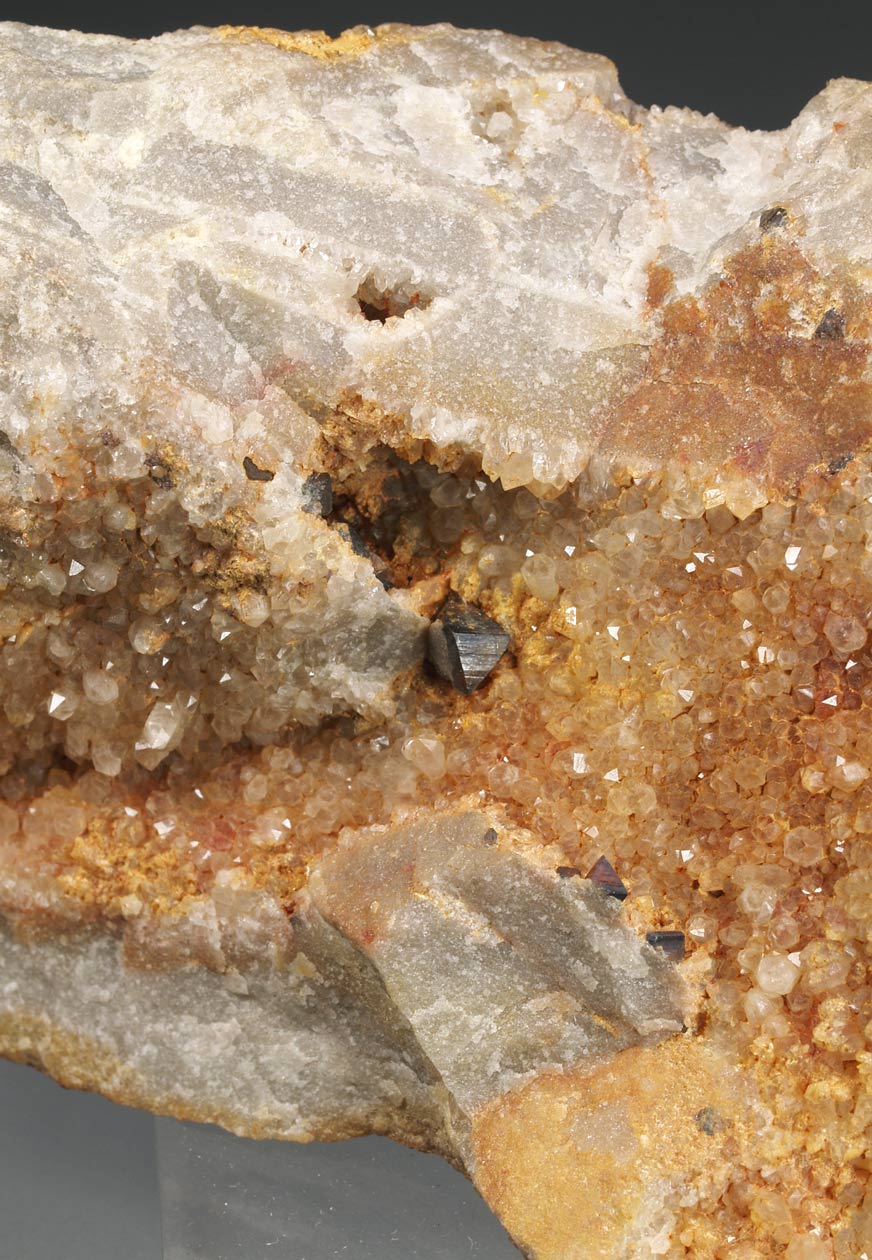
This specimen presents a good-sized anatase crystal and belongs from this unusual locality in Cáceres. It shows very defined tetragonal dipyramid shapes, with striated faces. Intense toasted honey color, translucent to opaque and shiny. It is accompanied by quartz crystals, on matrix.
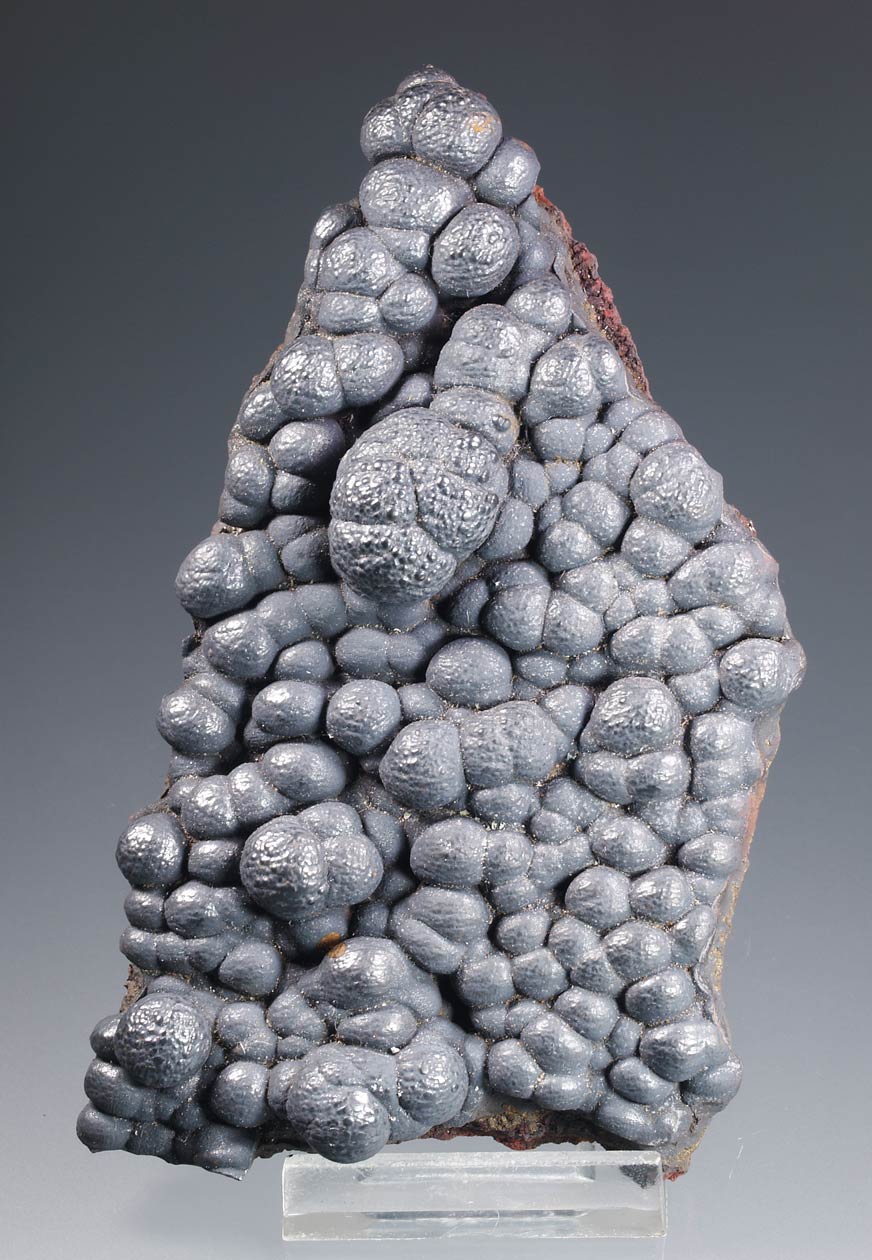
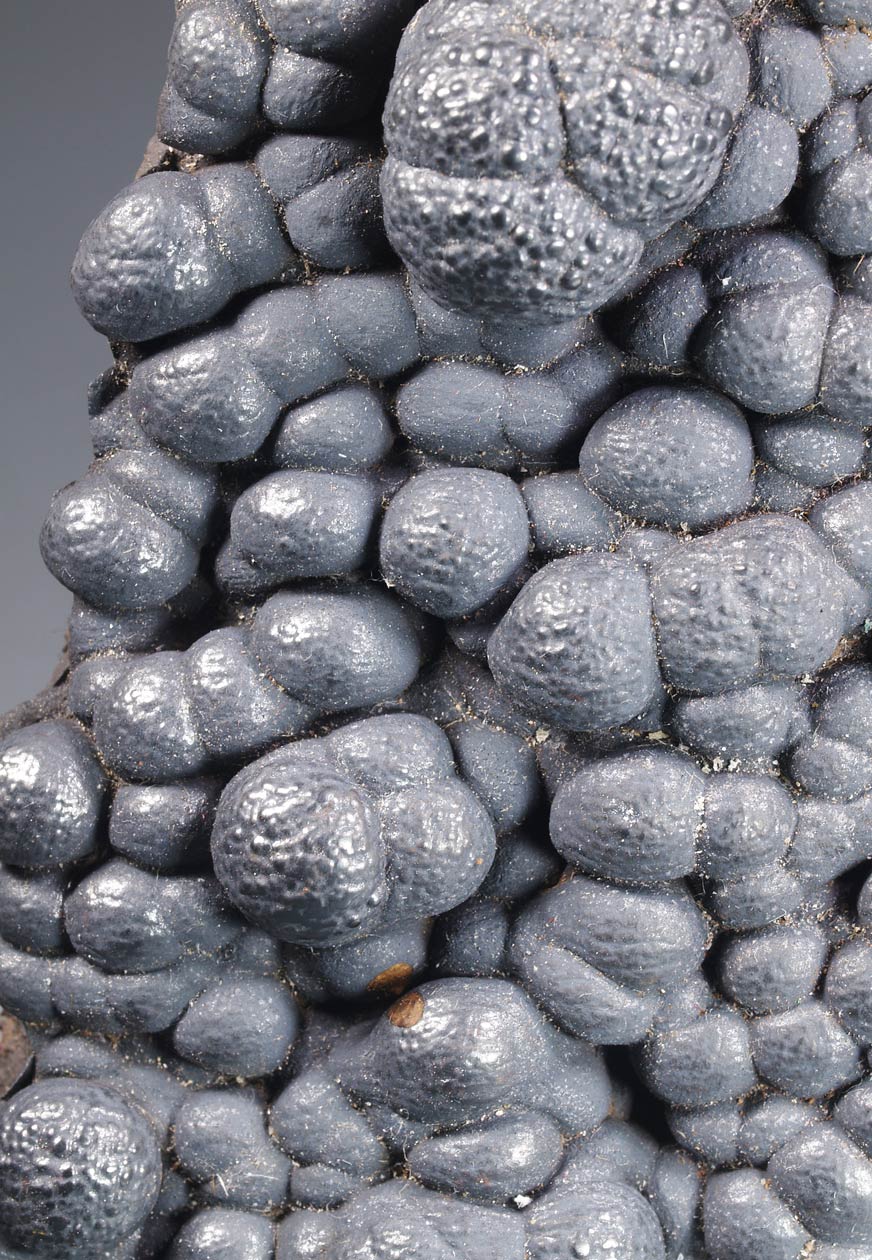
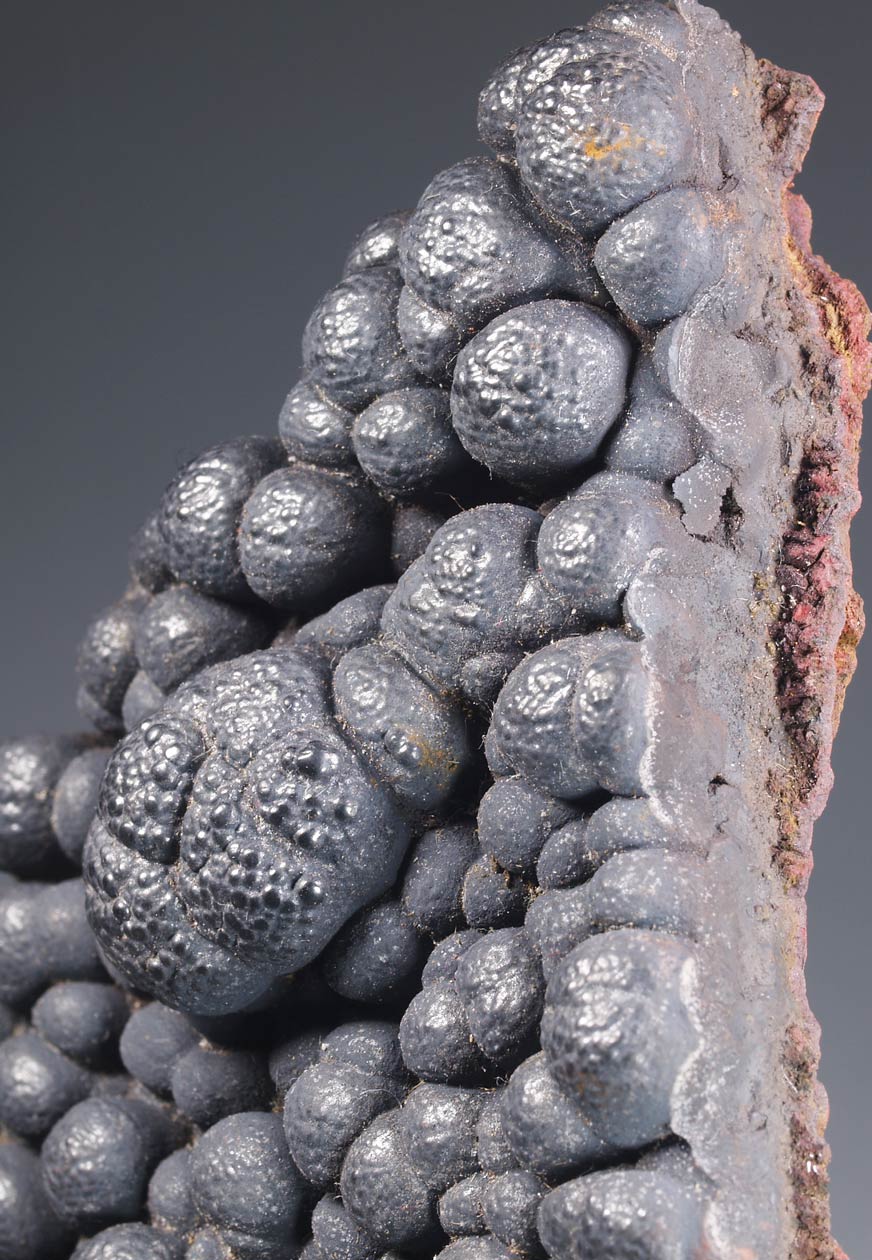
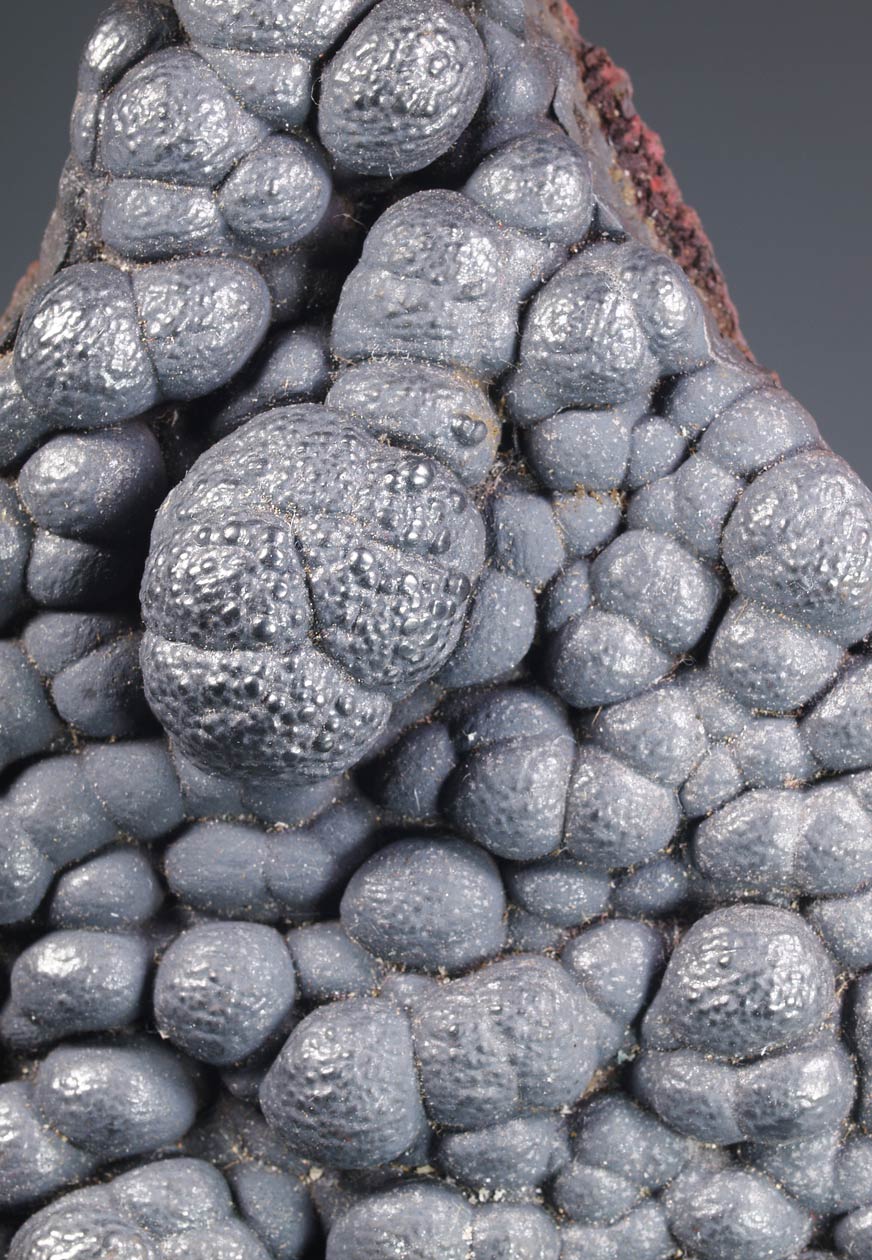
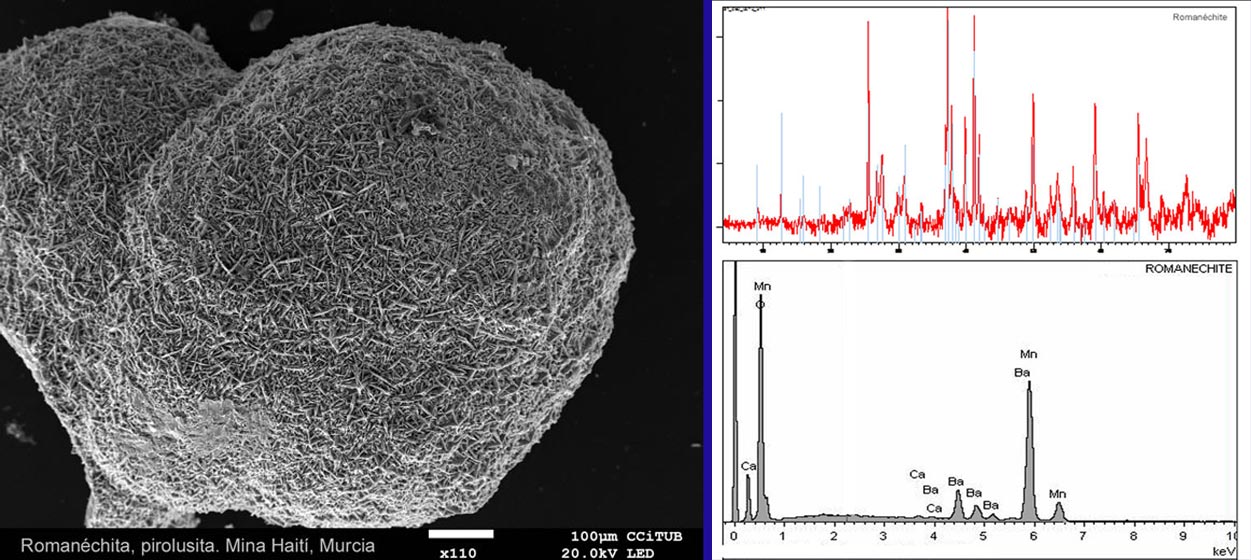
Without a doubt these are the best specimens of romanechite that have ever been found in Spain. These are botryoidal romanechite aggregates, shiny and very aesthetic. We will send the analysis to the buyer.
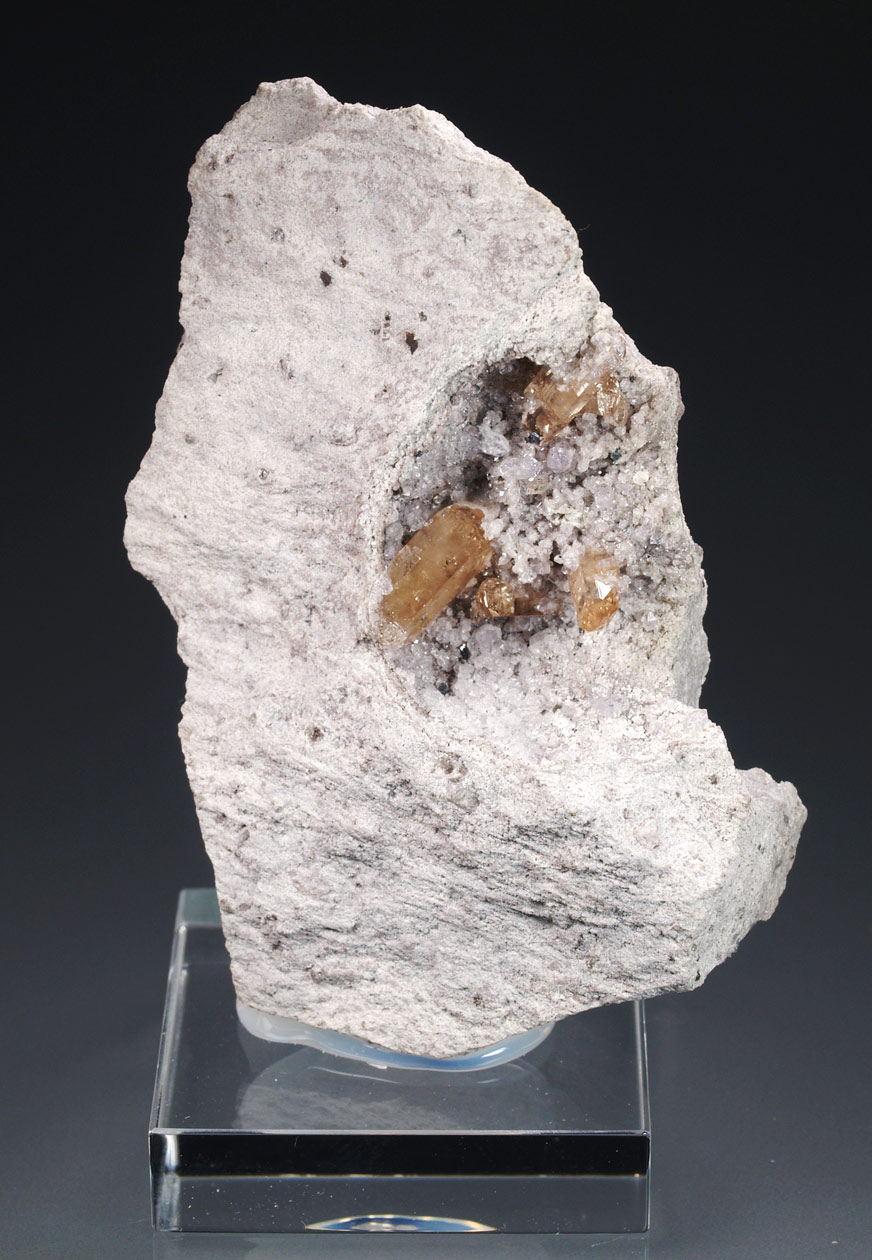
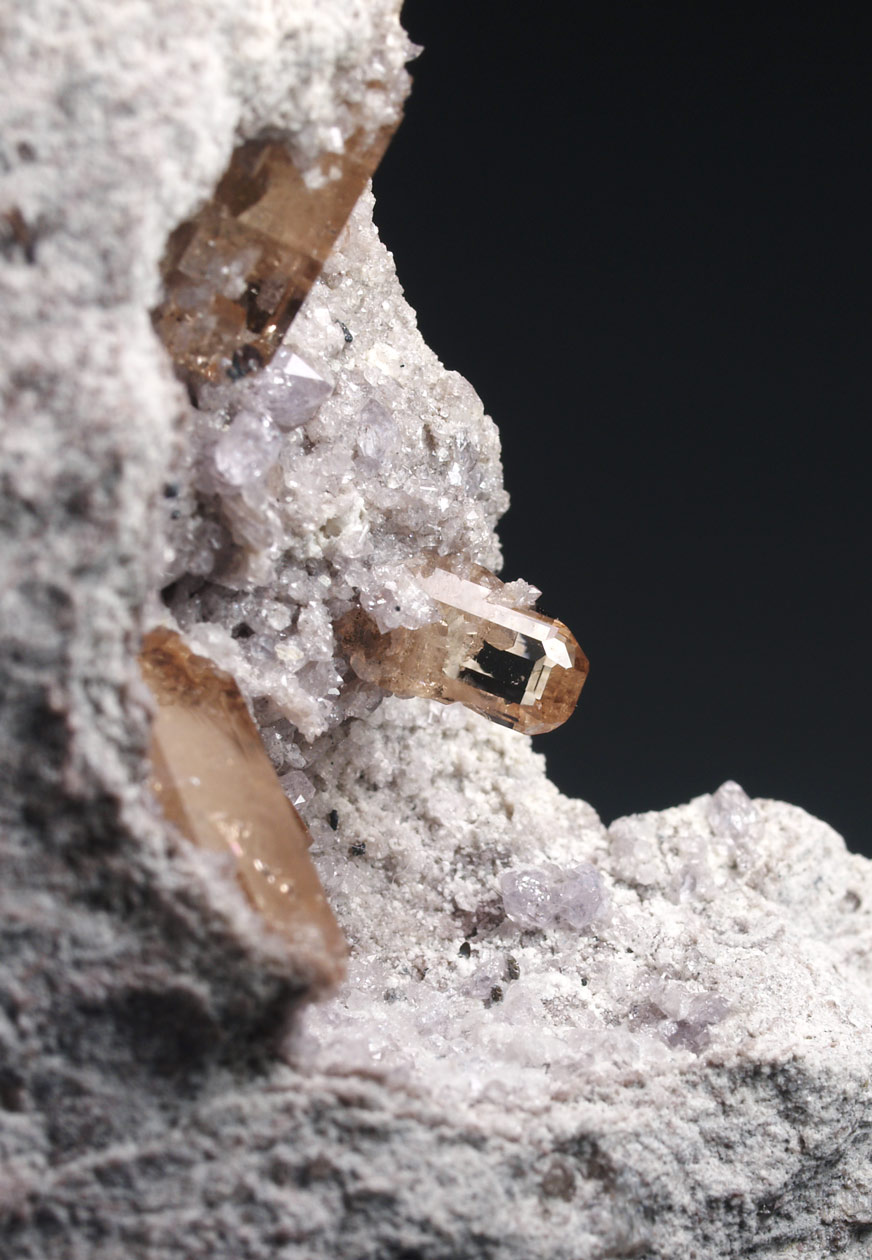
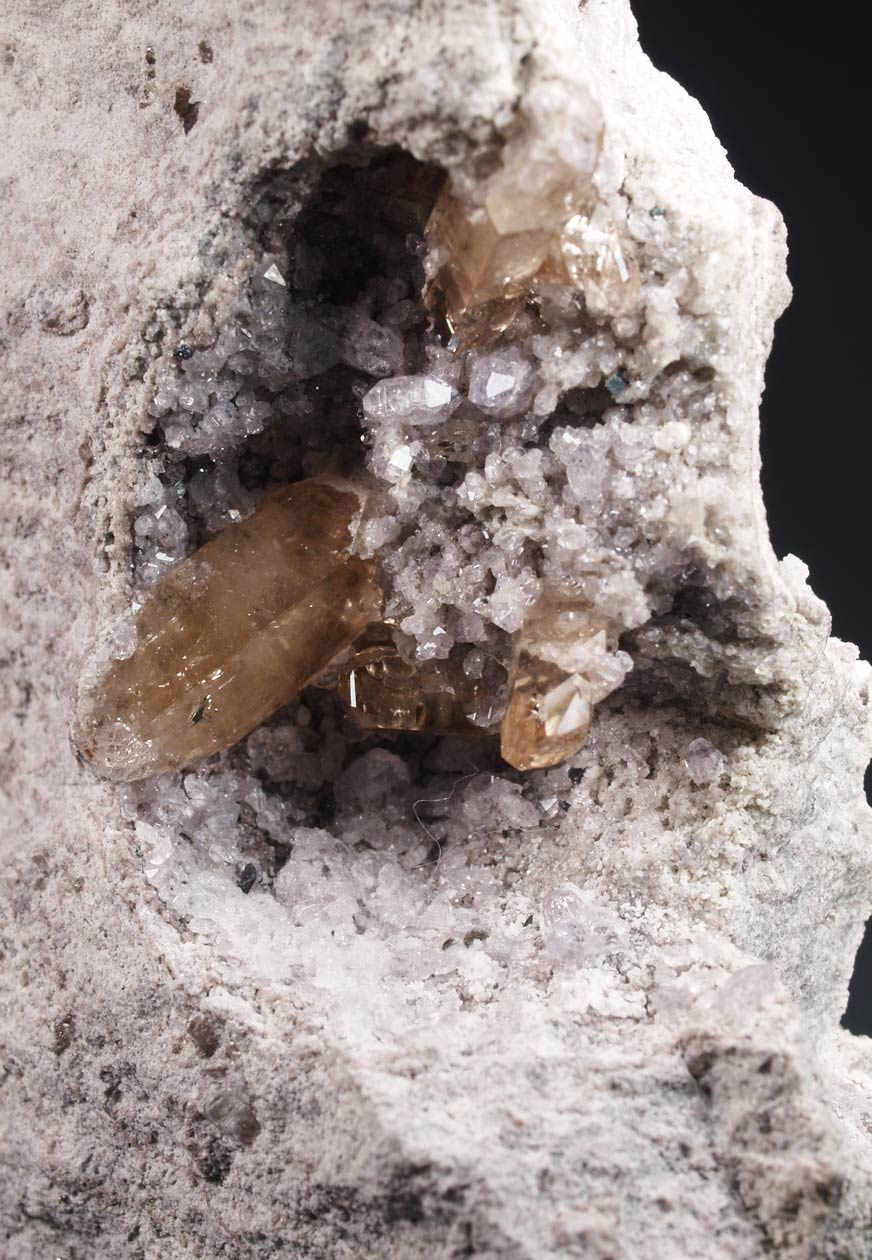
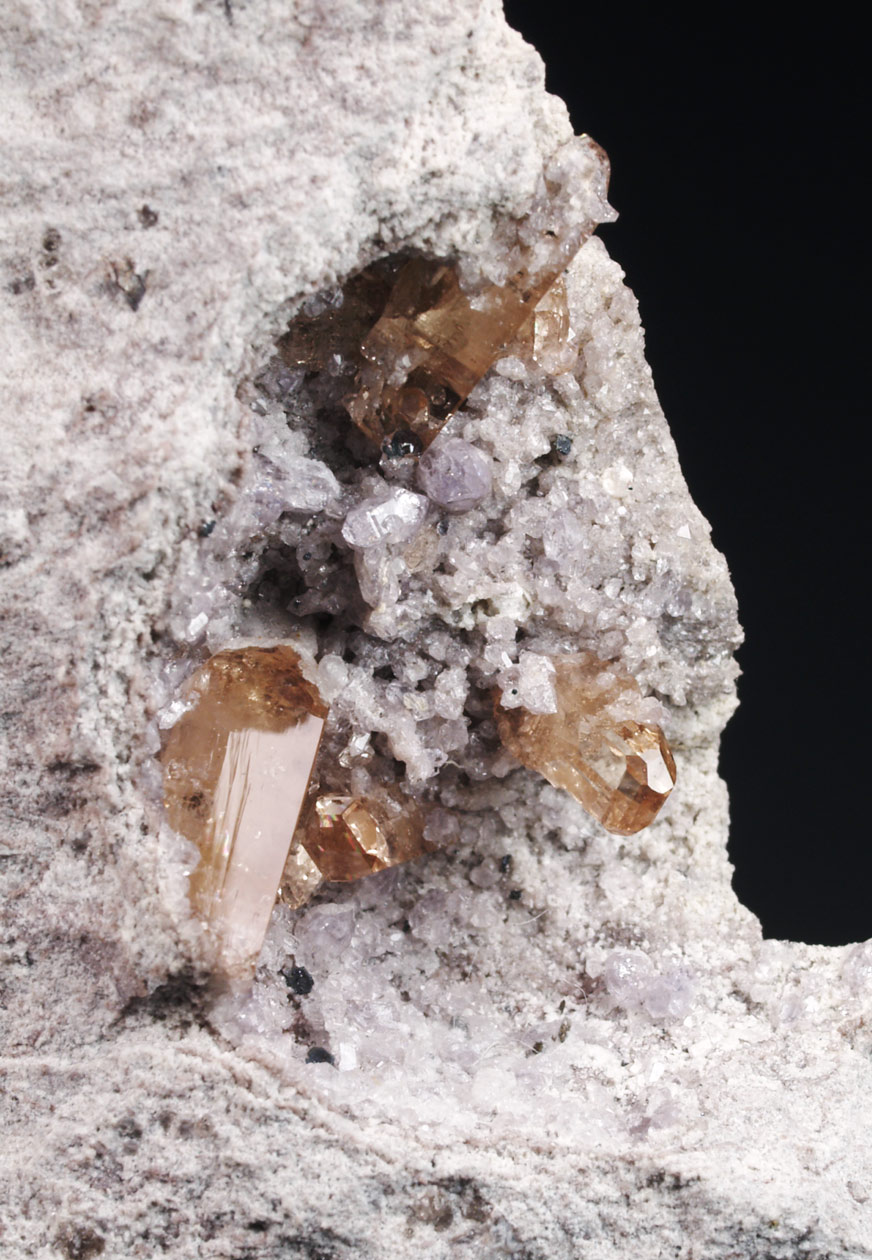
Aesthetic group of topaz crystals aesthetically disposed on a rhyolite matrix. Some of them isolated and very rich in faces. They show very well defined faces and edges, with an excellent transparency and a uniform tone. From a classic locality.
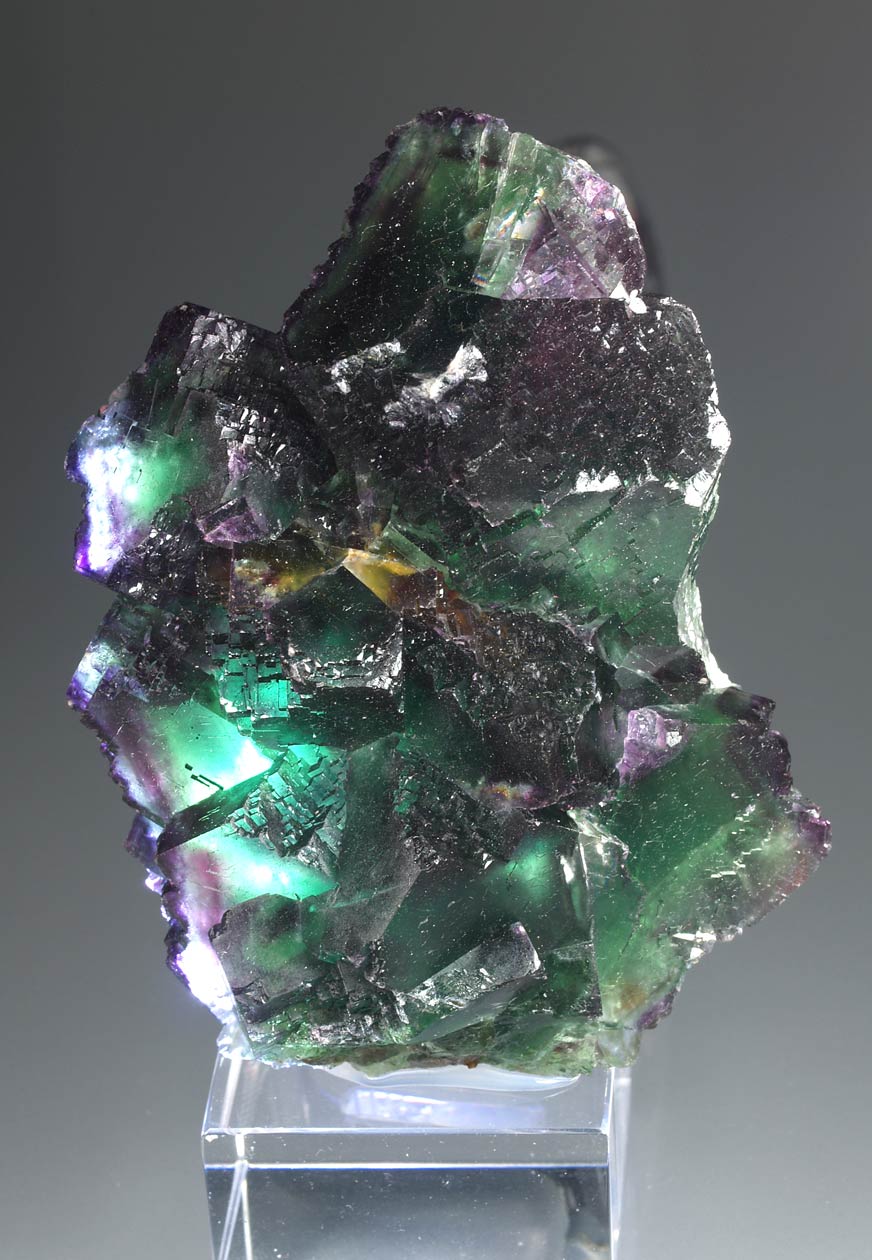
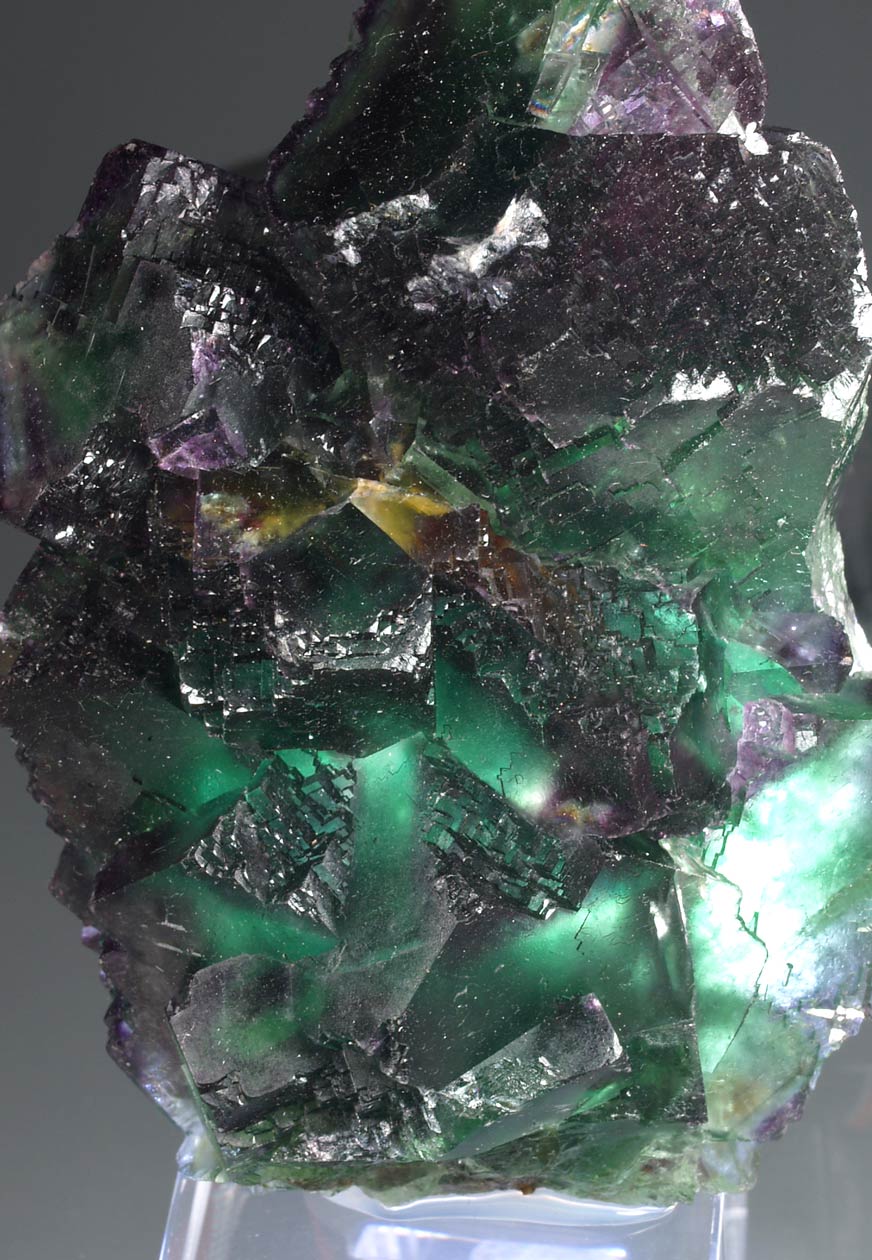
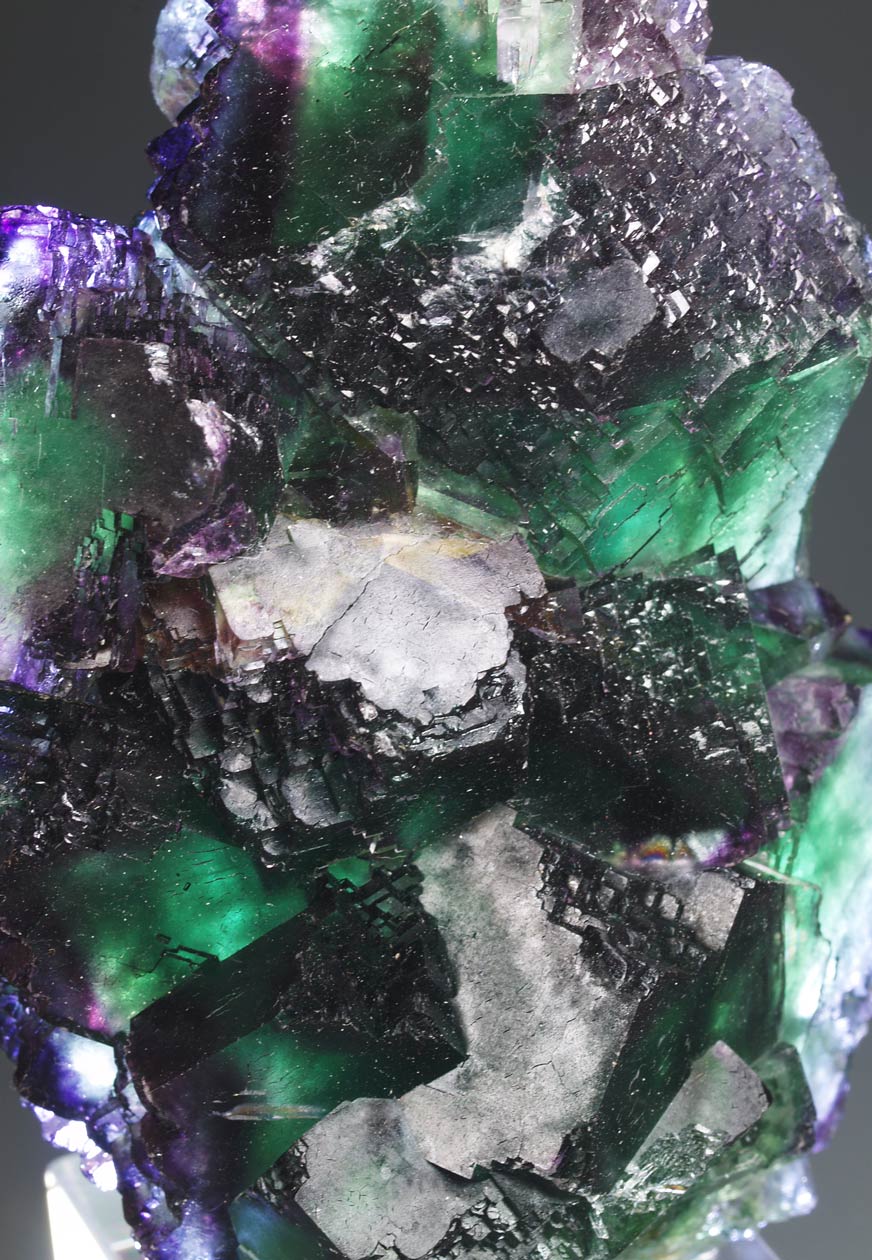
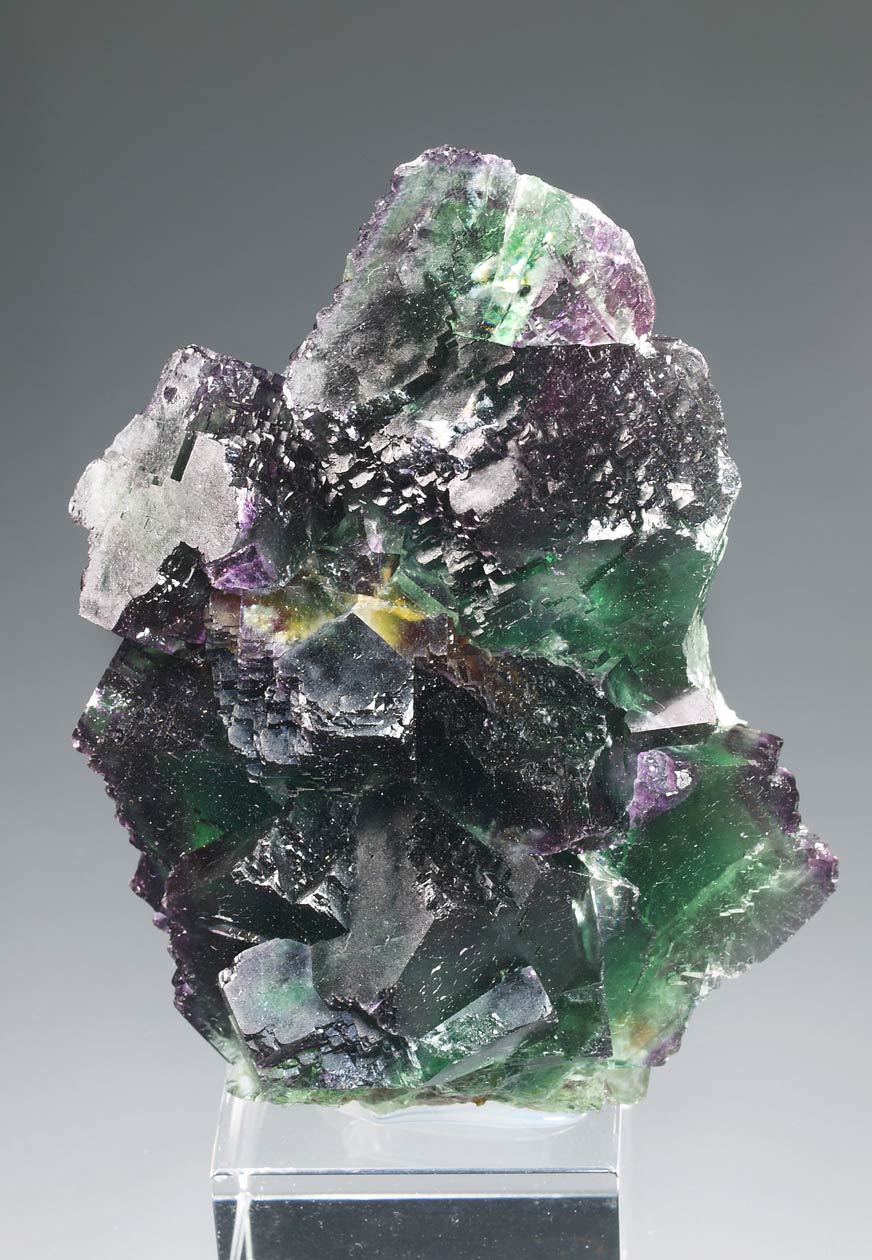
A defined fluorite cubic aggregate, echeloned growths with absolutely striking green and purple phantoms inside the otherwise glassy crystals. Cubes are lustrous on all sides and free of any considerable damage. The interior is quite fascinating as is characteristic for the Okorusu Mine. This cluster of fluorite is very aesthetic and typical for the locale.
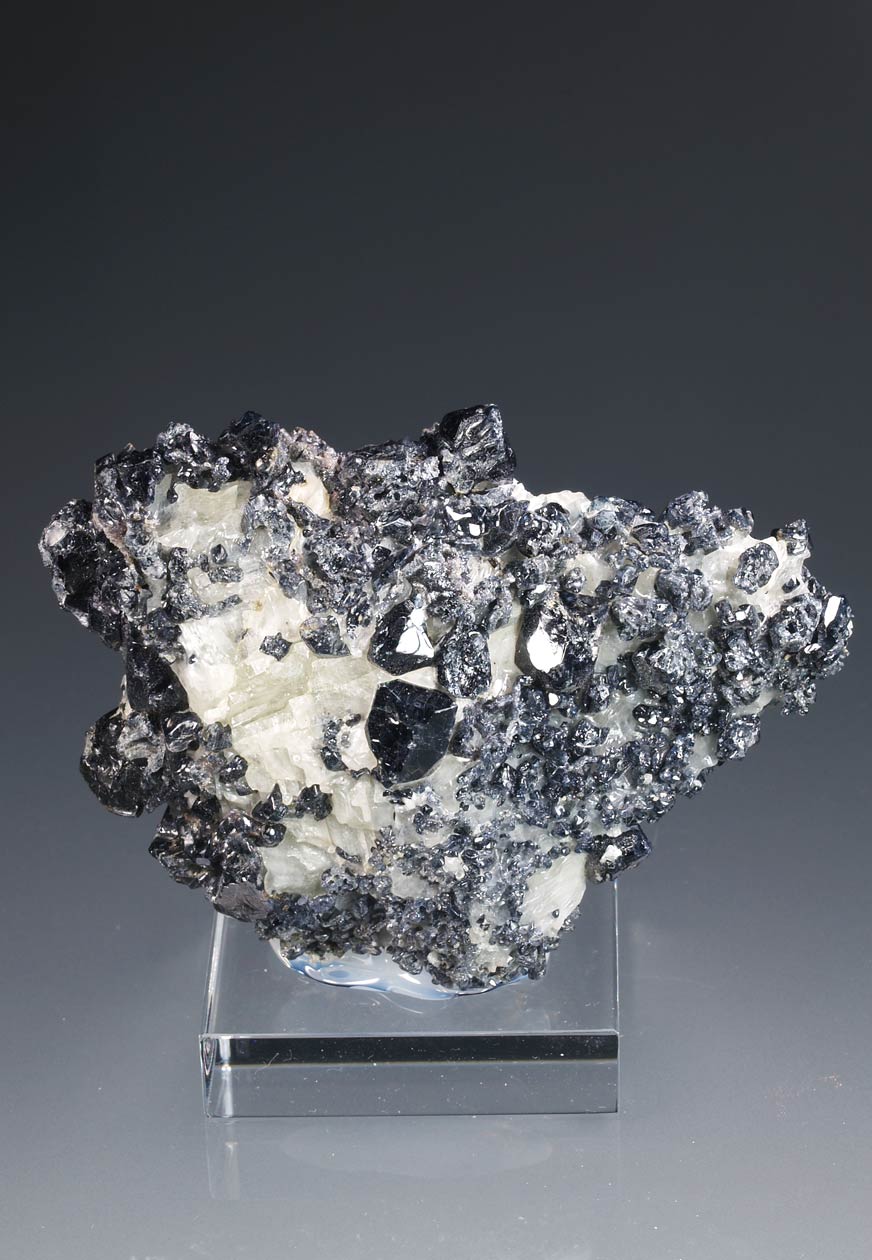
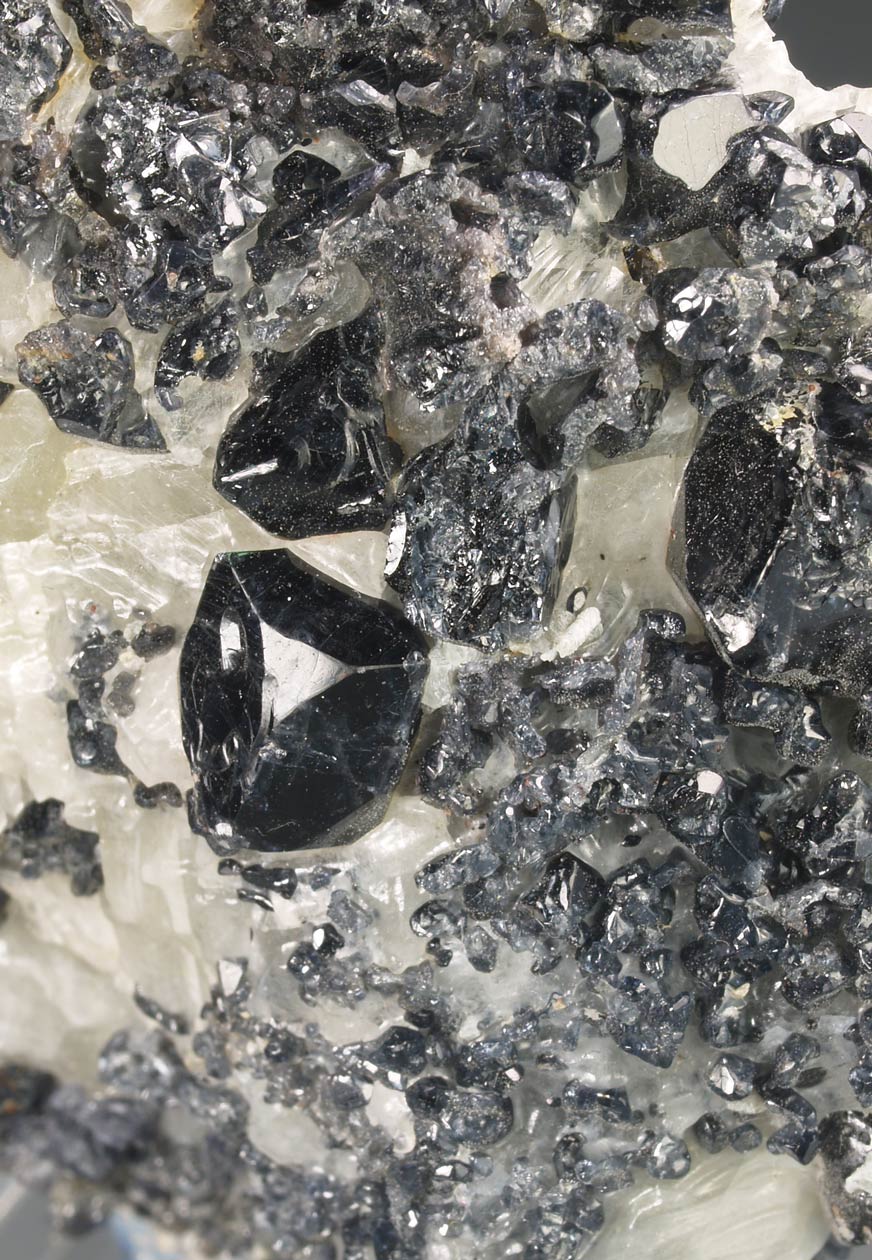
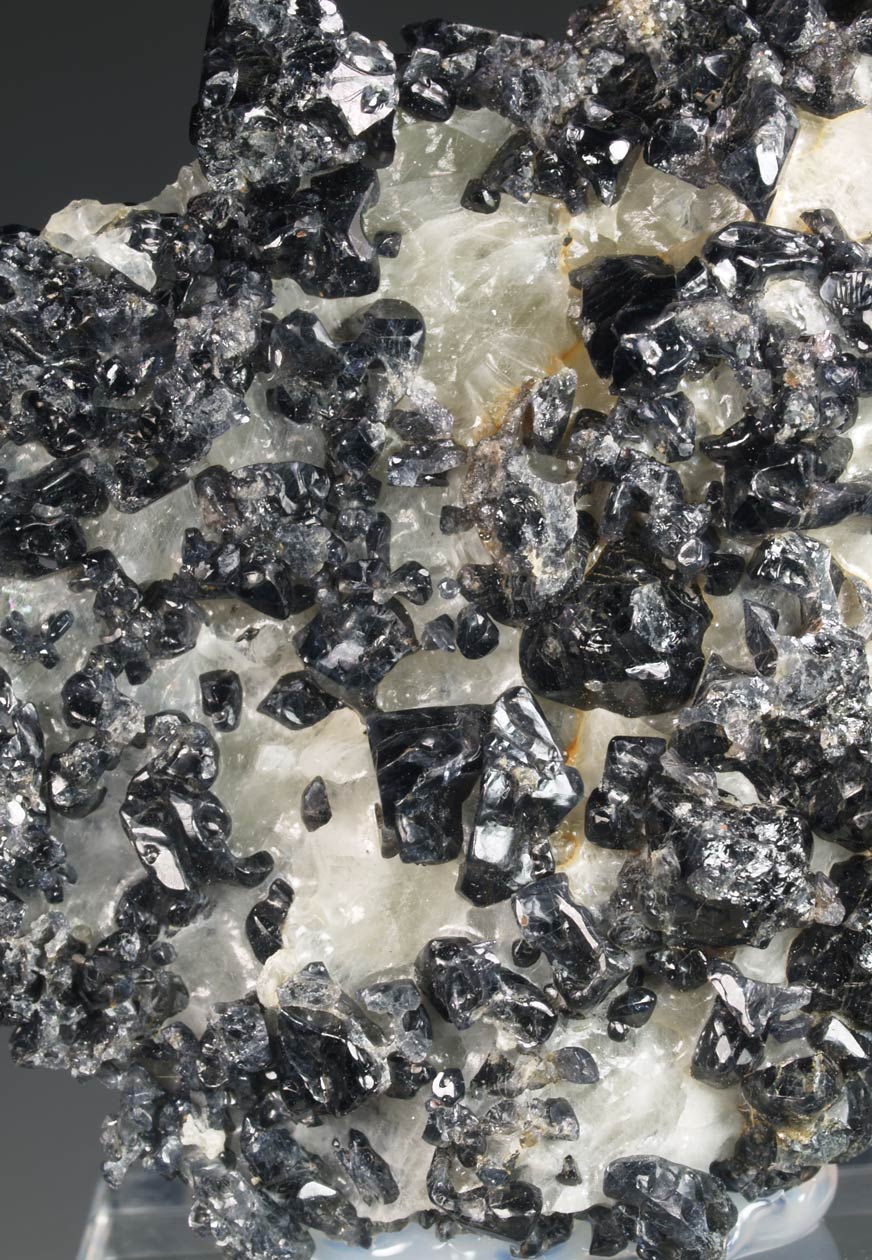
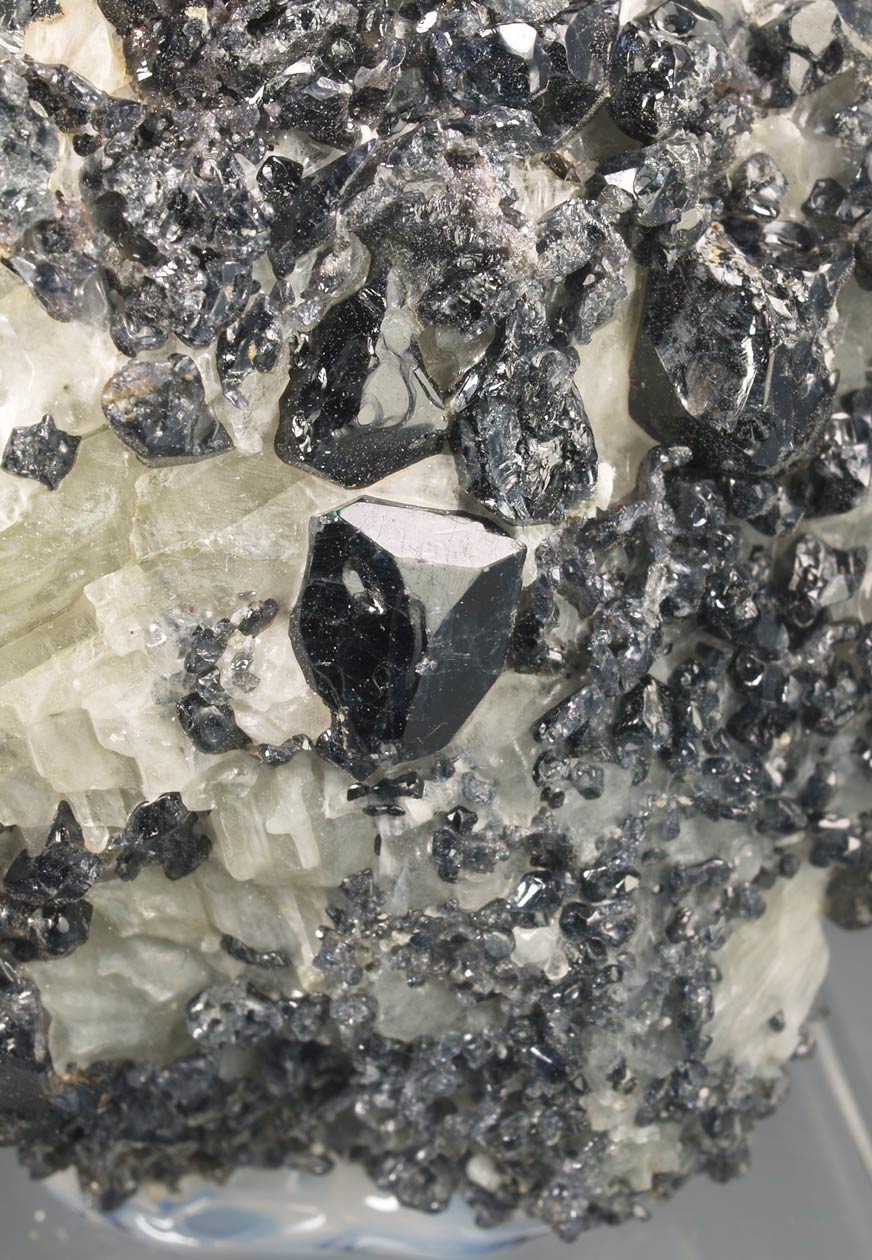
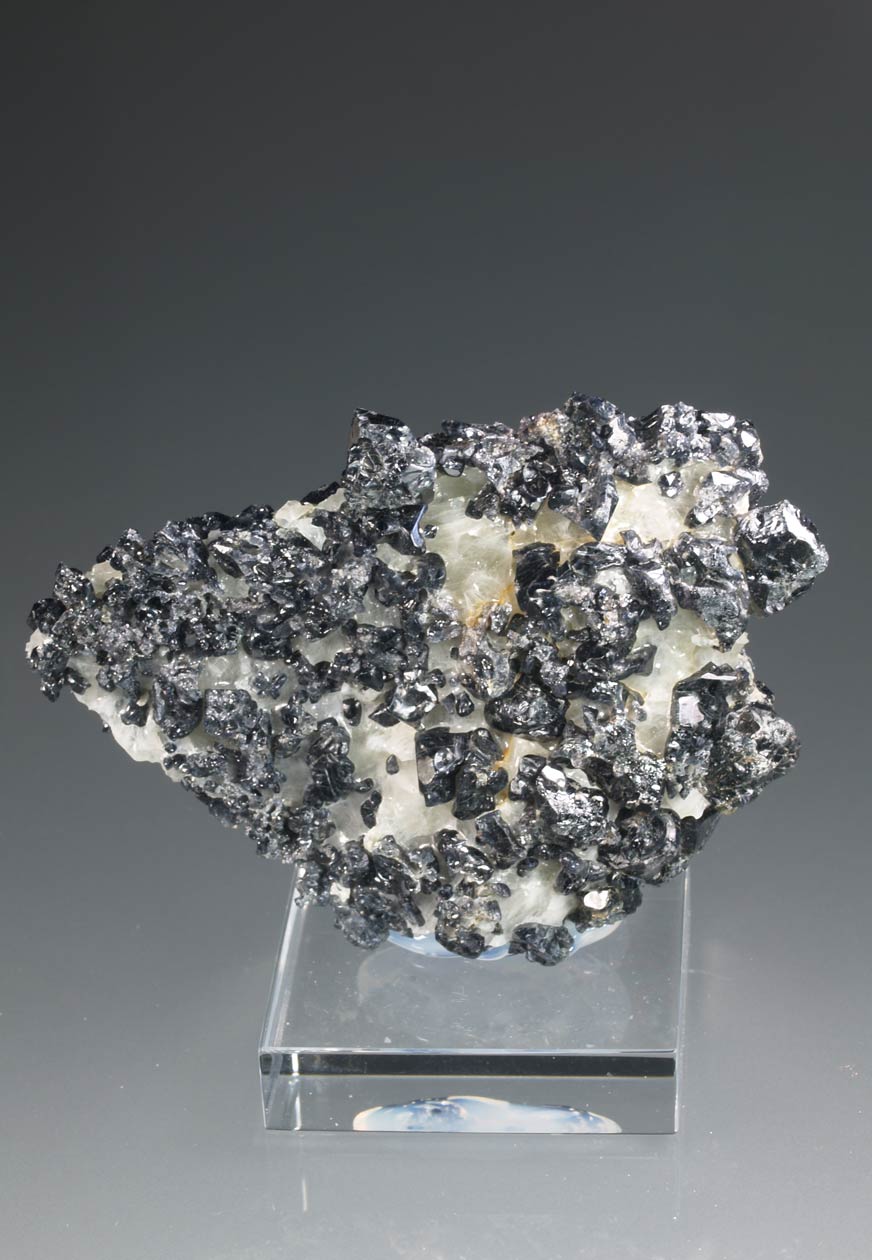
Highly lustrous, rounded faces, jet-black spinel octahedrons included in a calcite matrix from this less well-known locality. Crystals of this size and quality are rare from here and this is a fine and good sized specimen from the E. Nicolau (Barcelona) Collection.