- Home About RM Minerals
- Virtual Photo Museum Blog RM Contact
- Microscopy and instruments How to Buy Disclaimer
Copyright 2010-2026
www.rosellminerals.com



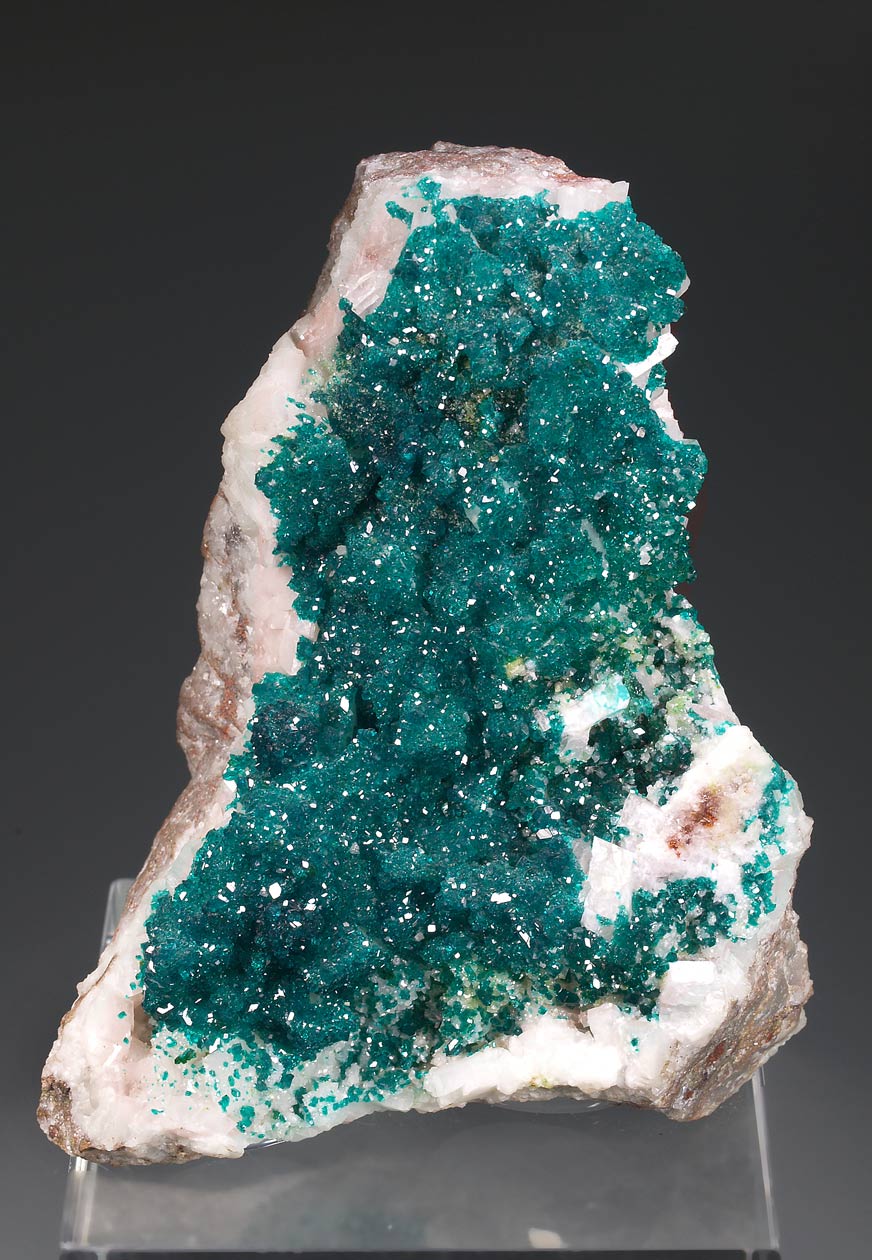
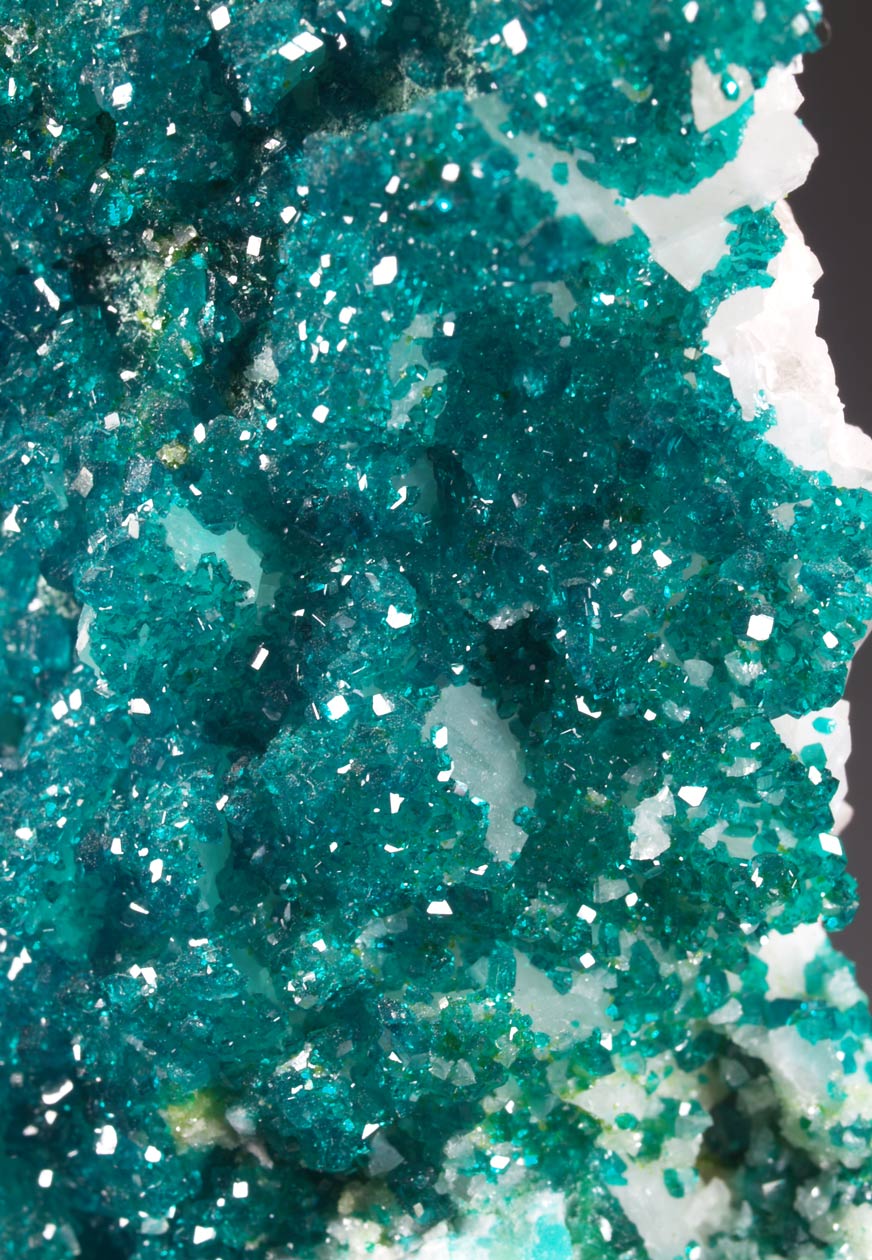
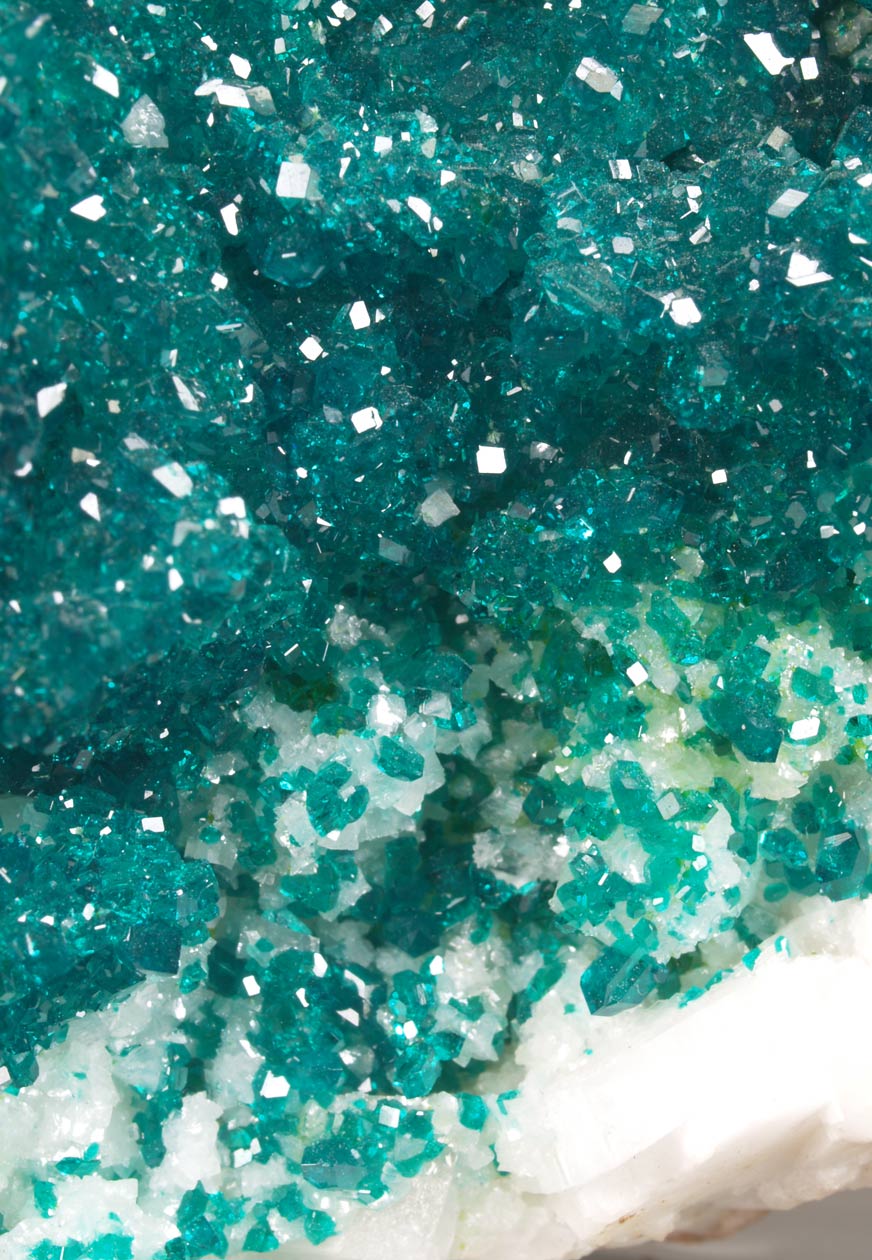
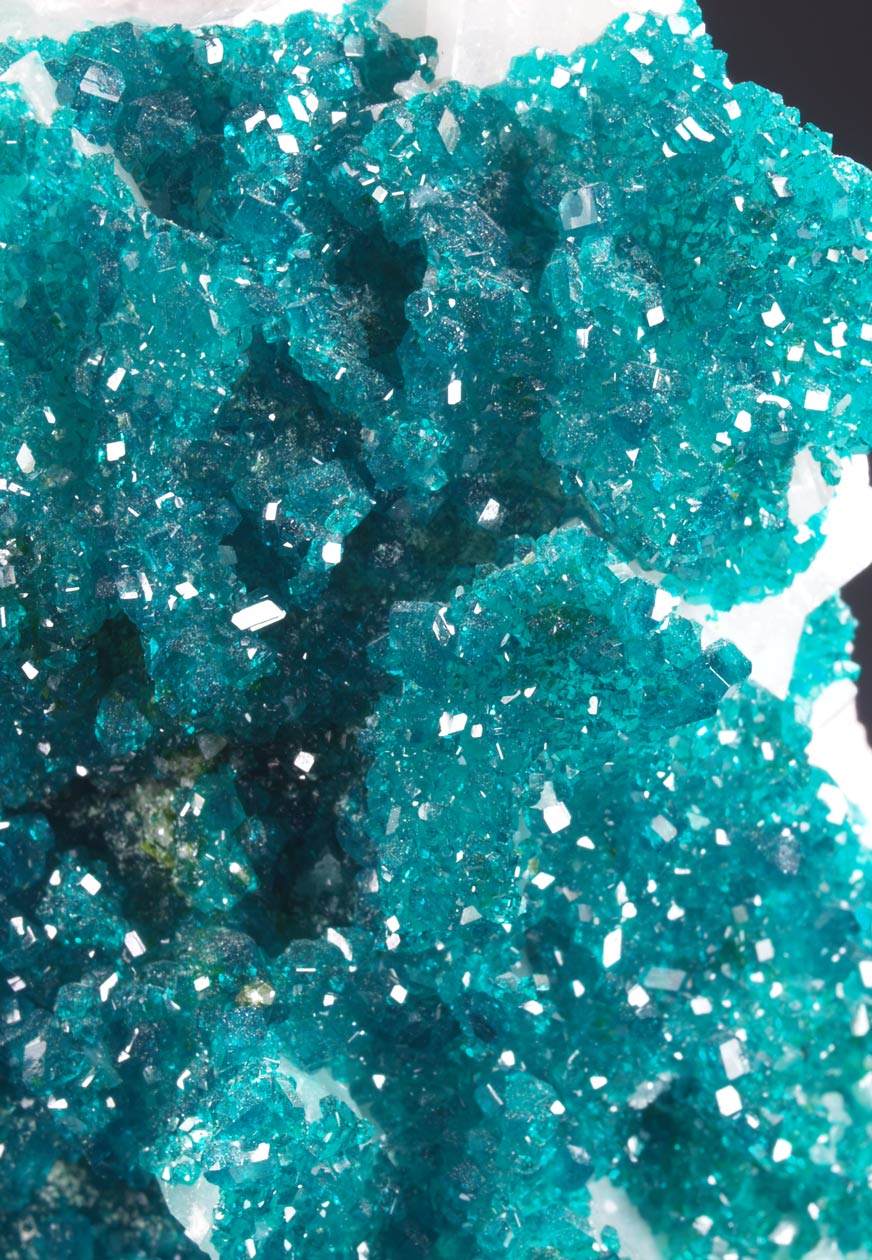
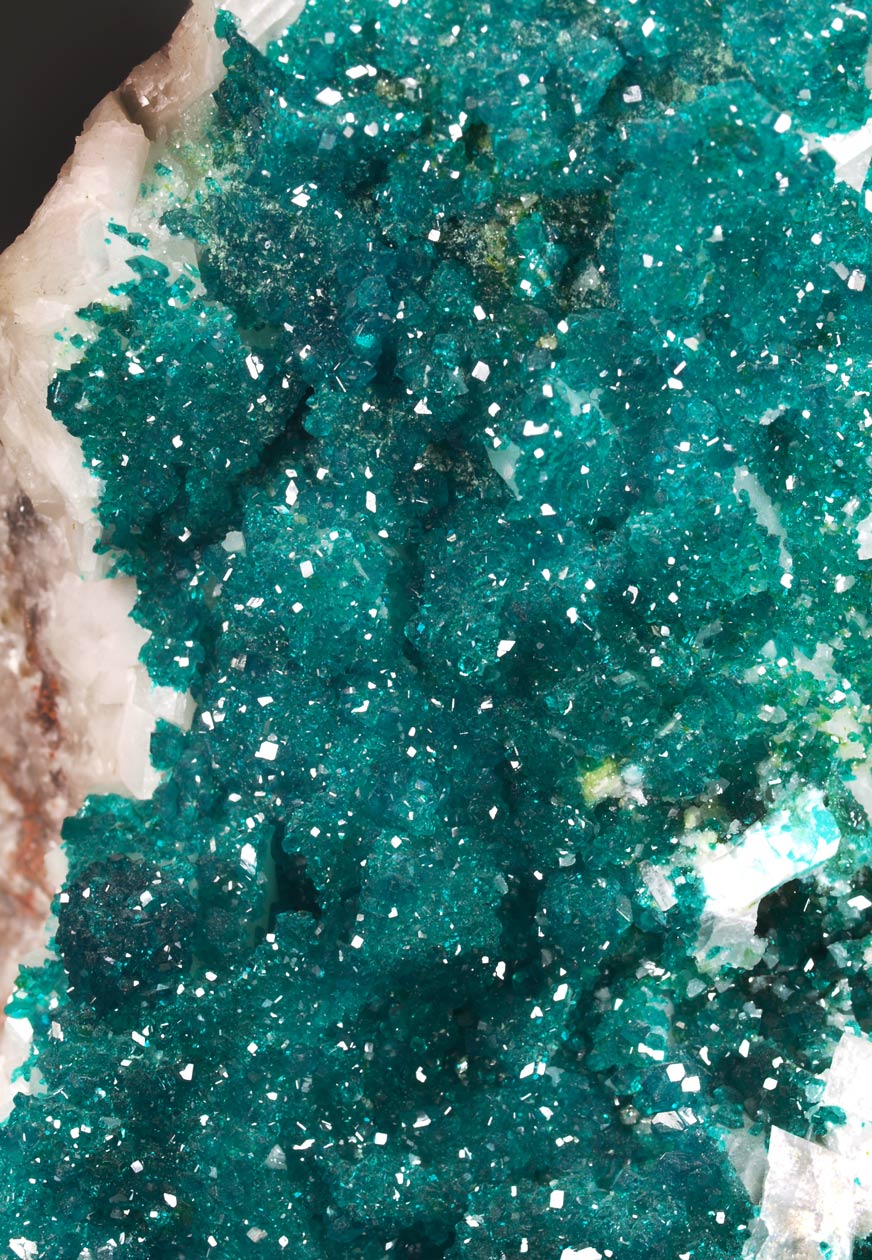
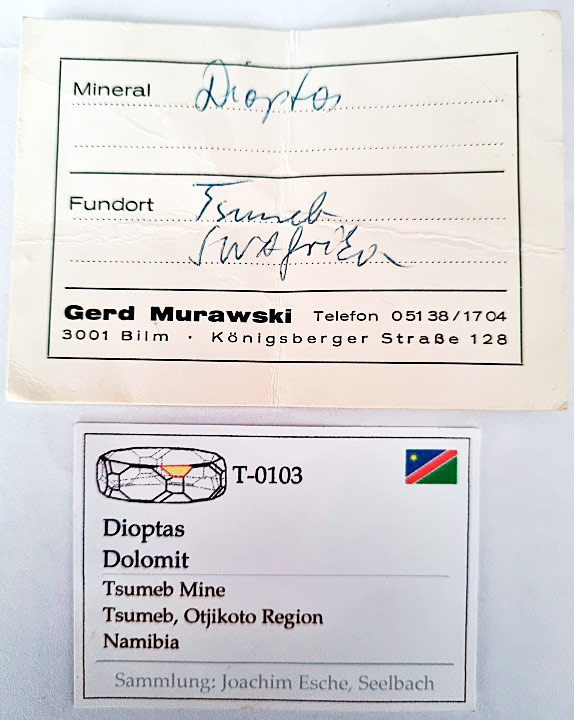
Very good size specimen of dioptase. It is a druse of small but very bright and defined crystals. They stand out from the matrix. From a classic town like Tsumeb. *Getting a camera to extract the color of dioptase is an arduous task...


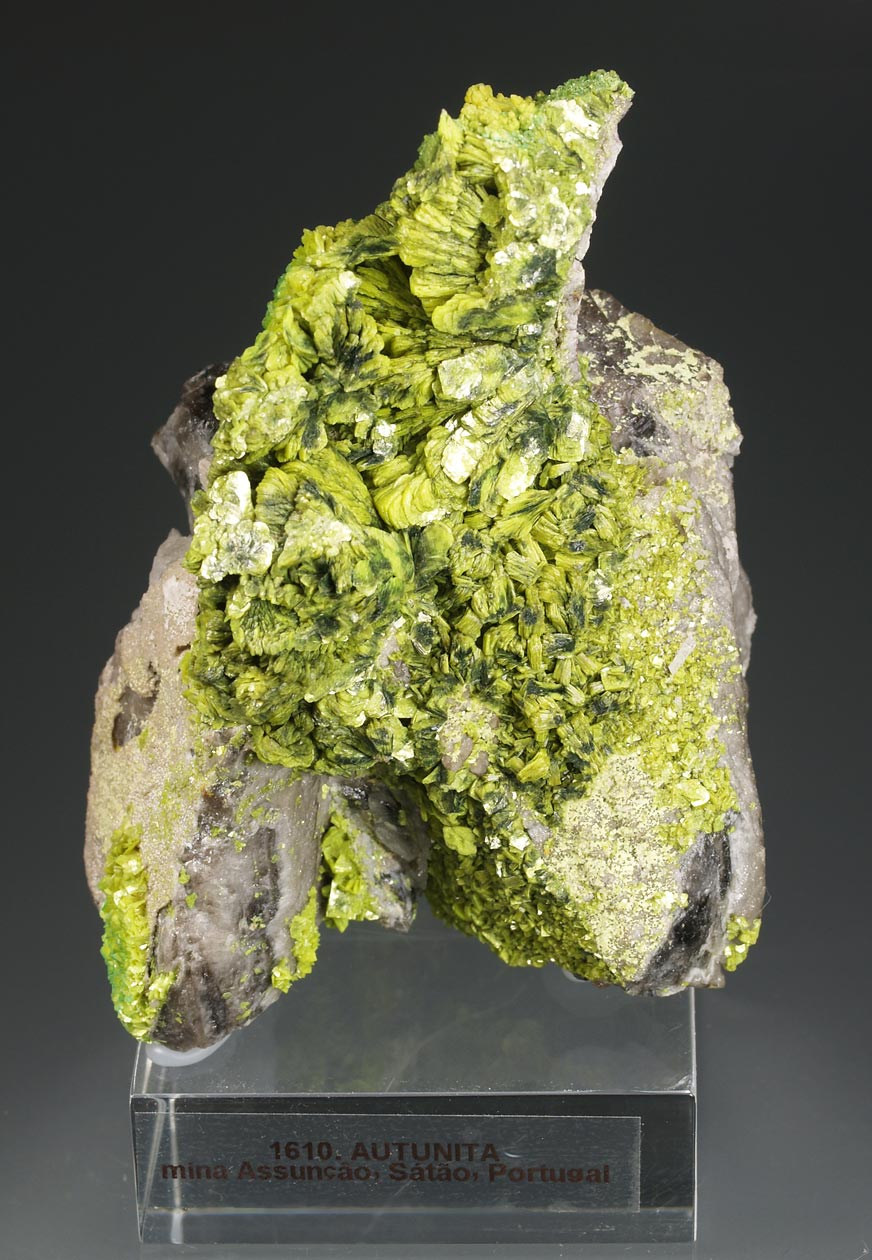
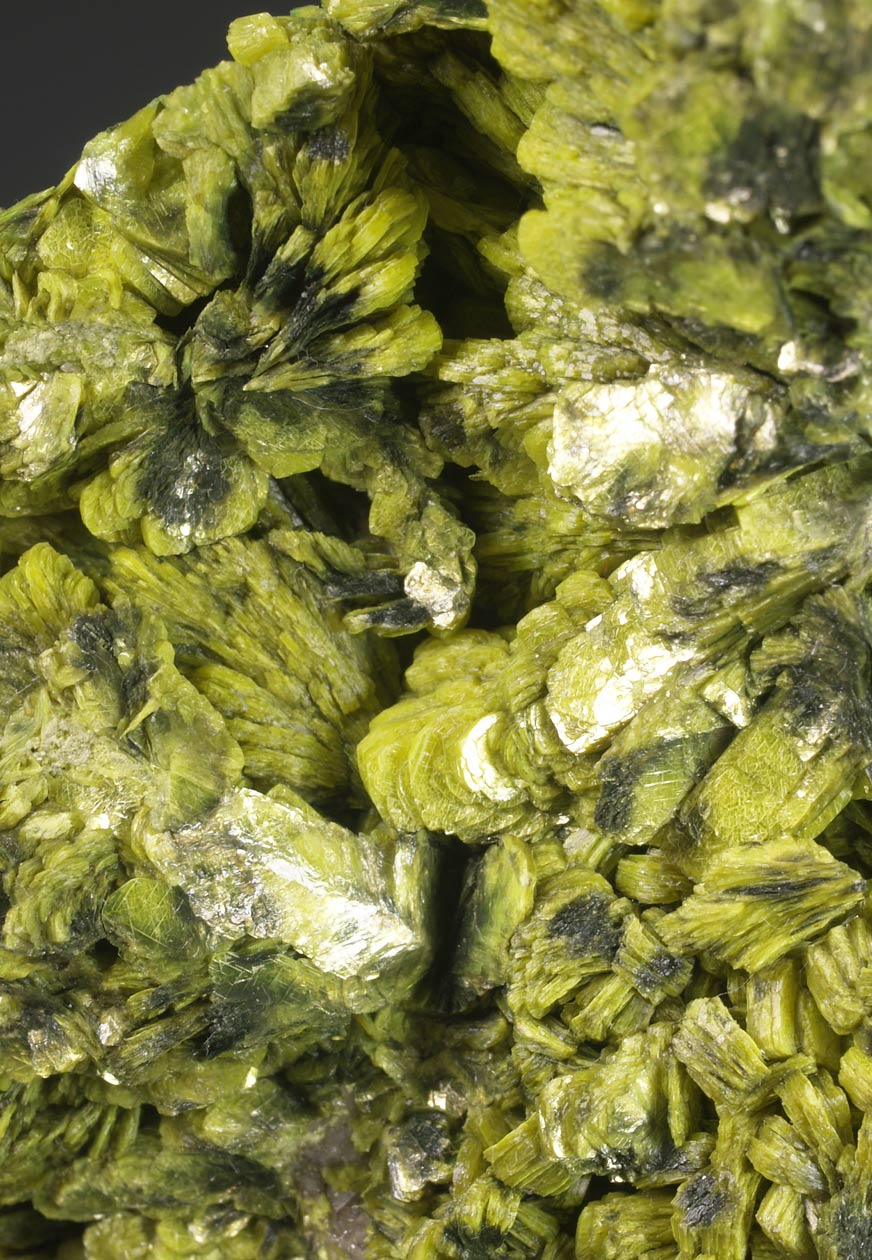
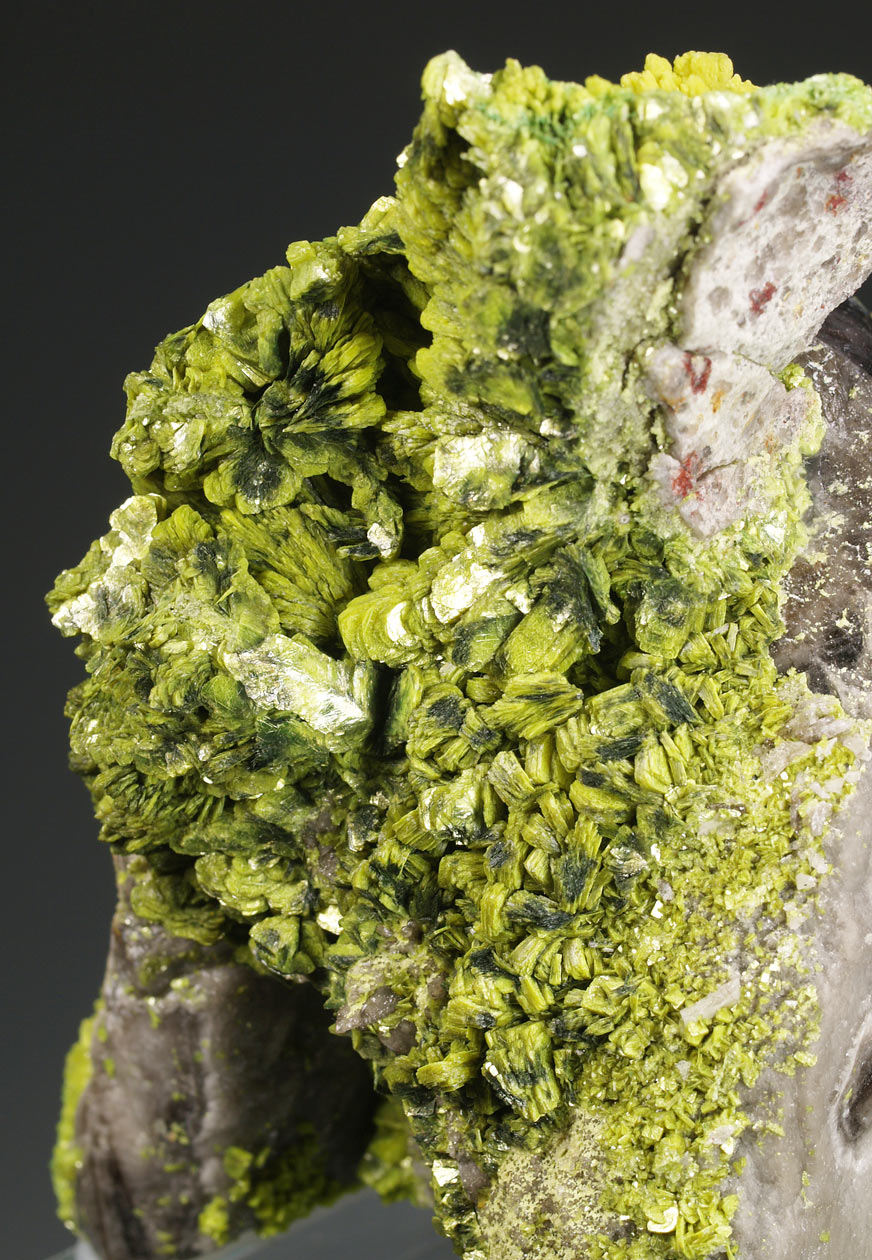
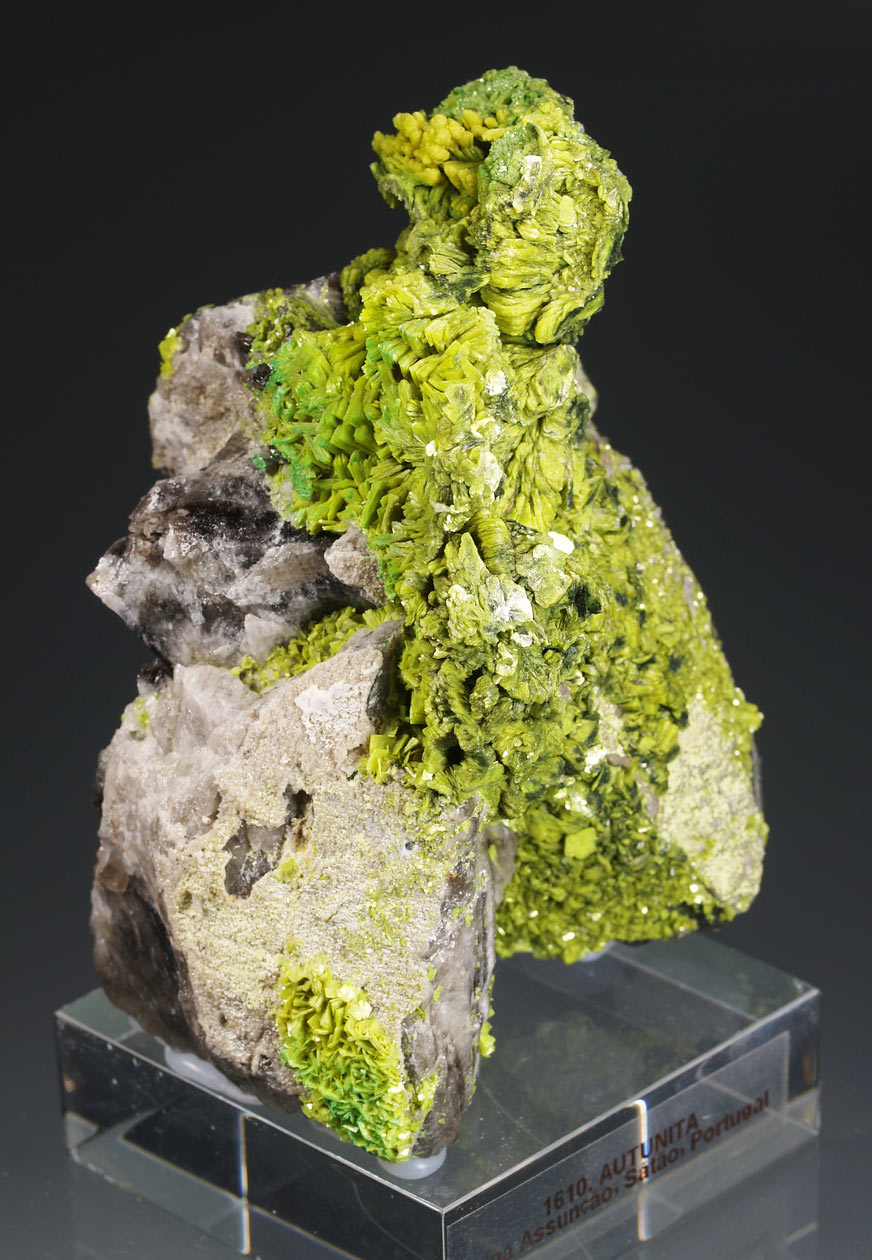
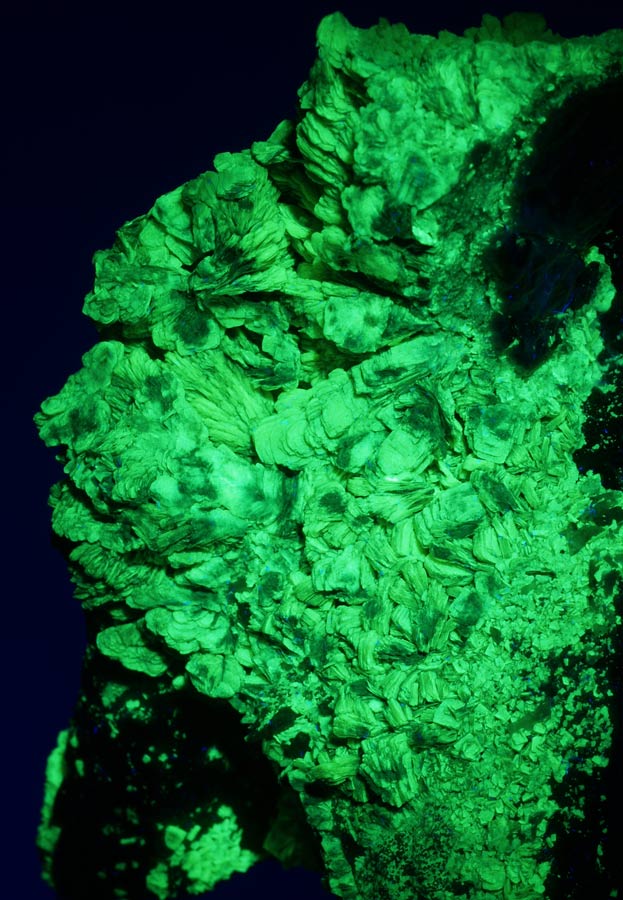
Very good-sized specimen of autunite/meta-autunite from this Portuguese locality, formed by numerous crystals of this phosphate that partially cover the quartz matrix. The fan-shaped autunite crystals and have a striking yellow-green color. Under long-wave UV light the fluorescence is intense. A display piece.
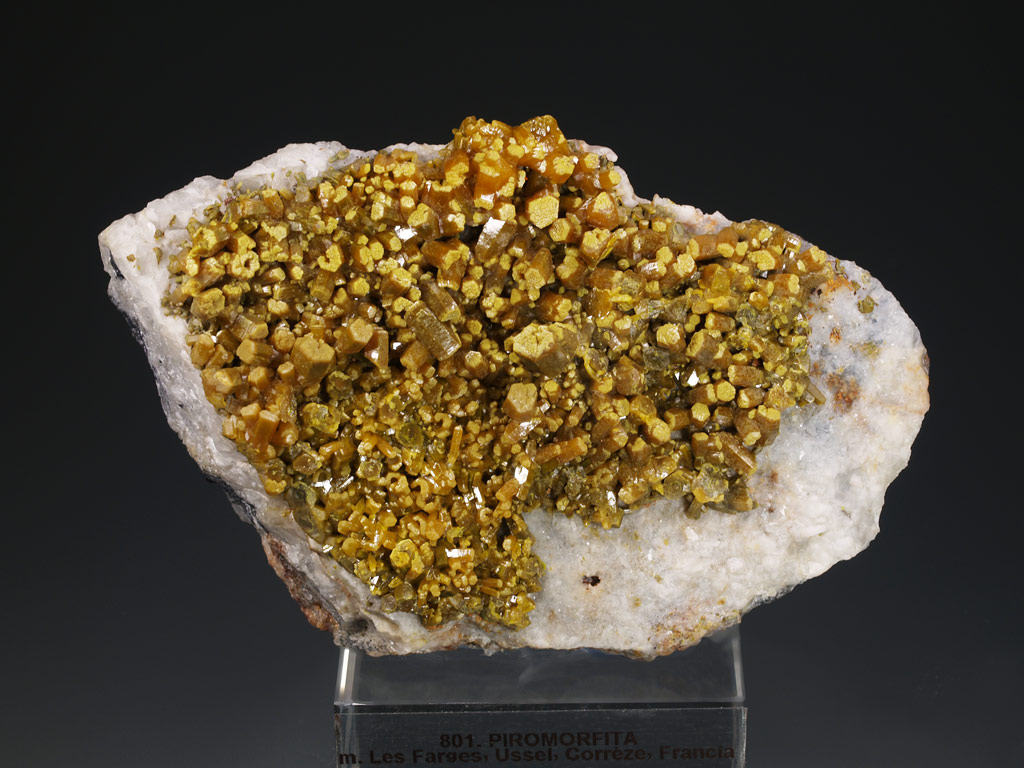
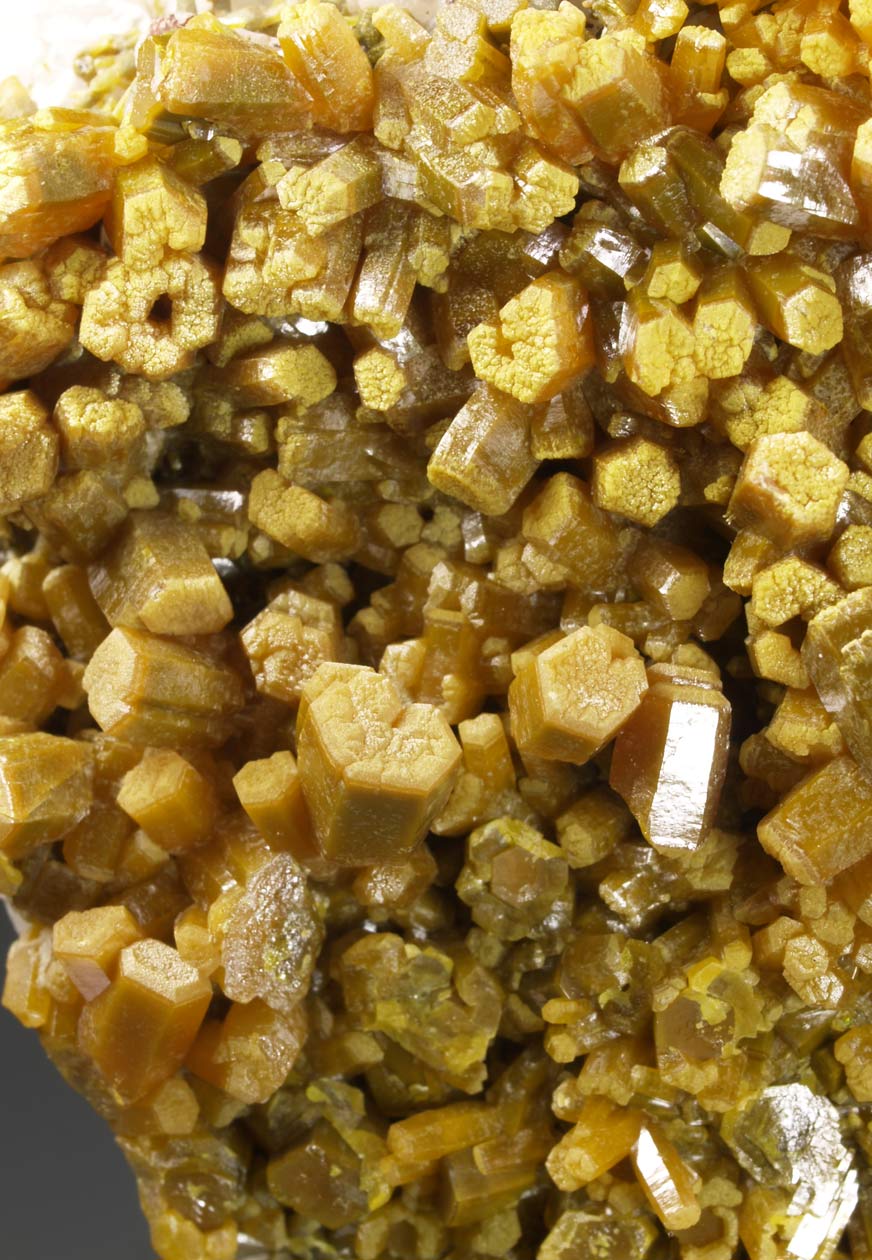
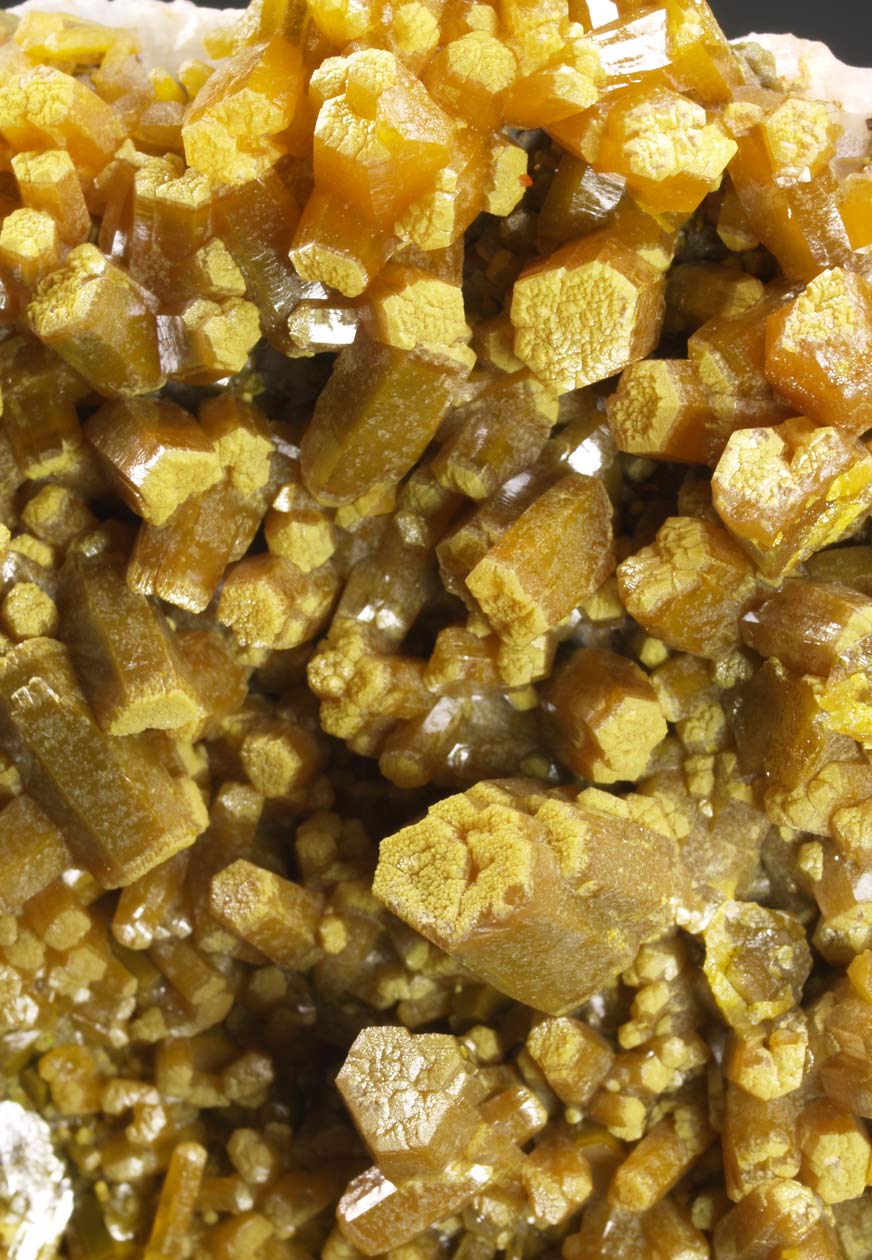
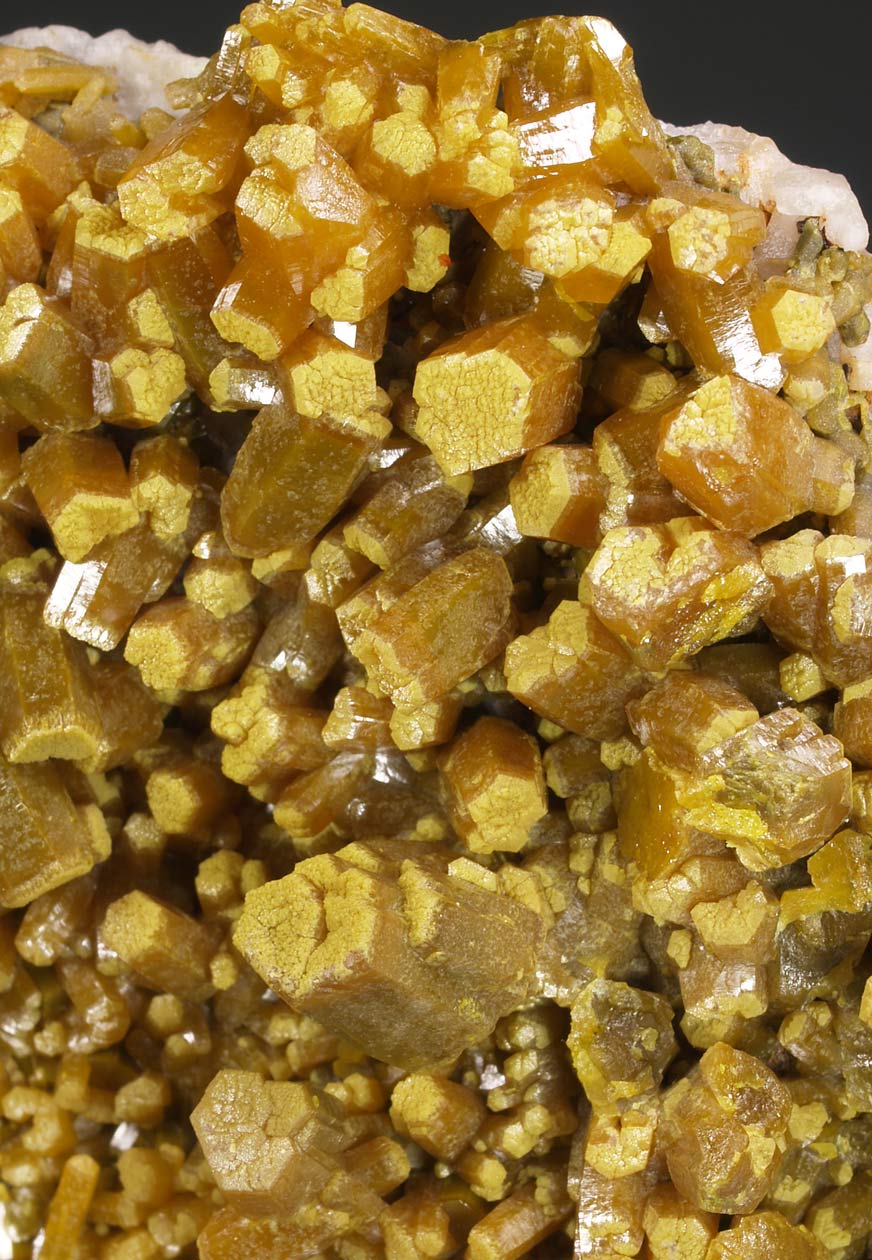
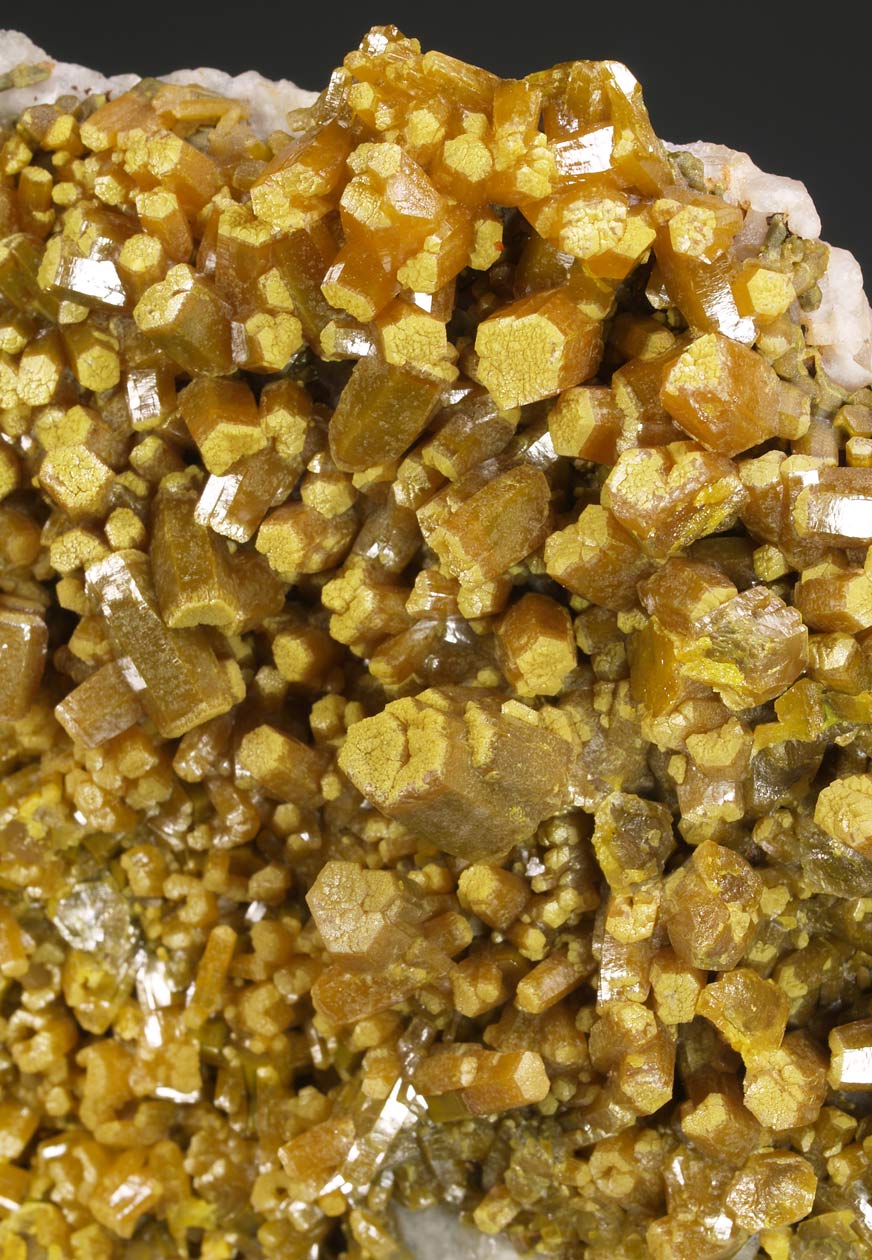
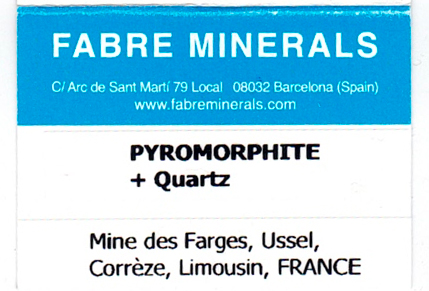
Amazing aggregate of prismatic pyromorphite crystals on a baryte matrix. Many of the crystals are doubly terminated and have a good size. They shows slightly curved faces and edges, are a very brilliant olive-green color on the prism with intense yellow tips. On a baryte matrix with galena (not in quartz as the label indicates). This shape is highly appreciated by collectors. This classic French specimen was purchased by a collector to Fabre Minerals.

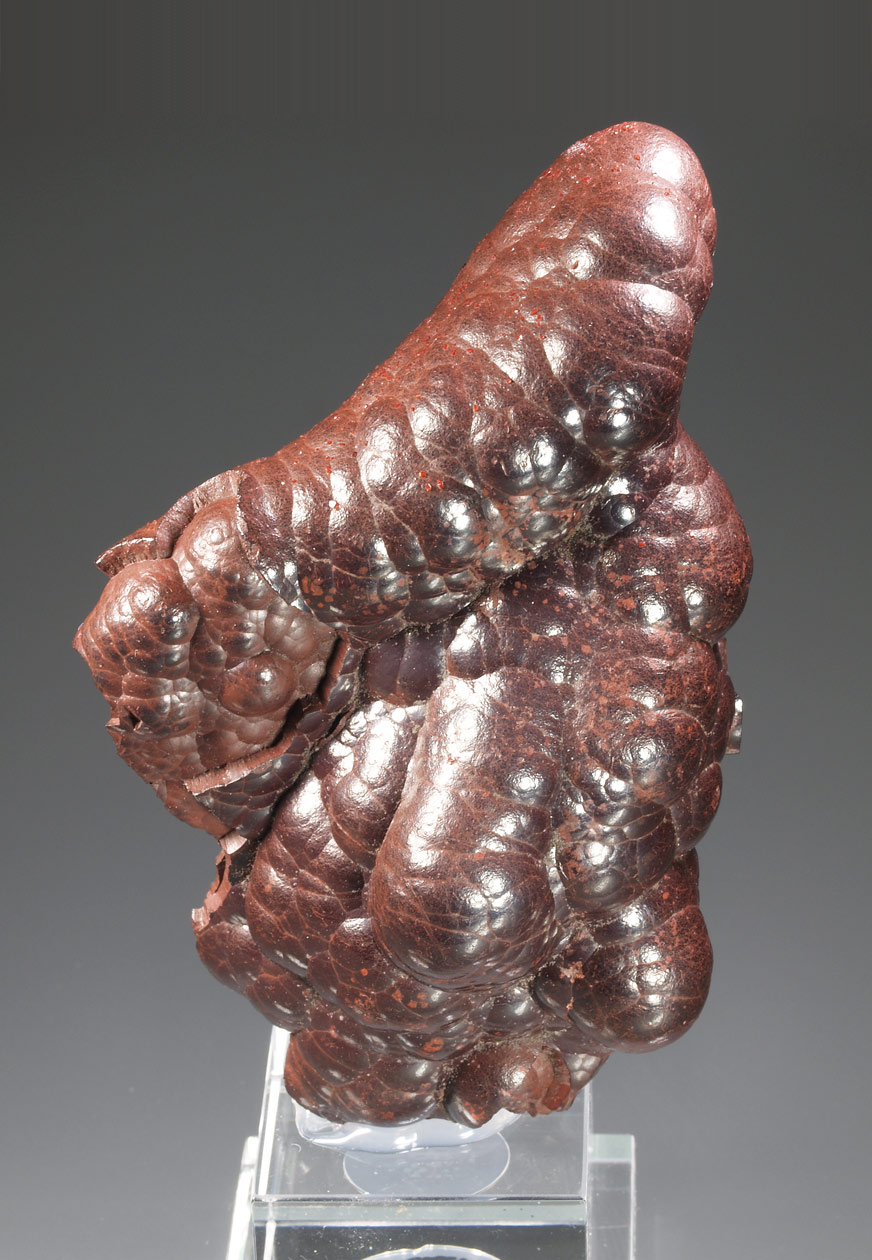
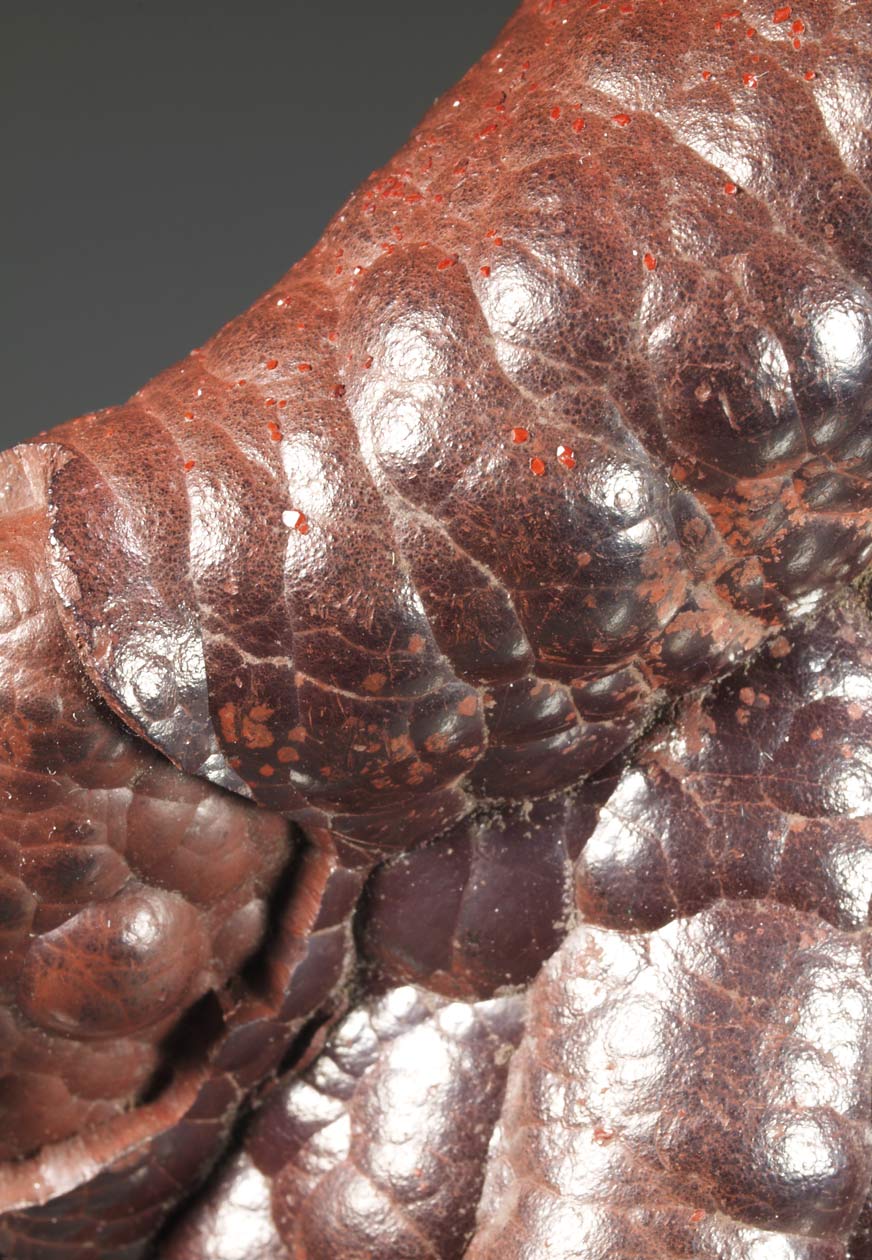
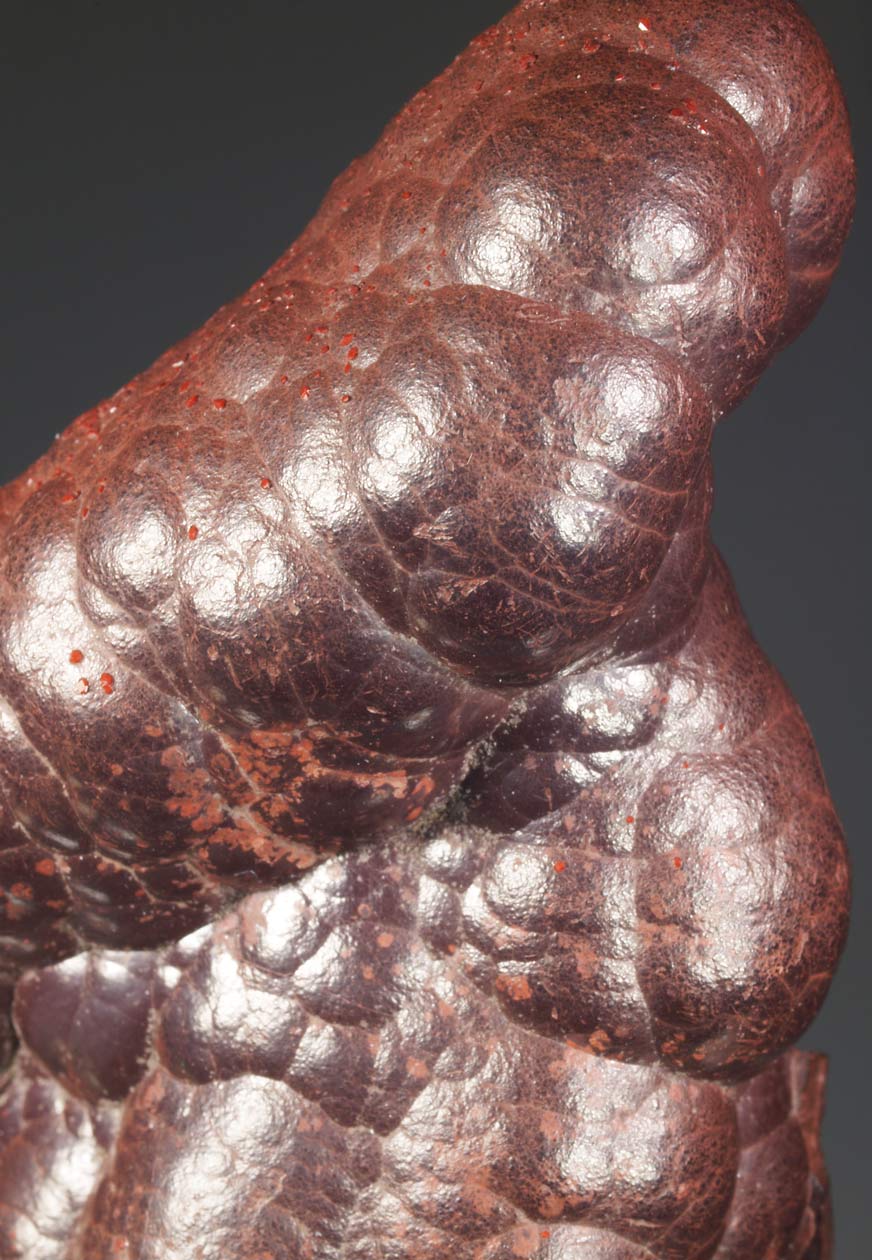
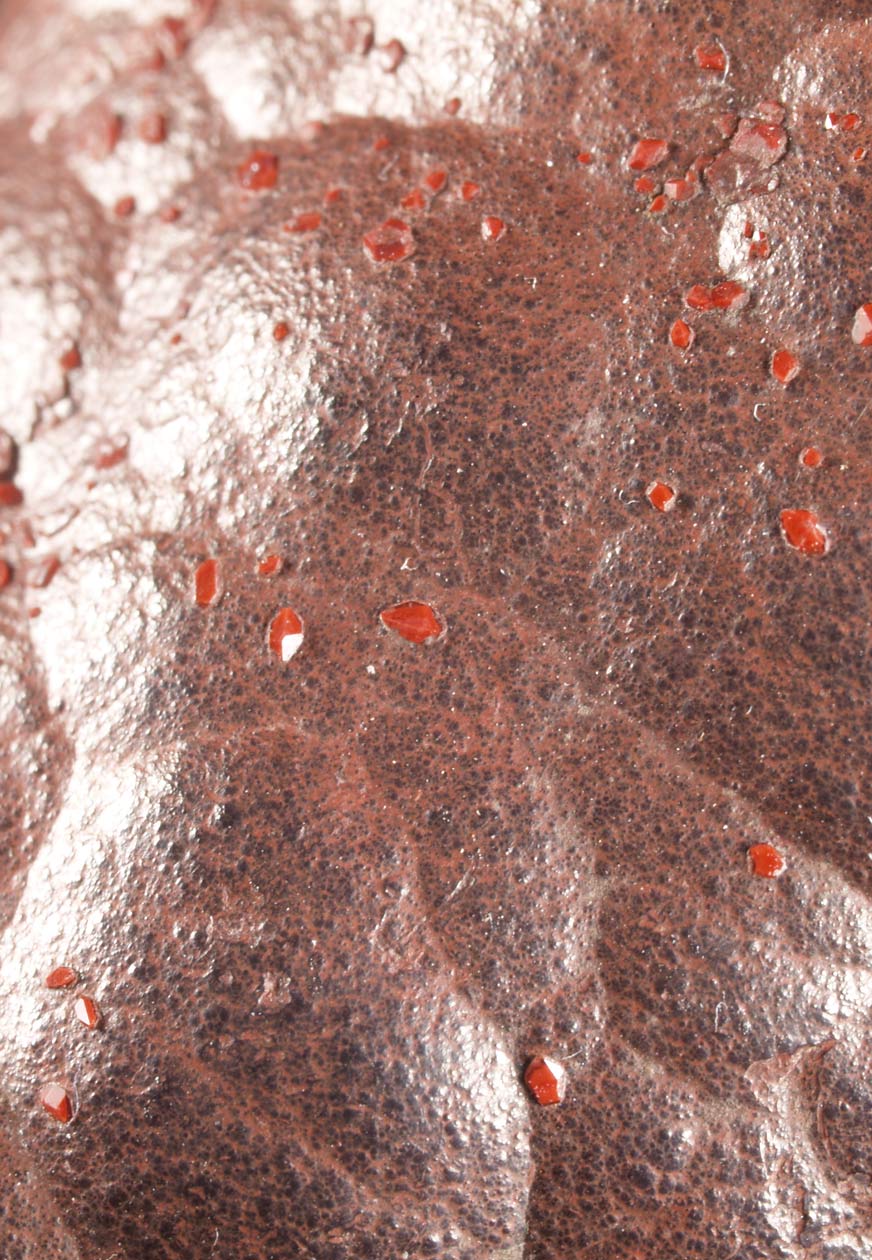
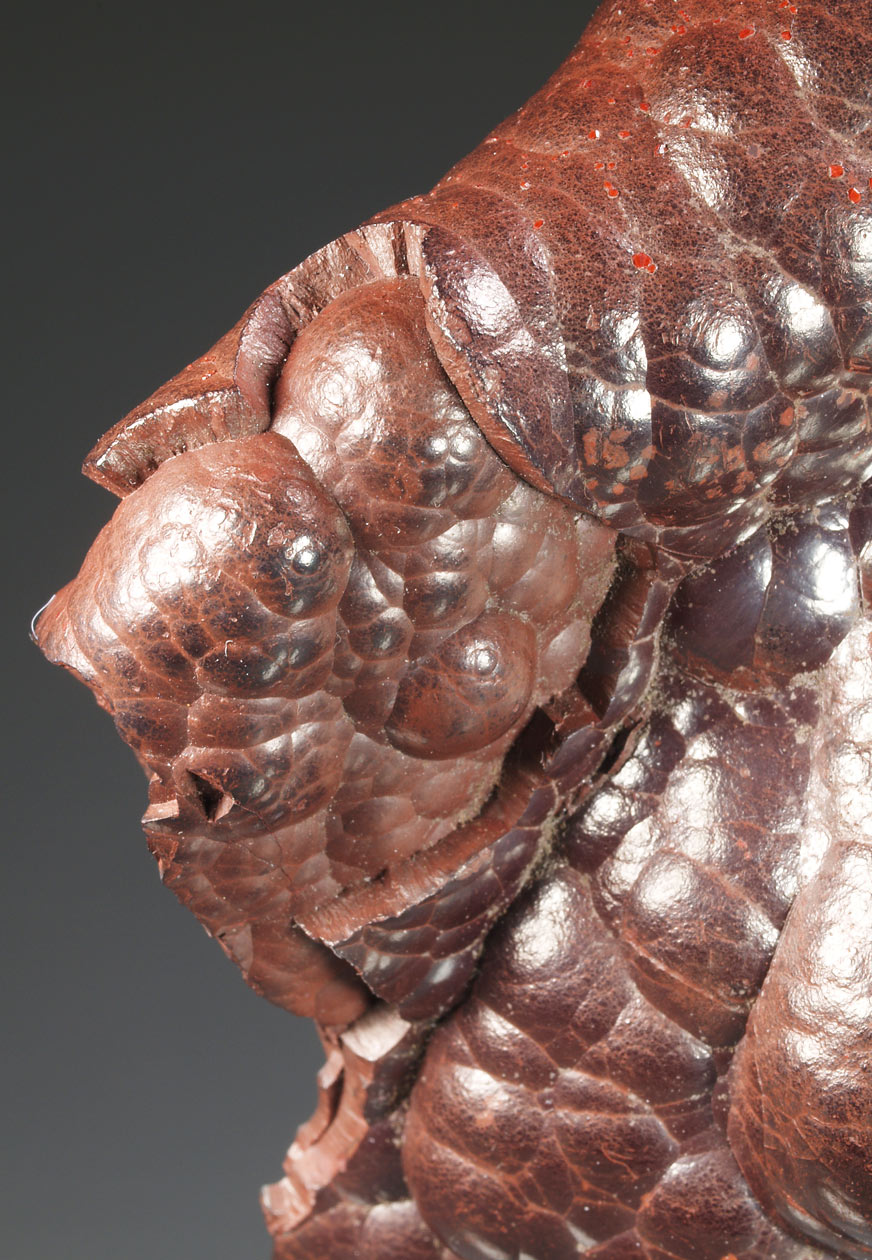
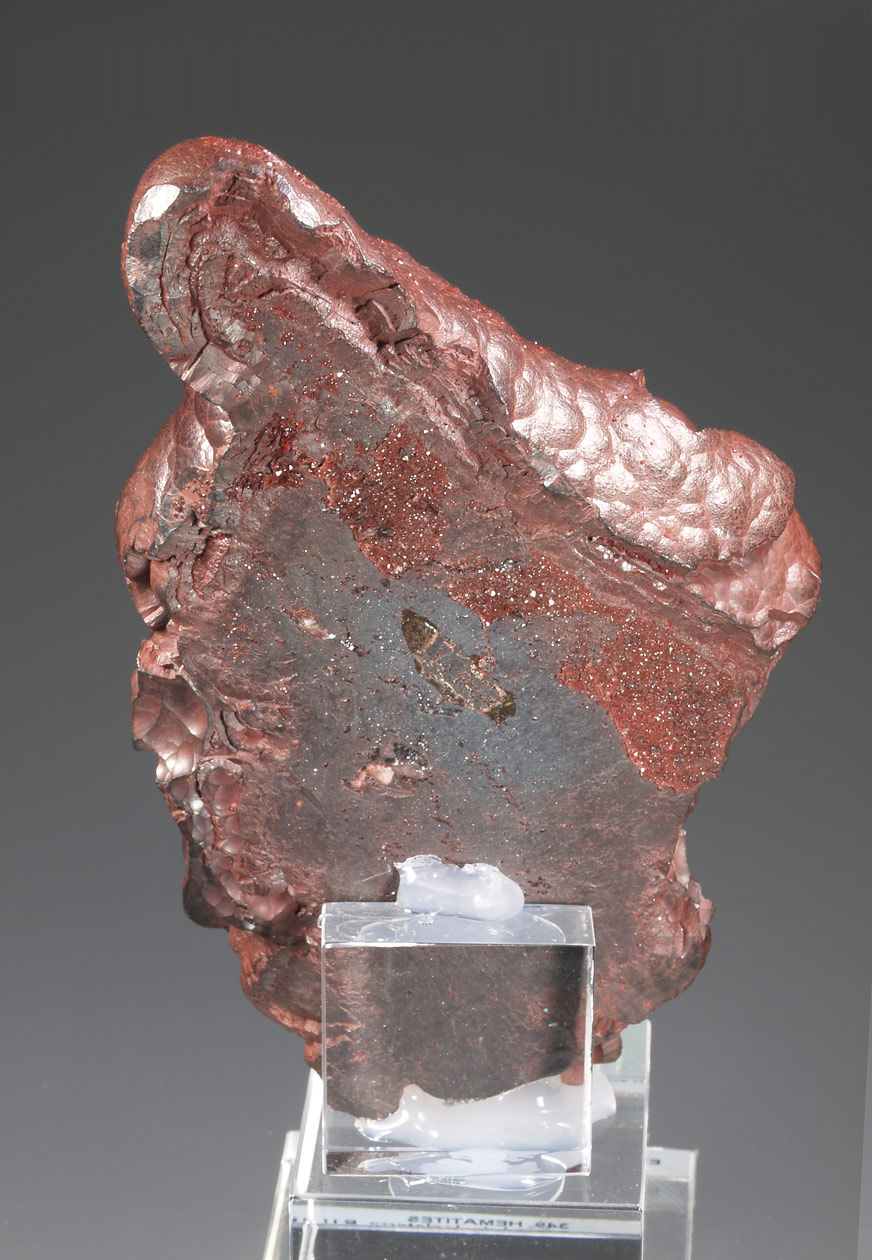
Classic and colorful large "kidney ore" hematite from this well-known iron mine in Cumbria, in the United Kingdom. Very brilliant brick-red to milky-chocolate (sic) botryoidal aggregates that make up this sculptural specimen. Dotted with small hematoid quartz crystals. An old classic that must belong from the late 19th till mid 20th century, but certainly not found in recent decades.
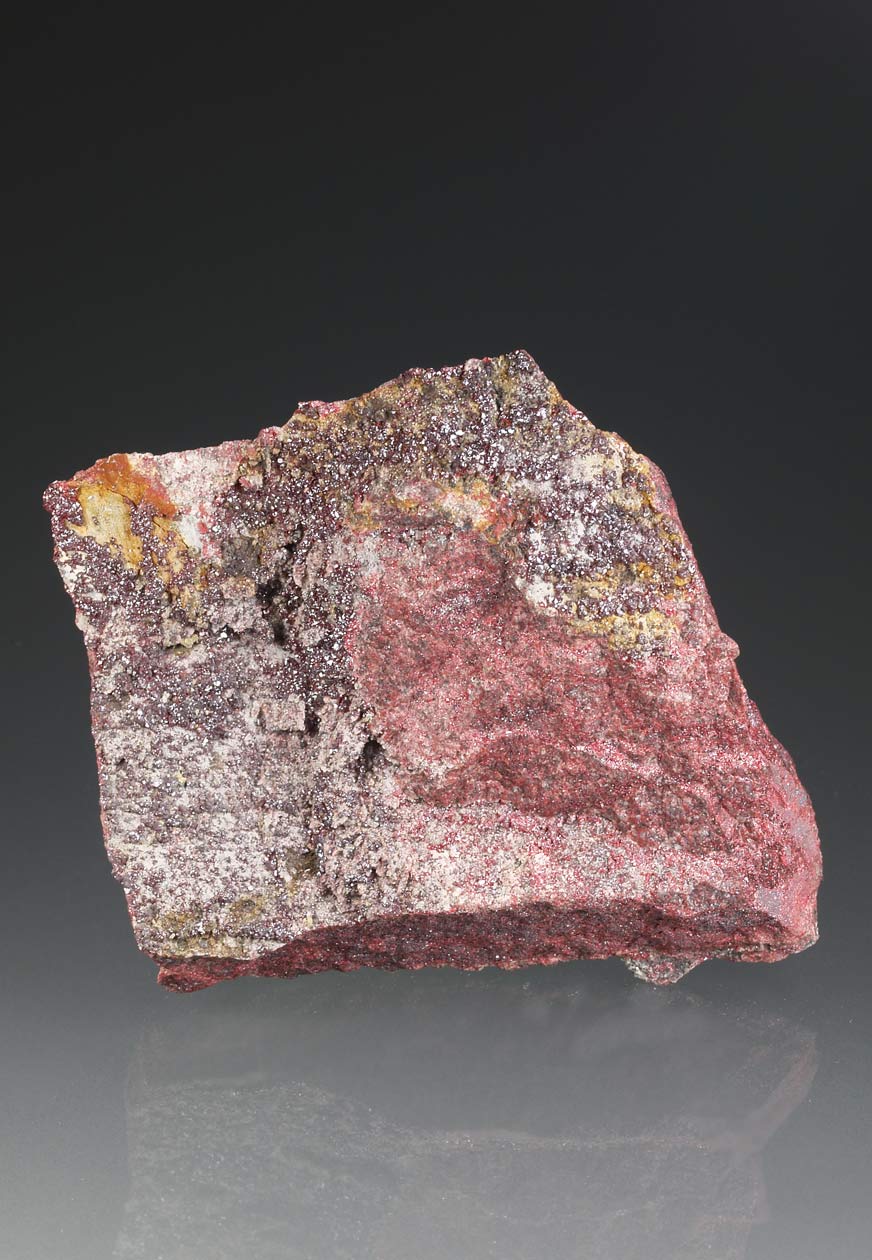
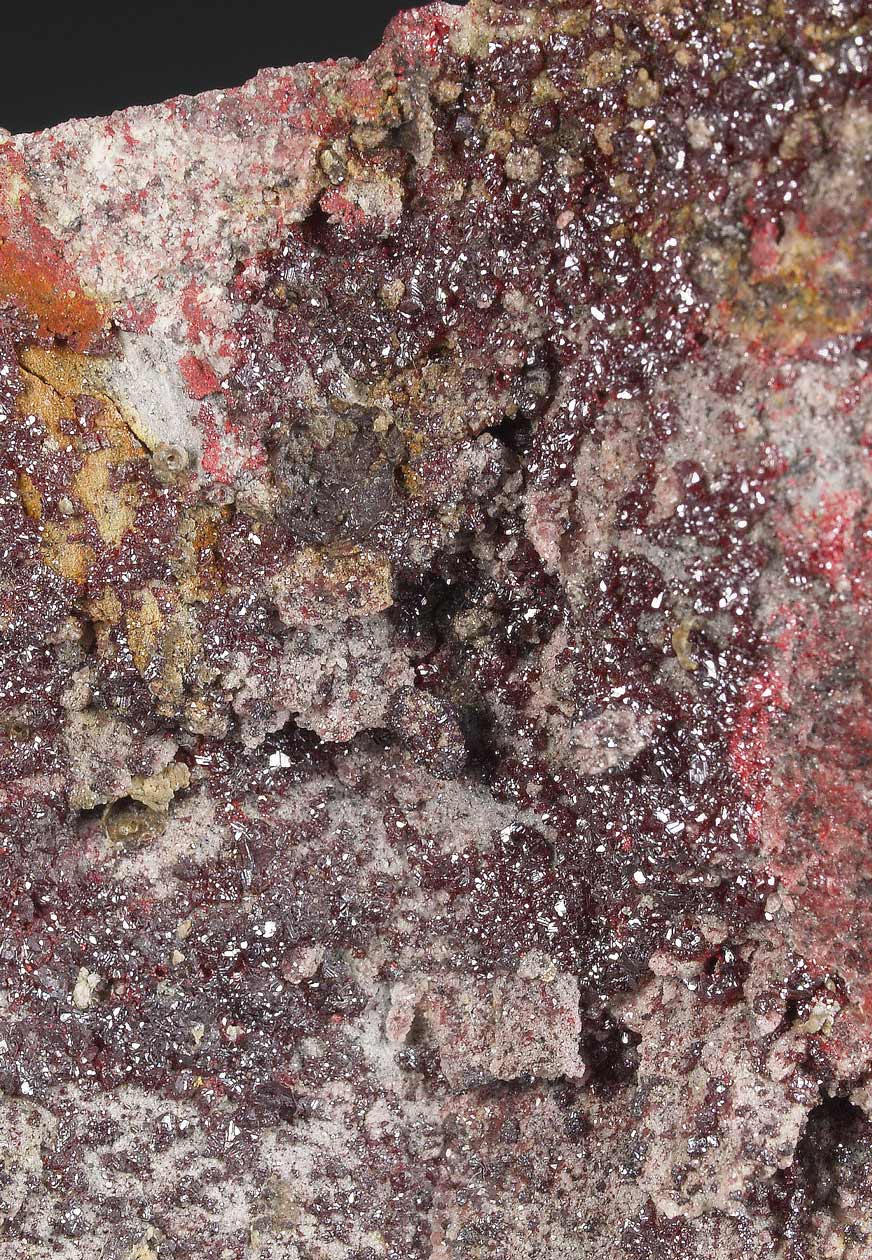
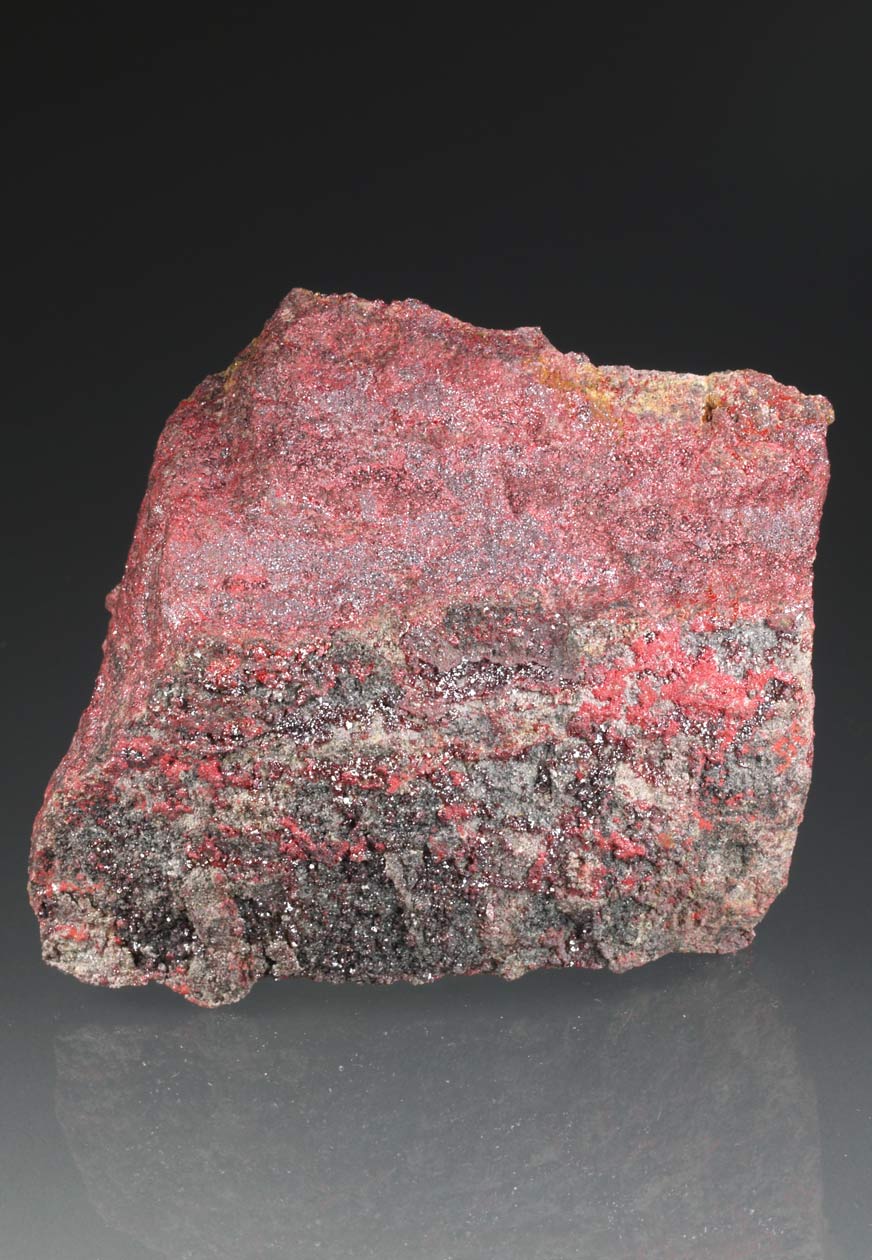
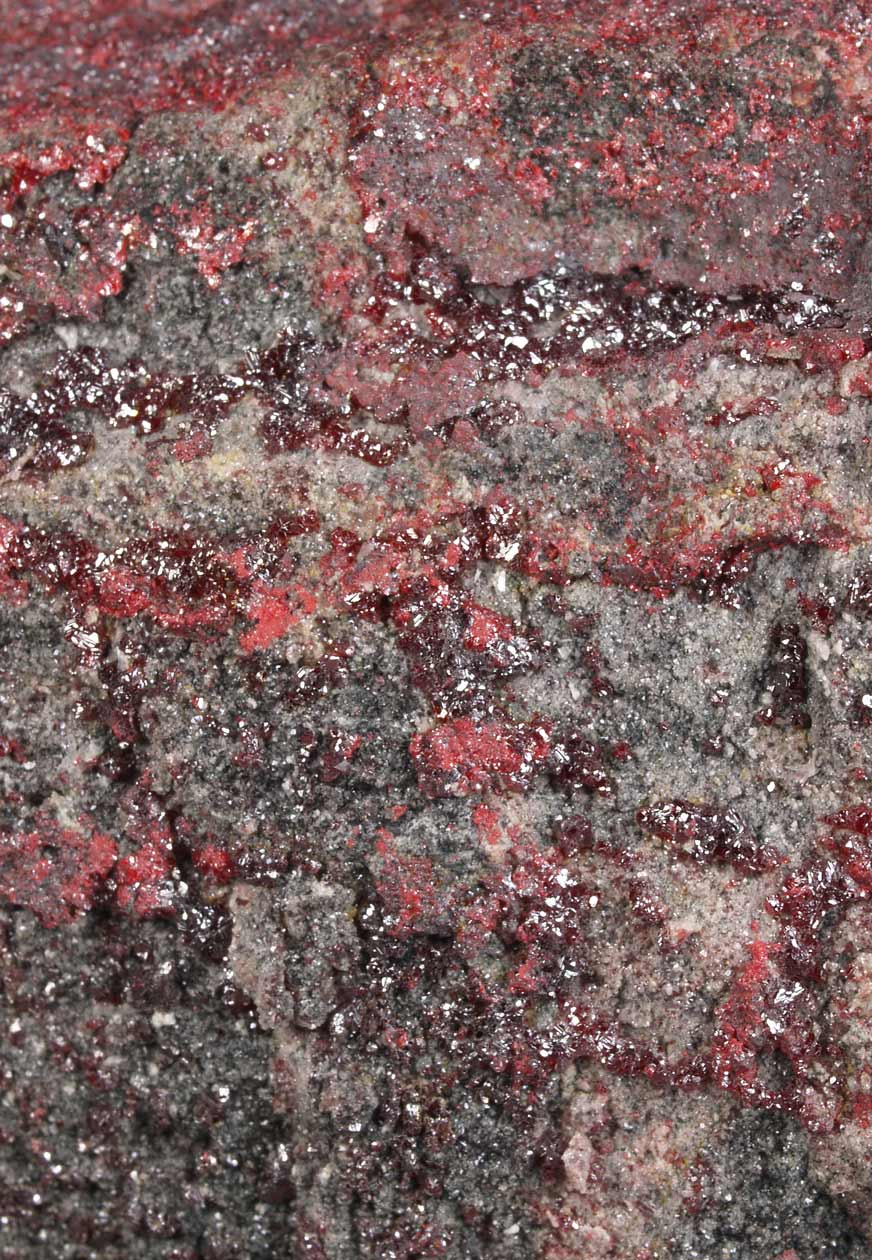
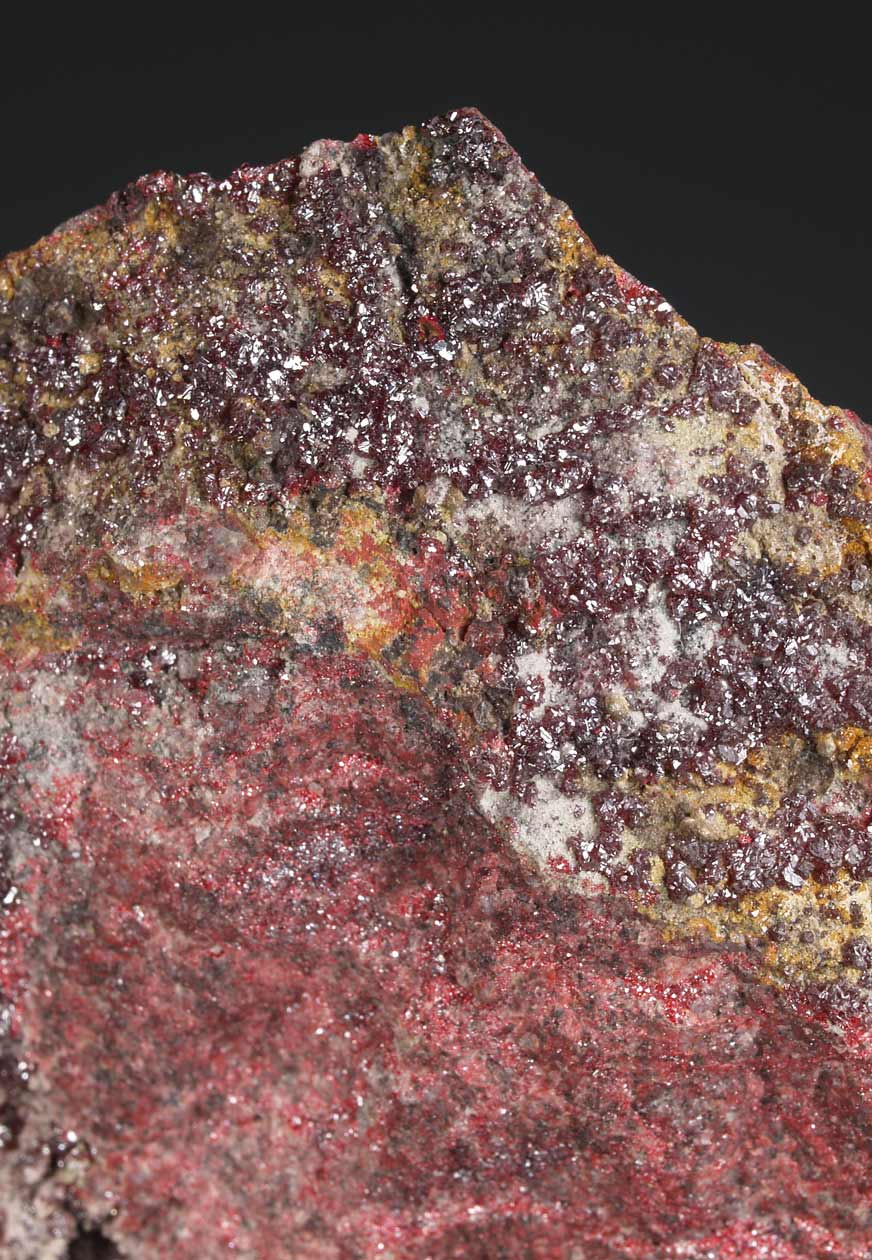
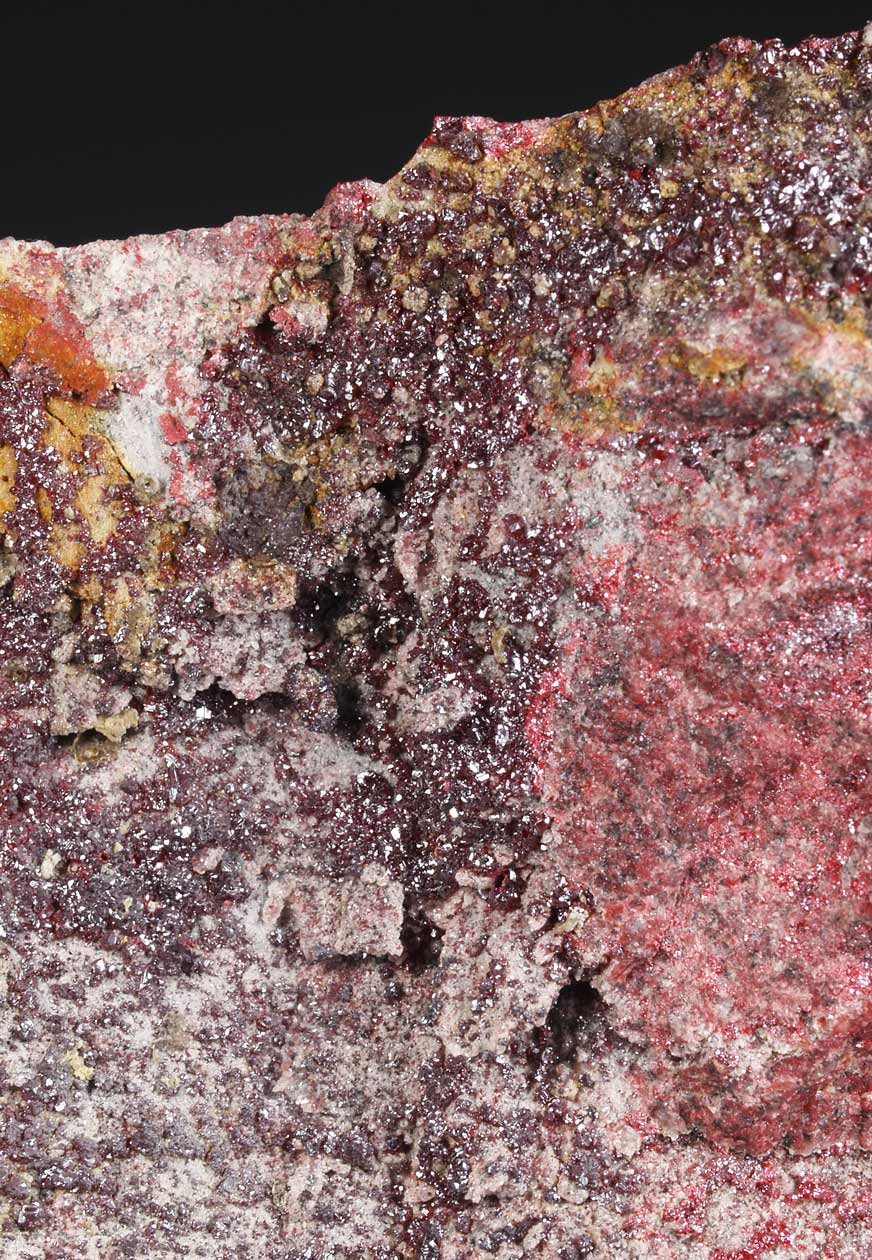
Very rich specimen in small cinnabar crystals, well defined, intense color, shiny and transparent to translucent. Under the magnifying glass it is spectacular. Both sides are mineralized. It is accompanied by dolomite and quartz.
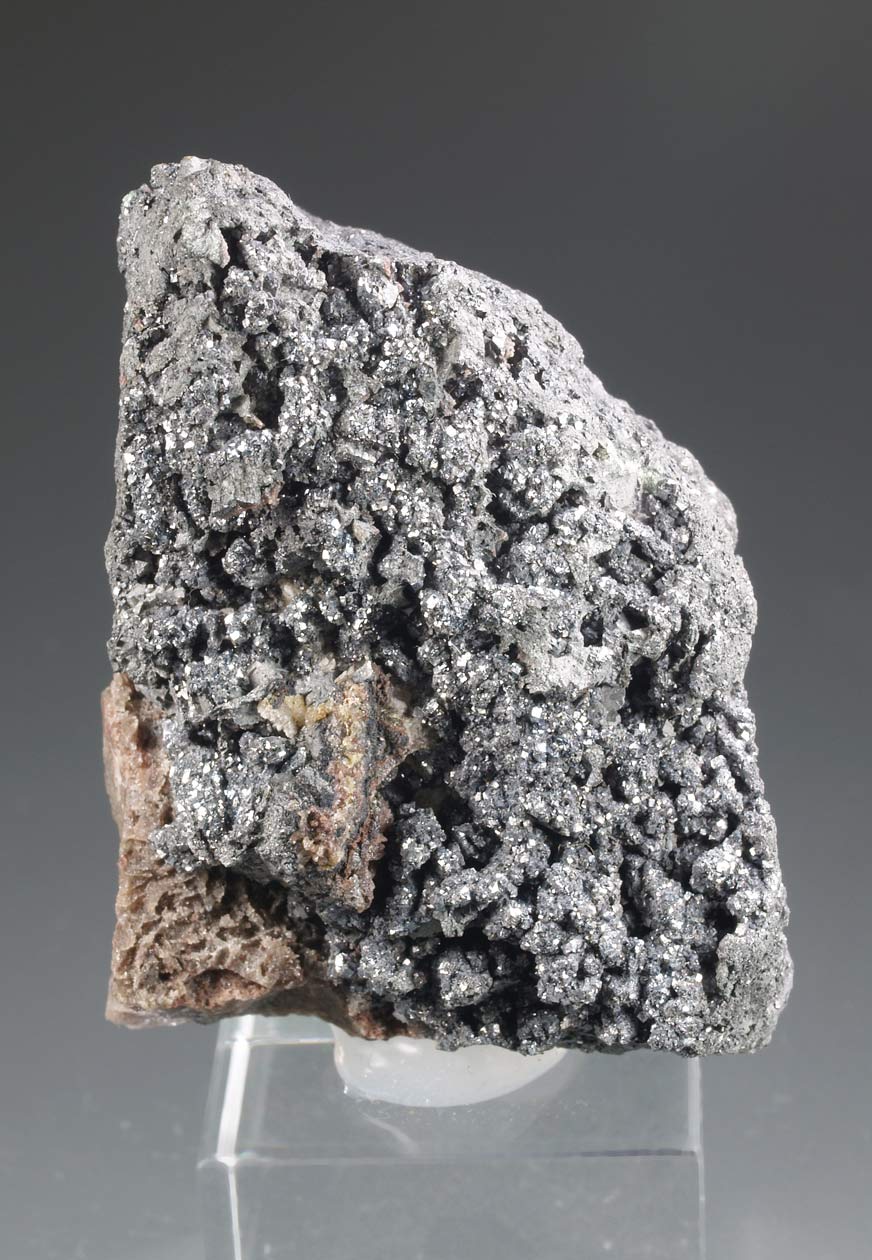
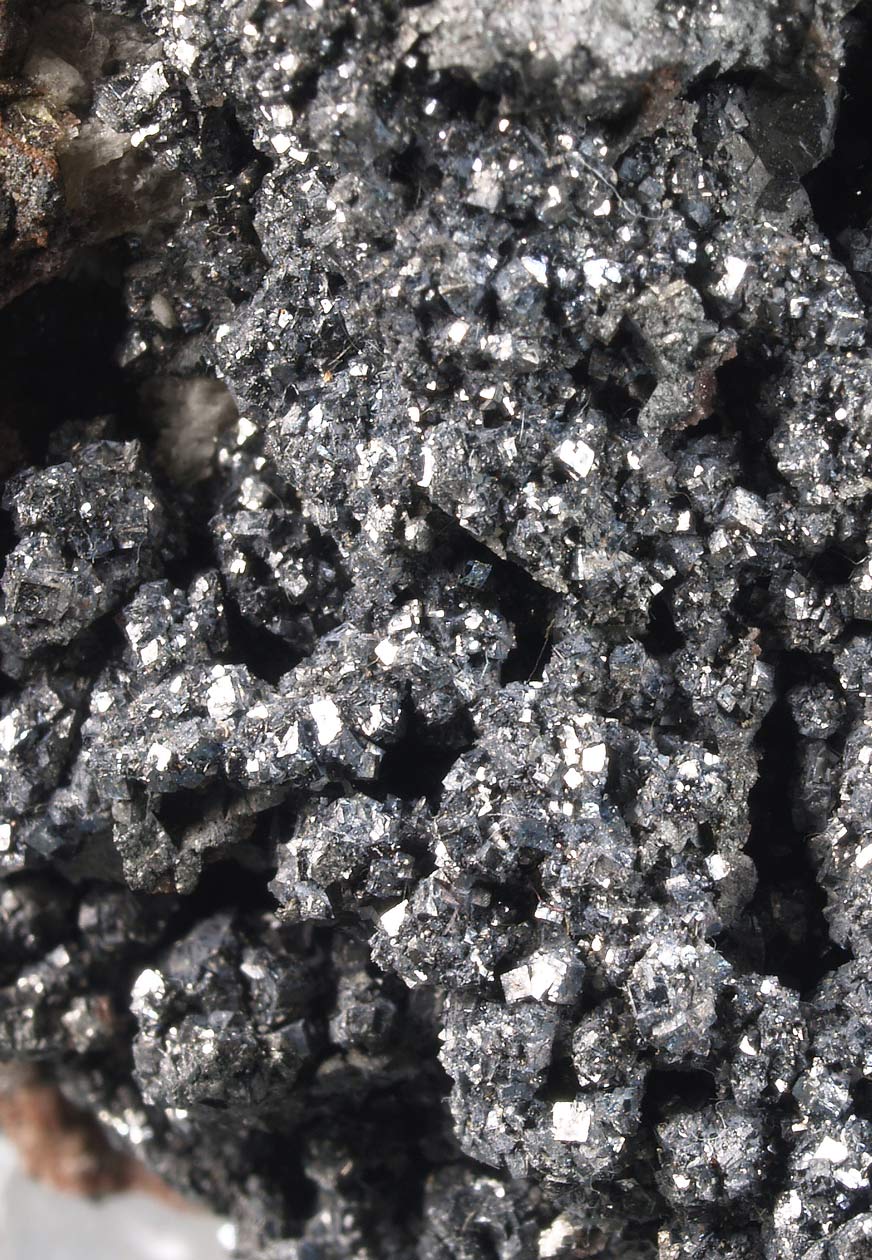
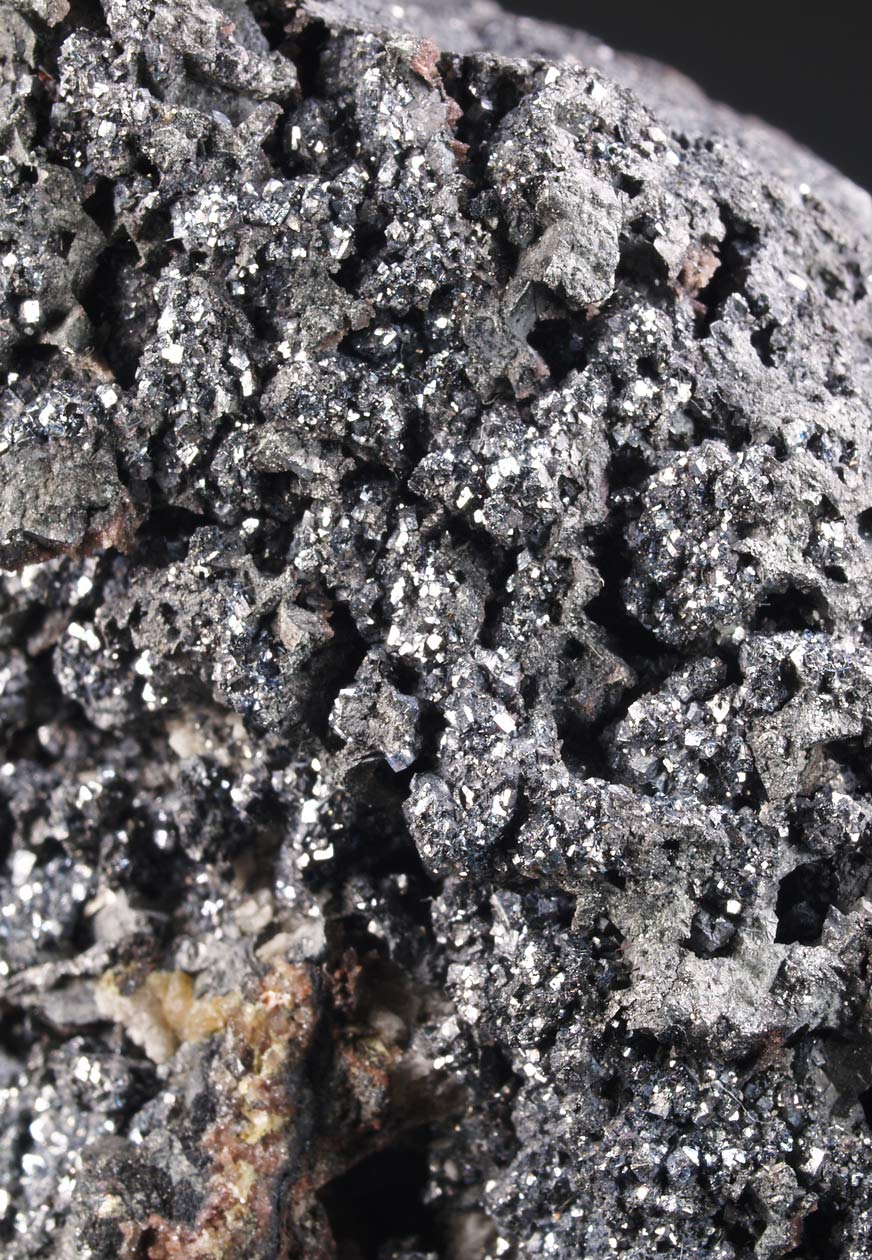
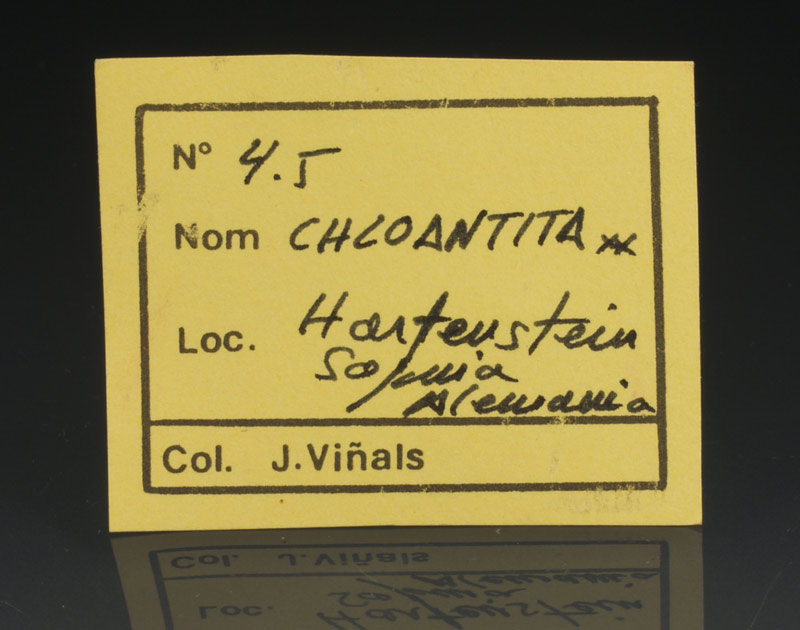
Old specimen that shows numerous aggregates of nickelskutterudite crystals, formerly called chloantite. Bright globular aggregates stand out against the metallic matrix. It is accompanied by the handwritten label of Joan Viñals and comes from the Nicolau collection (Barcelona).
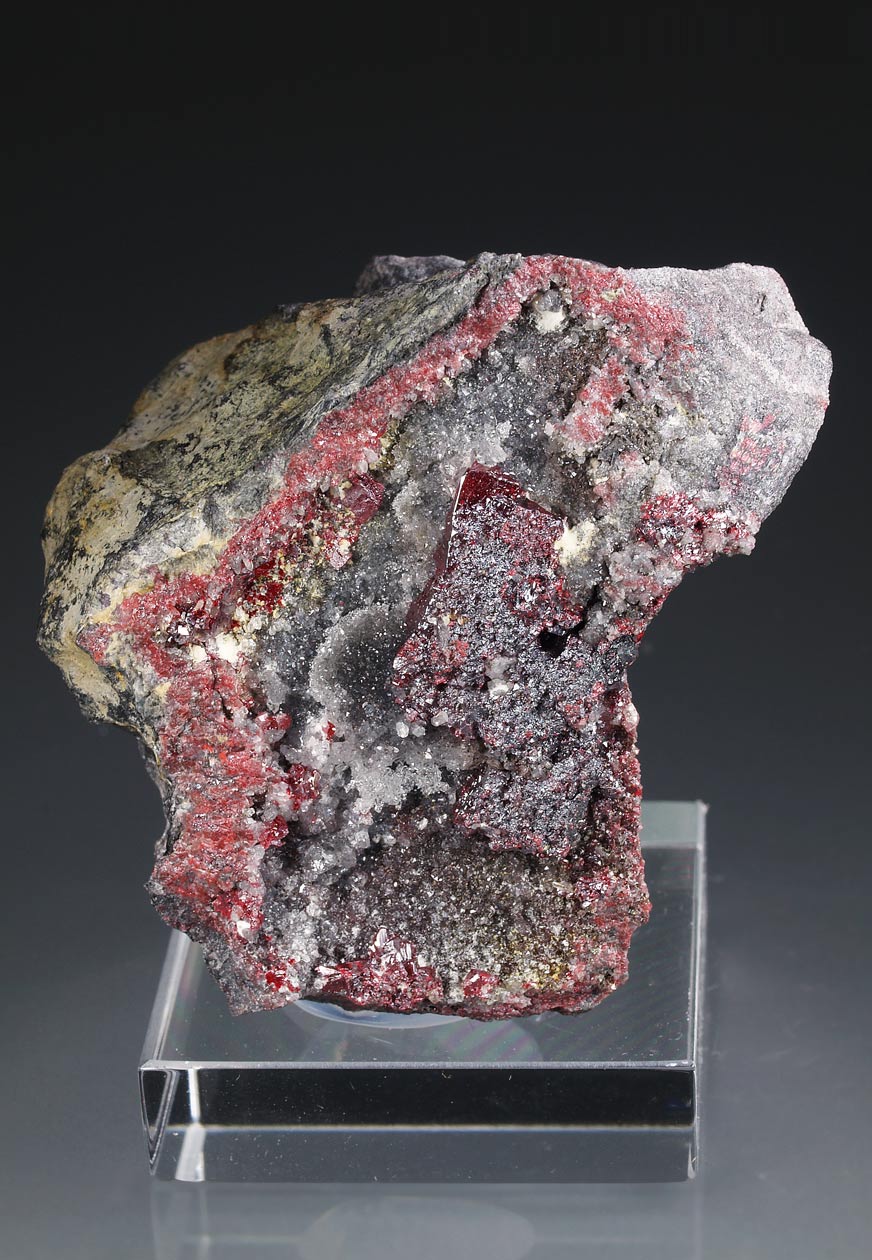
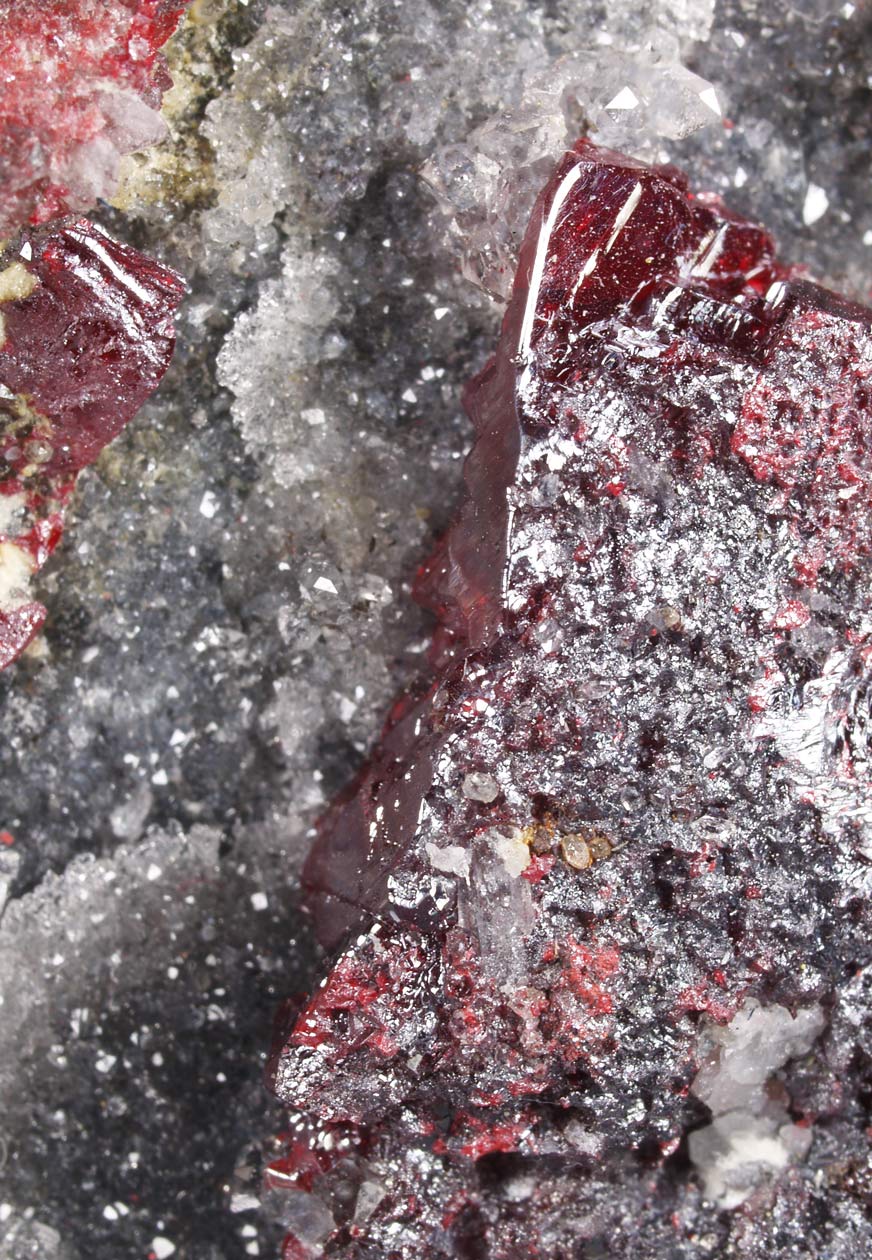
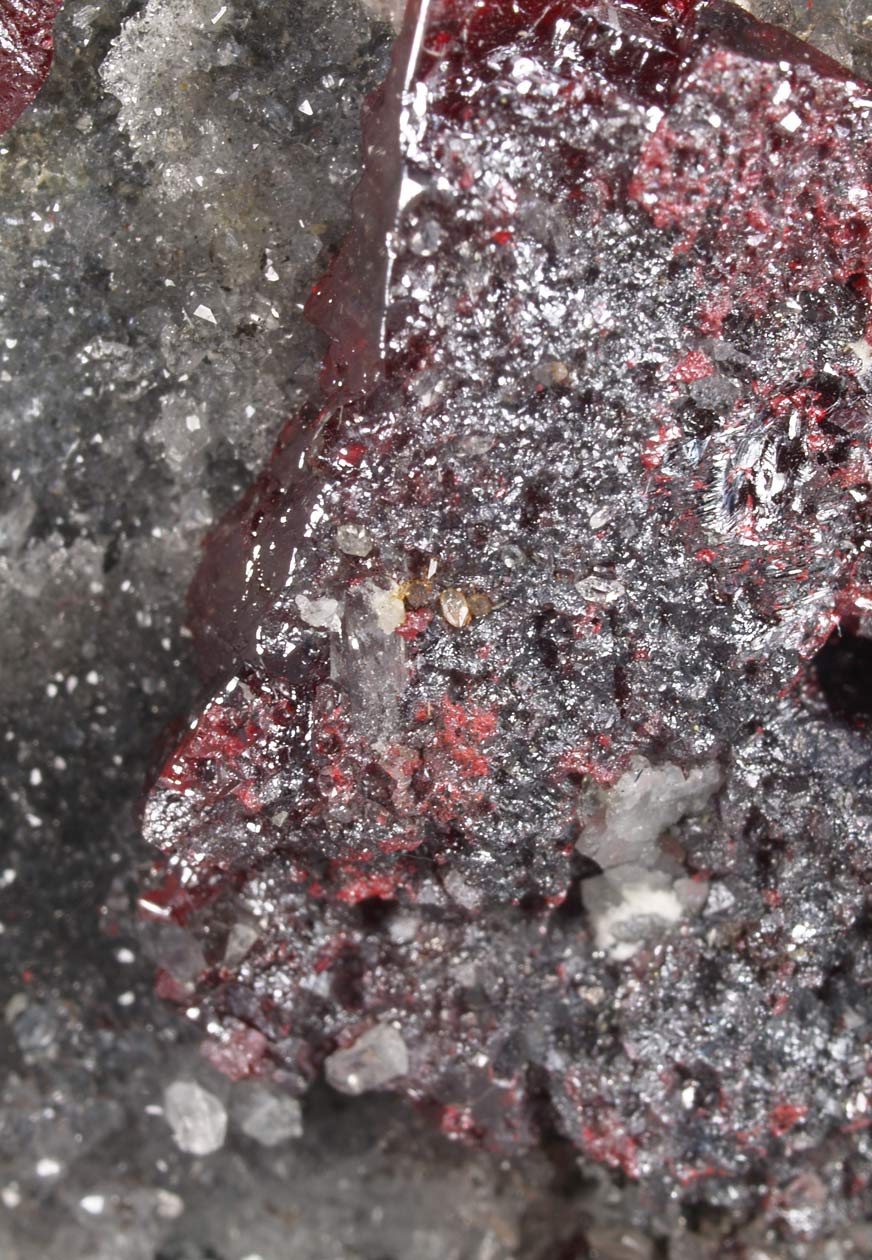
On the compact quartzite there is a druse of small hyaline quartz crystals, on which various cinnabar crystals have grown. As they are fissure crystals, the largest ones appear flattened, but shiny and with red transparencies. With small drops of liquid mercury.
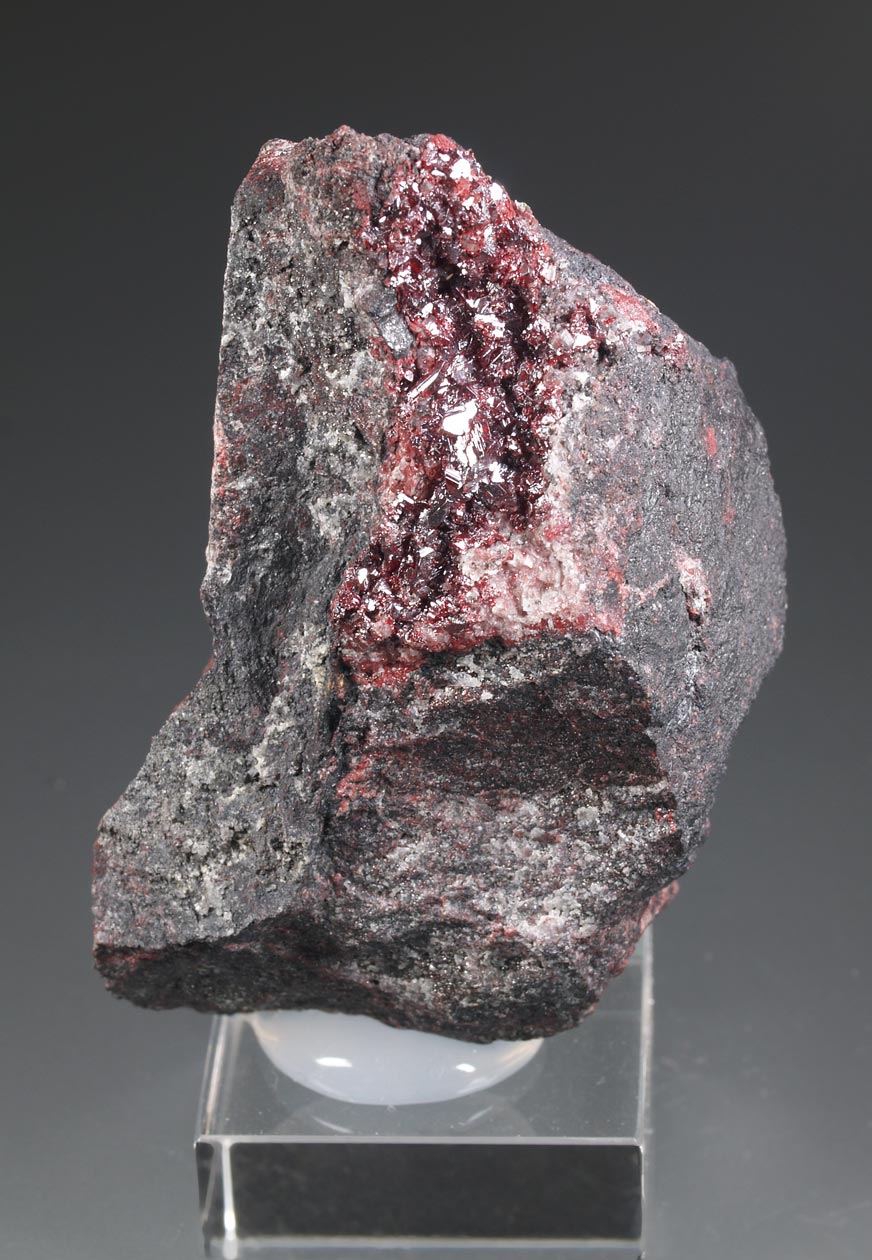
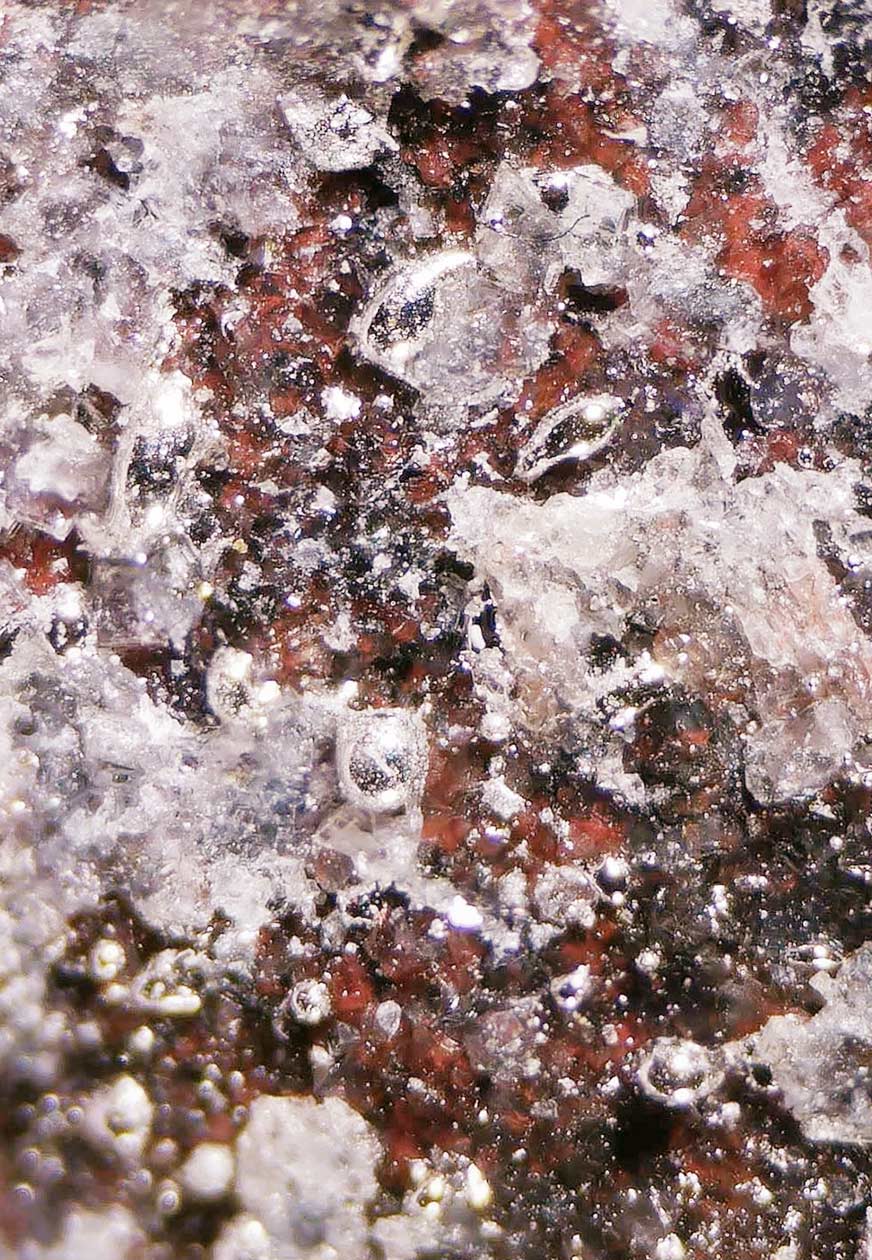
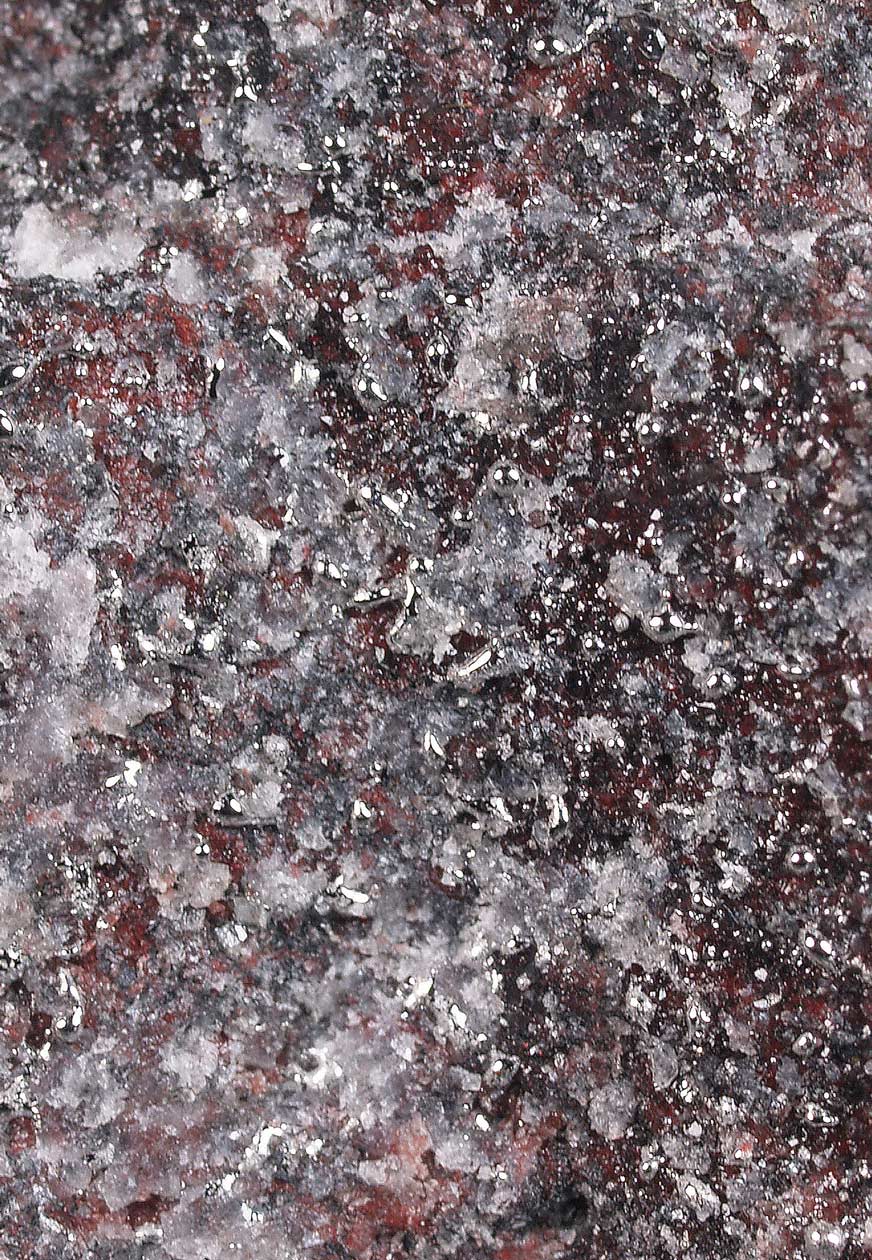
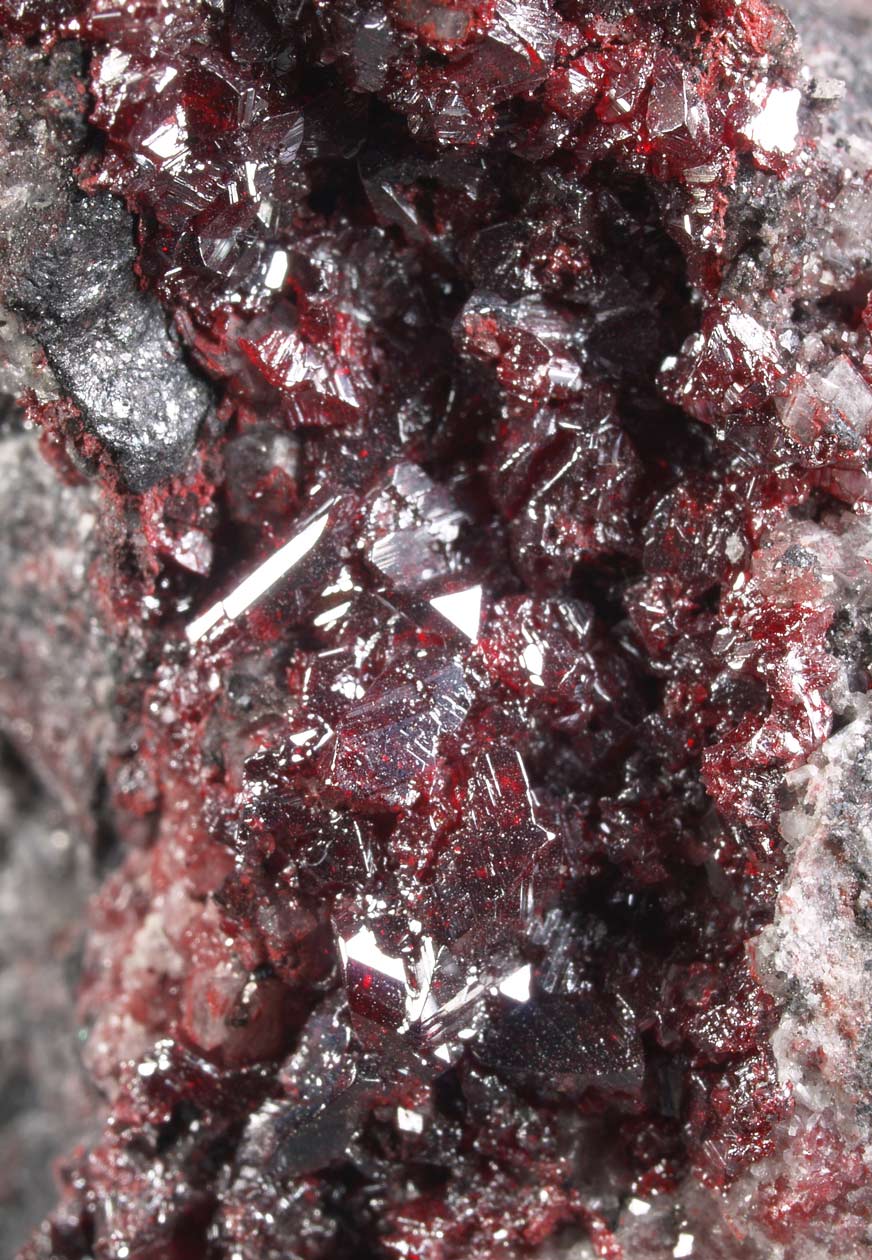
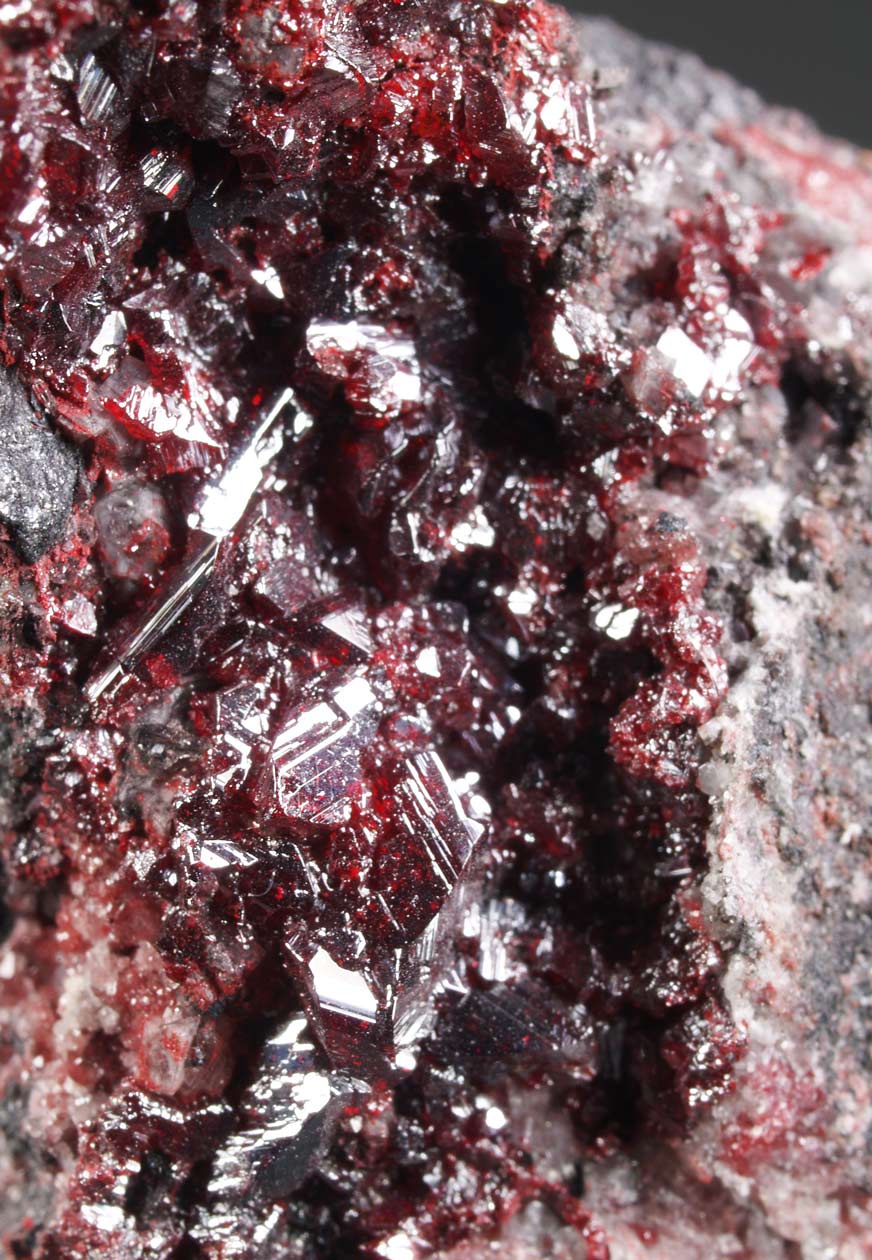
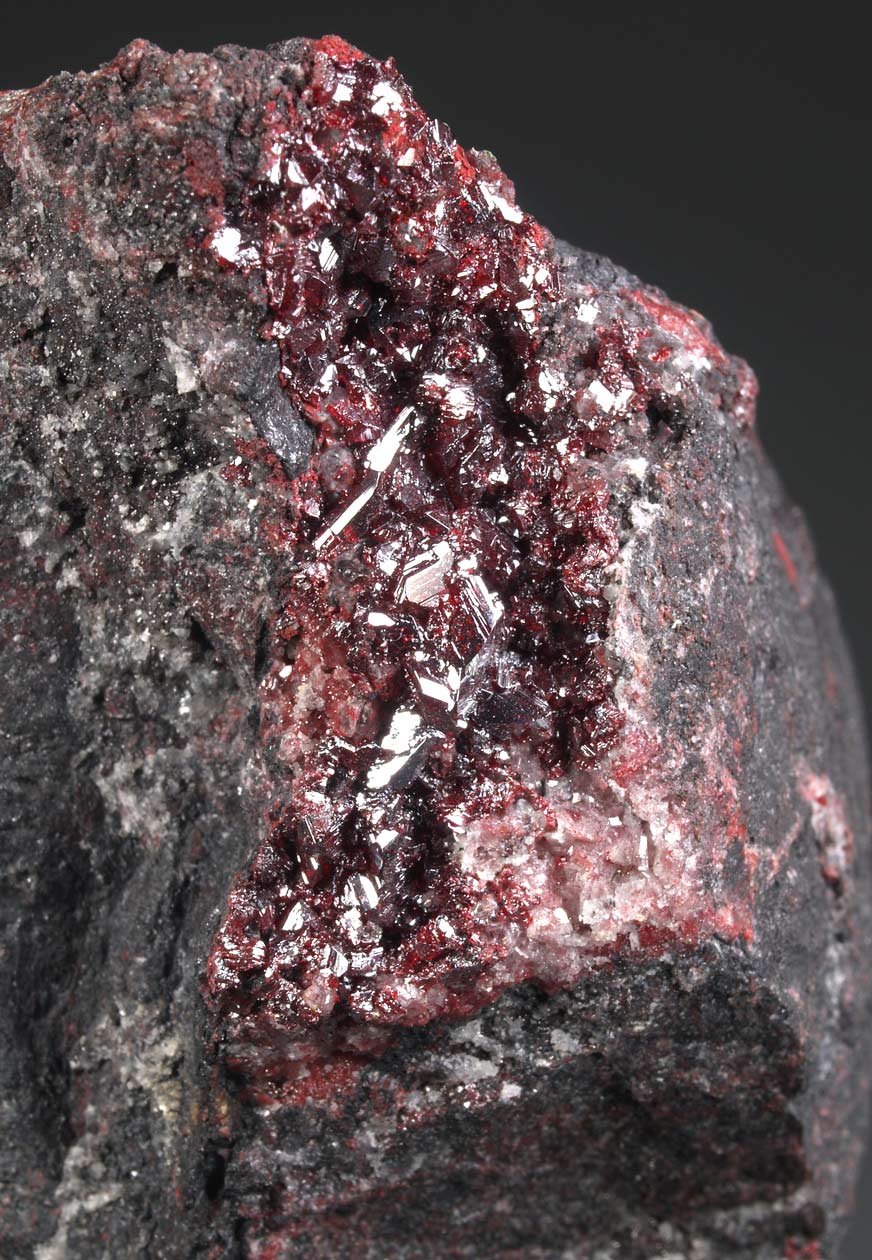
Almadén cinnabar specimens are well appreciated worldwide. In this specimen we want to highlight the numerous drops of mercury that are deposited (without falling) on the cinnabar and the matrix rock. Also noteworthy are the numerous cinnabar crystals, transparent and defined, with a very intense vermilion color.
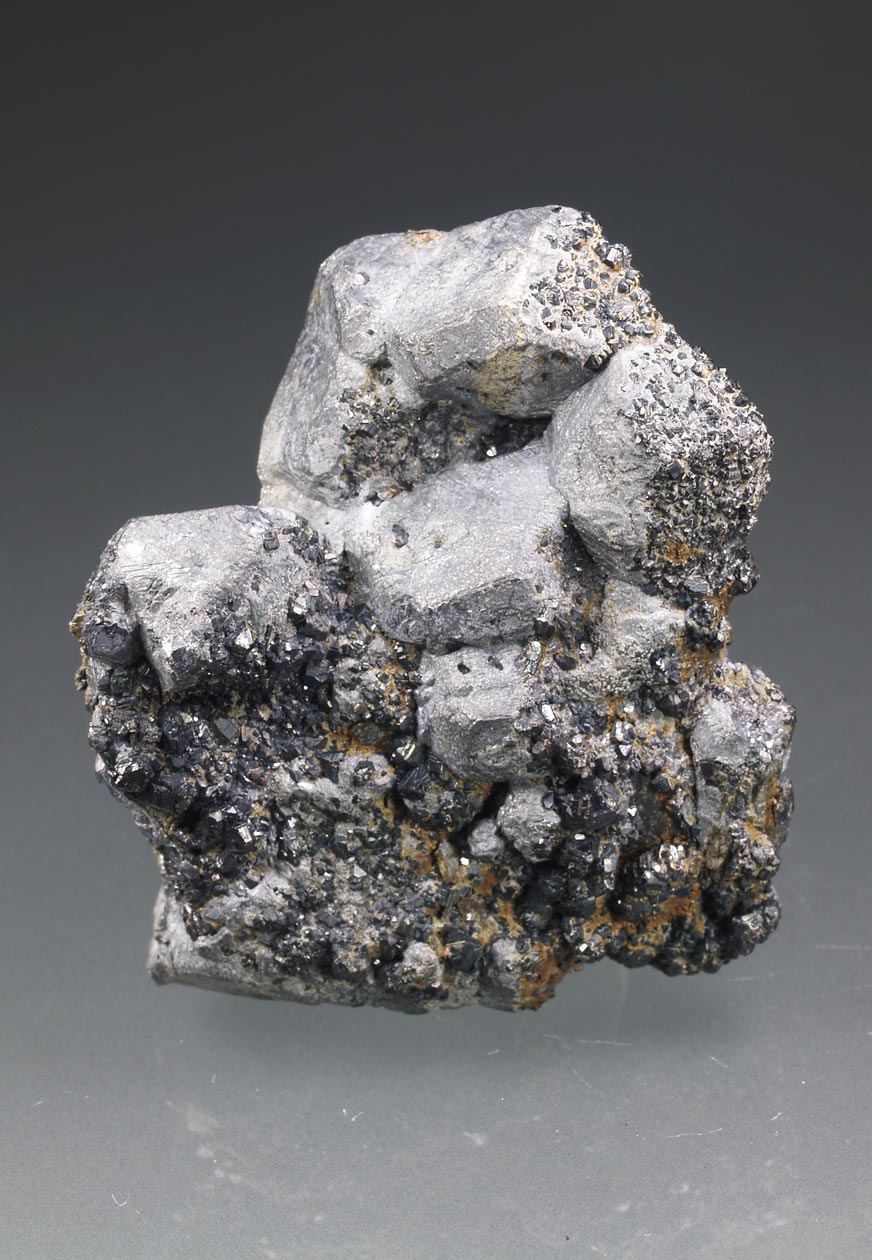
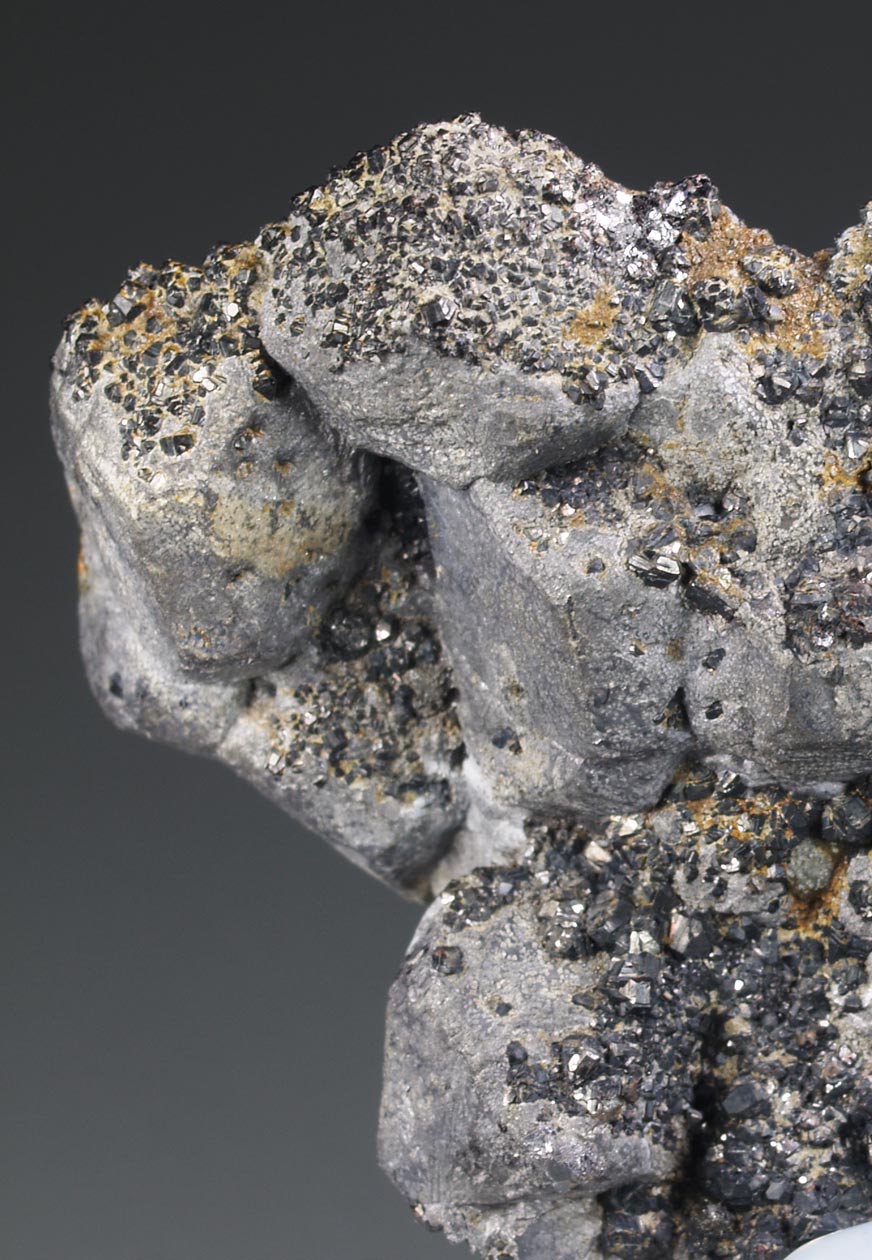
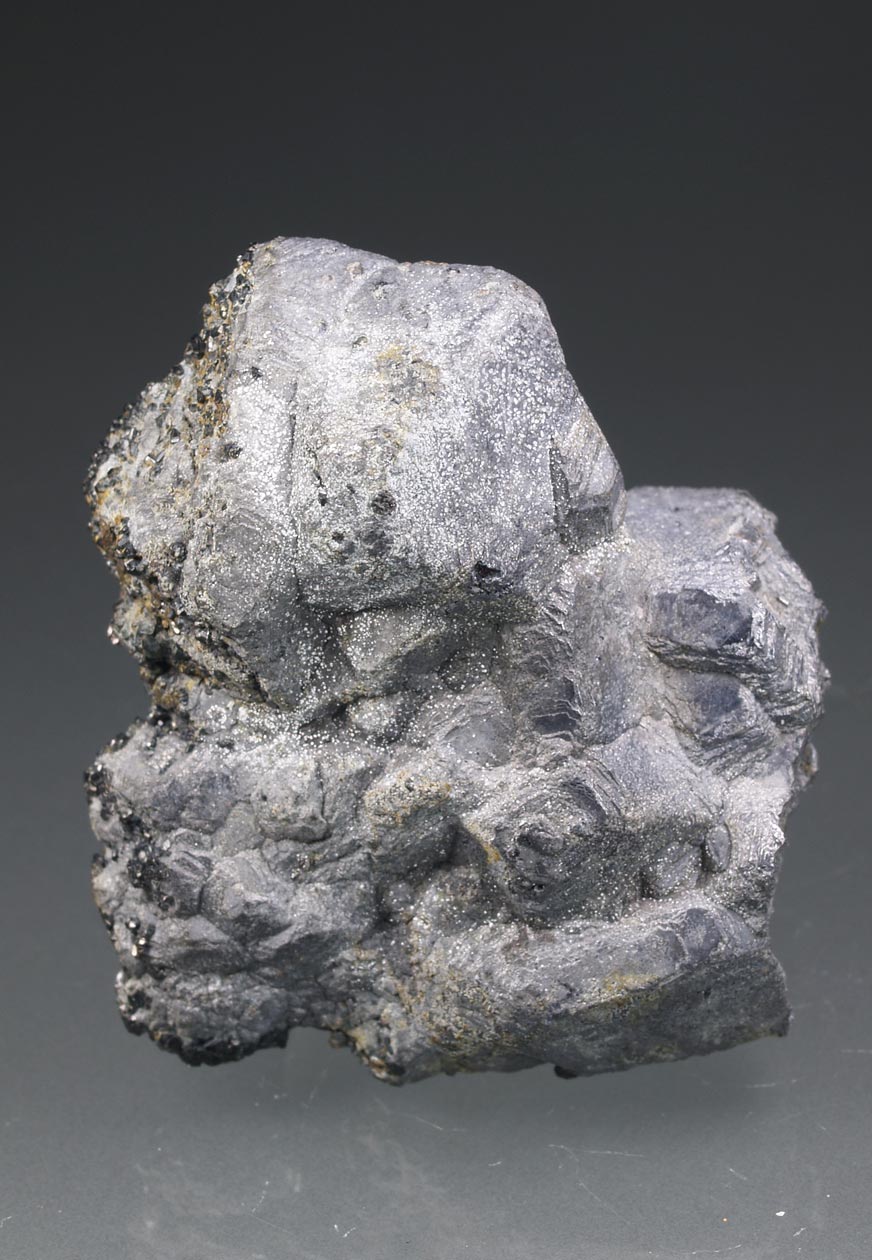
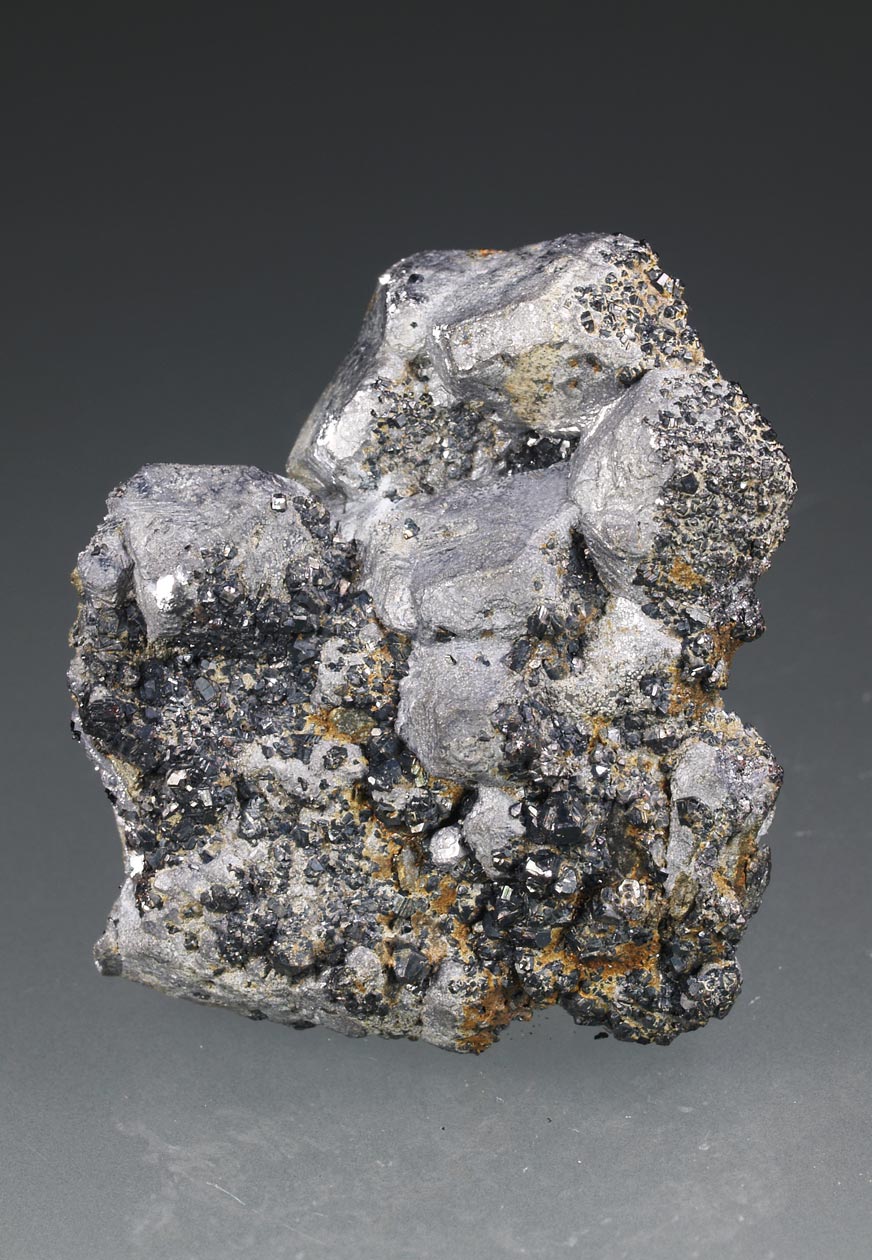
Group of galena crystals with very rounded cube-ocathedral shapes and dotted with numerous brilliant sphalerite crystals with hexagonal very rare shape. Very curious.
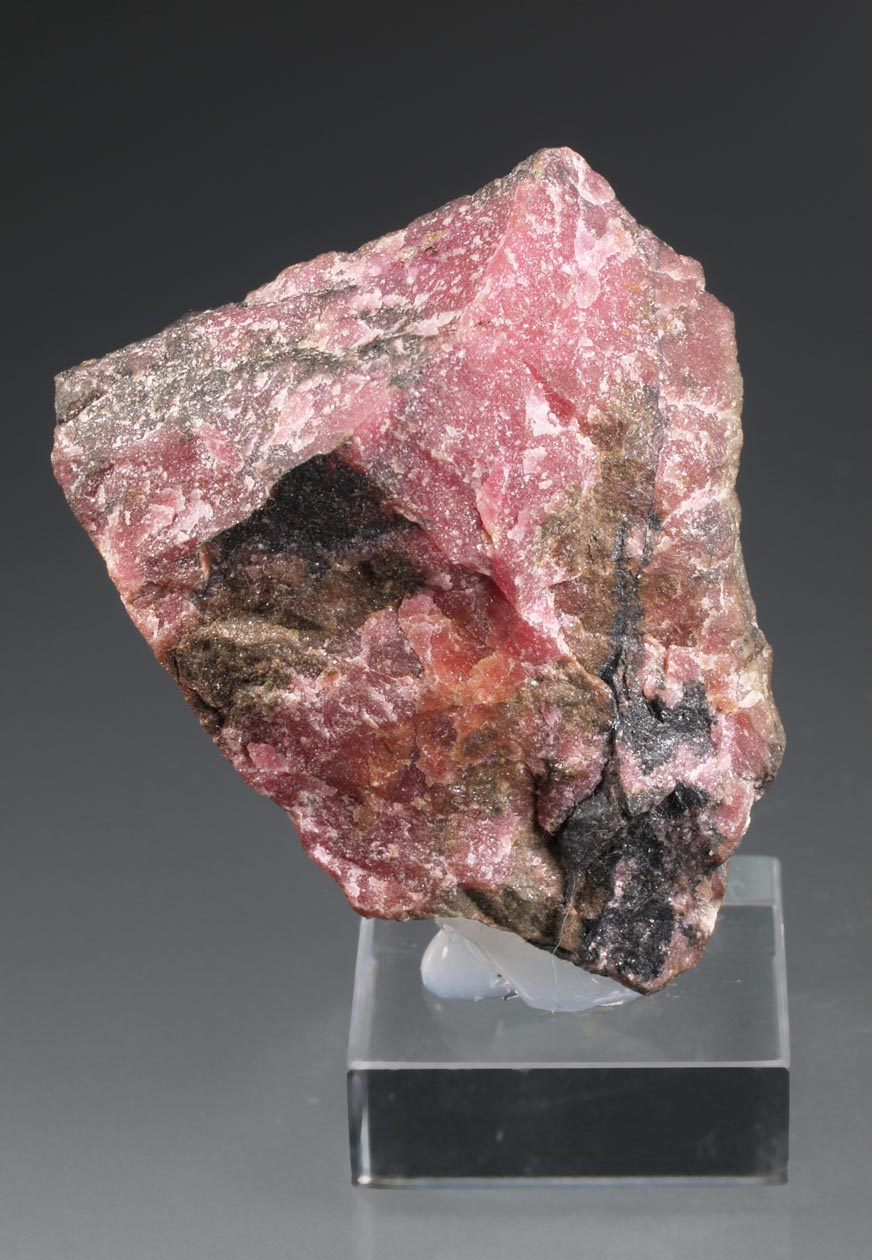
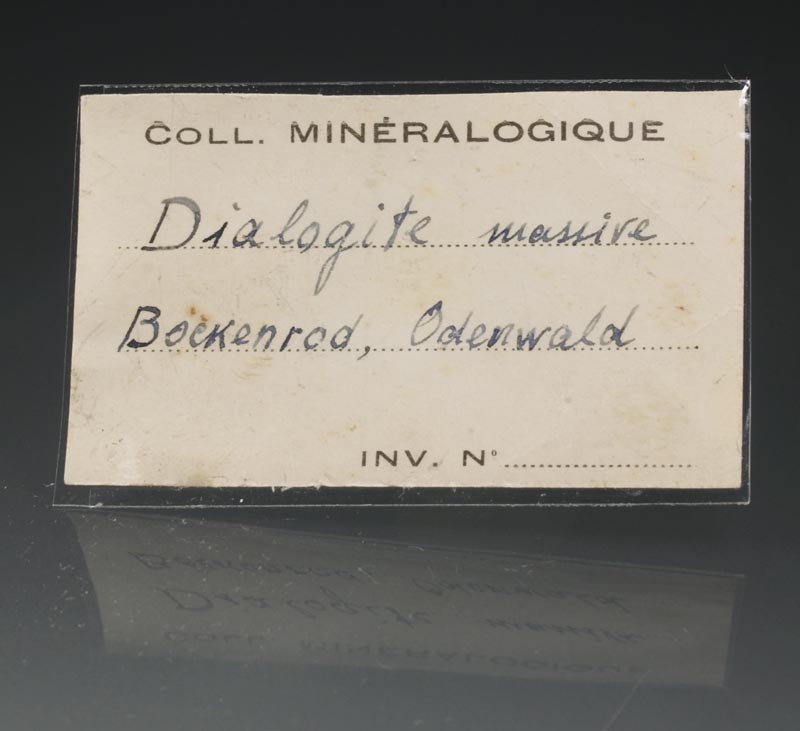
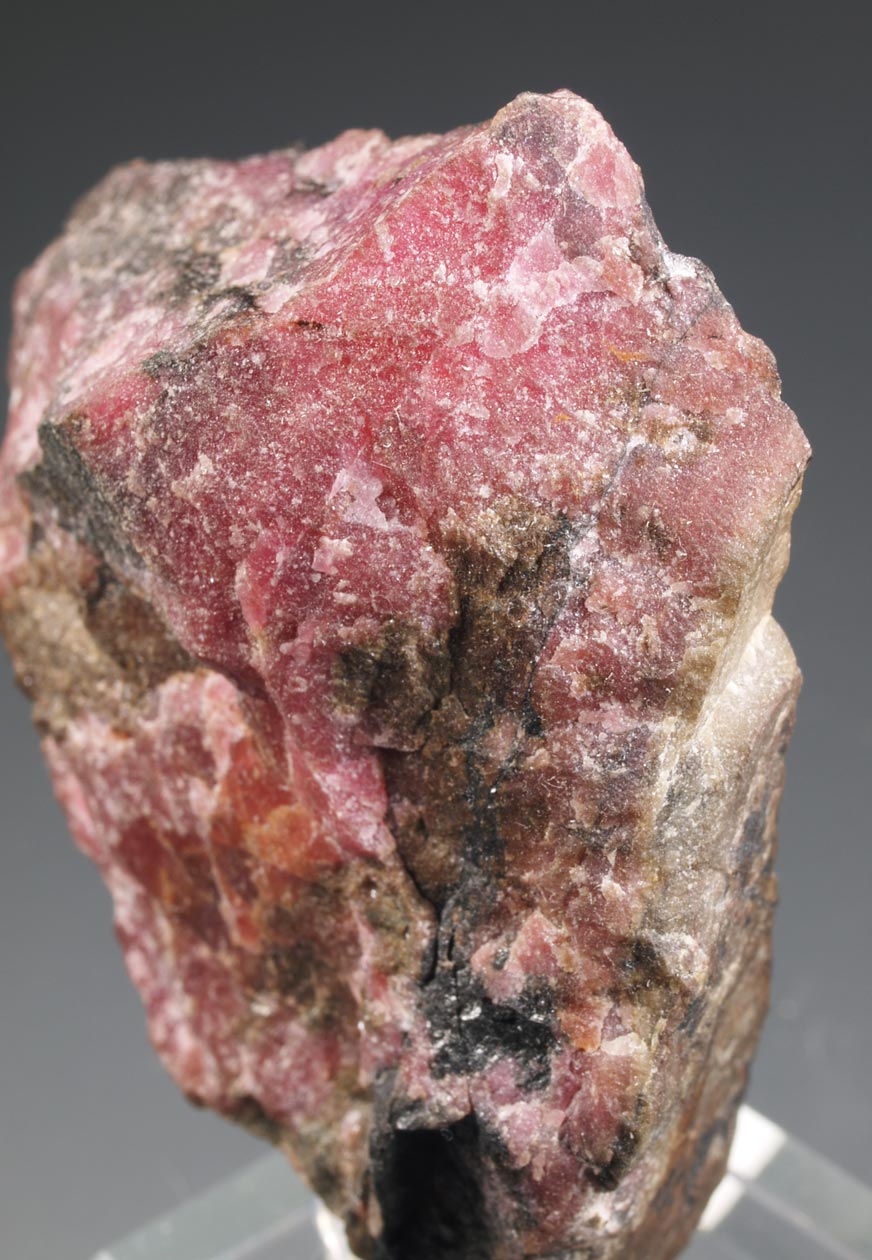
Massive specimen of dialogite, former name for rhodochrosite. This specimen is of historical interest along with the old label that accompanies it. The sites of the old mines are now largely obscured, but there are some overgrown dumps remaining in the forest.
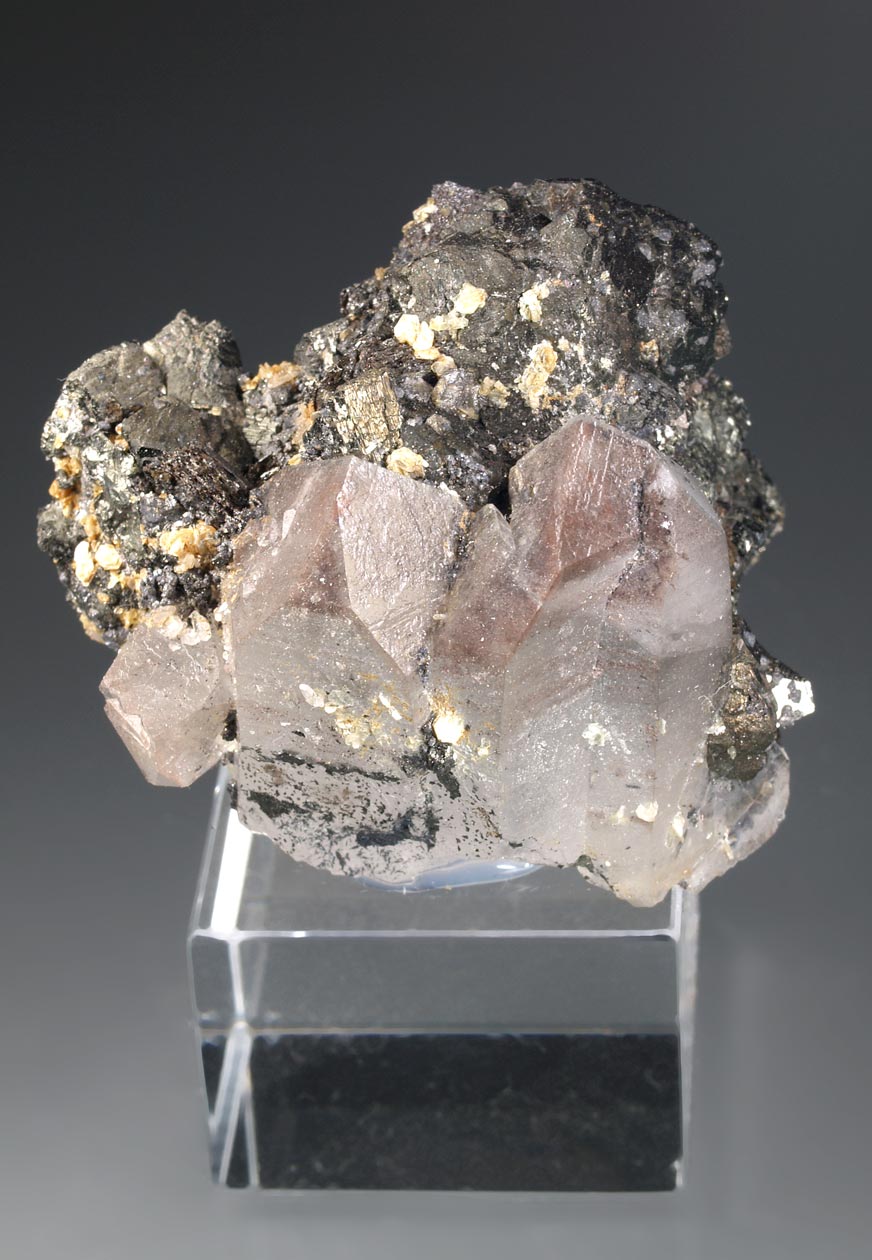
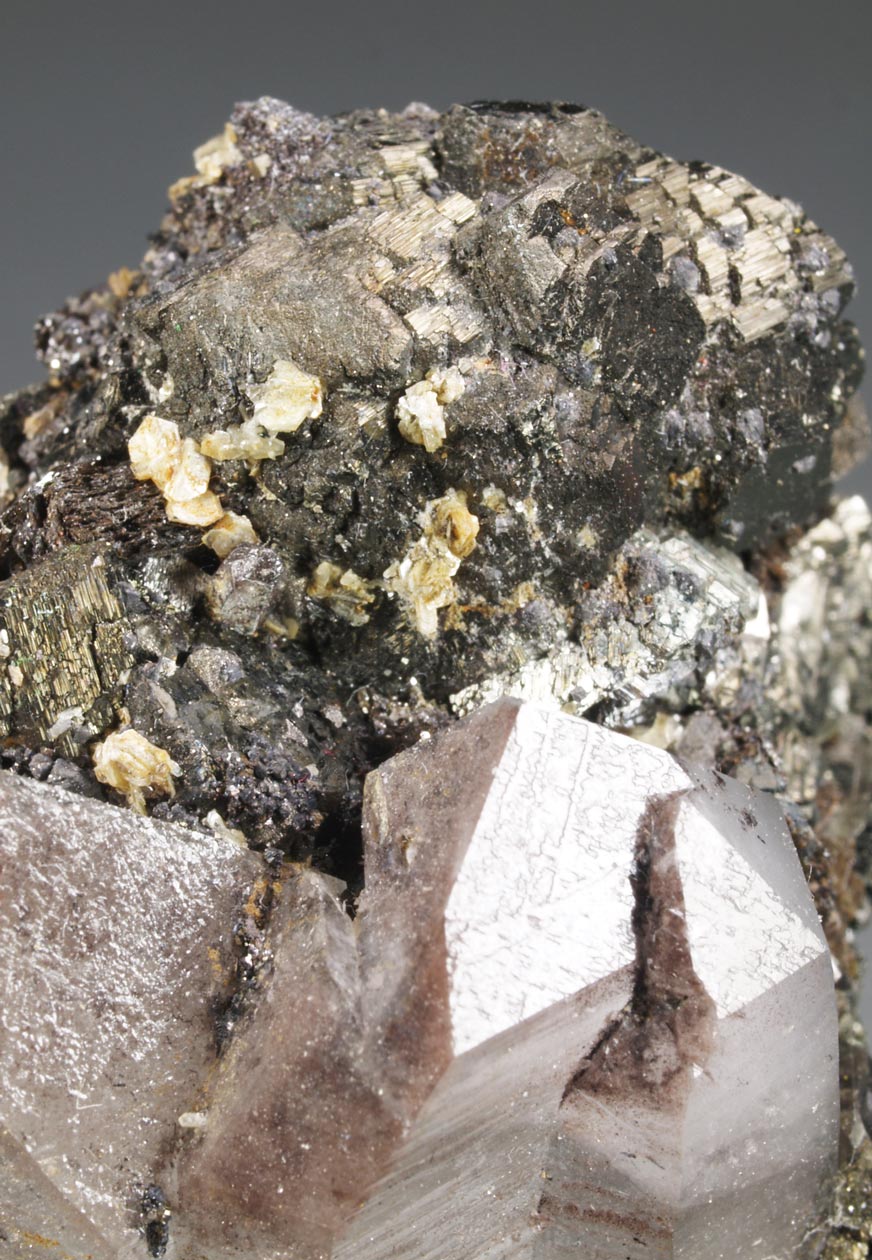
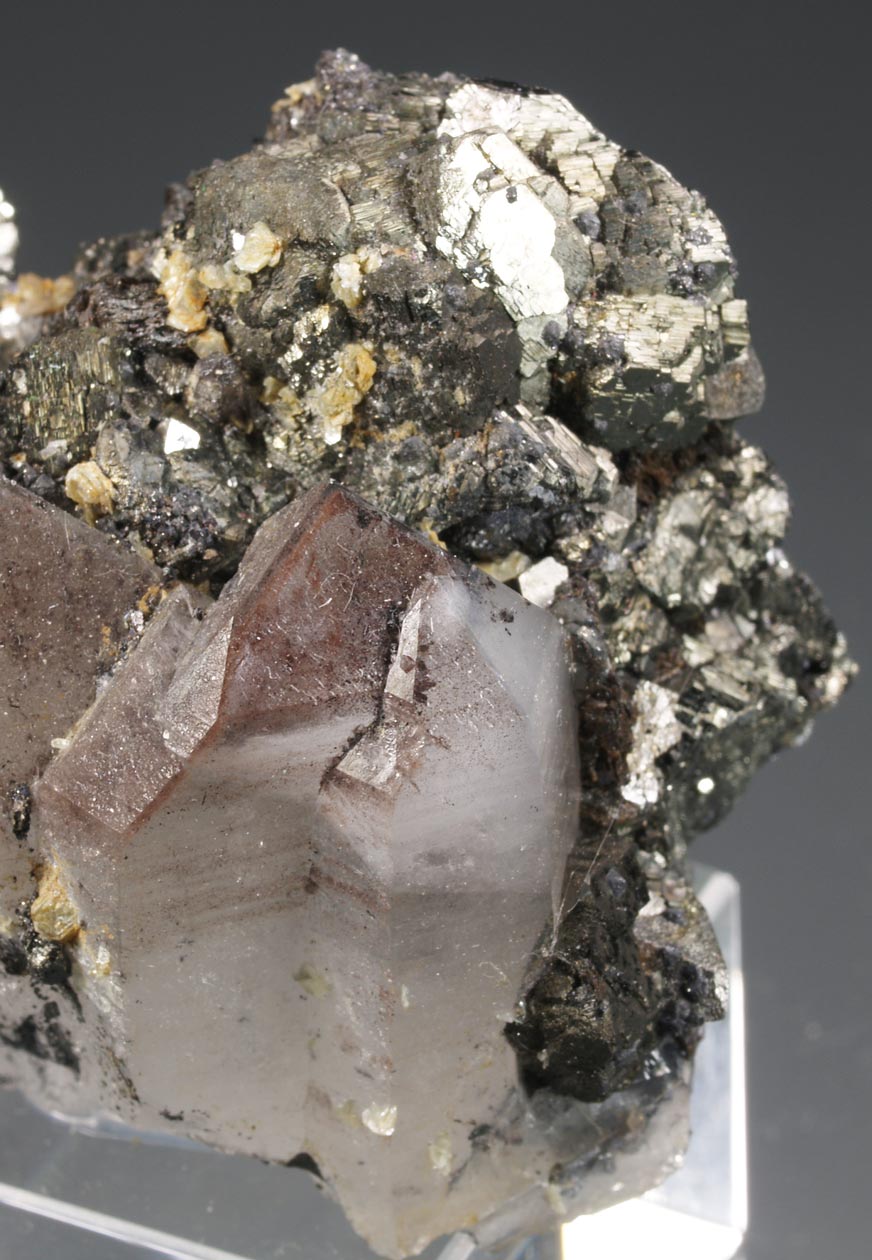
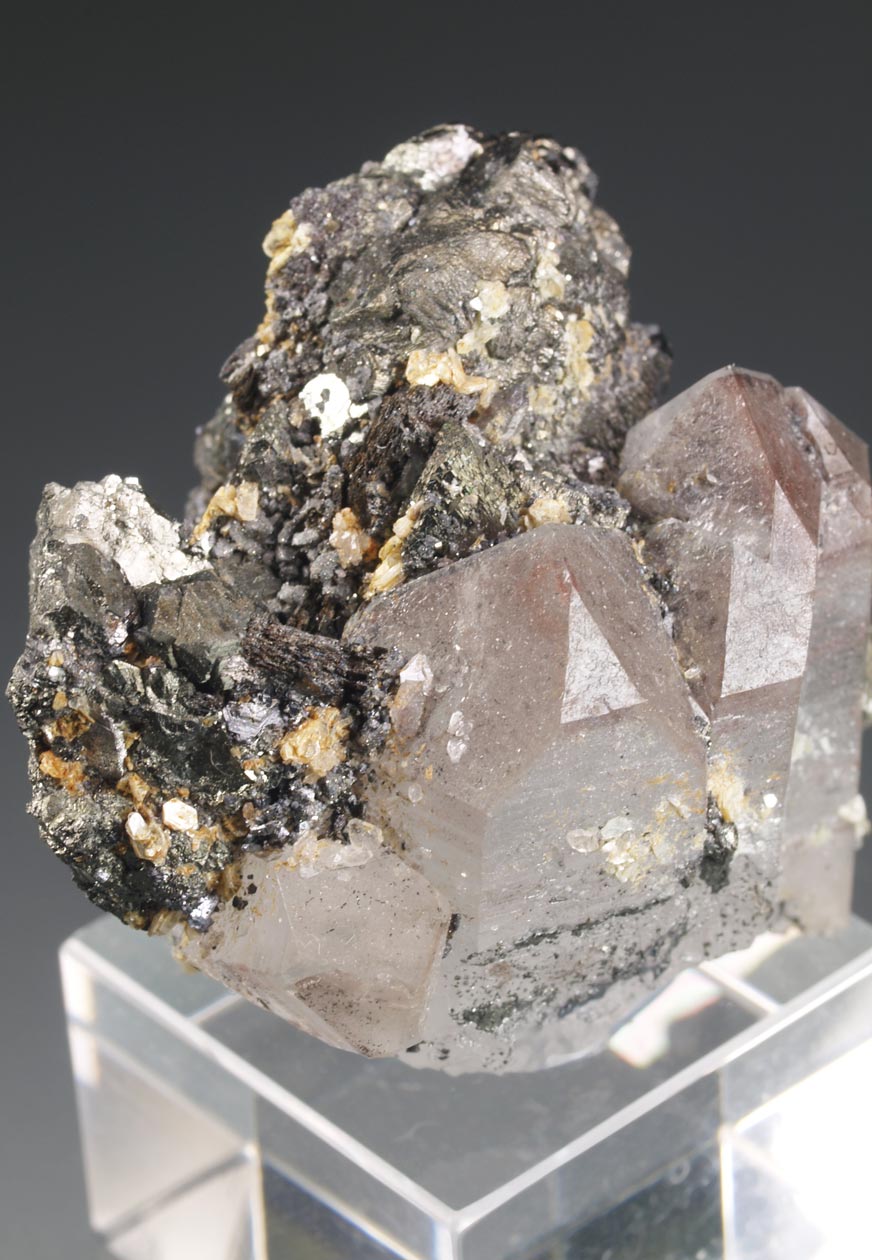
Very complex specimen formed by various species such as stannite, kesterite, arsenopyrite, muscovite... A very interesting combo from this Chinese mine.
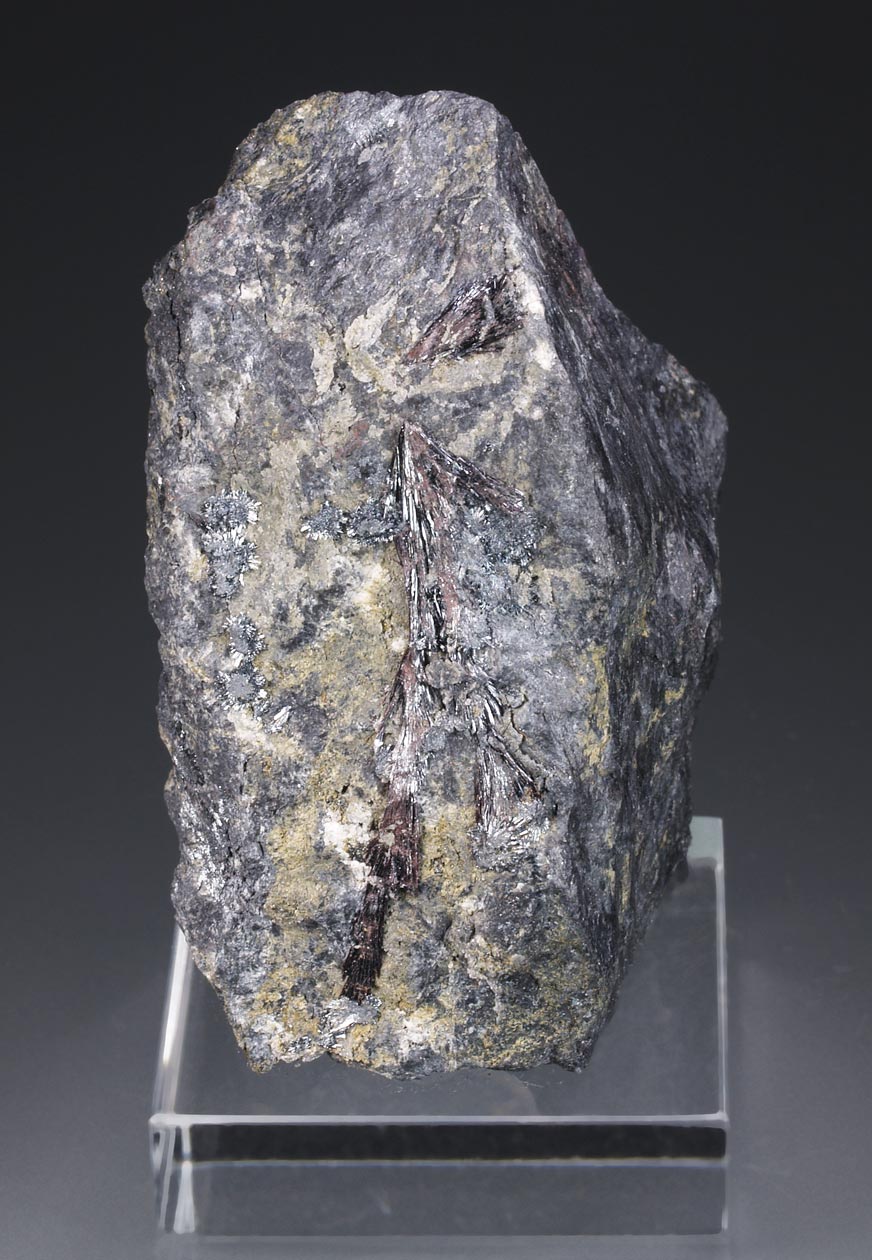
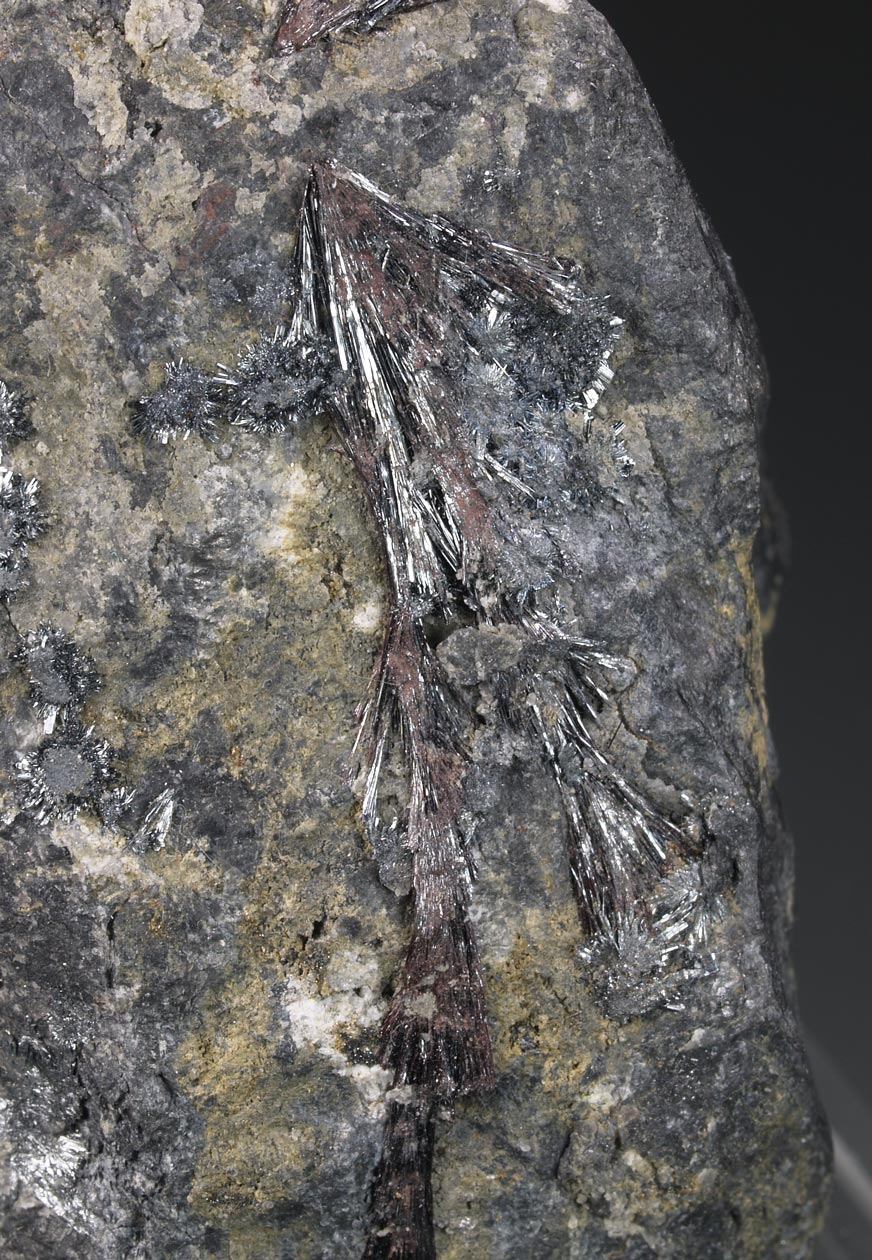
Good-sized specimen of kermesite from this classic Slovak locality. It shows us the characteristic acicular aggregates of kermesite, with reddish reflections on a matrix with stibnite. The specimen comes from the E. Nicolau collection (Barcelona) and was acquired from Joan Viñals (Vilanova i la Geltrú).
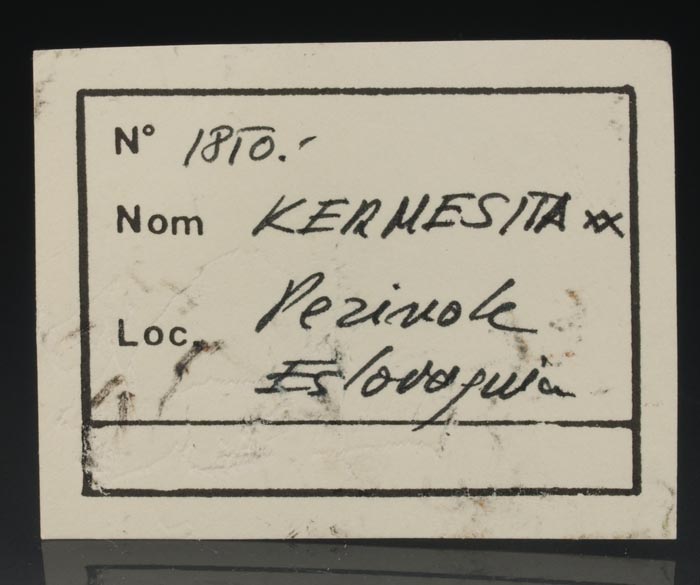
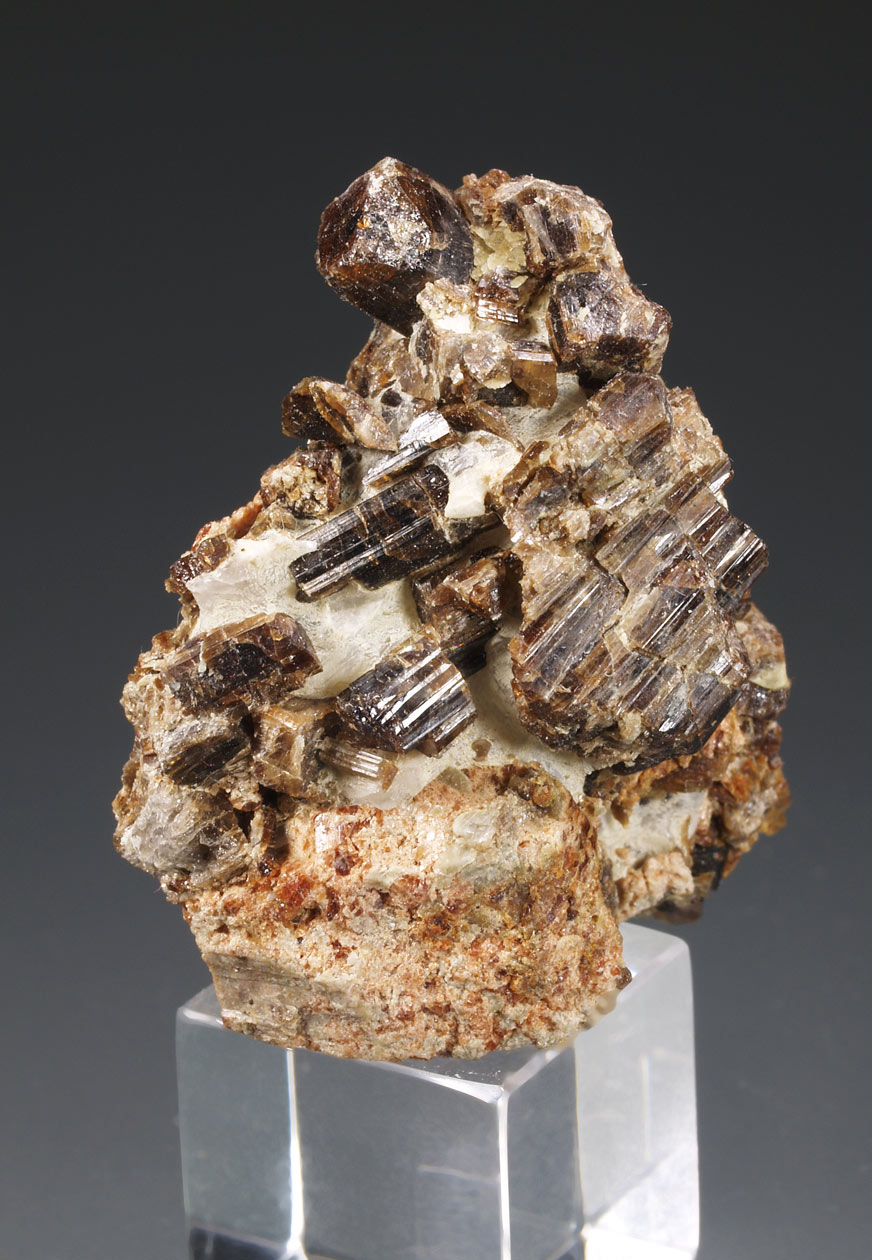
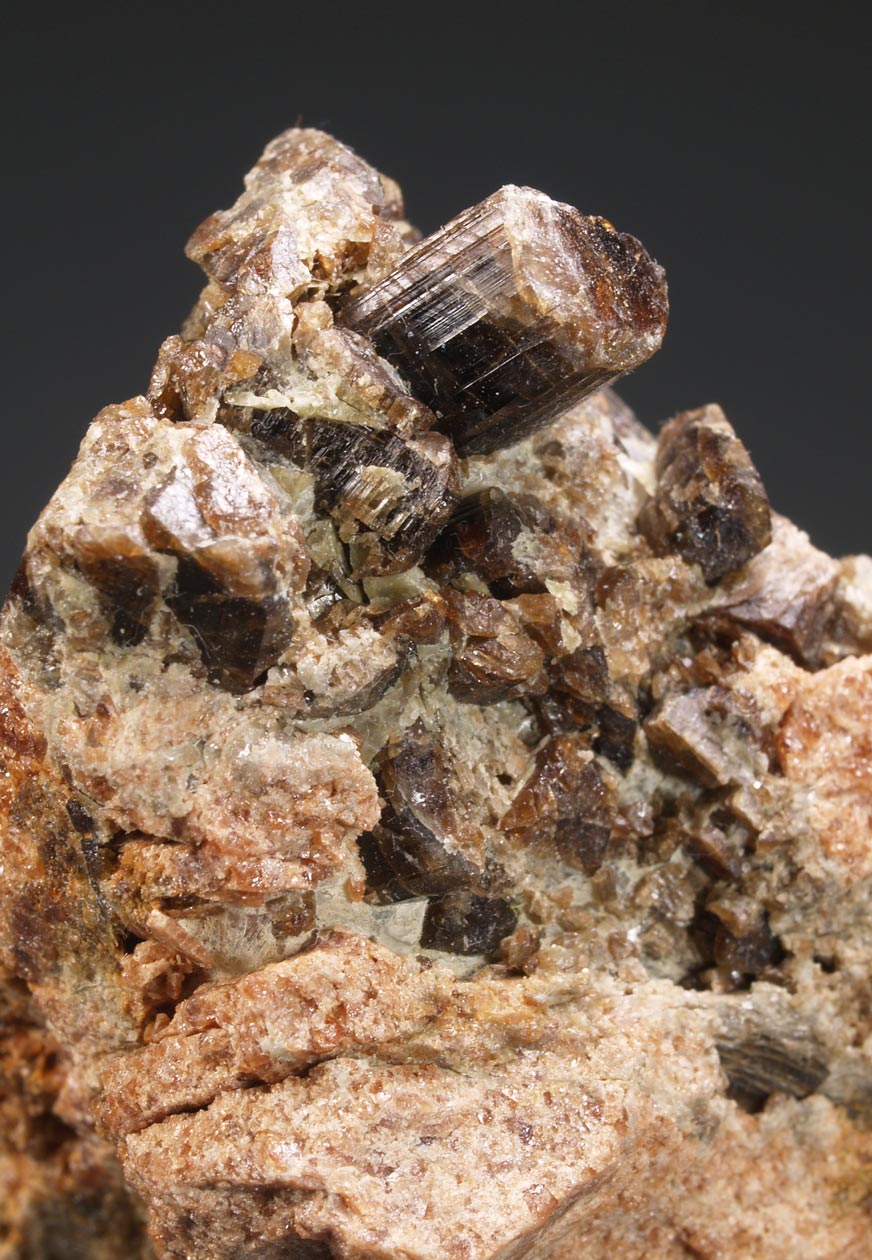
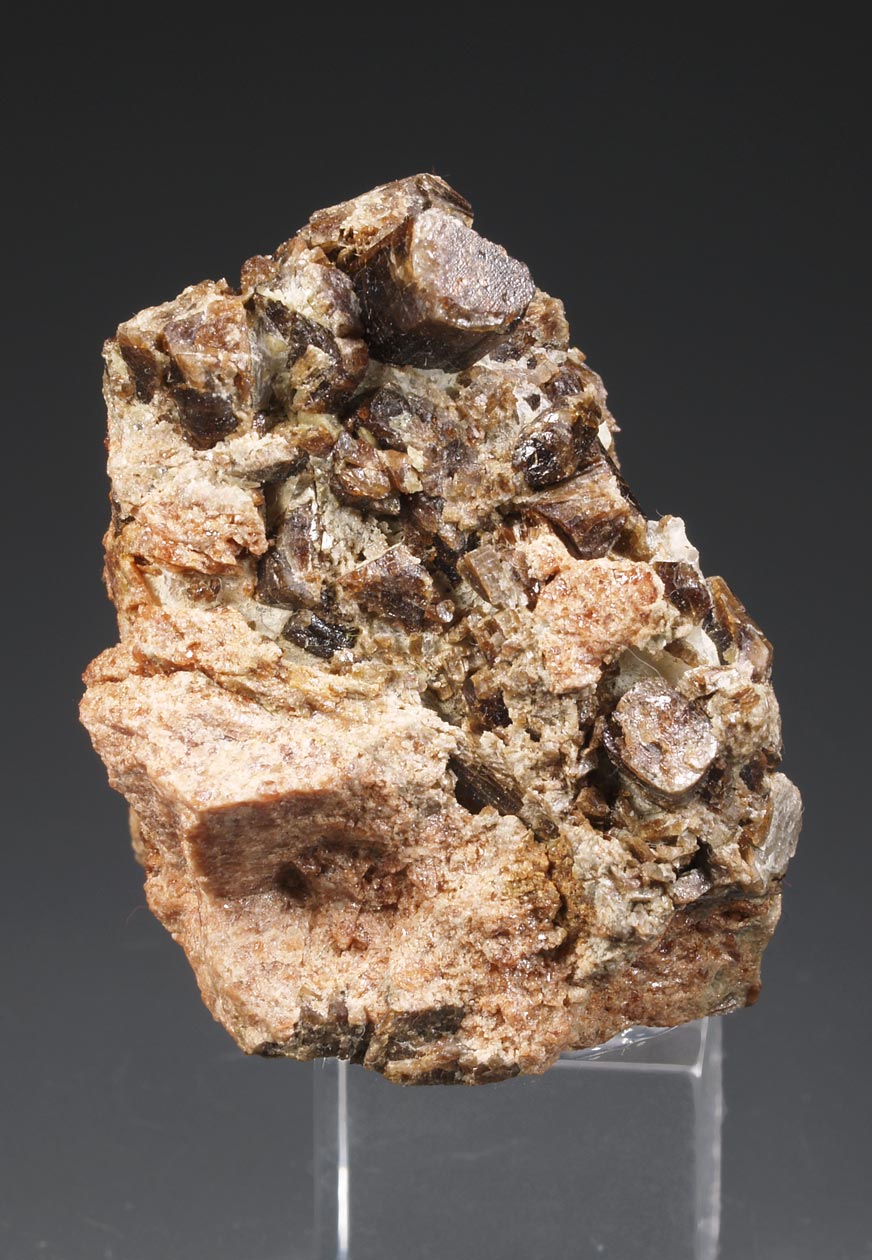
Aesthetic group of very bright vesuvianite crystals, with striated prisms truncated by pinacoidal faces. They are disposed very aerial on the matrix with grossular. From a Spanish locality known for its skarn (skarnoid) minerals. Prospecting works has been carried out in the area to investigate the possibilities of exploiting tungsten (scheelite).
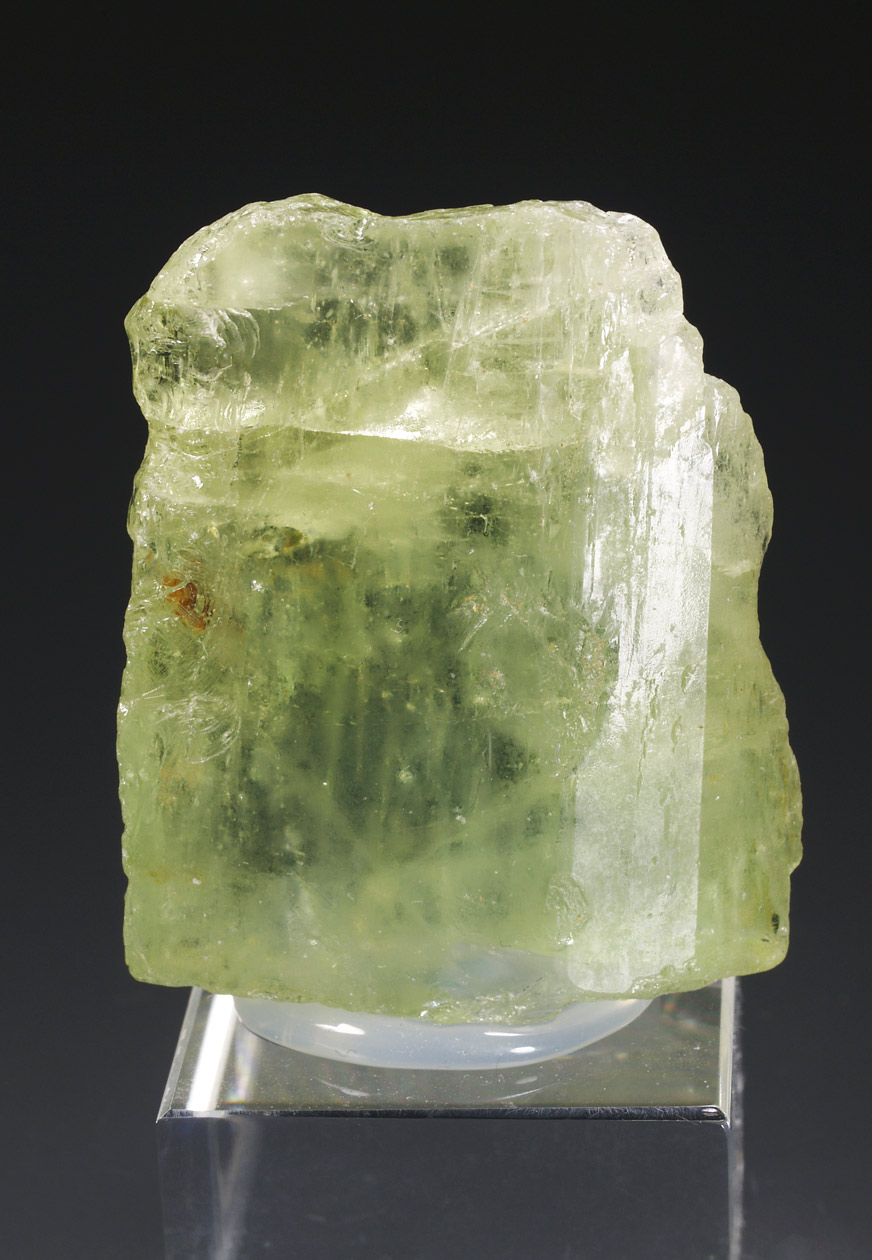
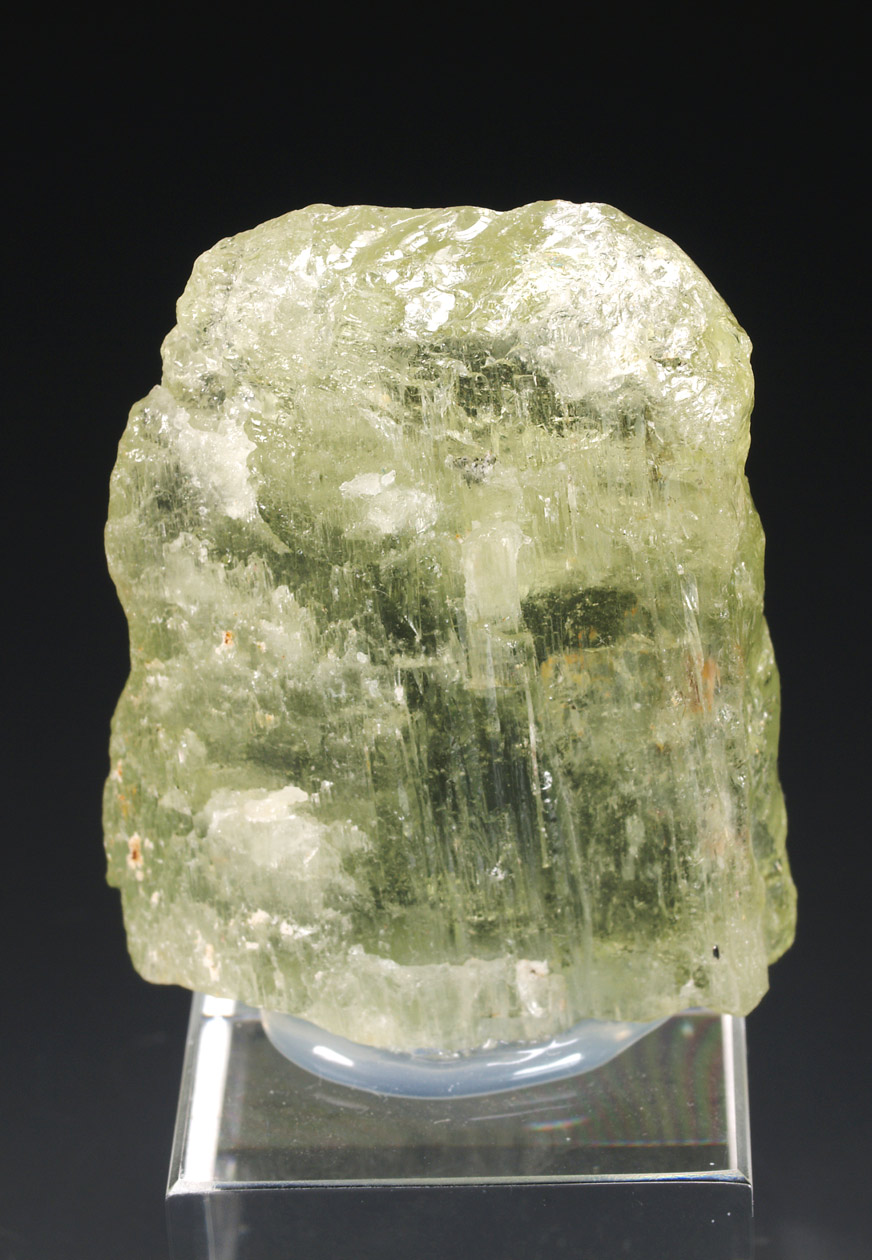
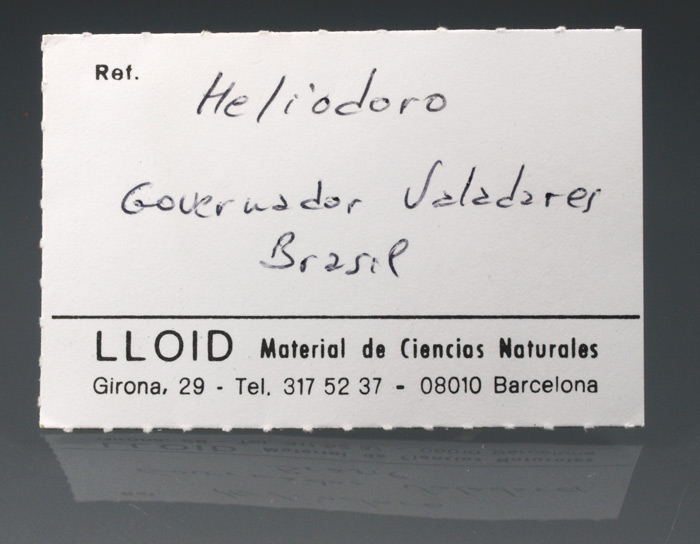
Good size heliodor crystal. With a greenish yellow color, transparent to translucent, with some faces, some rounded and others more defined. A gem with the old label of former Lloid, by Hortensia Durán y Marçal Llòria (Barcelona). Photo is not very representative of the brilliance and transparence.
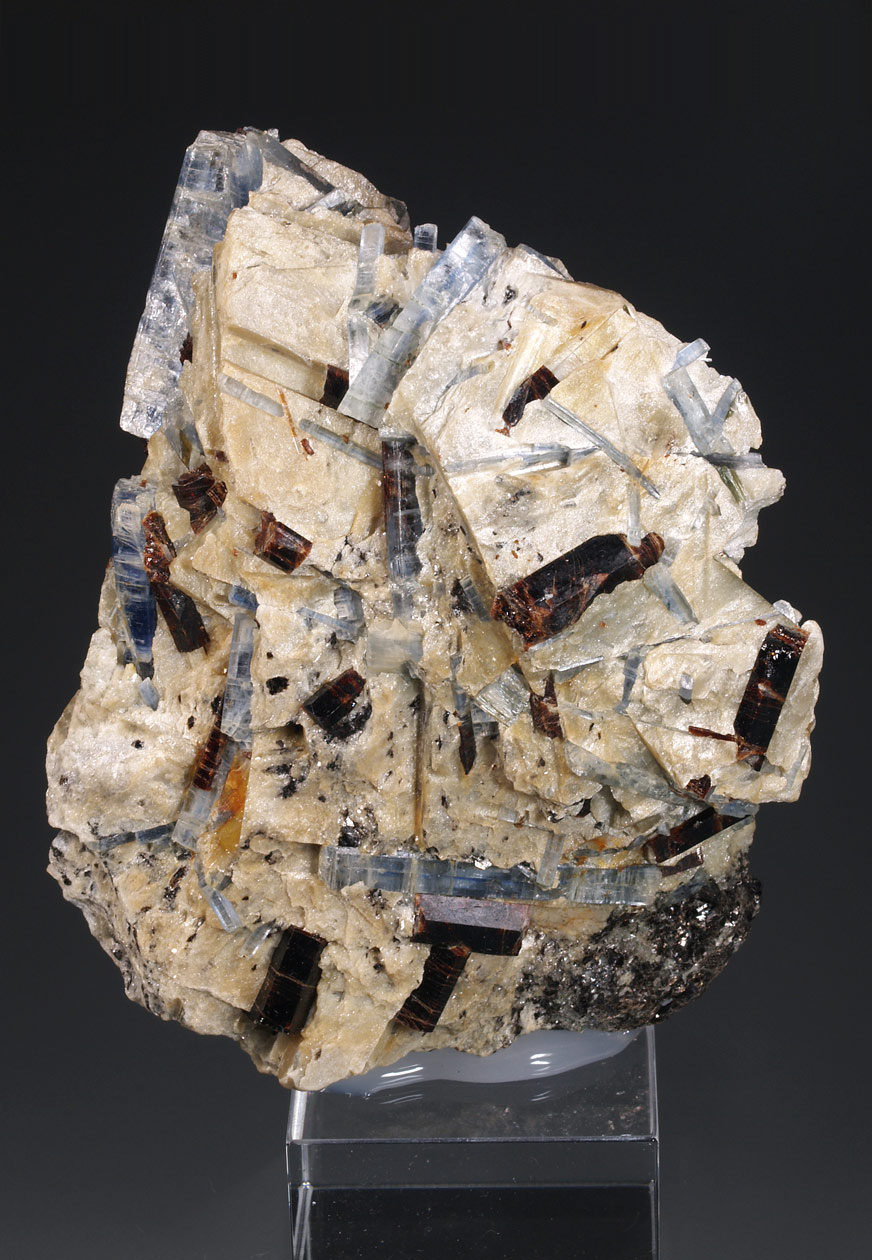
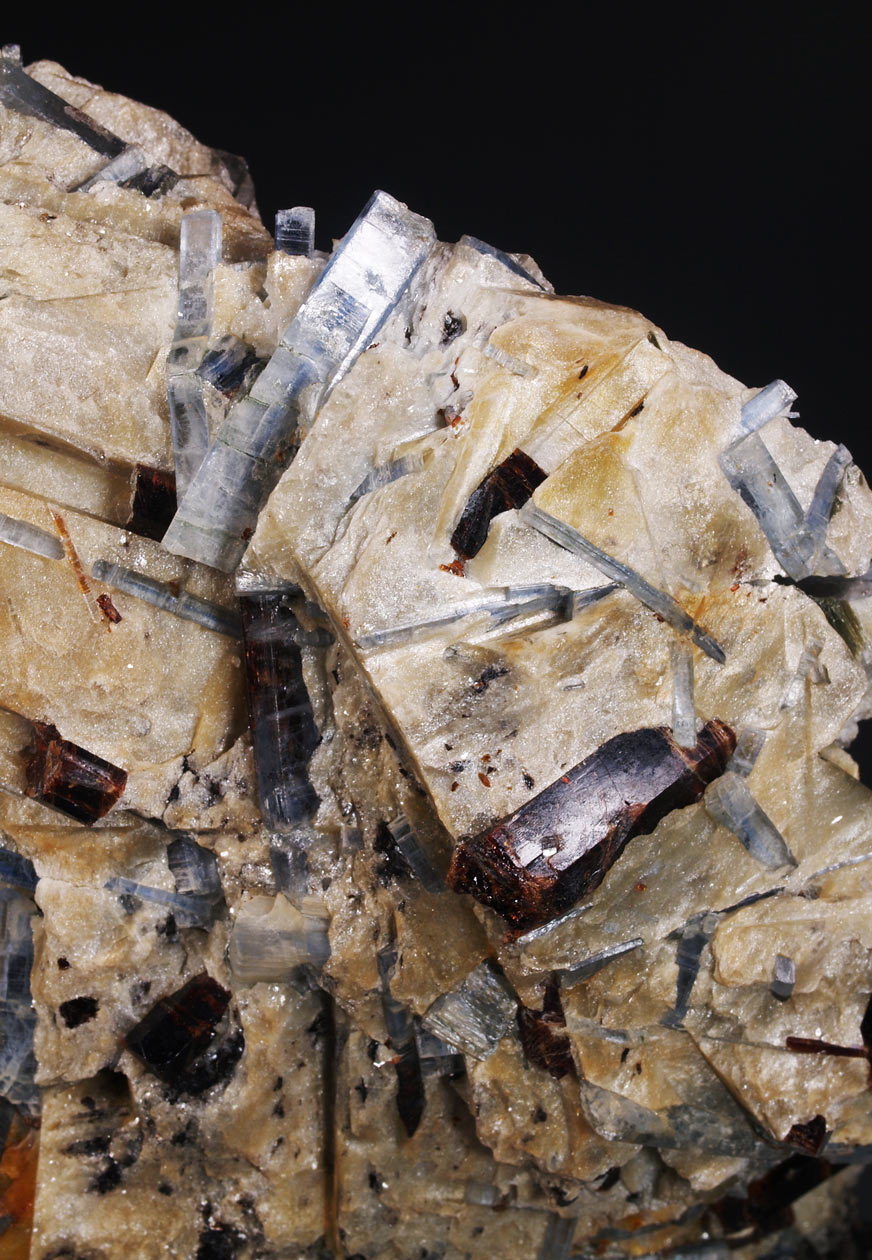
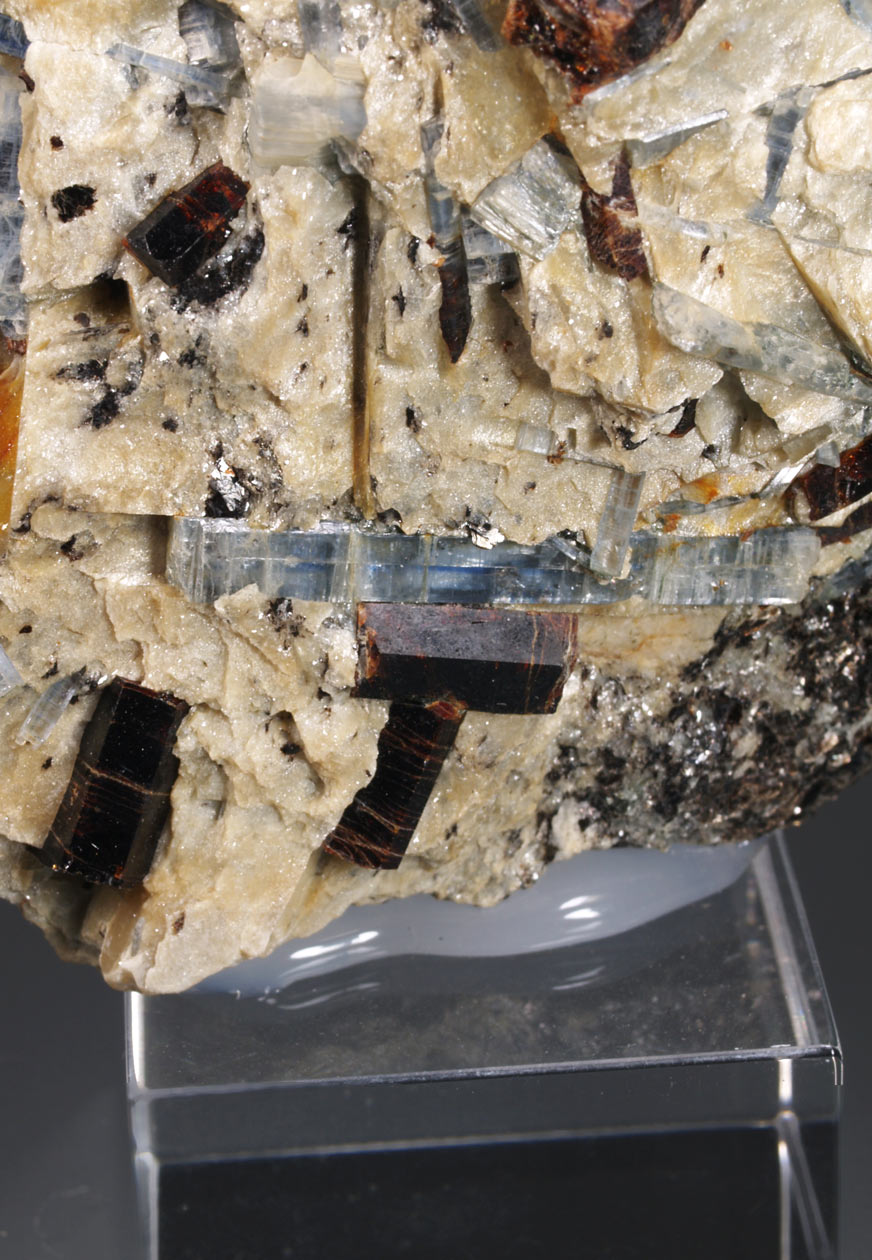
Group of kyanite crystals, of gem quality, with transparency and when light passes through them they offer an exceptional color. They are accompanied on the matrix by brown staurolite crystals and paragonite (Na mica). They stand out on a clear schistose matrix. A quality European piece that is difficult to see today. Classic and aesthetic material from this famous Swiss locality from the E. Nicolau collection (Barcelona).
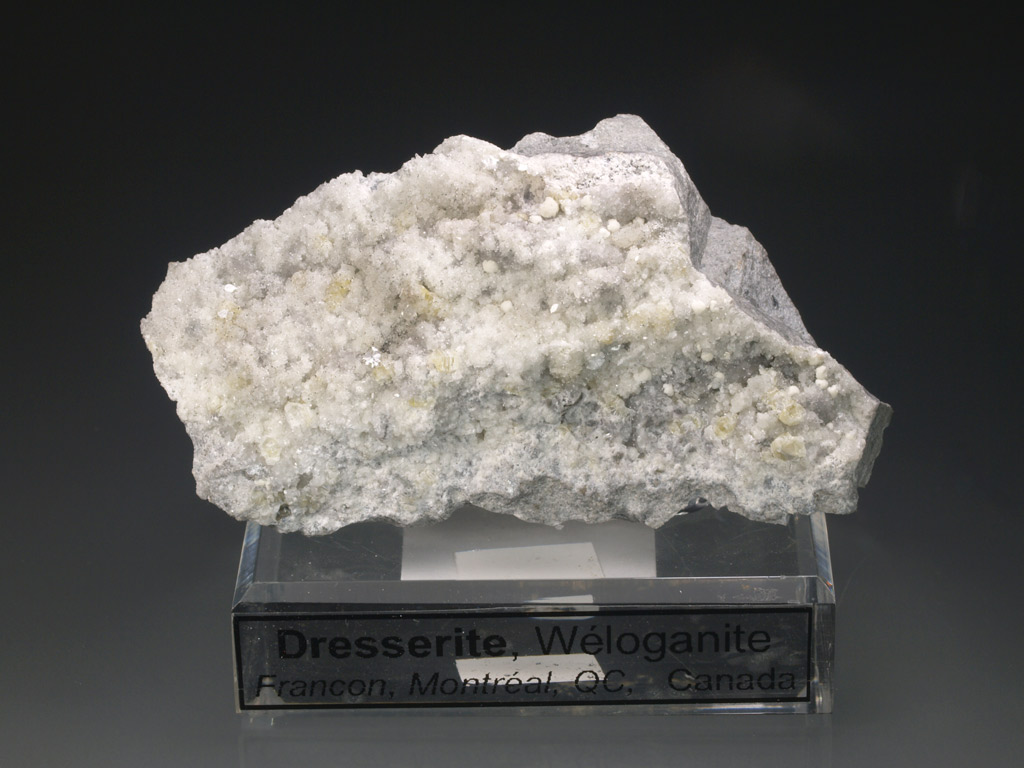
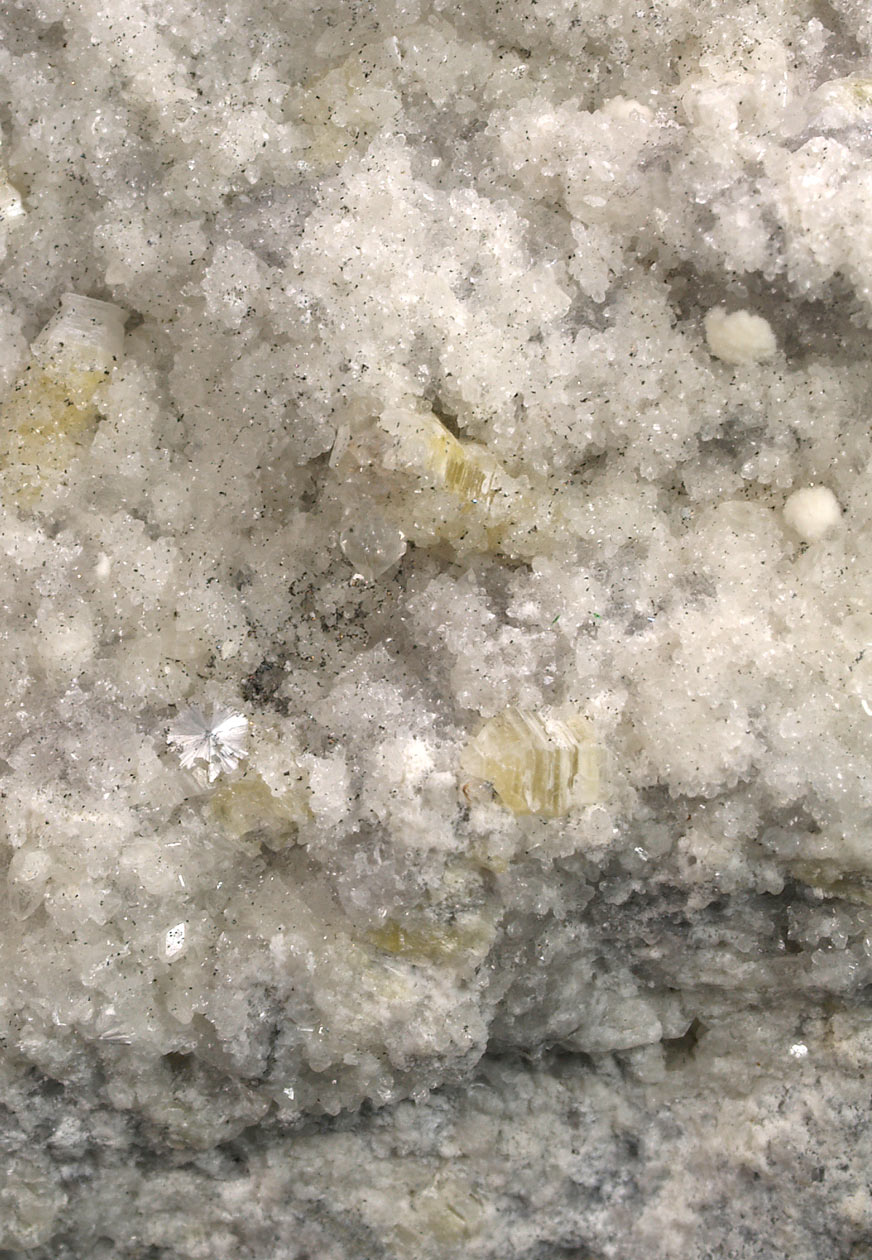
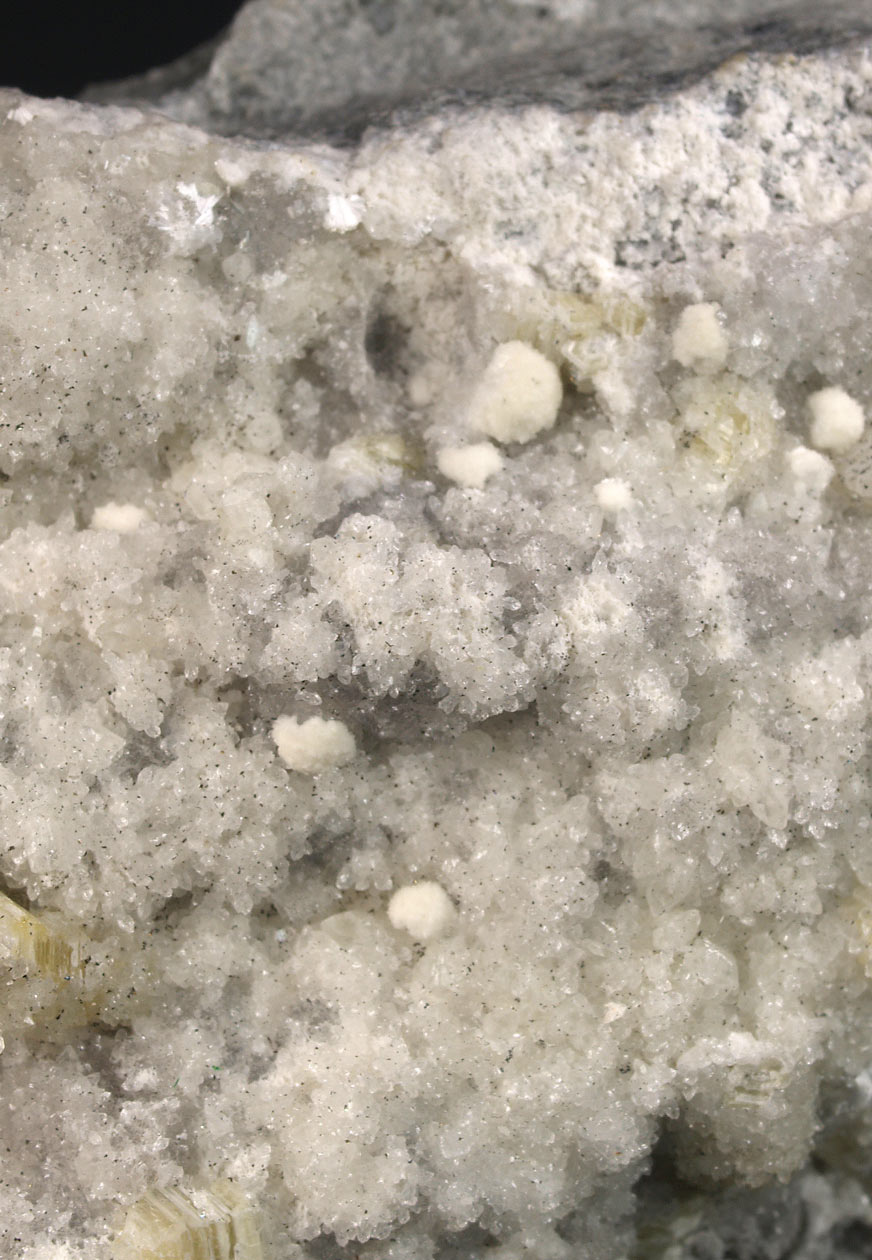
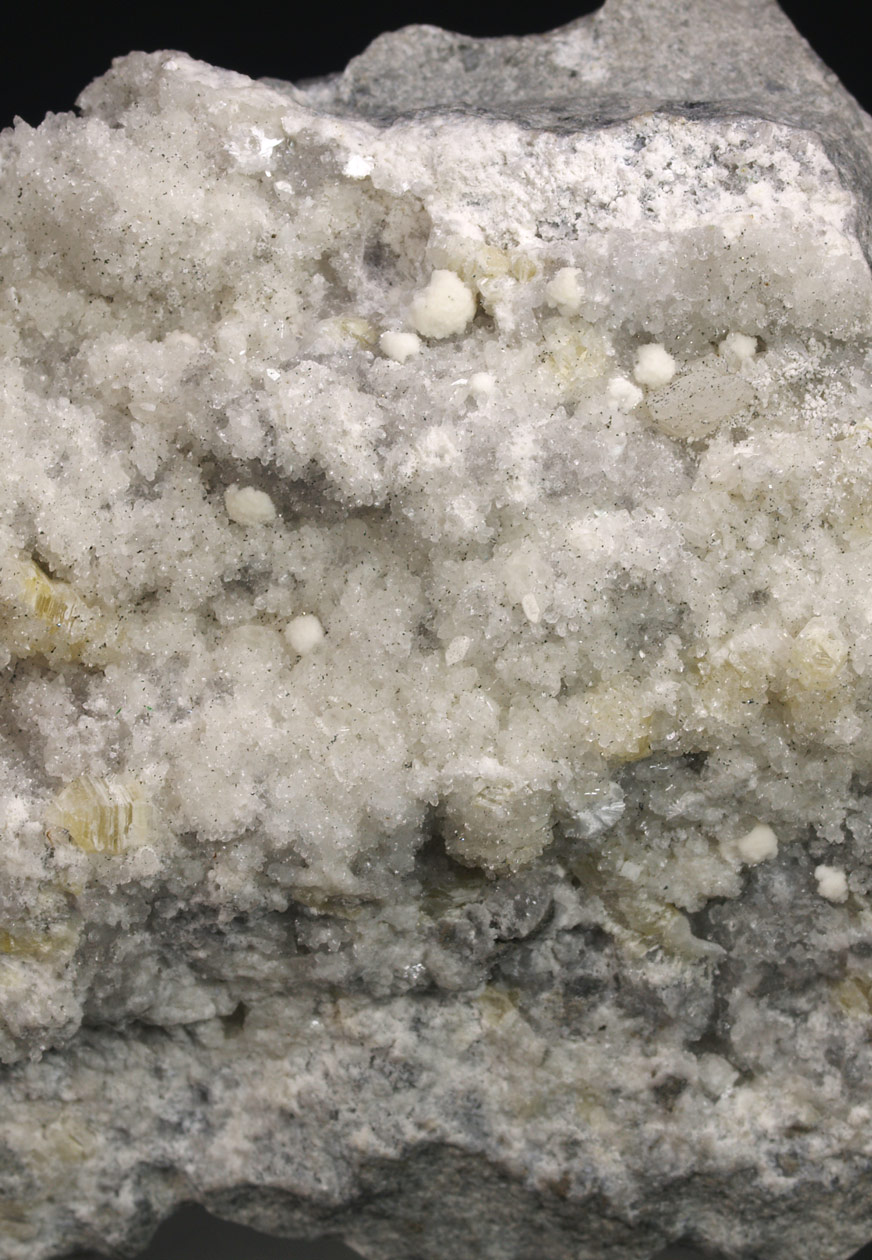
Dresserite is a rare barium aluminum hydroxycarbonate and is only found in the type locality: the Francon Quarry in Montreal, Canada. The quarry, now disappeared, was literally in the middle of the city, but closed permanently in 1981. This large specimen that we offer presents several small white spheres, formed by radial crystals of dresserite, associated with small honeyed crystals of weloganite, in a matrix with calcite. We can also observe hydrodresserite crystals, a more hydrated species than dresserite. Hydrodresserite forms thicker crystals, resulting in rougher spheres than dresserite.
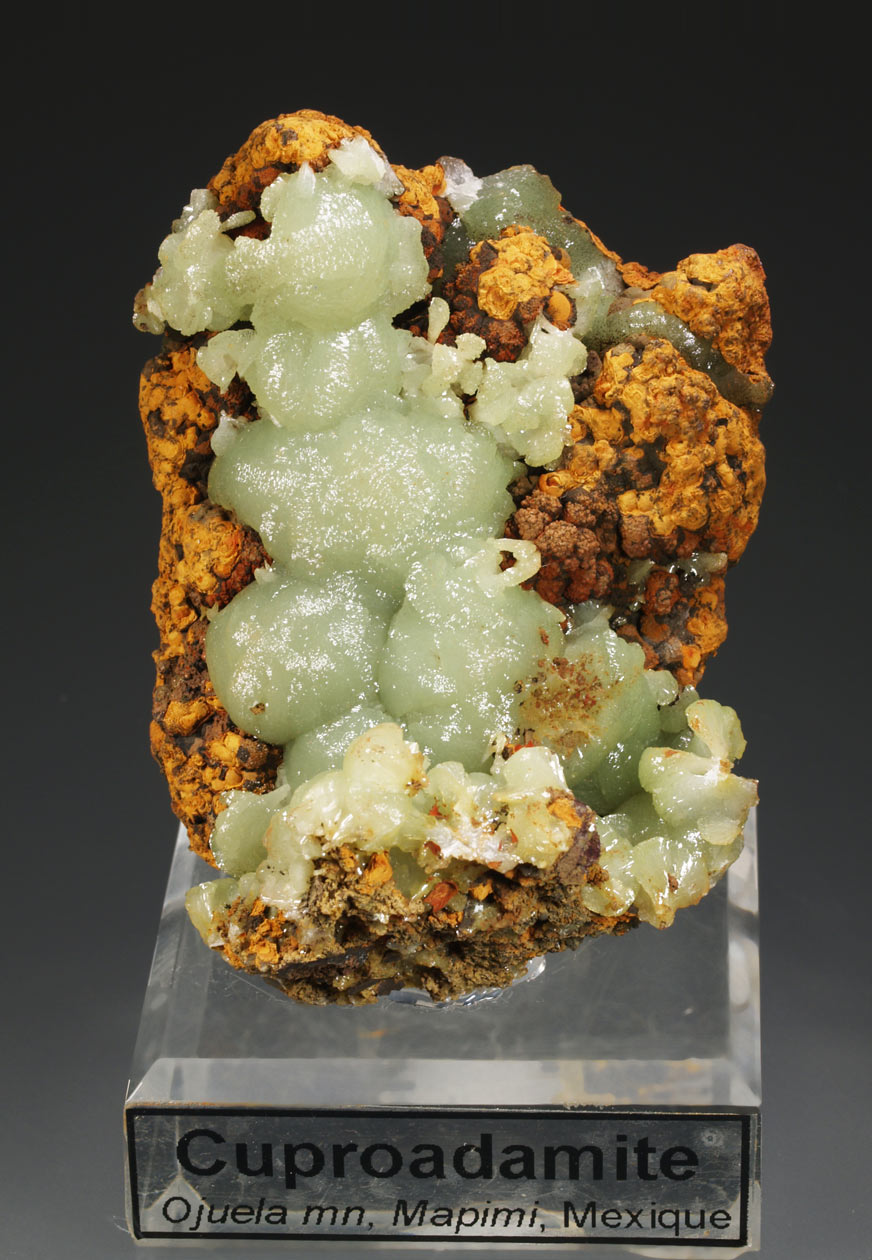
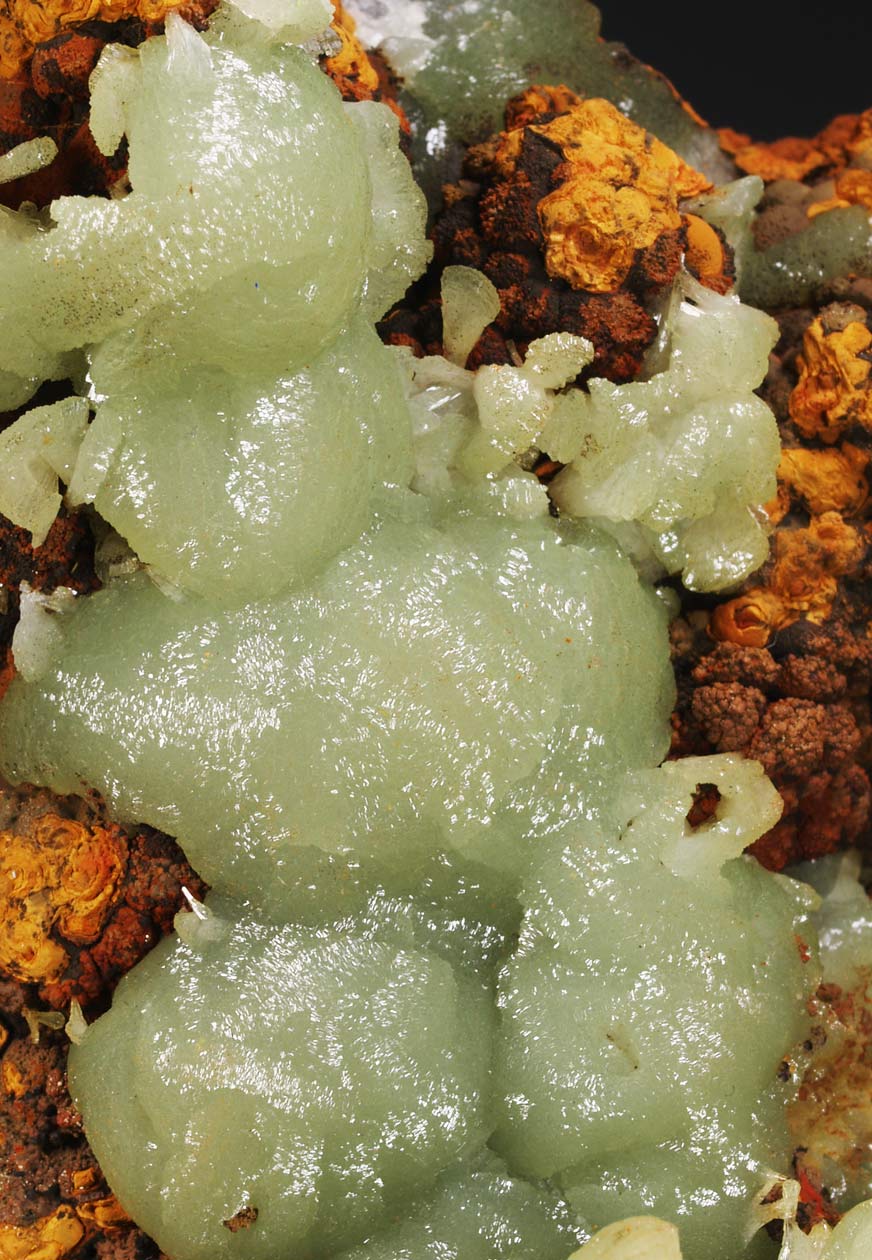
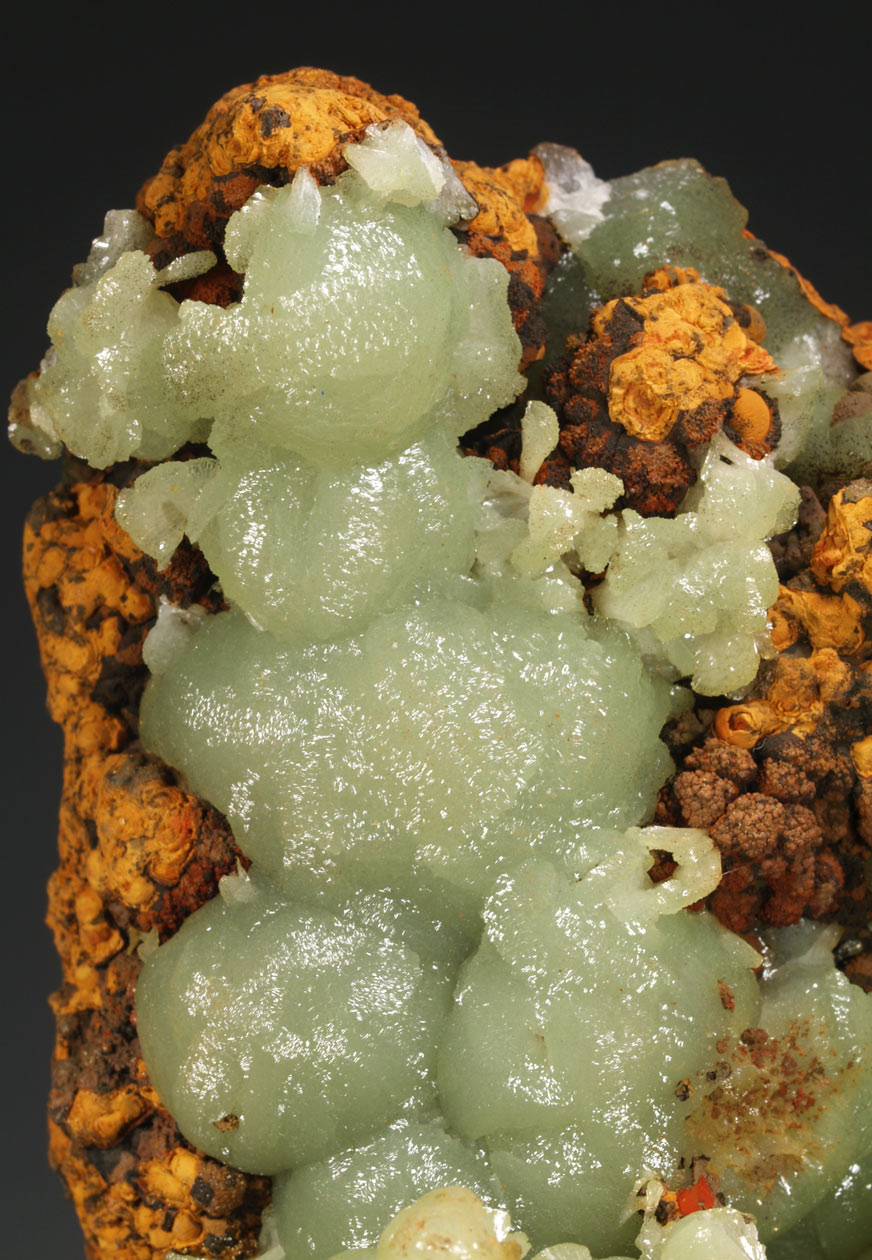
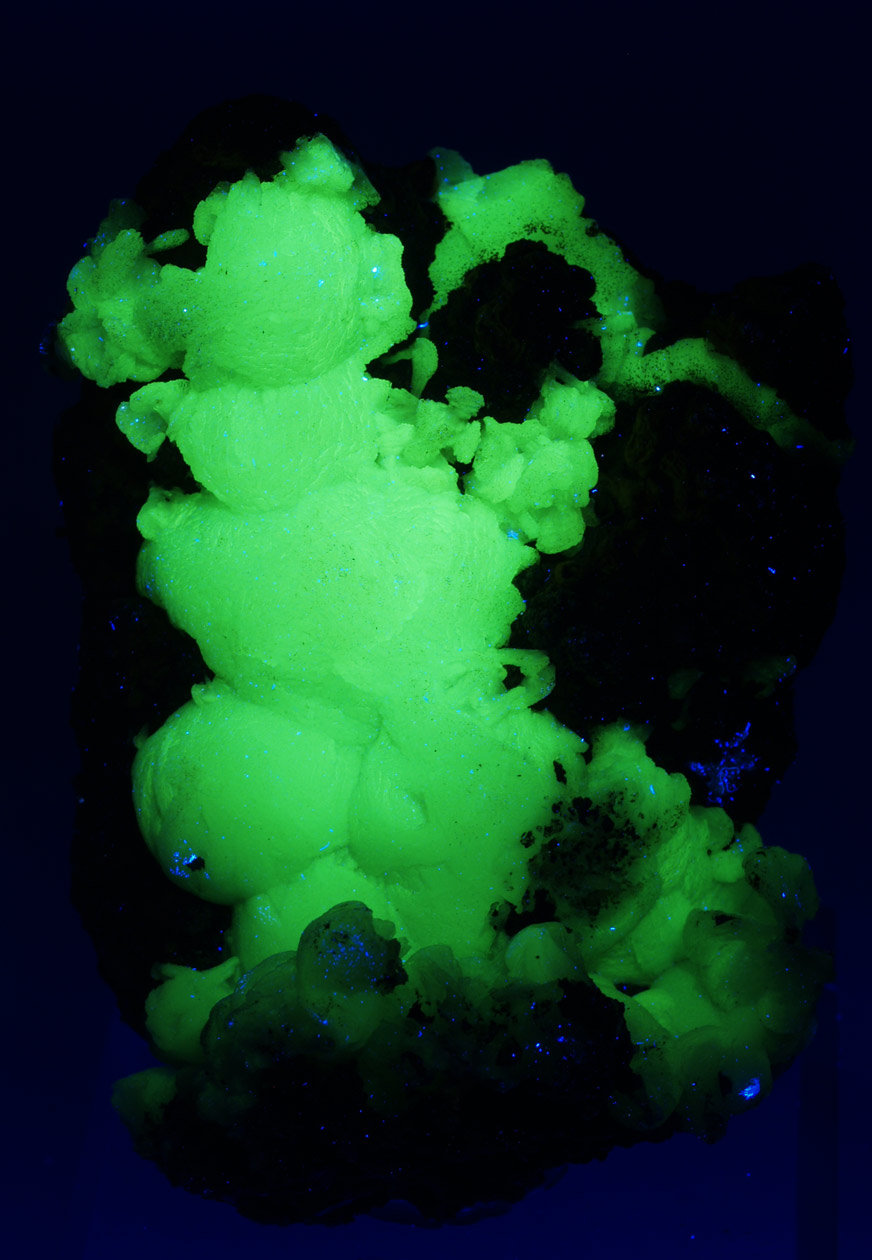
These specimens of adamite are among the most aesthetic that this classic Mexican mine has offered us. Botryoidal aggregates of copper-bearing adamite, shiny and also forming sheaves. Under LW ultraviolet light they present an exceptional green fluorescence. Nowadays it is difficult to find specimens with this quality.
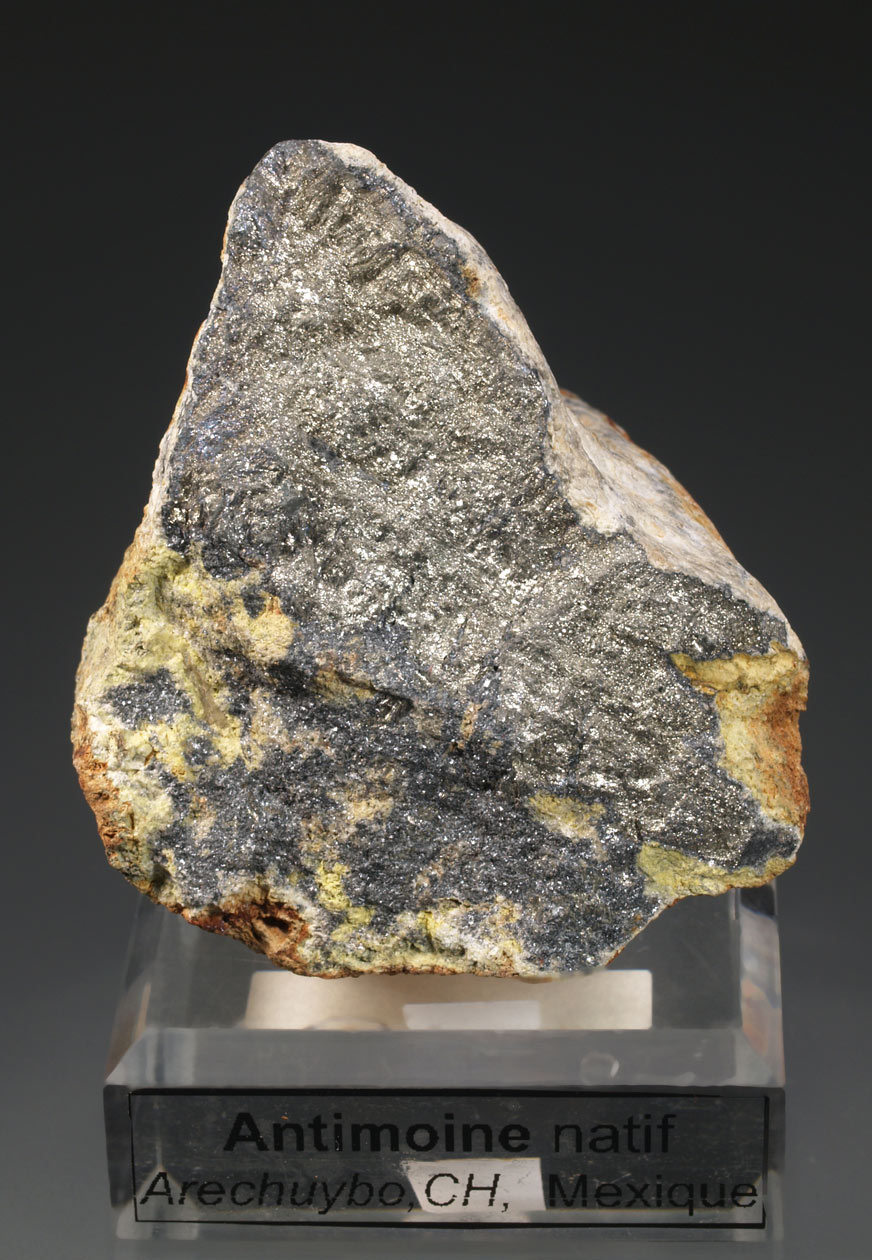
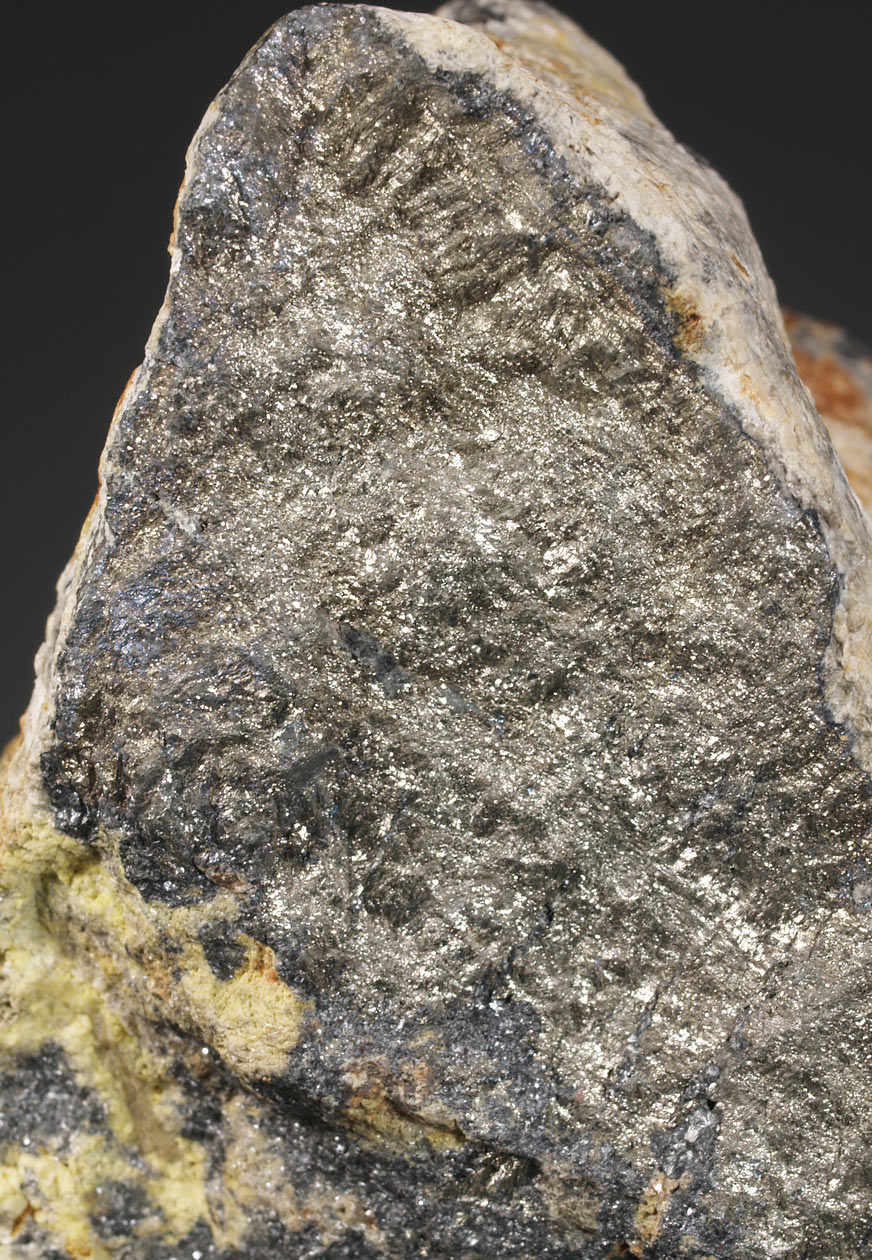
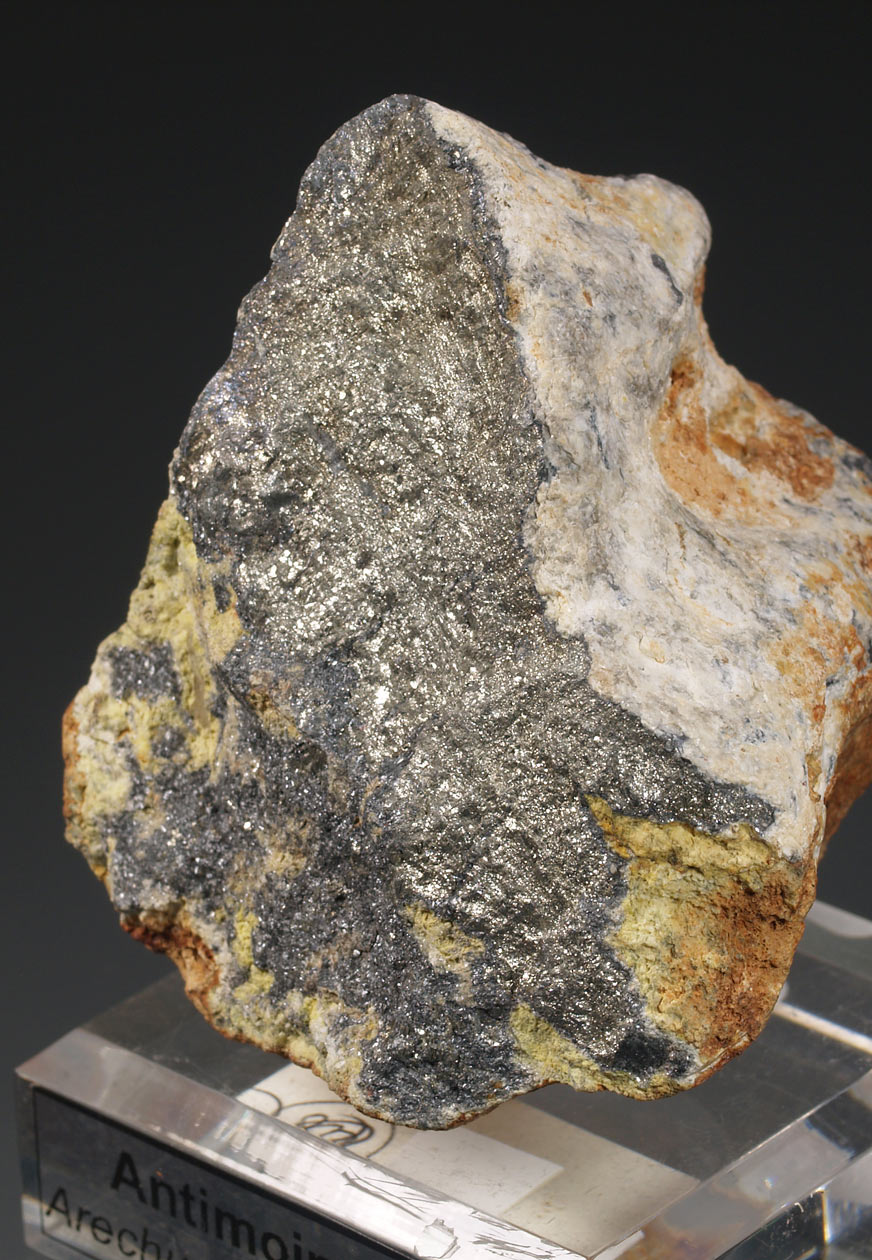
A very heavy specimen of native antimony, with an intense, metallic luster, with internal bands of possible stibnite. It is accompanied in the oxidation zone by yellowish stibiconite and valentinite. Excellent specimen for collectors of native elements. Quite rare.

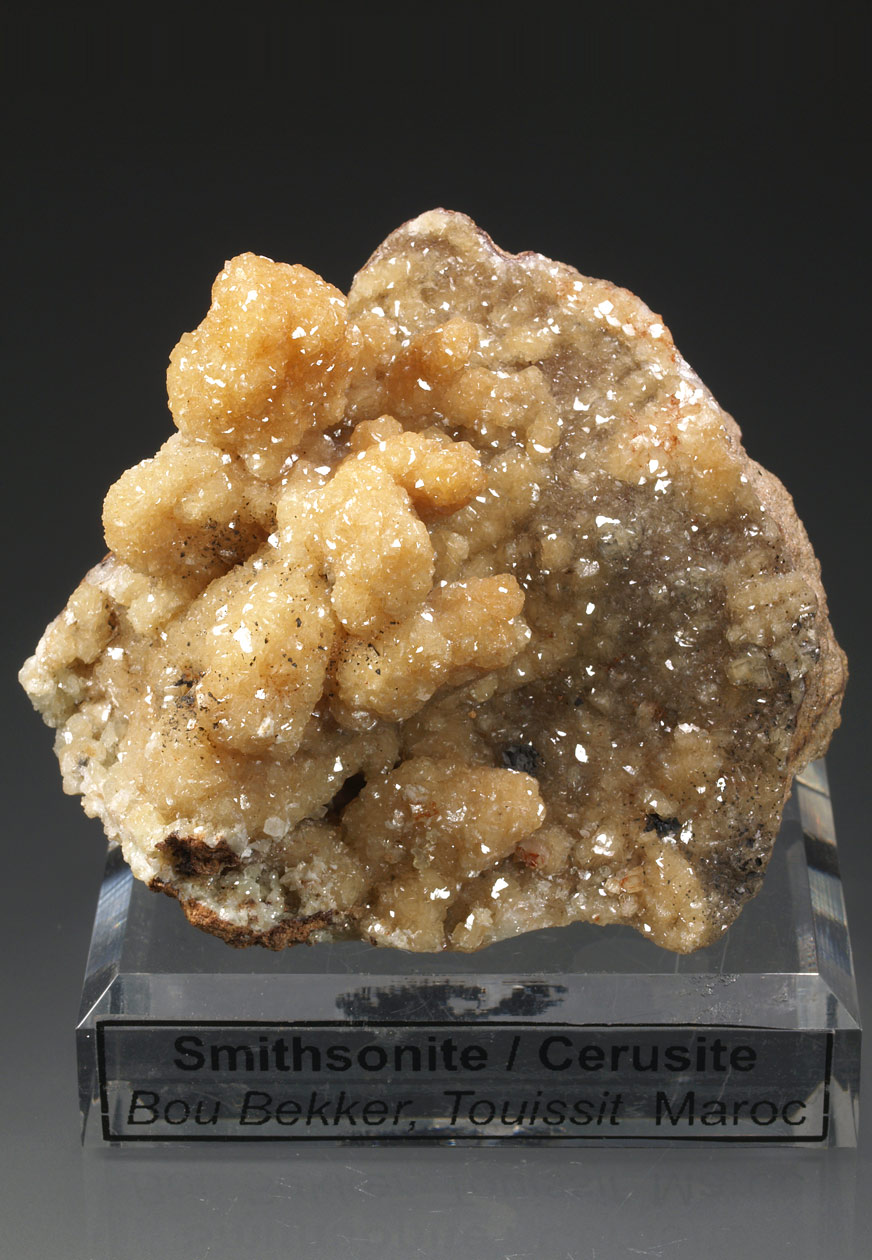
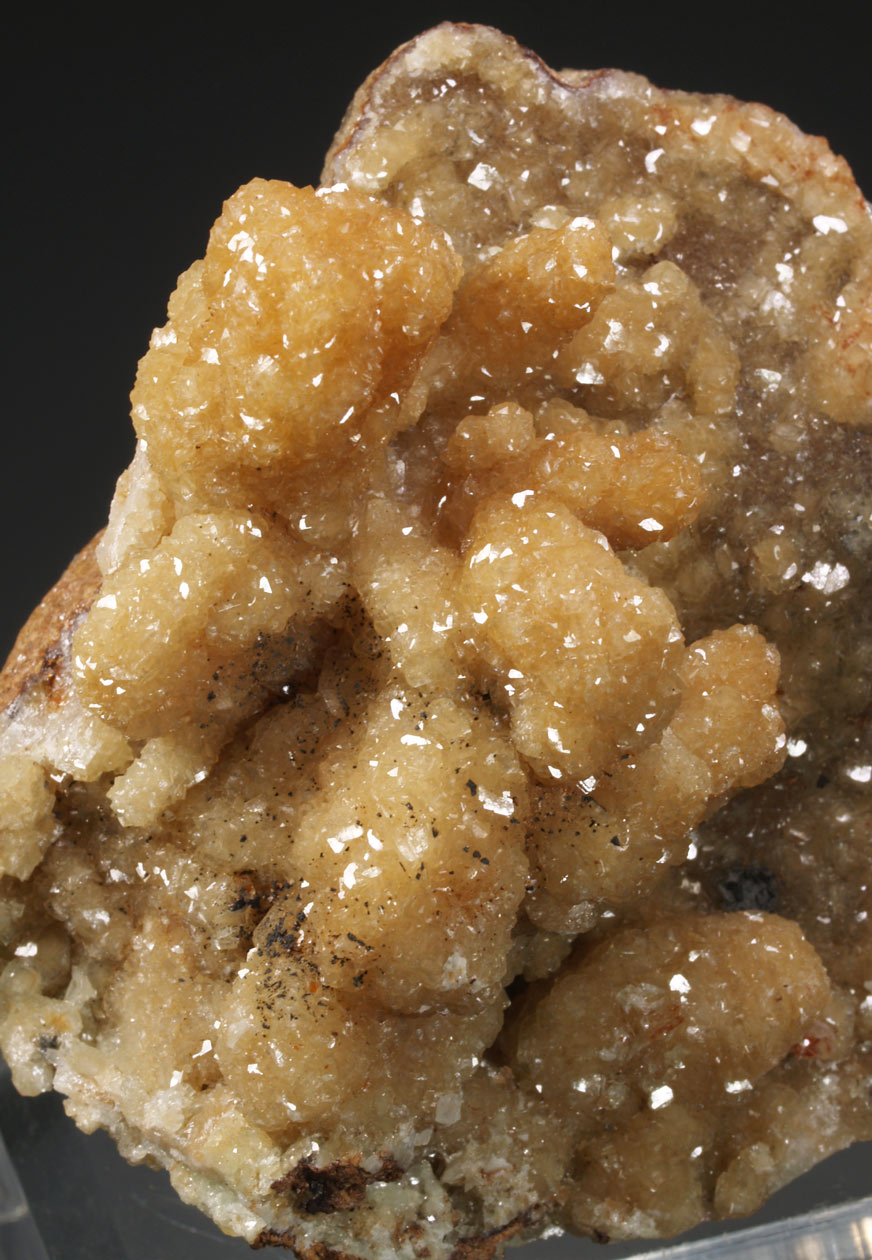
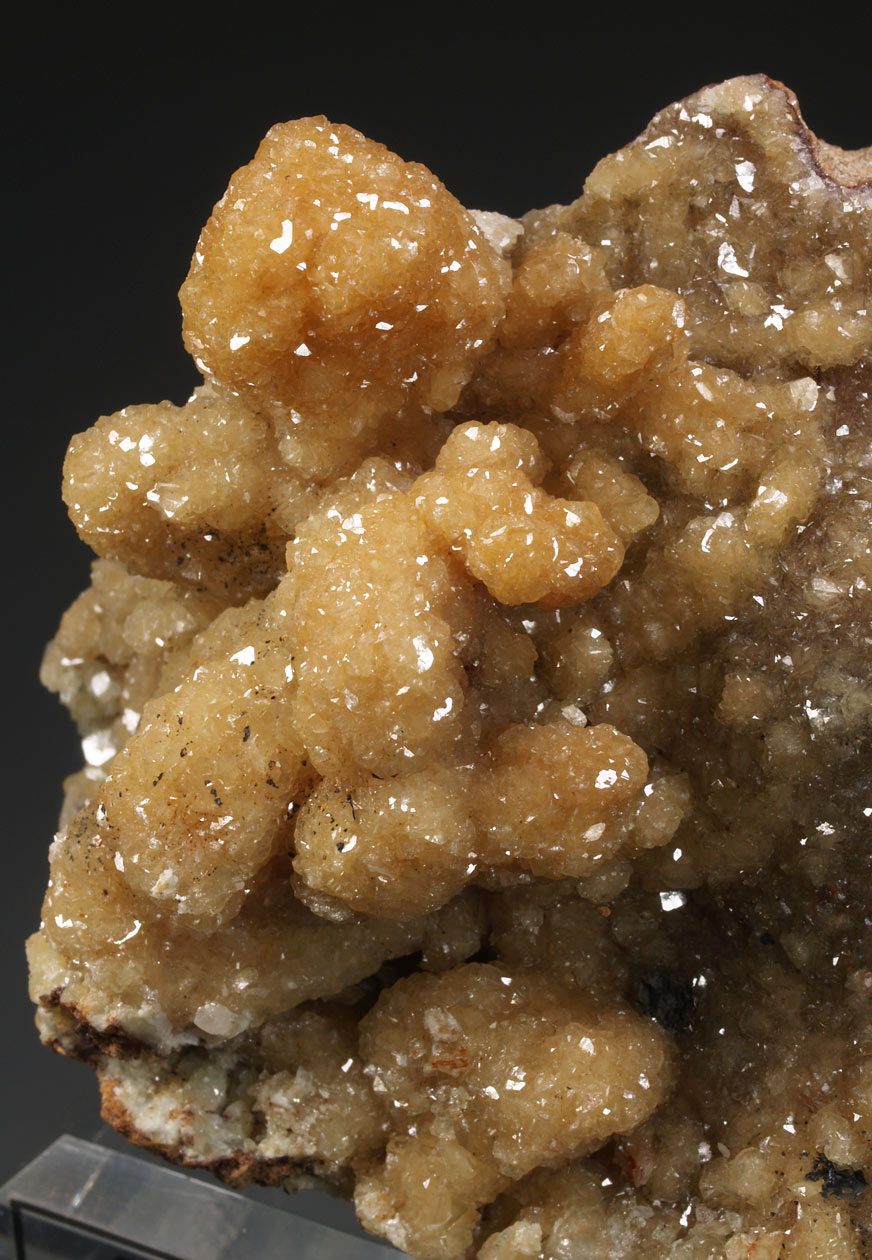
Excellent specimen formed by a large group of prismatic cerussite crystals completely covered by smithsonite crystals, rhombohedral and very bright. It is a very different piece from what can be seen in this classic Moroccan locality. A display specimen.
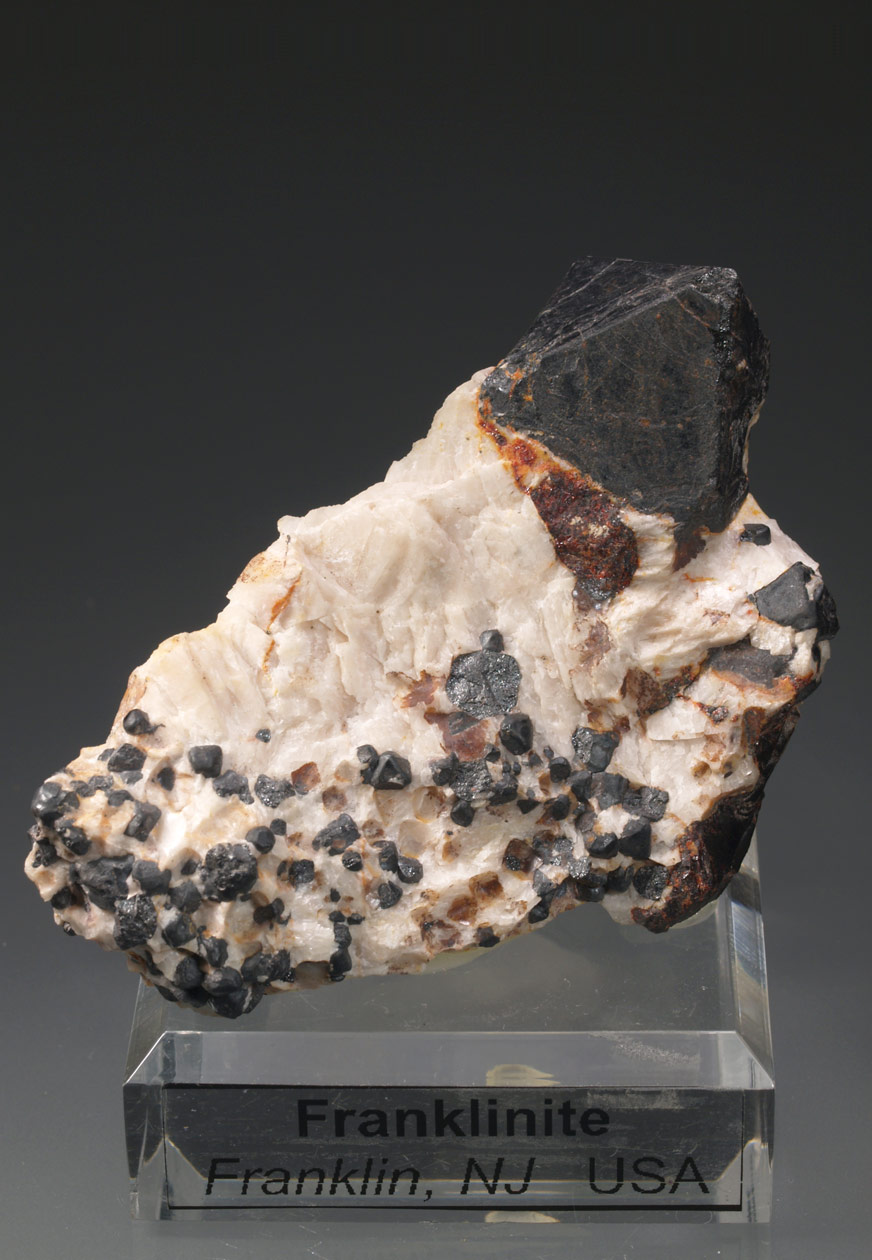
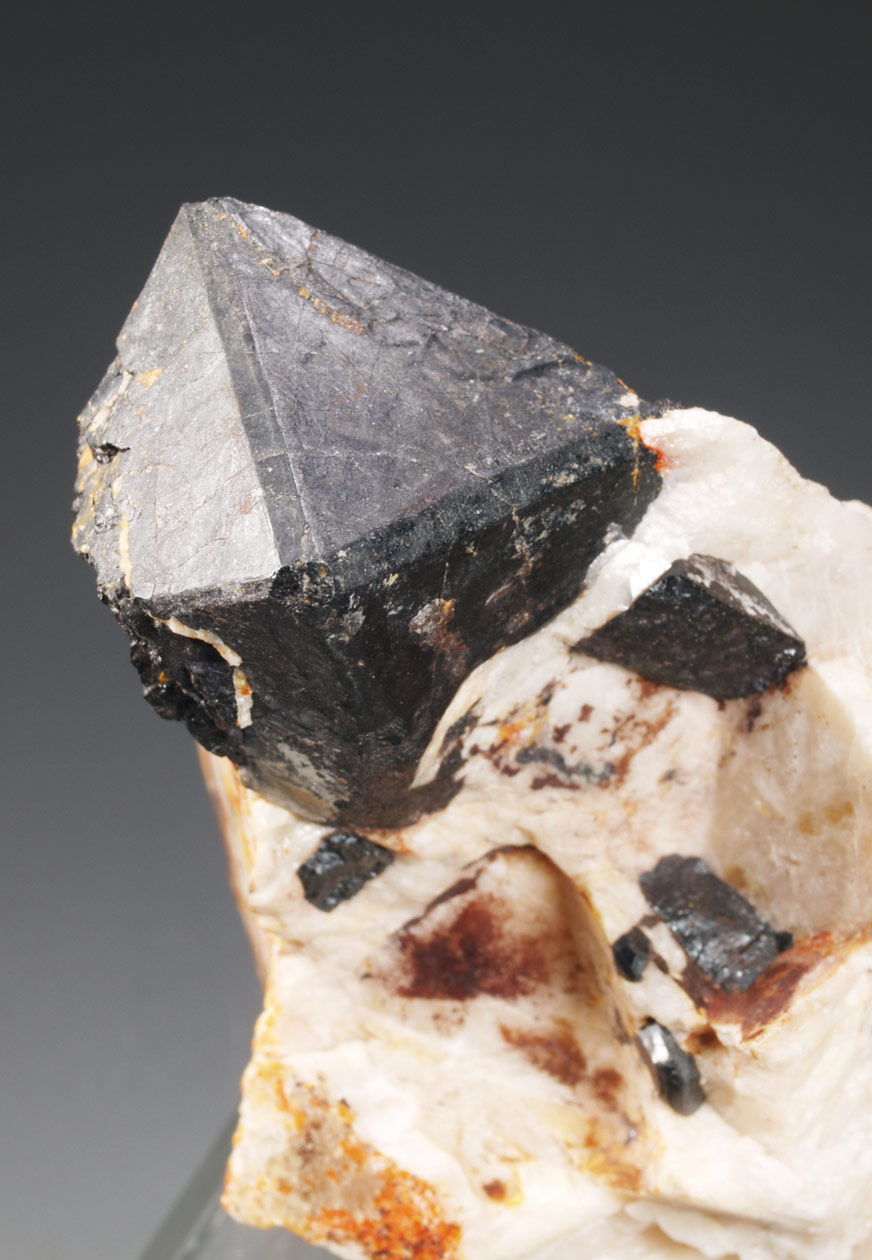
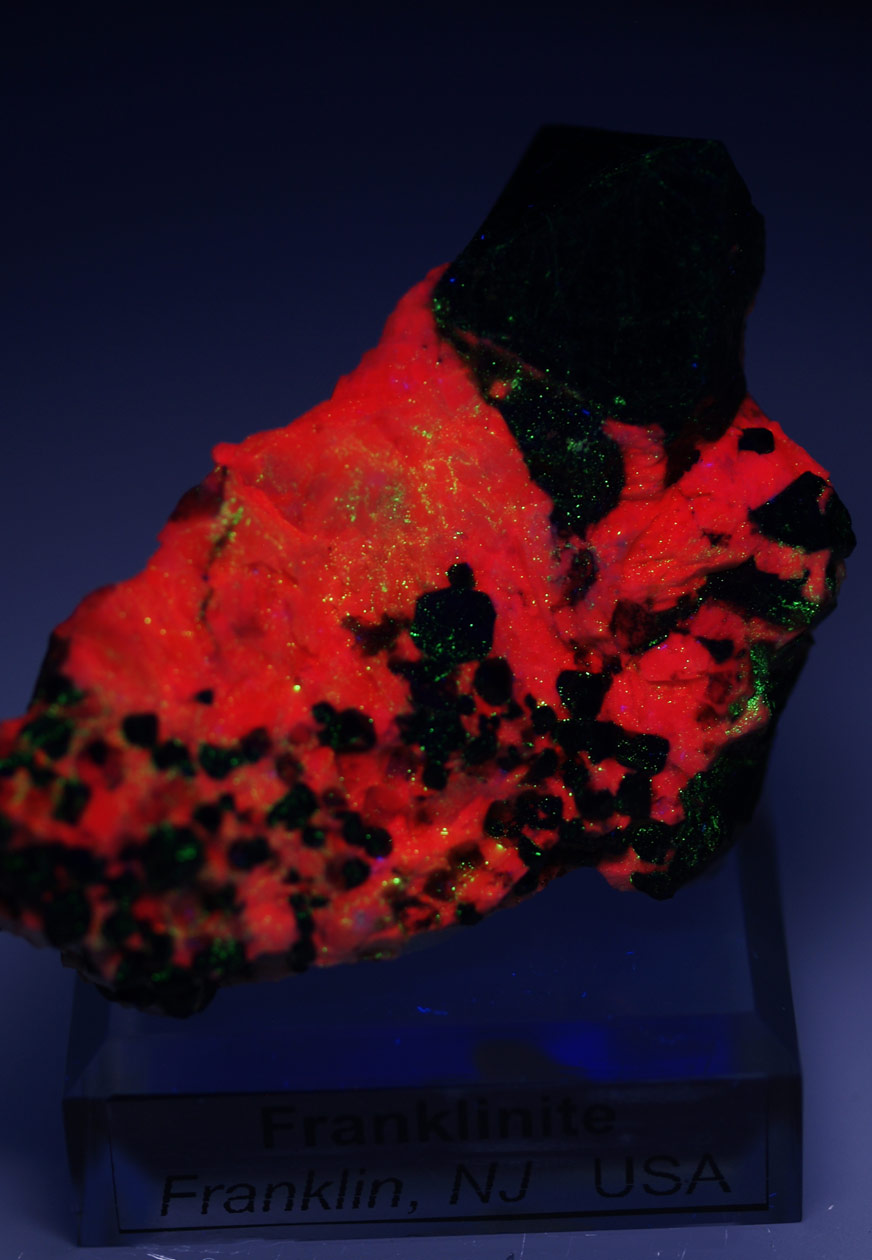
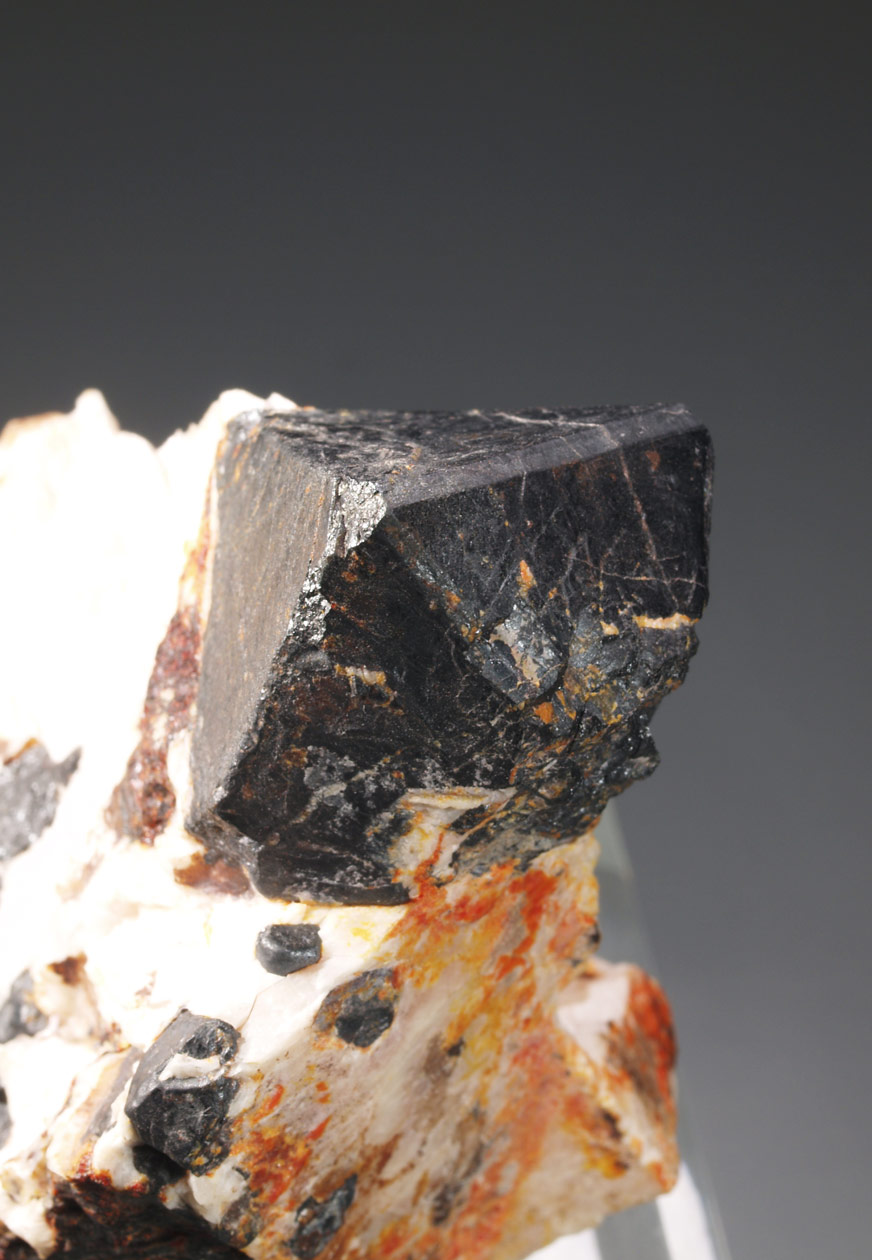
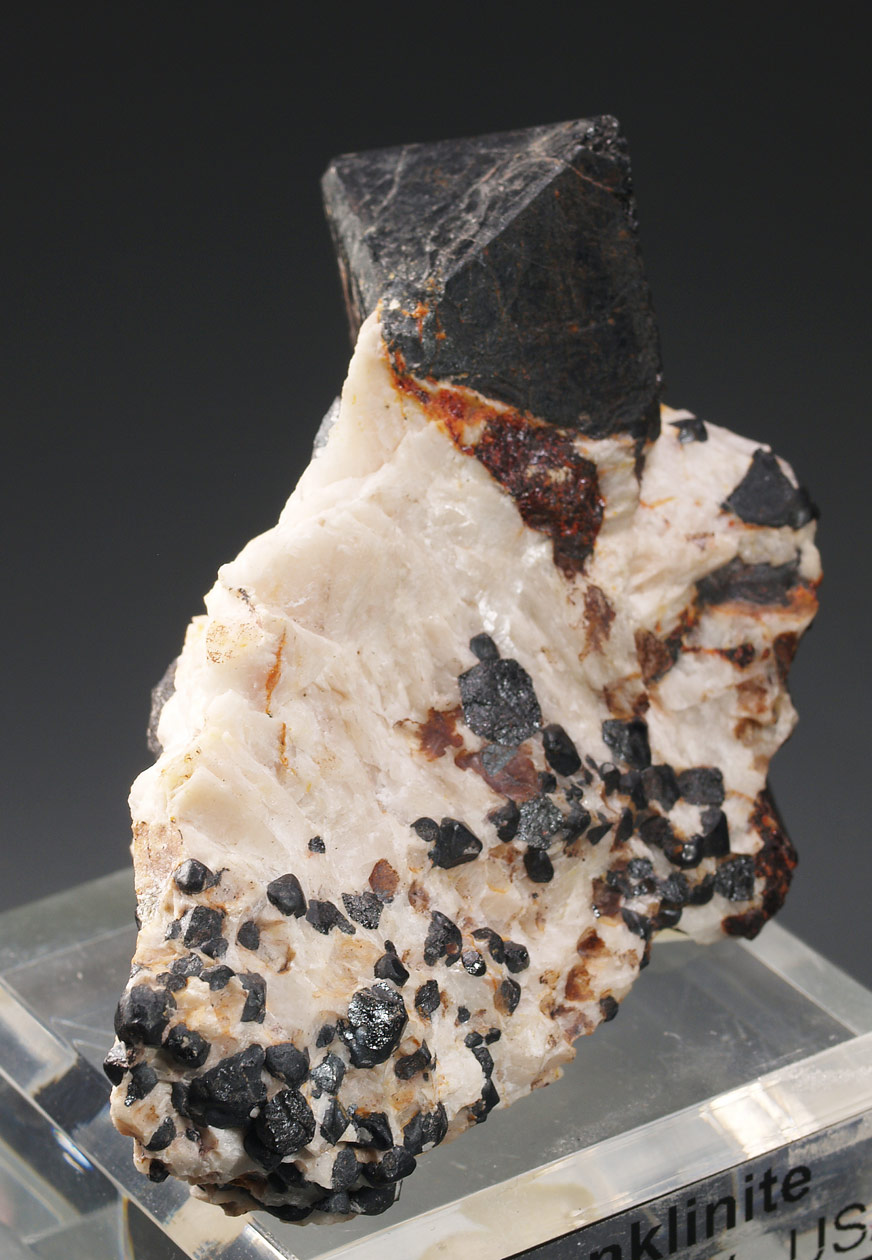
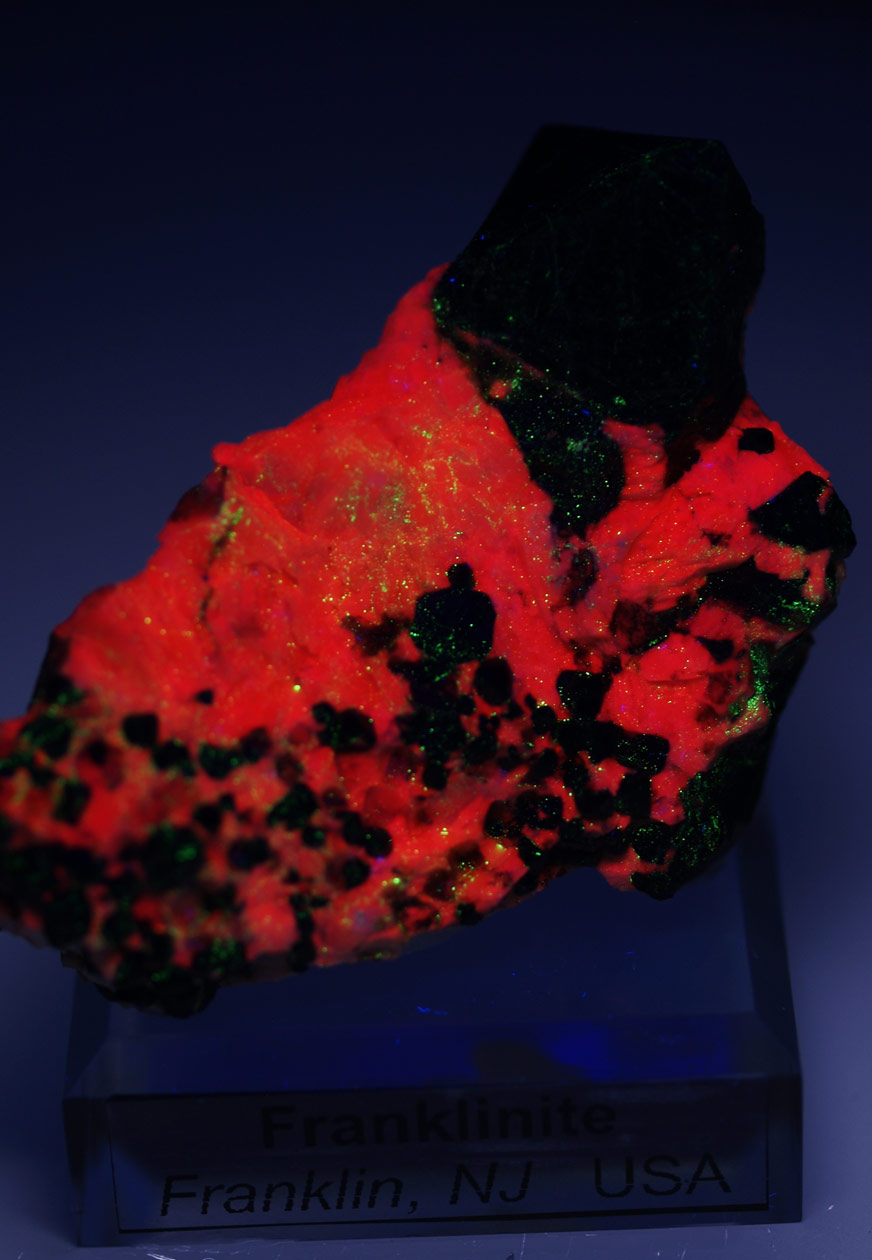
Franklinite, Zn²⁺Fe³⁺₂O₄, crystal of very good size, with defined faces and edges, fragmented on the back. It is disposed very aerial on a calcite matrix, with other smaller franklinite crystals, along with willemite and zincite.
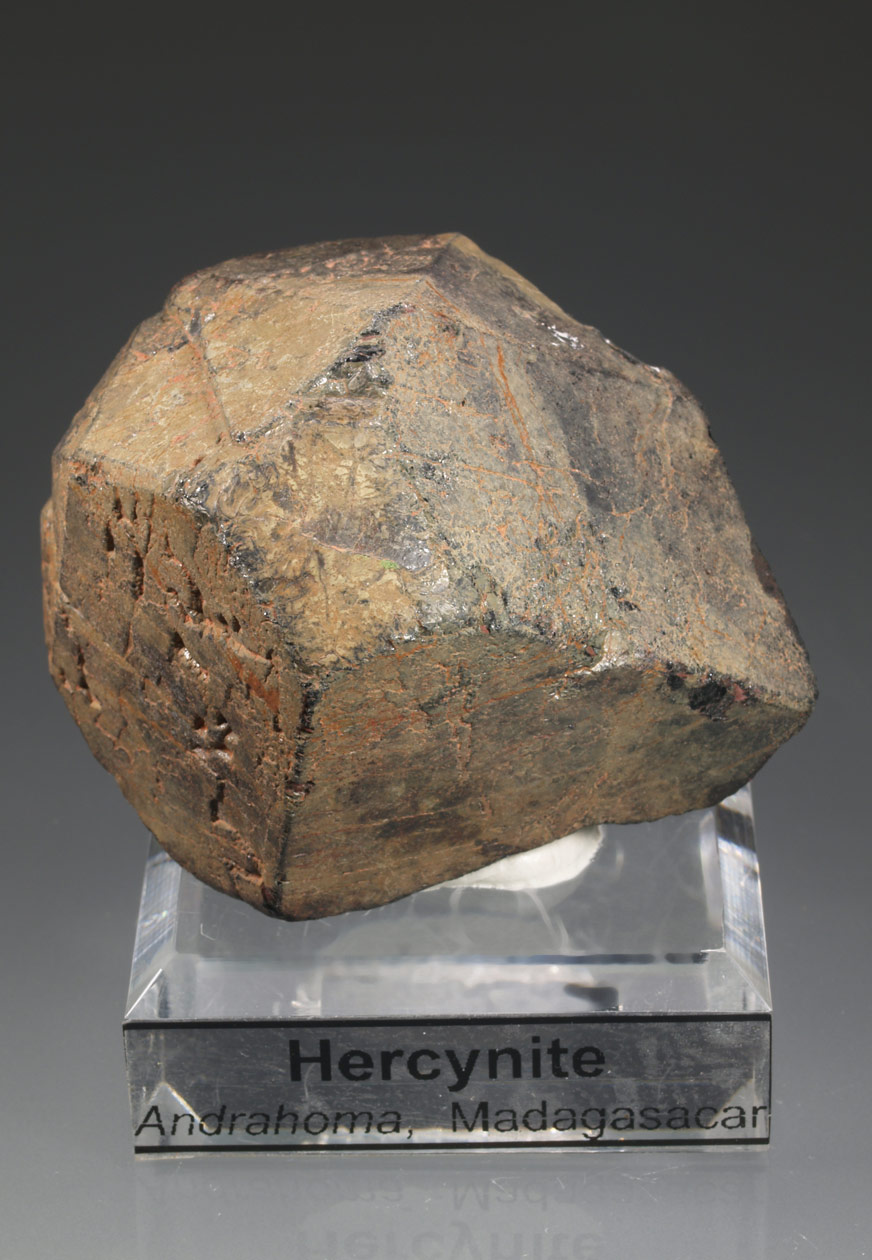
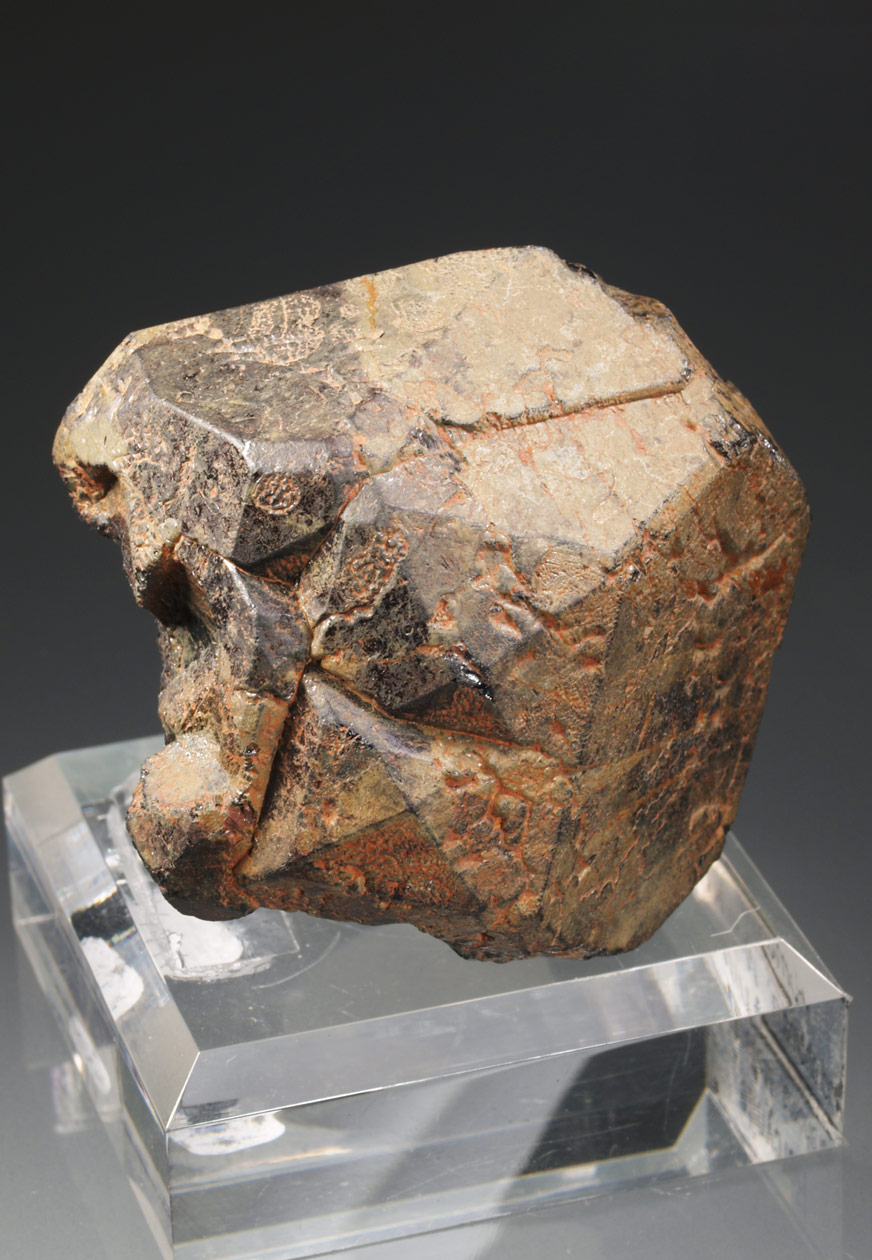
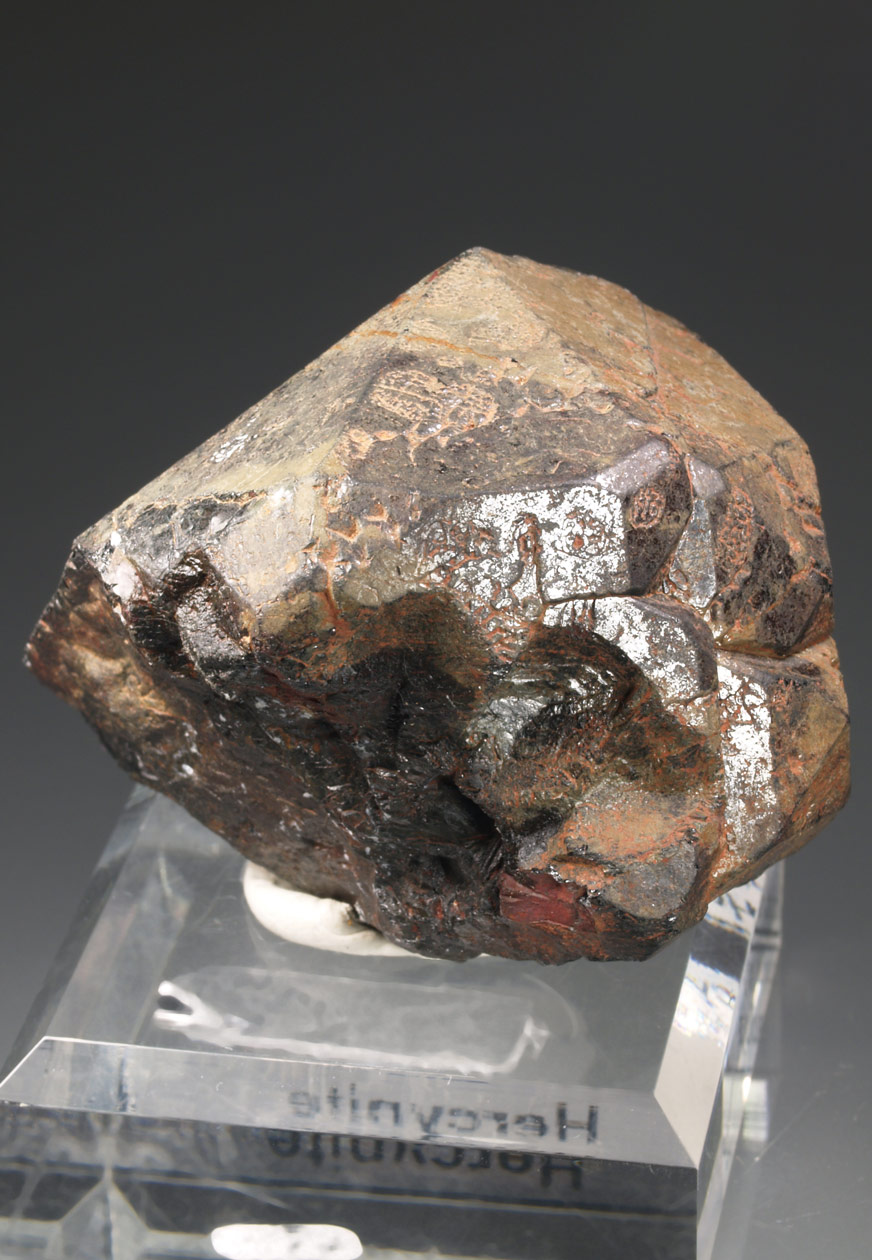
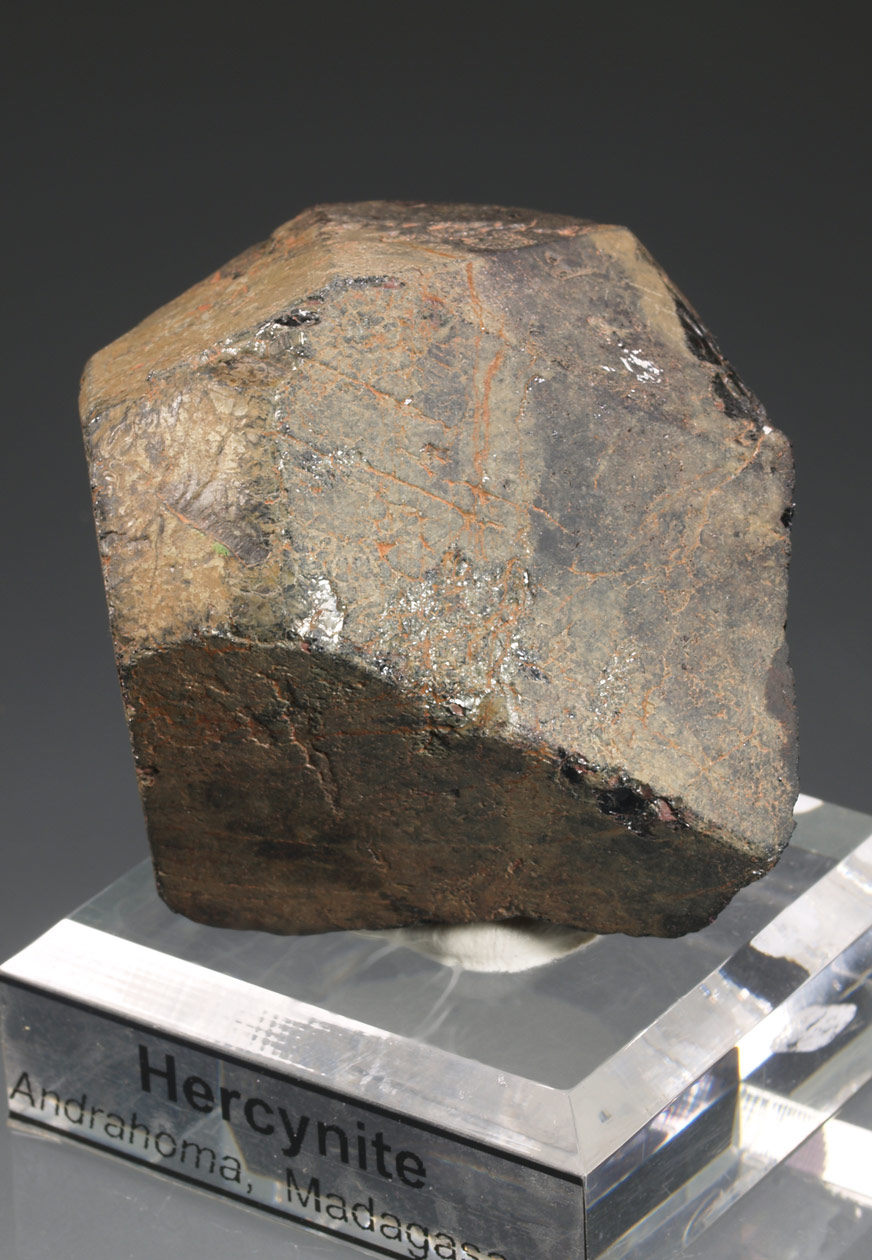
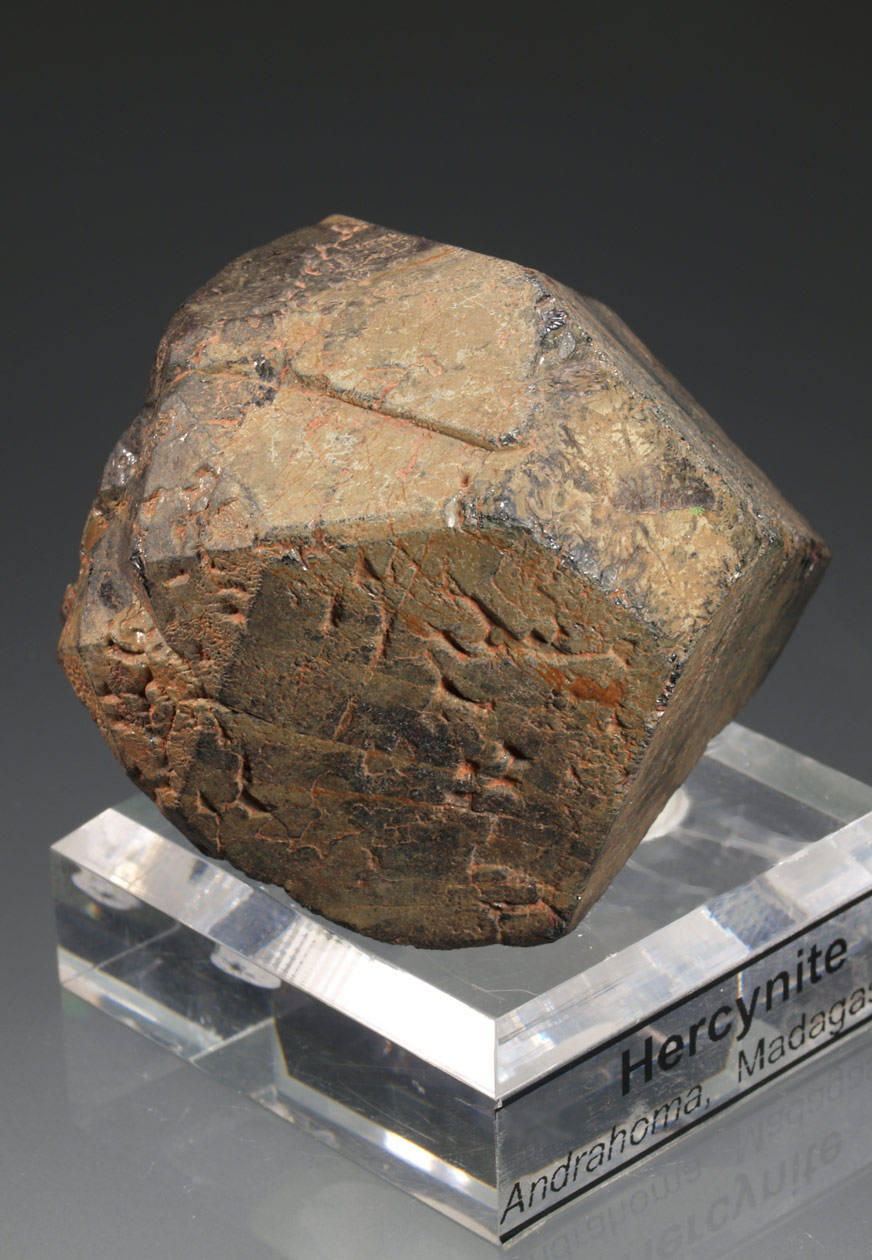
Good size crystal of pleonast, a variety of spinel containing Fe²⁺. It shows complex crystalline forms of the octahedron and combinations of the octahedron with the dodecahedron or, more rarely, with those of the cube. A museum size piece, very rare to get.
-mongolia.jpg)
-mongolia-a.jpg)
Orange veins of huanghoite-(Ce), very fine grained and associated with other rare earth carbonates such as sinchysite-(Ce) and Röntgenite-(Ce), along with aegirine of greenish tones. A hard to find rarity. Bayan Obo is the world's largest rare earth deposit (REE). Interestingly the fluorite content of the ores also makes it the largest fluorite deposit in the world. You have to think that the Bayan Obo deposit is 18 km long and 3 km wide, covering a total area of 48 km². The deposit is made up of three main open pit deposits.
-mongolia-e.jpg)
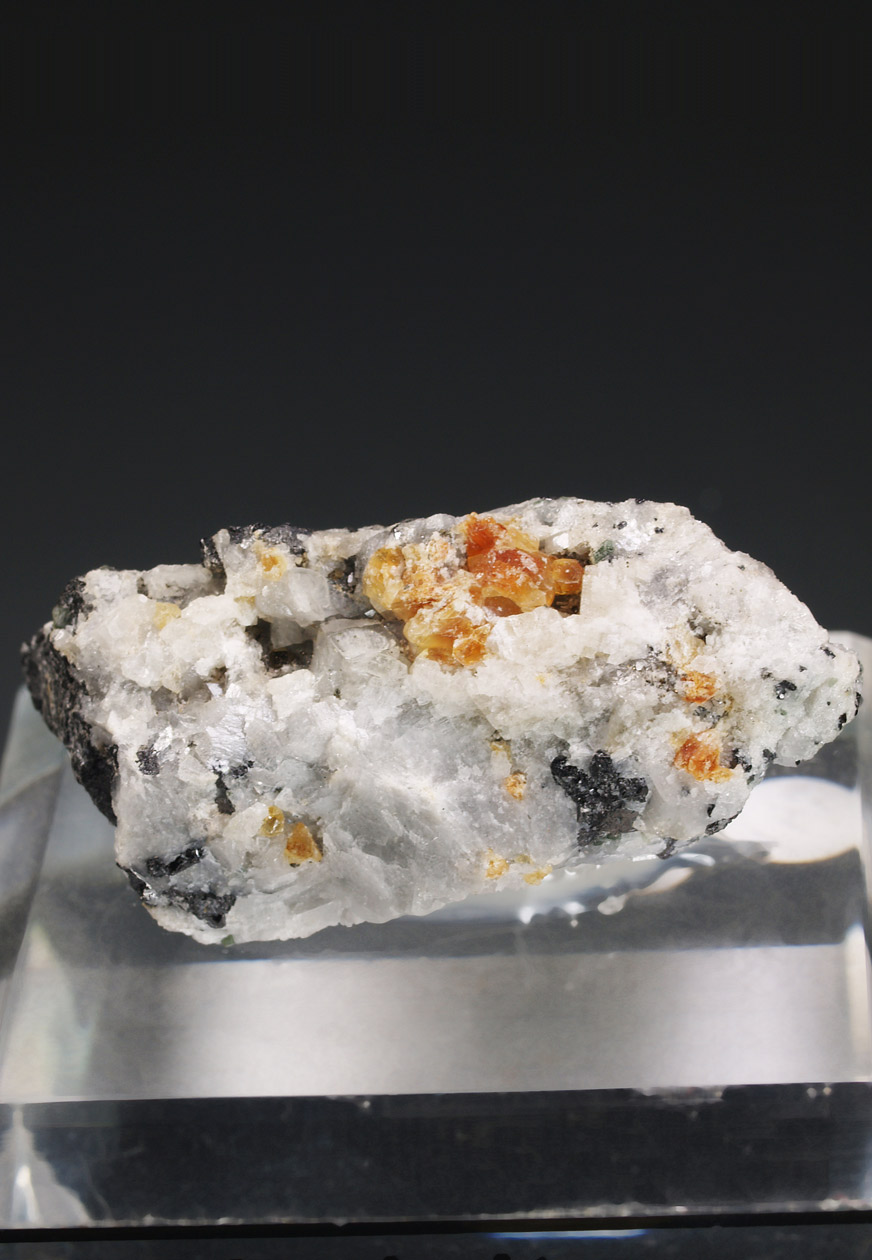
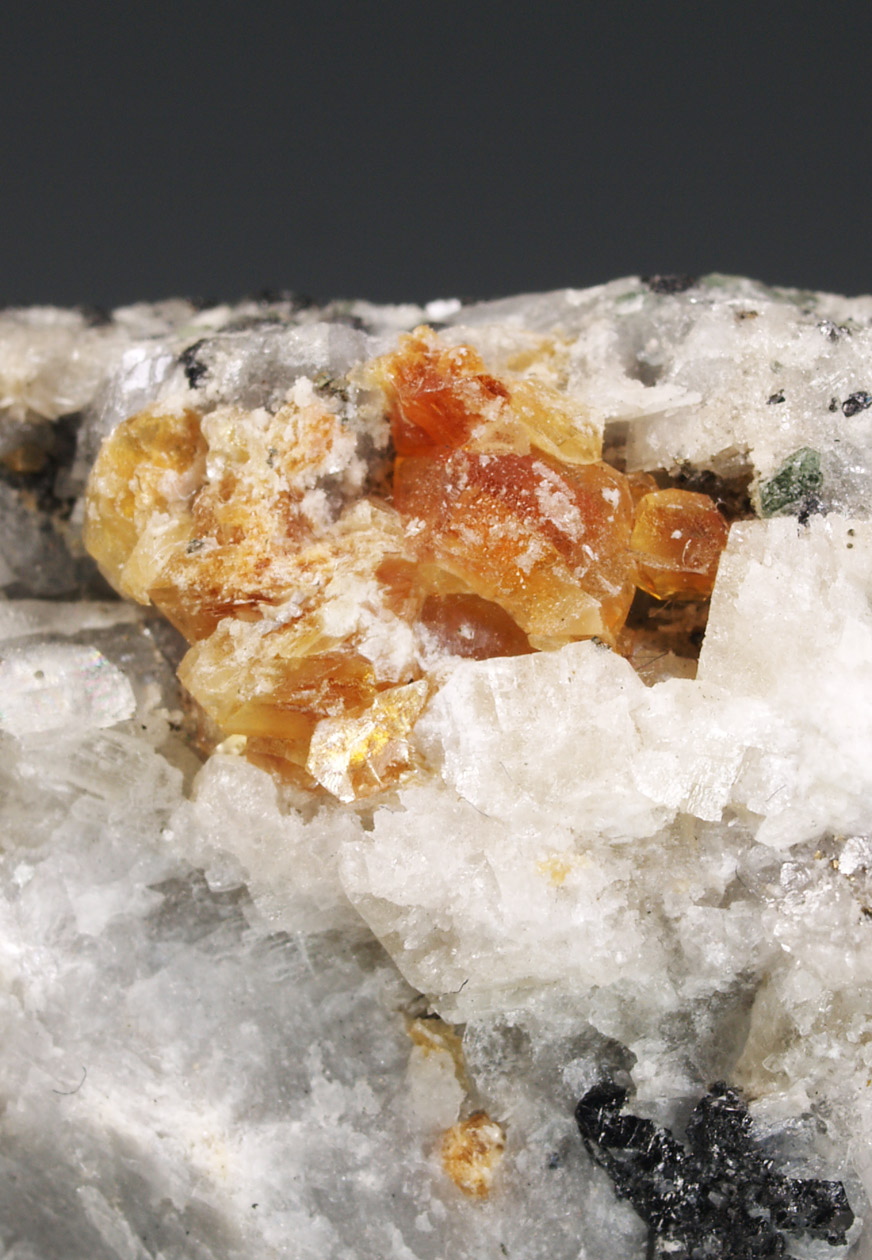
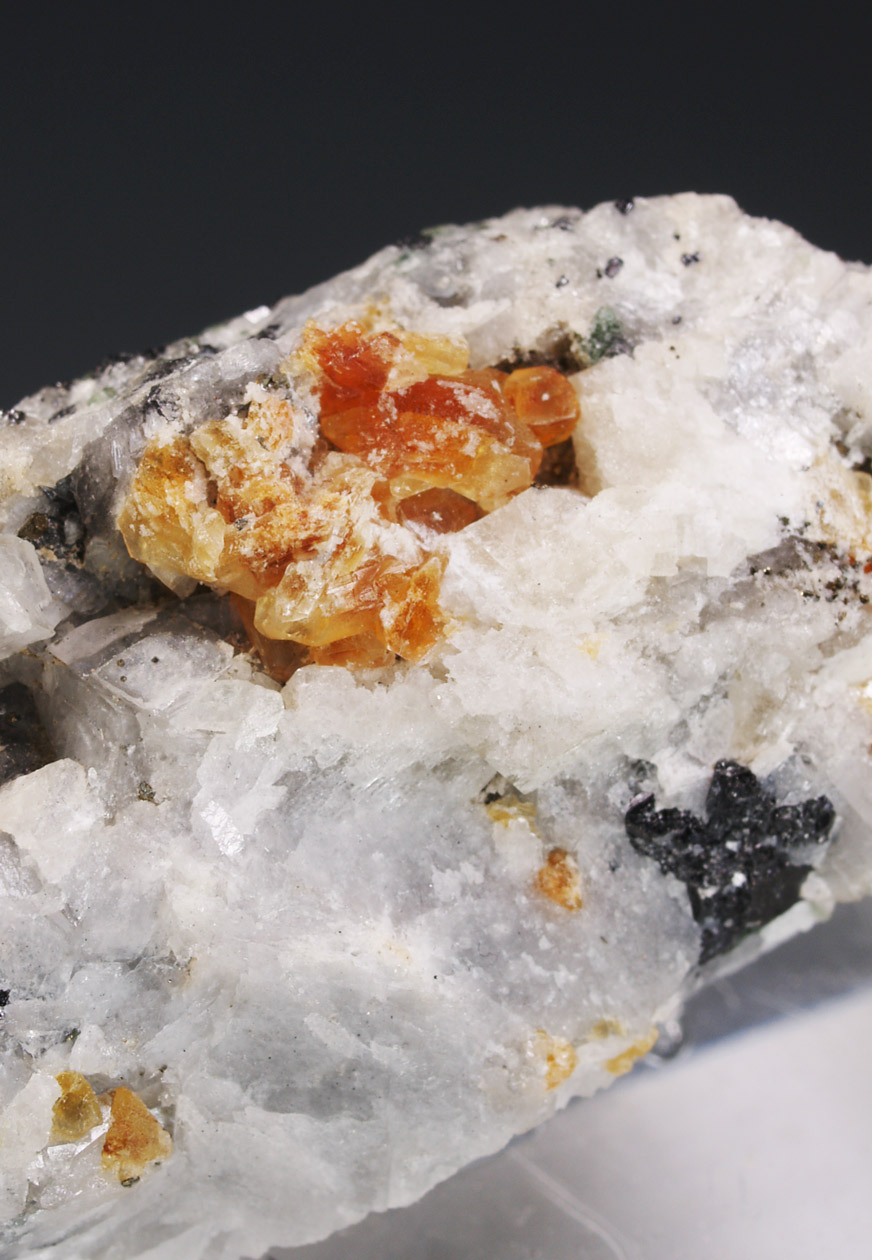
Group of orange quintinite crystals (quintinite-2H polytype, Mg₄Al₂(OH)₁₂(CO₃)·₃H₂O) disposed on a matrix with strontianite. Very rare species belonging to the hydrotalcite supergroup.
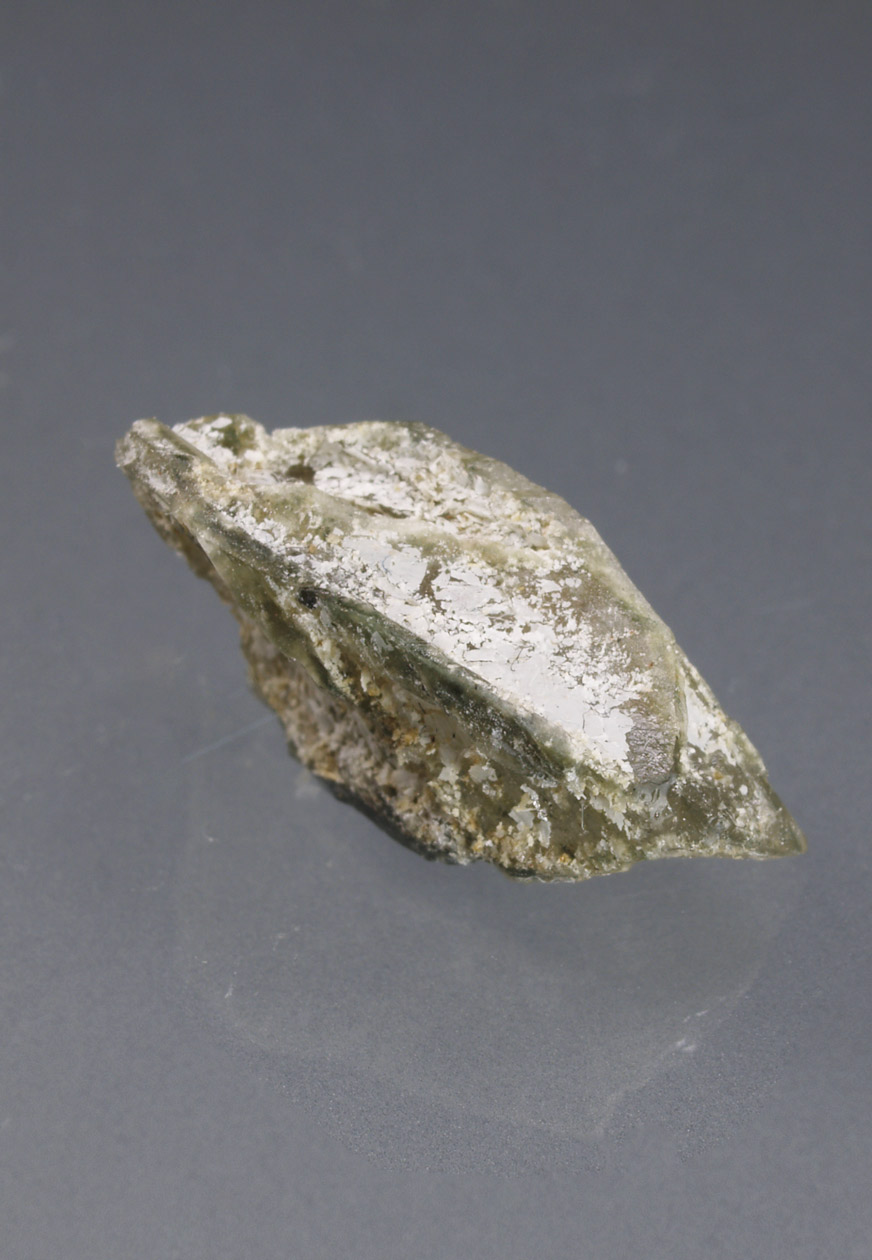
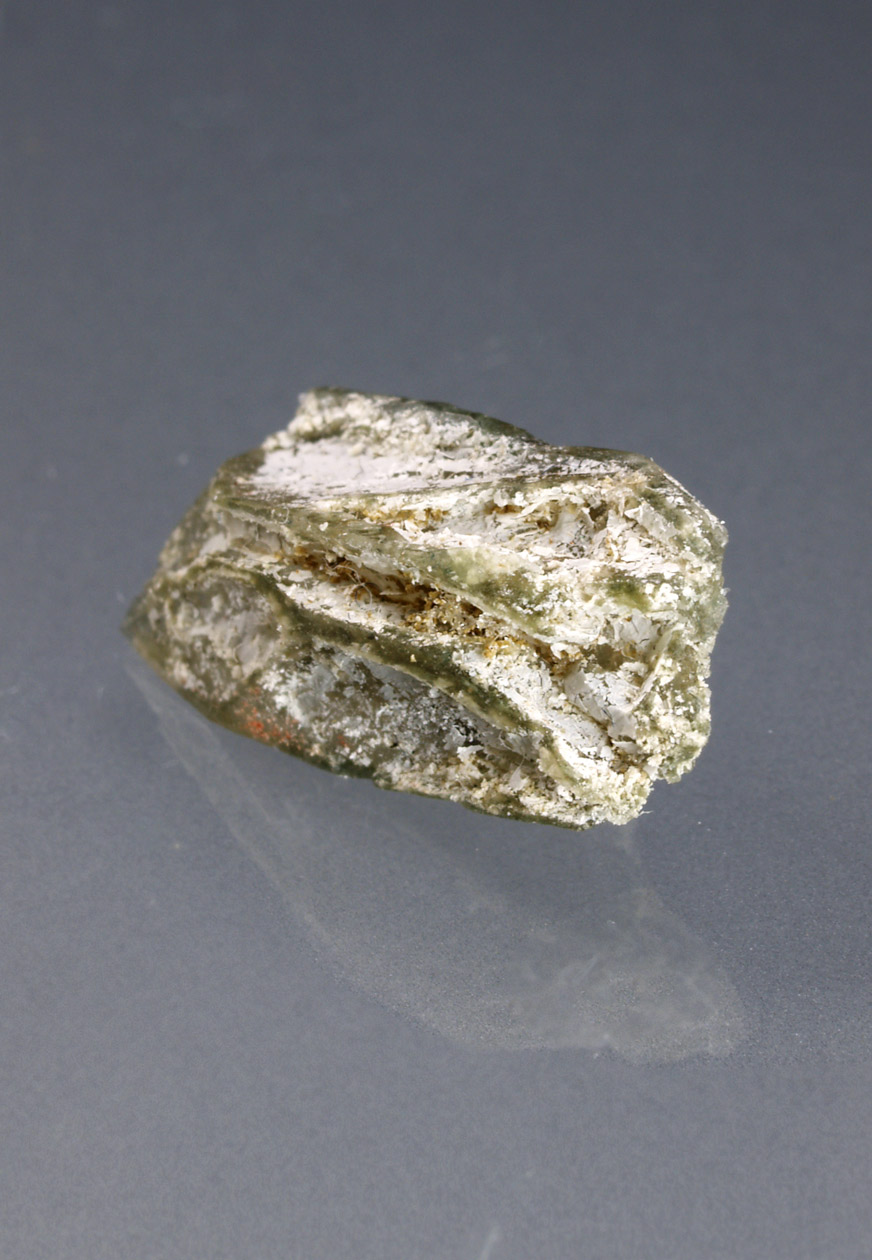
Pirssonite crystal, a rare, sharp, buoyant sodium calcium carbonate. As usually happens, it presents whitish efflorescences on the surface. A very unusual carbonate from the type locality at Searles Lake, a large, nearly 20 km dry lake in the Mojave Desert. On its western coast is the mining community of Trona. Borax has been mined since 1873. Today sodium sulfate, sodium carbonate and sodium chloride (halite) are also produced.
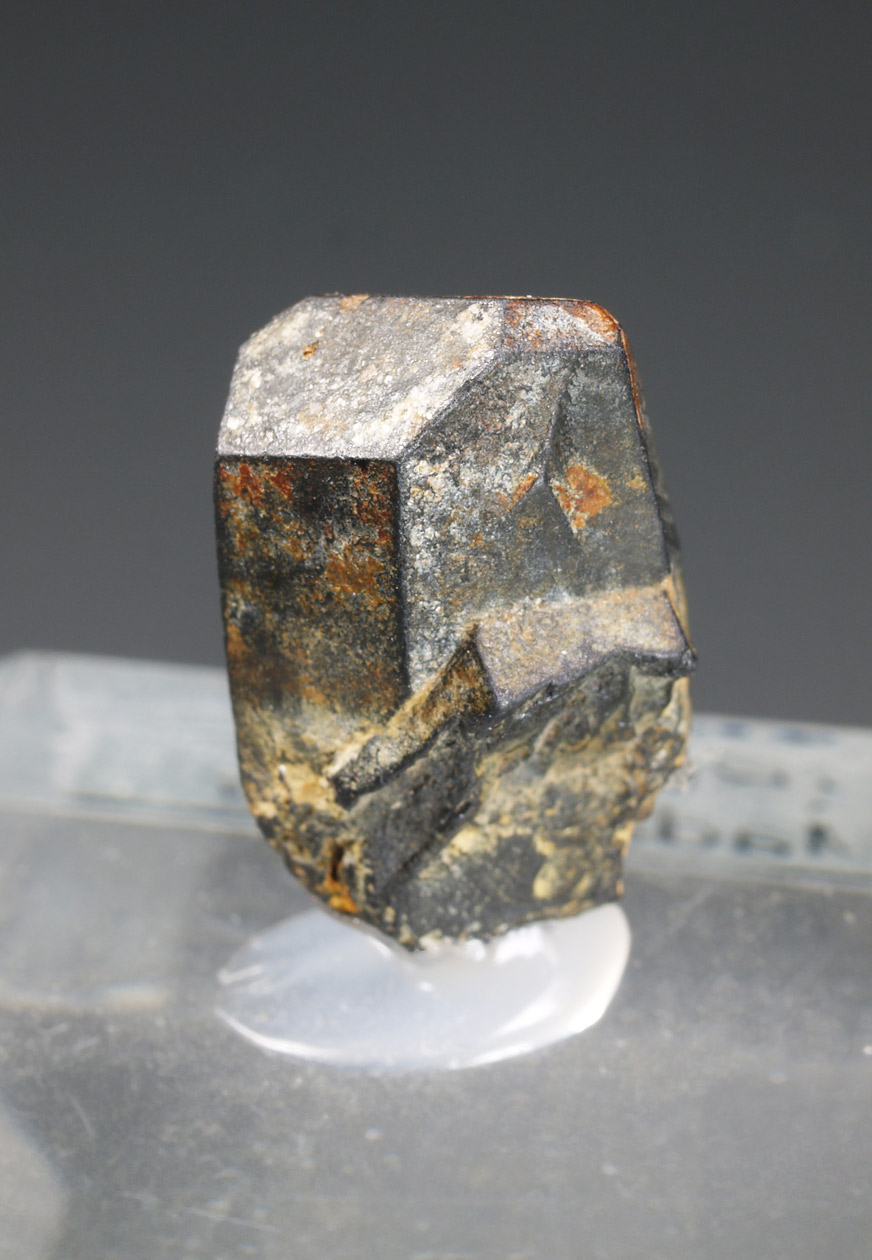
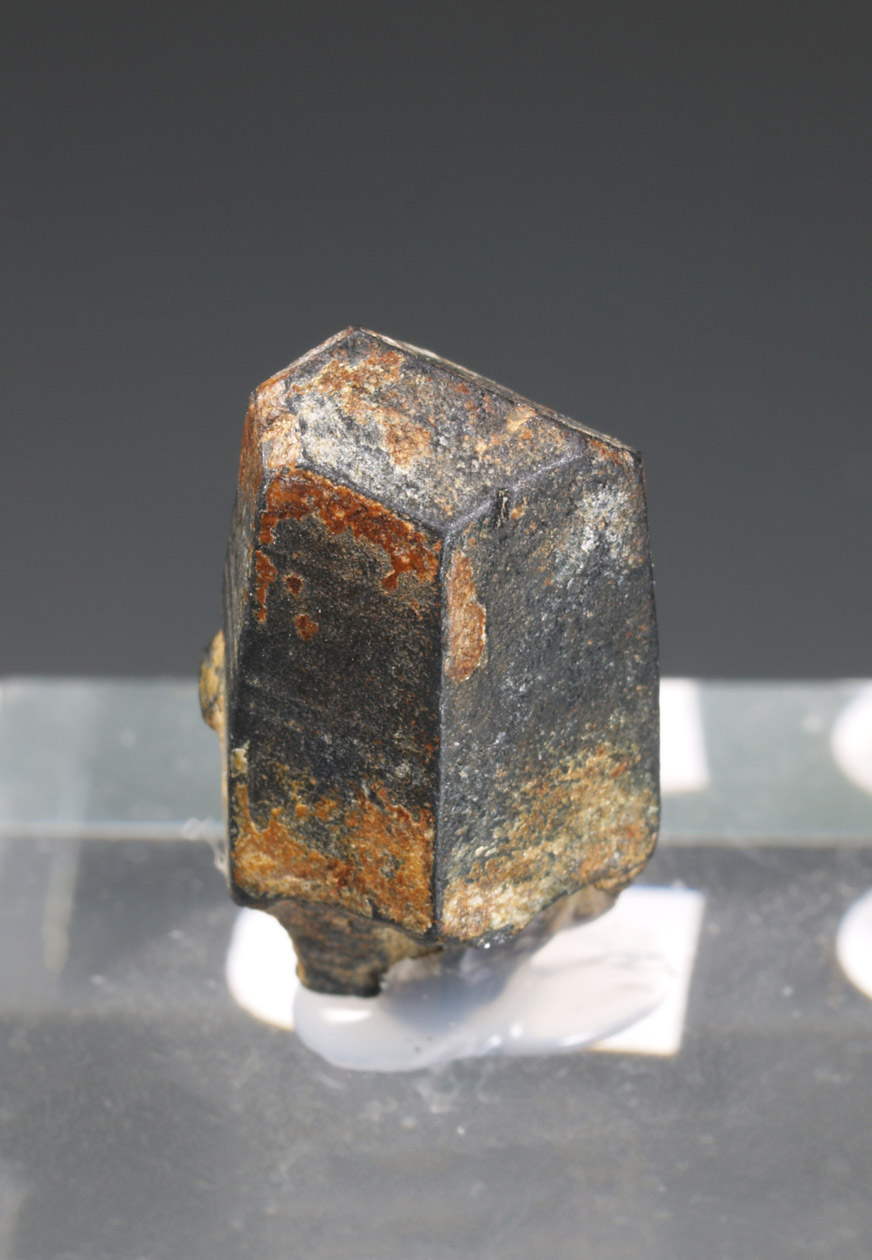
Strüverite is a variety of rutile rich in tantalum and iron, with the formula (Ti,Ta,Fe)O₂, with variable proportions of niobium (Nb). When the proportion of Ta>Nb is called strüverite, but if Nb≥Ta the variety has been named ilmenorutile. The specimens from this locality in Madagascar have been mainly determined to be of the Ta-rich variety: strüverite. An interesting specimen with a very special chemistry.