- Inicio Acerca de RM Minerales
- Galería de fotos Blog RM Contacto
- Microscopia e instrumentos Pedidos Aviso legal
Copyright 2010-2026
www.rosellminerals.com



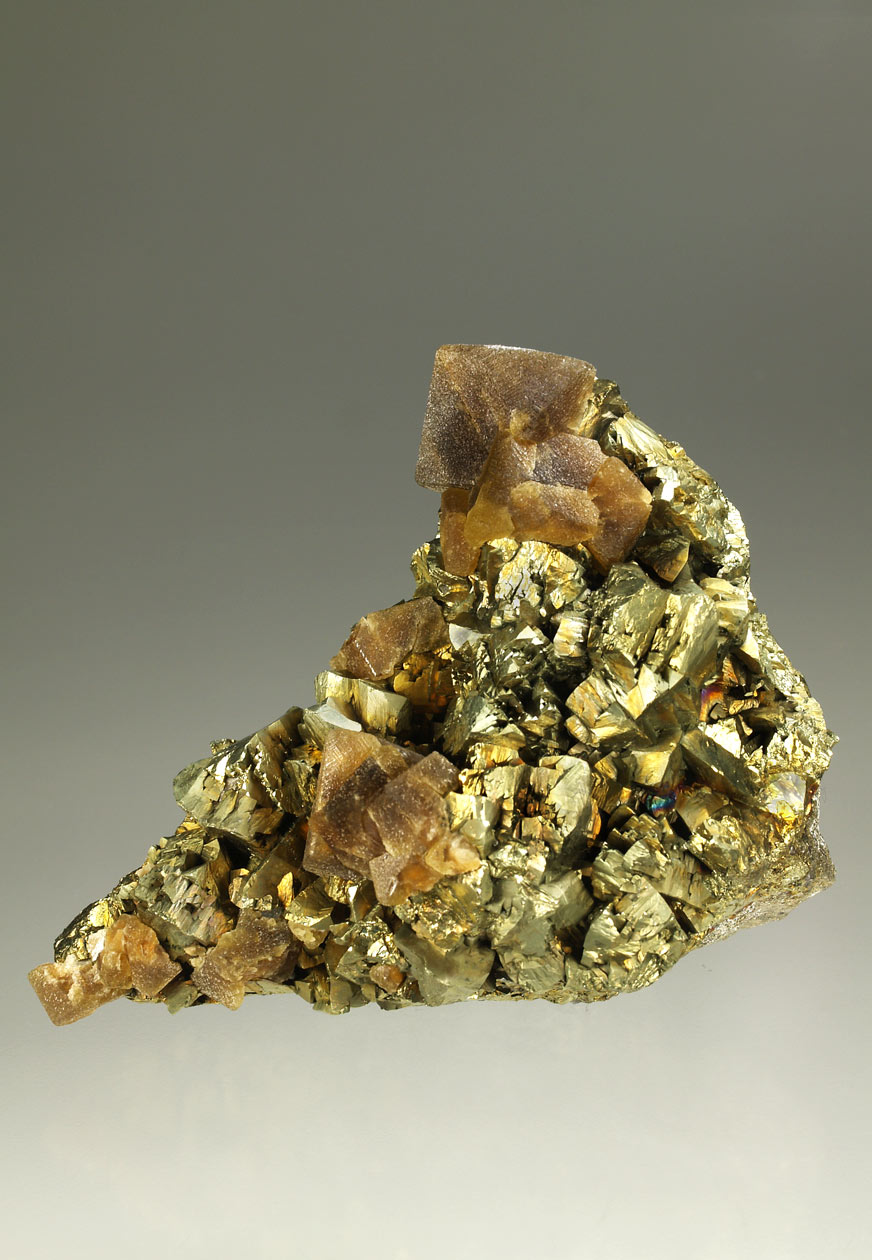
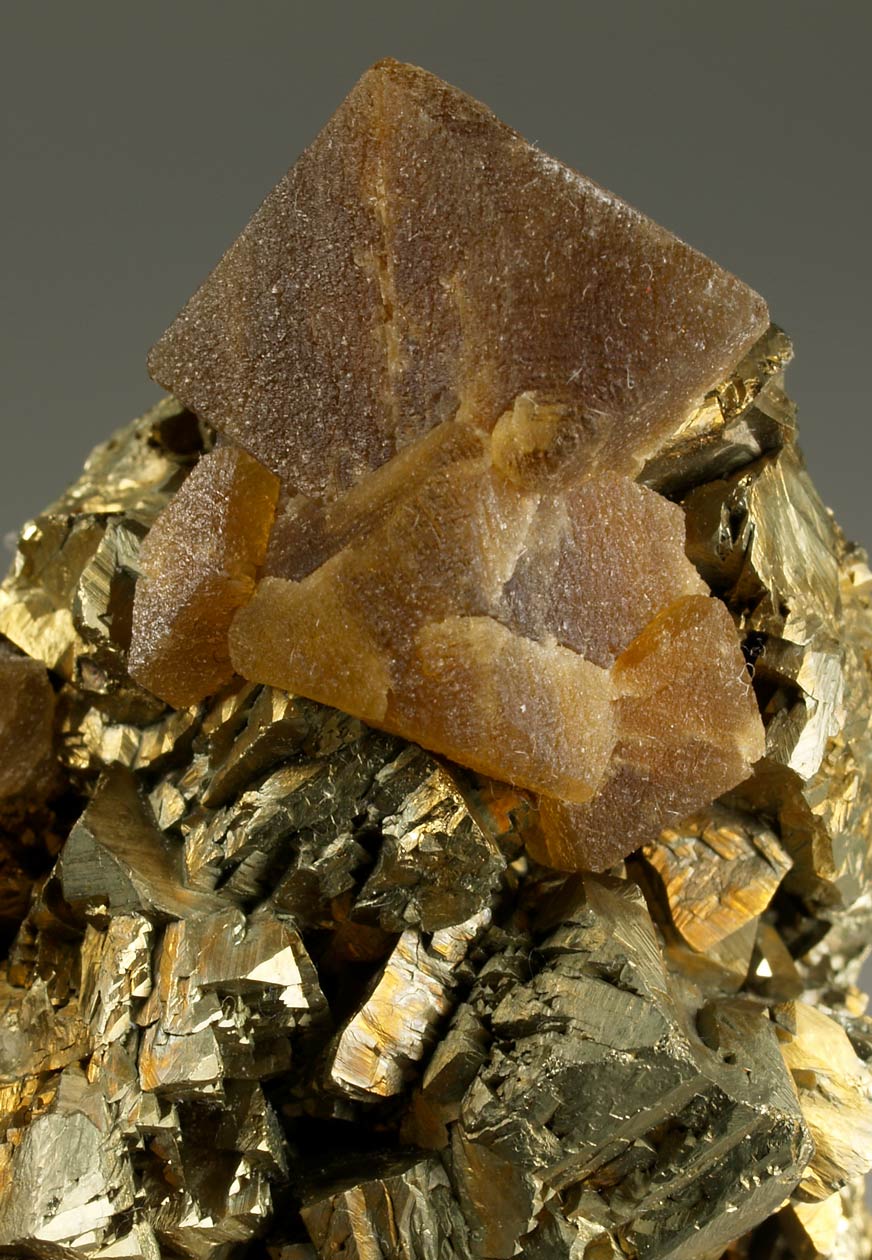
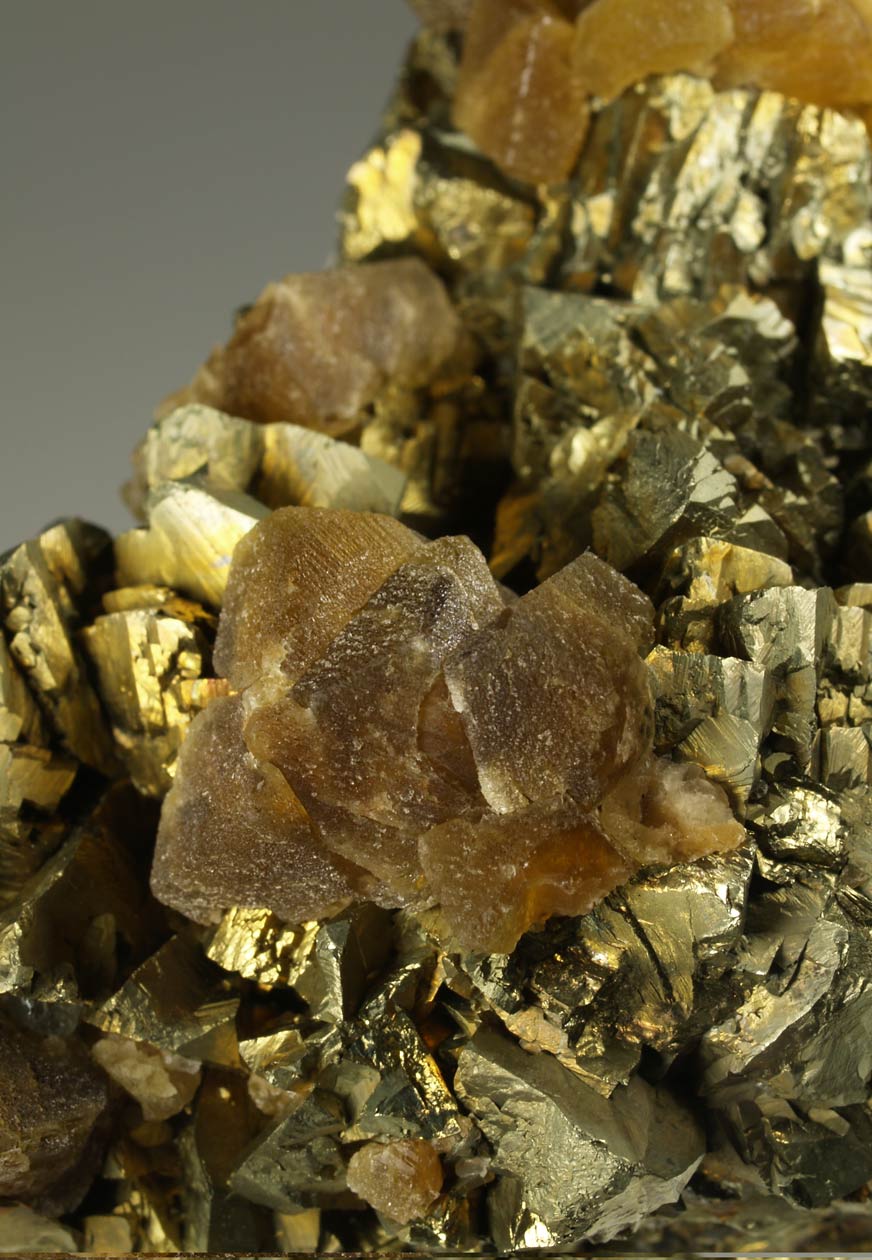
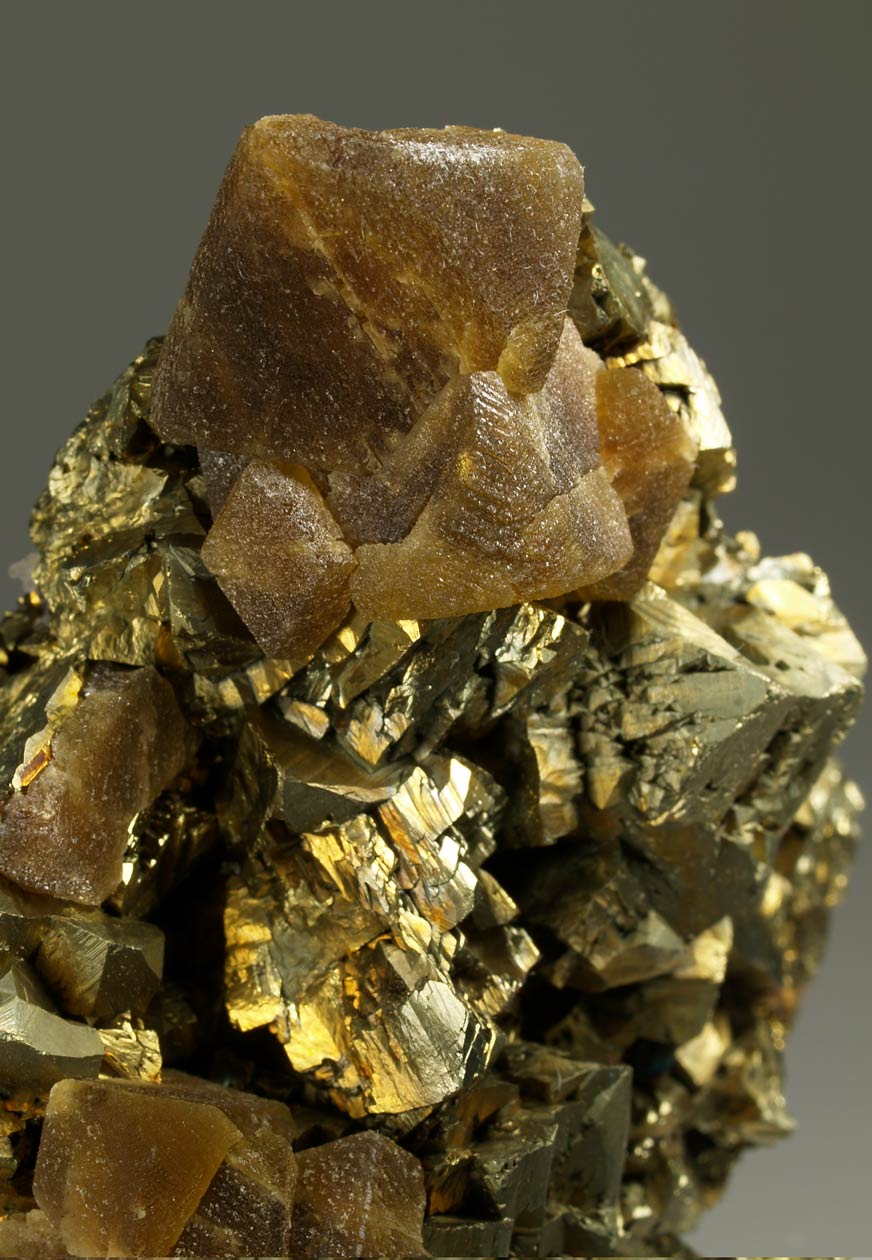
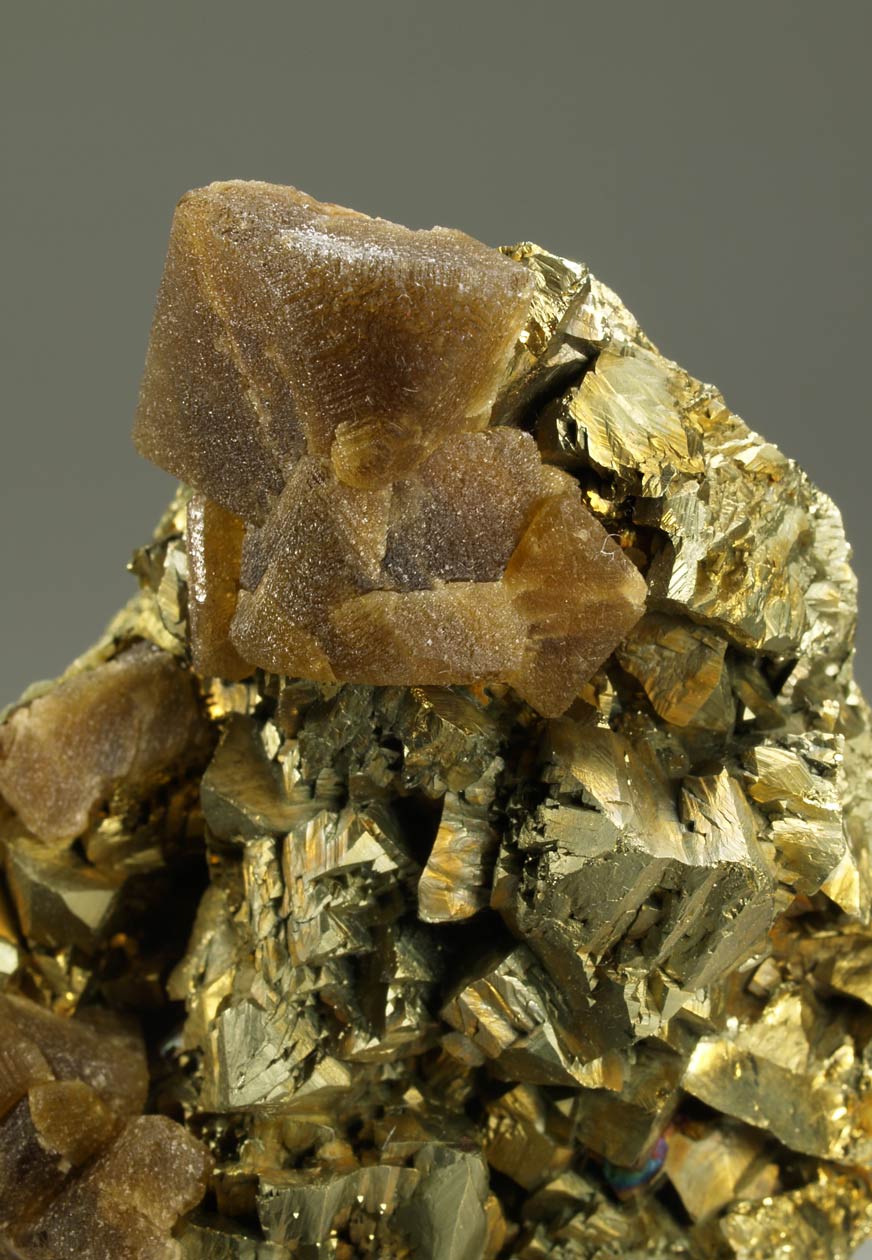
Espléndido ejemplar de calcopirita, muy brillante, con cristales definidos y complejos, sobre los que se disponen unos bien desarrollados romboedros de siderita, interpenetrados y de caras rugosas; muestran un color melado uniforme. Estos ejemplares en matriz han sido poco vistos en el mundo mineralógico y destacan por su belleza.
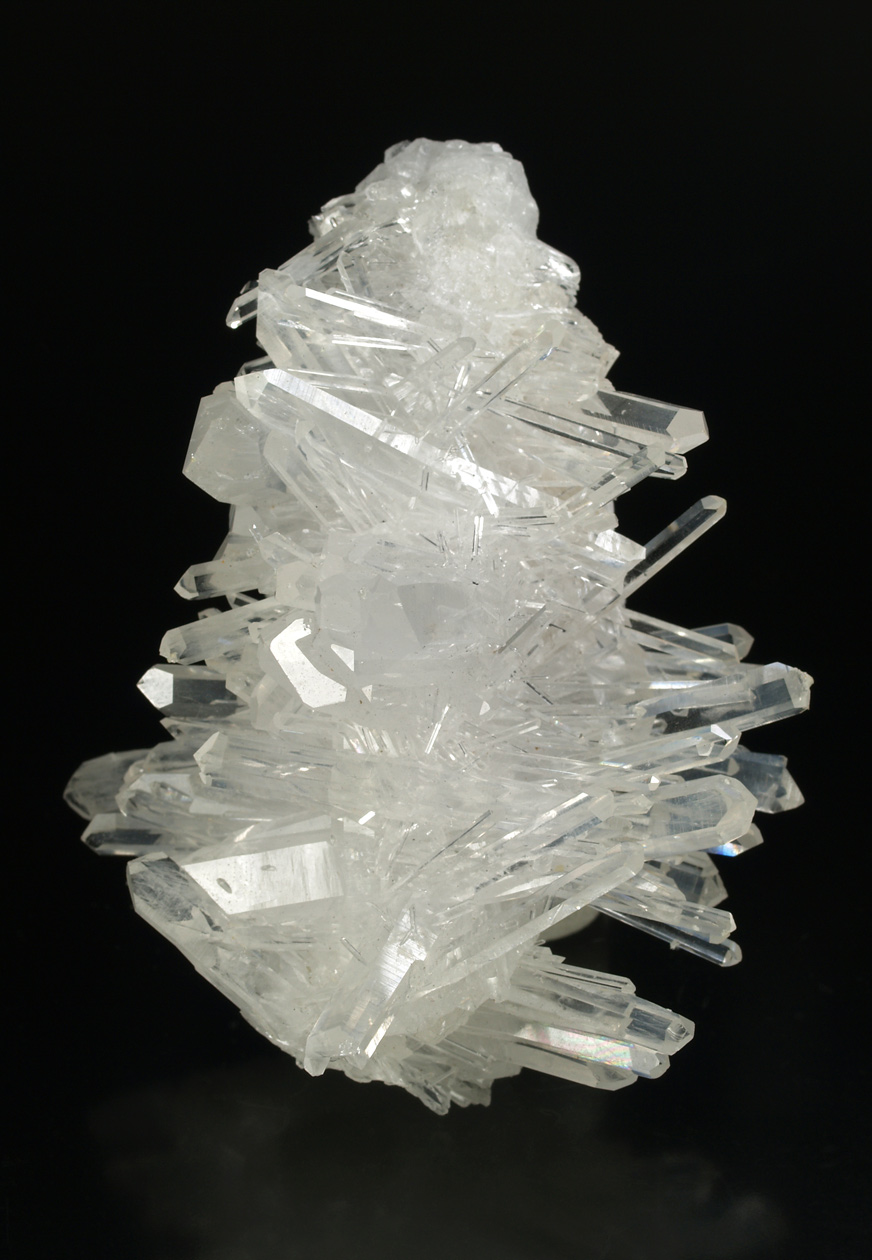
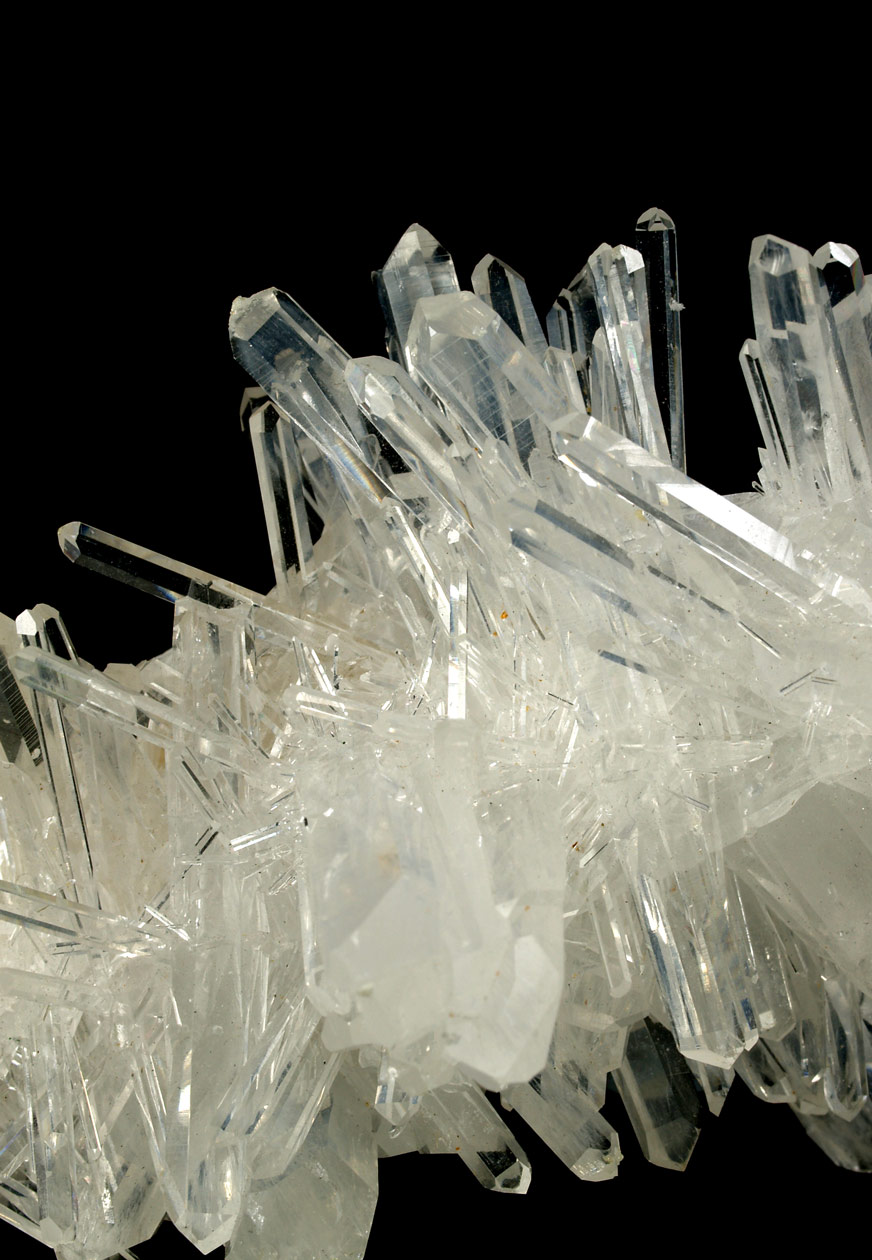
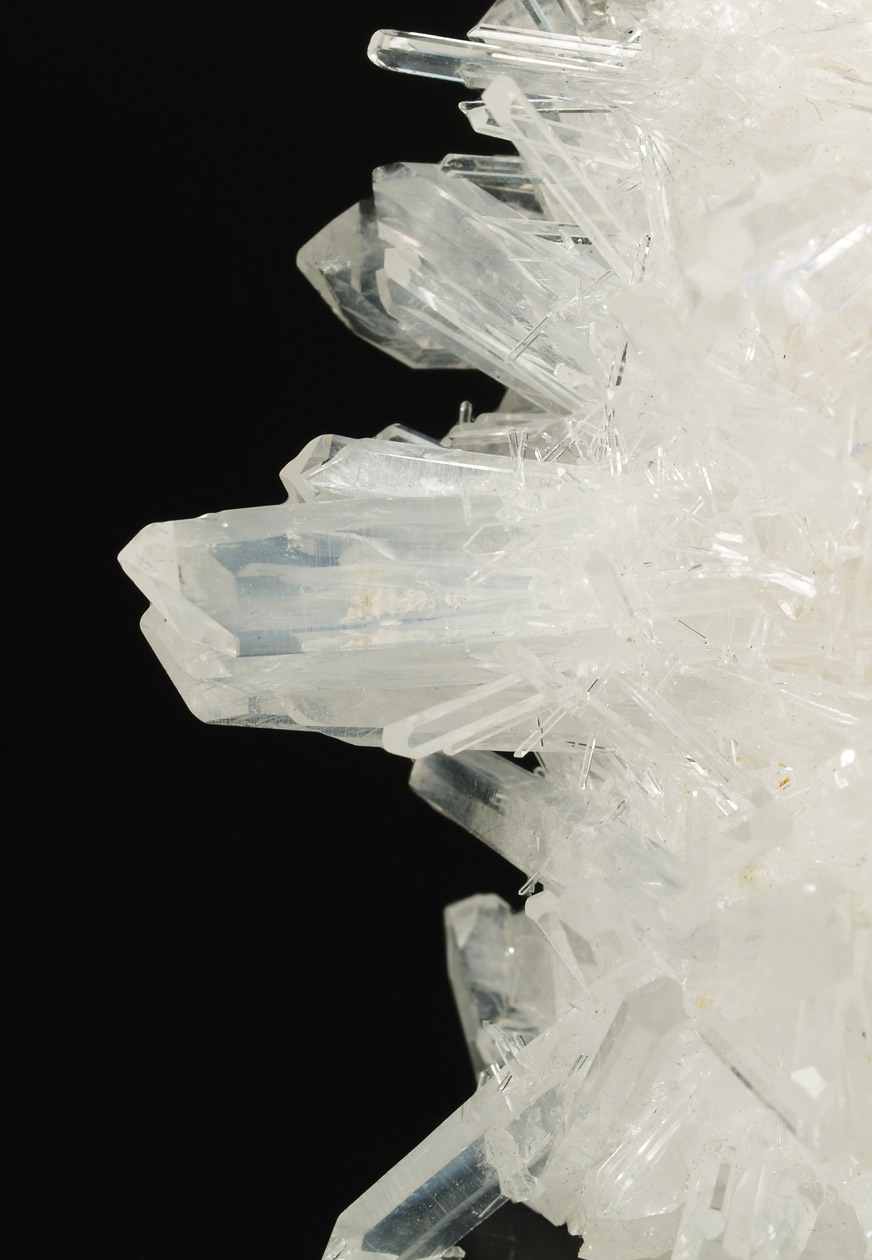
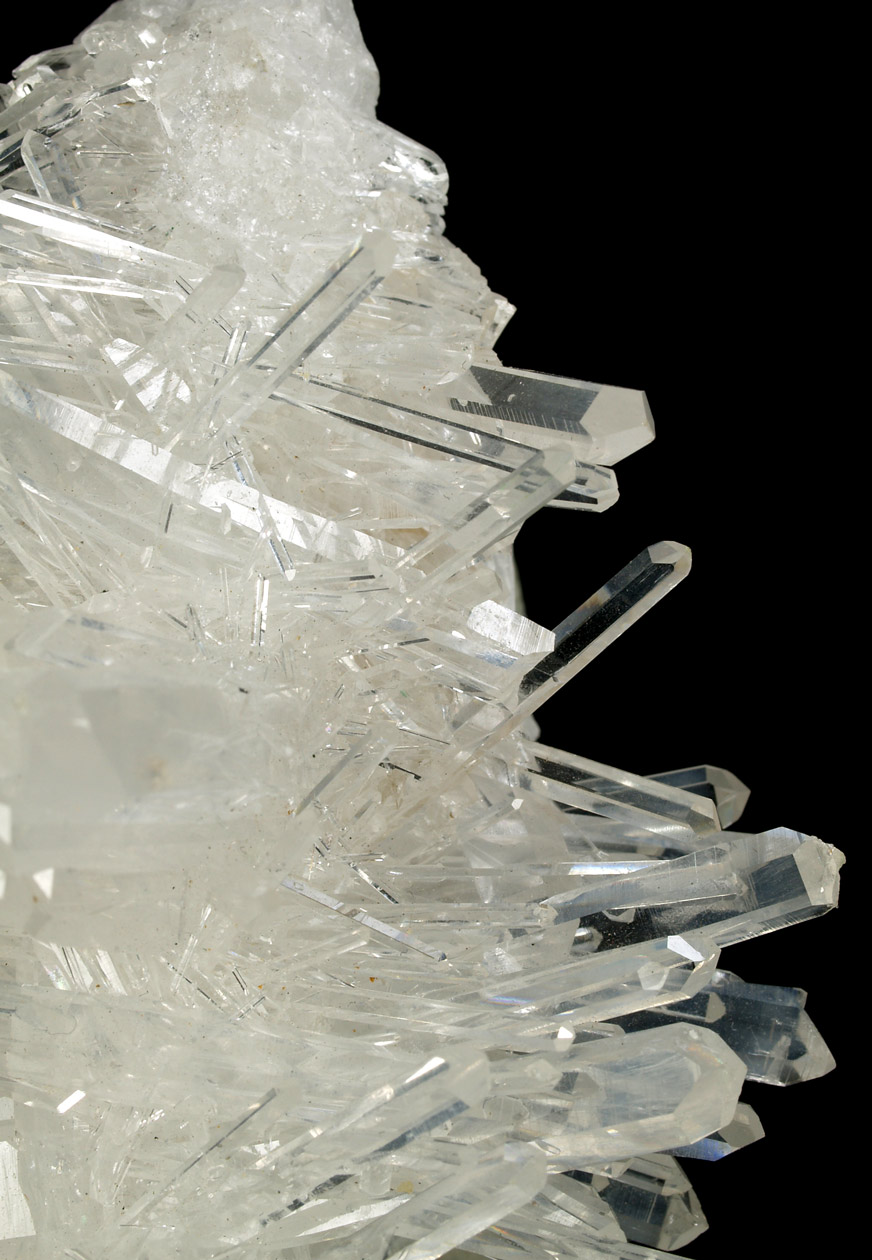
Nutrido grupo de cristales de cuarzo de prisma muy desarrollado que muestran un brillo y una transparencia excelentes. Algunos de ellos presentan inclusiones de tipo filamentoso desconocidas que le confieren aún más interés mineralógico. De una localidad poco representada en colecciones.
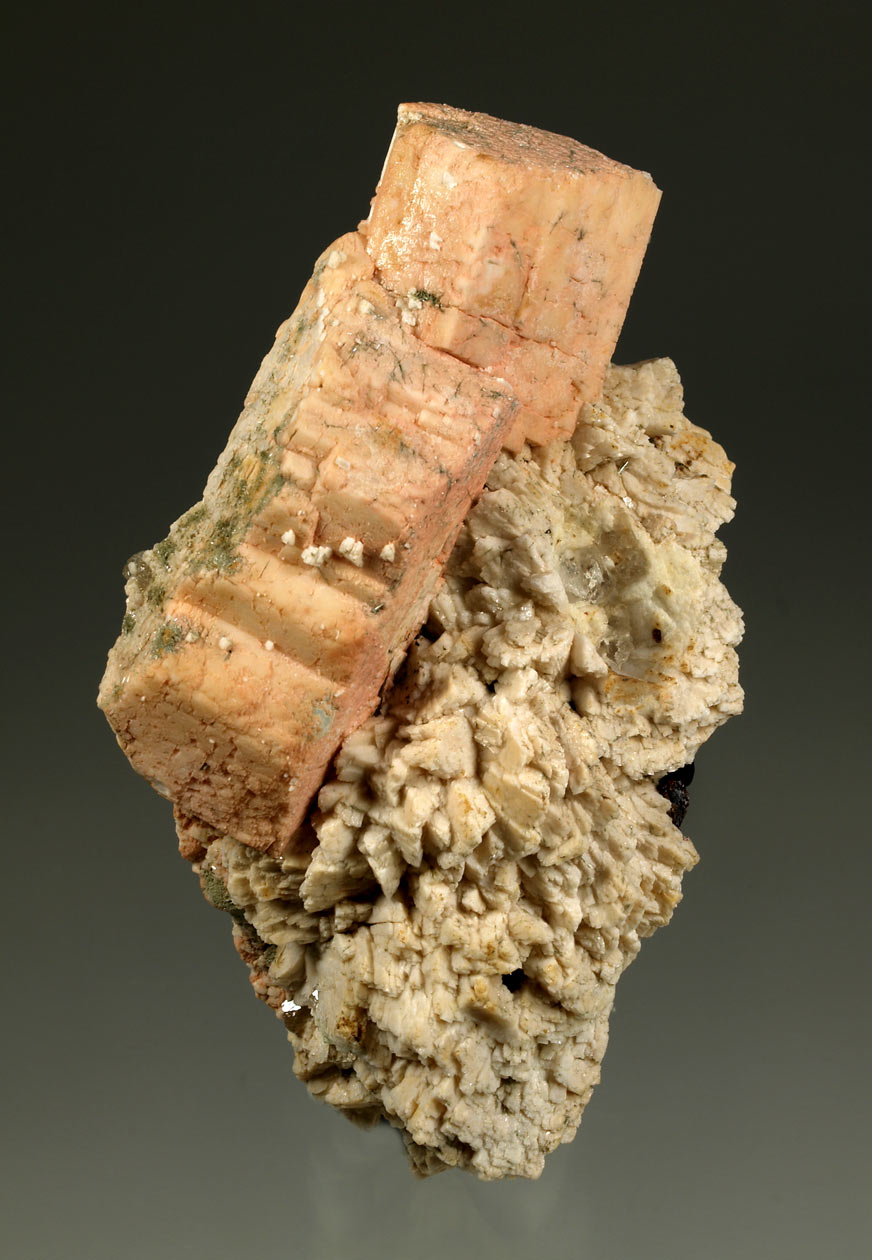
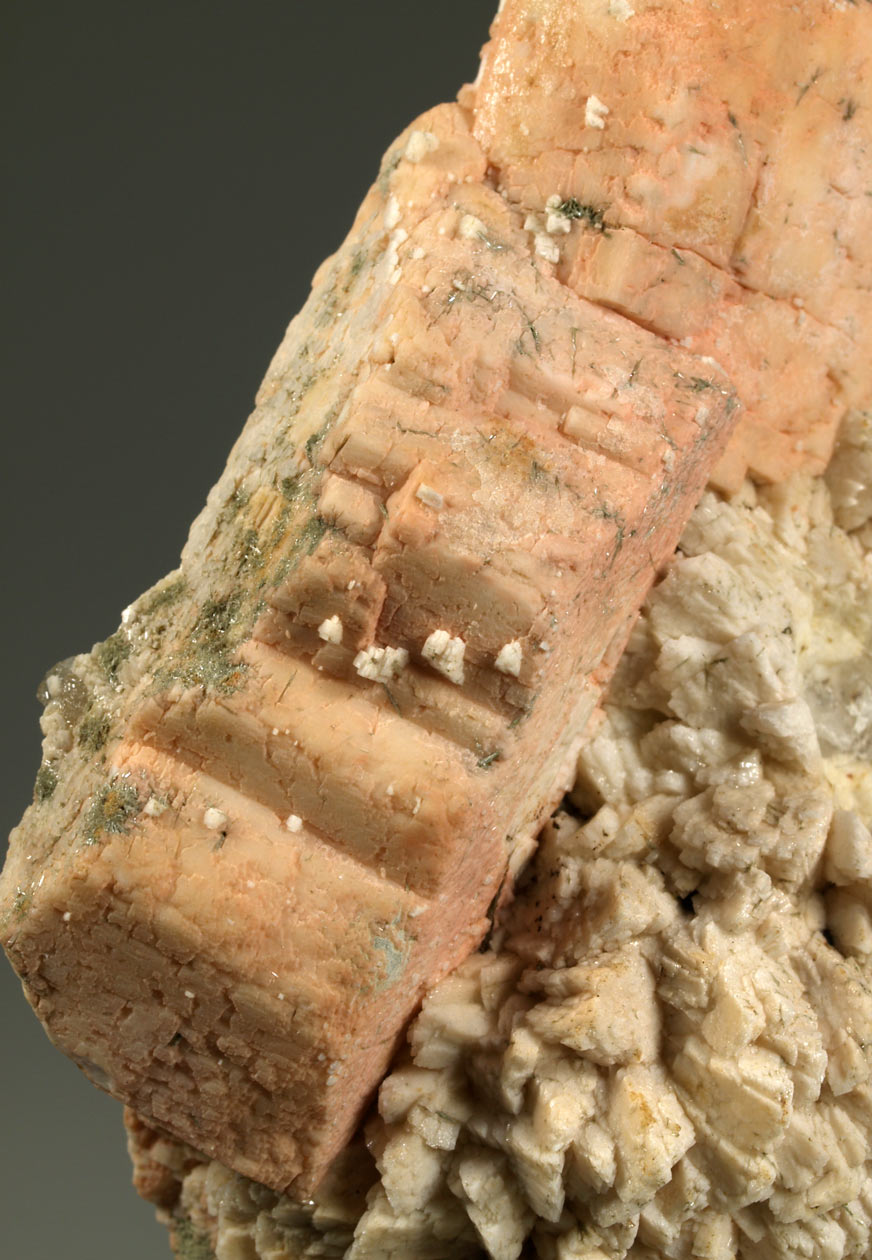
Grupo de cristales de ortoclasa con un color anaranjado que se acompañan de un nutrido grupo de cristales de albita. Se puede observar la presencia de un pequeño grupo de cristales de almandino. De una localidad clásica catalana.
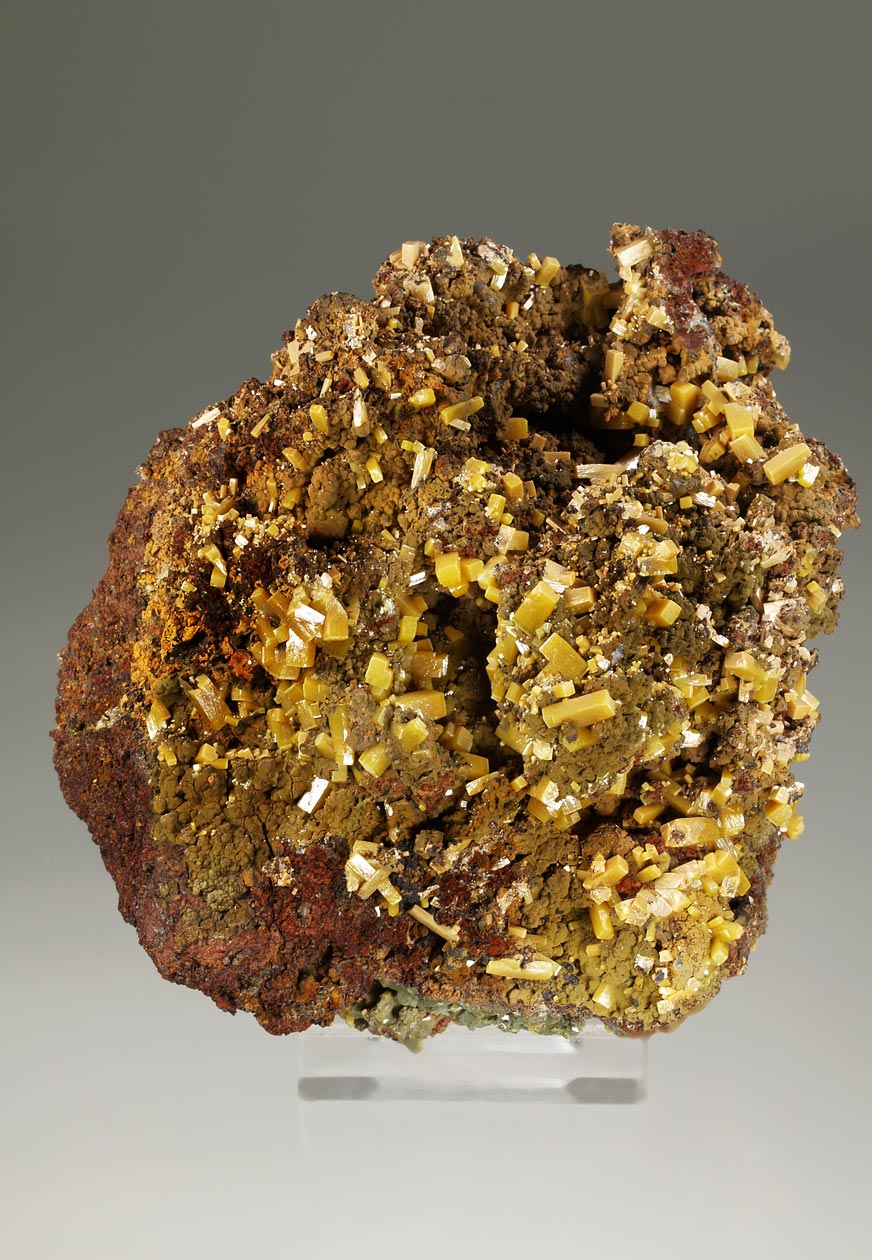
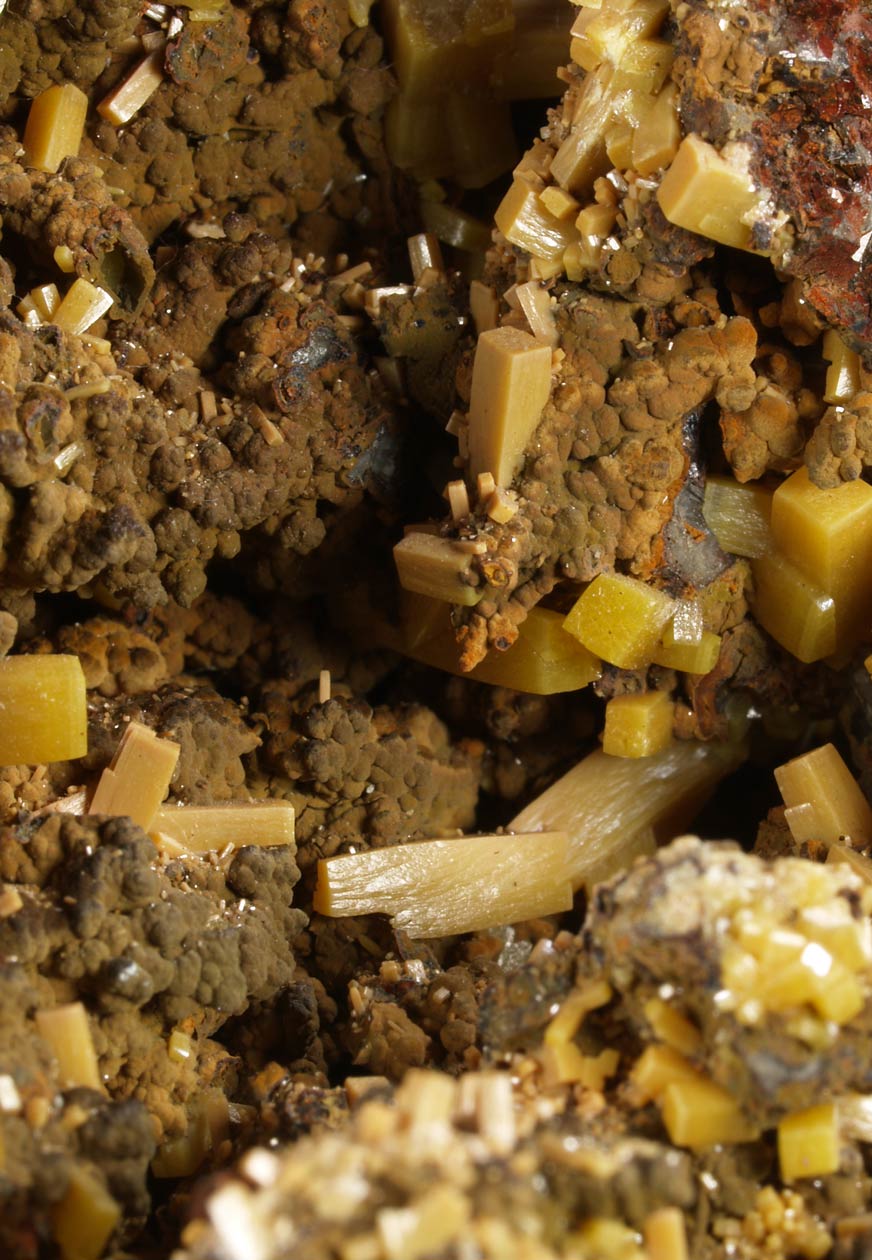
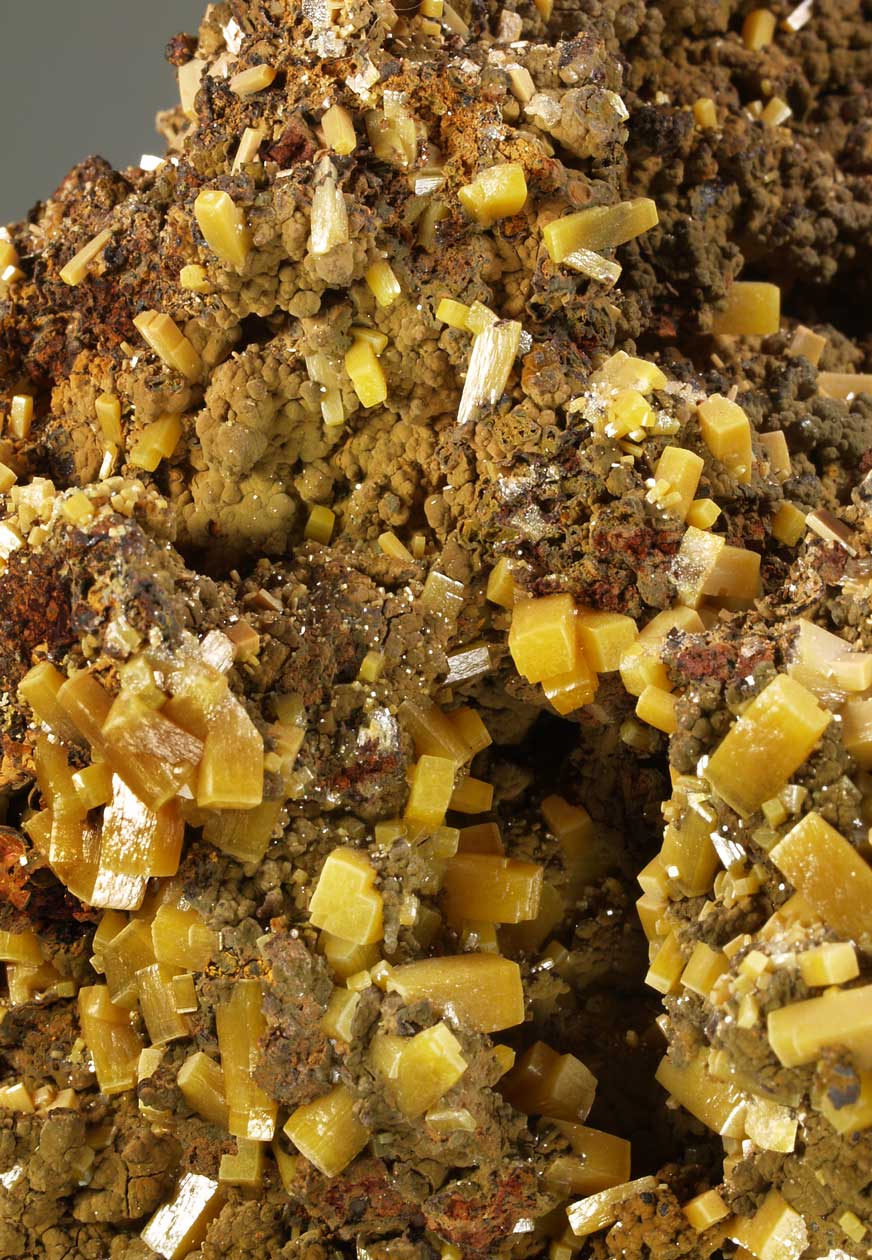
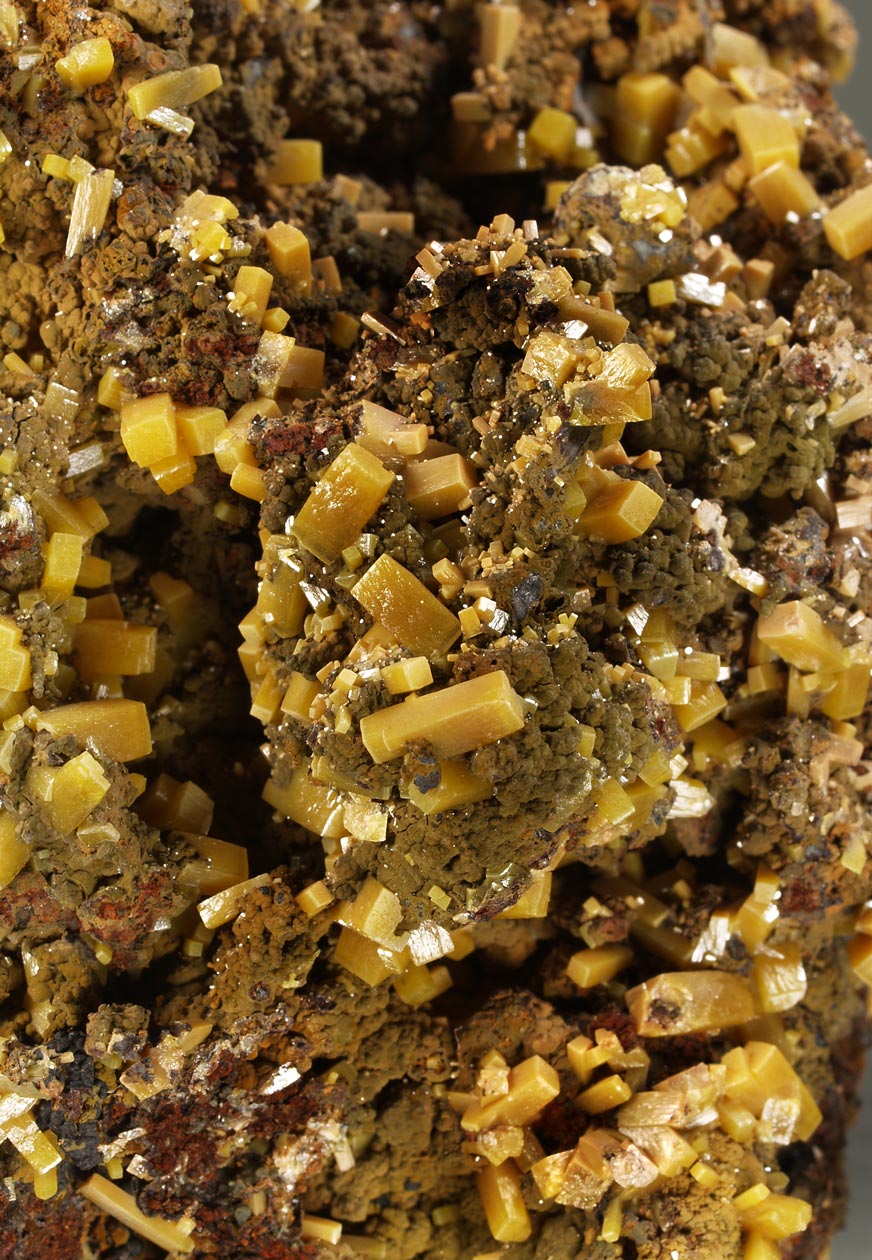
Nutrido grupo de cristales biterminados de wulfenita que muestran crecimientos prismáticos truncados por el pinacoide terminal. Muestran un color anaranjado a amarillento intenso y se disponen sobre una matriz de limonita tapizada de verde mottramita. Un ejemplar de buen tamaño y estética.
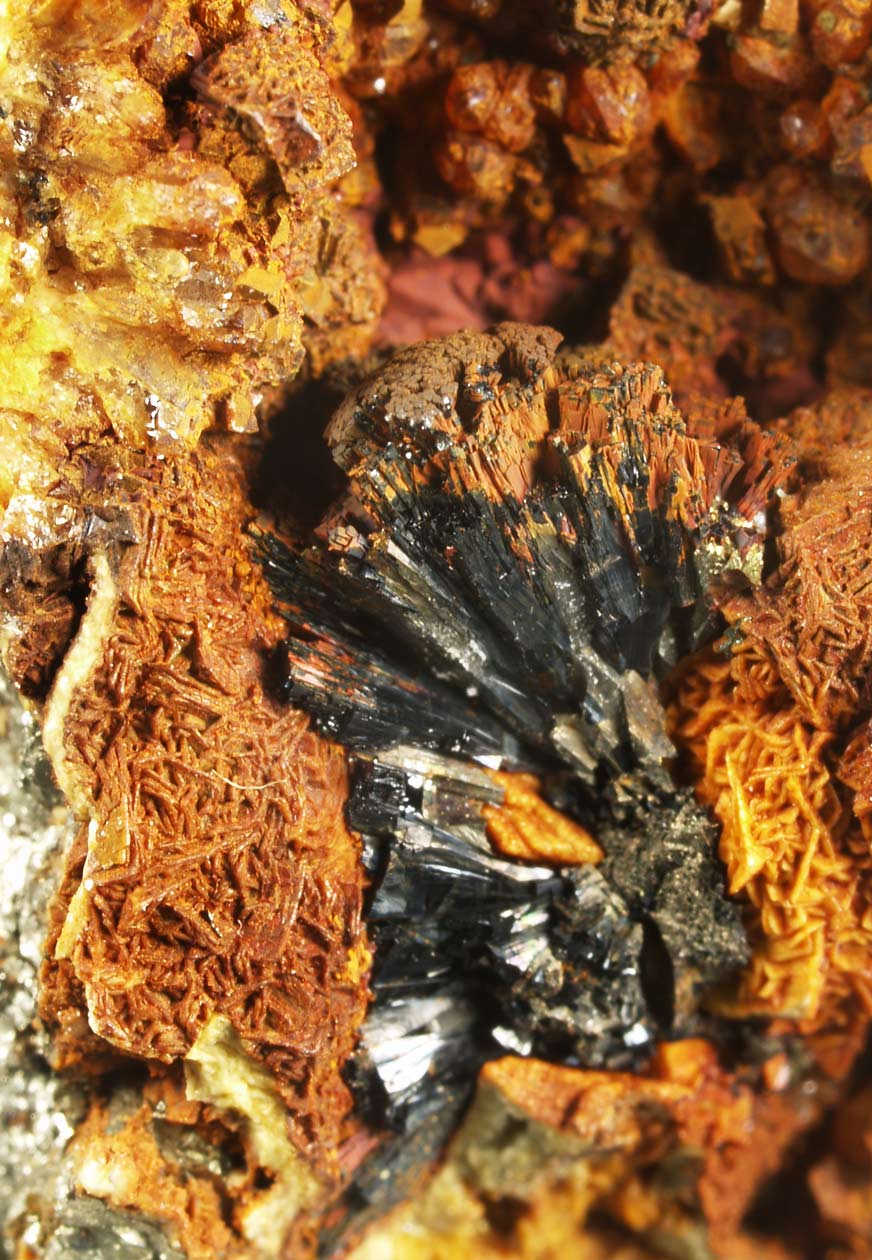
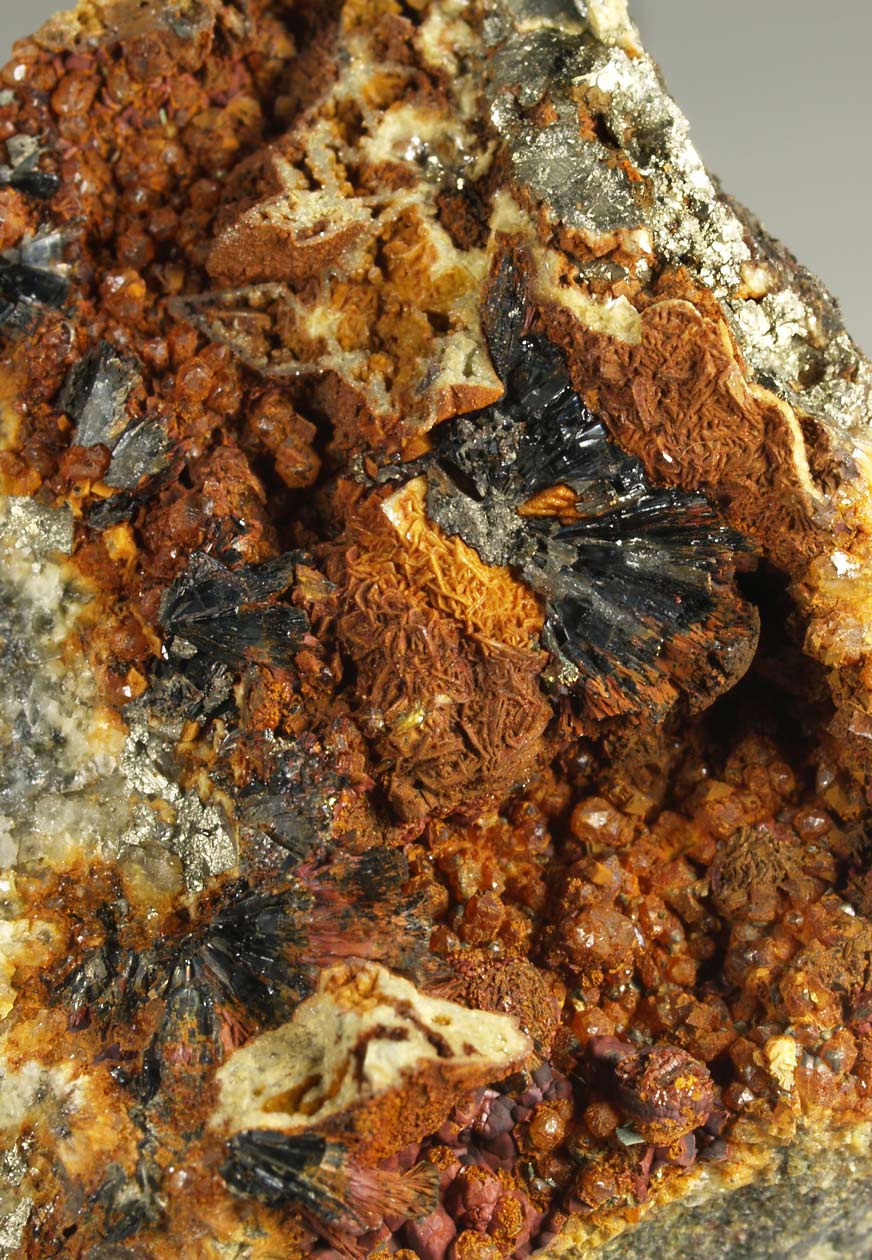
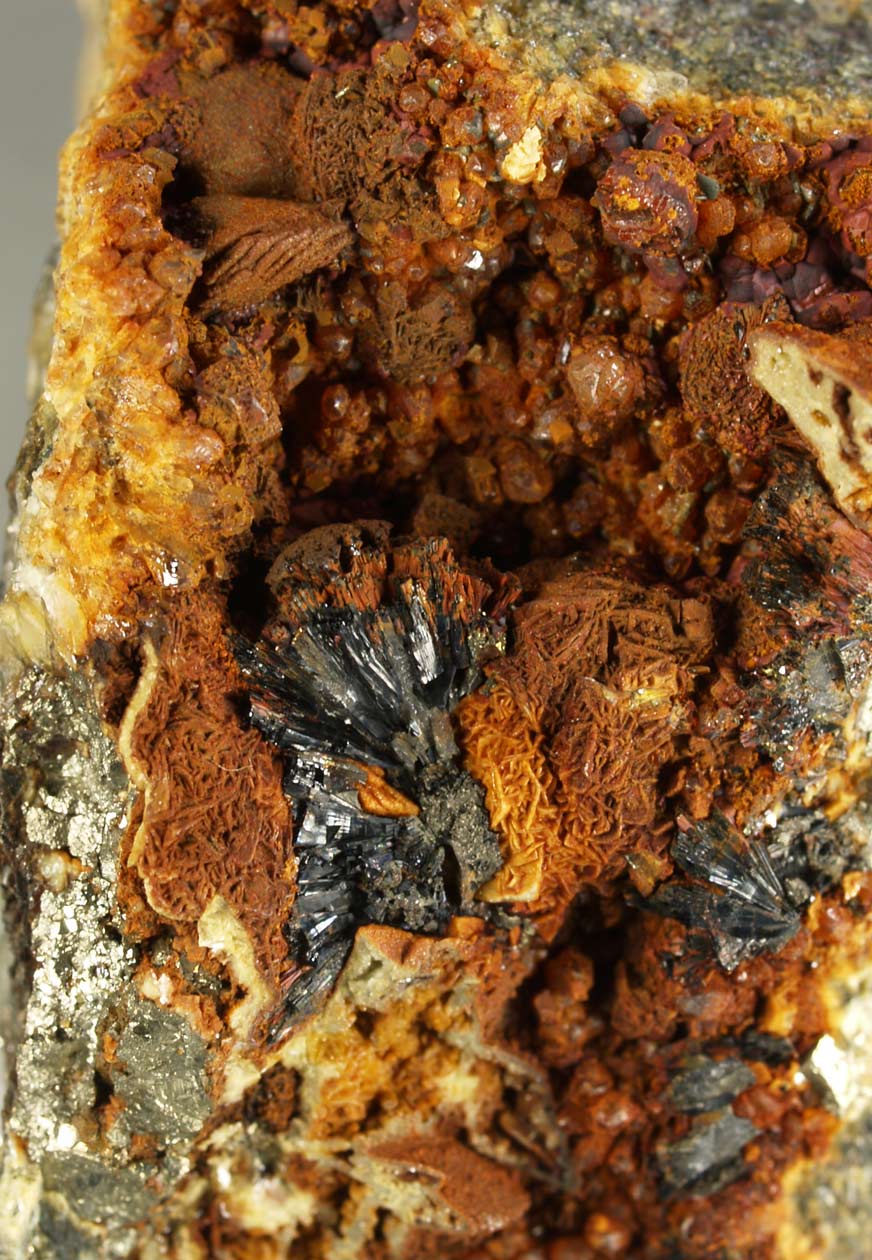
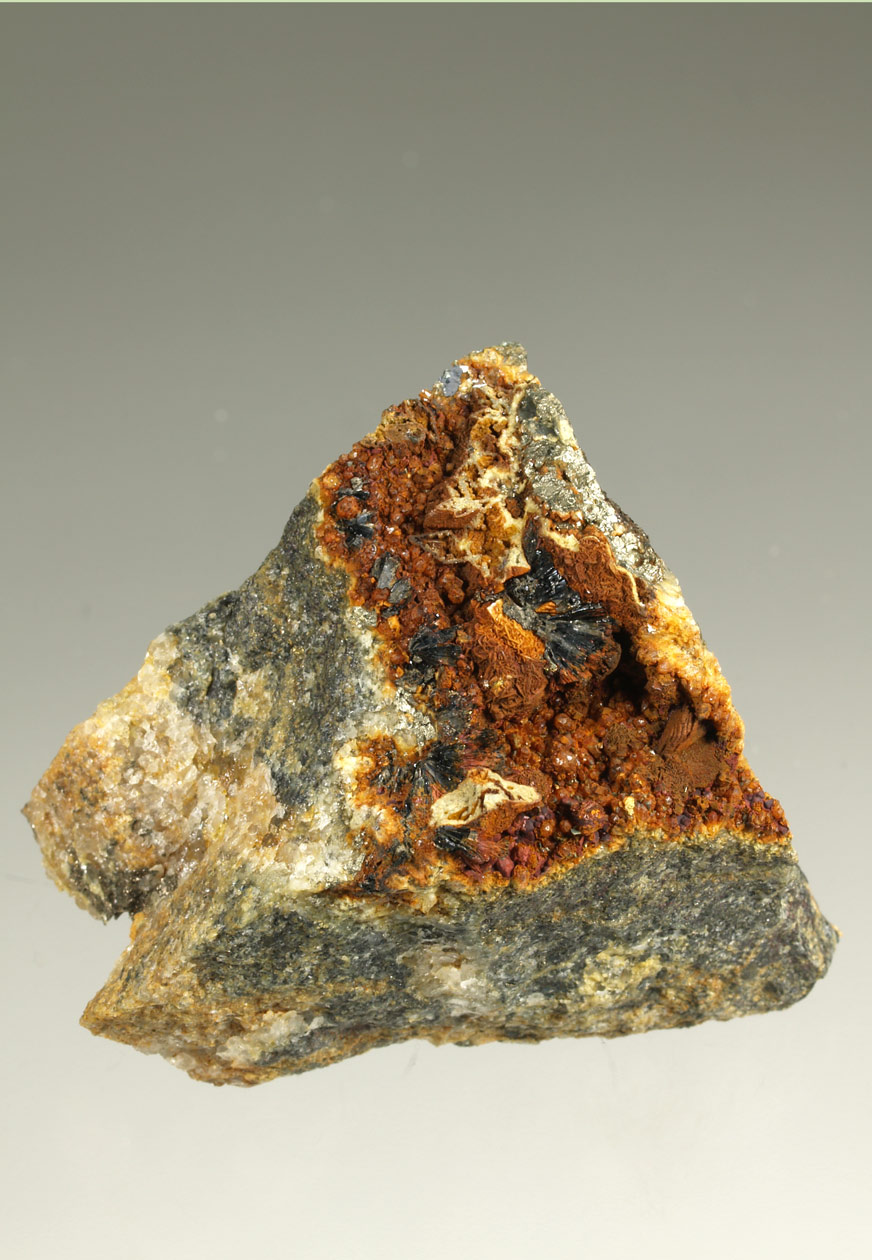
La cronstedtite es un raro silicato de hierro del grupo de la kaolinita-serpentina. Este es un buen representante de los ejemplares de cronstedtita de este clásico yacimiento murciano. Muestra un nutrido grupo de cristales brillantes, trigonales, de intenso color negro y que destacan sobre la matriz con oxidos de hierro. Es una oportunidad para conseguir un buen ejemplar de esta especie.
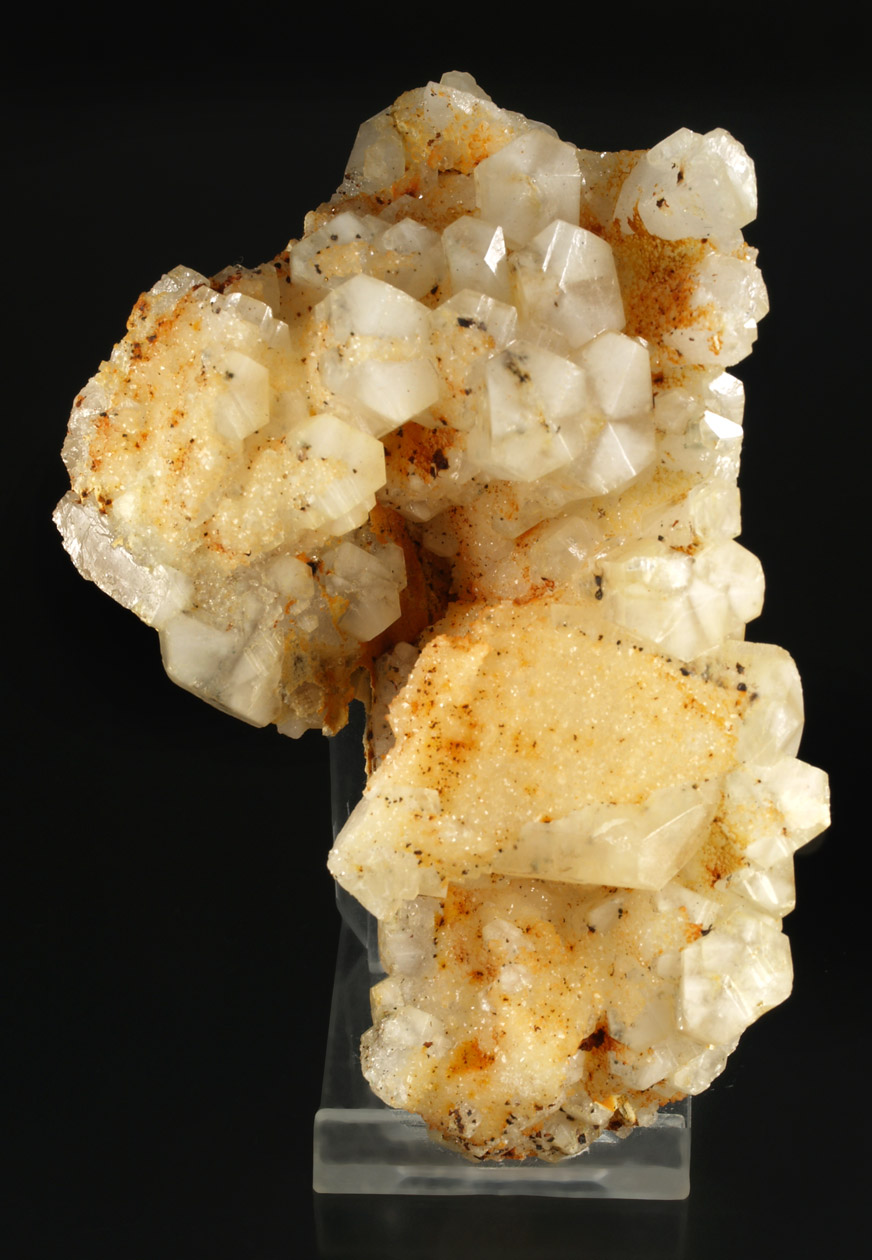
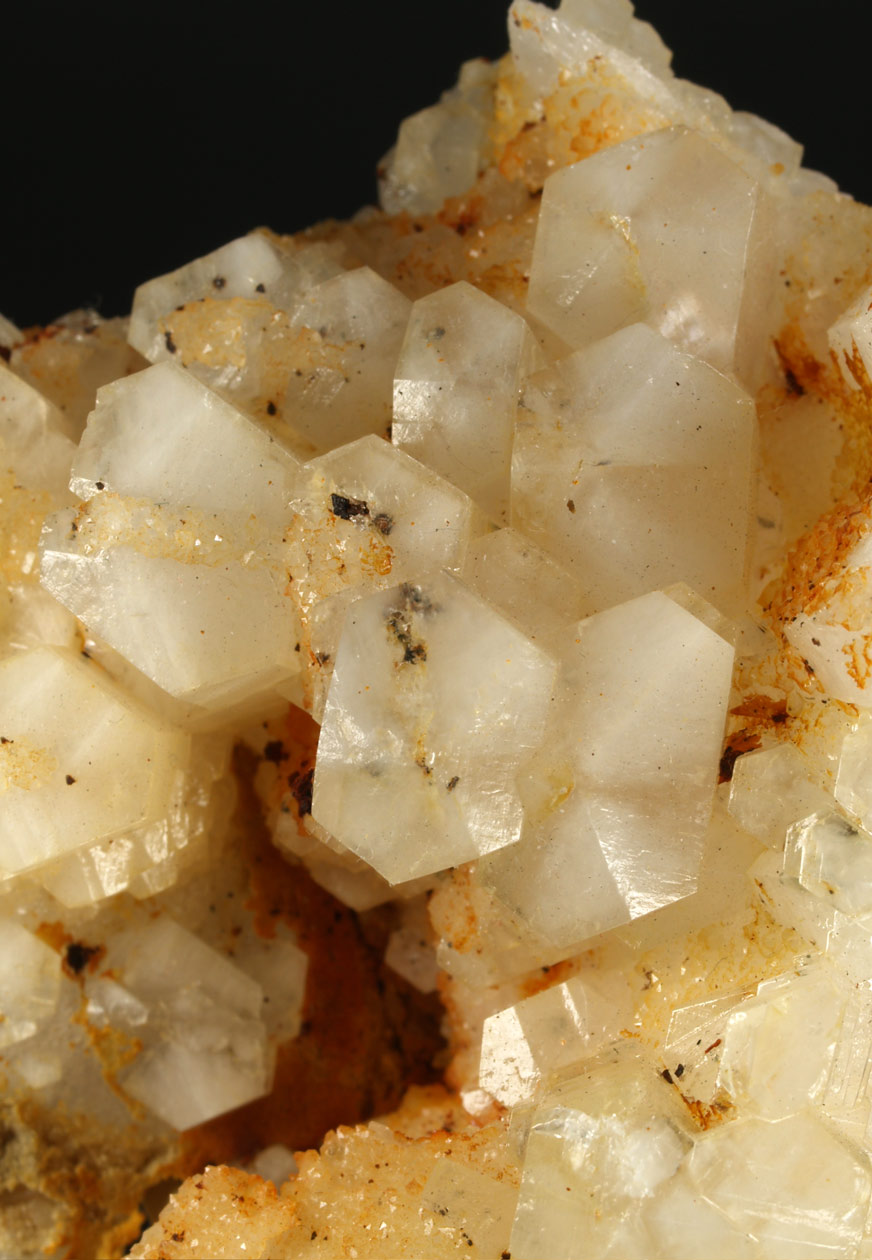
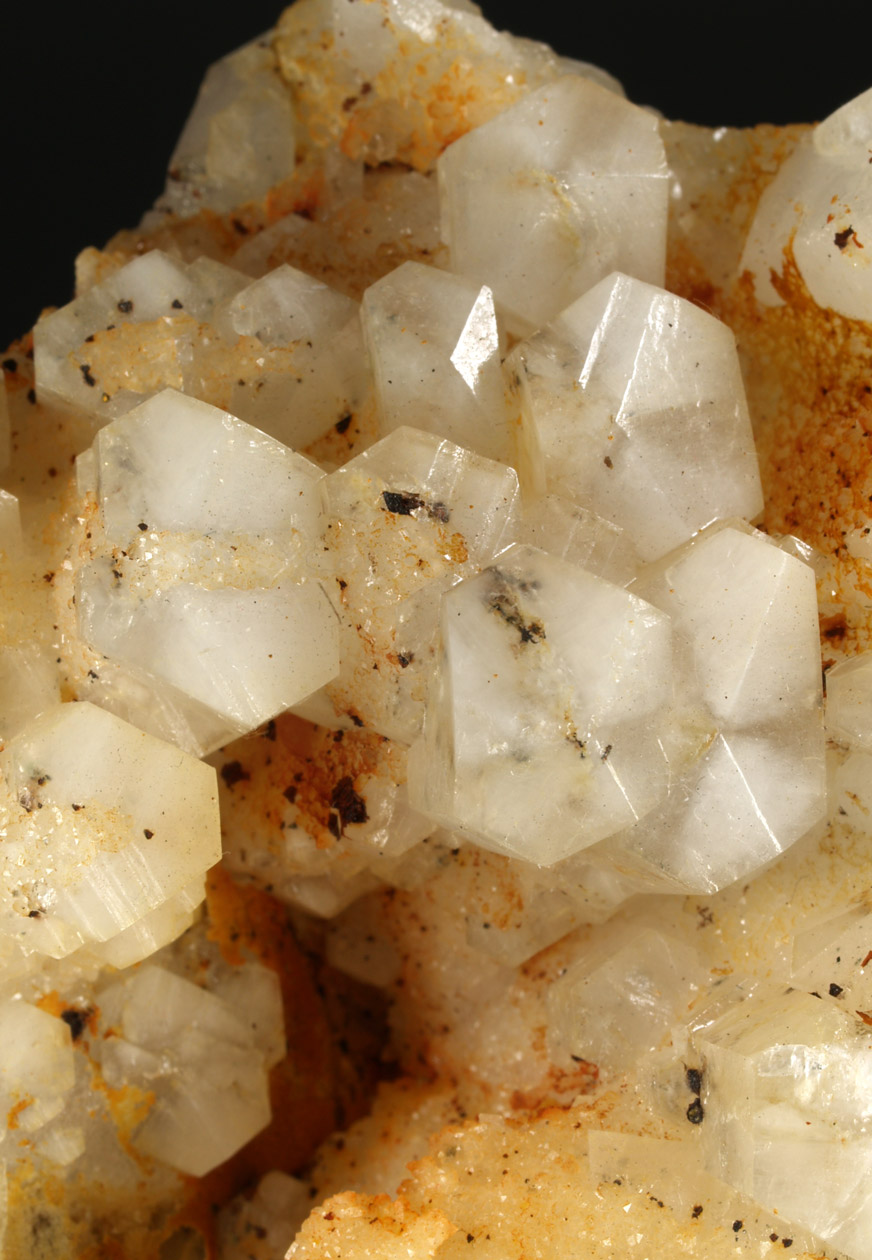
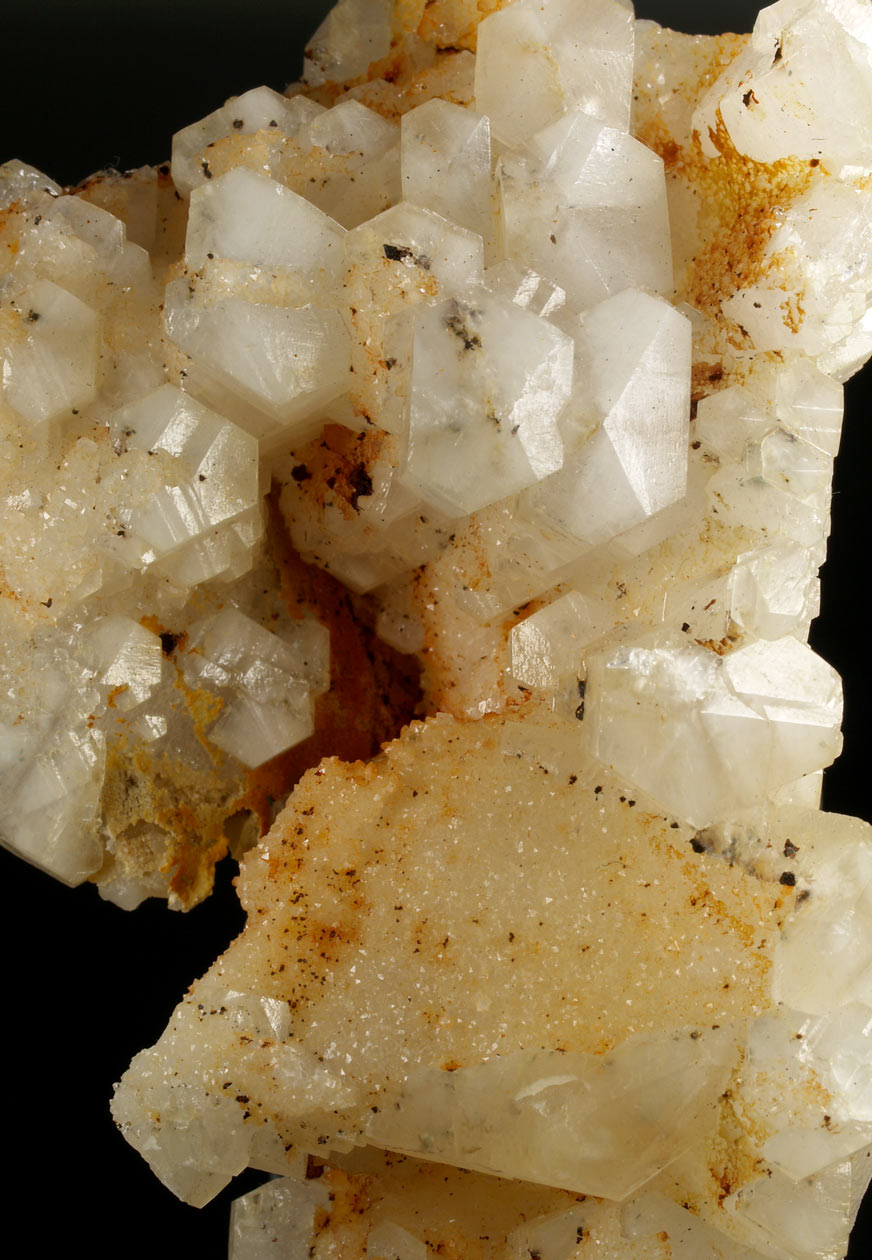
Estos ejemplares de calcita se encontraron en una geoda dentro de la mina-Cantera del Americano (Can Sala). A esta geoda se la llamo "Mercedes" debido a la curiosa zonación de color que se observaba en los romboedros terminales que recordaban a esta marca de automóviles alemana.
Los cristales aparecieron parcialmente recubiertos de óxidos de hierro y mostraban a veces un prisma complejo, en ocasiones sobre crecimientos escalenoédricos com el caso de este ejemplar. Muestran una intensa fluorescencia roja. Estas piezas han desaparecido del mercado.
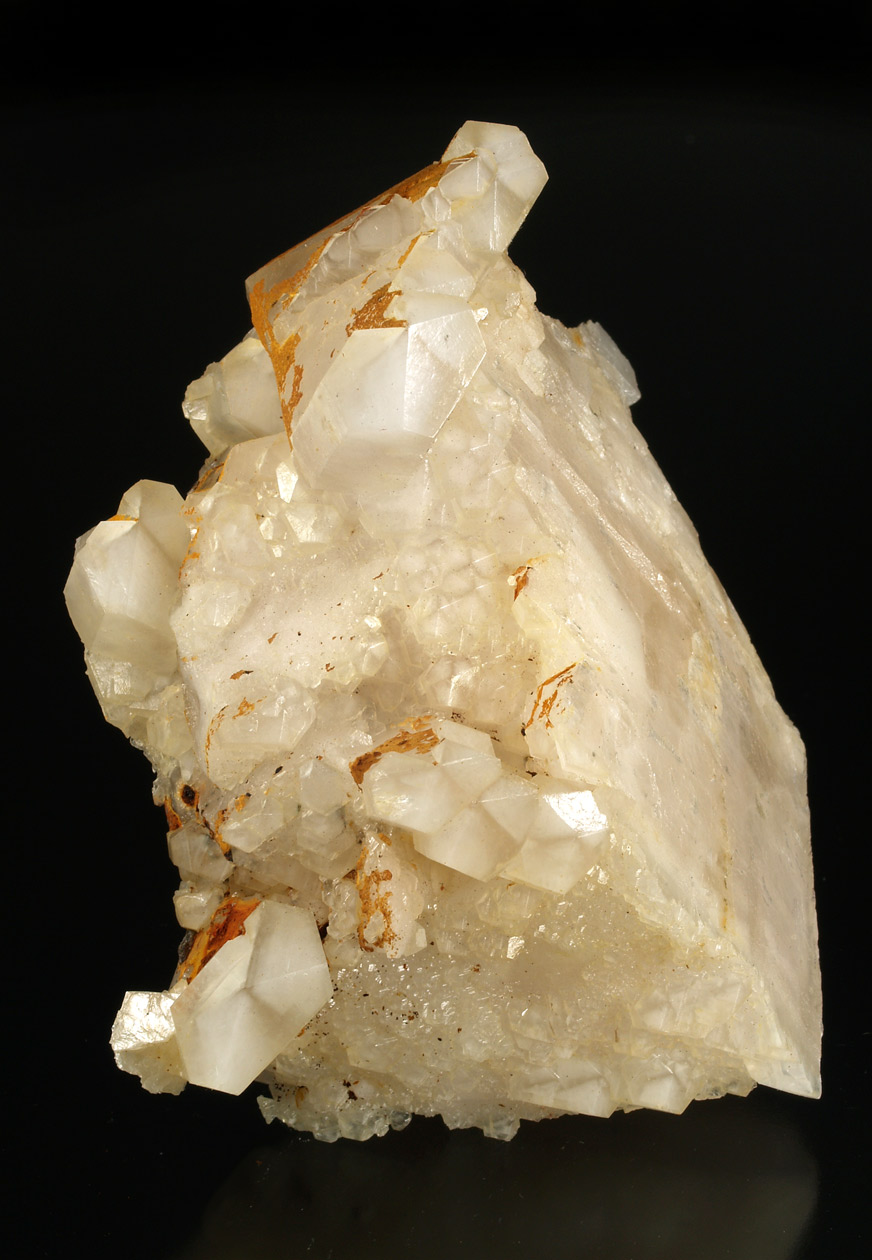
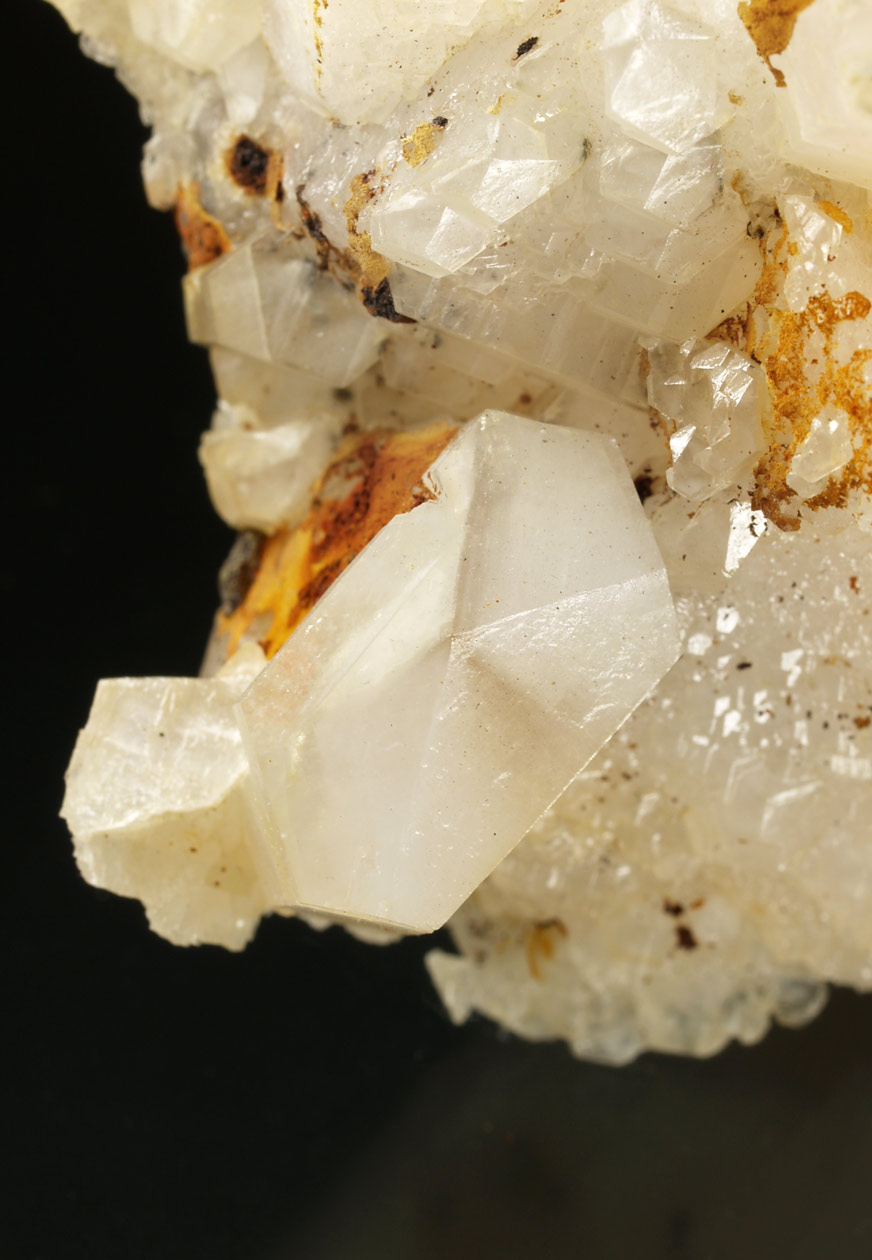
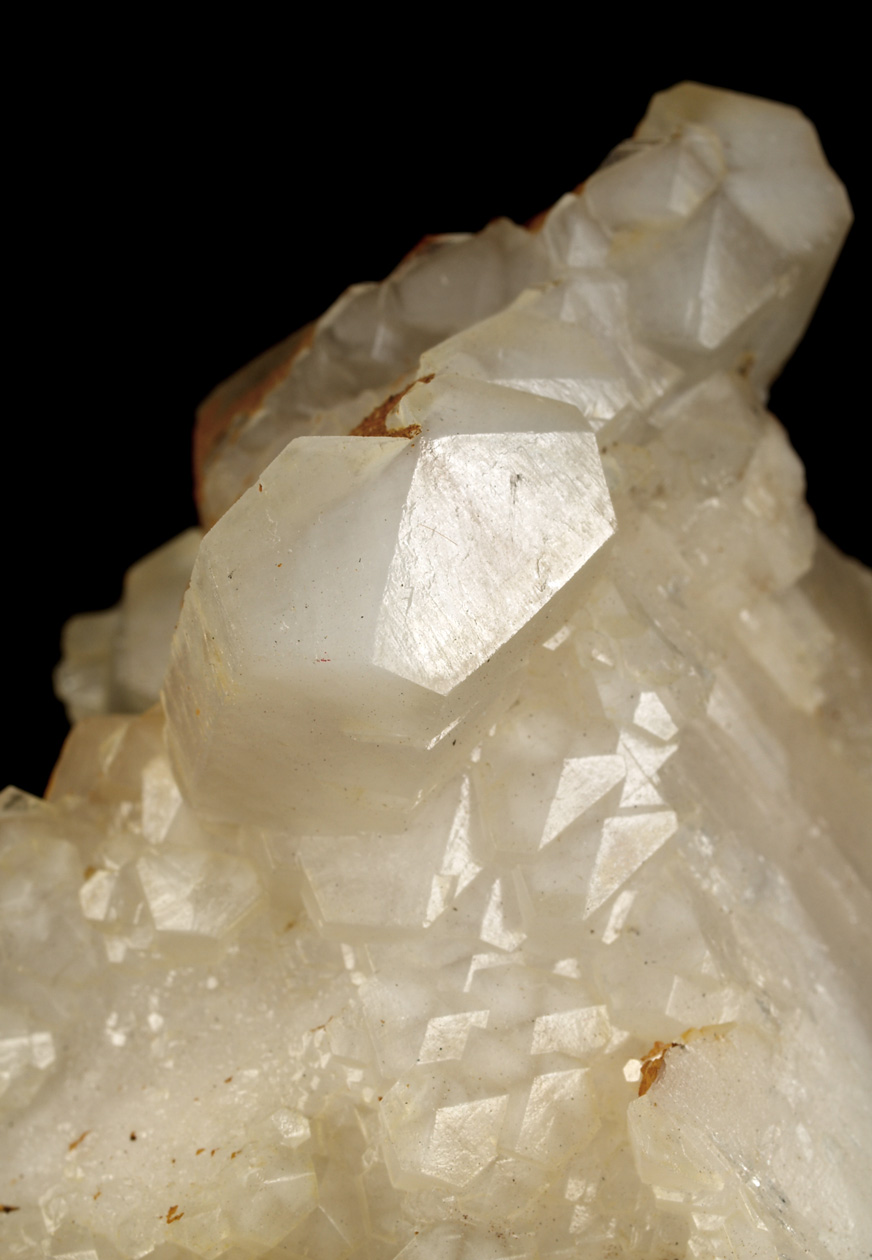
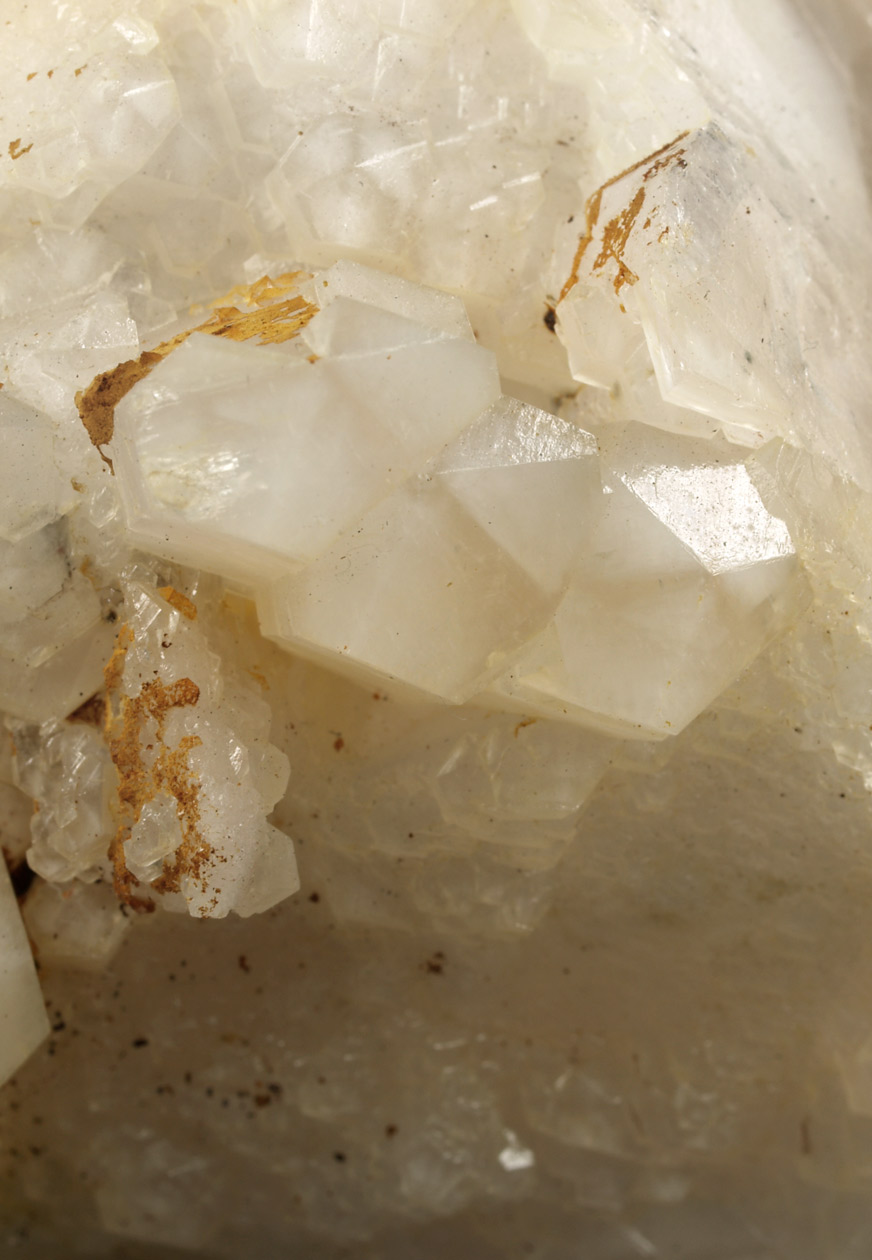
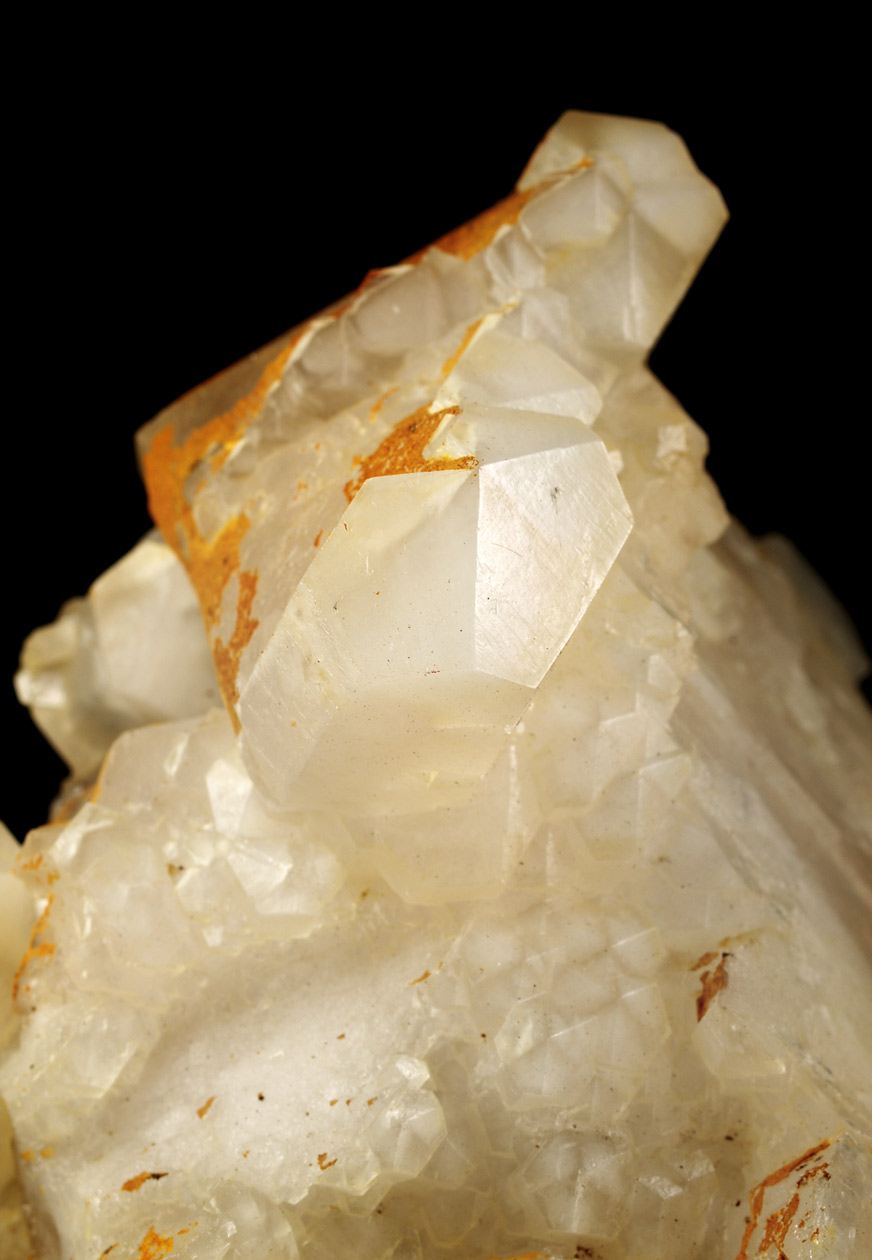
Estos ejemplares de calcita se encontraron en una geoda dentro de la mina-Cantera del Americano (Can Sala). A esta geoda se la llamo "Mercedes" debido a la curiosa zonación de color que se observaba en los romboedros terminales que recordaban a esta marca de automóviles alemana.
Los cristales aparecieron parcialmente recubiertos de óxidos de hierro y mostraban a veces un prisma complejo, en ocasiones sobre crecimientos escalenoédricos. Muestran una intensa fluorescencia roja. Estas piezas han desaparecido del mercado.
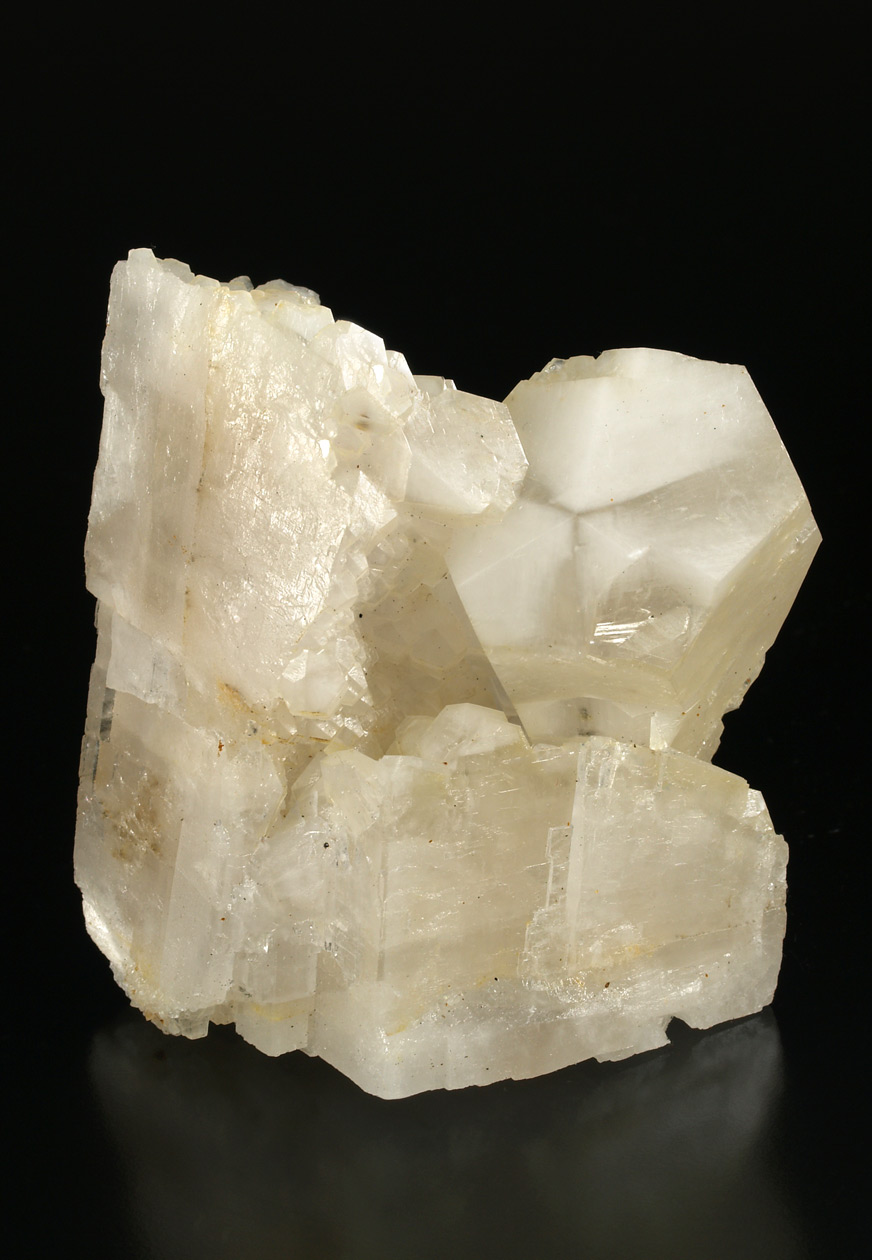
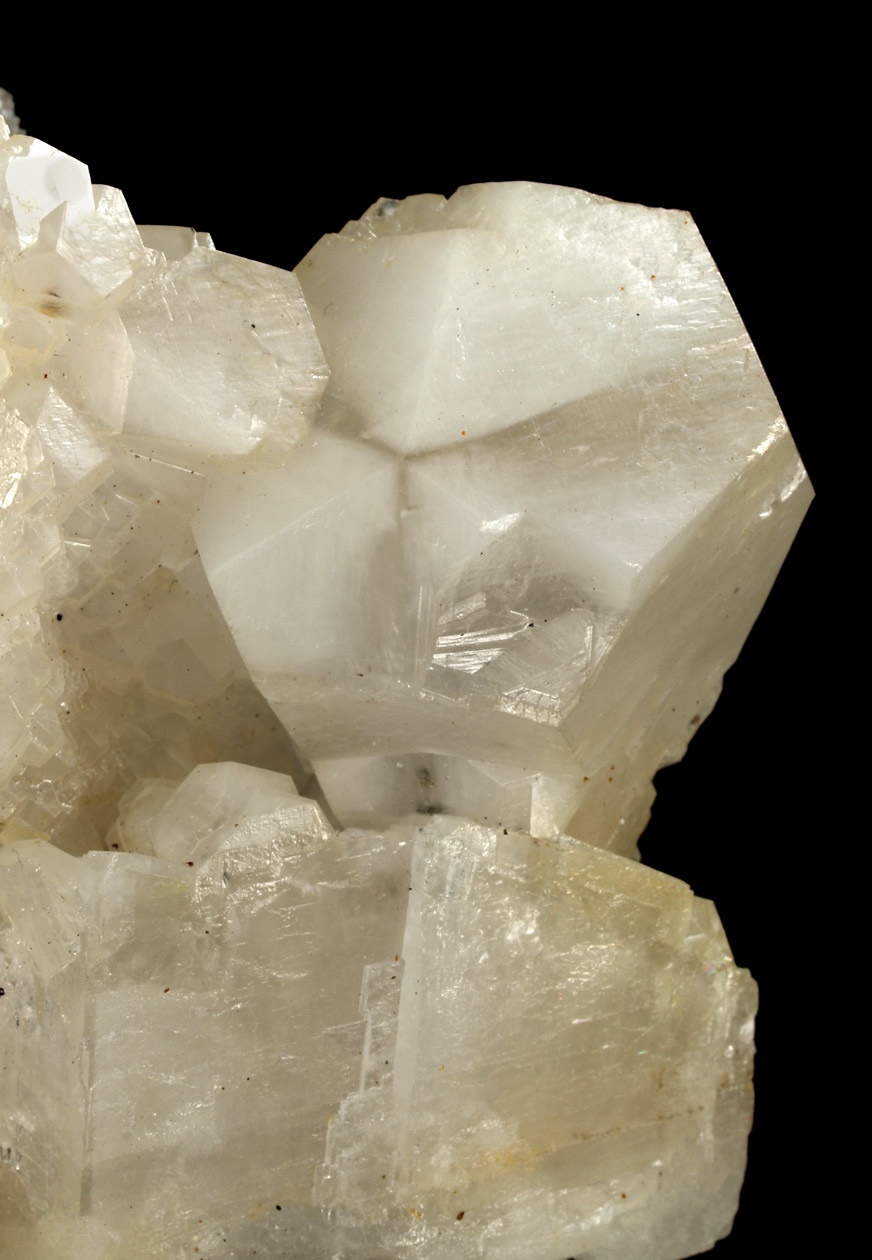
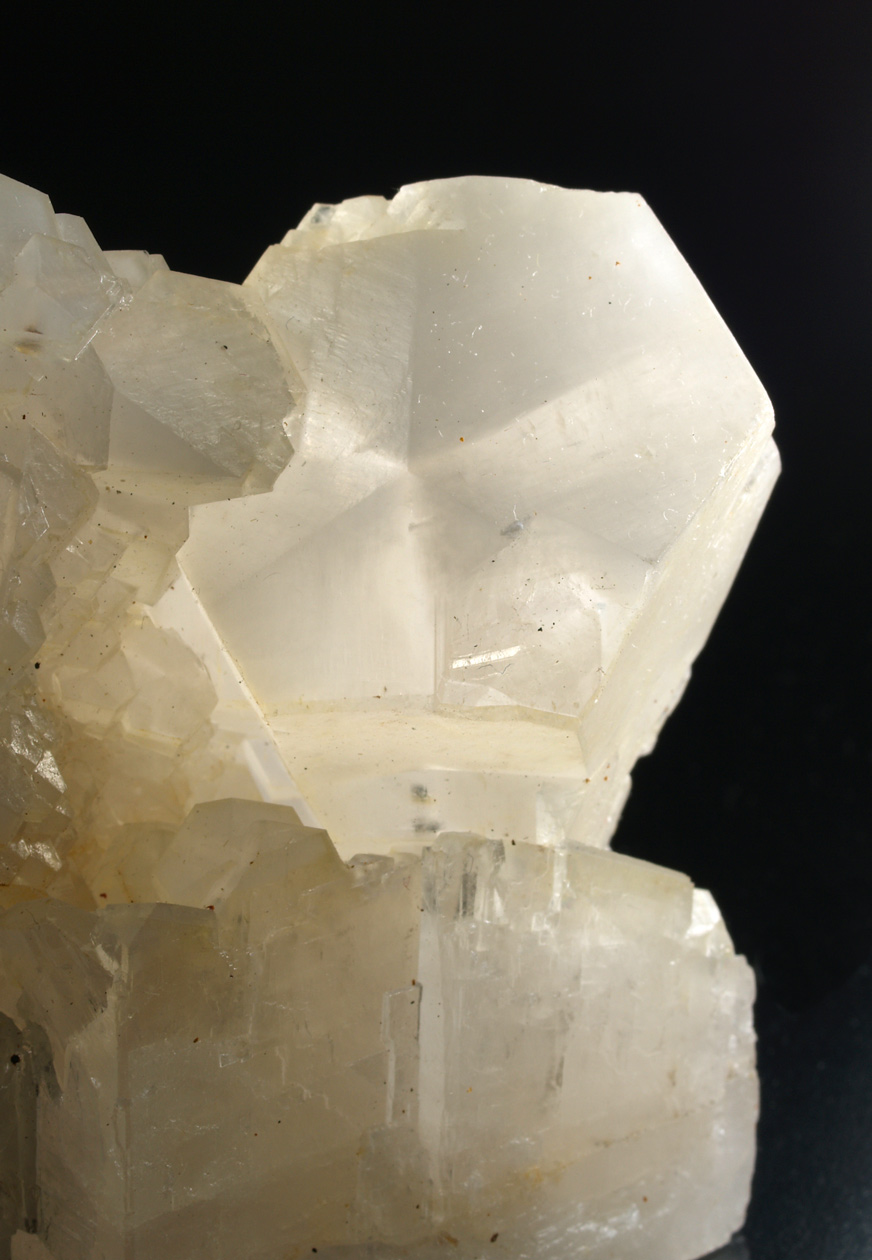
Estos ejemplares de calcita se encontraron en una geoda dentro de la mina-Cantera del Americano (Can Sala). A esta geoda se la llamo "Mercedes" debido a la curiosa zonación de color que se observaba en los romboedros terminales que recordaban a esta marca de automóviles alemana.
Los cristales aparecieron parcialmente recubiertos de óxidos de hierro y mostraban a veces un prisma complejo, en ocasiones sobre crecimientos escalenoédricos. Muestran una intensa fluorescencia roja. Estas piezas han desaparecido del mercado.
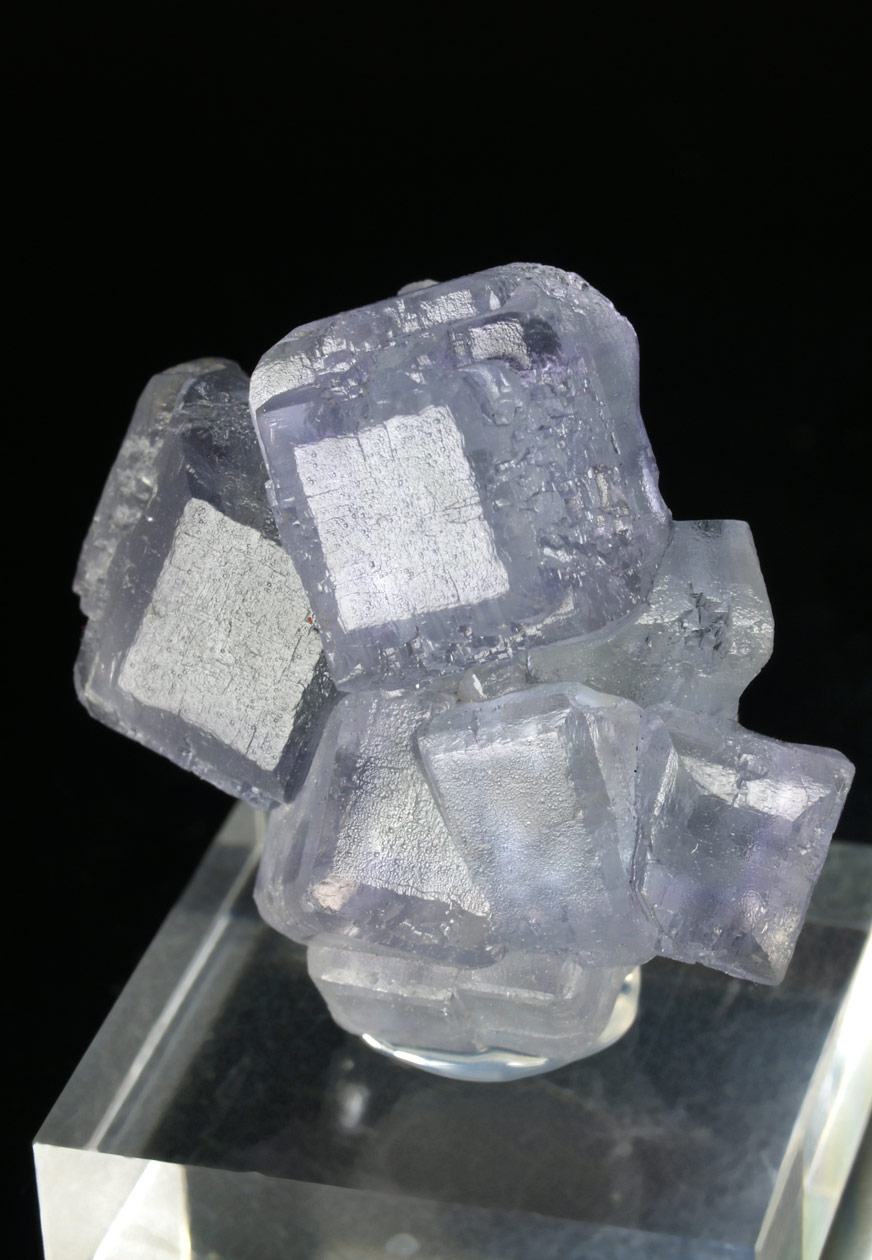
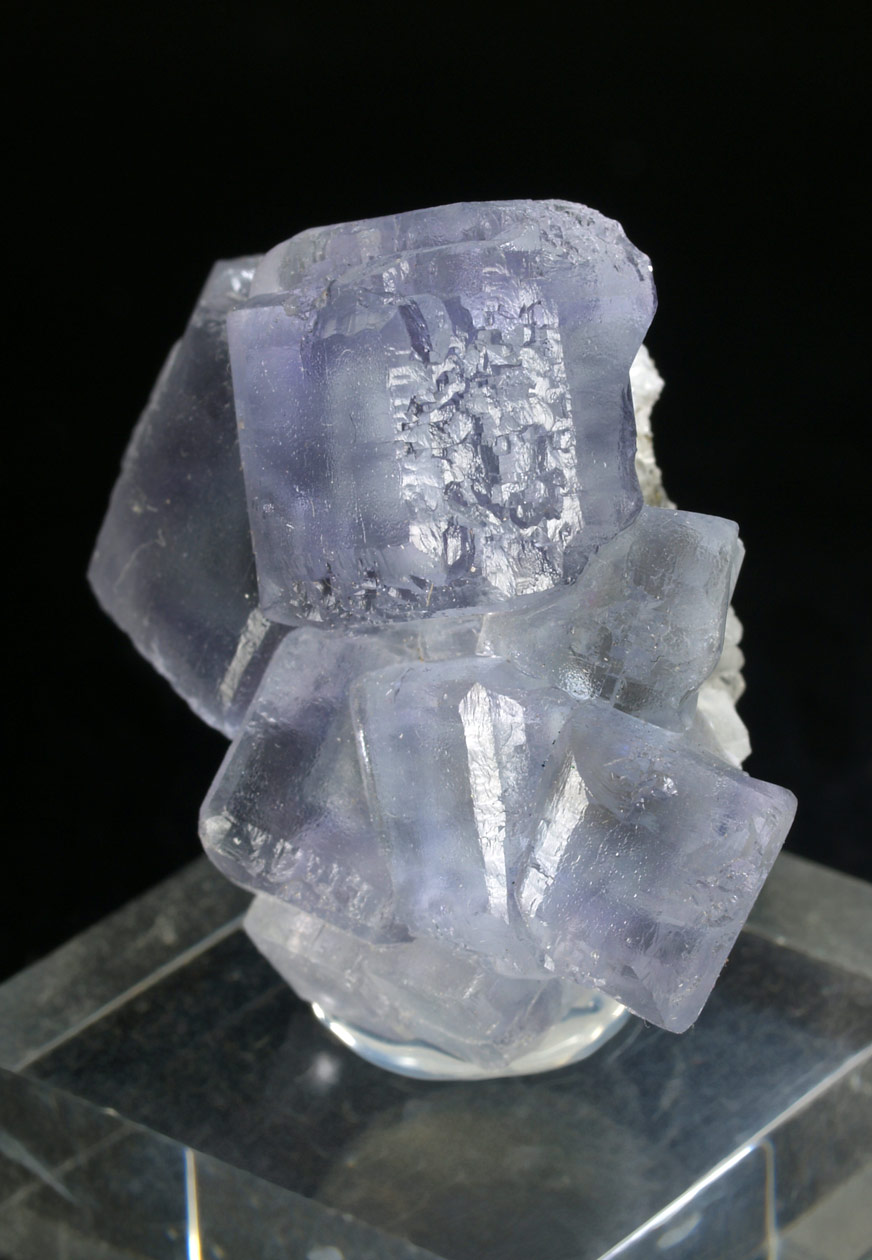
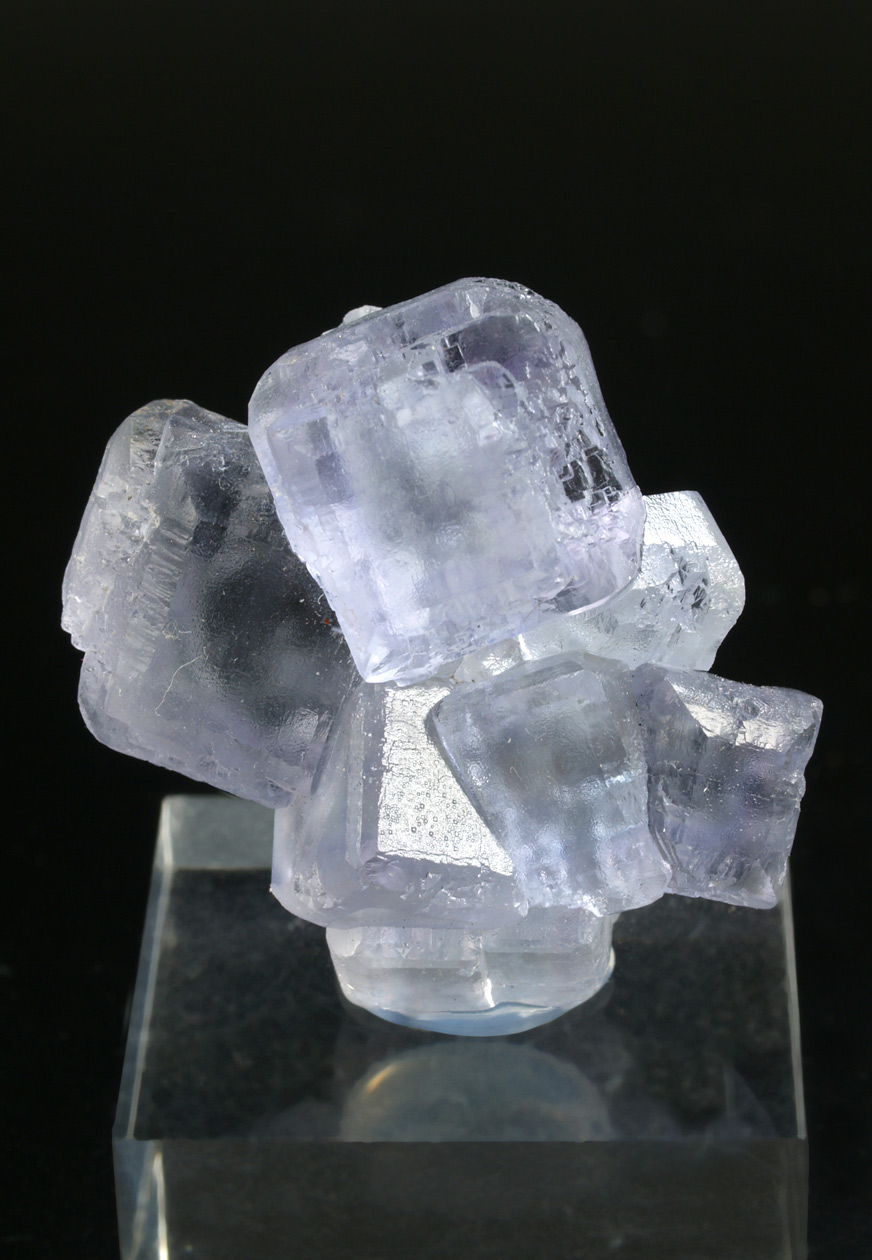
Grupo de cristales de fluorita, transparentes, brillantes, con caras y aristas muy definidas que muestran formas del cubo junto con el dodecaedro. Tono azul a violeta, dependiendo de la luz incidente, con zonación de color.
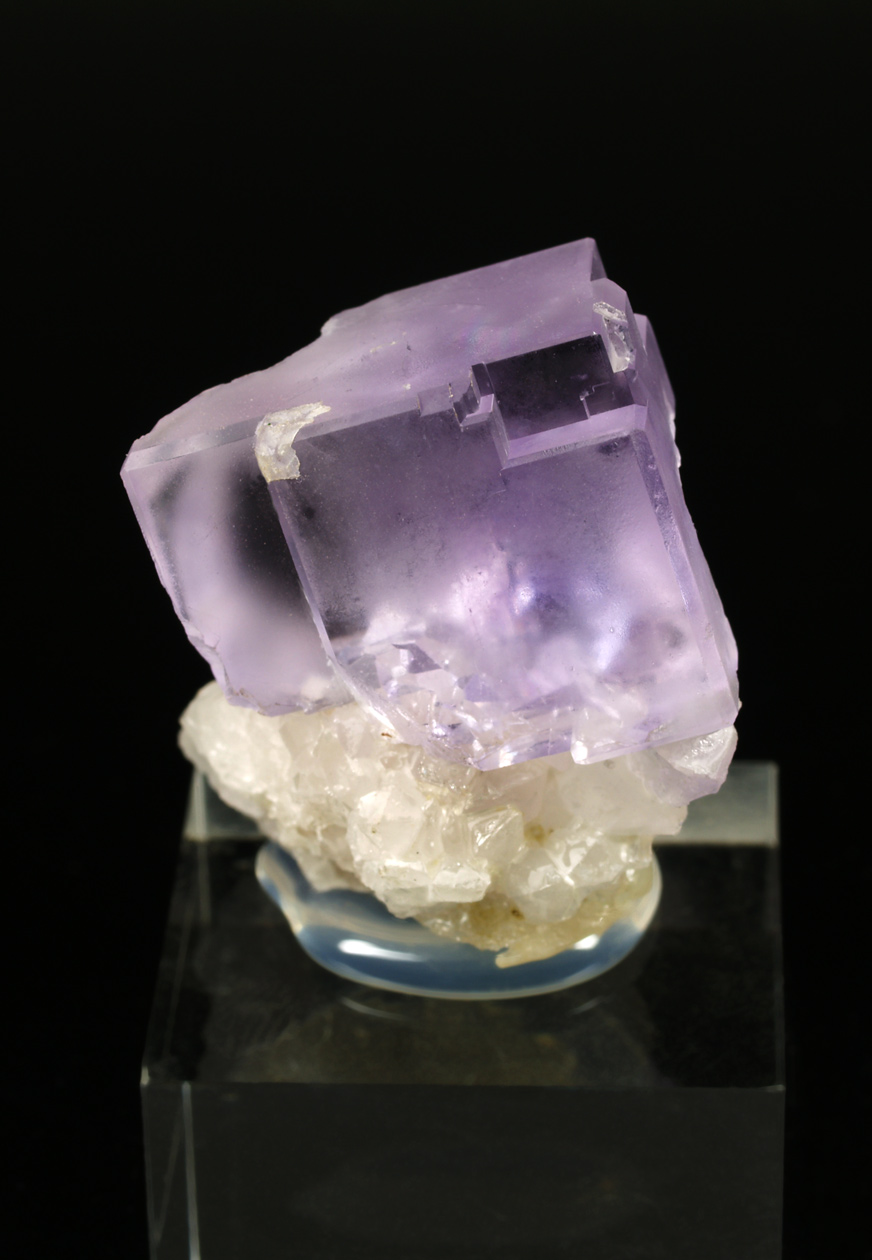
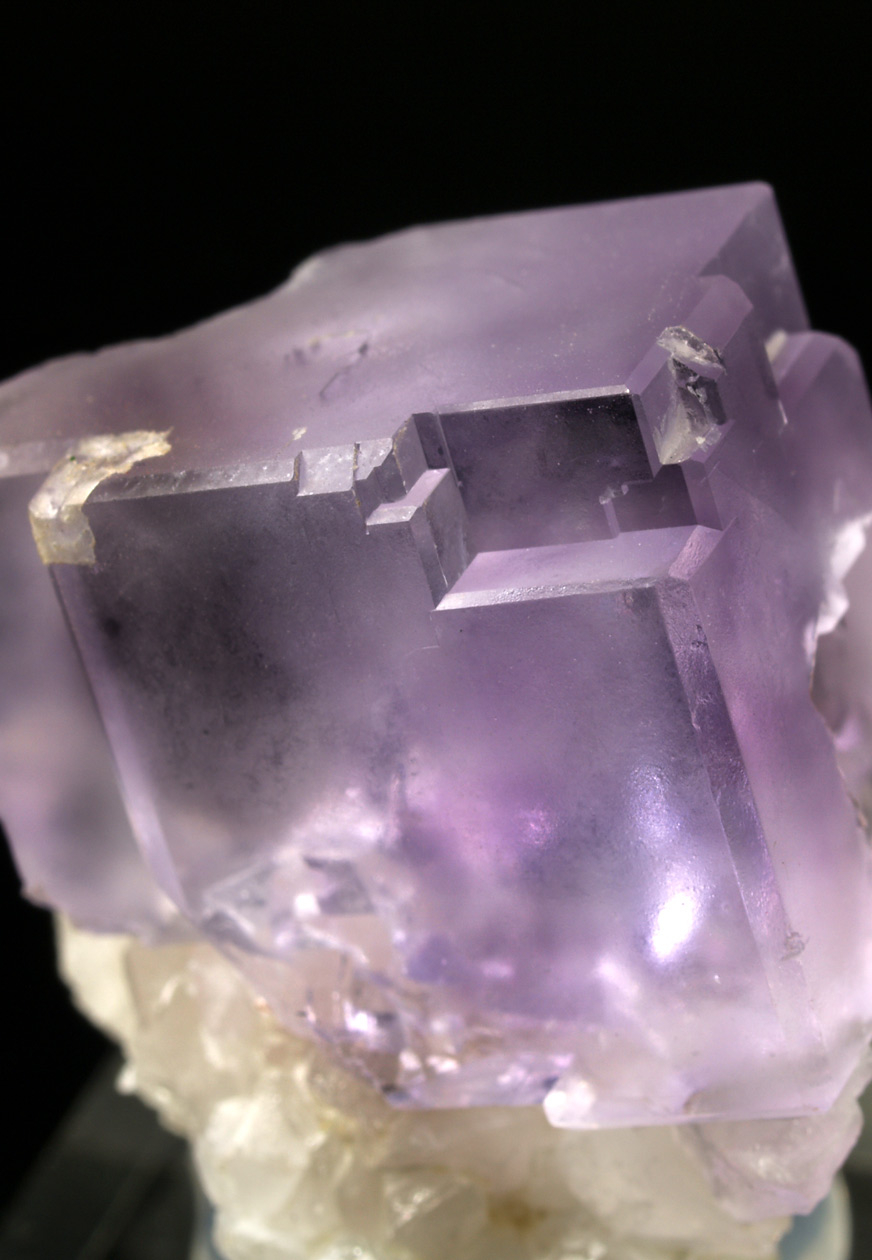
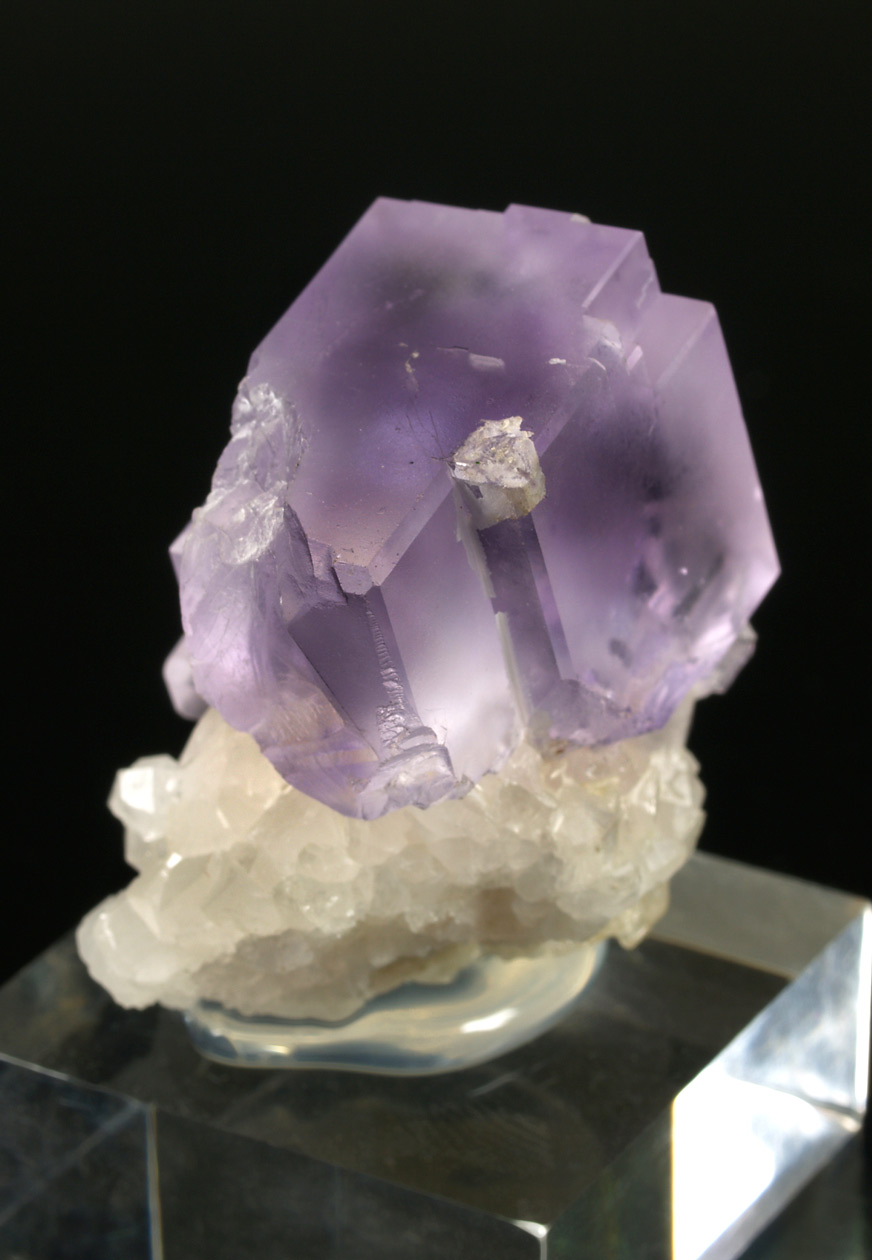
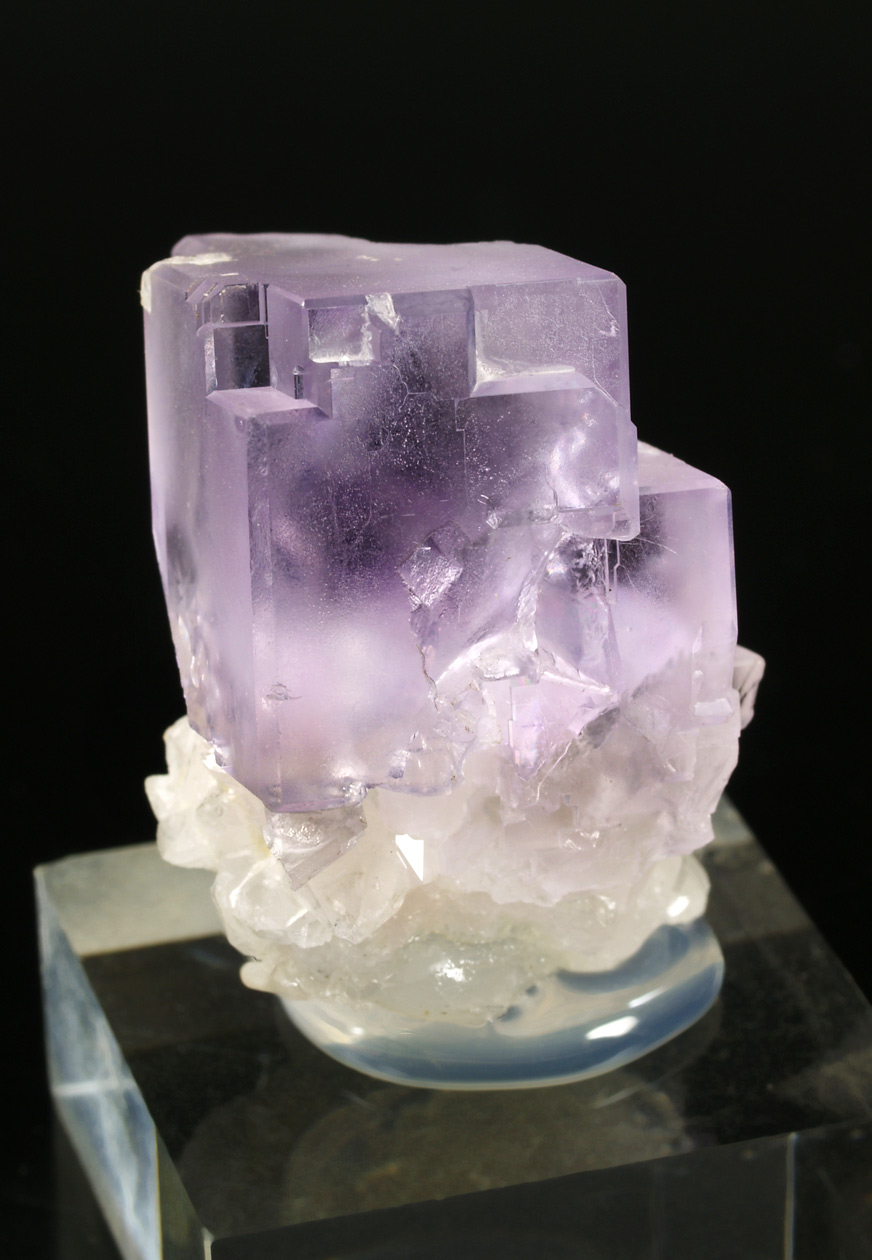
Muy estético grupo de cristales de fluorita, muy transparentes, de brillo mate, con caras y aristas muy definidas que muestran formas del cubo junto con el dodecaedro e insinua el trapezoedro. Tono violeta con zonación de color. Se disponen sobre una pequeña matriz de cuarzo.
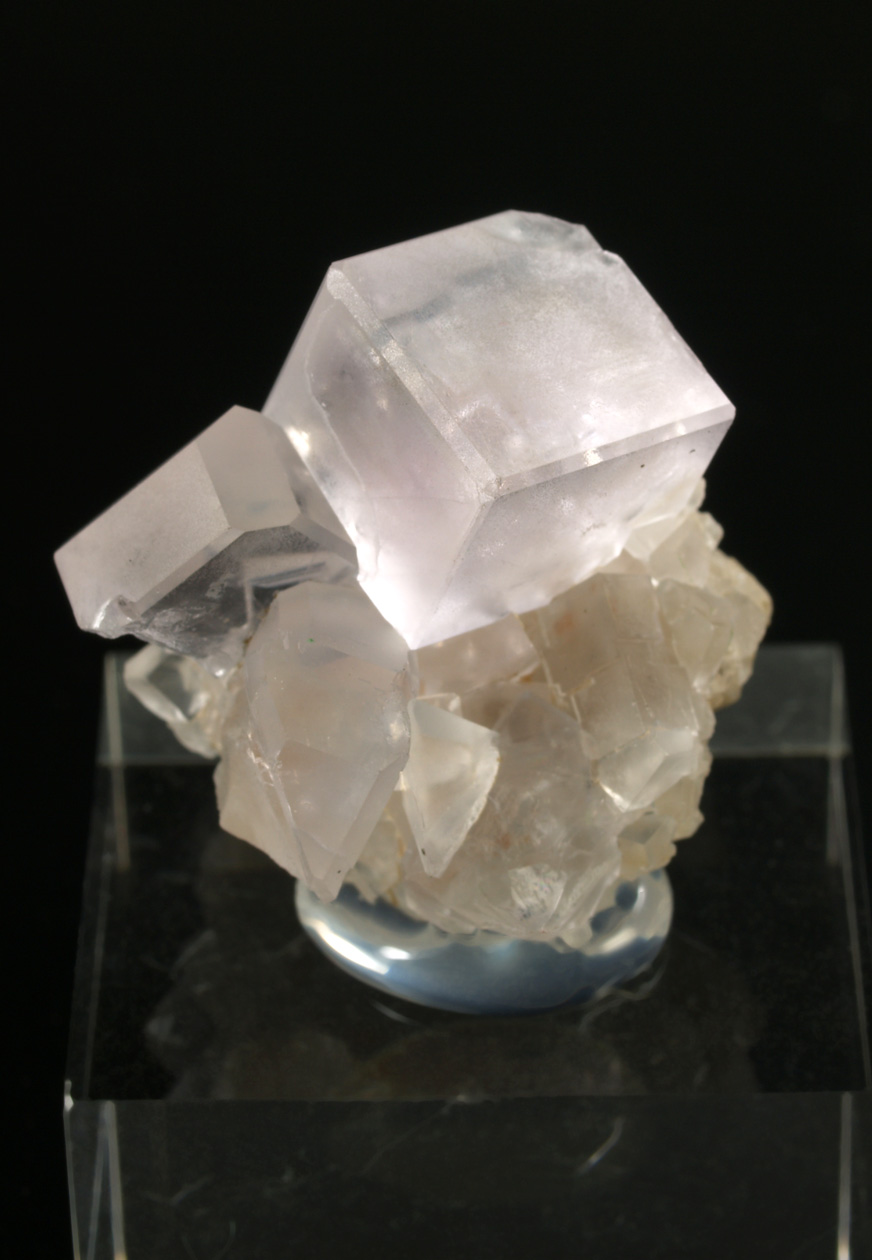
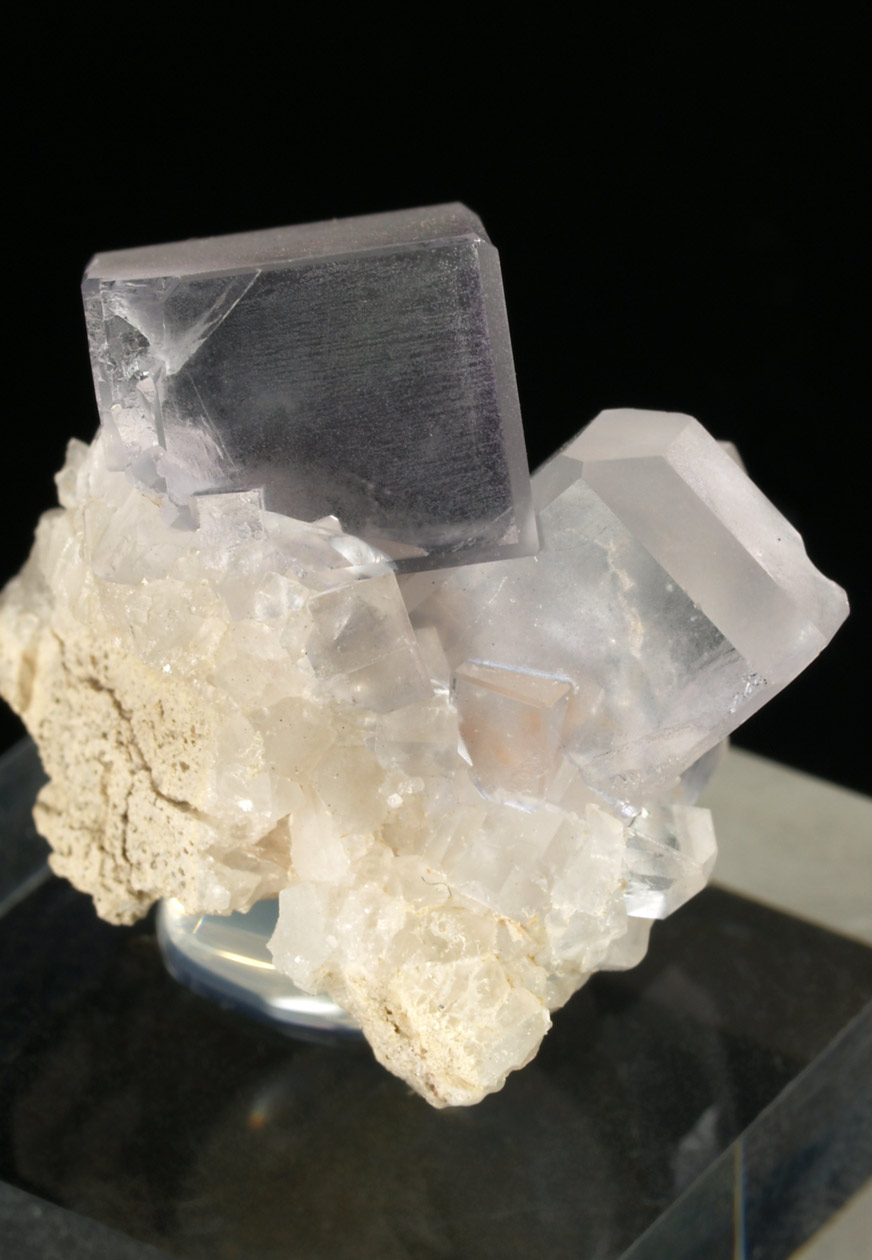
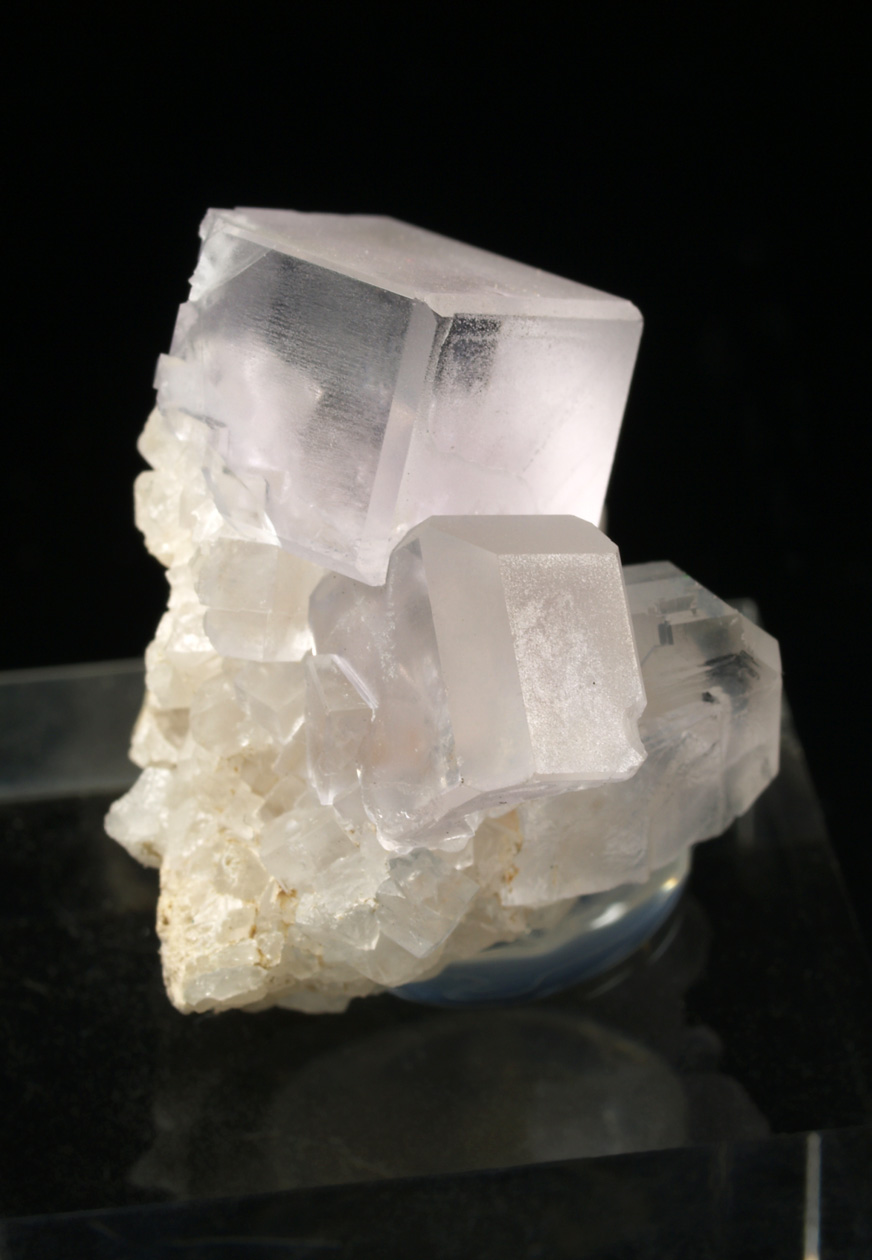
Pequeño ejemplar que muestra un grupo de cristales de fluorita, incoloros, translúcidos, con brillo mate y con formas del cubo y el dodecaedro. Una miniatura representativa.
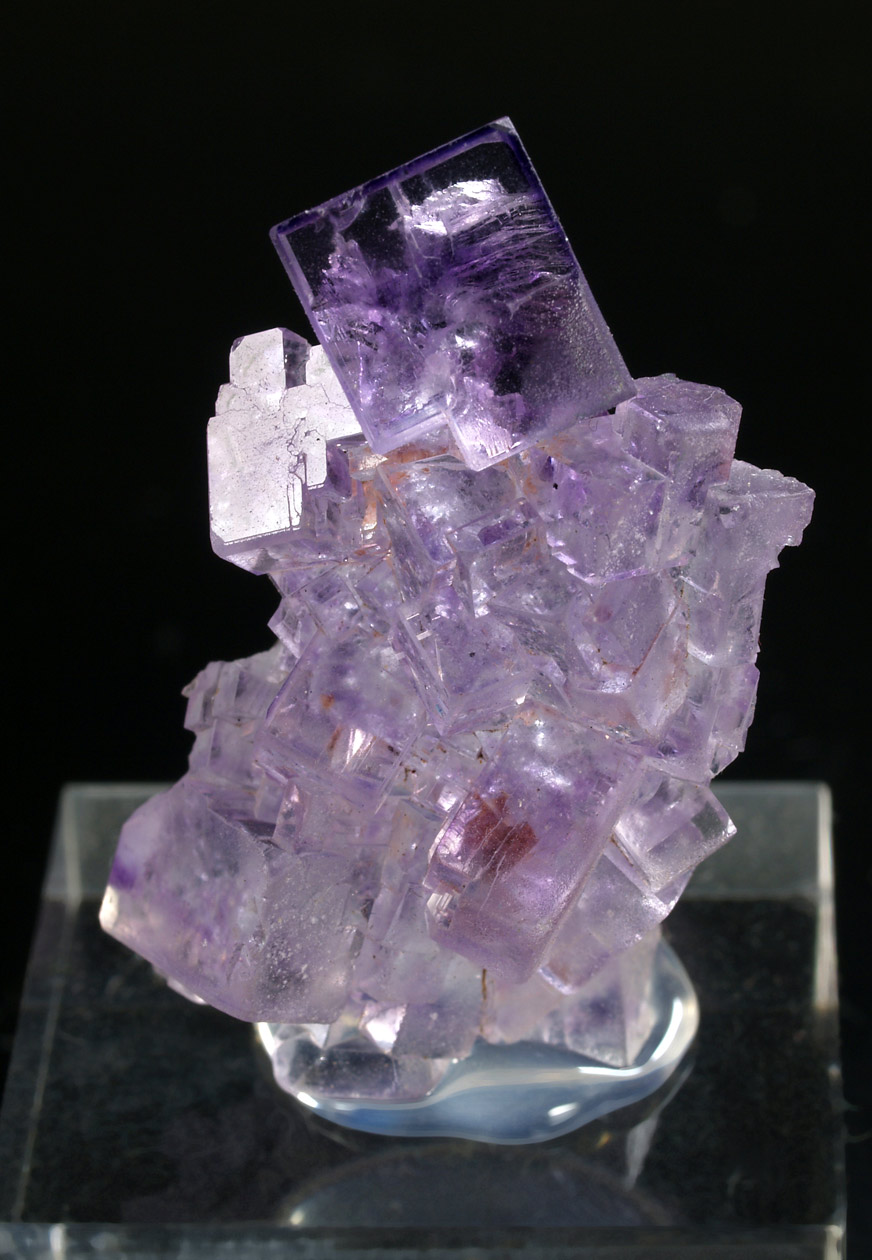
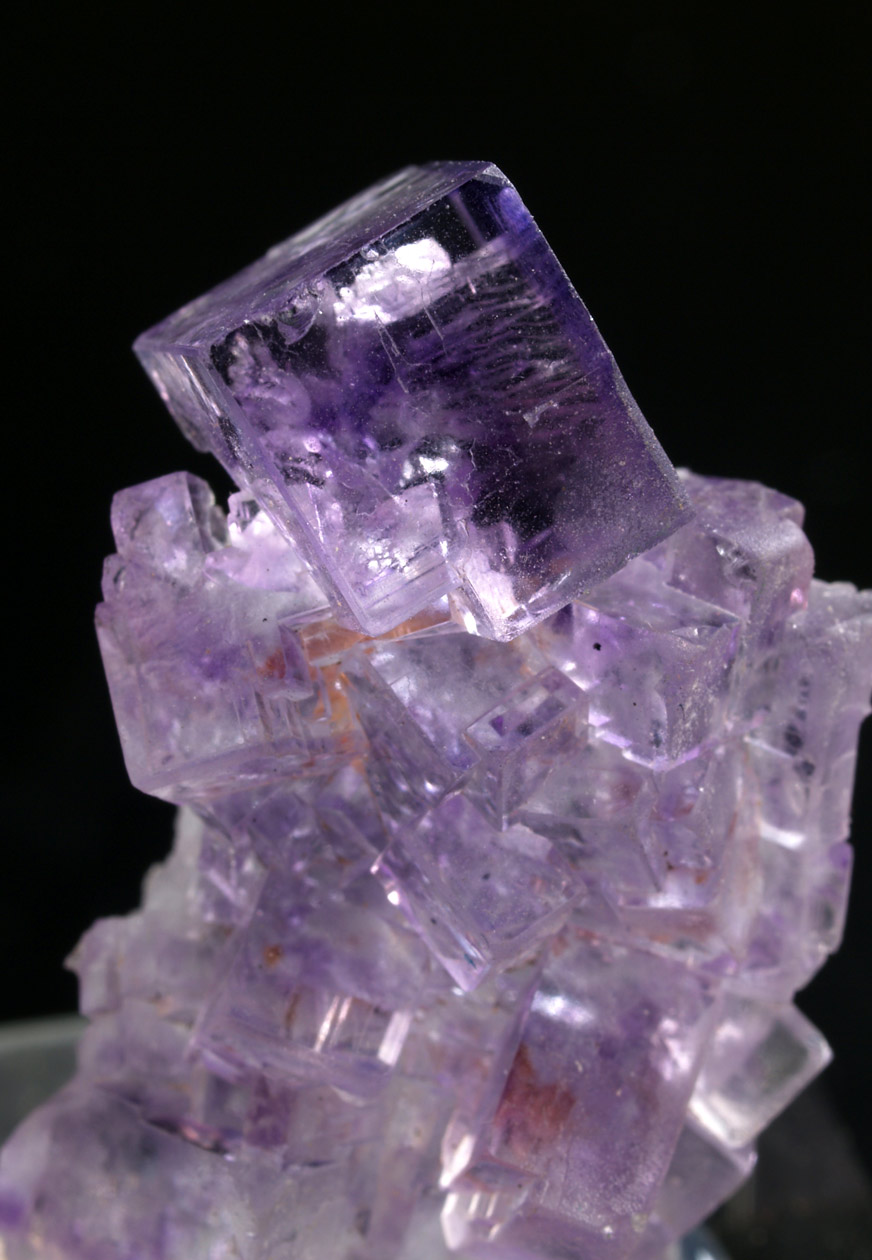
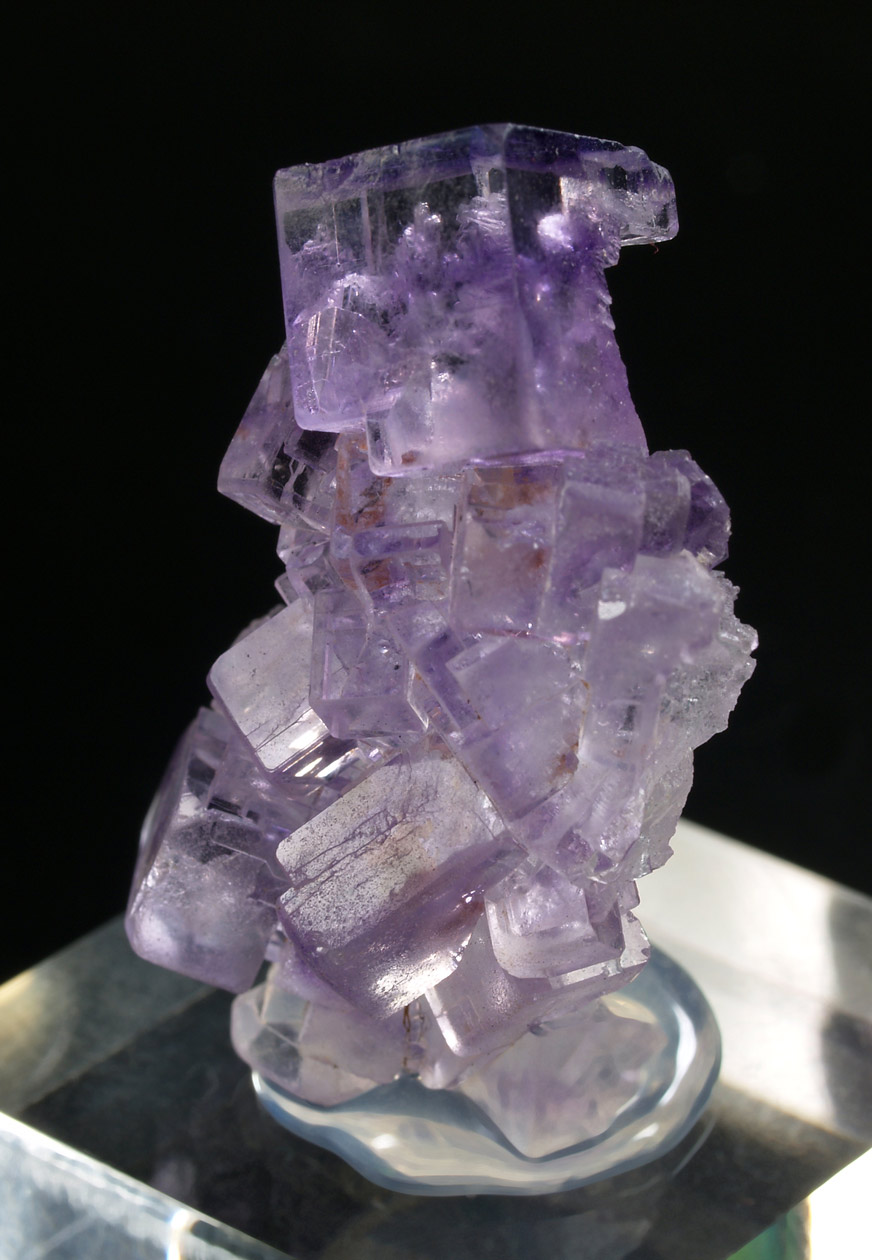
Muy estético grupo de cristales de fluorita, muy transparentes, brillantes, con caras y aristas muy definidas que muestran formas del cubo junto con el dodecaedro e insinua el trapezoedro. Tono violeta con zonación de color.
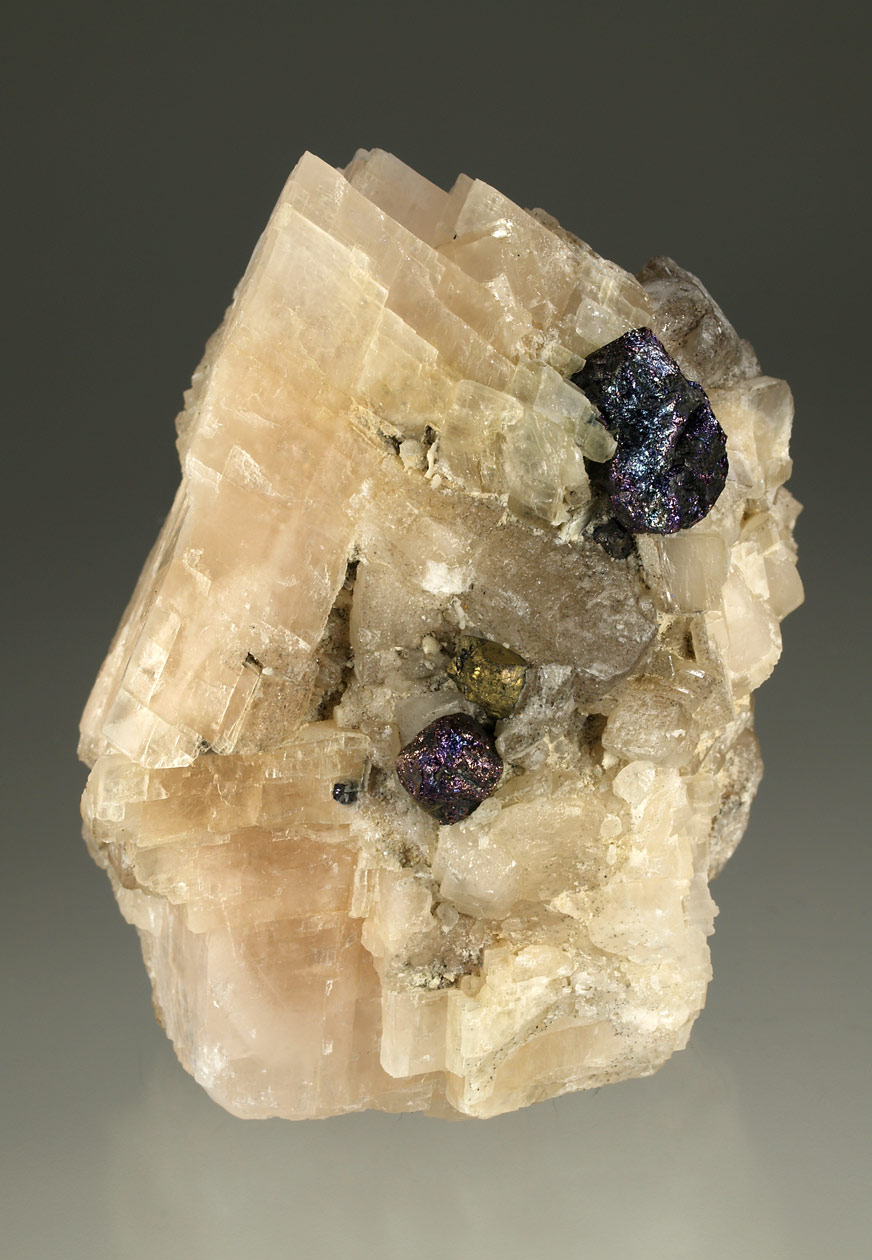
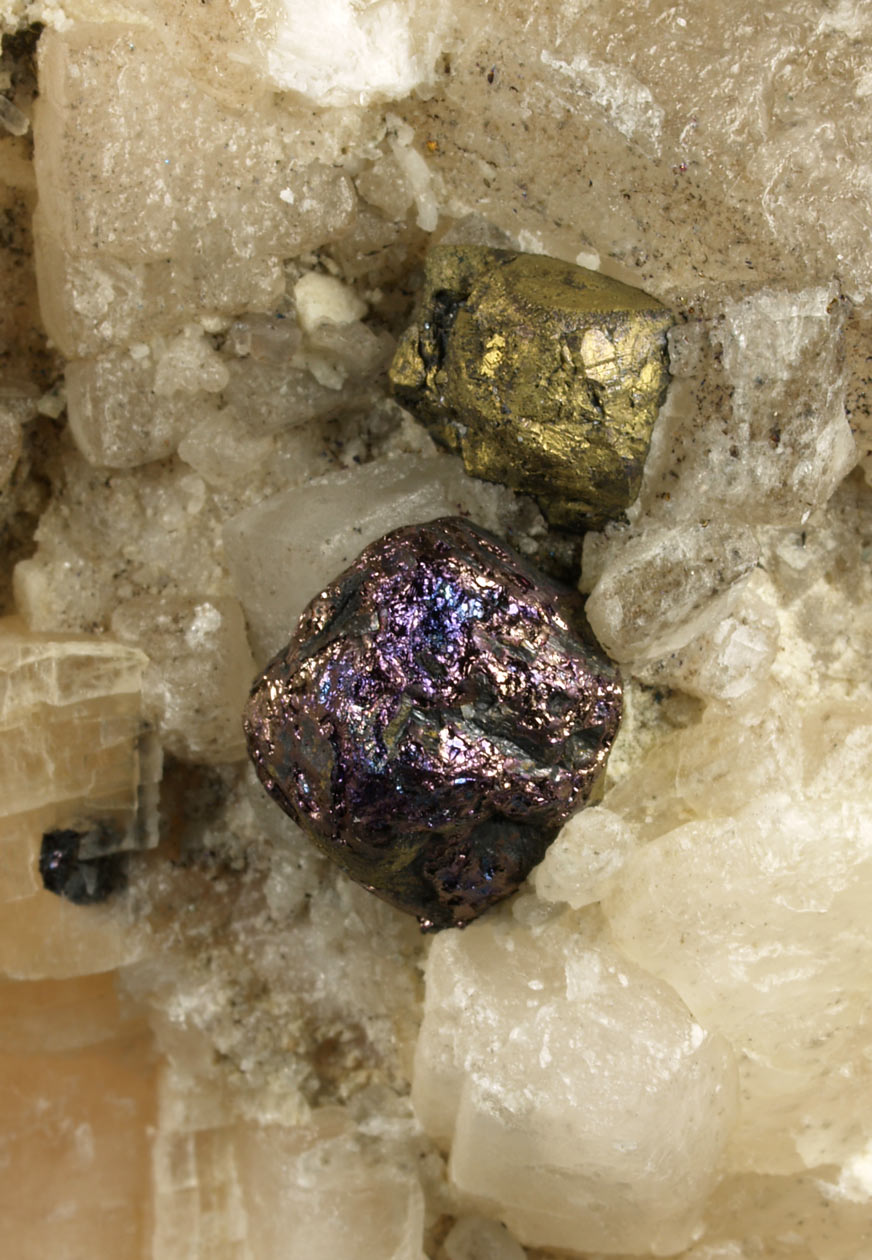
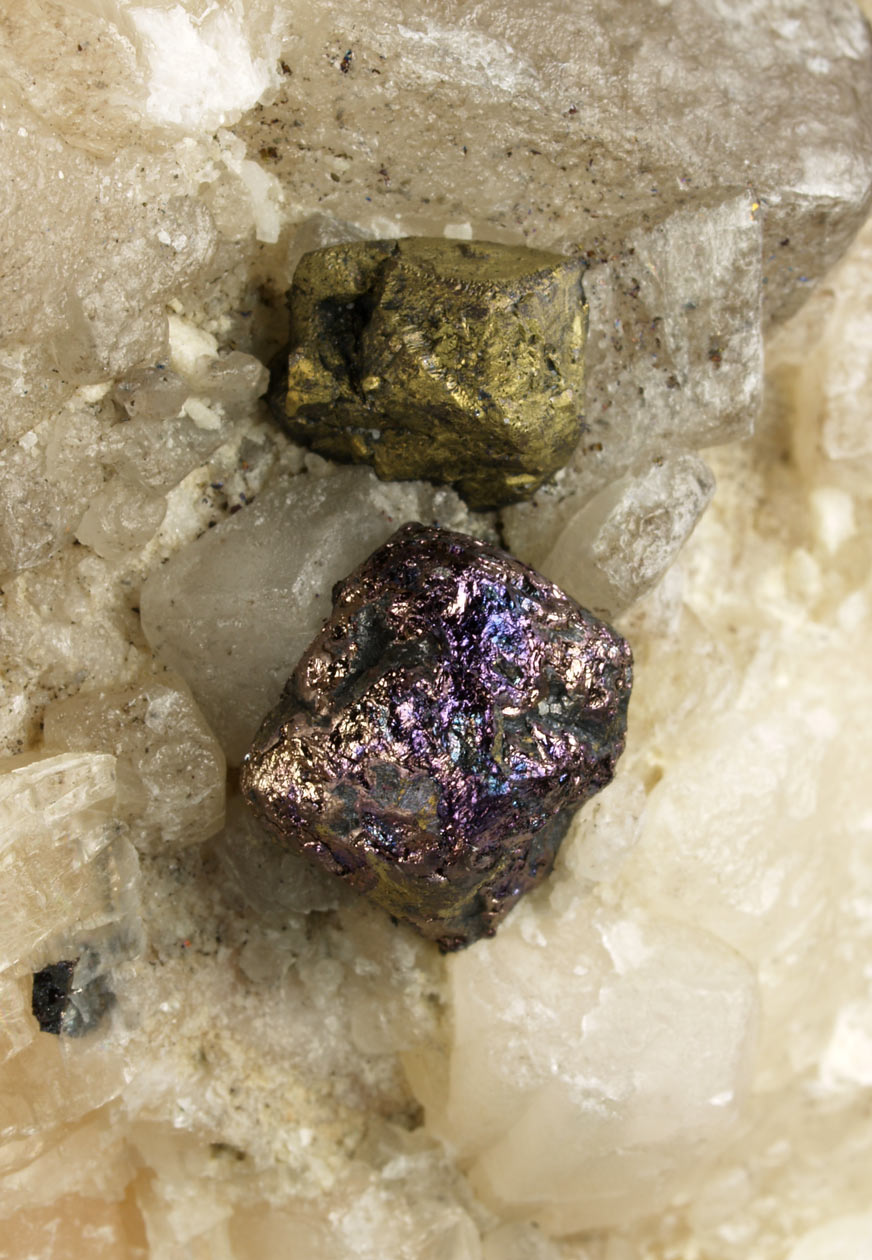
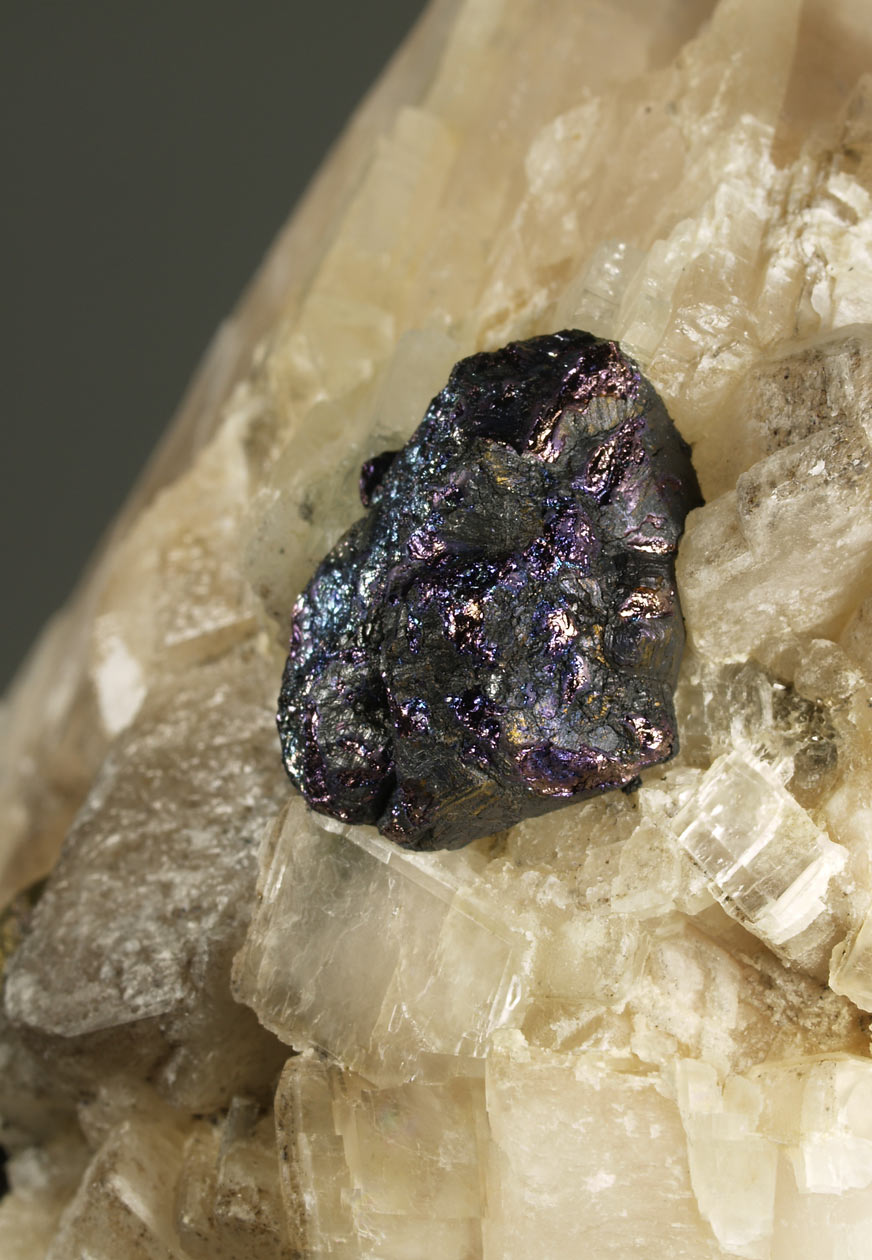
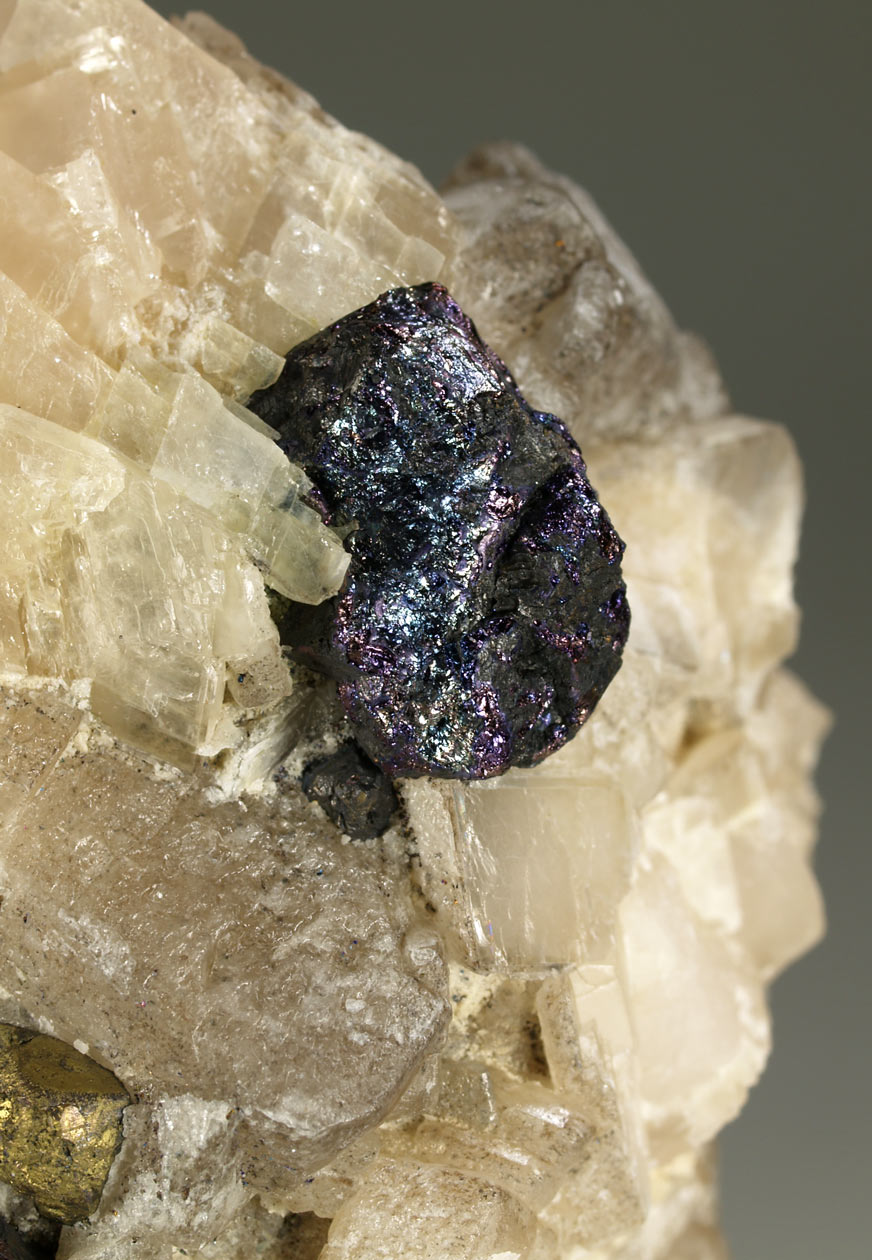
Ejemplar antiguo de bornita, de esta localidad clásica para la especie. Observamos dos cristales de buen tamaño, con caras y aristas redondeadas. Muestran un excelente brillo y estéticas iridiscencias. Se acompañan de un cristal de calcopirita en una matrix de calcita espática. Una pieza con historia.
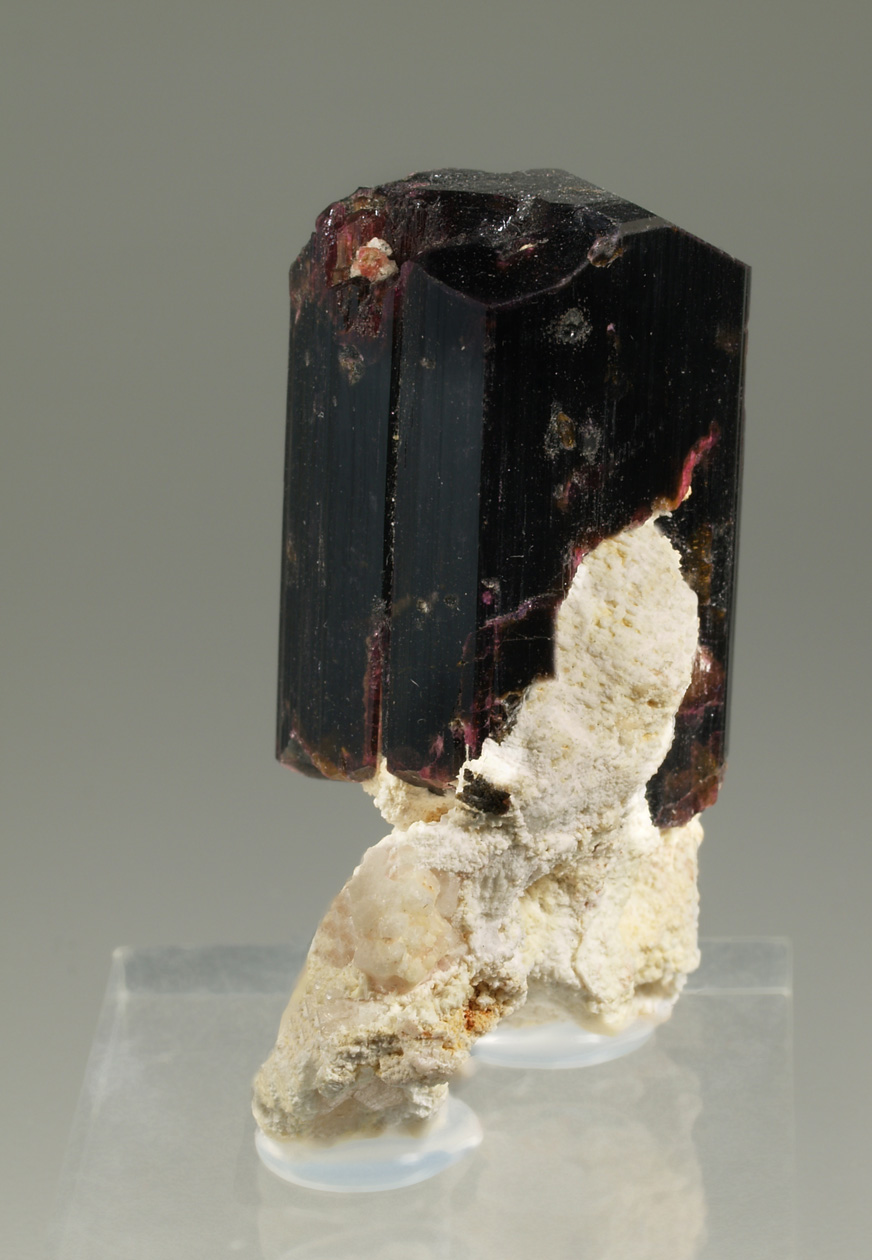
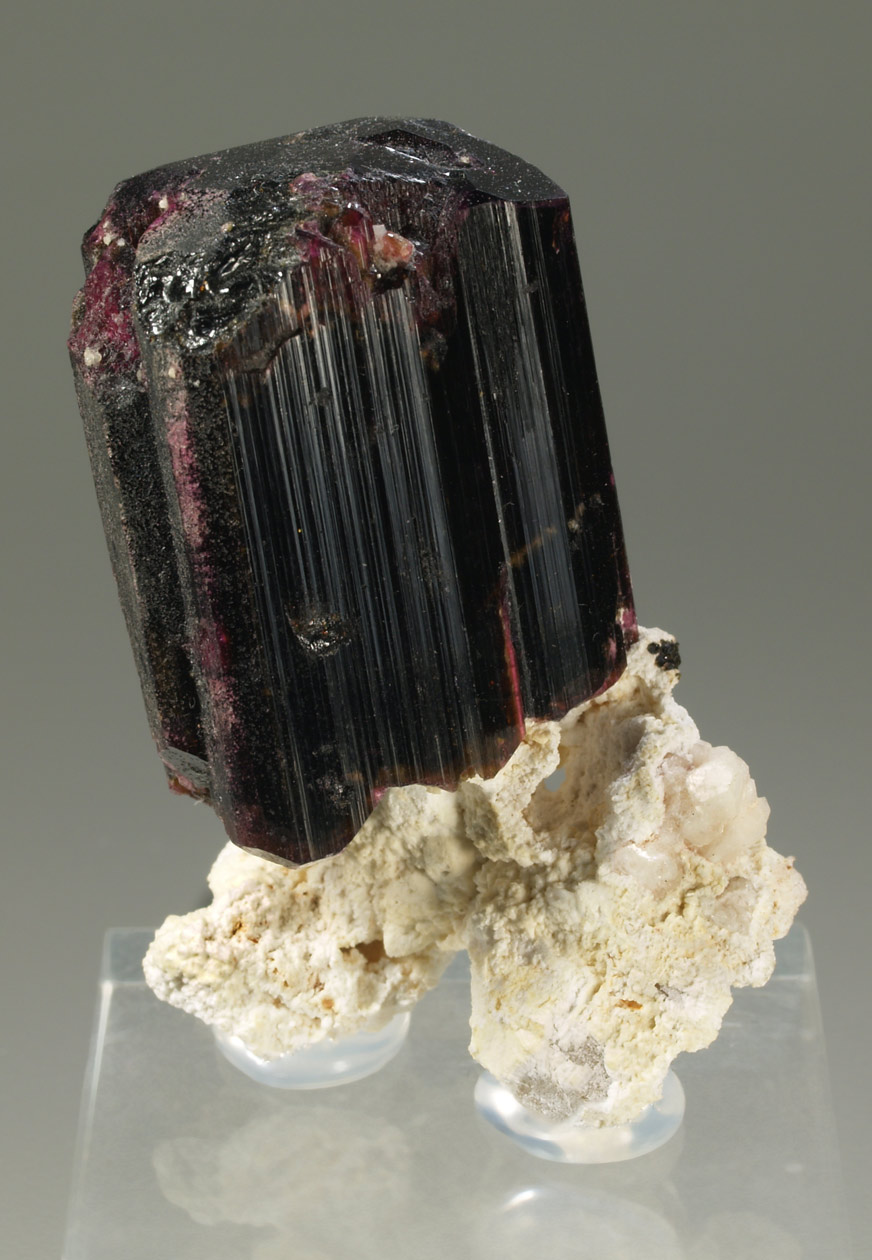
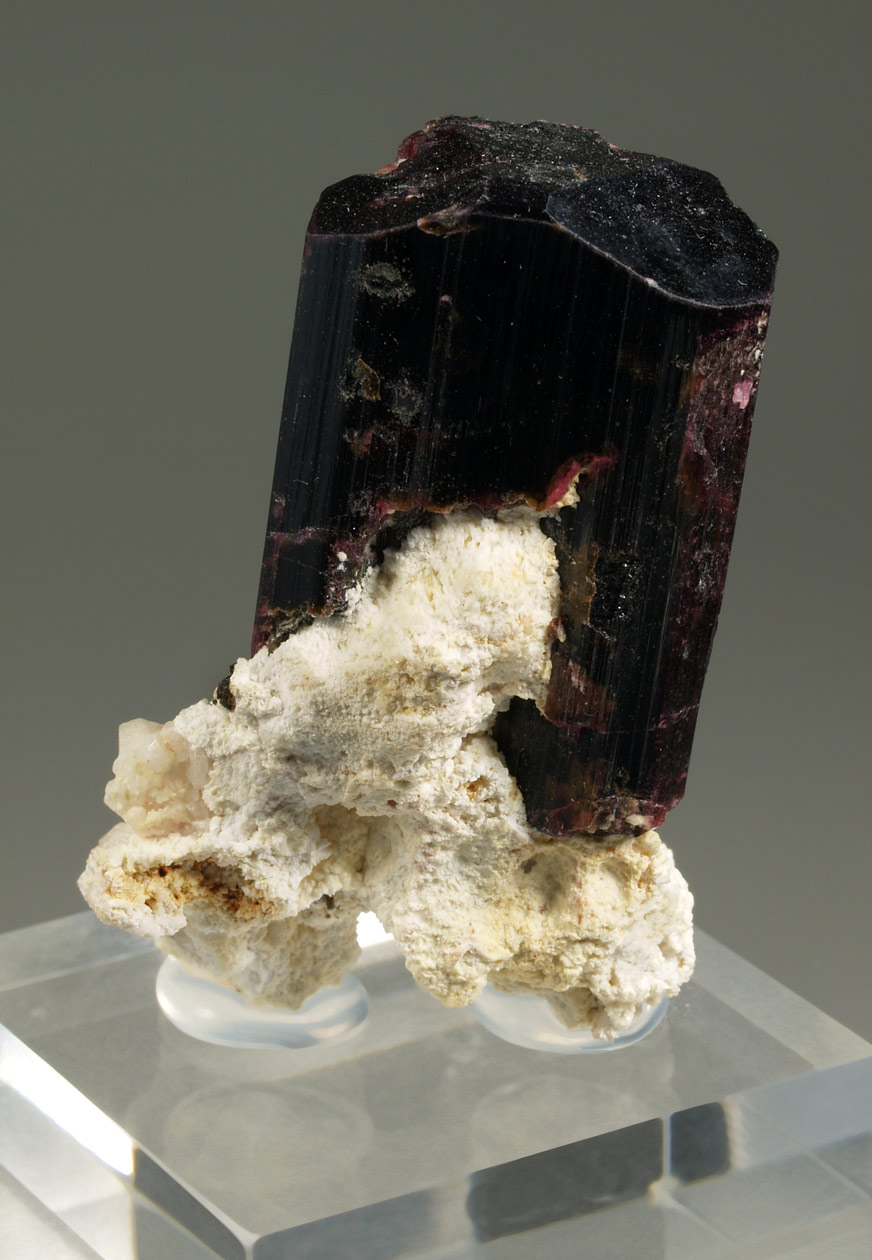
Cristal de buen tamaño de elbaíta-liddicoatita, definido, de intenso color burdeos, visible en las transparencias. Muestra un prisma estriado y caras romboédricas terminales definidas. Presenta alguna pequeña mella que no afecta a la estética. Sobre una matriz de feldespato con definidos cristales de londonita.
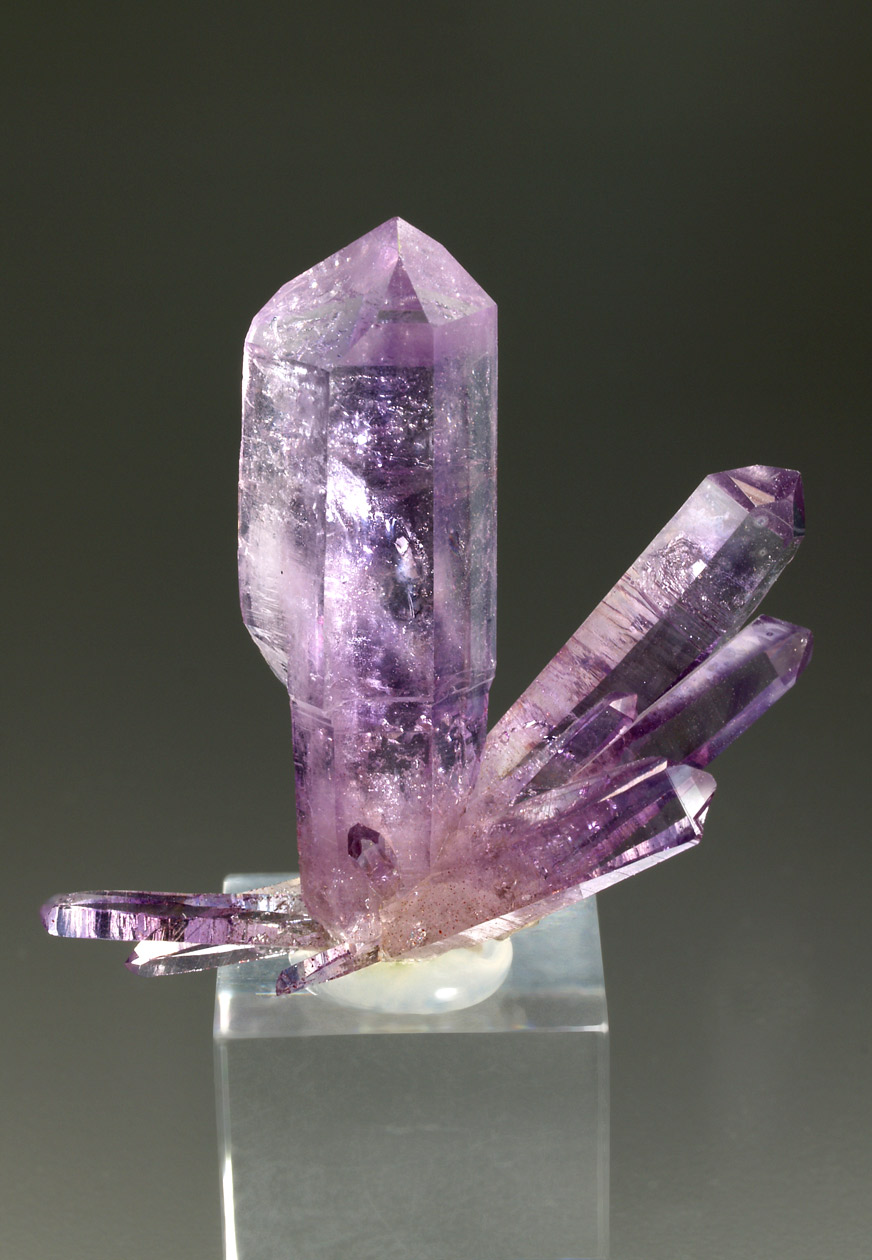
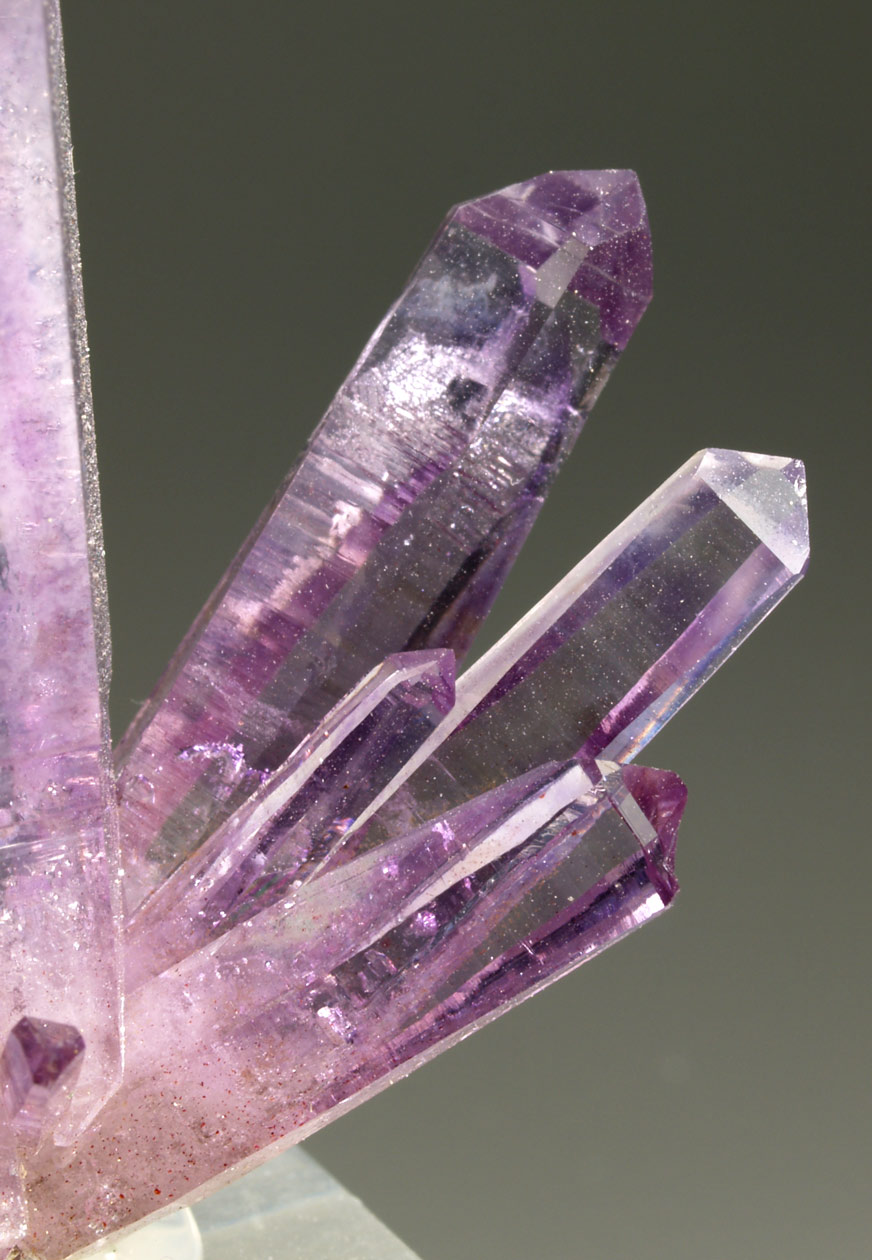
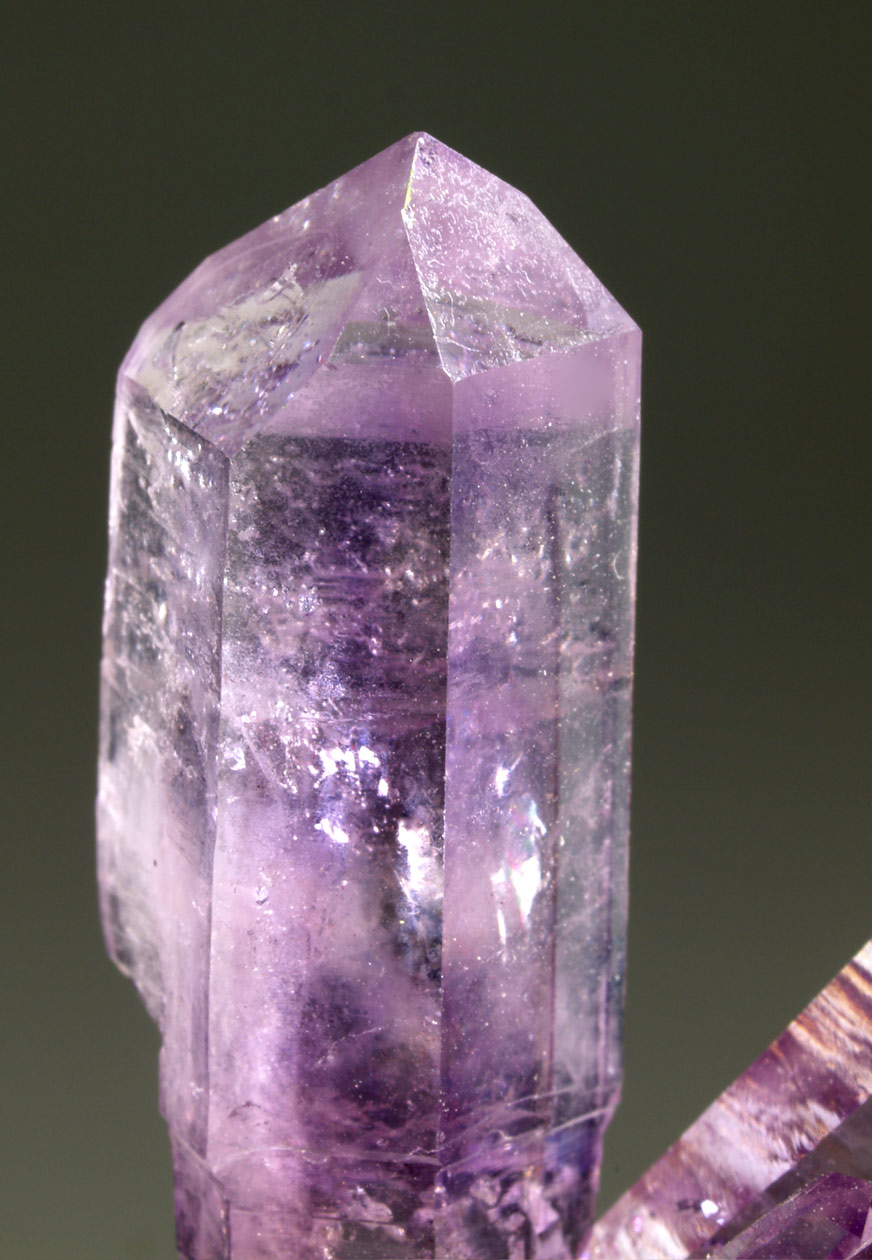
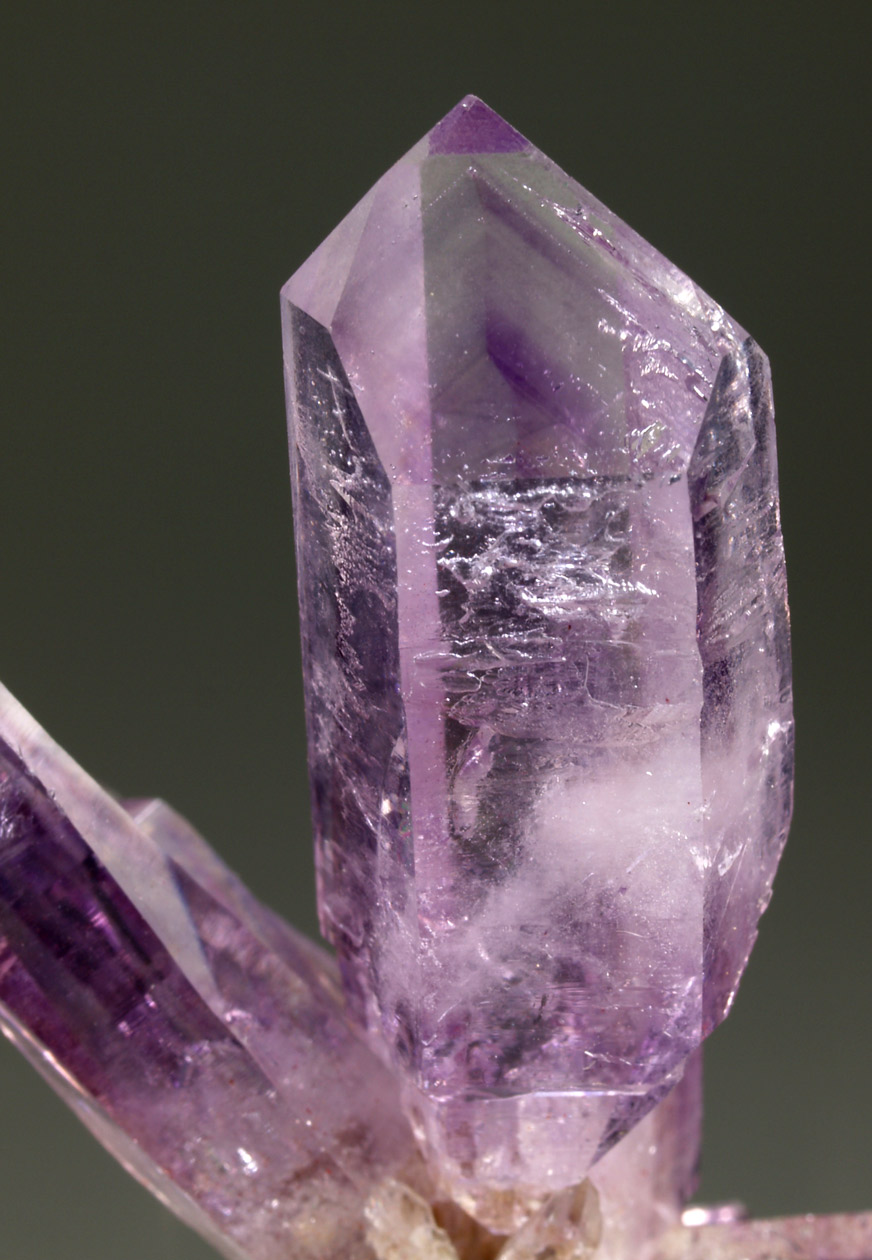
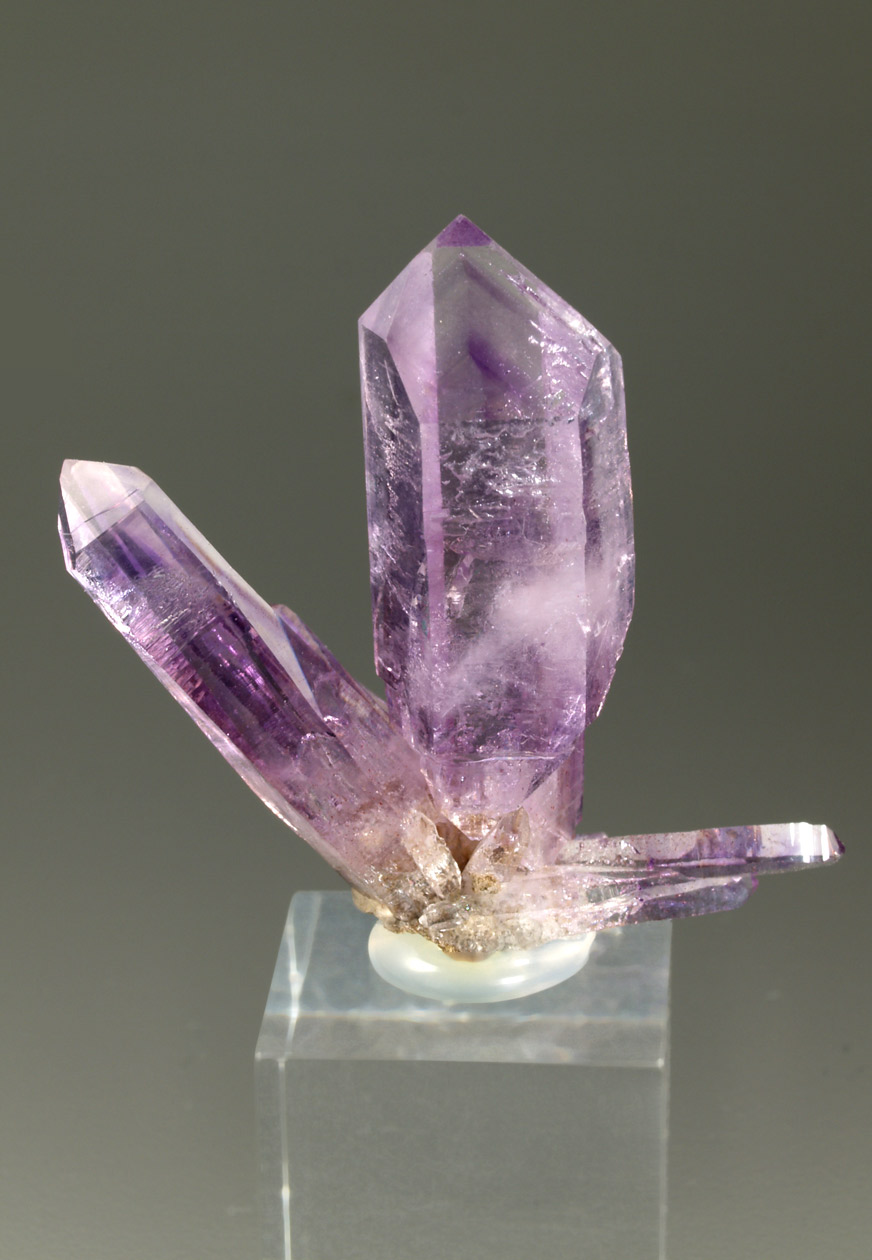
Estético grupo de cristales de cuarzo amatista, muy aéreos, con un brillo excepcional, definidos y que muestran zonación geométrica de color, tipo fantasma. Una pequeña pieza con una enorme calidad. De una localidad clásica mexicana.
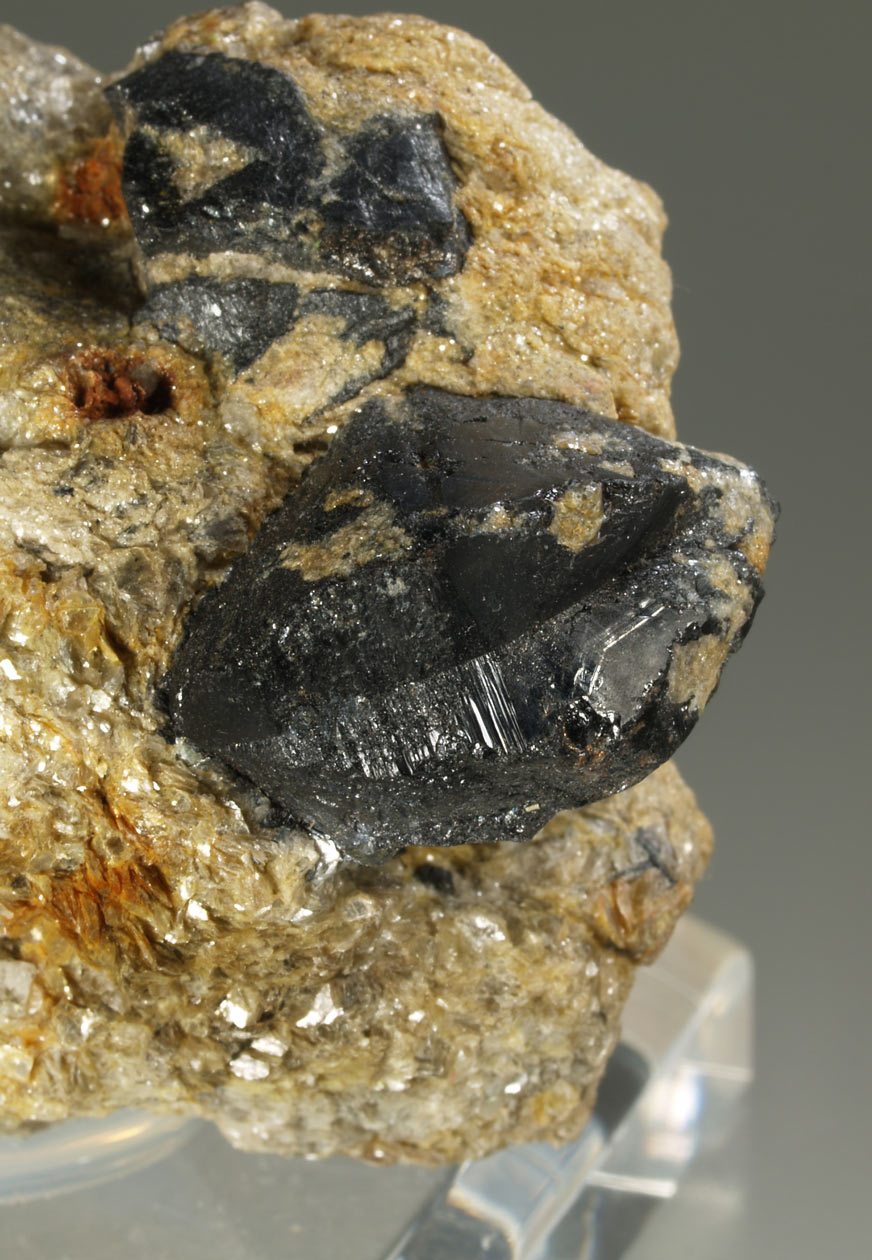
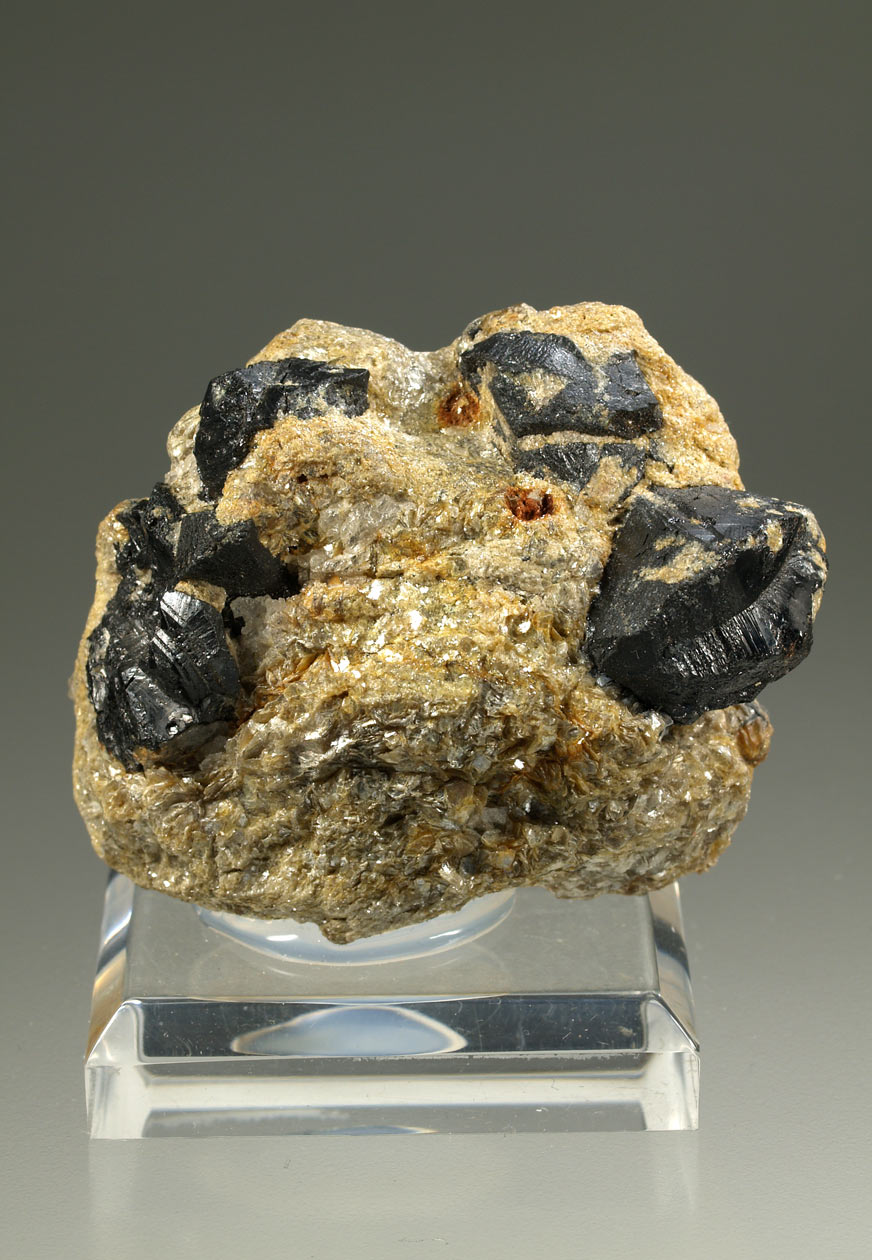
Grupo de cristales de casiterita, uno de ellos muestra una definida macla de buen tamaño. Se dispone de forma aérea sobre una matriz de moscovita (esquisto). De una localidad clásica española.
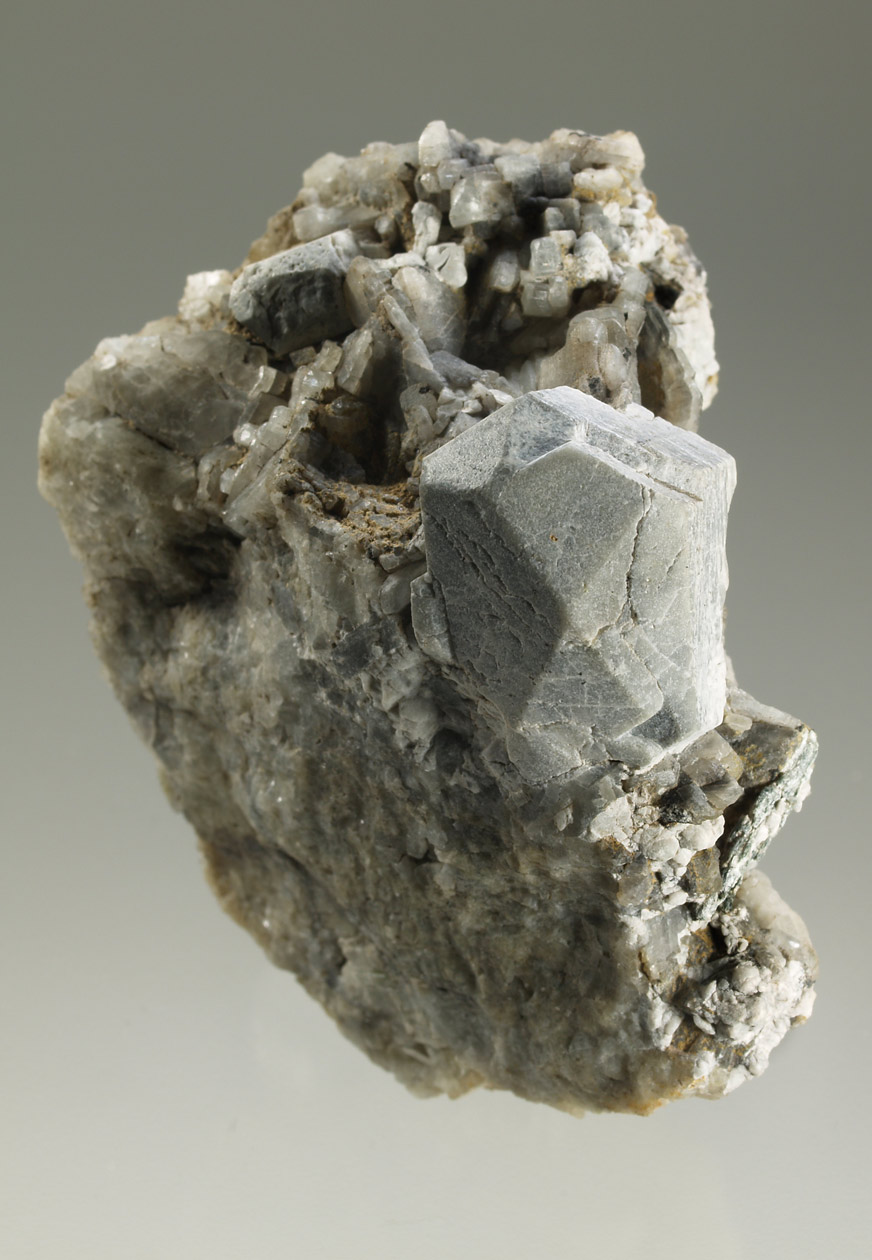
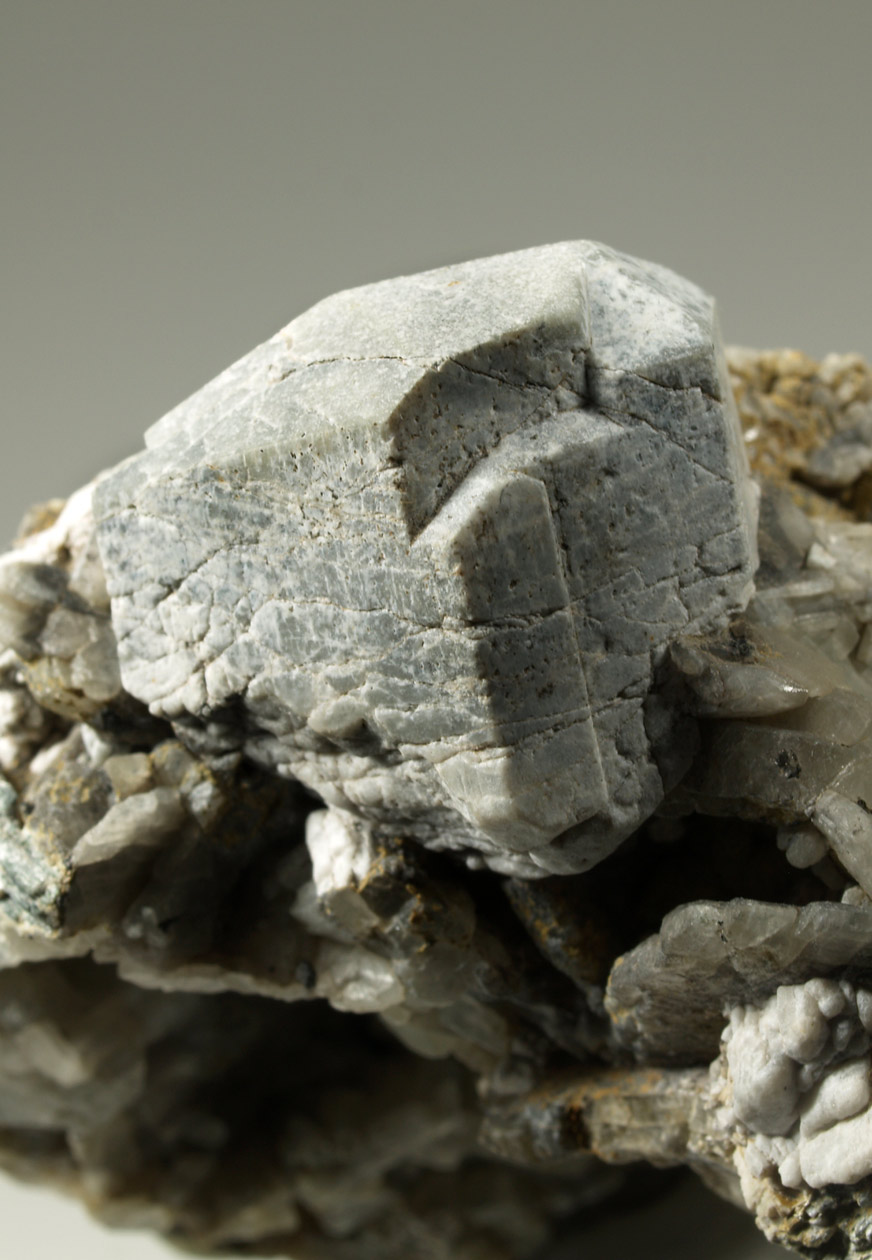
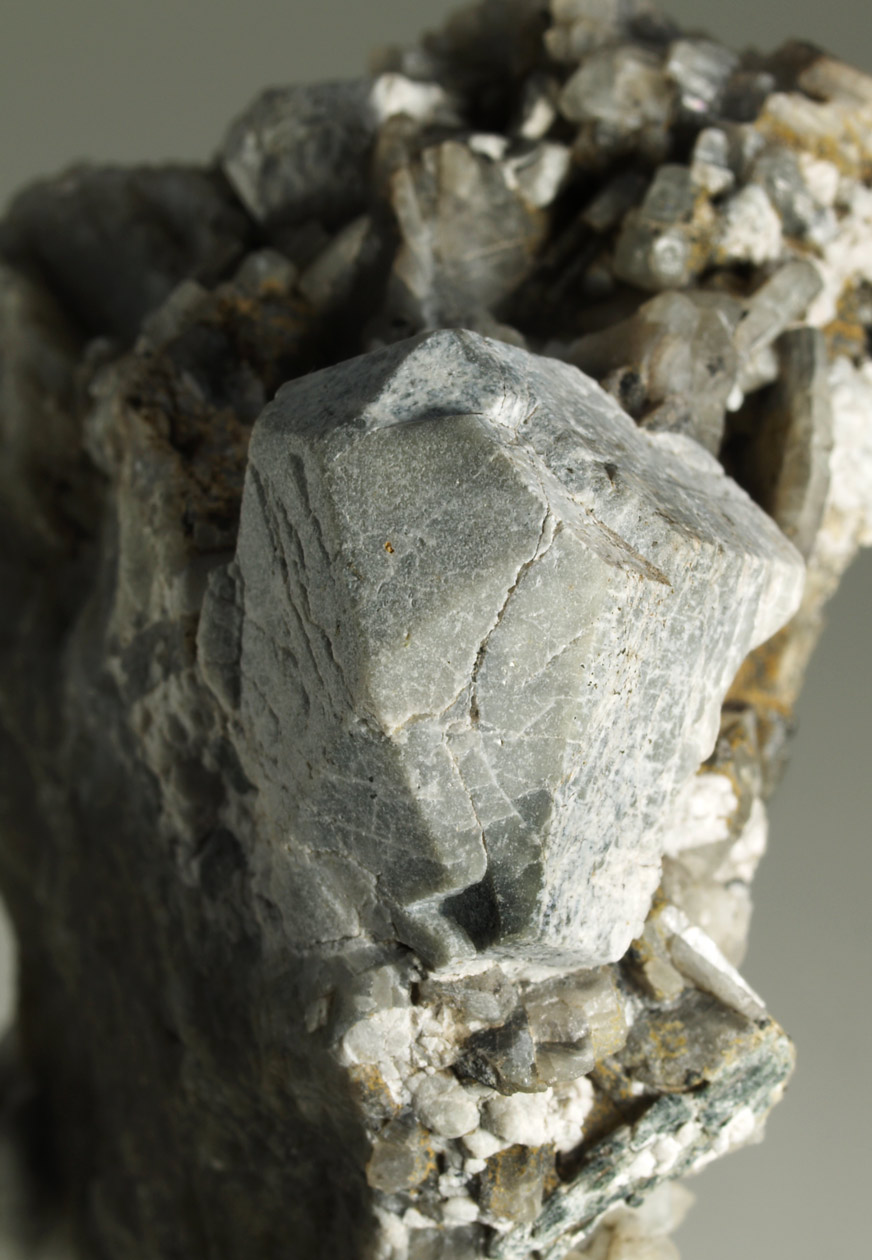
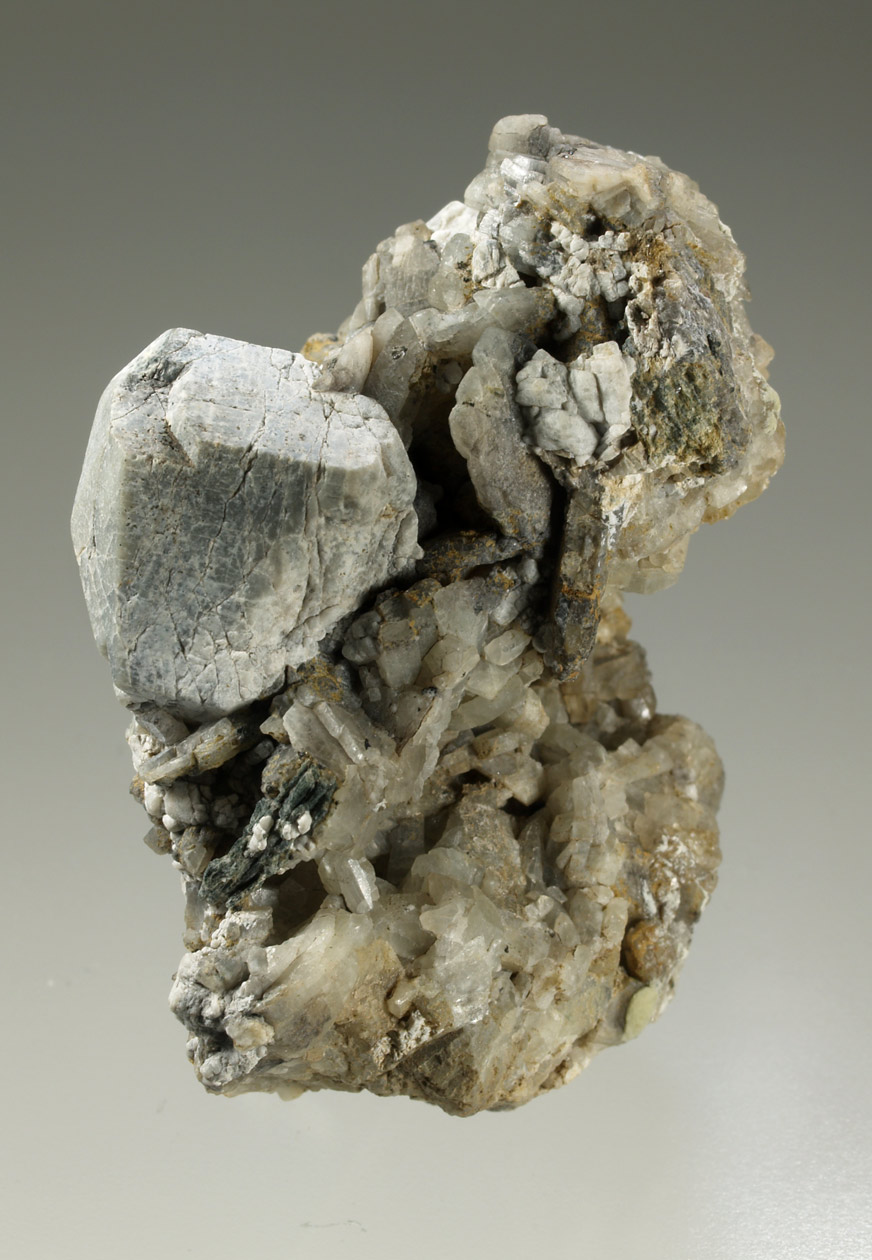
Un verdadero clásico clásico noruego. Un ejemplar de buen tamaño de hidroxilapatito muy definido, rico en caras y color blanquecino. El cristal está completo y perfectamente dispuesto sobre la matriz. Estos ejemplares son muy apreciados por los coleccionistas debido a que hoy en día es difícil encontrarlos.
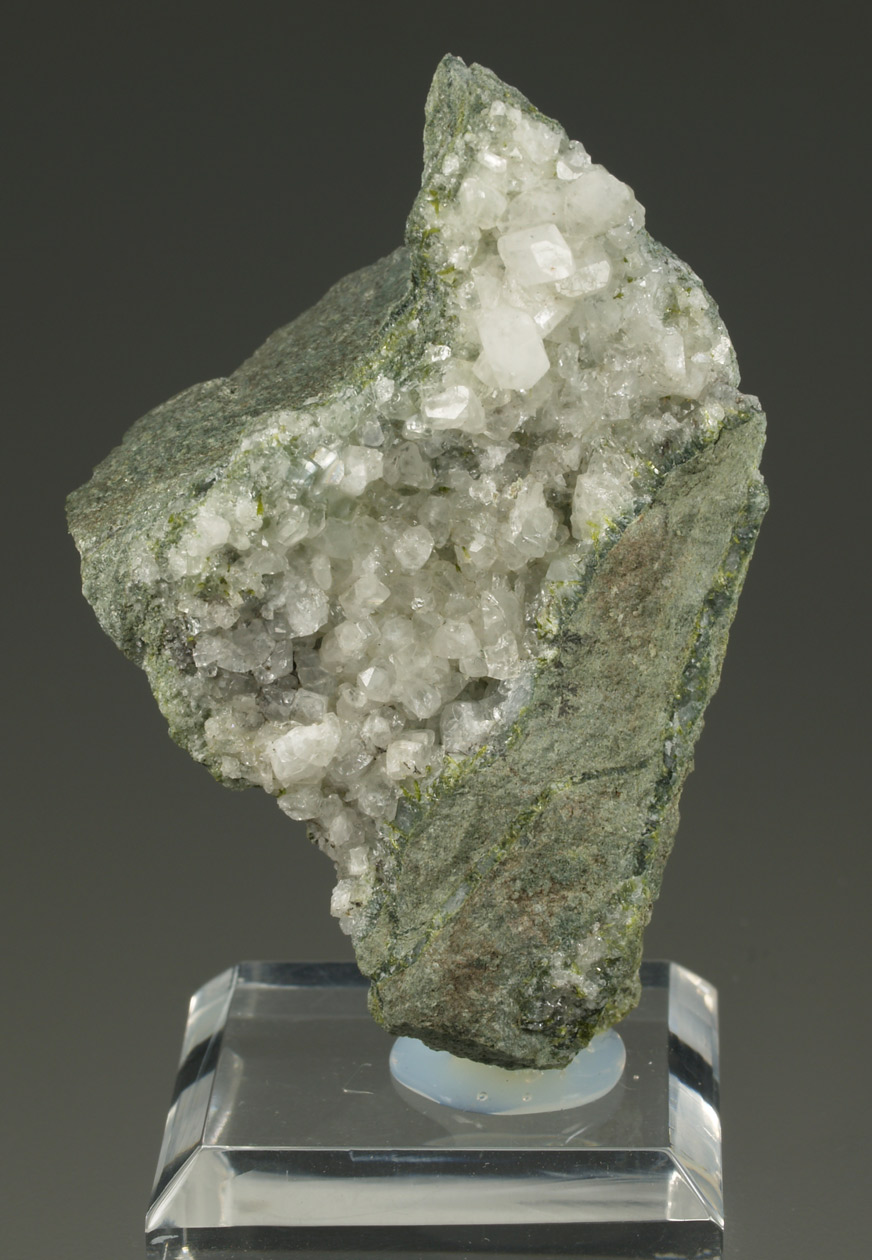
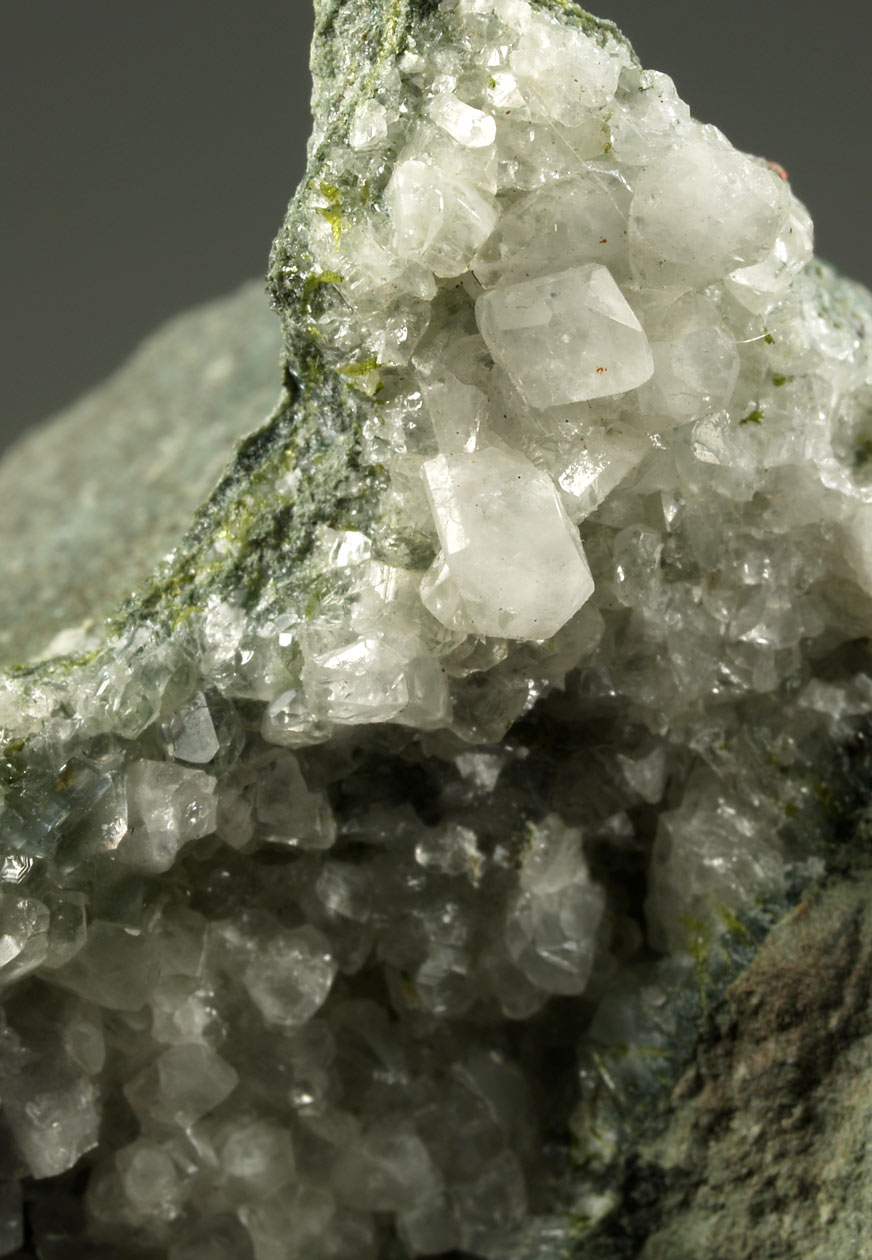
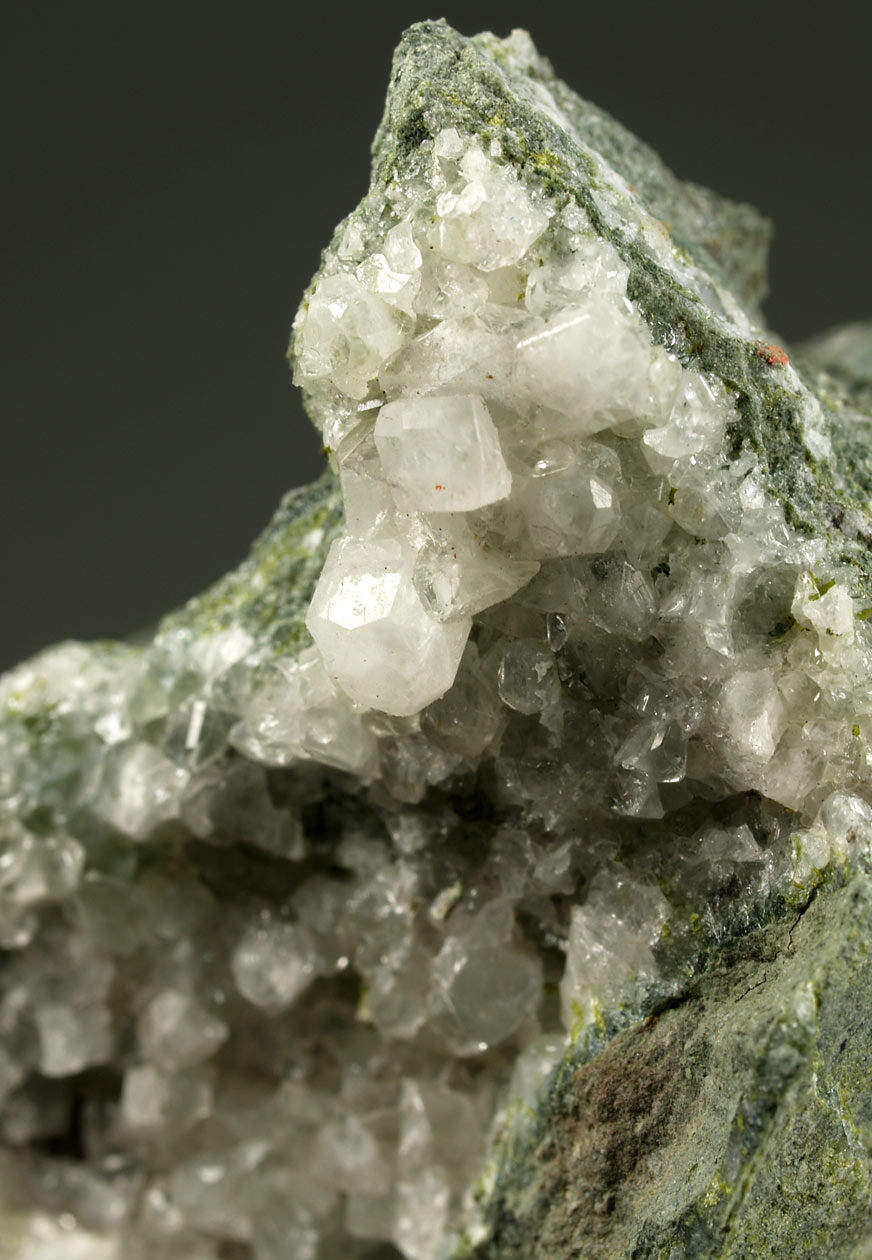
Grupo de cristales de datolita, muy ricos en facetas, translúcidos, de color casi blanco y definidos. Se hallan sobre una matriz con calcita y cuarzo, con algo de epidota-clinozoisita. Una pieza de una cantera muy conocida y en la que actualmente cuesta encontrar ejemplares ya que no realizan nuevas voladuras.
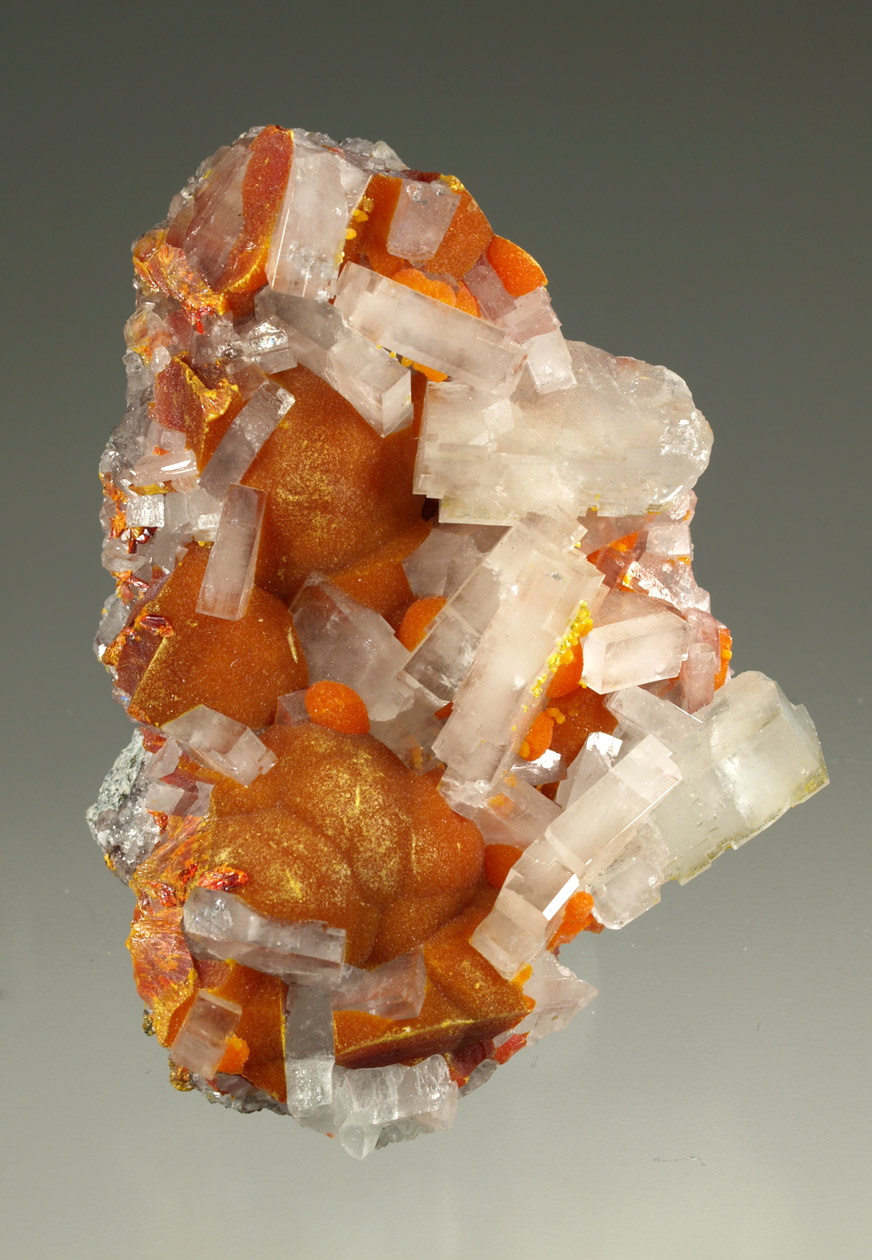
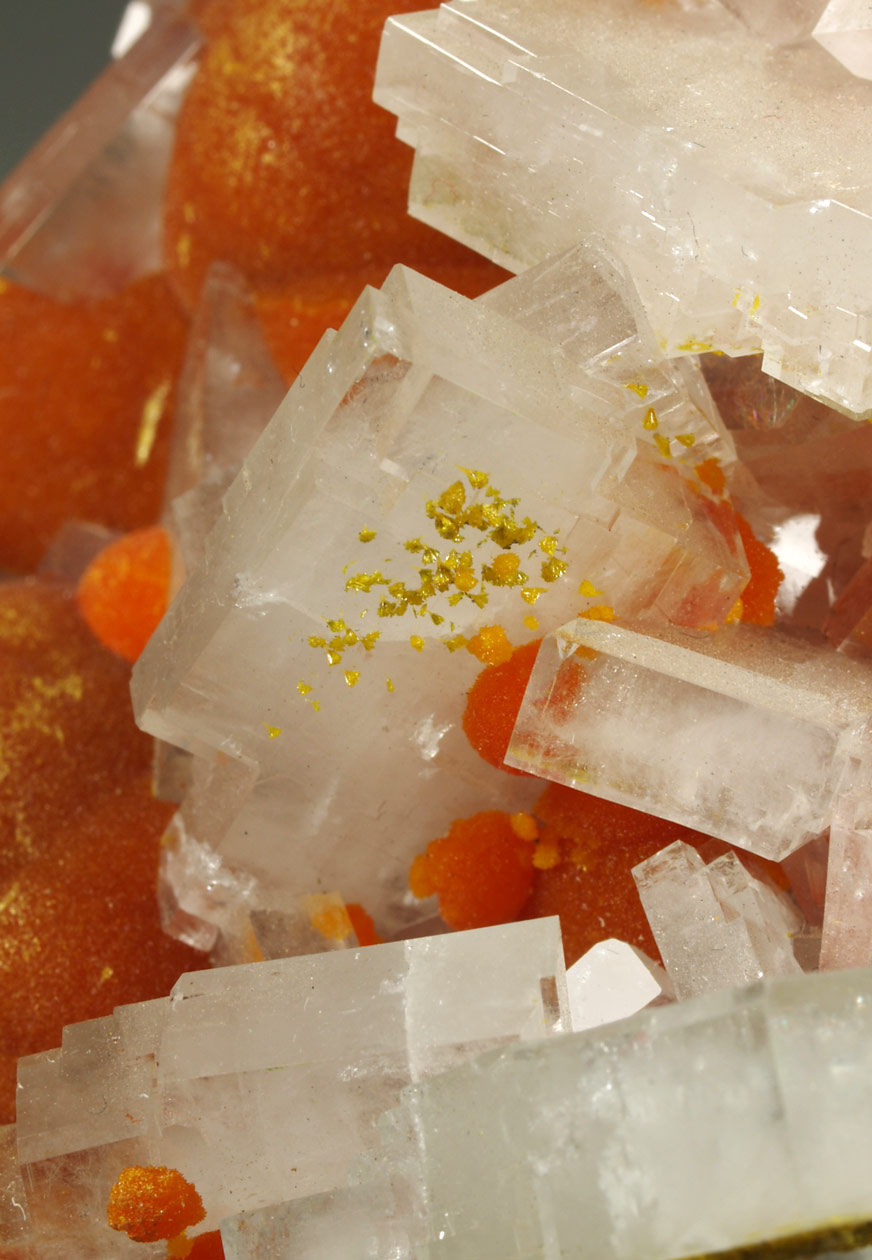
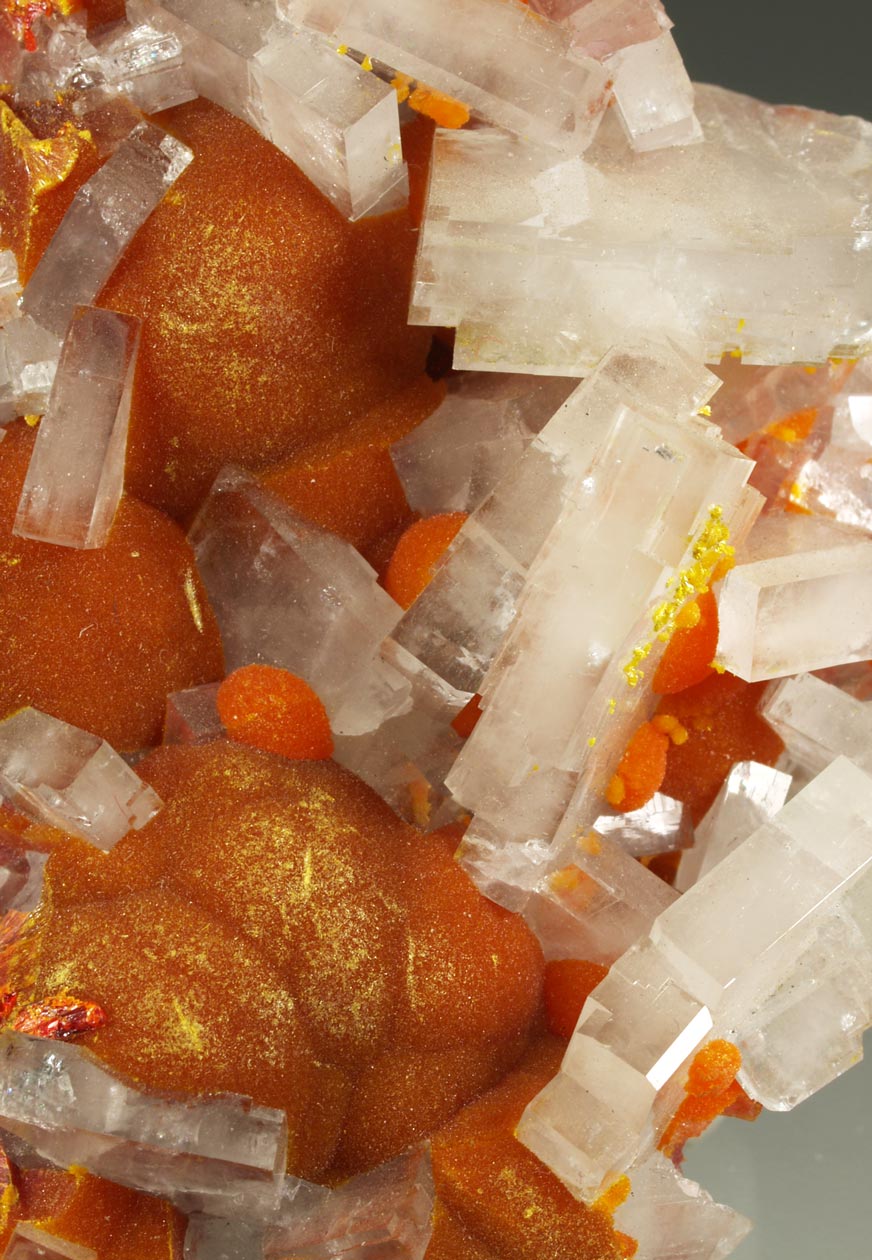
Brillantes, transparentes a translúcidos, cristales de barita tabulares, estéticamente dispuestos y parcialmente cubiertos por coloridos grupos de color naranja de botrioides de oropimente. De una mina clásica peruana. Con algunos cristales prismáticos de realgar de intenso color rojo.
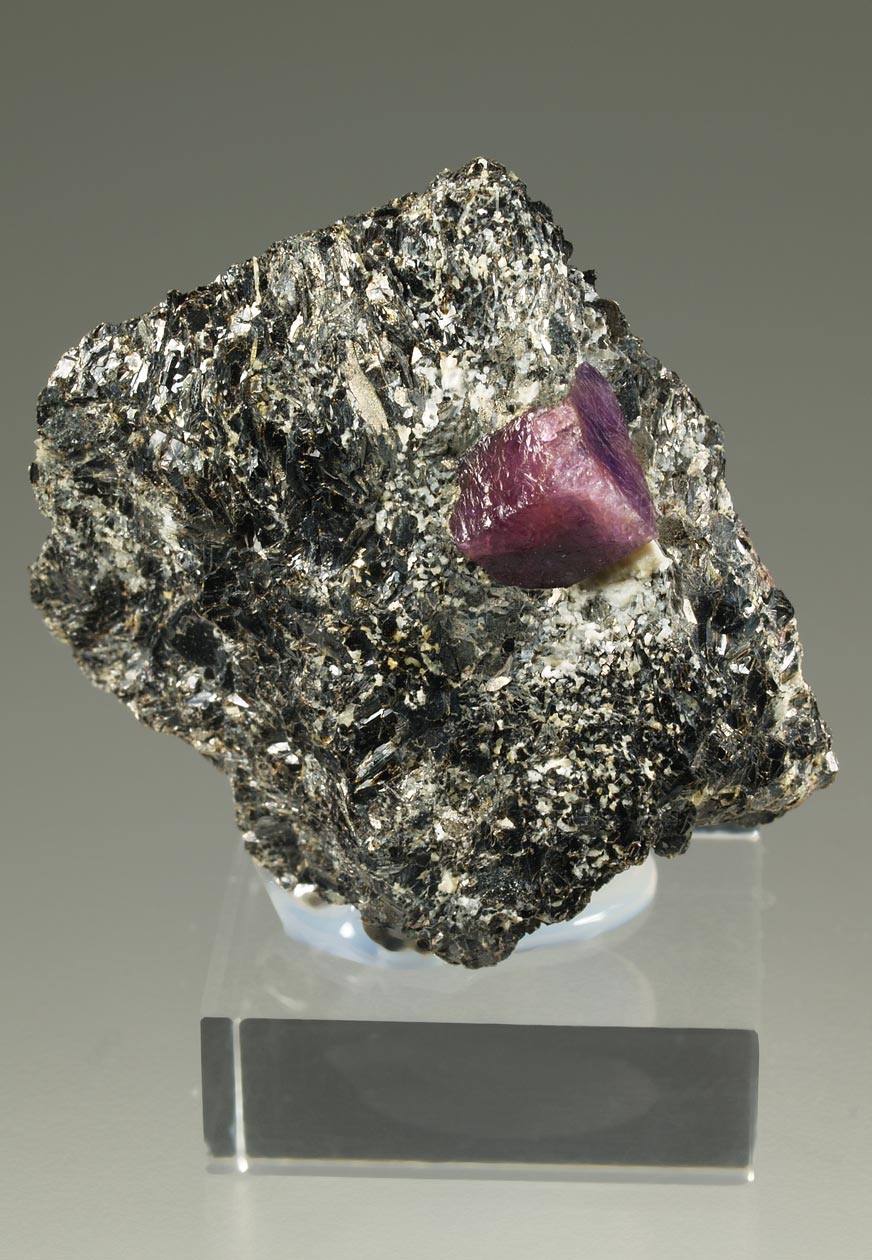
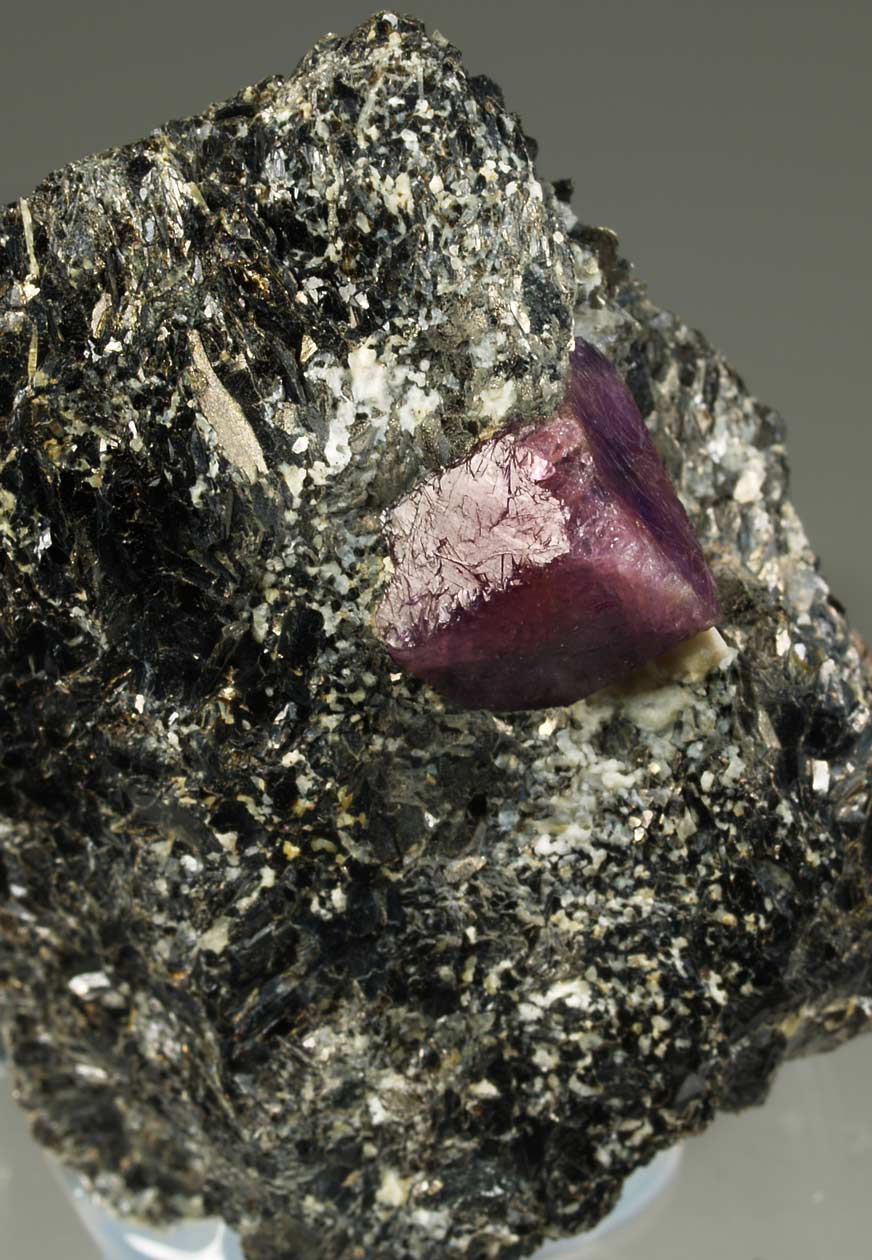
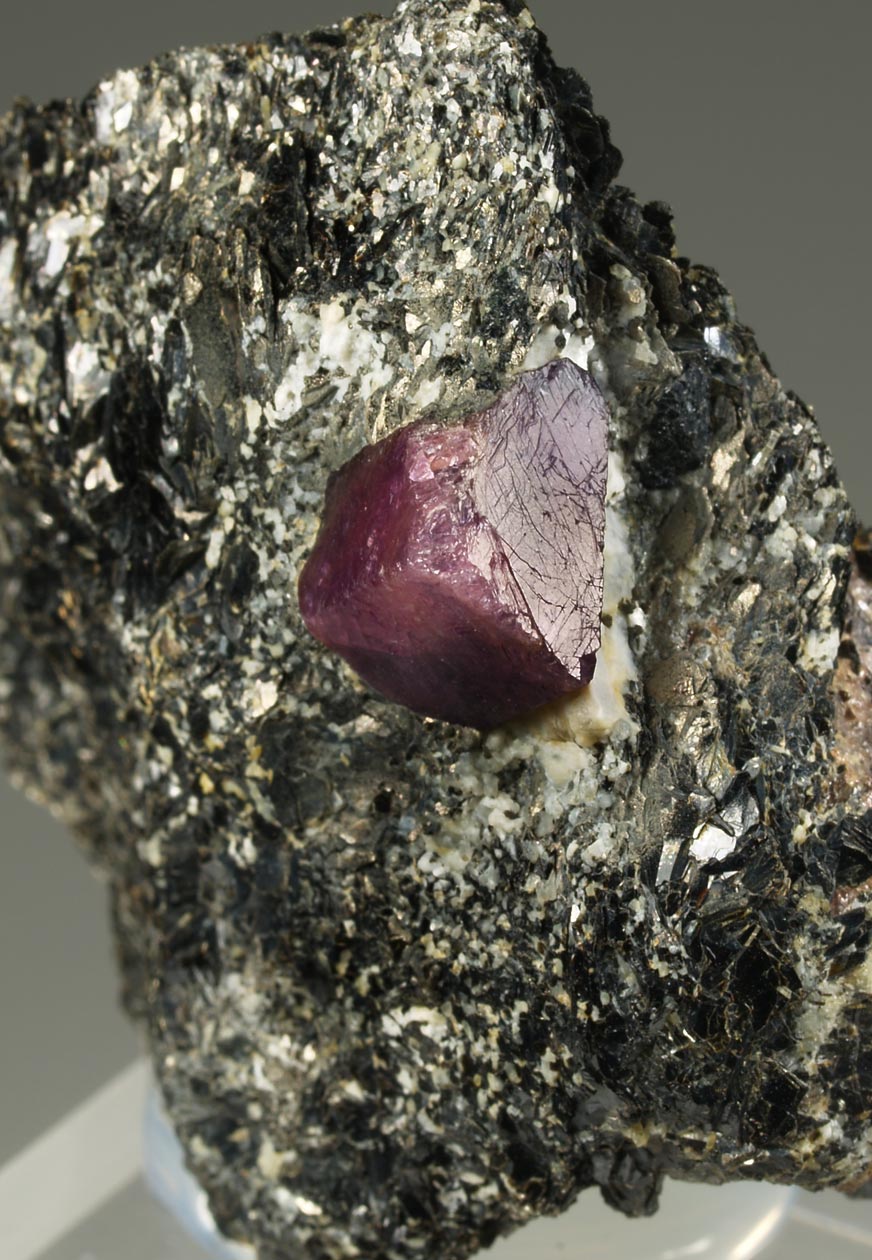
Estos ejemplares de corindón han sido etiquetados como rubí-zafiro ya que muestran una dual variedad de tonos: entre el rojo y el granate, al azul y el púrpura, según la luz que incida sobre ellos e incluso dentro del mismo cristal. Tienen muy buena calidad y un brillo que los hace destacar sobre otros ejemplares de su misma especie. Los cristales, que son biterminados, muestran prismas hexagonales más o menos alargados y terminados por caras planas pinacoidales, a veces escalonadas y mostrando caras del romboedro. Algunos dejan ver caras terminales con líneas geométricas estriadas. Se dispone sobre una matriz formada de brillante mica (moscovita).
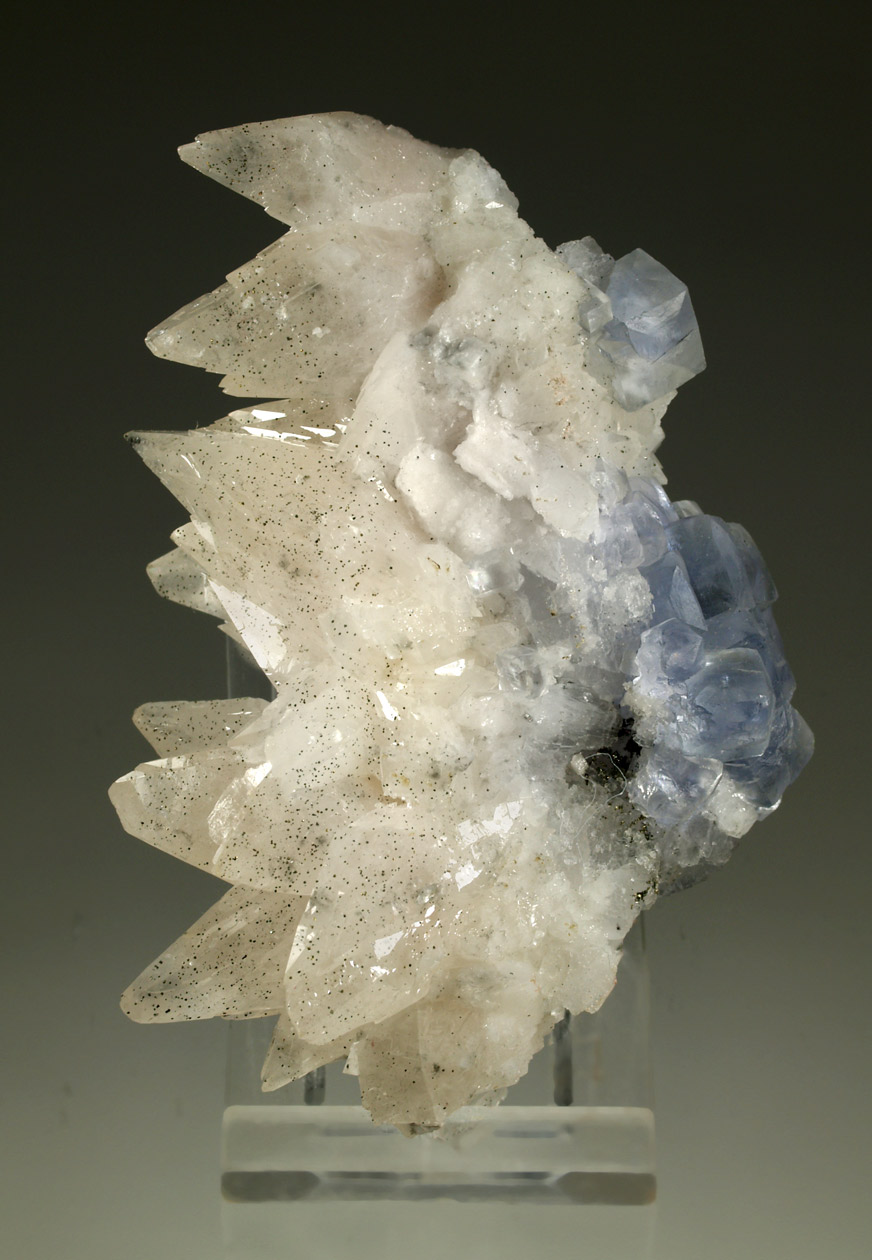
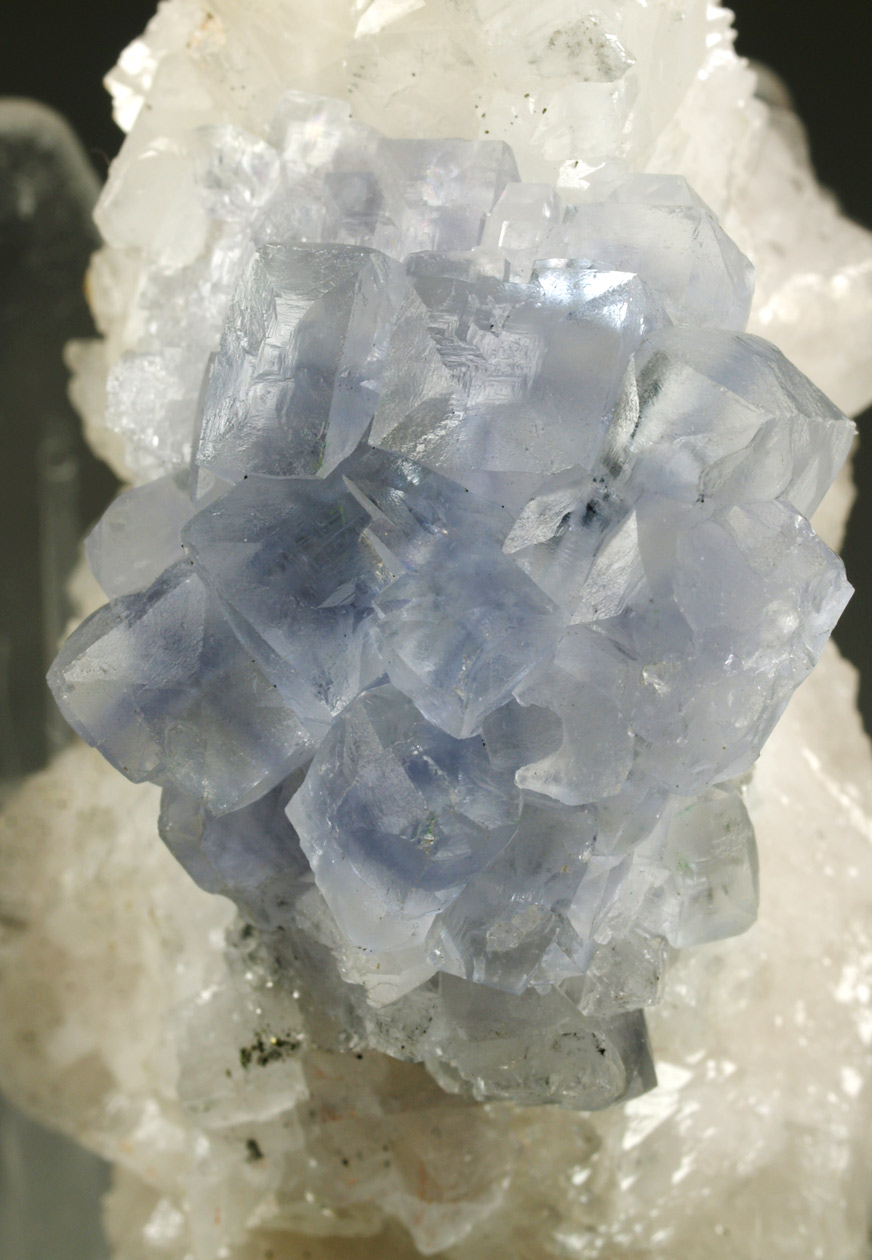
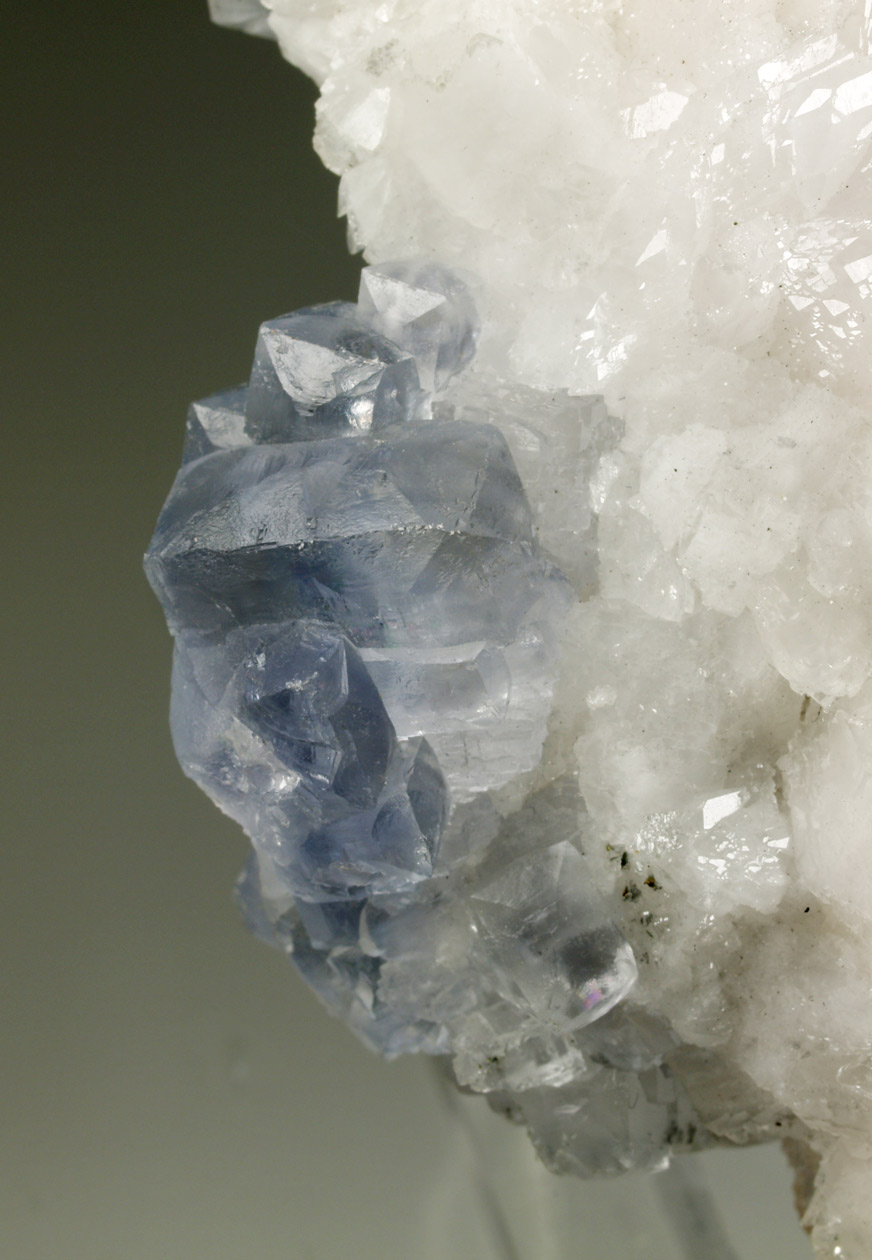
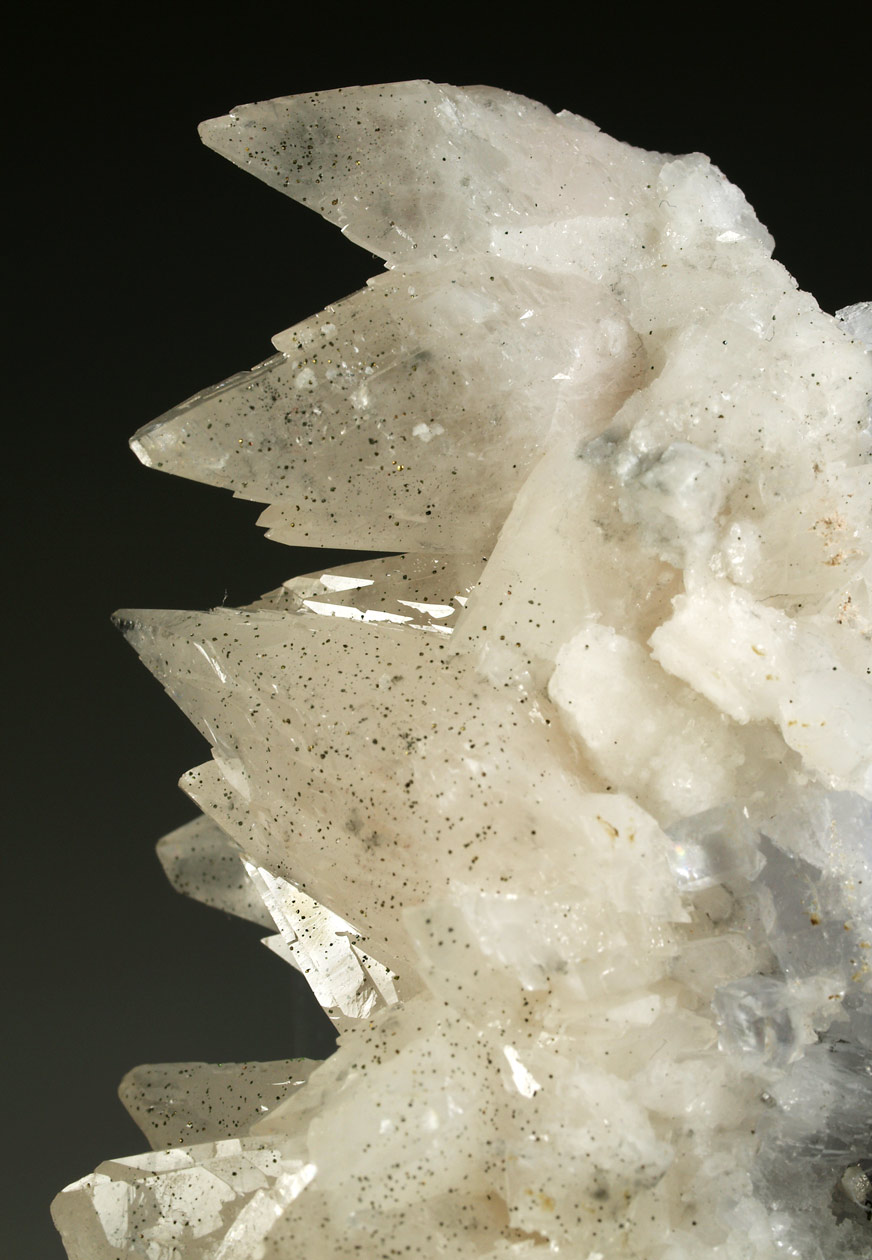
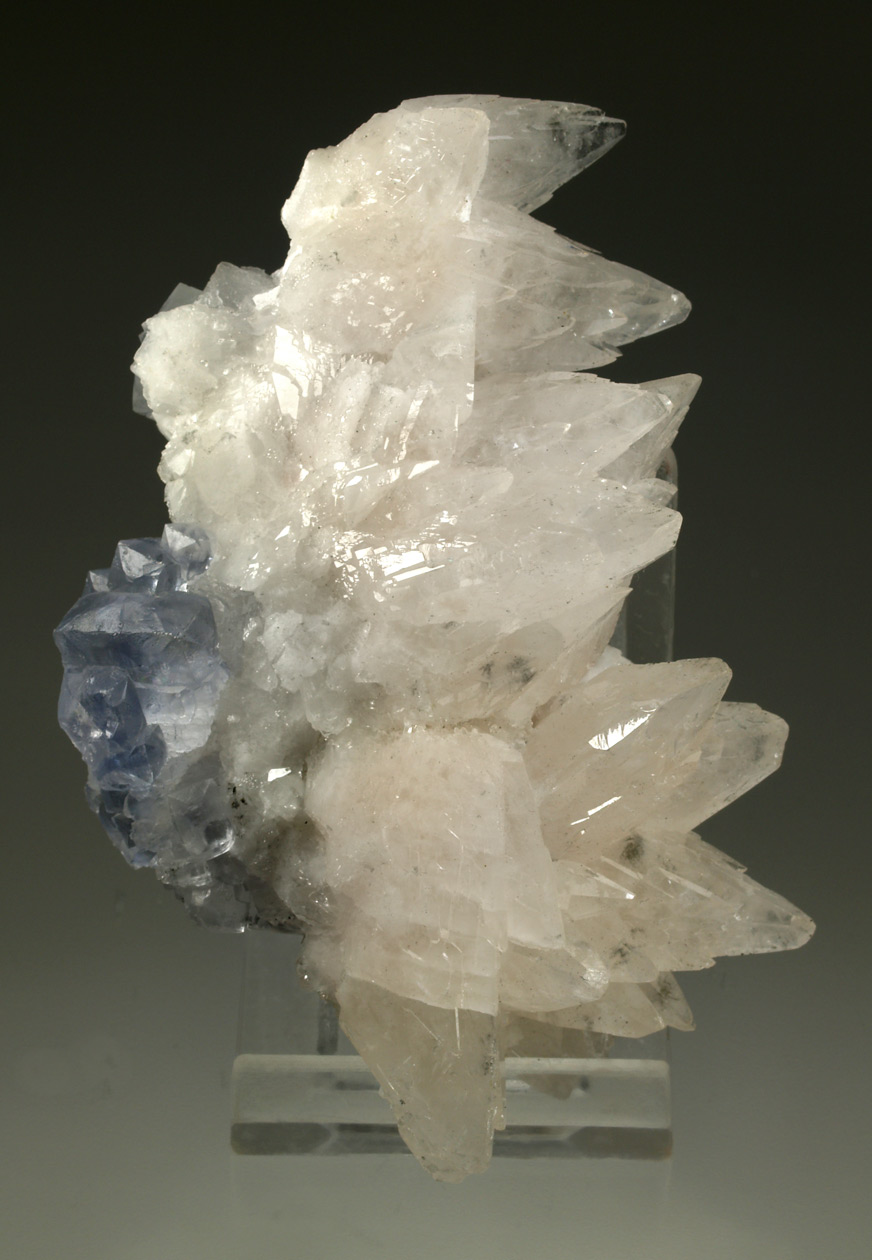
Nutrido grupo de cristales escalenoédricos de calcita que muestran crecimientos paralelos, con caras y aristas muy definidas. Se hallan salpicados por pequeños cristales de calcopirita. Se acompañan de grupos de cristales de fluorita, transparentes, de tono azulado y con formas cúbicas truncadas por el dodecaedro.
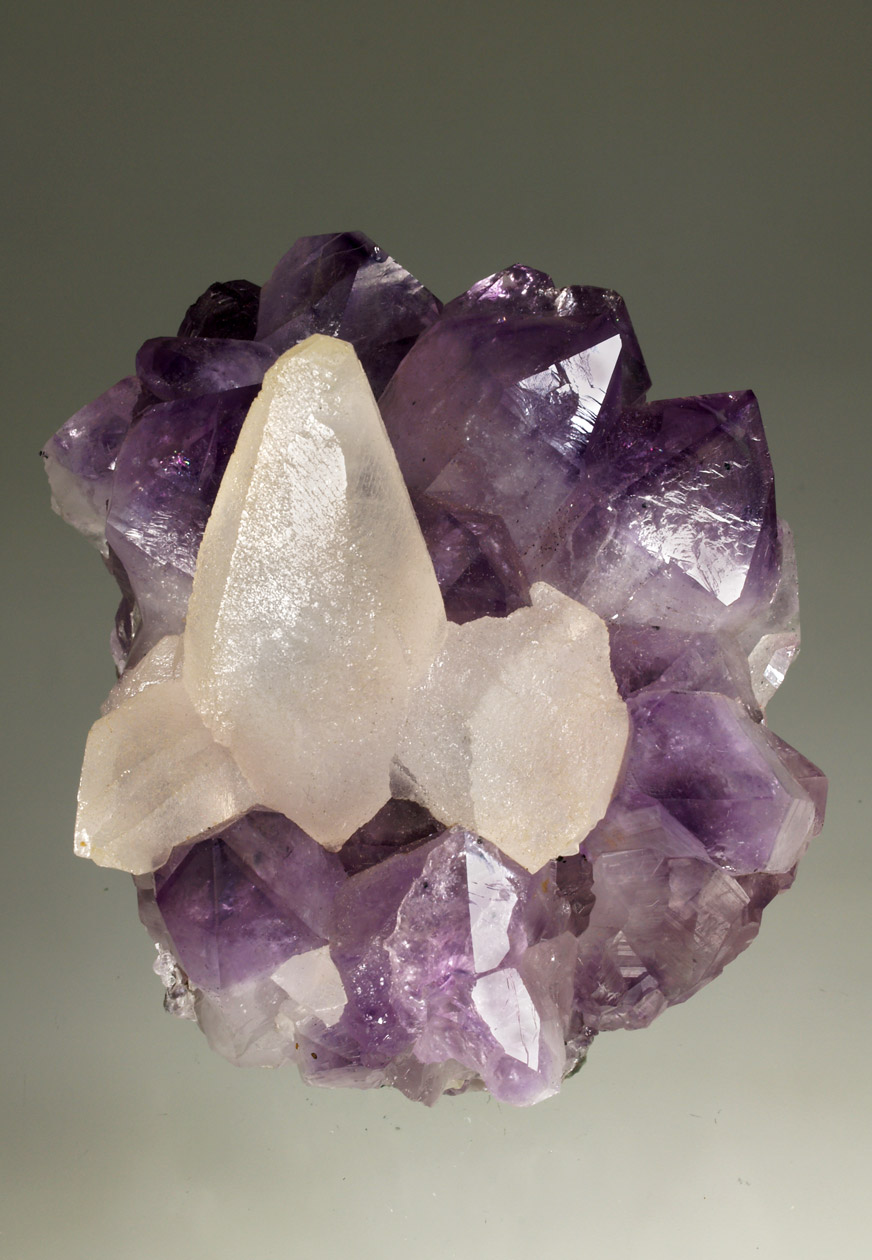
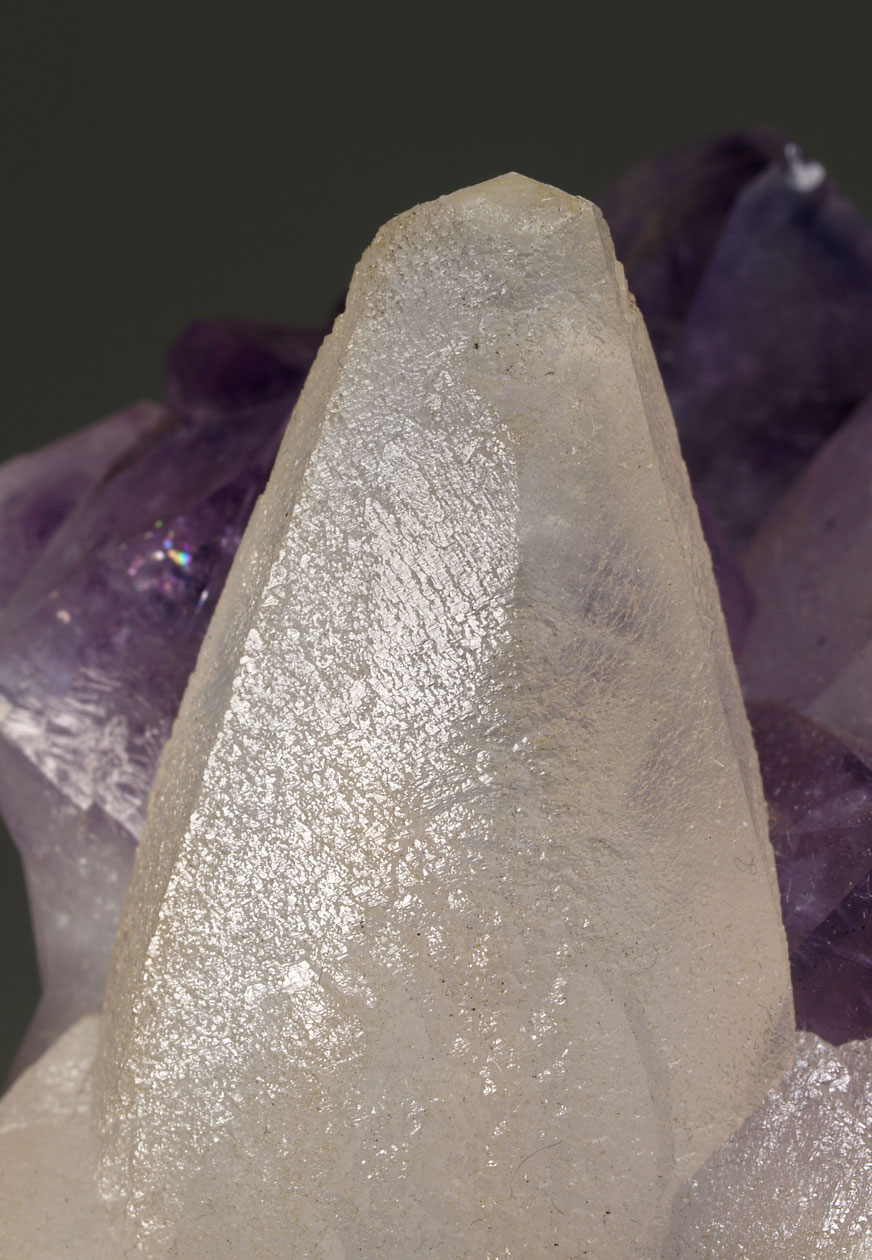
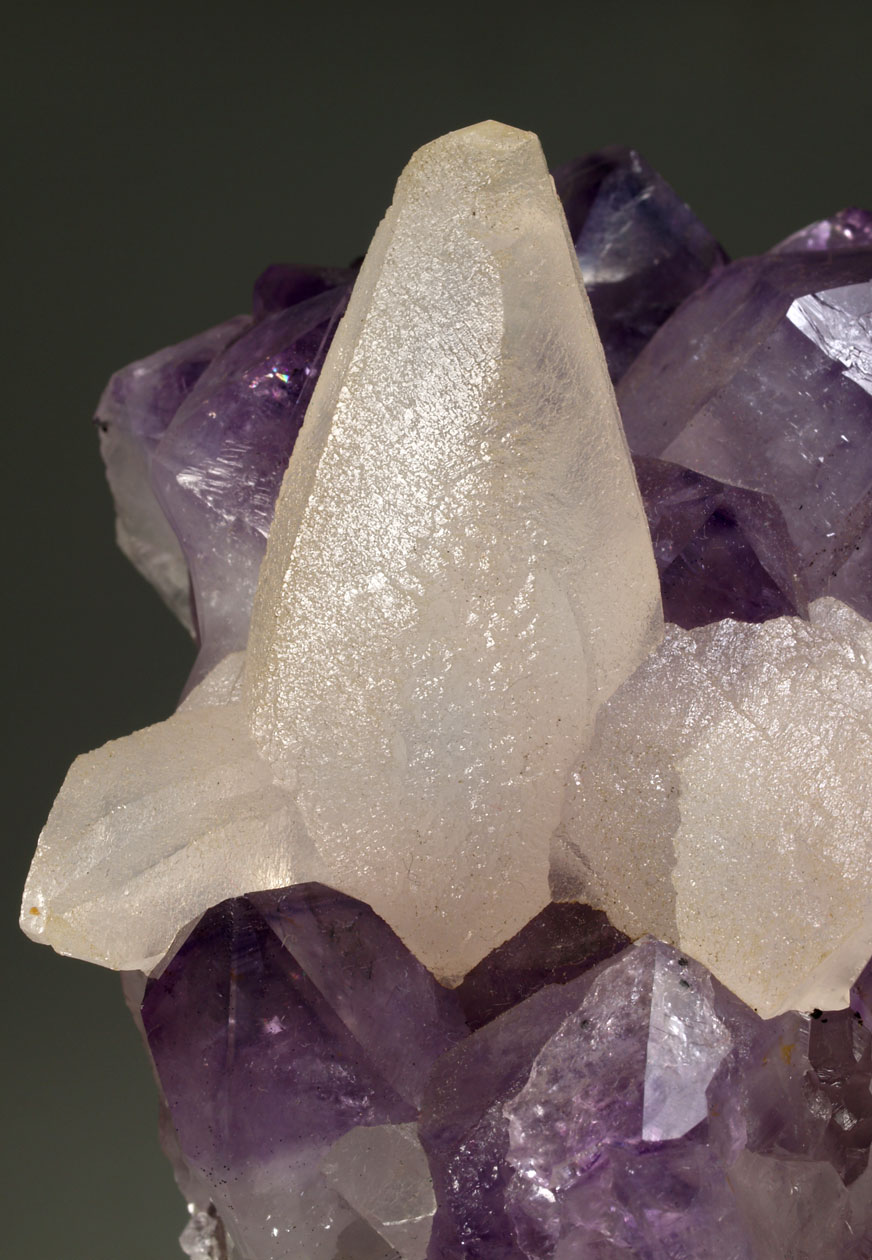
Sobre una matriz de grandes cristales de cuarzo amatista se disponen varios cristales escalenoédricos de calcita, con brillo y translúcidos. Presenta intensa fluorescencia roja bajo la luz UV-LW. Una pieza muy estética para tener representada la calcita que aparece en las geodas clásicas de amatista brasileña.
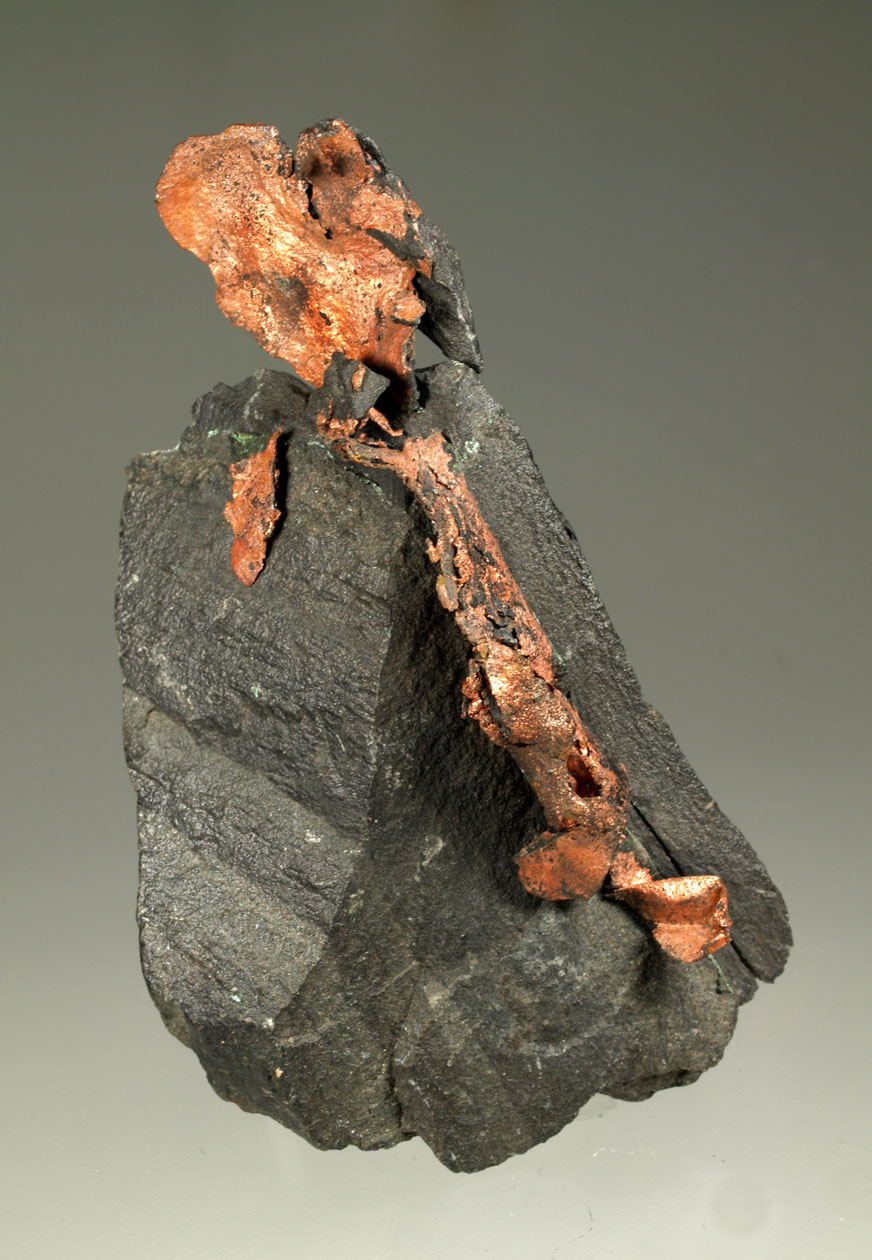
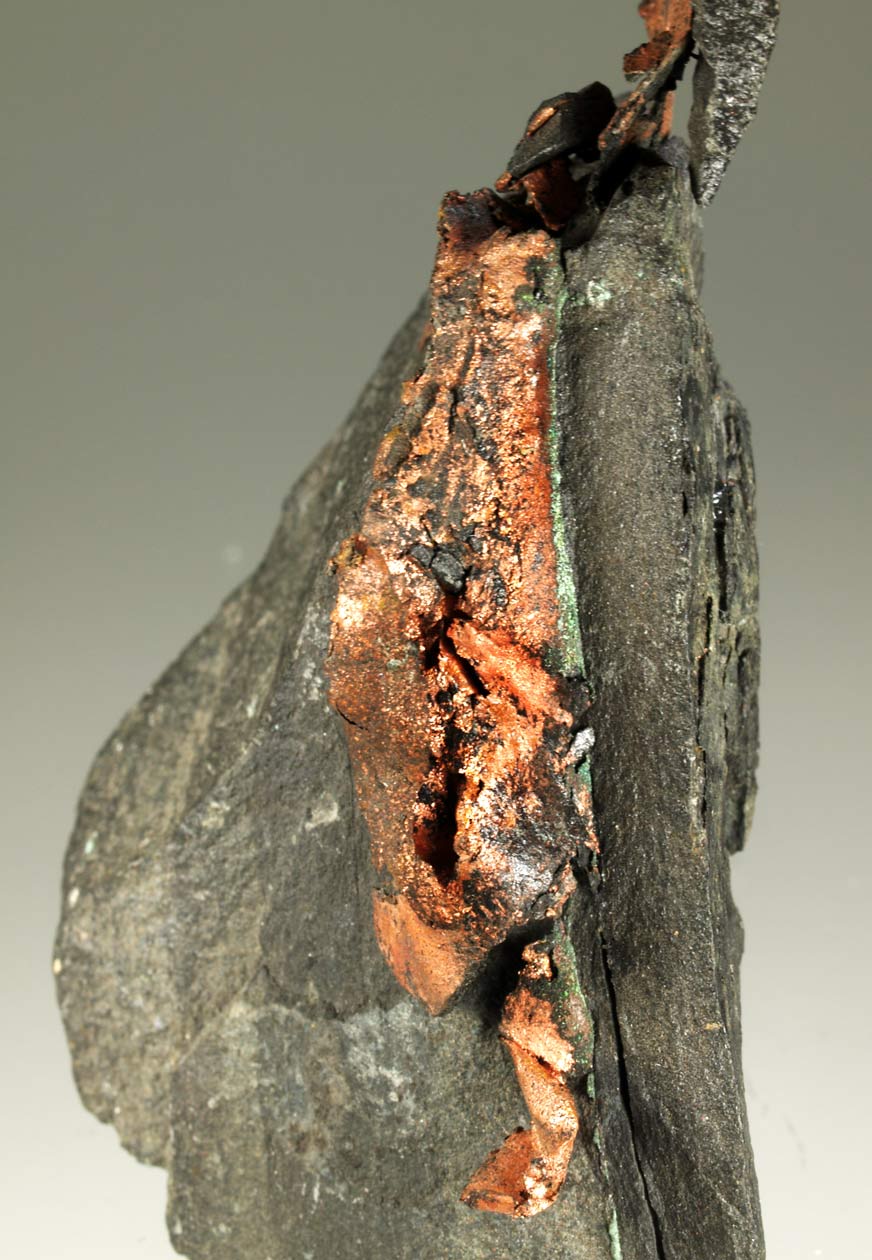
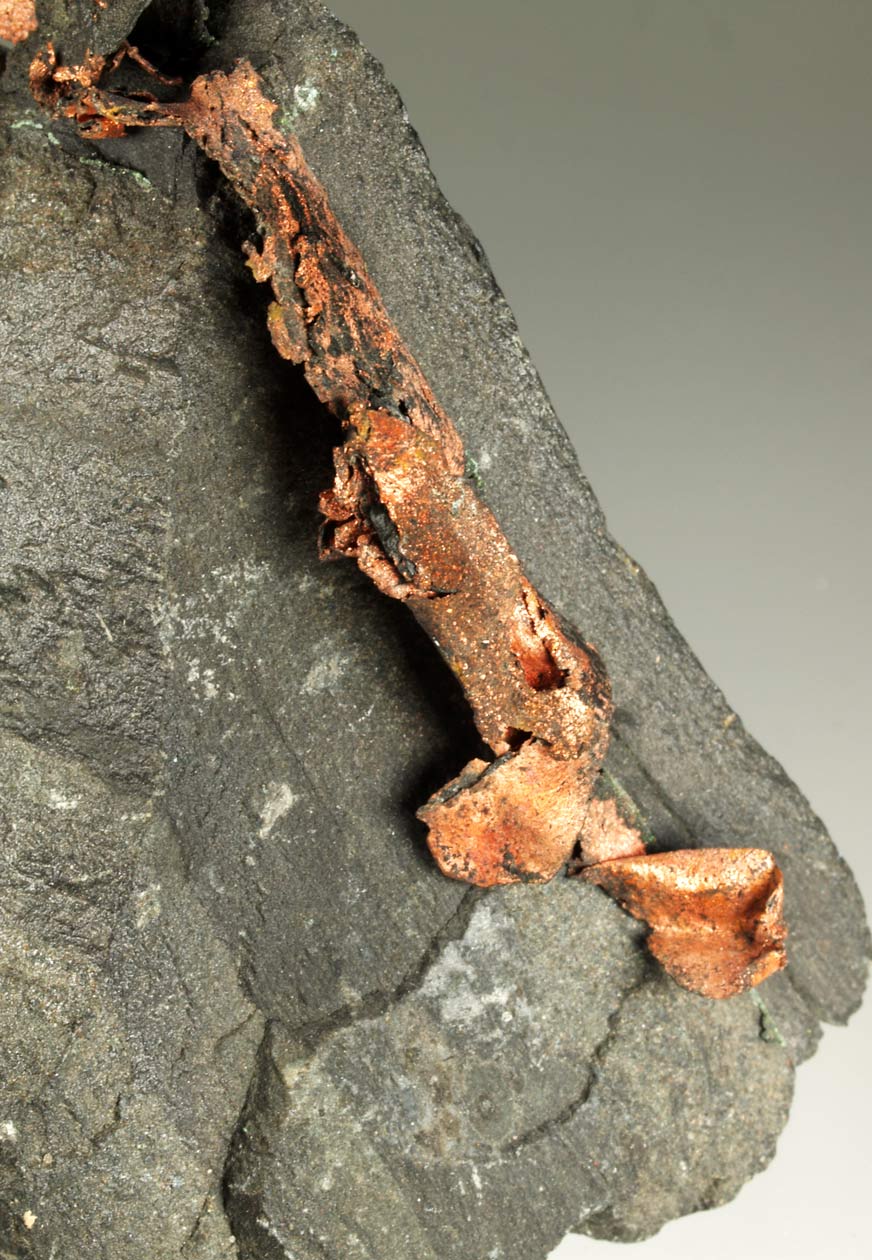
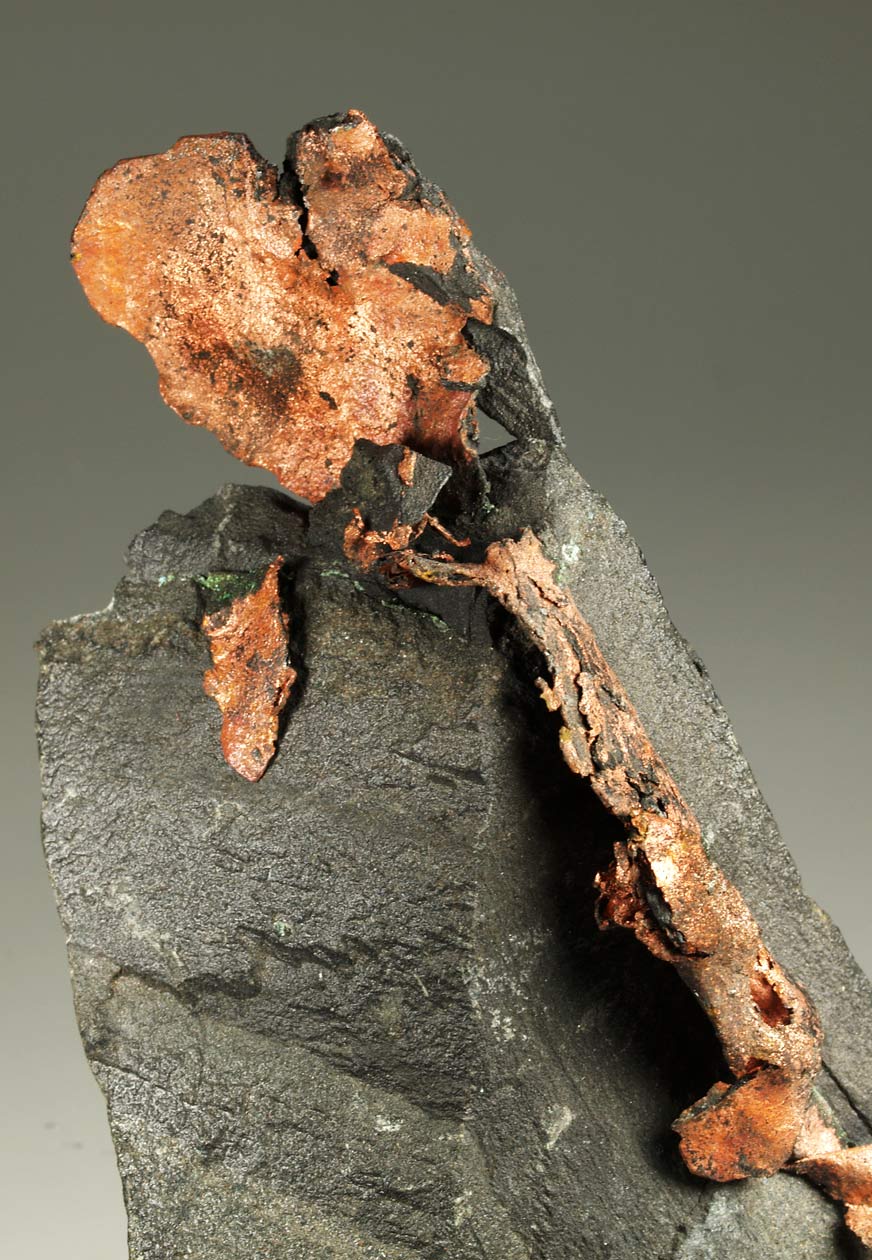
Interesante ejemplar de cobre nativo que muestra agregados hojosos, laminares que se incluyen dentro de una matriz de pizarra. Un ejemplar muy diferente de lo habitual.
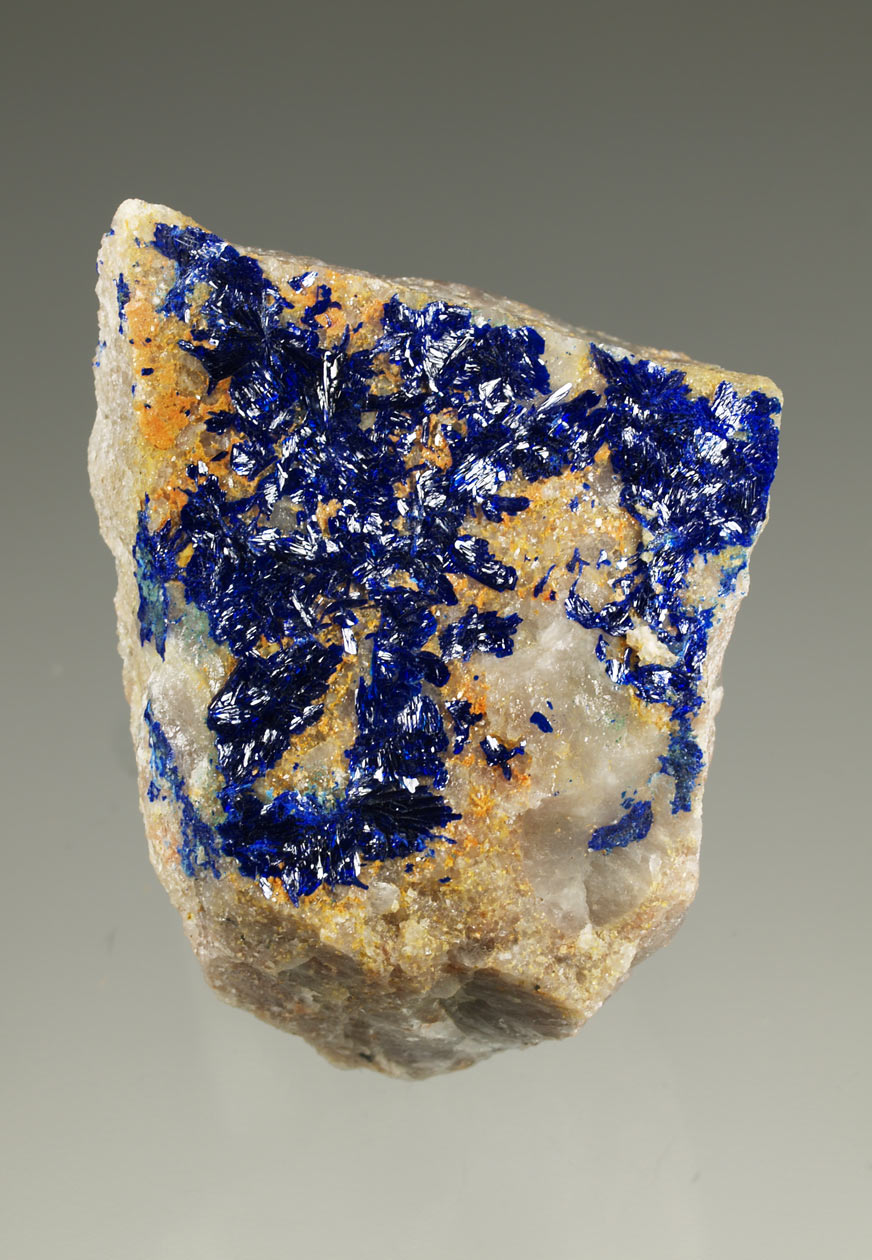
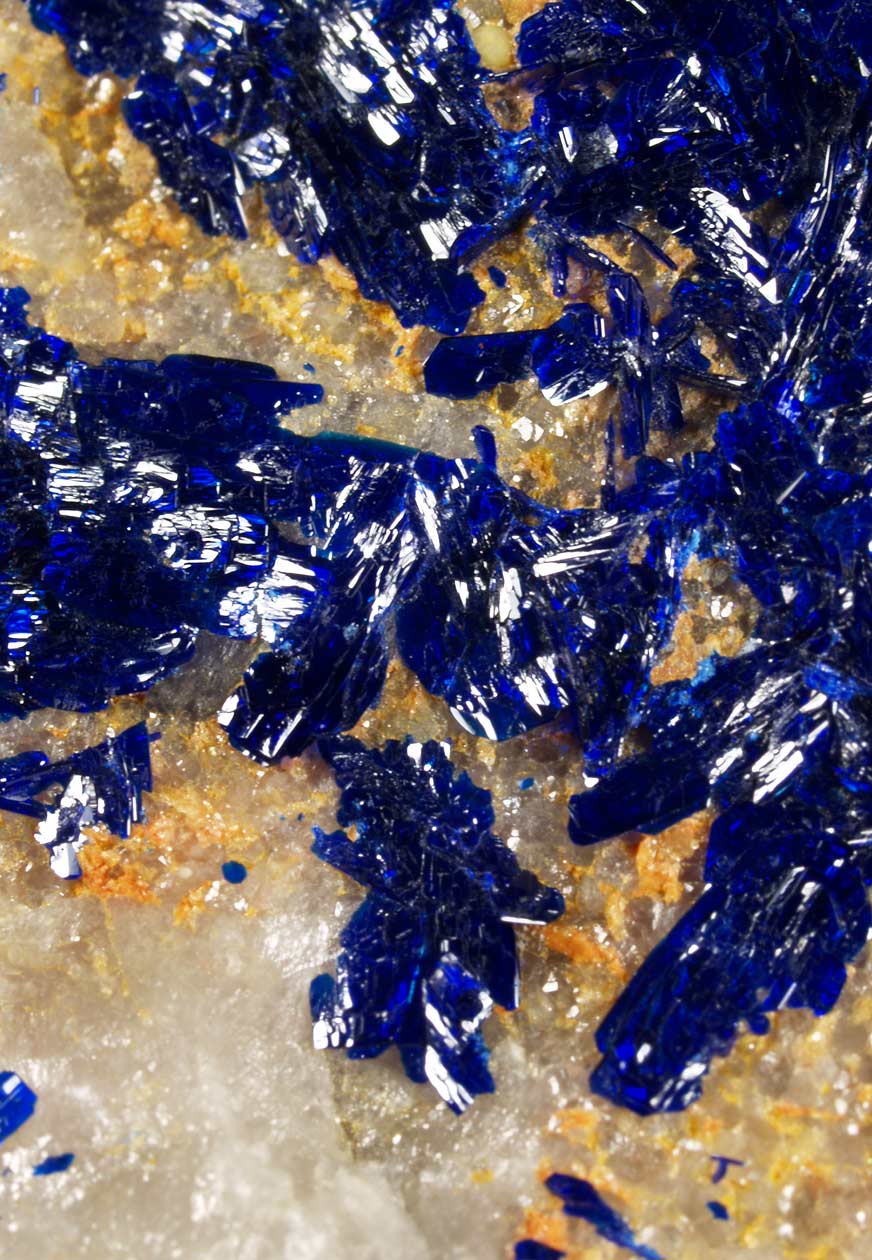
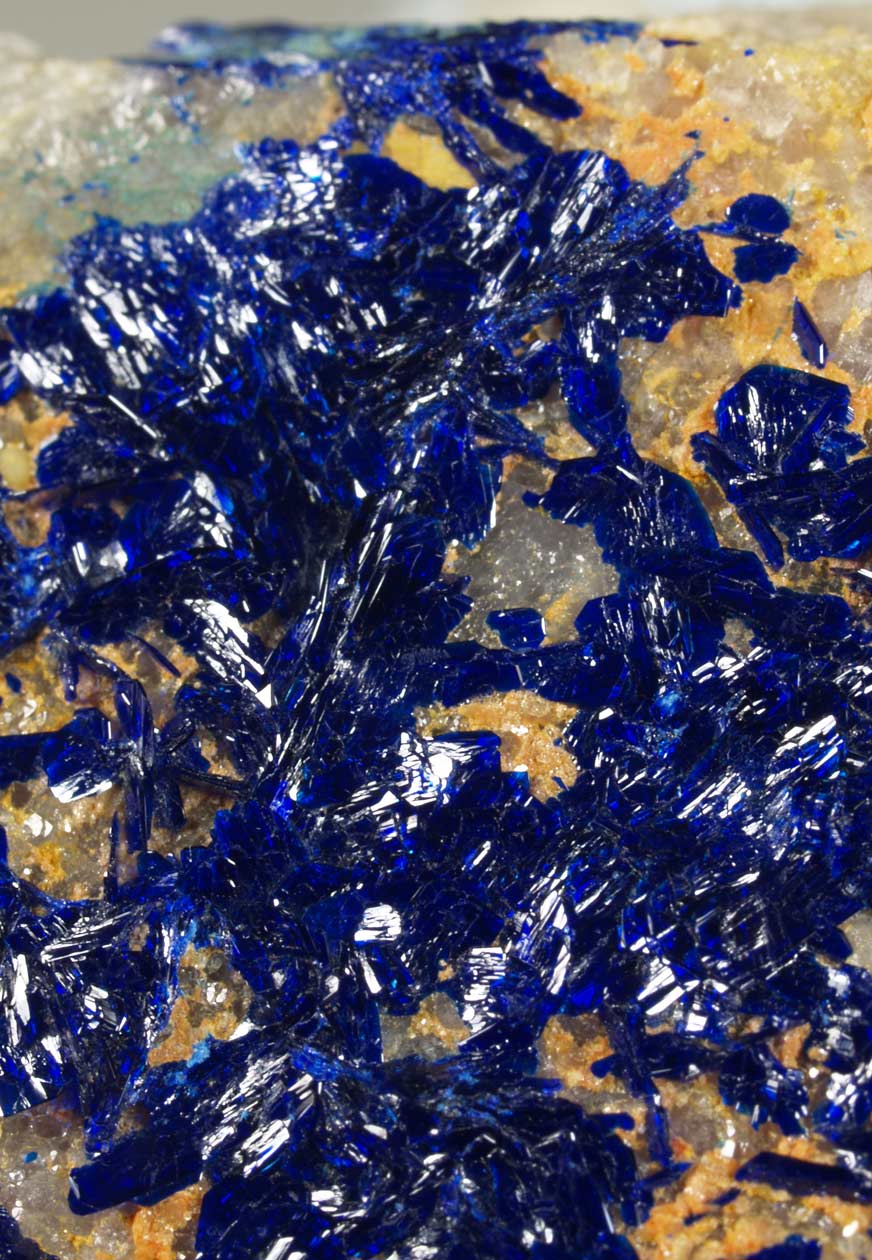
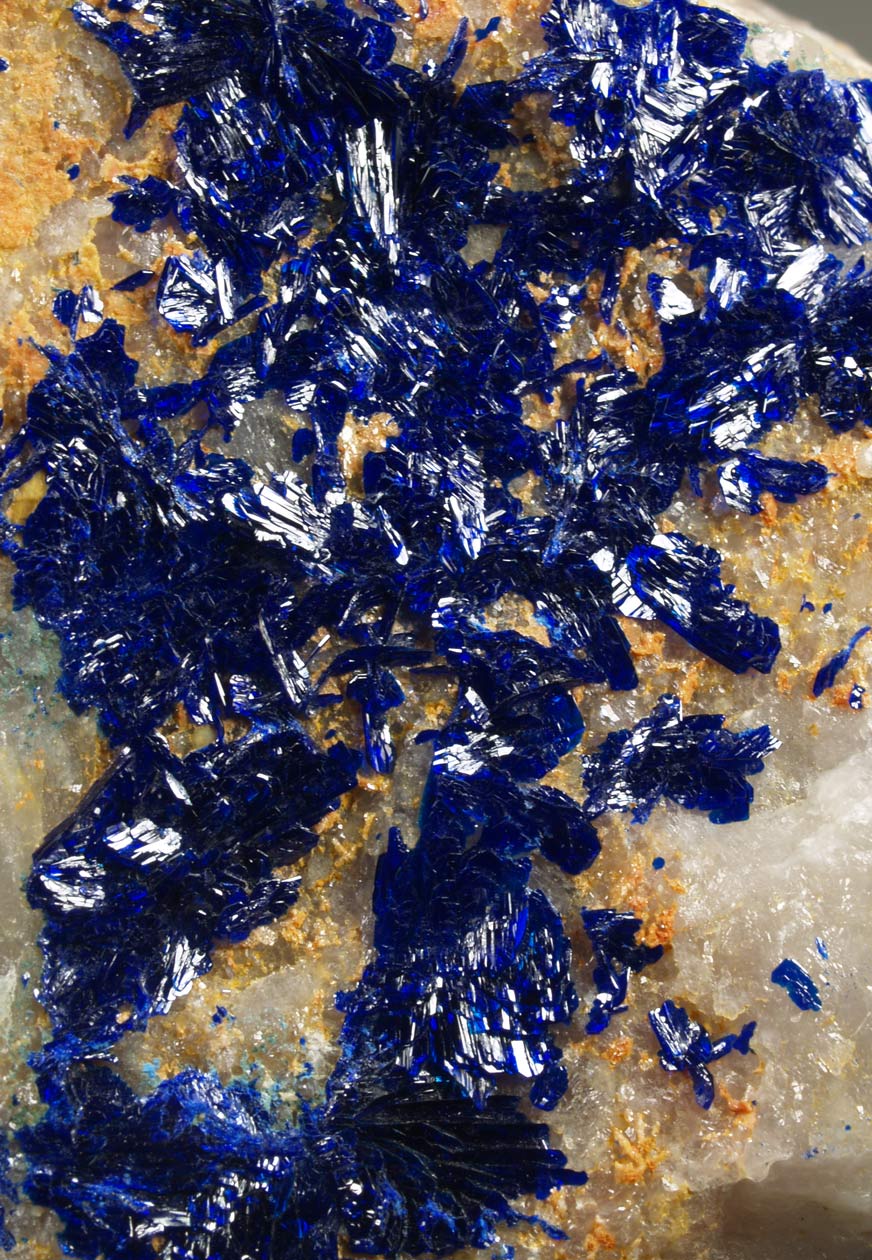
Muy rico grupo de cristales de azurita, de intenso color azul característico, muy brillantes. Se presentan tanto como cristales aislados como en rosetas. Buen brillo y transparencia. Observados bajo la lupa son excelentes. Este ejemplar procede de una mina clásica francesa como es Cap Garonne, conocida por la rica paragénesis de especies poco habituales. Hoy día es imposible recoger ejemplares ya que está cerrado como museo minero.
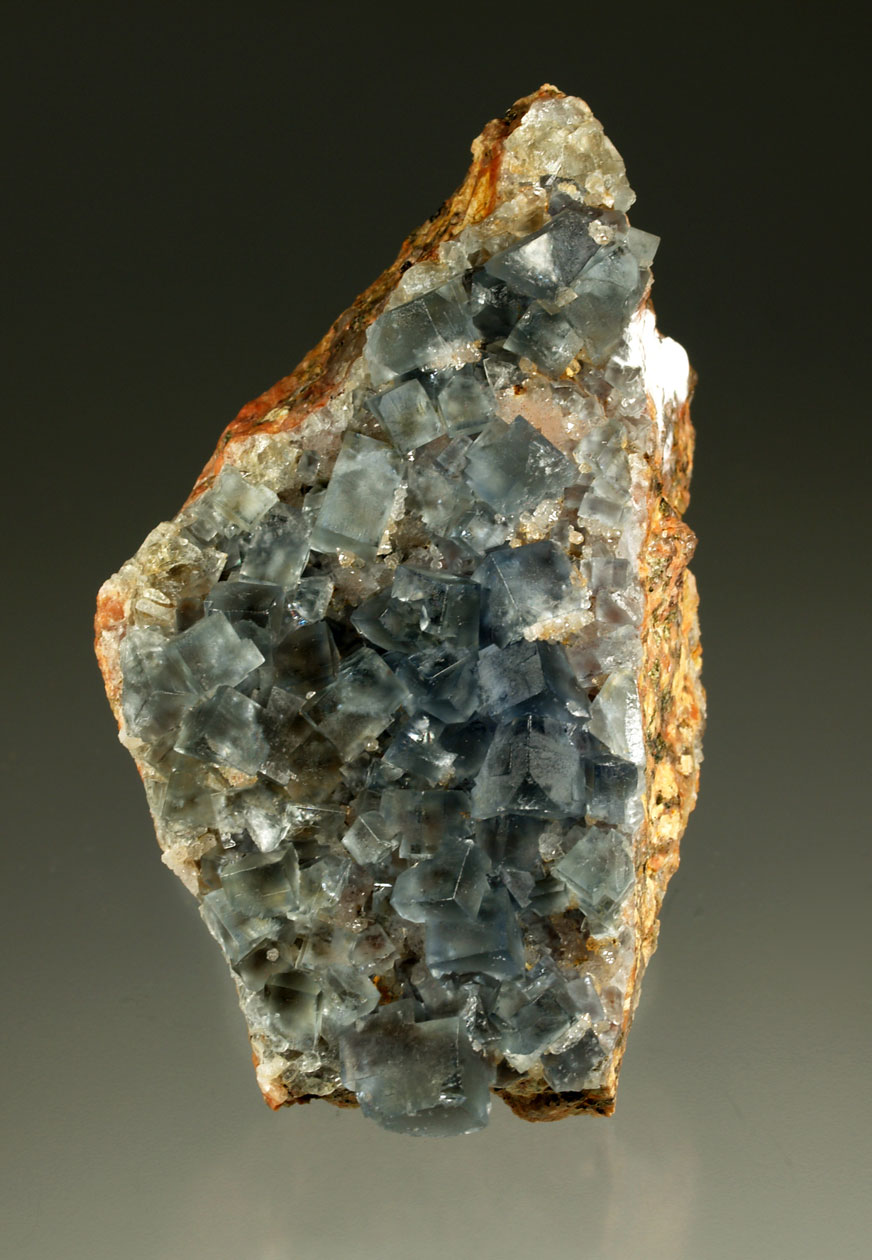
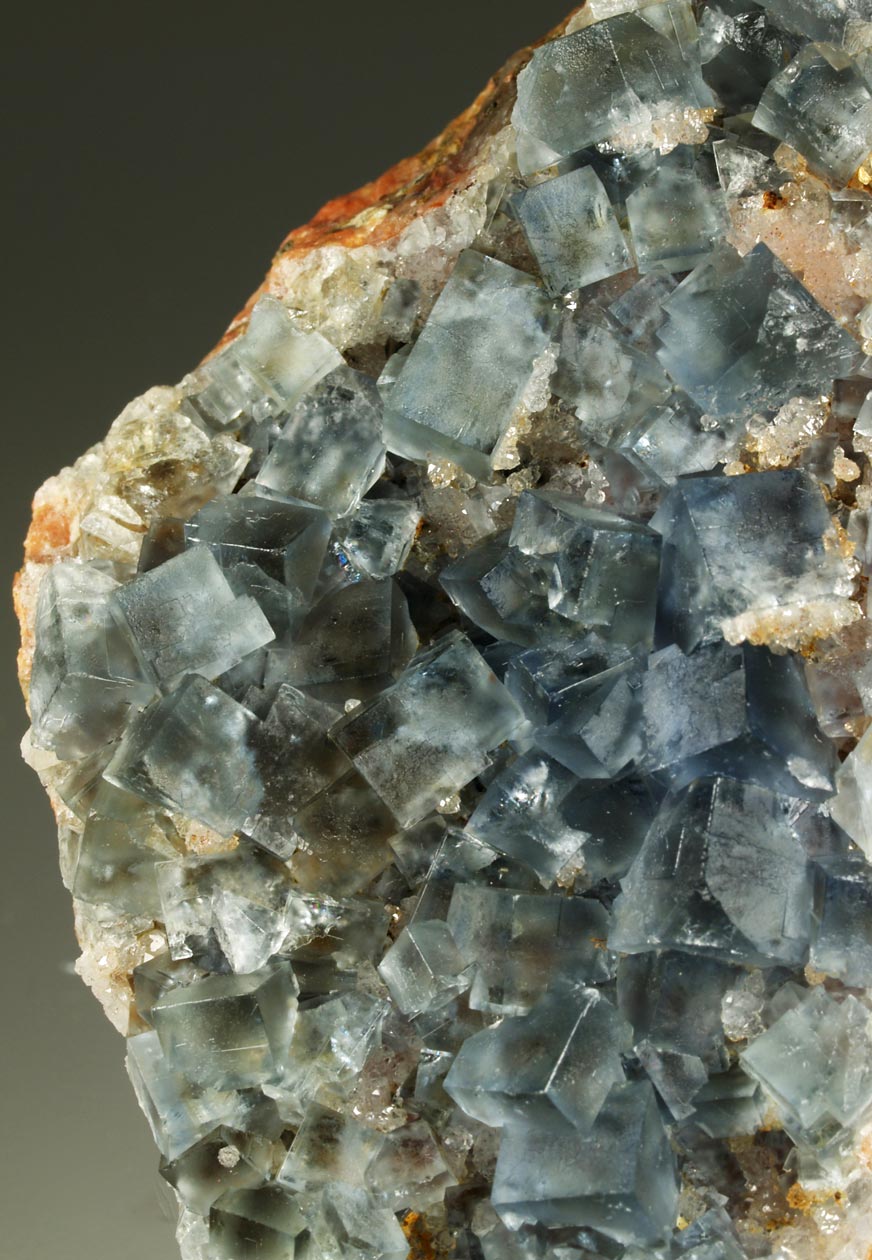
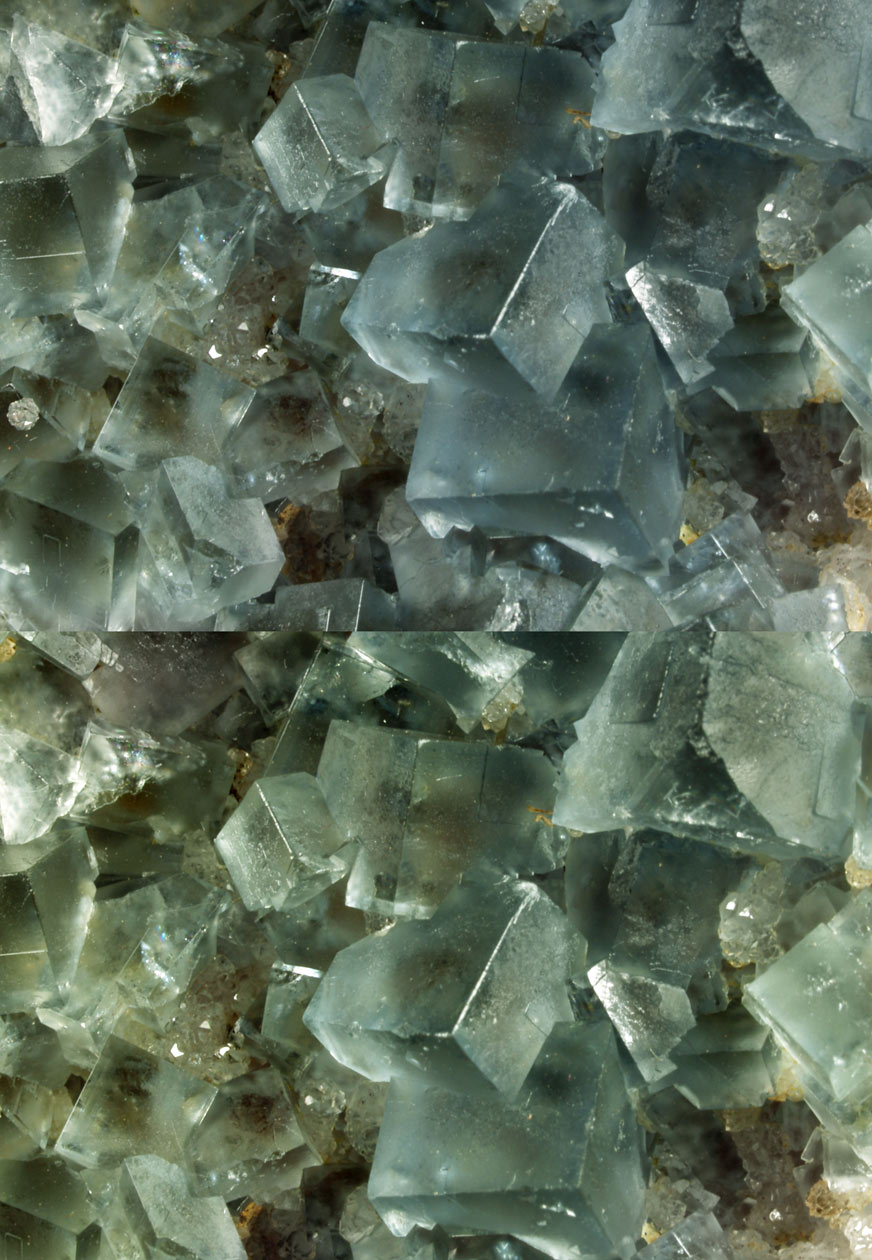
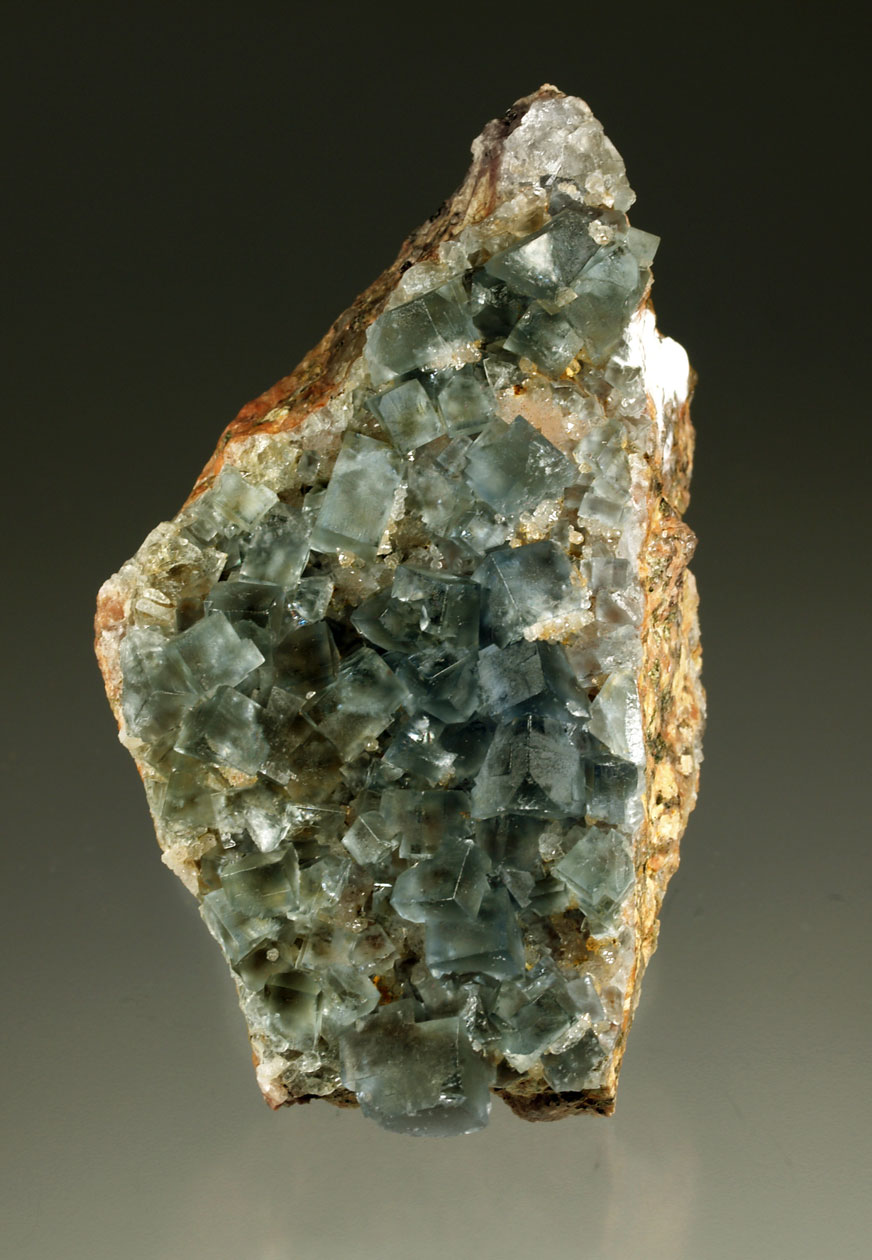
Son bien conocidos los ejemplares de fluorita amarilla e incolora de las minas del Matagalls (Sant Marçal), en el macizo del Montseny. Pero menos habituales son estas fluoritas de color azul a verde (dependiendo del tipo de luz incidente). Muestran definidos cristales cúbicos, brillantes y con transparencia. Se acompañan de pequeños agregados de cristales de cuarzo hialino. Una pieza histórica.