- Inicio Acerca de RM Minerales
- Galería de fotos Blog RM Contacto
- Microscopia e instrumentos Pedidos Aviso legal
Copyright 2010-2026
www.rosellminerals.com



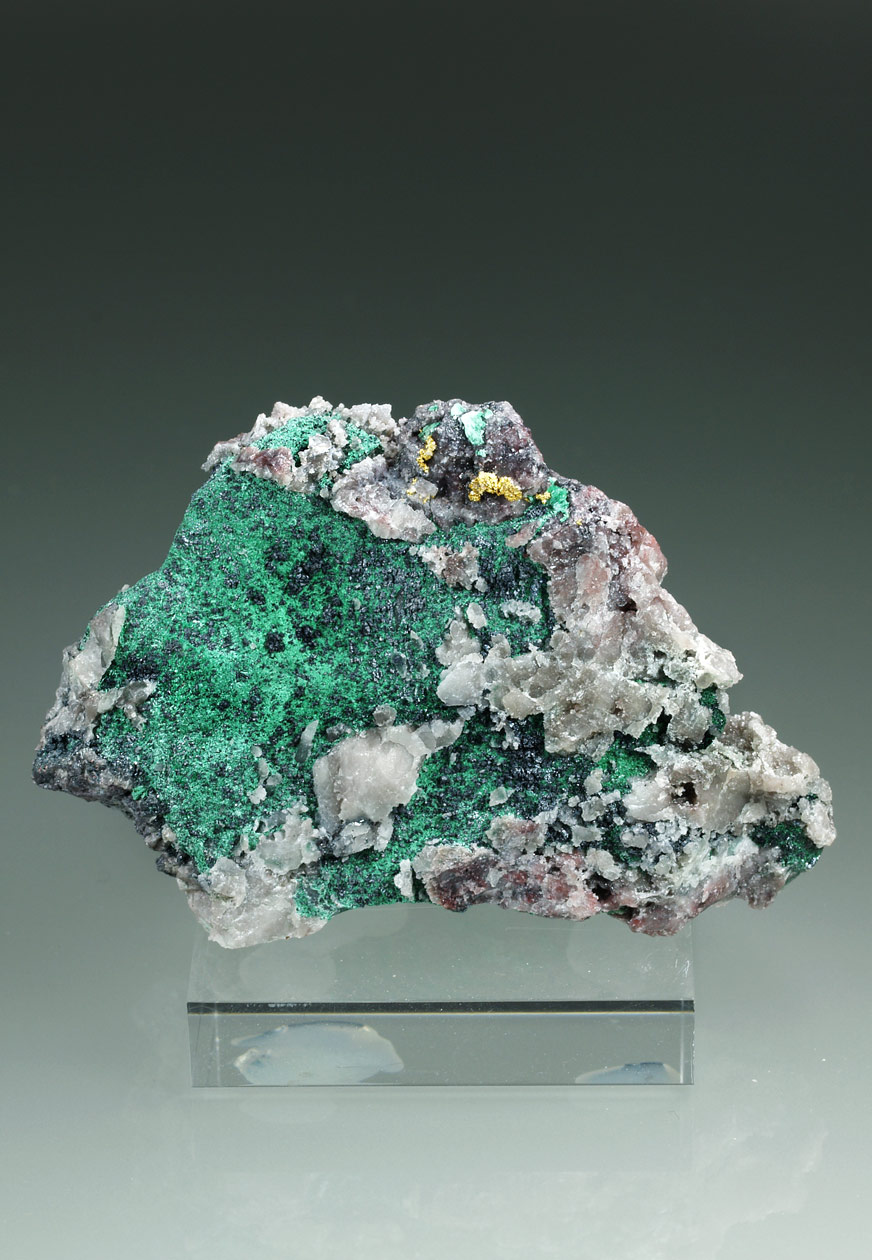
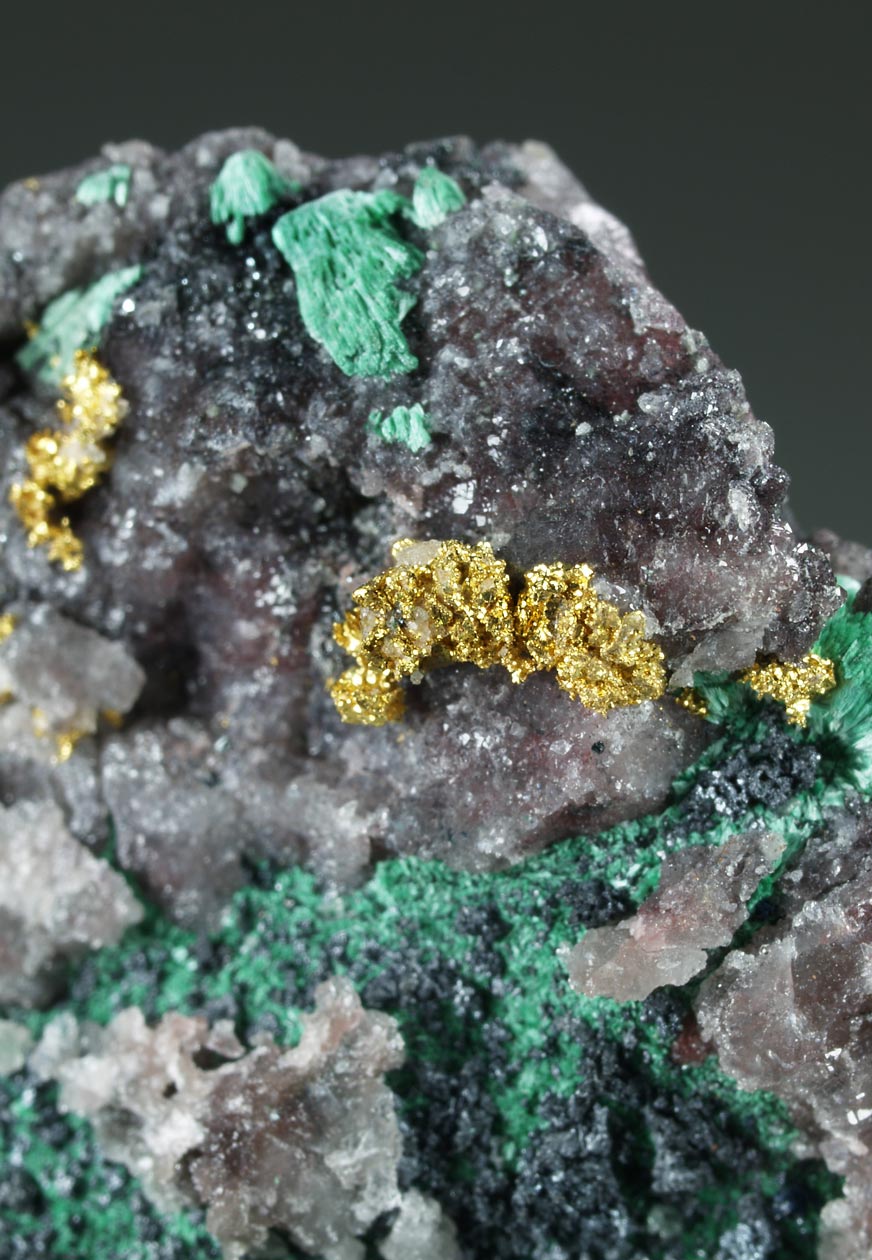
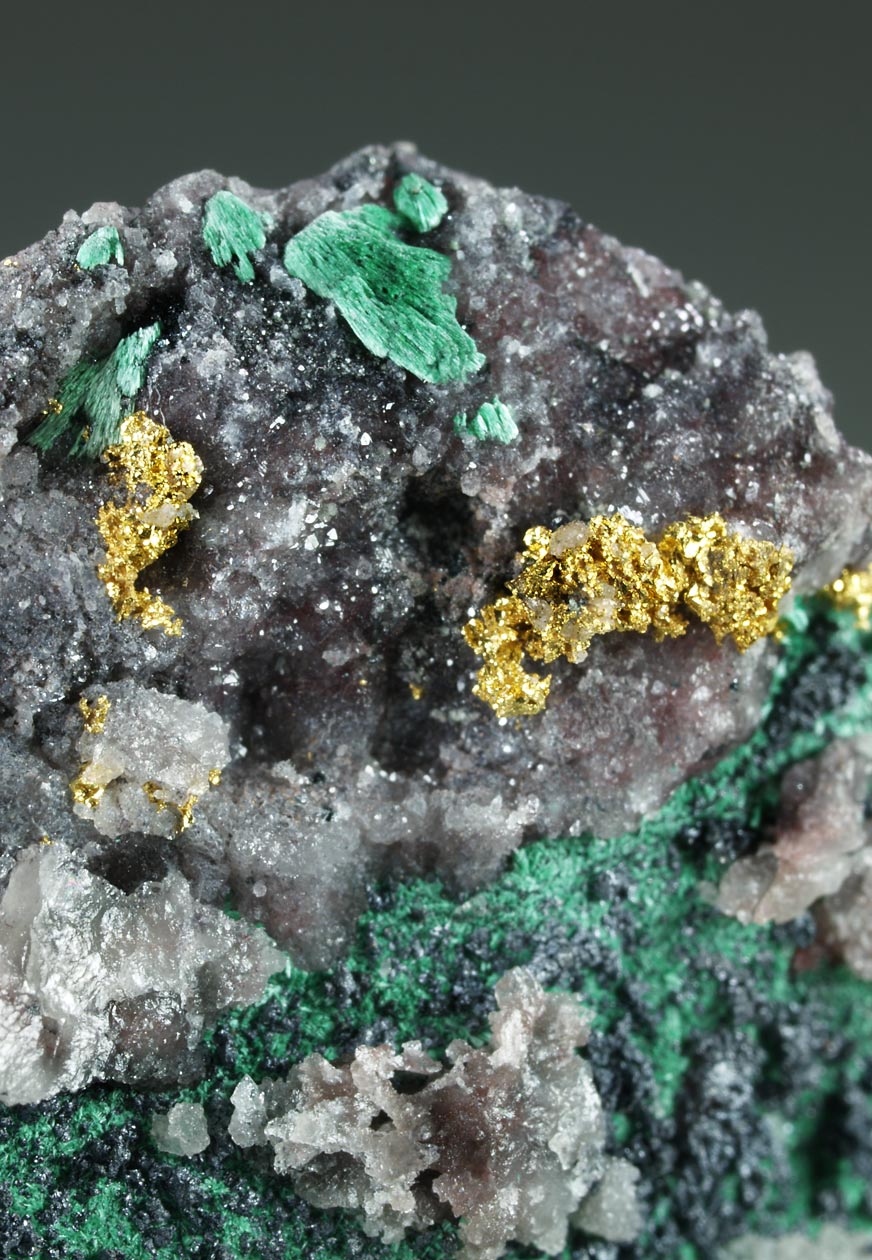
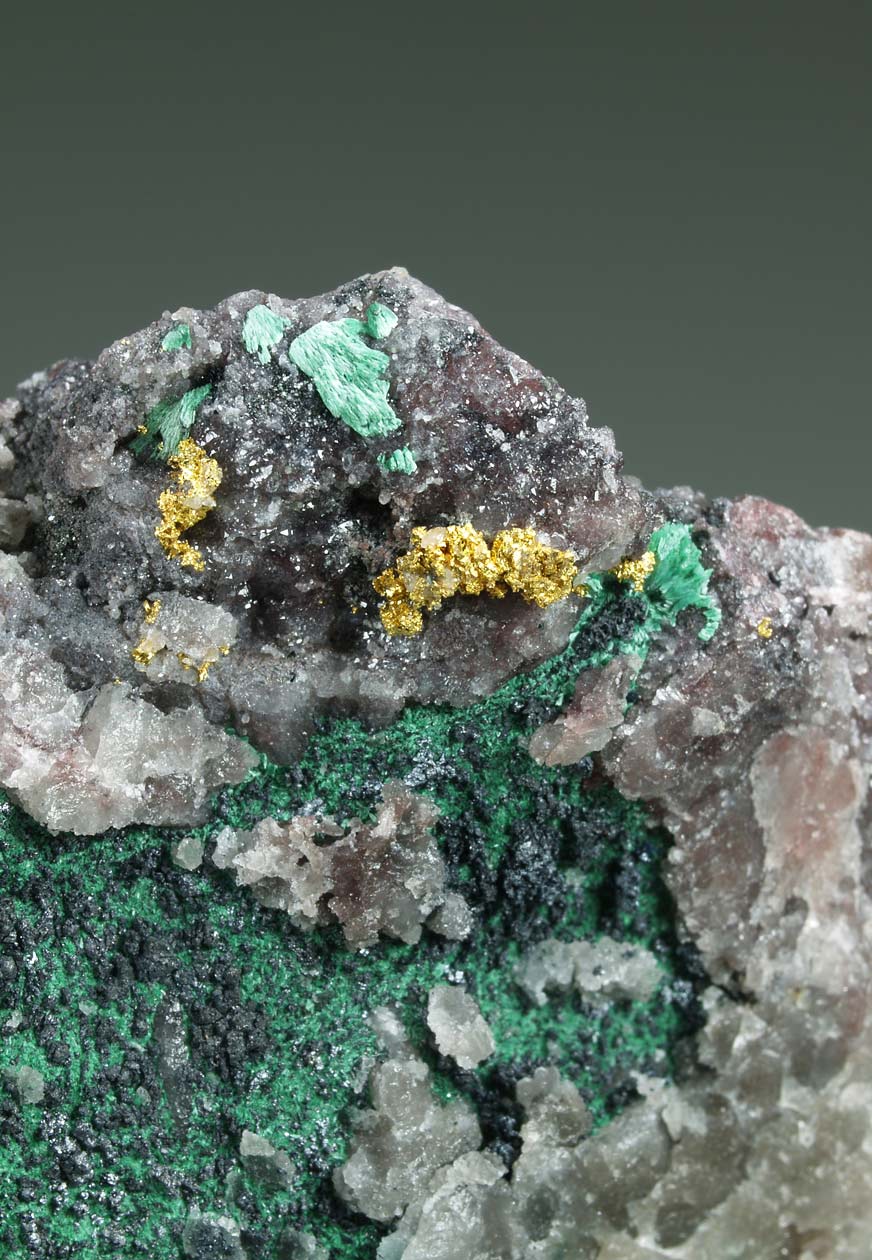
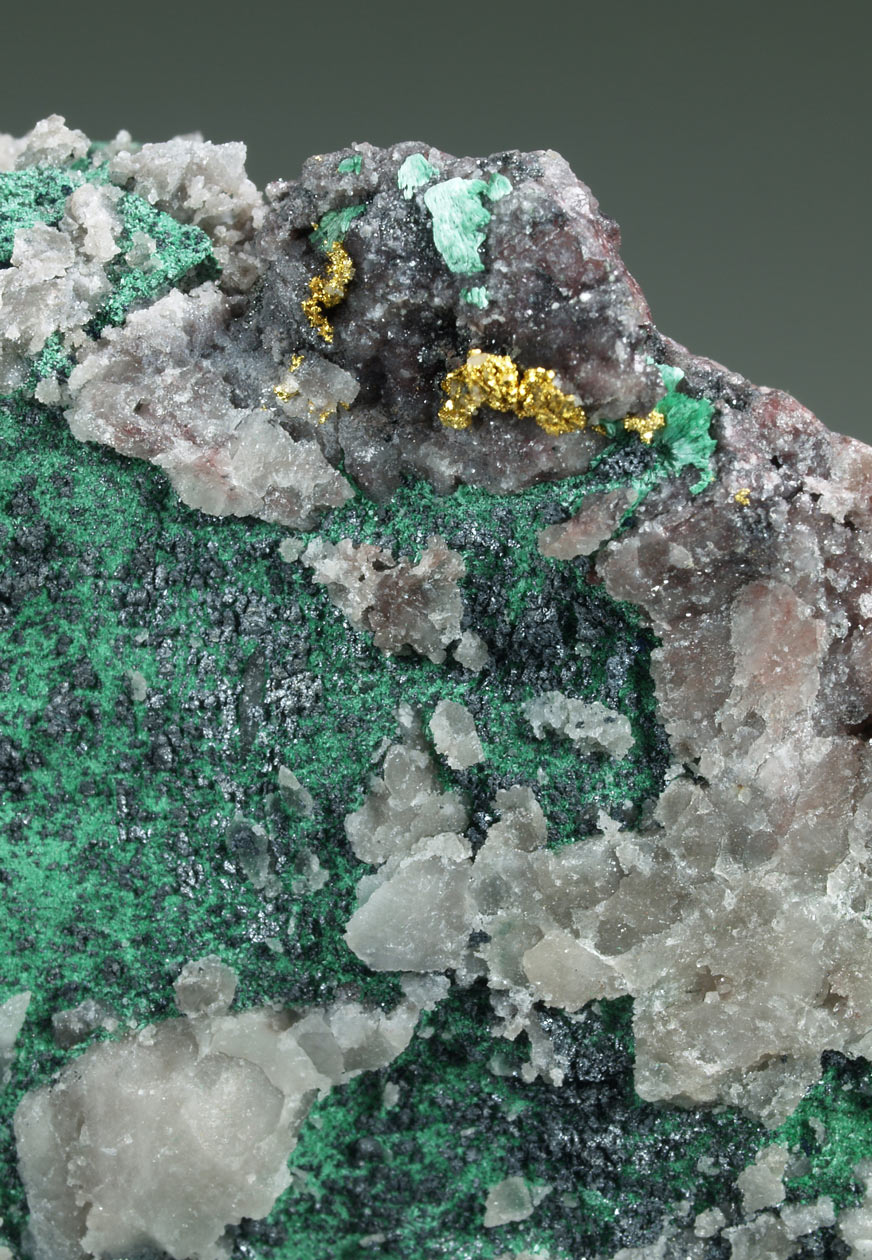
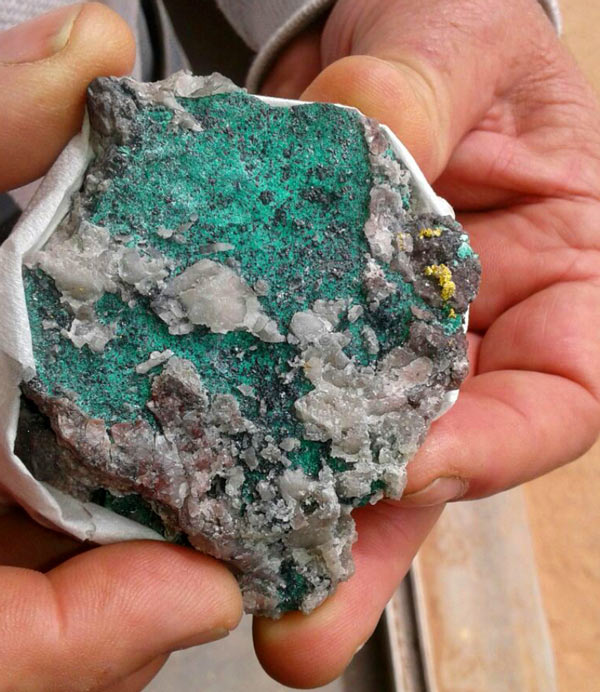
Novedad obtenida en mi último viaje a Marruecos (02/2018). Se trata de agregados de oro formados por numerosos cristales ricos en caras, redondeados, brillantes y que se disponen sobre una matriz de cuarzo. Los análisis SEM-EDS muestran que este oro continene un pequeño porcentage de plata (<1% en peso). Se acompañan de agregados fibrosos de malaquita y de cristales de bornita de color gris. Esta pieza destaca por el contraste entre el brillante oro y la matriz verde. Una pieza excepcional. Bleida es una mina situada en el borde oriental del distrito Bou Azzer.
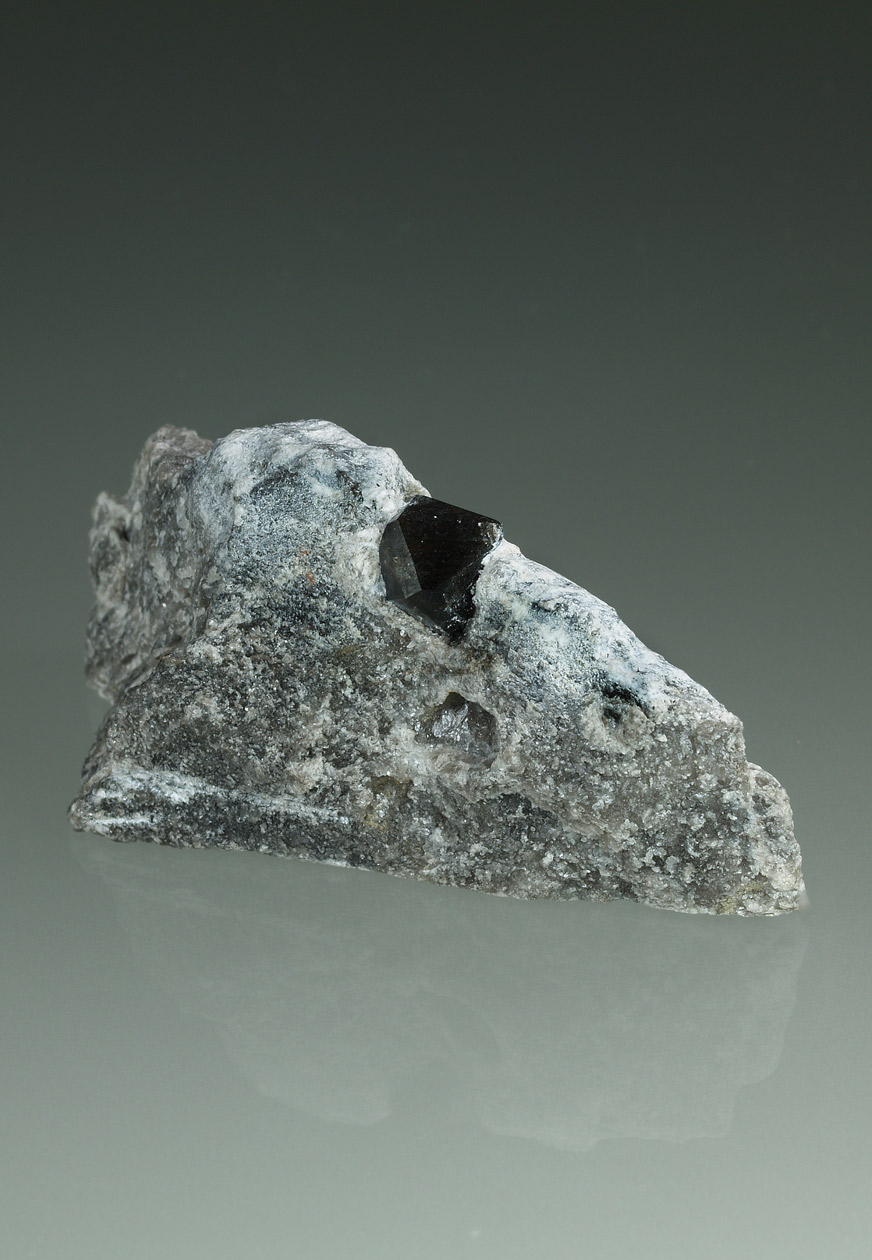
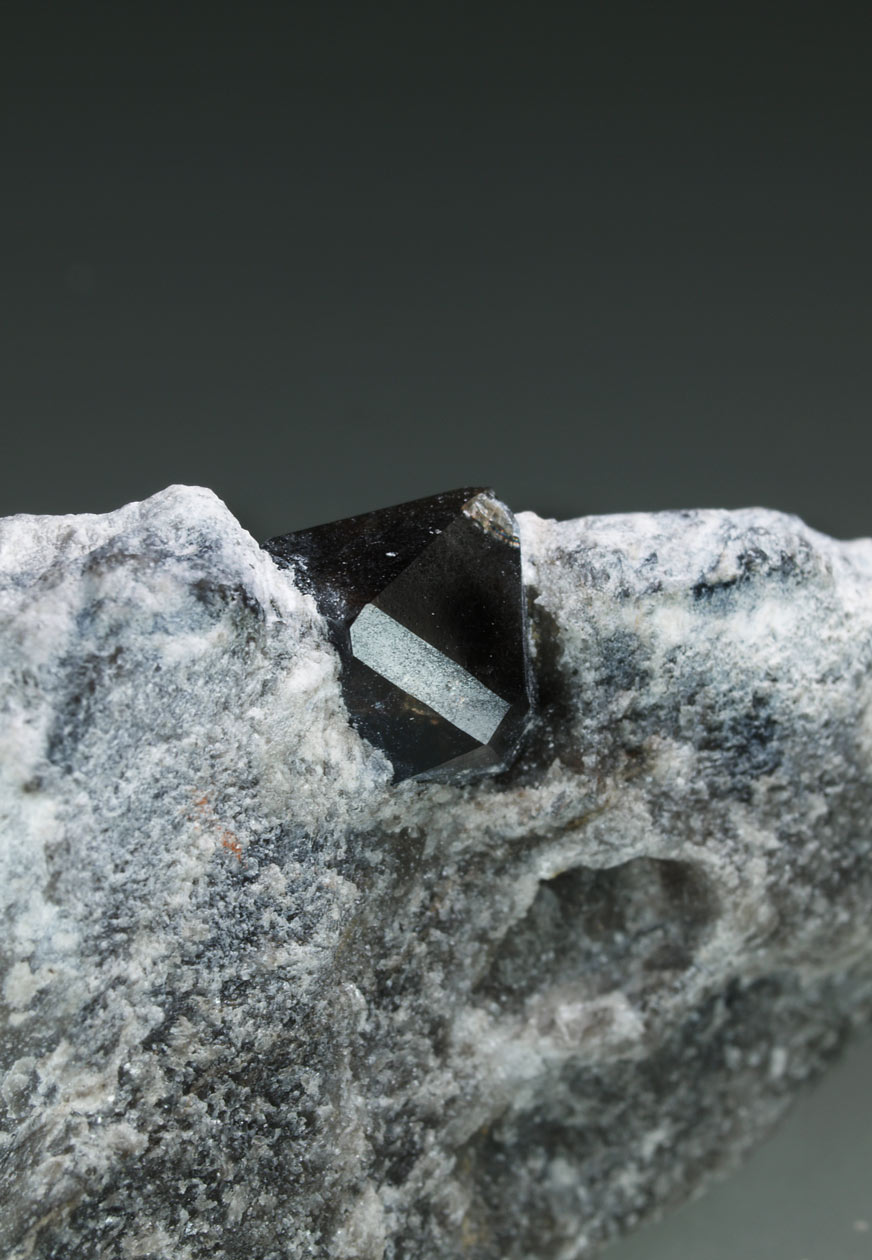
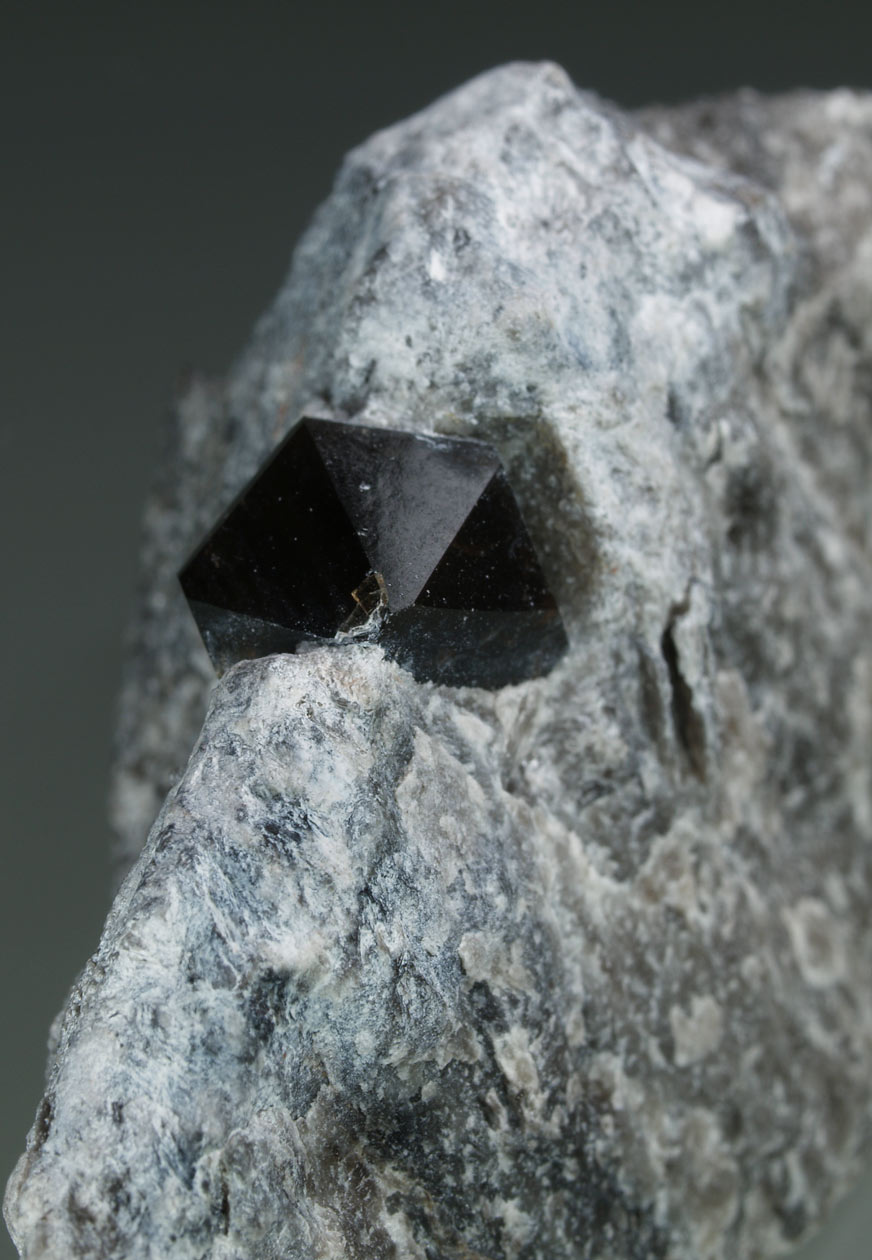
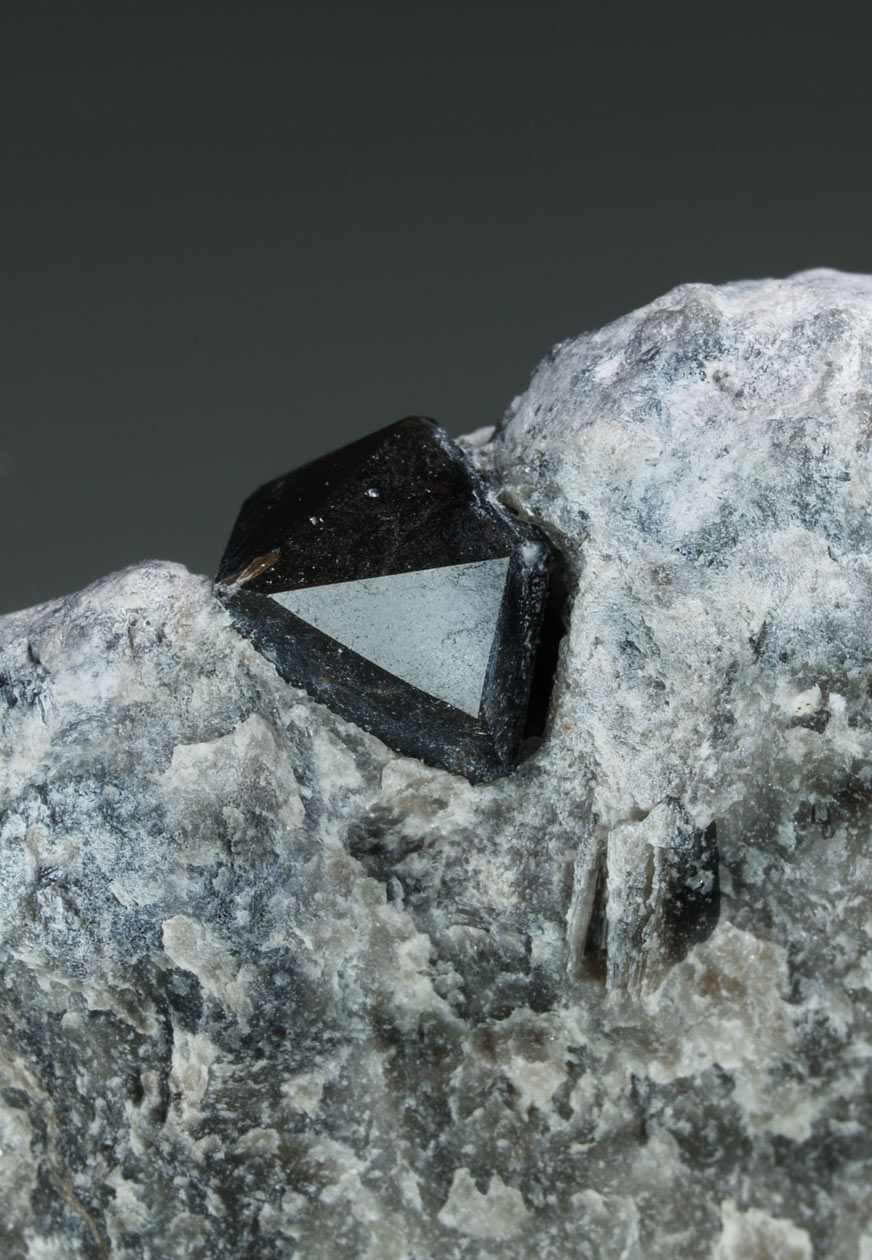
A medio camino entre Granada y Jaén, en el límite norte de la provincia granadina, se halla la población de Montejícar. Esta zona es conocida entre los coleccionistas de minerales por los excelentes cuarzos, entre ahumados a moriones, biterminados y con las caras de prisma muy poco desarrolladas, lo que les da un característico aspecto bipiramidal. Se encuentran estos ejemplares en yesos bandeados y margas del Trias en facies Keuper característico del entorno del Cortijo Cañadas, en el N del término municipal de Montejícar. En la zona hay diversos hornos de yeso, hoy en ruinas.
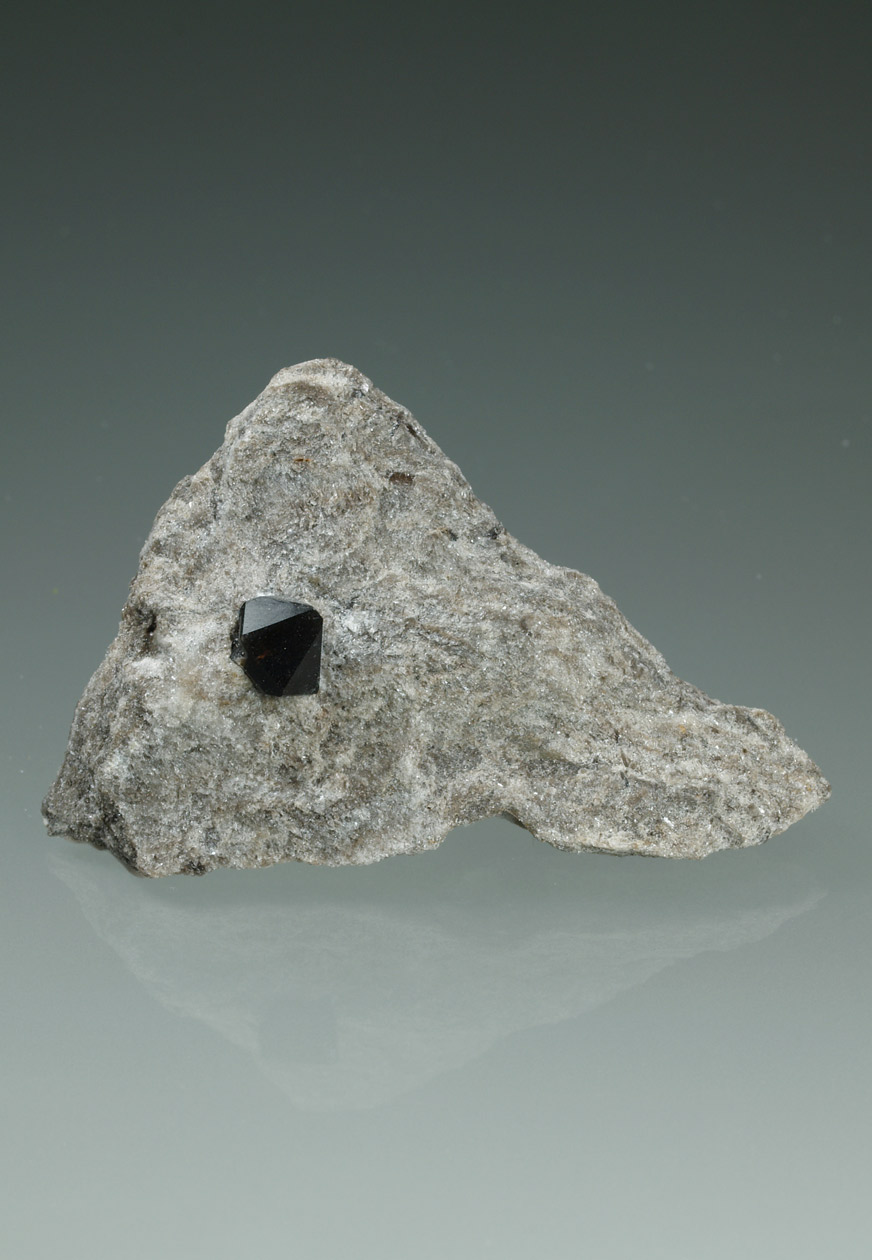
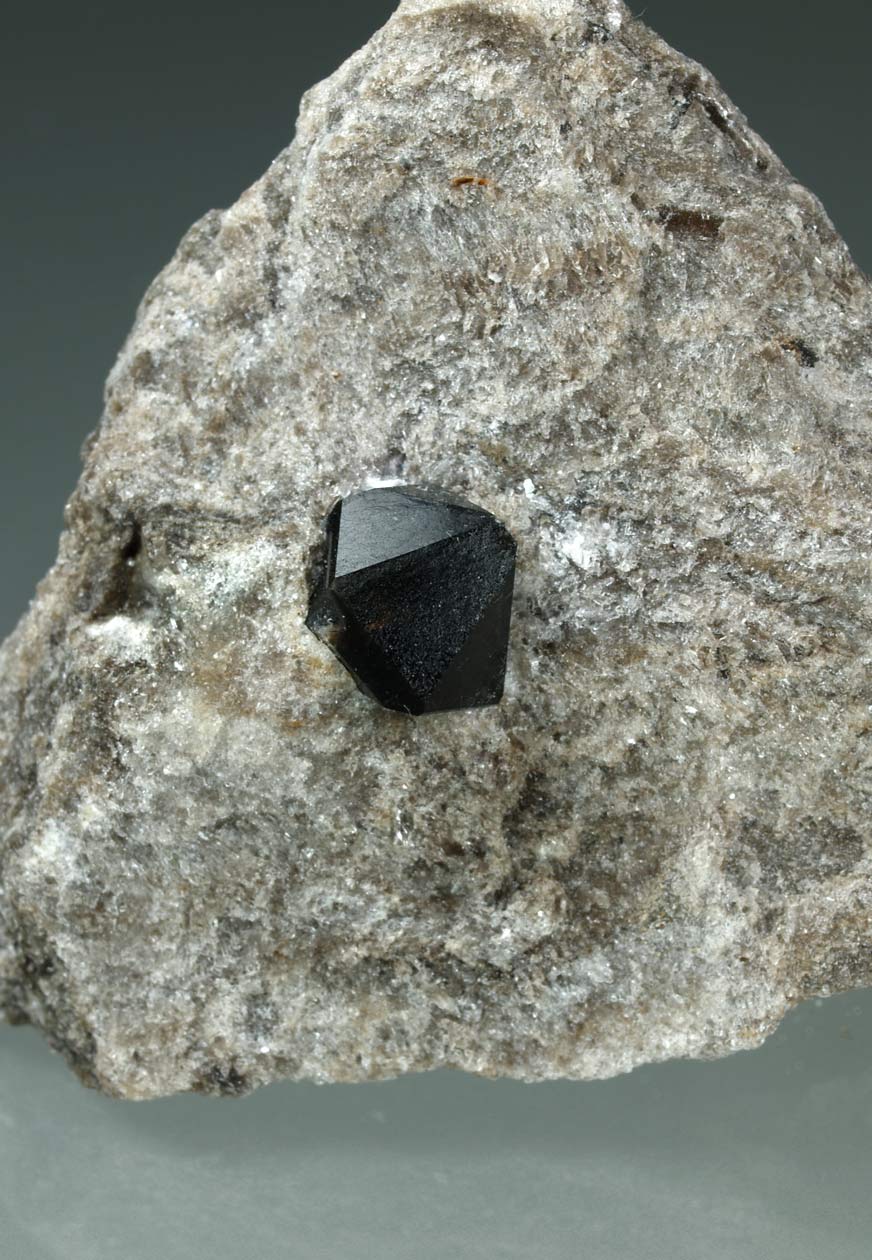
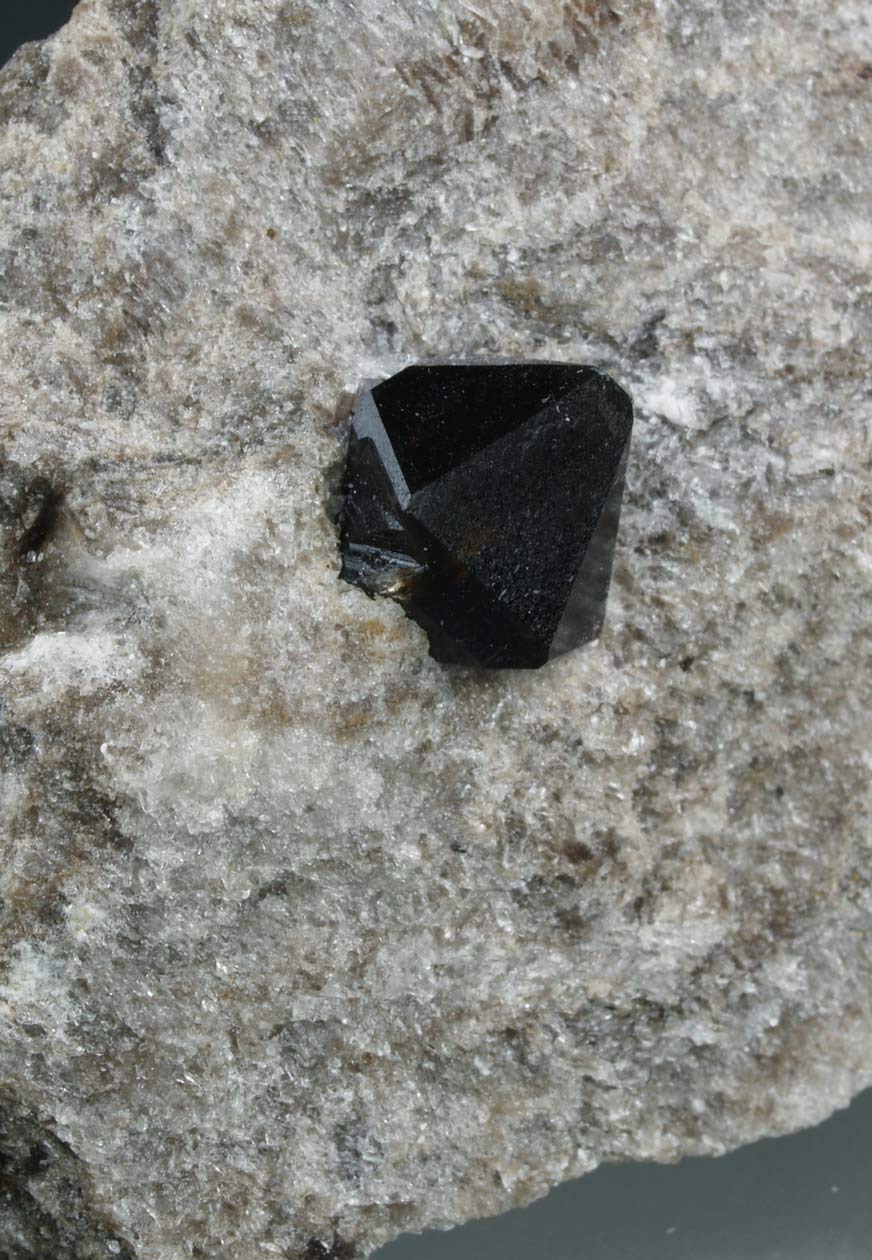
A medio camino entre Granada y Jaén, en el límite norte de la provincia granadina, se halla la población de Montejícar. Esta zona es conocida entre los coleccionistas de minerales por los excelentes cuarzos, entre ahumados a moriones, biterminados y con las caras de prisma muy poco desarrolladas, lo que les da un característico aspecto bipiramidal. Se encuentran estos ejemplares en yesos bandeados y margas del Trias en facies Keuper característico del entorno del Cortijo Cañadas, en el N del término municipal de Montejícar. En la zona hay diversos hornos de yeso, hoy en ruinas.
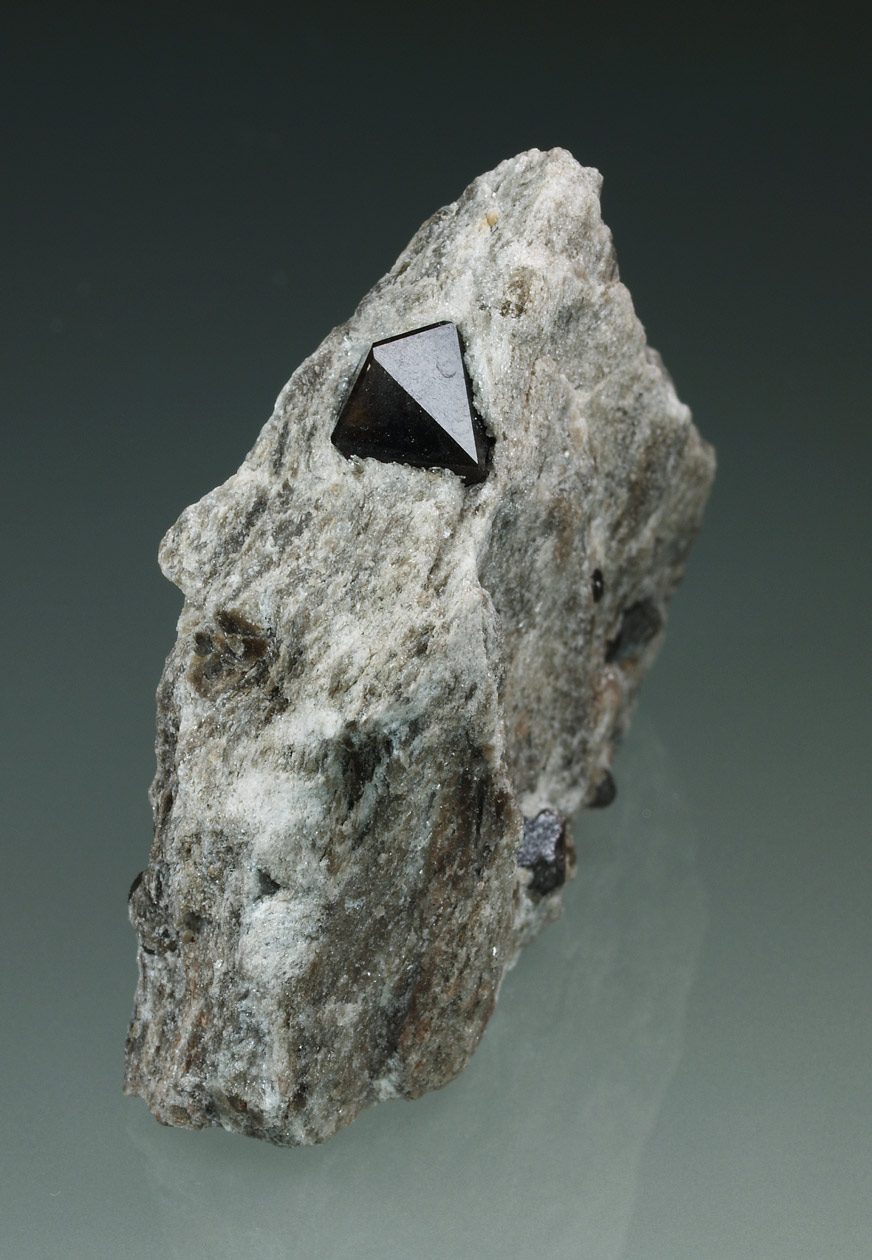
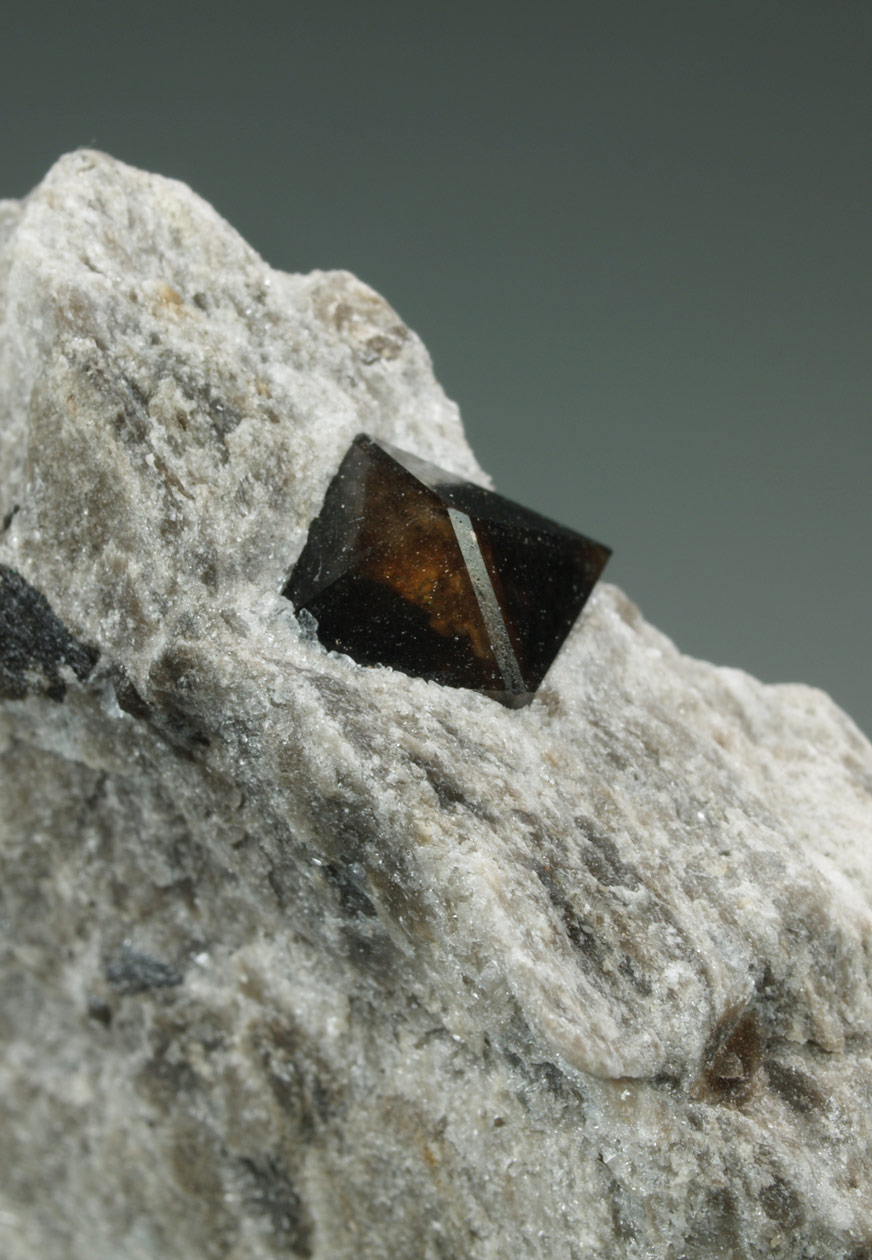
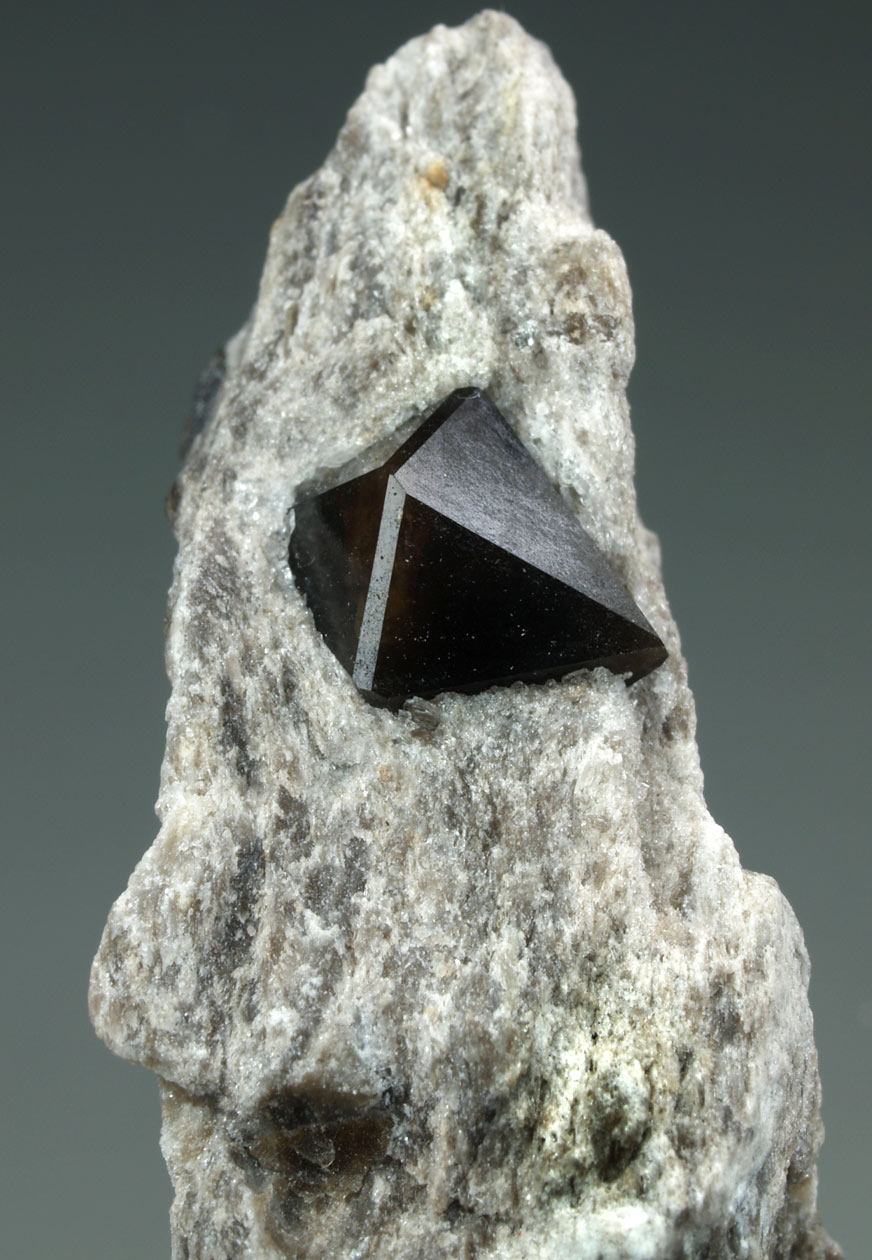
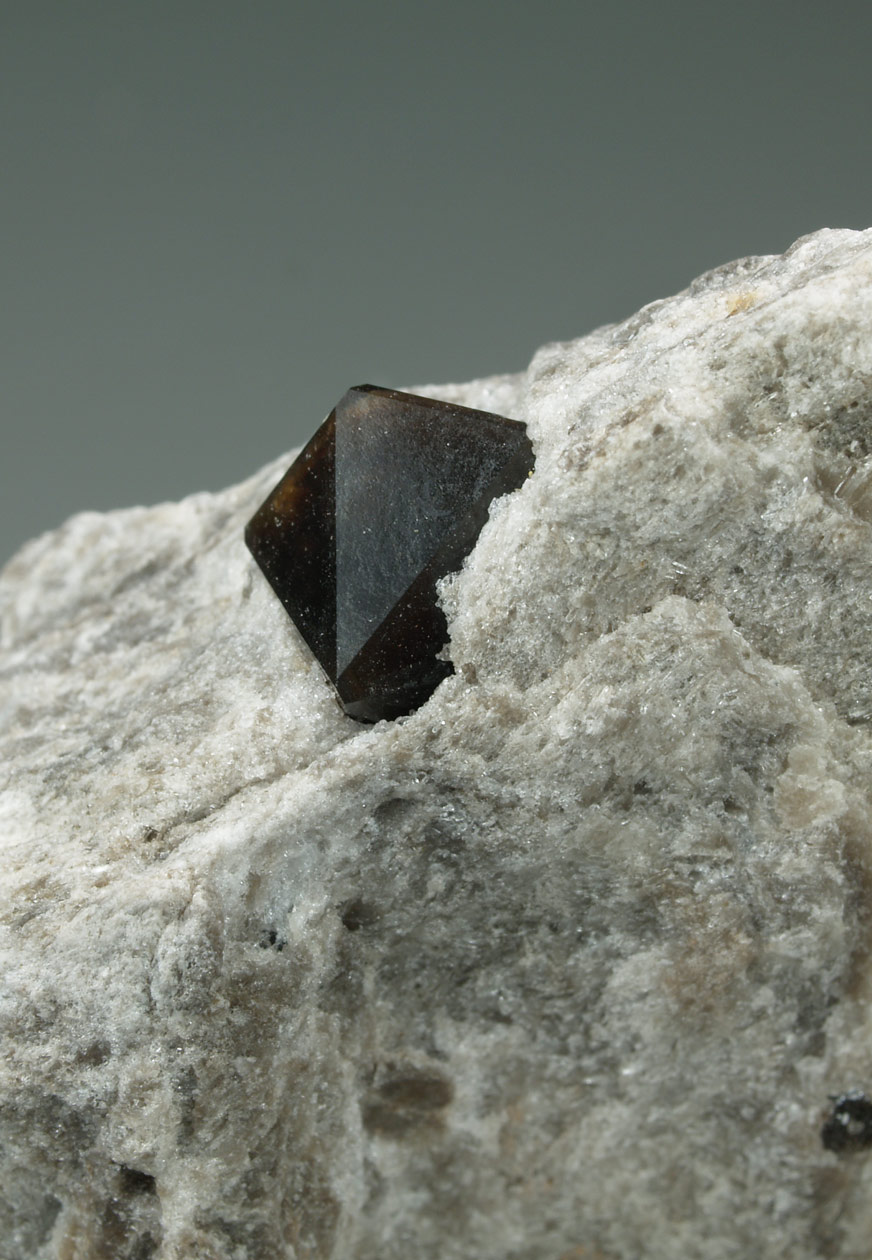
A medio camino entre Granada y Jaén, en el límite norte de la provincia granadina, se halla la población de Montejícar. Esta zona es conocida entre los coleccionistas de minerales por los excelentes cuarzos, entre ahumados a moriones, biterminados y con las caras de prisma muy poco desarrolladas, lo que les da un característico aspecto bipiramidal. Se encuentran estos ejemplares en yesos bandeados y margas del Trias en facies Keuper característico del entorno del Cortijo Cañadas, en el N del término municipal de Montejícar. En la zona hay diversos hornos de yeso, hoy en ruinas.
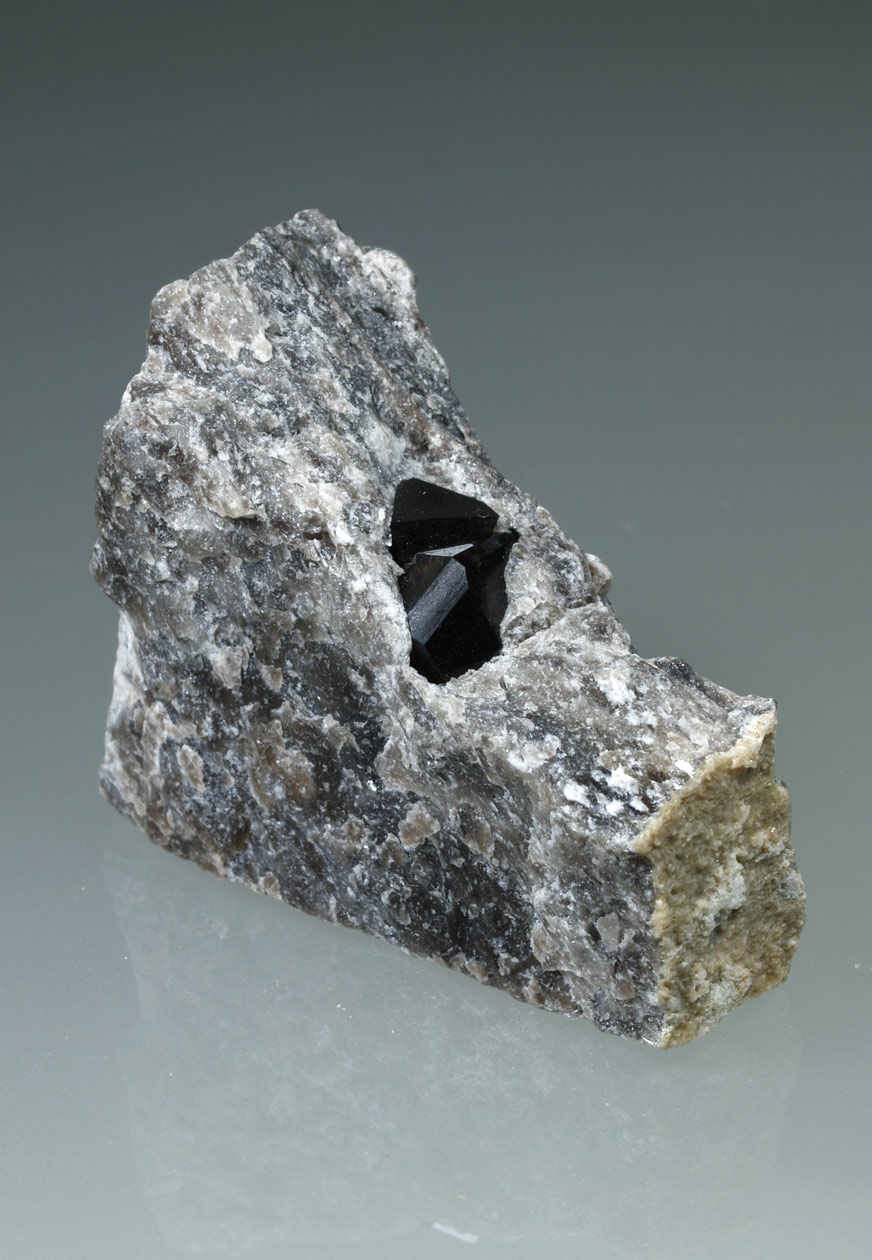
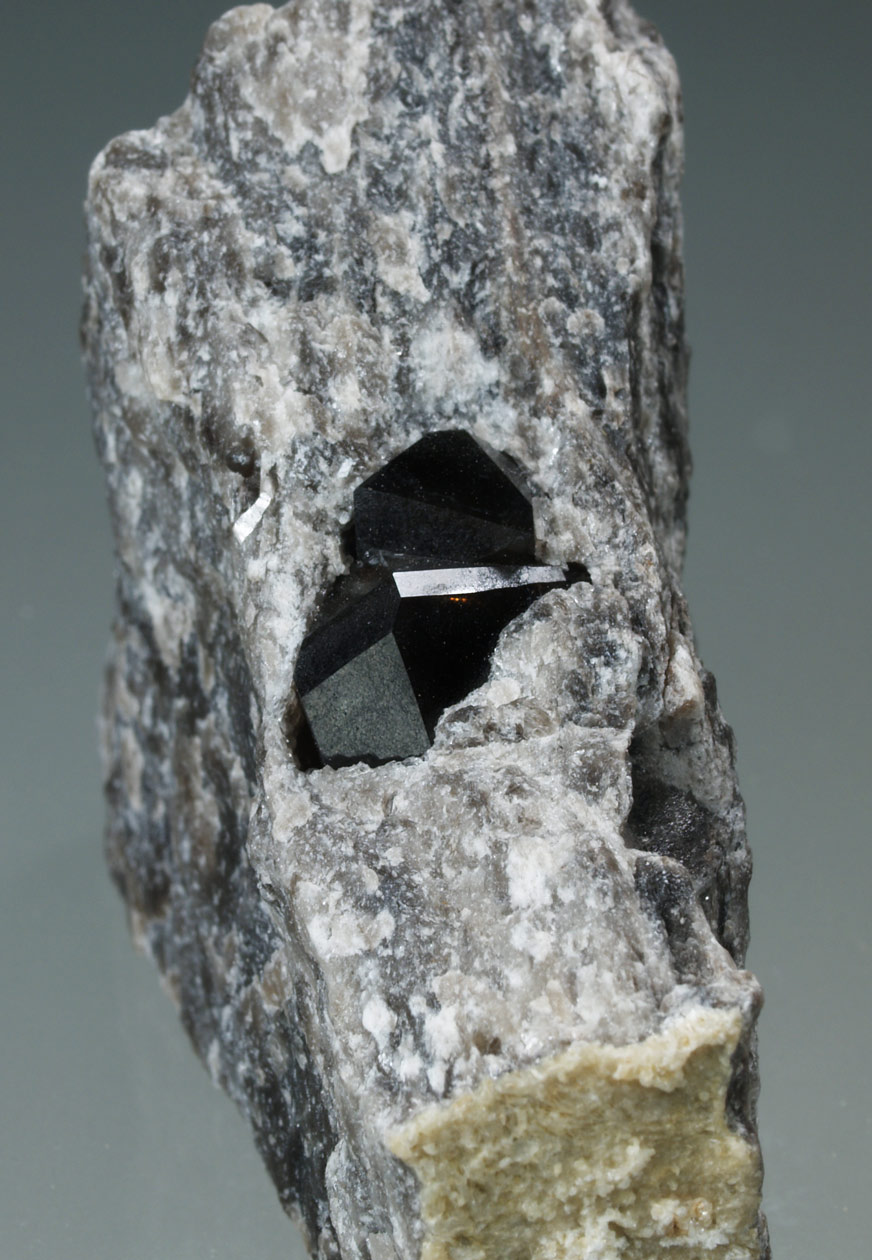
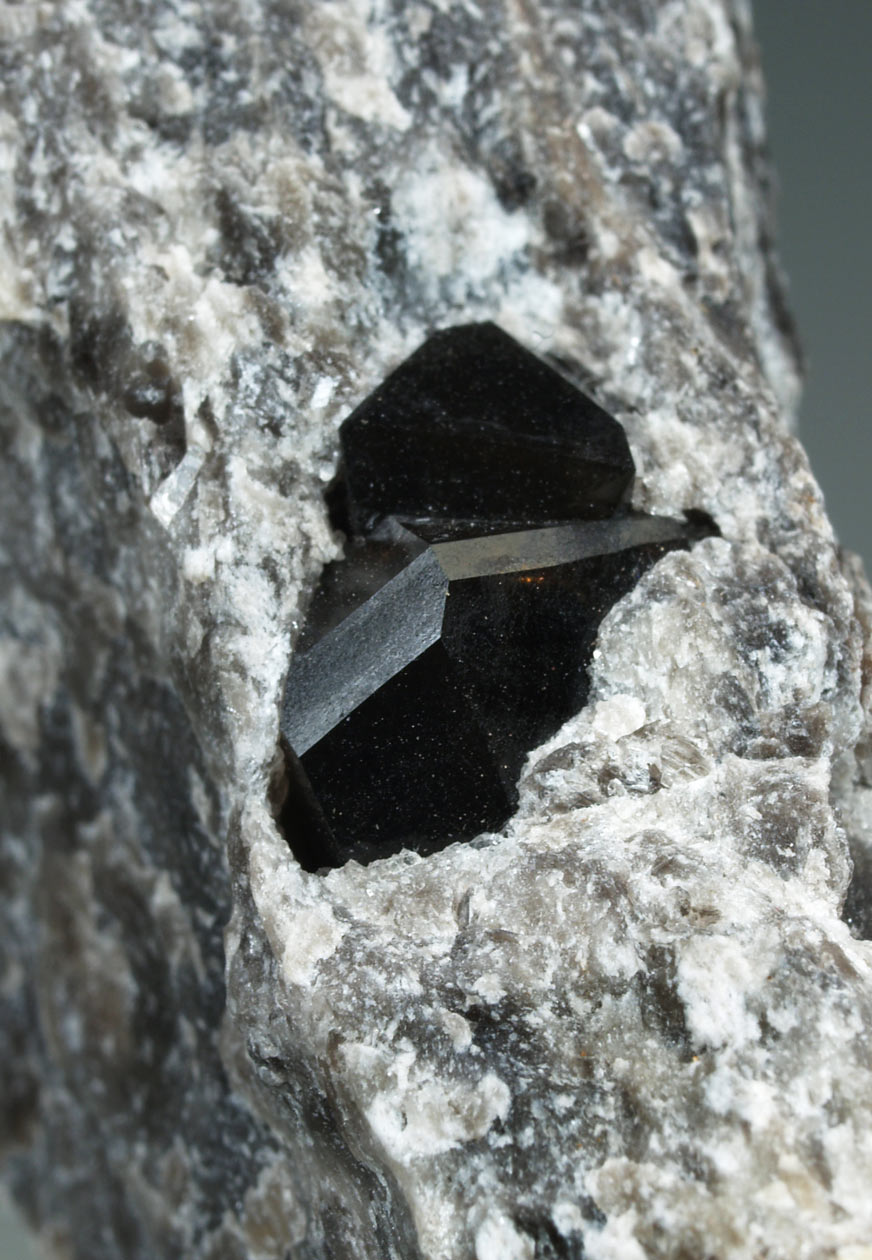
A medio camino entre Granada y Jaén, en el límite norte de la provincia granadina, se halla la población de Montejícar. Esta zona es conocida entre los coleccionistas de minerales por los excelentes cuarzos, entre ahumados a moriones, biterminados y con las caras de prisma muy poco desarrolladas, lo que les da un característico aspecto bipiramidal. Se encuentran estos ejemplares en yesos bandeados y margas del Trias en facies Keuper característico del entorno del Cortijo Cañadas, en el N del término municipal de Montejícar. En la zona hay diversos hornos de yeso, hoy en ruinas.
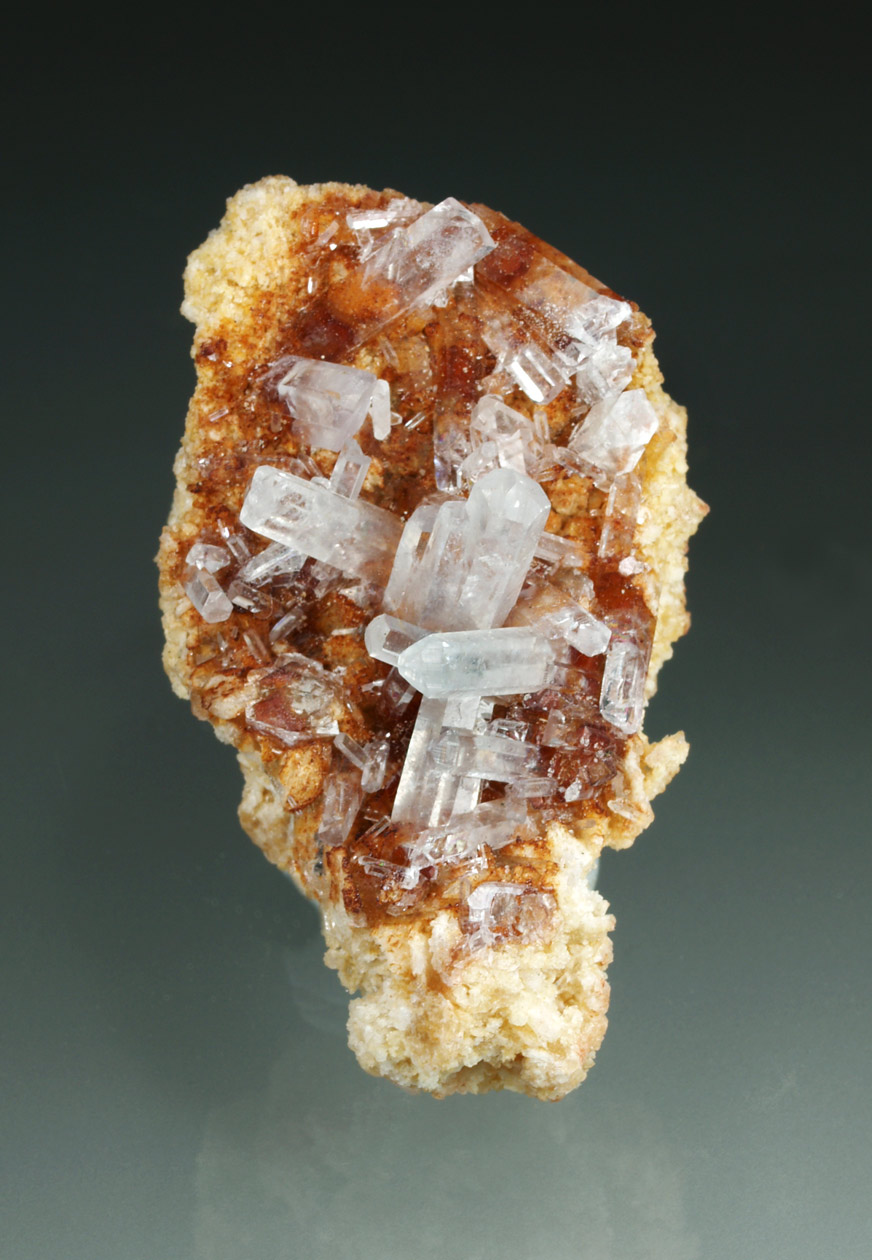
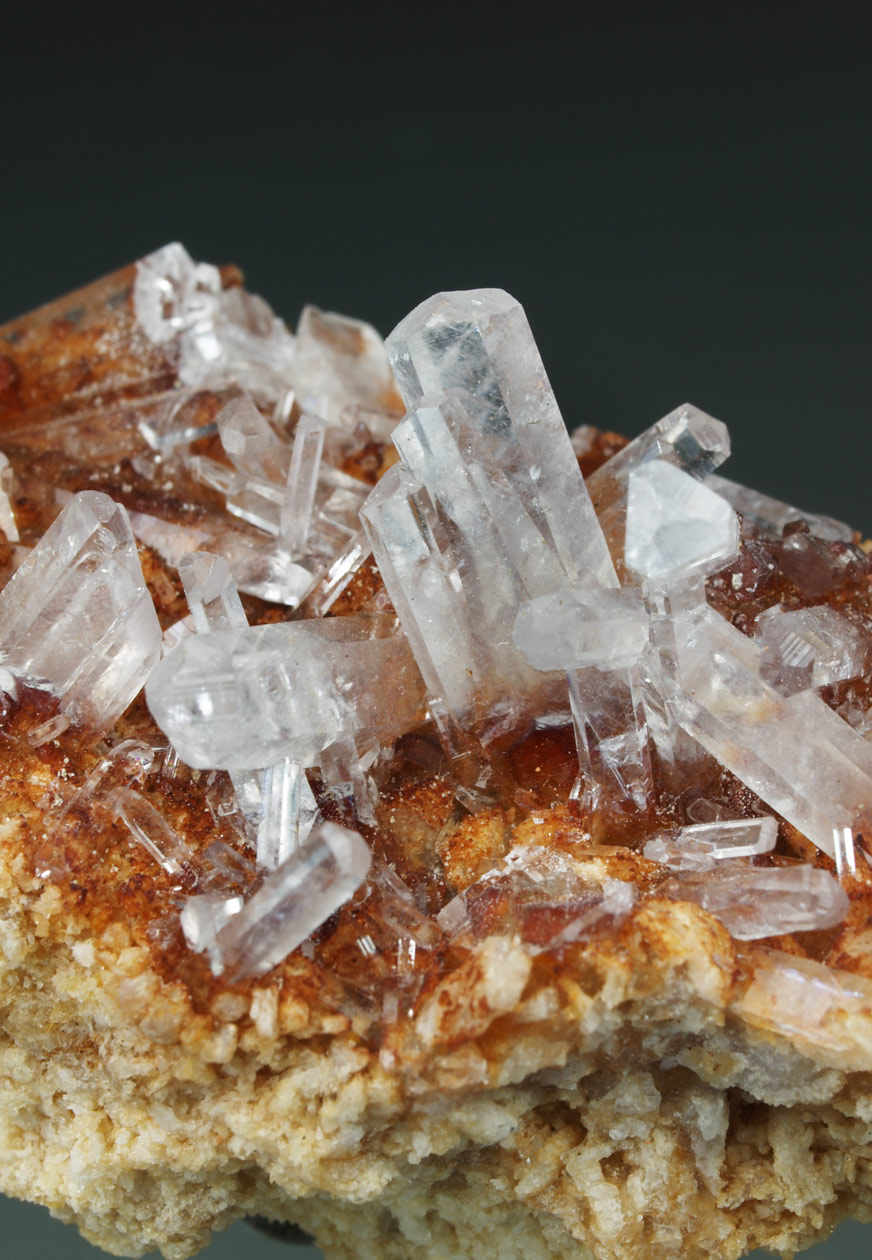
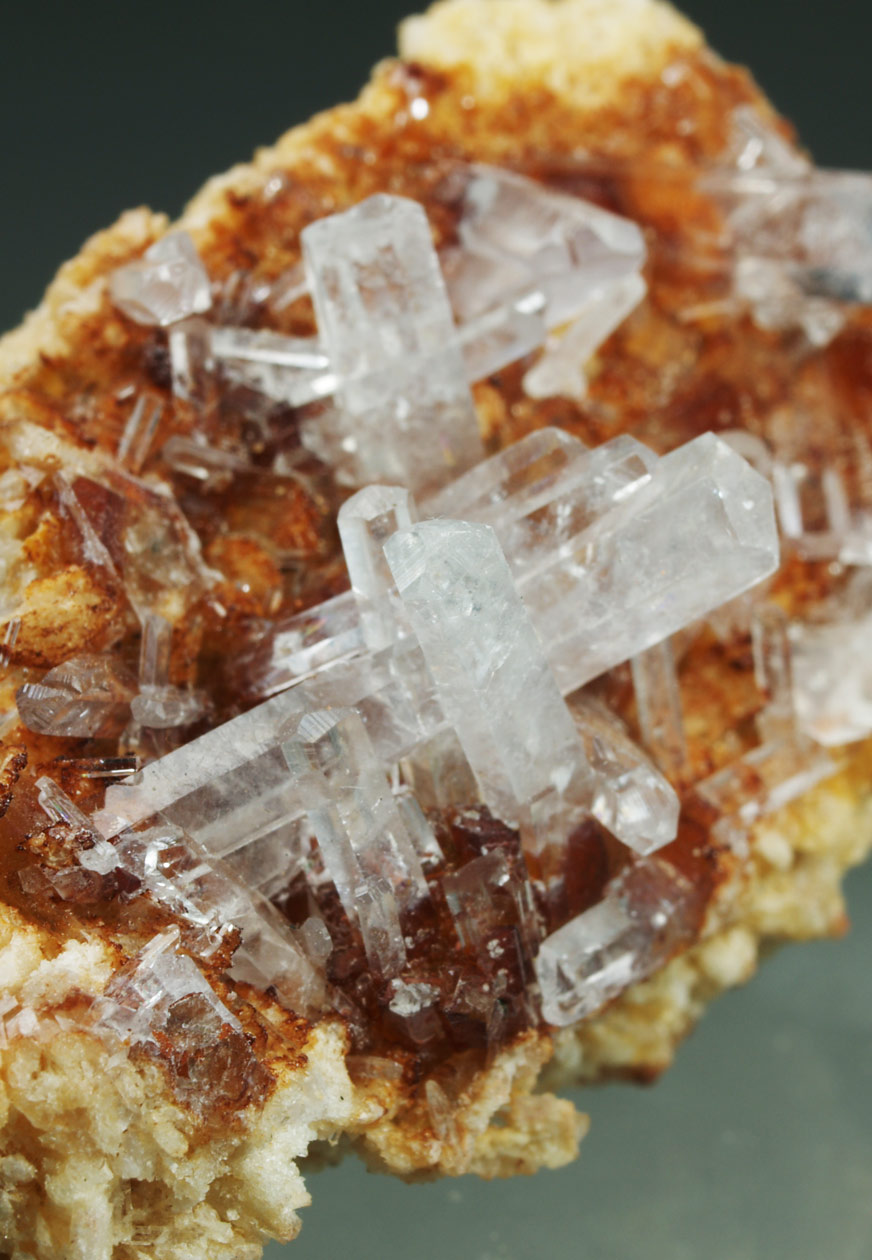
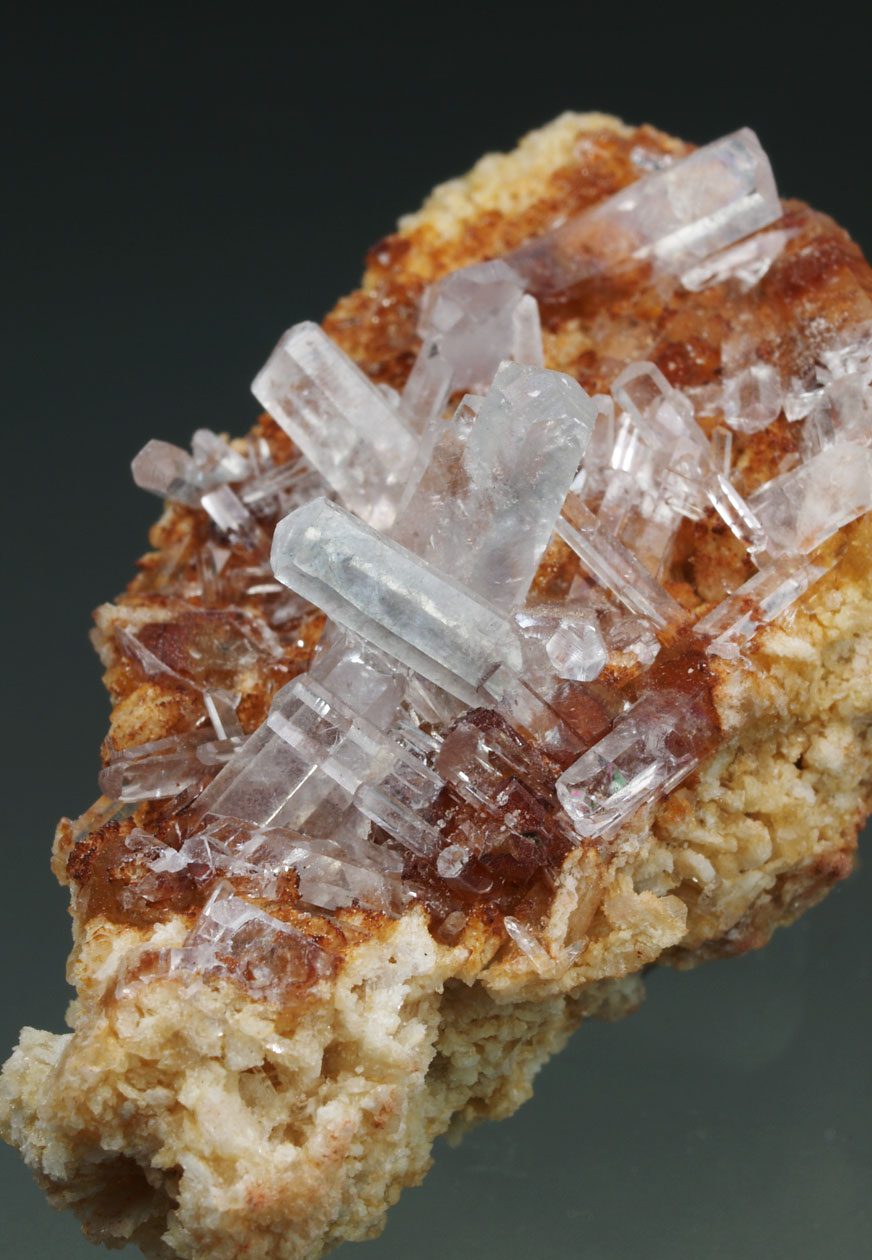
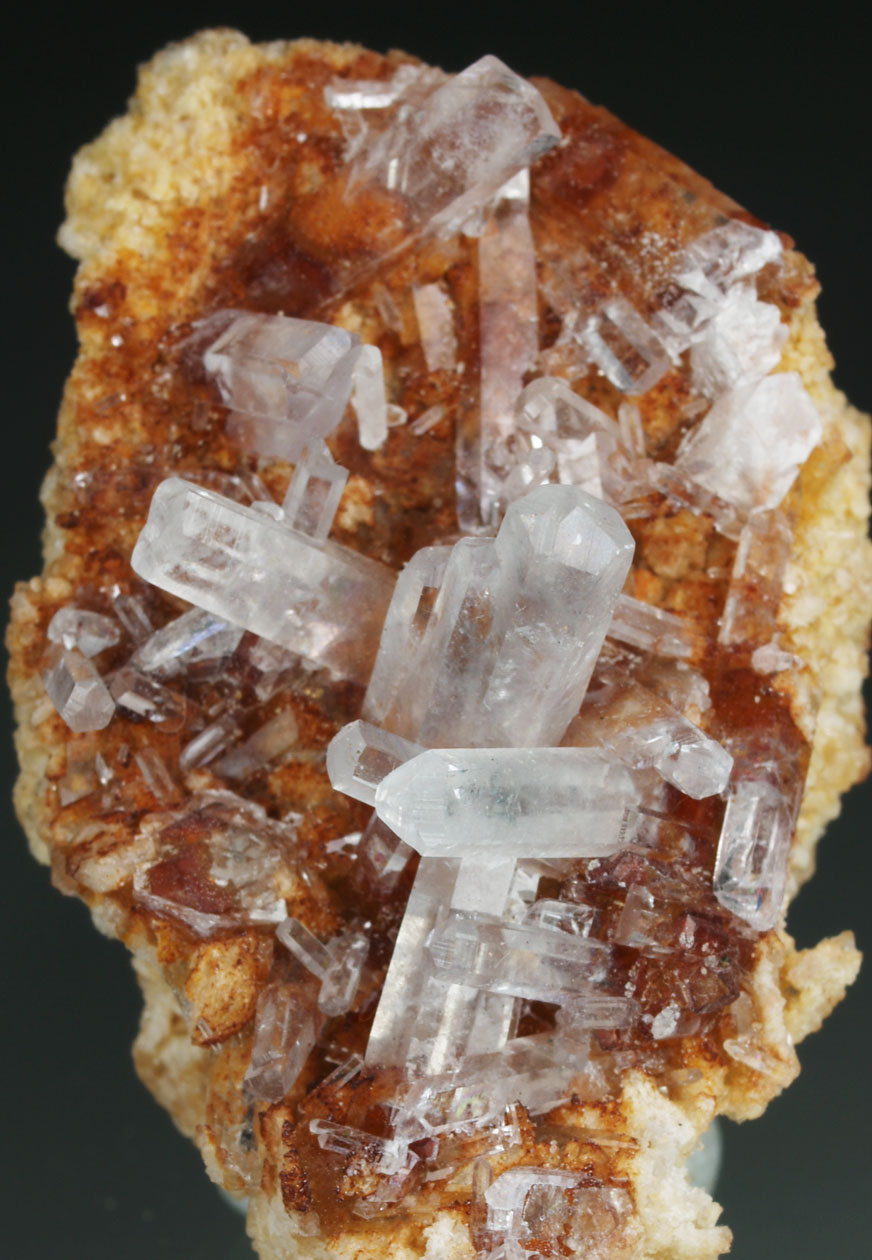
Grupo de cristales de calcita, definidos, transparentes y brillantes, con un prisma desarrollado y terminado con caras del romboedro negativo. Con una matriz mezcla de calcita y barita. Proceden de unos trabajos a cielo abierto en la zona de Duyos. Estos ejemplares de esta mina asturiana son muy difíciles de conseguir a dia de hoy. Proceden de la colección Manchion (con etiqueta).
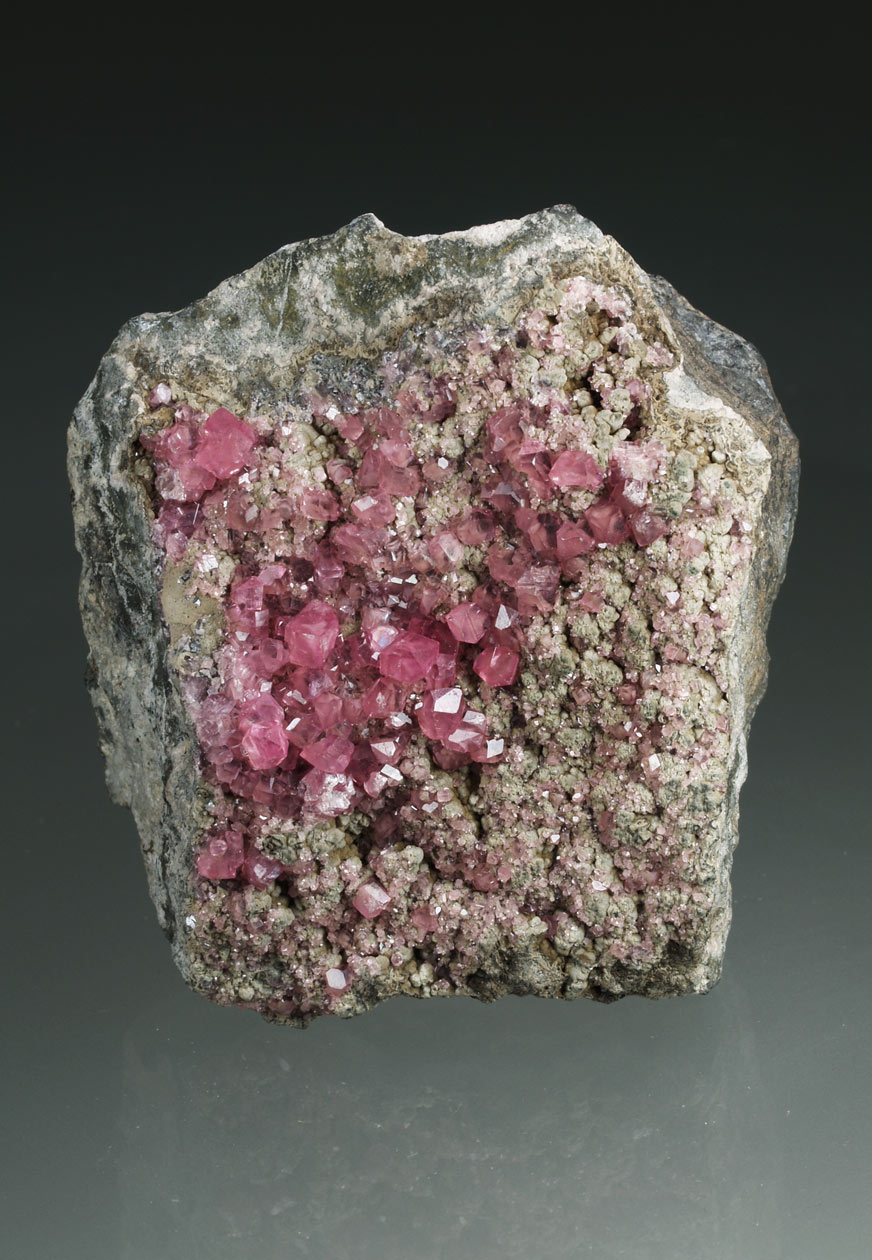
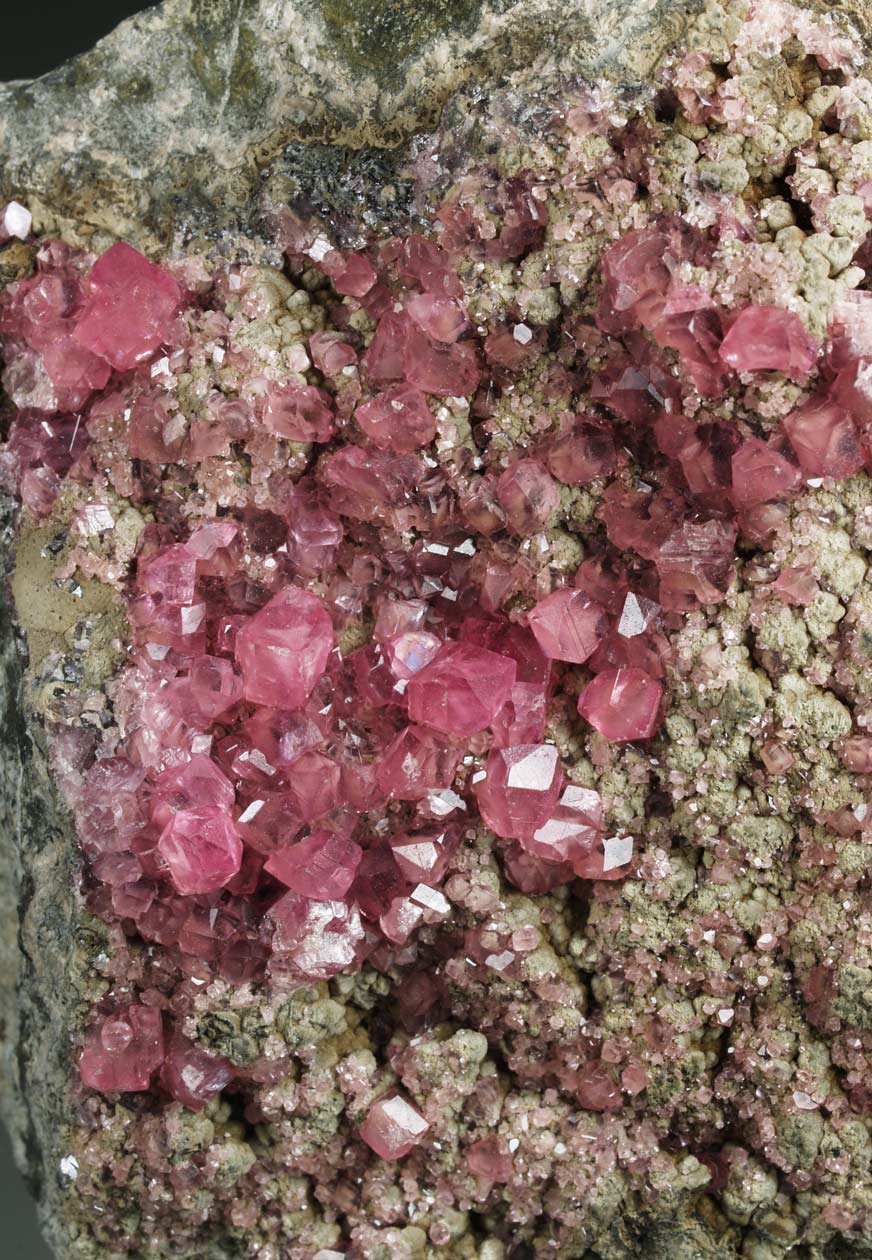
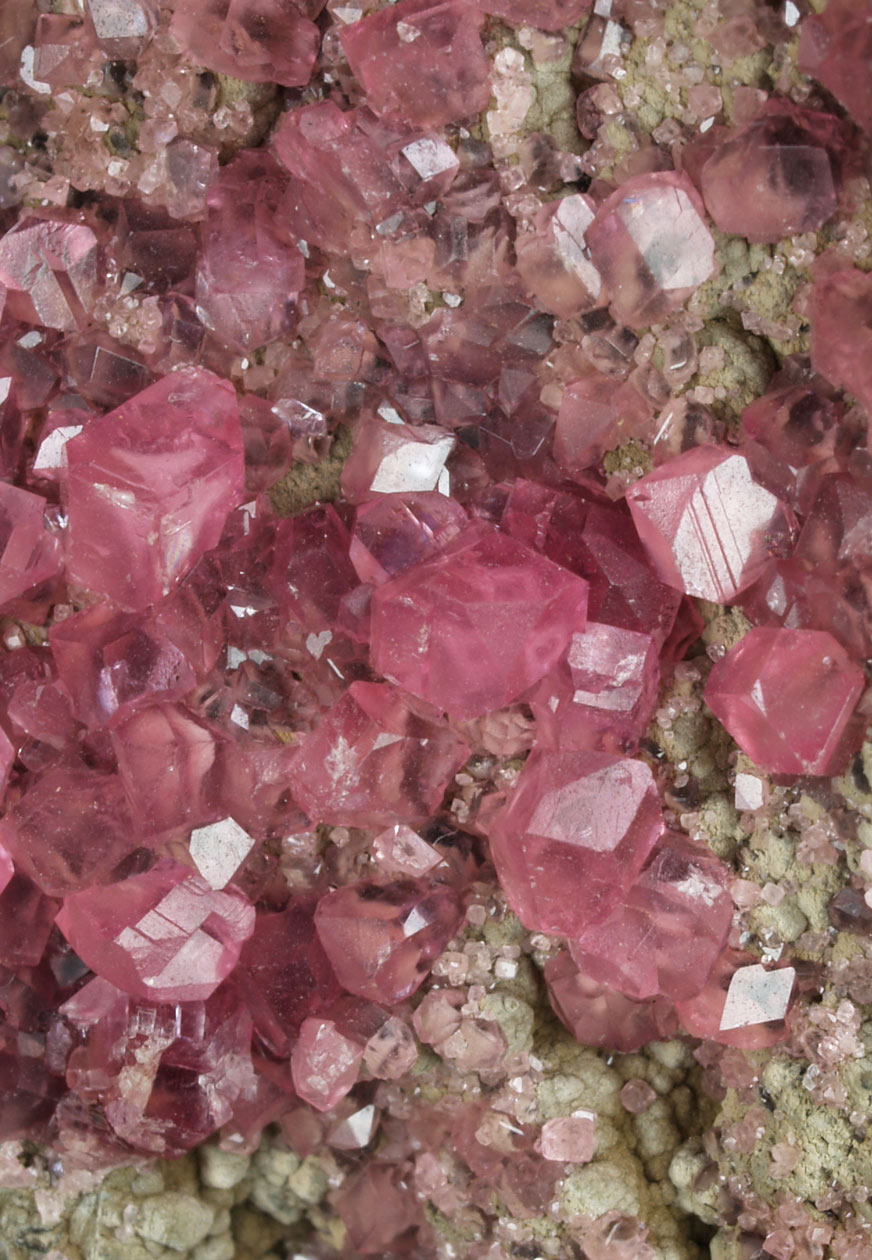
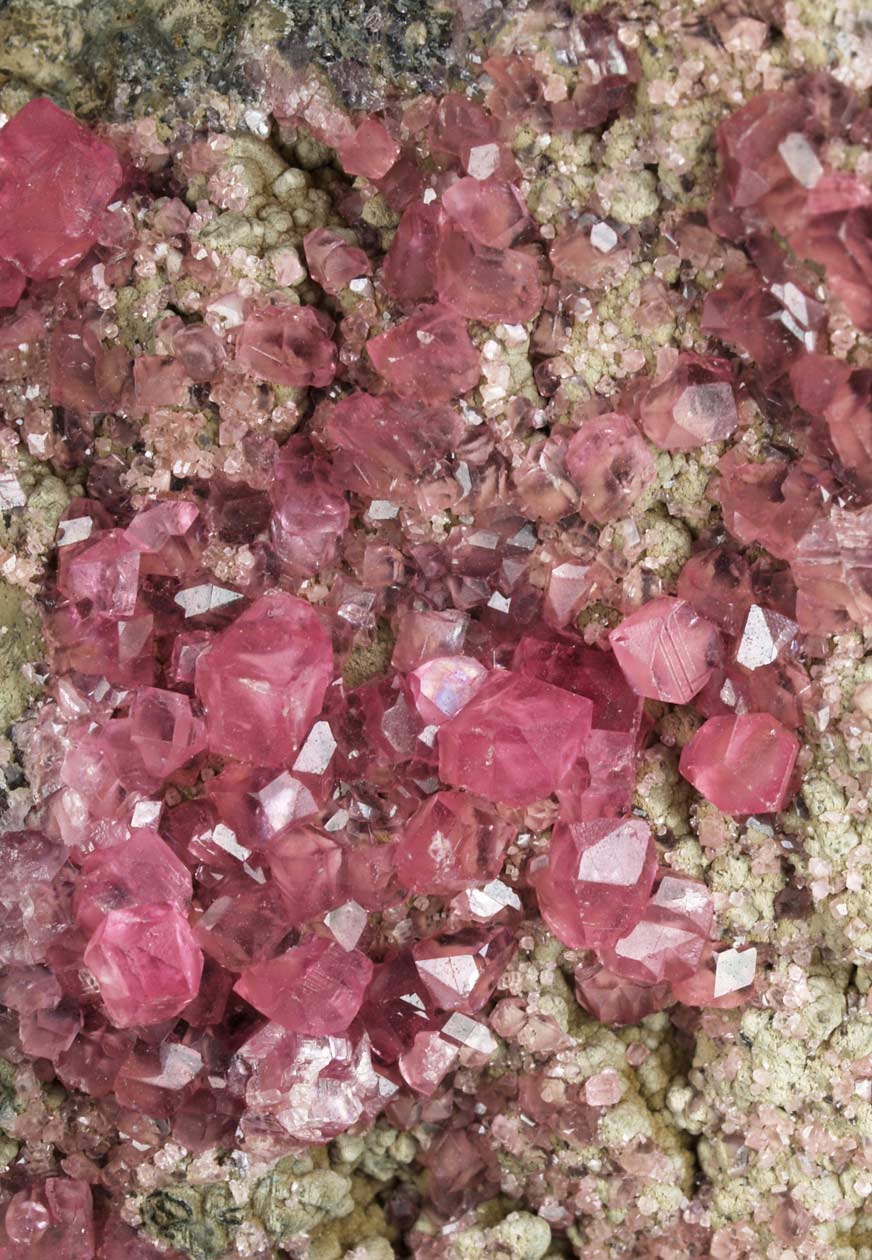
Muy nutrido grupo de cristales de rodocrosita, muy brillantes, transparentes y muy facetados. Muestran formas entremezcladas del romboedro y el escalenoedro. El color rosa es muy uniforme e intenso. Se disponen formando agregados interpenetrados de cristales o como individuos aislados, sobre una matriz con kutnohorita. Una pieza de las primeras que llegaron de estos yacimientos peruanos.
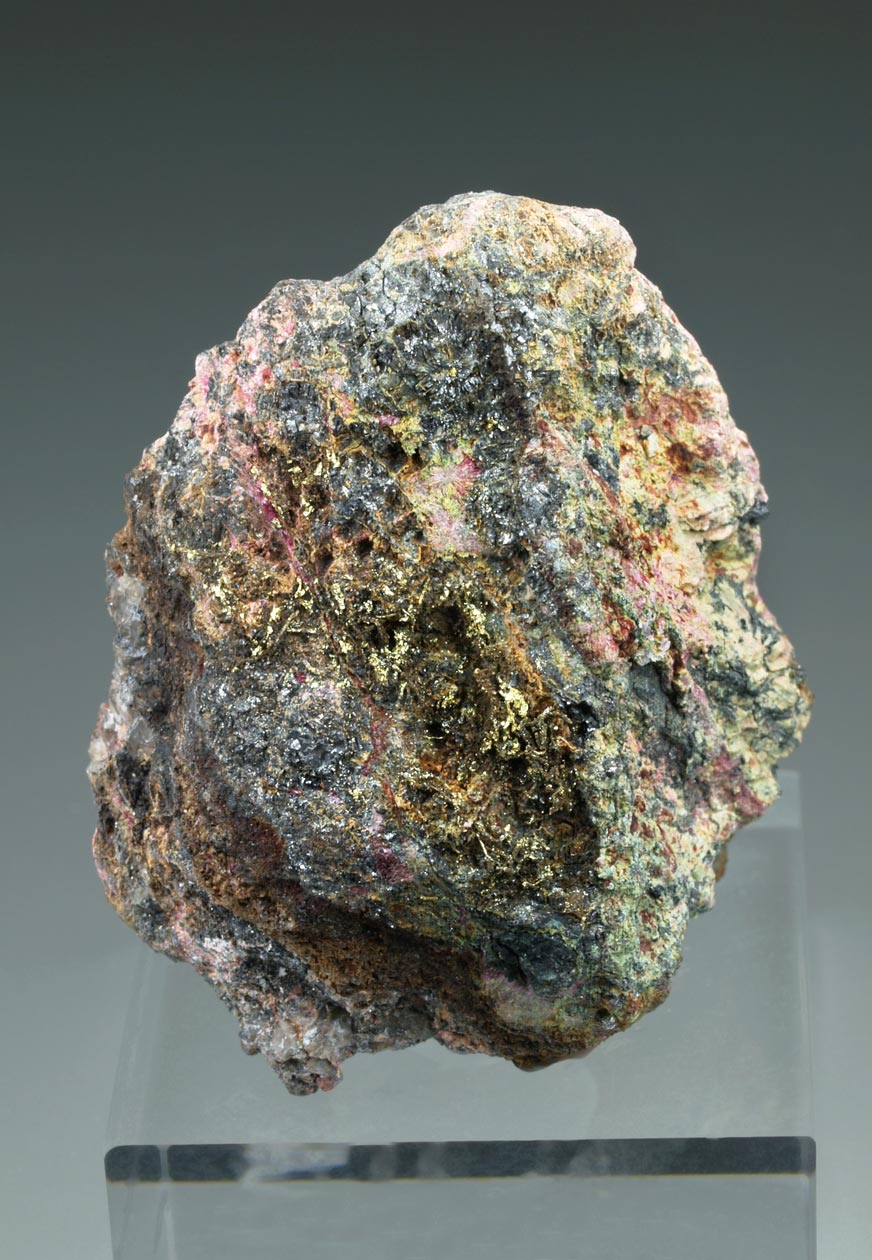
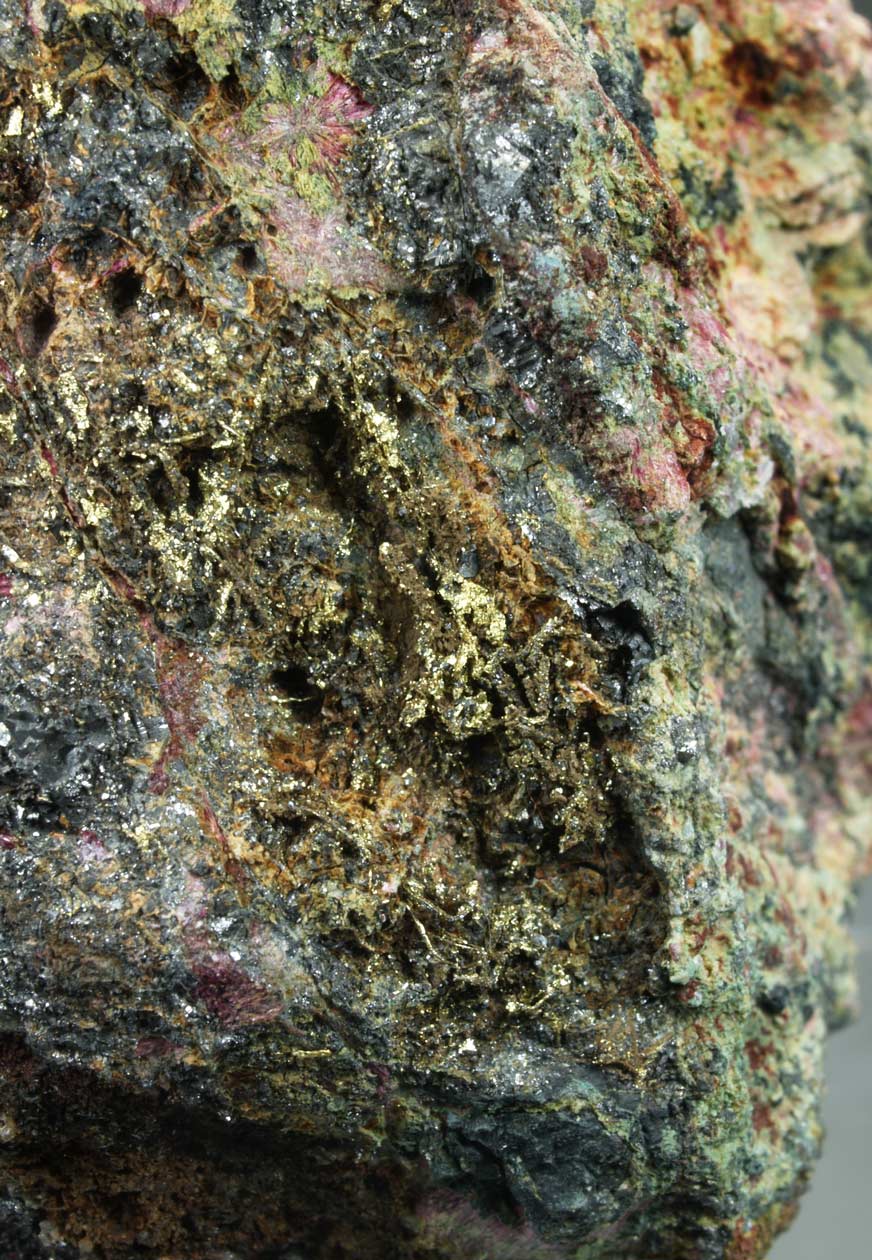
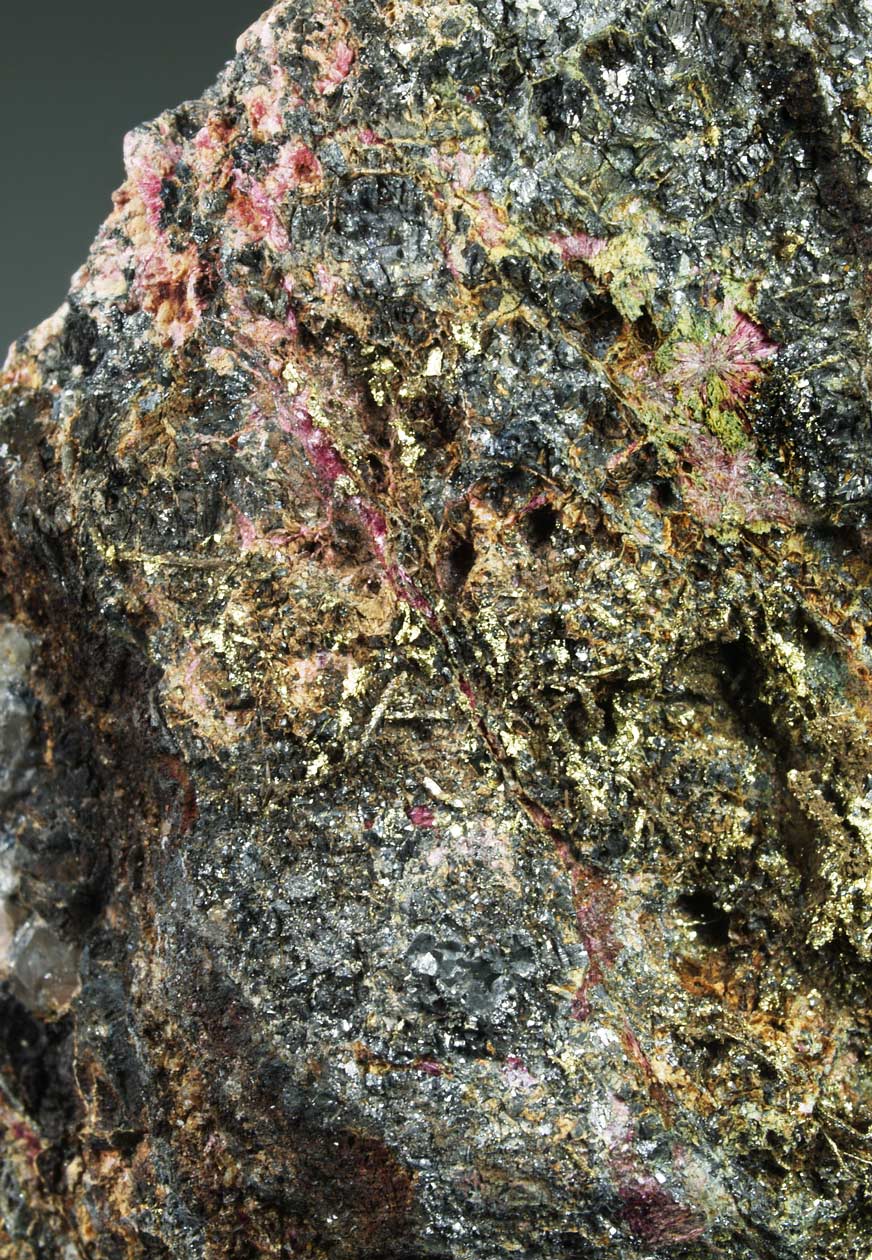
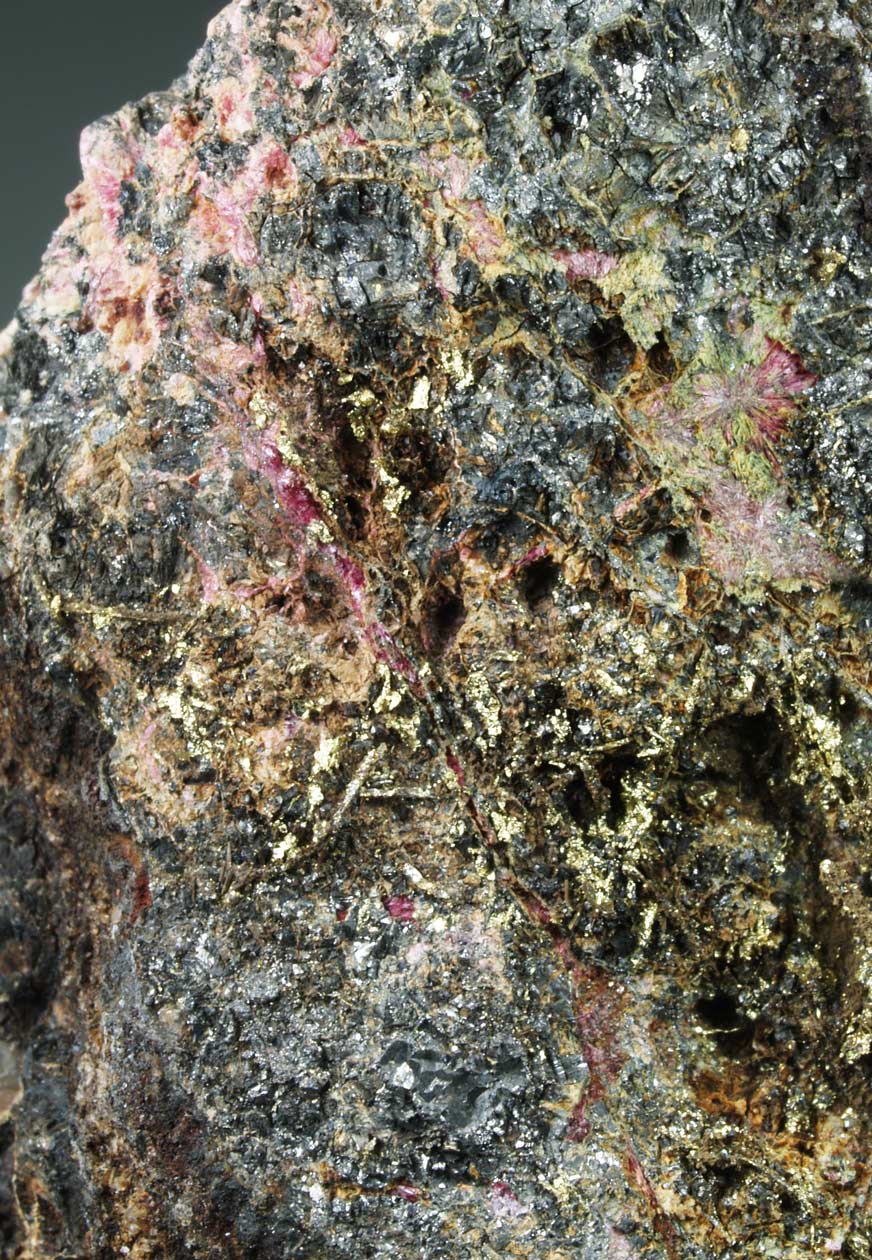
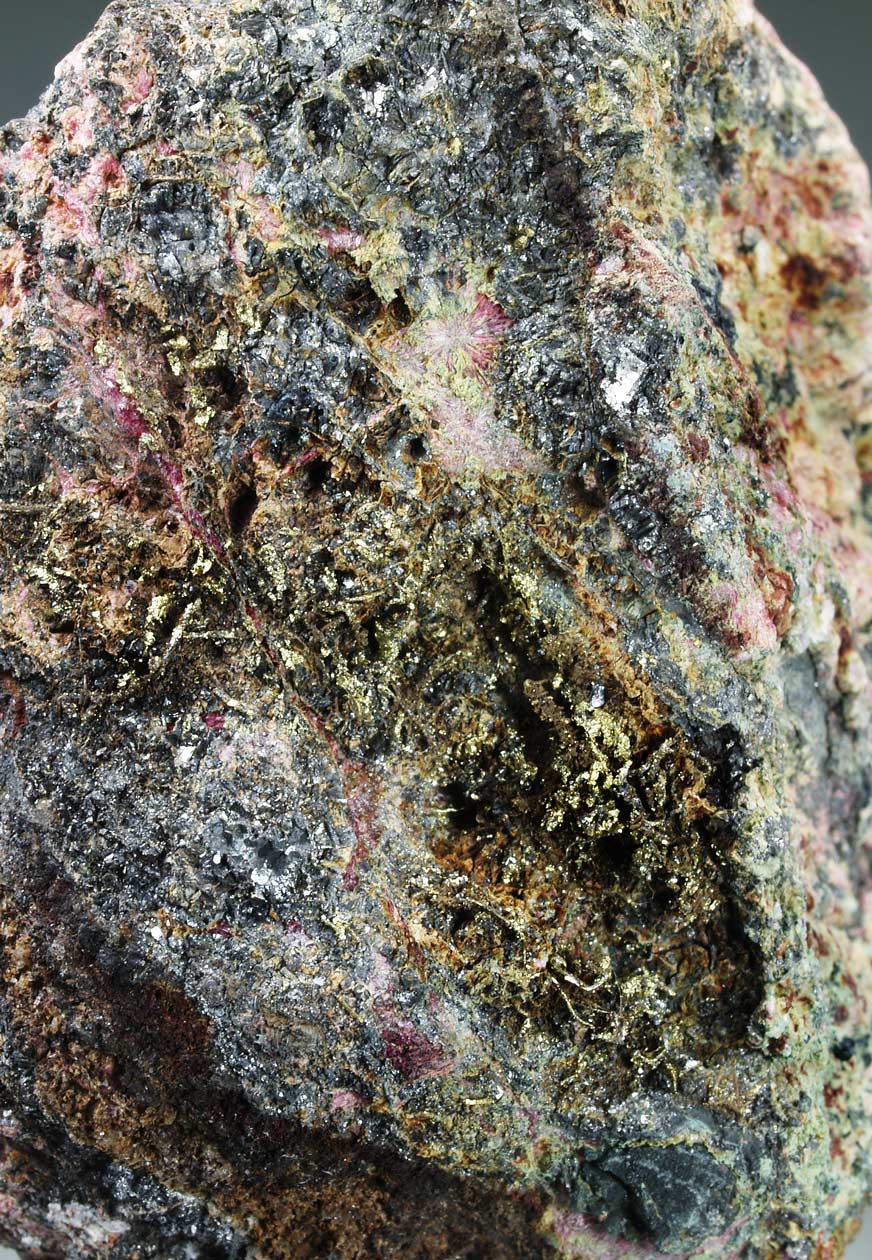
Estos especímenes nos muestran una matriz formada por arseniatos como la eritrita y sulfuros y arseniuros de cobalto asociados. Podemos observar sobre ambos la presencia de agregados arborescentes, filiformes y en lámina de oro. Los análisis SEM-EDS demuestran que se trata de la variedad electrum por su contenido en plata, cercano al 23-24% en peso.
Bajo aumento vemos que algunos de estos agregados de oro estan formados por pequeños cristales de aspecto octaédrico a cúbico. Podemos pensar en una génesis secundaria para este oro var. electrum. Los análisis de diferentes ejemplares arrojan todos resultados similares. Hemos analizado estos ejemplares observando que la matriz metálica brillante se corresponde a una mezcla de arseniuros de cobalto, tipo skutterudita, y otros sulfuros y arseniuros. Enviaremos todos los análisis al comprador. El yacimiento donde apareció el electrum ha sido totalmente cubierto por tierras de mina, por lo que más ejemplares no se pueden conseguir.
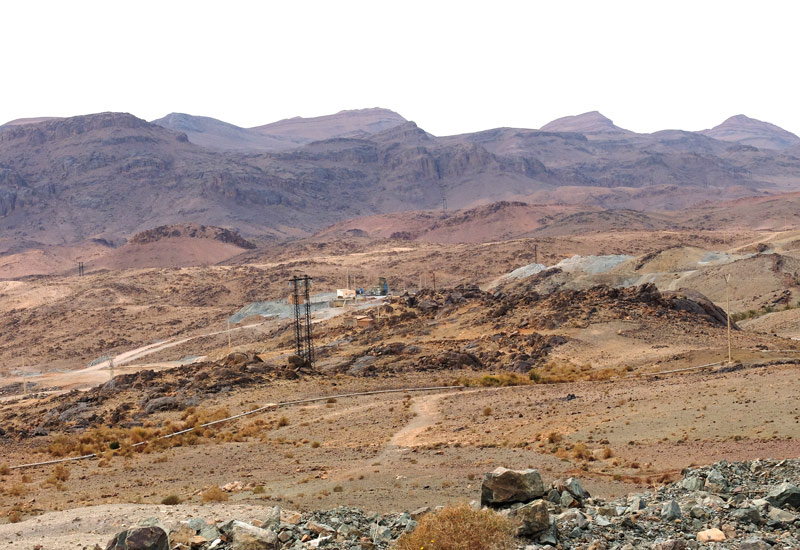
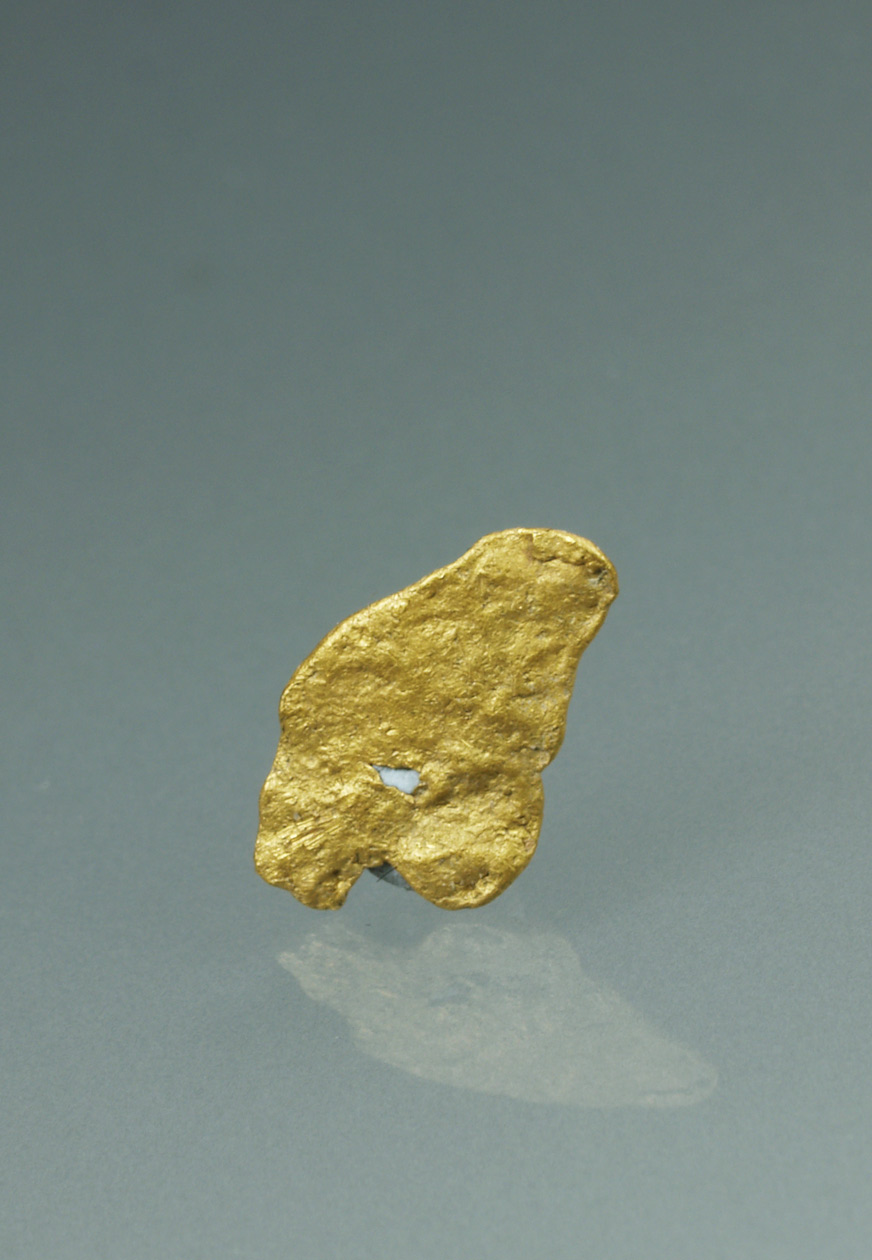
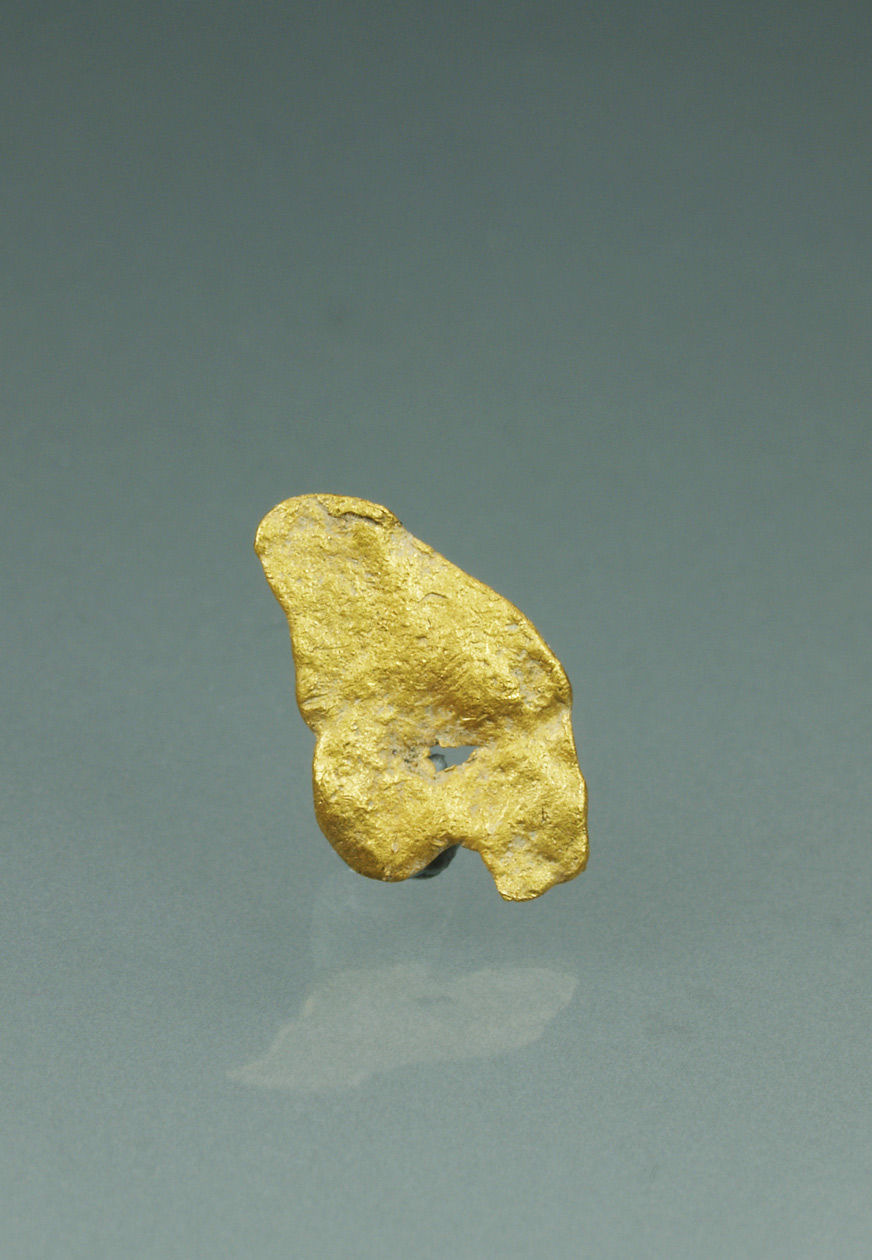
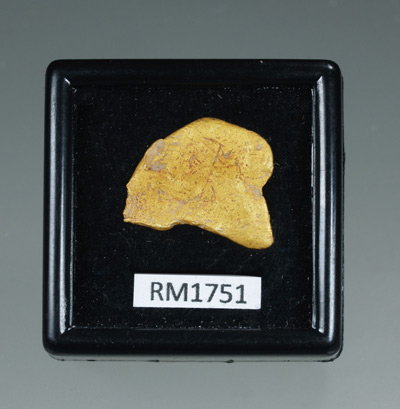
Estas pepitas de oro proceden de los depósitos aluviales de las paleoterrazas cuaternarias del río Tormes a su paso por el término de Salvatierra de Tormes. Los análisis realizados muestran presencia de plata. Algunos ejemplares contienen fragmentos de cuarzo. Delgada, brillante y con buen tamaño. Peso: 0.20 g.
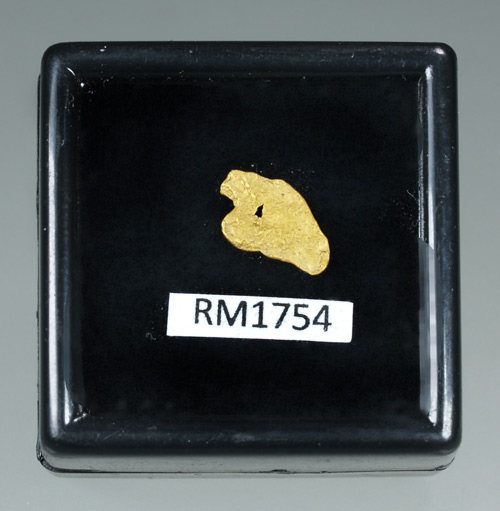
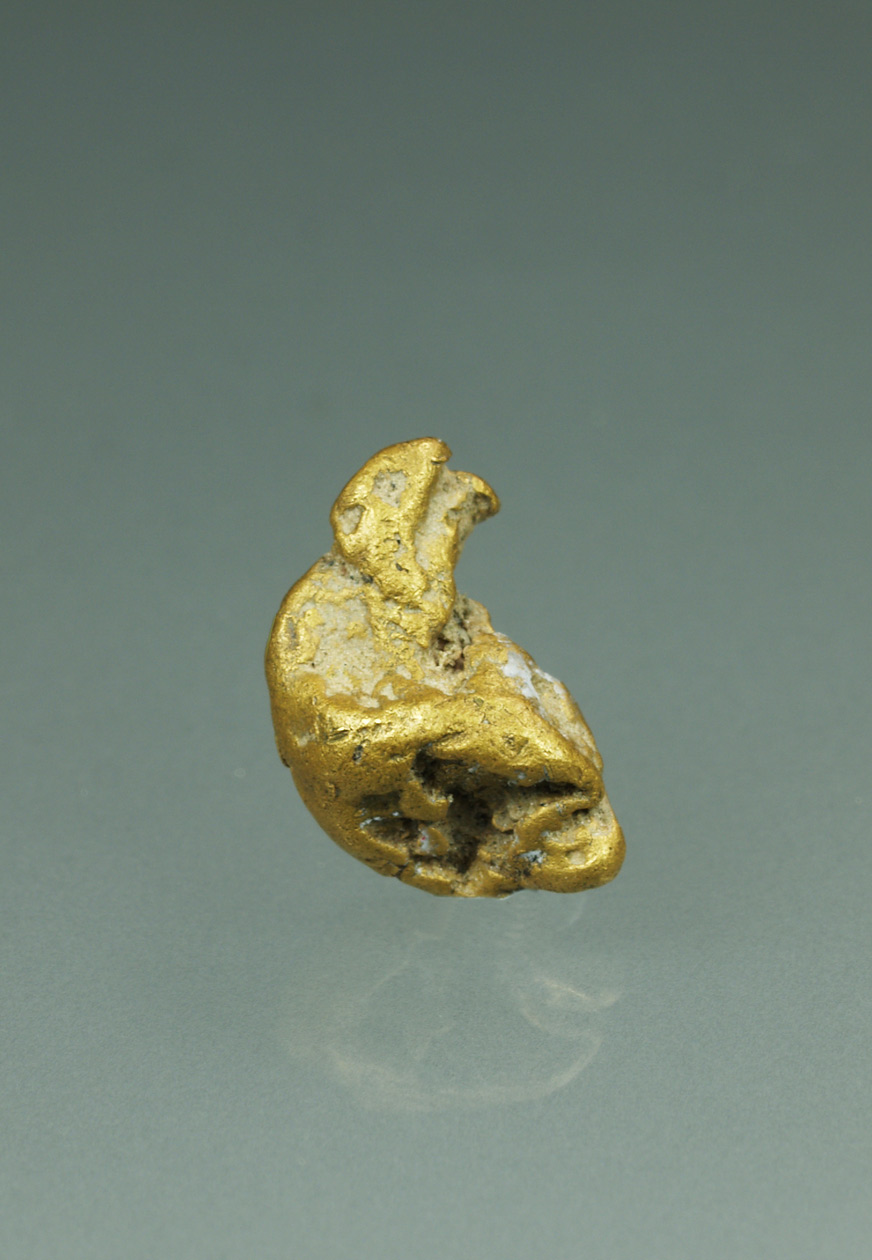
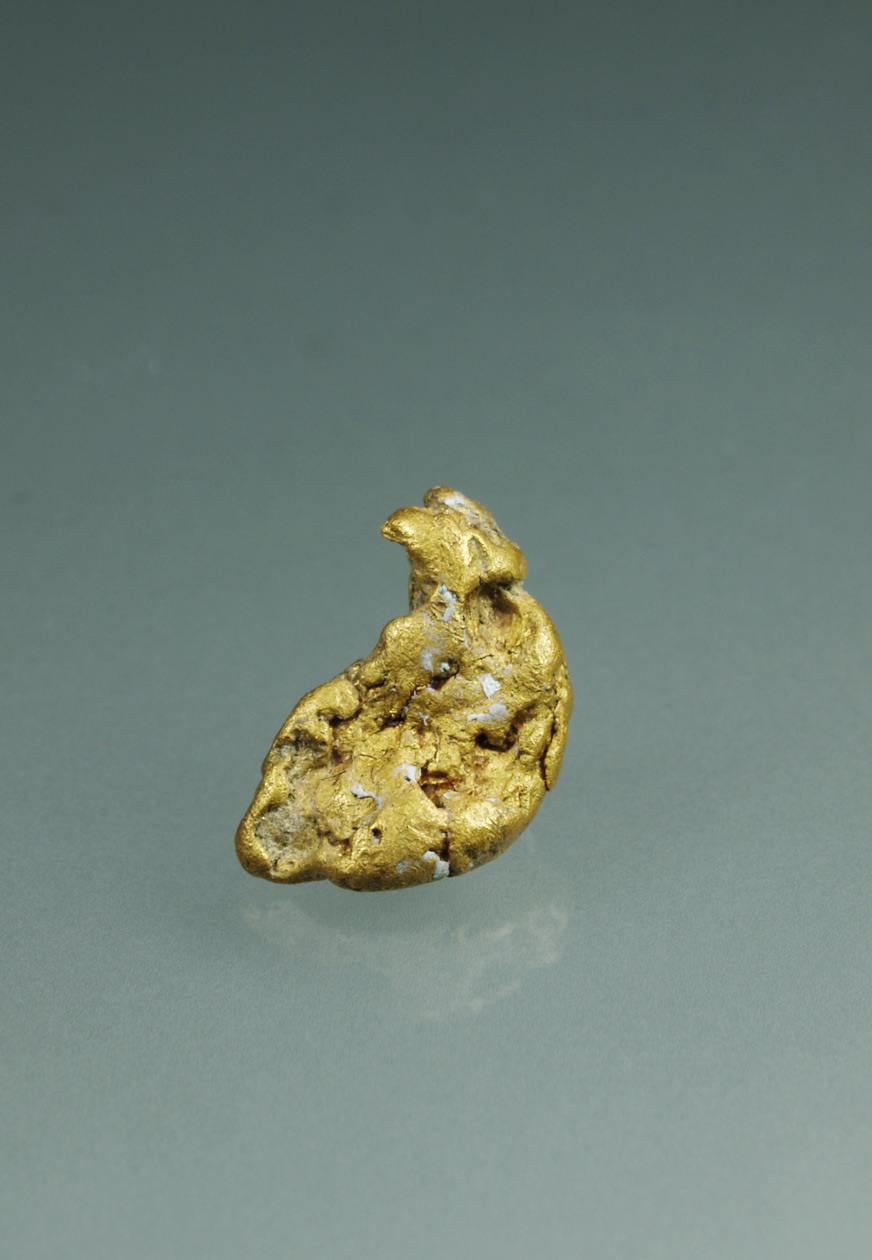
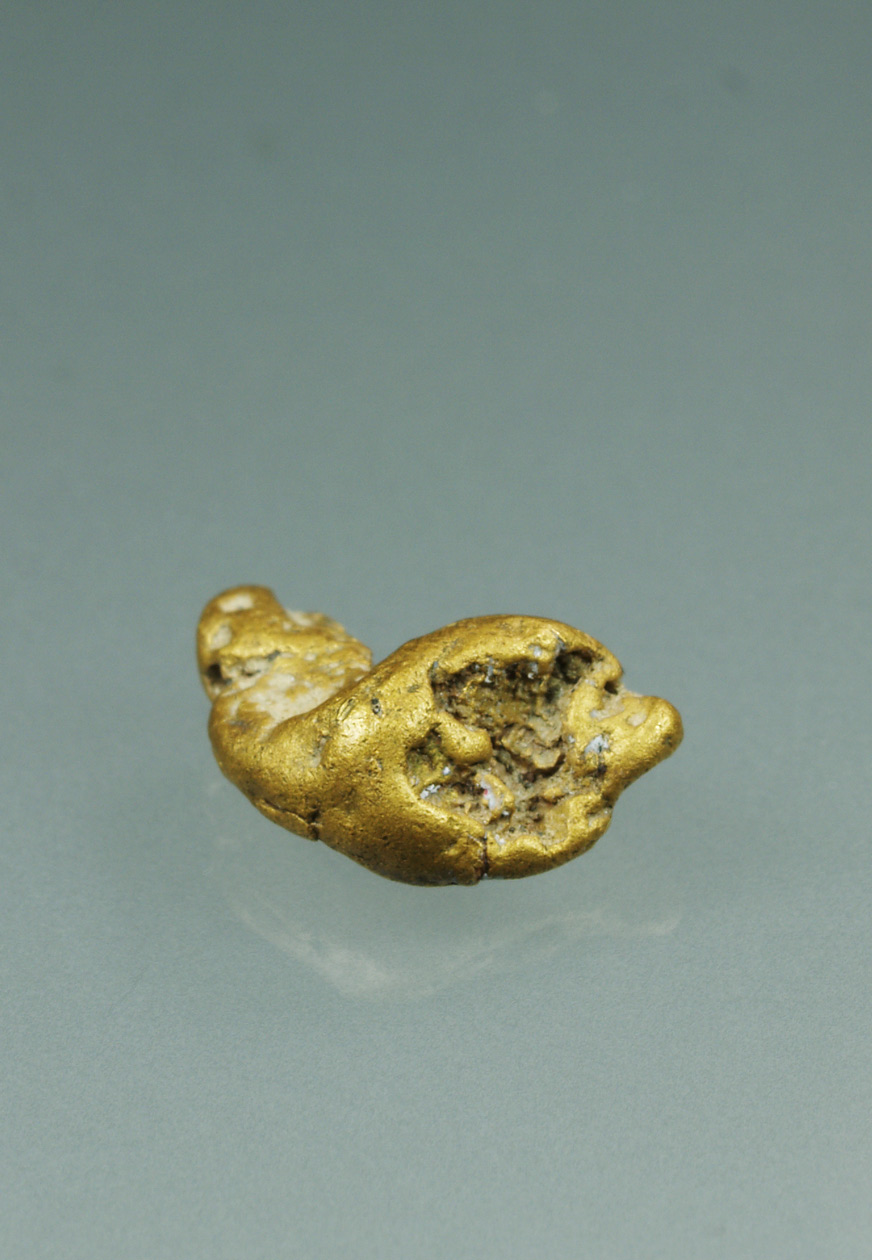
Estas pepitas de oro proceden de los depósitos aluviales de las paleoterrazas cuaternarias del río Tormes a su paso por el término de Salvatierra de Tormes. Los análisis realizados muestran presencia de plata. Este ejemplar contiene fragmentos de cuarzo. Redondeada, brillante y con buen tamaño. Peso: 0.97g.
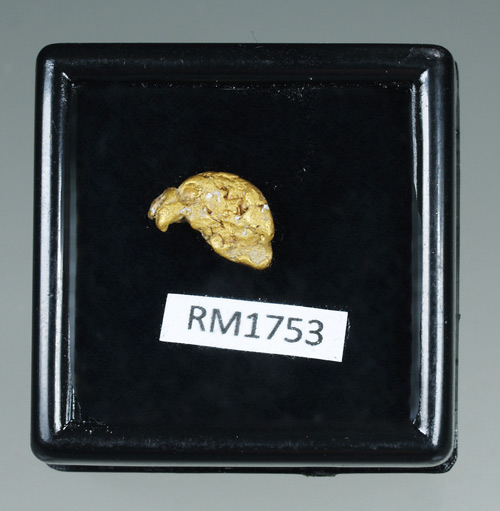
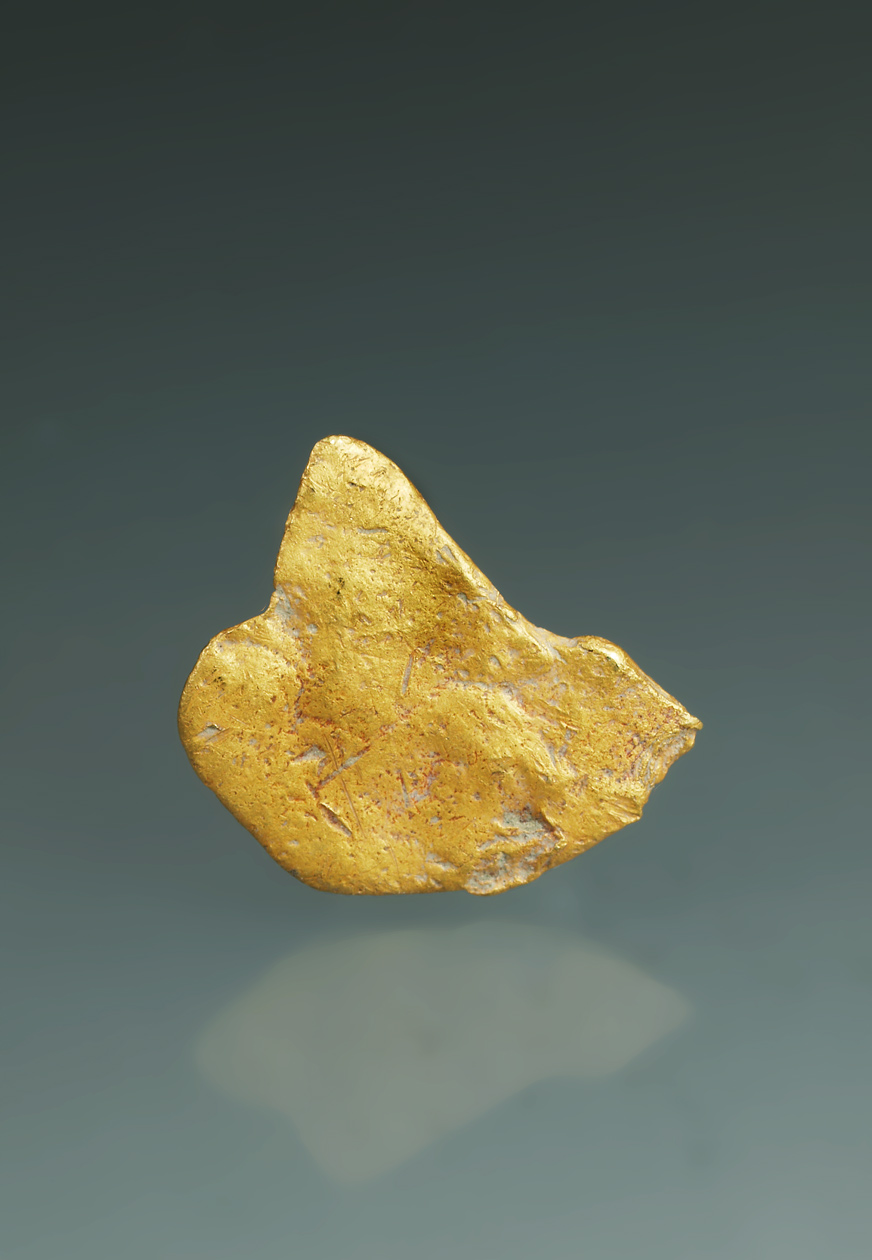
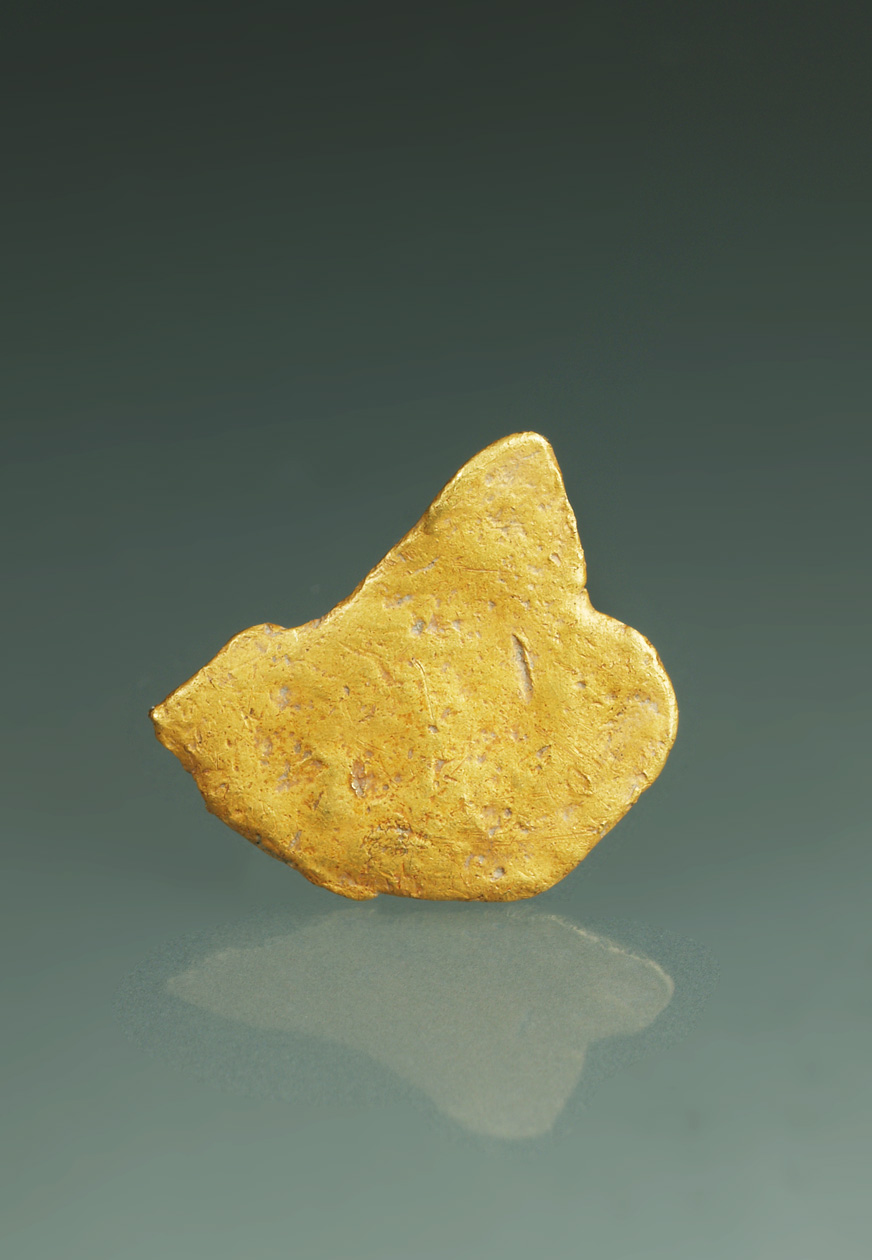
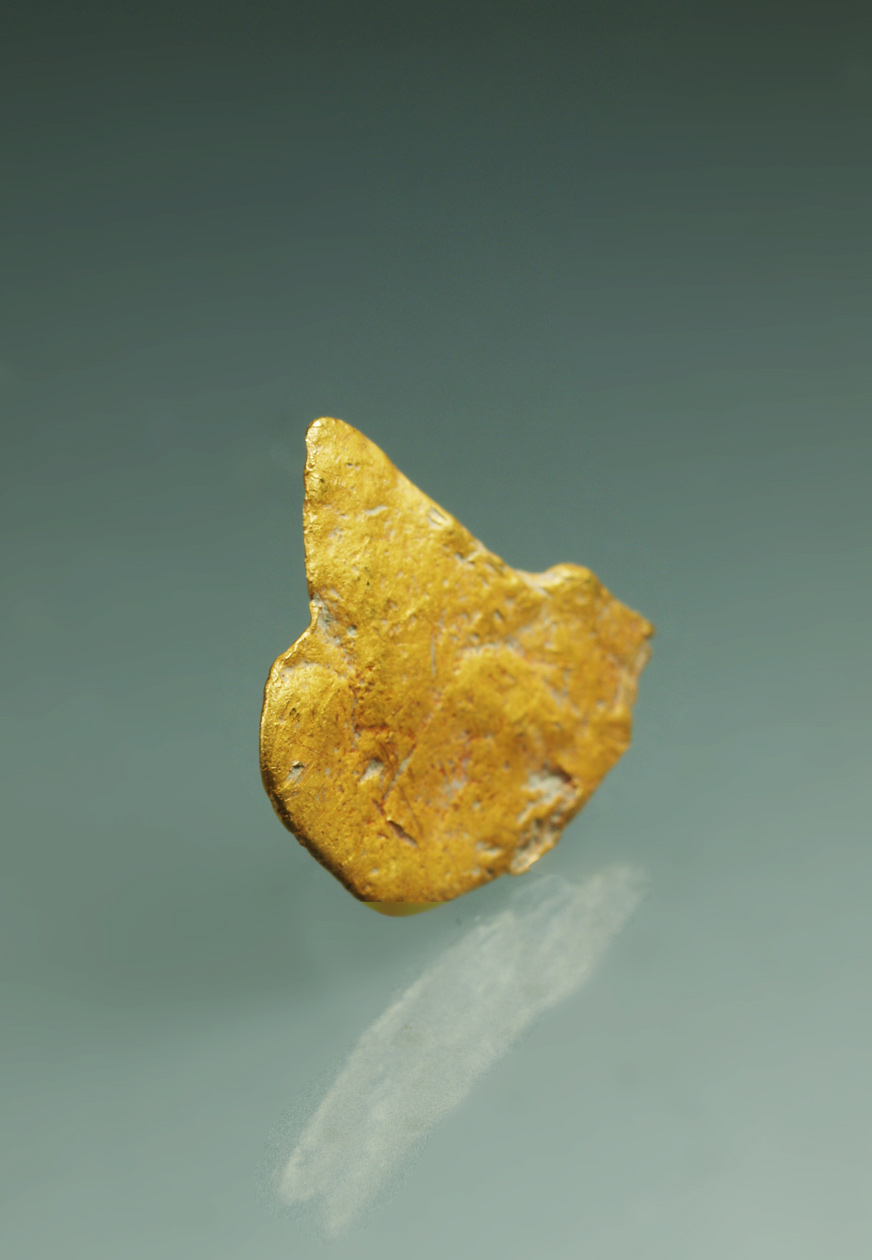
Estas pepitas de oro proceden de los depósitos aluviales de las paleoterrazas cuaternarias del río Tormes a su paso por el término de Salvatierra de Tormes. Los análisis realizados muestran presencia de plata. Algunos ejemplares contienen fragmentos de cuarzo. Delgada, brillante y con buen tamaño. Peso: 1.34 g.
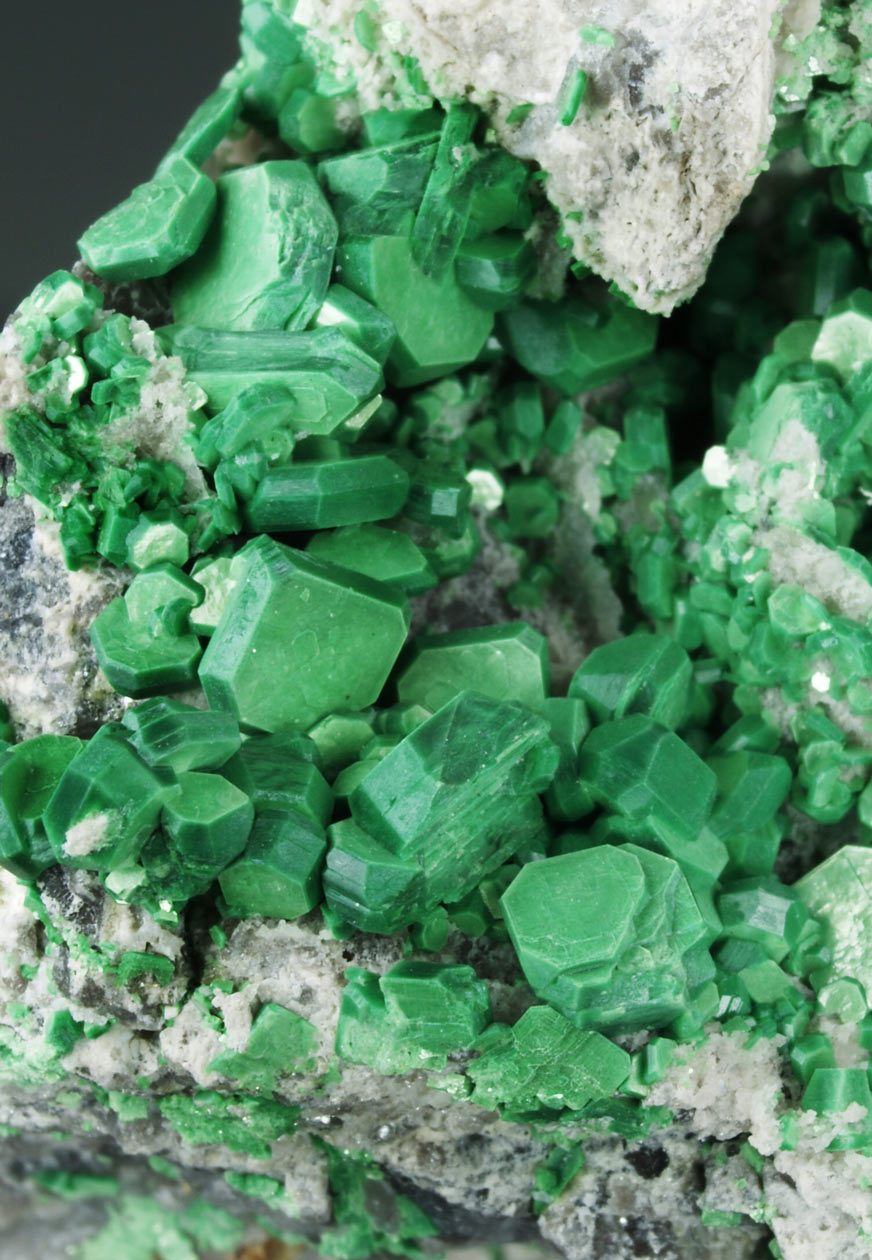
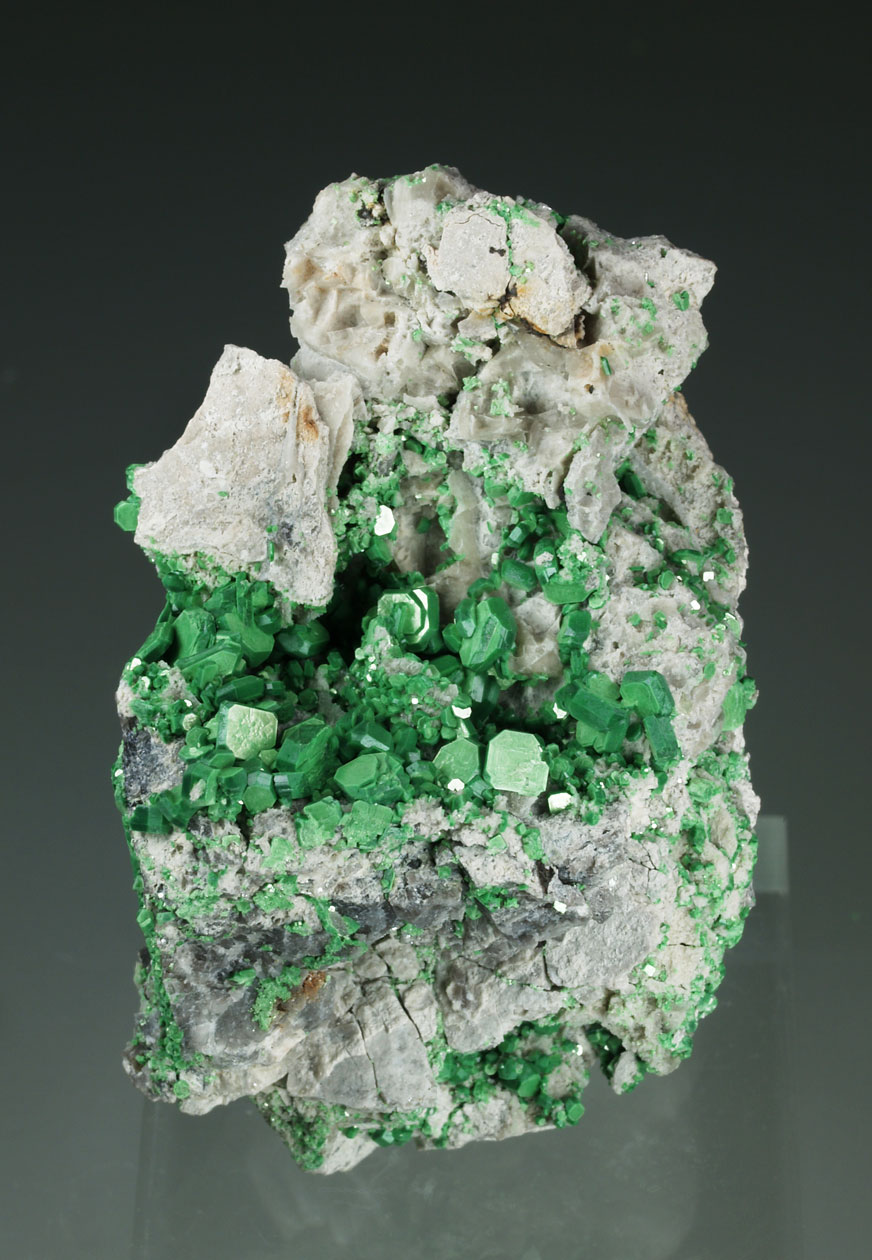
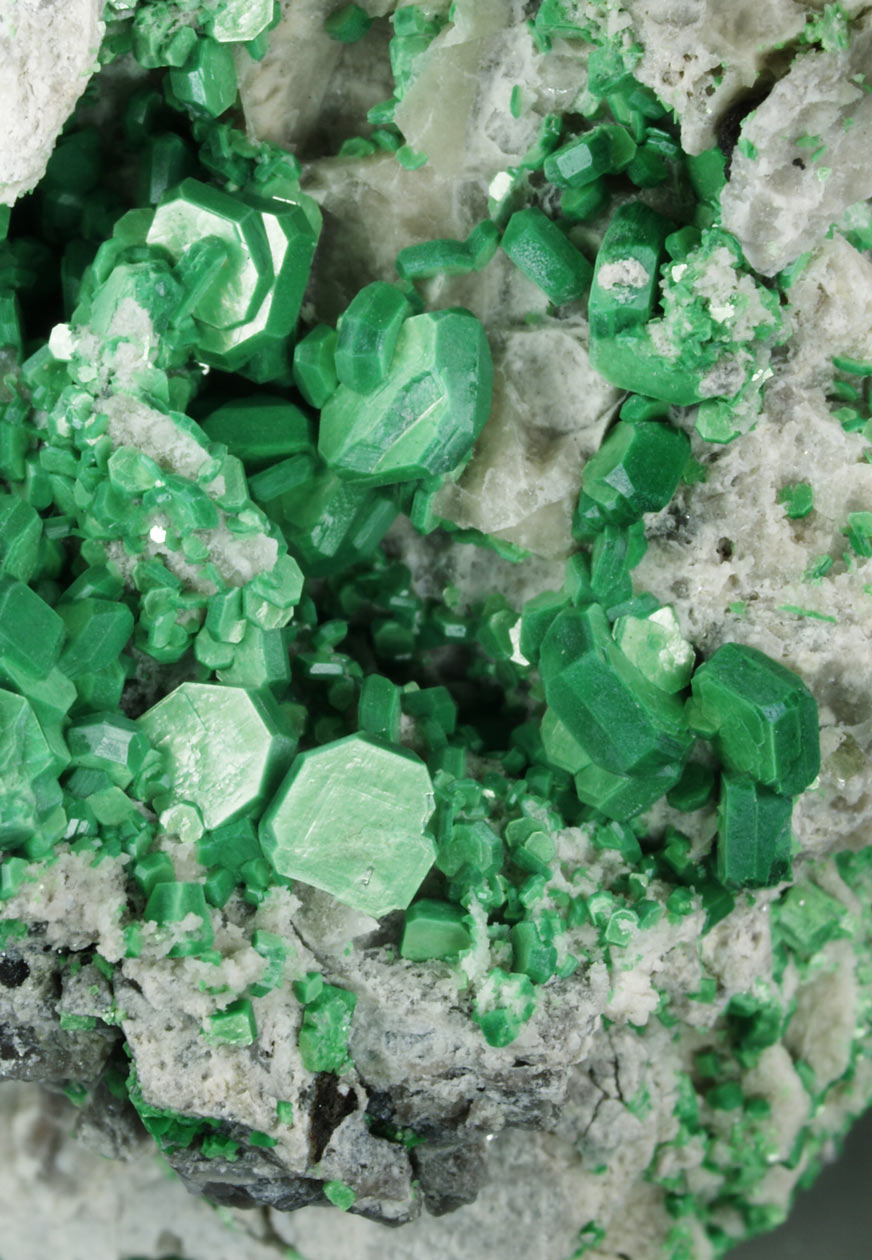
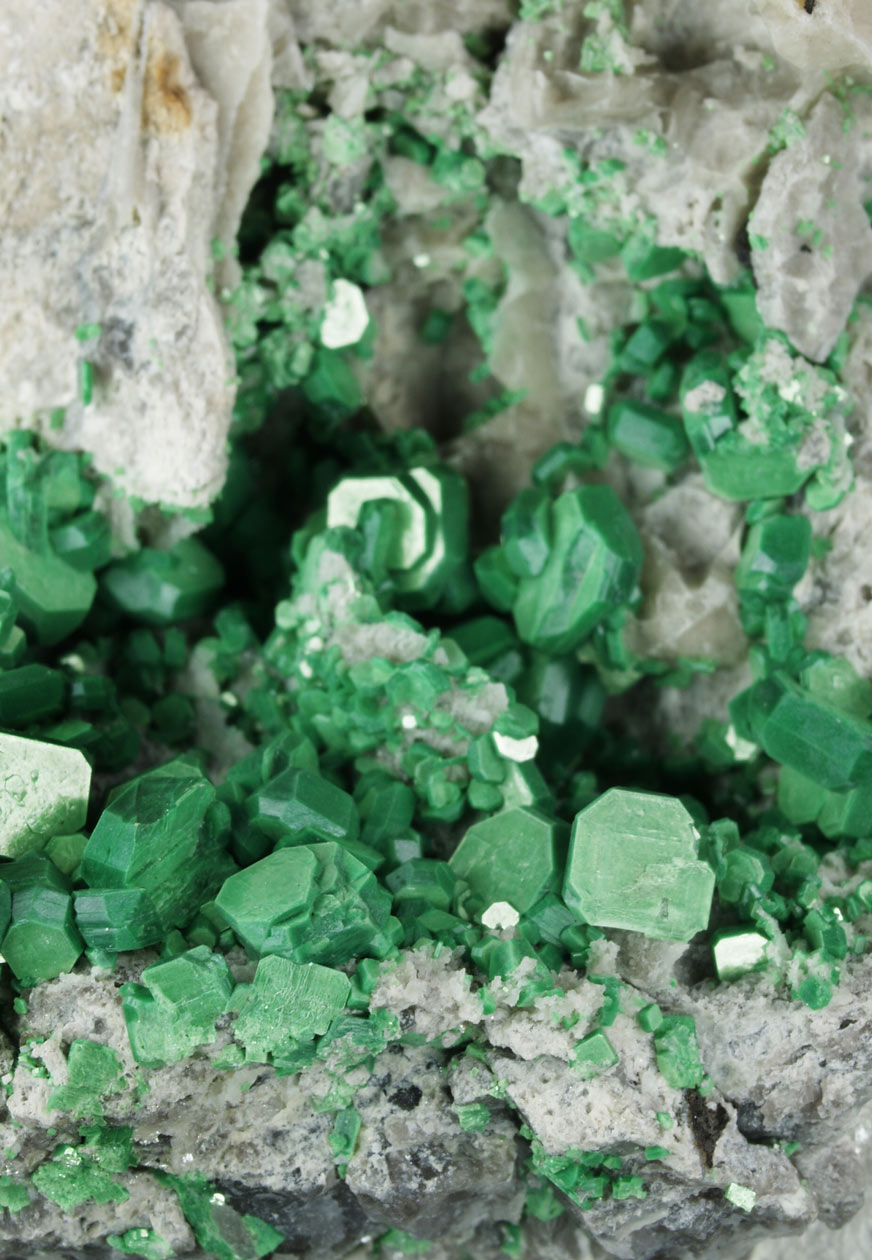
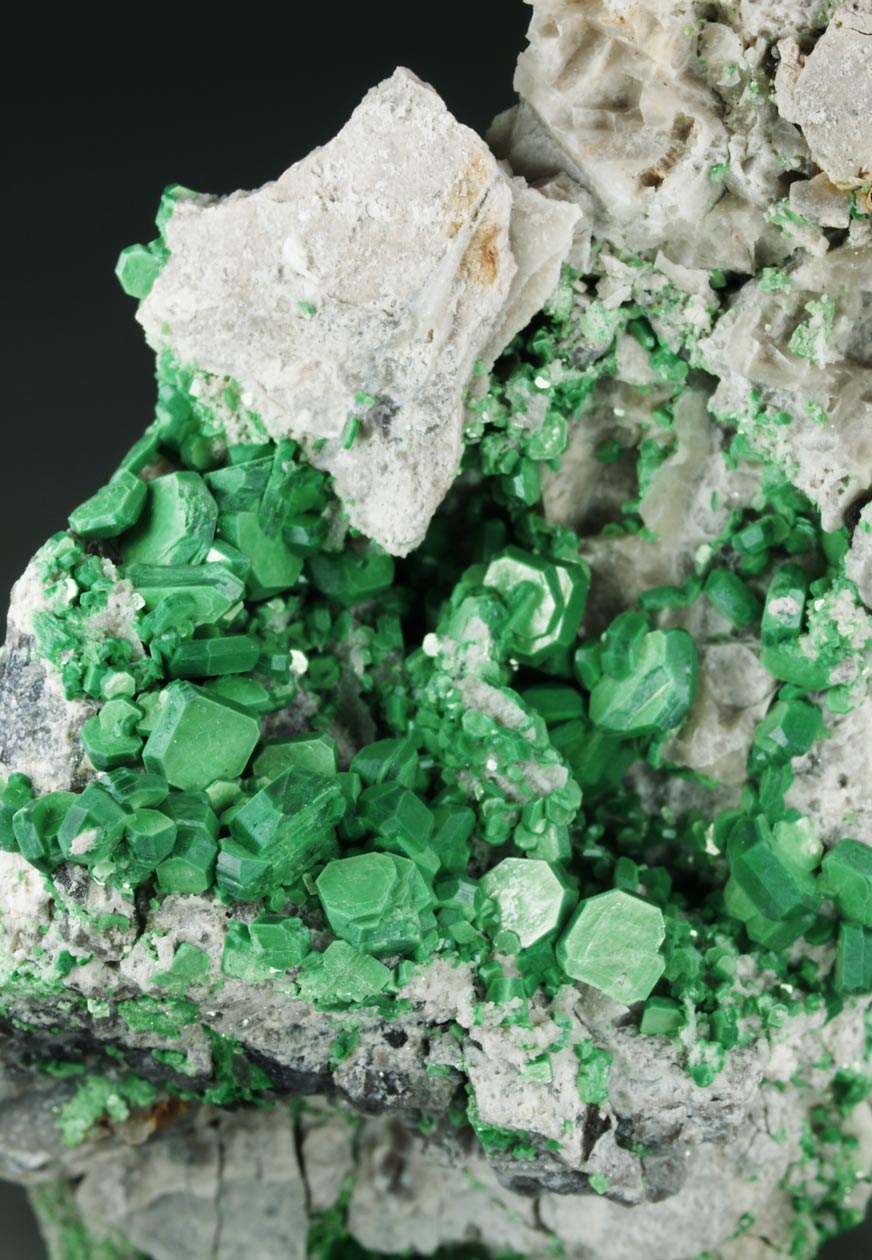
Muy nutrido grupo de cristales de metatorbernita de intenso color verde hierba que muestran las combinaciones de las bipirámides de primer y segundo orden truncadas por caras pinacoidales. Los cristales contrastan sobre la matriz de cuarzo. Aparecieron en excplotaciones de kaolinita. Estos ejemplares son actualmente muy difíciles de encontrar y más con esta calidad.
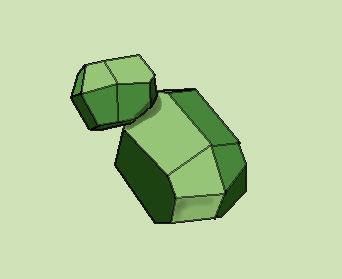
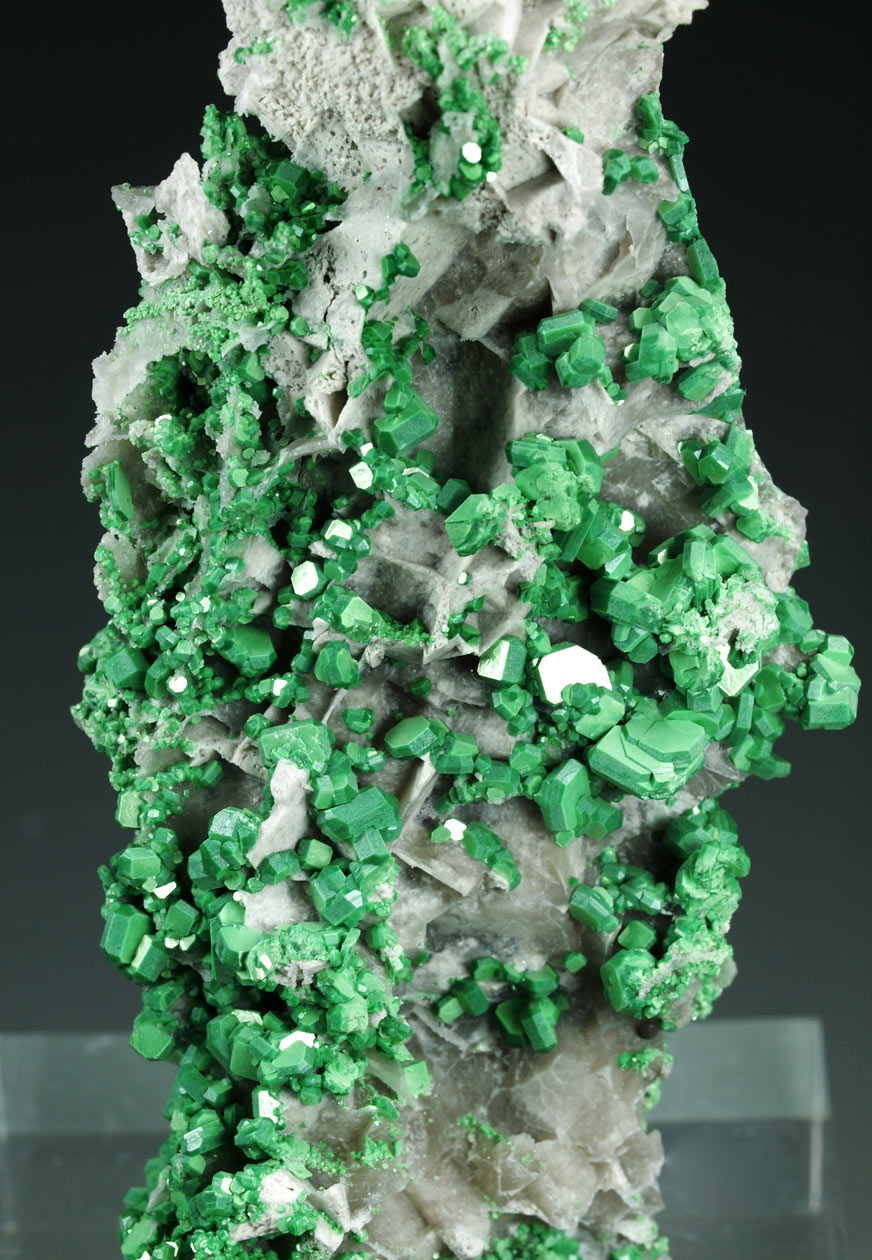
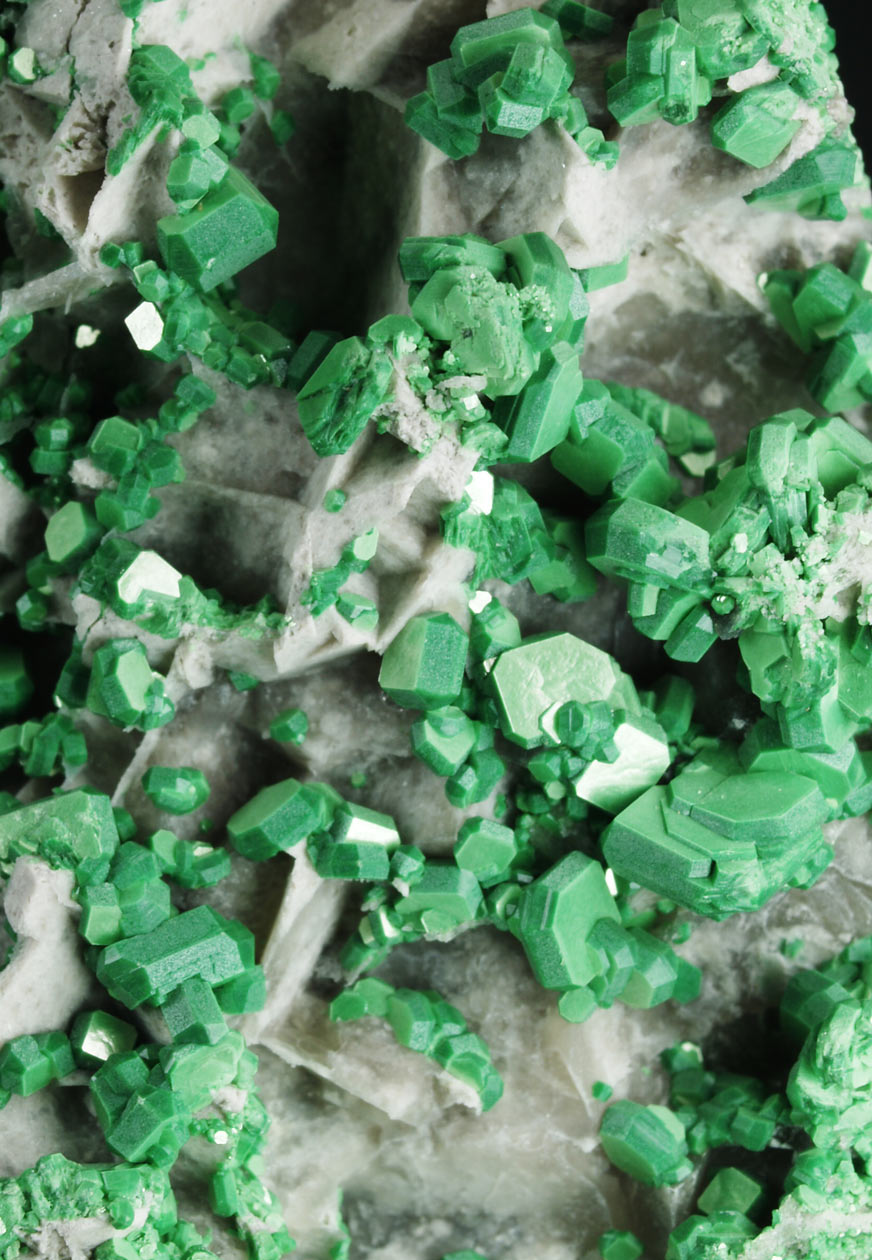
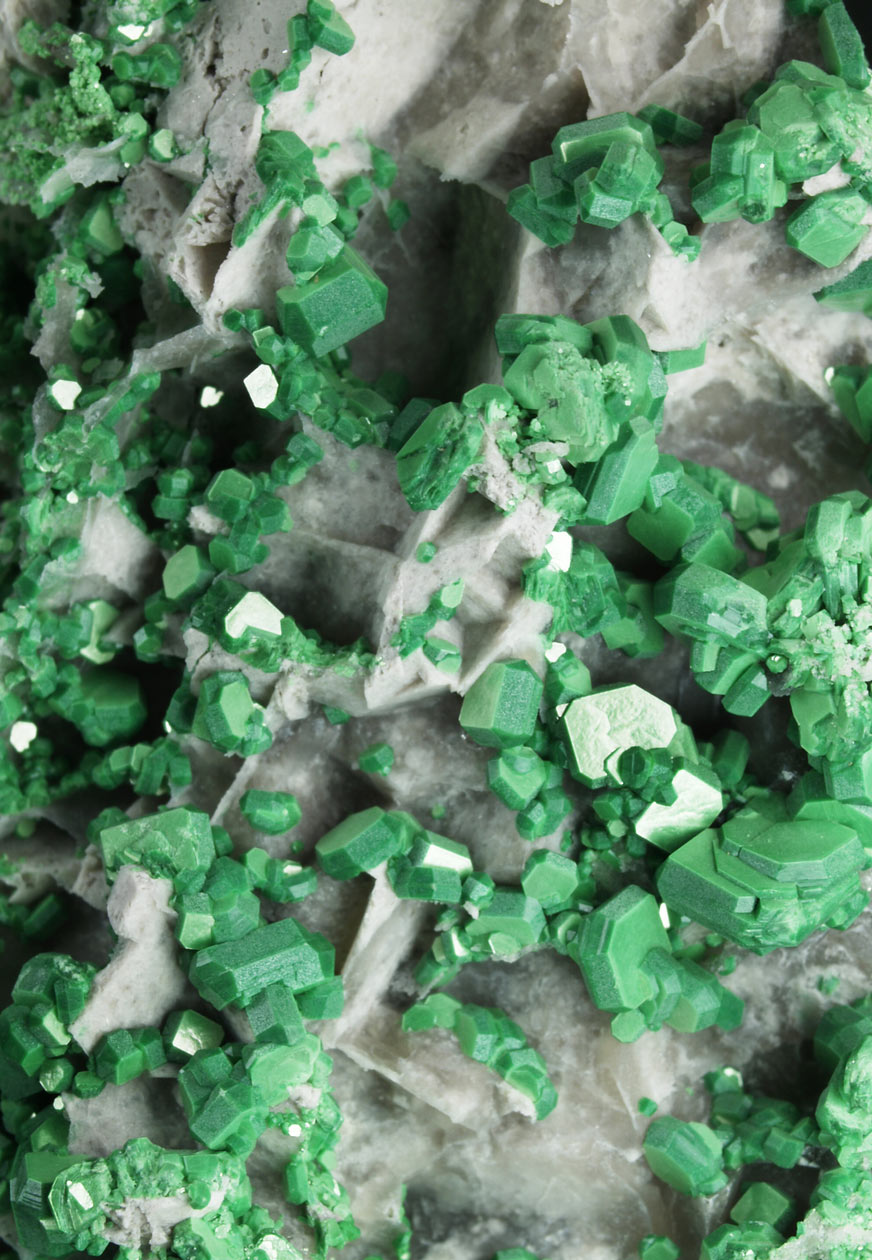
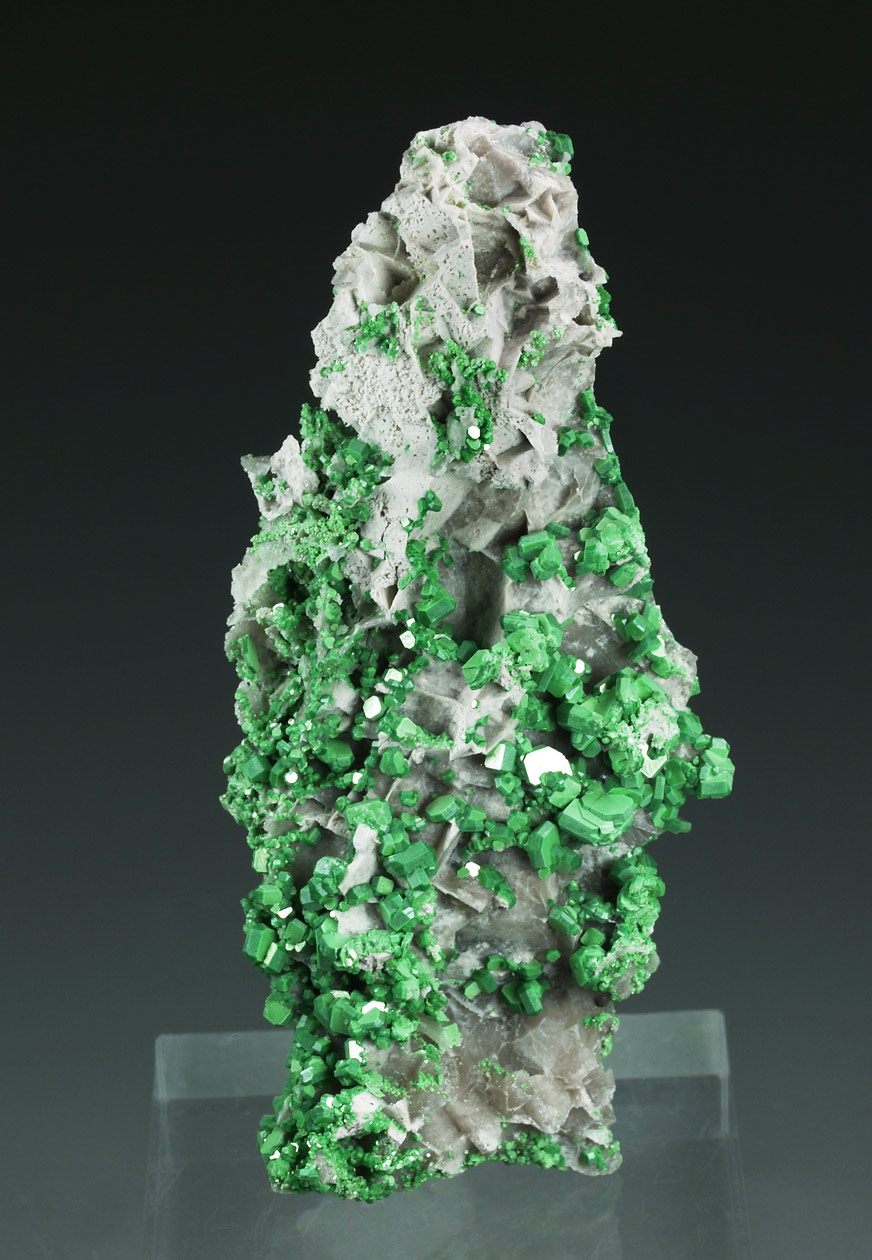
Grupo de cristales de metatorbernita de intenso color verde hierba que muestran las combinaciones de las bipirámides de primer y segundo orden truncadas por caras pinacoidales. Los cristales contrastan sobre la matriz de cuarzo. Aparecieron en excplotaciones de kaolinita. Estos ejemplares son actualmente muy difíciles de encontrar y más con esta calidad.
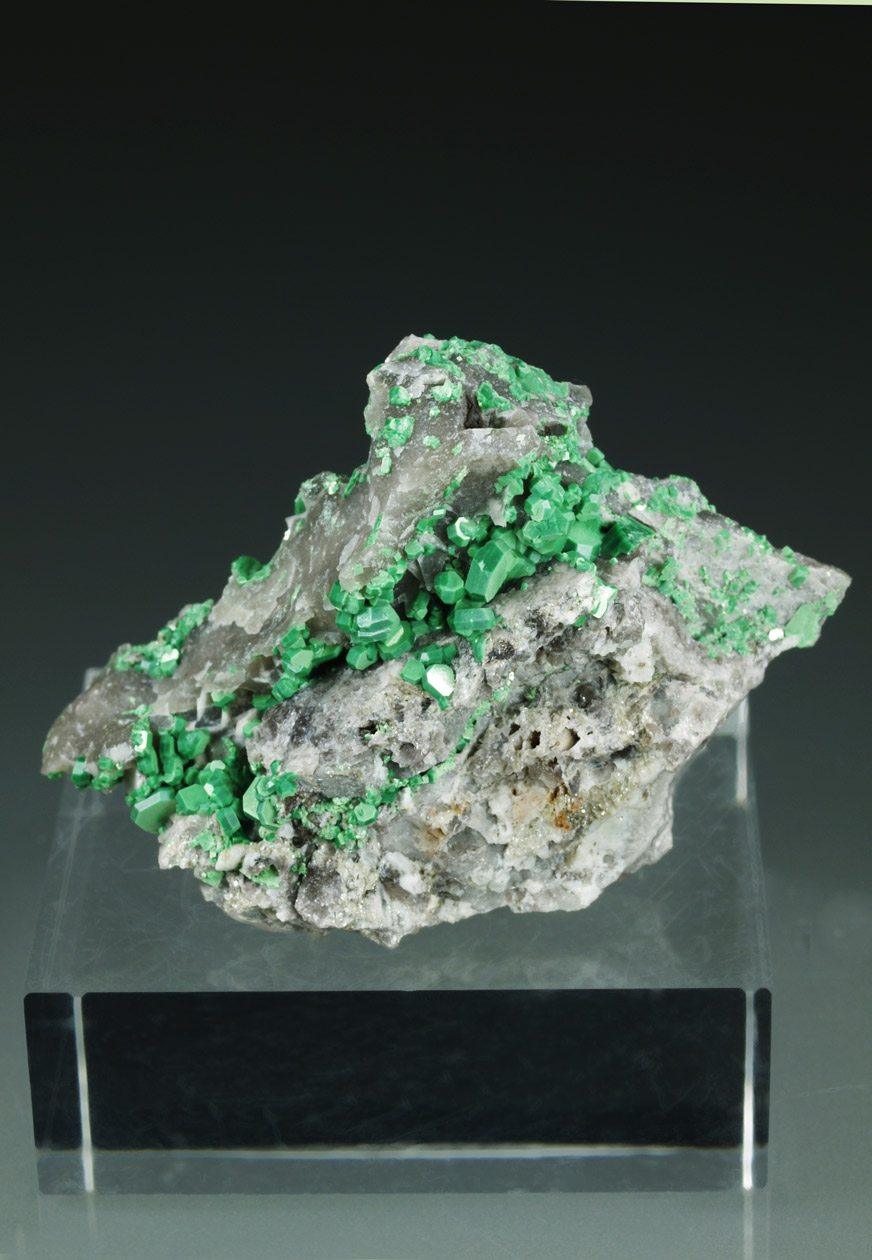
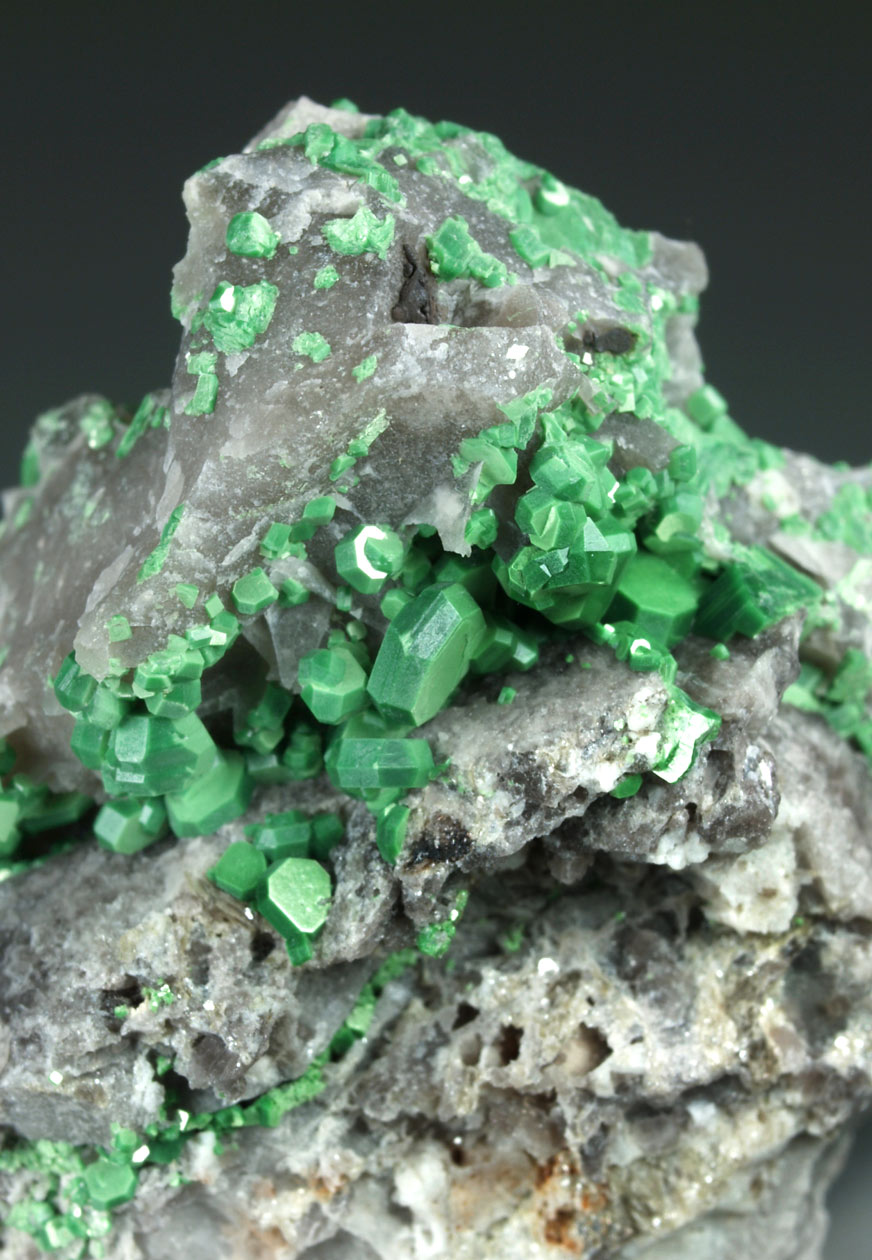
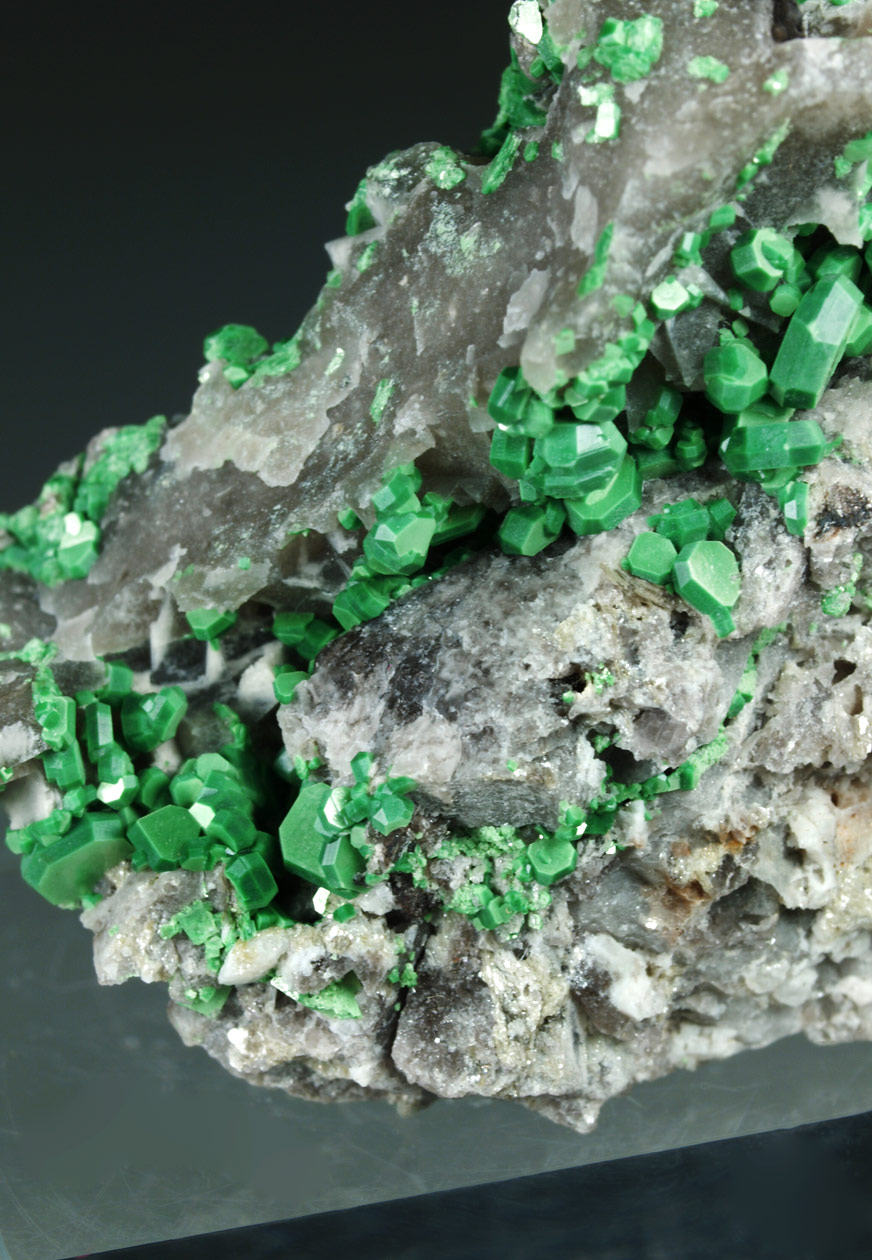
Nutrido grupo de cristales de metatorbernita de intenso color verde hierba que muestran las combinaciones de las bipirámides de primer y segundo orden truncadas por caras pinacoidales. Los cristales contrastan sobre la matriz de cuarzo. Aparecieron en excplotaciones de kaolinita. Estos ejemplares son actualmente muy difíciles de encontrar y más con esta calidad.
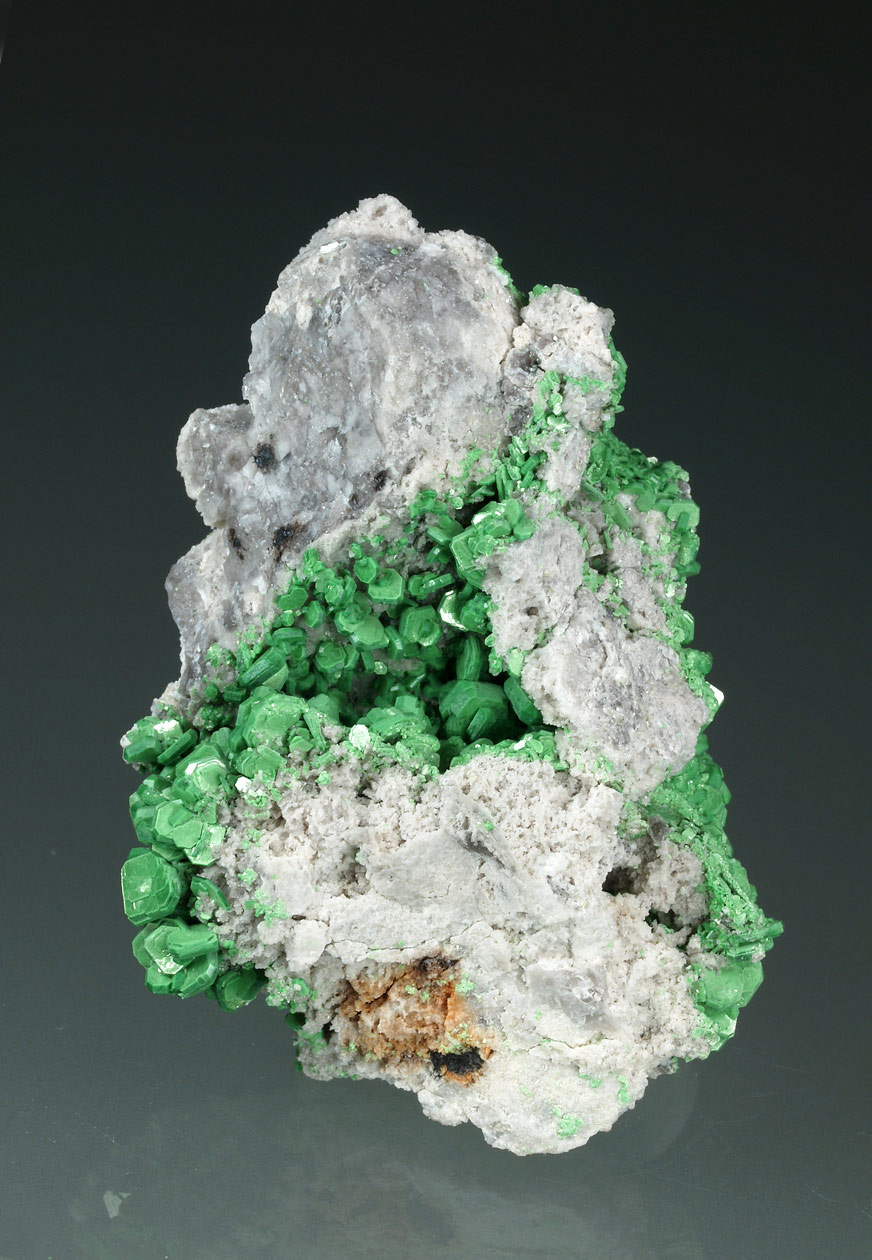
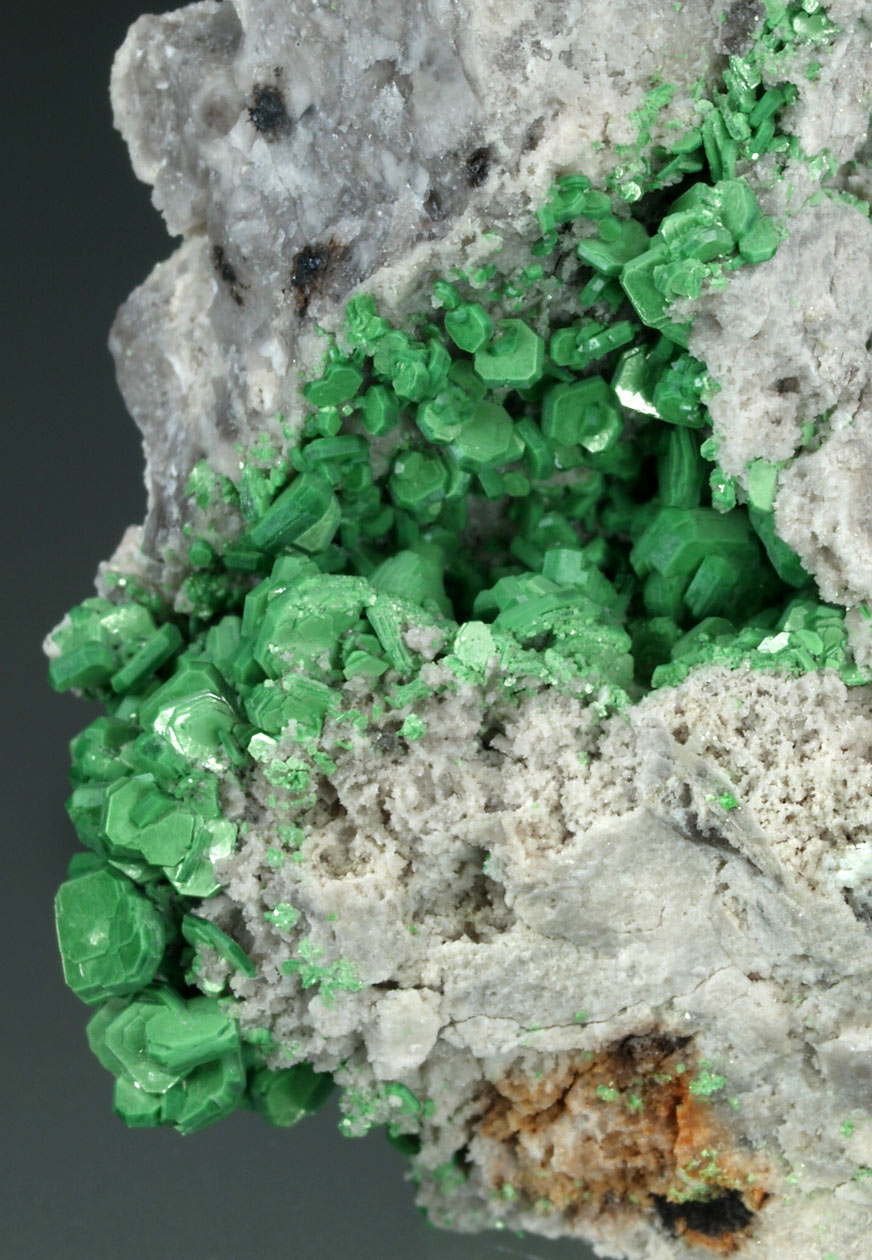
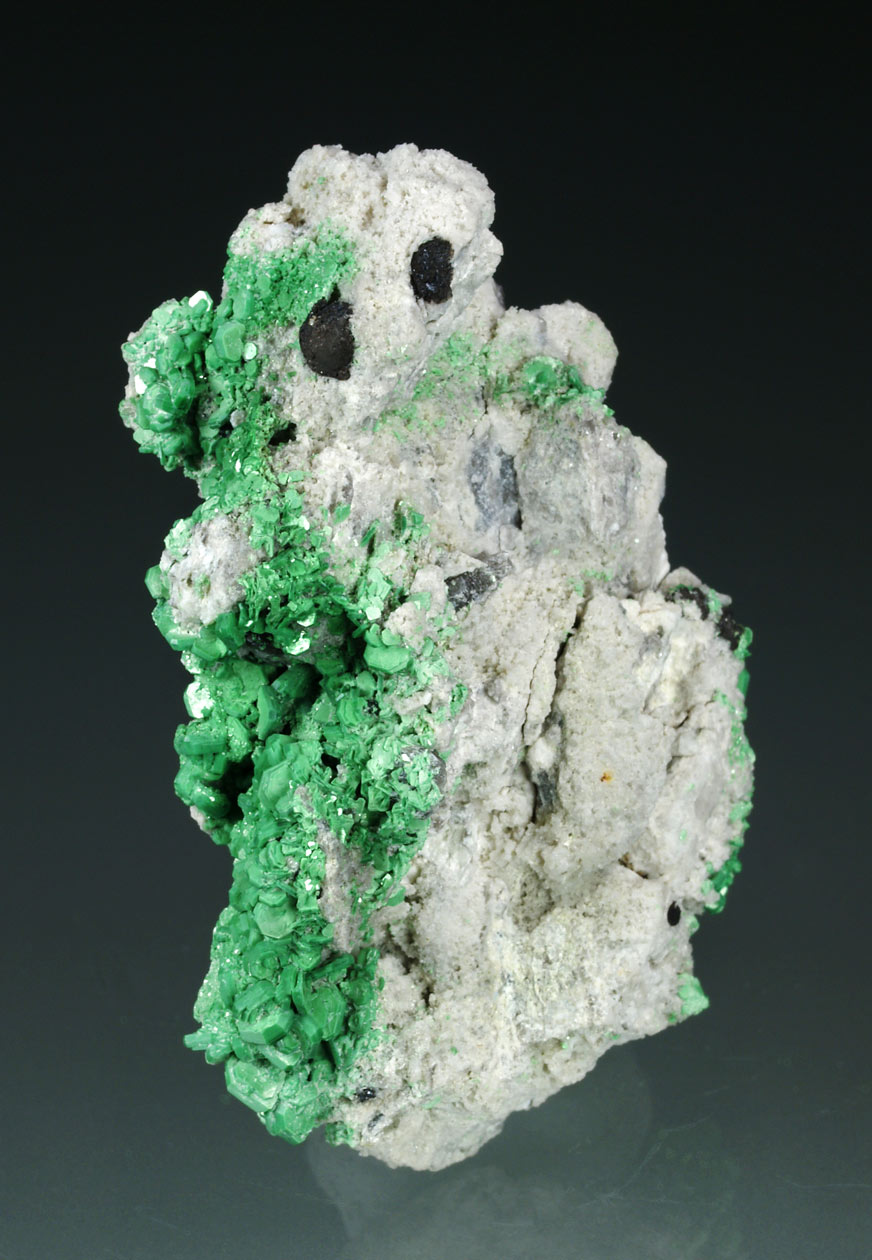
Grupo de cristales de metatorbernita de intenso color verde hierba que muestran las combinaciones de las bipirámides de primer y segundo orden truncadas por caras pinacoidales. Los cristales contrastan sobre la matriz de cuarzo. Aparecieron en excplotaciones de kaolinita. Estos ejemplares son actualmente muy apreciados, difíciles de encontrar y más con esta calidad.
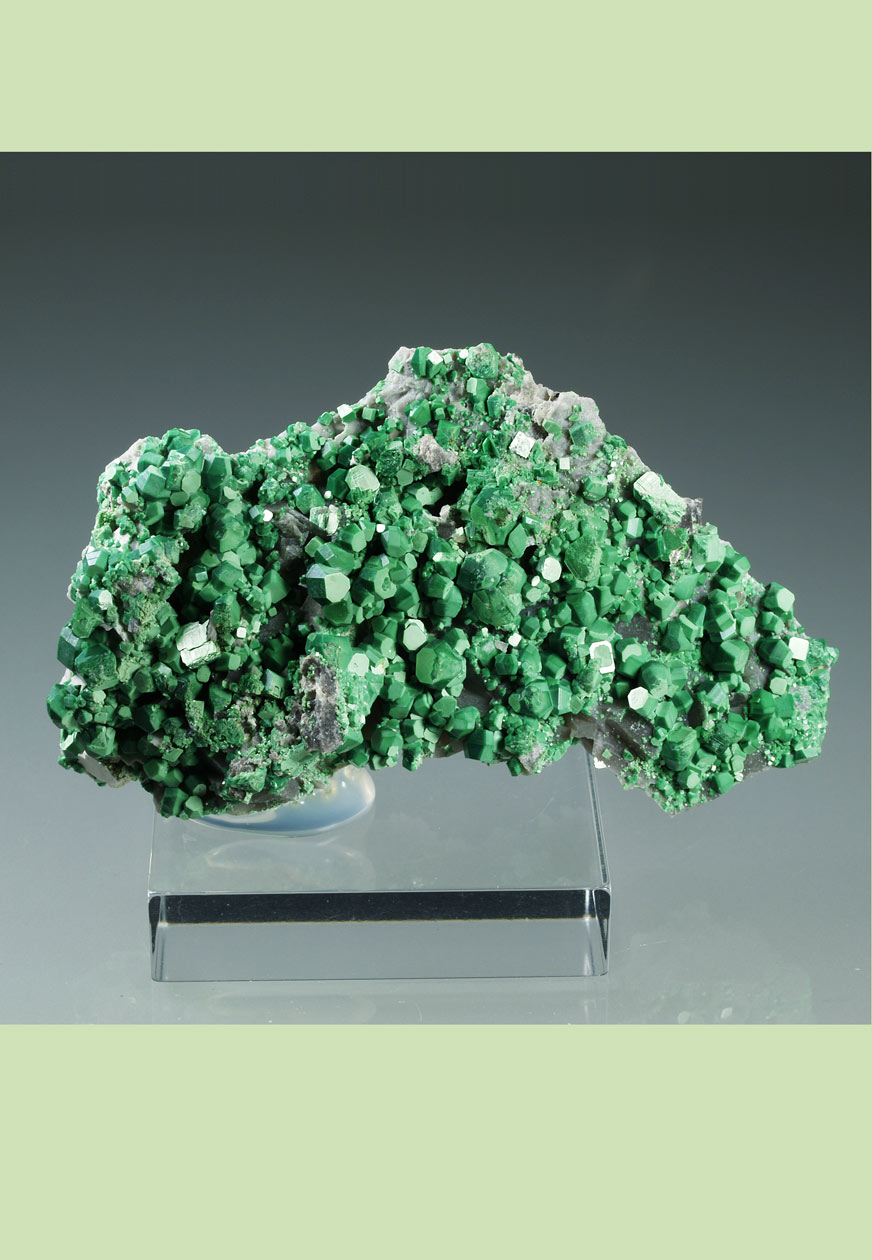
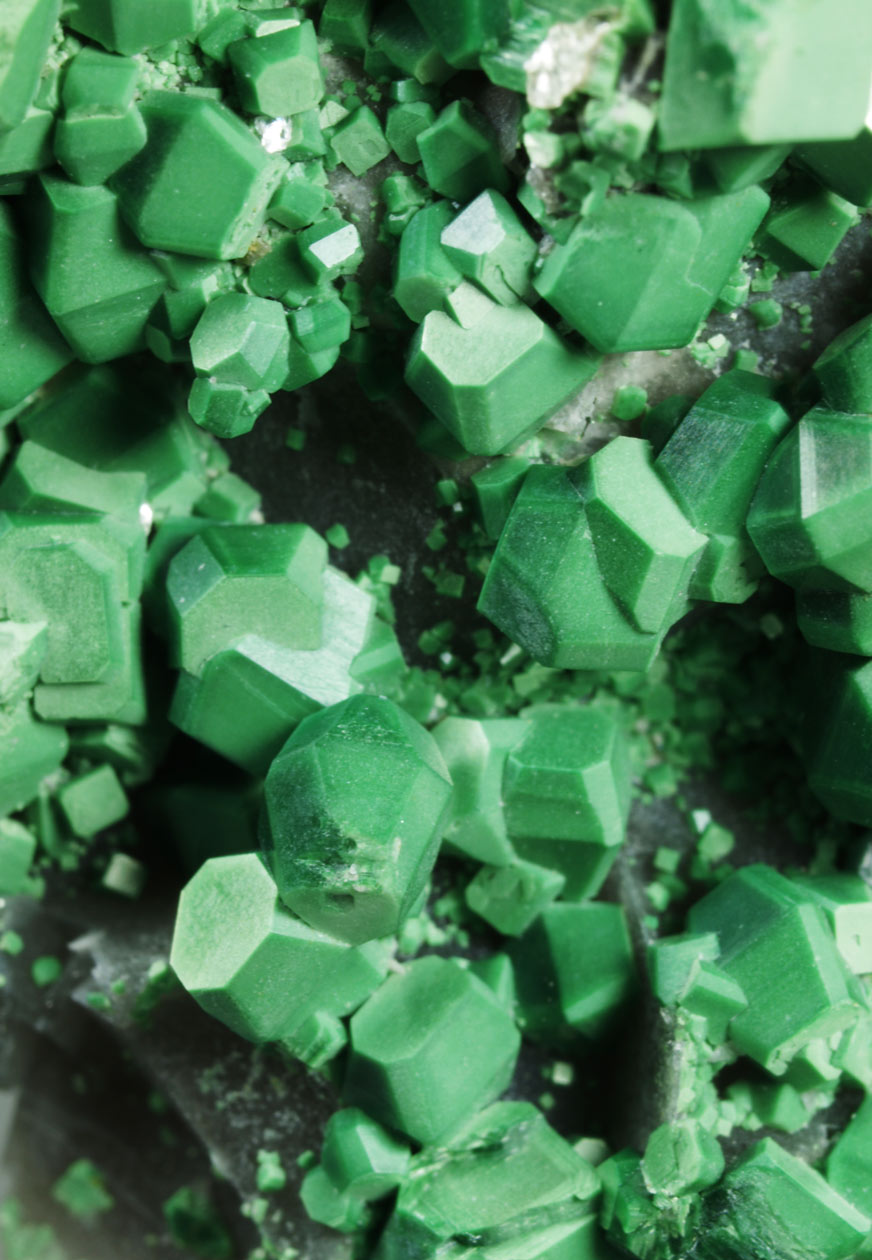
Muy nutrido grupo de cristales de metatorbernita de intenso color verde hierba que muestran las combinaciones de las bipirámides de primer y segundo orden truncadas por caras pinacoidales. Los cristales contrastan sobre la matriz de cuarzo. Aparecieron en excplotaciones de kaolinita. Estos ejemplares son actualmente muy difíciles de encontrar y más con esta calidad.
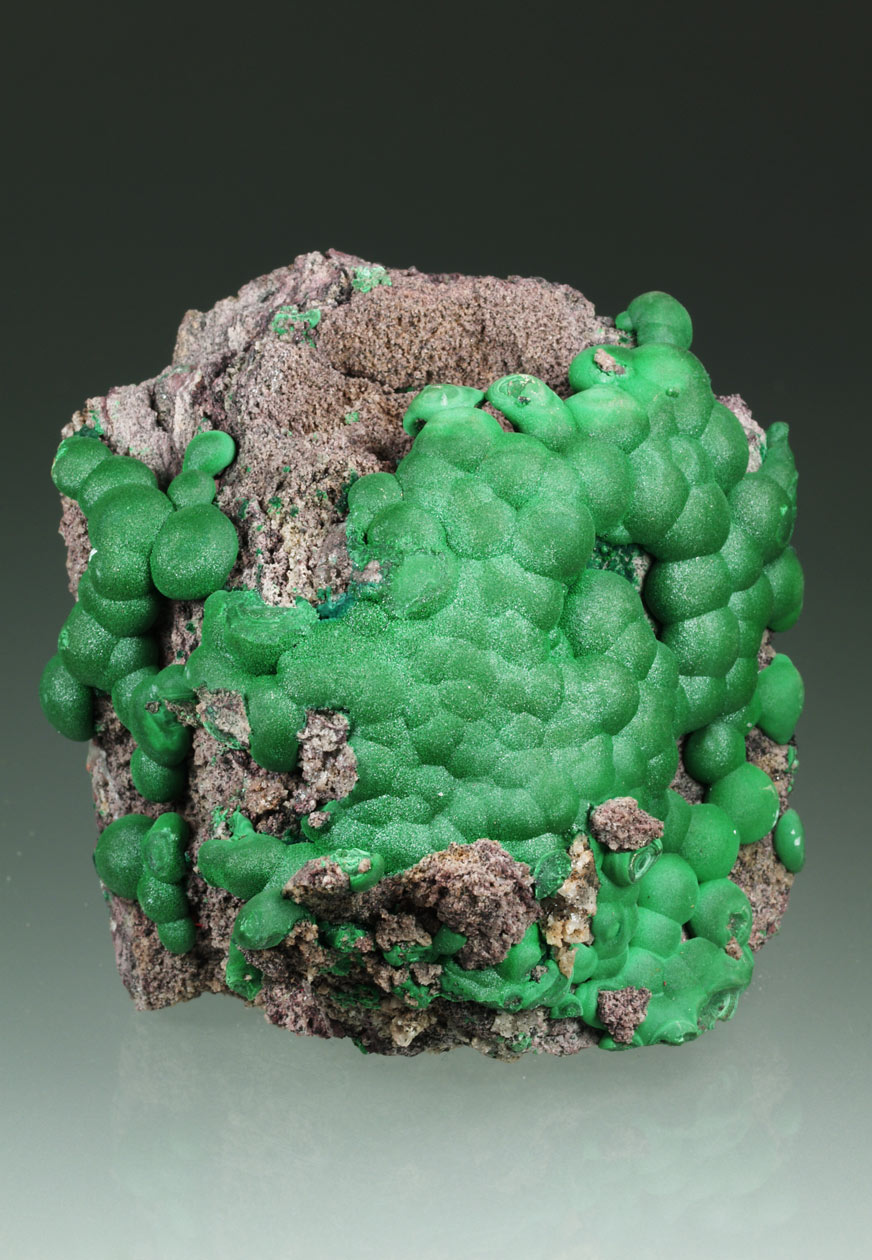
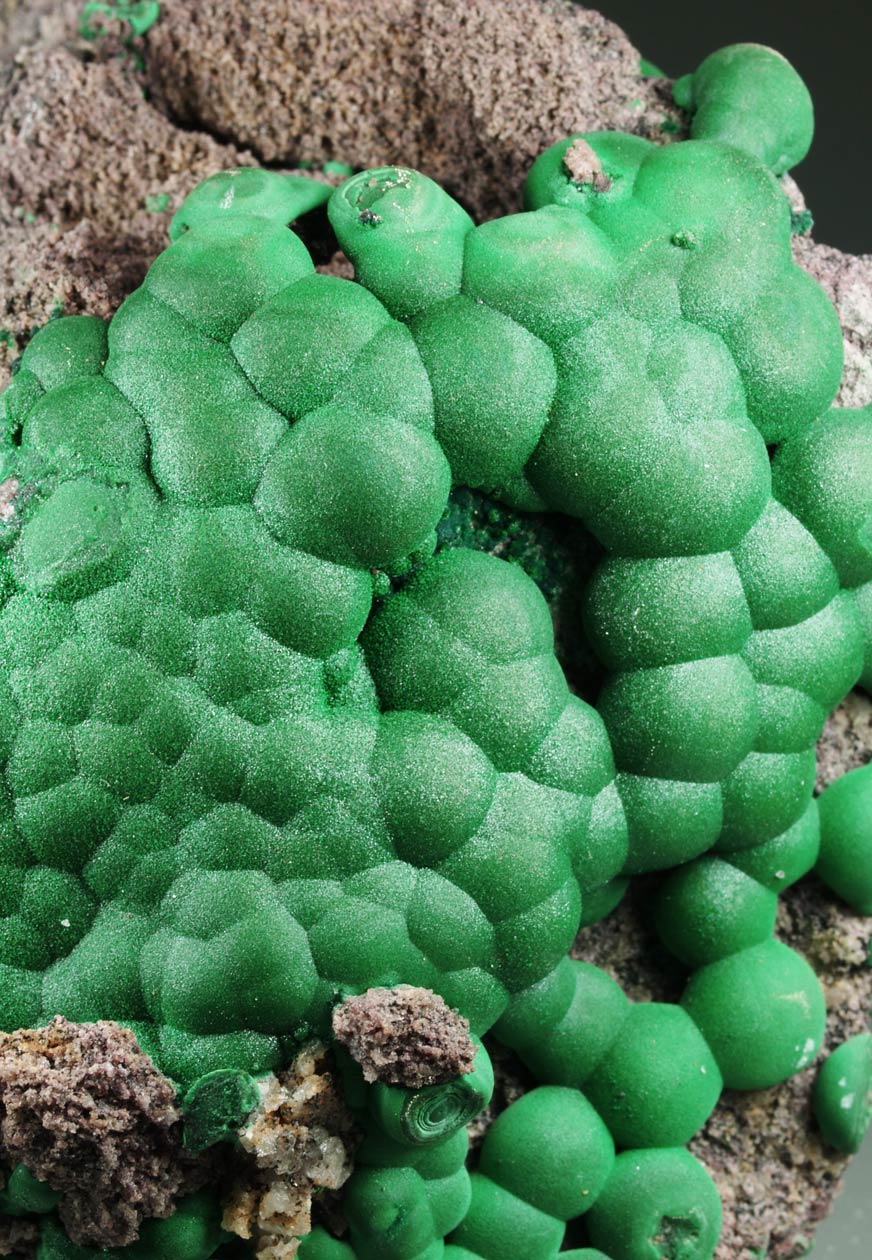
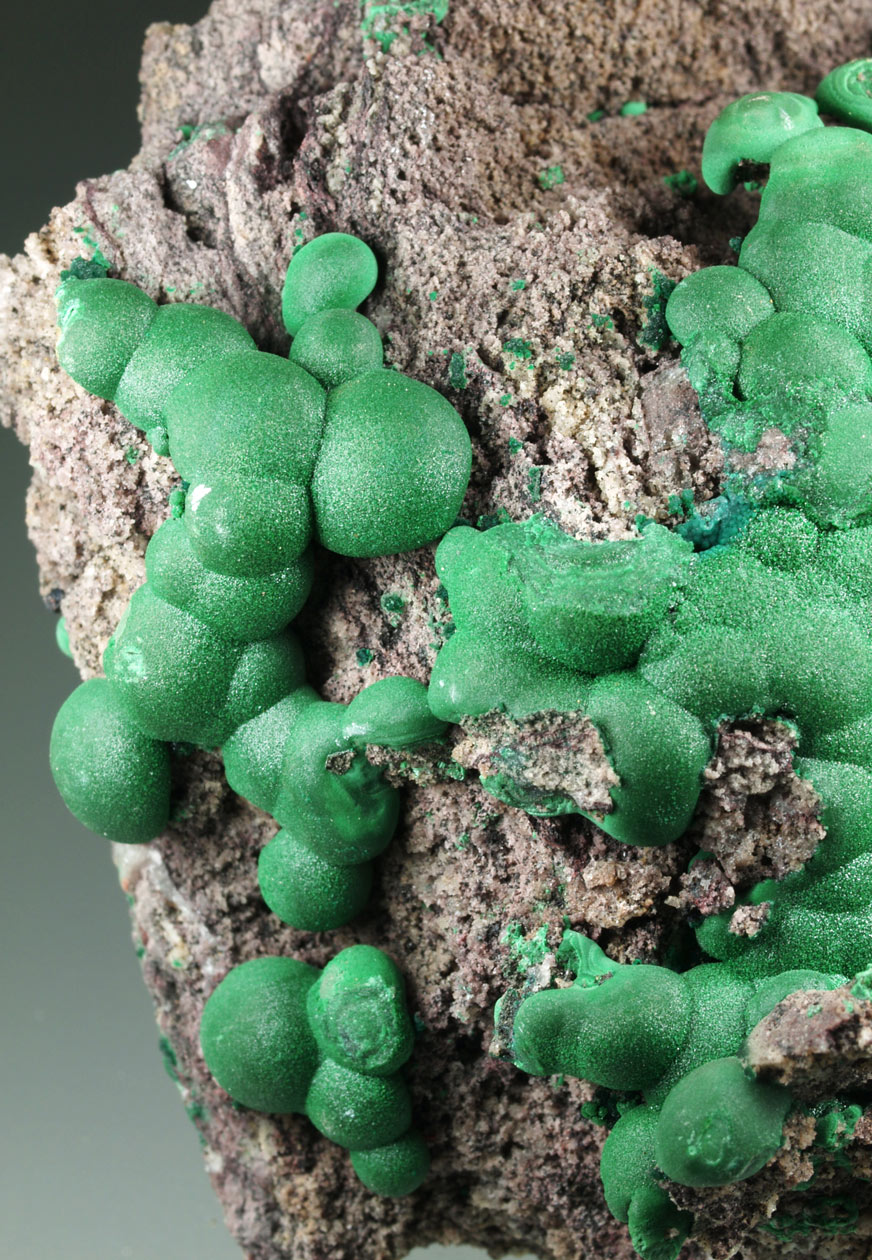
Un ejemplar muy estético formado por agregados globulares de malaquita, con una brillante superfície debido a los cristales que forman las esferas. Se disponen sobre una matriz de roca. Muy diferente a lo habitual de esta mina, que es localidad tipo de la cornetita.
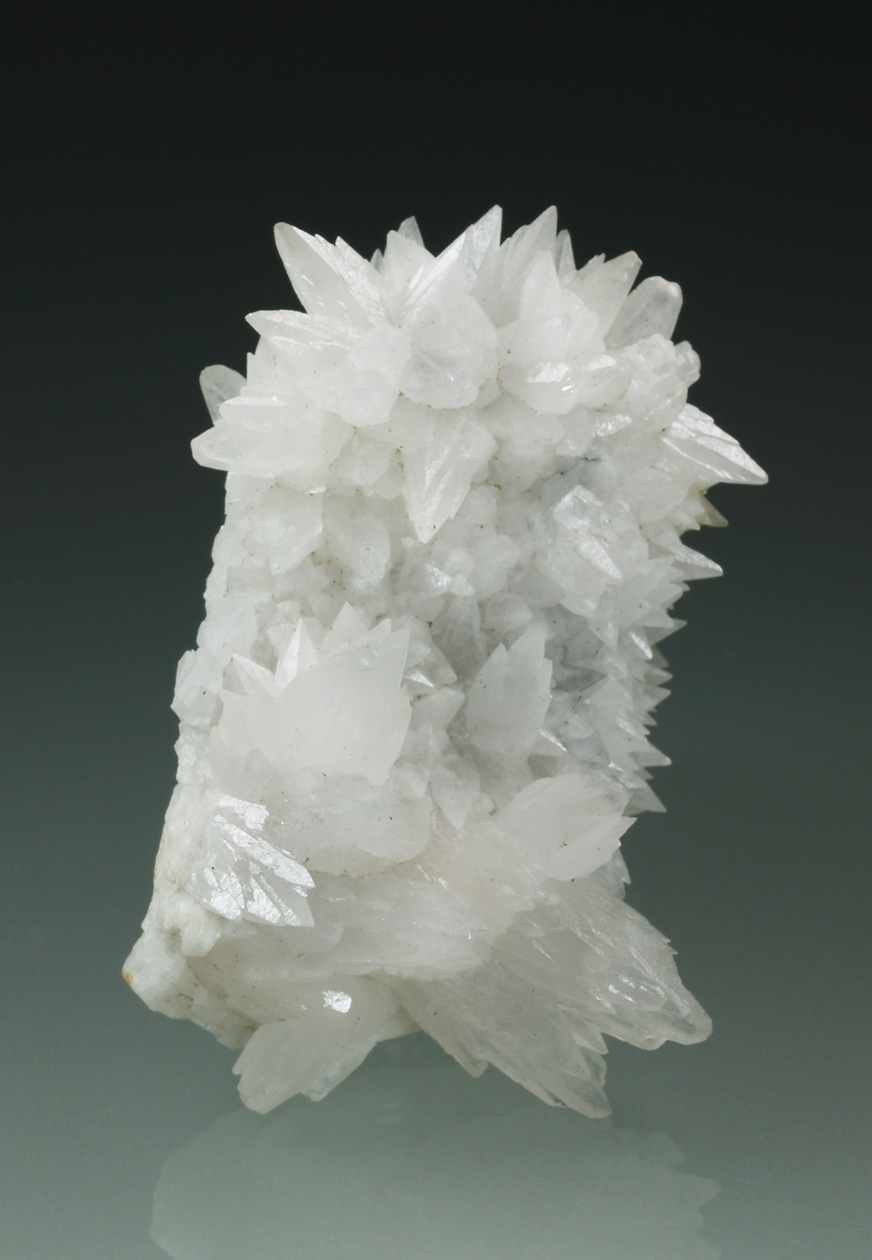
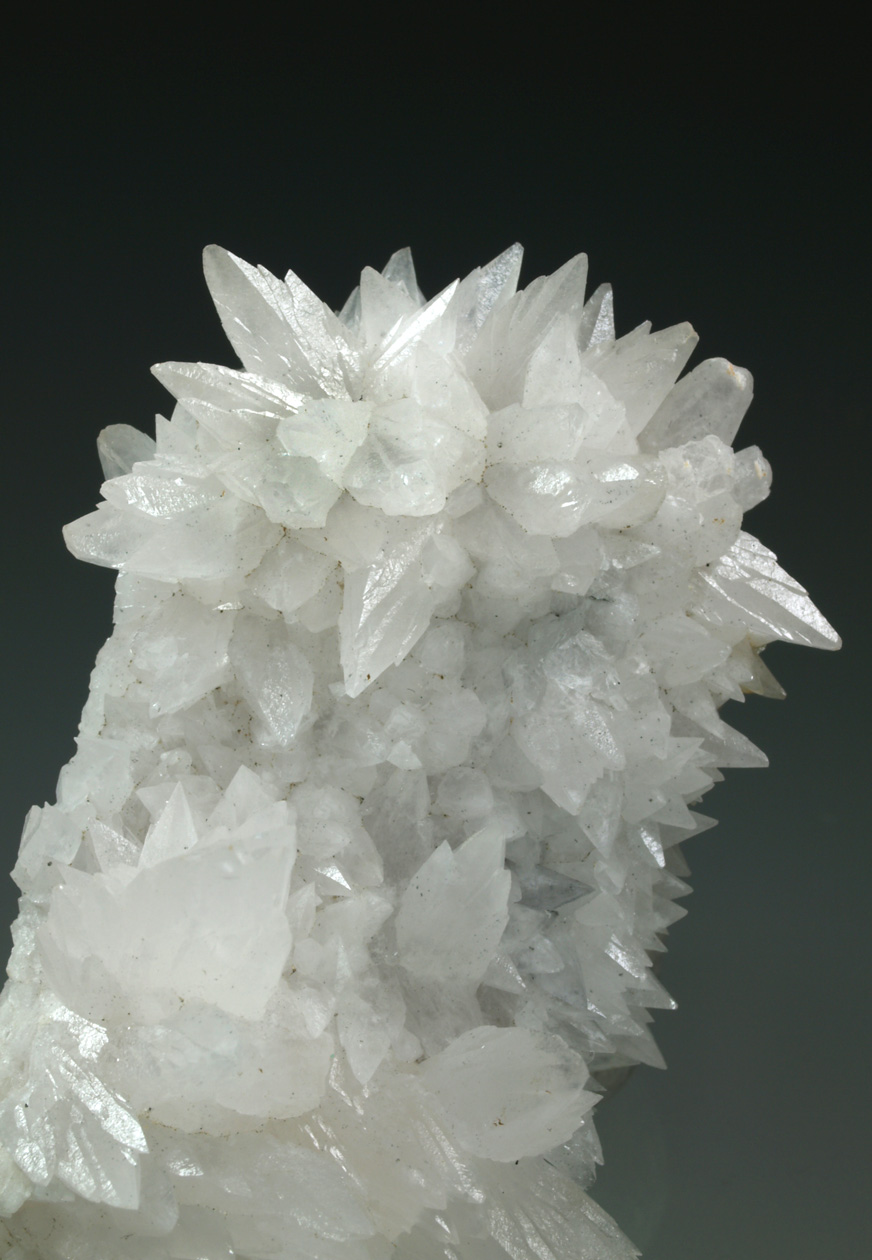
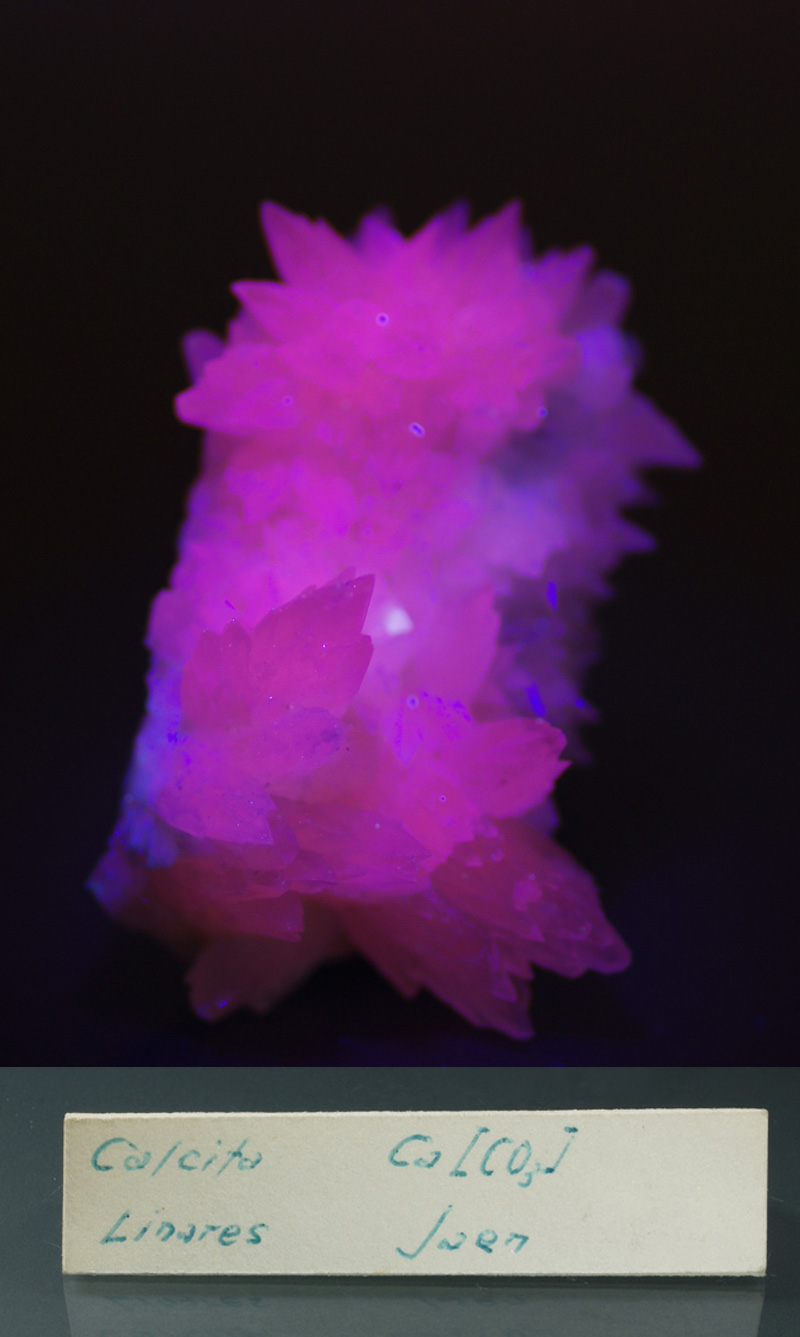
Nutrido grupo de cristales escalenoédricos de calcita, apuntados, translúcidos, de buen tamaño y de una localidad clásica andaluza. Poco habitual. Bajo la luz ultravioleta presentan una fluorescencia rojo-rosácea muy destacable.
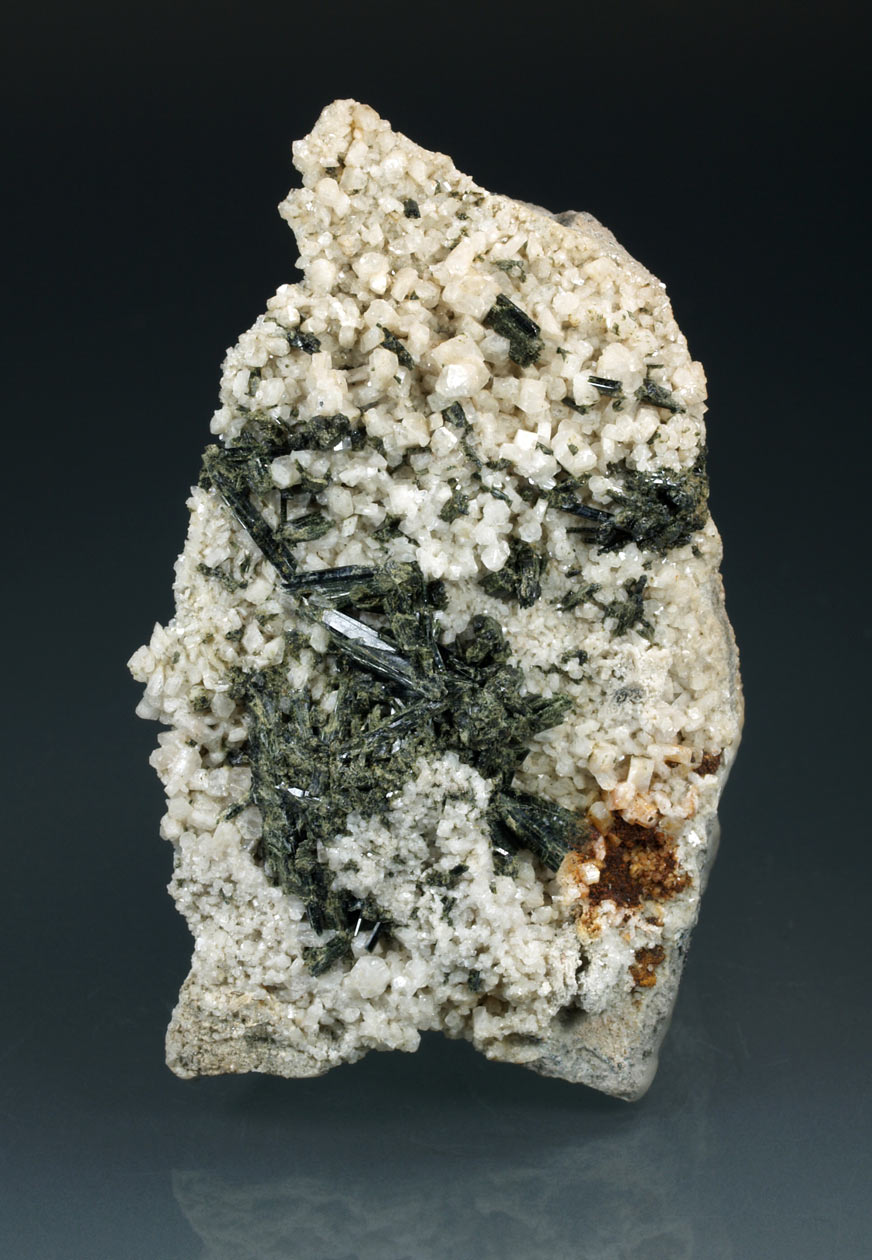
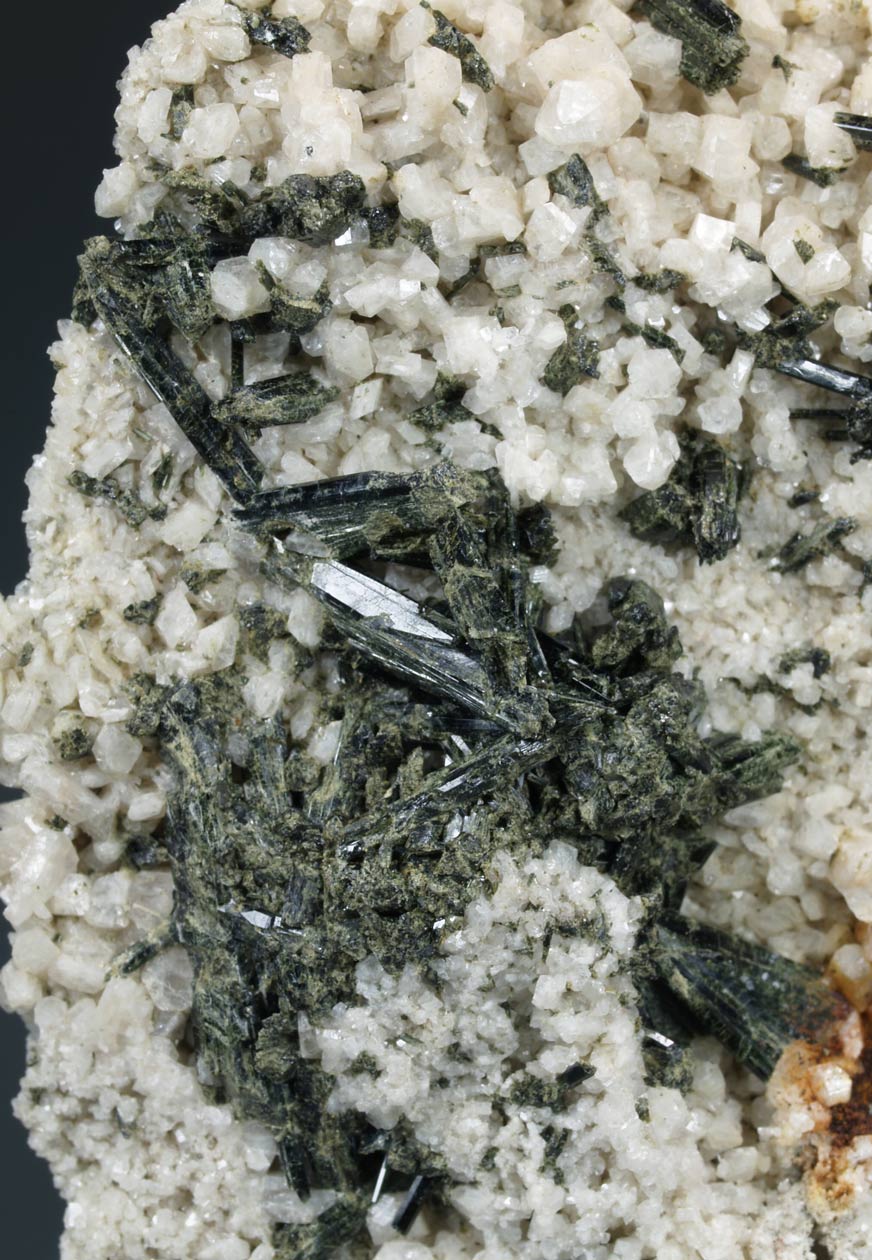
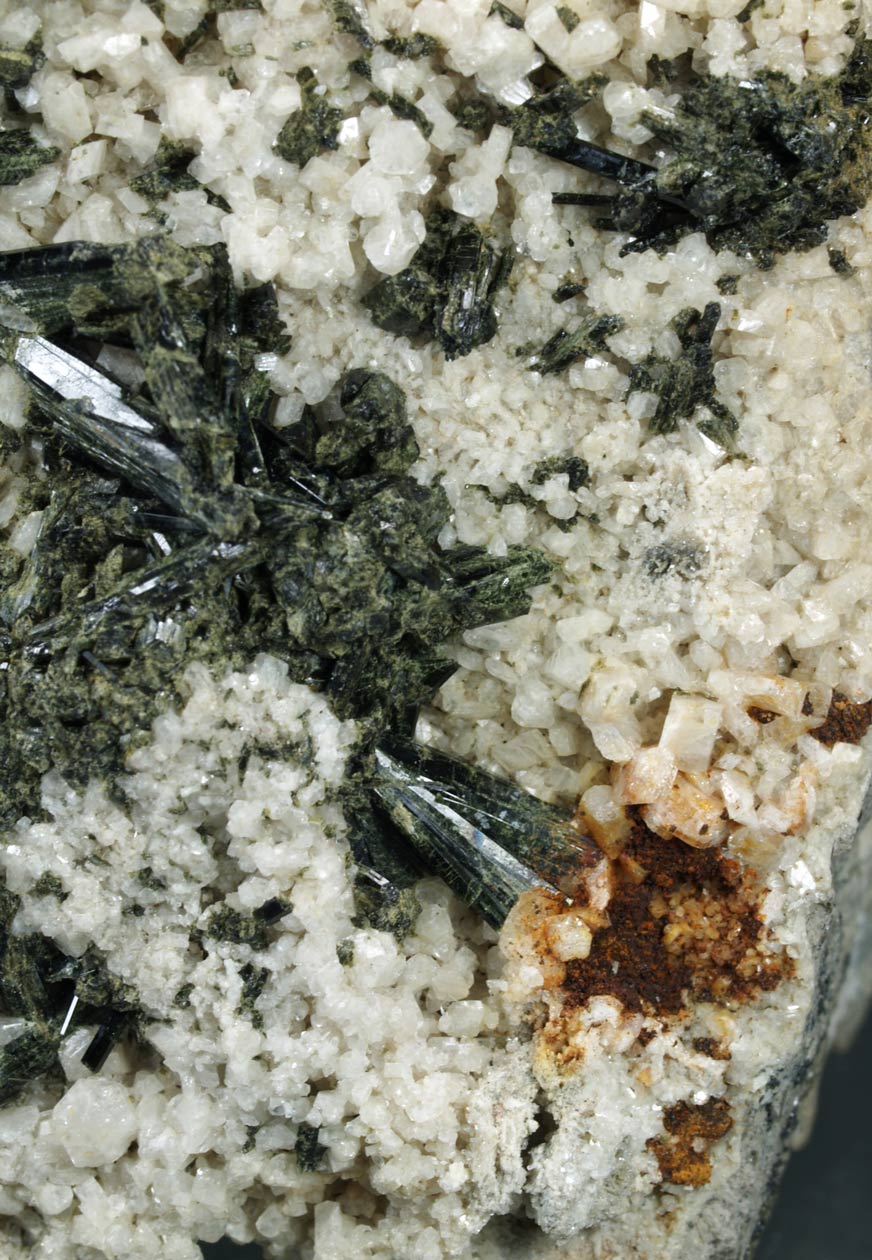
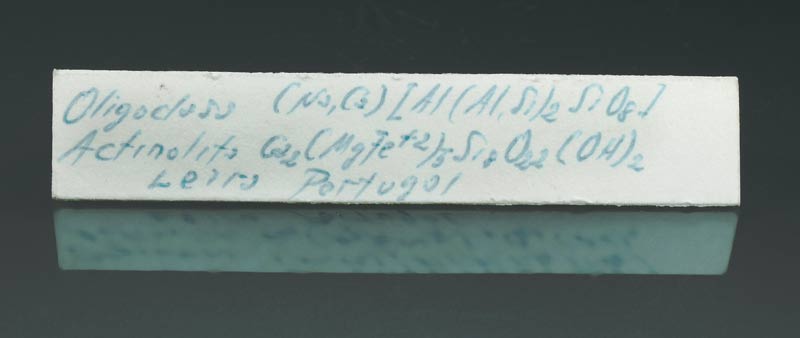
Este antiguo ejemplar destaca por el gran número de cristales de oligoclasa, una variedad de albita, muy bien definidos, ricos en facetas. Se acompañan de cristales prismáticos de actinolita, con un intenso color verde. Una pieza para coleccionistas de yacimientos ibéricos. Este grupo de yacimientos se explotaron hasta finales de los 60 y principios de los 70, del siglo pasado.
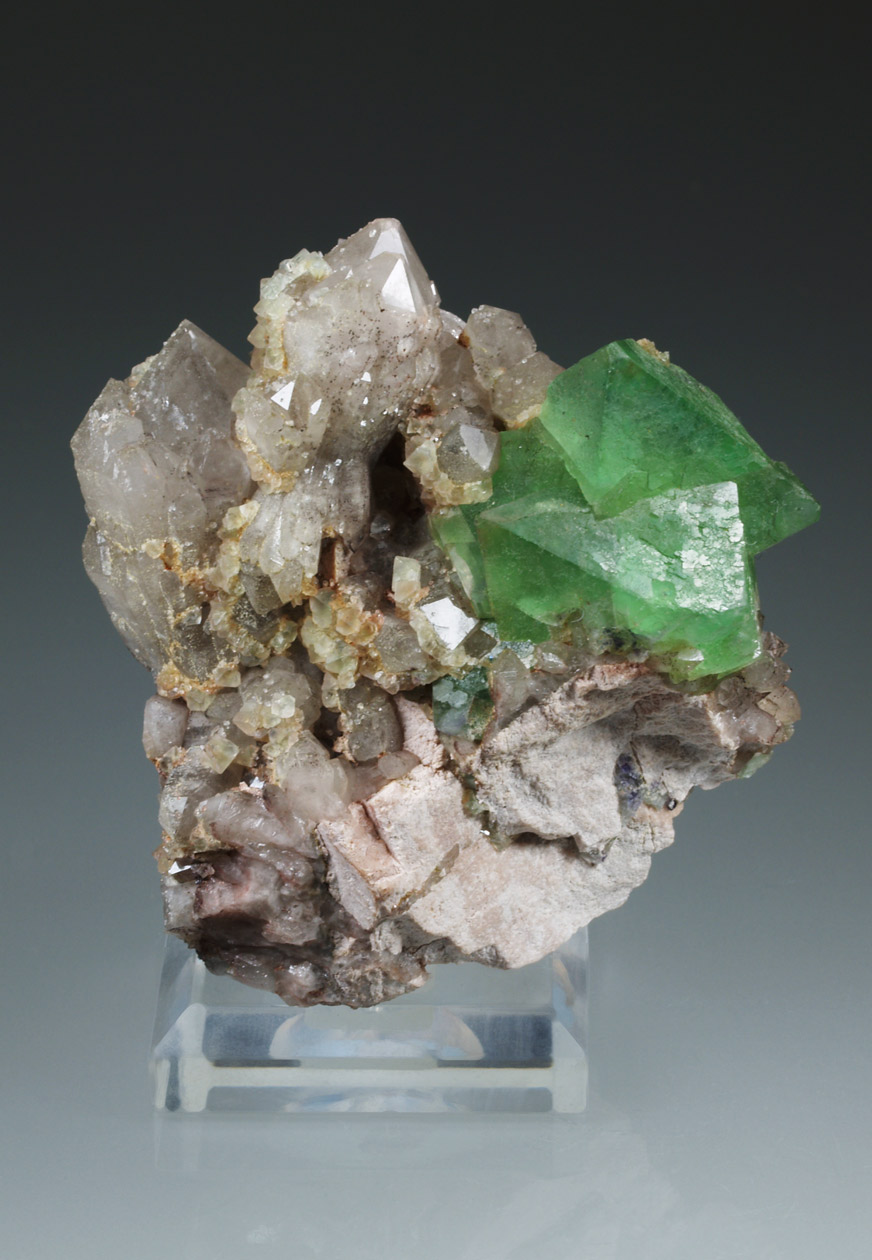
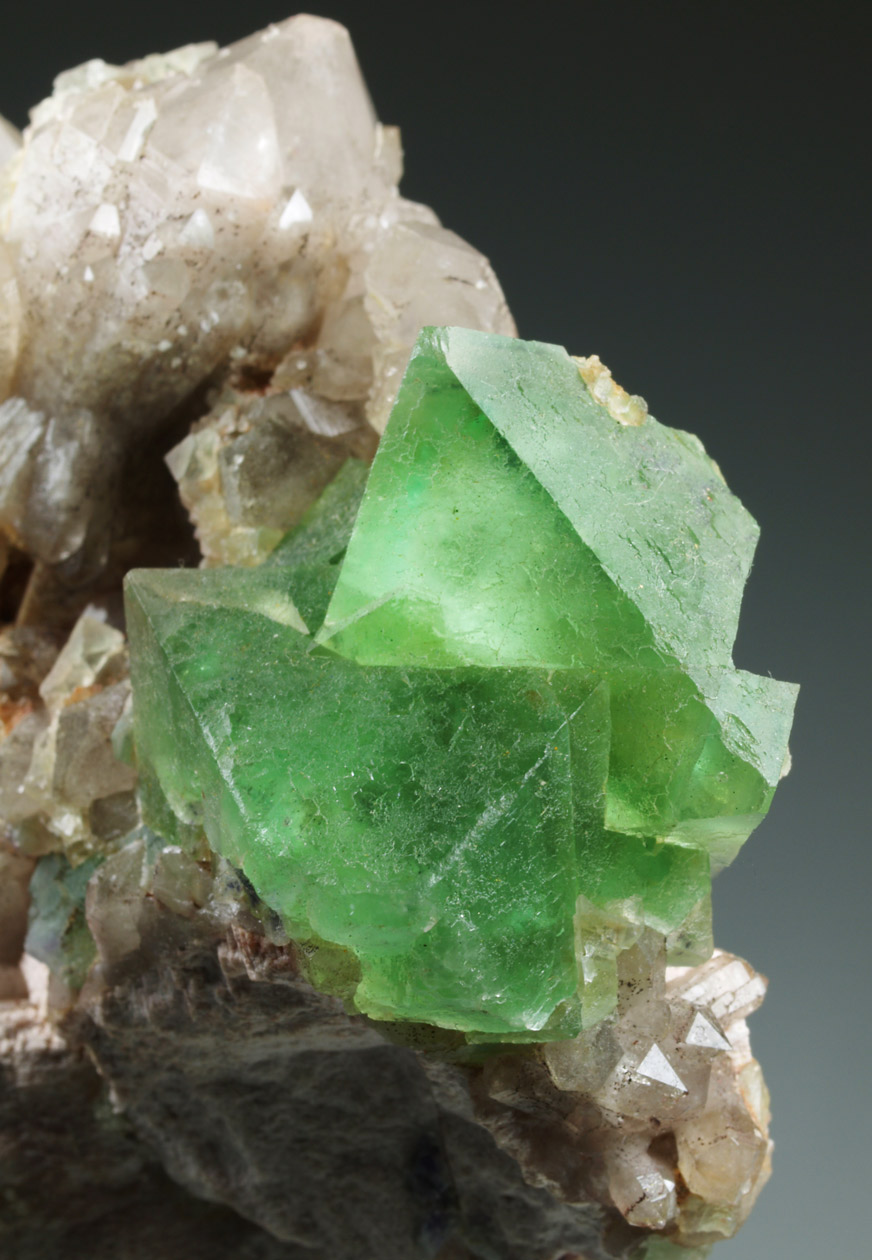
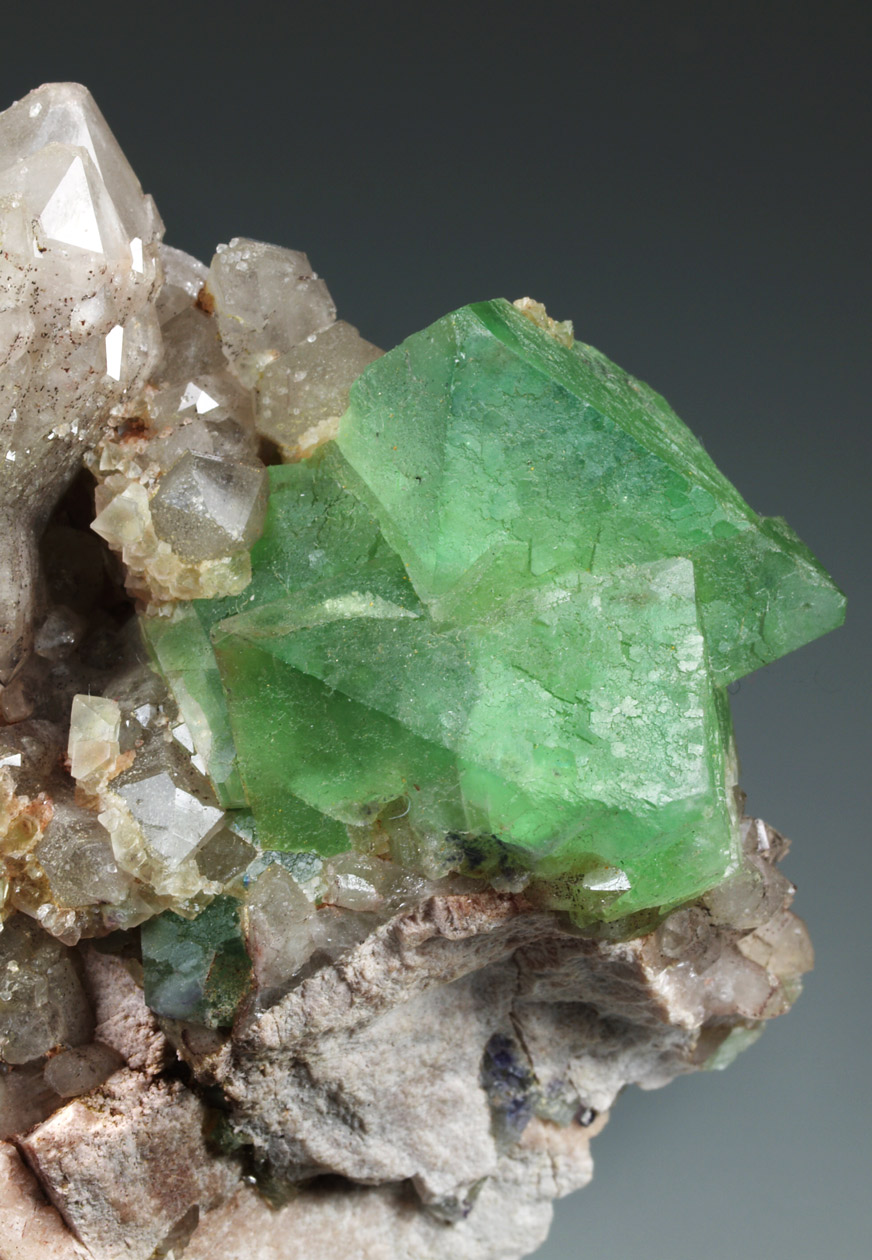
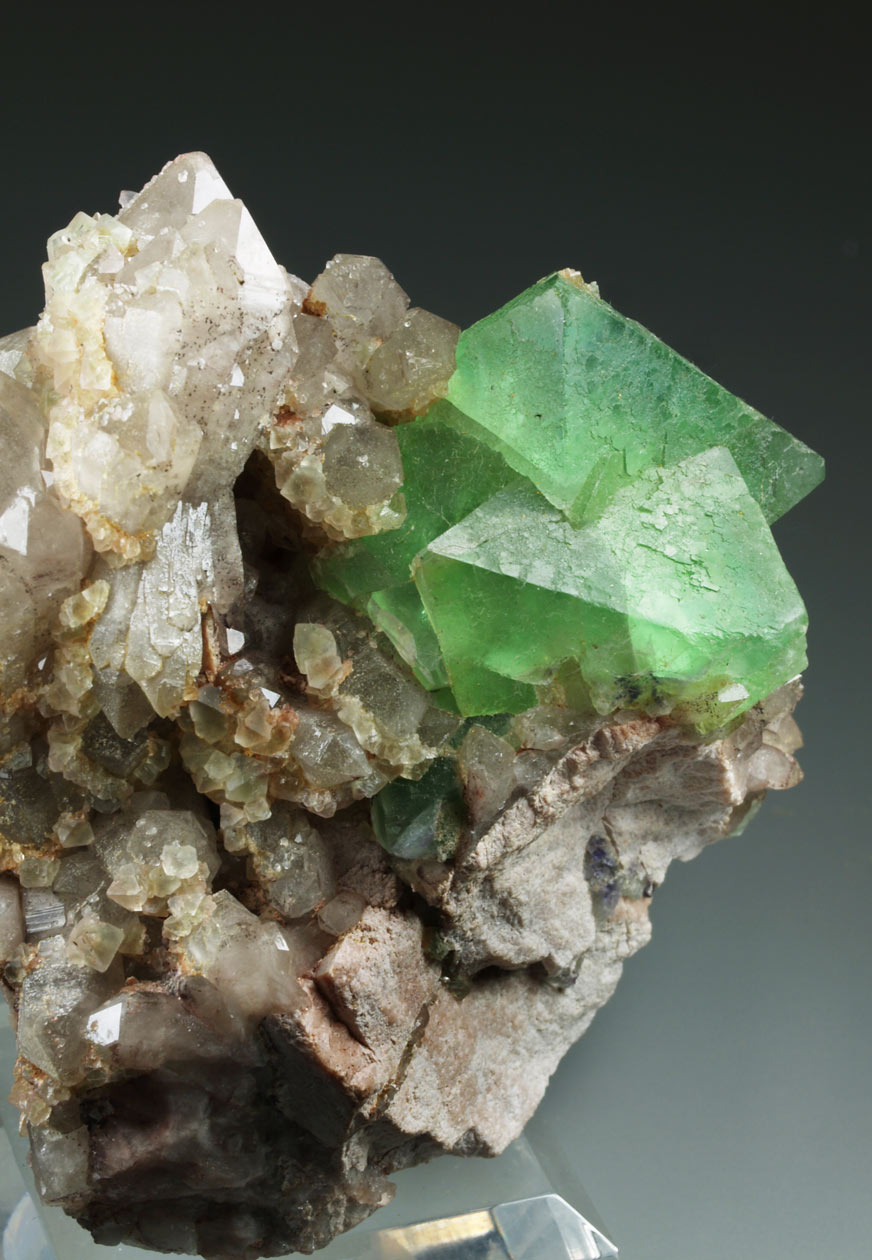
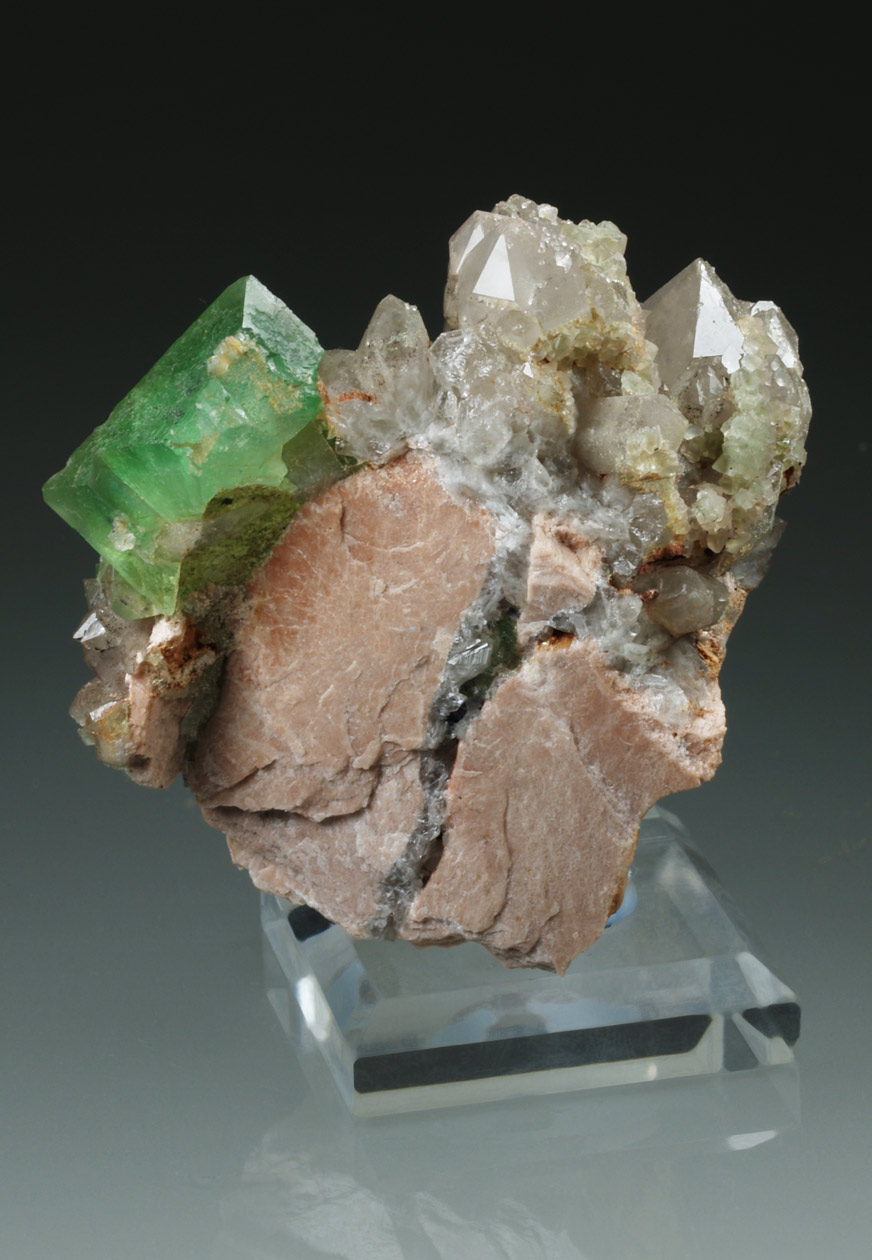
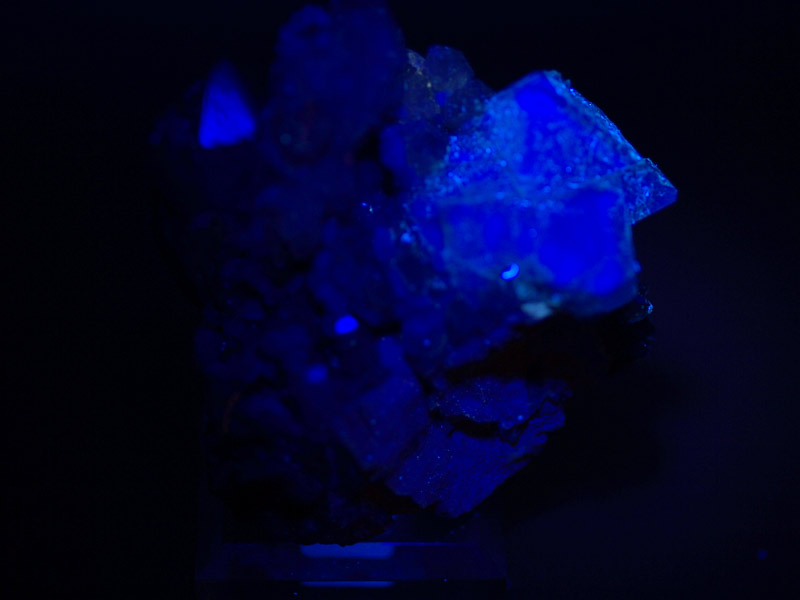
Esta fluorita verde se alza sobre una drusa de cuarzo (con formas de ventana). Muestra forma octaédrica, con caras y aristas definidas. El color verde es muy bueno y con transparencia. En una matriz de feldespato. Este ejemplar procede de una pequeña mina de wolframio que fue explotada intermitentemente en el pasado por el gobierno ruso como fuente del metal en la década de los 80. Pocos minerales salieron de la mina y aún menos en este tamaño y calidad. Muy fluorescente bajo luz ultravioleta OL.
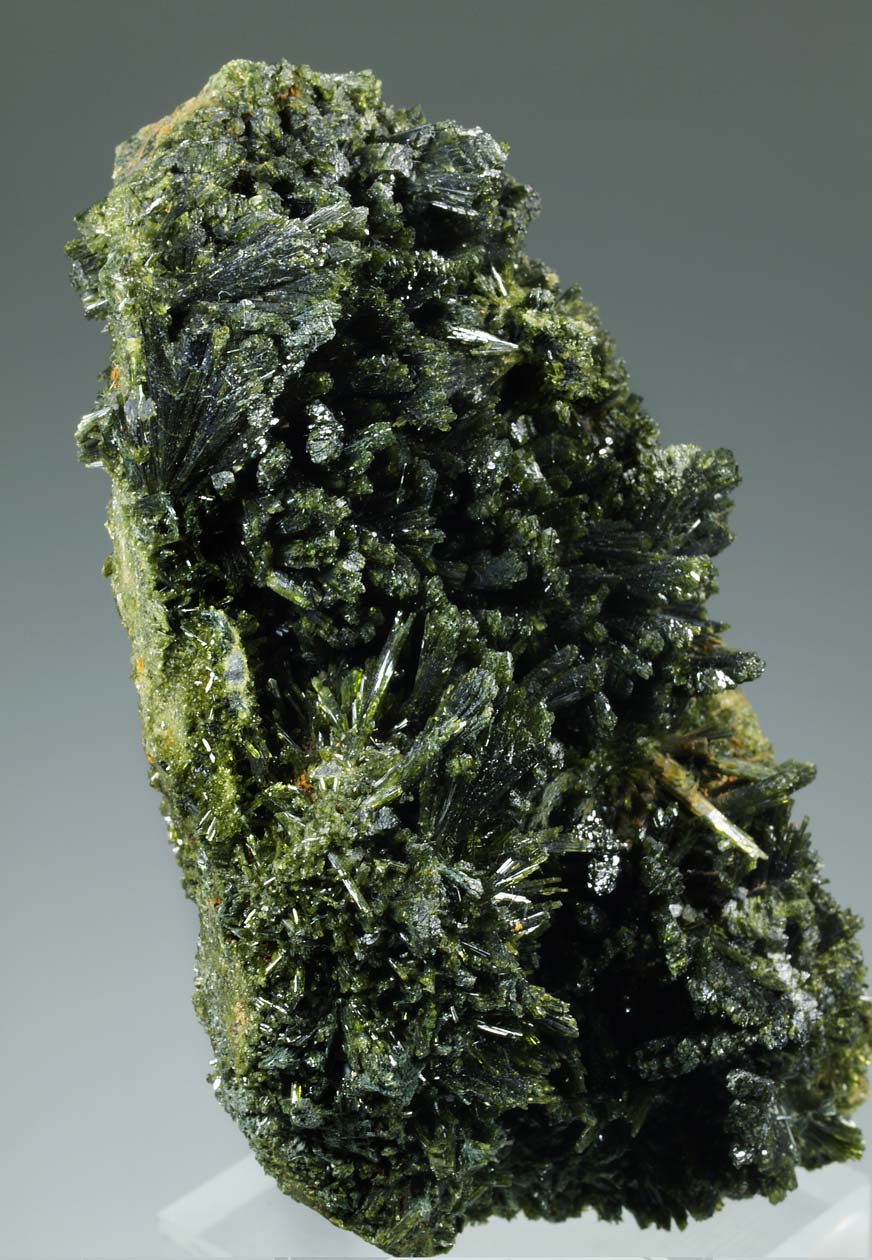
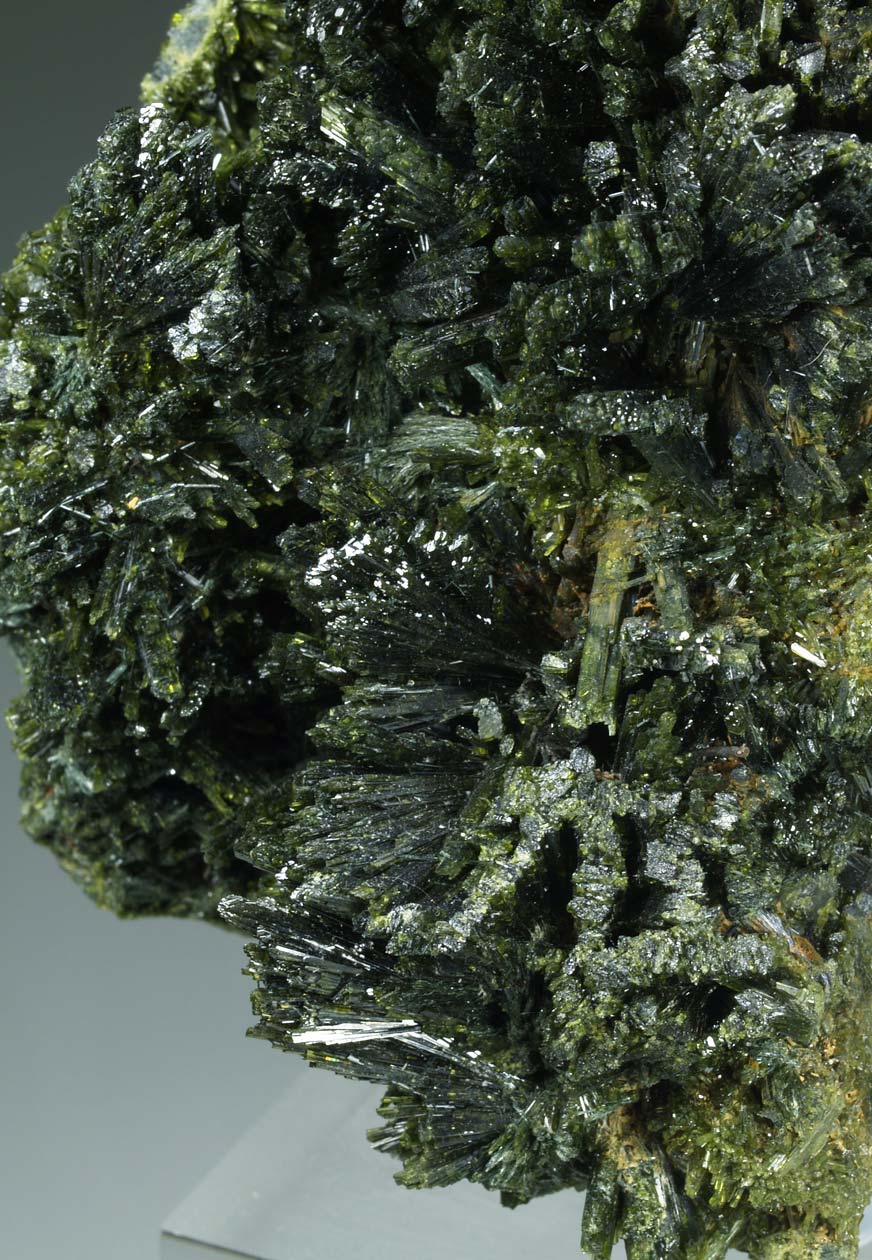
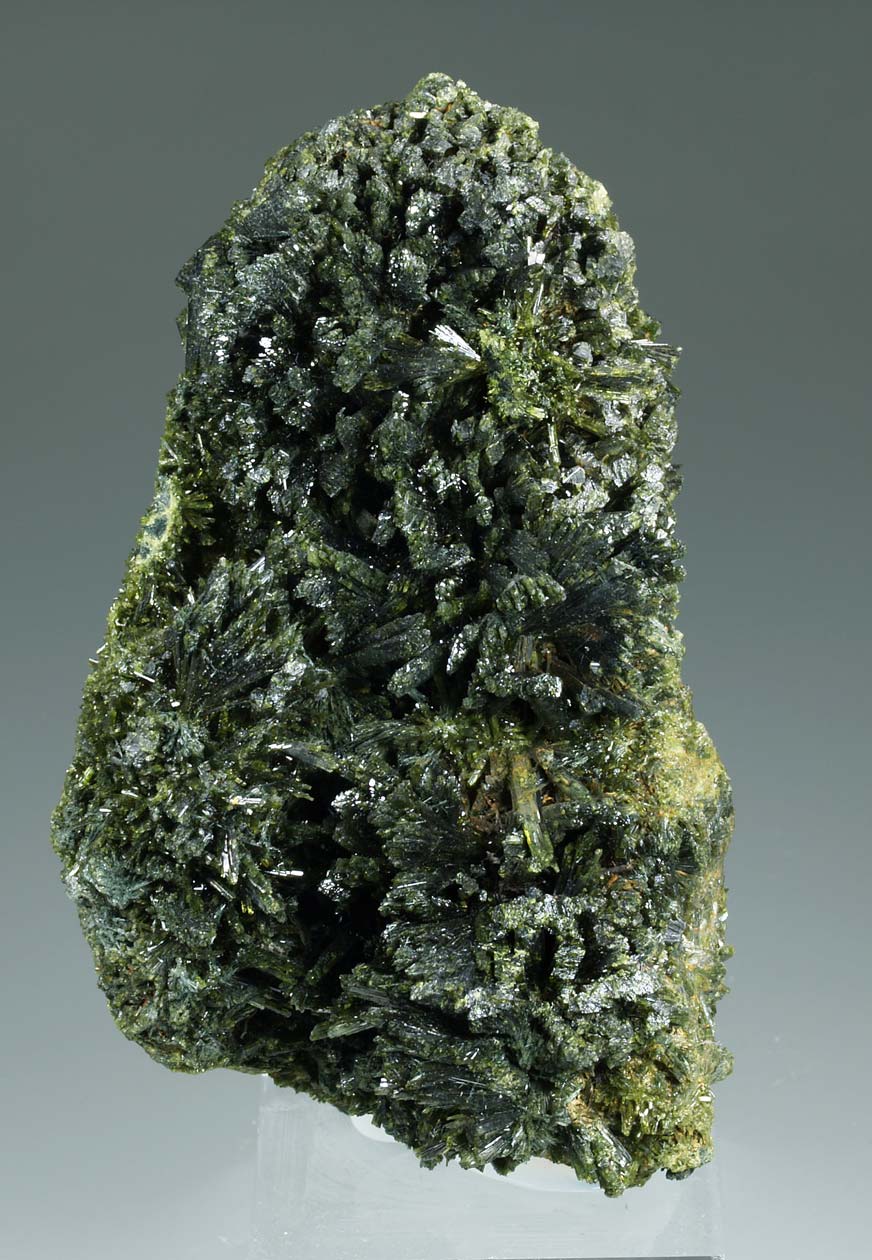
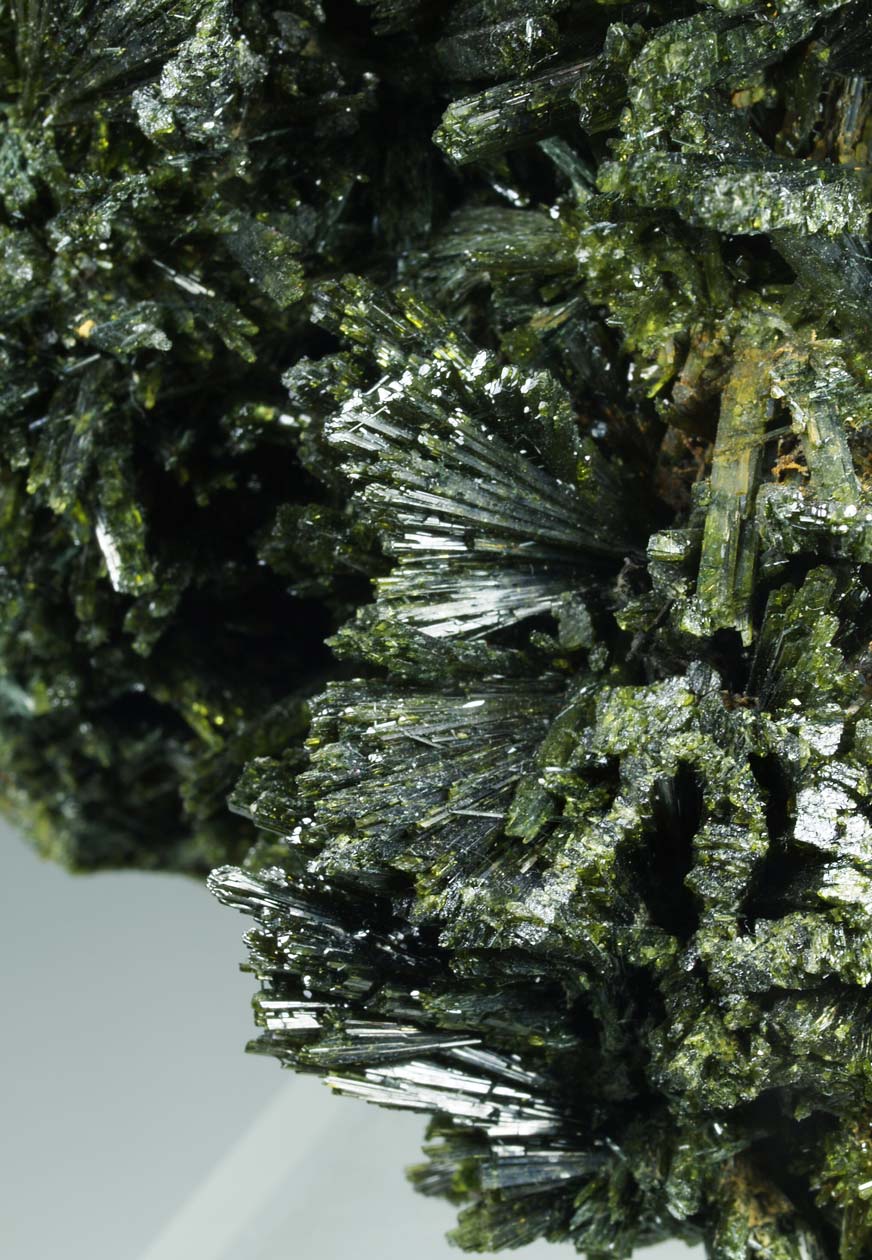
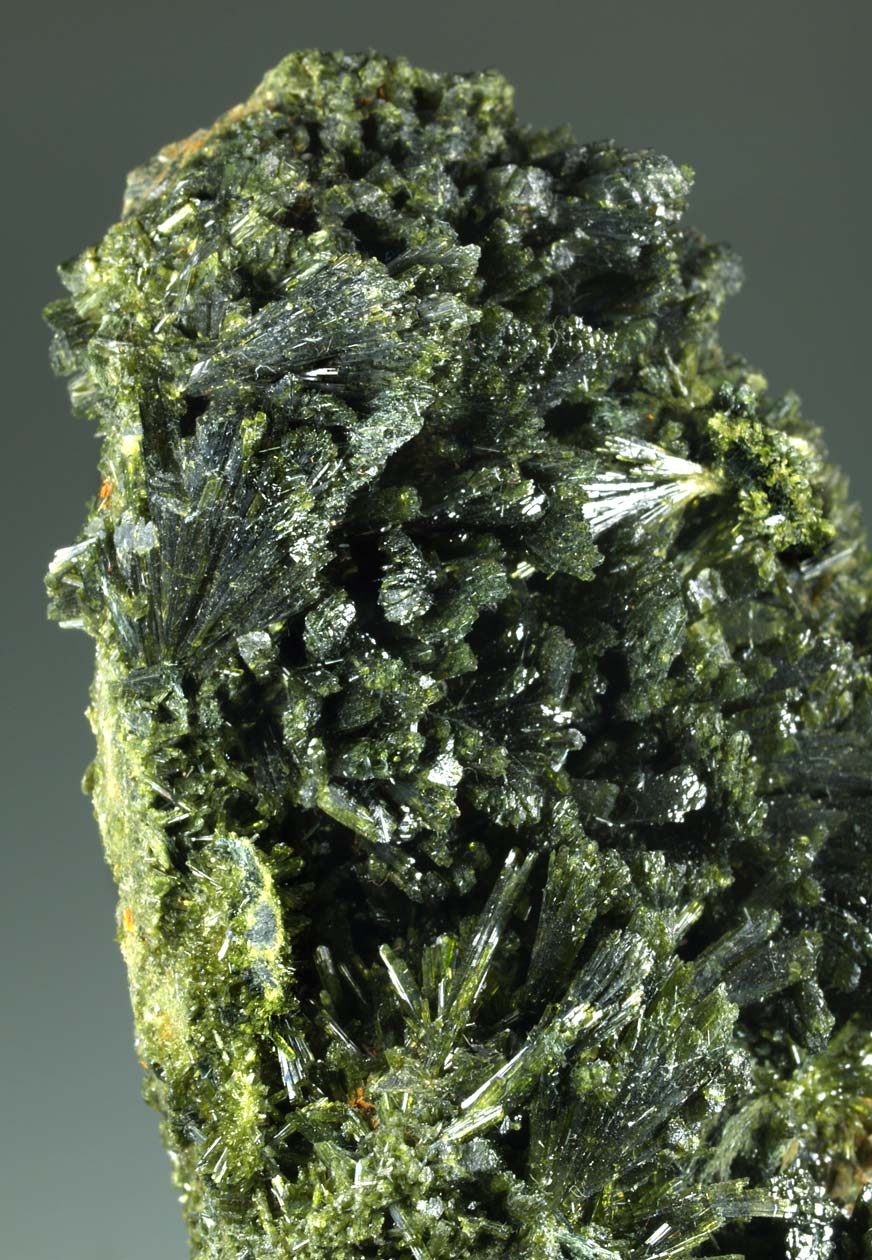
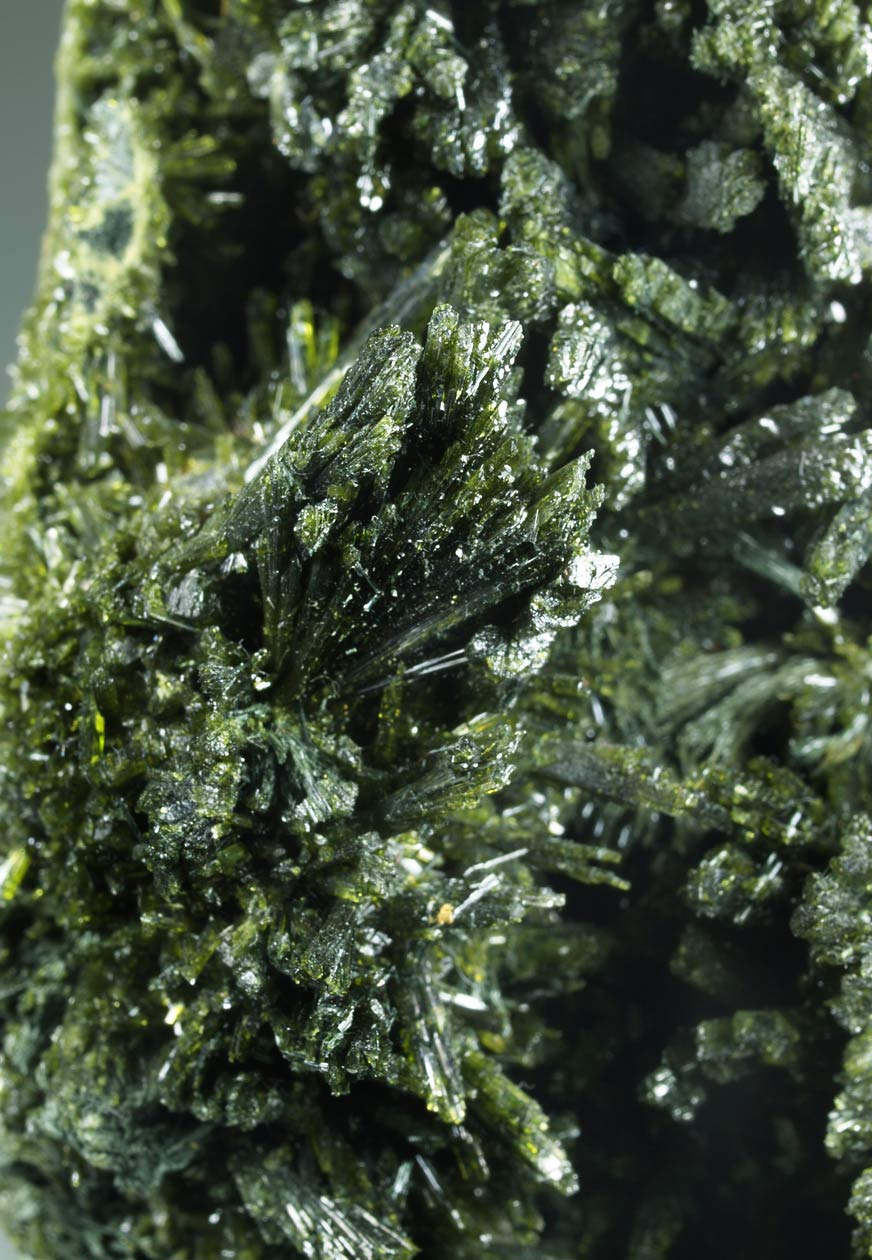
Grupos de cristales en abanico, muy brillantes y con transparencia, dispuestos de forma muy aérea. Intenso color verde, brillo y transparencia. Actualmente está prohibido recoger en la zona. Un ejemplar de epidota, con un buen tamaño (12 cm.) y excelente calidad, procedente de la clásica localidad de Casterner.
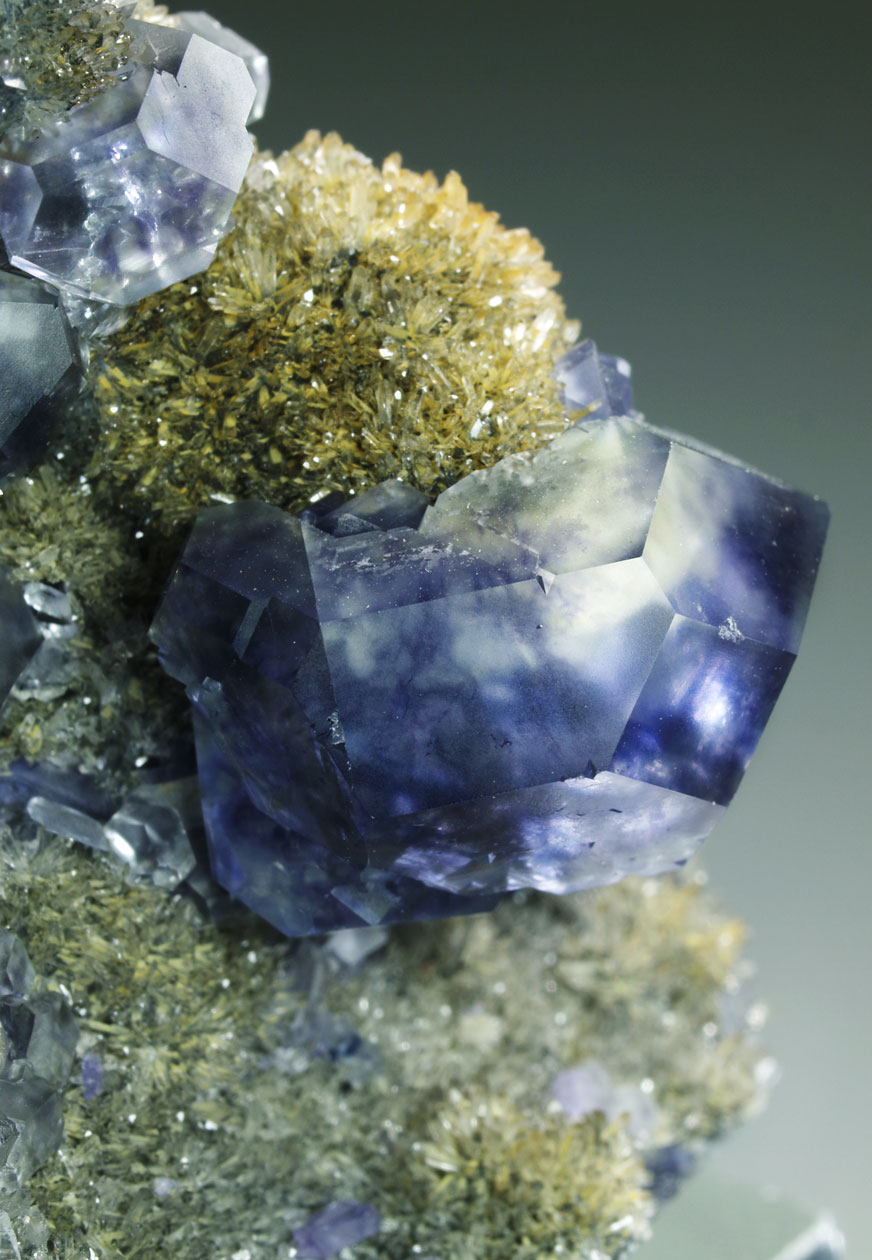
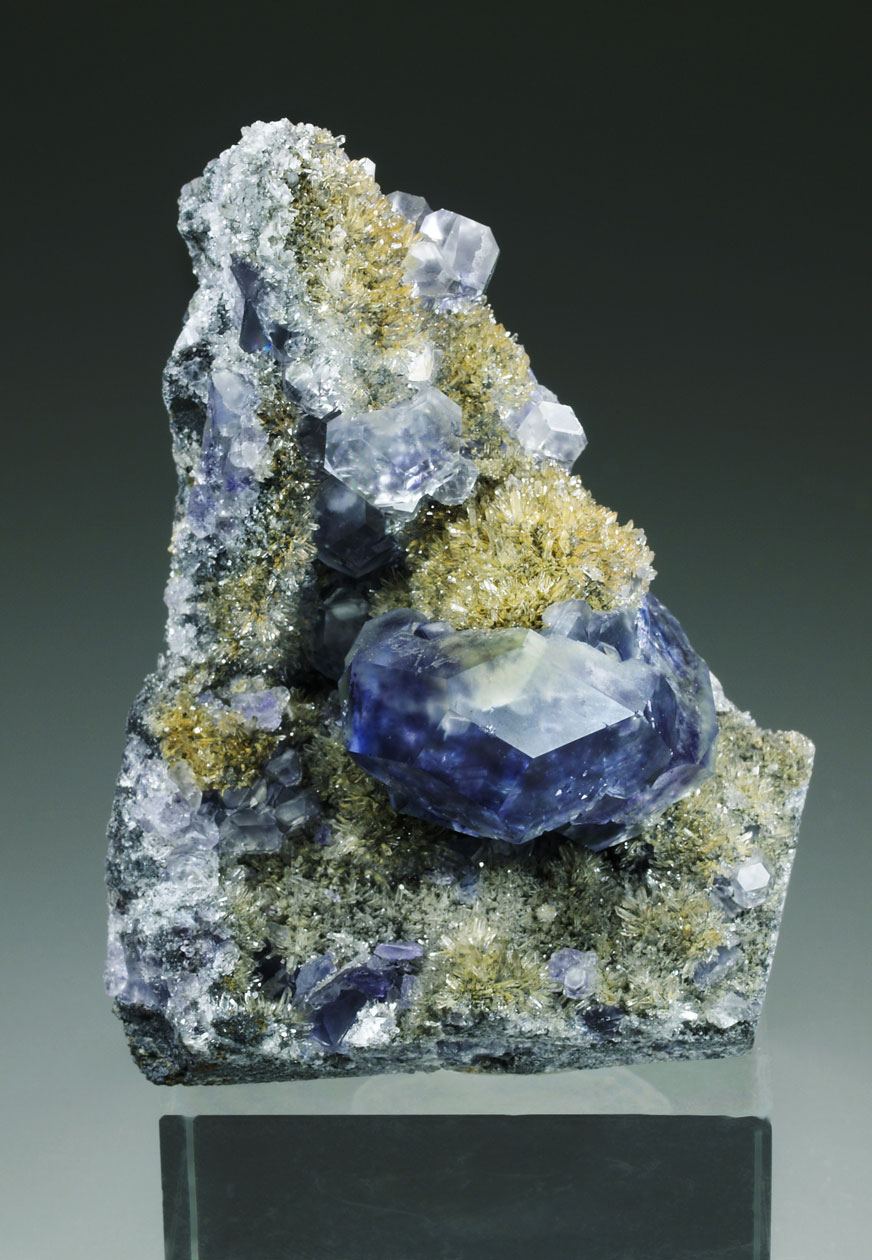
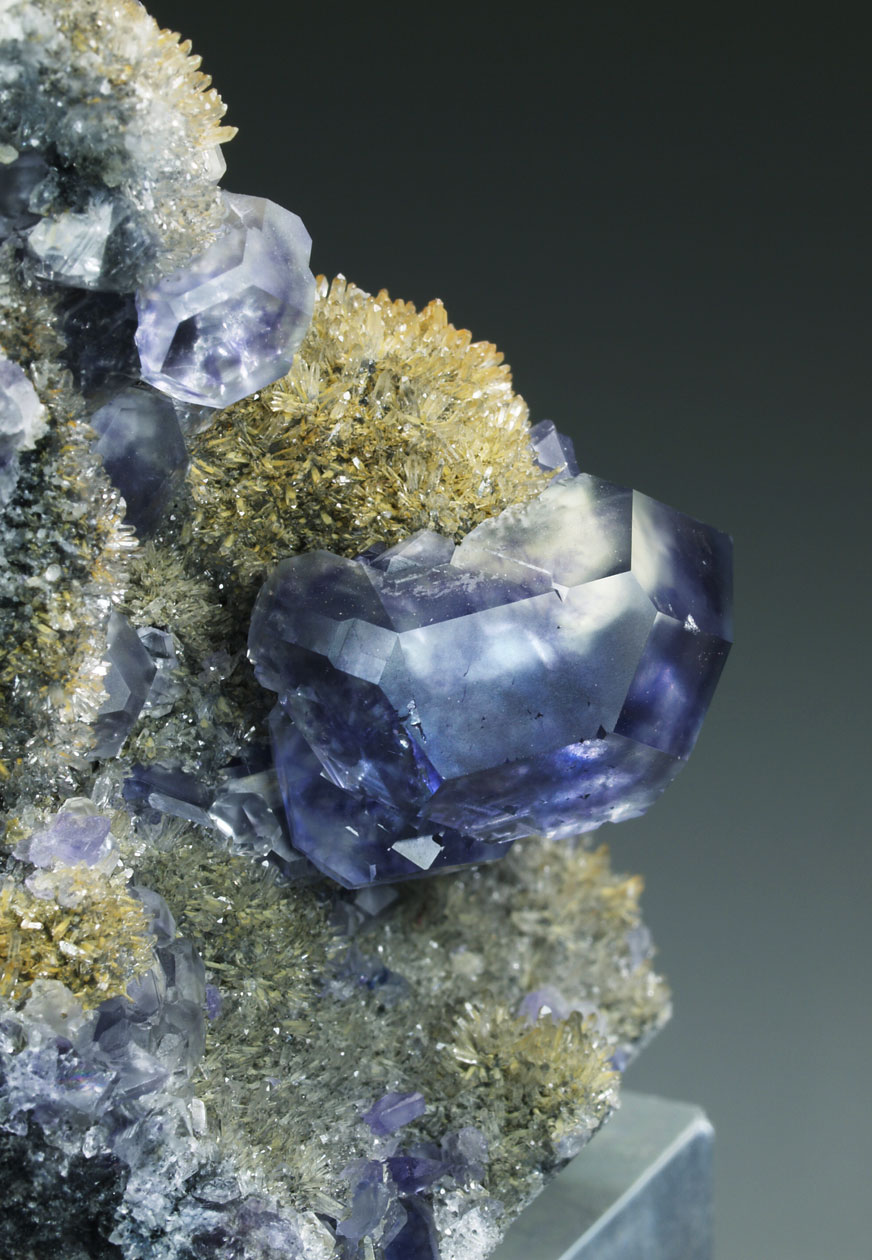
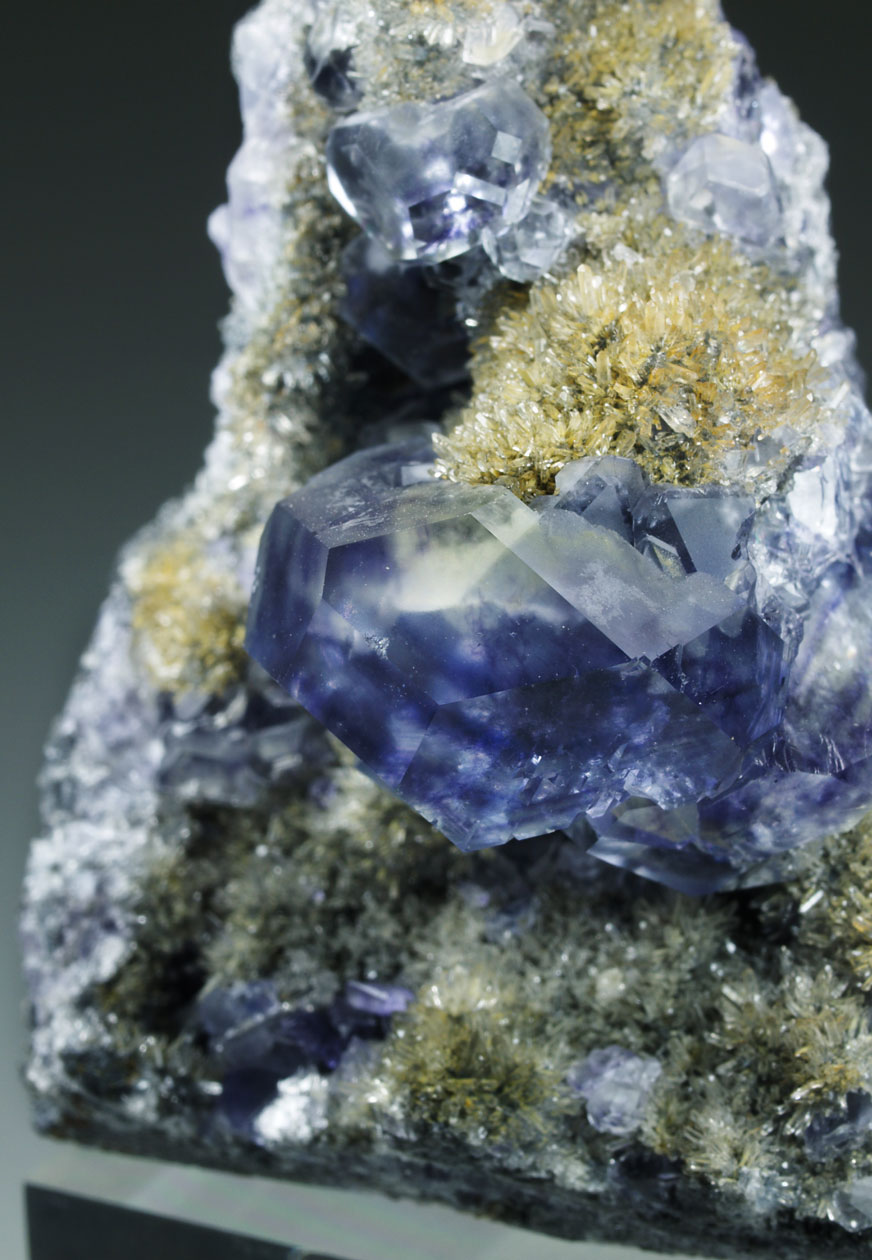
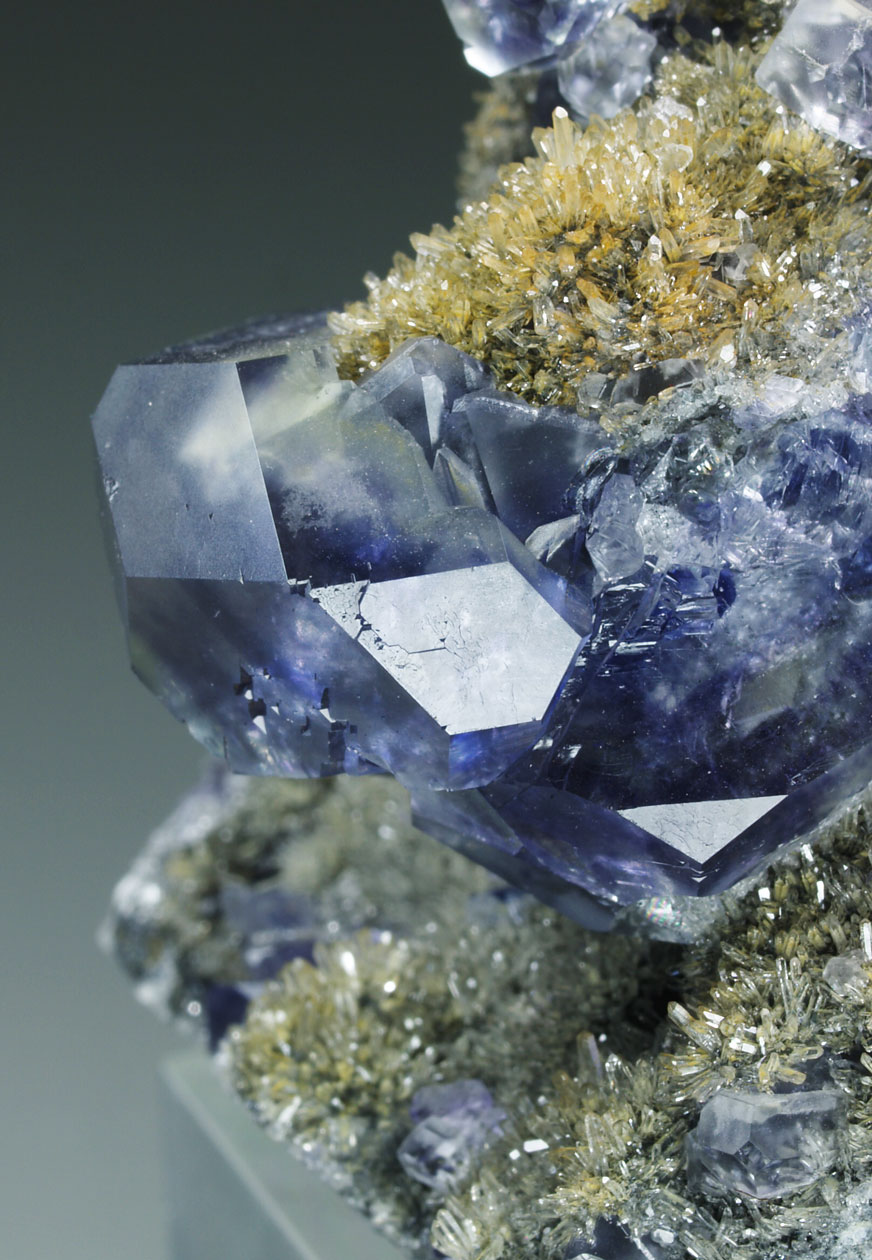
Este ejemplar de fluorita destaca por las marcadas formas del dodecaedro predominante sobre las del cubo y el octaedro, cosa poco habitual en ejemplares chinos. Para dar un toque de estética, los cristales presentan una marcada zonación geométrica de color, dejando ver en su interior una réplica morada del cristal mayor. Buena transparencia y brillo. Se disponen sobre una matriz de cuarzo.
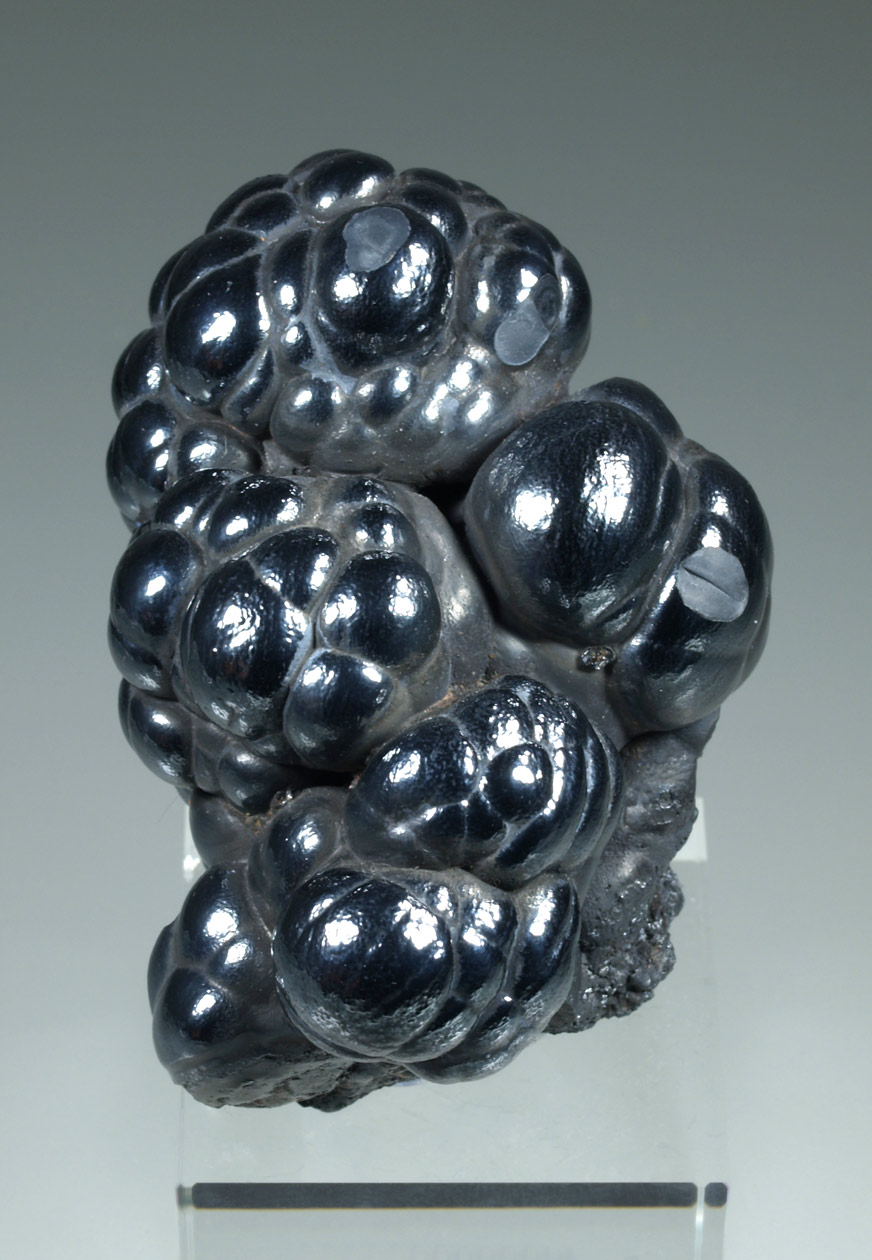
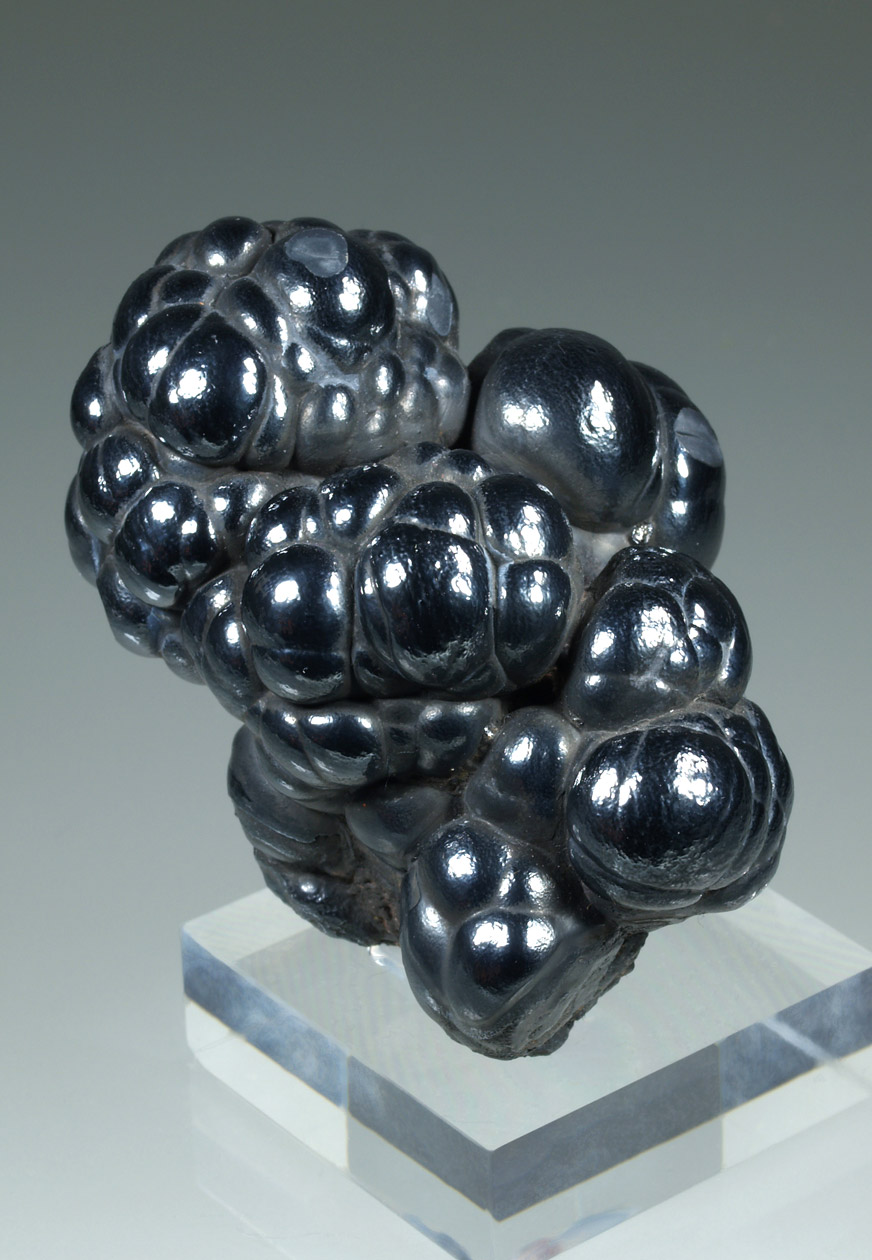
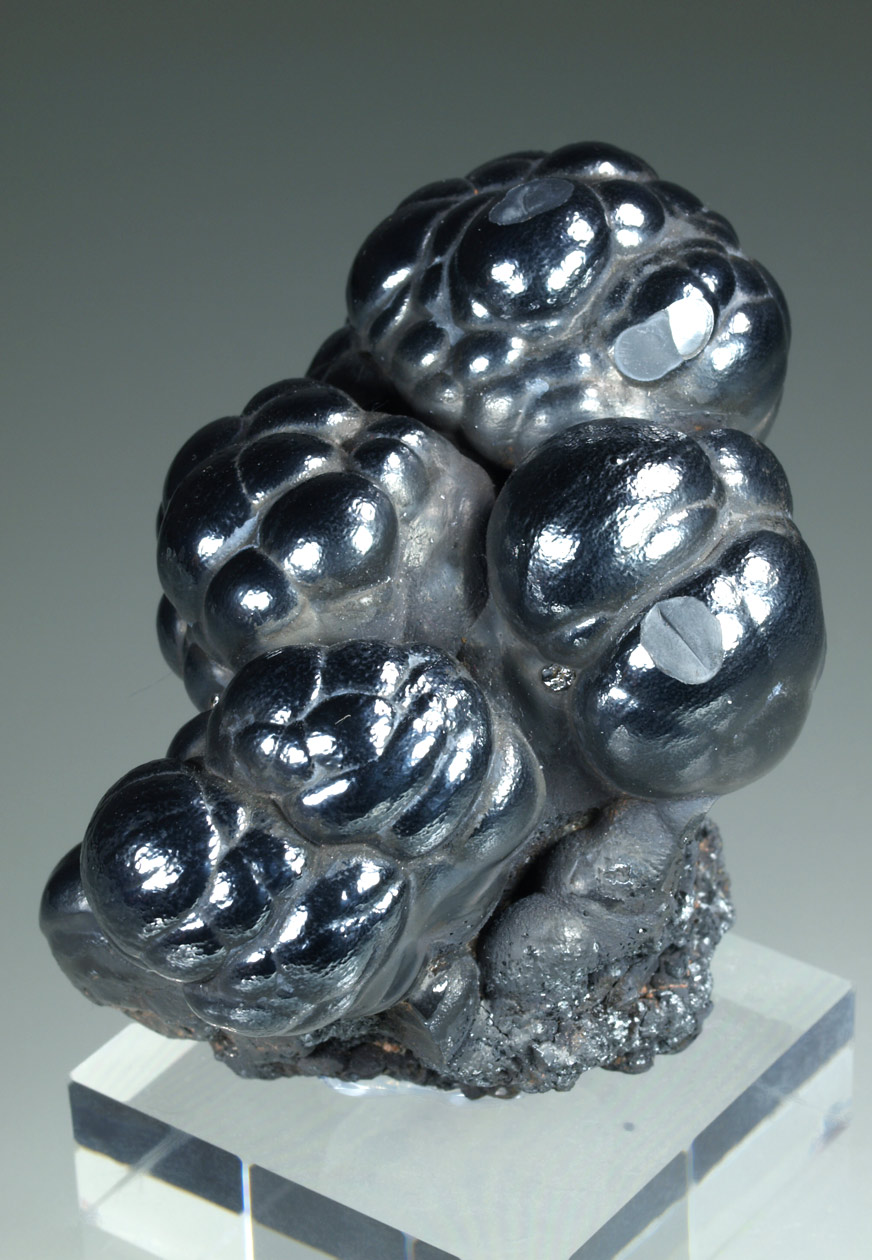
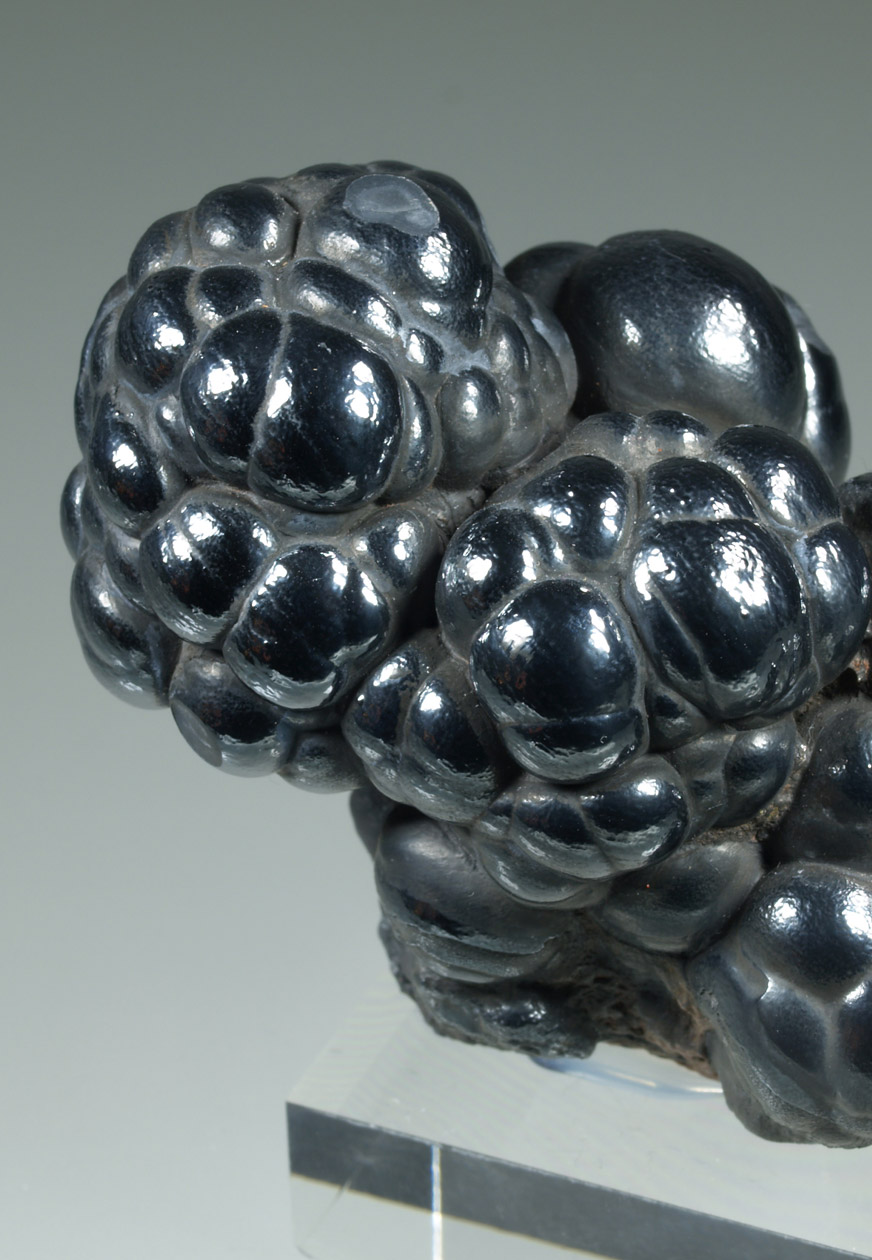
Ejemplar muy brillante de goethita, procedente de esta localidad clásica marroquí. Presenta un estético agregado botroidal, con un lustre metálico y un negro profundo.
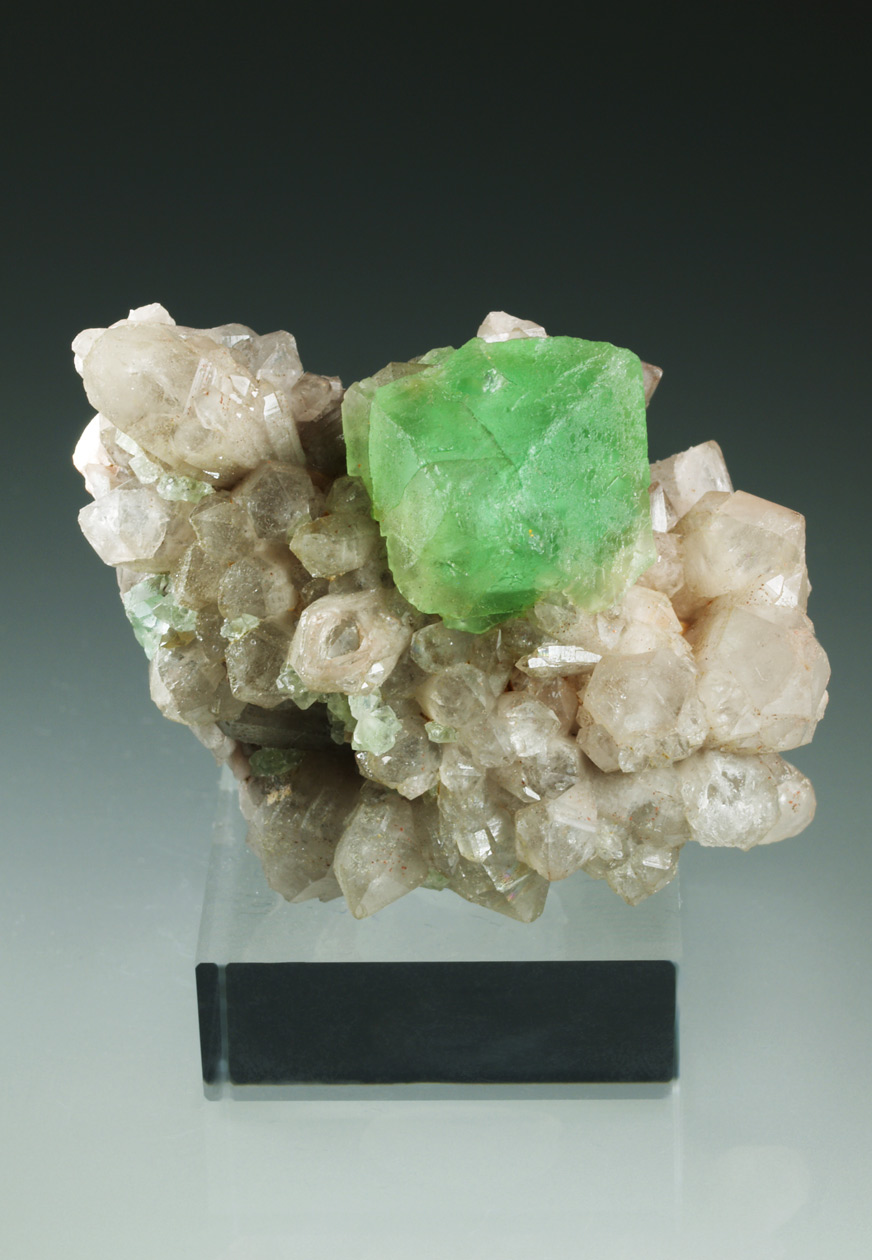
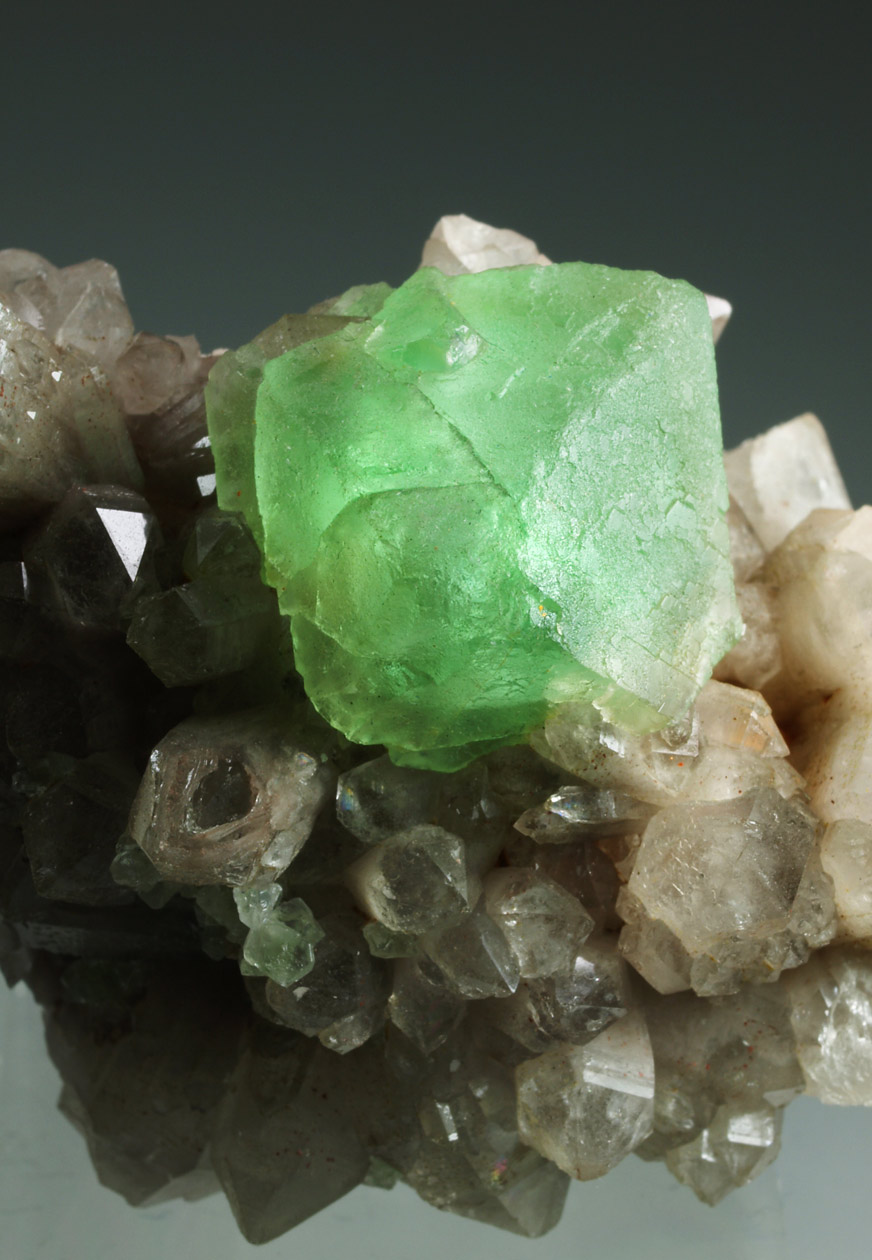
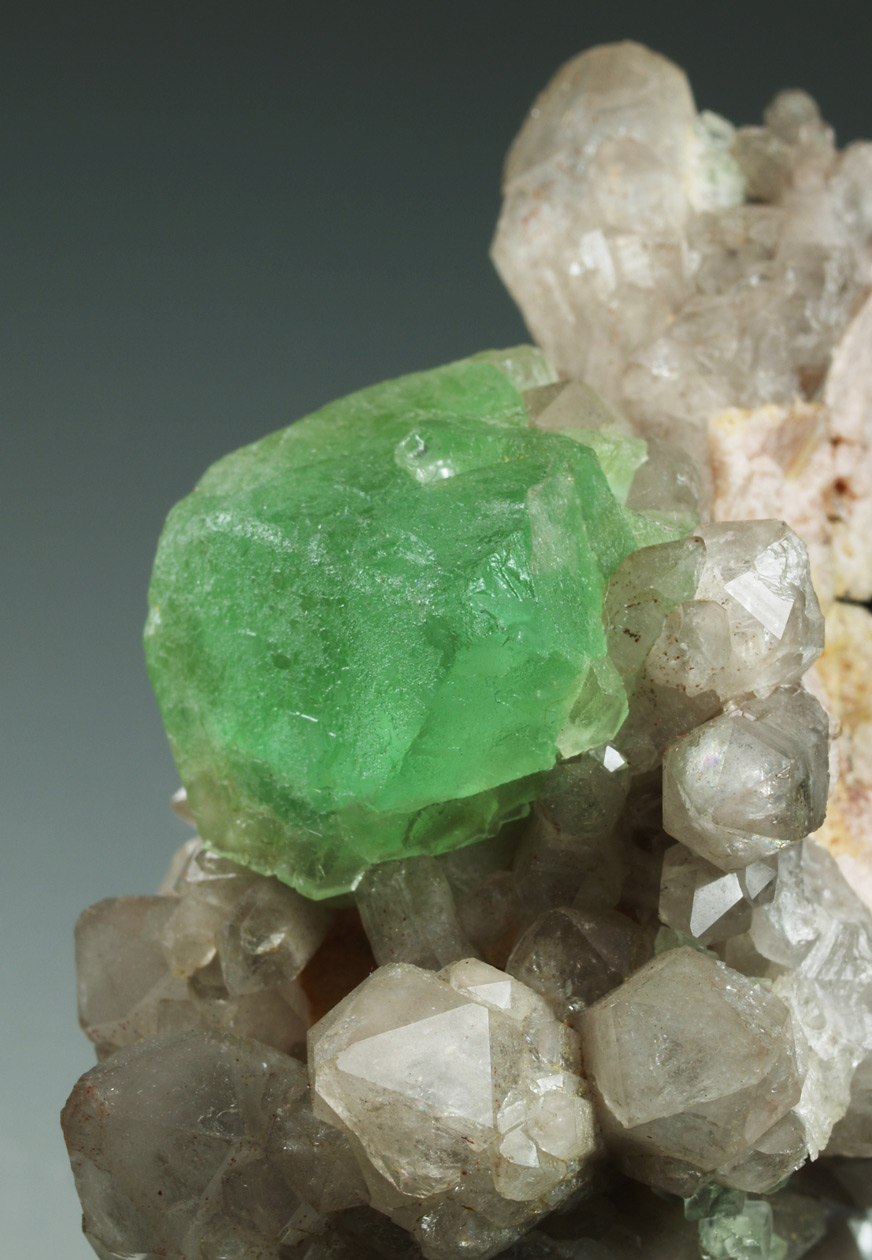
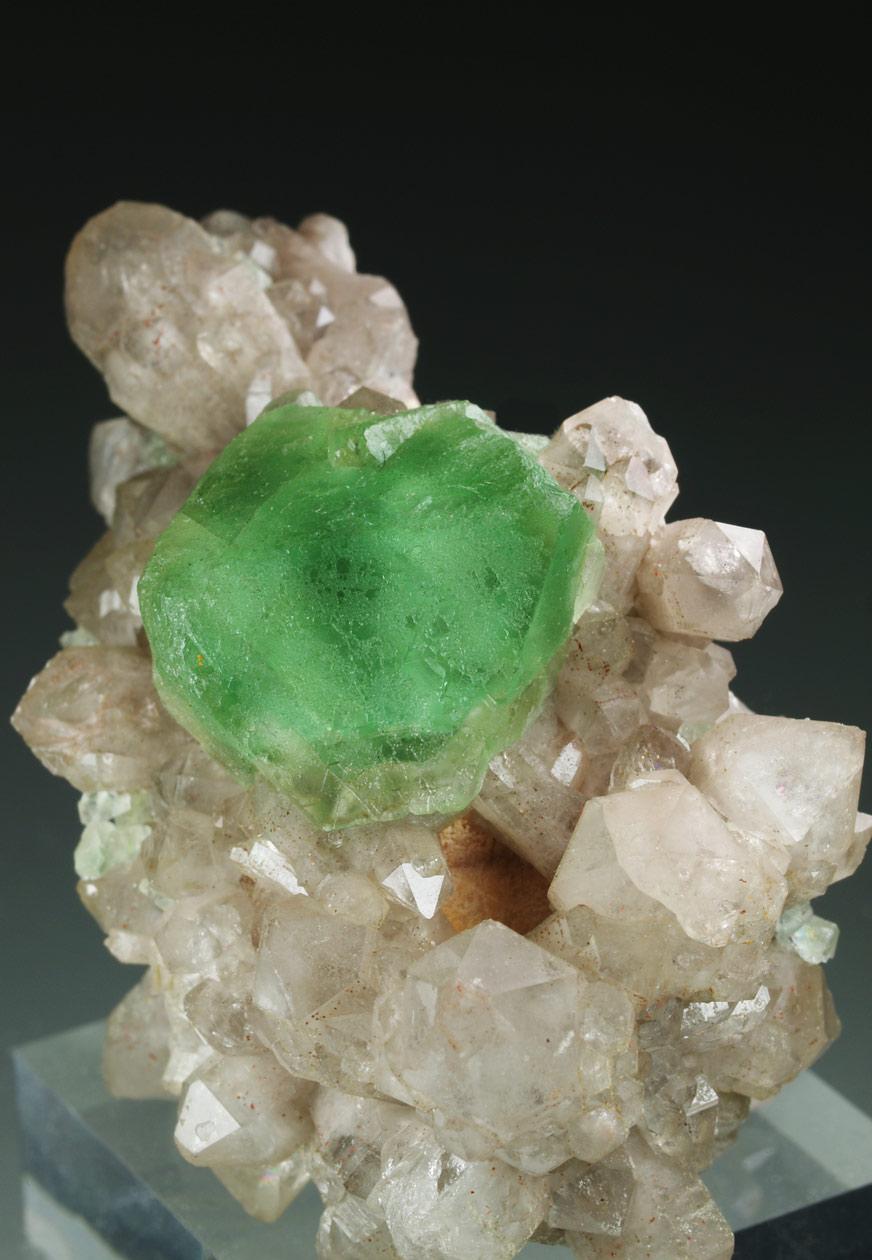
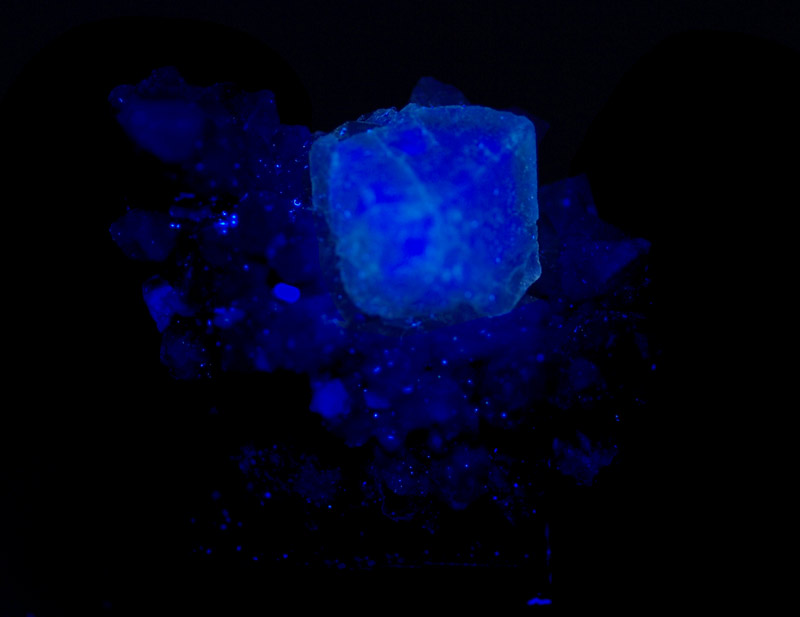
Esta fluorita verde se alza sobre una drusa de cuarzo (con formas de ventana). Muestra forma octaédrica, con caras definidas y aristas ligeramente curvadas. El color verde es bueno y con transparencia. En una matriz de feldespato. Este ejemplar procede de una pequeña mina de wolframio que fue explotada intermitentemente en el pasado por el gobierno ruso como fuente del metal en la década de los 80. Pocos minerales salieron de la mina y aún menos en este tamaño y calidad. Muy fluorescente bajo luz ultravioleta OL.
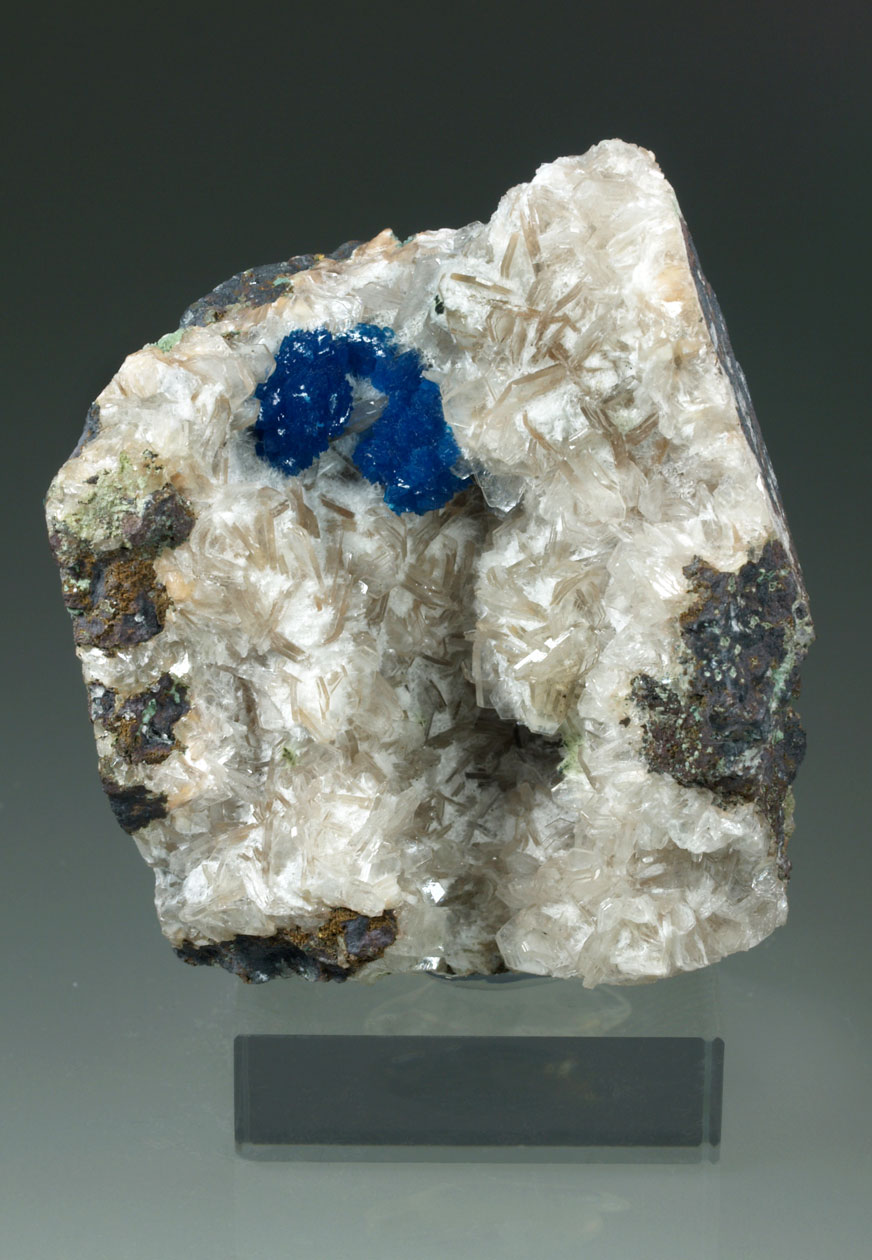
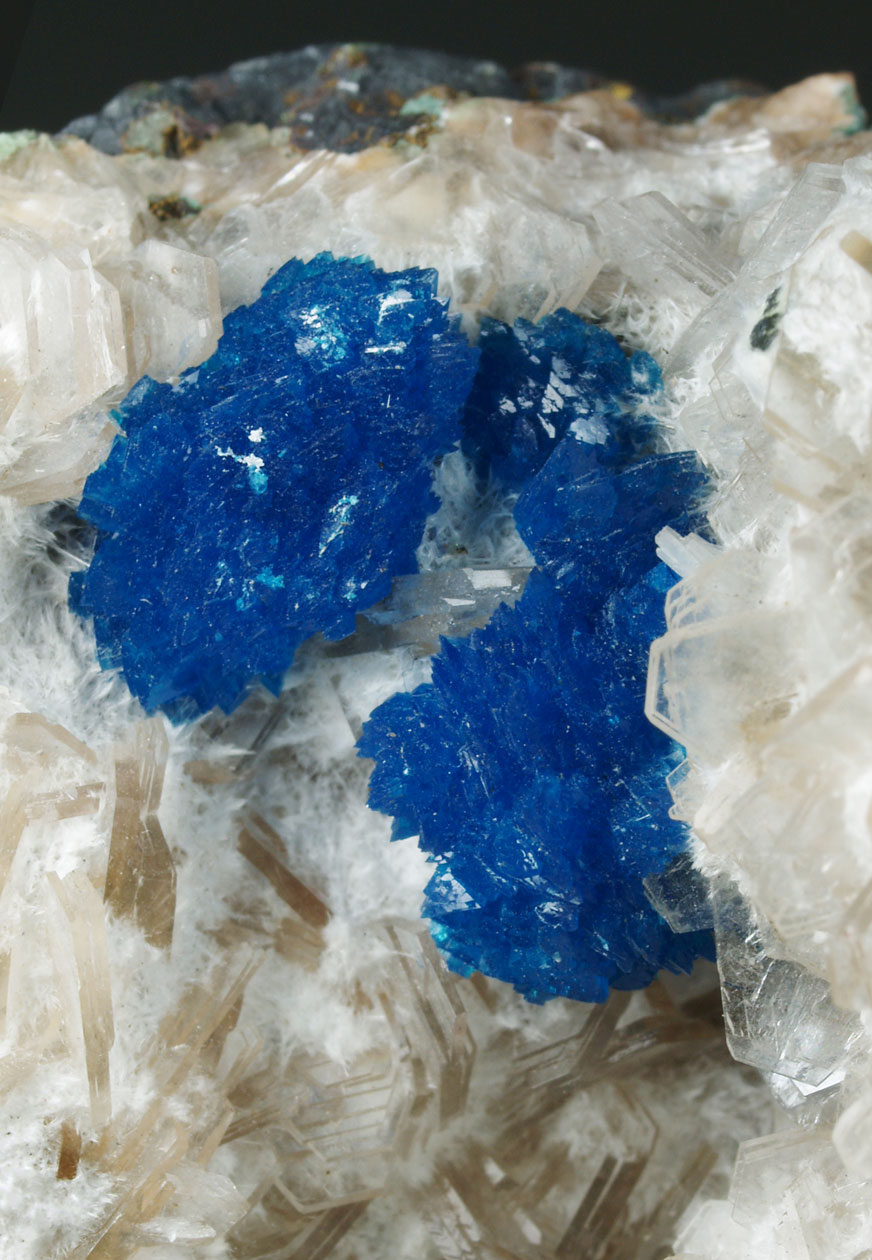
Grupo de cristales de cavansita, muy definidos y con un excepcional brillo y transparencia. Se disponen en una cavidad de la matriz de basalto, parcialmente recubierta de definidos cristales de estilbita. Muy estética.