- Inicio Acerca de RM Minerales
- Galería de fotos Blog RM Contacto
- Microscopia e instrumentos Pedidos Aviso legal
Copyright 2010-2026
www.rosellminerals.com



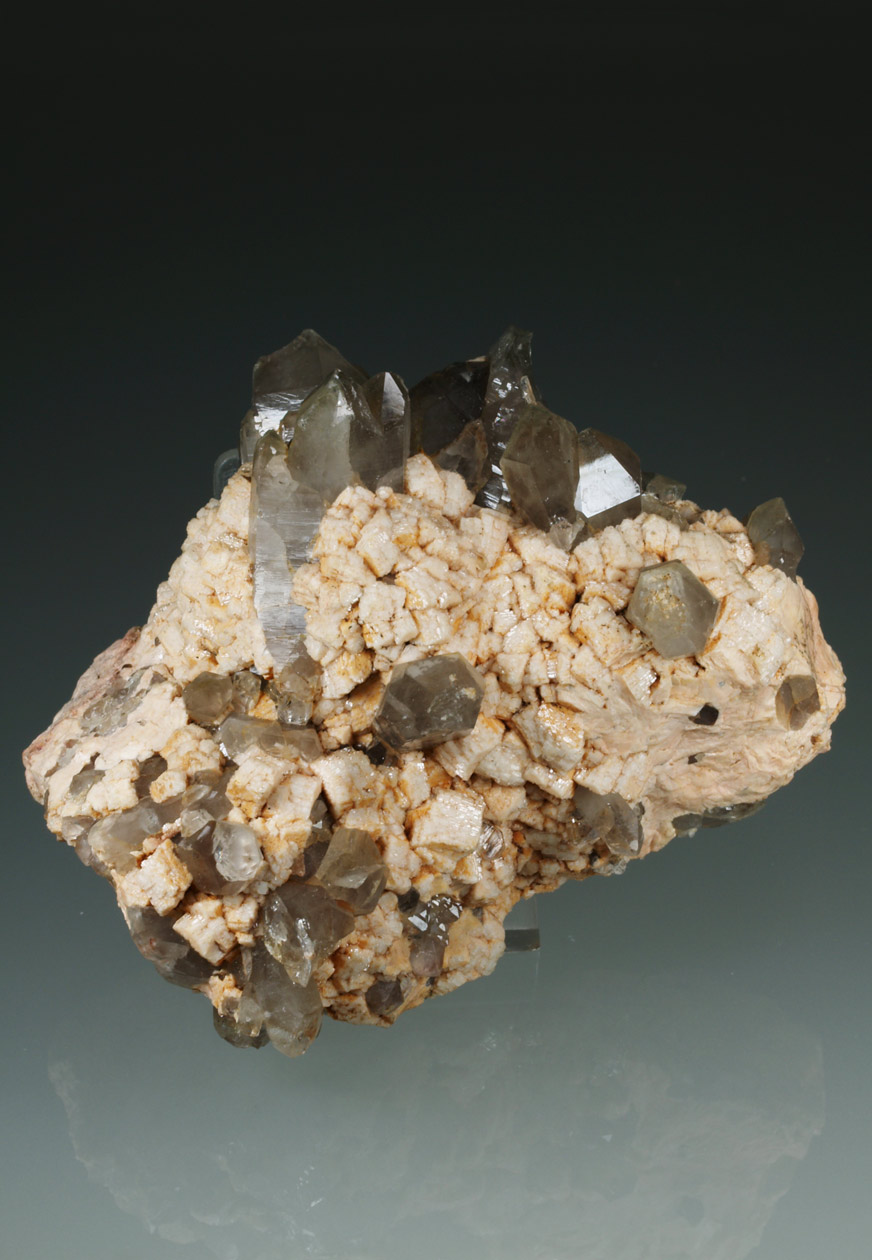
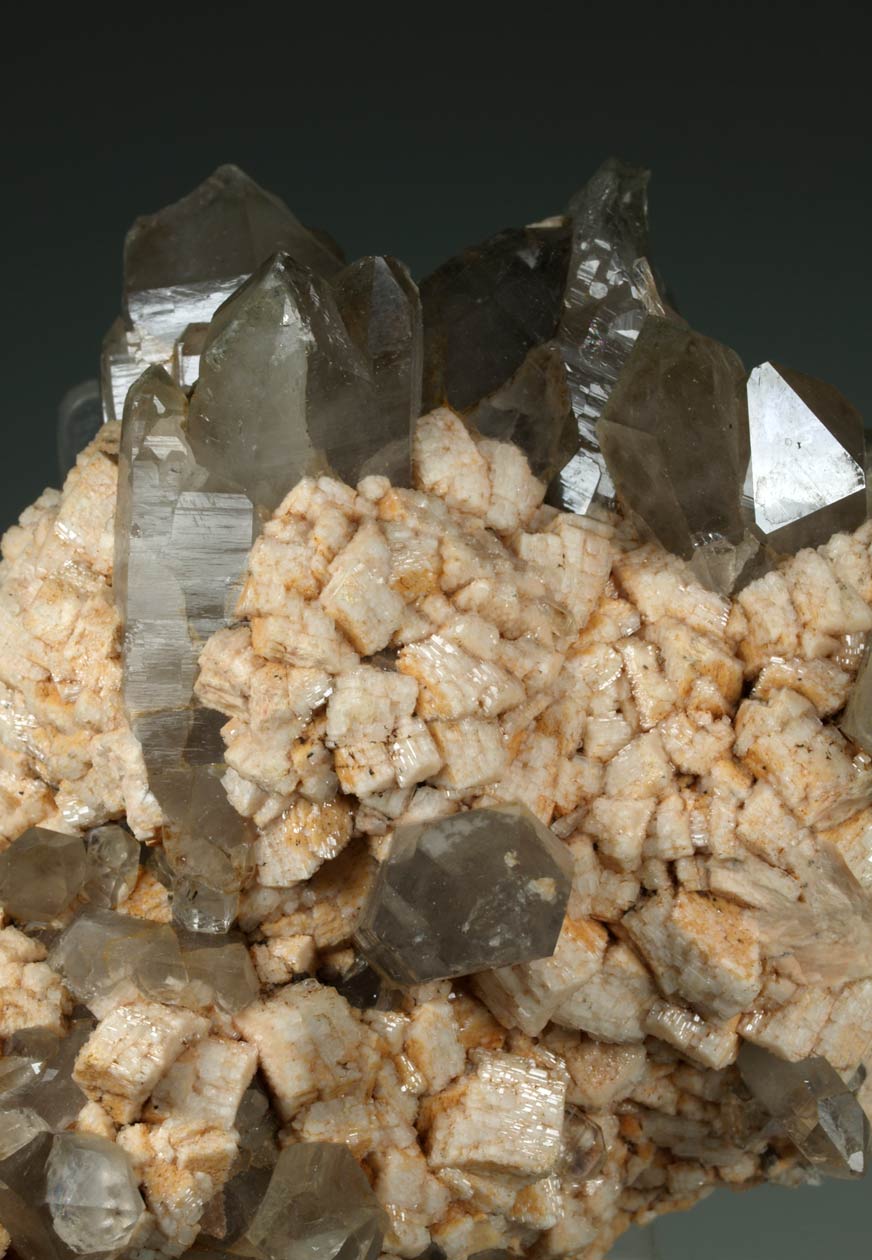
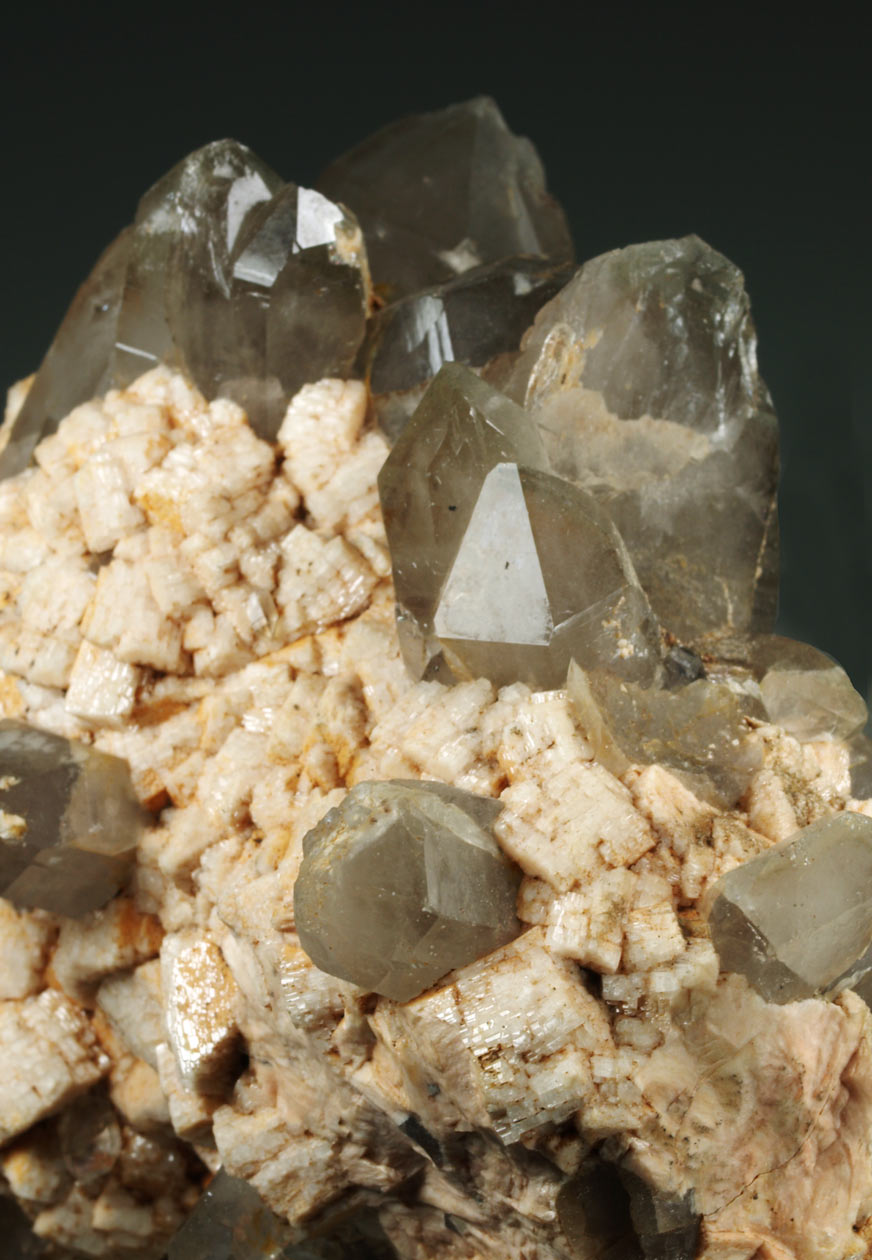
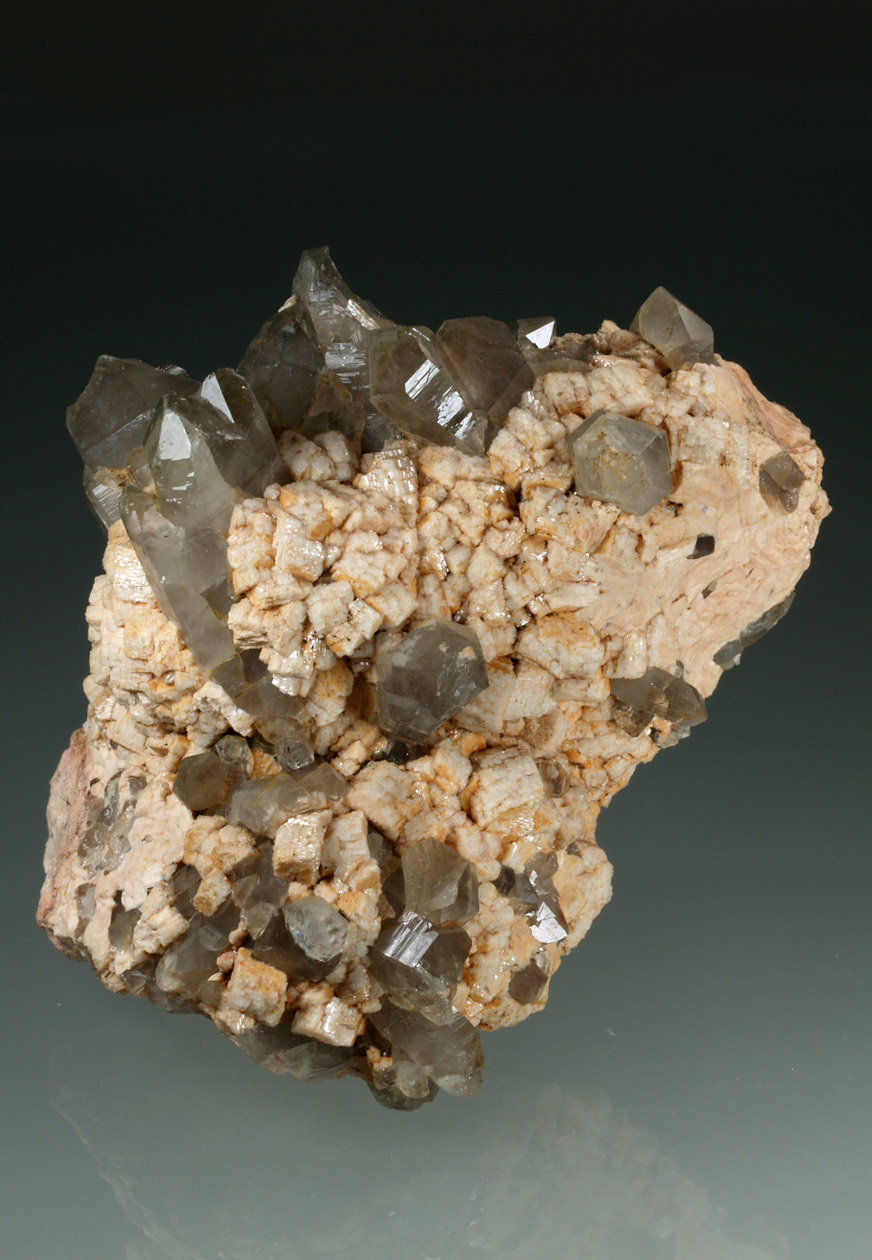
Nutrido grupo de cristales de cuarzo ahumado sobre una matriz de brillantes cristales de microclina recubiertos de albita. Presentan alguna mella pero para mi es un muy buen, representativo e histórico ejemplar. De una localidad clásica, de la colección Daunis.
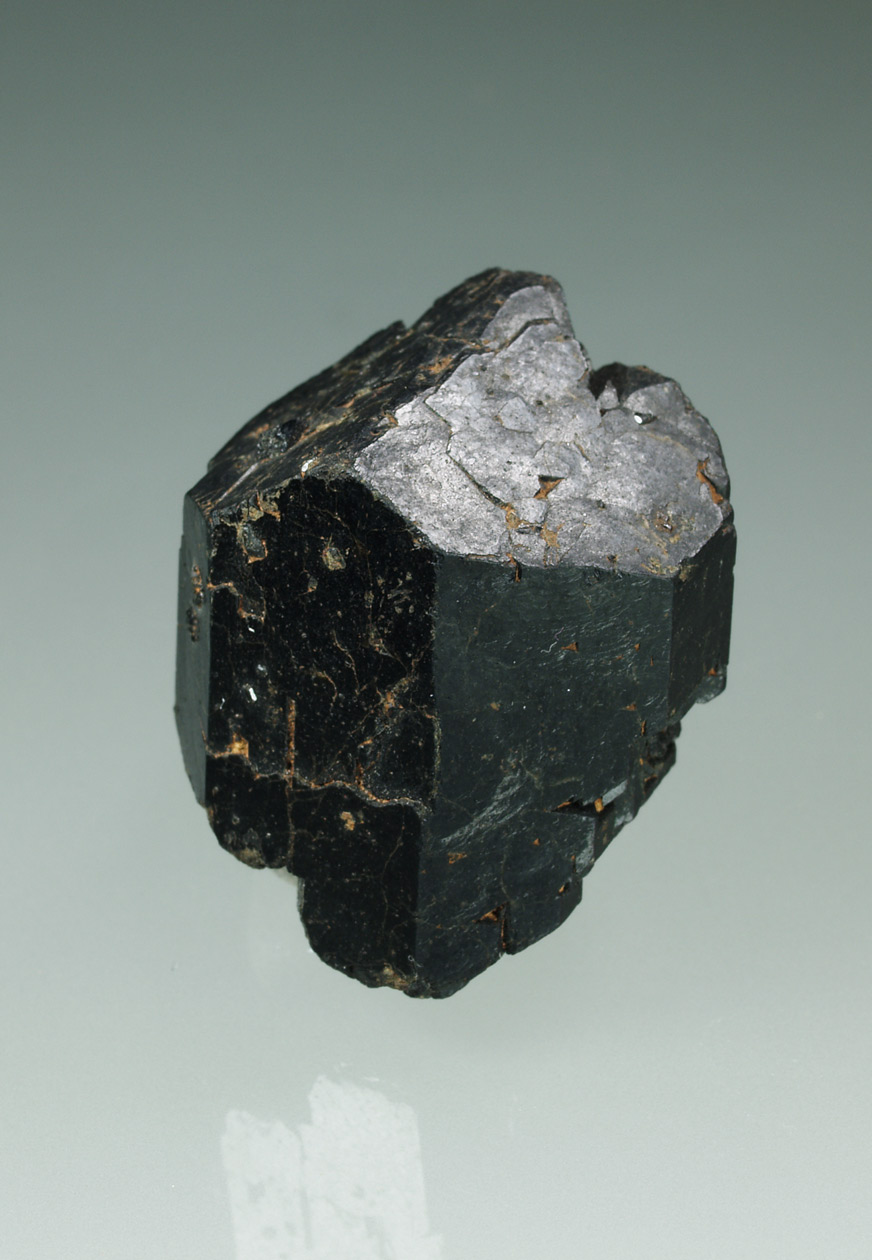
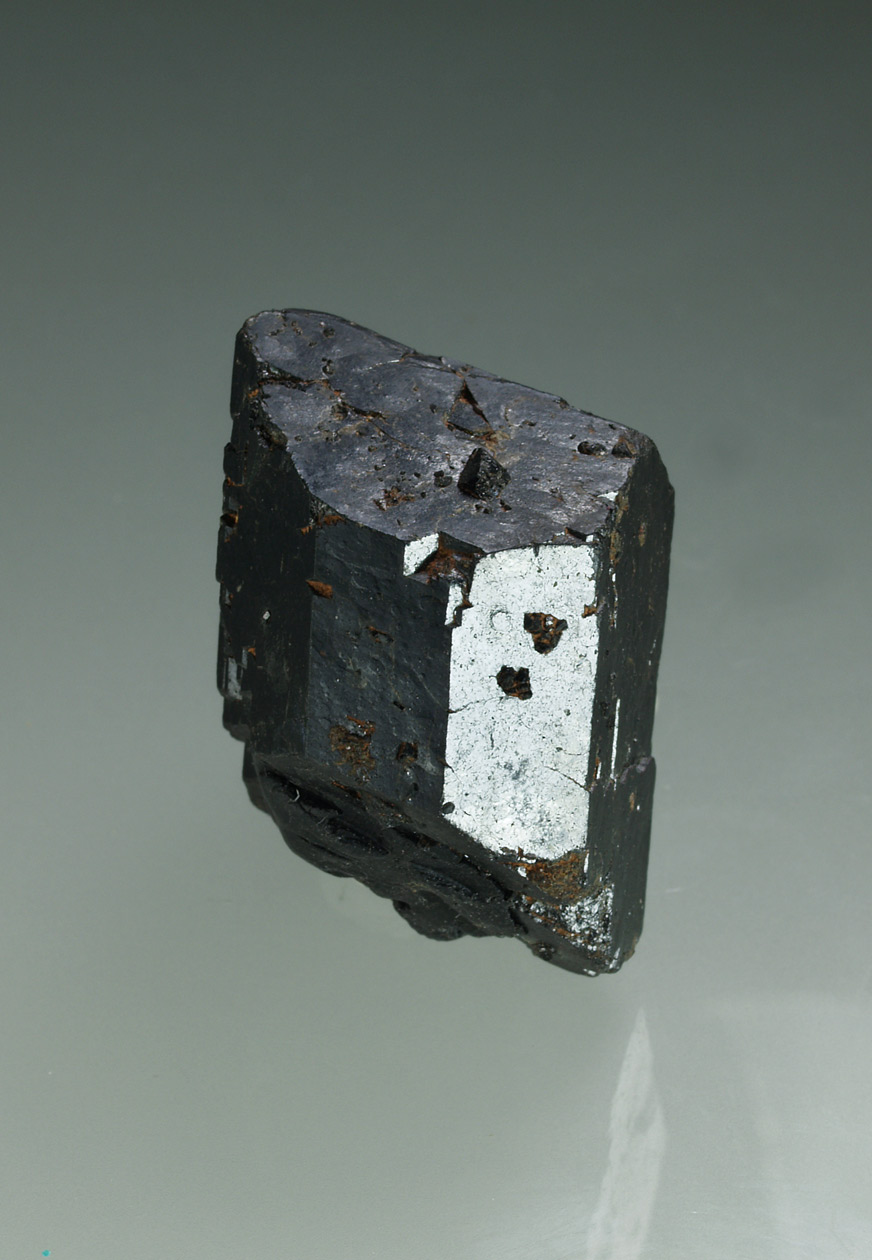
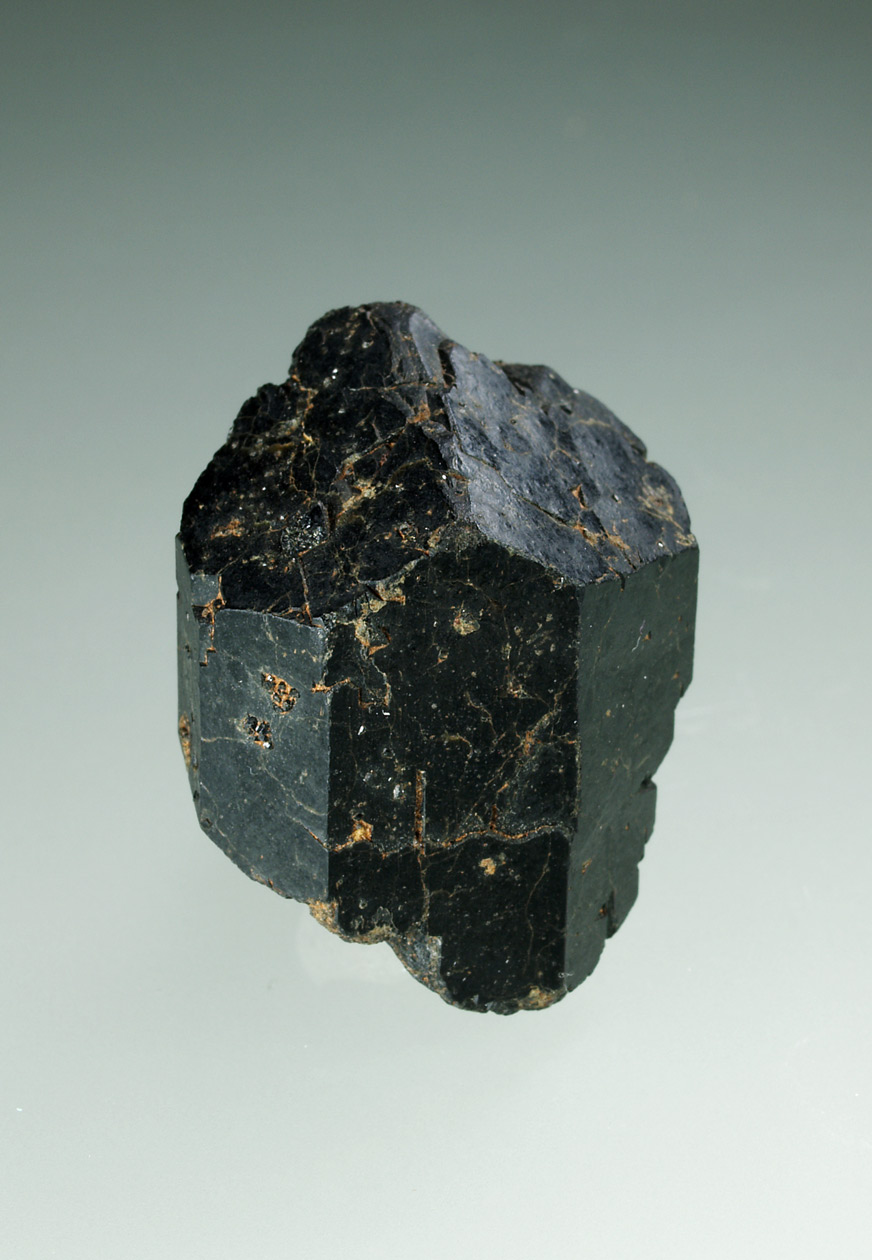
Cristal de augita de buen tamaño, muy rico en caras, definidas y brillantes. Intenso color negro. Se trata de una pieza antigua de la colección Manchion y procede de la conocida región volcánica de Olot, en Catalunya, donde hoy día está prohibido extraer muestras minerales.
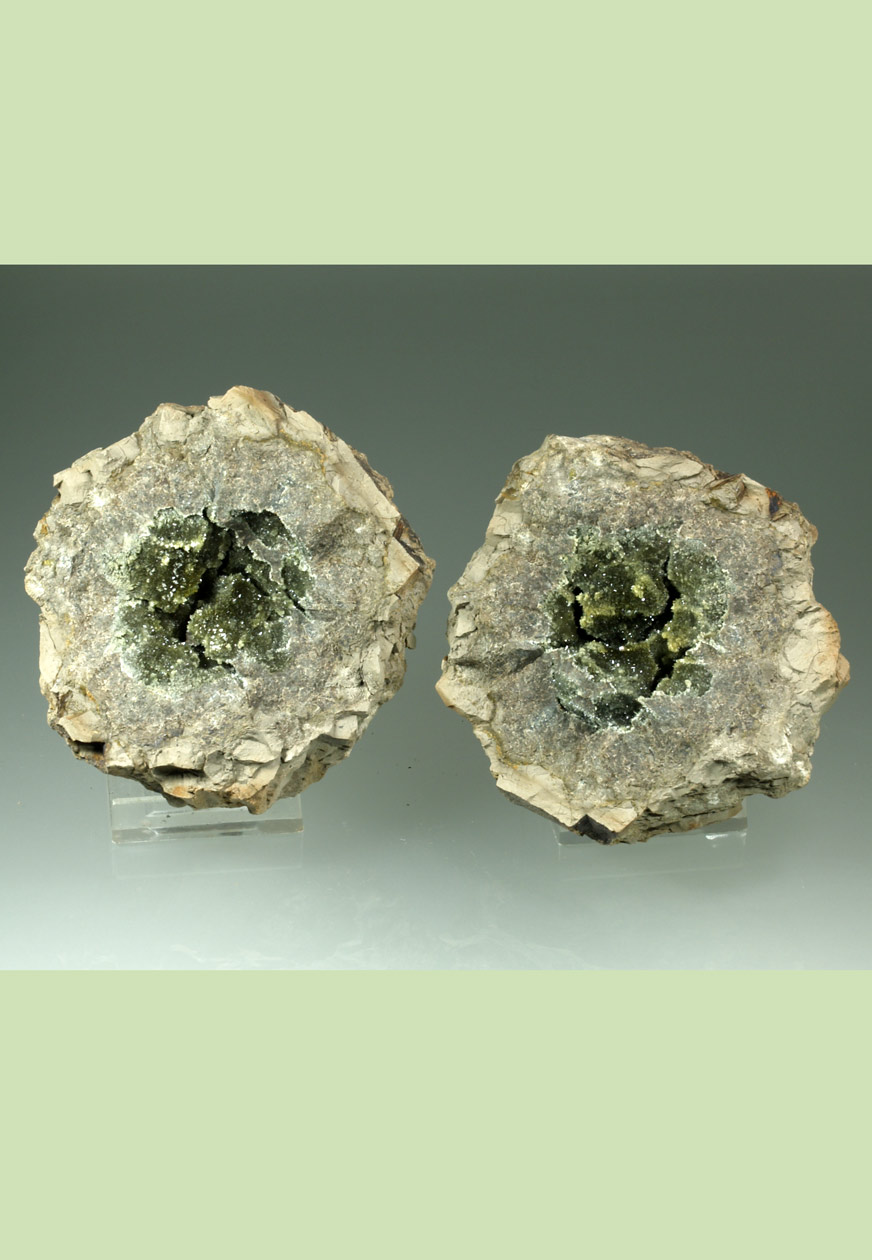
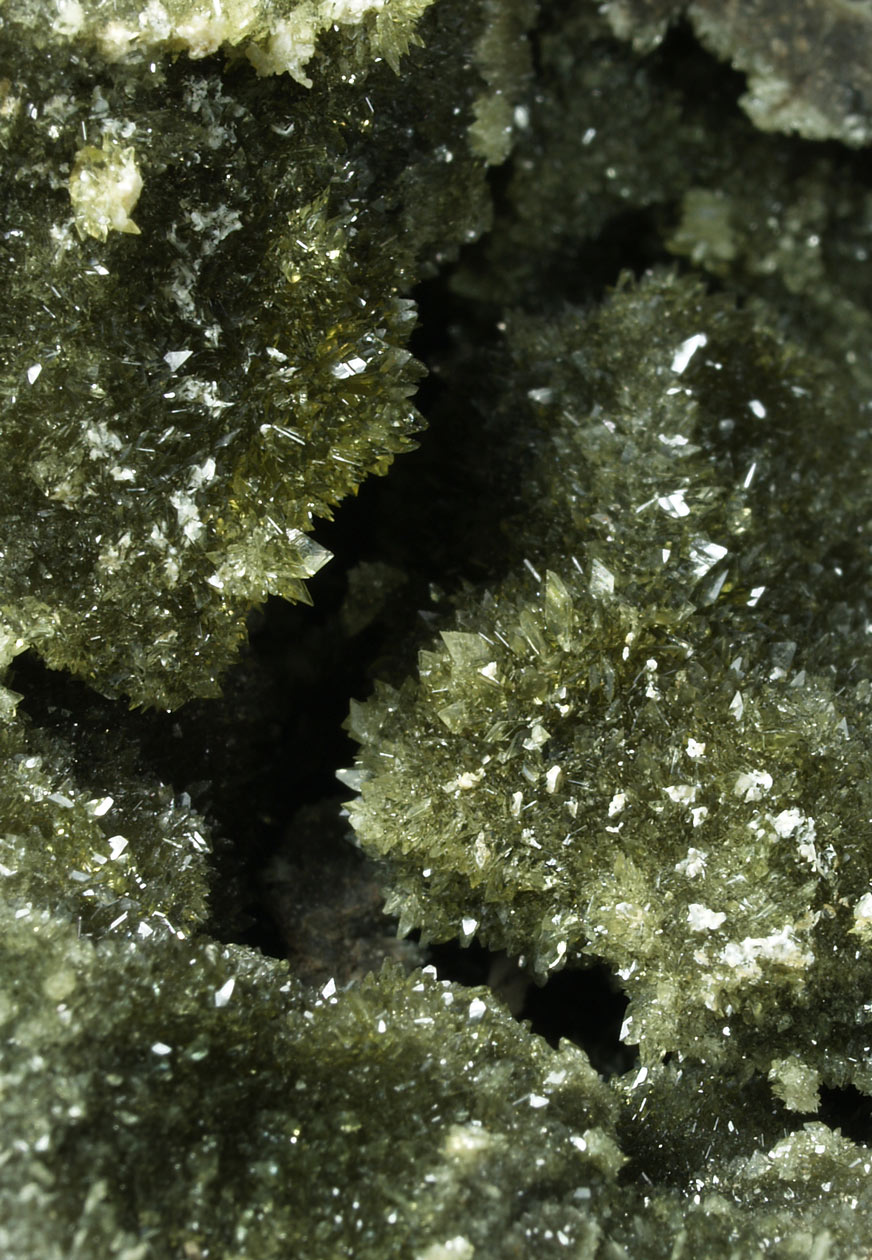
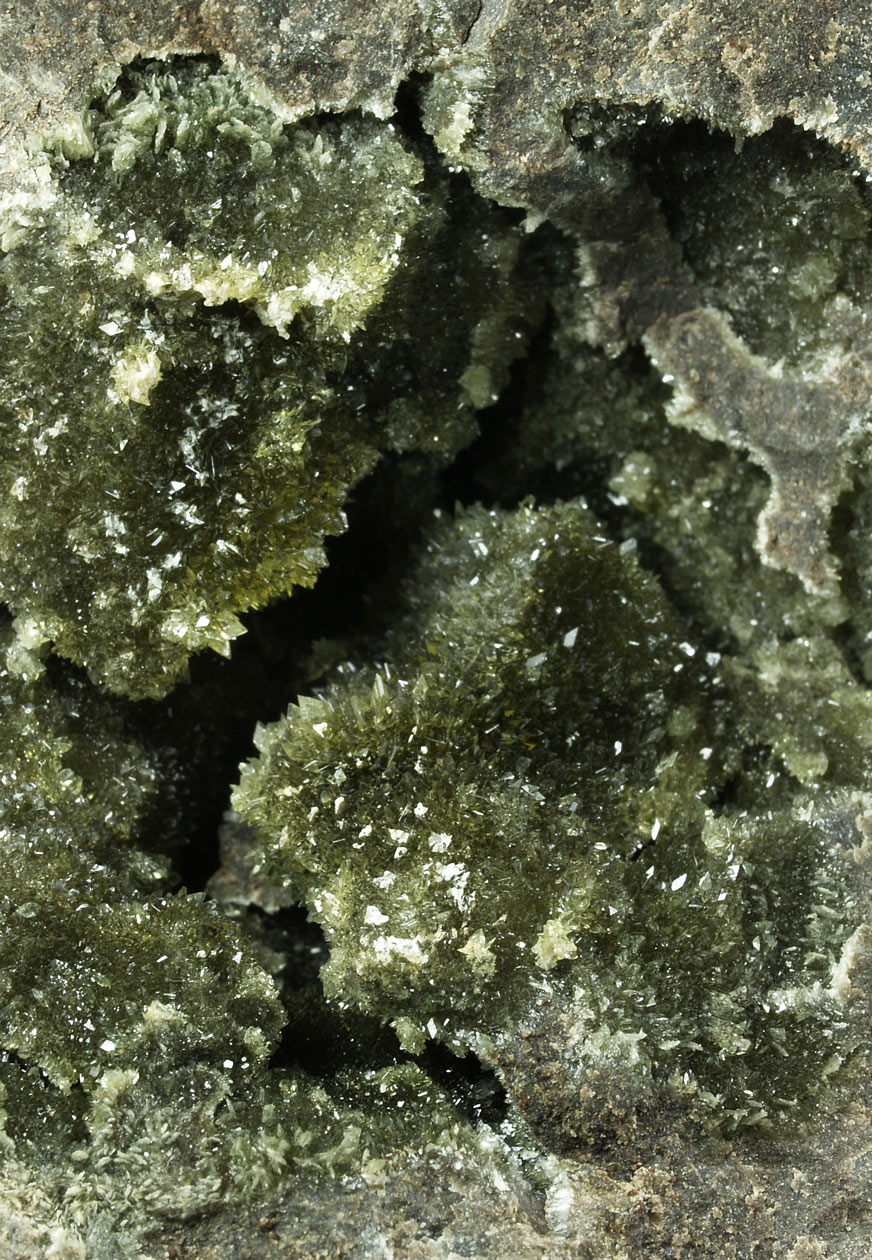
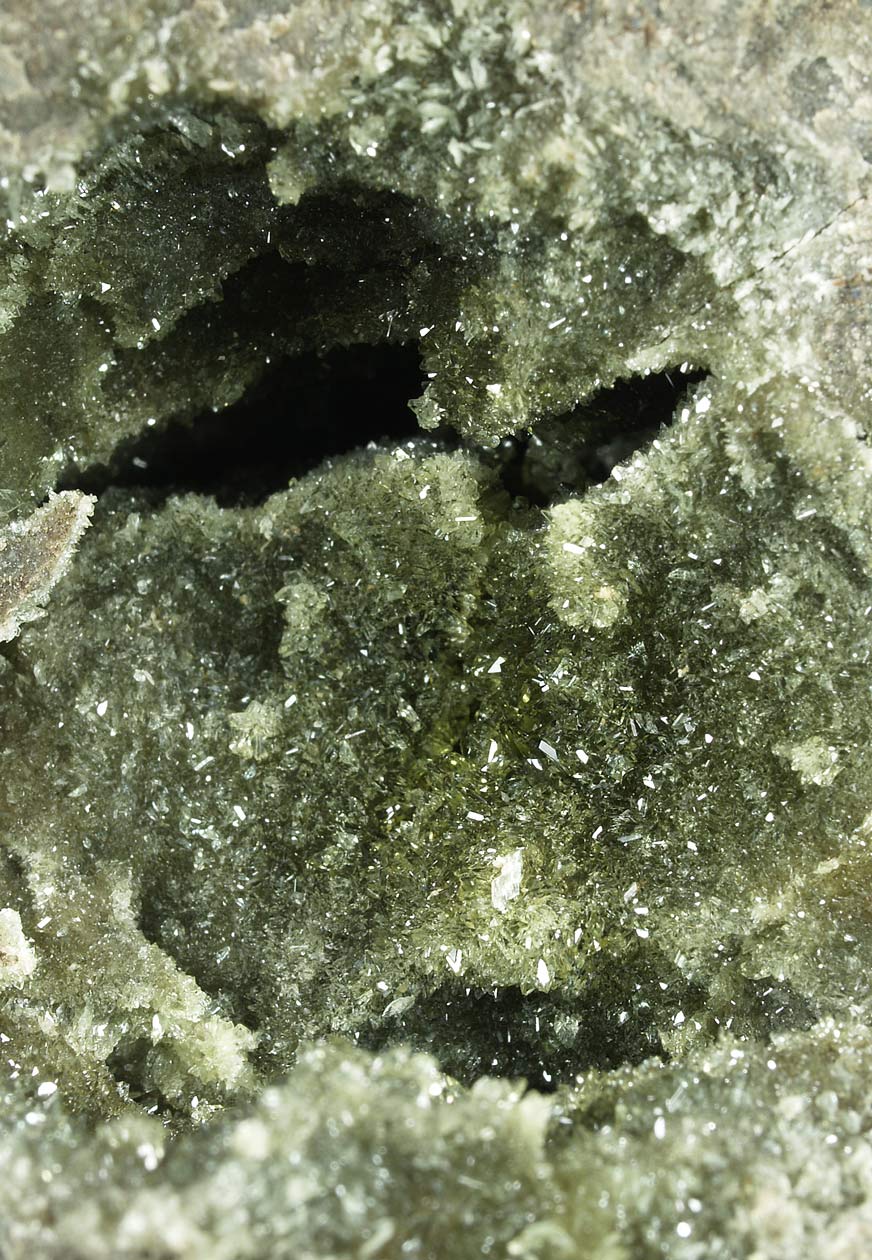
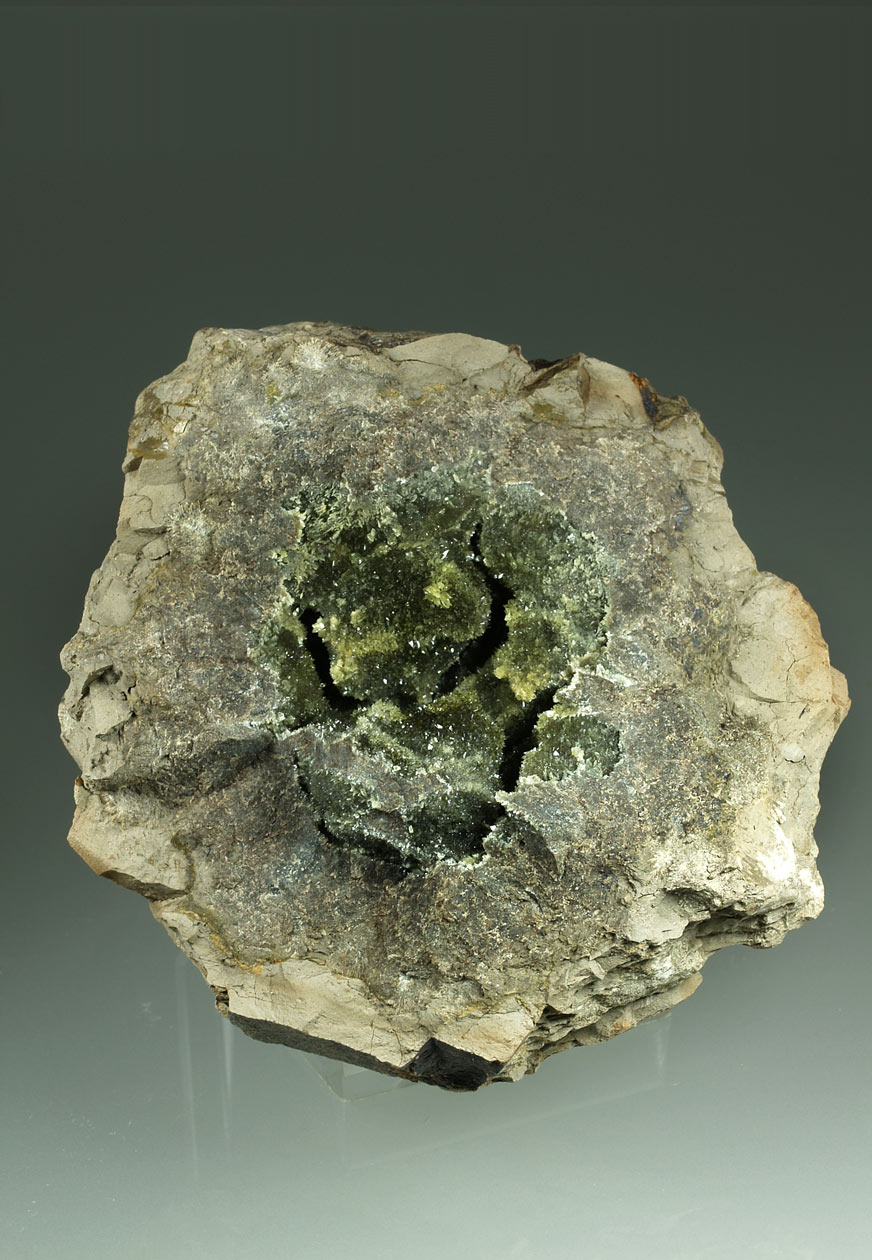
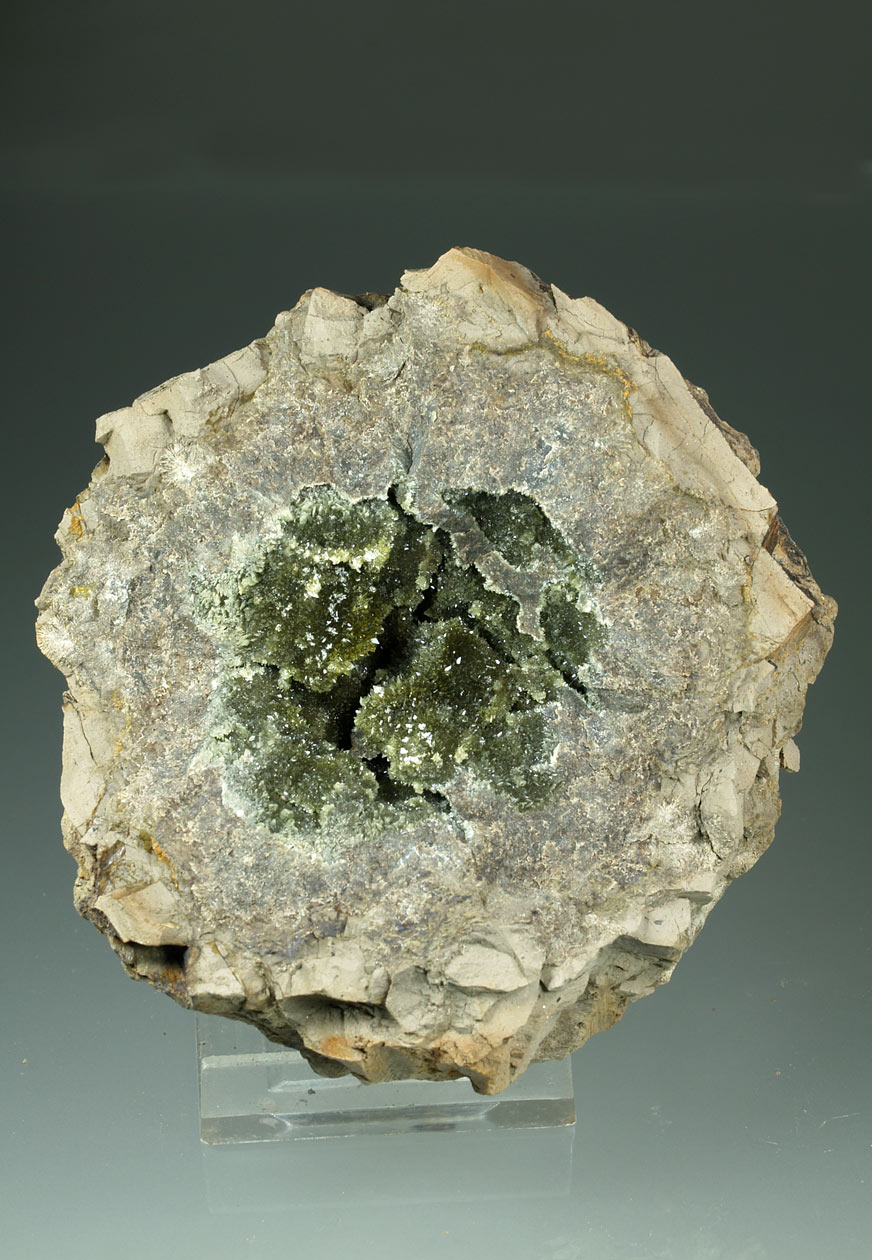
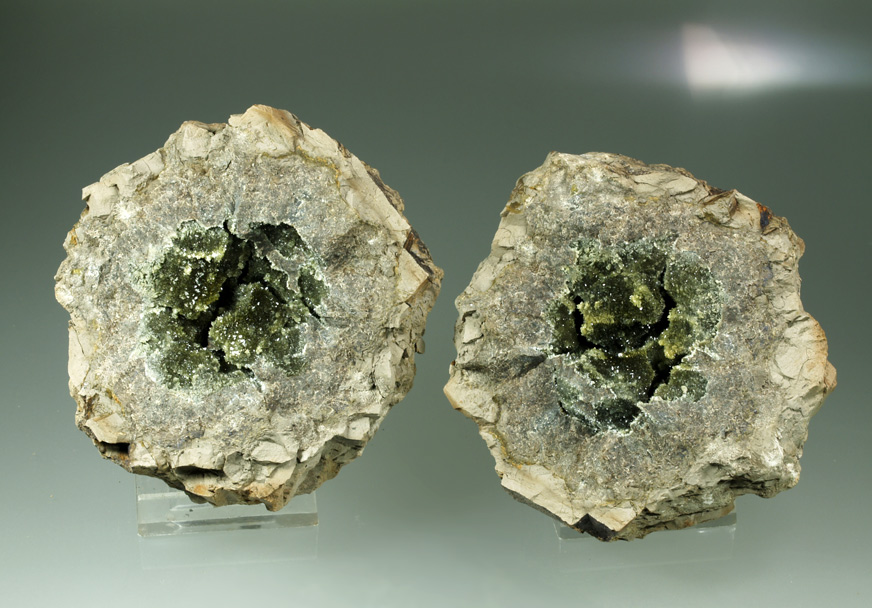
Este ejemplar nos presenta un nódulo de muy buen tamaño, con una parte interna tipo septaria totalmente recubierta de muy brillantes y transparentes cristales de color verde de este raro fosfato de hierro y calcio. En este espécimen vemos unos agregados de color blanco de fluorapatito. Los nódulos de anapaita de la zona de Bellver de la Cerdanya son un clásico de la mineralogía catalana. Los materiales donde aparecen estos nódulos forman parte del relleno de un lago profundo del mioceno superior que se desarrolló en la parte meridional de la fosa de la Cerdanya.
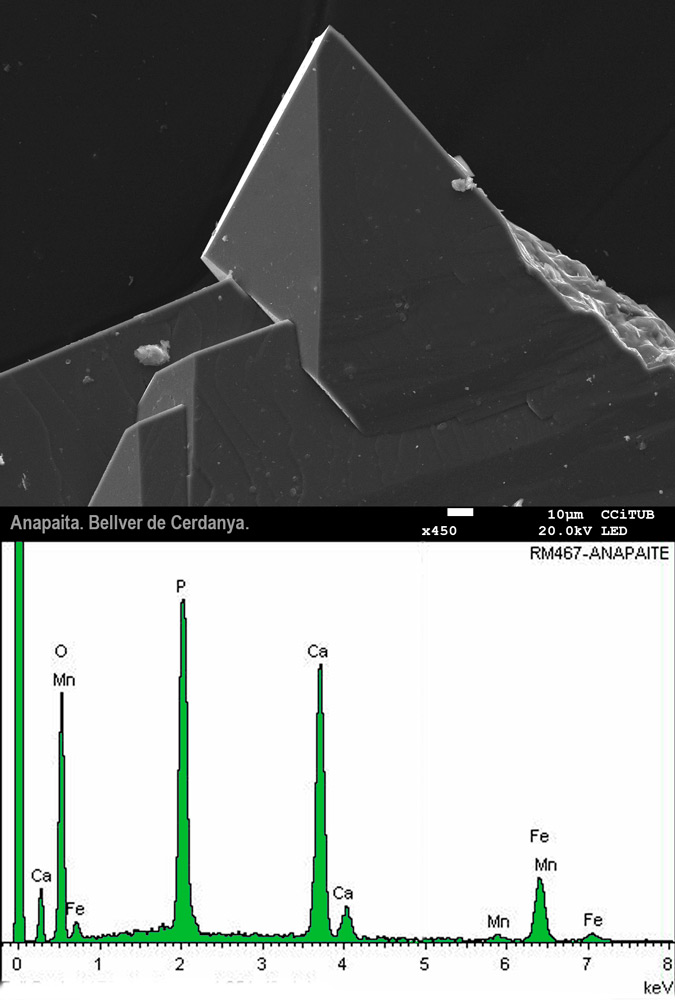
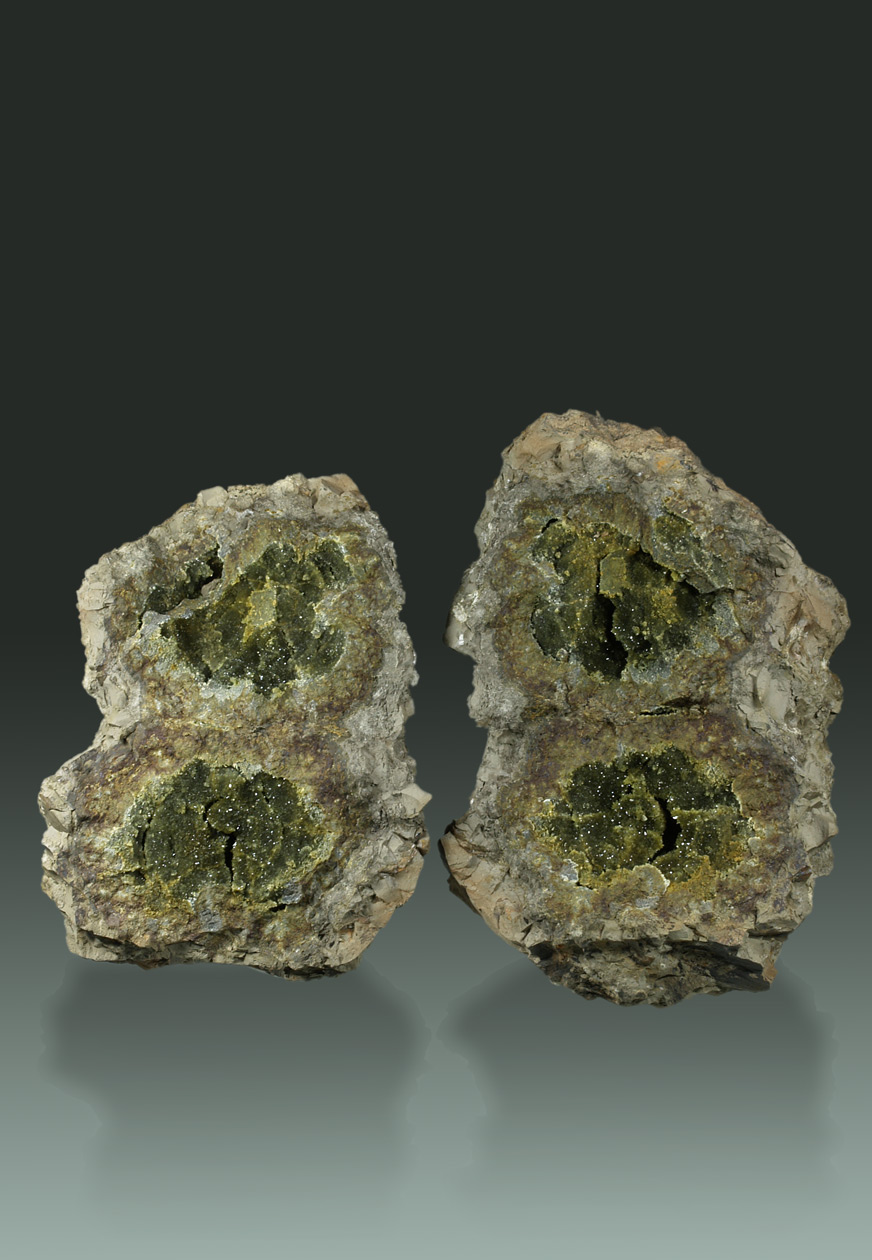
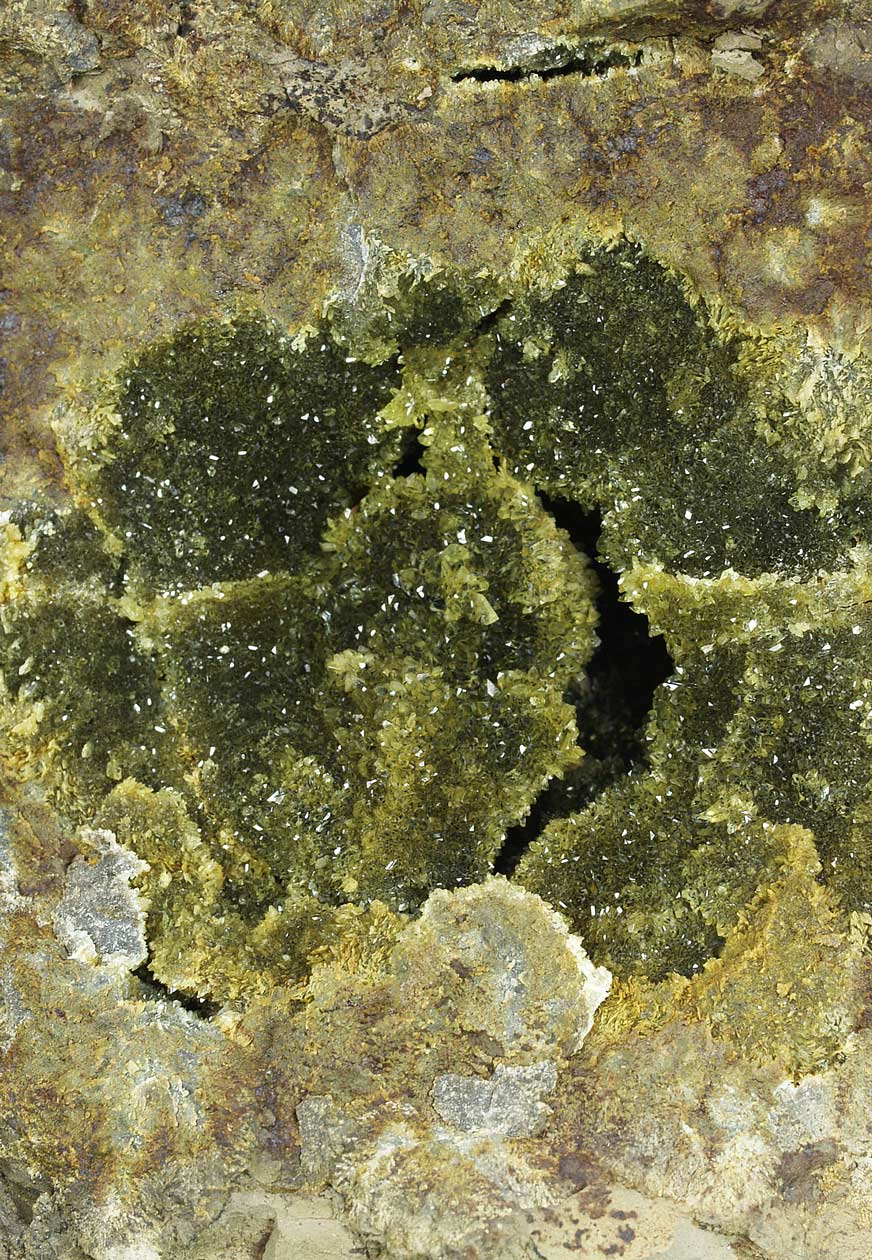
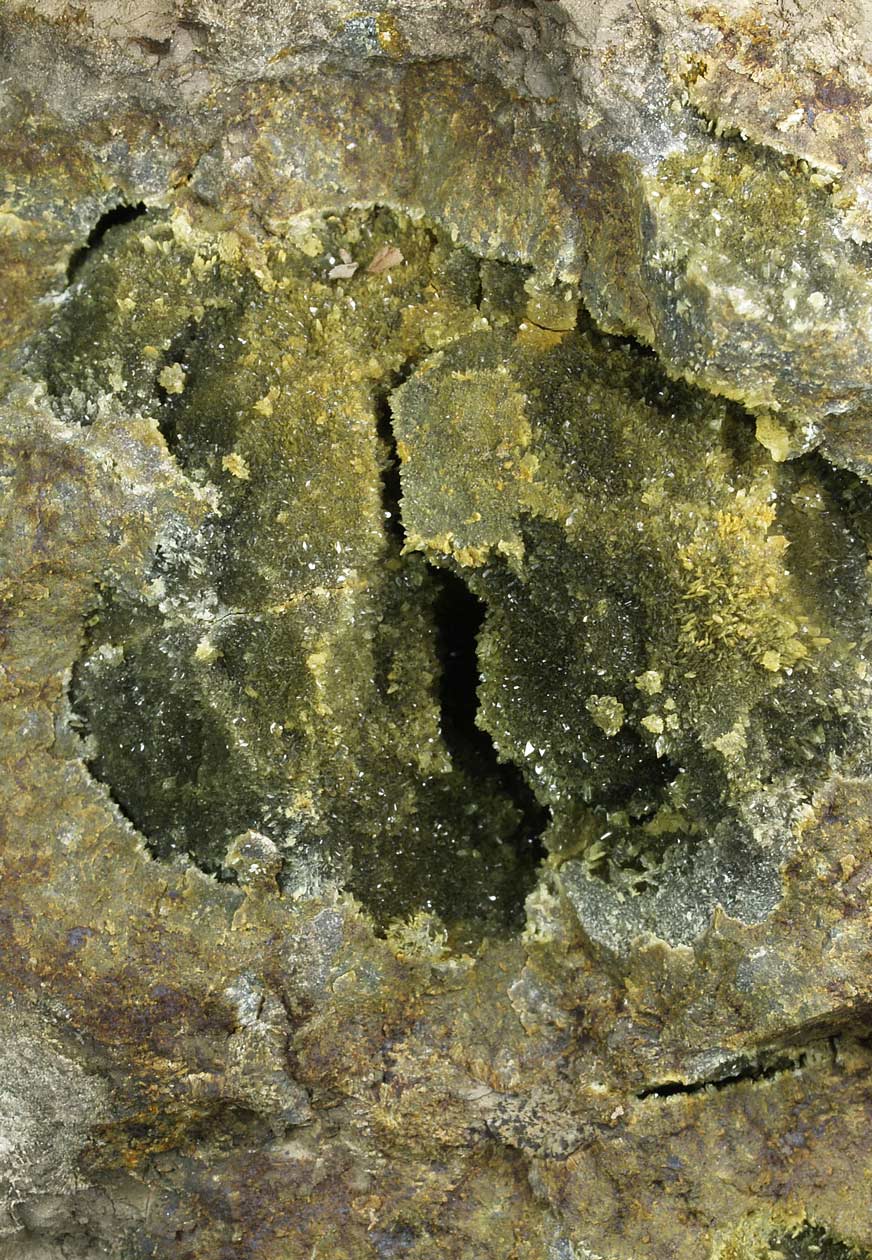
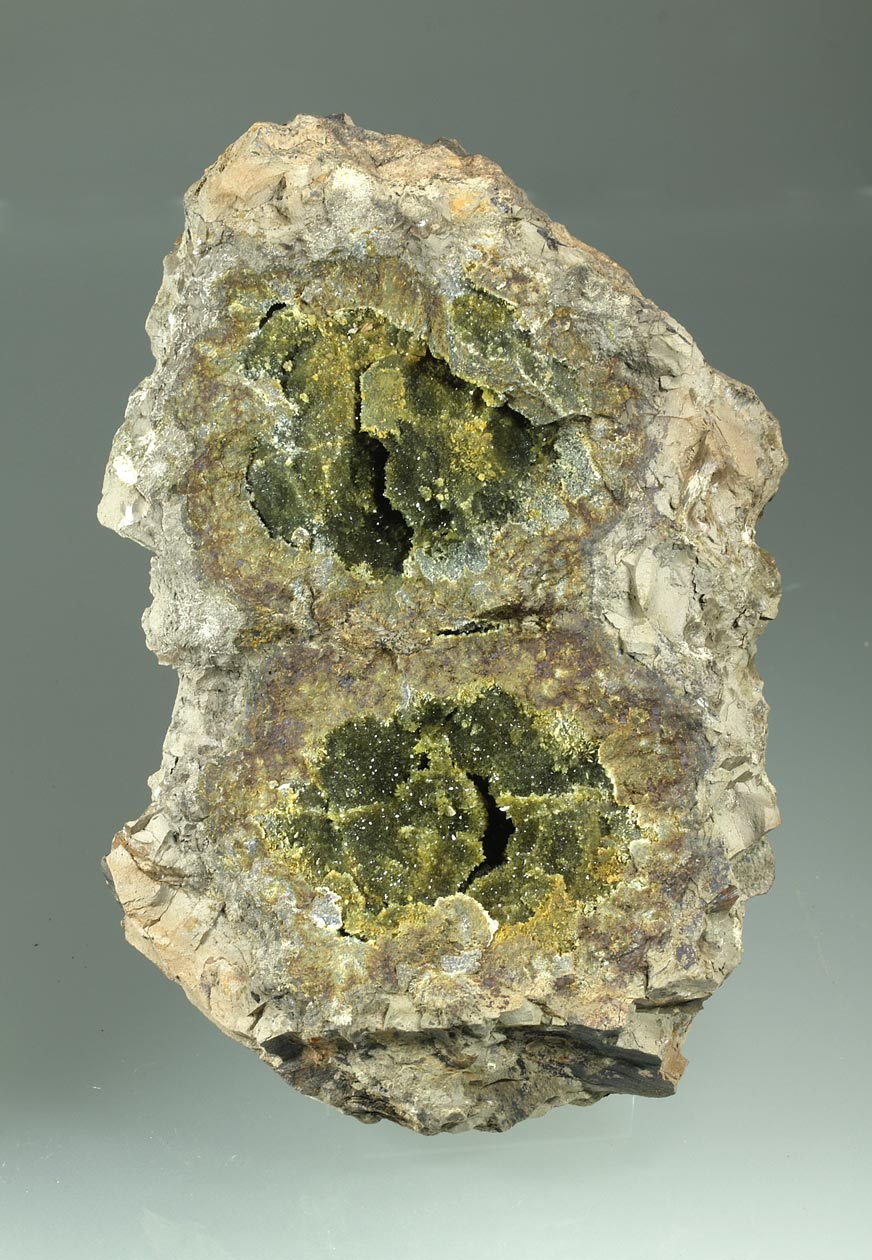
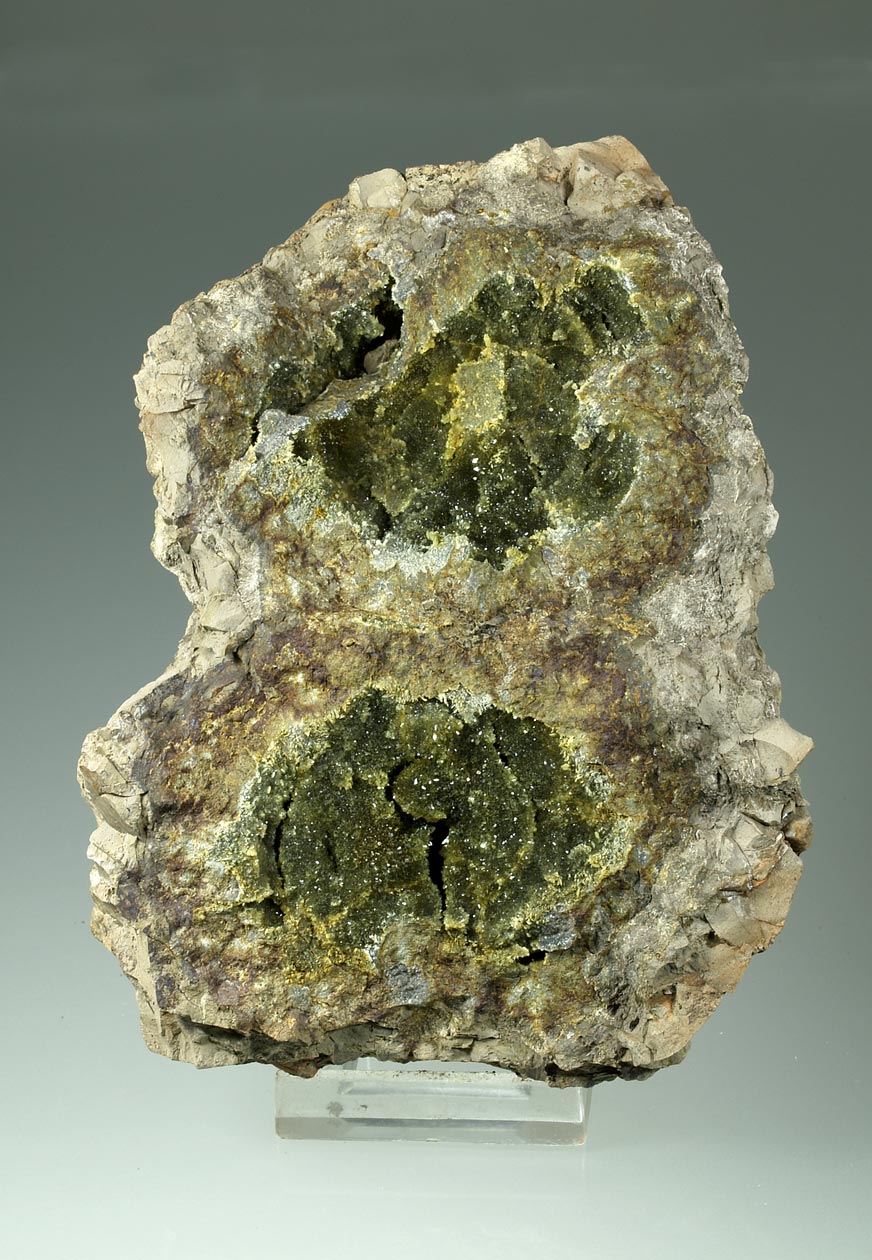
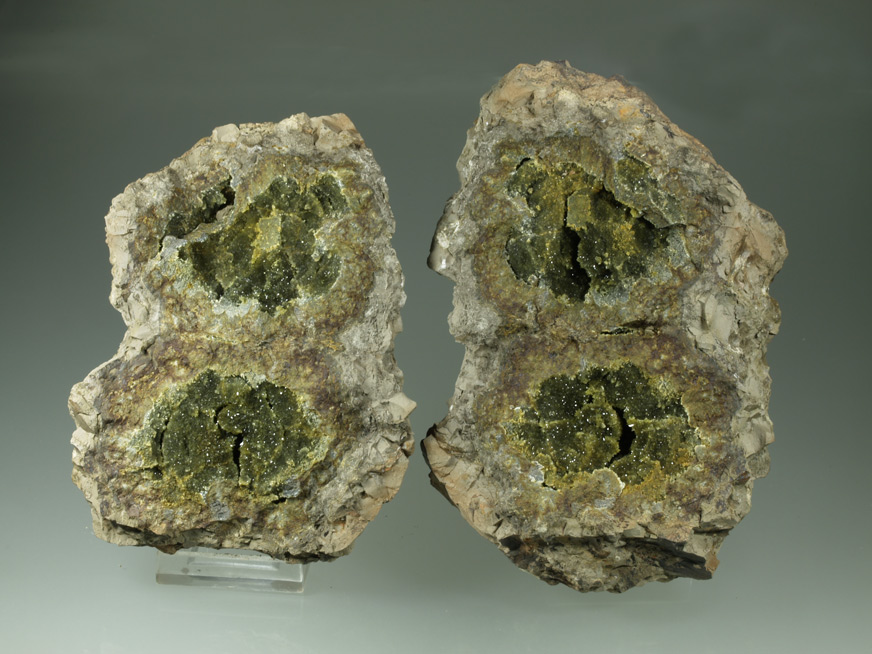
Este ejemplar nos presenta dos nódulos de muy buen tamaño, con una parte interna tipo septaria totalmente recubierta de muy brillantes y transparentes cristales de color verde a verde amarillento de este raro fosfato de hierro y calcio. No son frecuentes los dobles núcleos. Los nódulos de anapaita de la zona de Bellver de la Cerdanya son un clásico de la mineralogía catalana. Los materiales donde aparecen estos nódulos forman parte del relleno de un lago profundo del mioceno superior que se desarrolló en la parte meridional de la fosa de la Cerdanya.
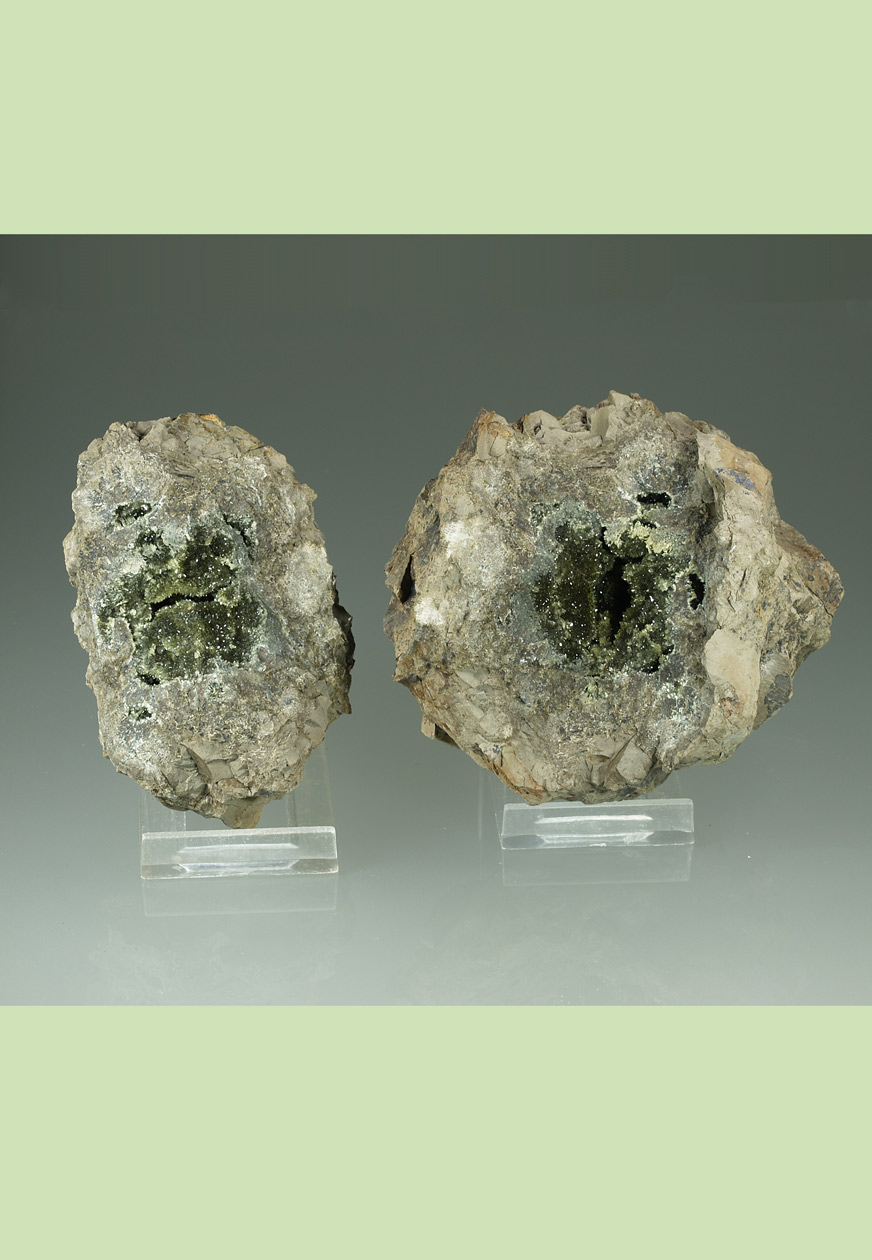
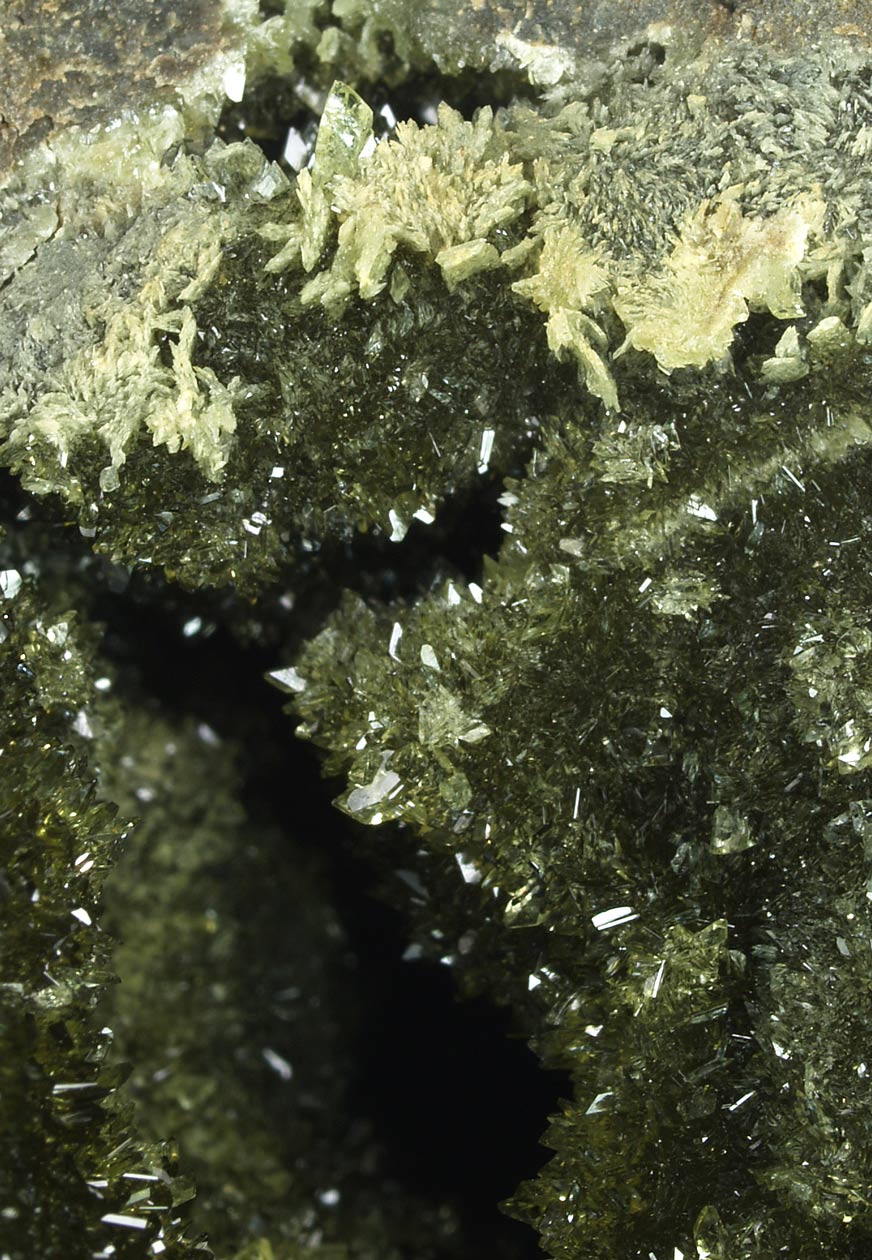
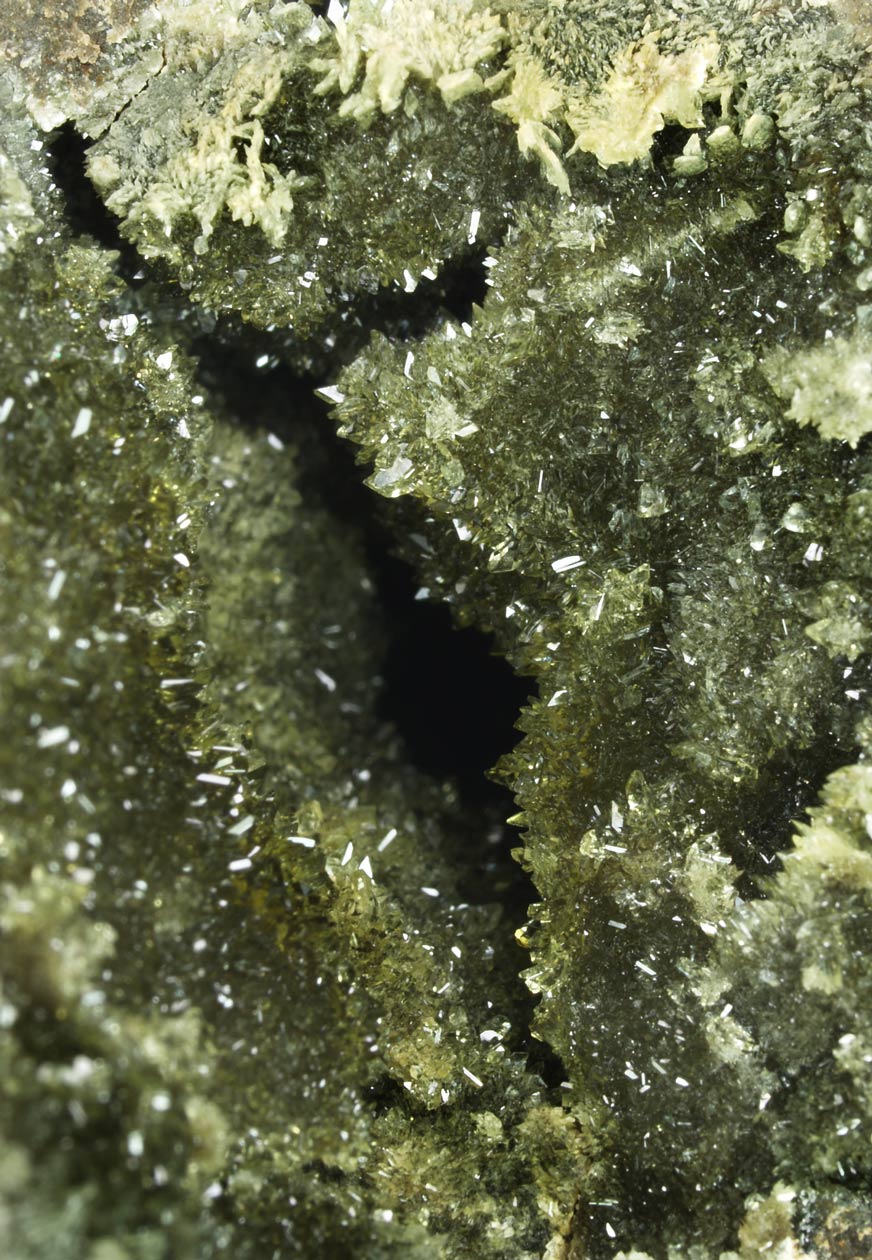
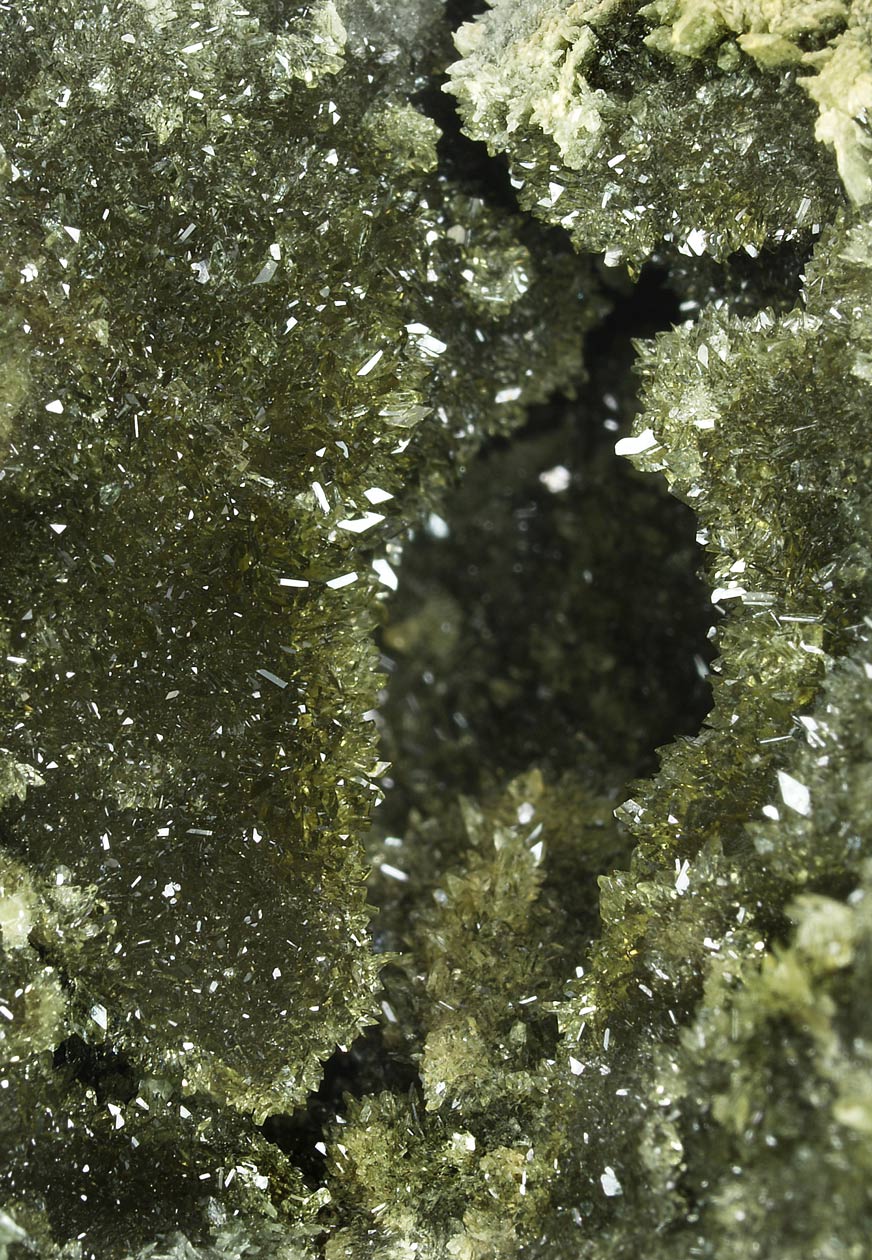
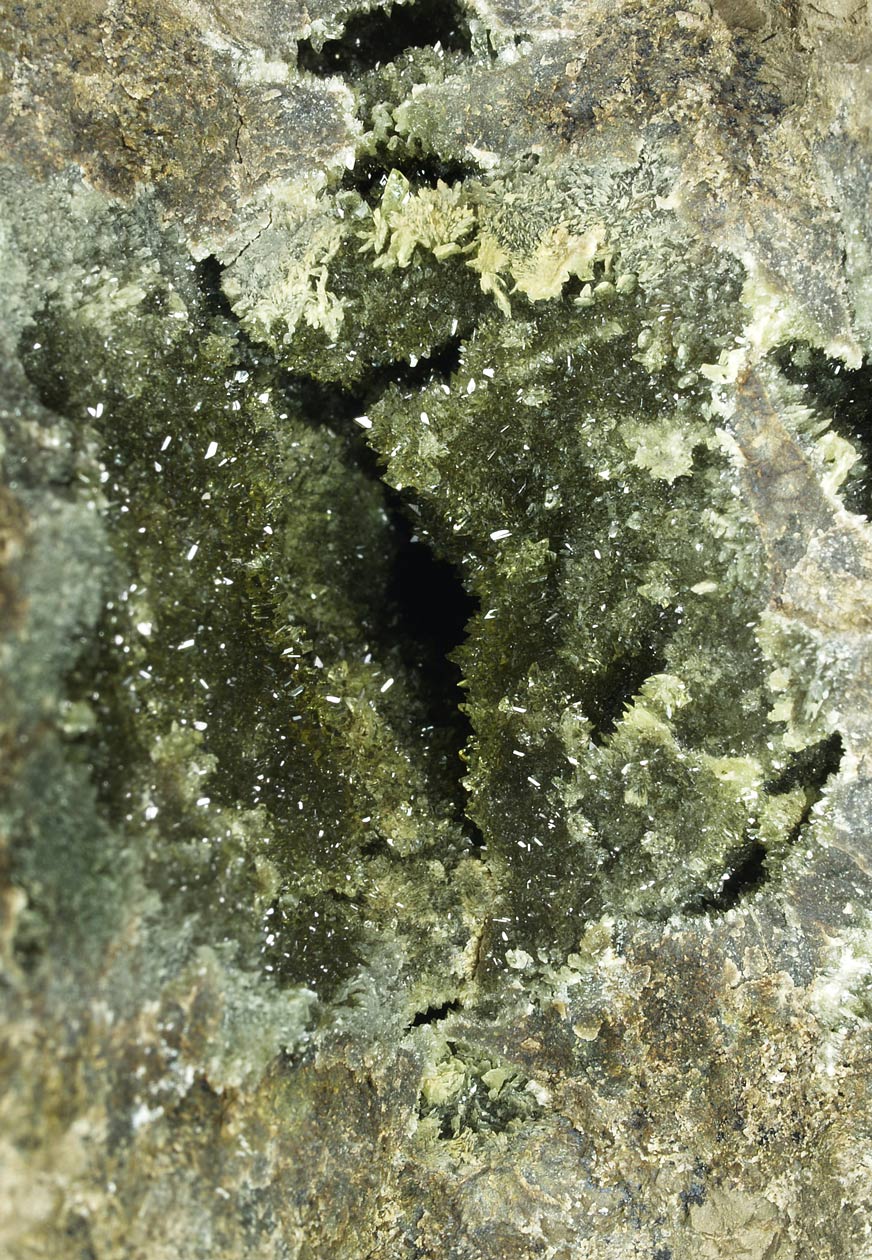
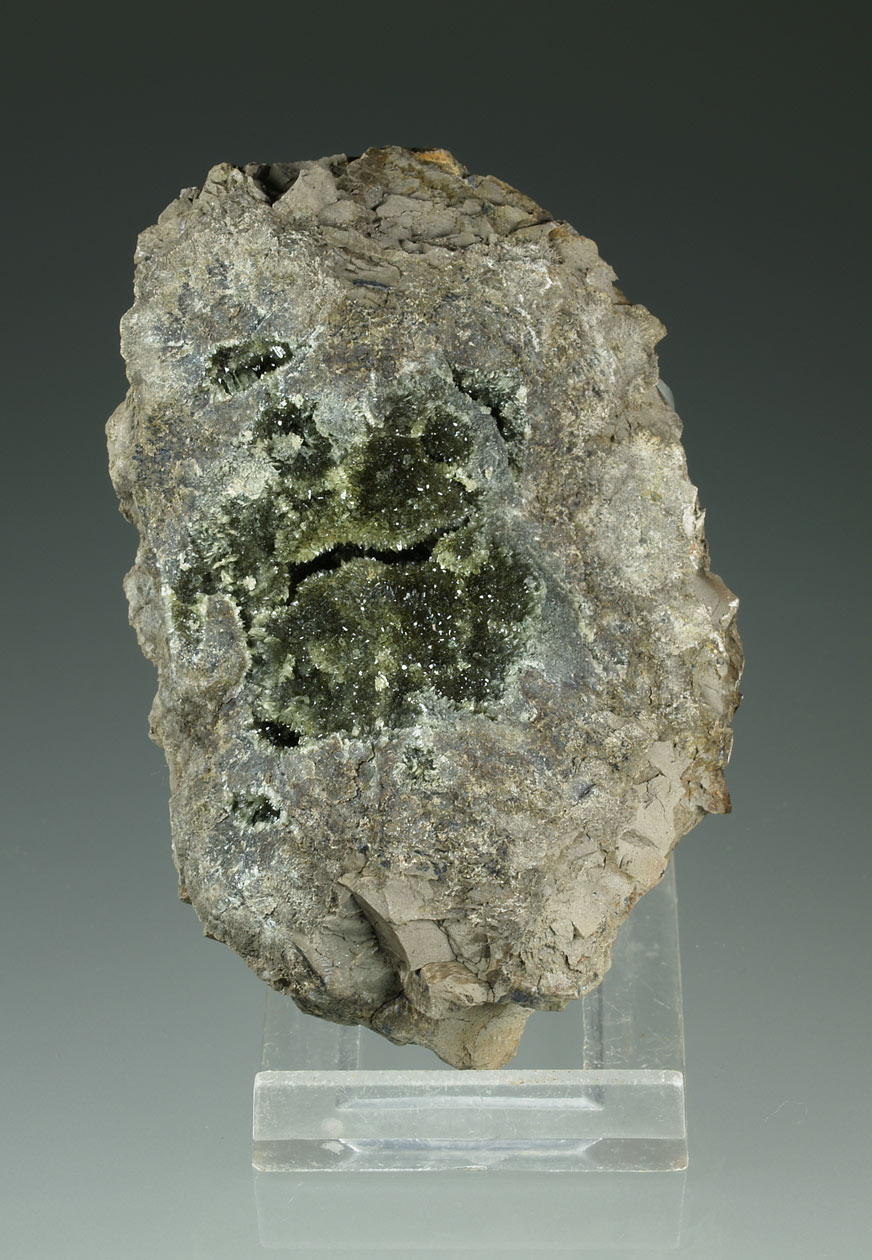
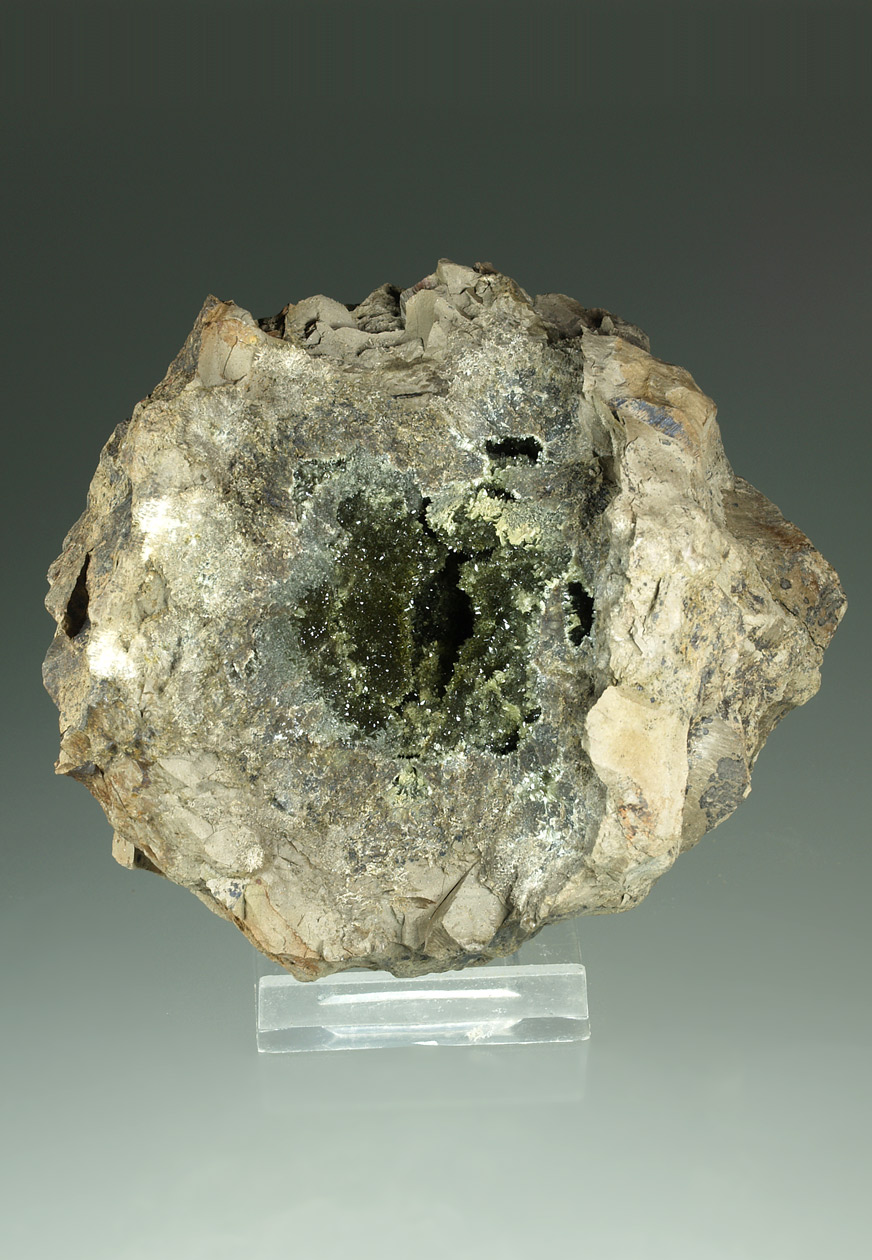
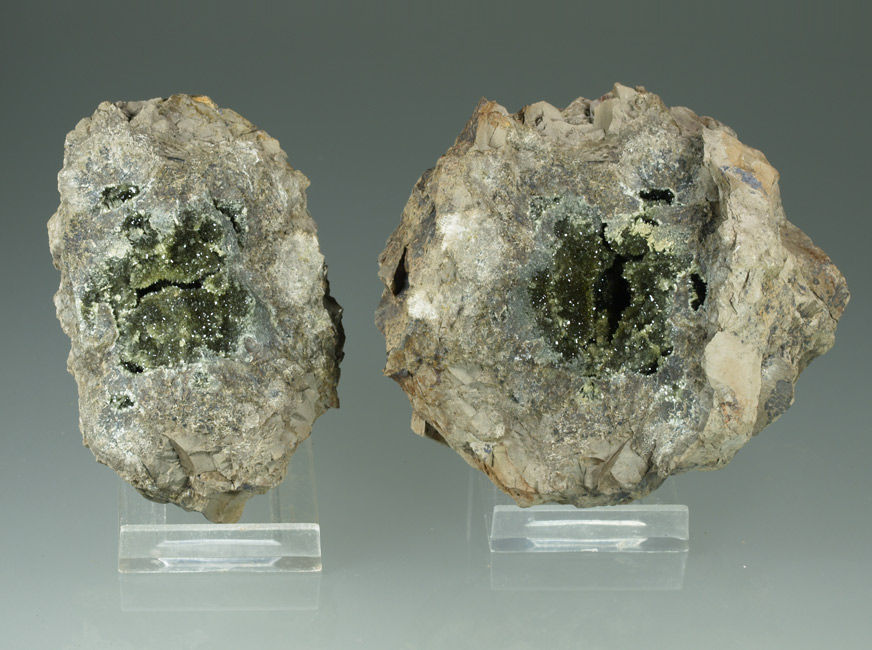
Este ejemplar nos presenta un nódulo de muy buen tamaño, con una parte interna tipo septaria totalmente recubierta de muy brillantes y transparentes cristales de color verde de este raro fosfato de hierro y calcio. En este especimen vemos unos cristales de aspecto más tabular, de tono beige, que pueden corresponderse a la messelita. Los nódulos de anapaita de la zona de Bellver de la Cerdanya son un clásico de la mineralogía catalana. Los materiales donde aparecen estos nódulos forman parte del relleno de un lago profundo del mioceno superior que se desarrolló en la parte meridional de la fosa de la Cerdanya.
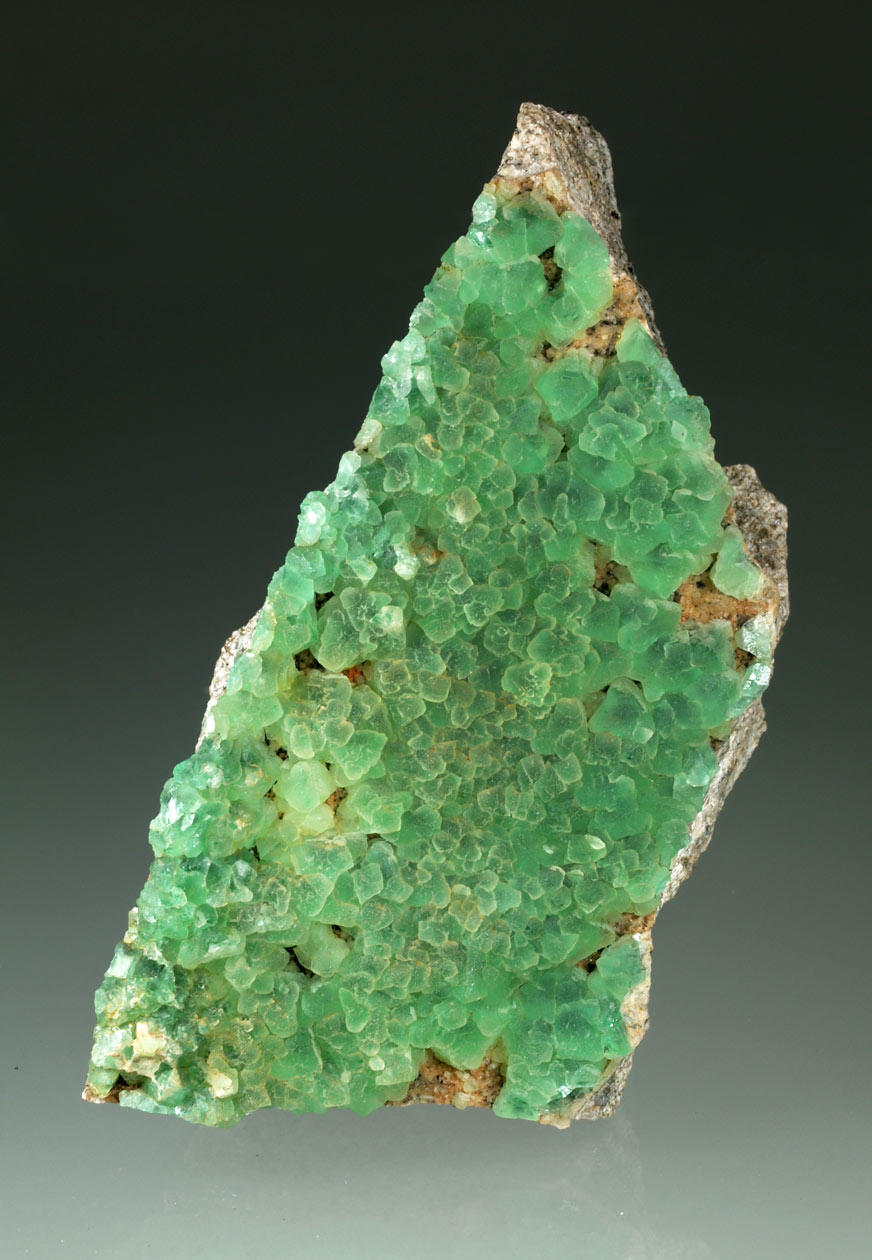
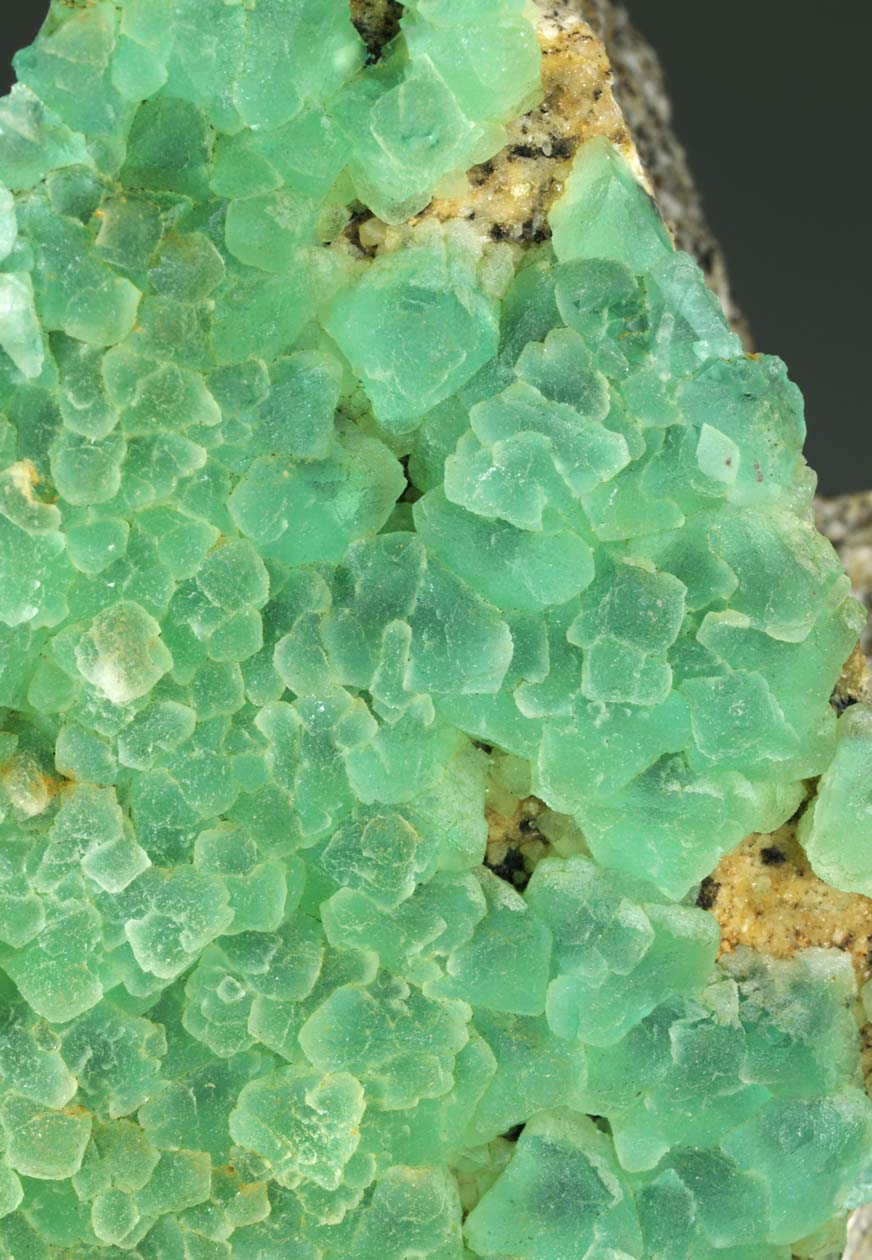
Drusa de cristales de fluorita. Este tipo de cristales octaédricos muestran un brillo especial debido a los múltiples crecimientos de pequeños cristales en las caras del octaedro. Este hecho les confiere una superfície rugosa. Translúcidos, con buen color verde y buen tamaño. La mina-cantera Berta se encuentra en proceso de relleno y restauración. Un ejemplar de mediados de los 80, sin aceitar y de la colección Manchion.
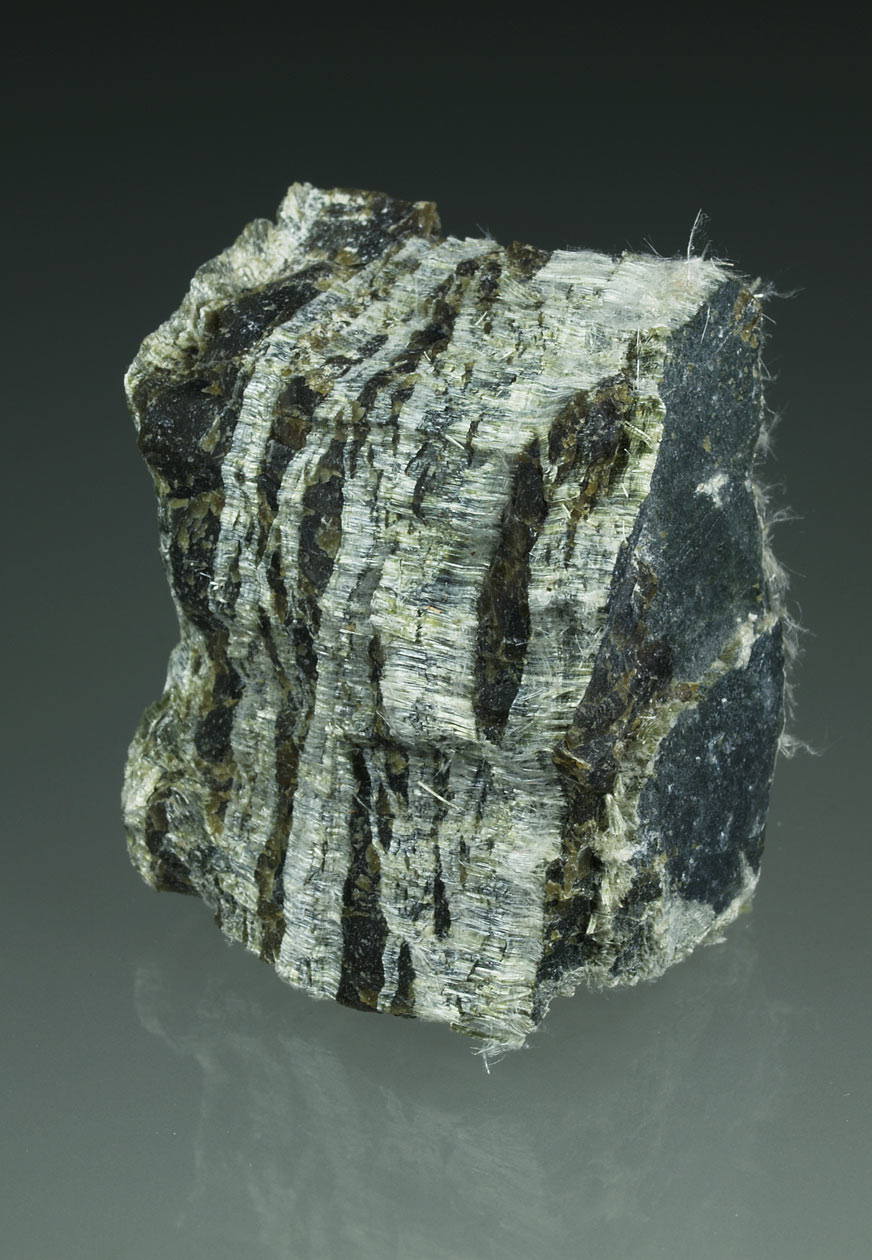
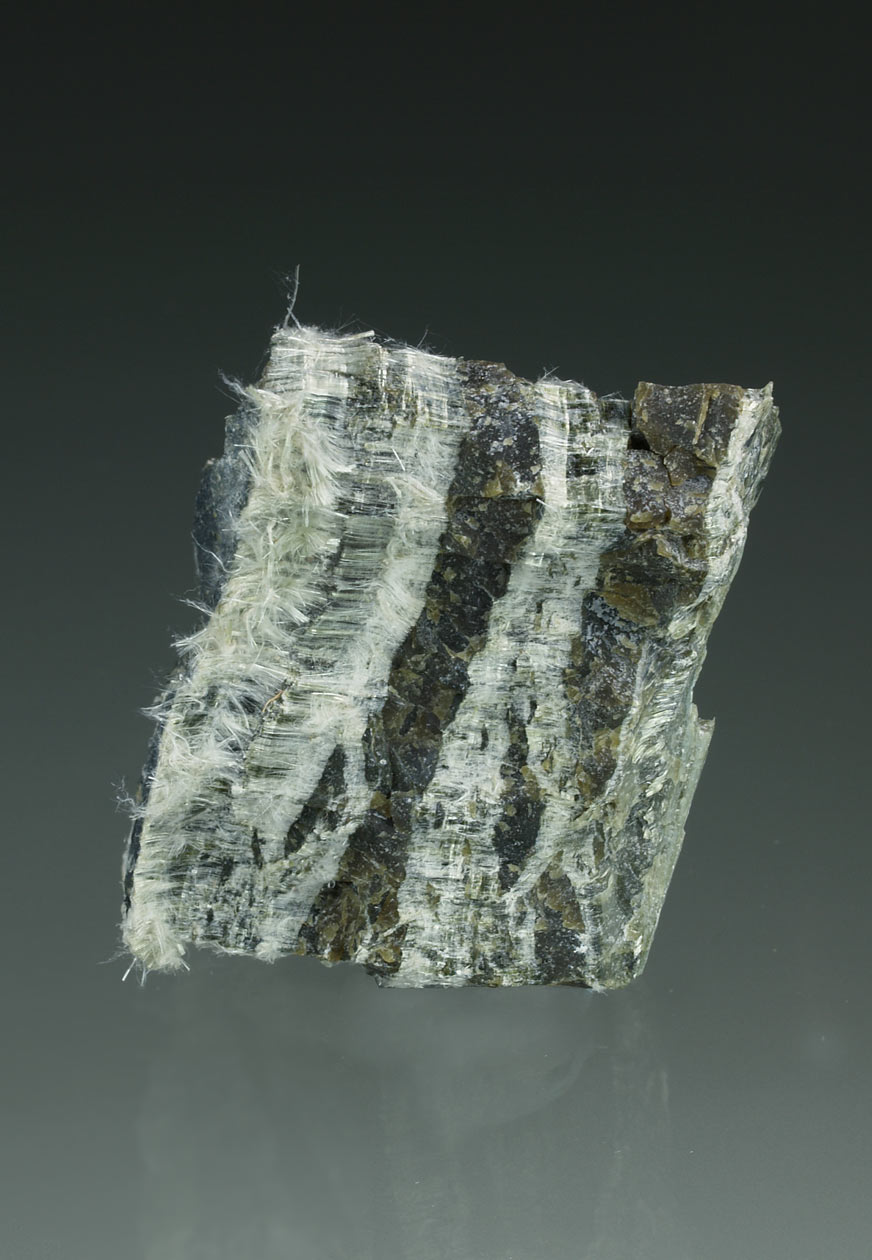
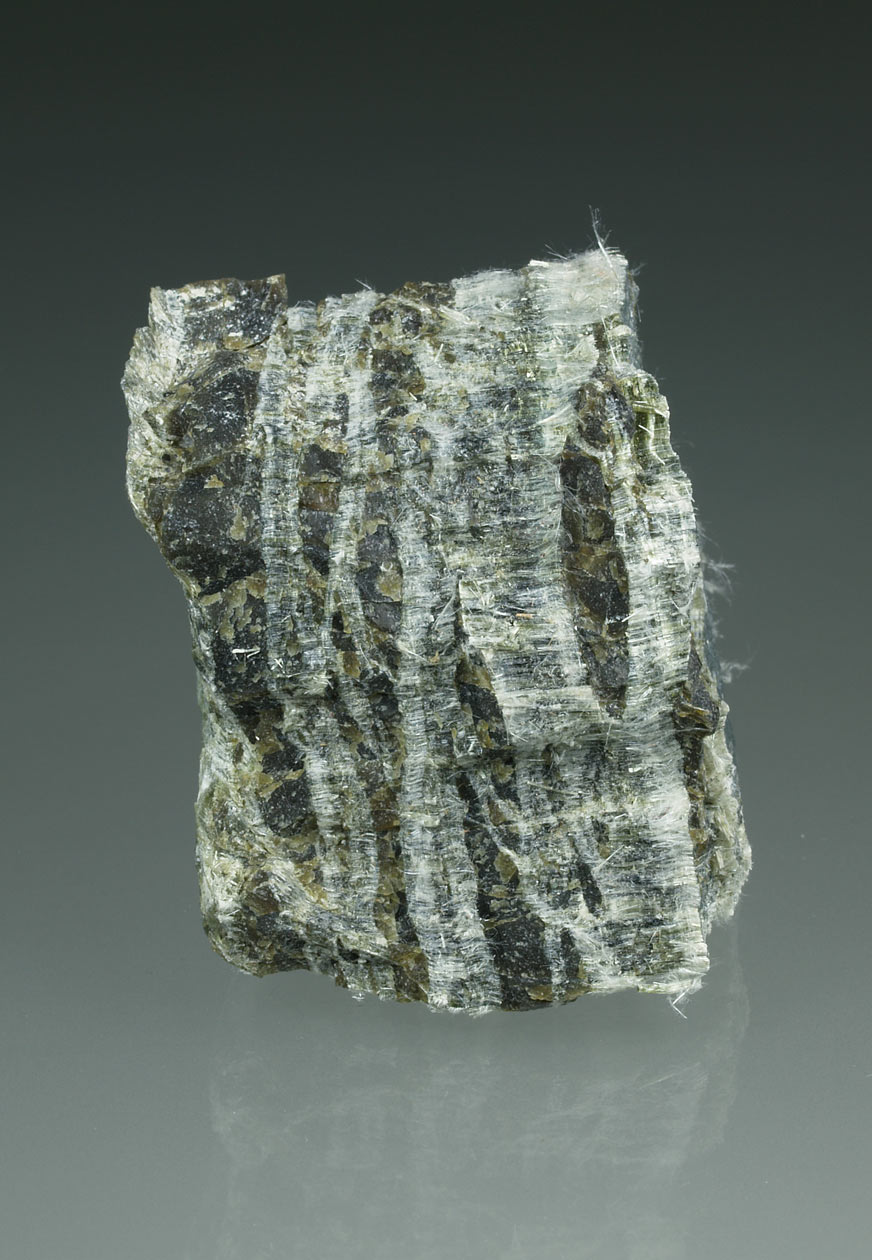
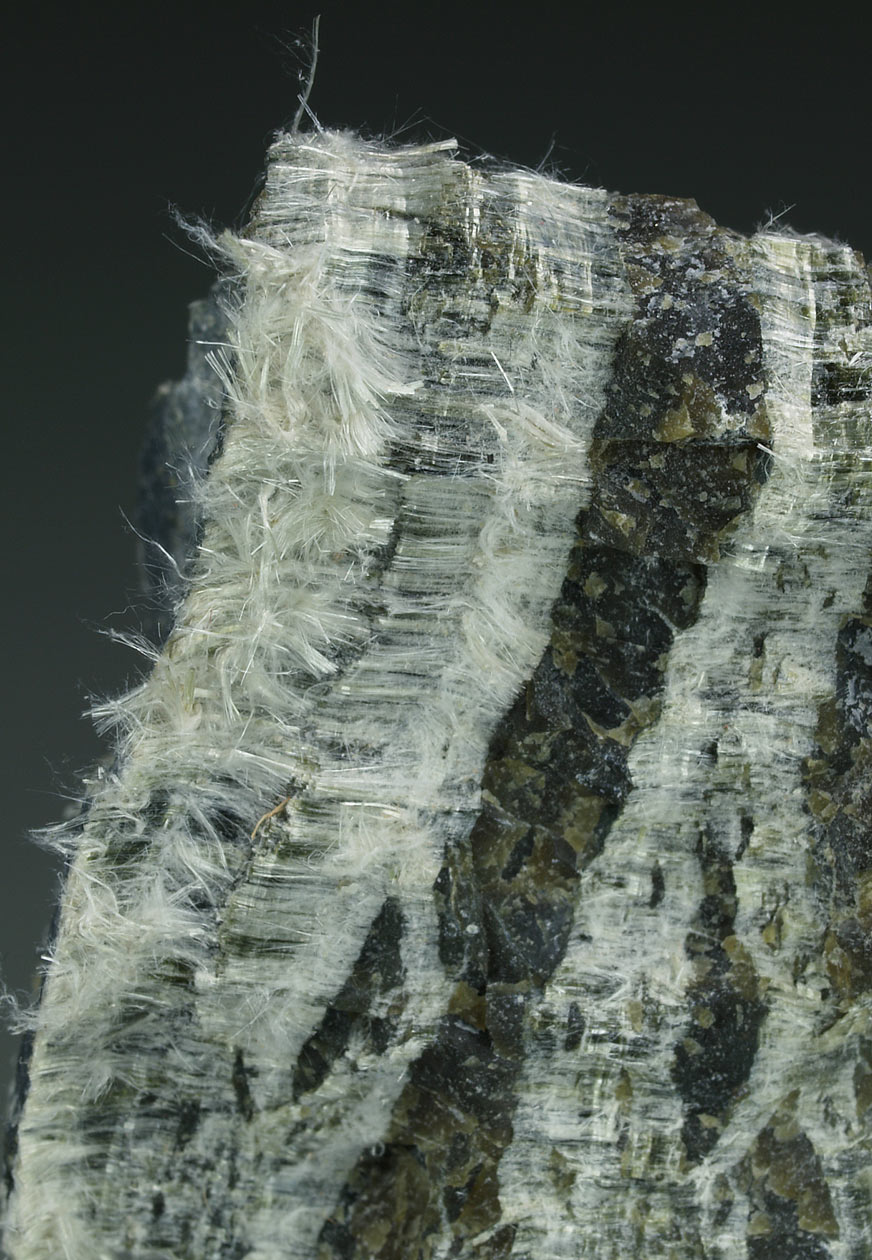
Buen ejemplar de crisótilo de esta mina clásica catalana. Presenta un aspecto fibroso en bandas incluído en serpentinas.
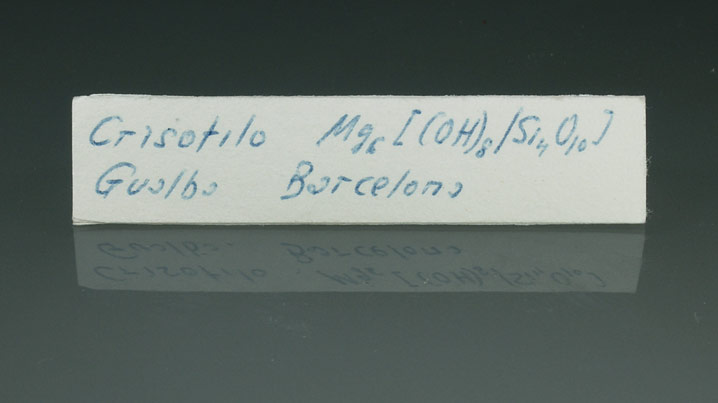
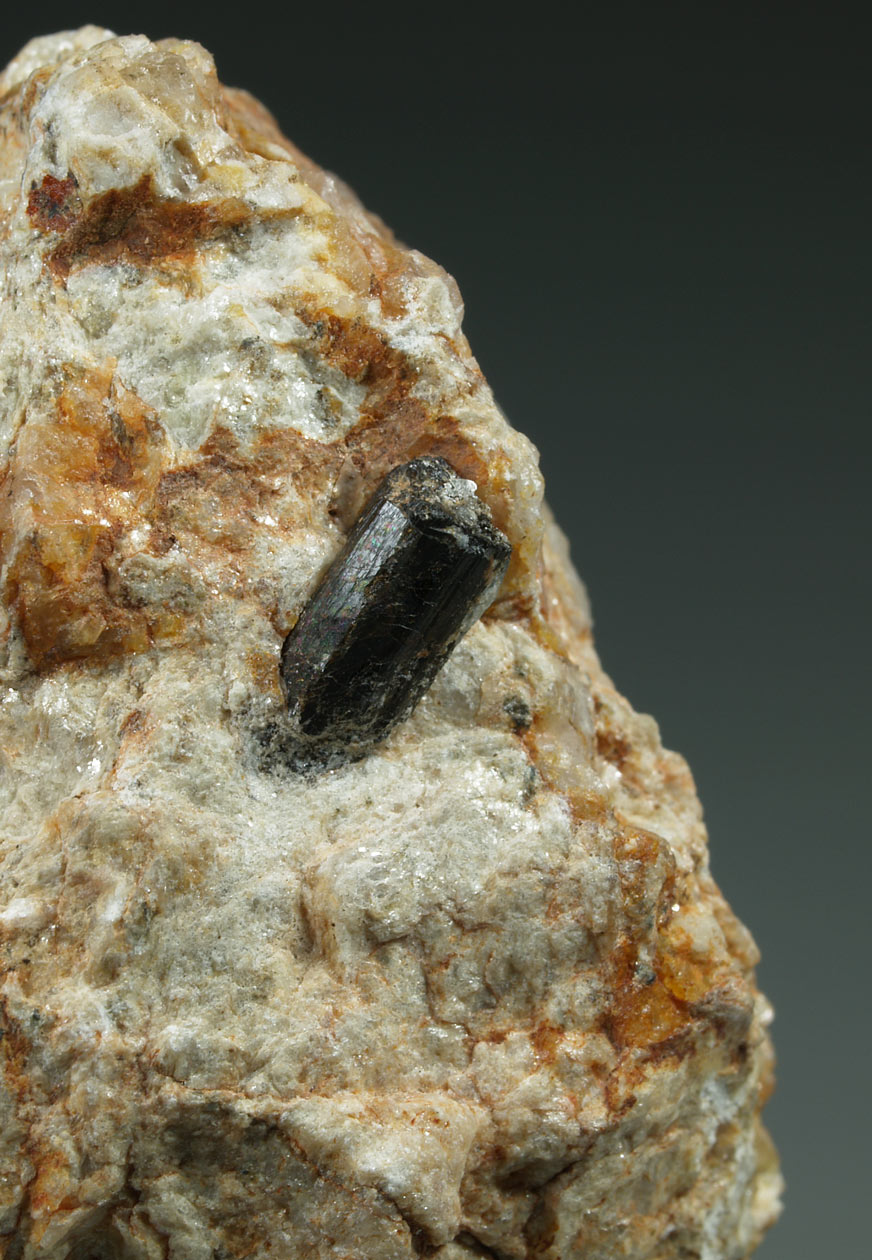
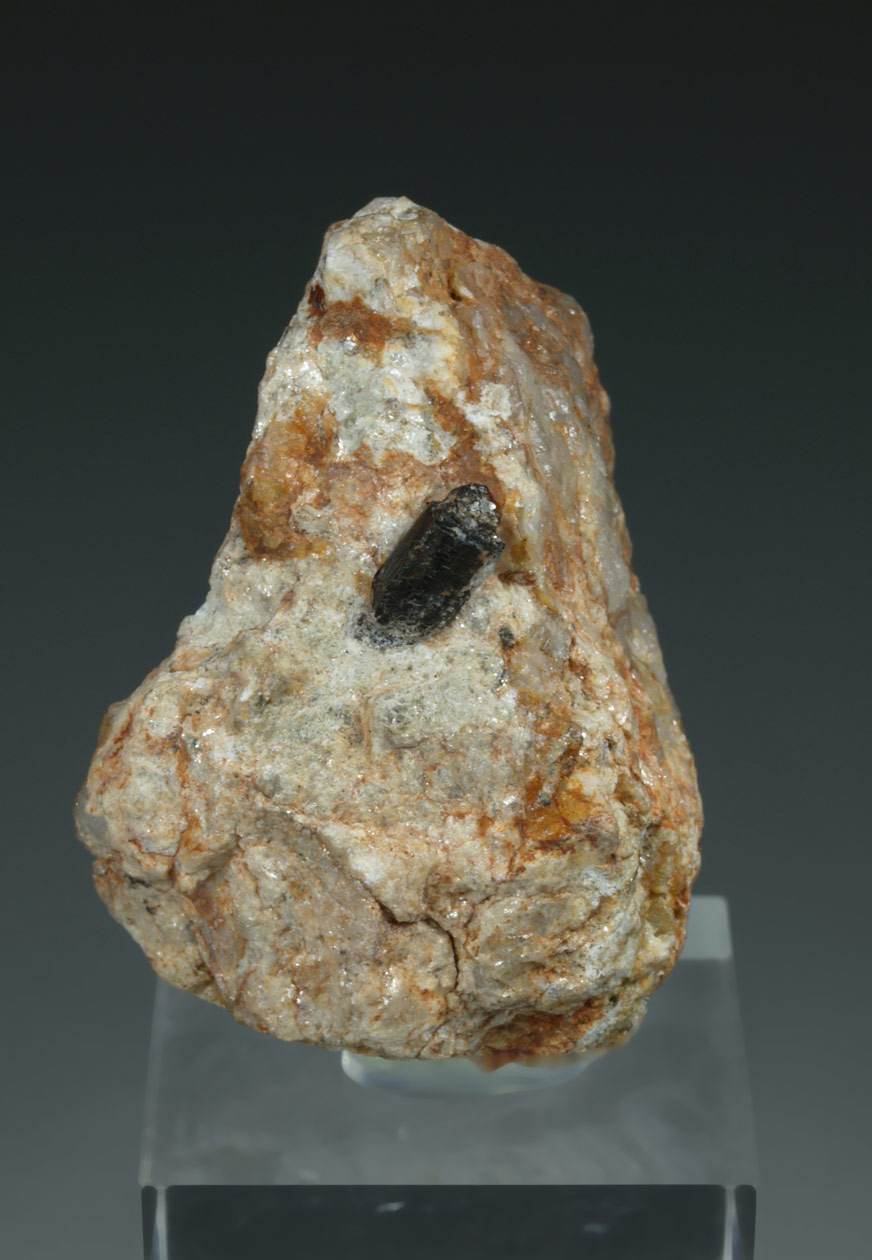
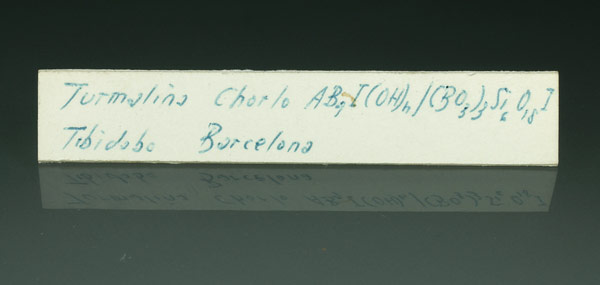
Este ejemplar no es ninguna "pieza de museo" pero para los coleccionistas del terruño tiene muy buen recuerdo. Se trata de una turmalina, chorlo a veces dravita, de las pegmatitas de la Serra de Collserola, en la zona del Tibidabo-Sant Pere Màrtir. Es una de esas piezas de las que no odemos prescindir si nos gusta lo nuestro. Con etiqueta antigua.
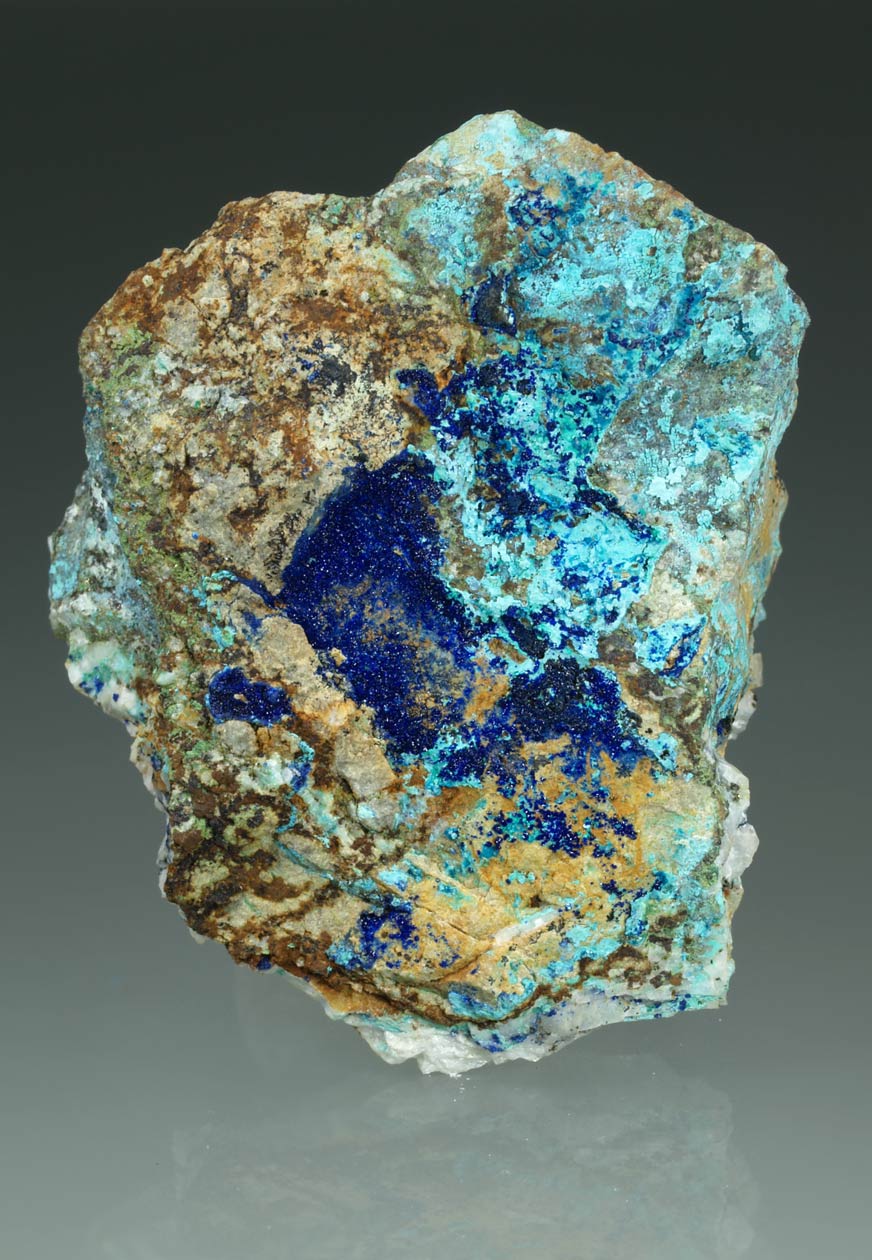
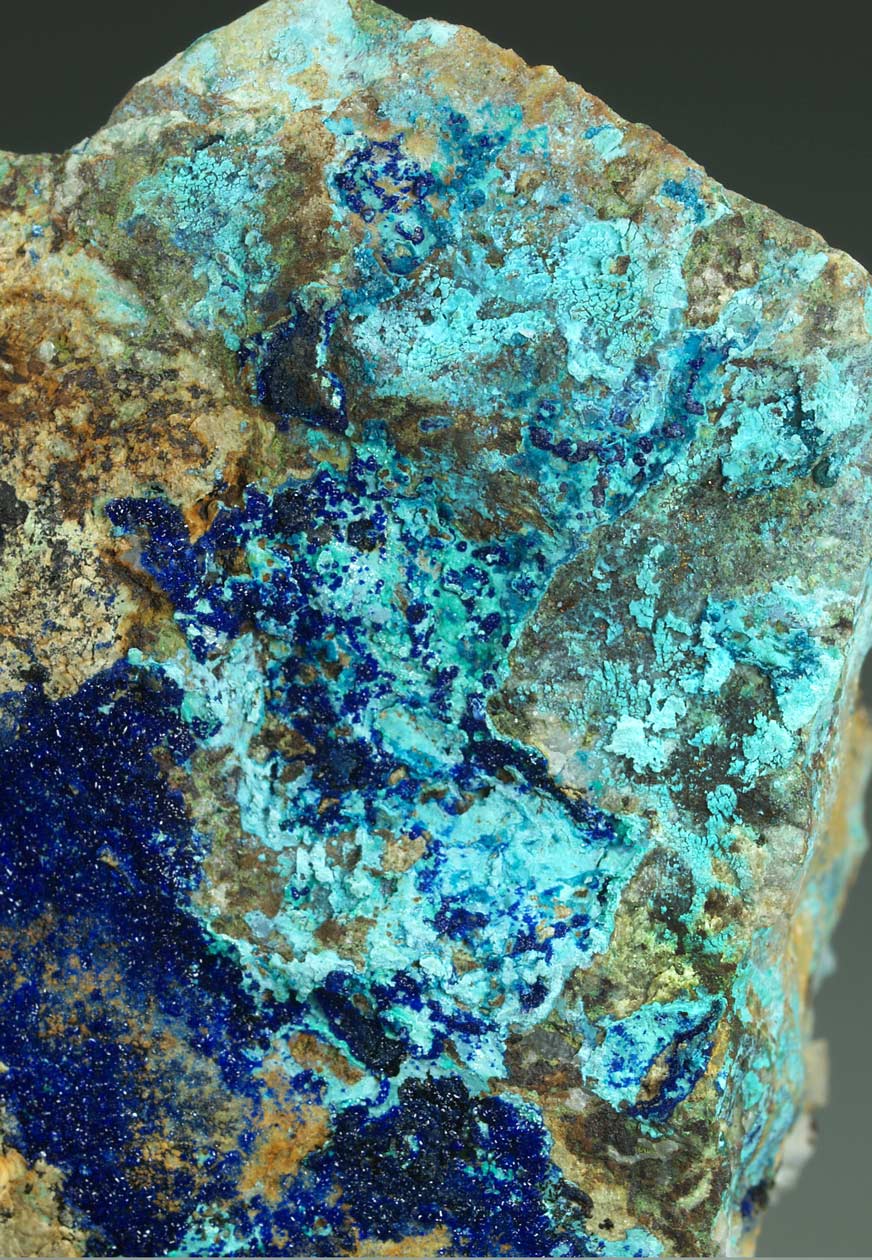
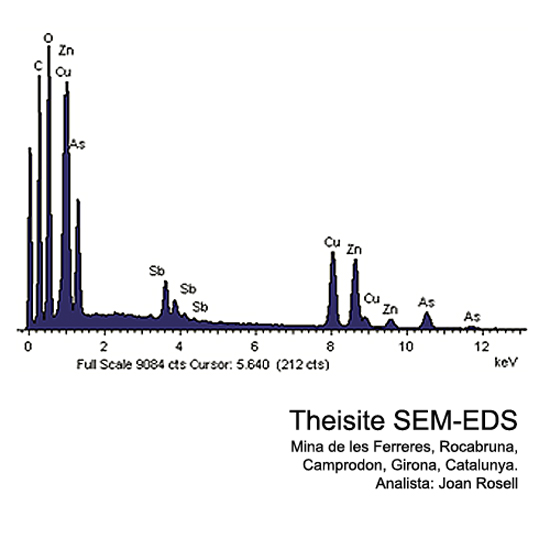
Grupos globulares formados por cristales lamelares de theisita de intenso color azul verdoso que forman agregados sobre una matriz de dolomía. Se acompaña de vistosos grupos de cristales hexagonales de claraíta, de un azul turquesa muy intenso, junto con azurita. Buen tamaño y calidad para las especies. Se enviaran los resultados del análisis al comprador.
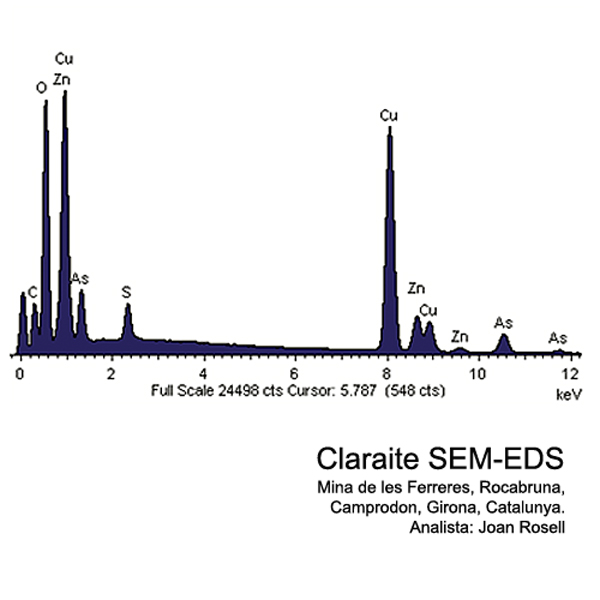
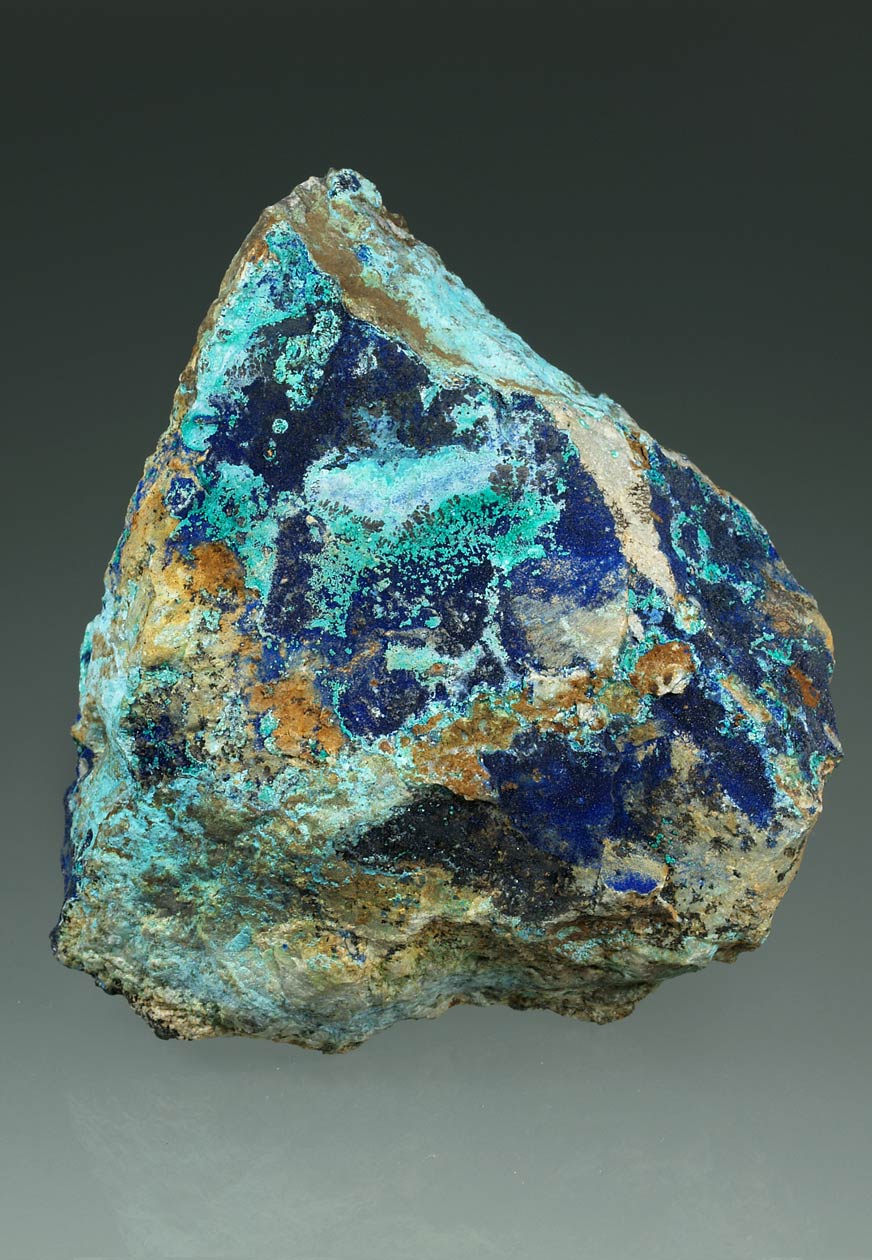
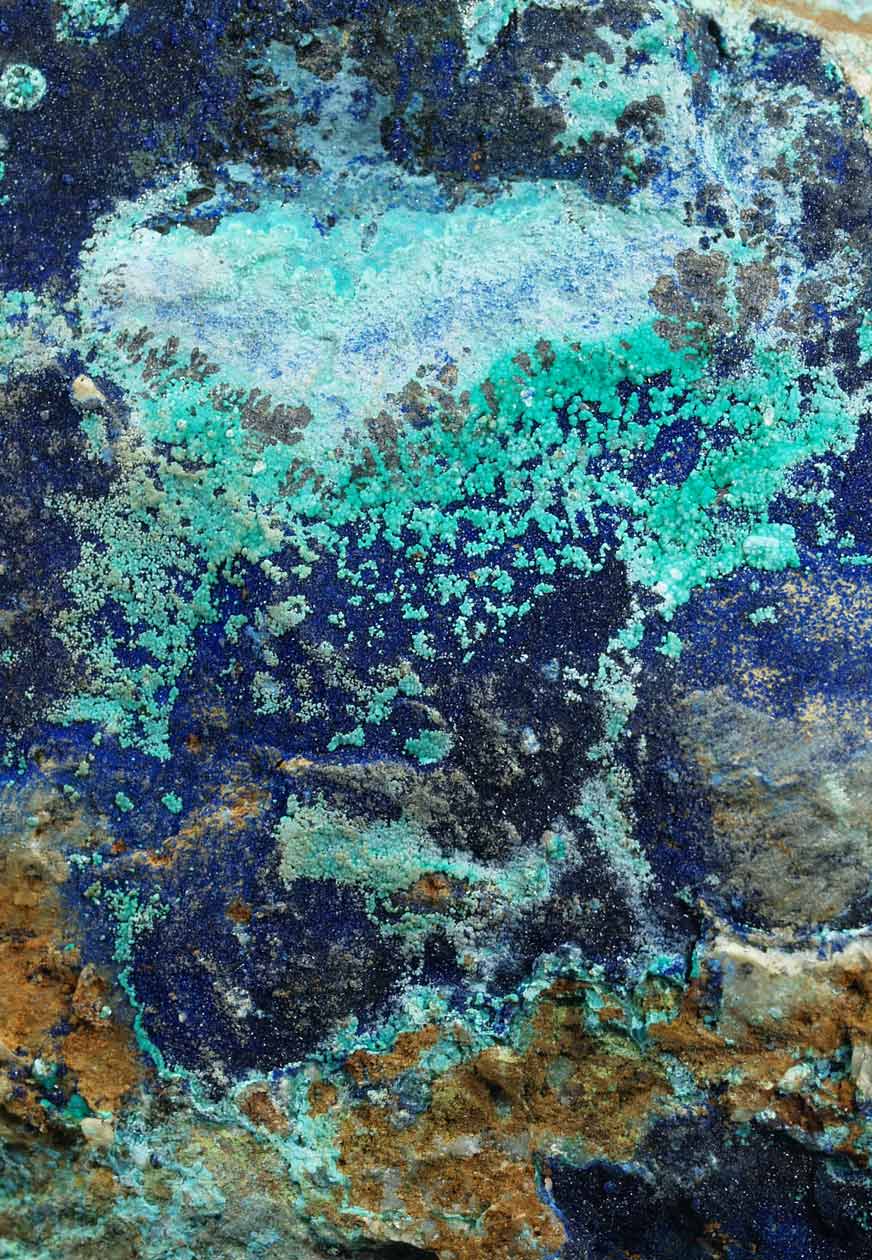
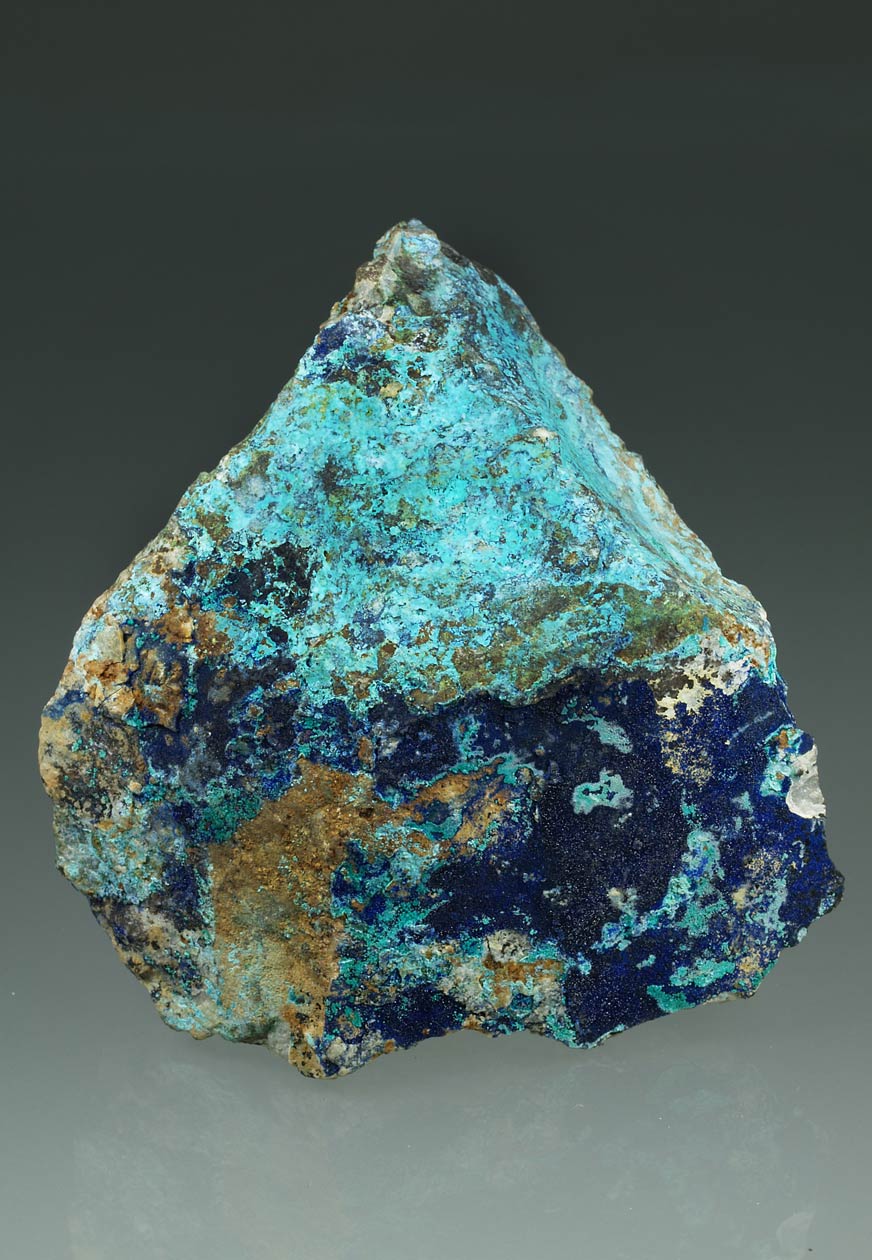
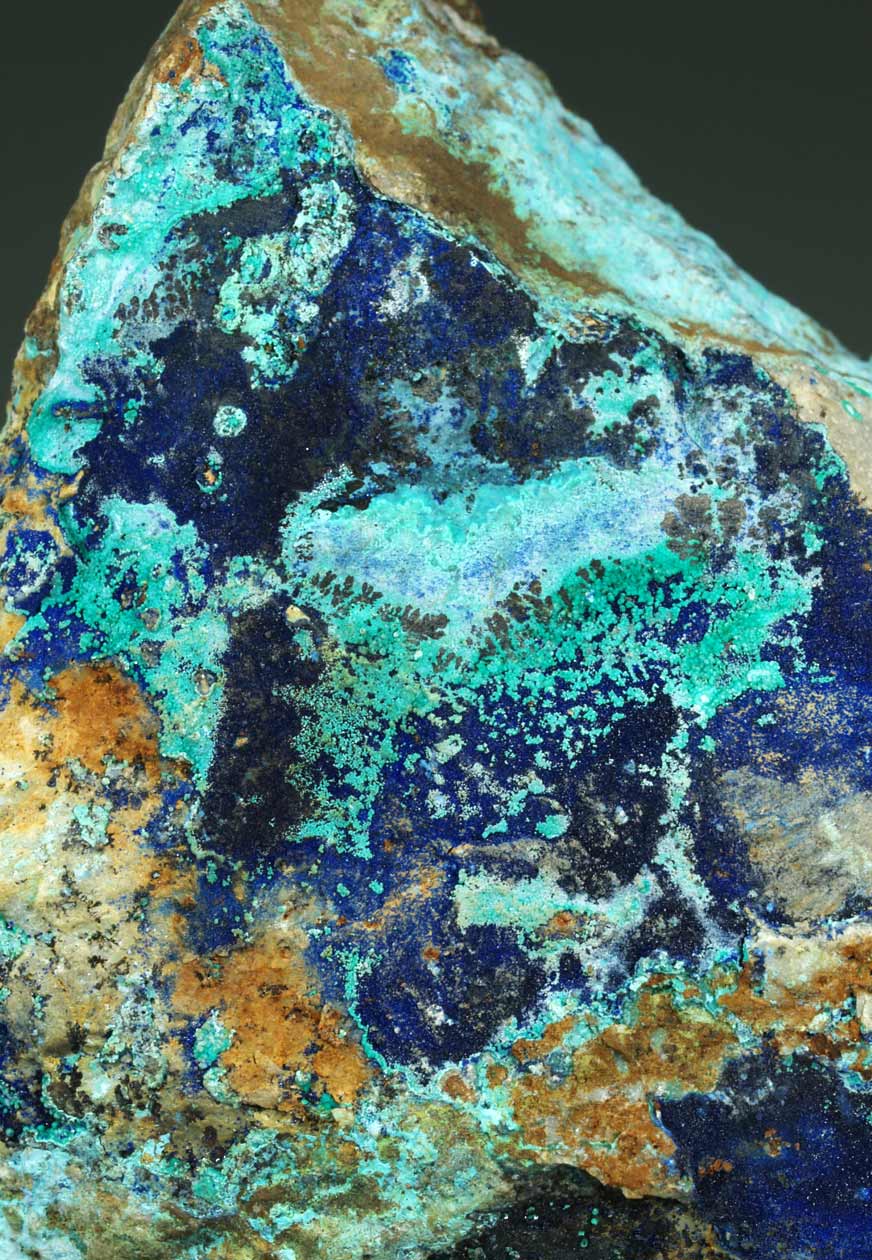
Grupos globulares formados por cristales lamelares de theisita de intenso color azul verdoso que forman agregados sobre una matriz de dolomía. Se acompaña de pequeños grupos de cristales de claraíta, de un azul turquesa muy intenso, junto con azurita y pátinas de óxidos de manganeso, probablemente asbolana. Buen tamaño. Se enviaran los resultados del análisis al comprador.
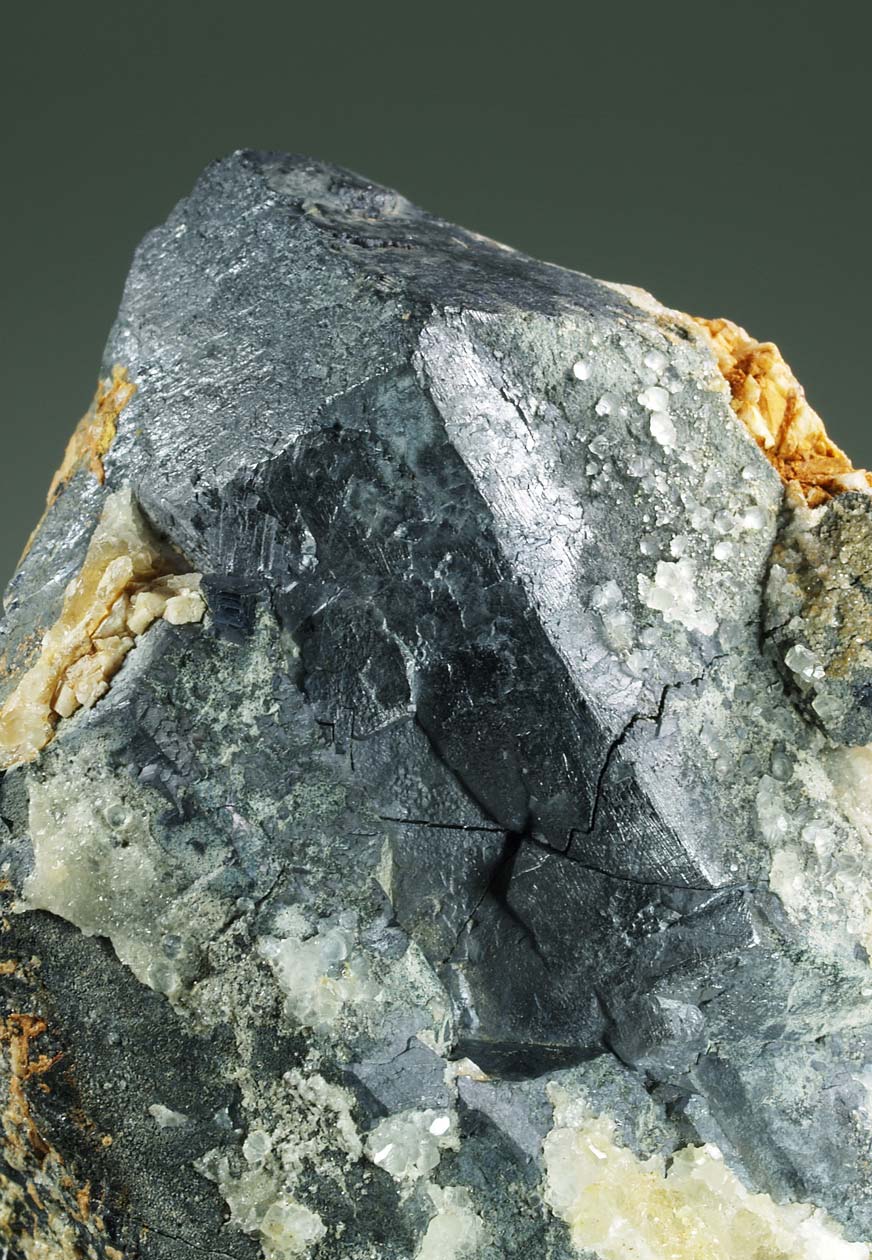
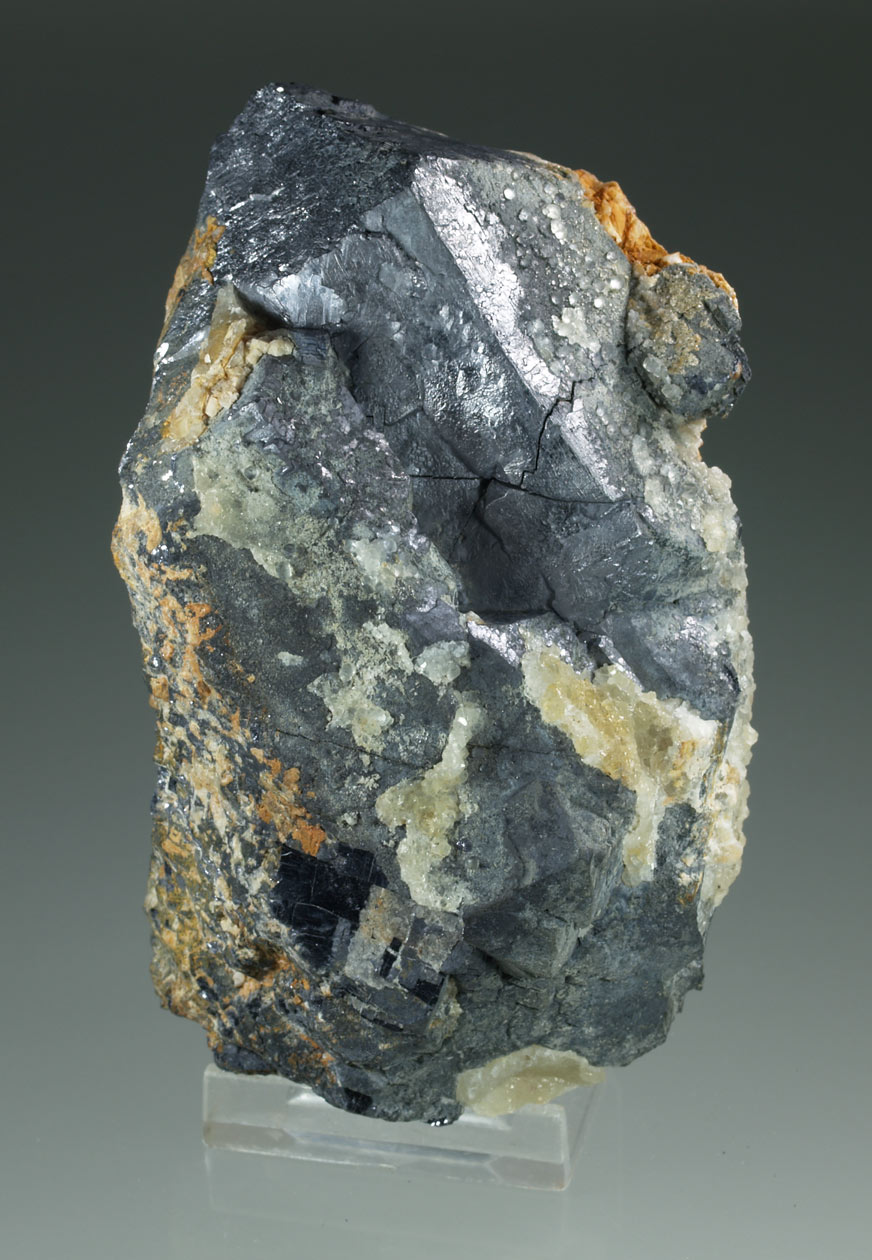
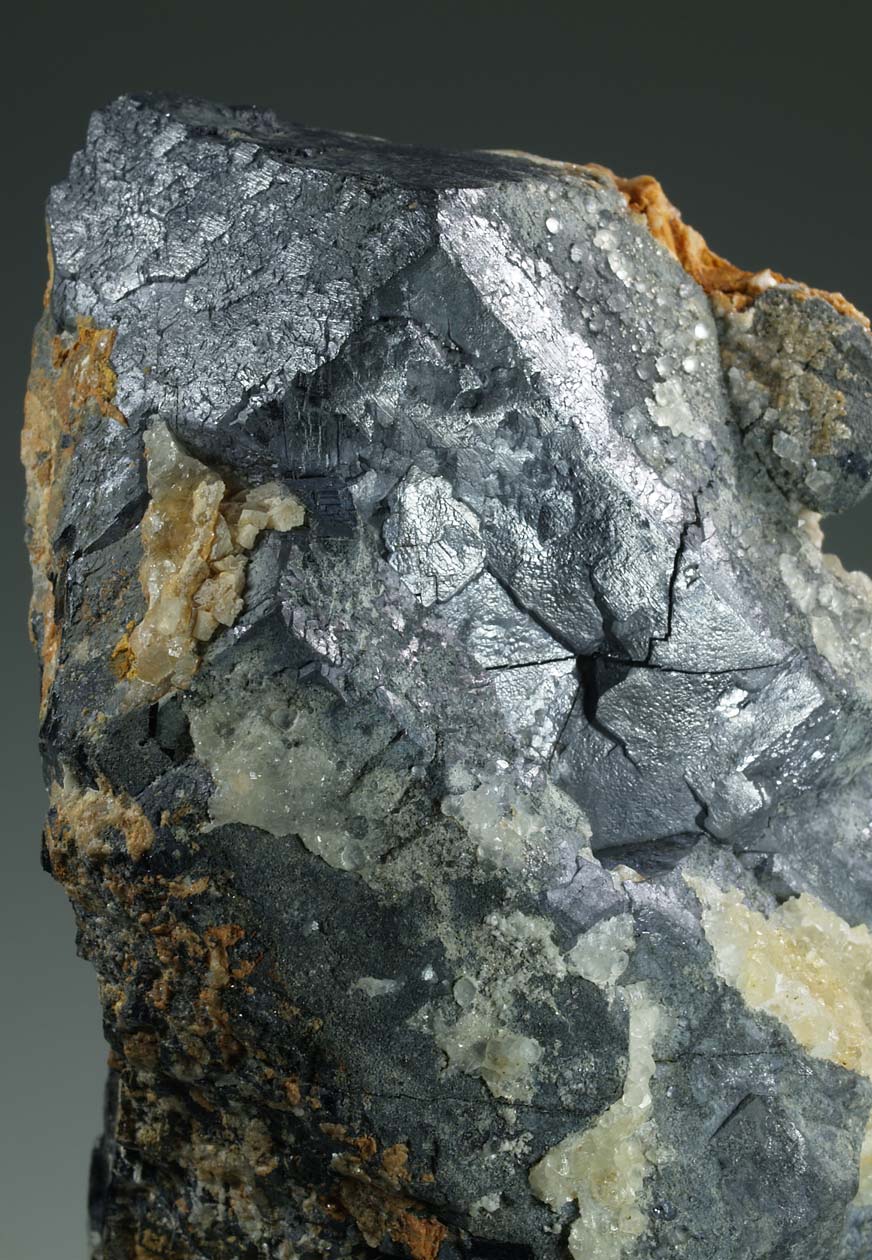
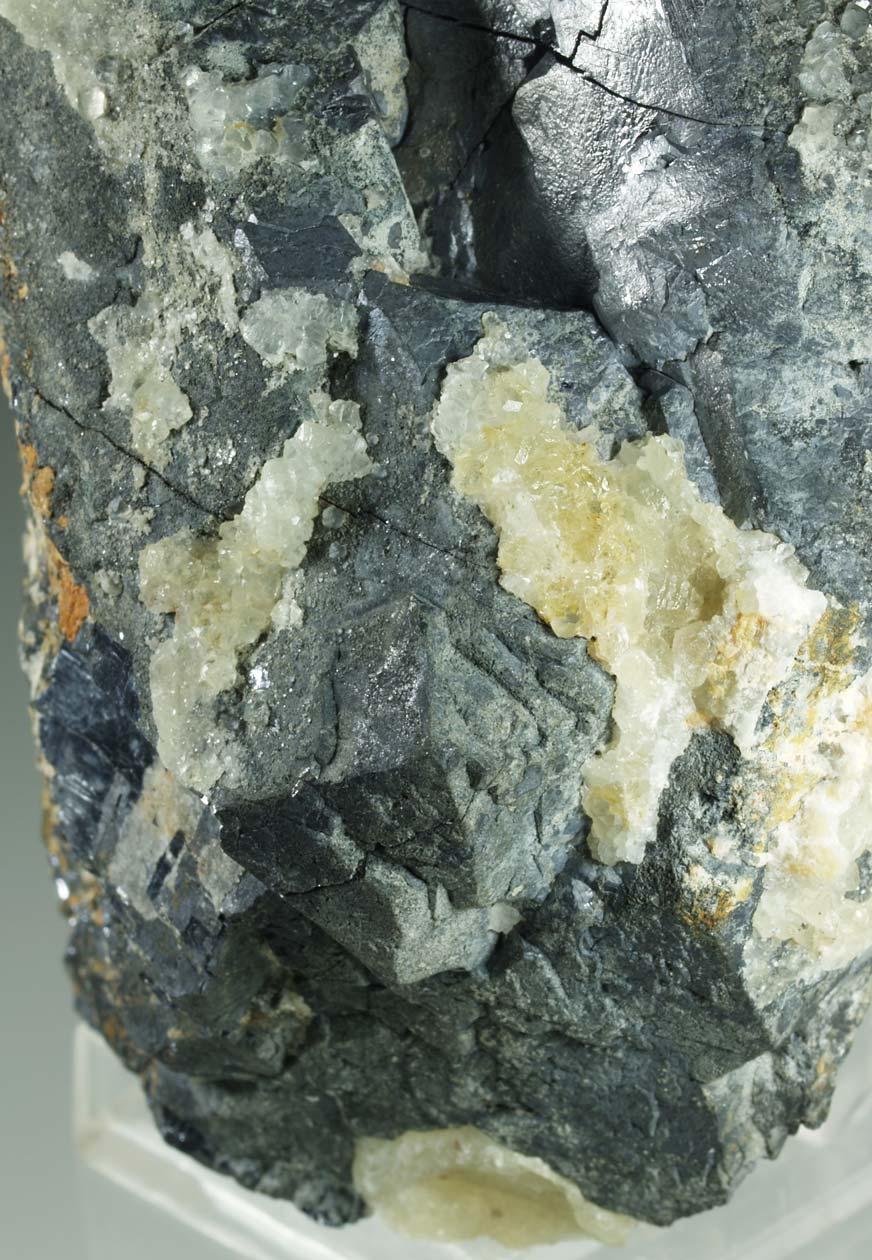
Los ejemplares de galena de esta mina catalana son muy difíciles de encontrar hoy día. Esta pieza de buen tamaño está formada por un compacto grupo de cristales de galena, con caras octaédricas dominantes bien visibles, junto con algunas del cubo. Muestra unas fisuras debidas a las propias tensiones del ejemplar, pero que no afectan (incluso añaden interés) al conjunto. Se acompaña de dolomita y calcita. Un clásico de una colección clásica.
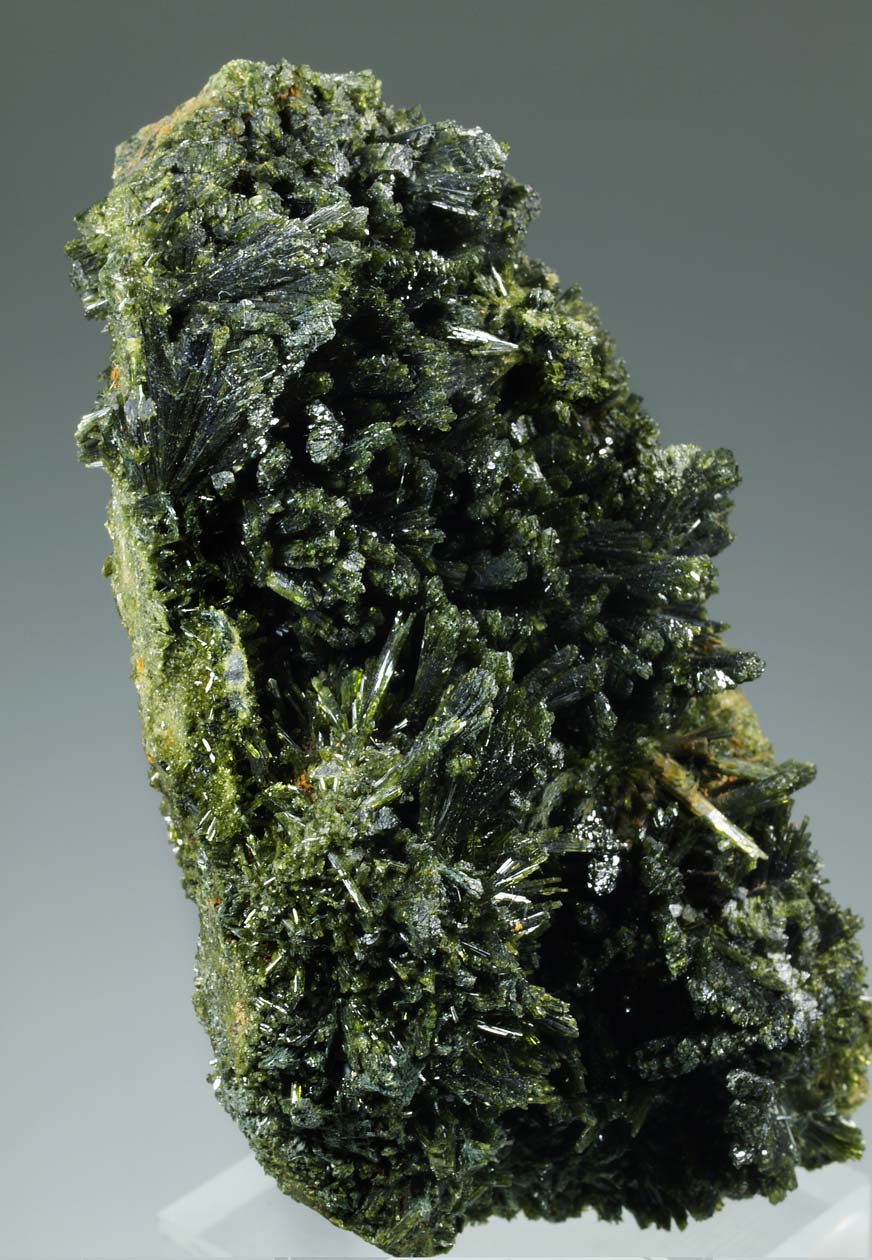
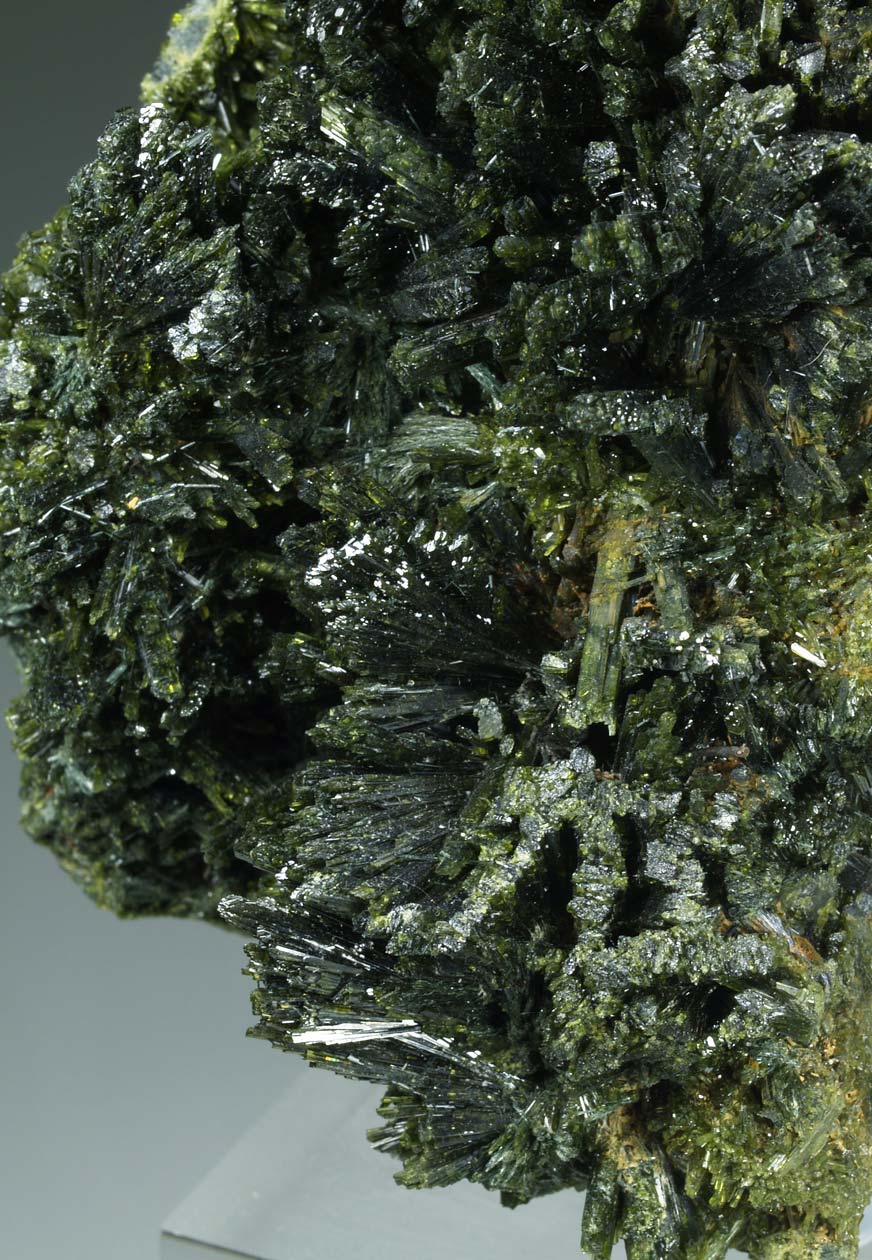
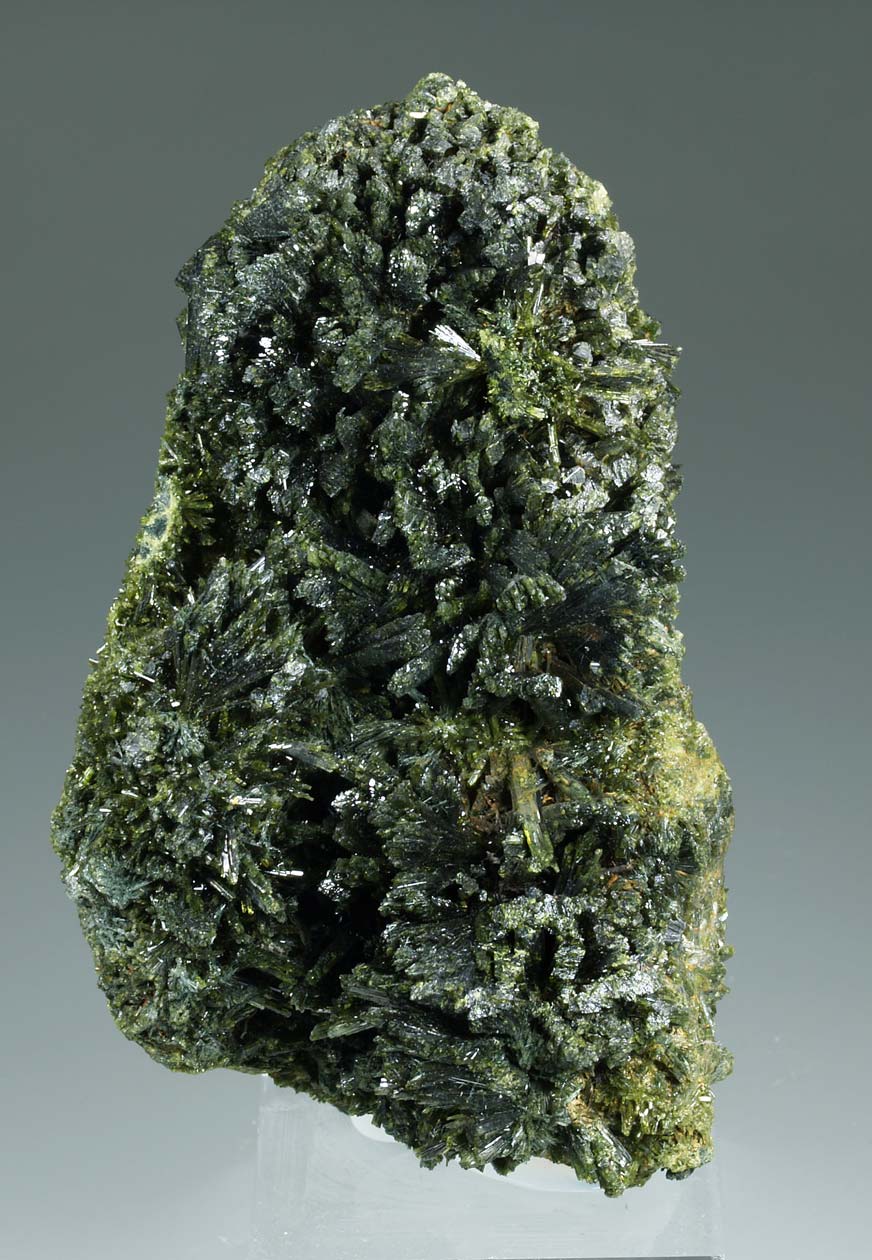
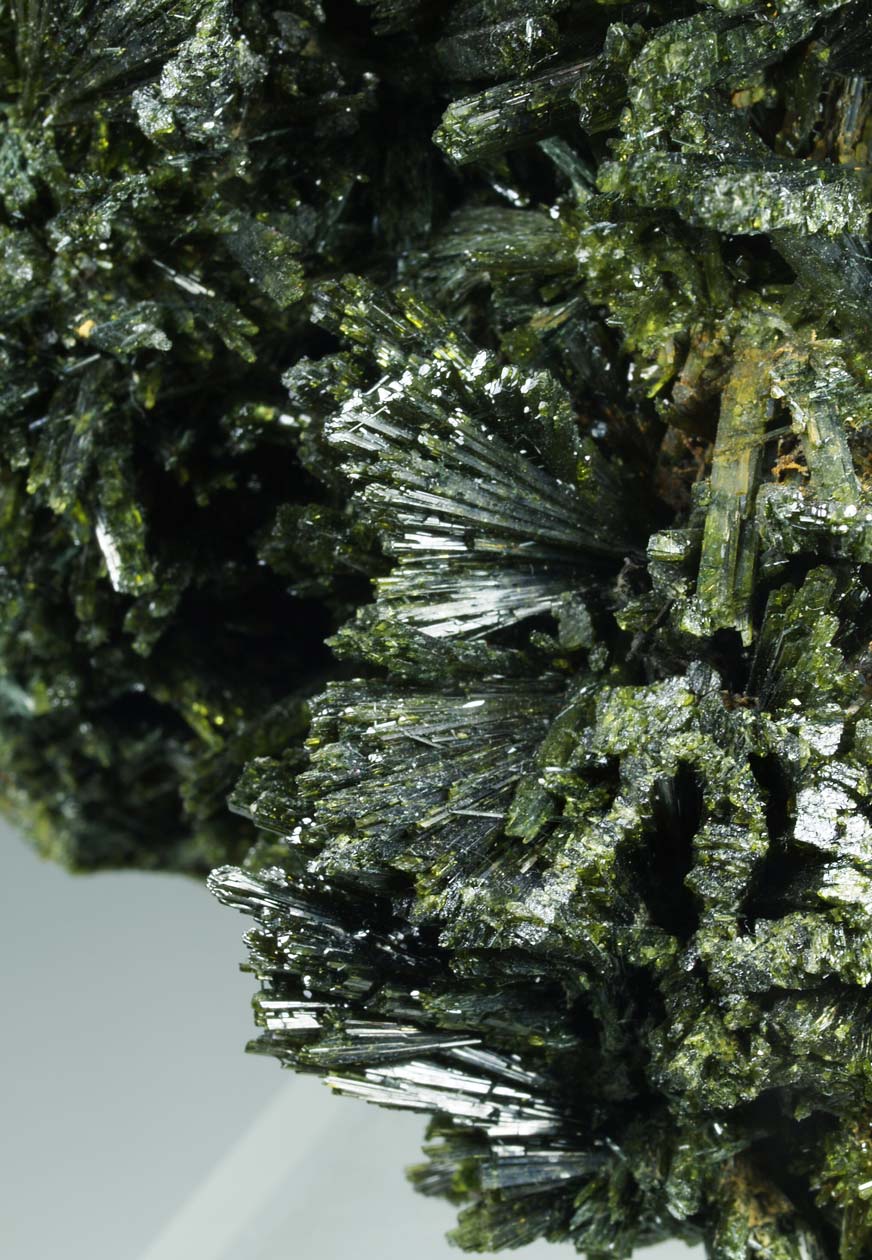
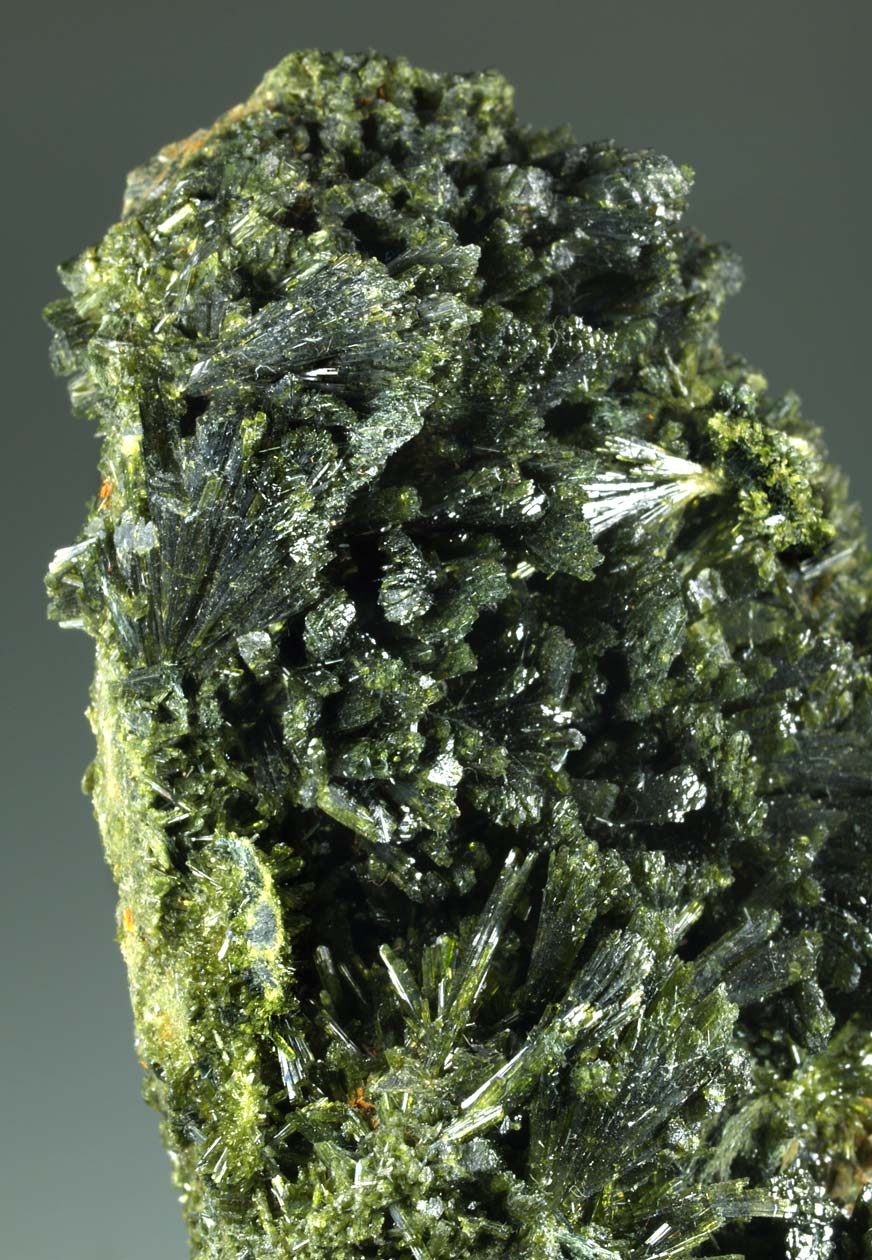
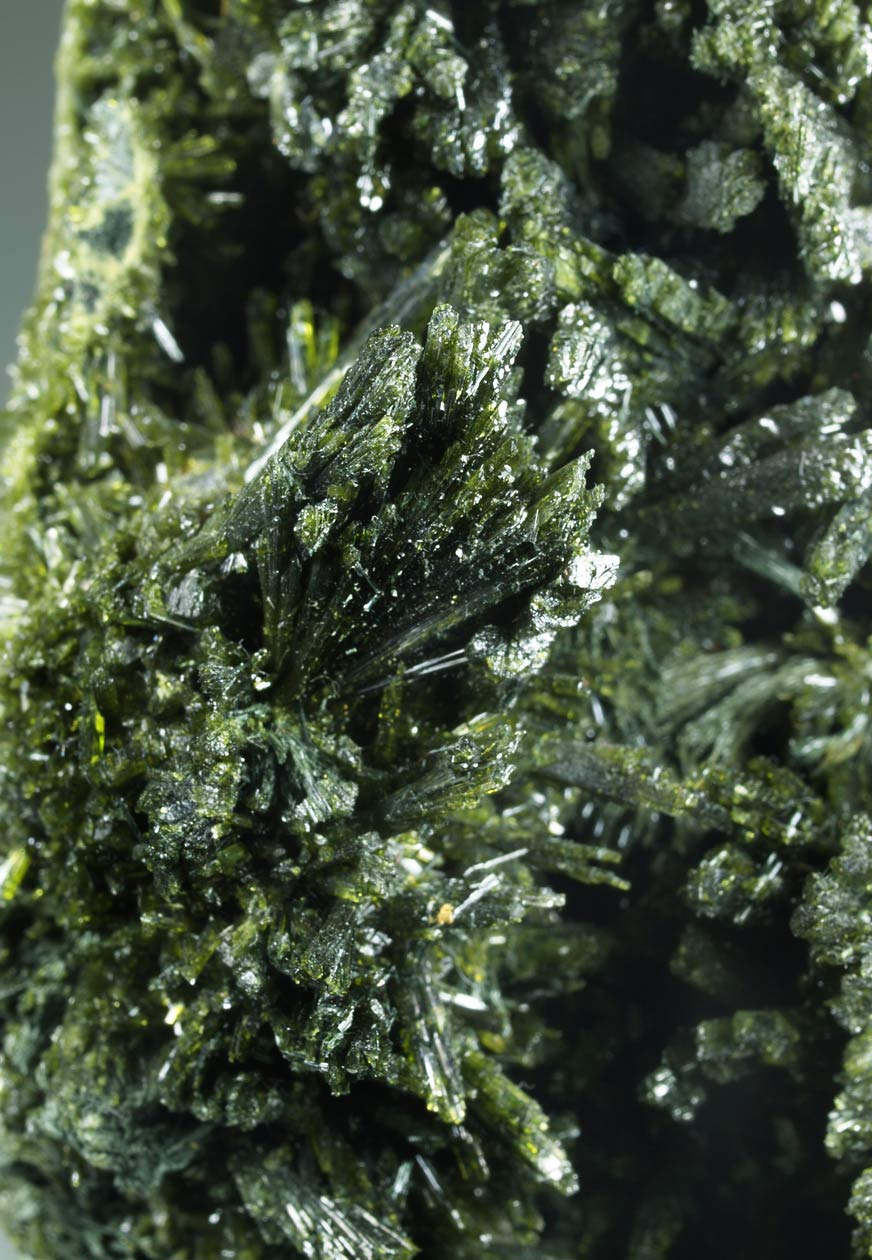
Grupos de cristales en abanico, muy brillantes y con transparencia, dispuestos de forma muy aérea. Intenso color verde, brillo y transparencia. Actualmente está prohibido recoger en la zona. Un ejemplar de epidota, con un buen tamaño (12 cm.) y excelente calidad, procedente de la clásica localidad de Casterner.
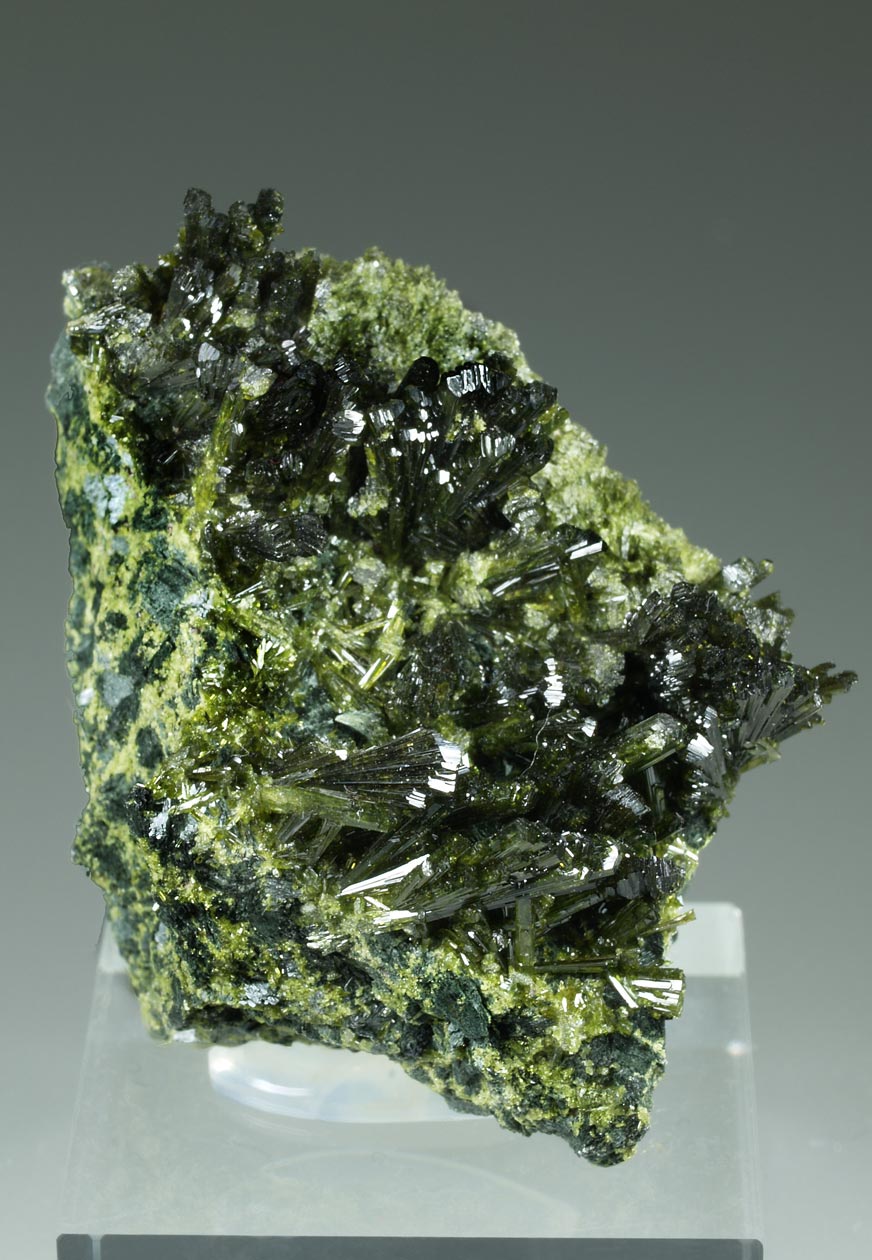
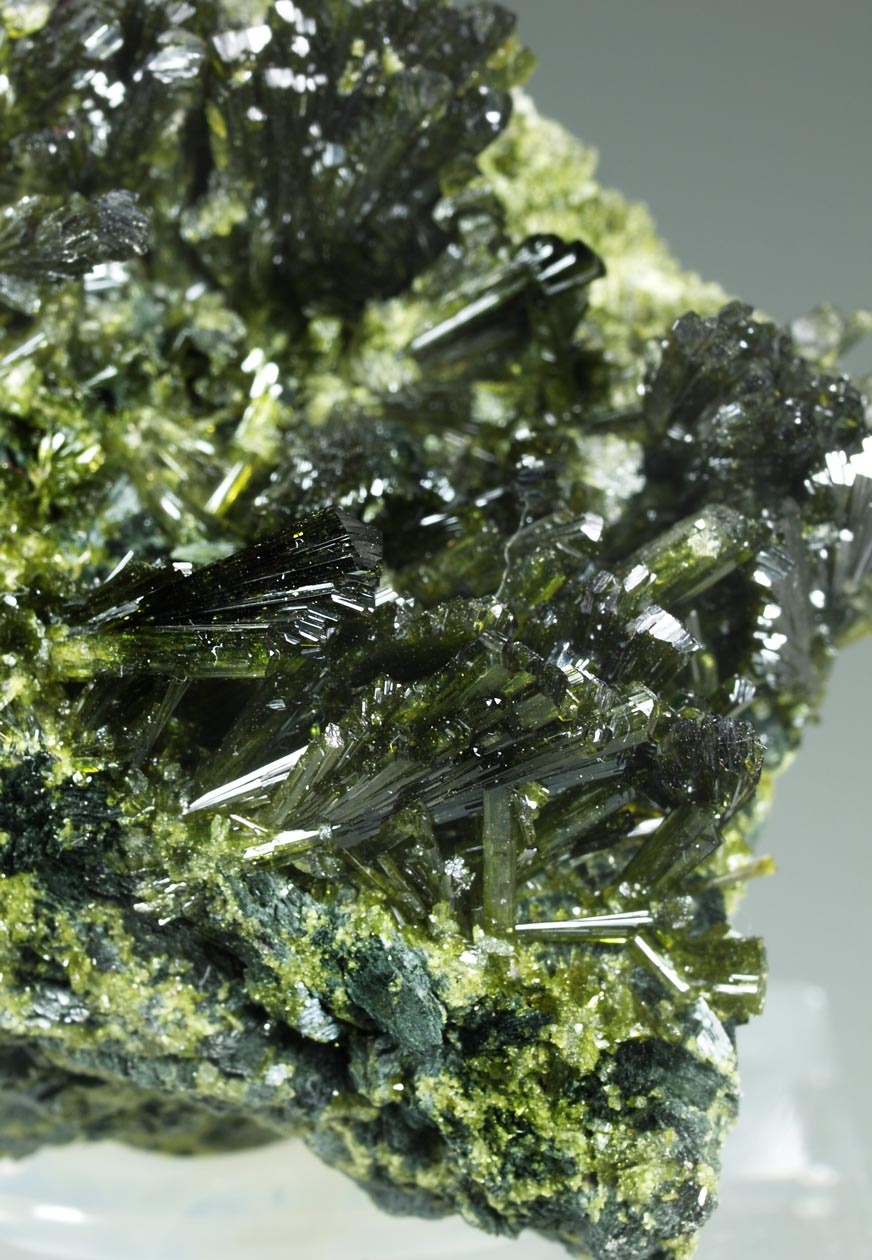
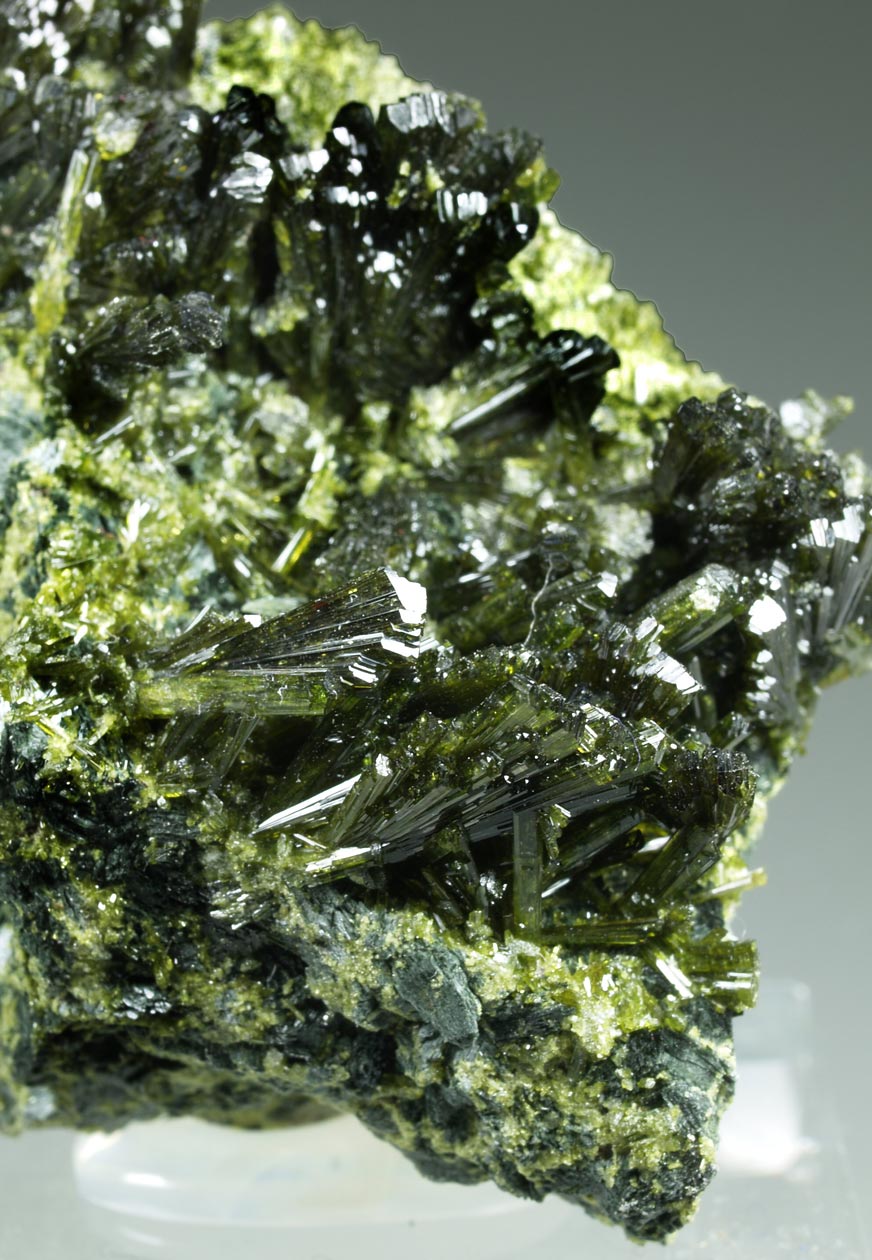
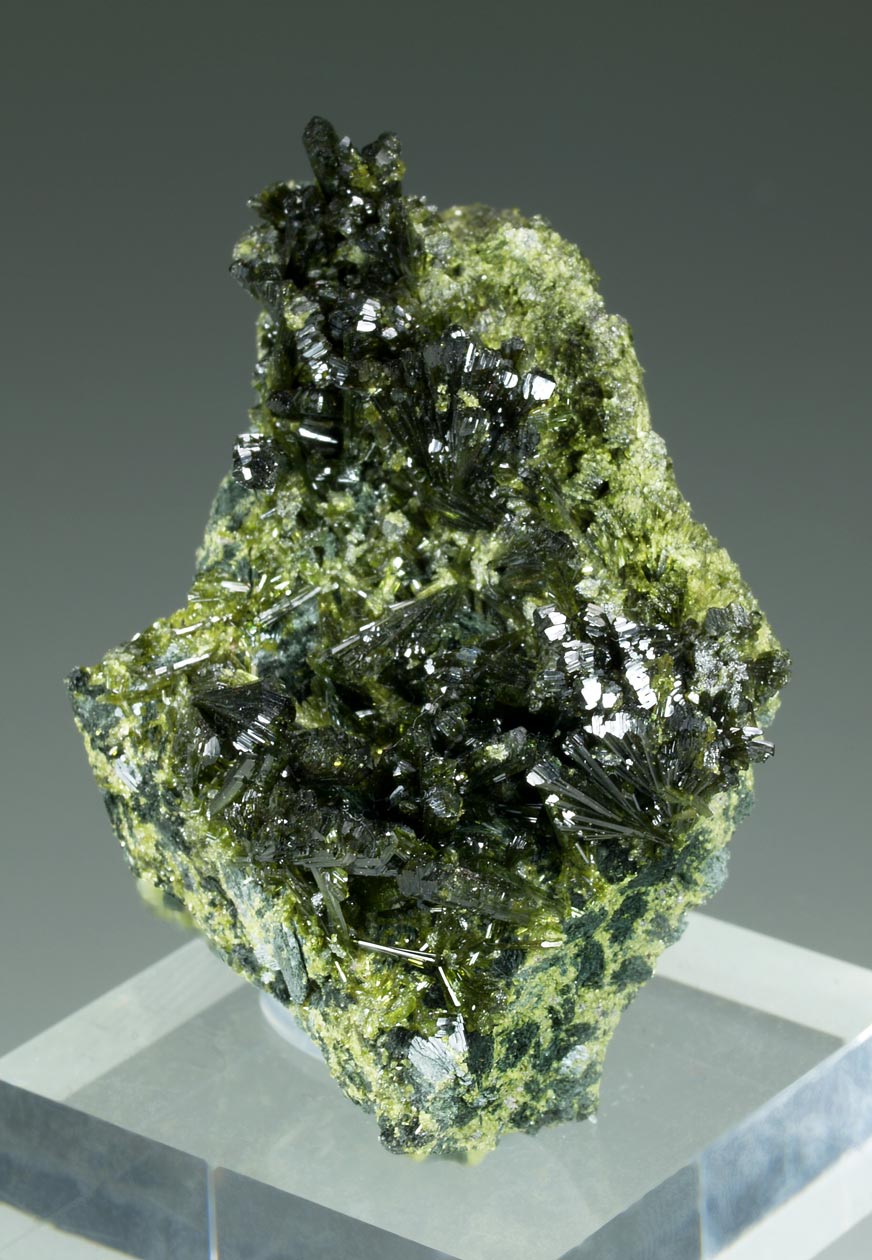
Un excelente espécimen formado por numerosos cristales de epidota, procedente de la clásica localidad de Casterner. Los cristalesforman abanicos, son muy brillantes y con excelente transparencia. Mejor en "persona" que en las fotos. Ejemplares de esta calidad ya se ven pocos. Actualmente está prohibido recoger en la zona.
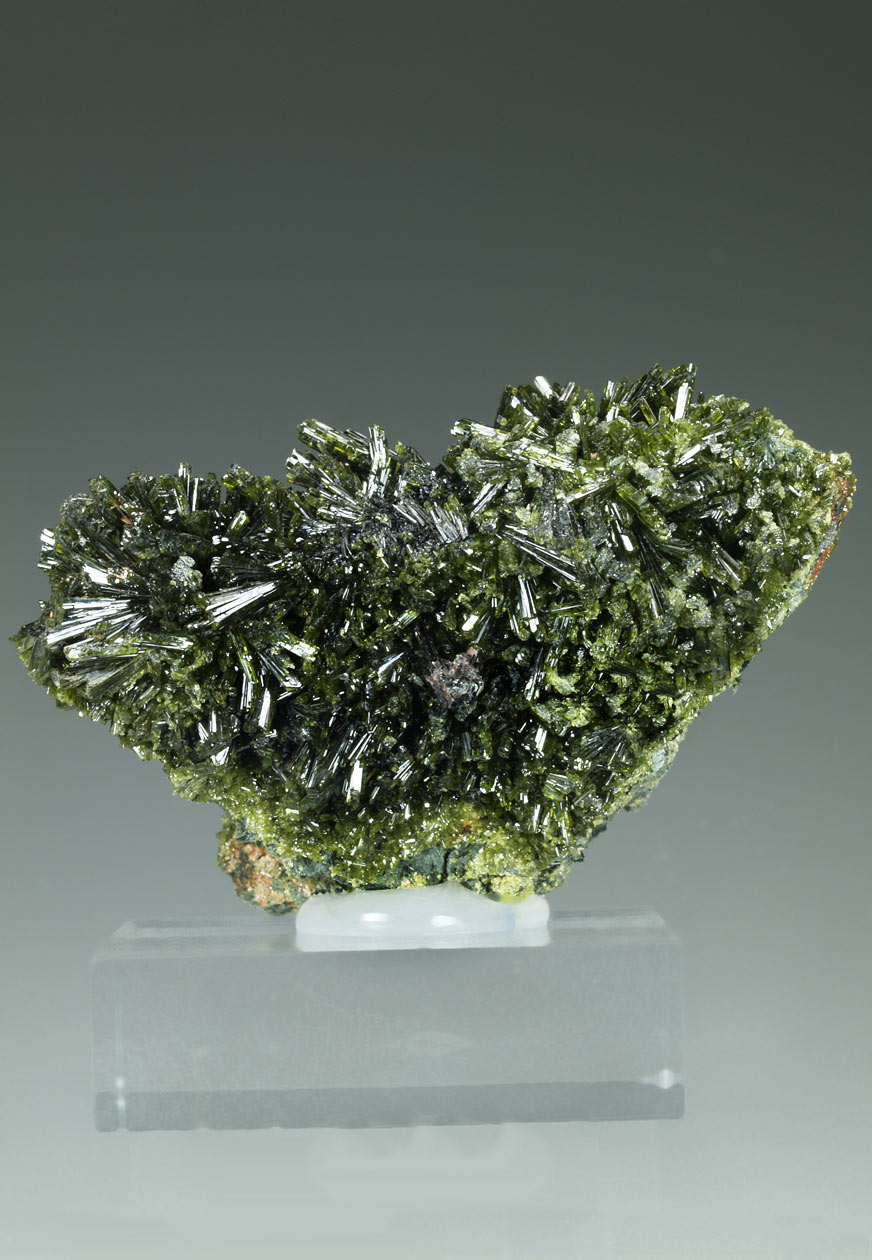
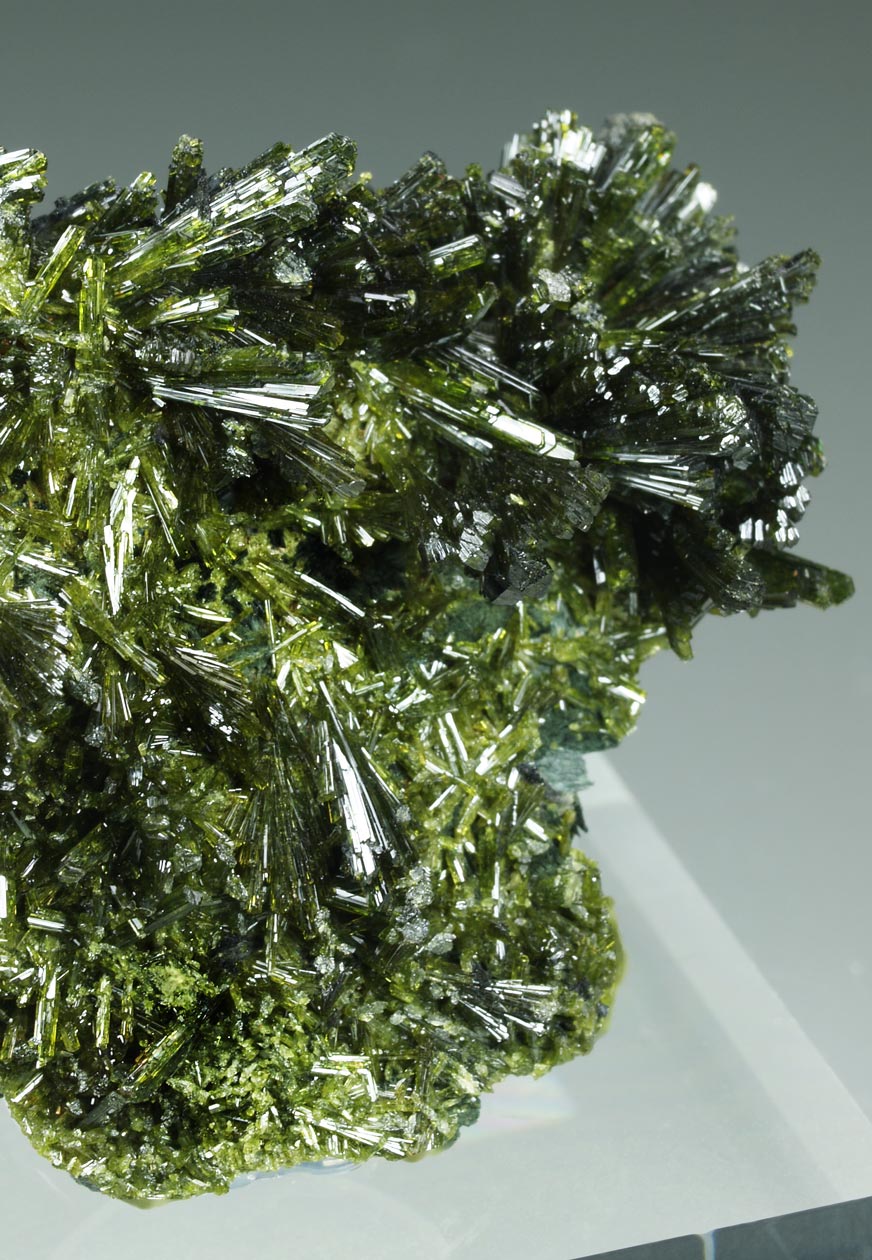
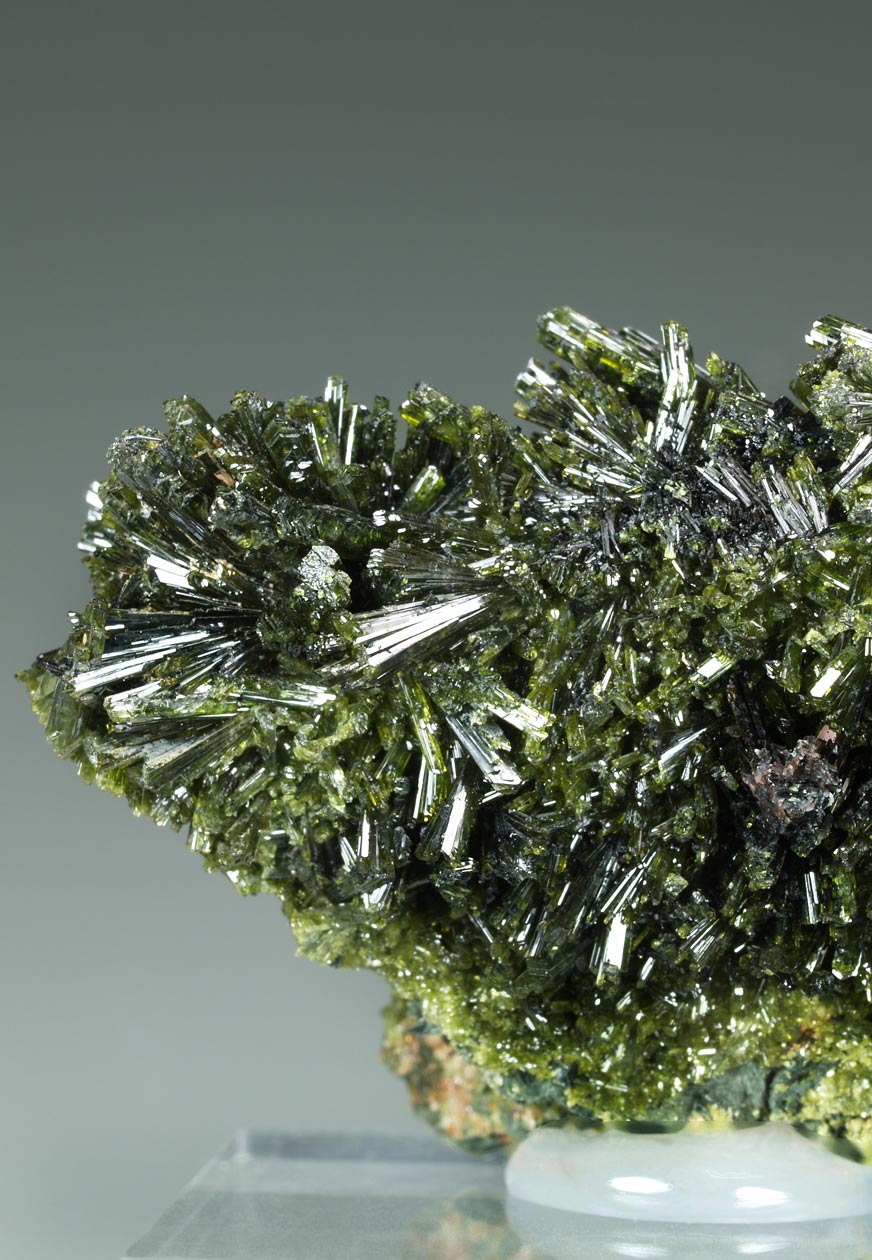
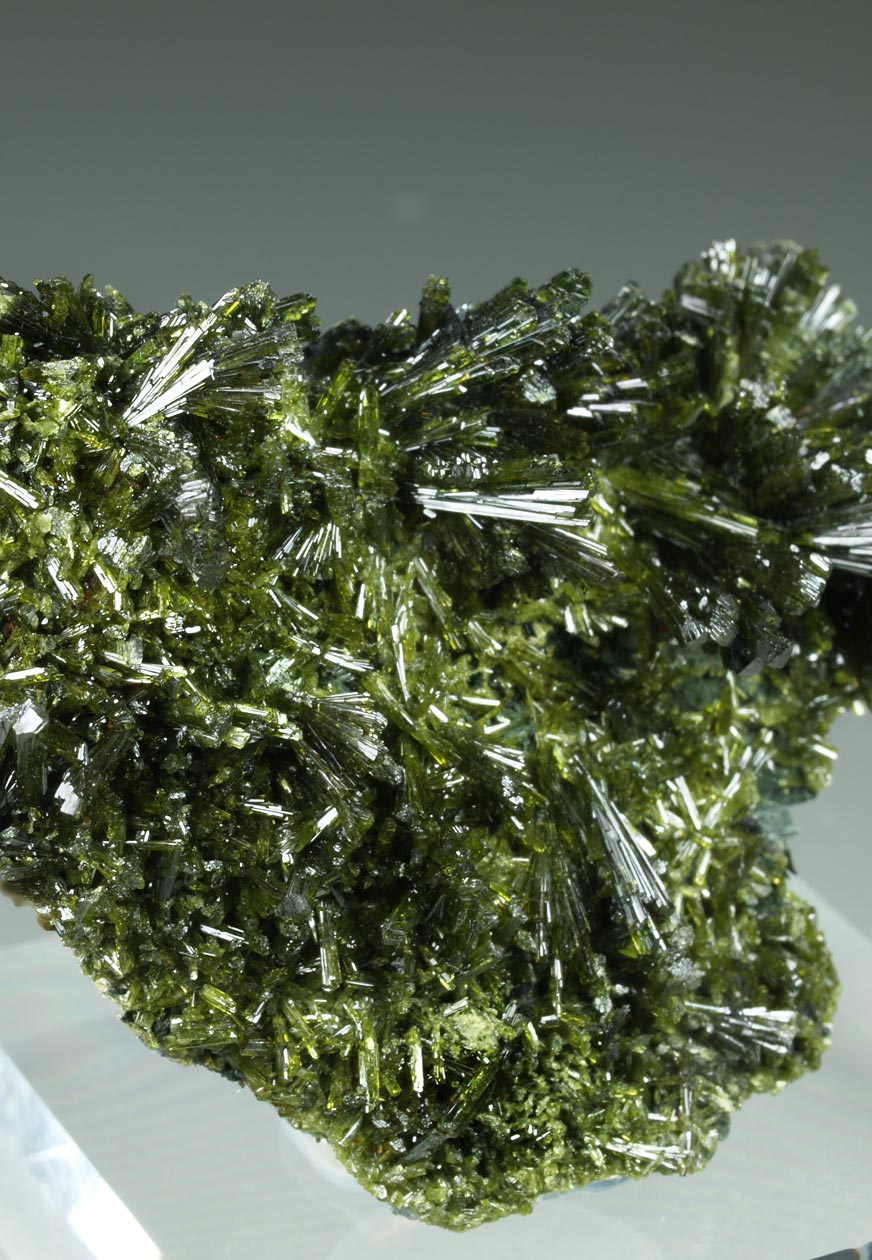
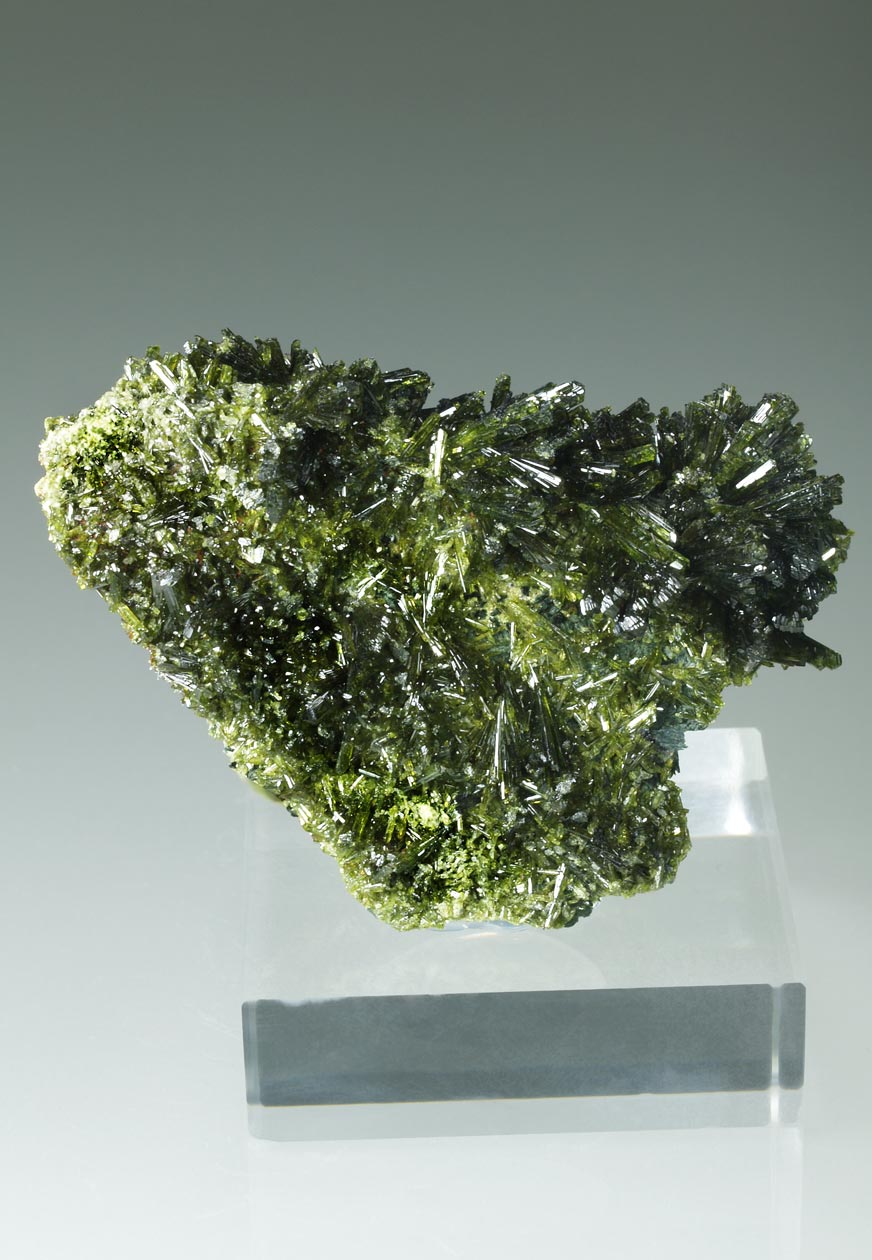
Un excelente espécimen formado por numerosos cristales de epidota, procedente de la clásica localidad de Casterner. Los cristalesforman abanicos, son muy brillantes y con excelente transparencia. Mejor en "persona" que en las fotos. Ejemplares de esta calidad ya se ven pocos. Actualmente está prohibido recoger en la zona.
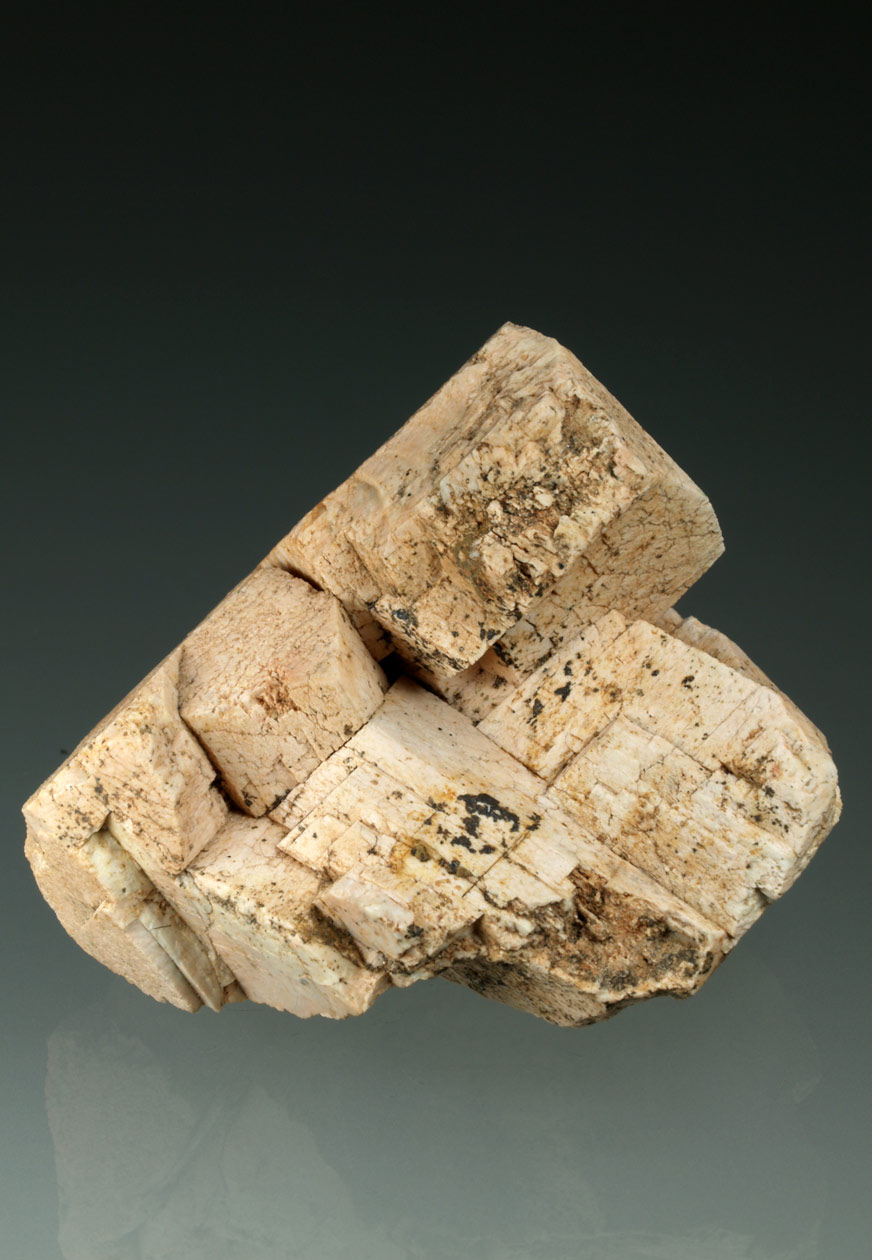
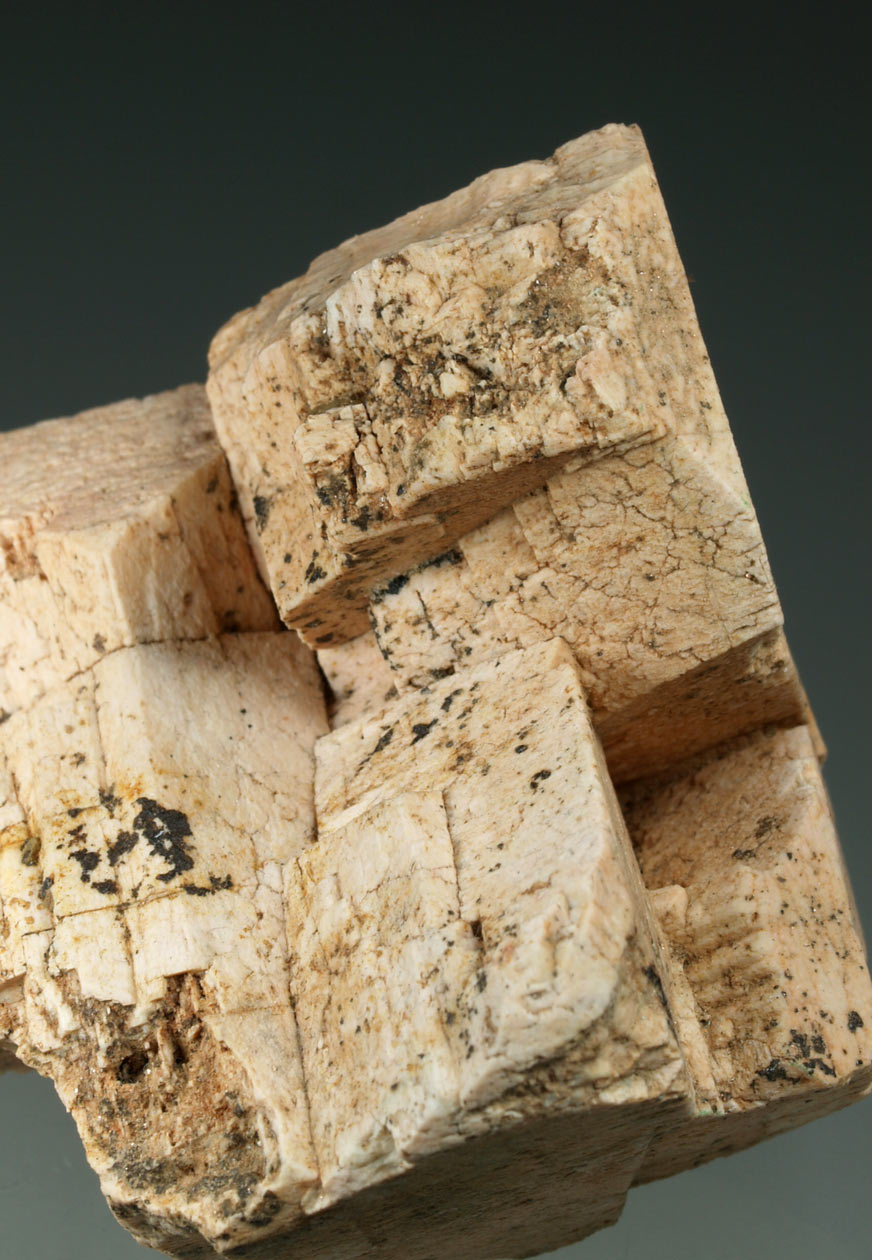
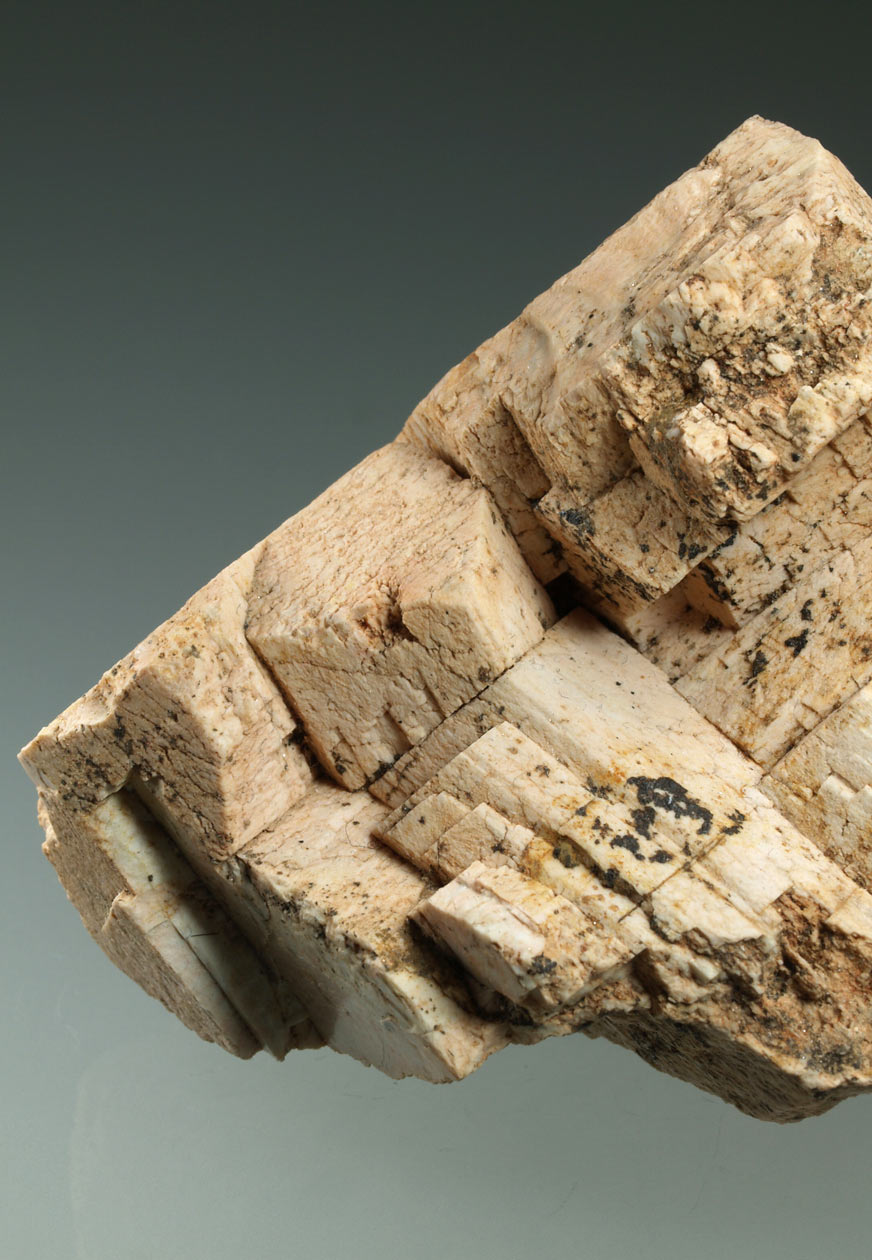
Grupo de cristales de ortoclasa de buen tamaño, que muestra formas complejas. El color ligeramente anaranjado y aristas y caras definidas. Procede de una zona del Montseny, antaño conocida por los cristales de ortoclasa que se encontraban. Un clásico de la mineralogía catalana.
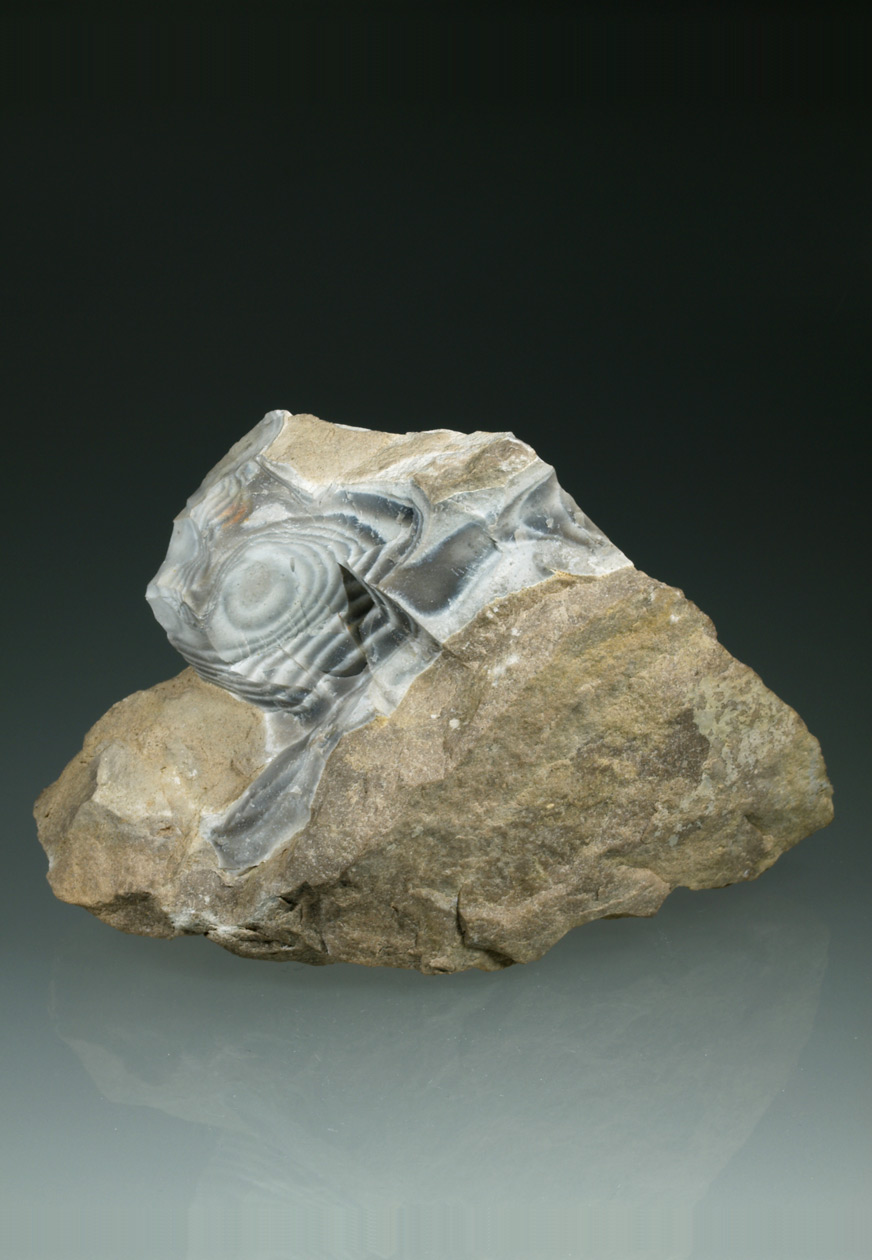
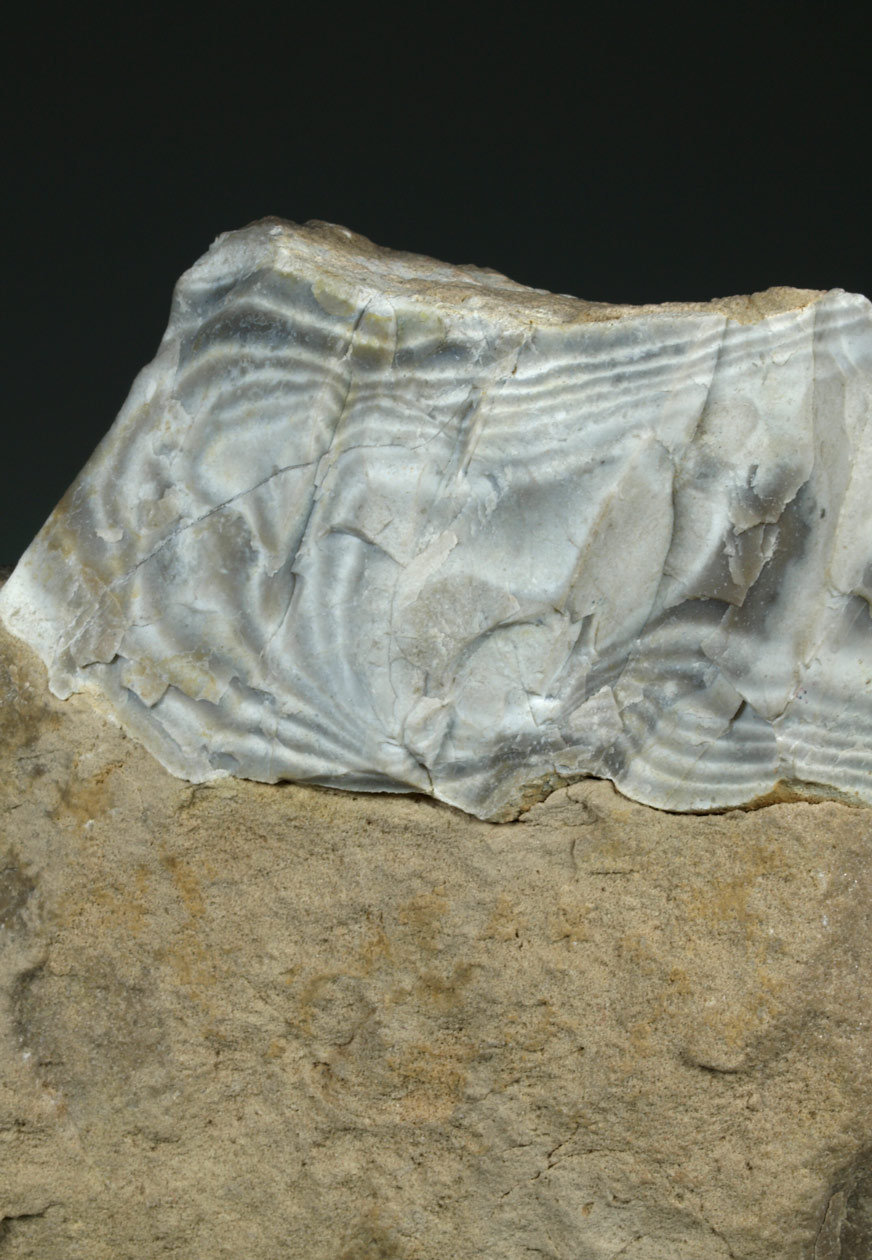
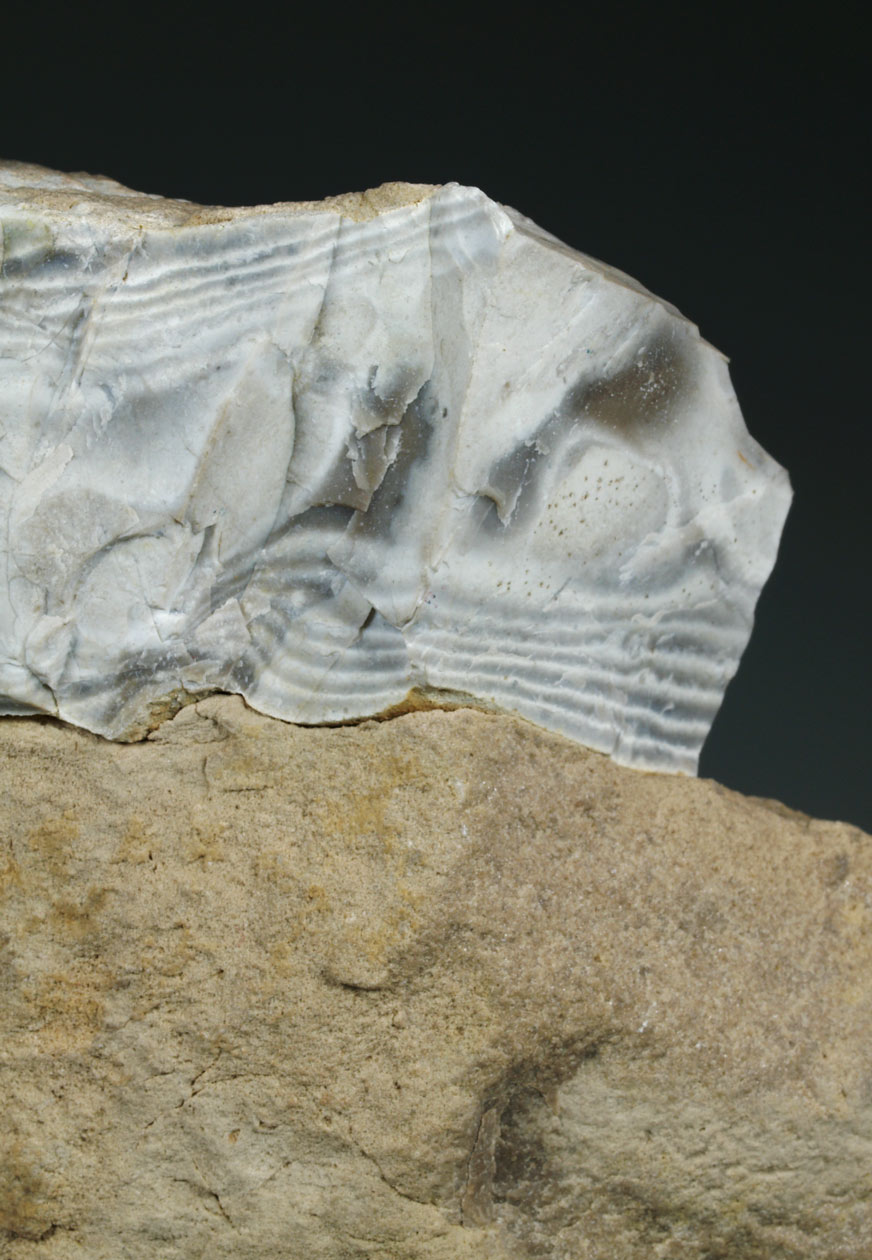
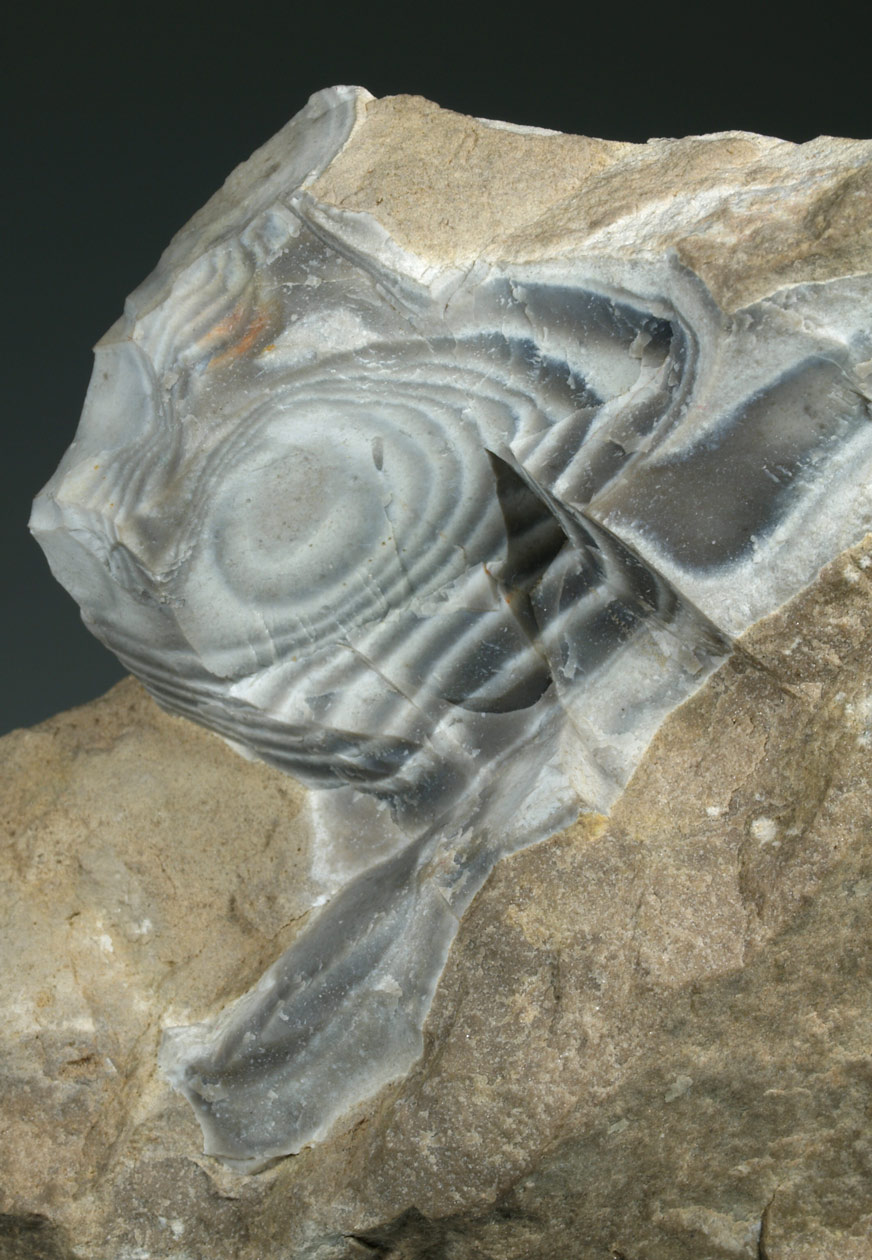
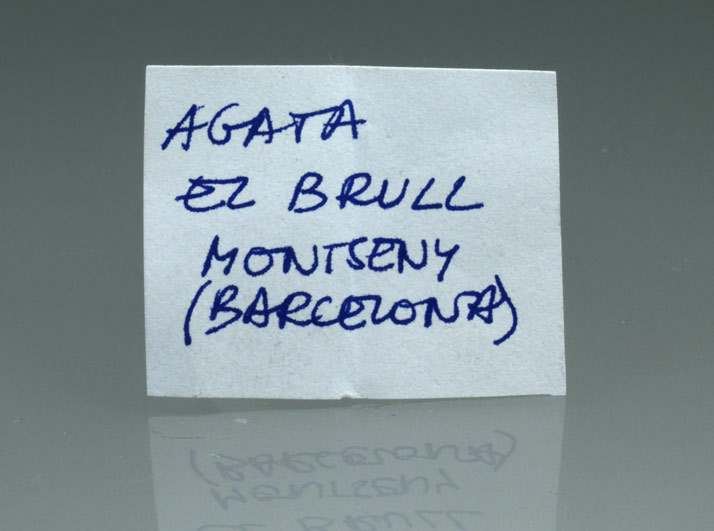
Estos ejemplares de sílex bandeado se recogieron hace décadas en la zona del Brull, en el macizo del Montseny. Se presenta en nódulos y vetas, encajadas en una caliza silícea, presentando bandeados de tonos grises, entre claros a grises oscuros. Se los identificó como ágata silicificada, pero se trata de un sílex muy apreciado en joyería. Se trata de una curiosidad única de la mineralogía catalana de hace muchos años.
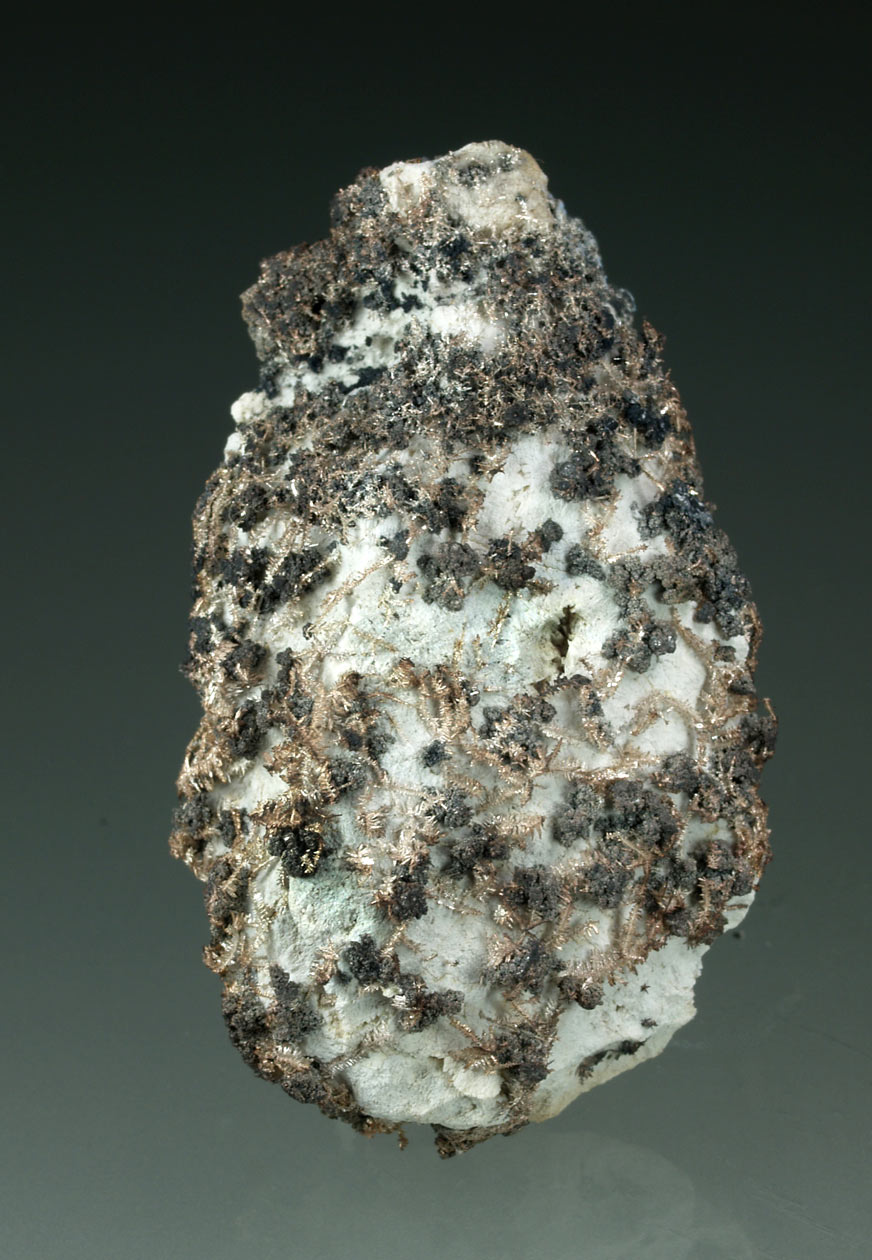
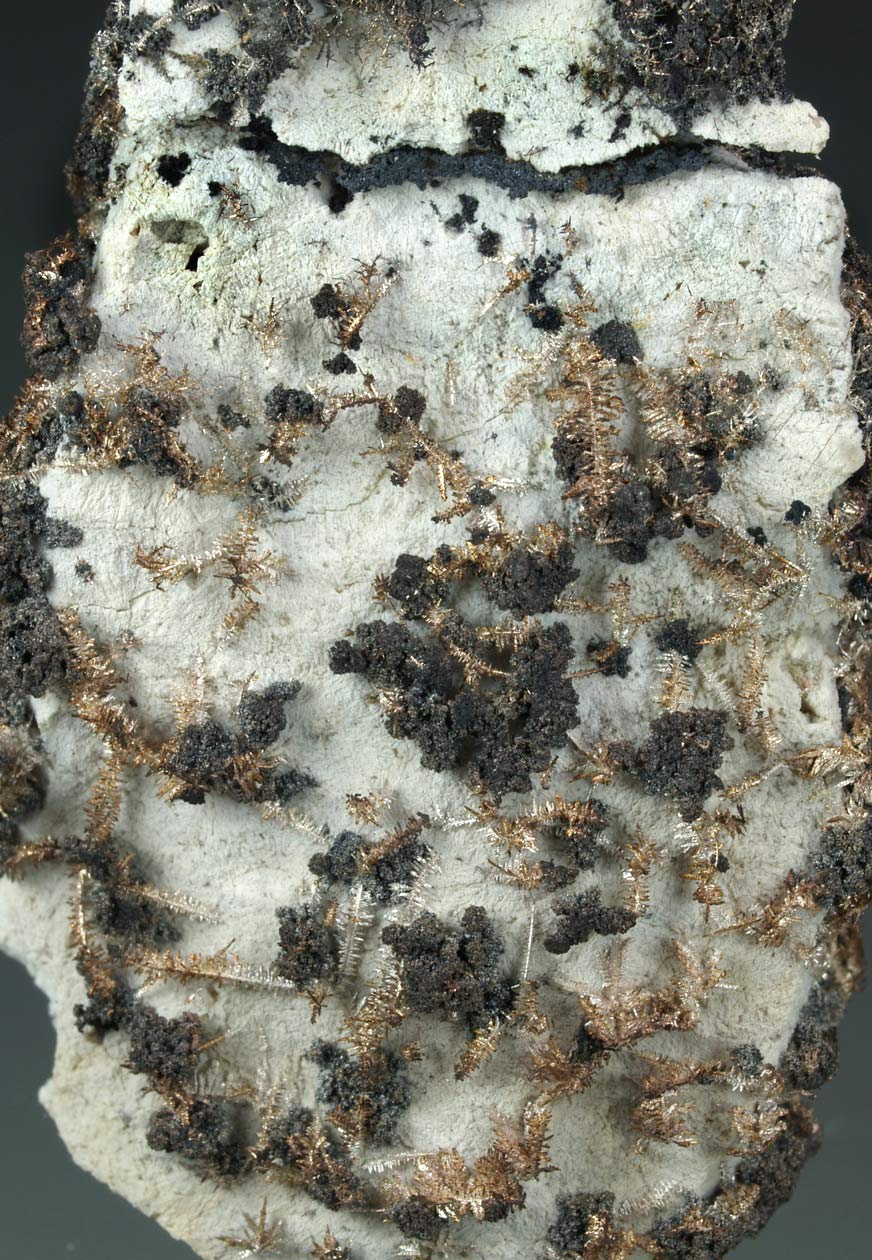
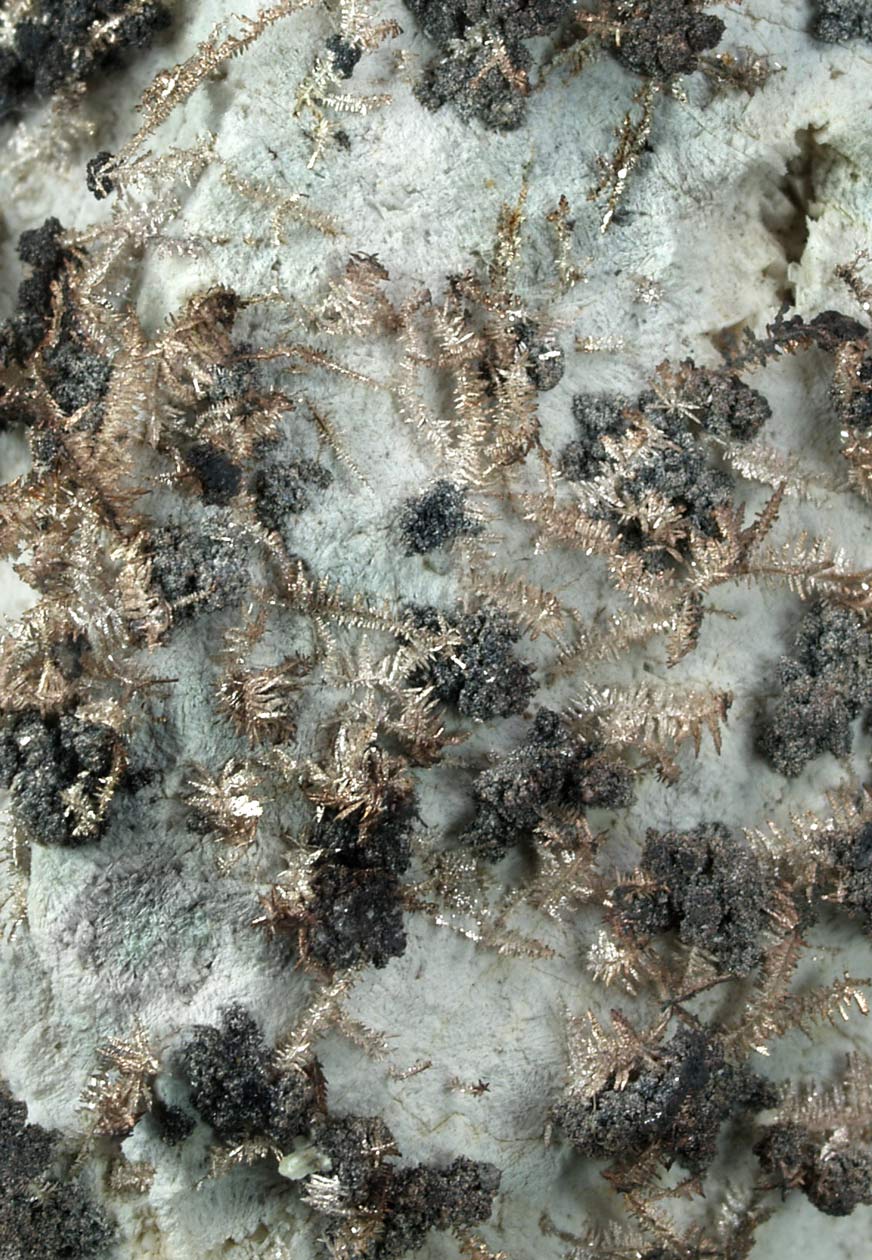
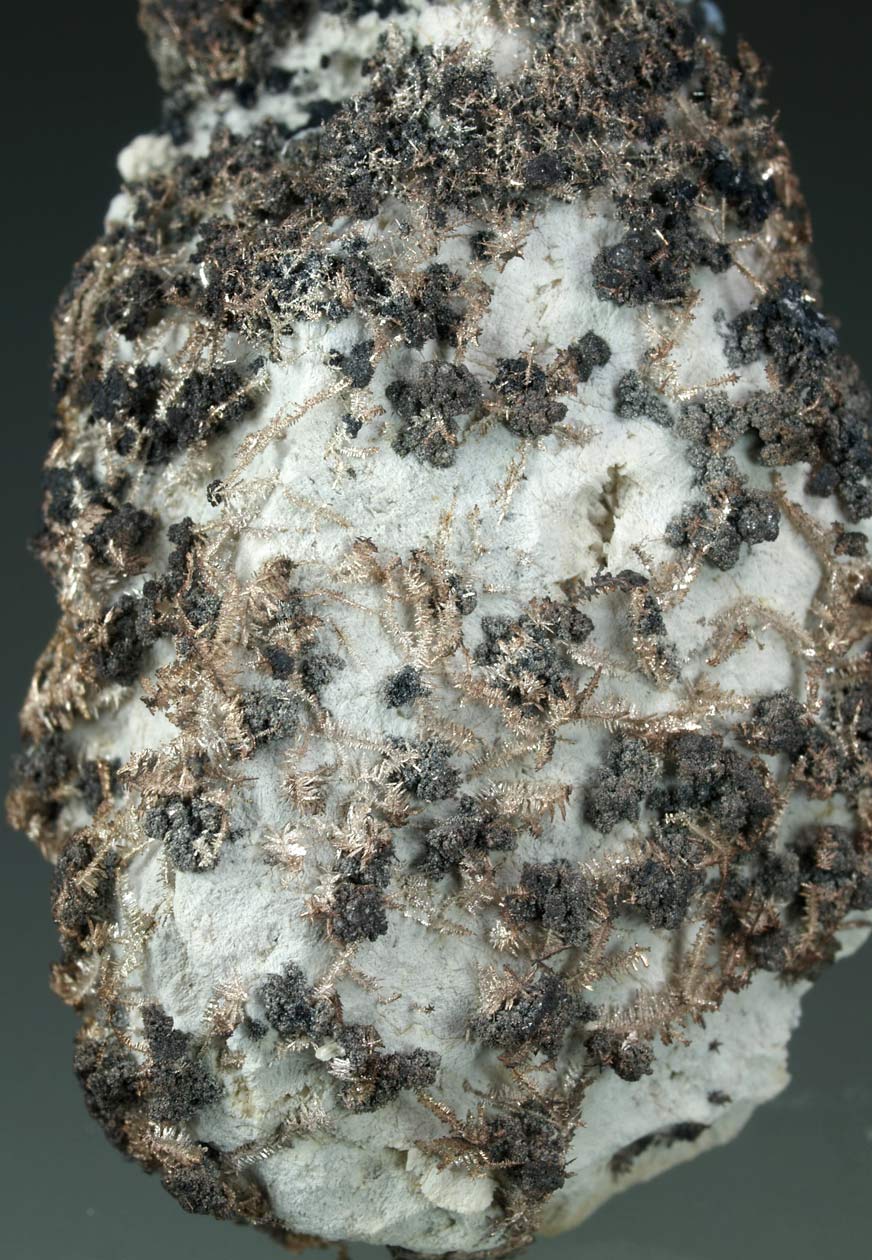
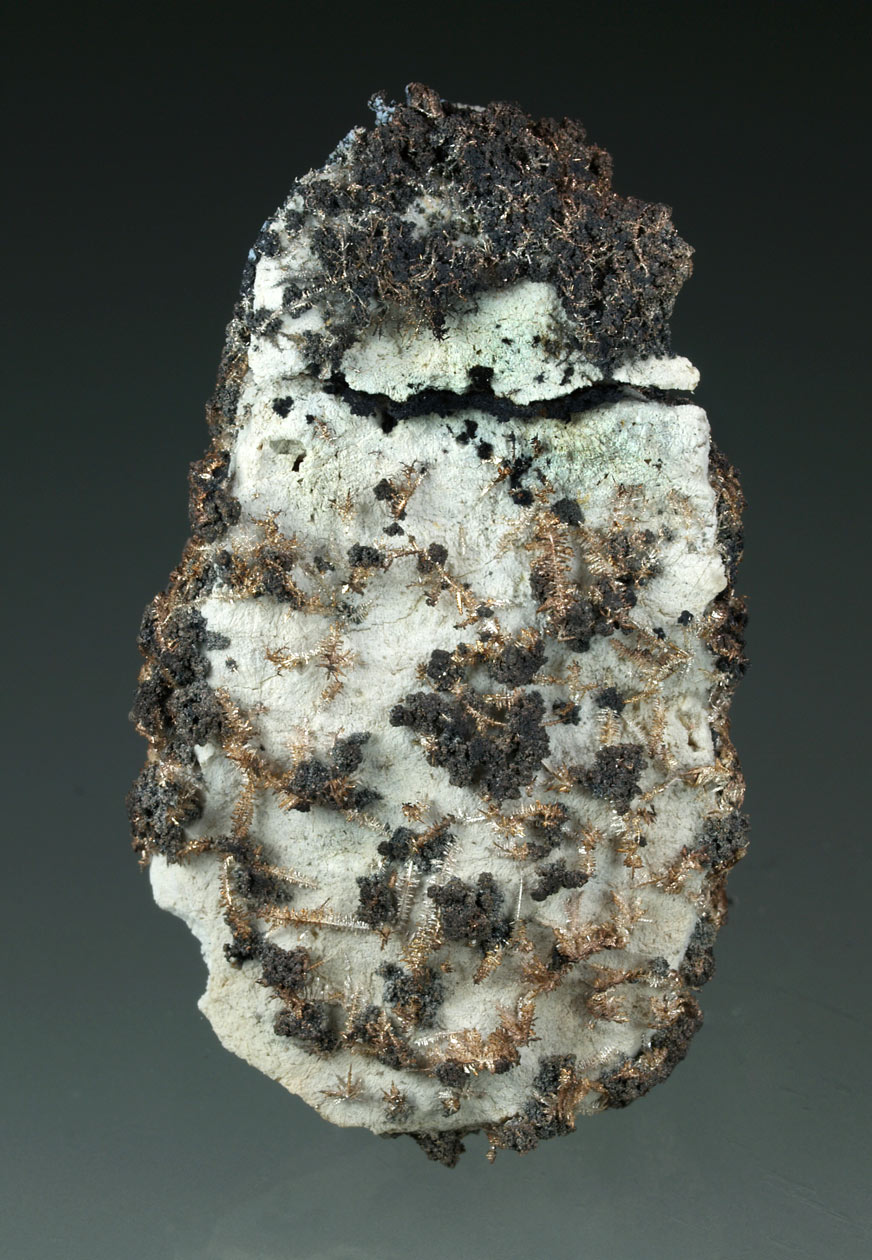
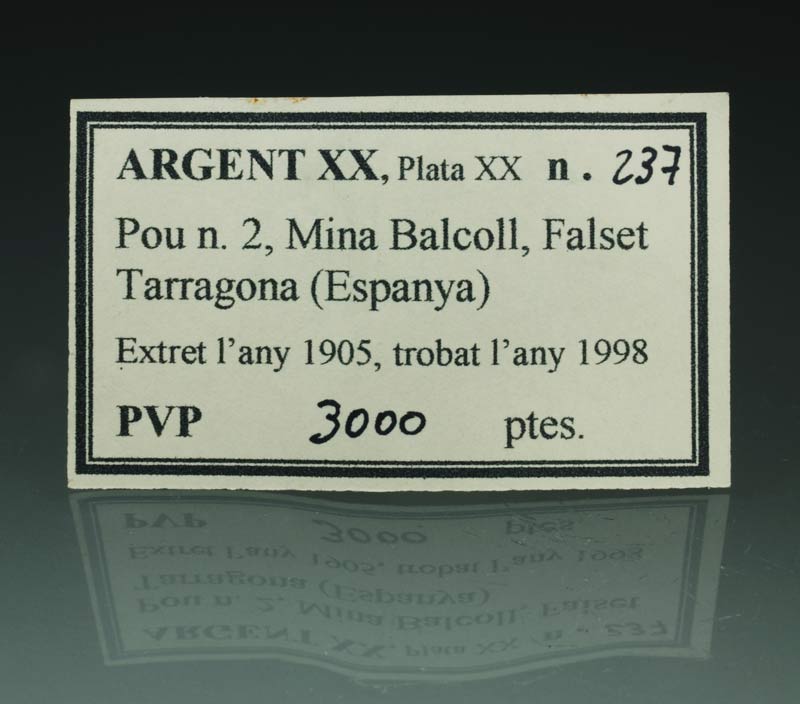
En este ejemplar podemos observar numerosos grupos de cristales filiformes de plata que presentan crecimientos esqueléticos, brillantes, muy estéticos. Se acompañan de agregados de cristales de acantita. Estas piezas proceden de una localidad ya clásica de la mineralogía catalana como es la mina Balcoll. Sobre una matriz con calcita. Con la etiqueta y precio (sic) de 1998. Casi imposibles de conseguir hoy día...
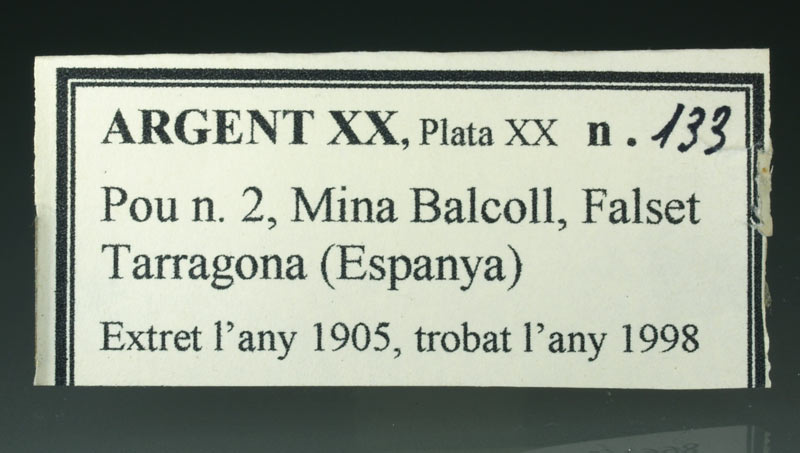
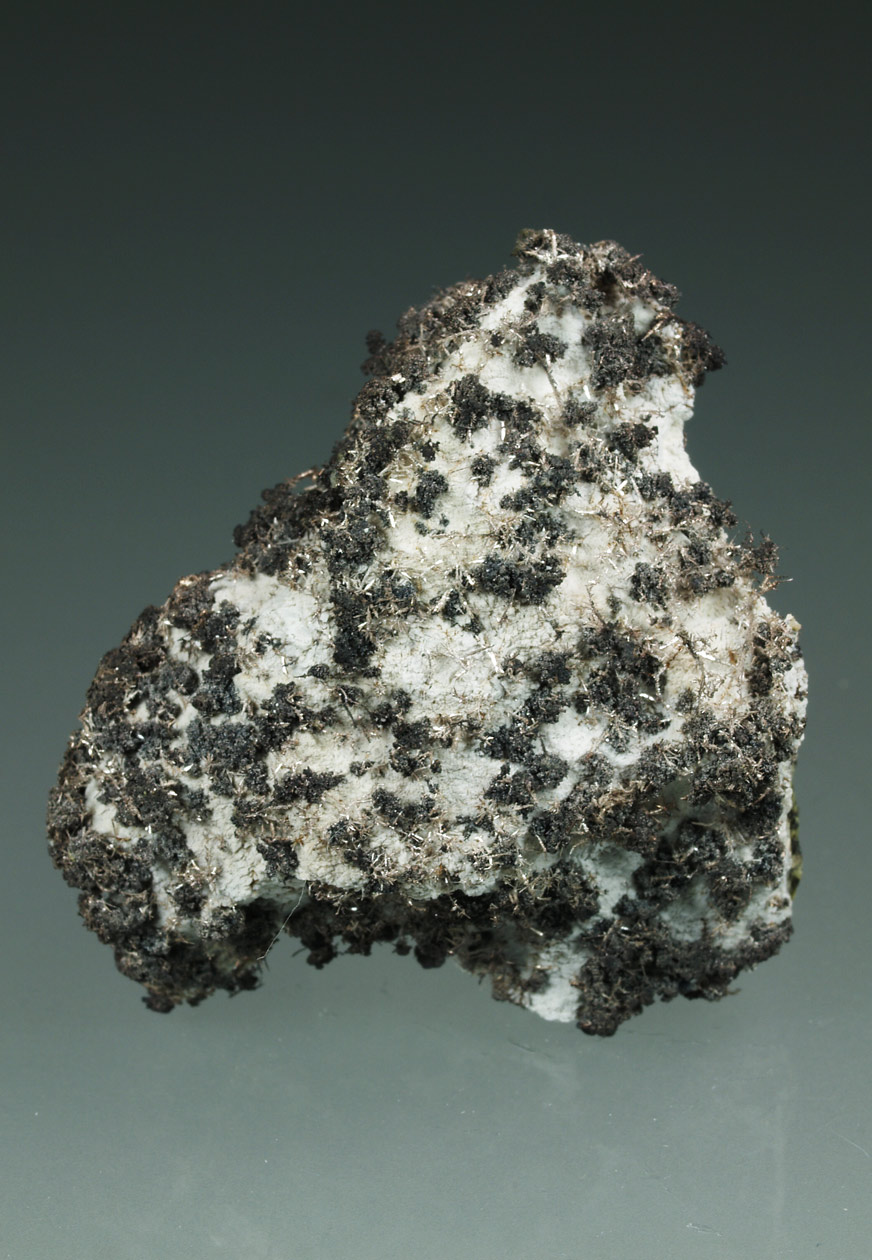
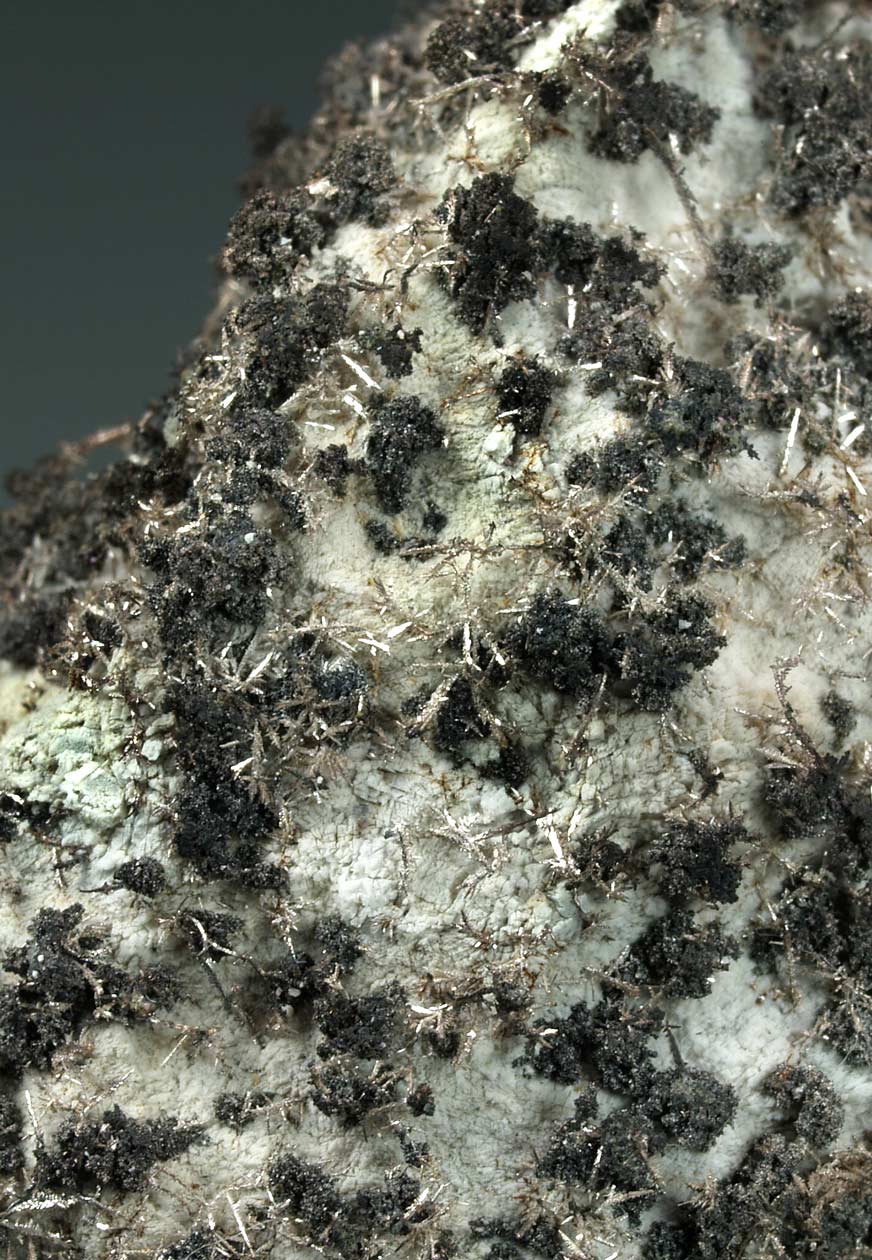
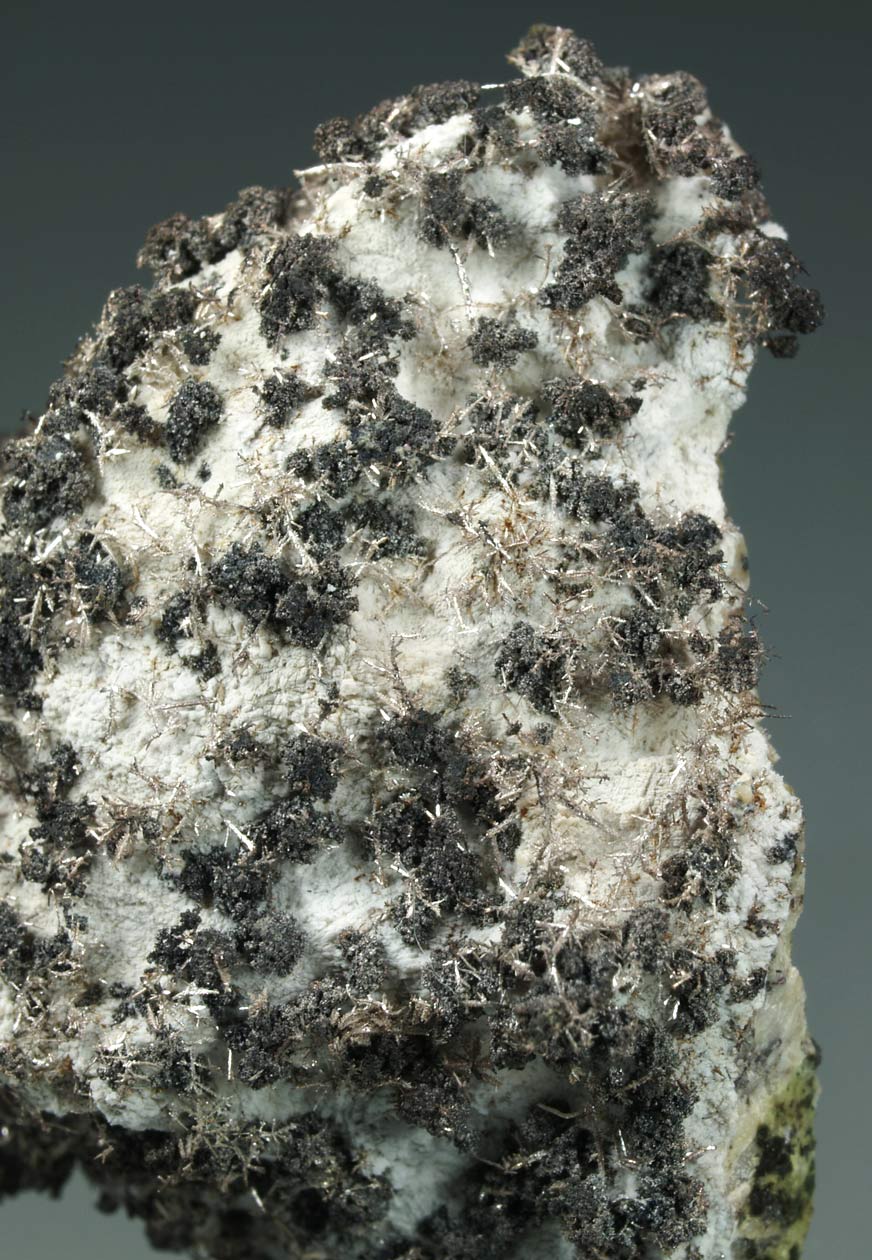
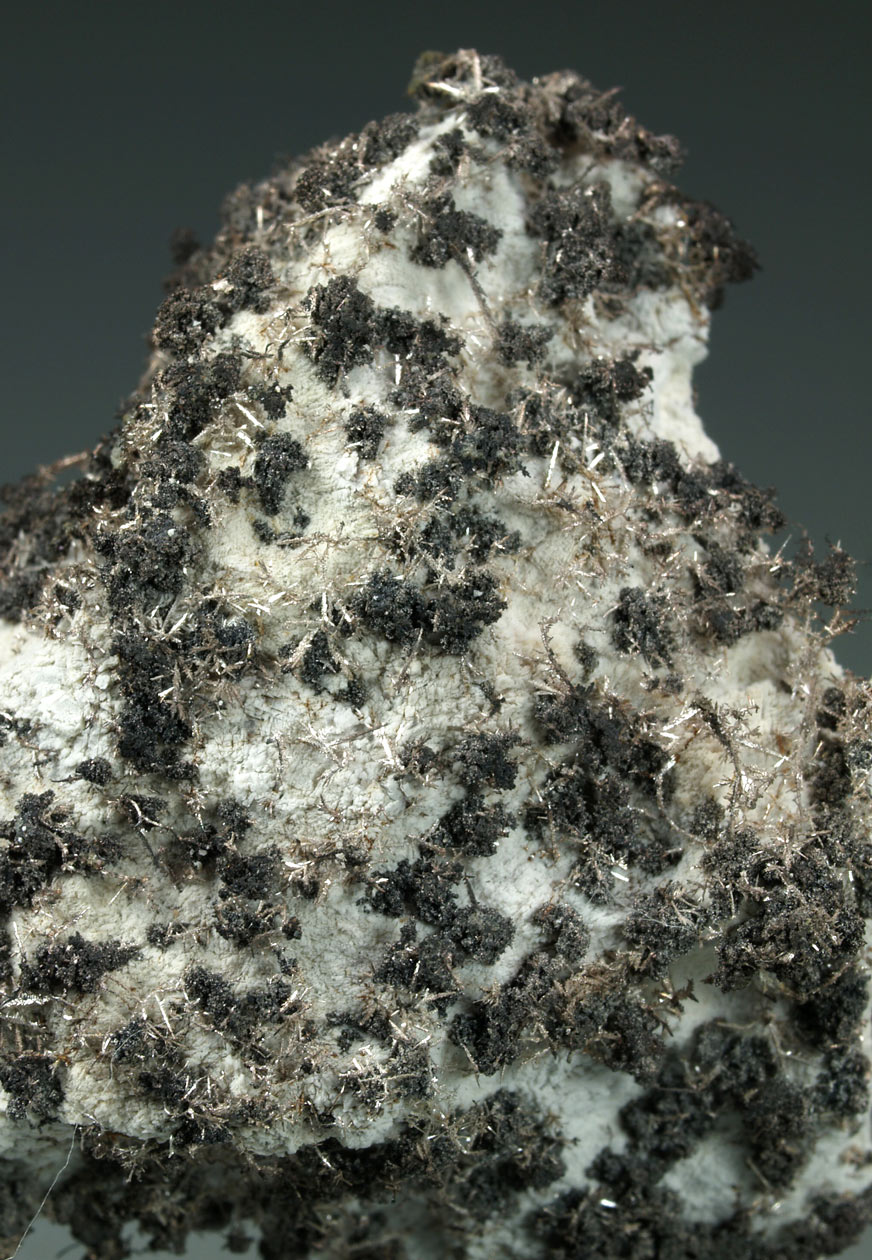
En este ejemplar podemos observar numerosos grupos de cristales filiformes de plata que presentan crecimientos esqueléticos, brillantes, muy estéticos. Se acompañan de agregados de cristales de acantita. Estas piezas proceden de una localidad ya clásica de la mineralogía catalana como es la mina Balcoll. Sobre una matriz con calcita. Con la etiqueta y precio (sic) de 1998. Casi imposibles de conseguir hoy día...
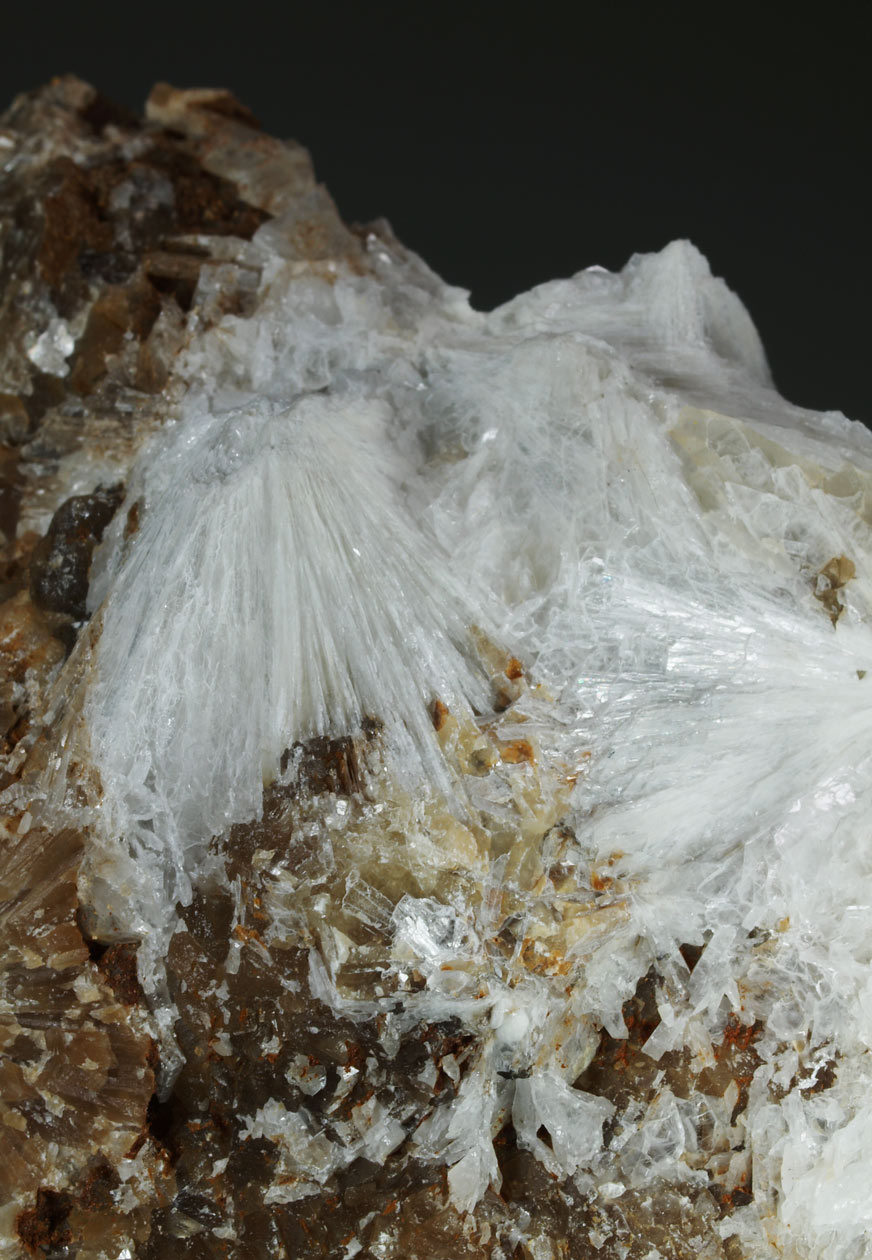
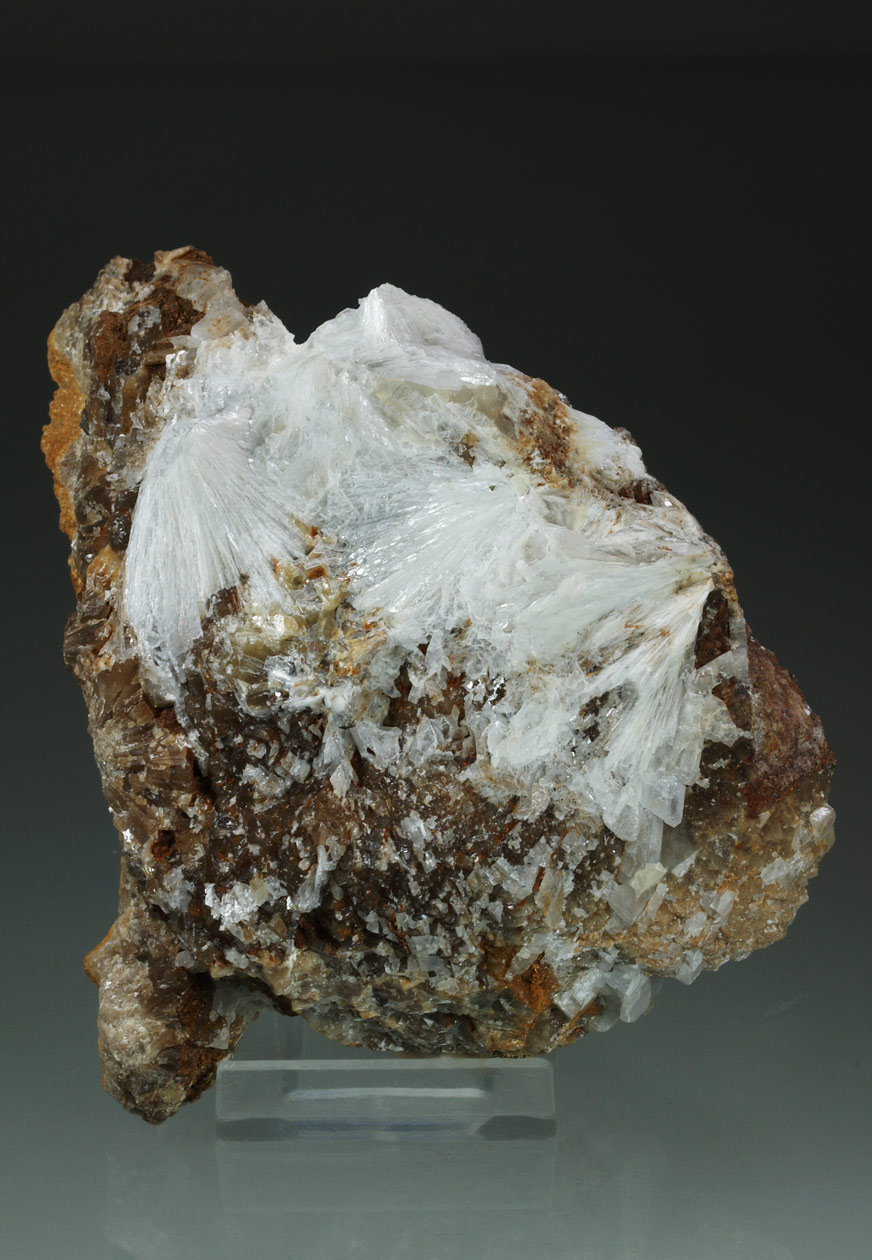
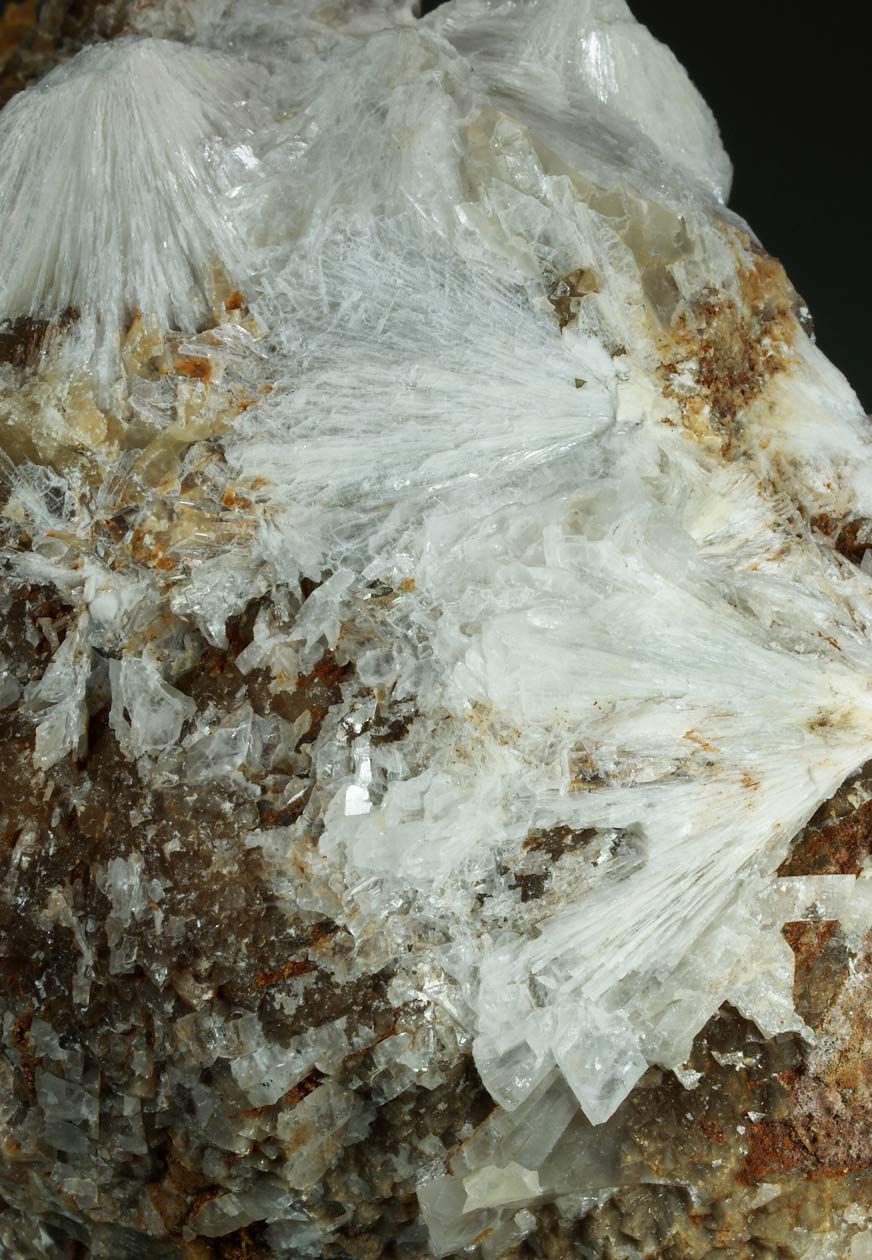
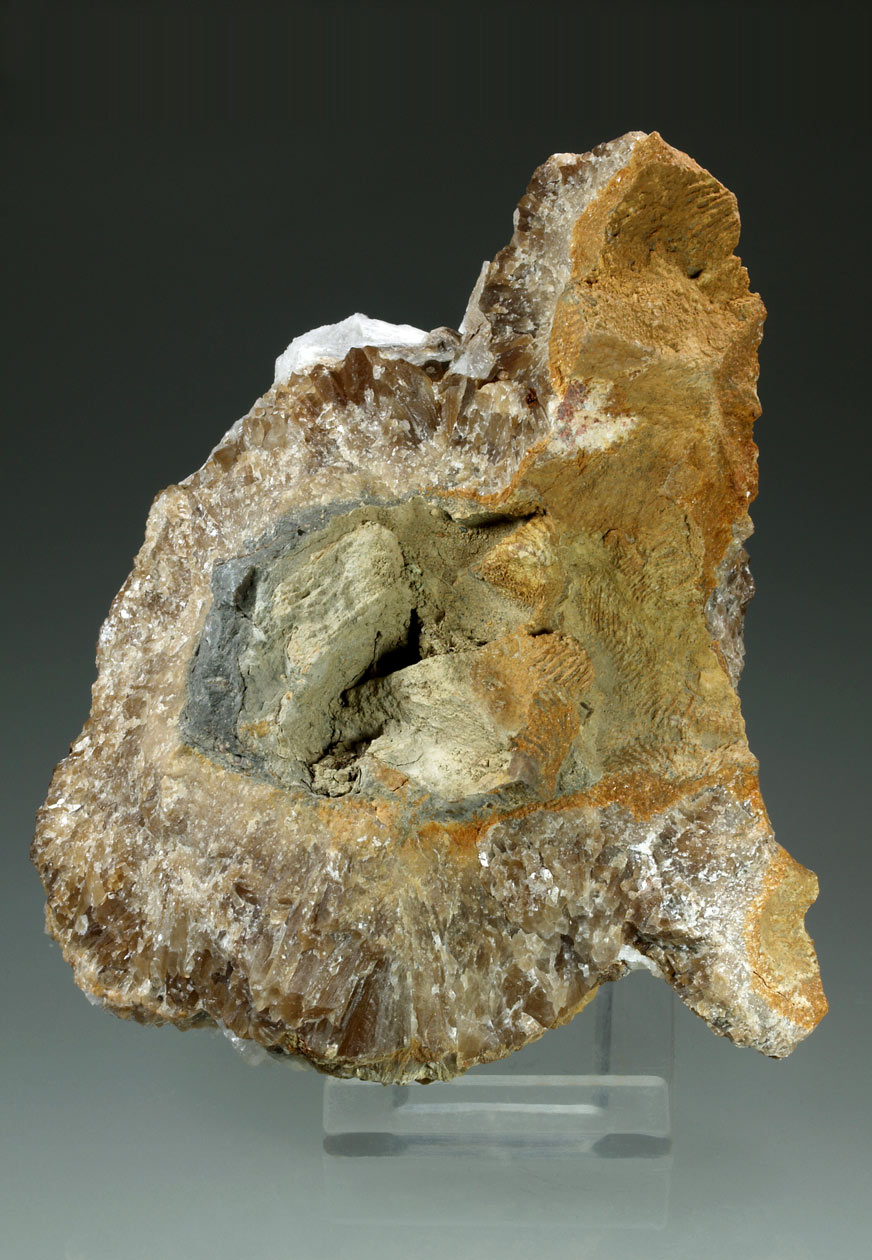
Se trata de un muy antiguo ejemplar formado por cristales prismáticos a tabulares de celestina, con una disposición radial, que rellenan una cavidad de la calcita. La matriz es un fósil de coral. Fluorescente bajo la UV-OL. Buen tamaño. Un clásico de la mineralogía catalana de otras épocas.
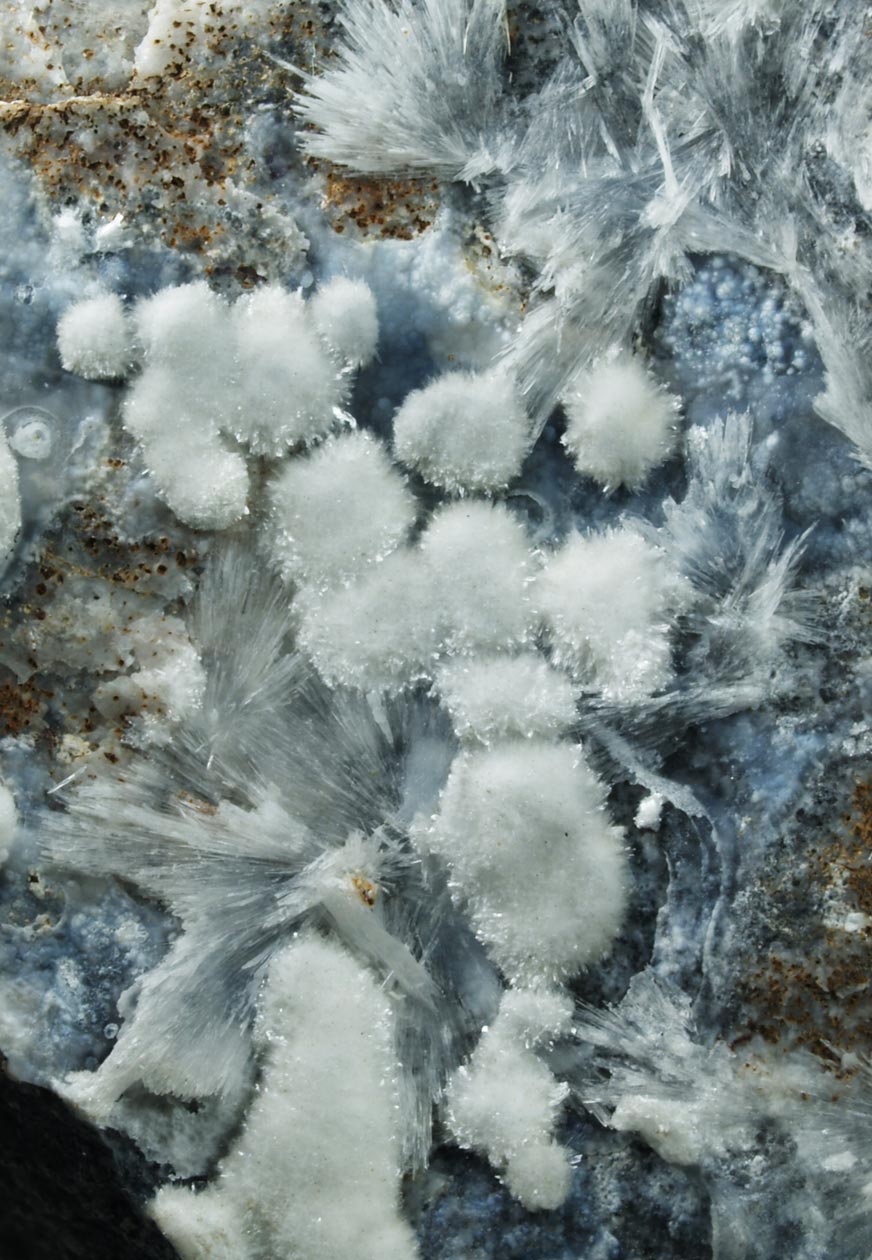
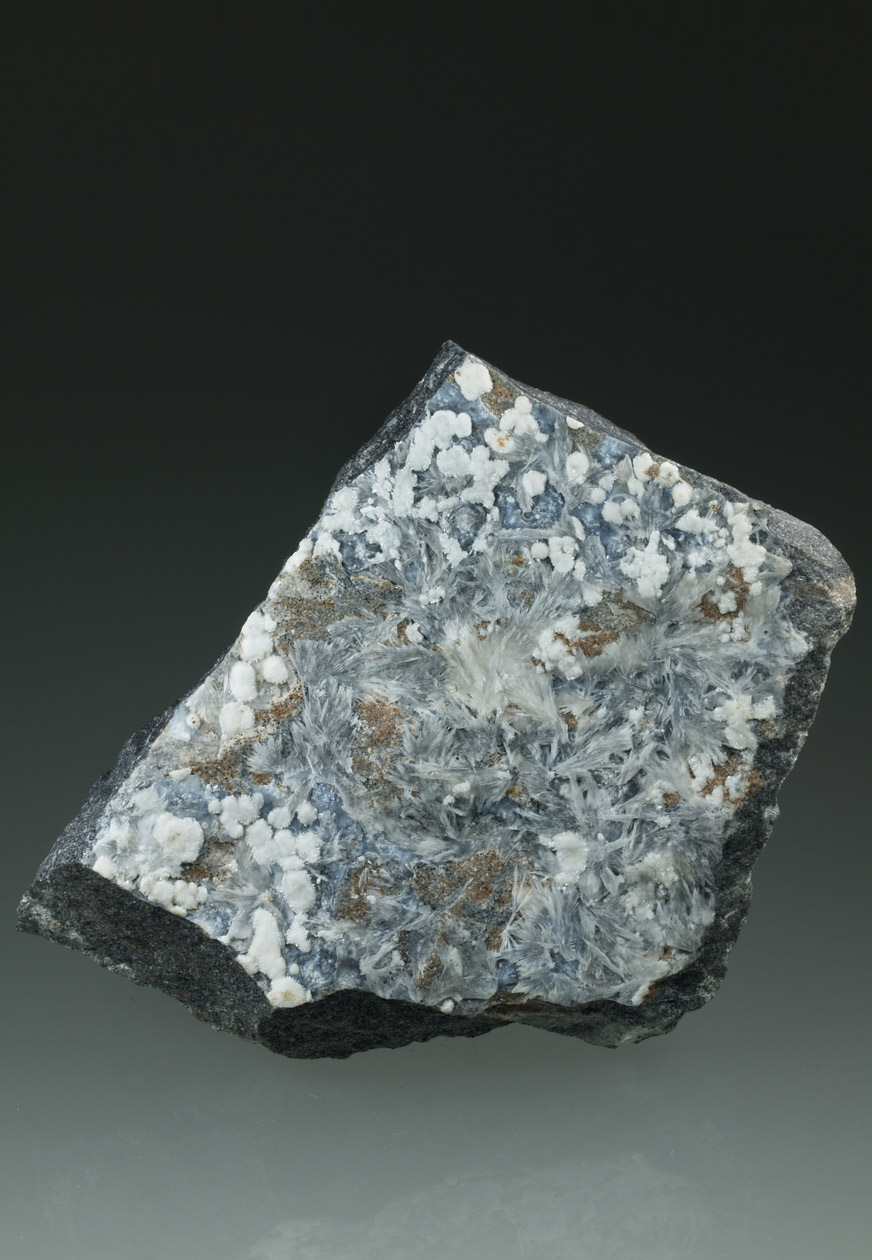
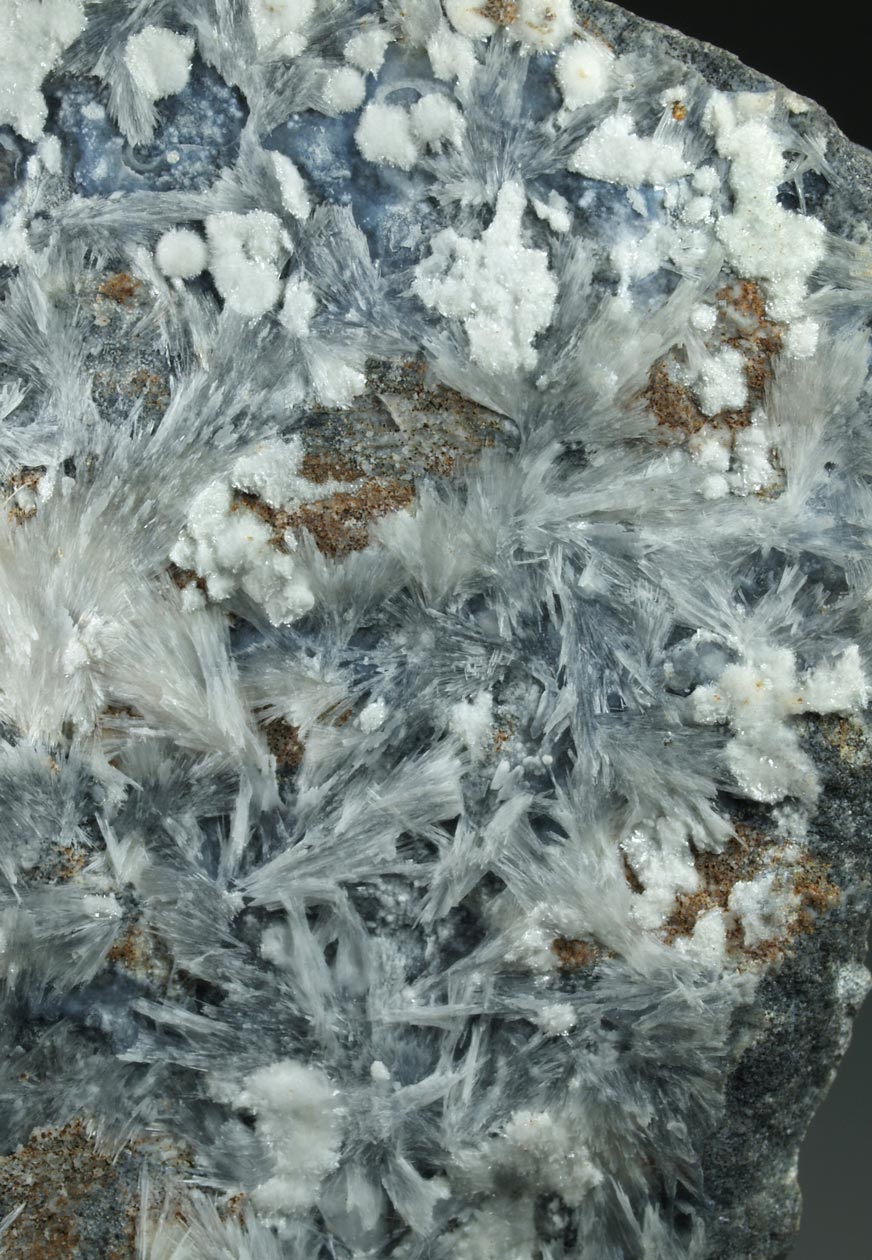
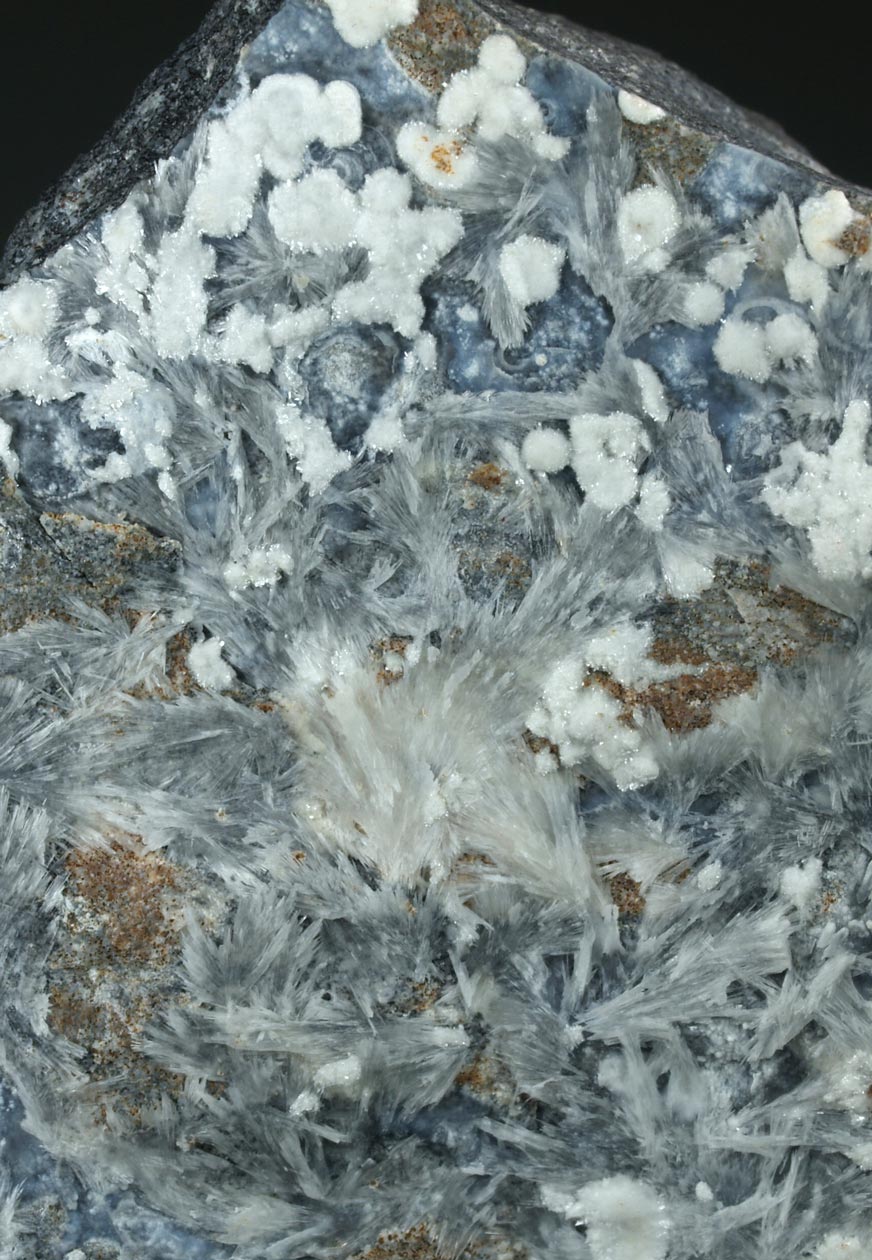
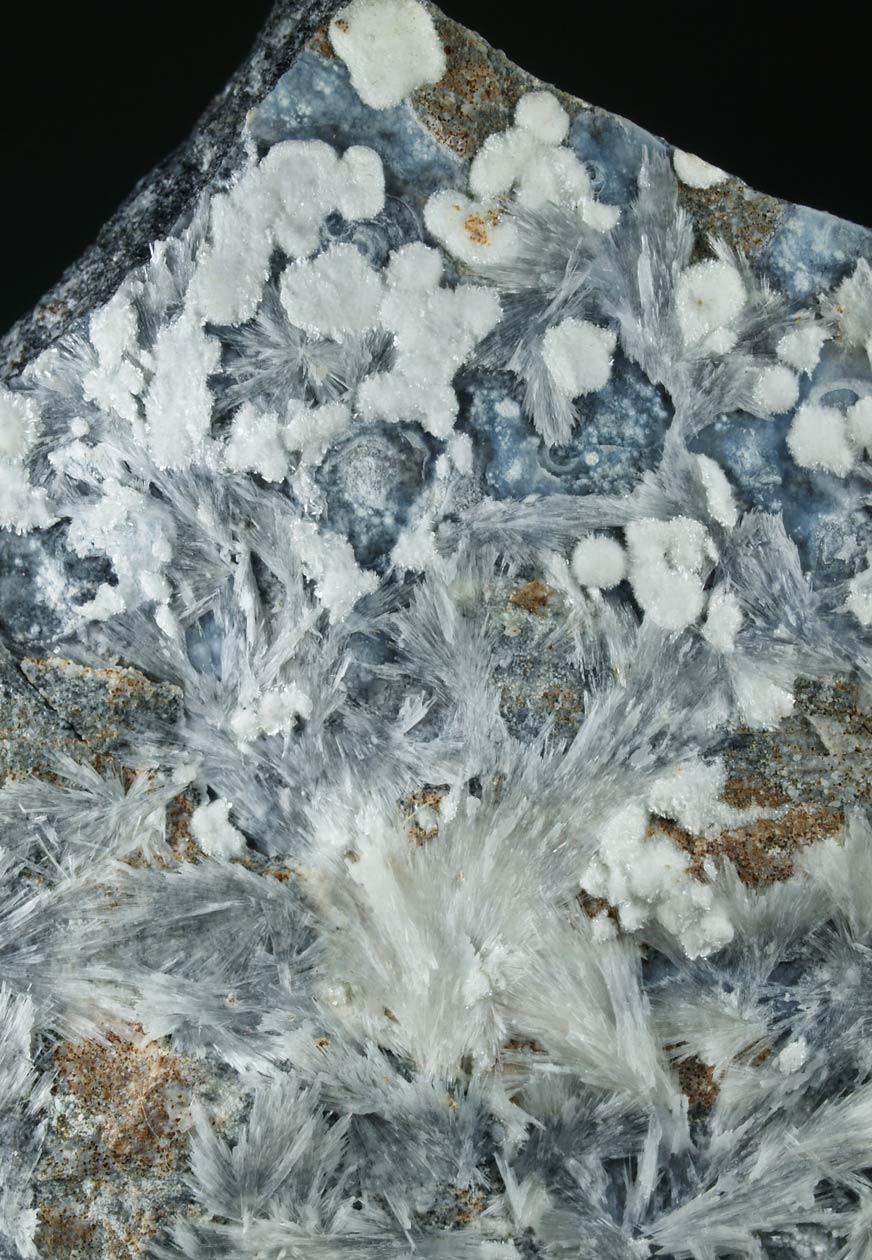
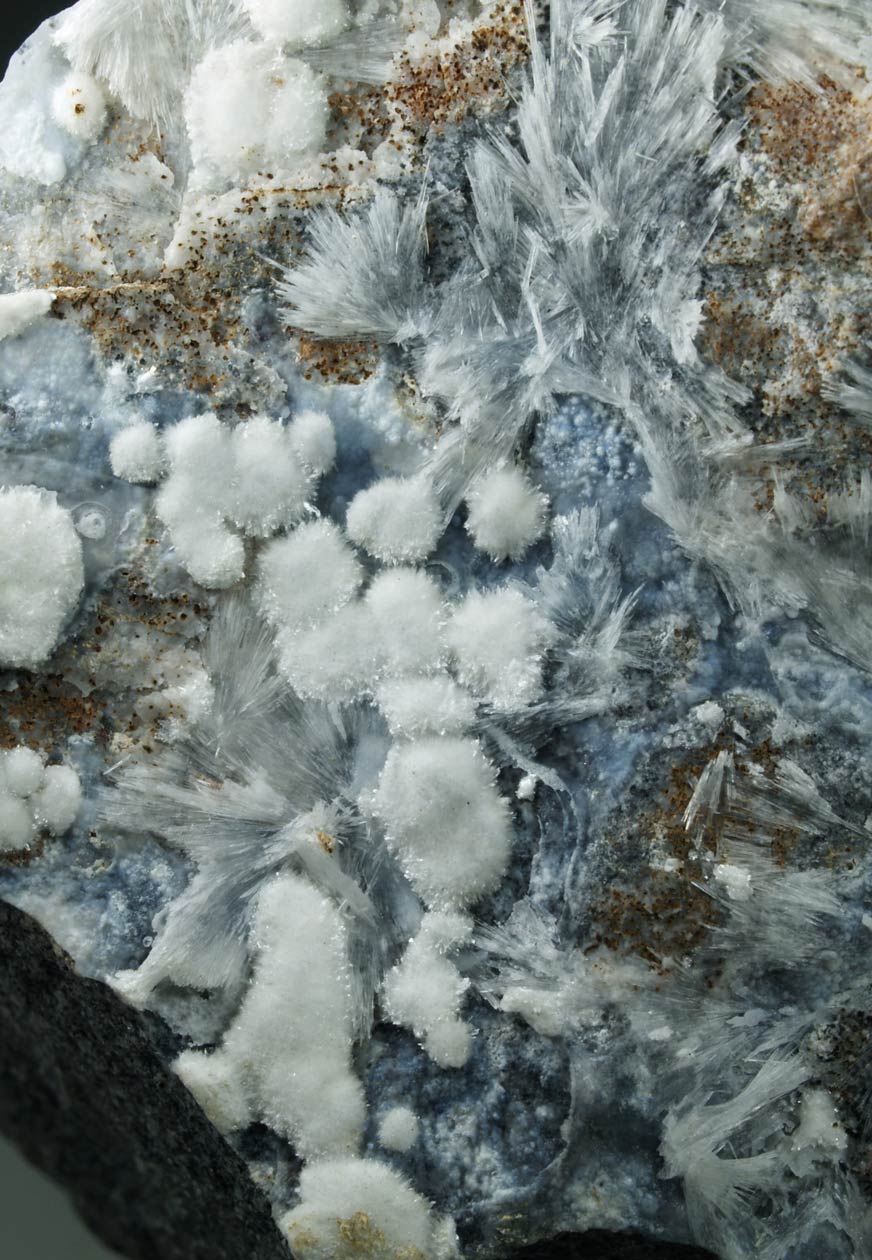
Este tipo de ejemplares son los que hacen que la afición por los minerales se refuerce. En esta pieza coexisten dos carbonatos y un hidróxido de magnesio muy interesantes. Por un lado observamos unos estéticos y brillantes agregados de cristales foliáceos, formando rosetas, de intenso color blanco, aunque son incoloros. Se trata de la dypingita. Se acompañan de gavillas de cristales aplanados de hidromagnesita, entre translúcidos a transparentes, incoloros (recuerdan al aragonito). Todos ellos se disponen sobre una matriz de roca recubierta de una capa con formas botroidales, de color azul a gris, de brucita. Una pieza catalana de las que hoy día cuesta encontrar, con especies poco habituales y con calidad.
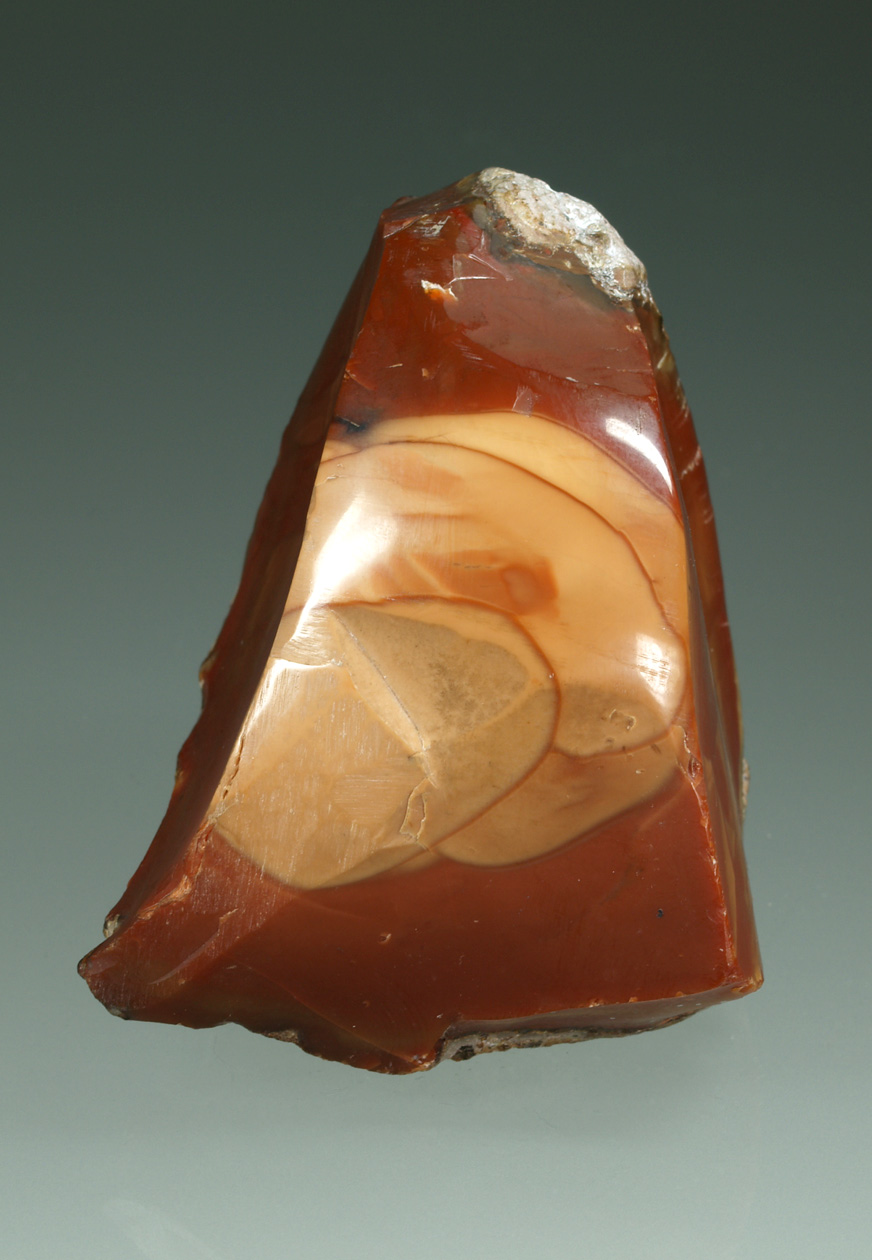
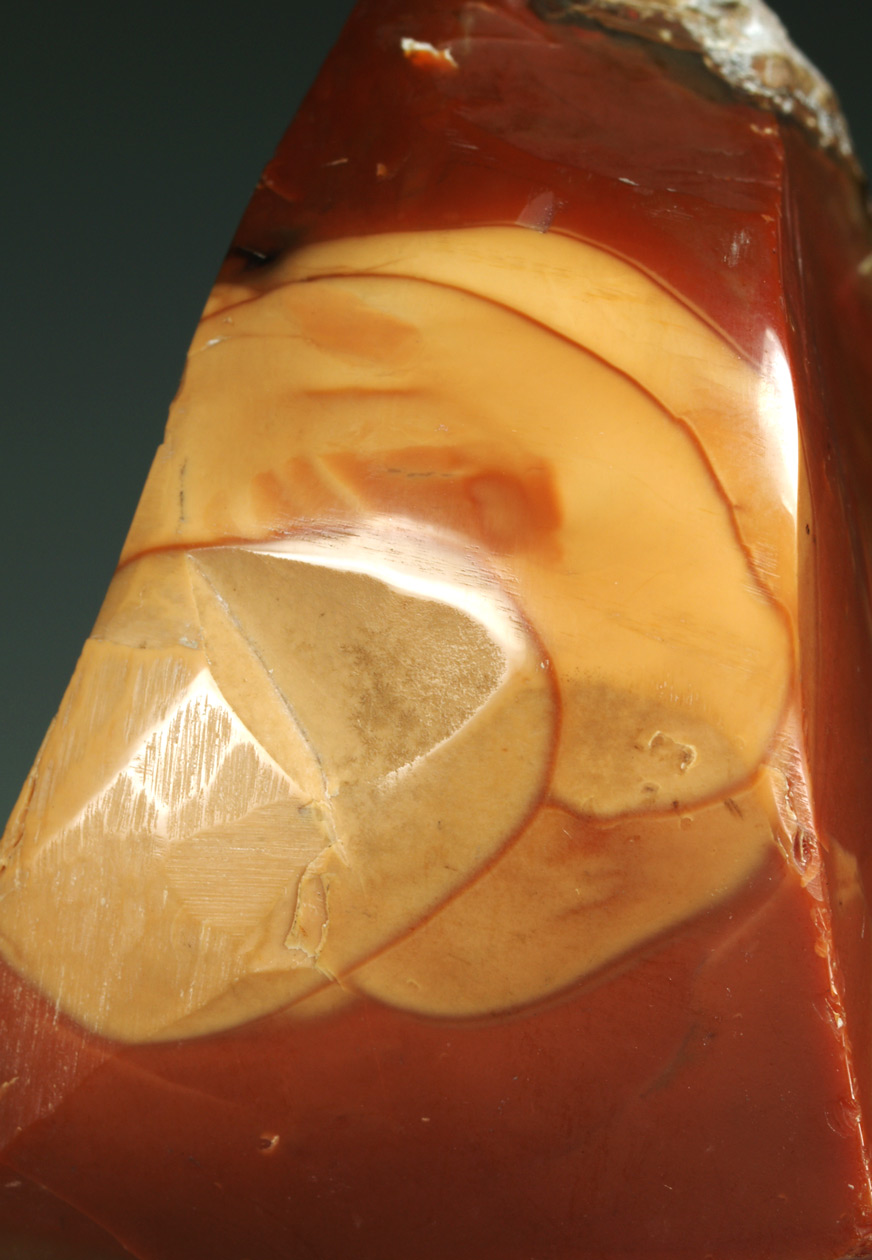
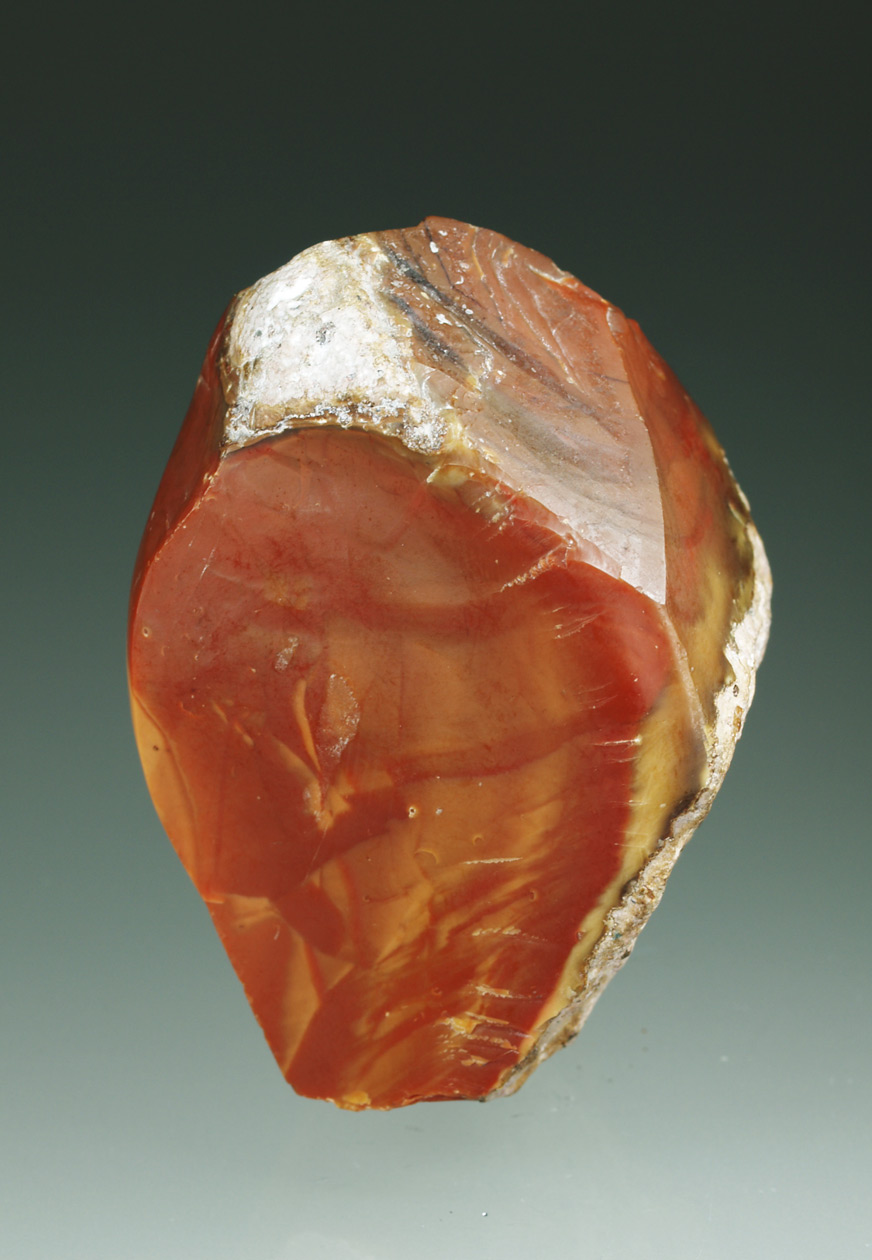
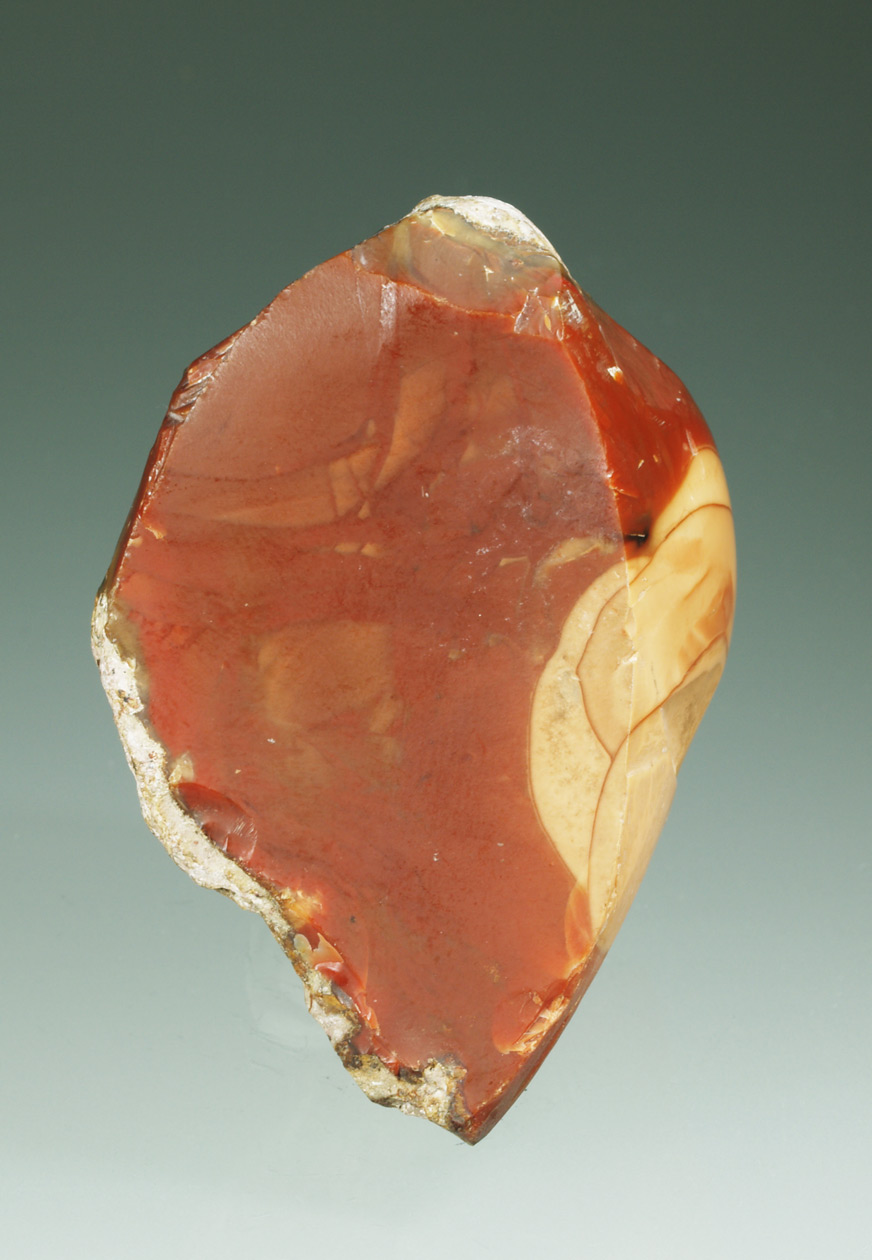
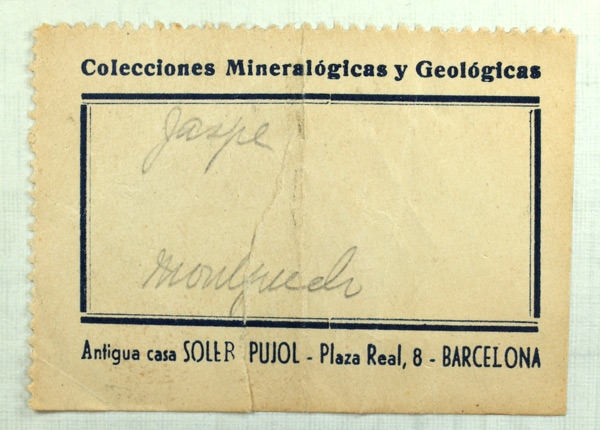
Este es uno de los antiguos ejemplares de jaspe, recogidos por el Sr. L. Daunis en la montaña de Montjuïc, en Barcelona, bien conocida por los mineralogistas y geólogos catalanes por la característica variedad de especies minerales que se han podido colectar. Se trata de una pieza con una parte ligeramente pulida que permite disfrutar de la nobleza de esta piedra semi-preciosa, el resto presenta el tono original. Con una etiqueta manuscrita por el propietario. Un clásico barcelonés que no debe faltar en una colección de nivel.
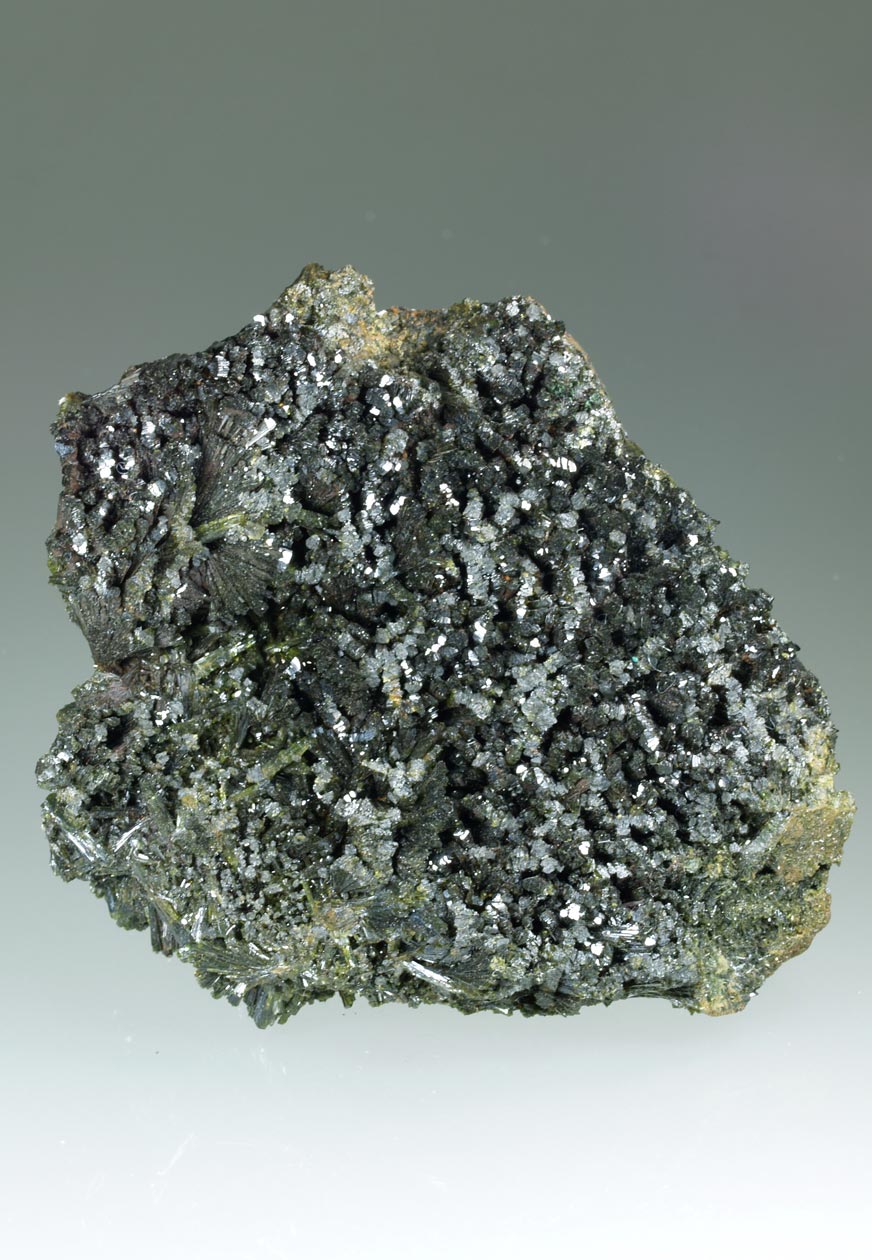
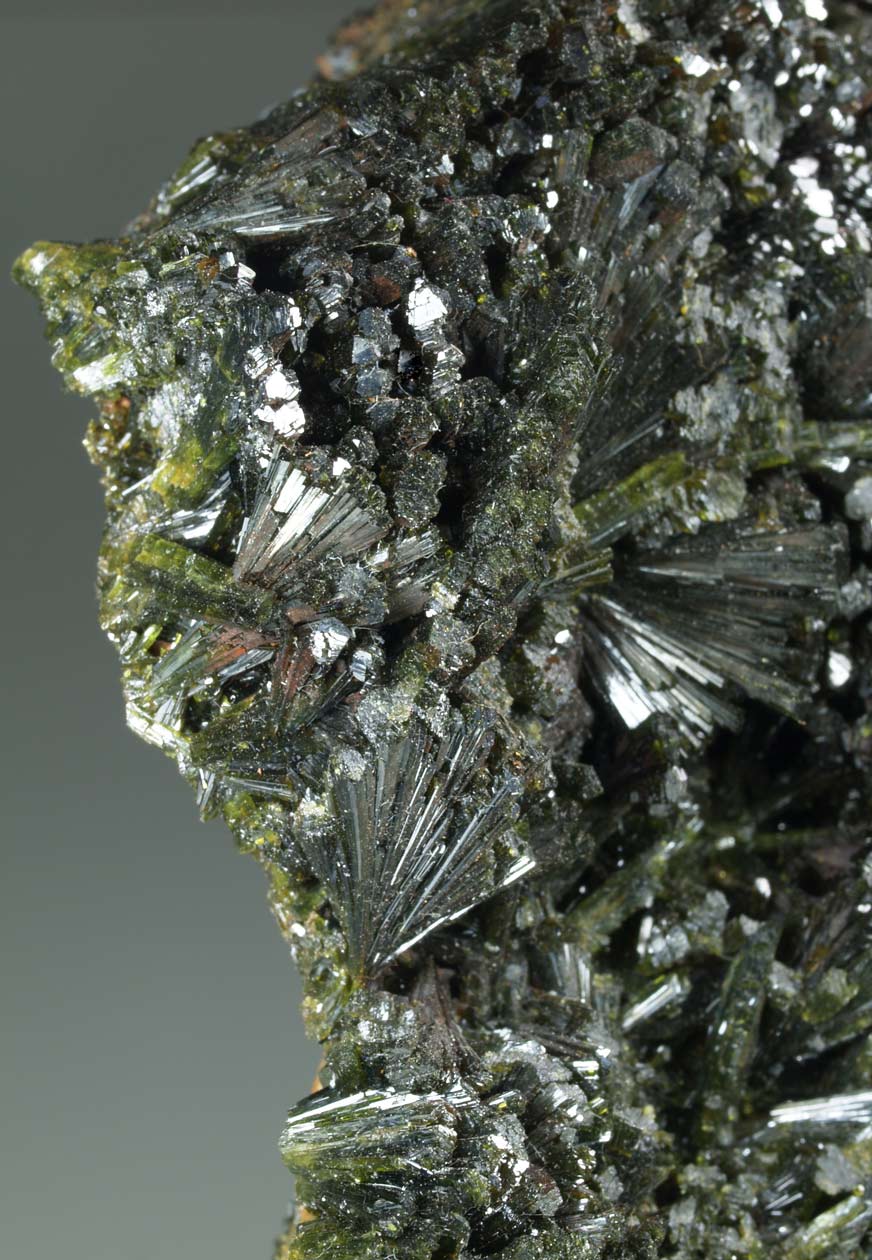
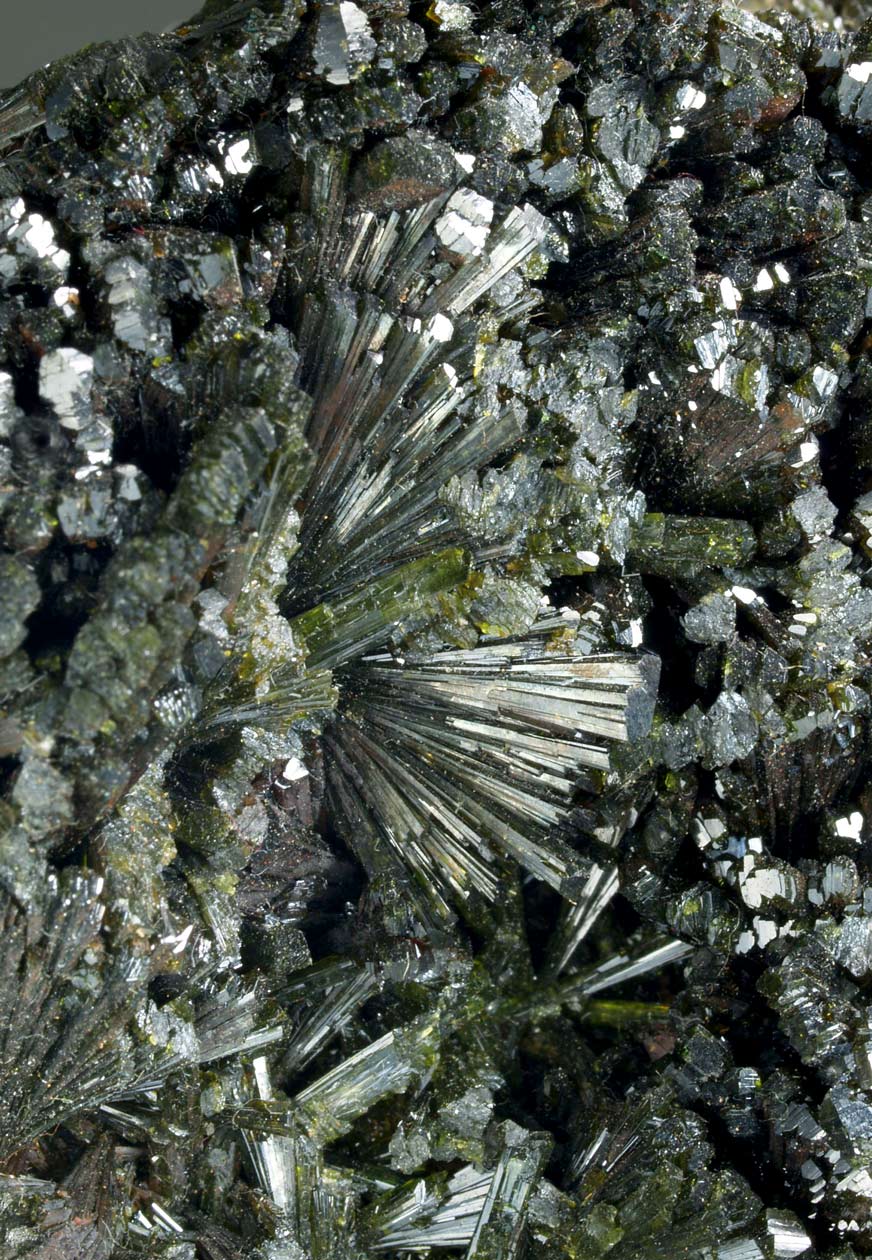
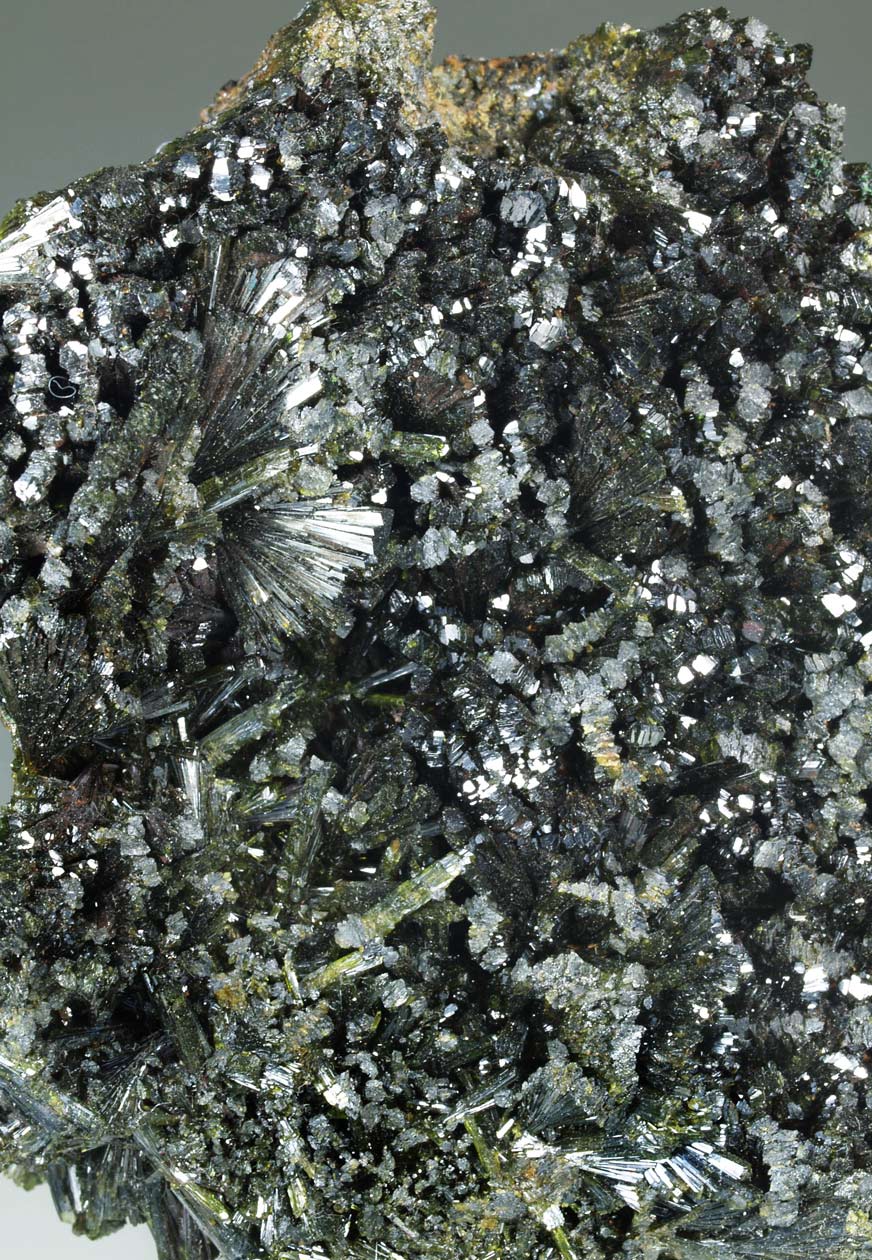
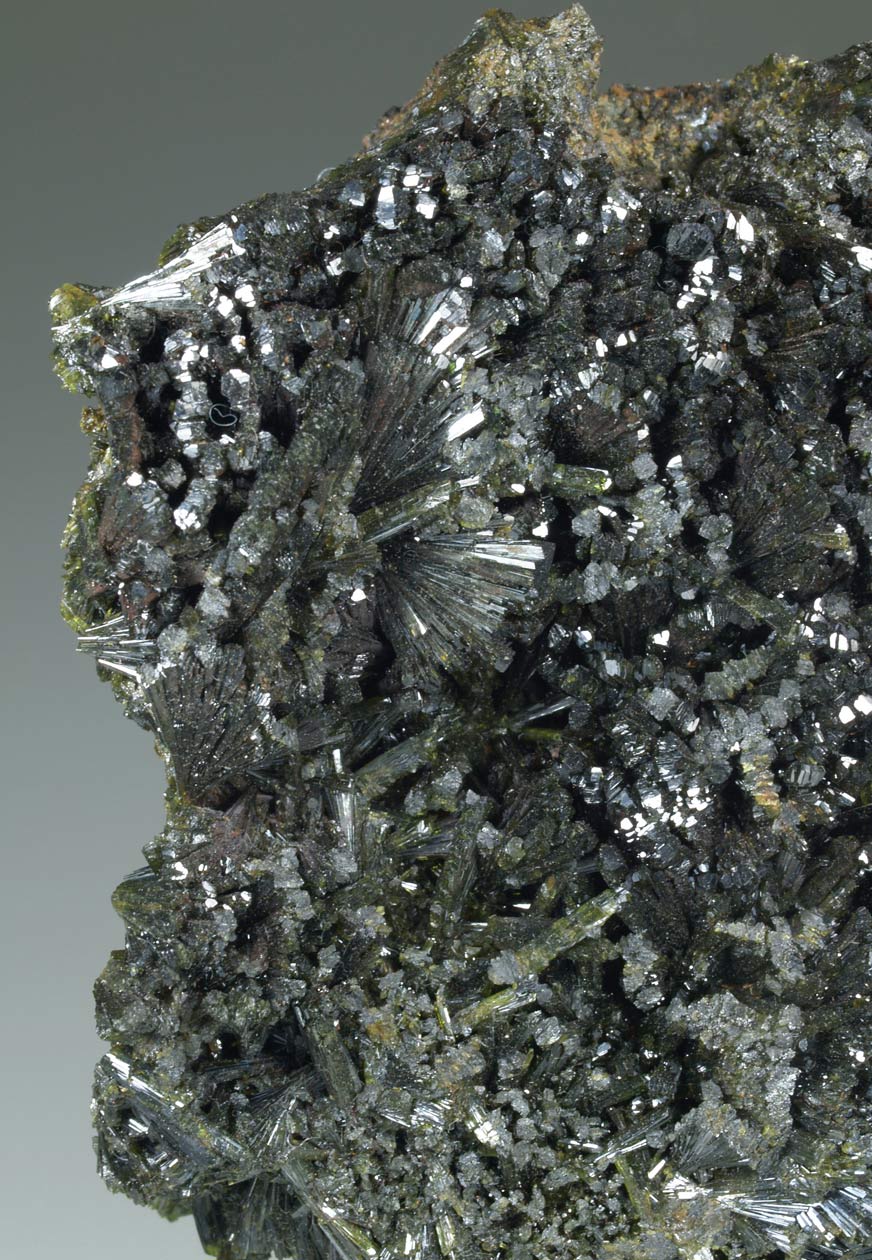
Un ejemplar de buen tamaño de epidota procedente de la clásica localidad de Casterner. Grupos de cristales en abanico, muy brillantes y con transparencia. Ejemplares de esta calidad ya se ven pocos. Actualmente está prohibido recoger en la zona.
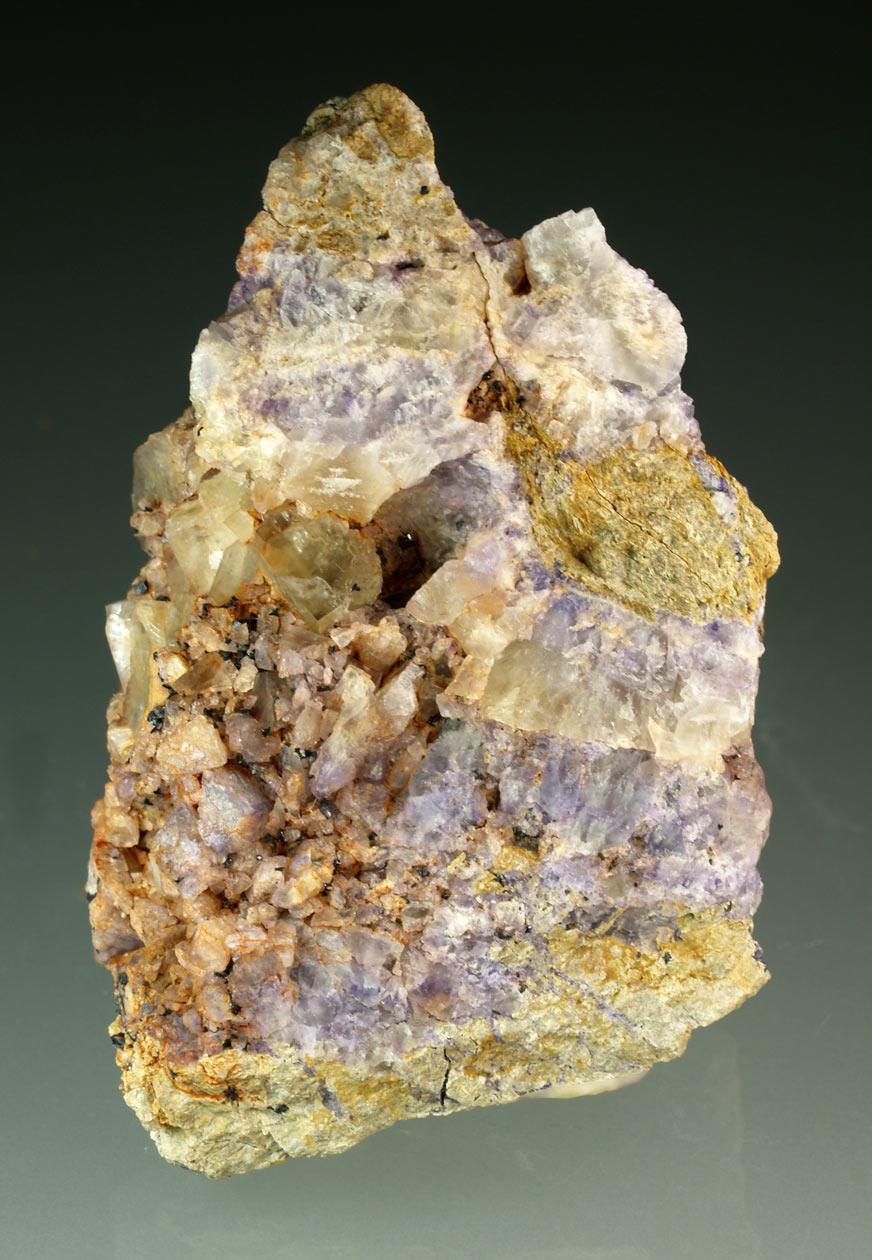
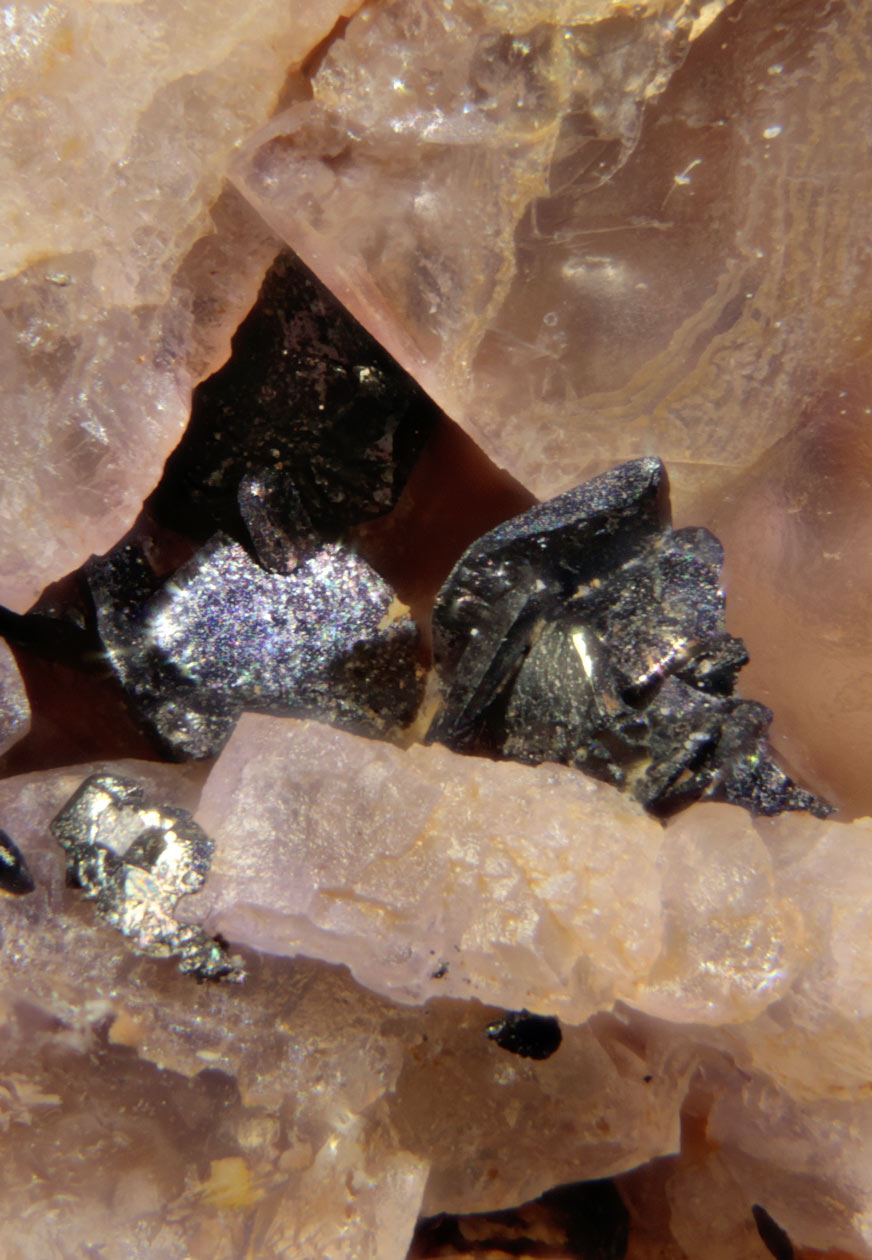
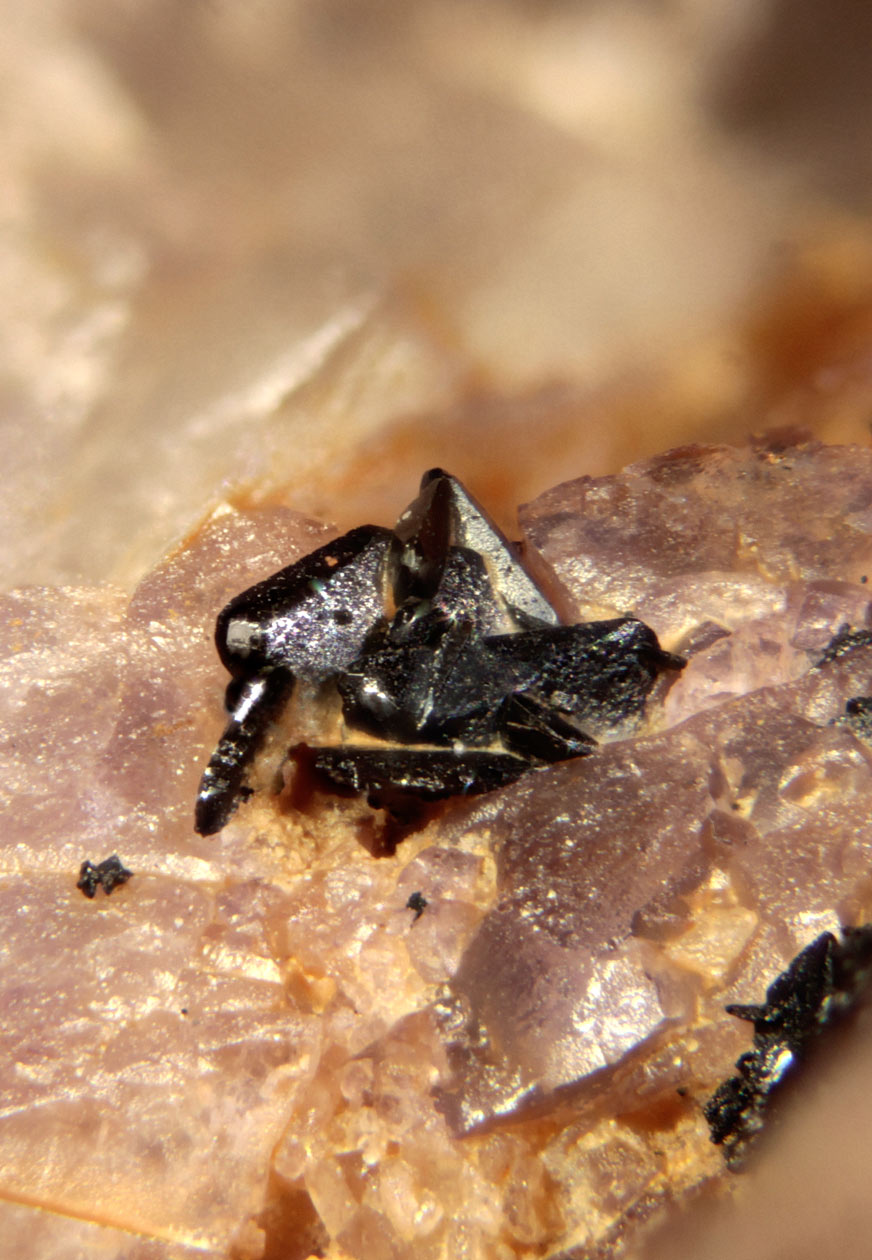
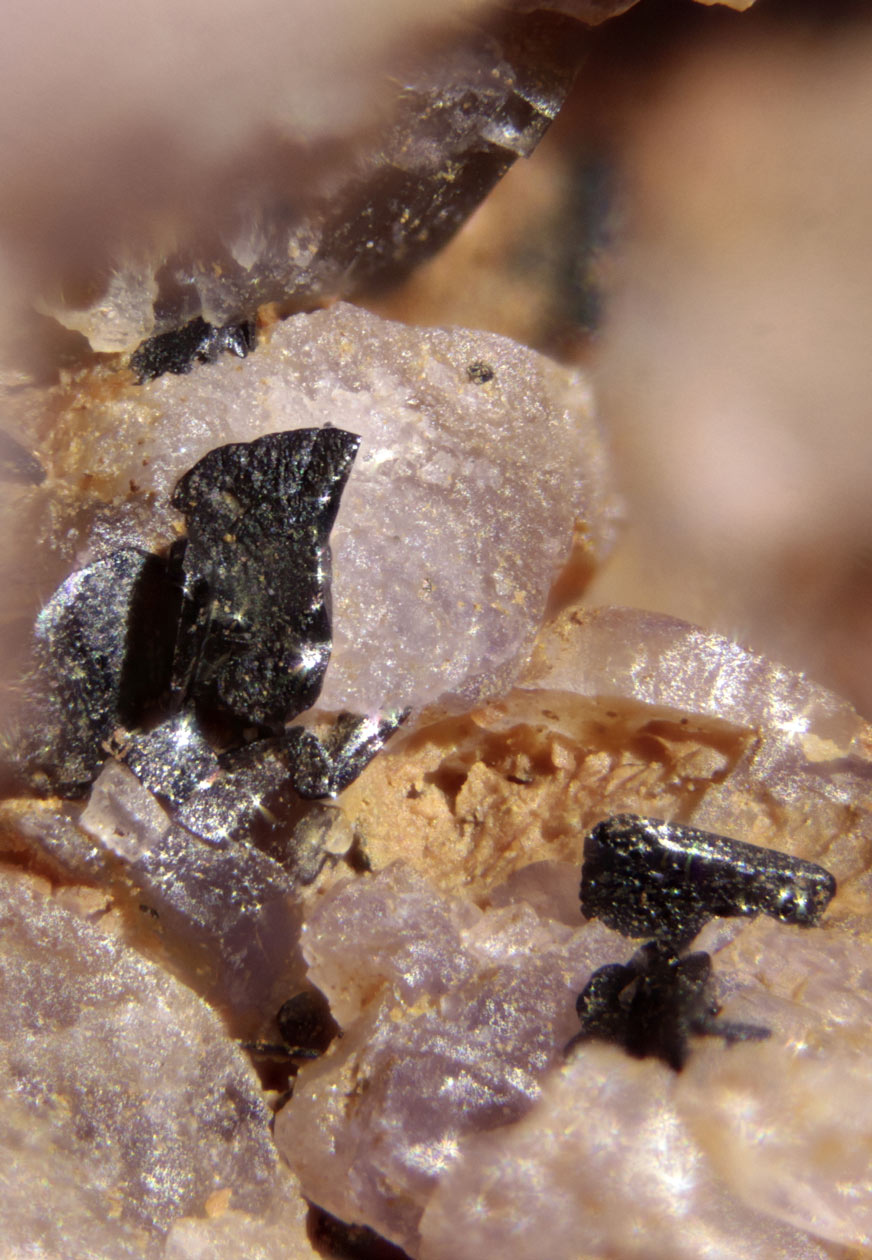
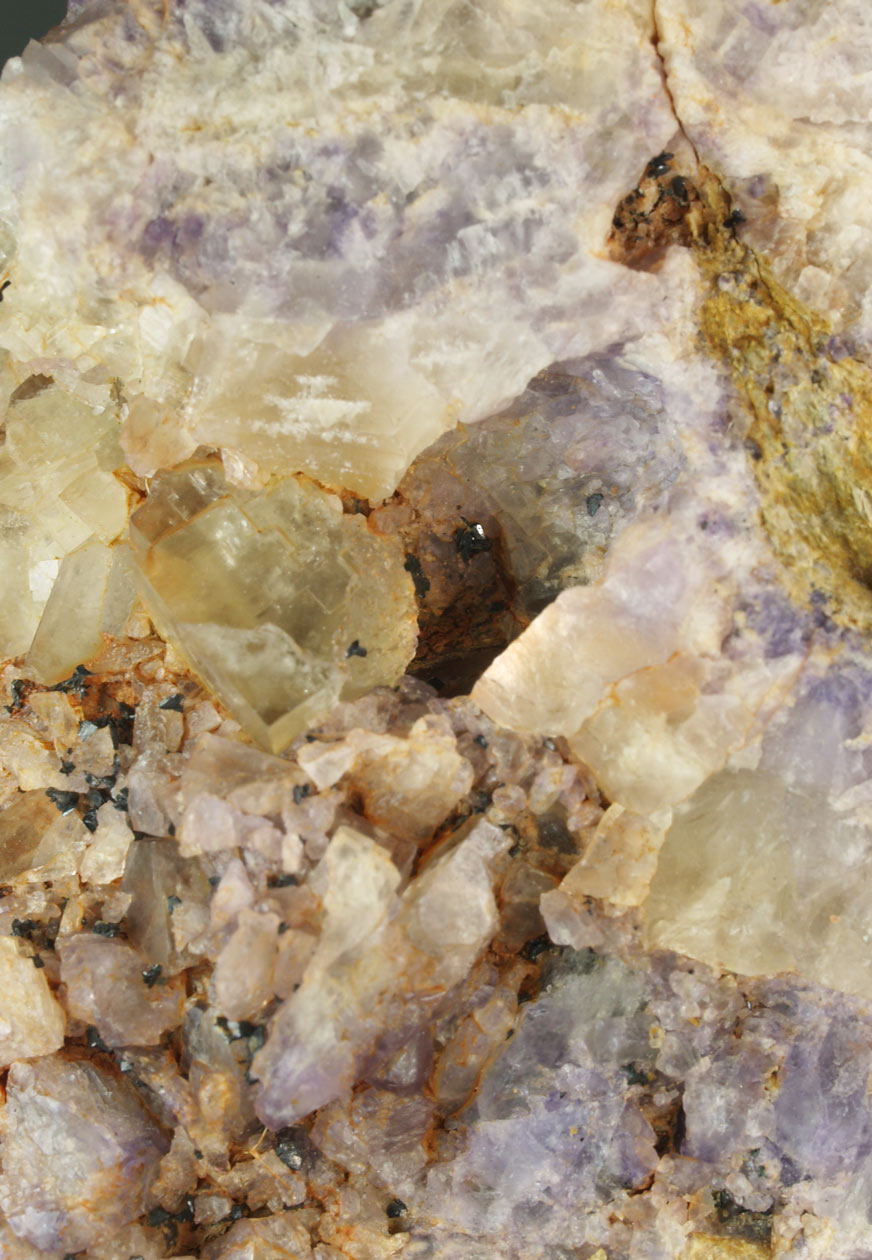
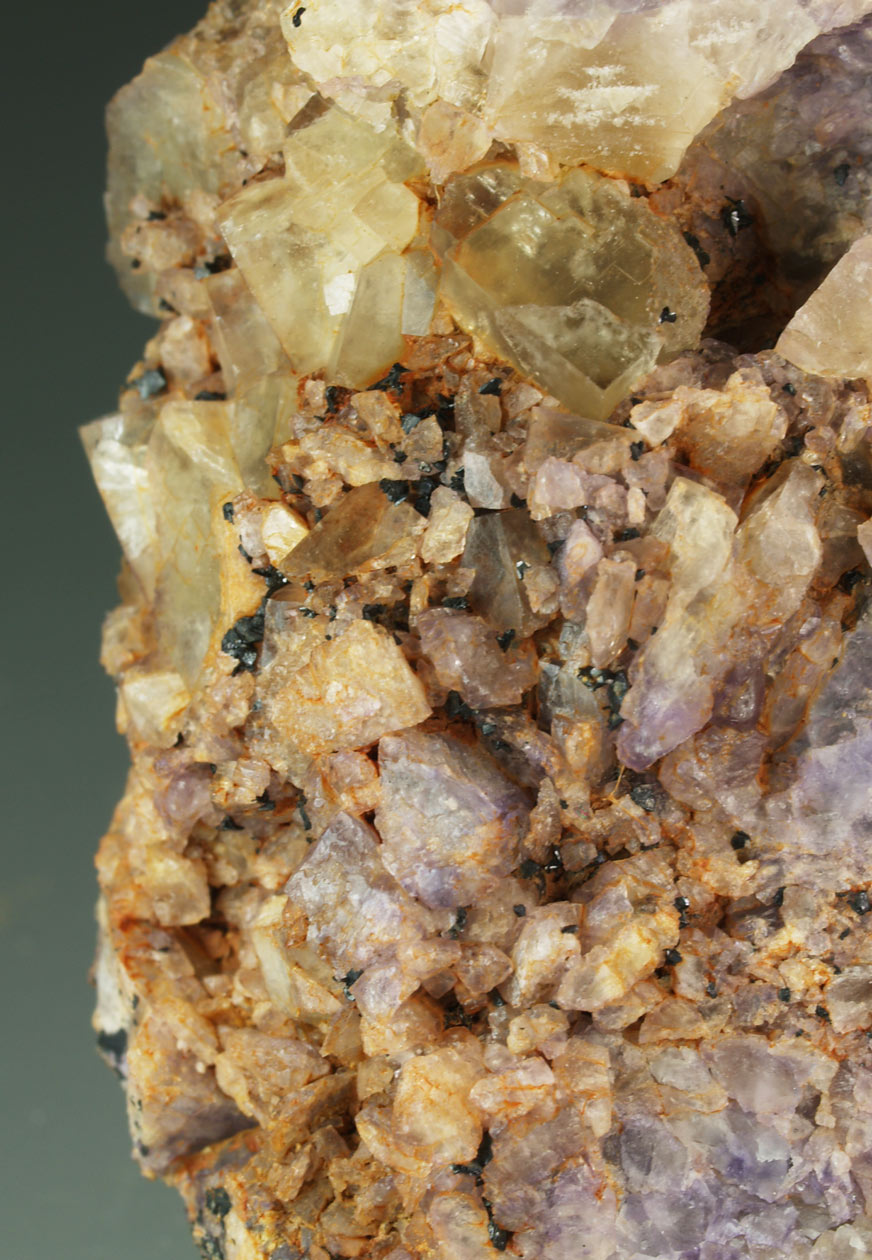
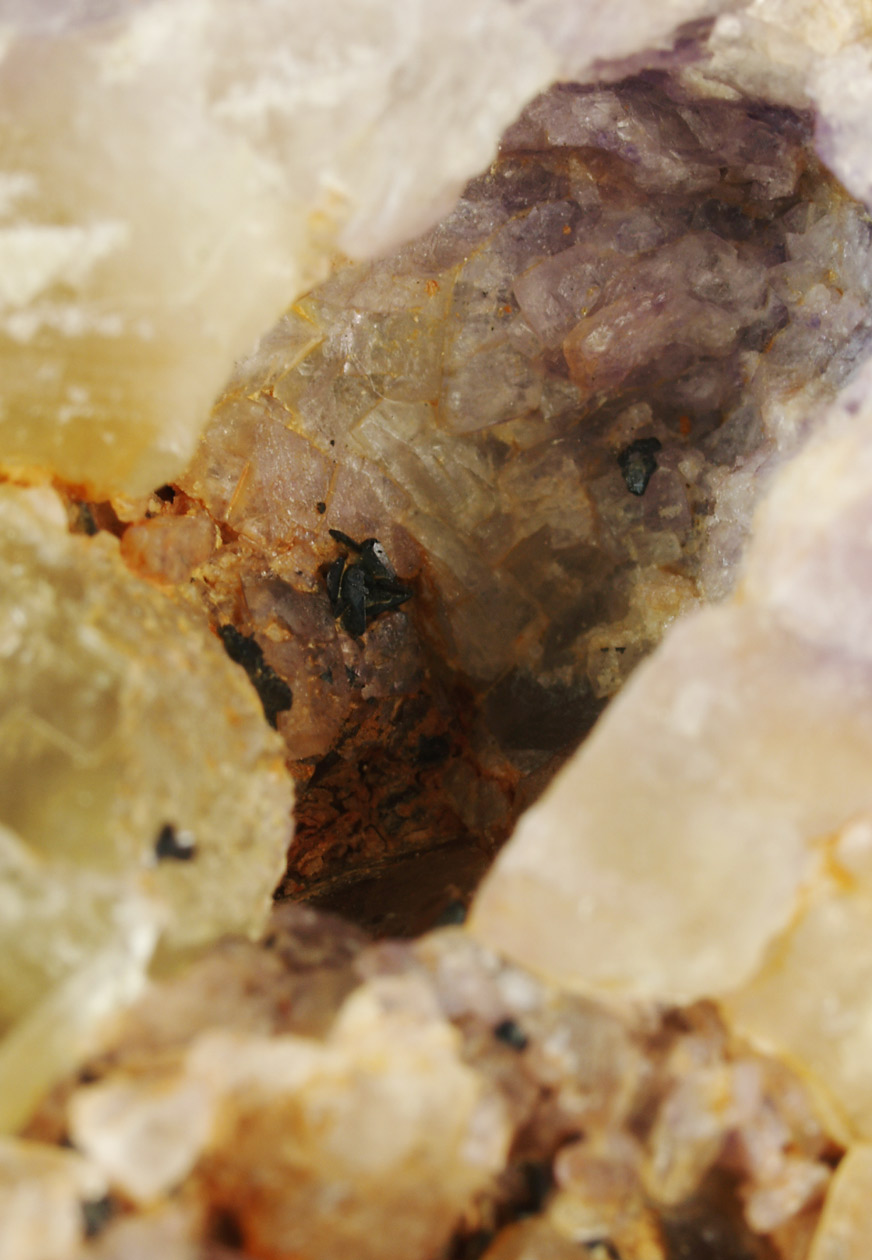
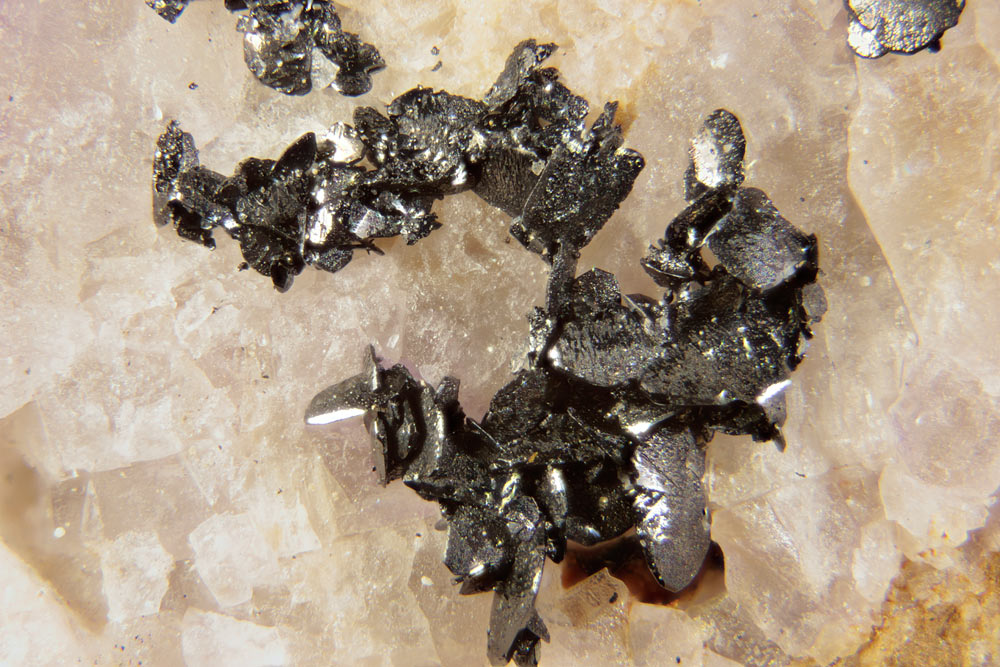
Probablemente los cristales de čechita de la "Rasa de l'Alzina" (calicata), cerca de la mina Maria Magdalena, se pueden considerar entre los mejores del mundo. De esta especie sólo se conocen tres localidades más. Los cristales muestran formas tabulares, rómbicas, con riqueza de caras prismáticas y pinacoides desarrollados. Se disponen en las cavidades de la fluorita. Este hallazgo se realizó en 2016 y, posteriormente en 2017, algunos ejemplares más se han encontrado, pero pocos con esta calidad y visibles fácilmente.
De los ejemplares se han realizado análisis SEM-EDS, Microsonda y Raman, observándose curiosamente que la superficie de numerosos cristales muestra la presencia de Cu(II) substituyendo al Pb(II). Pero a pocas micras dentro del cristal la fórmula PbFe<sup>2+</sup>(VO<sub>4</sub>)(OH) se hace única, con una pequeña cantidad de Zn(II), a diferencia de muchos, casi todos, los cristales de otros yacimientos que son muy ricos en Mn(II).
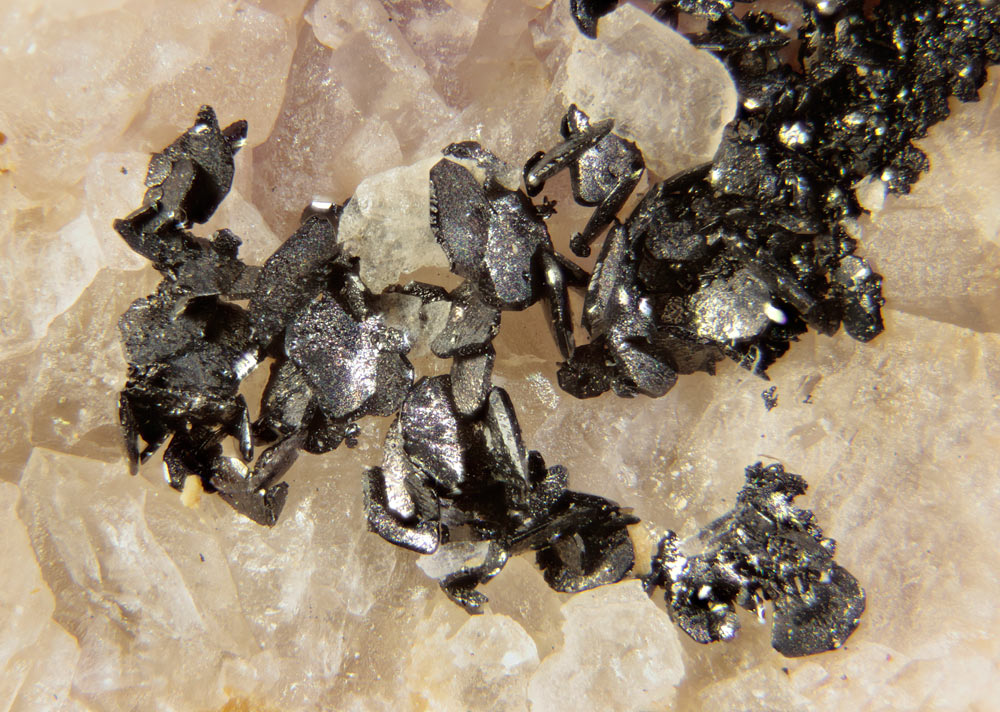
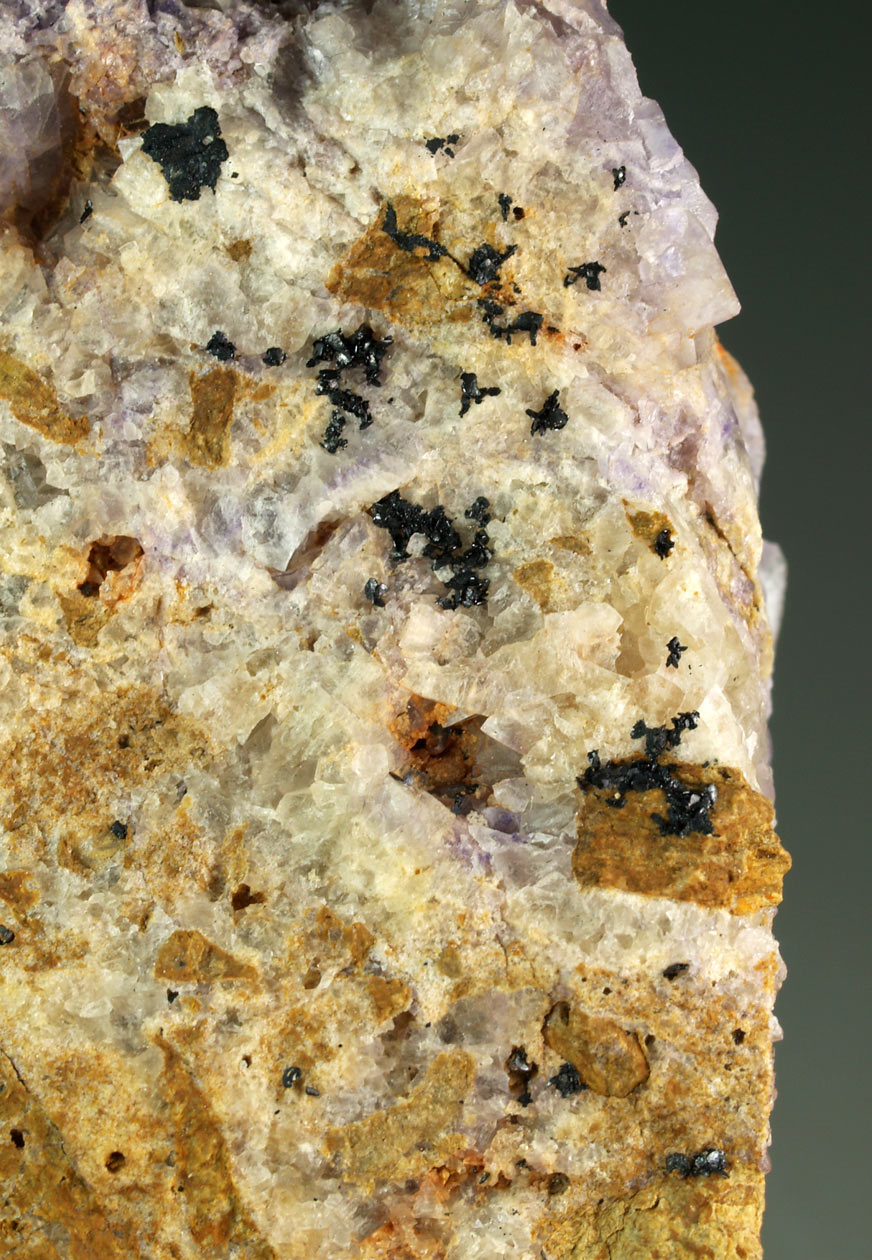
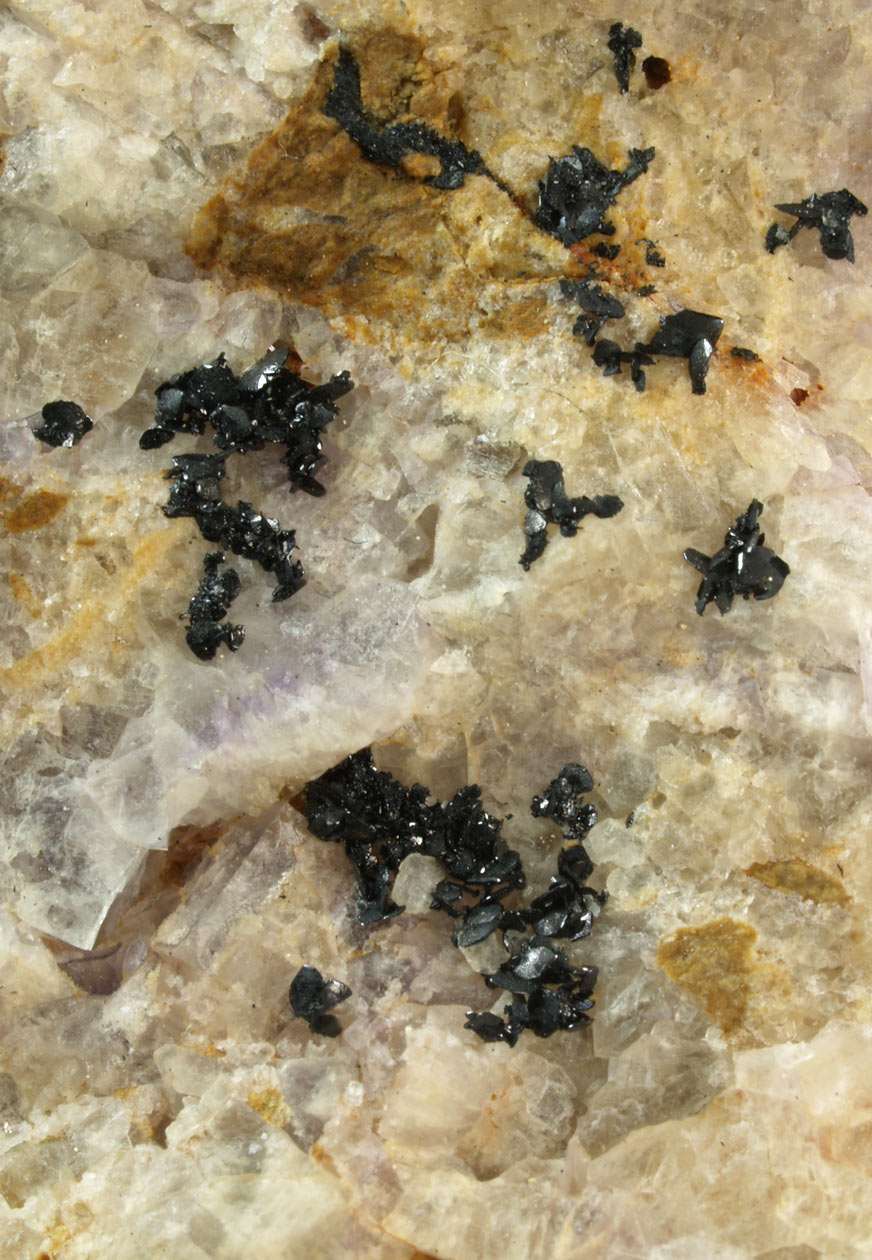
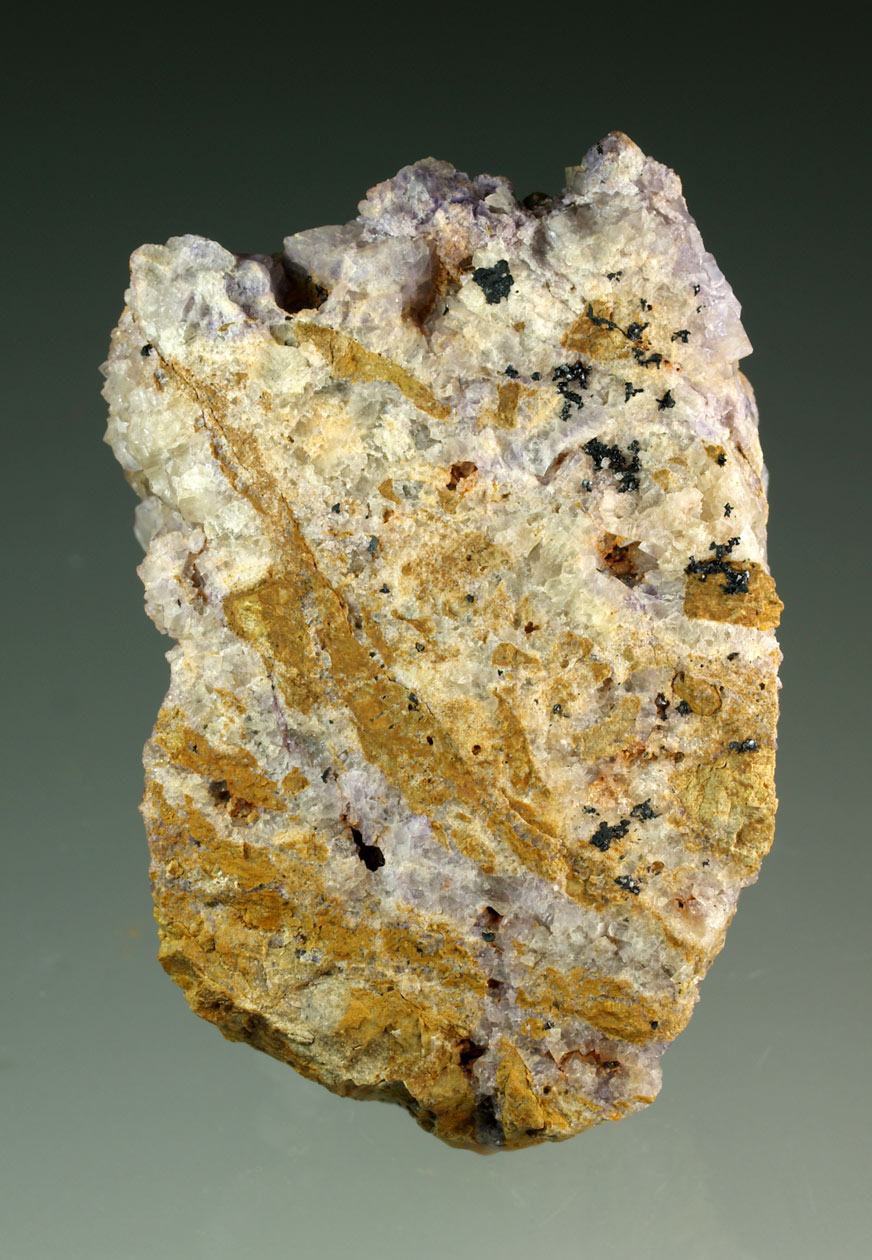
Probablemente los cristales de čechita de la "Rasa de l'Alzina" (calicata), cerca de la mina Maria Magdalena, se pueden considerar entre los mejores del mundo. De esta especie sólo se conocen tres localidades más. Los cristales muestran formas tabulares, rómbicas, con riqueza de caras prismáticas y pinacoides desarrollados. Se disponen en las cavidades de la fluorita. Este hallazgo se realizó en 2016 y, posteriormente en 2017, algunos ejemplares más se han encontrado, pero pocos con esta calidad y visibles fácilmente.
De los ejemplares se han realizado análisis SEM-EDS, Microsonda y Raman, observándose curiosamente que la superficie de numerosos cristales muestra la presencia de Cu(II) substituyendo al Pb(II). Pero a pocas micras dentro del cristal la fórmula PbFe2+(VO4)(OH) se hace única, con una pequeña cantidad de Zn(II), a diferencia de muchos, casi todos, los cristales de otros yacimientos que son muy ricos en Mn(II).
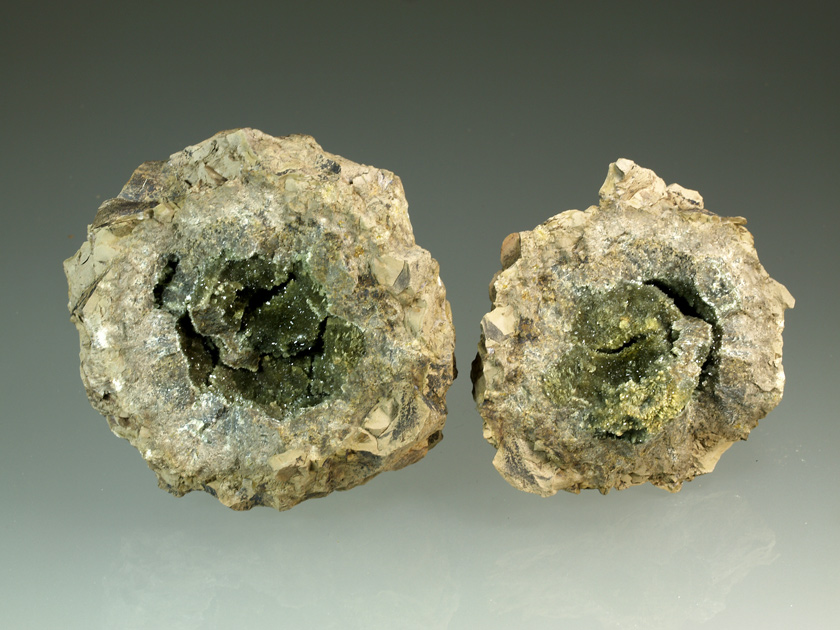
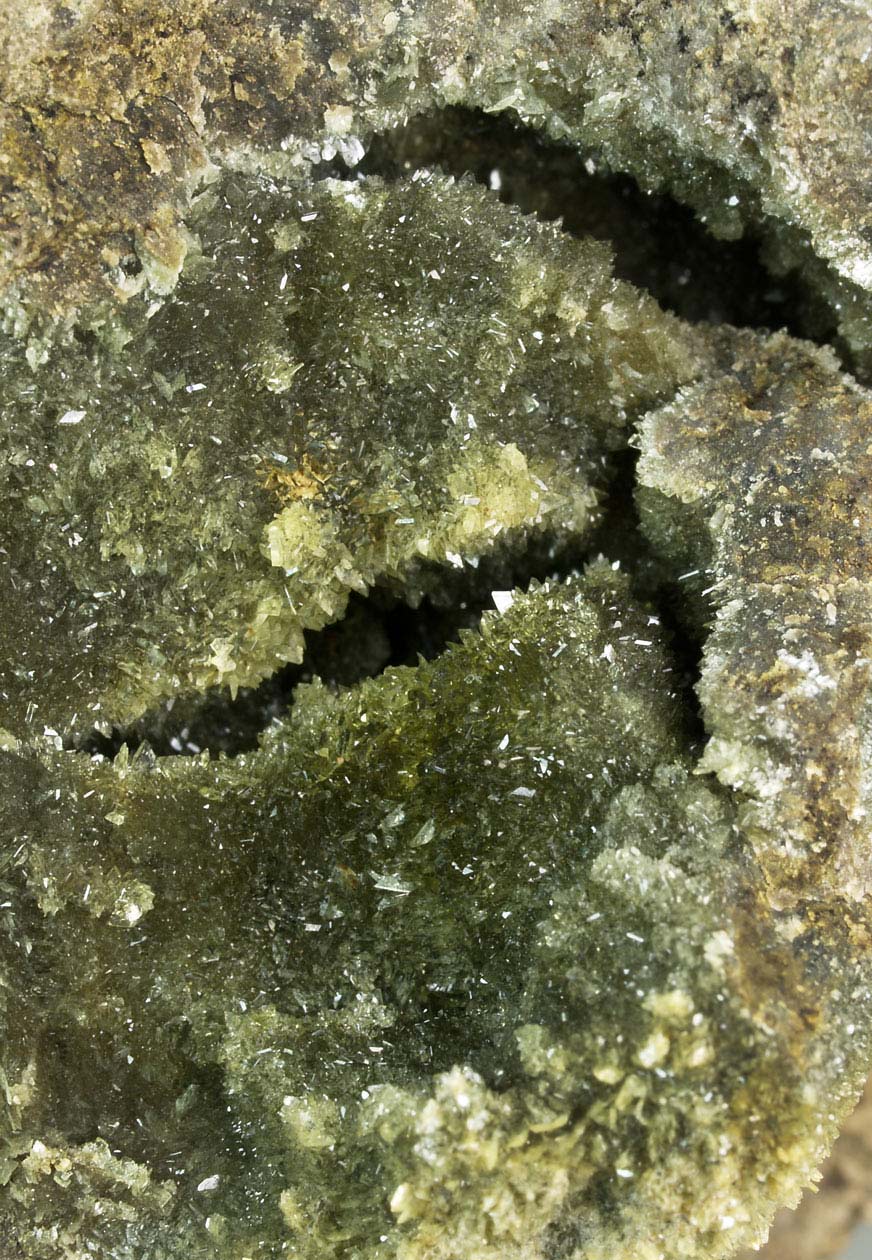
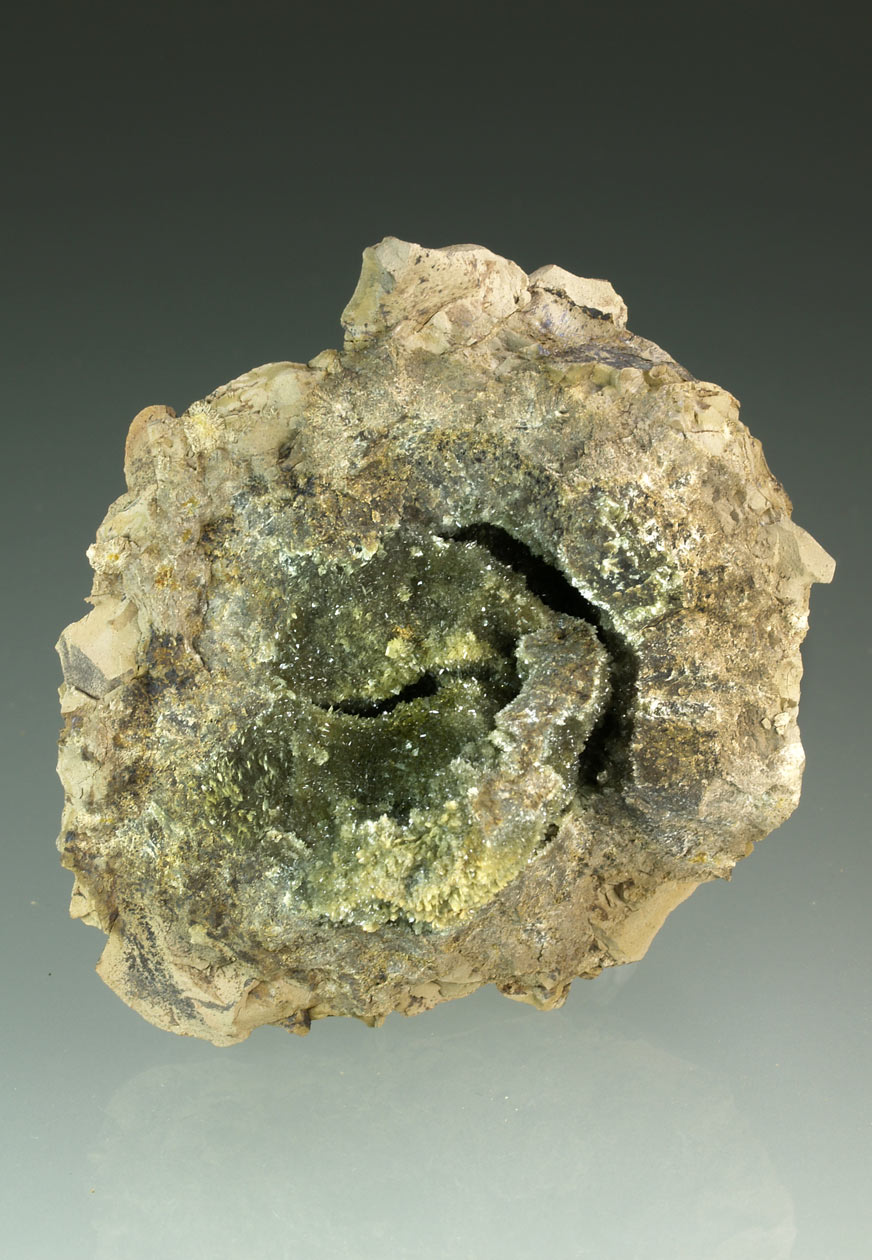
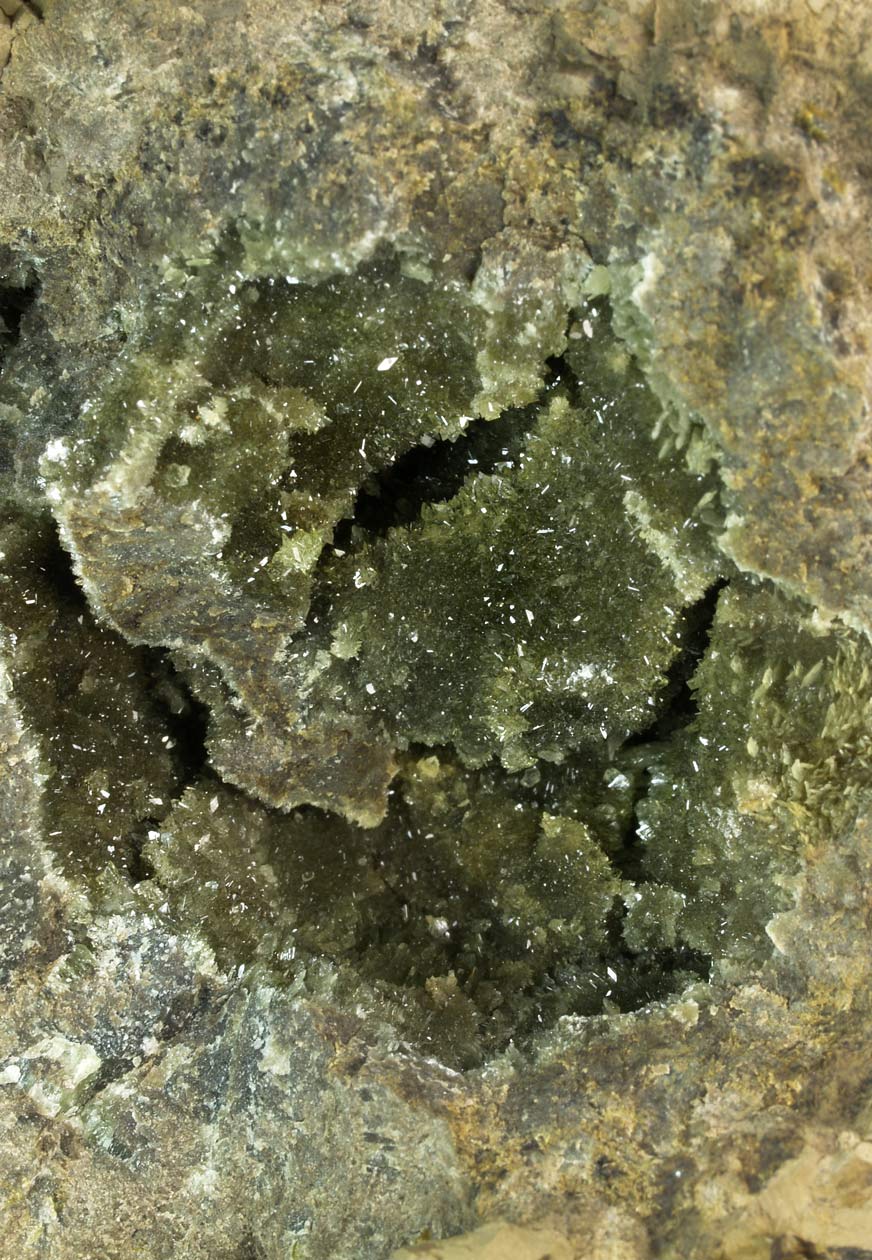
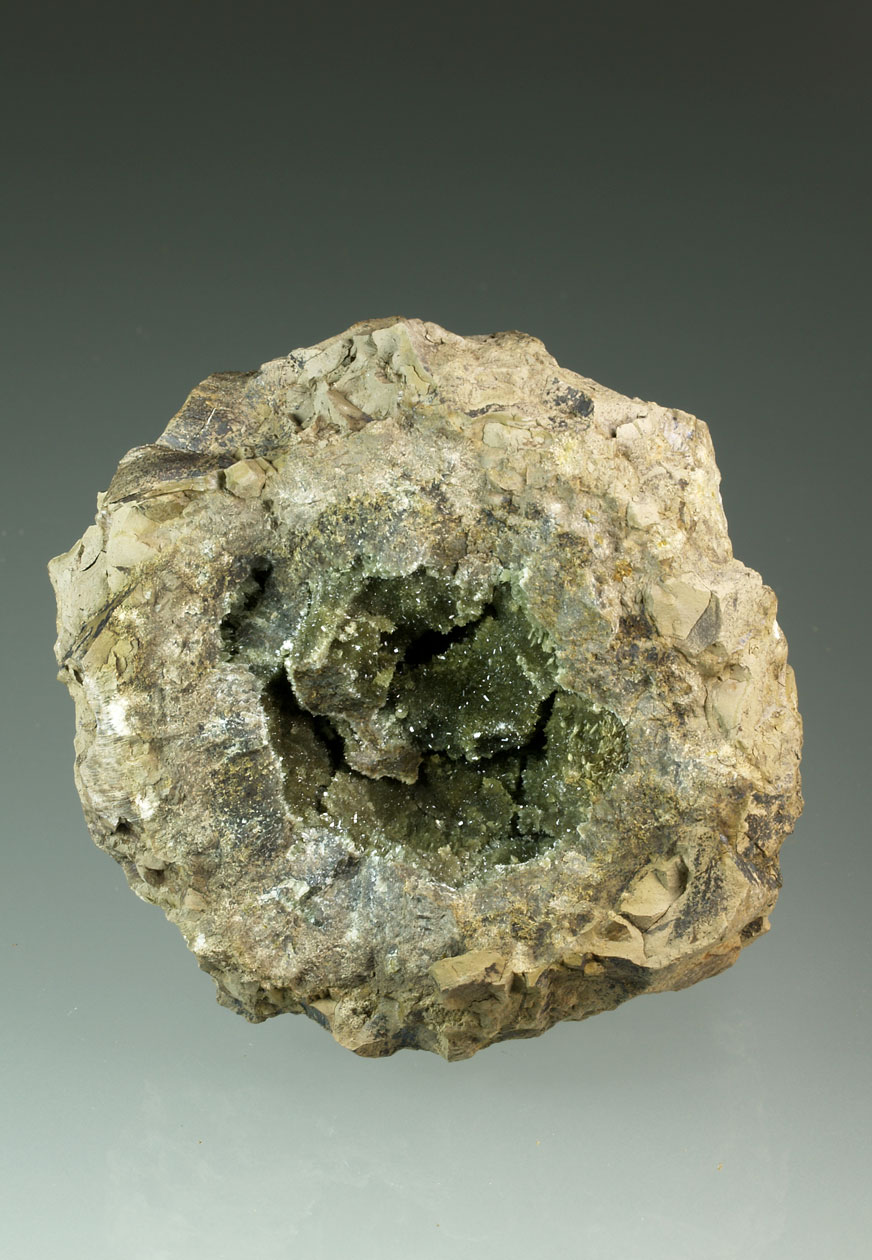
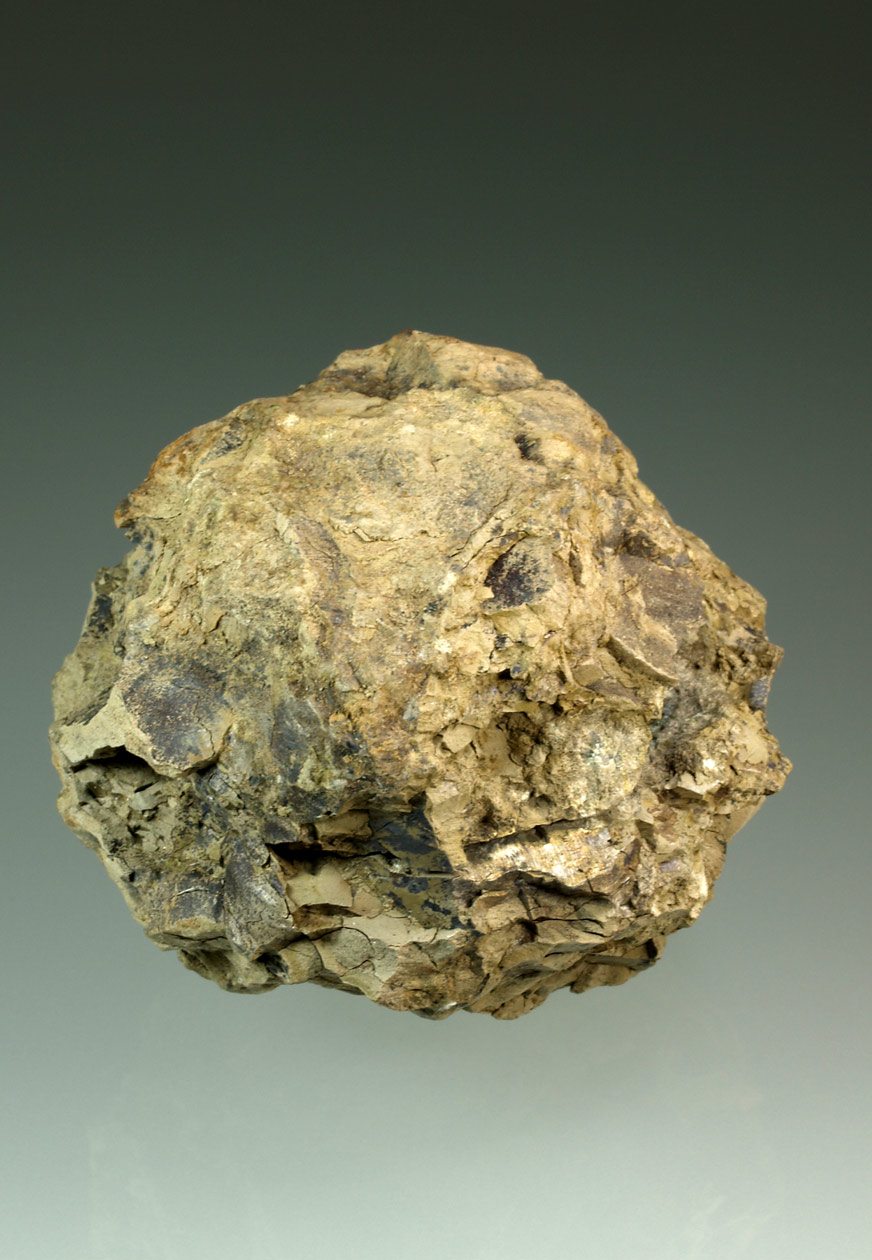
Los nódulos de anapaita de la zona de Bellver de la Cerdanya son un clásico de la mineralogía catalana. Los materiales donde aparecen estos nódulos forman parte del relleno de un lago profundo del mioceno superior que se desarrolló en la parte meridional de la fosa de la Cerdanya.
Este ejemplar nos presenta un nódulo de buen tamaño, con una parte interna tipo septaria totalmente recubierta de pequeños pero muy brillantes cristales transparentes de color verde de este fosfato de hierro y calcio.