- Inicio Acerca de RM Minerales
- Galería de fotos Blog RM Contacto
- Microscopia e instrumentos Pedidos Aviso legal
Copyright 2010-2026
www.rosellminerals.com



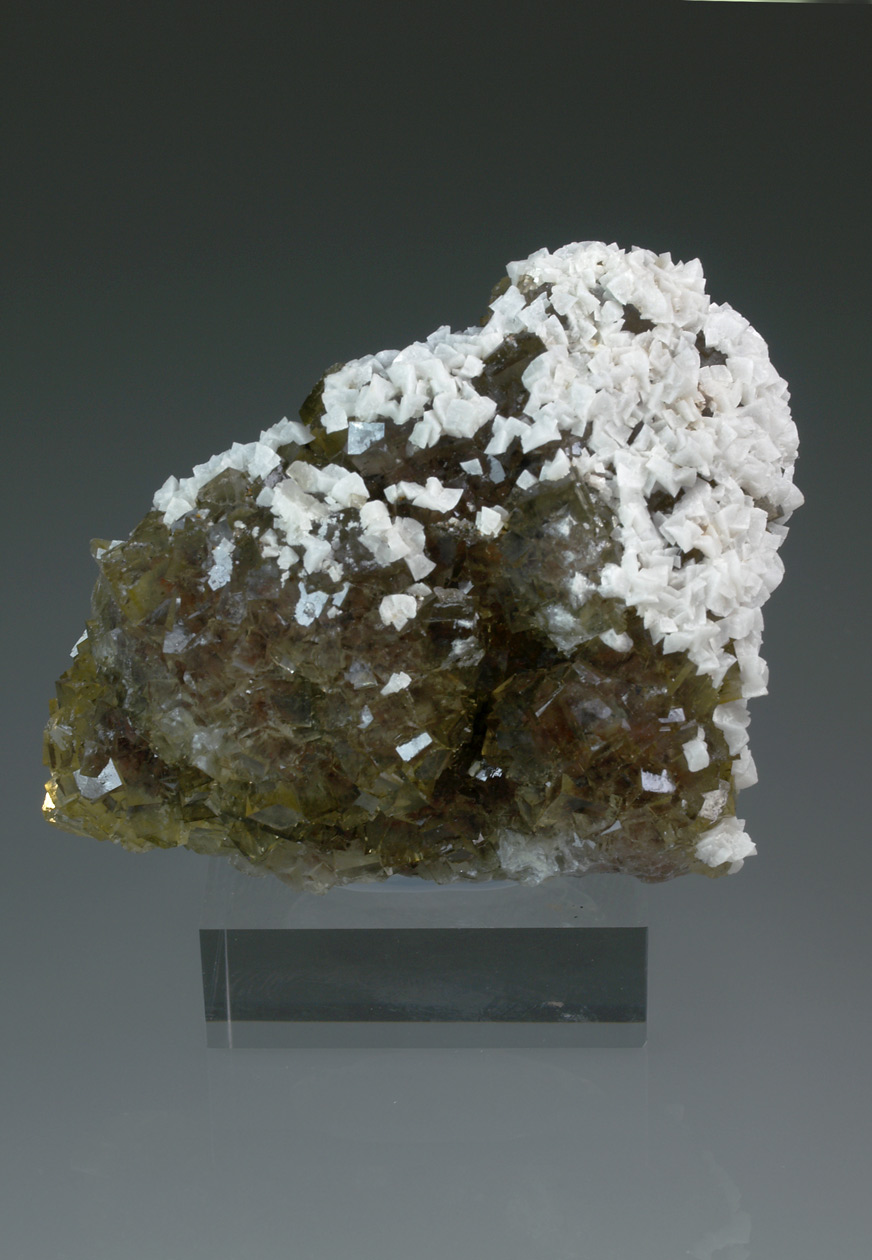
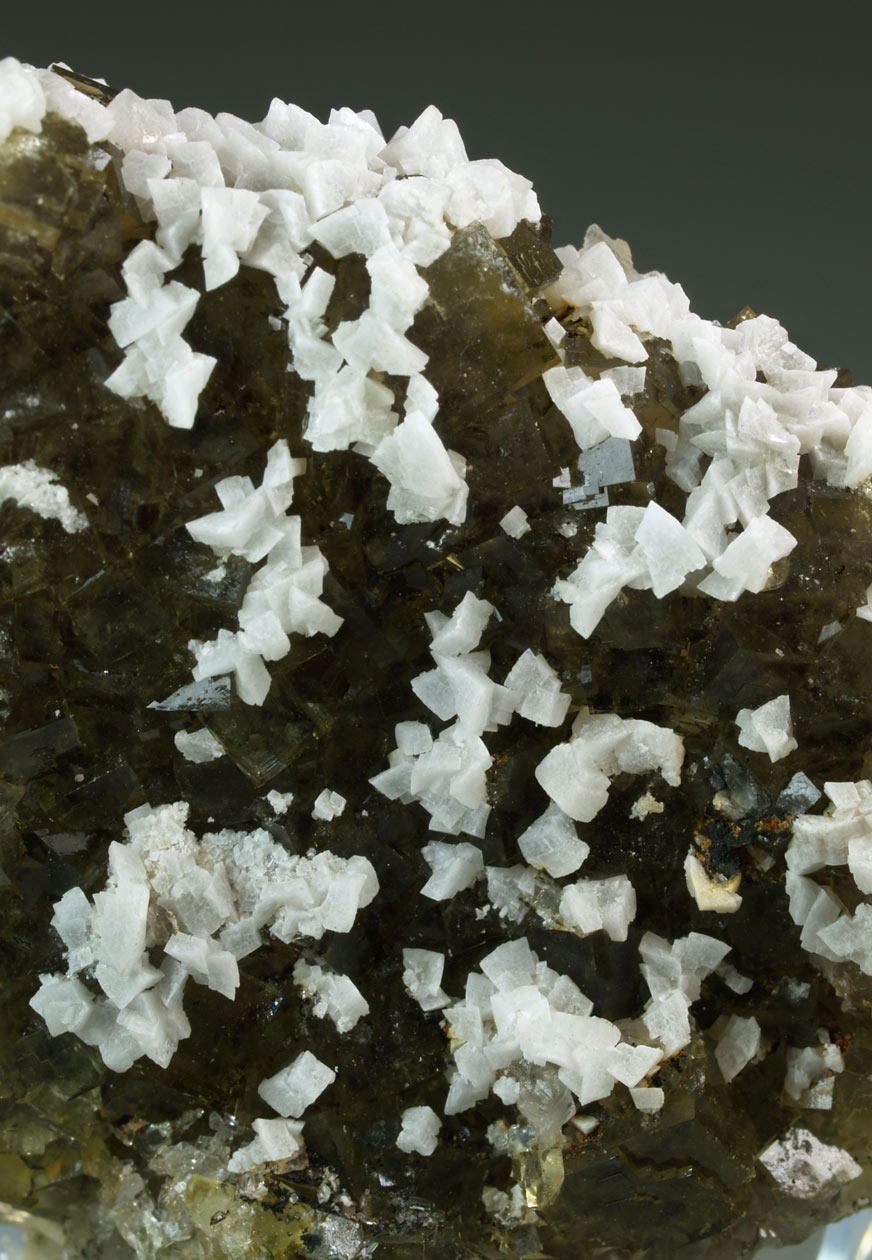
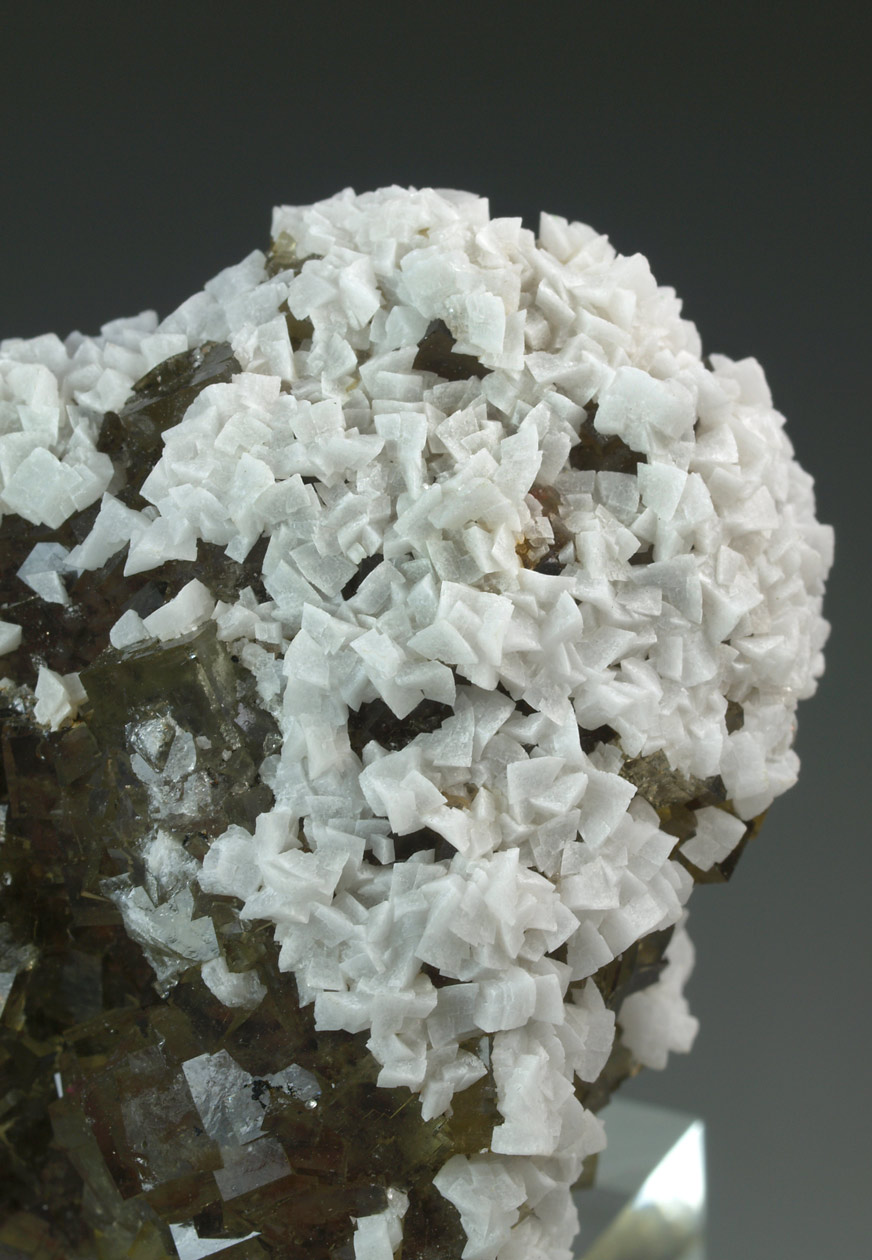
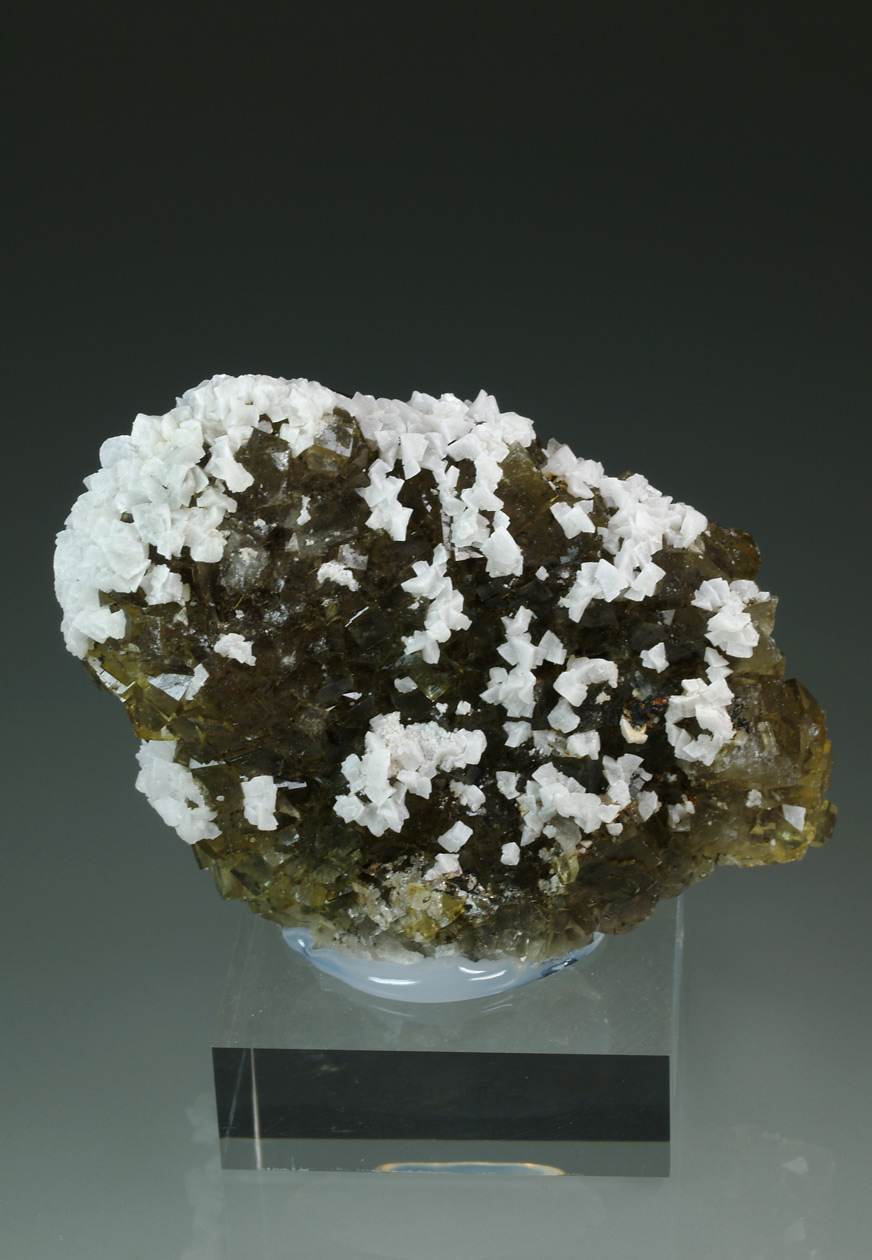
Nutrido grupo de cristales de fluorita, cúbicos, transparentes y muy brillantes. Con un color amarillo con tonos verdosos. Se halla parcialmente recubierto de cristales romboédricos curvados de blanca dolomita. De una mina clásica española.
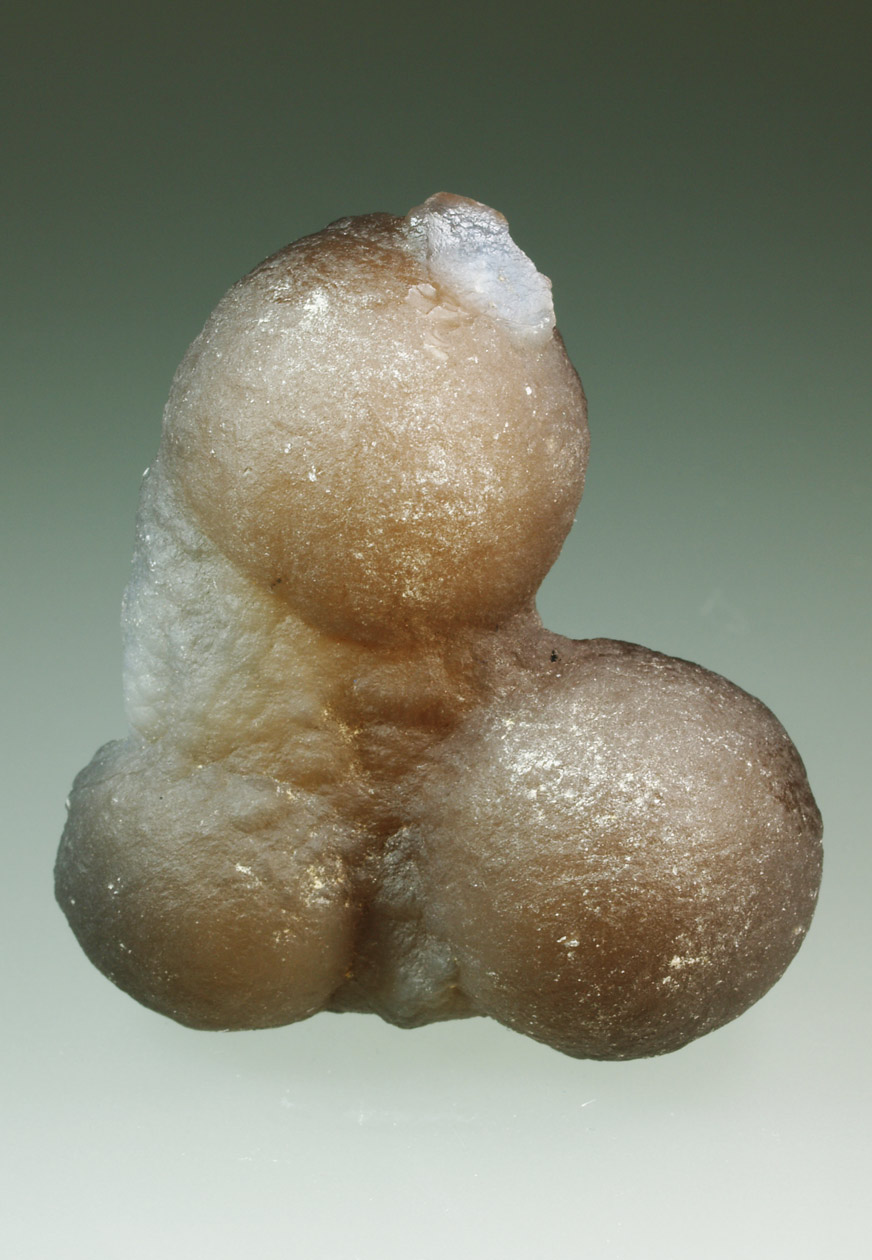
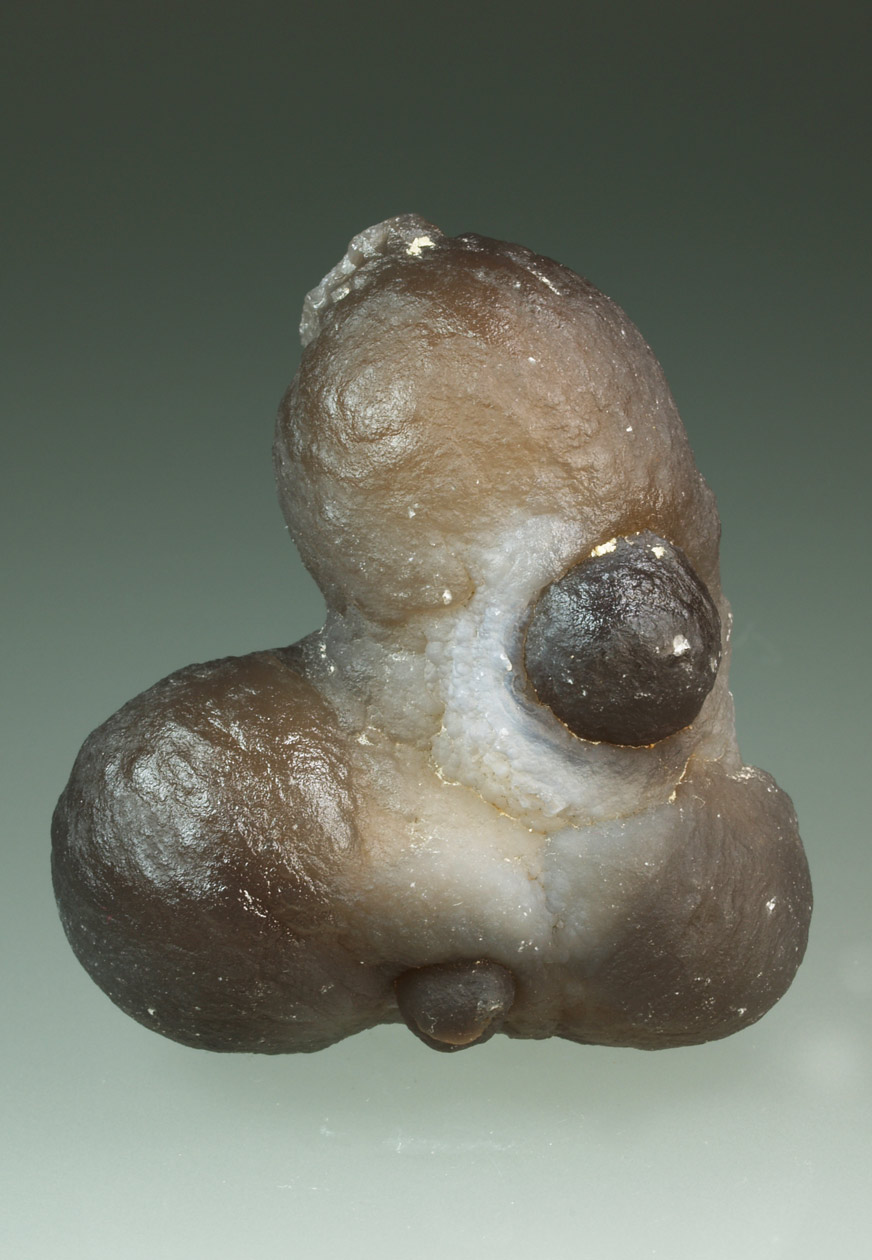
Nódulos flotantes con formas esferoidales de tonos marronáceos a blanquecinos, con algunas caras cristalinas visibles. Se trata de una esponja fósil silicificada que ha conservado la morfología original de los especímenes biológicos.
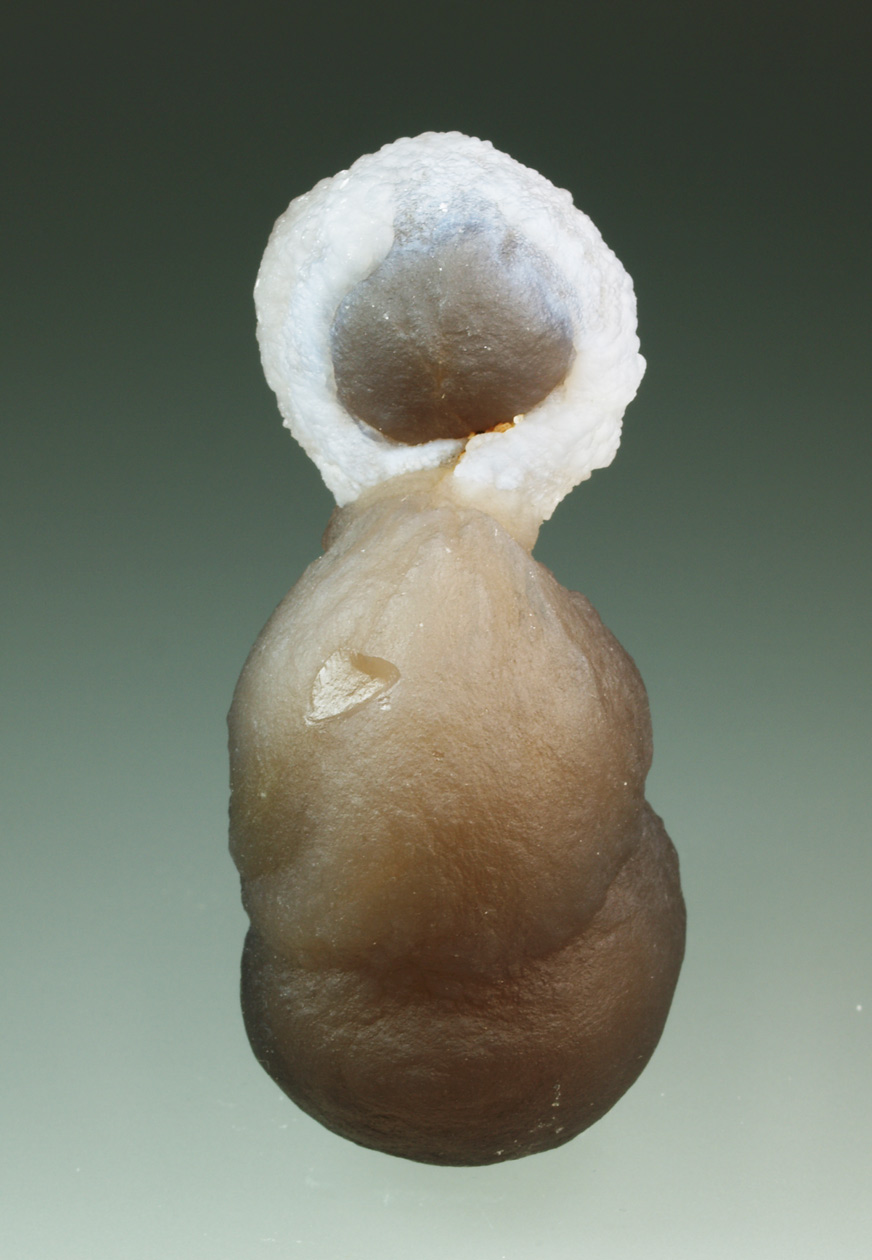
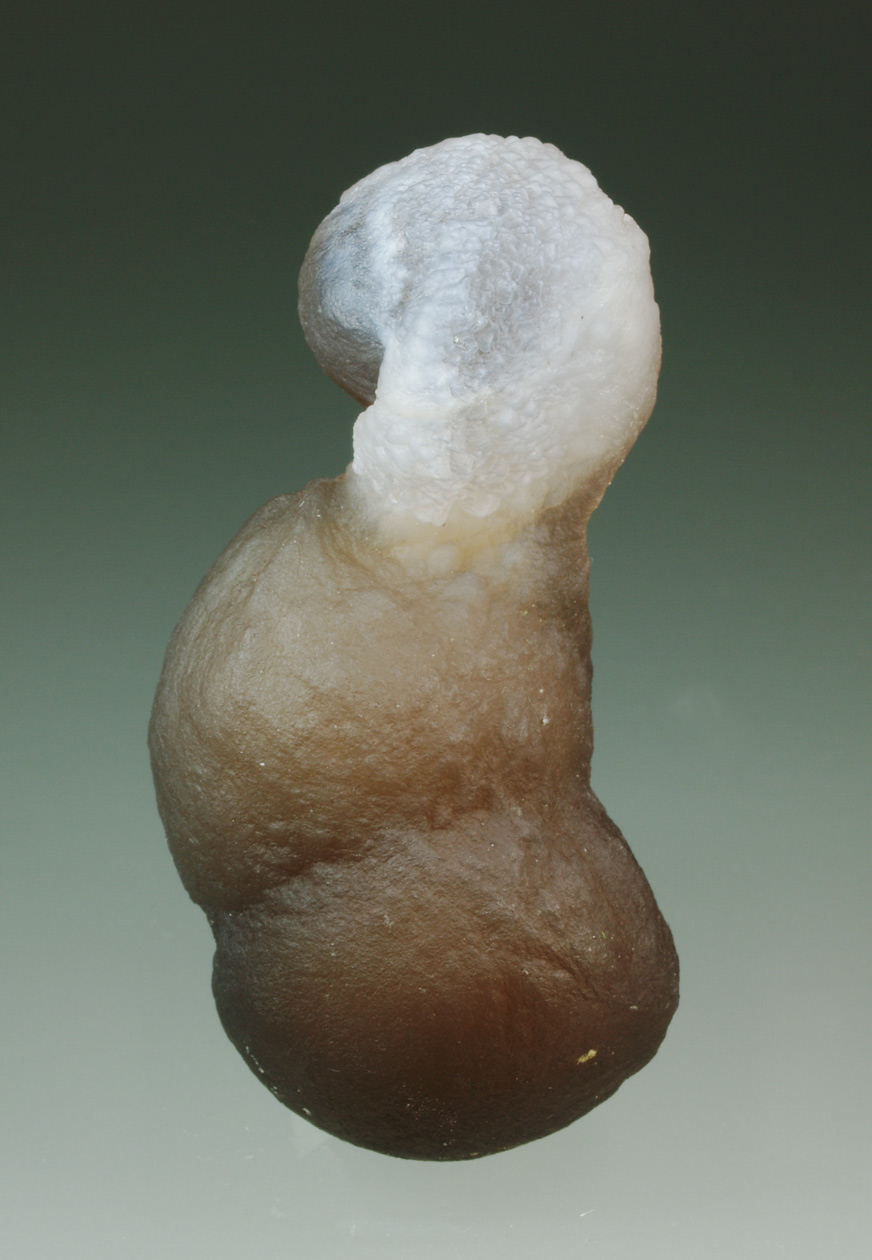
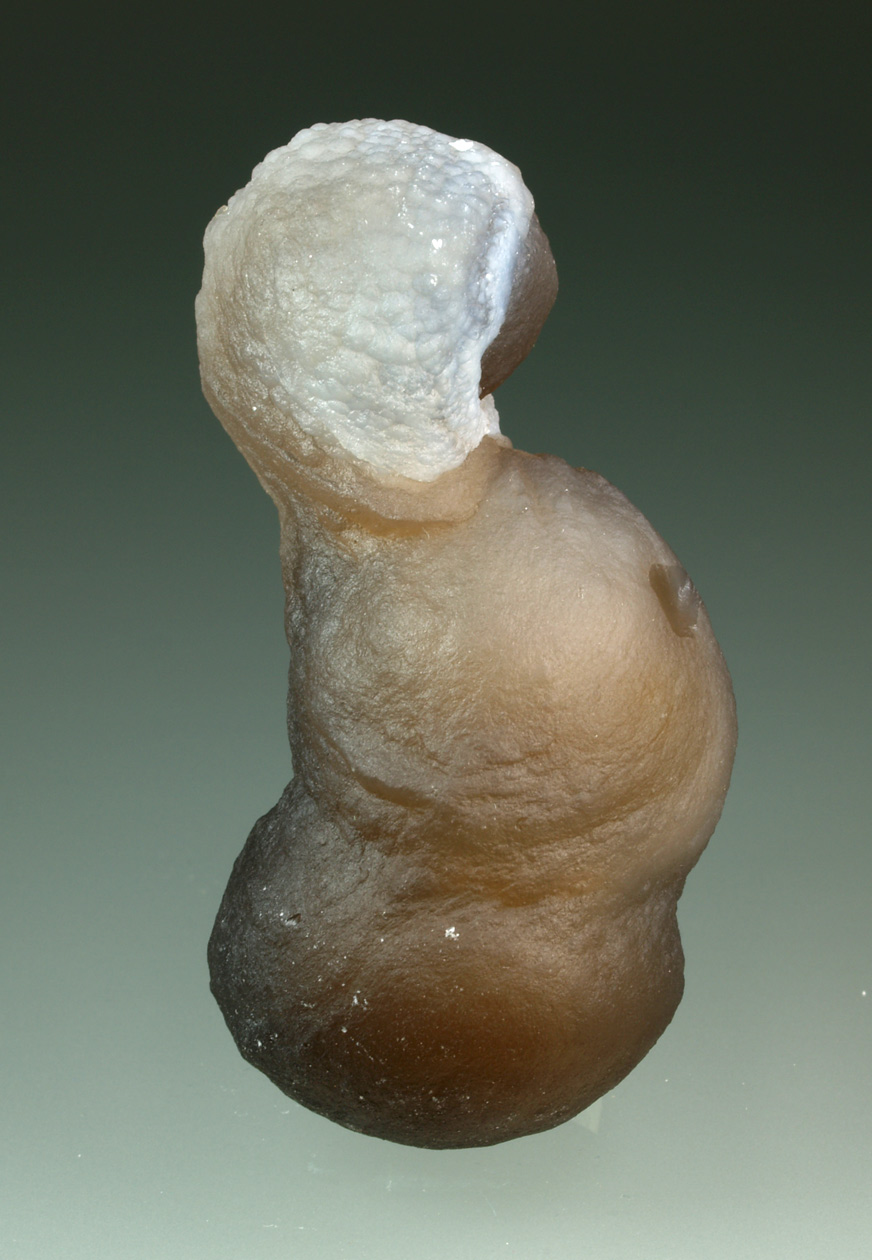
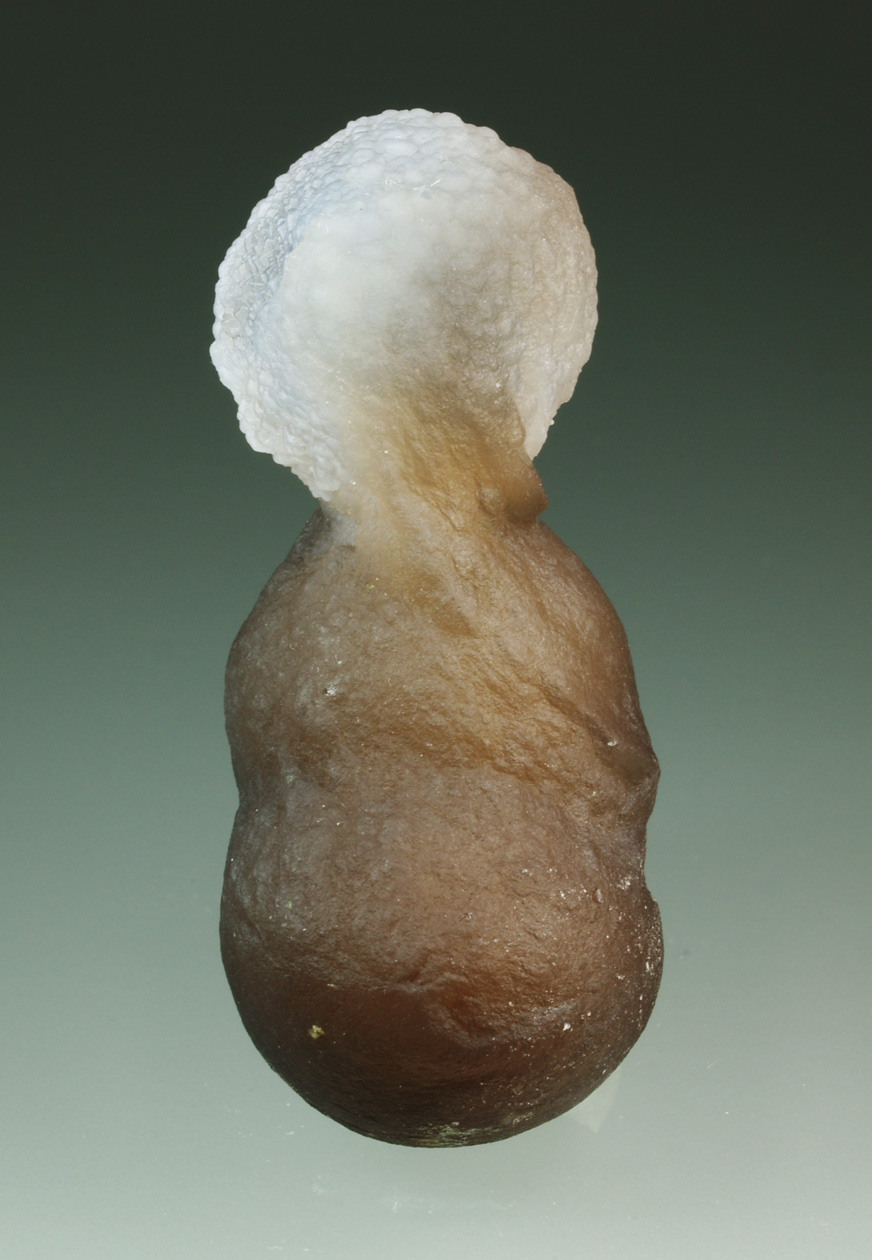
Nódulos flotantes con formas esferoidales de tonos marronáceos a blanquecinos, con algunas caras cristalinas visibles. Se trata de una esponja fósil silicificada que ha conservado la morfología original de los especímenes biológicos.
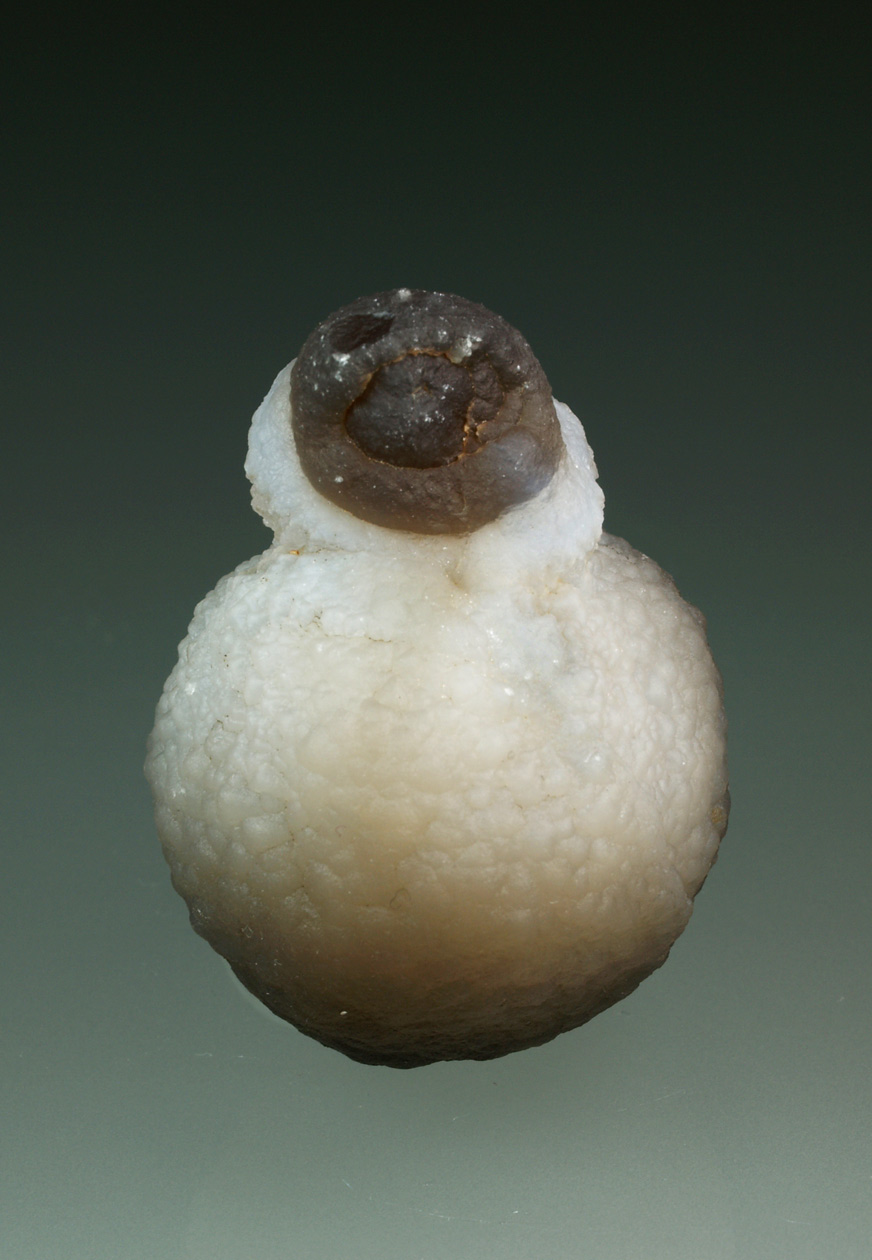
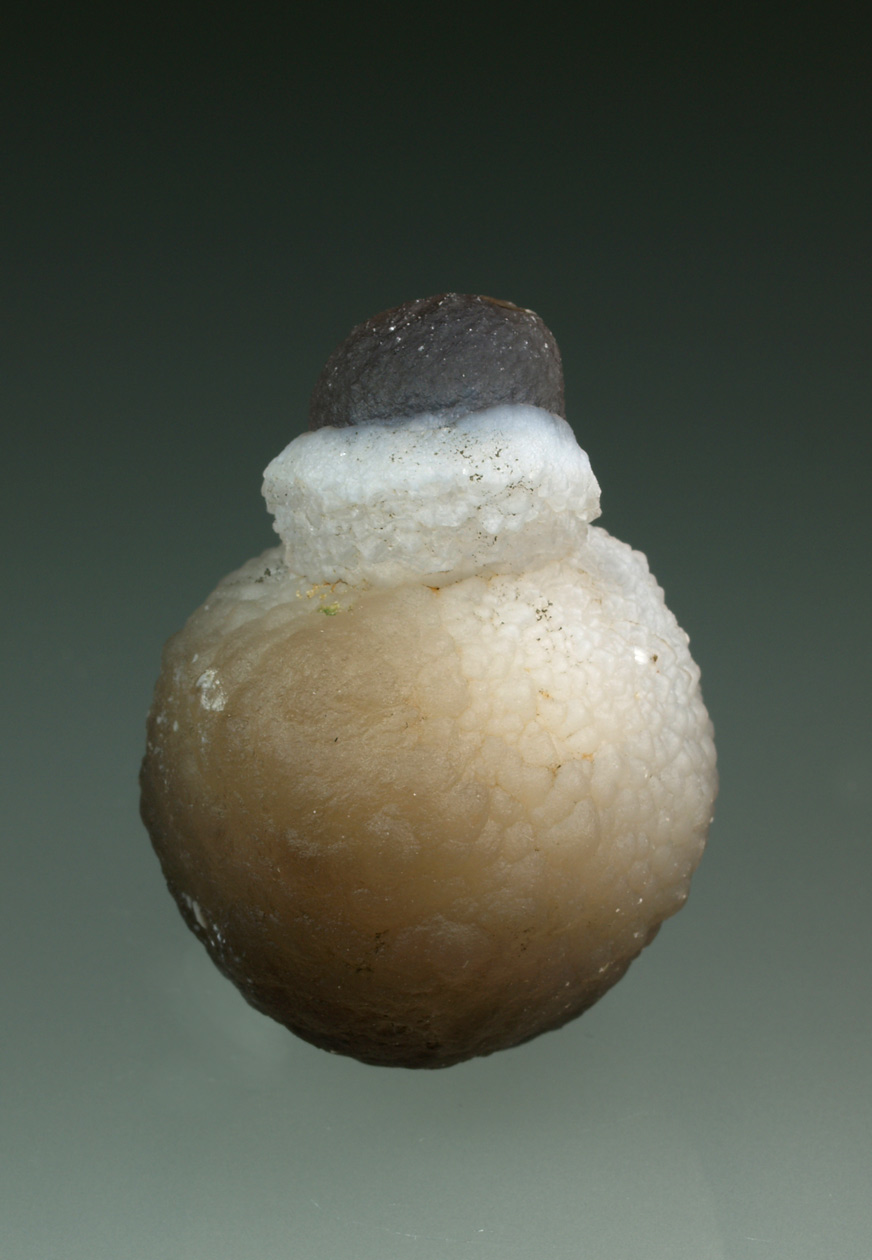
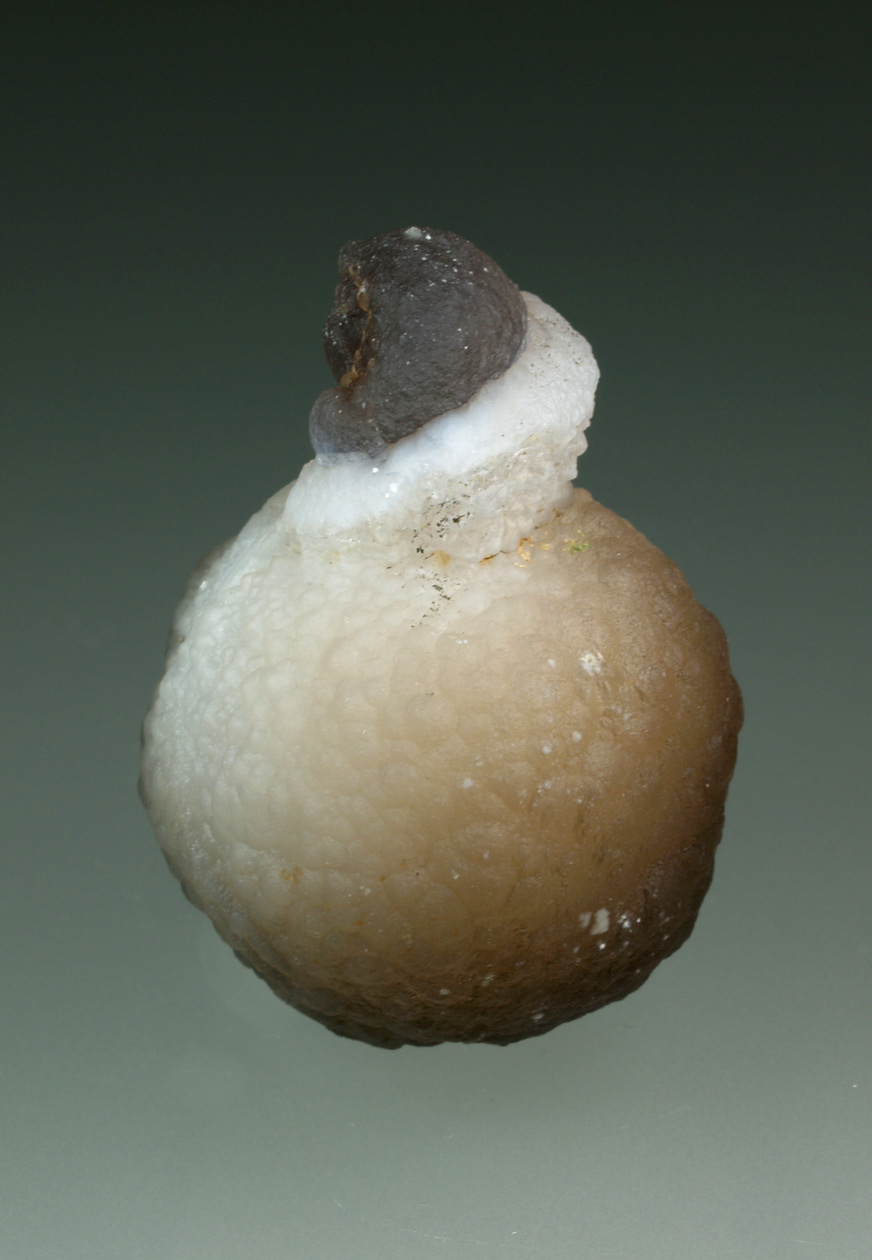
Nódulos flotantes con formas esferoidales de tonos marronáceos a blanquecinos, con algunas caras cristalinas visibles. Se trata de una esponja fósil silicificada que ha conservado la morfología original de los especímenes biológicos.
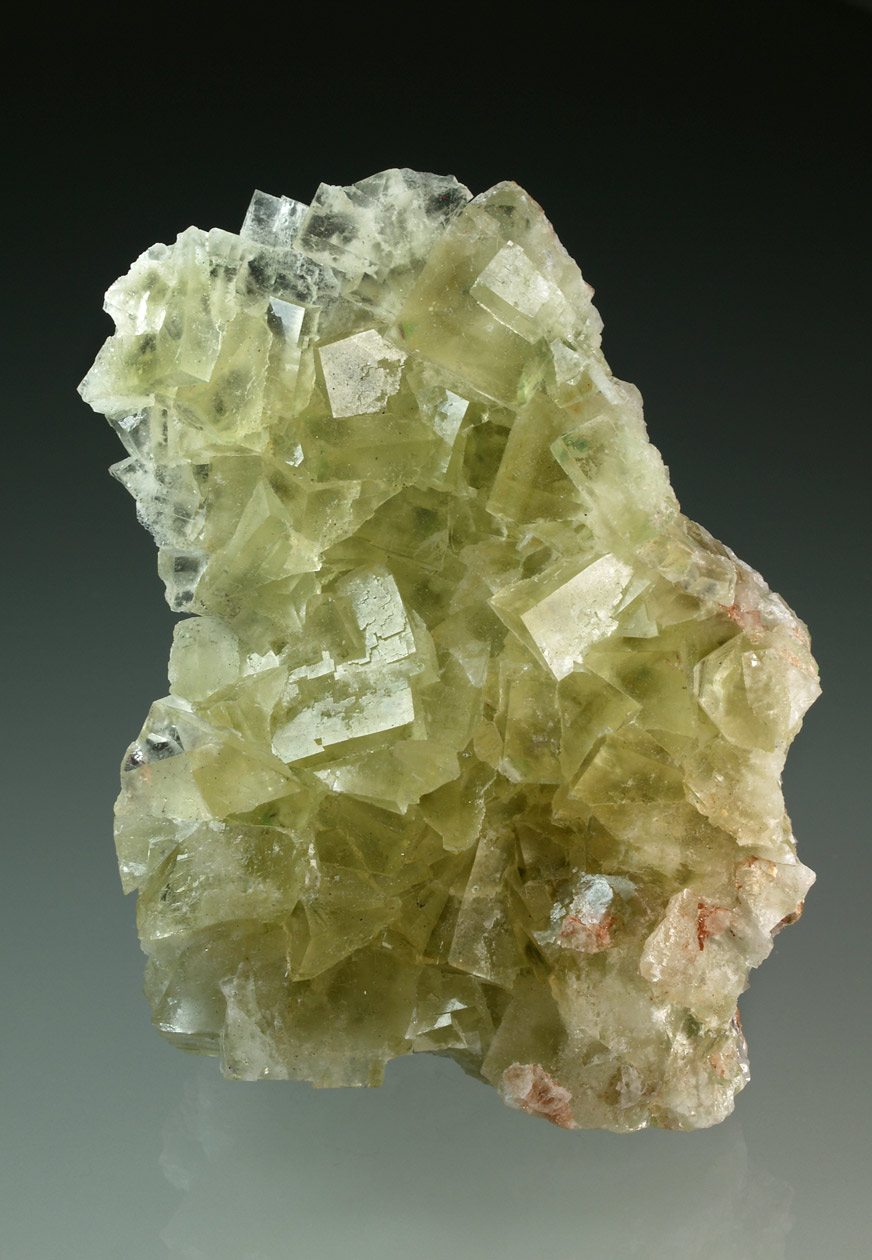
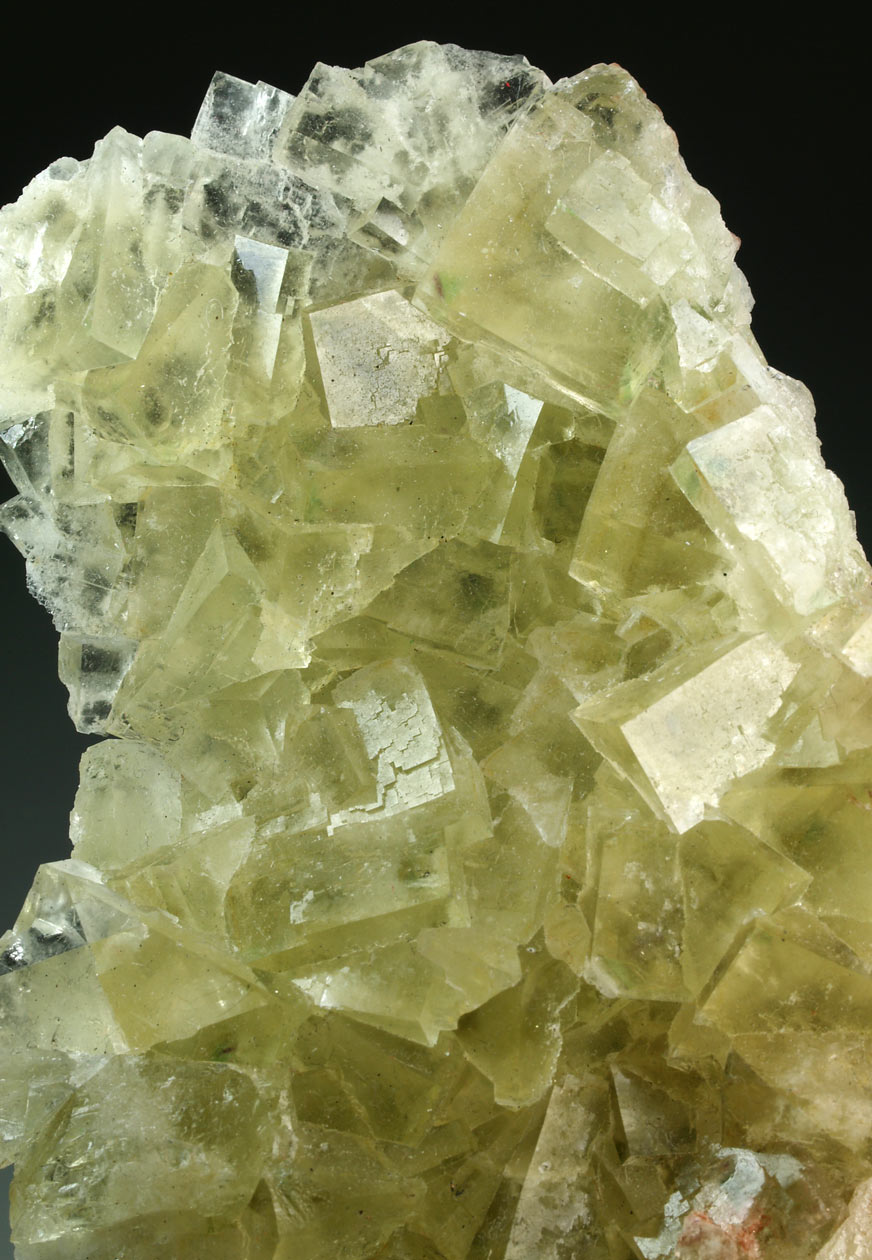
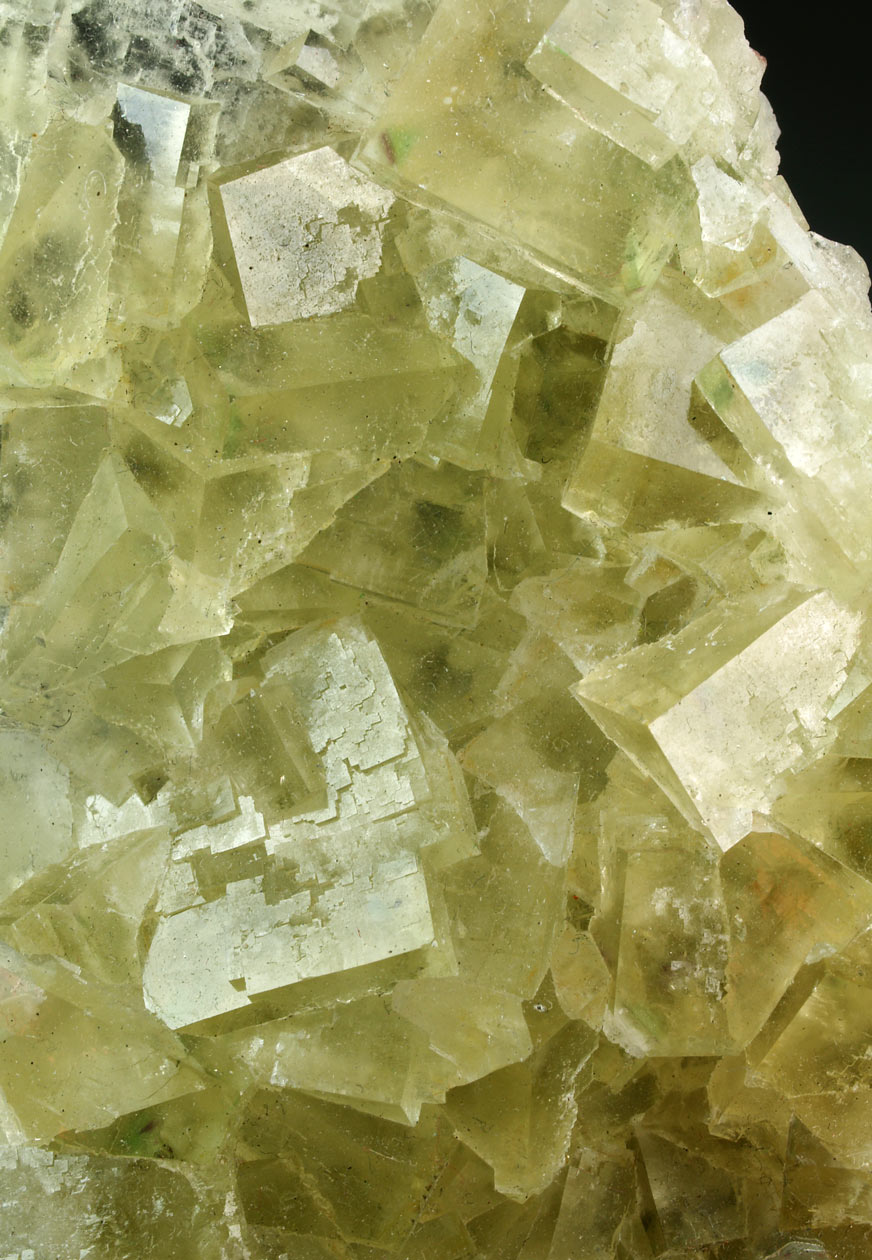
Nutrido grupo de cristales cúbicos de fluorita, muy definidos, transparentes y con un tono amarillo verdoso muy característico de las fluoritas de las minas de Sant Marçal (también llamadas del Matagalls), sitas en pleno macizo del Montseny. No se ven muchos ejemplares con esta calidad hoy día. Un clásico de la mineralogía catalana.
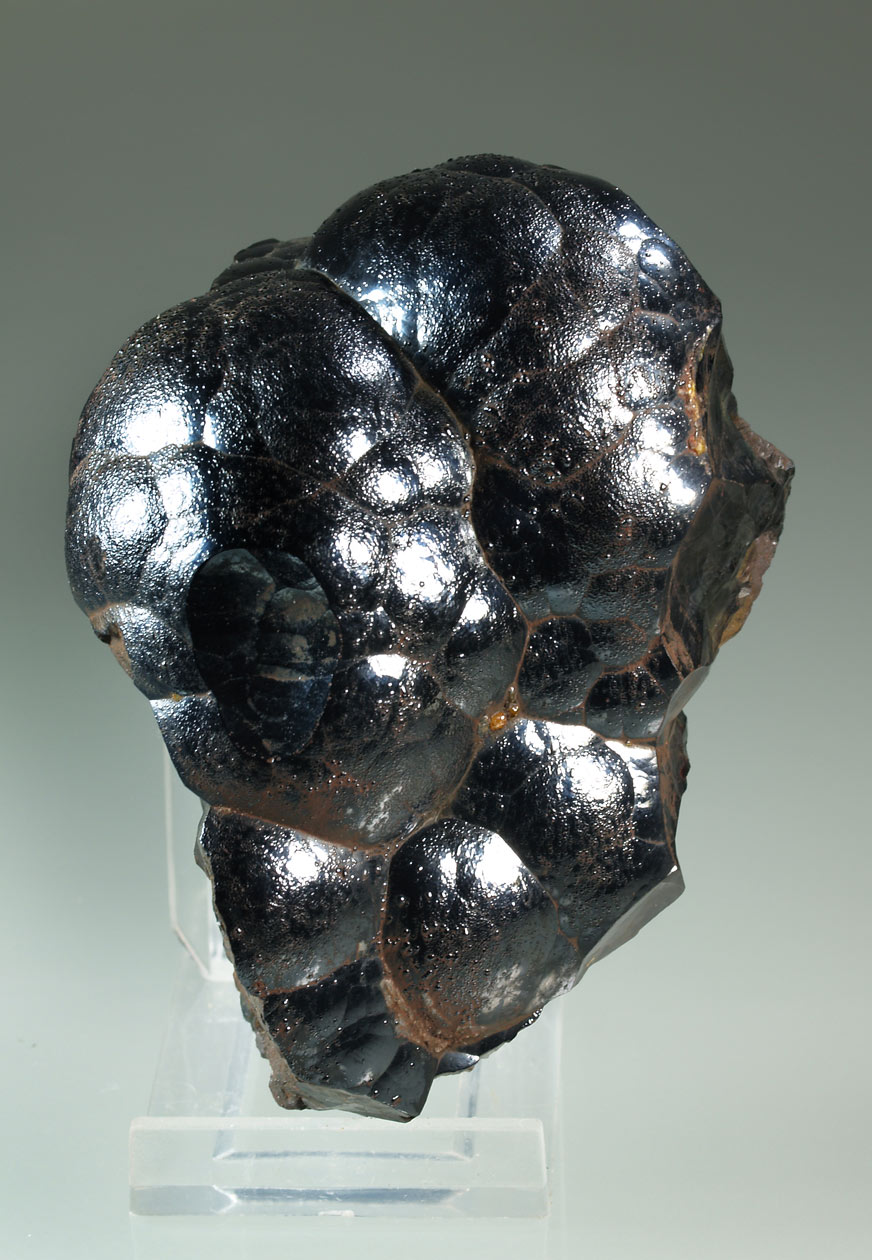
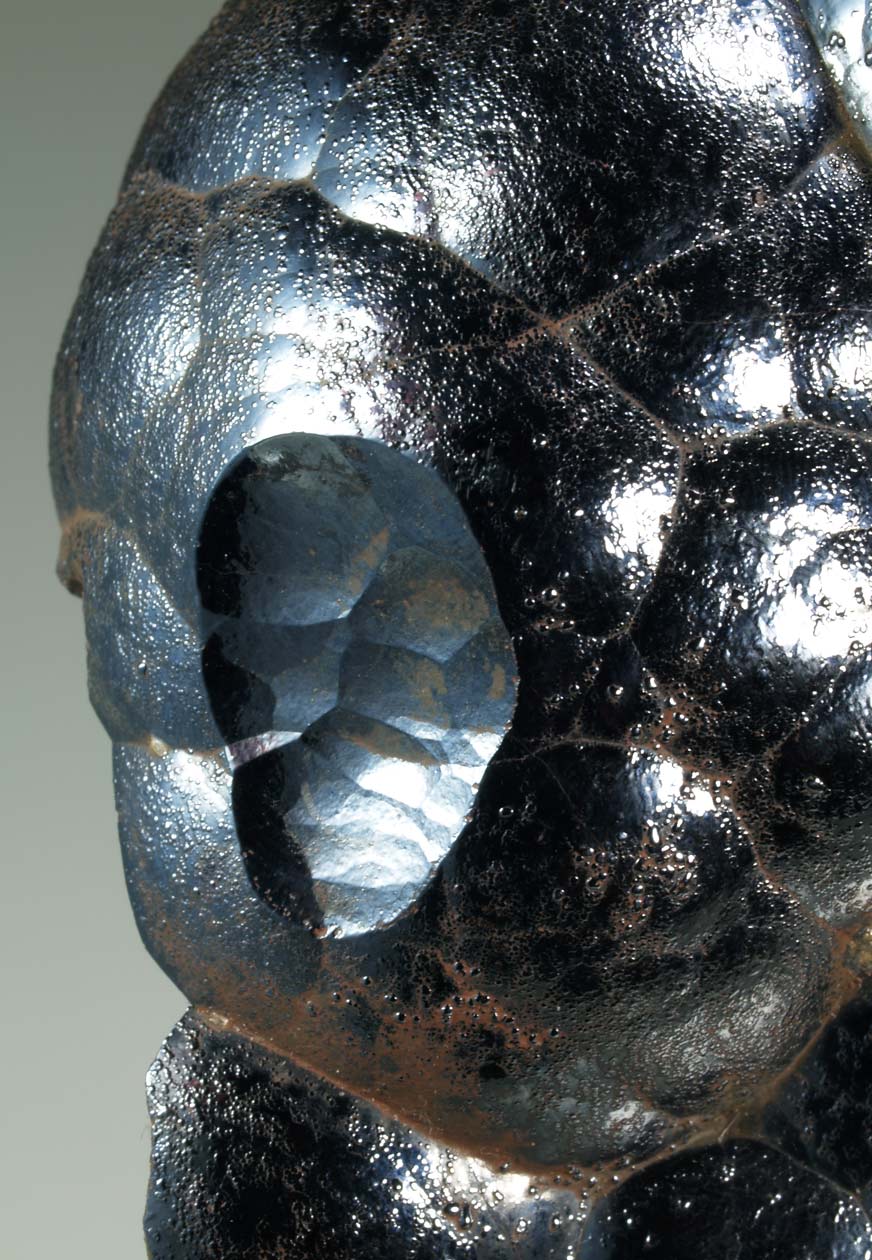
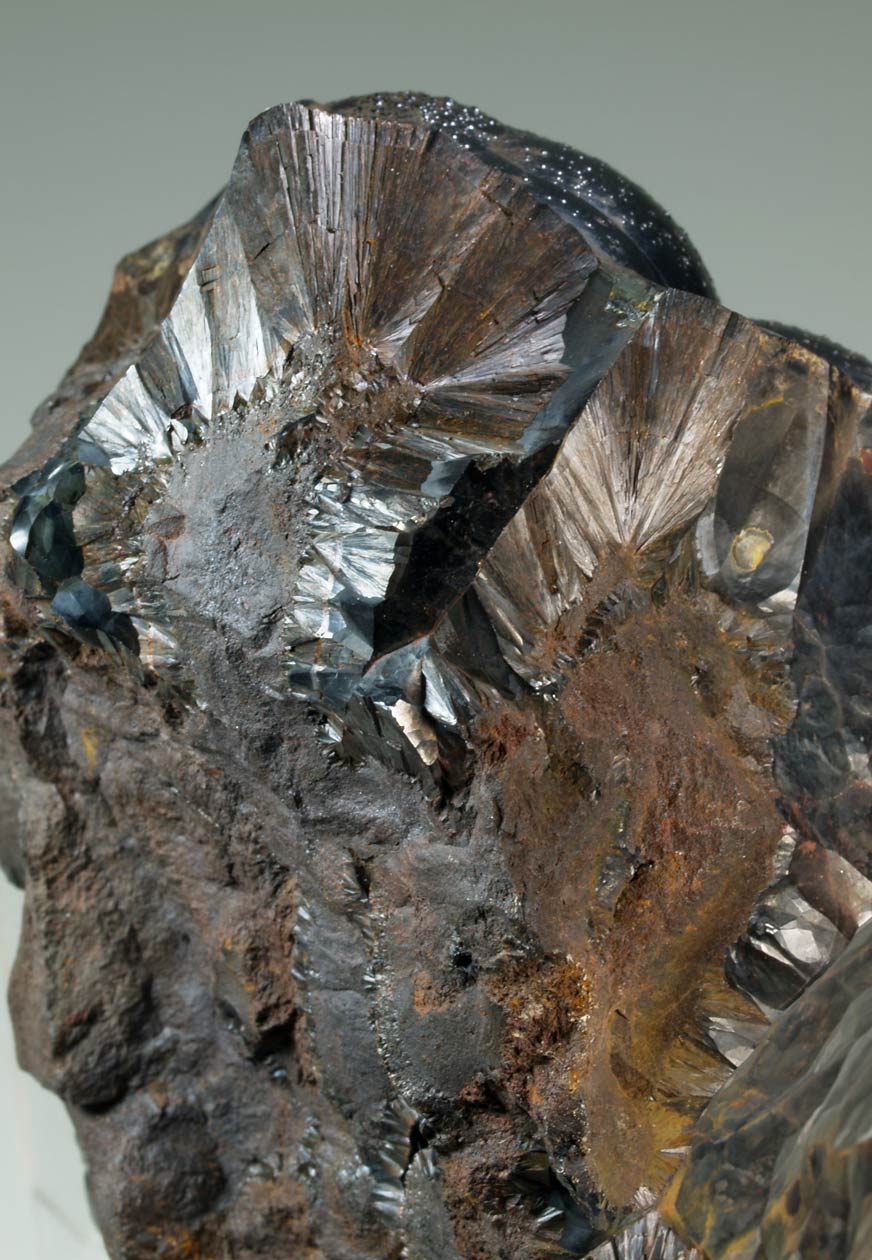
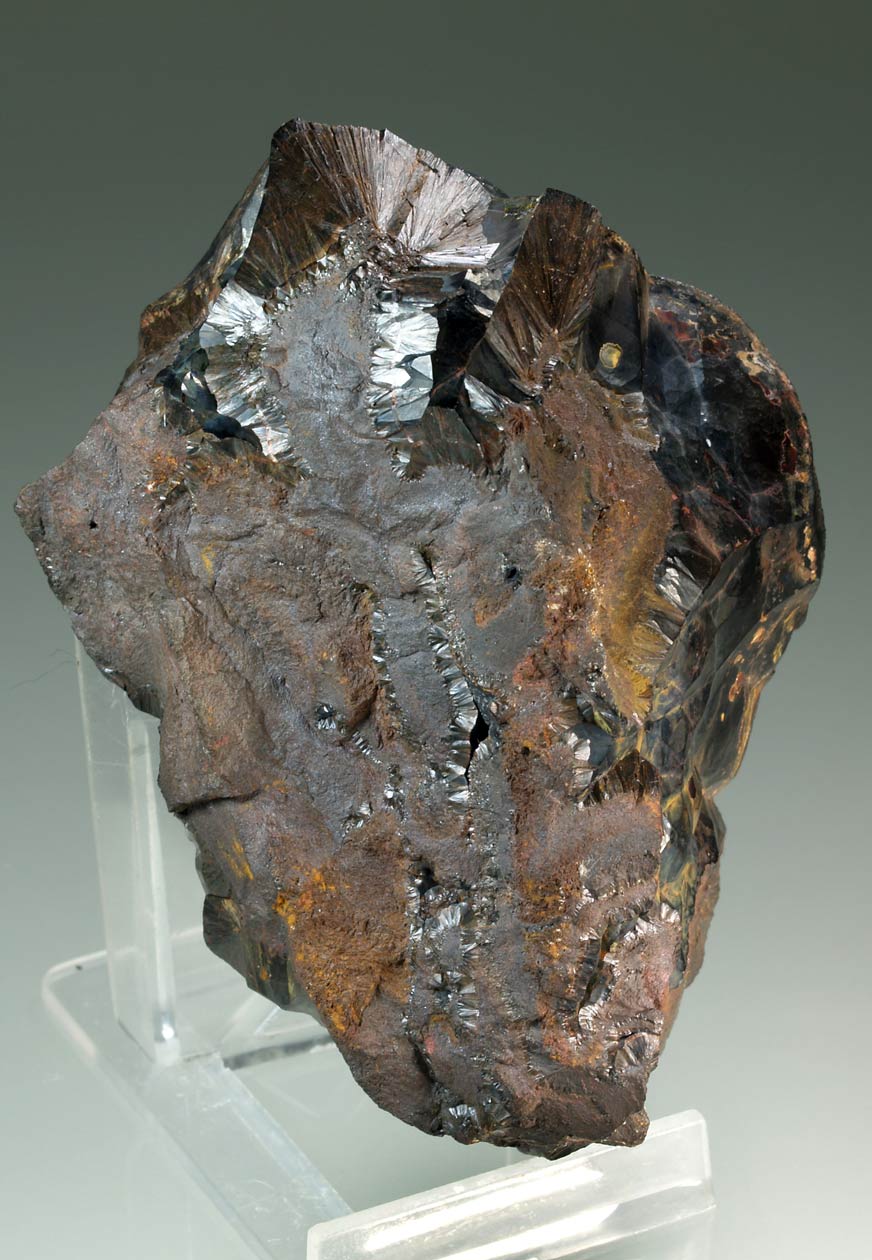
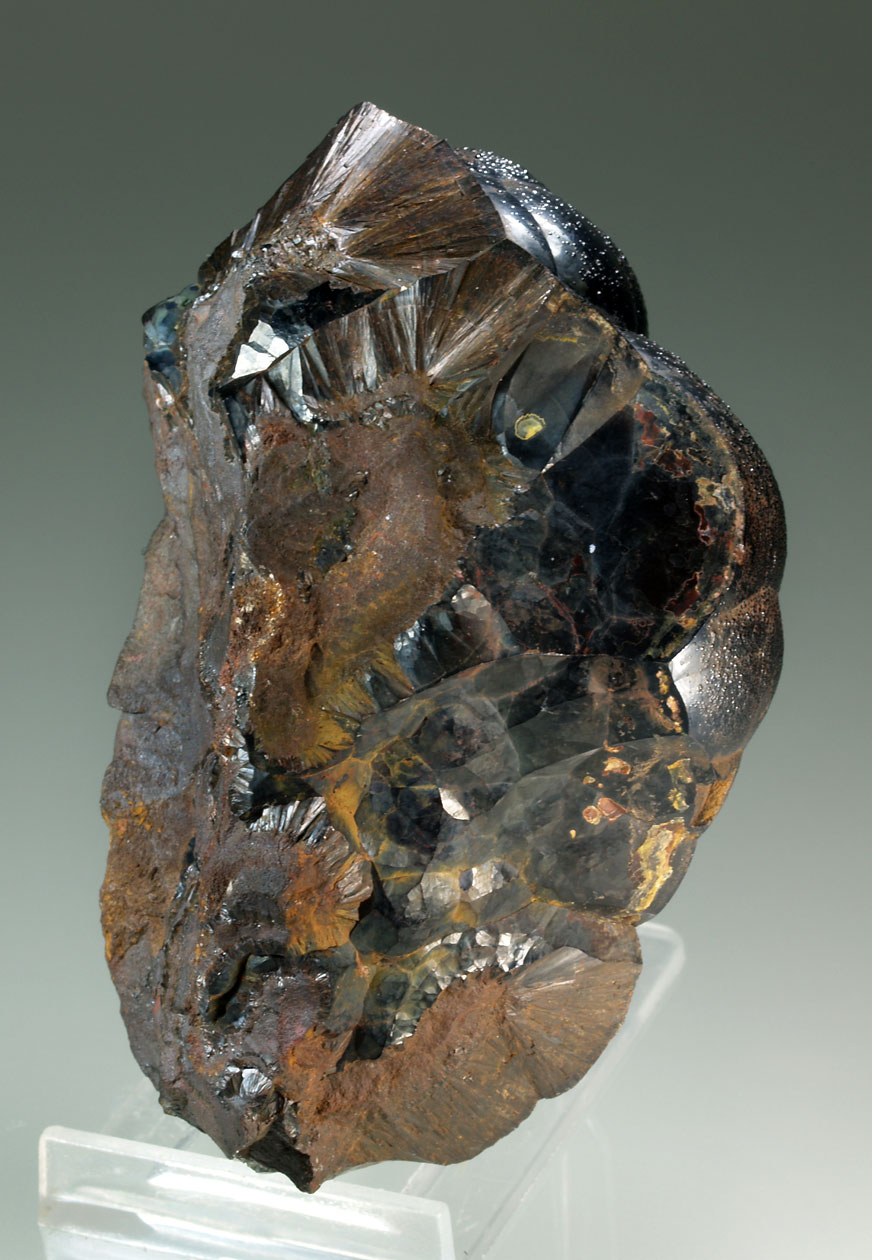
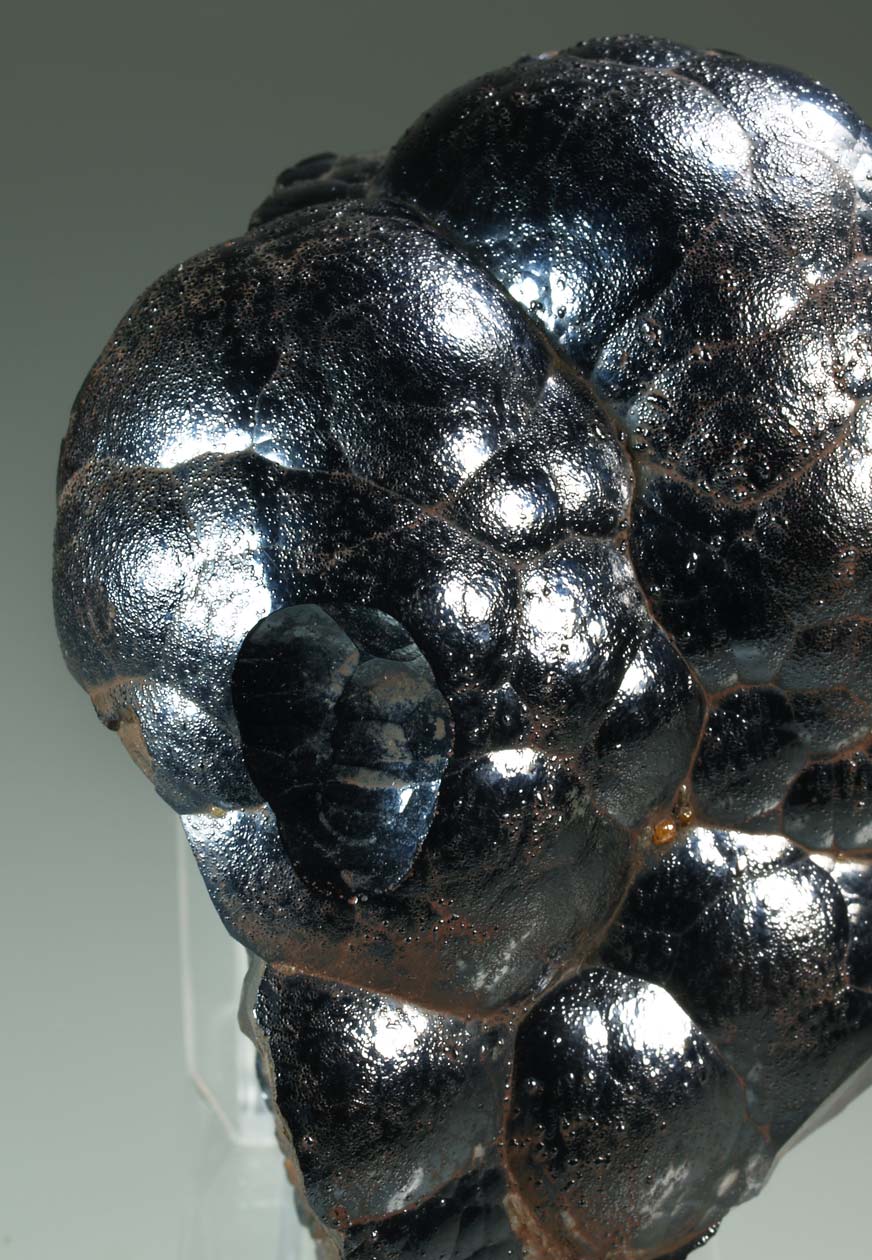
Estos ejemplares de hematites proceden de antiguos hallazgos (años 80) en una mina sita en los terrenos del cortijo Piquín. En este ejemplar, de buen tamaño, podemos ver un estético agregado botroidal, con un brillo excepcional. Incluso se observan cavidades botroidales "negativas", hacia el interior. En las zonas de fractura se ponen de manifiesto los agregados fibrosos radiales que forman los botrioides. Una pieza de calidad sin igual y muy difícil de encontrar hoy día.
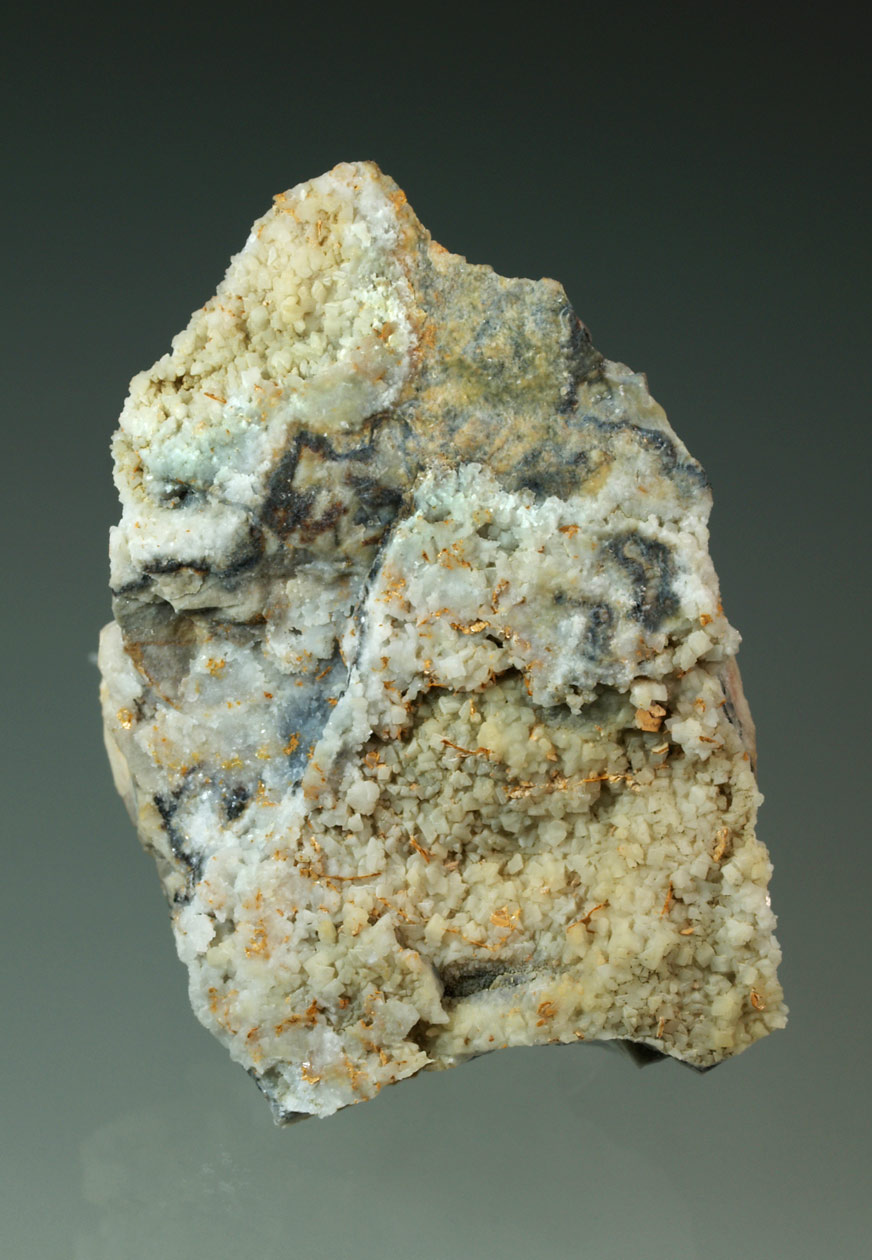
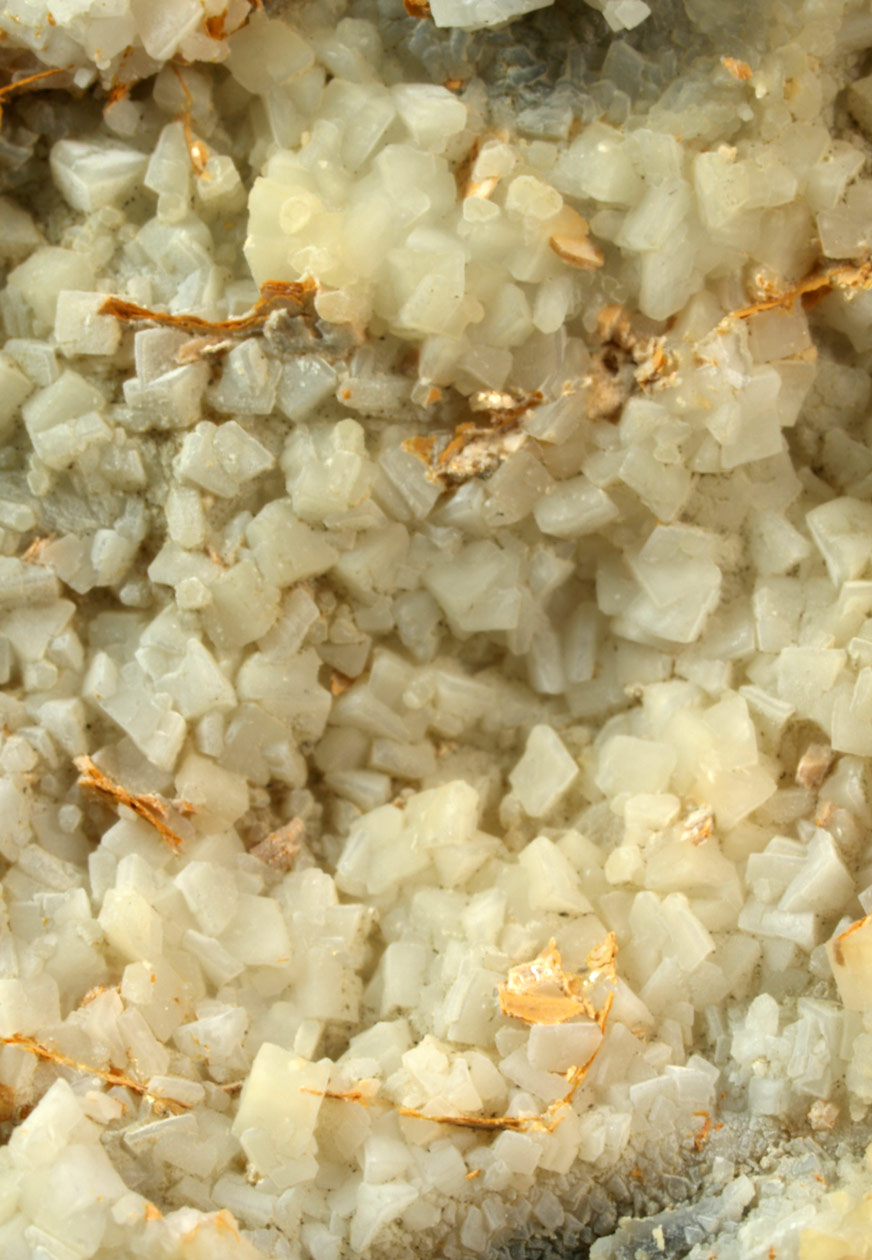
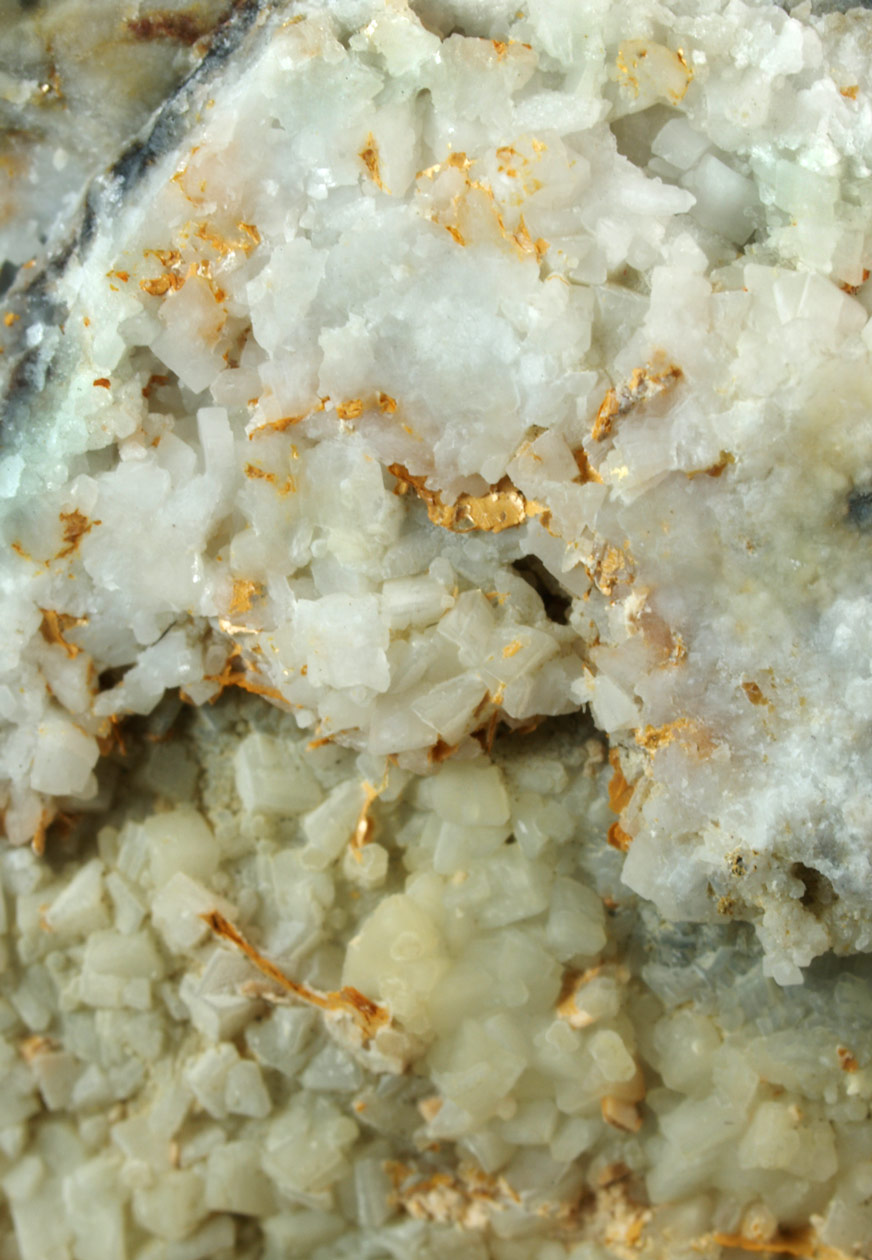
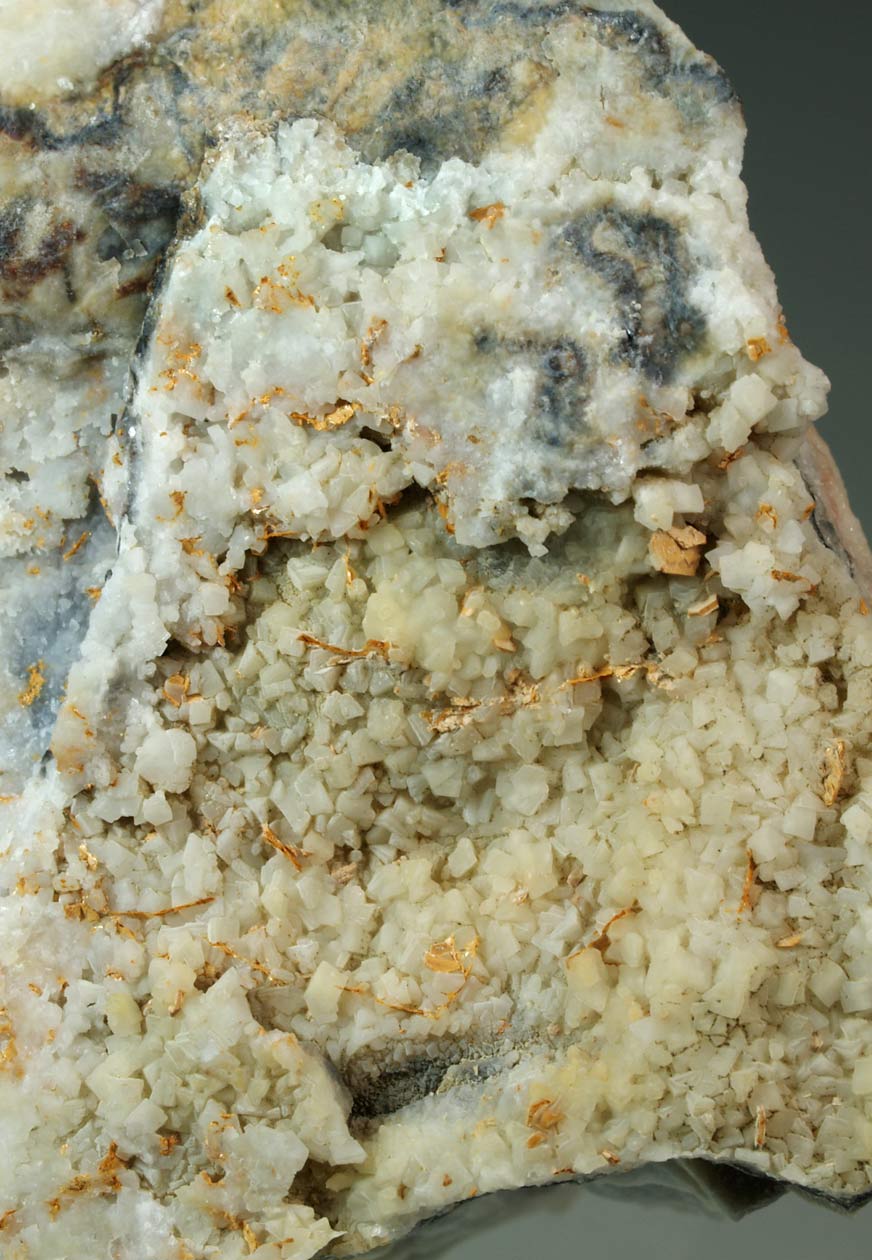
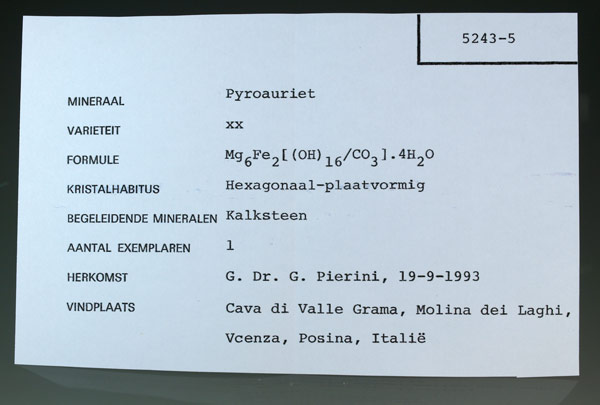
La piroaurita-2H es un politipo antiguamente conocido como sjögrenite (desacreditada). Este ejemplar procede de una localidad clásica italiana para la especie. Se trata de una matriz de mármol con calcita sobre la que destacan numerosos agregados foliáceos a tabulares de color anaranjado de piroaurita. Este ejemplar tiene su pedigree en las colecciones Pierini y Vochten. La etiqueta de este último acompaña a esta interesante pieza.
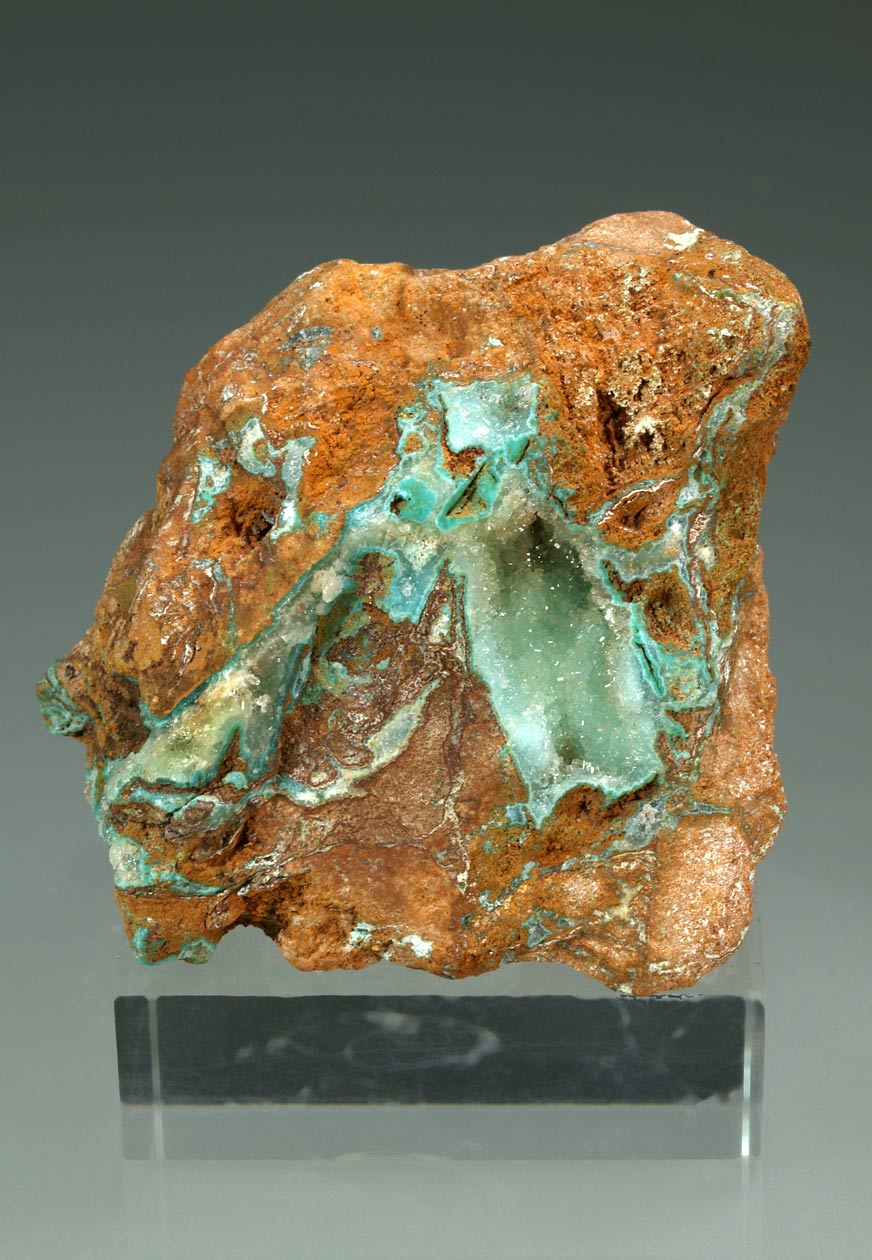
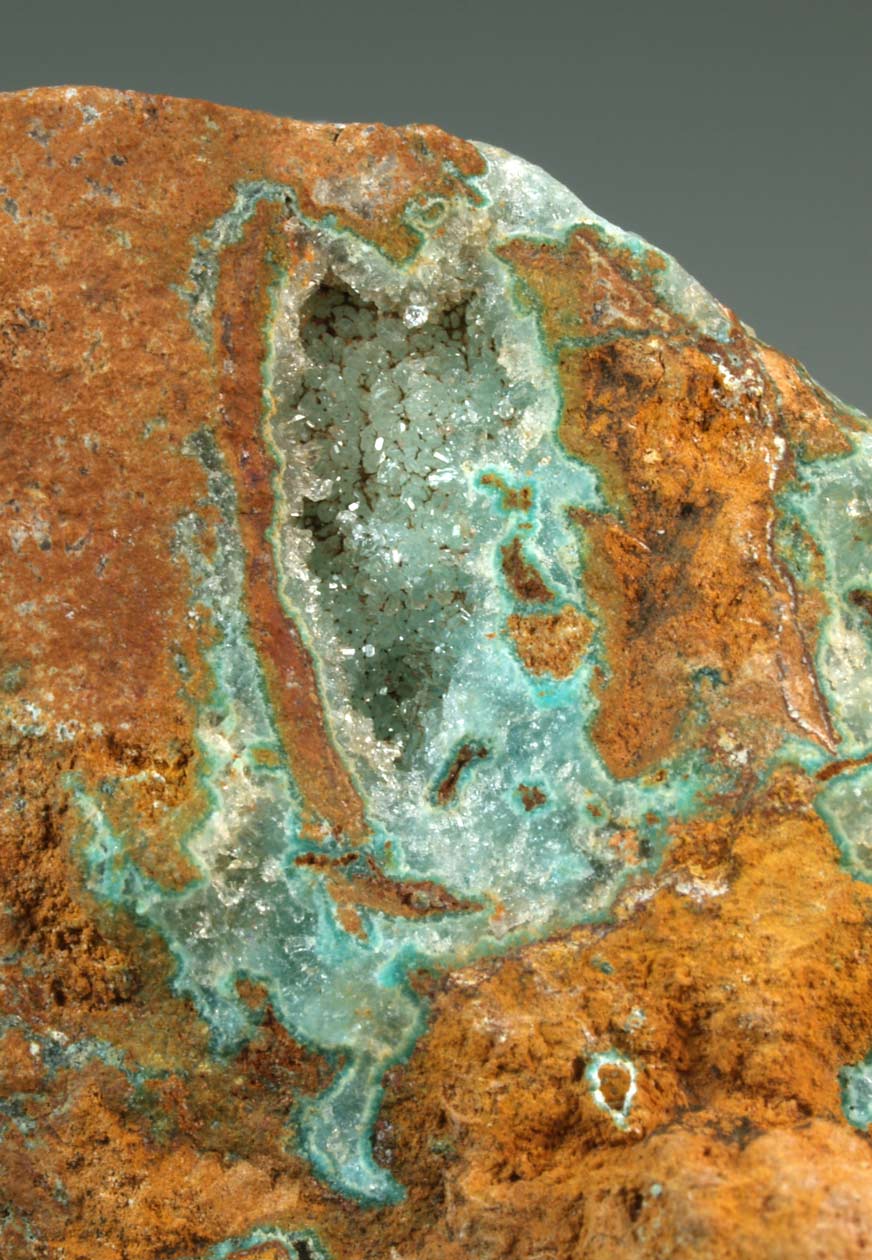
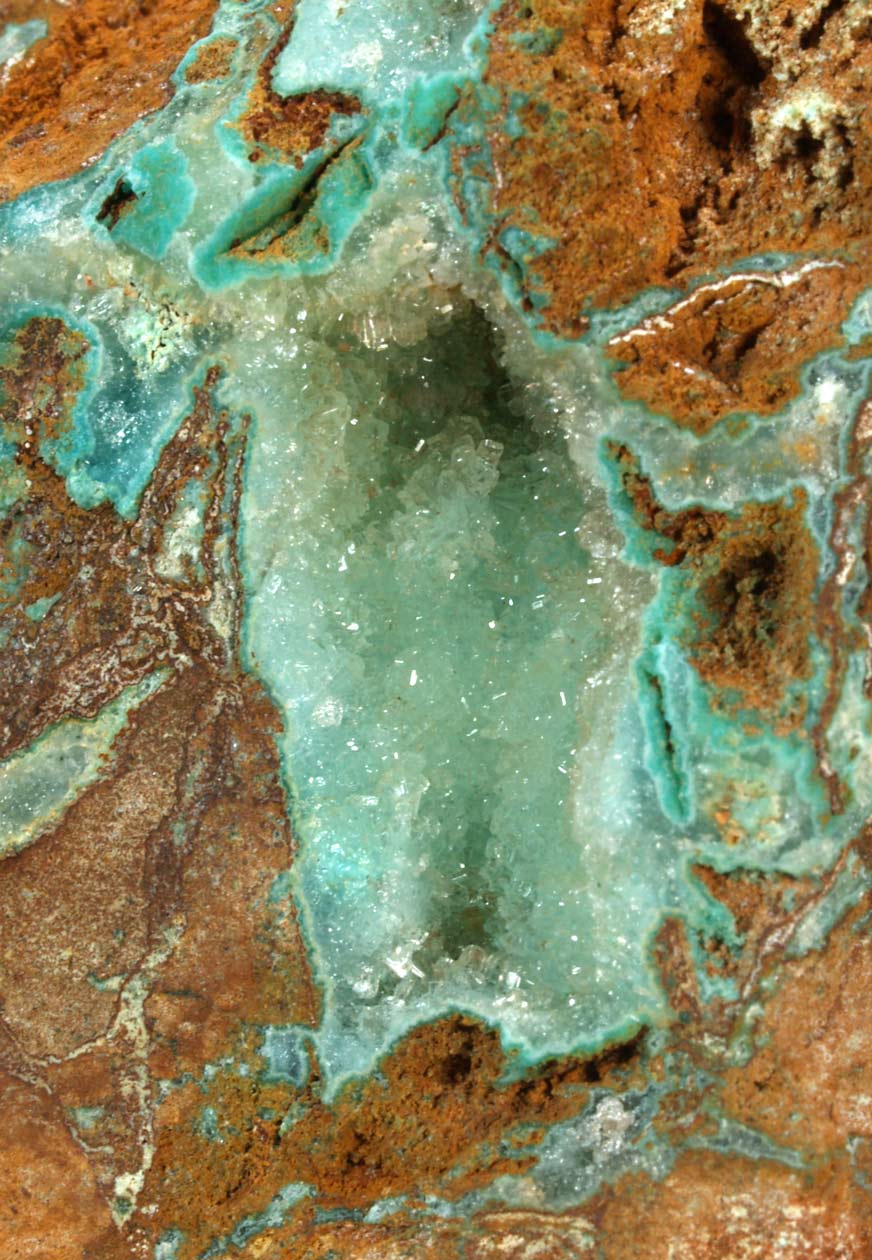
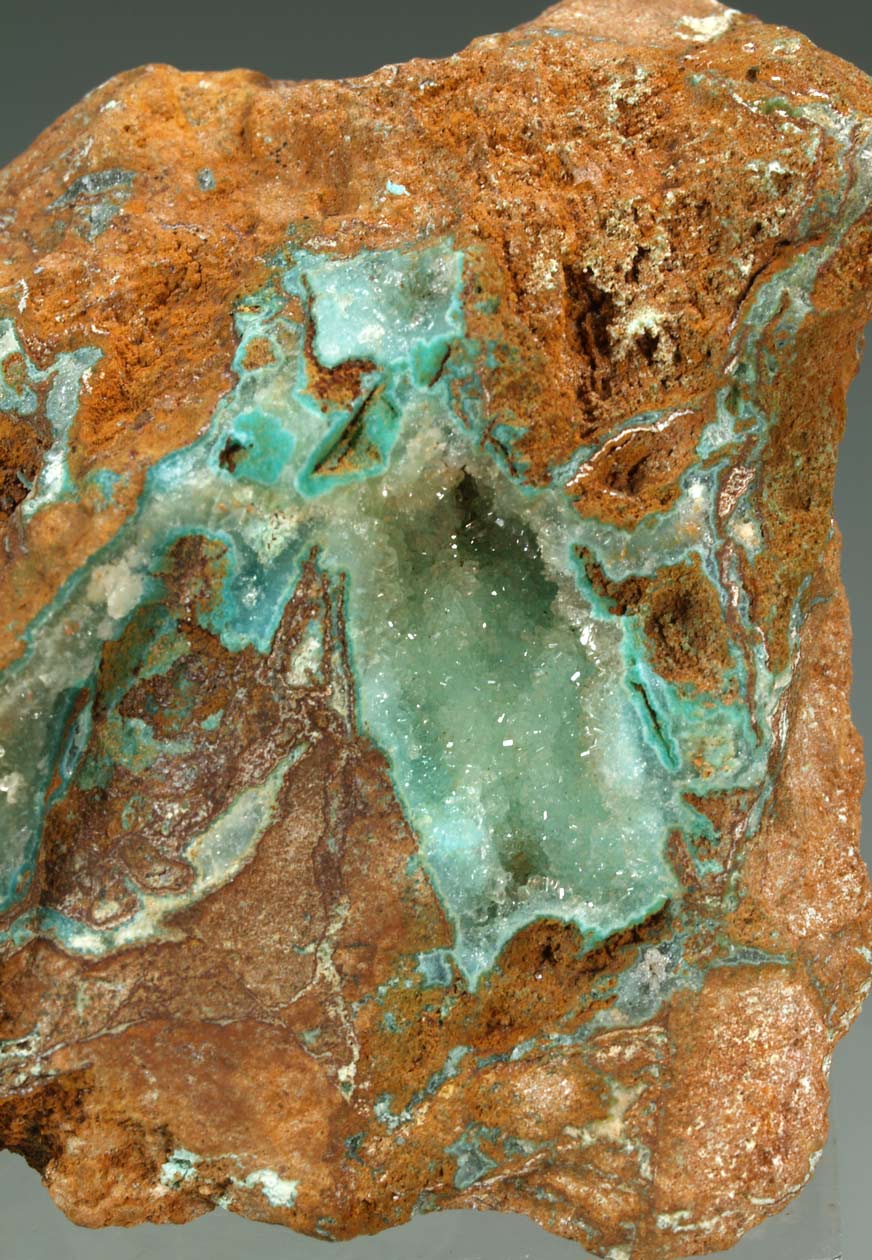
Cavidad tapizada con brillantes cristales prismáticos de senegalita, que se disponen sobre turquesa de color azul. La senegalita es un raro fosfato de aluminio y este ejemplar procede de la localidad tipo para la especie.
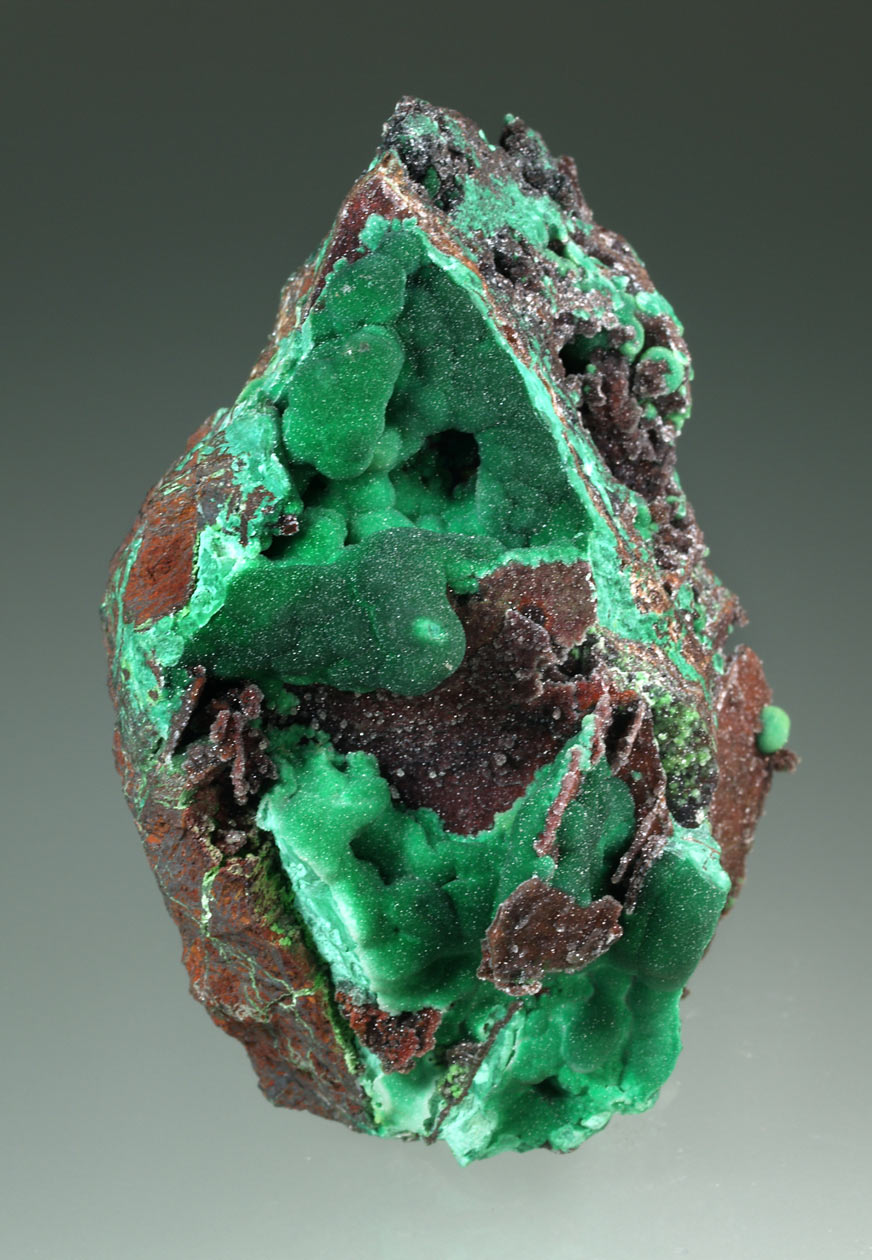
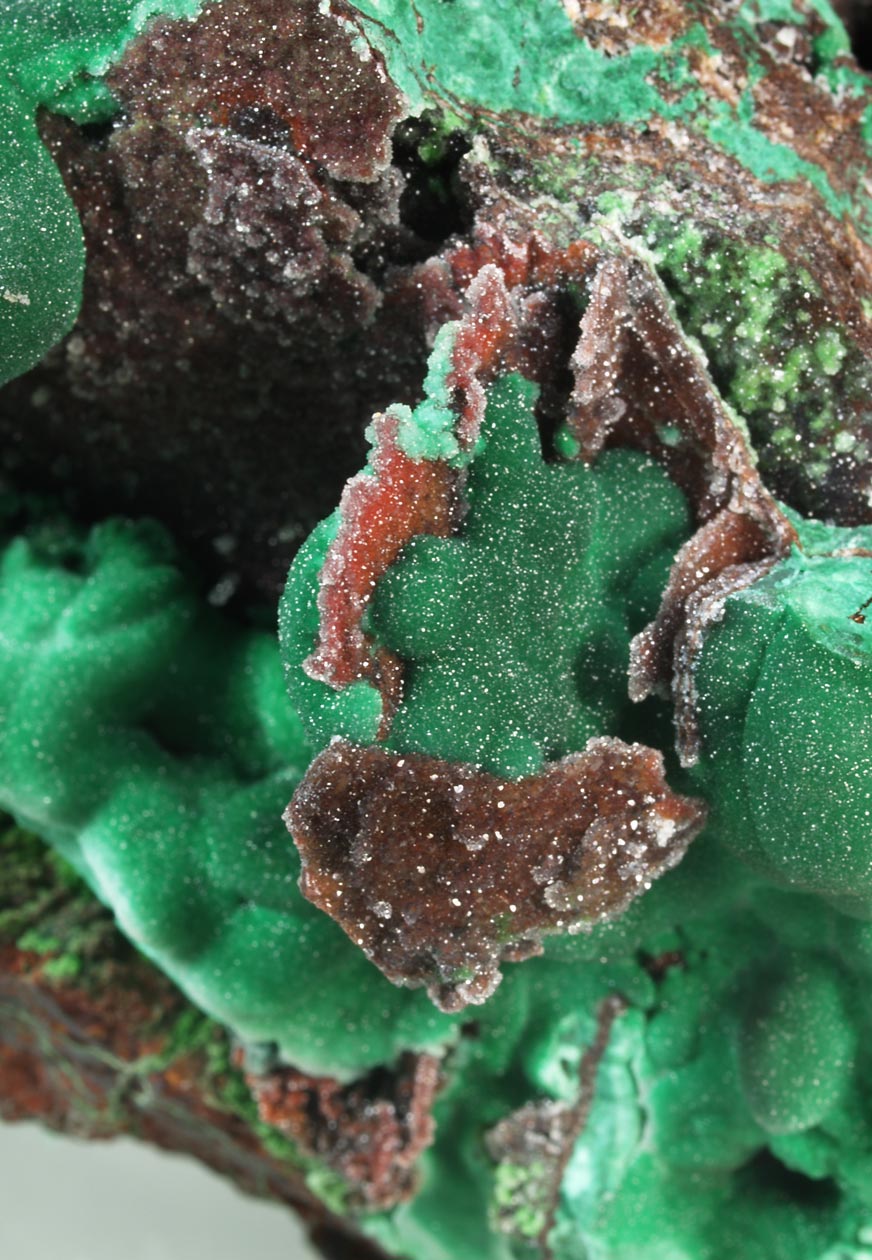
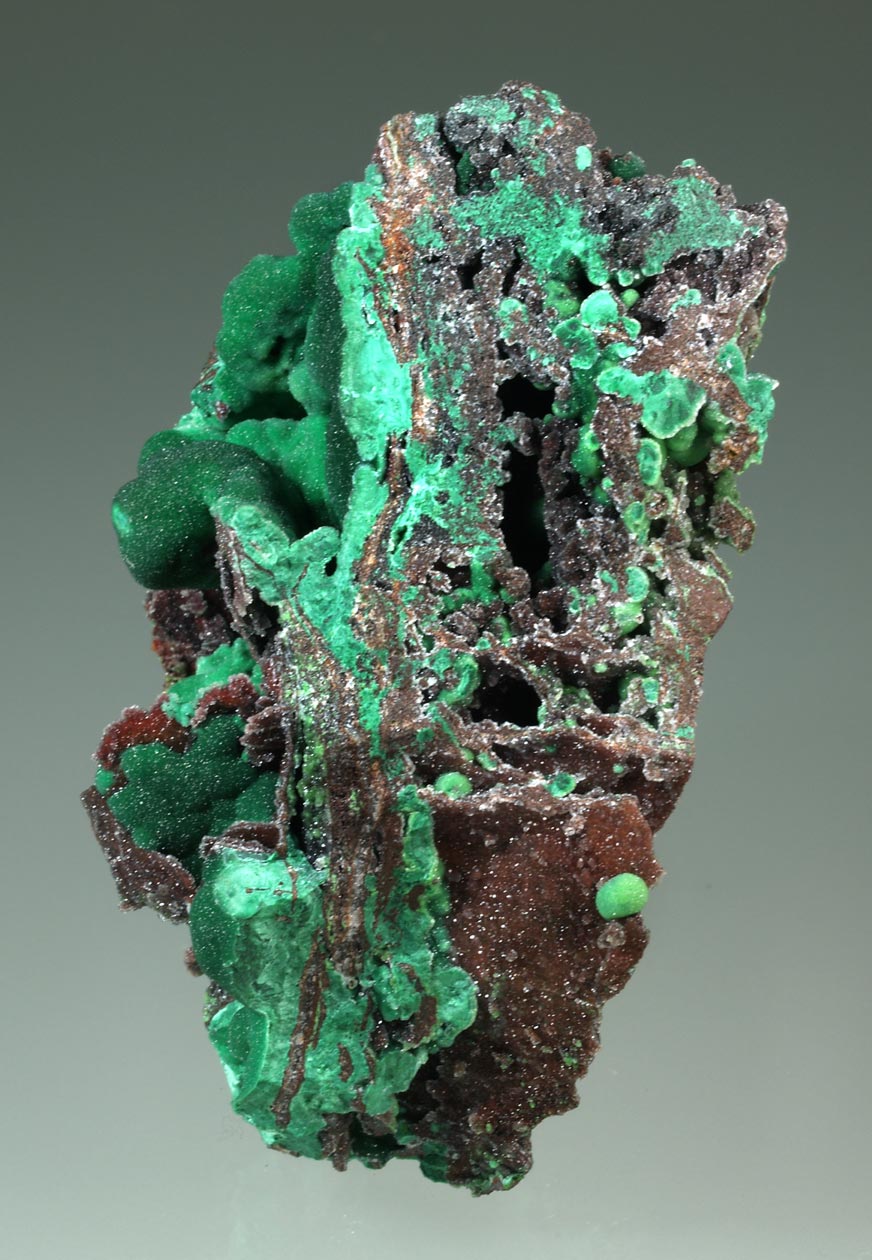
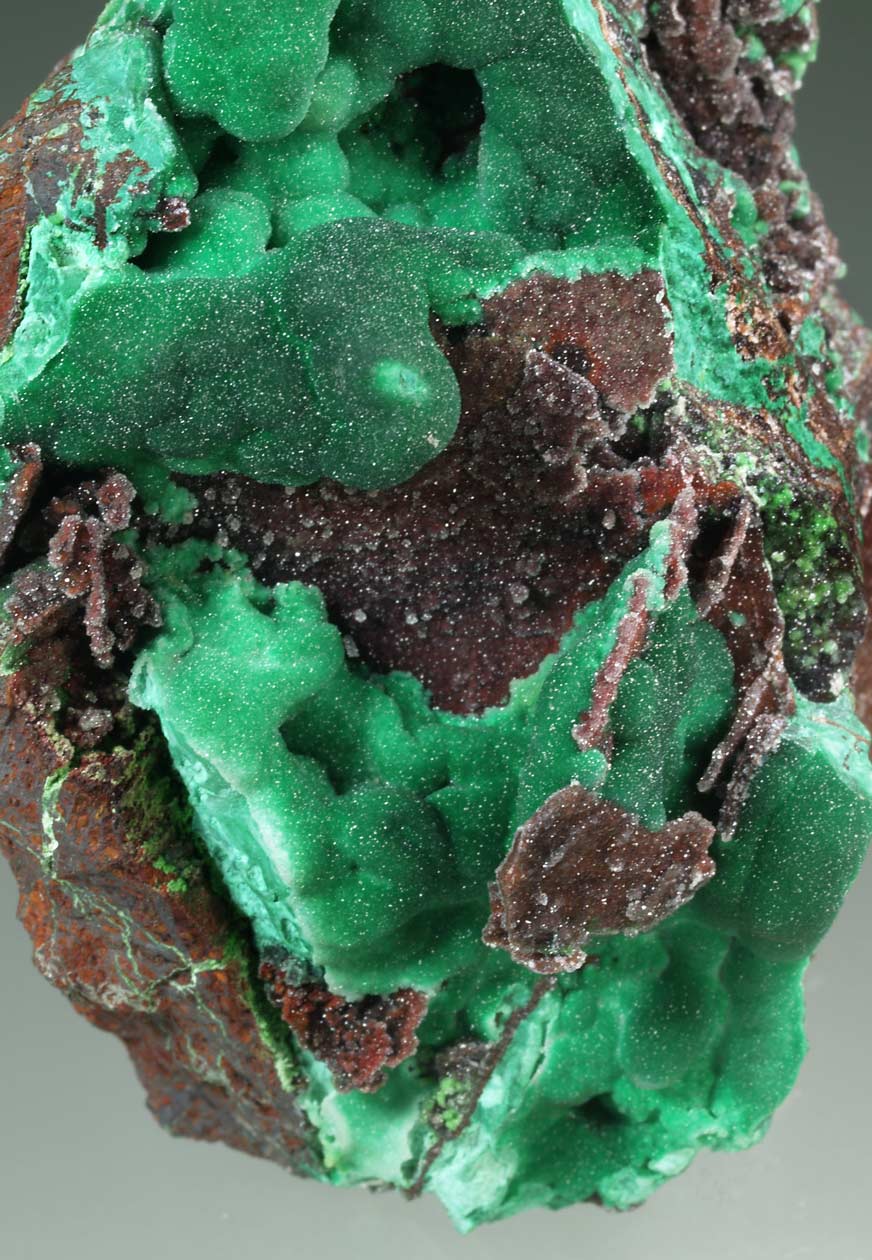
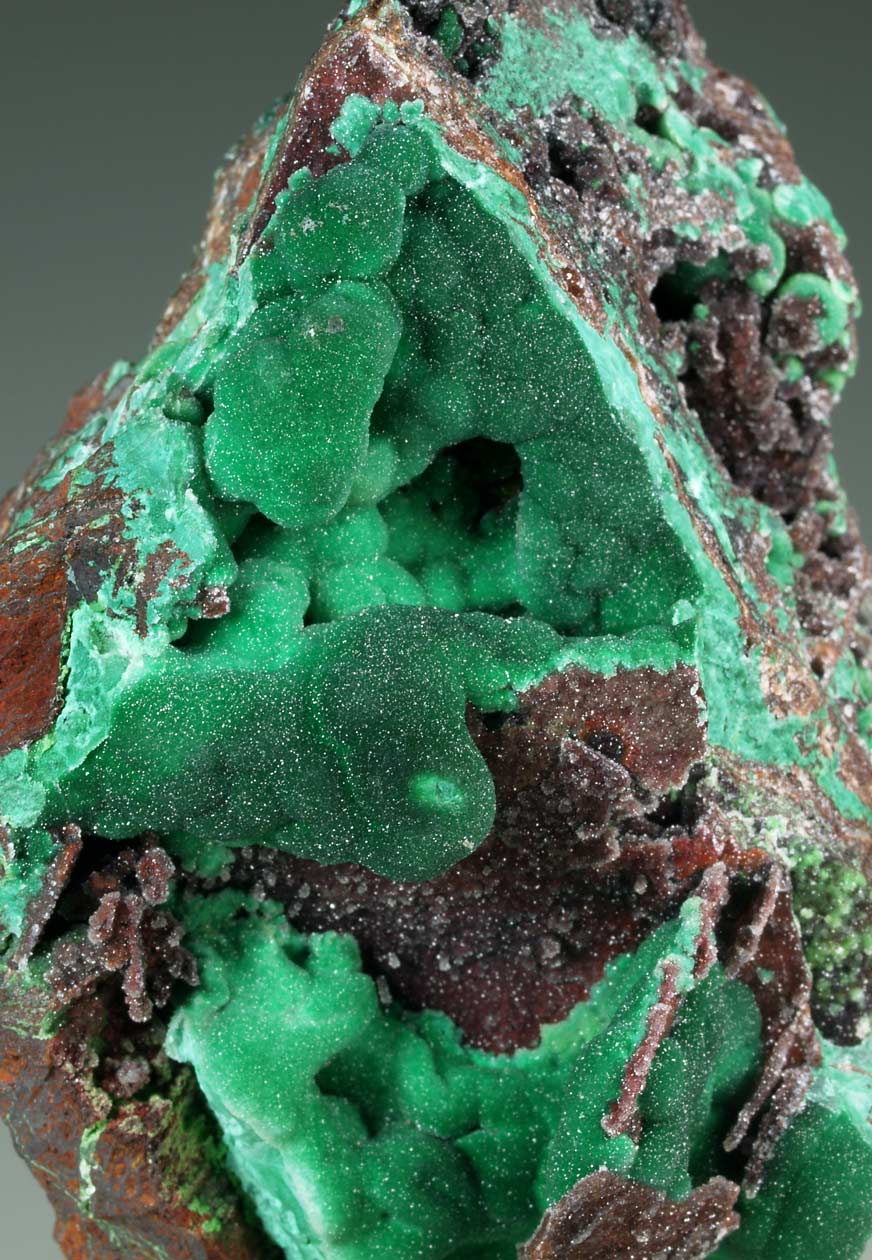
Soberbio y brillante ejemplar formado por agregados botroidales de malaquita, de intenso color verde, y recubiertos por cristales hialinos de cuarzo. El cuarzo le confiere este estético brillo. La matriz es un stockwork de calcopirita alterada. Ejemplares de malaquita de esta localidad con este aspecto son poco habituales.
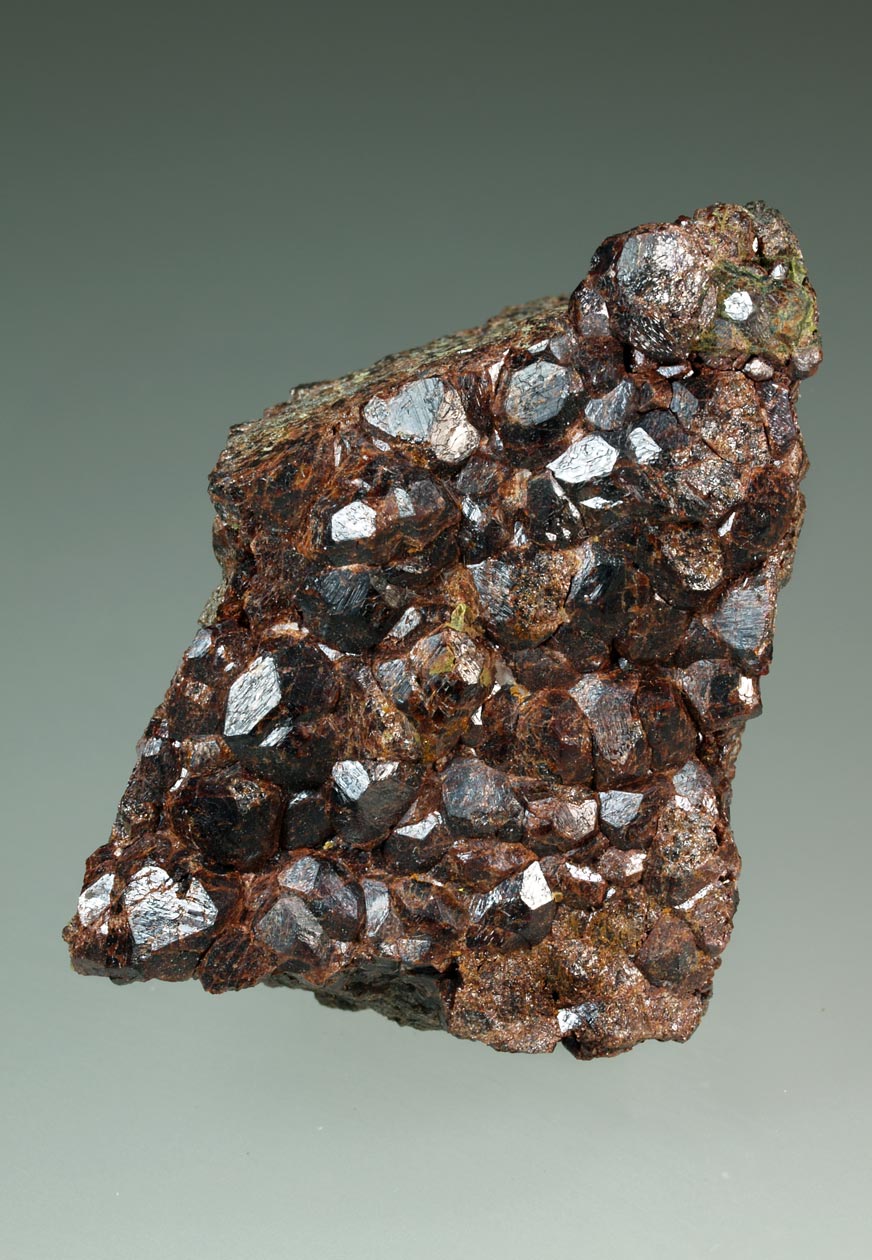
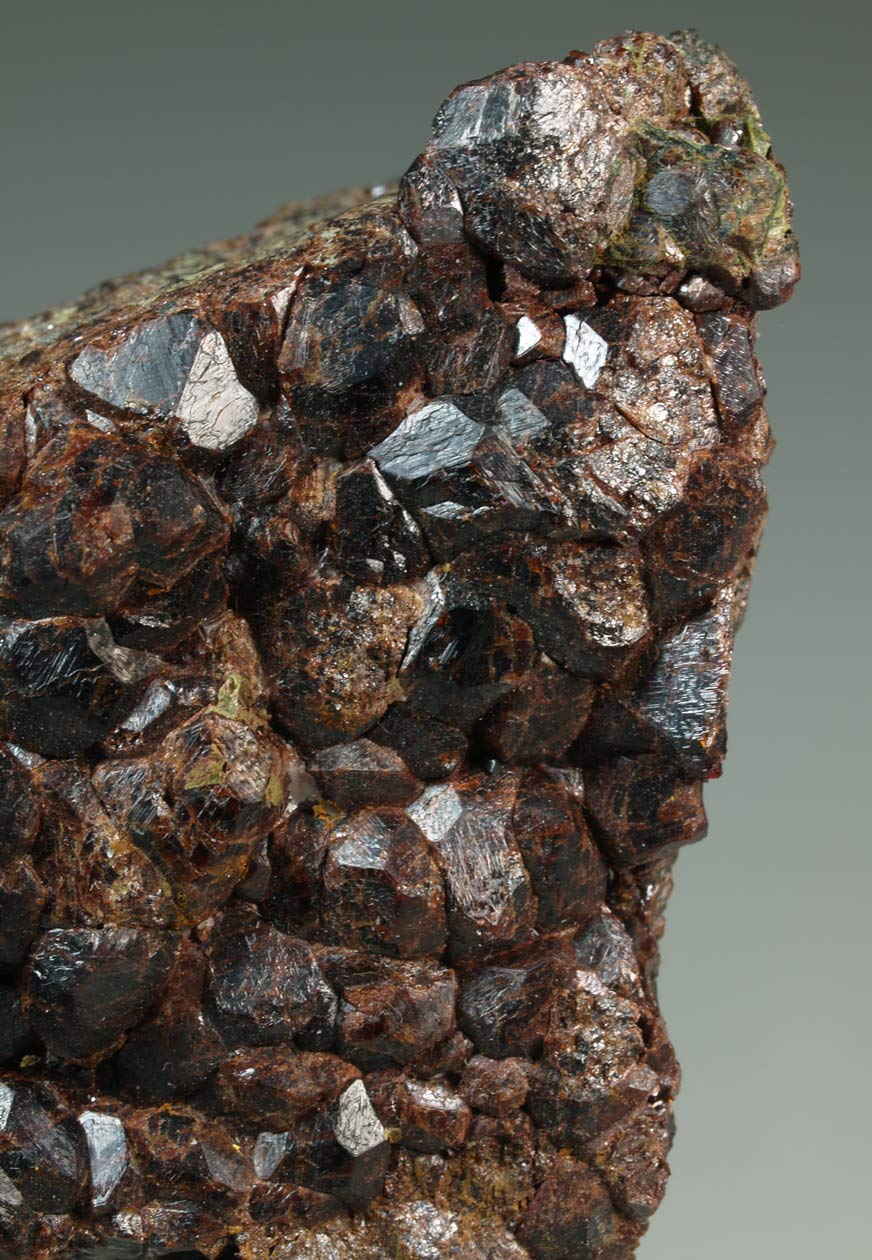
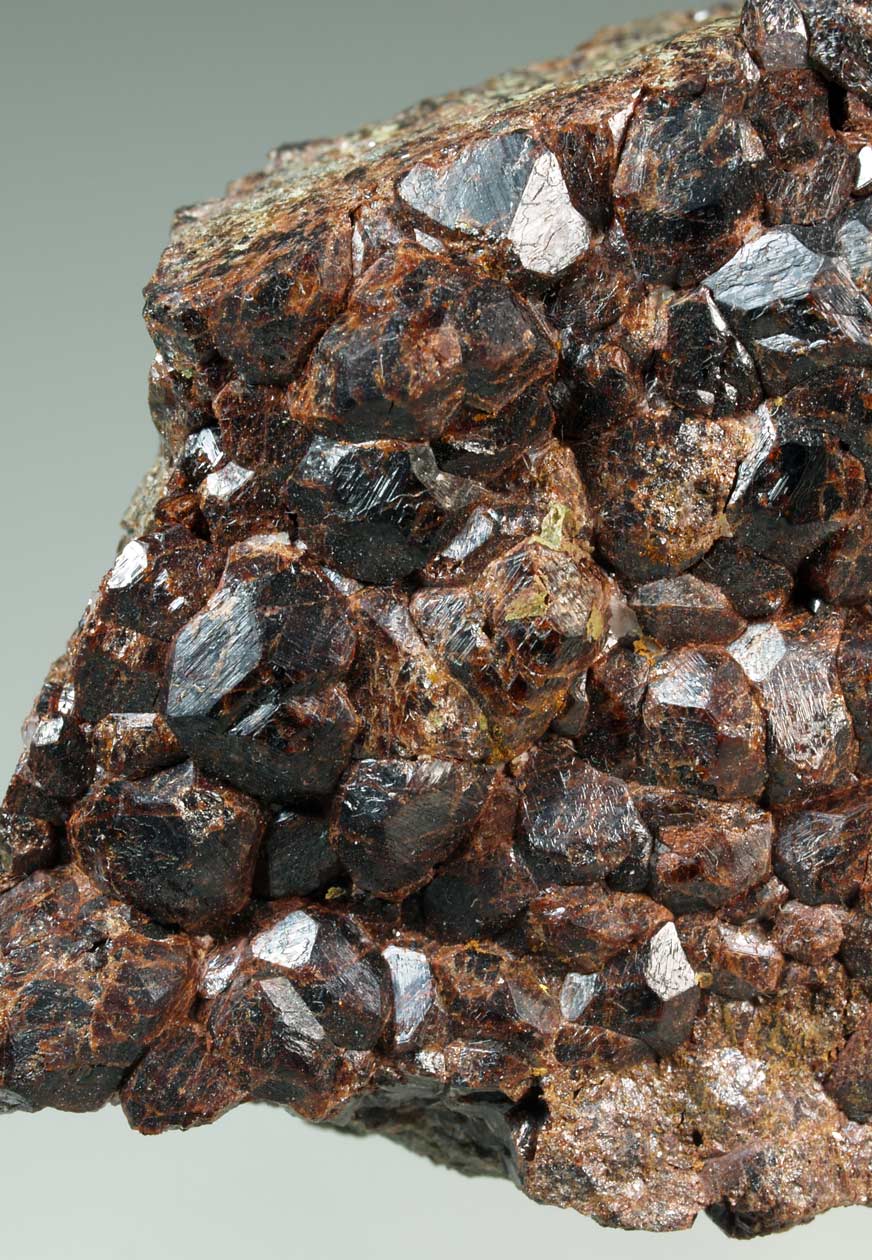
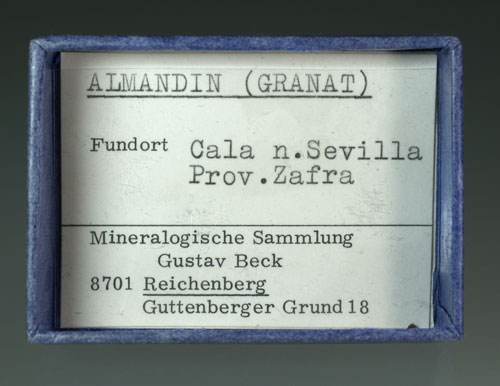
Drusa de cristales trapezoédricos de andradita de esta localidad clásica española. Intenso brillo, con colores entre el marrón al rojizo. Se trata de una granatita con epidota. Se trata de un ejemplar con pedigrí de la colección Gustav Beck.
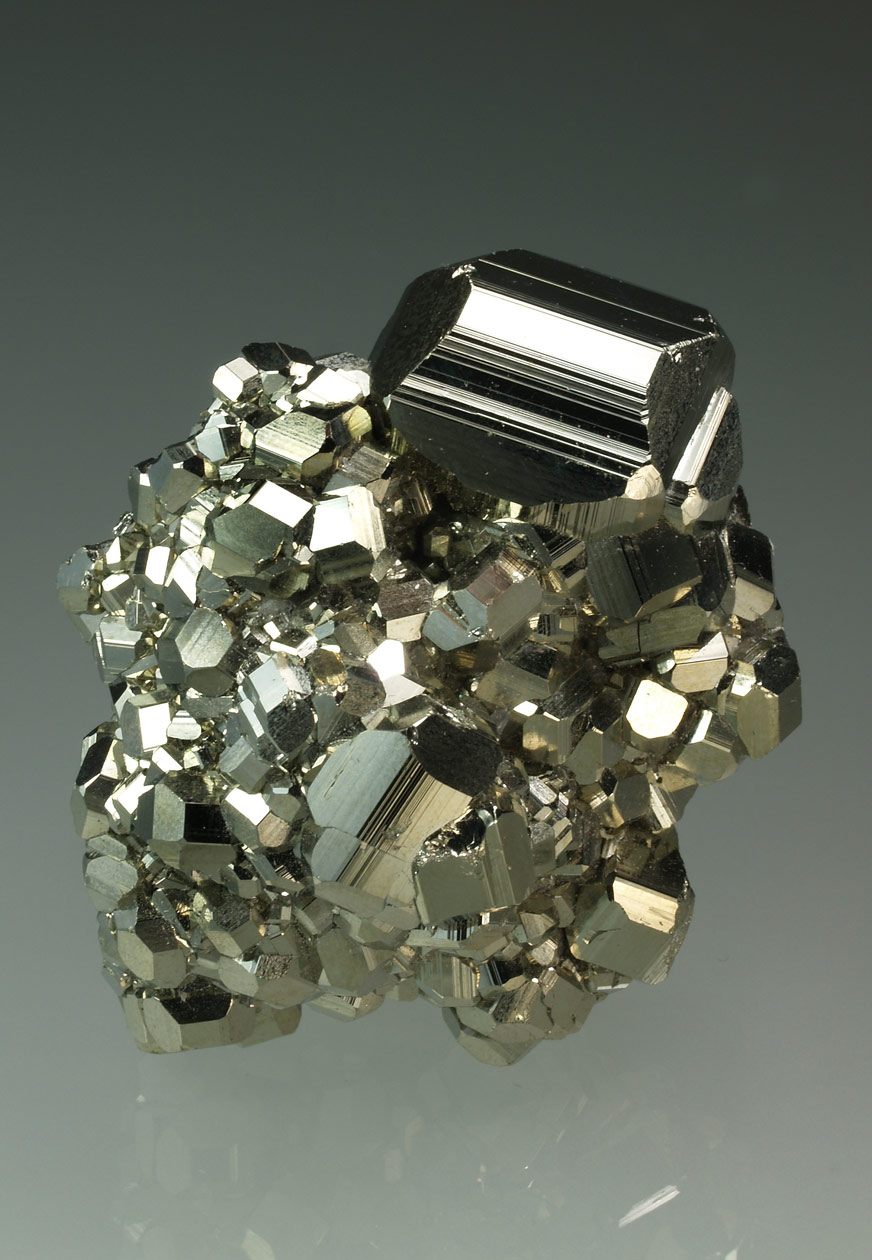
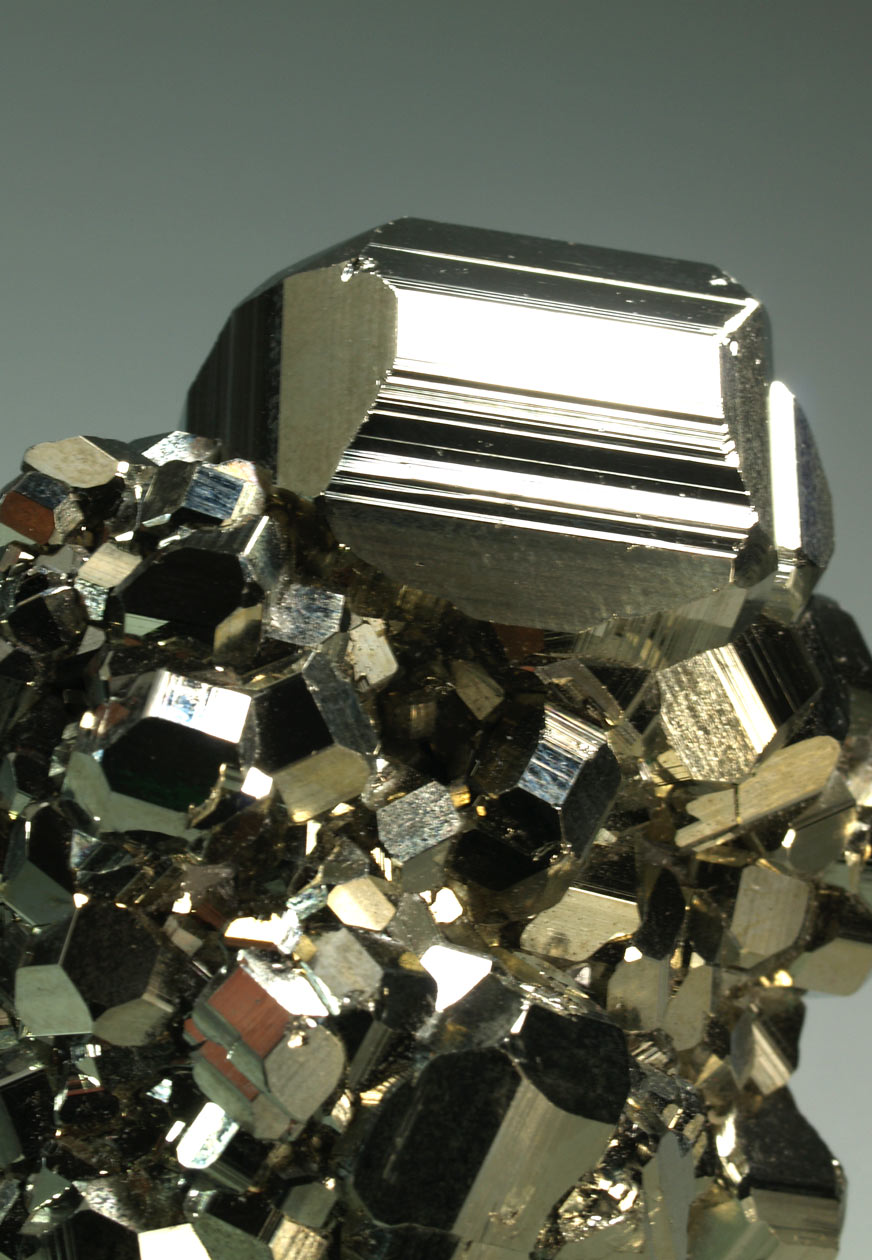
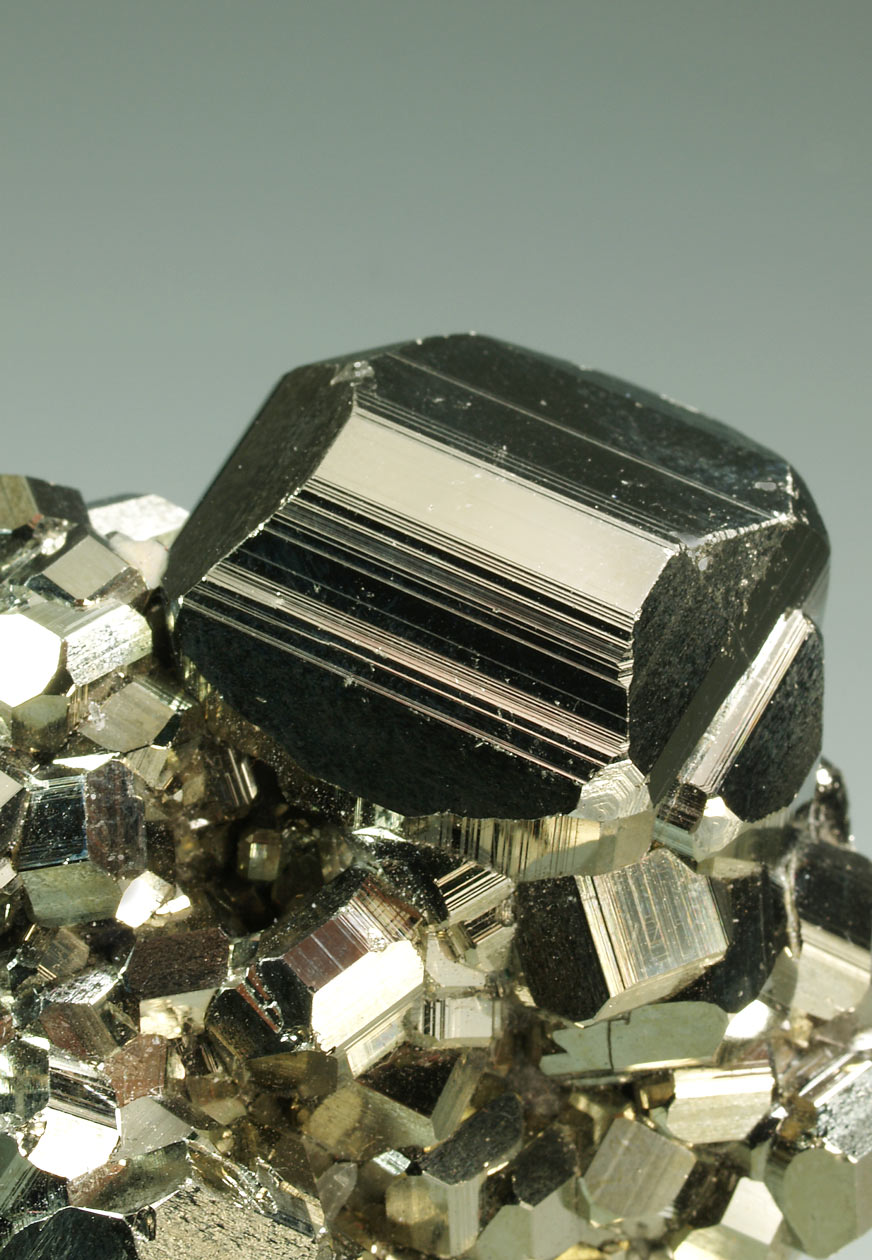
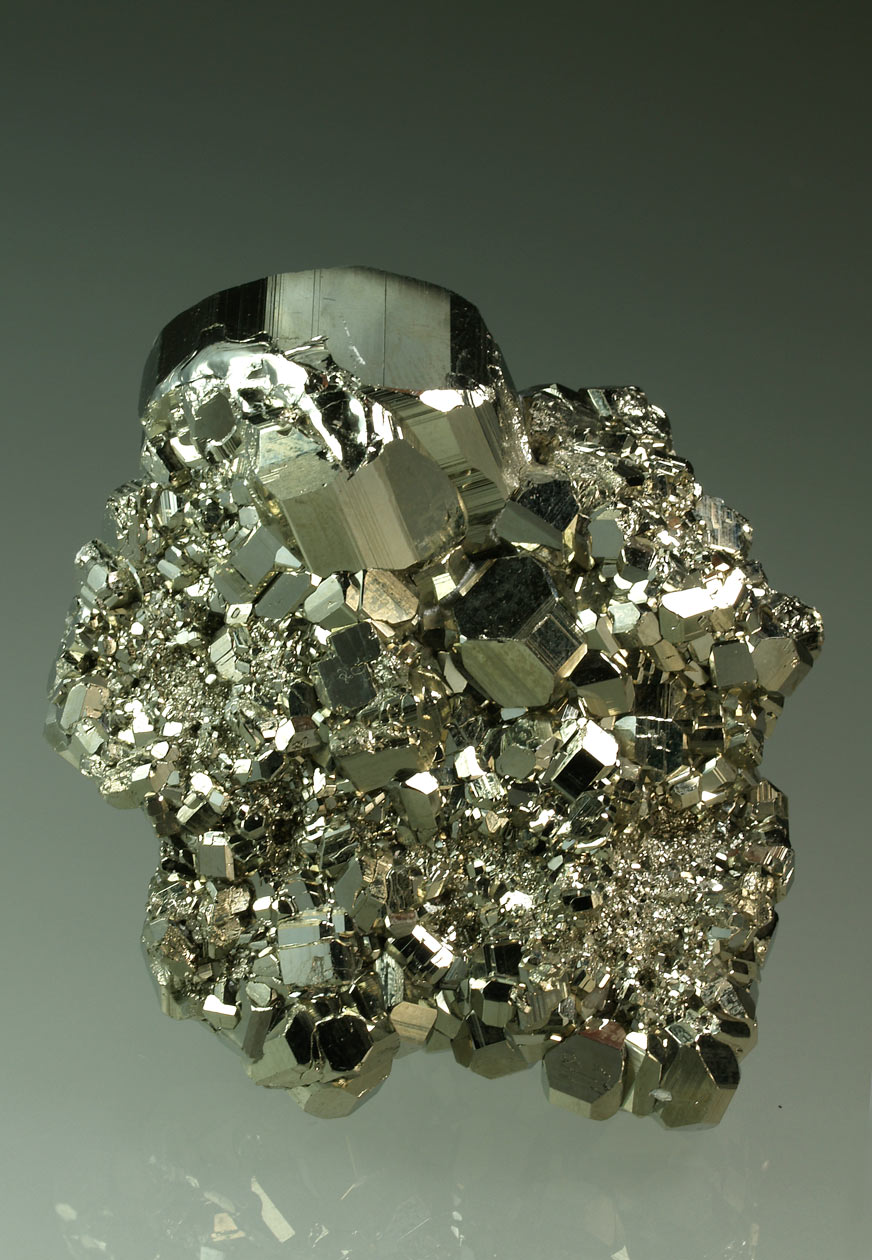
Un ejemplar flotante, todo brillo. Se trata de un nutrido grupo de cristales con caras del cubo y del dodecaedro. Uno de ellos destaca por su tamaño, destacada posición y por su riqueza de caras del cubo, dodecaedro, octaedro, piritoedro. Como hemos dicho, brillo y color dorado característico. Presenta alguna pequeña mella sin afectar a la calidad del conjunto. Una pieza excelente.
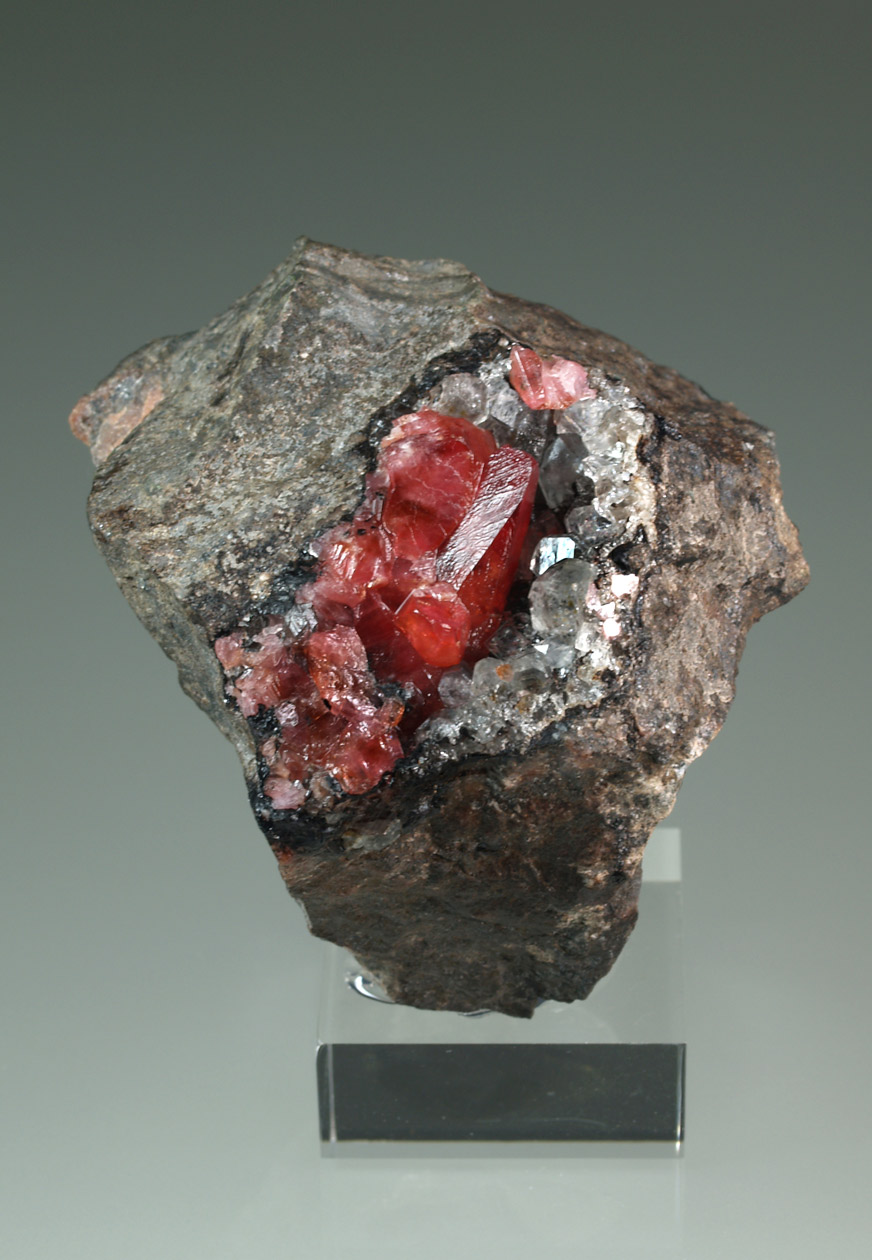
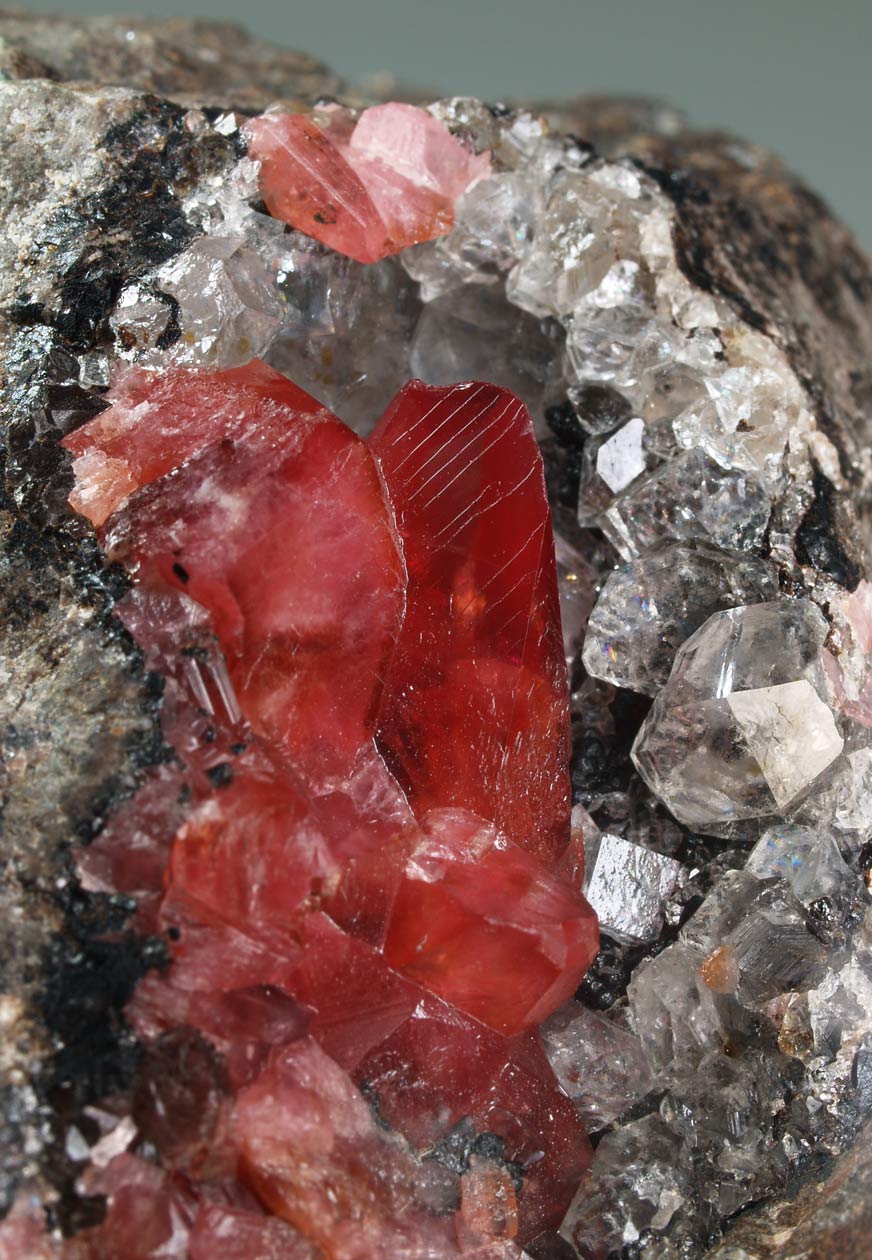
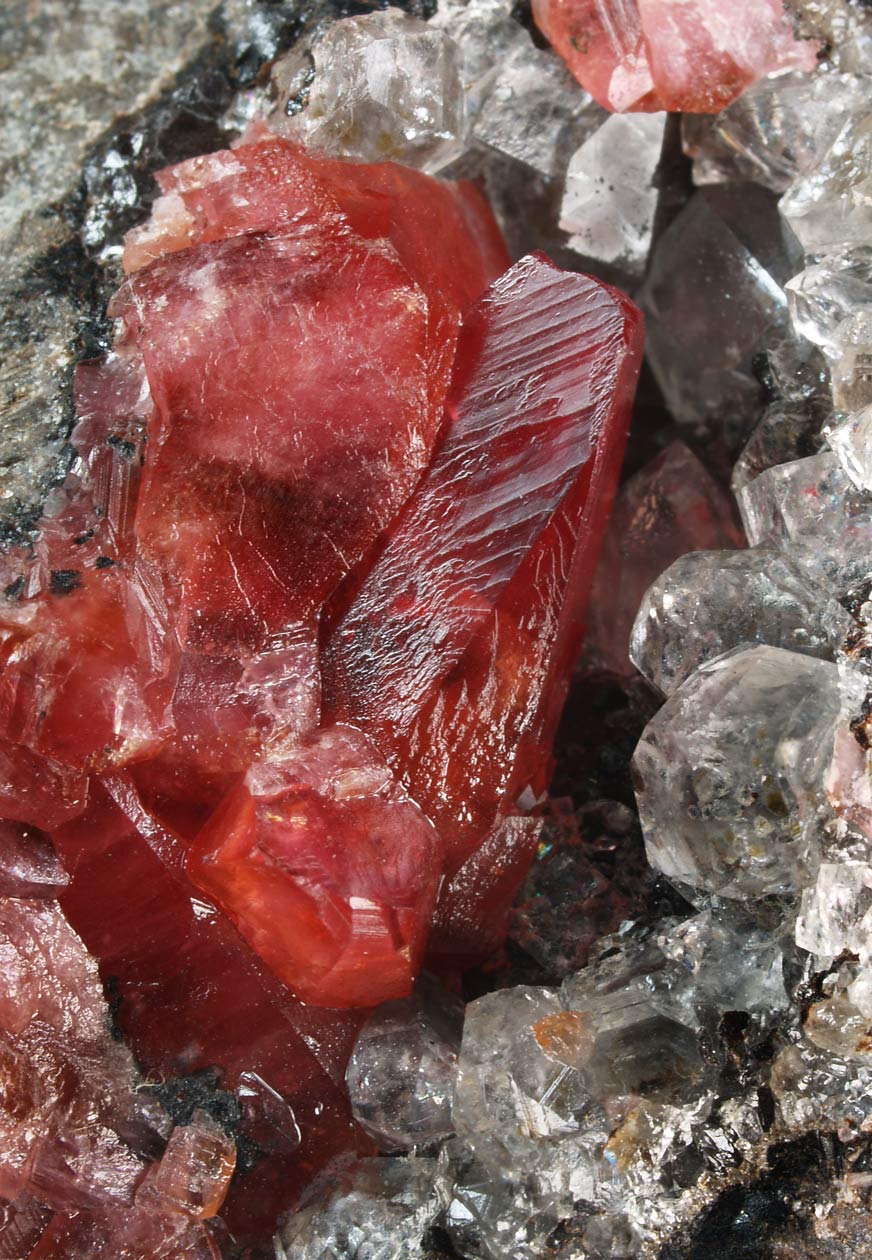
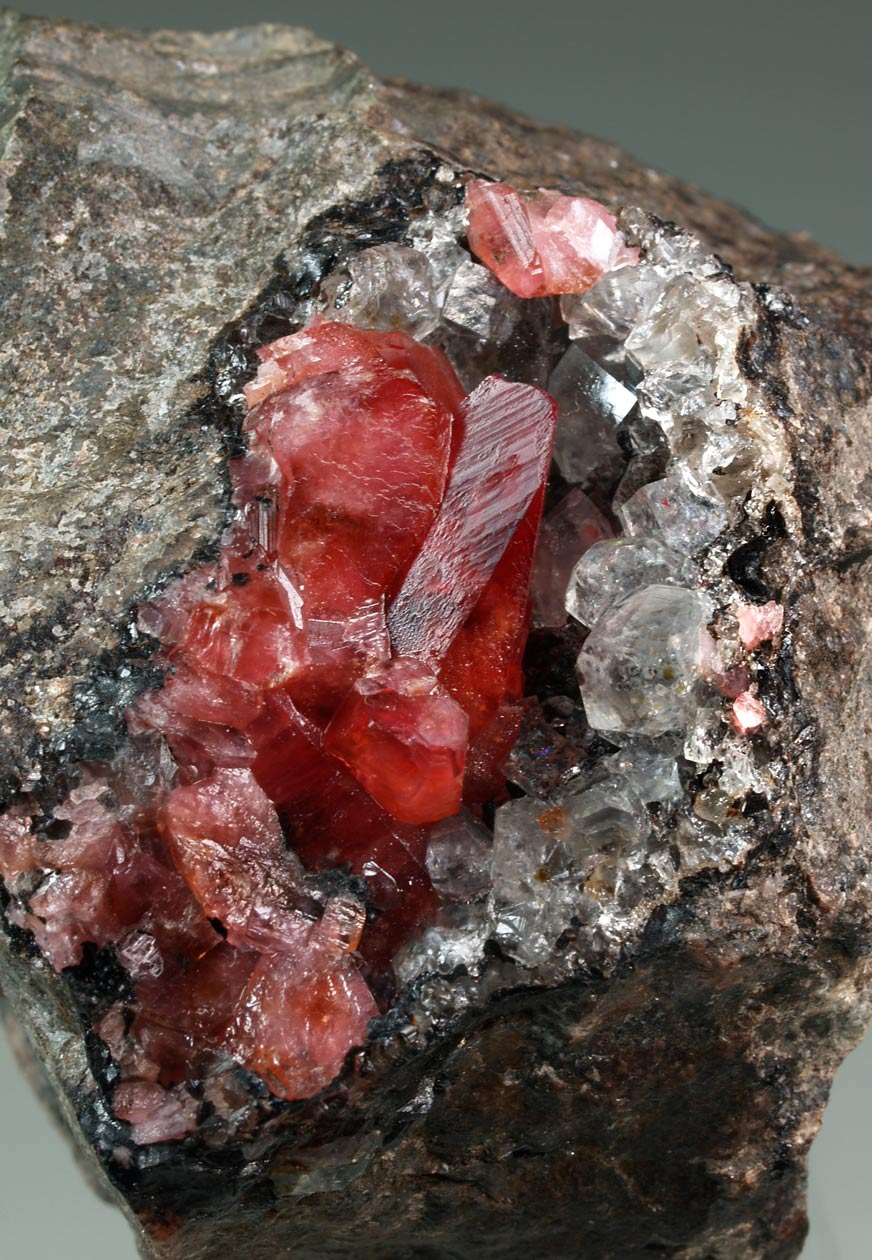
Un cristal de buen tamaño de rodocrosita destacable por su intenso color rojo, con formas del escalenoedro bien definidas y buena transparencia. Se acompaña de otros cristales de rodo más pequeños. Sobre una sólida matriz con cristales de cuarzo hialino y cubos de fluorita incolora, transparente y fluorescente. Una gran pieza.
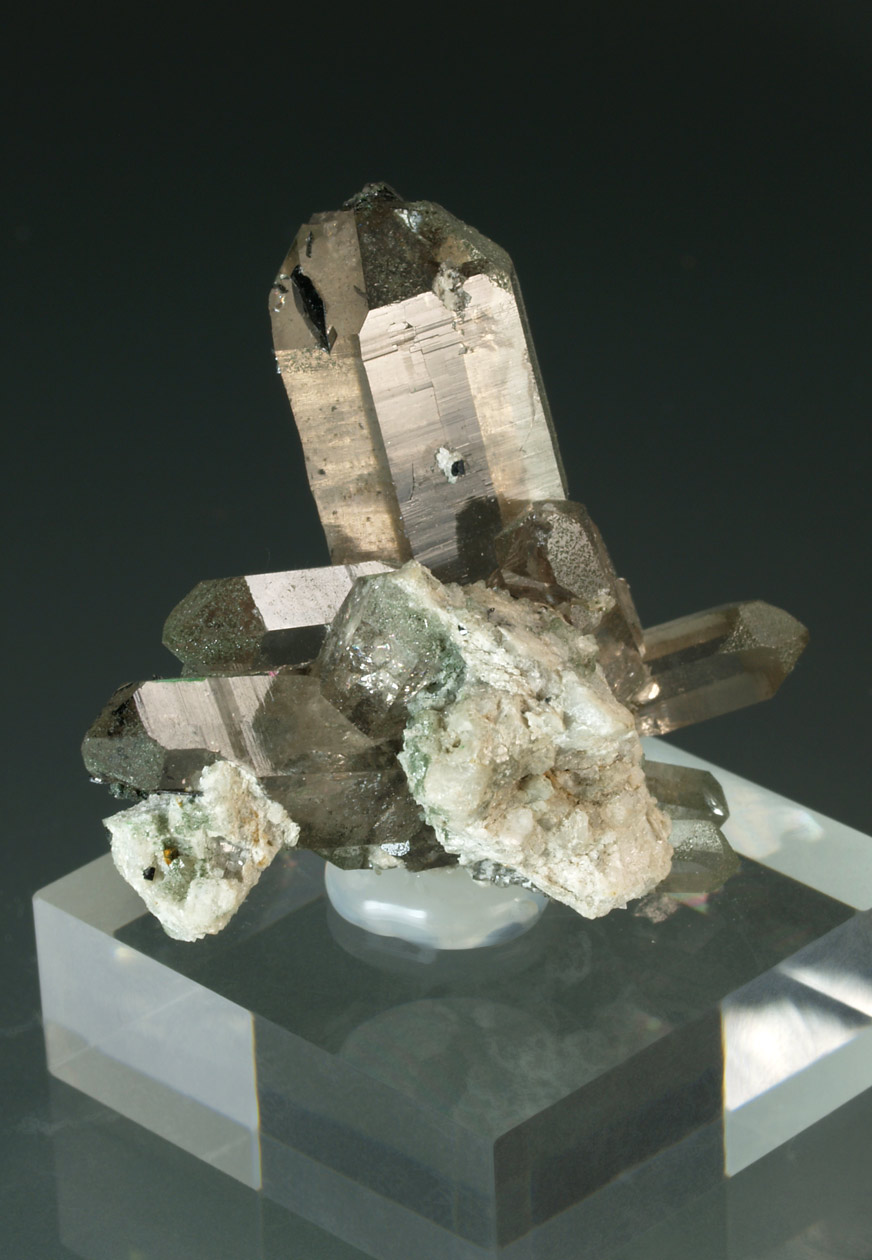
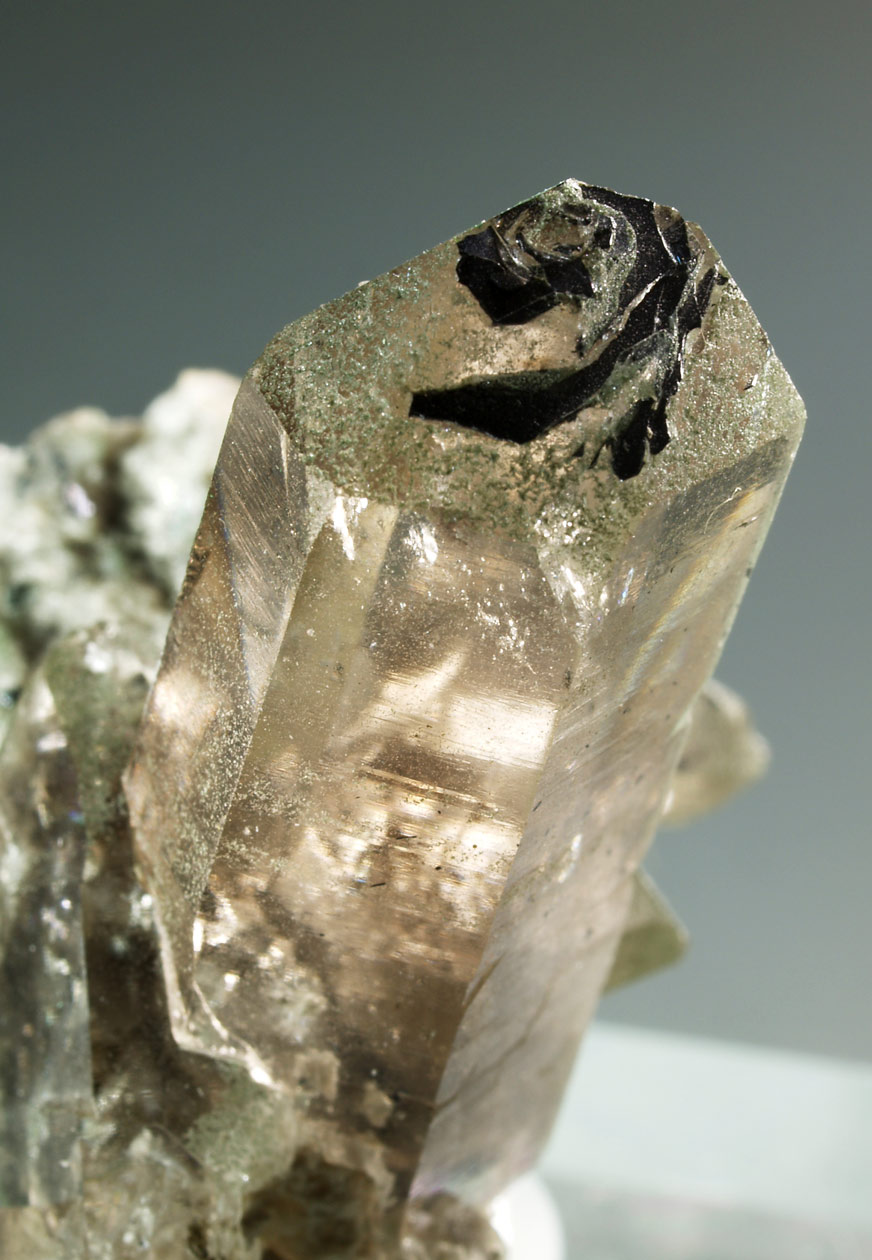
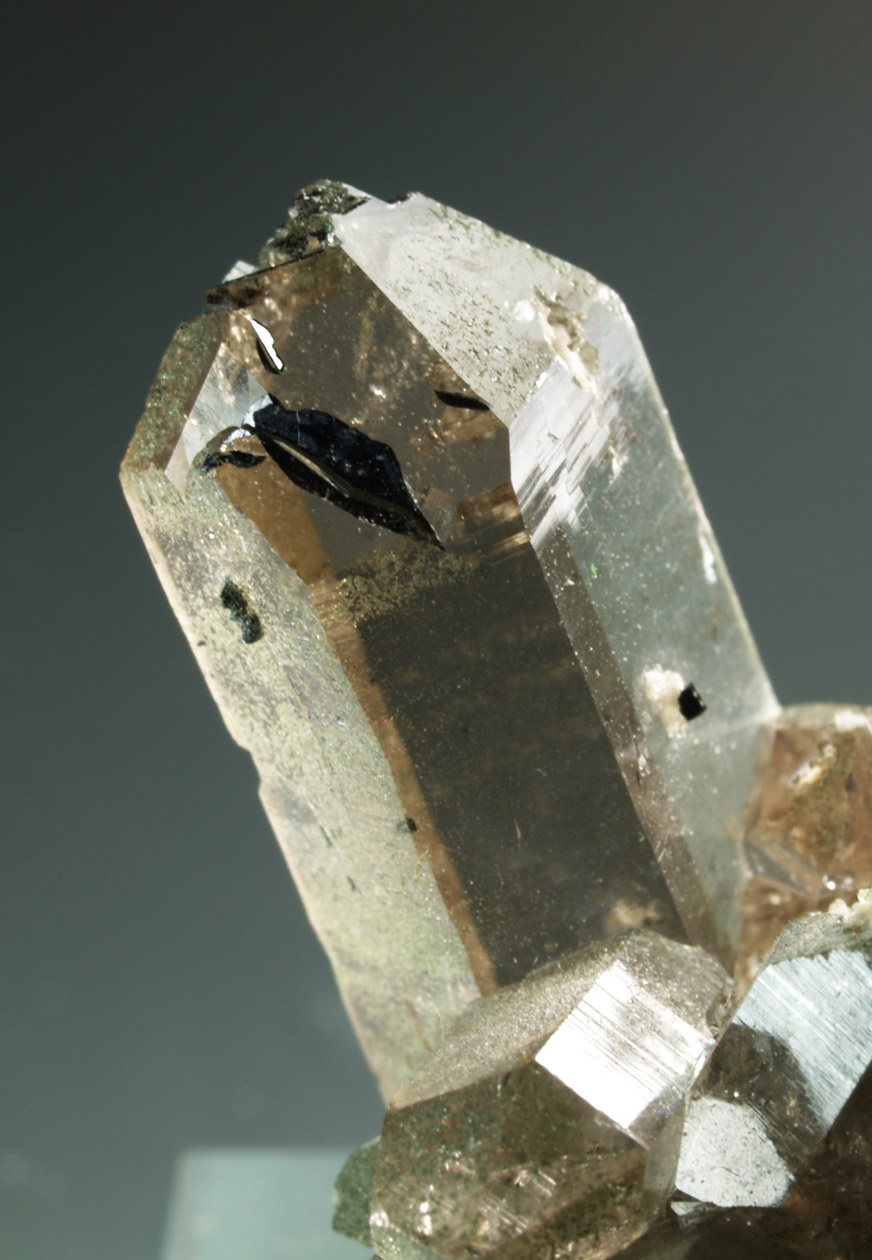
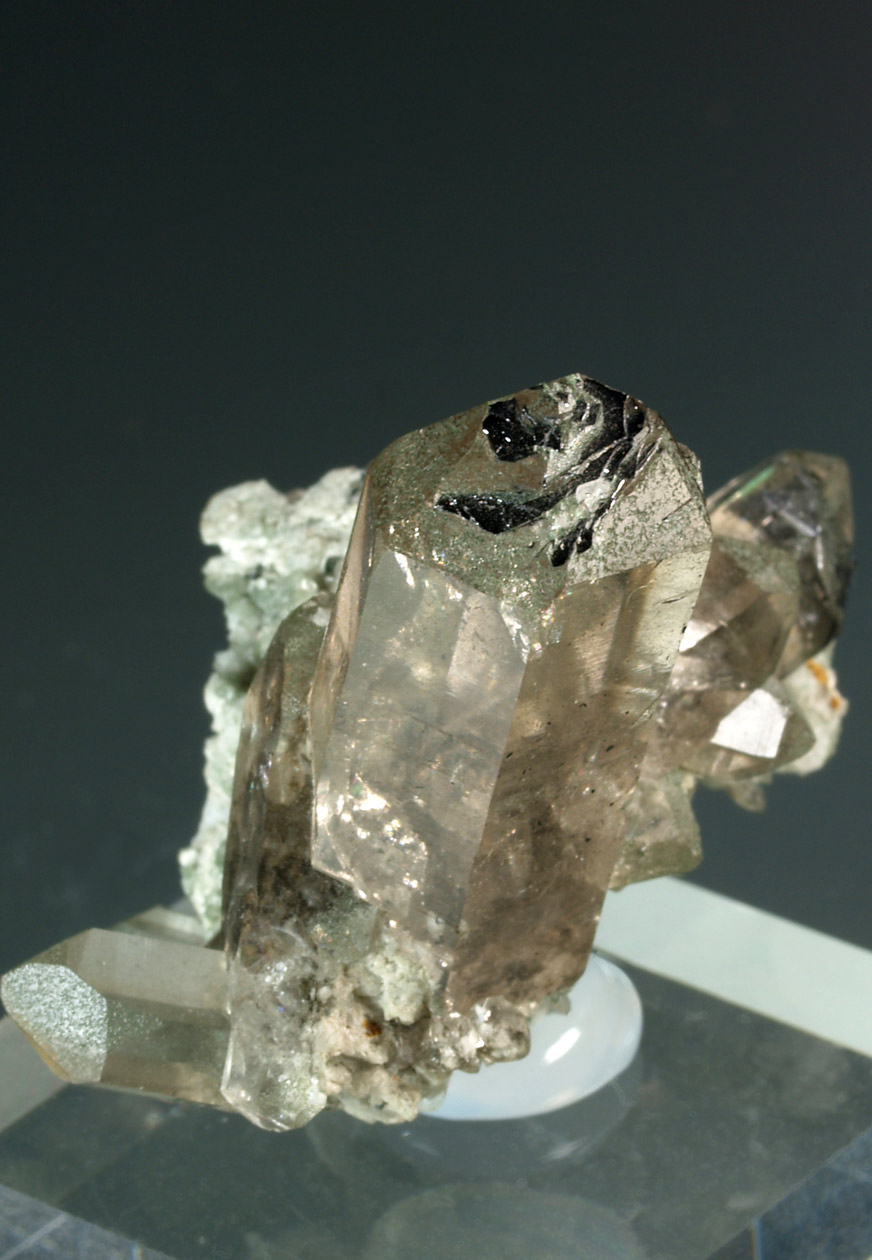
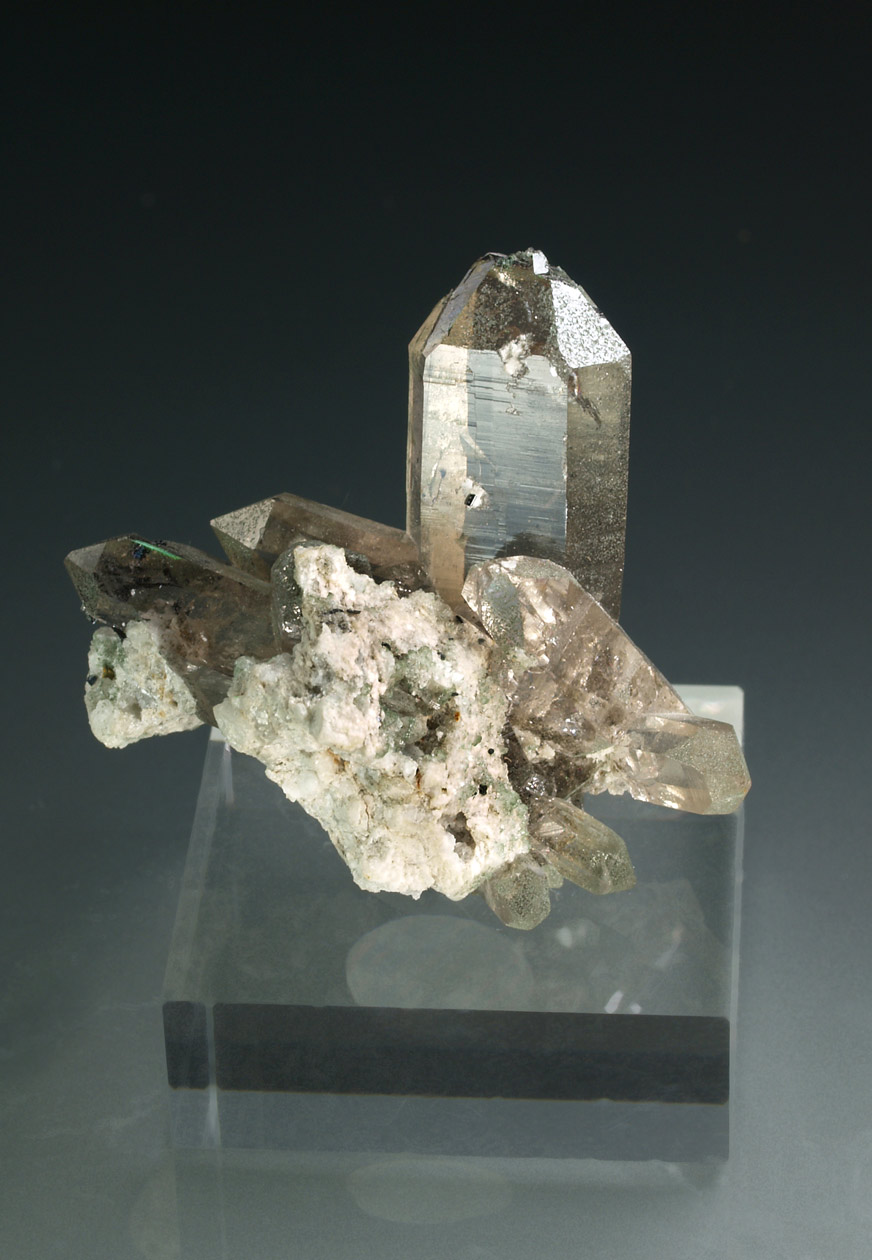
Una pieza muy curiosa compuesta por un grupo de cristales de cuarzo, uno de ellos de mayor tamaño, con un ligero tono ahumado y una transparencia excepcional. Se observan inclusiones de color casi negro, metálicas, de hematites, en las caras terminales del cristal. También sobre los mismos. Con una matriz de feldespato. Un ejemplar muy estético.
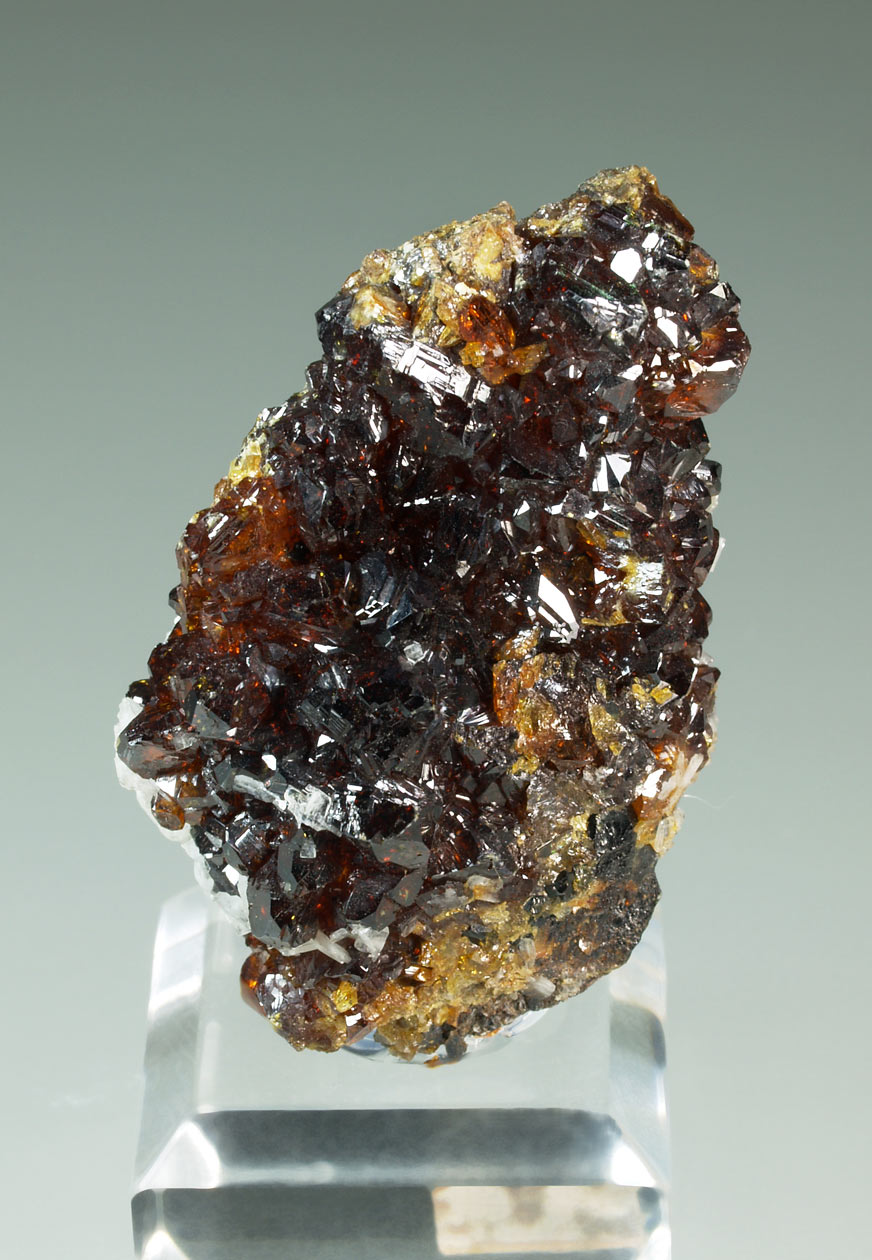
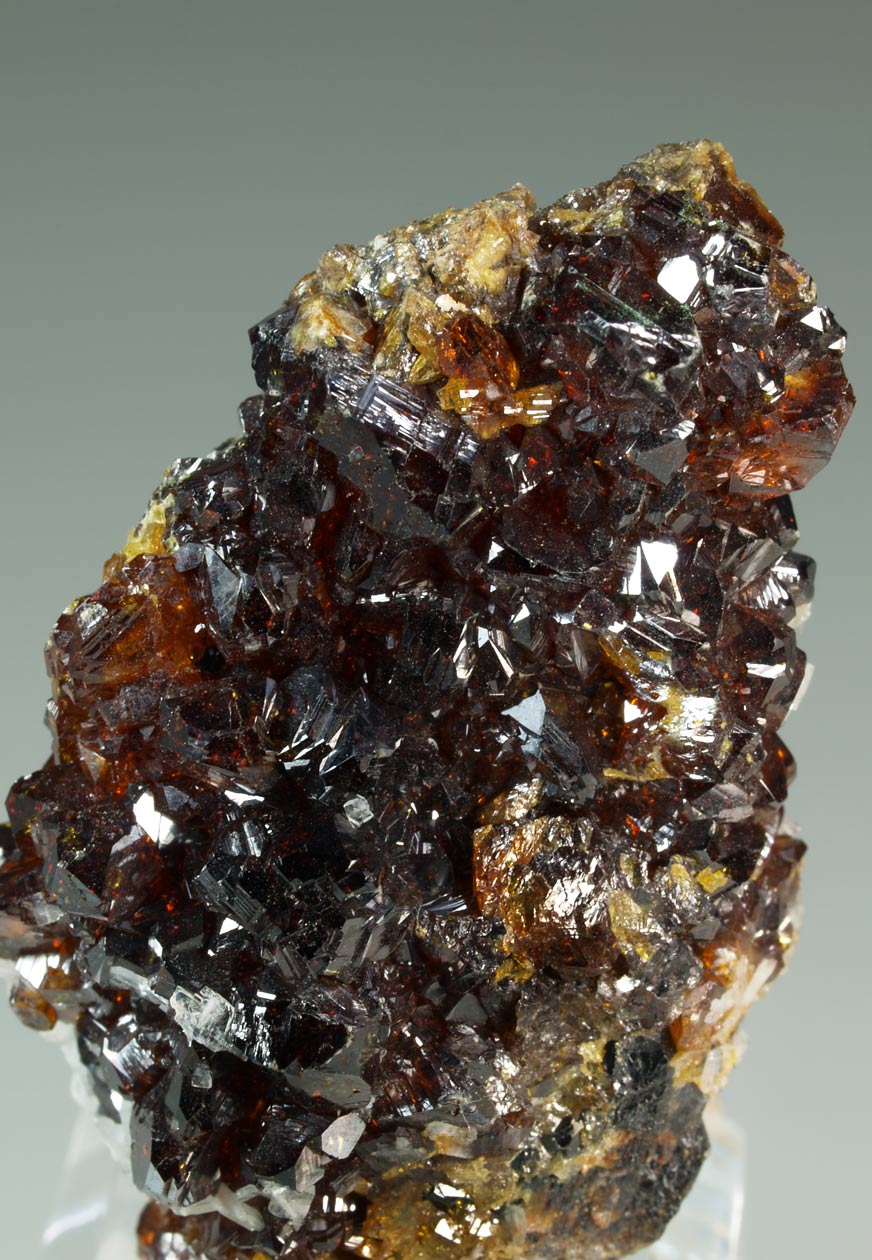
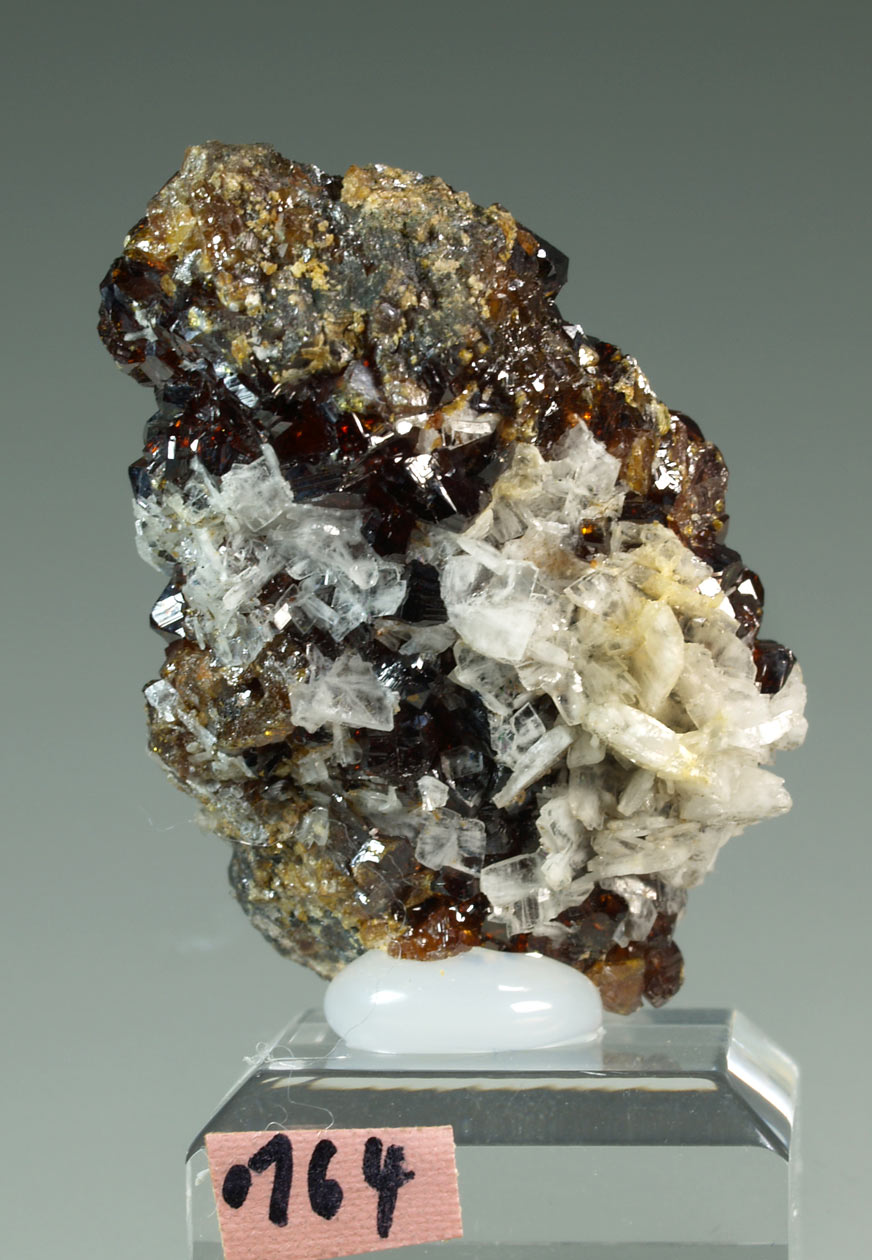
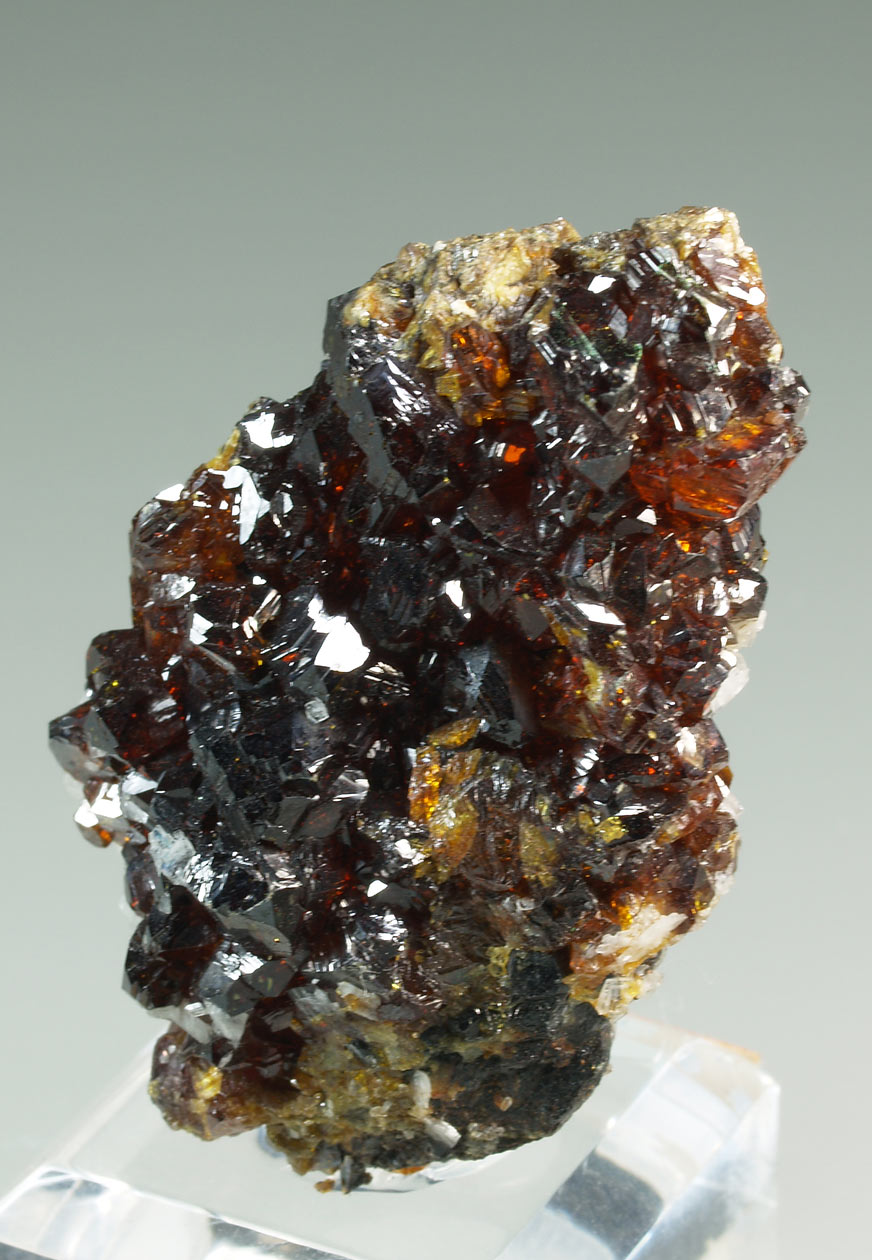
Nutrido grupo de cristales de esfalerita de intenso brillo y excepcional color melado y con una transparencia que permite a la luz jugar con los tonos. Se hallan salpicados de pequeños cristales de barita, tabulares. Una pequeña gema. Mina Troya se cerró en 1993, pocos años después de que se recogieran estos ejemplares en 1990. Actualmente la mina está inundada y hundida.
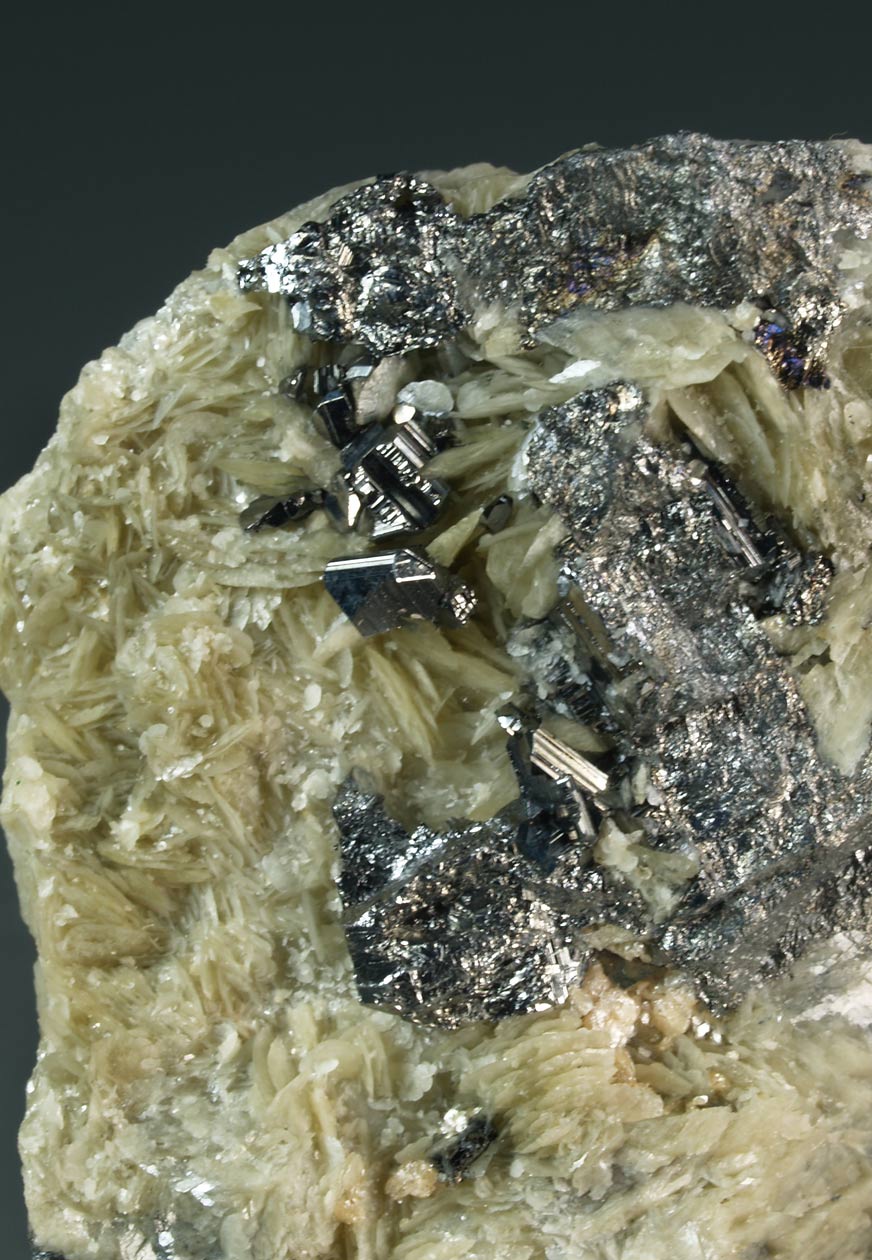
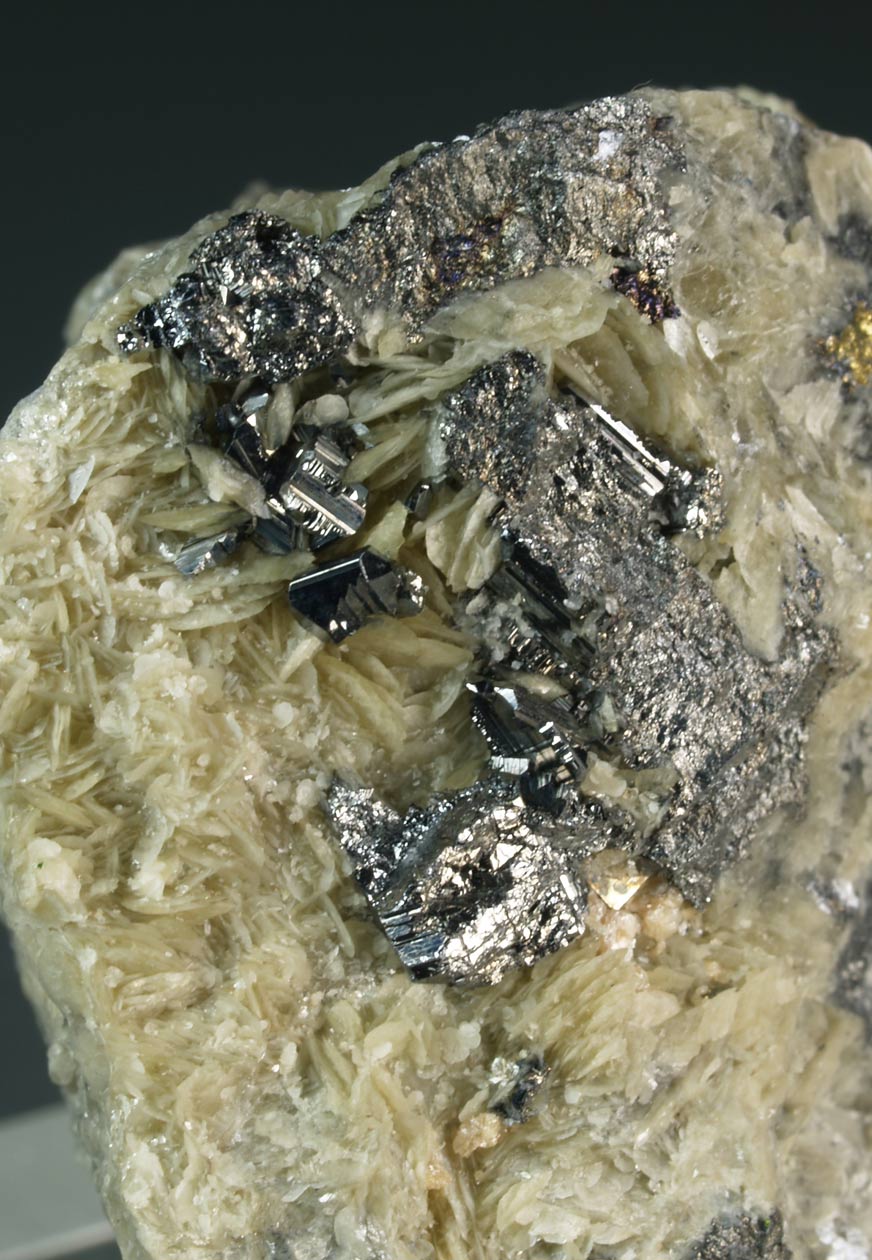
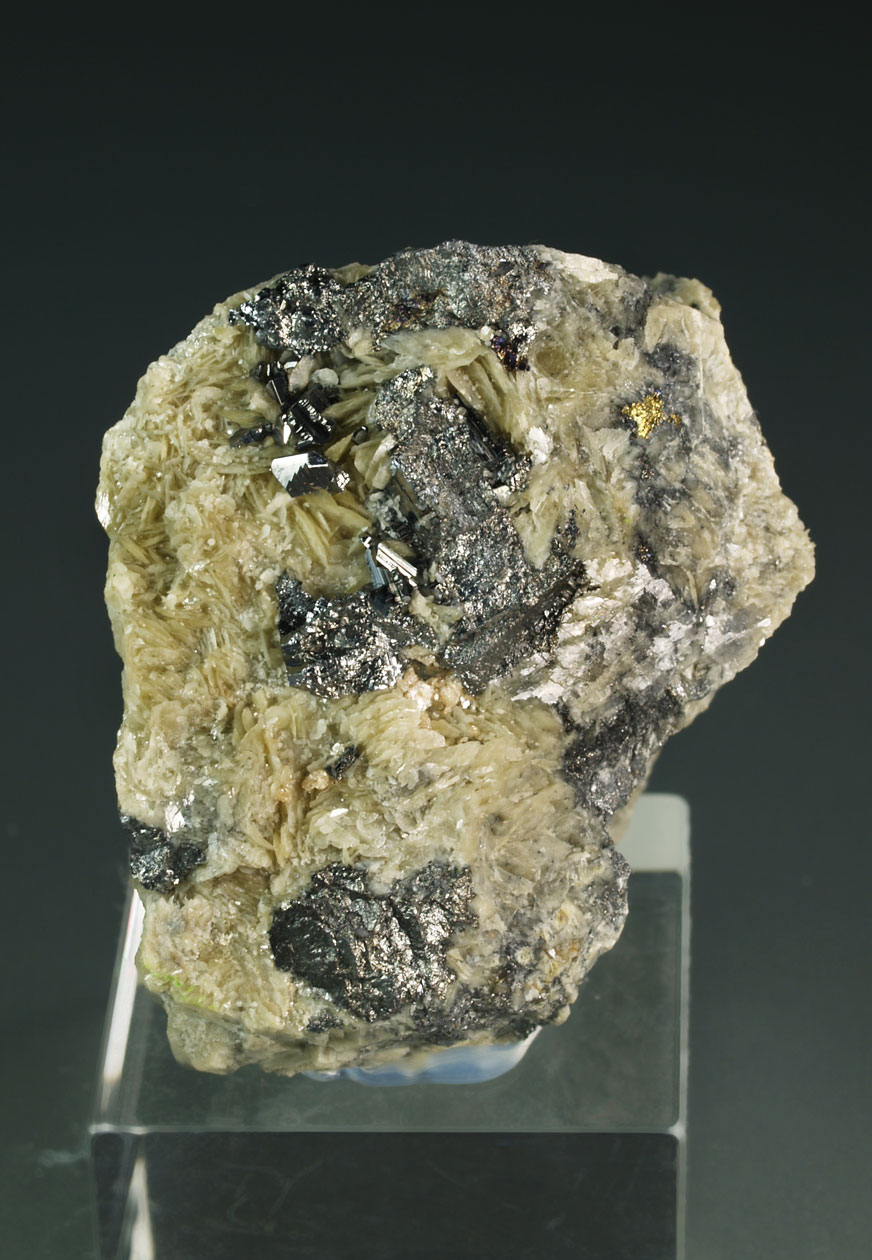
Estéticos cristales de bournonita, maclados, con crecimientos en sierra, muy brillantes y definidos. Se disponen sobre una matriz con cristales lenticulares de siderita. Cuesta encontrar ejemplares de esta cláica localidad alemana. Si a simple vista ya son puro brillo, bajo aumento los cristales son espectaculares.
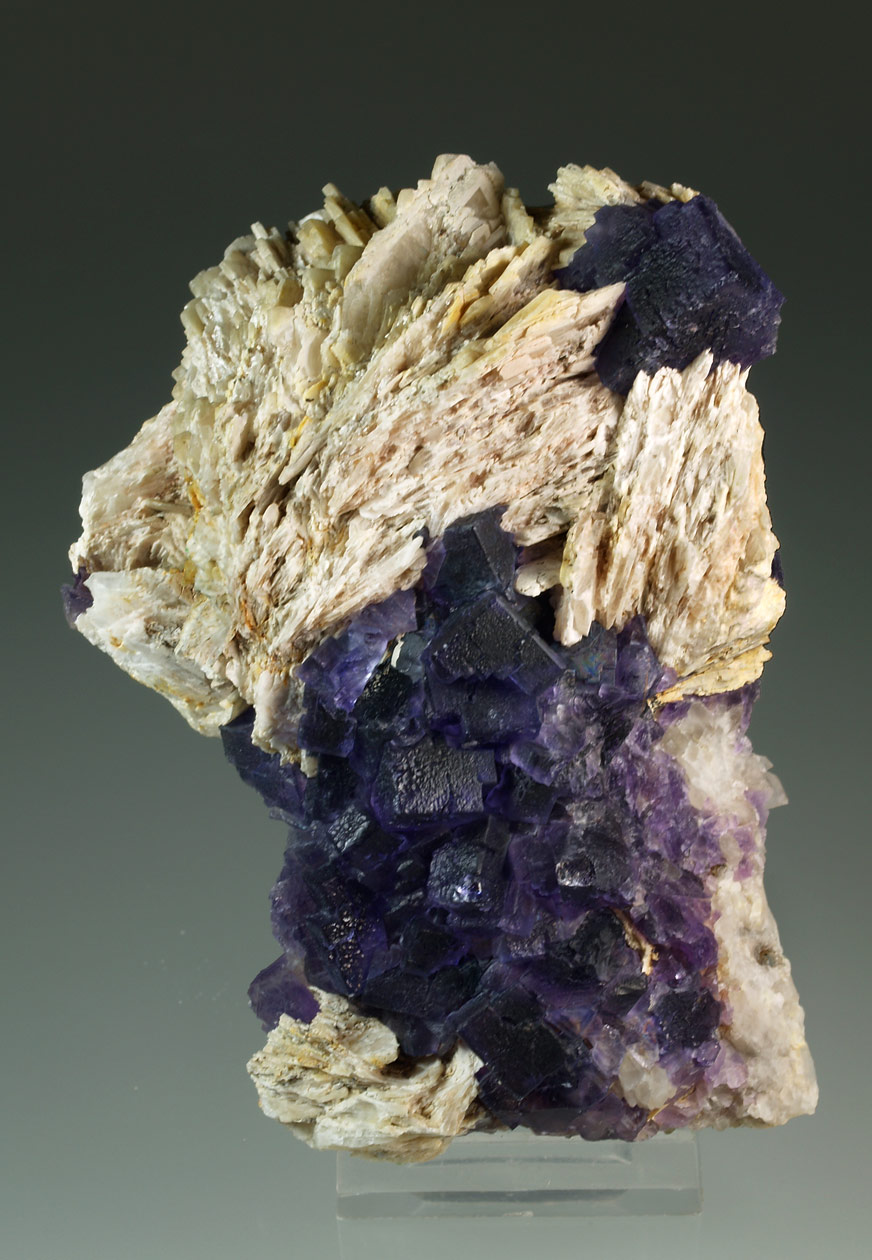
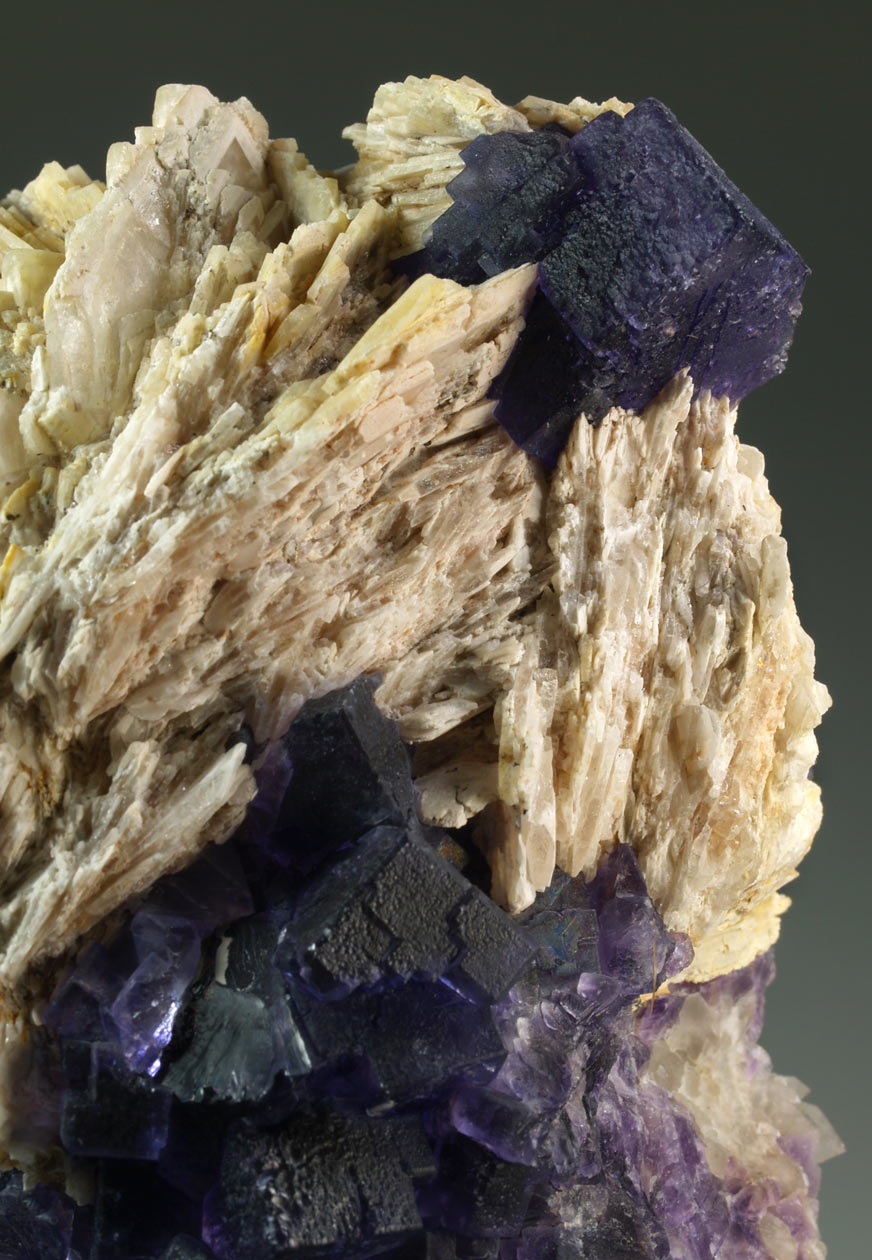
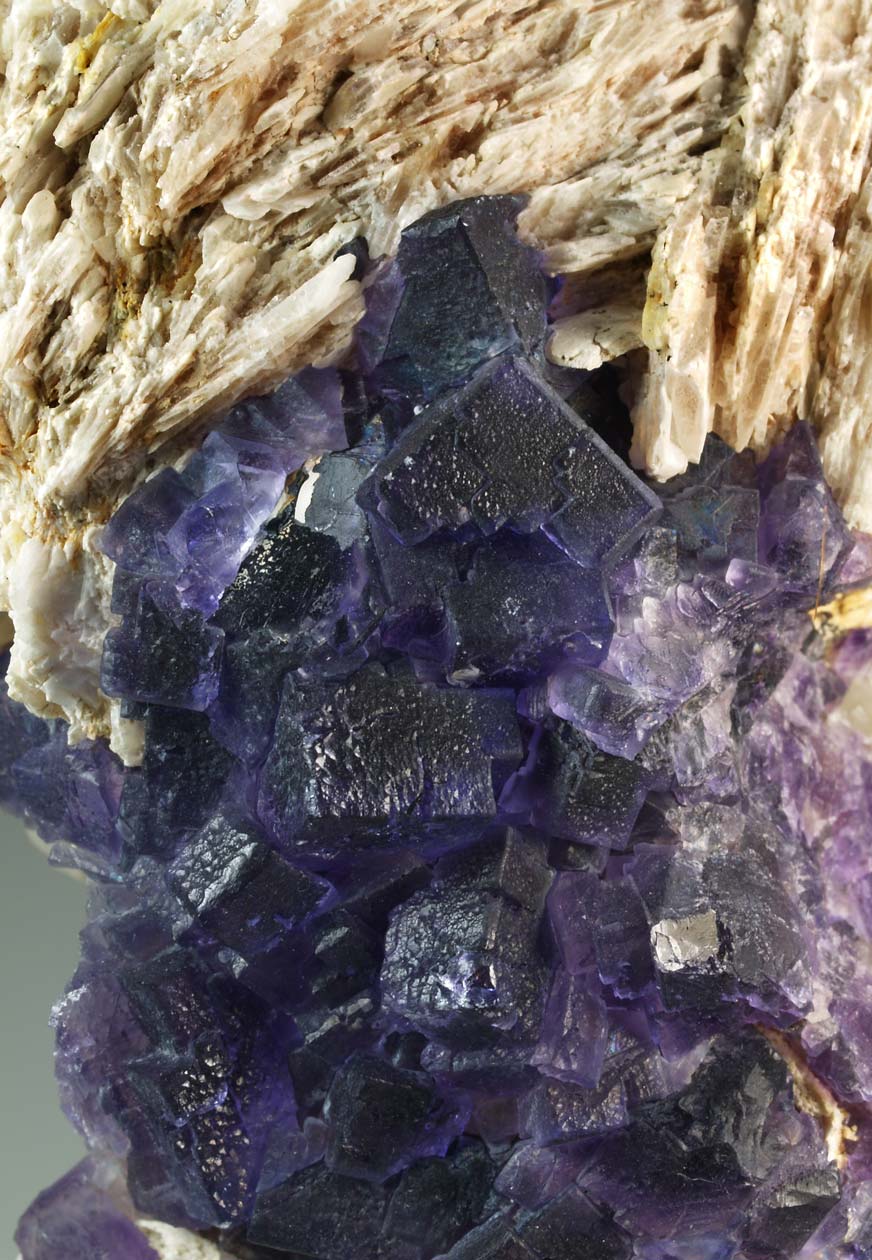
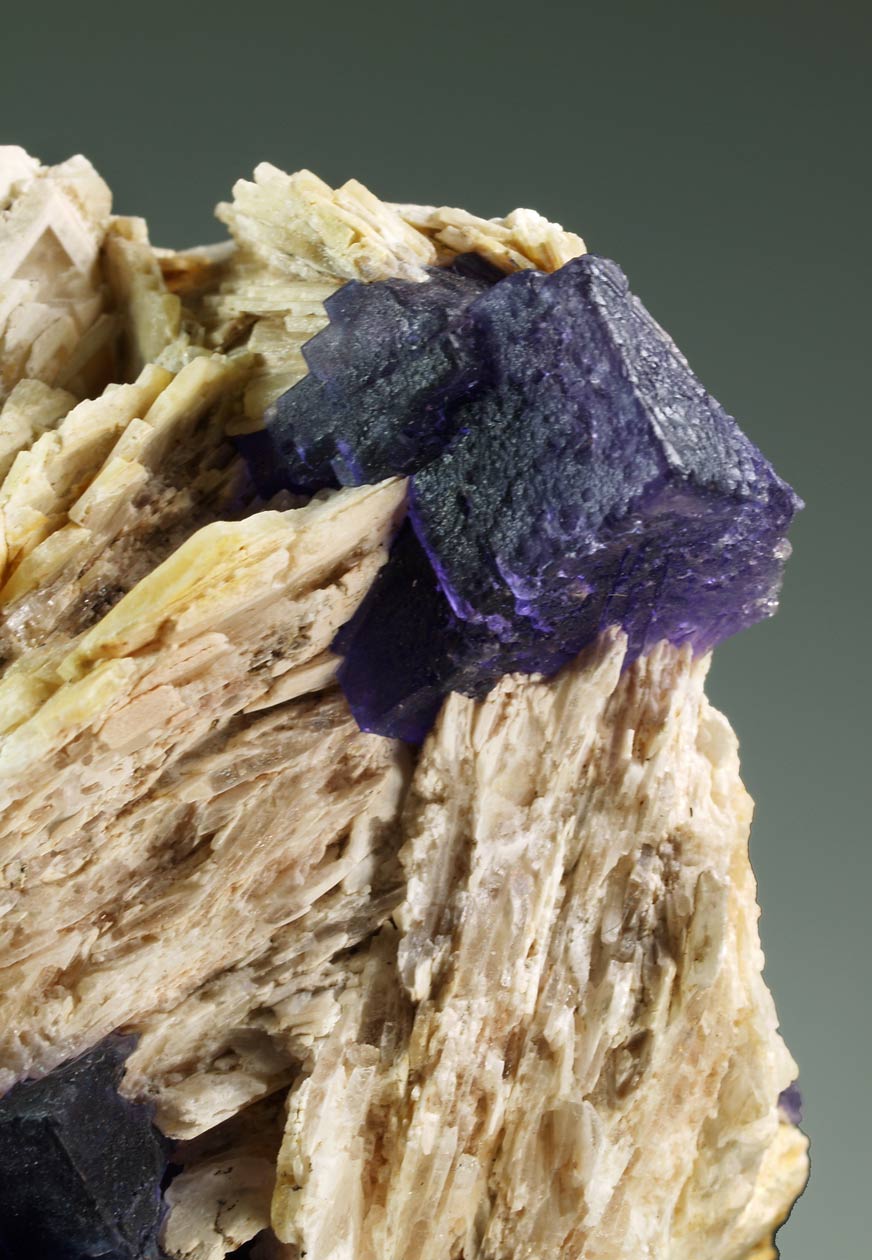
Nutrido grupo de cristales cúbicos de fluorita, de intenso color entre violeta y morado, que se disponen sobre una matriz de barita, con cristales tabulares en libro, mates y con zonación y cristales de cuarzo. Buen tamaño.
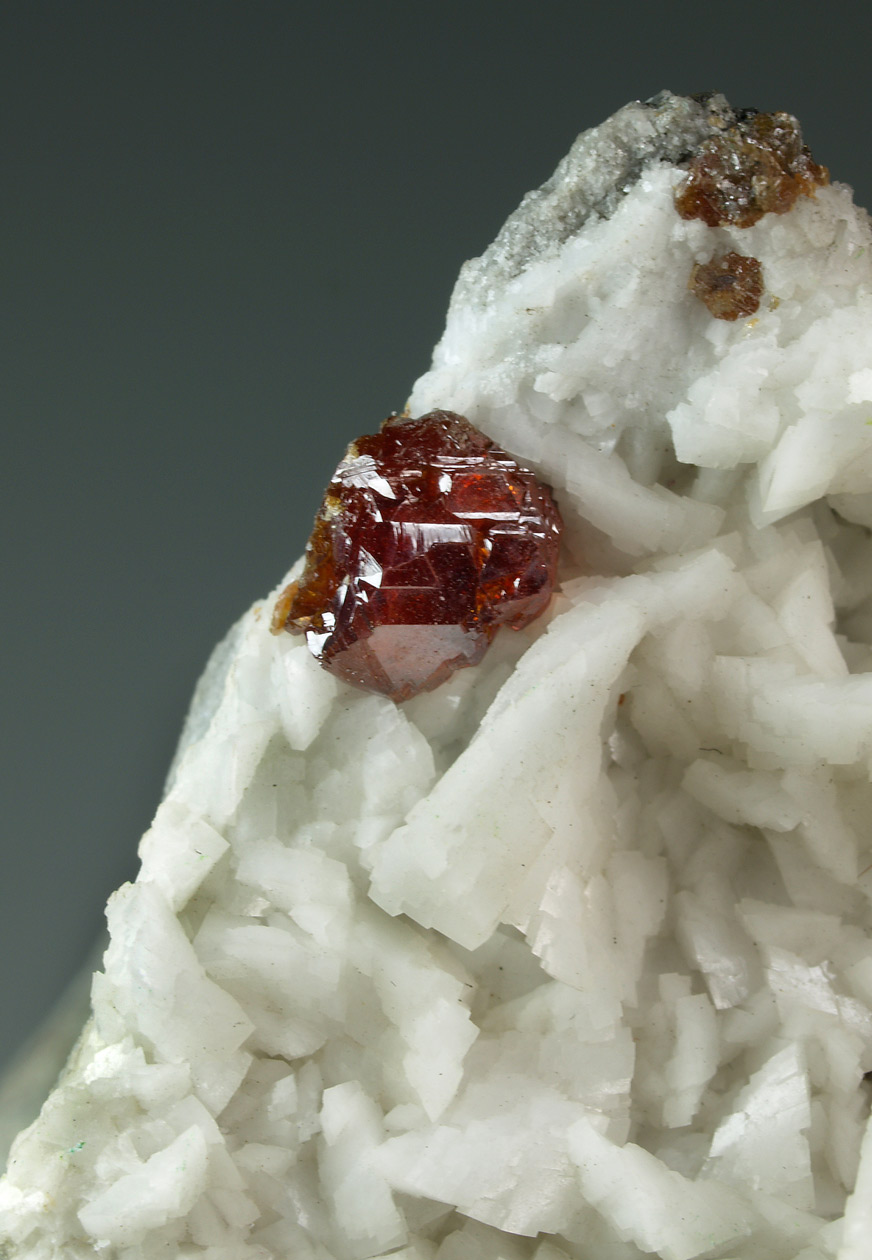
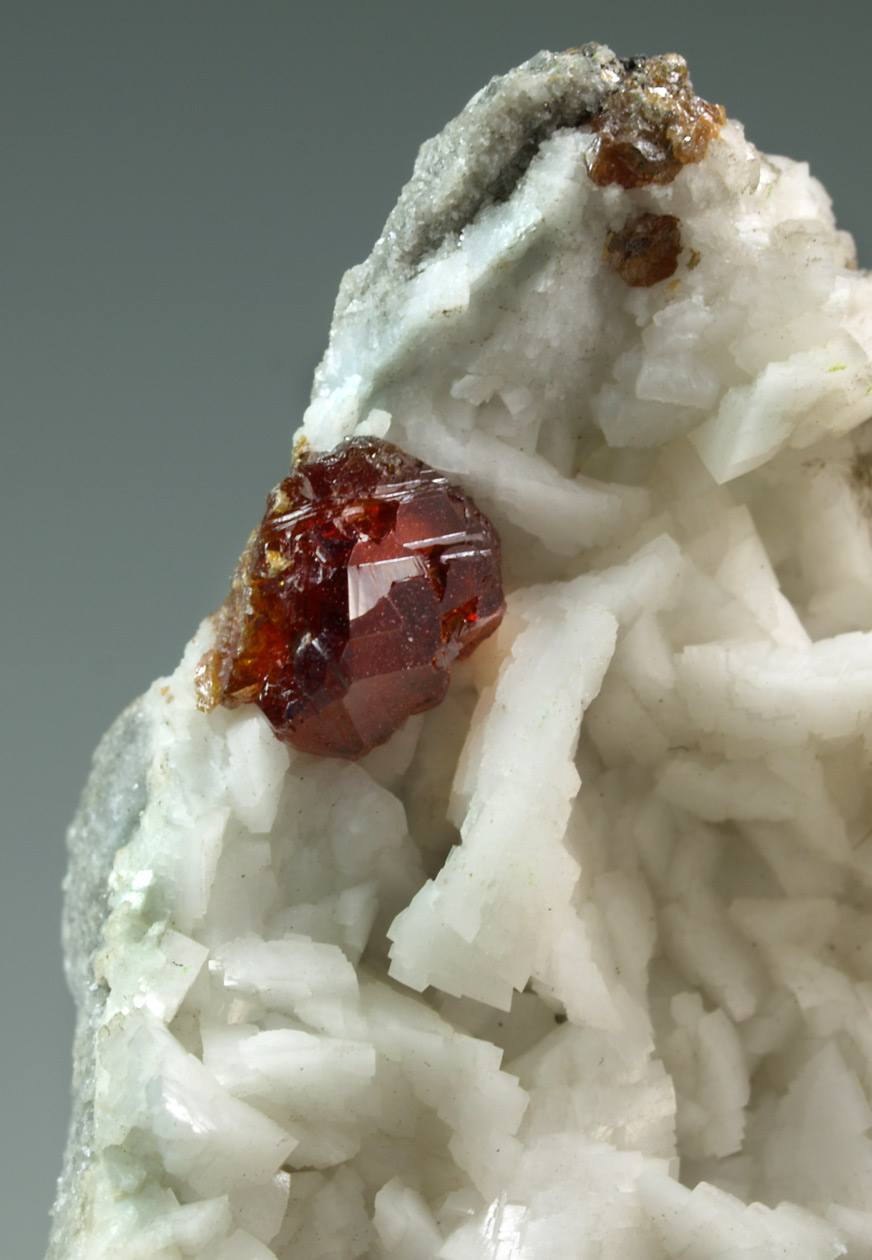
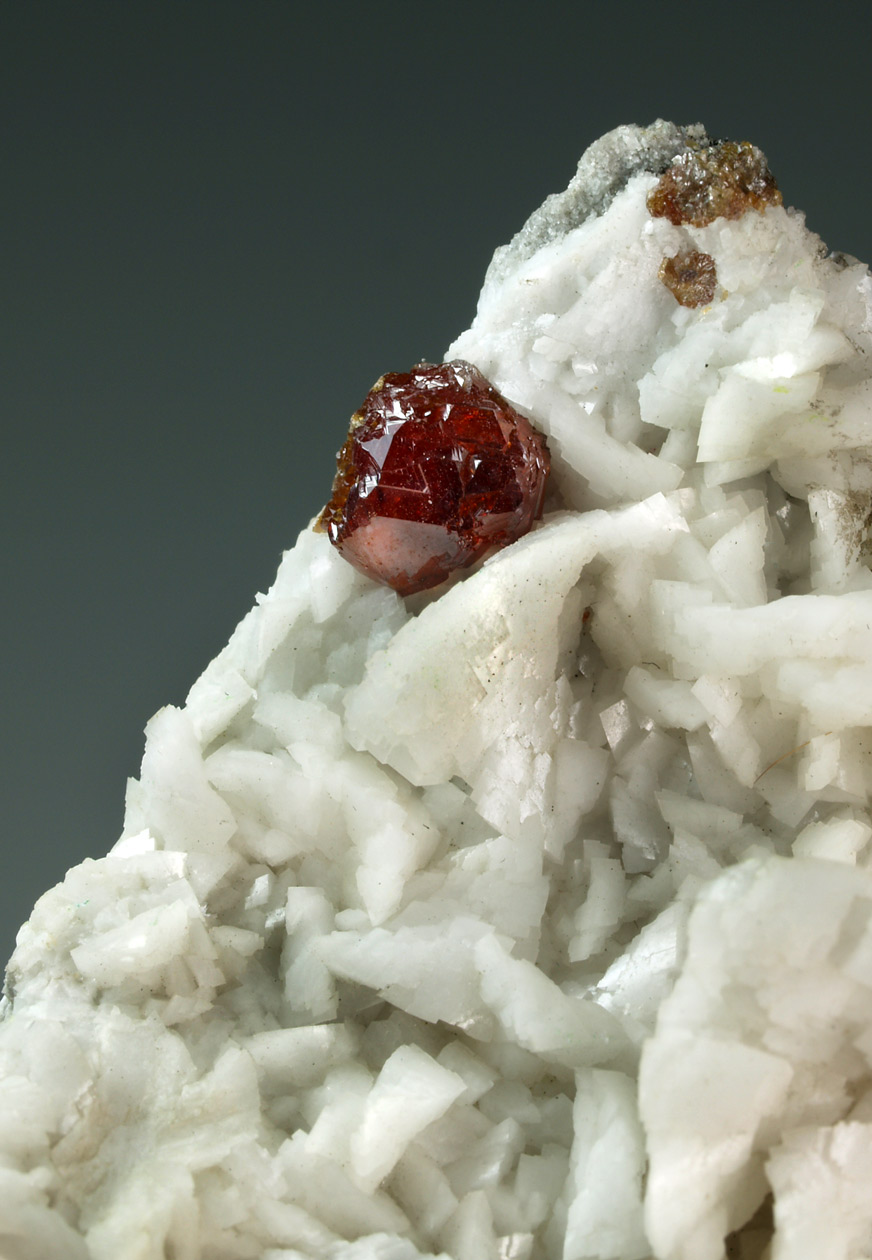
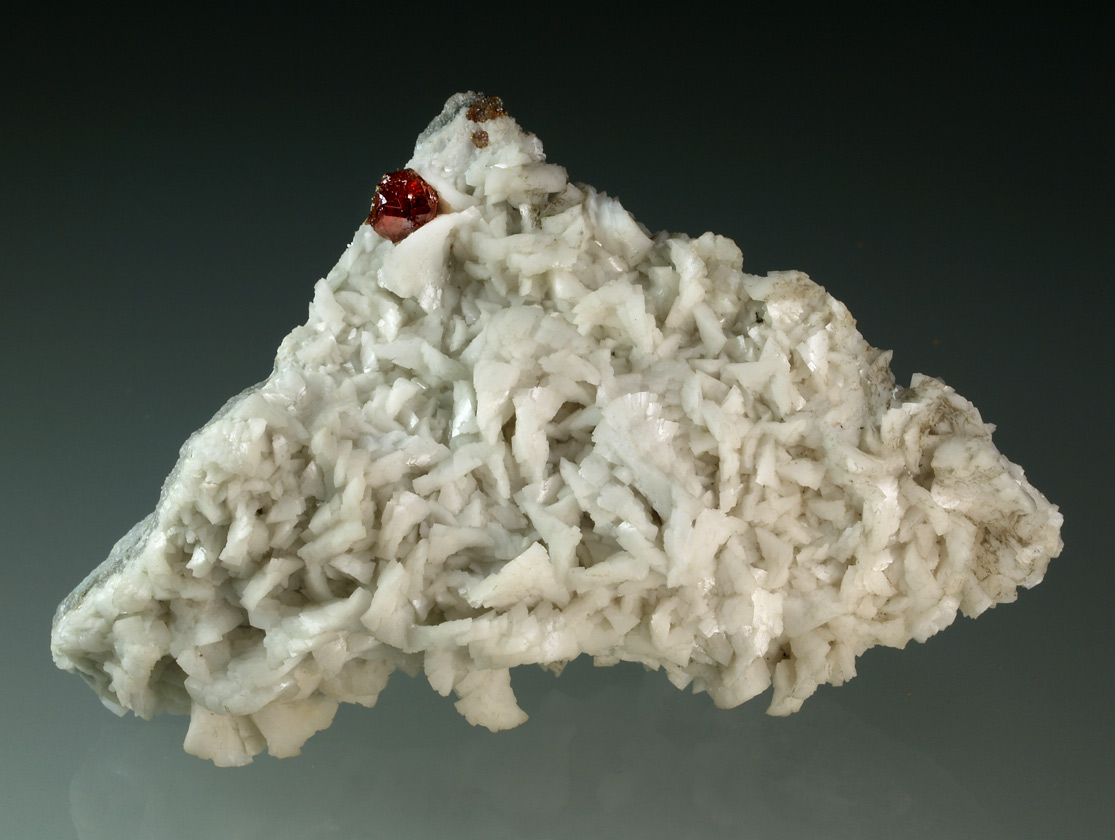
Sobre una blanca matriz formada por numerosos cristales de dolomita, curvados y definidos, se dispone un cristal de esfalerita muy brillante, con transparencia y de un color miel tostada muy uniforme. Muy estética pieza. Procede de una antigua colección alemana (nº812), sin más datos.
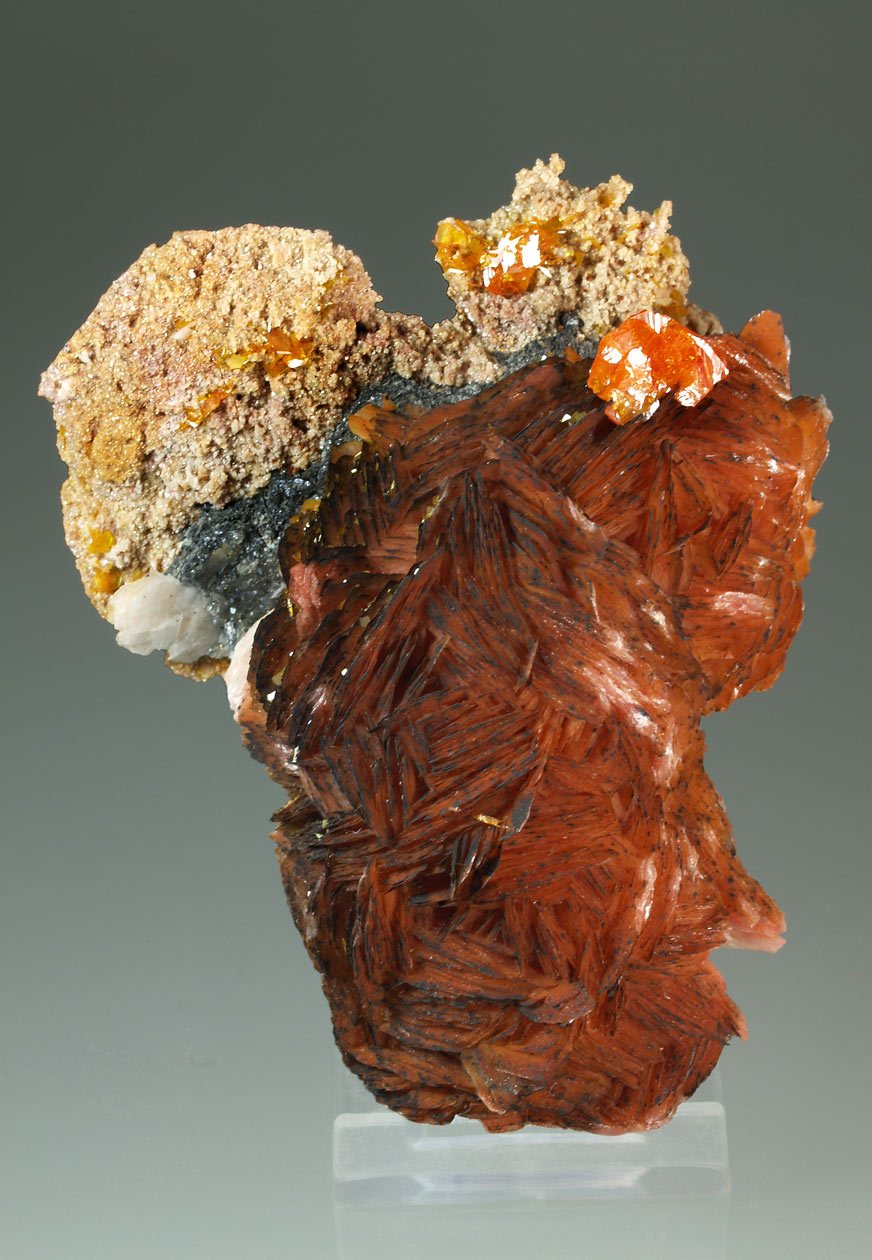
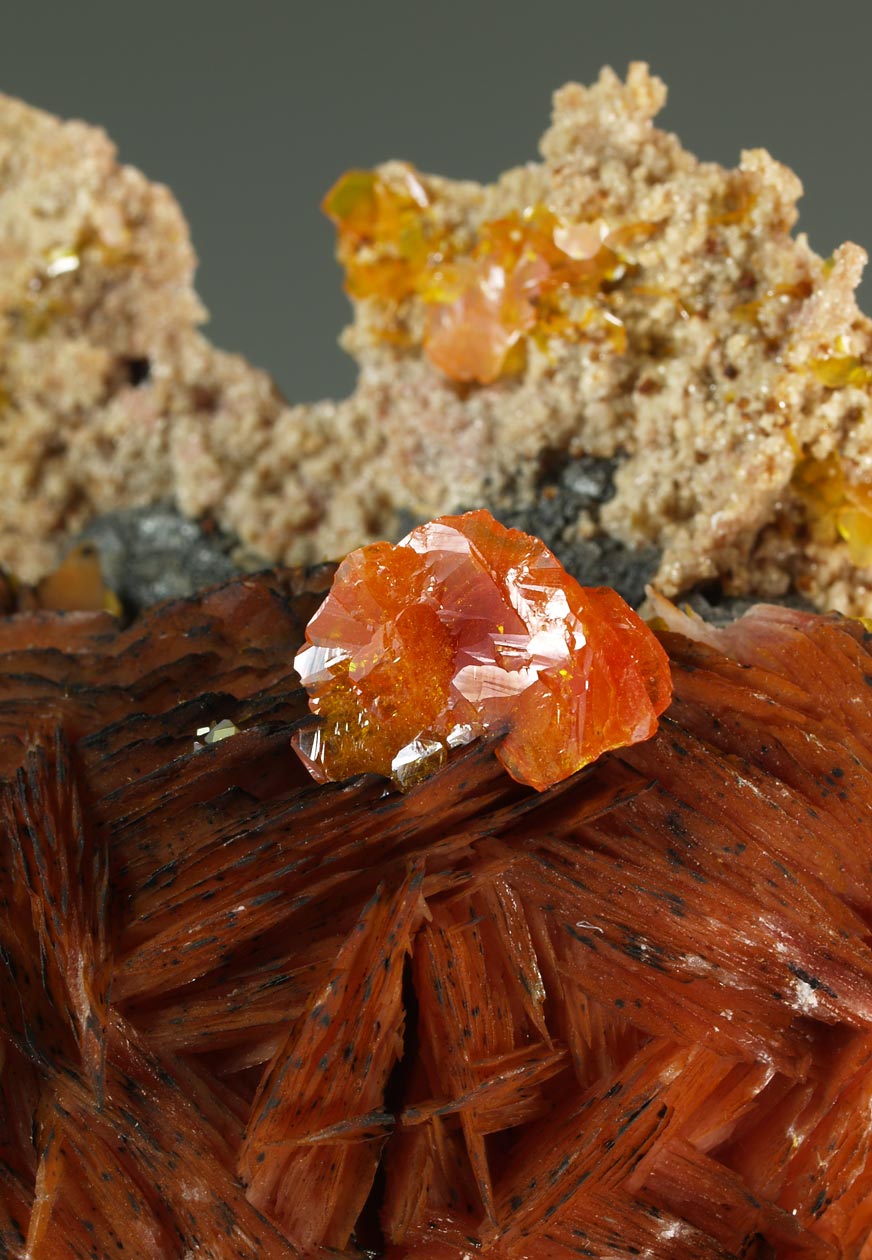
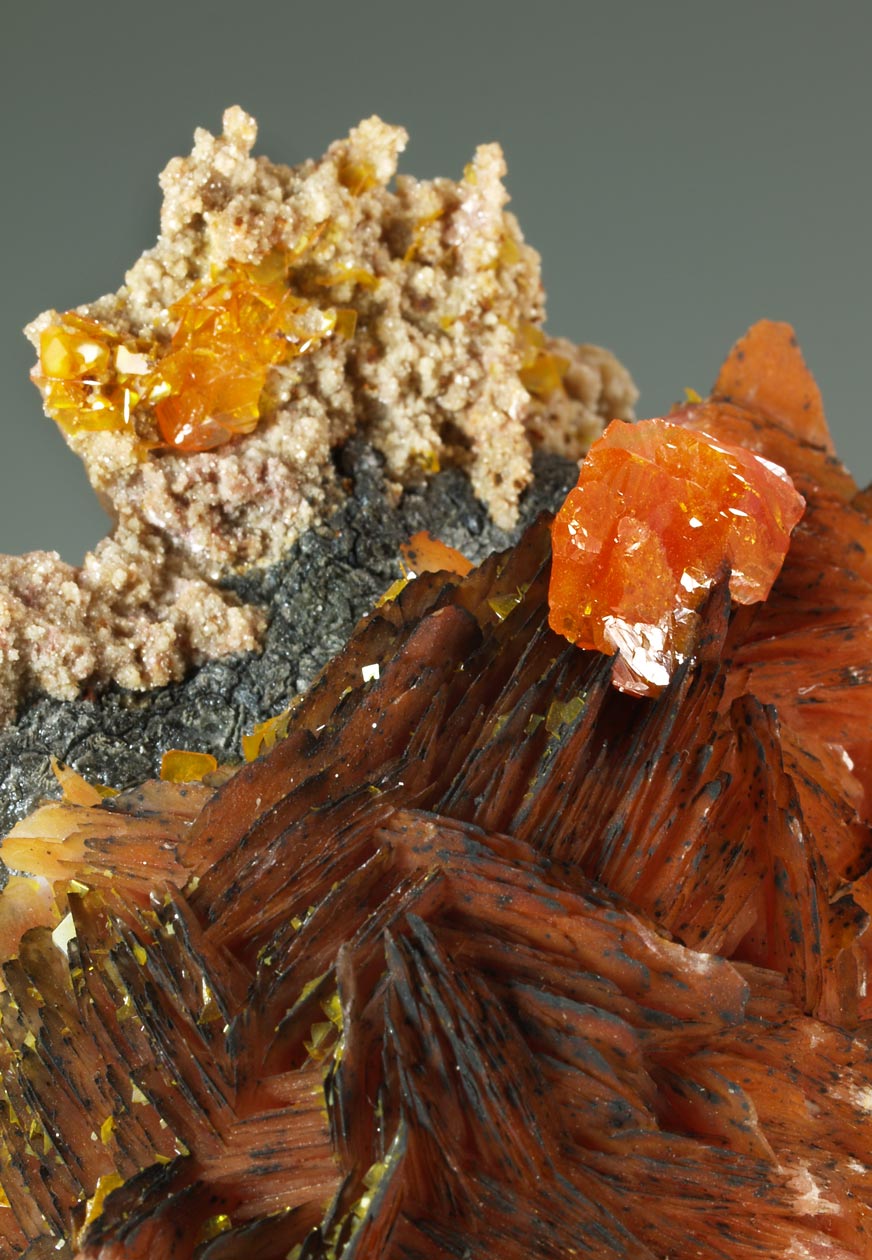
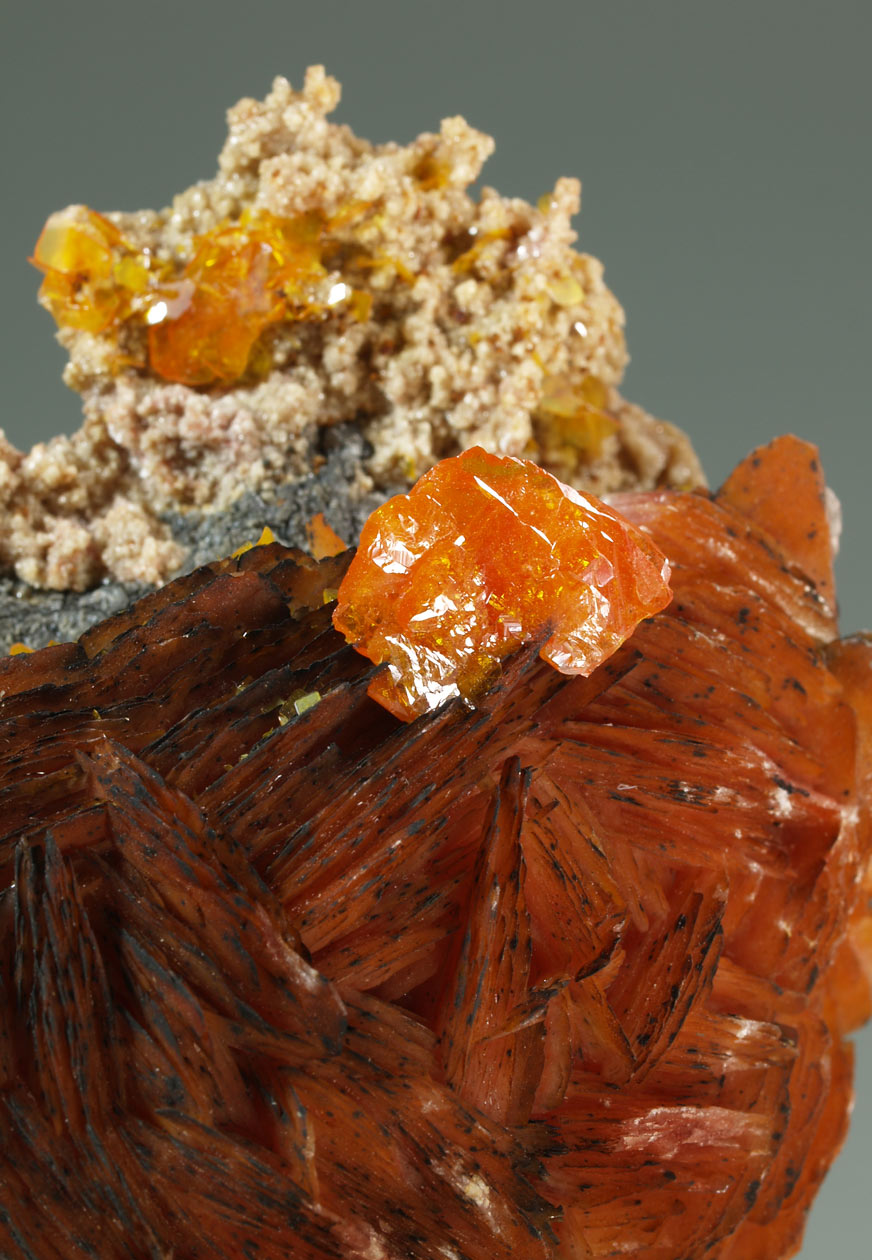
En este ejemplar de buen tamaño observamos un grupo de cristales tabulares de wulfenita que muestran caras definidas y crecimientos paralelos. Además están interpenetrados entre ellos y se acompañan de pequeños cristales con el contorno tabular perfecto. El brillo es excelente y en sus zonas más delgadas muestran transparencia. Se disponen de manera muy aérea sobre la matriz de barita muy estética, con dolomita y cerusita.
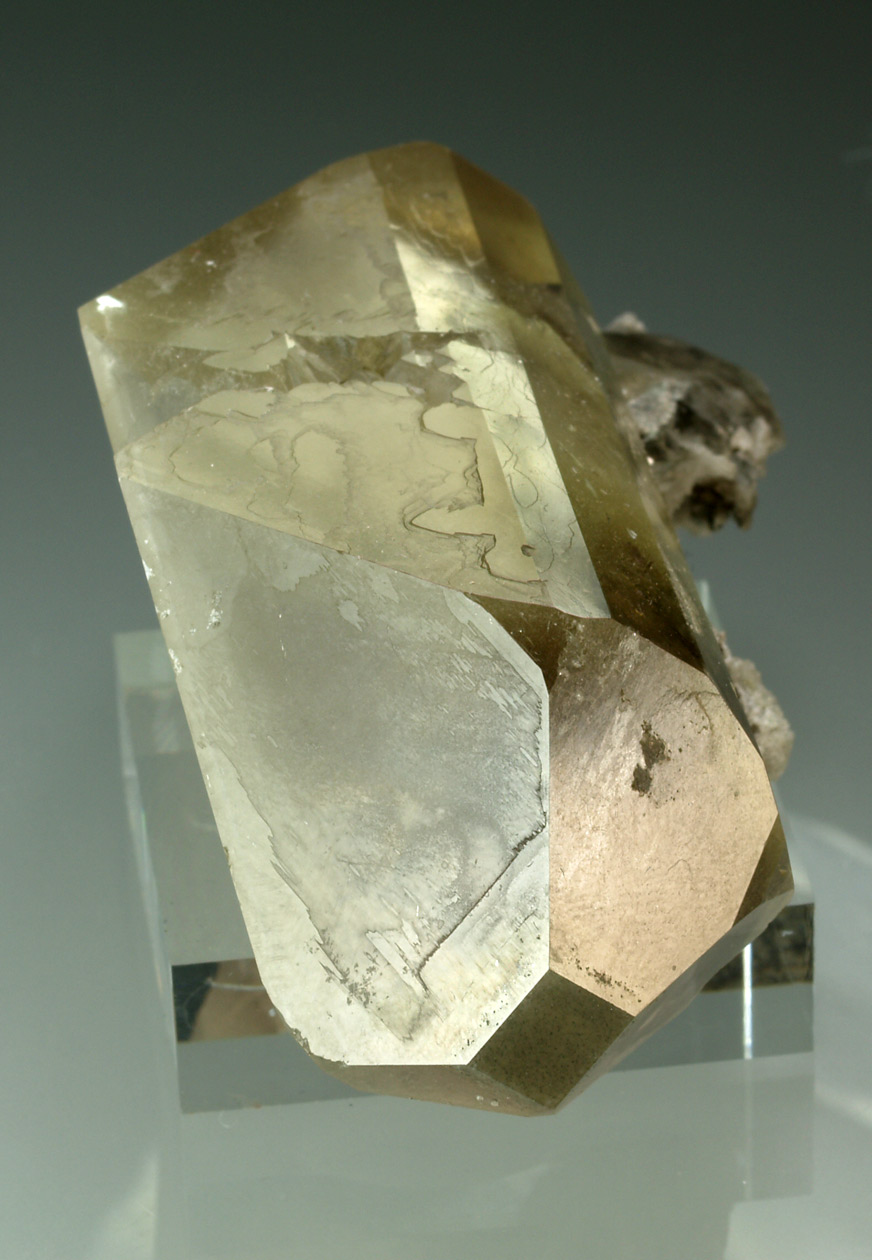
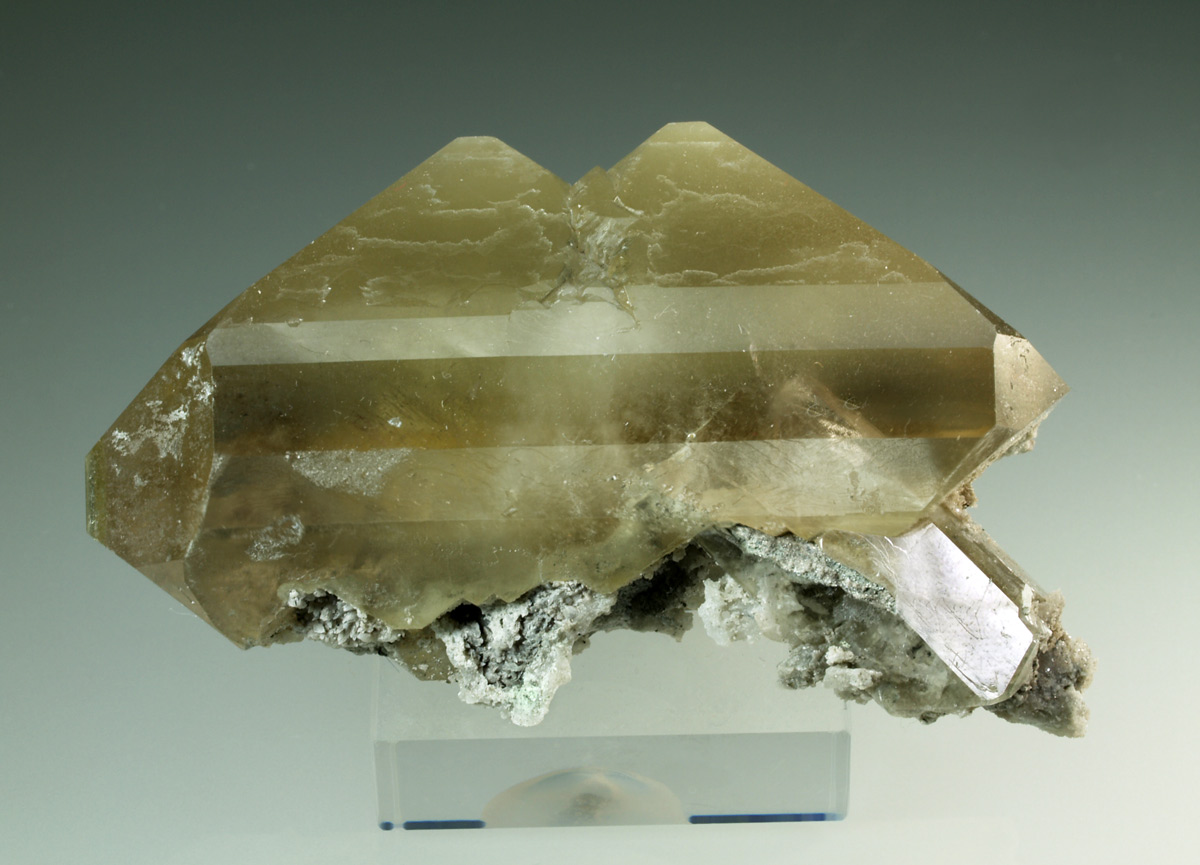
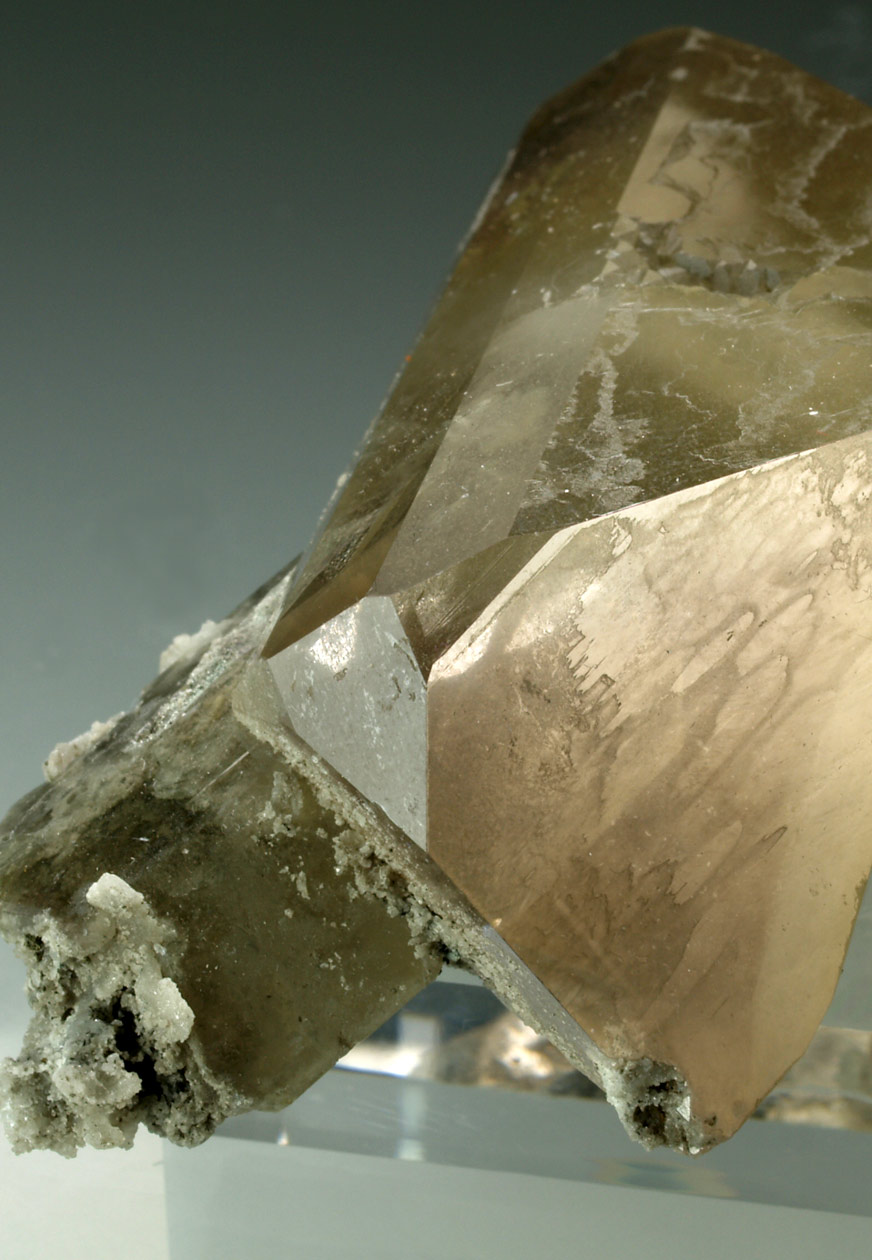
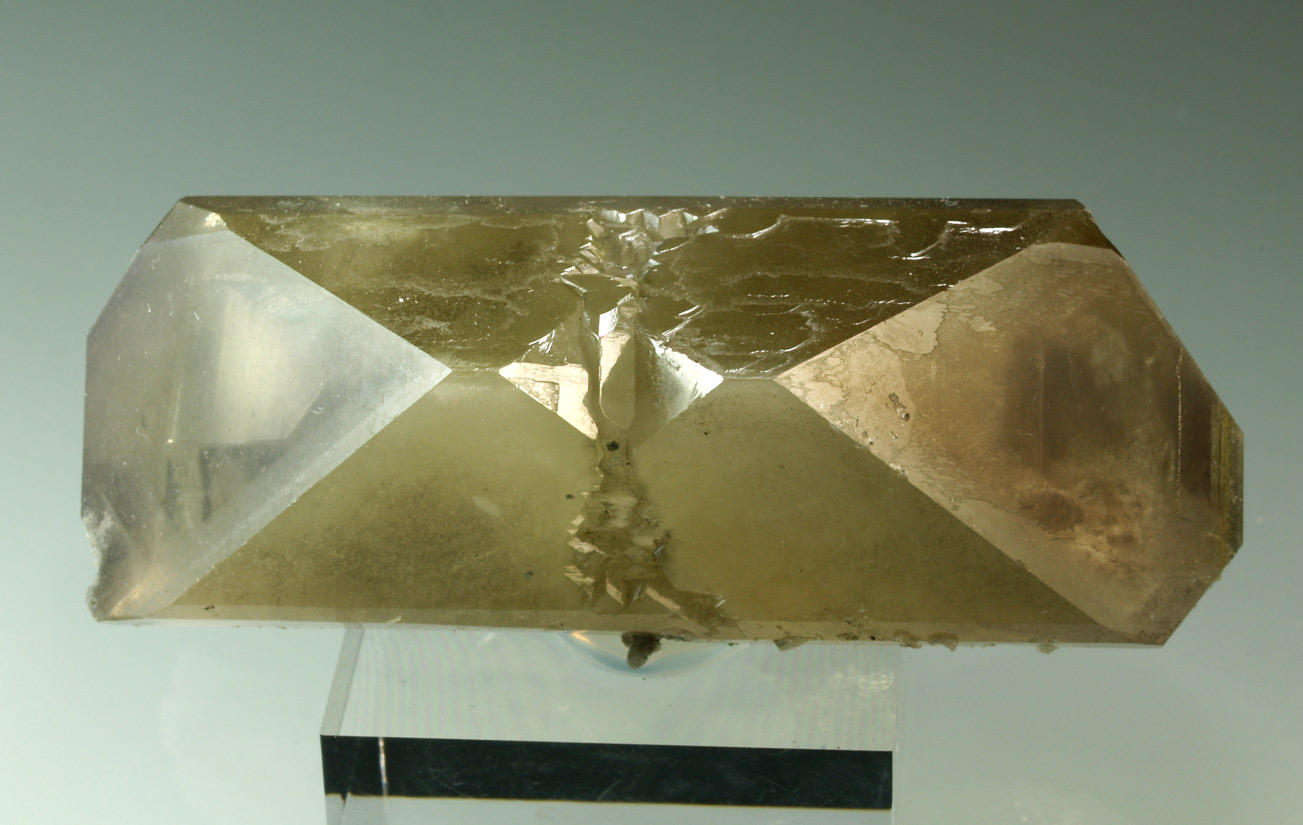
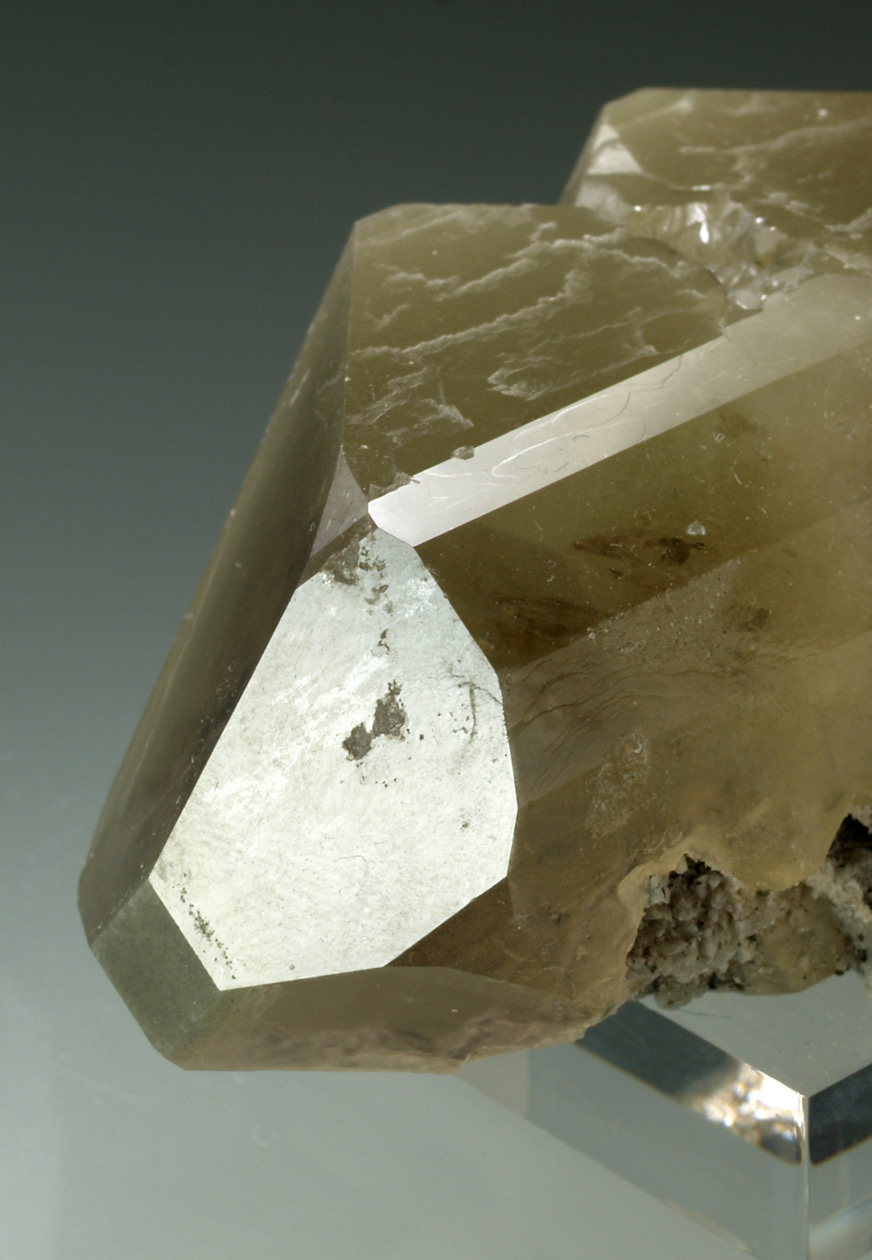
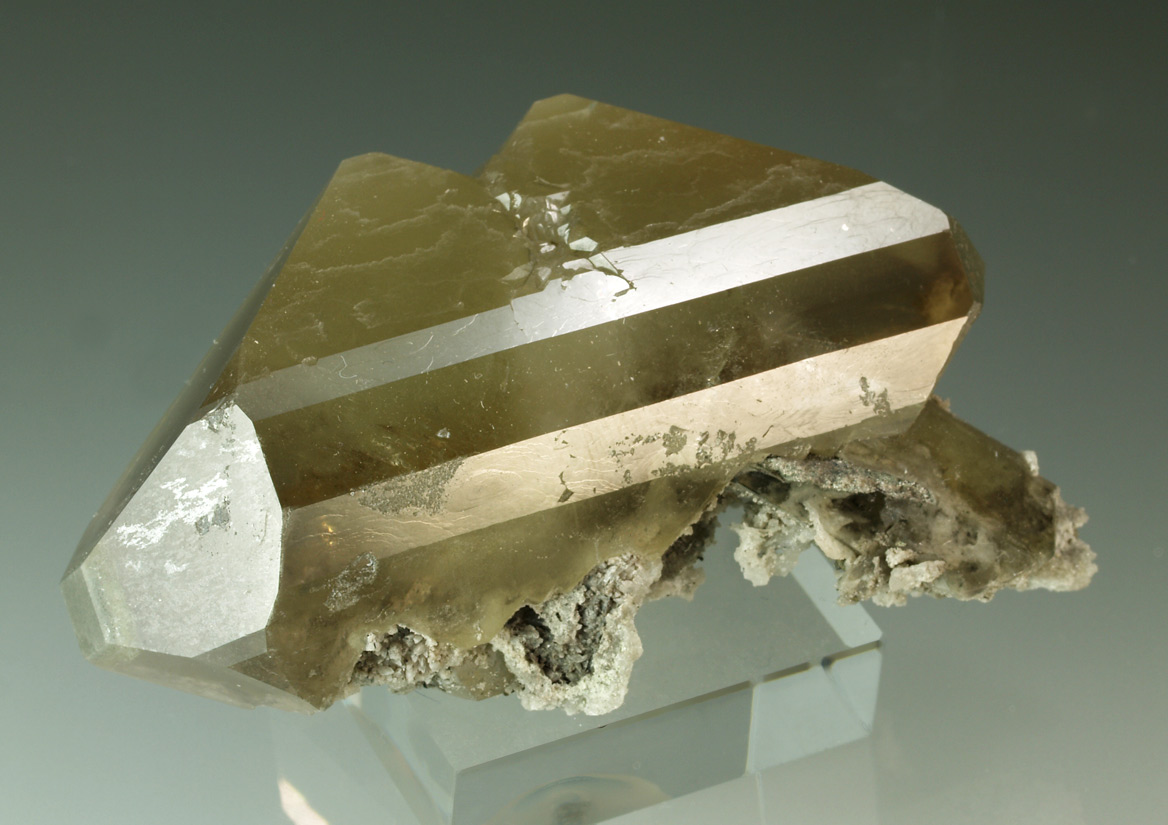
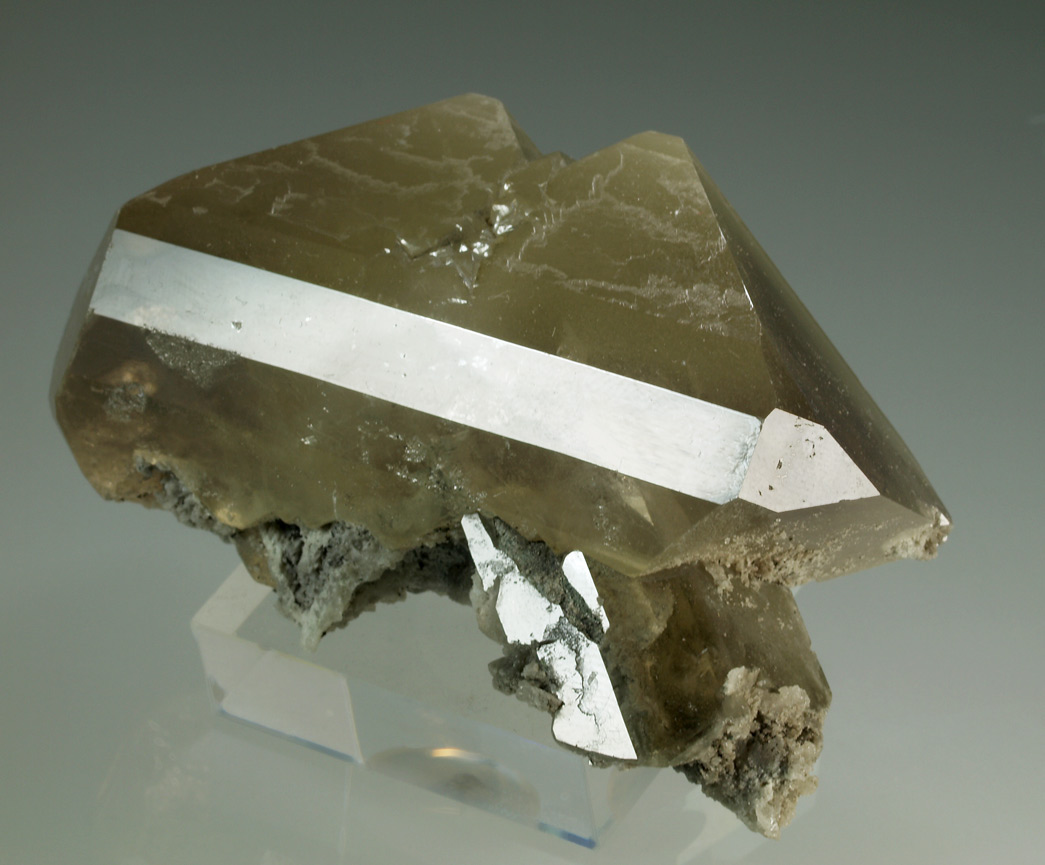
Este ejemplar de barita es de los más estéticos que he tenido... A parte de su calidad, el juego cristalográfico es más que interesante. Nos muestra dos cristales de barita enlazados por una macla de contacto y que comparten caras de prismas rómbicos de diferentes órdenes. Caras y aristas muy definidas. Con zonas transparentes a translúcidas y un brillo excepcional. Conservan aún un poco de la matriz original. Sin daños. Una pieza excepcional.
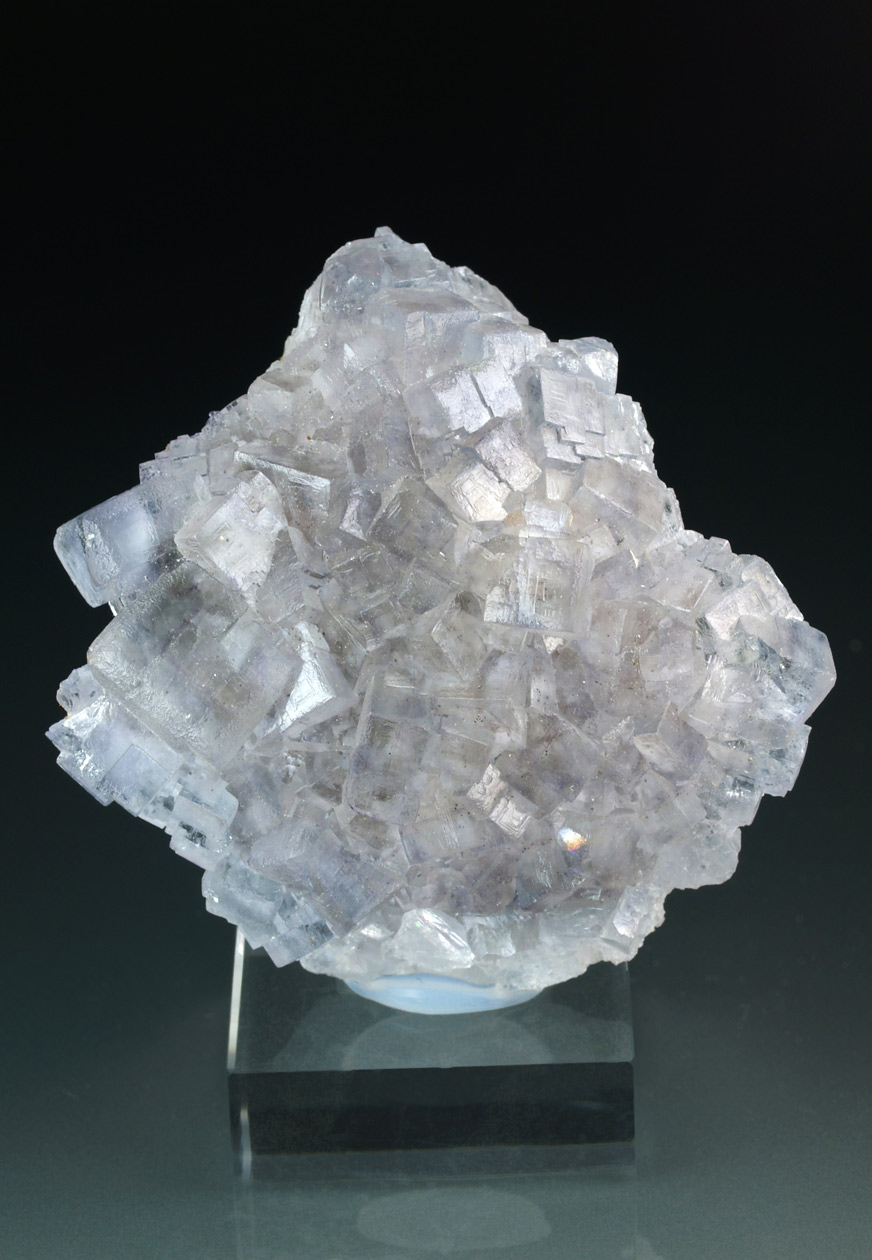
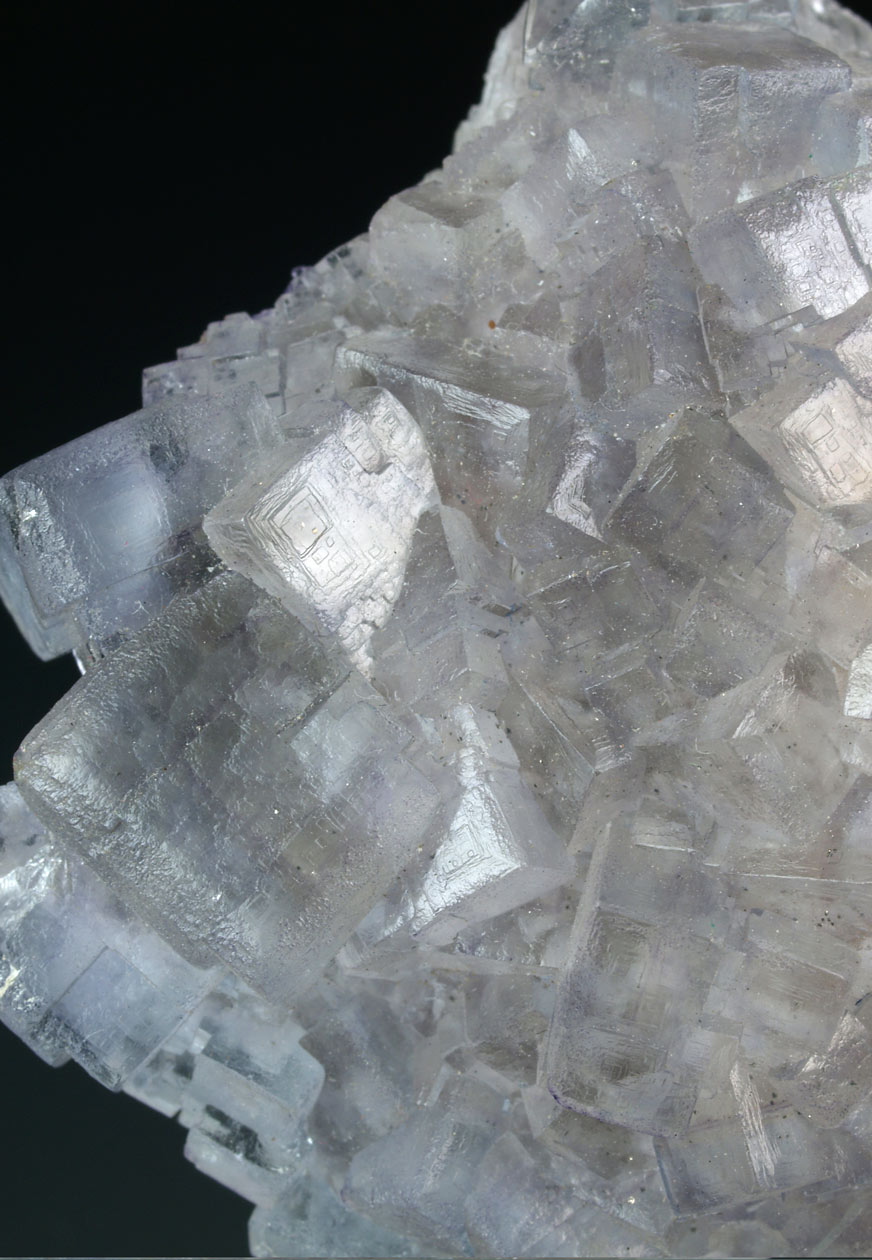
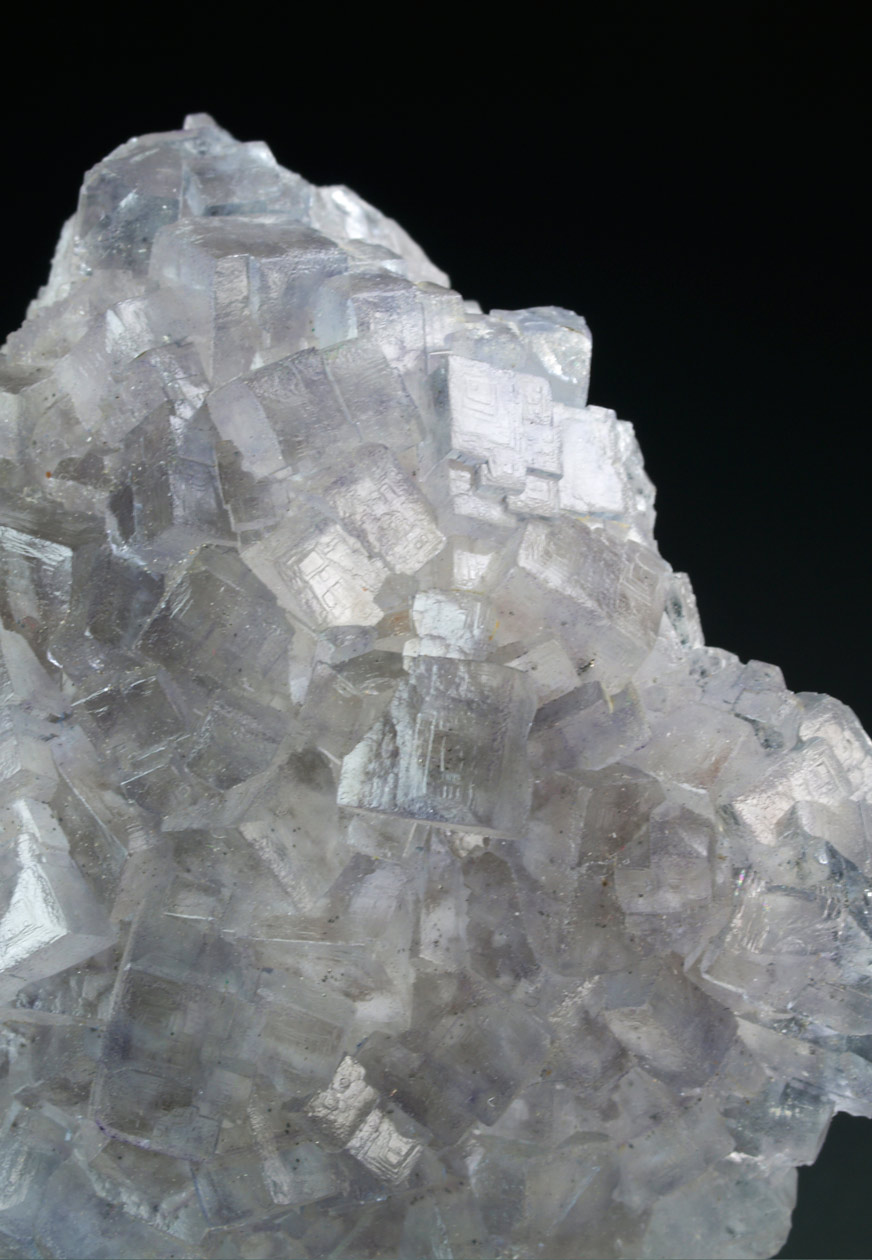
Grupo de cristales de fluorita que muestran formas cúbicas con las aristas biseladas por el tetrahexaedro. Brillantes, transparentes y con un ligero tono azulado. Una pieza muy estética.
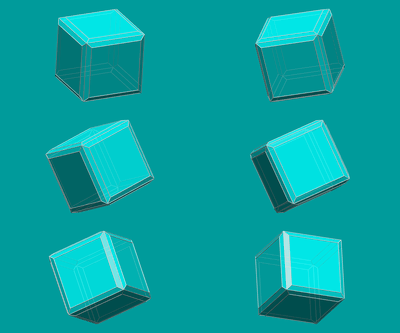
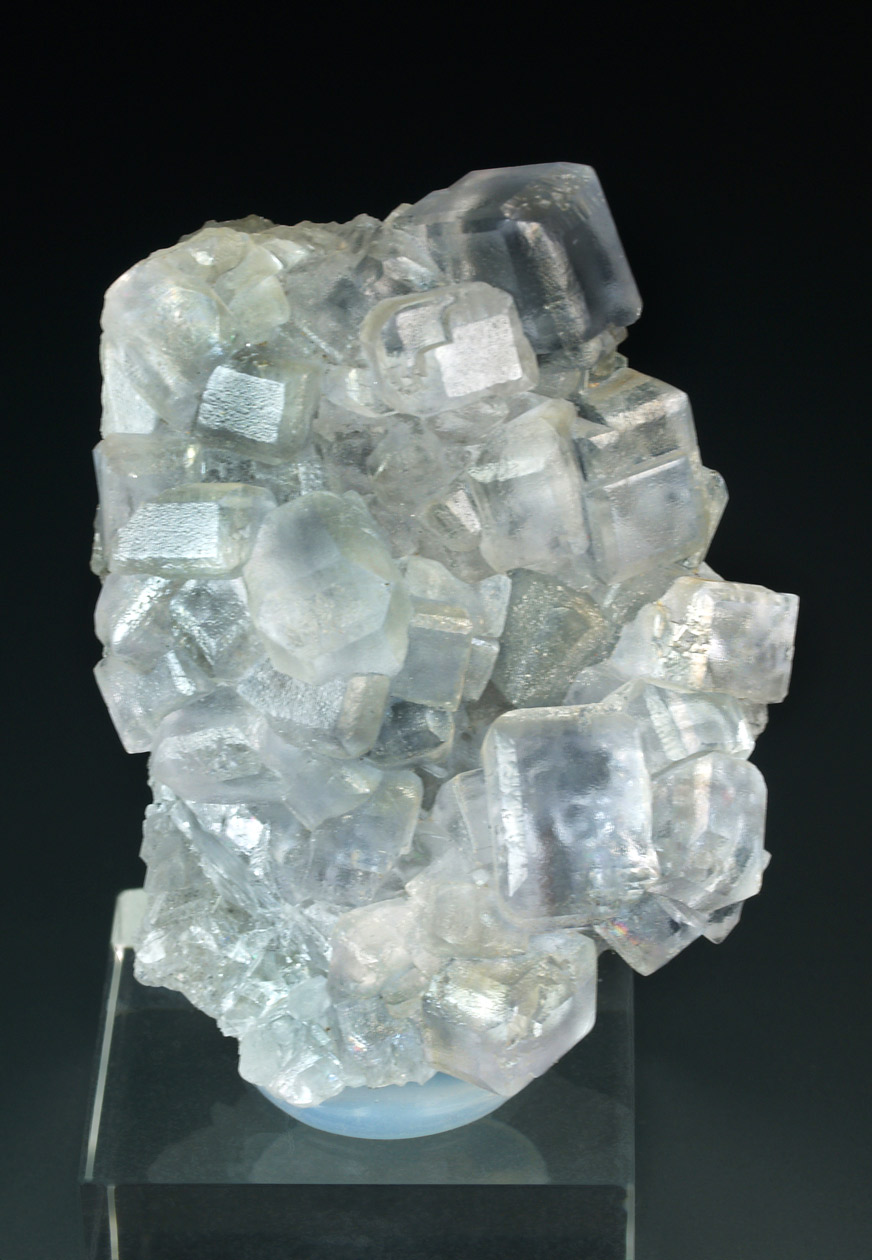
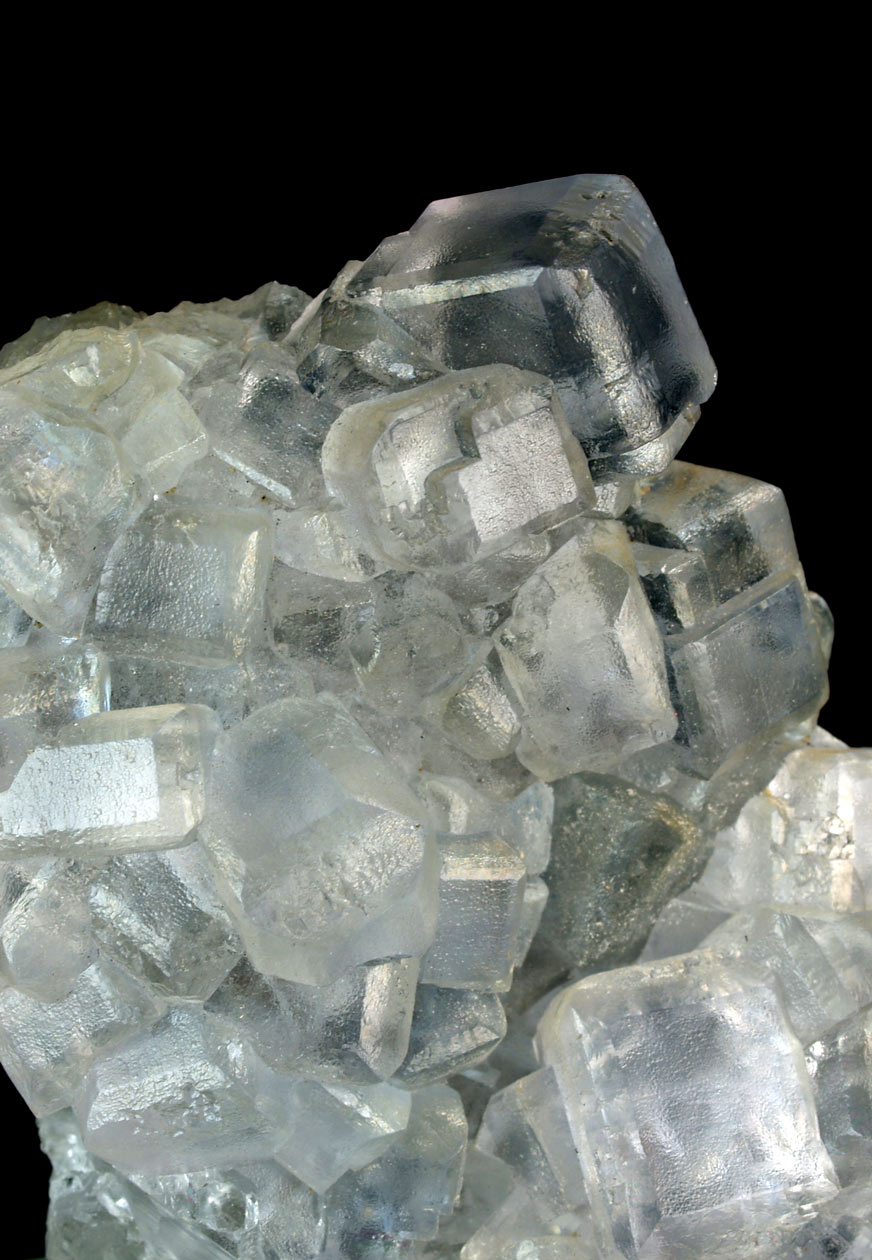
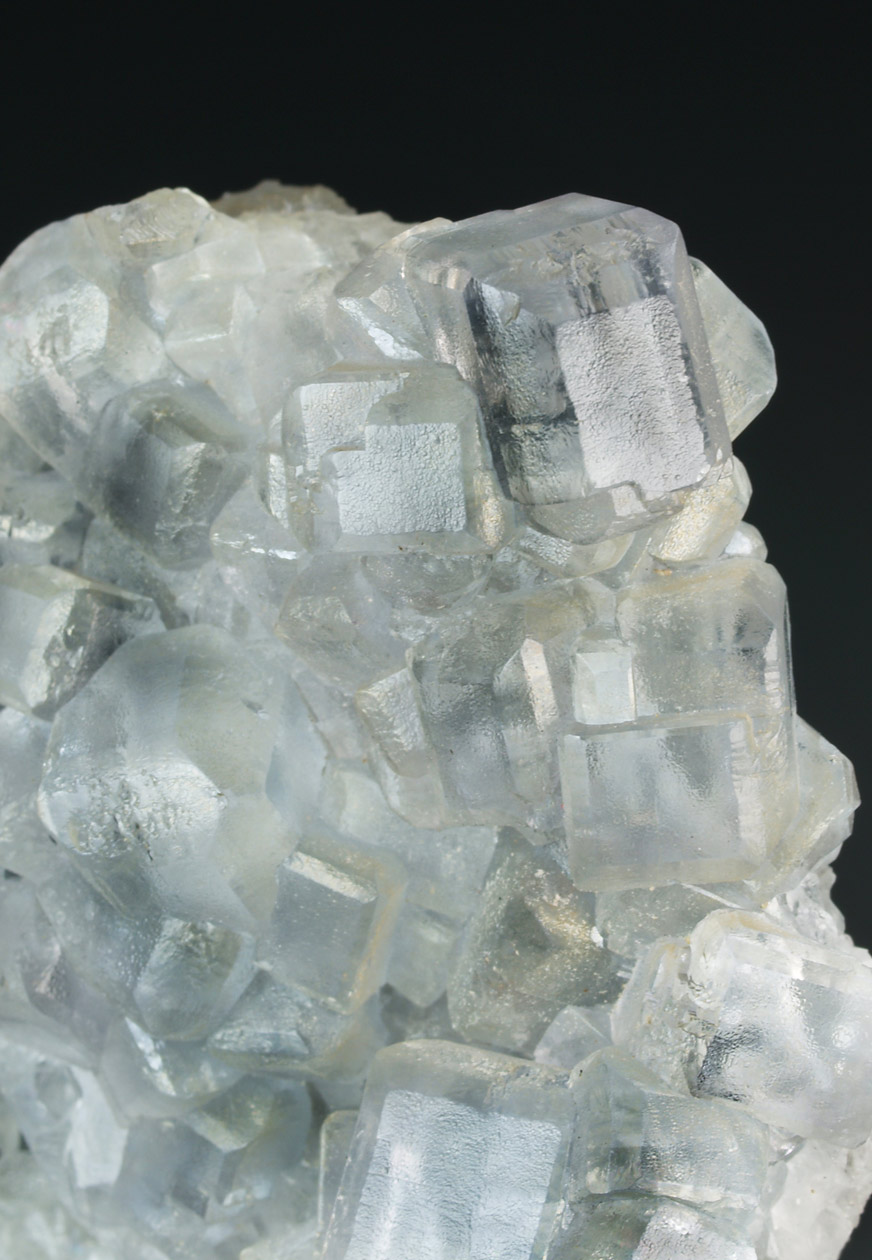
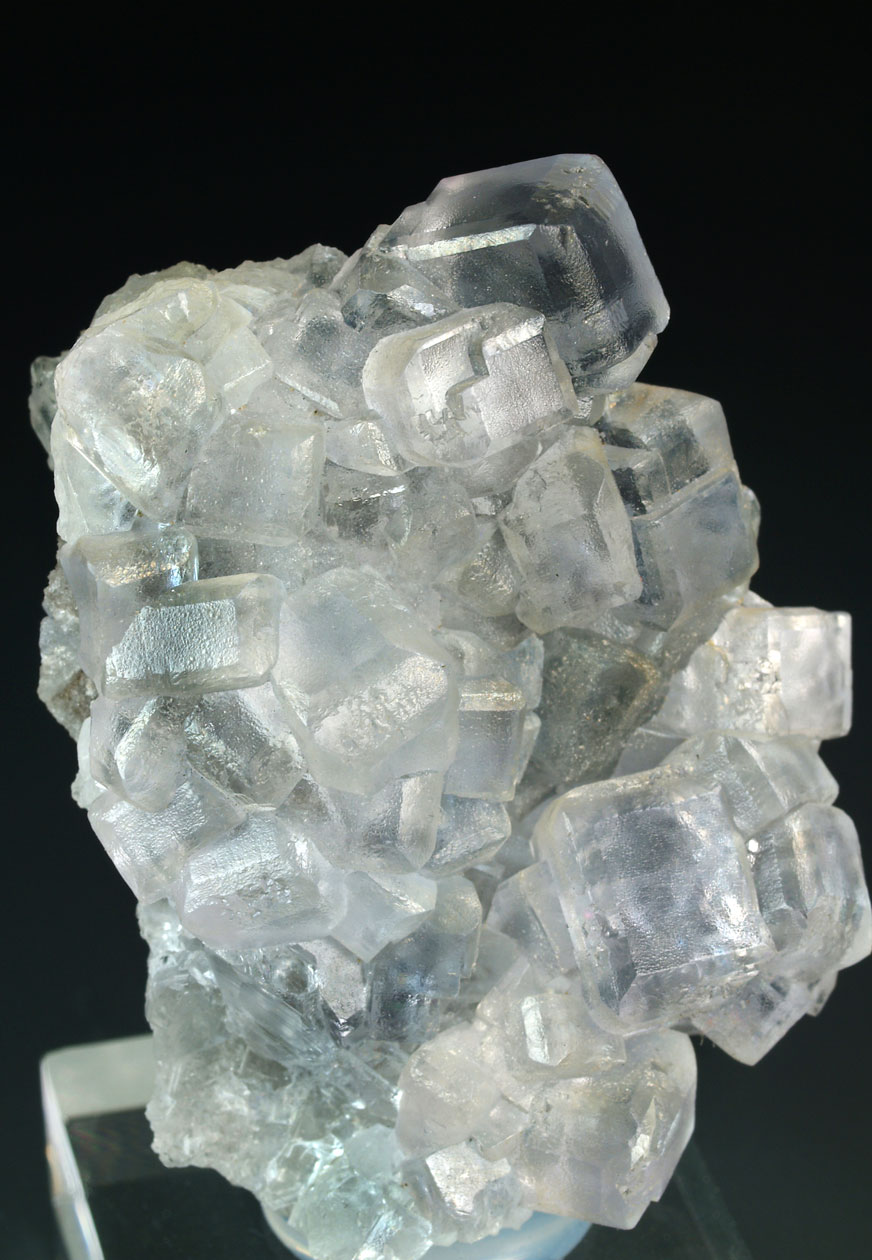
Grupo de cristales de fluorita que muestran formas cúbicas con las aristas biseladas por el tetrahexaedro. Brillantes, transparentes y con un ligero tono azulado. Una pieza muy estética.
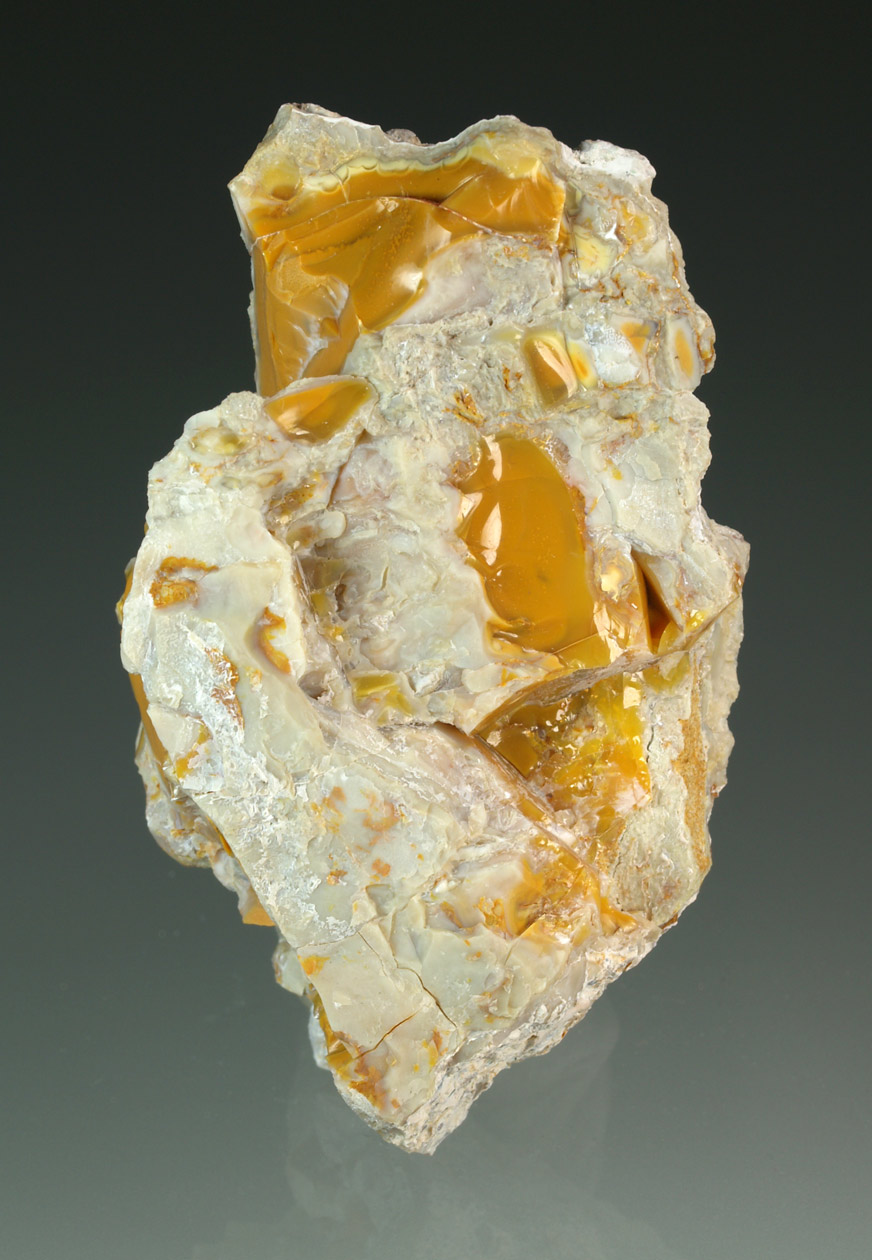
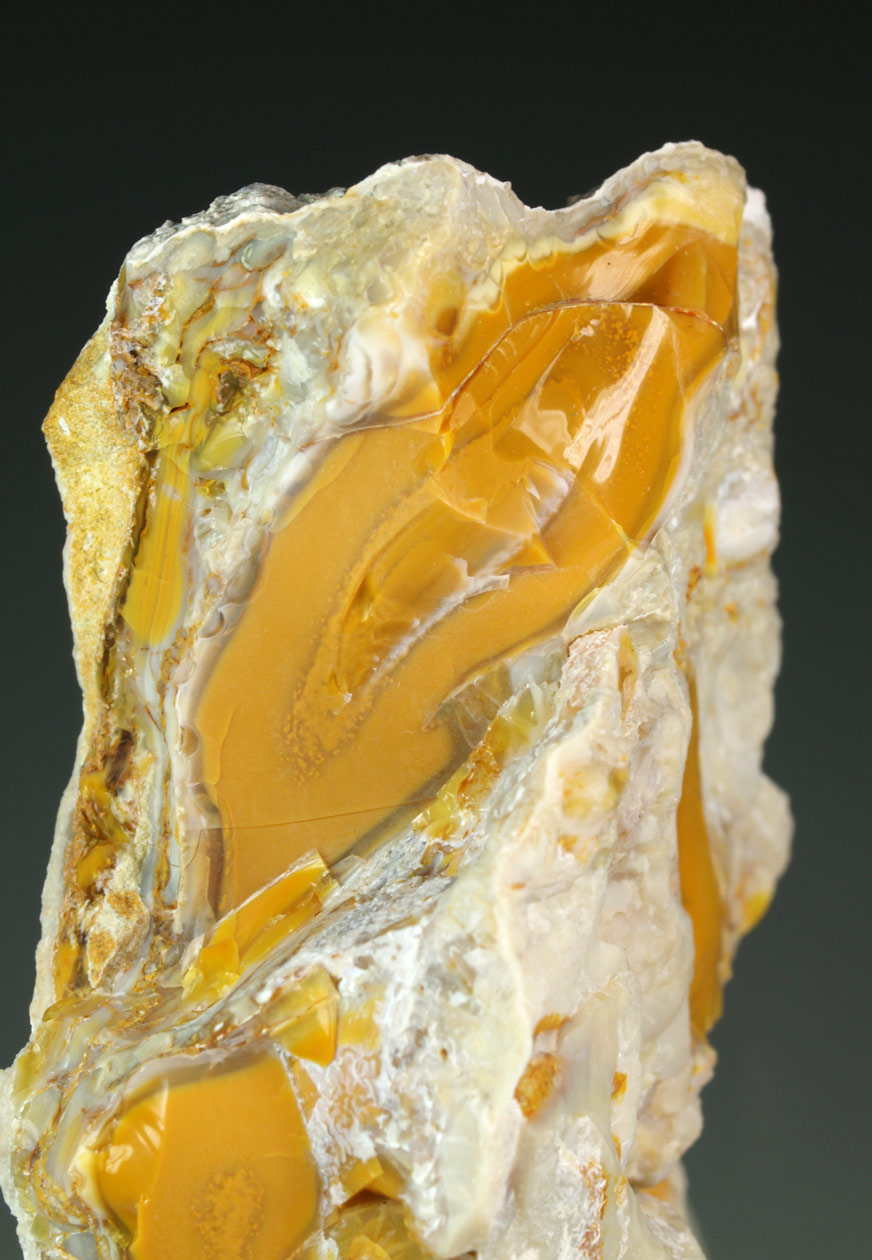
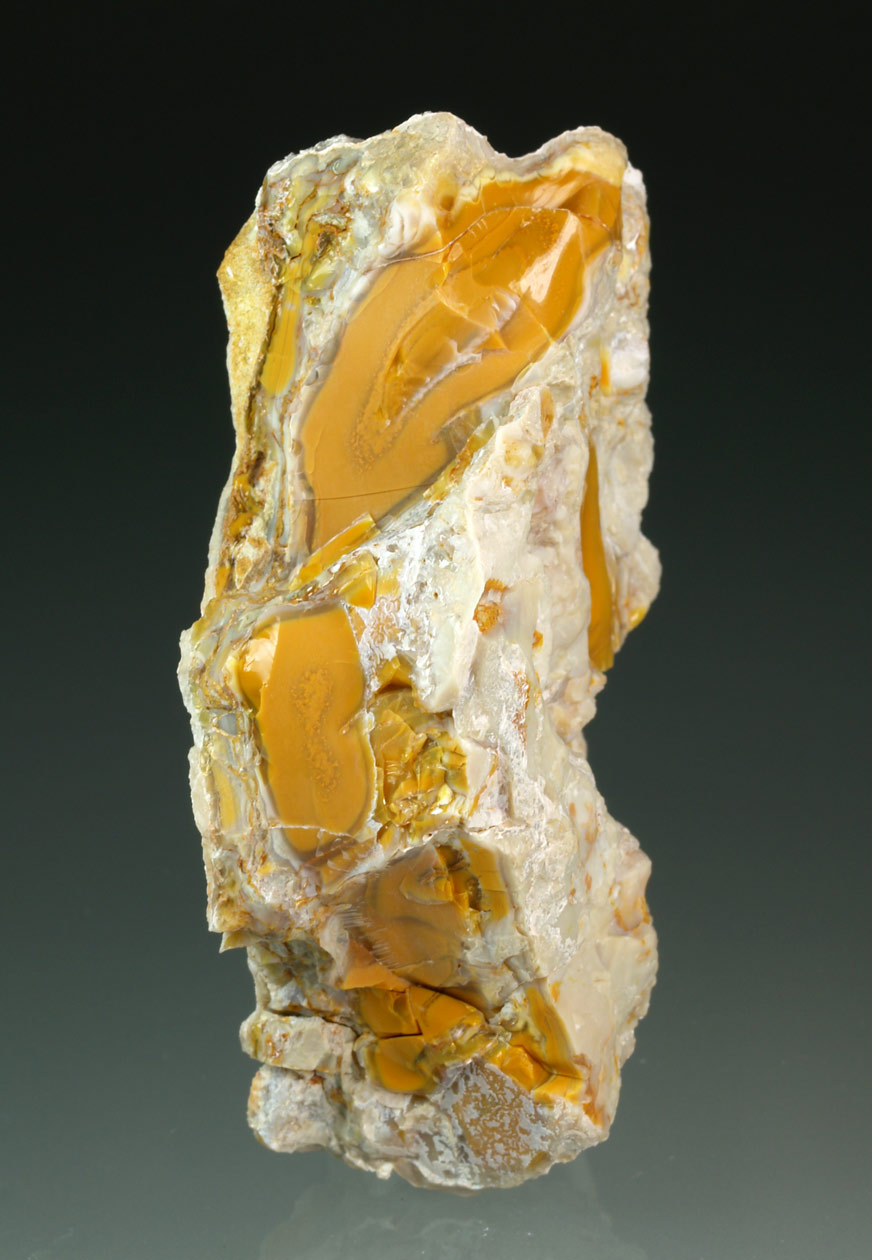
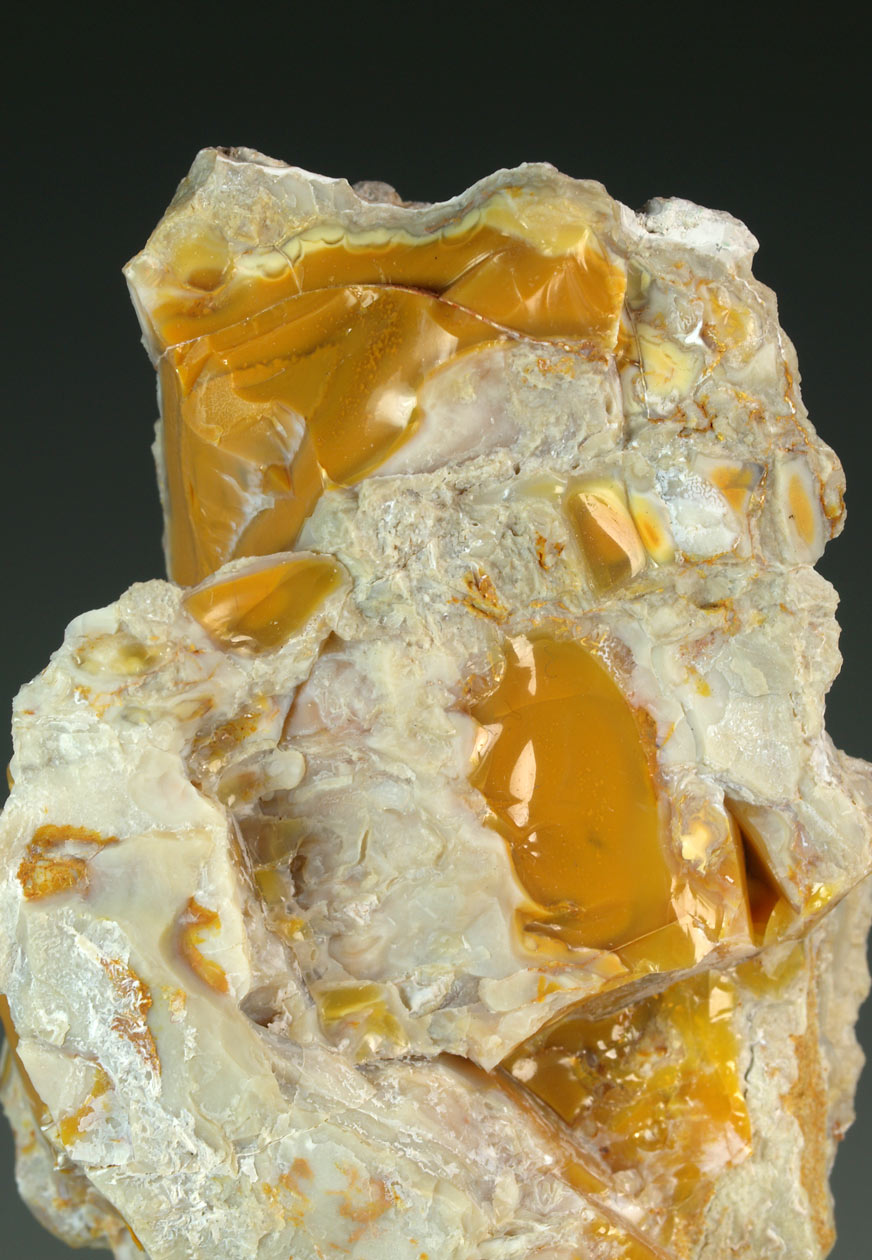
Són bien conocidos, entre los coleccionistas españoles, los ópalos zamoranos. Este ejemplar procede de un yacimiento del que obtener piezas con esta calidad y tamaño es muy difícil, lo puedo certificar... Presenta nódulos de ópalo, de intenso color naranja, con brillo y rodeado de una matriz sólida. Digo esto porque a pesar de las fracturas visibles la estabilidad está asegurada. Una pieza de calidad para este yacimiento.
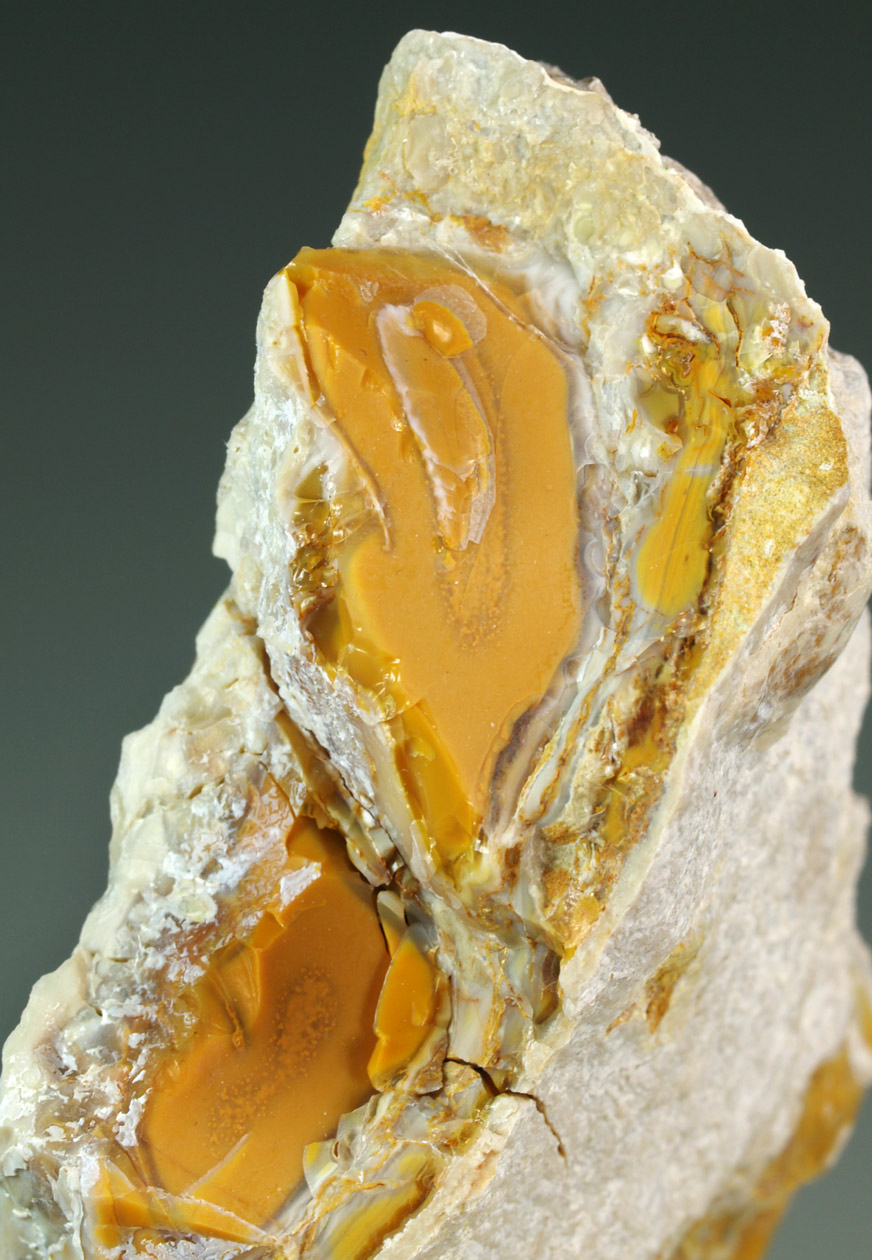
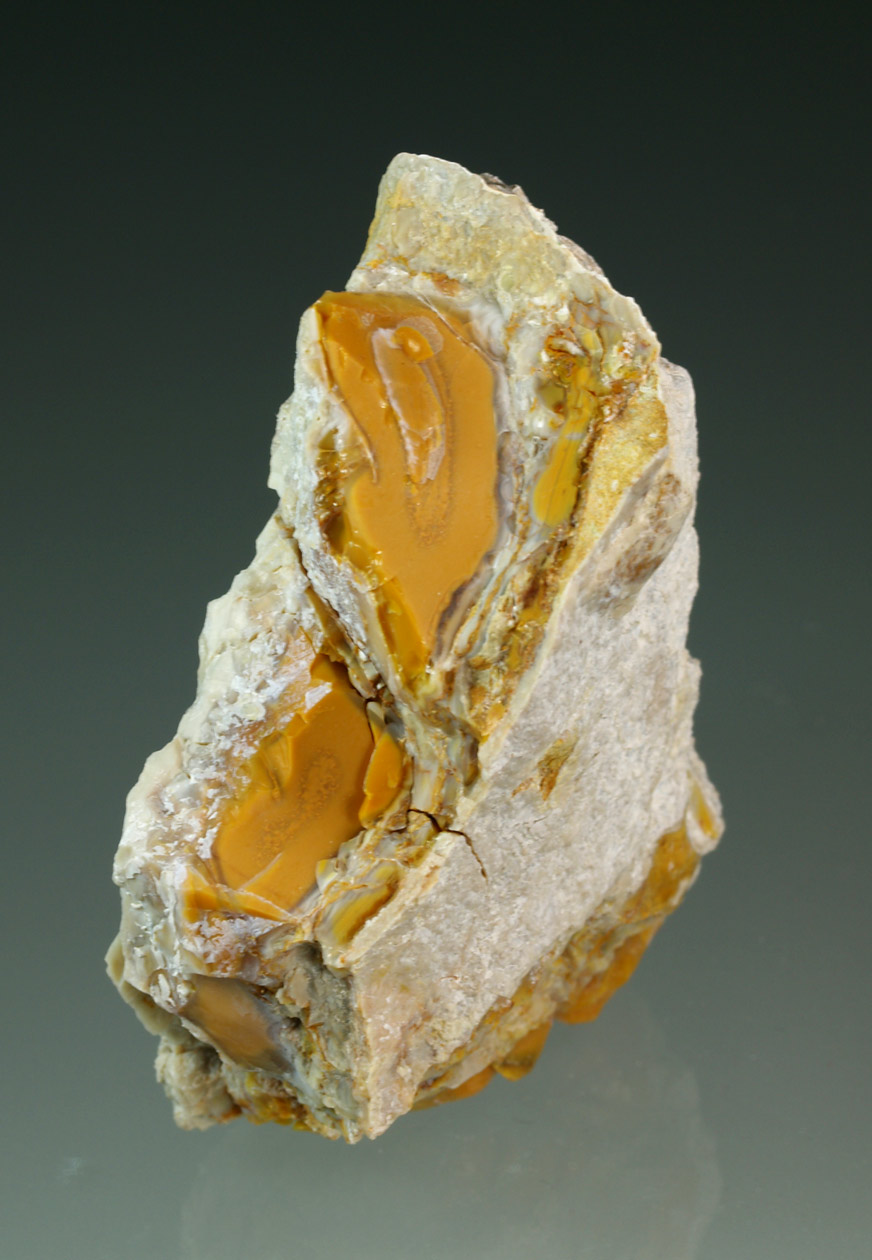
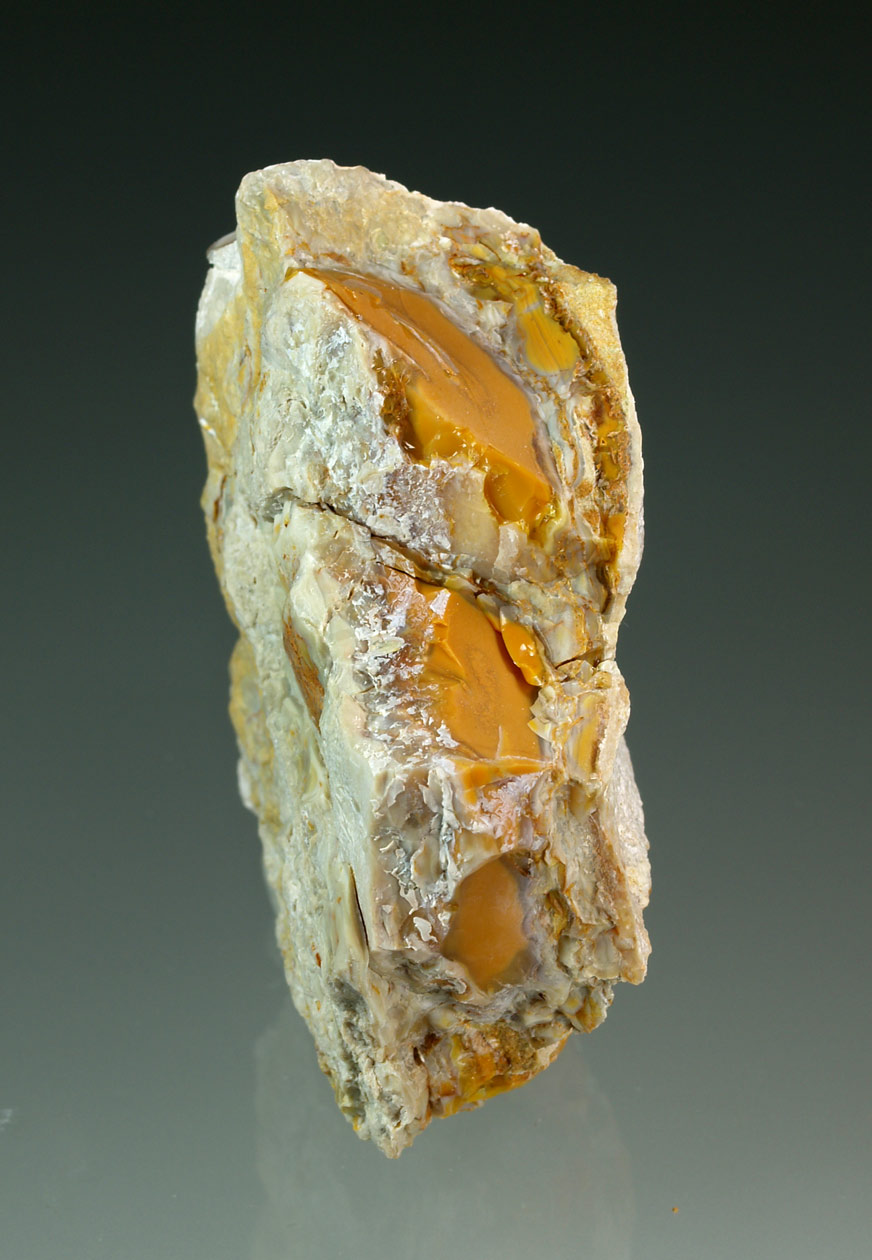
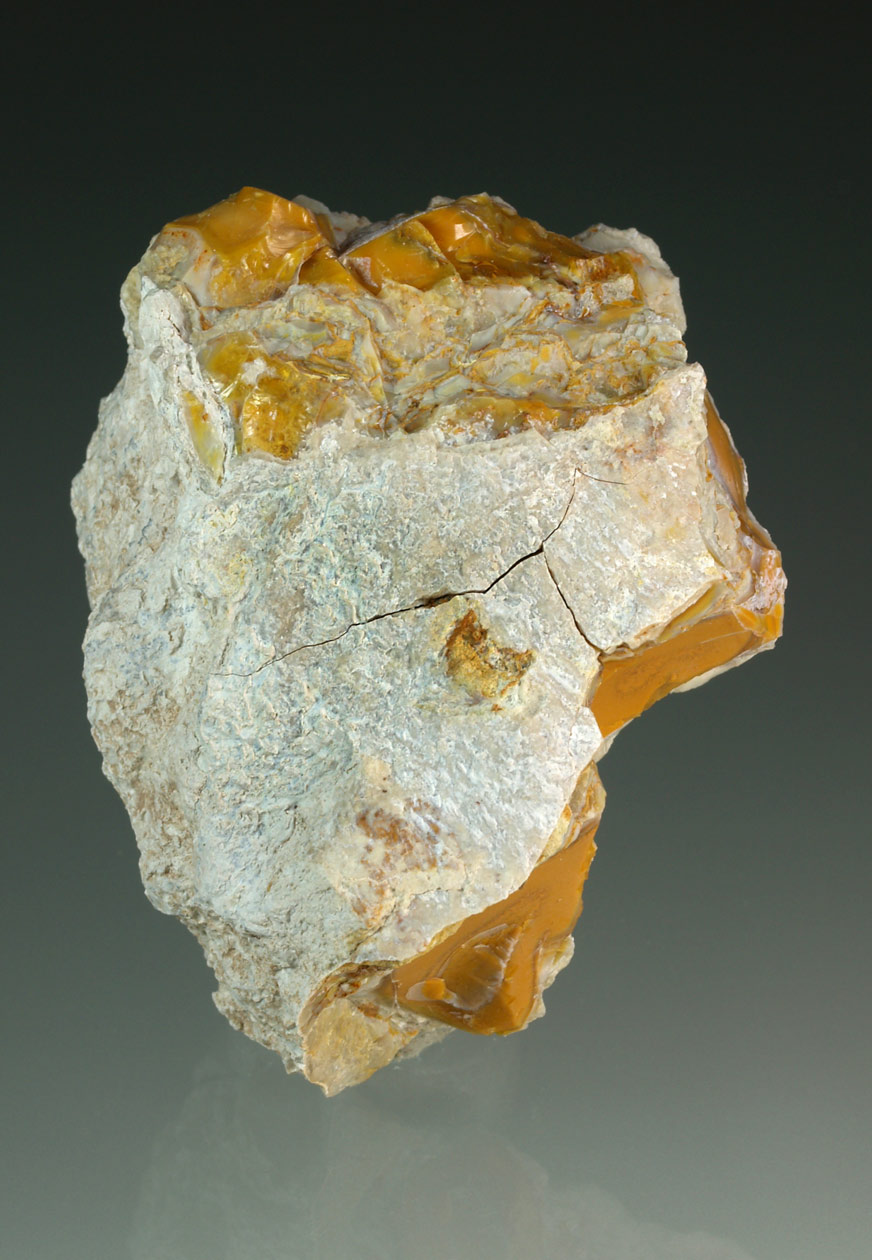
Són bien conocidos, entre los coleccionistas españoles, los ópalos zamoranos. Este ejemplar procede de un yacimiento del que obtener piezas con esta calidad y tamaño es muy difícil, lo puedo certificar... Presenta nódulos de ópalo, de intenso color naranja, con brillos y rodeado de una matriz sólida. Digo esto porque a pesar de las fracturas visibles la estabilidad está asegurada. Una pieza de calidad para este yacimiento.
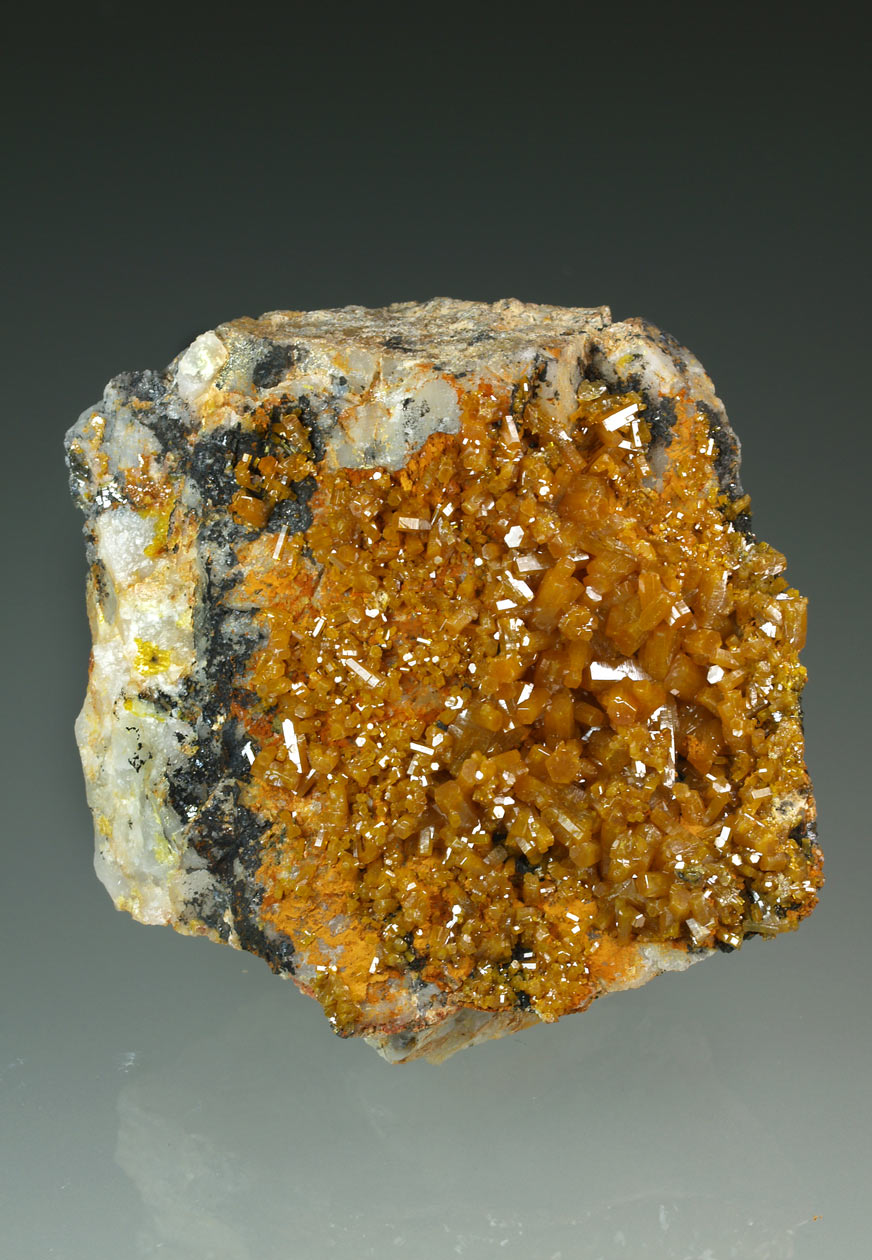
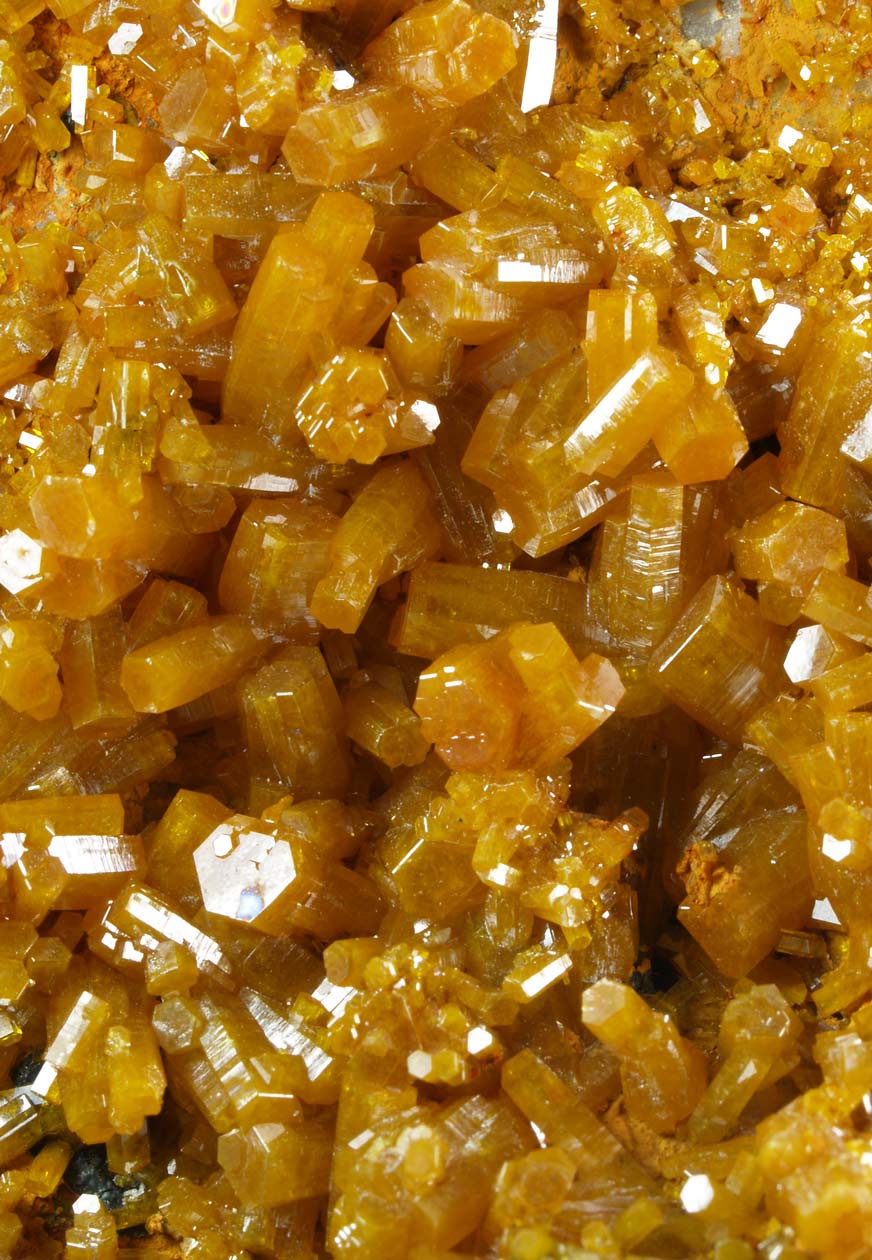
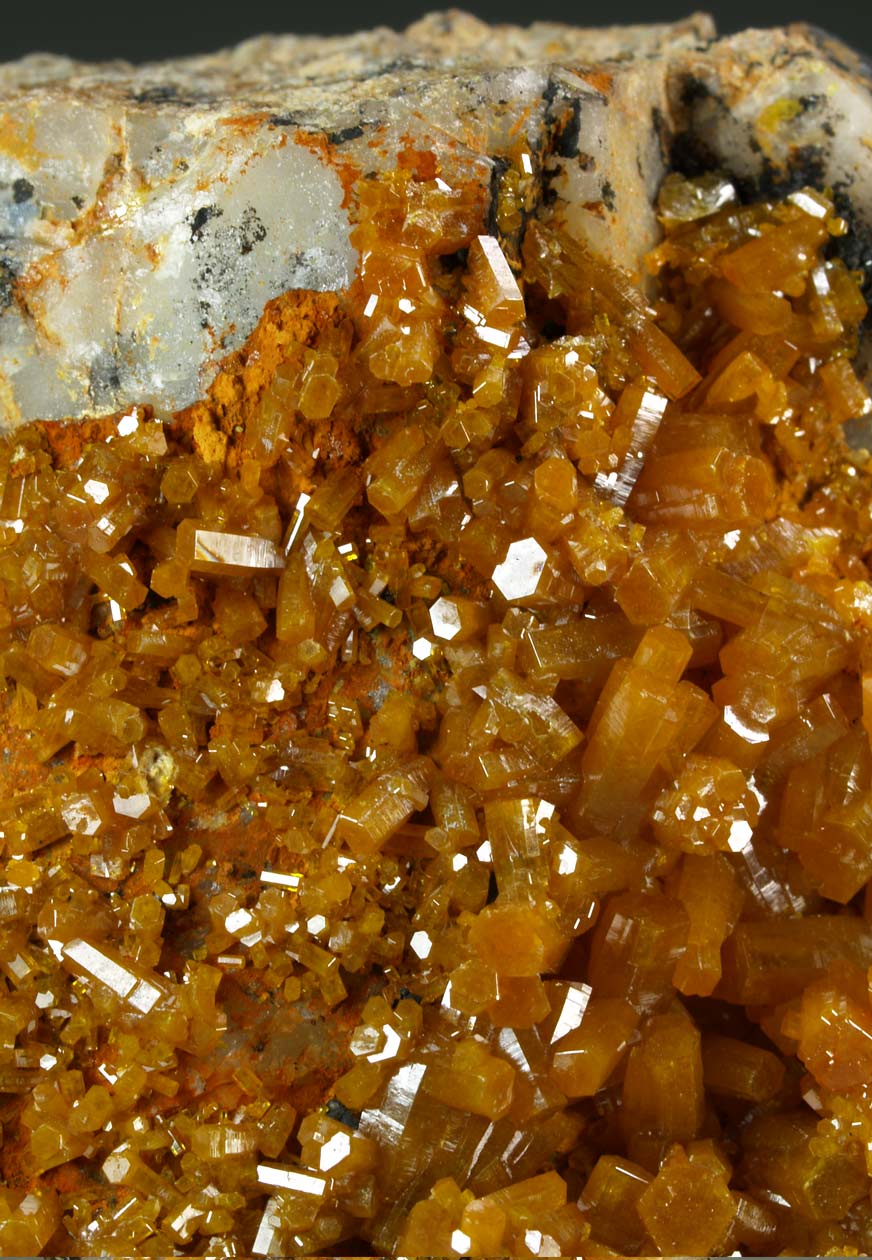
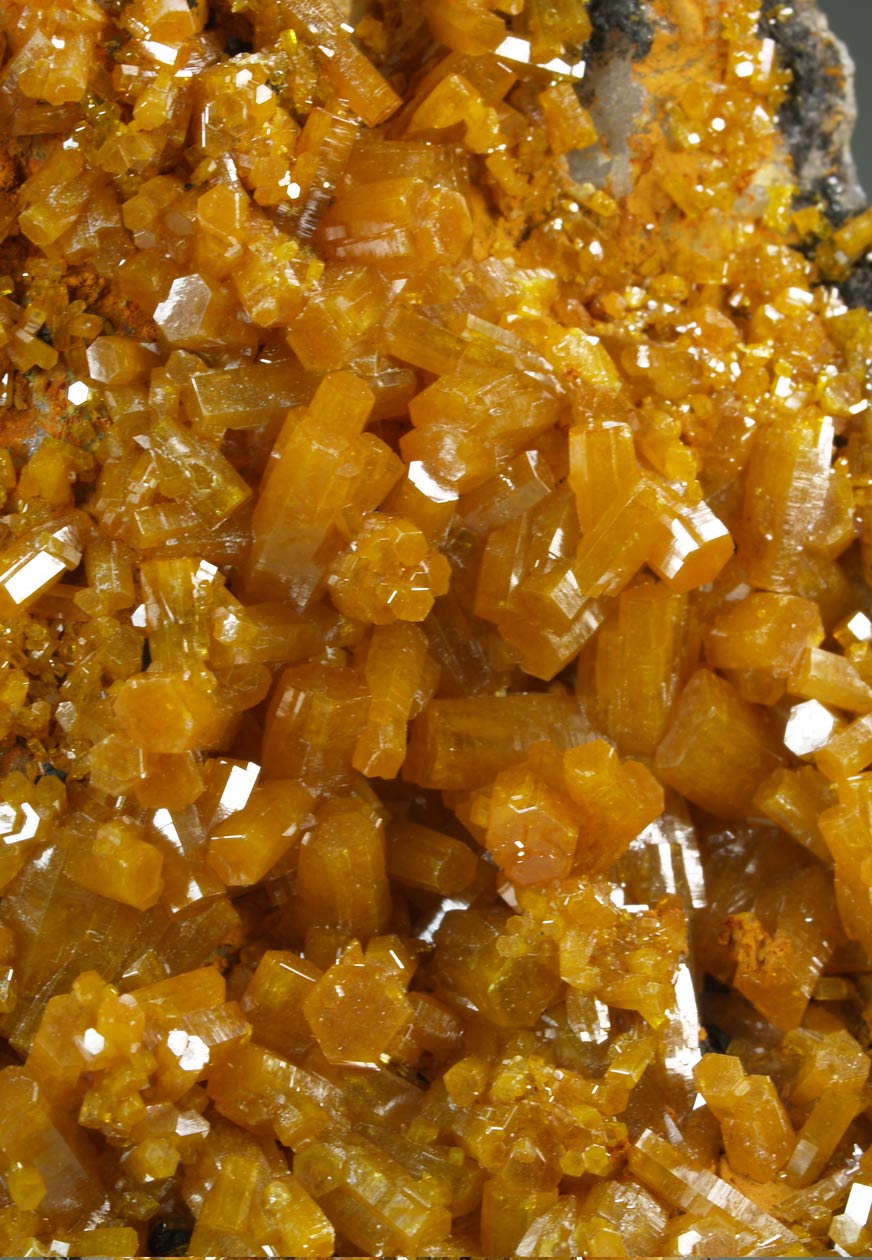
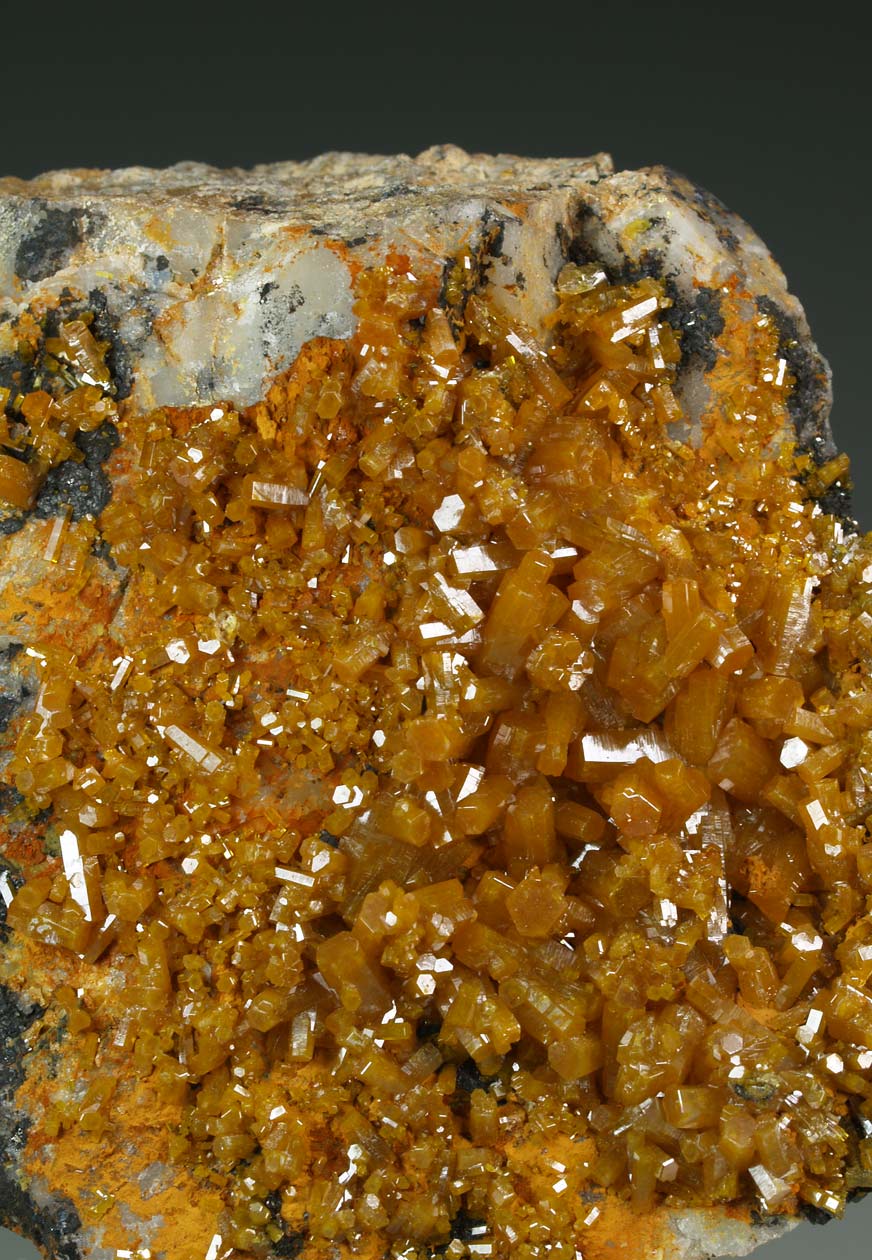
Nutrido grupo de cristales hexagonales prismáticos de mimetita, algunos biterminados, con un intenso brillo y color naranja. Ejemplares de esta zona y con esta calidad no suelen verse habitualmente.
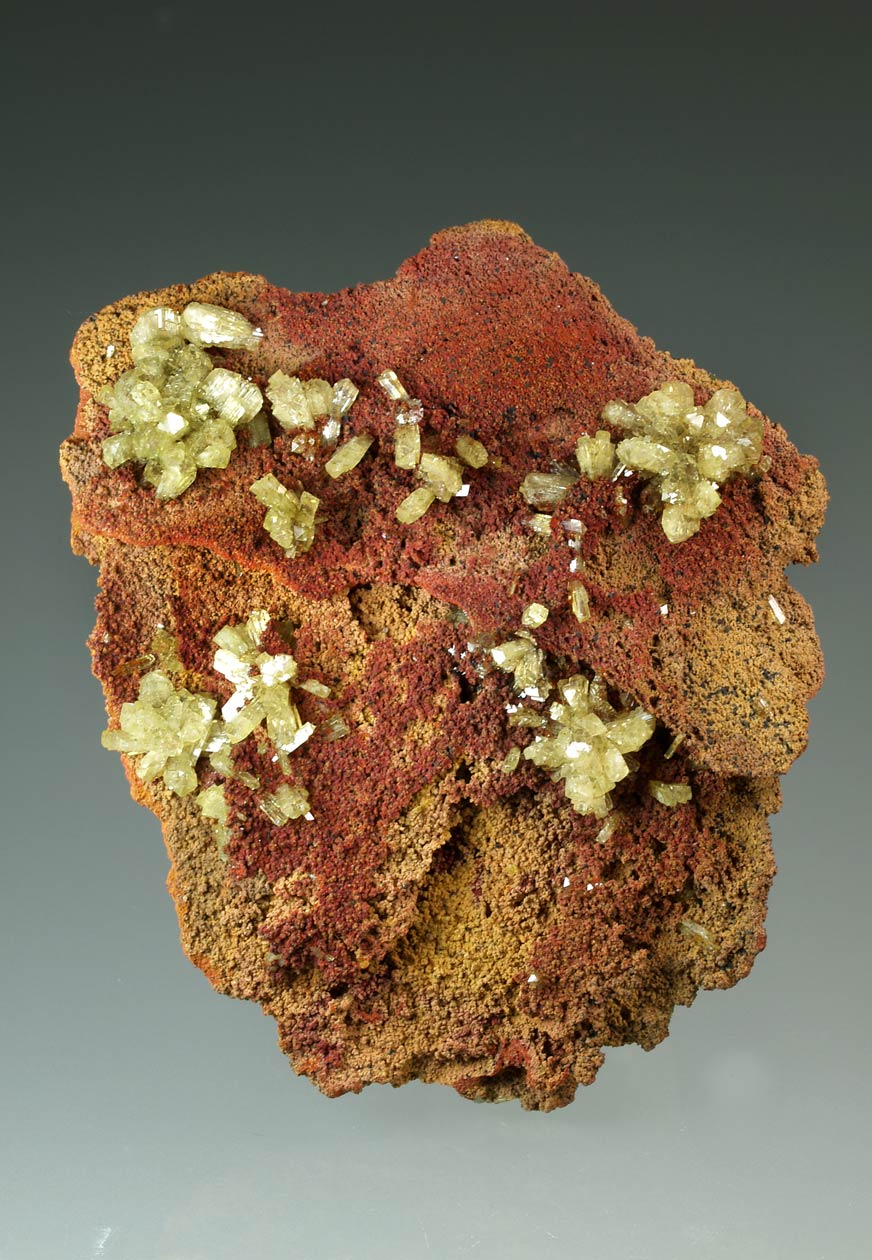
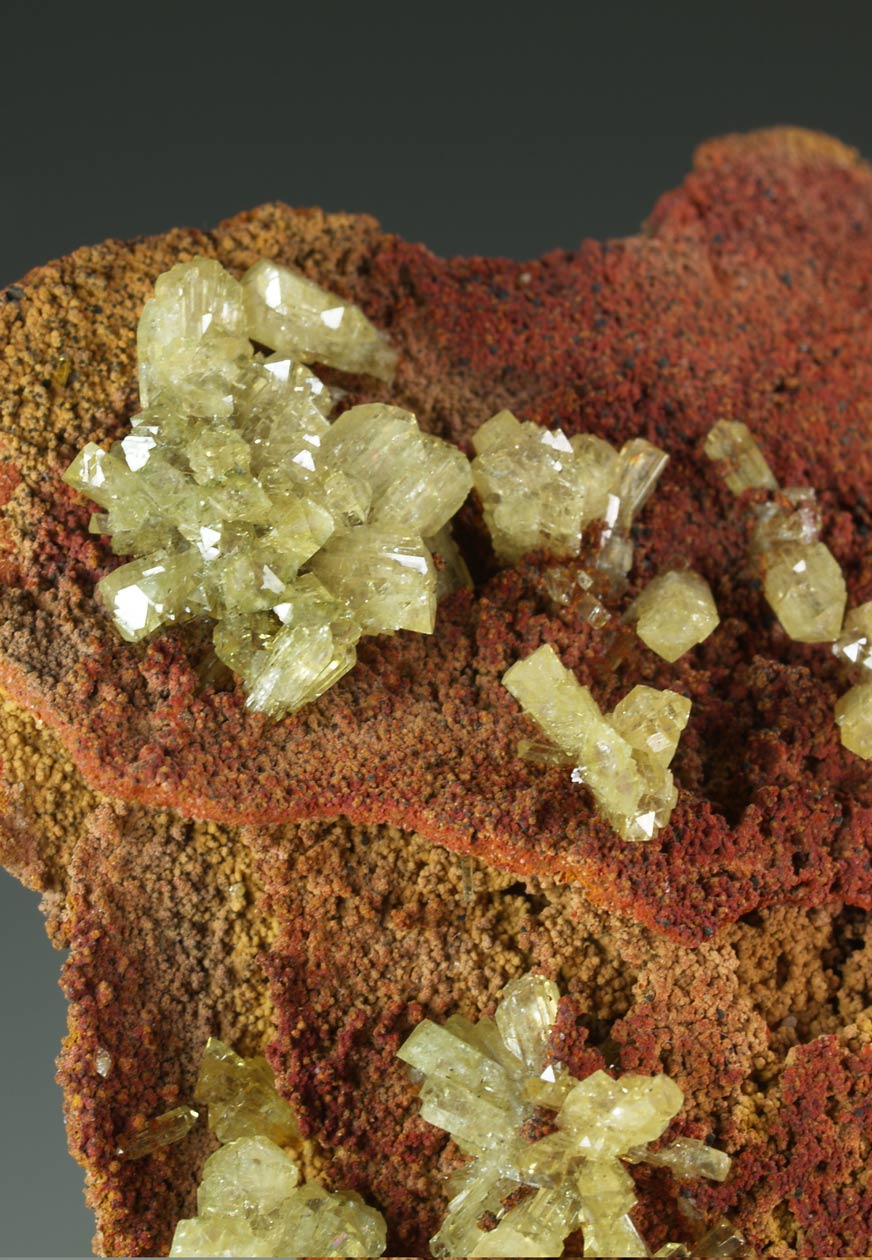
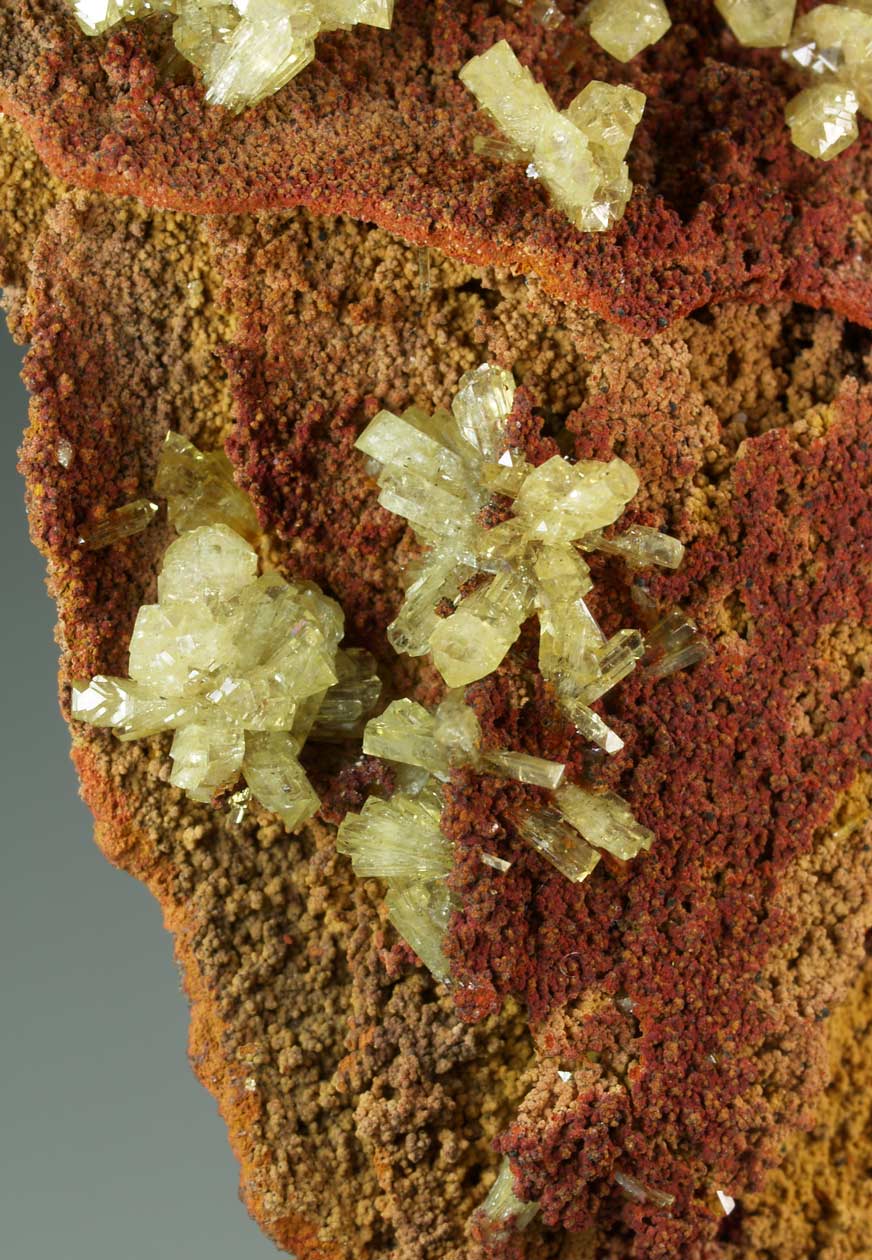
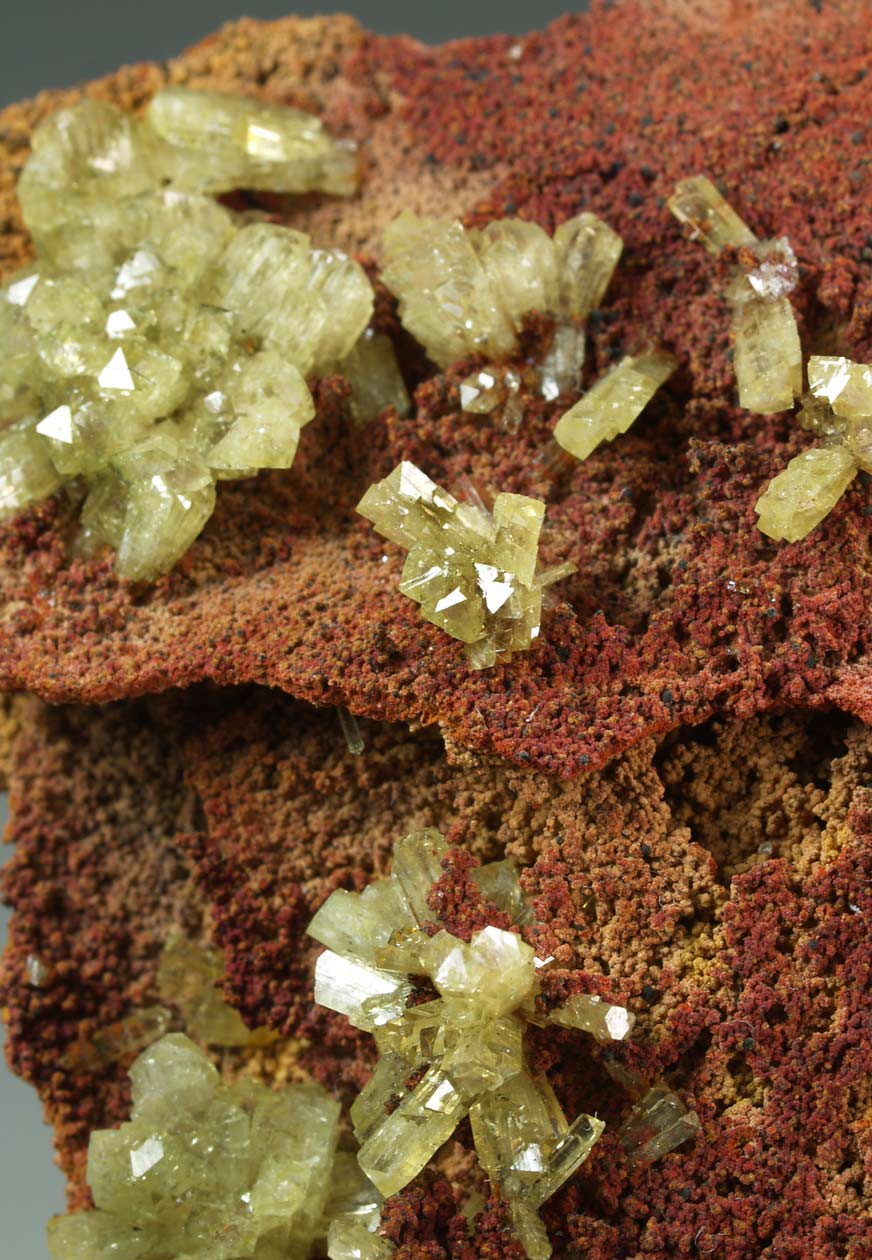
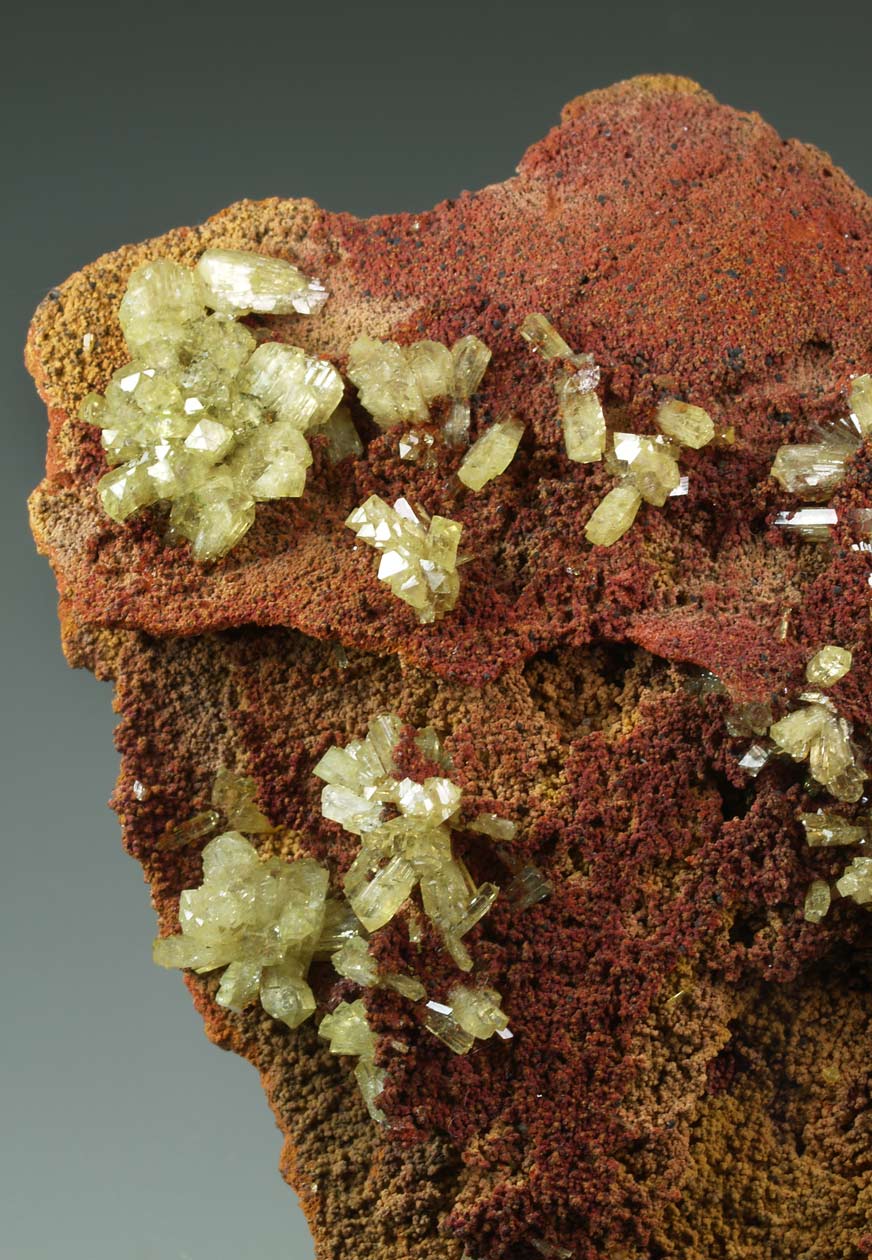
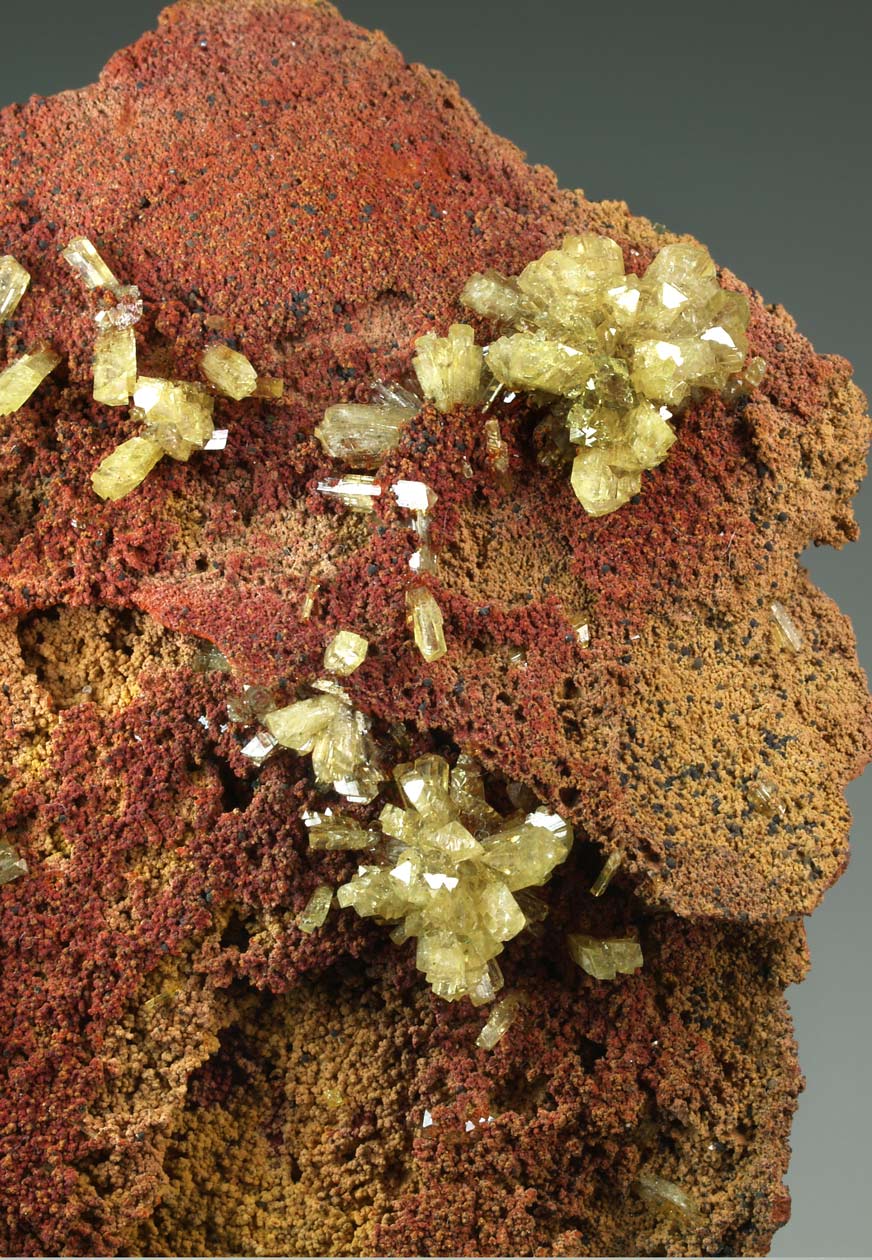
Excepcional ejemplar formado por diversos grupos de cristales prismáticos de adamita, que se disponen sobre una matriz de goethita. Los cristales tienen un color amarillo muy uniforme, con transparencia, con caras y aristas muy definidas y formando rosetas. Pura estética.