- Inicio Acerca de RM Minerales
- Galería de fotos Blog RM Contacto
- Microscopia e instrumentos Pedidos Aviso legal
Copyright 2010-2026
www.rosellminerals.com



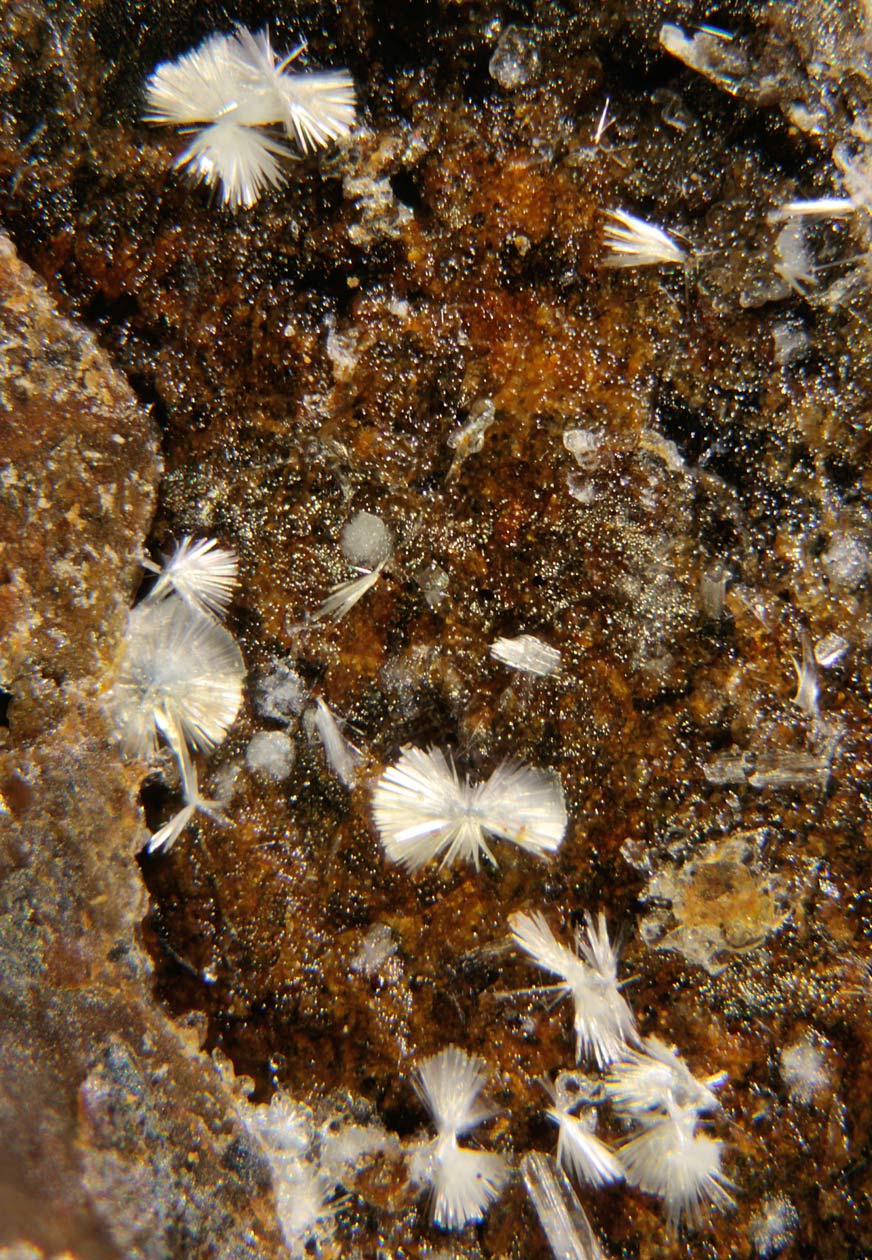
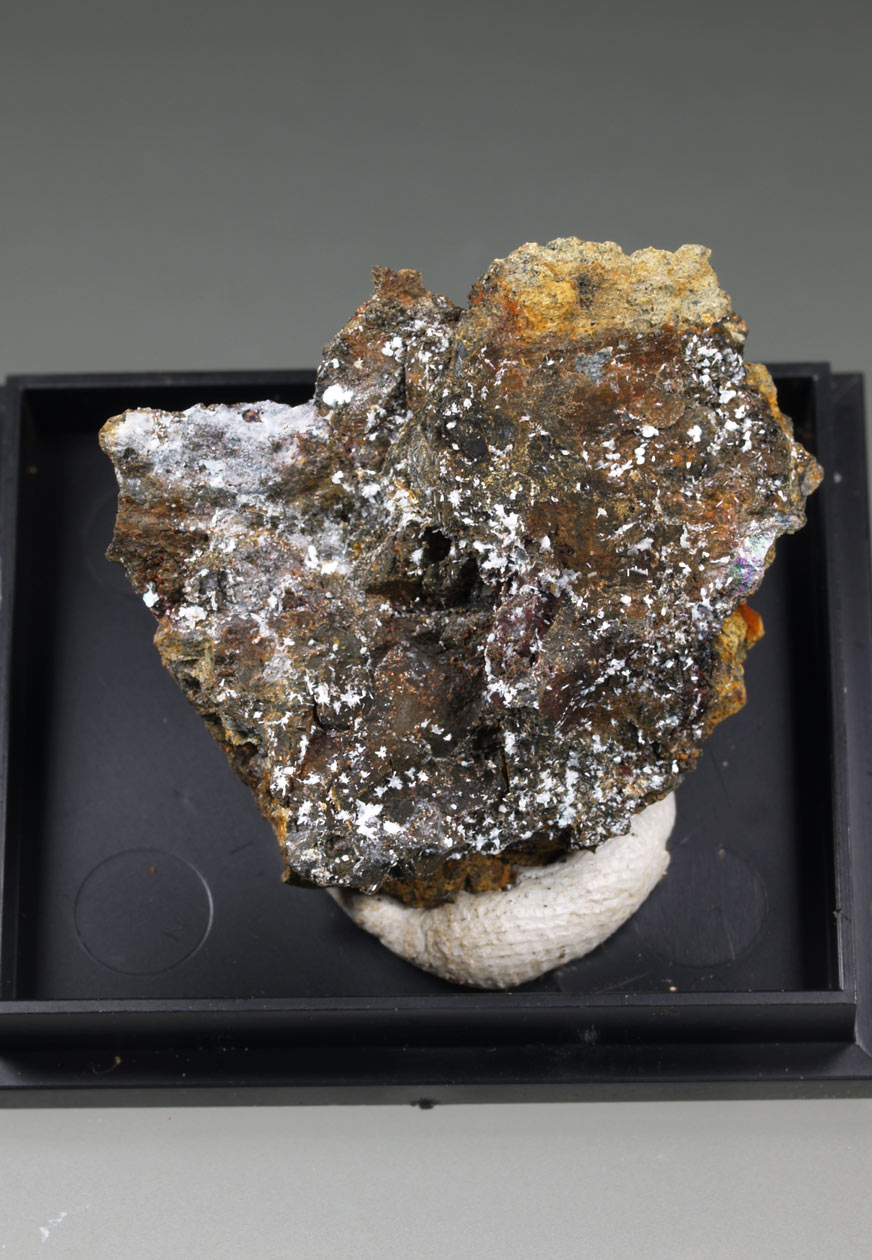
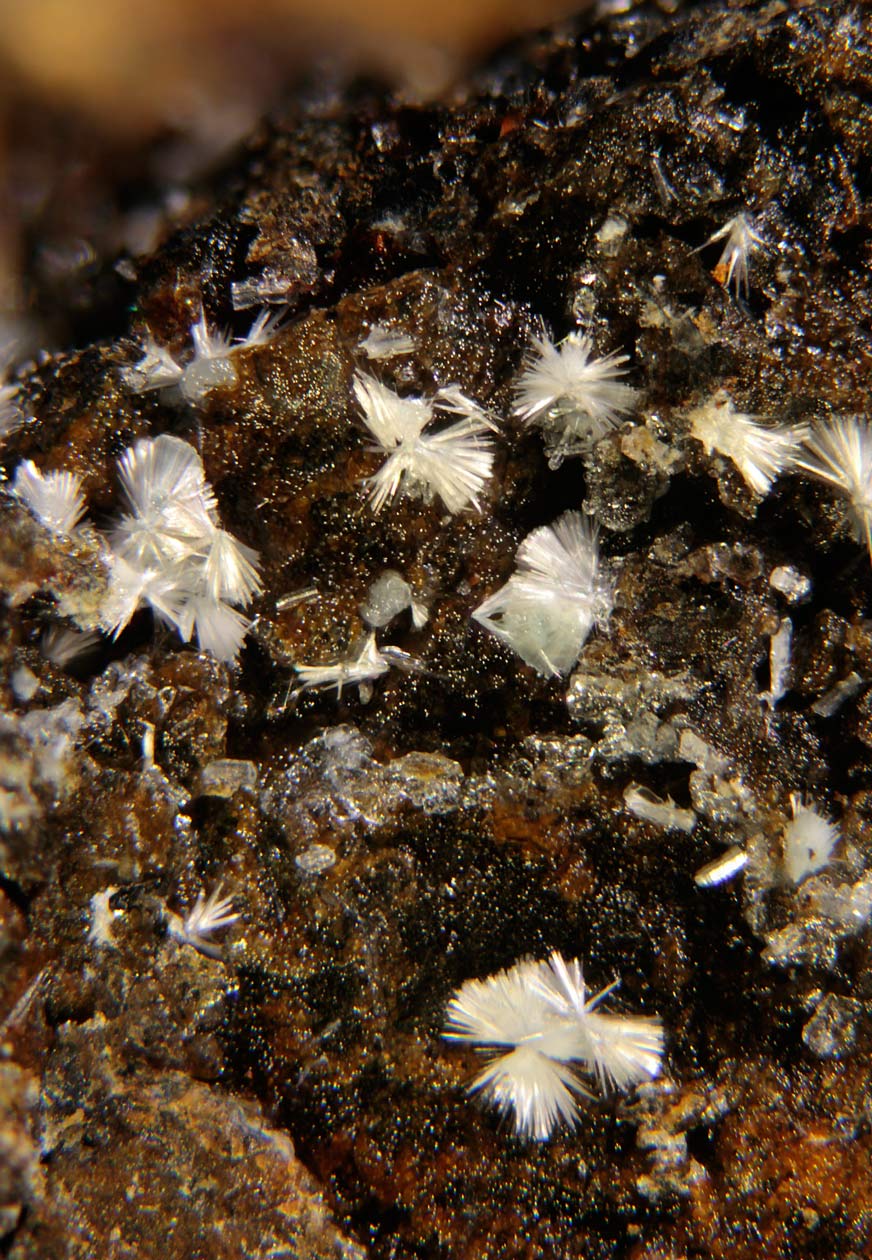
La dundasita es un poco habitual hidroxicarboanto de plomo y aluminio, que se forma como mineral secundario en la zona de oxidación de depósitos de plomo. Esta localidad pirenaica es muy interesante por su diversa paragénesis. En este ejemplar observamos bajo la lupa numerosos y estéticos agregados de cristales aciculares de brillo sedoso, algunos ligeramente azulados por su contenido en Cu, que contrastan con la matriz.
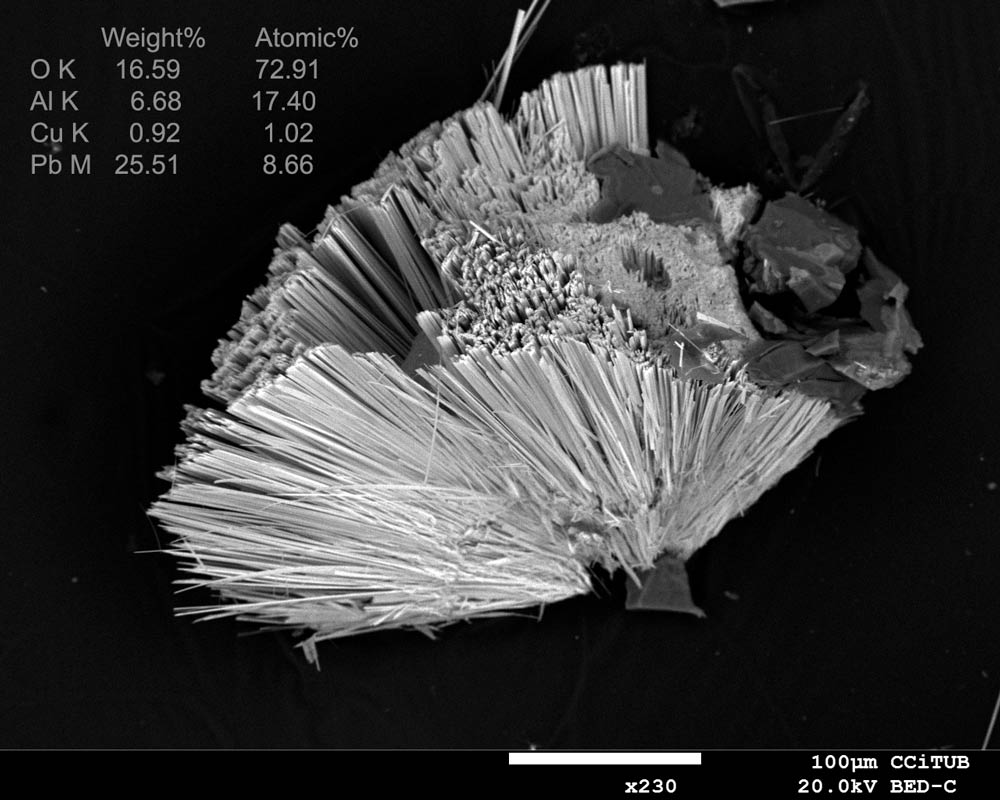
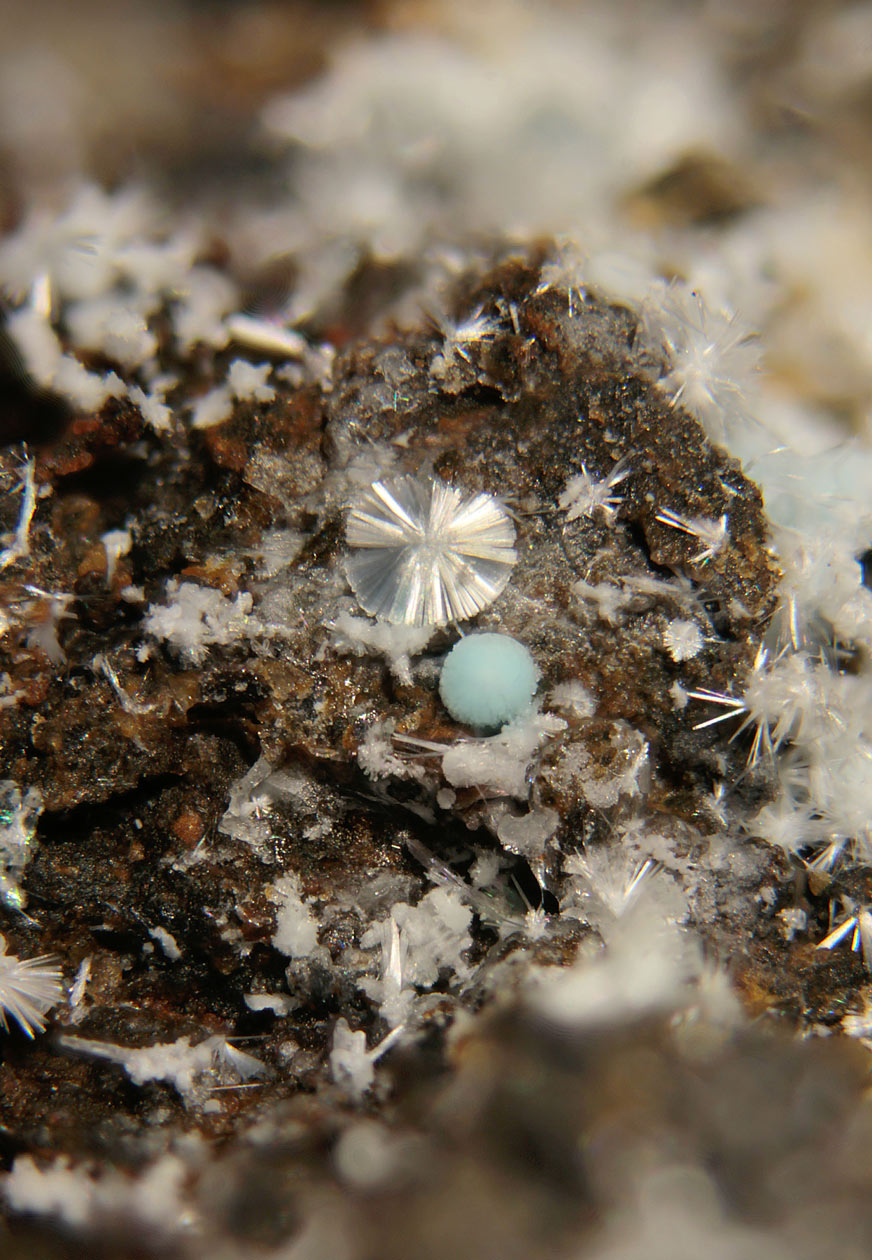
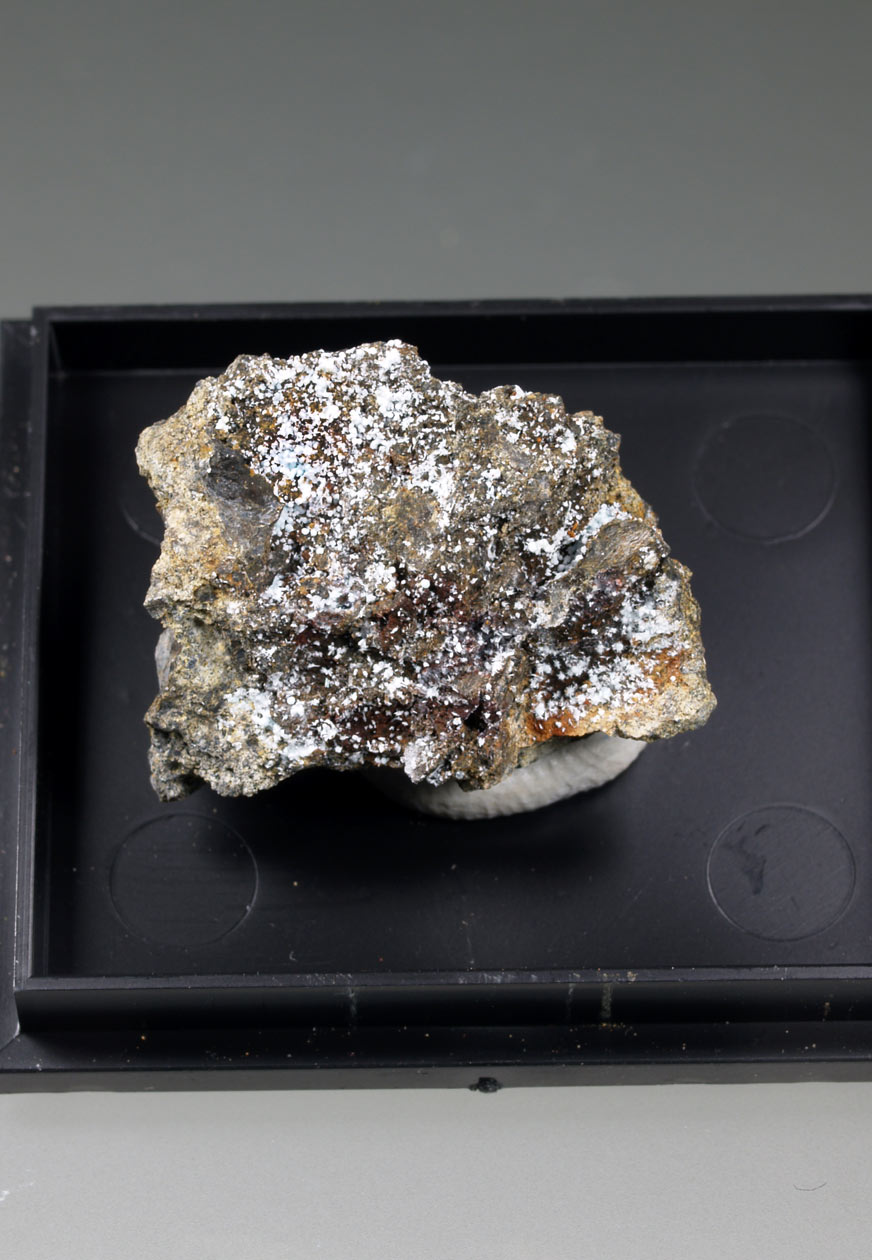
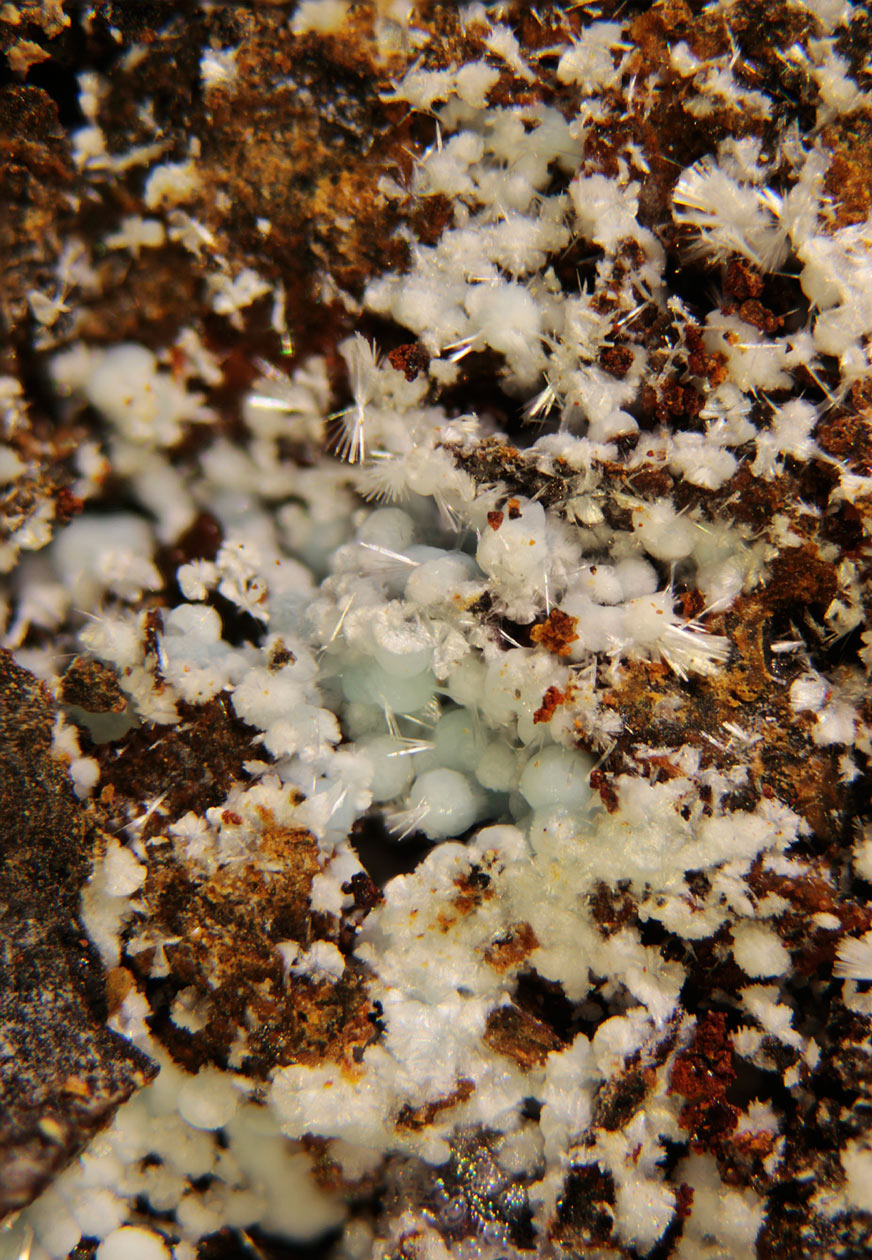
La dundasita es un poco habitual hidroxicarboanto de plomo y aluminio, que se forma como mineral secundario en la zona de oxidación de depósitos de plomo. Esta localidad pirenaica es muy interesante por su diversa paragénesis. En este ejemplar observamos bajo la lupa numerosos y estéticos agregados de cristales aciculares de brillo sedoso, algunos ligeramente azulados por su contenido en Cu, que contrastan con la matriz.
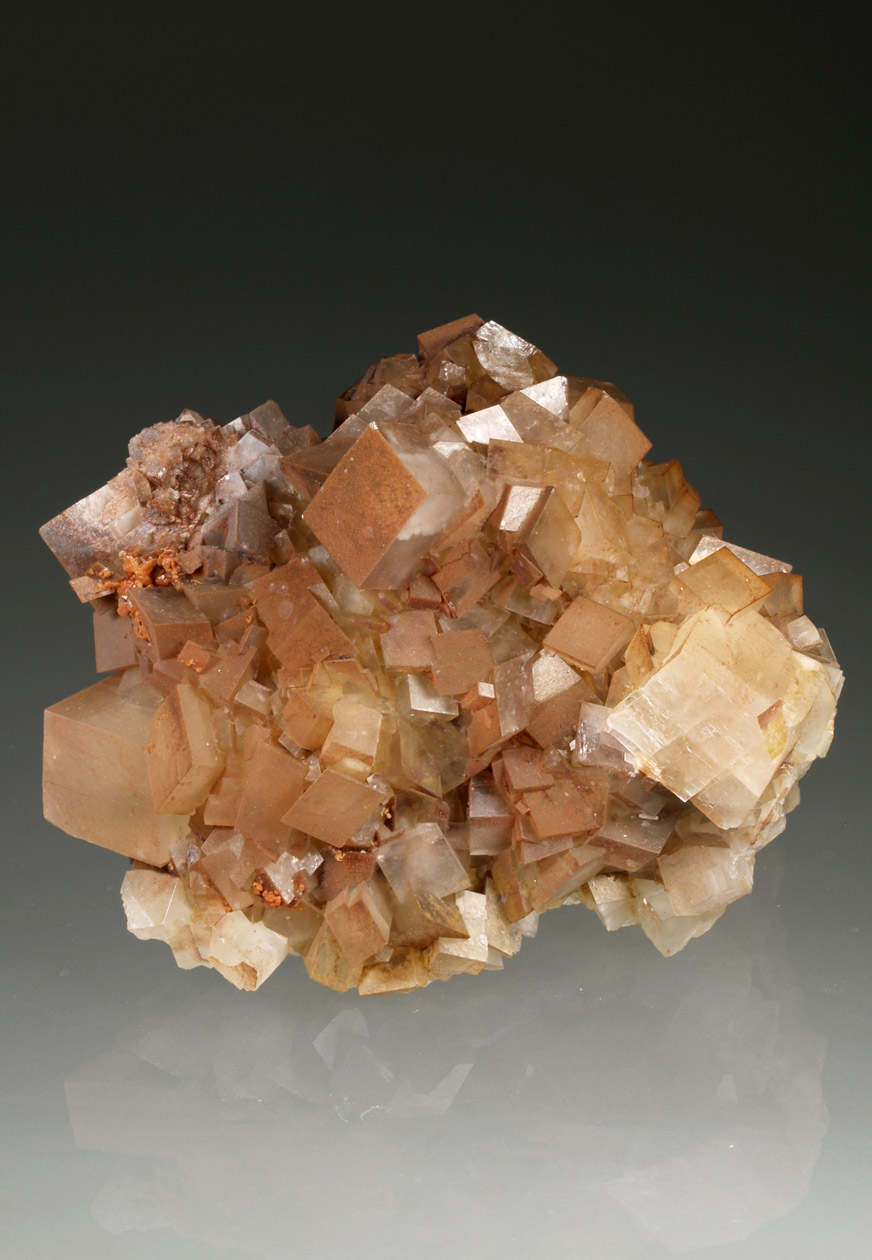
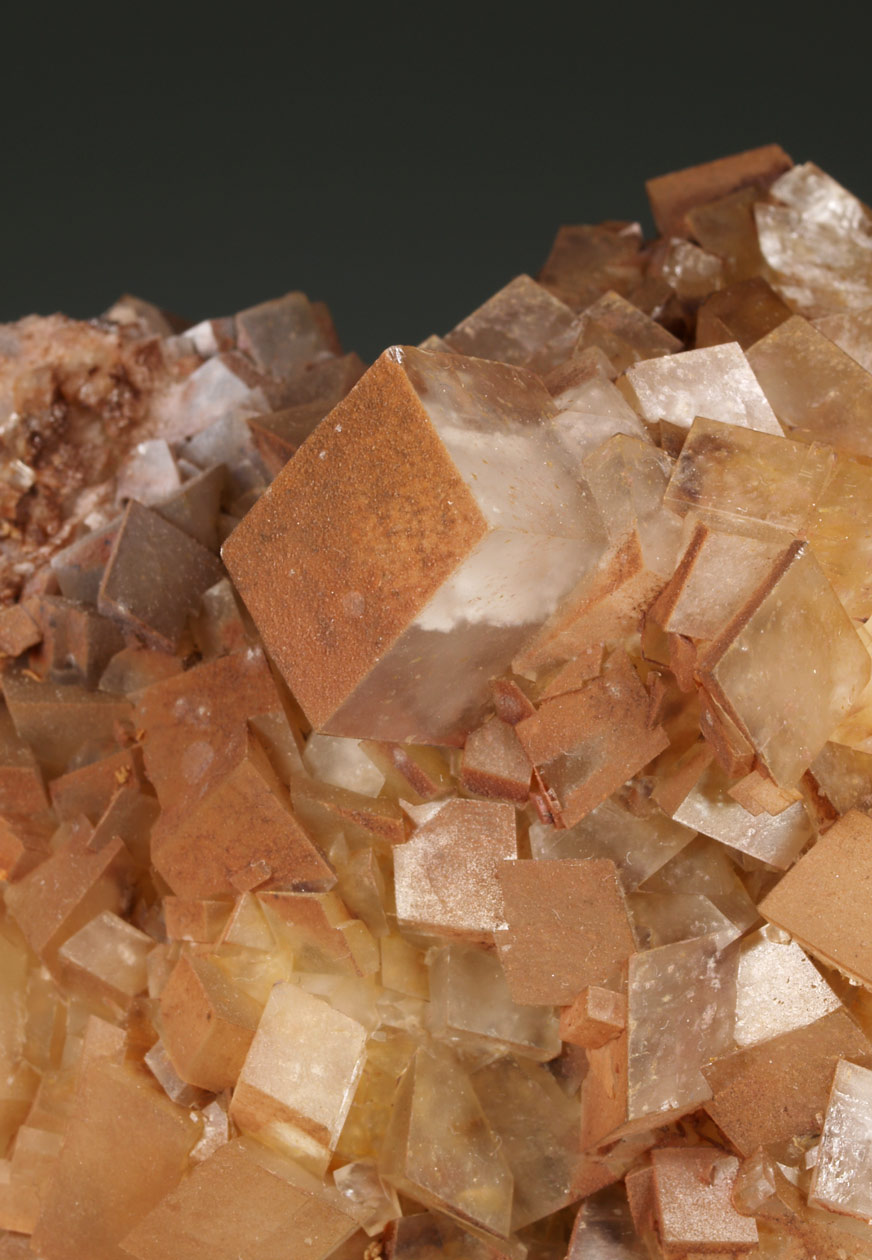
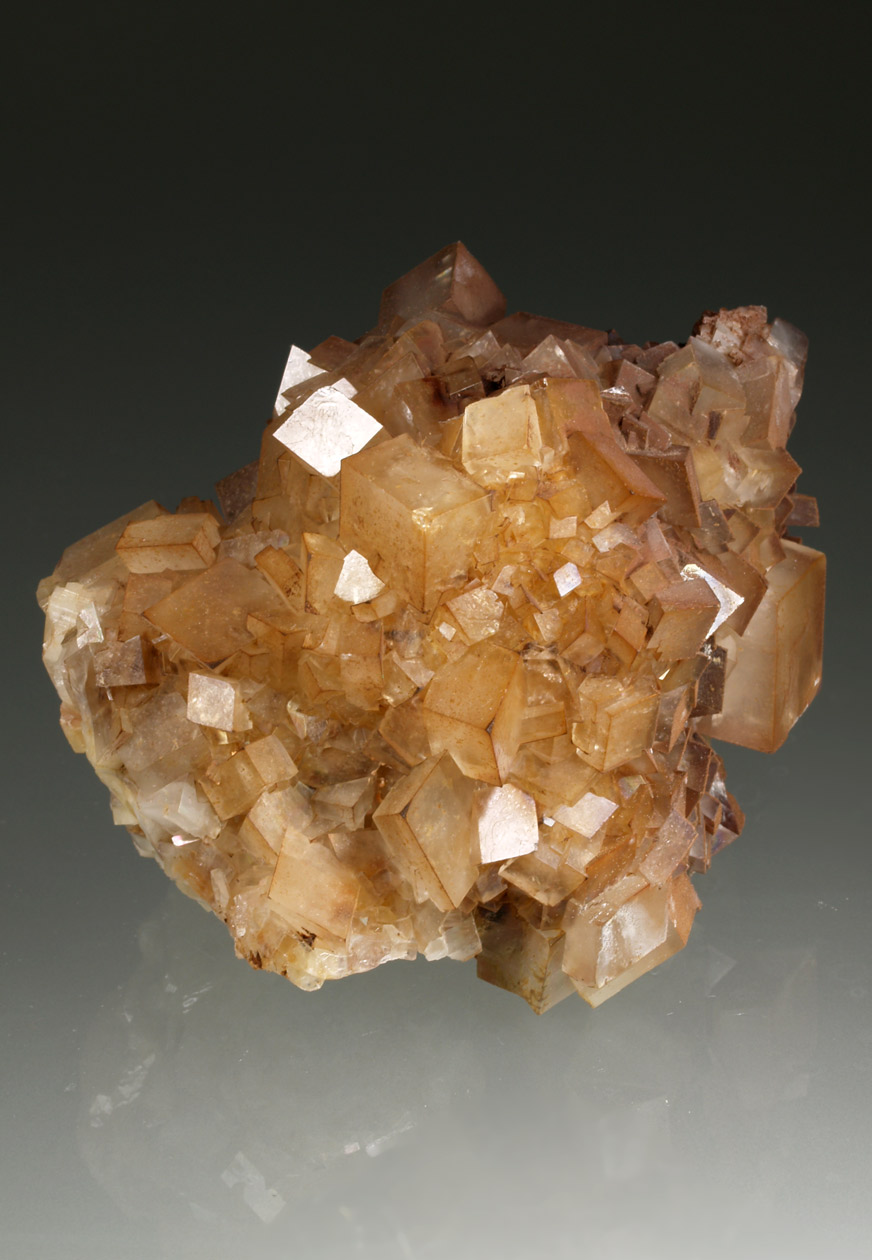
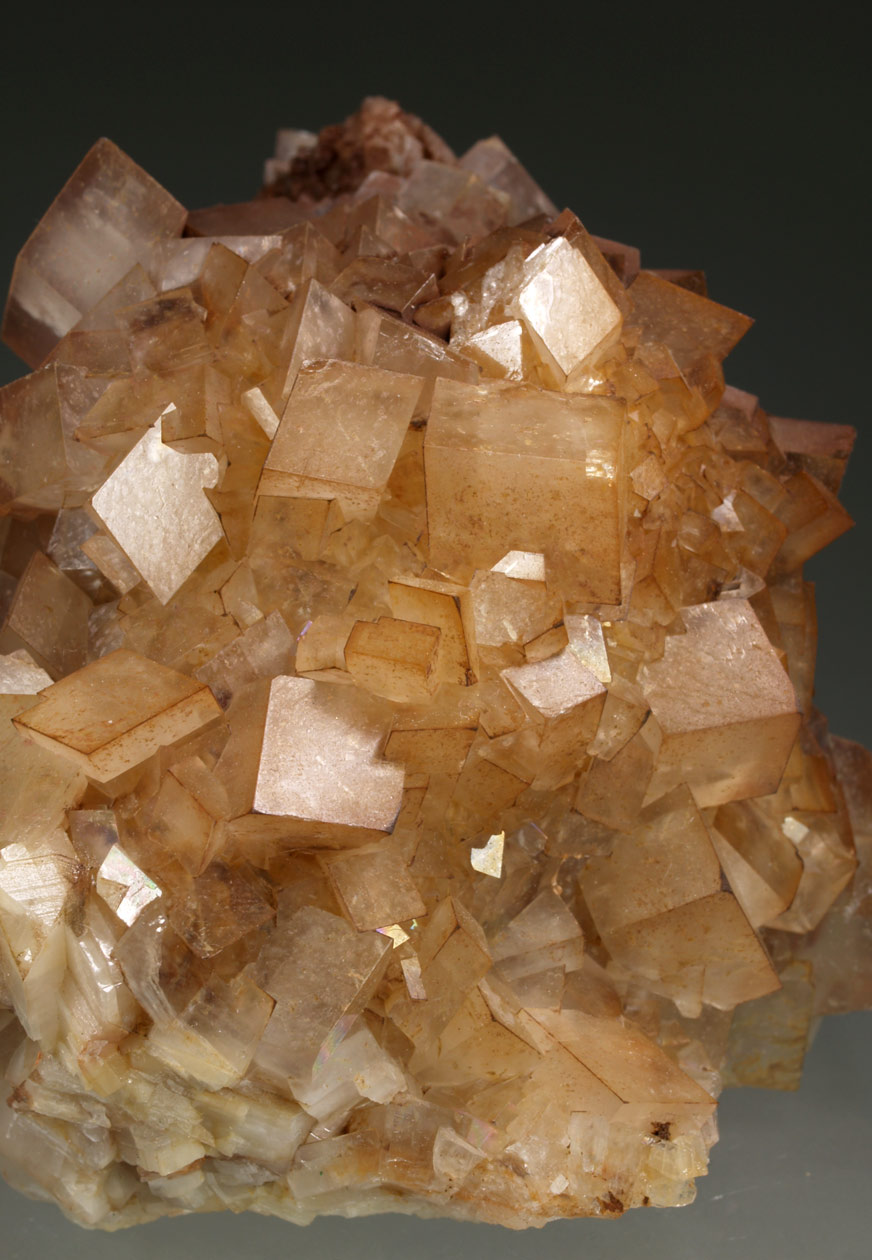
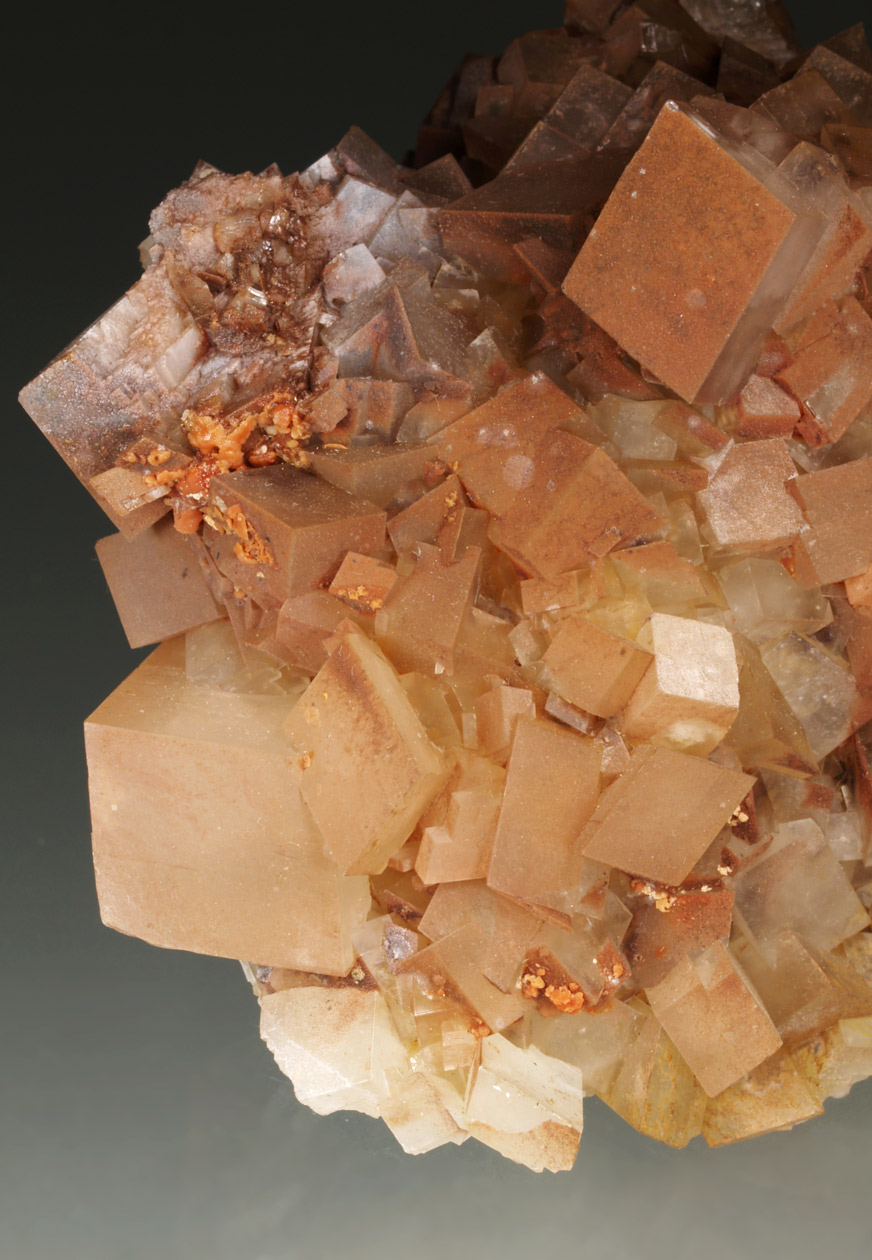
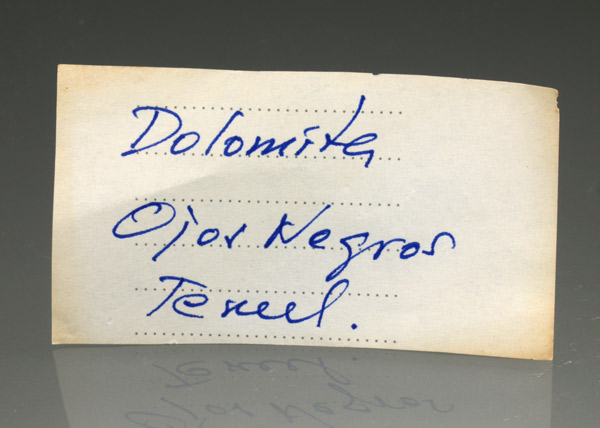
Nutrido grupo de cristales romboédricos de dolomita (en ambos lados de la muestra), muy definidos, con brillo en las caras no recubiertas de una fina pátina de dolomita de tono más marrón. Presenta algún cristal exfoliado en la extracción. Una pieza de buen tamaño y estética.
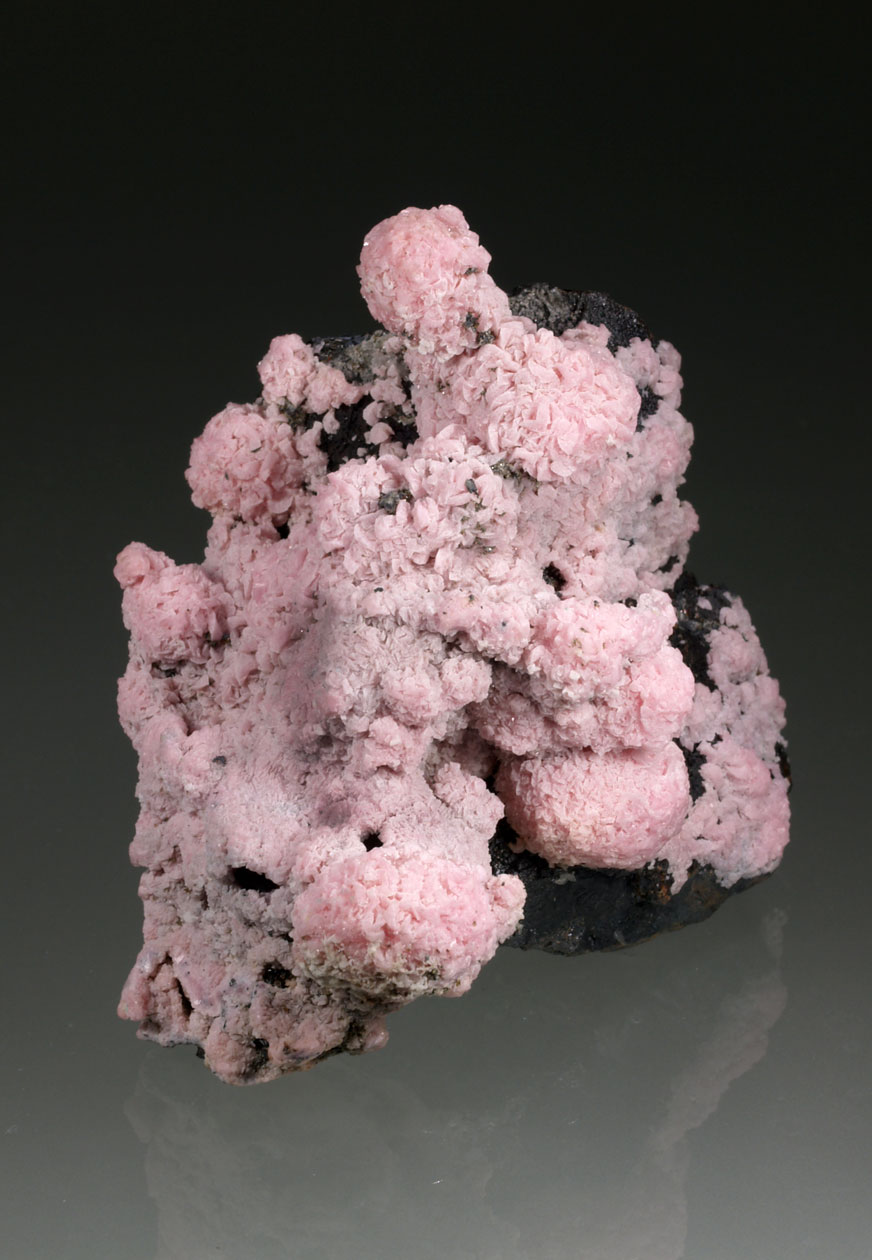
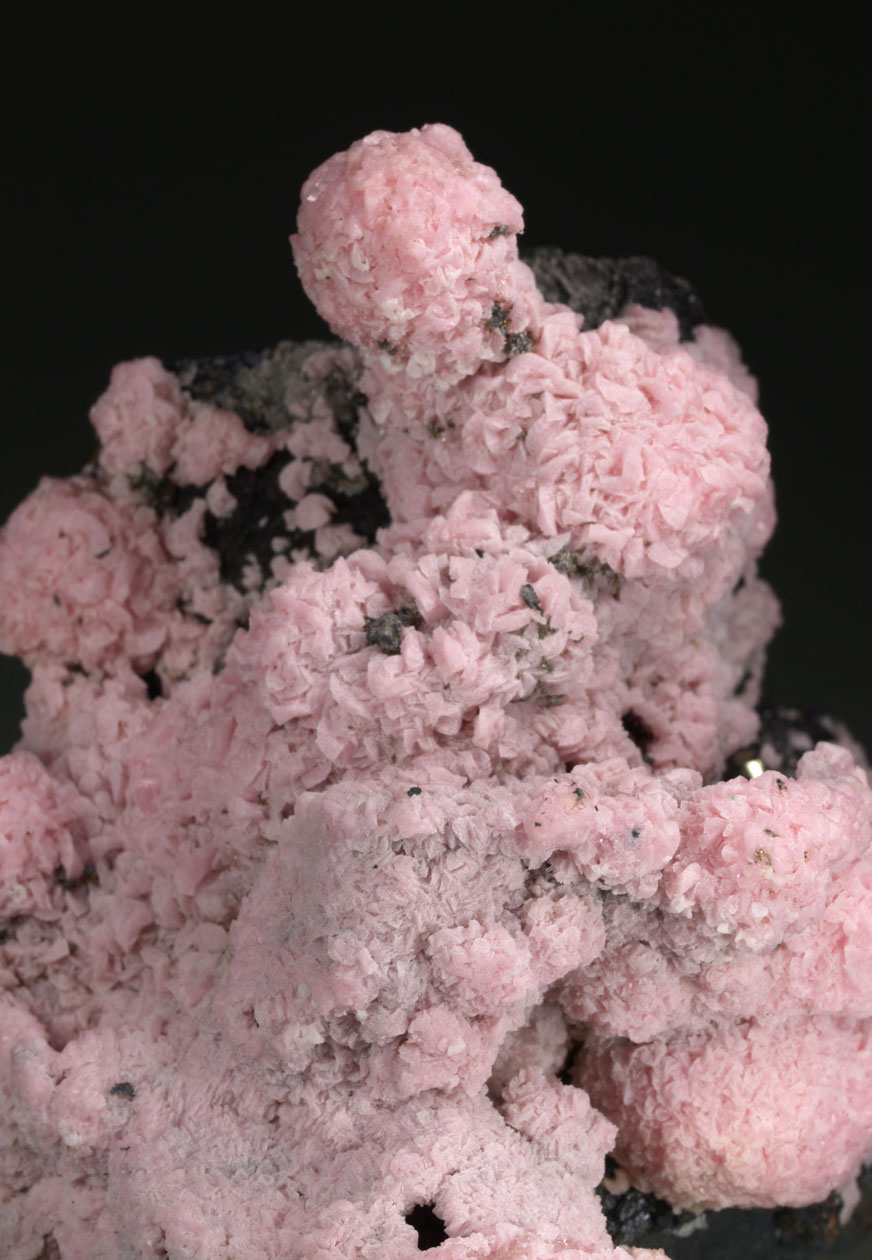
Agregados de cristales romboédricos aplanados de rodocrosita, de intenso color rosado. Se disponen sobre una matriz de esfalerita.
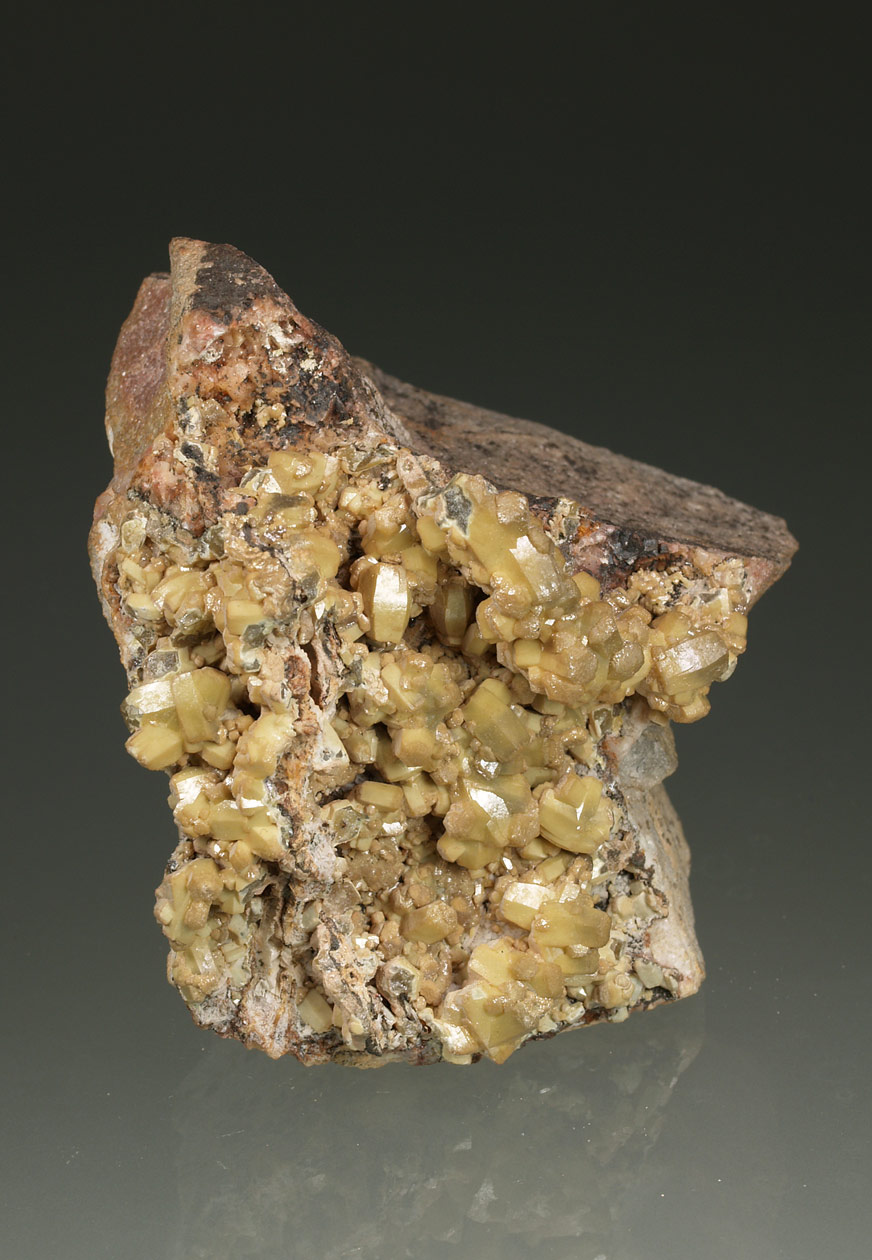
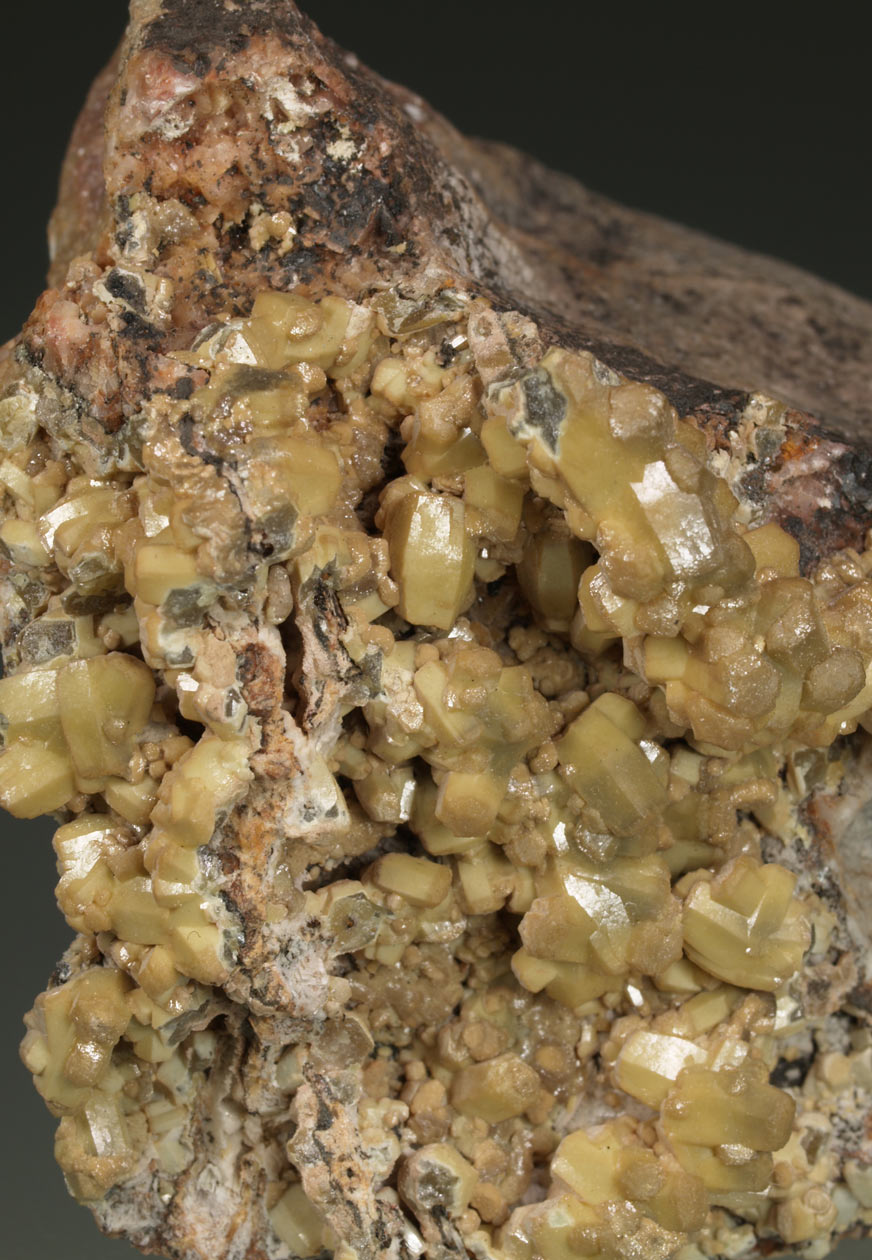
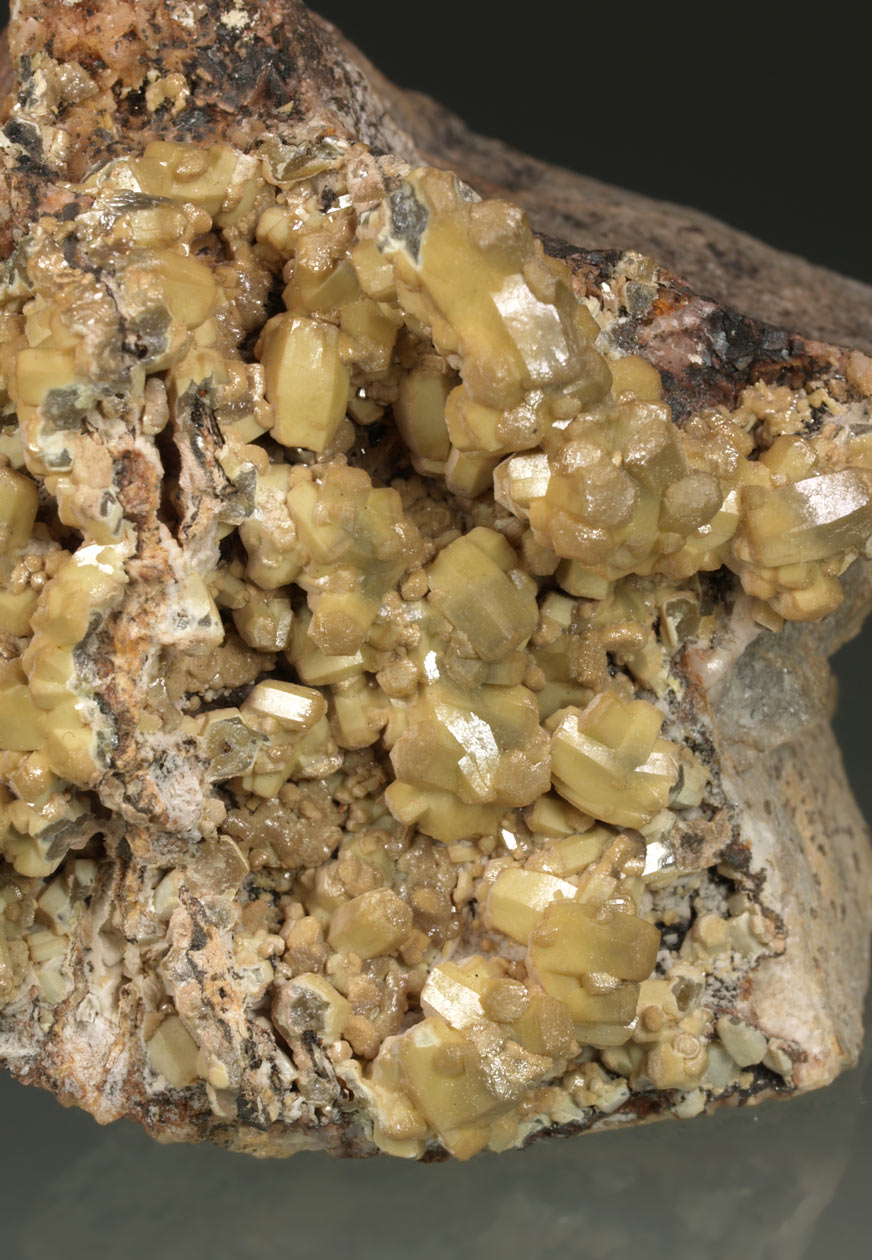
Nutrido grupo de cristales de vanadinita arsenical, definidos, con prismas de caras curvadas, abarrilados y muchos de ellos biterminados, con el color característico de esta variedad. Estos ejemplares aparecieron en el mercado en los últimos años de la década de los 70 etiquetados como piromorfita, hasta que fueron analizados y determinados correctamente. Este ejemplar ha sido analizado mostrando cerca de un 3% en peso de As, frente al 8.7% de V. Cuestan de ver en el mercado.
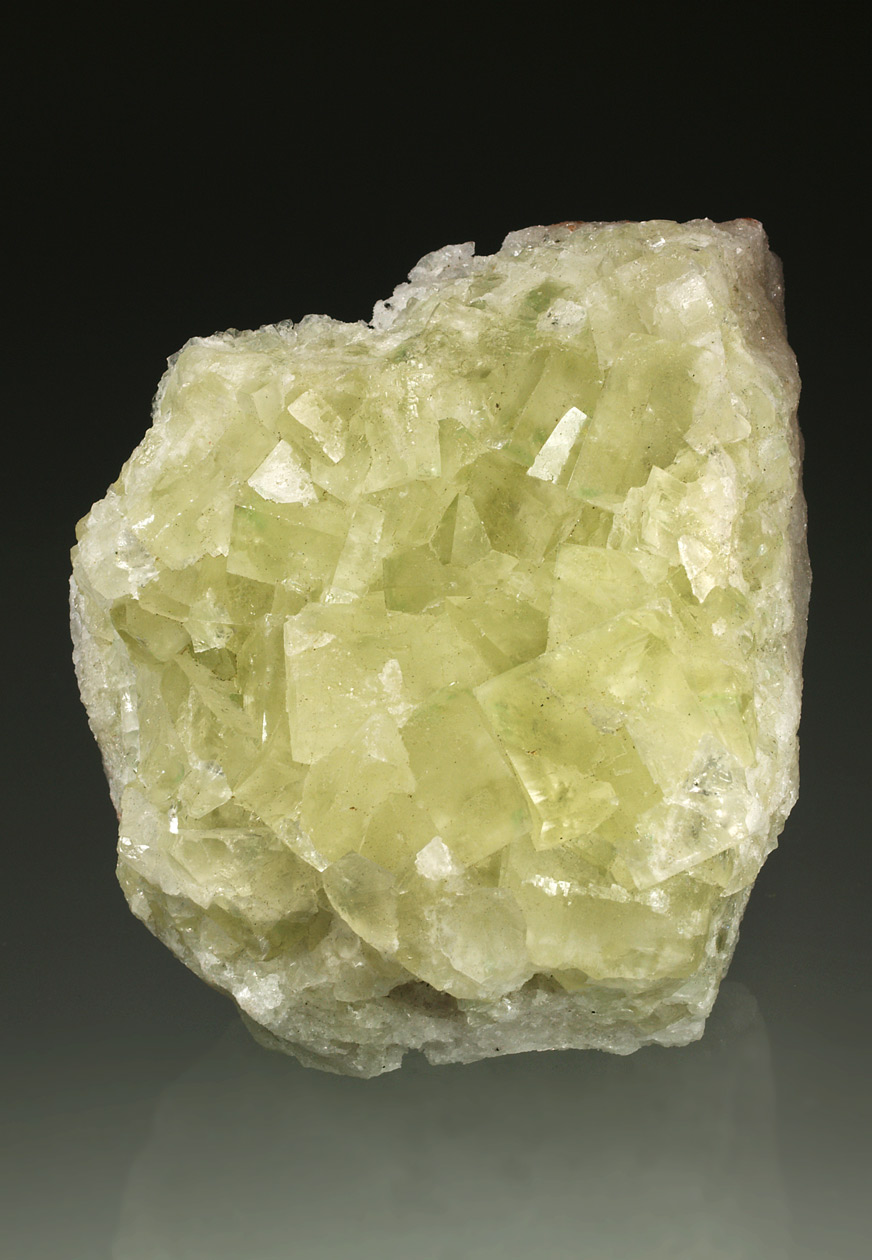
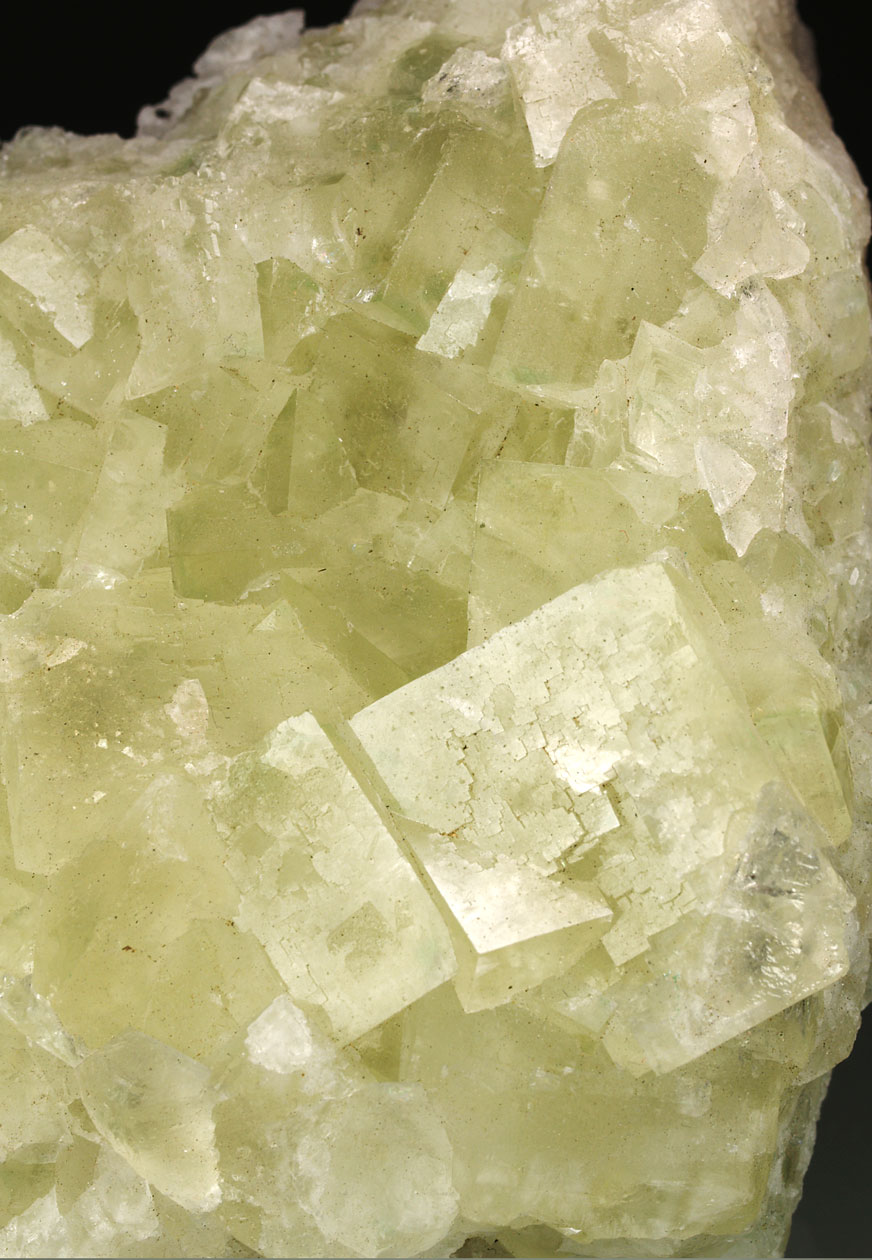
Nutrido grupo de cristales cúbicos de fluorita, muy definidos, transparentes y con un tono amarillo verdoso muy característico de las fluoritas de las minas de Sant Marçal (también llamadas del Matagalls), sitas en pleno macizo del Montseny. No se ven muchos ejemplares con esta calidad hoy día. Un clásico de la mineralogía catalana.
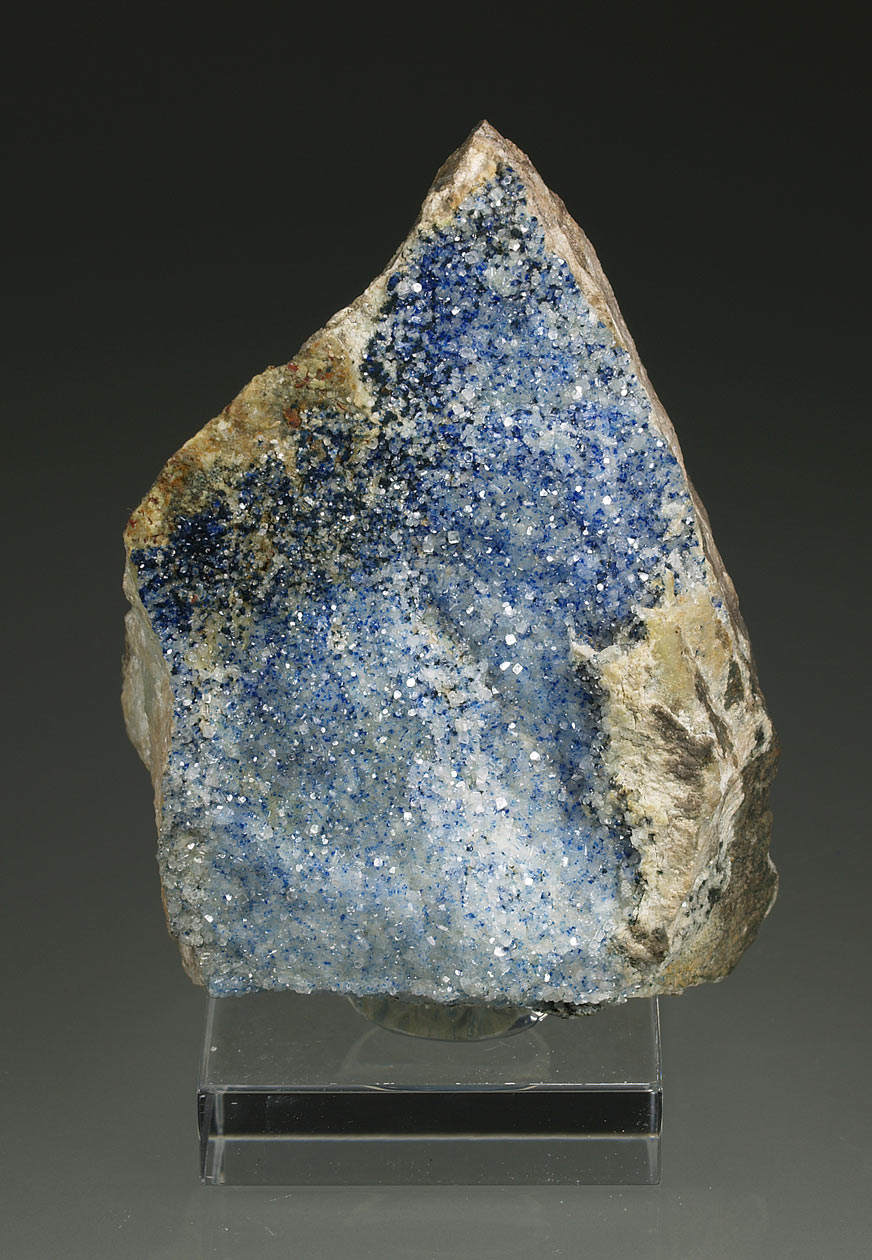
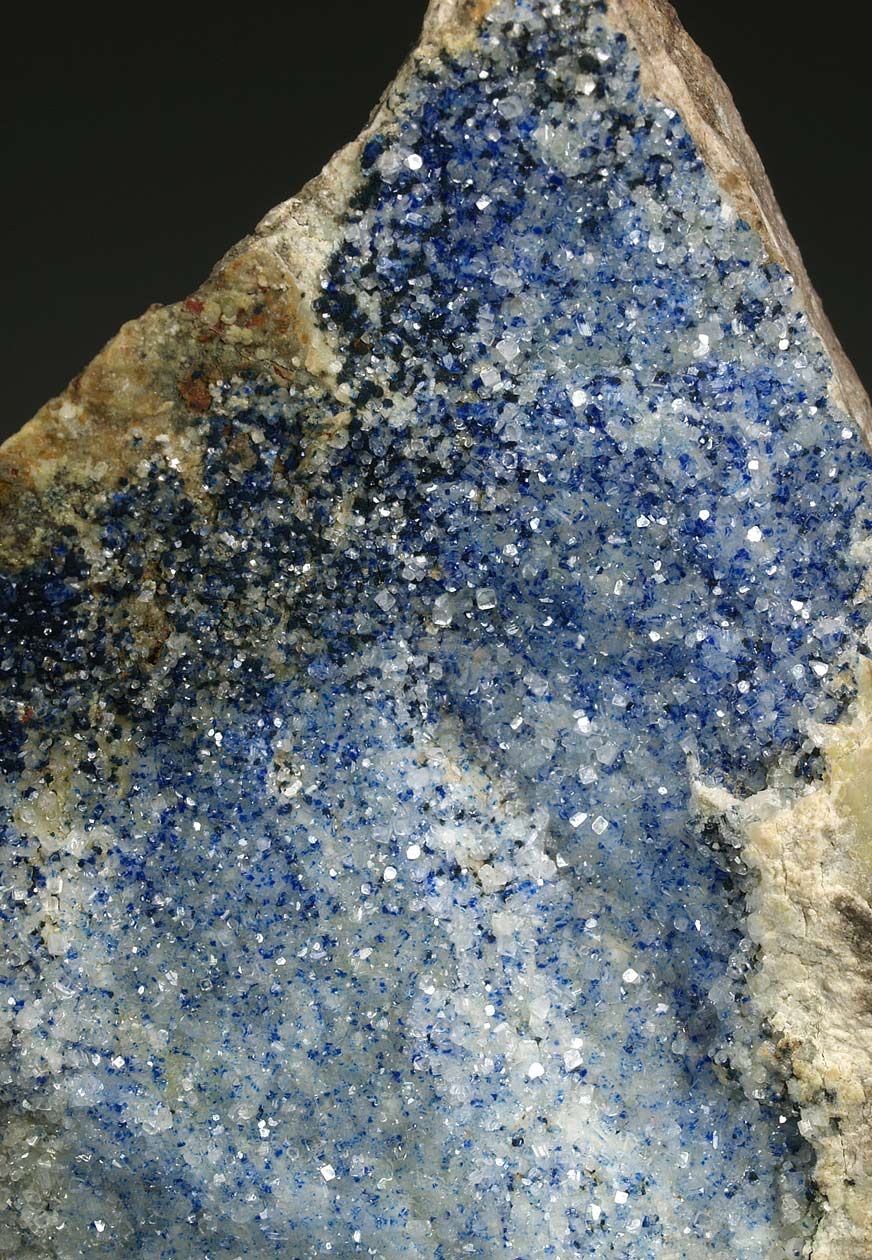
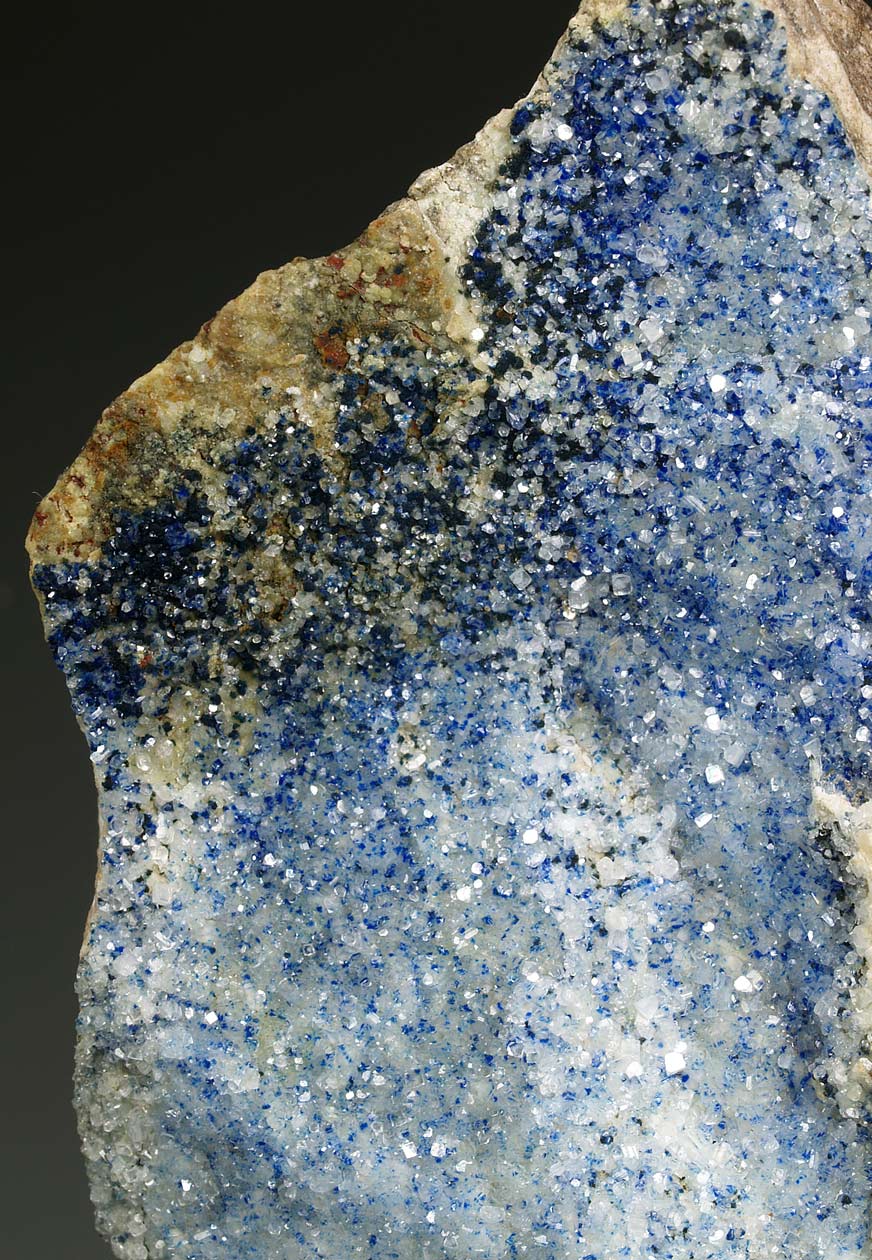
Ejemplar muy estético de kinoíta de esta famosa mina americana. Se trata de una drusa formada por pequeños cristales de este raro silicato de calcio y cobre, muy característico de este yacimiento, que se hallan parcialmente recubiertos por brillantes y transparentes cristales de hydroxyapofilita-(K). Observamos también la kinoíta como agregados globulares más oscuros. Pura estética y brillo. Los mejores ejemplares de kinoíta salieron por poco tiempo en los años 70 de esta mina de Arizona, y aparecen raramente en el mercado.
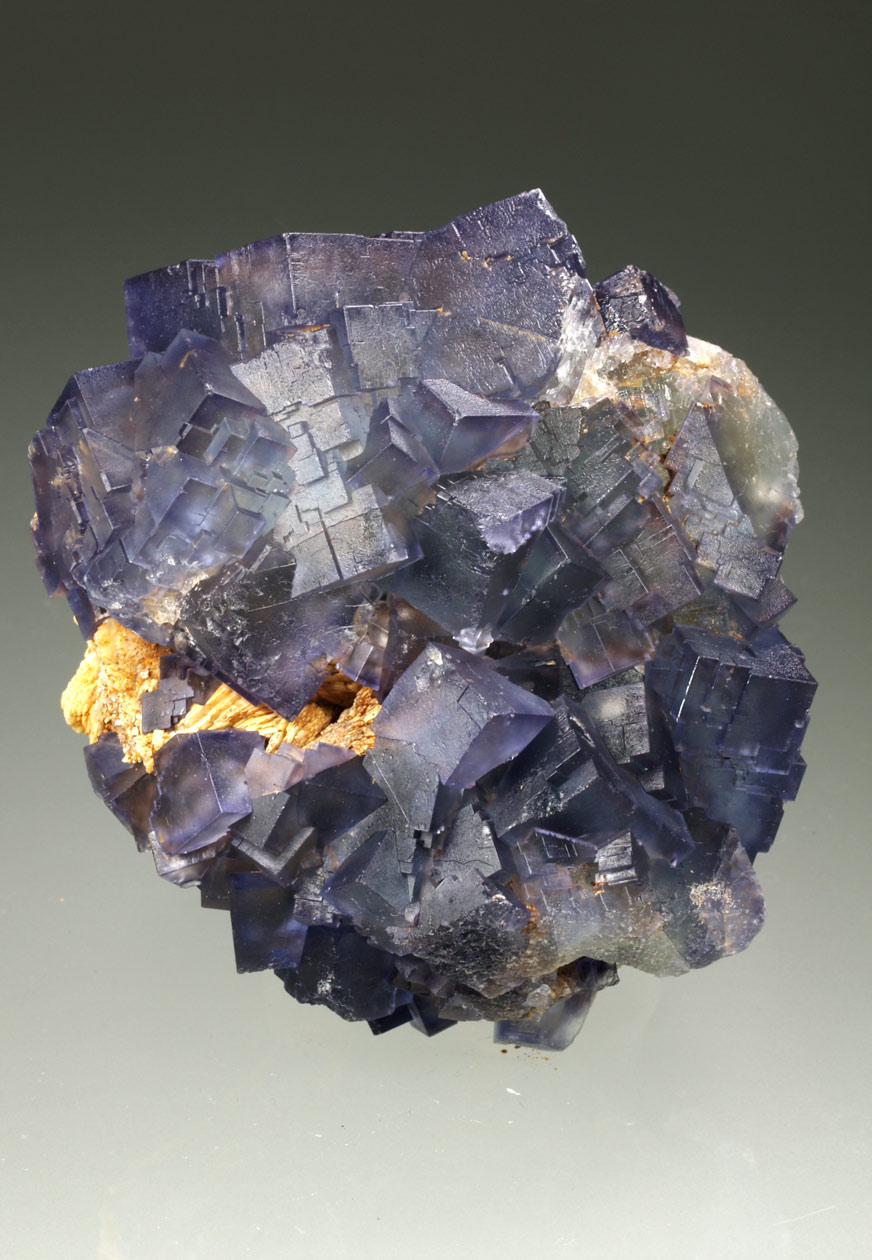
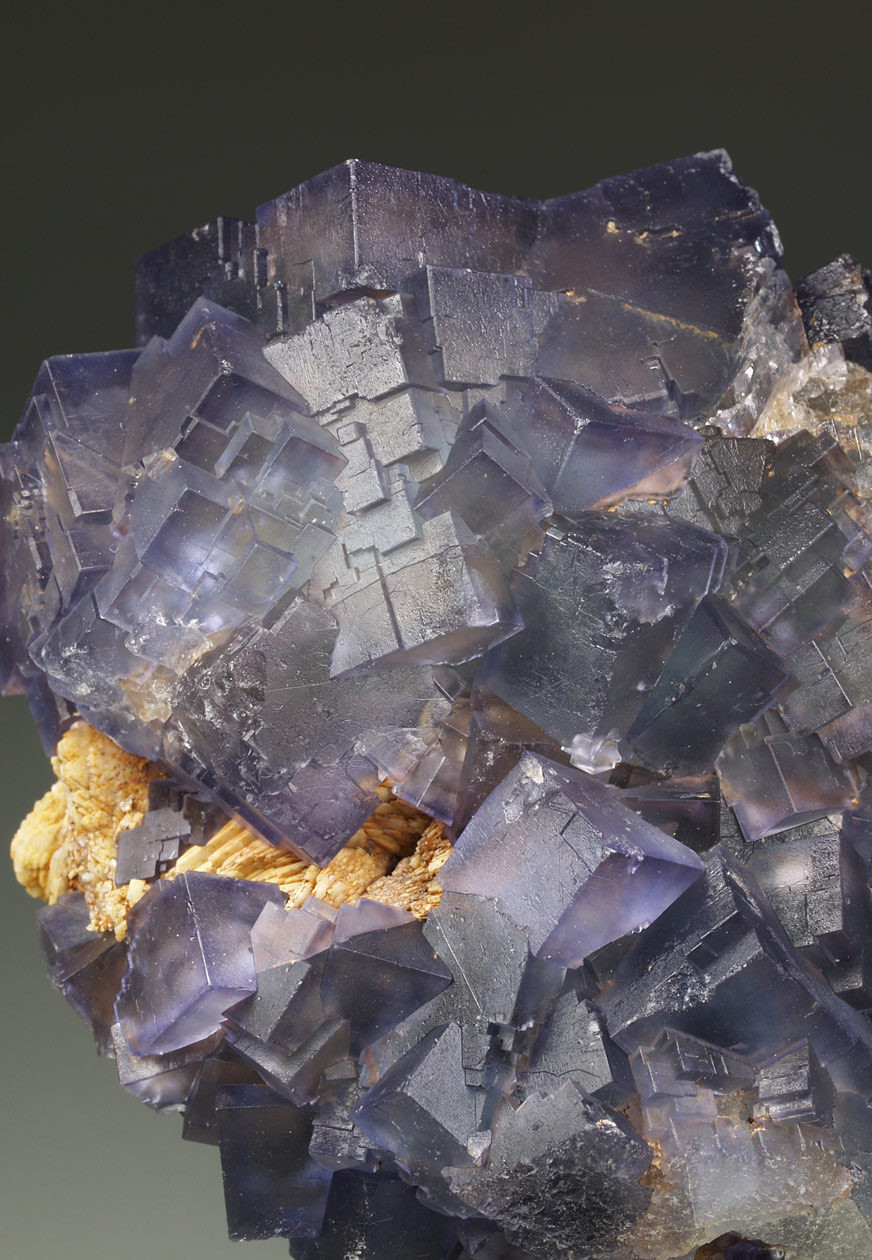
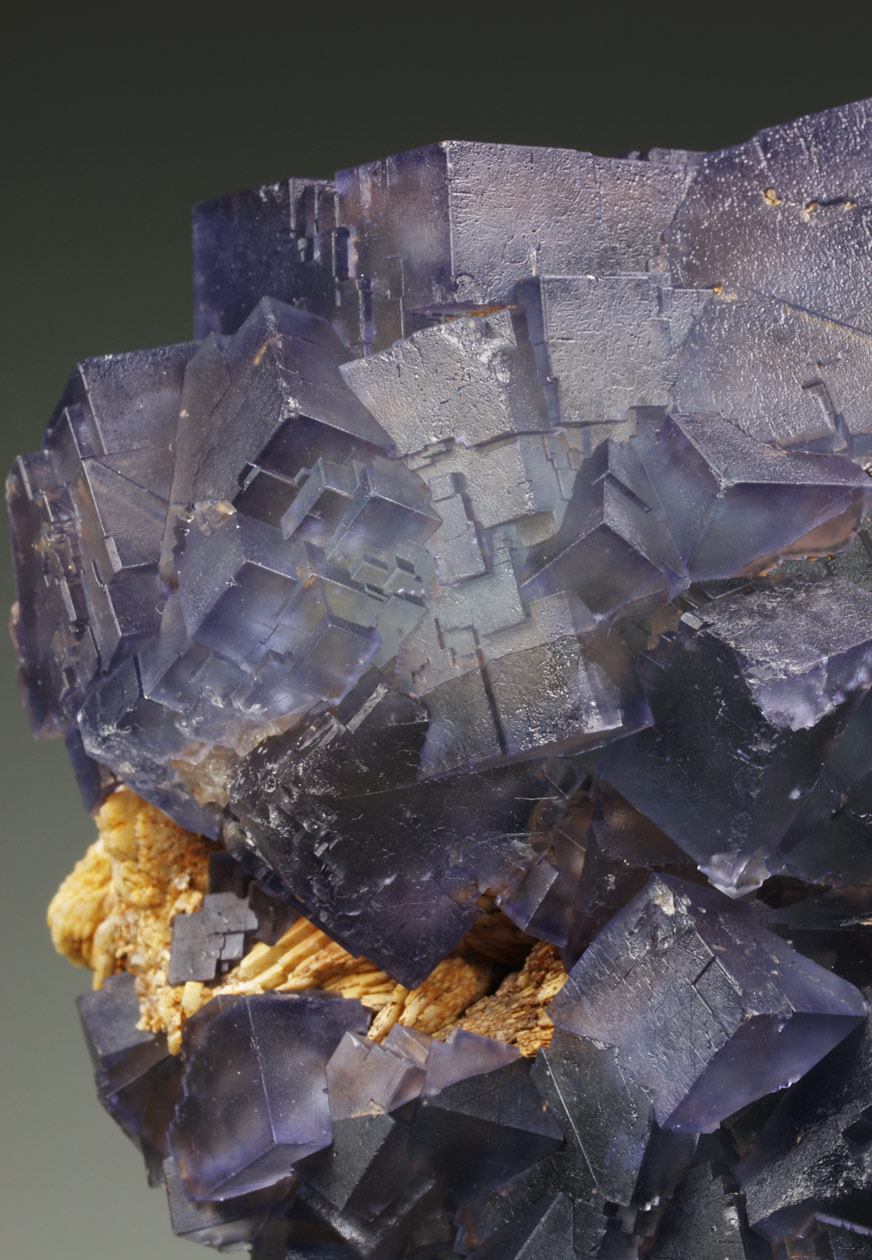
Nutrido grupo de cristales bien definidos de fluorita, cúbicos, con crecimientos polisintéticos en las caras. El color entre violeta a azulado-grisáceo, poco habitual en el yacimiento. Translúcidos y que permiten ver cierat zonación del color. Buen tamaño.
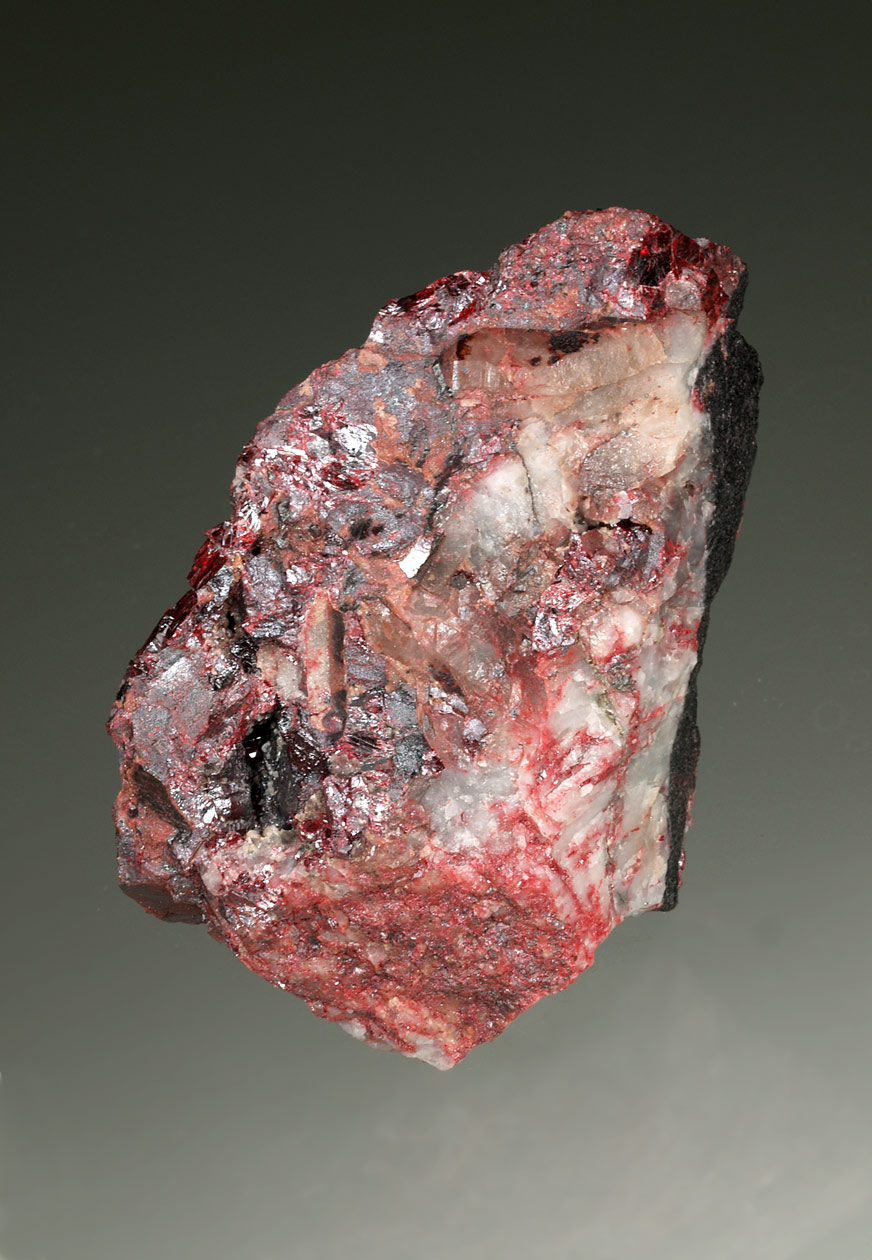
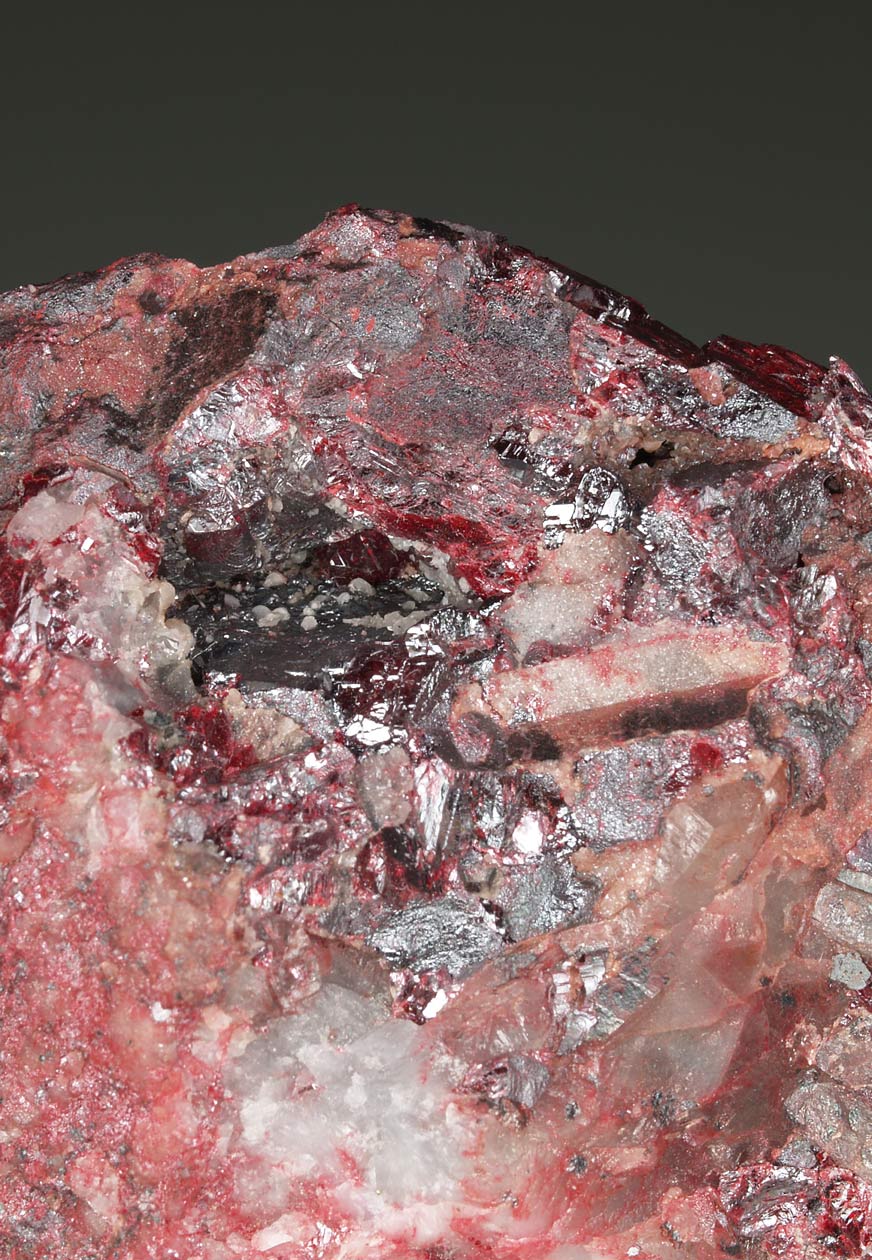
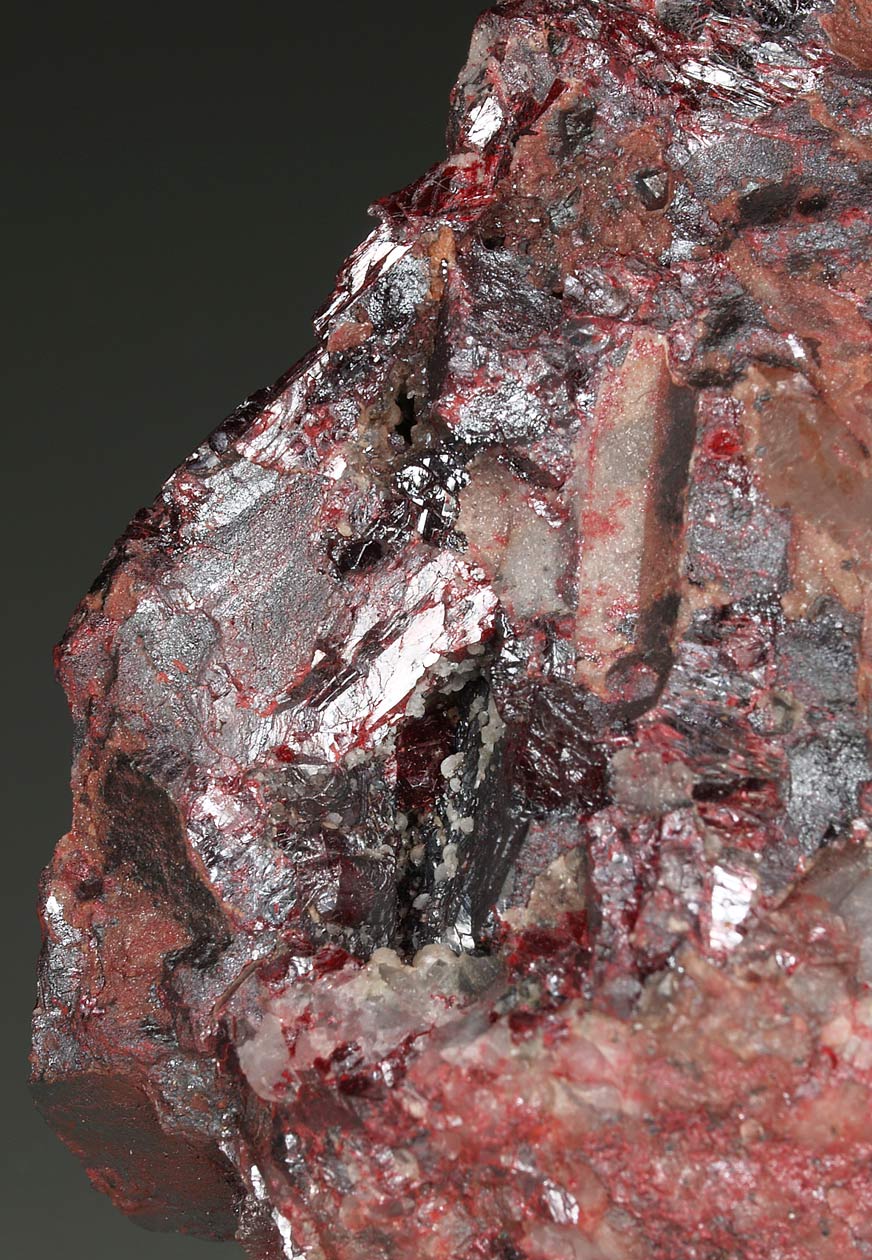
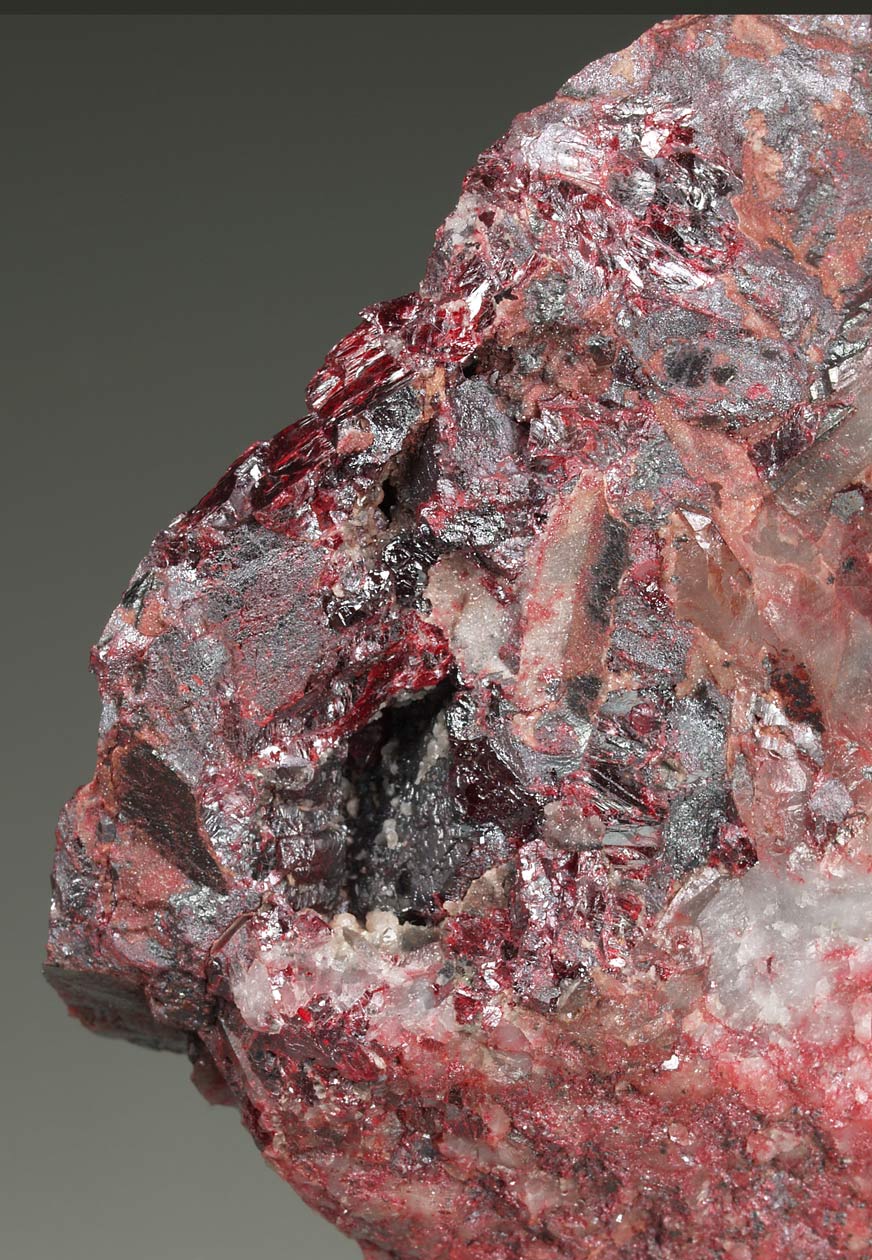
Este ejemplar es interesante por la cavidad en la matriz en la que destacan brillantes y rojos cristales de cinabrio. Se acompañan de cristales lenticulares de barita. Una pieza con años de la colección Arguijo.
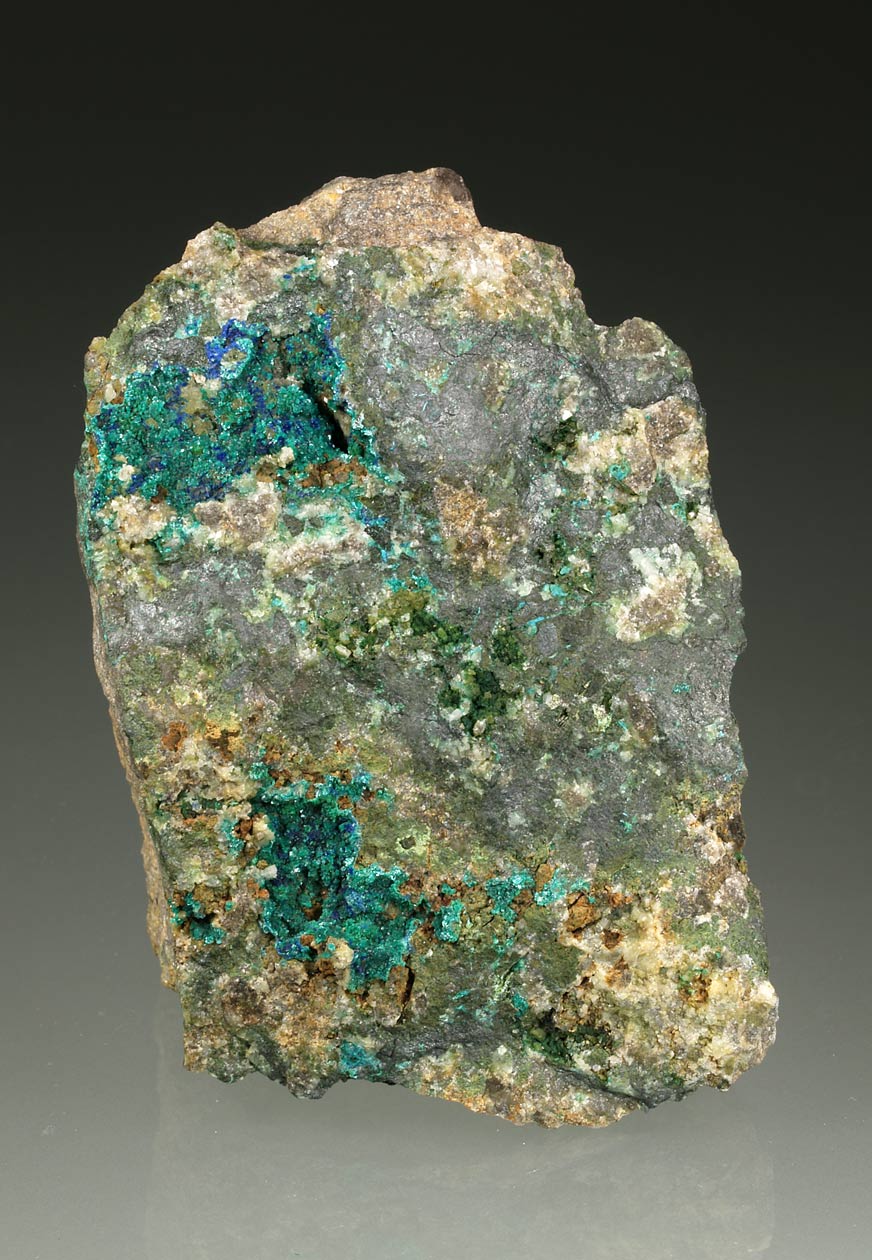
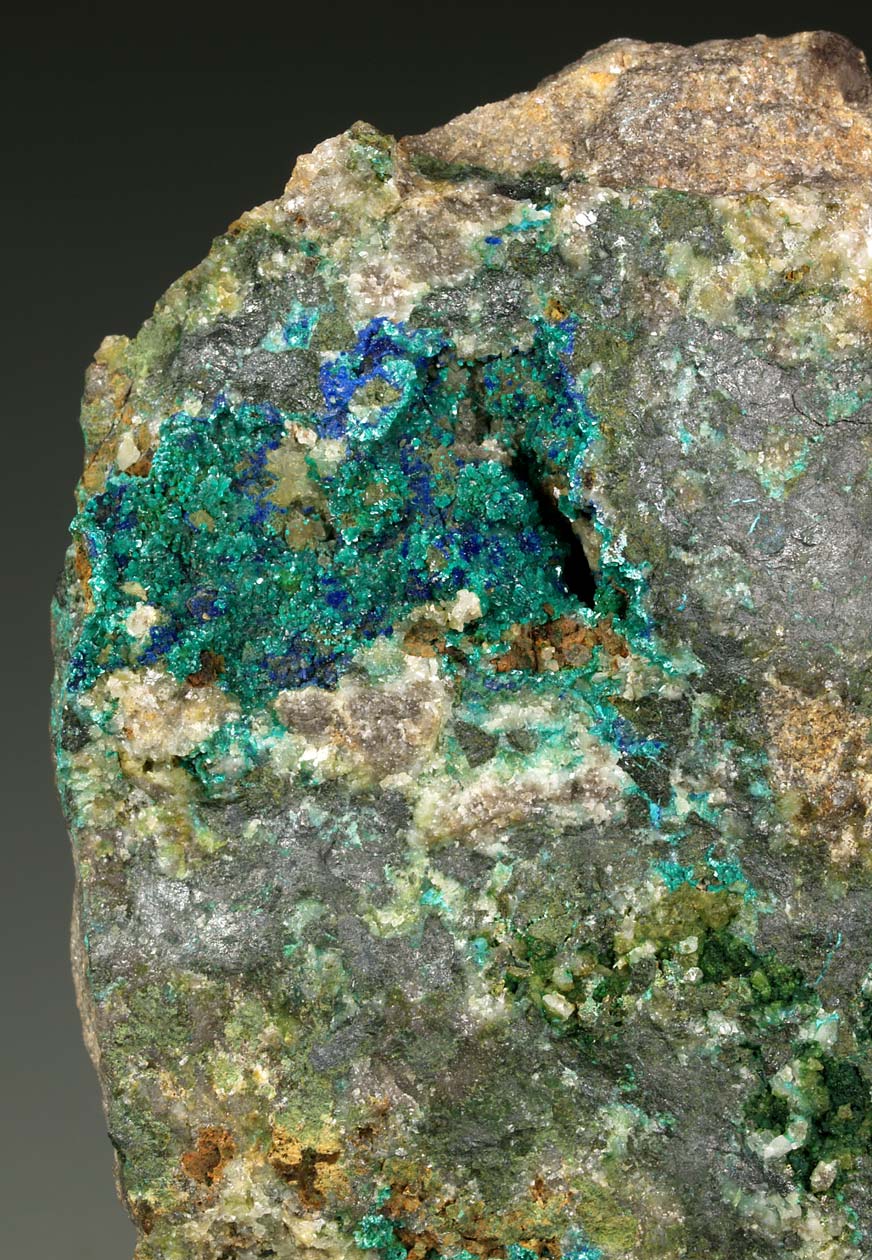
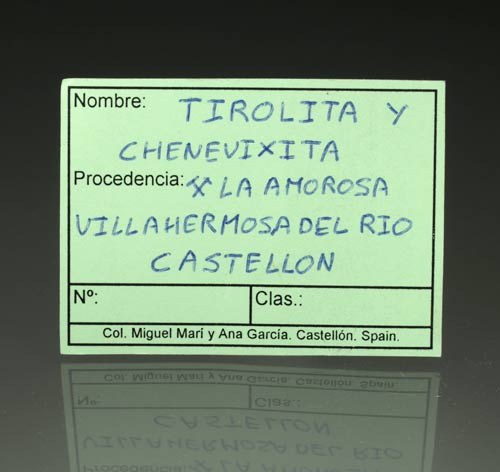
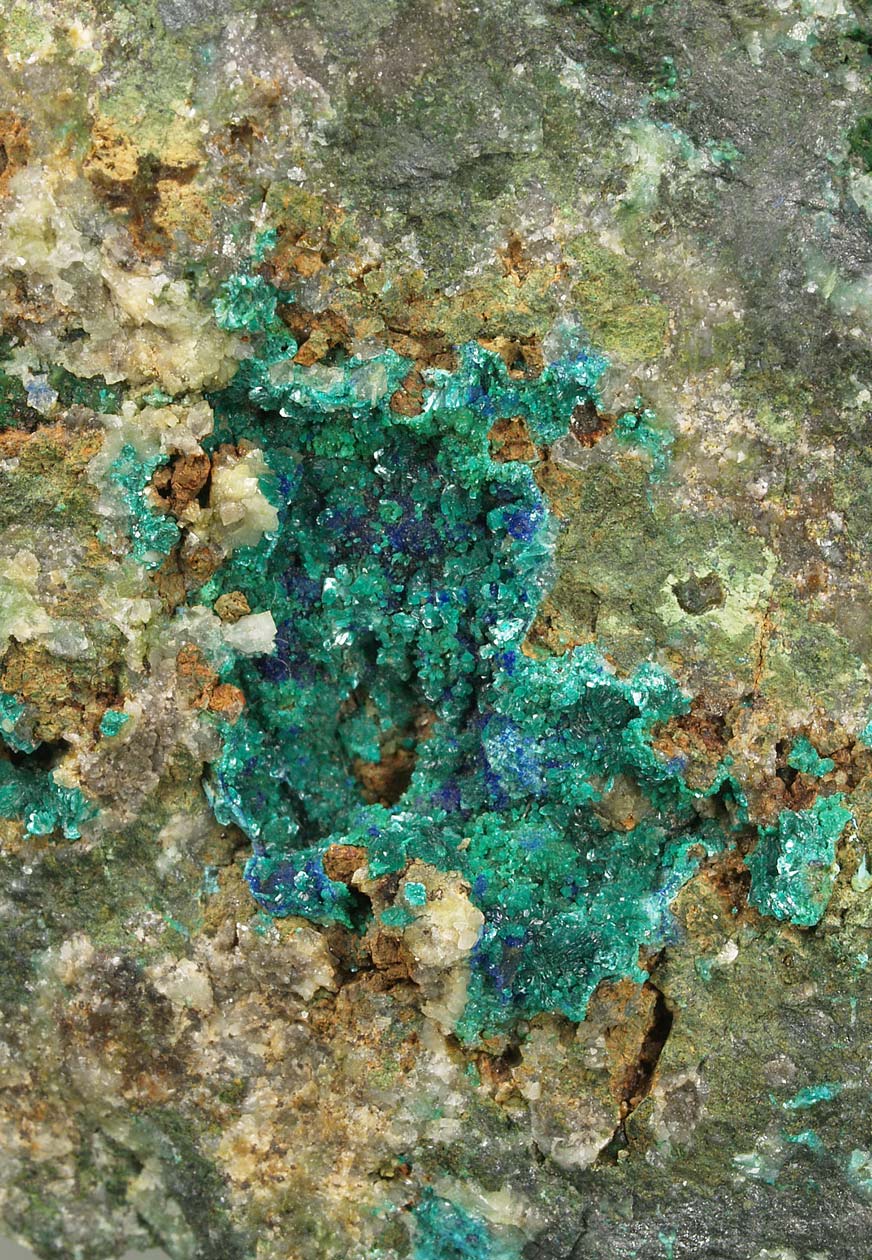
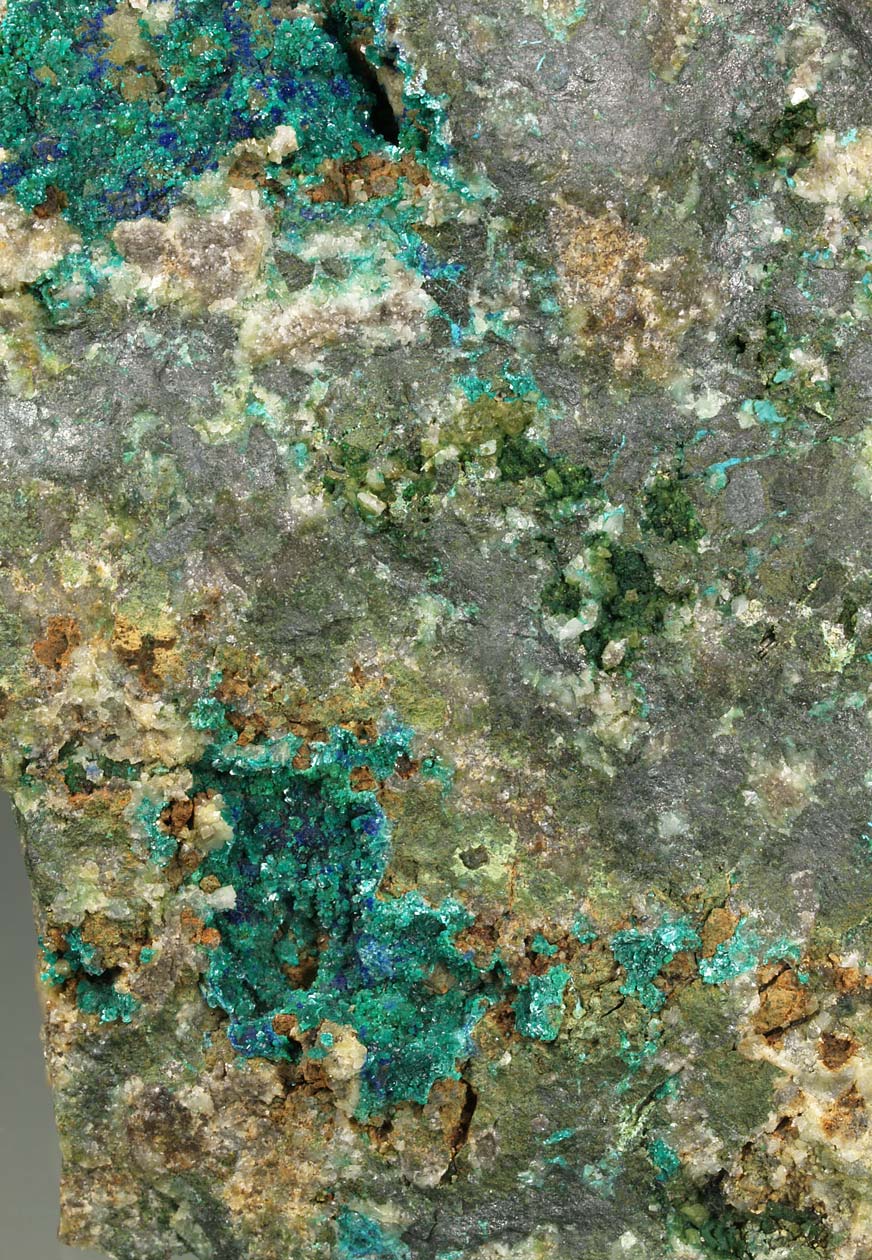
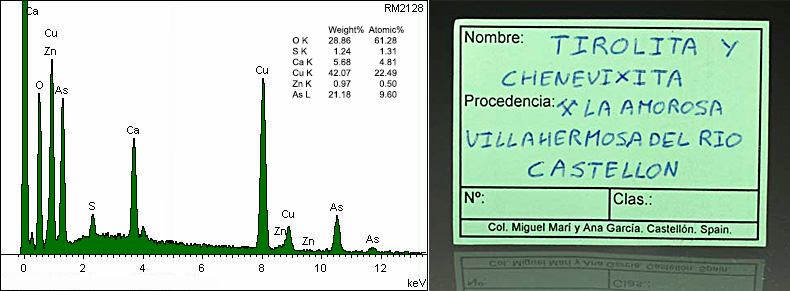
Los ejemplares de tirolita de la mina Amorosa son un clásico de la mineralogía española. En las cavidades de la matriz dolomítica encontramos estéticos y brillantes agregados de cristales tabulares, foliáceos de tirolita. Los análisis SEM-EDS de esta muestra son consistentes con los de otros yacimientos, mostrando la presencia de S y Zn en su composición. Se acompaña de chenevixita, un arseniato de cobre y hierro, de color verde oliva. Enviaremos los análisis al comprador.
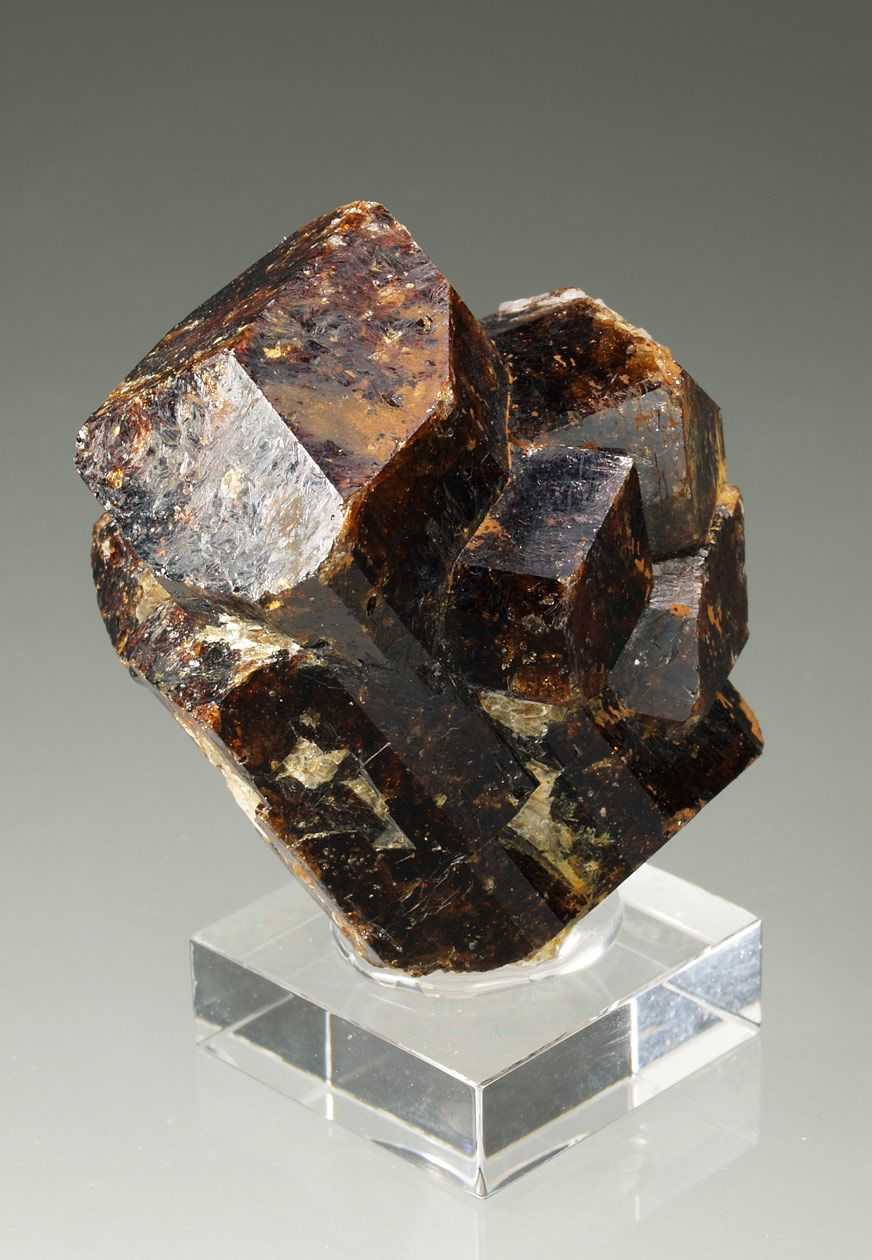
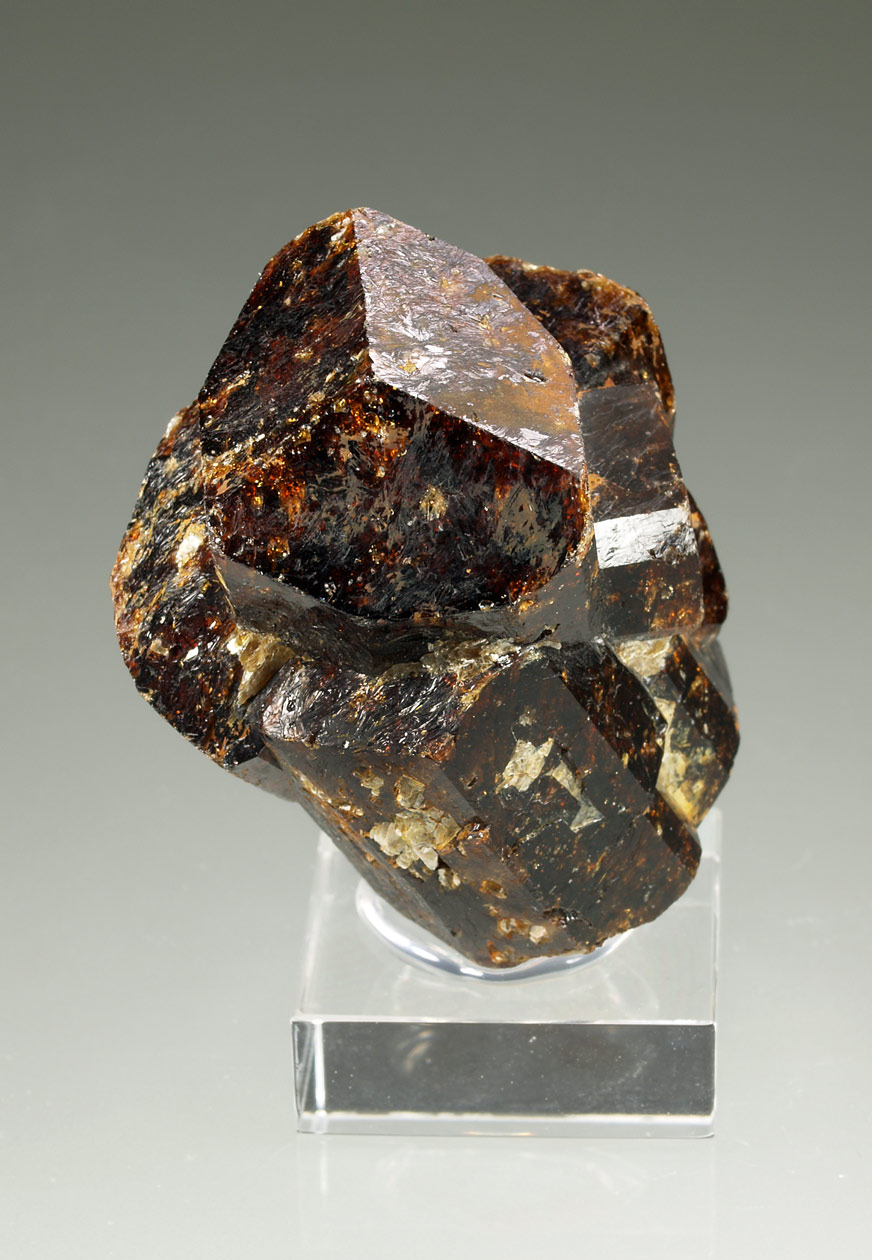
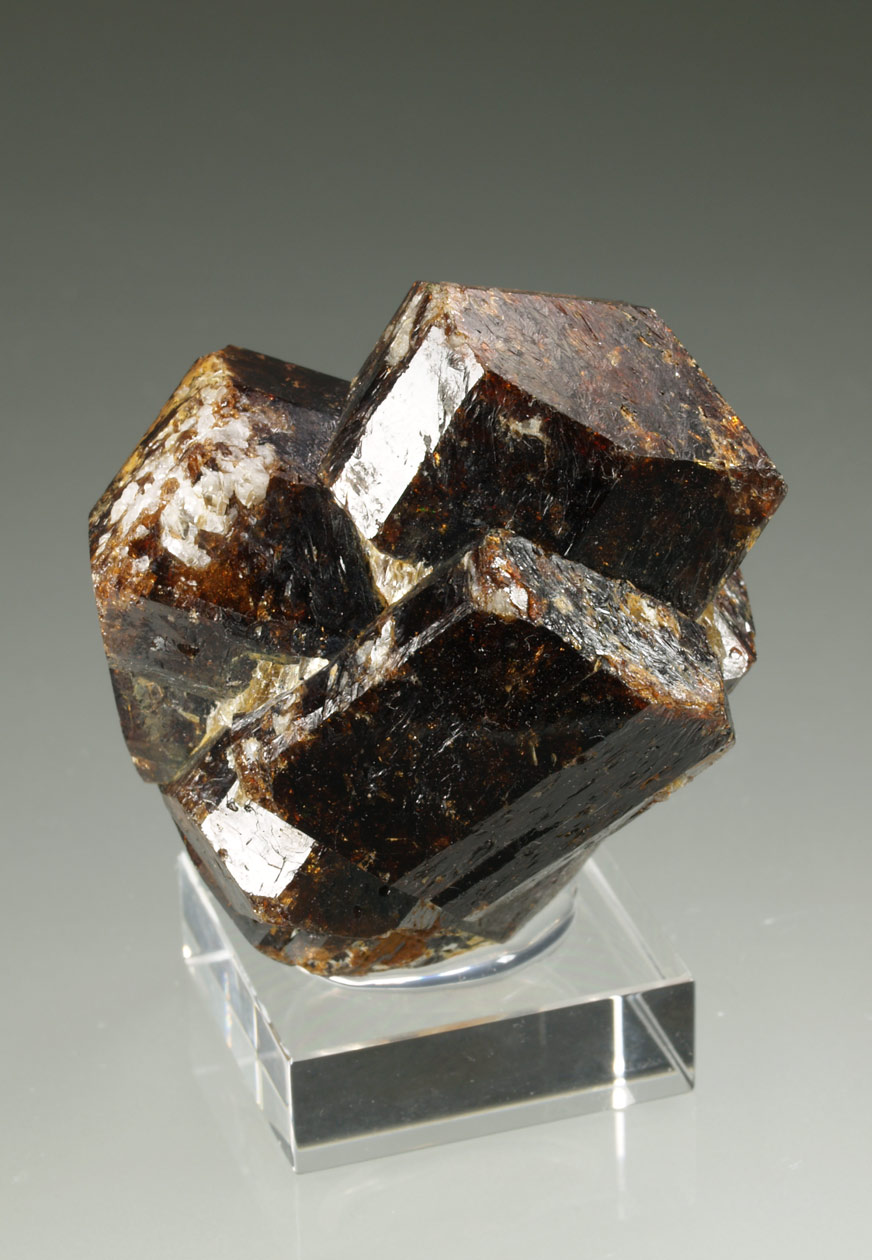
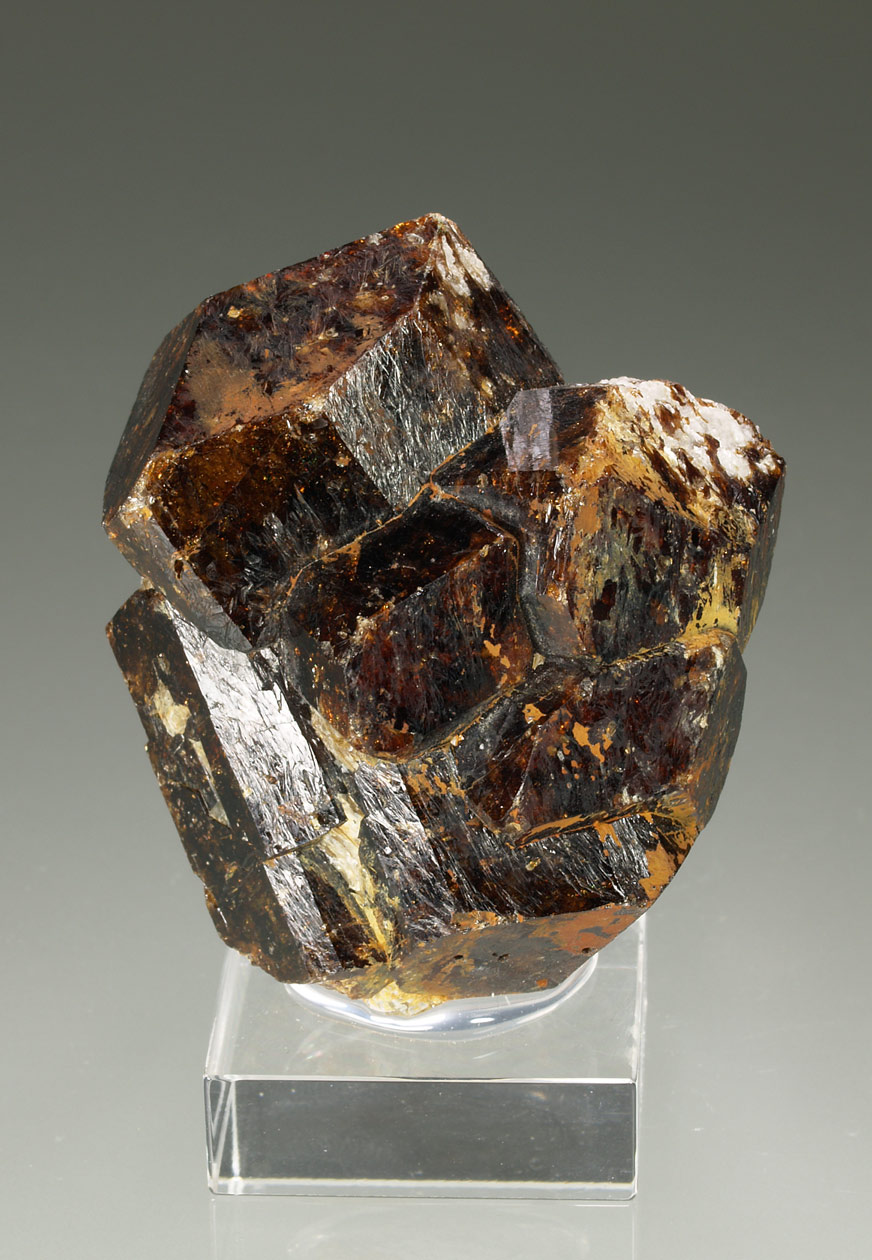
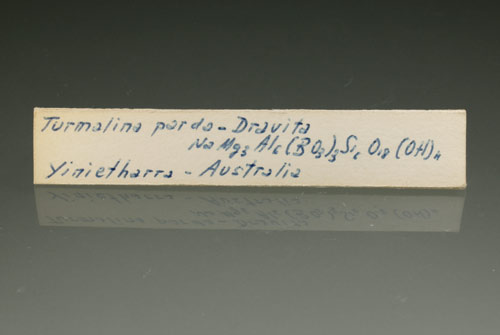
Los cristales de dravita de Yinnietharra son un clásico de la mineralogía mundial. Hoy día sólo se pueden obtener de antiguas colecciones que tuvieron la suerte de formarse cuando se trabajaban las minas. Este ejemplar nos muestra un grupo de cristales biterminados de dravita, con caras y aristas muy definidas, brillantes y con el característico color de miel tostada. Se acompañan de moscovita.
La minería de pequeñas dimensiones de moscovita, utilizada en la industria eléctrica, tuvo su auge en la zona de Yinnietharra entre 1922 y 1946, también se extrajeron berilo y columbita entre 1942 y 1965, y la extracción de gemas después, hasta alrededor de 1990. Existen minerales de tierras raras, de uranio y de litio que nunca han sido explotados industrialmente.
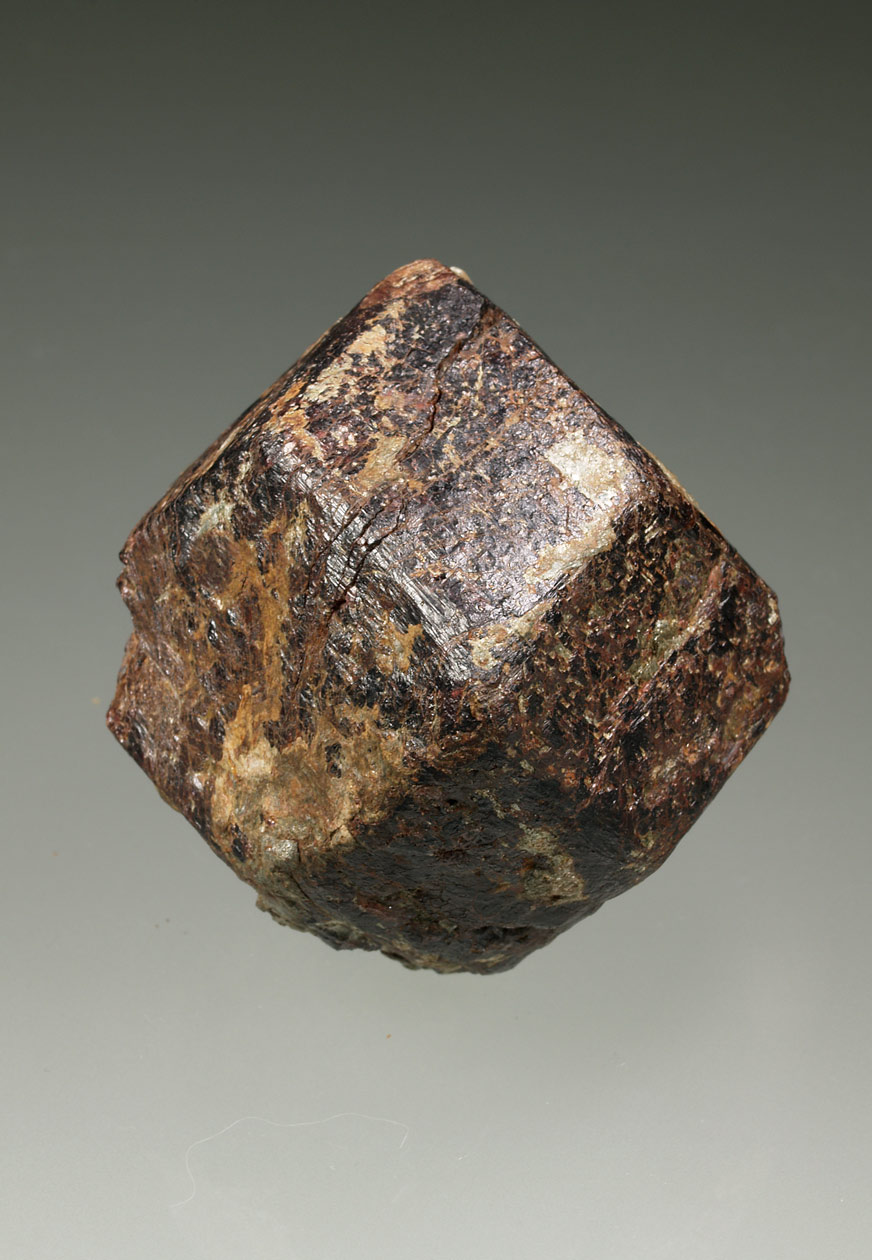
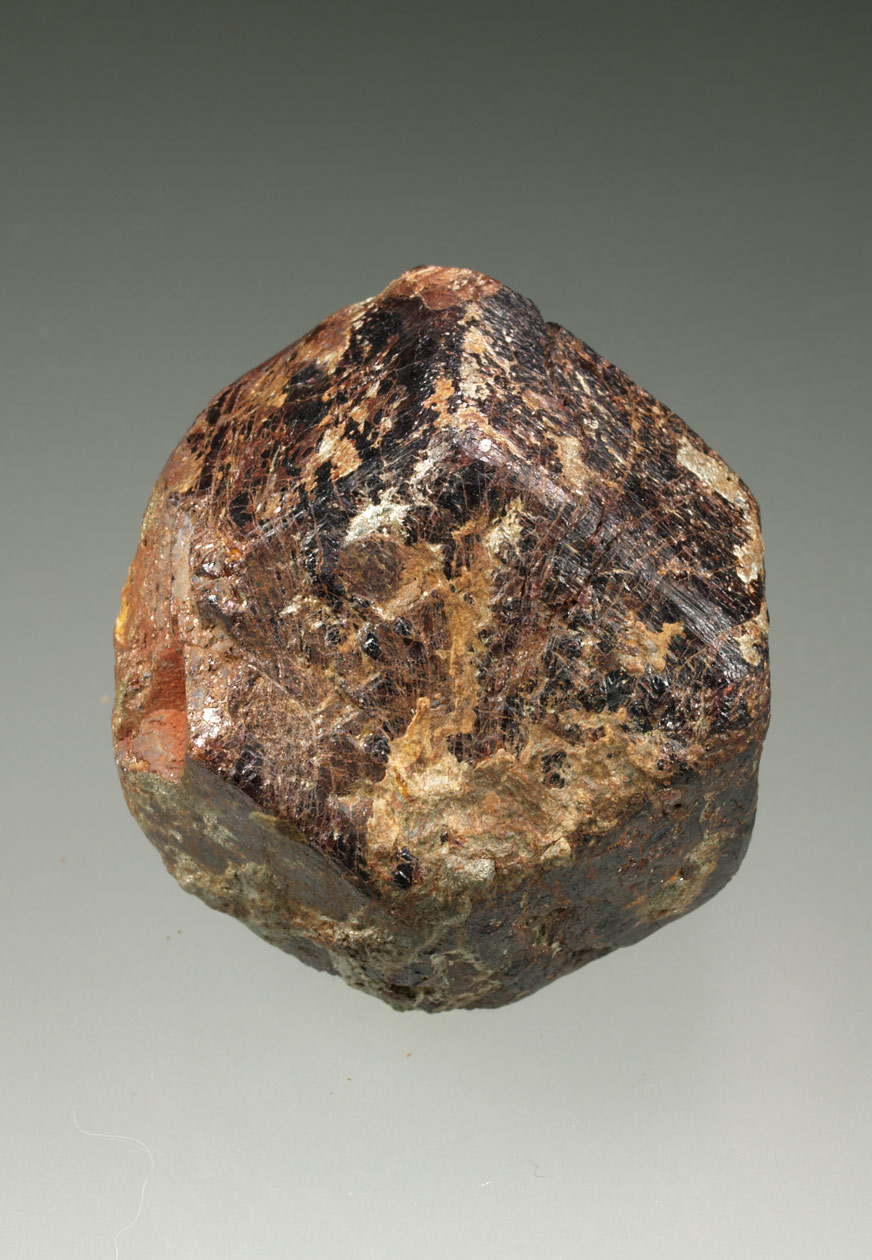
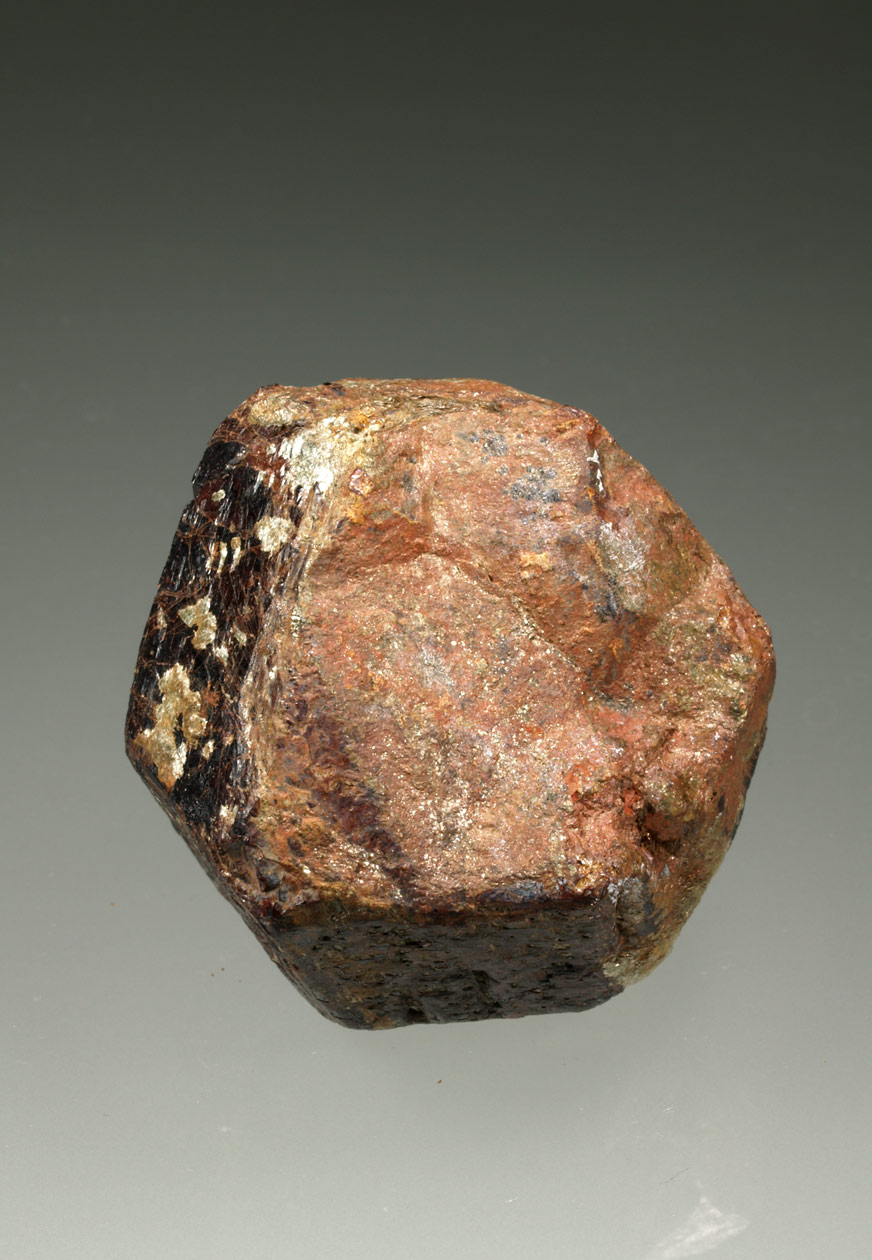
Cristal de almandino, muy facetado, con formas del dodecaedro y aristas redondeadas. la parte posterior no presenta caras. Un clásico de la mineralogía española muy difícil de ver hoy día.
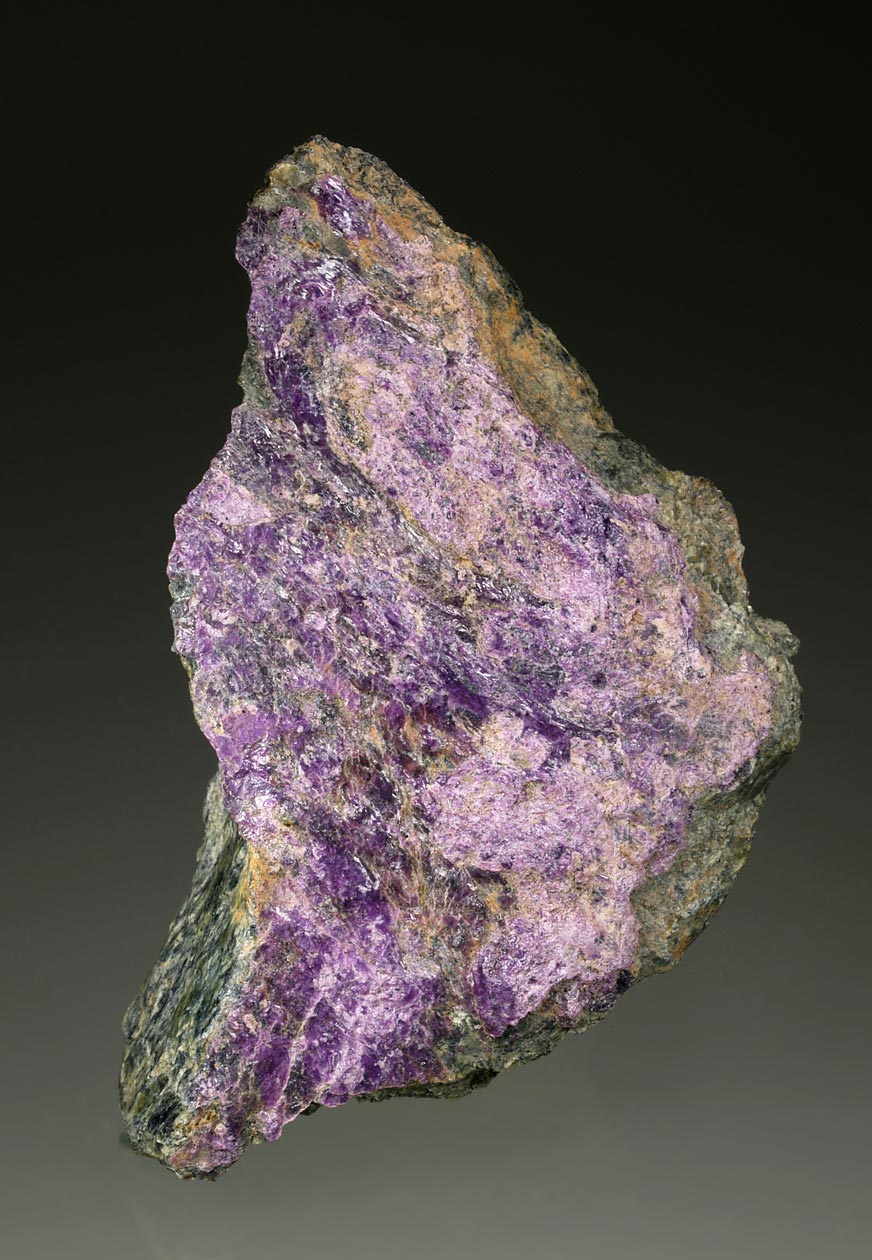
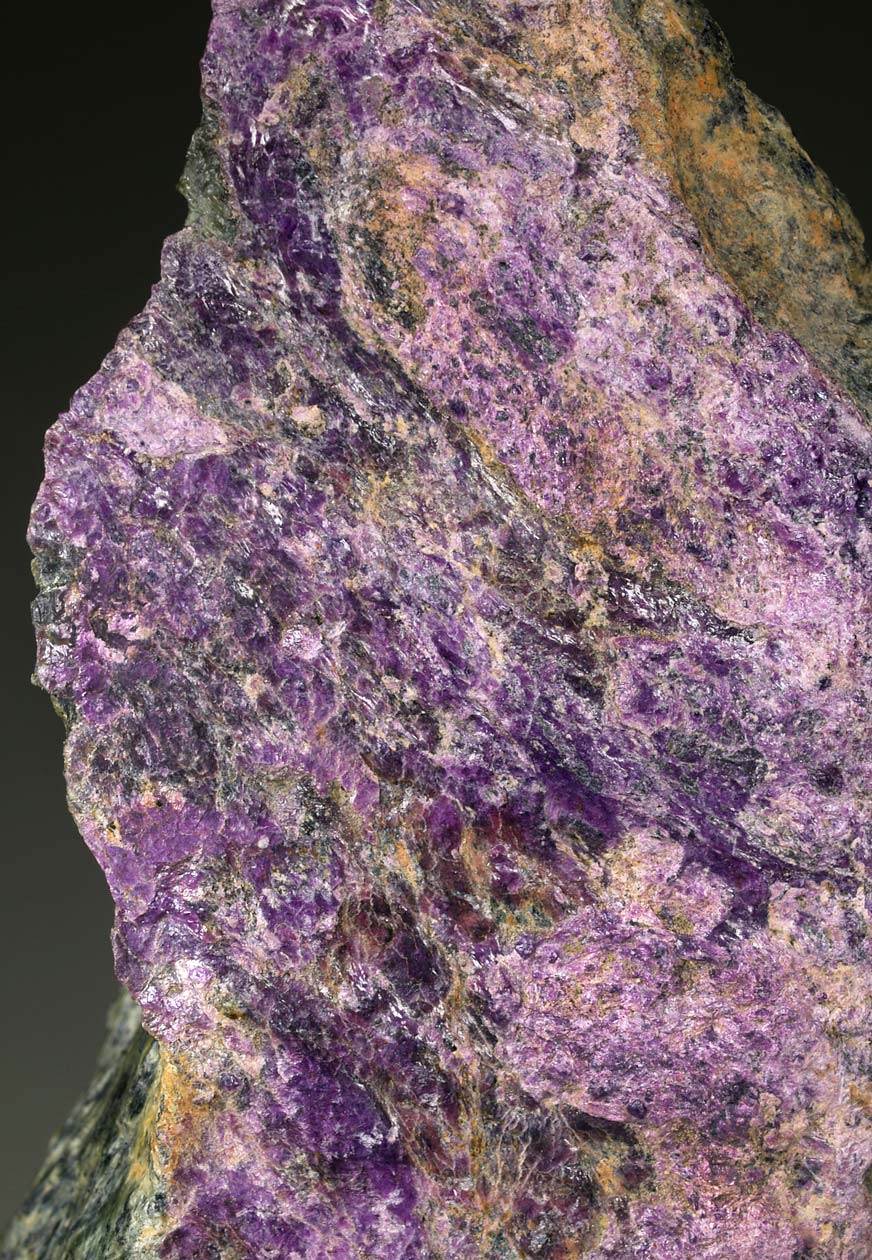
Ejemplar de buen tamaño de stichtita muy rico y estético, procede de la zona minera en la que la especie tiene su Localidad Tipo, en Tasmania. El brillo, el intenso color púrpura, el lustre céreo y las formas fibrosas poco habituales lo hacen una pieza de calidad. En una matriz de serpentinita. Una combinación altamente representativa de esta rara especie. La stichtita es un raro carbonato de cromo y magnesio hidratado del grupo de hidrotalcita.
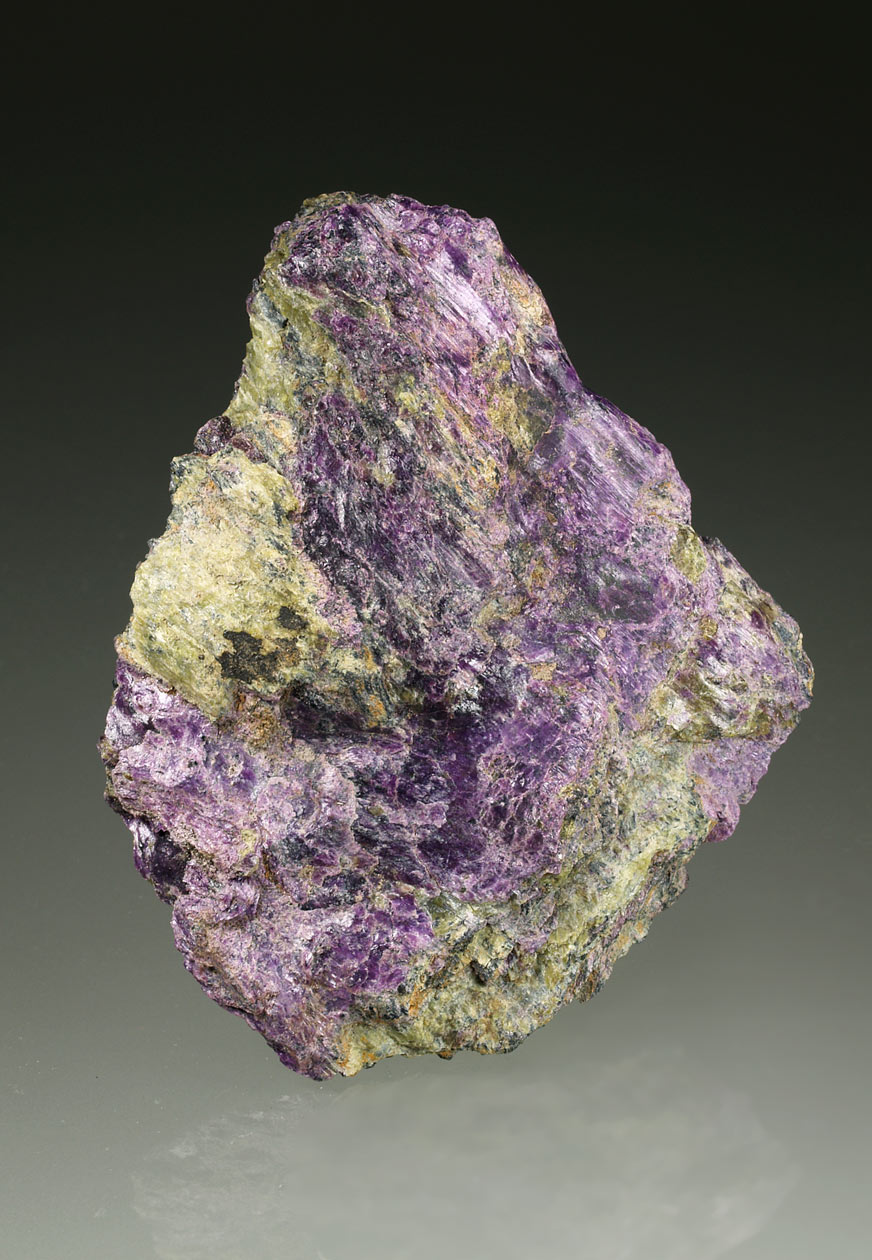
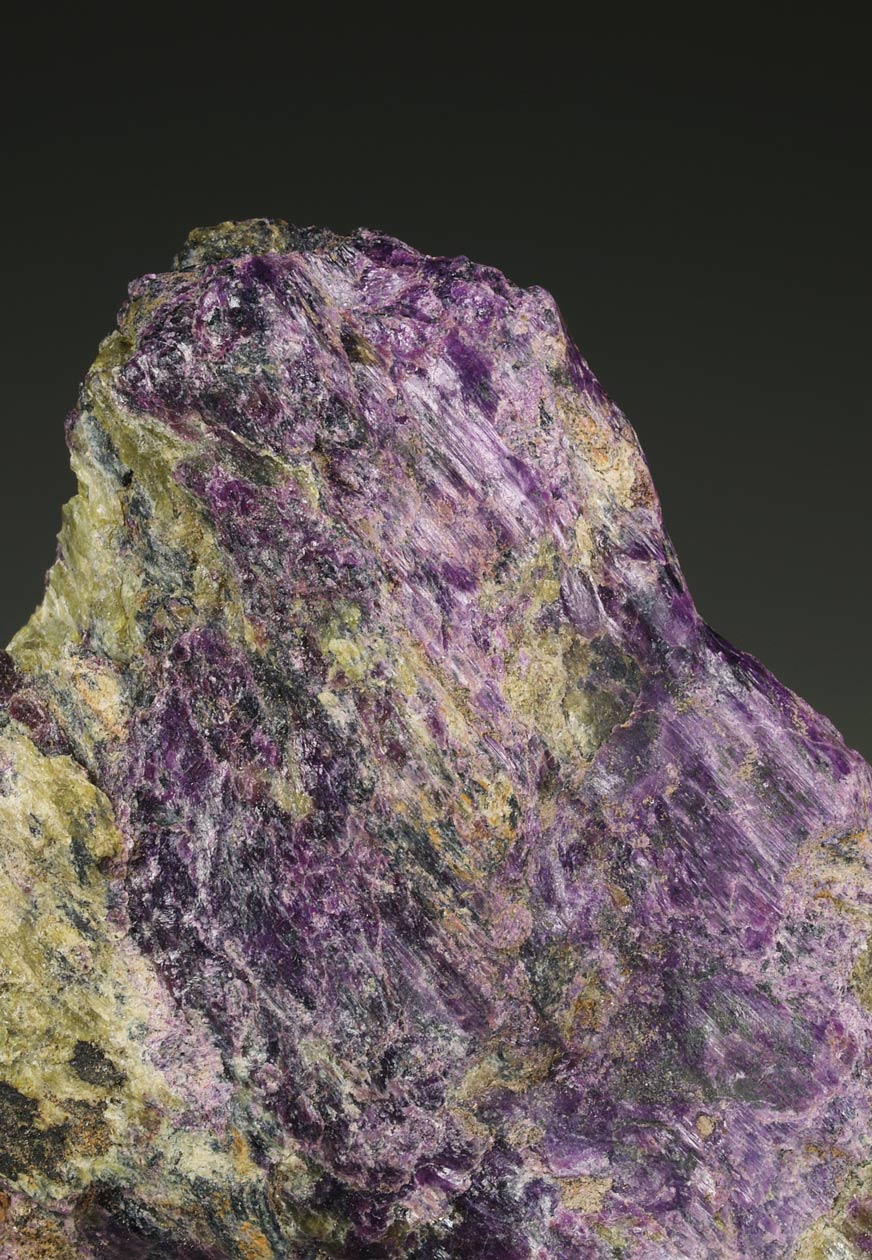
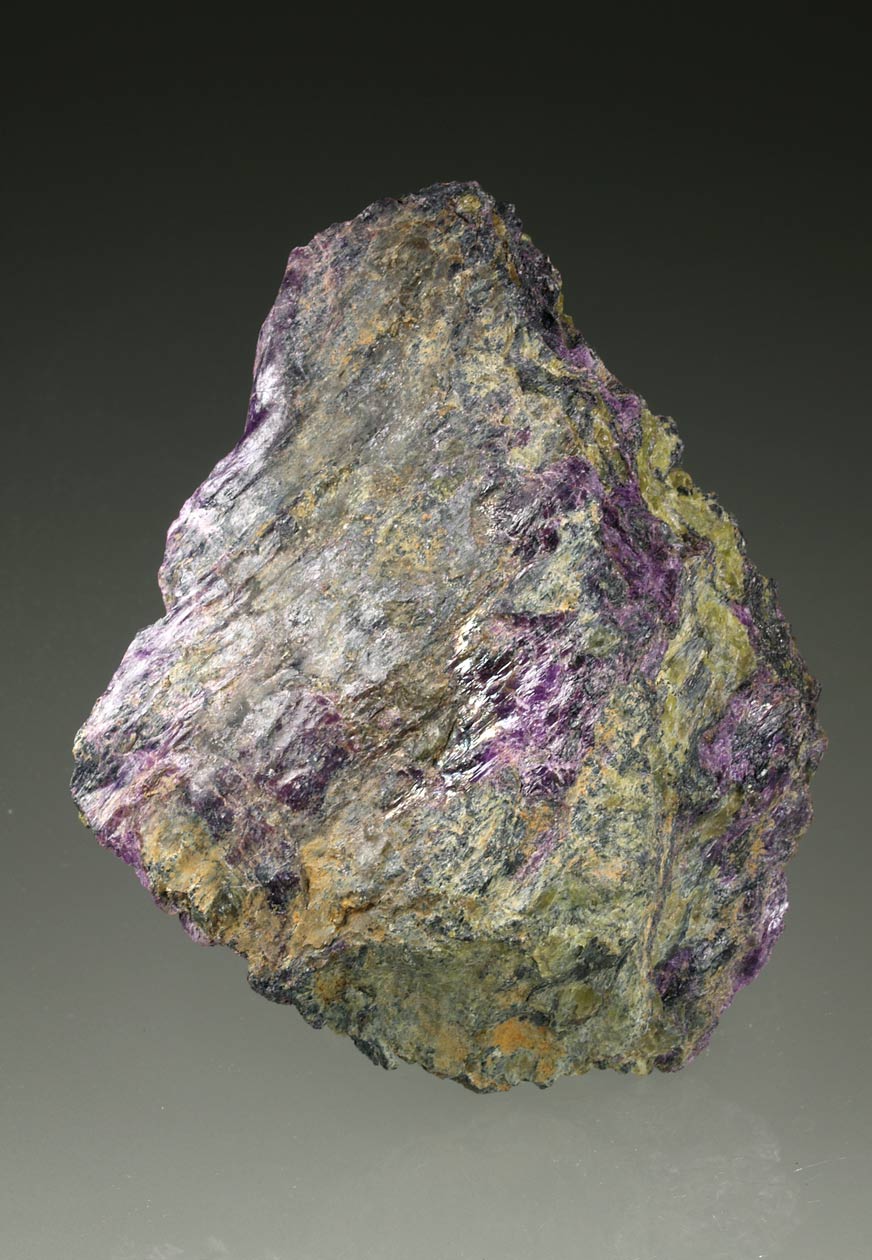
Ejemplar de buen tamaño de stichtita muy rico y estético, procede de la zona minera en la que la especie tiene su Localidad Tipo, en Tasmania. El brillo, el intenso color púrpura, el lustre céreo y el aspecto fibroso lo hacen una pieza de calidad. En una matriz de serpentinita. Una combinación altamente representativa de esta rara especie. La stichtita es un raro carbonato de cromo y magnesio hidratado del grupo de hidrotalcita.
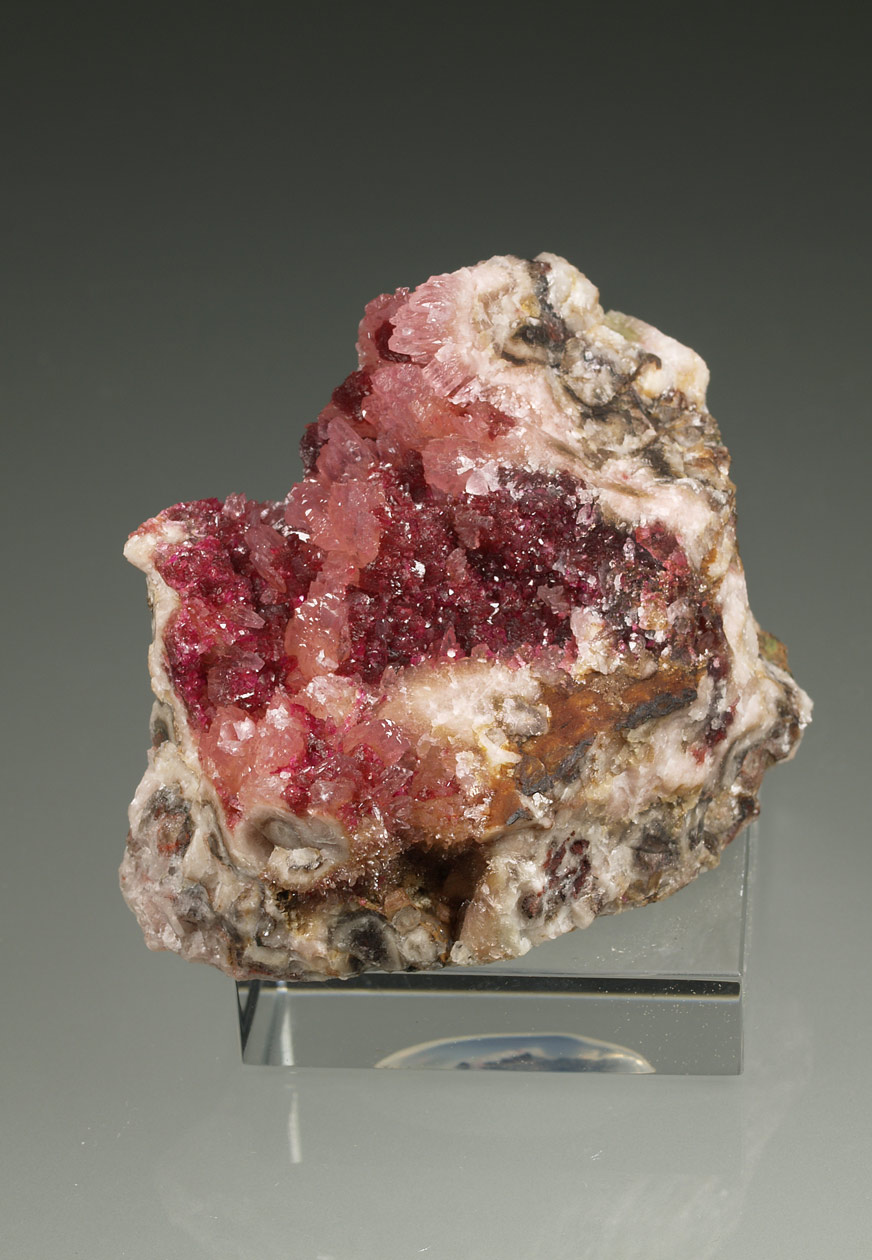
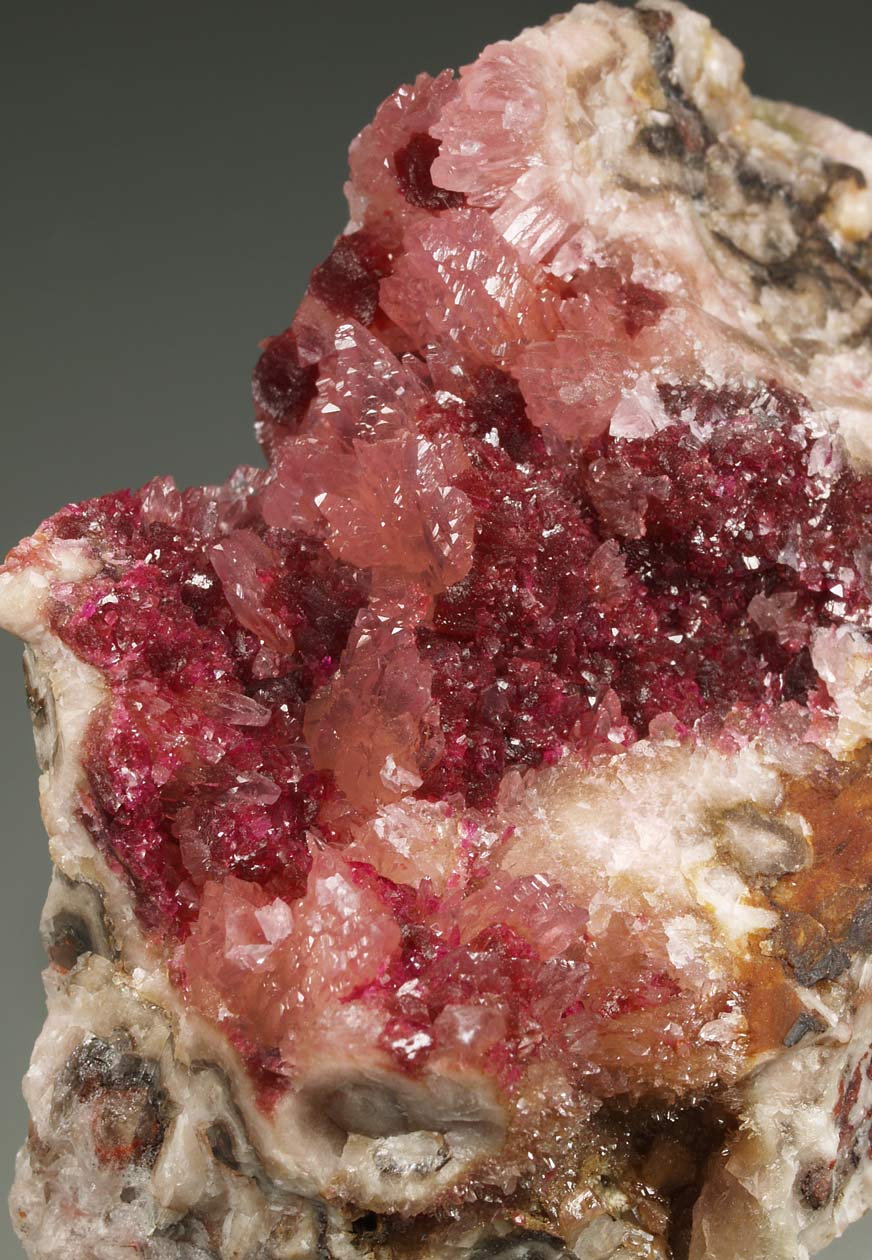
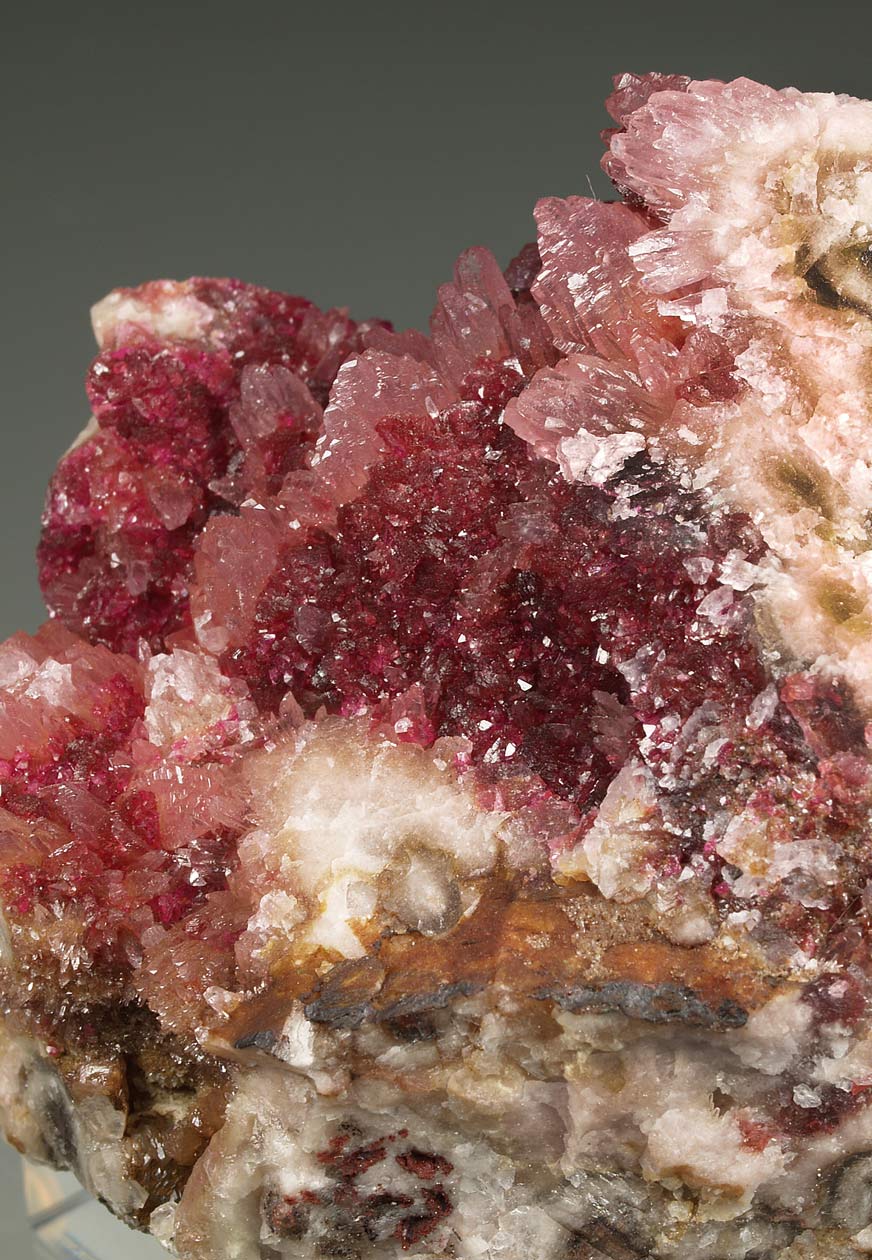
Drusa de cristales de roselita, con buen color y definidos. Se acompañan de cristales rosados de calcita cobatífera.
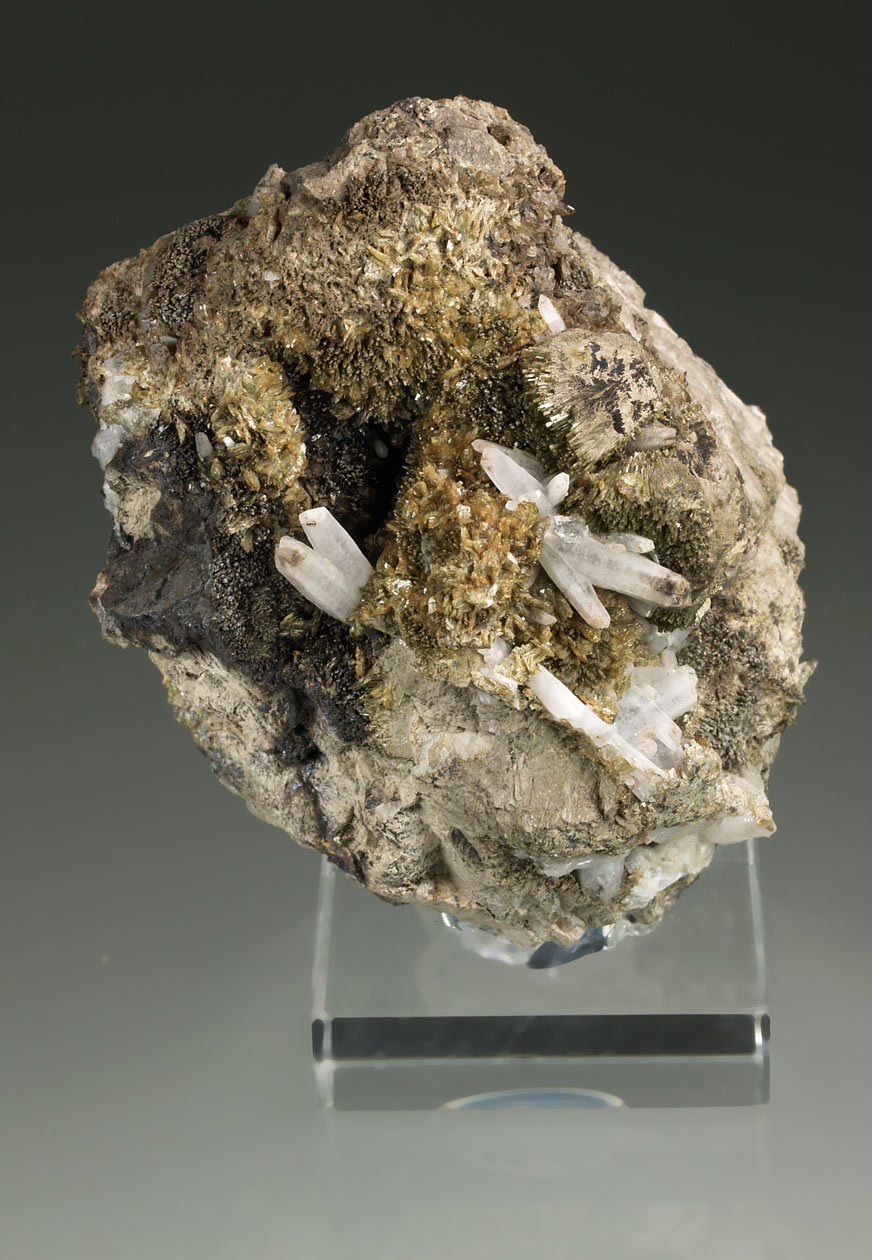
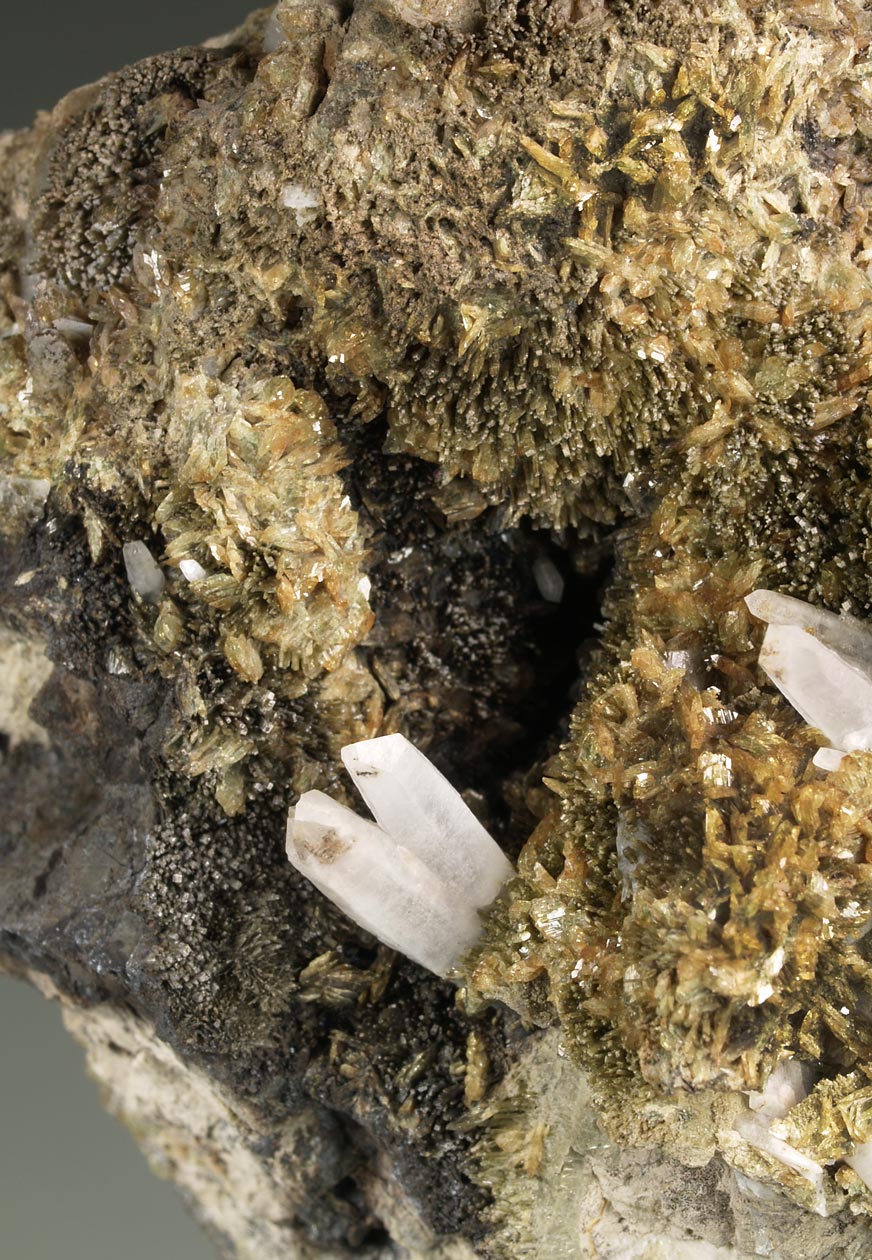
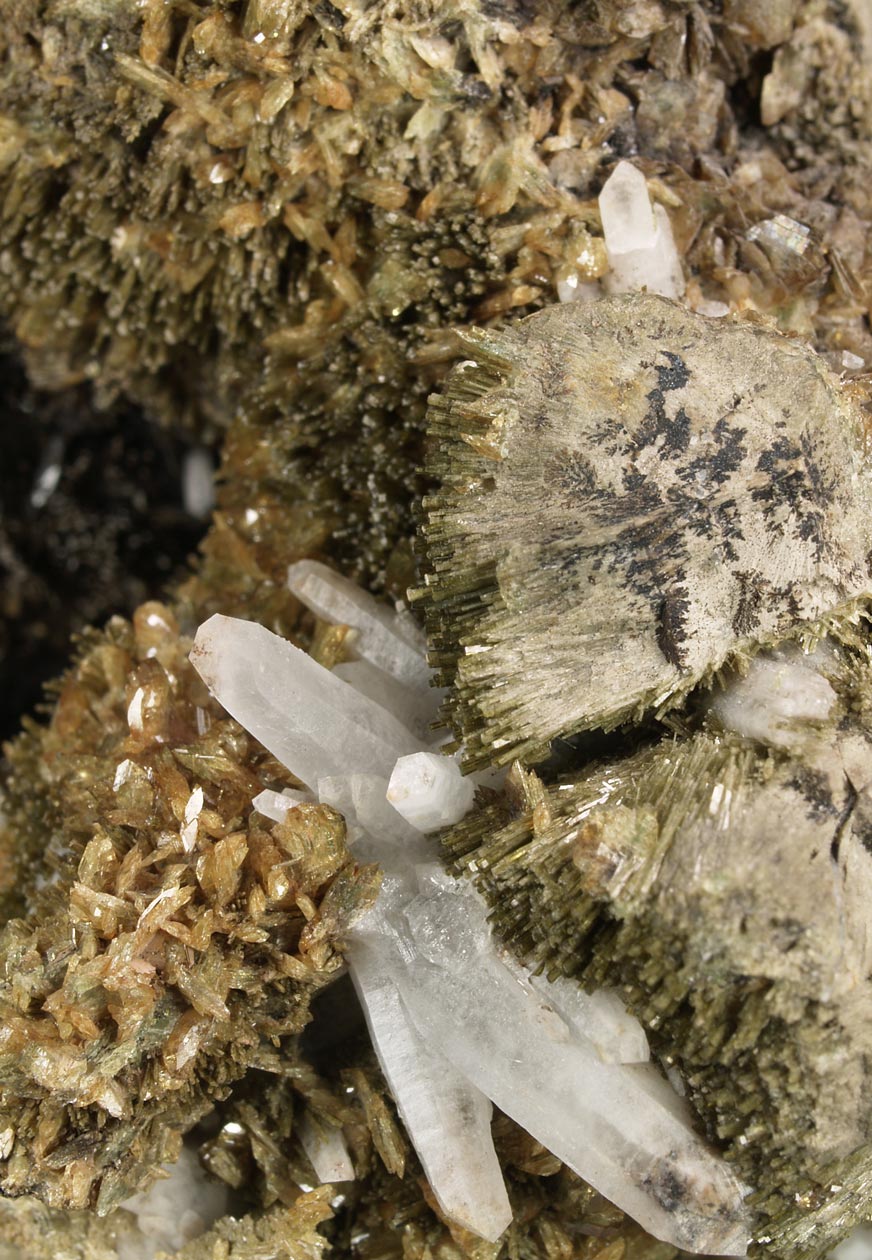
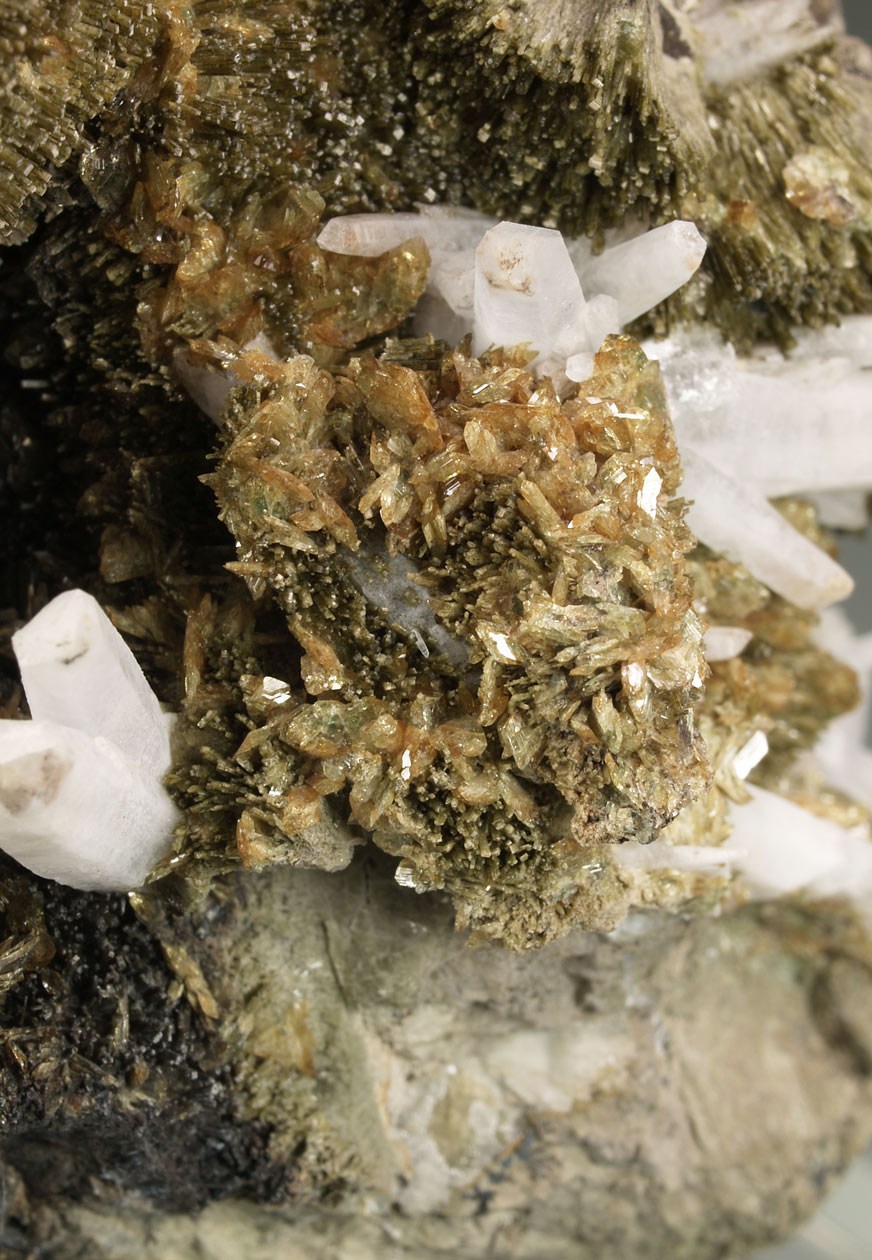
La johannsenita es un raro silicato de calcio y manganeso del grupo piroxeno. En este ejemplar se presenta formando agregados de prismas de color verde oscuro, acompañados de cristales tabulares lanceolados de axinita-(Mn) de tonos verdosos y cristales de cuarzo. Un ejemplar de buen tamaño de una especie poco habitual.
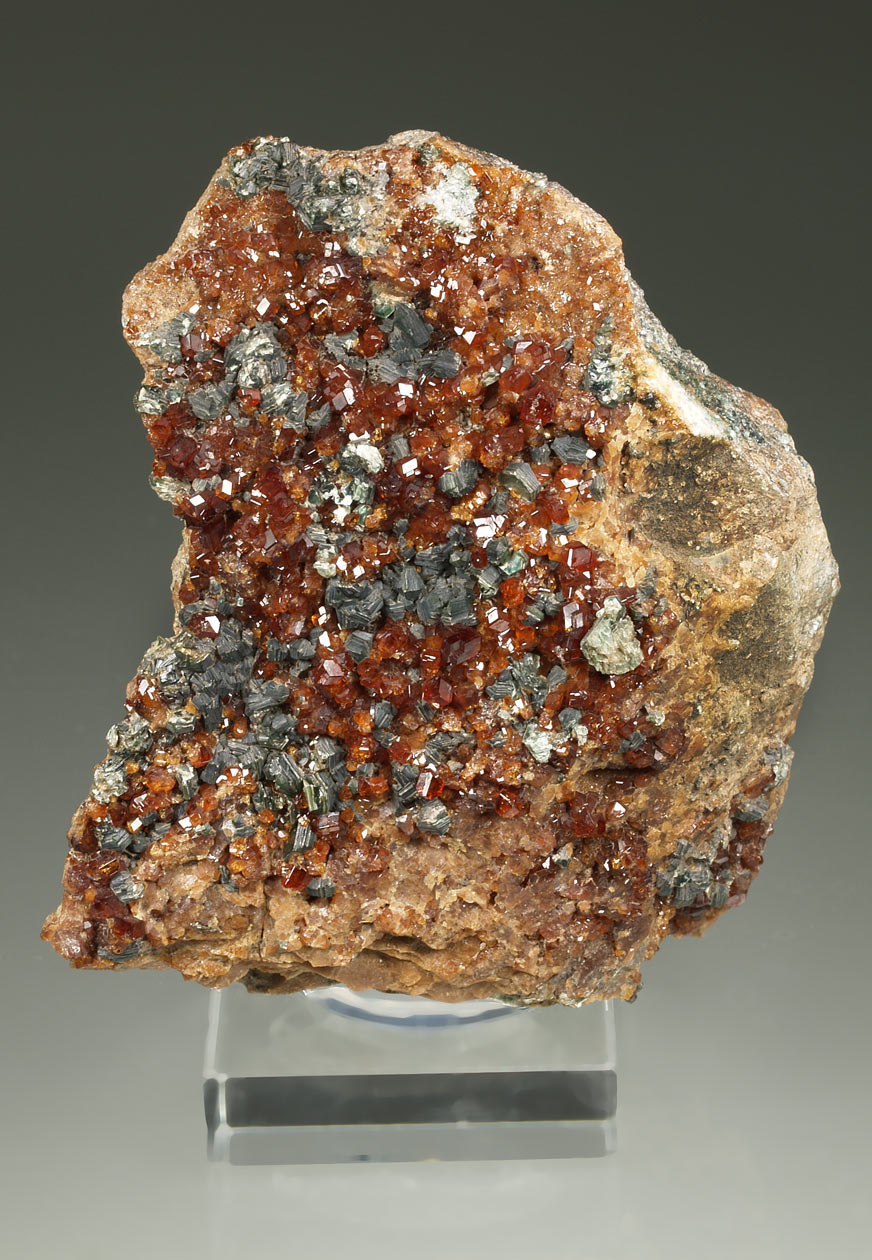
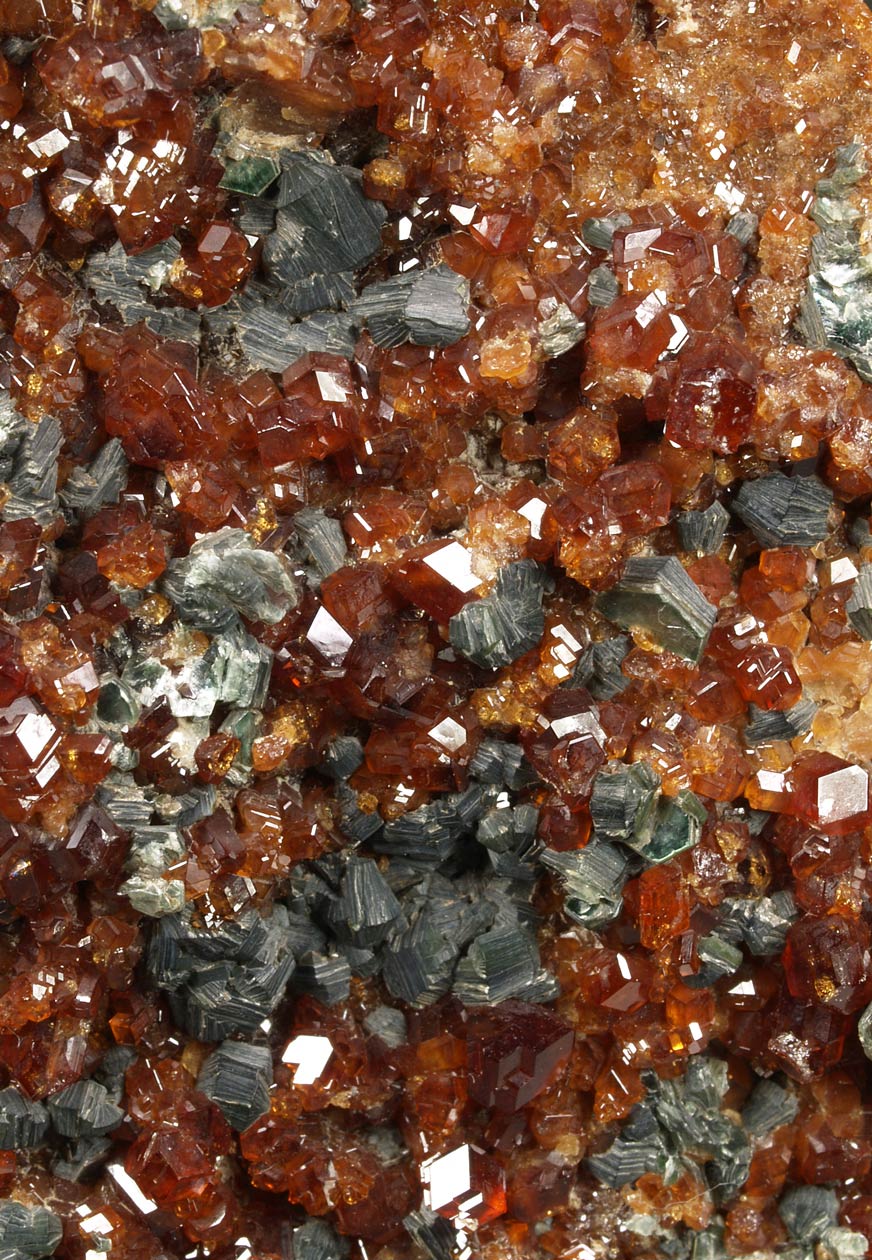
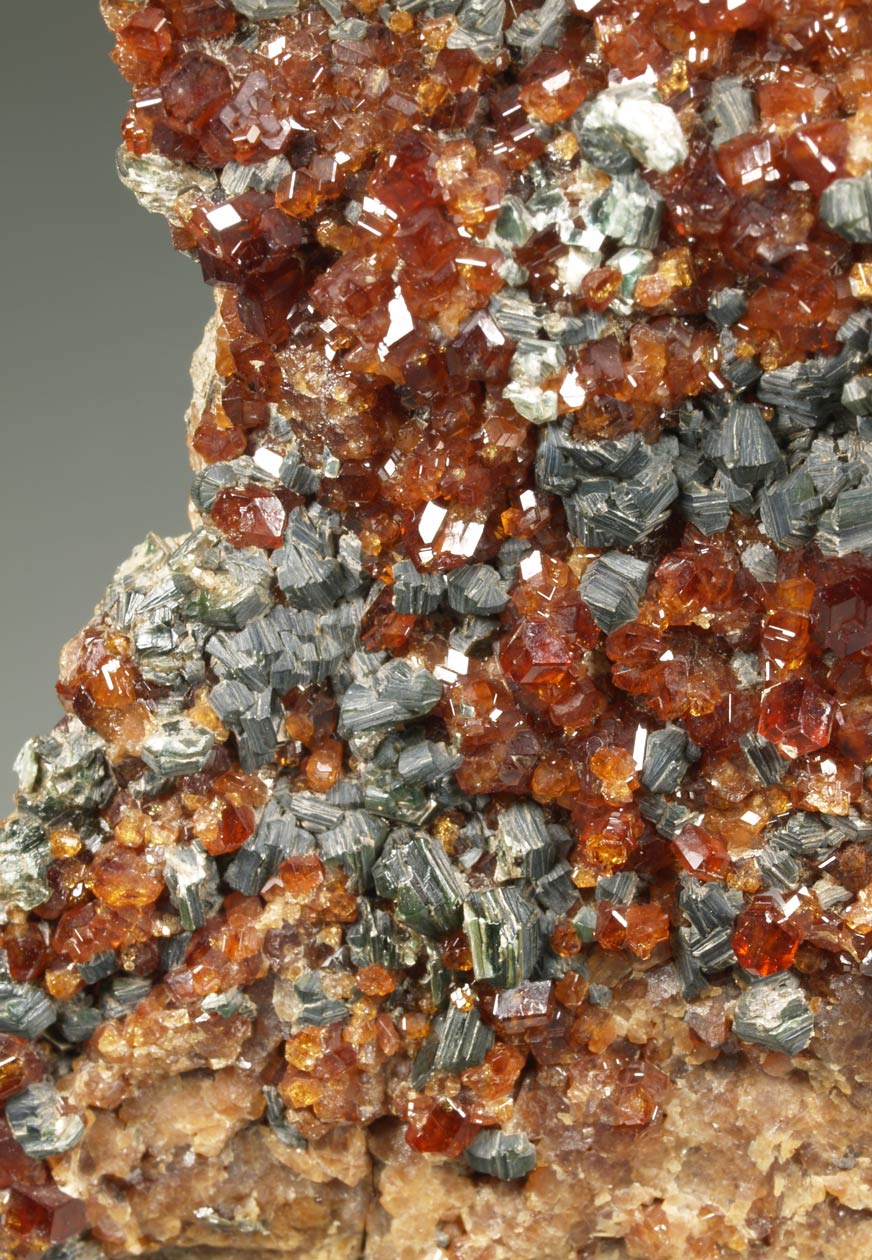
Un clásico ejemplar del valle alpino de Aosta. Grupo de cristales de grosularia muy definidos, con un brillo excepcional y de color naranja muy intenso. Muestran las caras del dodecaedro y del trapezoedro. Se acompañan de agregados de clorita de color verde oliva. Una pieza muy brillante y estética.
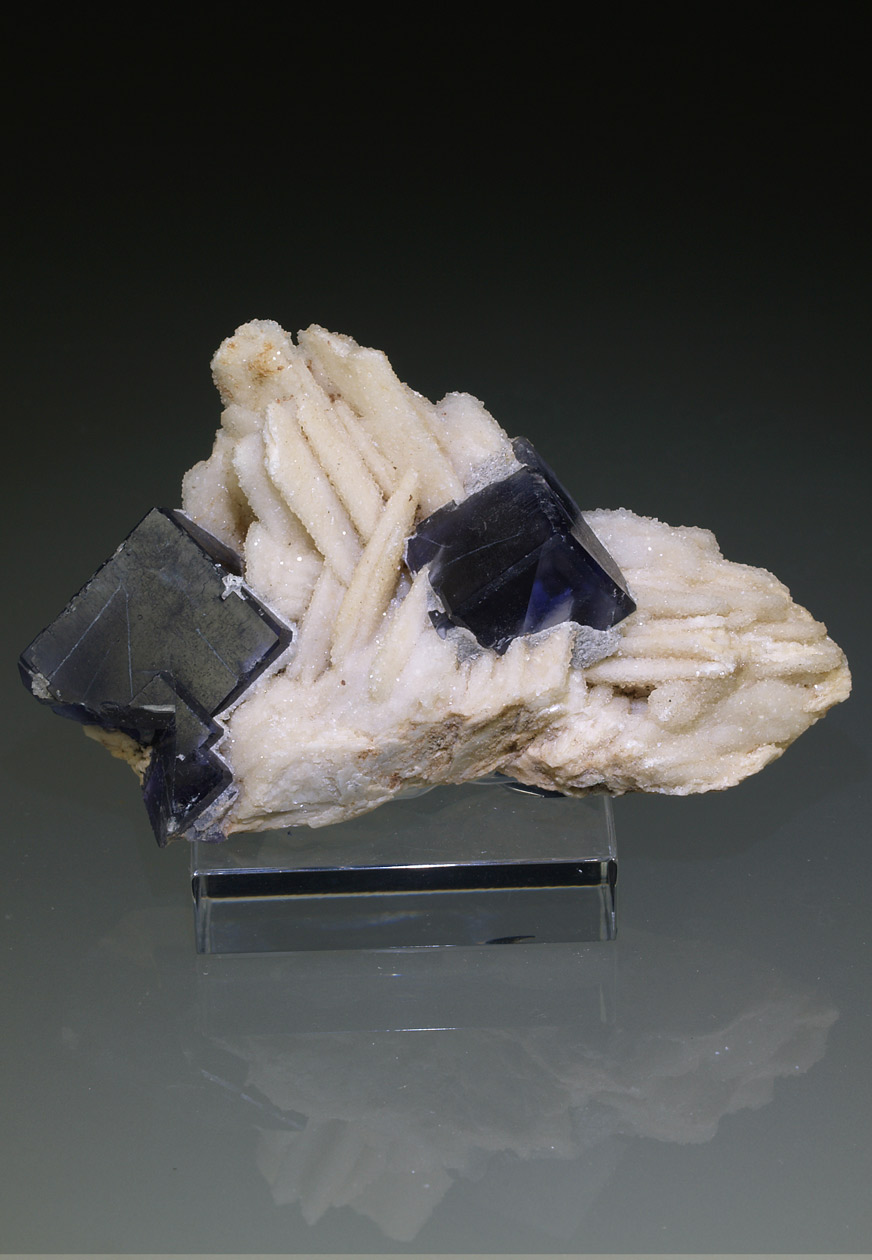
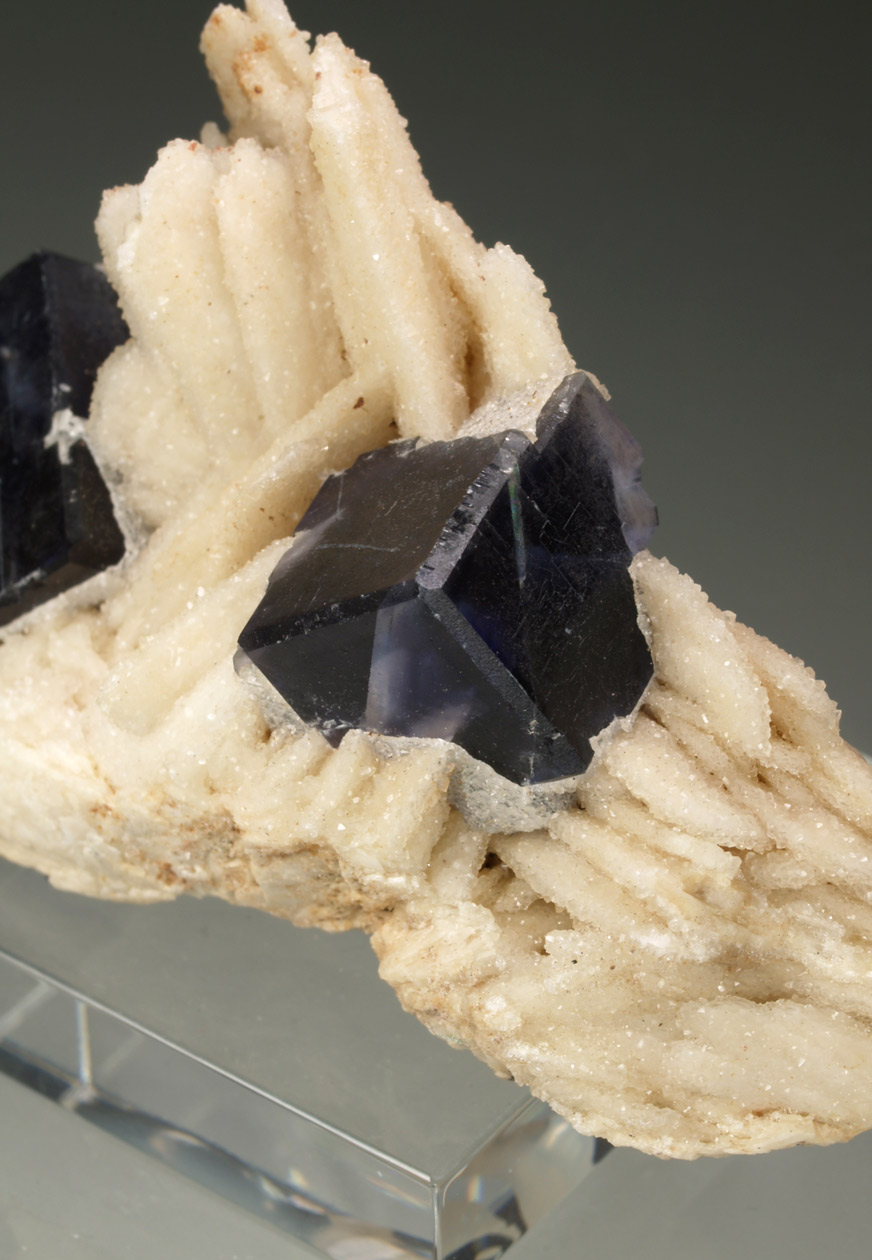
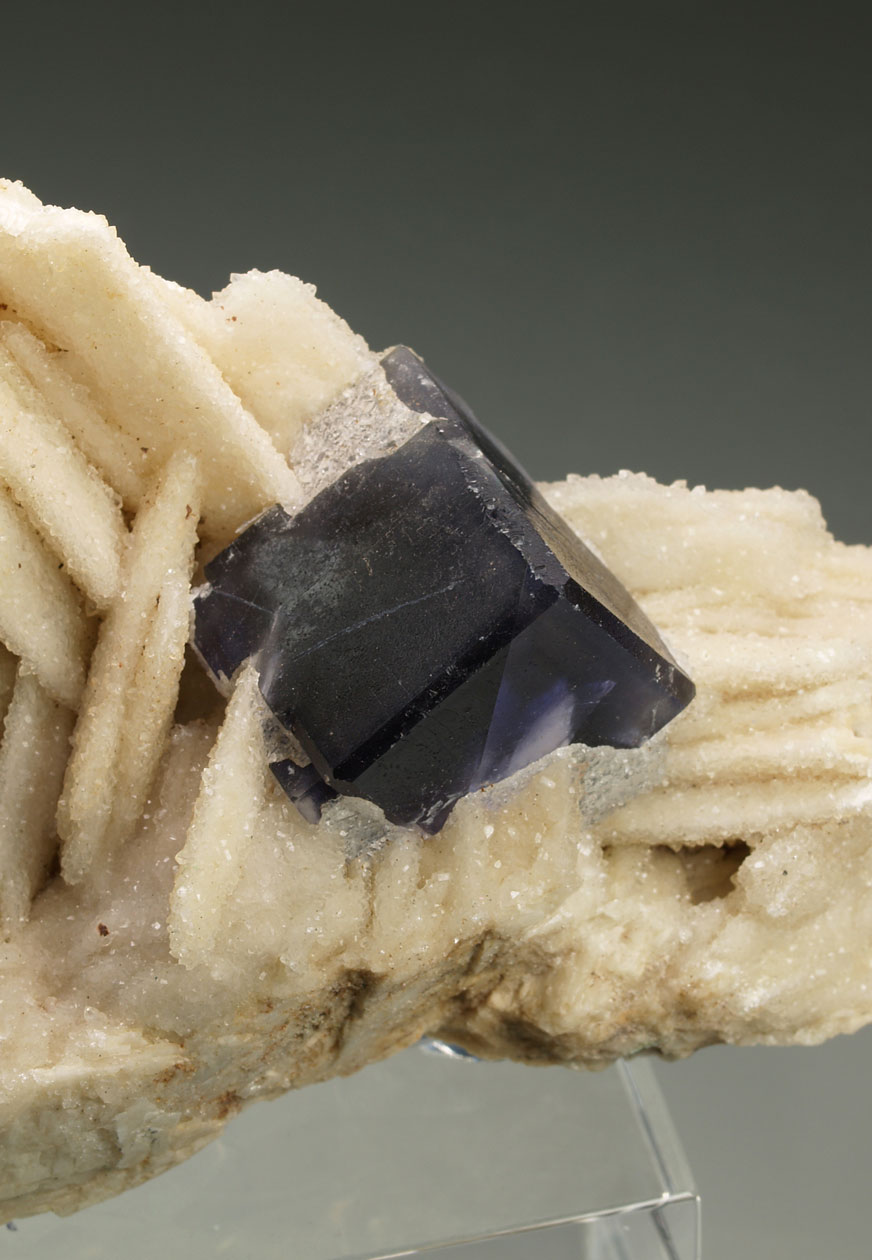
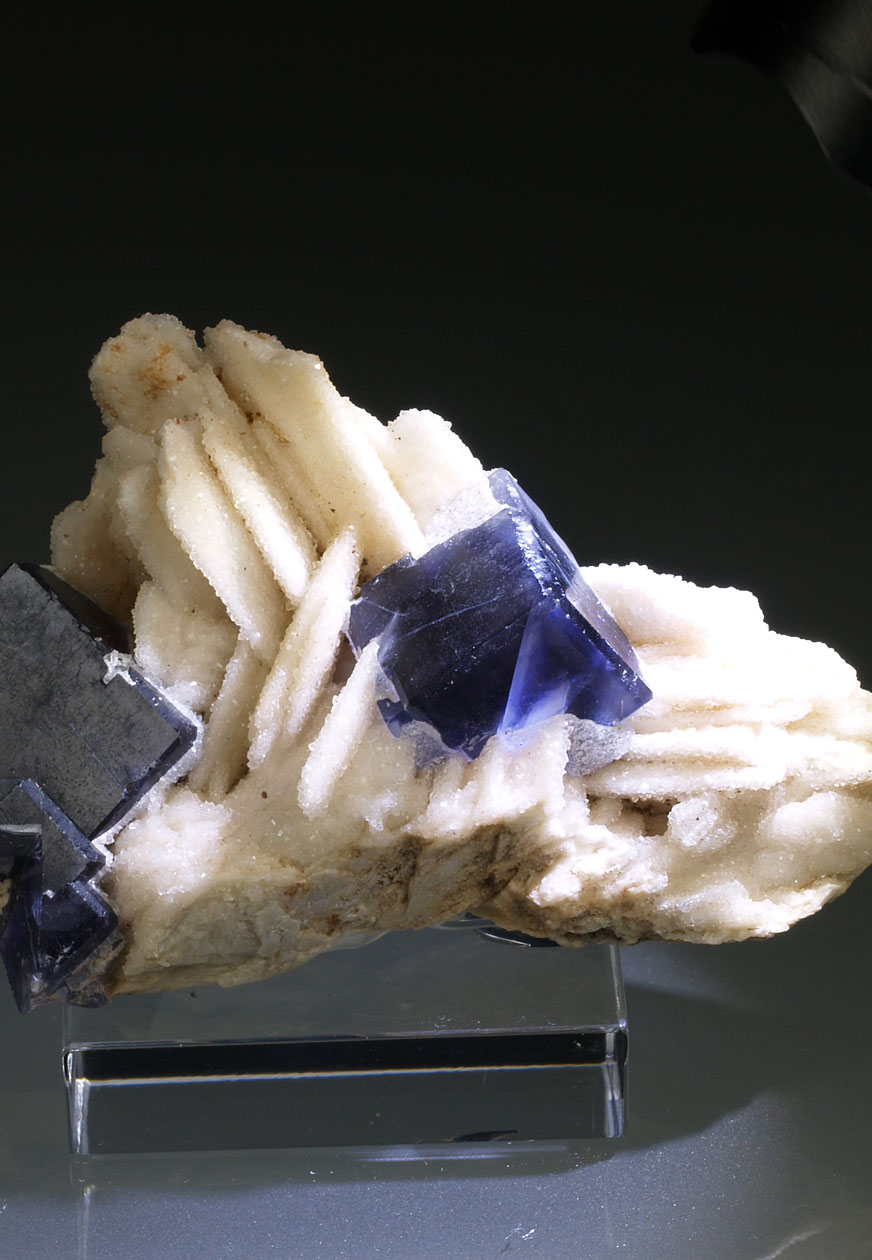
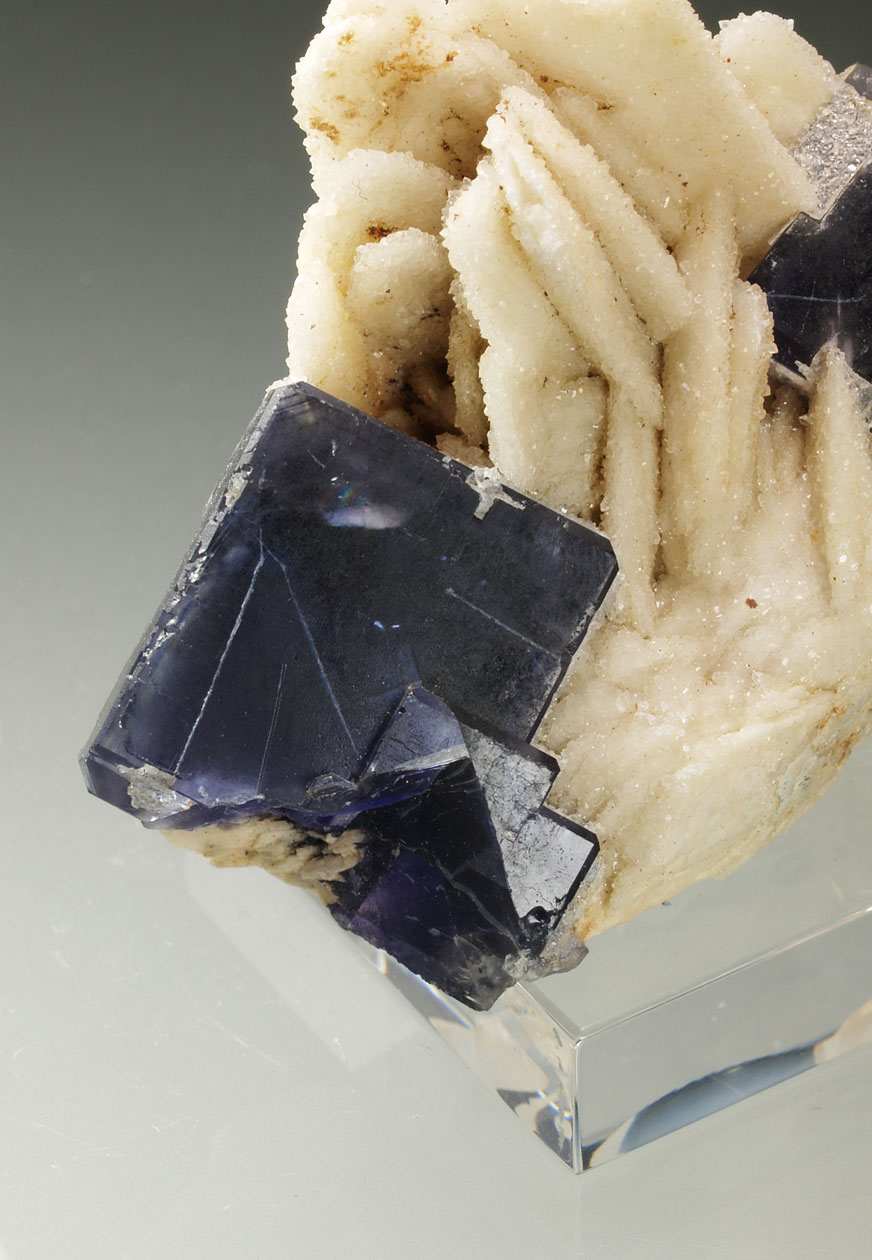
Una pieza estética, con cubos de fluorita, de aristas biseladas, de tono azul a morado según la luz incidente. Presentan alguna mella de rotura al ser extraídas. Dispuestos sobre abanicos de barita recubierta por dimunutos cristales de cuarzo.
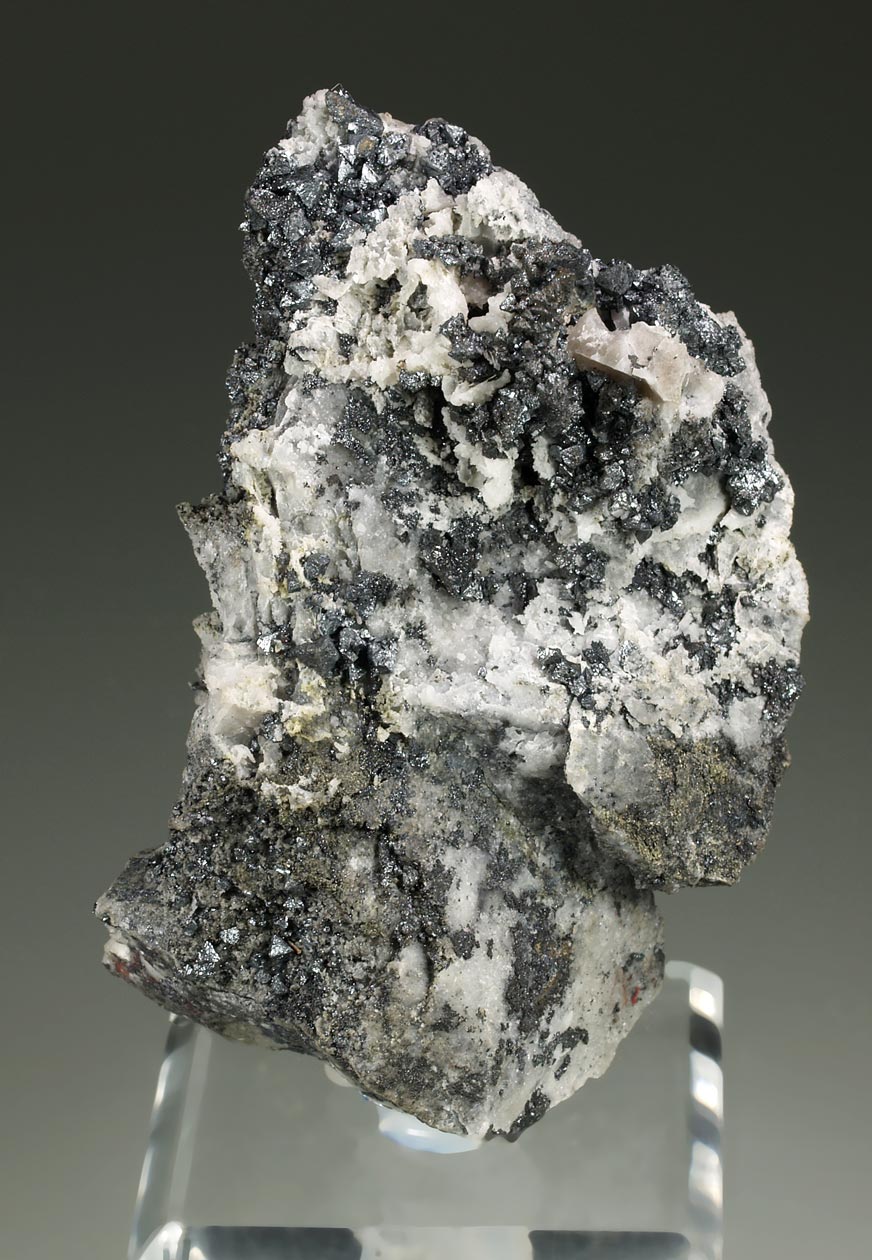
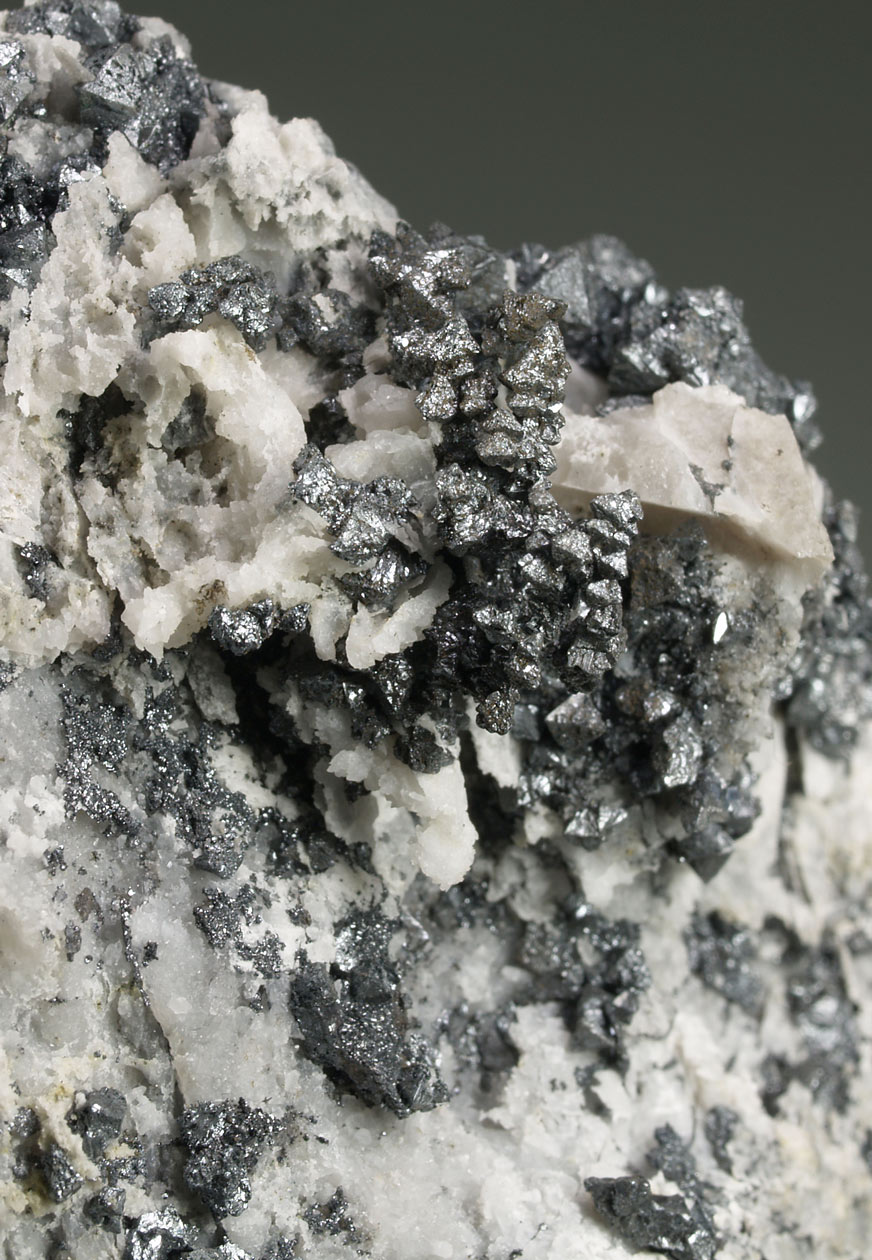
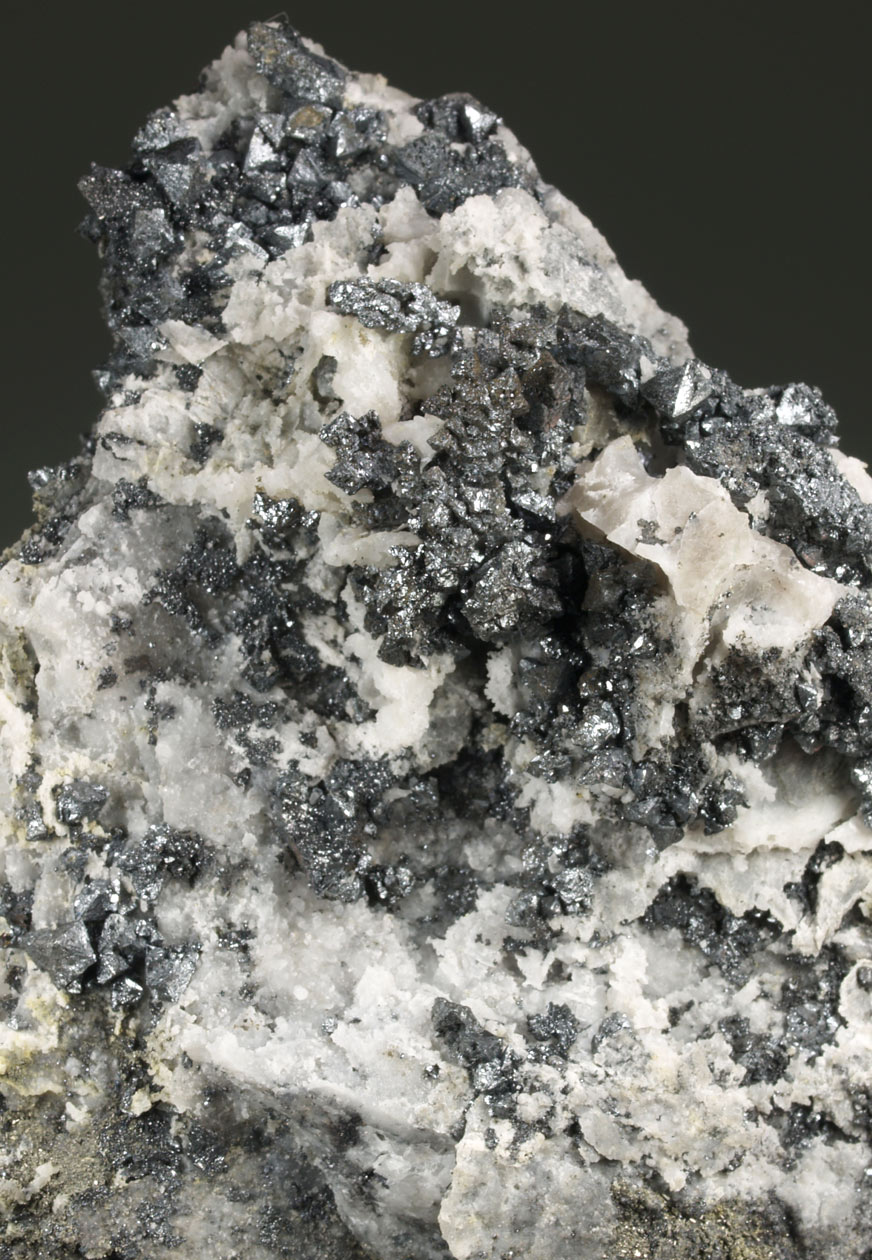
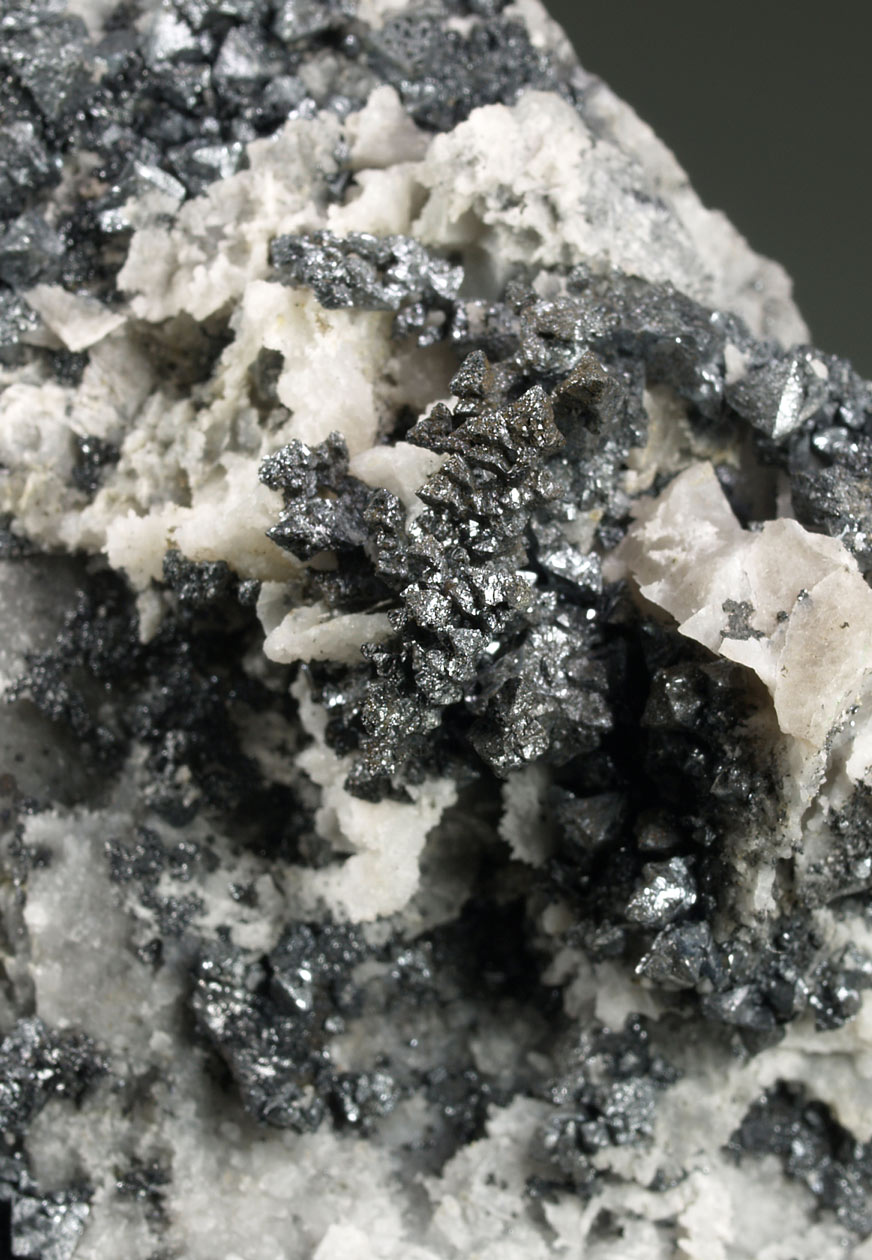
Excepcional ejemplar de acantita que nos muestra los crecimientos esqueléticos de cristales octaédricos de este sulfuro de plata, con un brillo excepcional, caras y aristas definidas, y en matriz, algo poco habitual. Bajo la lupa es pura cristalografia. Un brillante ejemplar de esta mina marroquí.
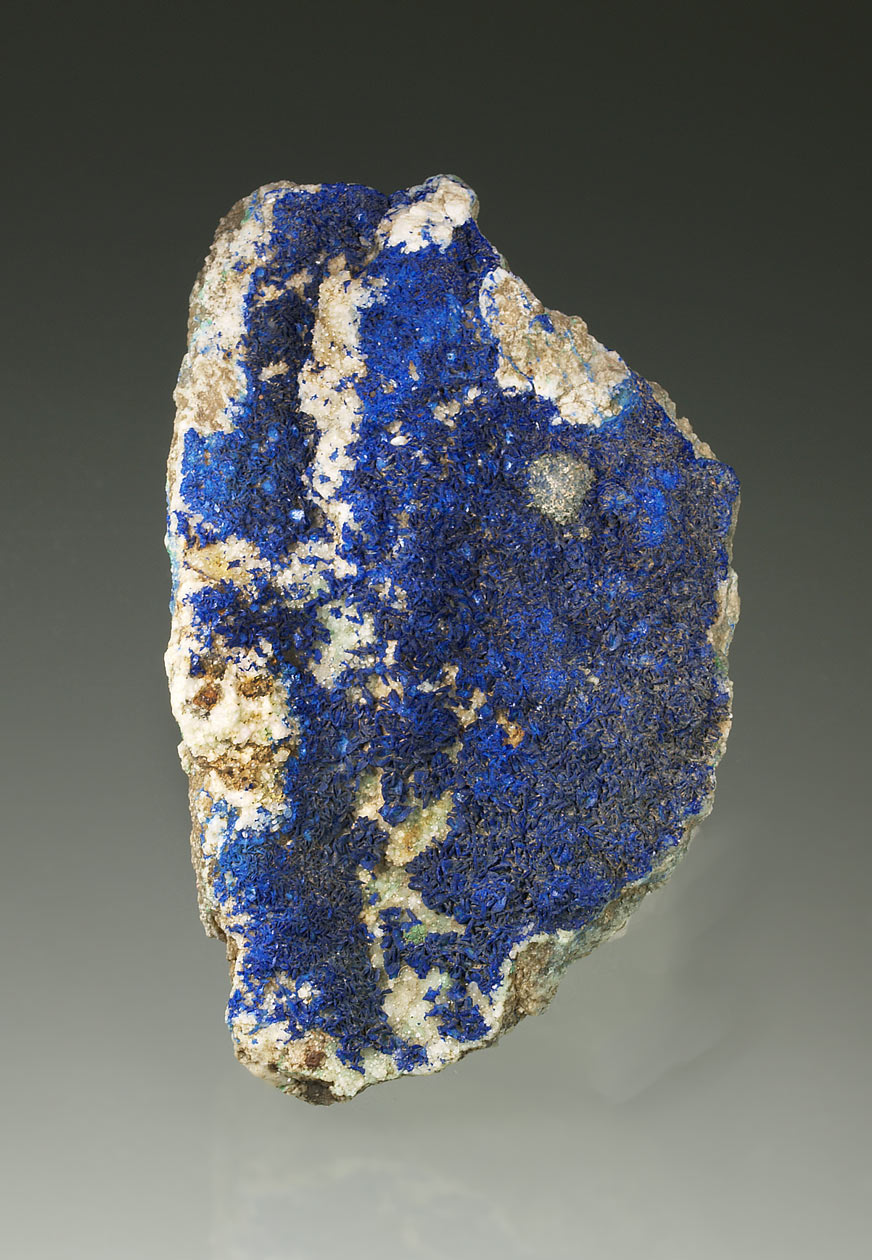
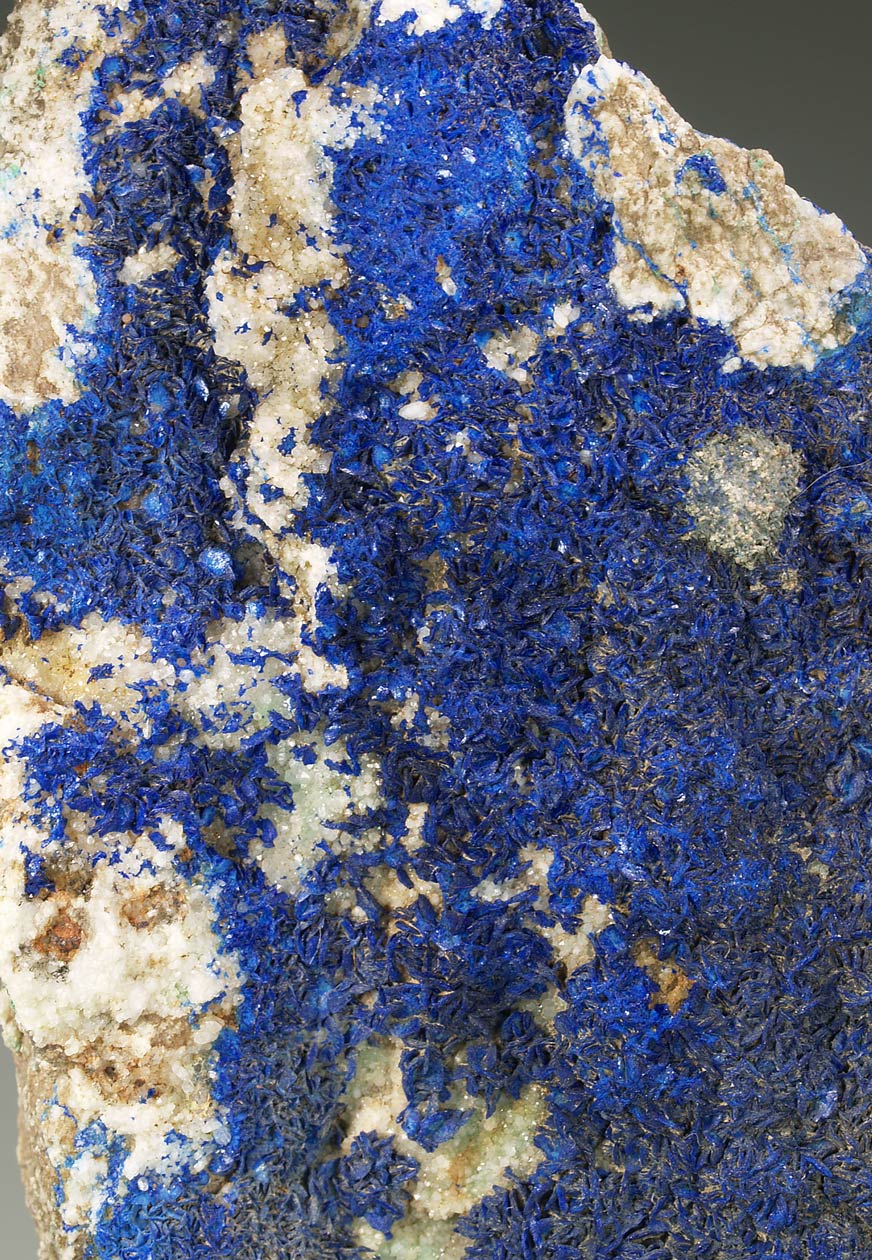
Ejemplar muy rico en rosetas de cristales tabulares a lenticulares de azurita, intenso color y contrastando en una matriz con cuarzo. Su origen se debe a la alteración de la calcopirita y se disponen en una matriz caliza silicificada. Muy buen ejemplar para la localidad.
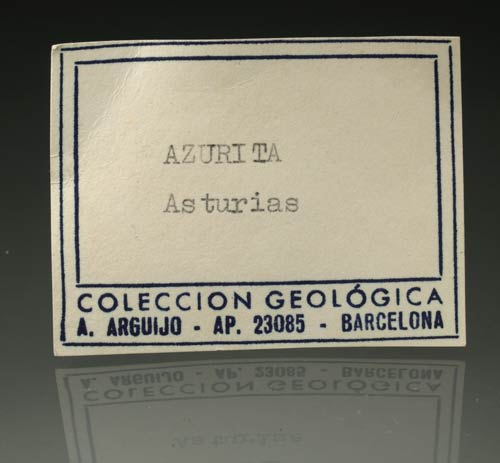
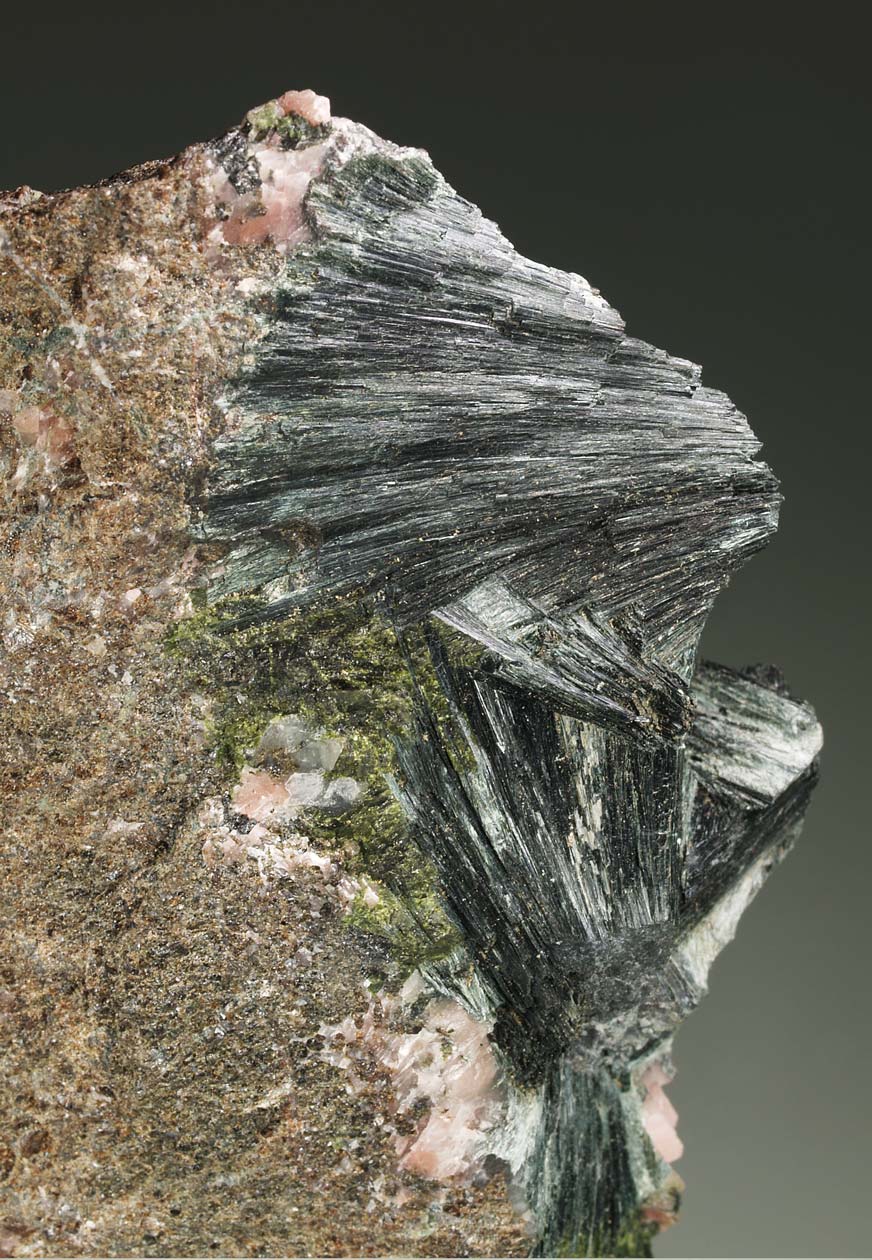
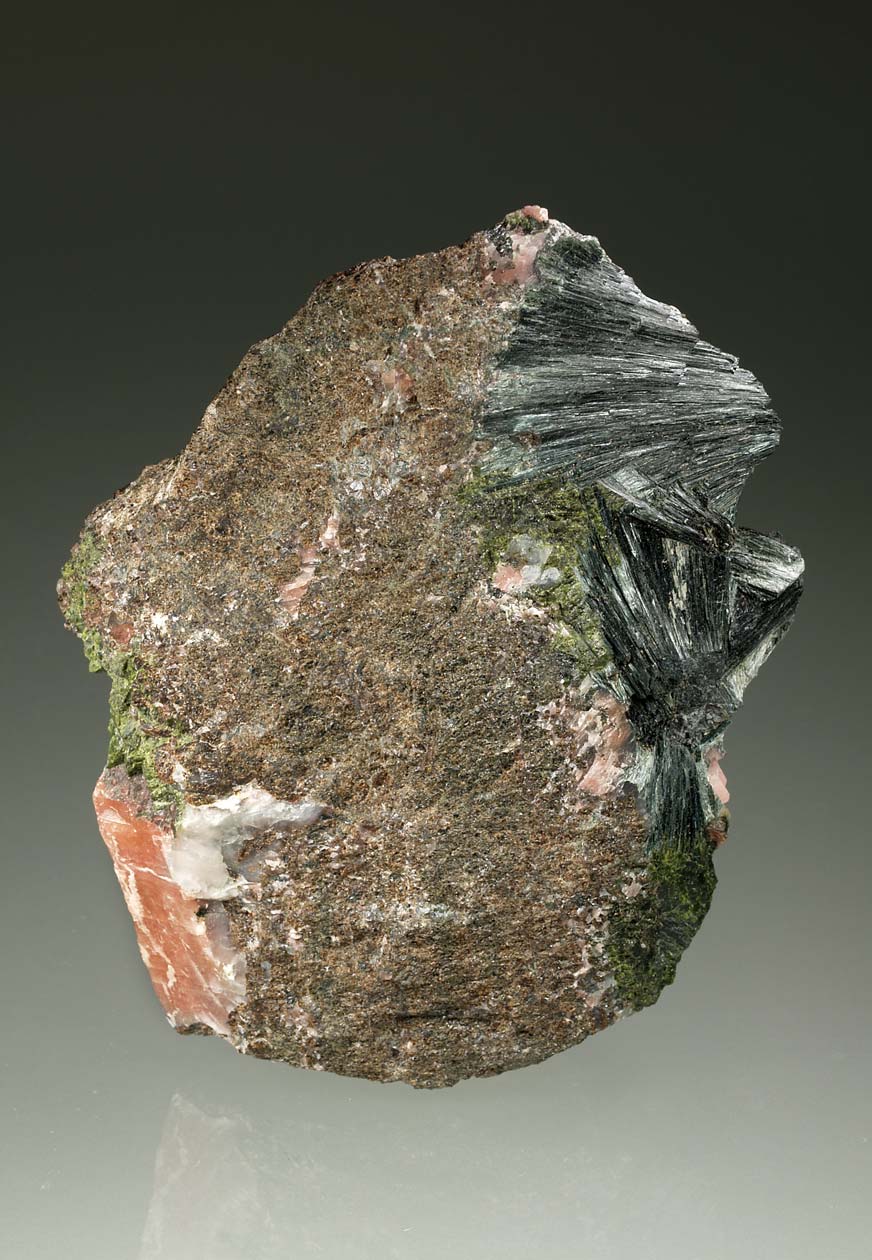
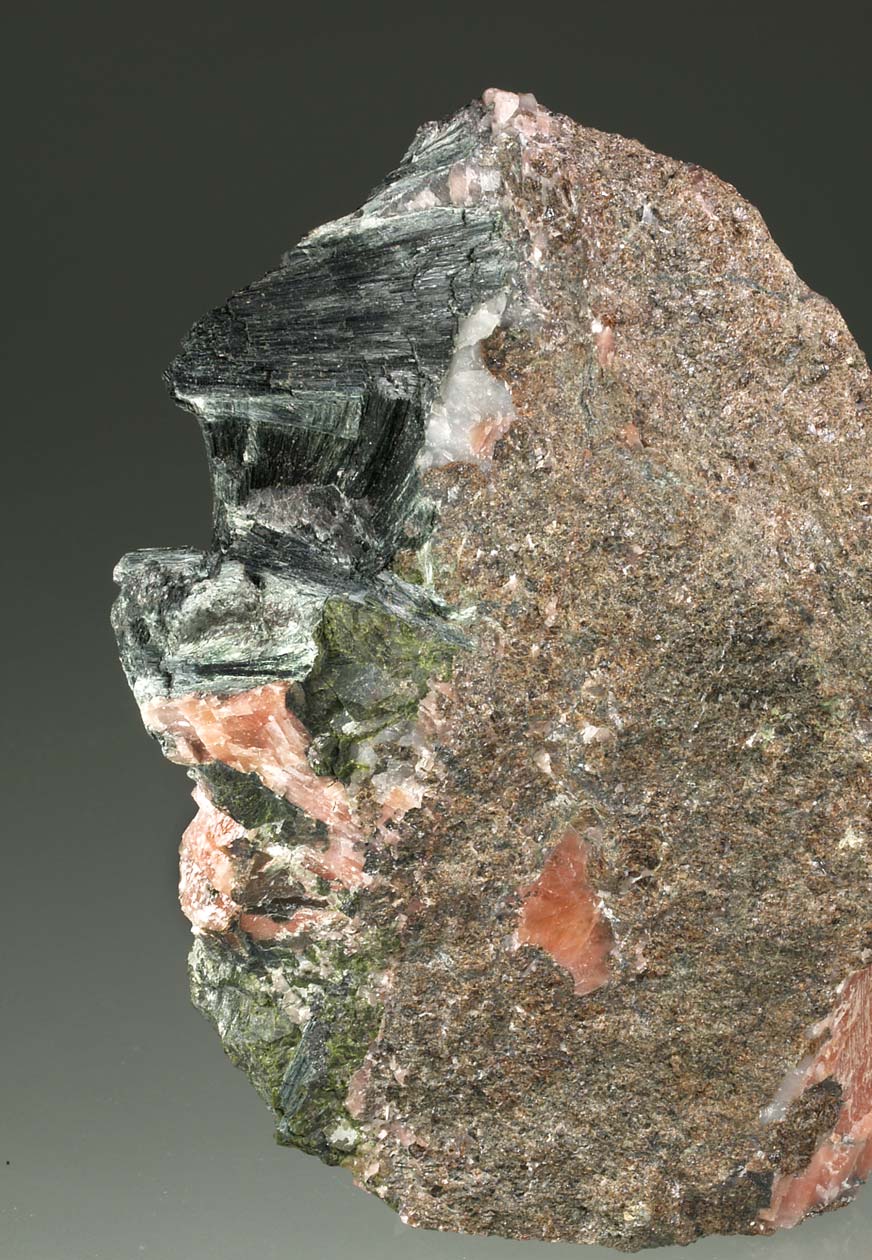
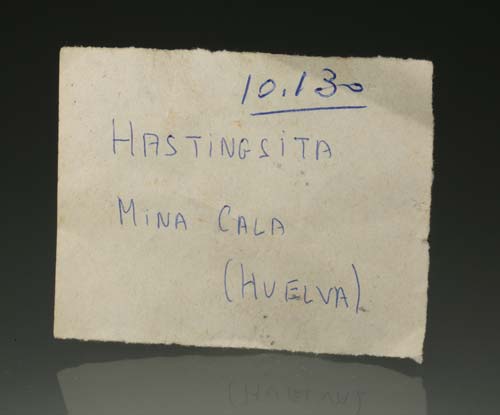
Agregados radiales de ferropargasita de intenso color verde y brillantes. Acompañados en la matriz de granatita de cristales de epidota y calcita anaranjada. La ferropargasita de este yacimiento es el anfíbol dominante en las fisuras de la granatita, aunque fue clasificado como hastingsita según datos que aportó la empresa explotadora (según Miguel Calvo en Minerales de España vol. IX); por esta razón seguramente la etiqueta que acompaña este ejemplar lo clasifica como hastingsita.
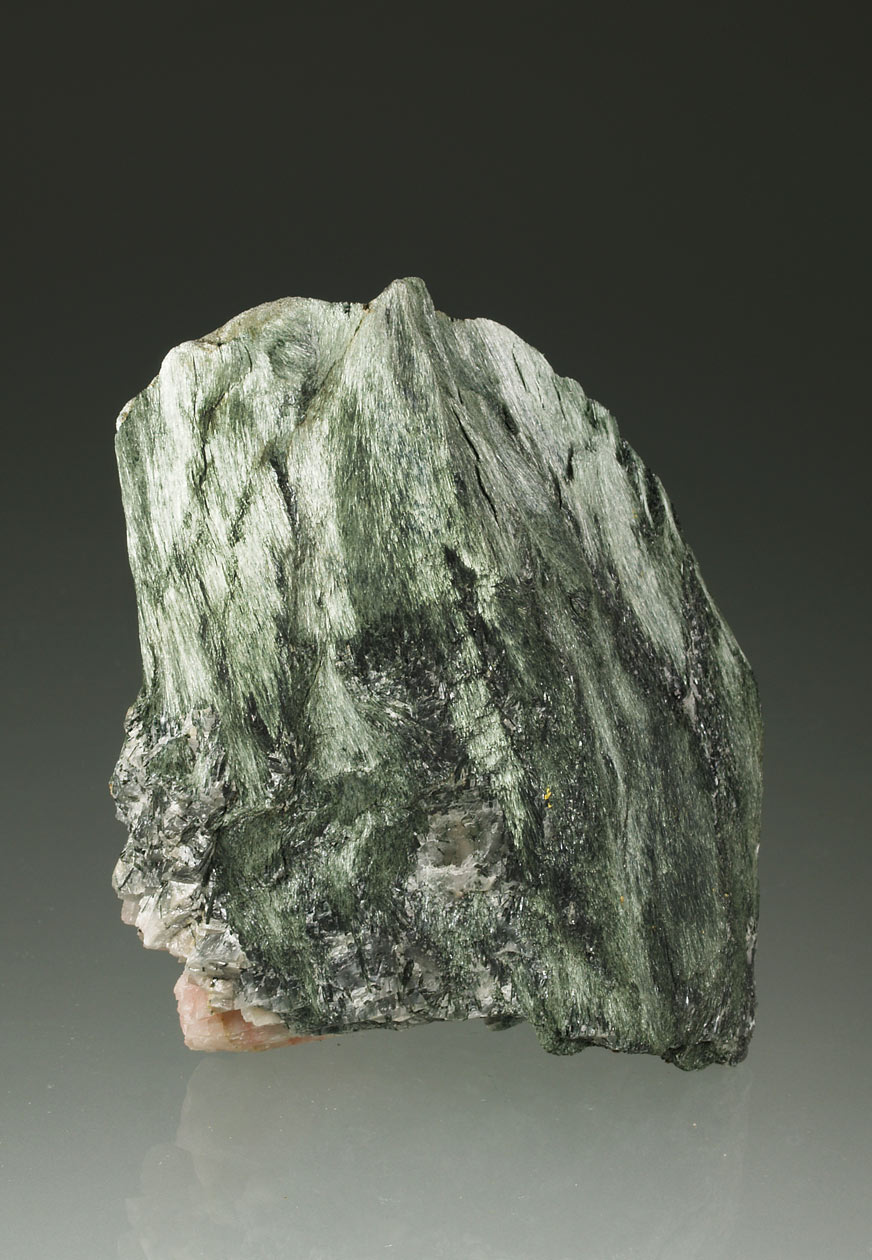
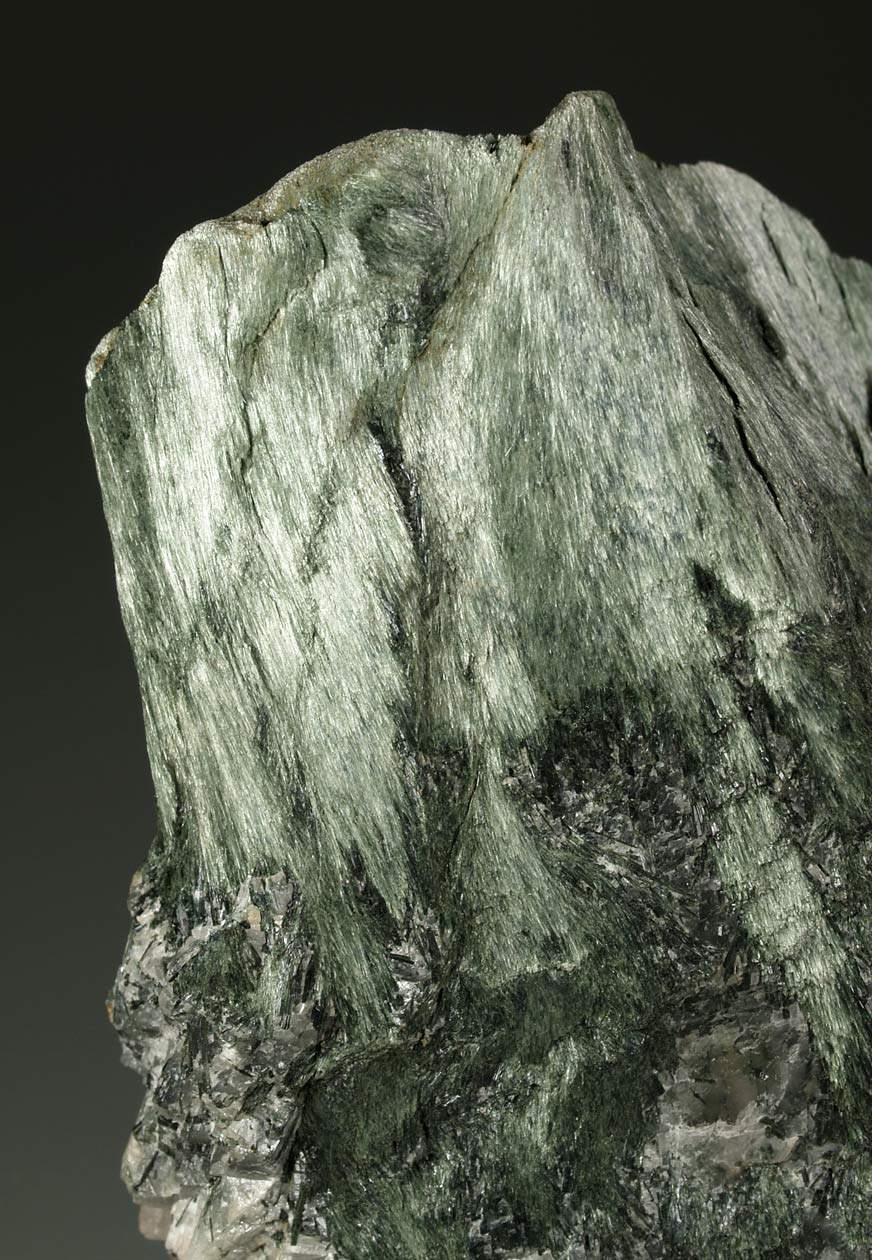
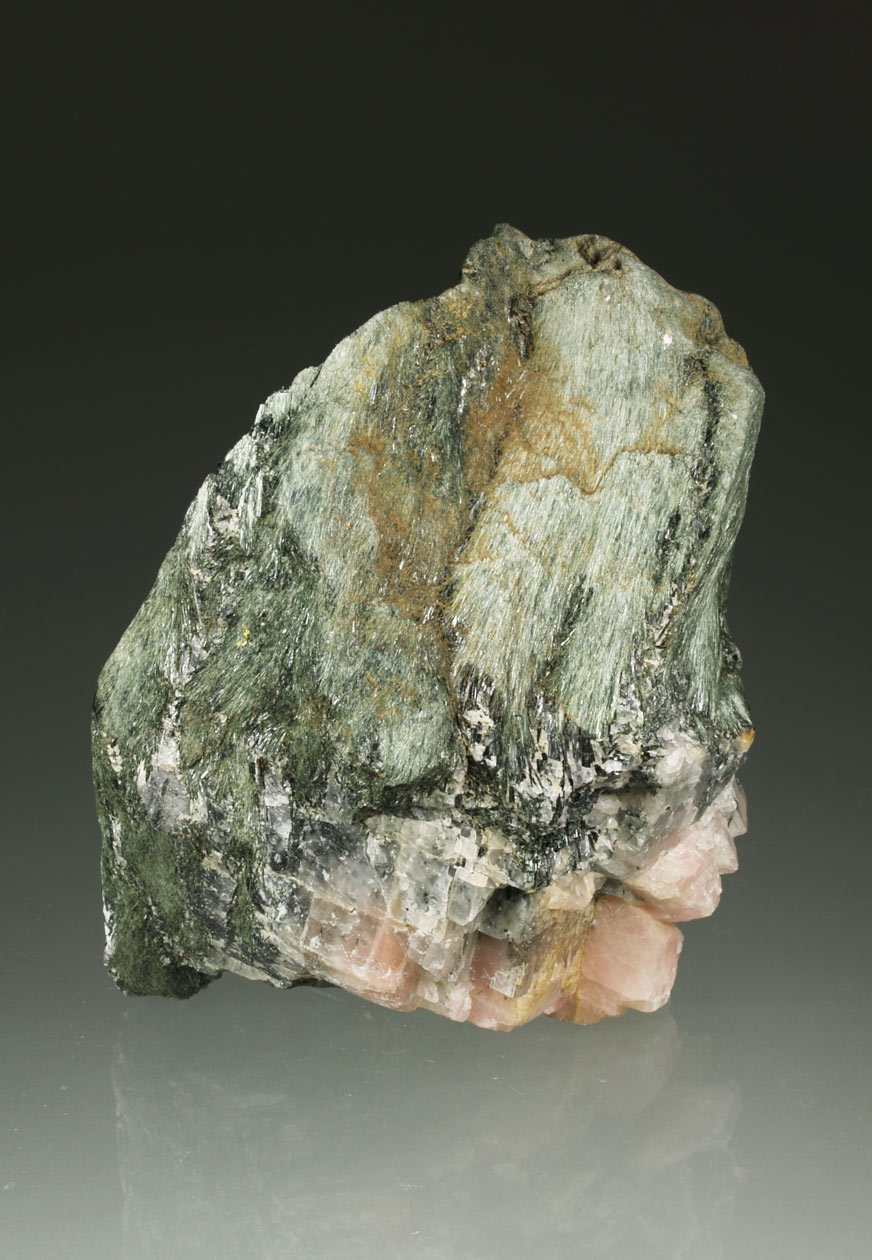
Agregado fibroso de cristales de tremolita, muy brillantes y de un color verde oliva. Se acompañan de cristales prismáticos de actinolita de un verde más oscuro y calcita anaranjada. Buen tamaño y representativo para la localidad y la especie. La corta Manuel-Mercedes se enclava en las intrusiones graníticas que se acompañaron de metamorfismo de contacto y dieron lugar a la formación del skarn, con importantes depósitos de magnetita.
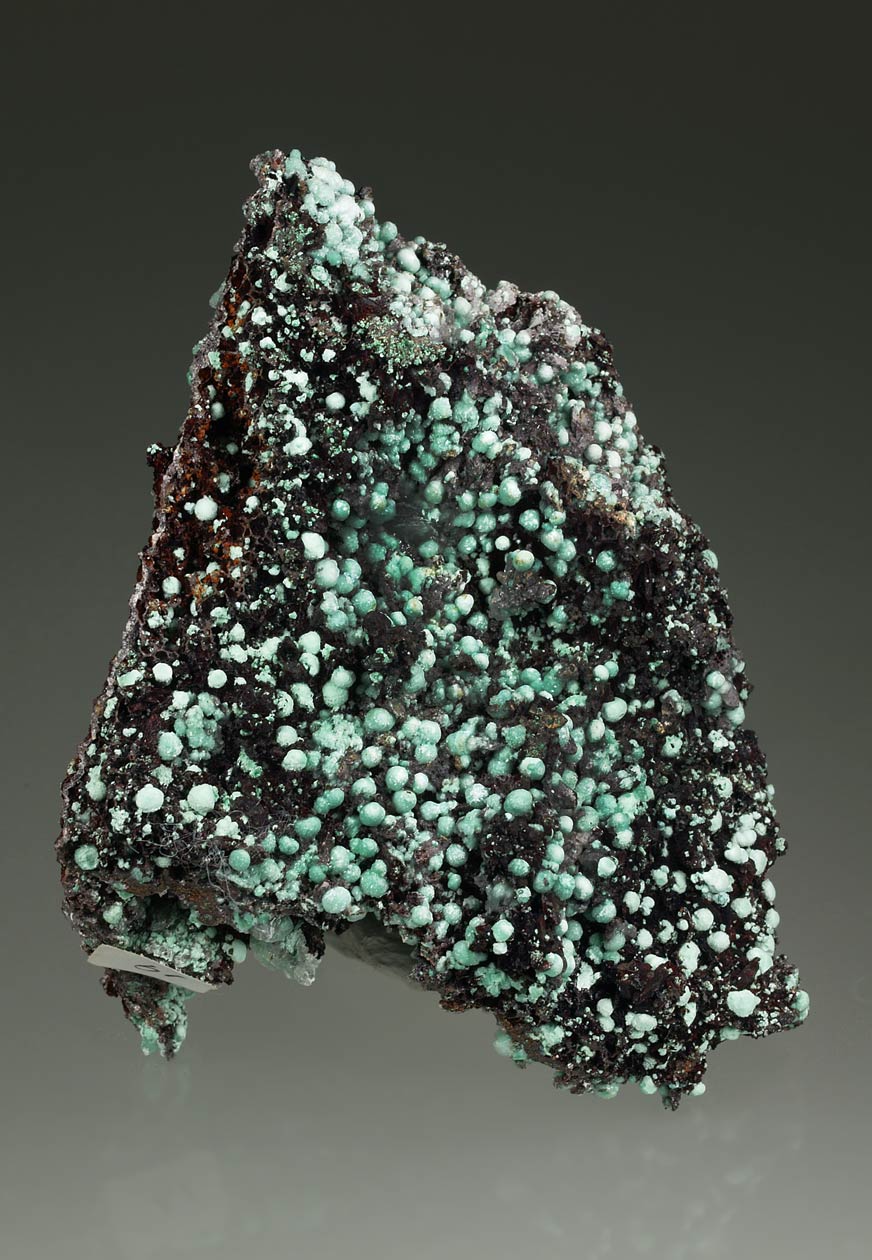
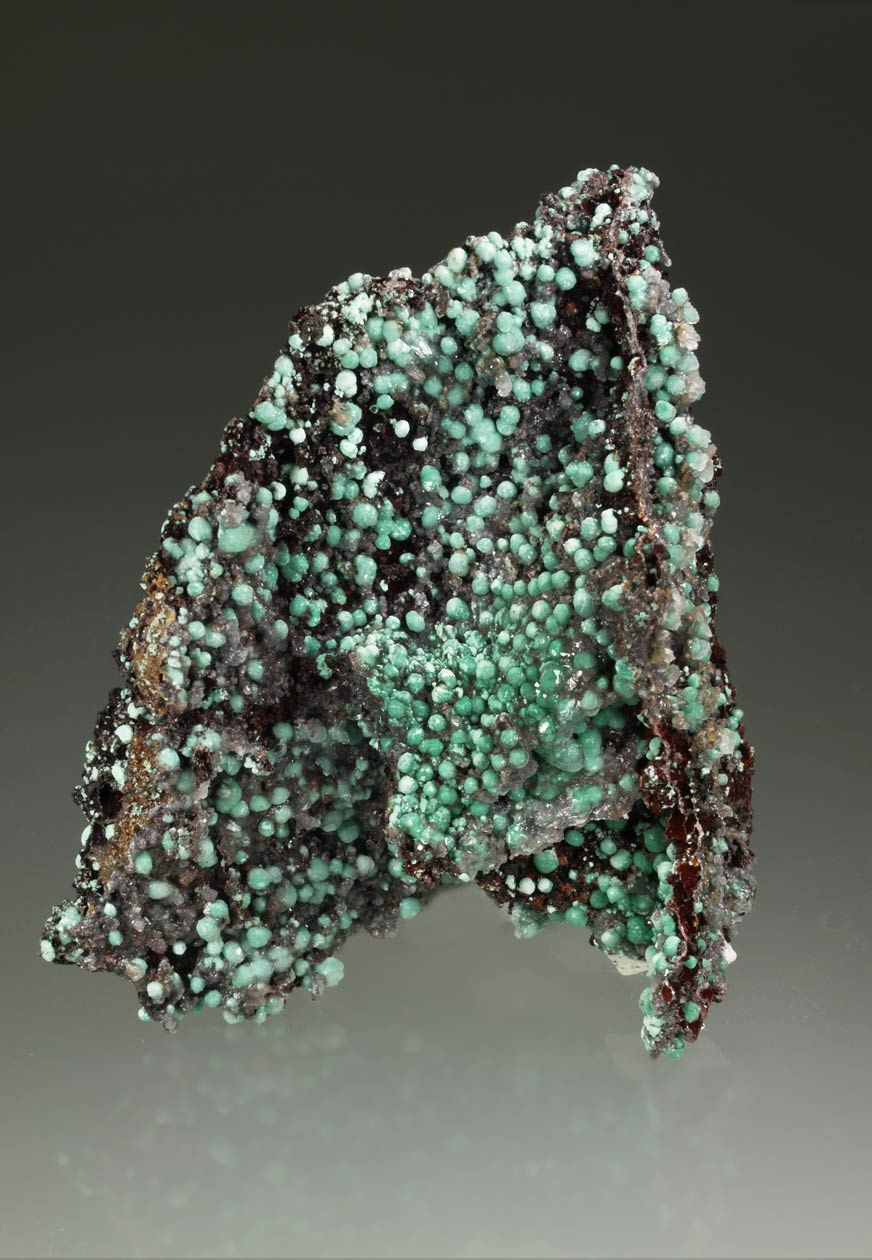
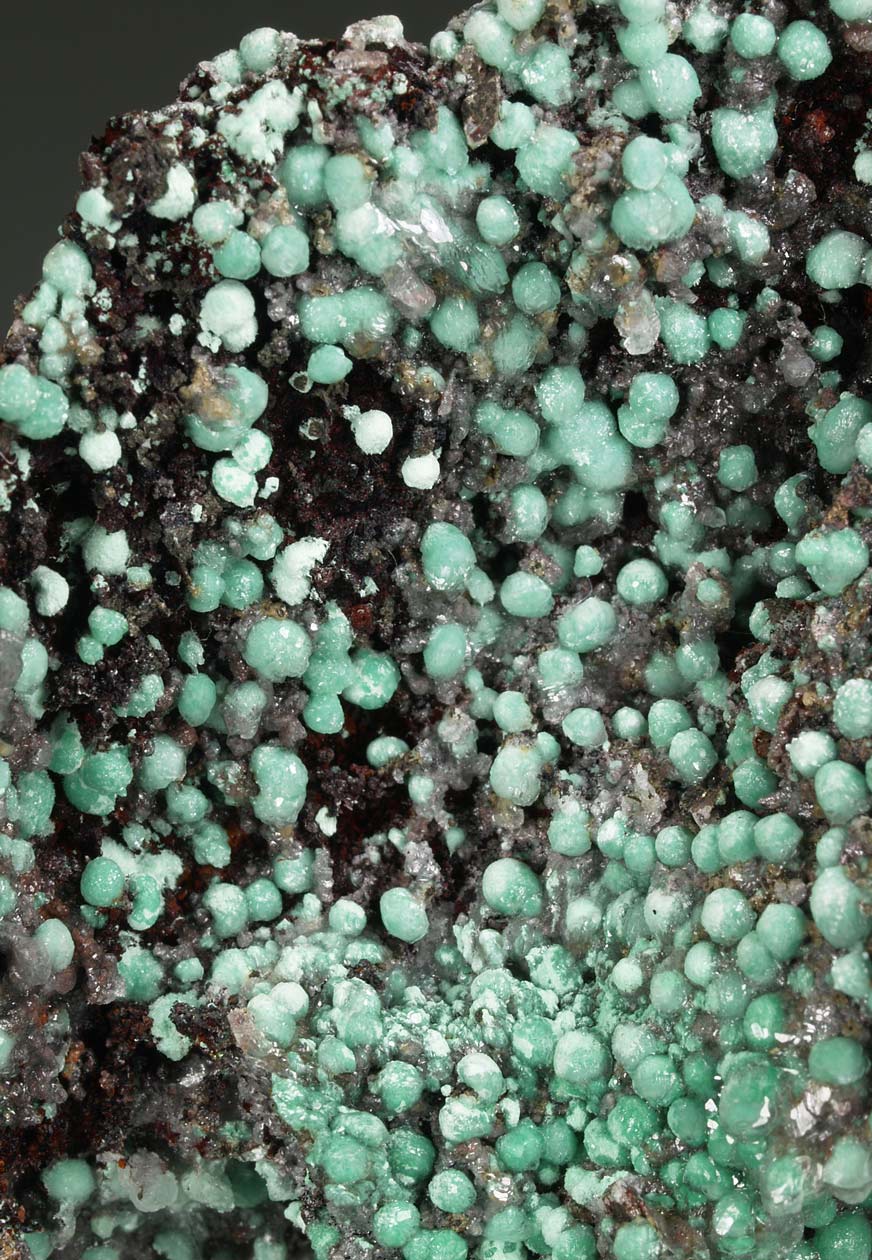
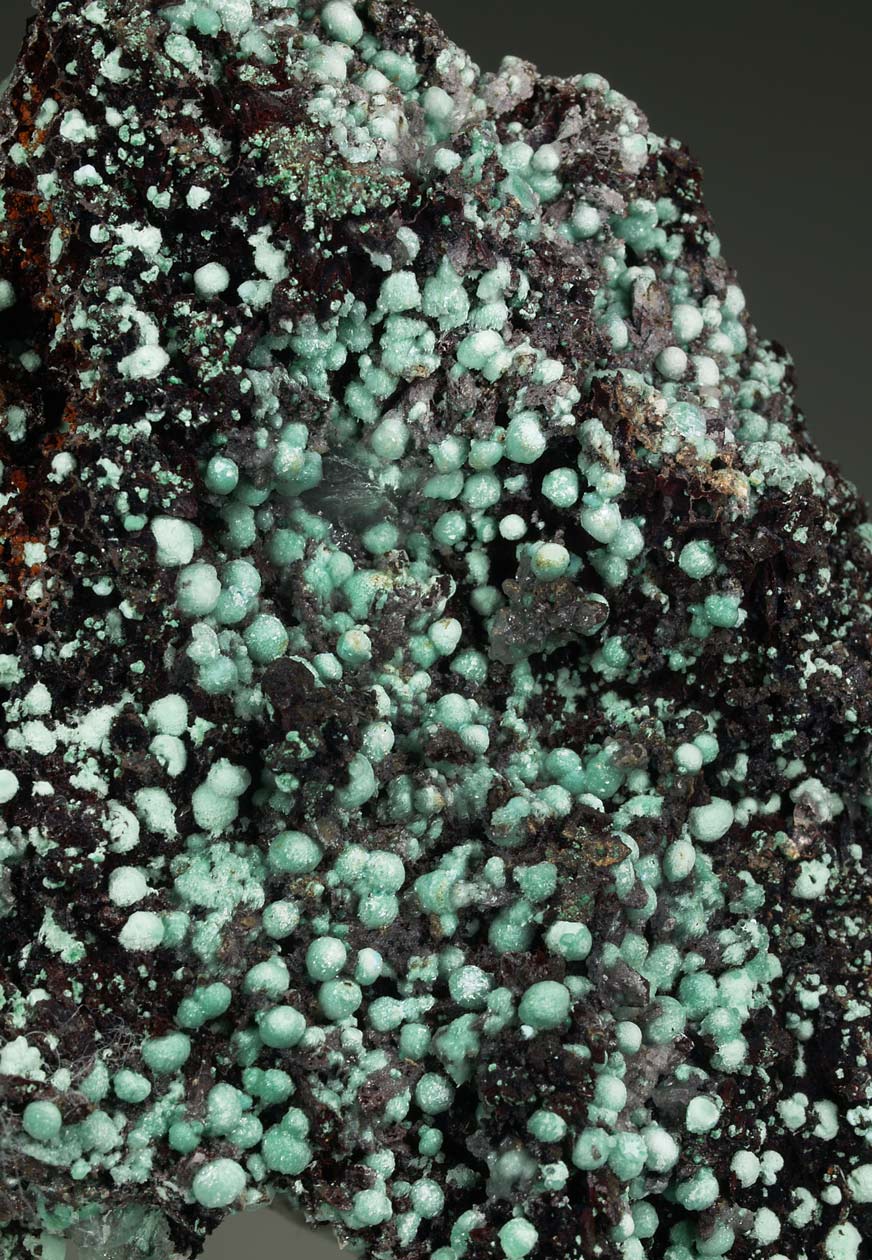
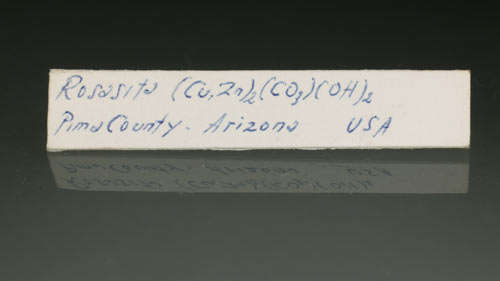
Un ejemplar muy estético y de buen tamaño formado por numerosos agregados globulares de cristales aciculares de rosasita, de color verde azulado, algunos parcialmente recubiertos por brillantes y transparentes cristales de calcita. Se acompaña de smithsonita y en una matriz de goethita.
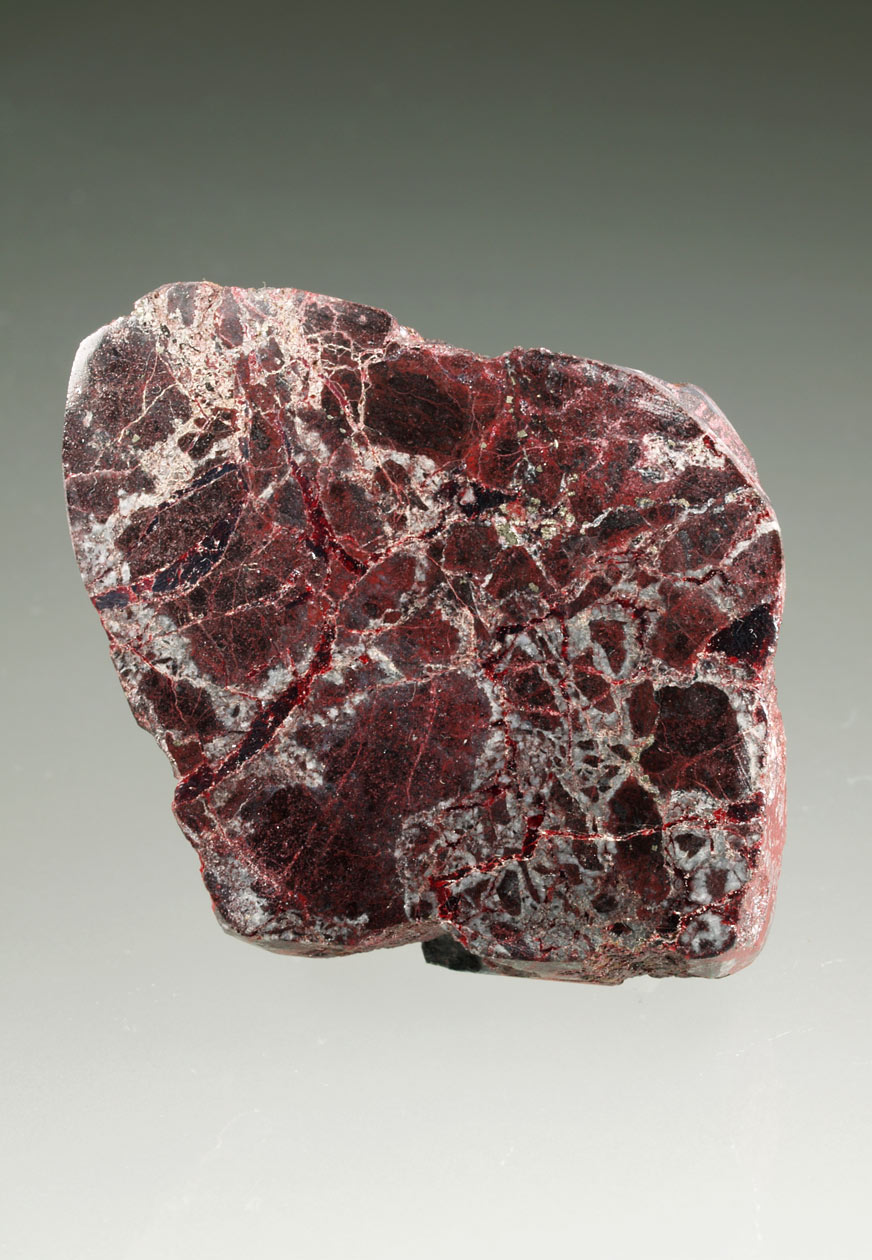
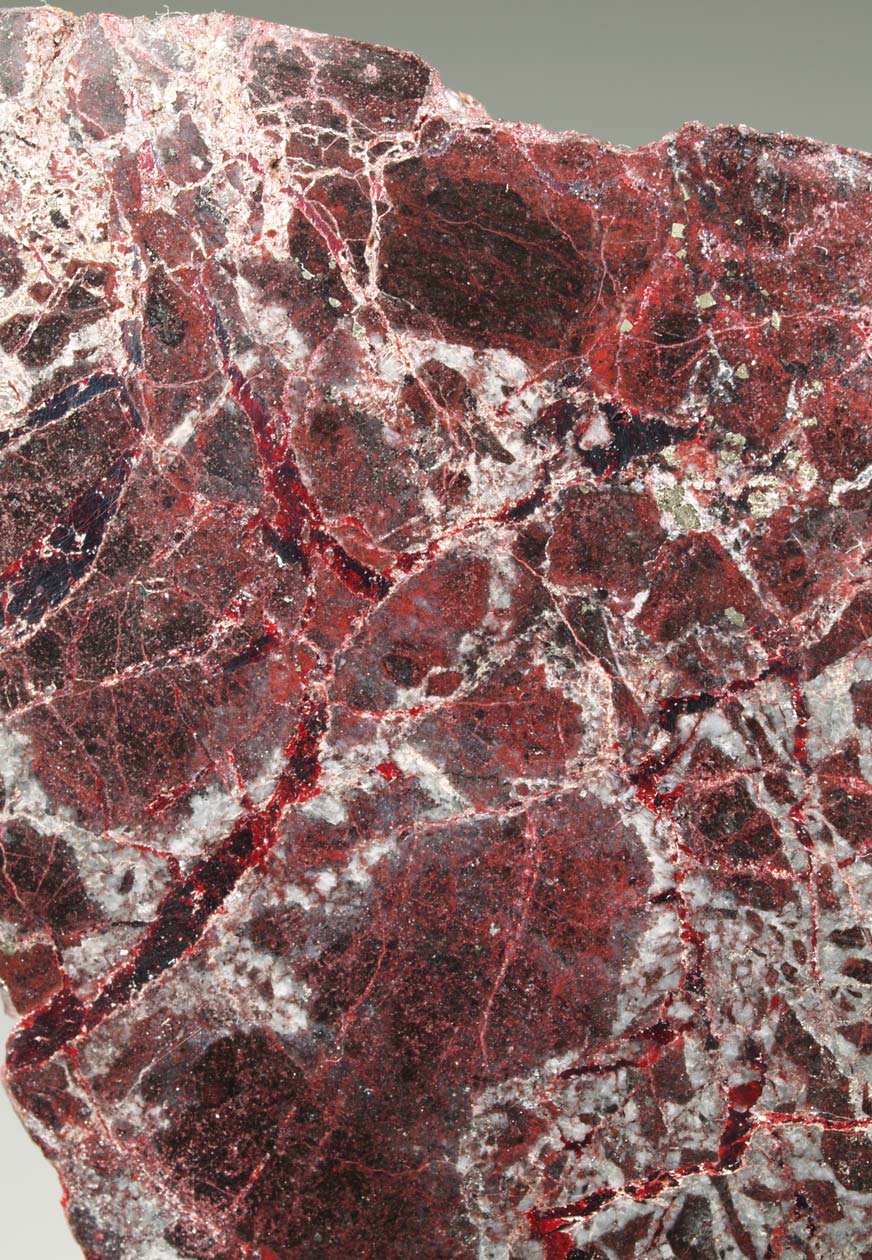
Este ejemplar tiene, para mí, tanto un interés coleccionístico como científico. Se trata de una muestra de "filones" de cinabrio en su roca encajante, que ha sido pulido perfectamente para poder ver las estructuras de esta especie de brecha. Se observan intensos colores rojos del cinabrio serpenteando entre fragmentos de cuarcita impregnada de cinabrio, cristales aislados de pirita y filoncillos de dolomita. Una verdadera curiosidad de Almadén para estudiar bajo la lupa.
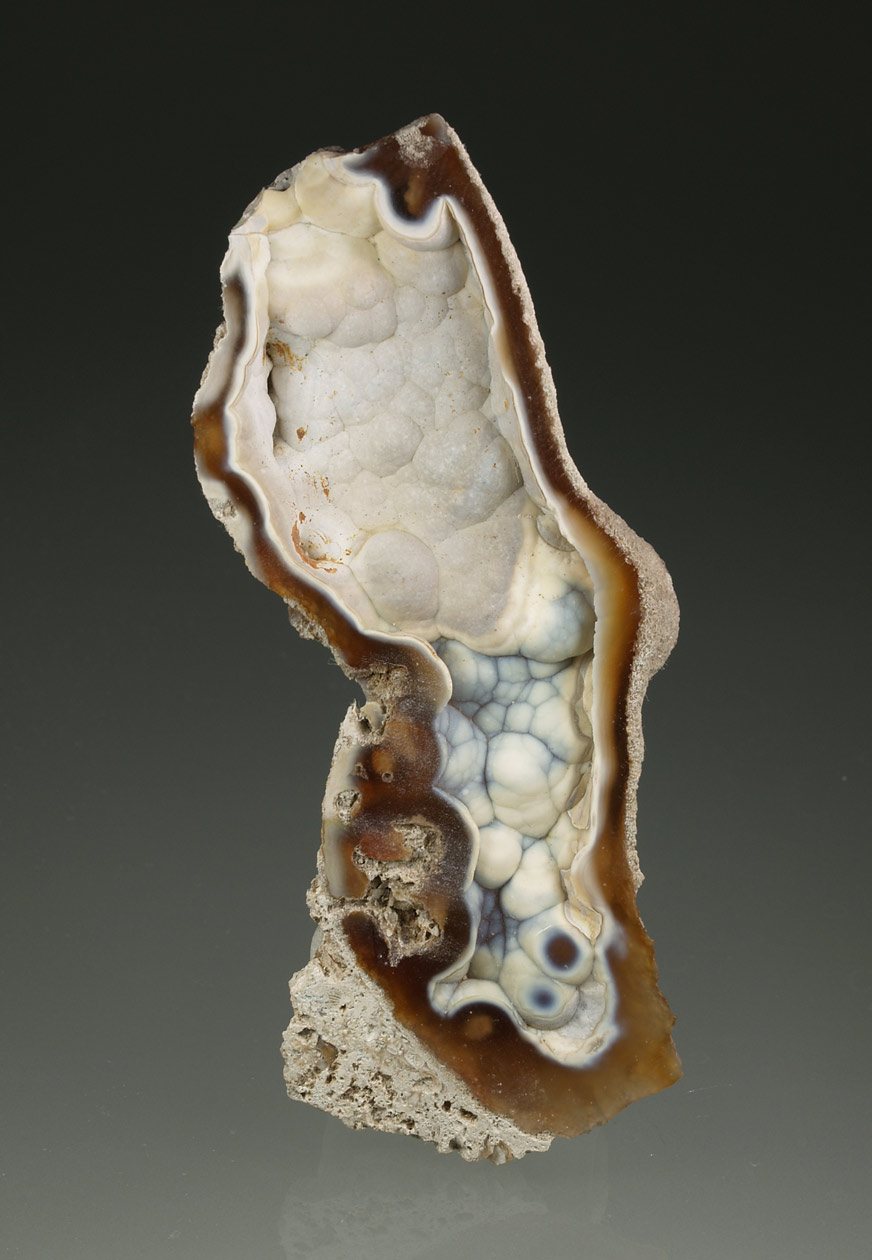
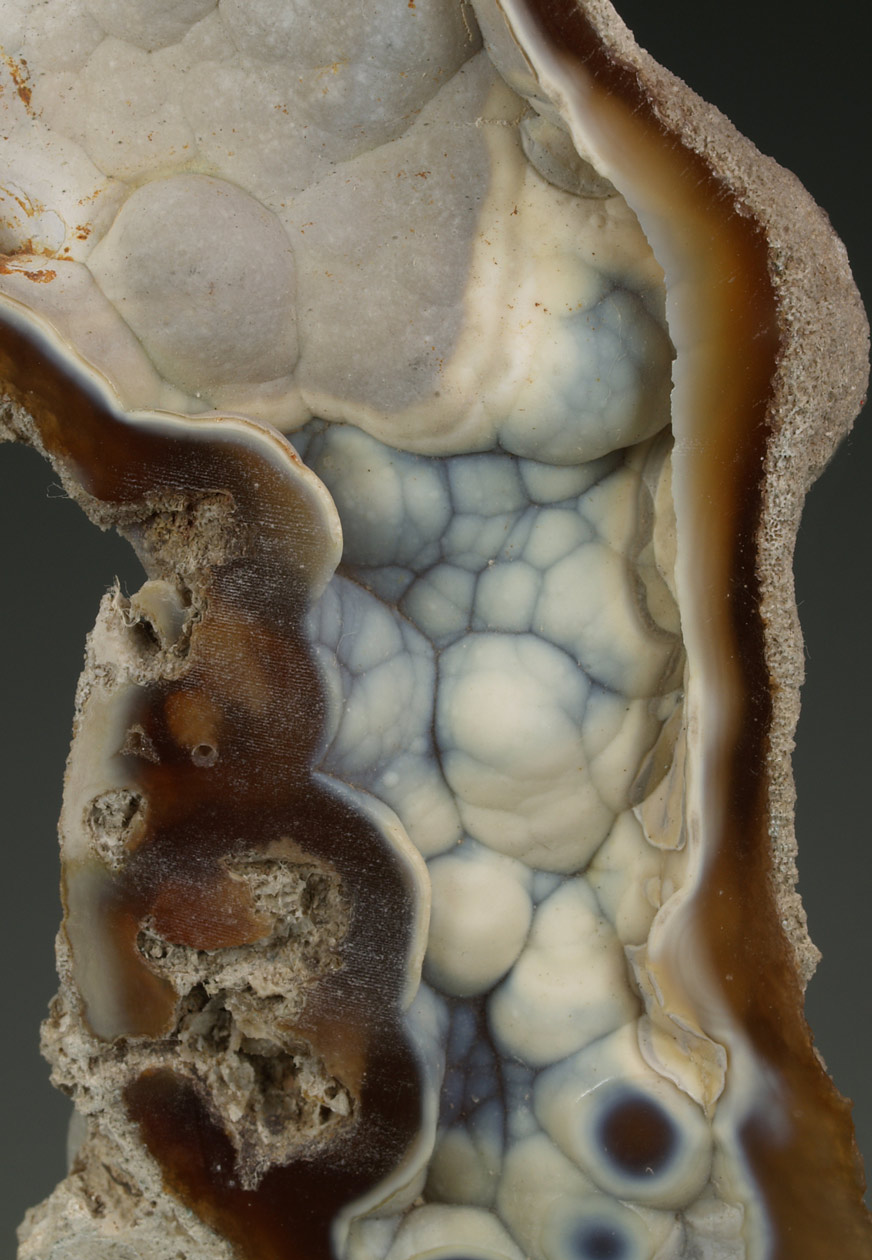
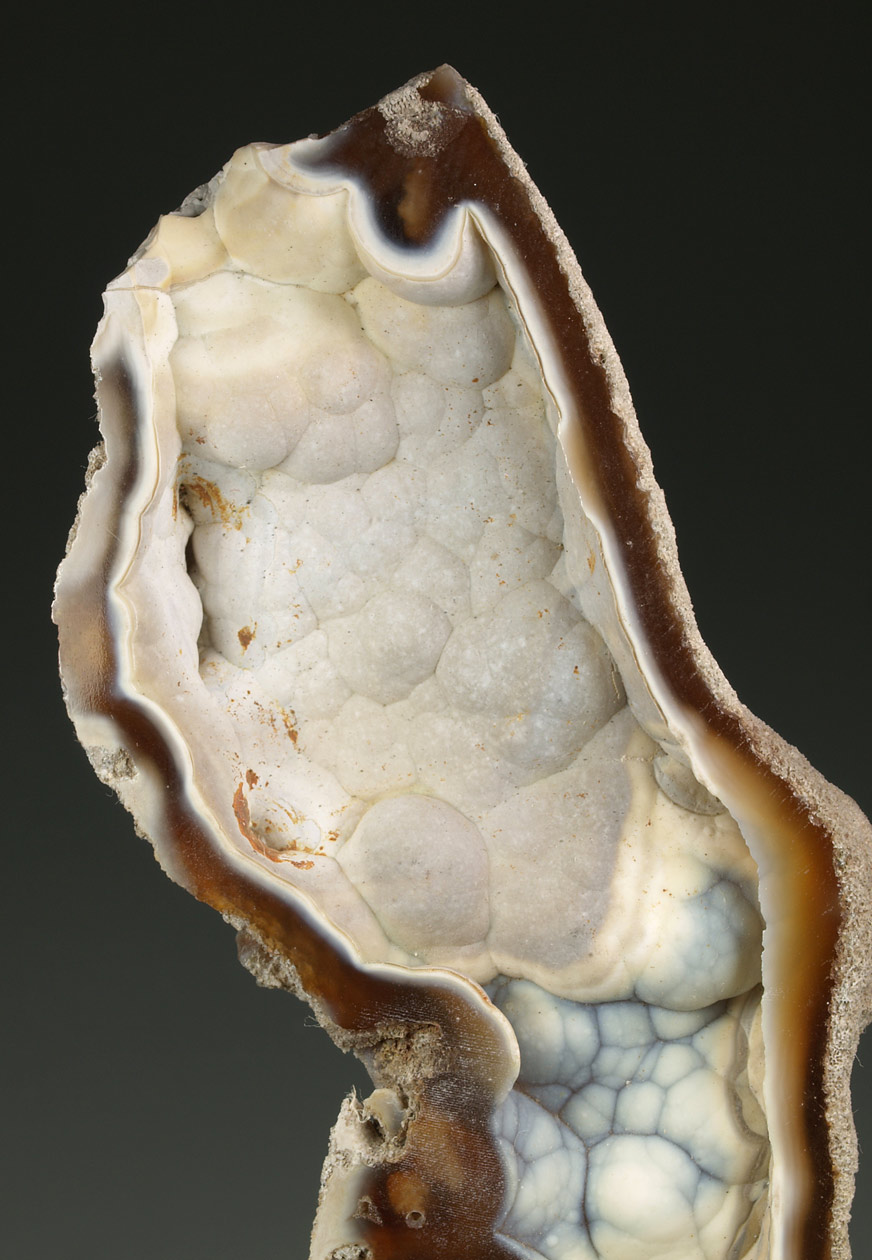
Se trata de un raro ejemplar de ágata/calcedonia que se ha formado en una matriz de coral. Dentro de la cavidad observamos los botrioides de calcedonia, brillantes y translúcidos y con bandas de una estética variedad de colores marrón melado y beige. Son difíciles de encontrar y muy apreciados por los coleccionistas. Muy fluorescente bajo UV de onda larga.