- Home About RM Minerals
- Virtual Photo Museum Blog RM Contact
- Microscopy and instruments How to Buy Disclaimer
Copyright 2010-2026
www.rosellminerals.com



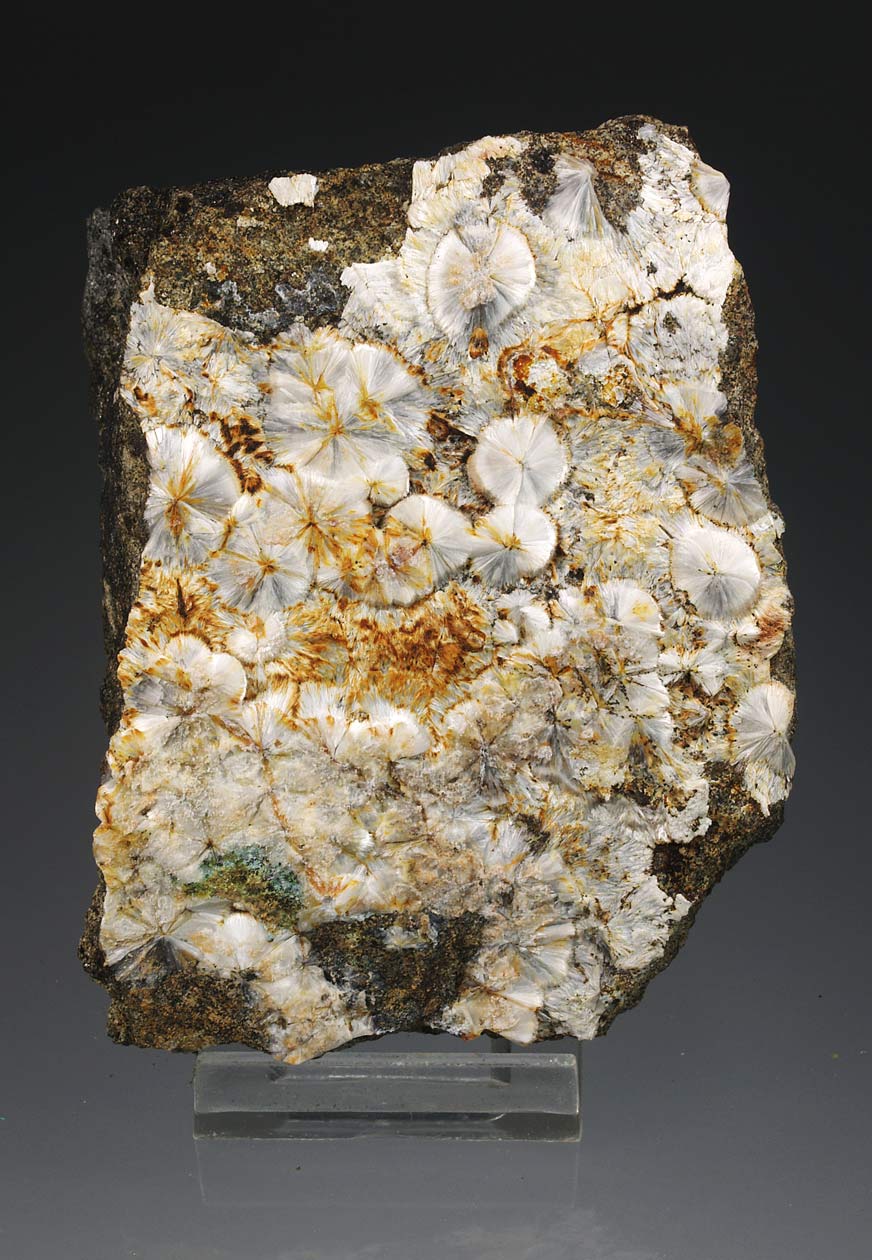
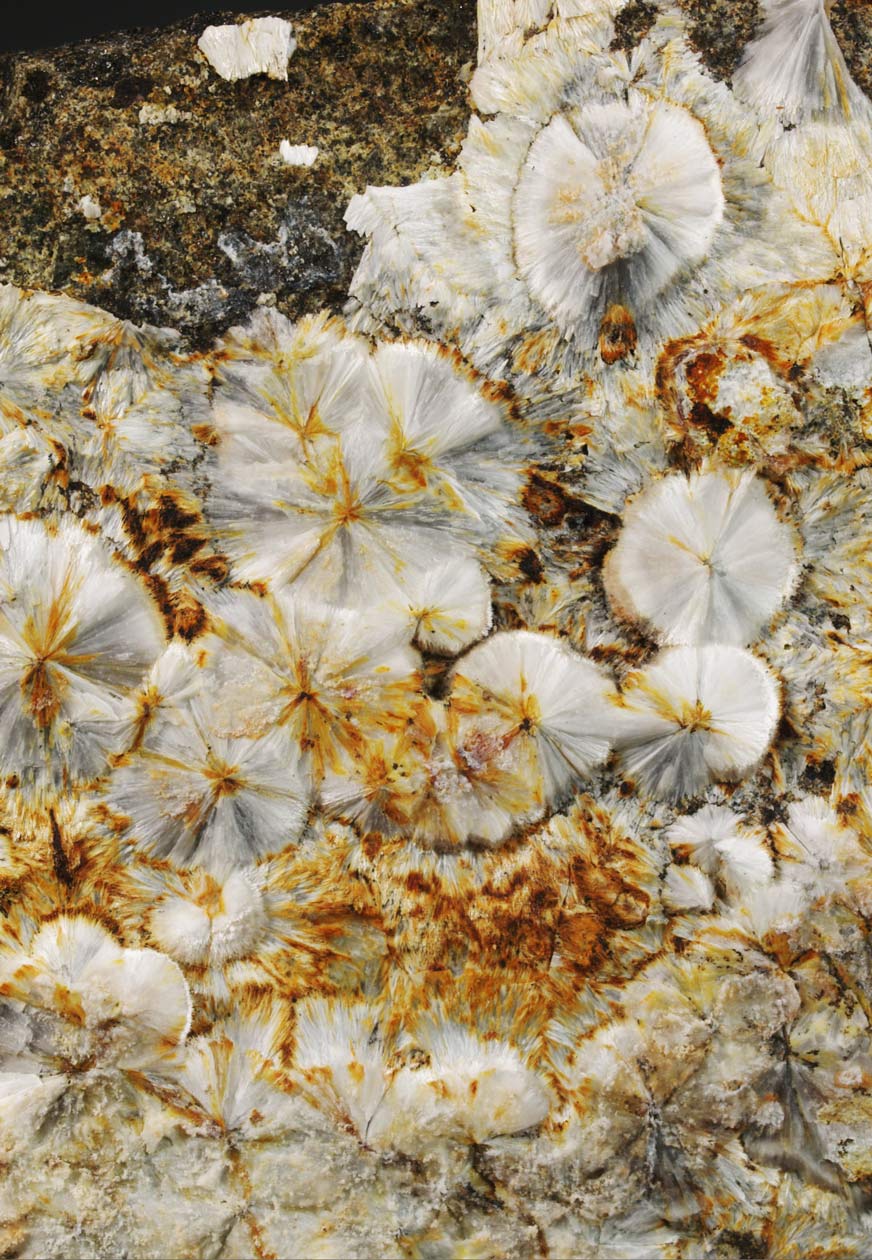
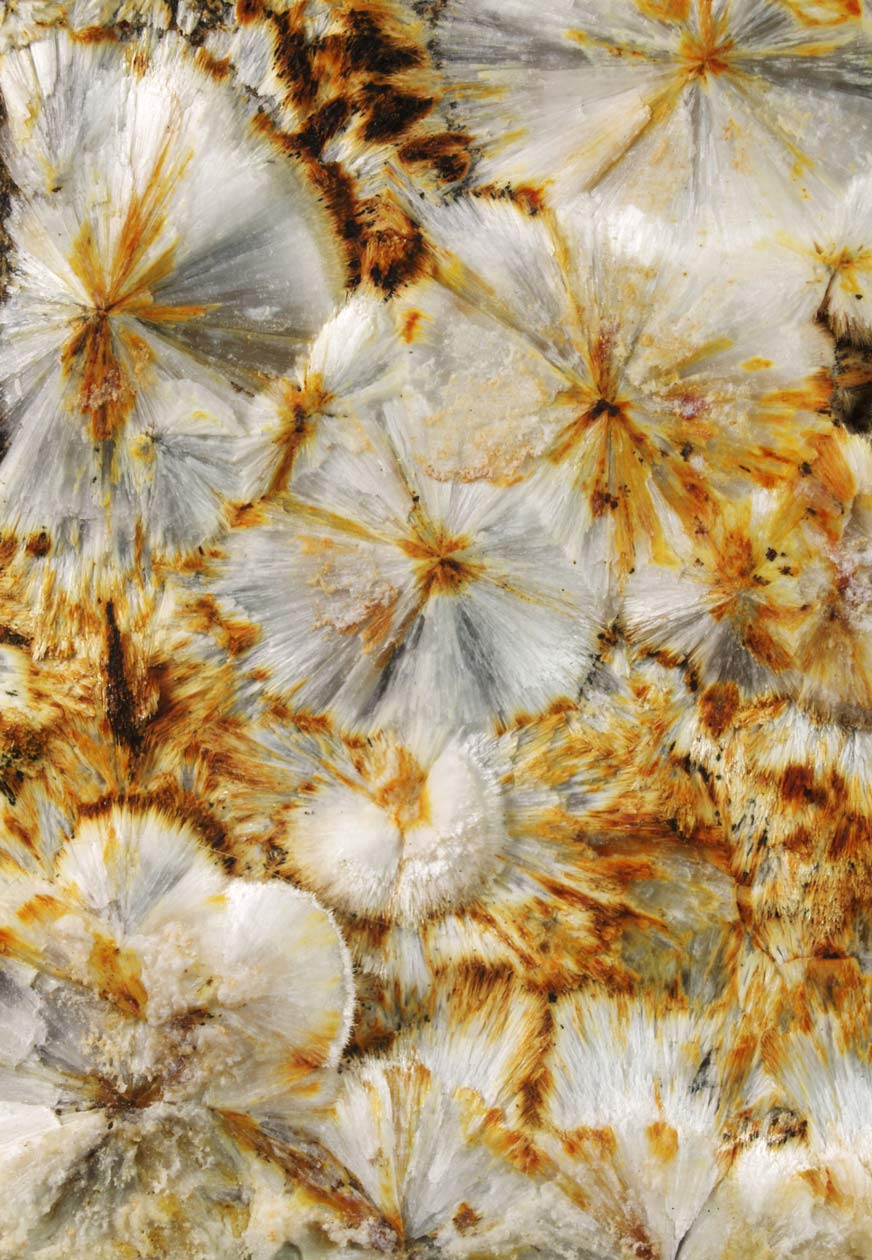
Scolecite and aerinite specimens from this Aragonese area are known worldwide. This specimen shows us groups of acicular crystals forming radiated aggregates in the dolerite and that, when extracted, allow us to see their internal arrangement perfectly. White in color, with iron oxydes patina, and good brilliance. Samples of this quality and size are not common and even less so today.
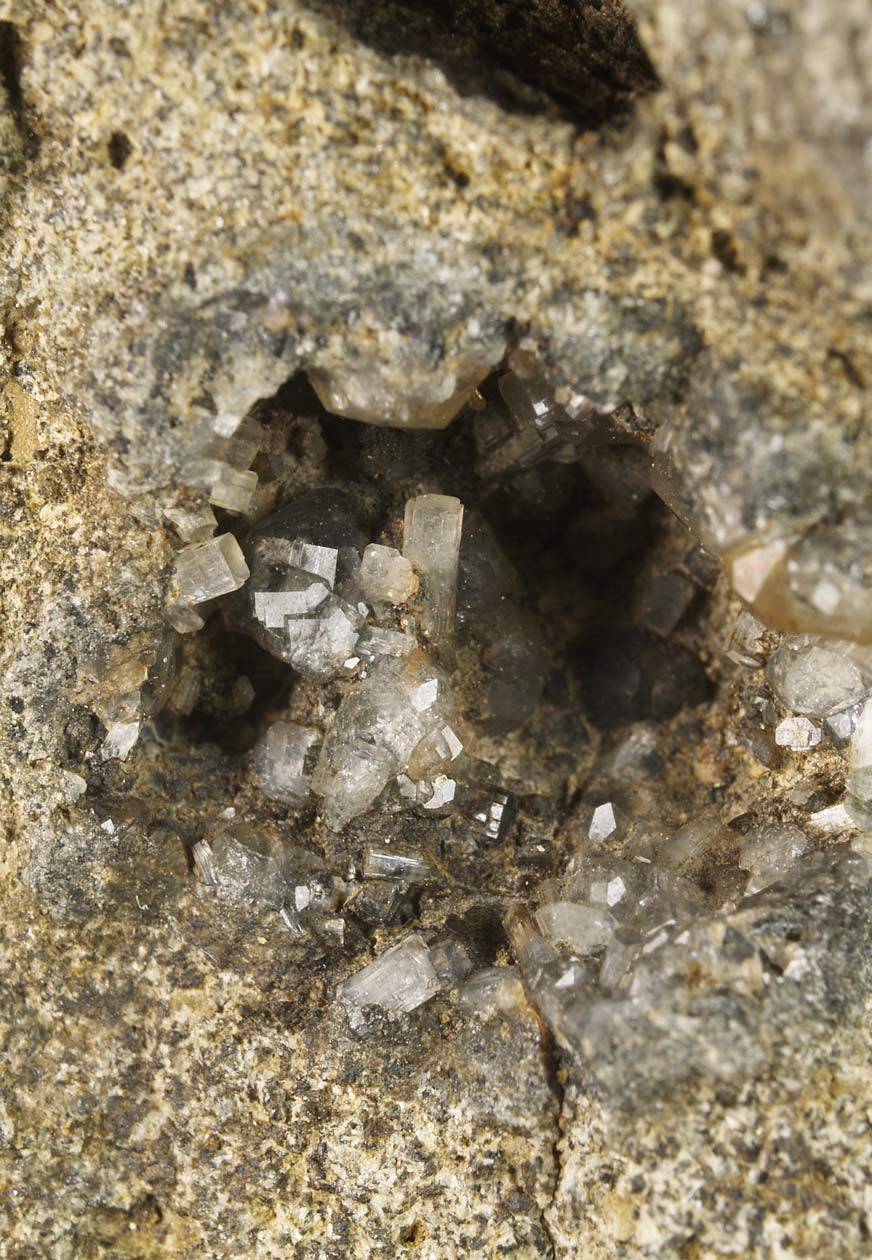
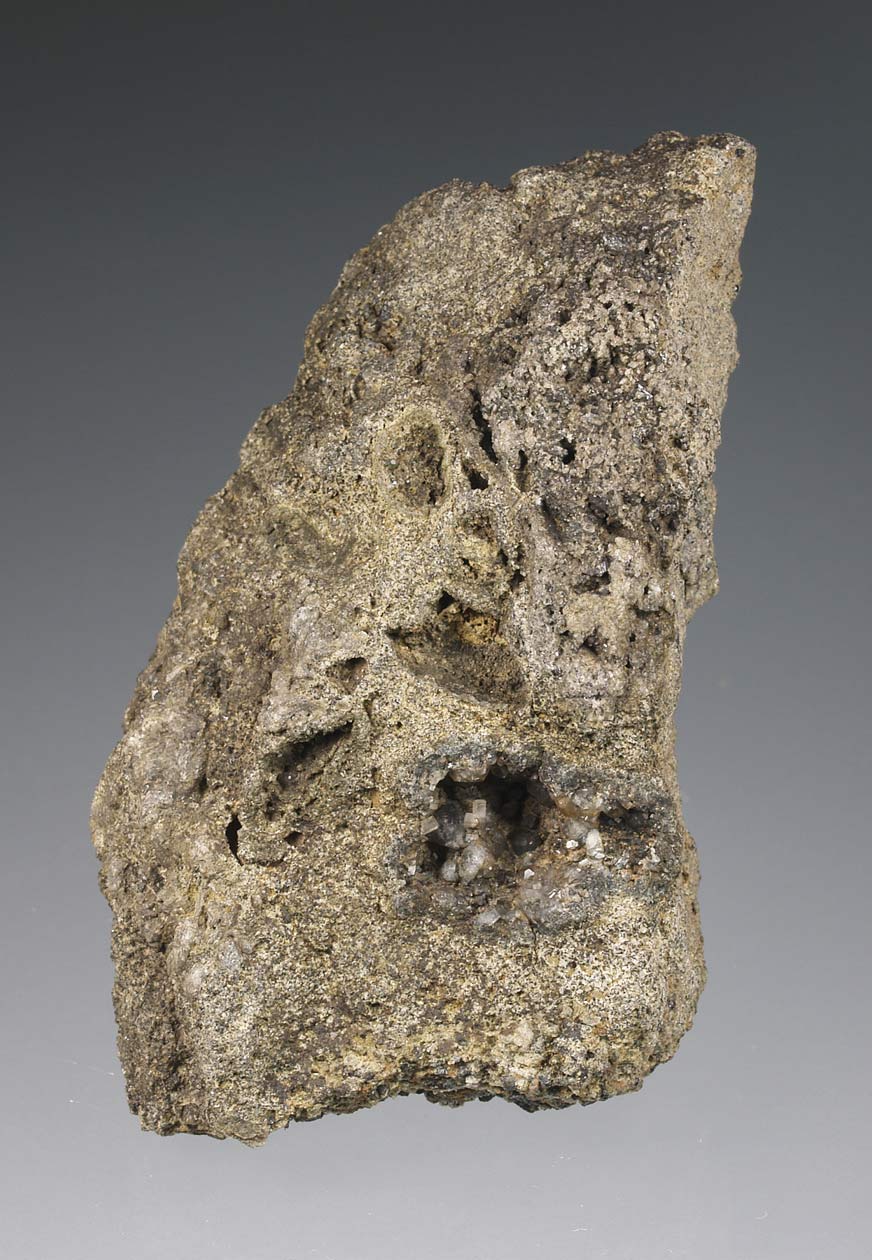
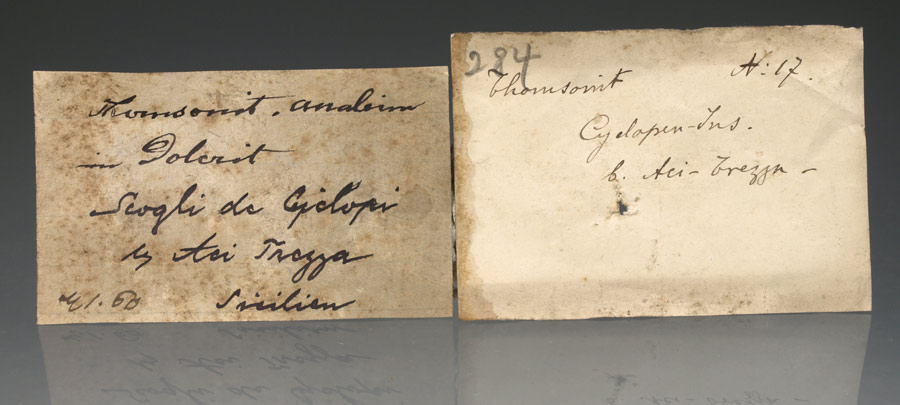
The Cyclopean Isles is a small volcanic archipelago off the coast of Aci Trezza, in the Etna volcanic complex. They are the type locality for the analcime species, which we can see in this specimen. This old time sample from the Freiberg Bergakademie shows us vacuoles with idiomorphic analcime crystals accompanied by colorless, well-defined thomsonite-Ca prisms those have grown on the analcime. The two labels give clear testimony to the antiquity of the specimen. A true mineralogical curiosity.
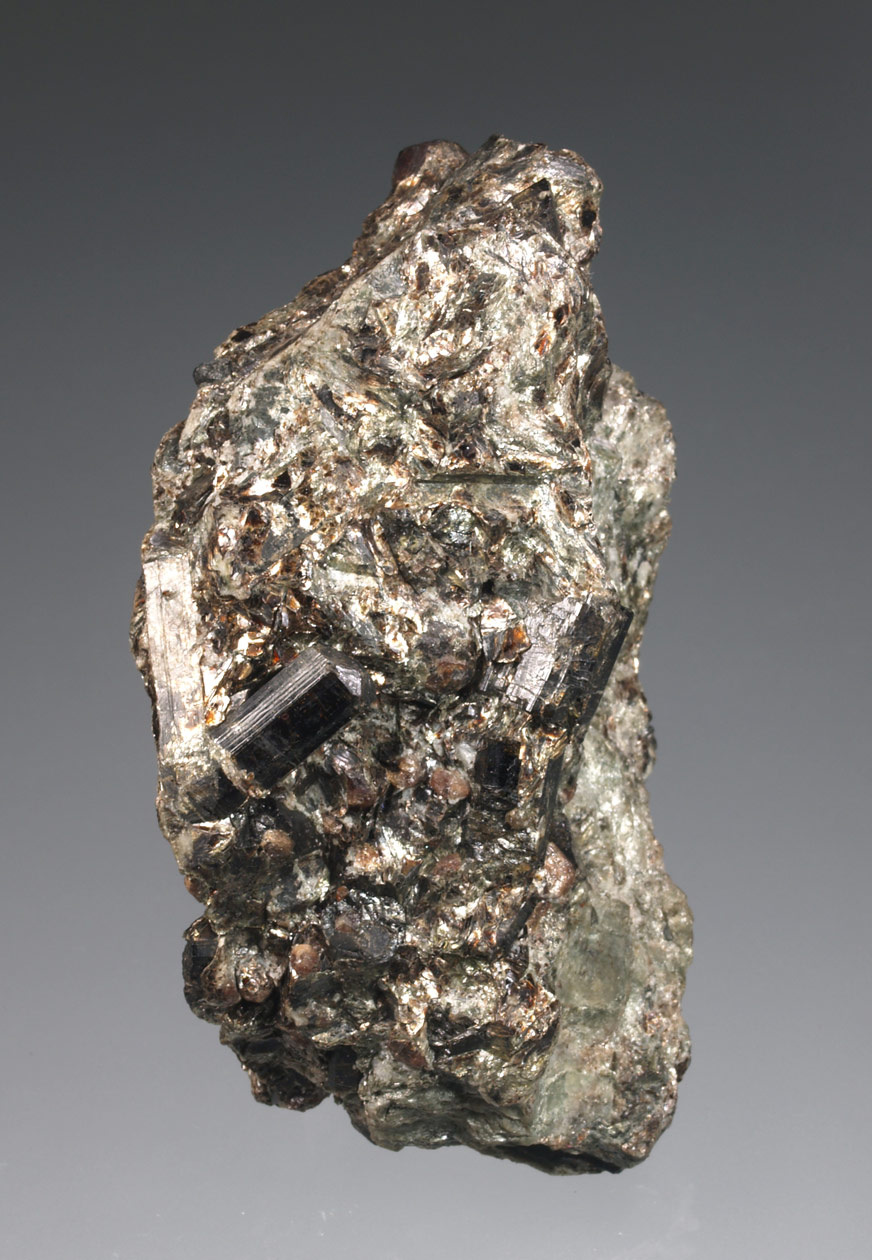
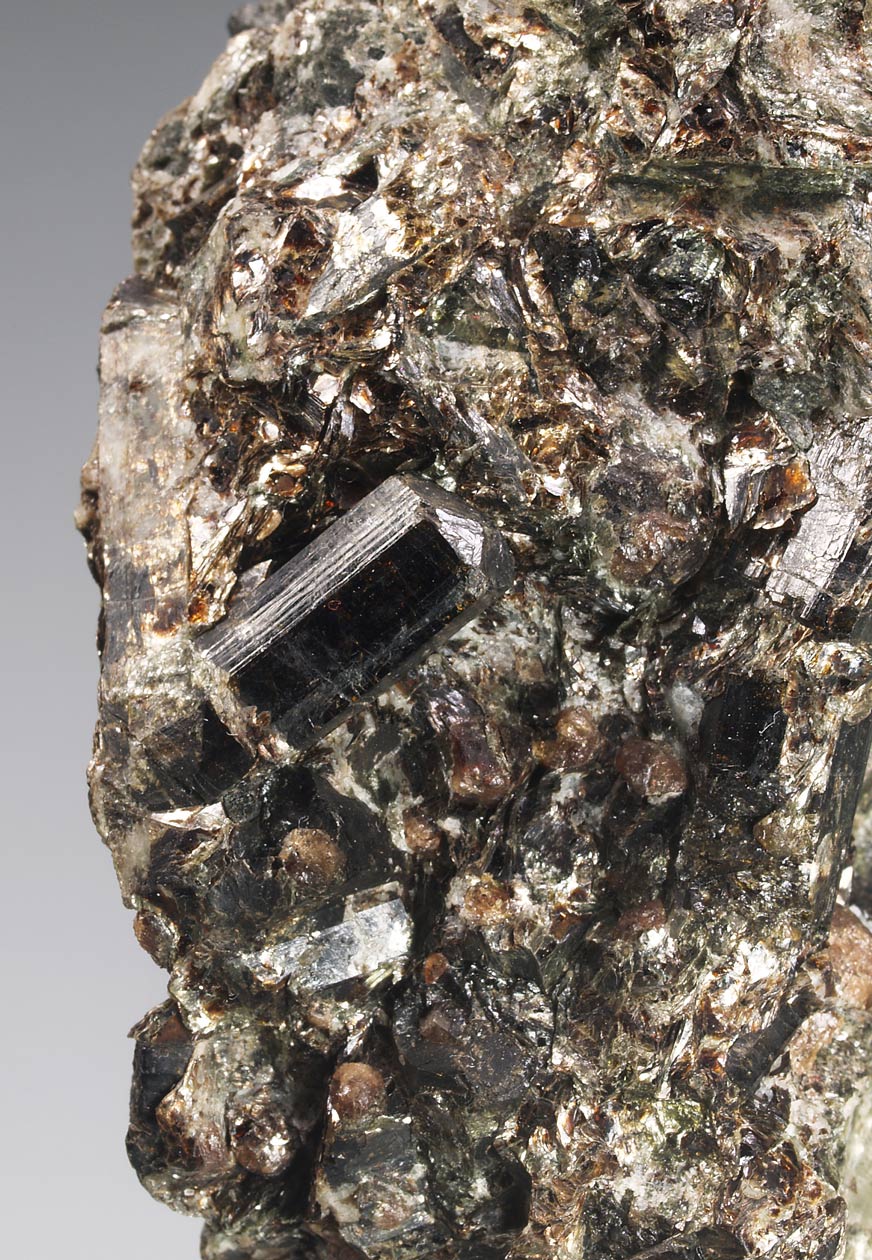
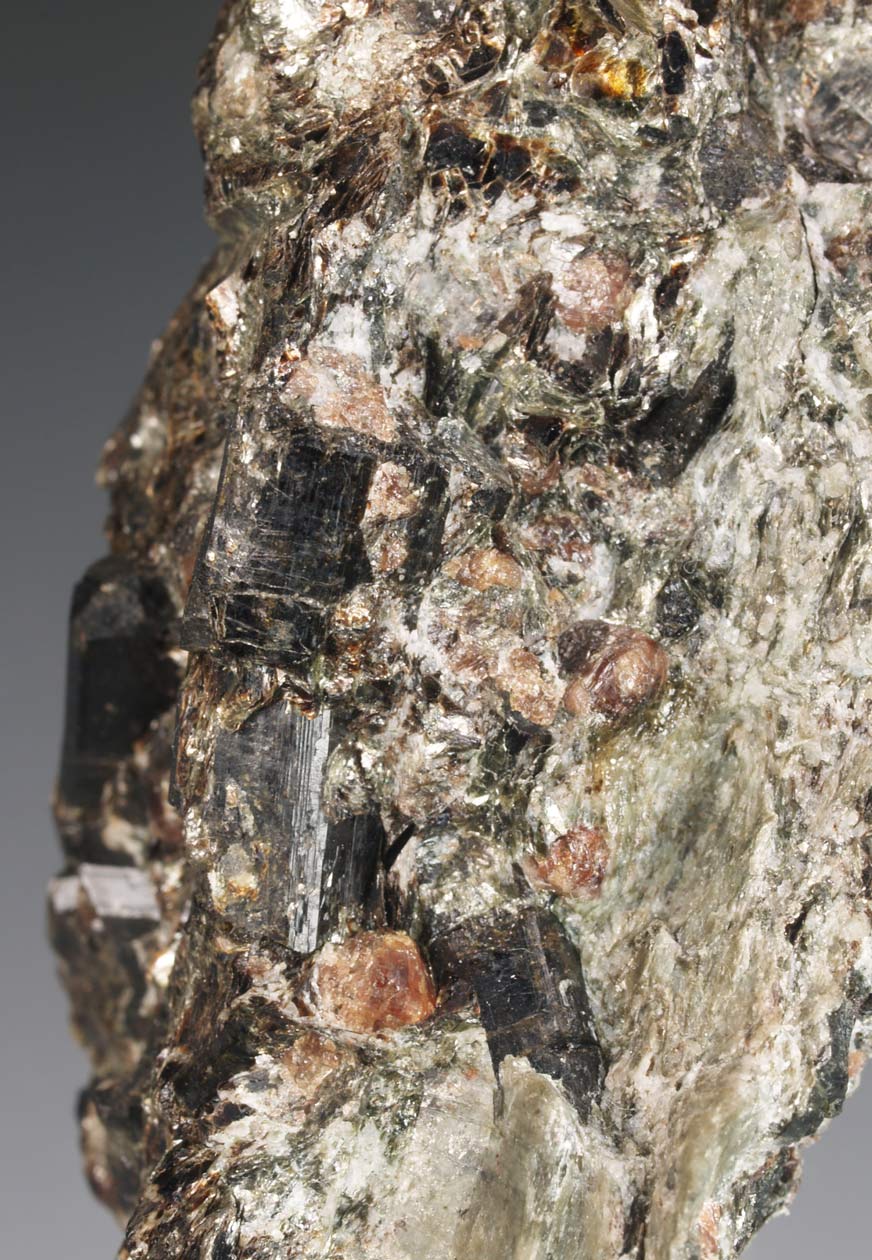
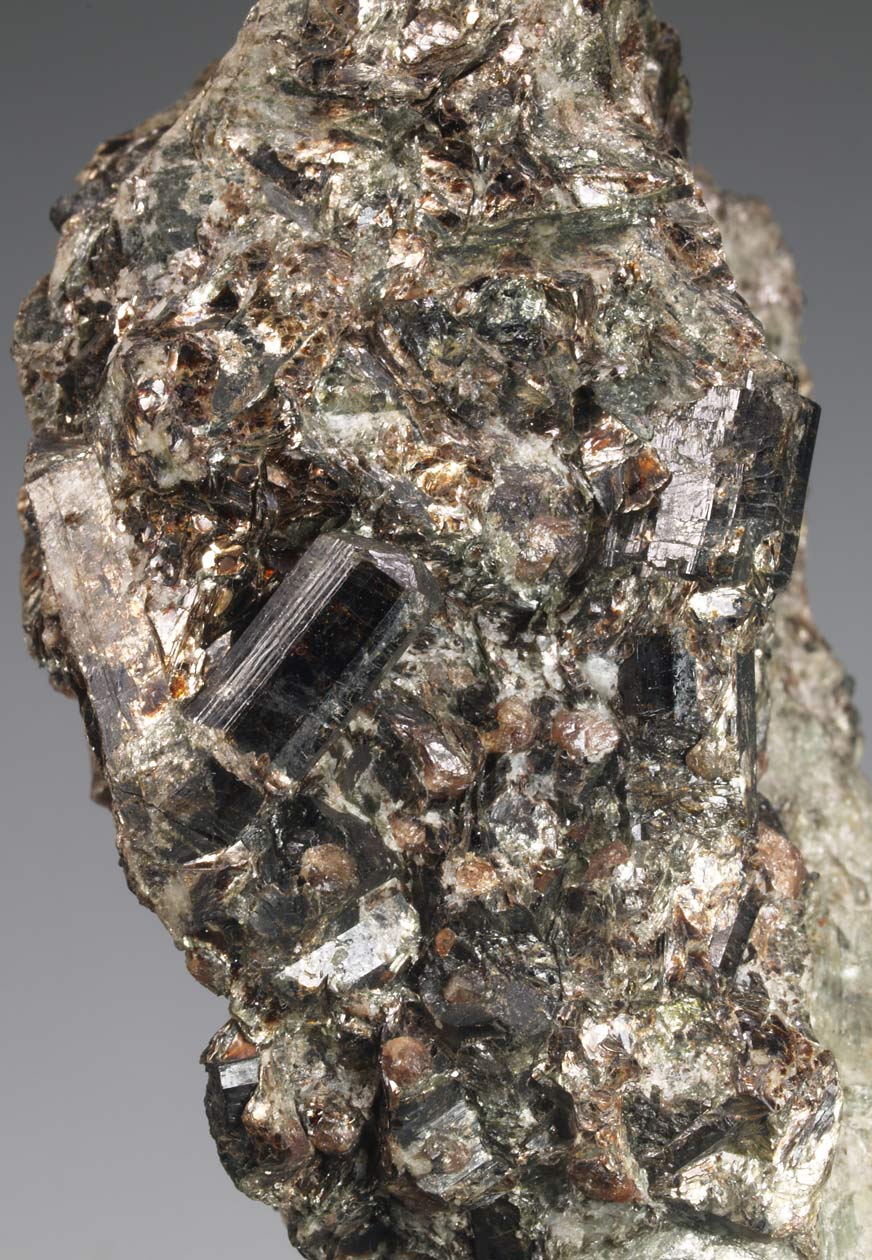
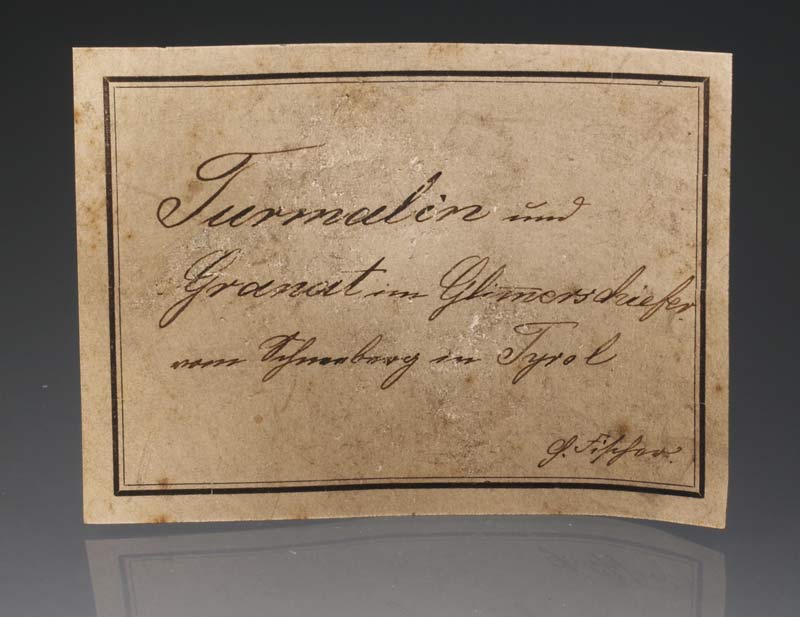
In this specimen from the Bergakademie zu Freiberg we can see several schorl crystals, one of them with a well-defined prism and clearly visible terminal rhombohedral faces. The mica matrix contains reddish almandine crystals. Very interesting handwritten label.
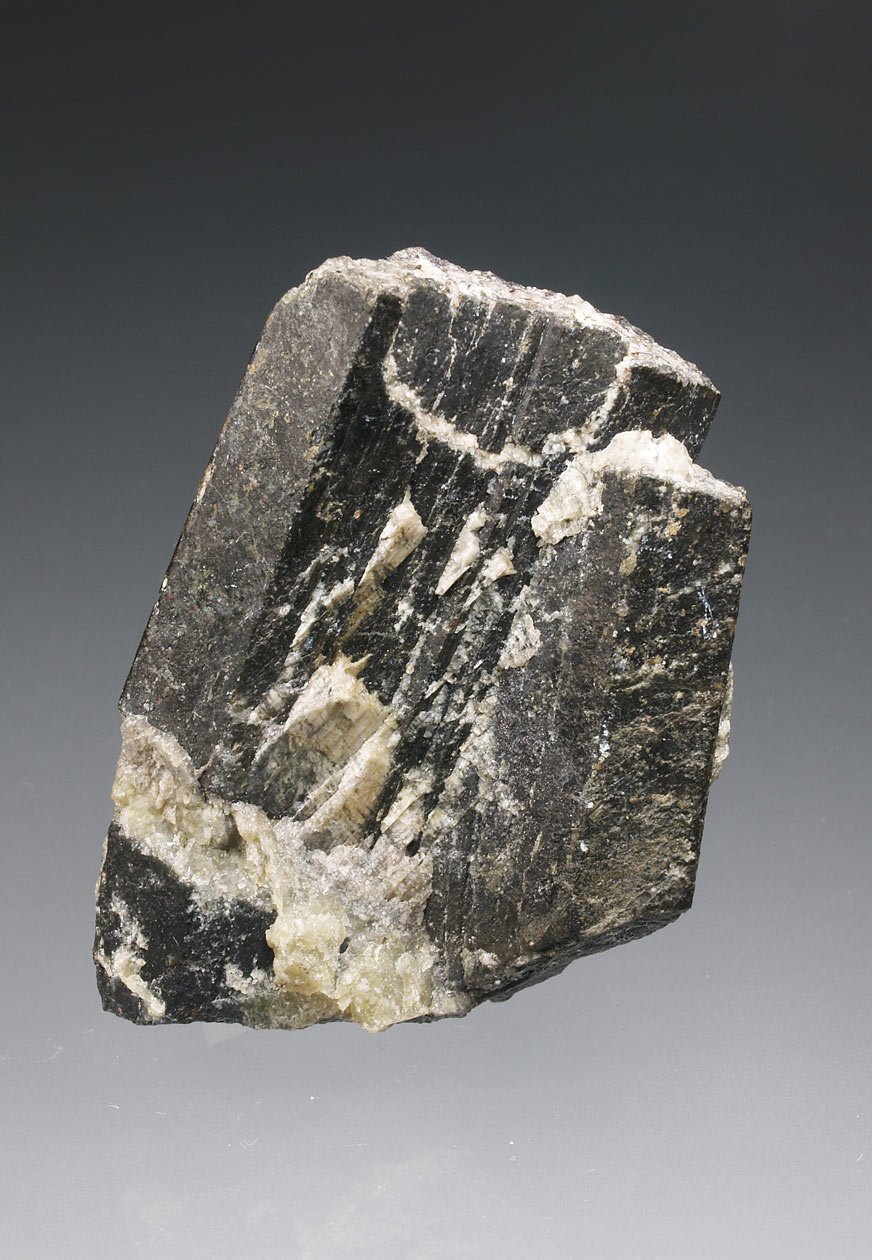
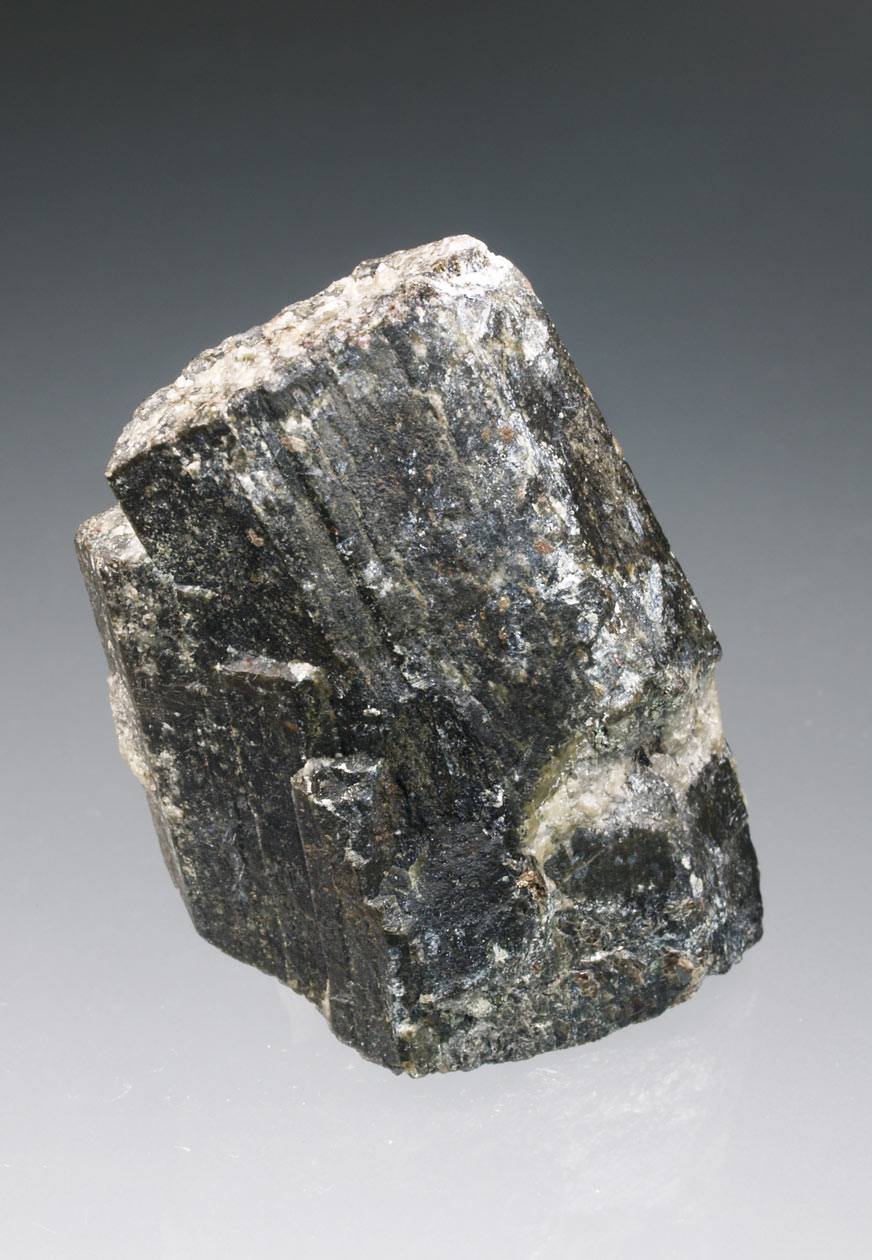
Group of tabular enstatite crystals that have been pseudomorphized by steatite, a variety of talc. Defined, black color and good sized. They are usually accompanied by chloroapatite, beige in color, as we can see in the sample. Specimens from this locality are very rare and even less so with this quality, The mines are now closed and most of the dumps are overgrown by forest. It is accompanied by a handwritten label that we can place at the beginning of the s. XX, from the collection of the Freiberg Bergakademie.
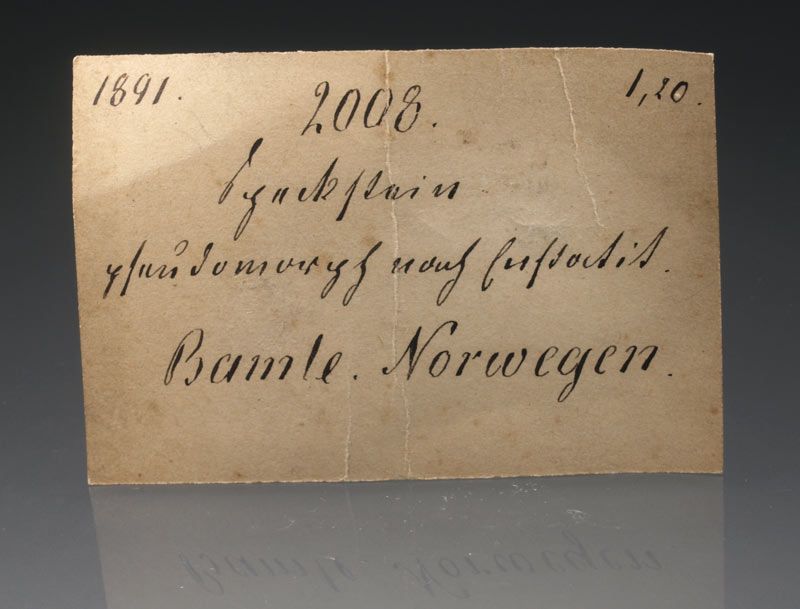
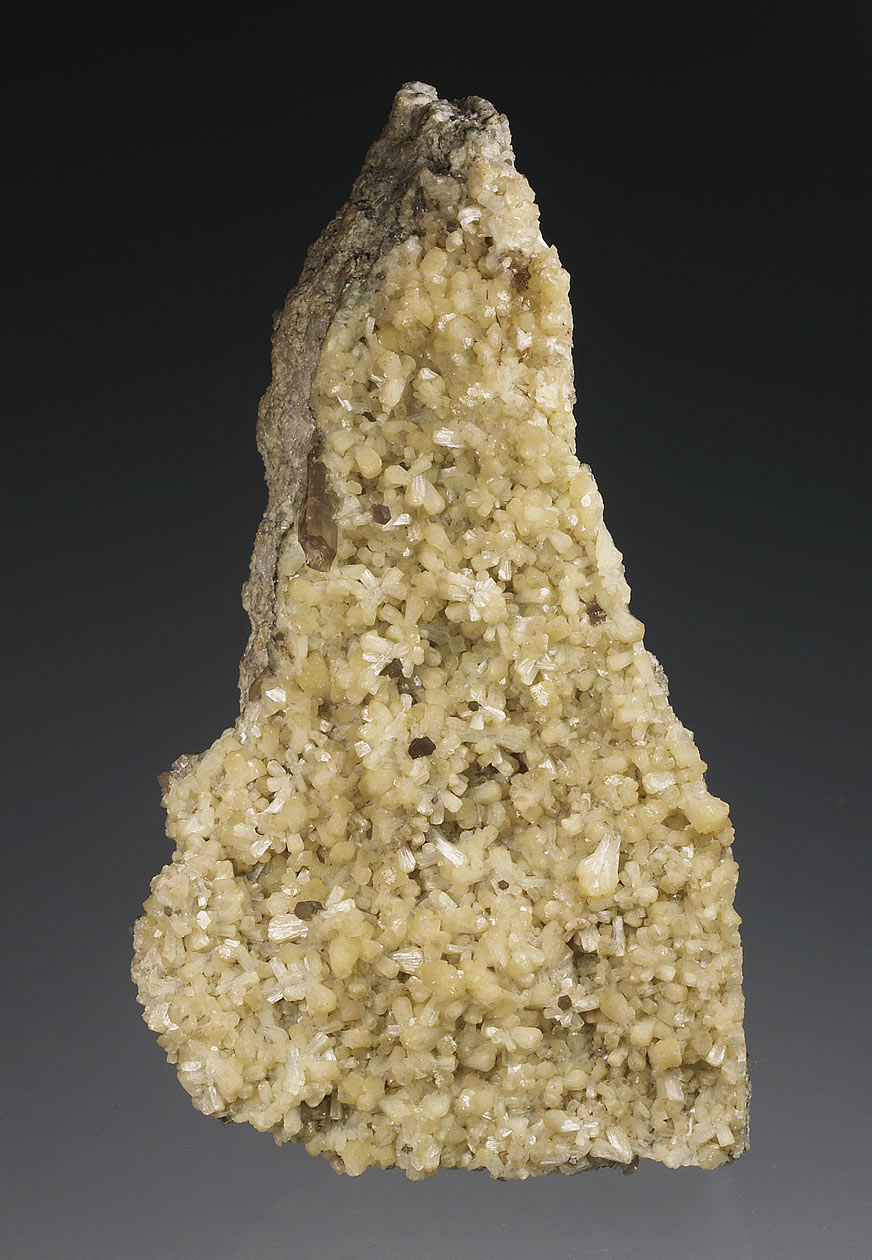
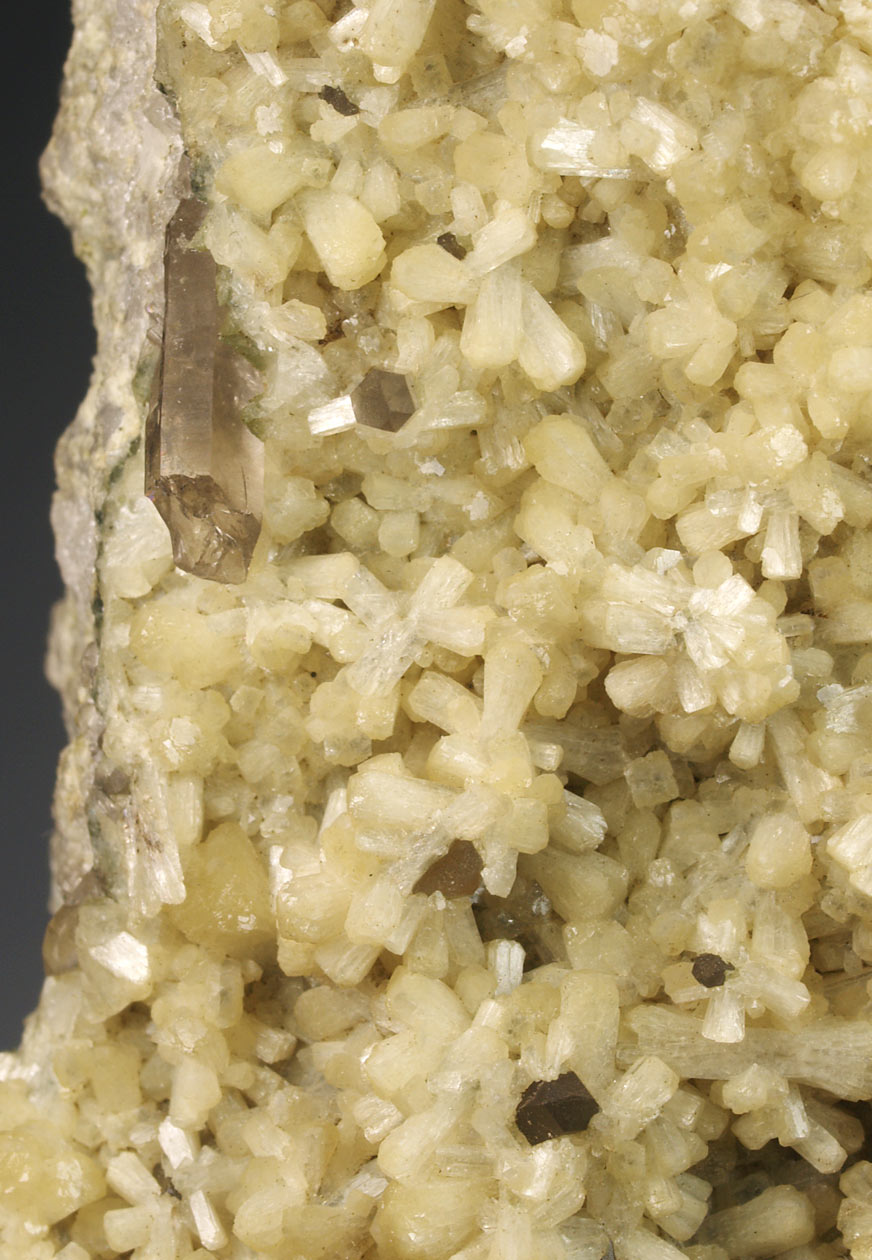
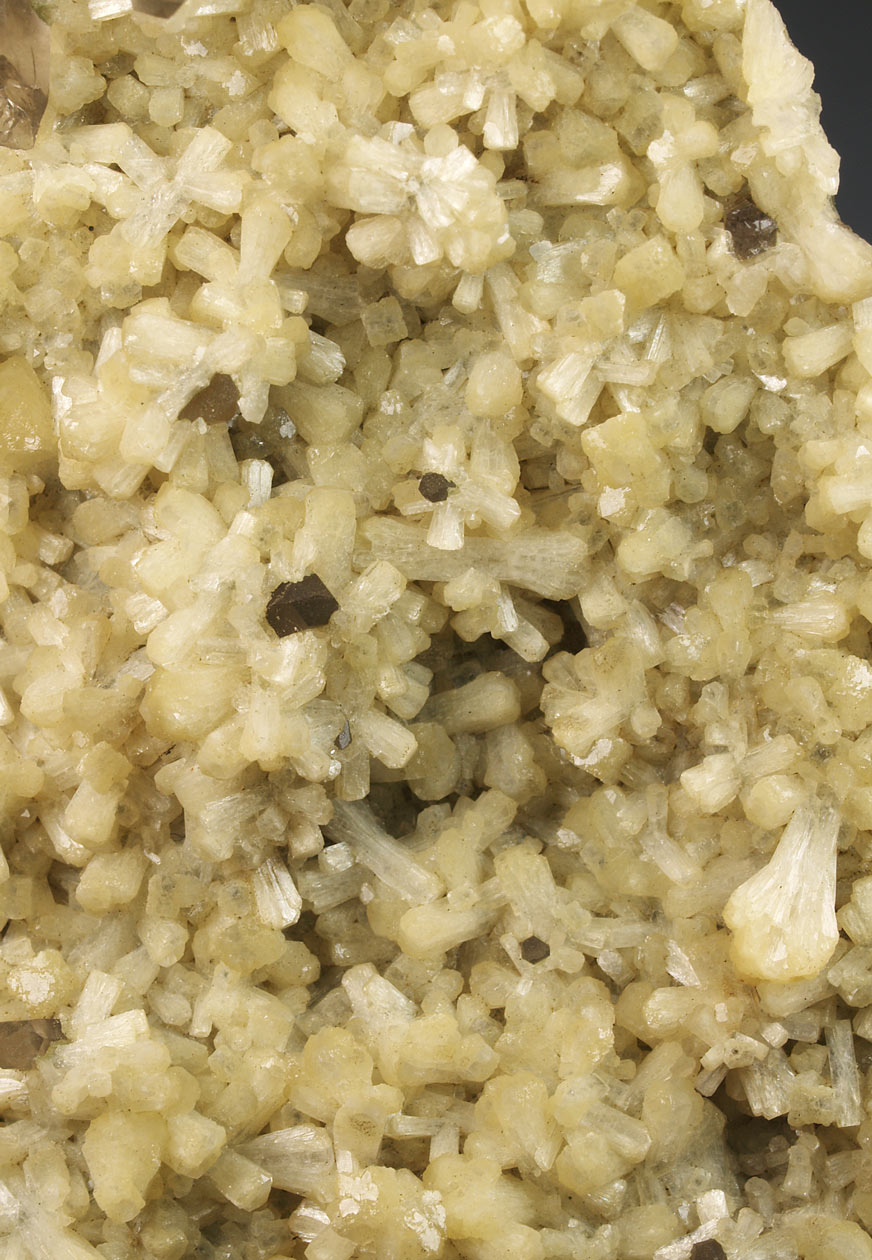
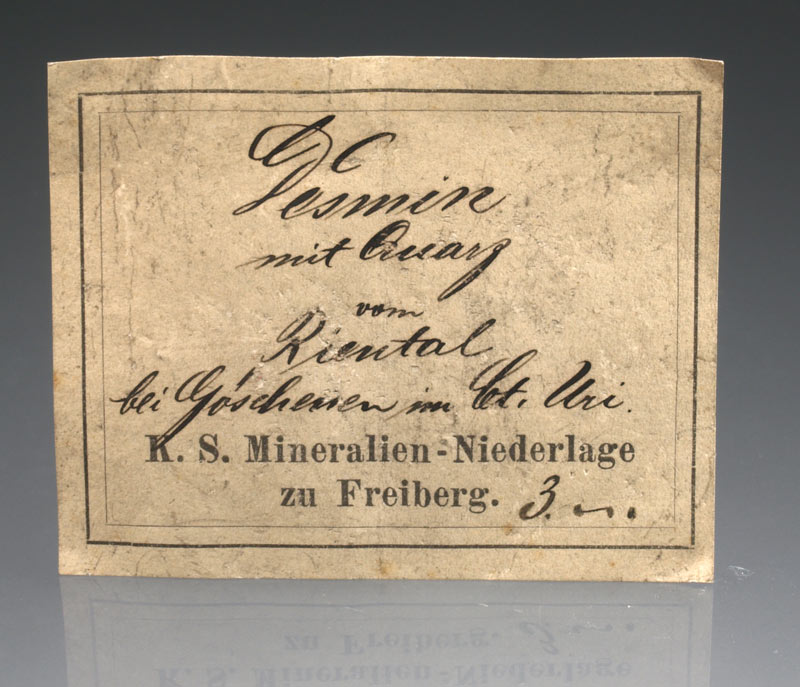
Excellent specimen formed by numerous sheaf aggregates of stilbite (Desmin in the label) crystals. Colourless to slightly yellowish. They are accompanied by smoky quartz crystals, very visible on the backside of the specimen. This piece belongs from the Freiberg Bergakademie, specifically its label tells us that it was sold in the shop that was created to sell minerals, surely for students. The handwritten label can be related to Wilhelm Maucher (maucherite, 1879-1930), a mineralogist and mineral dealer in Munich and who was a "faktor" with the school between 1904 and 1909.
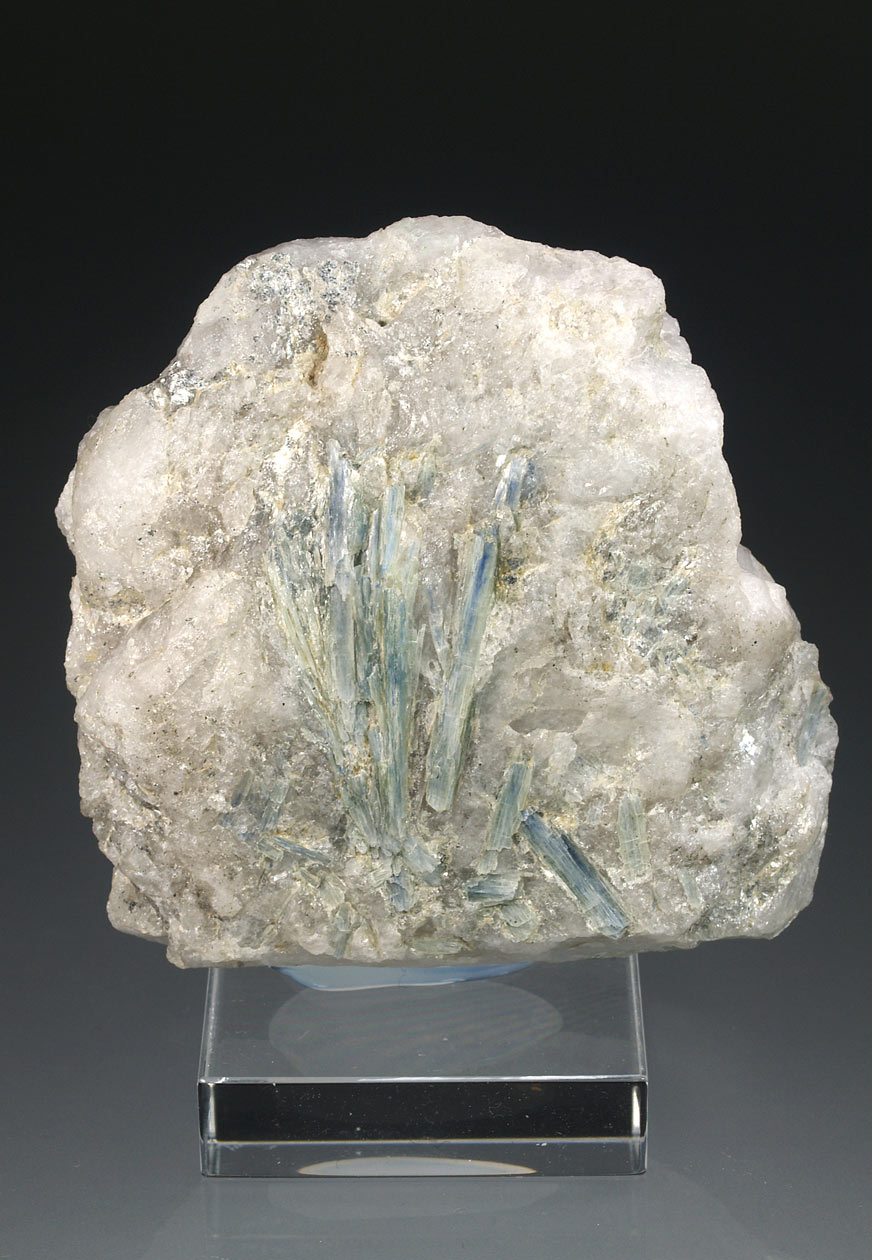
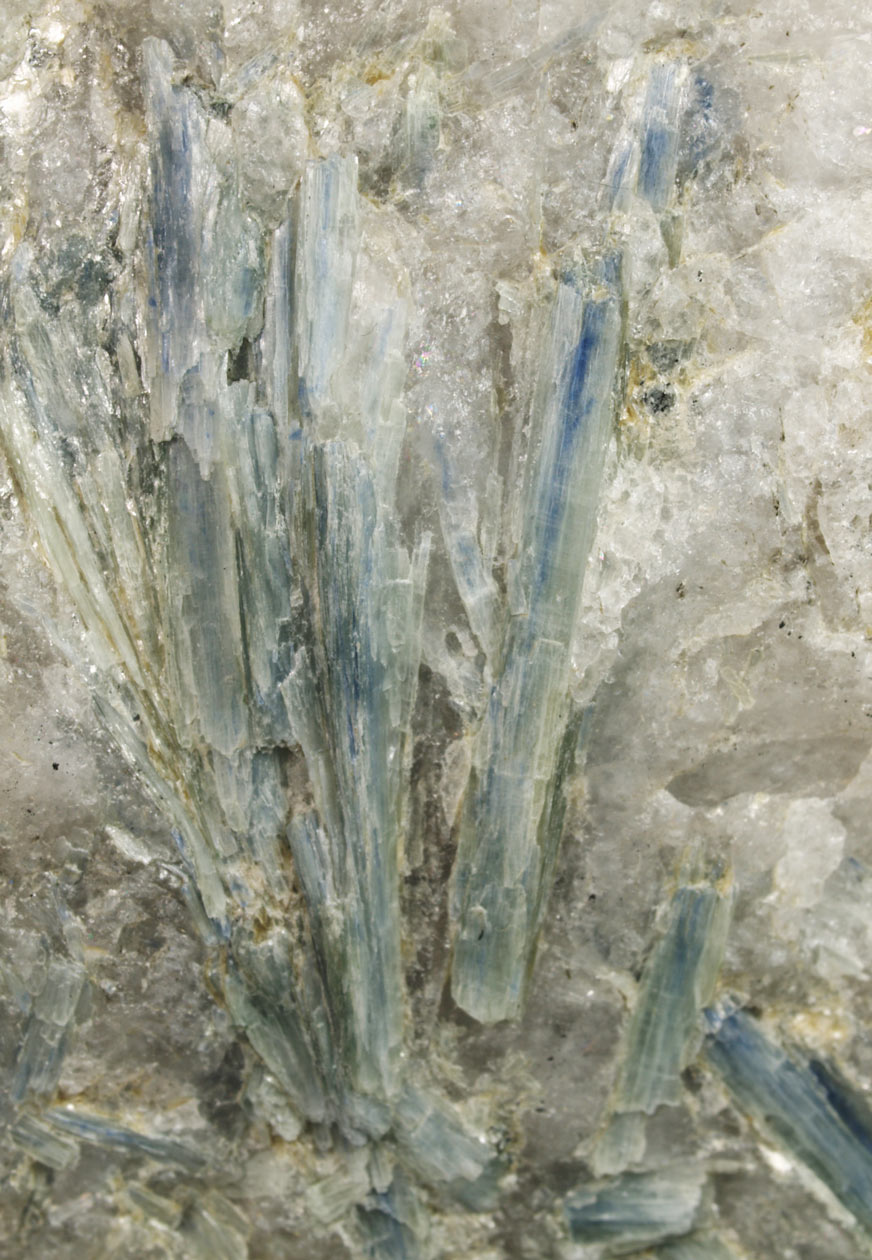
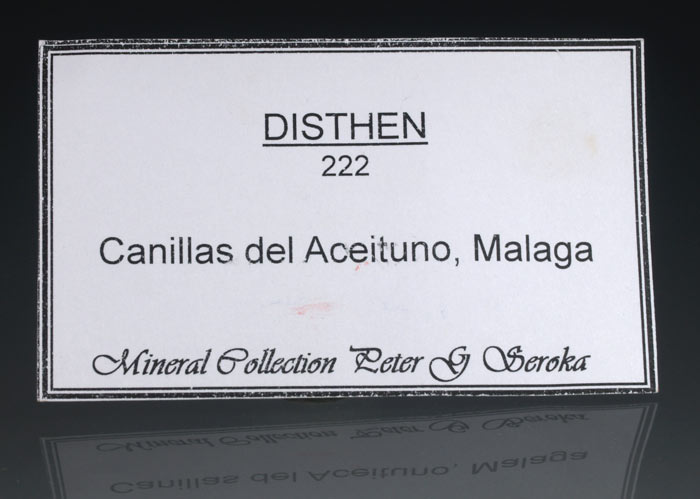
Laminar crystals of kyanite, with a bluish tone, from this deposit located on the road between Canillas del Aceituno and Sedella. This specimen belongs from the Peter Seroka collection and is accompanied by the label.
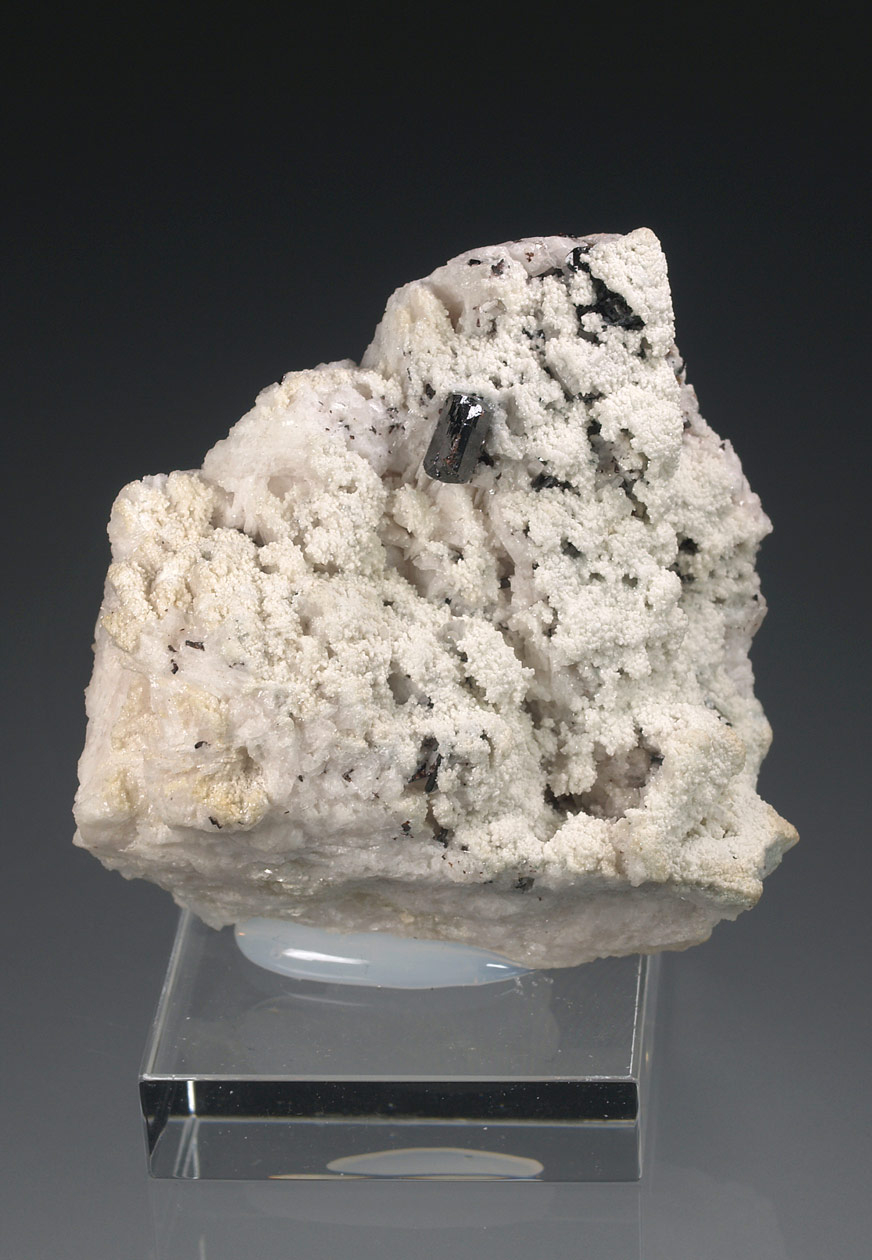
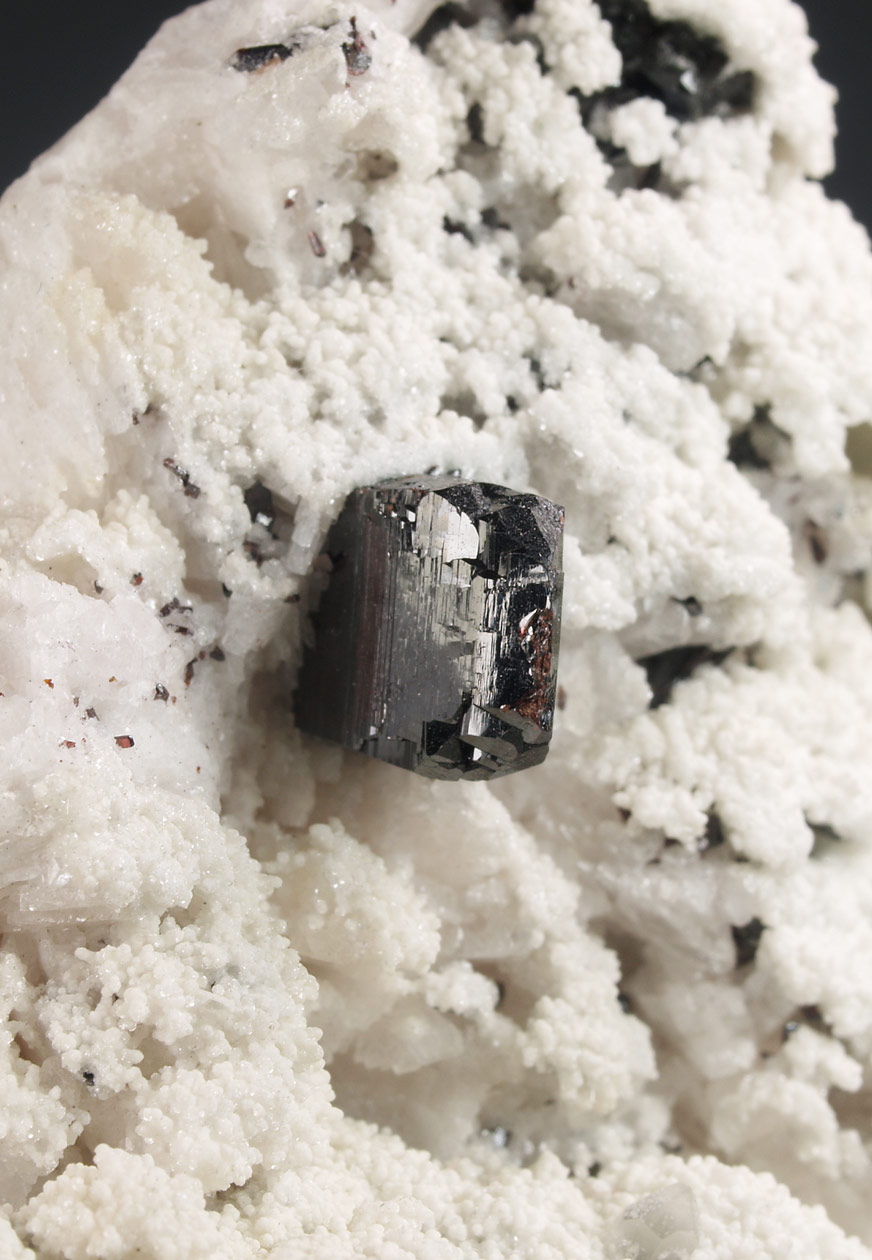
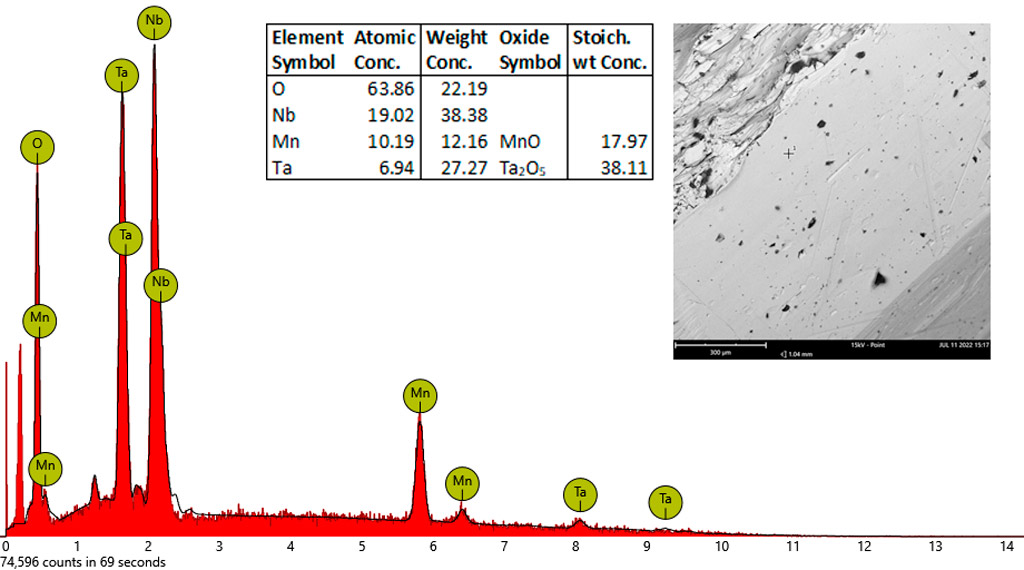
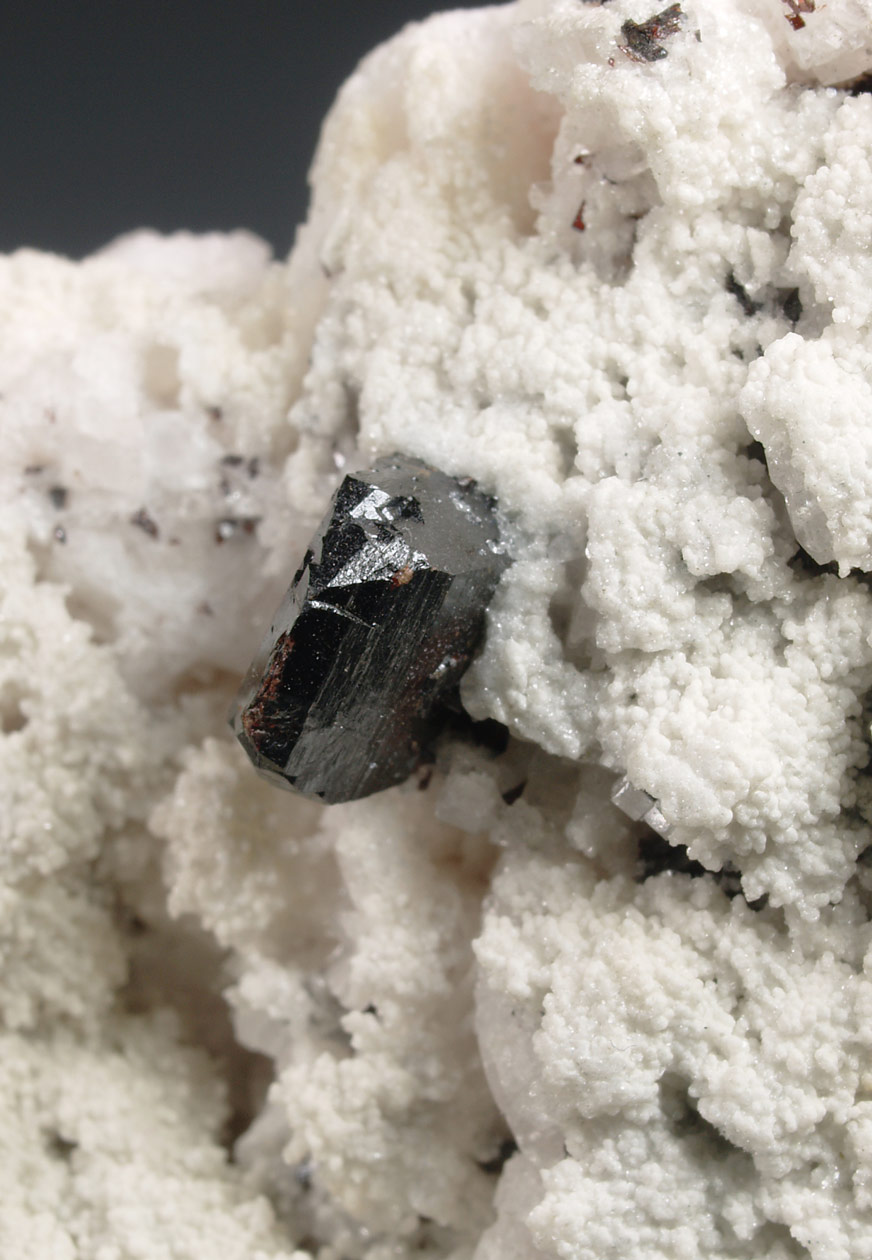
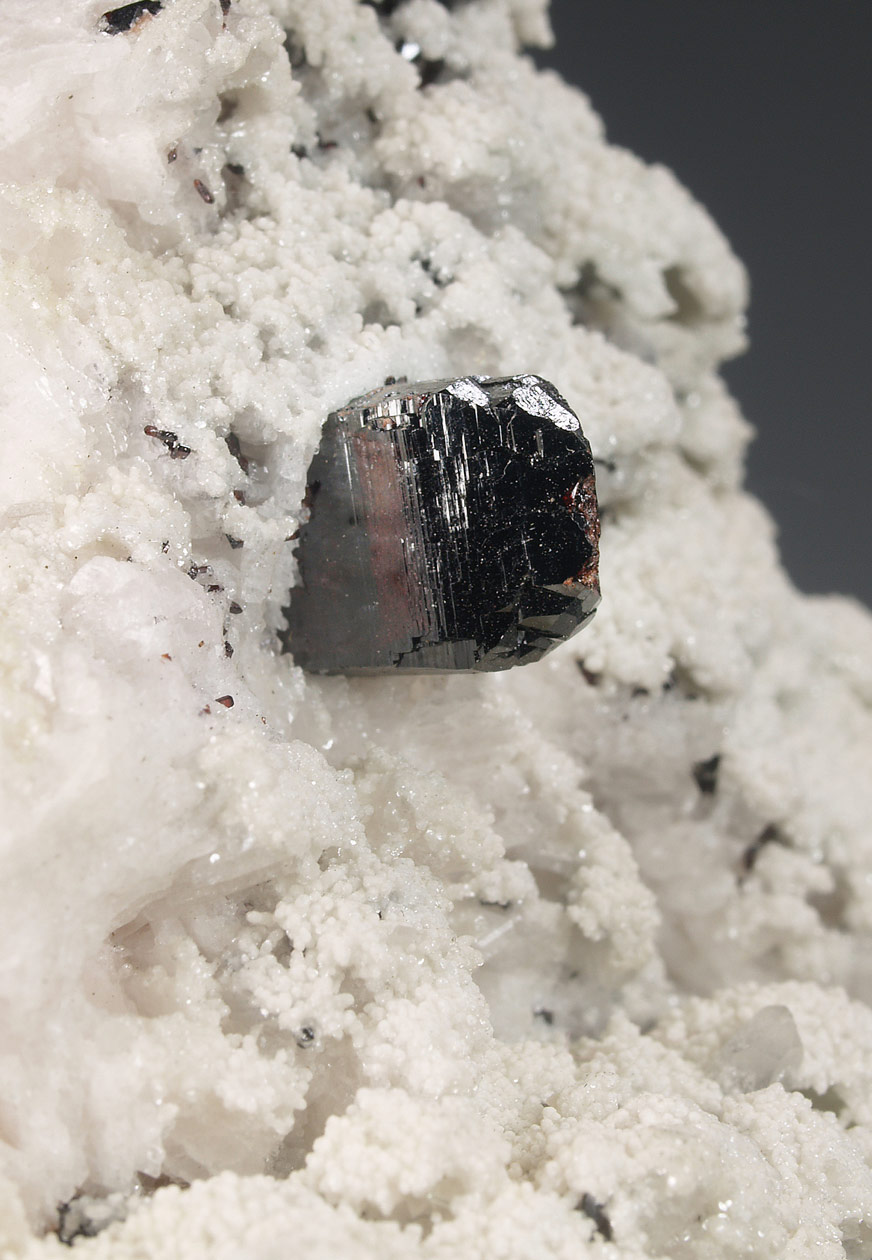
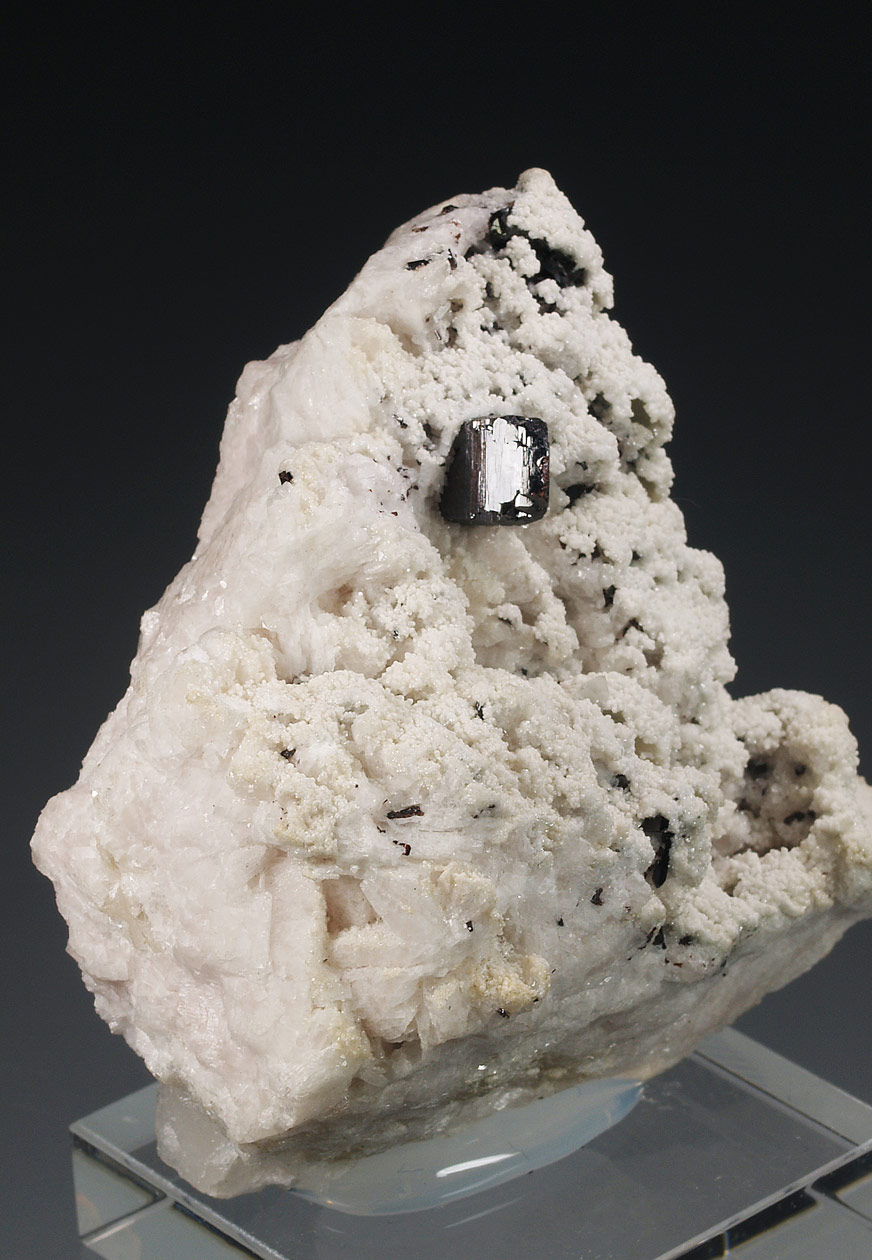
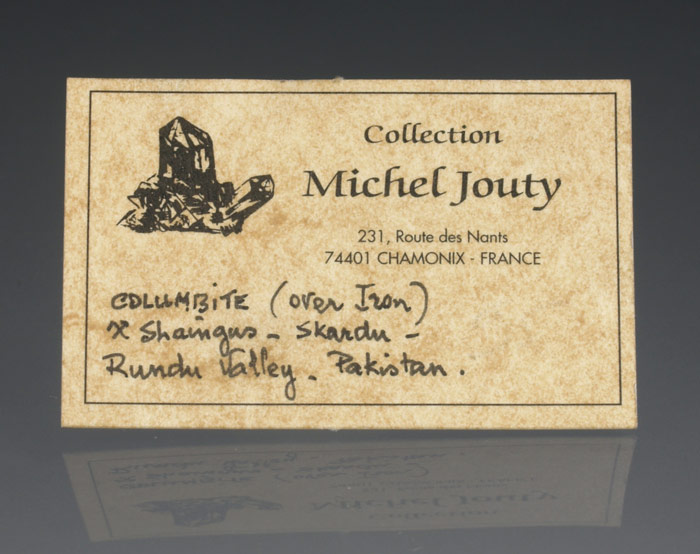
In this specimen we can enjoy different columbite crystals, one of them predominant, although there are smaller, transparent and reddish ones. The analyzes of the specimen indicate the majority presence of niobium and manganese, so it is a columbite-(Mn) (you can check analysis in pictures). The main crystal stands out for its faceting, it has a small dent without affecting the quality of the piece. It comes from the collection of Michel Jouty (1930-2016).
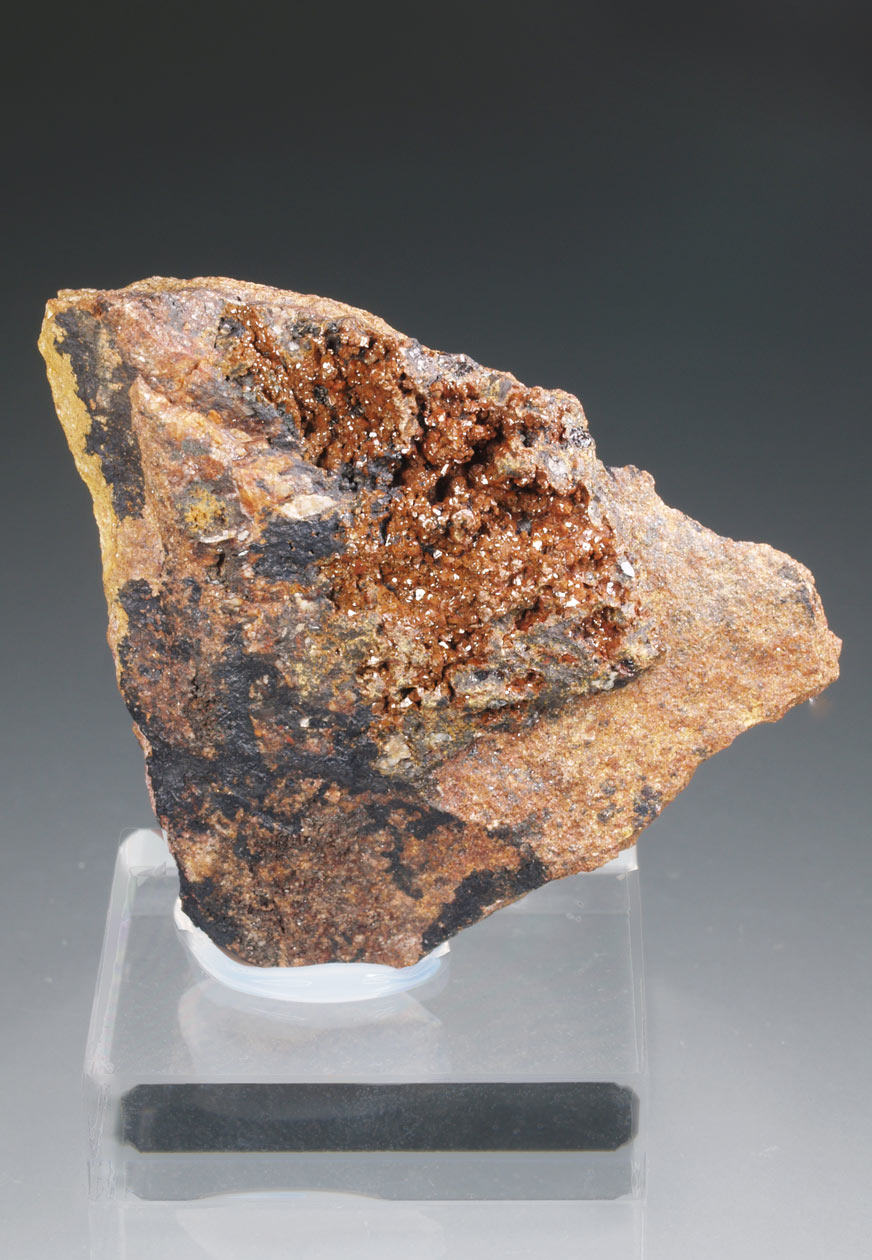
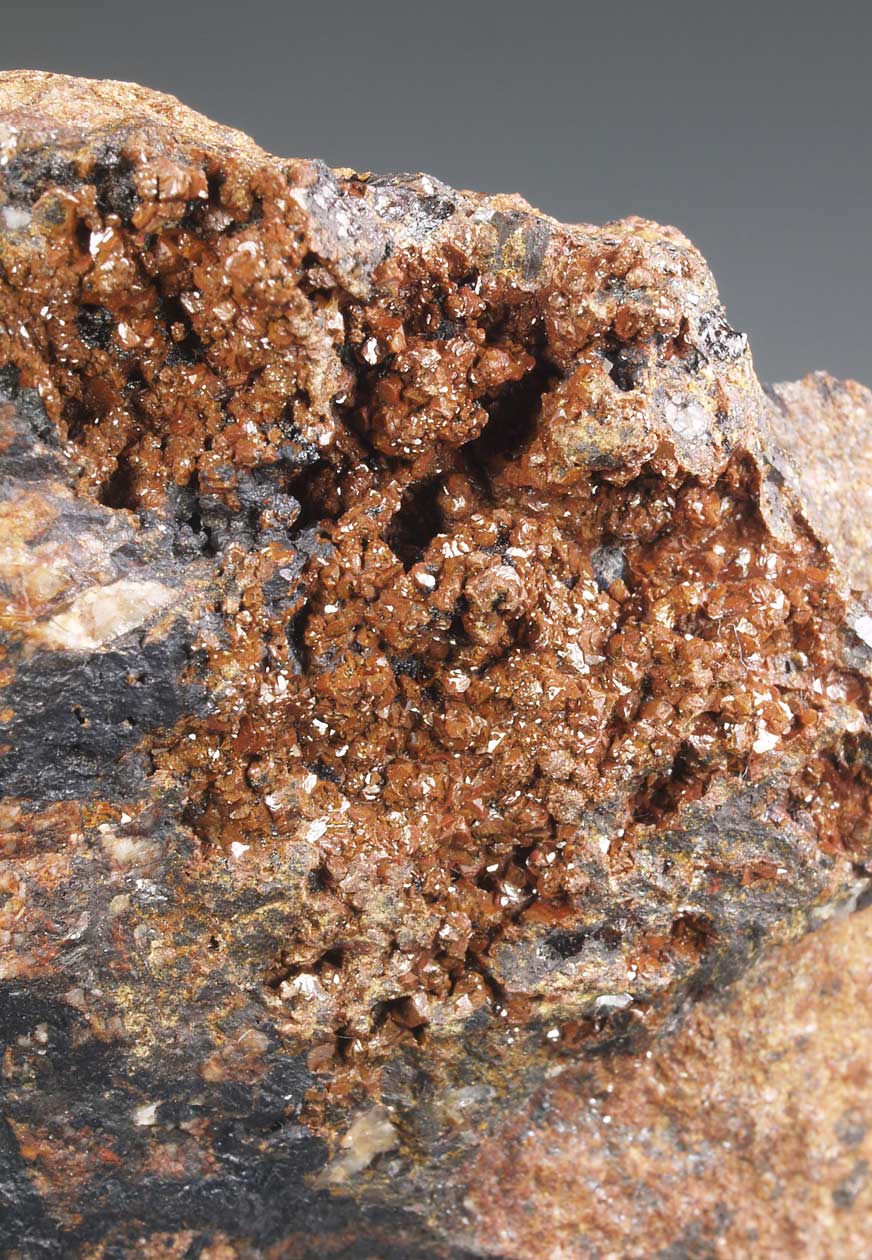
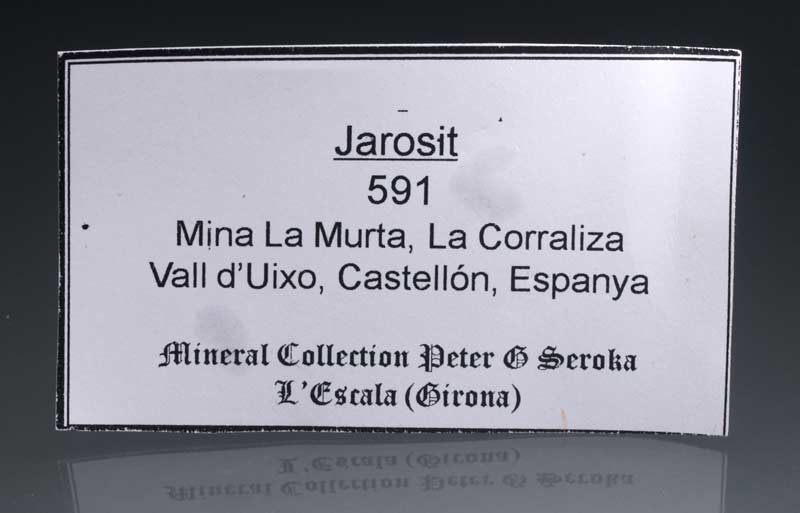
Druse of jarosite crystals, very bright and with a characteristic brown color. From a mine little represented in collections.
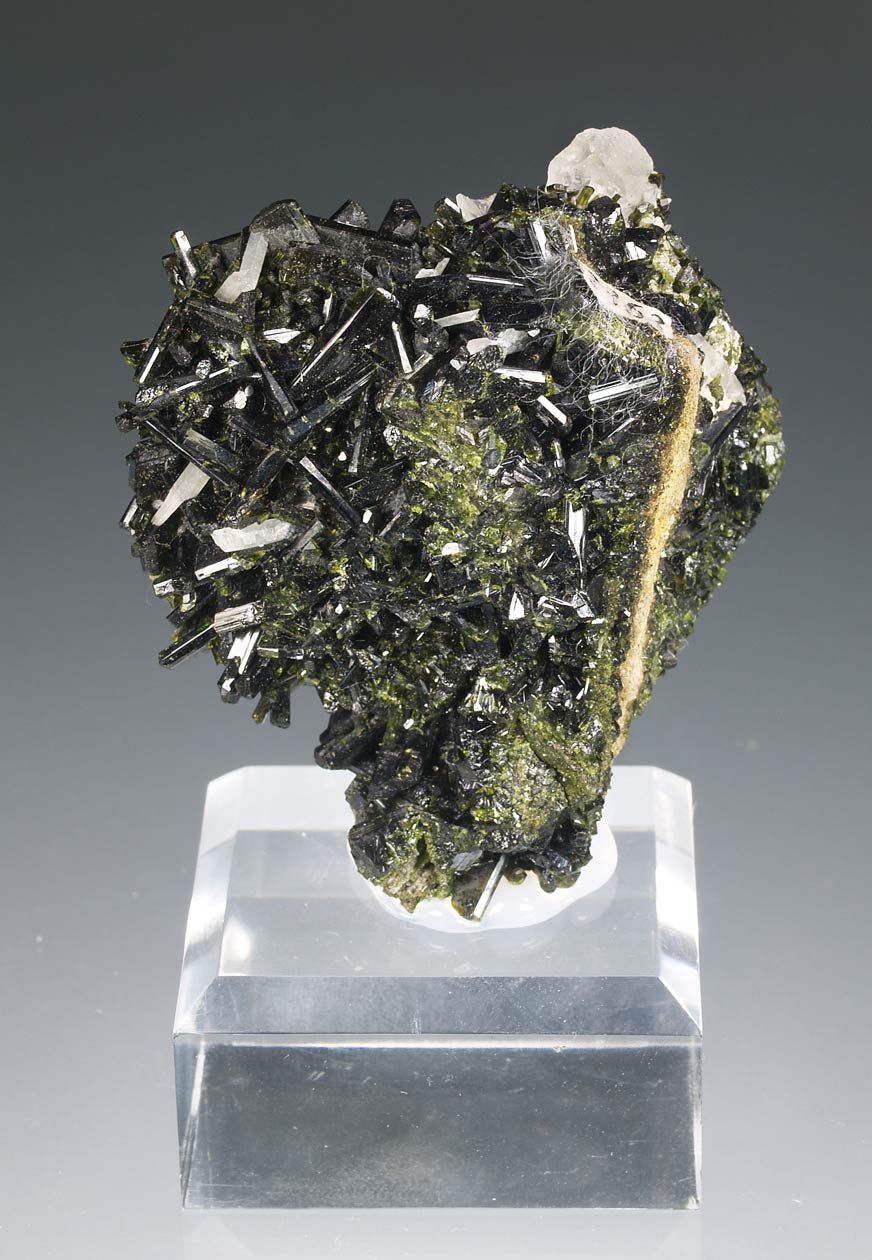
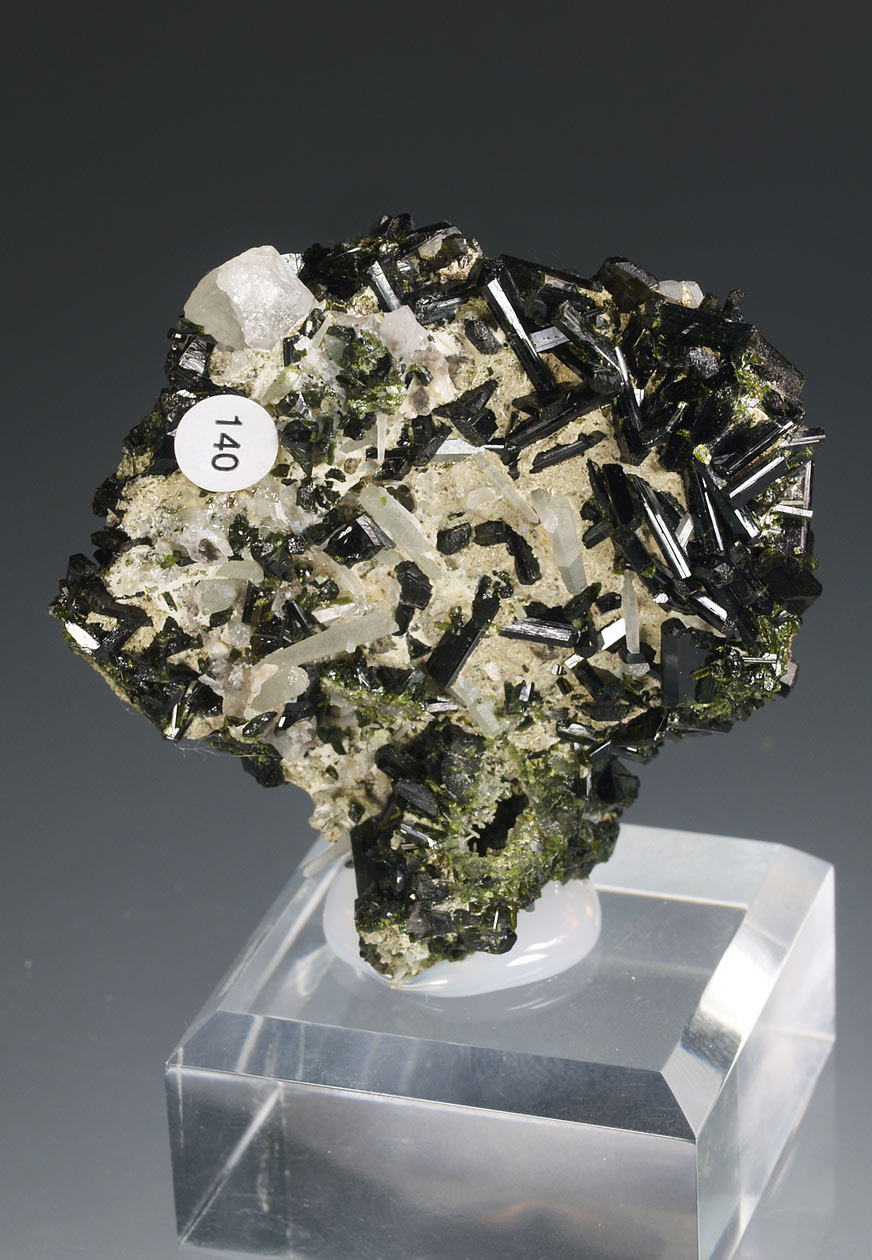
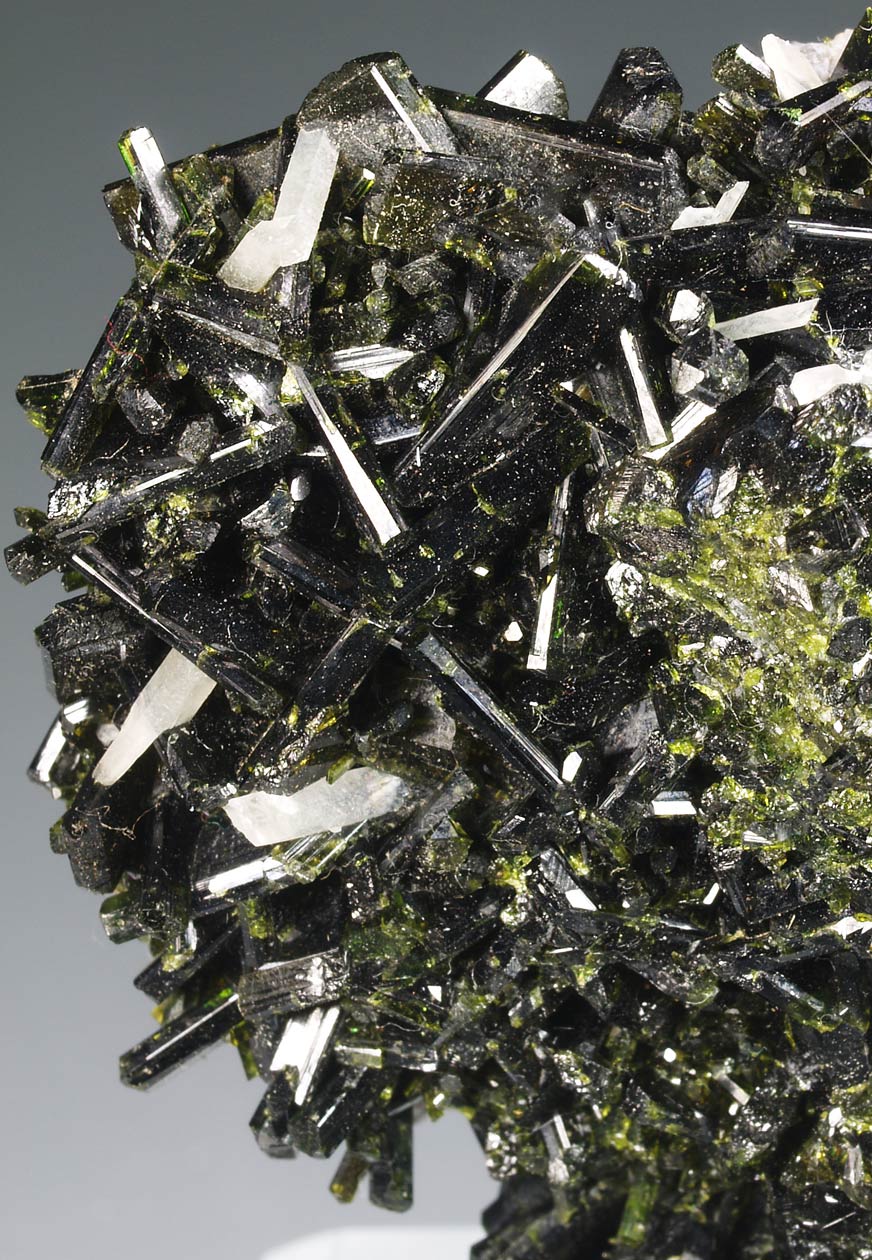
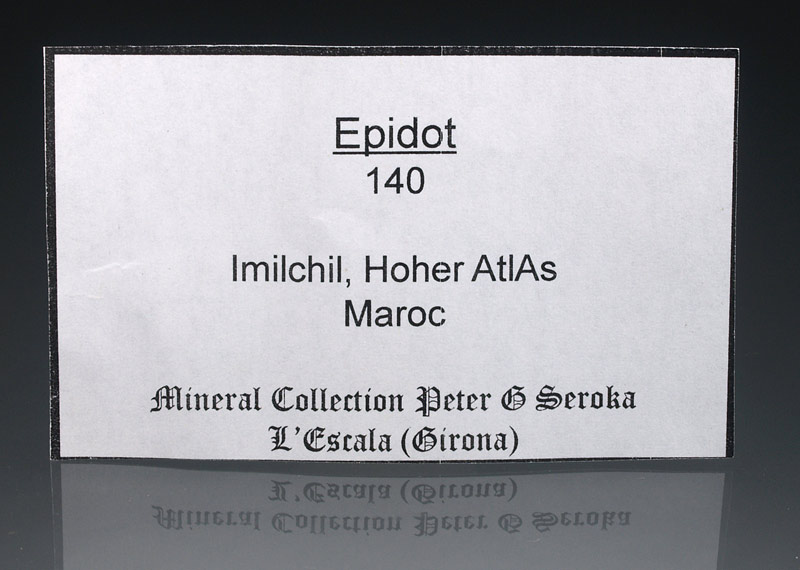
Specimen very rich in prismatic epidote crystals, well defined, with an intense green color, transparent to translucent. These pieces came out in the late 1990s and are different from the usual ones for the locality. It was acquired by Peter Seroka from G. Gautier at the Munich Show in 2002.
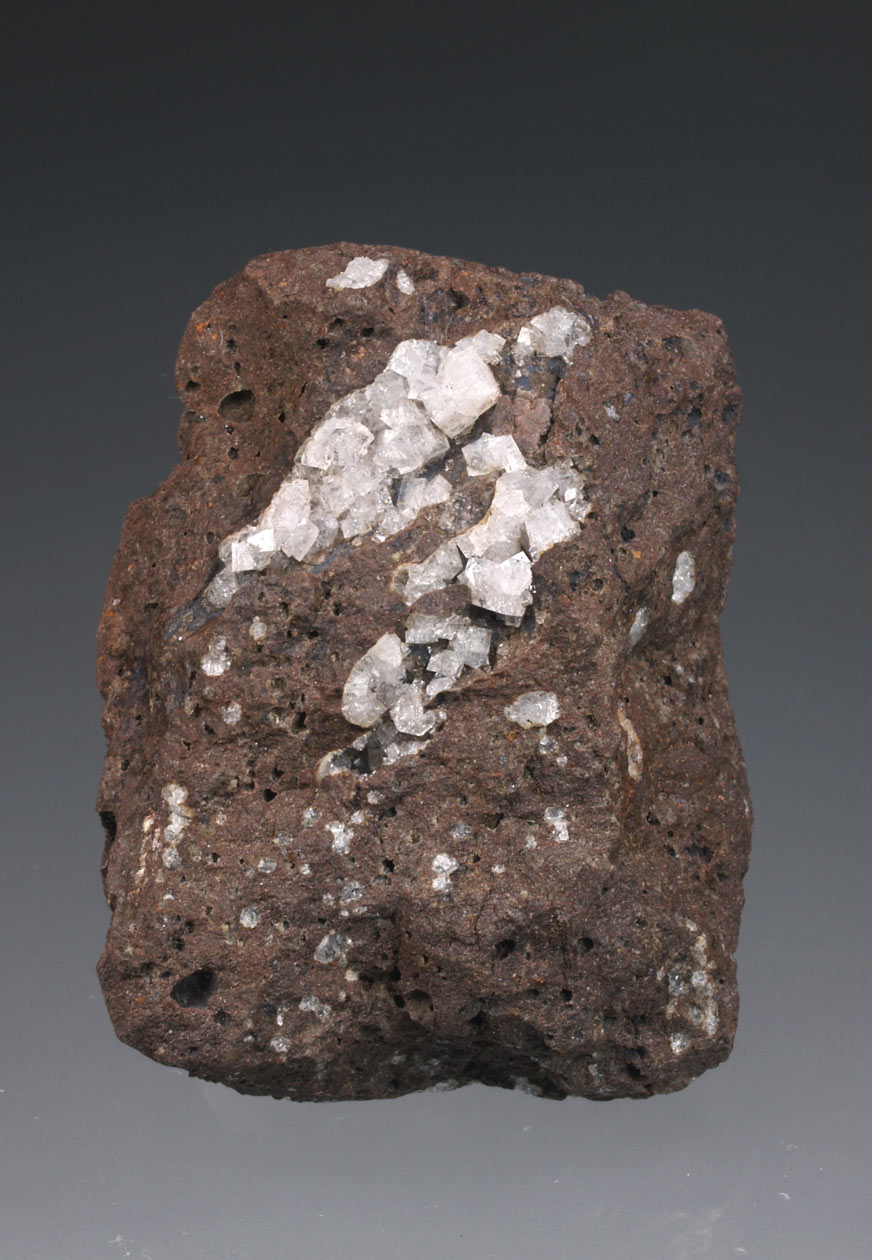
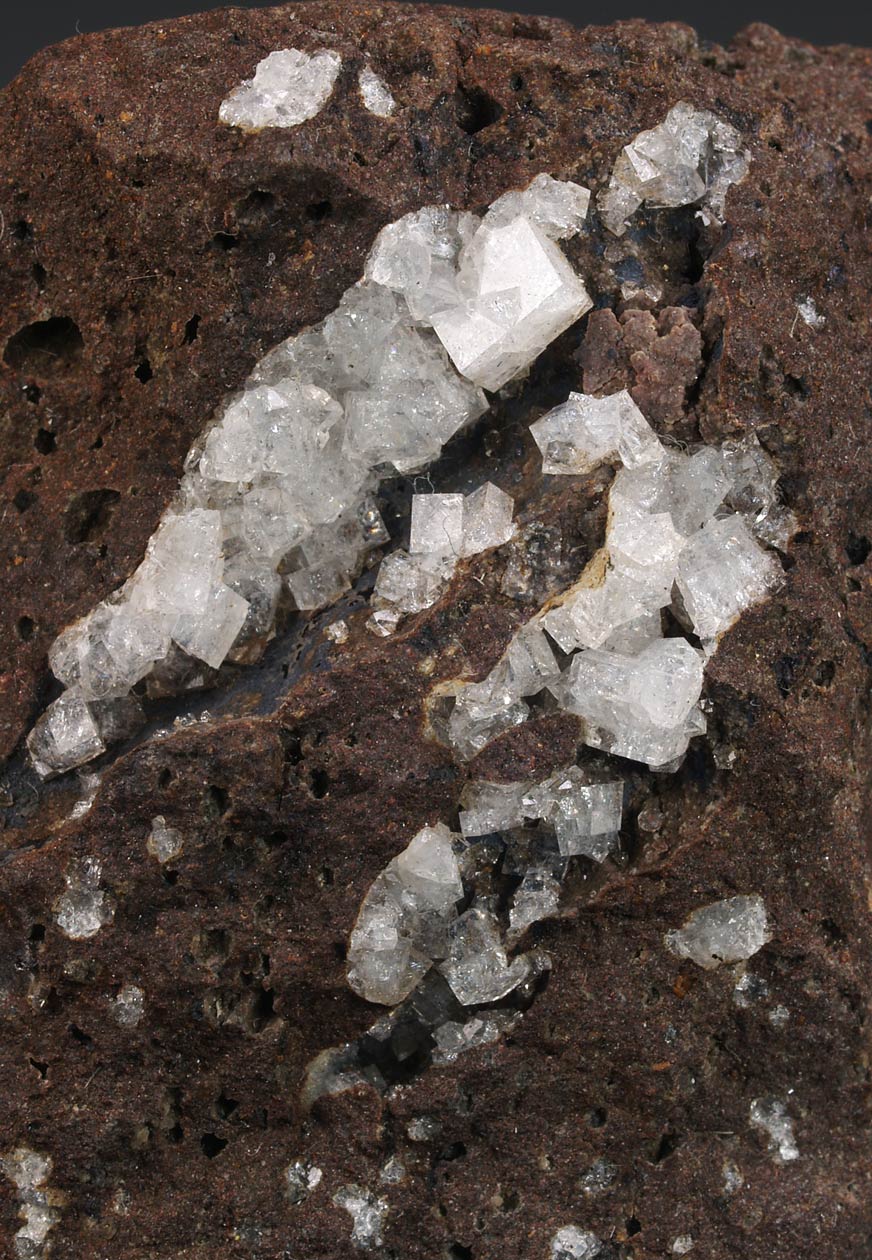
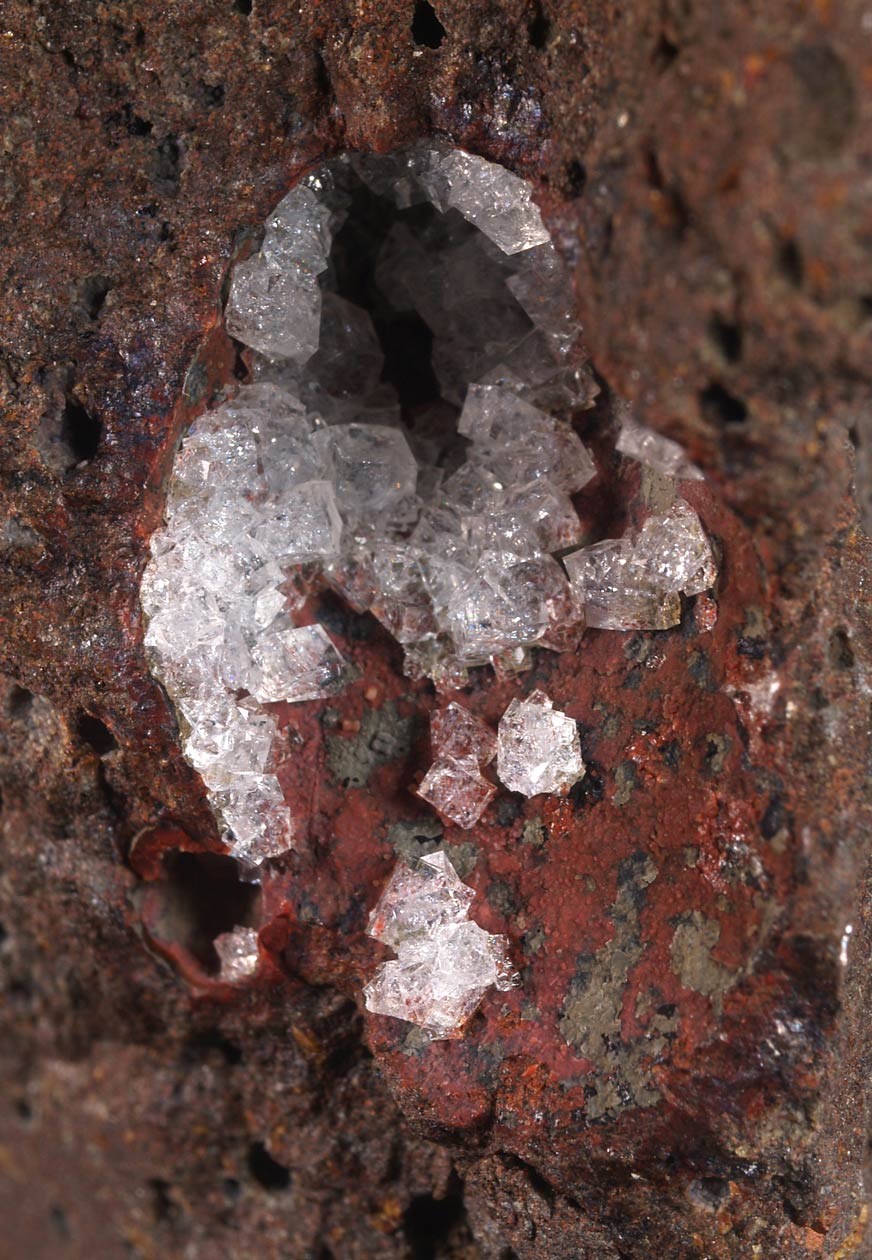
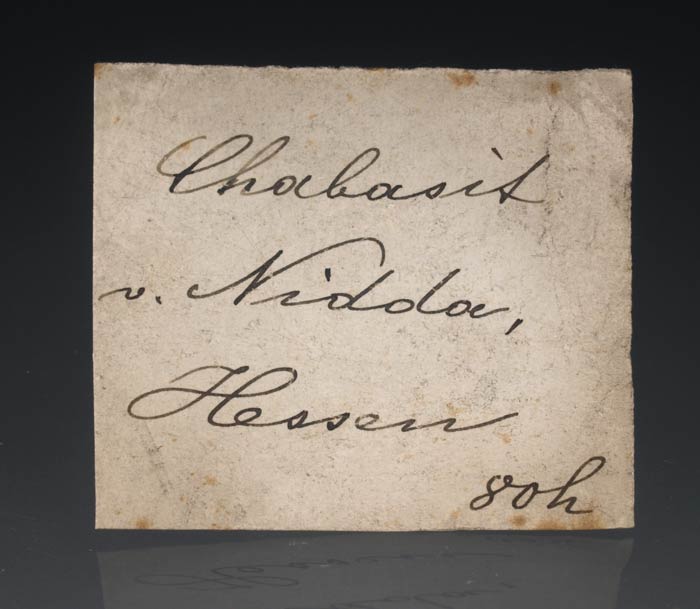
Rübenkeller is the famous historical locality for chabazite and phillipsite from about 1850 and was very prolific in zeolite specimens in the late 19th century. In this specimen, from the Freiburg Bergakademie, we can see various aggregates of very well defined, pseudocubic, transparent and very bright crystals, which fill the vacuoles of the volcanic rock. It is accompanied by a very interesting old handwritten label.
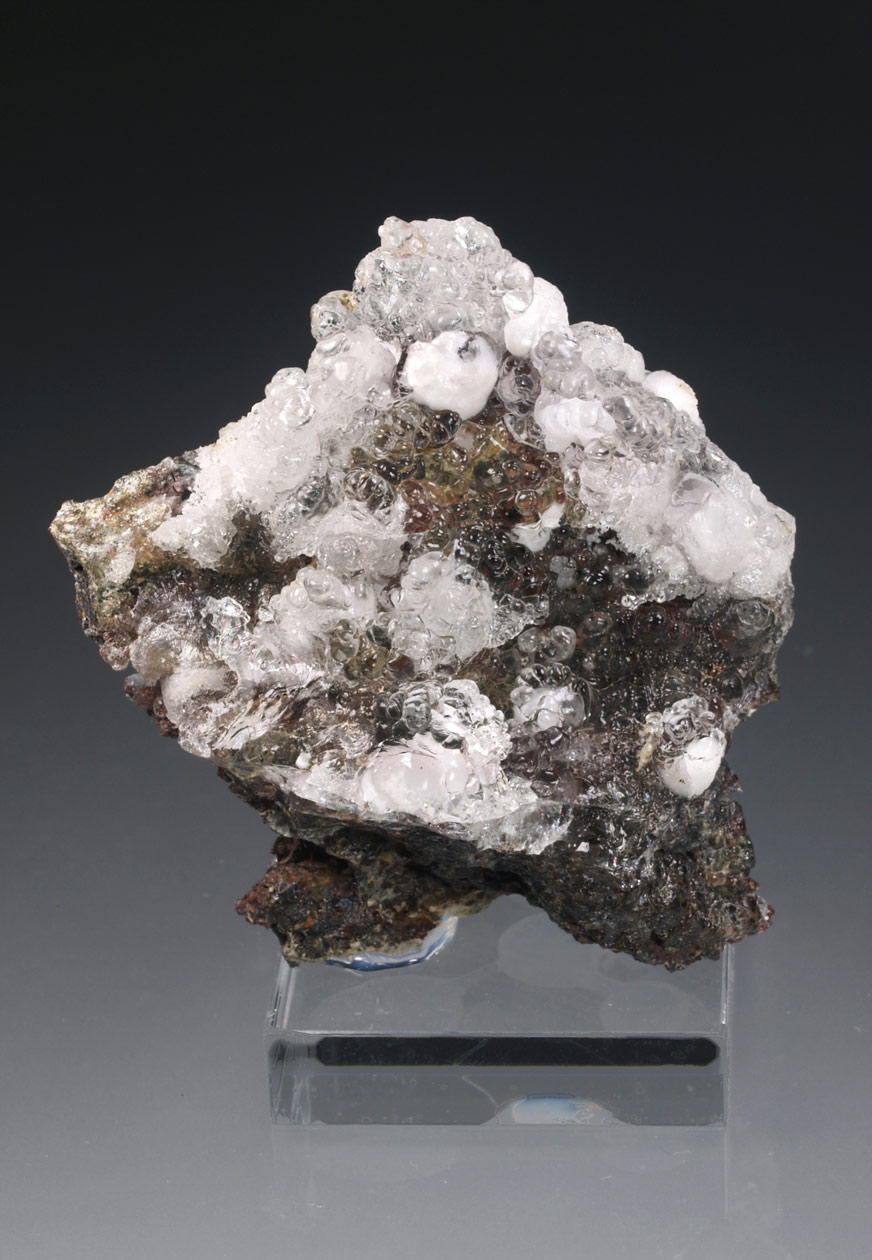
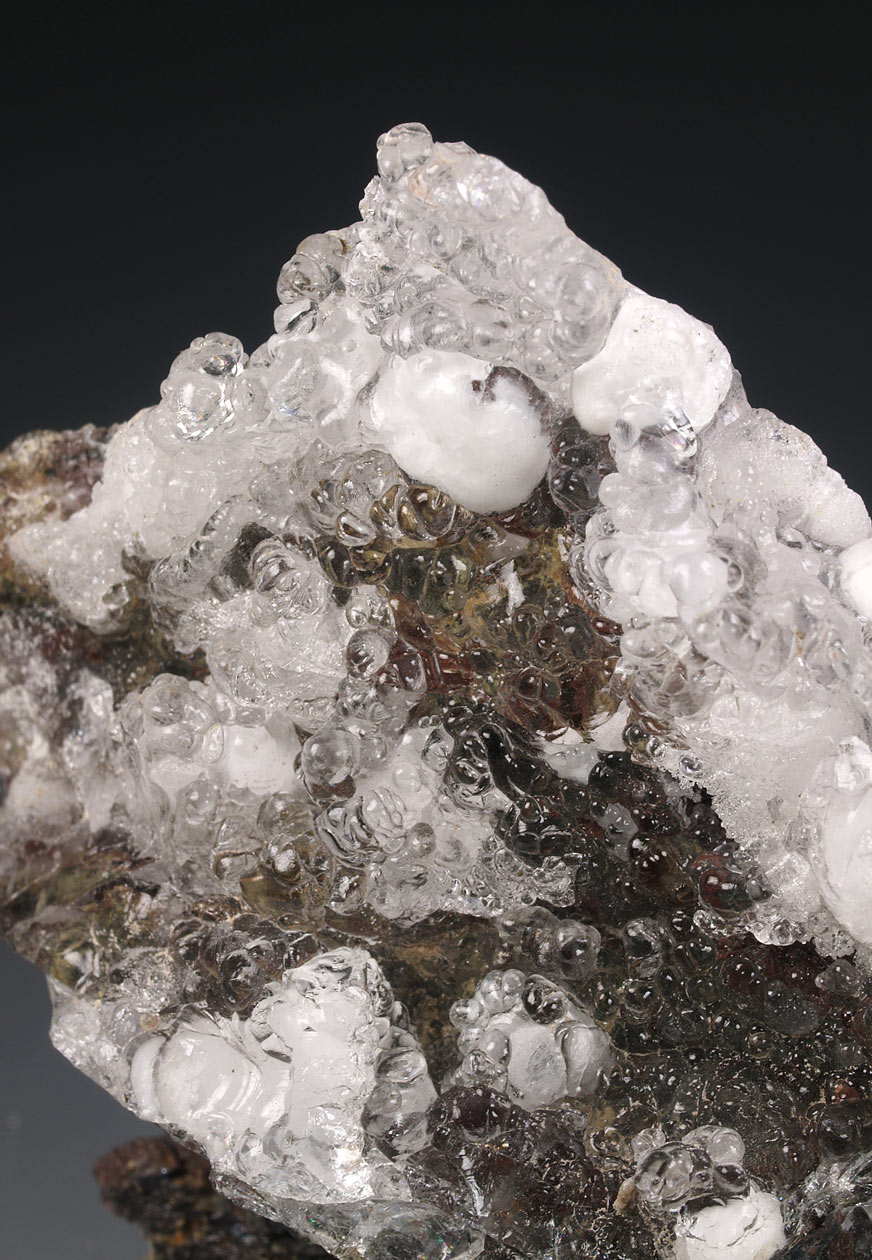
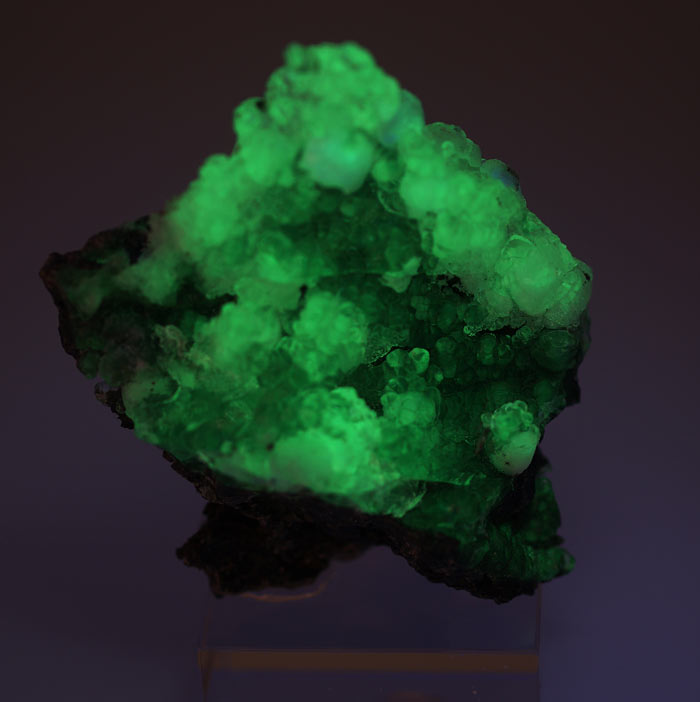
These specimens come from an andesite quarry located in NE Hungary. This quarry is worked by Colas Északkő Co. In year 2013, hyaline beautiful specimens of opal were collected. In the quarry explosives are used to excavate the rocks, so most of the specimes dissapears. From summer 2015 access is not permitted, but some specimens were collected before... These facts make it difficult to see good samples of this quality.
Hyalite opal (opal-AN) aggregates (crown shaped) are completely transparent, like drops of water, with an exceptional brightness. They are highly fluorescent under shortwave UV and also under longwave. Sometimes they accompanied by globular aggregates of calcite-aragonite. They are disposed very aerial on a porous matrix of andesite.
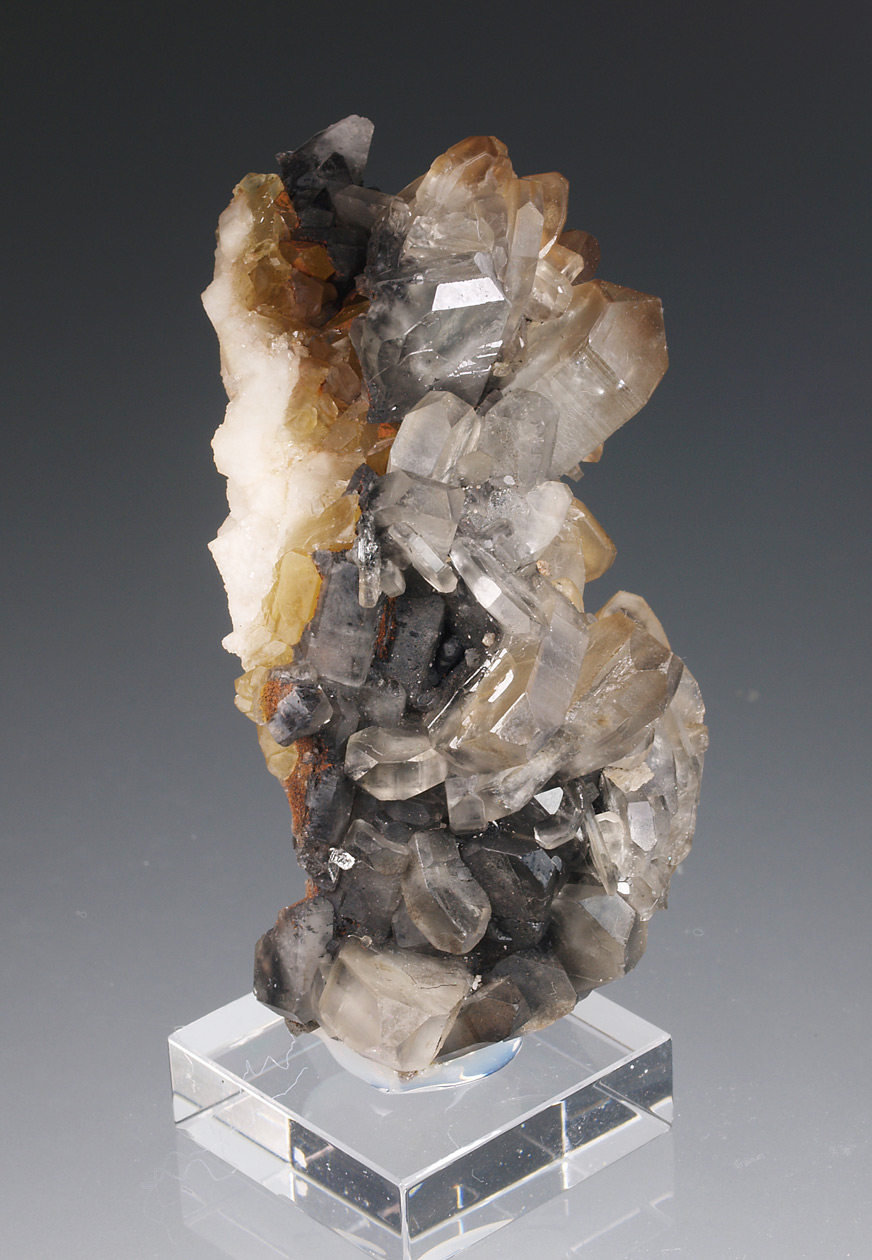
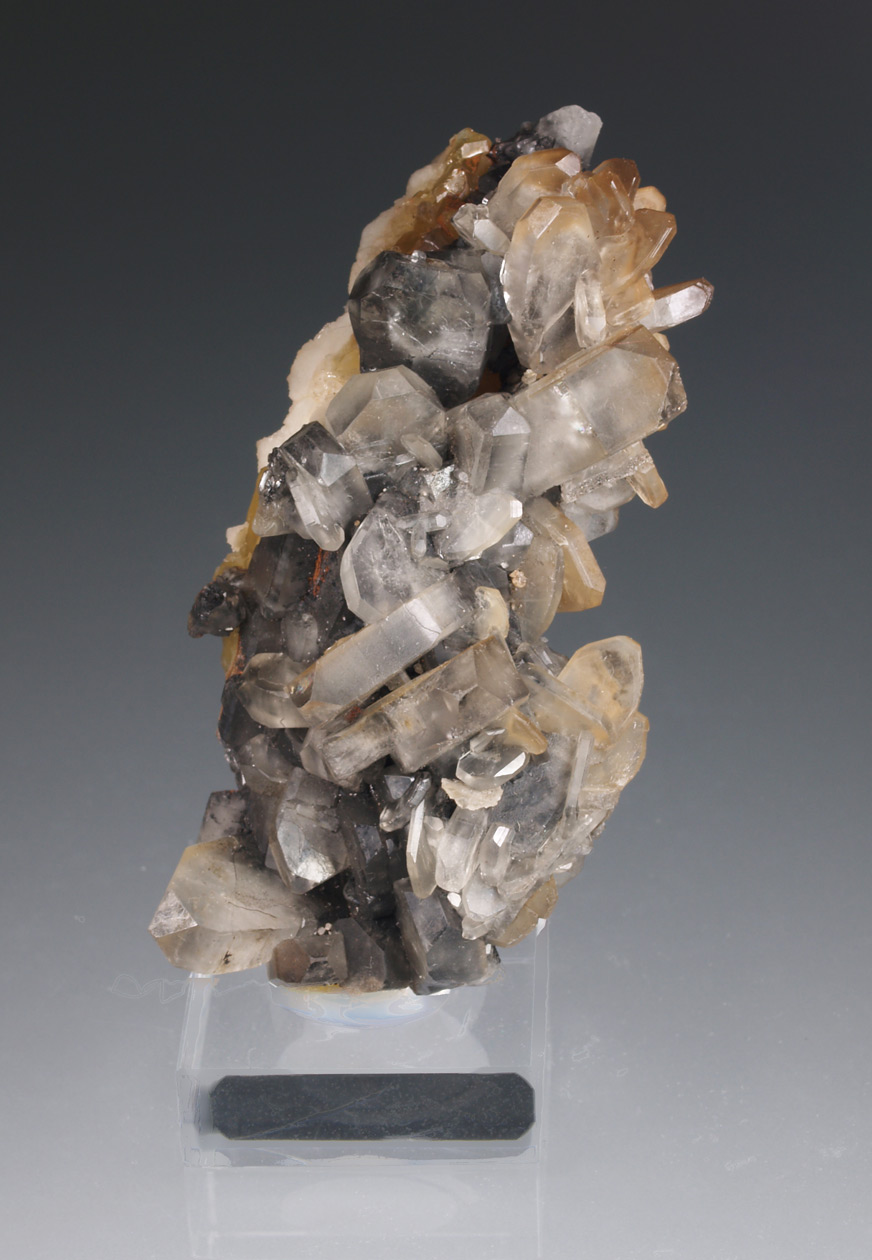
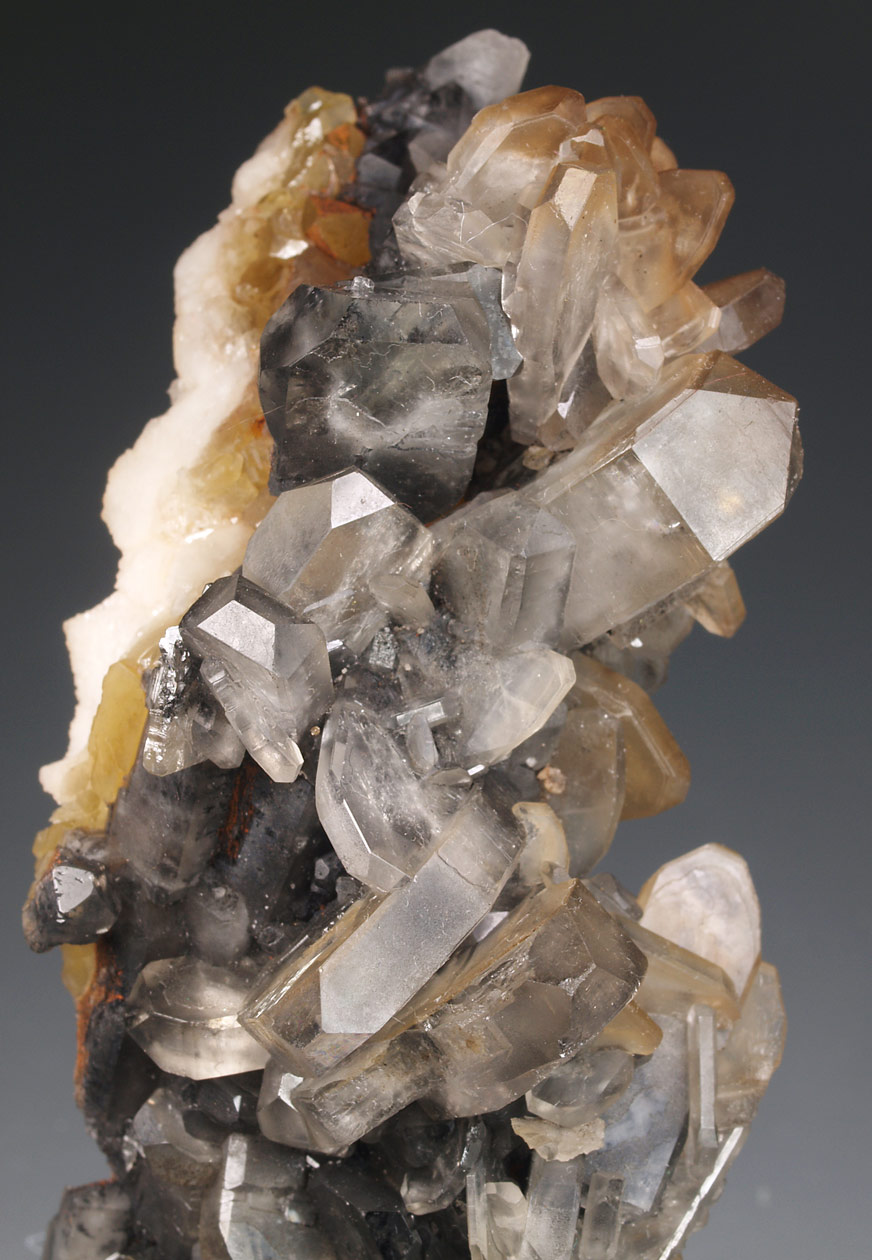
Group of barite crystals, of good size, well defined and richly faceted, transparent to translucent and with a honeyed hue. They are disposed in a very aerial way on a matrix with fluorite and quartz.
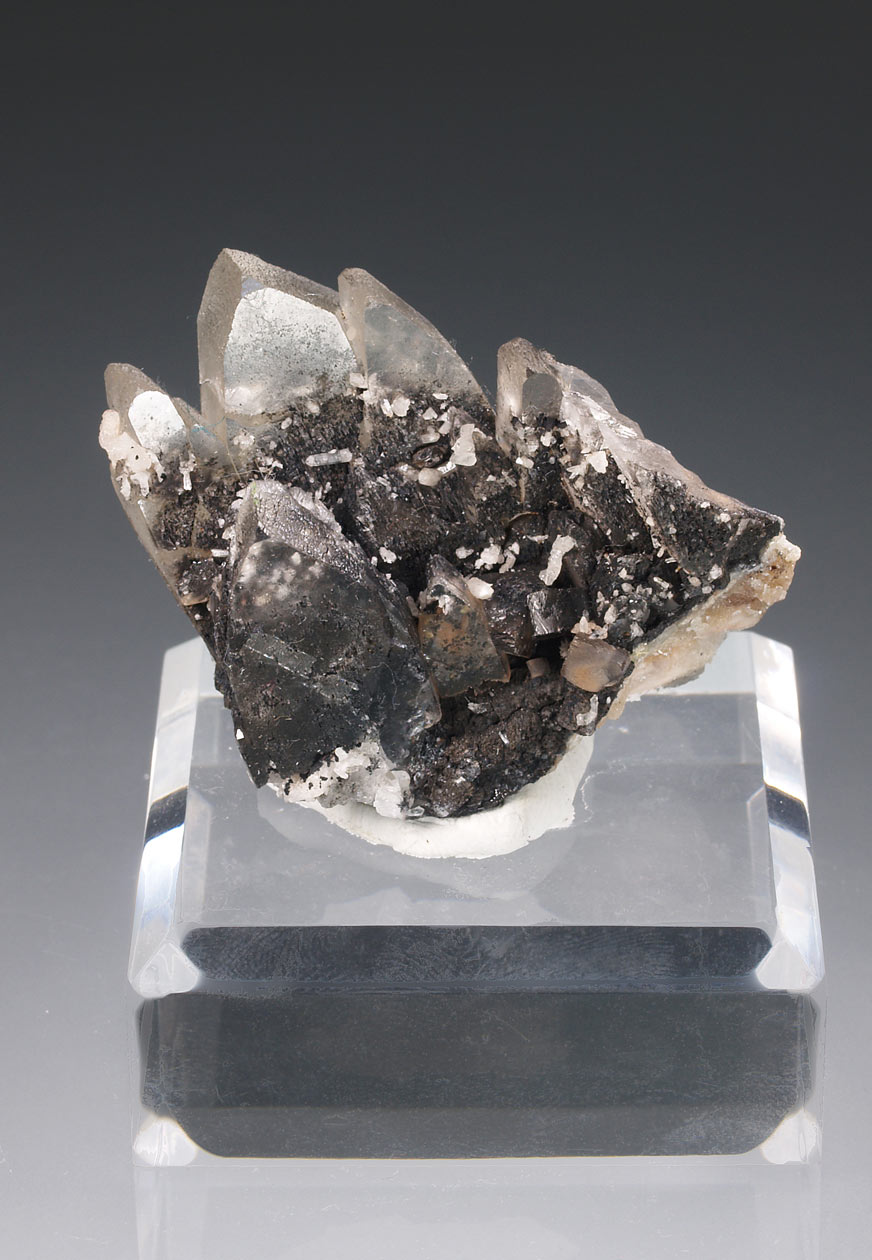
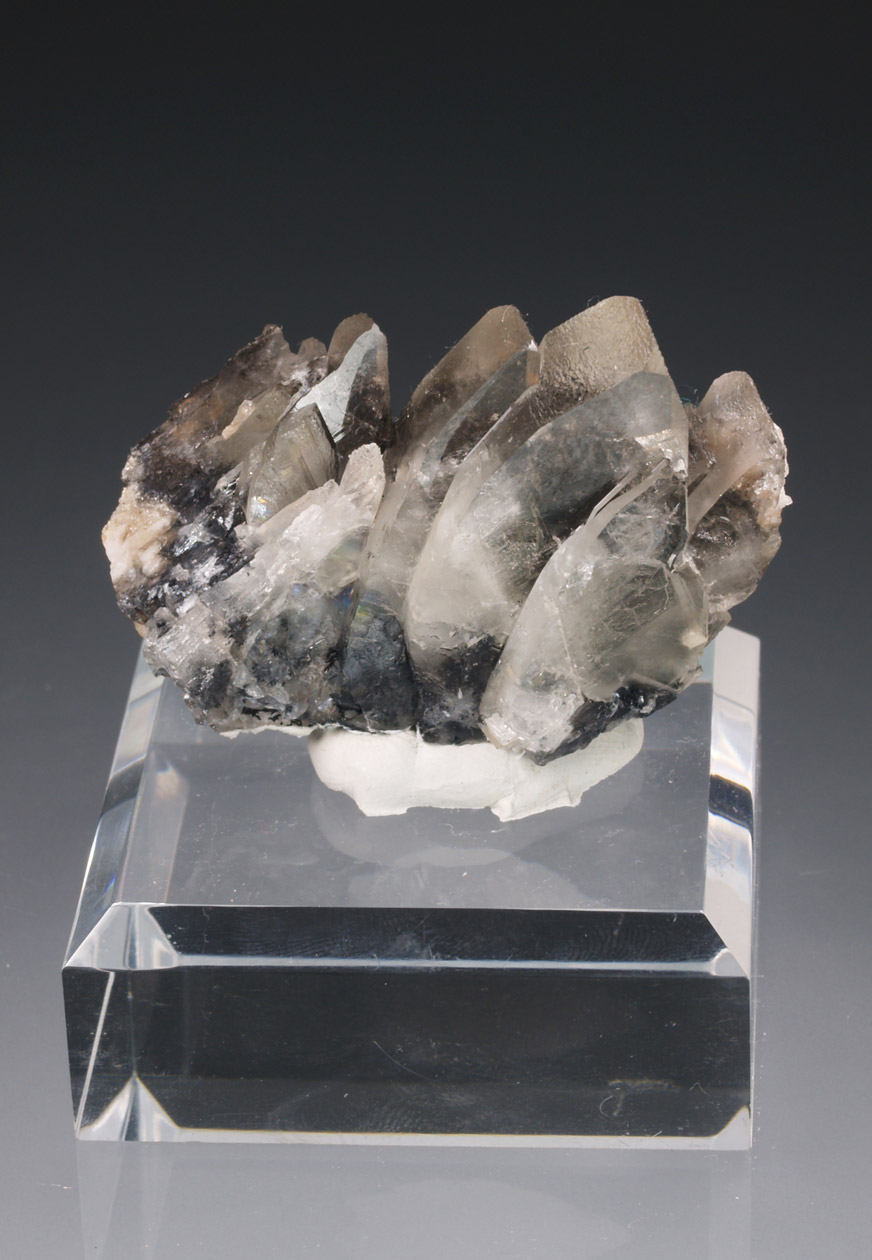
Group of very good size baryte crystals, well-defined faces and edges, transparent to translucent, with inclusions of pyrolusite and quartz.
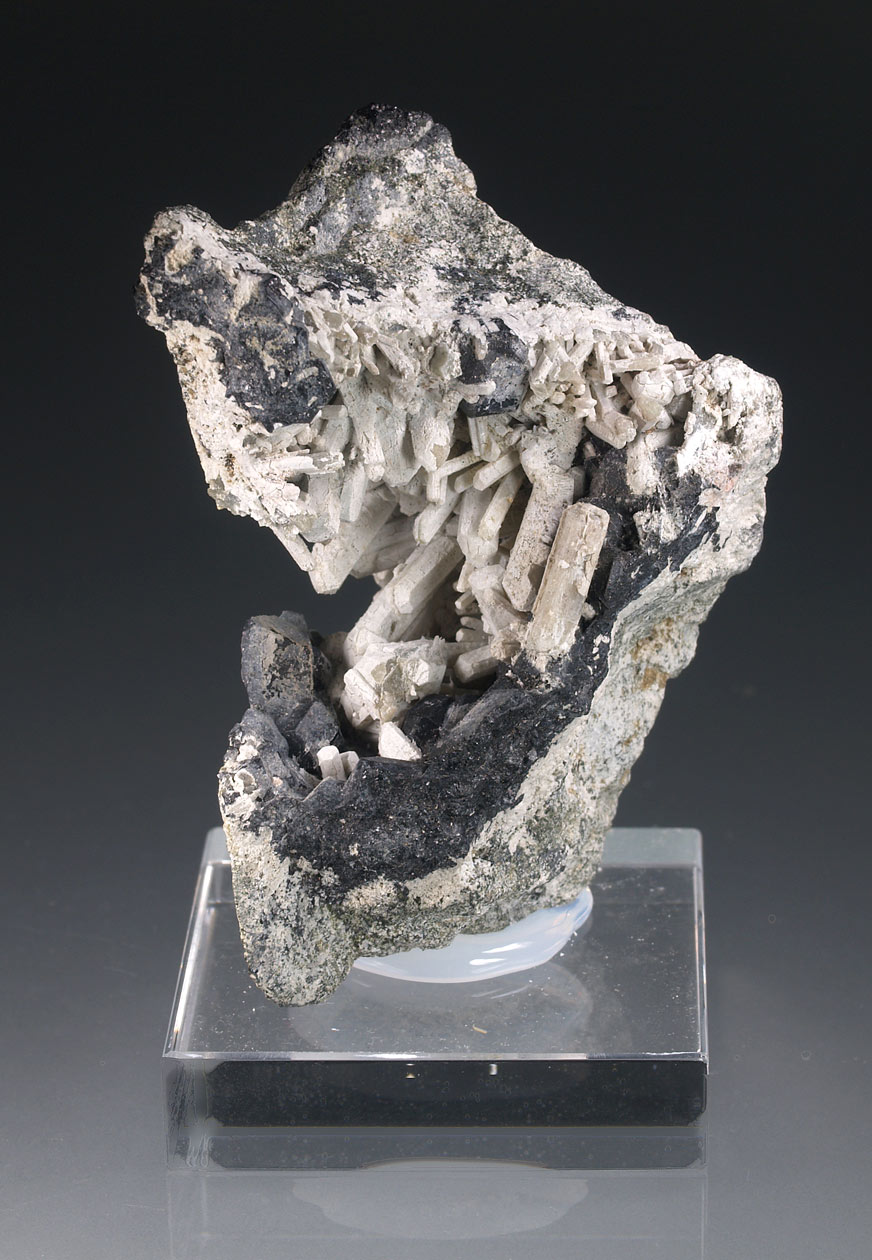
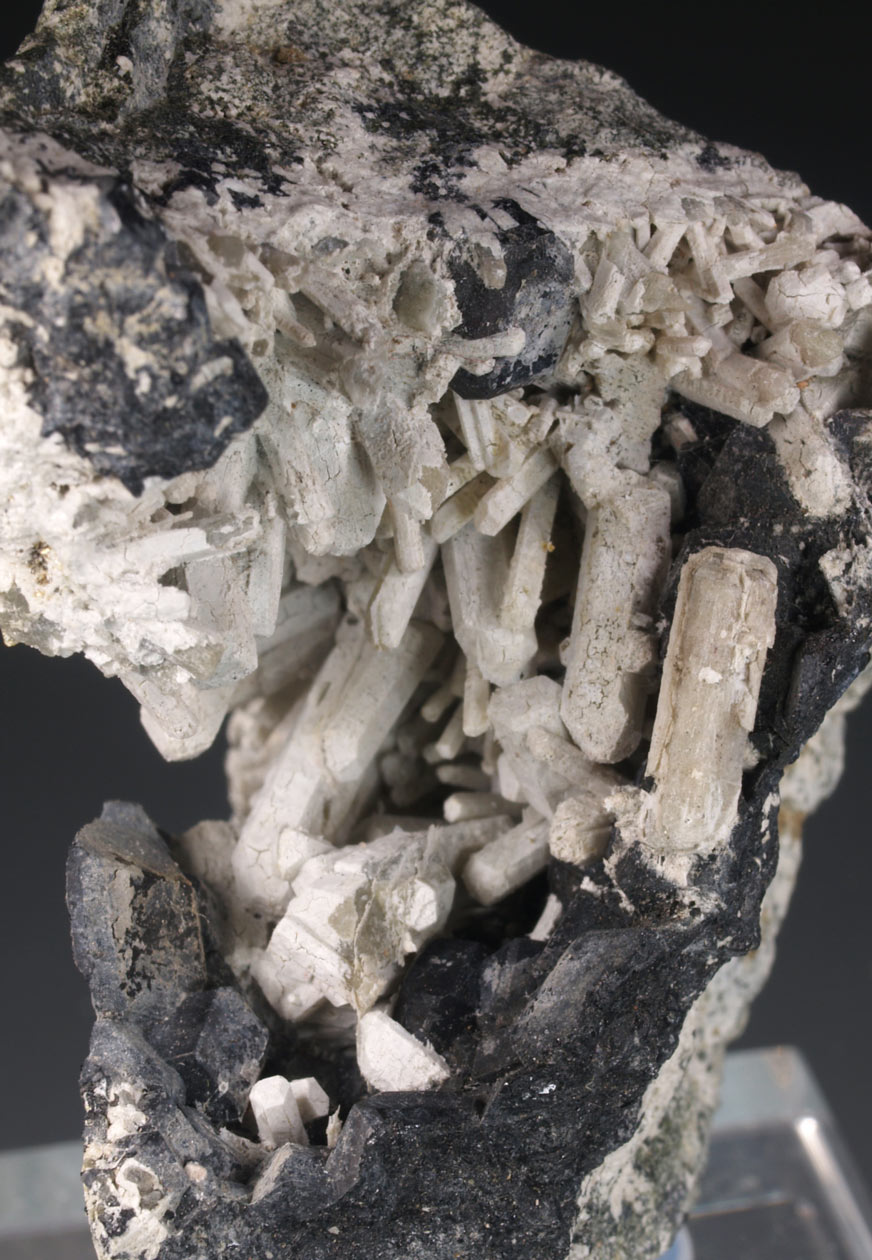
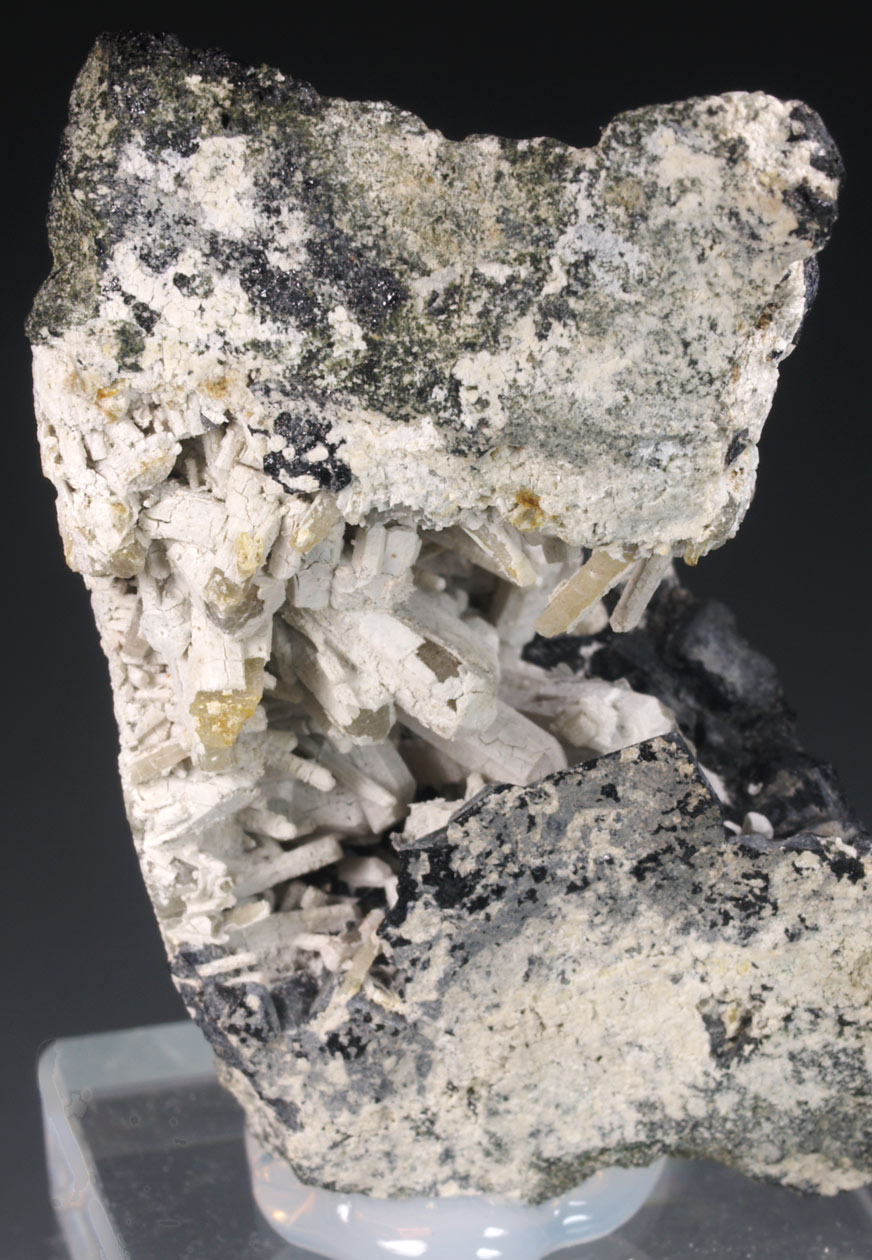
Prismatic crystals of nepheline, associated with a matrix with black schorlomite (garnet group). Although nepheline is a fairly common rock-forming mineral in silica-poor igneous rocks, such as nephelitic syenites, well-formed crystals of this species are rare.
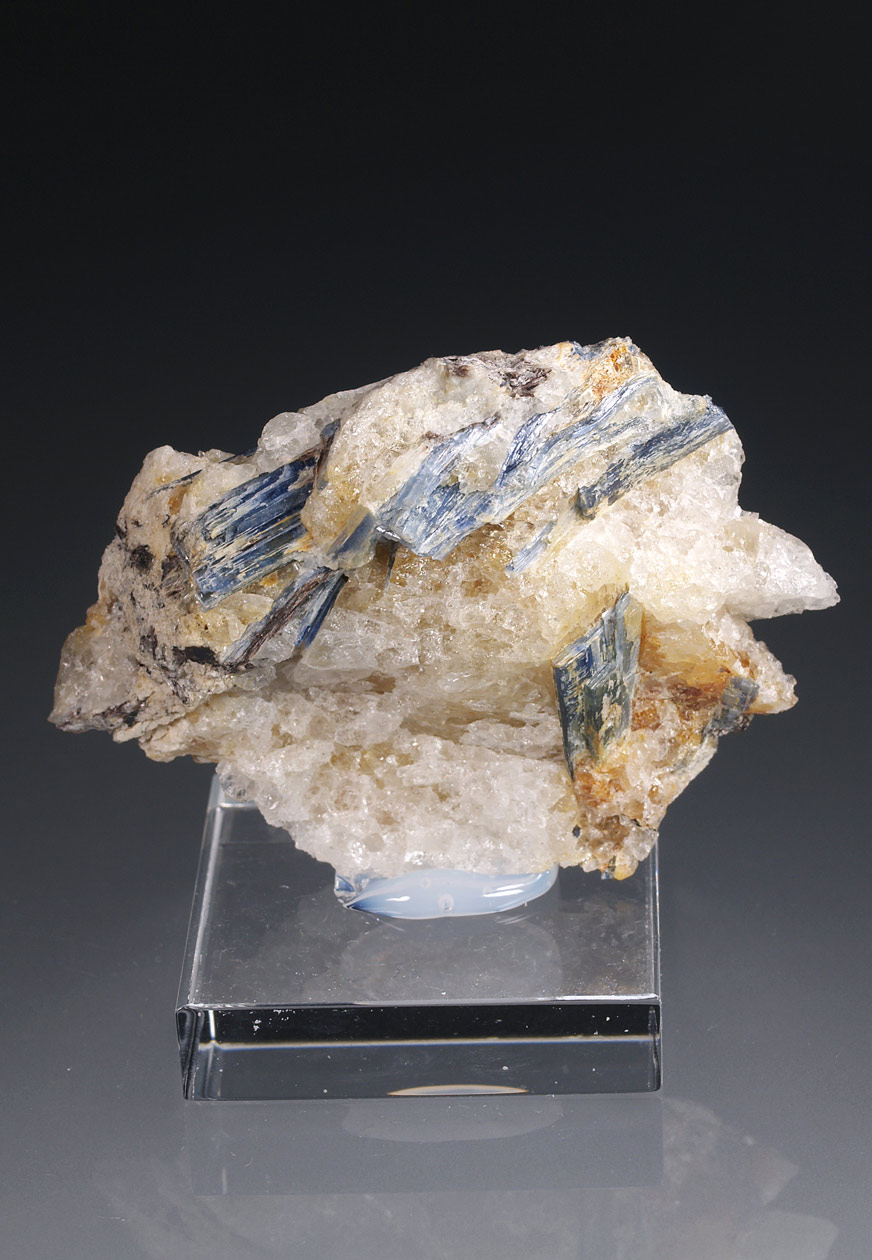
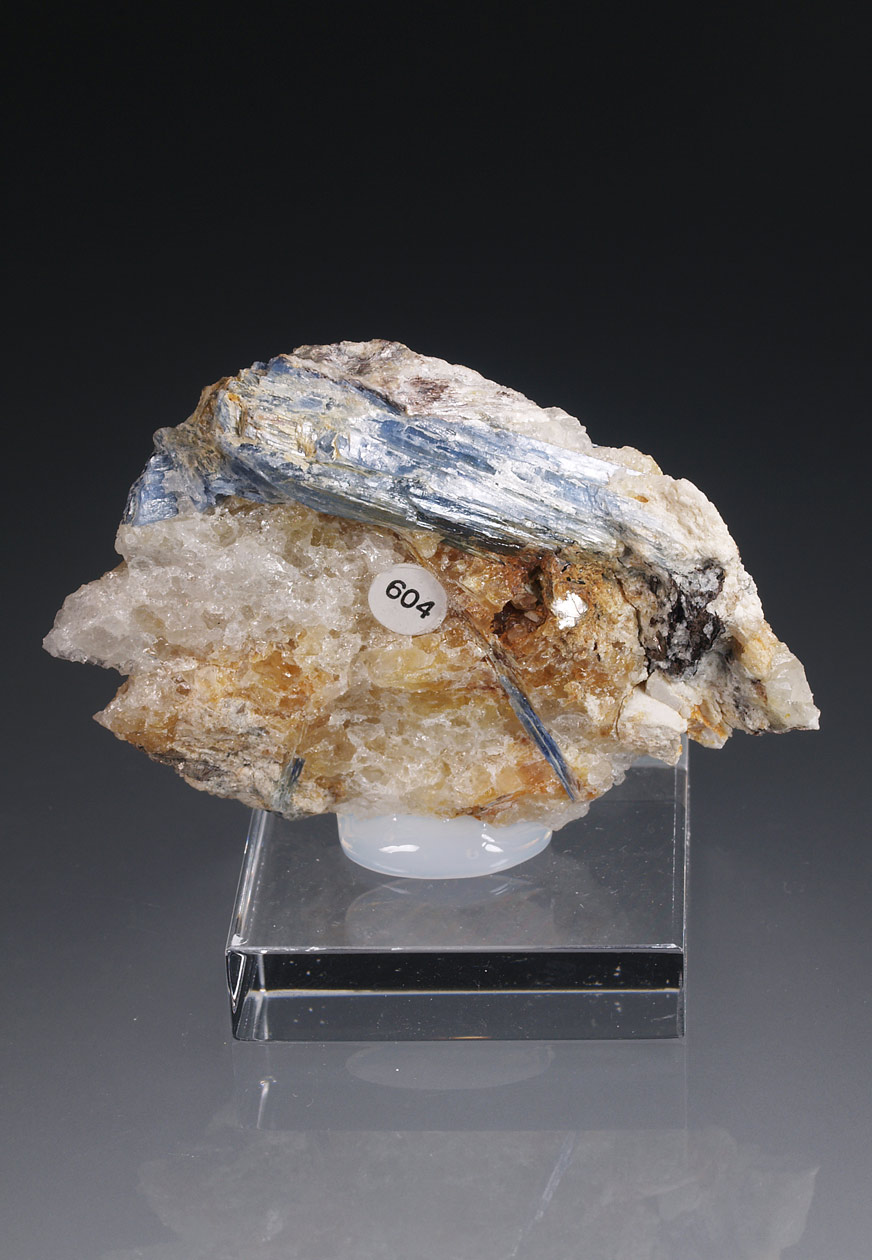
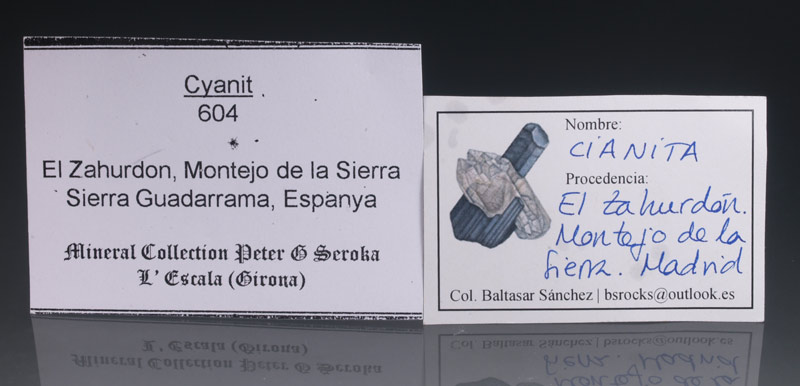
Kyanite specimens from this border area between the towns of Montejo de la Sierra (Madrid) and El Cardoso de la Sierra (Guadalajara) have been the subject of discussion for a long time. In the area there are different deposits from which they can belong. In this specimen, the Baltasar Sánchez label is preserved, indicating the specimen from El Zahurdón, in Montejo de la Sierra. In the area we have toponyms such as Corrales de Zahurdón. Peter Seroka, to whom this piece belonged, indicates already in 1973 the presence of kyanite about 1000 m from the milestone of Km 3 of the road from Montejo to El Cardoso (Miguel Calvo's Mines and Minerals of Spain), see discussion in this link.
This specimen shows a group of kyanite crystals on a matrix with quartz, with an intense color. It is accompanied by the two mentioned labels. Very interesting...
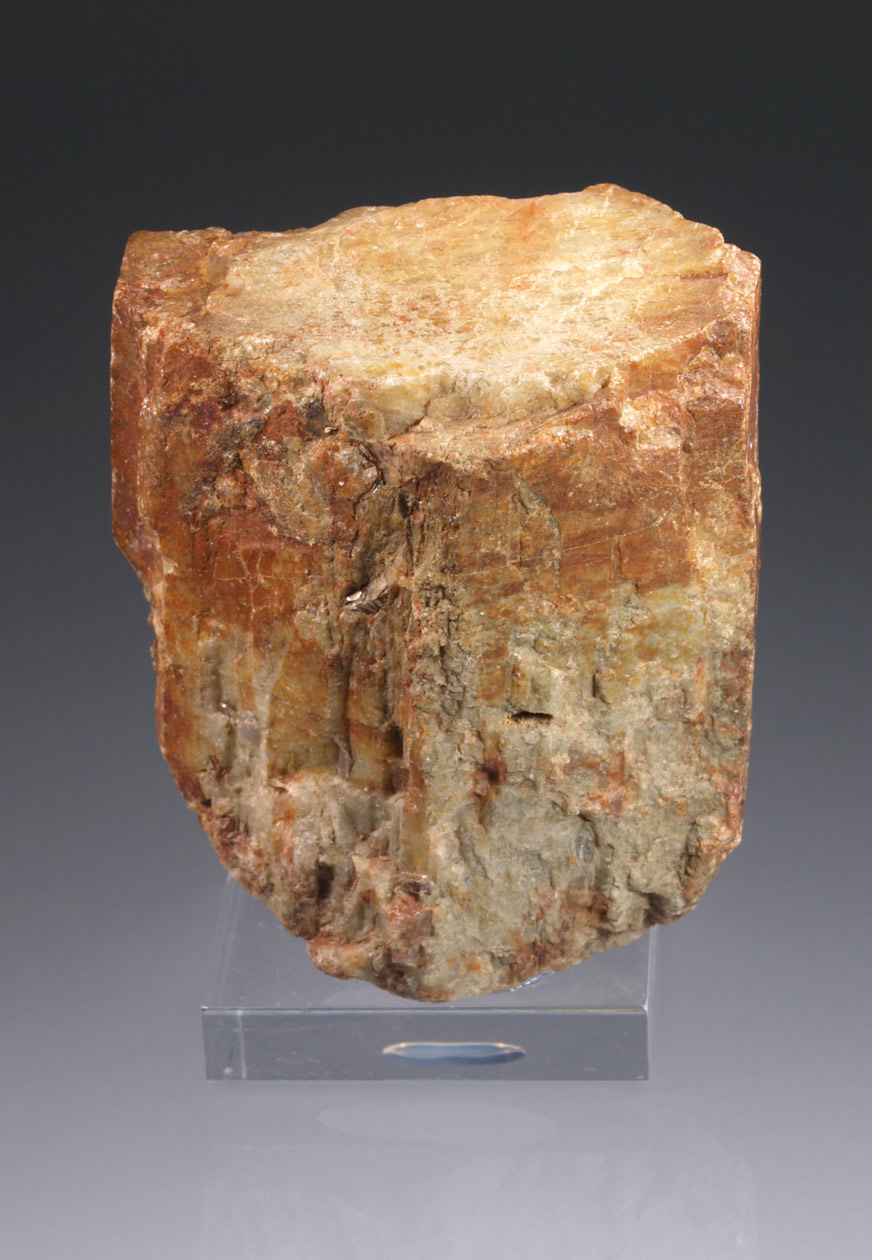
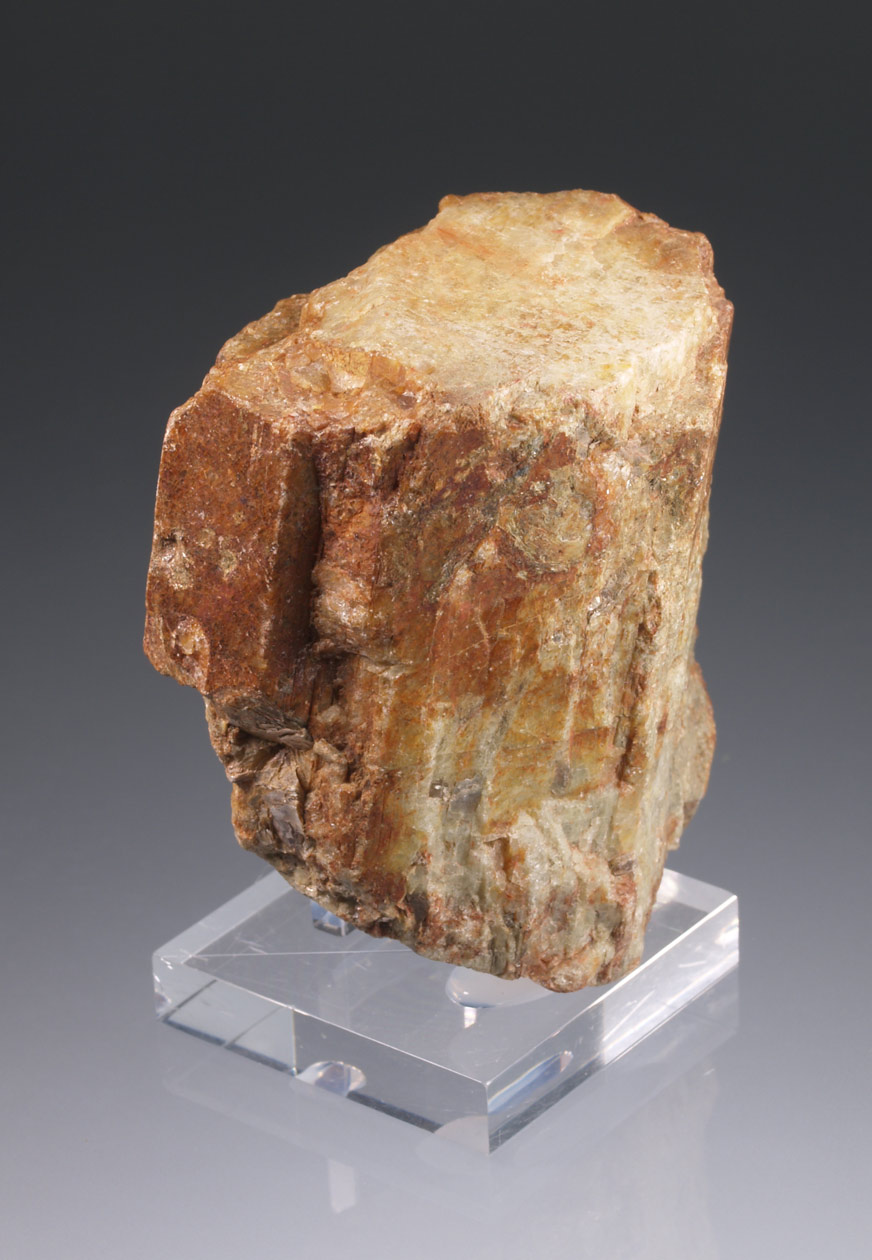
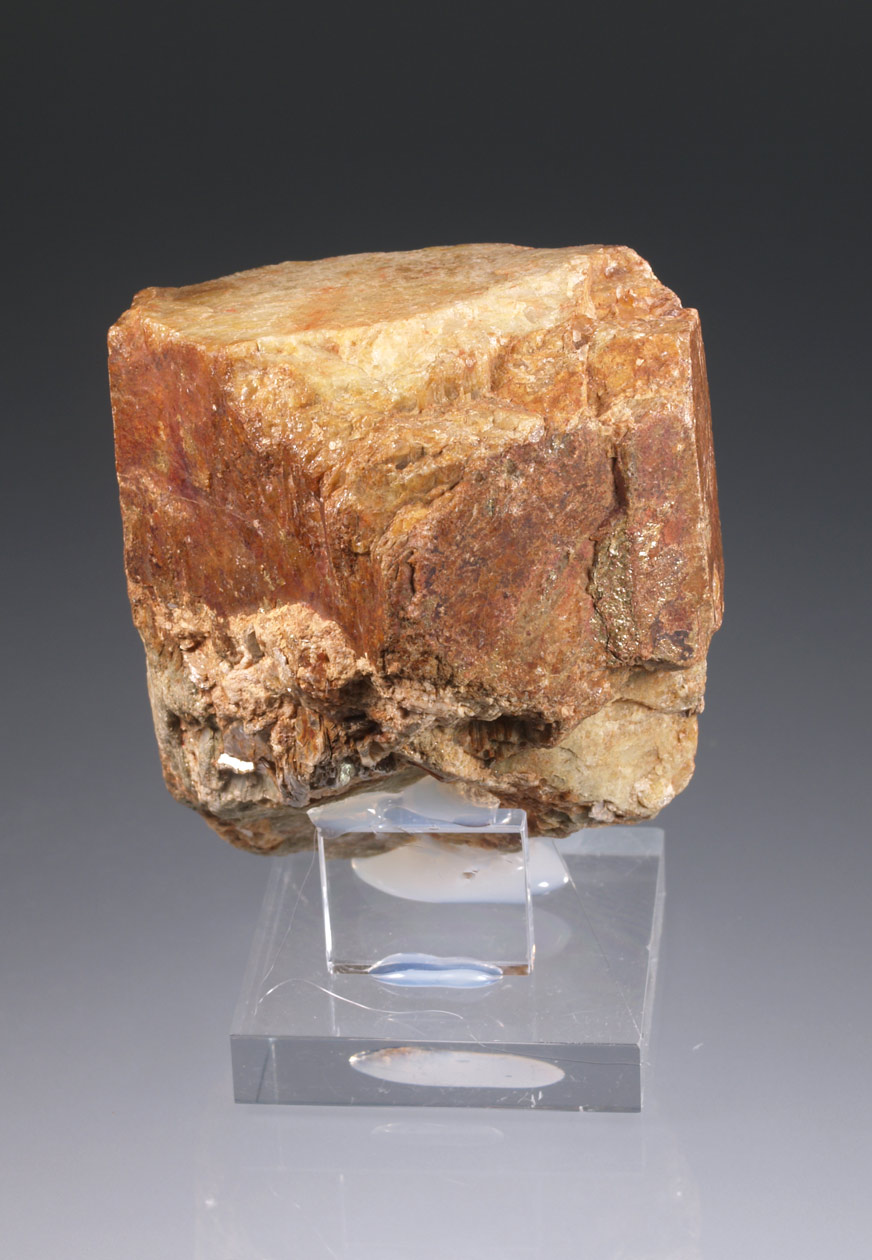
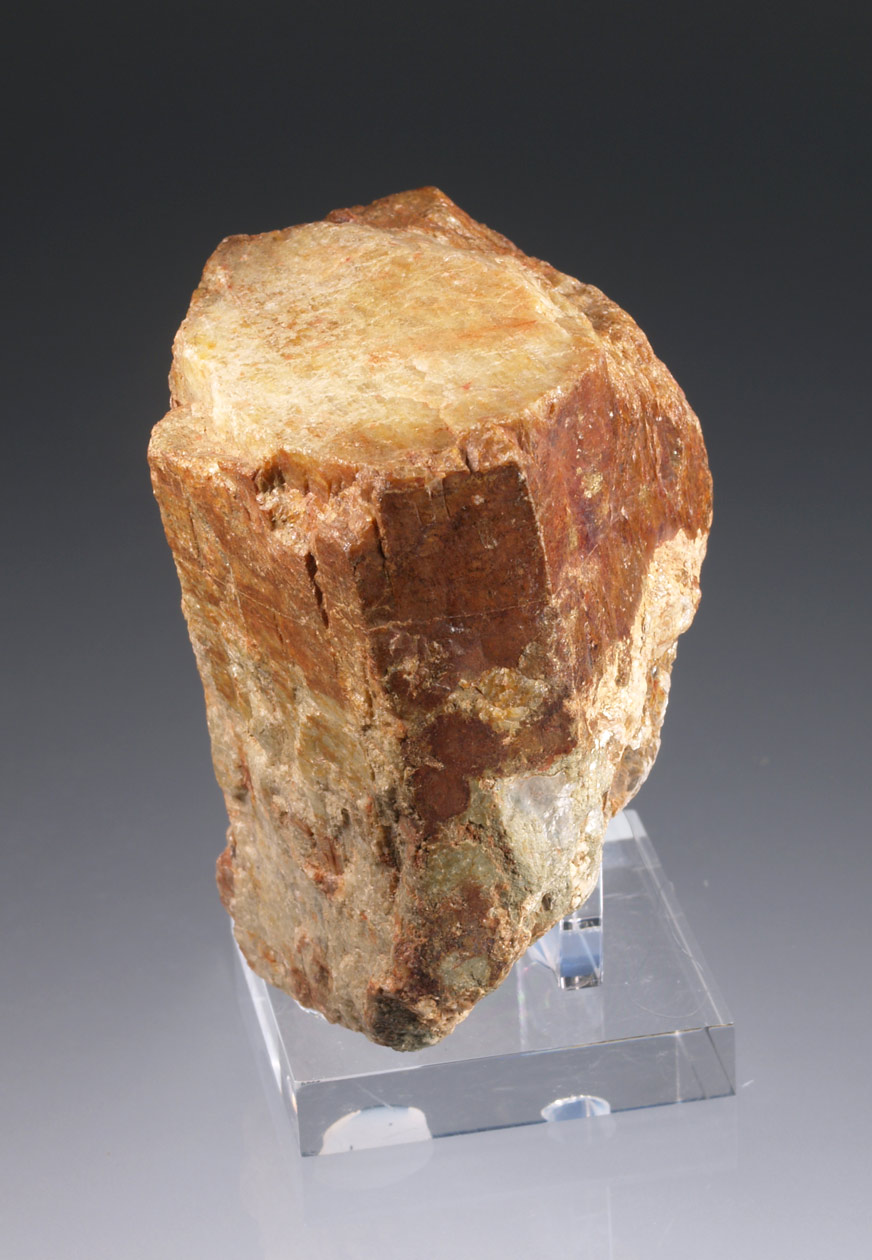
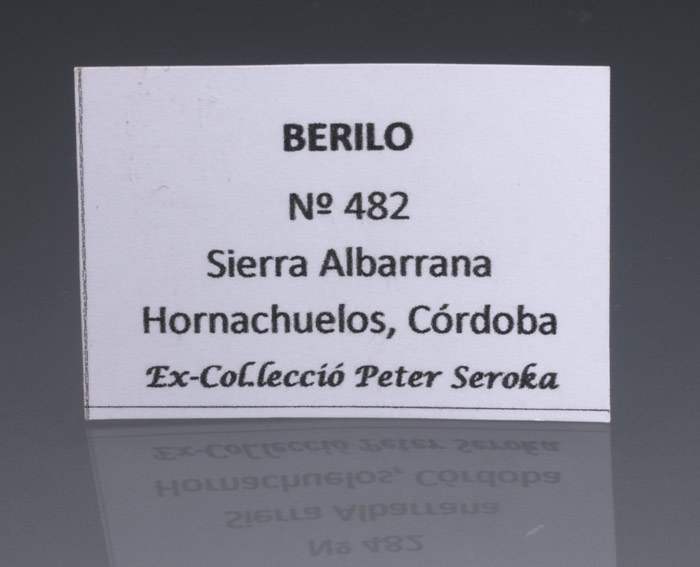
Beryl crystal from this classic Spanish locality, very good sized, well defined faces and with muscovite at the base. Translucent in the edges. The specimen belongs from the Peter Seroka collection and due to its number label it can be placed in the 1980s. These pieces are difficult to see today.
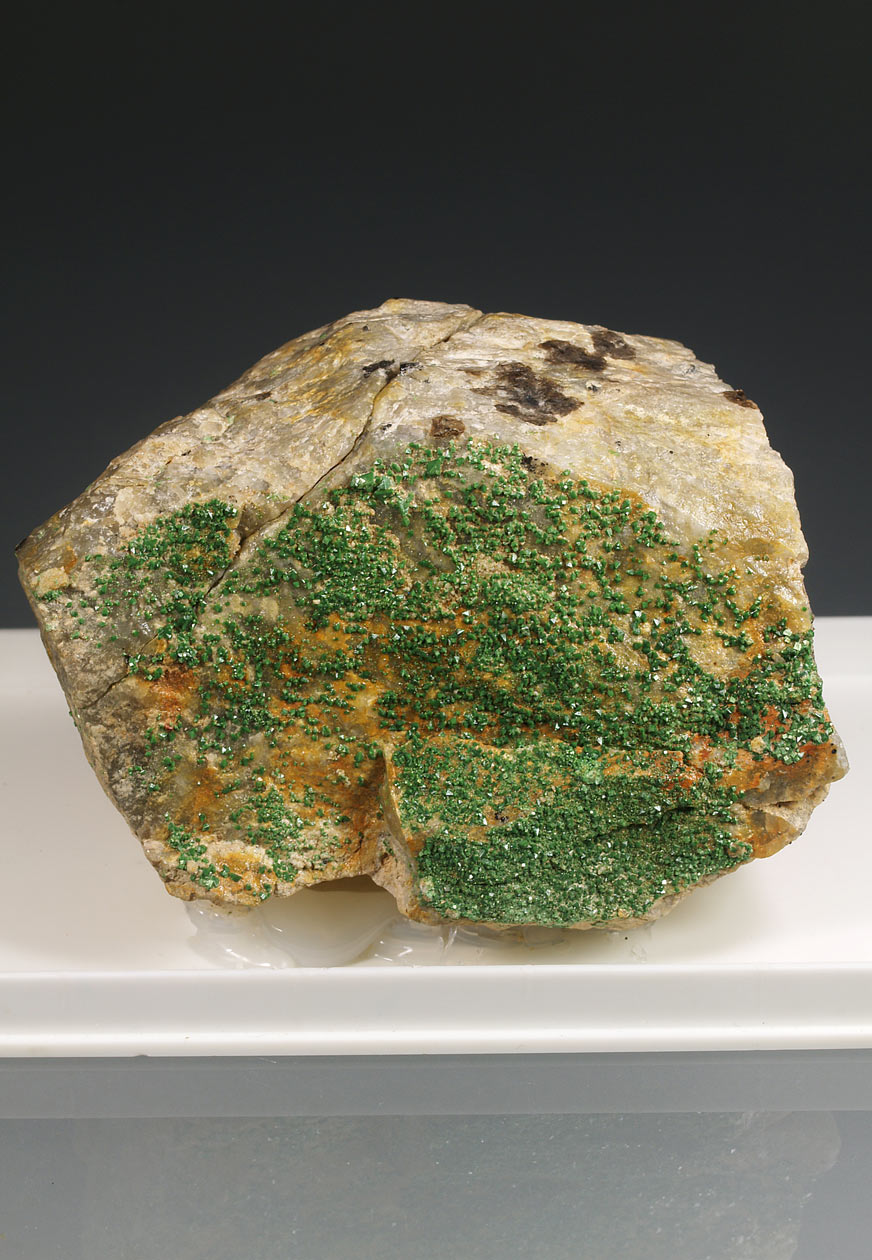
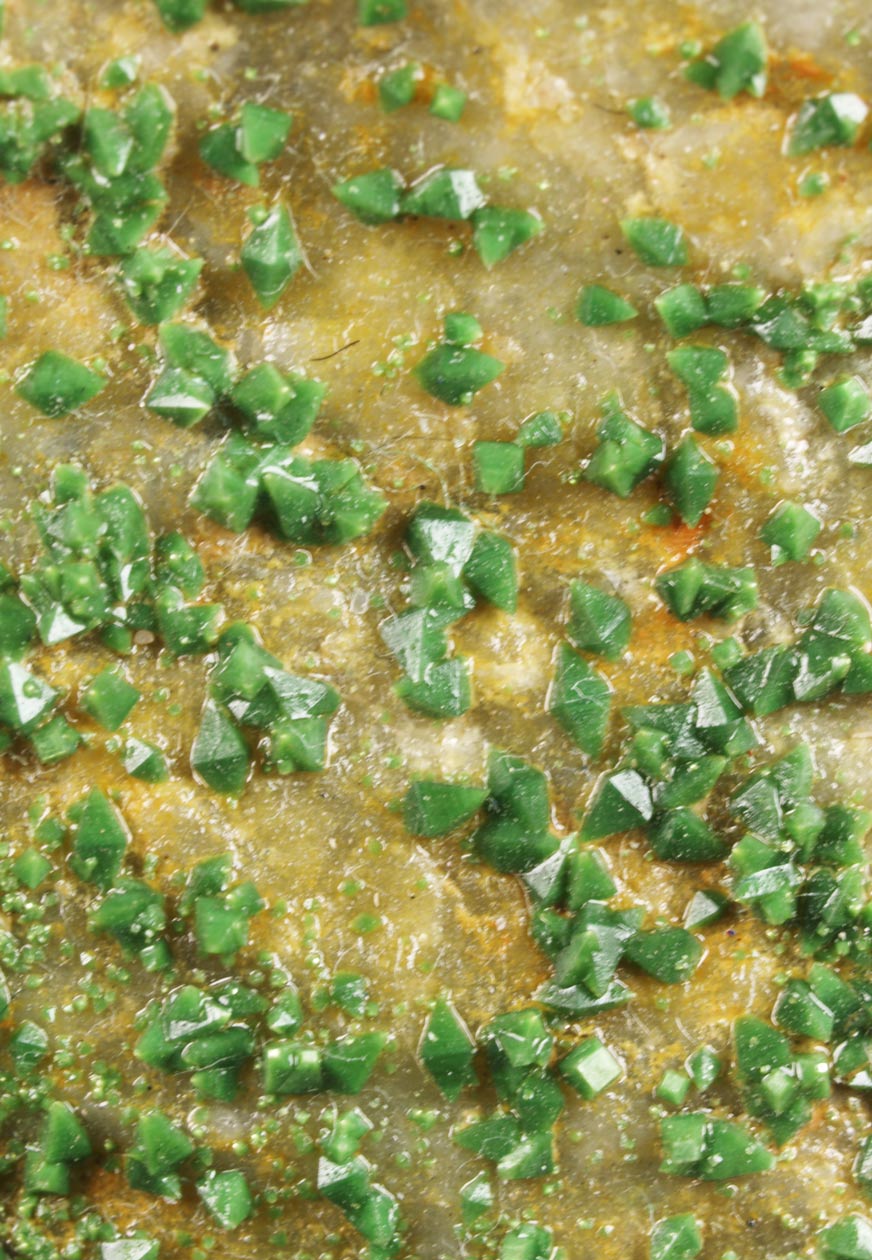
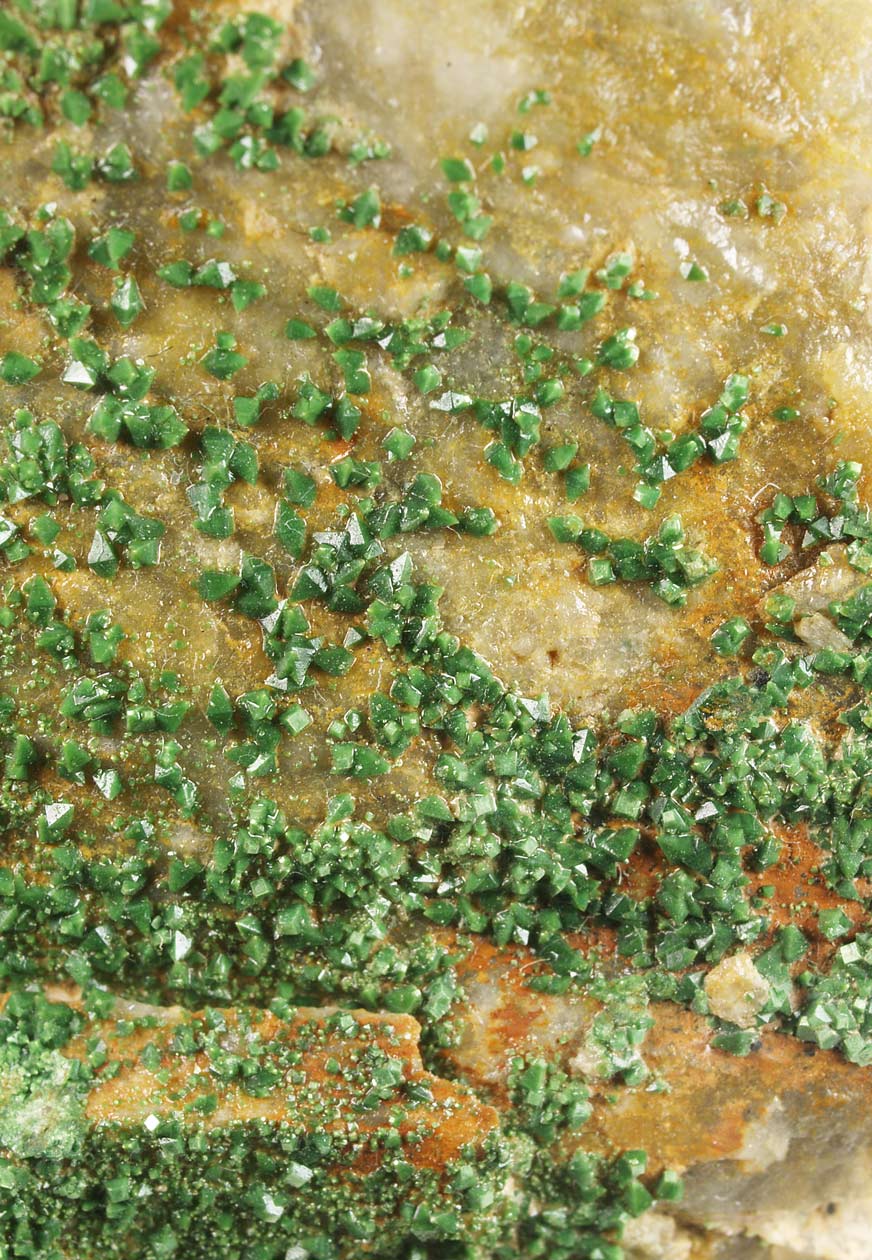
Good size specimen from this classic Portuguese mine. On a quartz matrix numerous dipyramidal crystals of torbernite (metatorbernite) are disposed, green in color, opaque. They have a protective treatment to prevent dehydration.
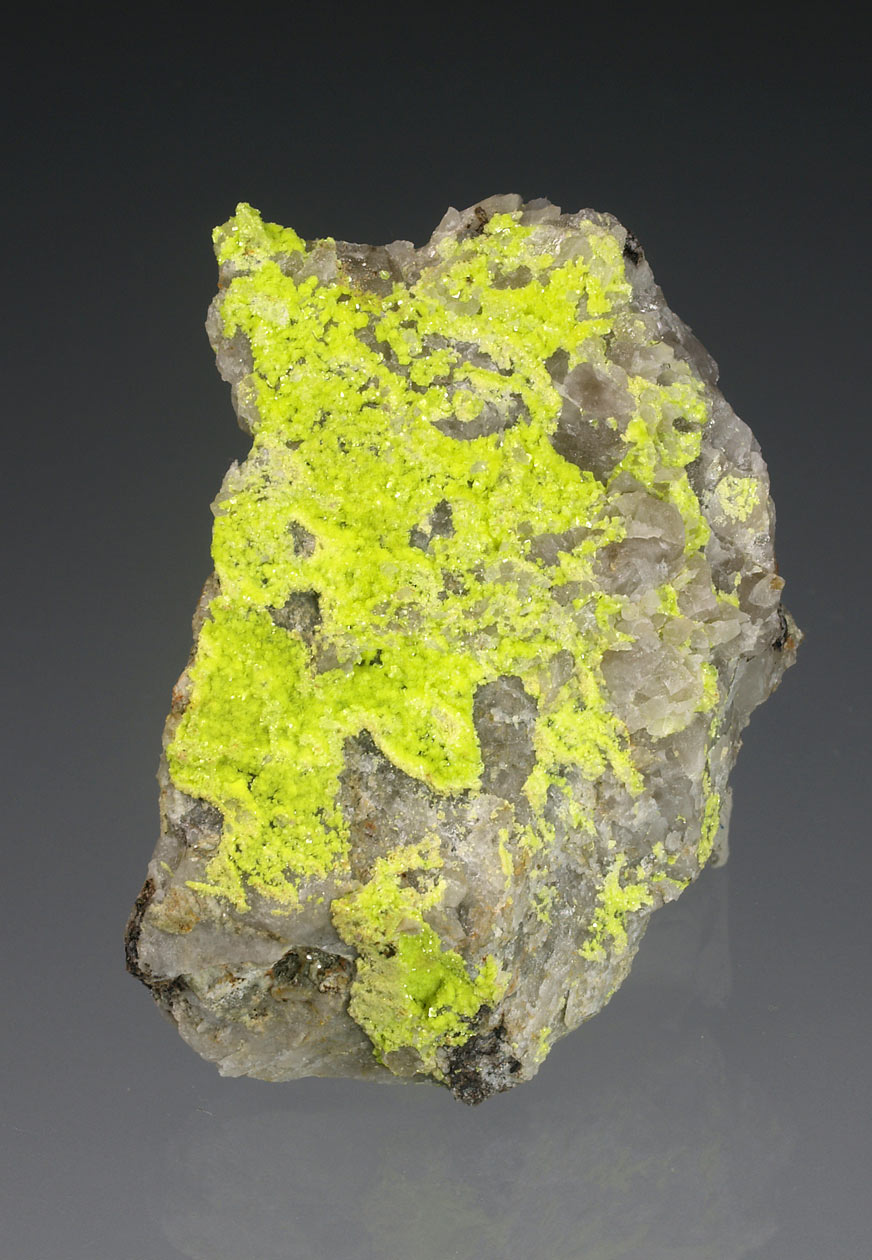
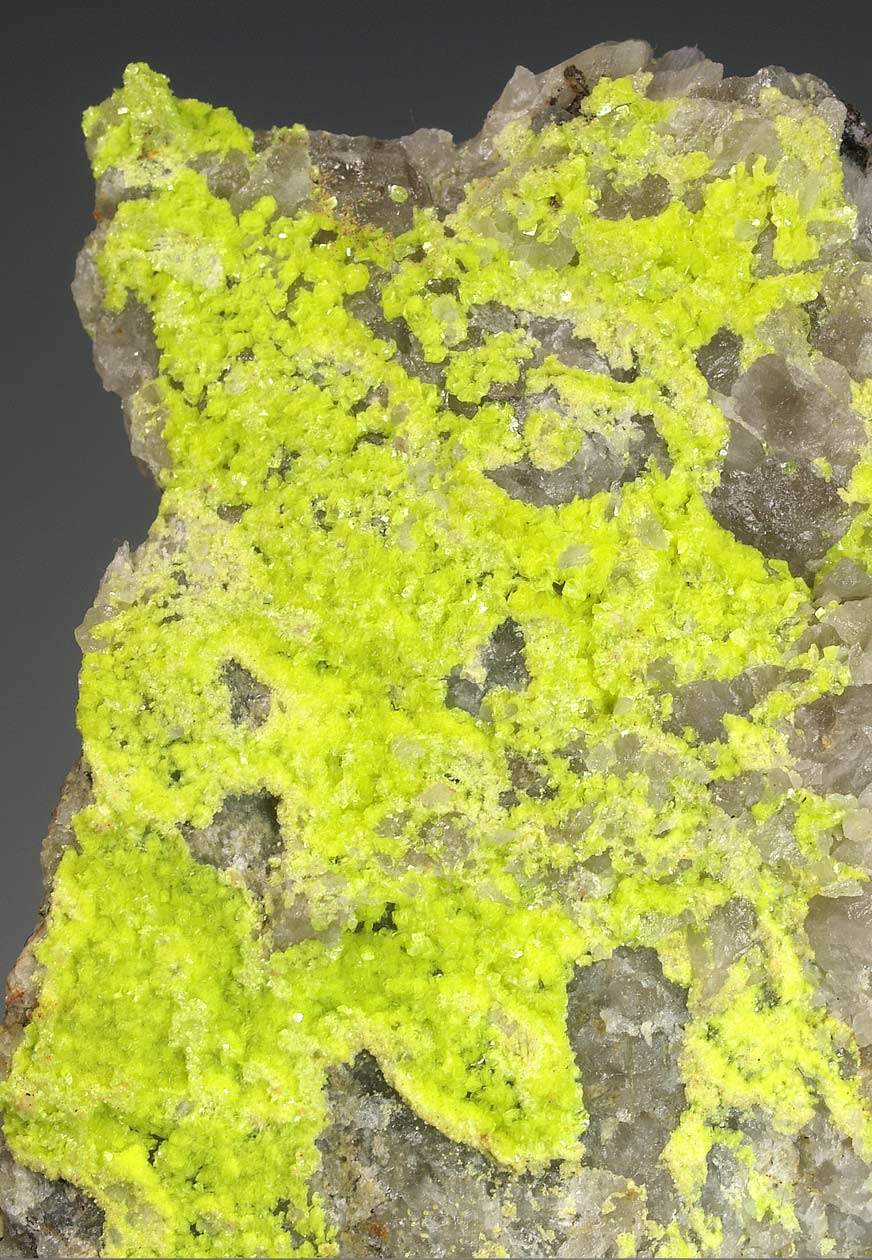
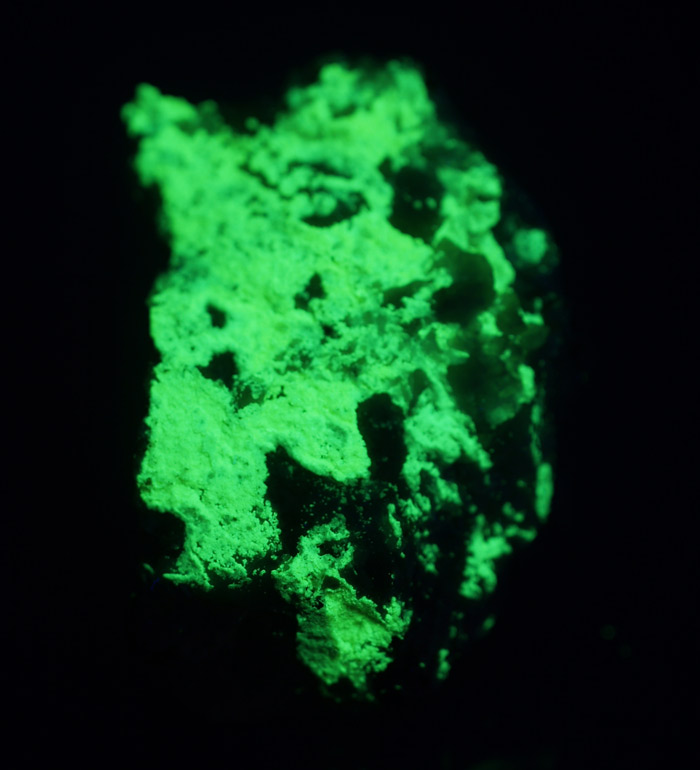
Druse of small autunite crystals, with a very intense greenish yellow colour, from this Portuguese mine. Under UV light it is spectacular.
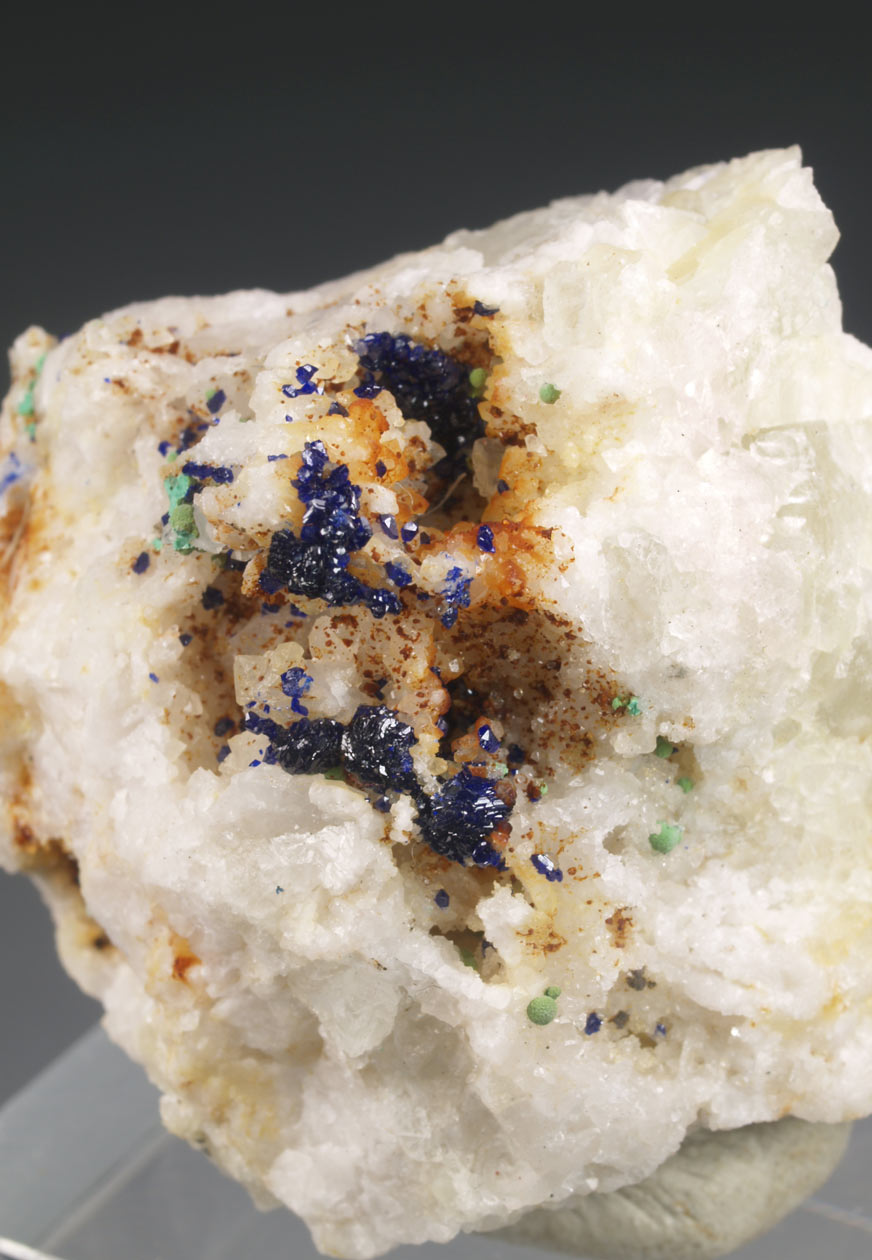
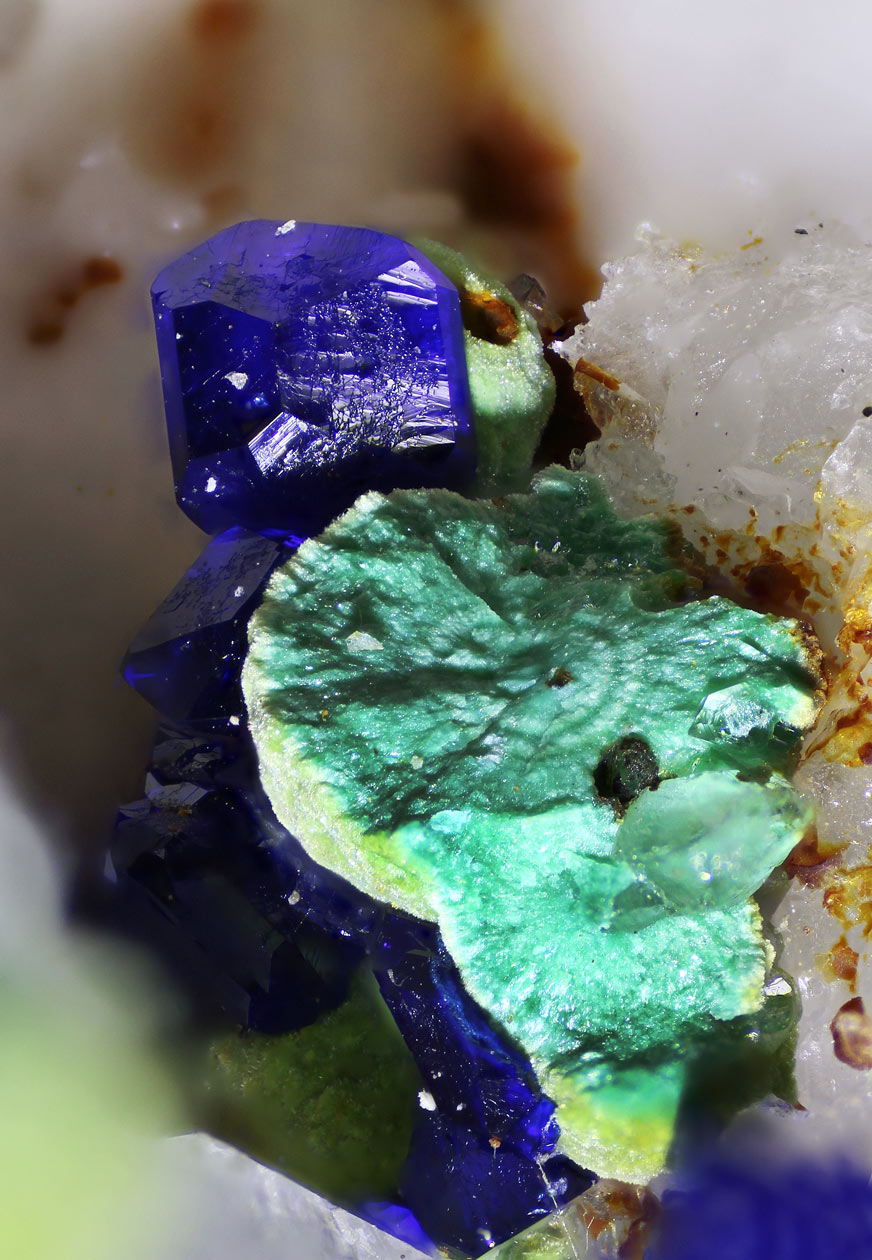
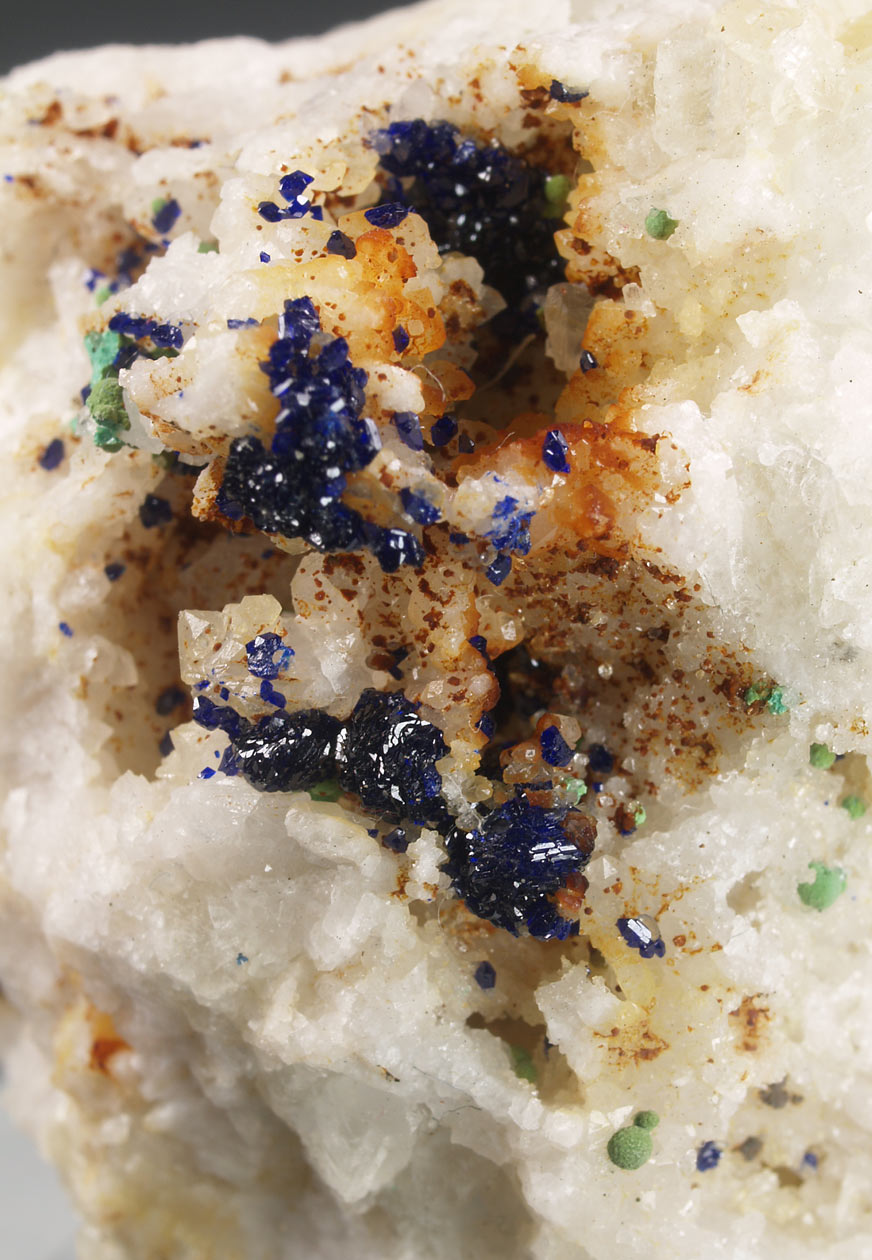
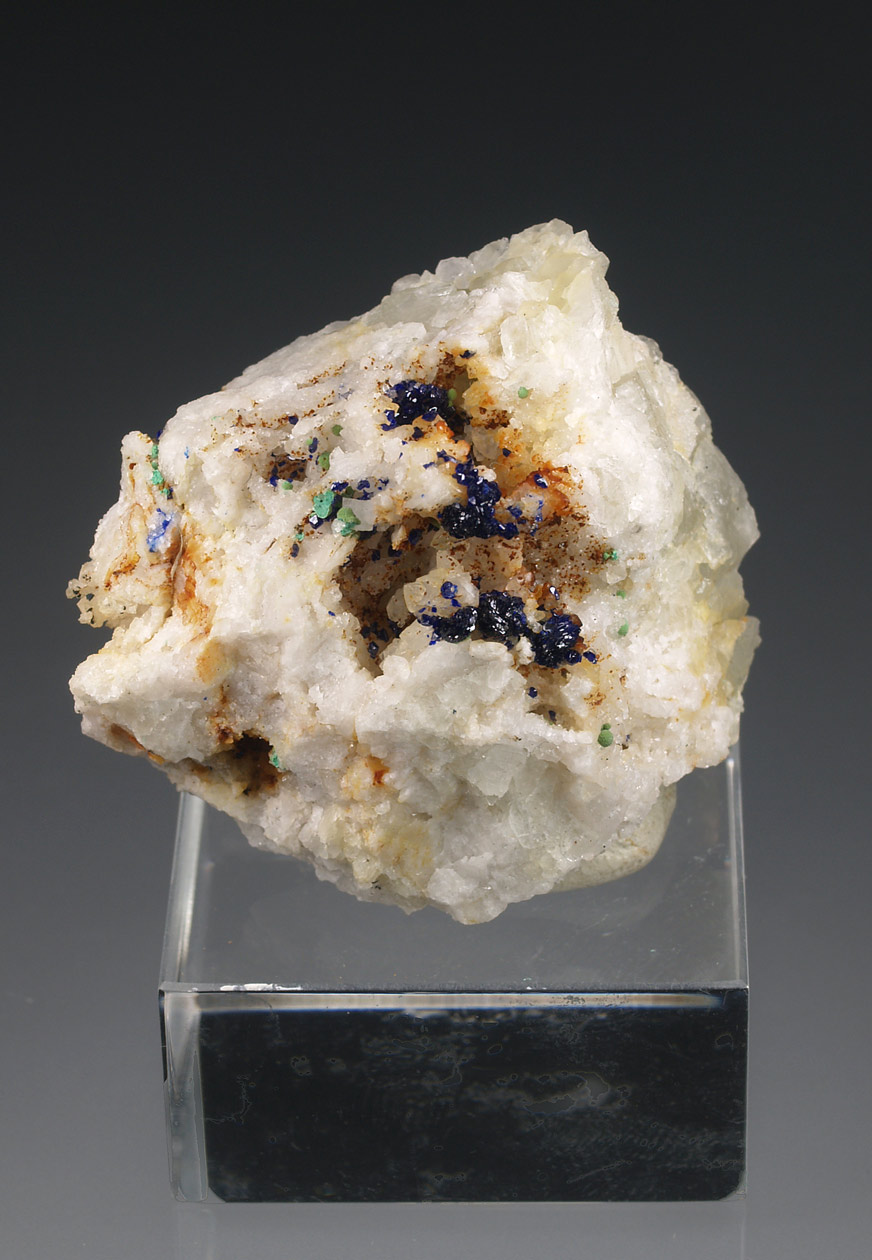
An azurite specimen from this classic German locality, to be enjoyed under magnification. These are aggregates of azurite crystals, some isolated, richly faceted, with transparence, brilliance and the characteristic colour. With globular aggregates of malachite. Very aesthetic.
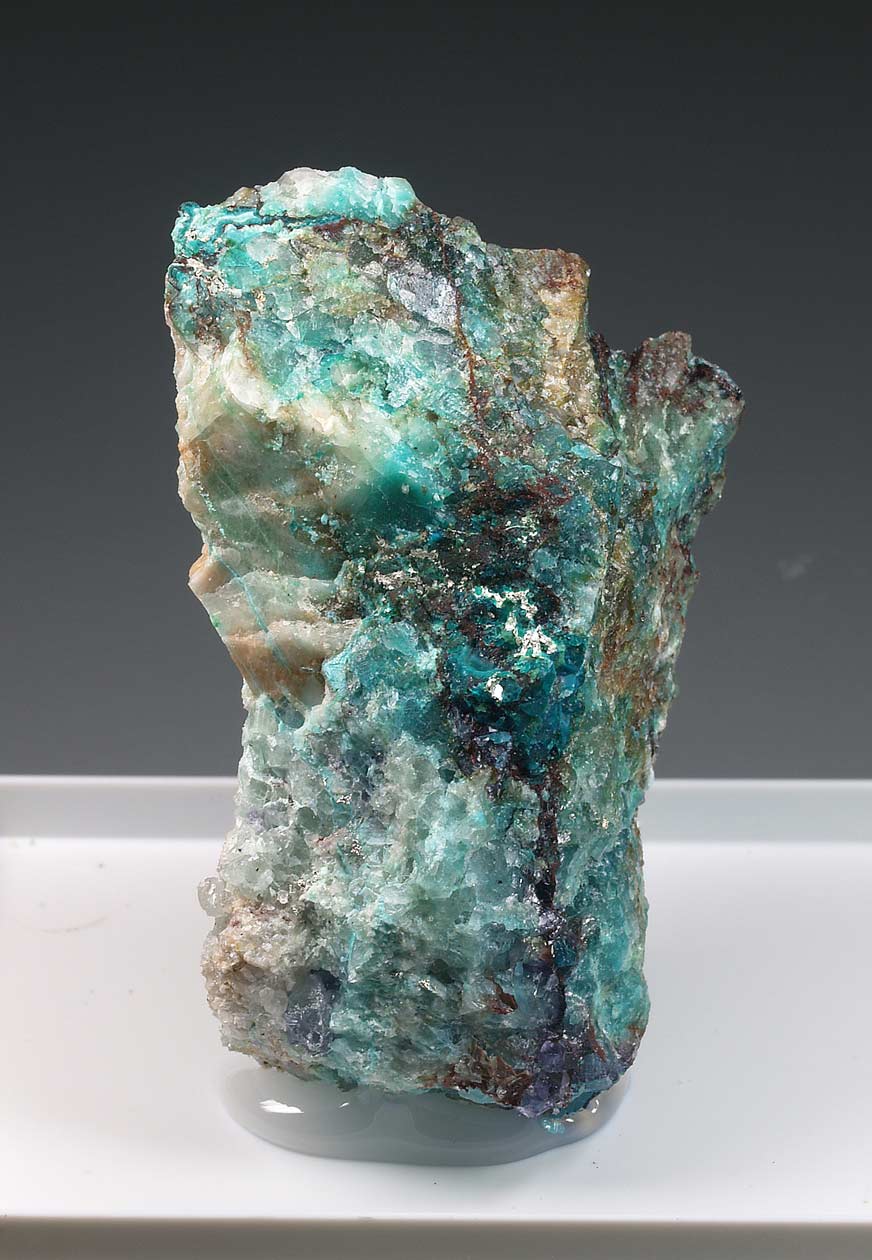
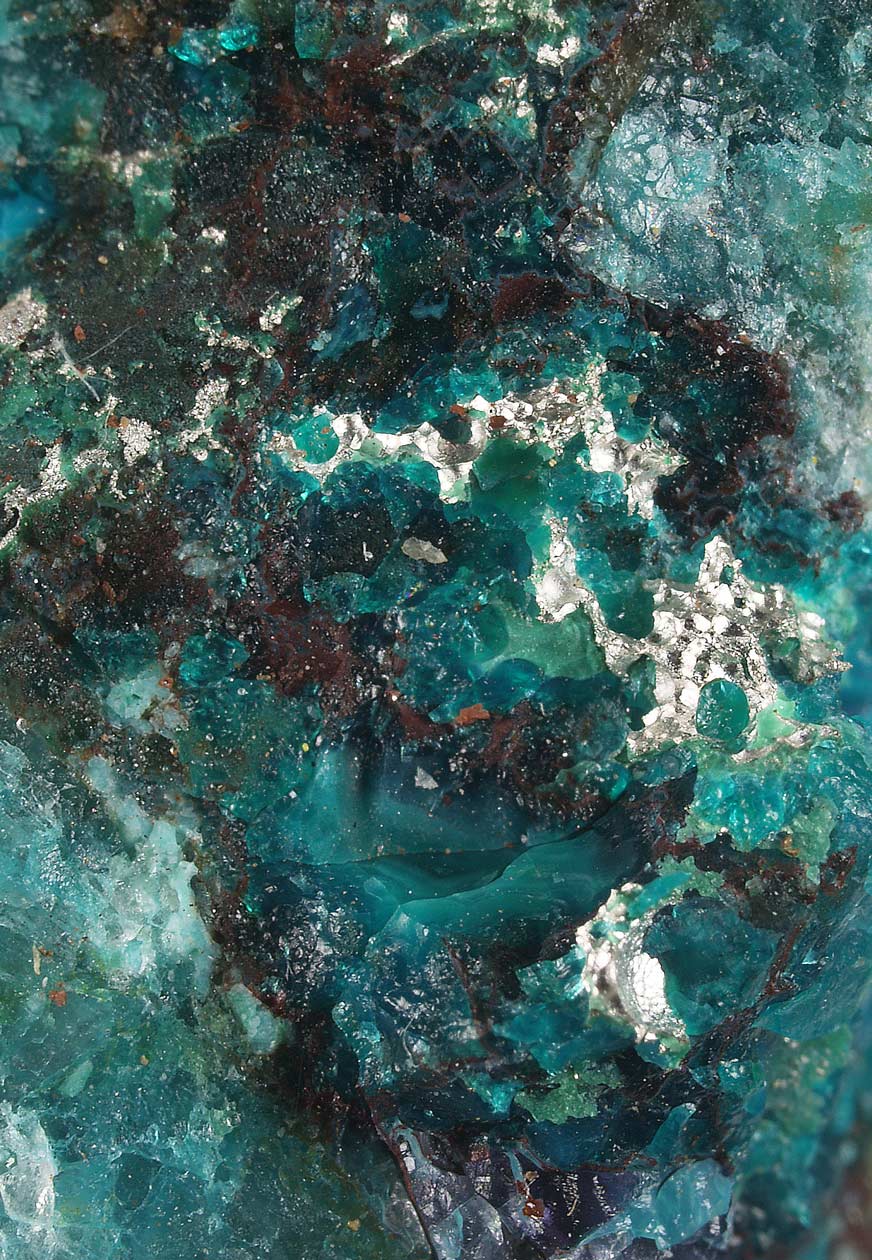
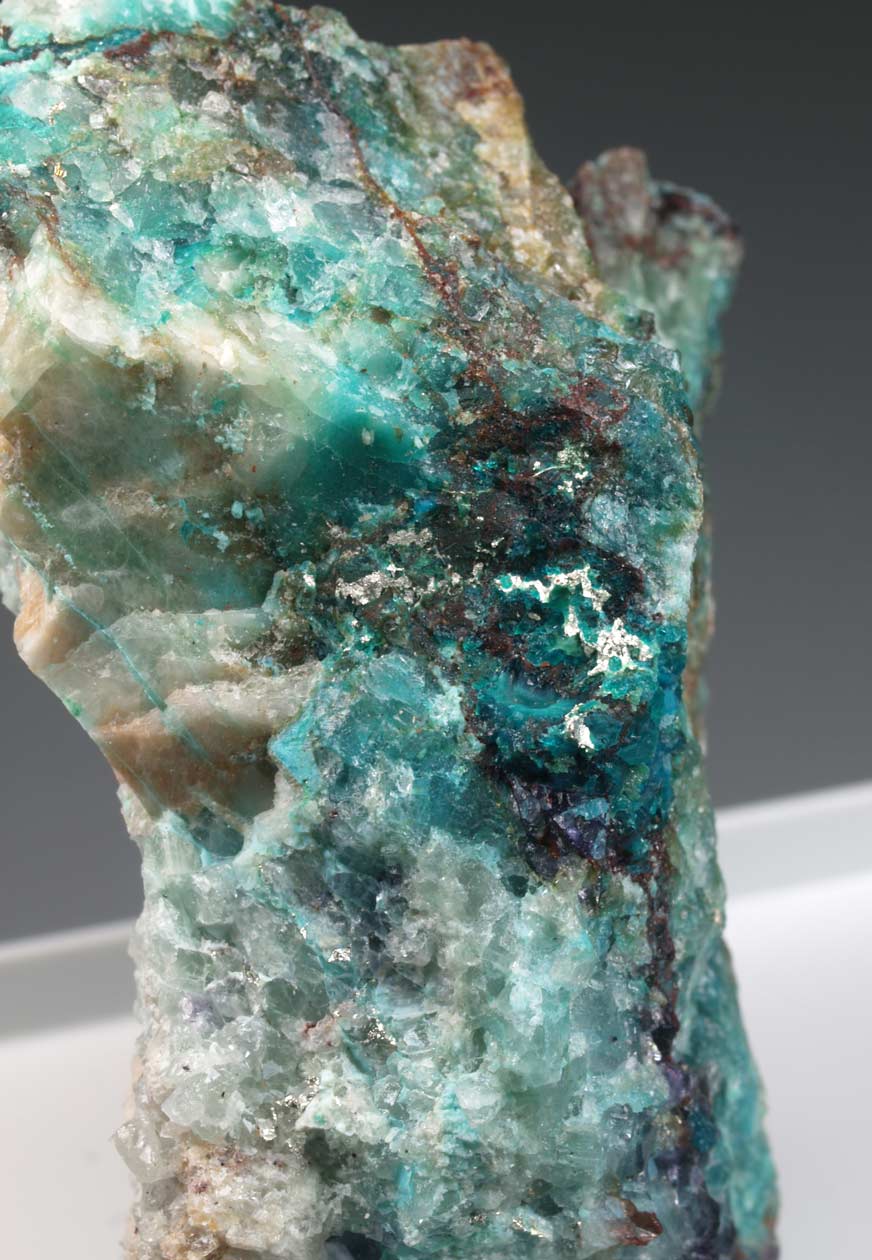
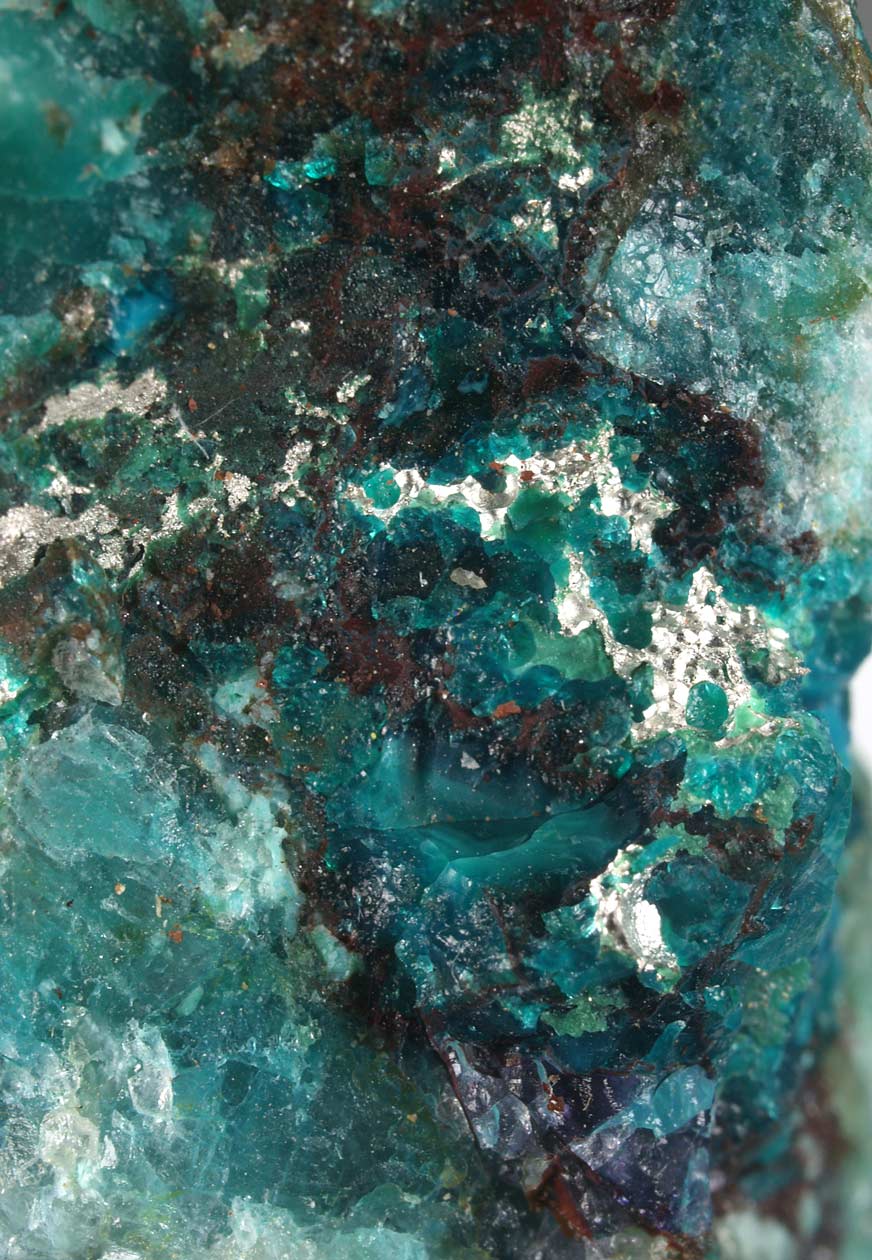
The silver specimens from this classic German mine has been known for a long time, but in these specimens silver is included in chrysocolla, of an intense greenish blue colour, and shows a remarkable luster, sometimes with golden iridescence. Under magnification we can see facets of crystals of this metal. We have analyzed these samples and the results indicate that they do not contain other metals detectable by SEM-EDS. These specimens are already a few years old.
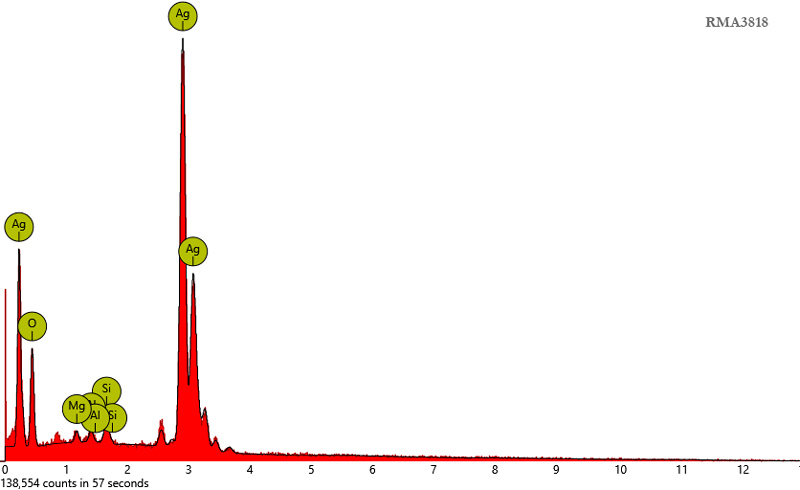
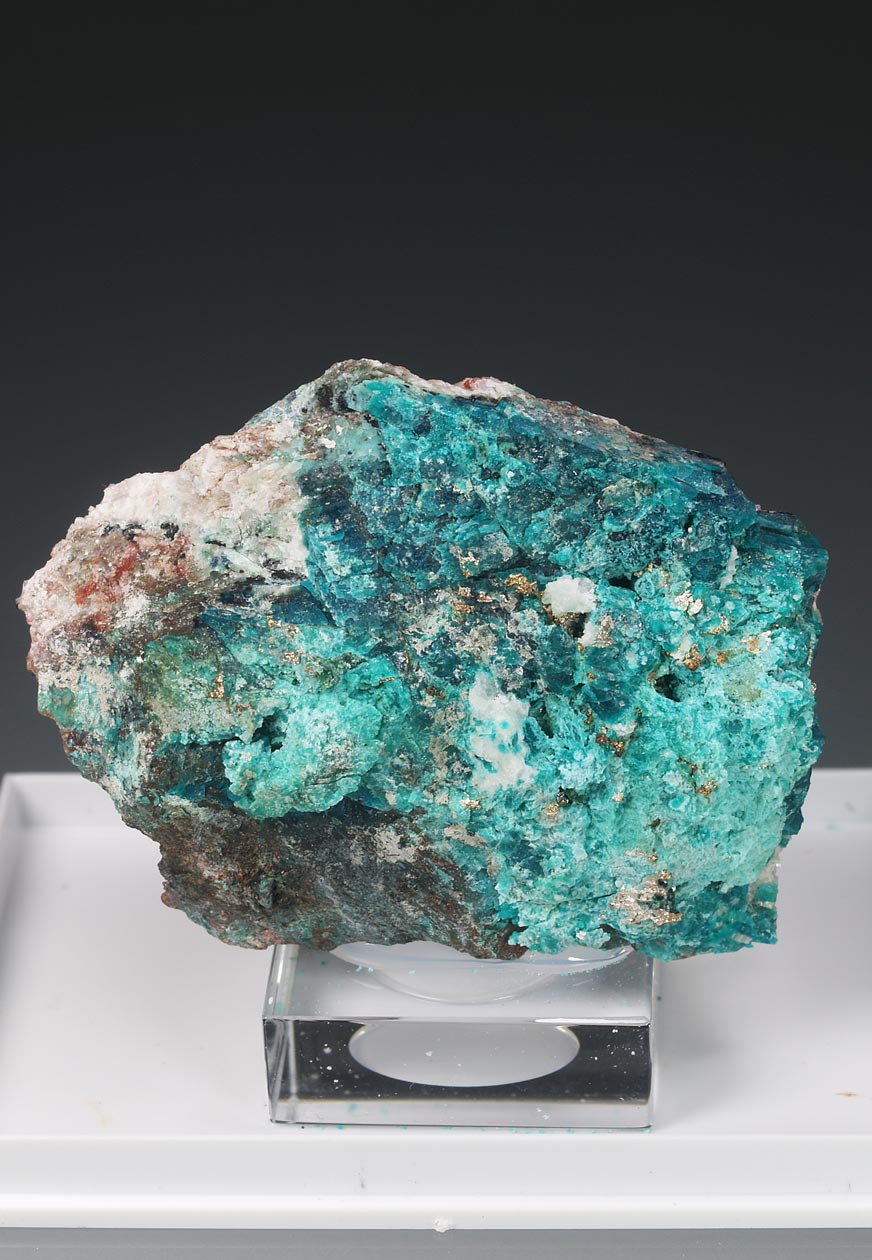
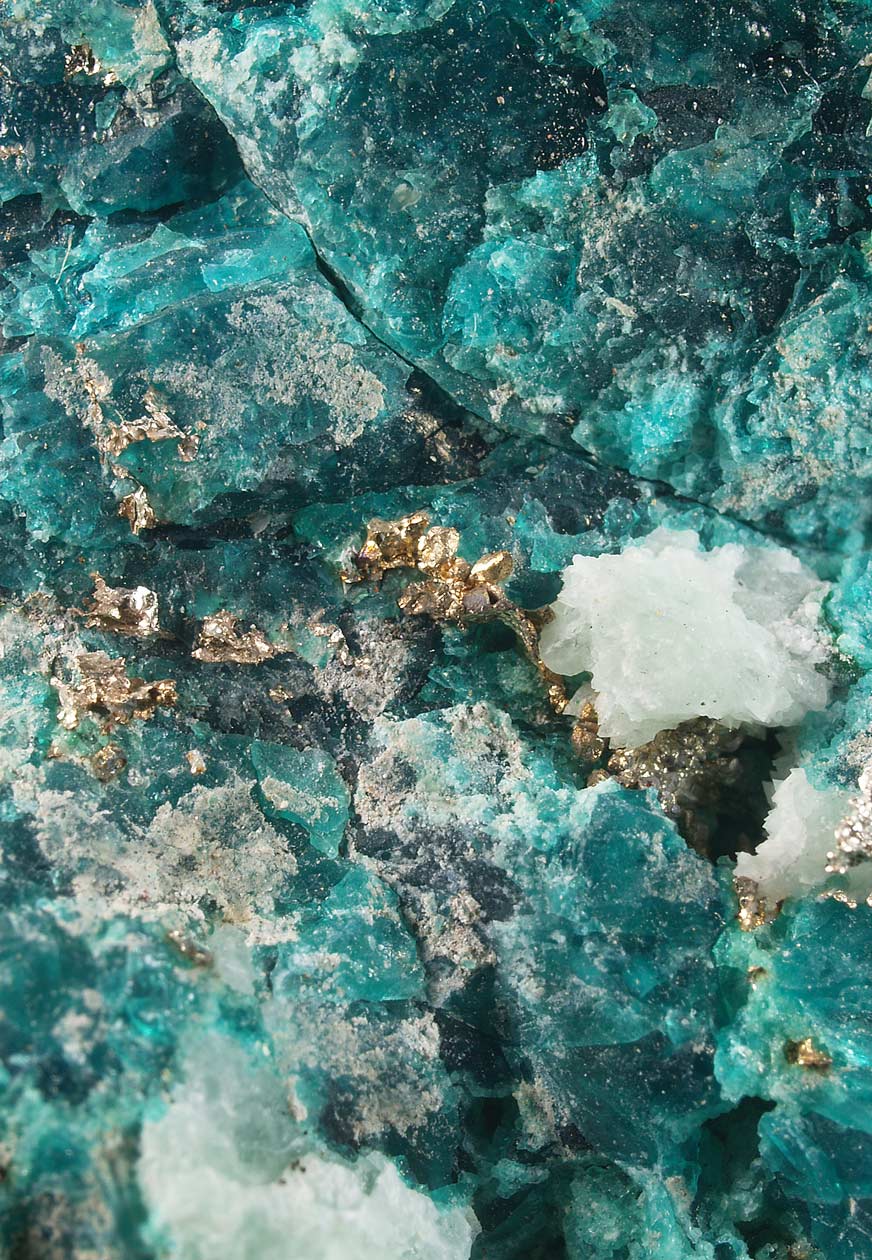
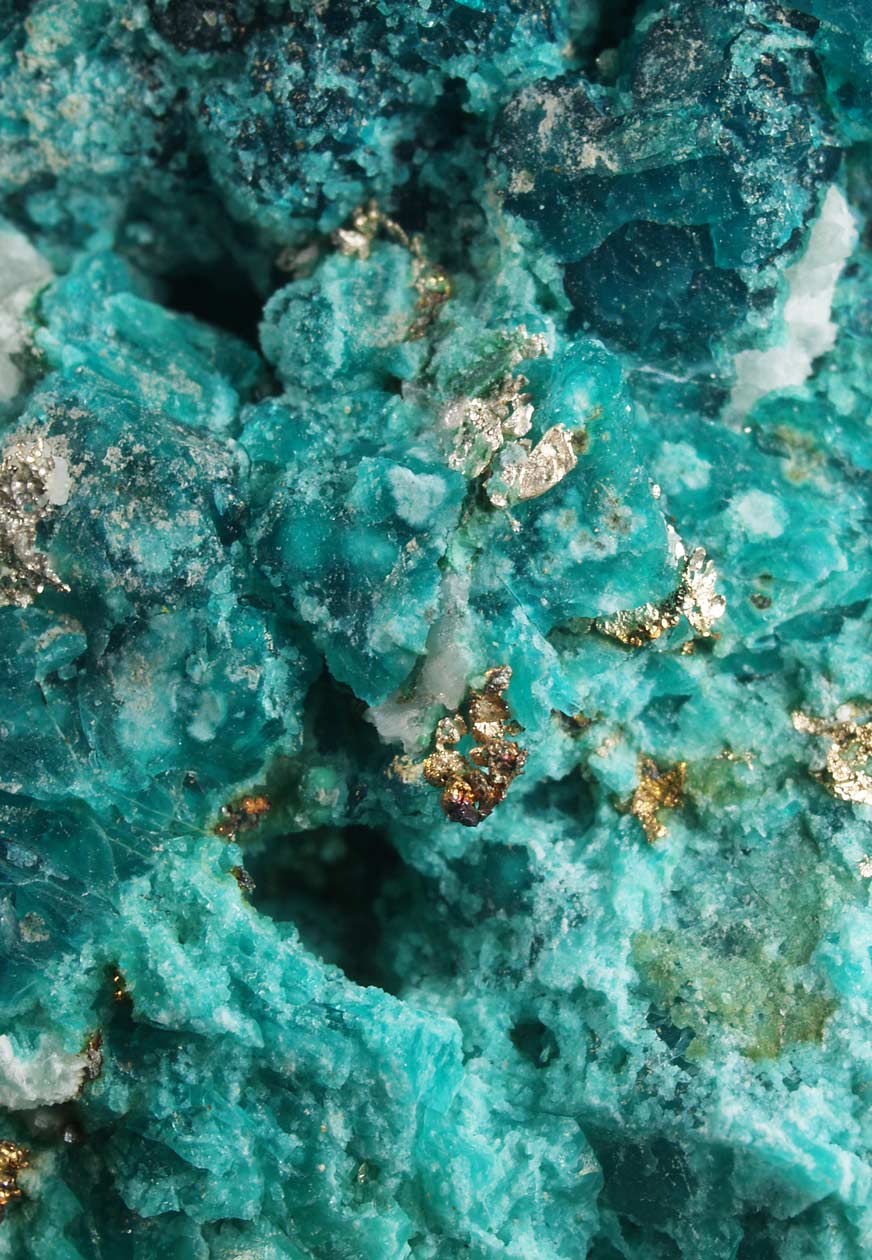
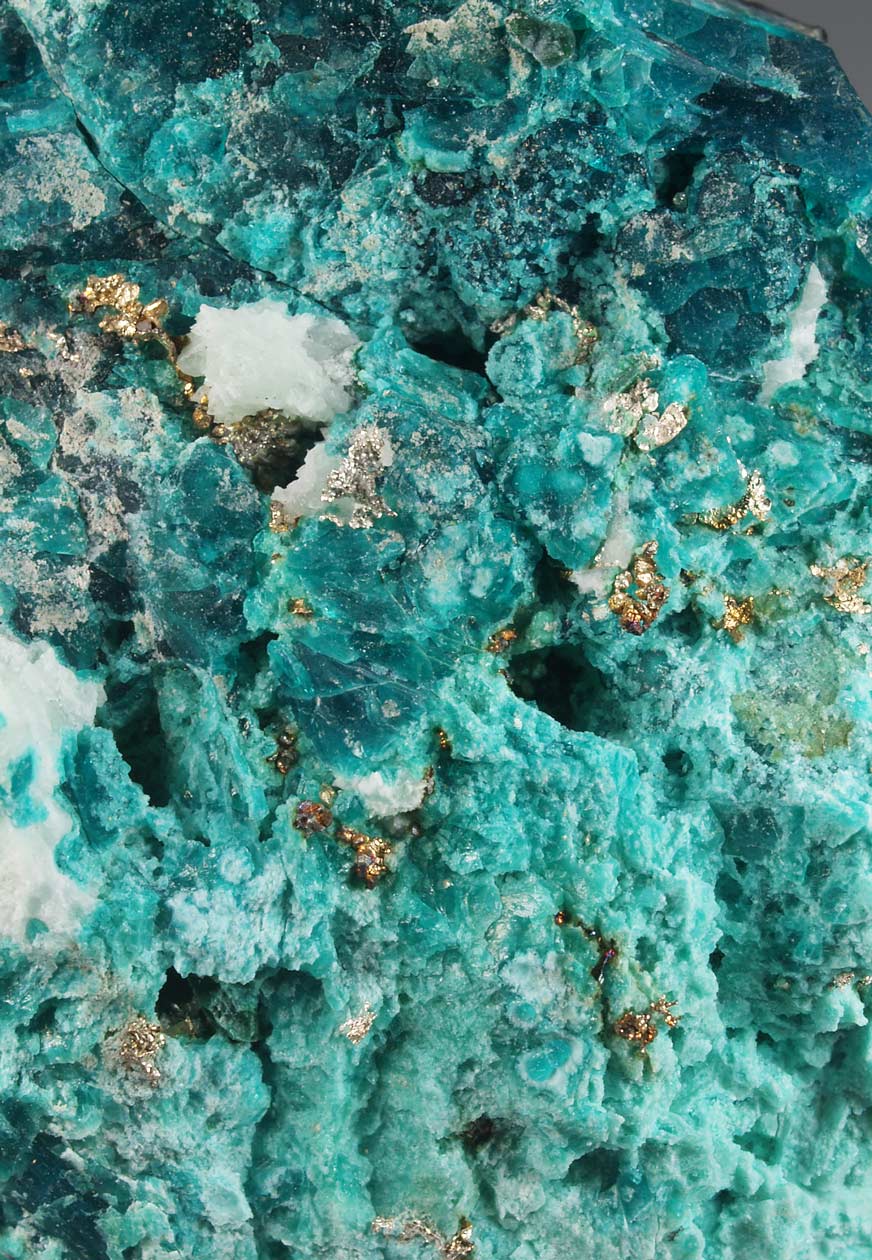
The silver specimens from this classic German mine has been known for a long time, but in these specimens silver is included in chrysocolla, of an intense greenish blue colour, and shows a remarkable luster, sometimes with golden iridescence. Under magnification we can see facets of crystals of this metal. We have analyzed these samples and the results indicate that they do not contain other metals detectable by SEM-EDS. These specimens are already a few years old.
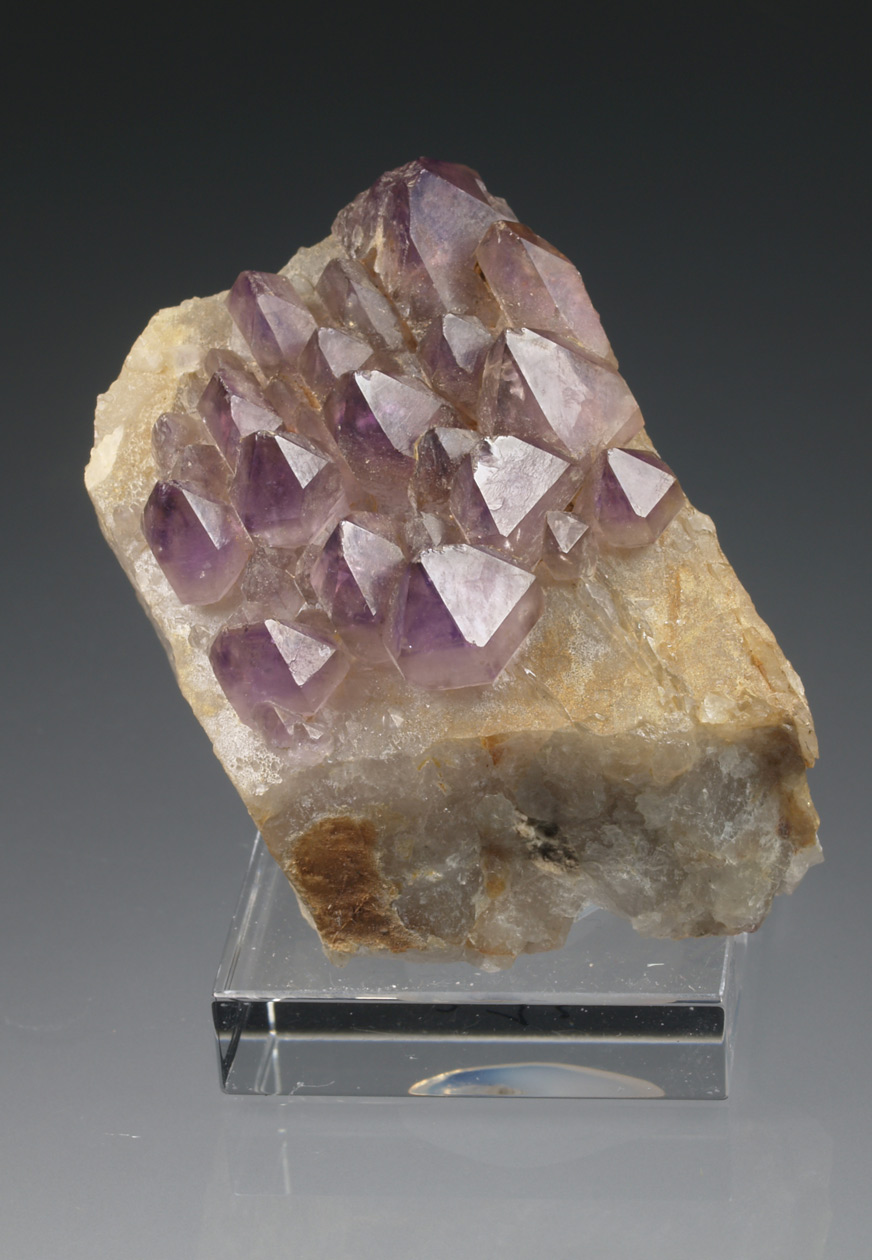
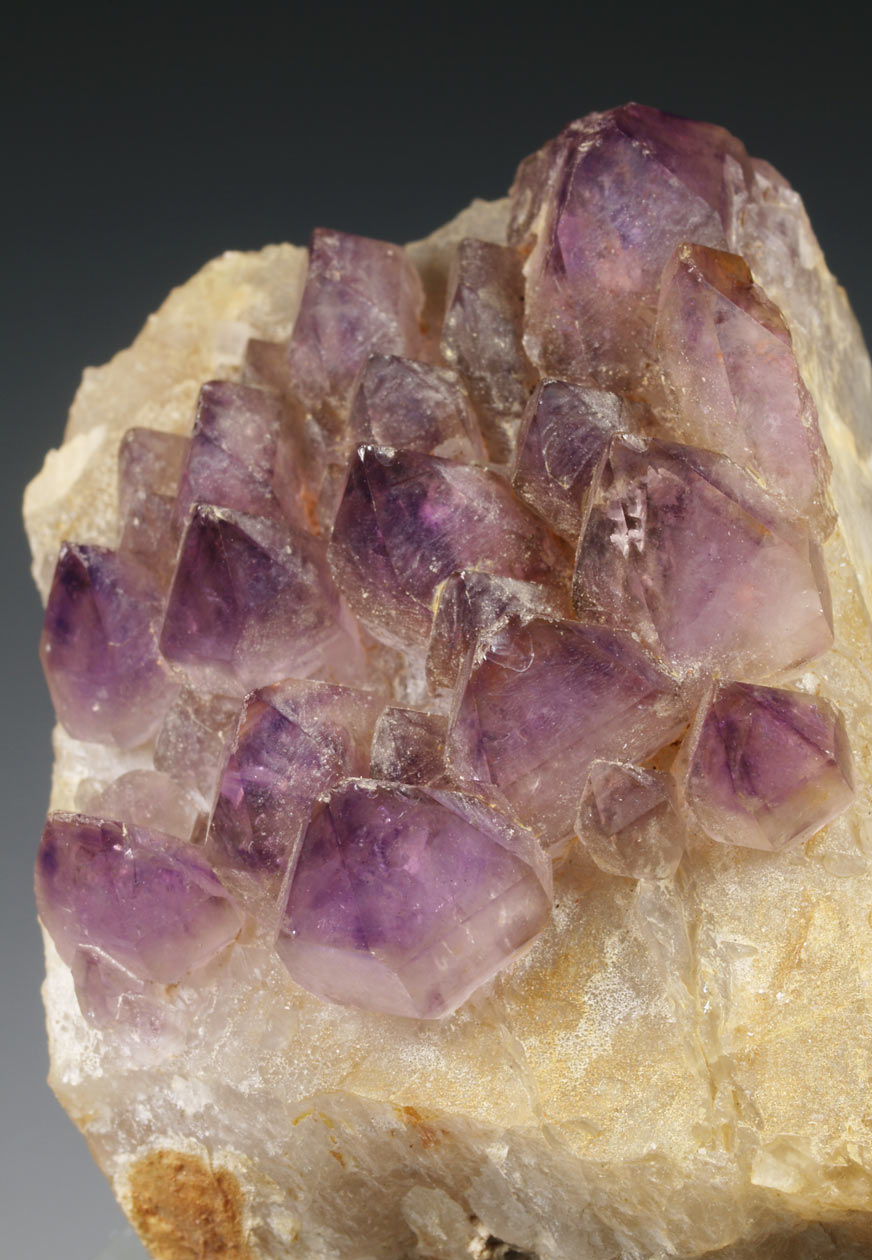
A Catalan new found. Group of amethyst quartz crystals in parallel growth, transparent to translucent. On quartz matrix. The area is known for historical finds of smoky quartz crystals, not so much amethyst quartz.
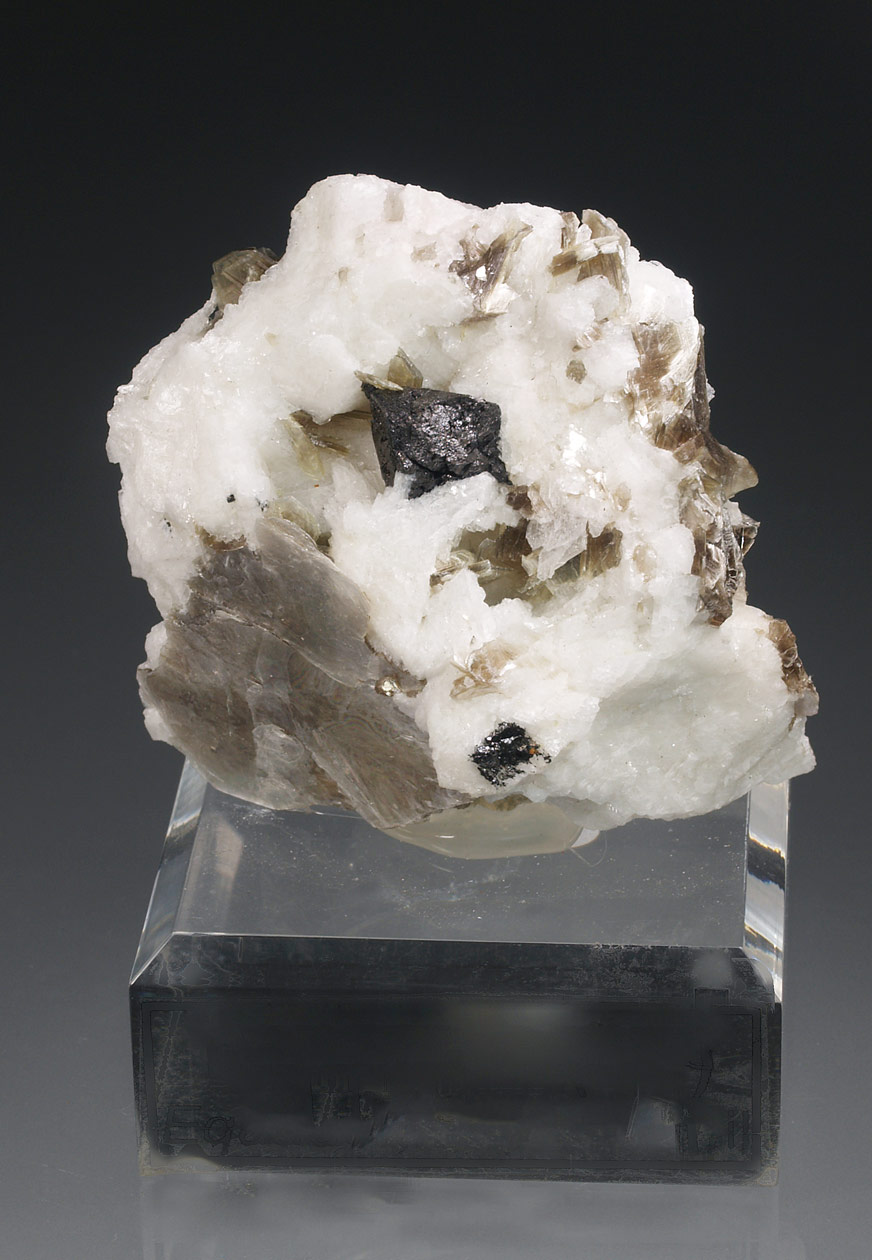
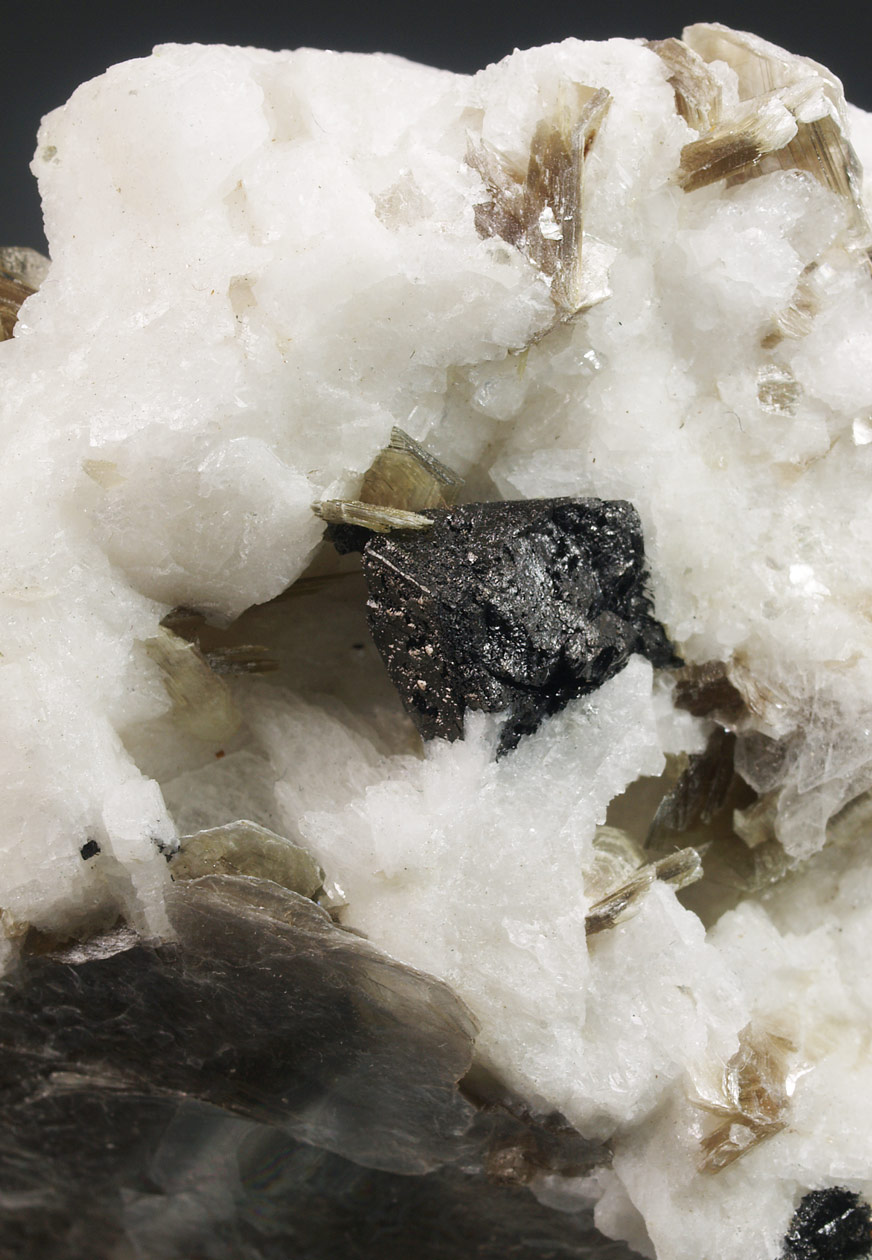
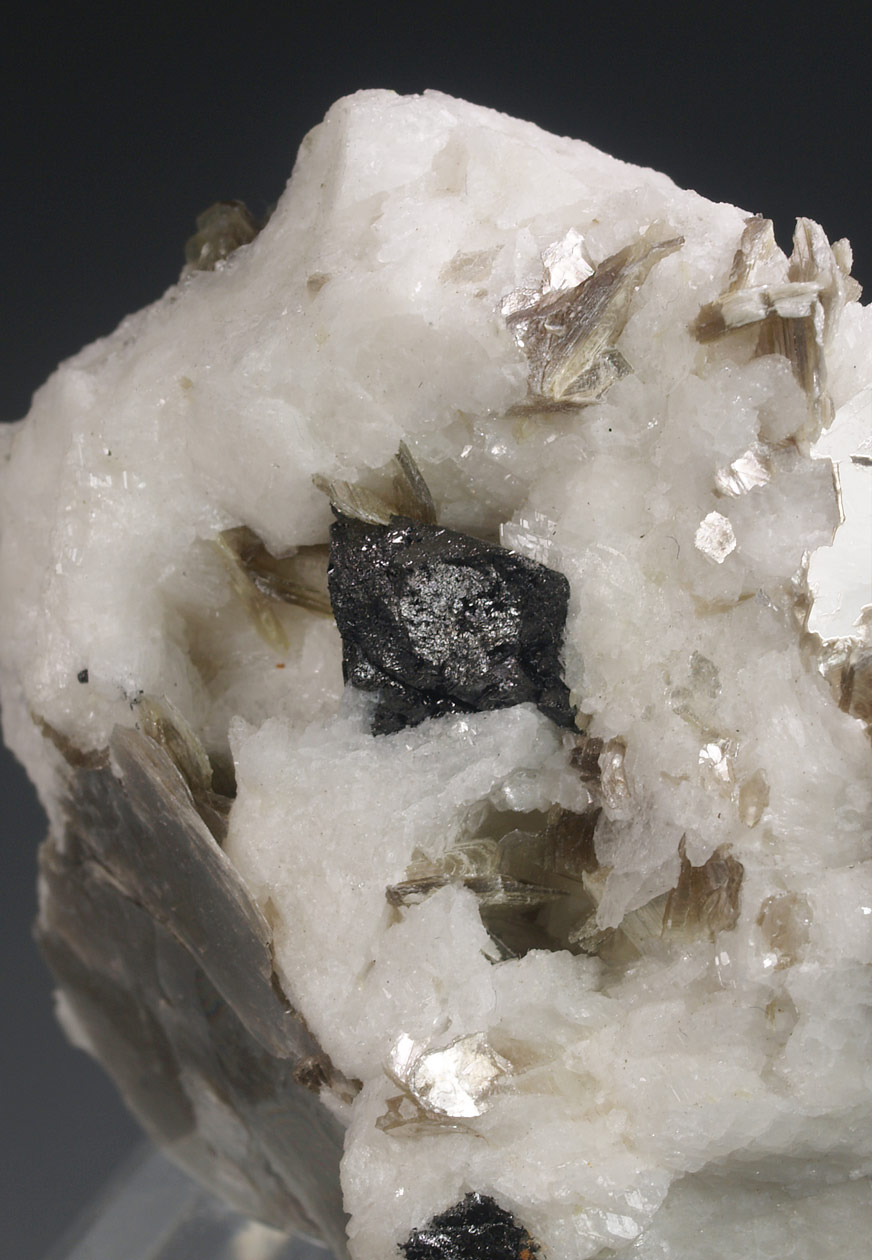
In this specimen we can observe an idiomorphic good size crystal of tapiolite-(Fe) that shows us different tetragonal faces. Good luster, intense black colour with iridescence on faces. It stands out on a matrix with albite and muscovite. The analyzes carried out indicate the presence of niobium in small proportions. These results will be sent to the buyer of the specimen.
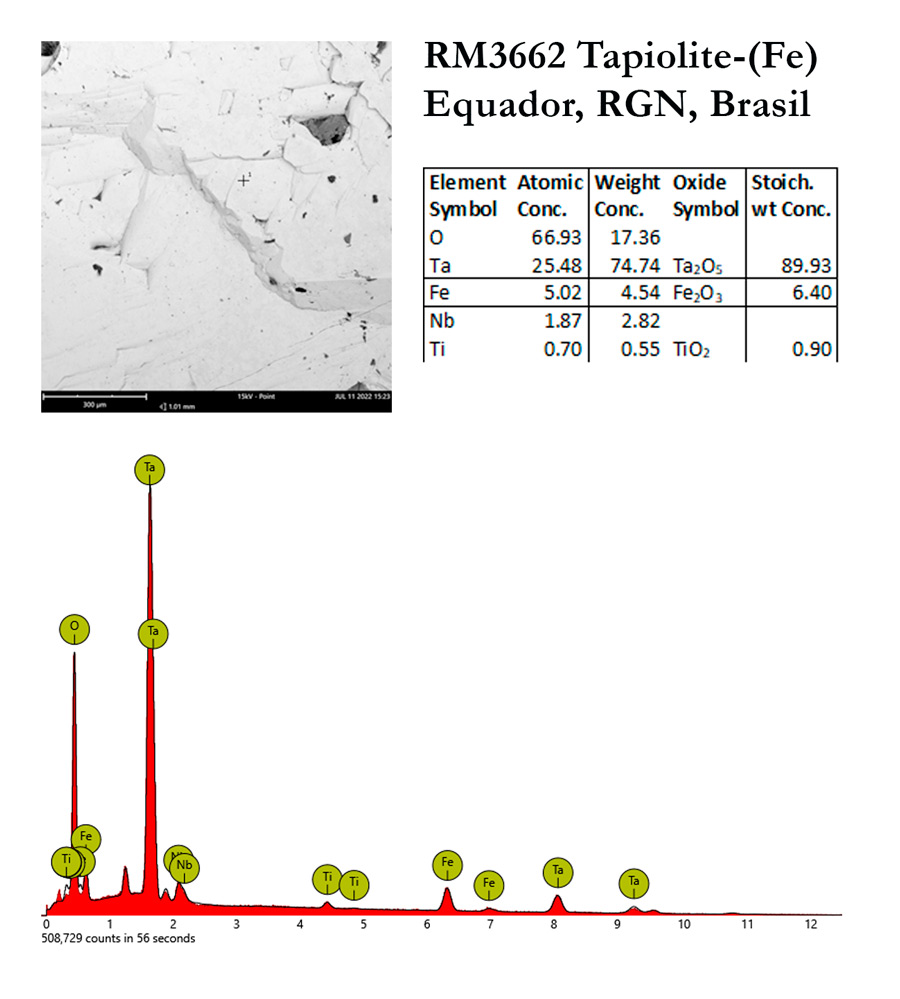
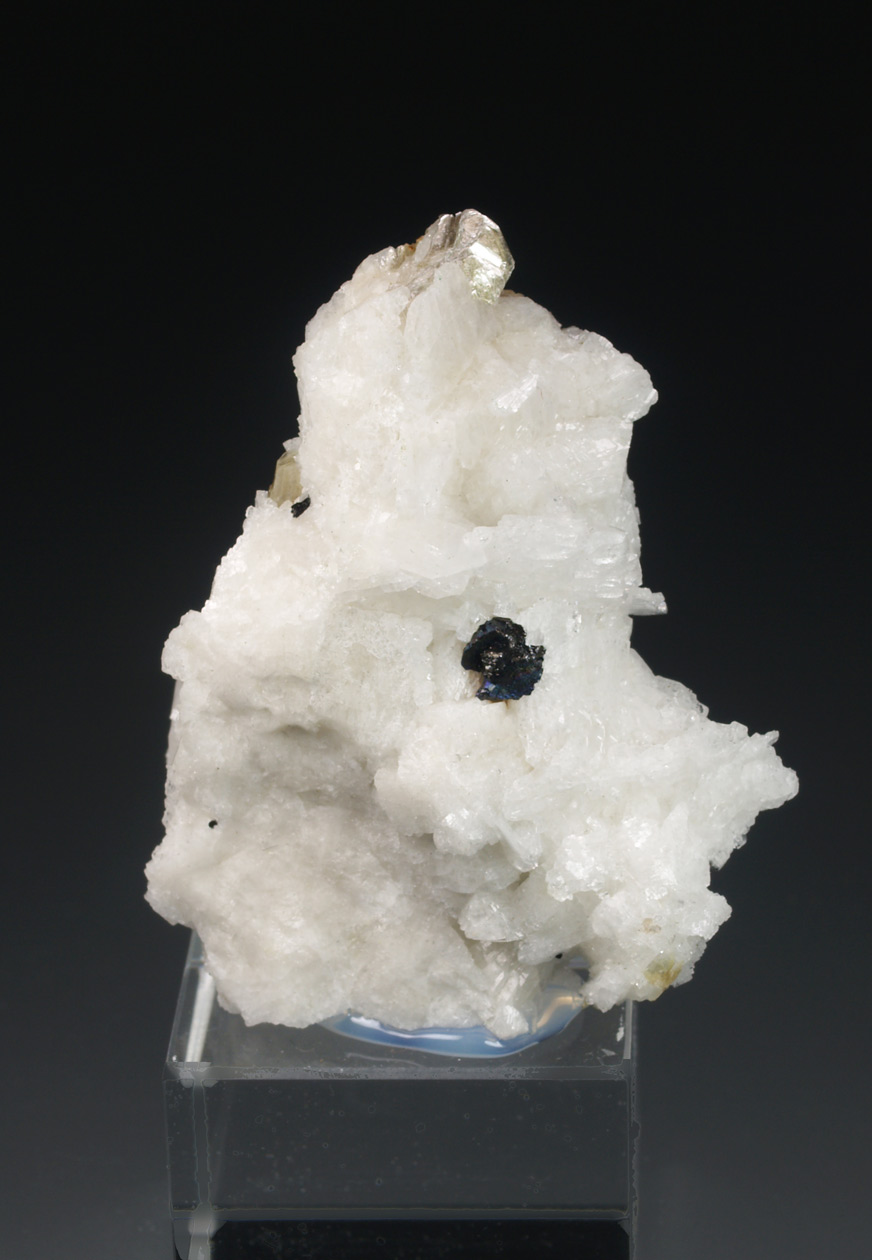
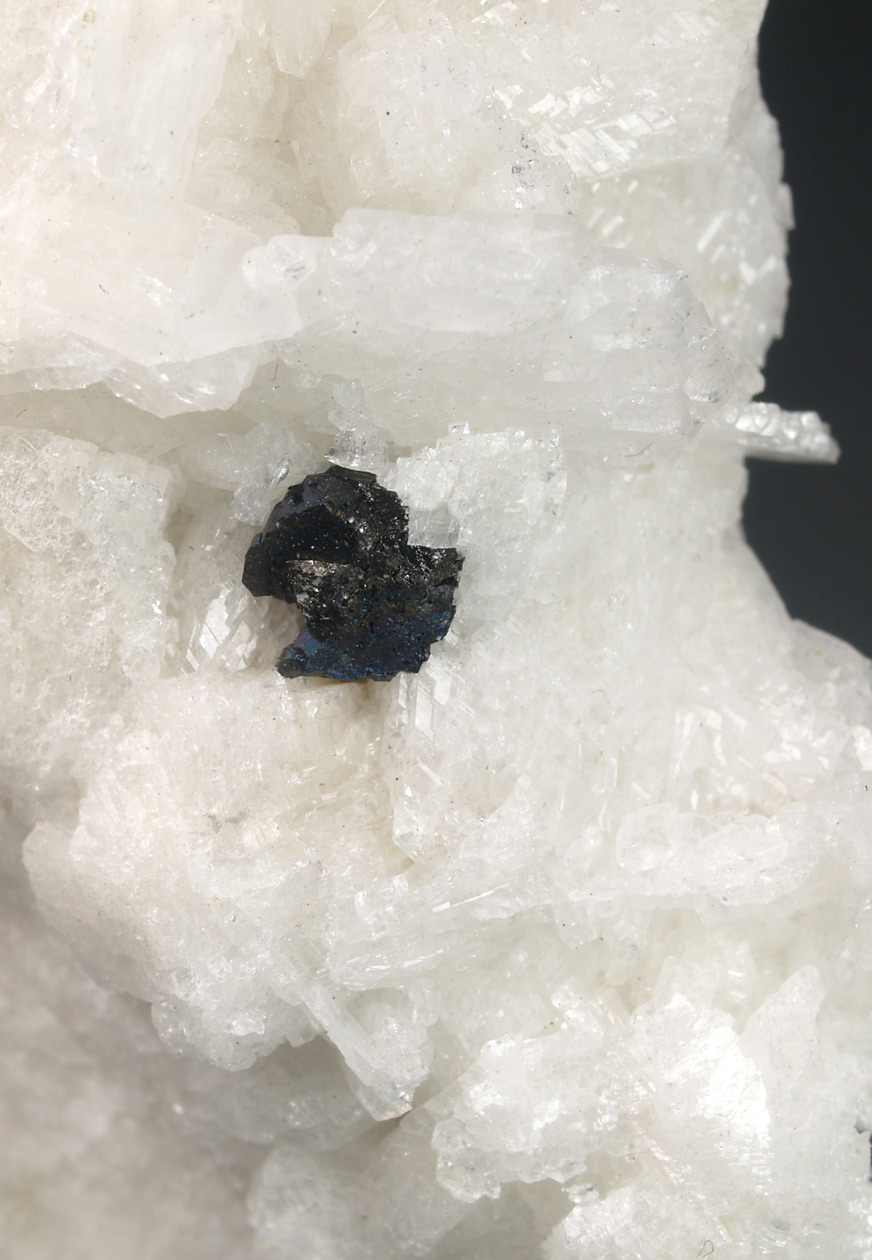
In this specimen we can observe interpenetrated tapiolite-(Fe) crystals showing different facets. Good luster, intense black color with iridescence on the faces. It stands out on a matrix with muscovite and albite crystals. The analyzes carried out indicate the presence of niobium in small proportions. These results will be sent to the buyer of the specimen.
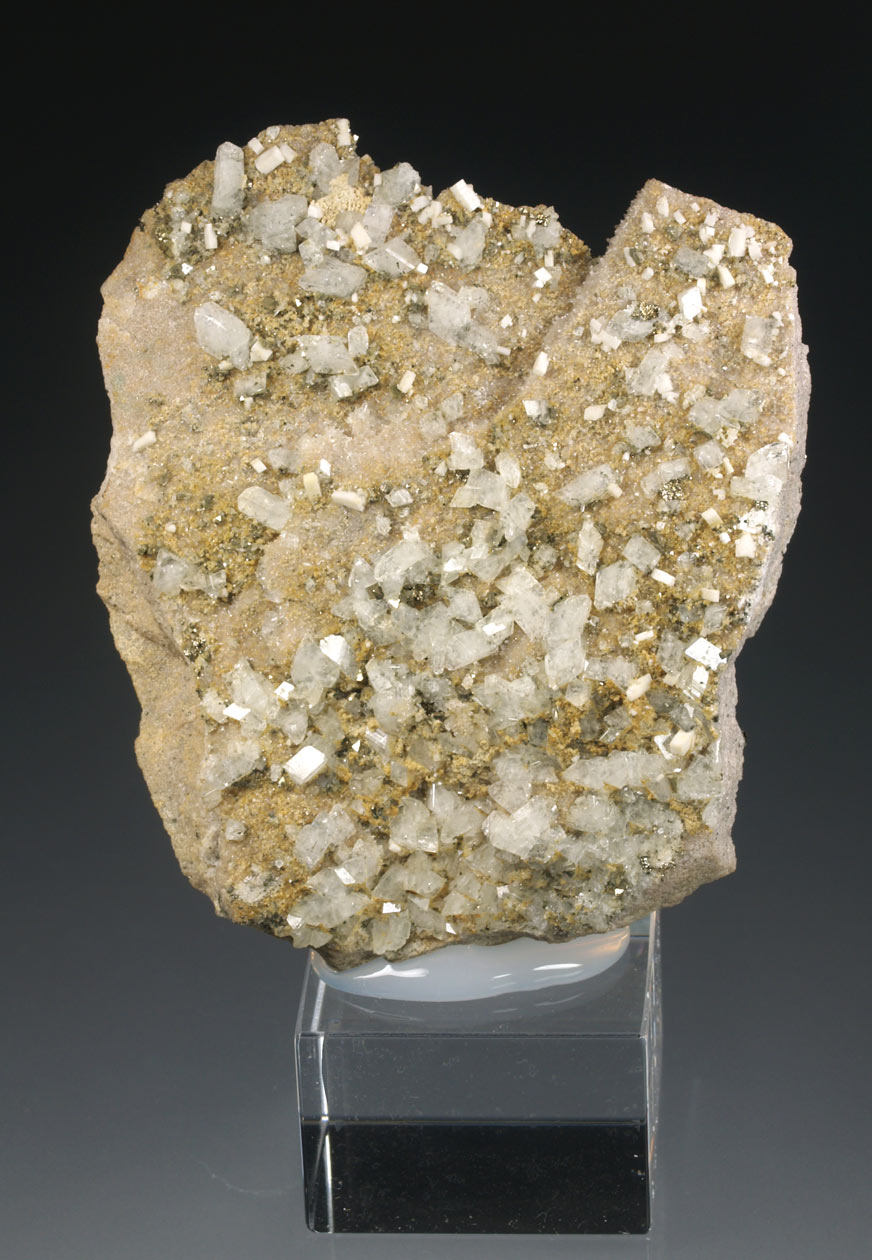
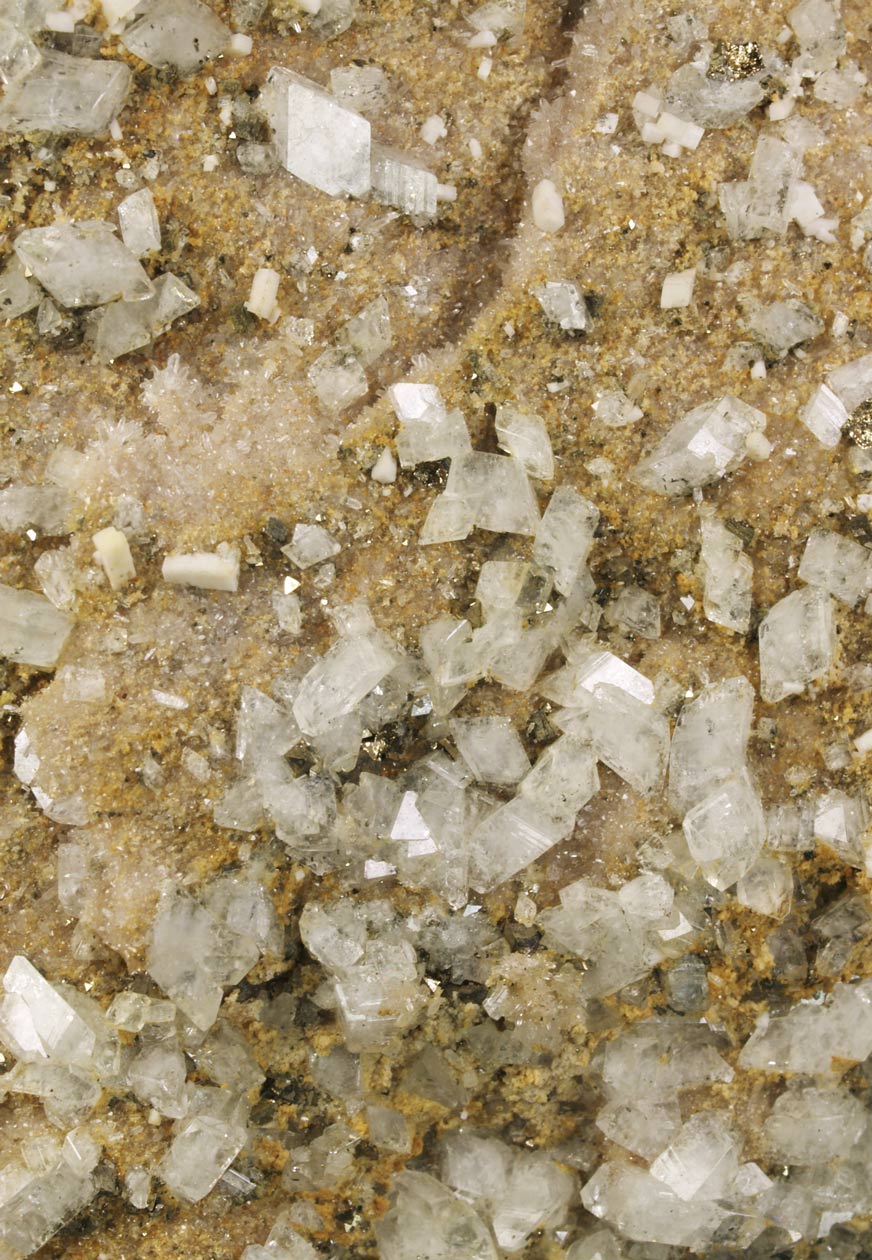
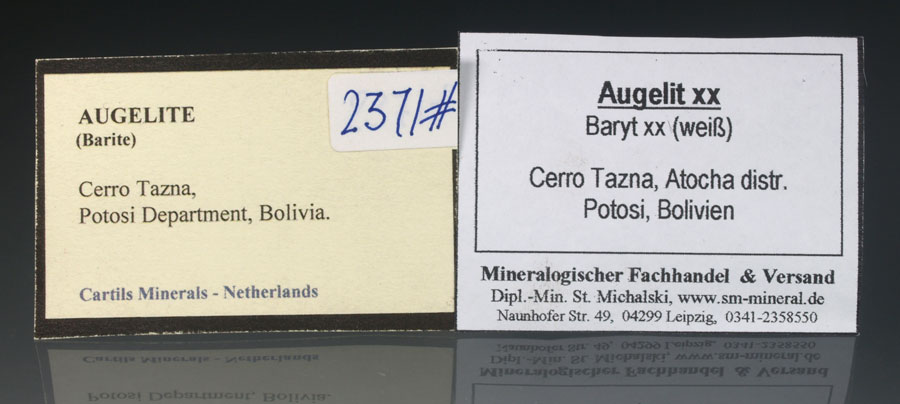
In this specimen we can observe a large group of augelite crystals, very brilliant, transparent and with very well defined faces and edges. Under magnification we can see that these crystals are richly faceted and have a pseudorhomboidal shape. They are accompanied on the matrix by small white prismatic crystals of baryte, along with numerous octahedral pyrite crystals. This specimen belongs from the Laskowski collection and is accompanied by various labels.