- Home About RM Minerals
- Virtual Photo Museum Blog RM Contact
- Microscopy and instruments How to Buy Disclaimer
Copyright 2010-2026
www.rosellminerals.com



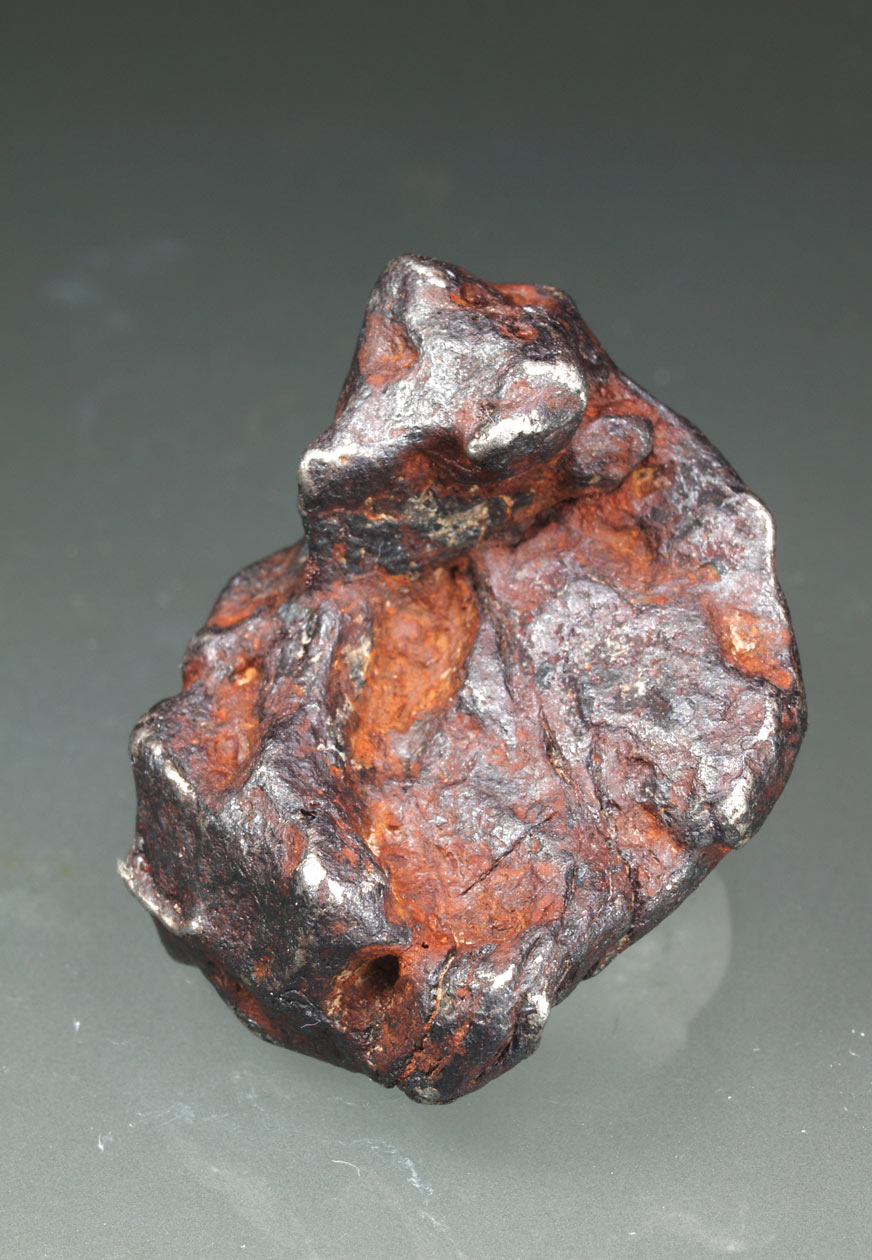
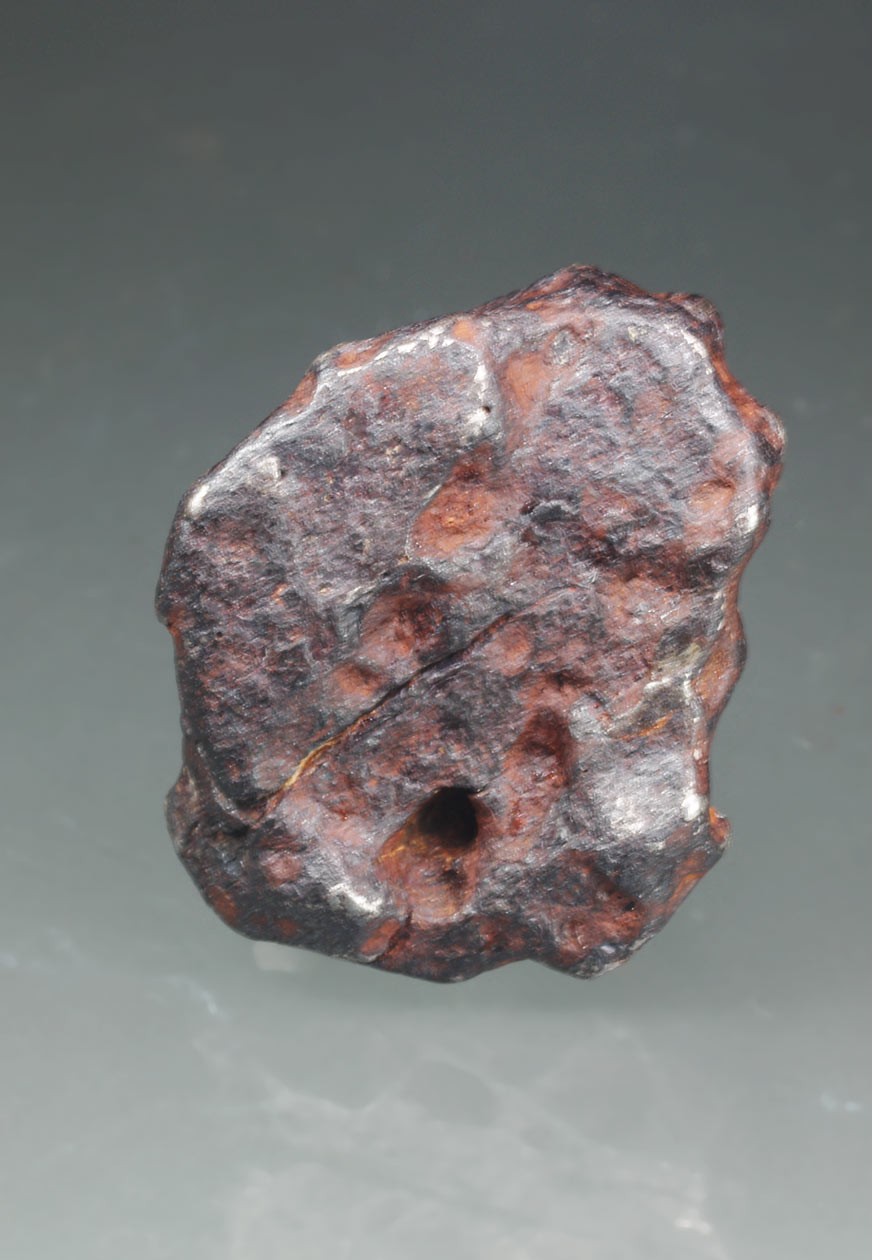
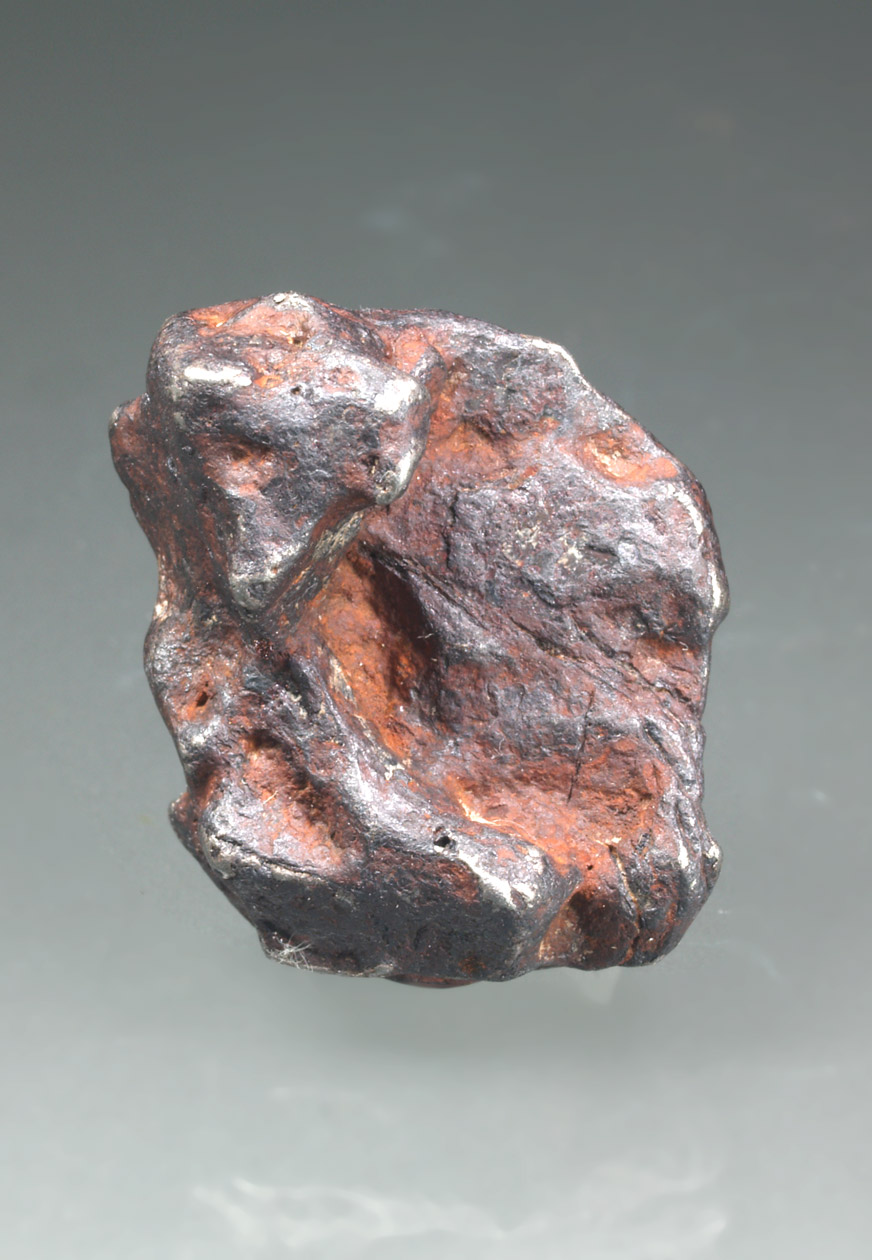
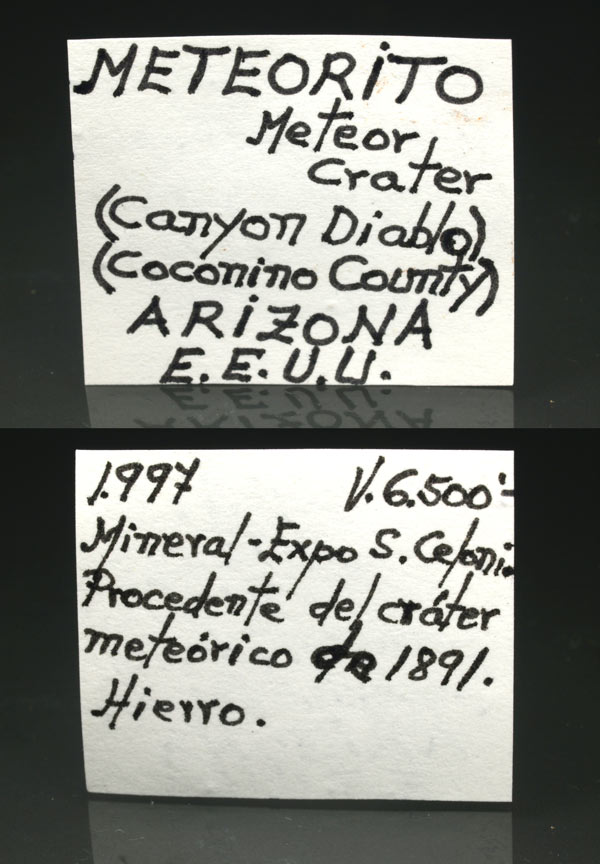
Good size sample of the meteoric impact that took place aproximately 49,000 years ago in this remote area of Arizona. The impact crater stands out, where more than 30 tons of material have been collected since was discovered in 1891. It is a metallic, iron-nickel meteorite, classified as coarse octahedrite. Contains taenite (Fe, Ni) and mostly iron, kamacite variety (Fe, Ni). Weight: 23 grams.
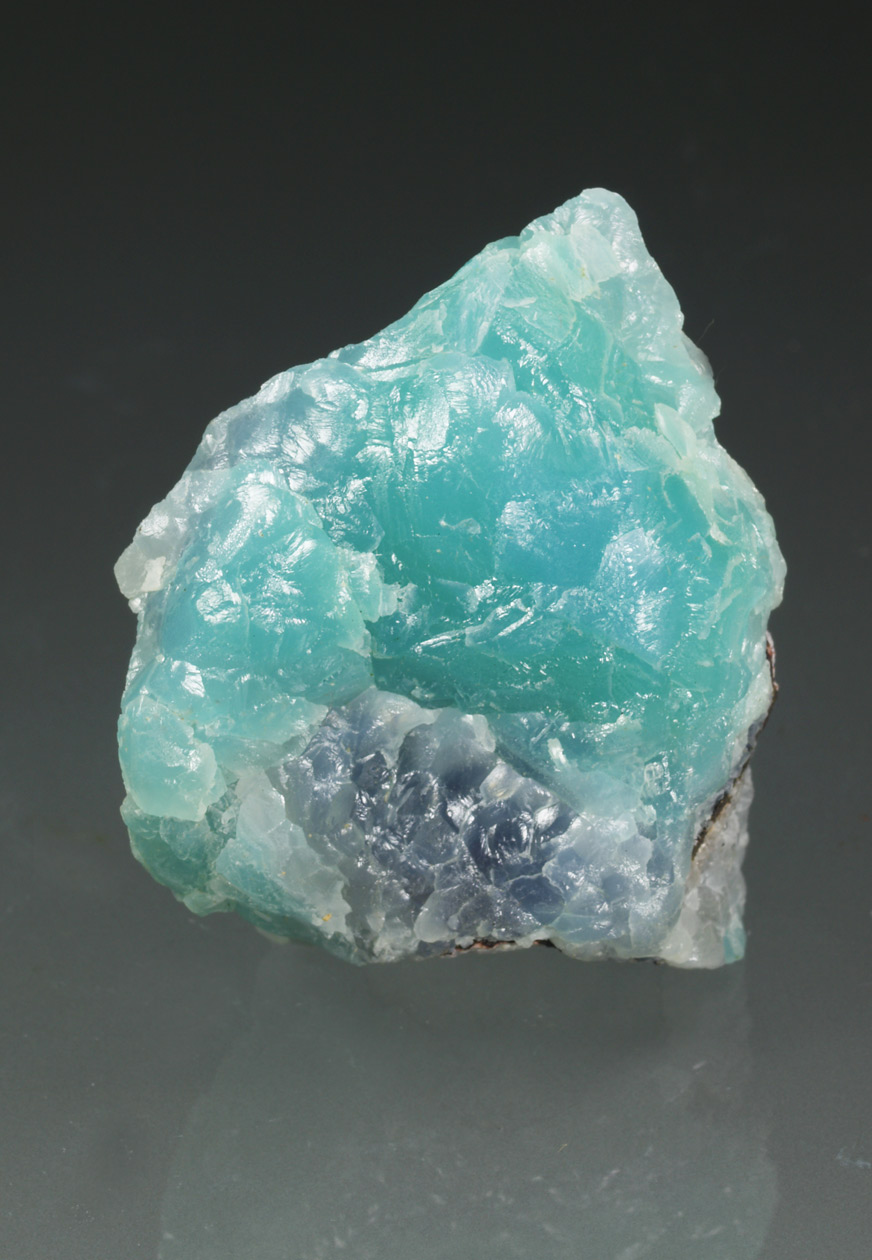
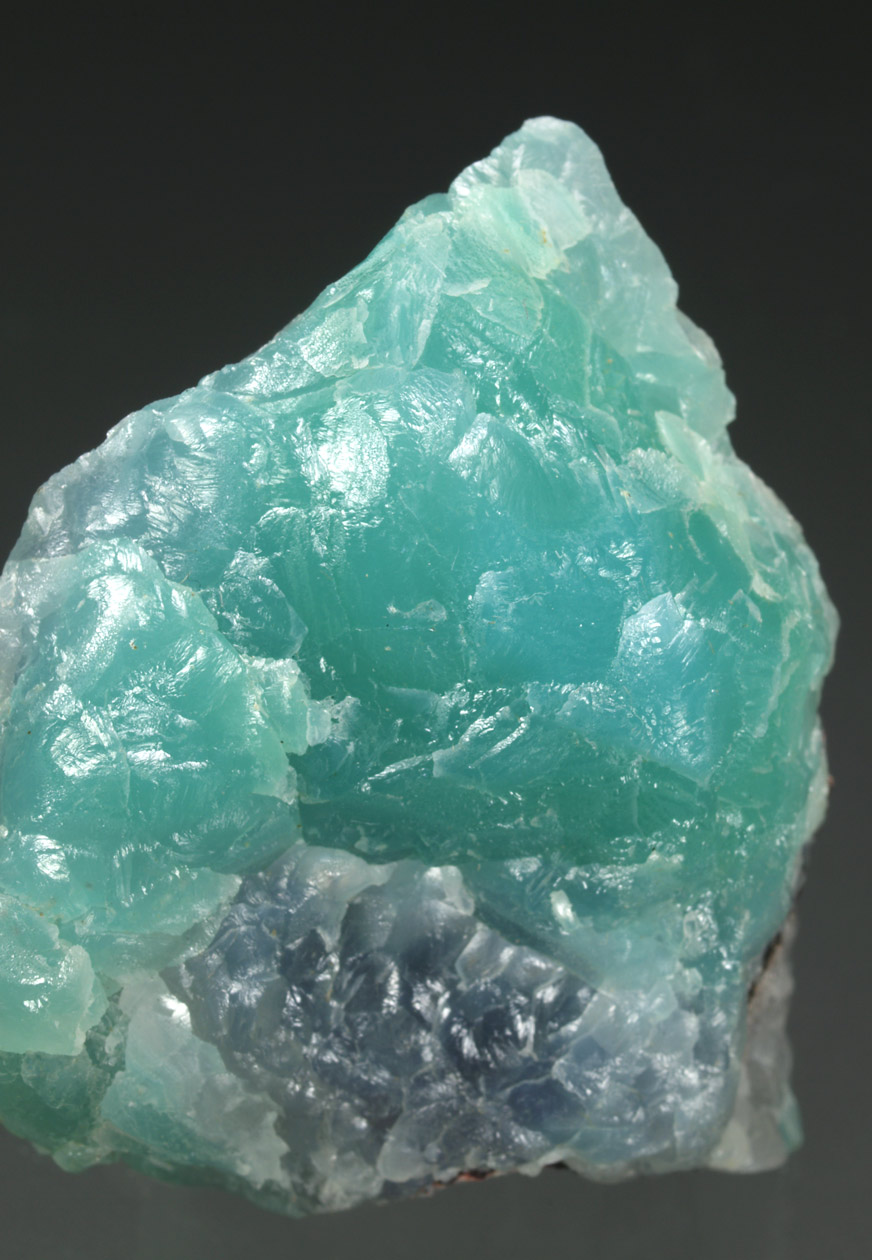
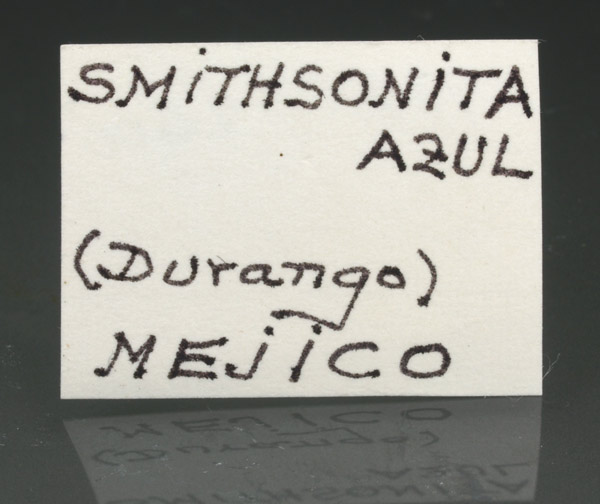
An interesting piece has gone back into the old work at the classic Choix locality and is pulling out some first-class smithsonites of blue, lavender and pink. From the collection of A. Trigo (Mataró).
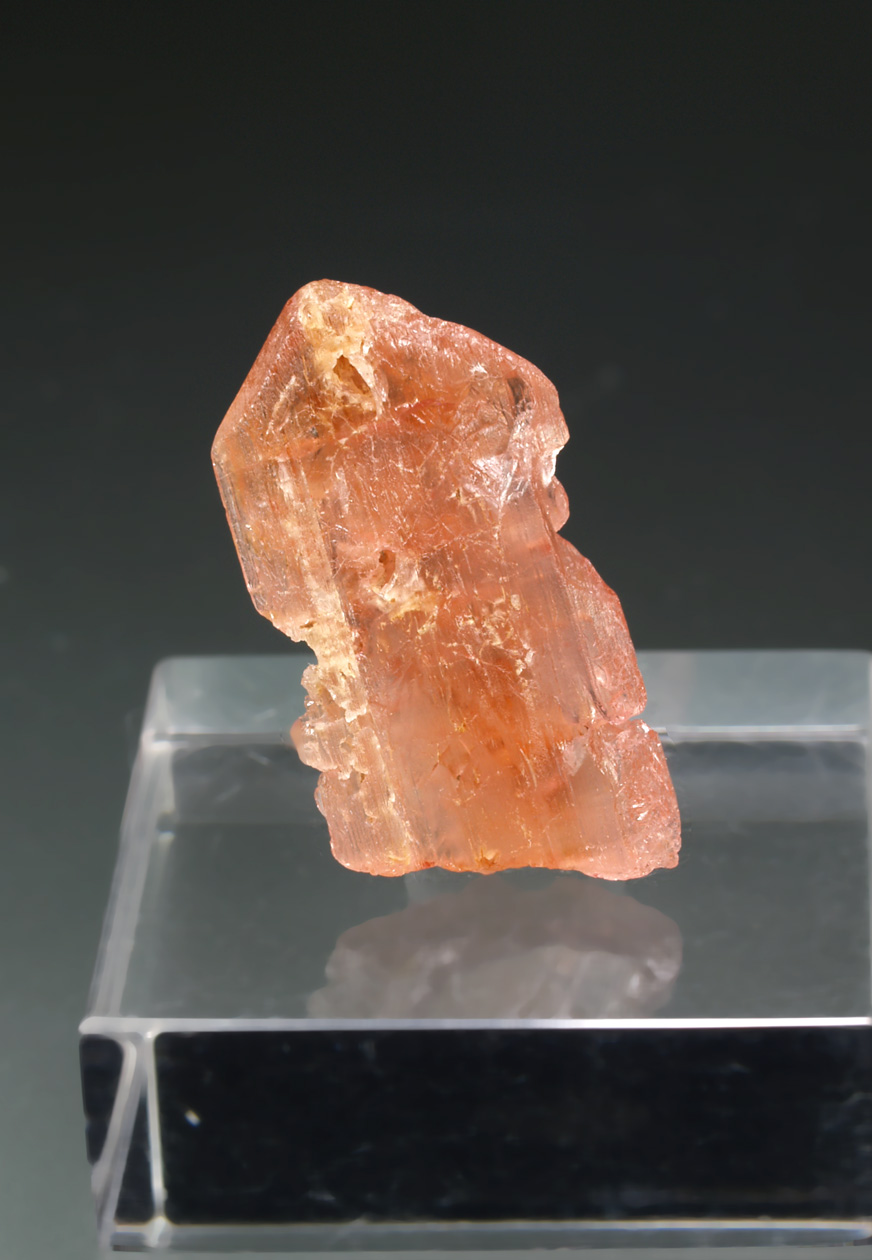
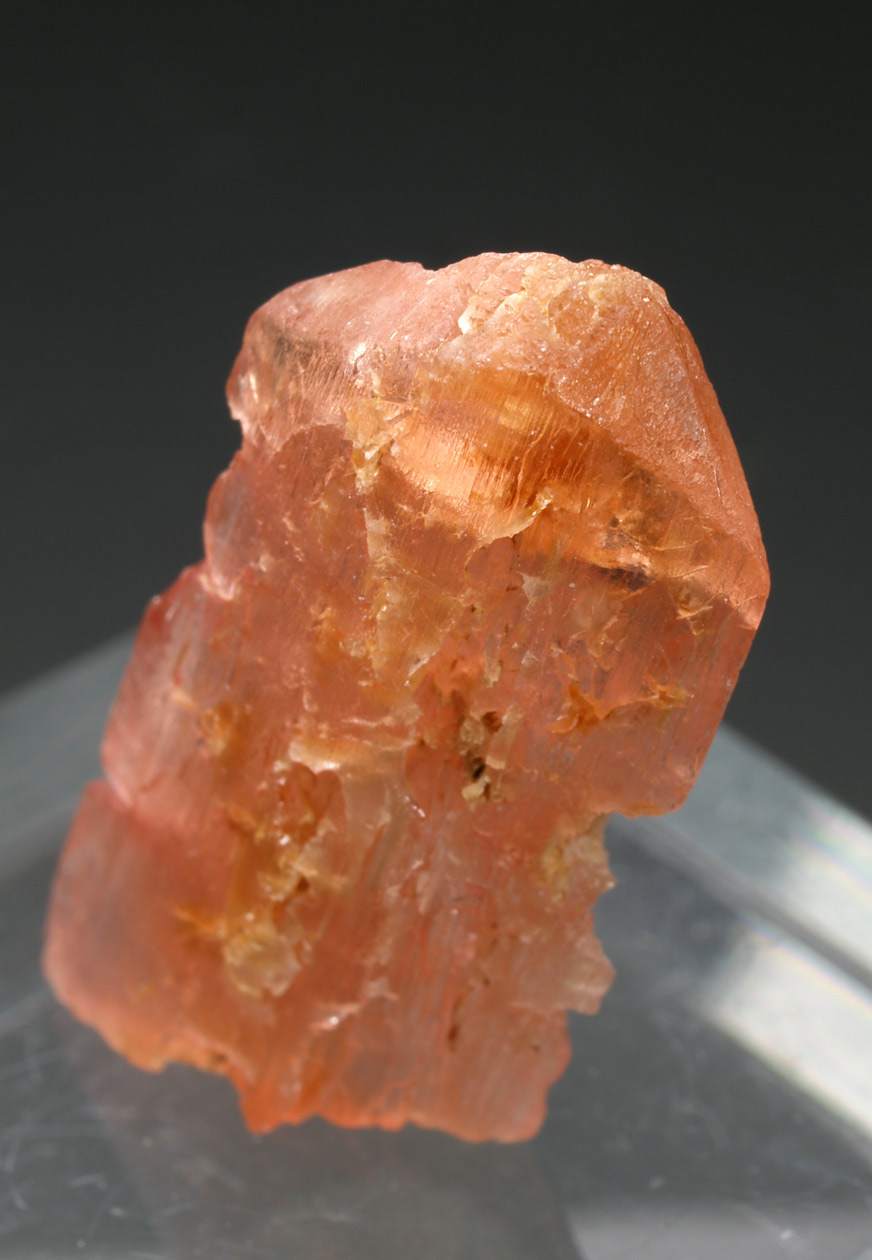
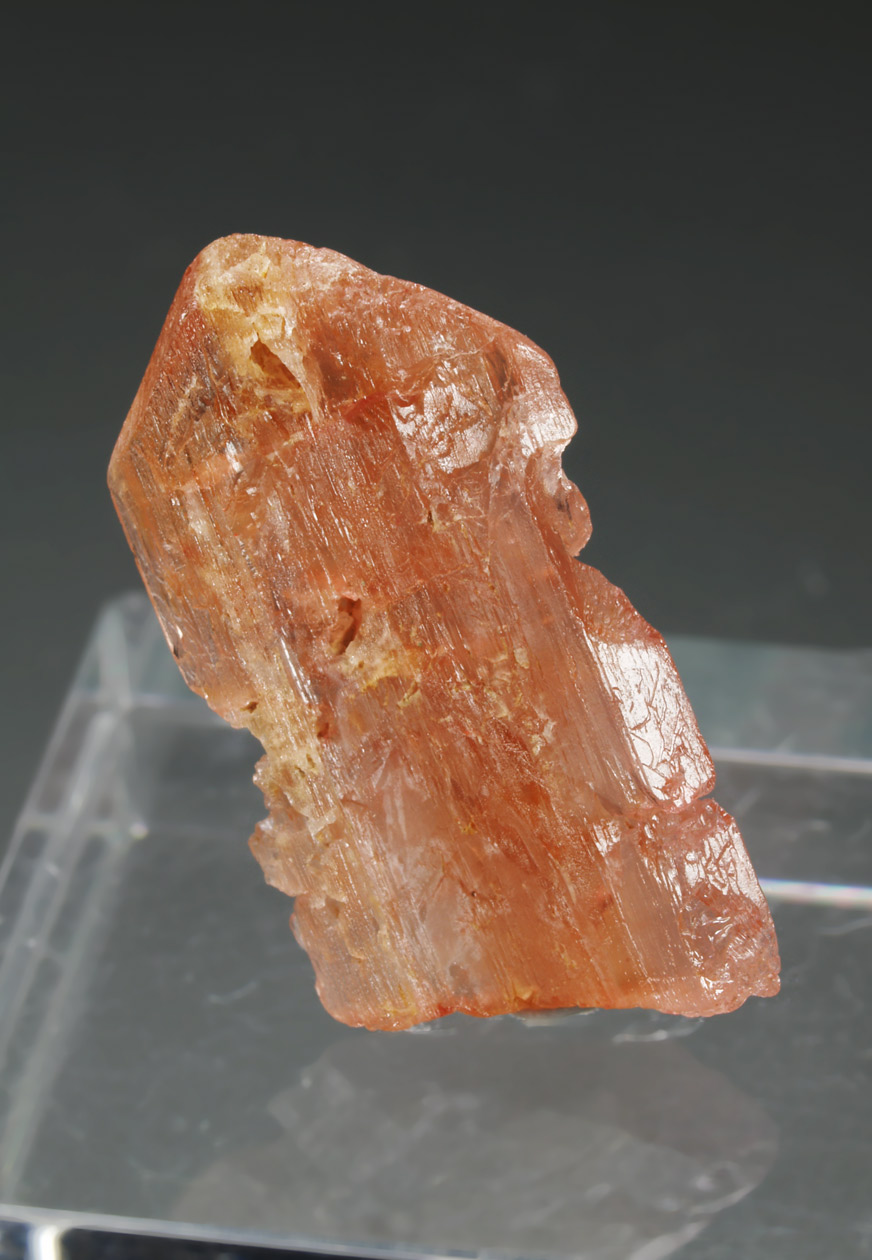
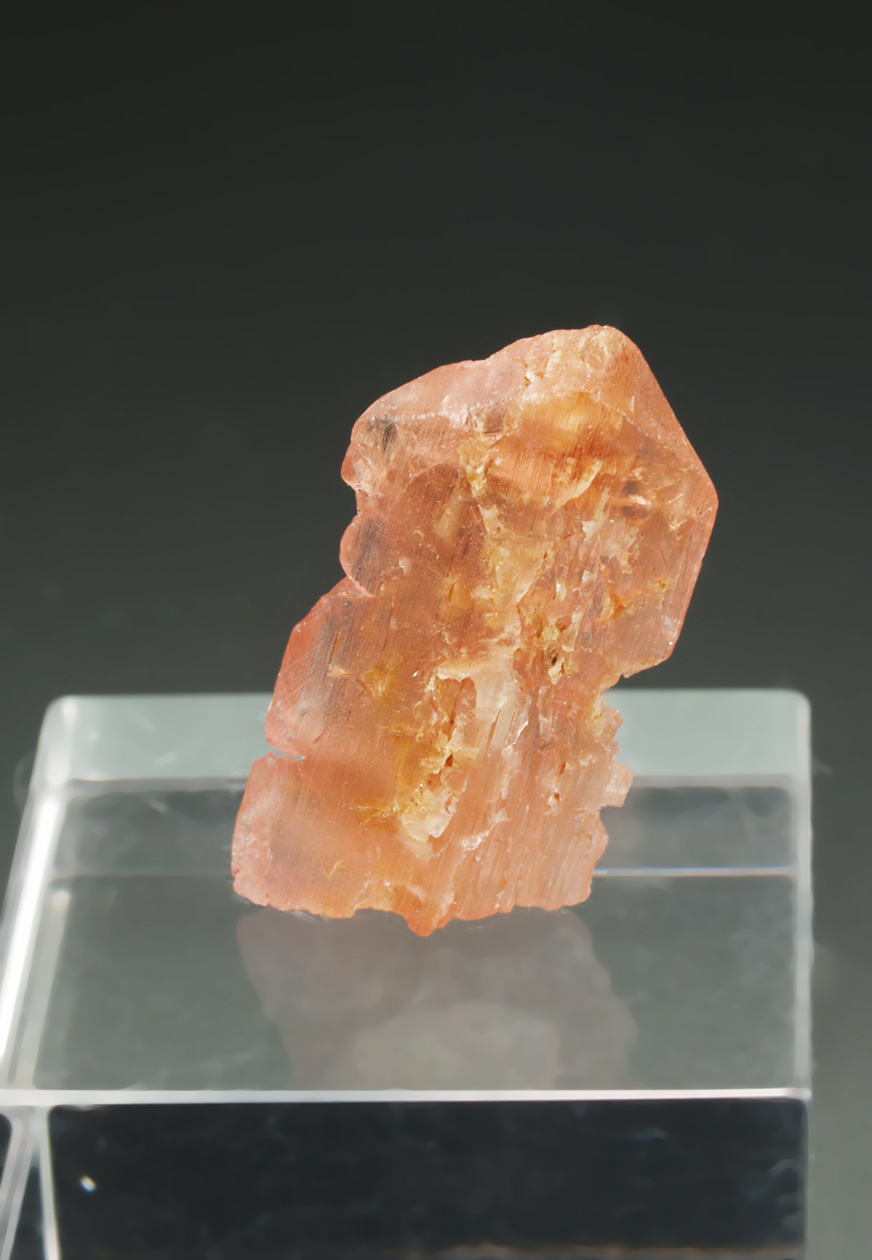
Elongated single crystal of orange-pink childrenite without matrix. Transparent to translucent, with brilliance and defined terminal faces and altered prism.Very unusual for the species. From the former A. Trigo collection (Mataró).
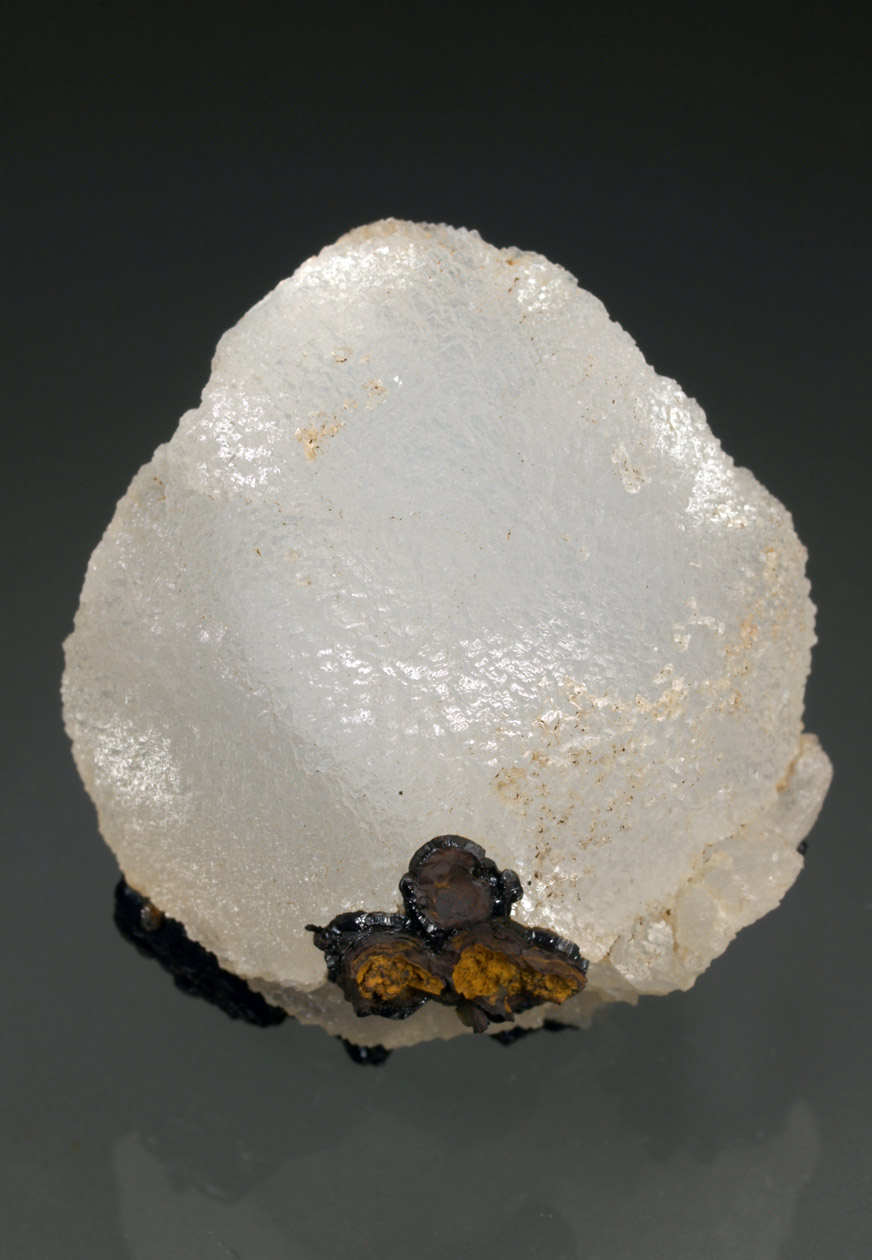
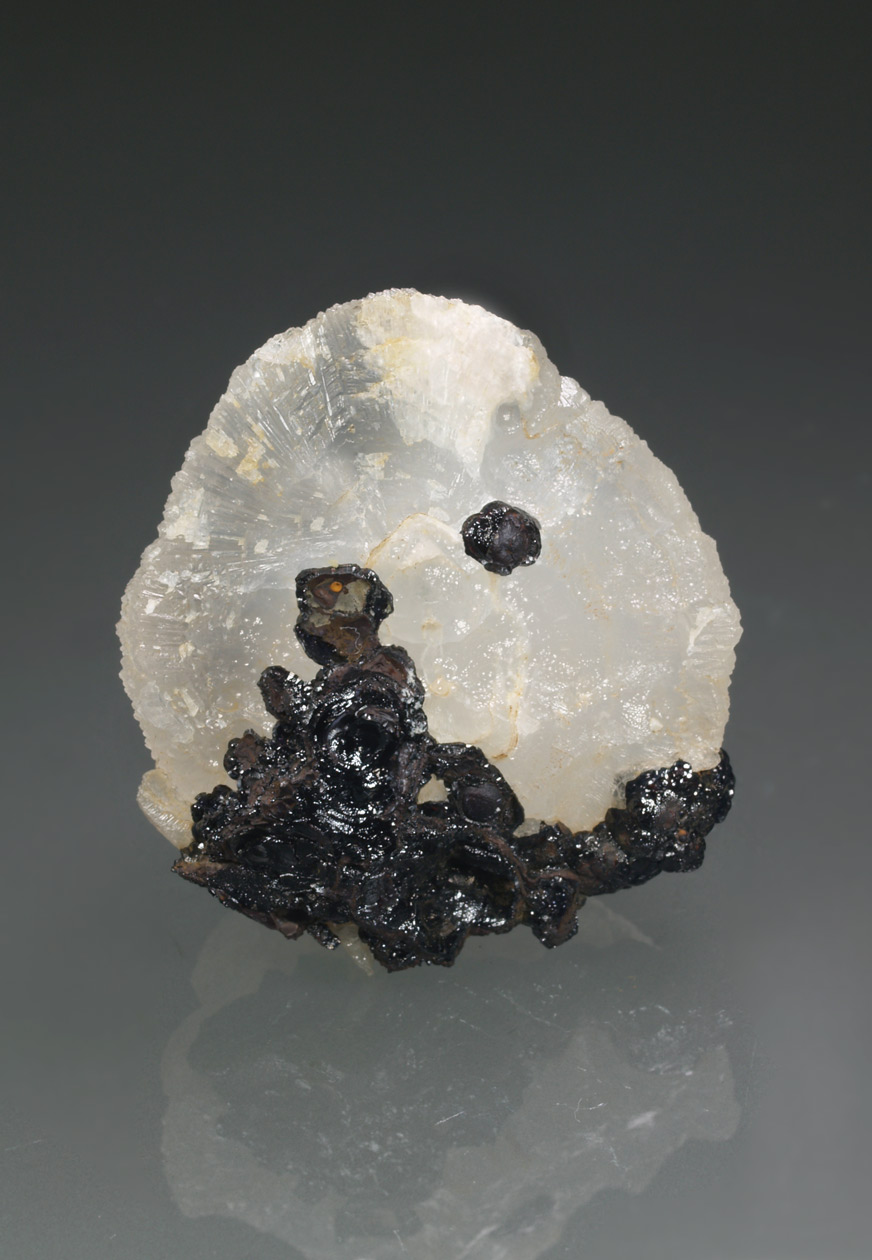
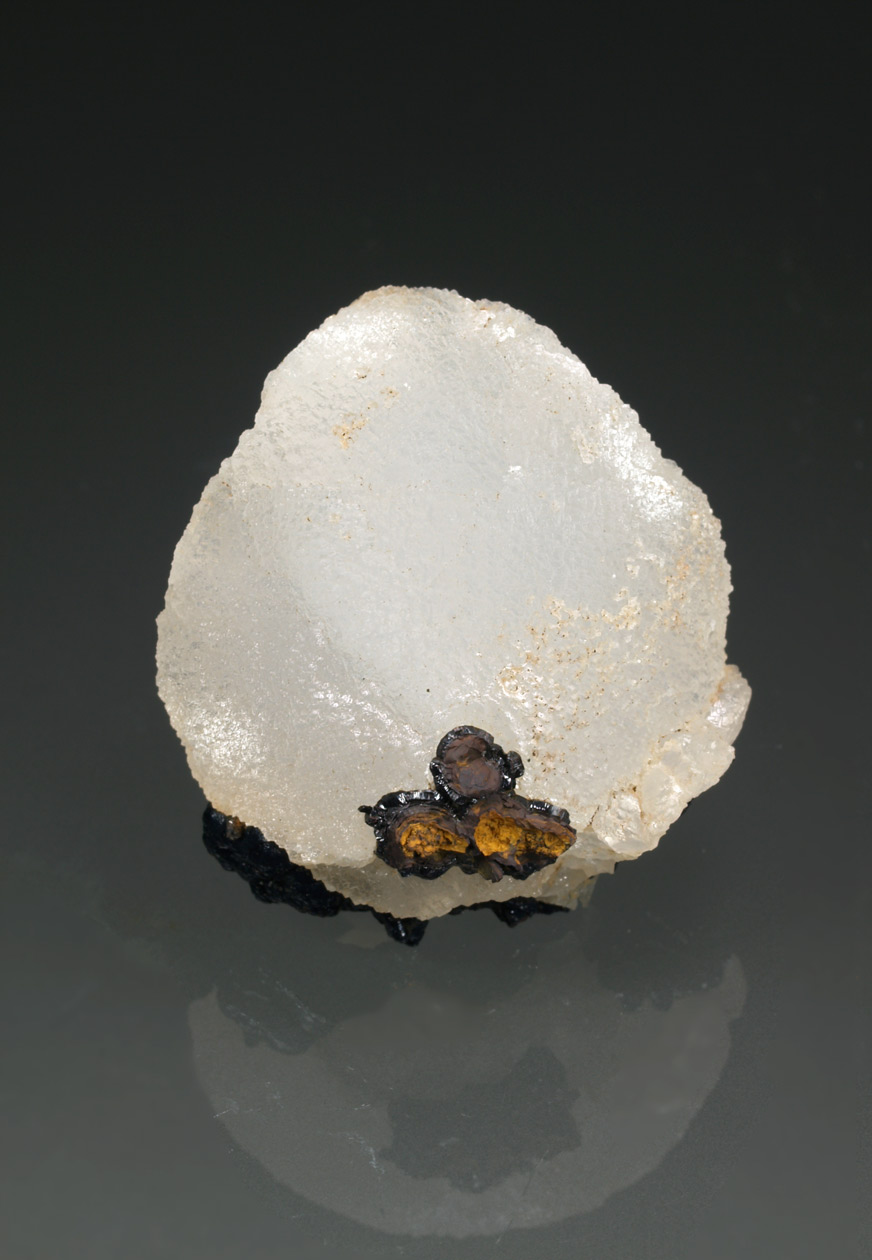
Globular aggregate of good size of smithsonite crystals. Very brilliant, translucent and with some goethite as a matrix. From this classic Mexican mine. It belongs from the A. Trigo Collection (Mataró).
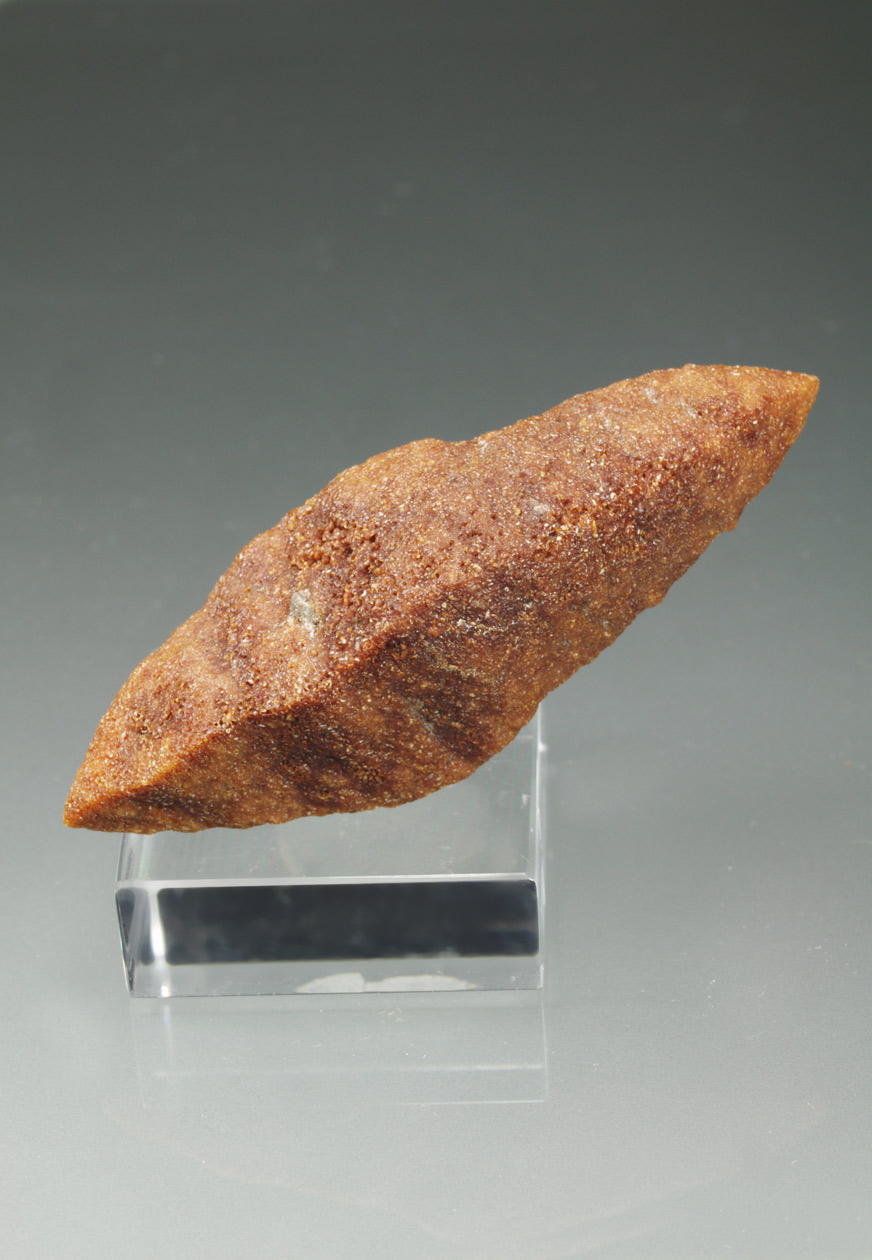
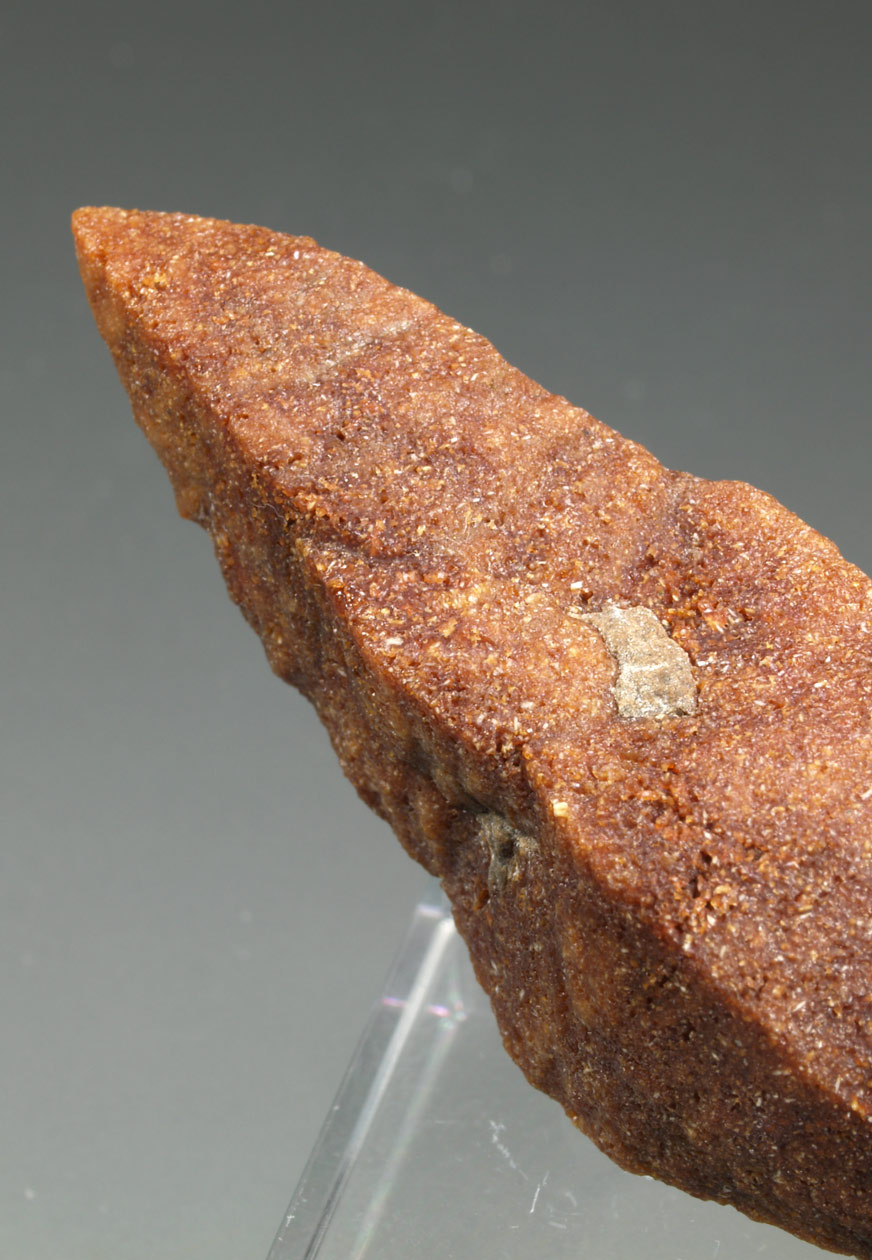
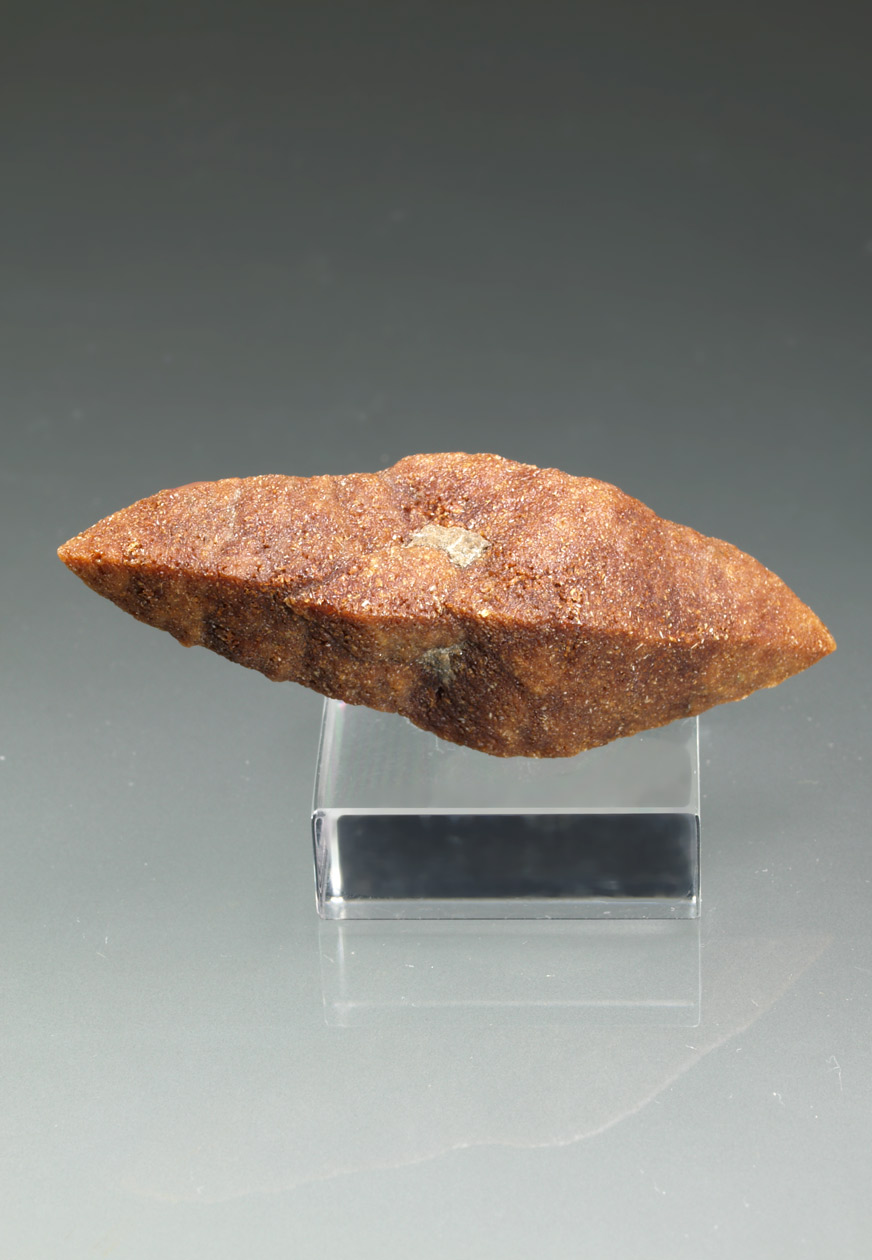
Glendonite is the name given to the pseudomorphic calcite after ikaite. Ikaite, a hexahydrated calcium carbonate, was first observed in nature in the 1960s, at the seabed of the Ikka Fjord in Greenland. There, it precipitates due to the mixture of cold water submarine springs (3°C) rich in carbonates with seawater. Ikaite deposits are not usually found due to its poor stability, however, sometimes the rapid conversion of ikaite to calcite and water results in the generation of pseudomorphic calcite aggregates in the shape of the ikaite crystal (so-called glendonites). These calcite pseudomorphs directly replace ikaite above 4ºC.
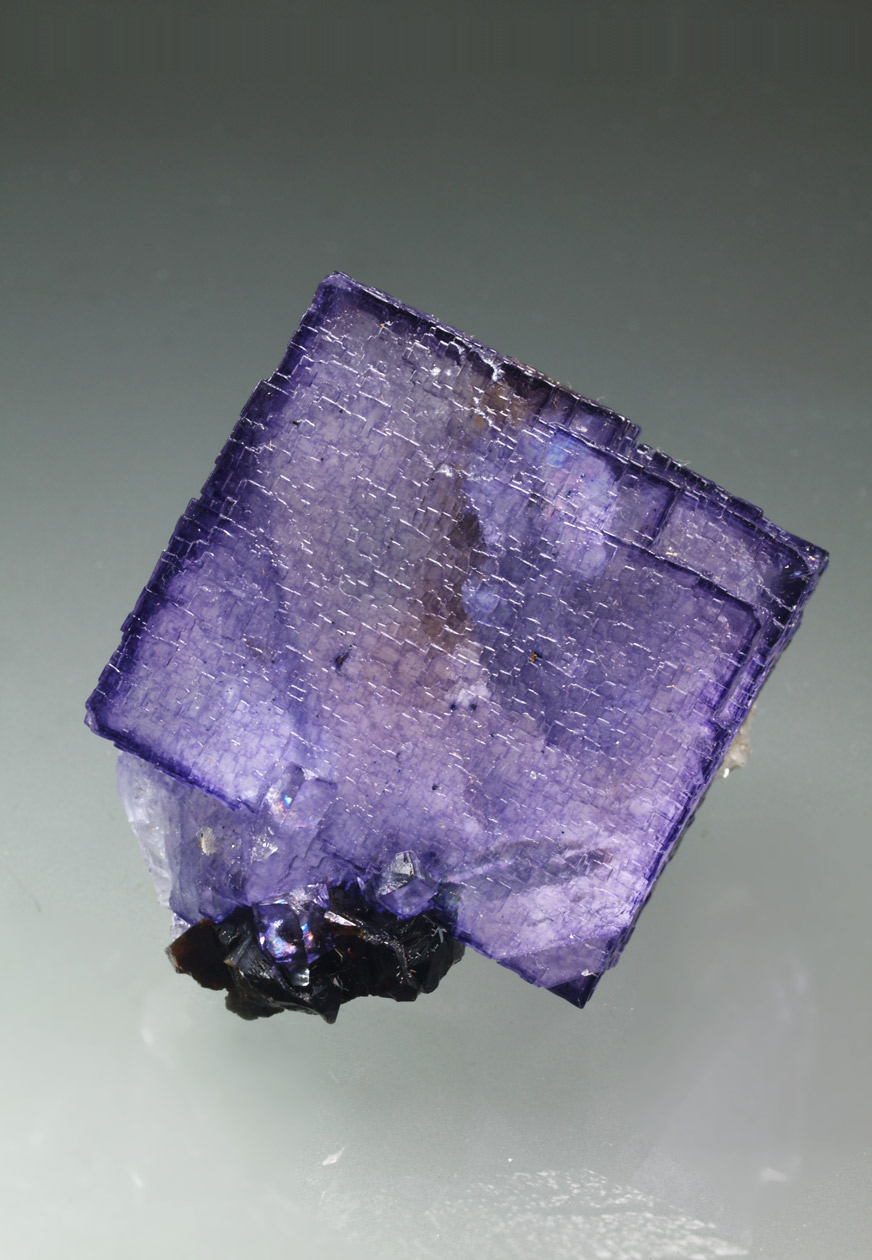
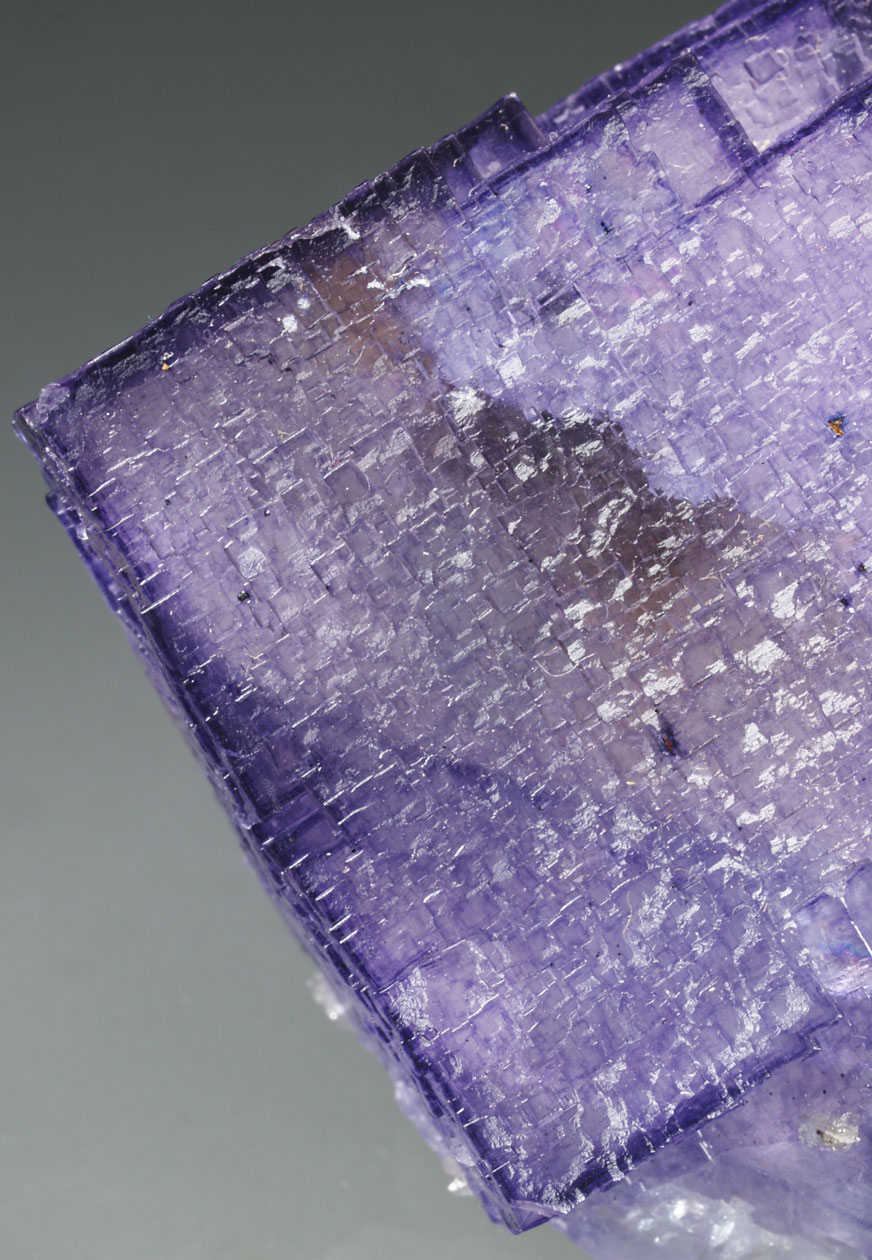
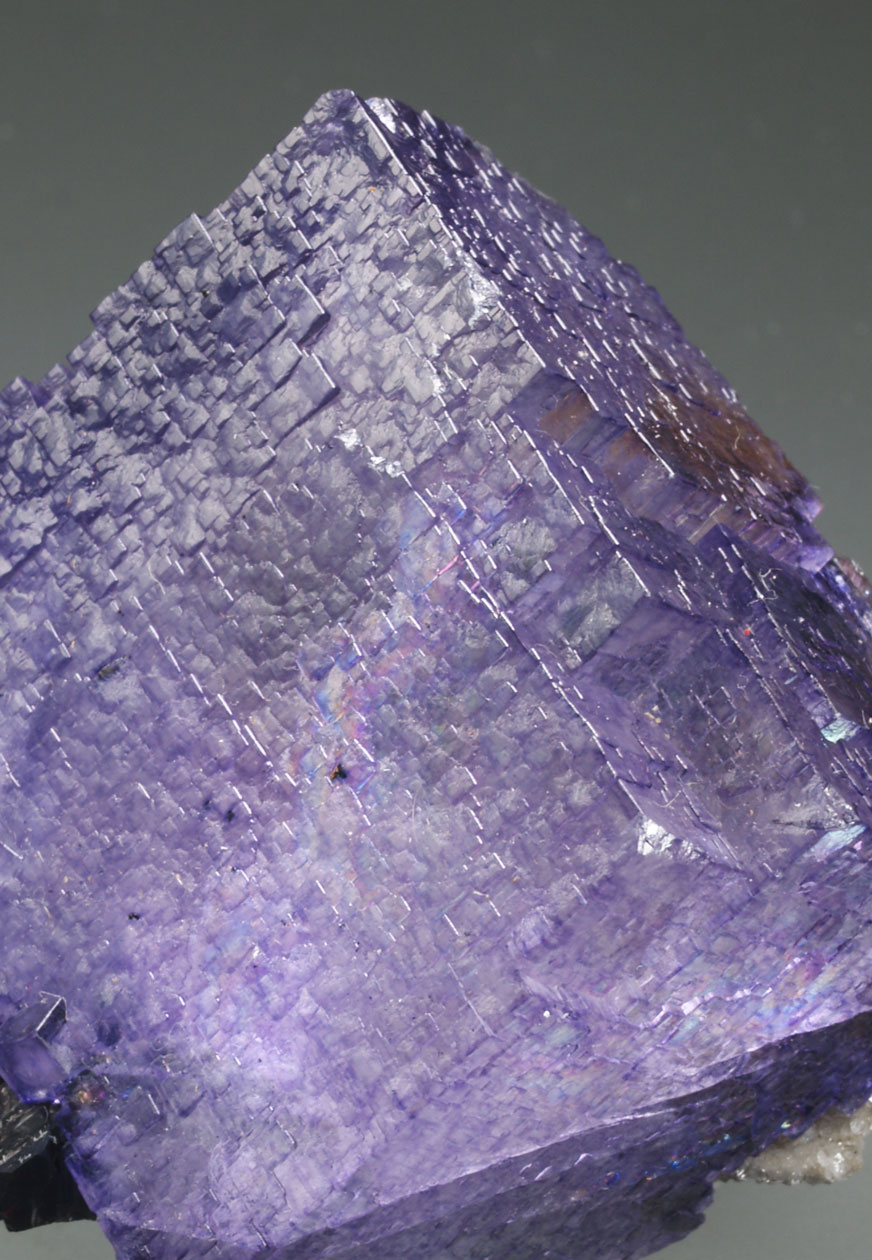
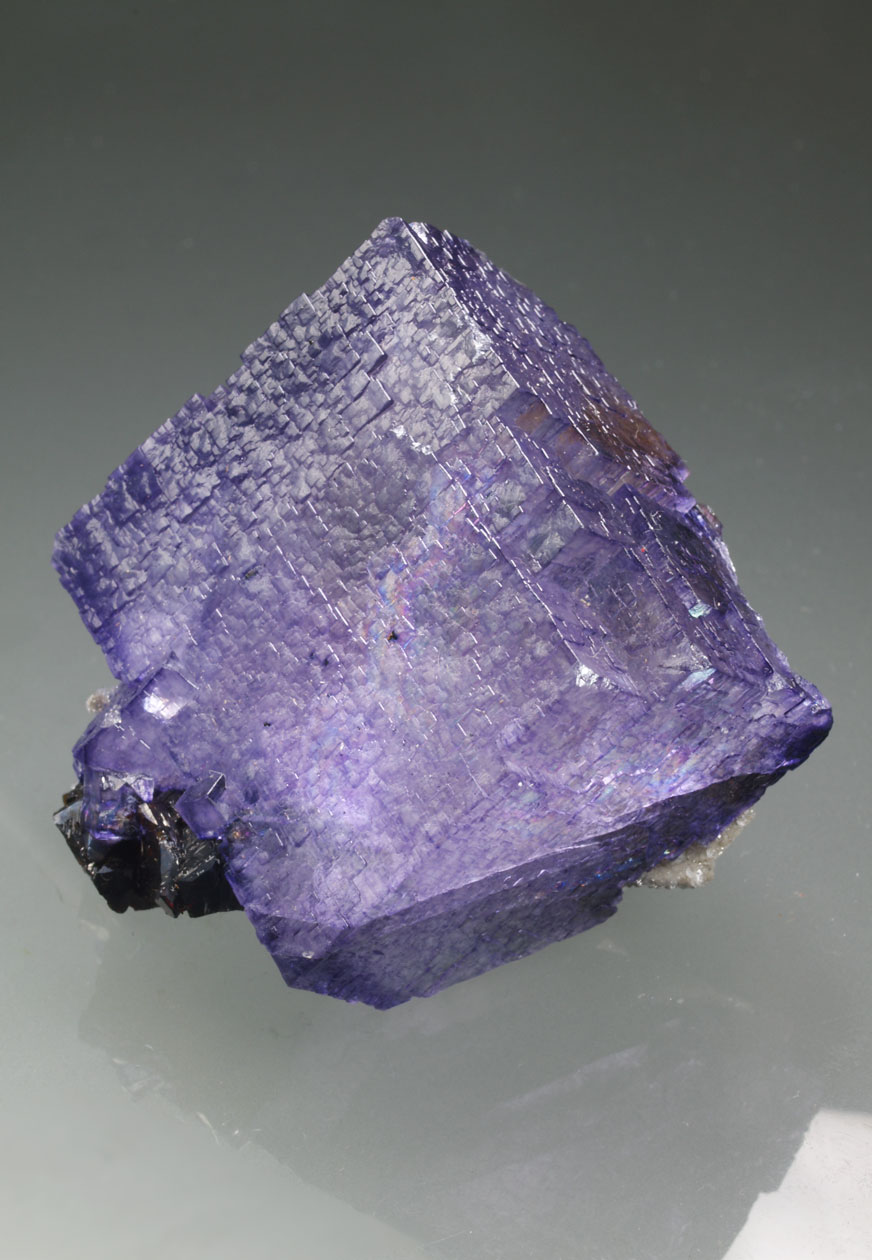
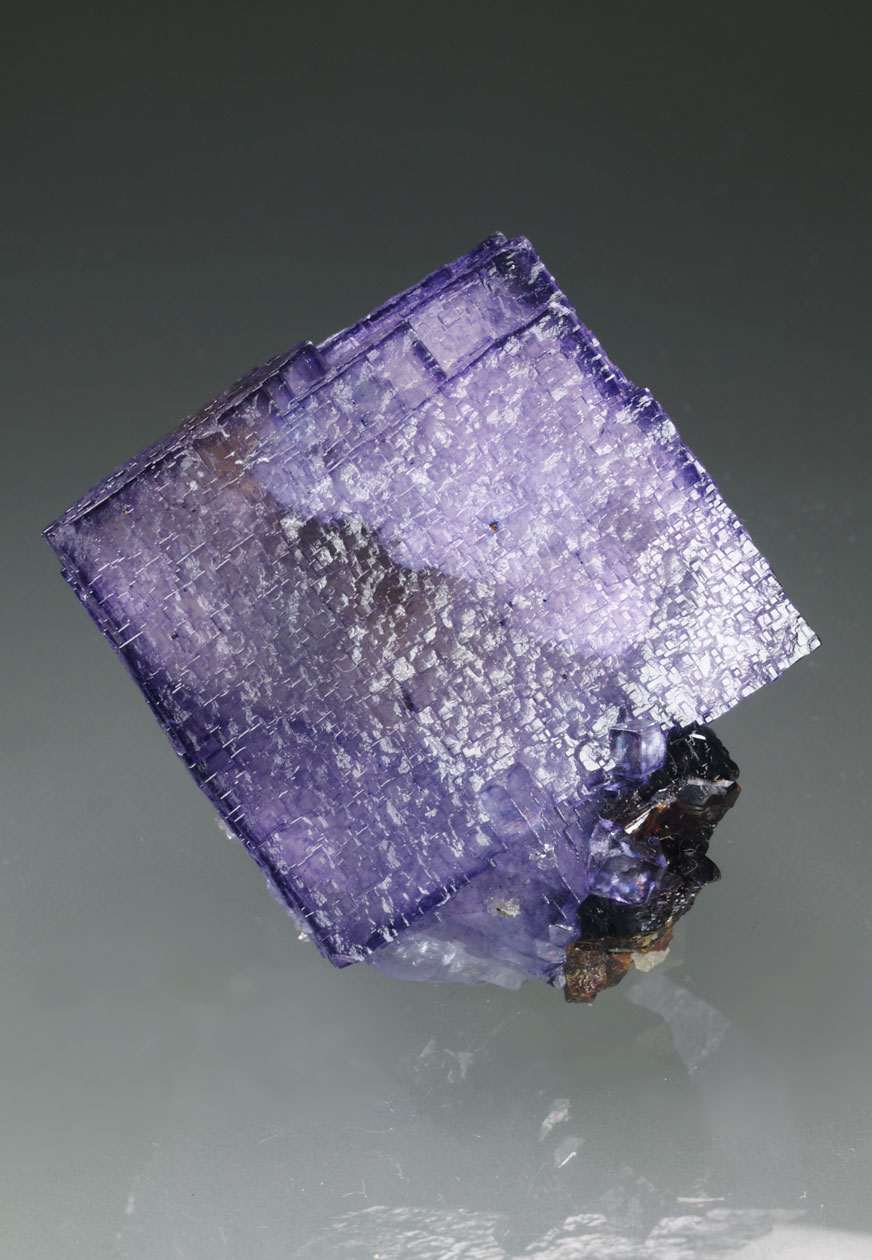
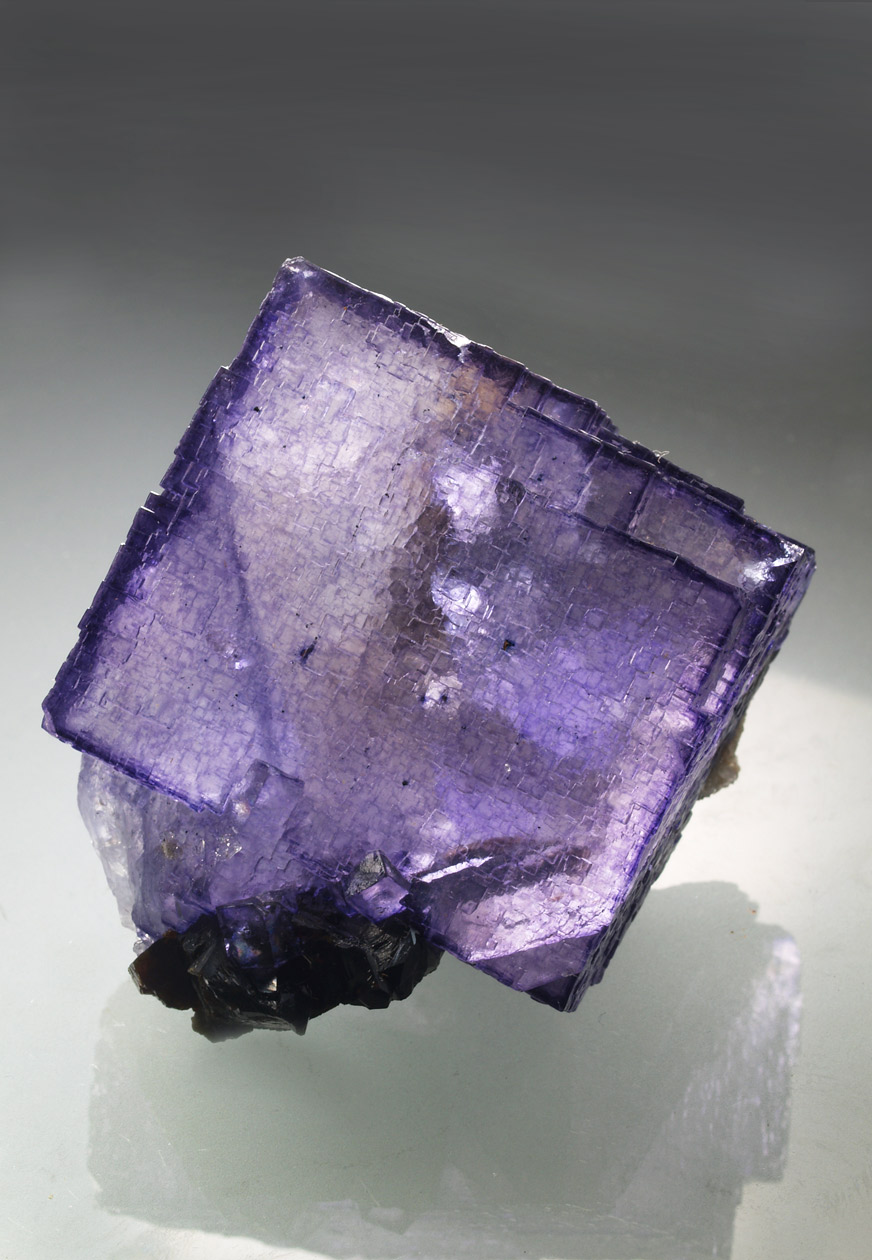
Good sized fluorite crystal from this classic North American mine. It shows the cube shape with staggered growths on one edge, along with polysynthetic growths on the faces. Translucent to transparent, bright and with a violet tone that shows geometric color zoning, more intense on the edges. With a minor "matrix" of sphalerite.
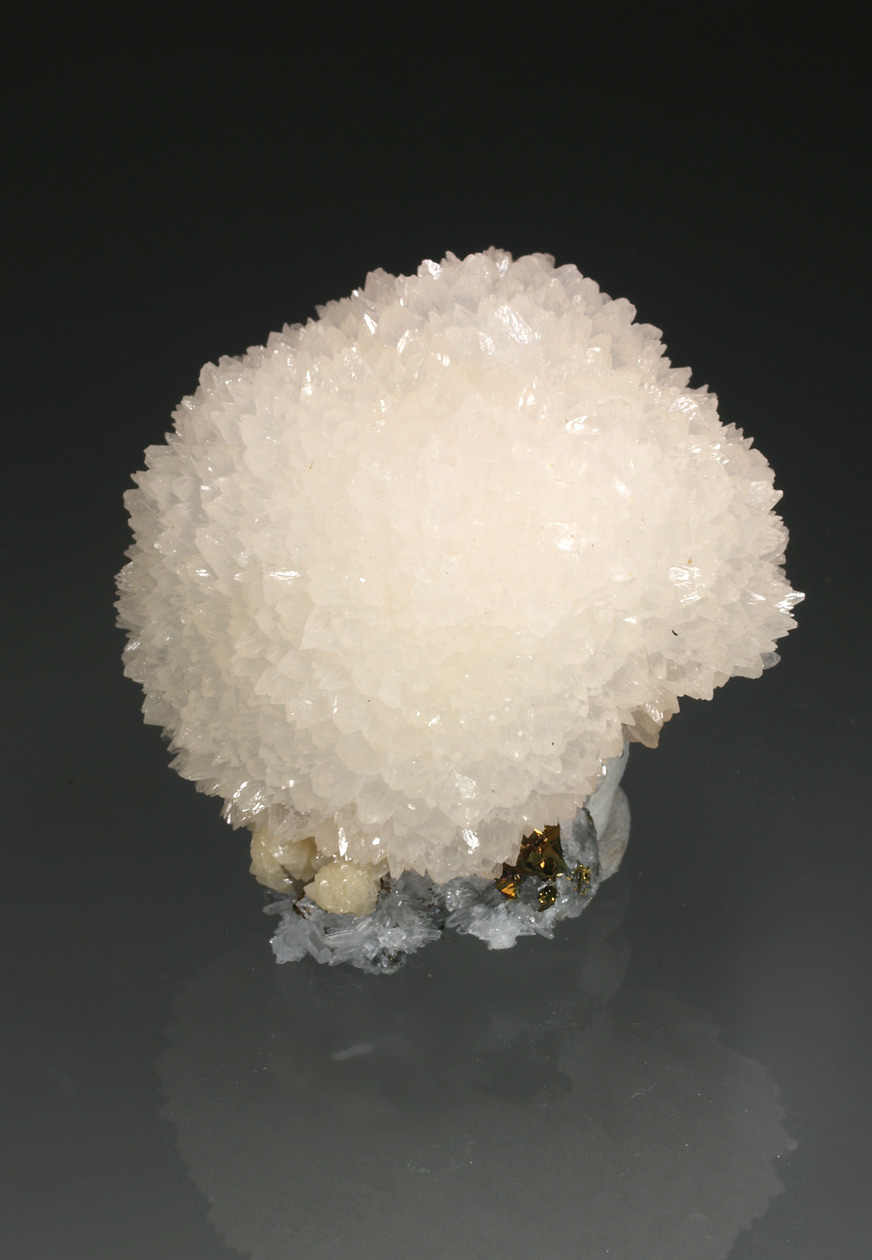
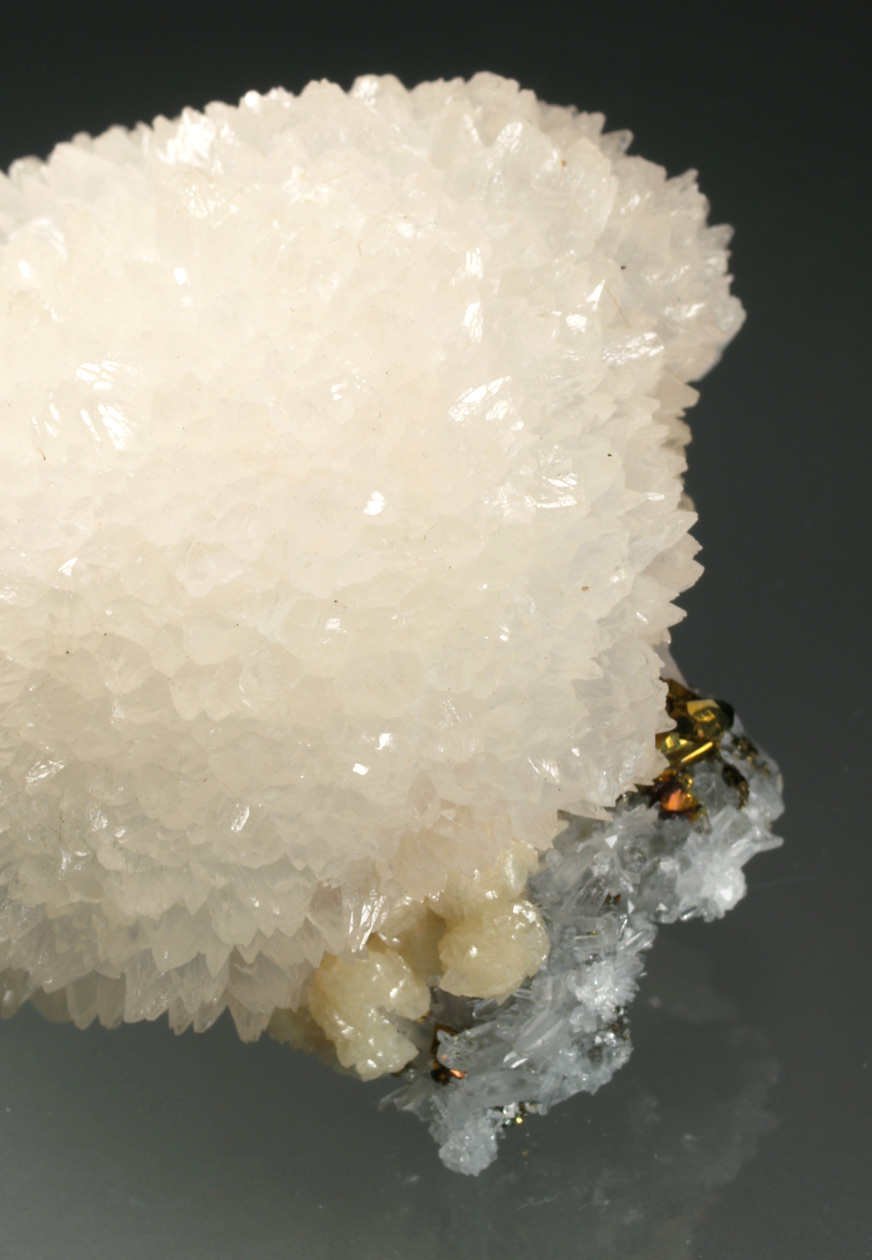
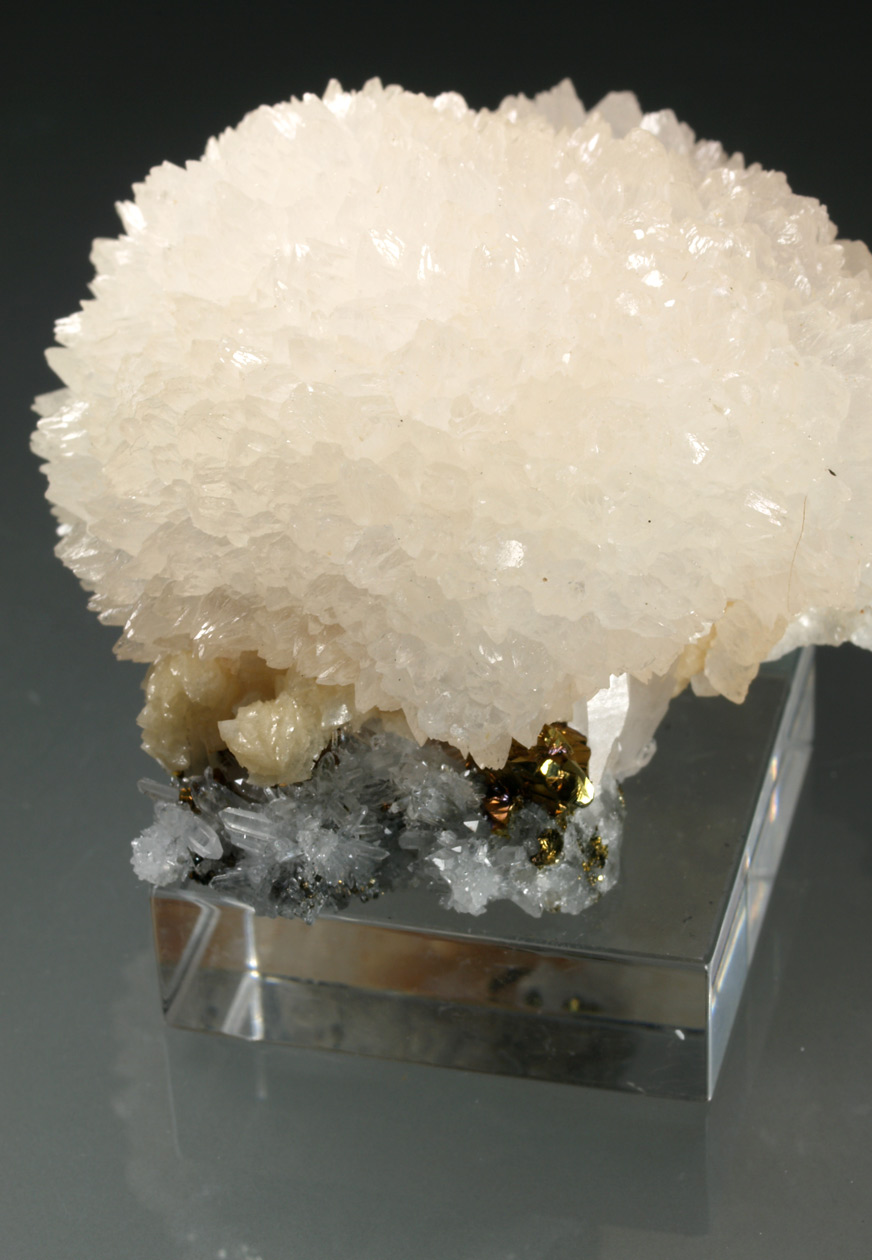
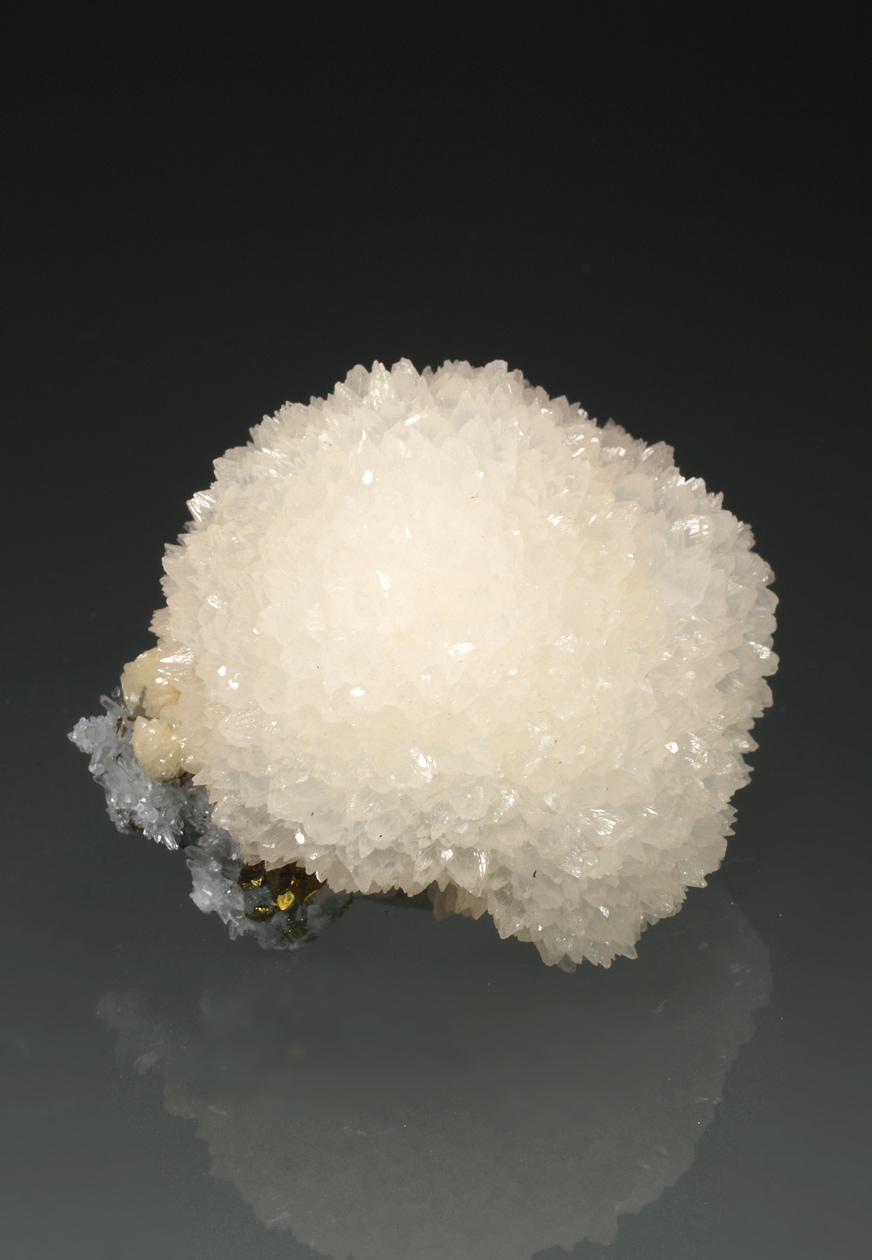
Aesthetic specimen of calcite crystals that form this semi-globular aggregate, with luster. It is accompanied by a small matrix with quartz and chalcopyrite crystals. A classic from the Romanian mine of Boldut; from the A. Trigo collection (Mataró). It shows an intense fluorescence under LW-UV light.
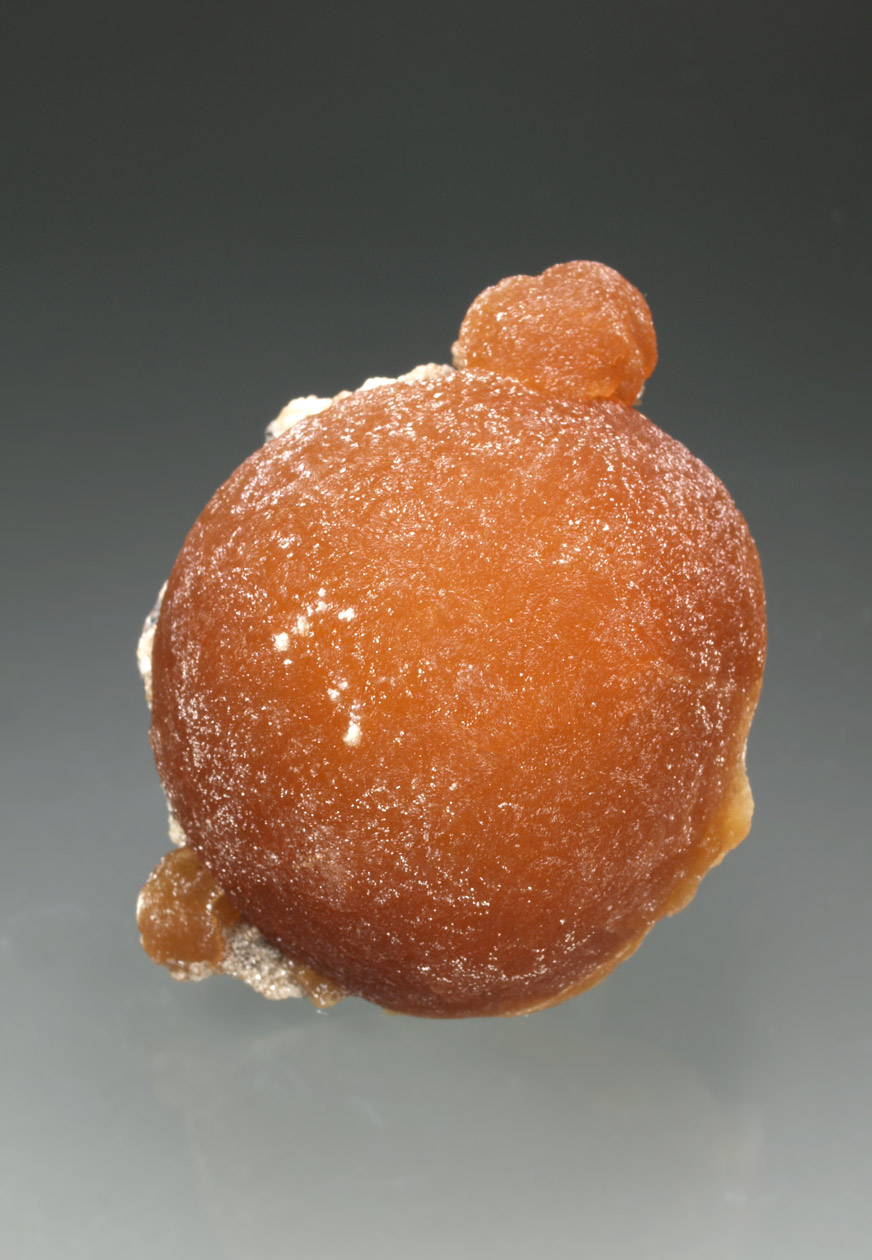
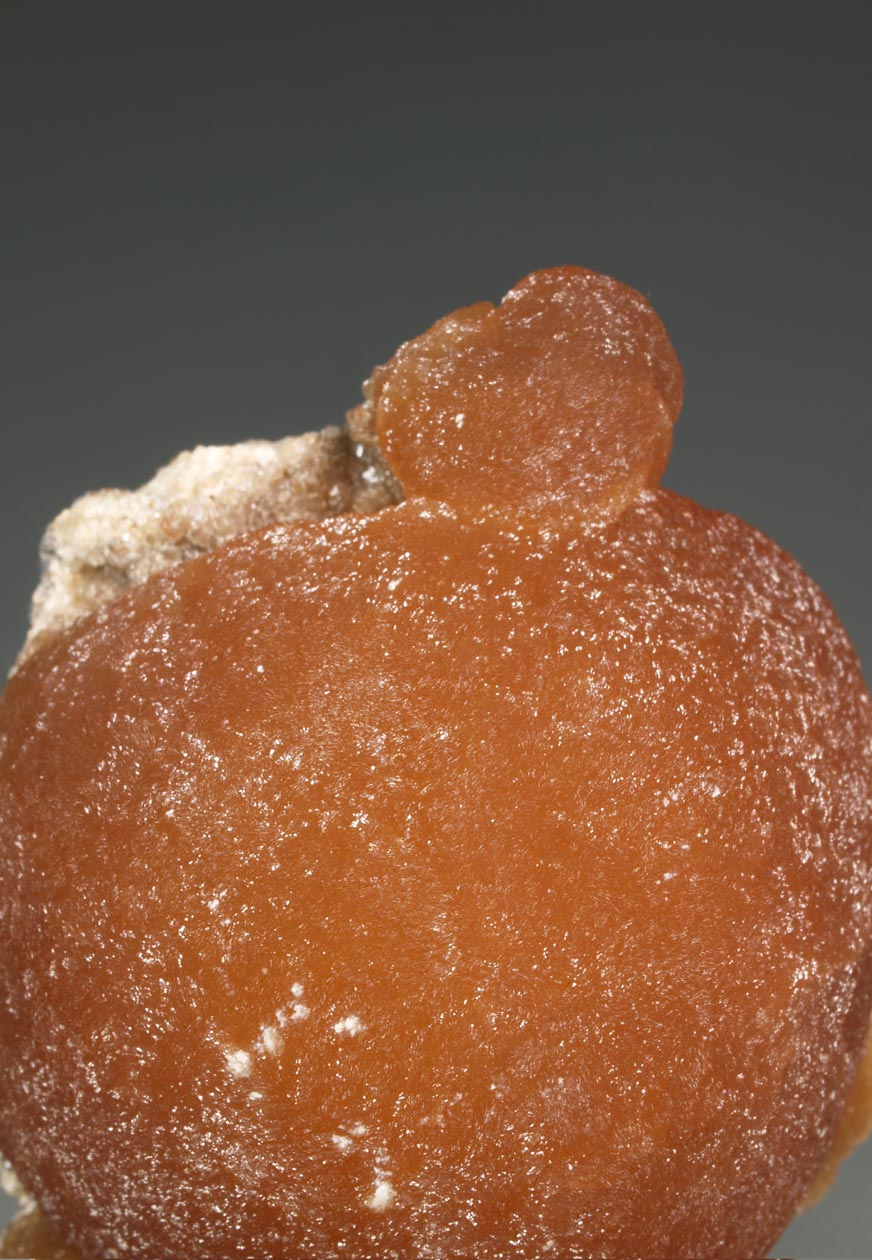
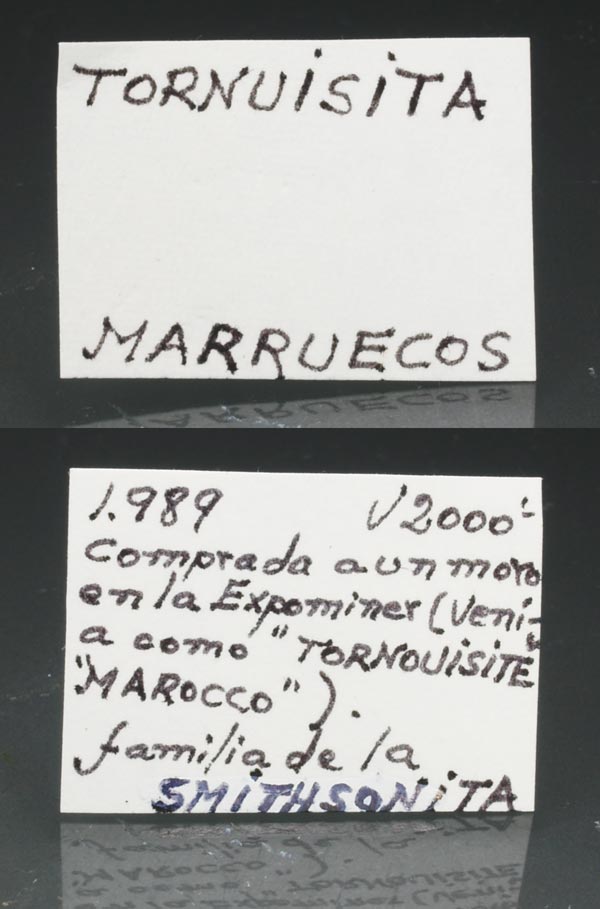
Hemispherical aggregate of smithsonite crystals, of good size, luster and with a very curious orange-brown color. On the label of the A. Trigo (Mataró) collection it indicates that he bought this specimen from a Moroccan dealer (1989) as "tornuisite", a term for which we have not found references, unless it was wrongly confused with "tarnowizite". Touissit specimens of globular smithsonite are known but rare.
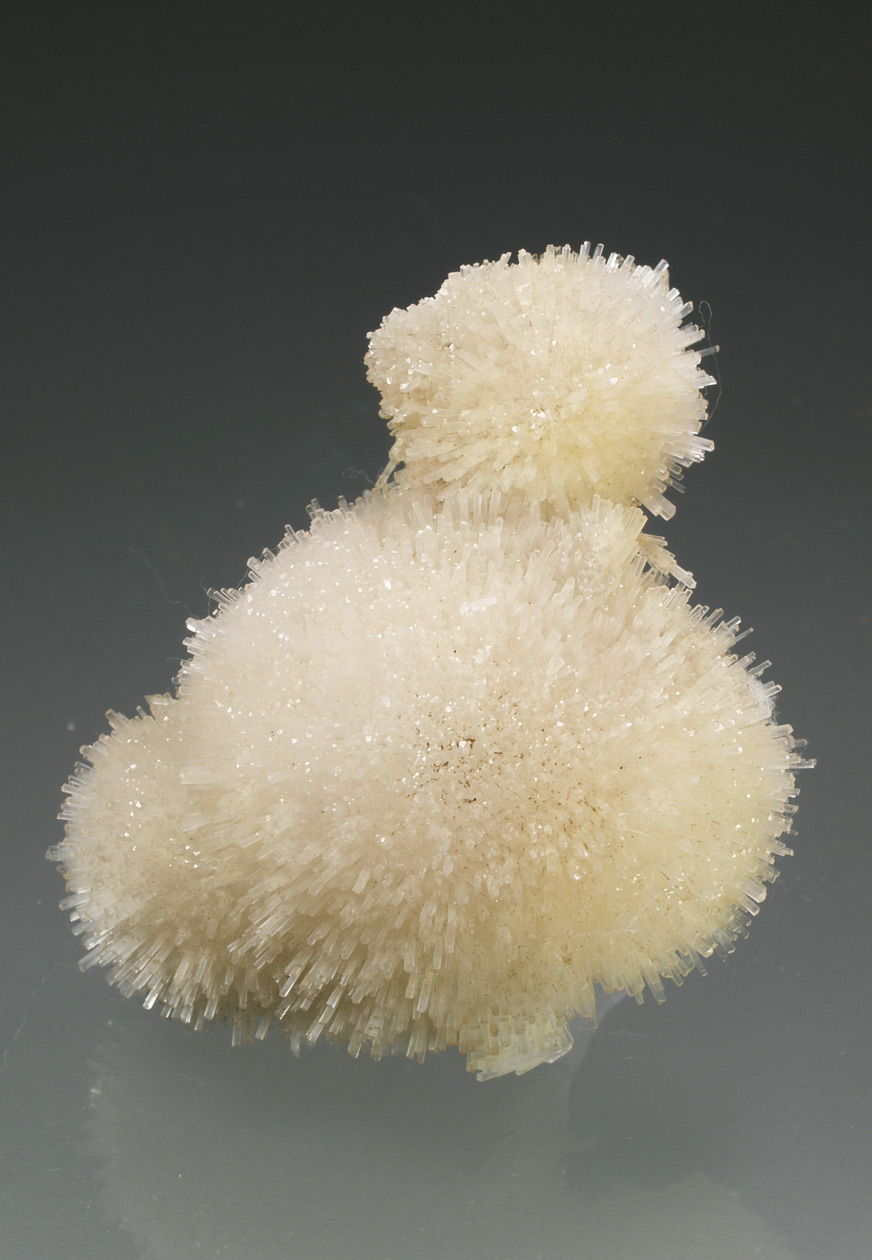
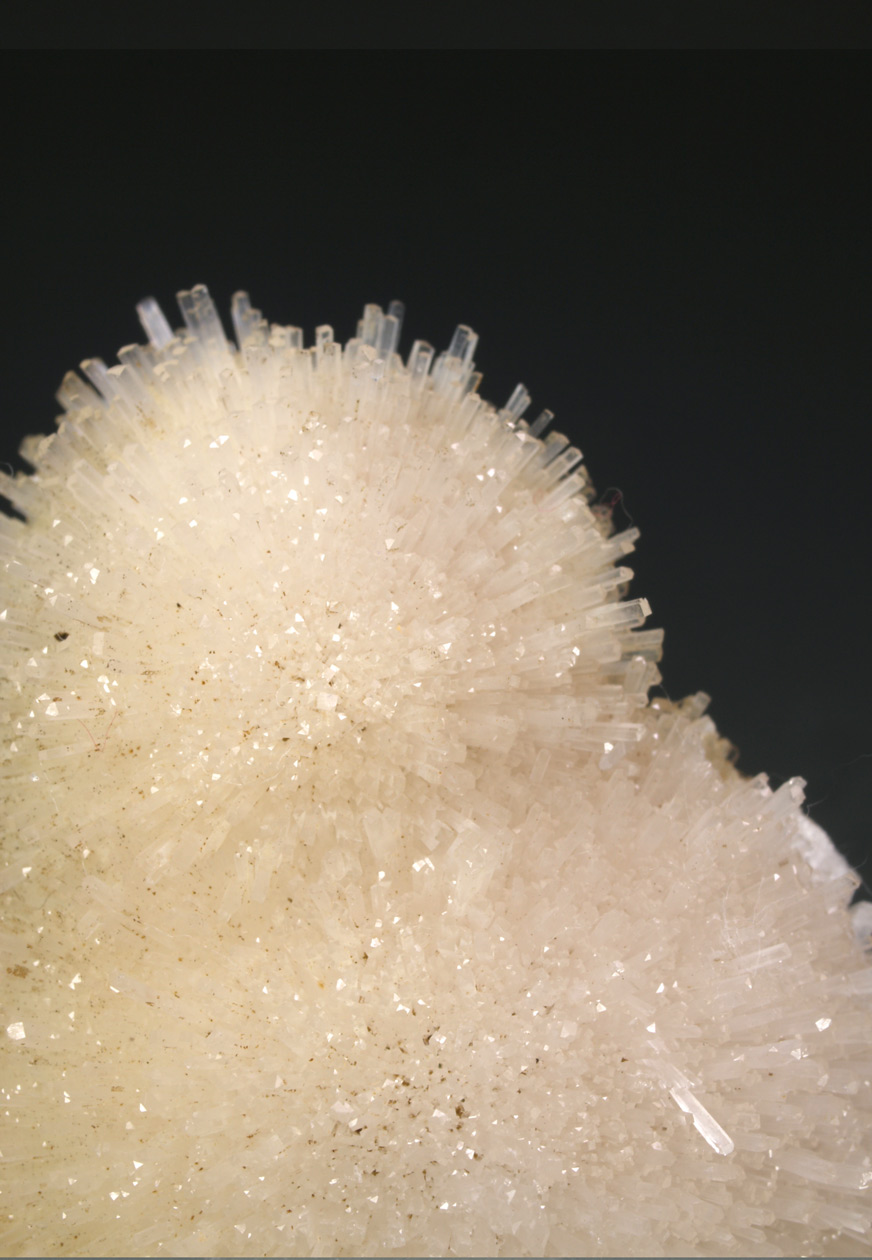
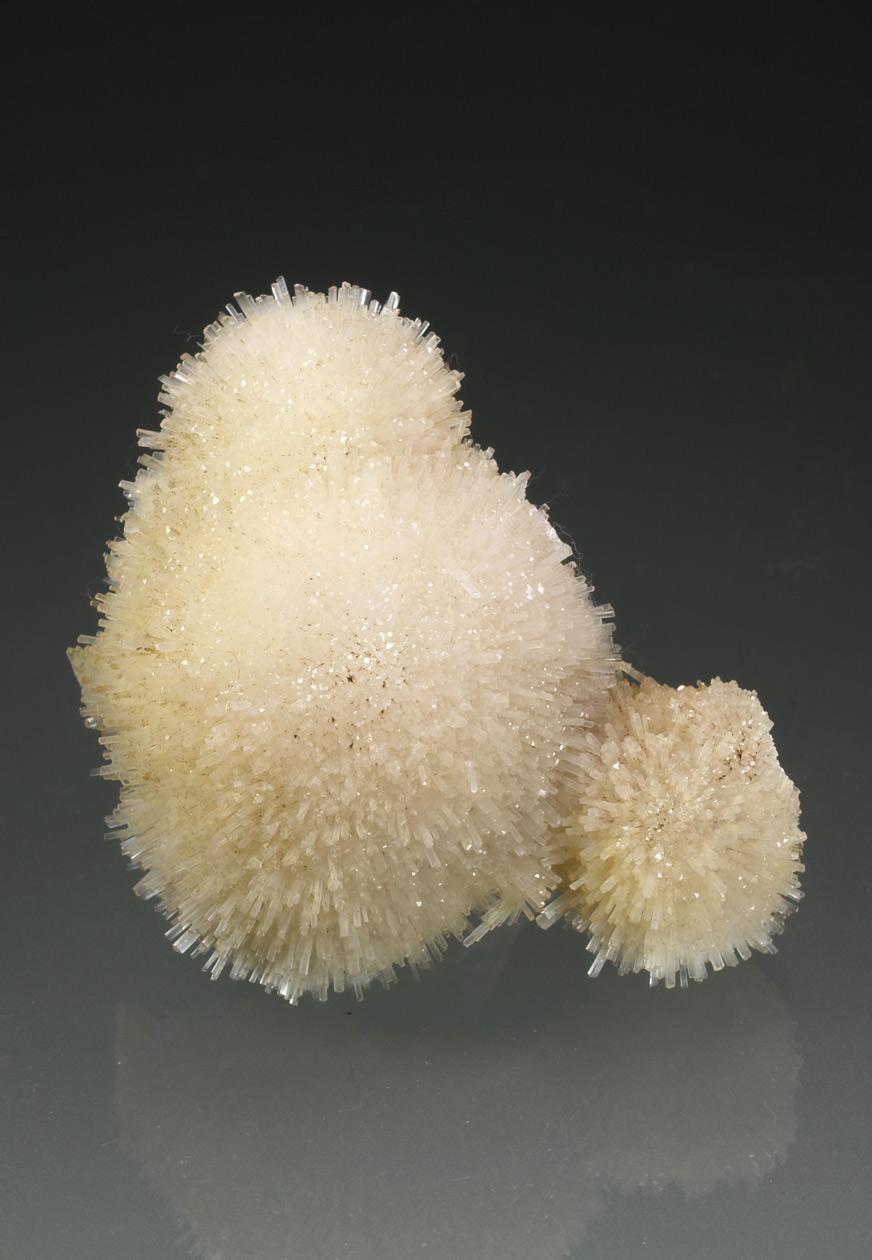
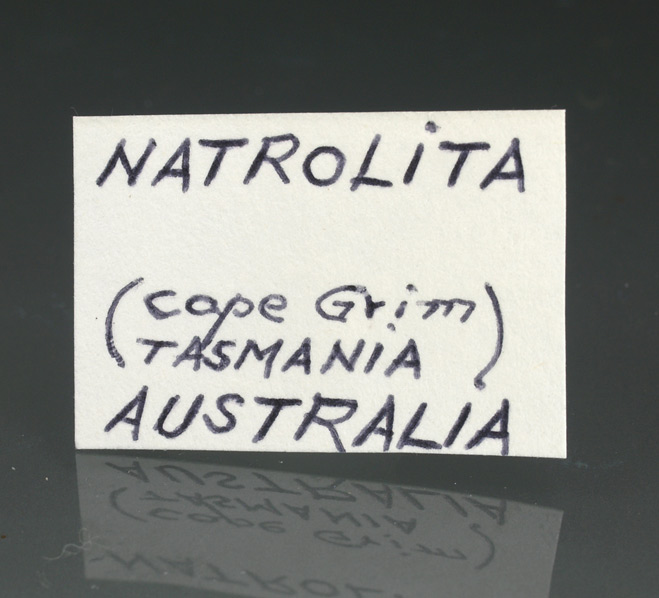
Globular aggregates of prismatic natrolite crystals, with well defined terminal faces. It comes from a locality well known for its zeolites. Nowadays this Cape Grim area is restricted access due to wind turbines field. From the former A. Trigo Collection (Mataró).
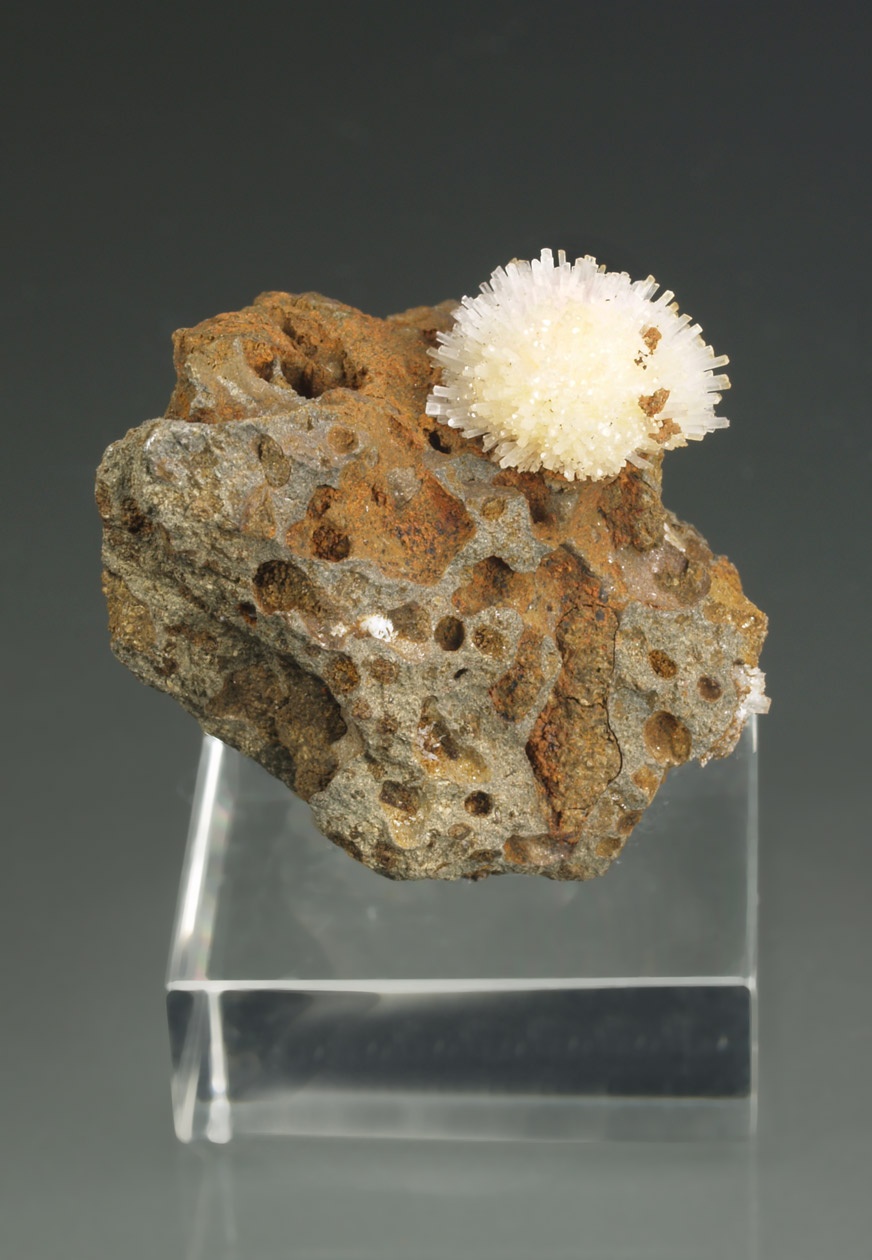
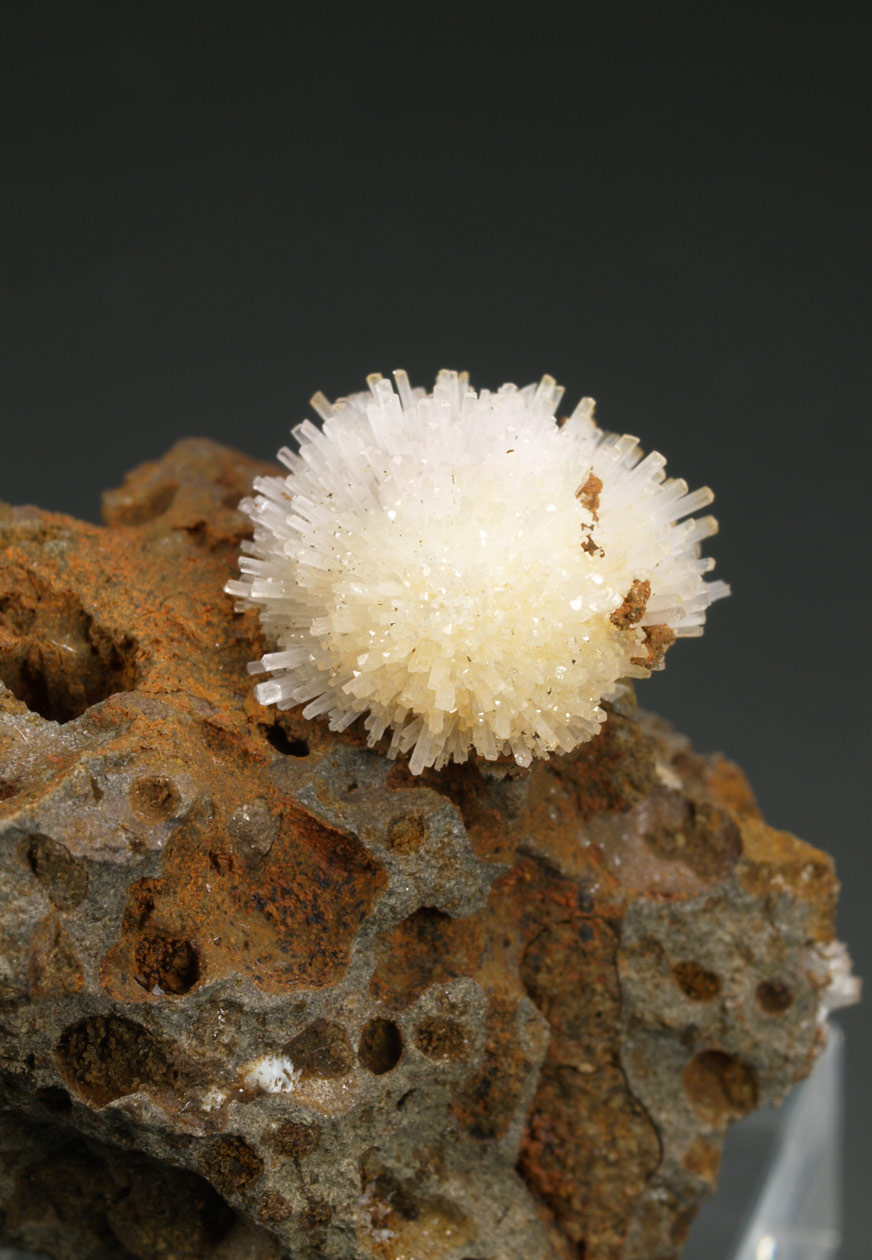
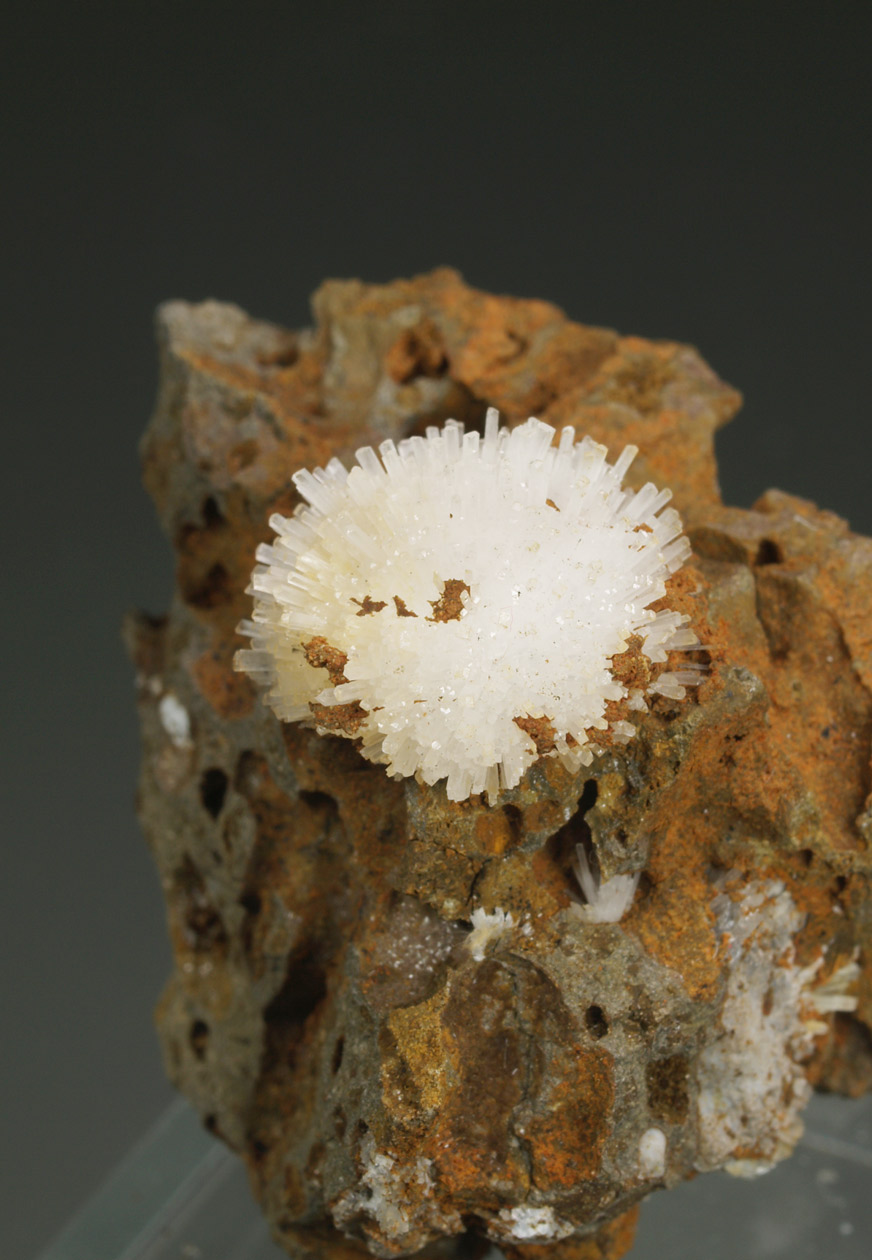
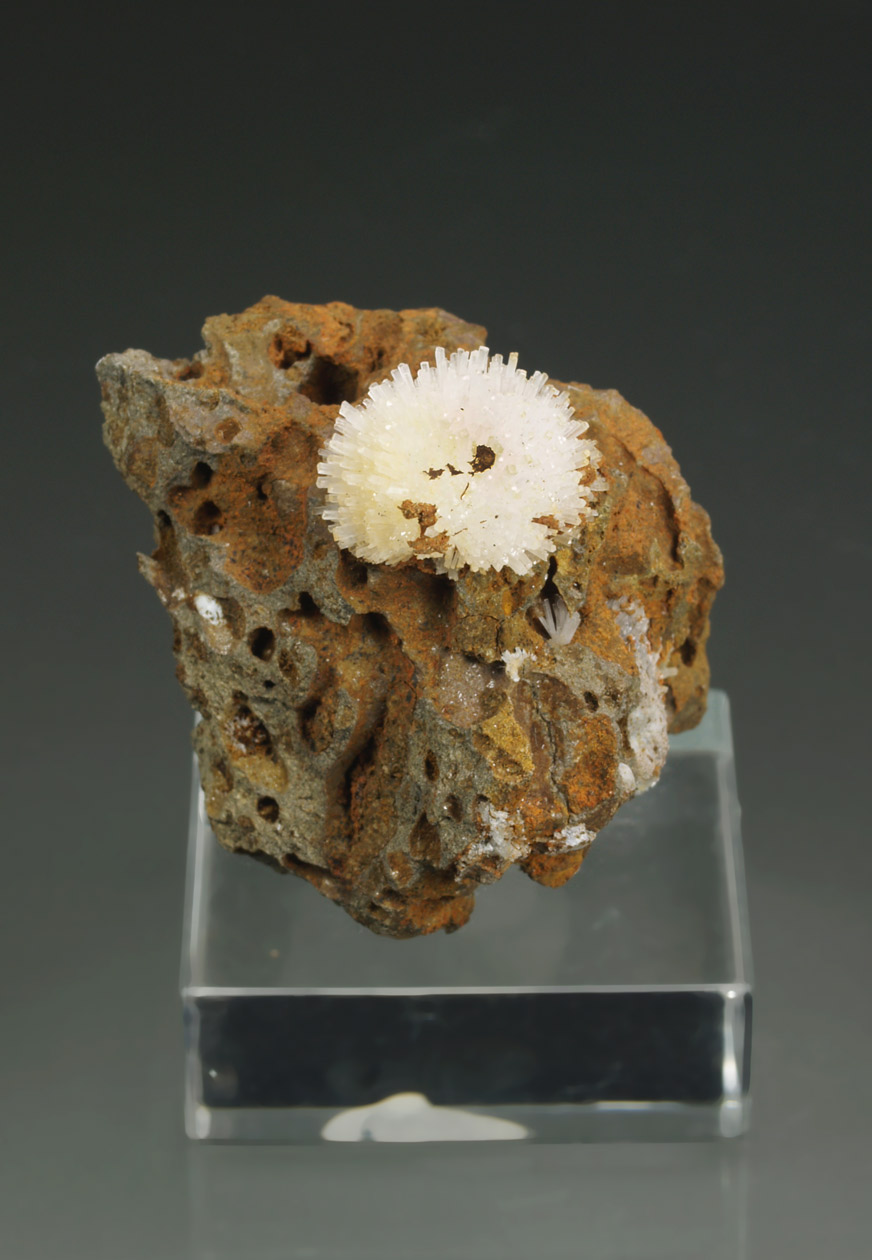
Globular aggregate of prismatic natrolite crystals, with well defined terminal faces. It is disposed very aerially on the matrix. Specimens on matrix are unusual. It comes from a locality well known for its zeolites. Nowadays this Cape Grim area is restricted access due to wind turbines field. From the former J. Astor Collection (Barcelona).
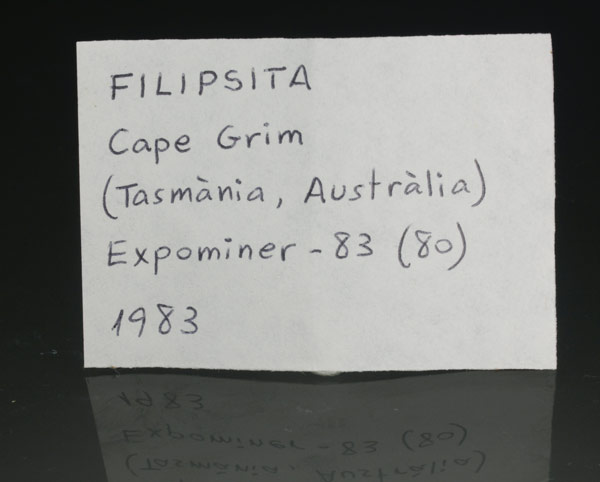
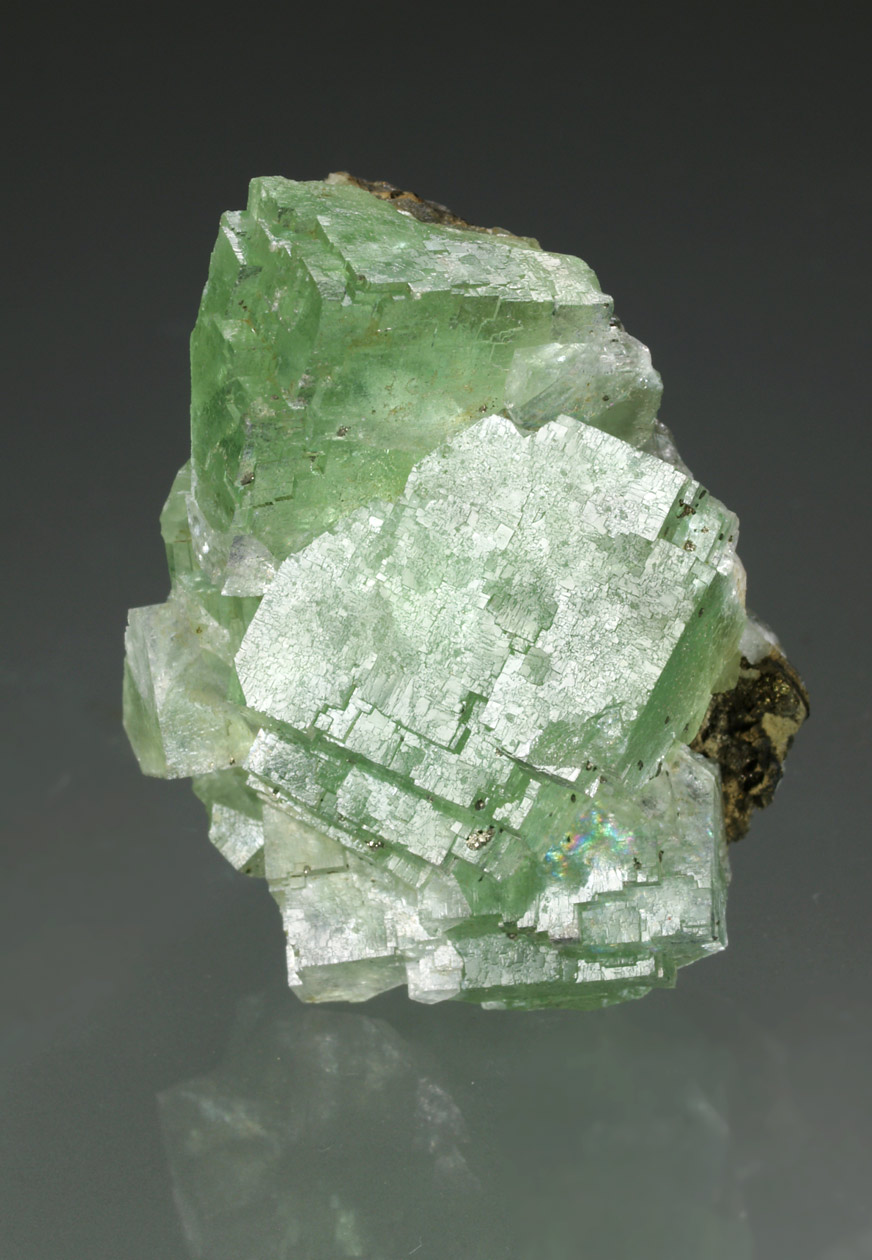
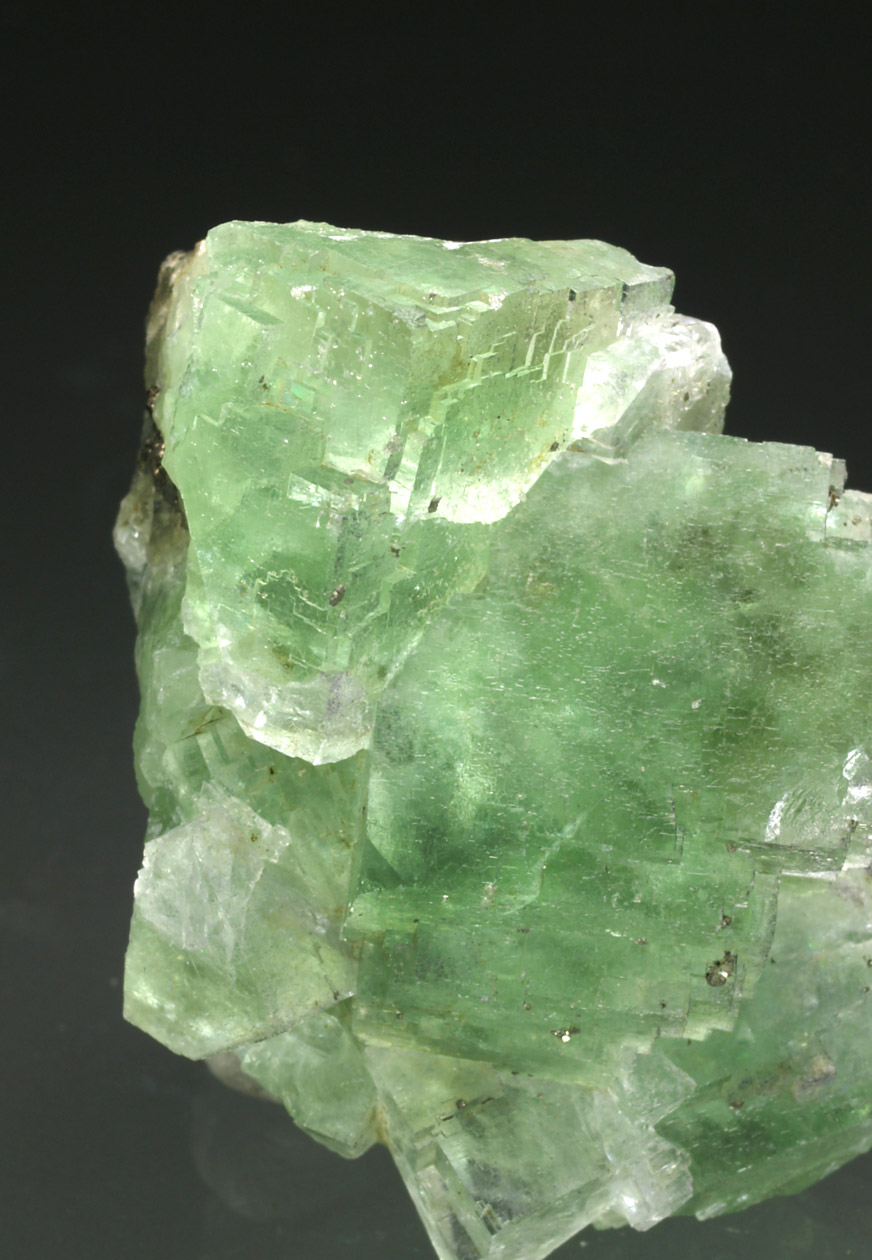
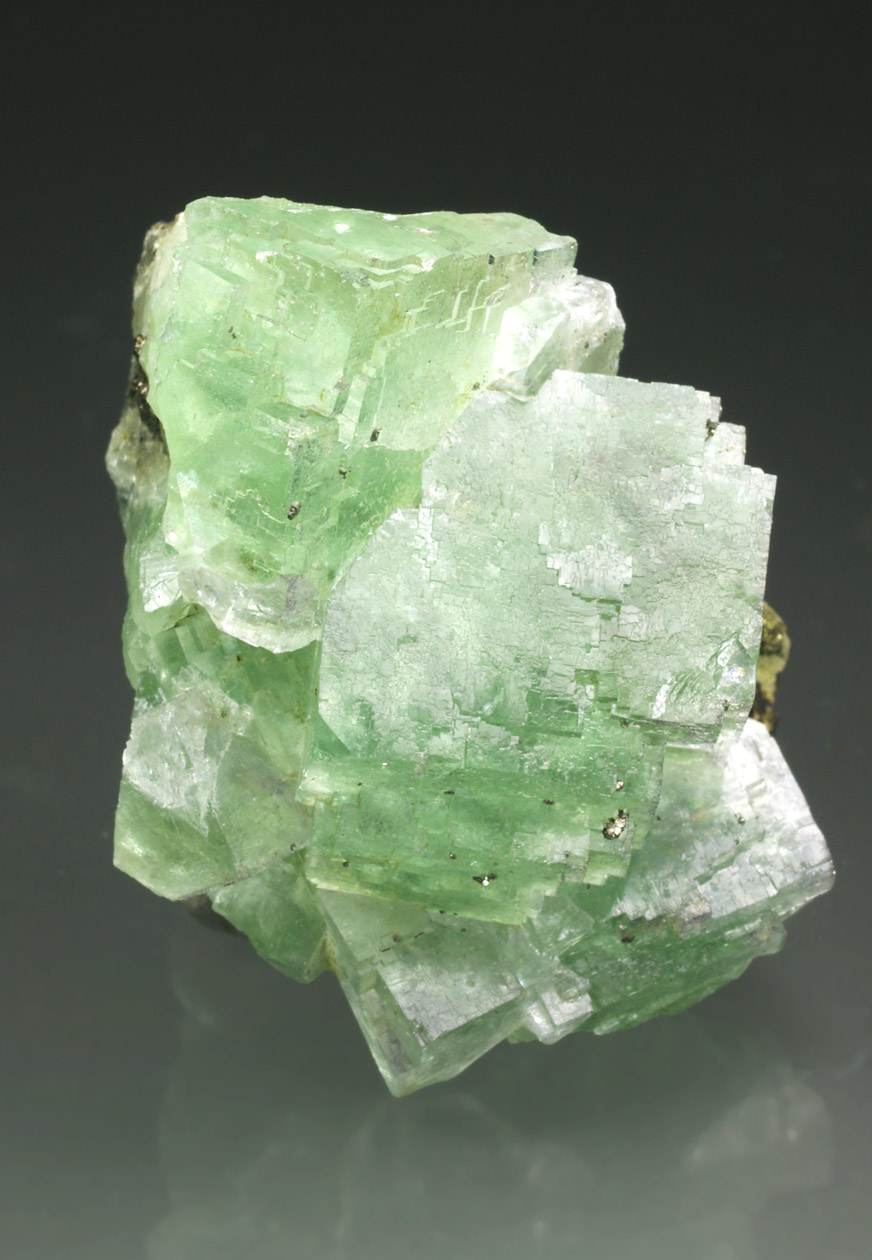
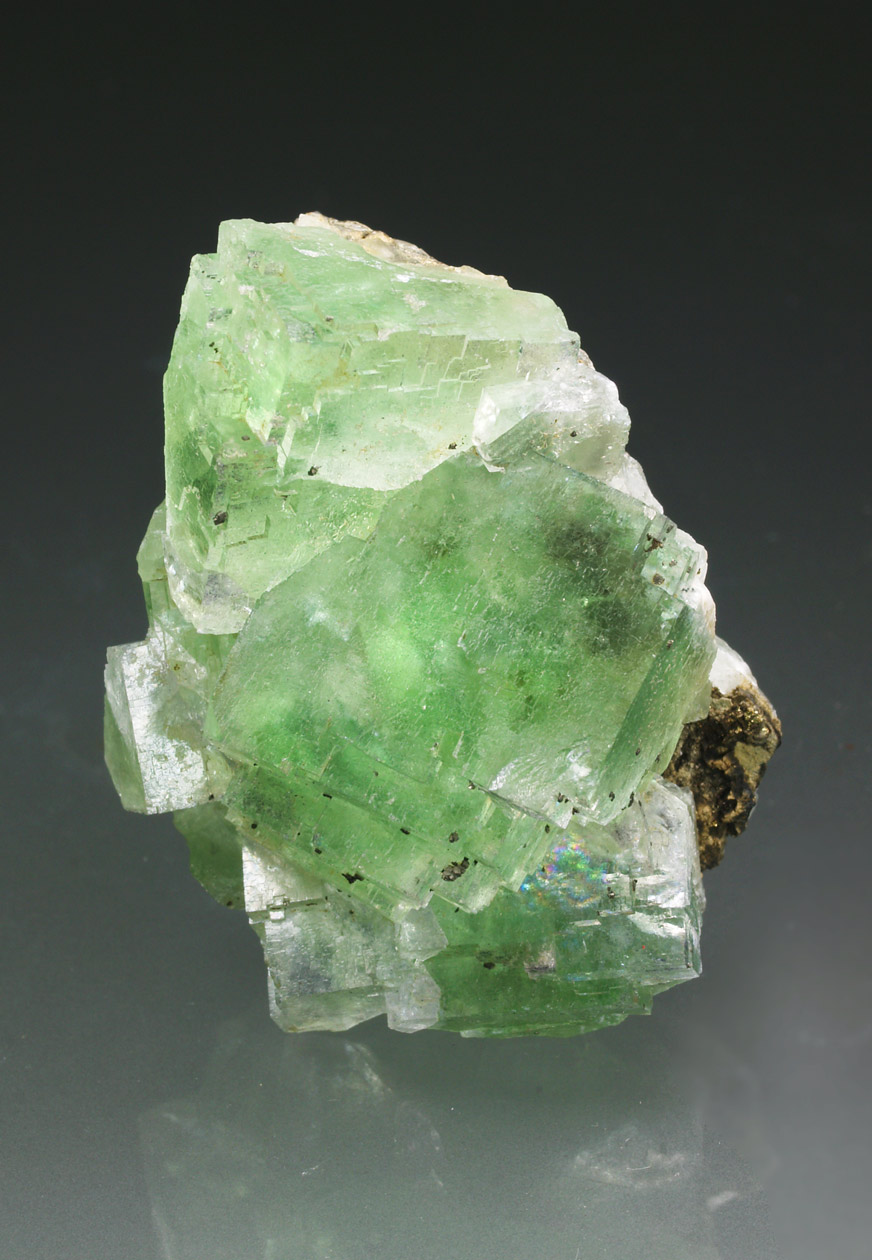
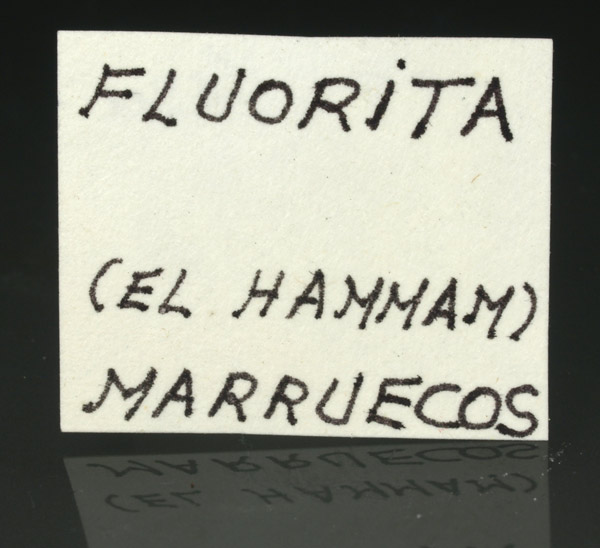
Group of cubic fluorite crystals, with good brilliance, transparence and a very characteristic green color. From this classic Moroccan mines. With the label of the former collection Trigo (Mataró).
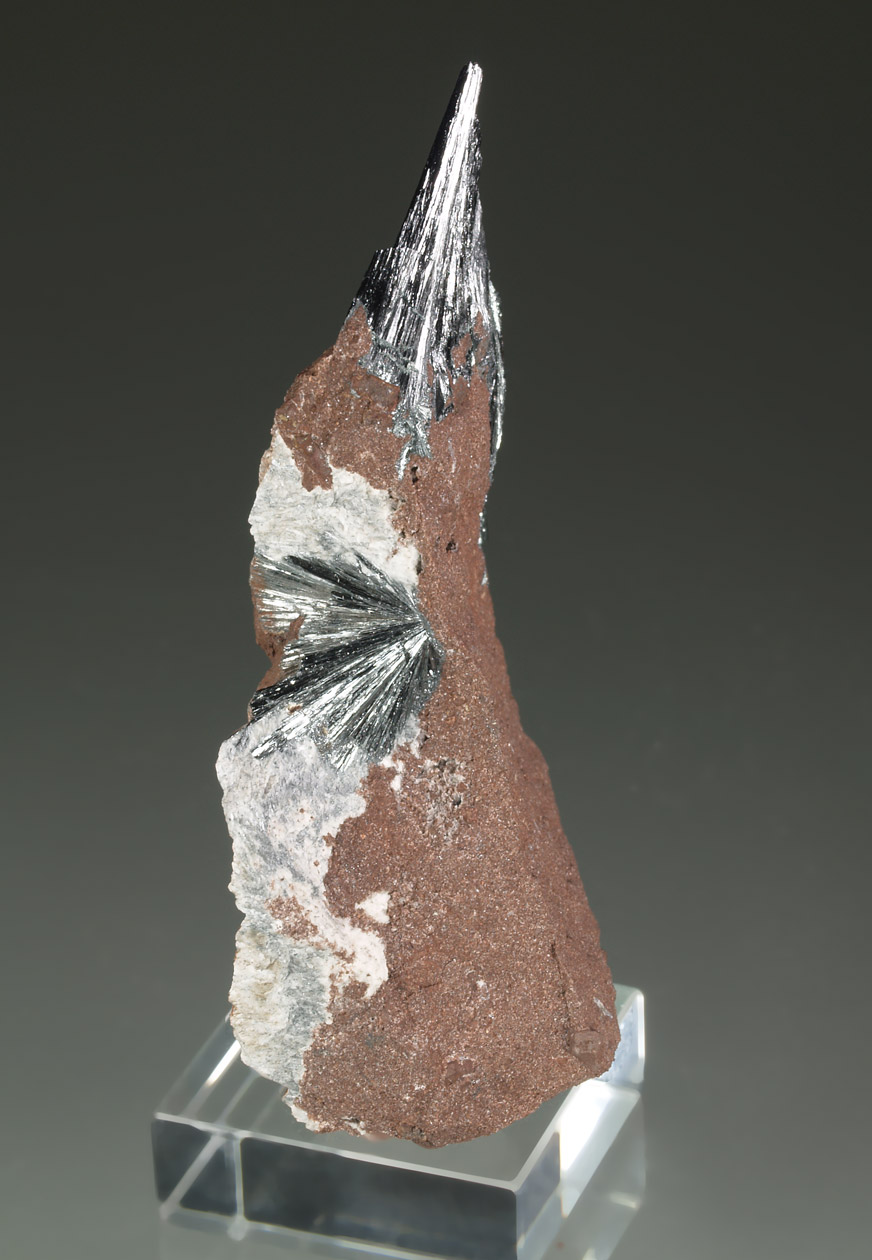
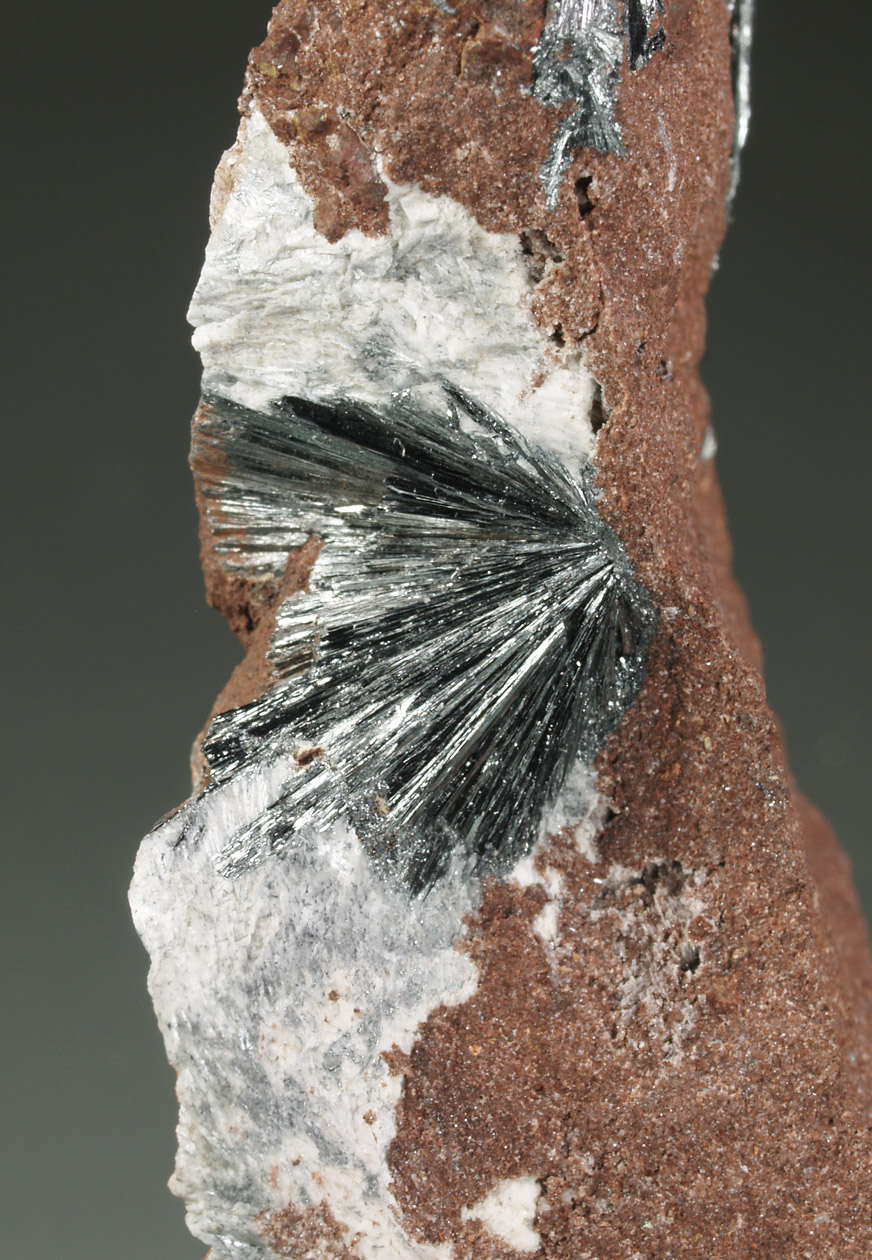
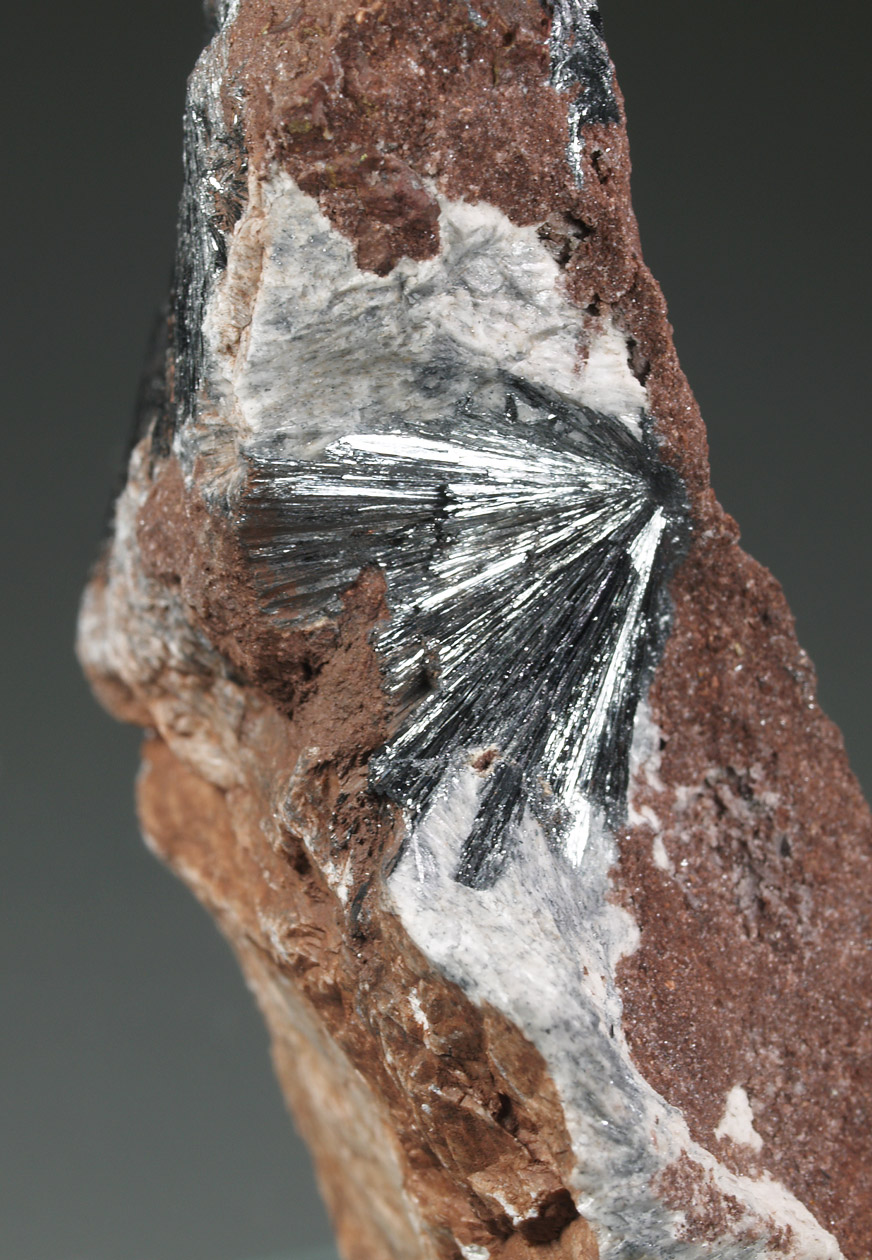
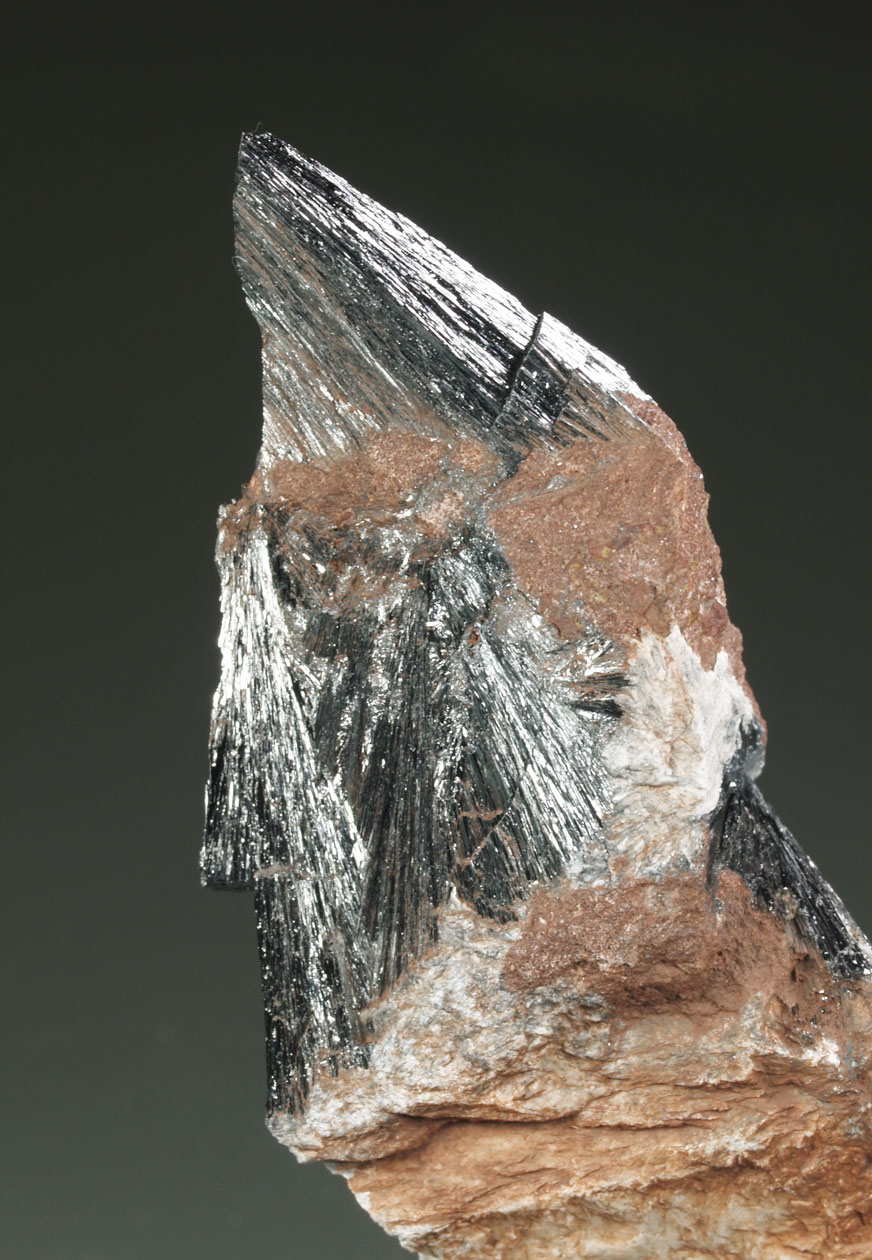
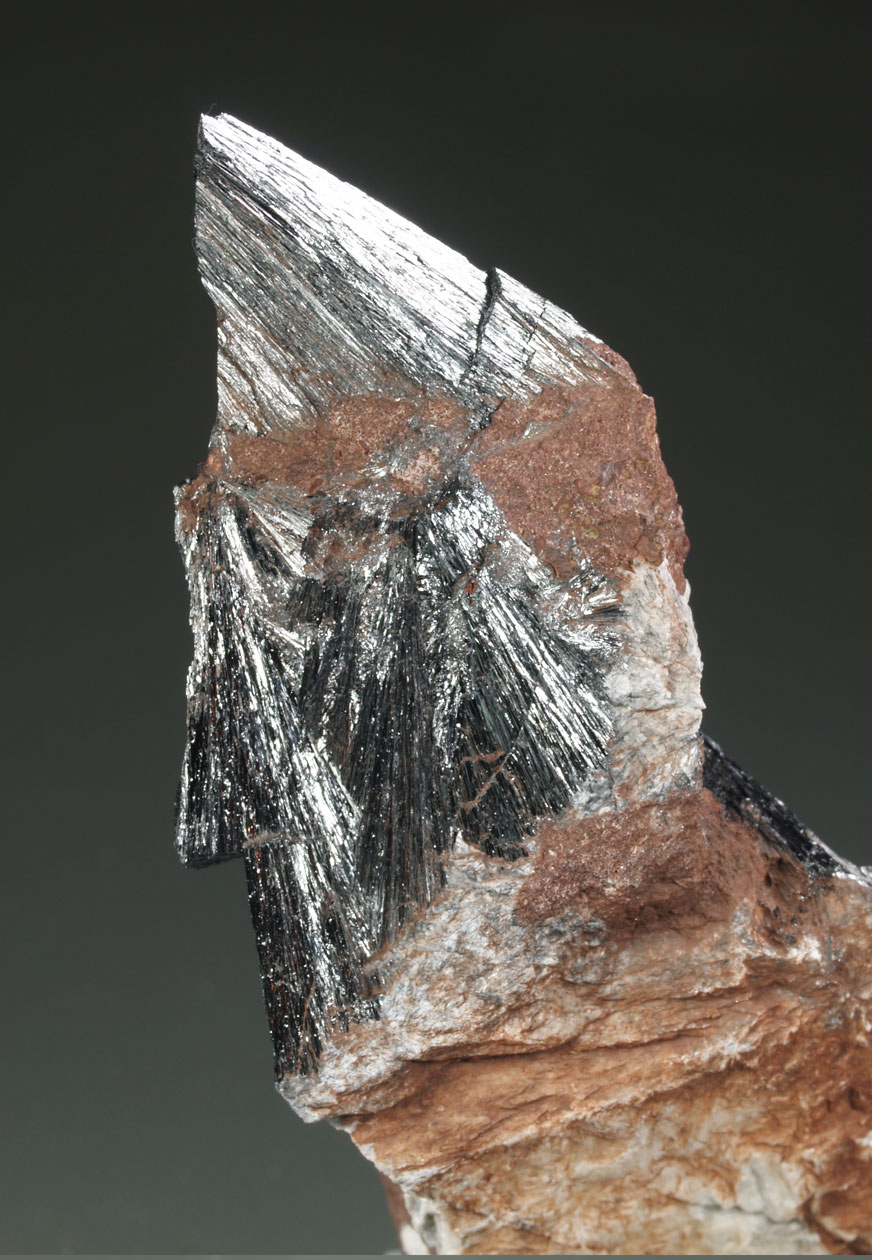
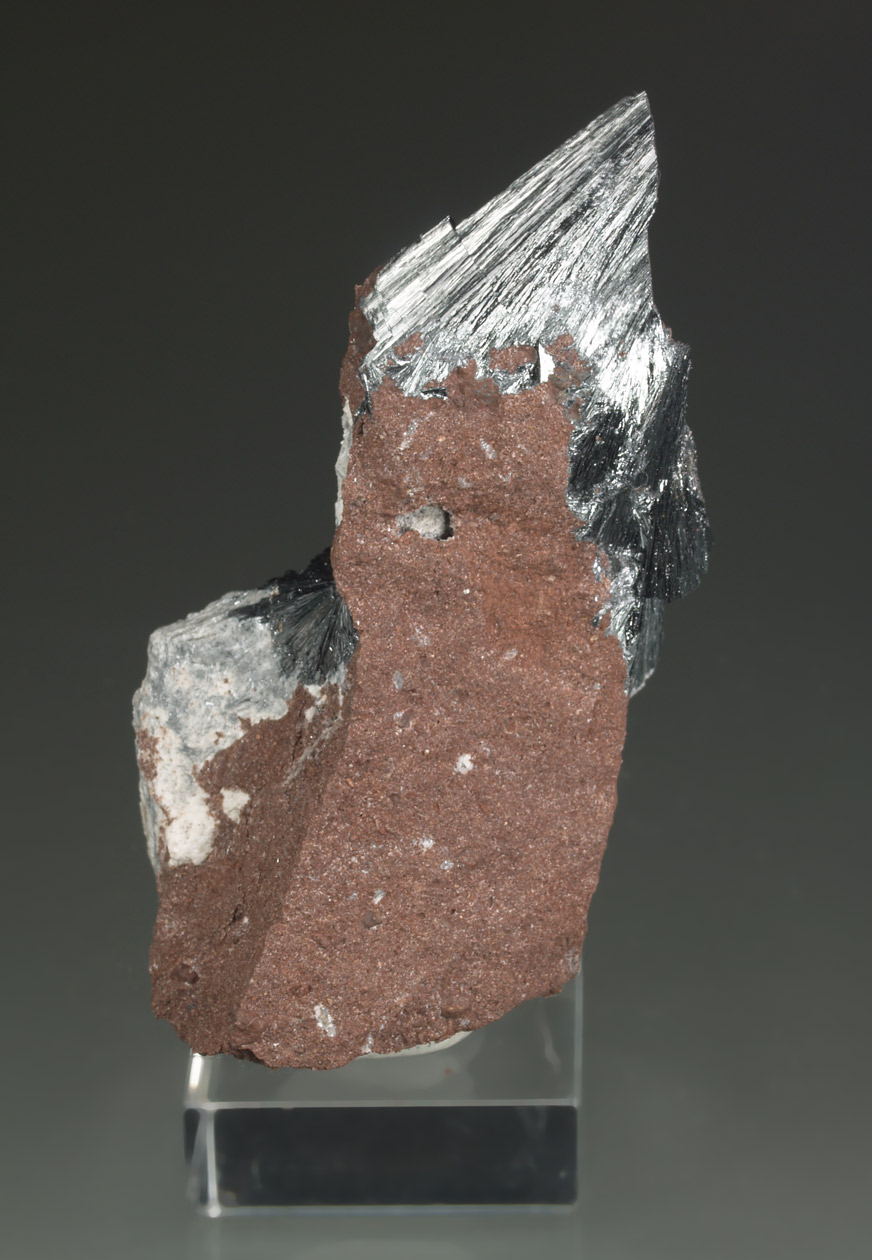
These specimens of manganite partially replaced pyrolusite, come from a locality not yet described in the mineralogical bibliography. This deposit is located in the province of Boulemane, in the Fez-Meknés region, about ten kilometers from the well-known Aouli mines. It is a formation very similar to that of Imini (near Ouarzazate). These manganese deposits, both in Imini and in the Boulemane area, were formed in a karst system. Associated with shallow marine dolomites of the Cretaceous age and that currently form sub-horizontal mantles cutted by erosion, overlaping areas of volcanic rocks. Manganese minerals are found in dolomite breccia and ferruginous clays. We have carried out X-ray diffraction studies showing us the presence of both species: manganite and pyrolusite.
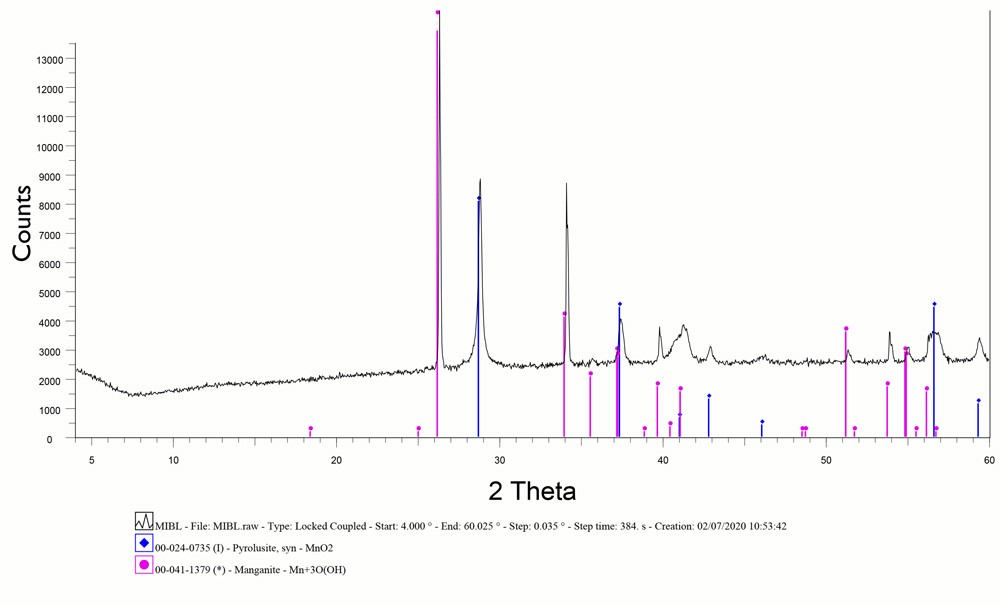
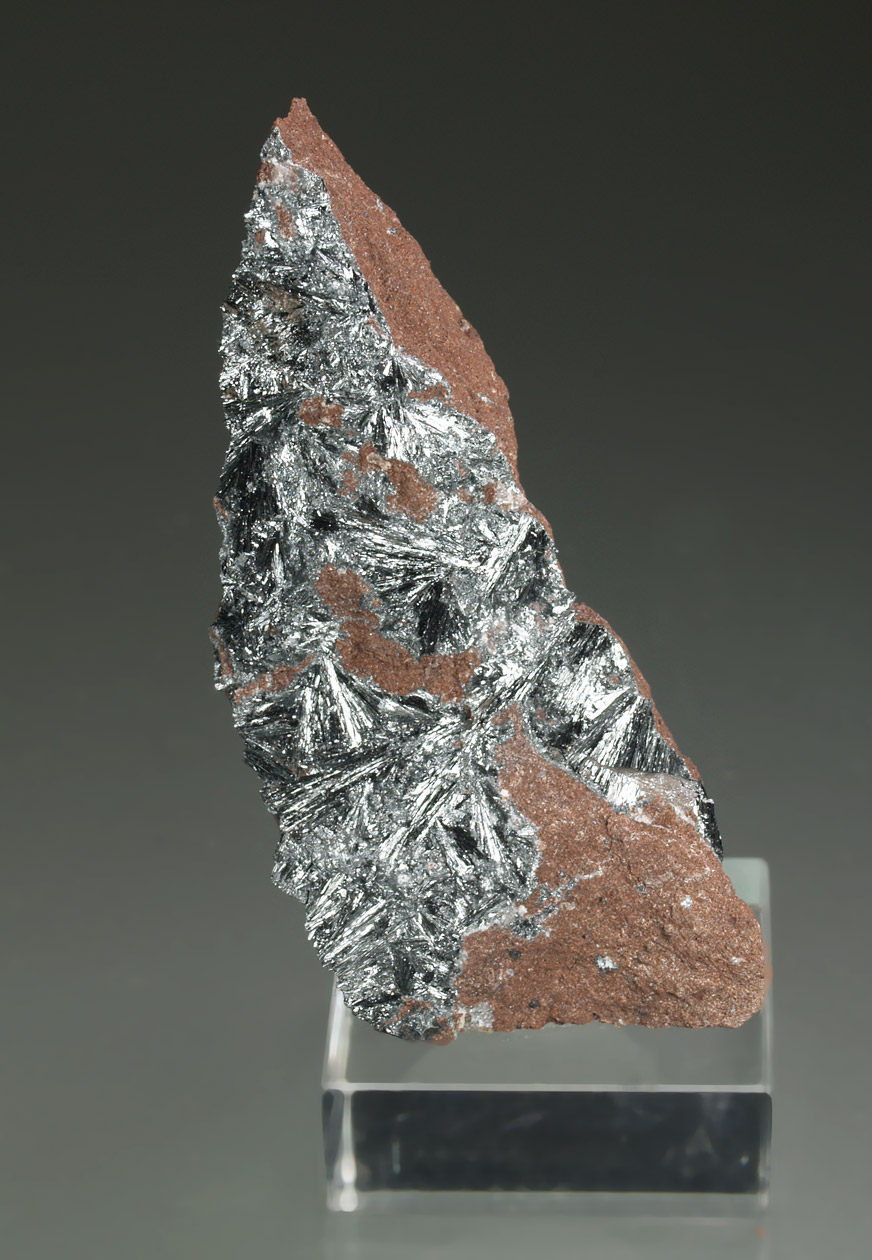
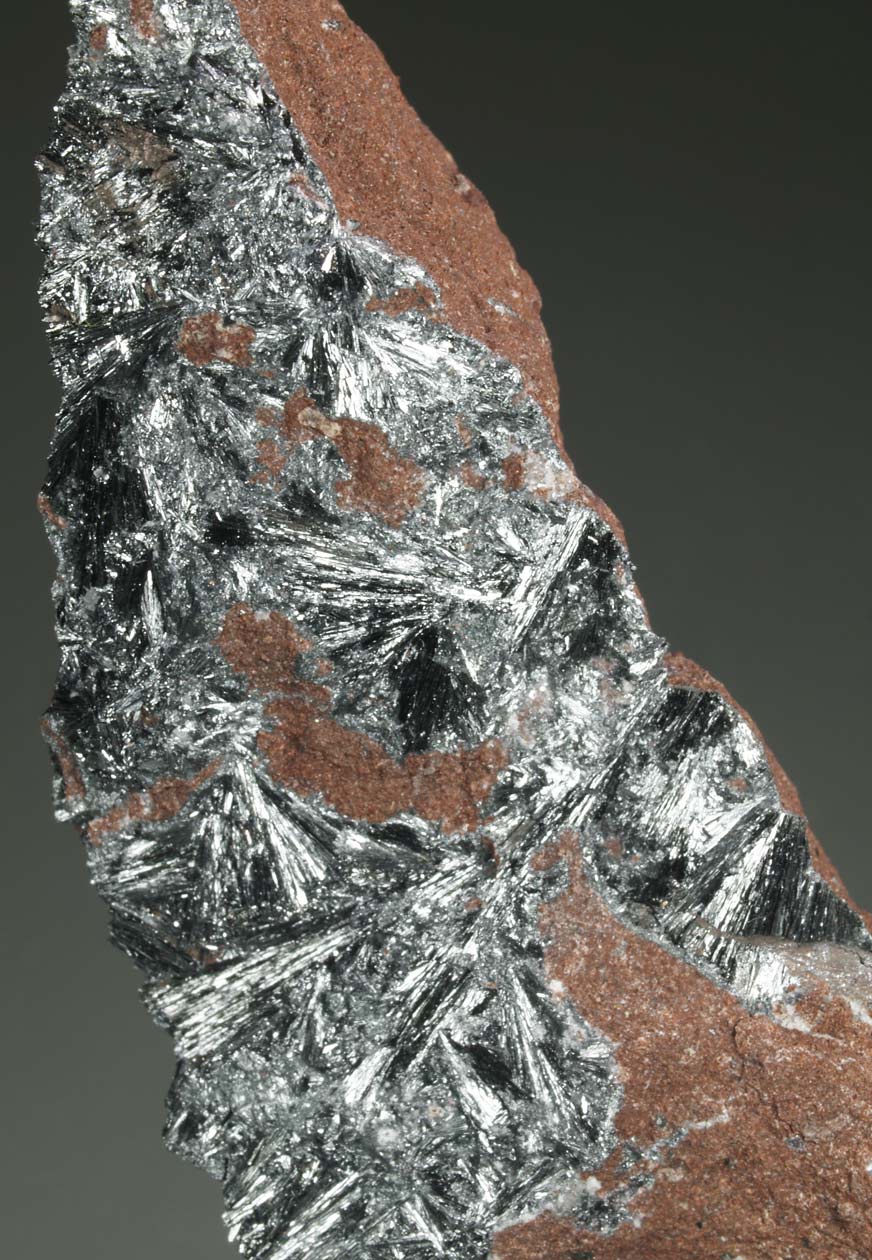
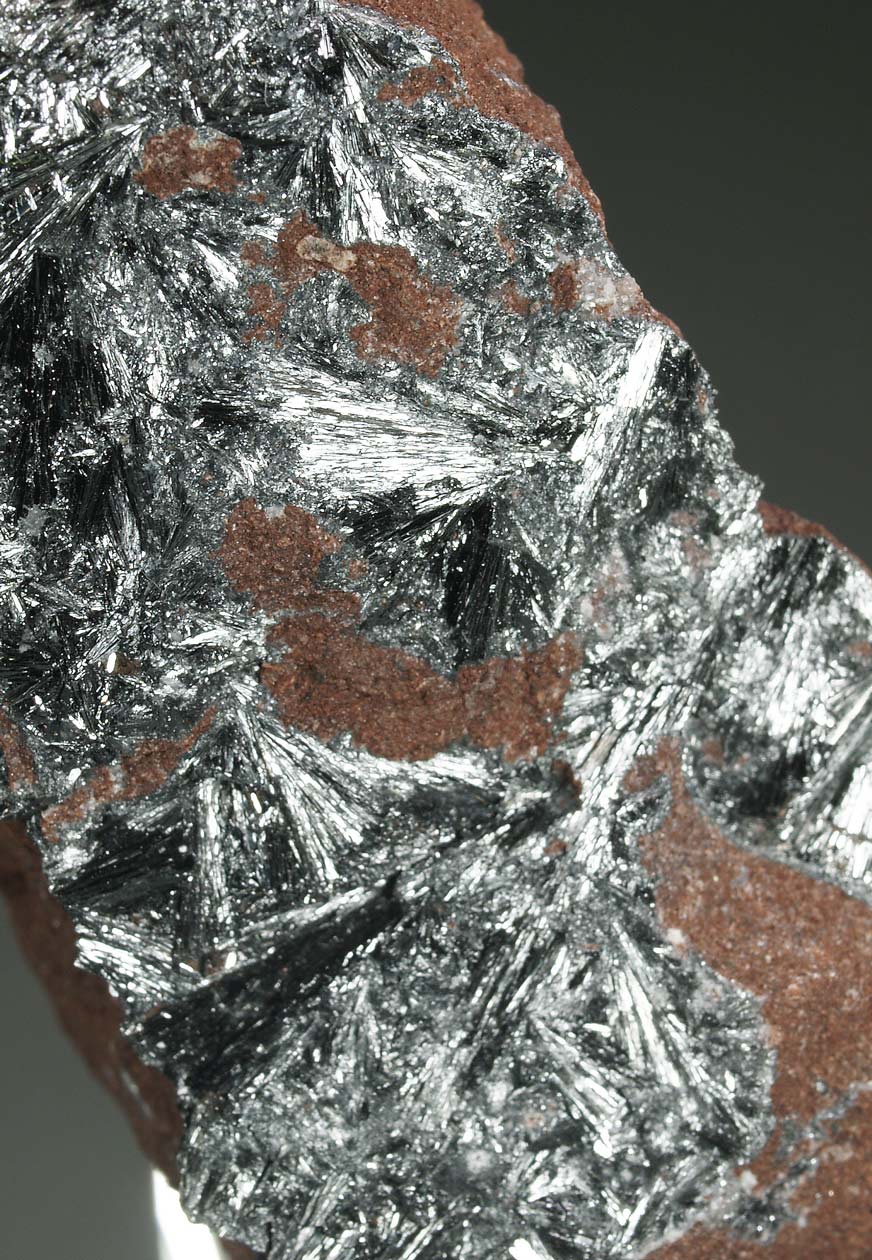
These specimens of manganite partially replaced pyrolusite, come from a locality not yet described in the mineralogical bibliography. This deposit is located in the province of Boulemane, in the Fez-Meknés region, about ten kilometers from the well-known Aouli mines. It is a formation very similar to that of Imini (near Ouarzazate). These manganese deposits, both in Imini and in the Boulemane area, were formed in a karst system. Associated with shallow marine dolomites of the Cretaceous age and that currently form sub-horizontal mantles cutted by erosion, overlaping areas of volcanic rocks. Manganese minerals are found in dolomite breccia and ferruginous clays. We have carried out X-ray diffraction studies showing us the presence of both species: manganite and pyrolusite.
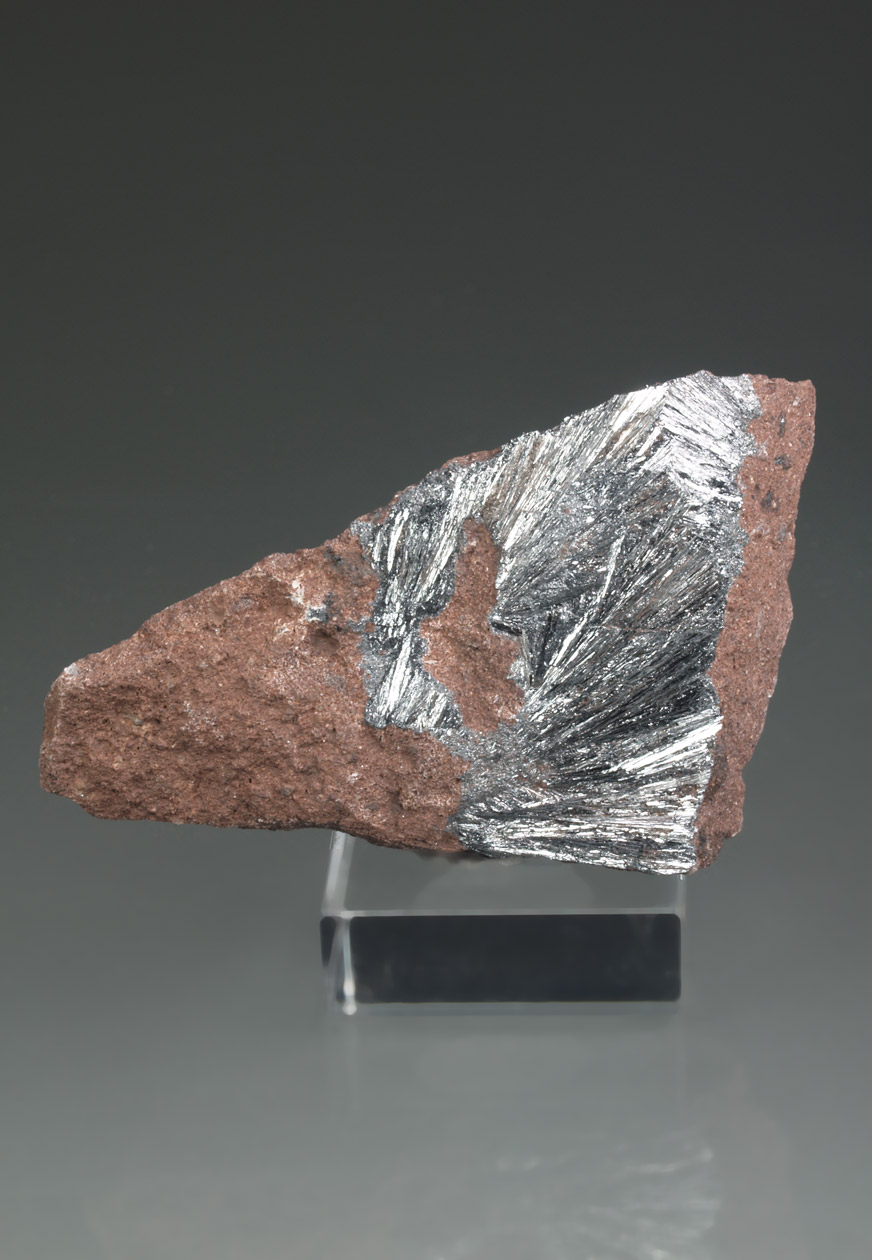
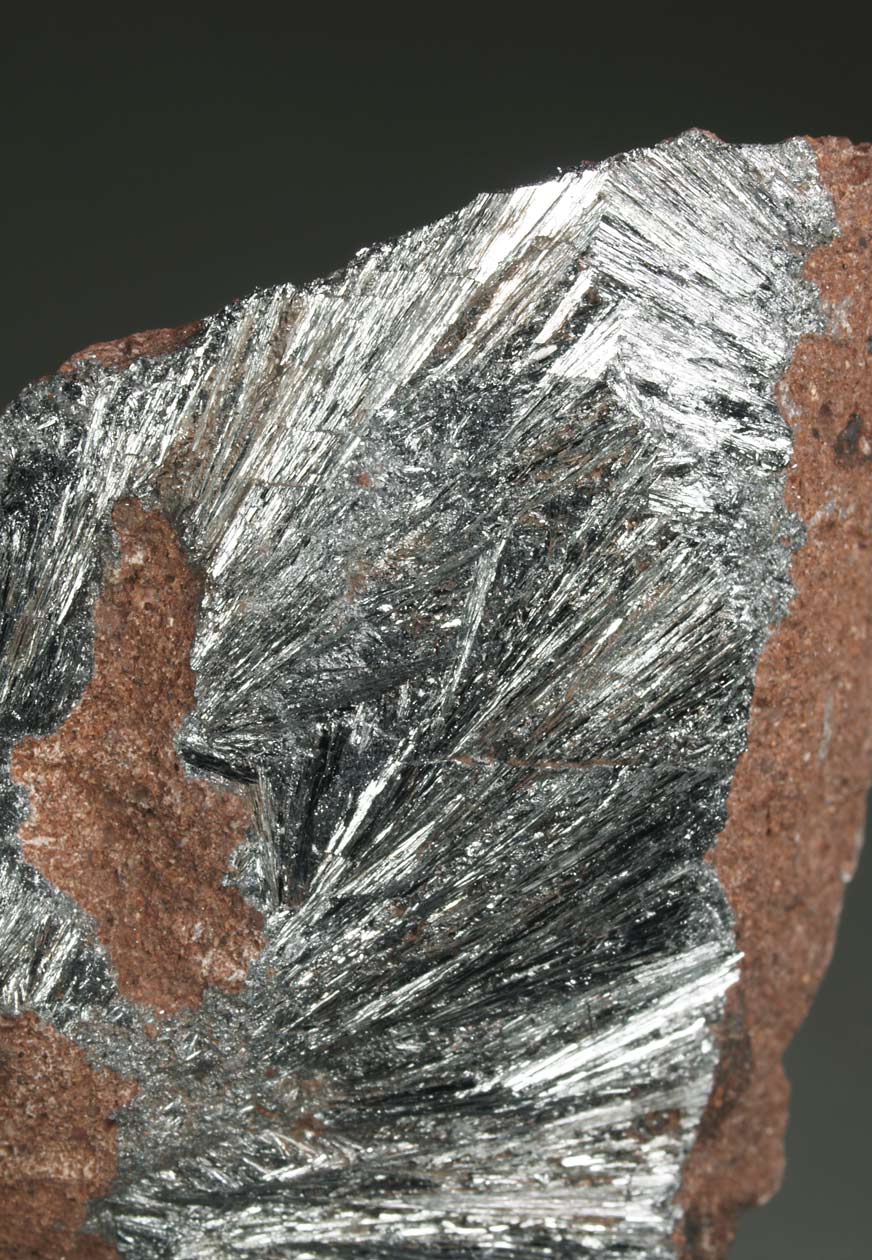
These specimens of manganite partially replaced pyrolusite, come from a locality not yet described in the mineralogical bibliography. This deposit is located in the province of Boulemane, in the Fez-Meknés region, about ten kilometers from the well-known Aouli mines. It is a formation very similar to that of Imini (near Ouarzazate). These manganese deposits, both in Imini and in the Boulemane area, were formed in a karst system. Associated with shallow marine dolomites of the Cretaceous age and that currently form sub-horizontal mantles cutted by erosion, overlaping areas of volcanic rocks. Manganese minerals are found in dolomite breccia and ferruginous clays. We have carried out X-ray diffraction studies showing us the presence of both species: manganite and pyrolusite.
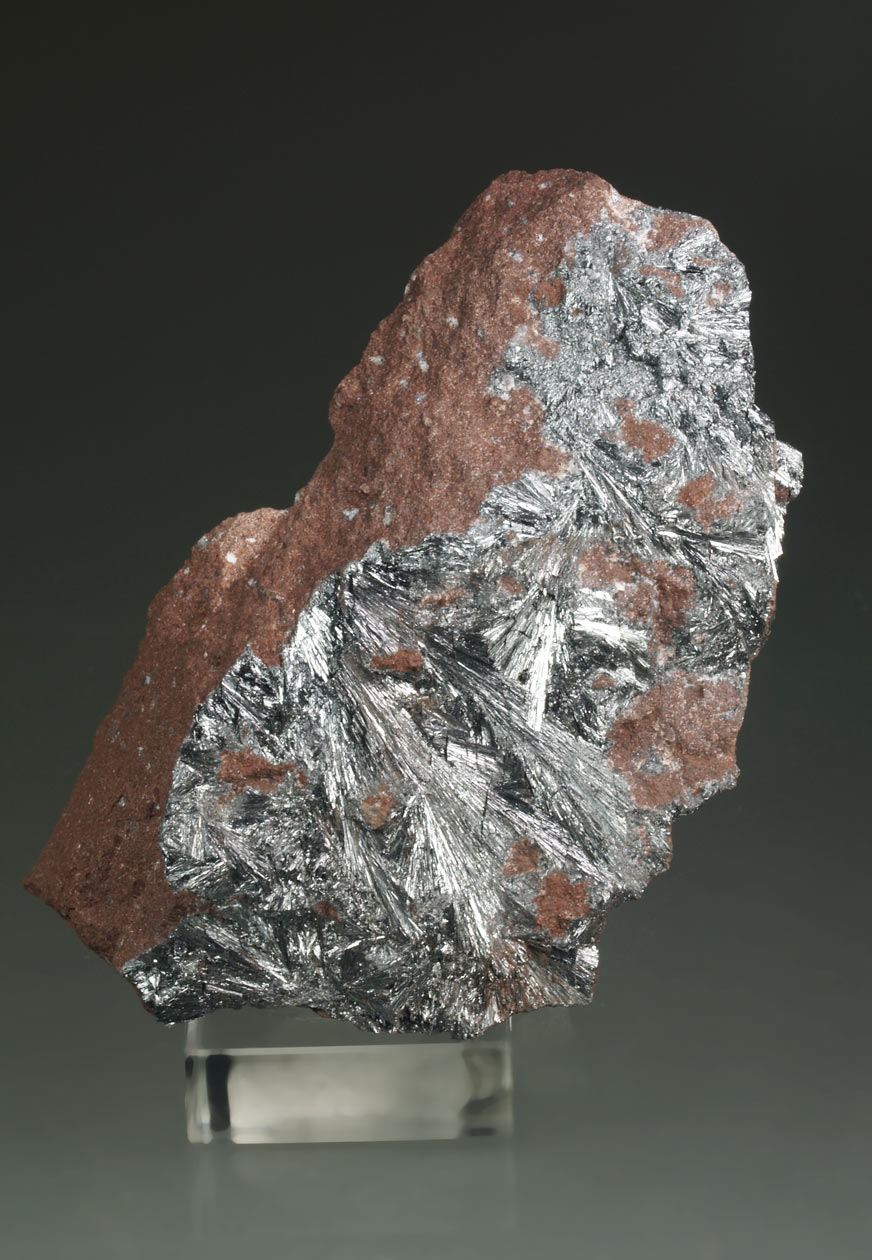
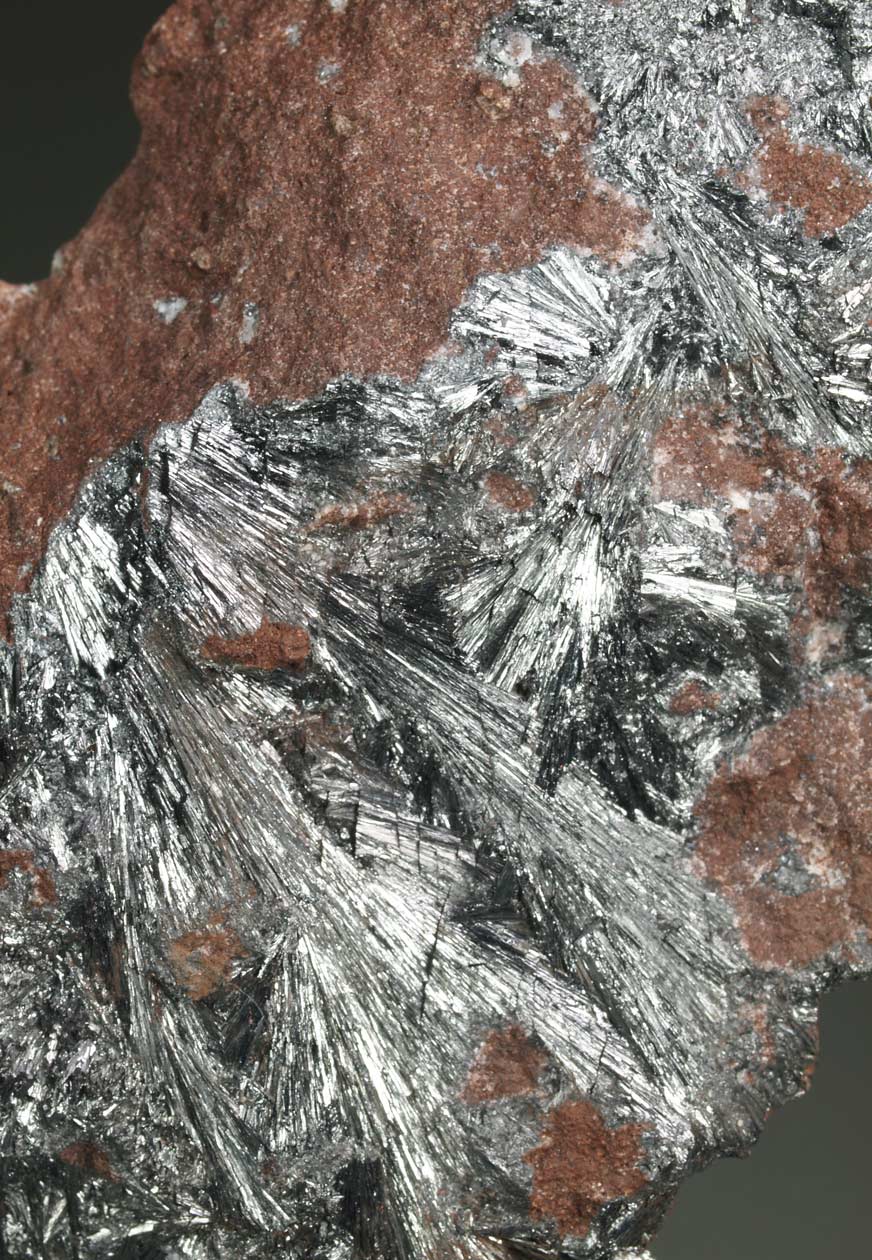
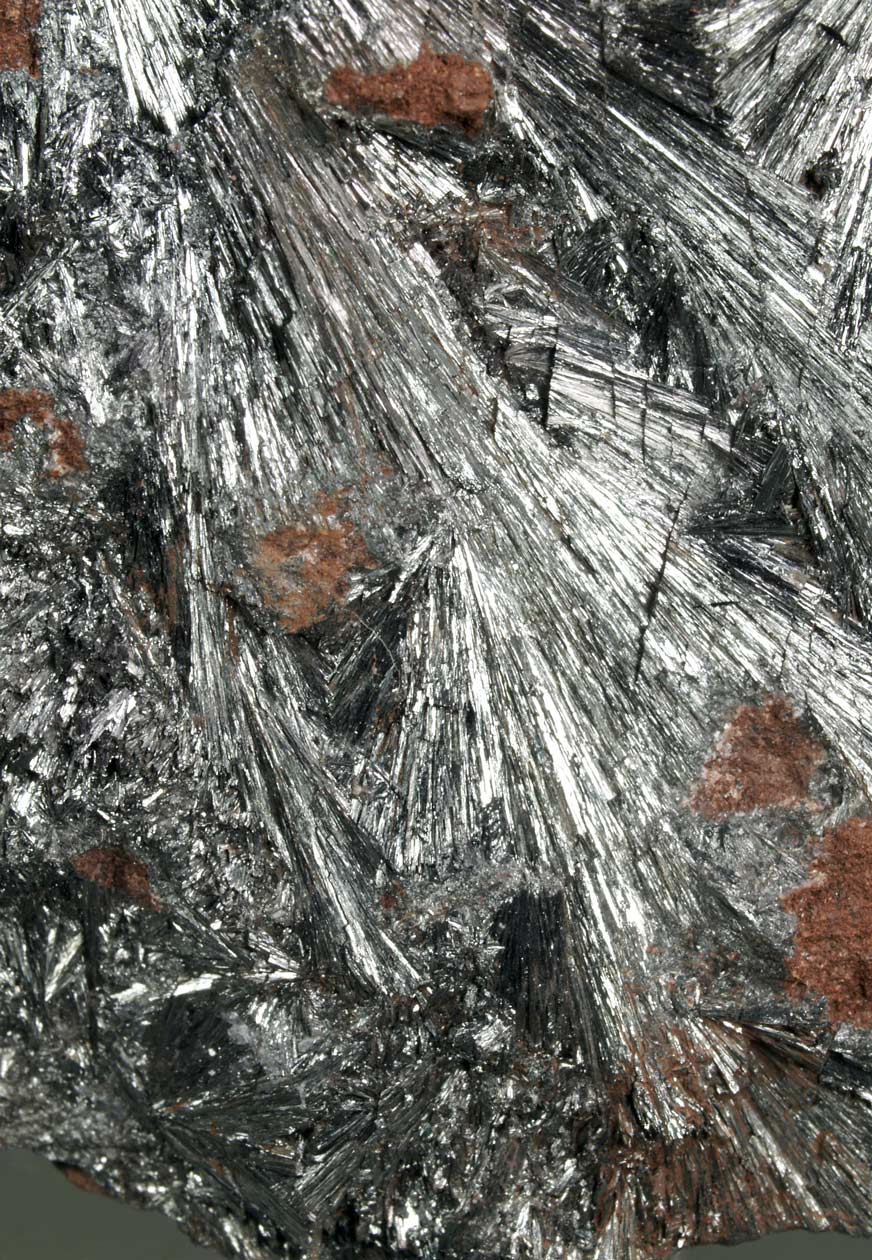
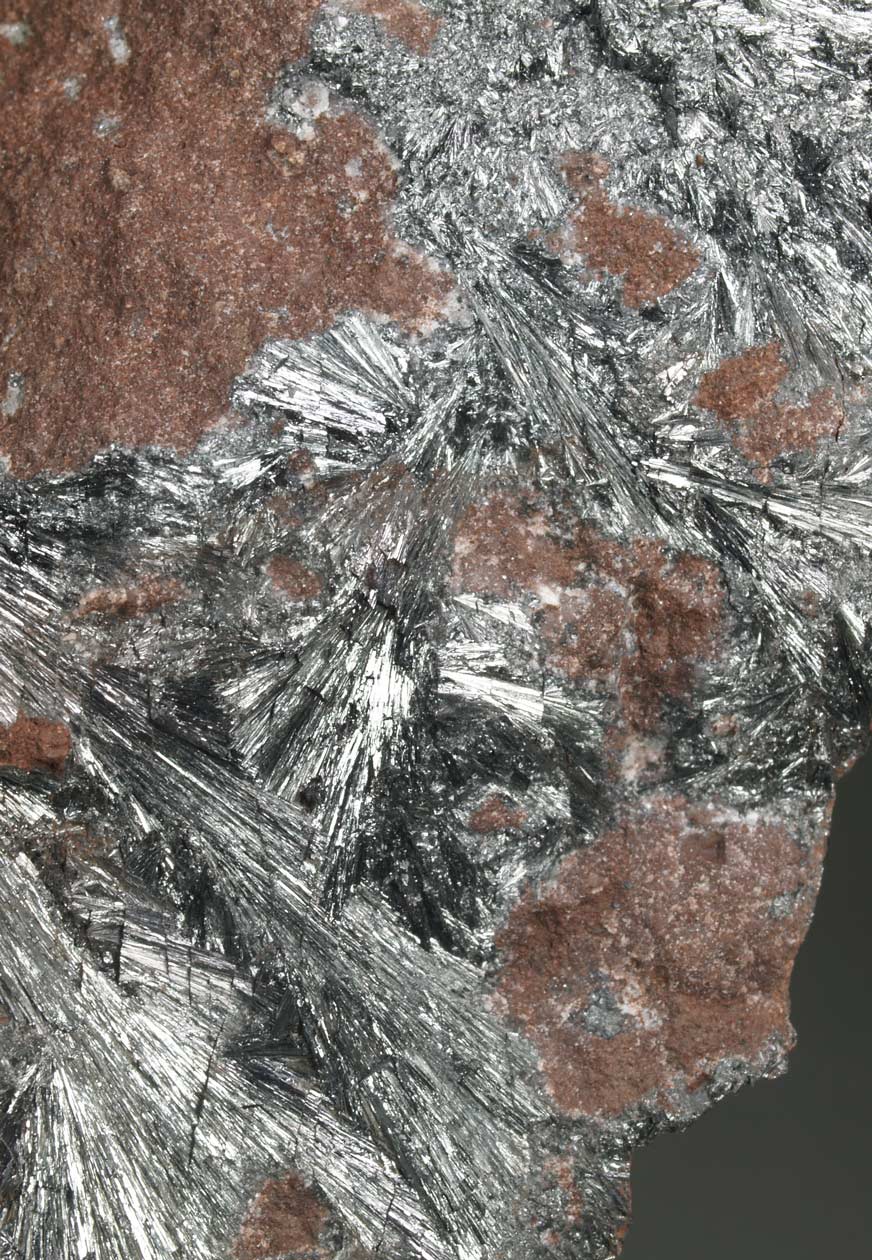
These specimens of manganite partially replaced pyrolusite, come from a locality not yet described in the mineralogical bibliography. This deposit is located in the province of Boulemane, in the Fez-Meknés region, about ten kilometers from the well-known Aouli mines. It is a formation very similar to that of Imini (near Ouarzazate). These manganese deposits, both in Imini and in the Boulemane area, were formed in a karst system. Associated with shallow marine dolomites of the Cretaceous age and that currently form sub-horizontal mantles cutted by erosion, overlaping areas of volcanic rocks. Manganese minerals are found in dolomite breccia and ferruginous clays. We have carried out X-ray diffraction studies showing us the presence of both species: manganite and pyrolusite.
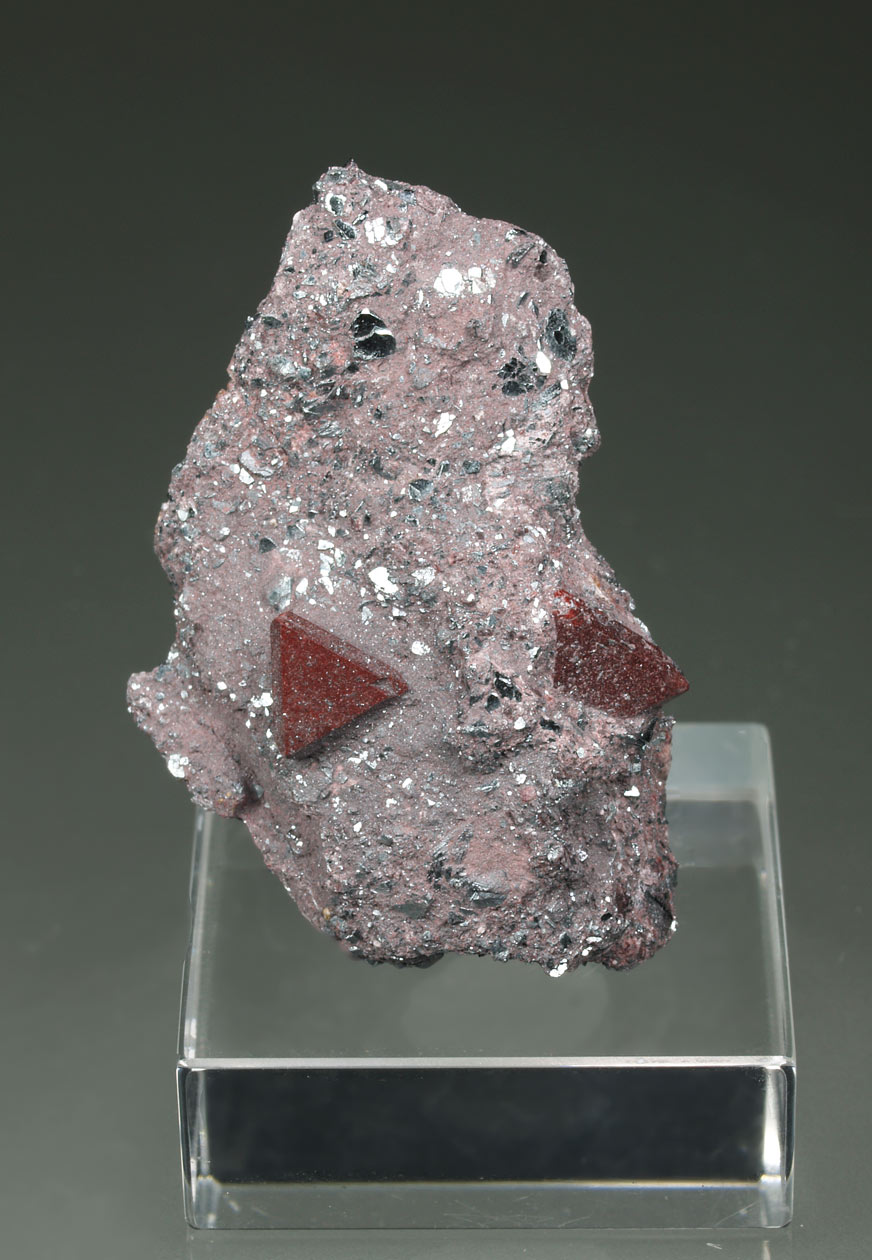
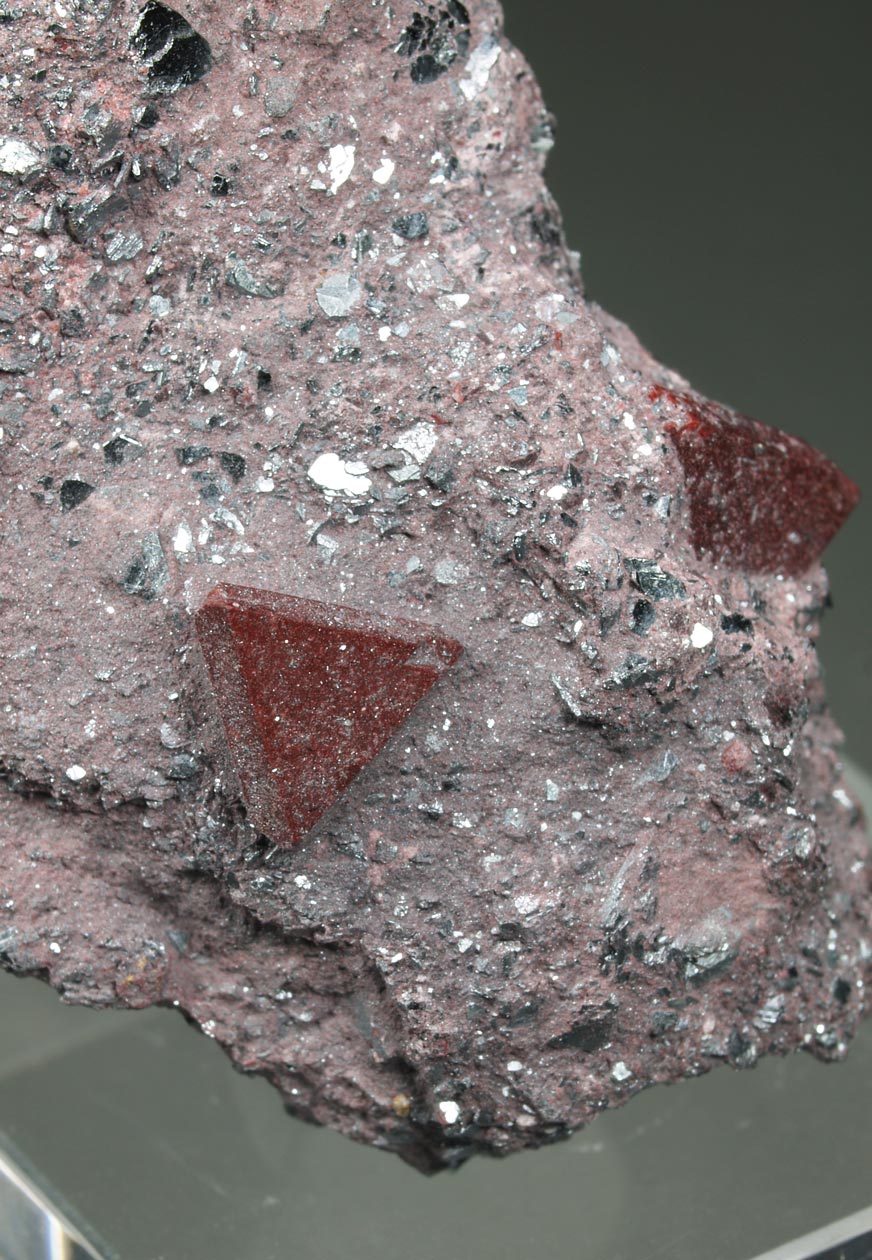
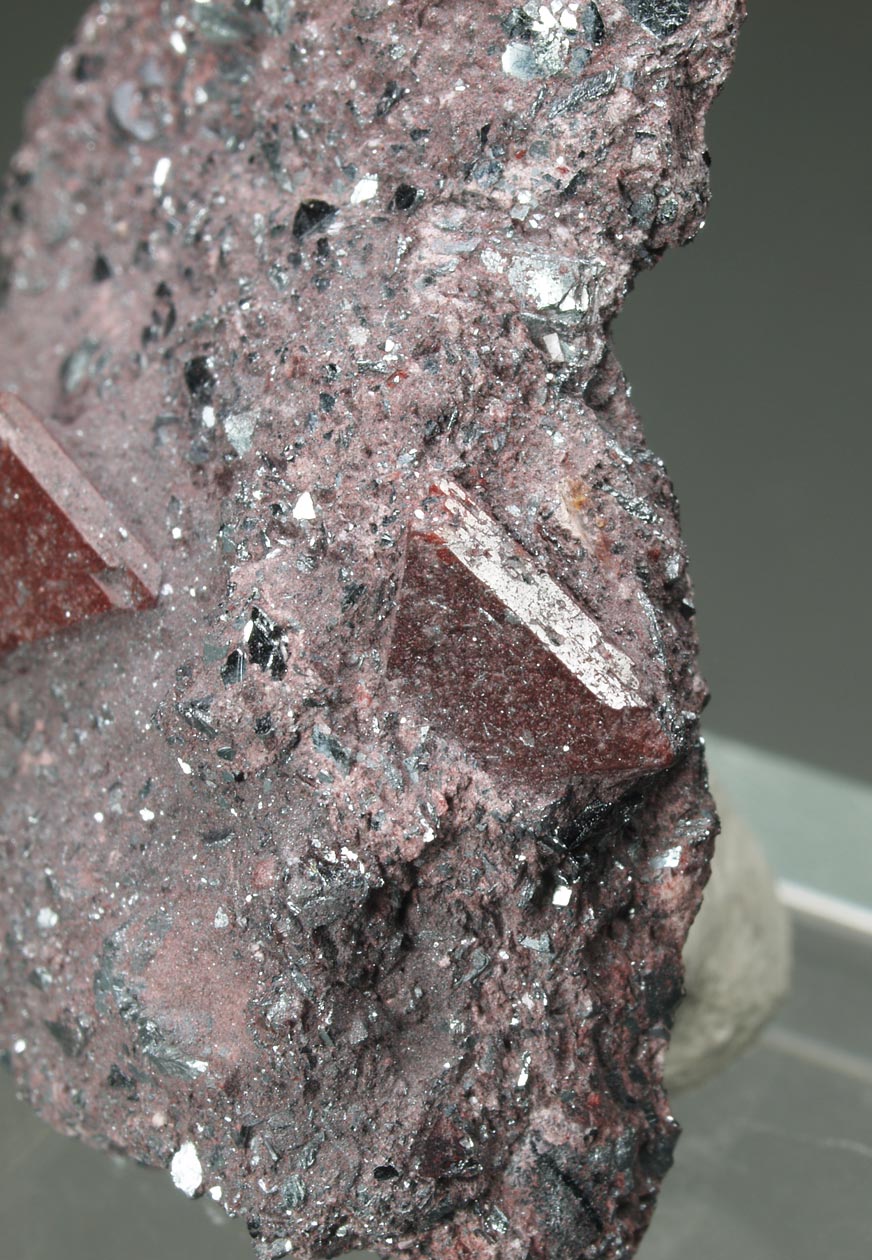
Very well defined zunyite crystals, with luster and on matrix. The intense tile colour is due to hematite inclusions. With clean tetrahedron shape, truncated by cube faces. The edge of both tetrahedrons measures 8 mm. They are included in a small matrix of hematite. A crystallographic specimen of this mineral species, a rare aluminum chlorine sorosilicate with fluorine. We performed some X-ray diffraction studies that confirmed the species. We recommend an interesting article about this Iranian deposit in the magazine Rocks and Minerals (Vol. 95, nº 2, 2020).
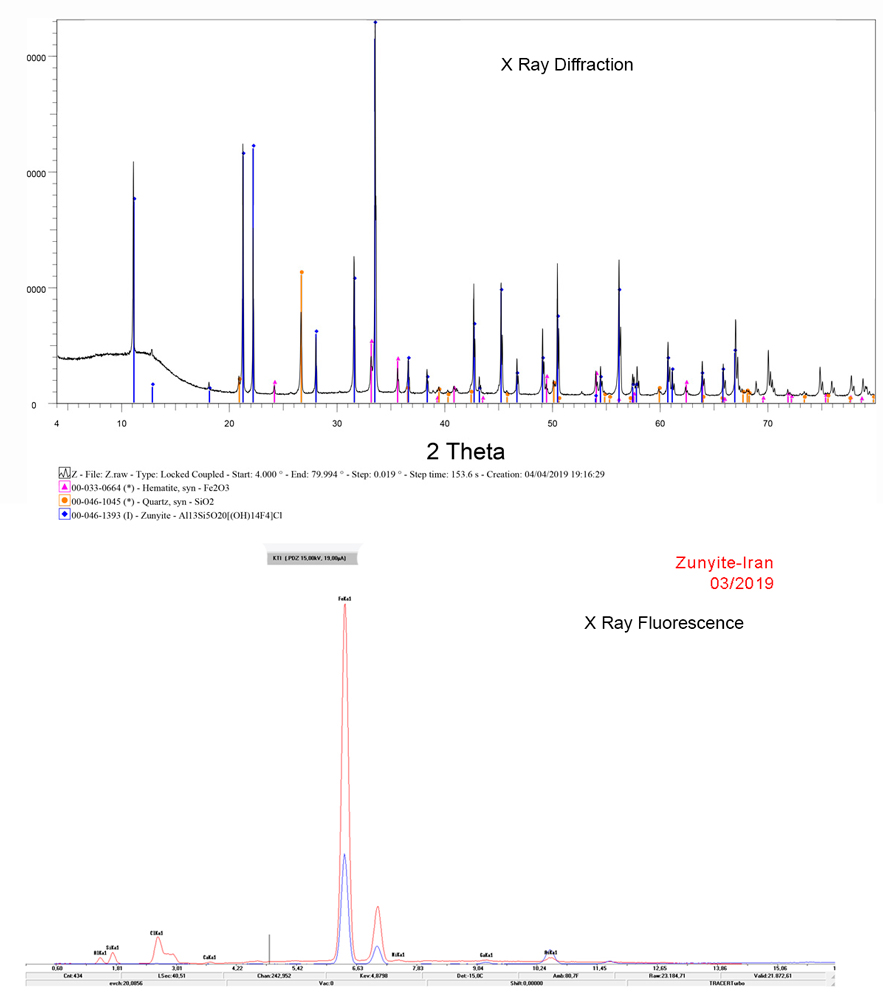
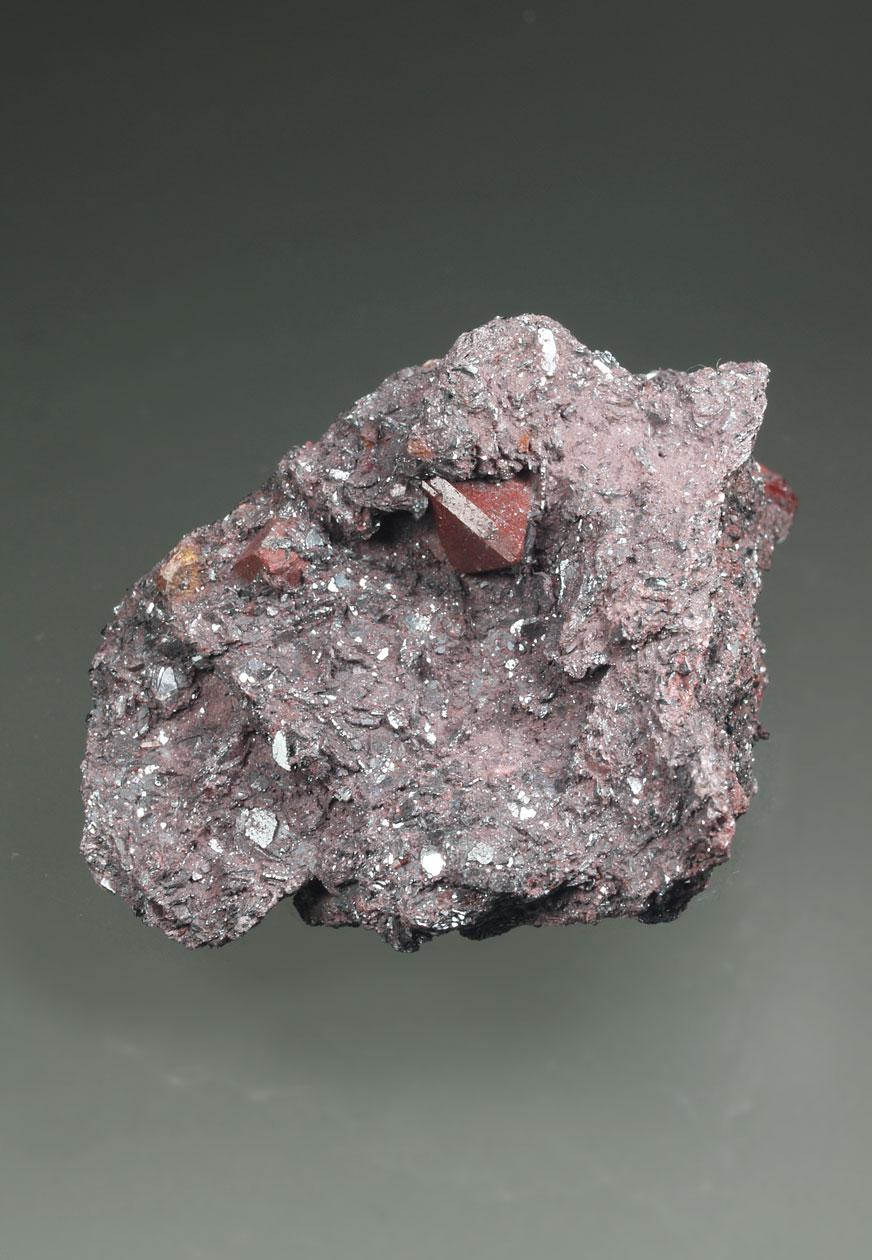
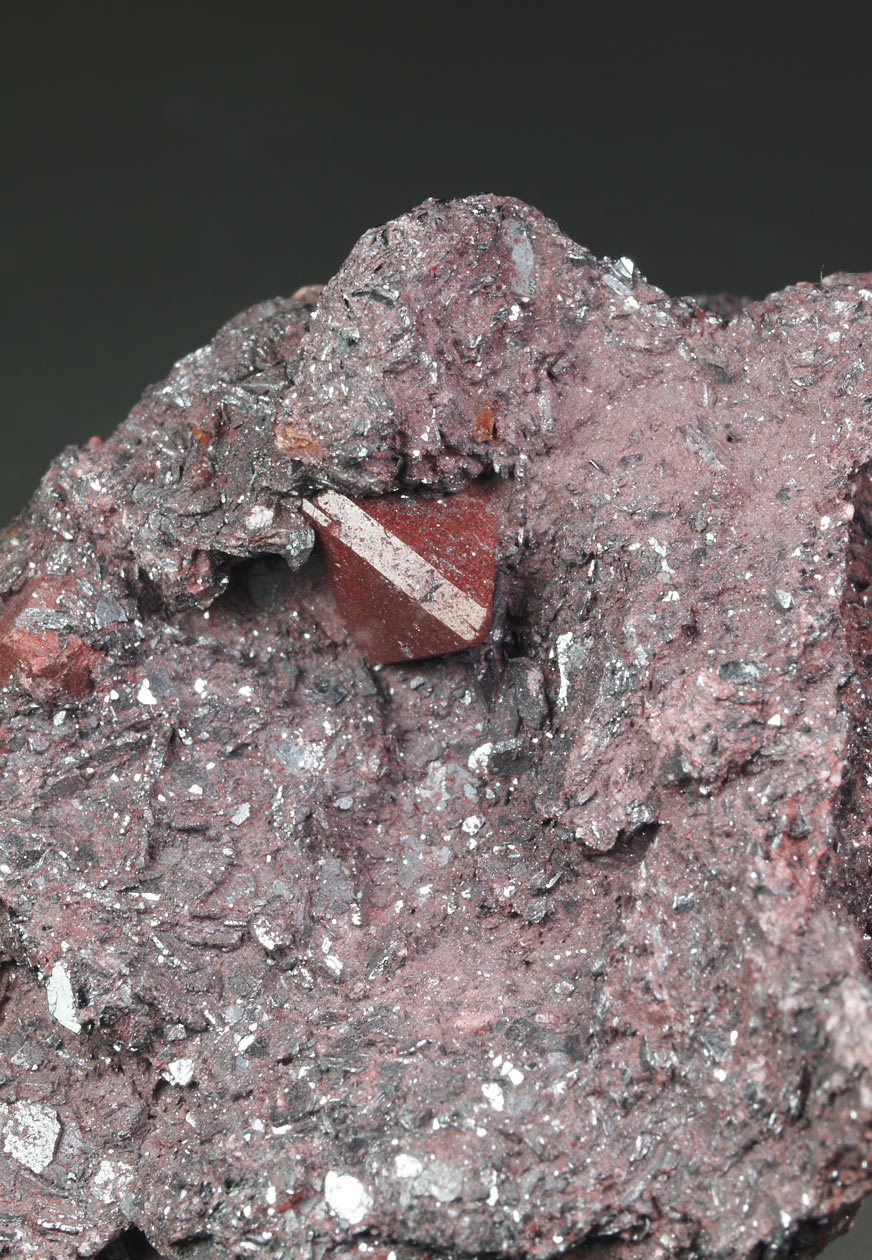
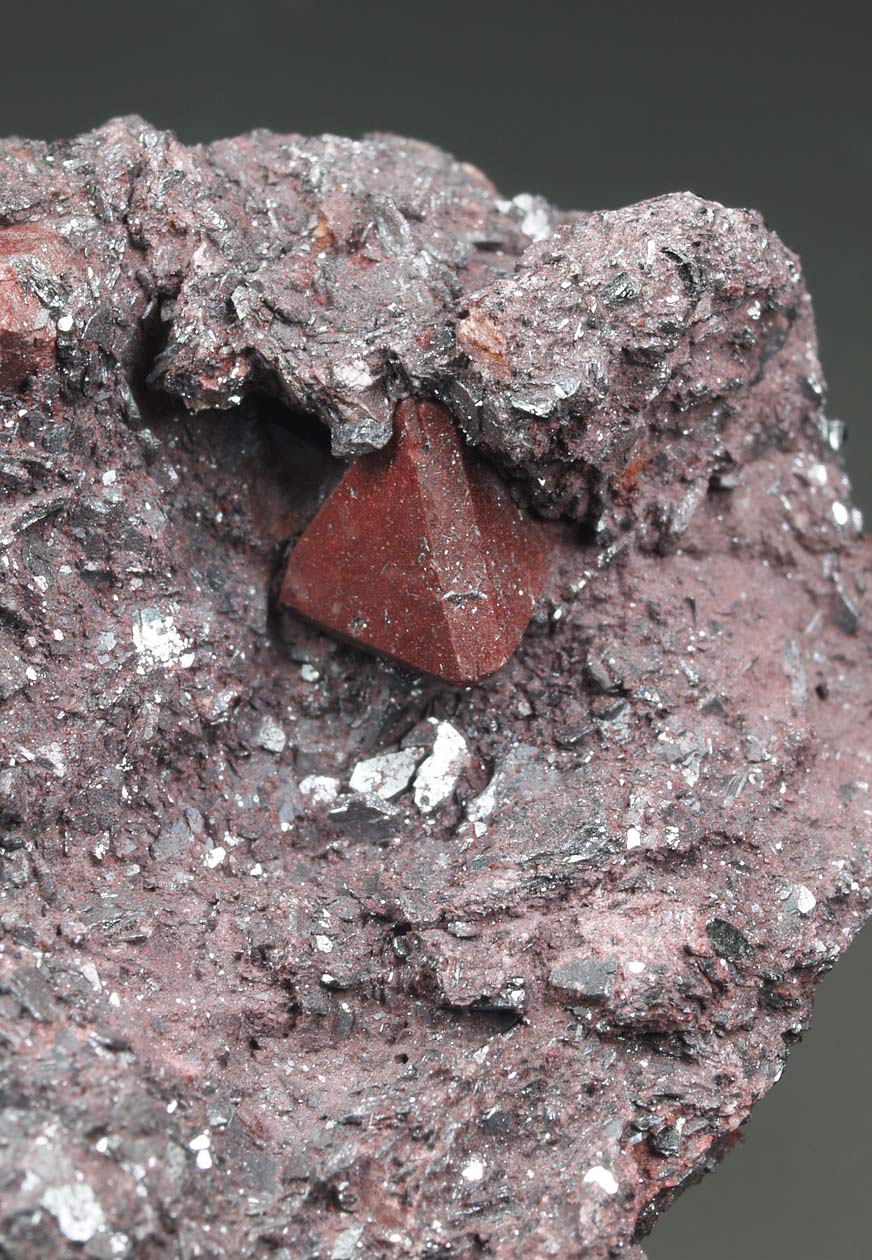
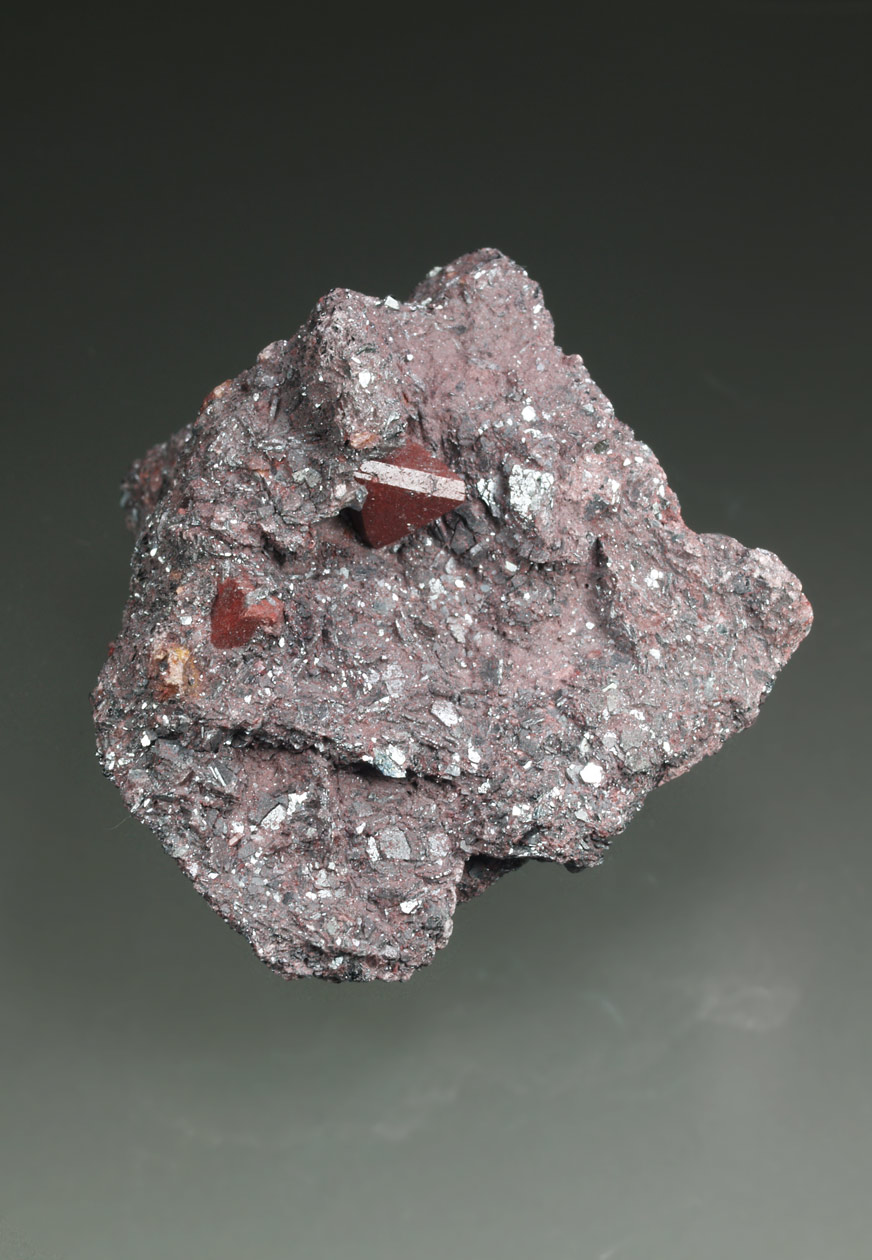
Very well defined zunyite crystal, with luster and on matrix. Its intense colour is due to hematite inclusions. With very clean tetrahedron shape, truncated by cube faces. The edge of the tetrahedron measures 8 mm. It is included in a matrix of hematite. A crystallographic specimen of this mineral species, a rare aluminum chlorine sorosilicate with fluorine. We performed some X-ray diffraction studies that confirmed the species. We recommend an interesting article about this Iranian deposit in the magazine Rocks and Minerals (Vol. 95, nº 2, 2020).
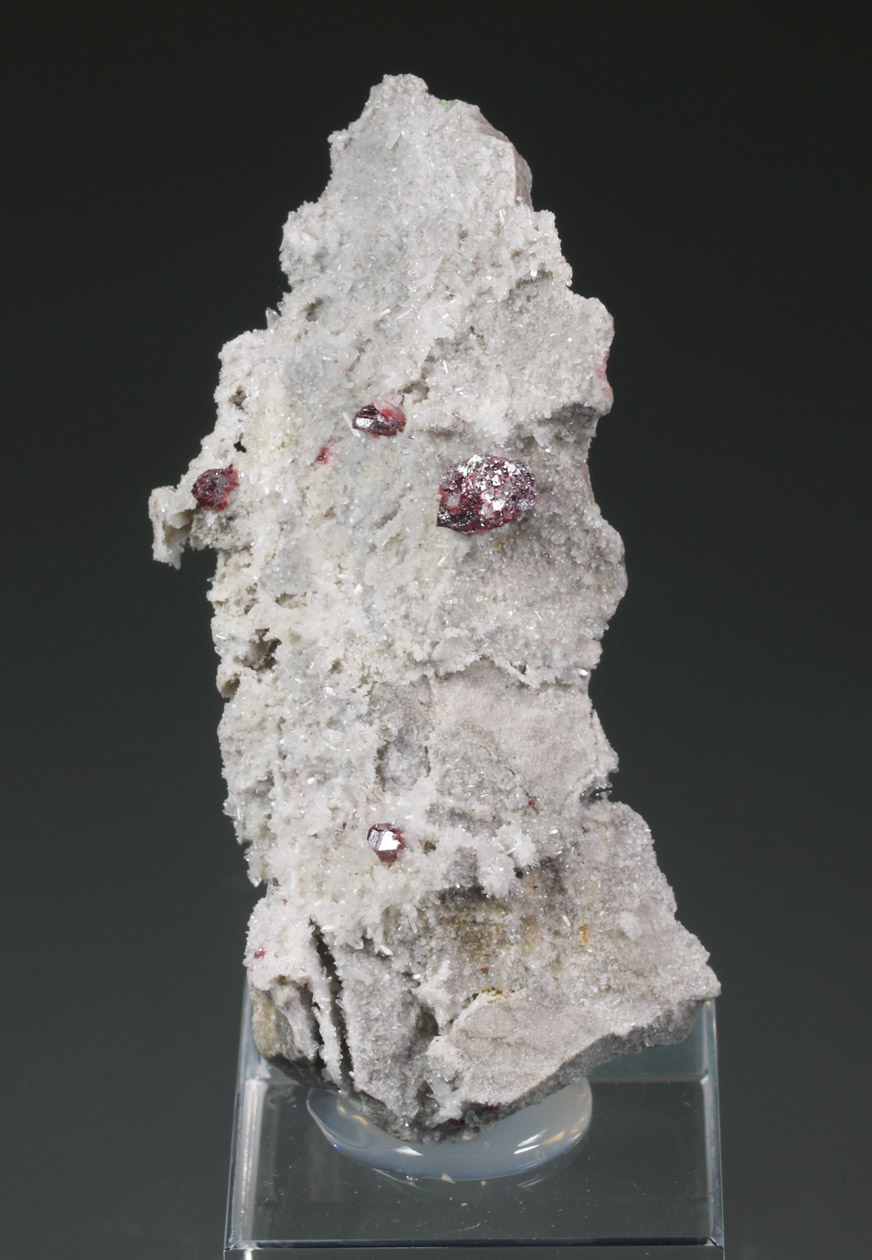
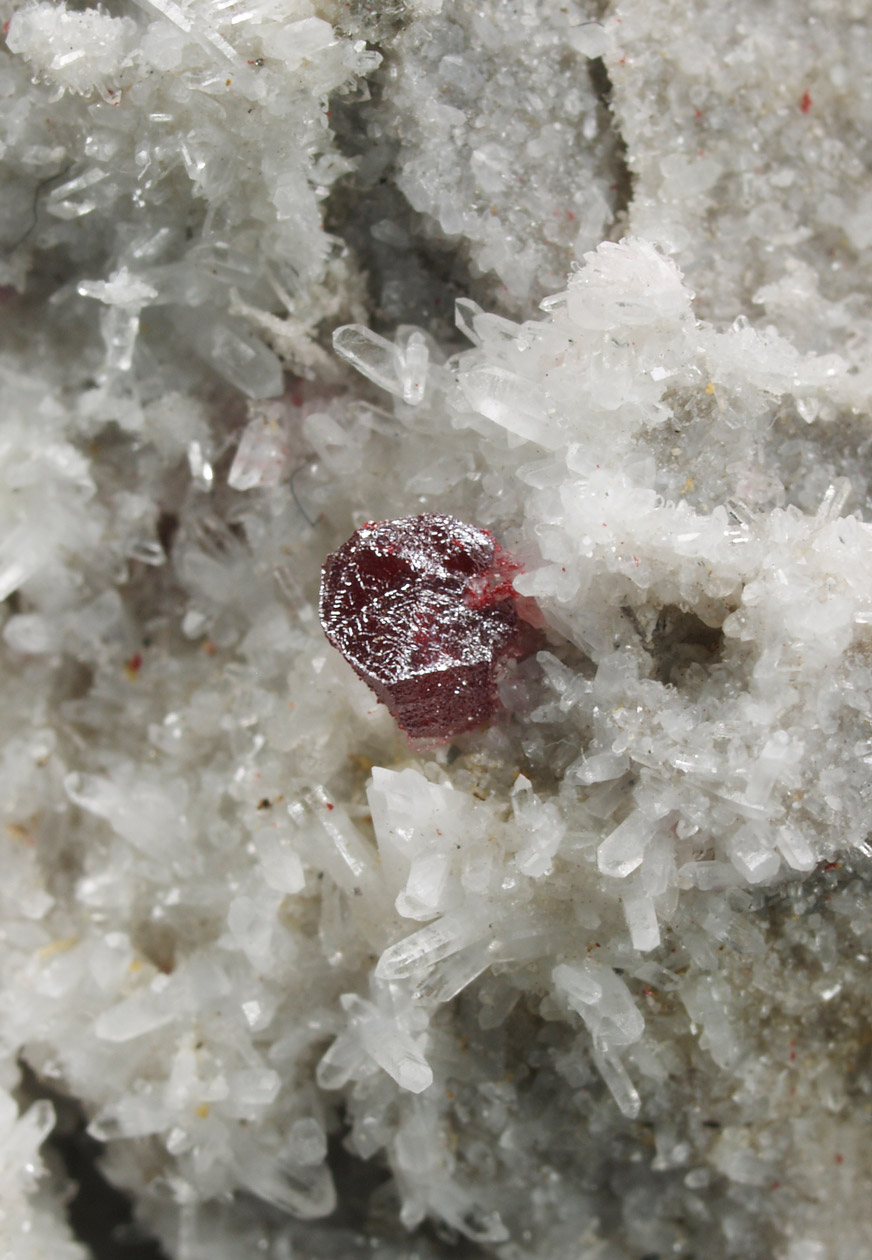
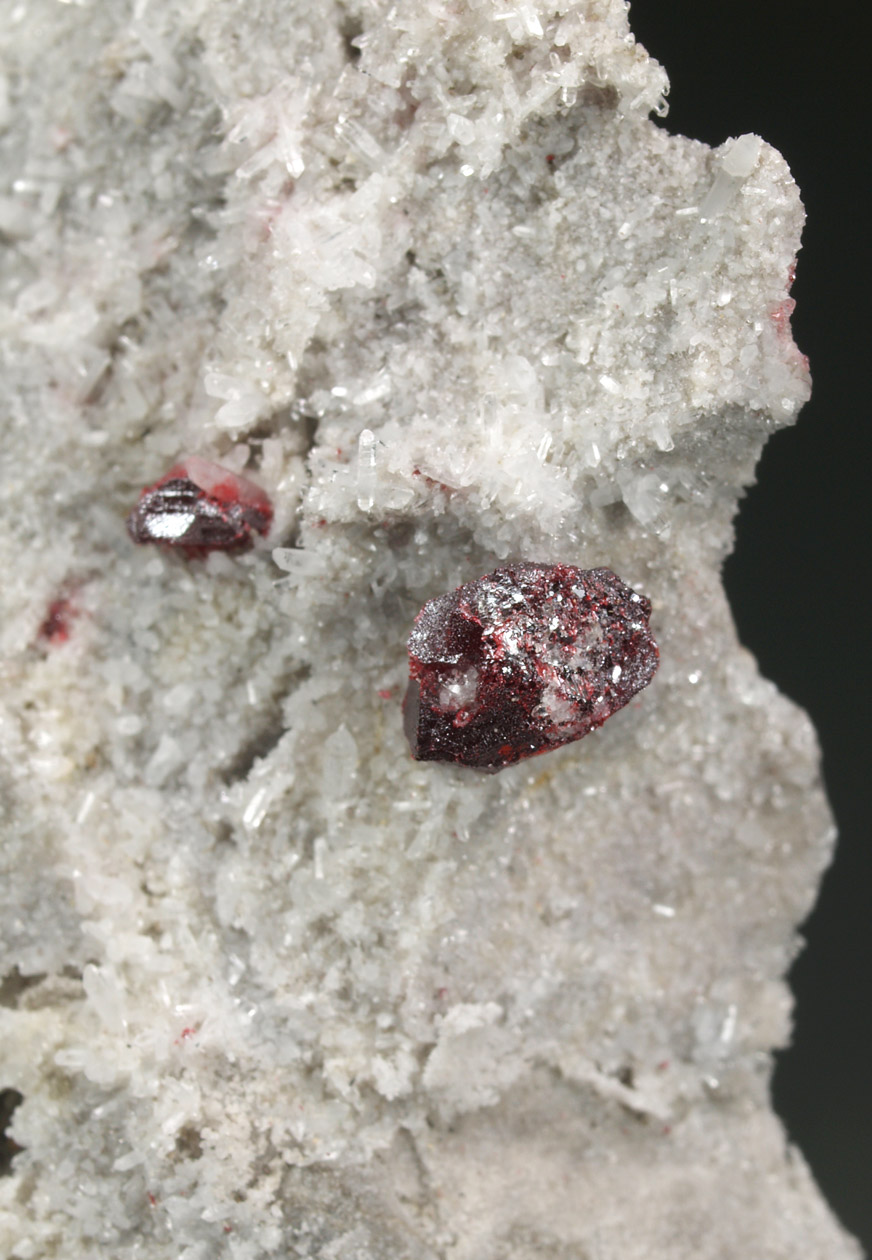
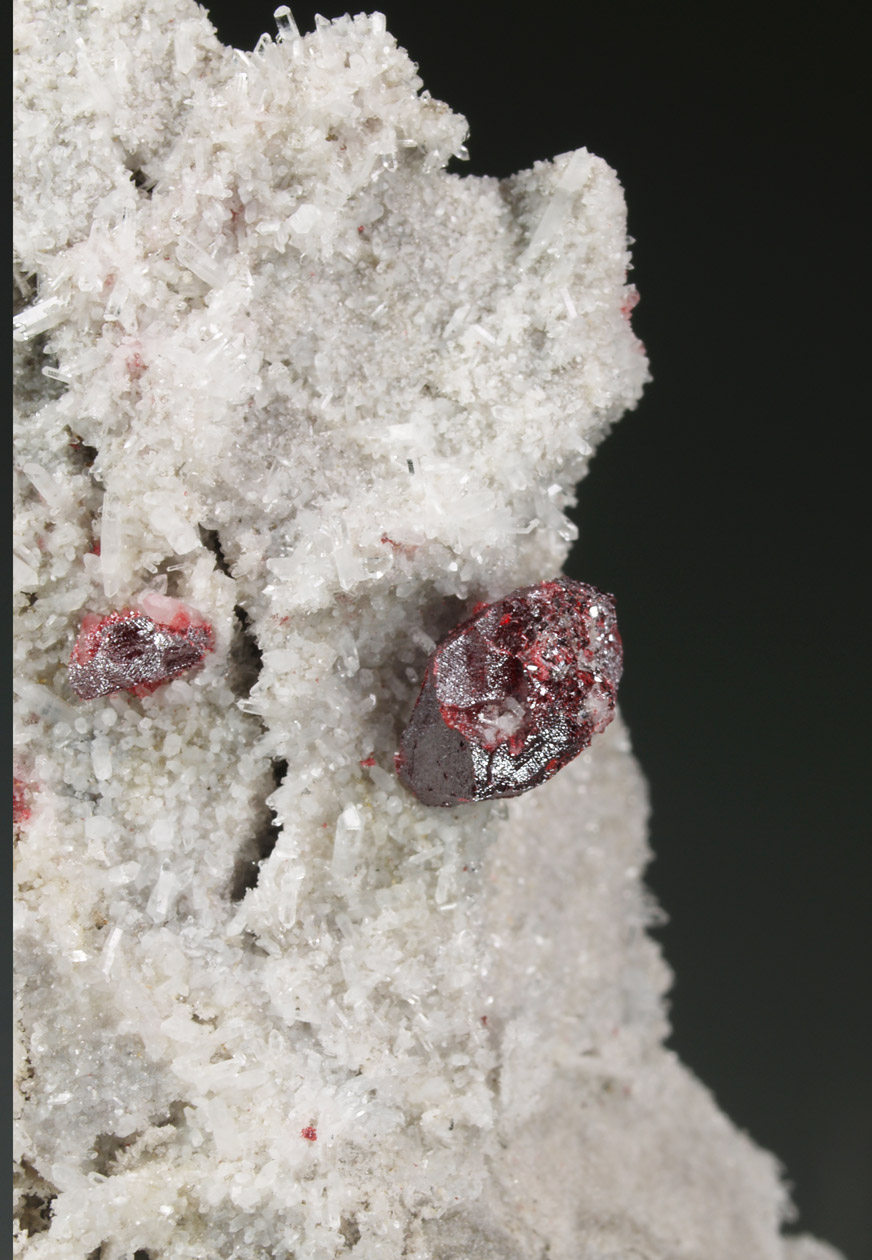
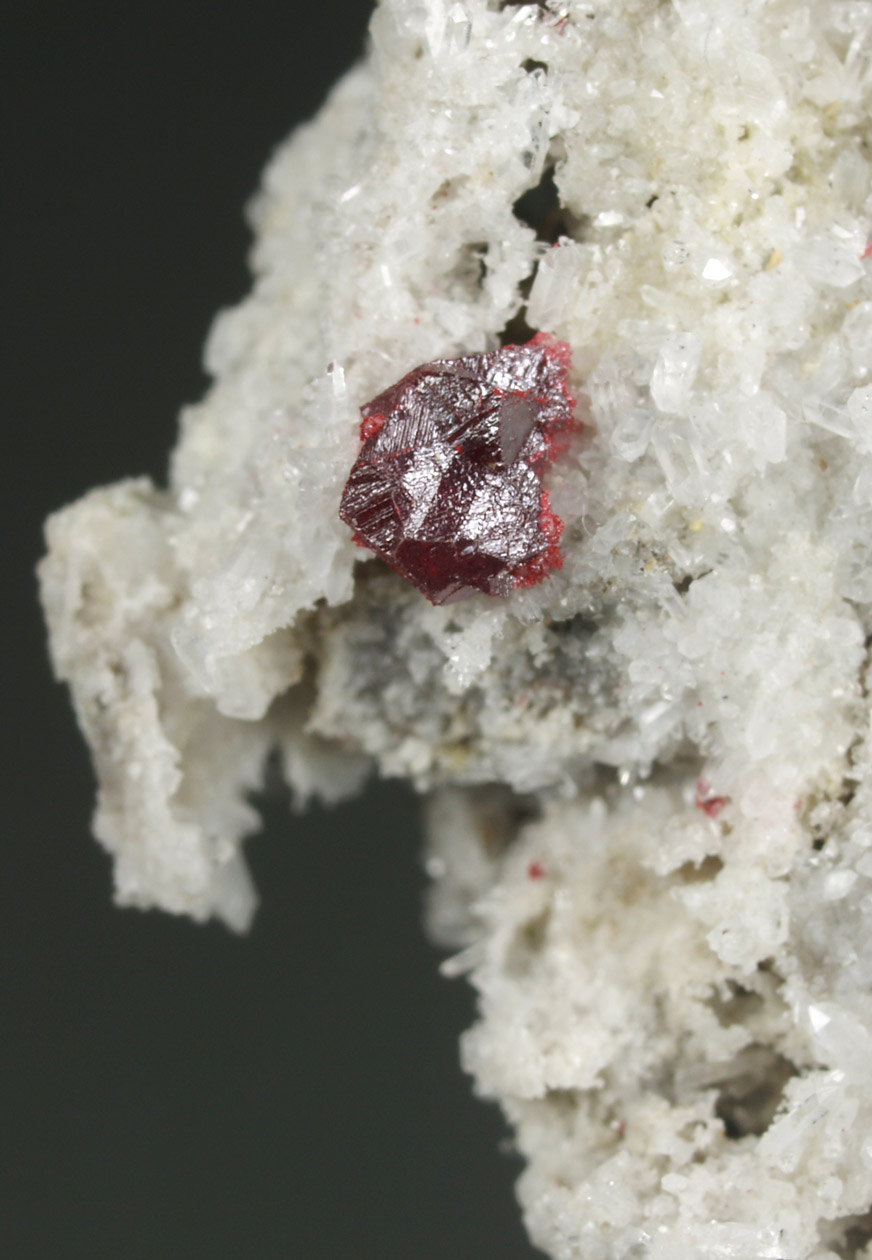
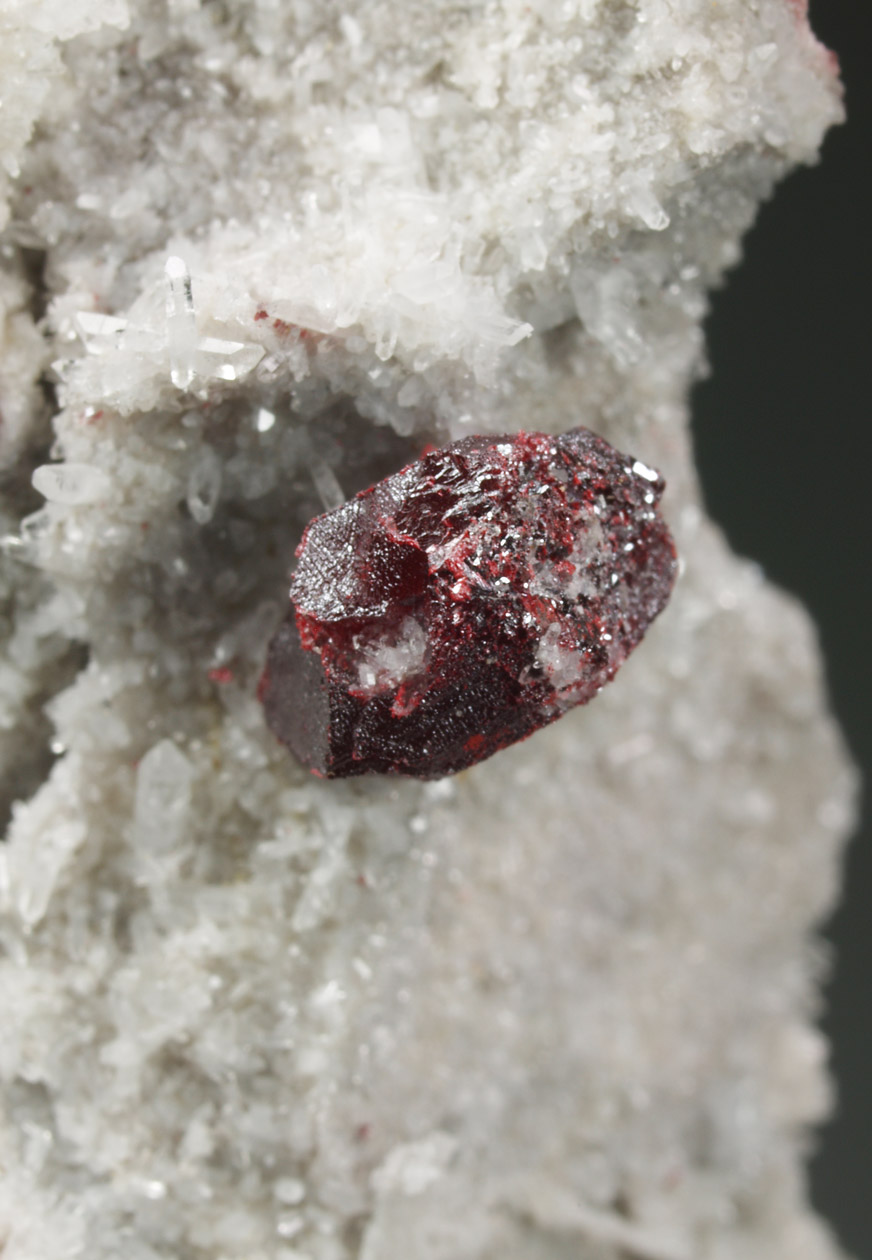
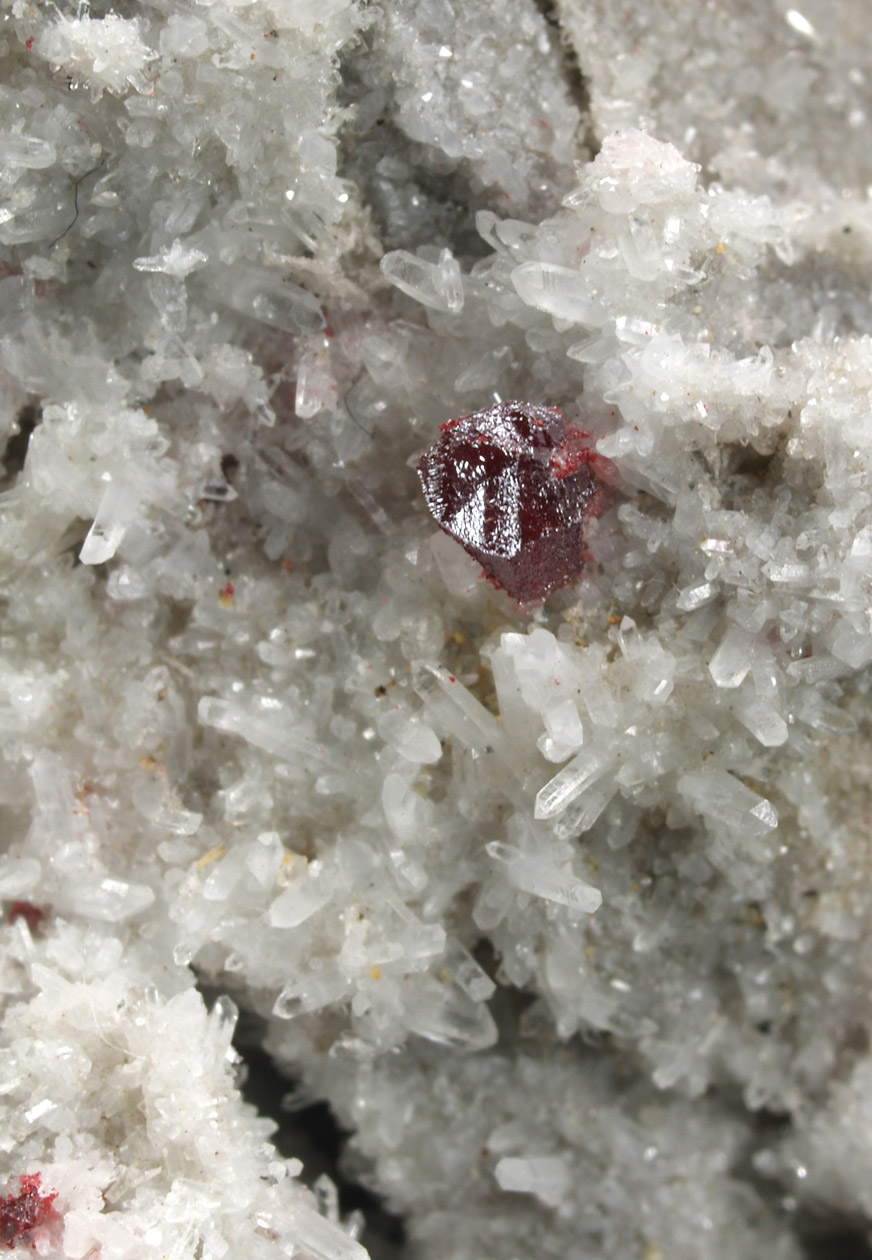
Various complex cinnabar crystals, some with a cyclic twin, one of them clearly dominant. Excellent luster and intense red color, stand out on the quartz matrix from which the calcite has been removed. This mine was worked until the early 1970s. A Spanish classic that is not easy to find in the market.
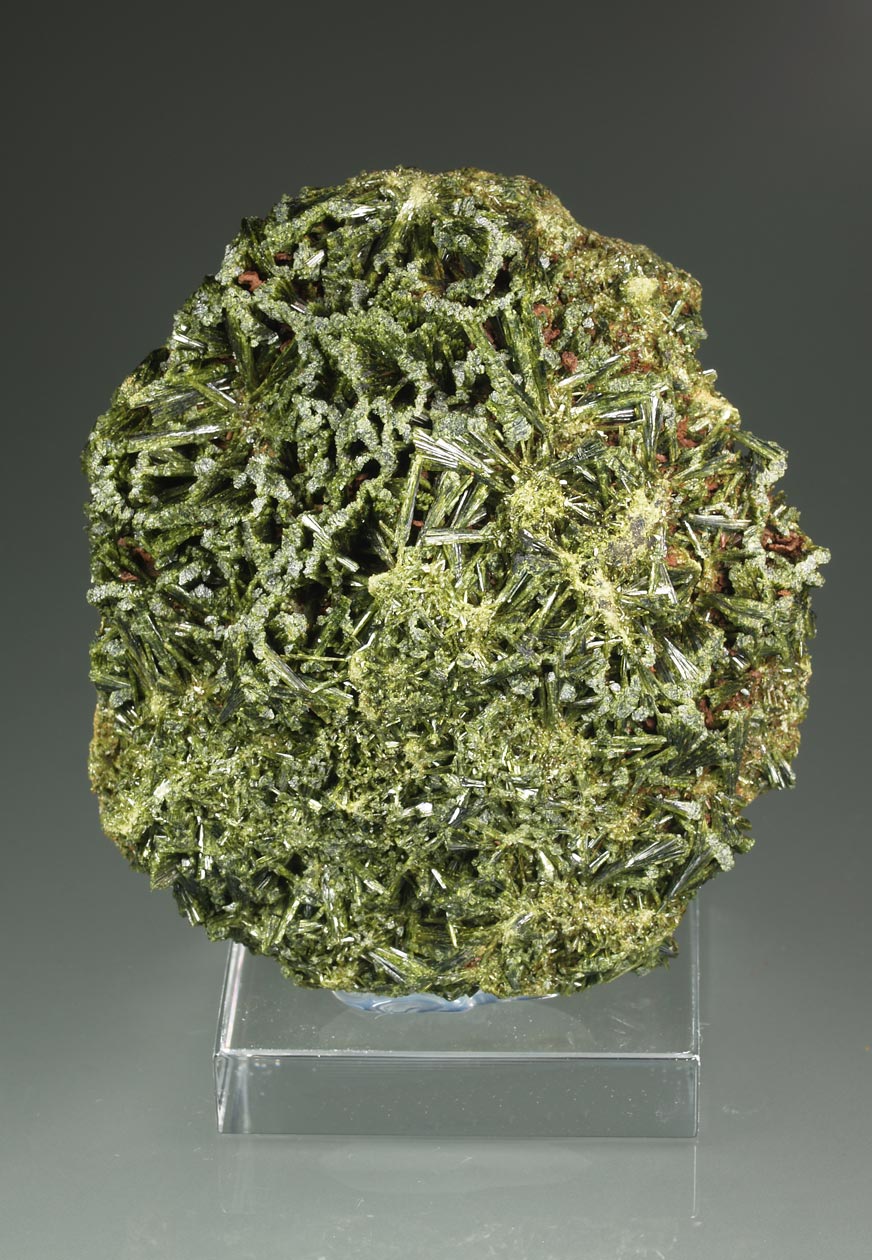
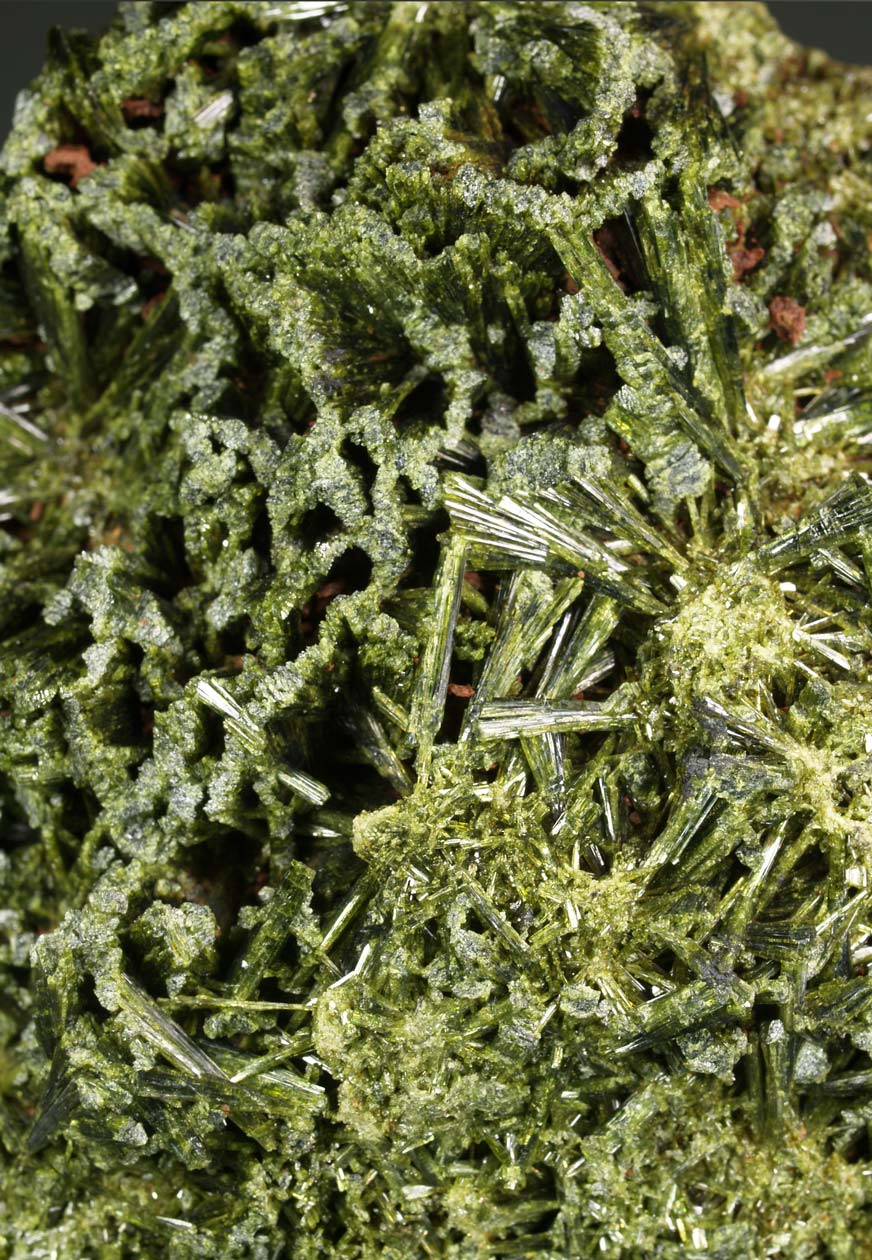
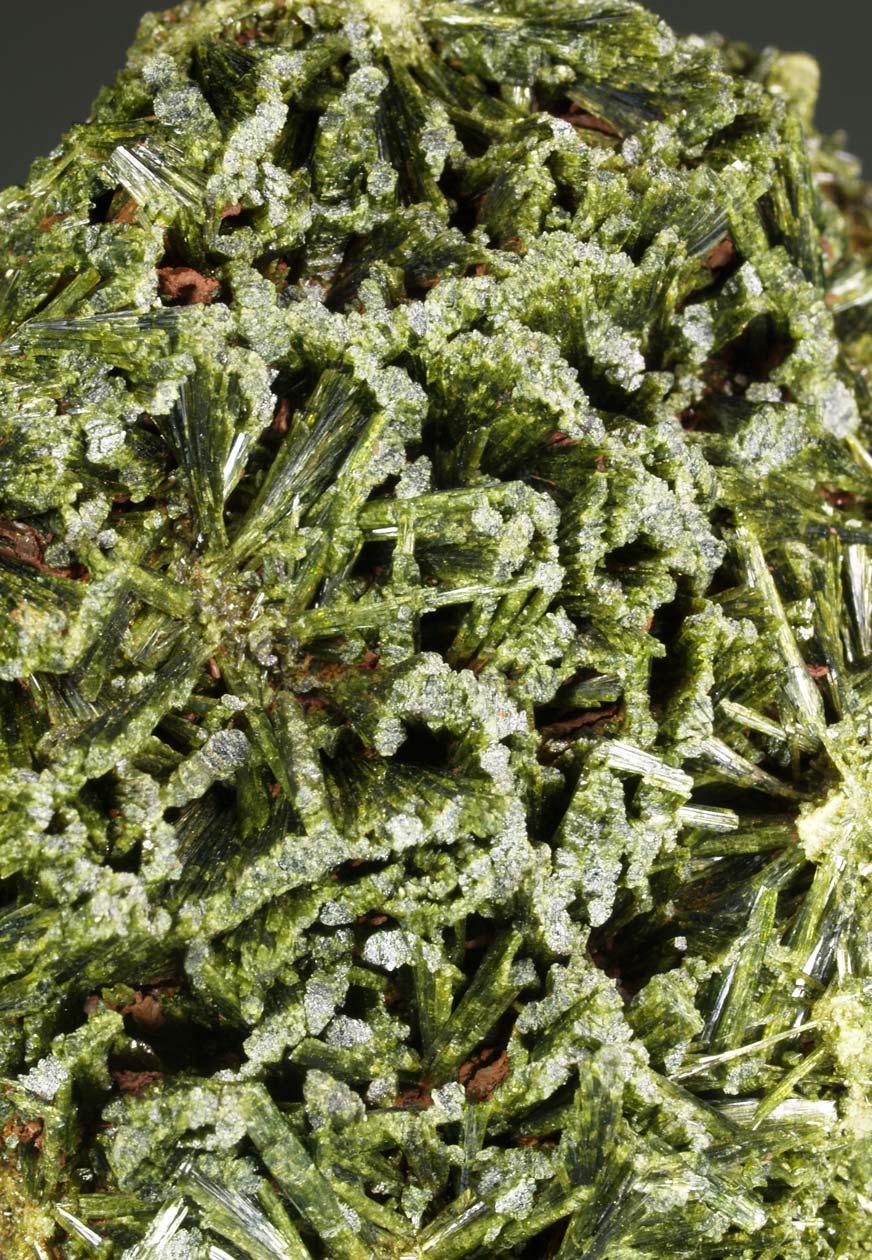
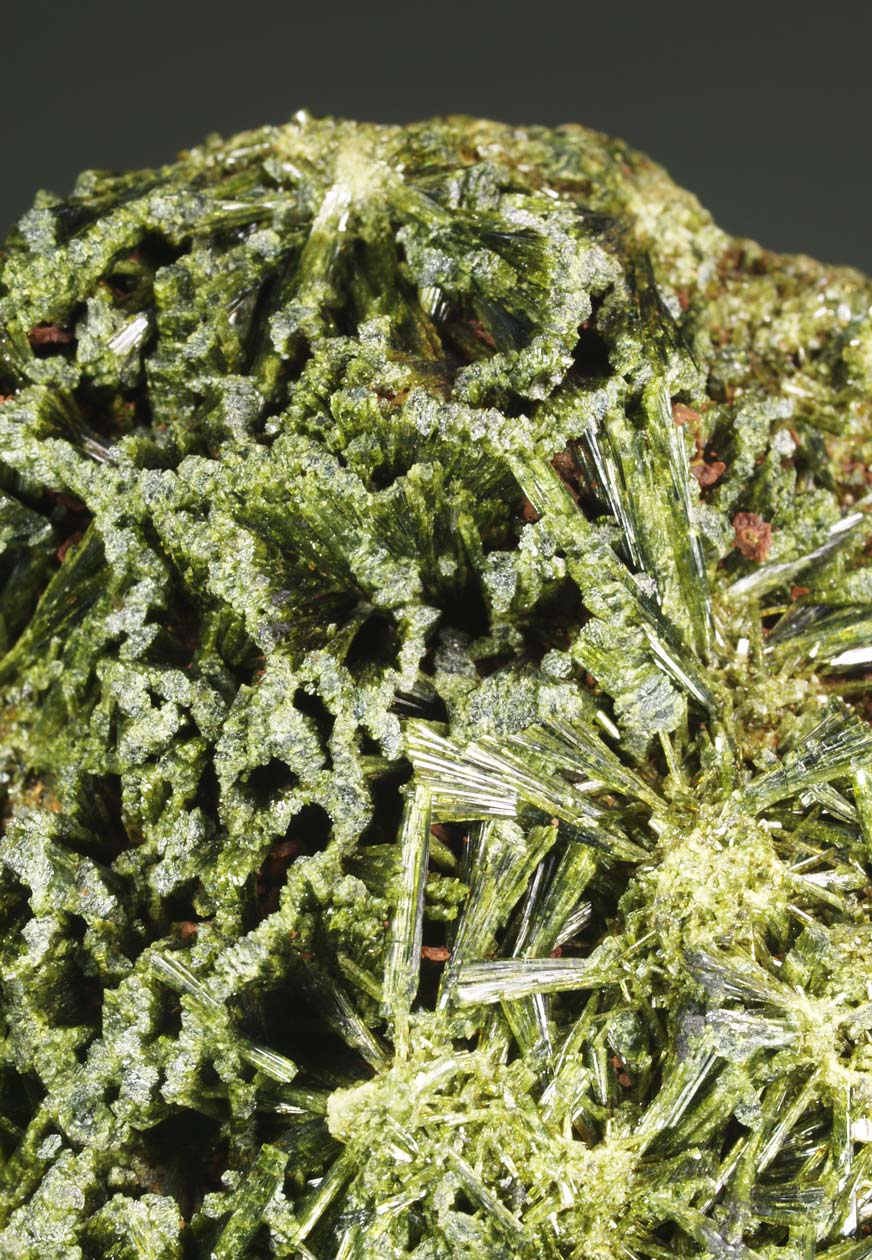
Rich group of fan-shaped prismatic epidote crystals, brilliant and with an intense green color. These specimens come from a not well-known quarry, close to Medina de Pomar, in Burgos, from a quarry where the ofites have been mined by the company Minera Ofitas del Norte.
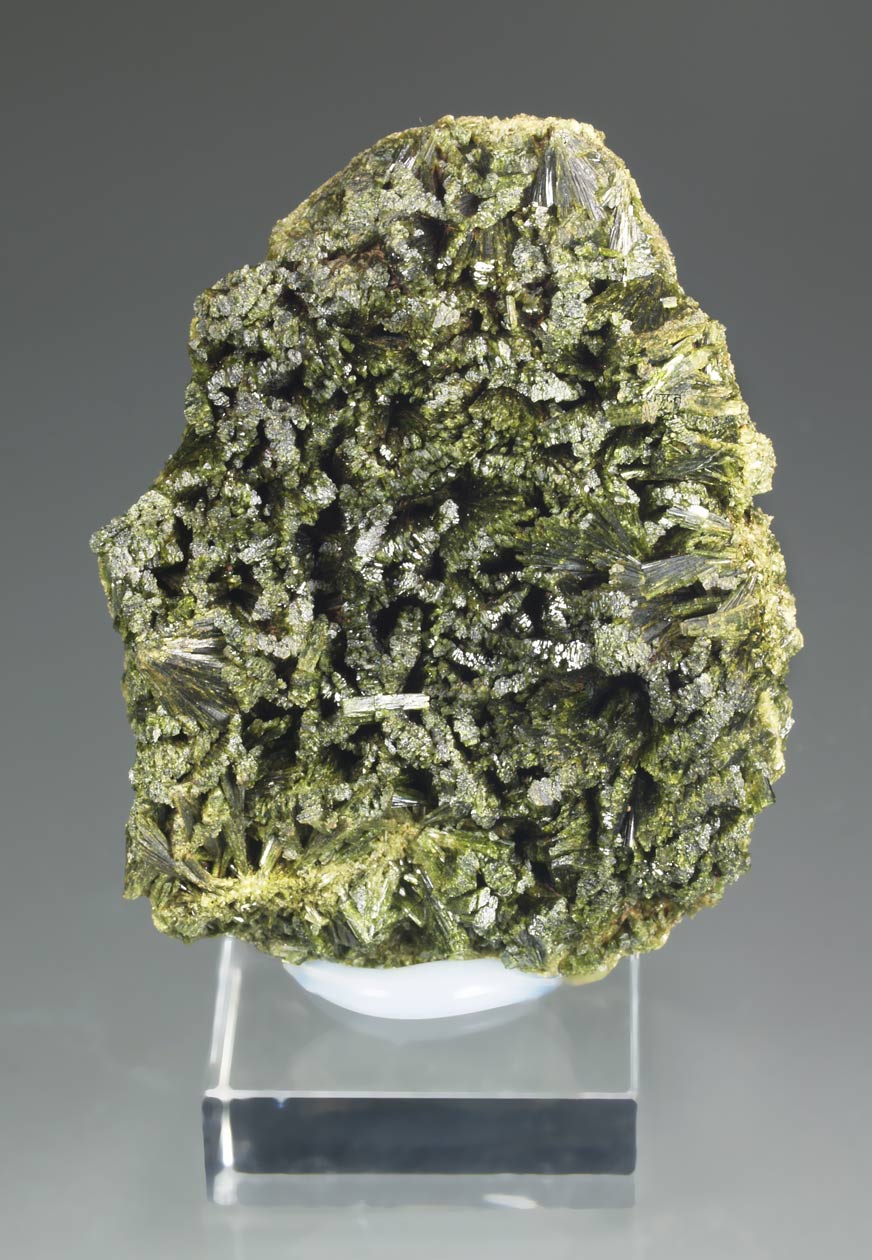
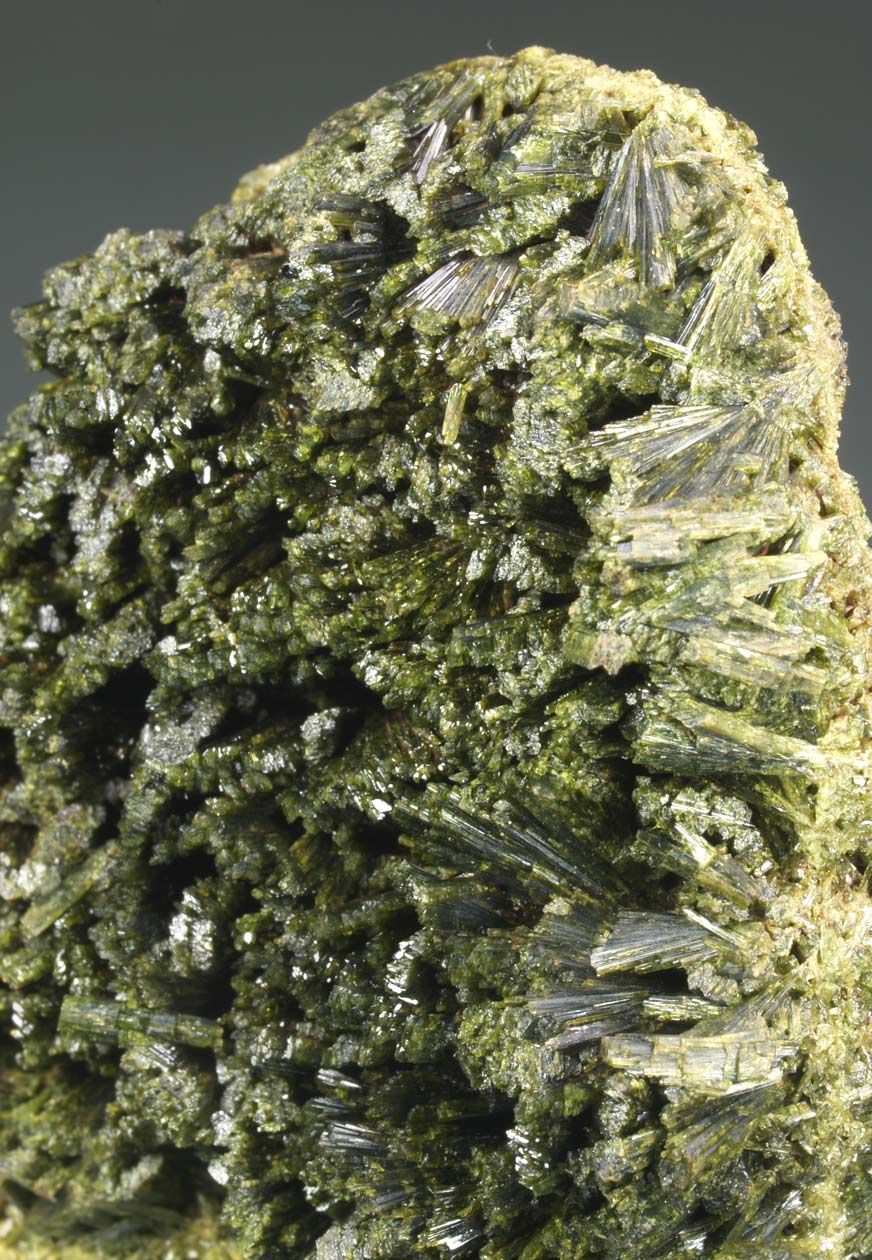
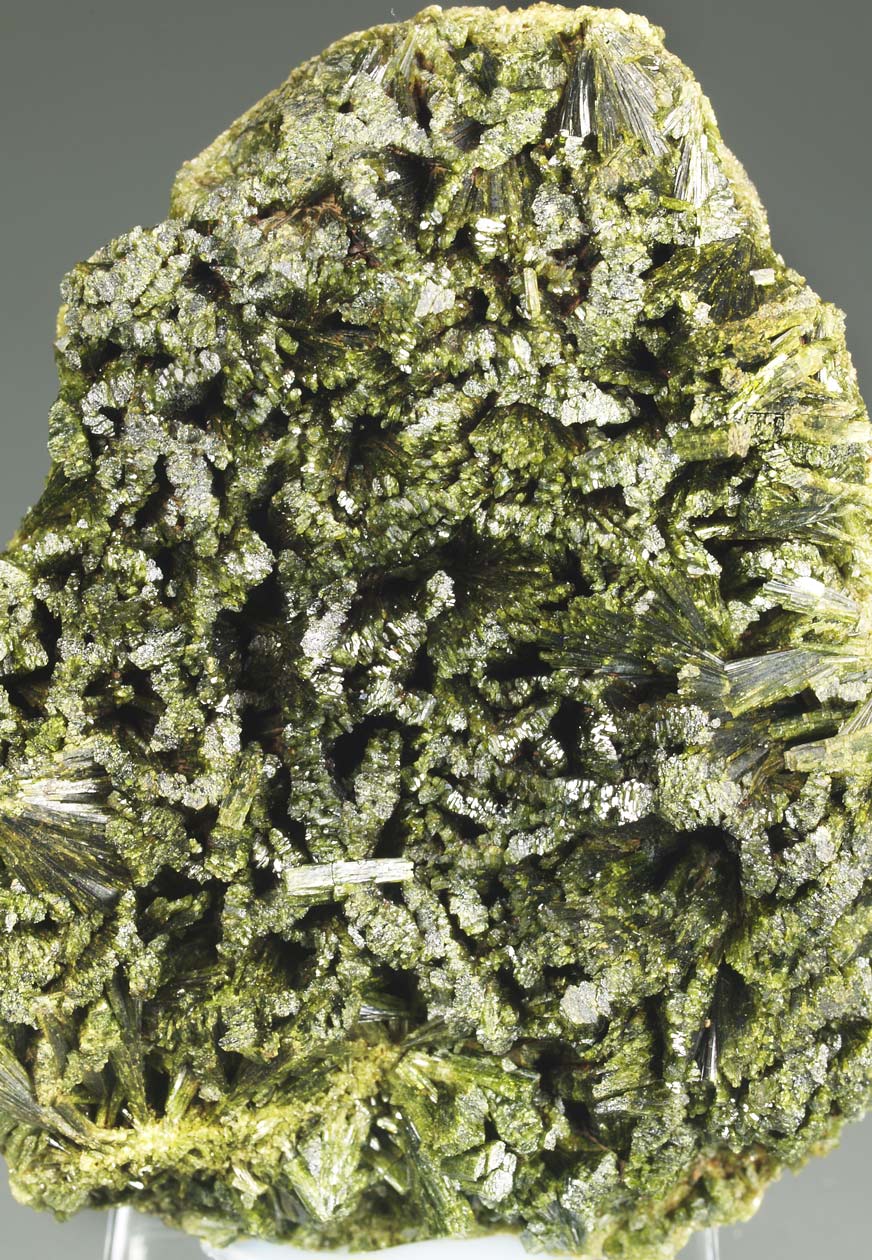
Rich group of fan-shaped prismatic epidote crystals, brilliant and with an intense green color. These specimens come from a not well-known quarry, close to Medina de Pomar, in Burgos, from a quarry where the ofites have been mined by the company Minera Ofitas del Norte.
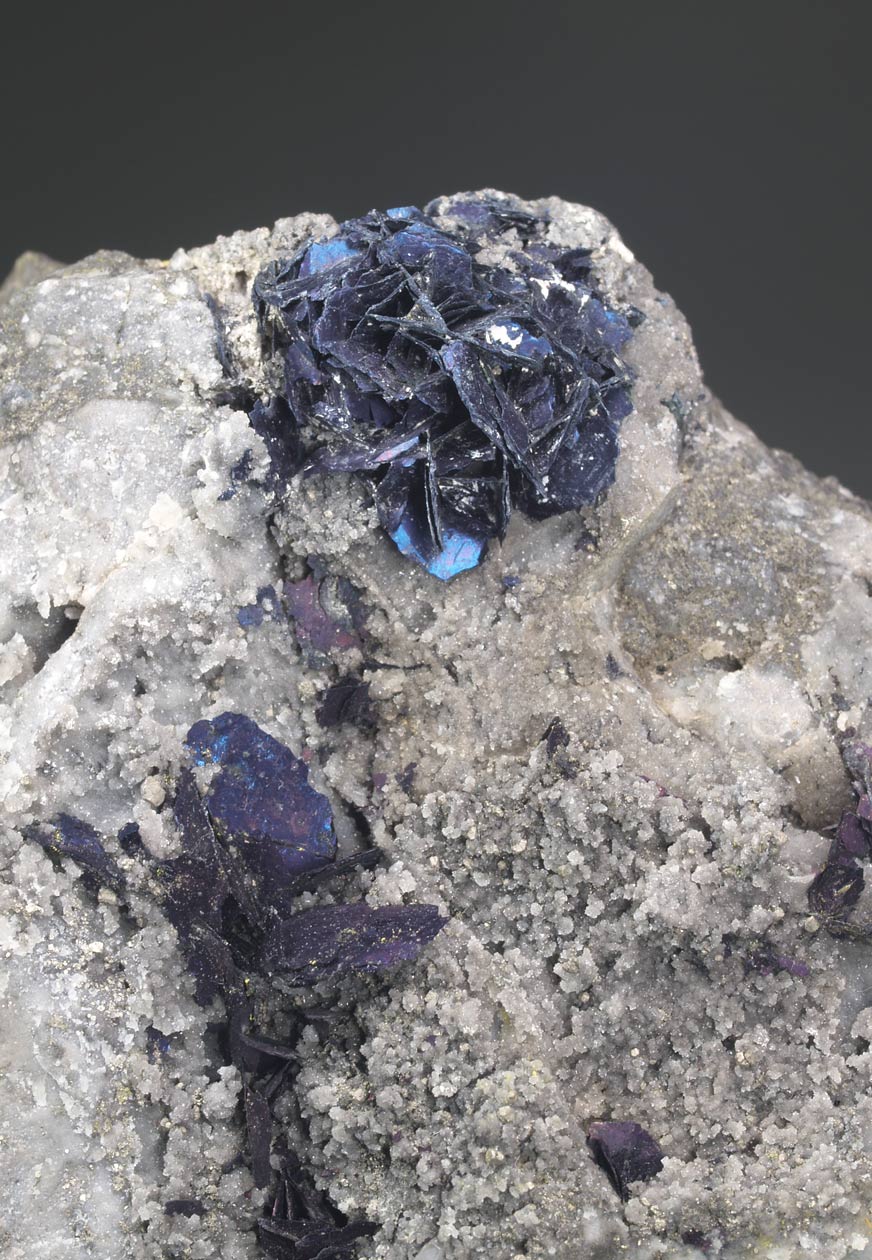
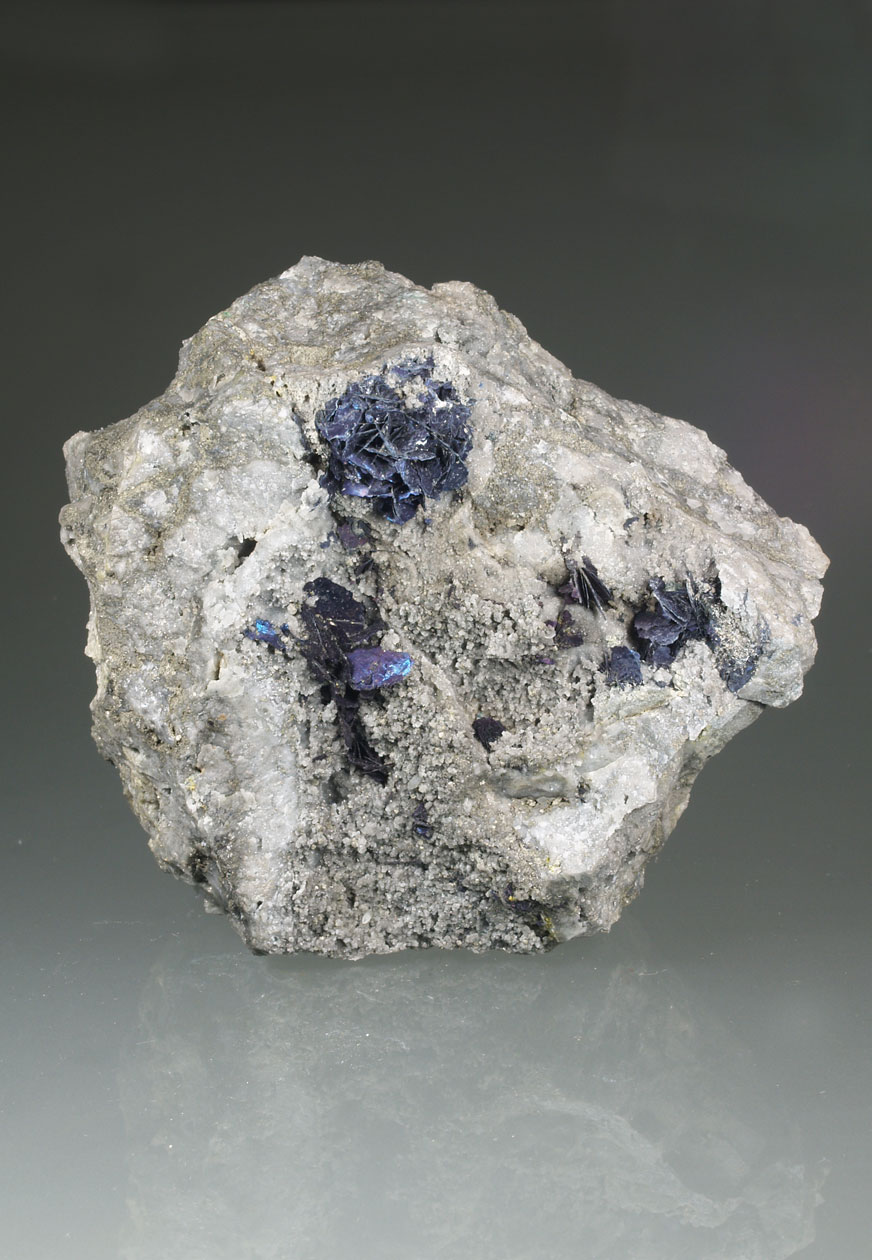
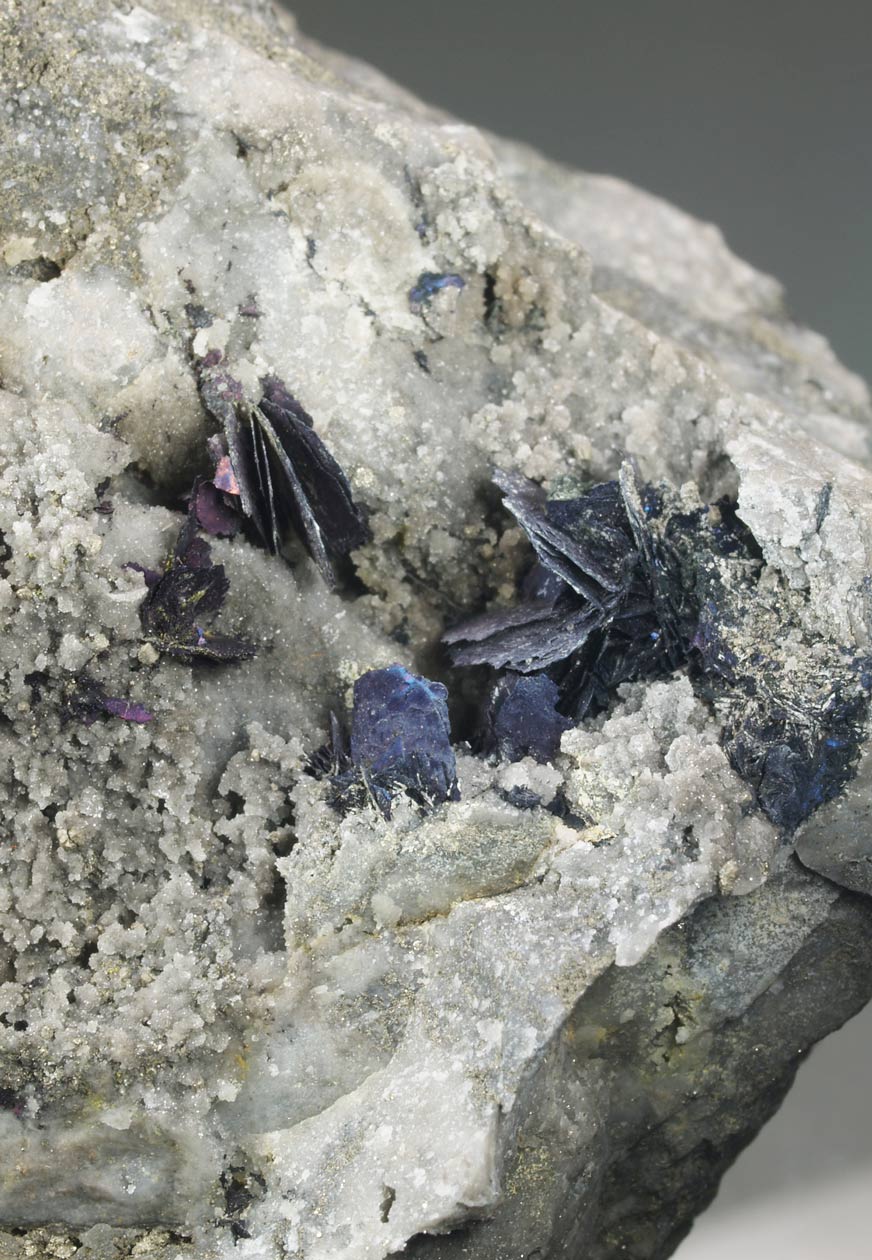
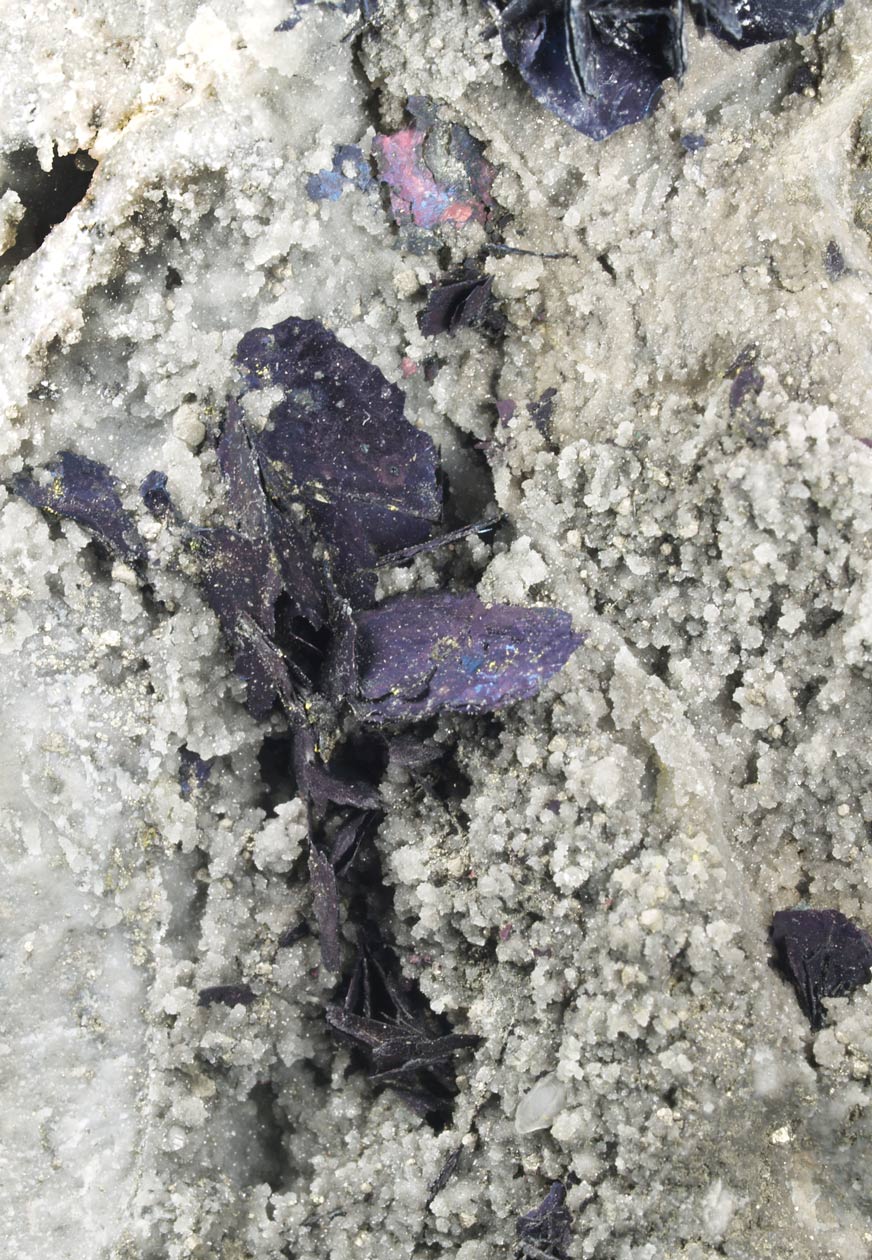
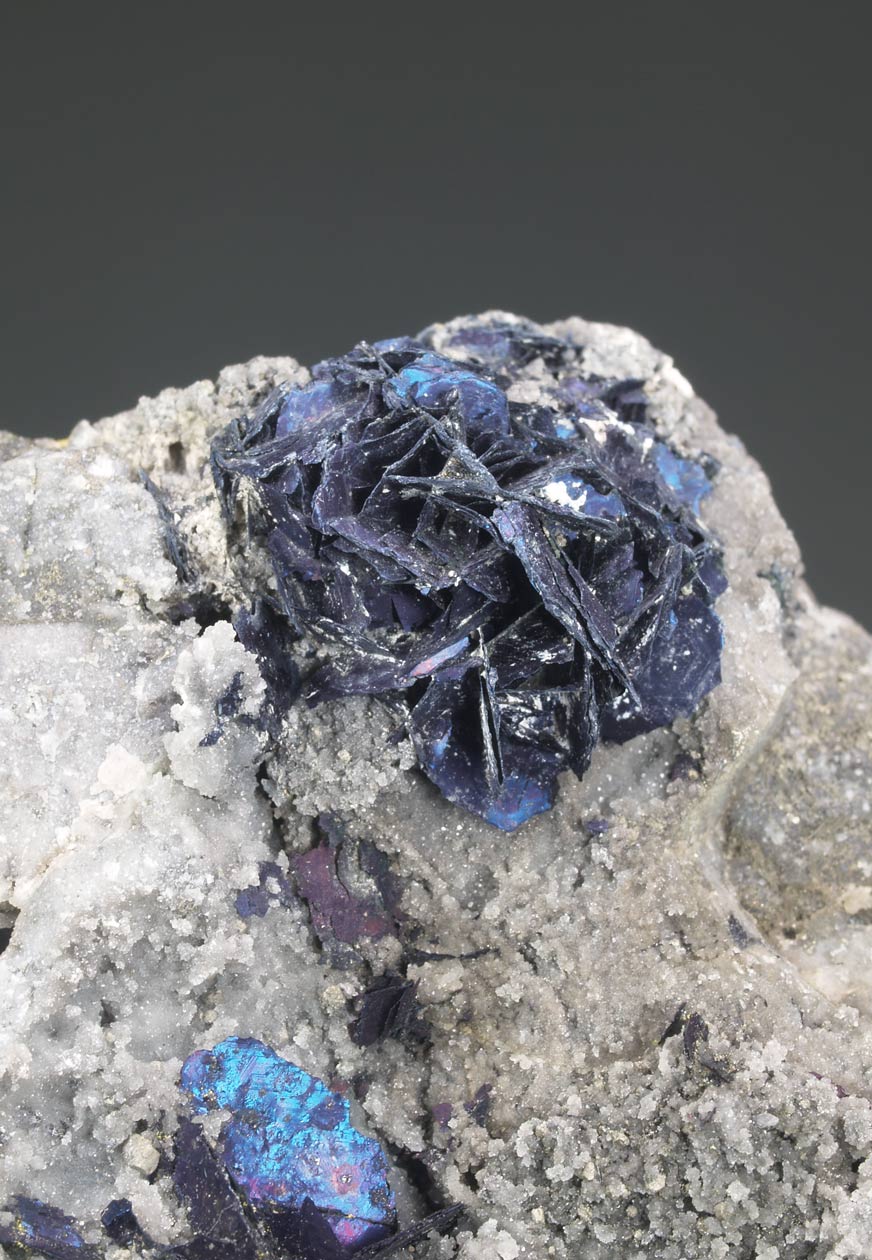
Laminar rosette-shaped covellite crystals, excellent luster and with an intense violet to purple color, with an aesthetic iridescence. They are disposed on a matrix with pyrite and quartz. The covellite crystal specimens from Butte are highly appreciated by collectors and possibly the best in the world for the species, with only a few exceptions like Sardinia ones, but even those are not as sharp. The quality of this piece is simply excellent. Nowadays, specimens with this fine crystals are rarely seen.
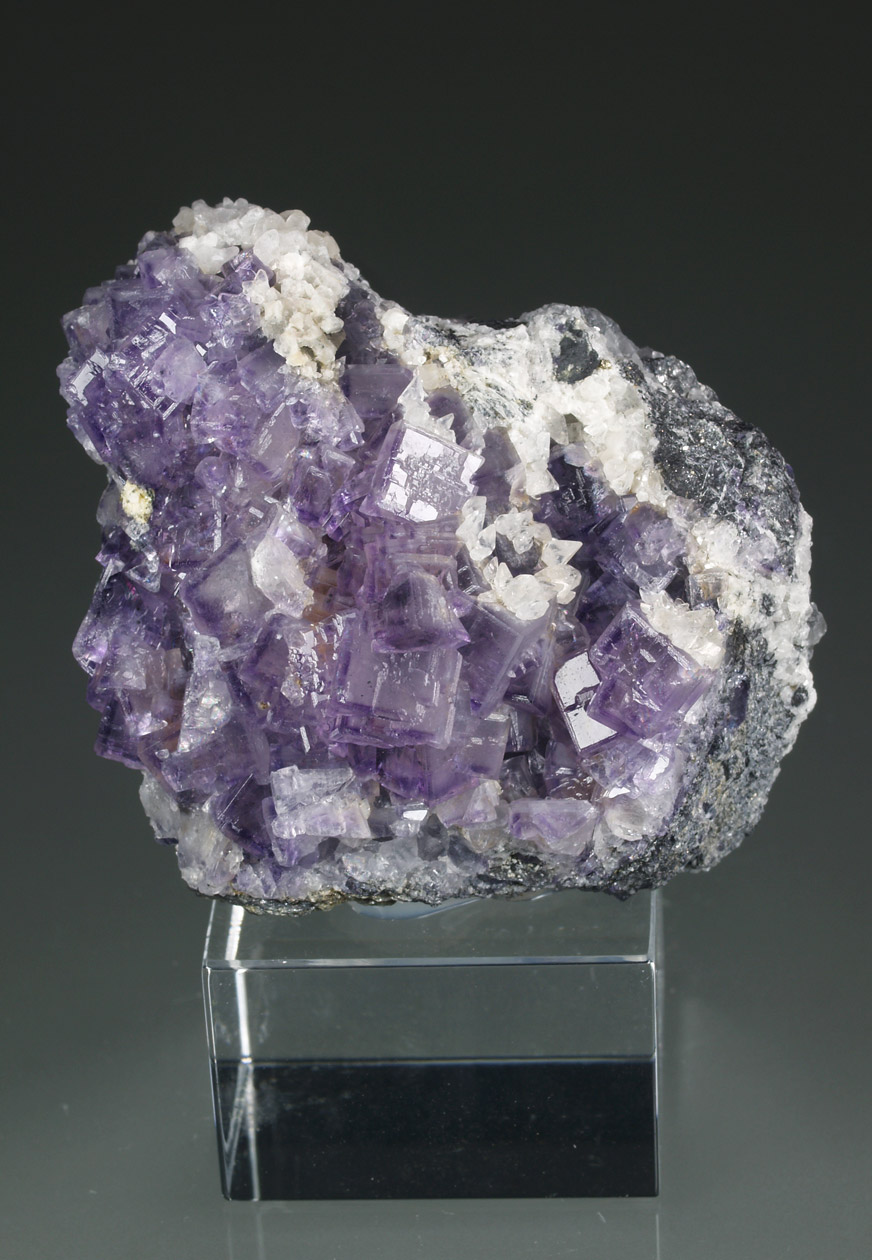
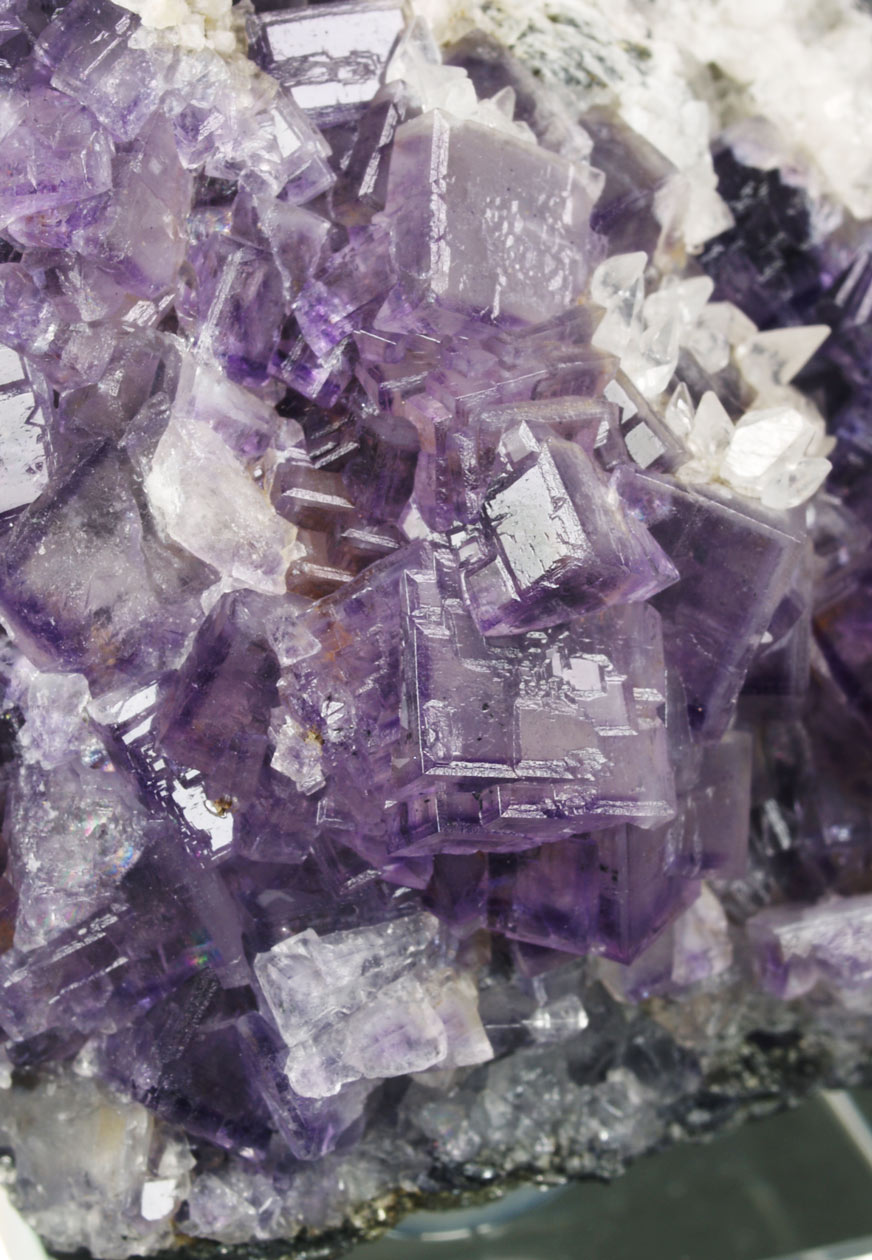
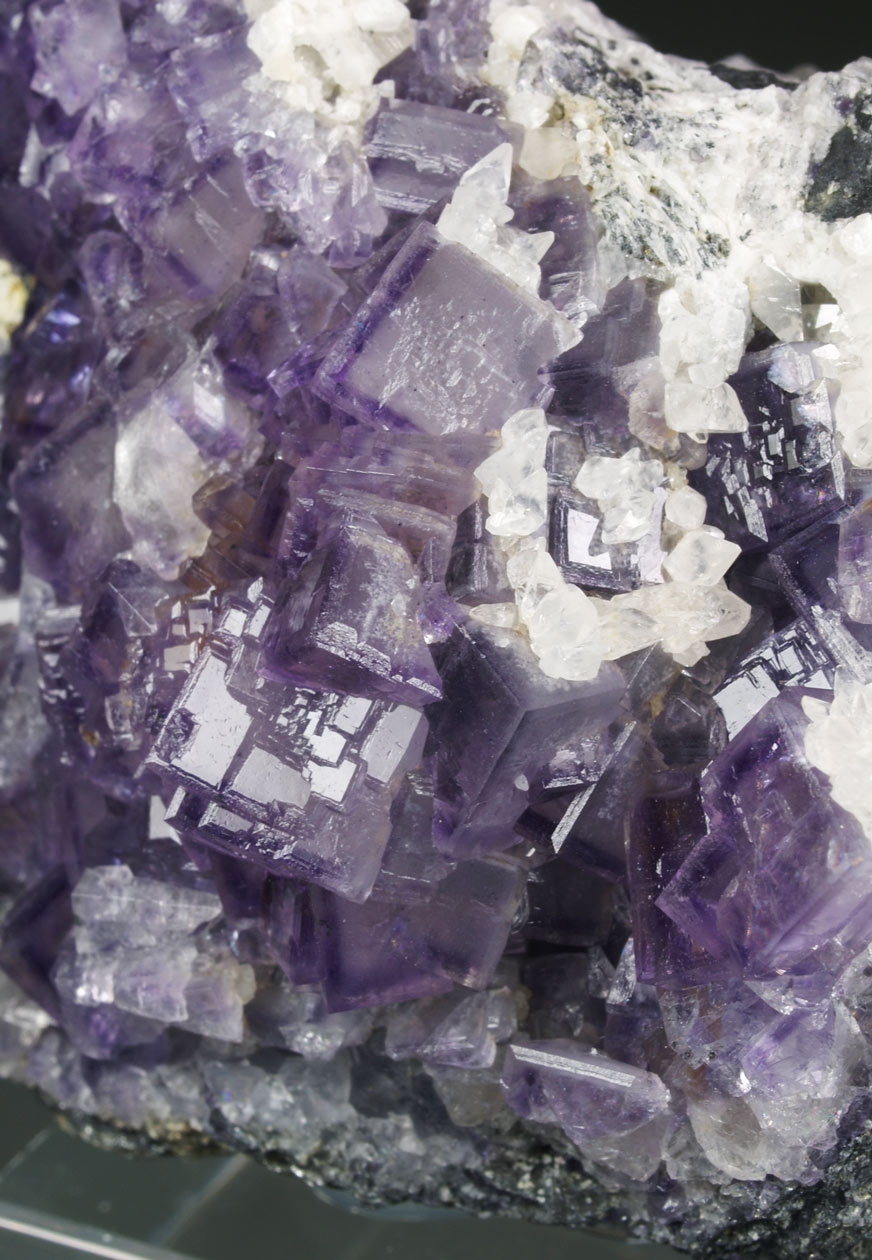
Group of cubic fluorite crystals, slightly bevelled, with an intense violet color with geometric zoning, between transparent and translucent. They show polysynthetic growths forming tiled structures on the faces of the cube. On some fluorite crystals, a generation of small scalenohedral calcite crystals, very transparent and bright, has formed. They are disposed on a matrix with baryte and calcite. Not very common in the market. They show some fluorescence under ultraviolet light.
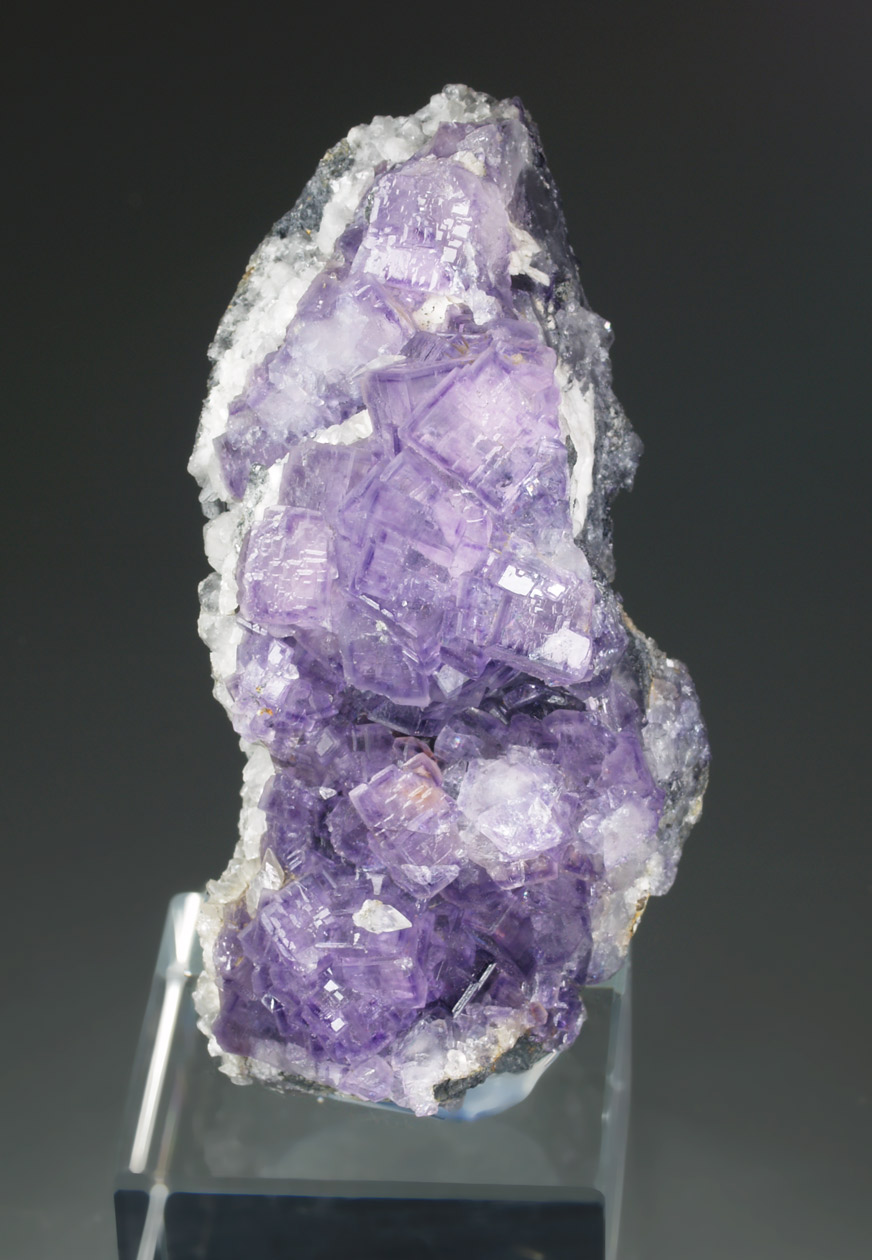
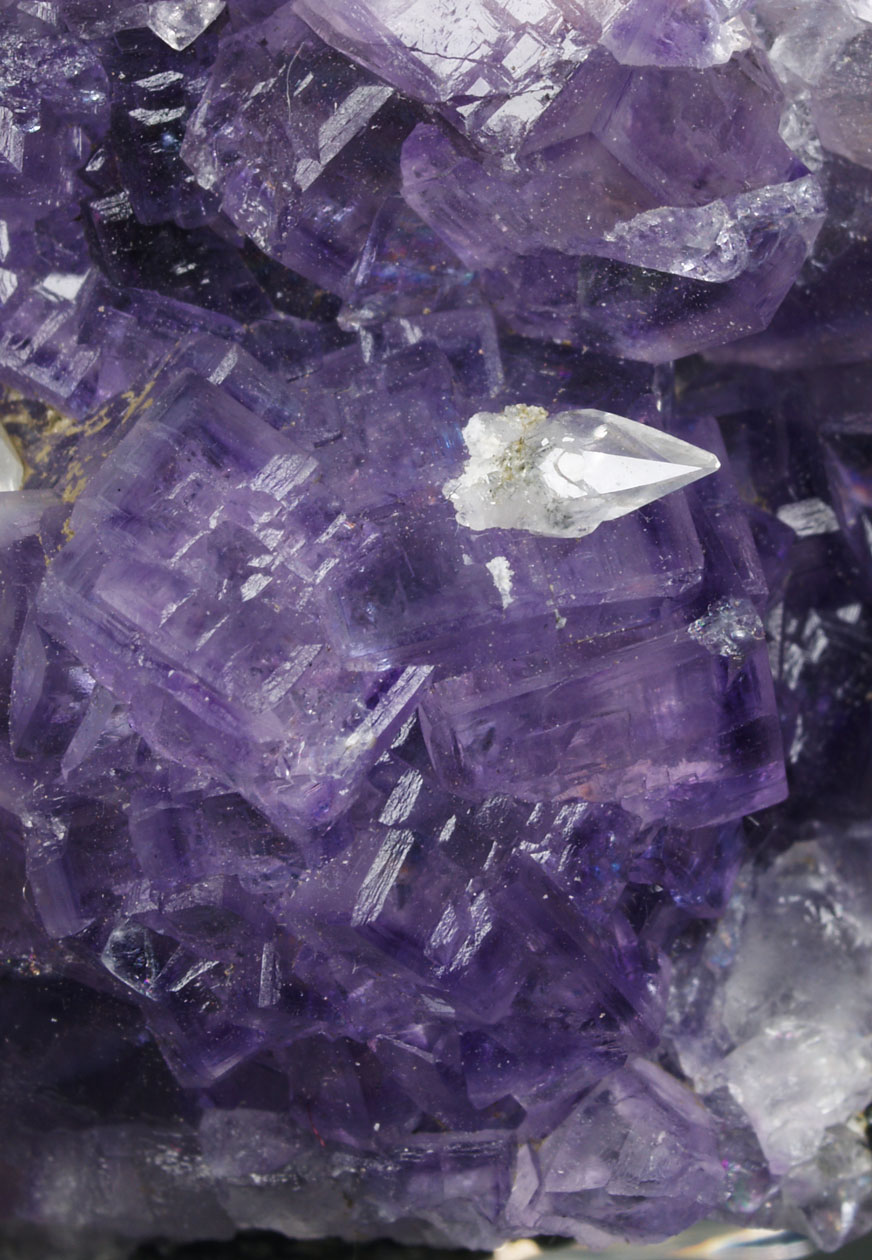
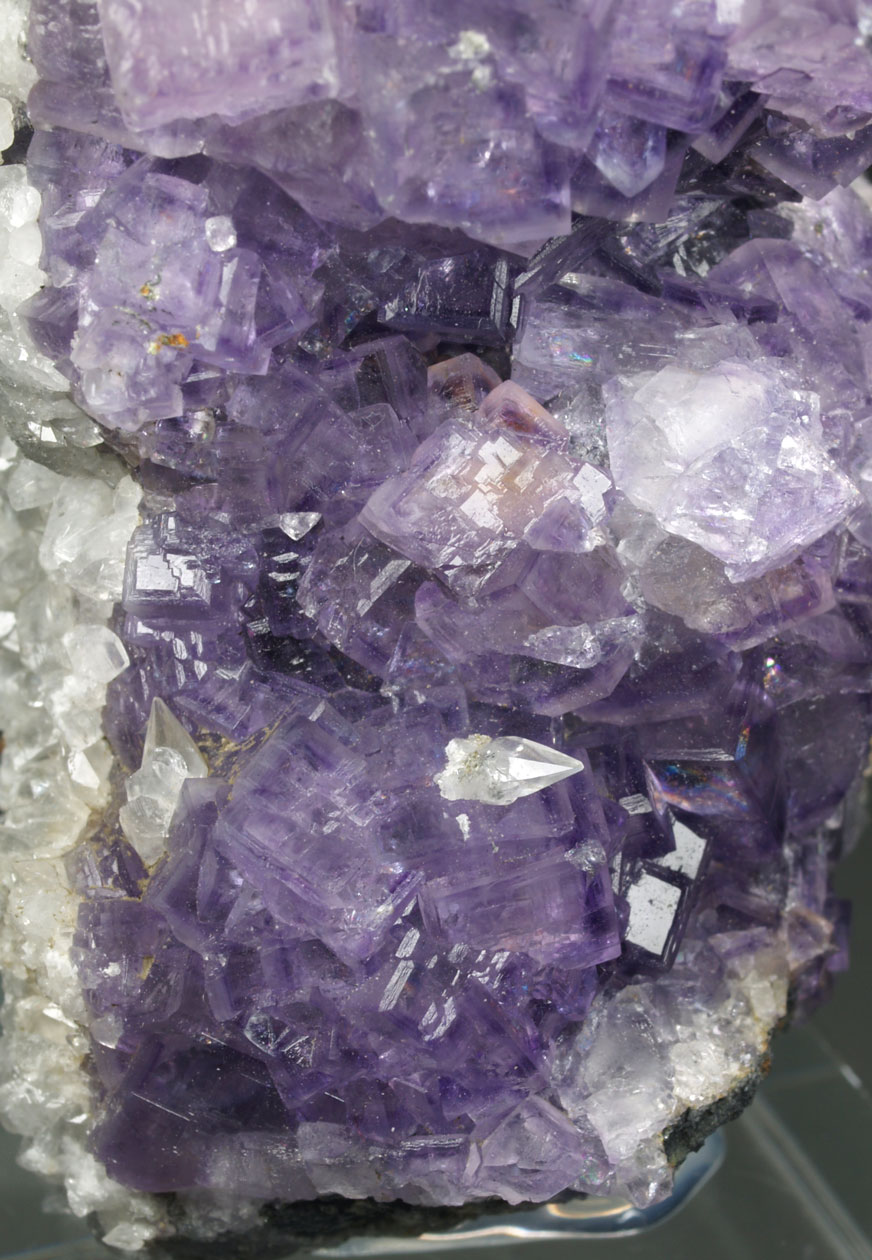
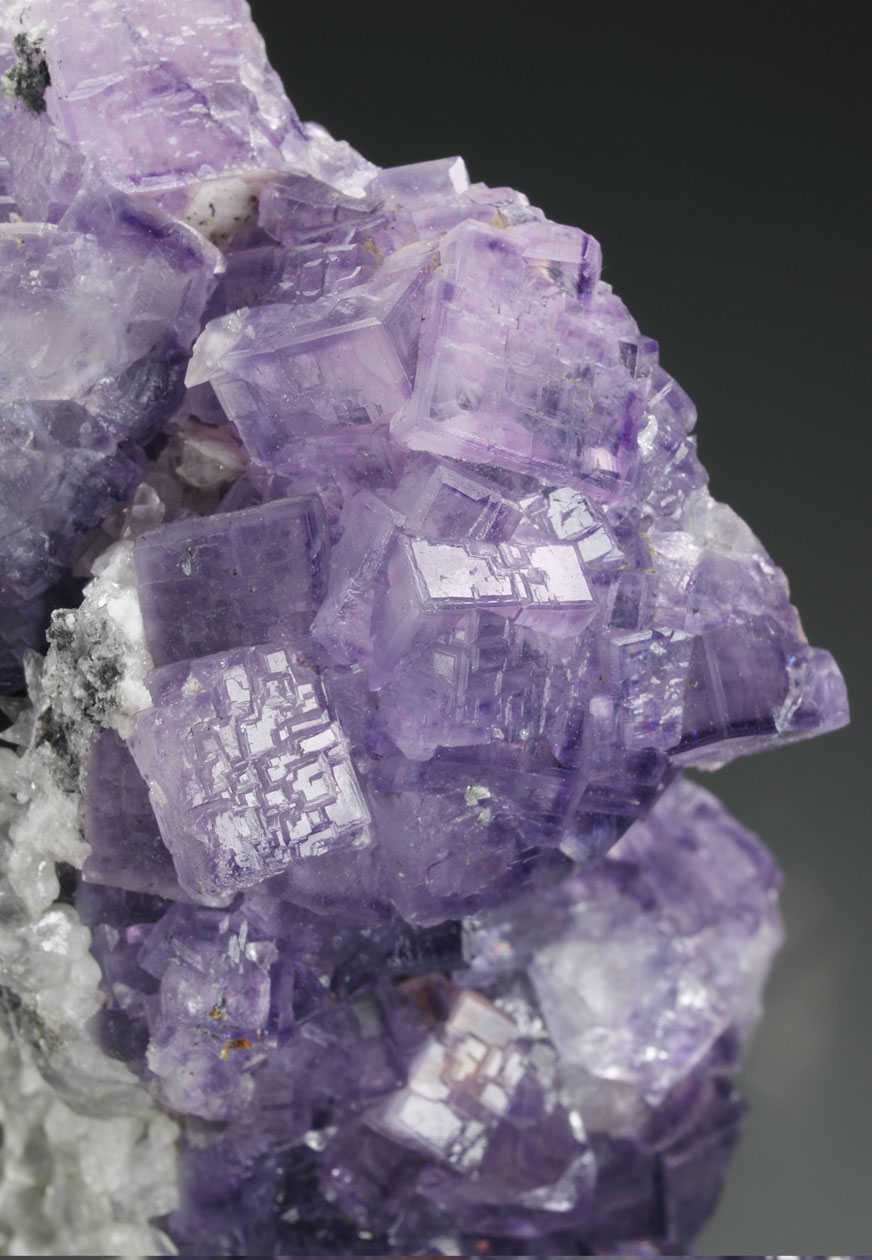
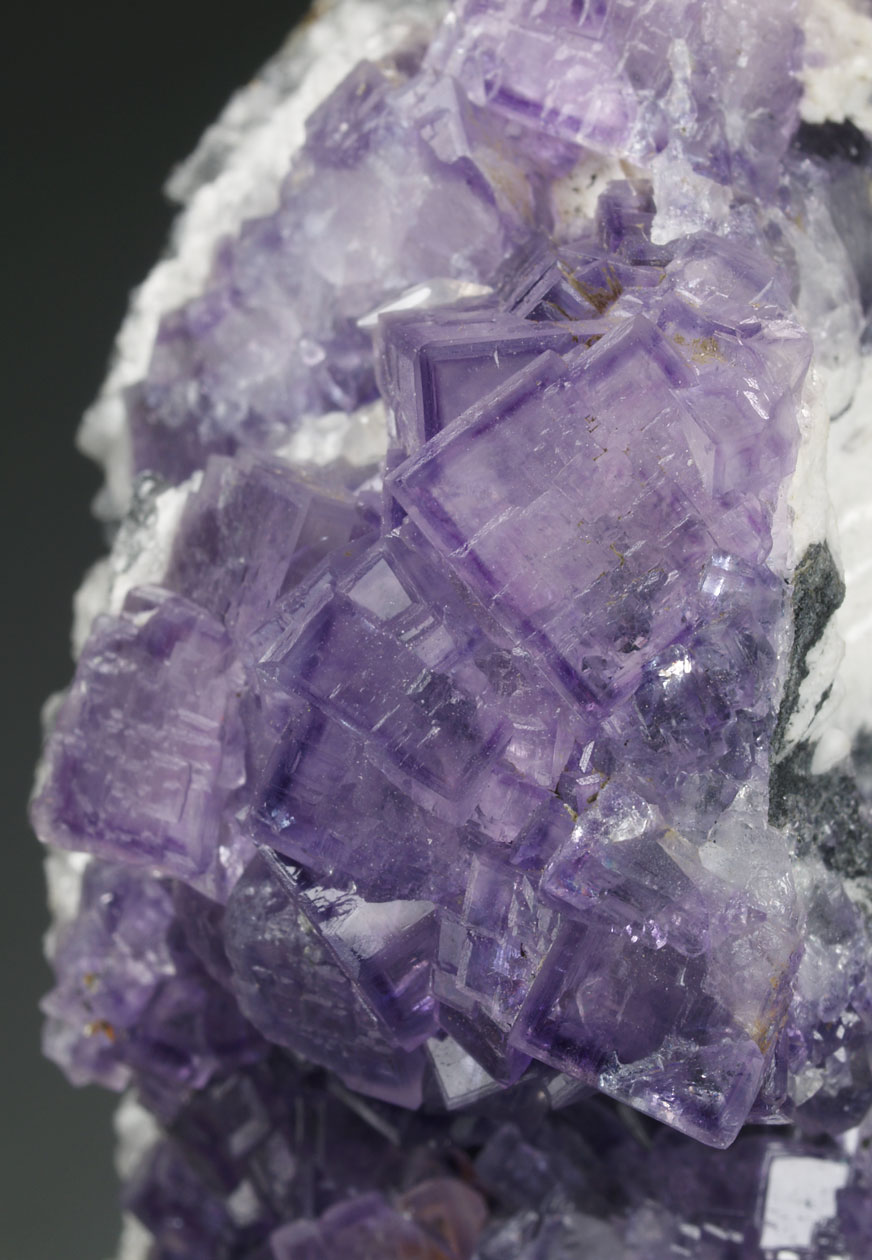
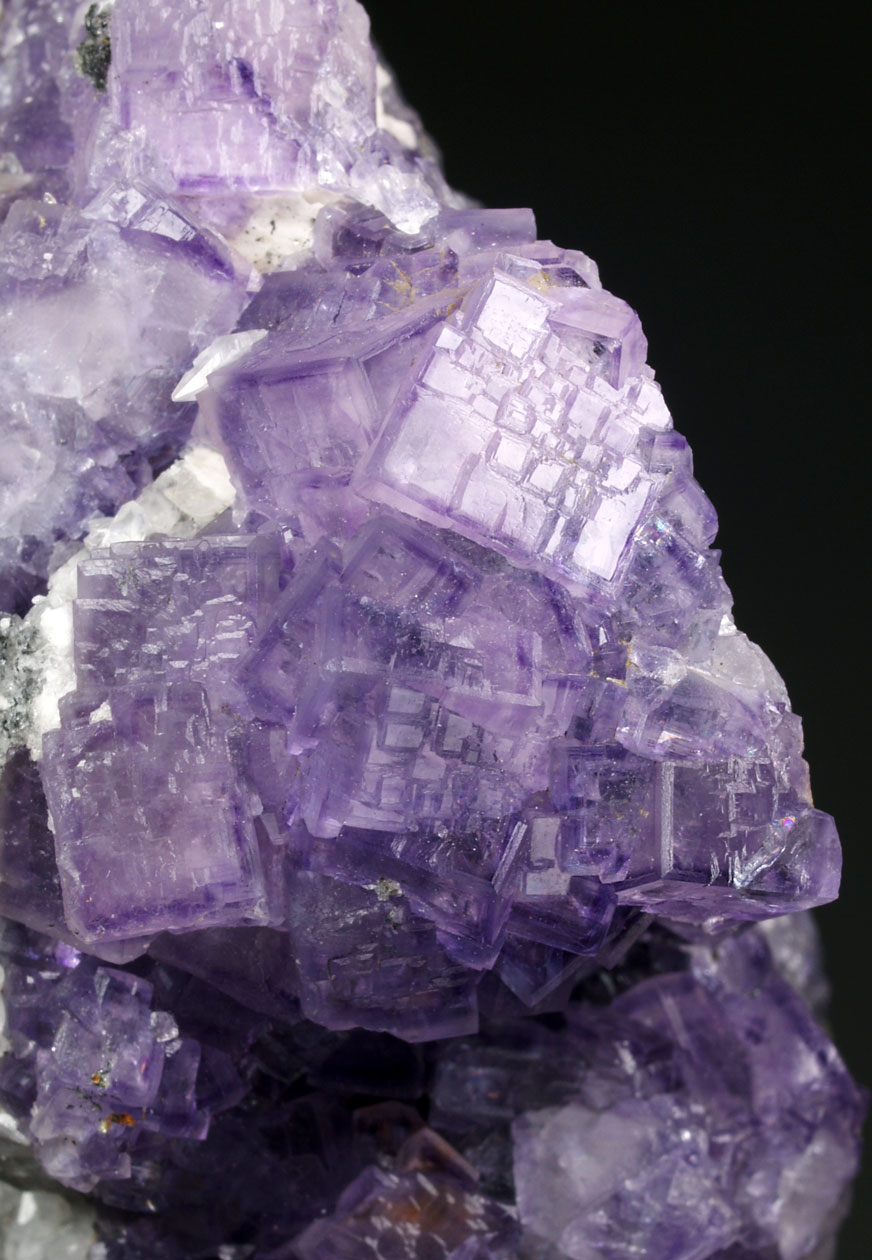
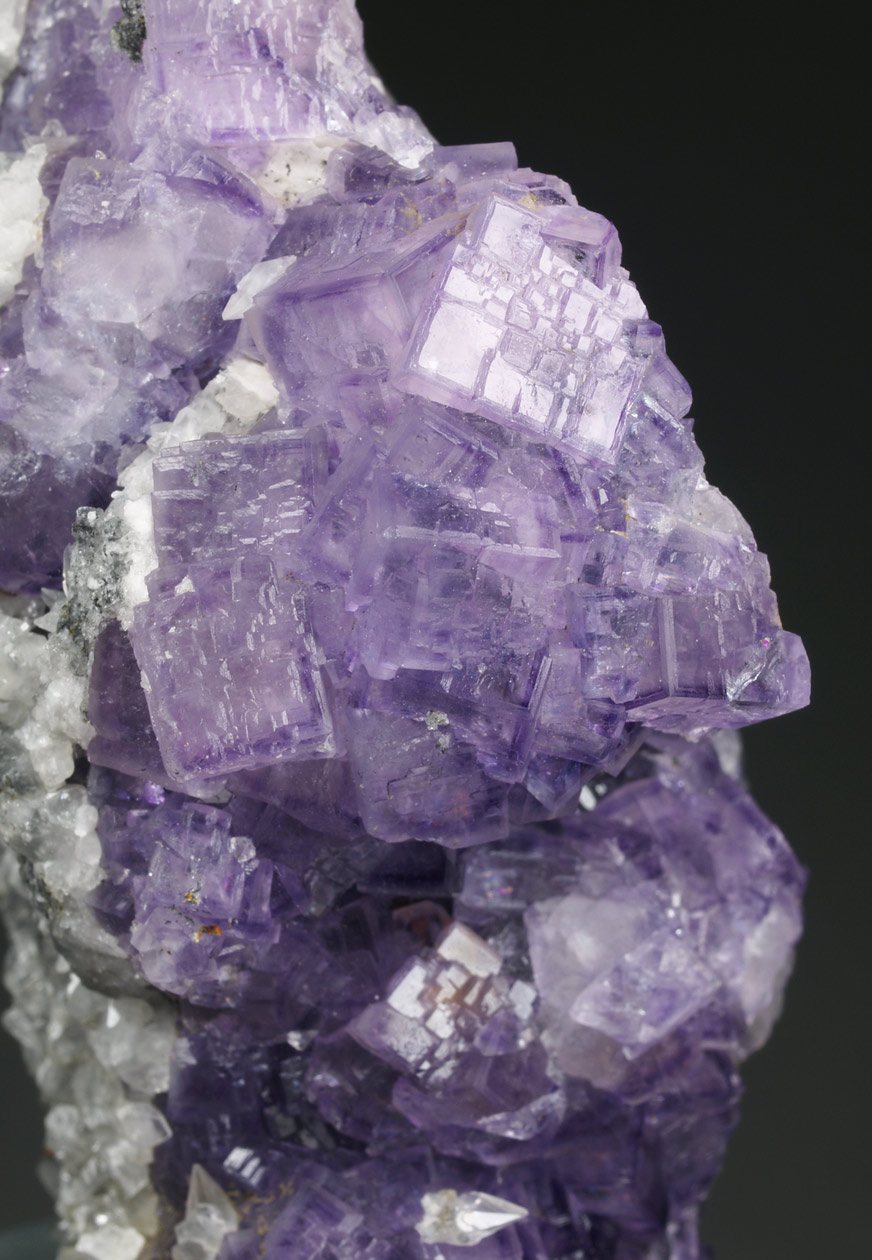
Group of cubic fluorite crystals, slightly bevelled, with an intense violet color with geometric zoning, between transparent and translucent. They show polysynthetic growths forming tiled structures on the faces of the cube. On some fluorite crystals, a generation of small scalenohedral calcite crystals, very transparent and bright, has formed. They are disposed on a matrix with baryte and calcite. Not very common in the market. They show some fluorescence under ultraviolet light.
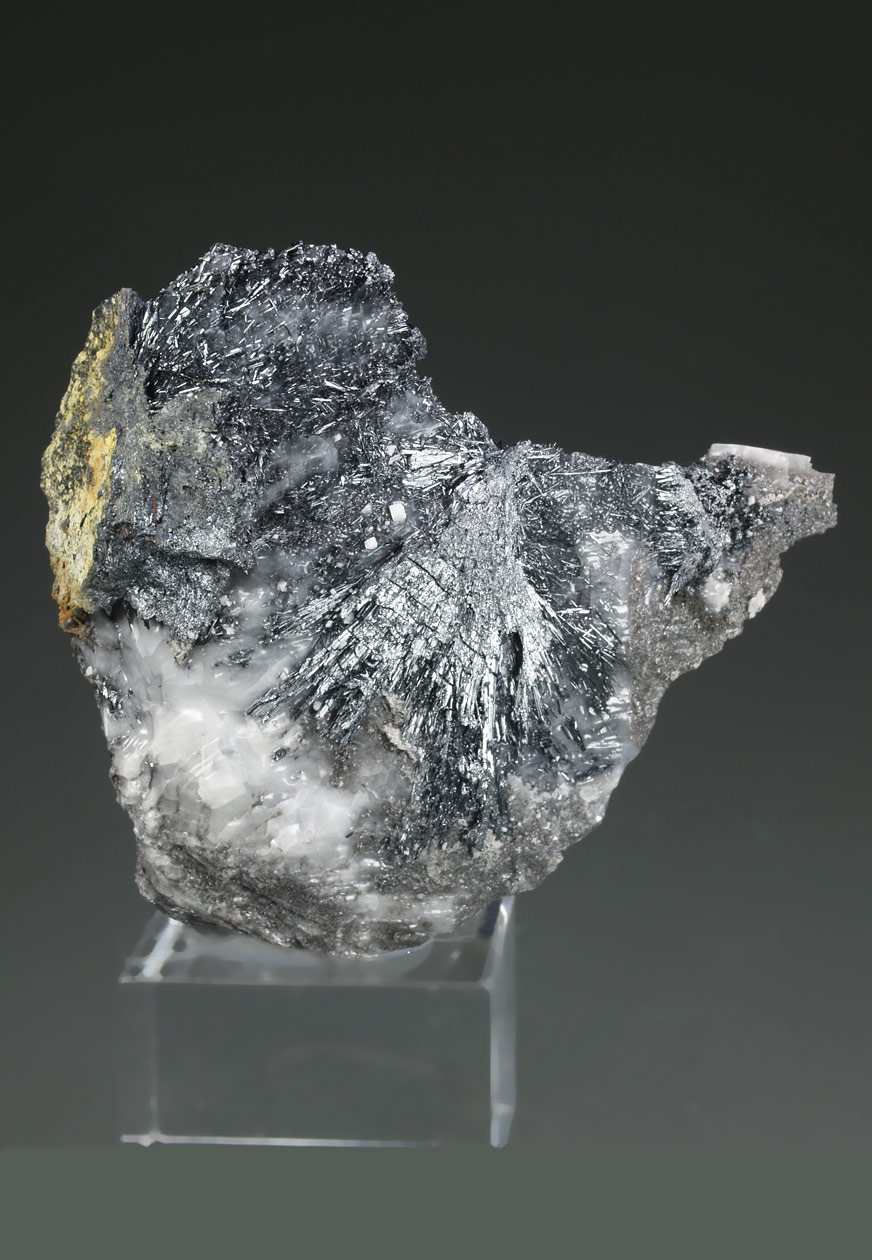
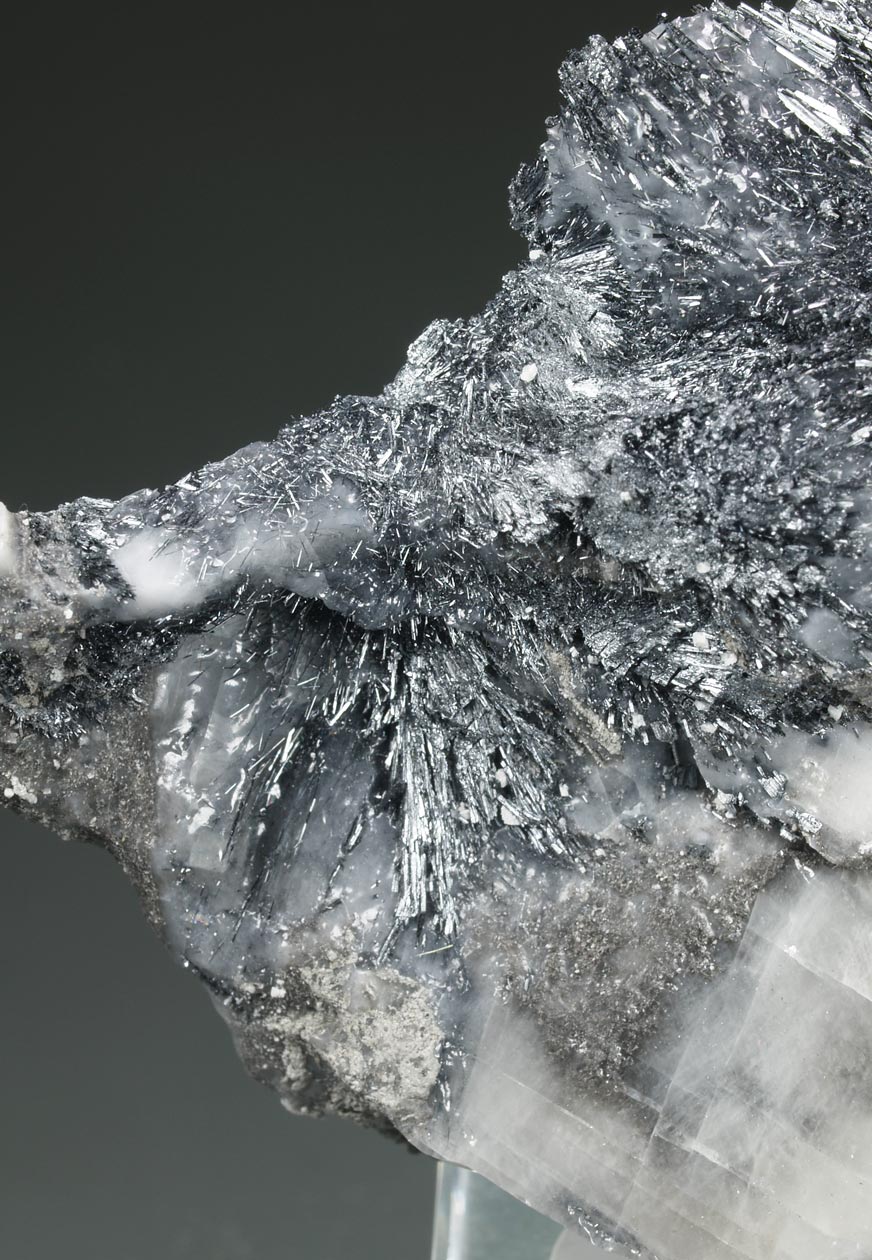
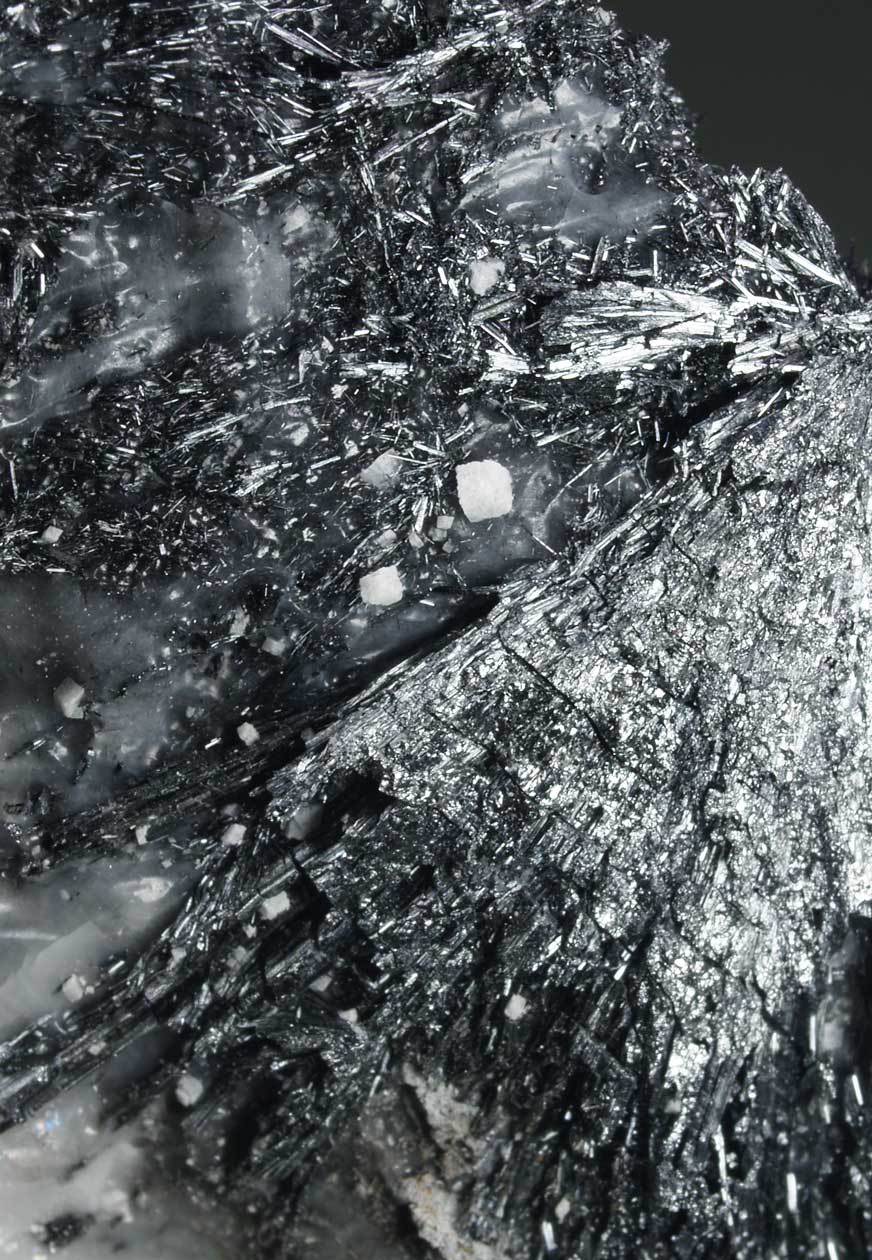
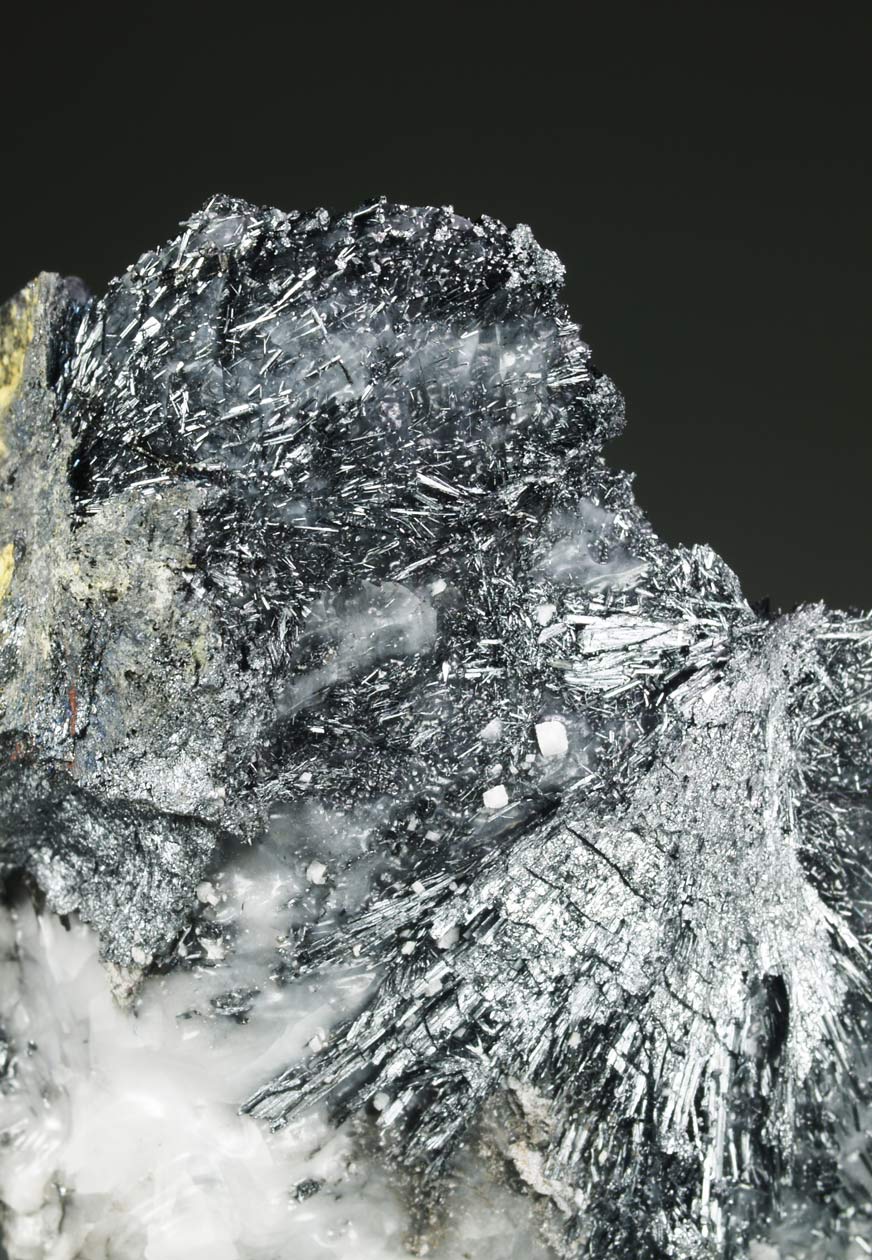
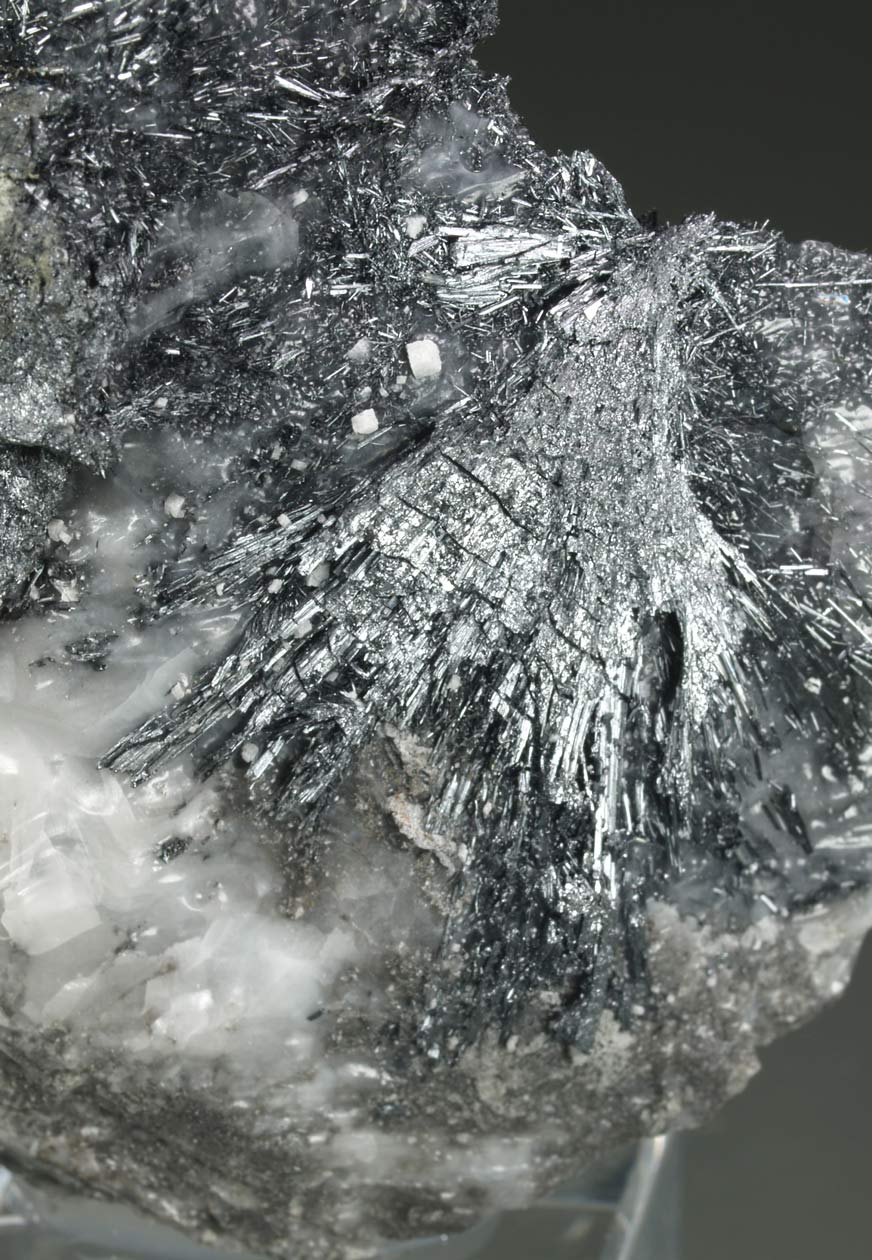
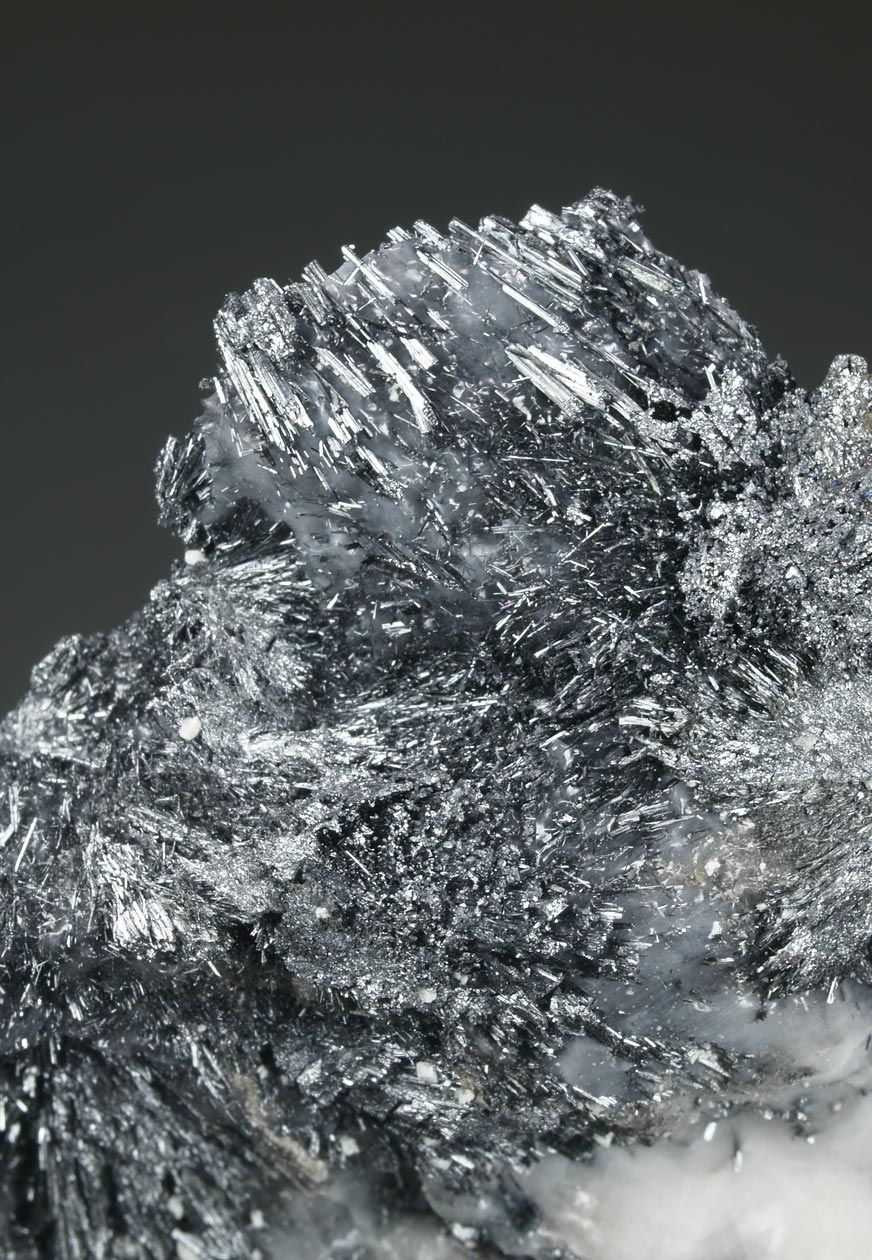
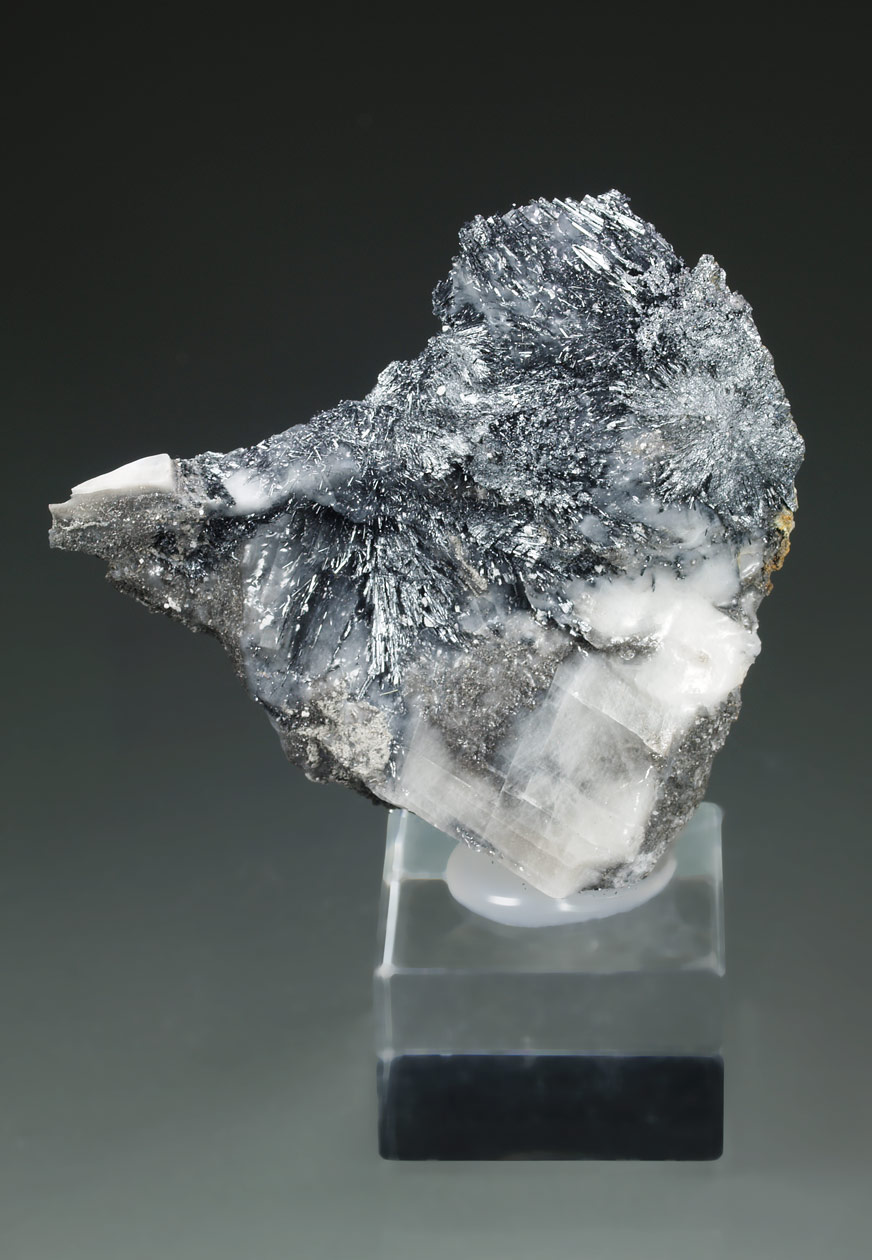
This Leonese mine is near the Riaño reservoir. In this specimen we can see various radial aggregates of acicular prismatic stibnite crystals, with an intense luster and disposed in a calcite matrix that include them. In 1909 Spanish Mining Statistics, indicates the demarcation of 22 properties in this area with the name of "María Teresa" mine (document Nr. 3,260), of antimony, in the name of Policarpo Herrero, domiciled in Oviedo (FMF). A very fine and representative specimen.
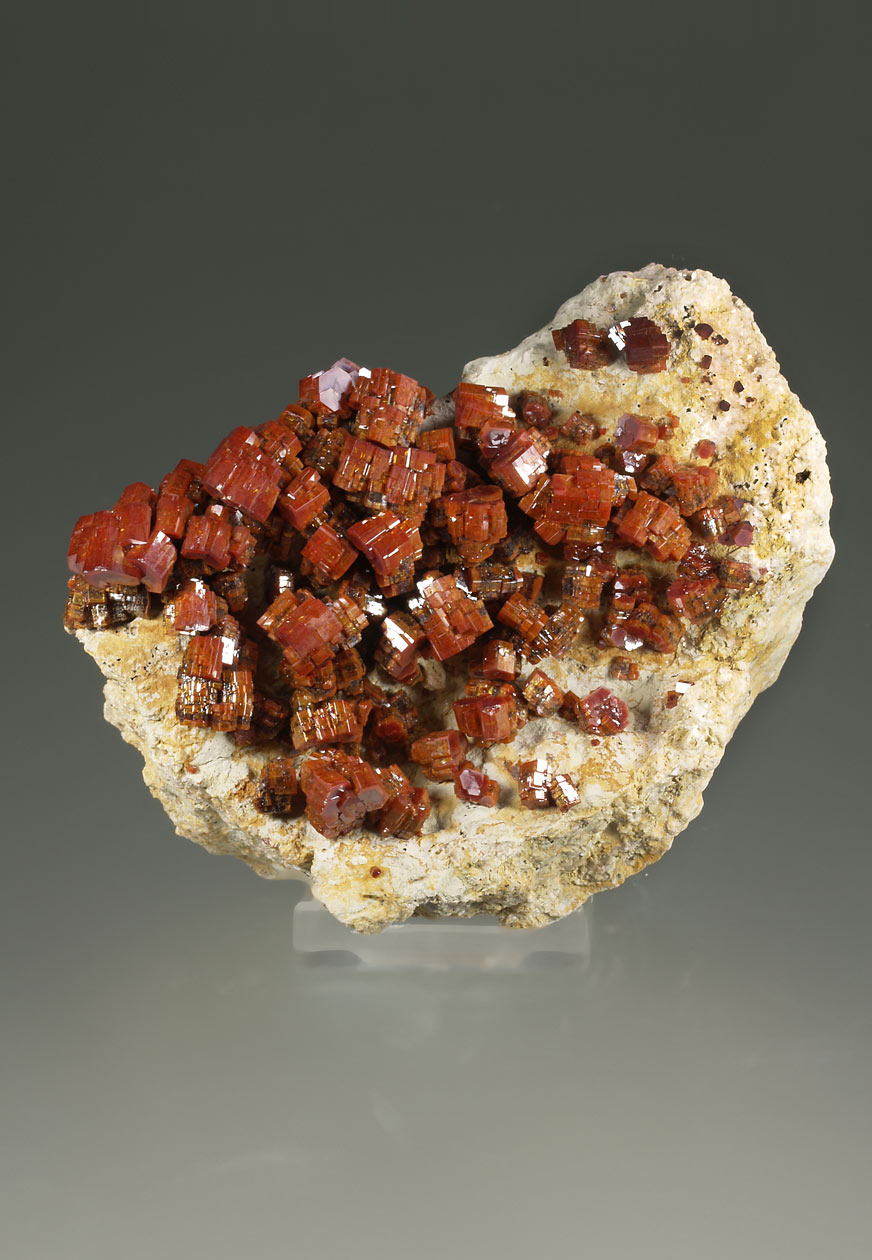
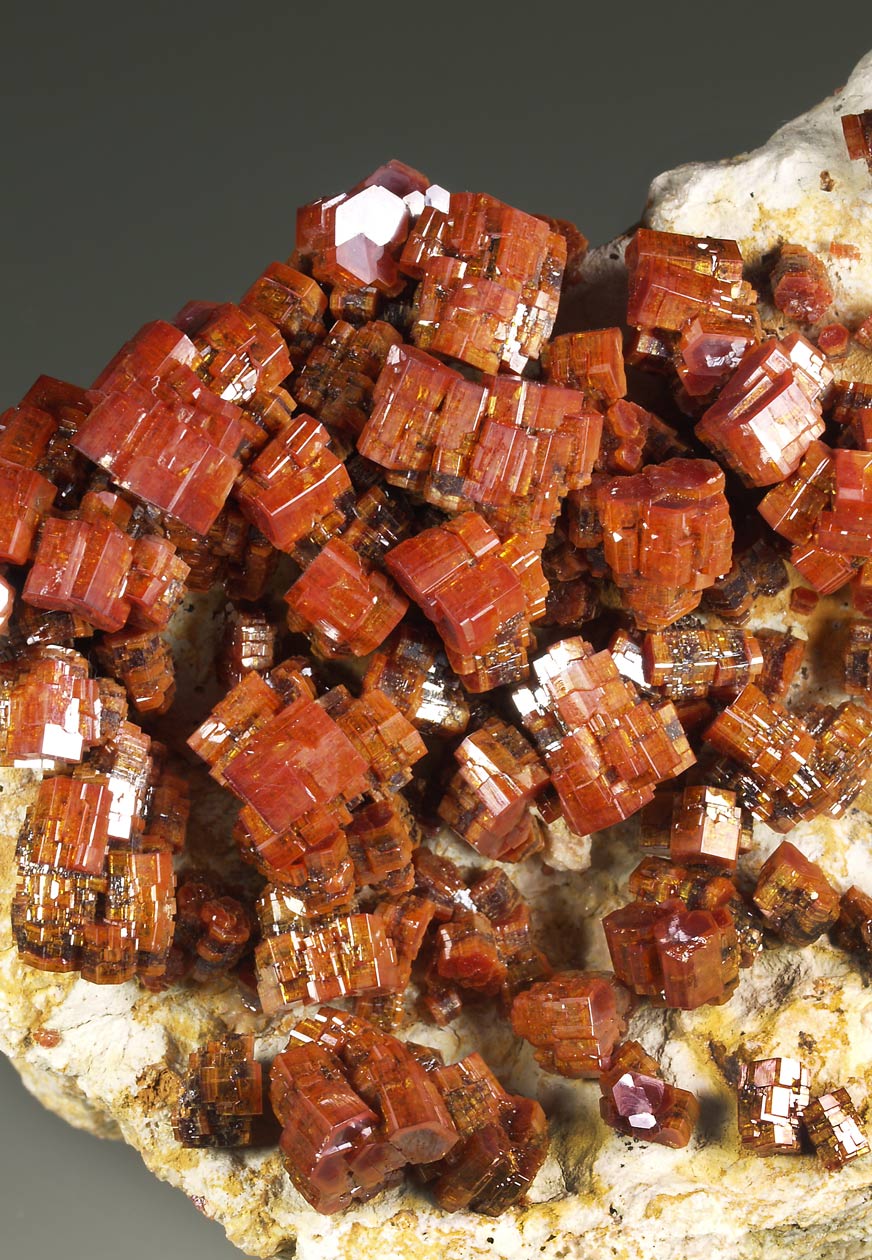
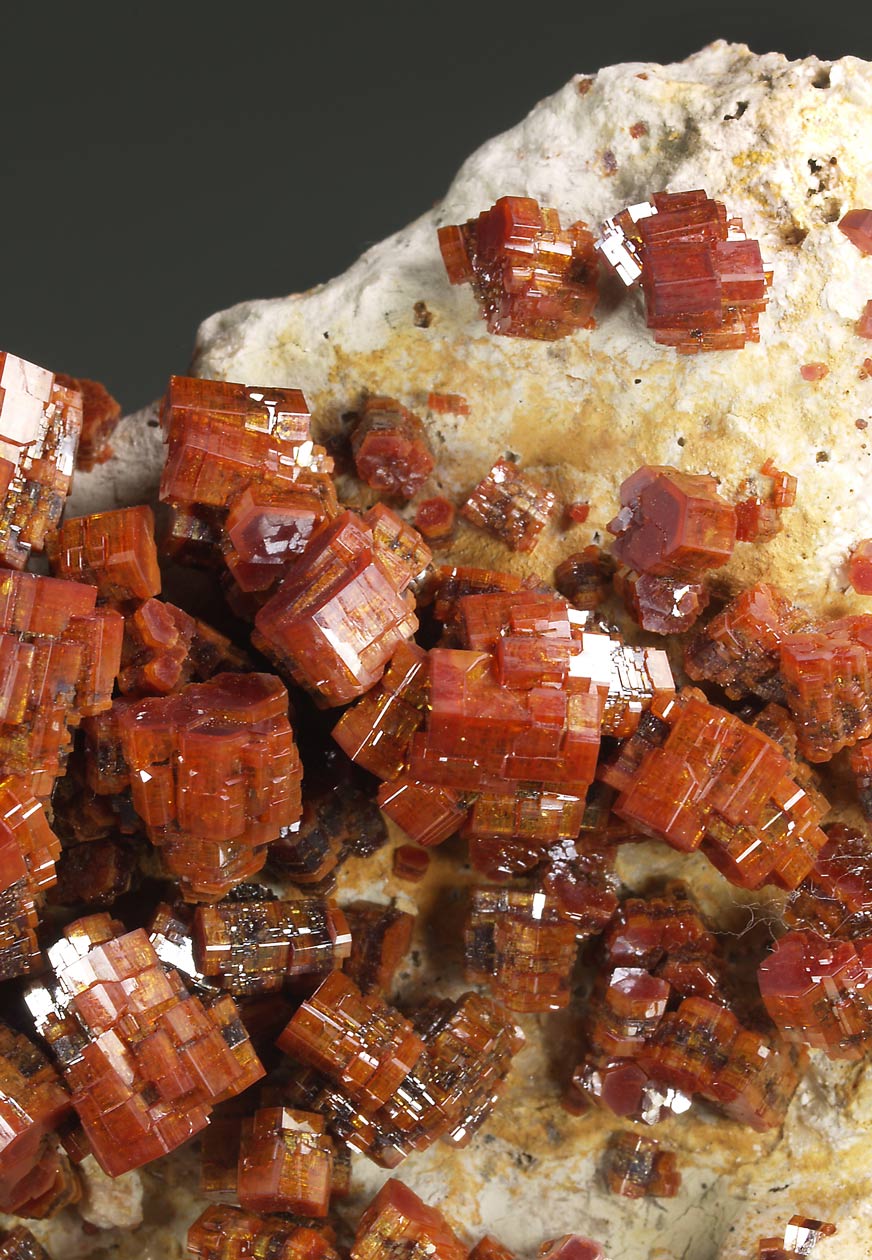
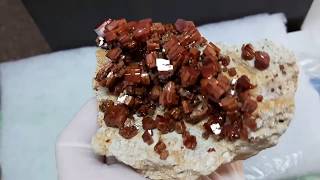
On a recent trip to this mining area, we found these new specimens with incredible aesthetics. They were found in a singular cavity, opened in the depths of a 24-meter well, in Coud'a shafts. They have a more than exceptional brilliance, probably due to a last phase of crystallization in which a thin layer of almost transparent vanadinite was deposited. Crystals are very well defined, with staggered axial growths in the prism and with color zoning, more orange than red. Contrasting on a solid rocky matrix. Vanadinites from the Mibladen area are well known worldwide and although we have seen many of them, they never cease to amaze us. Amazing specimens!