- Home About RM Minerals
- Virtual Photo Museum Blog RM Contact
- Microscopy and instruments How to Buy Disclaimer
Copyright 2010-2026
www.rosellminerals.com



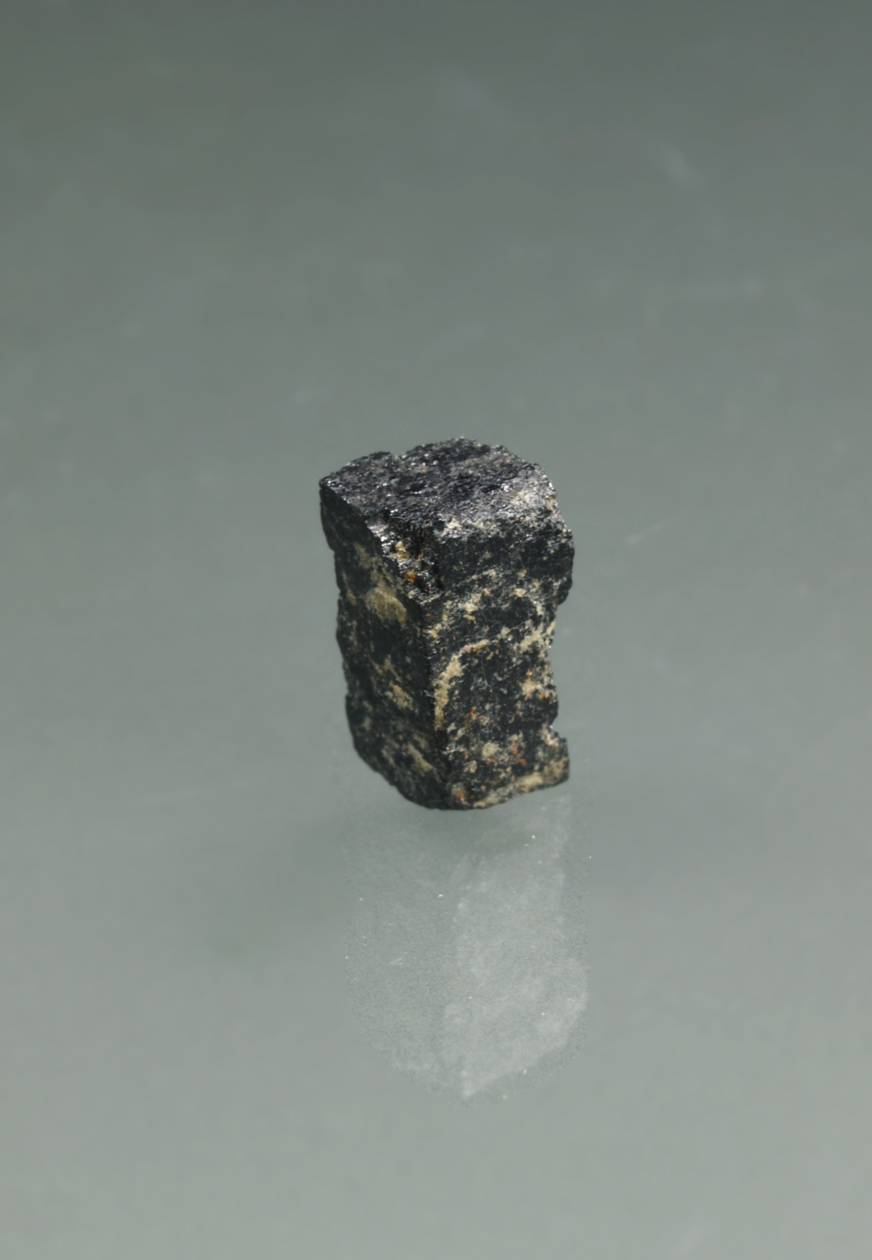
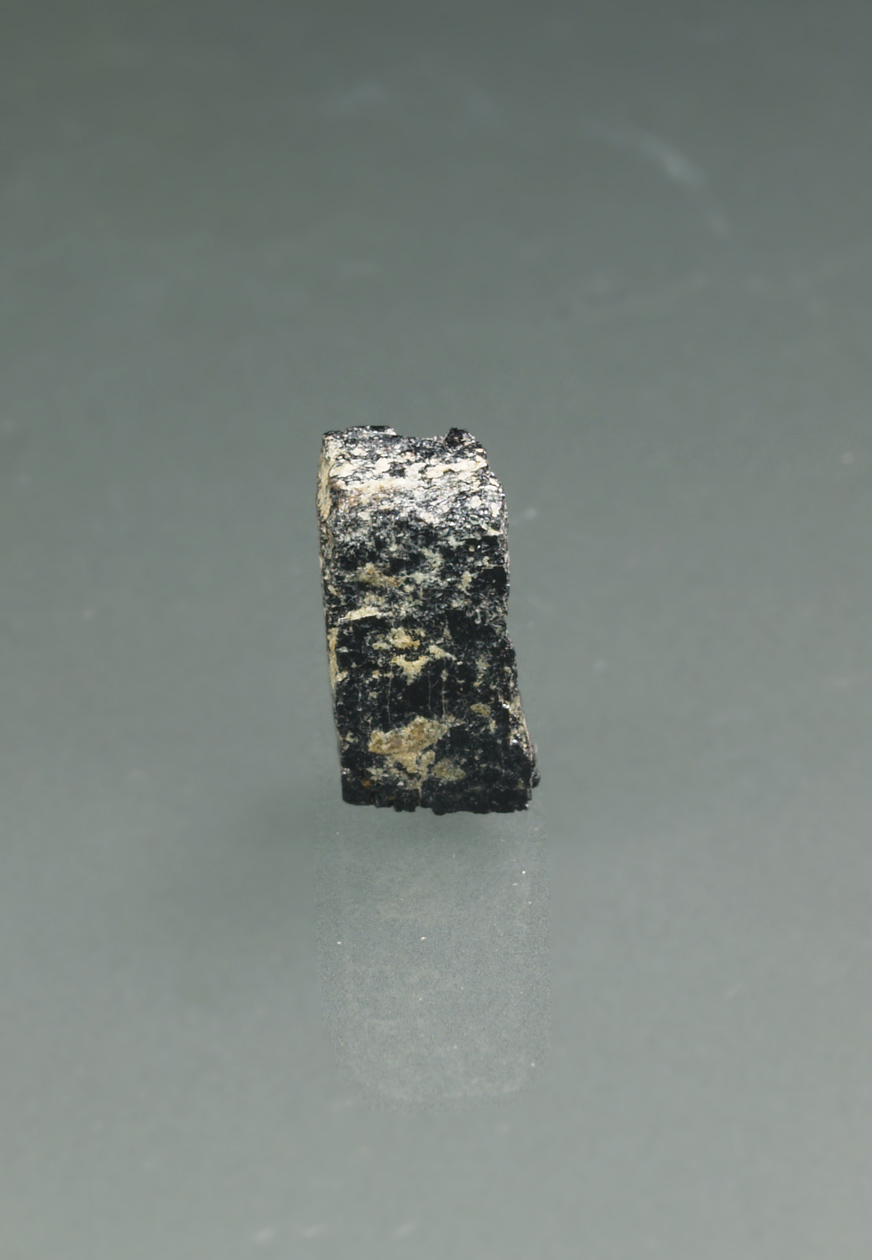
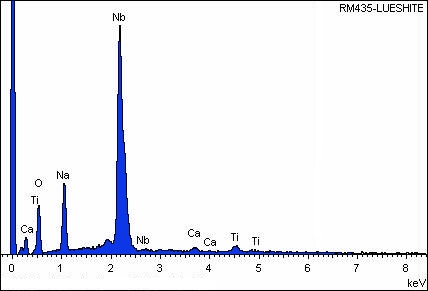
Analyzed crystal of lueshite, from the Type Locality. Lueshite is a rare sodium niobate. These samples came out only sporadically, and mostly 20-plus years ago. In this specimen it shows the presence of Ca and Ti, probably minor fersmite. Analysis will be sent to the buyer.
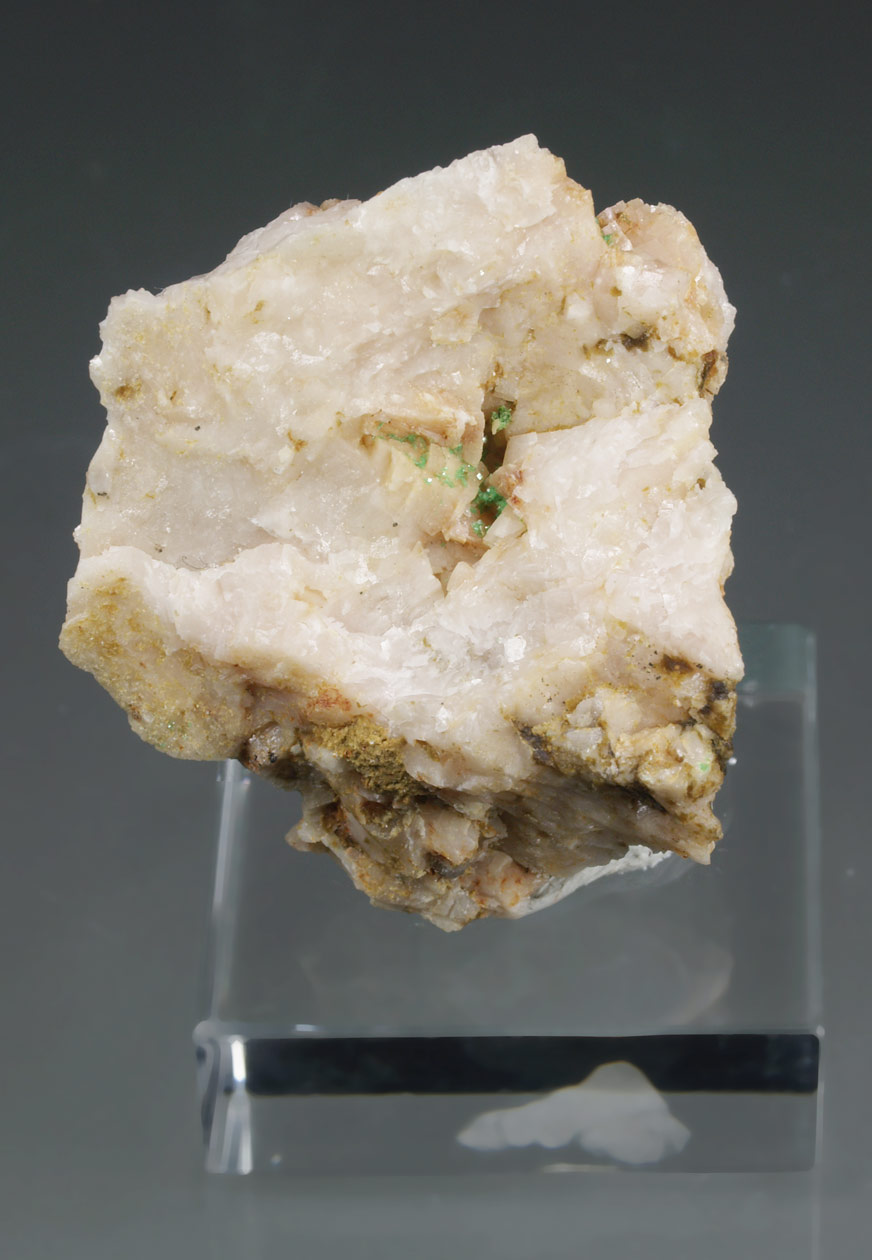
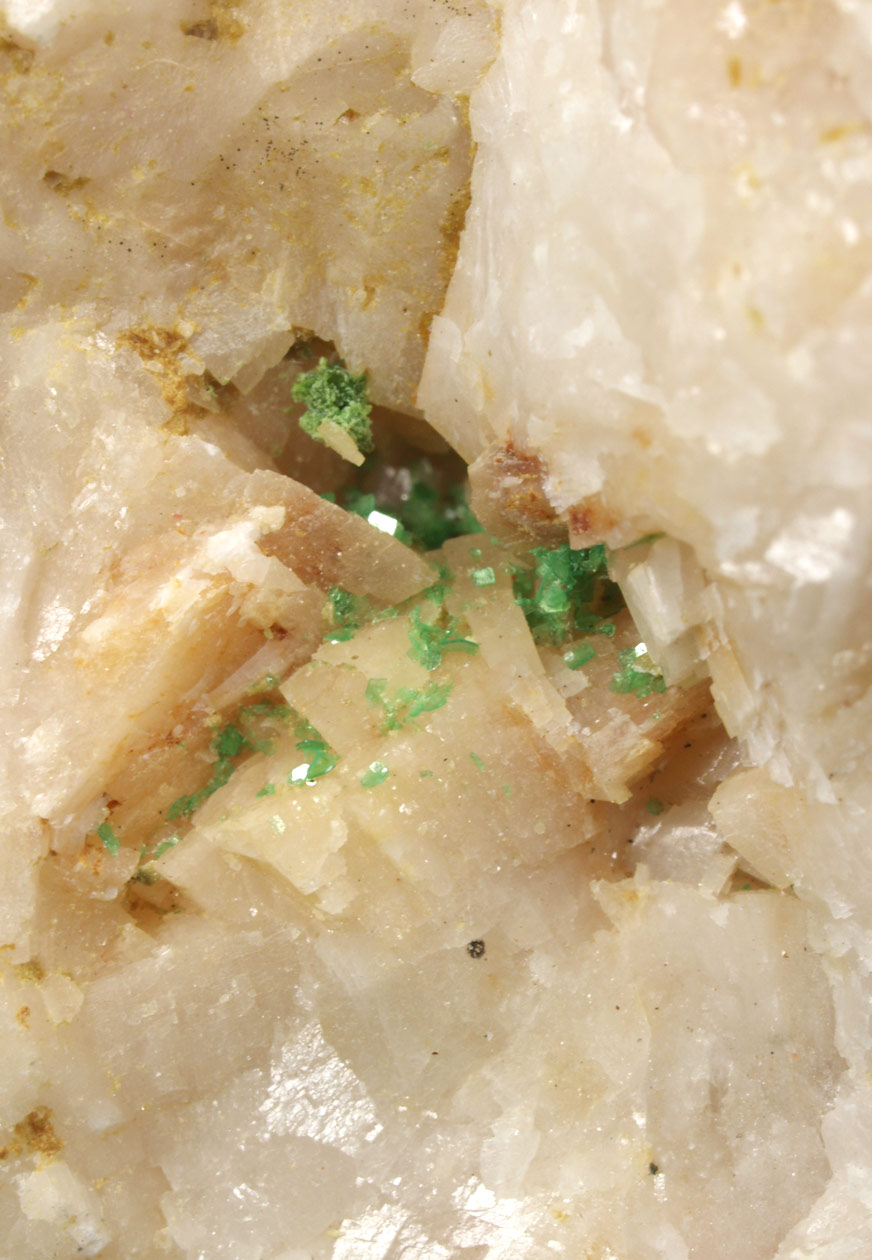
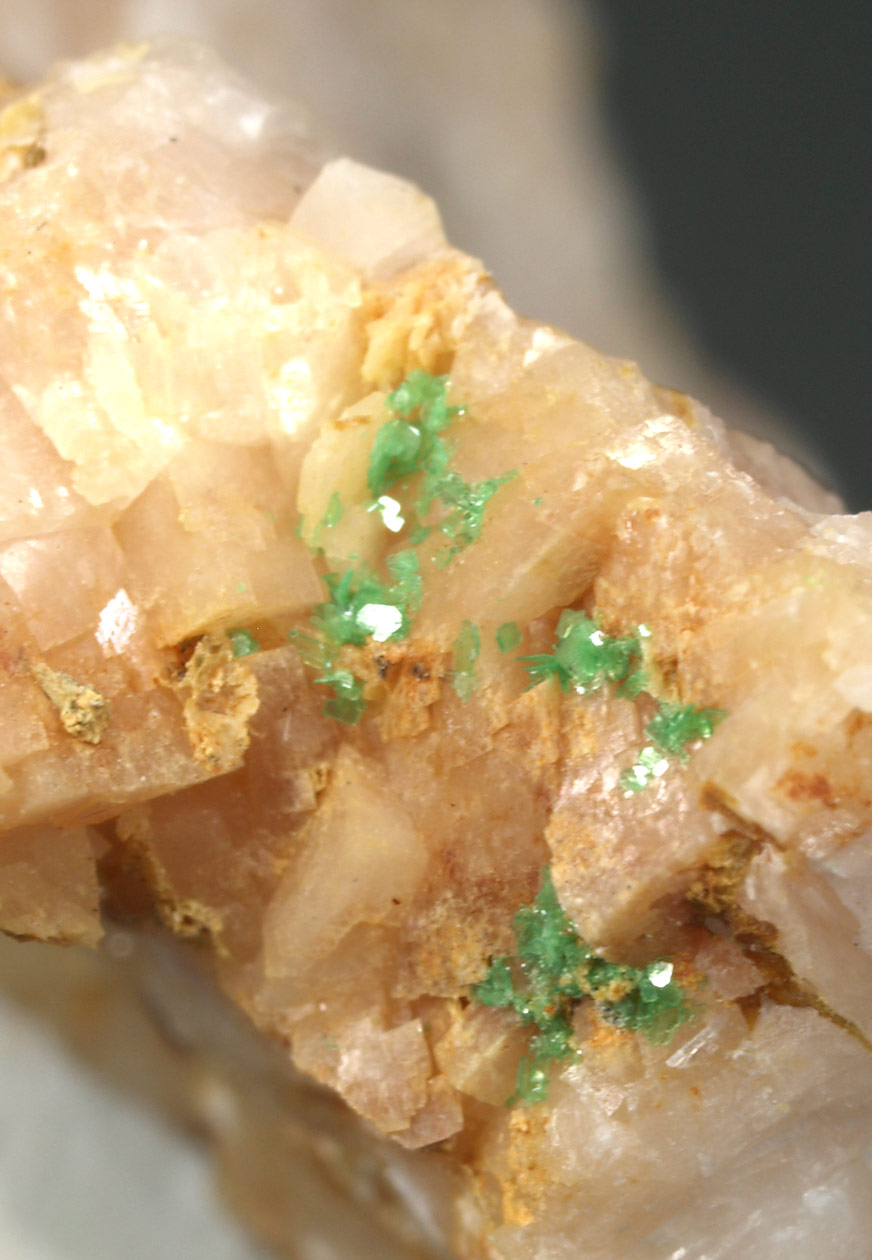
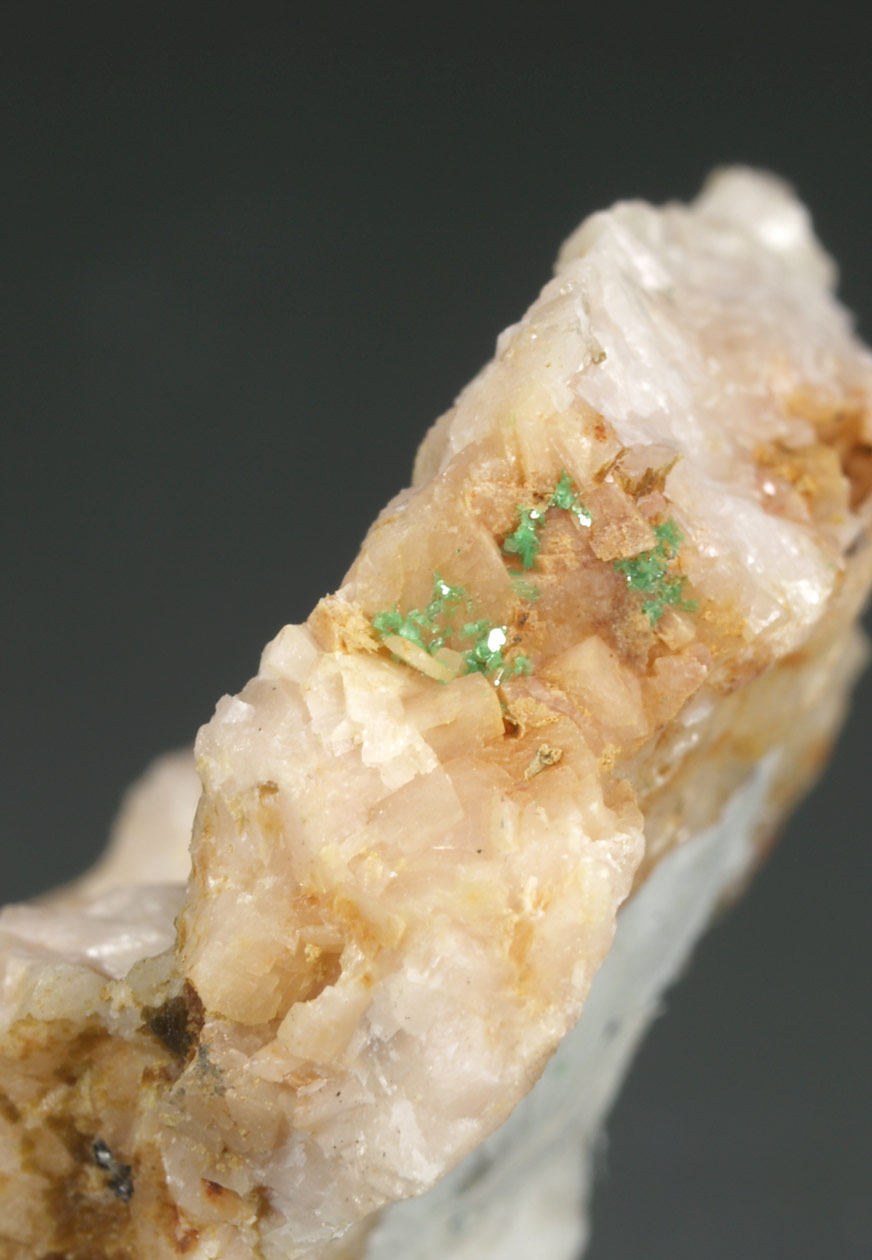
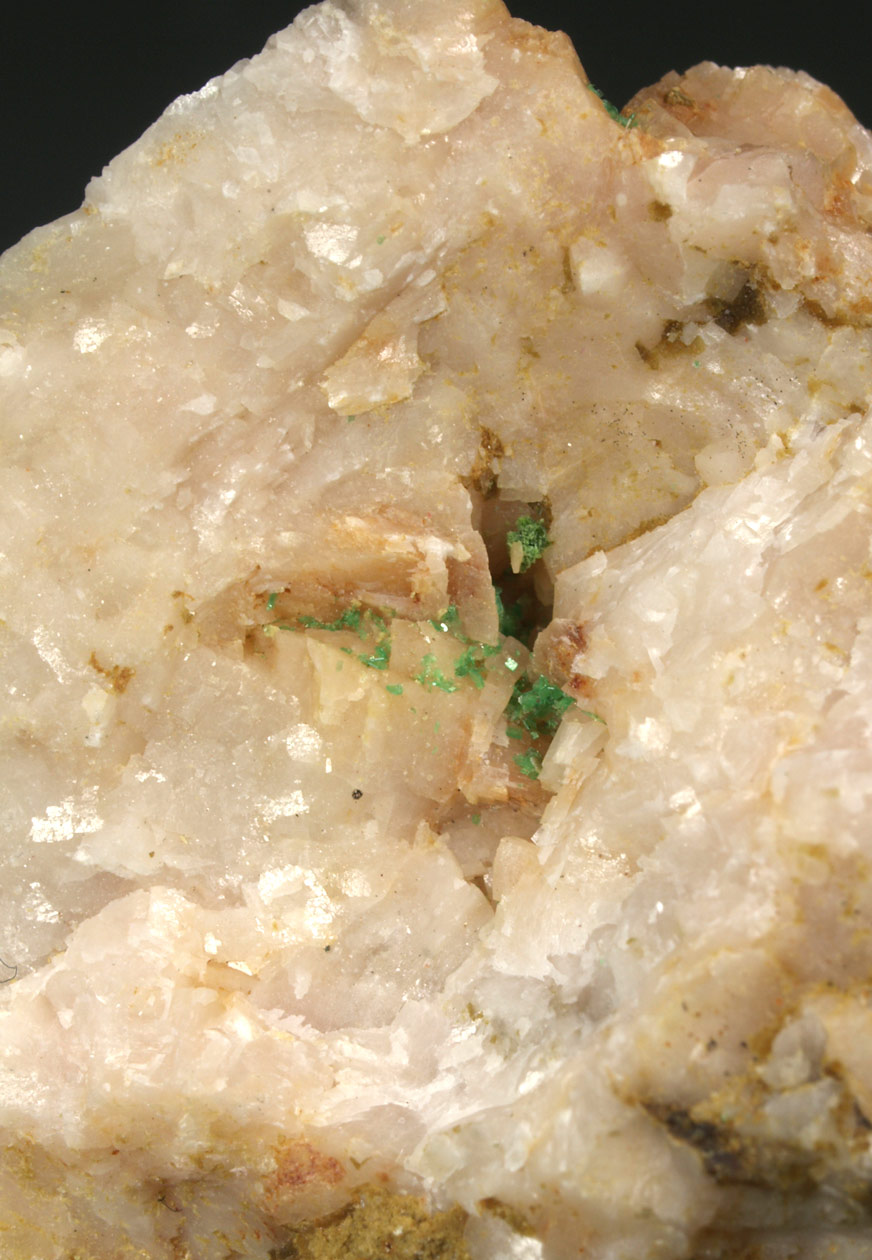
Tabular metazeunerite crystals, of a pale green color, forming aggregates in a cavity of the matrix. On one of these aggregates, an aggregate of pale yellow methanováčekite crystals is disposed. It belongs from this classic Moroccan mine. The uranium-rich zone (vein 2) of the quarry had been covered.
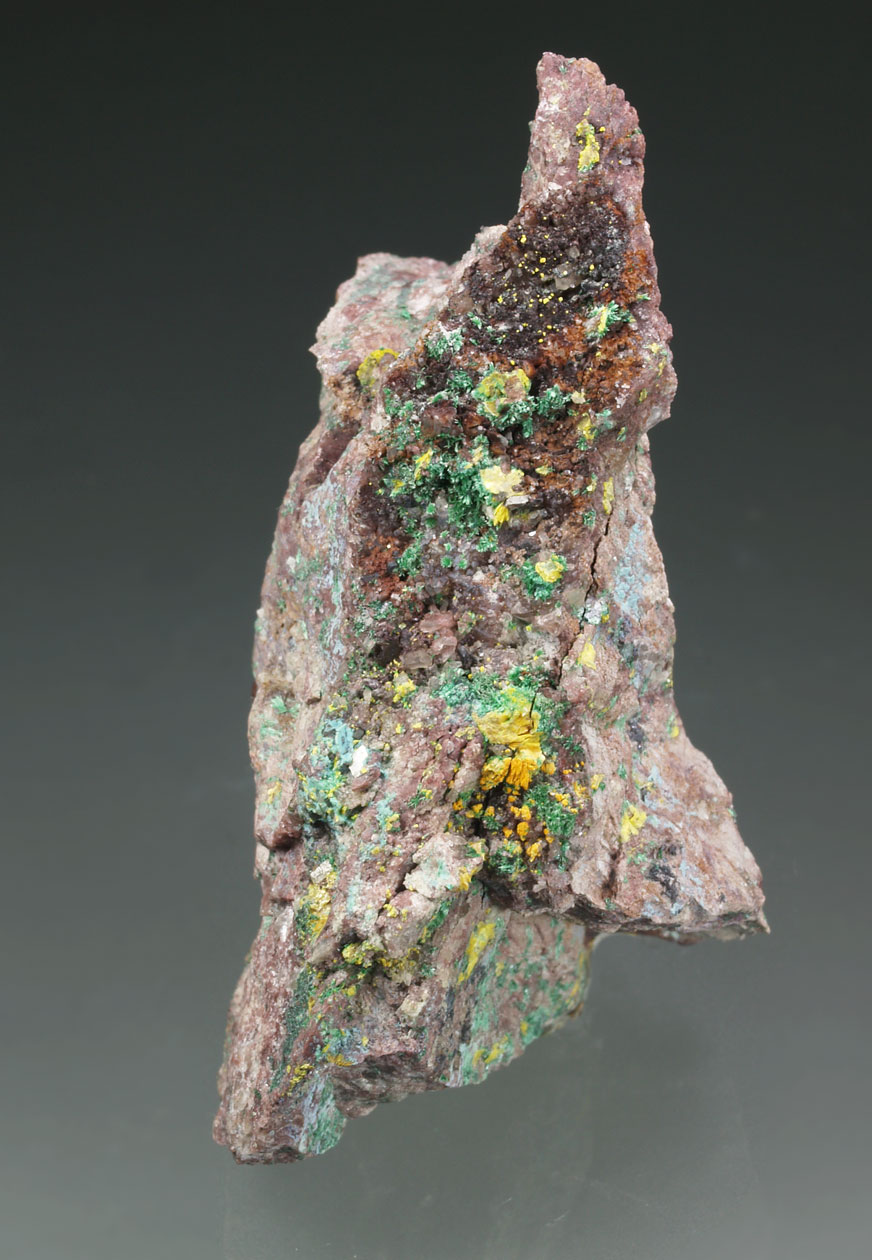
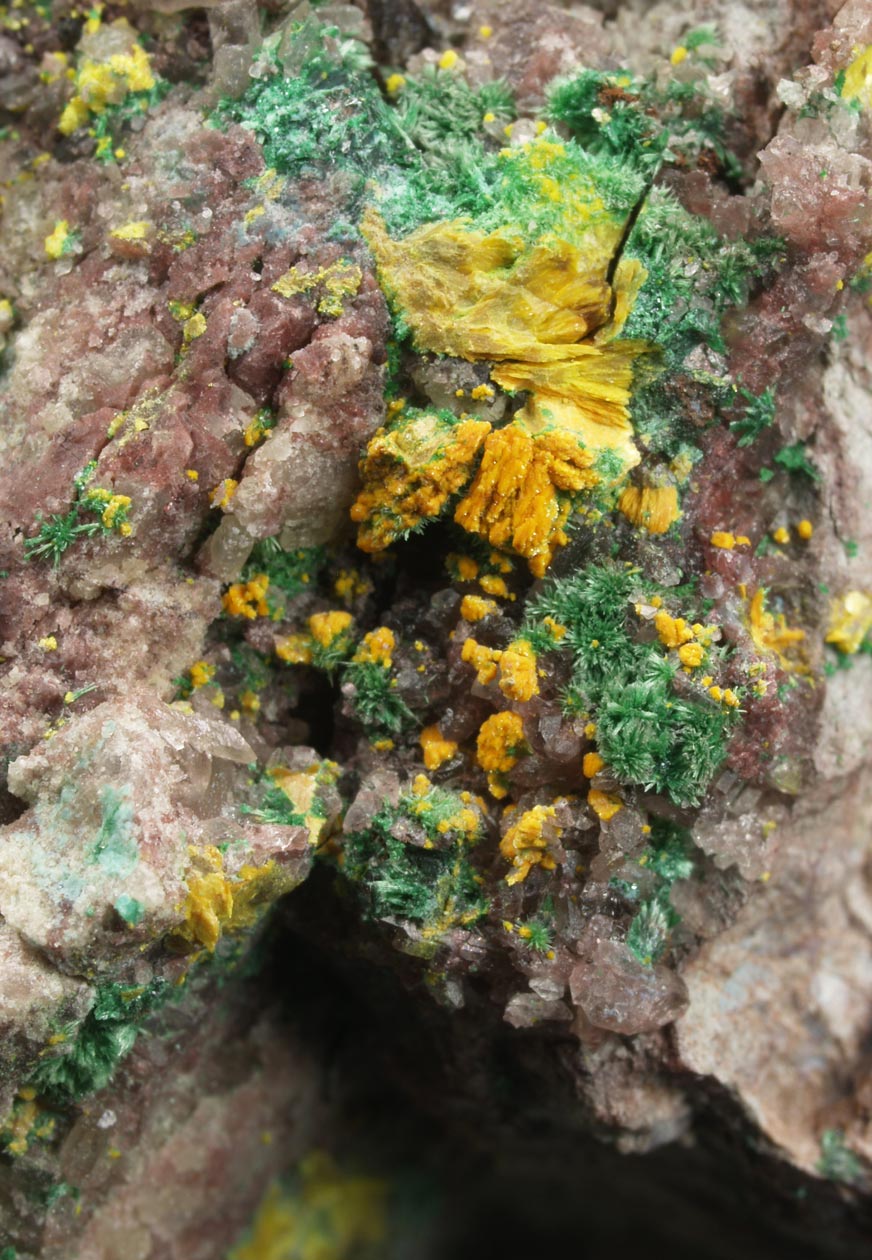
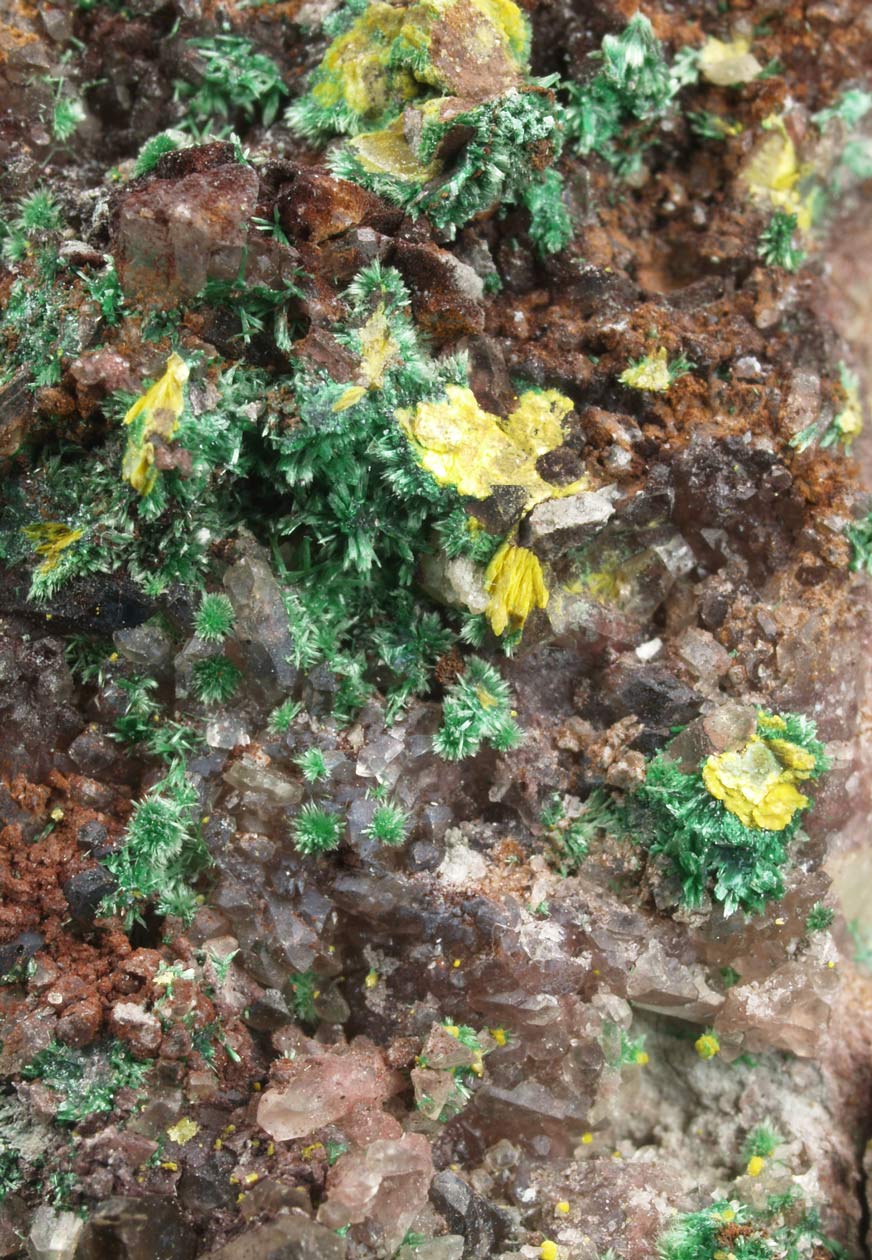
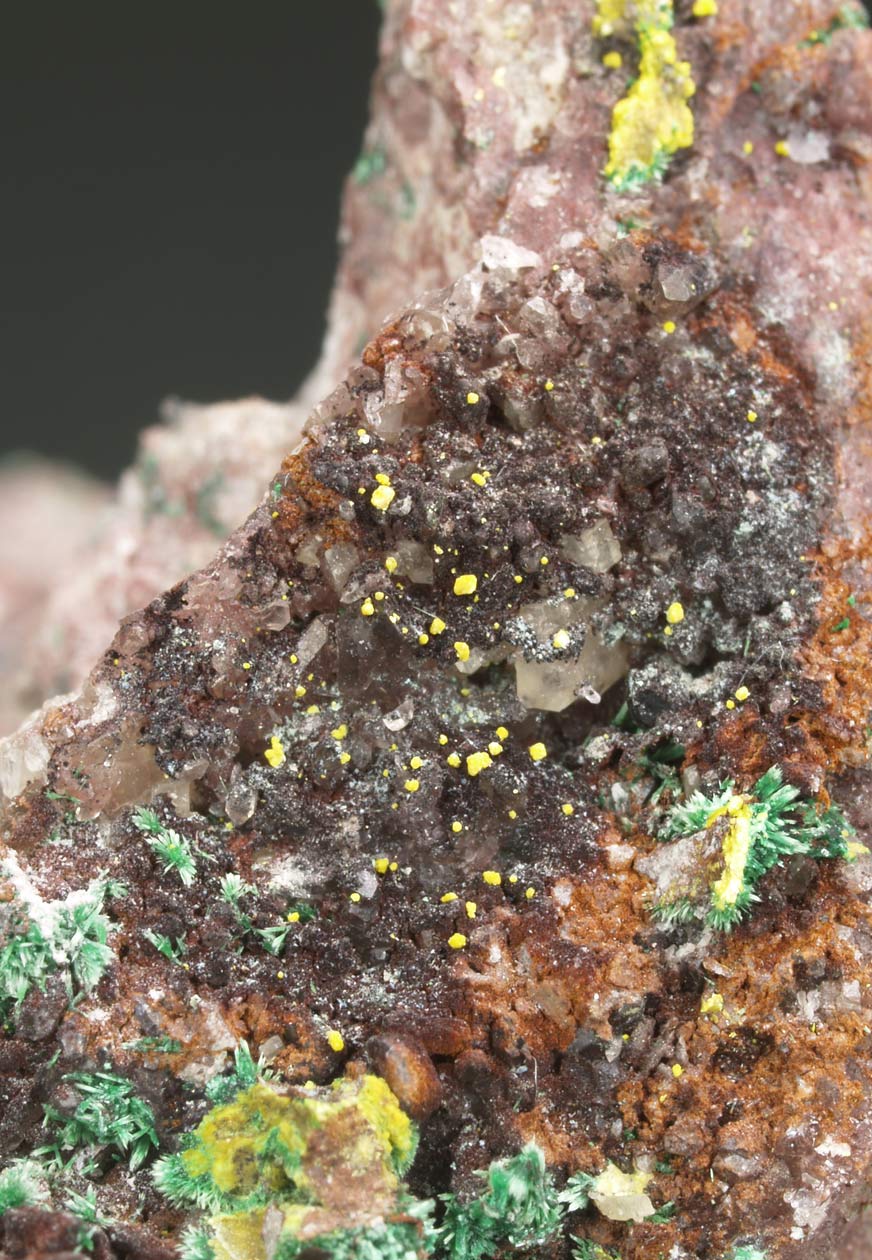
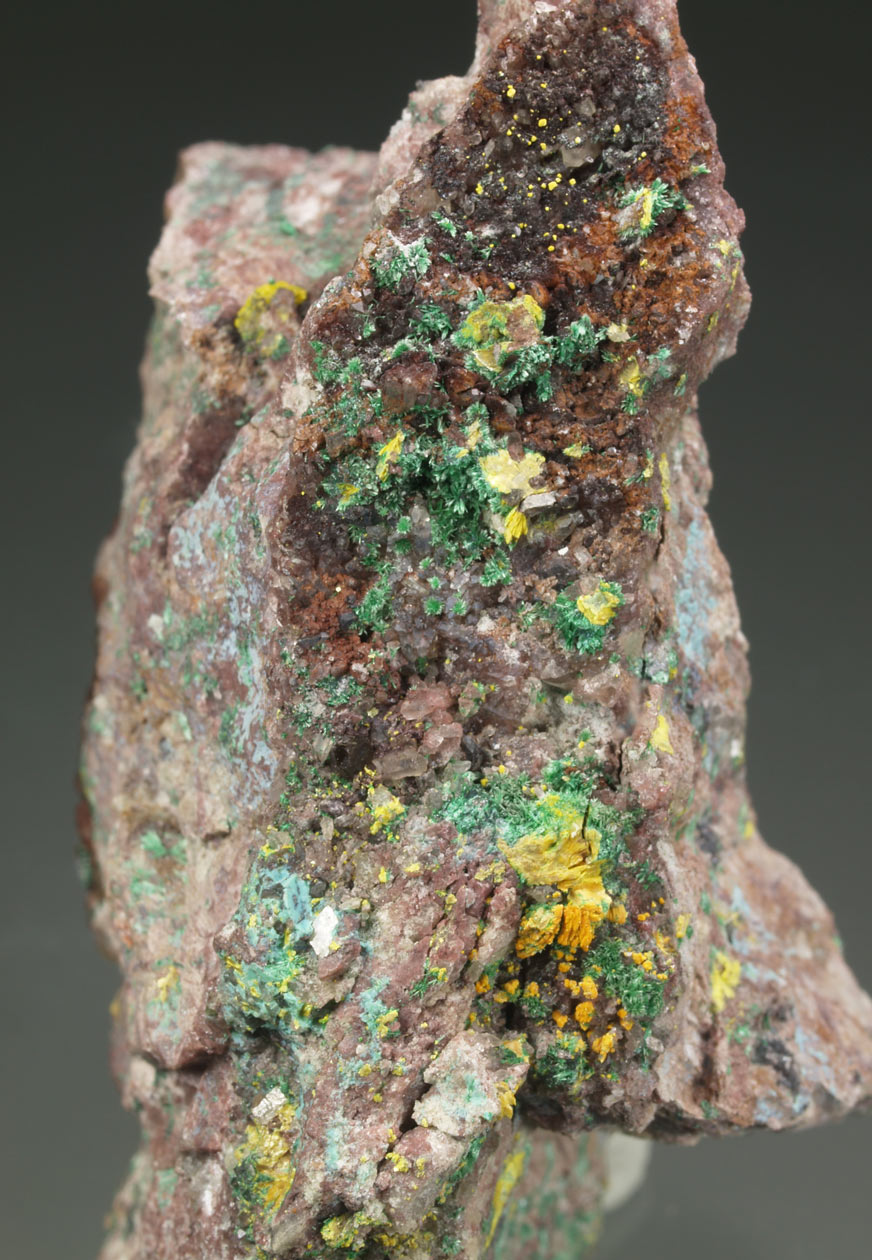
Aggregates of metatyuyamunite crystals, with an intense yellow to orange colour, accompanied by malachite radial agregates and yellow laminar carnotite.
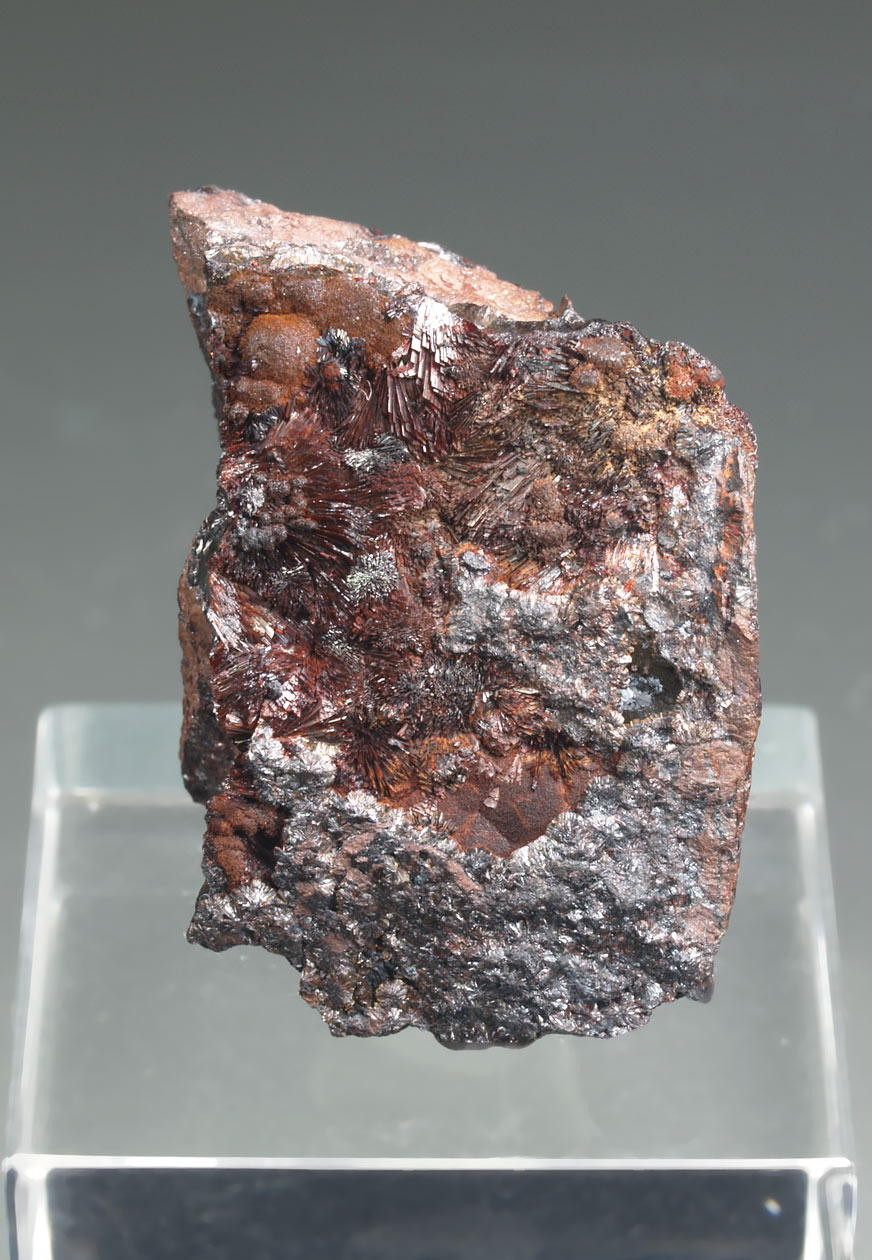
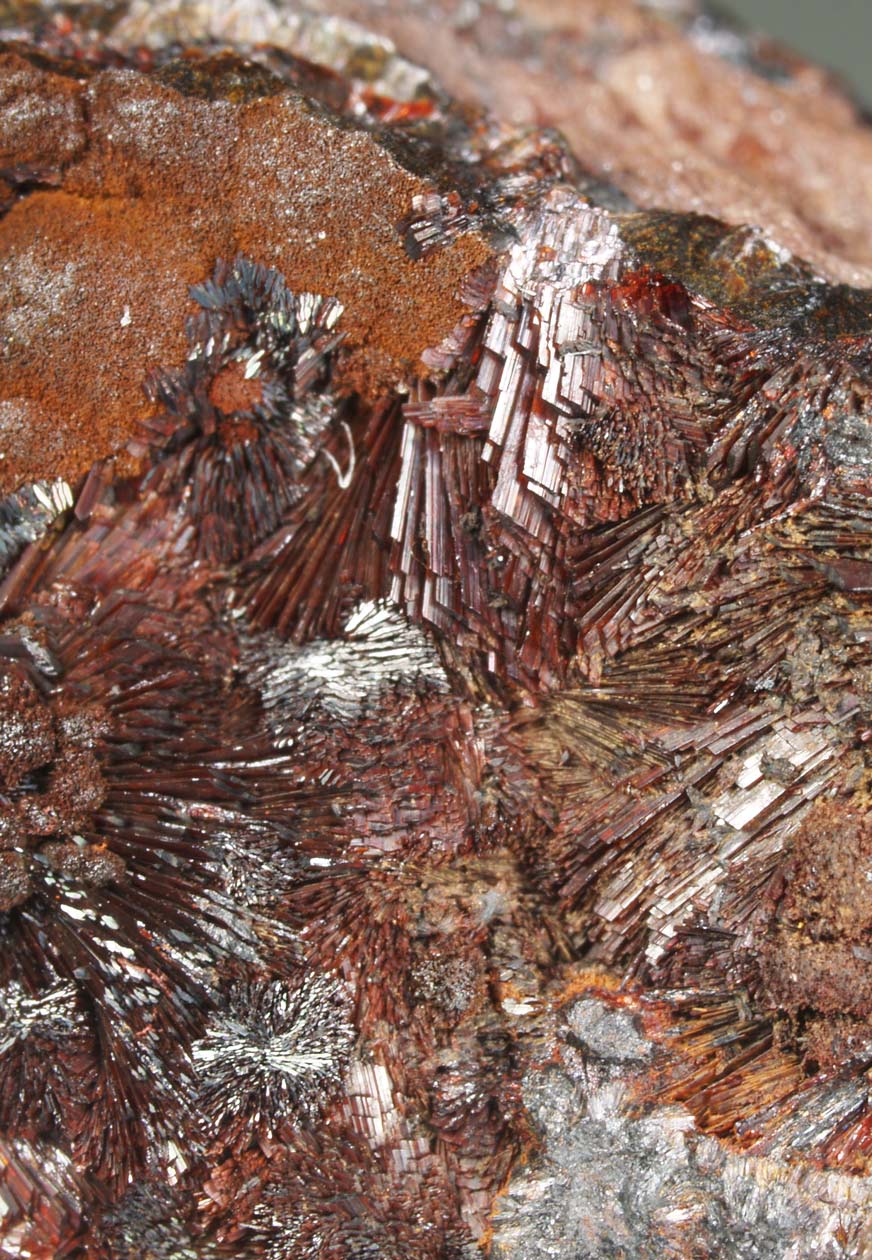
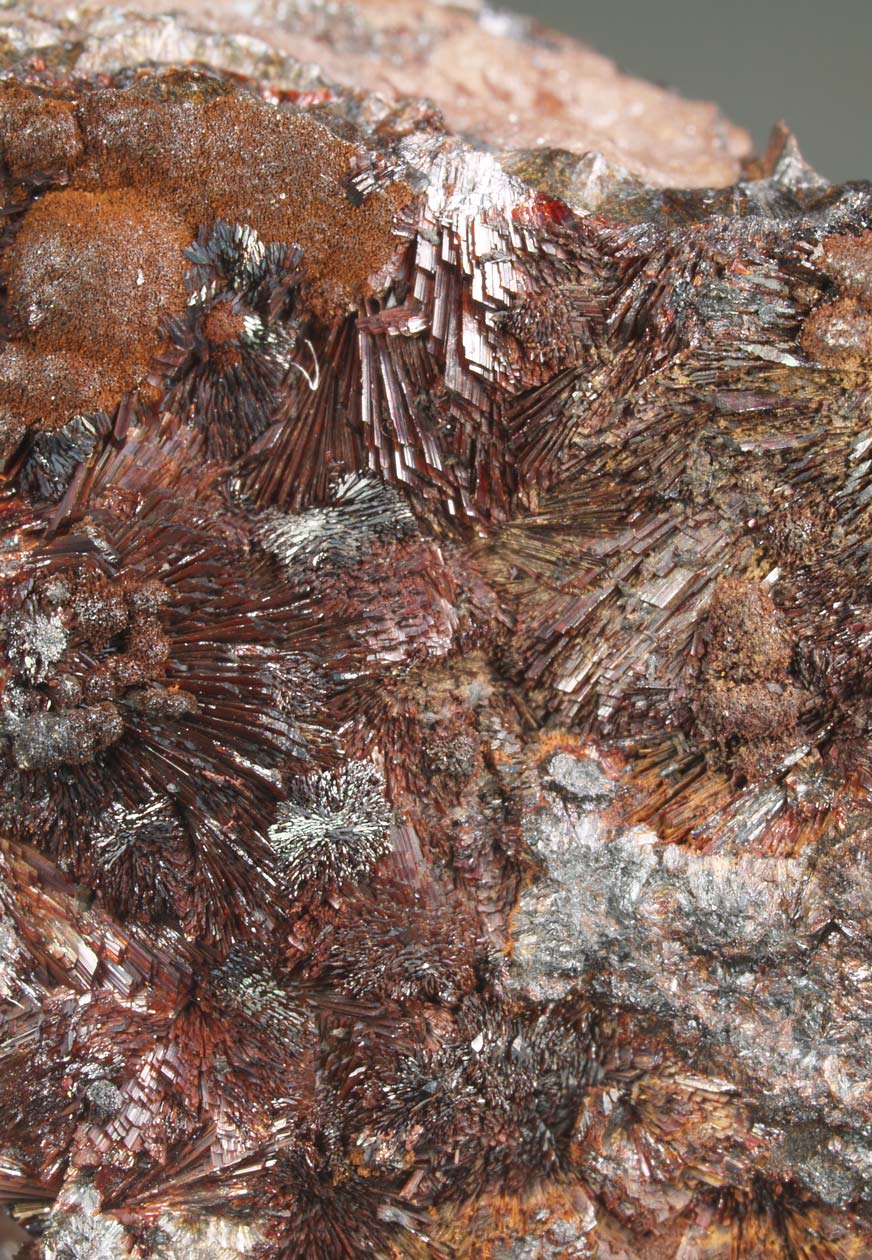
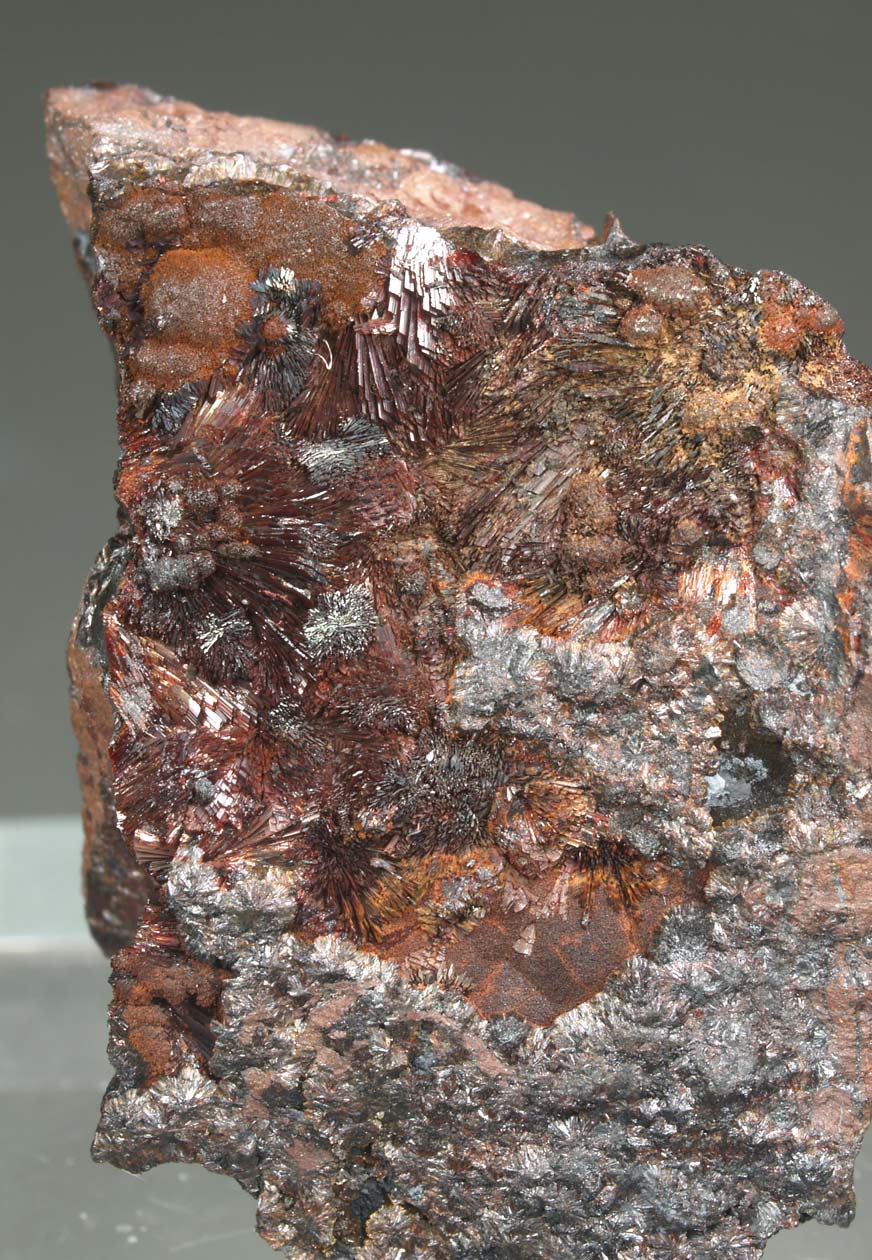
Deep red eleonorite crystal aggregates with some delvauxite on limonite. Classic sample from Rotläufchen mine near Waldgirmes, Hesse, type locality for the species. Closely related to beraunite and forms by oxidation of the latter.
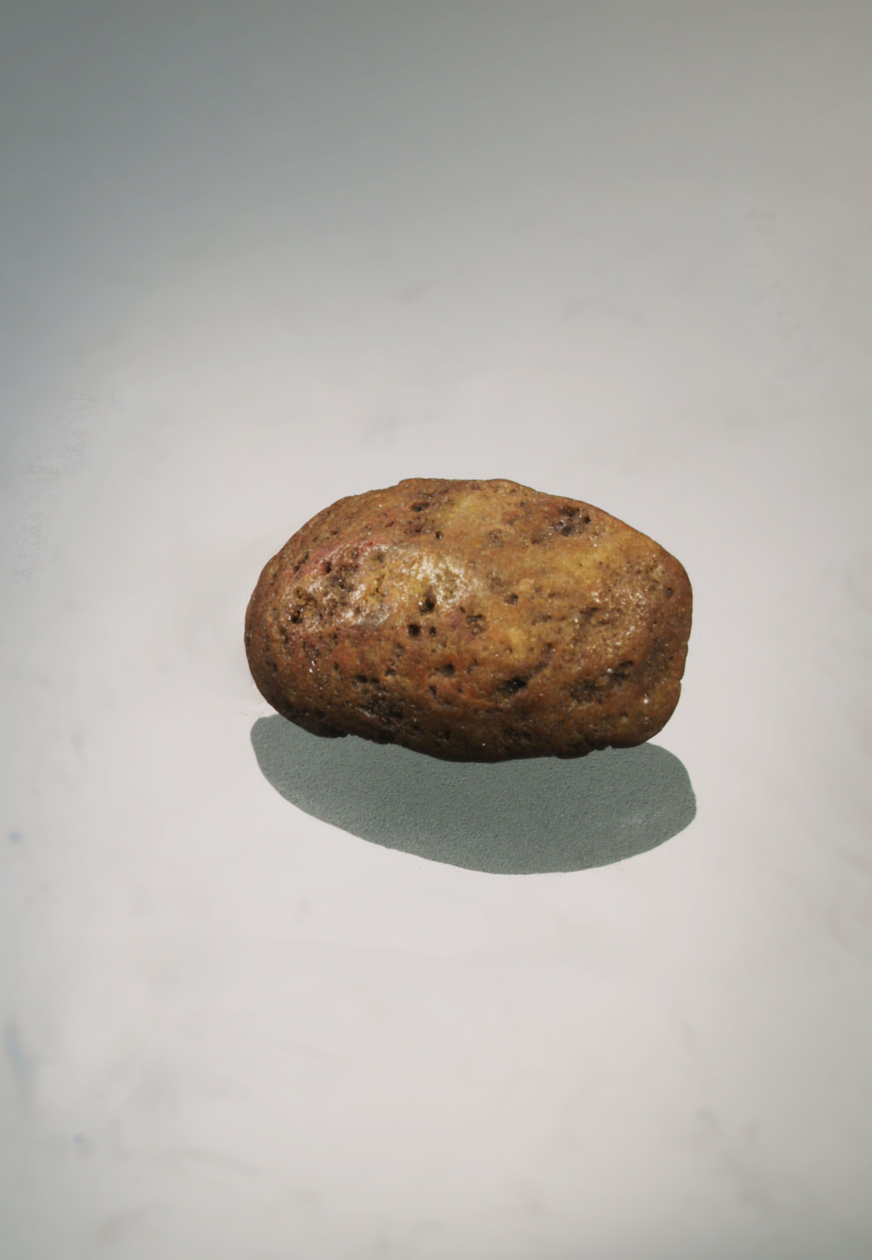
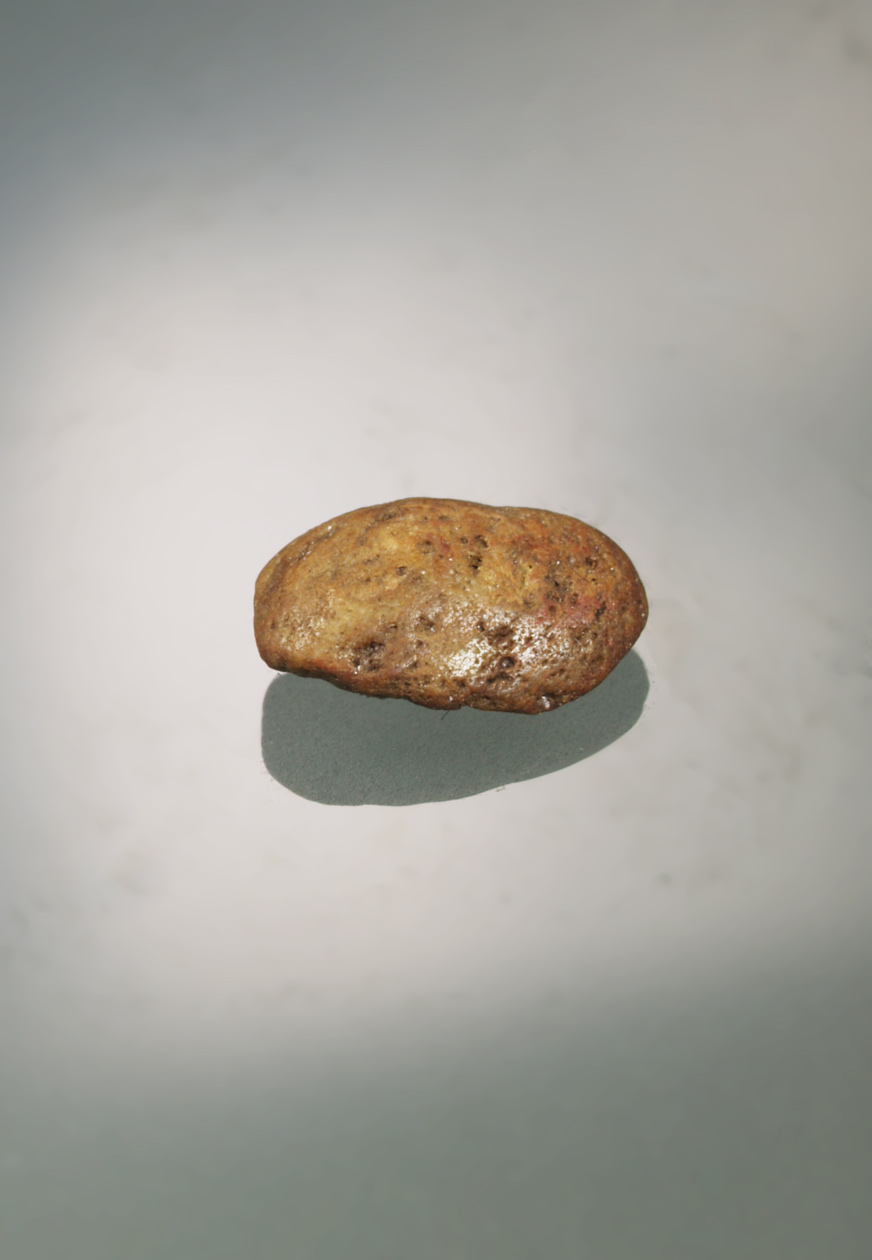
These alluvial peble specimens of bahianite are a remarkable rarity due to the composition. It is the only known pure aluminum antimonate. Structurally related to simpsonite (Ta instead of Sb). It is normally found as rolled pellets in the Pico das Almas river, in Brazil. It comes from this type locality for the species.
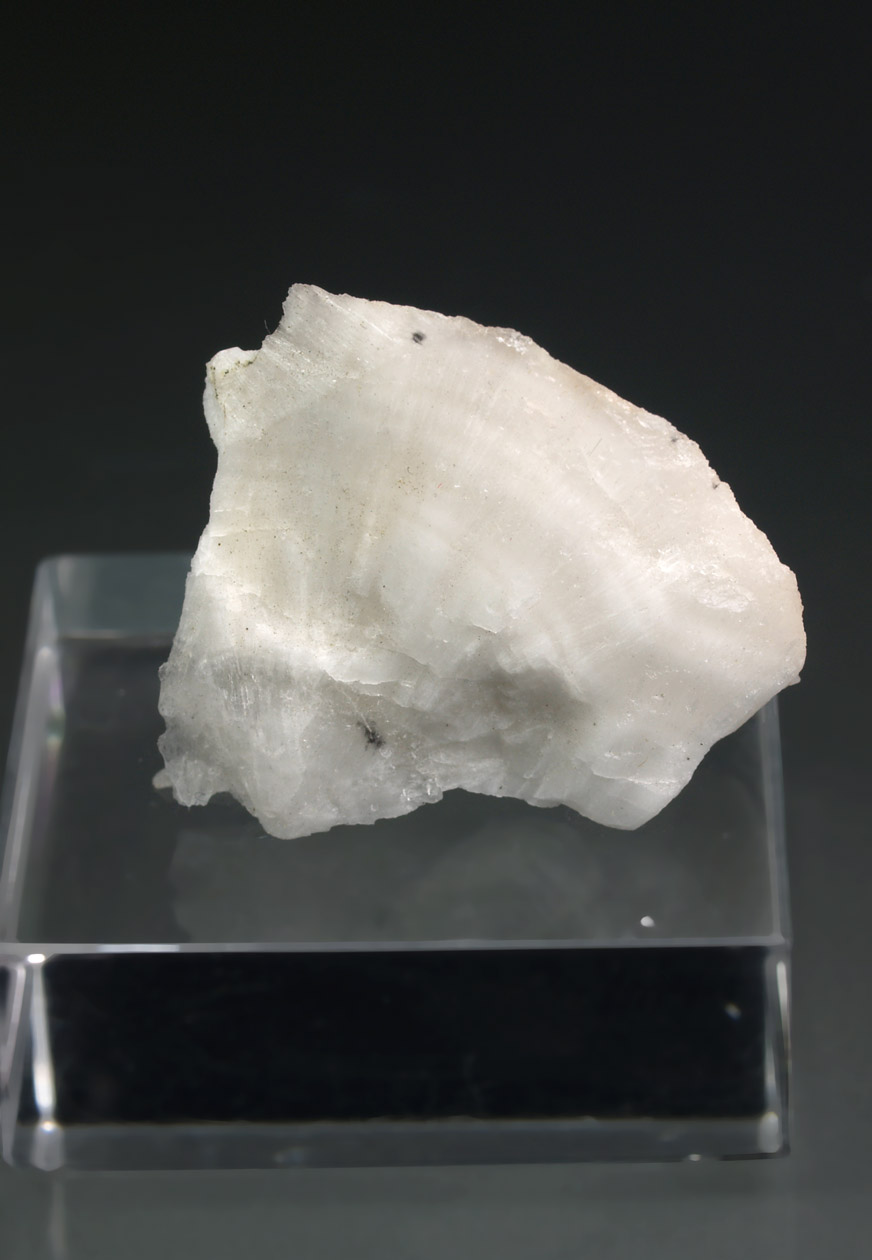
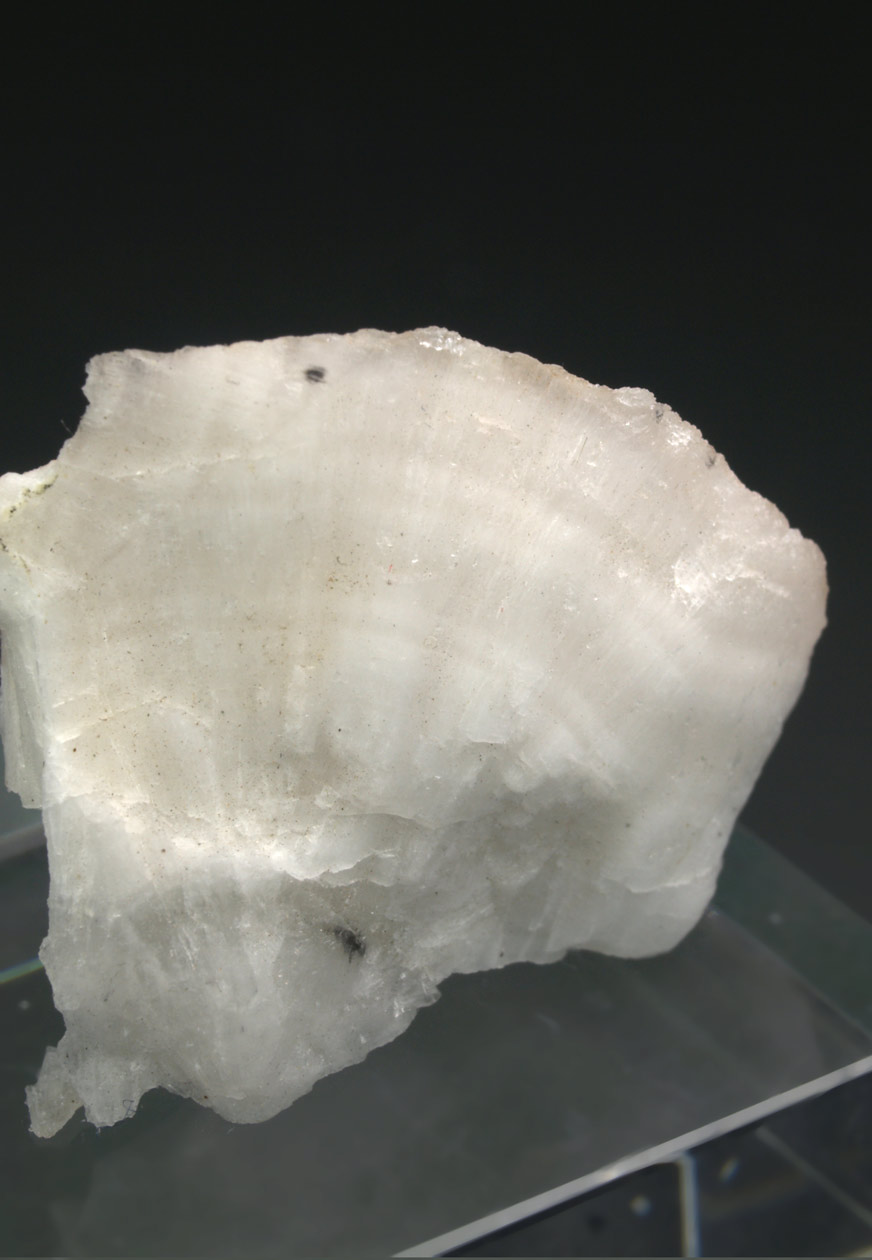
From this classic German locality, Grube Clara, we get this specimen formed by aggregates of acicular crystals of sellaite, an unusual magnesium fluoride.
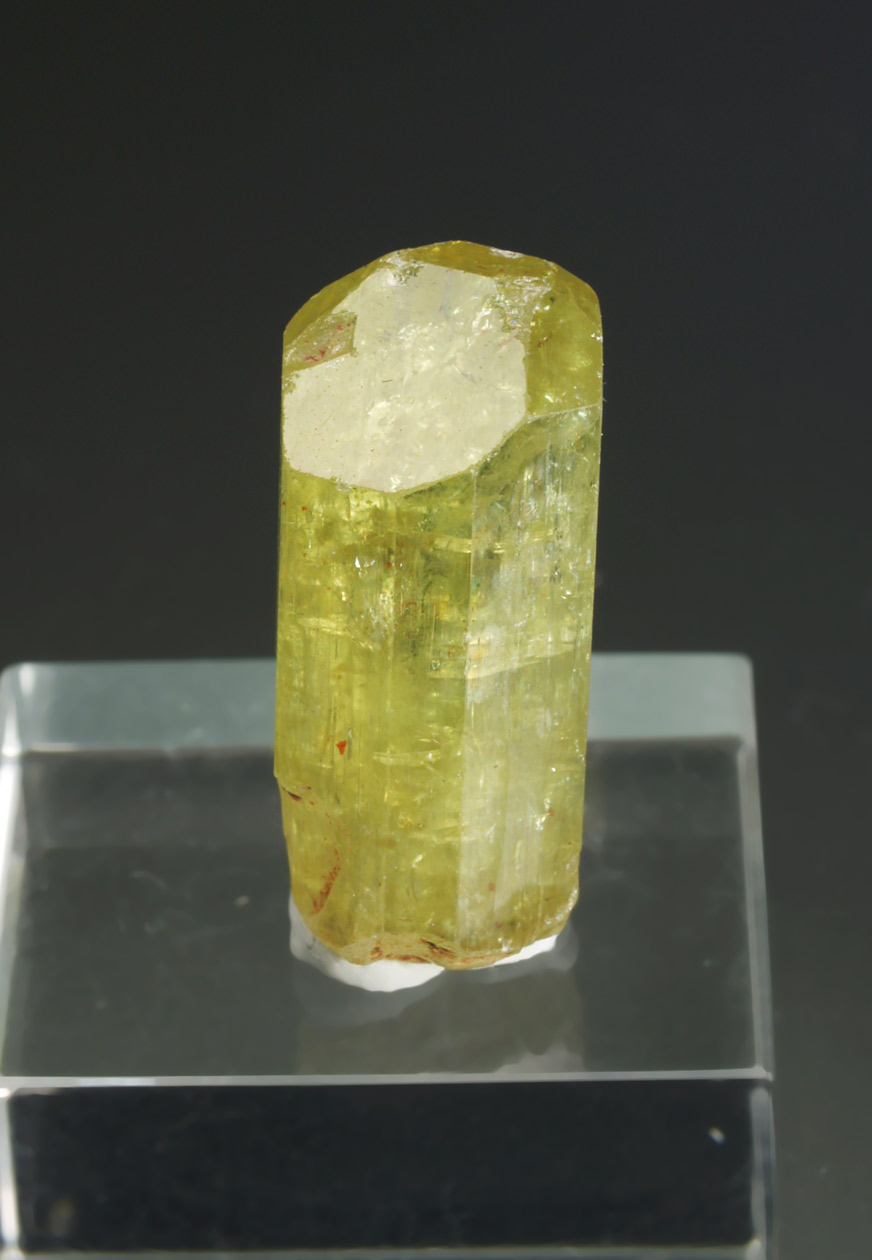
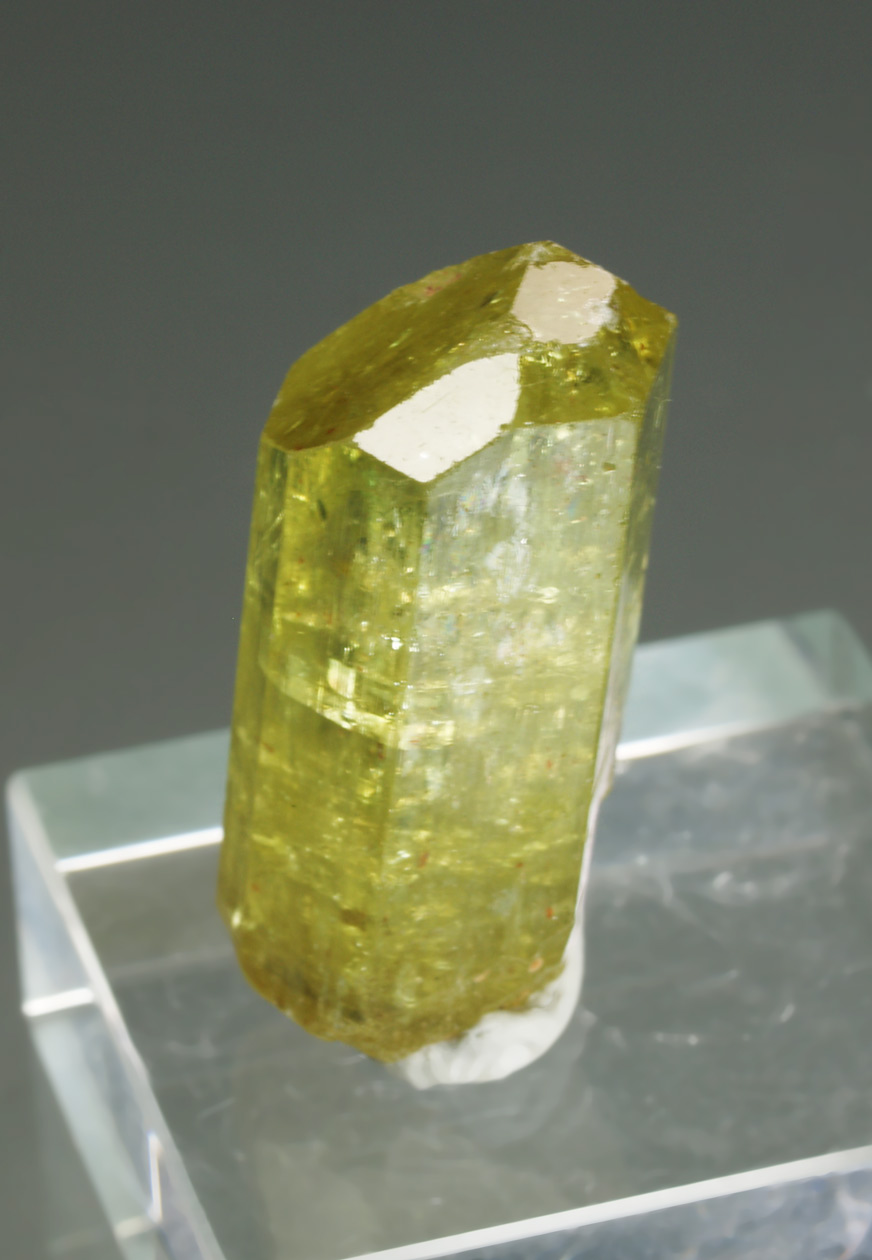
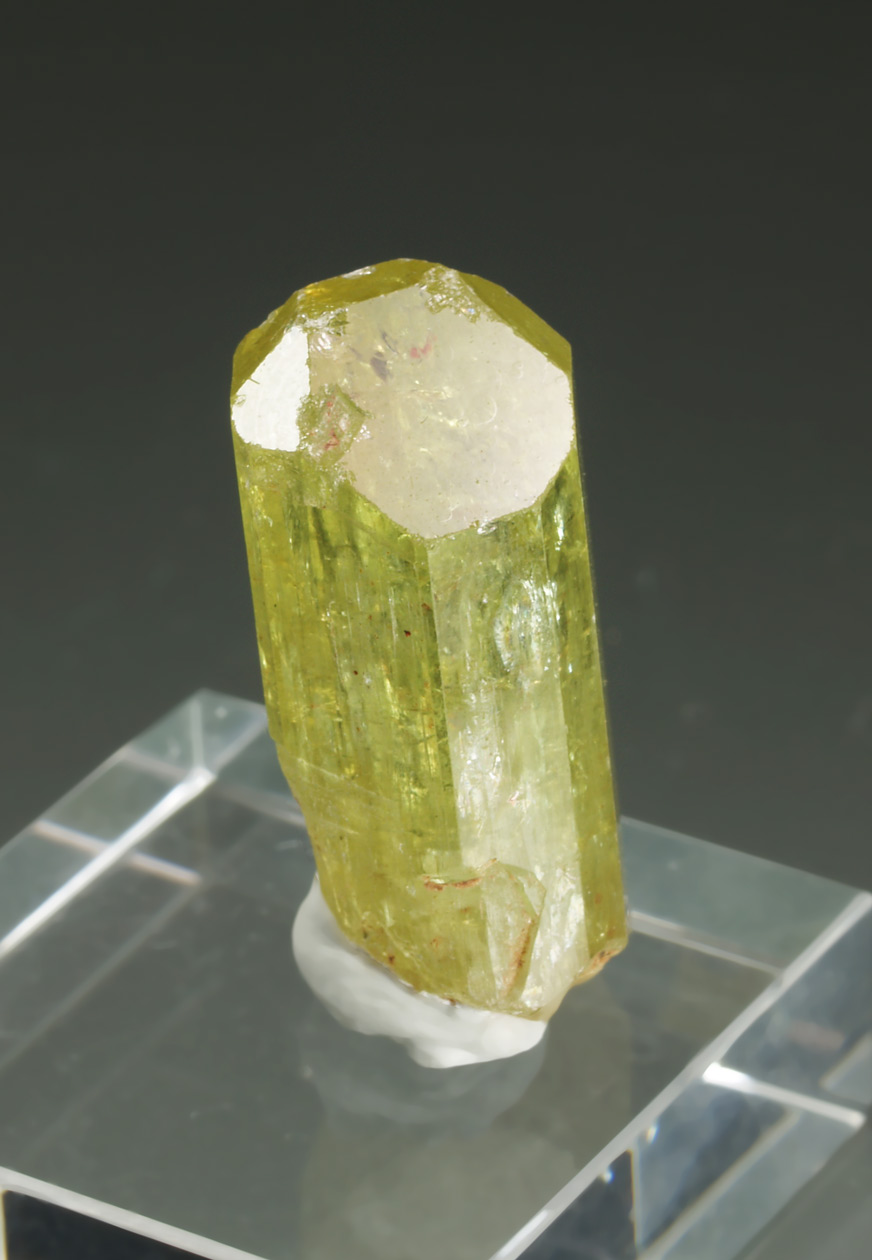
A really interesting good size and gemmy fluorapatite crystal. We can observe perfectly the combination of the first and second order prisms; very sharp terminal faces, with first order hexagonal dipyramid. A specimen to enjoy crystallography and aesthetics.
Crystal shows excellent brilliance, transparence and a vivid yellow color with green tones. The specimen is from a Moroccan classic mine located in the Imilchil mountains area.
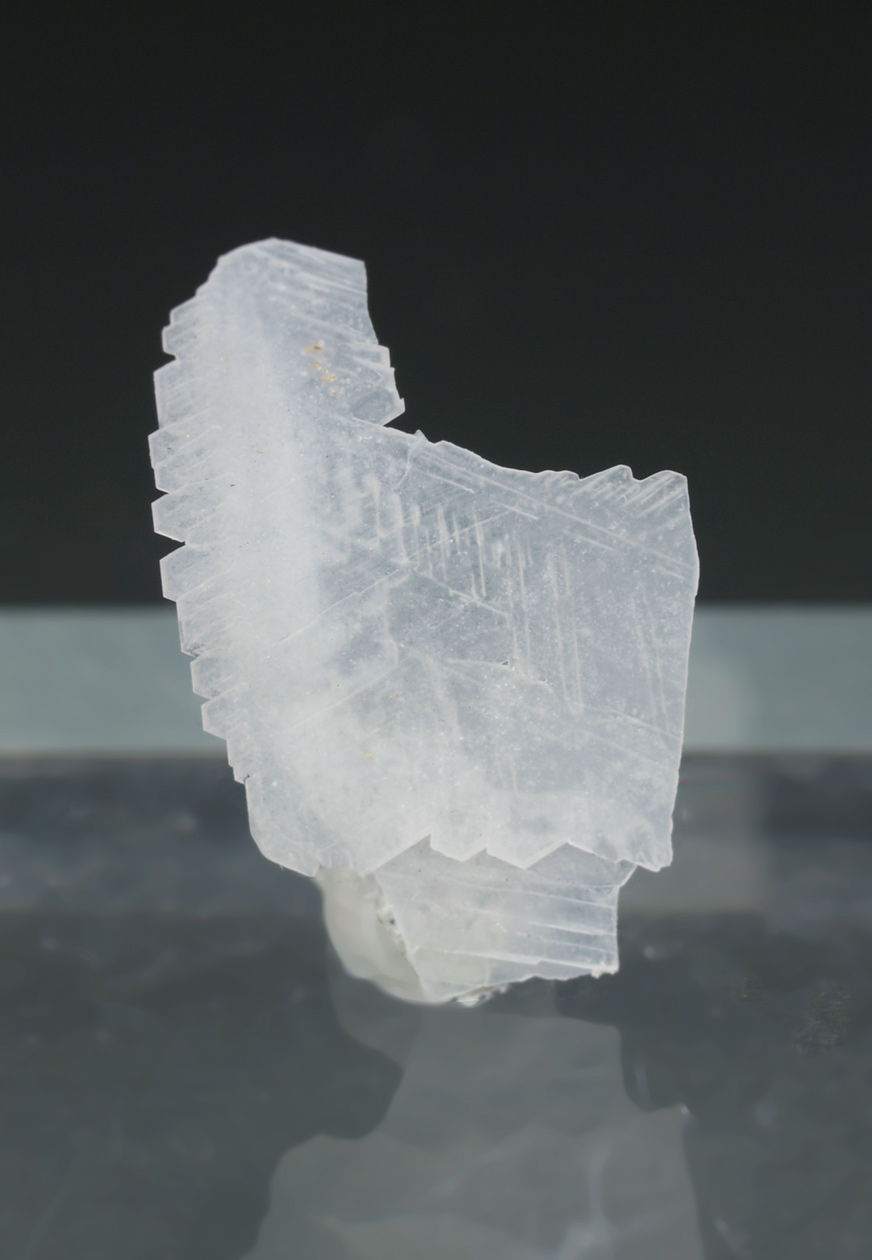
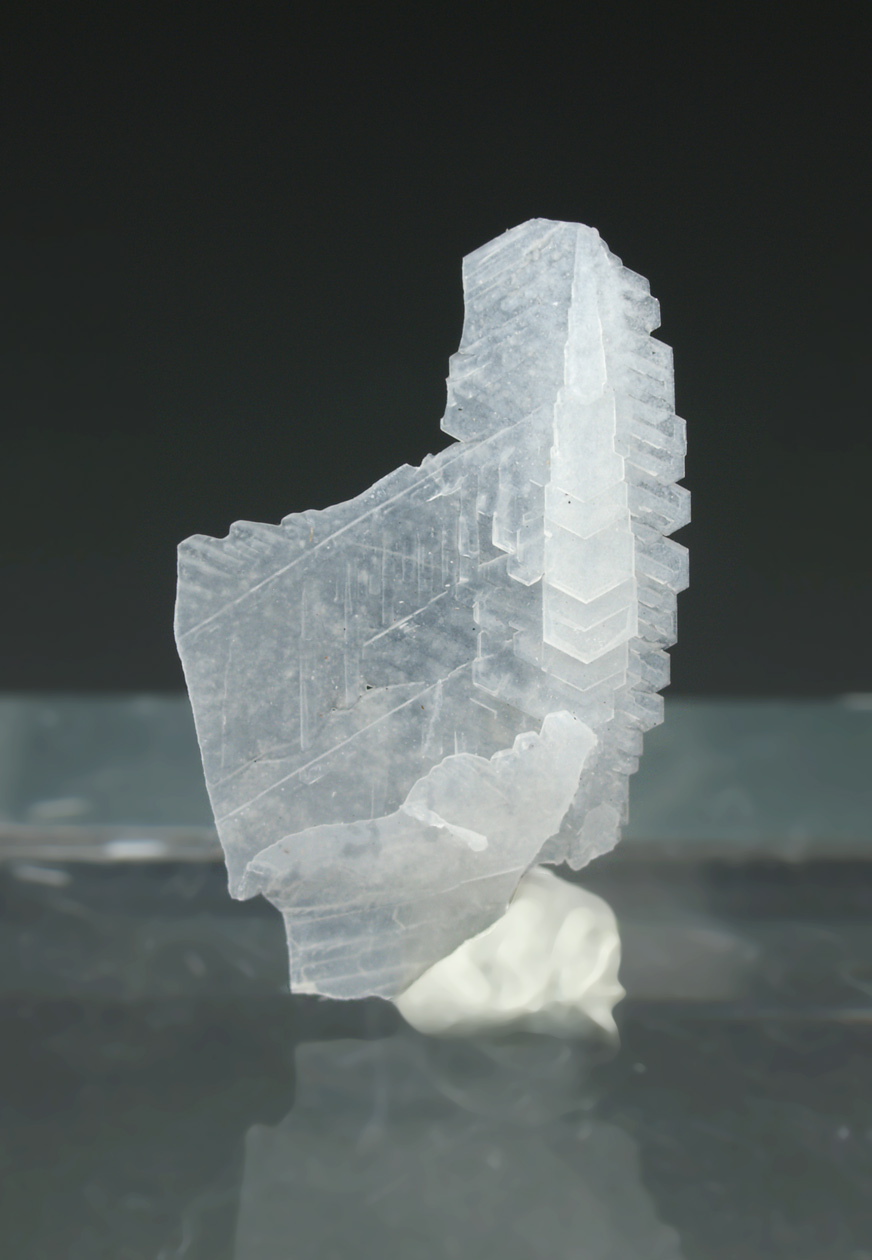
Extraordinary translucent laminar specimen of belomarinaite, an extremely rare sodium and potassium sulphate, of good size and with clearly visible crystalline forms. It refers to both chemistry and structure to aphthitalite. These sulfates are formed in saline deposits and in volcanic fumaroles, as is this case. This specimen comes from the type locality for the species. A unique opportunity for systematic collectors.
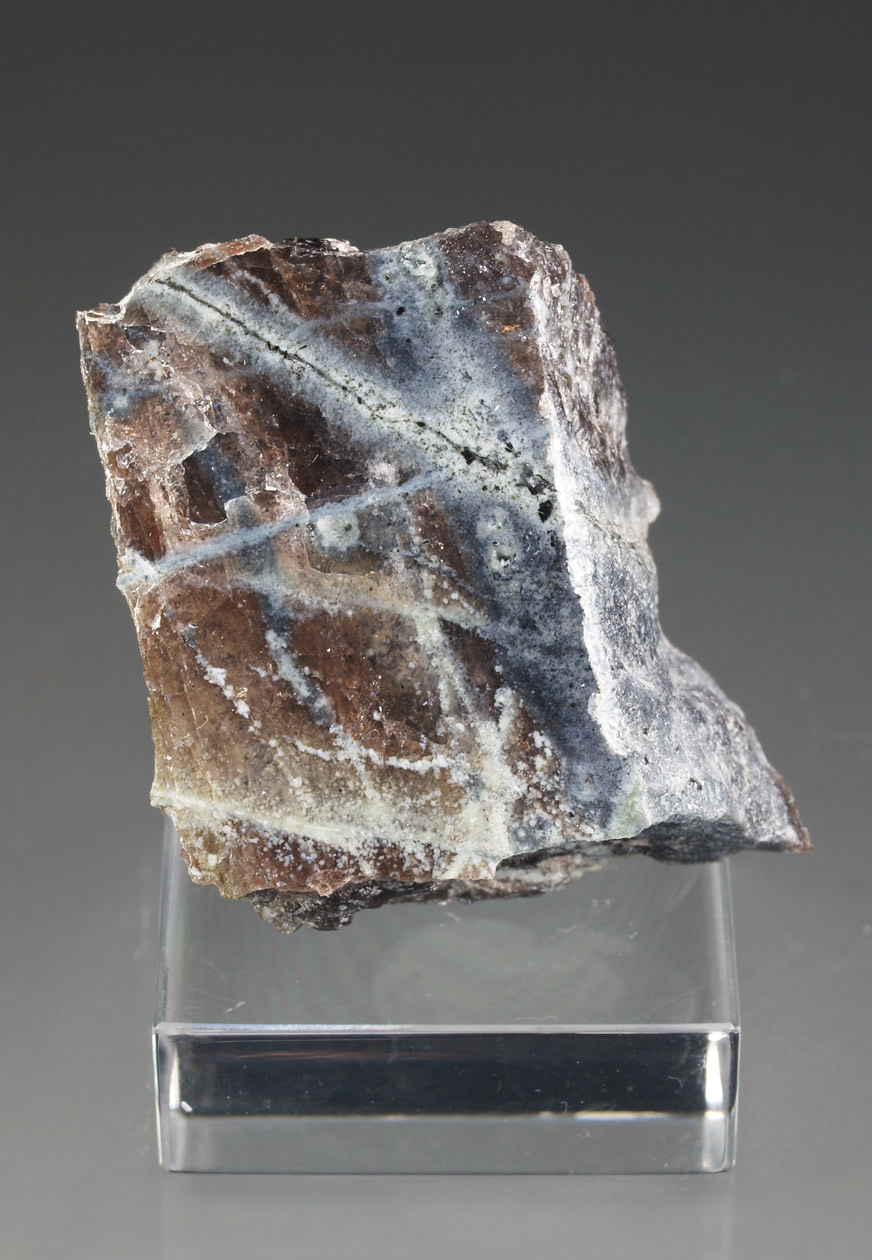
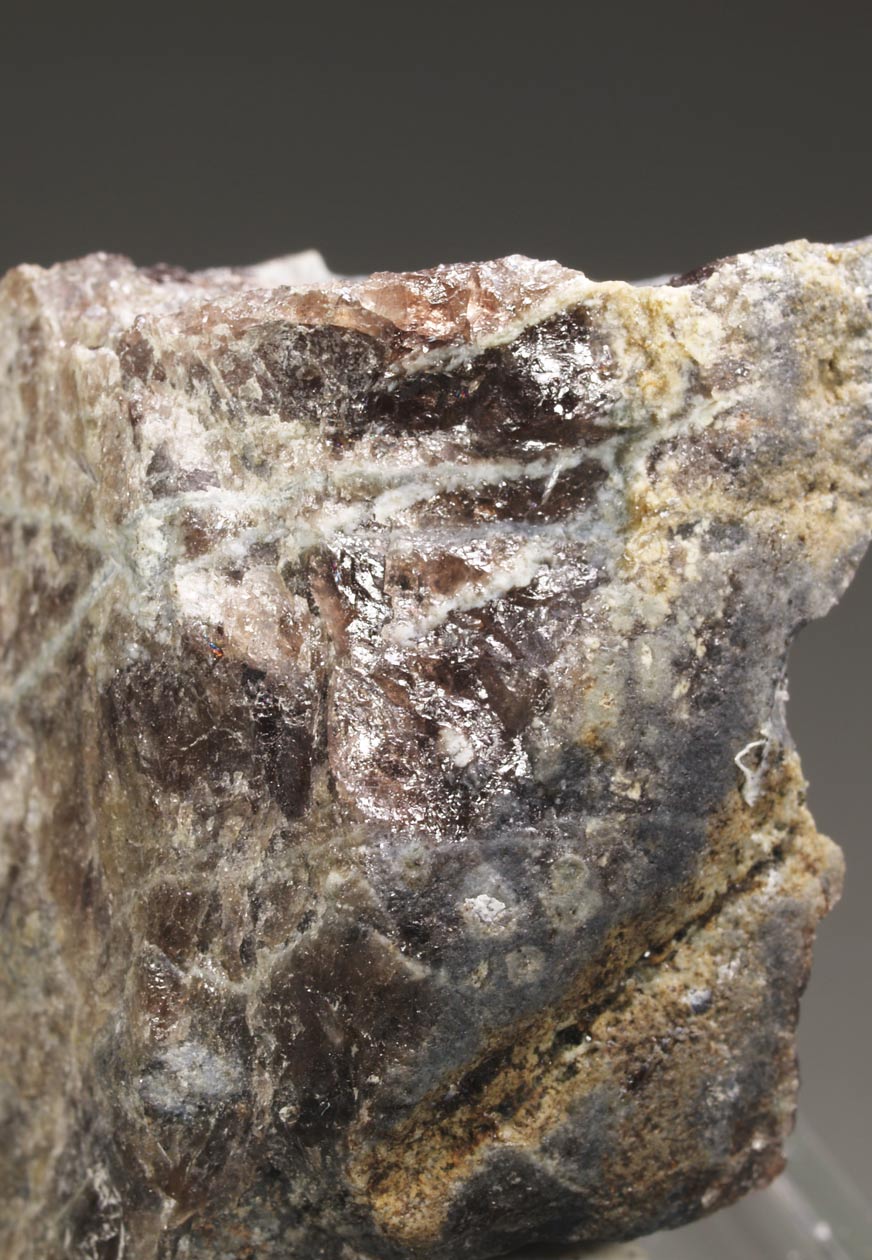
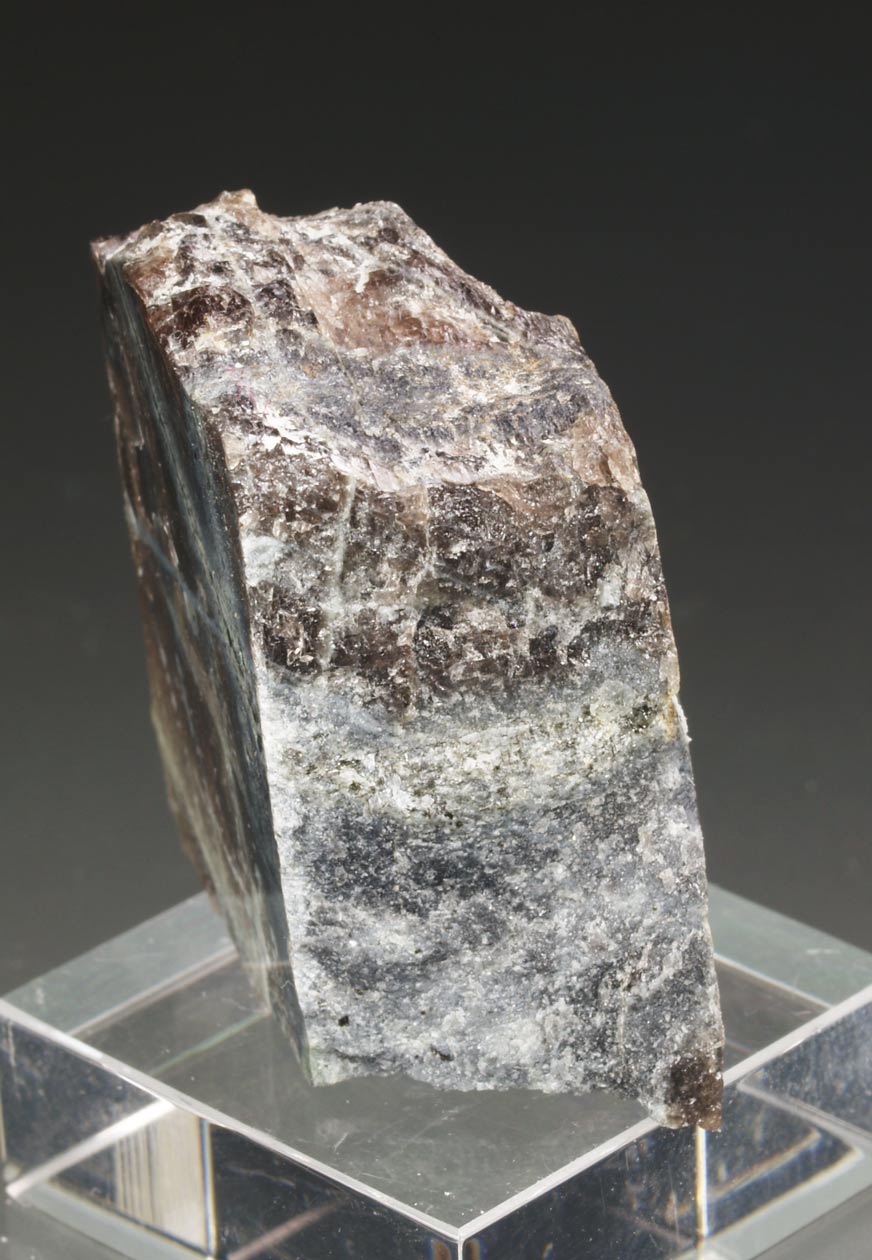
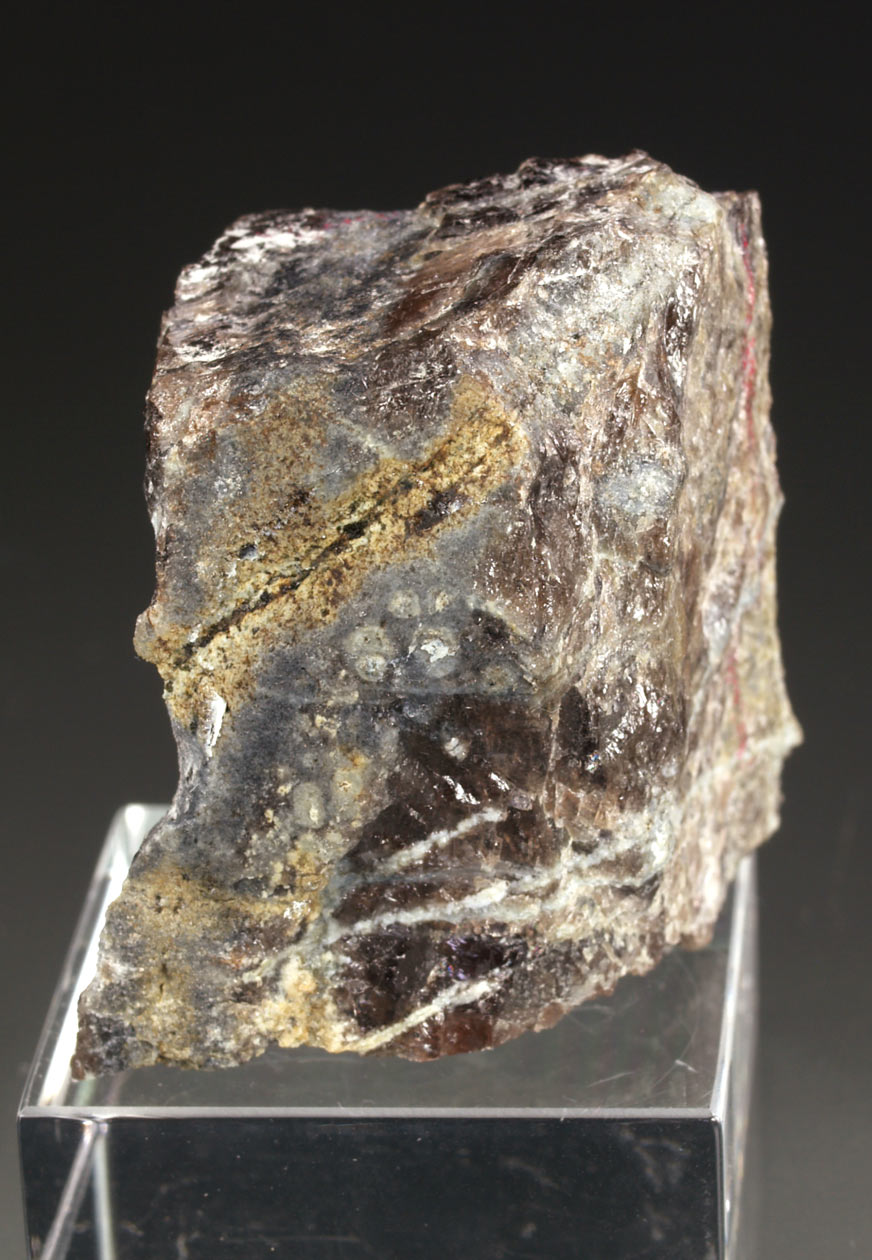
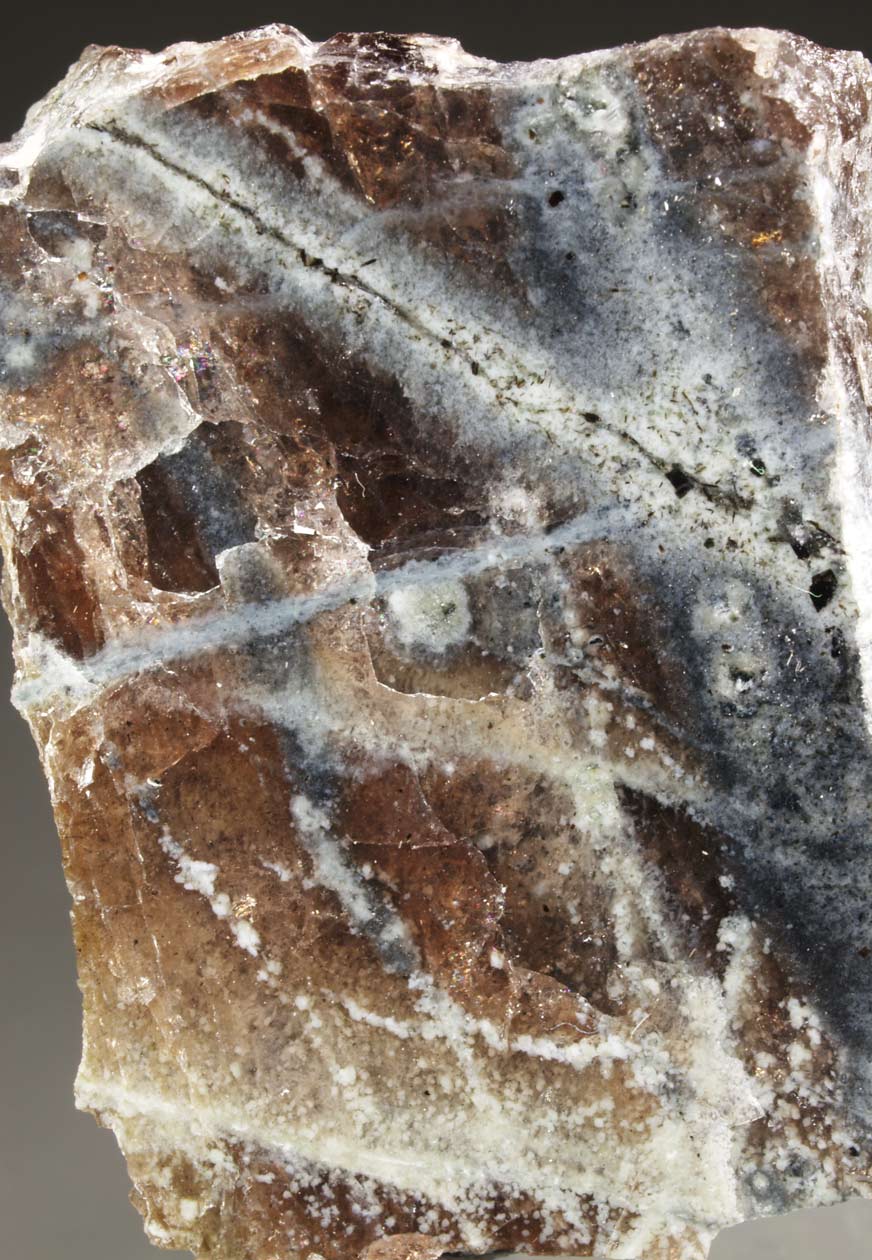
Specimen of alumoåkermanite (IMA2008-049) from the pegmatites of the Kola peninsula. Honey coloured. It is probably accompanied by species such as cebollite and juanite those form a whitish vein. A very rare species, very visible in the polished section. Good size. It comes from the southern part of the Kola Peninsula.
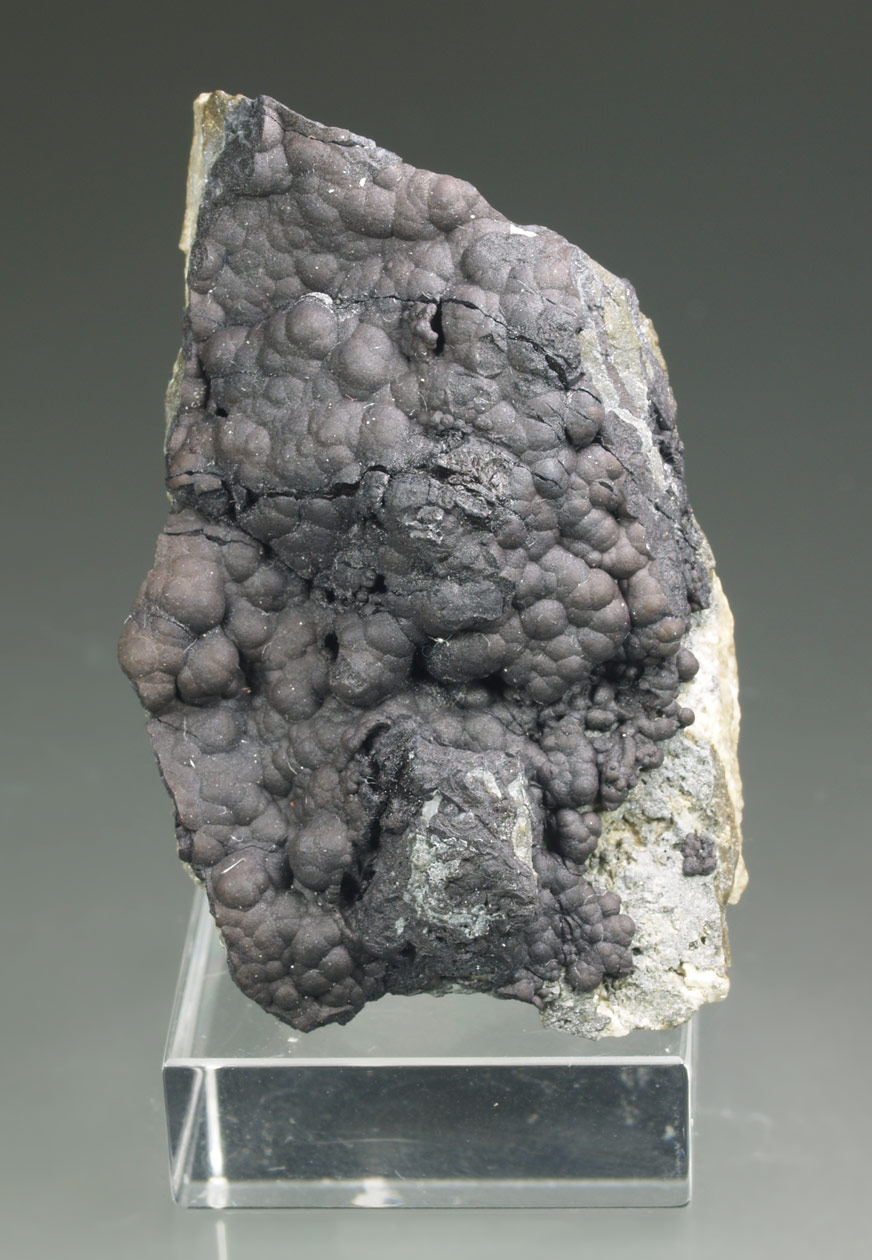
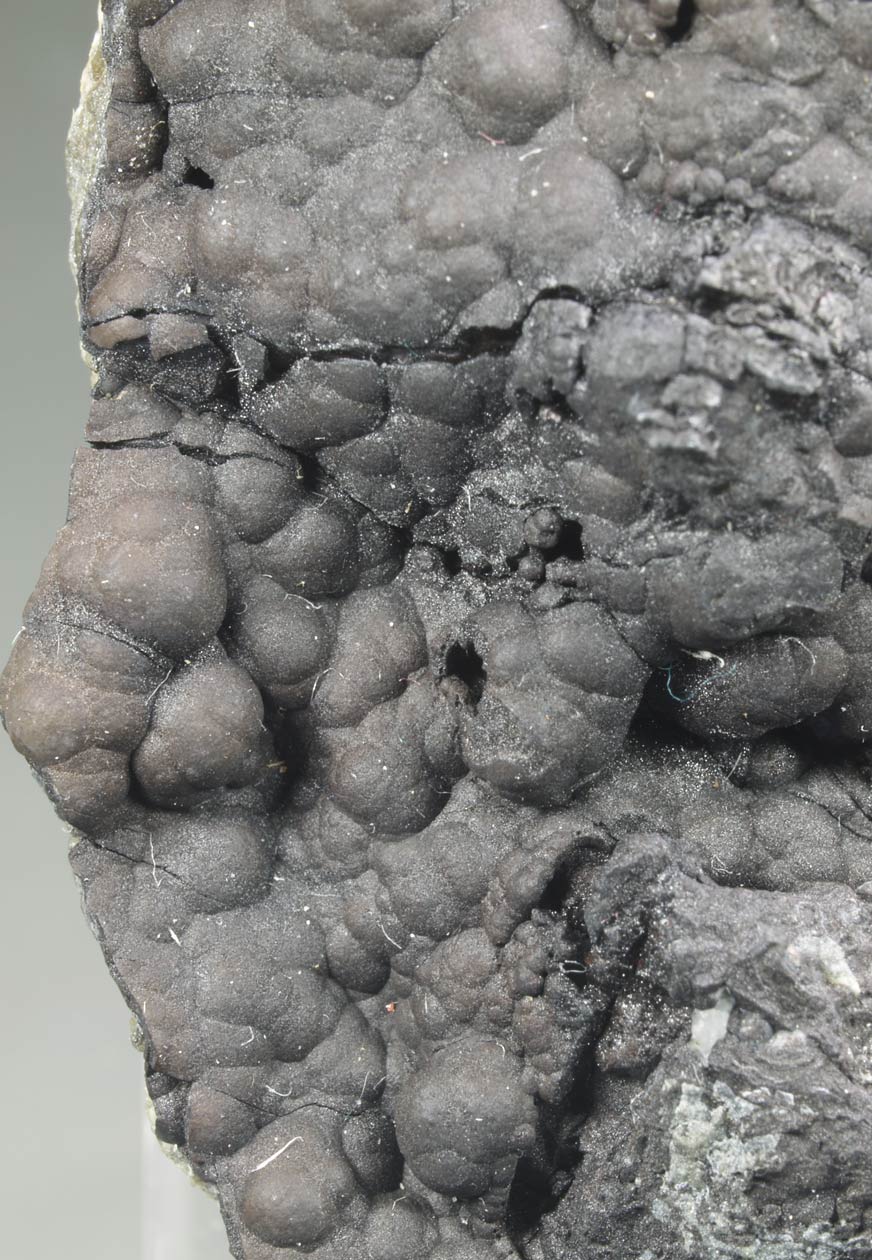
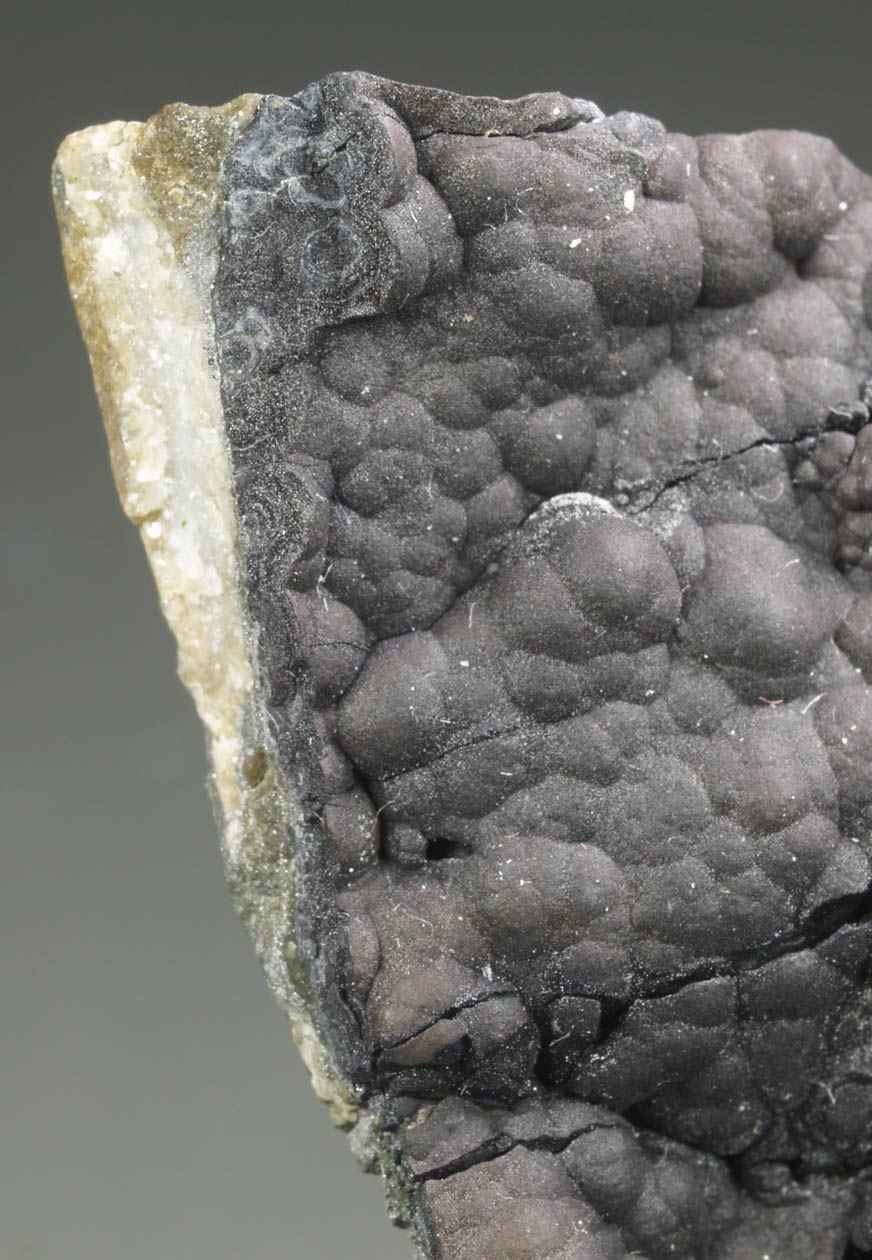
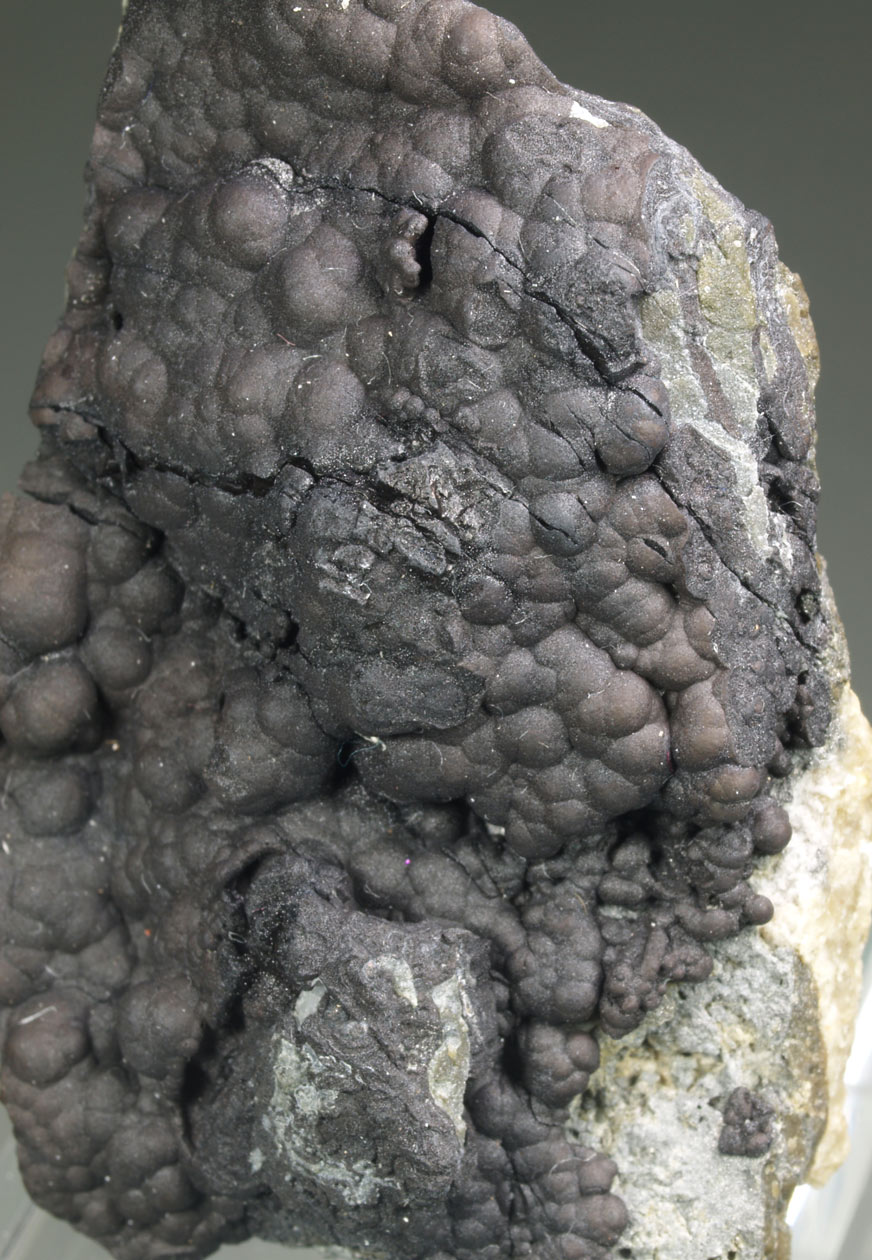
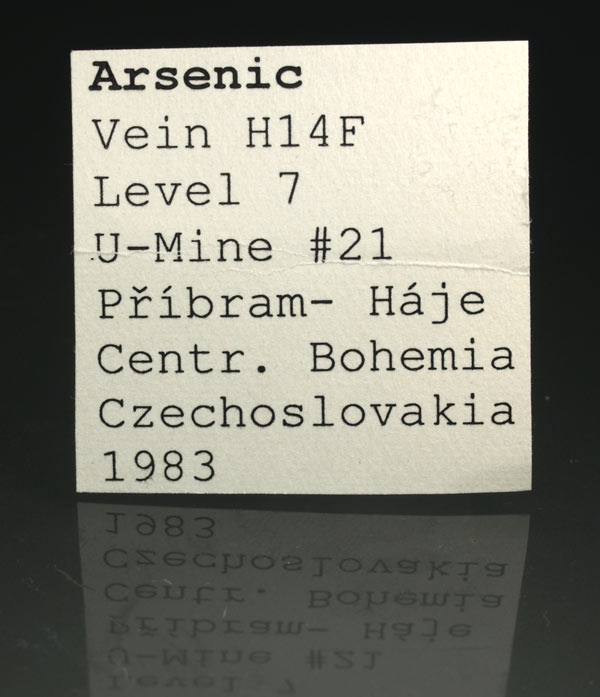
Botryoidal arsenic aggregates from this classic locality in former Czechoslovakia. It was collected at level 7 of the uranium mine number 21. At the time, due to its antimony content, it was called "Stibarsen" or "Allemontite". Good size. Arsenic specimens from this mine are rare.
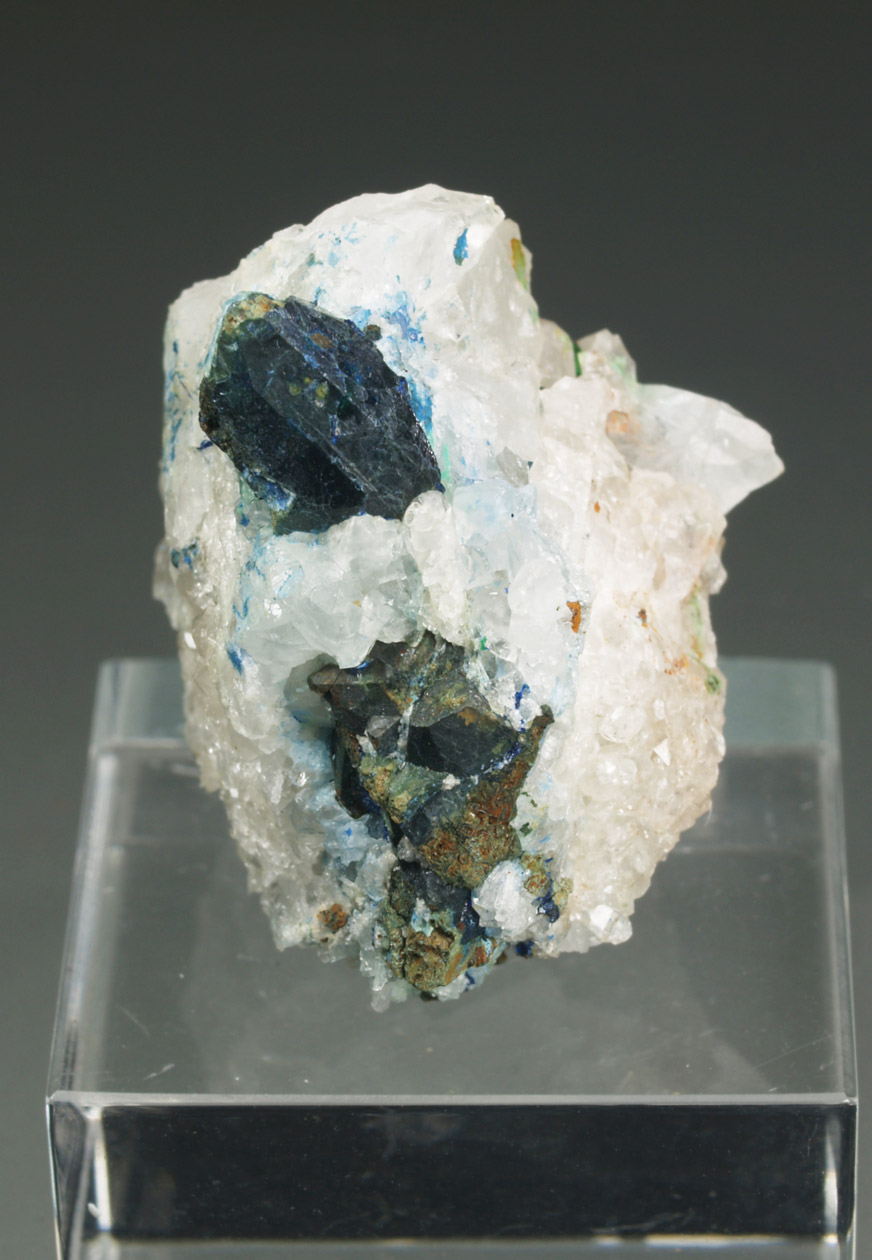
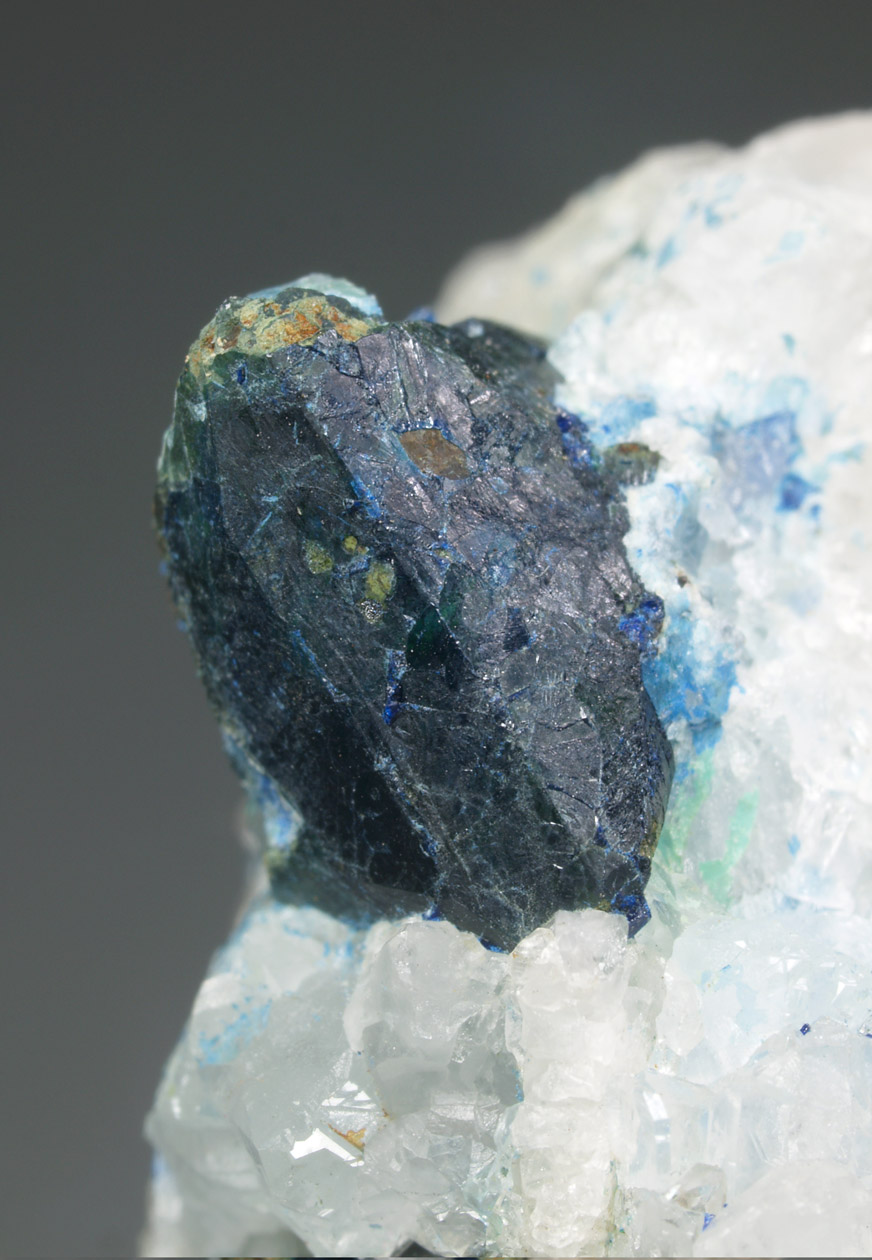
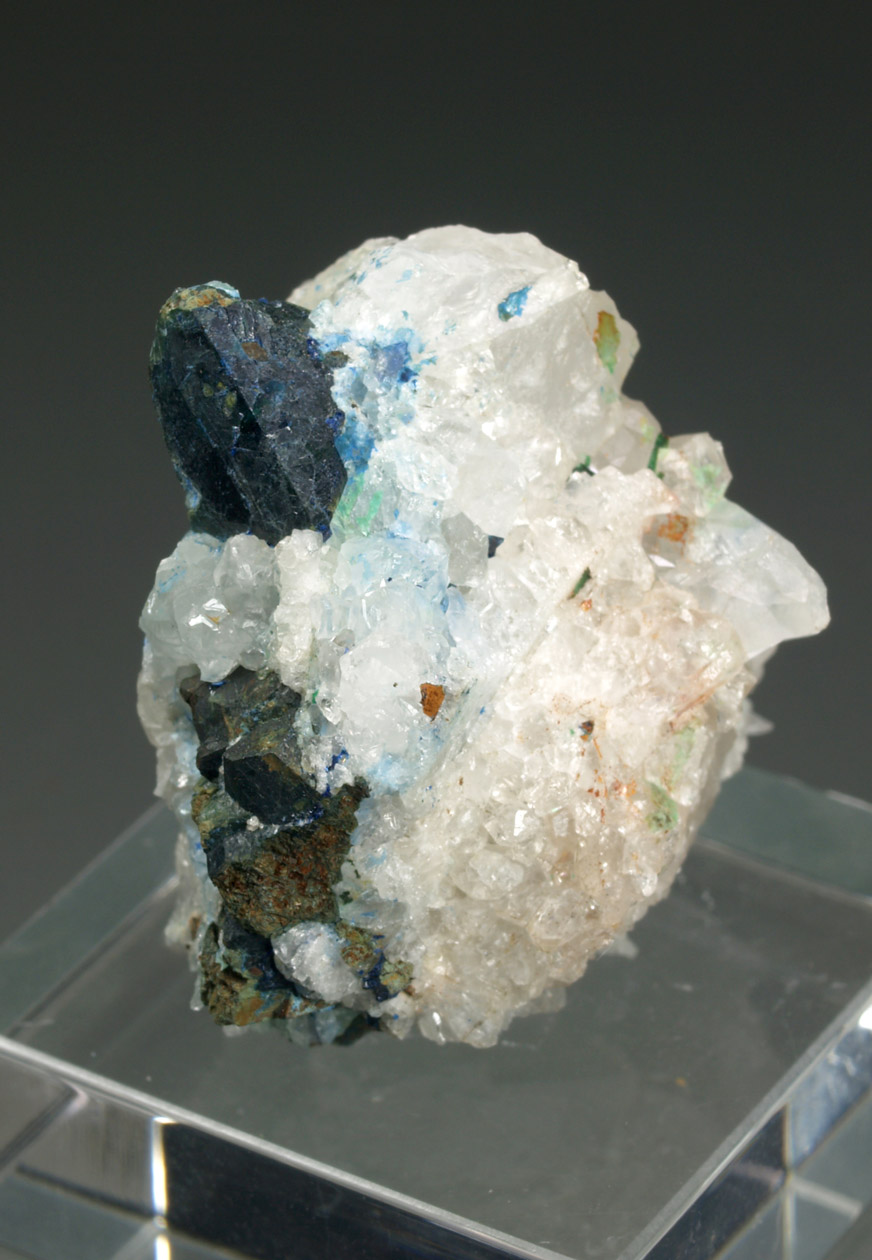
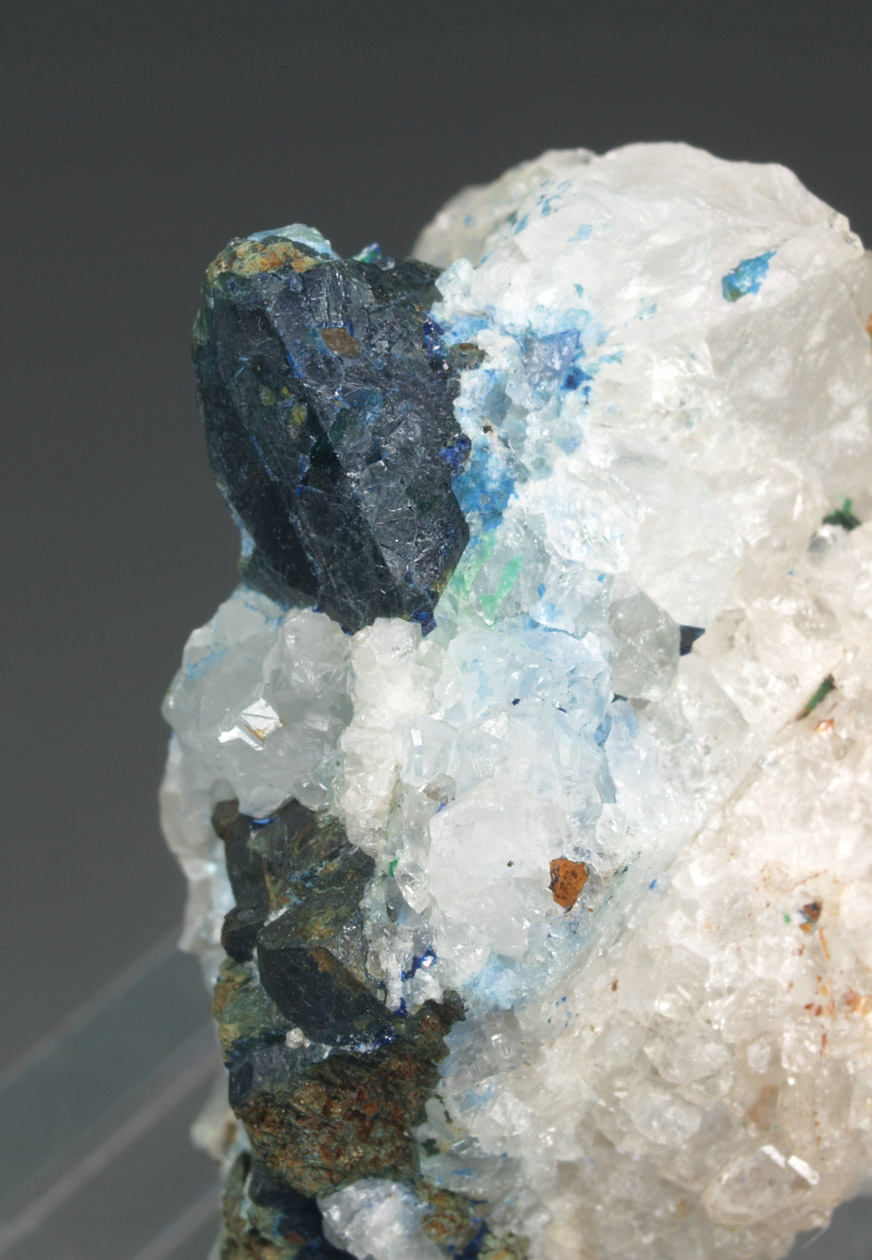
Tetrahedrite crystals from this Asturian mine are well known and prized by Spanish collectors. In this sample we have tetrahedral crystals, one of them predominant, in which the tris-tetrahedron shapes seem to point. Good size and partially covered by malachite. X ray diffraction analysis (we will send to the buyer) has shown the presence of digenite associated with the alteration of the tetrahedrite. A classic.
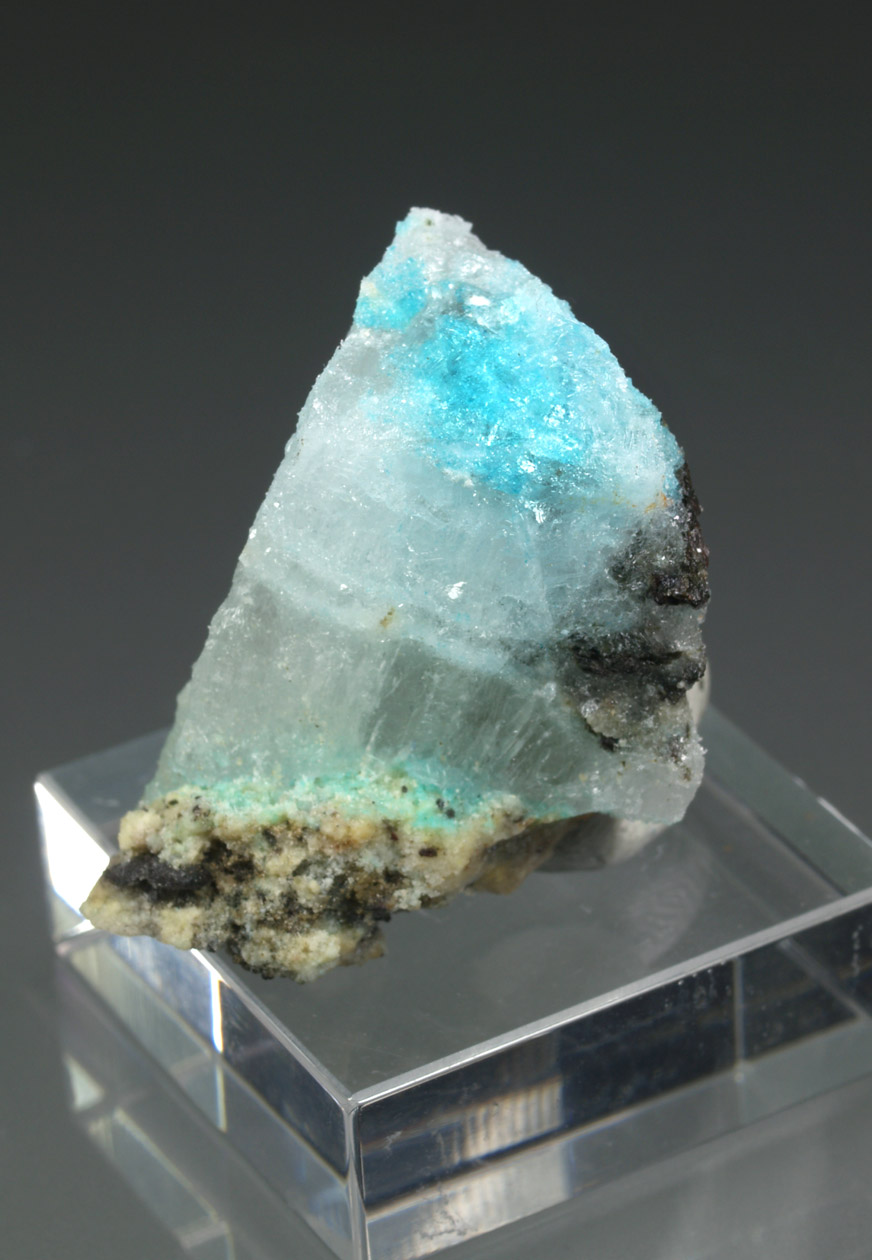
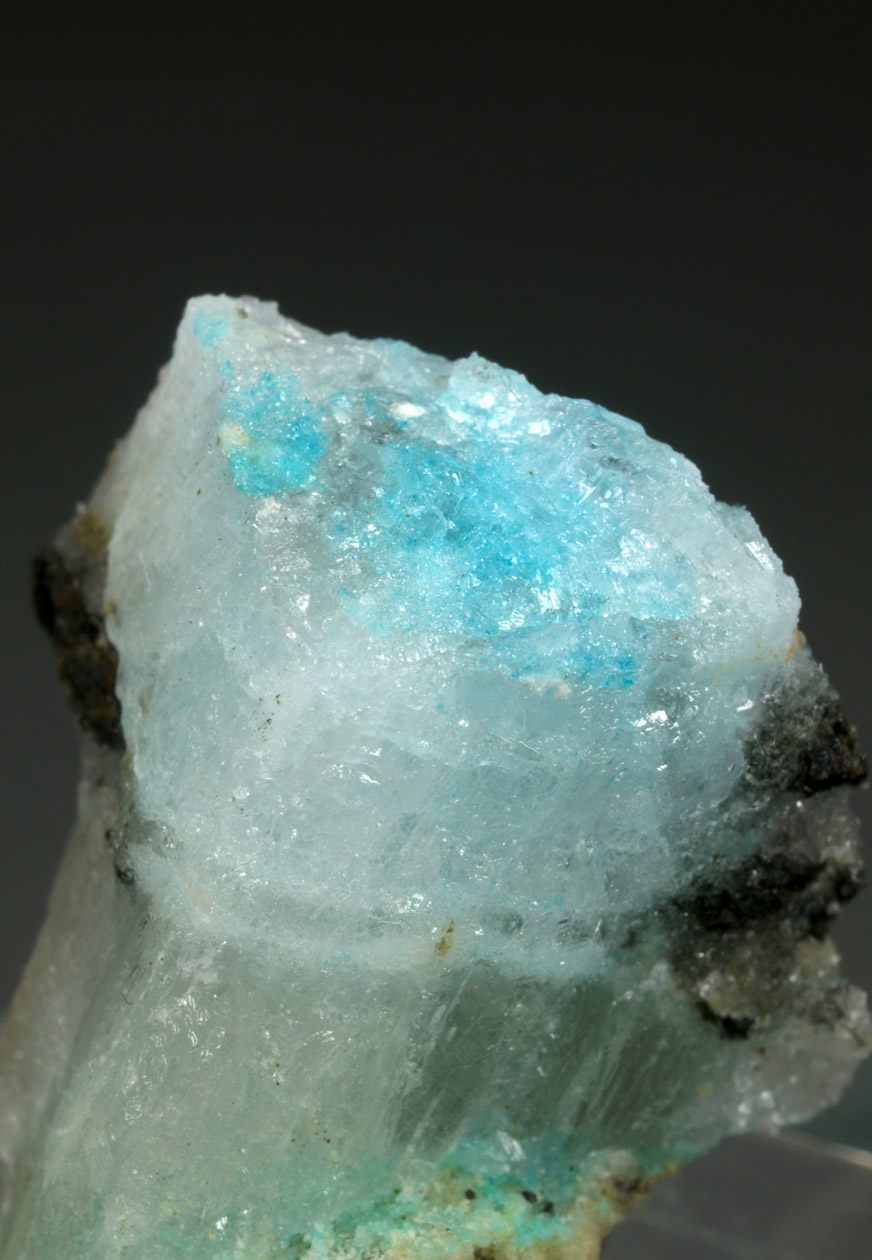
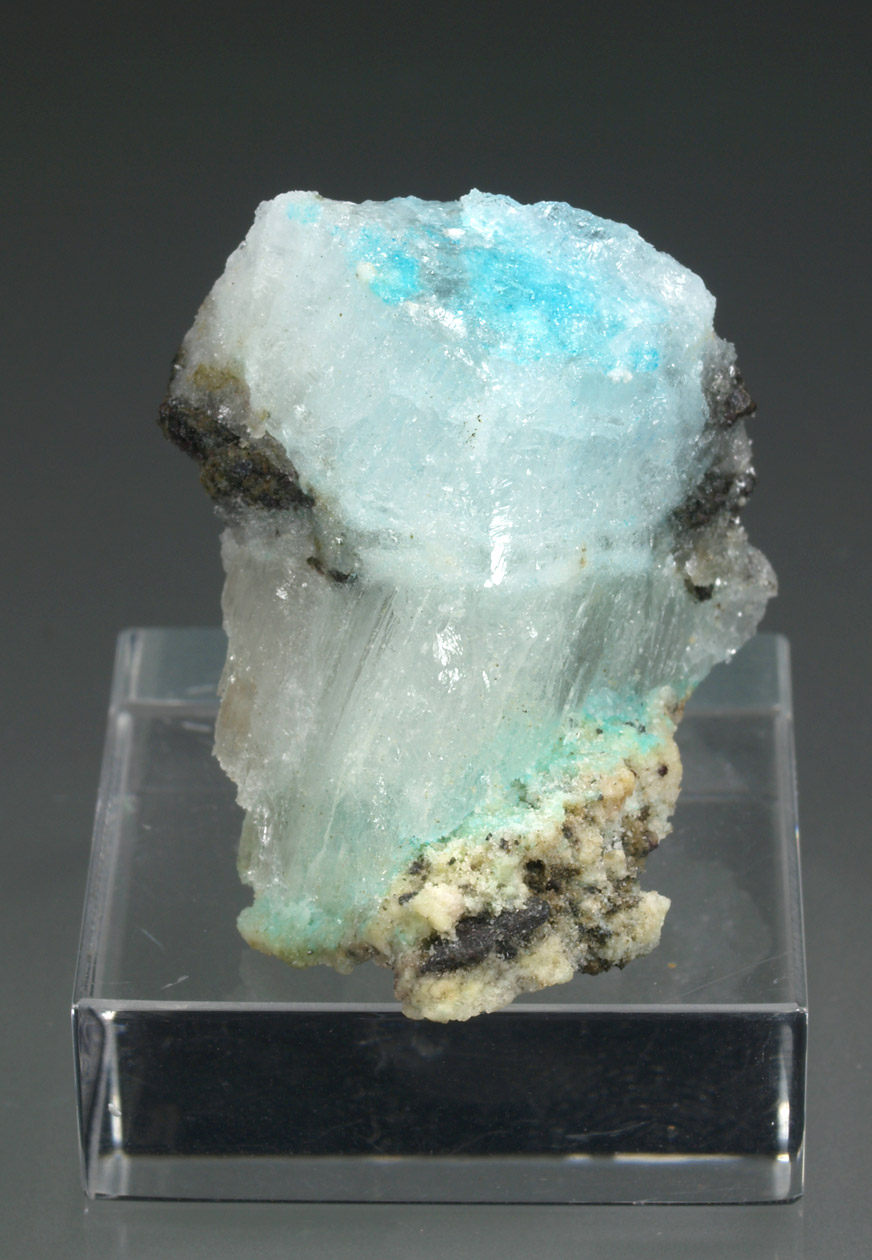
Sky blue ammeneite occurring as minute crystals on and in halite with green atacamite. From the type locality. This is a fairly rare copper halide and is the first mineral known to contain ammonia radical cation (·NH3) groups.
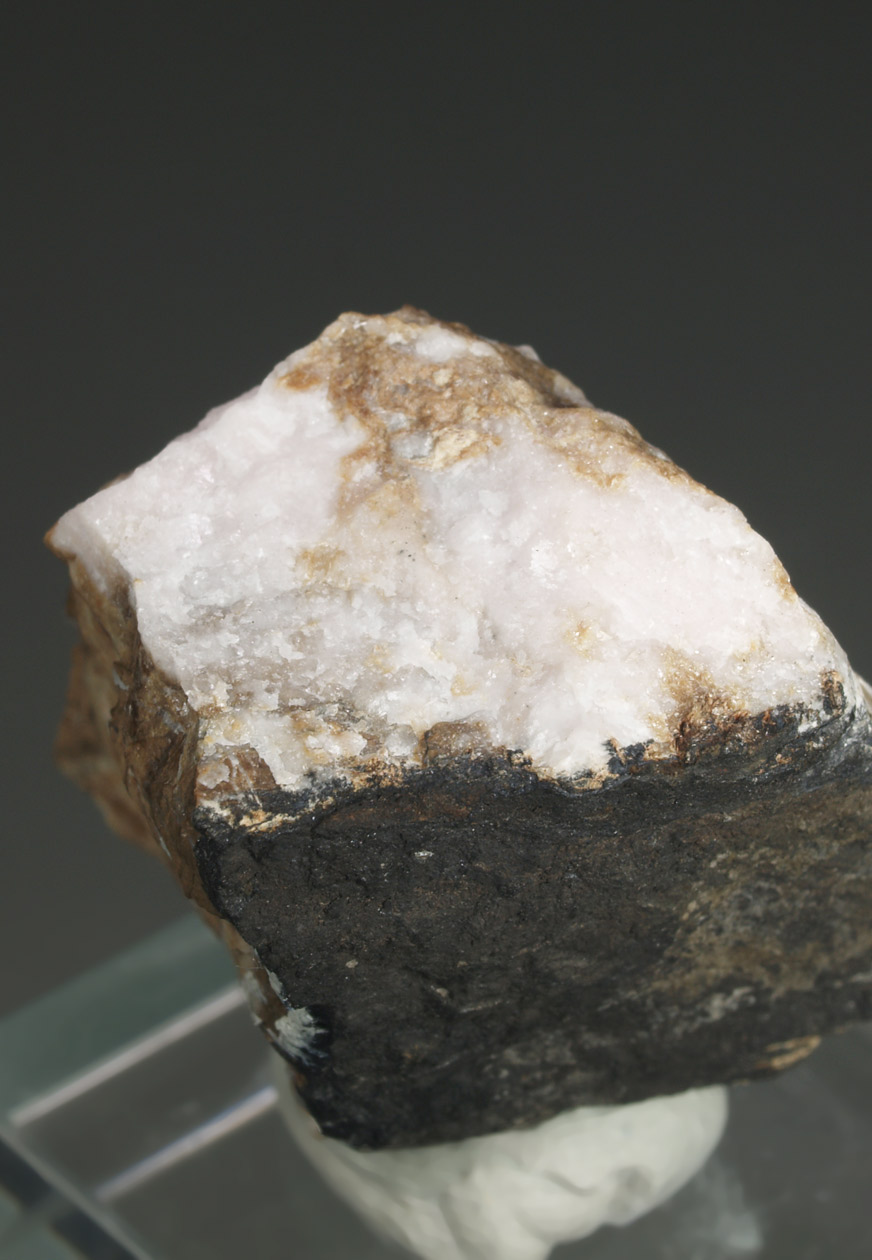
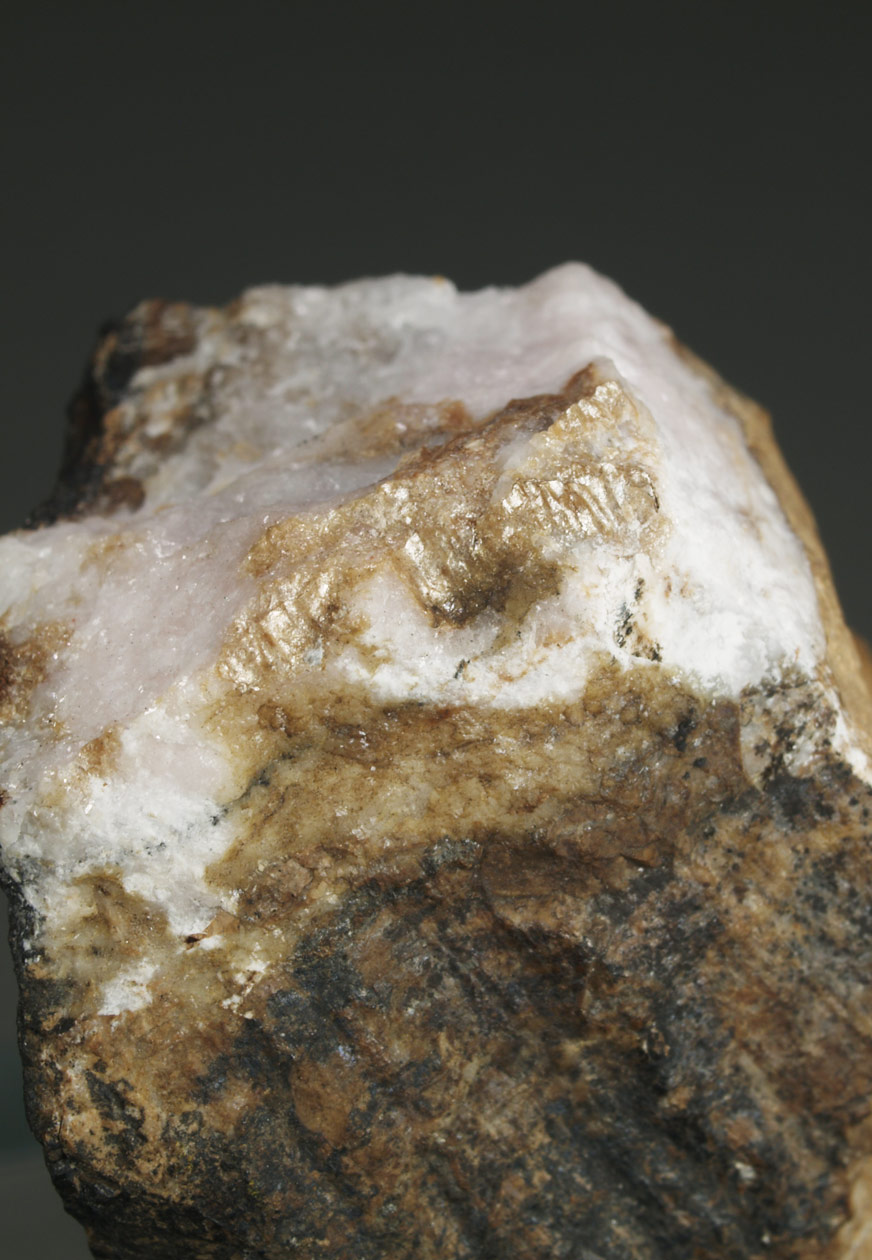
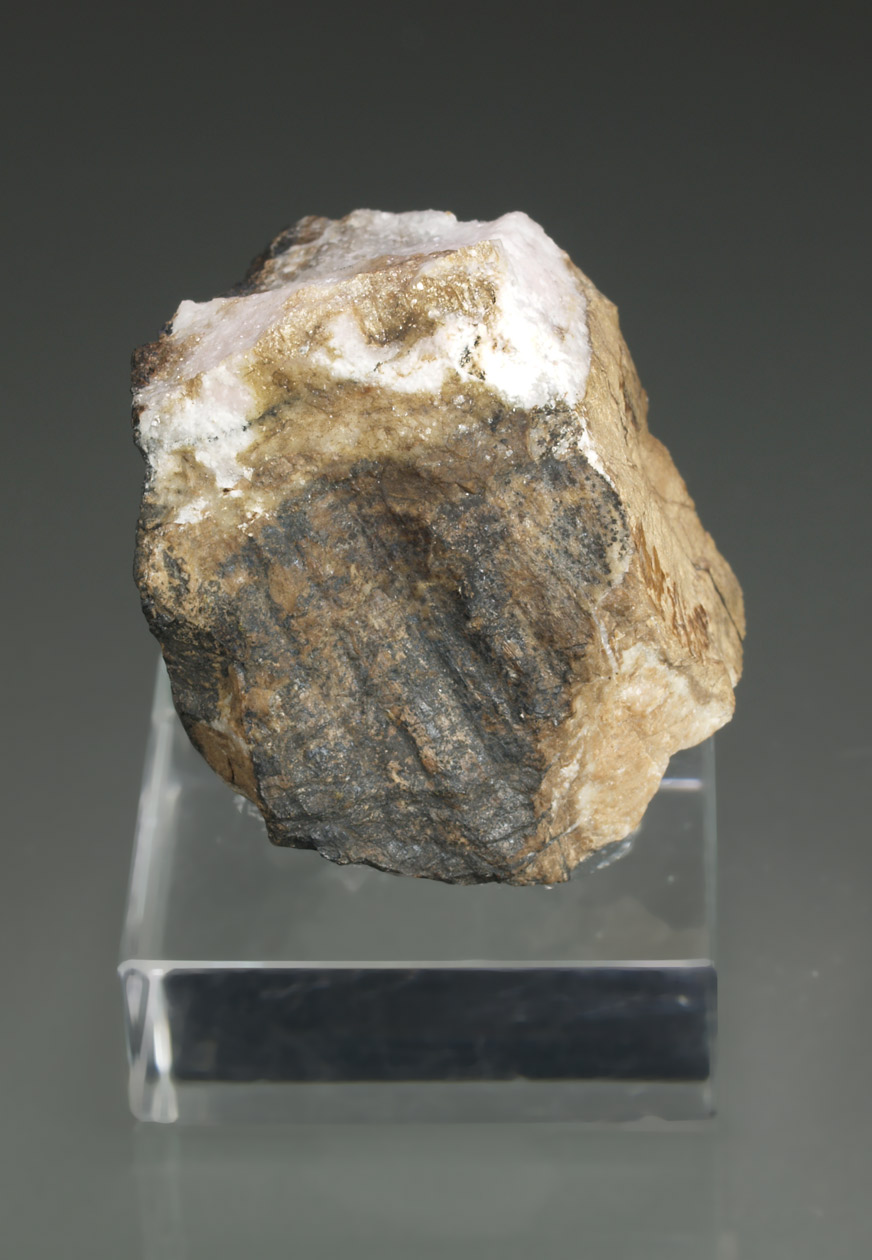
Bementite is a very rare manganese silicate, identified in the well-known Franklin mine (NJ, USA), where it has its type locality. This specimen comes from a mining area located in the central zone of the Pre-polar Urals, known for the manganese, rhodonite and magnetite mines. In this specimen we can observe aggregates of crystals with golden tones that stand out on the matrix. An opportunity for systematic collectors.
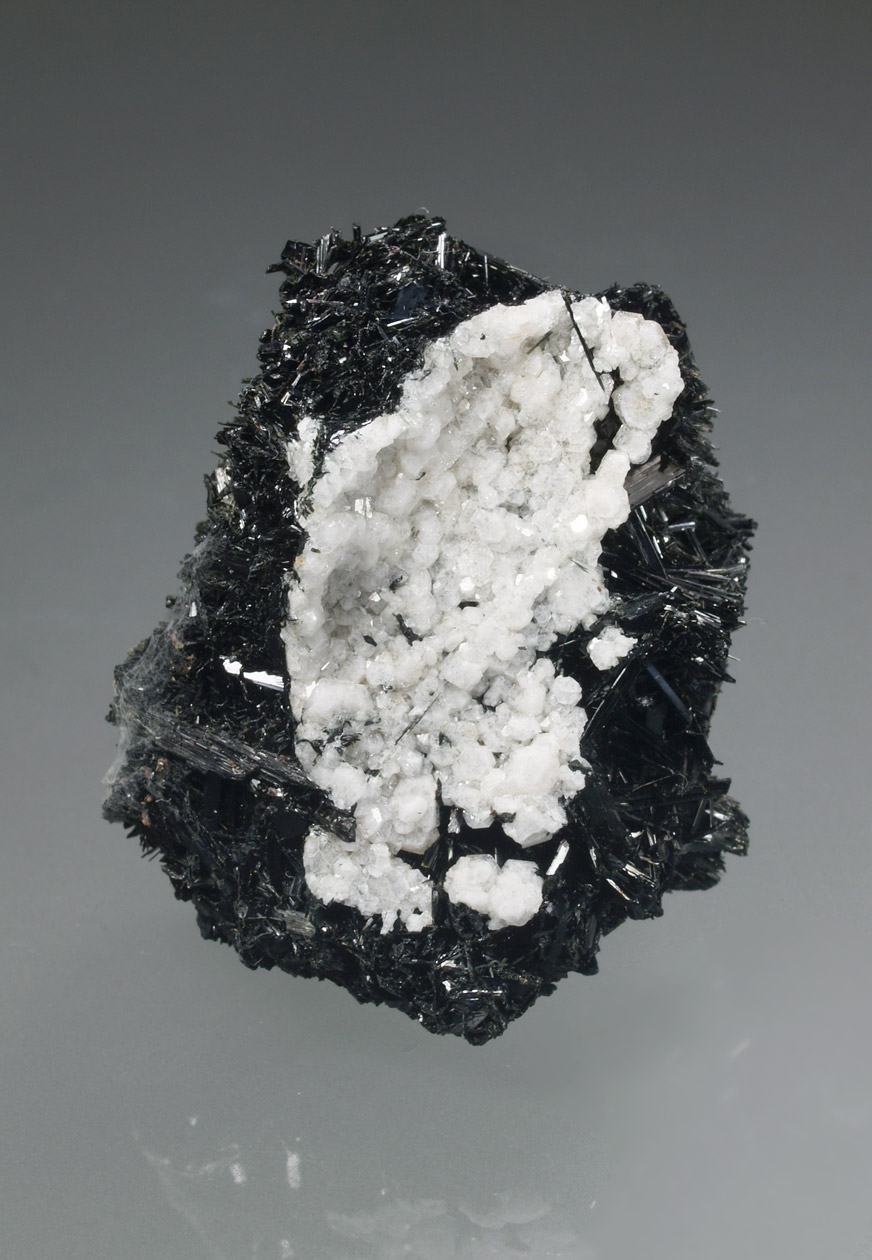
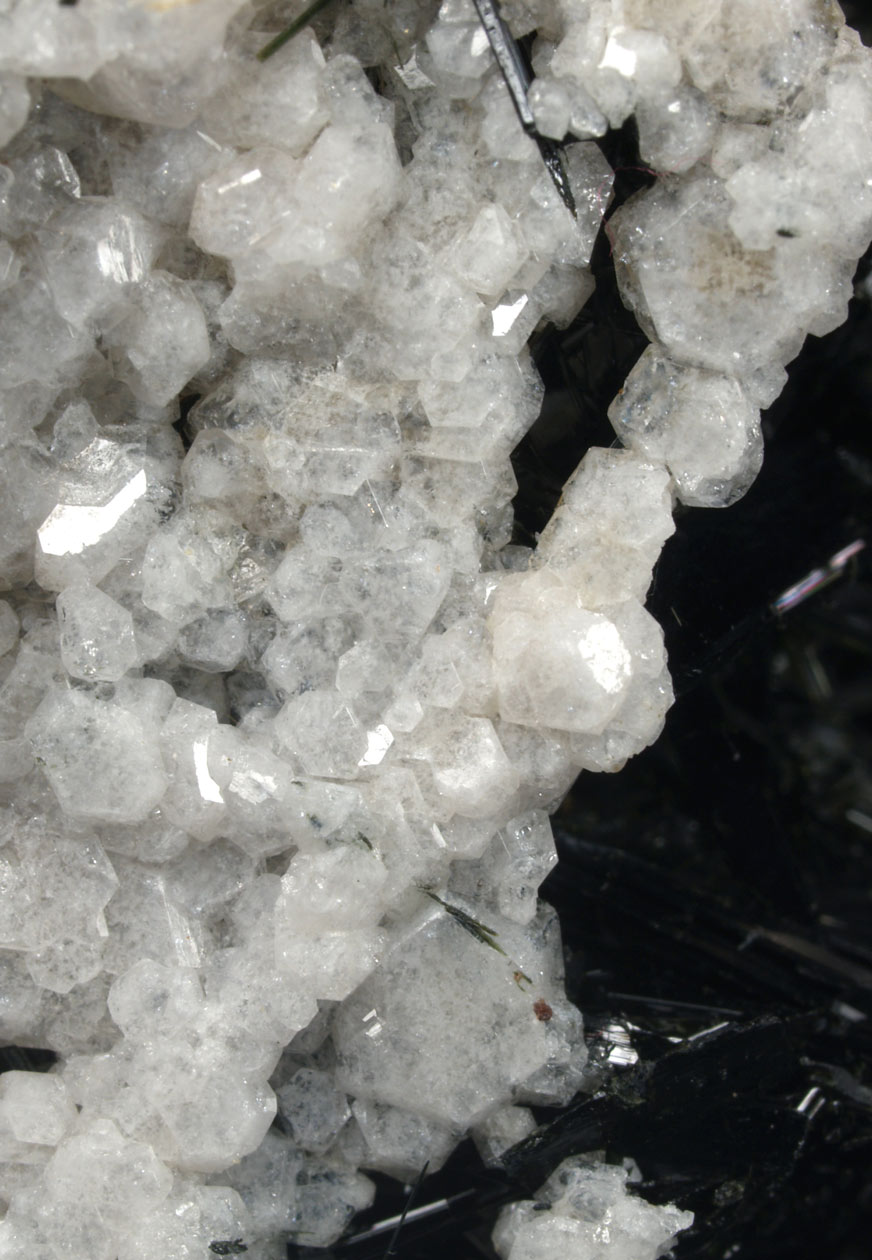
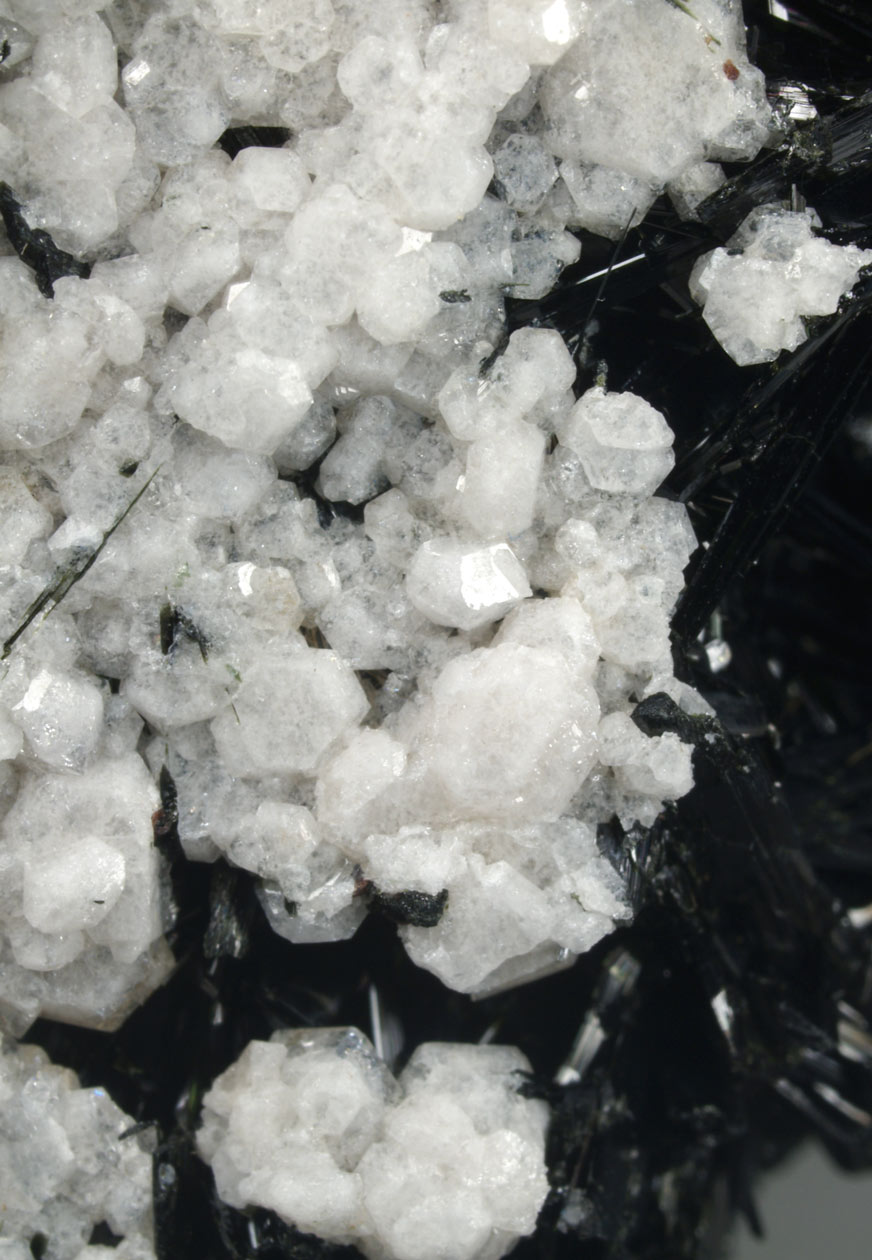
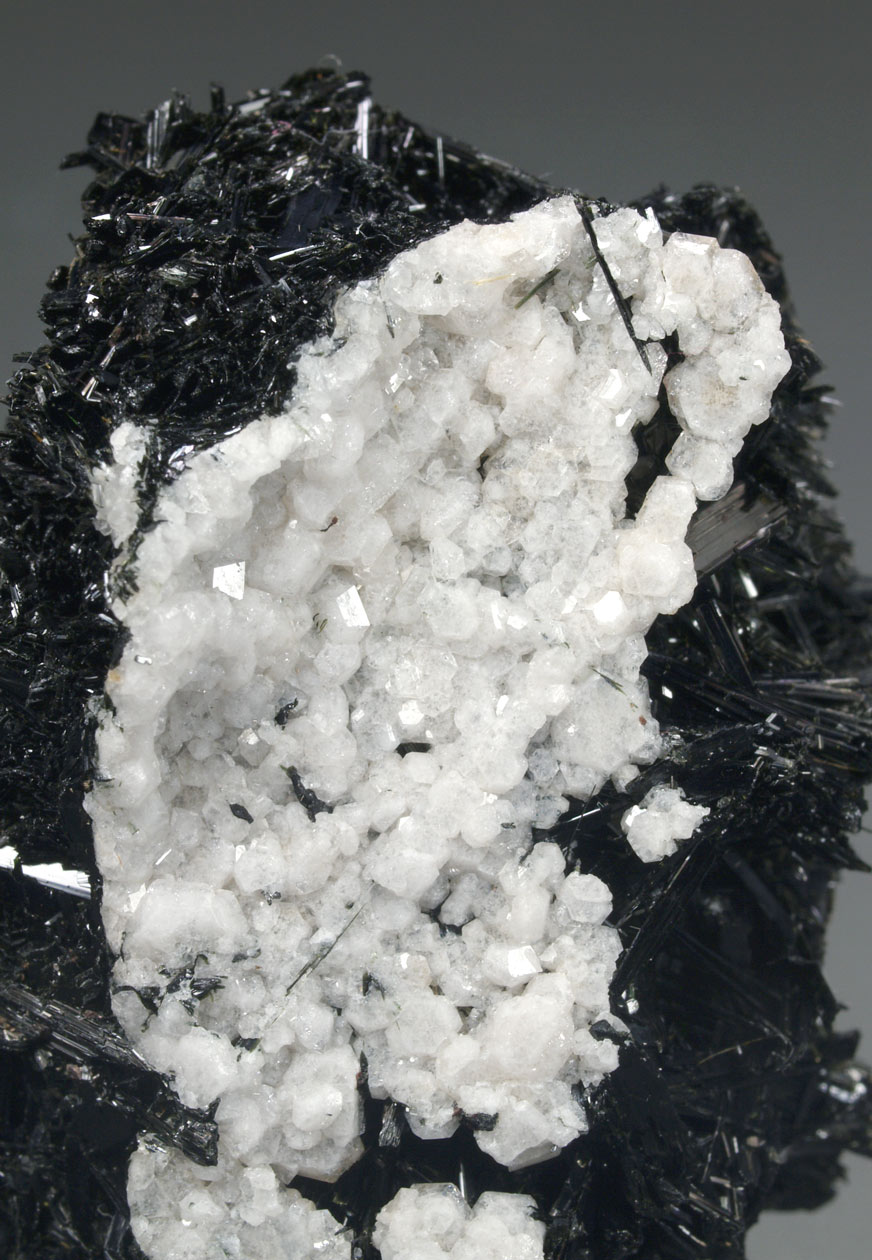
Excellent specimen of this rare potassium and zirconium silicate. It shows rich aggregates of hexagonal crystals, transparent to translucent, with an excellent brilliance. Colourless to slightly violet.They are disposed on a matrix of acicular aegirine crystals with a very dark green color, almost black. The Kukisvumchorr Mountains are in the central part of the Khibiny Massif. The area has a very interesting mineralogy, notable for its nepheline syenites.
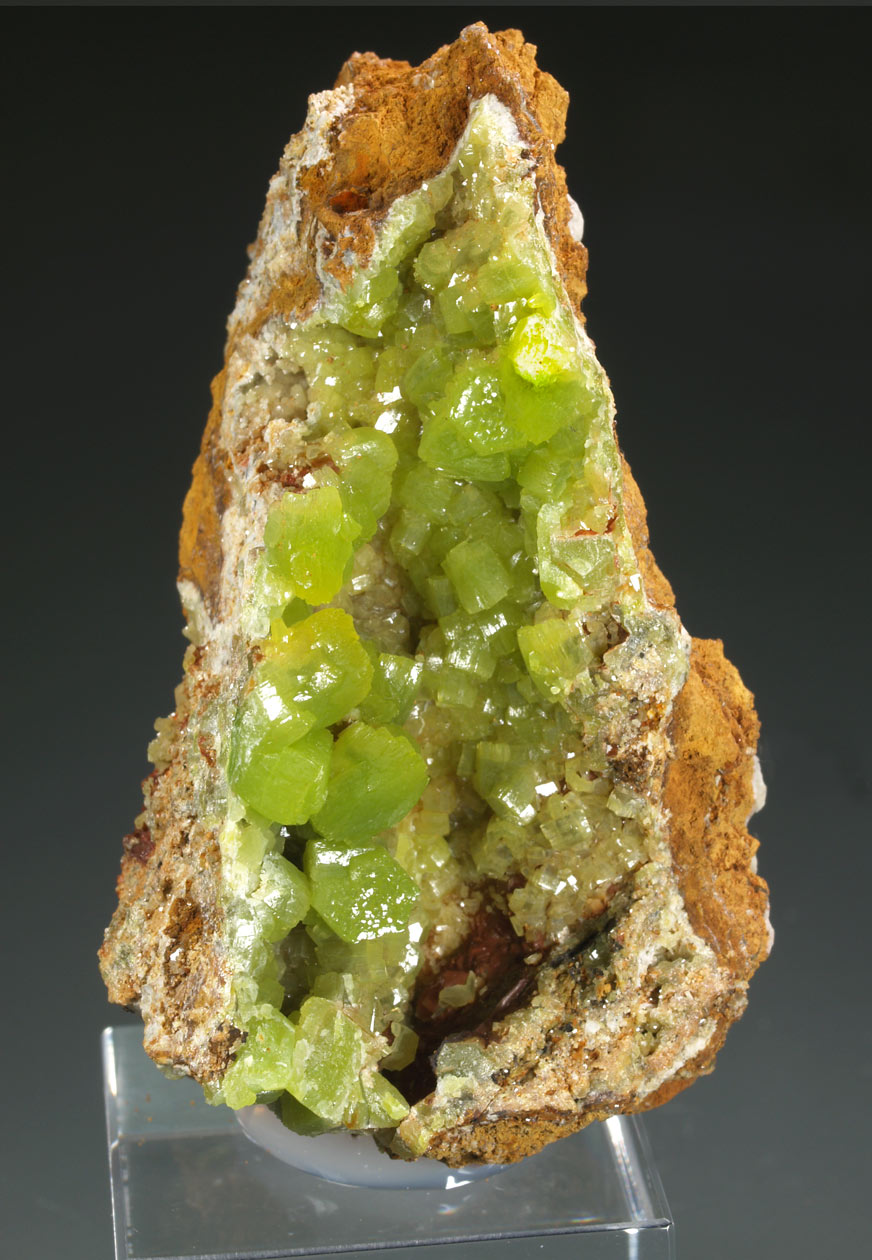
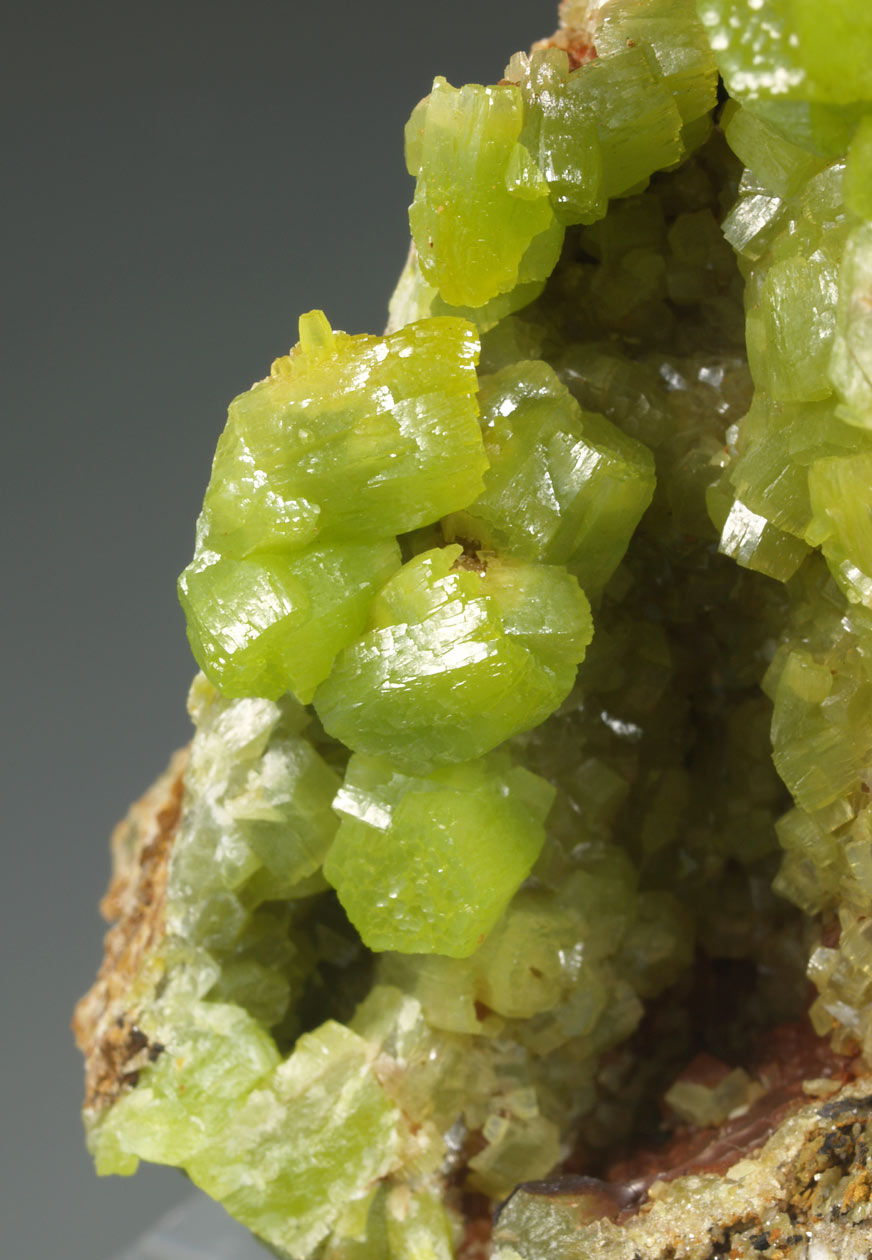
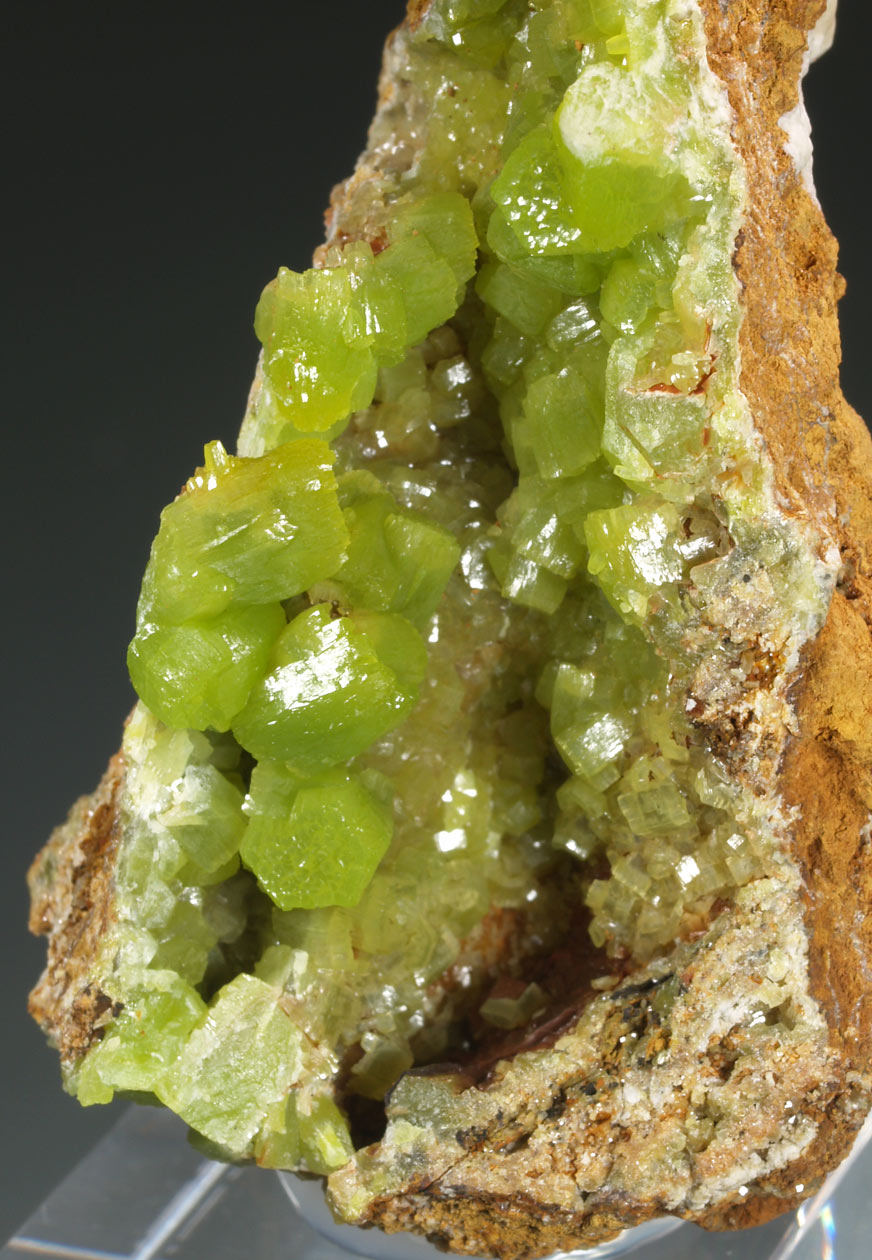
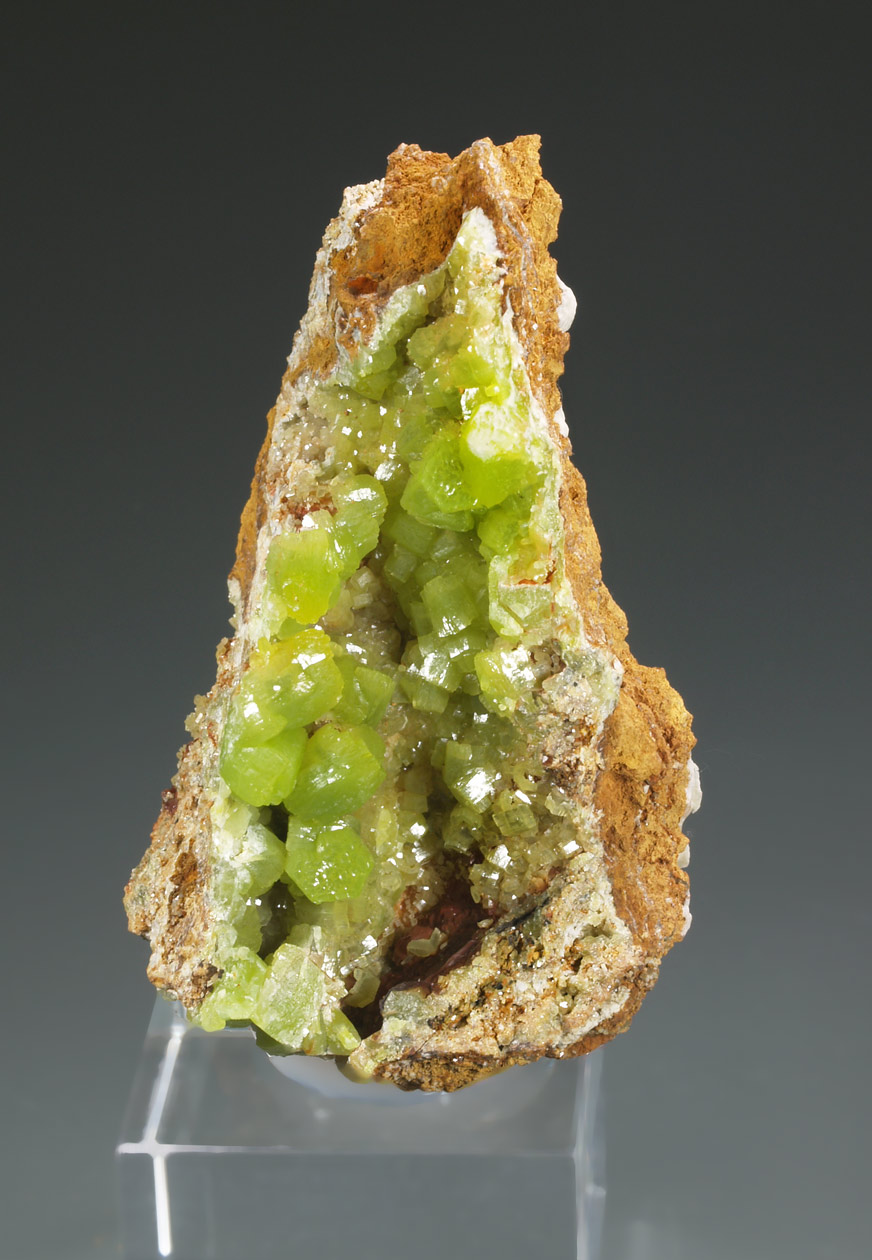
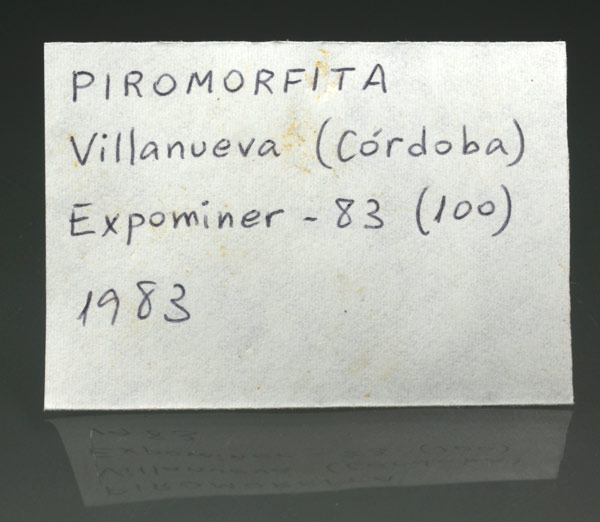
Pyromorphite specimens from the San Andrés mine in Espiel, Córdoba, have been known since the first half of the 20th century. At the beginning of the 80s of this past century several quality specimens were recovered from the mine. This specimen, due to the date on the label of the J. Astor collection (Barcelona), can be dated to this period. The specimen shows several pyromorphite crystals, of good size, brilliant, translucent, thick and with shapes of the hexagonal barrel shaped prism, with the characteristic color between green to yellowish-green. They fill a vug in the goethite matrix. A Spanish classic.
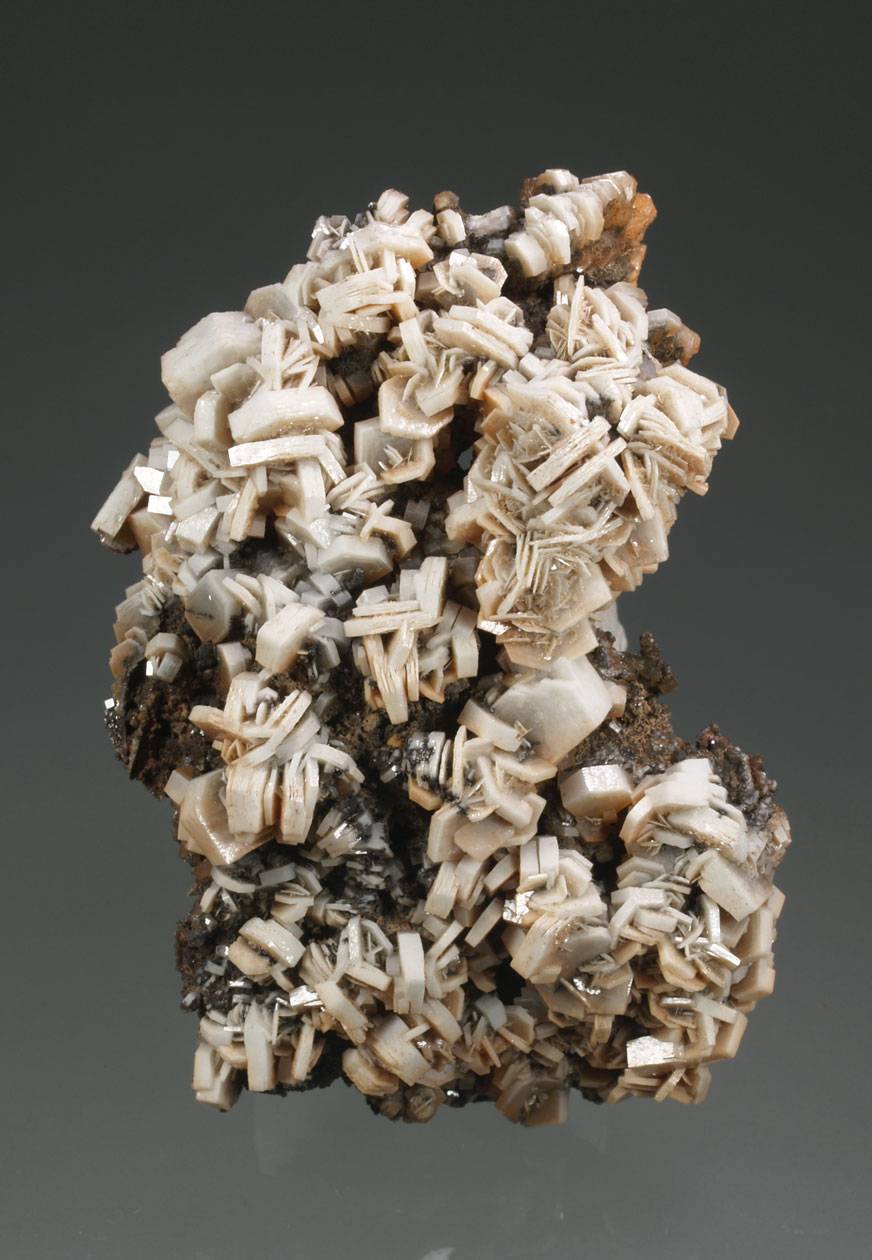
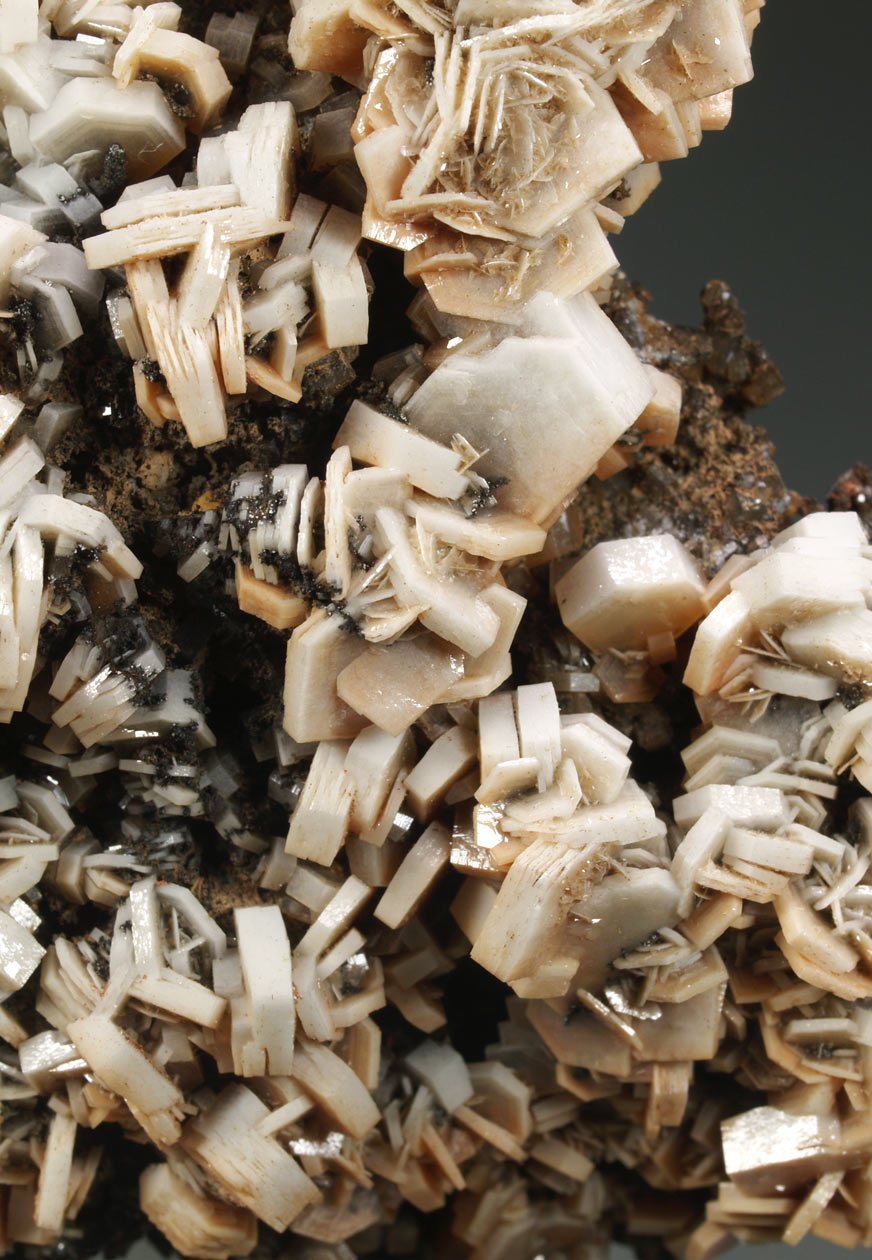
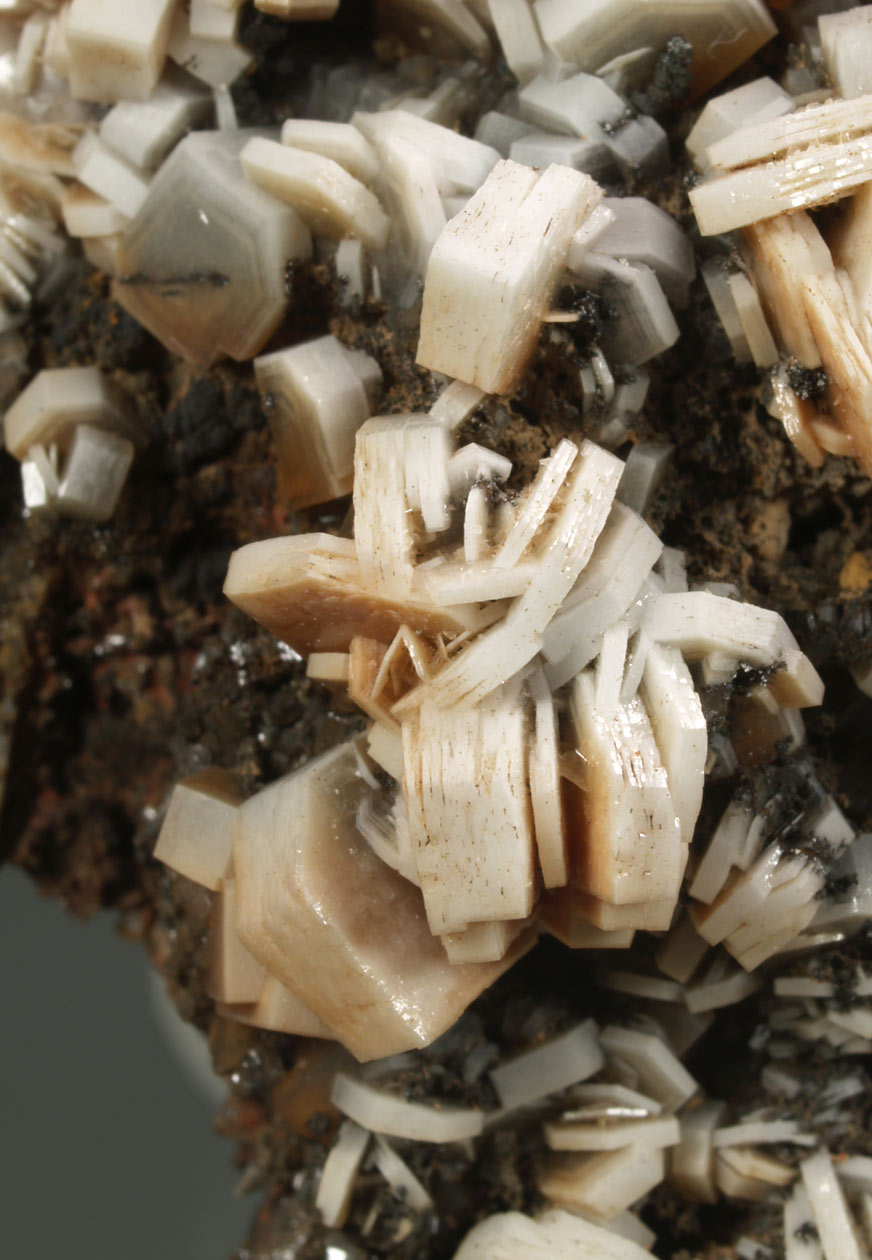
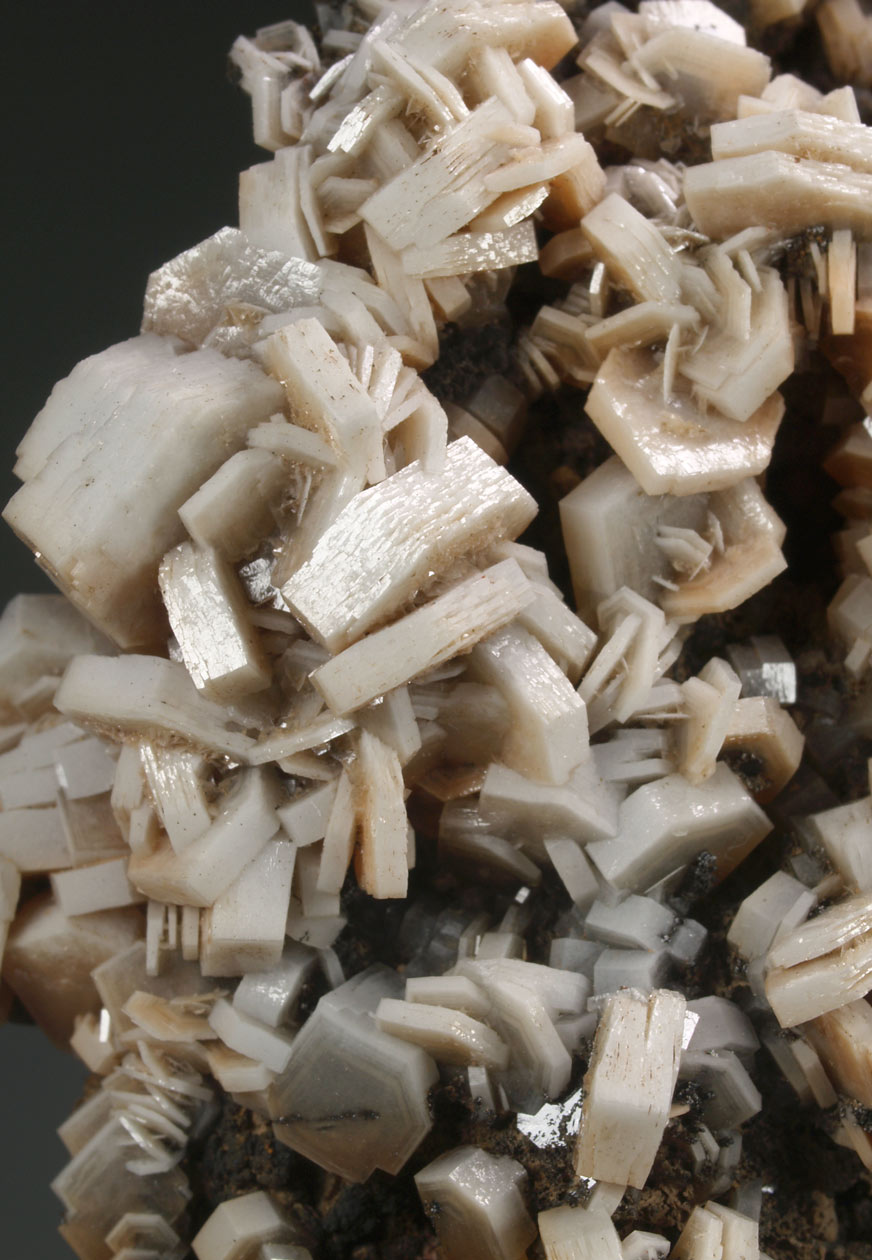
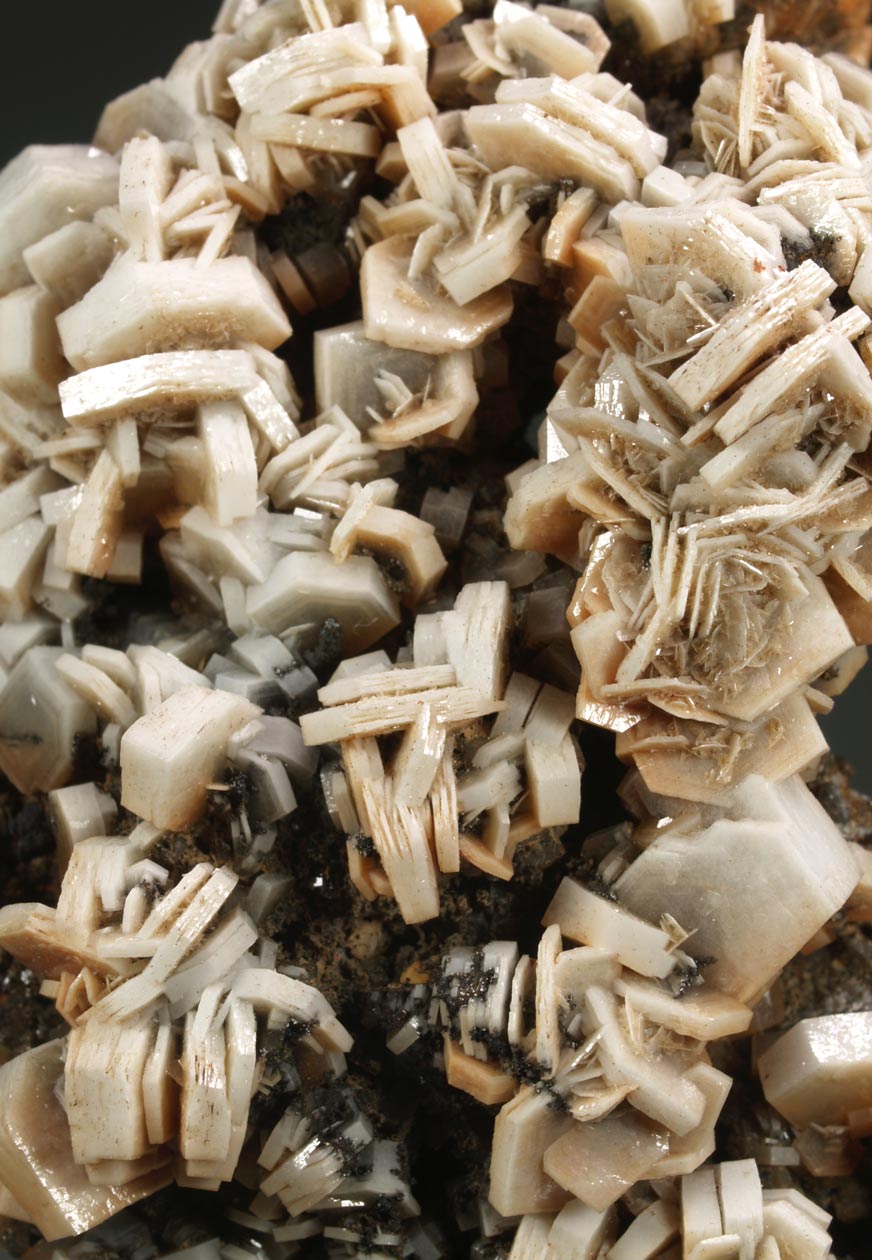
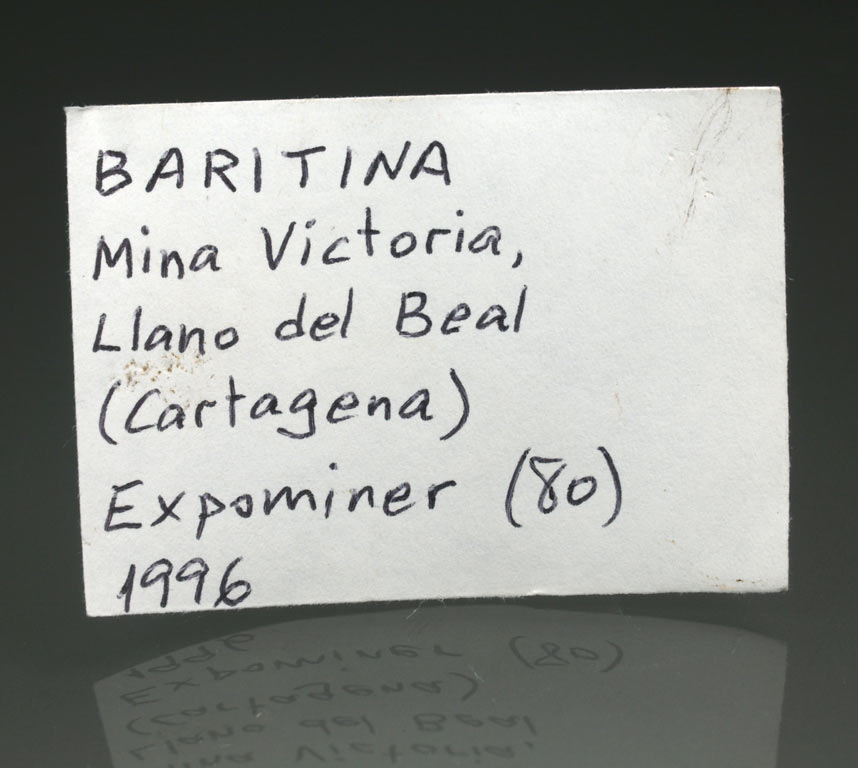
Rich specimen formed by several aggregates of thick pseudo-hexagonal baryte crystals, with luster, white to yellowish colour, that stand out on a matrix of goethite. The baryte specimens from this Spanish mine are highly prized by collectors. This specimen belongs from the former J. Astor collection (Barcelona). With old labels.
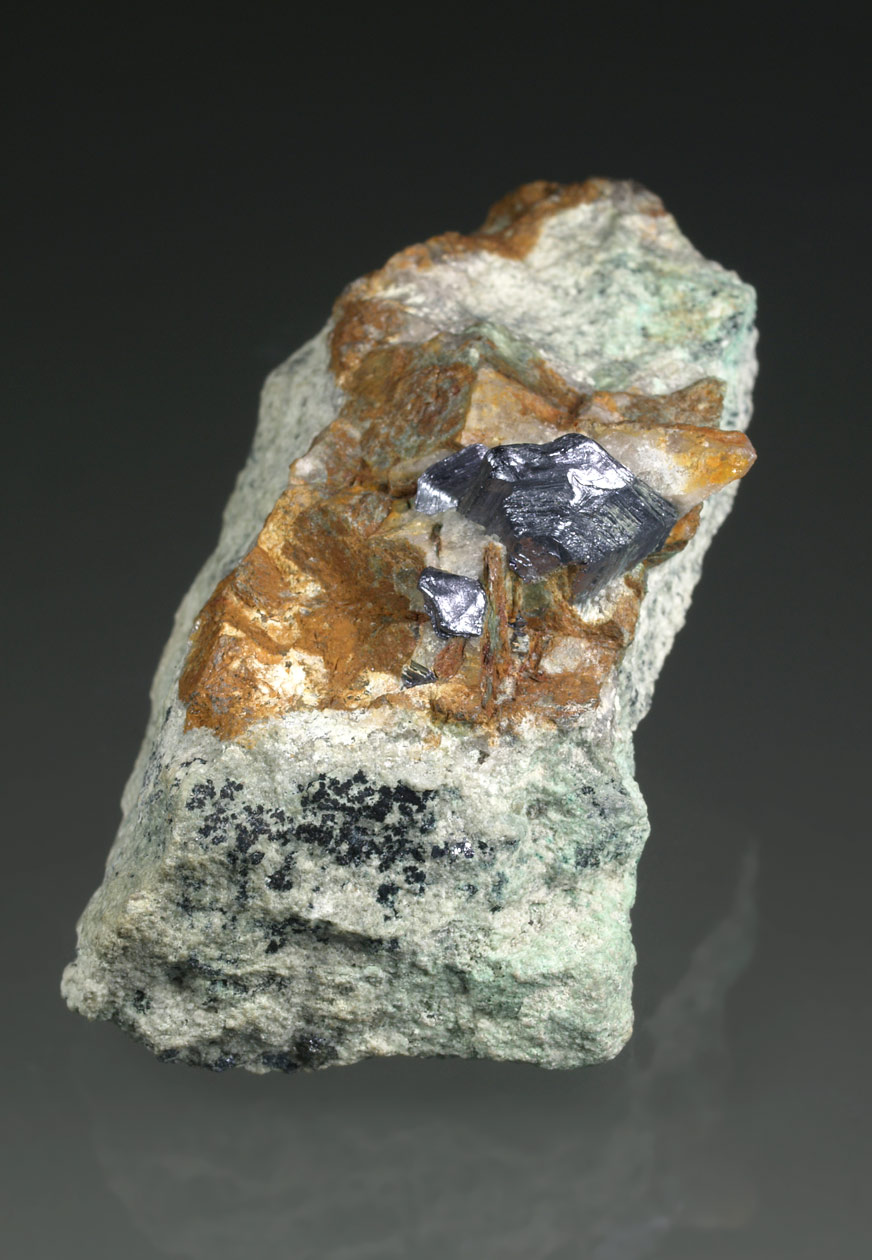
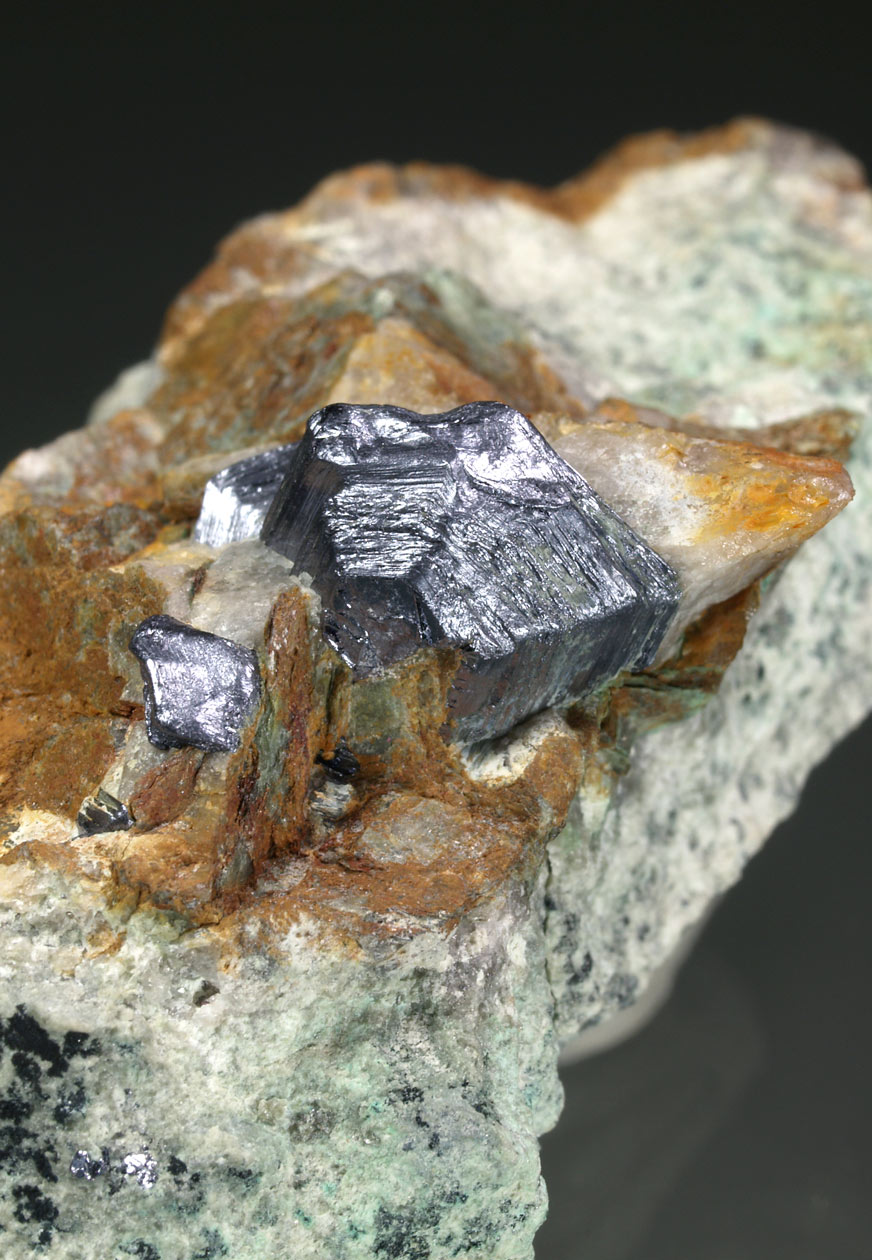
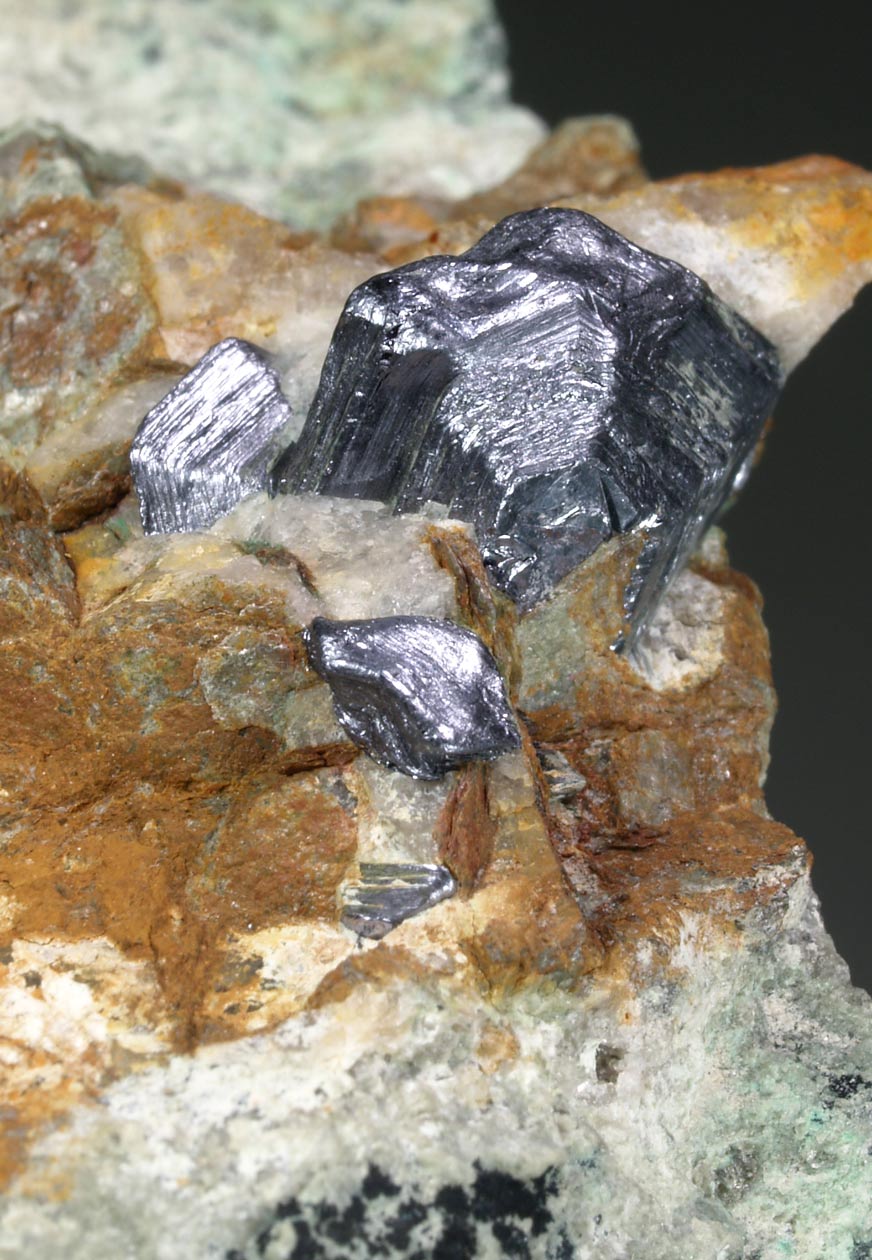
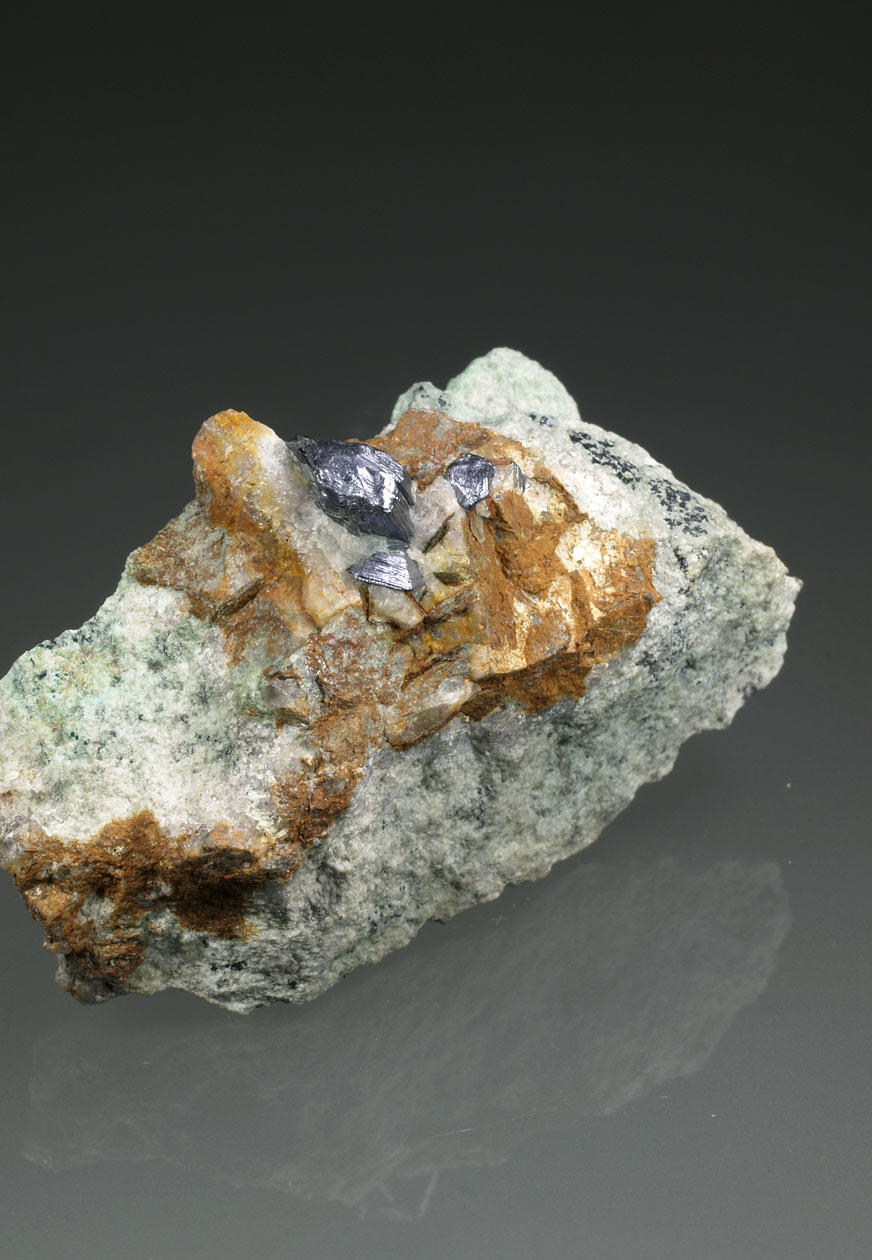
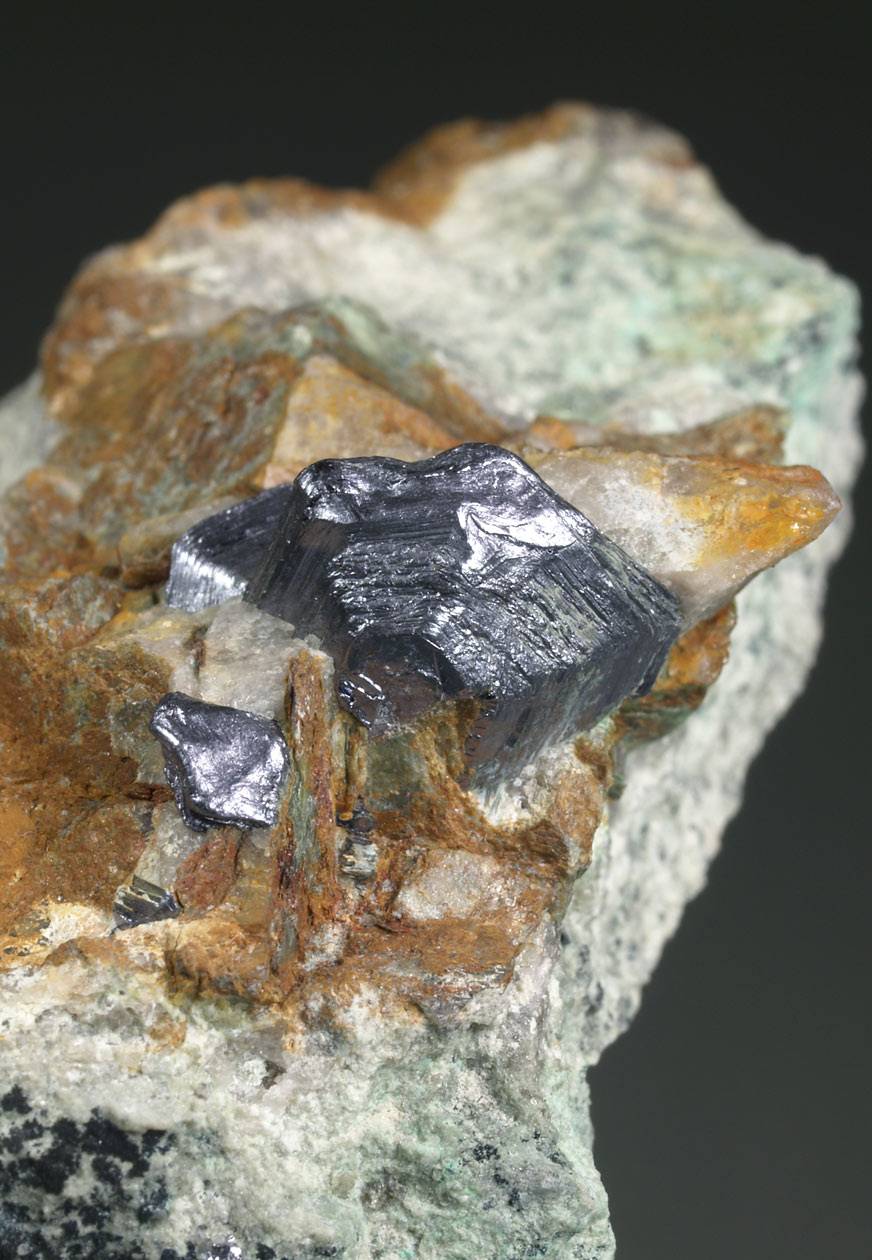
Molybdenite specimens from Inca del Oro are very difficult to find in the market and more with defined crystals. This sample shows a very well defined, bright and well-disposed hexagonal crystal of molybdenite on the matrix. A unique opportunity to include to your collection a very representative and fine specimen for the species. It belongs from the former J. Astor collection (Barcelona). The locality of Inca del Oro is located between the Chilean provinces of Copiapó and Chañaral.
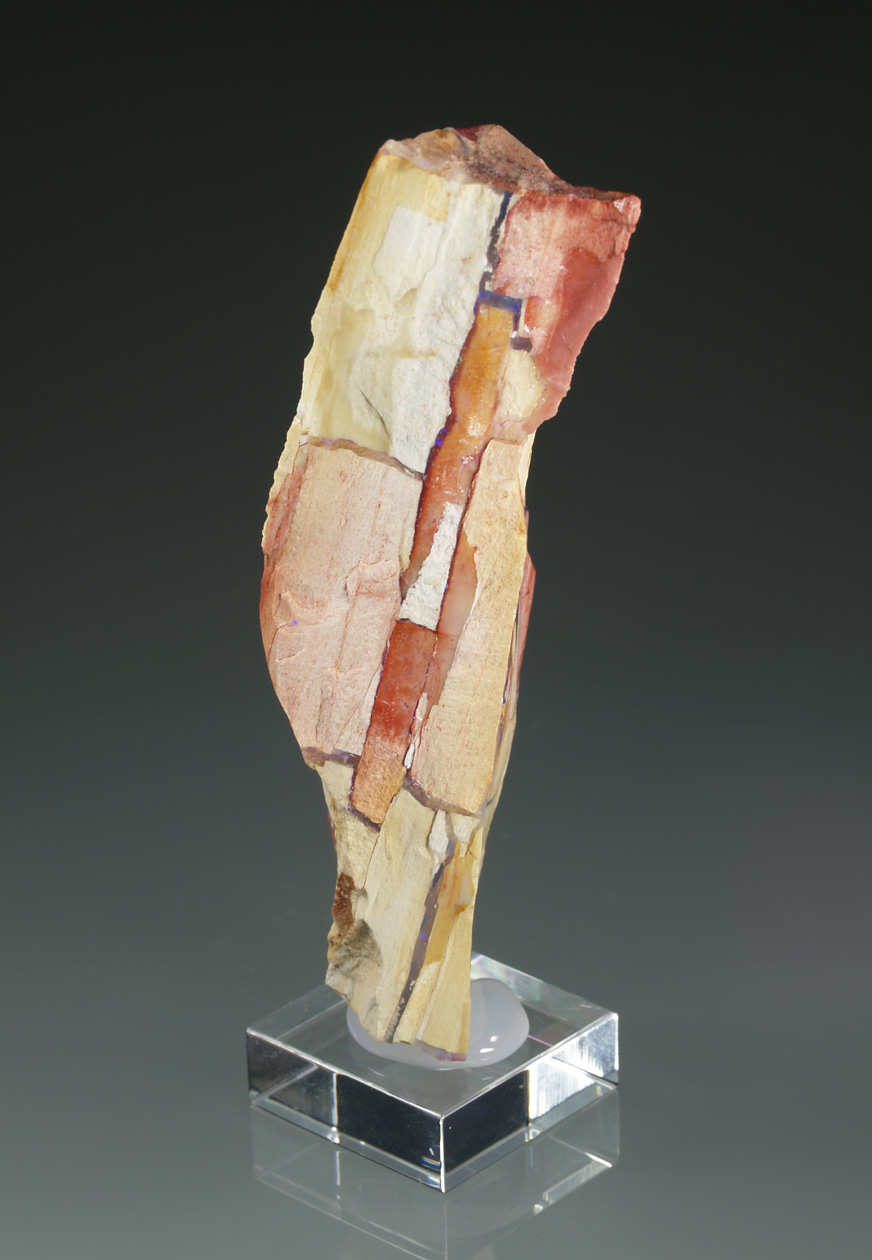
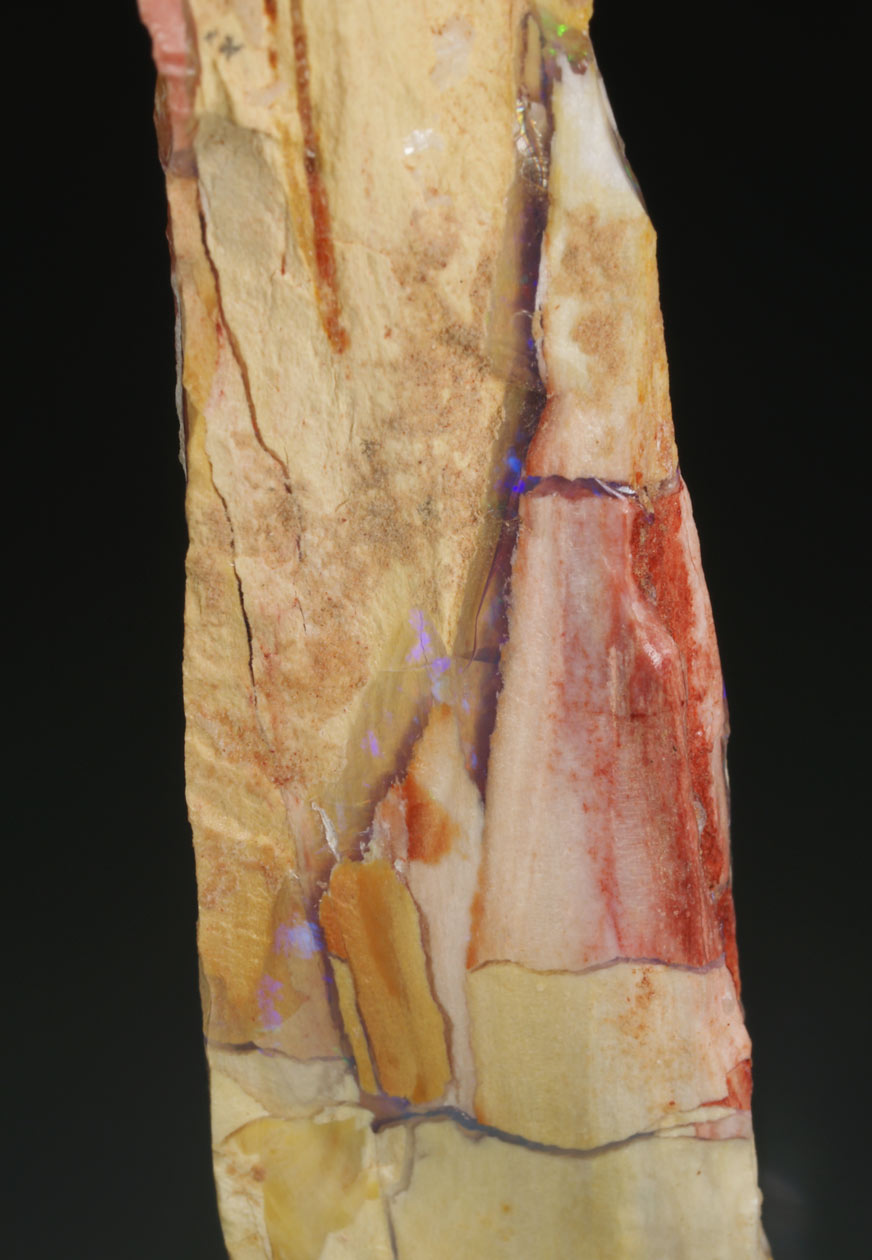
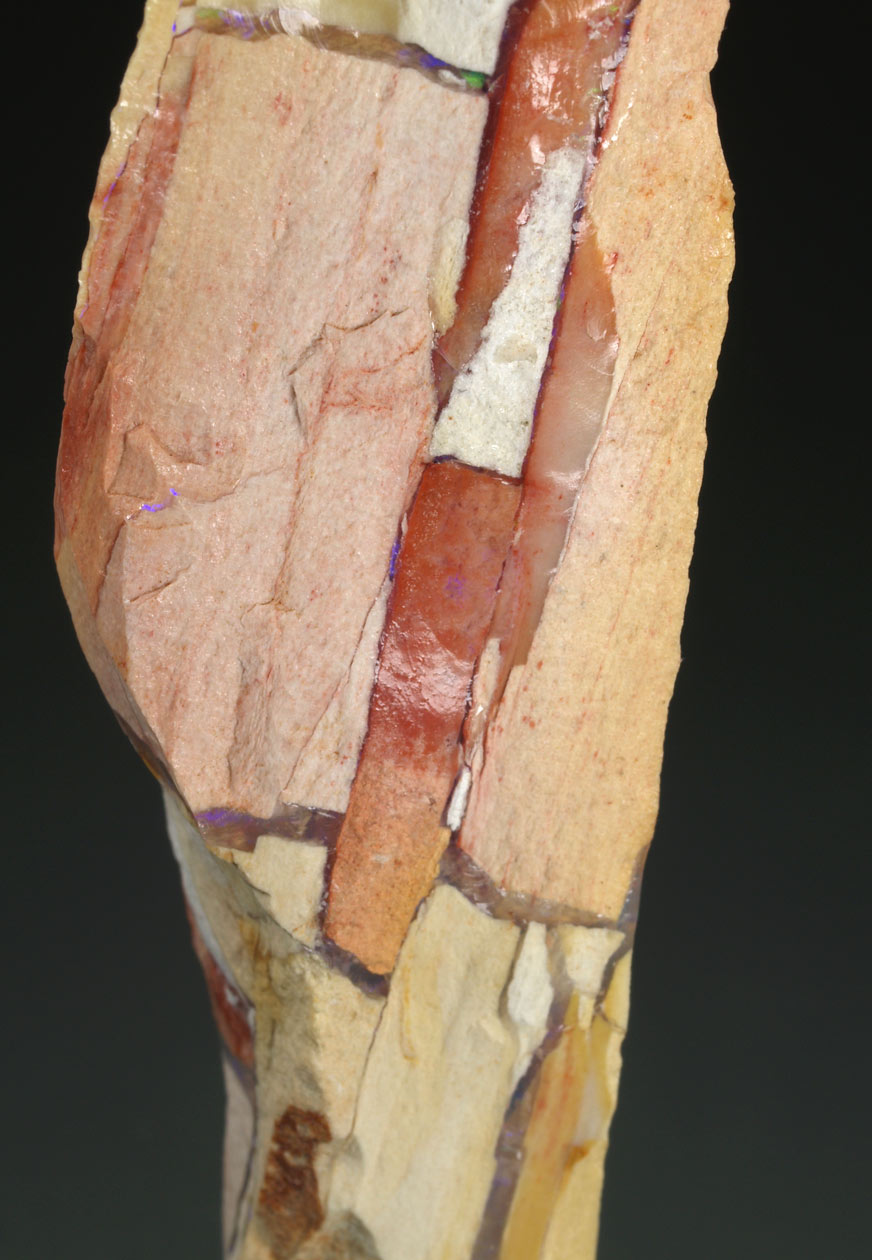
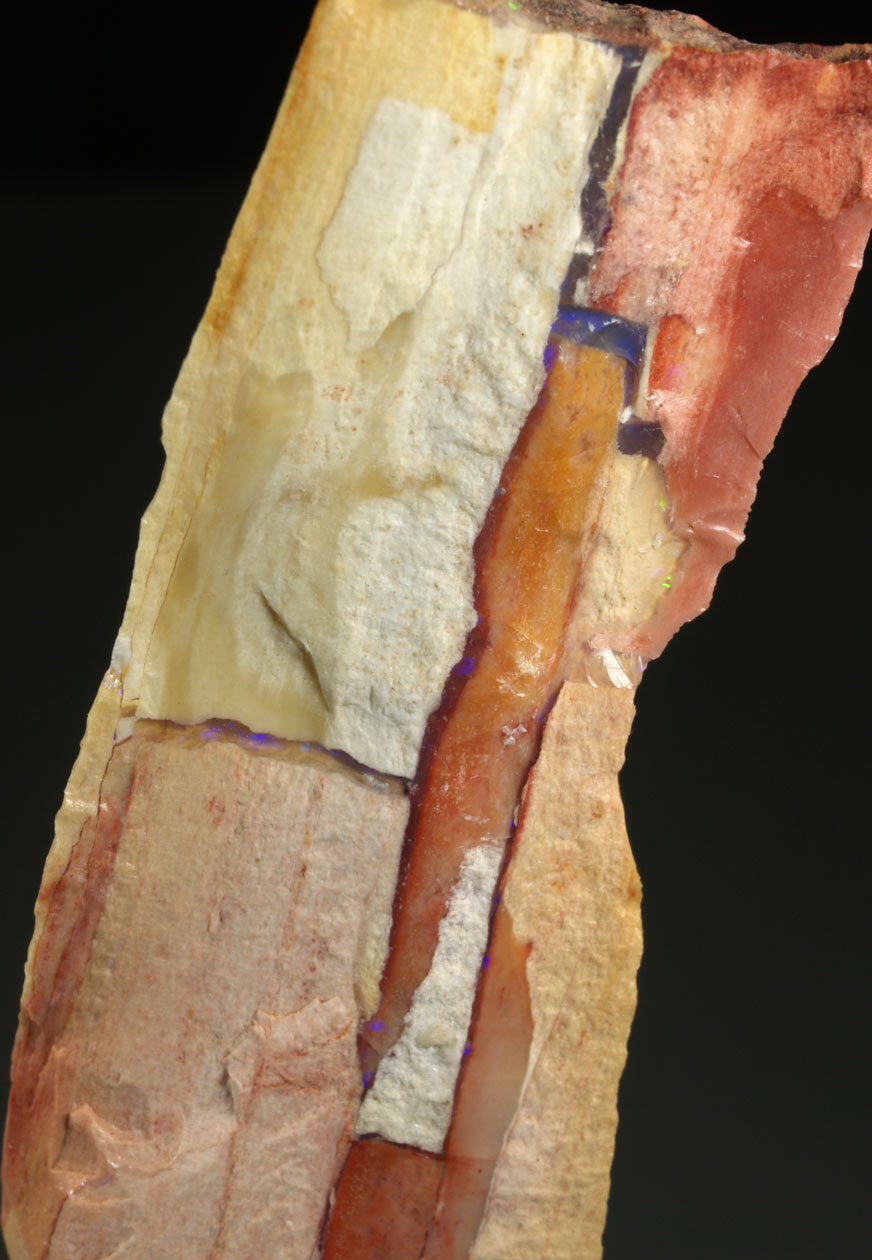
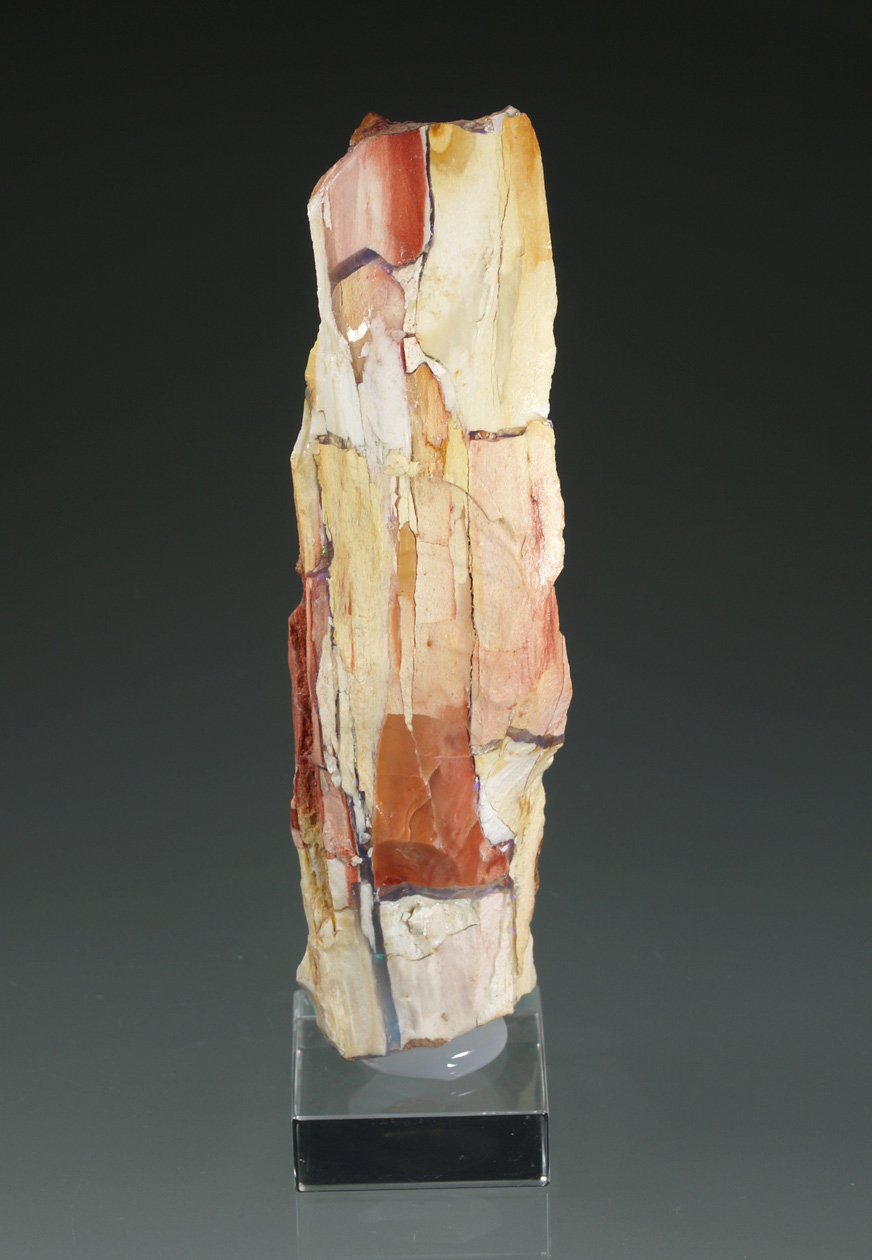
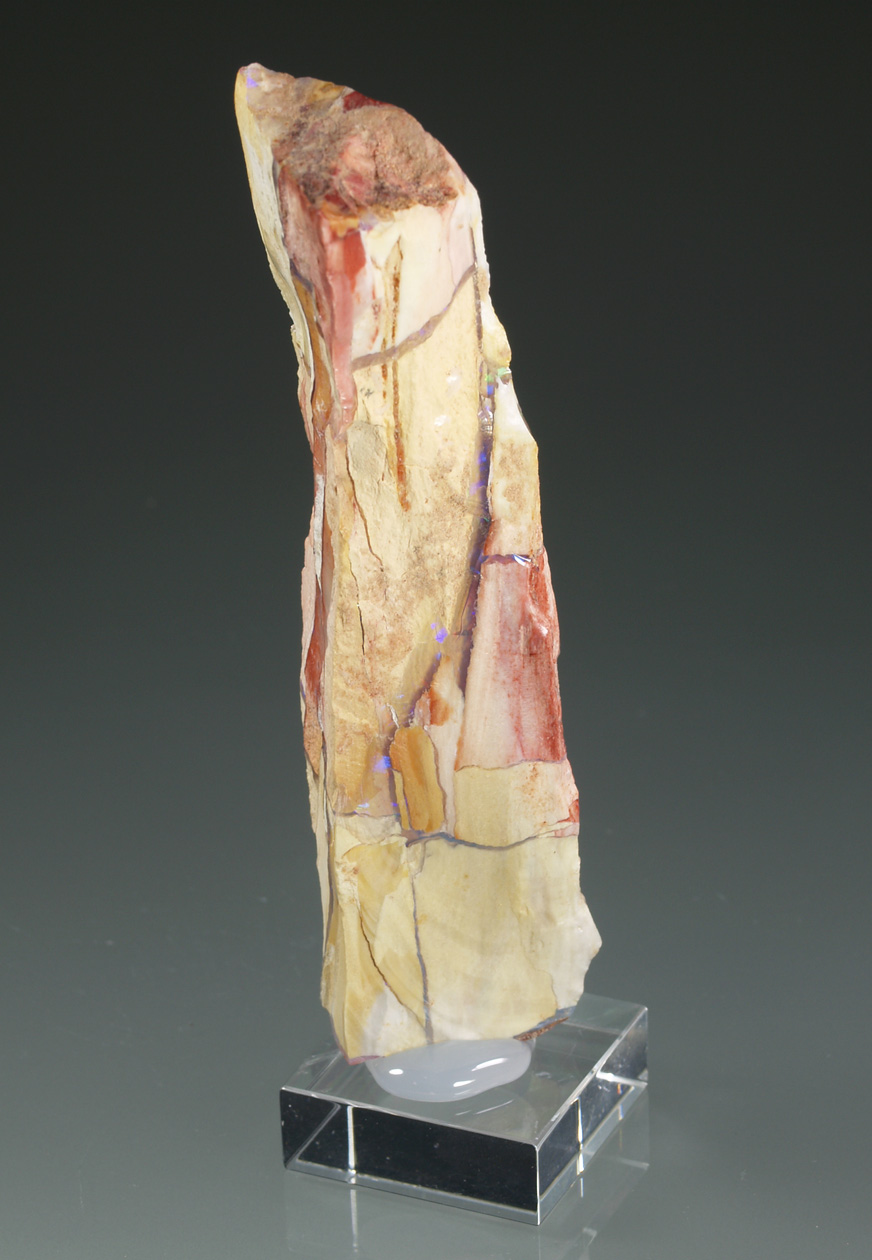
Very interesting specimen of opal with opalescence of violet, blue, green colors that fill the fissures of a xylopal. Very aesthetic due to its arrangement in veins, contrasting with the sienna warm colors of fossil wood. This Australian locality is known for opalized pineapples. Specimens from this locality are difficult to find.
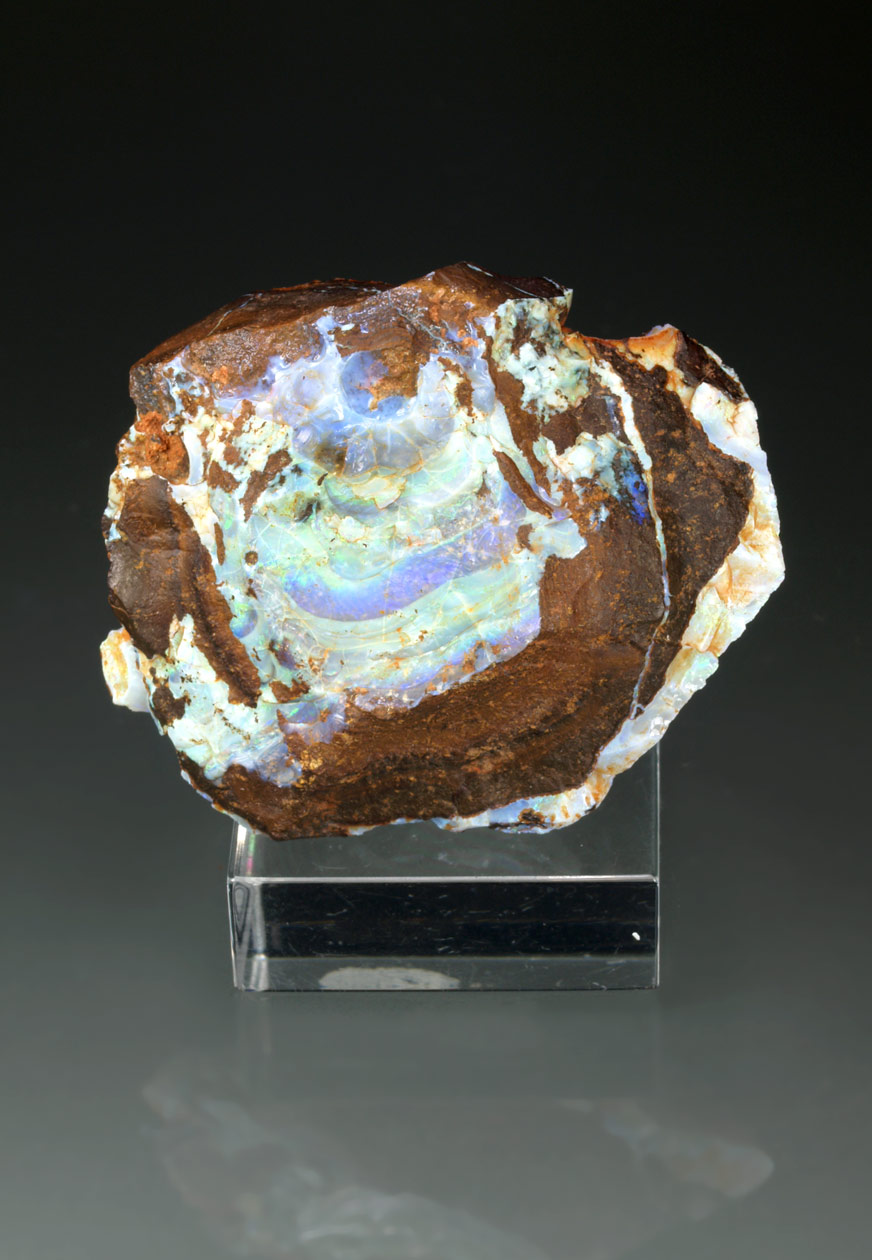
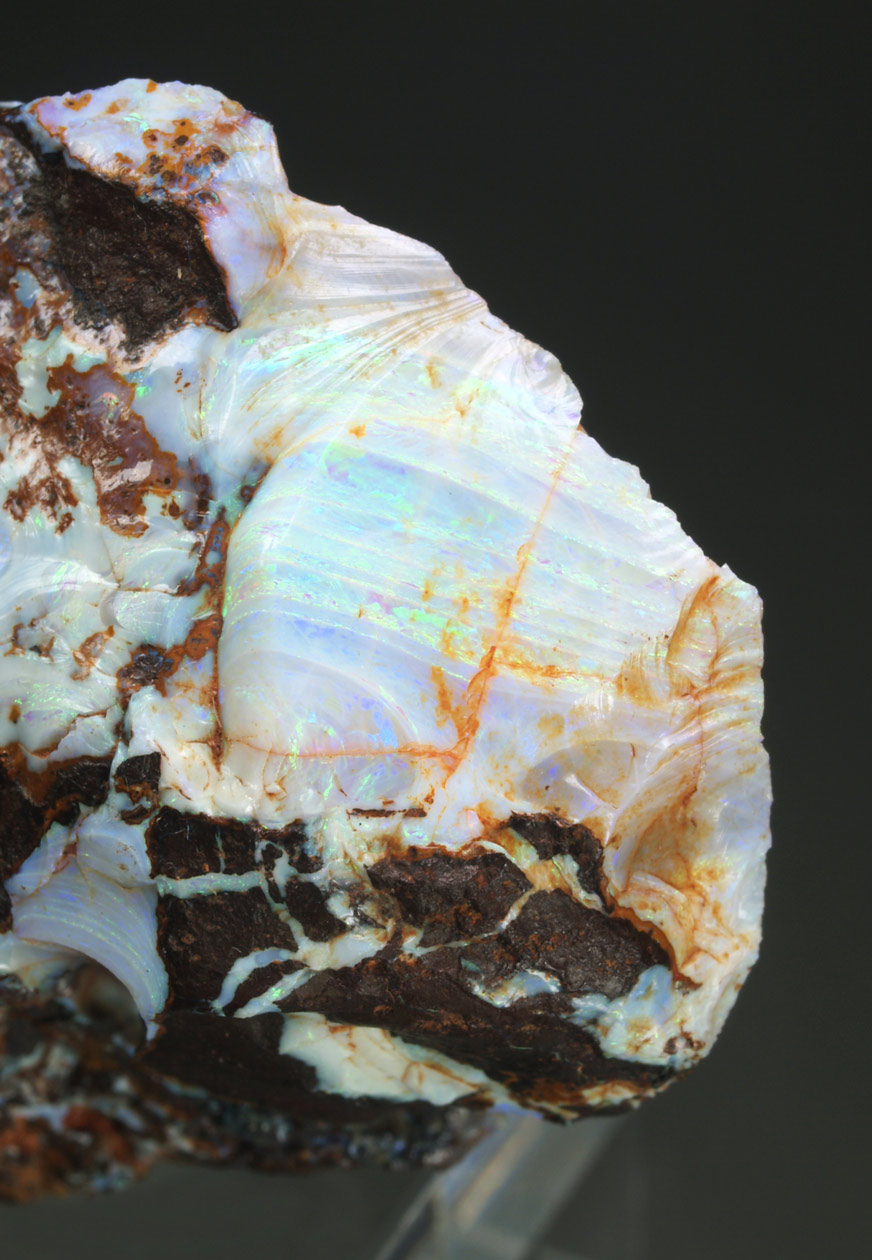
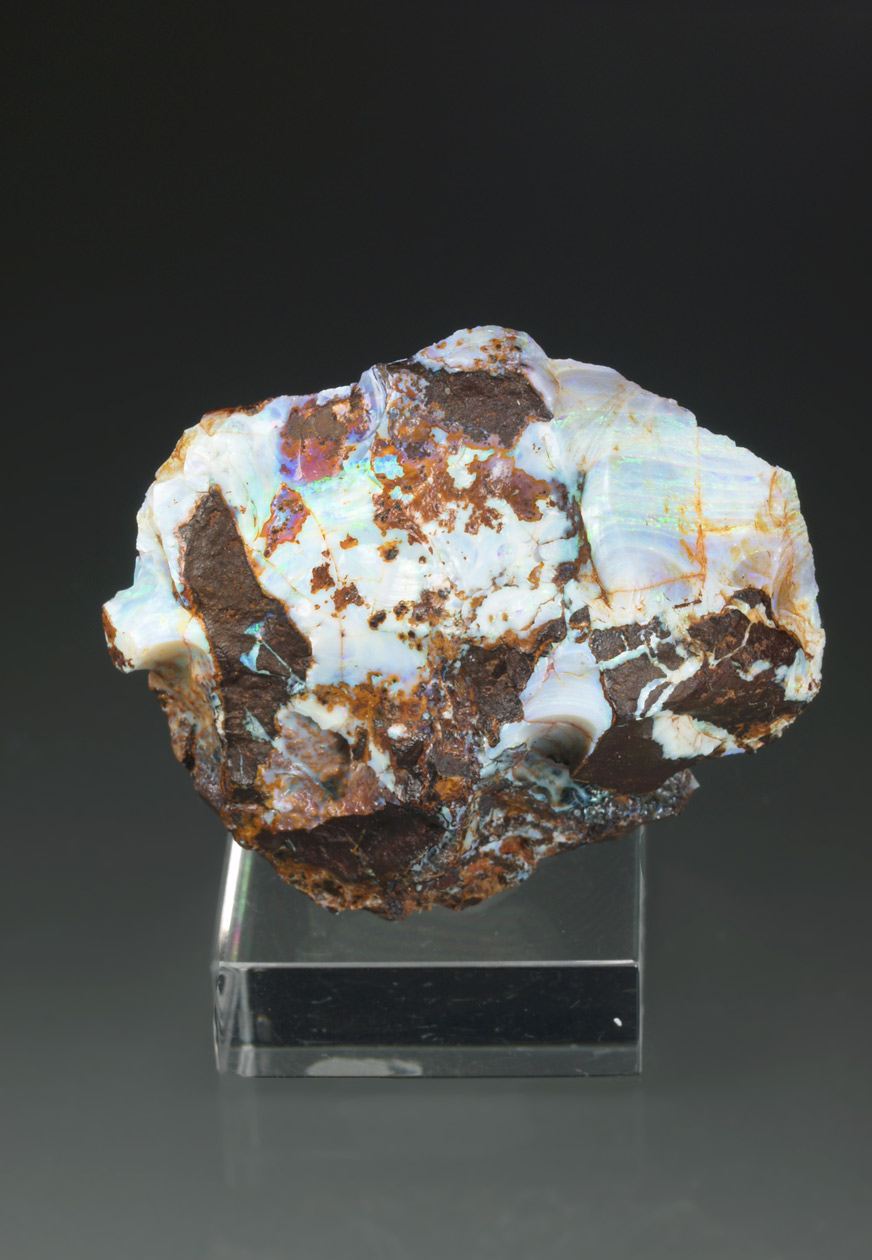
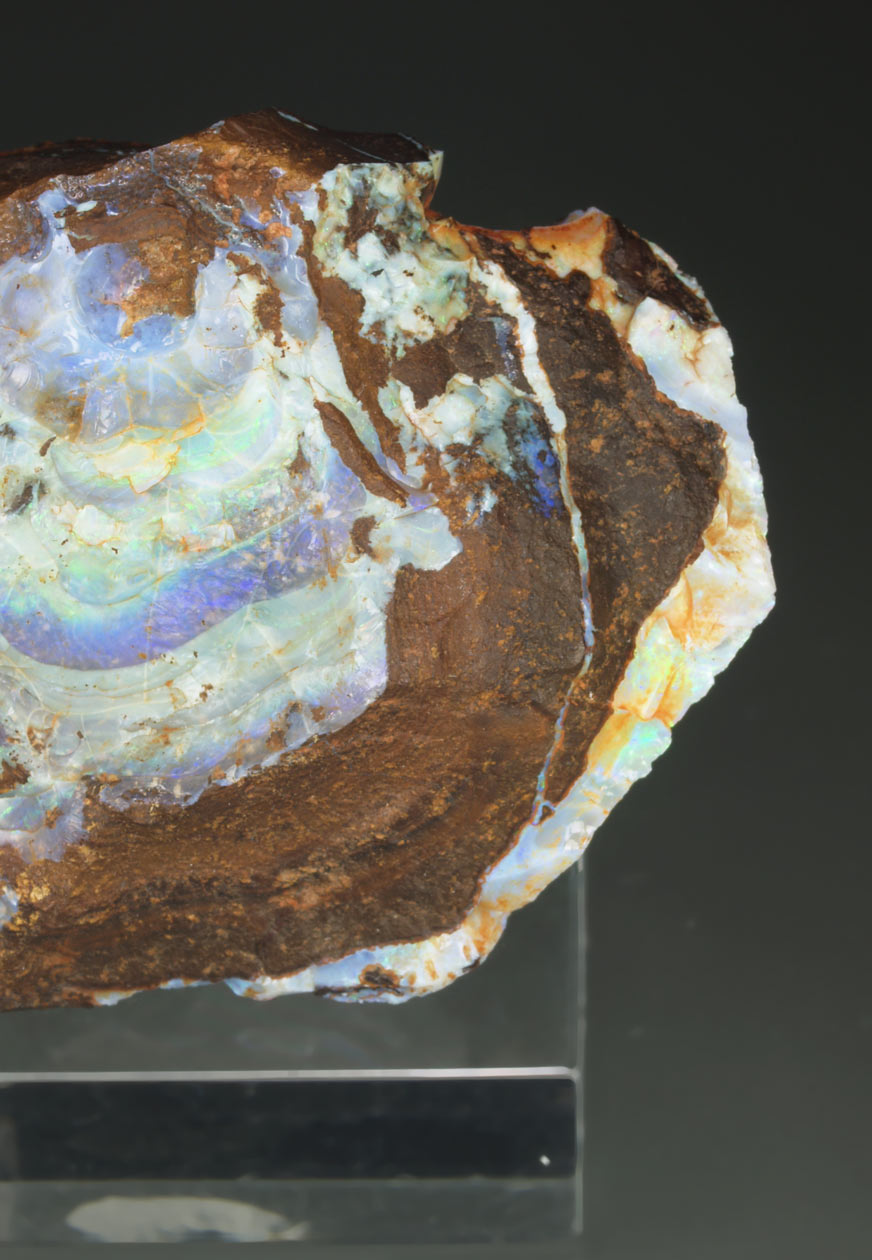
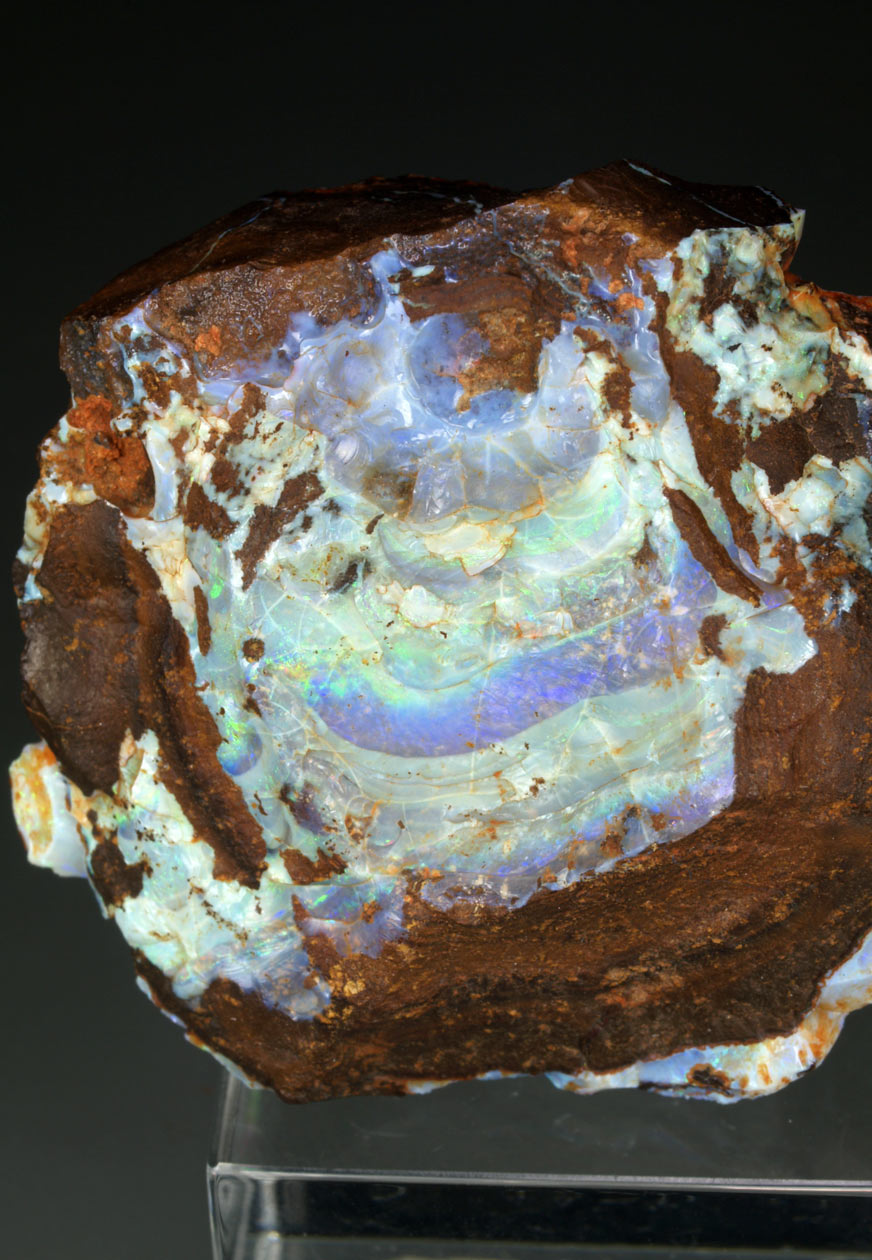
A classic banded opal from Australia, with violet, green, blue colors. With a good exposed surface showing opalescence. It comes from the A. Trigo collection.
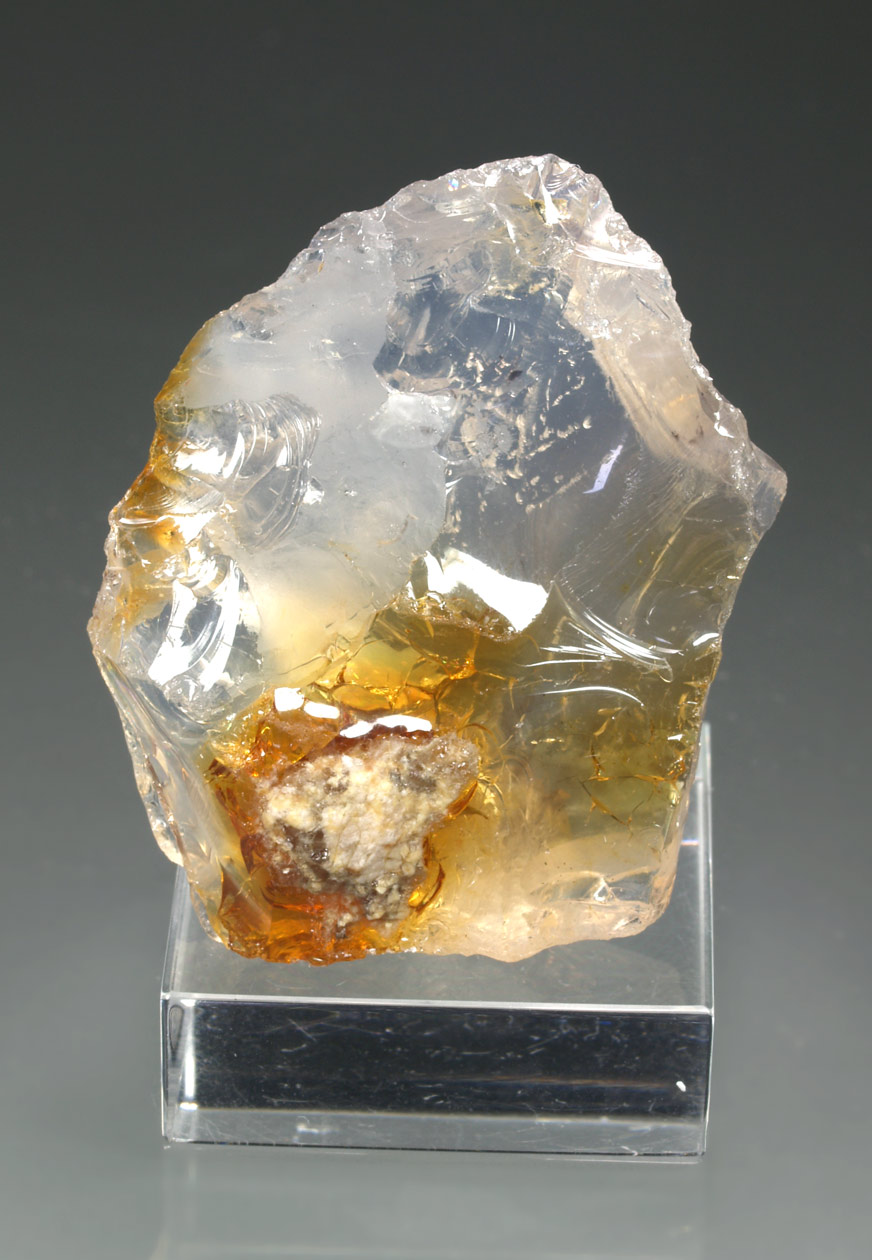
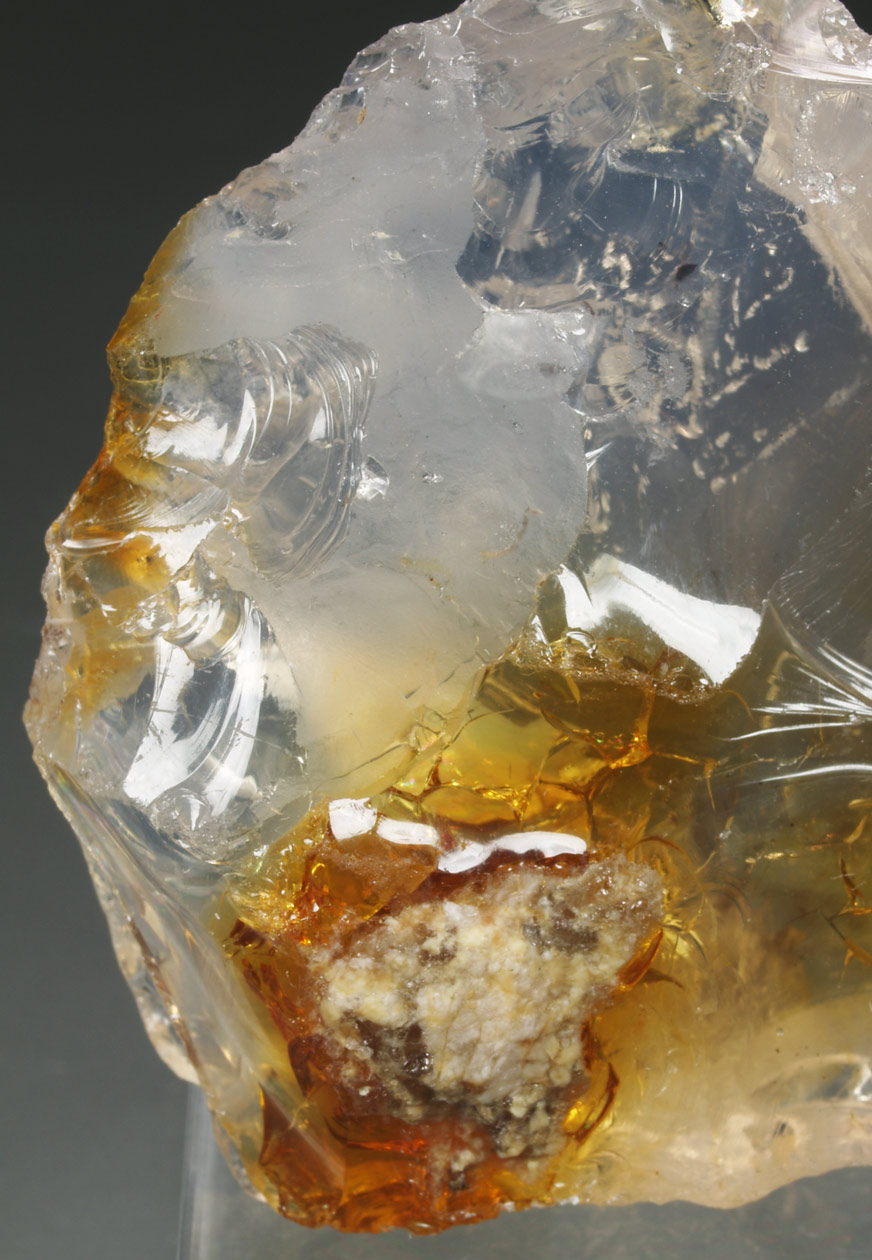
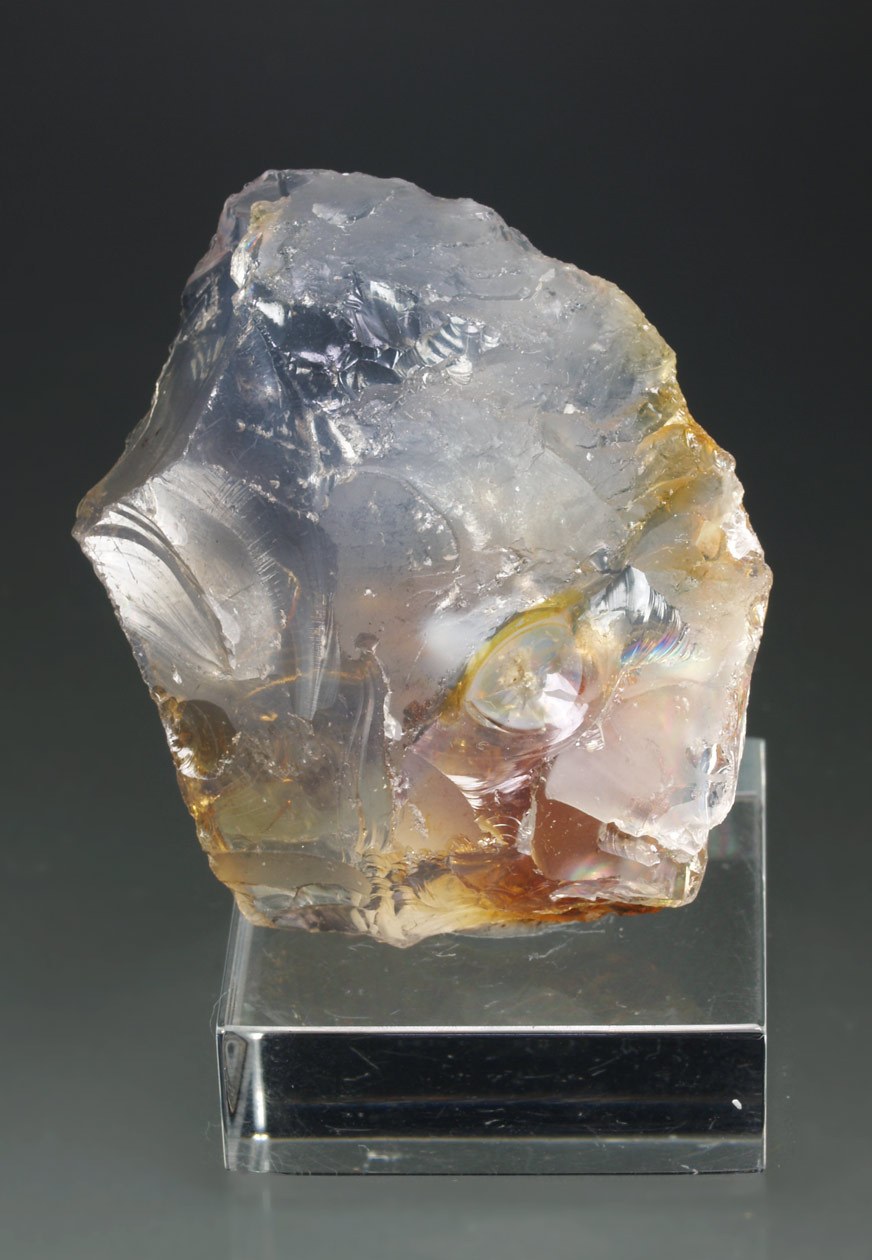
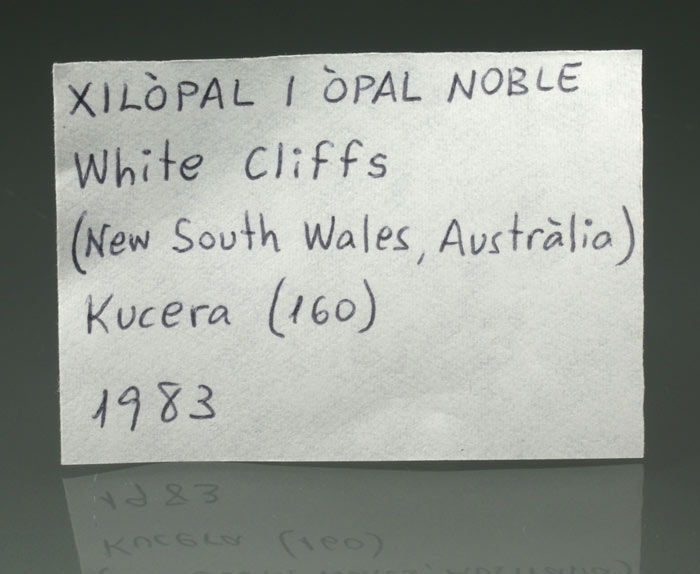
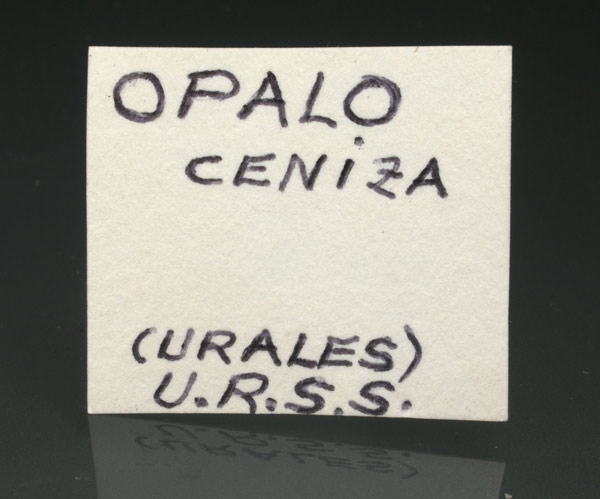
Very glassy opal specimen, with excellent transparency and yellowish bands. From an unusual area of Russia for this variety of quartz. It was acquired by A. Trigo (Mataró) in 1983, in Expominer Mineral Show (Barcelona).
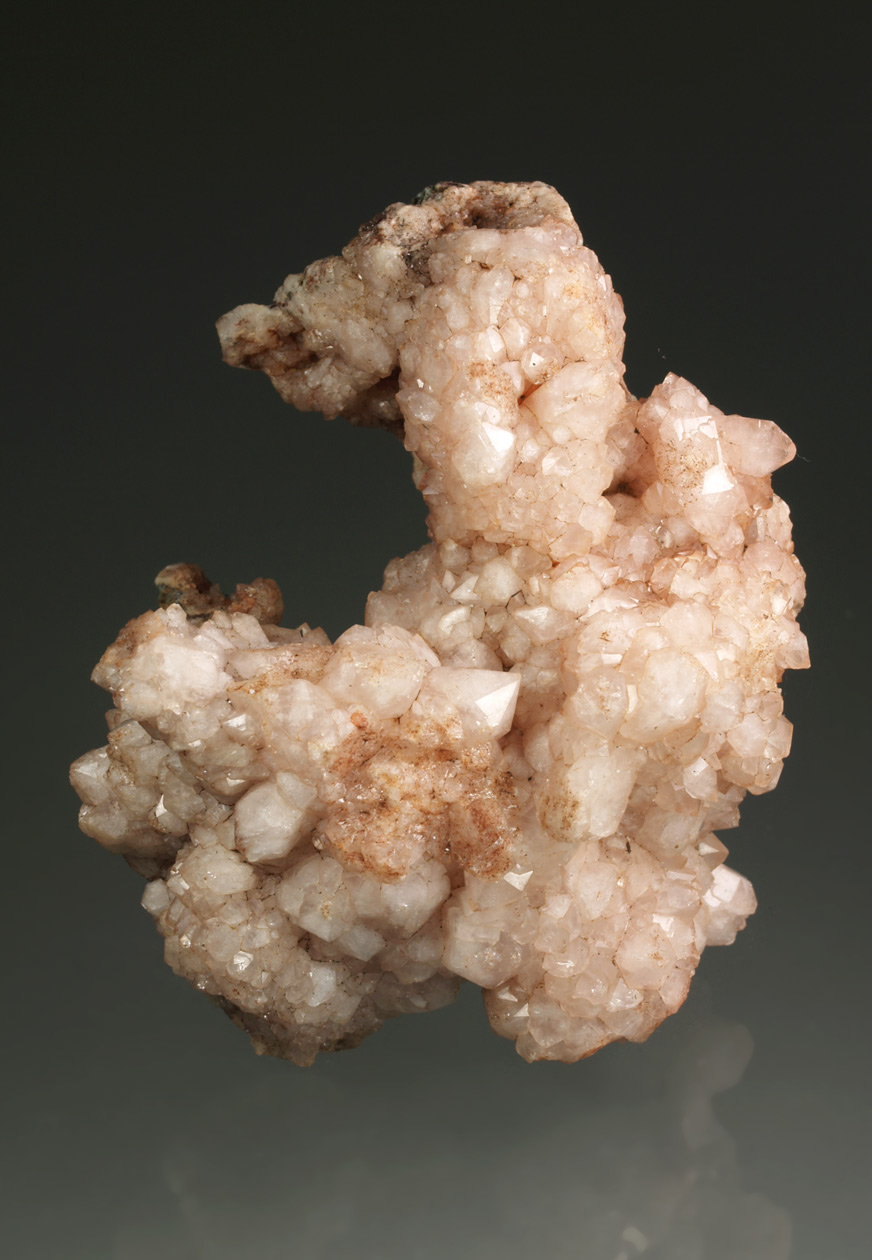
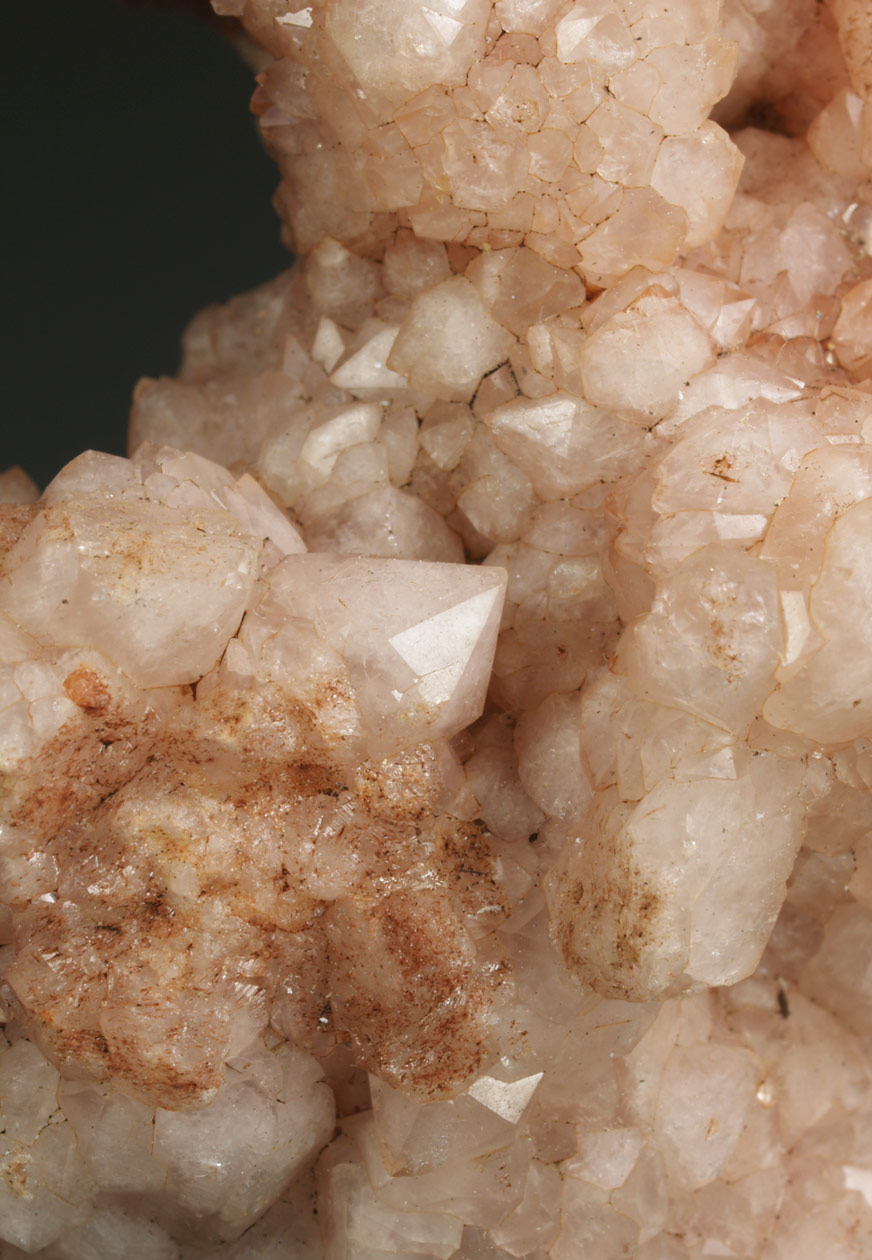
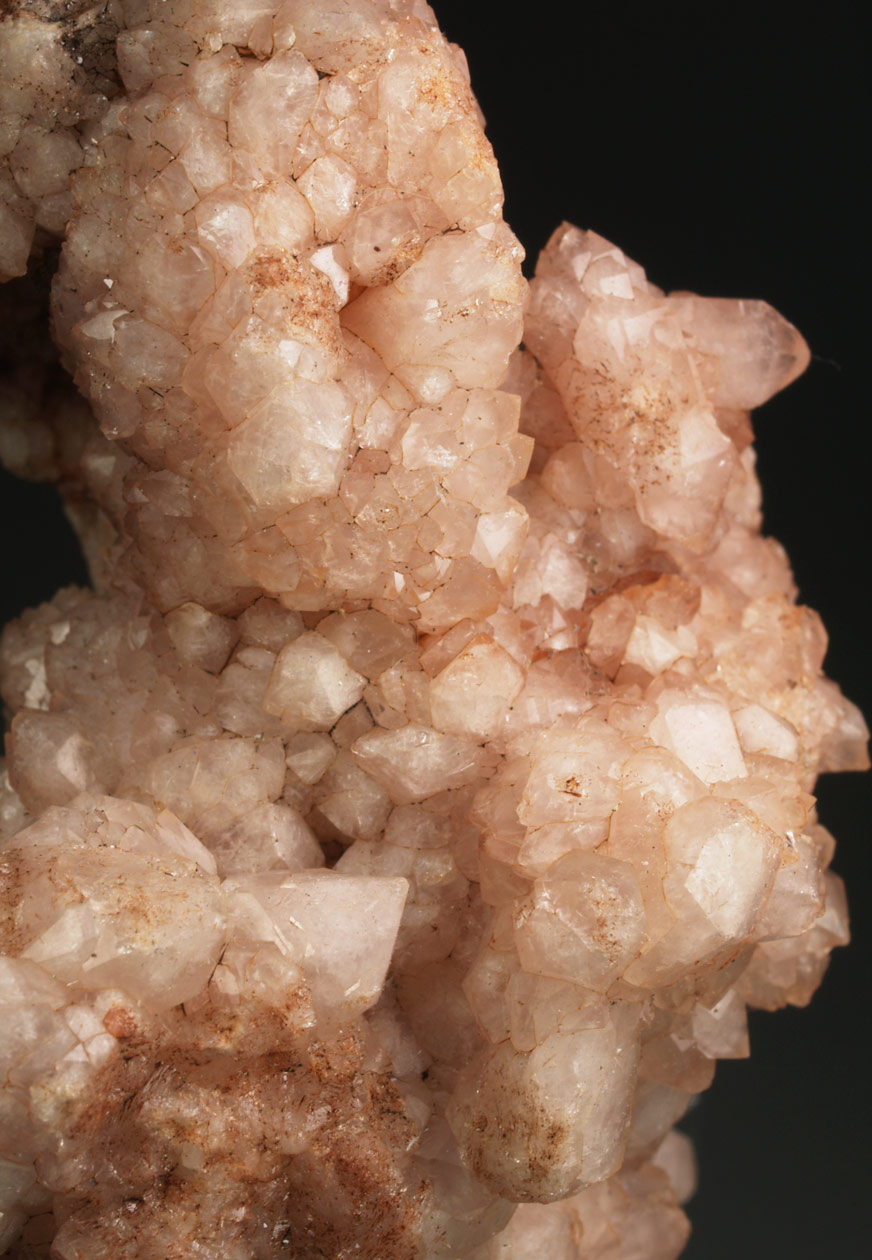
Druse of quartz crystals, milky to hyaline at the tips, with a certain reddish hue. It comes from a Moroccan locality unknown in collections, located in the Boulemane area, north of Aouli. Formed in volcanic rocks.
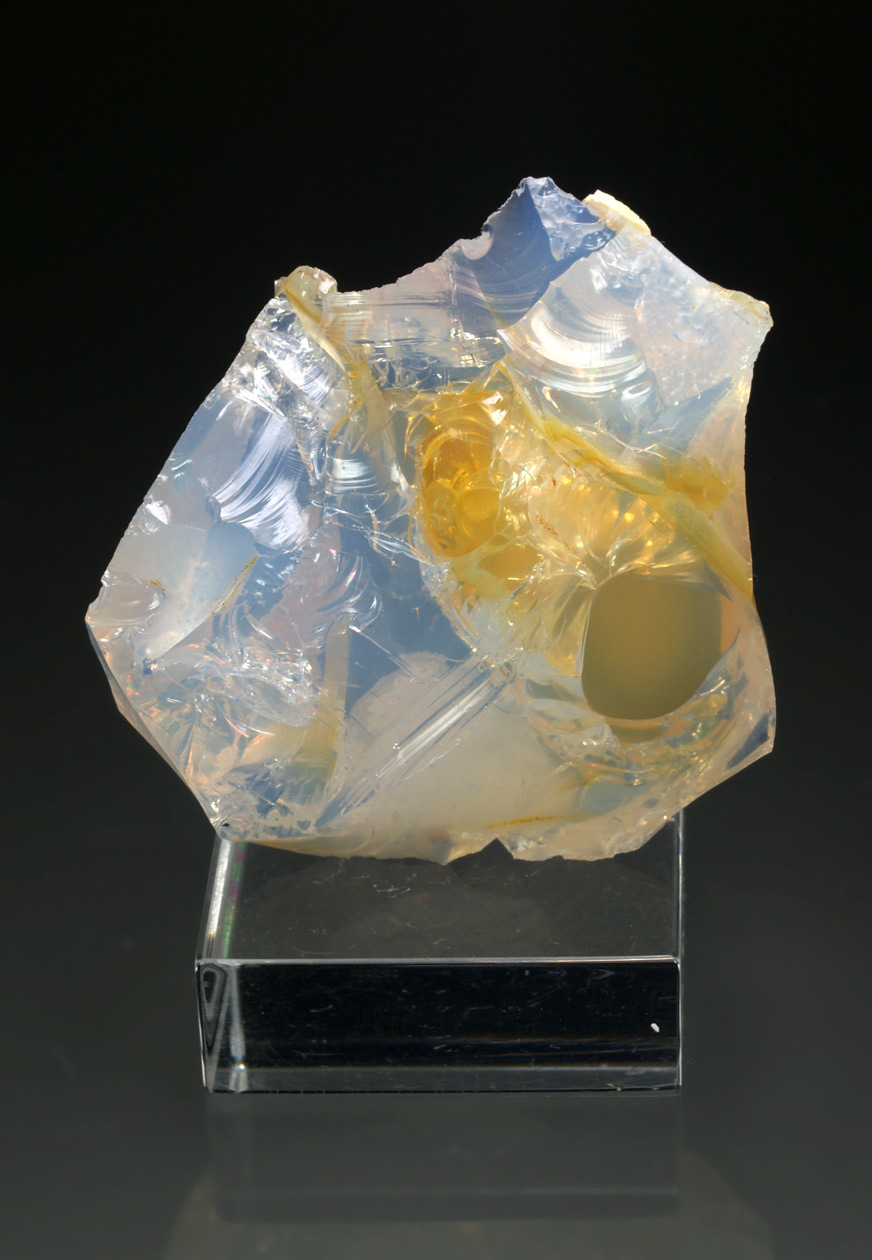
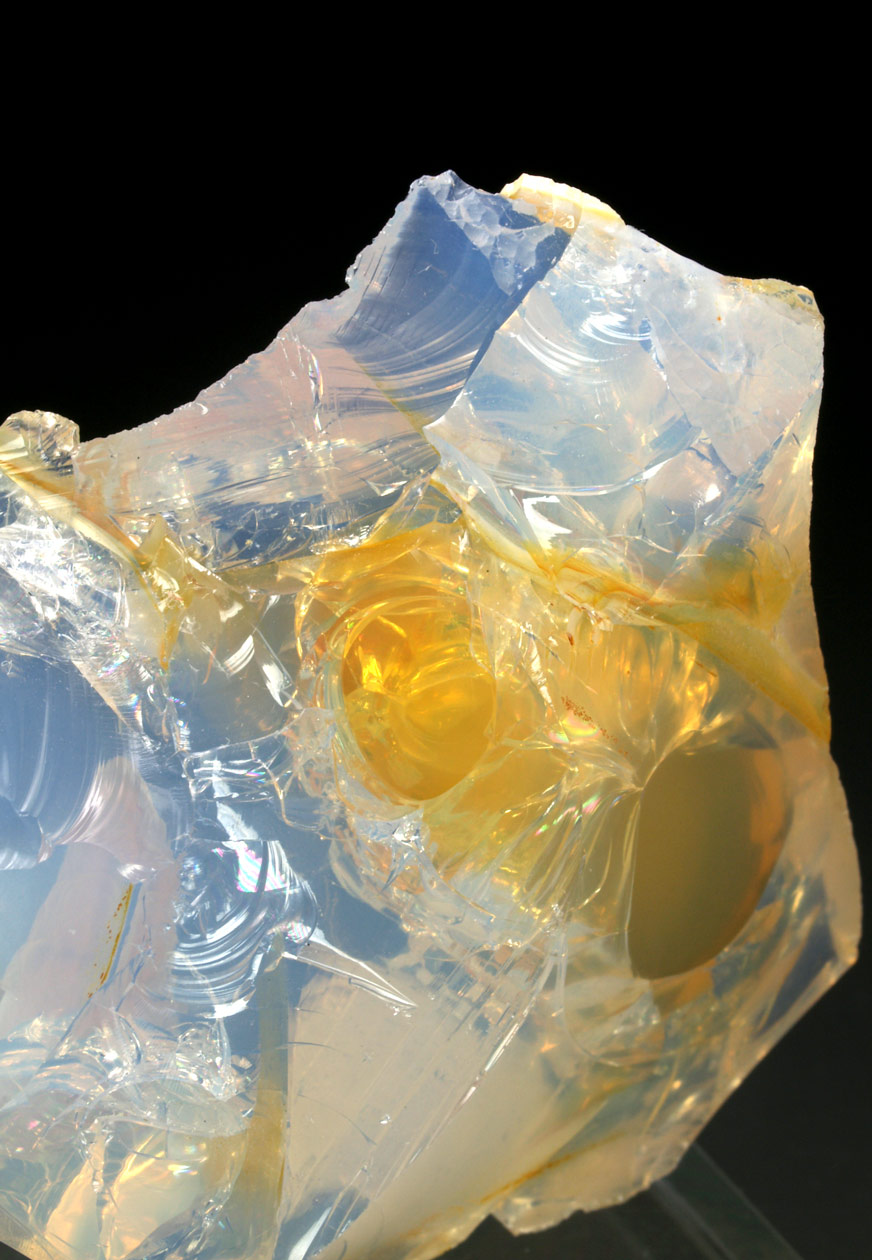
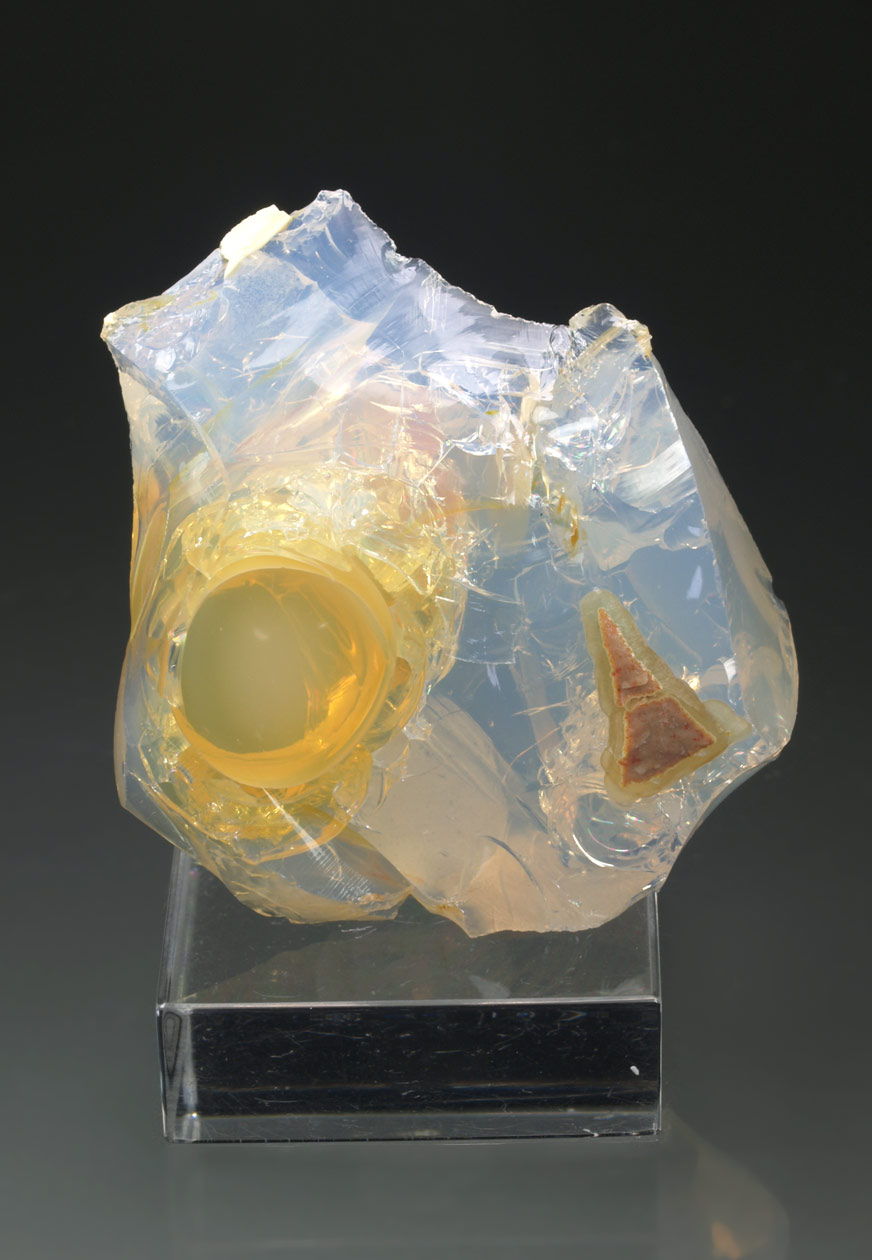
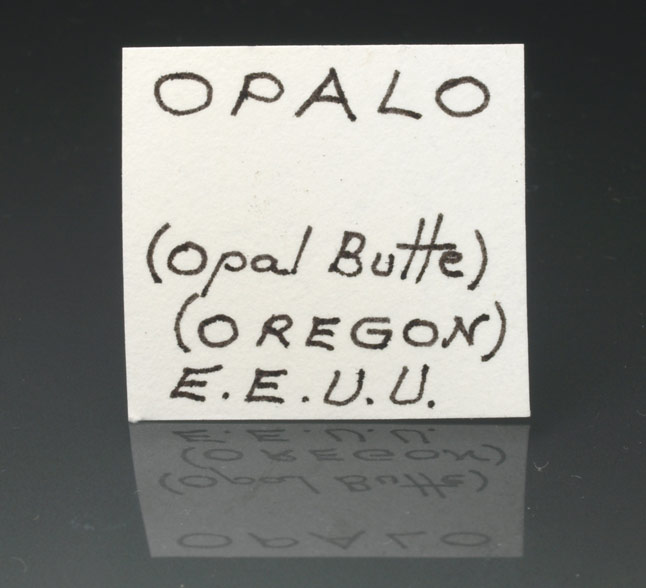
An extremely glassy opal specimen, transparent to translucent, with bluish to golden tones. An excellent specimen of opal from this classic American locality. It shows some fluorescence under ultraviolet (LW) light. An old piece from the A. Trigo collection (Mataró).
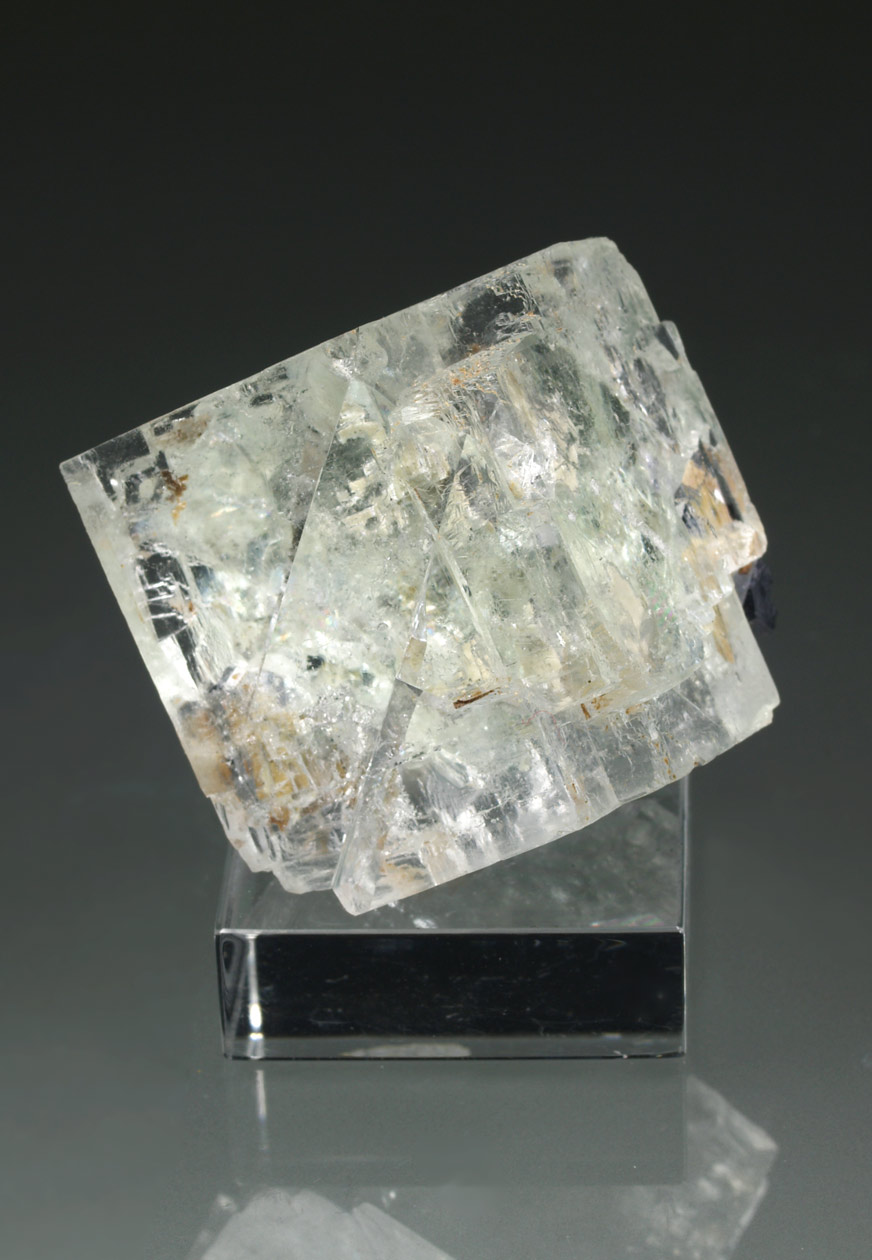
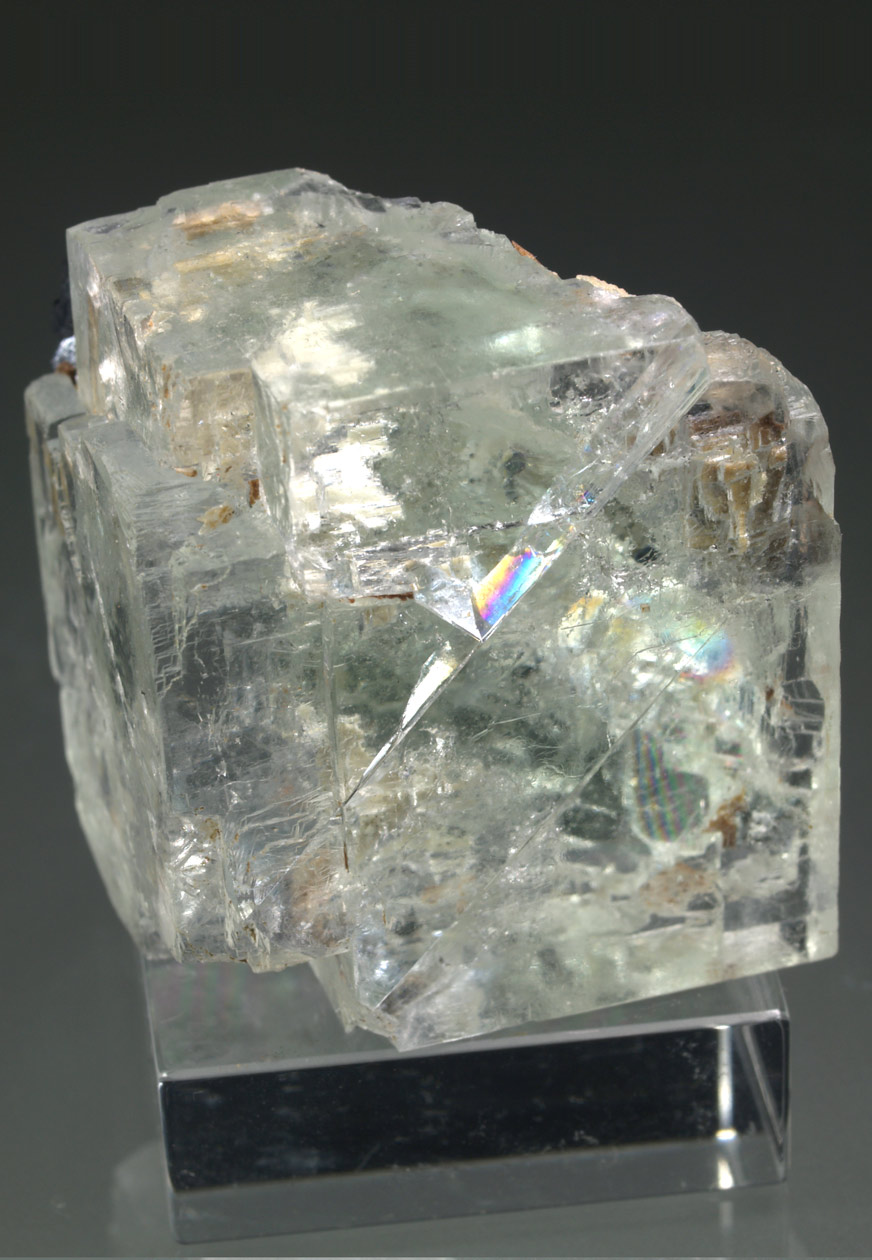
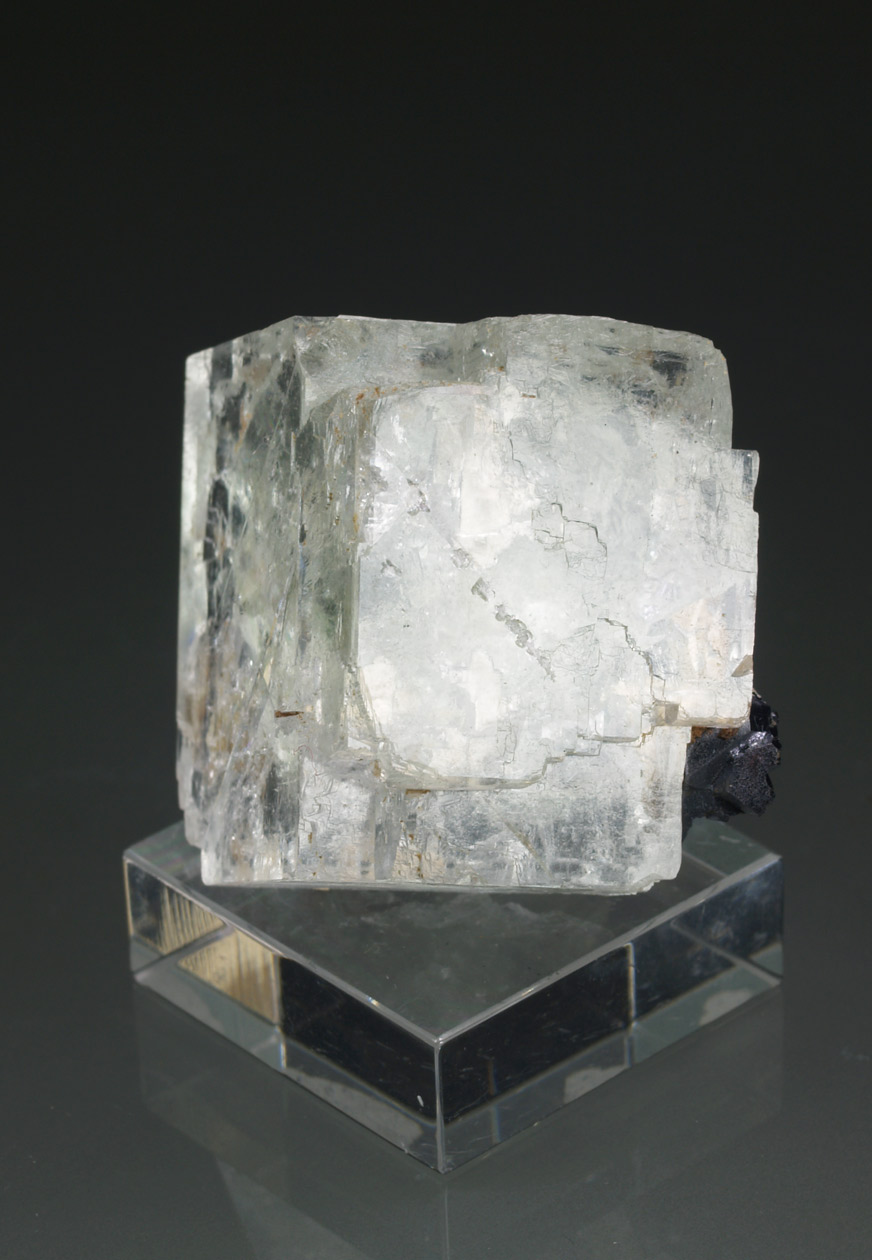
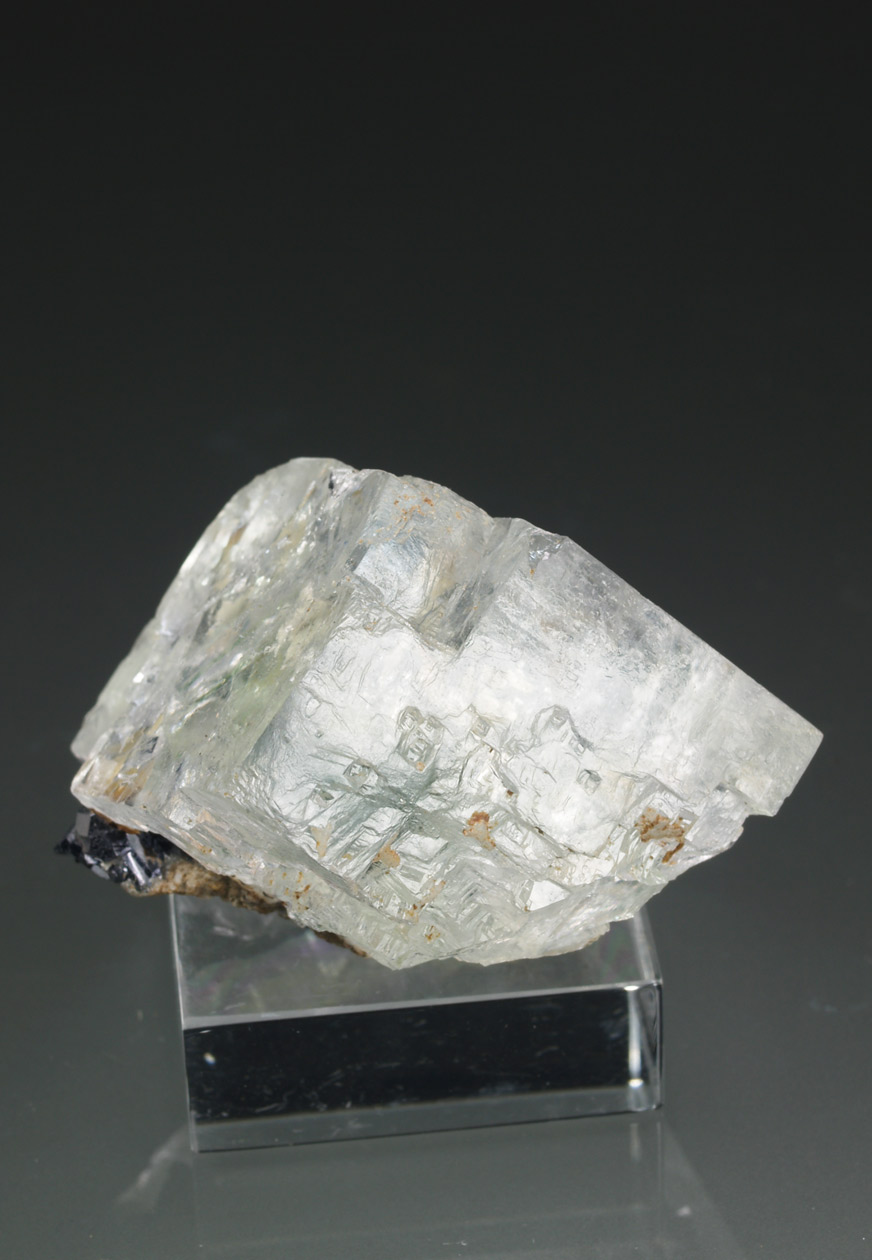
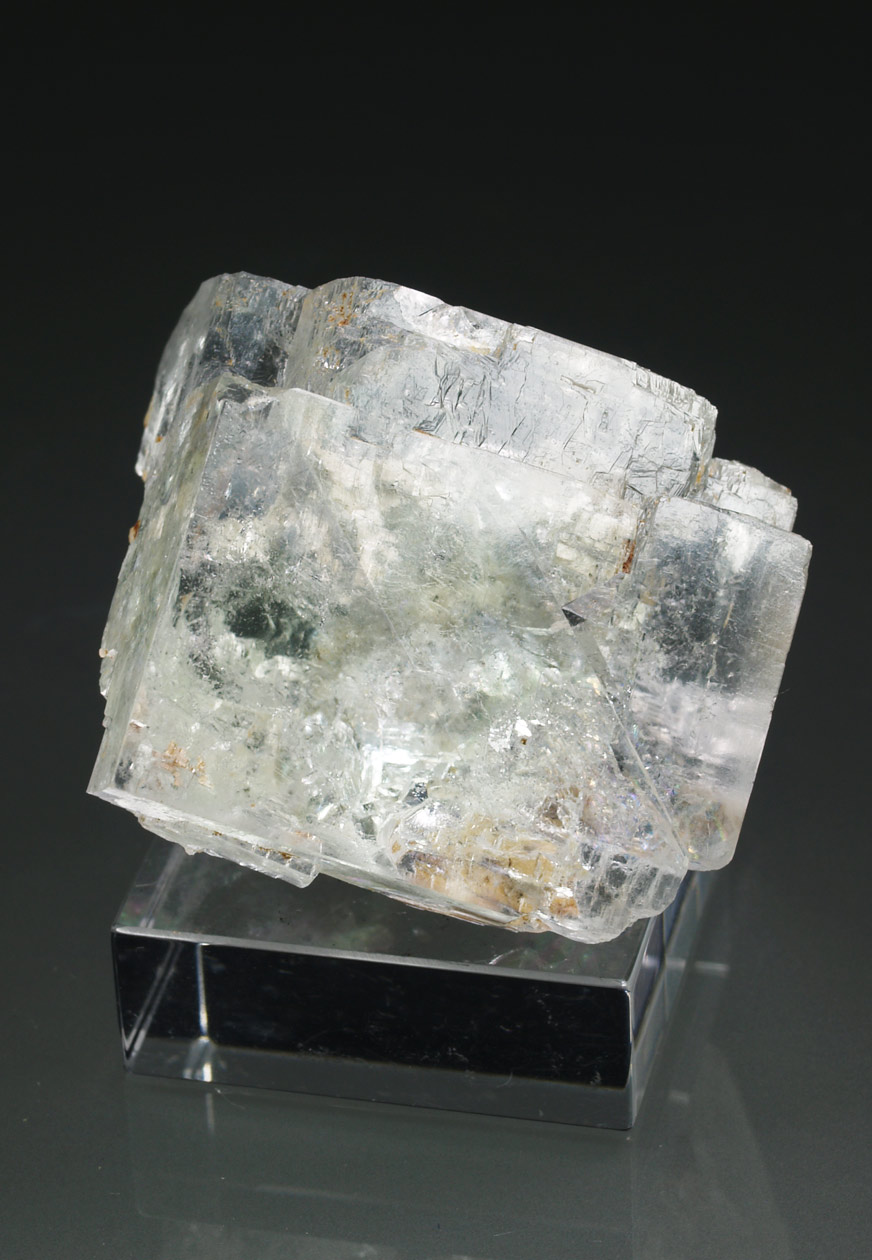
Group of very sharp cubic crystals of fluorite, very transparent, colorless, brilliant and in staggered growth. It presents certain very curious inclusions. Minos matrix of galena. Very aestetic. From the former Trigo Collection (Mataró).
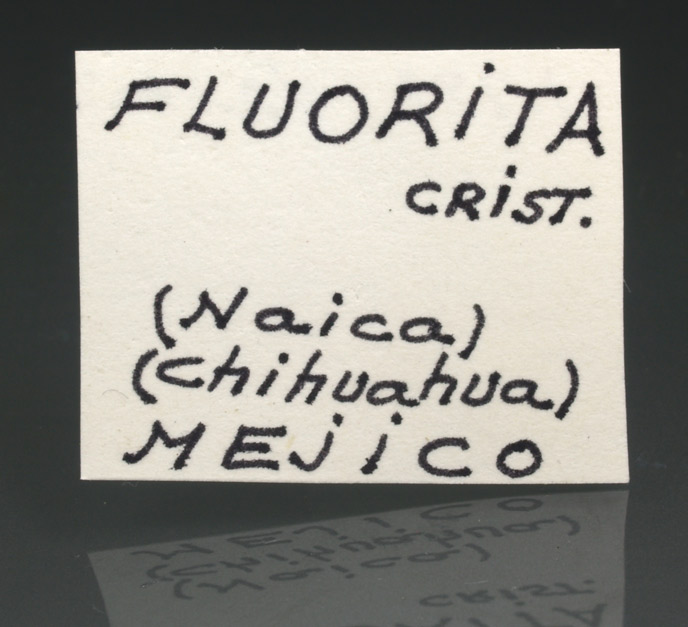
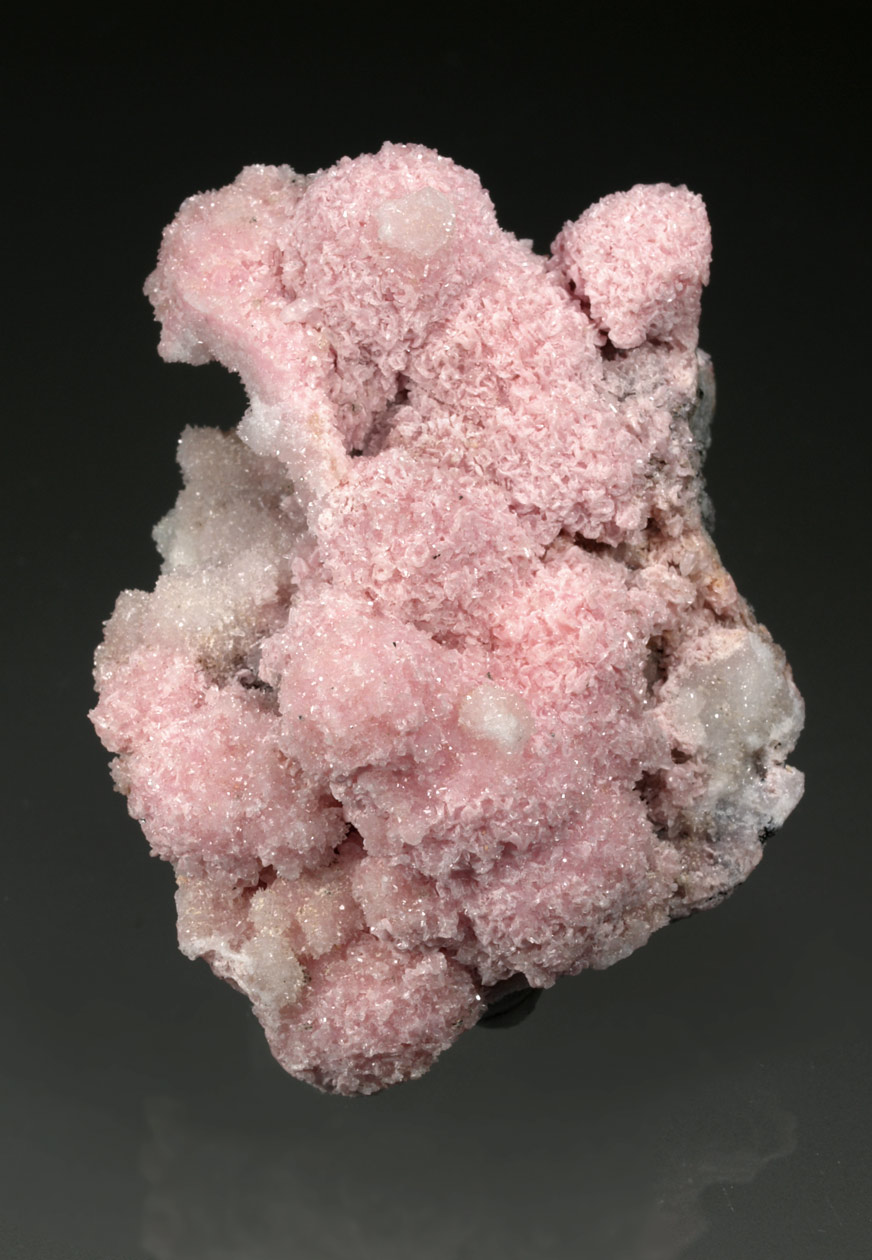
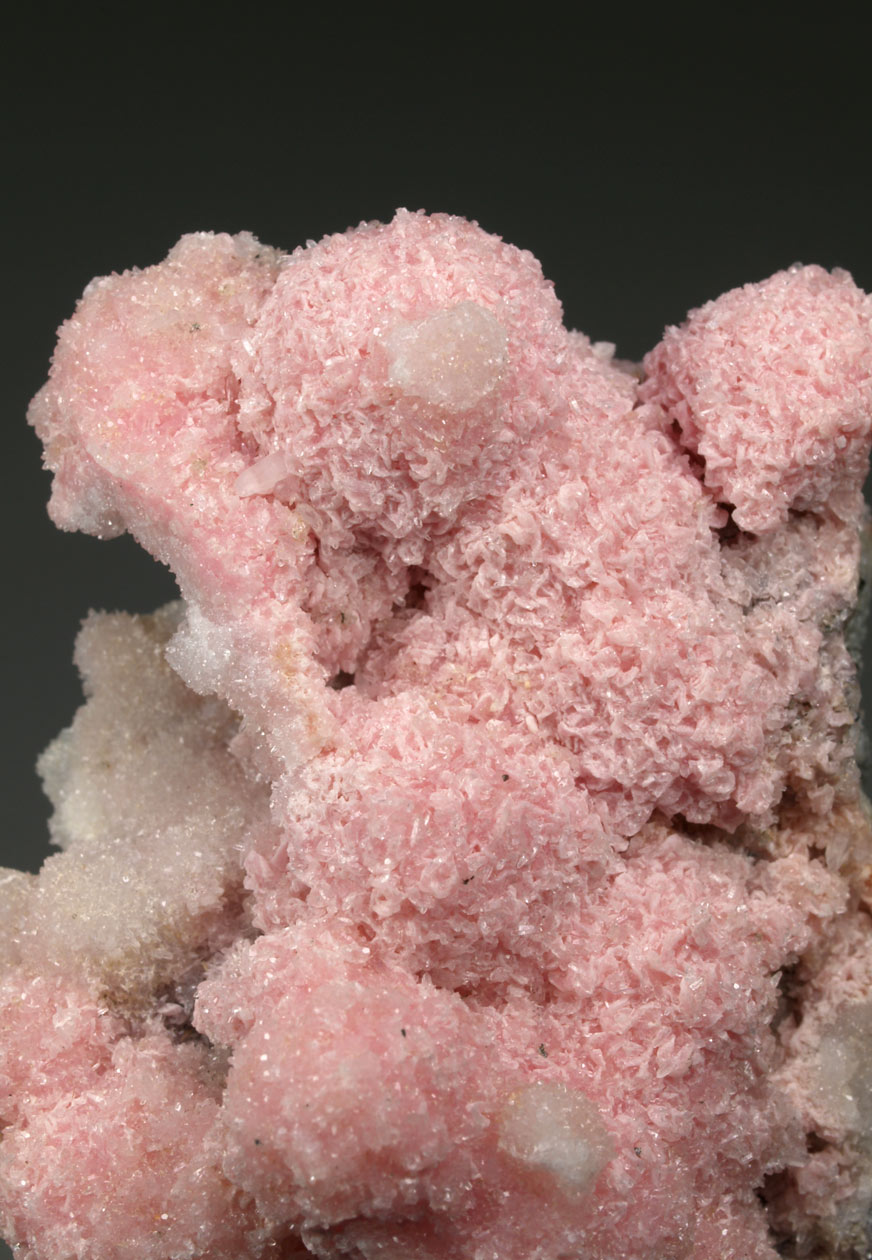
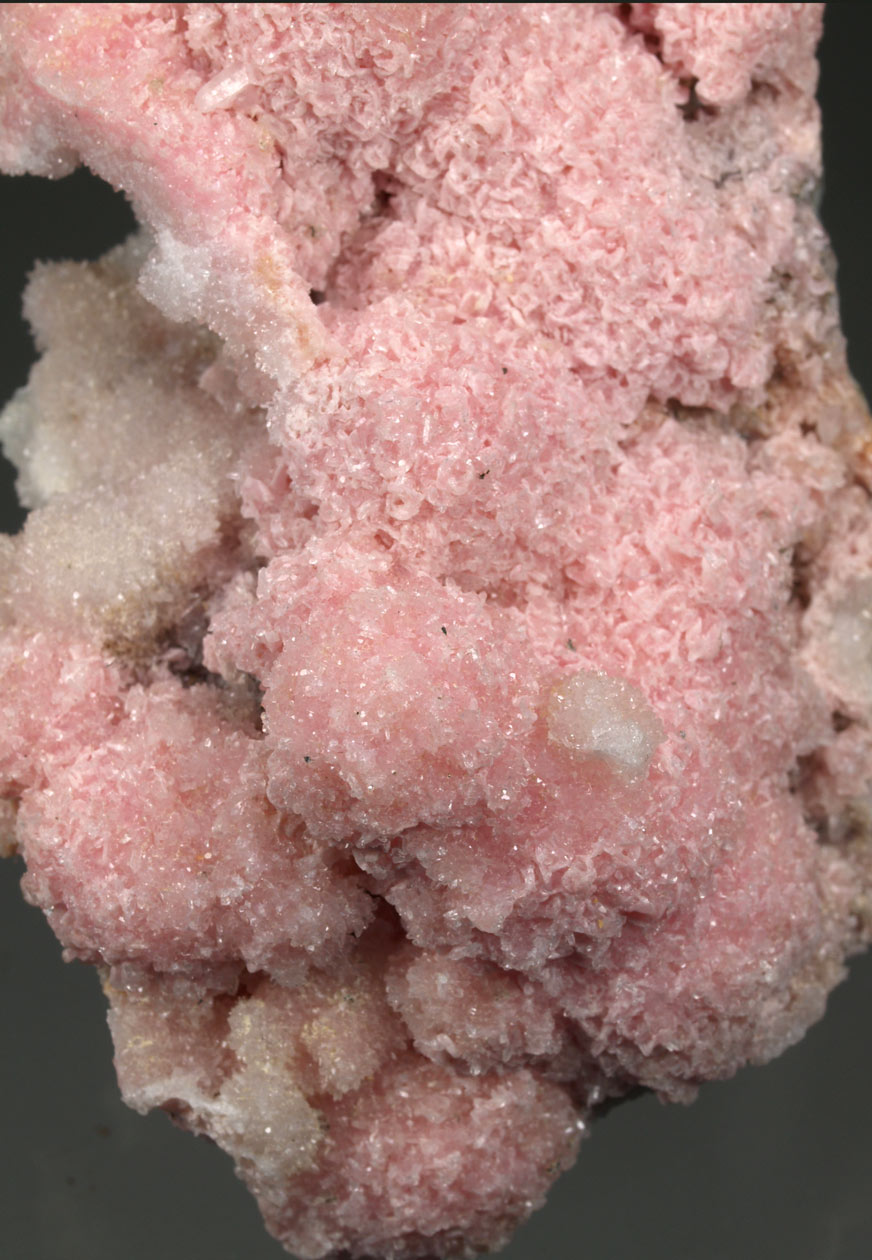
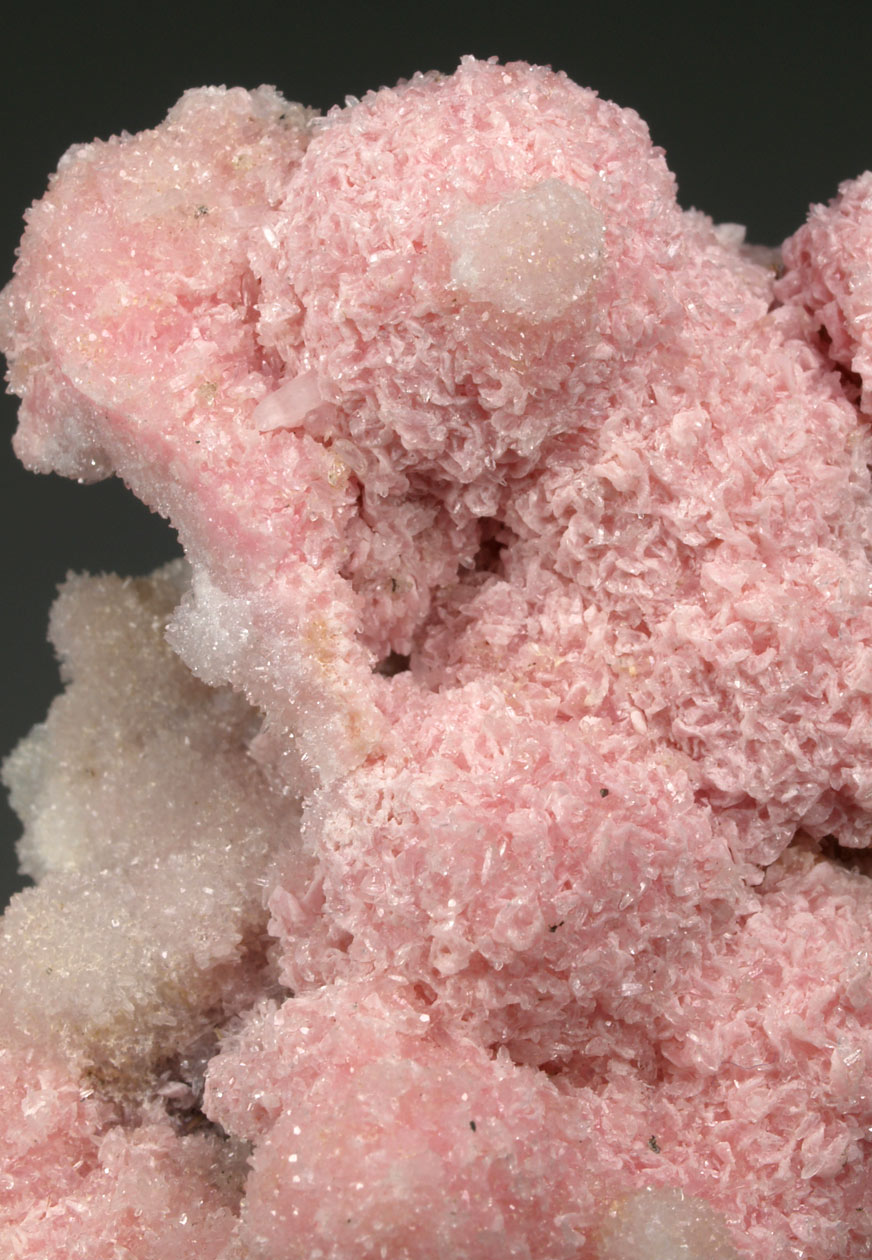
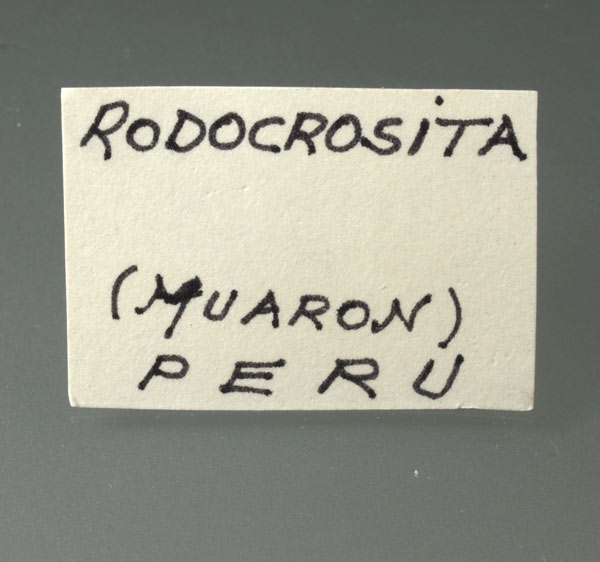
Groups of aggregates of rhodochrosite crystals, of a delicate pink color, brilliant. They are accompanied by colorless aggregates of small quartz crystals. Very aesthetic.
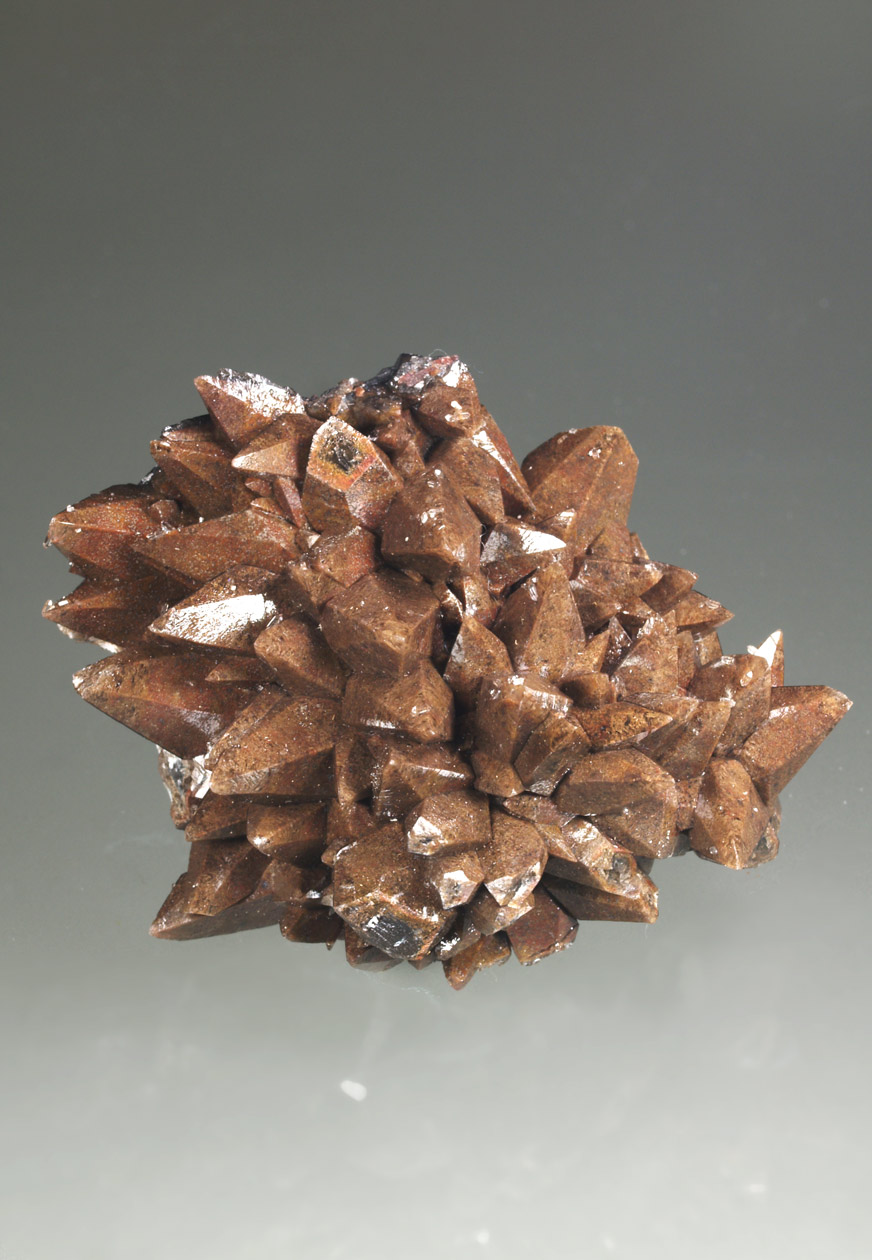
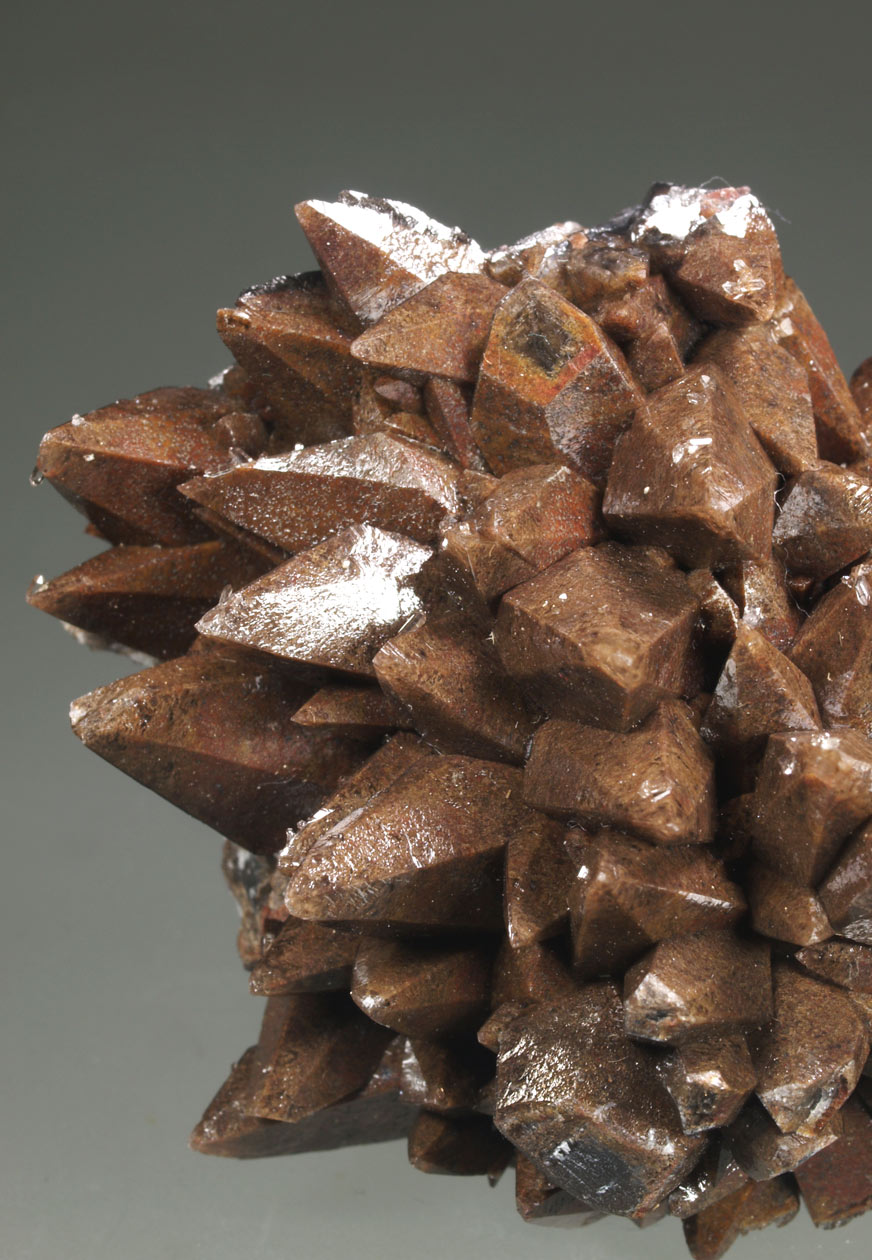
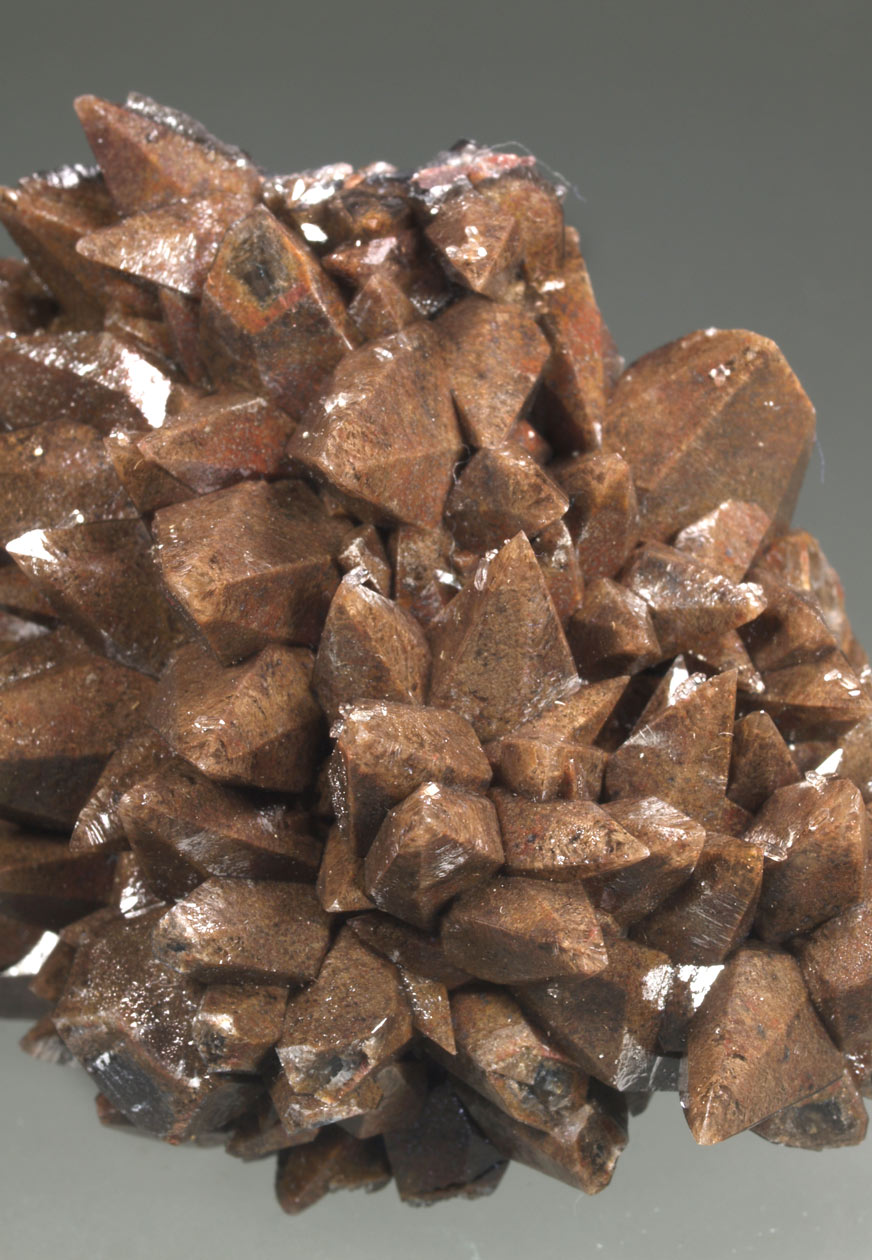
Group of very acute scalenohedral calcite crystals, well defined and with a brown colour due to inclusions. Thanks to some of these crystals that show exfoliation, we can observe that it has been formed in the final stages of their growth. From the A. Trigo collection (Mataró).