- Home About RM Minerals
- Virtual Photo Museum Blog RM Contact
- Microscopy and instruments How to Buy Disclaimer
Copyright 2010-2026
www.rosellminerals.com



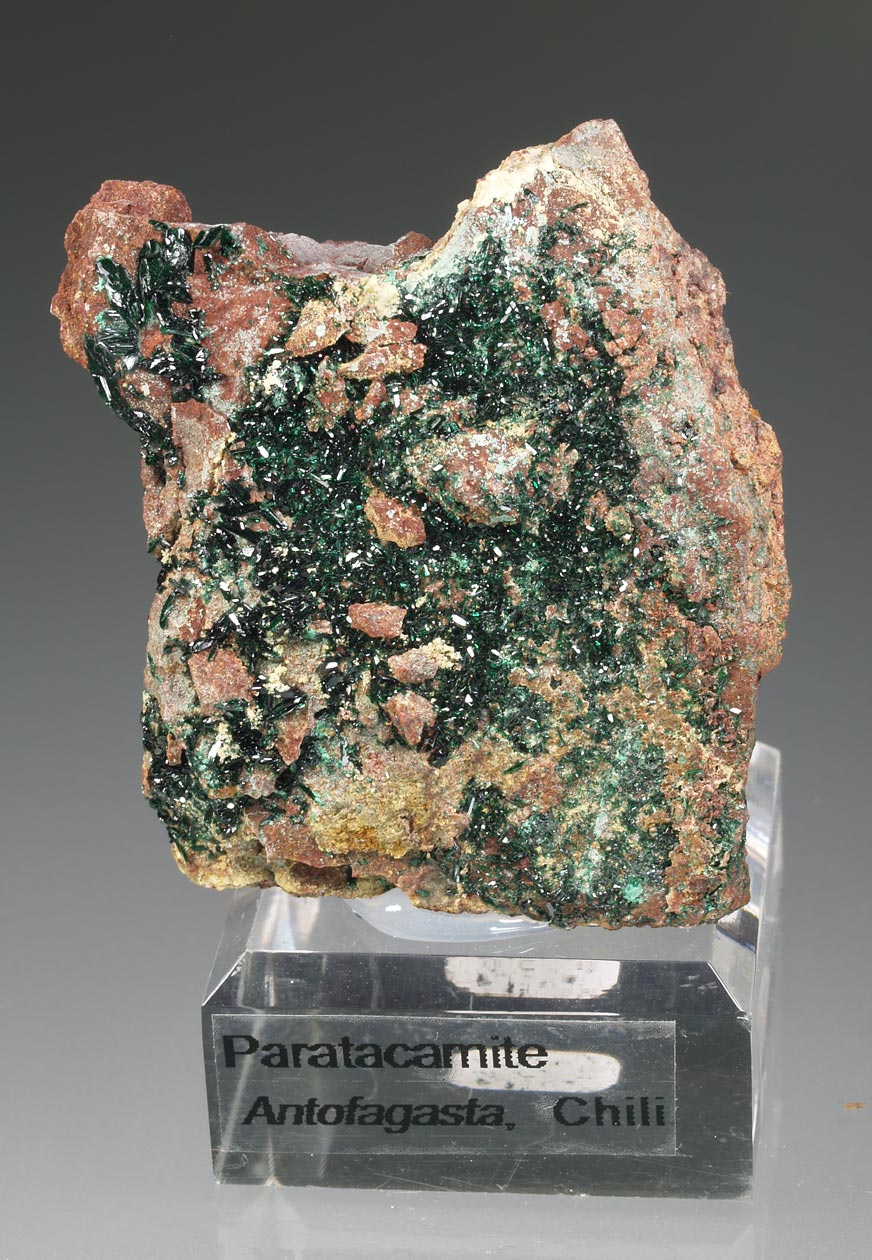
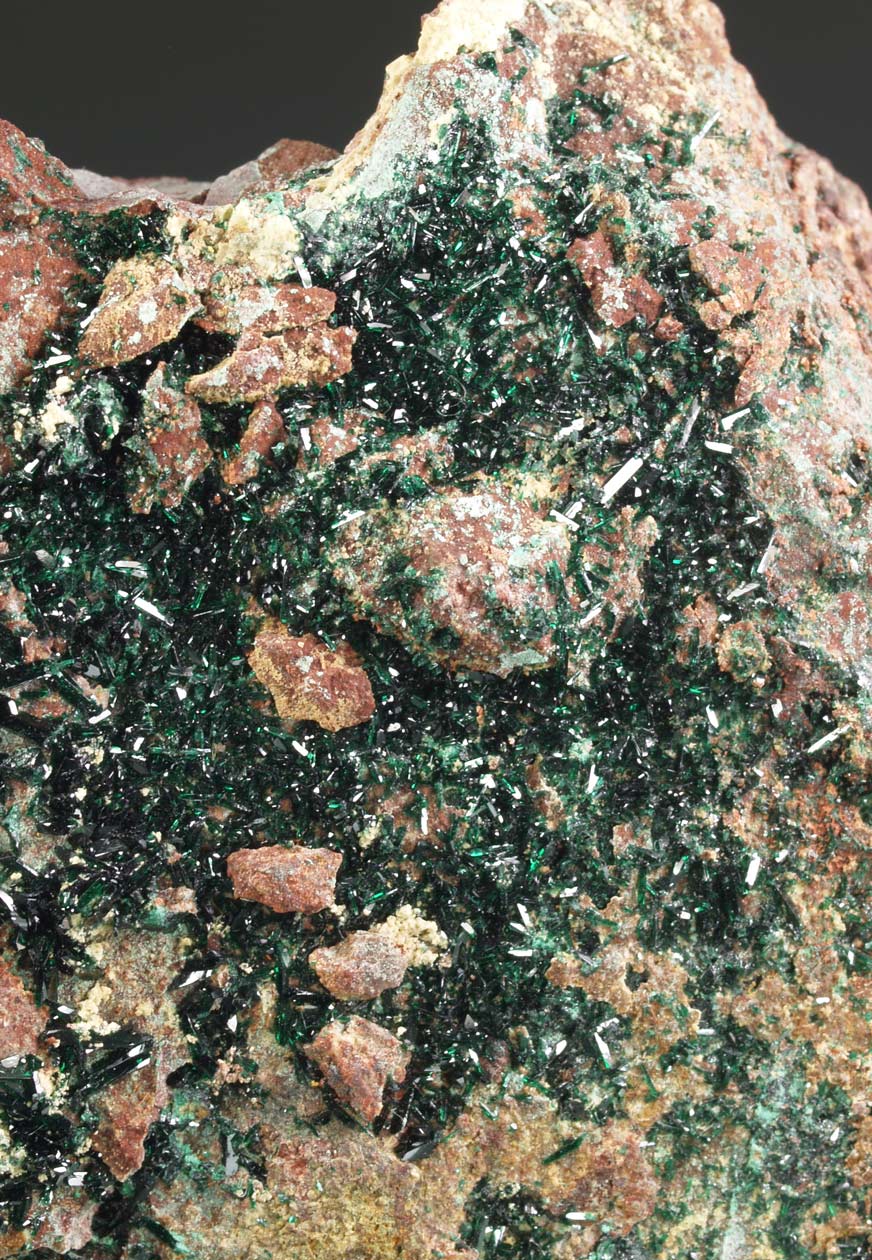
Intense green paratacamite crystals from a Chilean mine where the species has been well identified. The crystals are prismatic, sharp, lustrous, and transparent. A very good specimen for the species.
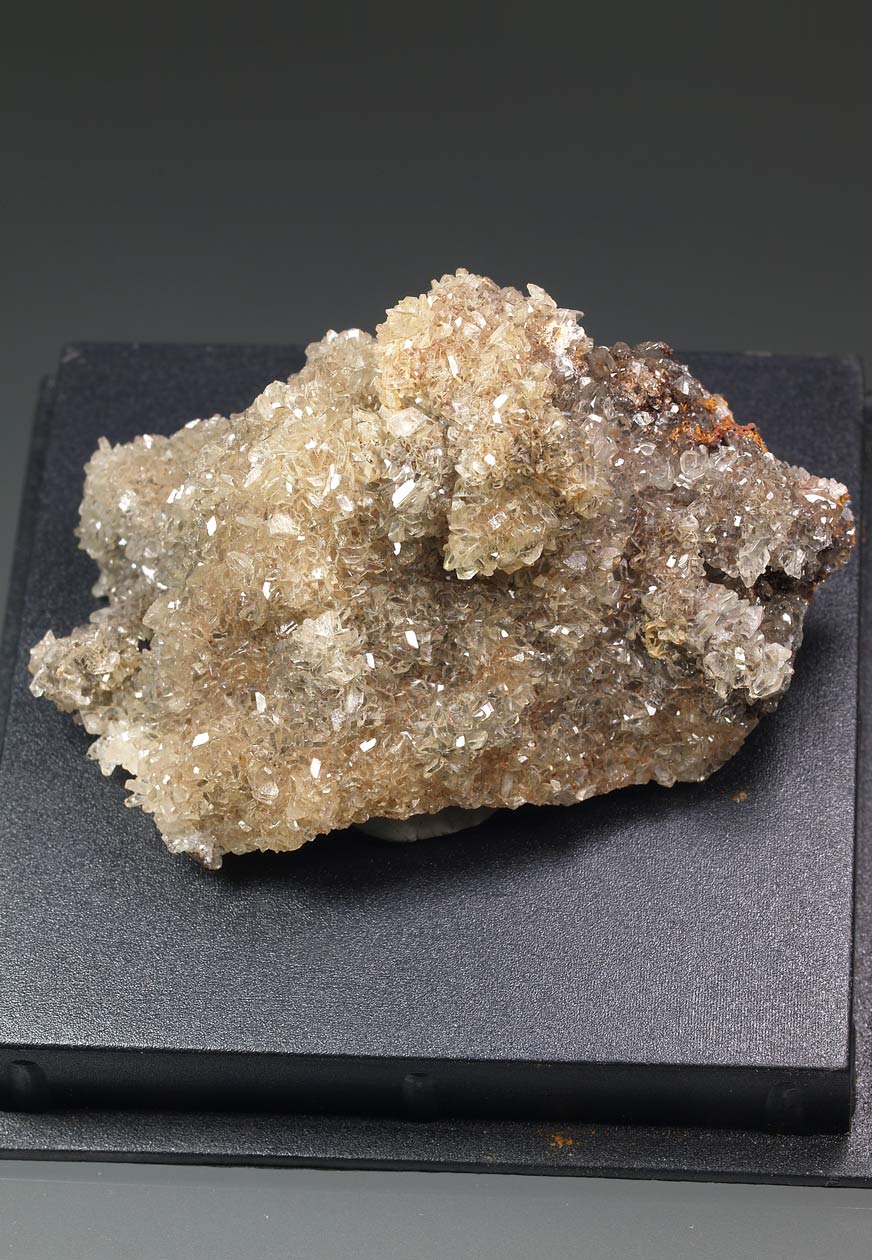
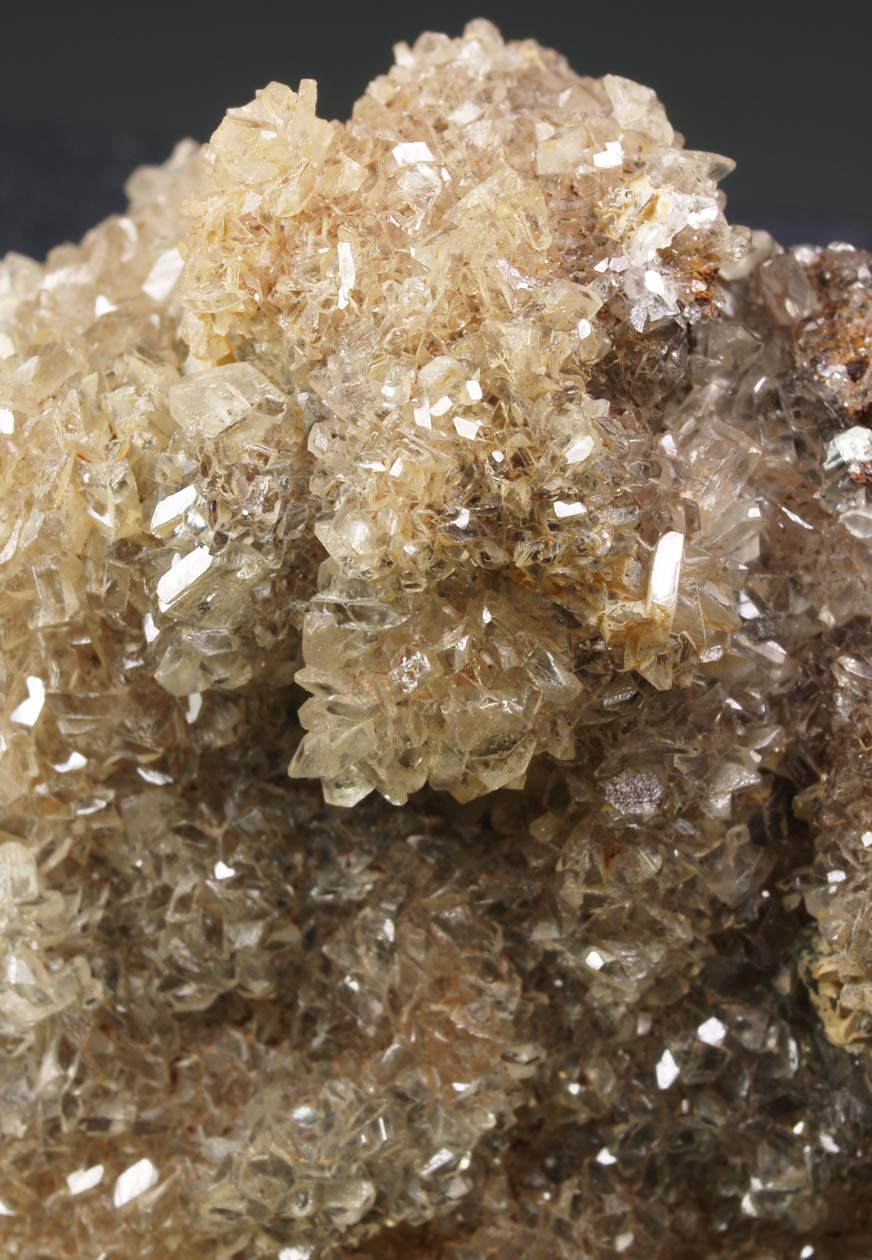
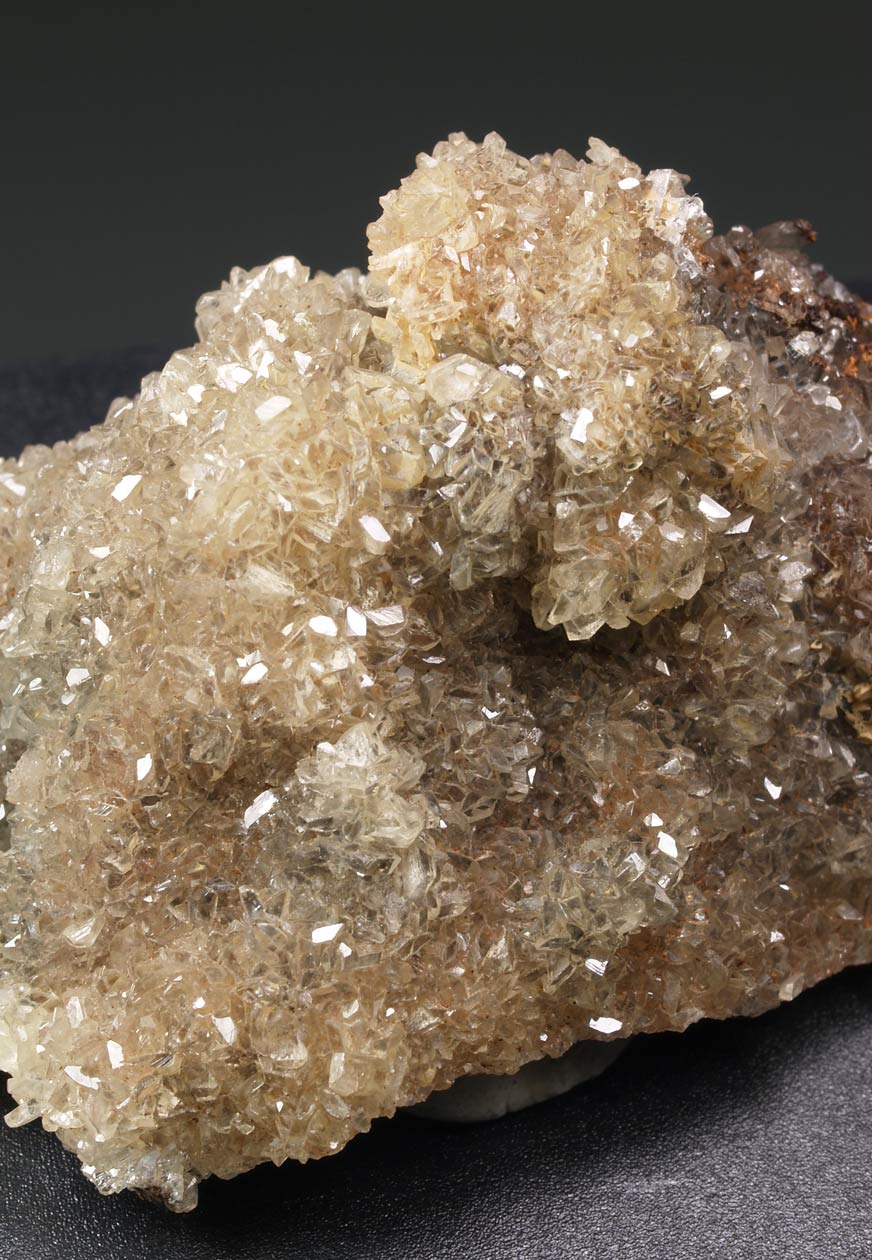
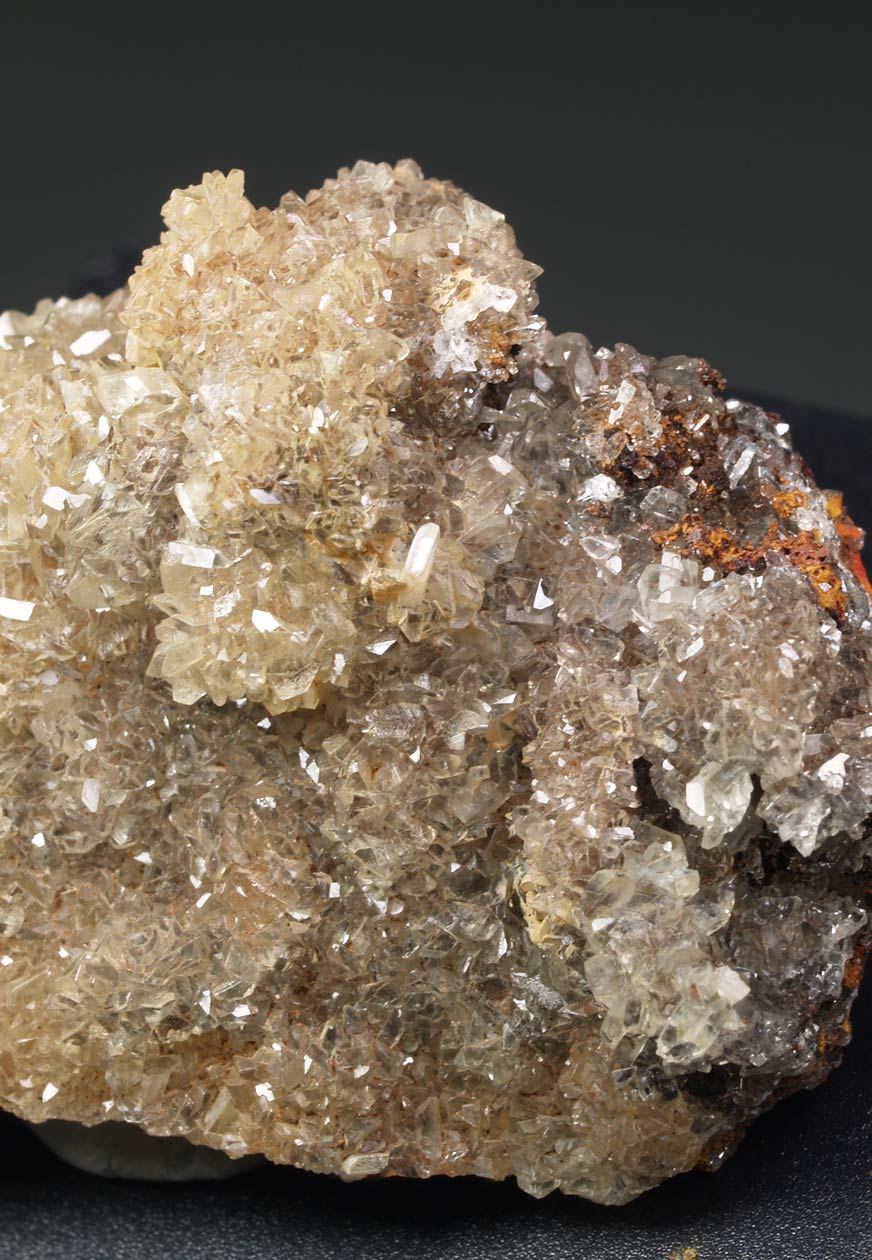
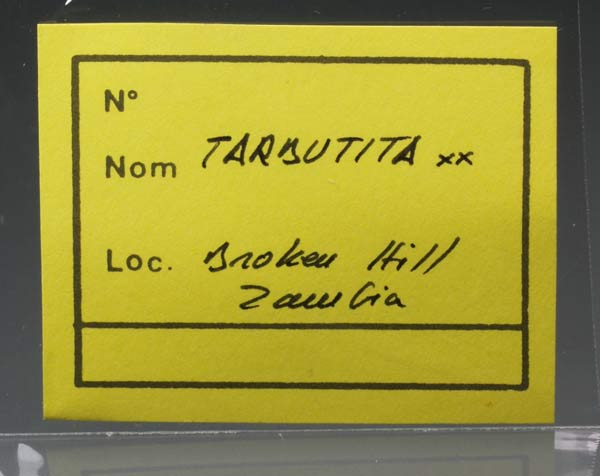
A rich druse formed by tarbuttite crystals, Zn₂(PO₄)(OH). They're very brilliant, transparent, and with well defined faces and edges. Kabwe is the type locality for the species. It was acquired from Dr. Viñals.
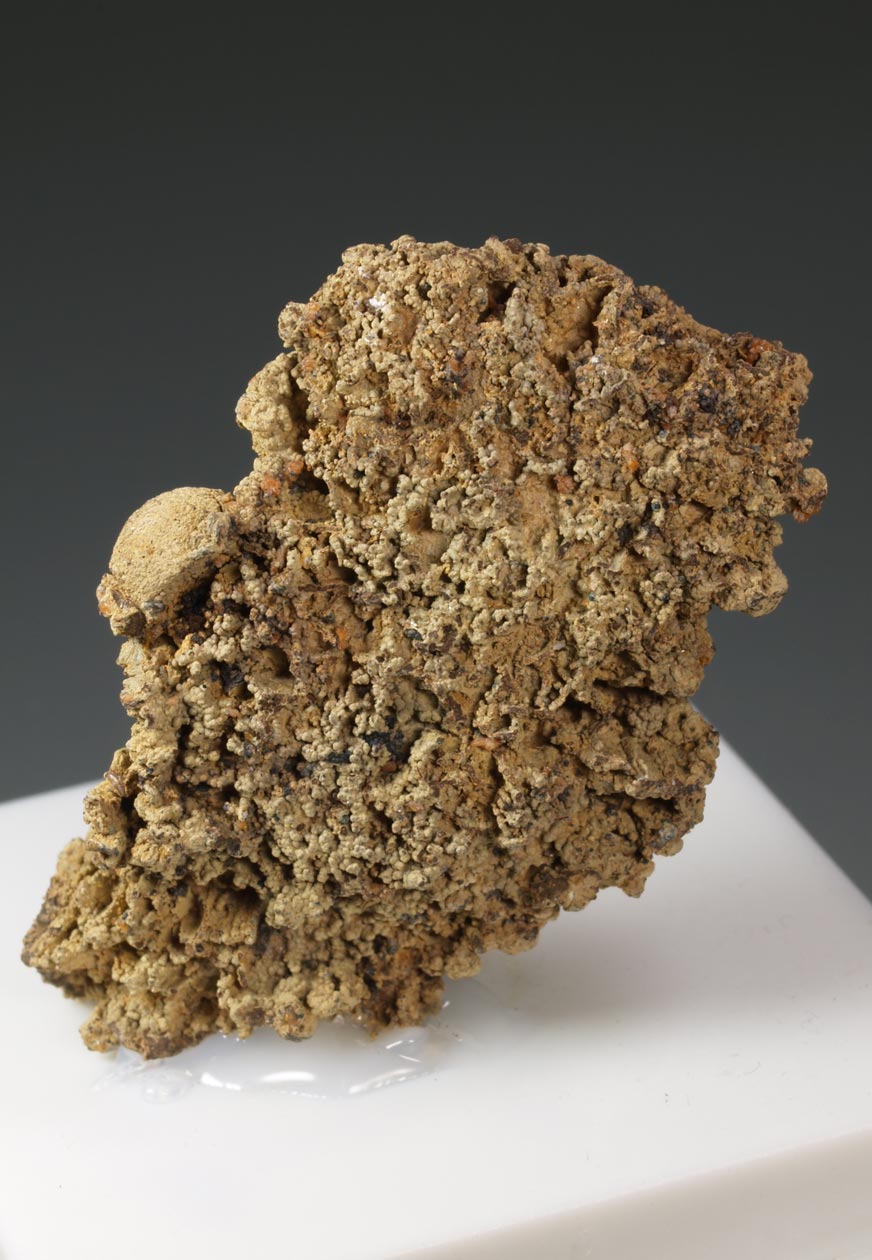
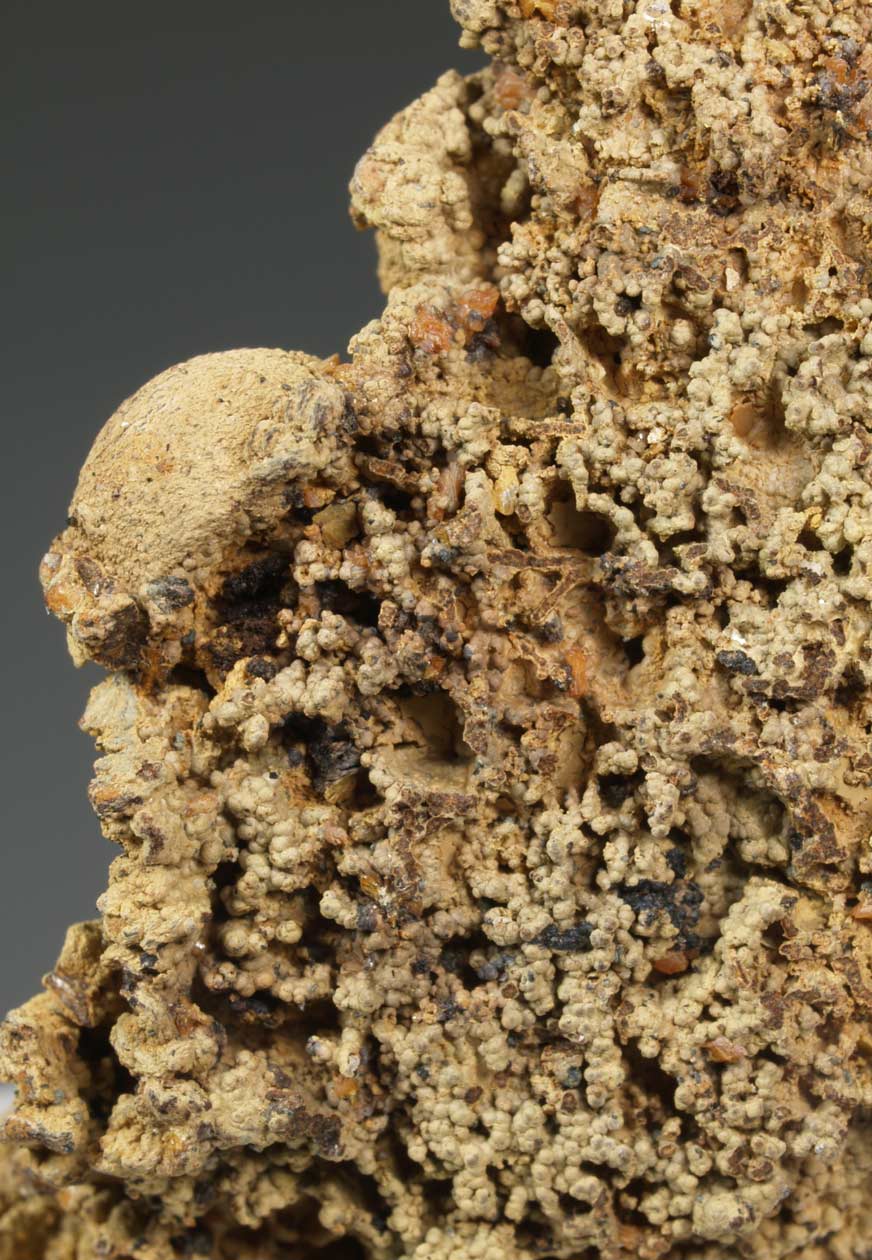
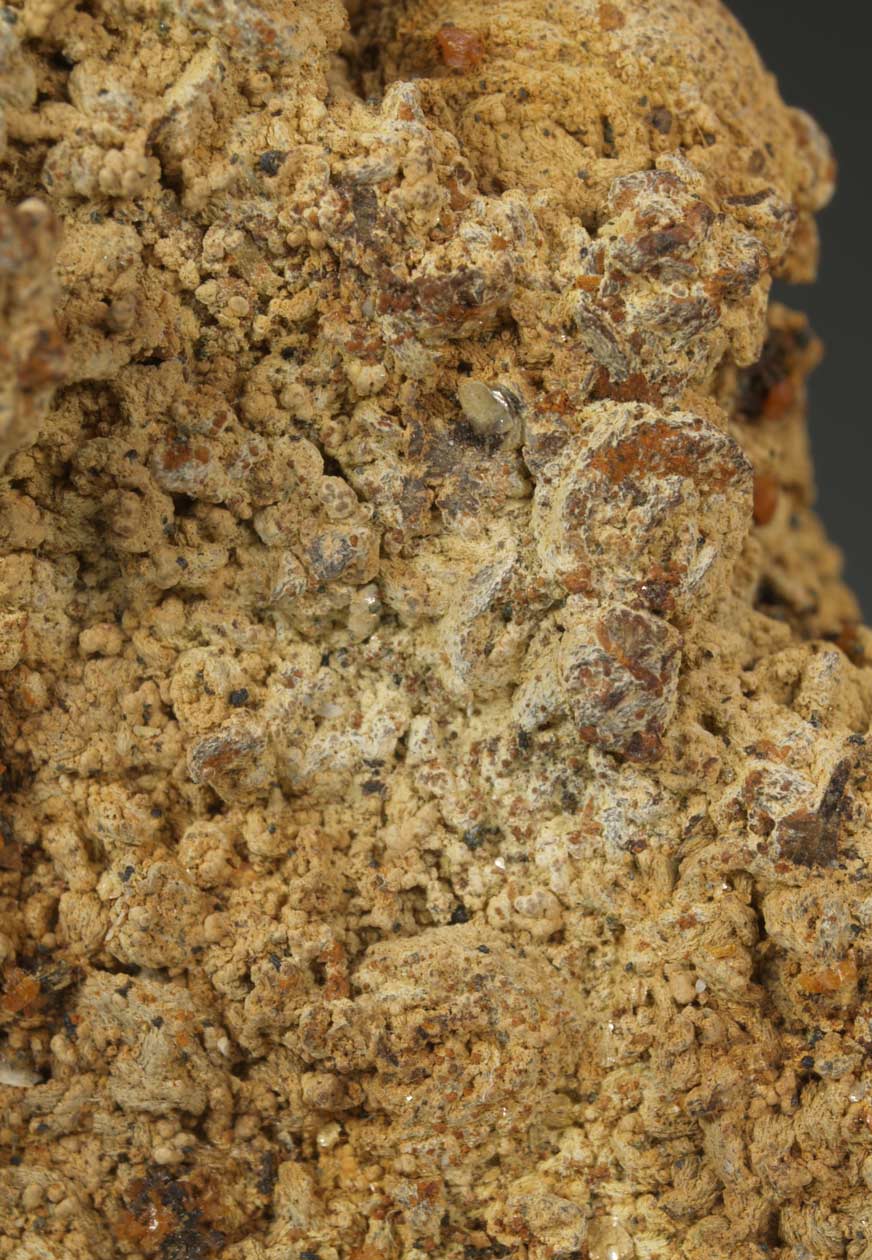
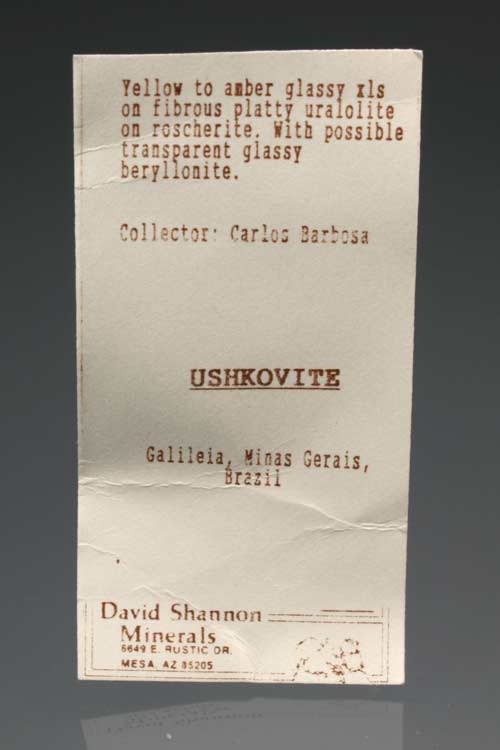
Specimen formed by various aggregates of sheaf-shaped ushkovite crystals, with a distinctive orange color. It is a rare phosphate with the formula MgFe³⁺₂(PO₄)₂(OH)₂·₈H₂O. They are arranged on a matrix of roscherite and rockbridgeite, with white crusts of uralolite and possibly small colorless beryllonite crystals. A very interesting specimen due to the rarity of the minerals present.
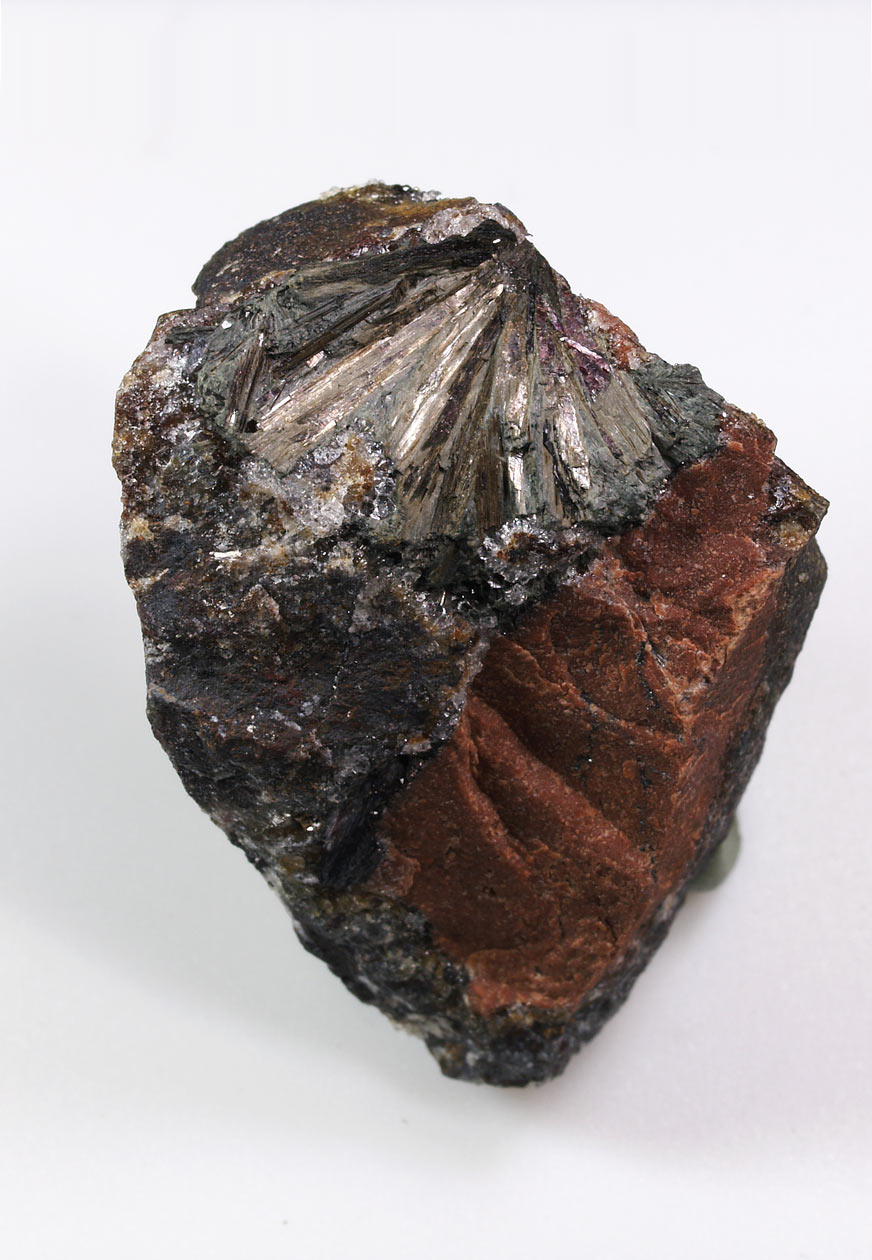
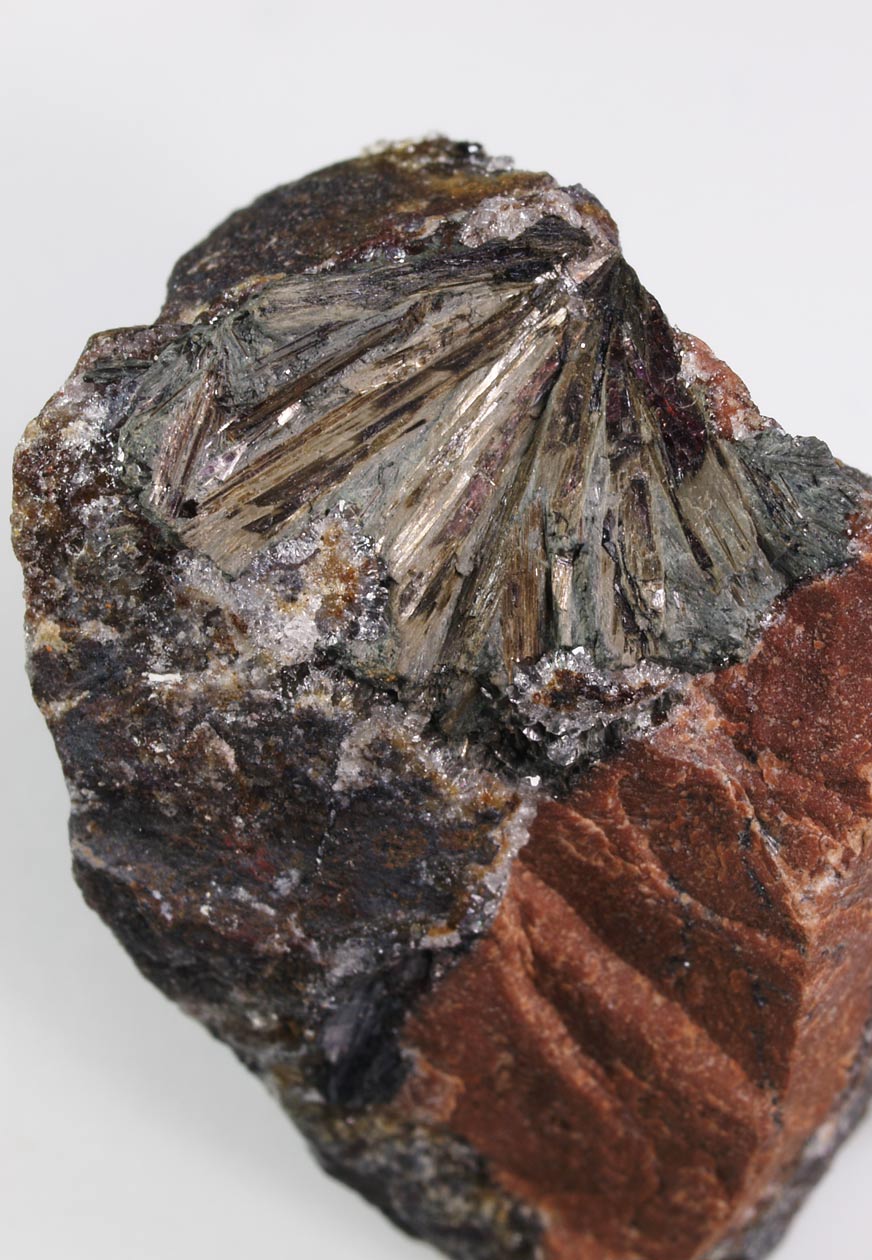
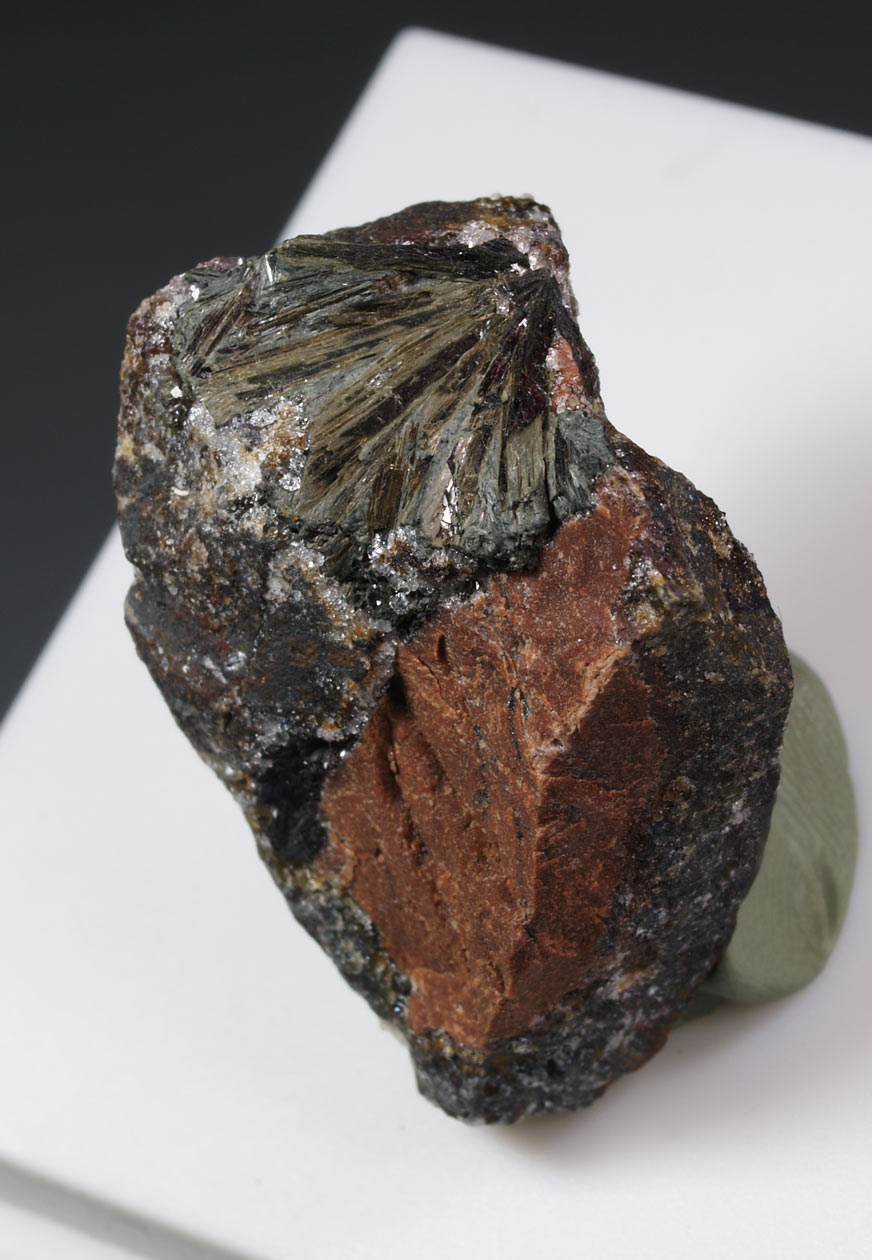
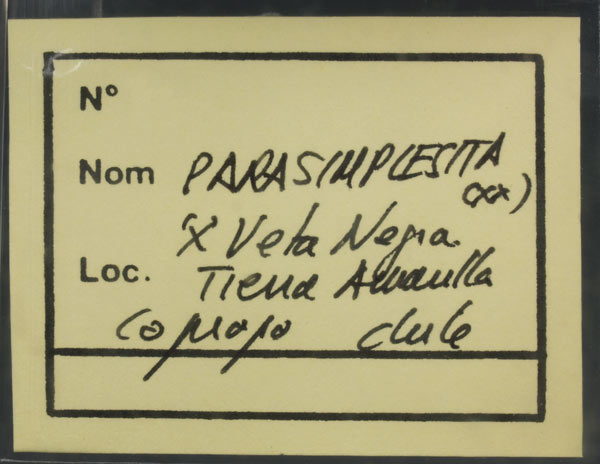
These specimens were acquired and identified by the remembered Dr. Joan Viñals (1951-2013), who brought them back from a trip to Chile in the early 2000s. We can see radial aggregates of parasymplesite, Fe²⁺₃(AsO₄)₂·8H₂O, which, according to the label, are intensely lustrous and blue-green in color. They are most likely accompanied by symplesite. A representative specimen from the E. Nicolau collection (Barcelona).
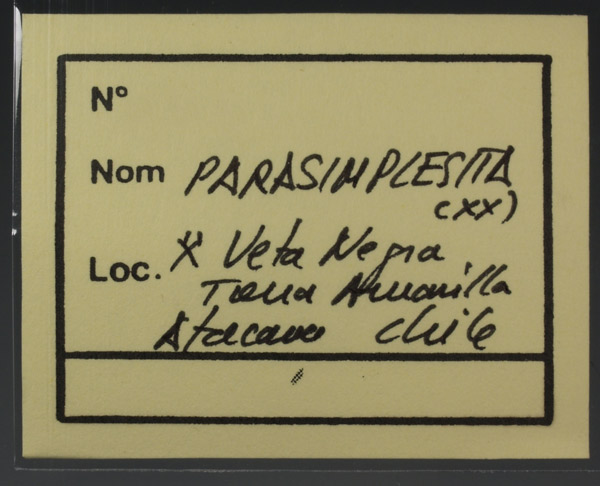
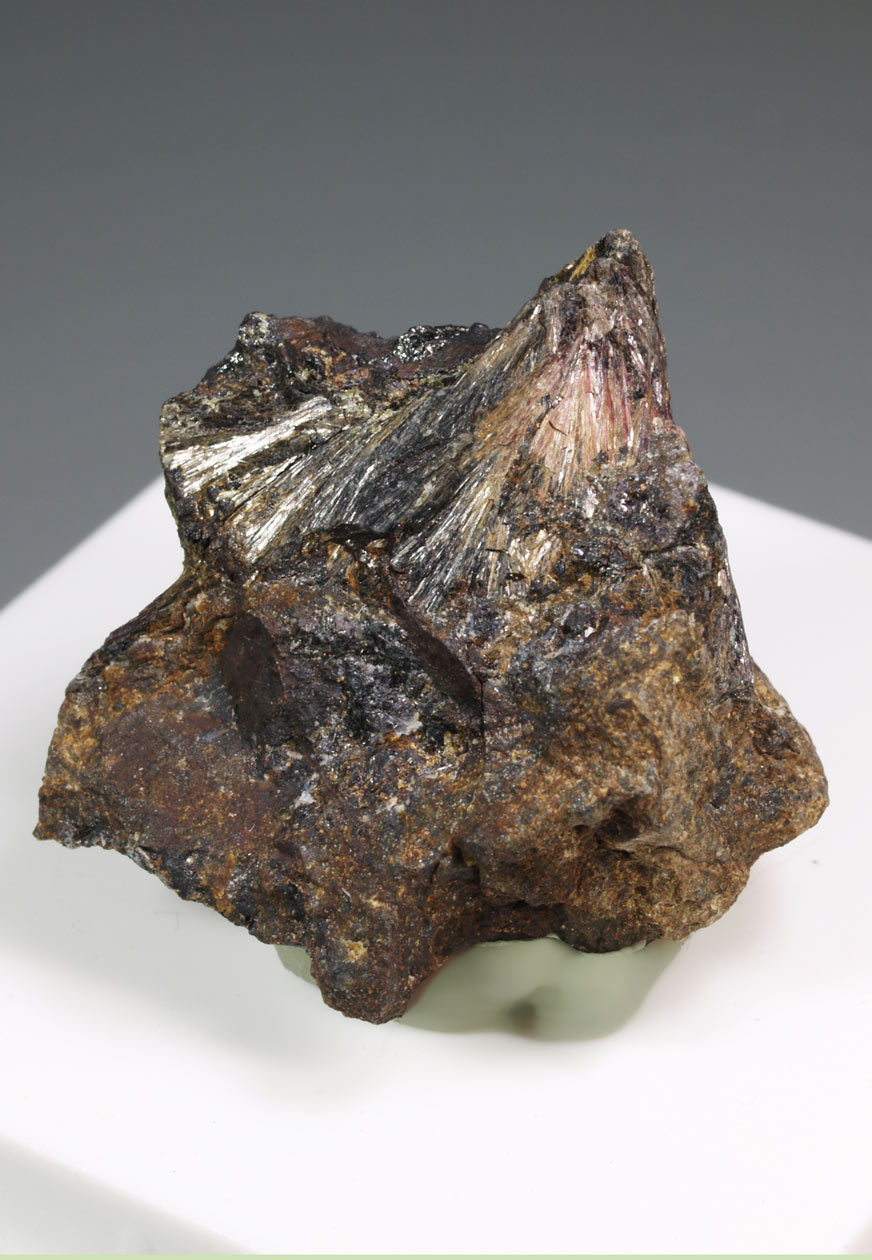
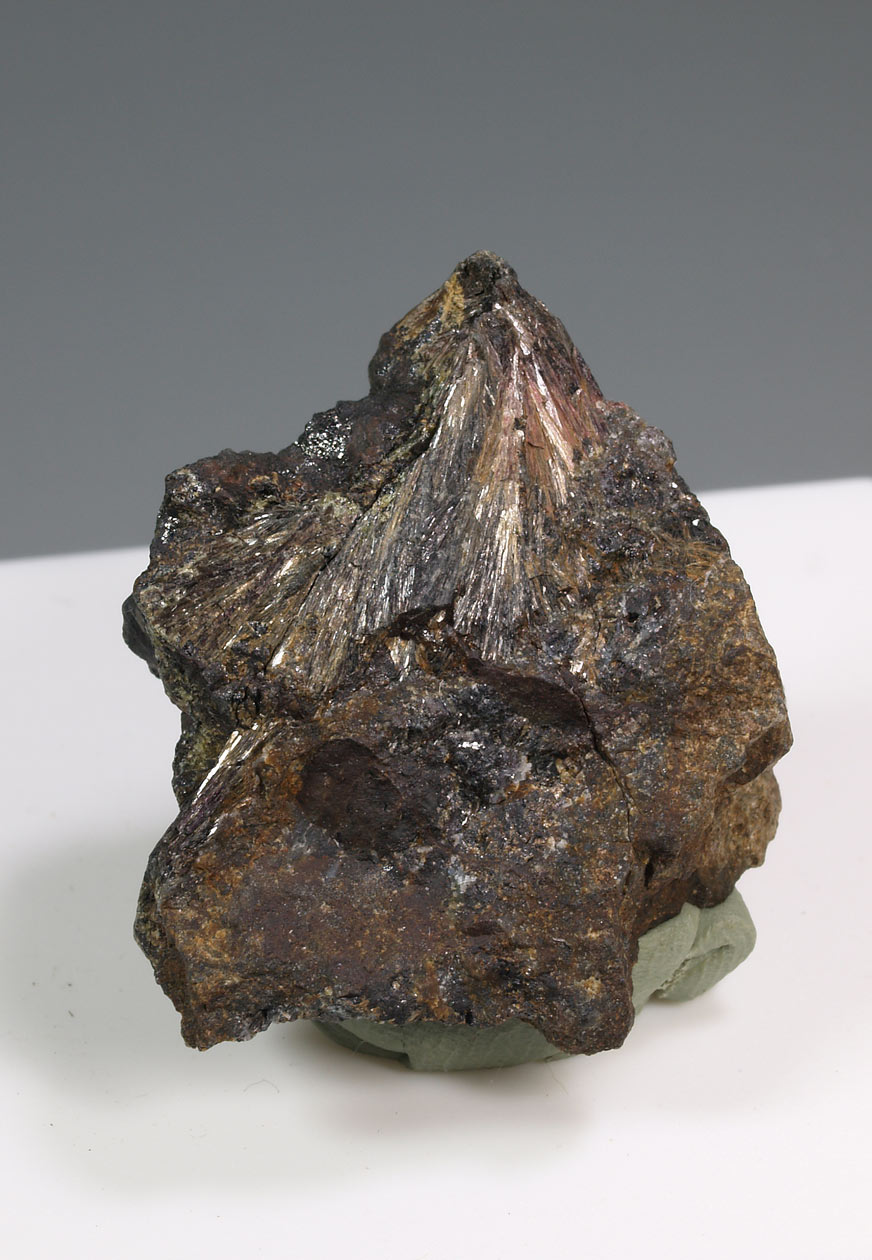
These specimens were acquired and identified by the remembered Dr. Joan Viñals (1951-2013), who brought them back from a trip to Chile in the early 2000s. We can see radial aggregates of parasymplesite, Fe²⁺₃(AsO₄)₂·8H₂O, which, according to the label, are intensely lustrous and blue-green in color. They are most likely accompanied by symplesite. A representative specimen from the E. Nicolau collection (Barcelona).
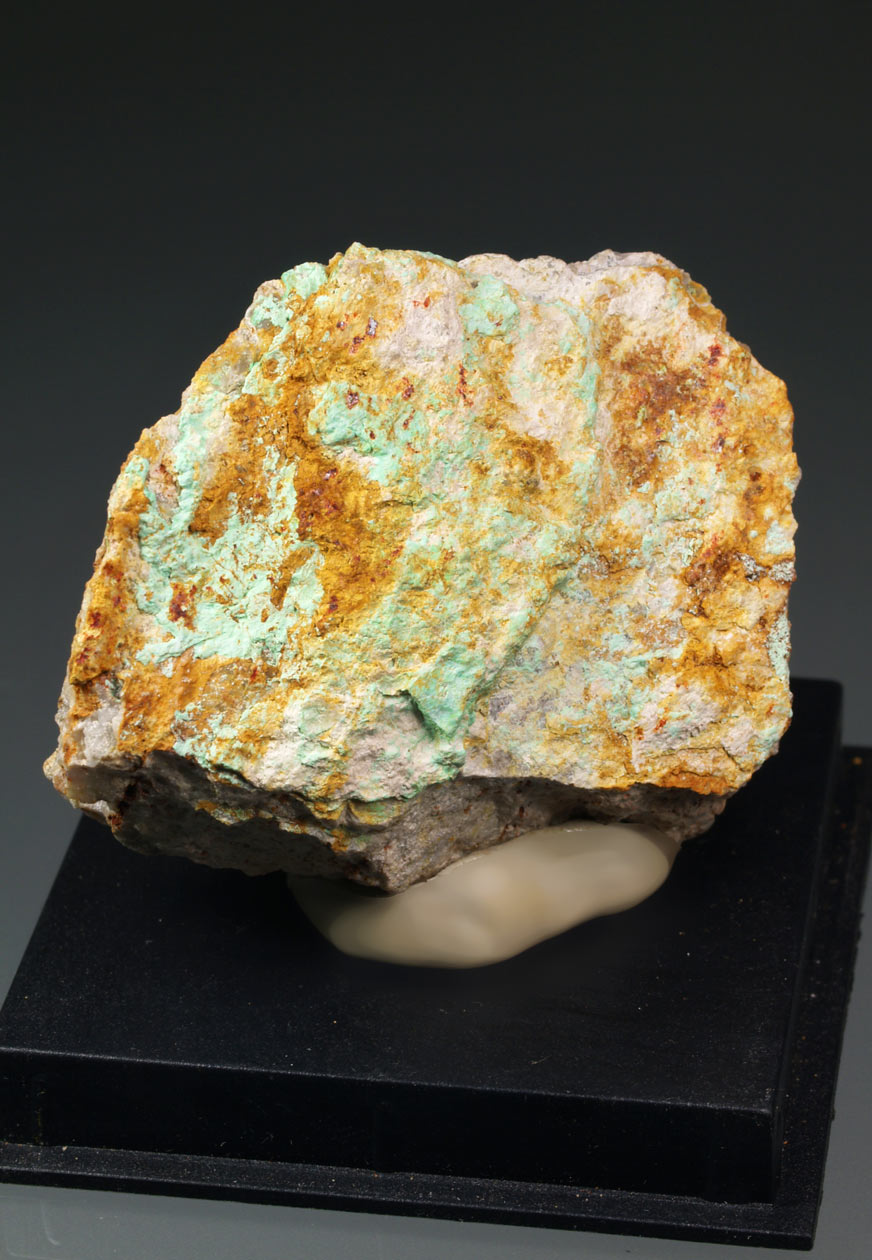
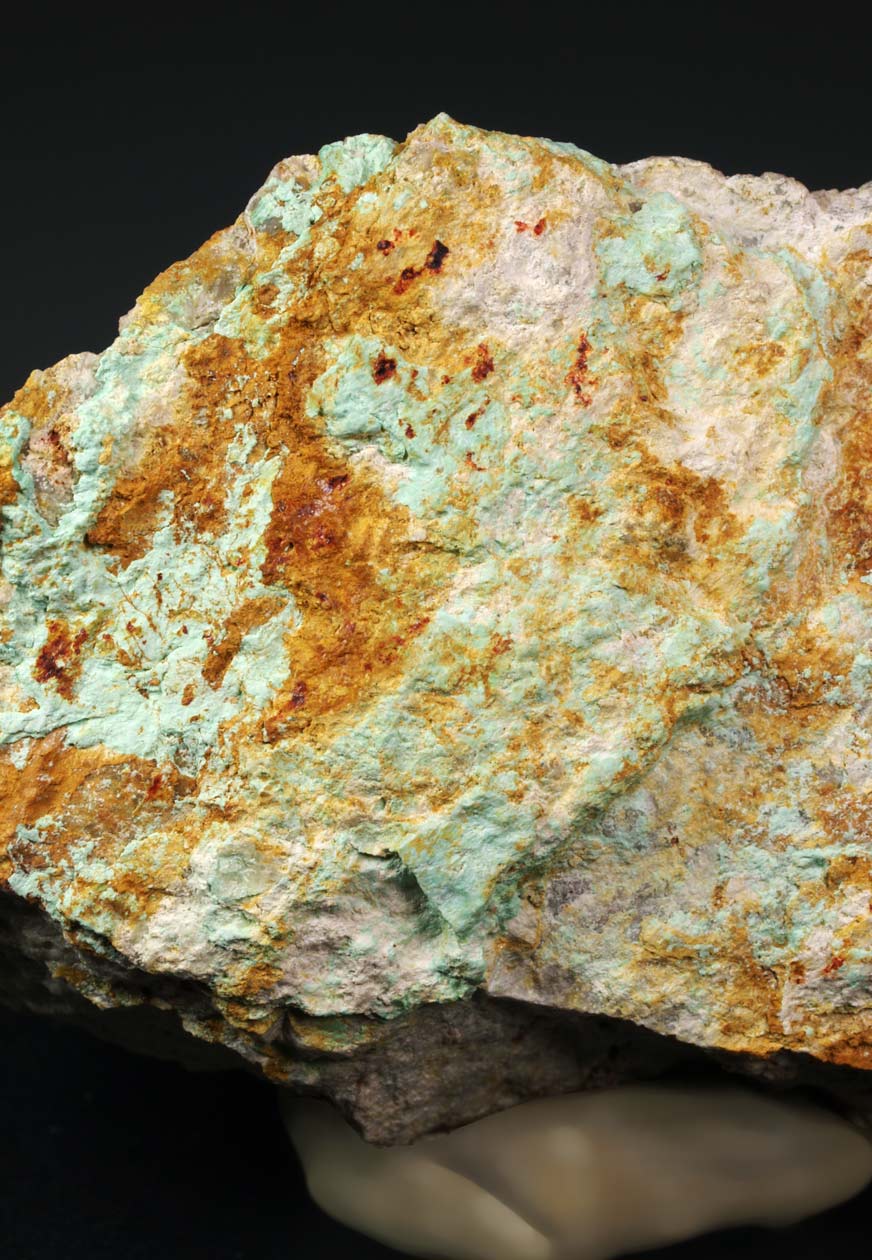
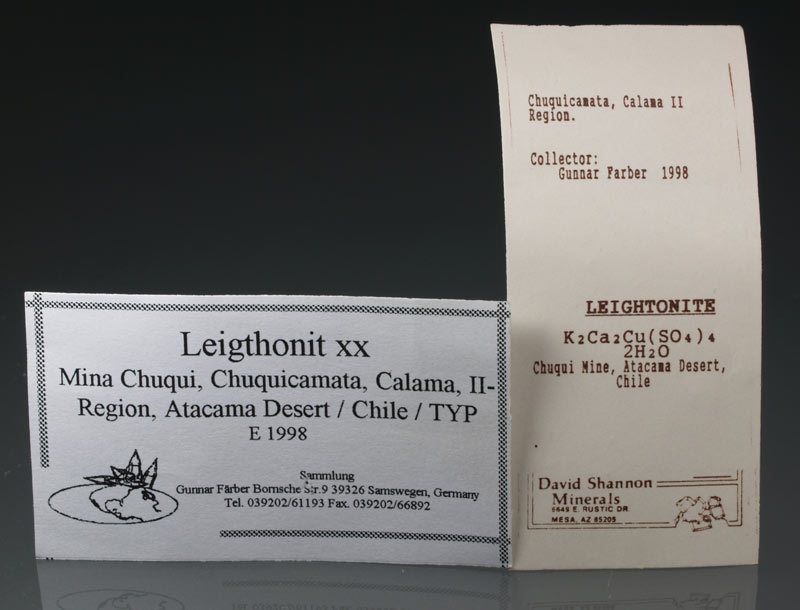
Leightonite is a rare copper sulfate with calcium and potassium, K₂Ca₂Cu(SO₄)₄·2H₂O, formed in arid climates, as is the case with this specimen from the type locality of Chuquicamata mine in Chile. This specimen shows various greenish areas of this mineral. The specimen was collected by mineral dealer G. Farber in 1988, and later acquired from David Shannon by Catalan collector E. Nicolau.
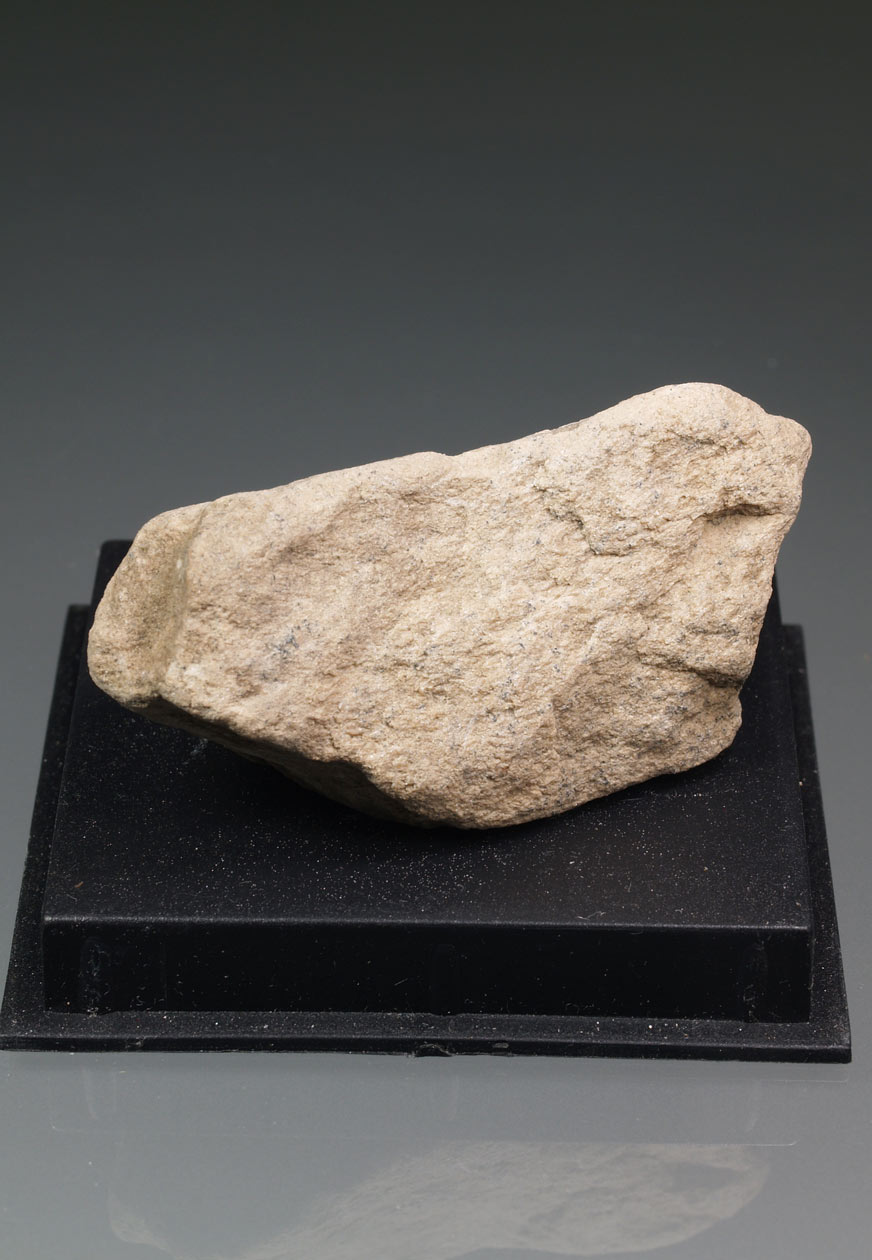
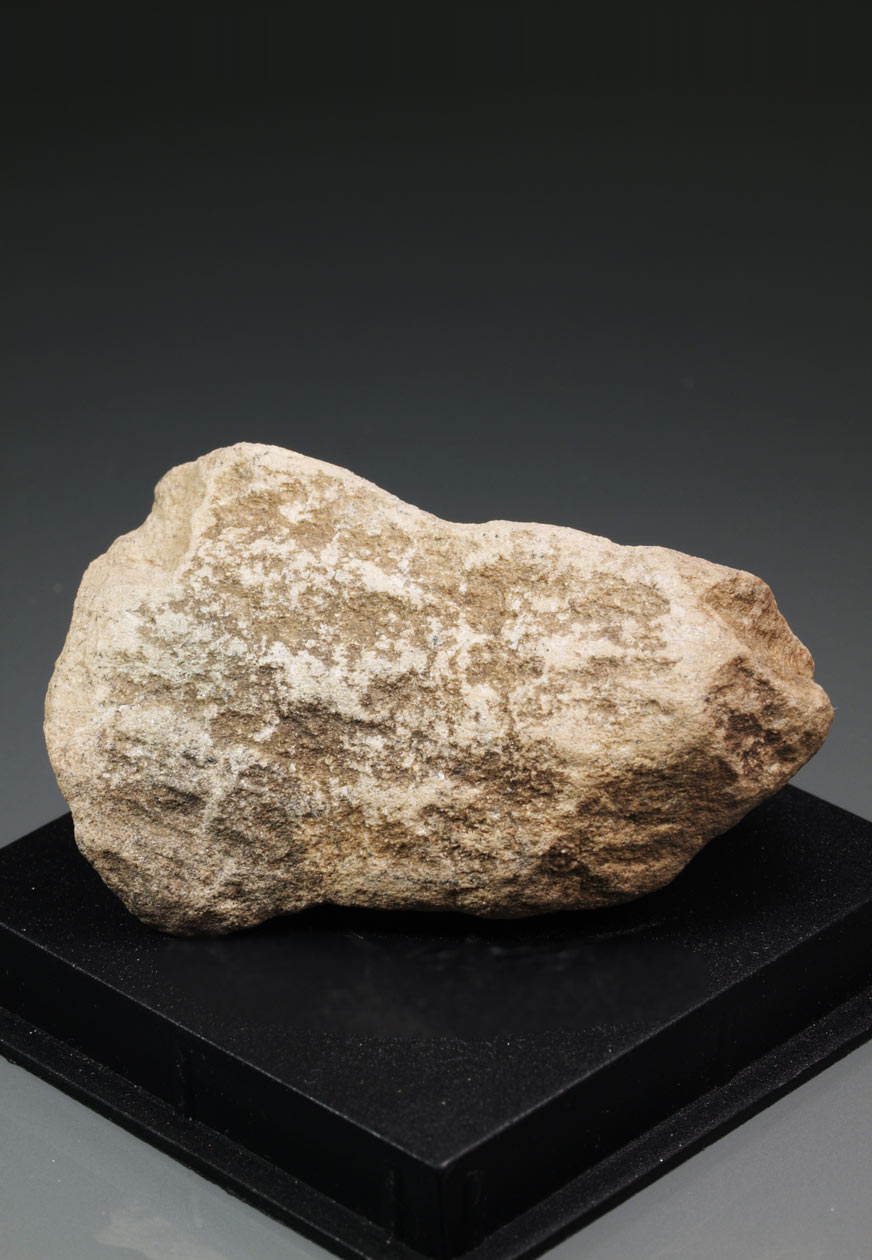
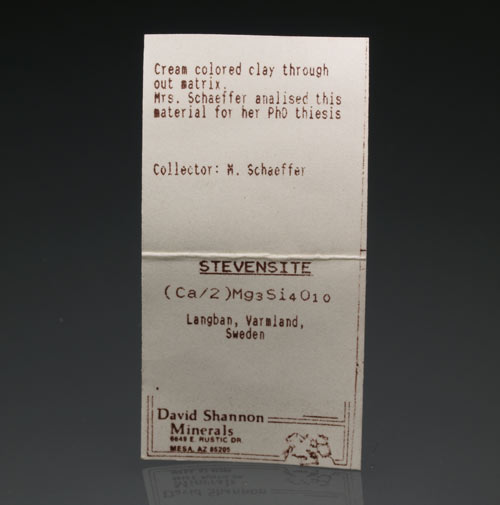
This mineral species was first identified in Bergen Hill, New Jersey (USA). Stevensite is a rare phyllosilicate of the smectite group, with the formula (Ca,Na)xMg₃-x(Si₄O₁₀)(OH)₂. With black todorokite. This is an early specimen from Långban, Sweden. A systematic curiosity acquired from Shannon by E. Nicolau (Barcelona).
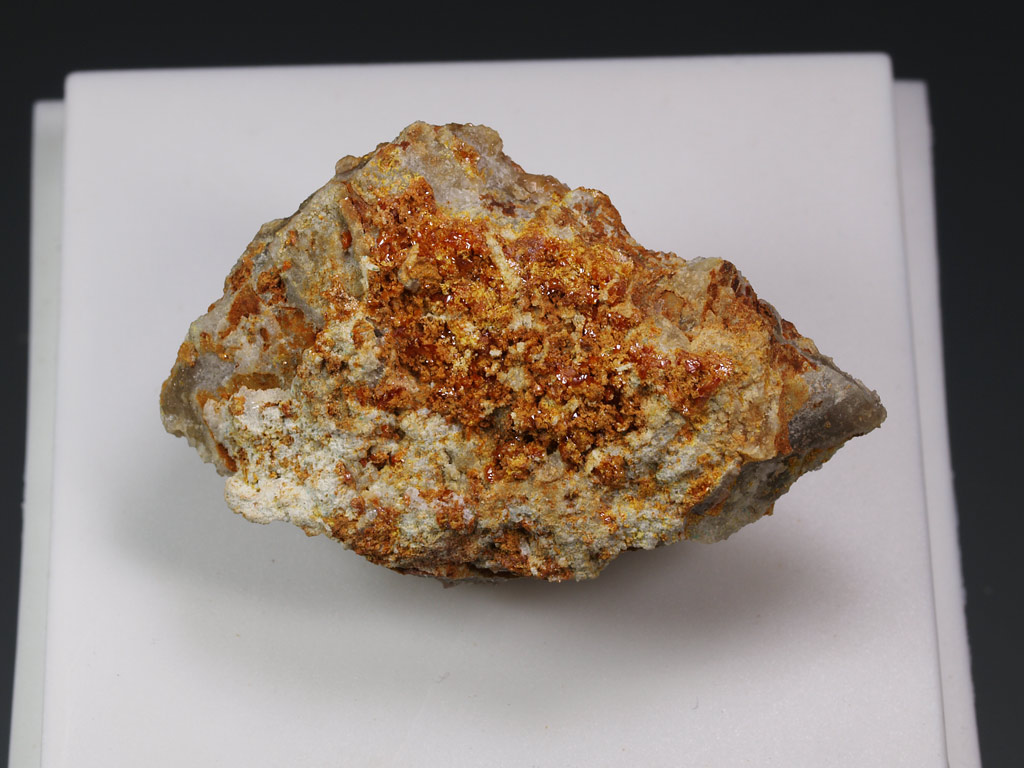
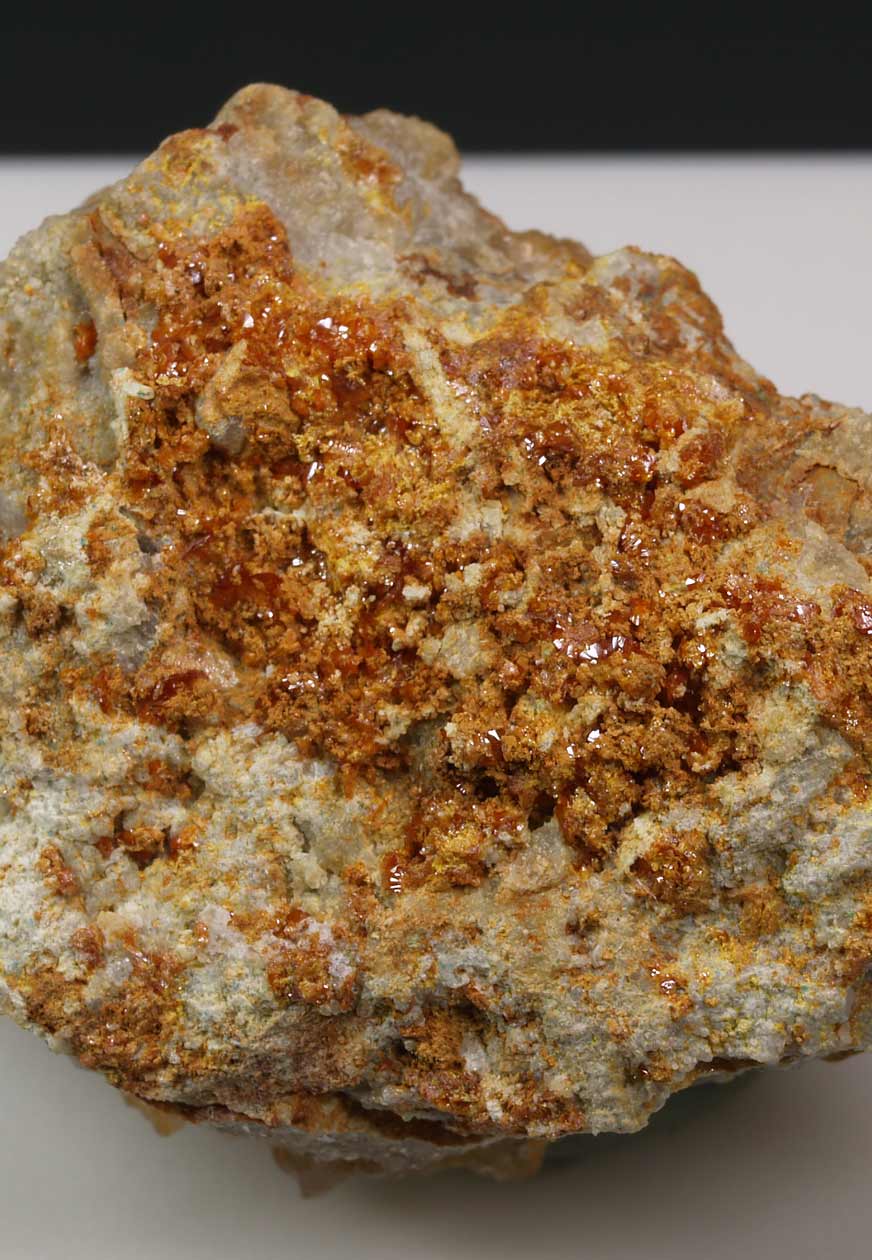
Rich clusters of sharp schwartzembergite orange lenticular crystals. It is a very rare lead cloroiodate, Pb₅H₂(IO₂)O₄Cl₃. Under magnification we can see some percylite bluish aggregates. It is one of the specimens those remembered Dr. Joan Viñals (1951-2013) brought and studied from his trip to Chile in beginning of 2000's. This specimen comes from the E. Nicolau collection (Barcelona).
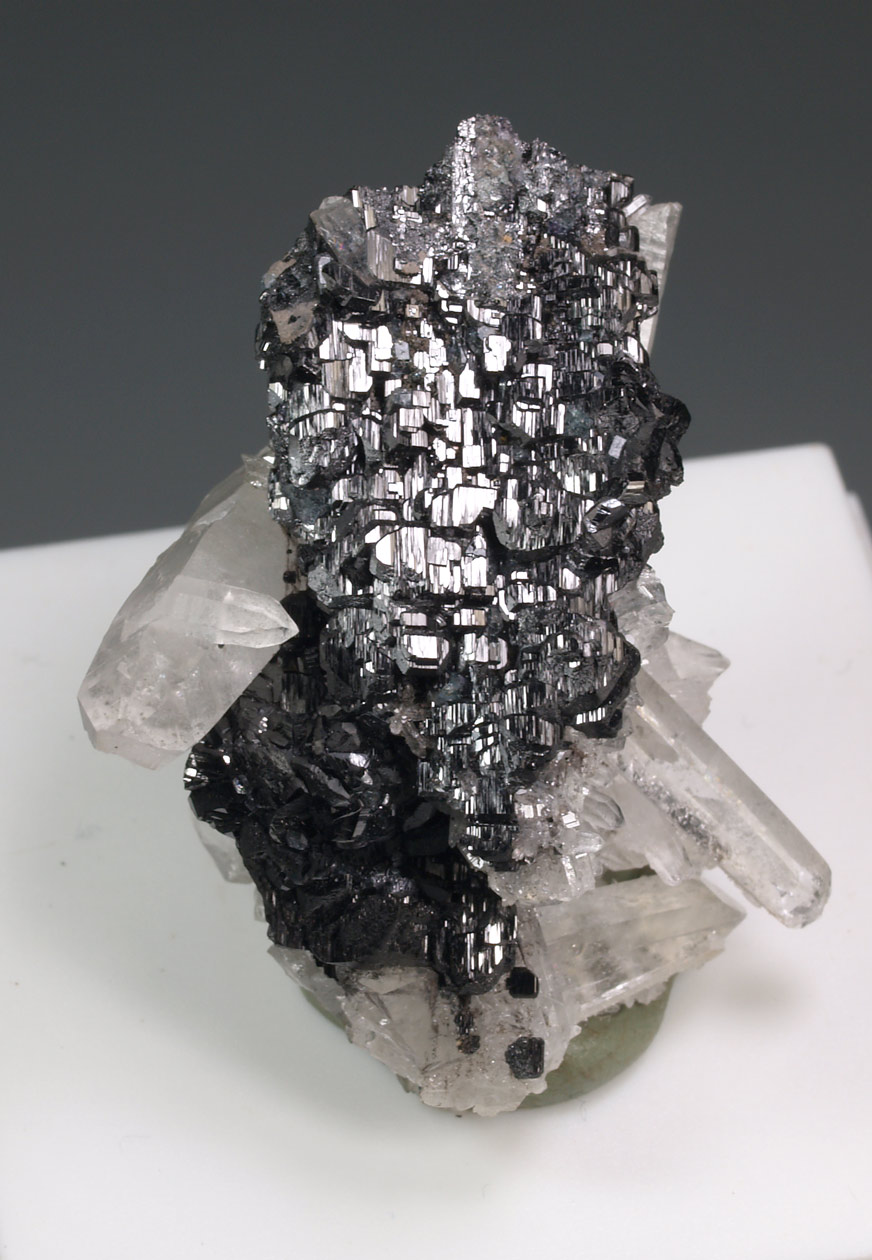
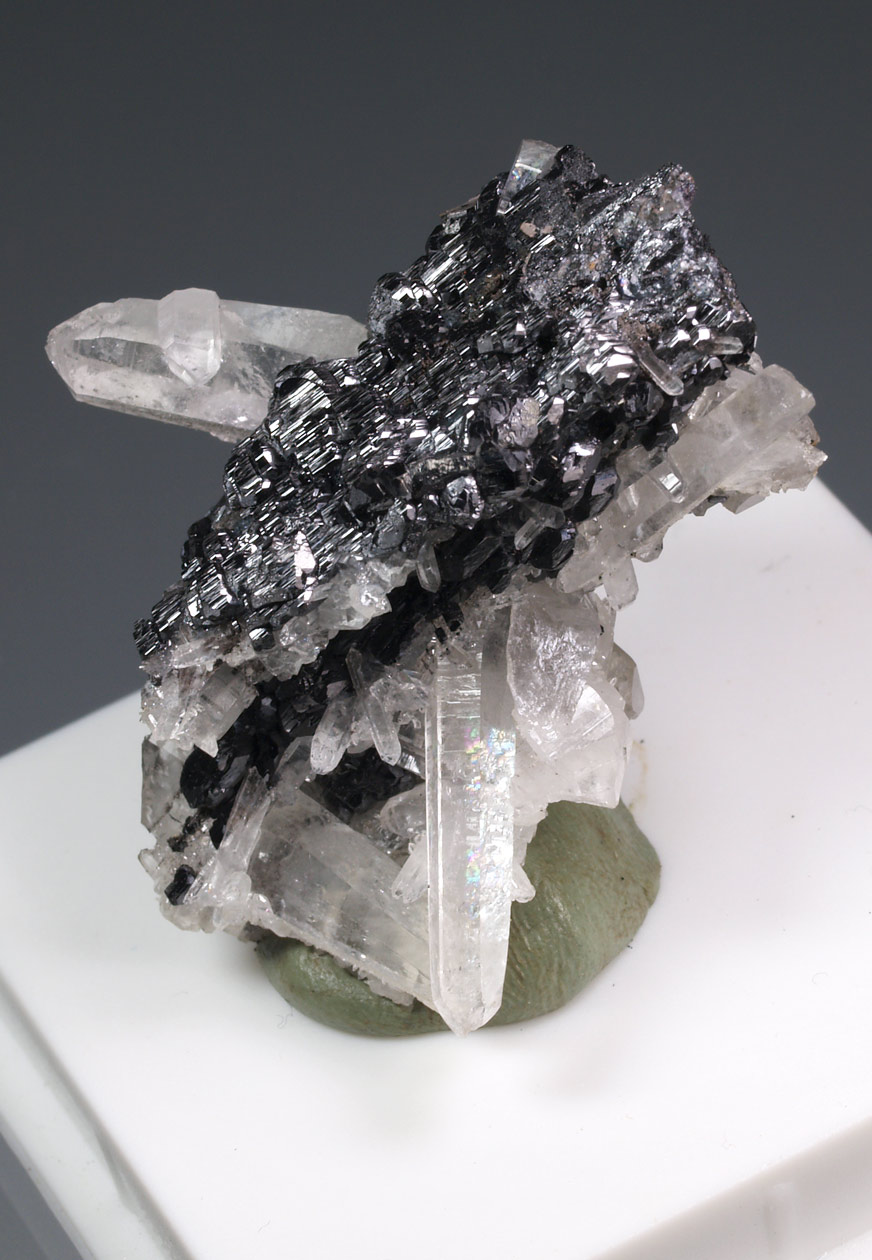
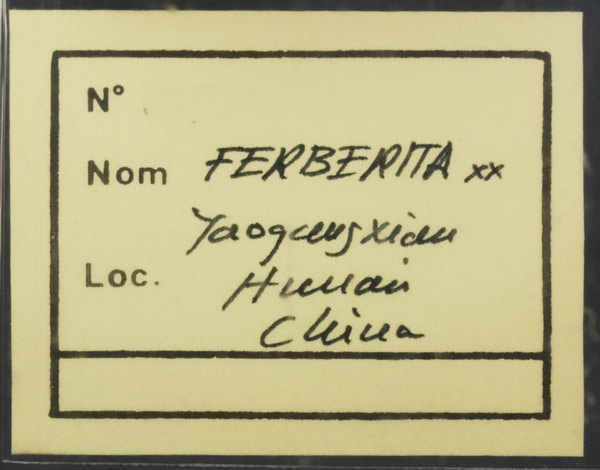
In this specimen, we can see numerous tabular ferberite crystals with a very unusual orientated parallel growth. Very lustrous and intensely black in color, they are arranged on a matrix of clear quartz crystals. This specimen comes from the Nicolau collection (Barcelona) and was acquired from Dr. Joan Viñals.
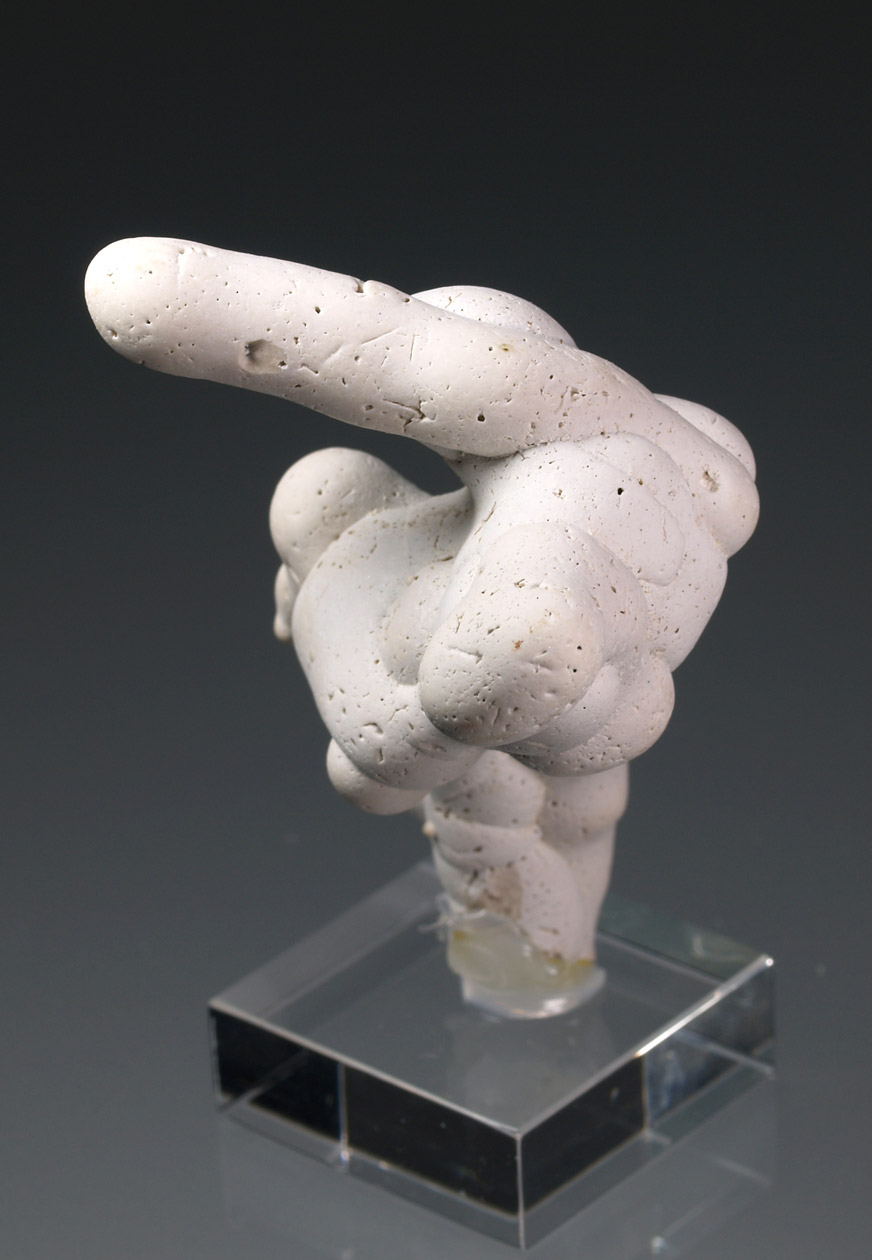
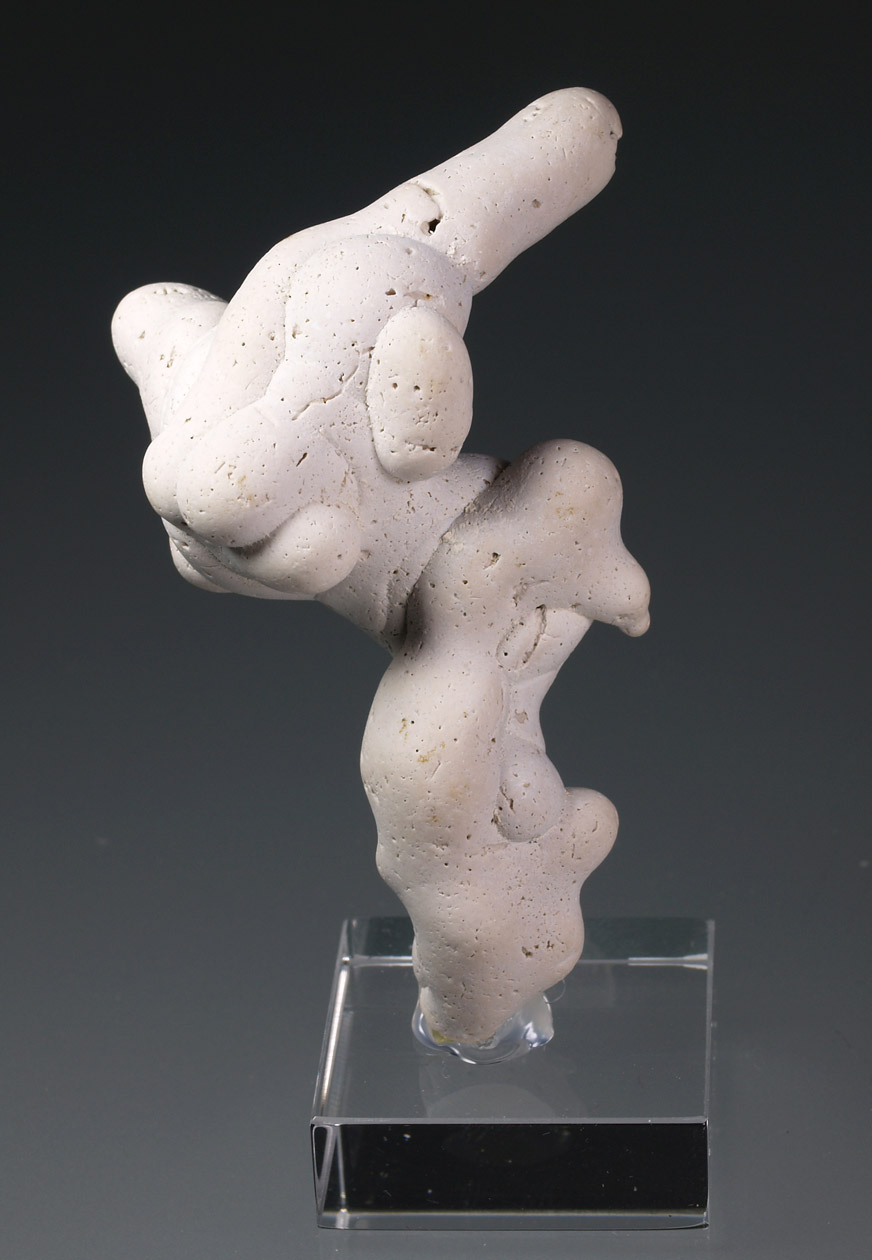
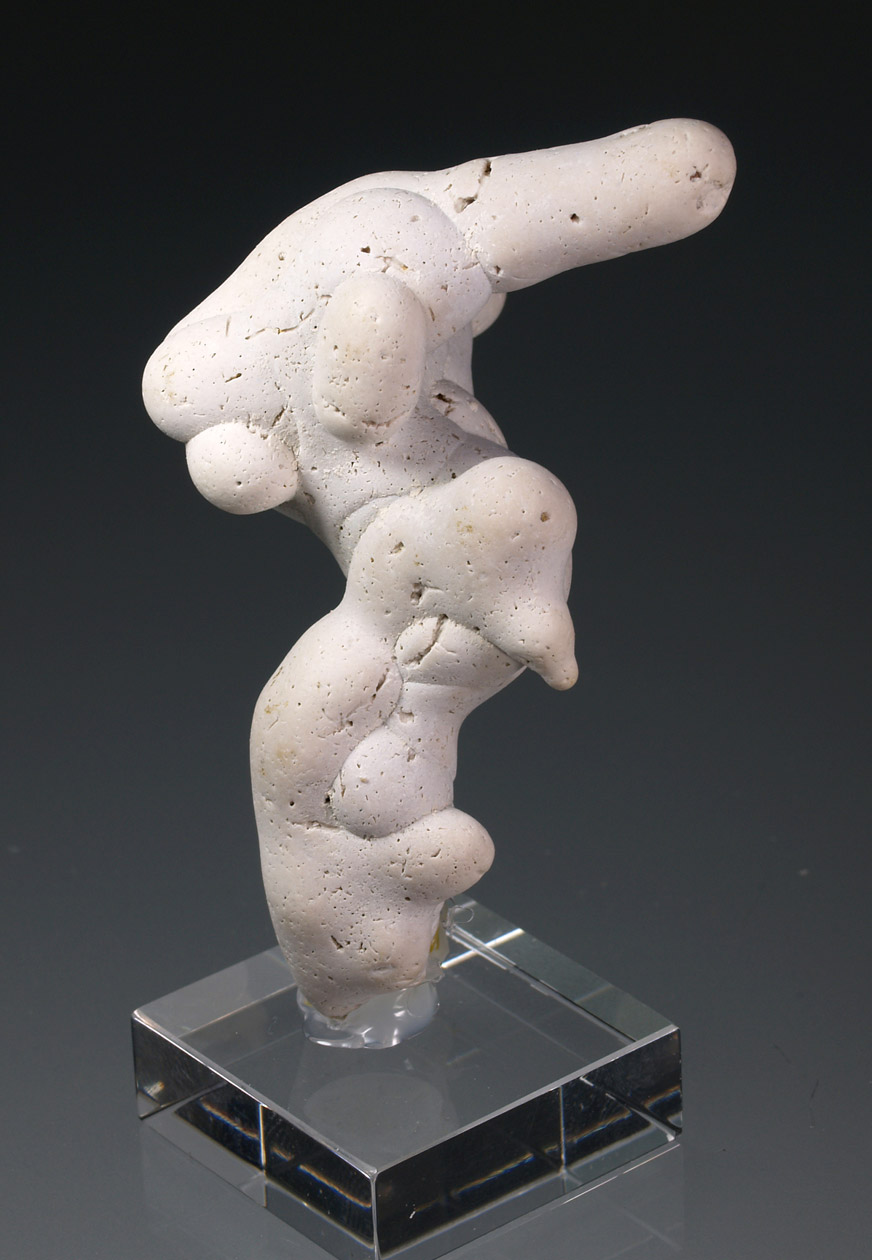
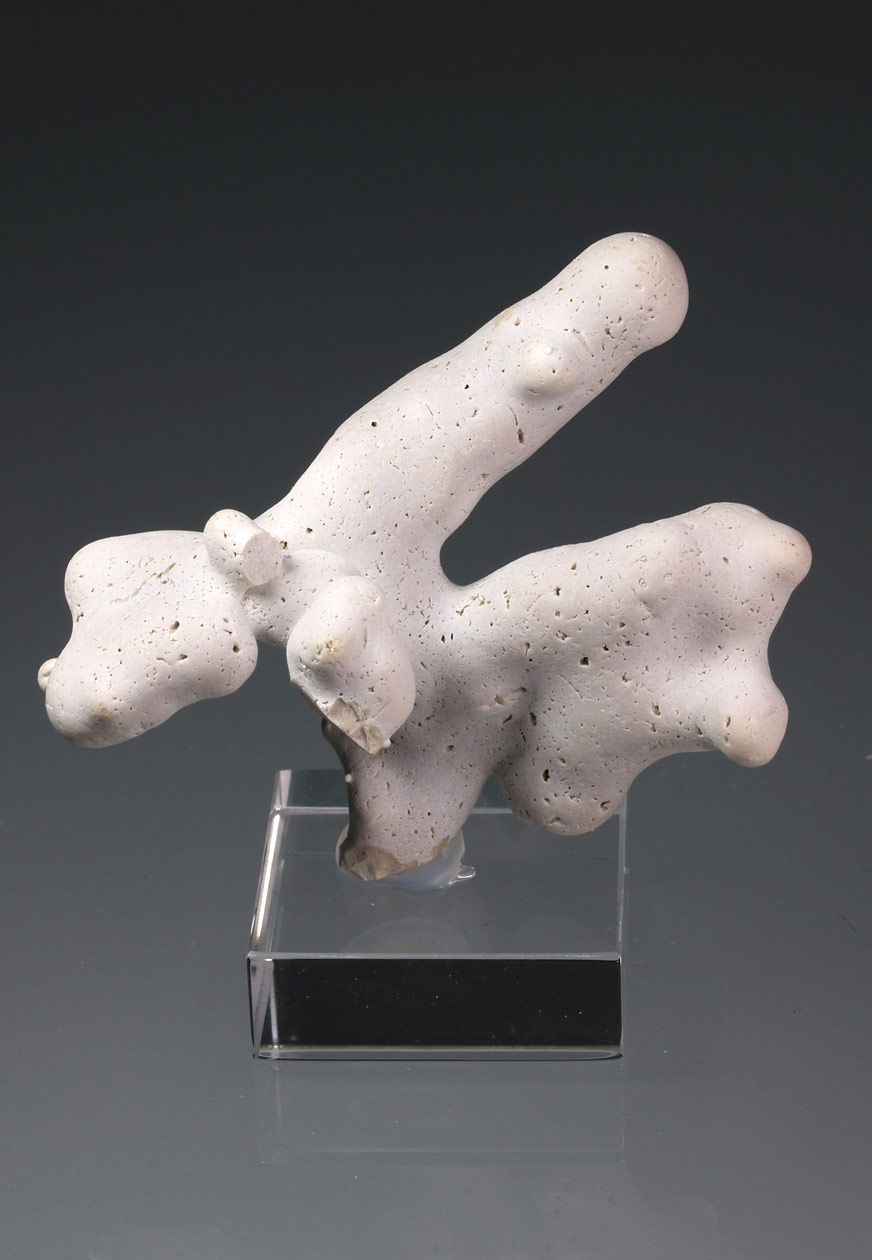
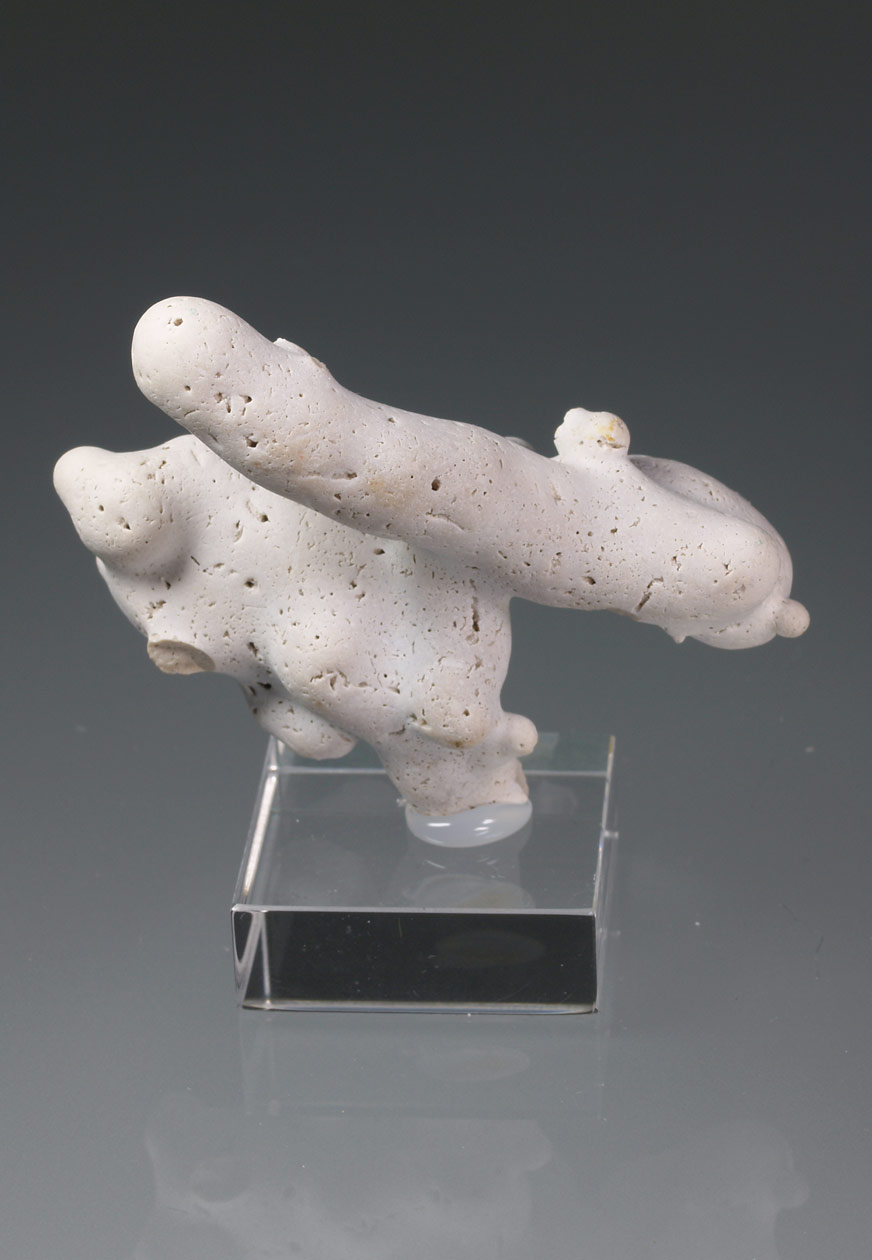
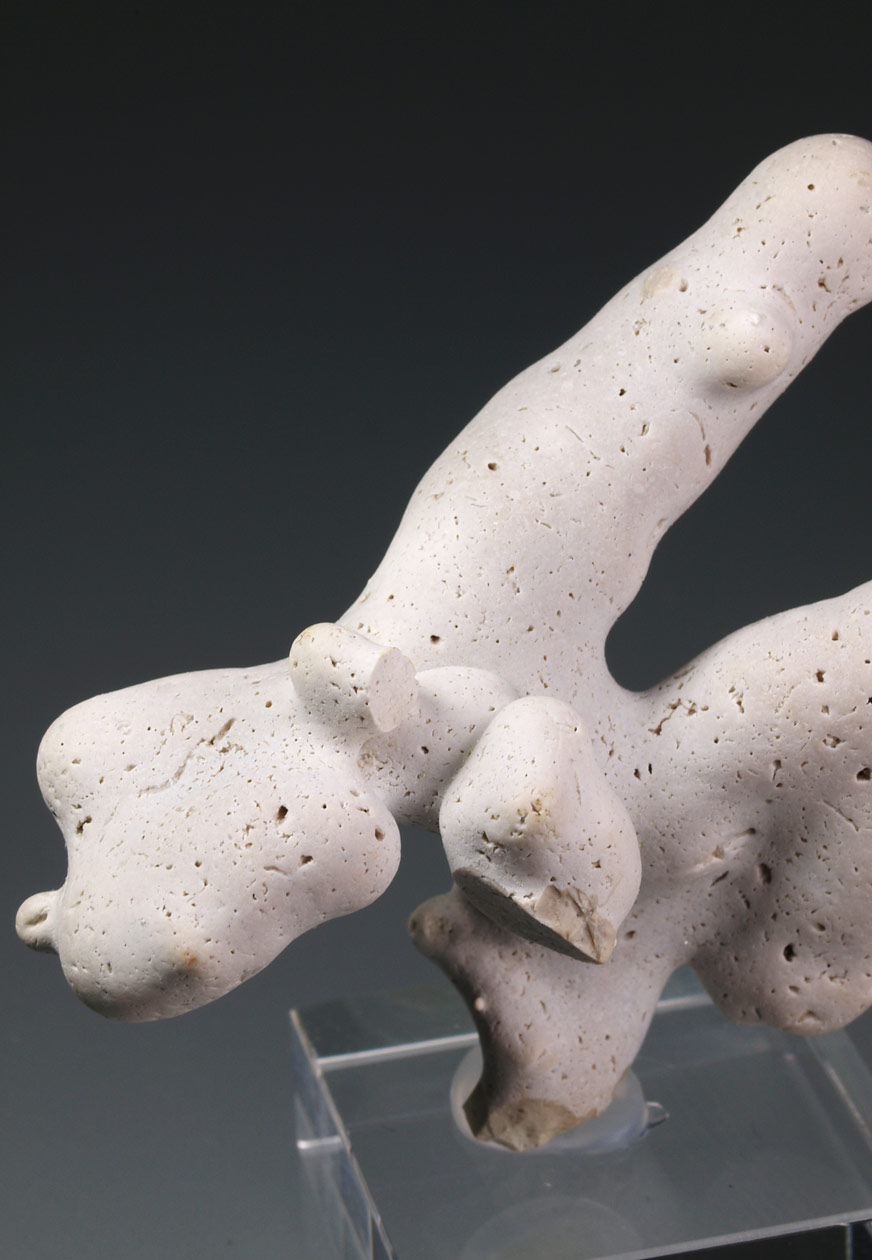
This specimen of menilite opal is very characteristic of this Granada locality. We can see different rounded figures, dolls, or ninots (in Catalan), which have adhered to each other to form a single piece. A curiosity of Spanish mineralogy.
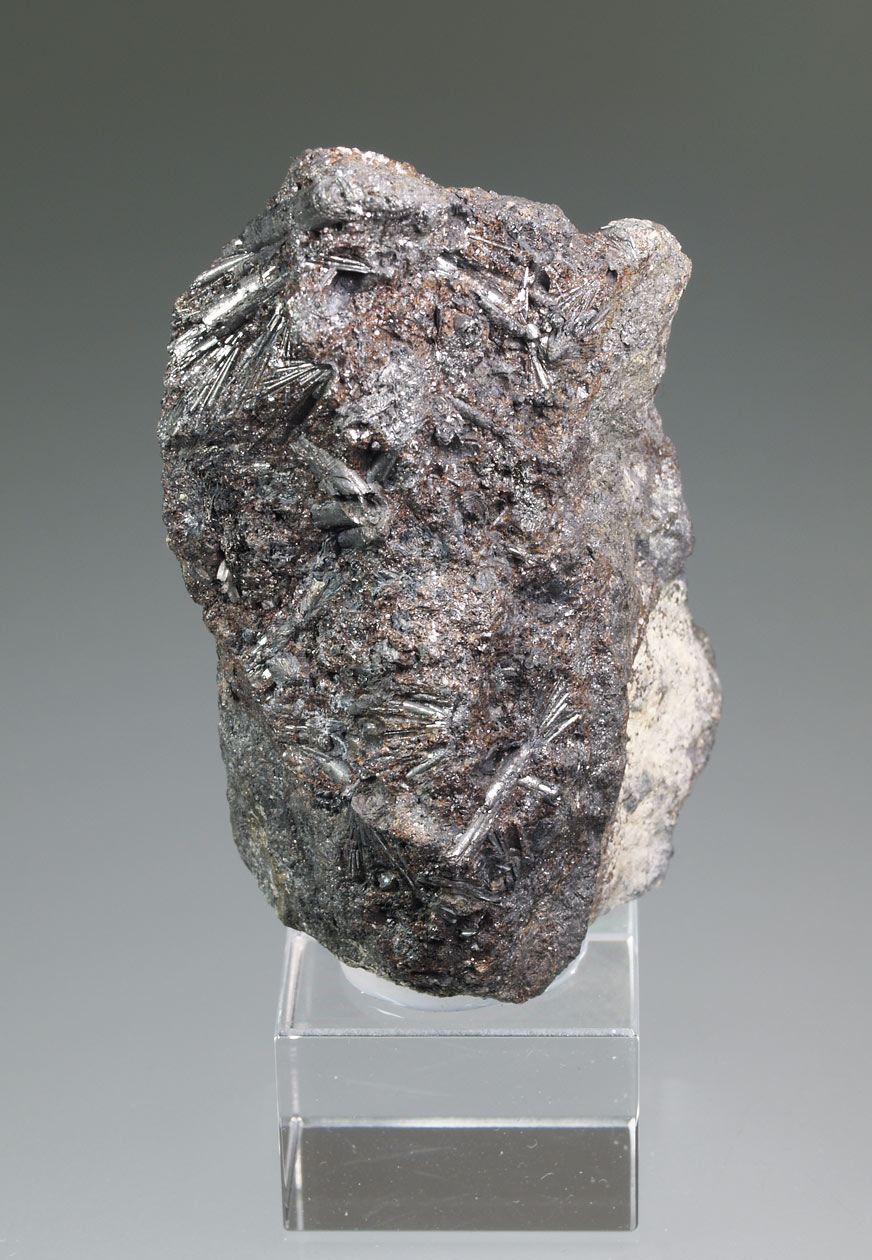
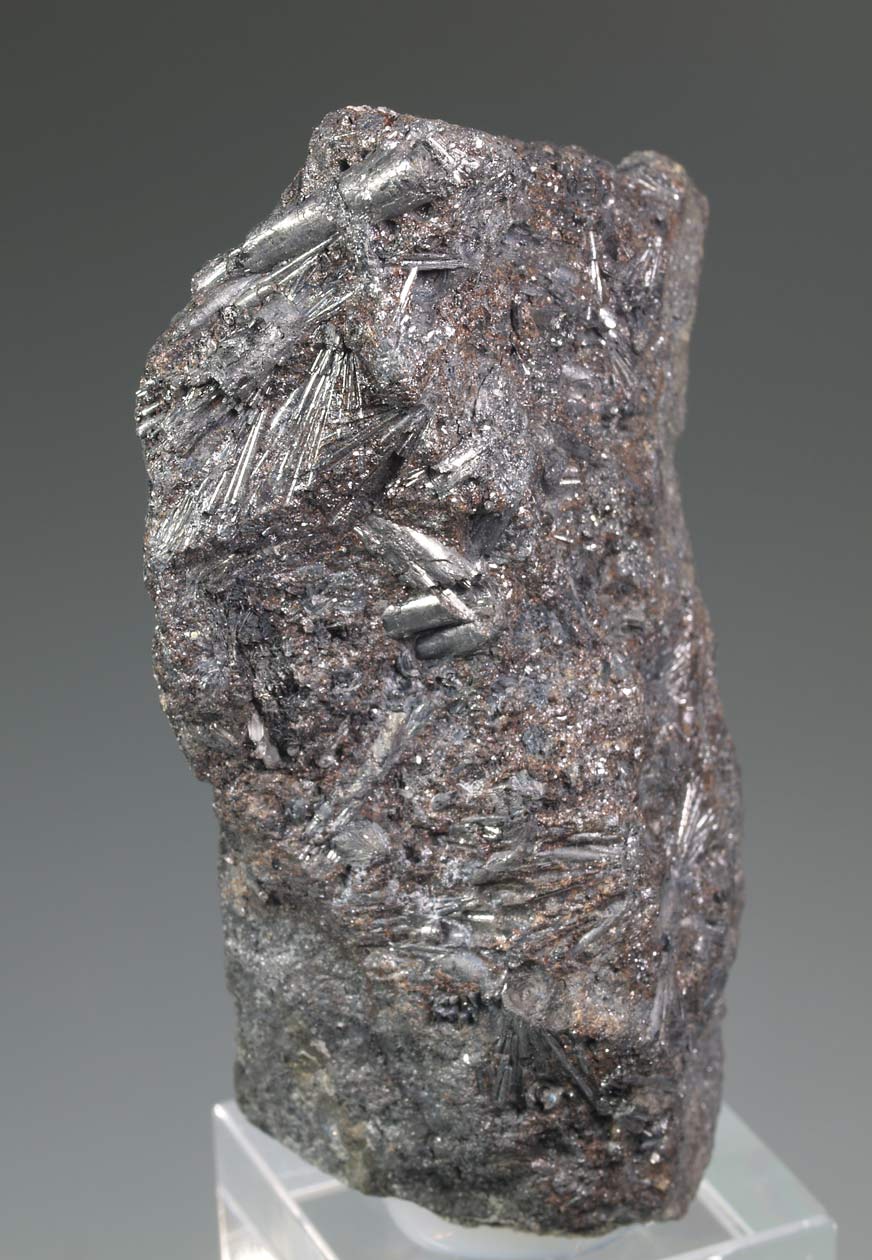
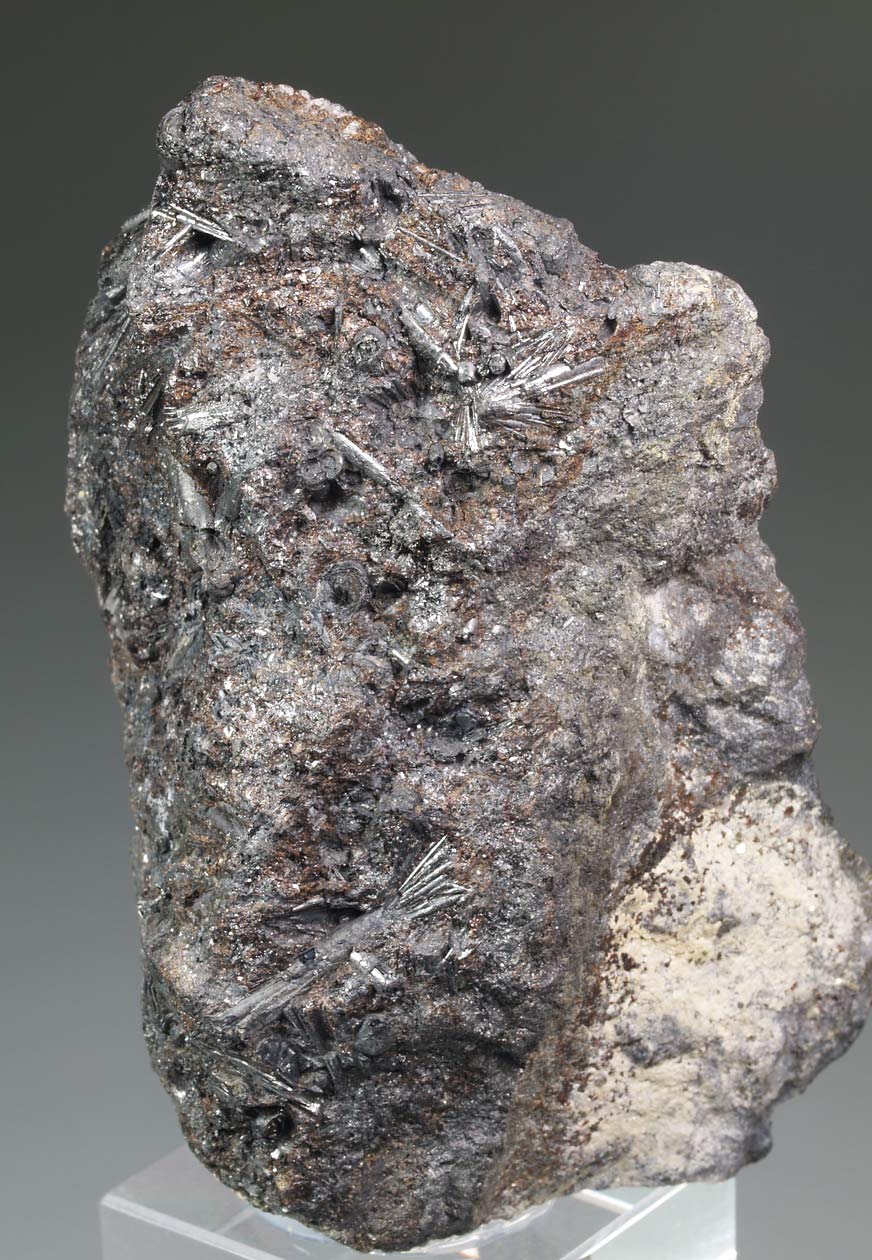
This specimen shows numerous lustrous, parallel-growing cylindrite crystals (Pb₃Sn₄FeSb₂S₁₄). It is accompanied by lighter gray acicular of incaite, a tin-rich Sn(II) franckeite variety (Pb,Ag)₄Sn₄FeSb₂S₁₅, which grow interlaced in the cylindrite. It is from the type locality for both species.
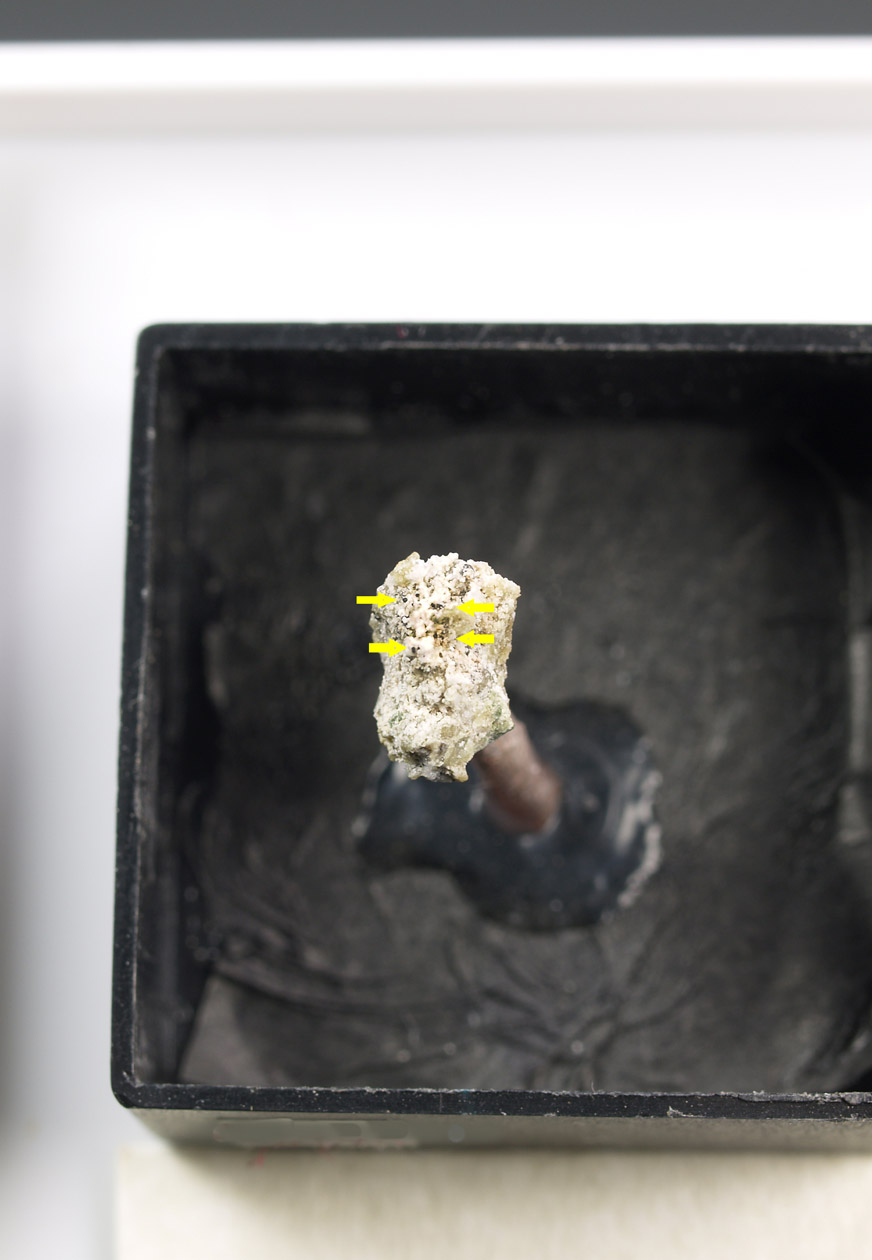
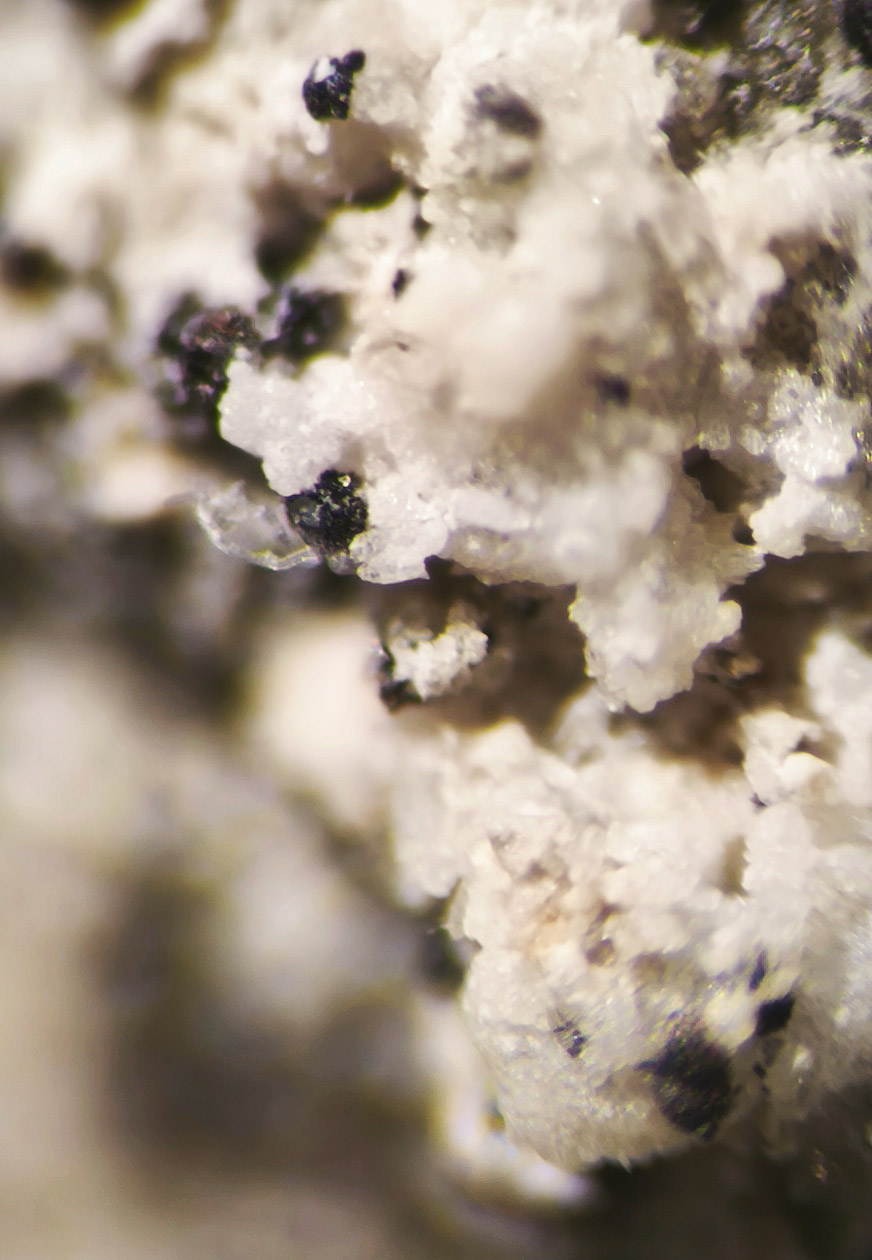
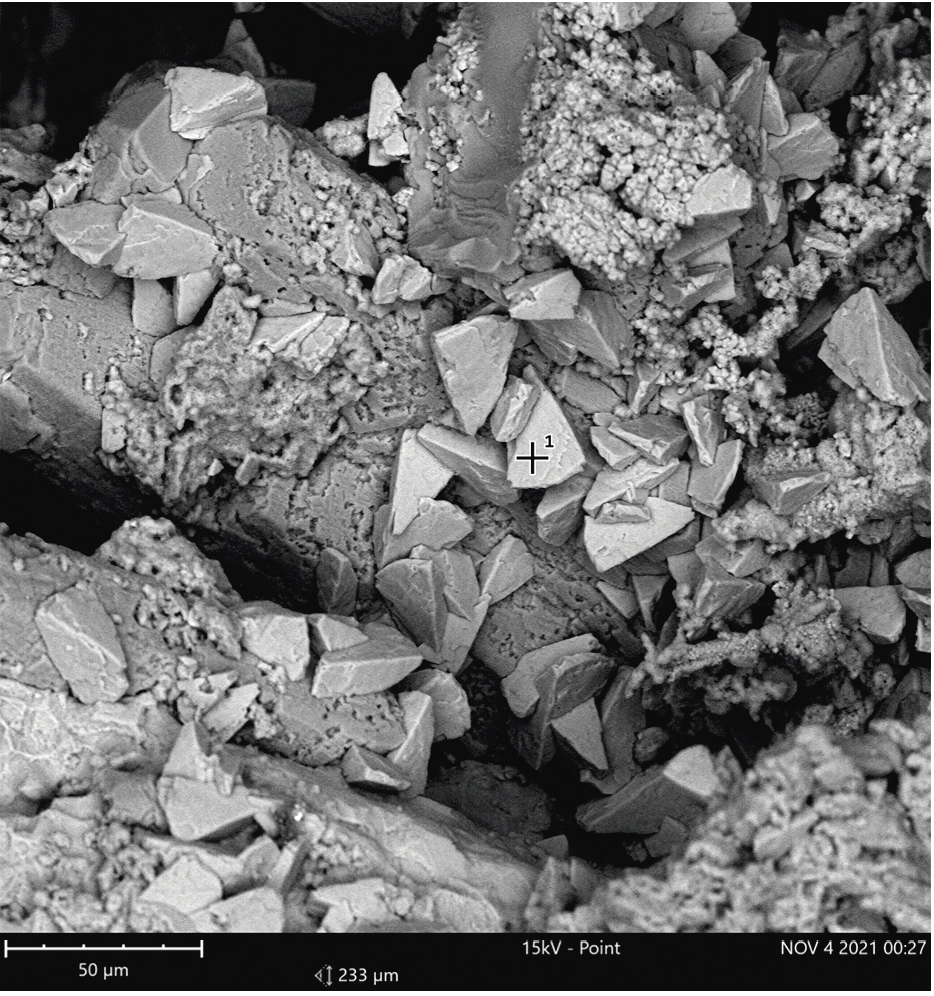
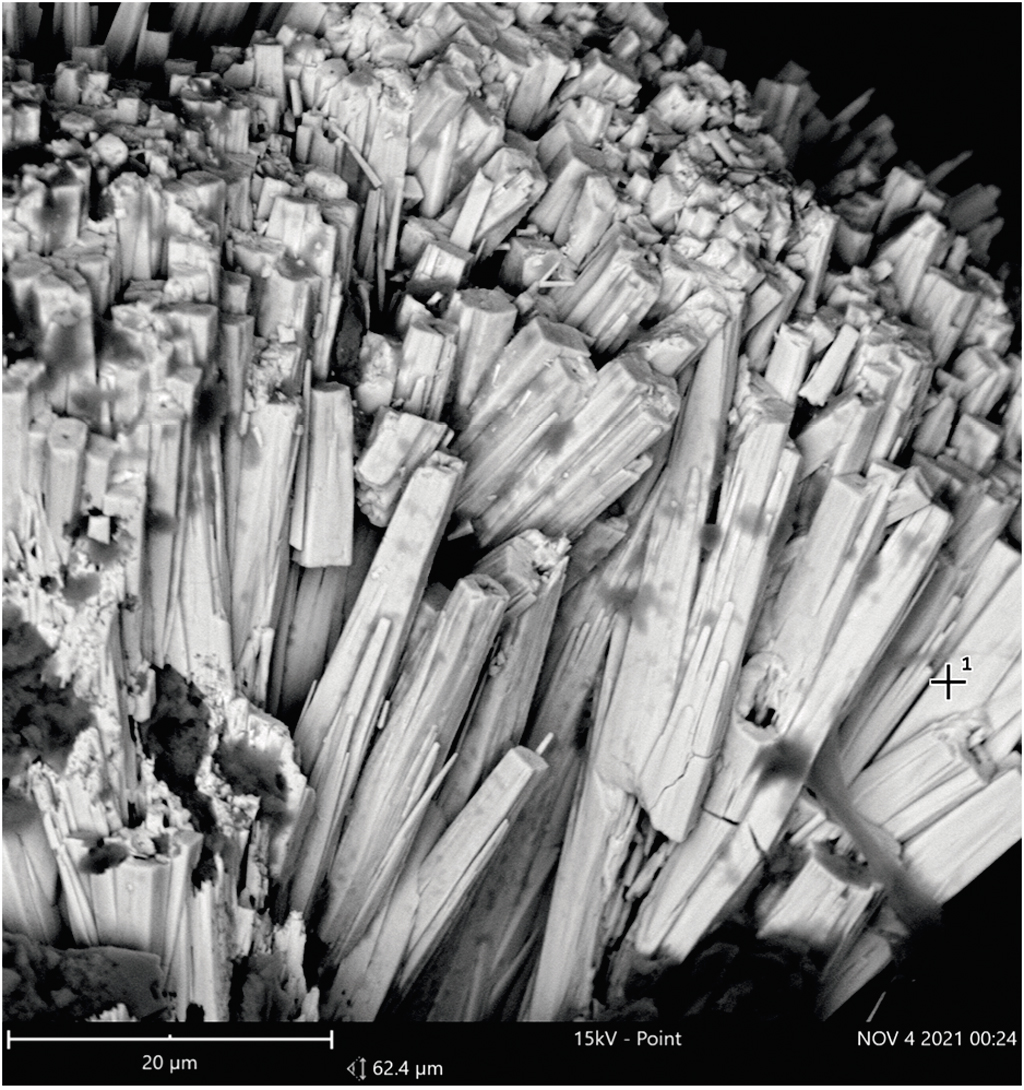
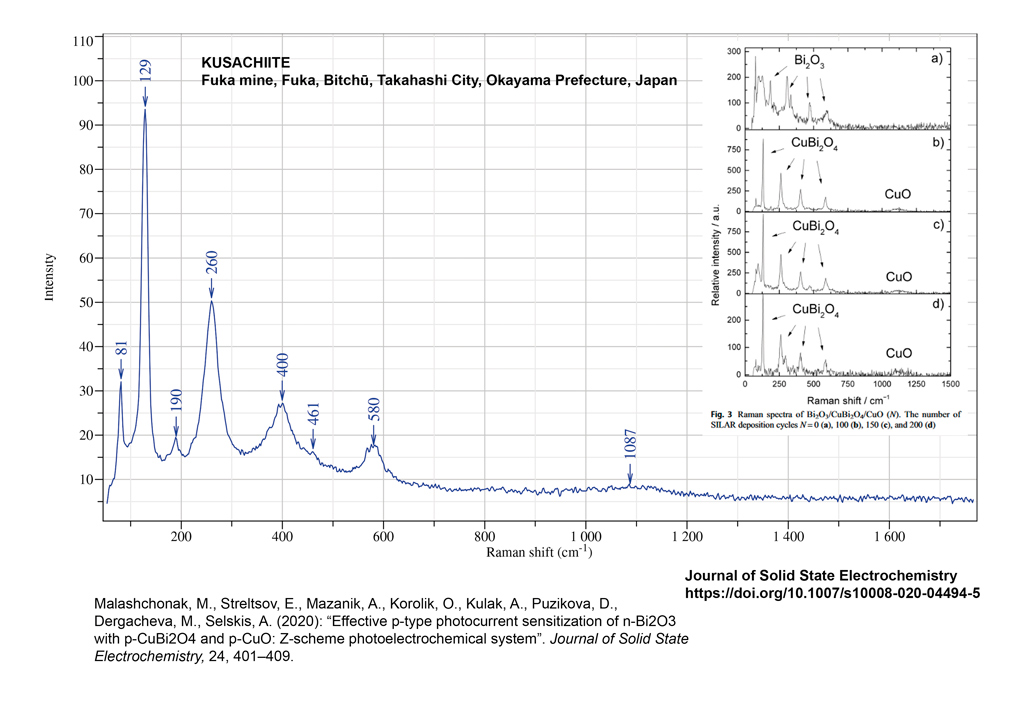
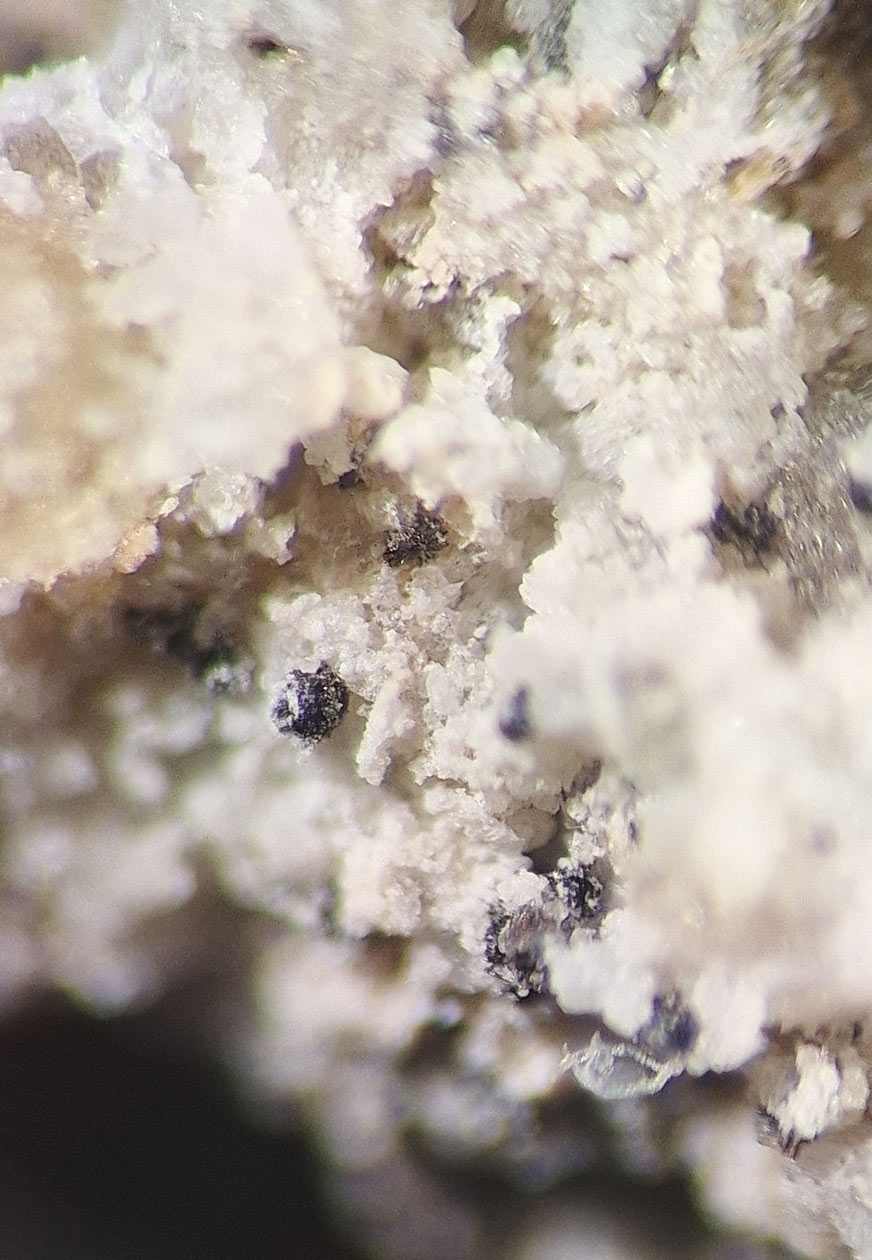
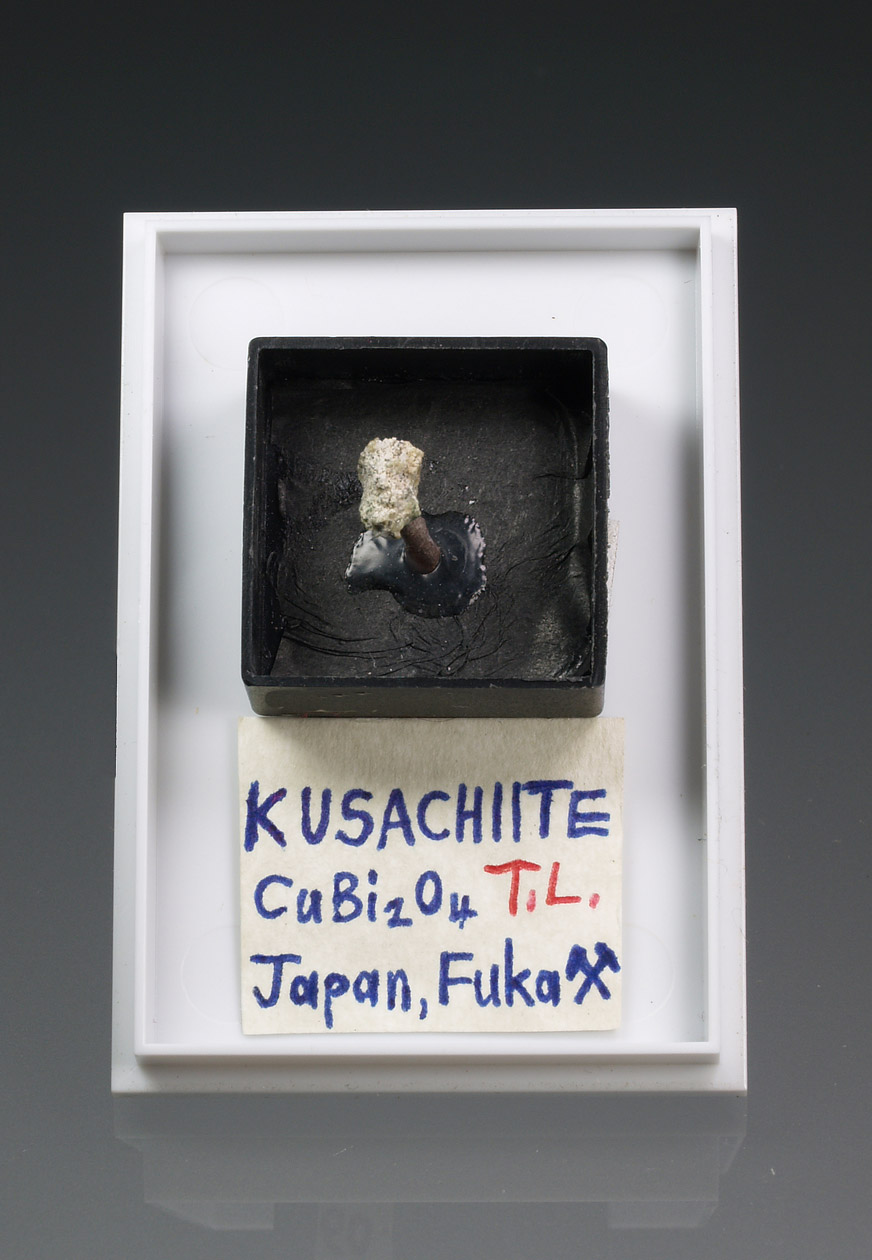
Kusachiite is an extremely rare binary copper(II) and bismuth(III) oxide with a chemical formula CuBi₂O₄. This sample belongs from the Type Locality: the well-known Fuka mine in Japan.
This sample is rich in radial aggregates of kusachiite crystals, with a deep brown to black colour and contasting on the matrix. They are accompanied by calcite, quartz and other species like cahnite (SEM), bismite and chiyokoite (A. Petrov confirmed).
We have carried out some SEM-EDS analysis and Raman. With these spectroscopical techniques we have confirmed the presence of the species. We will send all analytical reports to the buyer.
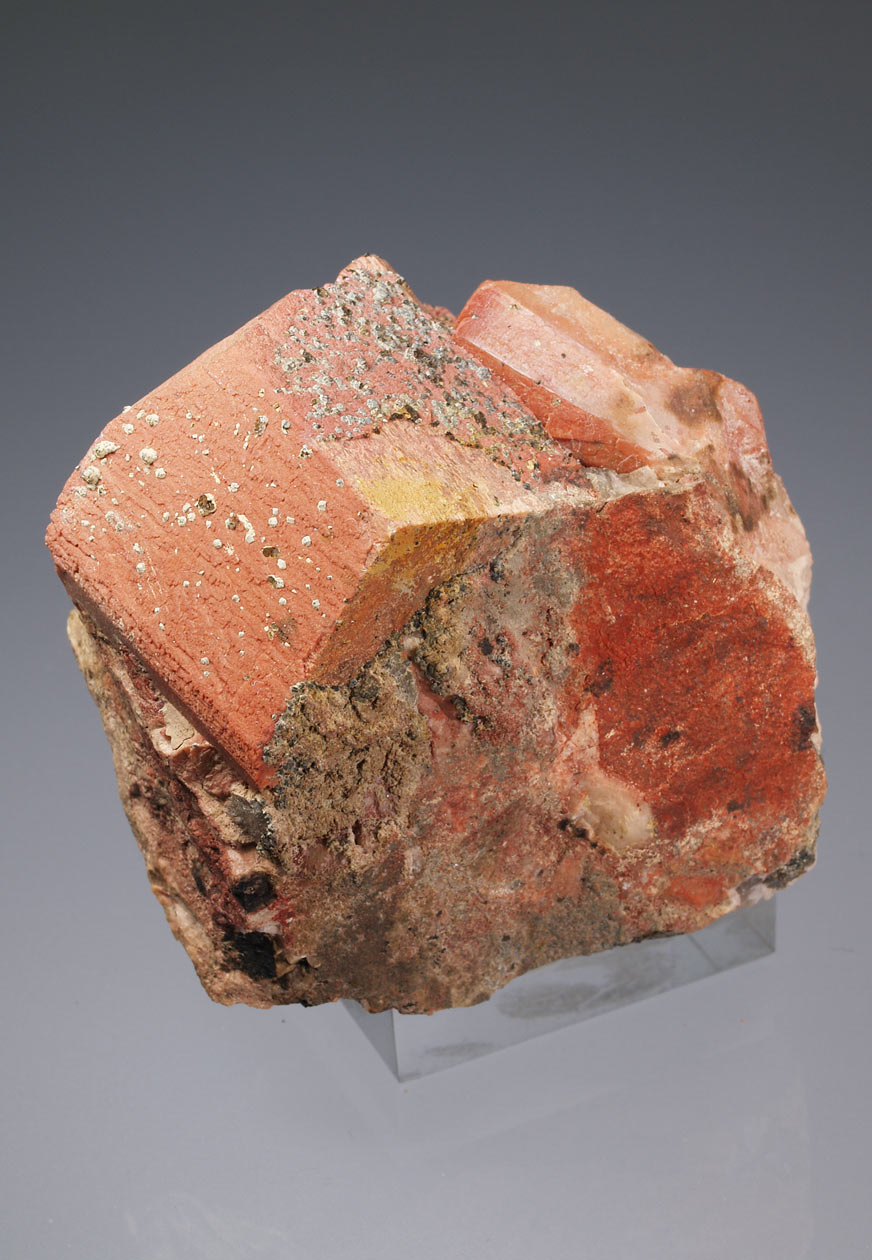
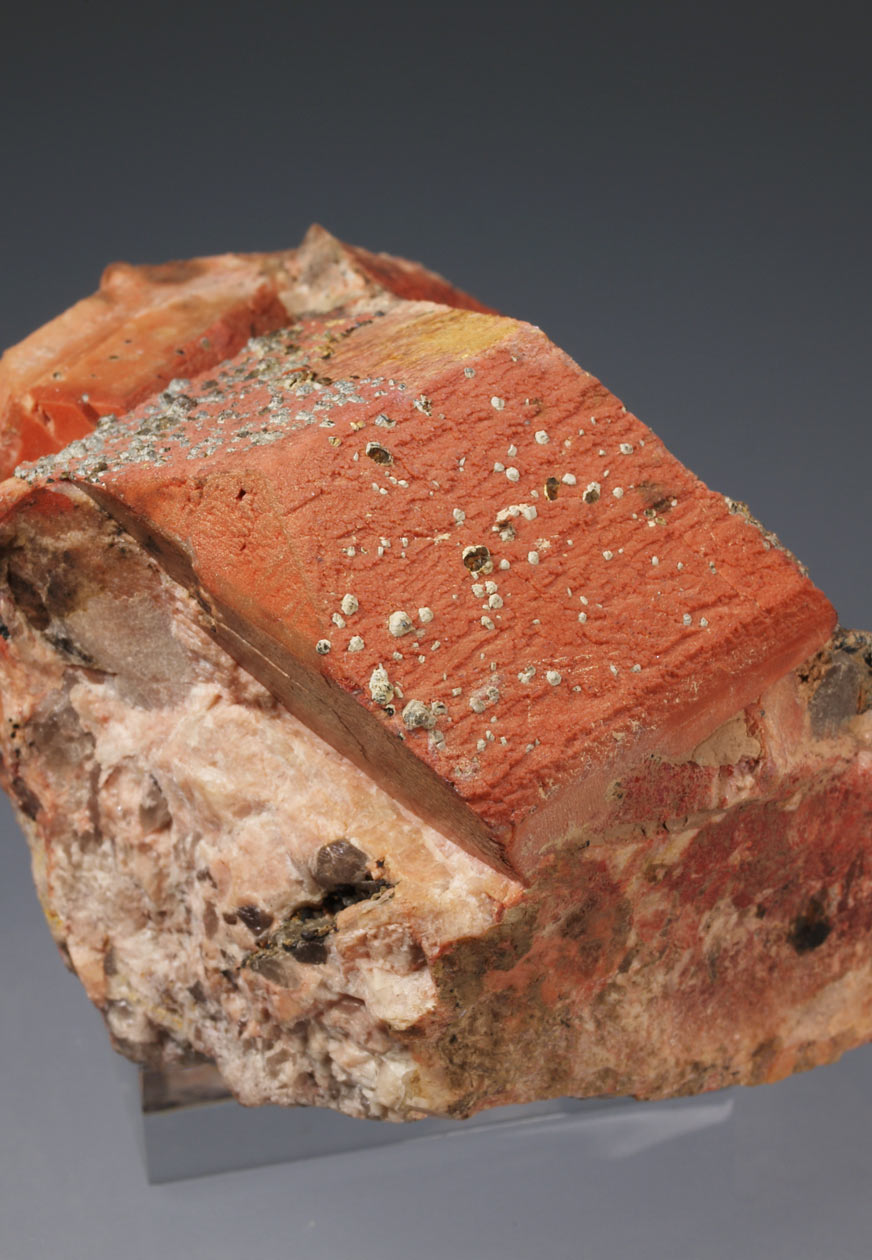
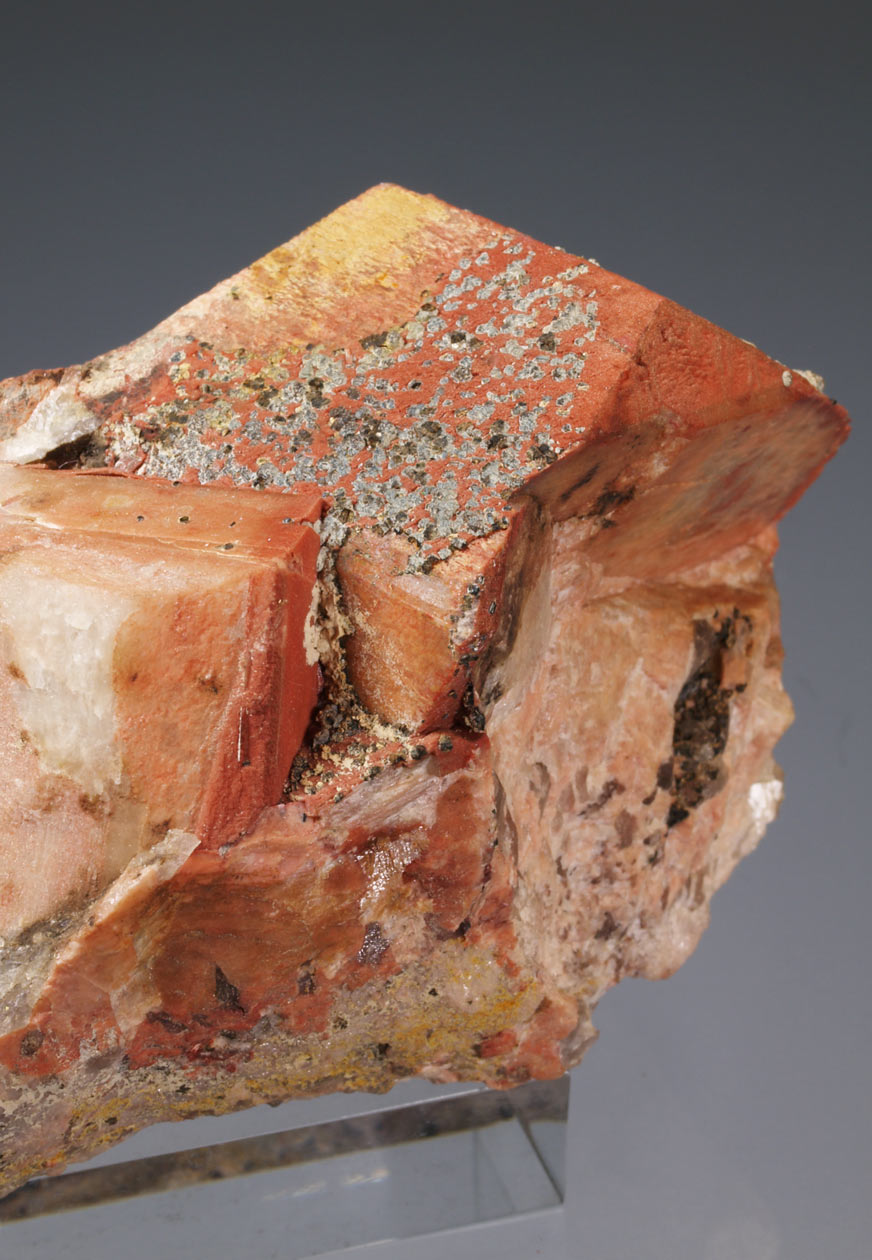
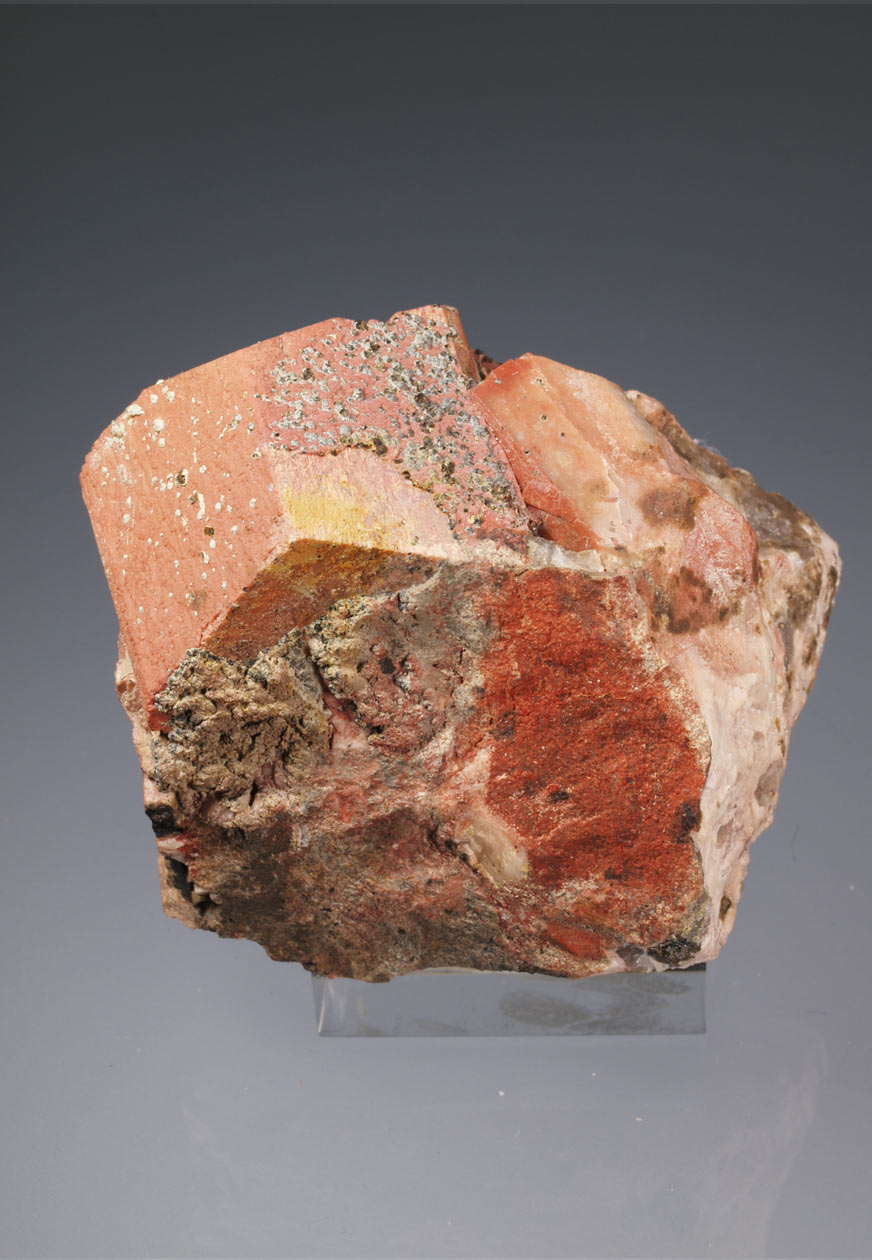
We highlight the locality of this specimen, unusual in collections, a granite quarry located north of the Porriño batholith. It consists of several good-sized microcline crystals partially covered by aggregates of foliaceous clinochlore crystals. It comes from the Jaime Murria collection (Barcelona).
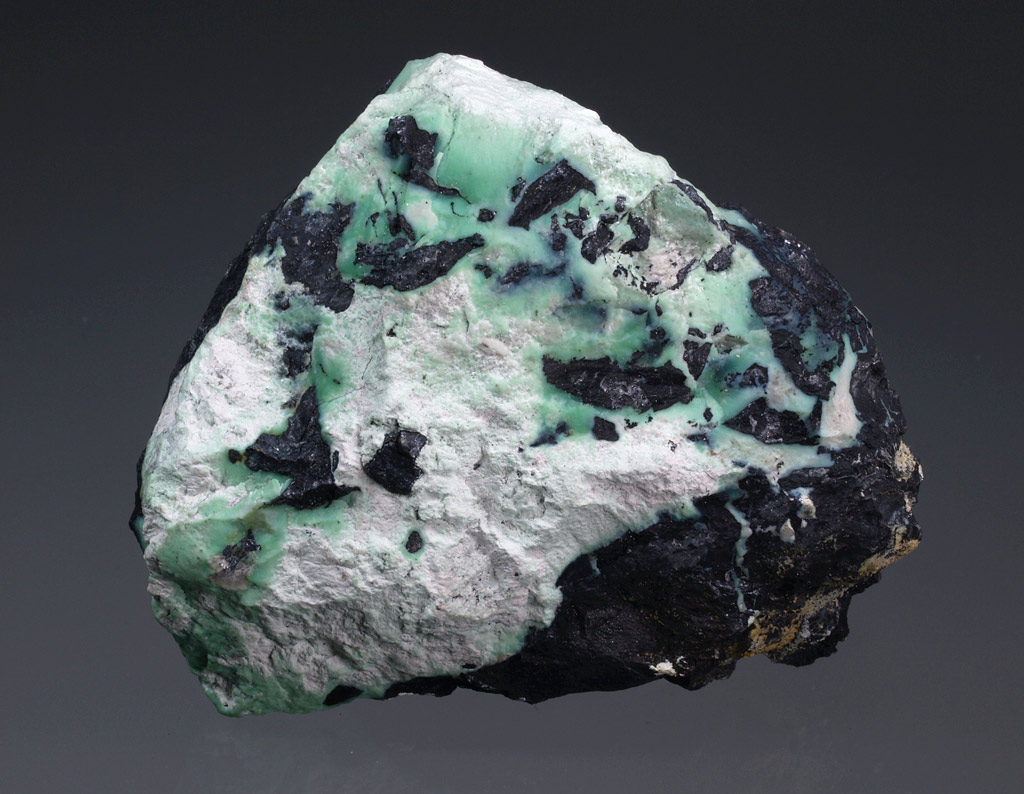
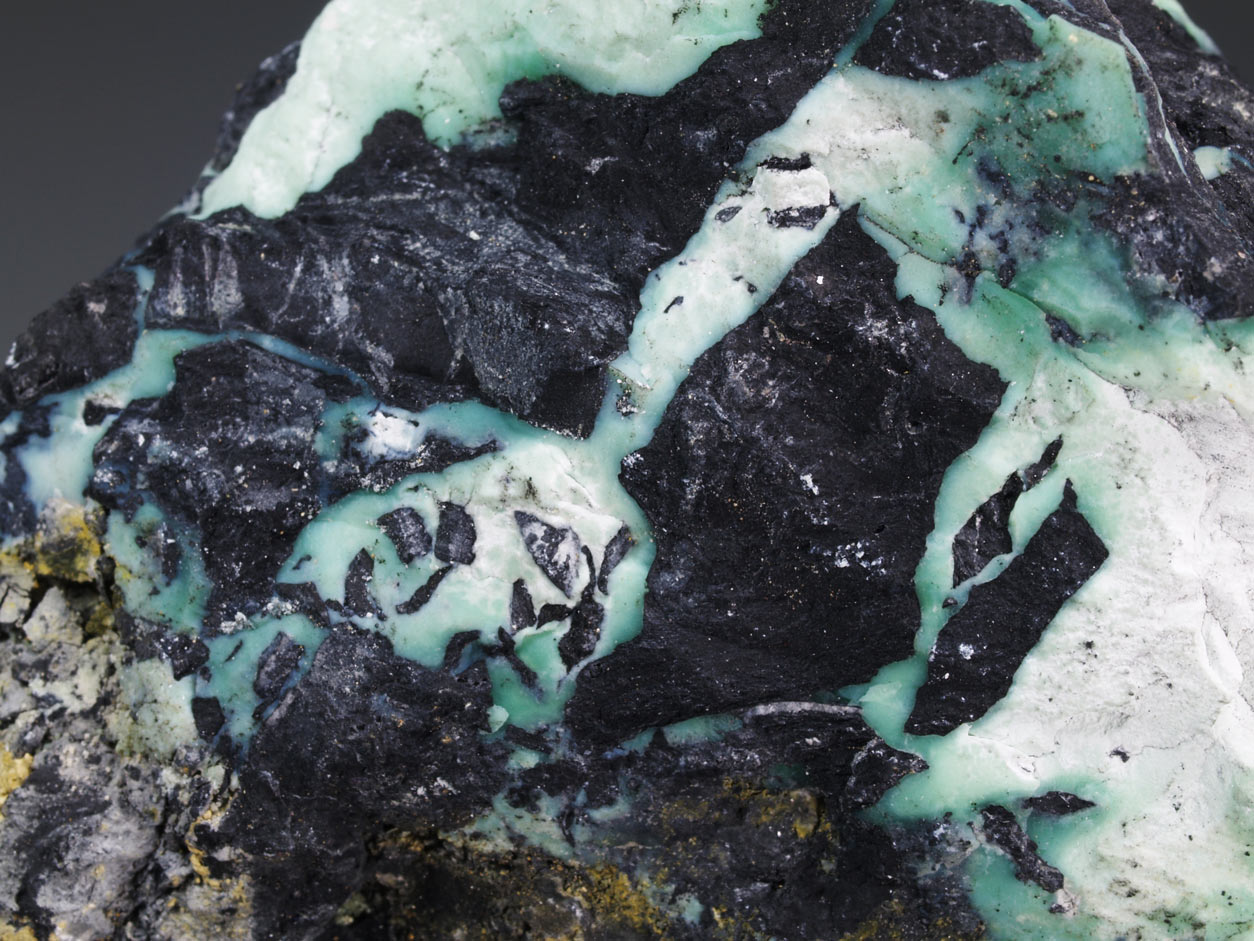
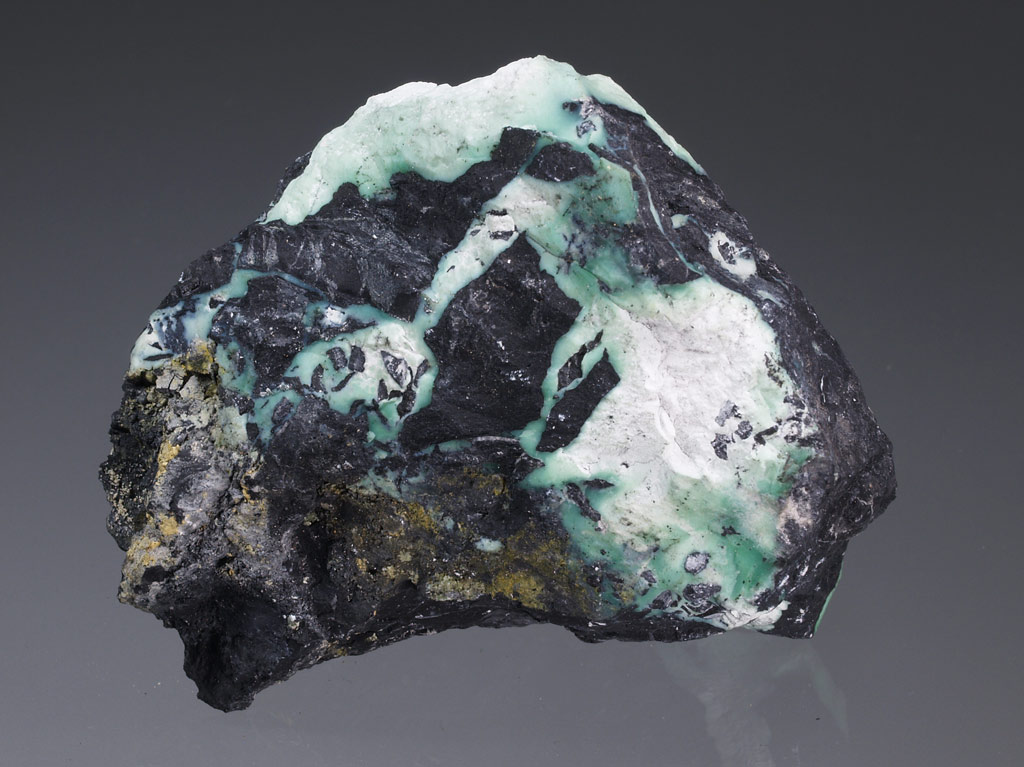
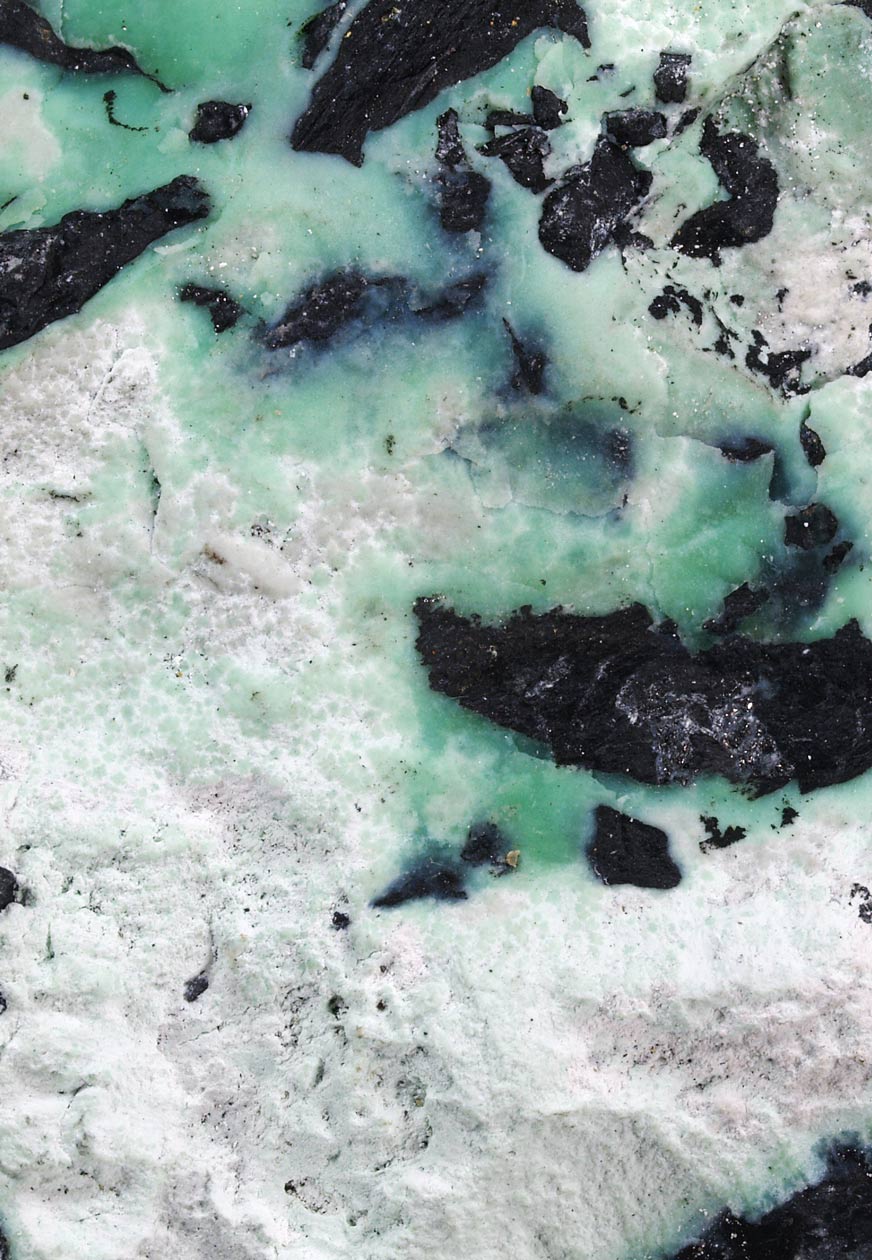
These specimens from the Turó de Montcada quarry are characterized by a breccia-like appearance formed by different fragments of ampelitic slate cemented with variscite, thanks to the hydrothermal fluids that circulated between them. We can see different colour tones, between green and white. This led us to consider the possibility of an alteration of the variscite that had converted it into crandallite, but X-ray diffraction studies determined that it was dehydrated variscite with minor strengite. We will send the analytical results to the buyer.
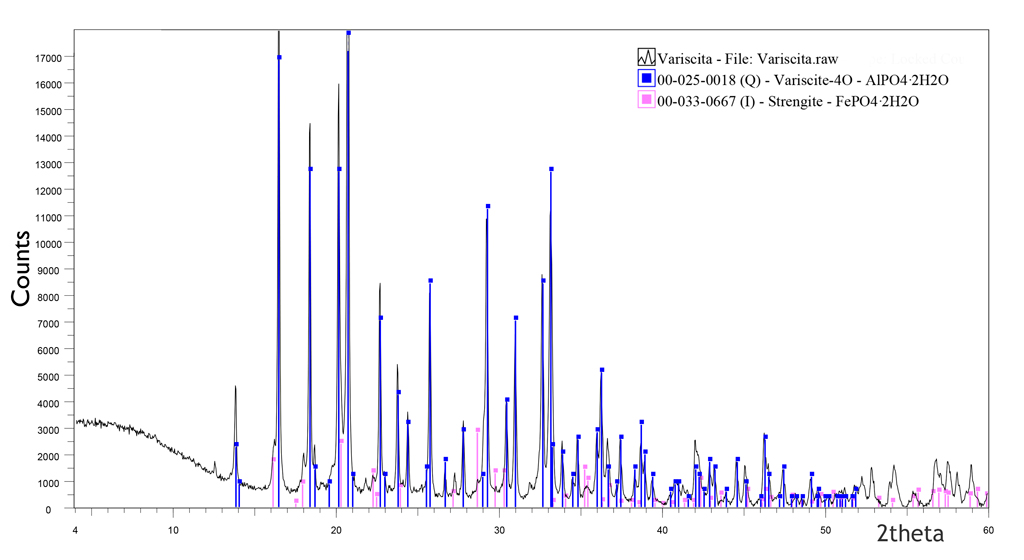
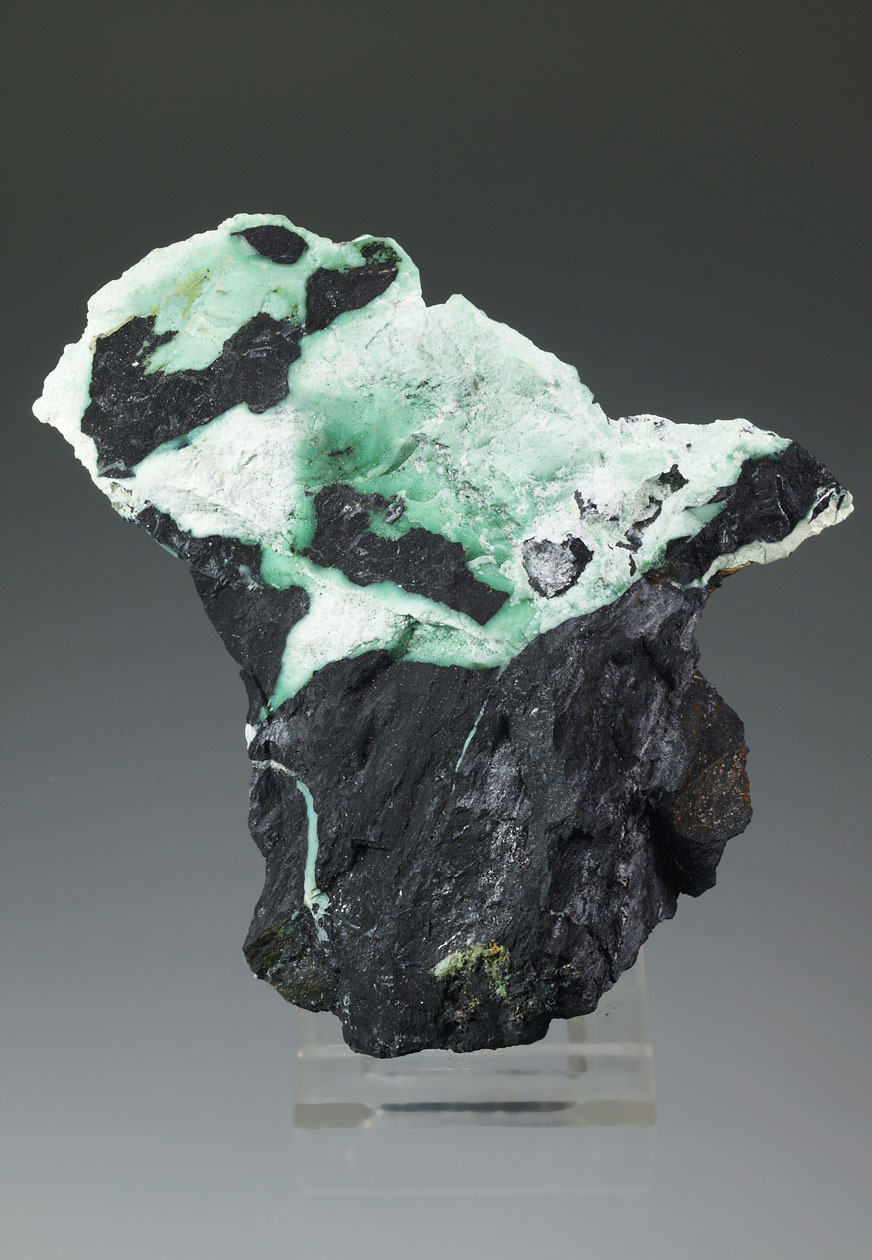
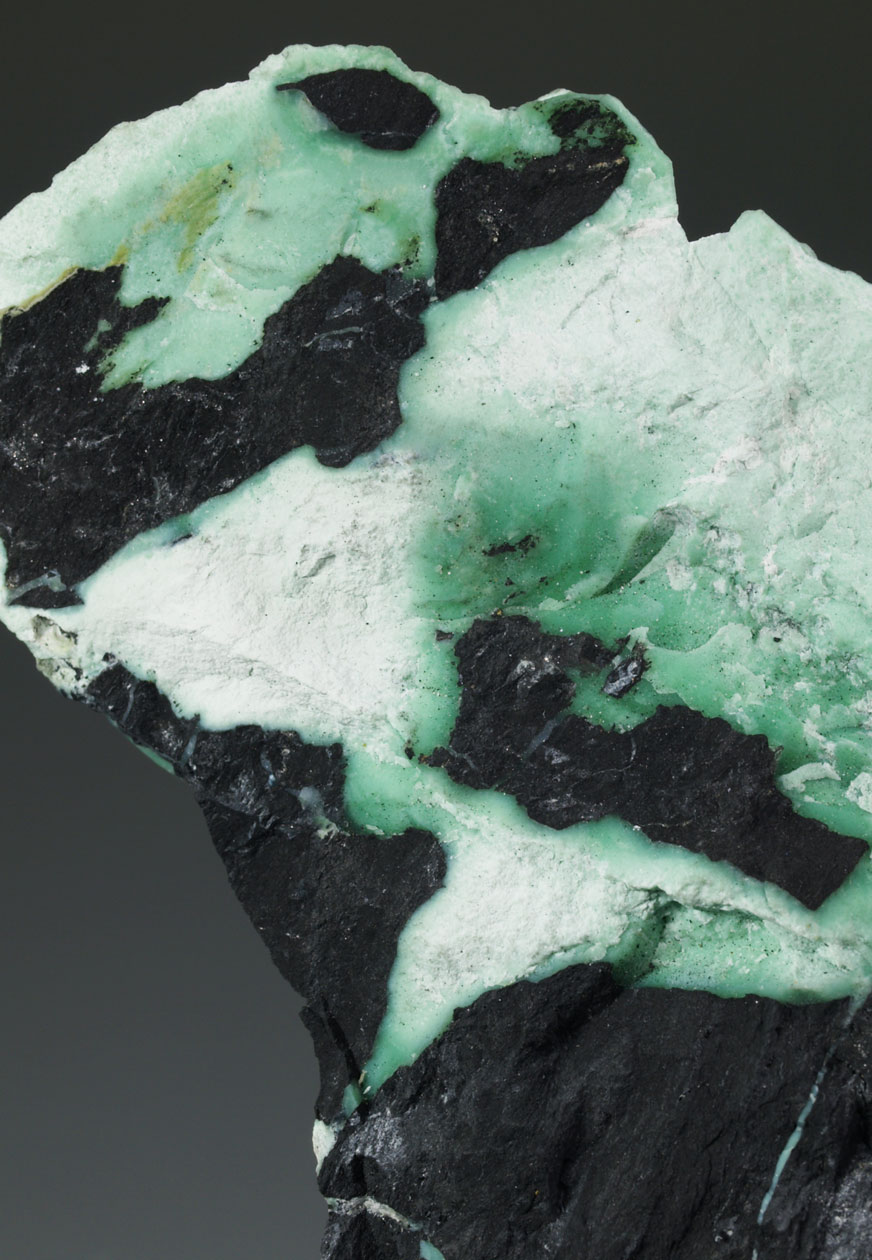
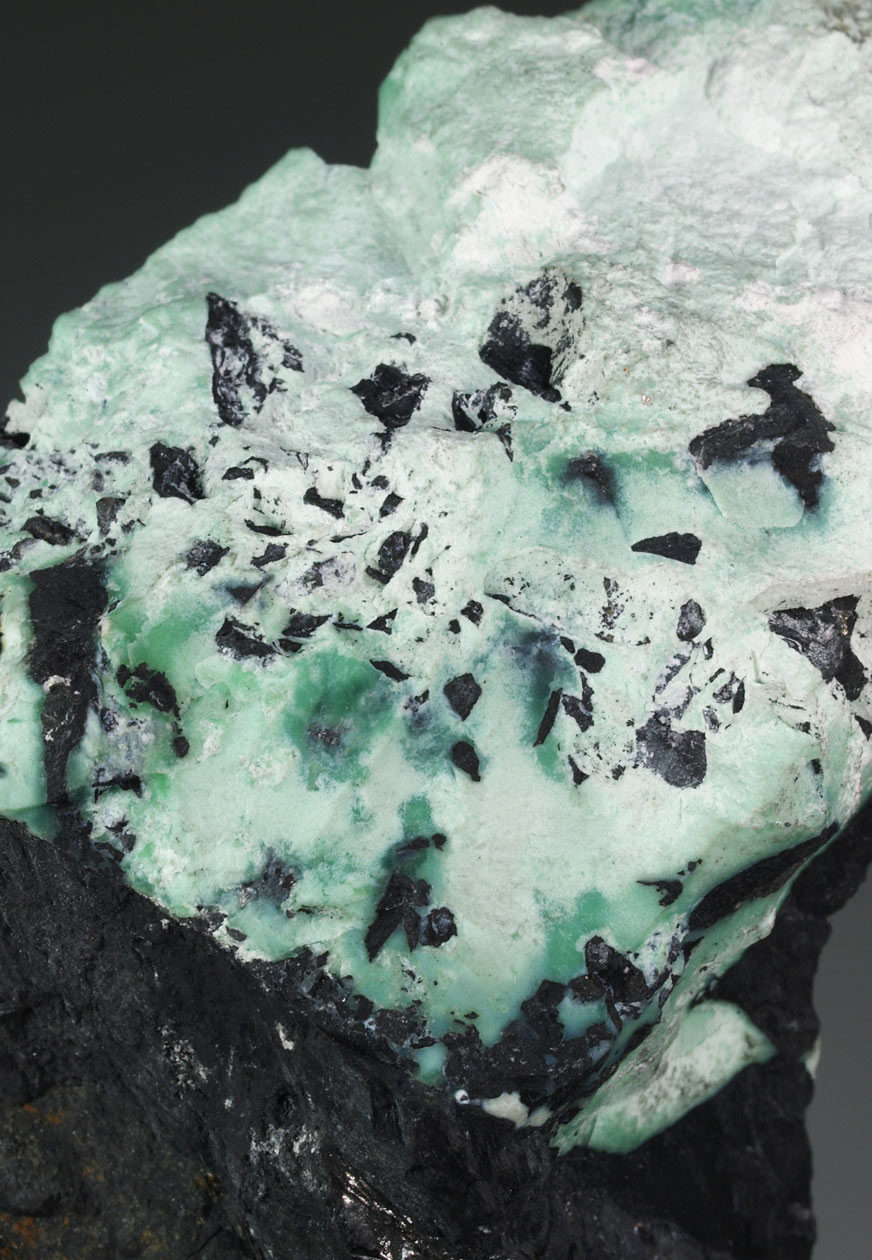
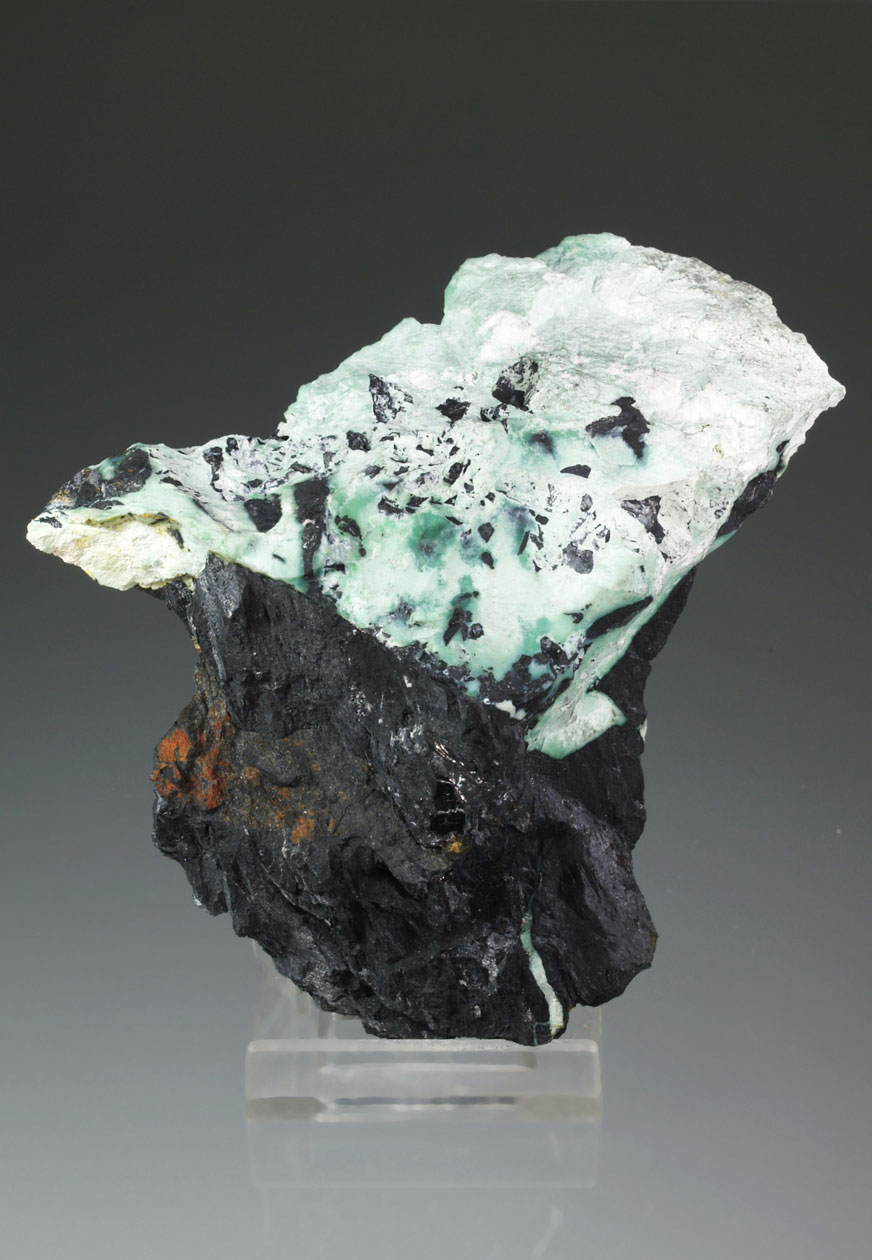
These specimens from the Turó de Montcada quarry are characterized by a breccia-like appearance formed by different fragments of ampelitic slate cemented with variscite, thanks to the hydrothermal fluids that circulated between them. We can see different colour tones, between green and white. This led us to consider the possibility of an alteration of the variscite that had converted it into crandallite, but X-ray diffraction studies determined that it was dehydrated variscite. We will send the analytical results to the buyer.
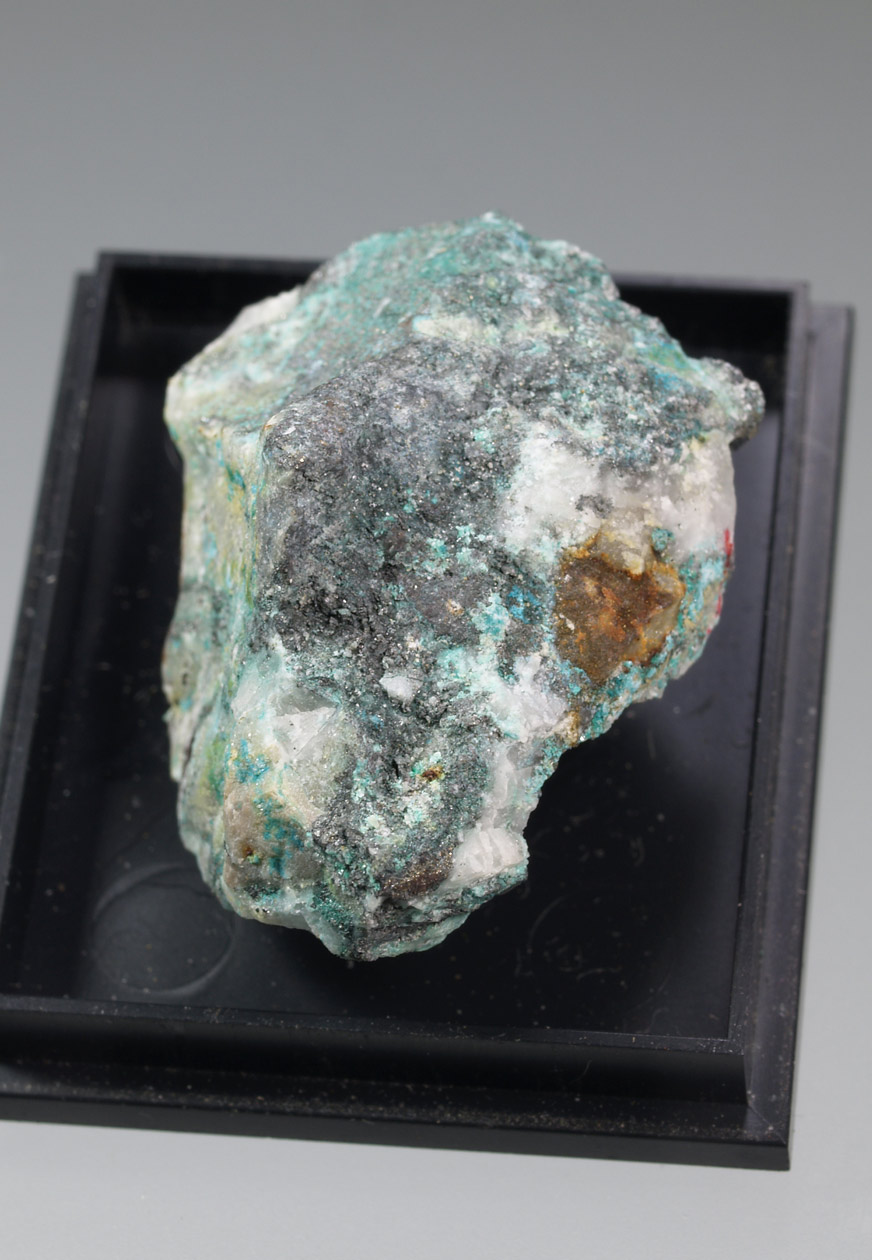
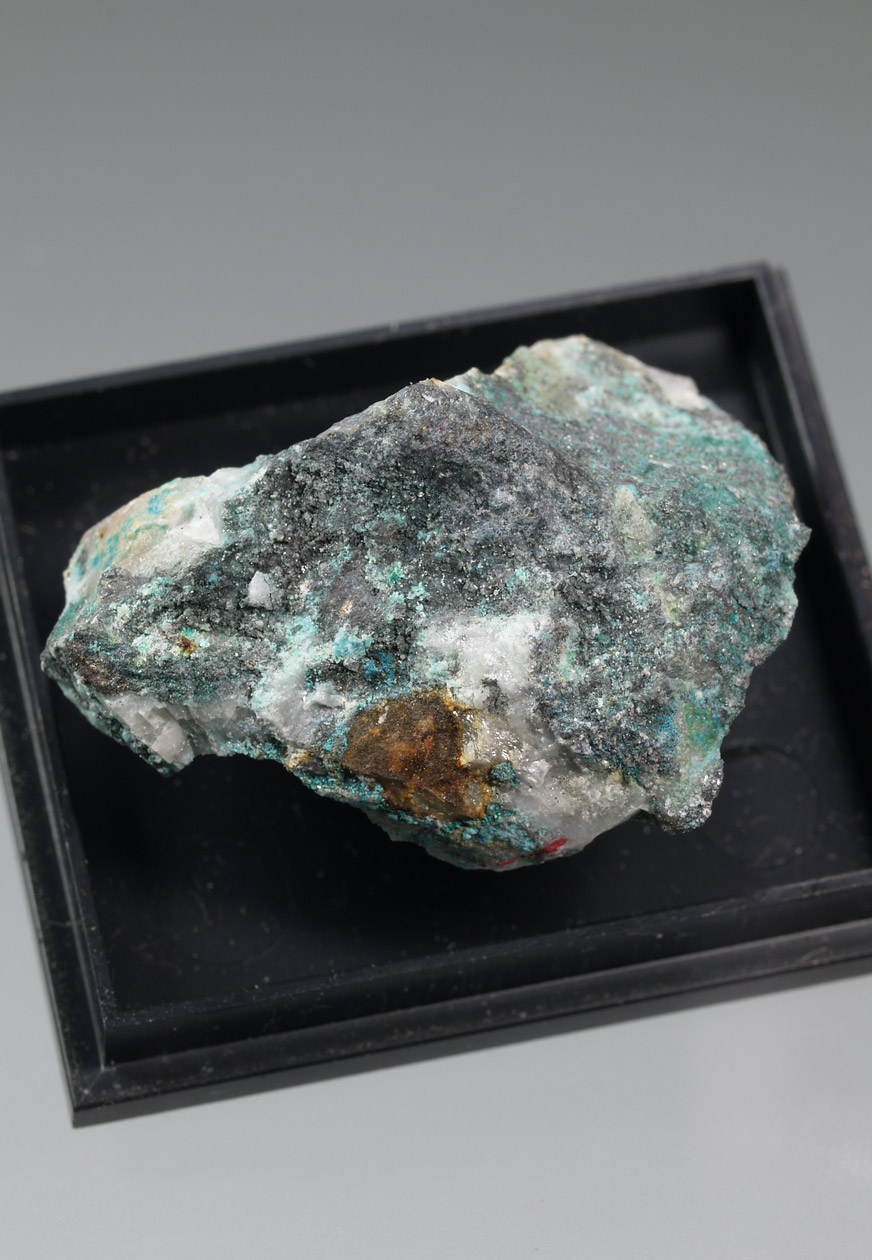
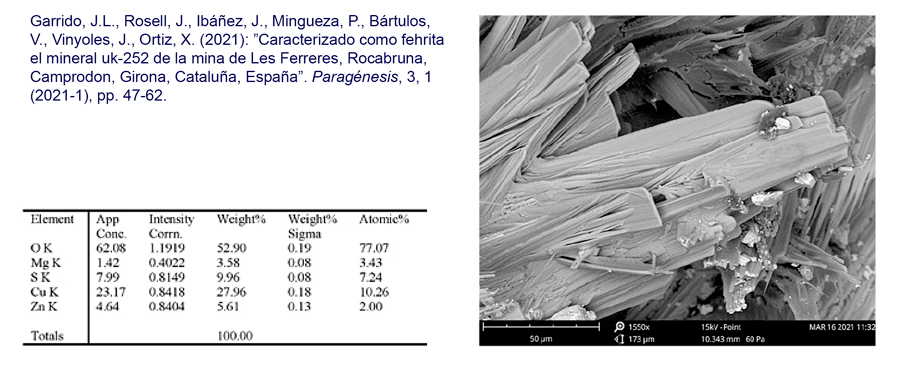
Fehrite is a new species found in Almeria (Spain). Years ago (2012) we identified this species in the Les Ferreres mine (Camprodon) but unfortunatelly we didn't have enough sample to finish detrmination and structural studies. Recently we found some more samples and the characterization was carried out based on the results obtained from the application of various analytical techniques: SEM-EDS, Raman and X-ray diffraction. Les Ferreres mine is the second locality worldwide for the species. We will send all reports to the buyer. In this Catalan mine, fehrite appears as elongated elongated tabular to fibrous crystals, with a delicate bluish-green tone, and fibrous terminations. Usually, it is accompanied by devilline (blue) and brochantite (green). It is the magnesium analogue of ktenasite.
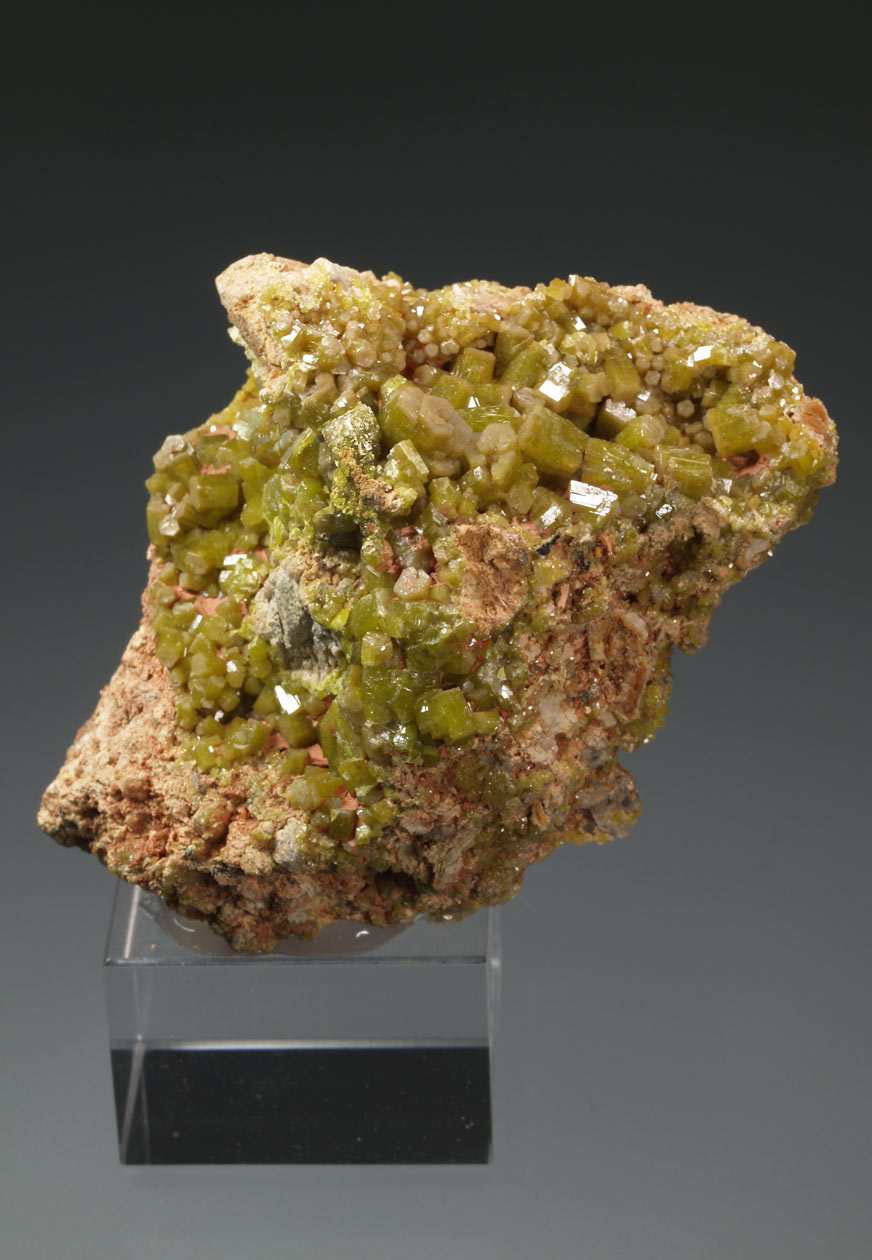
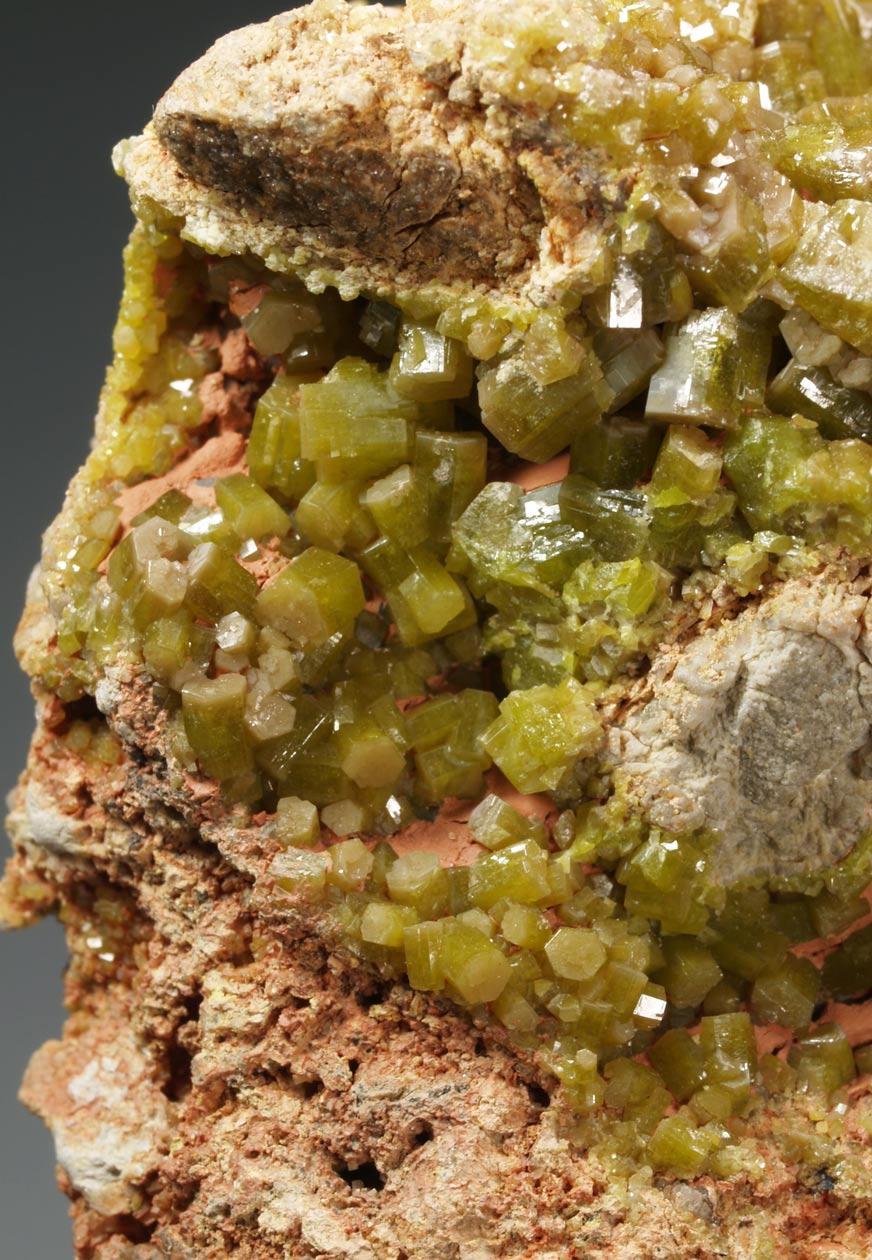
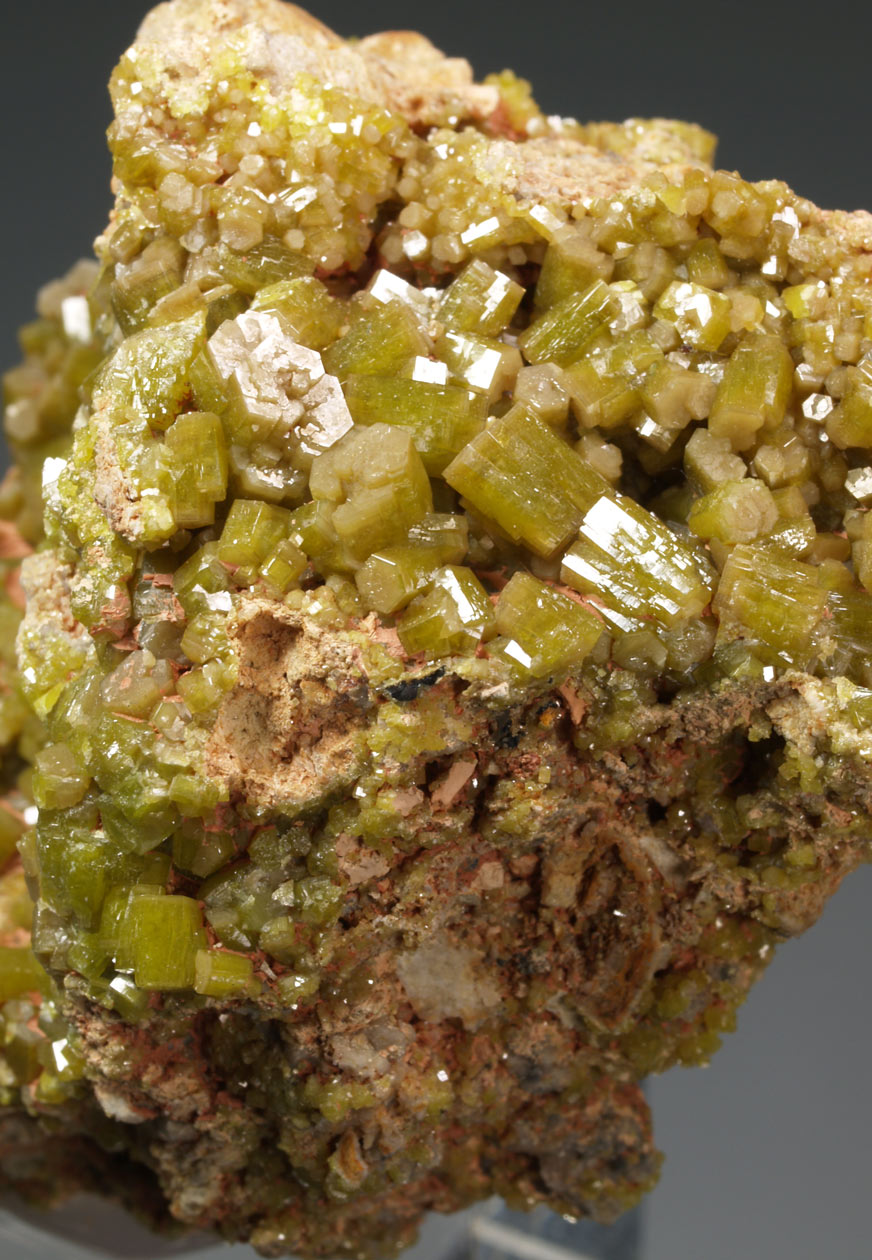
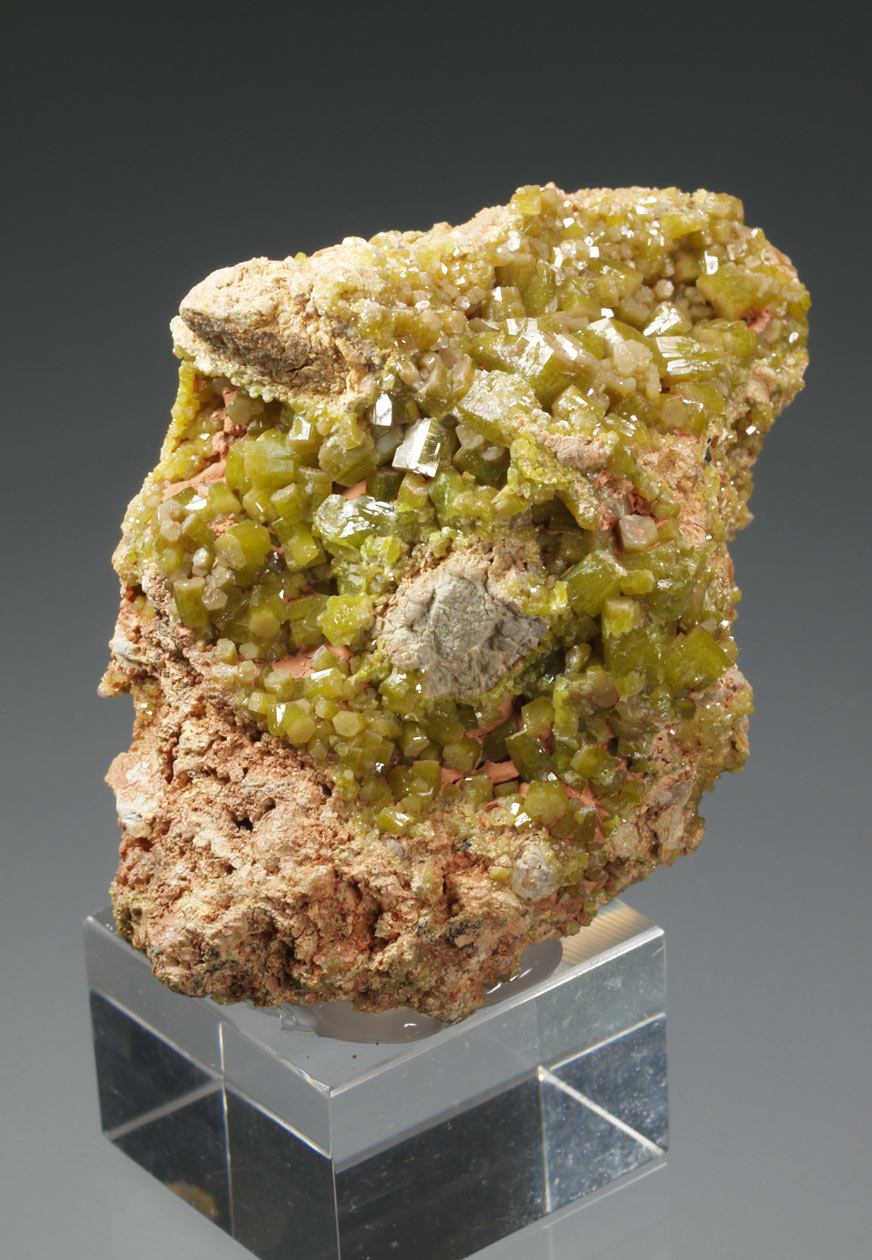
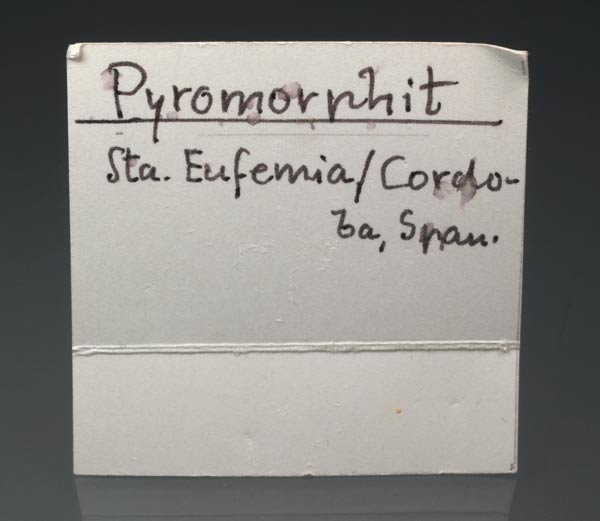
An old Spanish specimen pyromorphite formed by numerous crystals, with hexagonal prism shape and a very characteristic yellowish-green colour. The luster is very good. These specimens are difficult to see in the market. It is accompanied by a handwritten label in German.
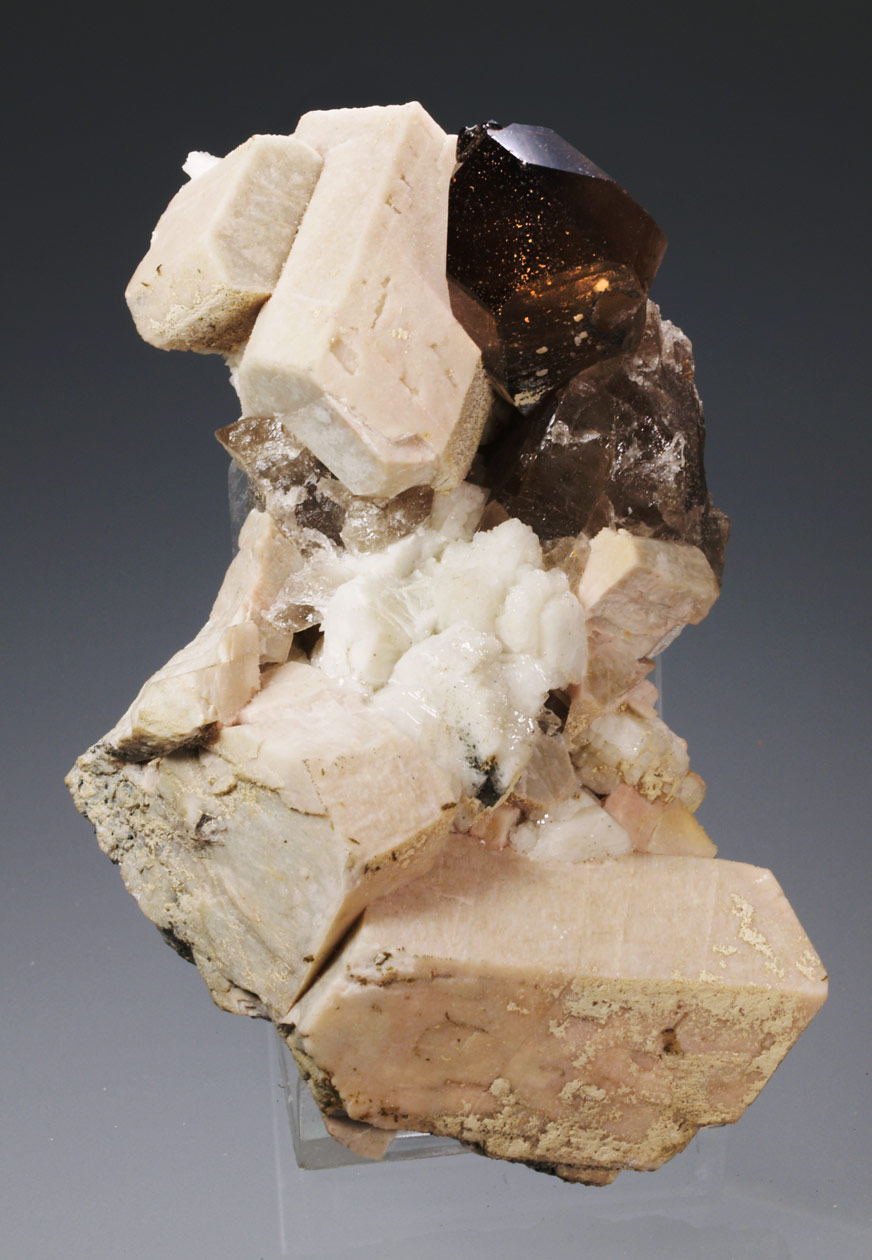
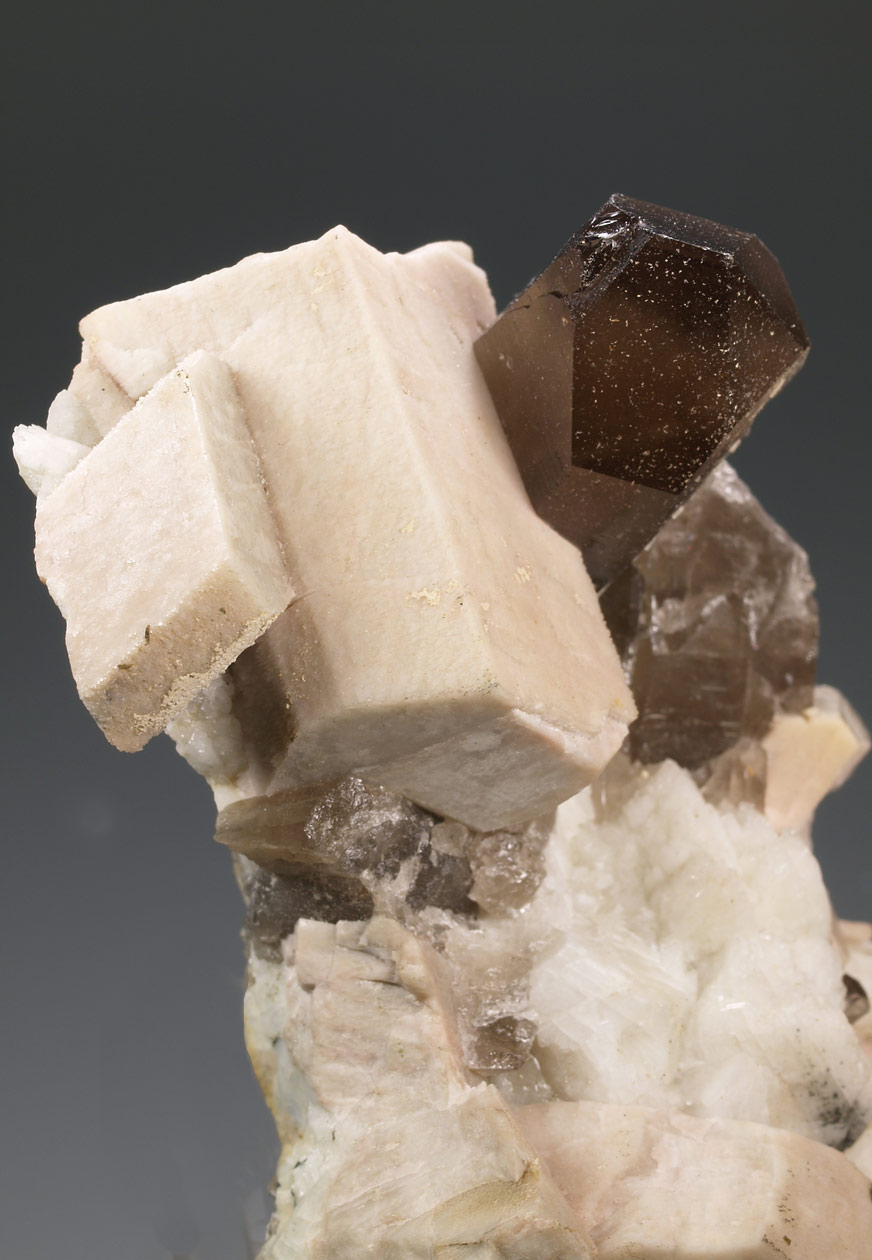
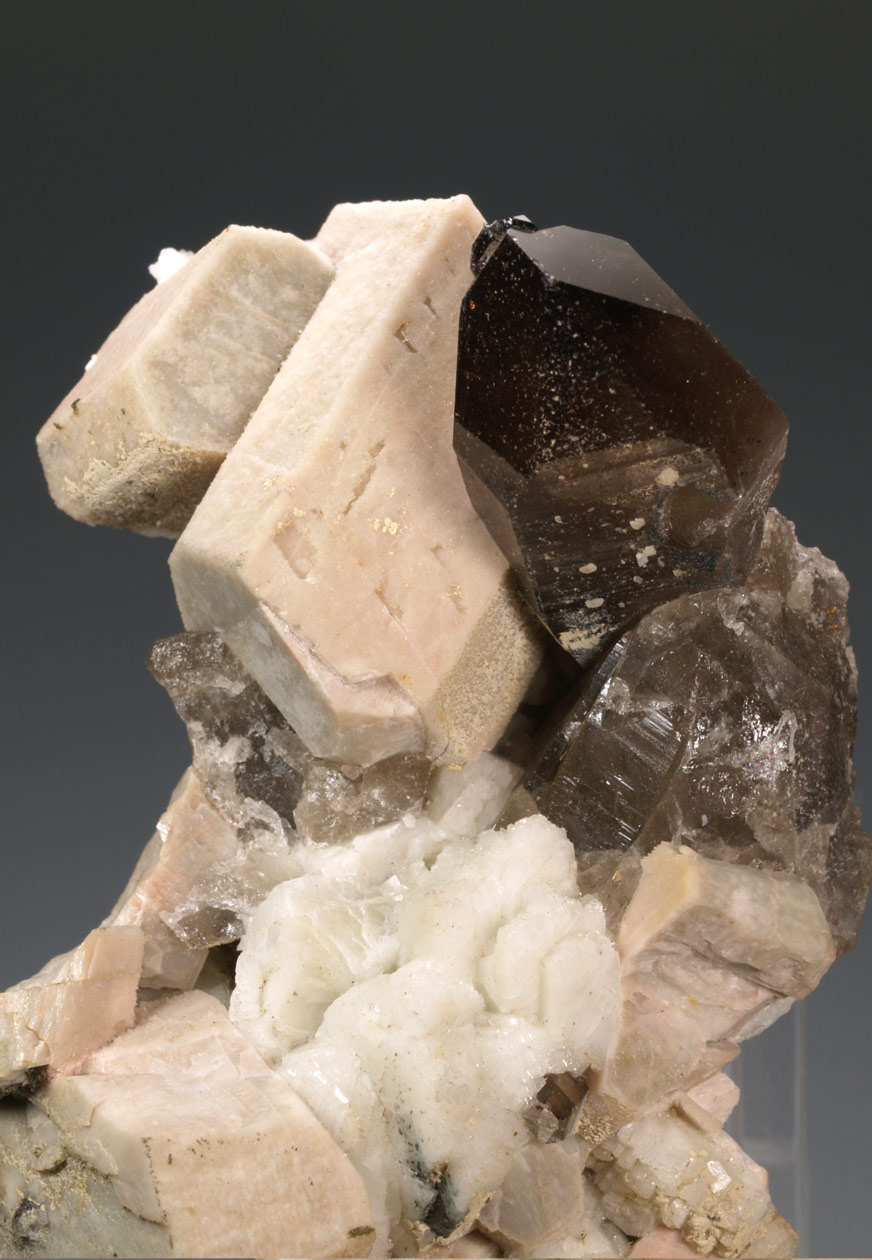
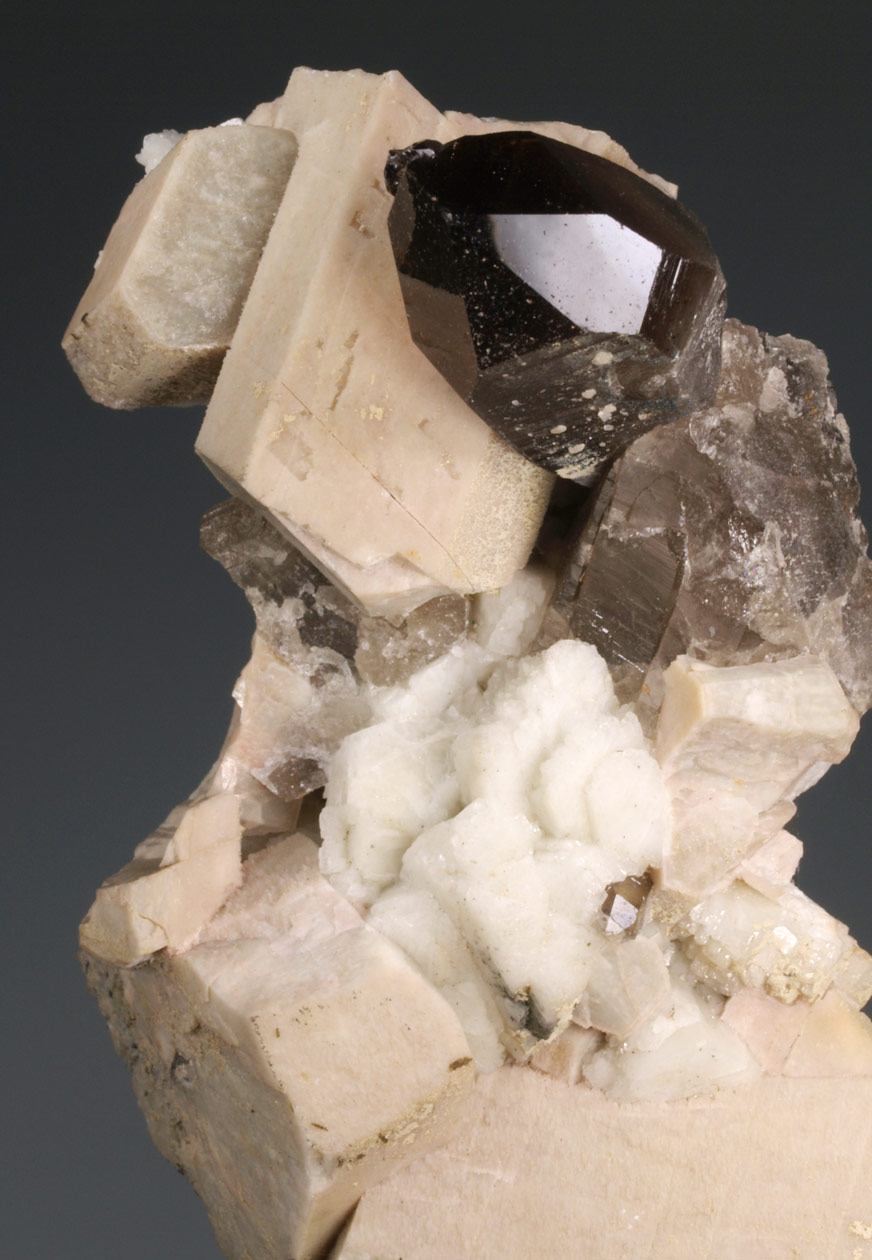
A specimen composed of several good-sized microcline crystals with well-defined faces and edges, accompanied by white albite crystals. A group of smoky quartz crystals with good luster and transparency stands out at the top. This specimen comes from the collection of Peter Seroka (Potsdam, 1942 - L'Escala, 2020), a well-known German collector residing in Catalonia and a lover of feldspars.

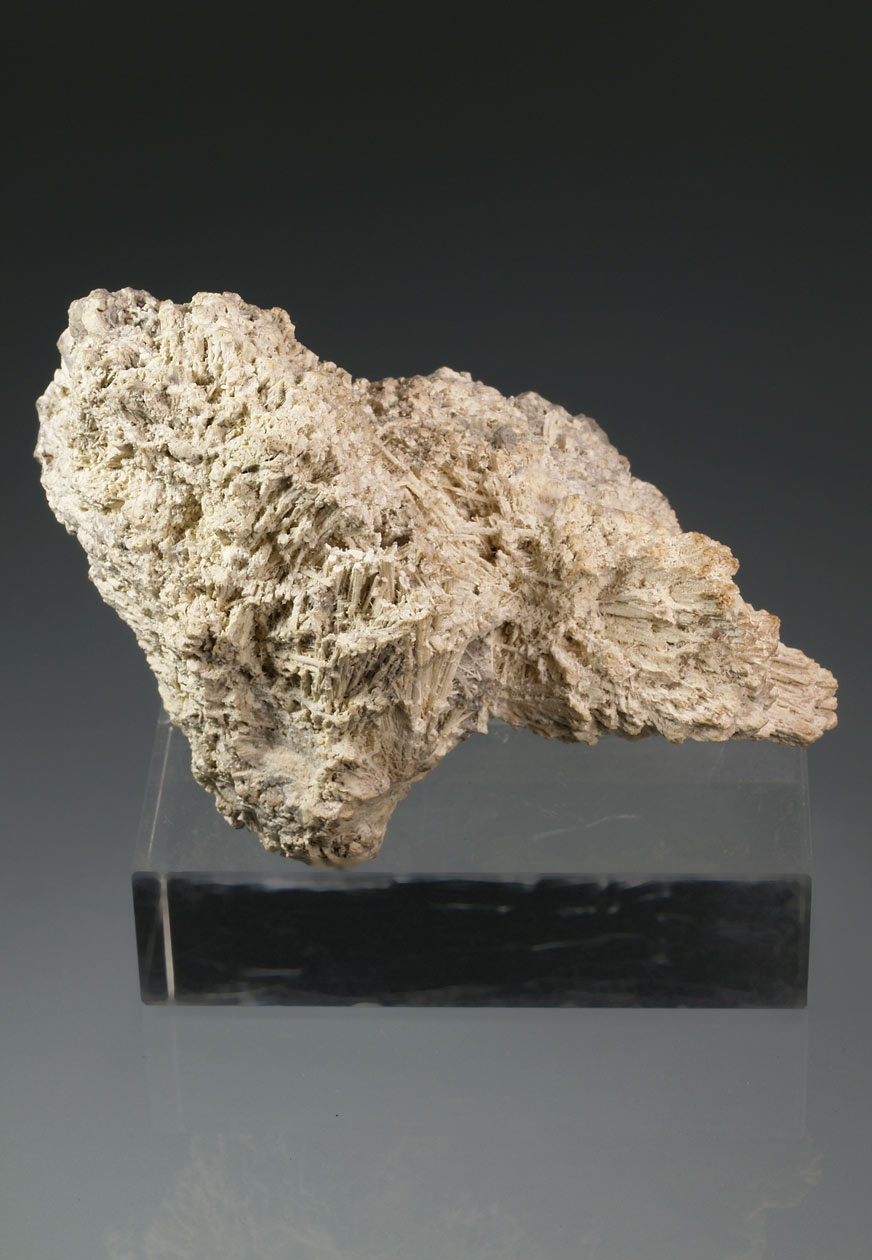

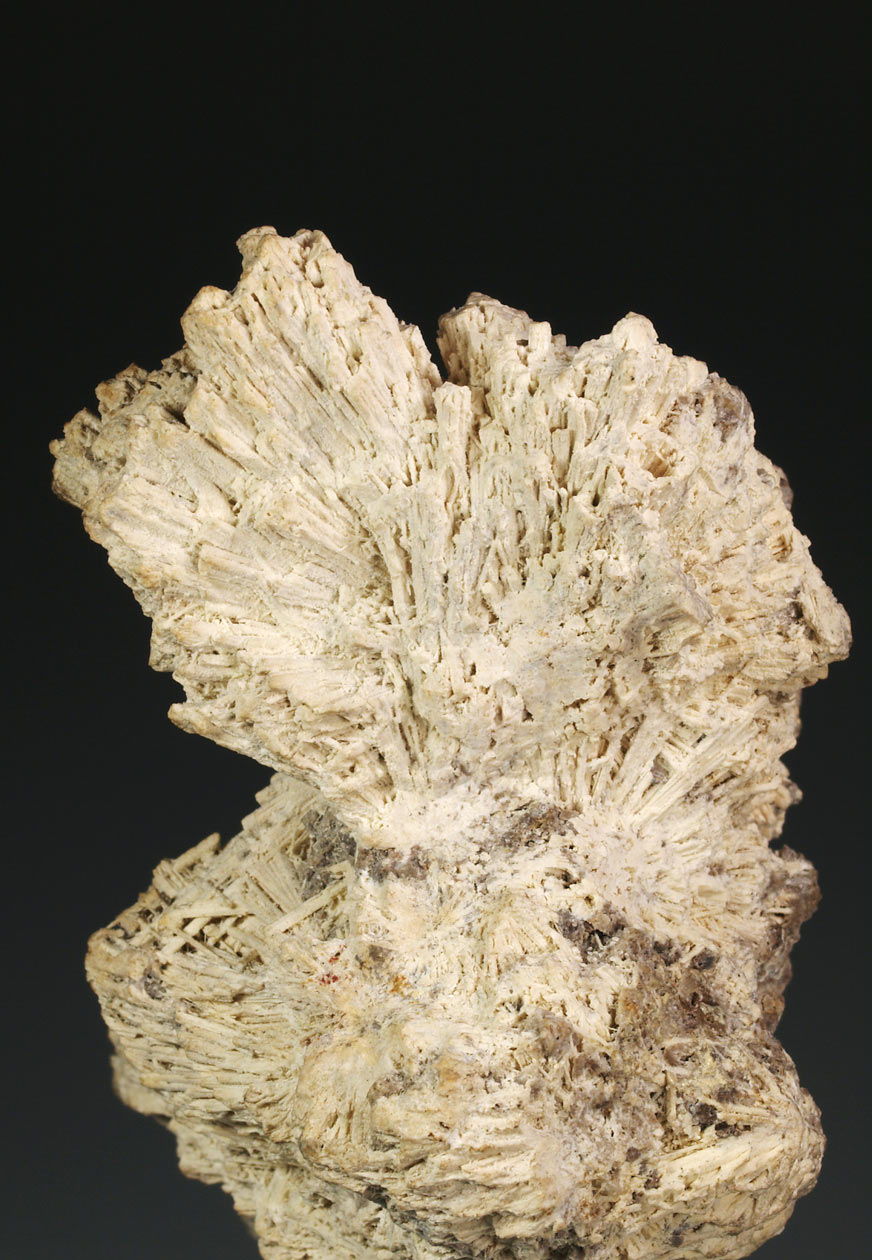
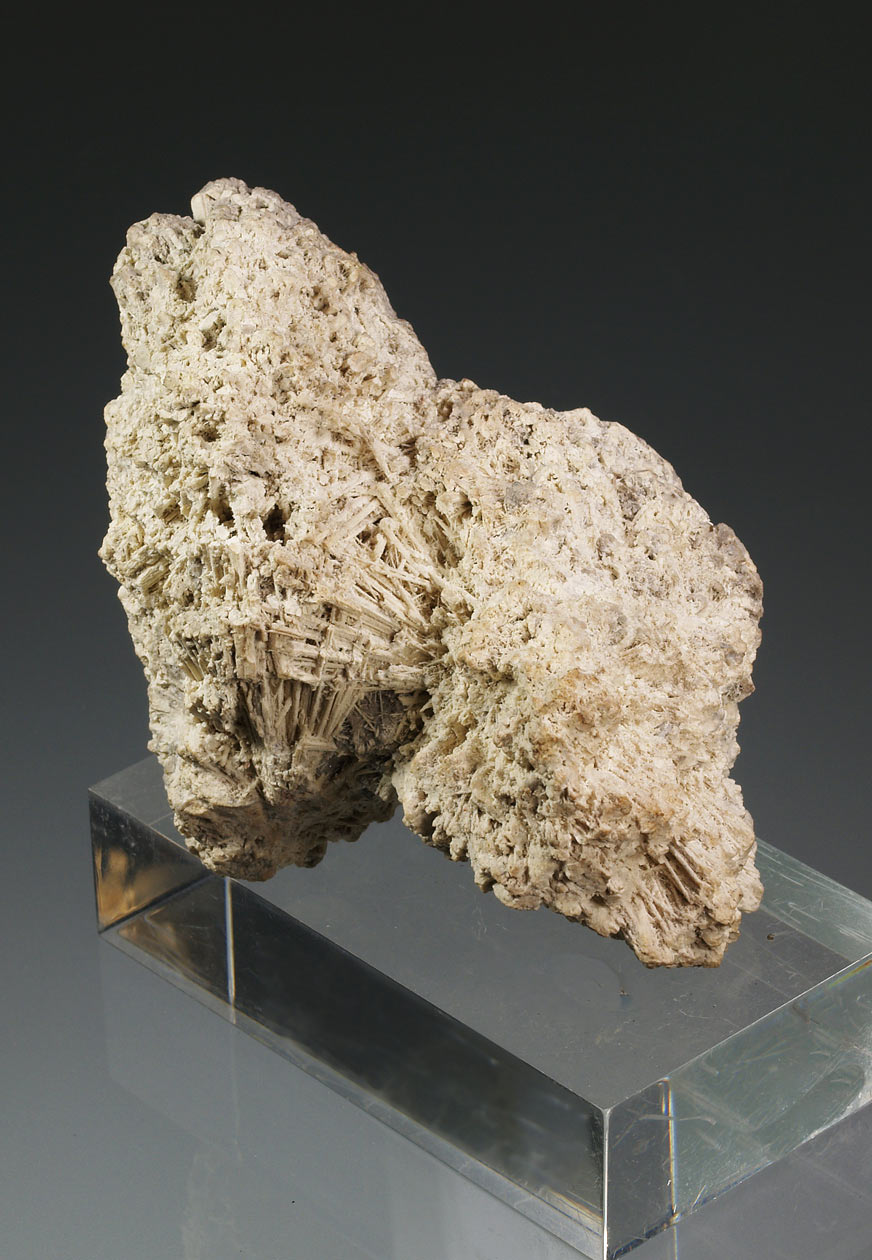
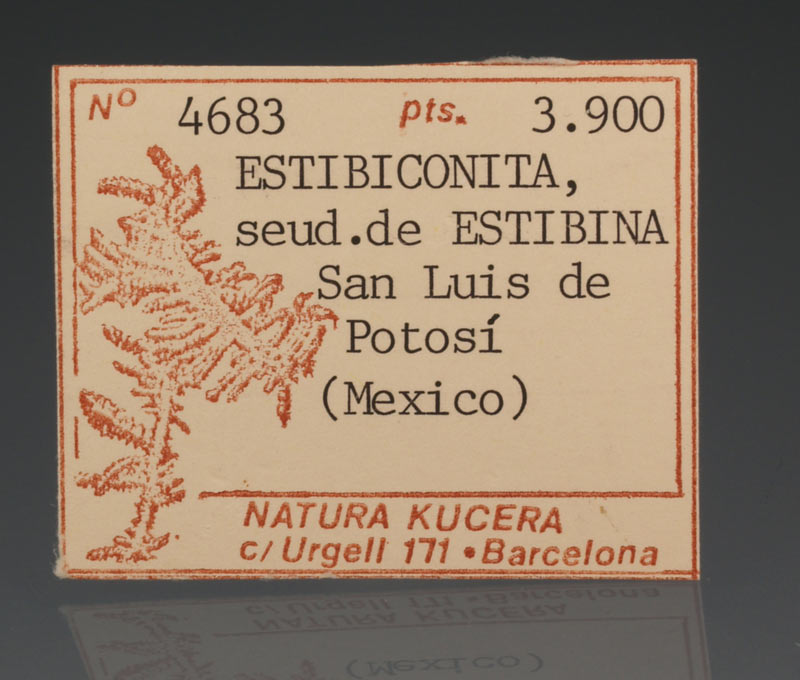
This specimen comes from the Nicolau collection in Barcelona and was acquired from the well-known Barcelona mineral dealer, Enric Kucera. The specimen shows an intricate group of stibnite crystals that are almost completely transformed into stibiconite. It is accompanied by Kucera's label.
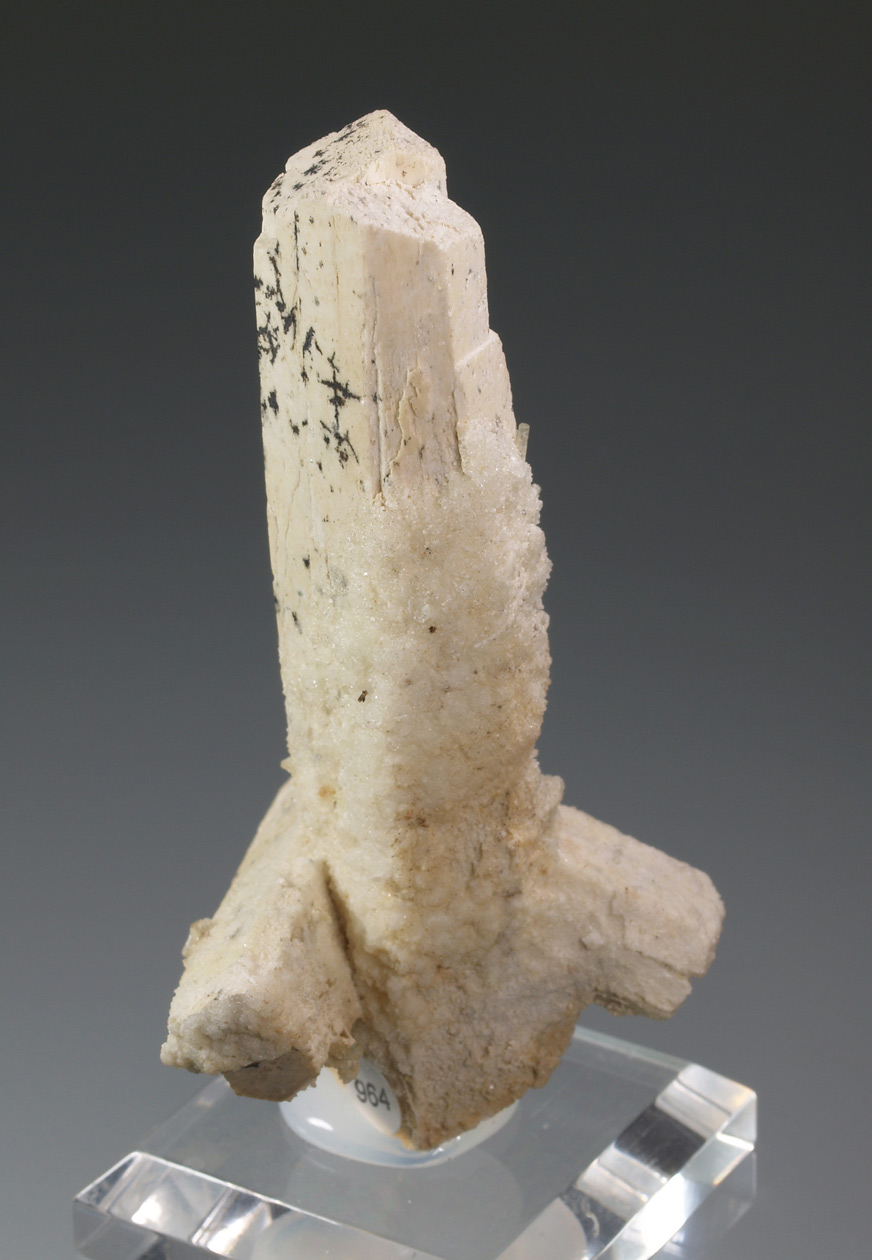
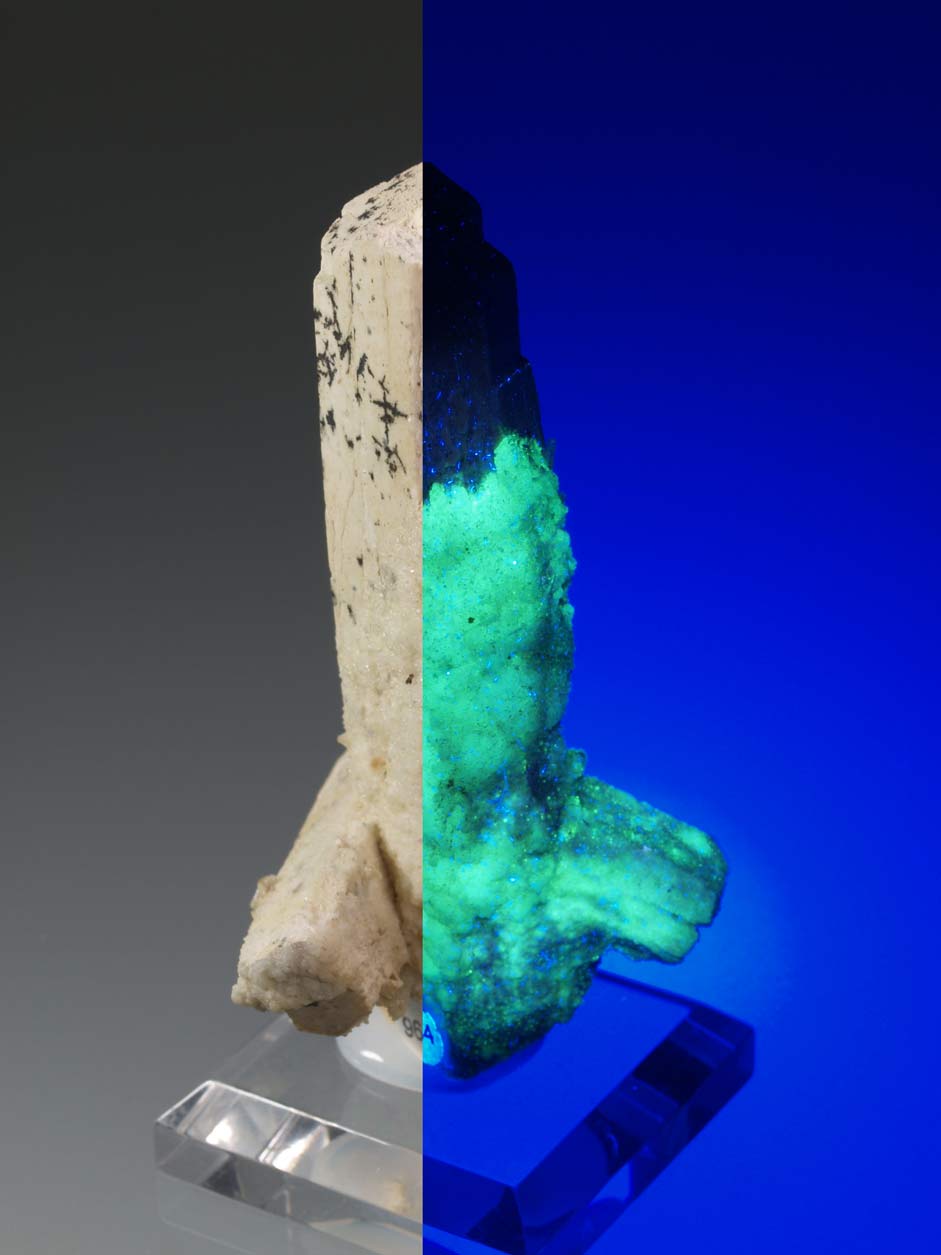
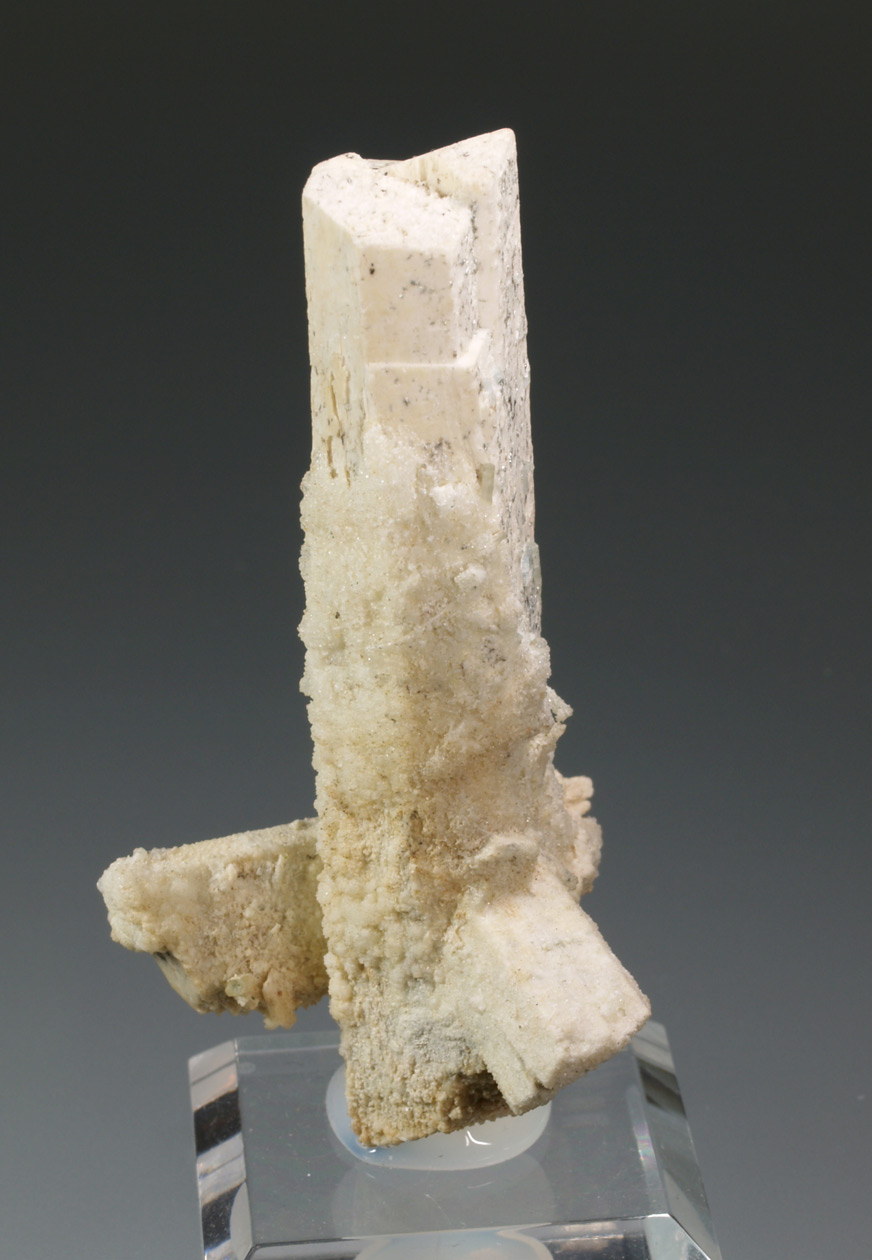
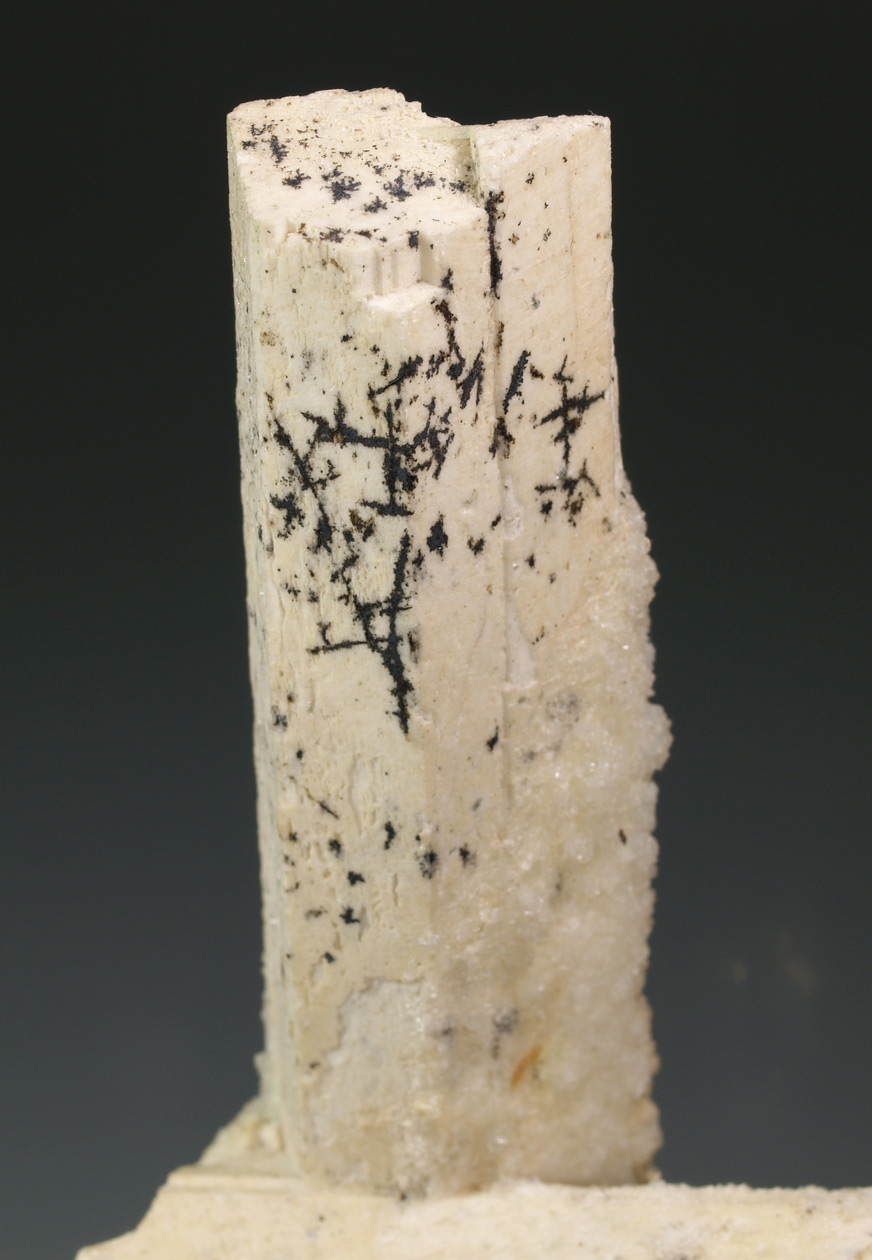
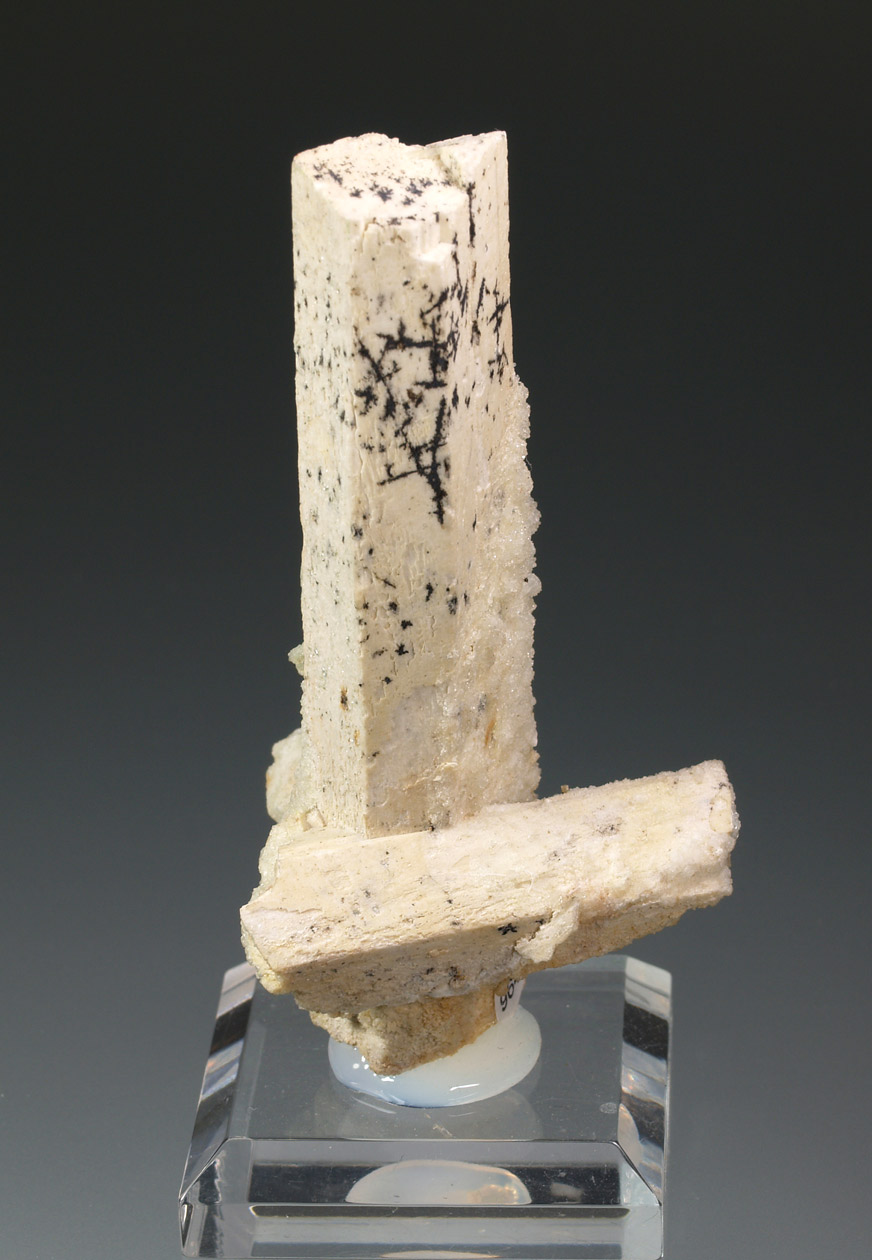
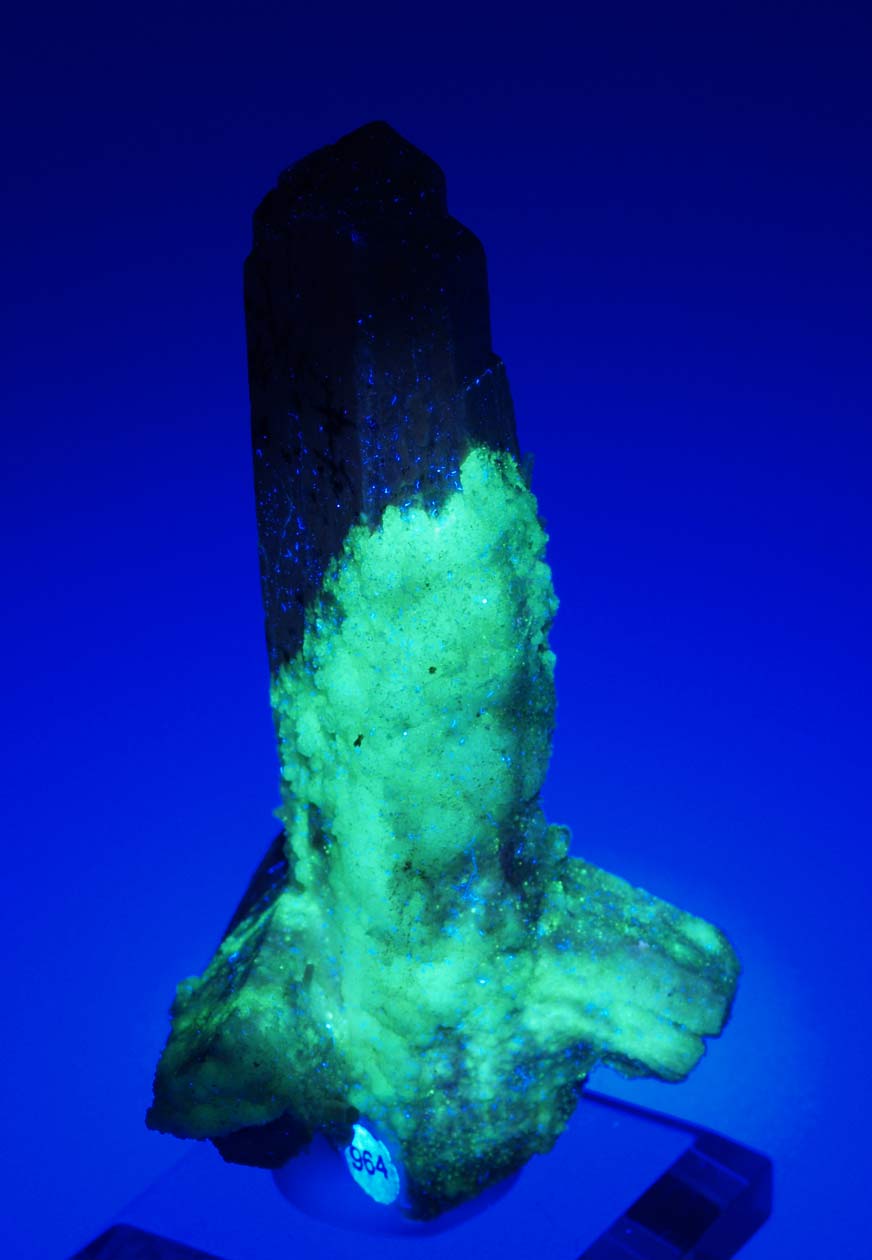
A curious specimen composed of several prismatic microcline crystals, some of them interpenetrated by something resembling a Carlsbad twin. They are partially coated by globular aggregates of opal, which fluoresce strongly under ultraviolet light. This specimen comes from the Peter Seroka collection and was acquired in 2007 from Allan Fraser.
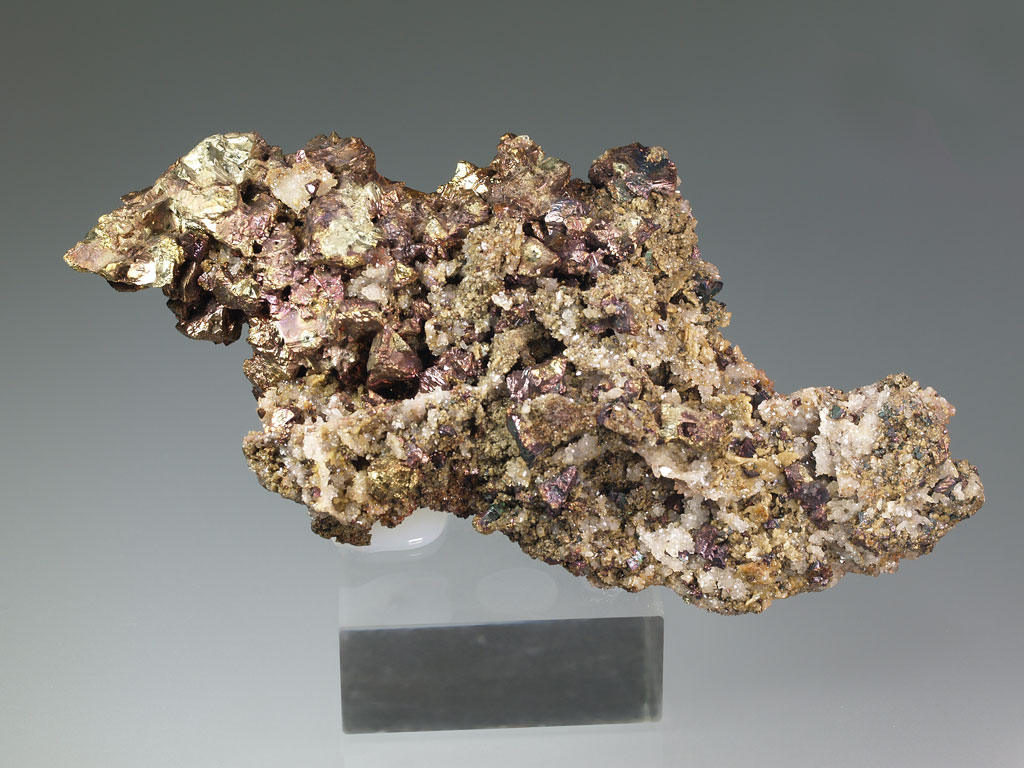
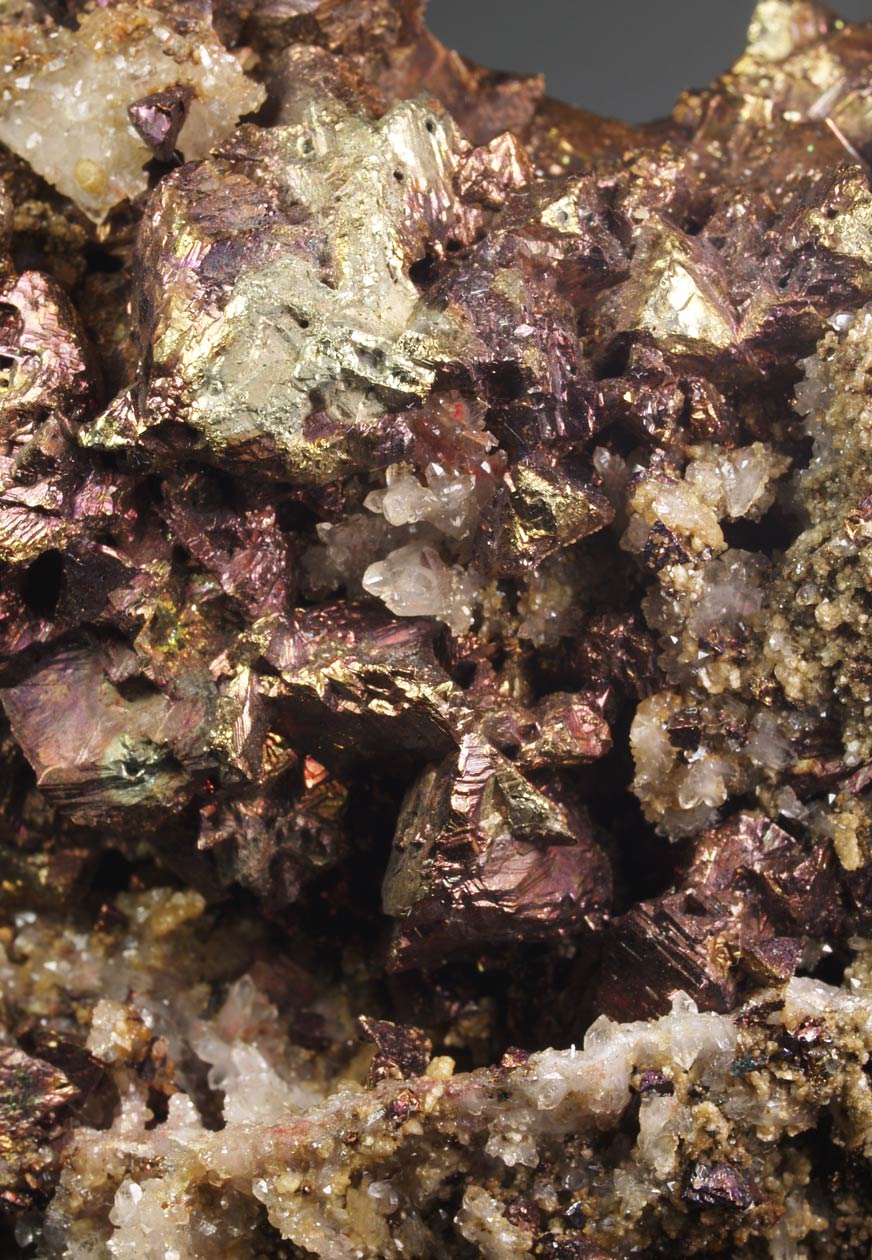
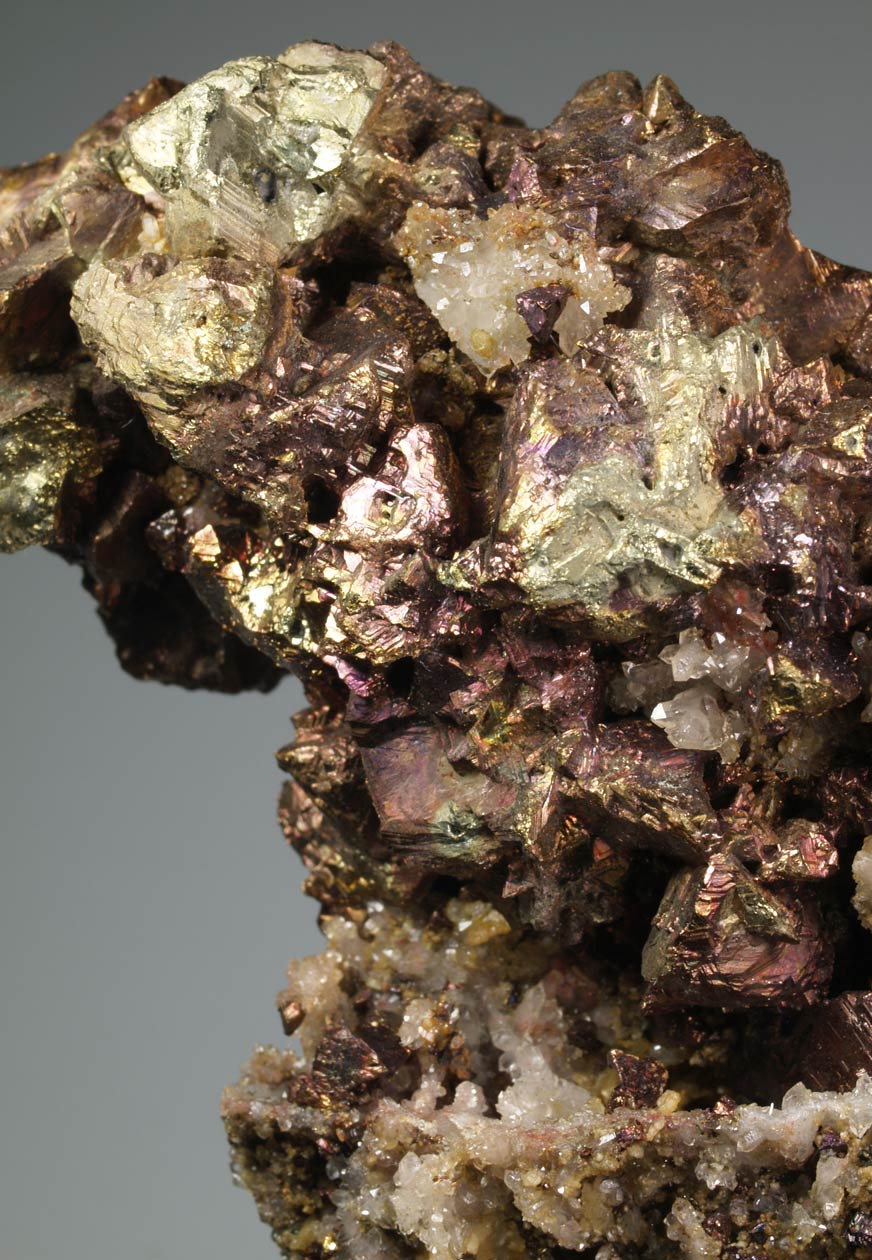
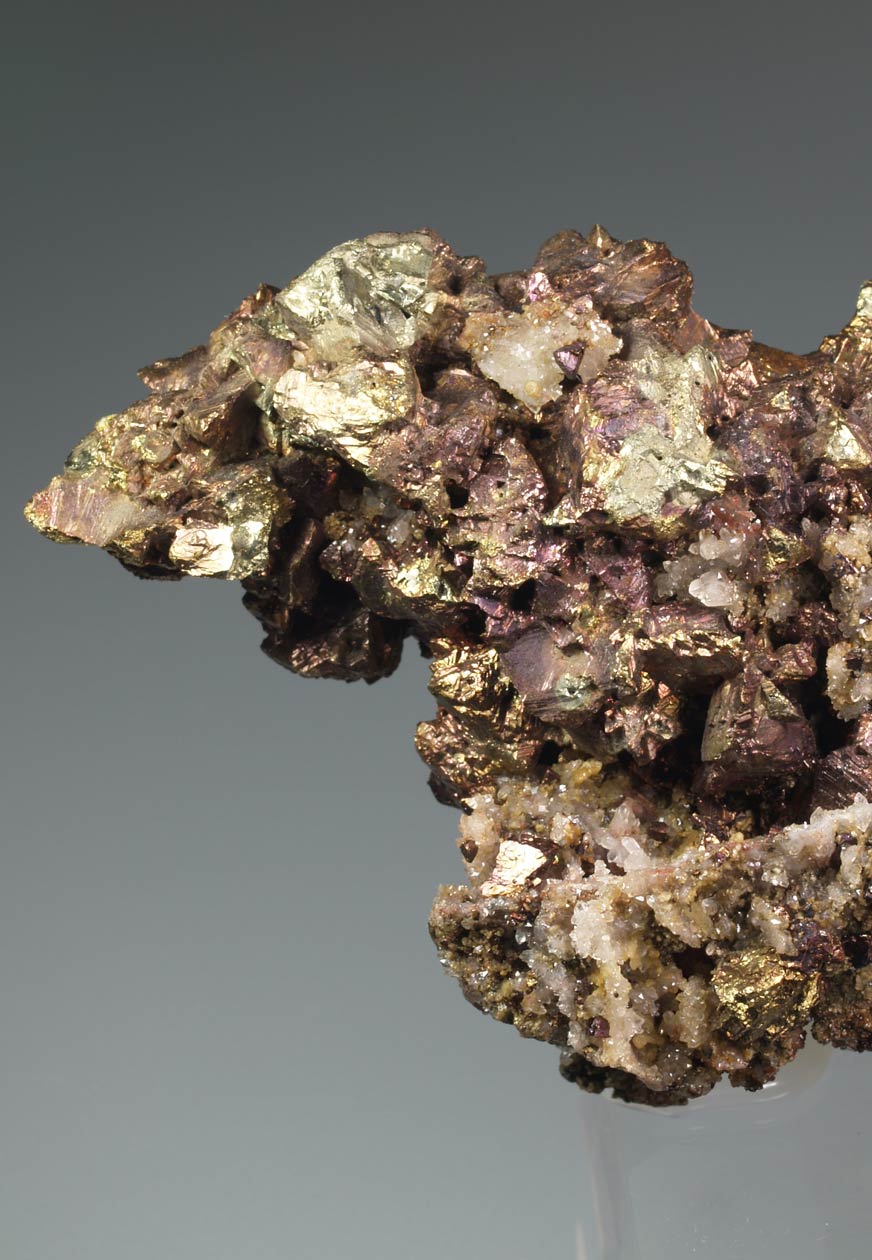
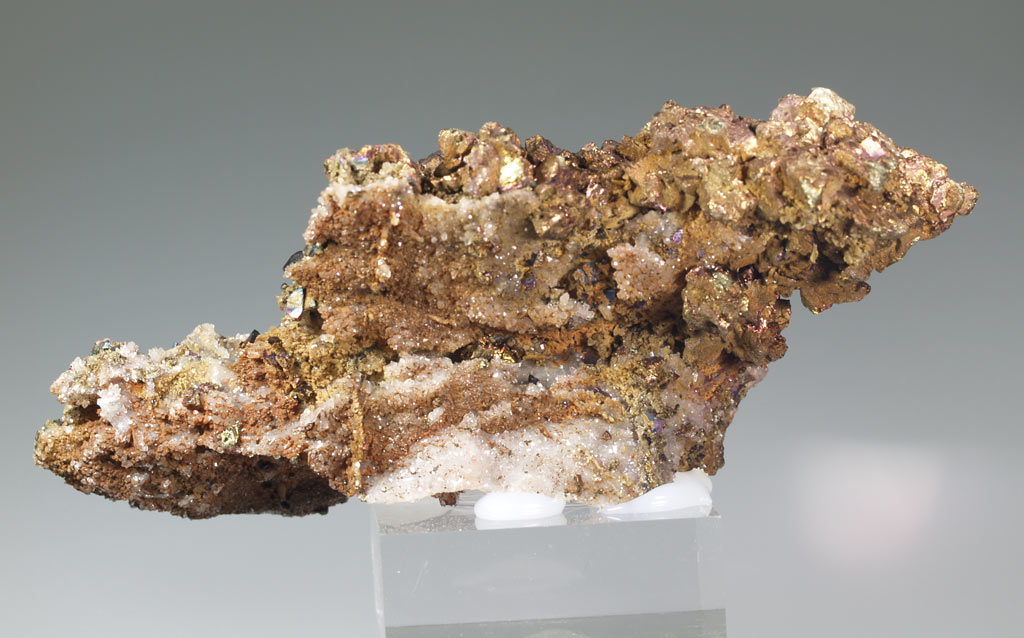
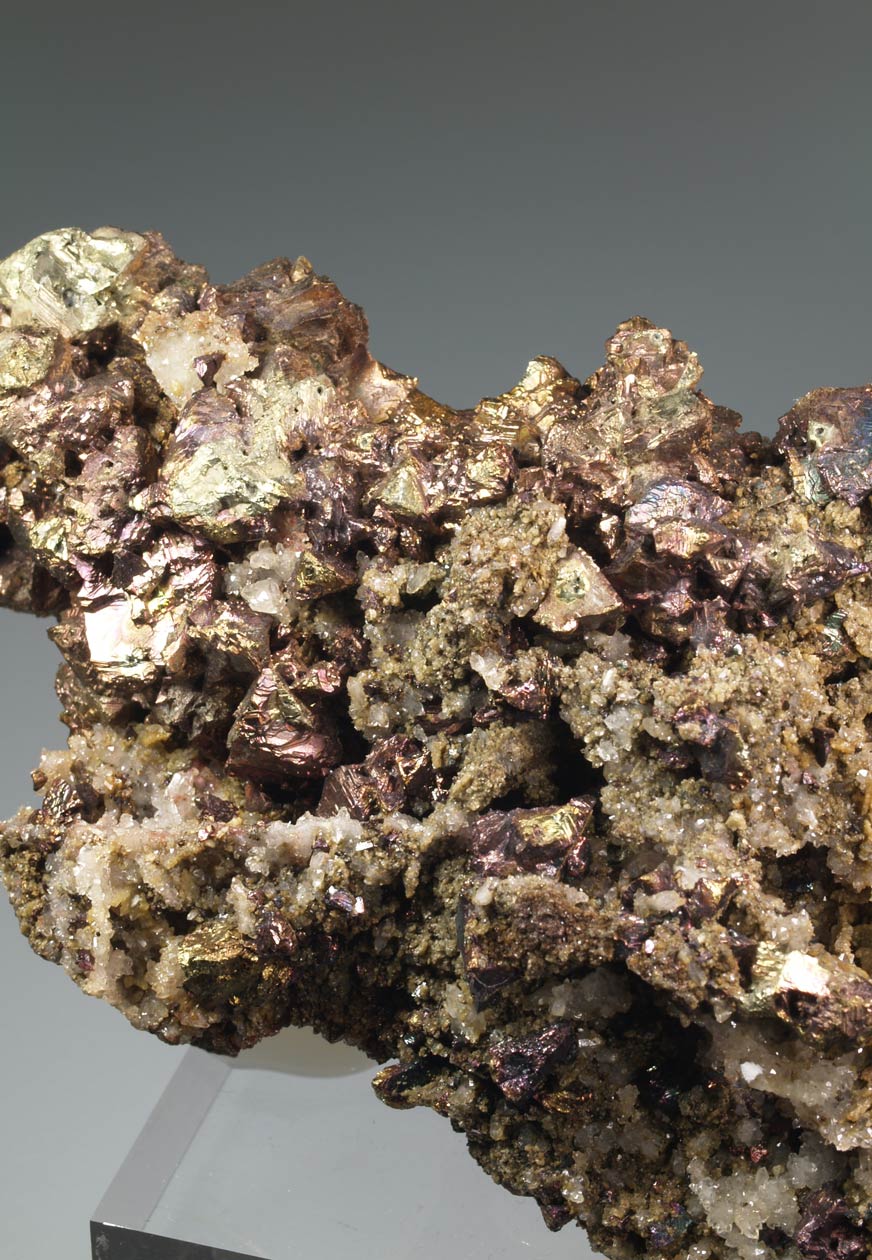
A very aesthetic and classic specimen of the hard to find and attractive chalcopyrites from the Friedrich-Wilhelm Mine. This specimen shows a brilliant, metallic, semi-iridescent, brass colored crystals of chalcopyrite scattered on the underlying quartz matrix. Richly faceted, with complex forms on the chalcopyrites. Very old material. From the former J. Vilaseca collection (Barcelona).

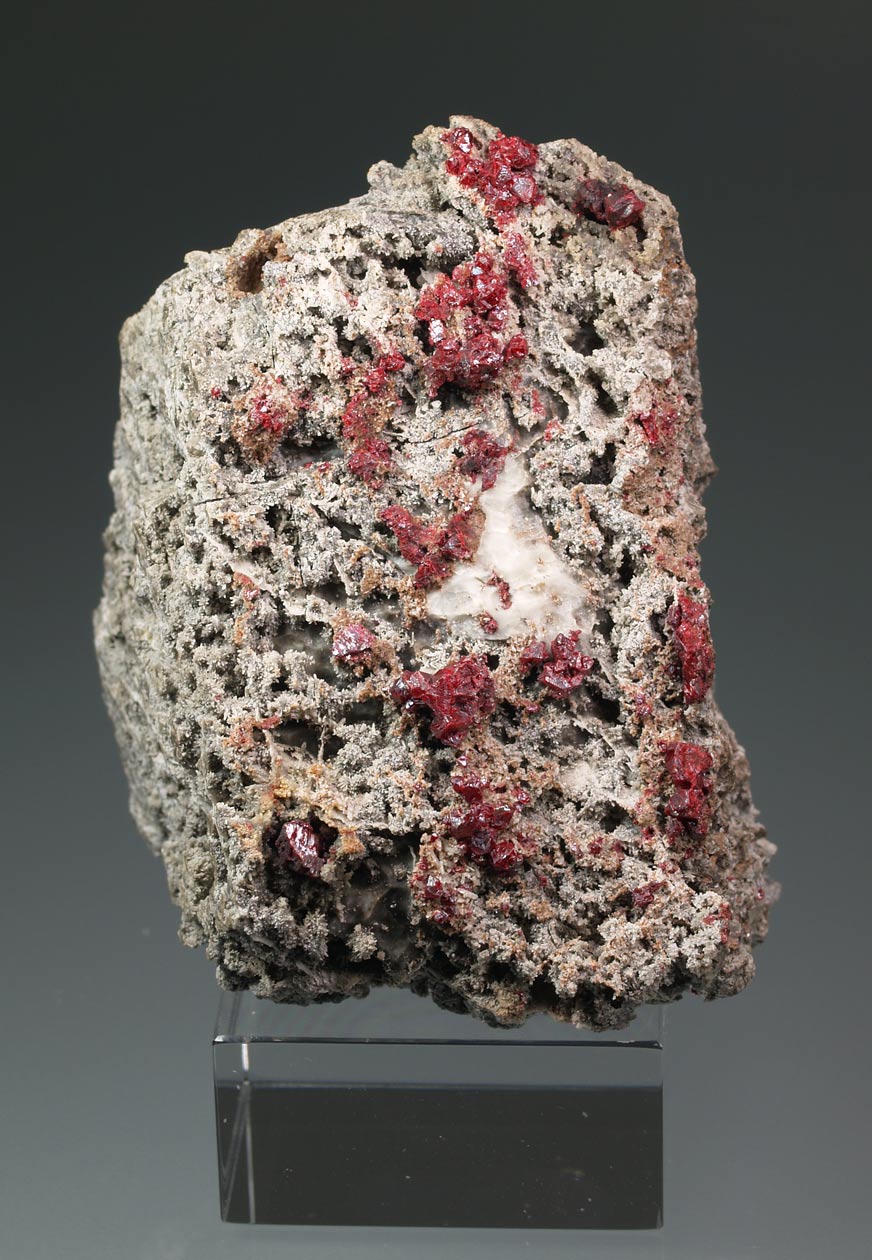
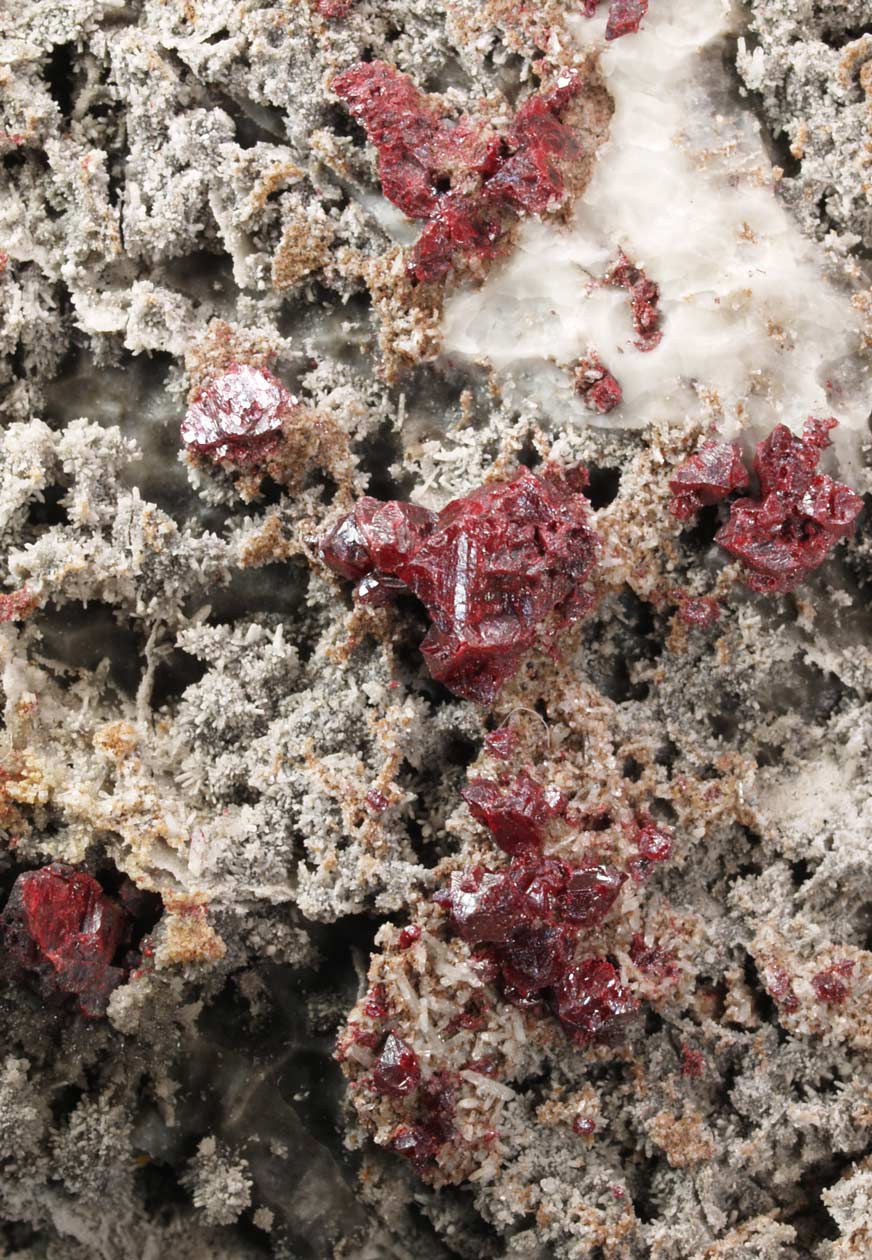
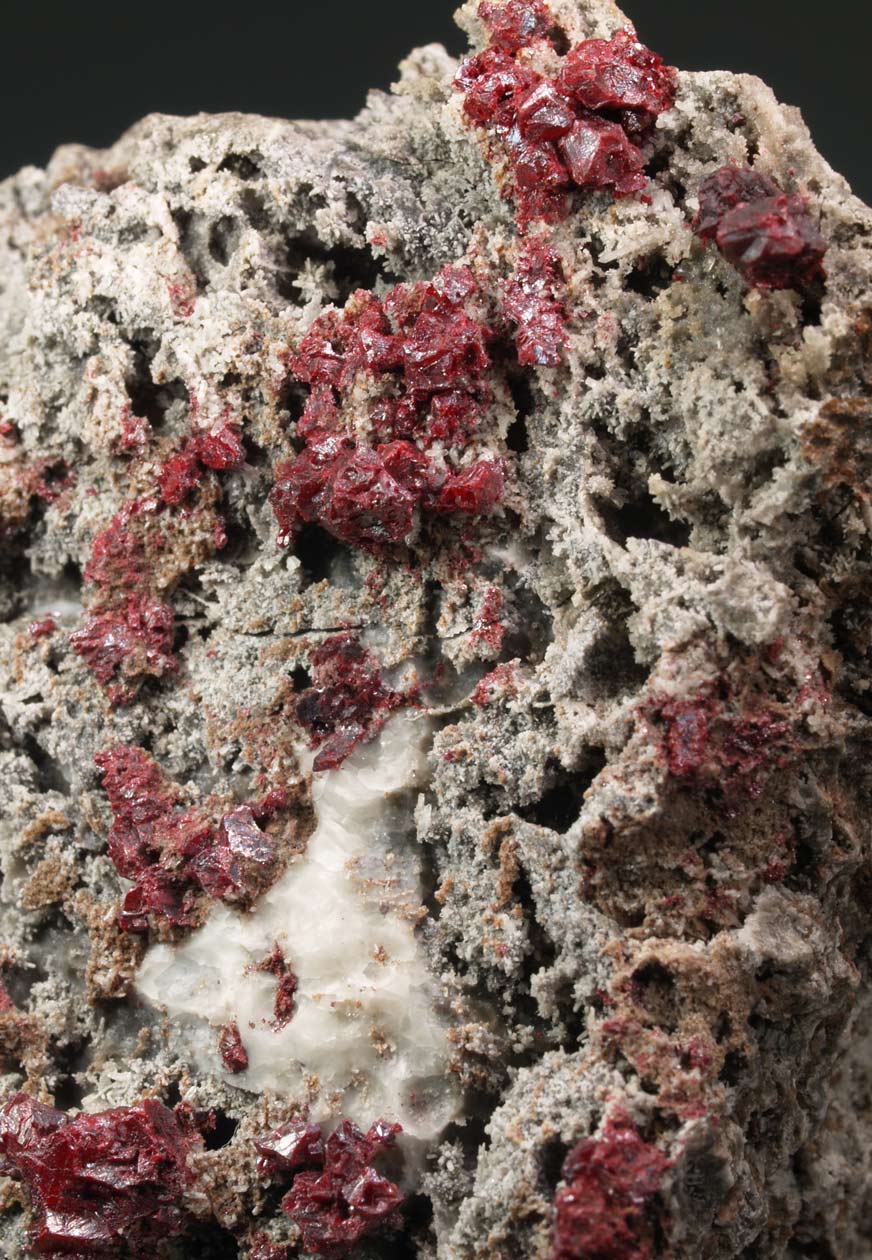
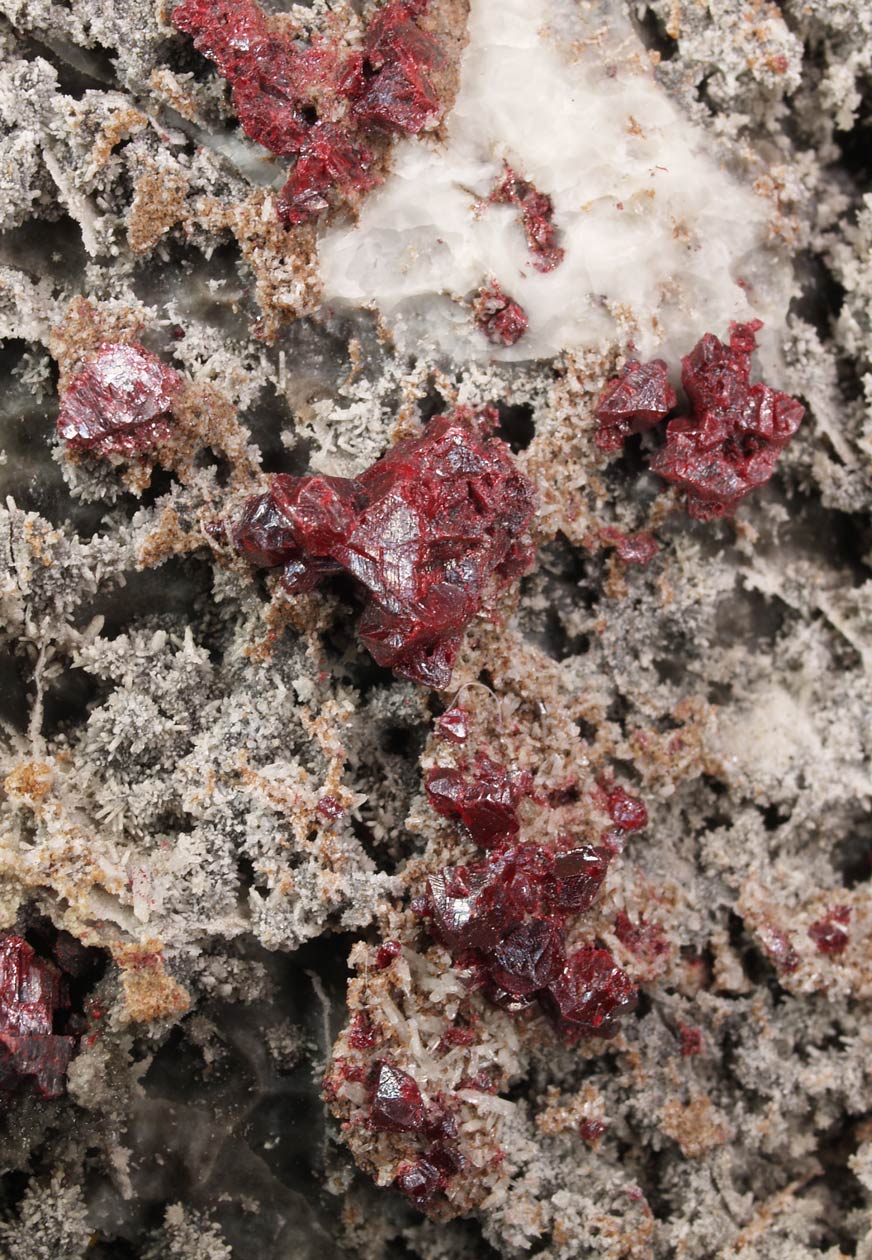
A fine specimen of cinnabar from the classic Spanish mine, Escarlati, in León. This specimen shows various aggregates of interpenetrating mercury sulfide crystals, with good color and visible octahedral shapes. They are arranged on a porous matrix that had been covered with calcite but was removed chemically. Only in this way can we enjoy these crystals. It comes from the Jaime Murria collection (Barcelona).
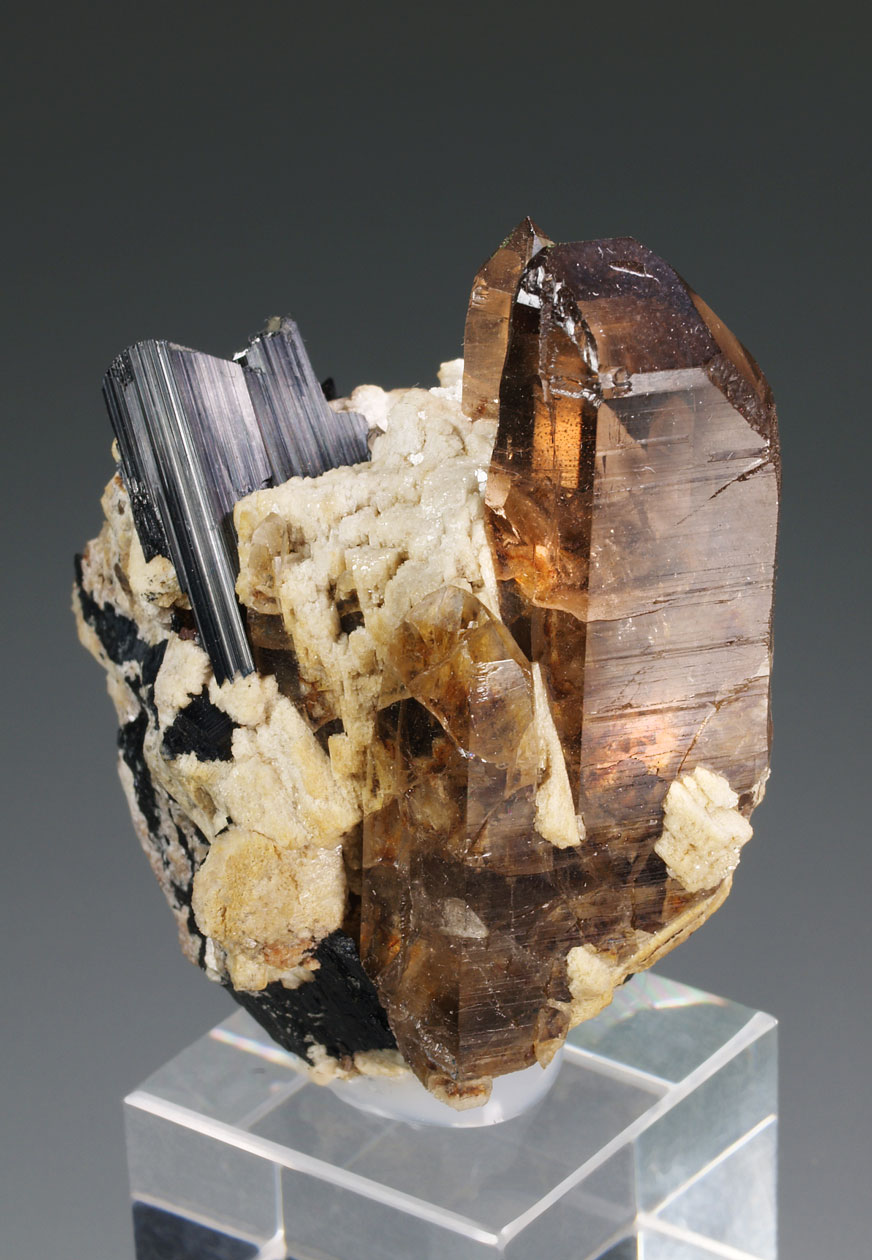
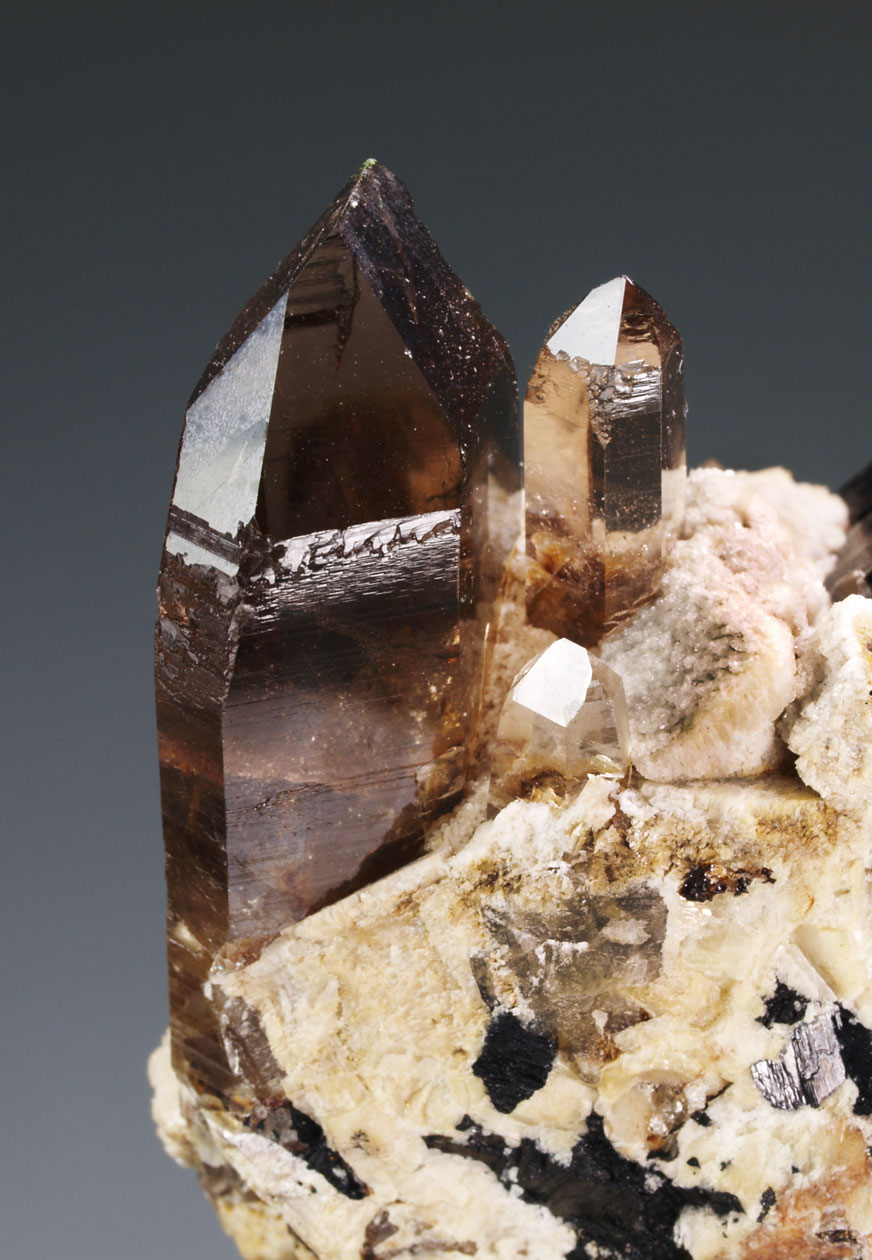
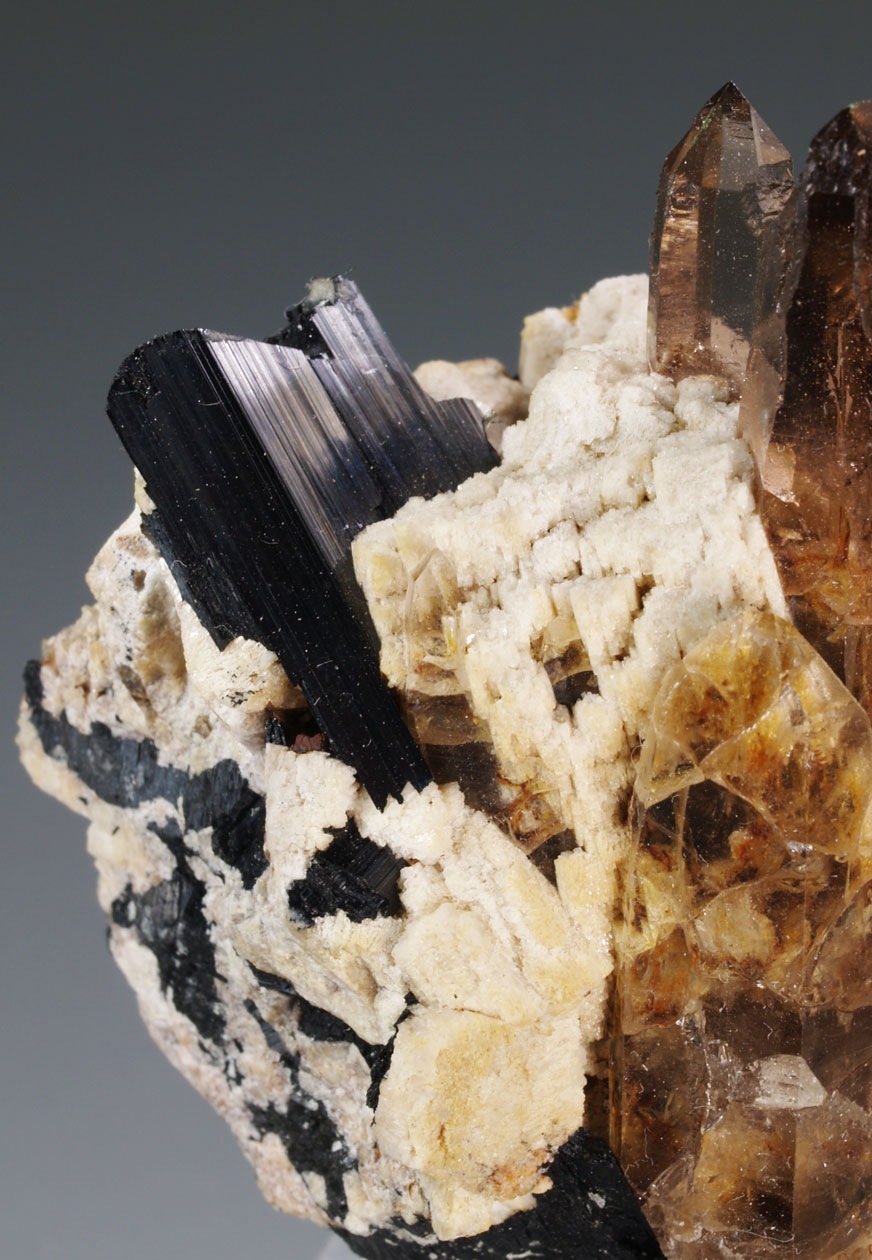
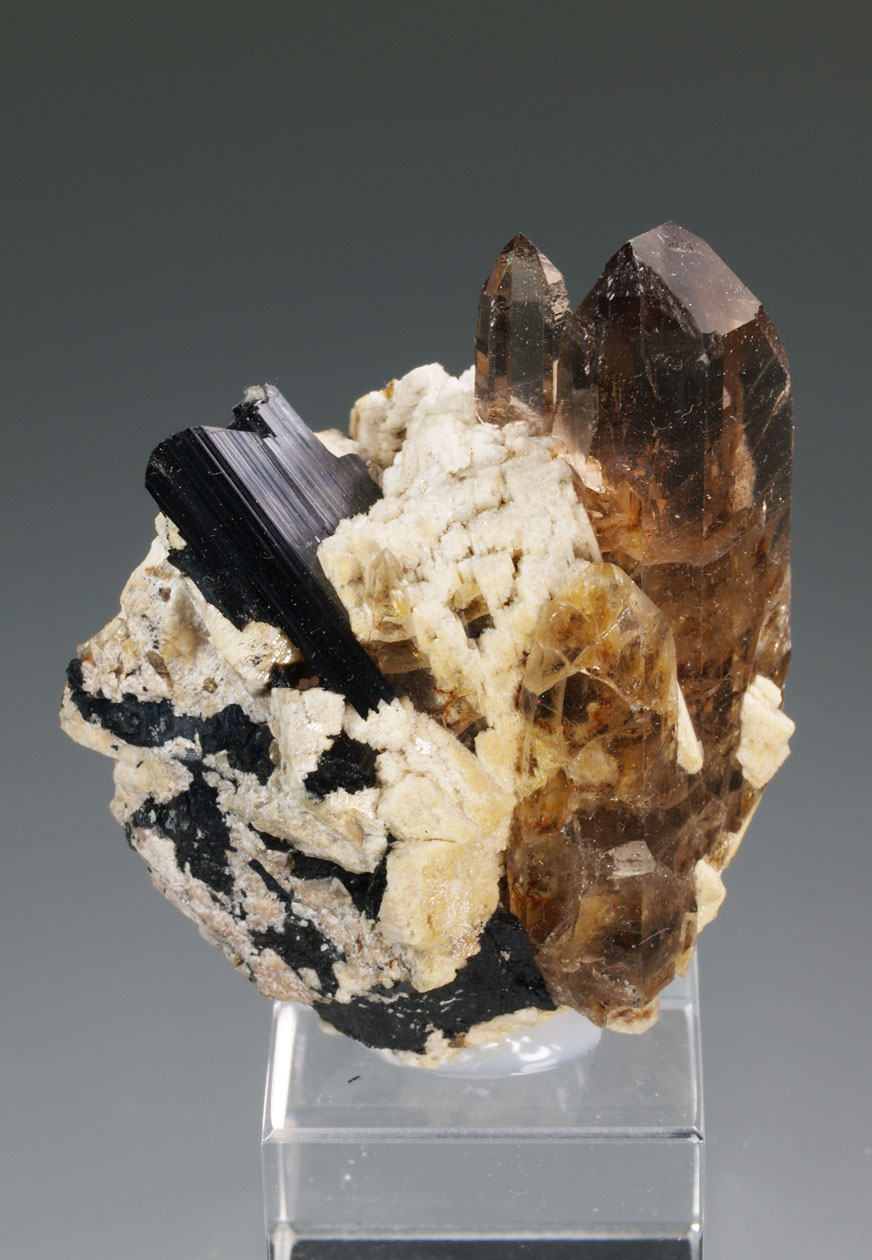
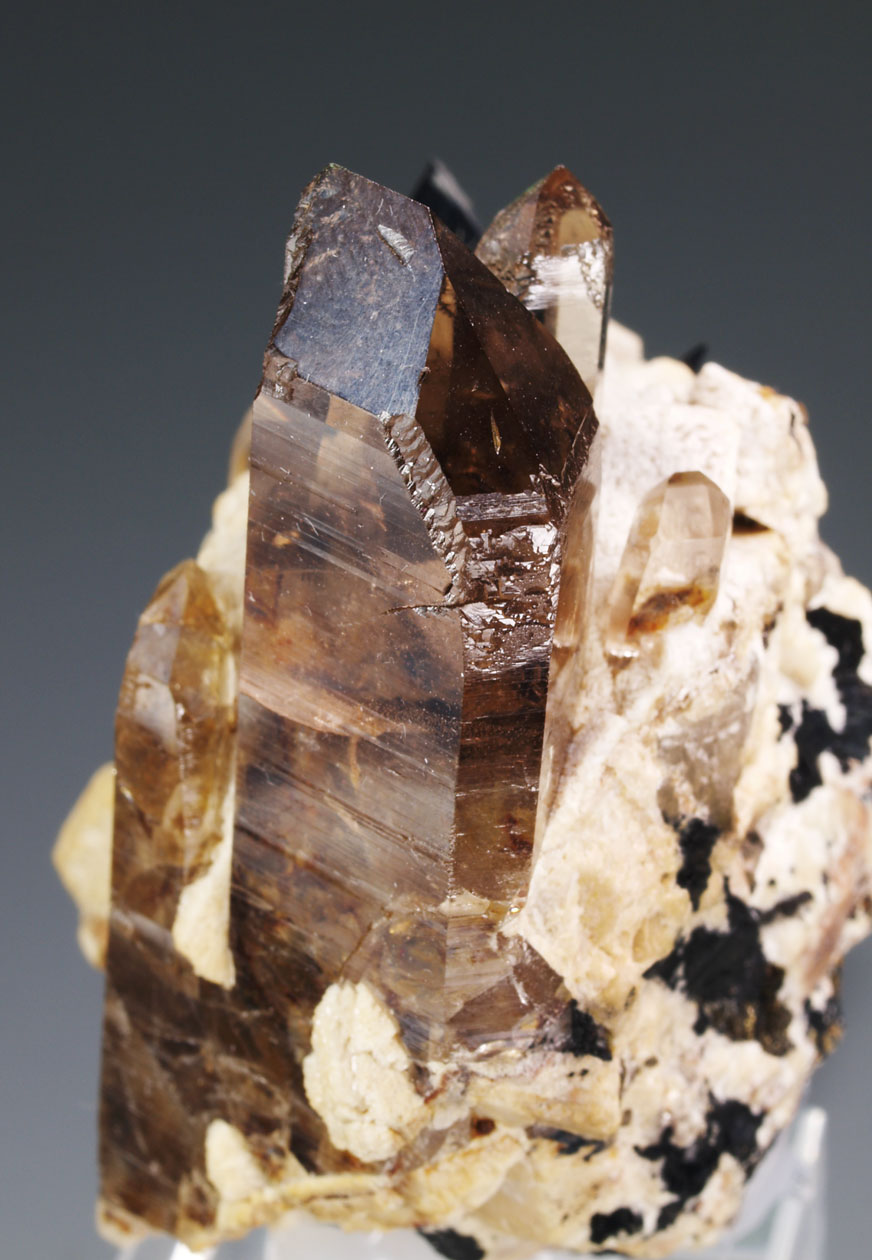
In this specimen, we can observe various smoky quartz crystals, with a very uniform colour and exceptional transparence. They are disposed on a feldspar matrix, accompanied by various prismatic aegirine crystals with striated faces and a very intense black color. This specimen belongs from the Jaime Murria collection (Barcelona).
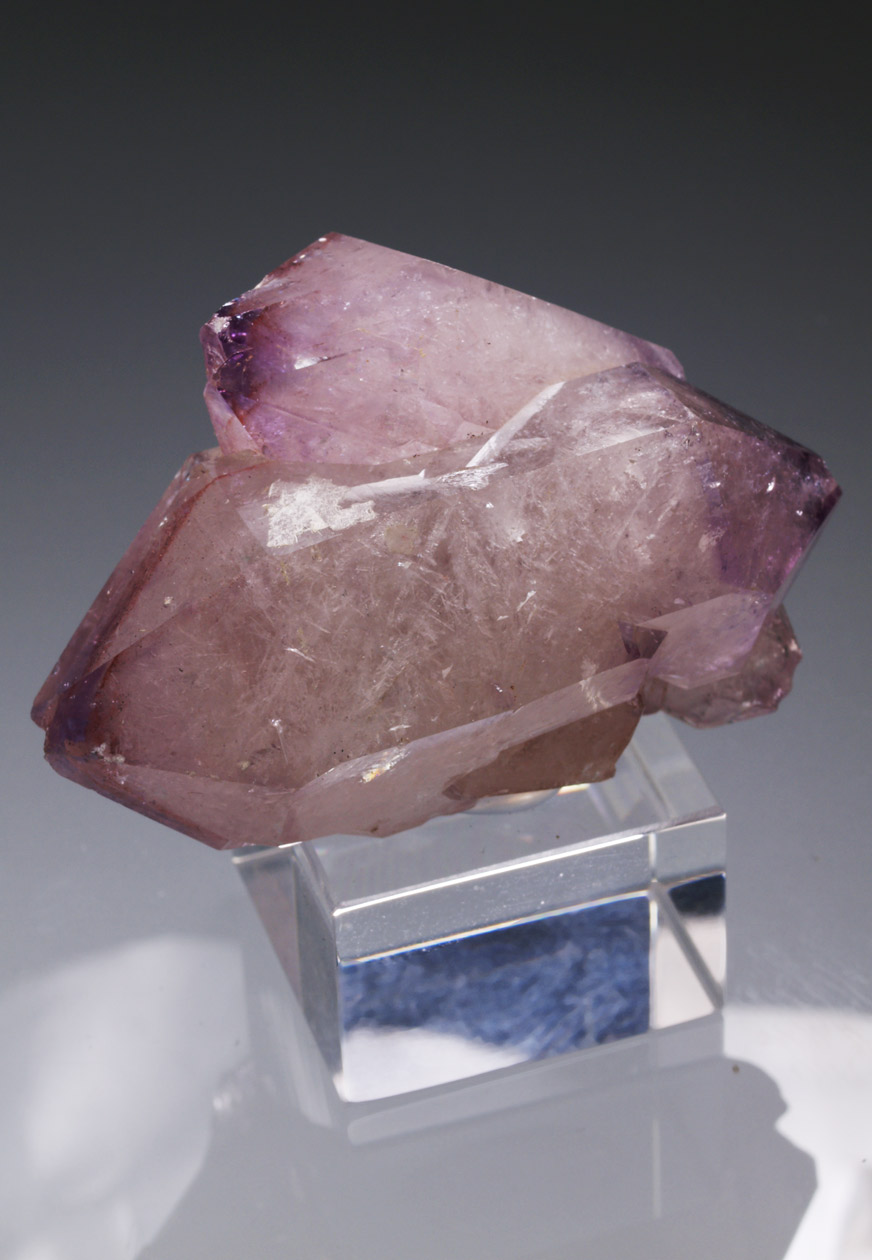
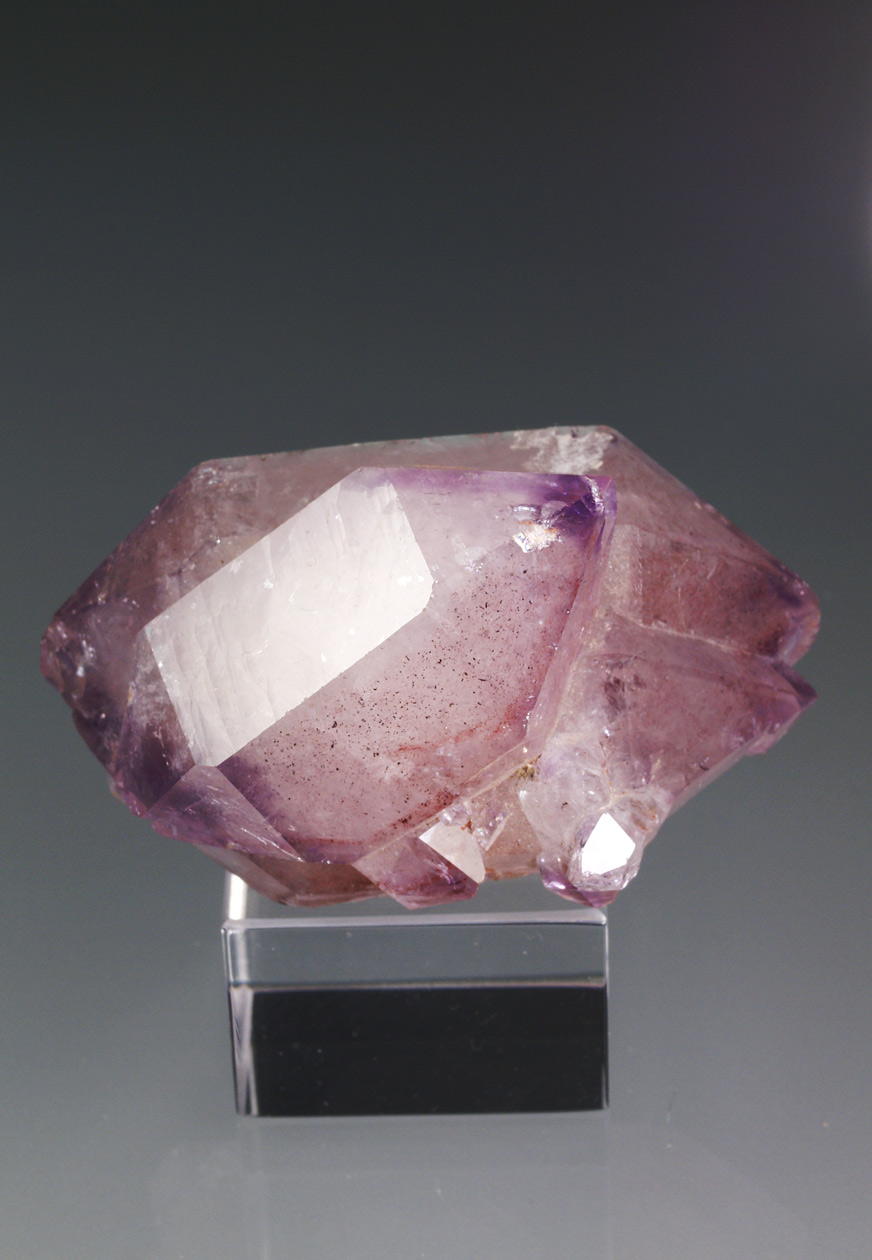
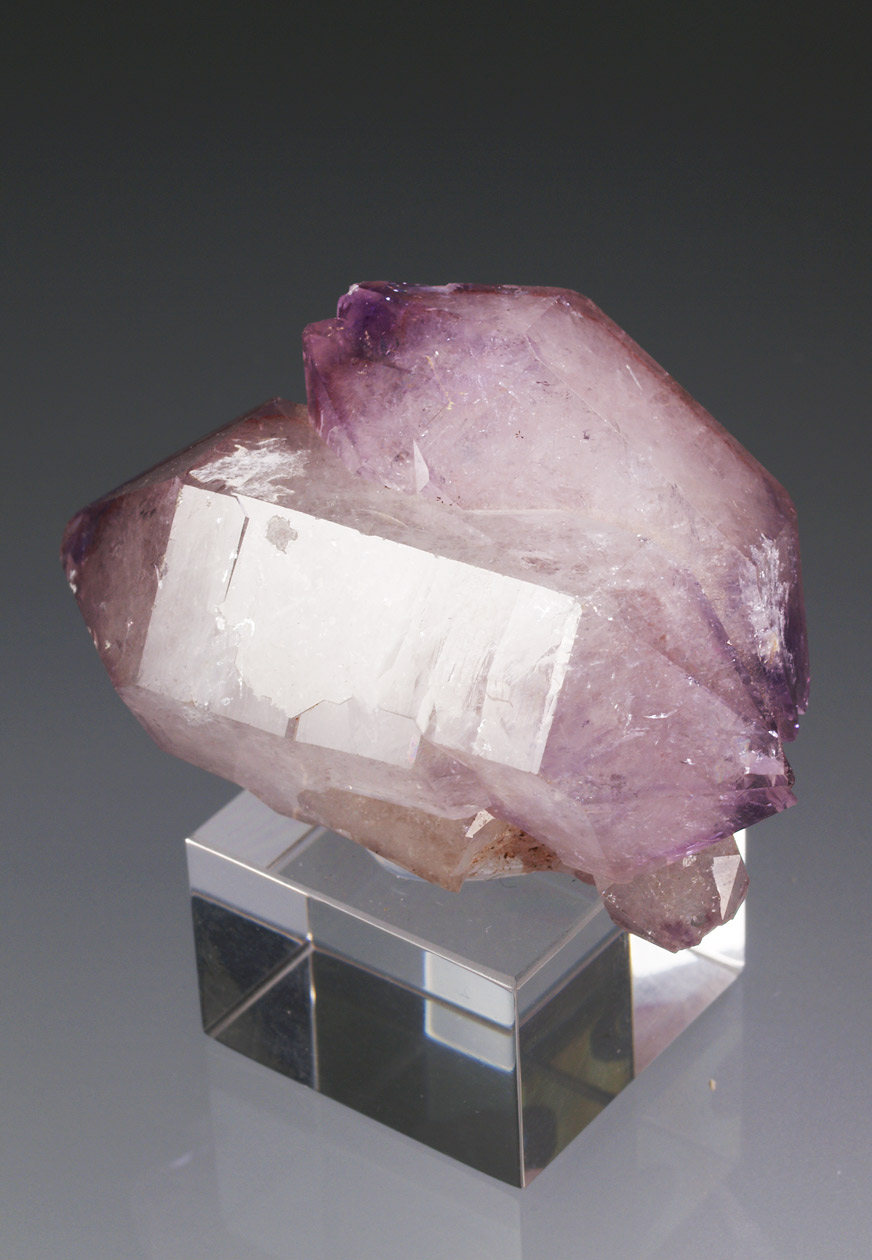
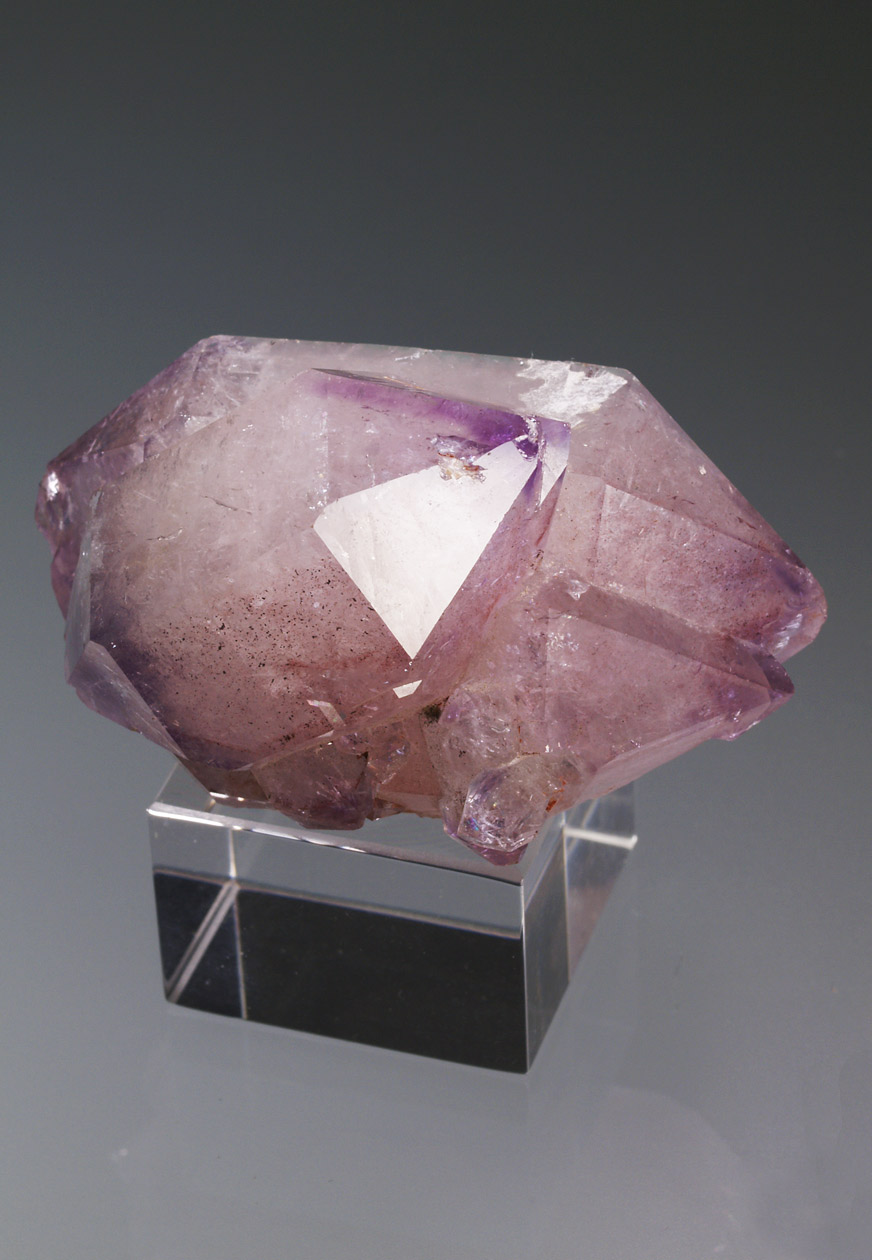
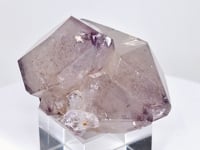
The amethyst quartz specimens from this old Murcia mine are highly prized among collectors. In this specimen, we can see various doubly terminated quartz crystals, with the amethyst color showing some zoning, more intense at the tips. The luster is very good.