- Inicio Acerca de RM Minerales
- Galería de fotos Blog RM Contacto
- Microscopia e instrumentos Pedidos Aviso legal
Copyright 2010-2026
www.rosellminerals.com



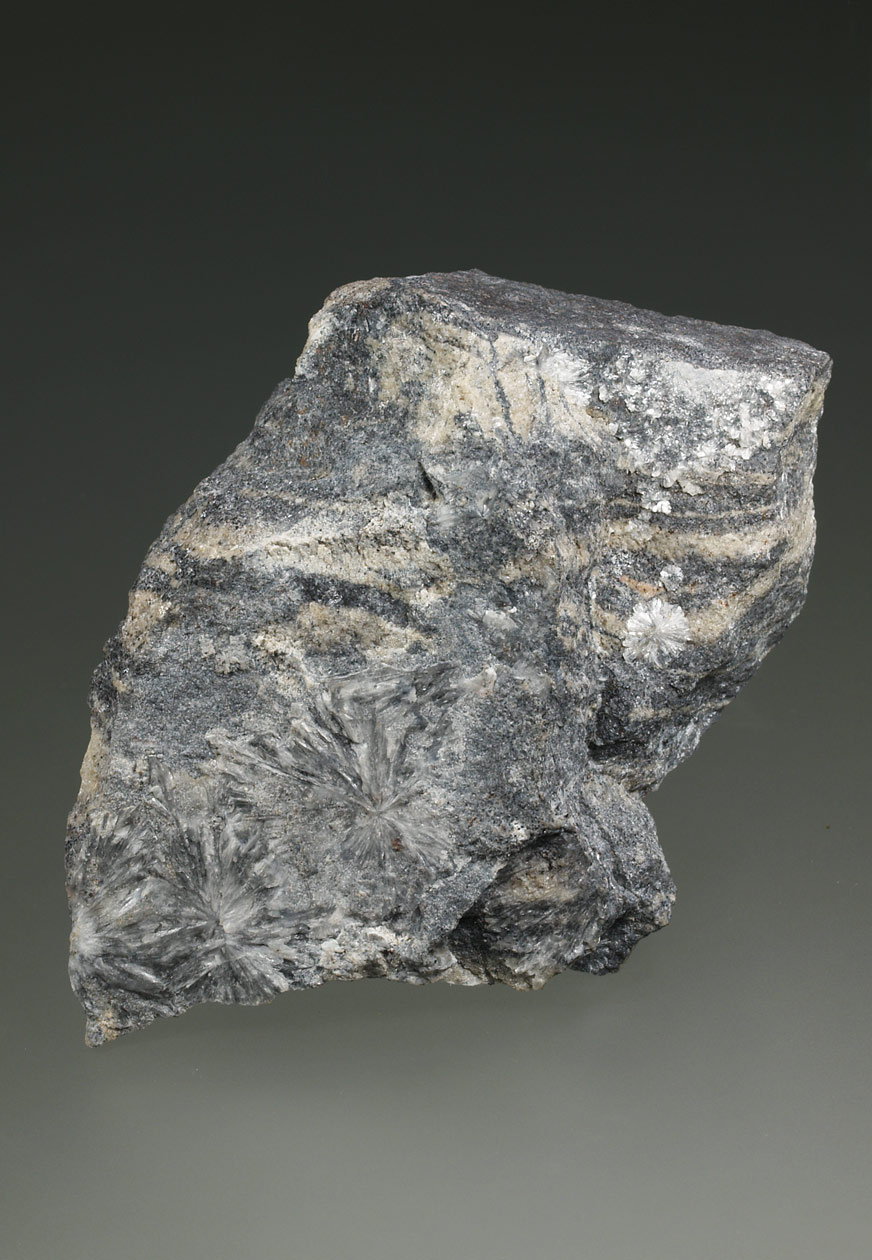
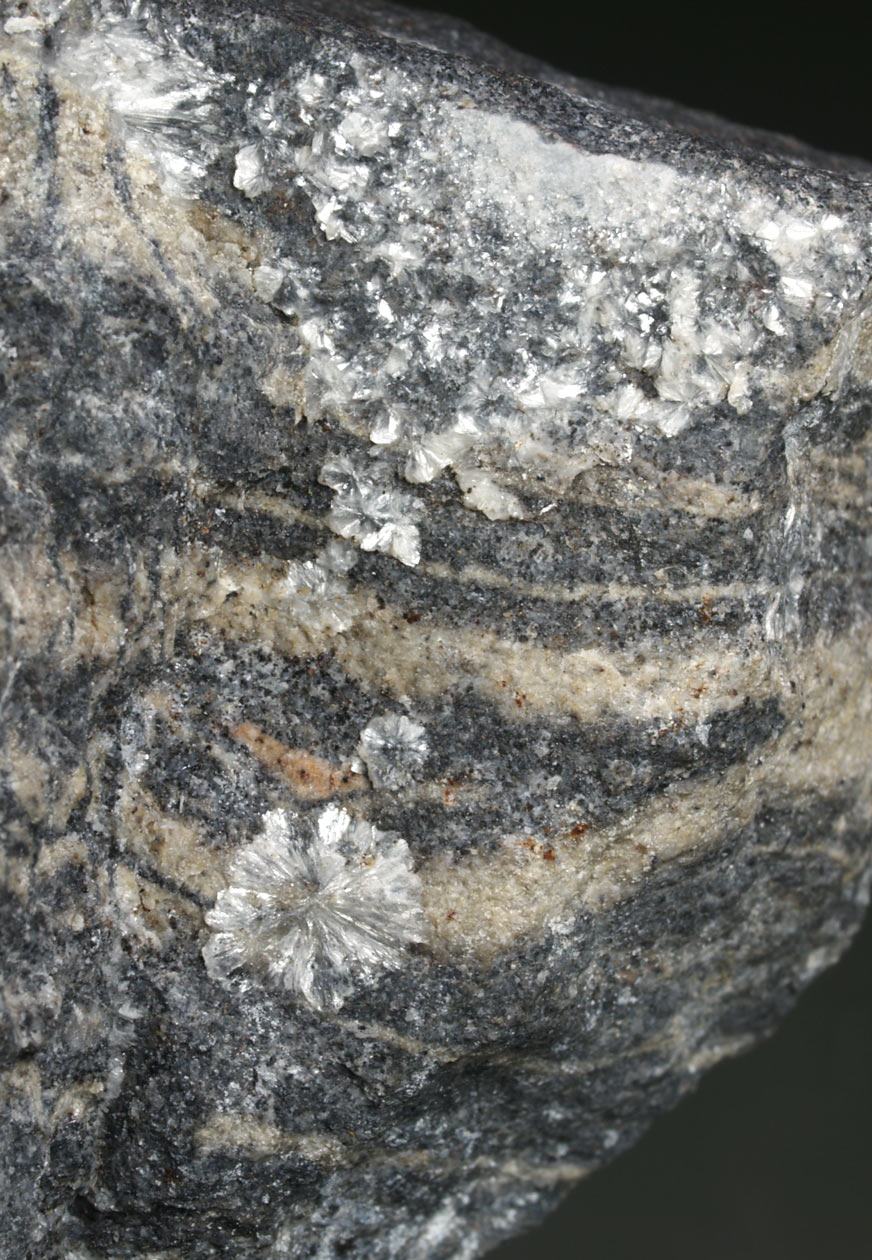
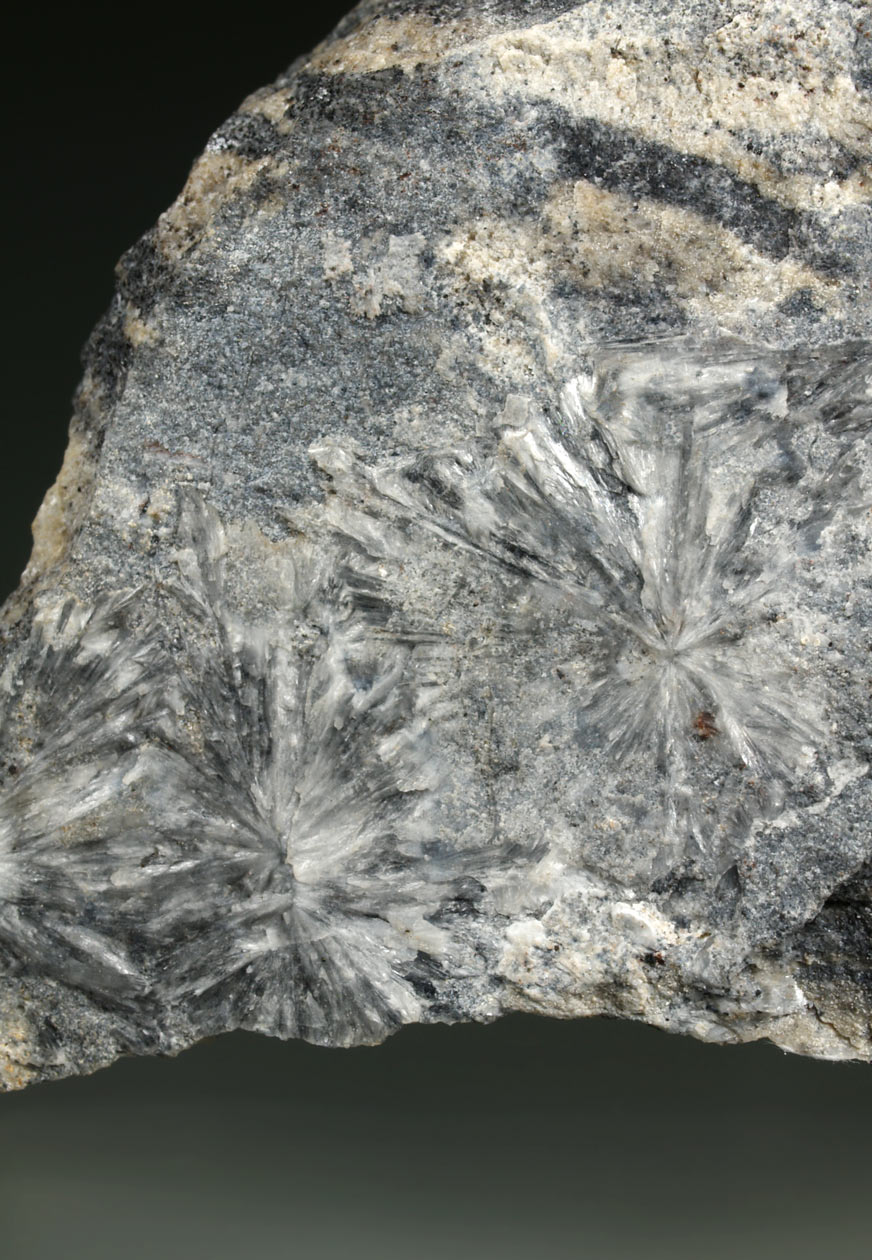
Los ejemplares de hidromagnesita de las Pedreres de l'Àngel, en Gualba (Barcelona), son un clásico de la mineralogia catalana. En este ejemplar observamos varios agregados formados por cristales radiados, unos de ellos de buen tamaño (más de 2 cm.) y otros más pequeños (de hasta 8 mm), muy brillantes. Nada habituales... Estas minas son un skarn debido al metamorfismo de contacto entre la granodiorita hercínica y el granito biotítico, en mármoles del cámbrico.
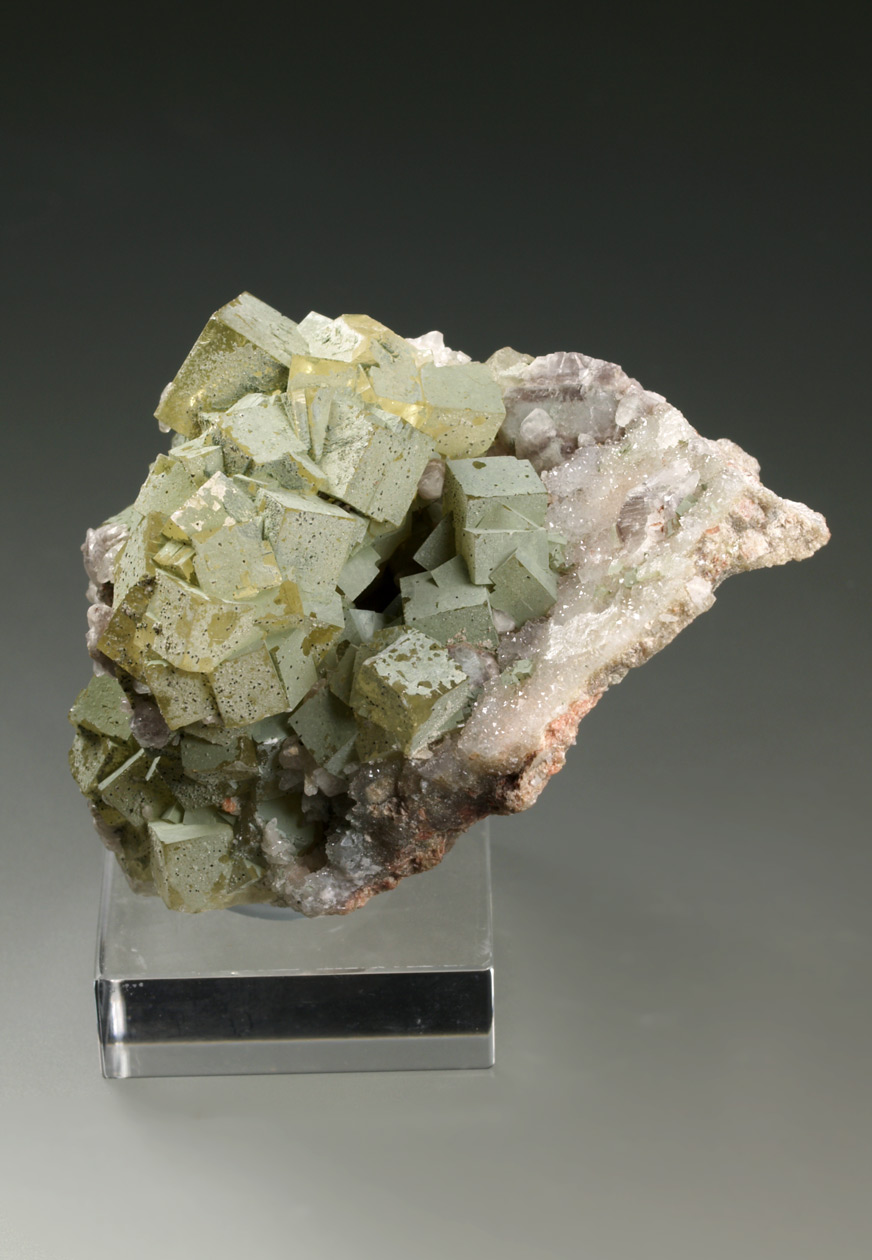
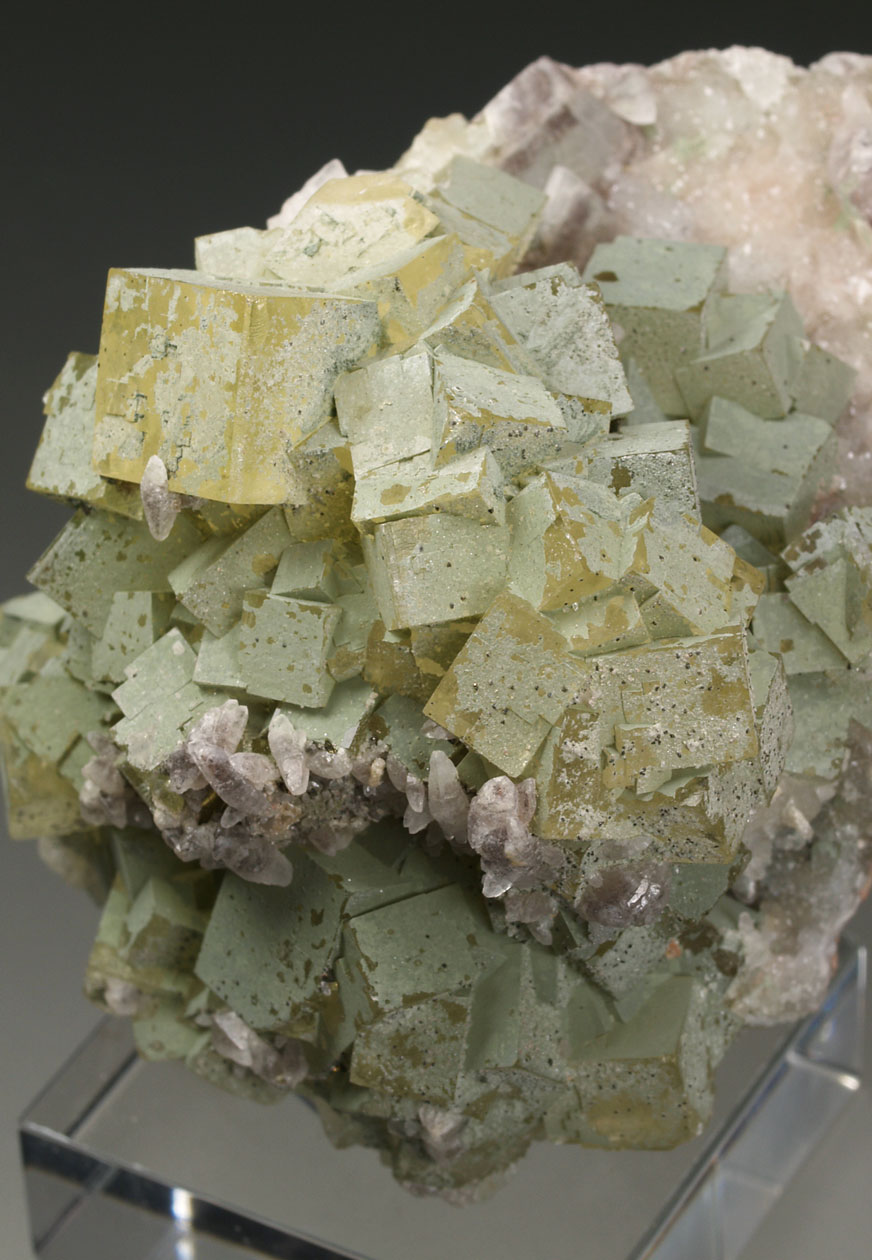
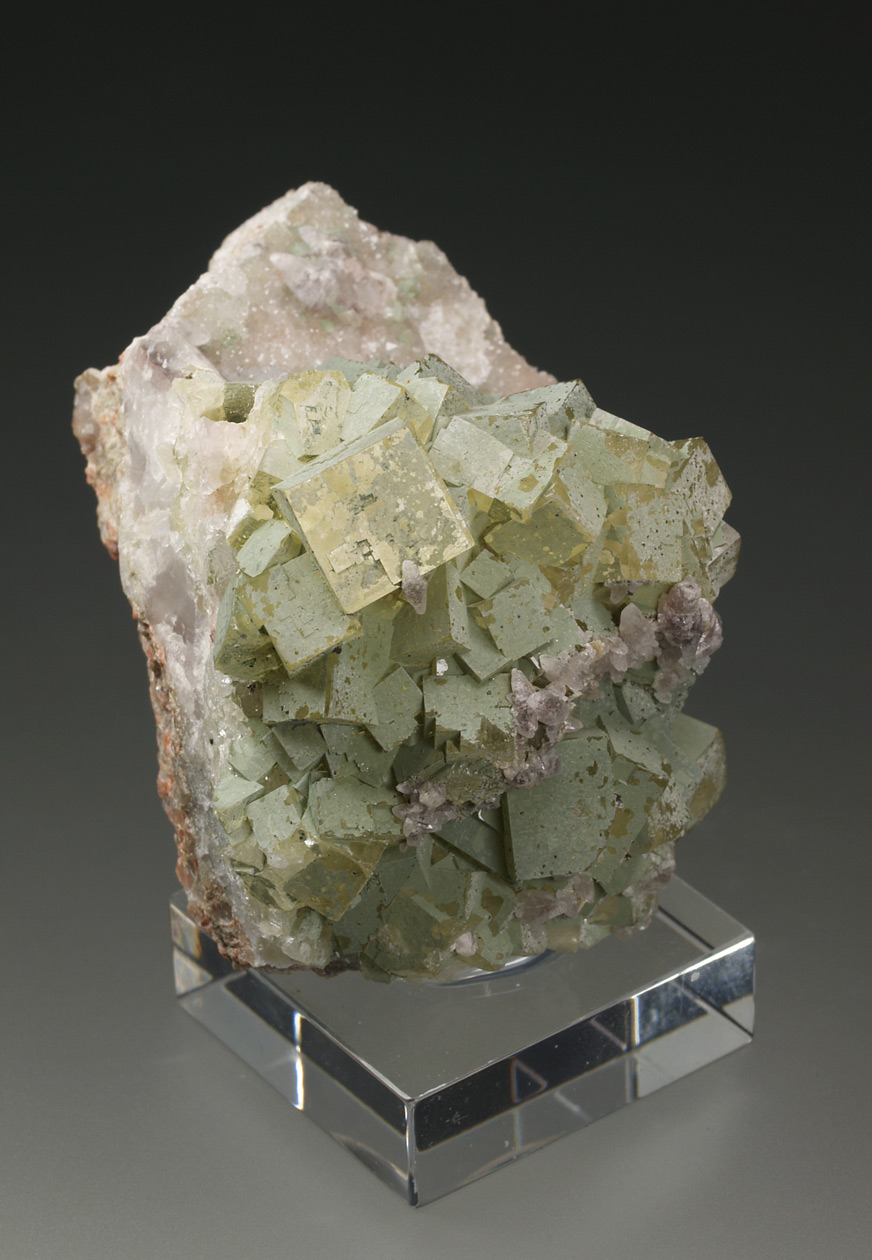
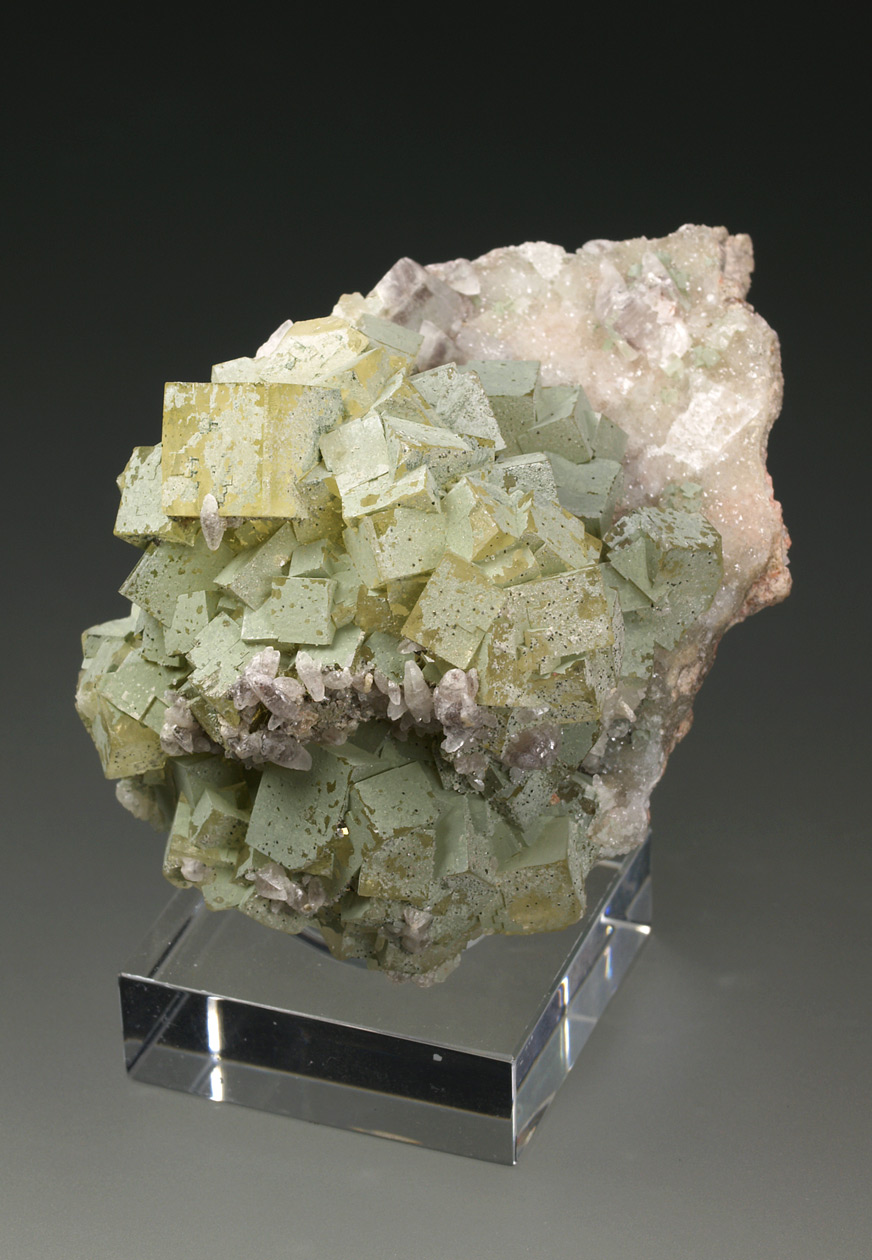
Un ejemplar de esta localidad clásica catalana, con numerosos cristales cúbicos de fluorita amarilla interpenetrados, translúcidos y muy definidos. Se acompañan de cristales de calcita y diminutos cristales de calcopirita. Se hallan parcialmente recubiertos por una fina capa de illita, que hemos preferido dejar para conservar la estética original del ejemplar. En una matriz de cuarzo con feldespatos.
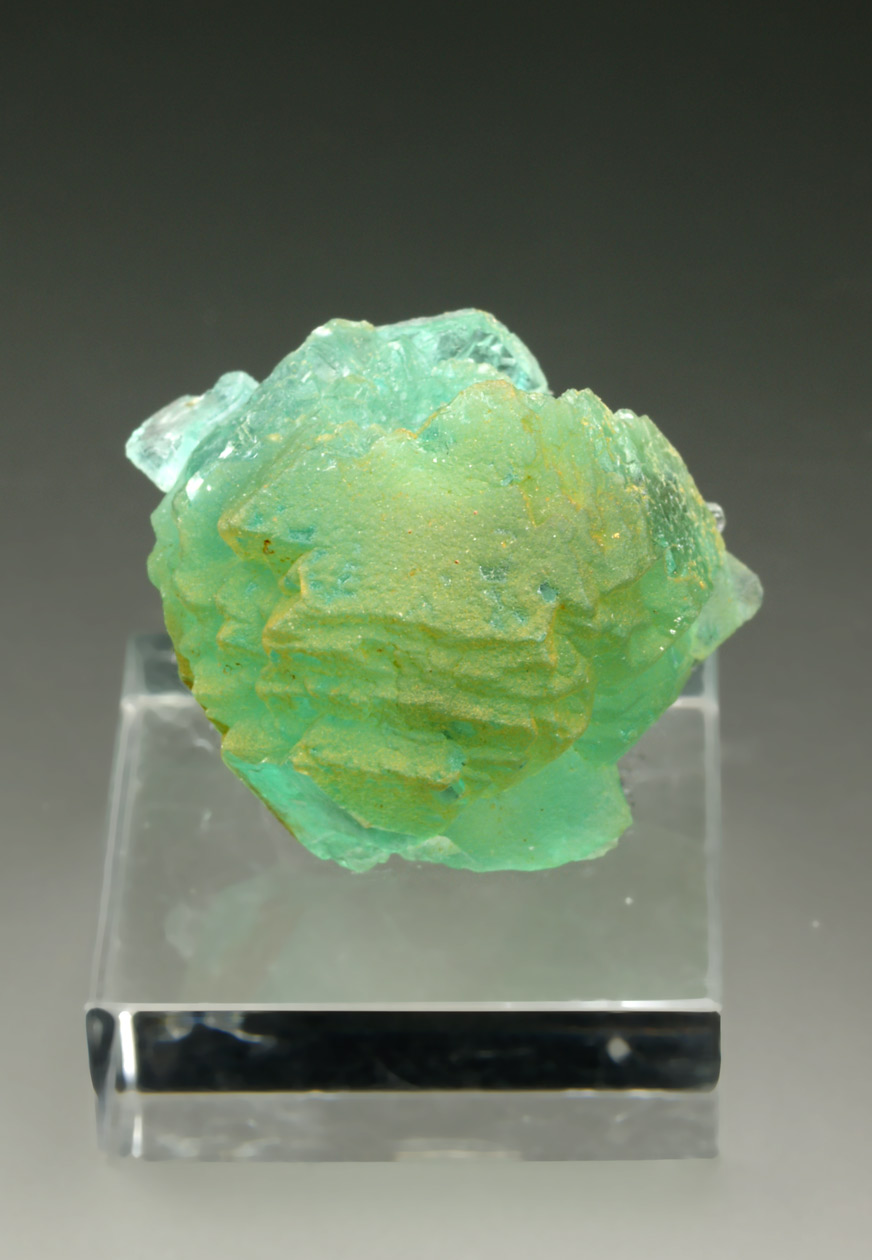
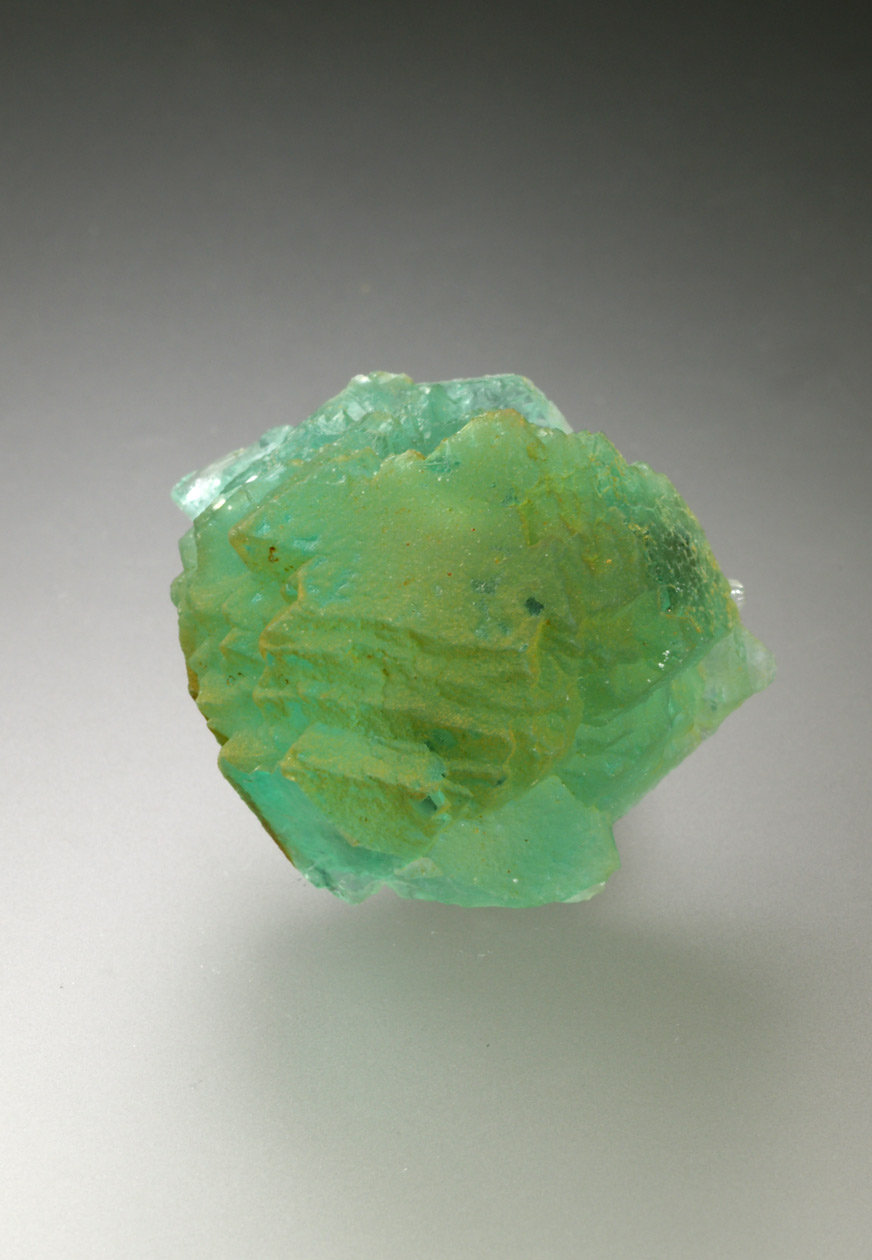
Grupo de cristales octaédricos de fluorita, de intenso color verde i en crecimientos escalonados. De la clásica Cantera Berta, en la que hoy está totalmente prohibido extraer minerales.
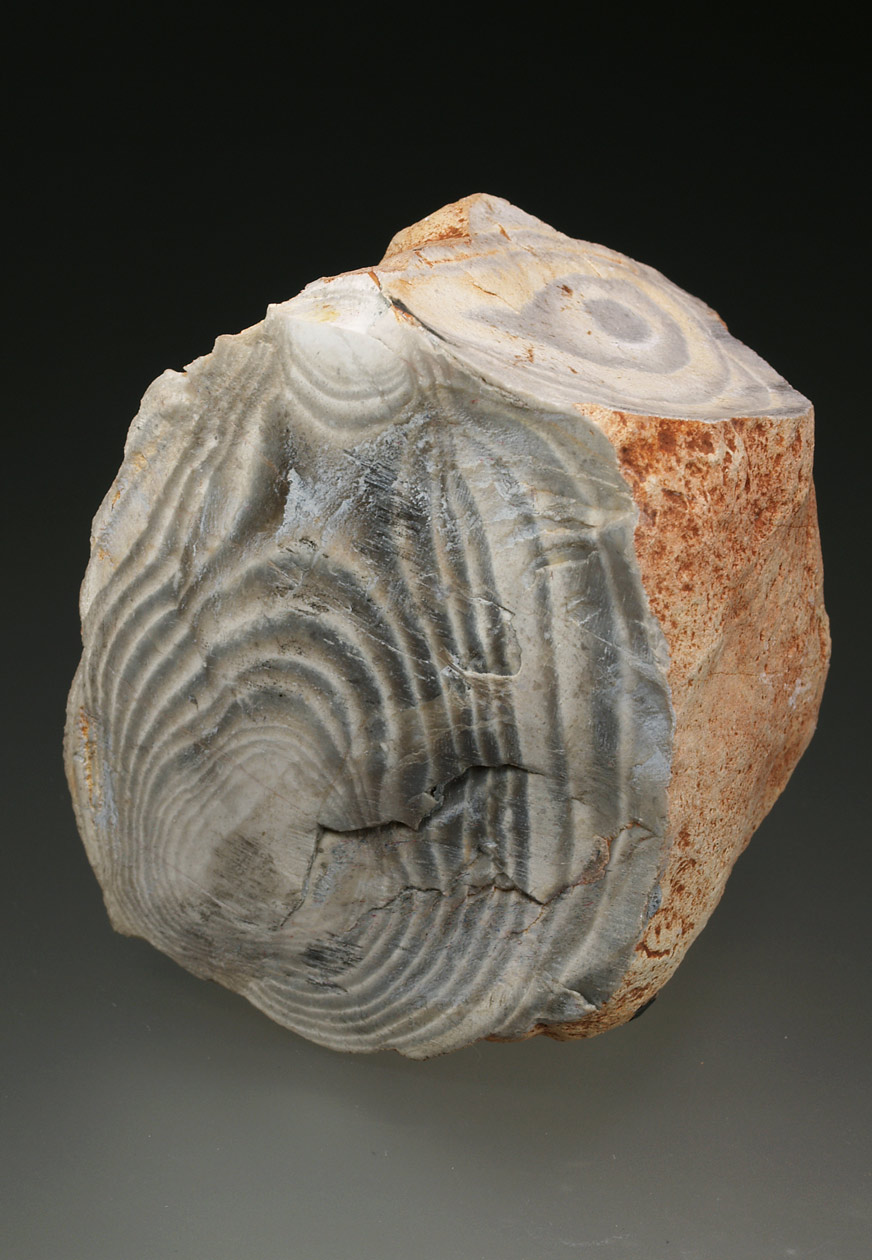
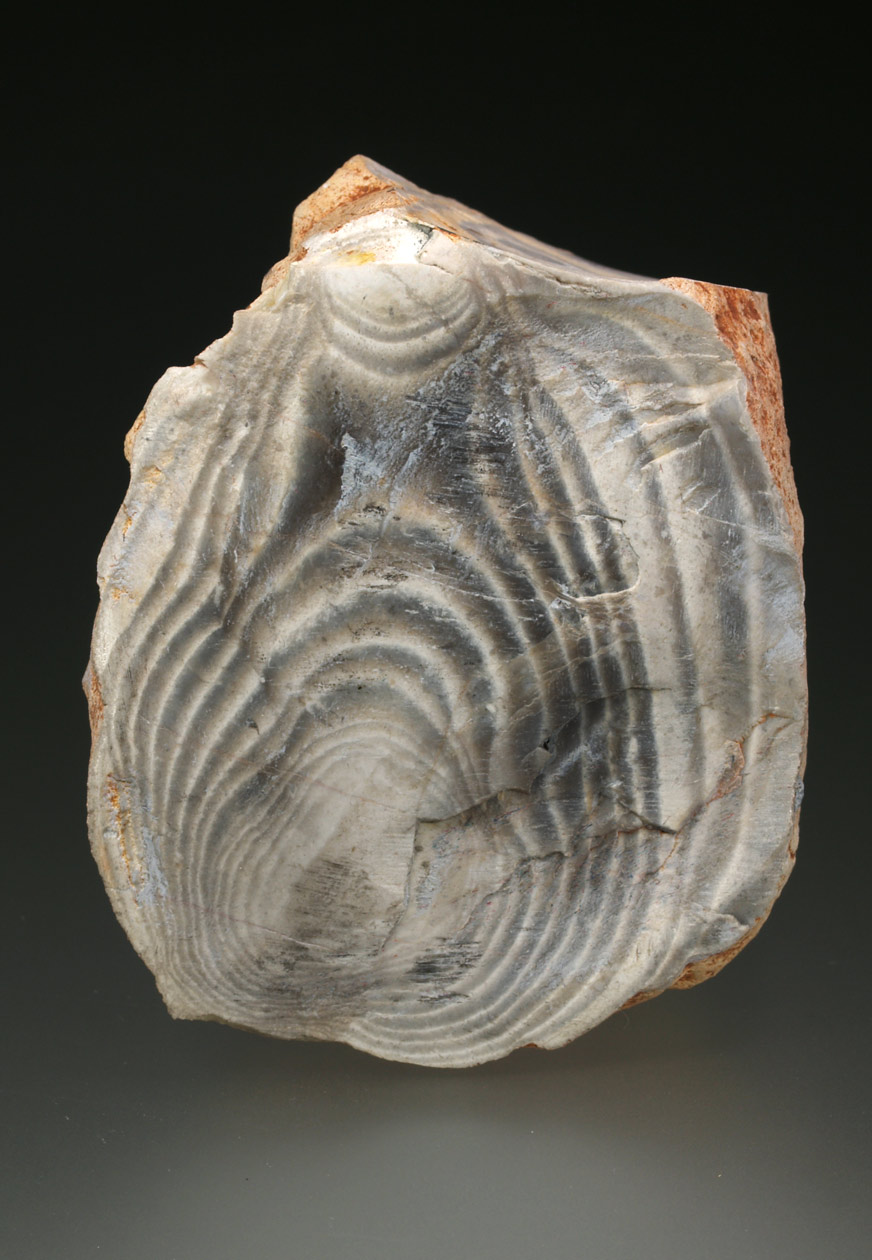
Estos ejemplares de sílex bandeado se recogieron hace décadas en la zona del Brull, en el macizo del Montseny. Se presenta en nódulos y vetas, encajadas en una caliza silícea, presentando bandeados de tonos grises, entre claros a grises oscuros. Se los identificó como ágata silicificada, pero se trata de un sílex muy apreciado en joyería. Se trata de una curiosidad única de la mineralogía catalana de hace muchos años.
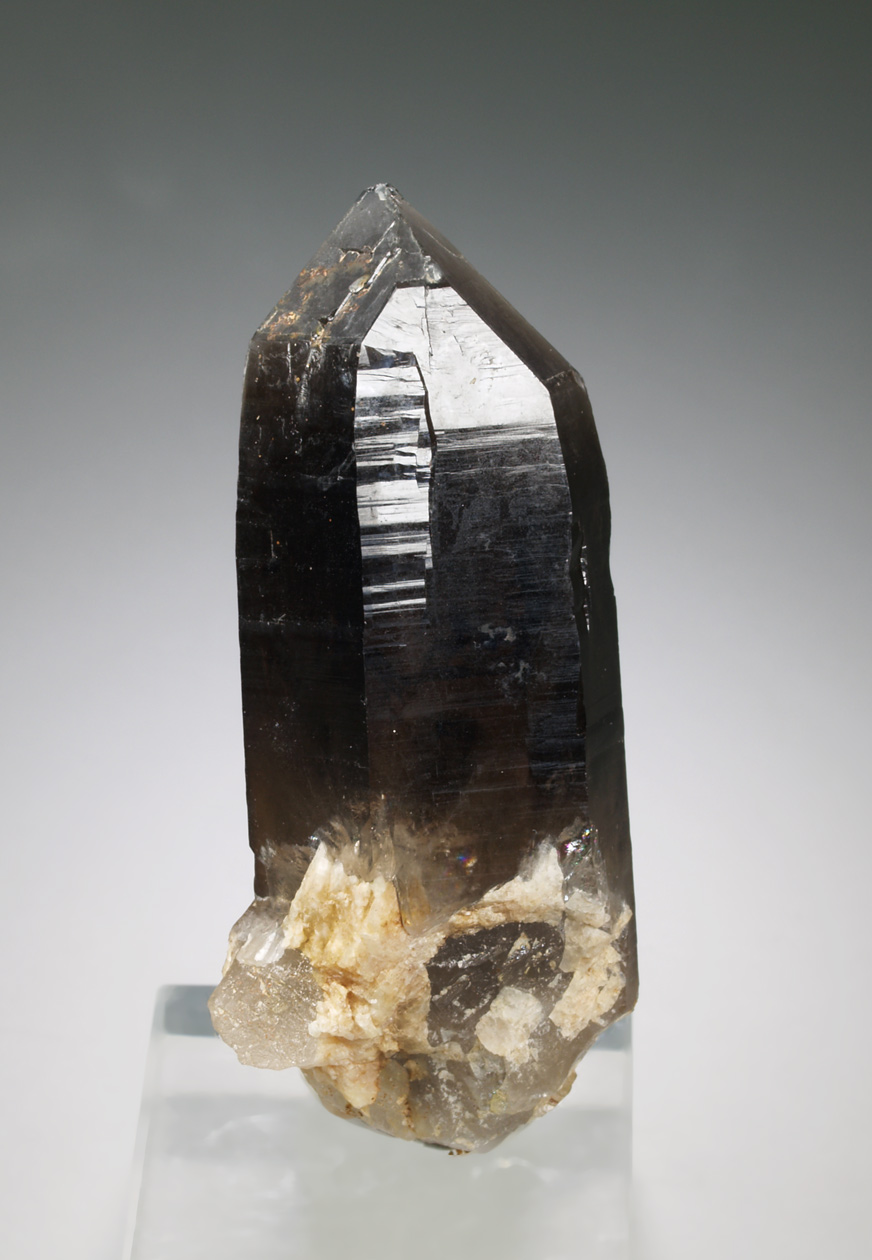
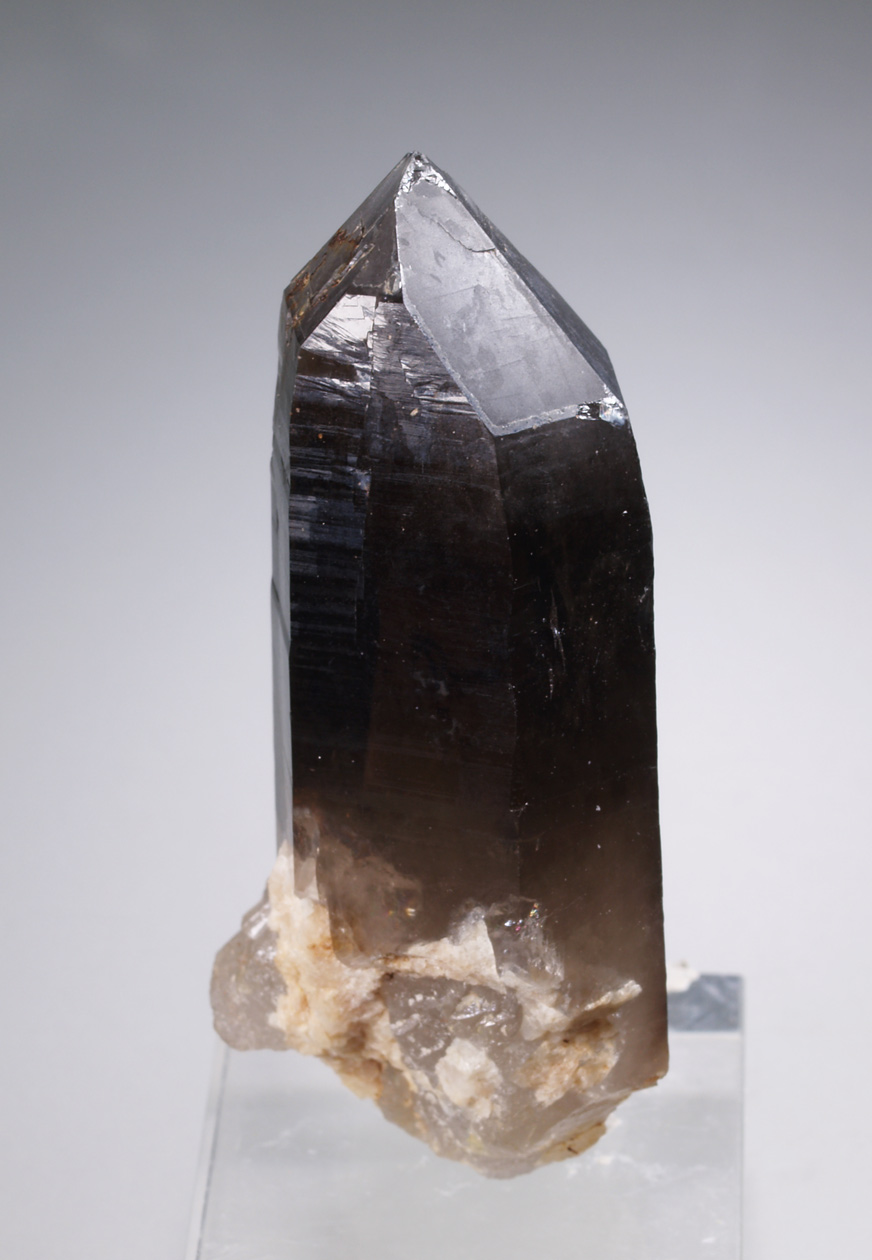
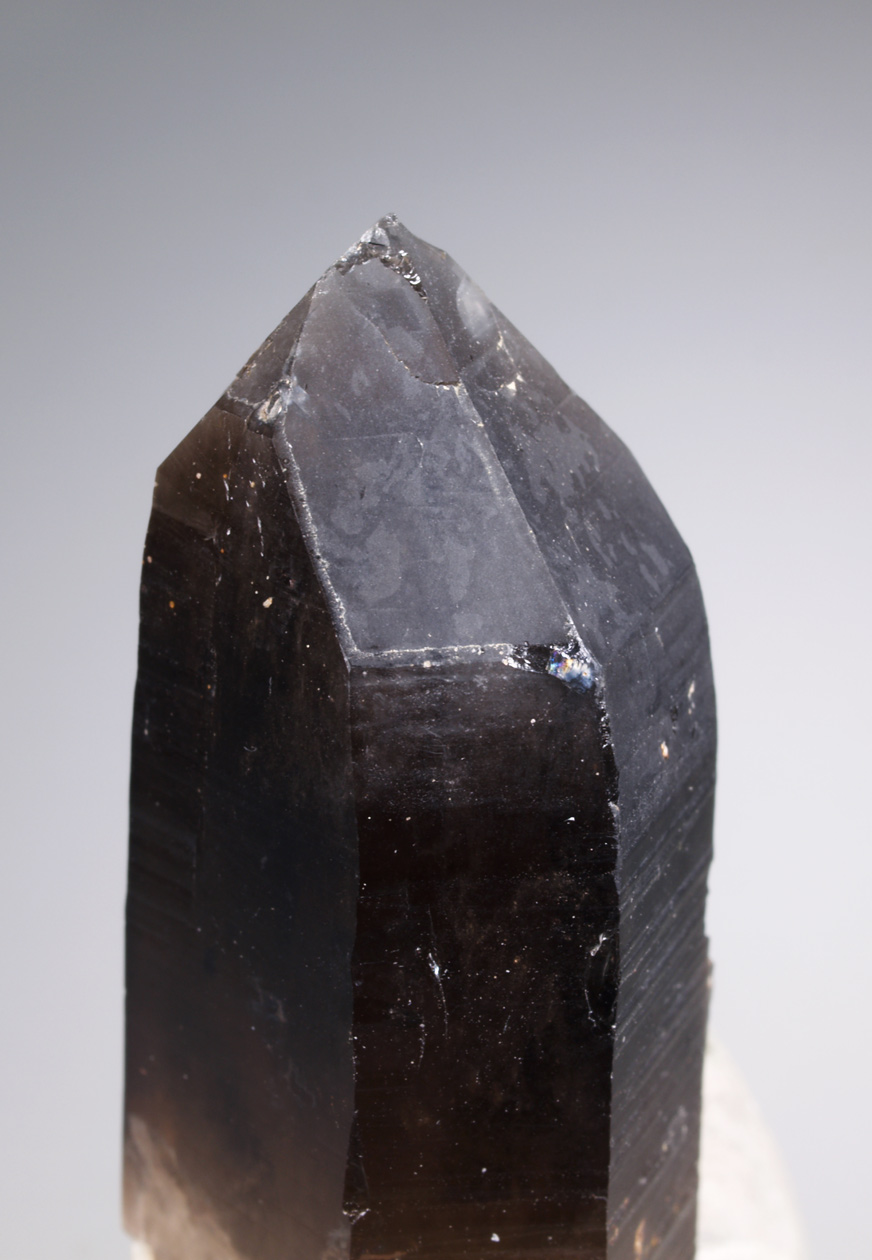
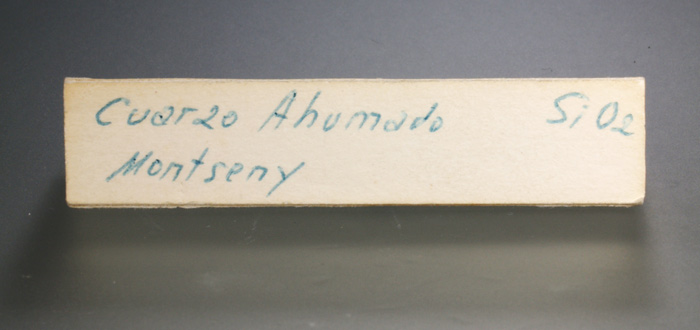
Cristal de cuarzo ahumado, de buen tamaño, con caras y aristas definidas. Presenta una pequeña mella sin afectar a su estética. Tono ahumado muy uniforme y con transparencia. Procede de la col. Manchion y en la información adjunta indica que se recogió en el Montseny, lo que lo hace interesante ya que de este macizo montañoso hay pocos ejemplares en colecciones.
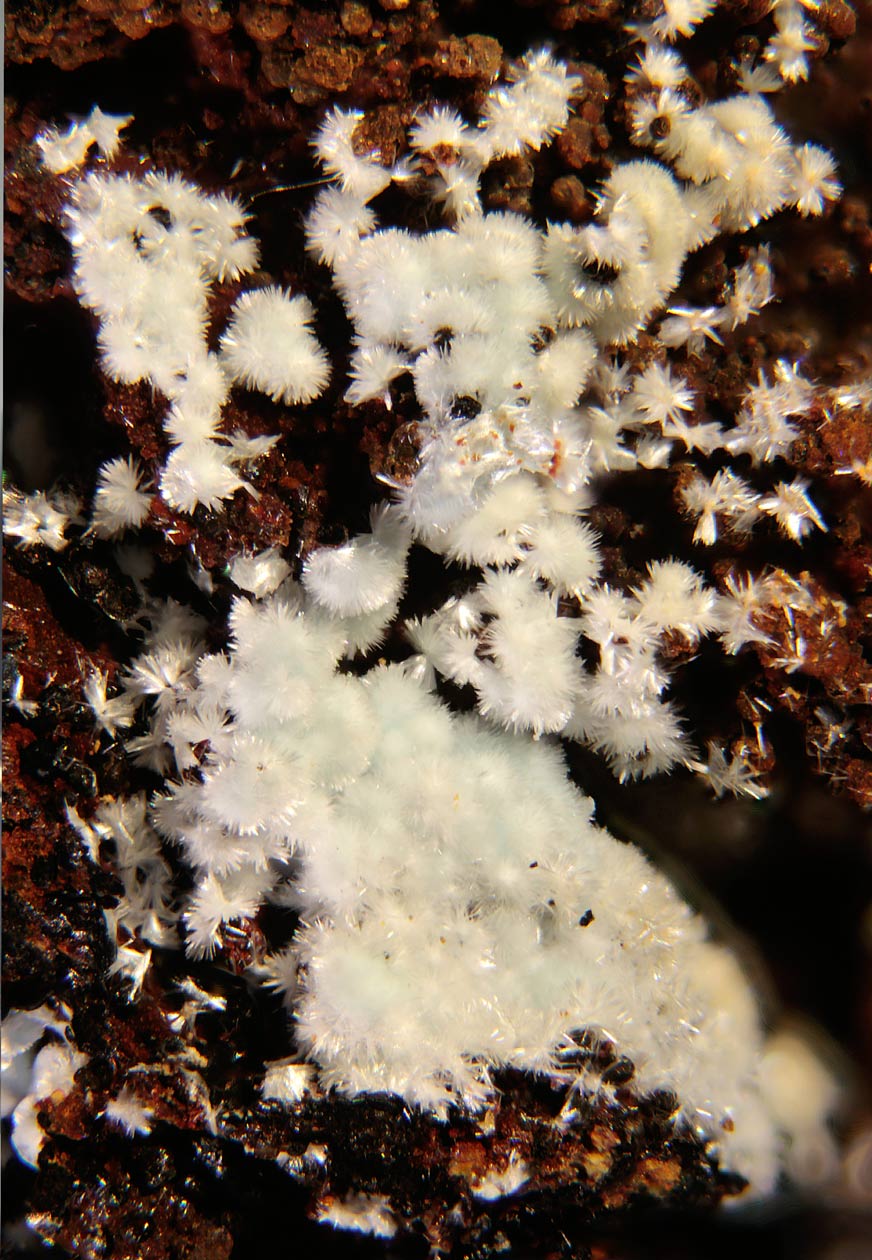
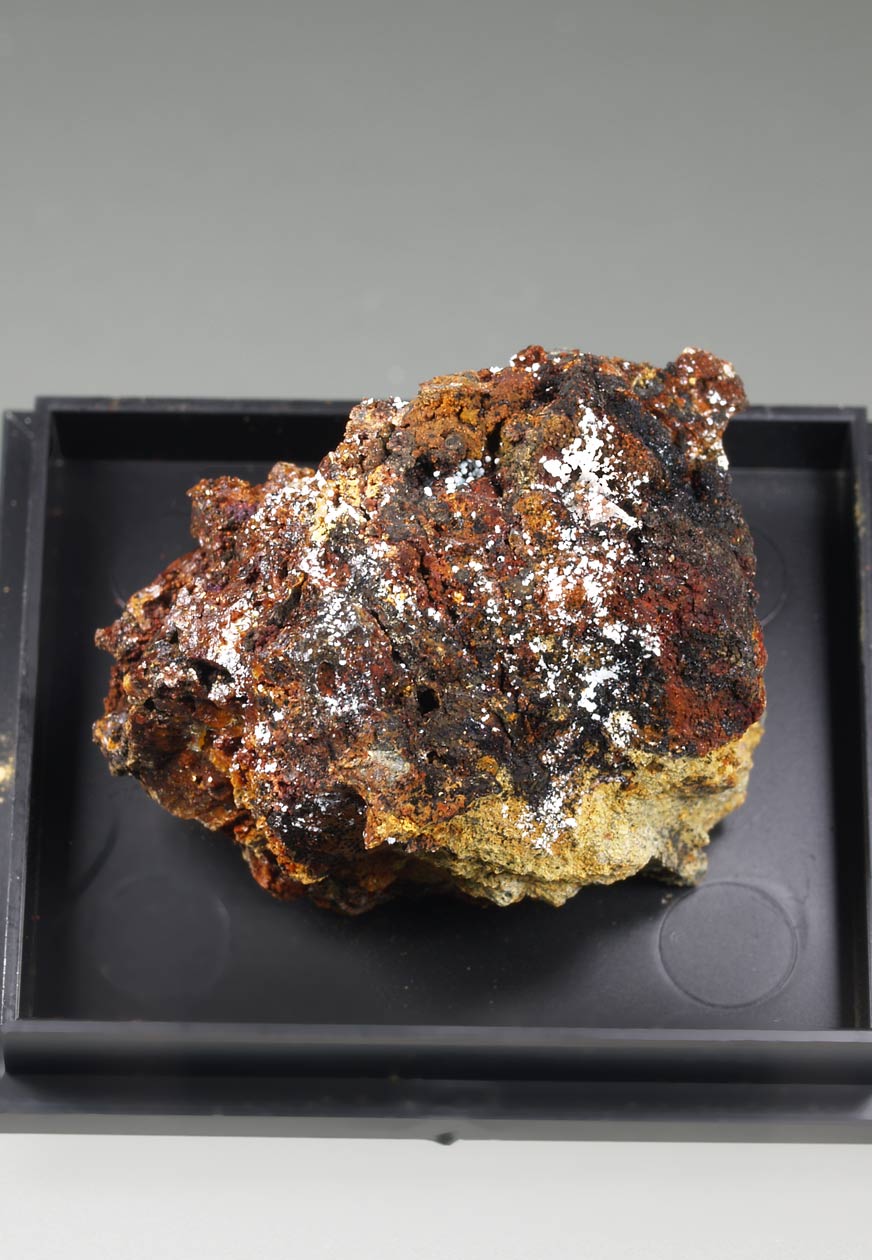
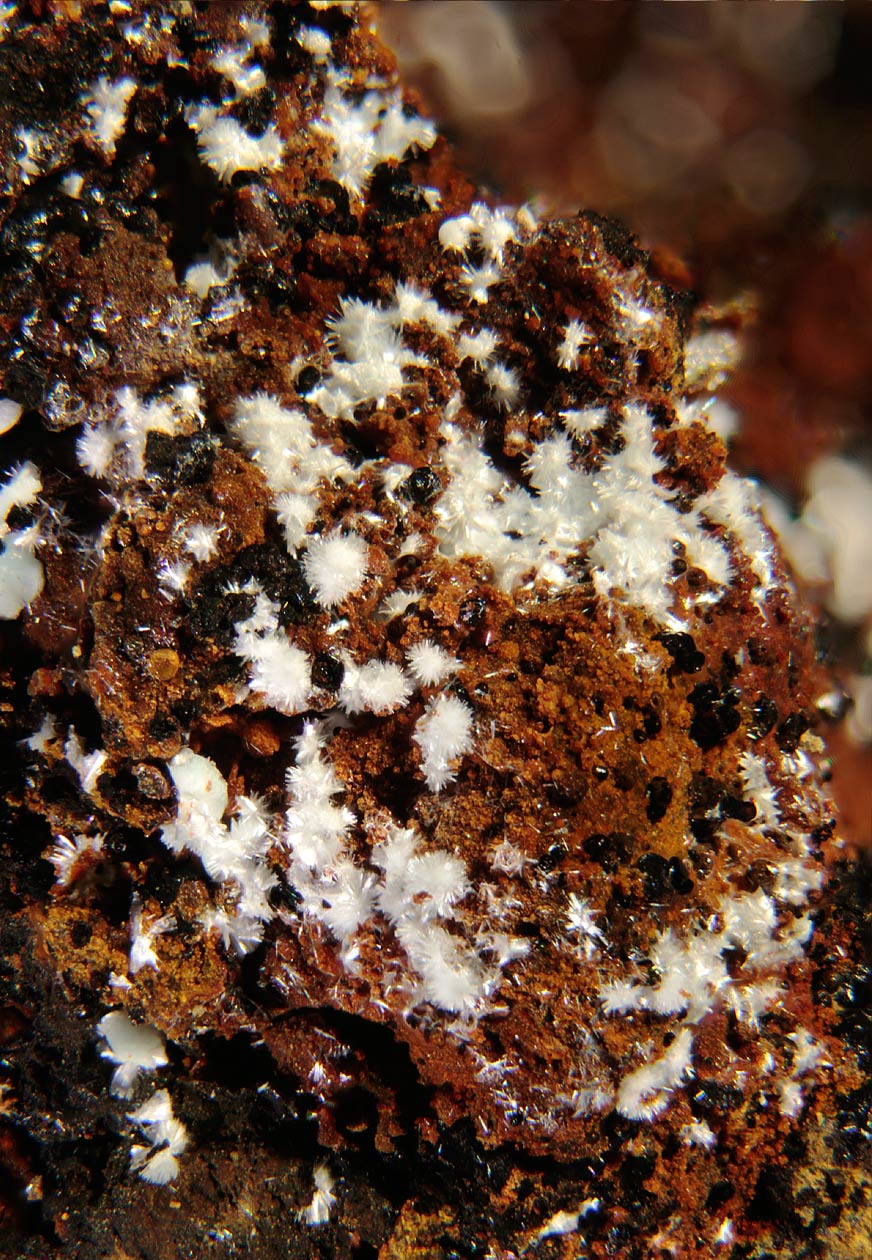
La dundasita es un poco habitual hidroxicarboanto de plomo y aluminio, que se forma como mineral secundario en la zona de oxidación de depósitos de plomo. Esta localidad pirenaica es muy interesante por su diversa paragénesis. En este ejemplar observamos bajo la lupa numerosos y estéticos agregados de cristales aciculares de brillo sedoso, algunos ligeramente azulados por su contenido en Cu, que contrastan con la matriz.
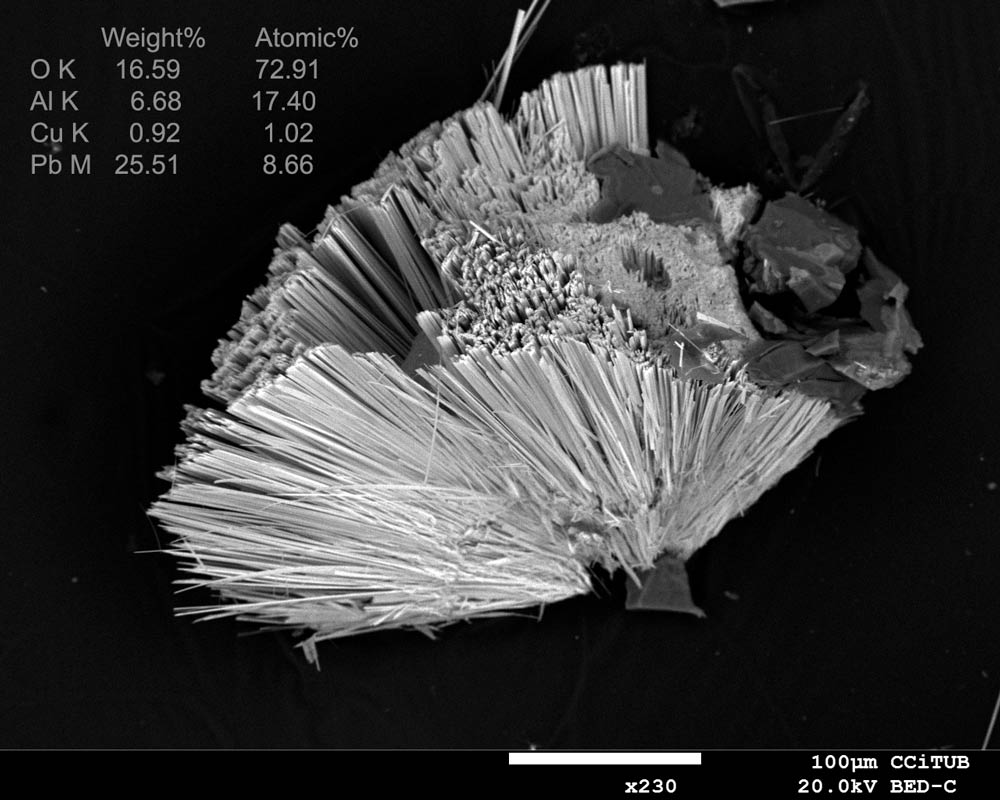
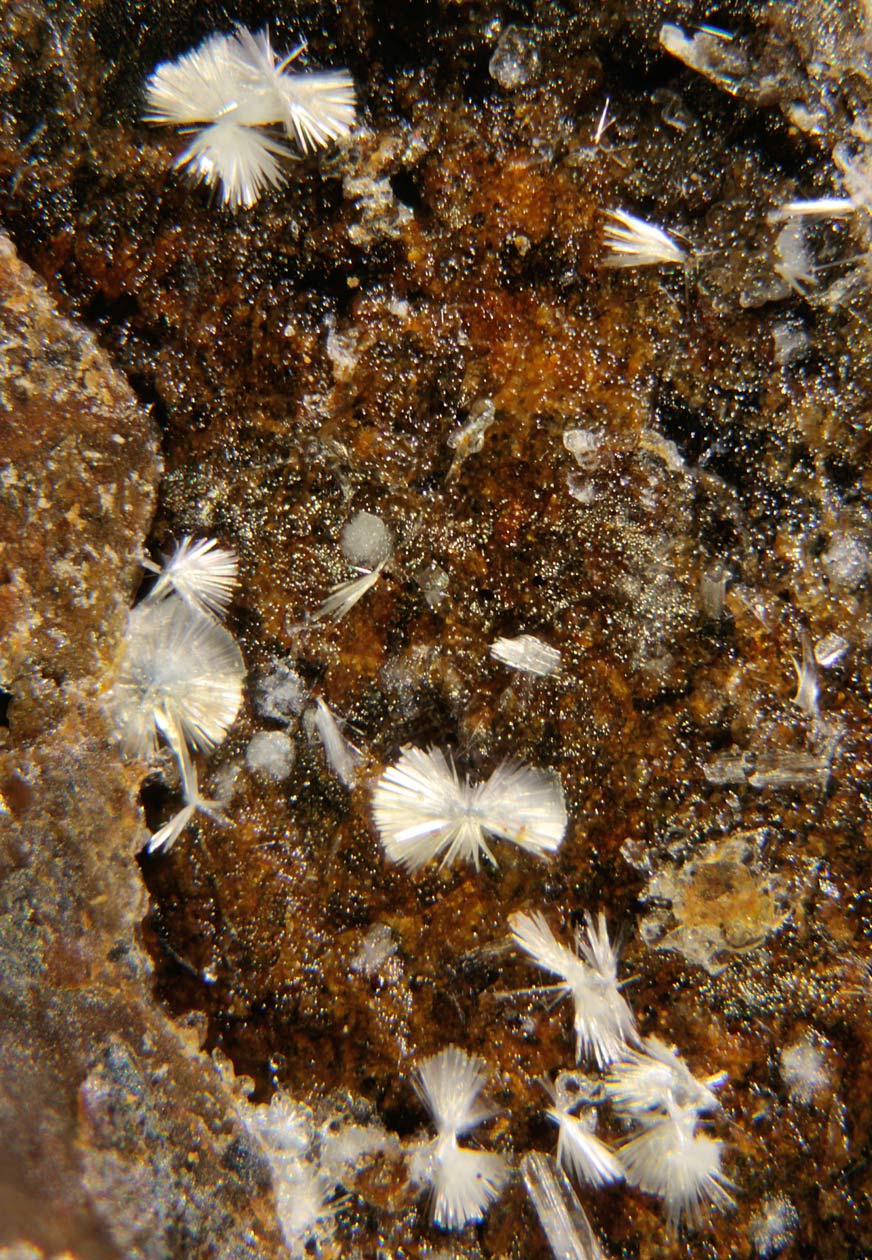
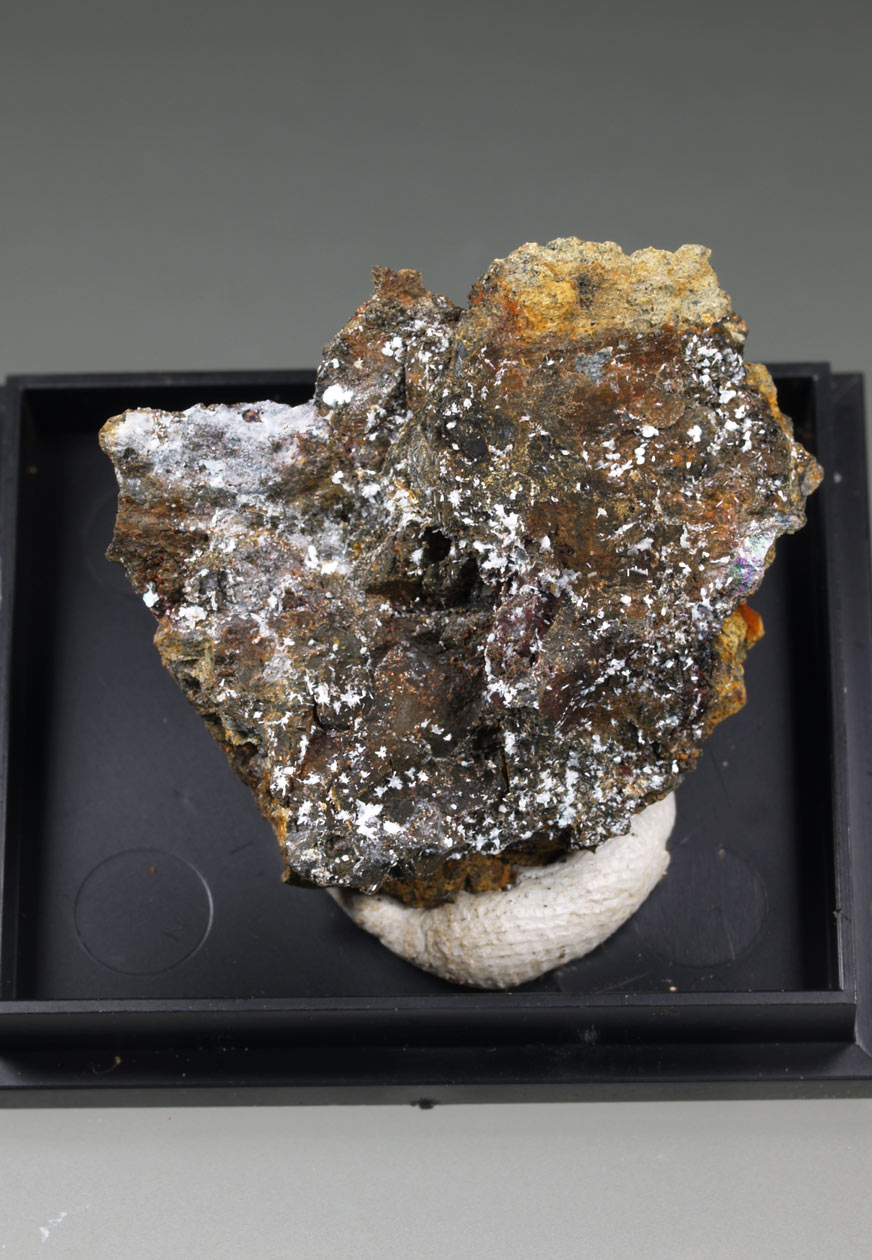
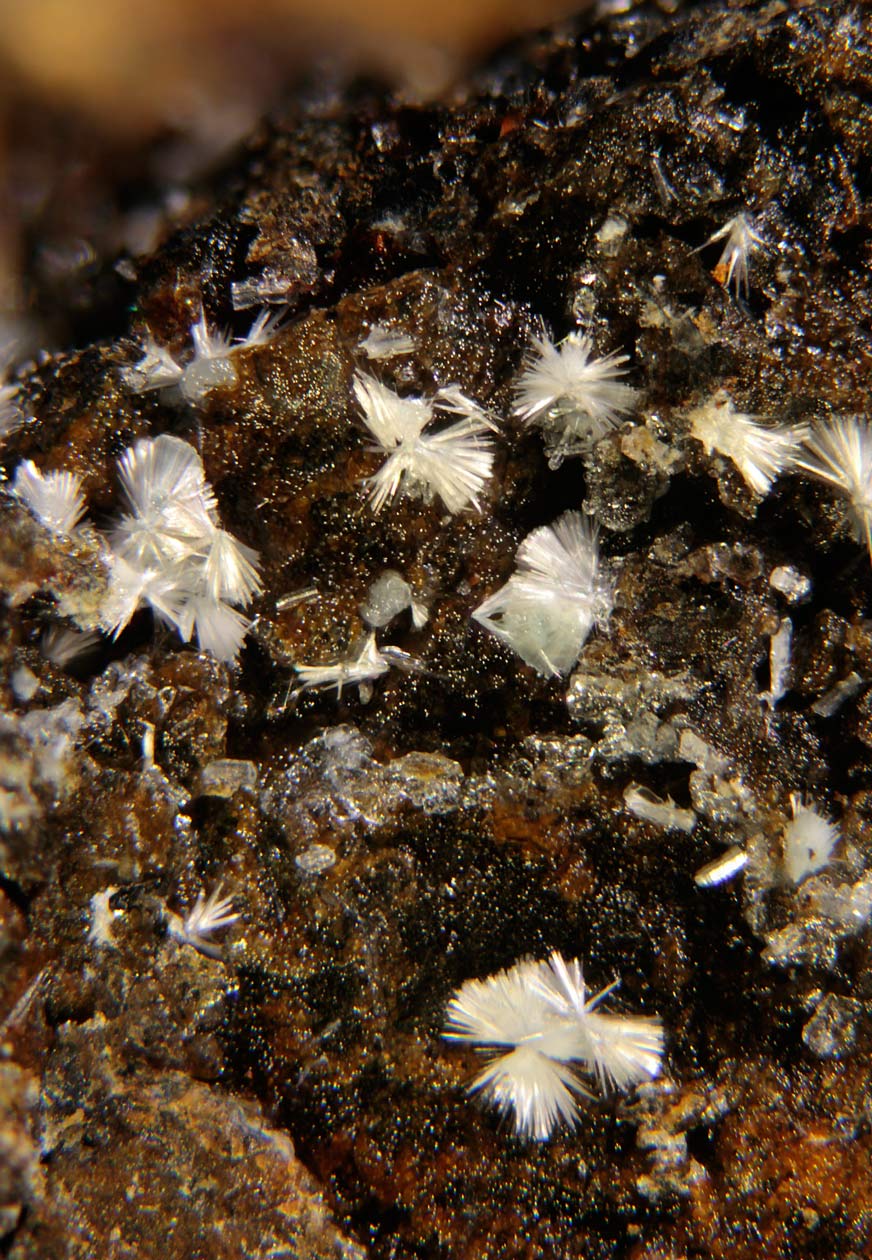
La dundasita es un poco habitual hidroxicarboanto de plomo y aluminio, que se forma como mineral secundario en la zona de oxidación de depósitos de plomo. Esta localidad pirenaica es muy interesante por su diversa paragénesis. En este ejemplar observamos bajo la lupa numerosos y estéticos agregados de cristales aciculares de brillo sedoso, algunos ligeramente azulados por su contenido en Cu, que contrastan con la matriz.
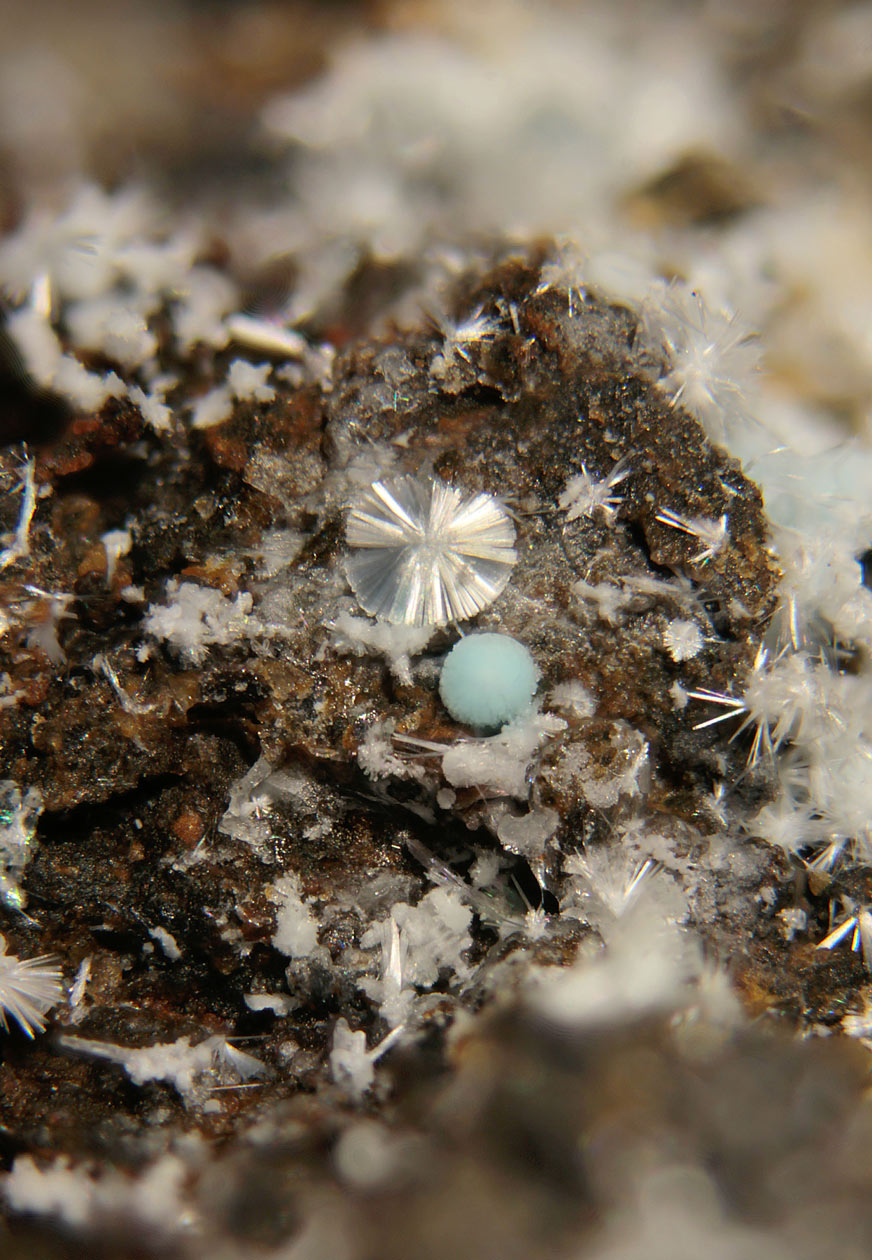
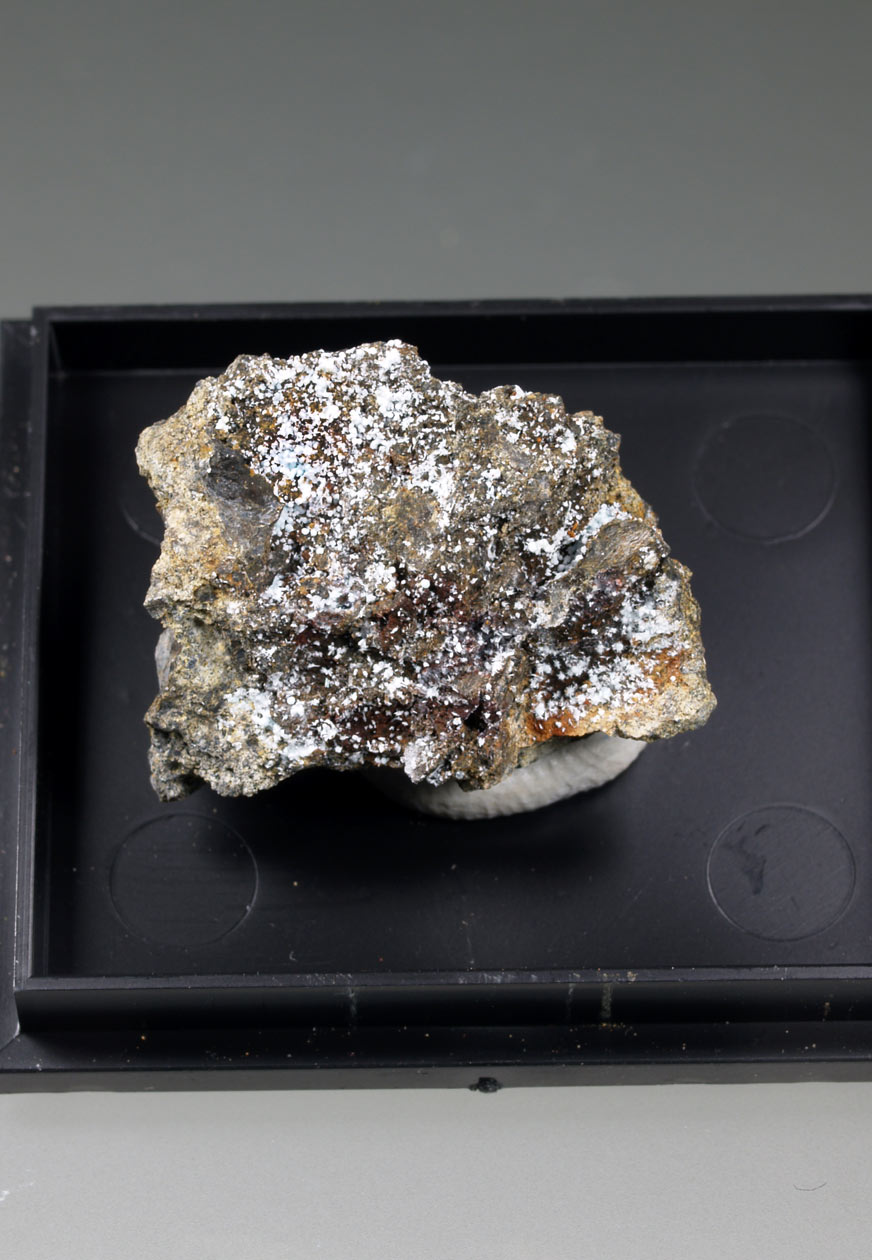
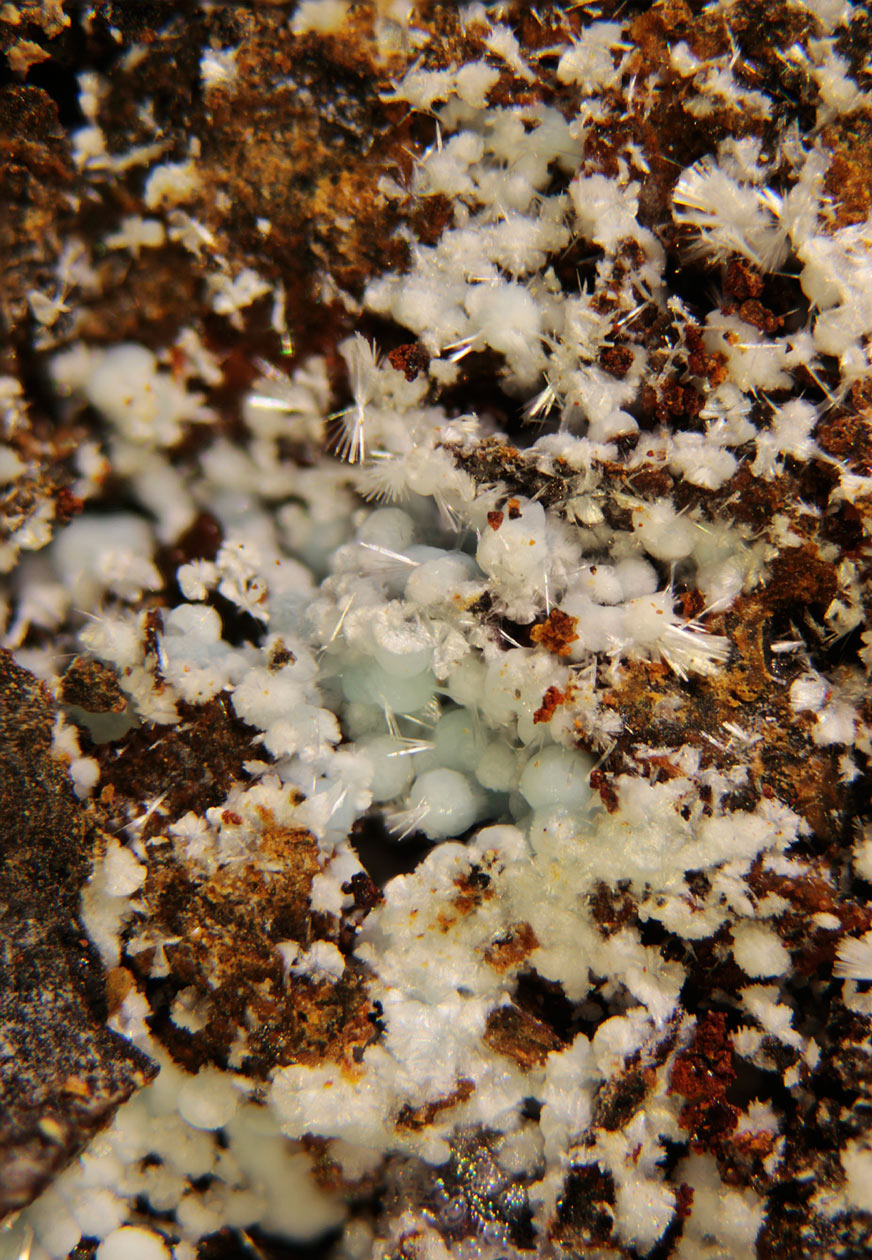
La dundasita es un poco habitual hidroxicarboanto de plomo y aluminio, que se forma como mineral secundario en la zona de oxidación de depósitos de plomo. Esta localidad pirenaica es muy interesante por su diversa paragénesis. En este ejemplar observamos bajo la lupa numerosos y estéticos agregados de cristales aciculares de brillo sedoso, algunos ligeramente azulados por su contenido en Cu, que contrastan con la matriz.
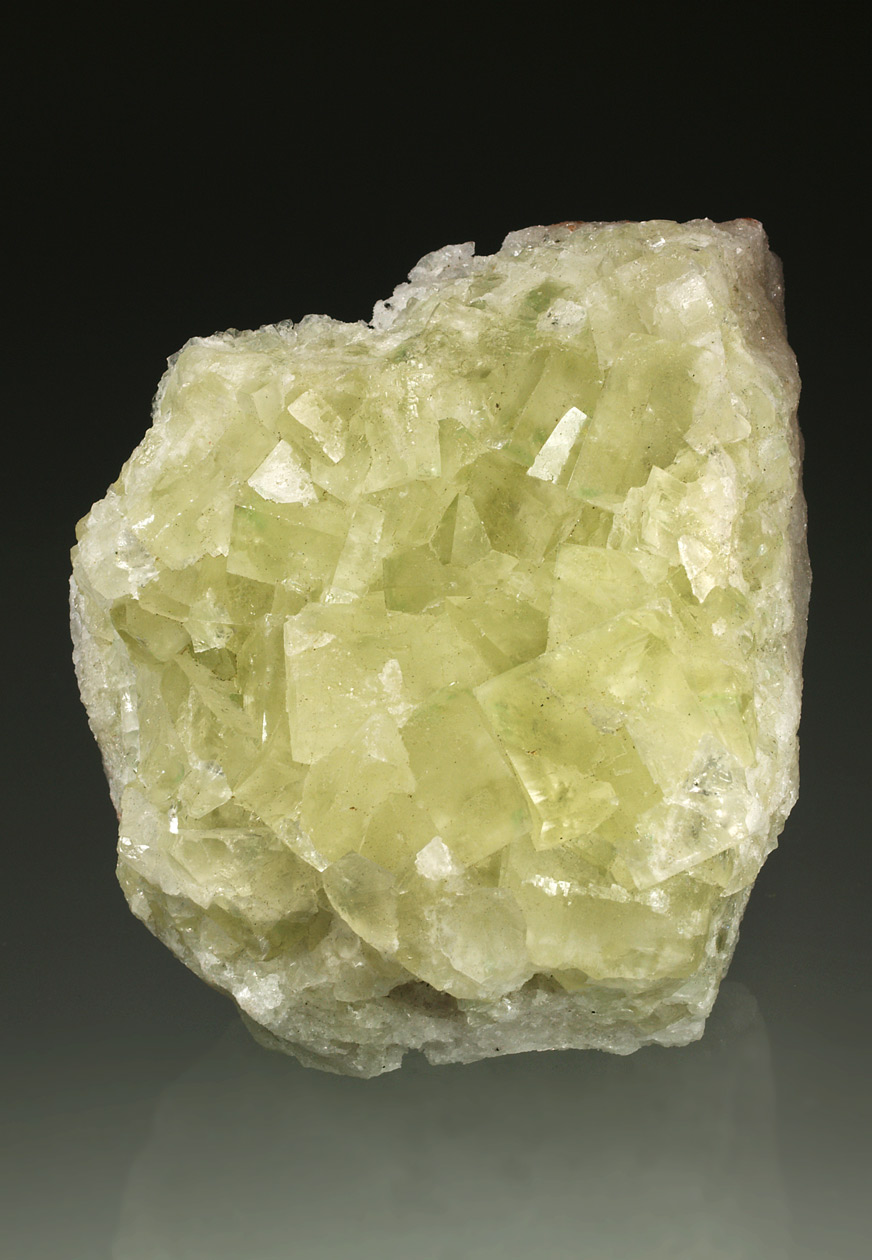
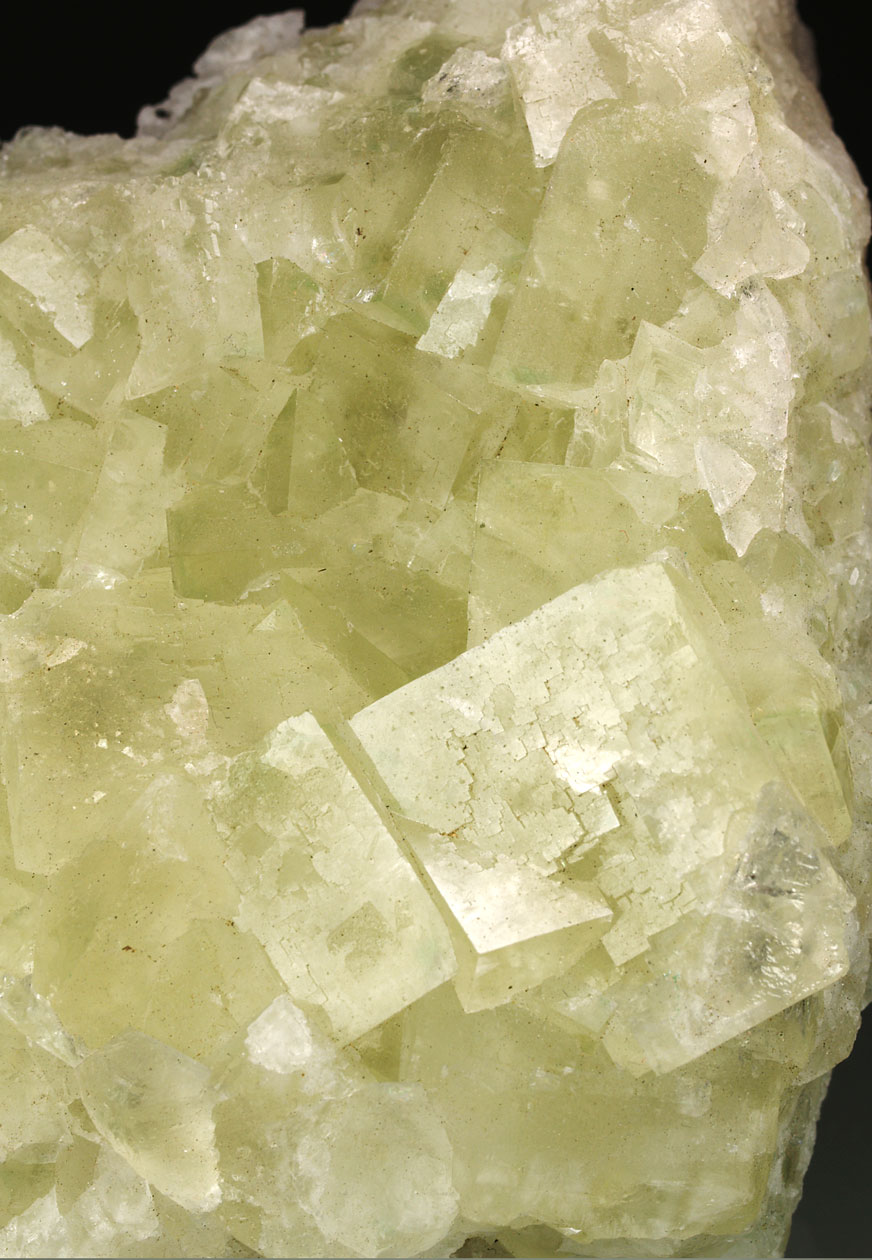
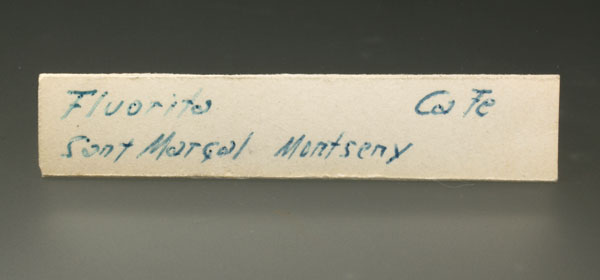
Nutrido grupo de cristales cúbicos de fluorita, muy definidos, transparentes y con un tono amarillo verdoso muy característico de las fluoritas de las minas de Sant Marçal (también llamadas del Matagalls), sitas en pleno macizo del Montseny. No se ven muchos ejemplares con esta calidad hoy día. Un clásico de la mineralogía catalana.
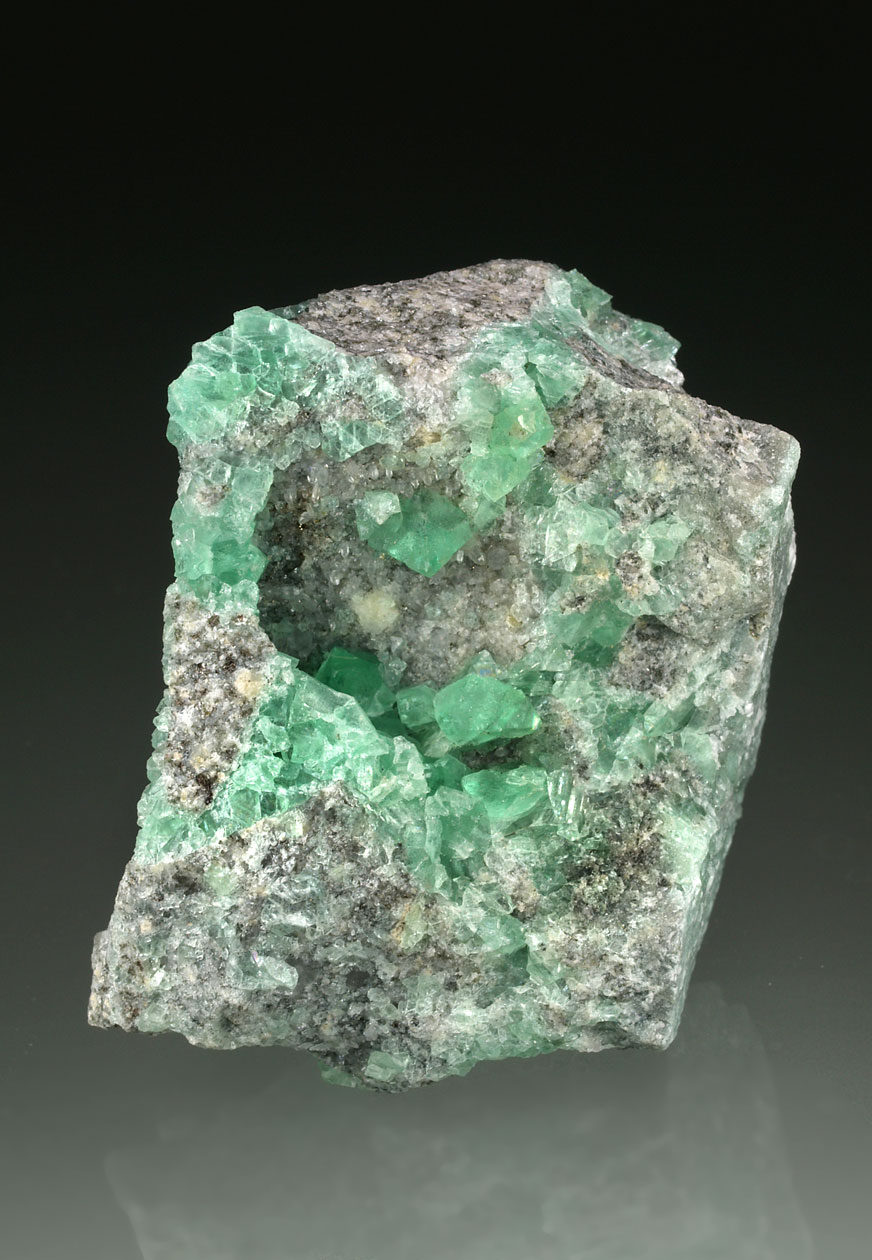
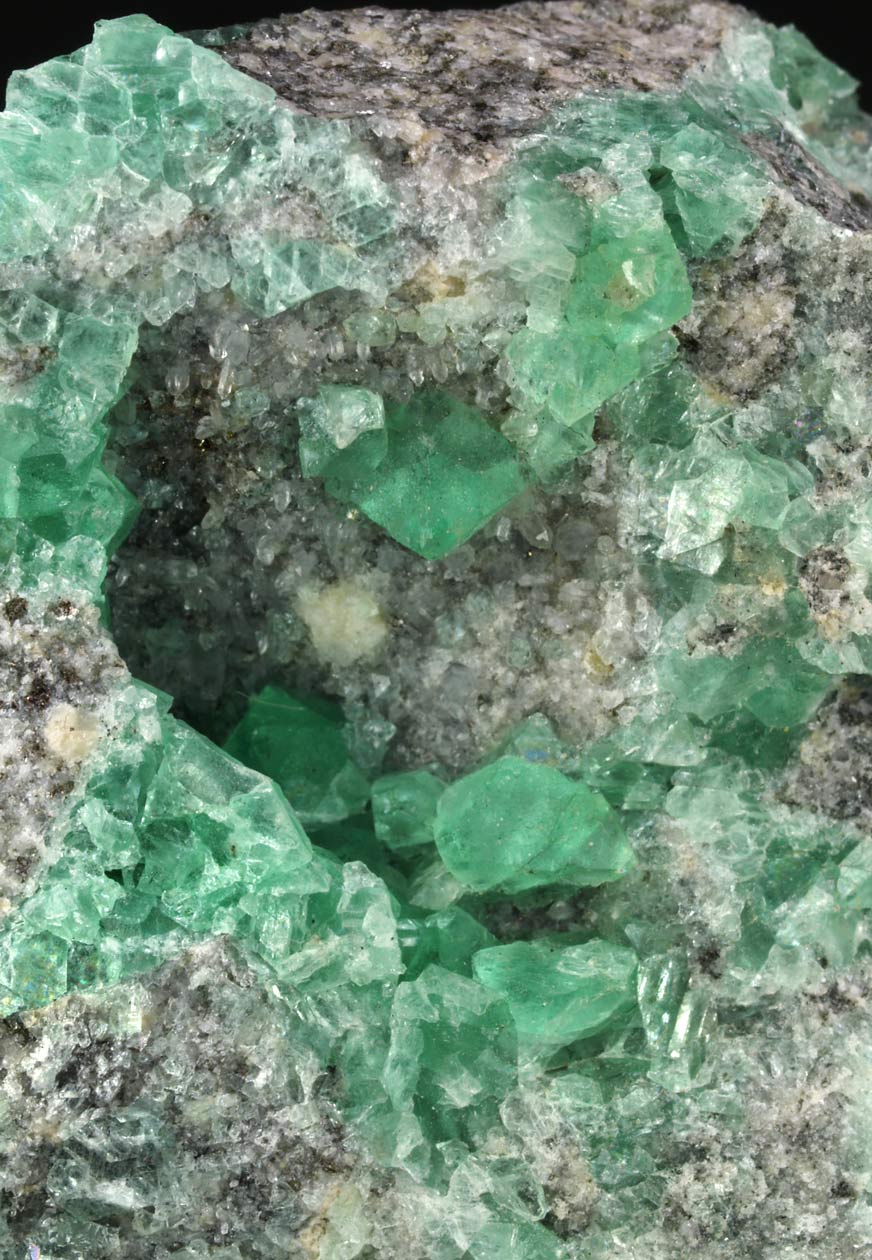
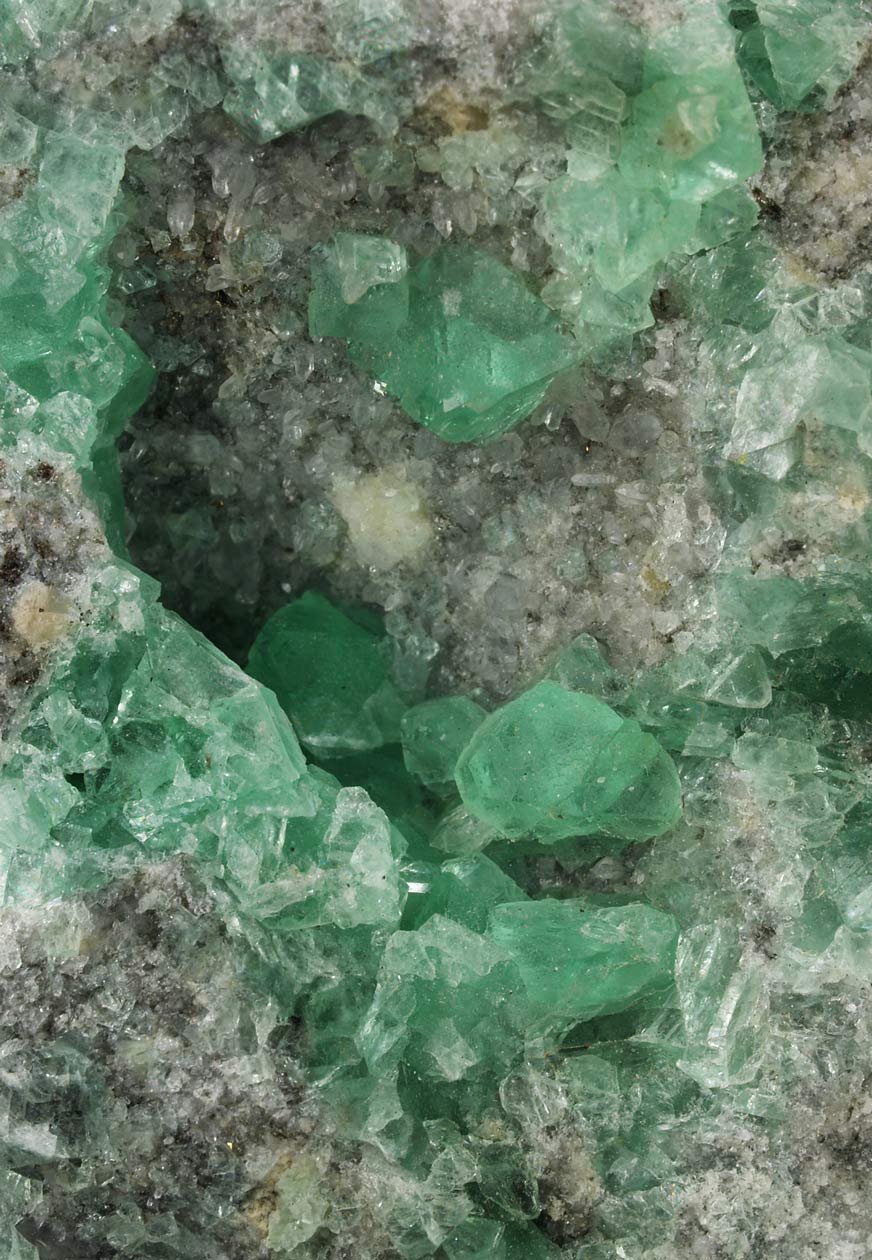
Grupo de cristales octaédricos de fluorita, entre translúcidos a transparentes. Muestran definidas caras y aristas y un color verde suave. Destacan por estar aislados. Se acompañan de pequeños cristales de cuarzo. Sobre matriz de granito. Este tipo de matriz es clásico para los ejemplares más modernos y procede de los niveles bajos de la cantera Berta.
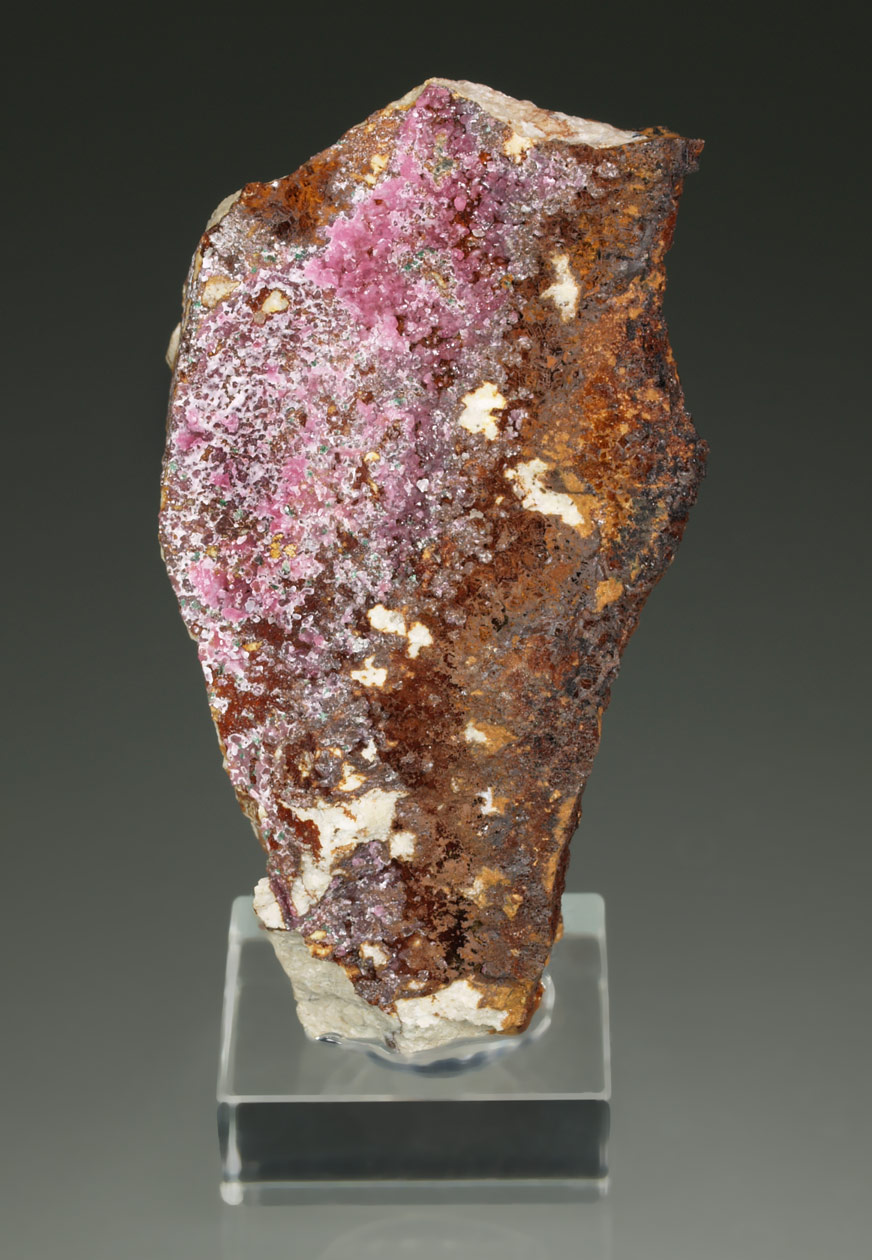
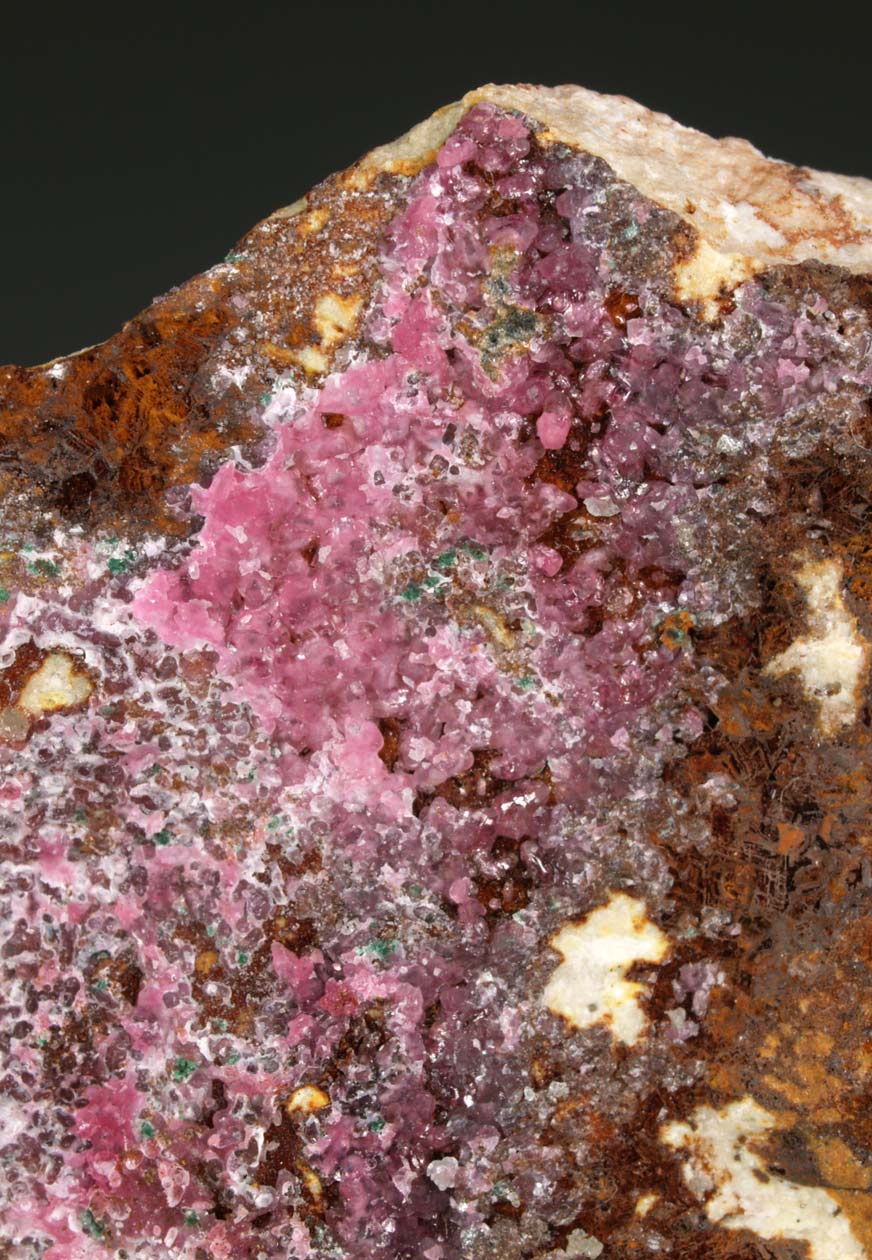
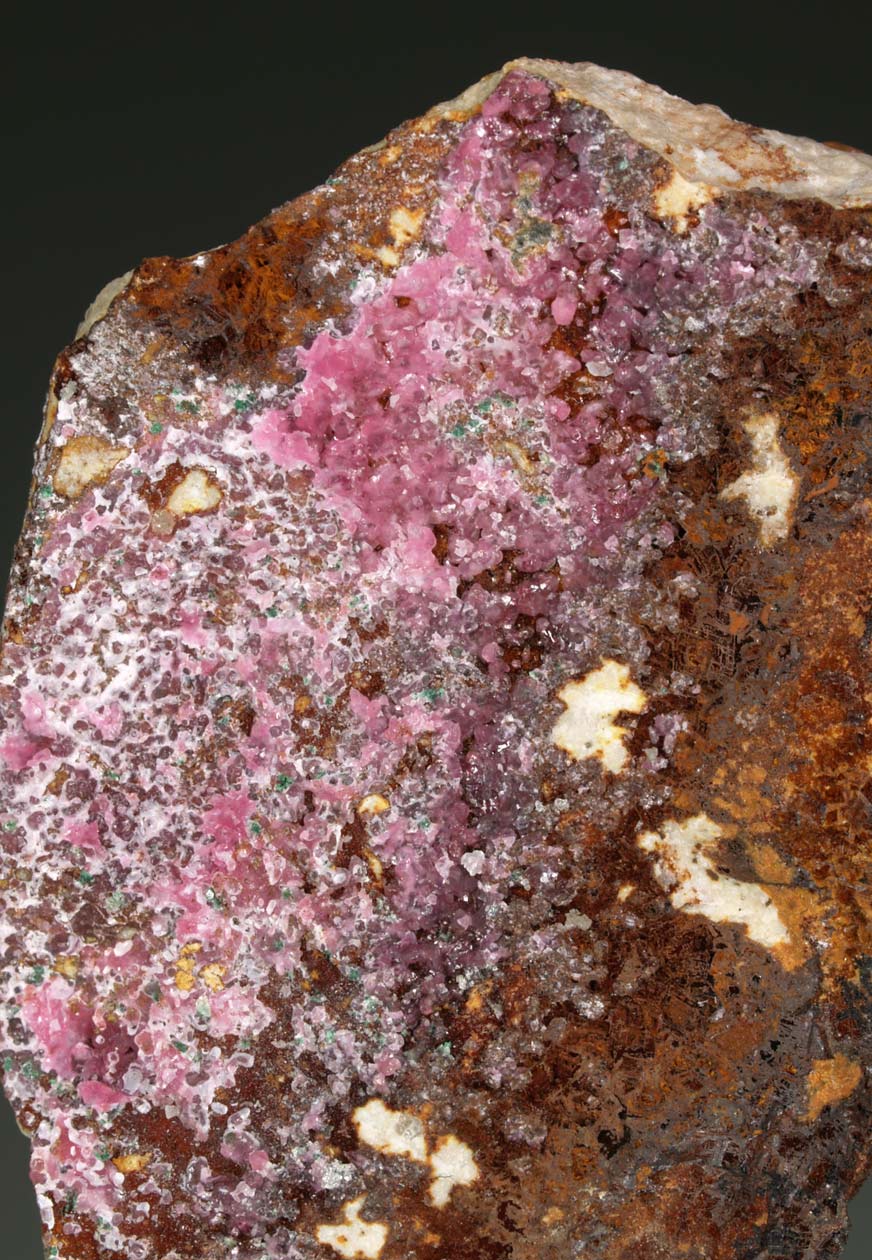
Ejemplar formado por pequeños cristales redondeados de smithsonita, con un intenso color rosado. Destacan estos ejemplares por la localidad y su intenso color. La mina se encuentra hoy día cerrada y en proceso de restauración para hacer una parte visitable.
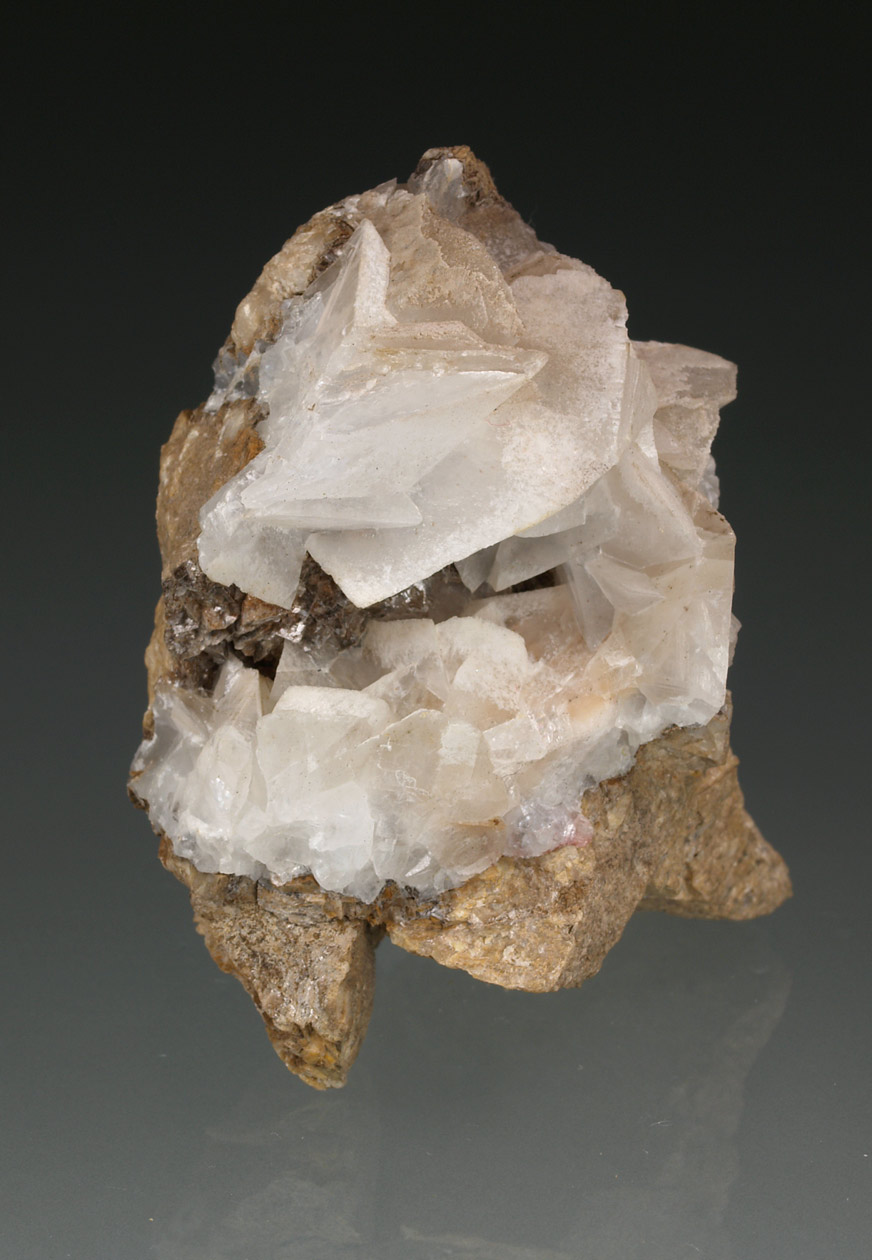
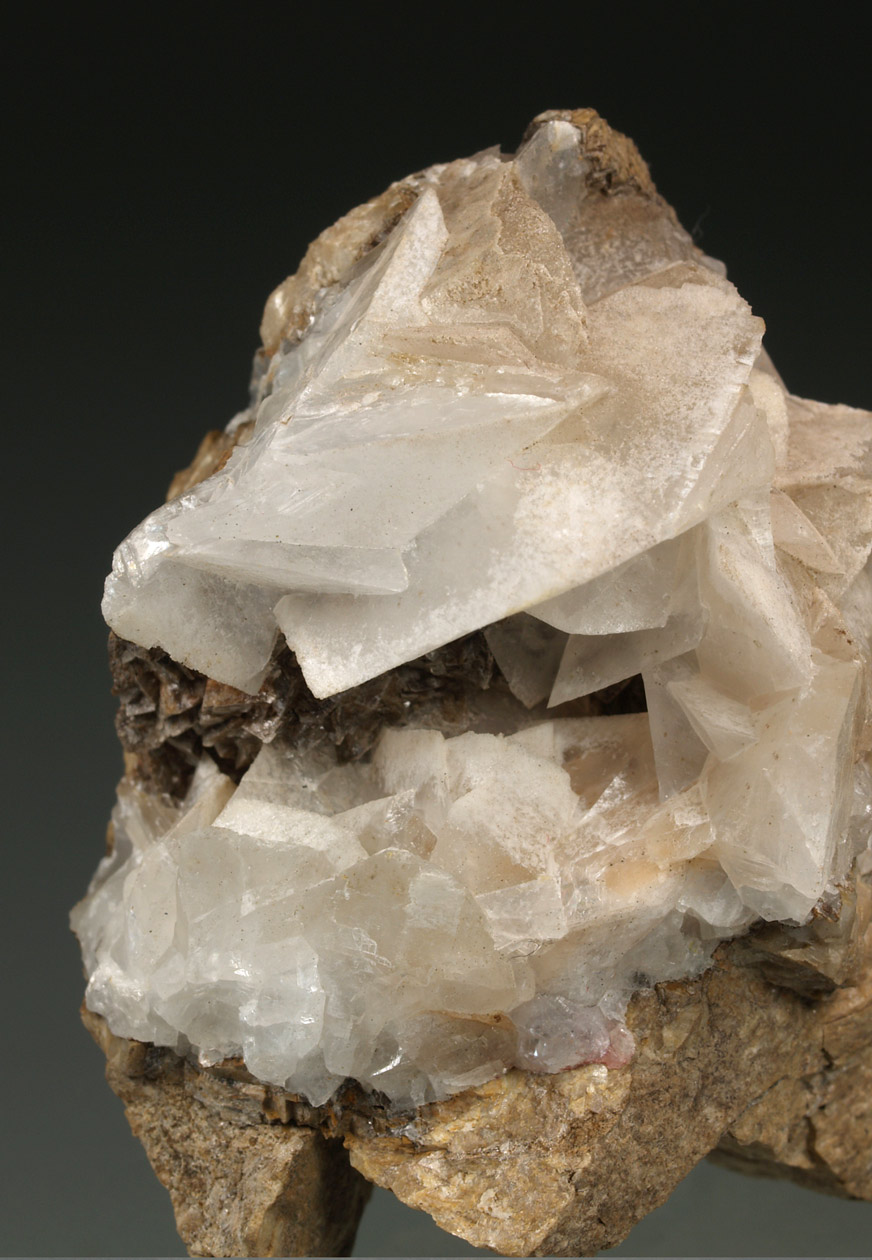
Grupo de cristales de calcita, de formas romboédricas aplanadas, definidos y translúcidos. De una localidad poco representada en colecciones. No confundir con las calcitas de Berga.
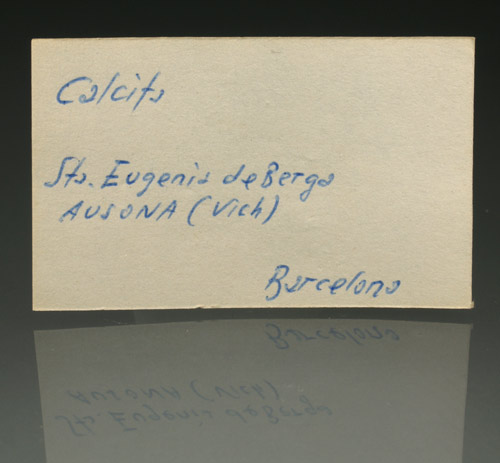
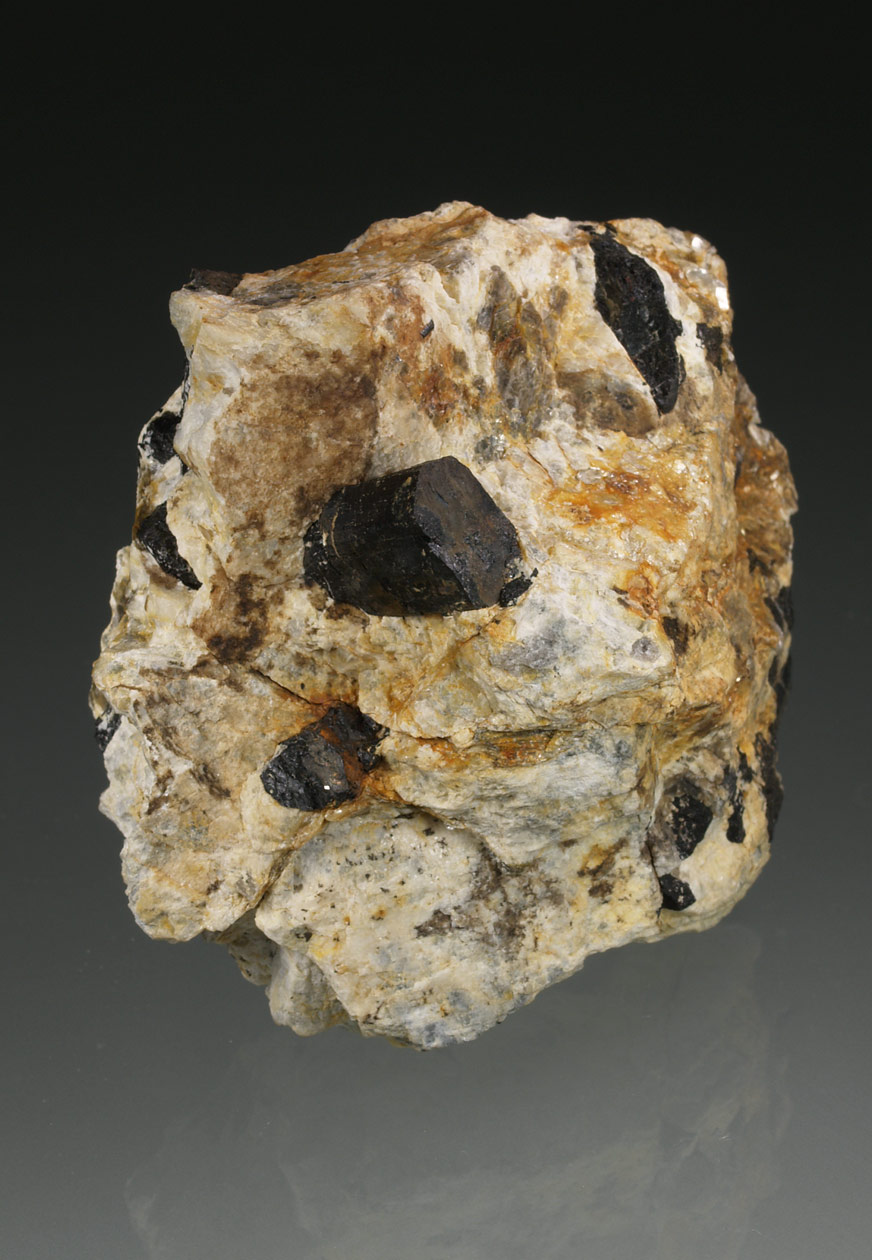
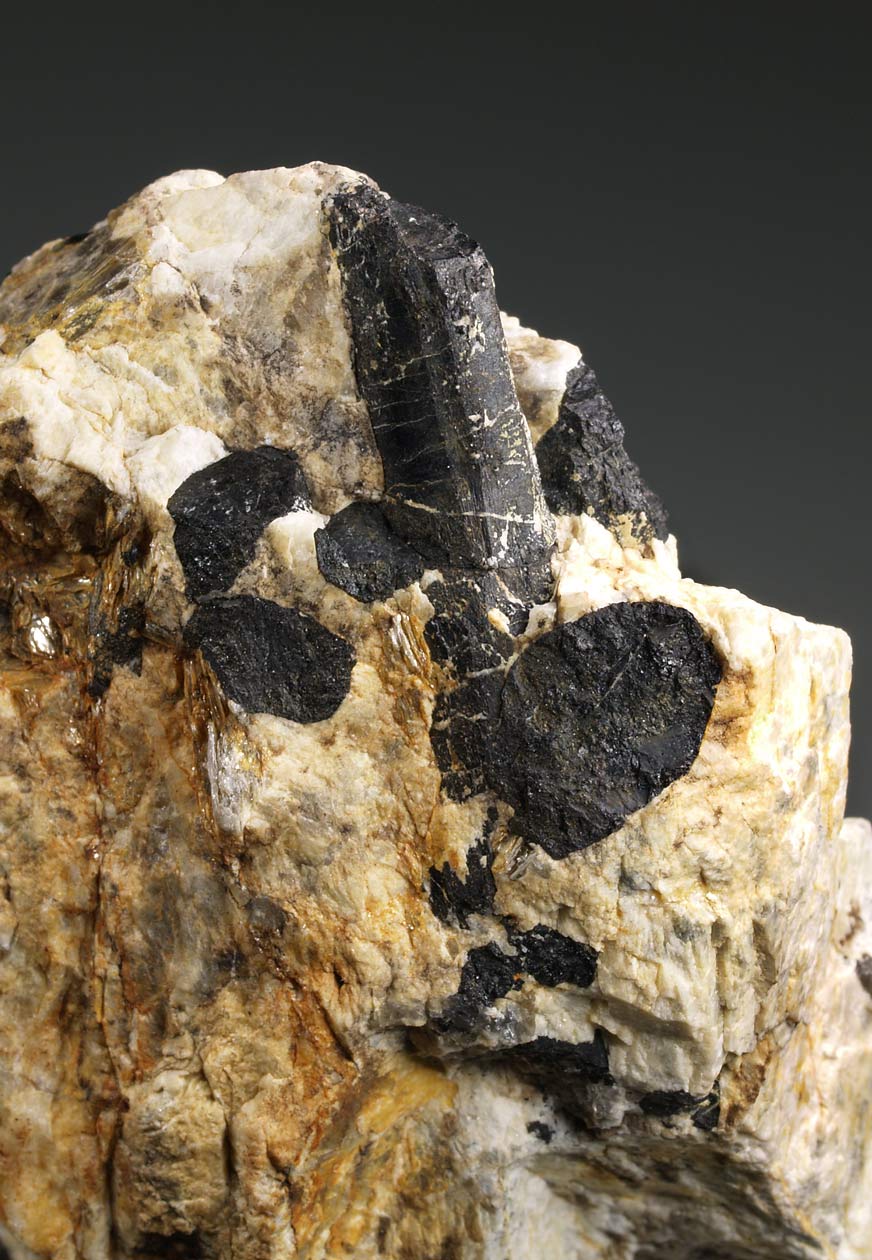
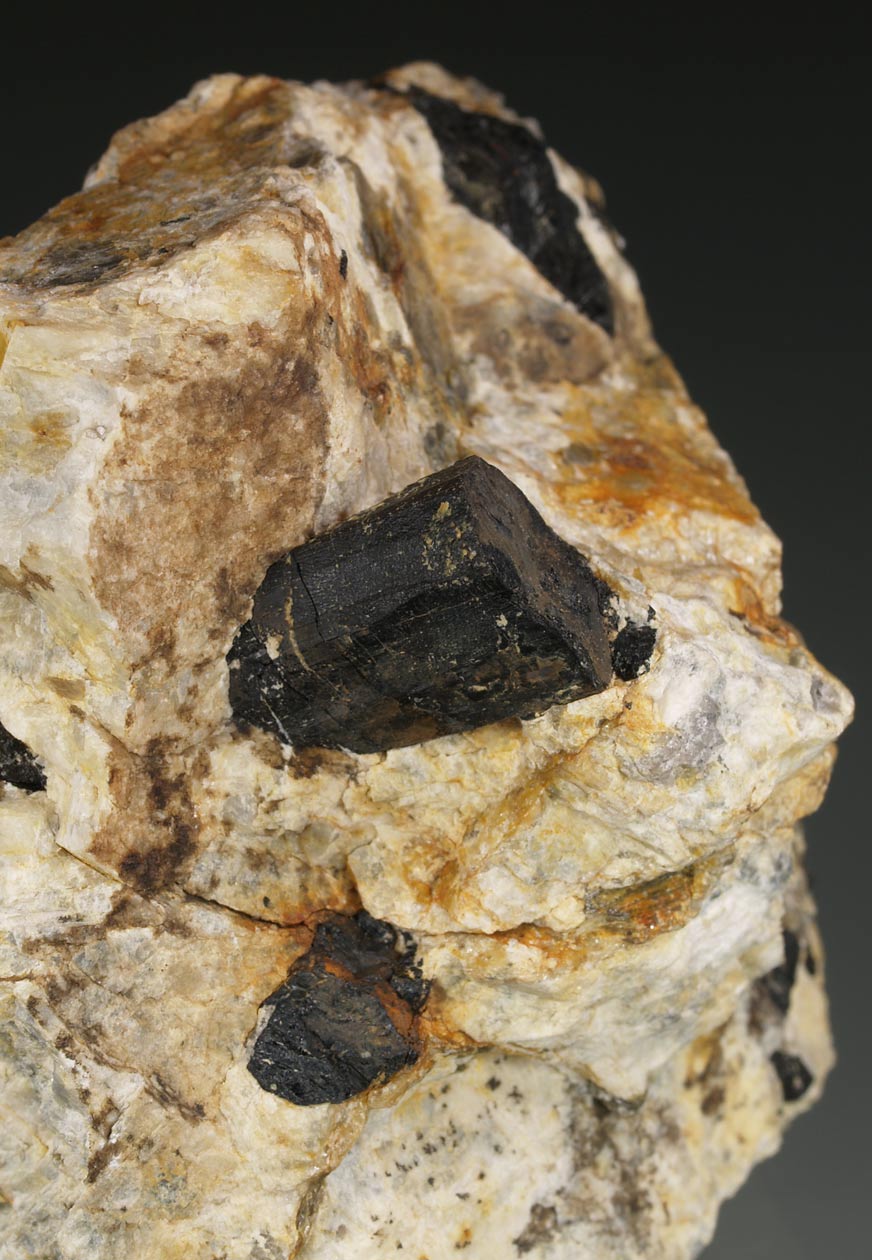
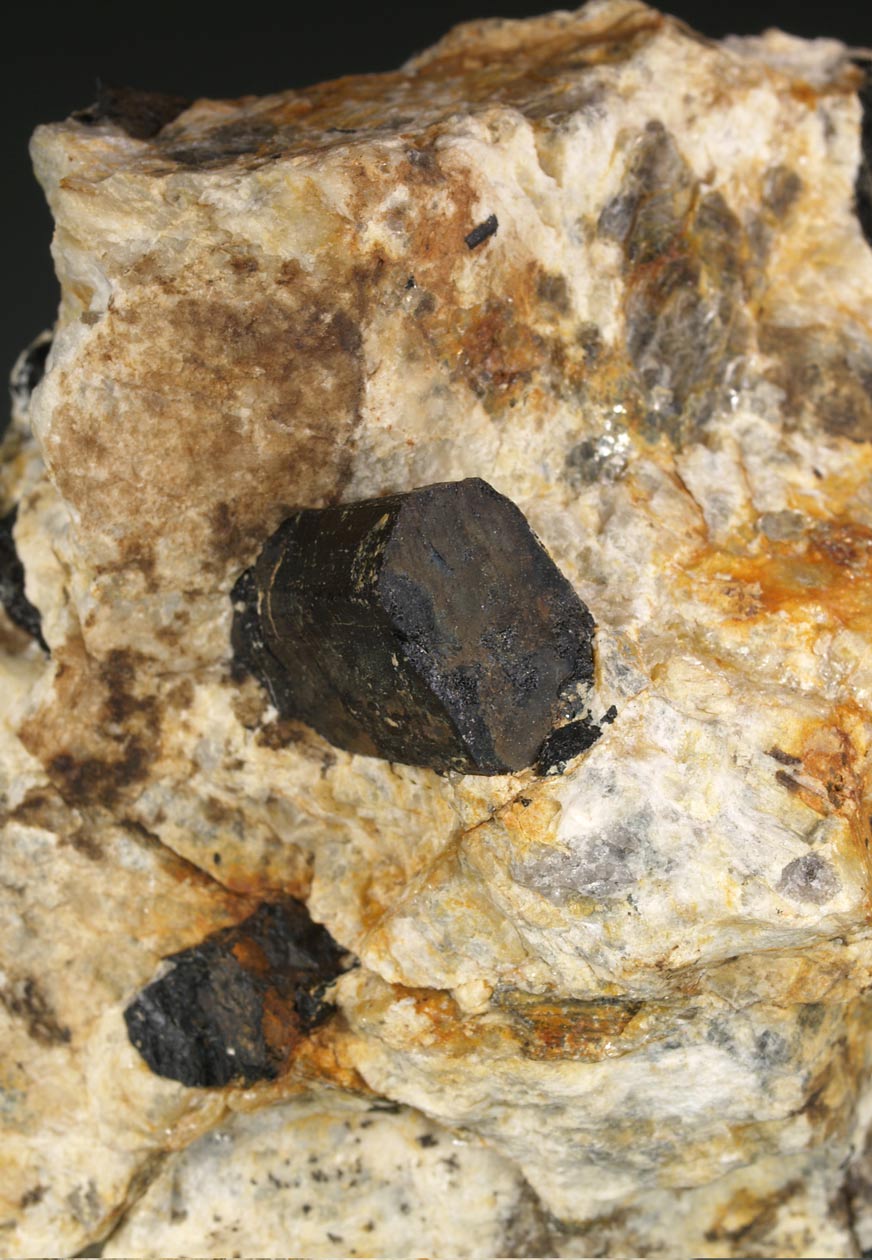
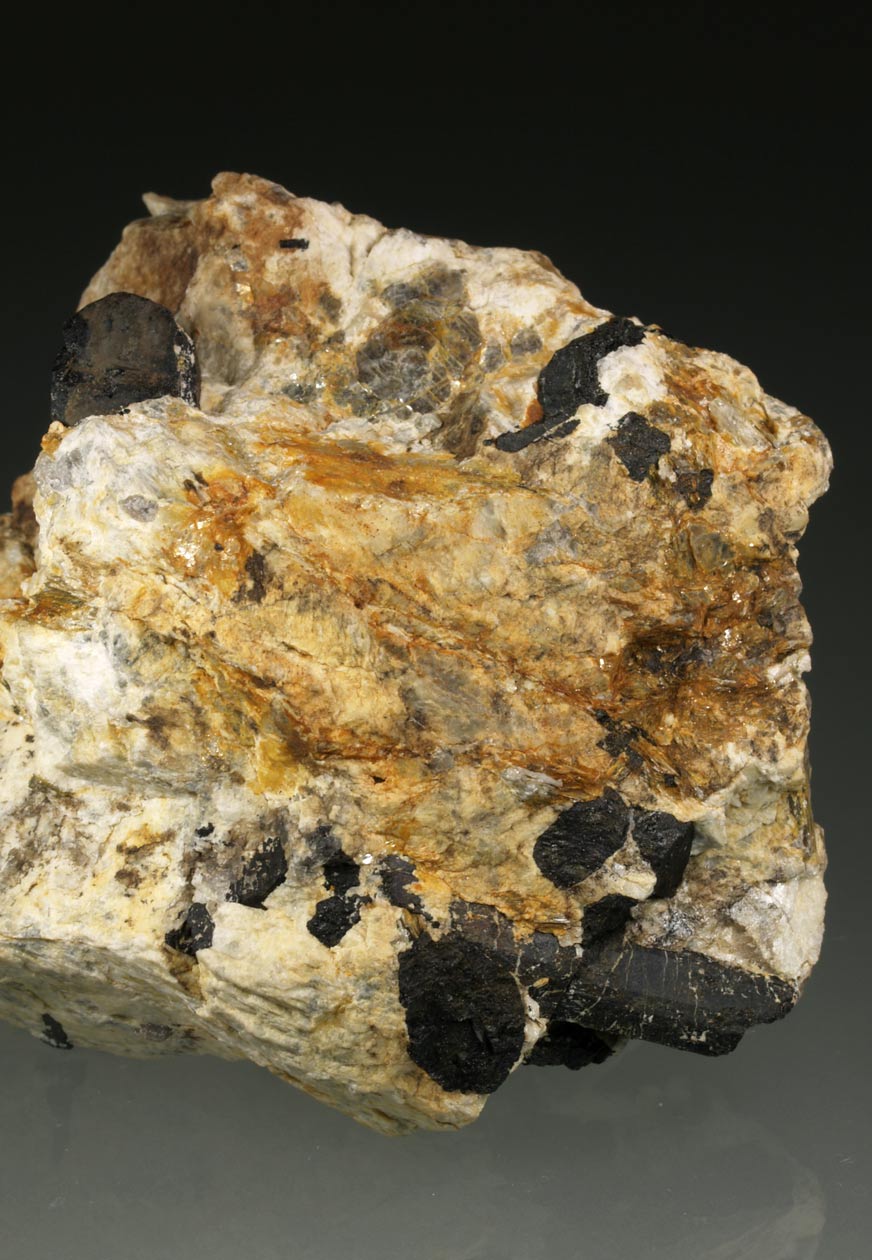
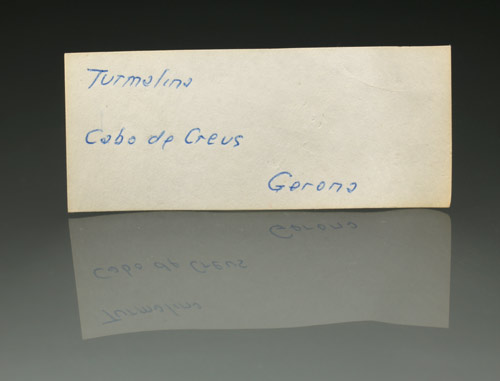
Buen ejemplar de chorlo del Cap de Creus. Diversos cristales que nos muestran un prisma desarrollado y facetado, con caras terminales, algunos de ellos con buen grosor. De esta localidad es muy difícil obtener ejemplares si no aparecen en antiguas colecciones, como es el caso, ya que está totalmente prohibido recoger ejemplares en el lugar. Este procede de la colección Manchion y lleva su etiqueta manuscrita.
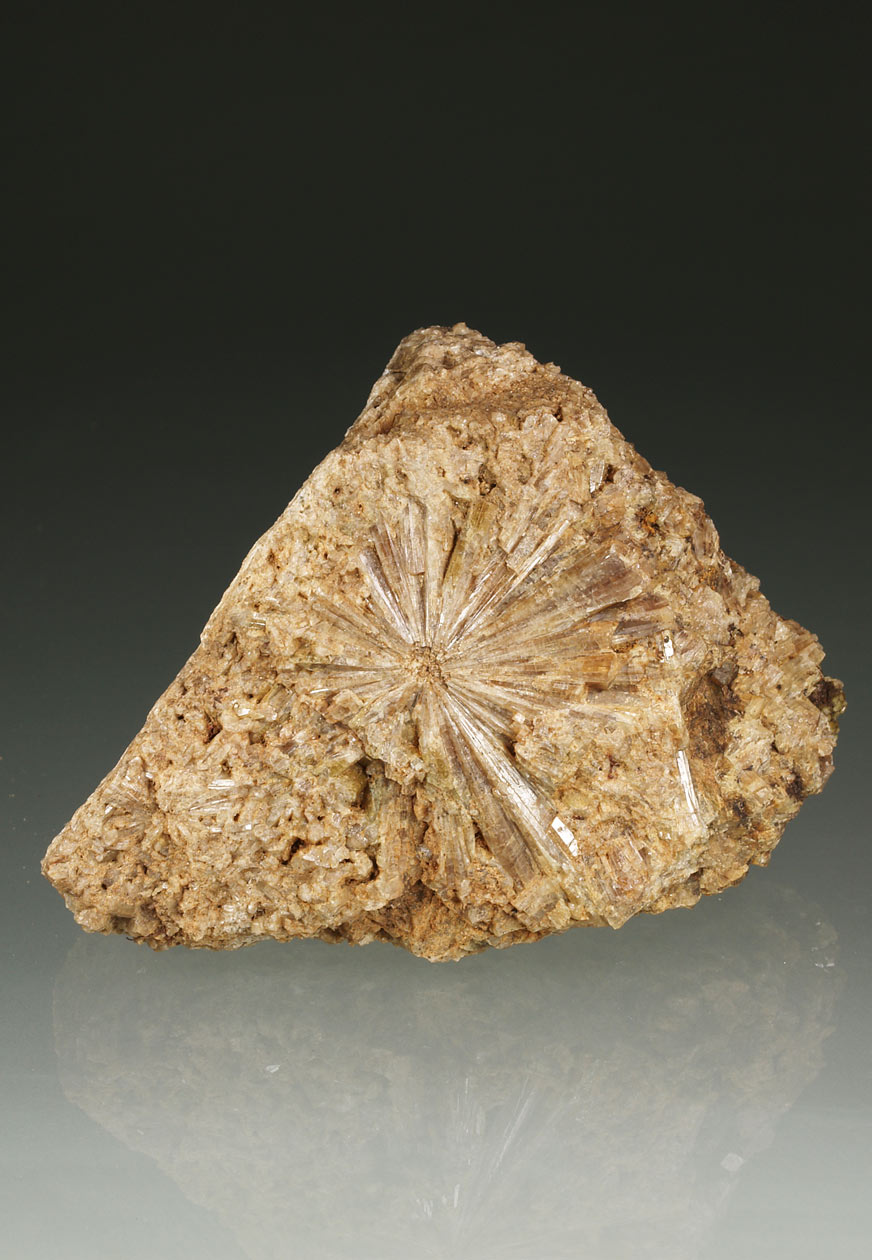
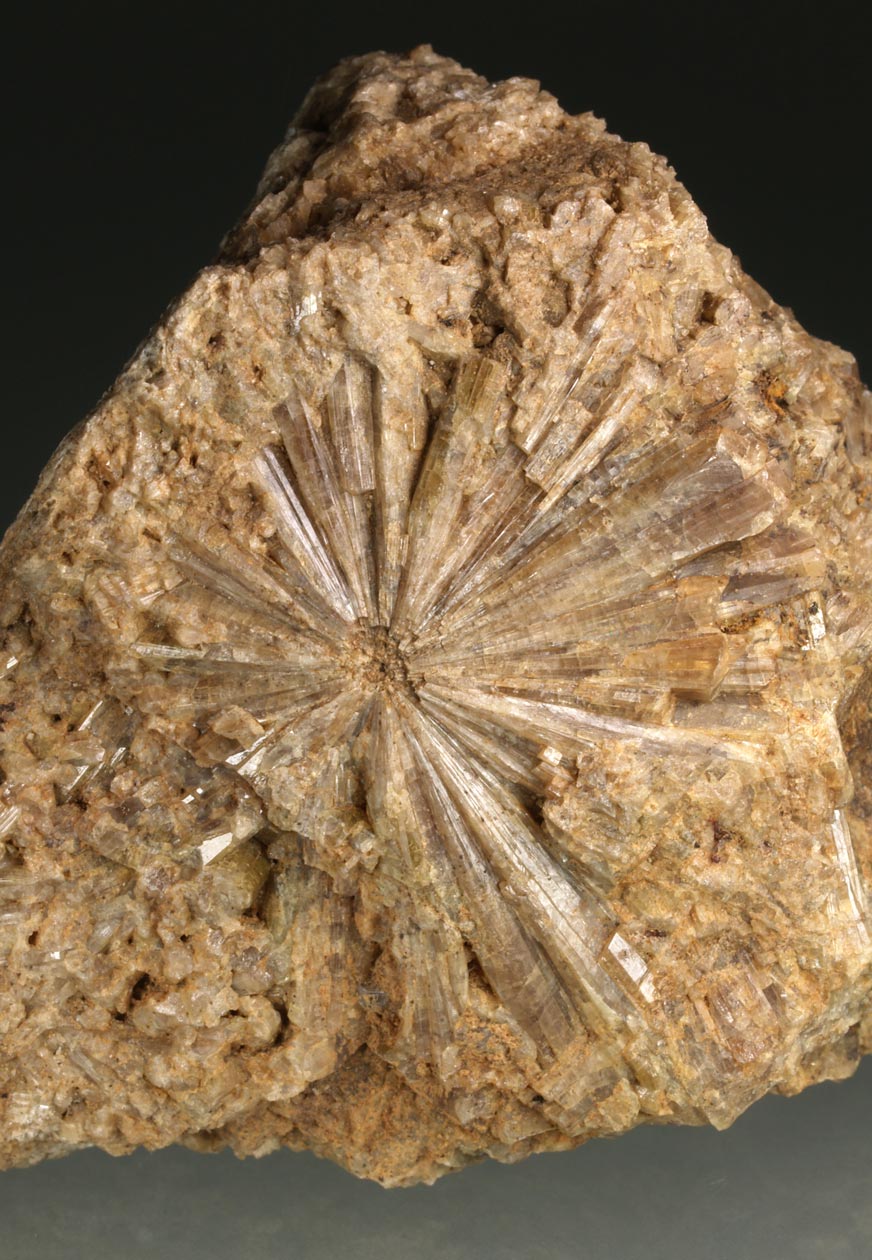
Estas minas se ubica en el corazón del Massís del Montnegre, en Catalunya, y es un clásico para los buscadores de minerales. Las "vesuvianas" de hallan principalmente en la zona exterior de las mismas. En este antiguo ejemplar podemos disfrutar de un agregado radial de cristales, de buen tamaño y con el color beige-verdoso que las caracteriza en este yacimiento. En una cavidad podemos ver cristales transparentes, verdes y bien formados de la especie.
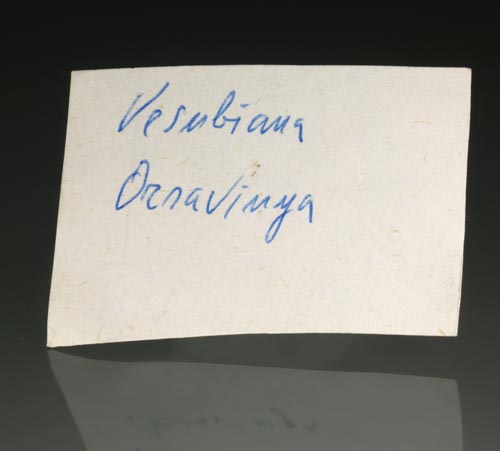
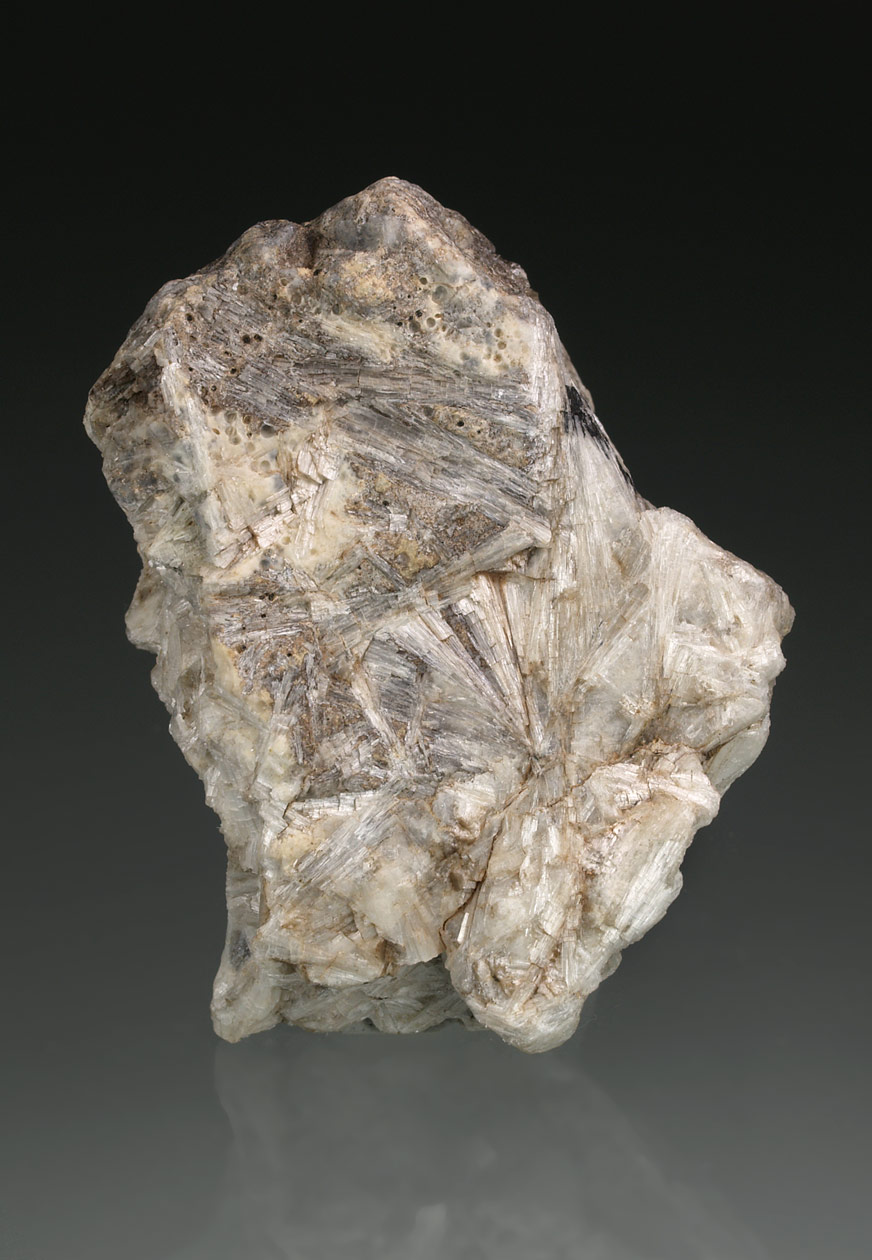
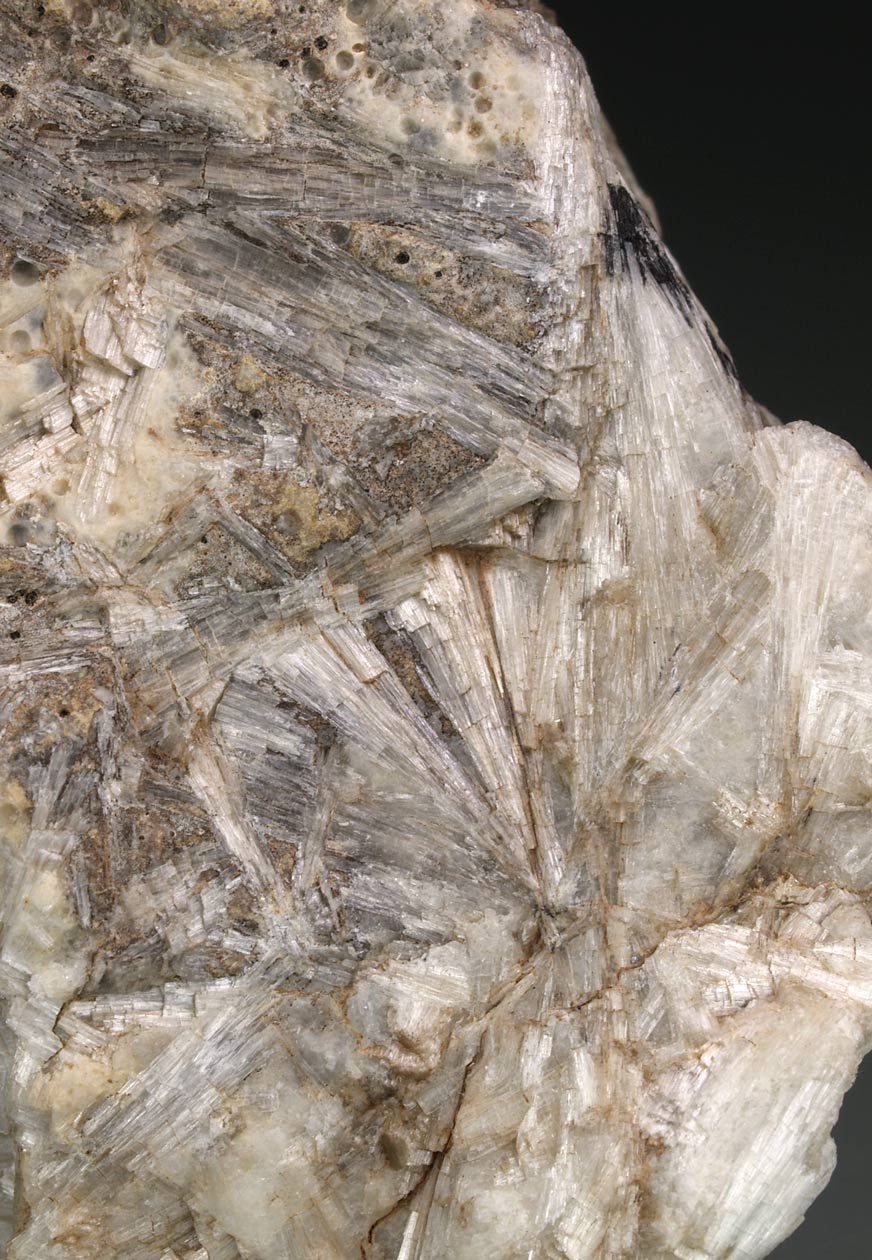
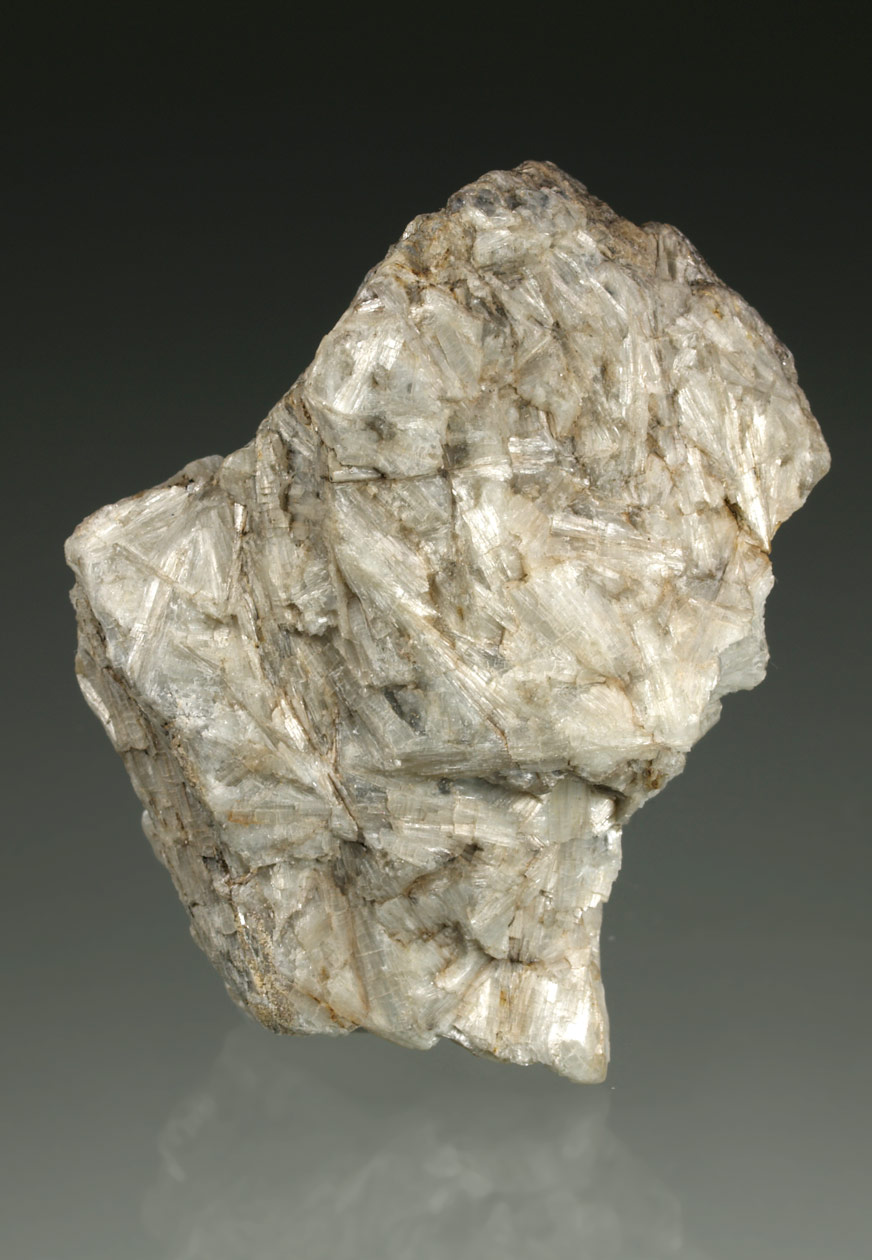
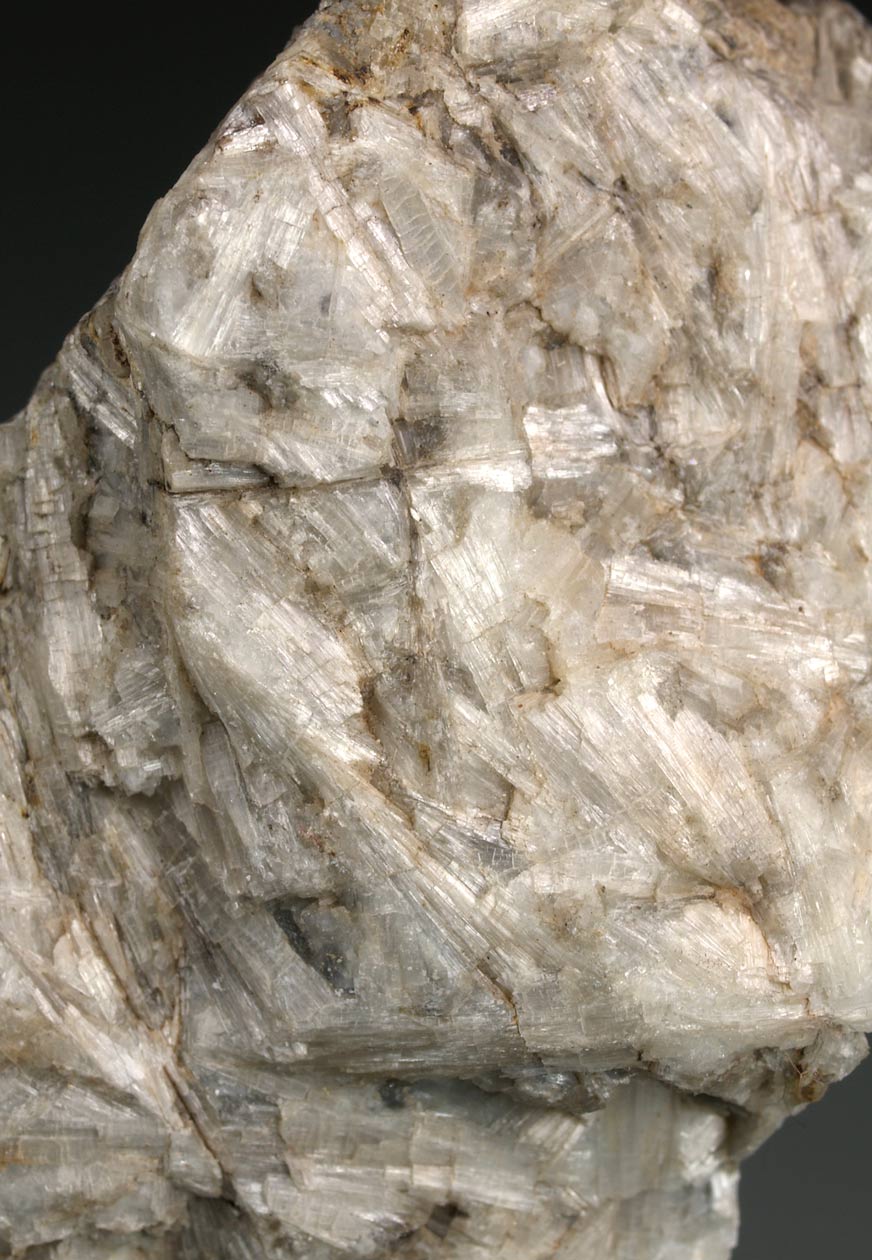
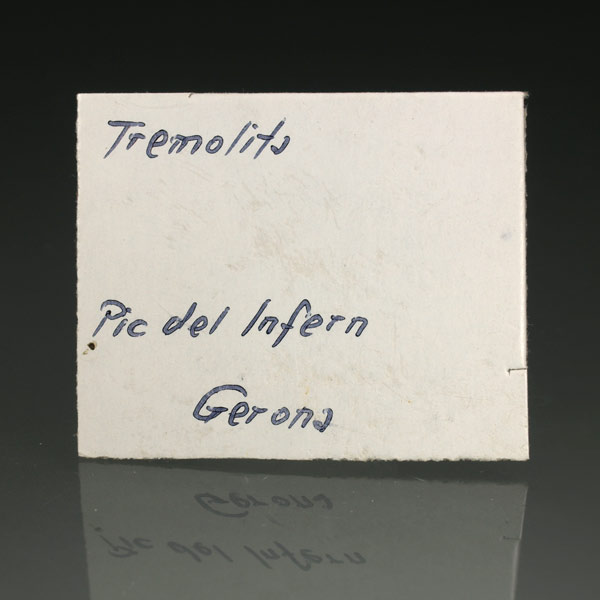
Agregados radiales de cristales de tremolita de esta localidad clásica catalana. Los ejemplares se encontraron en mármoles cámbrico-ordovícicos con niveles de silicatos cálcicos. Los afloramientos se hallan a una altitud de 2.700-2.800 m, cerca de Pic de l'Infern (Pico del Infierno), de 2.870 m.
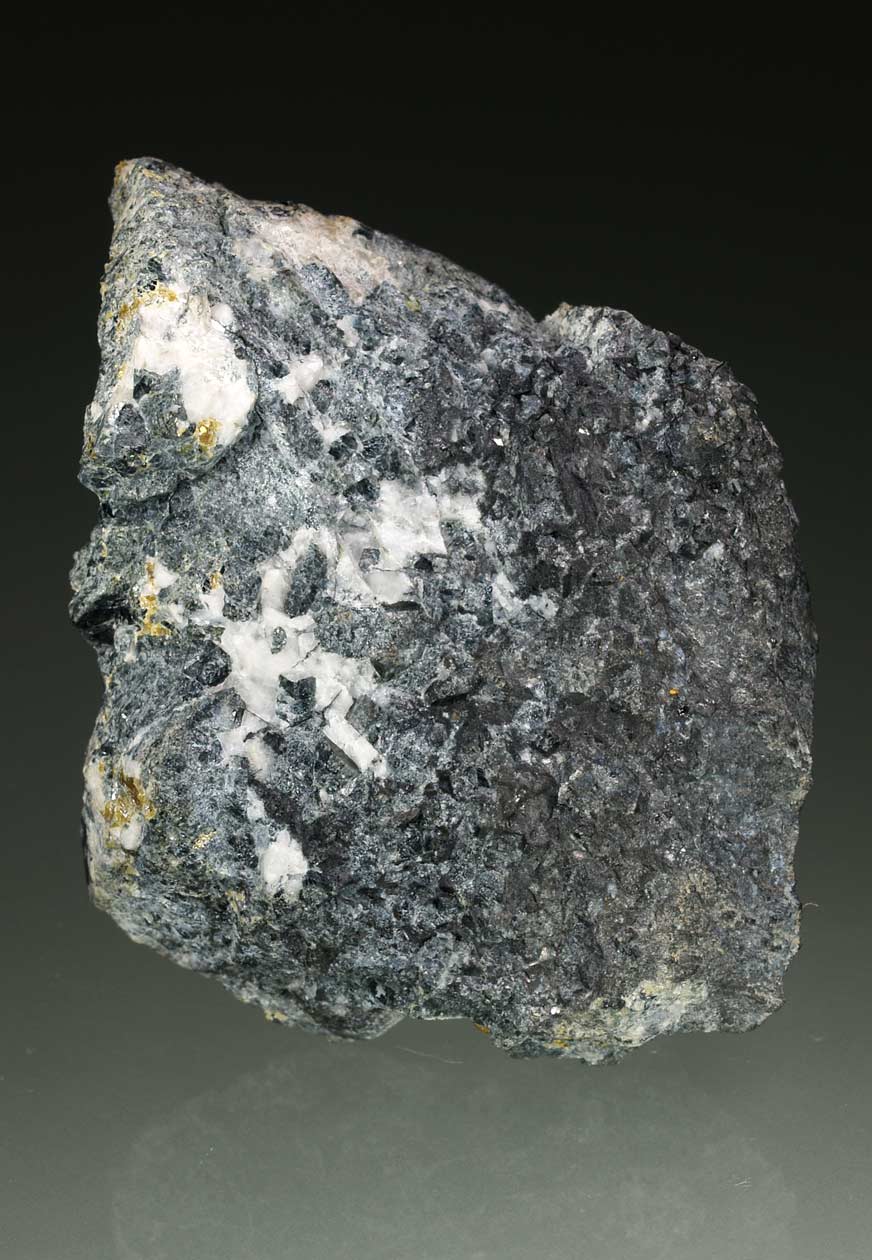
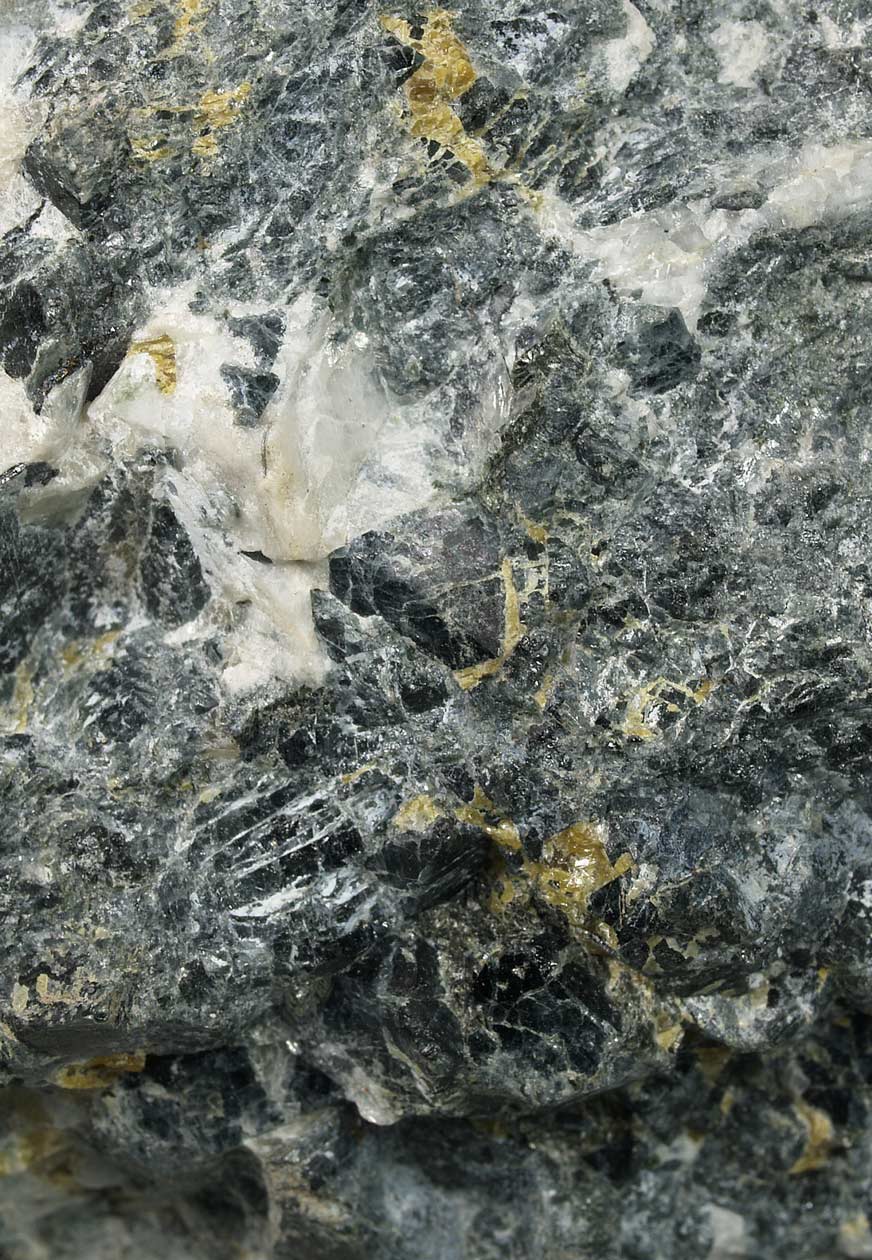
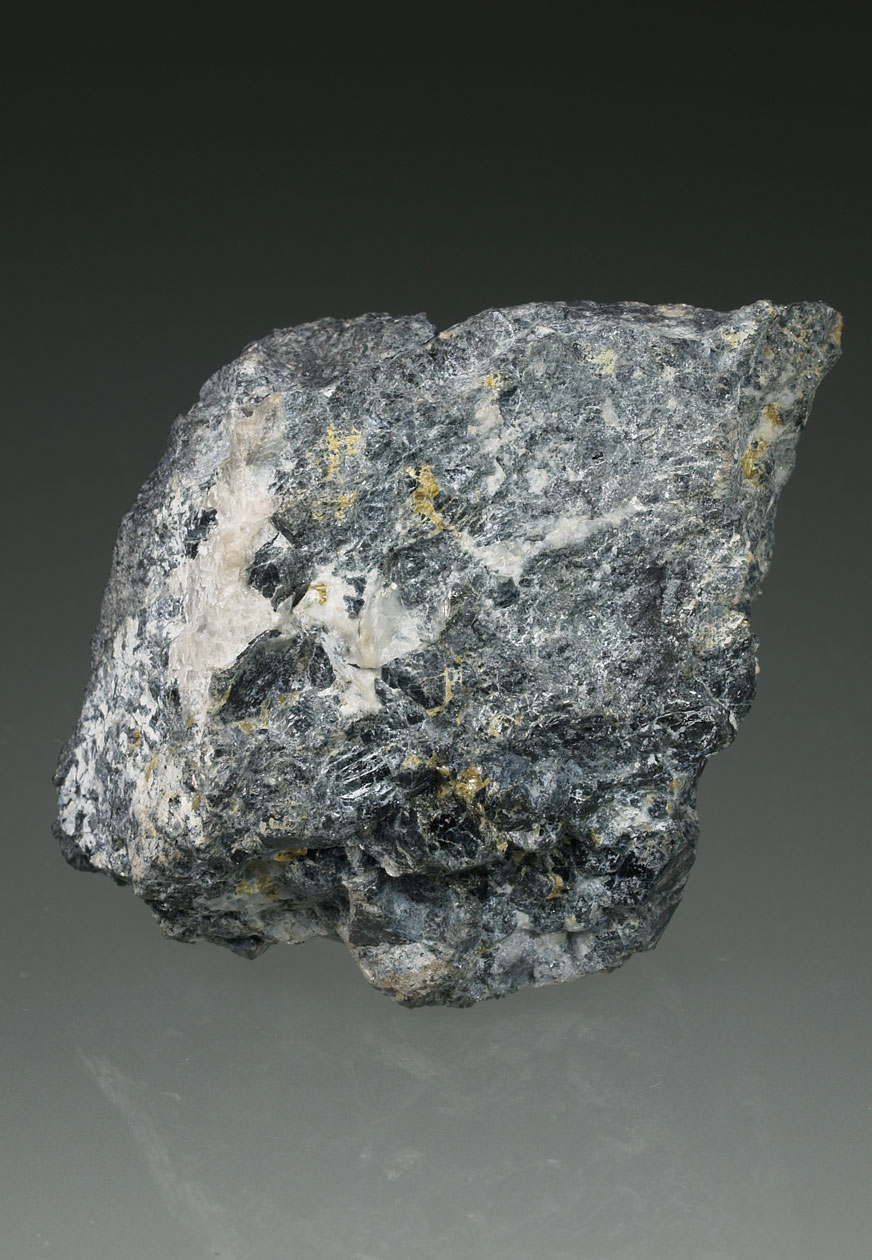
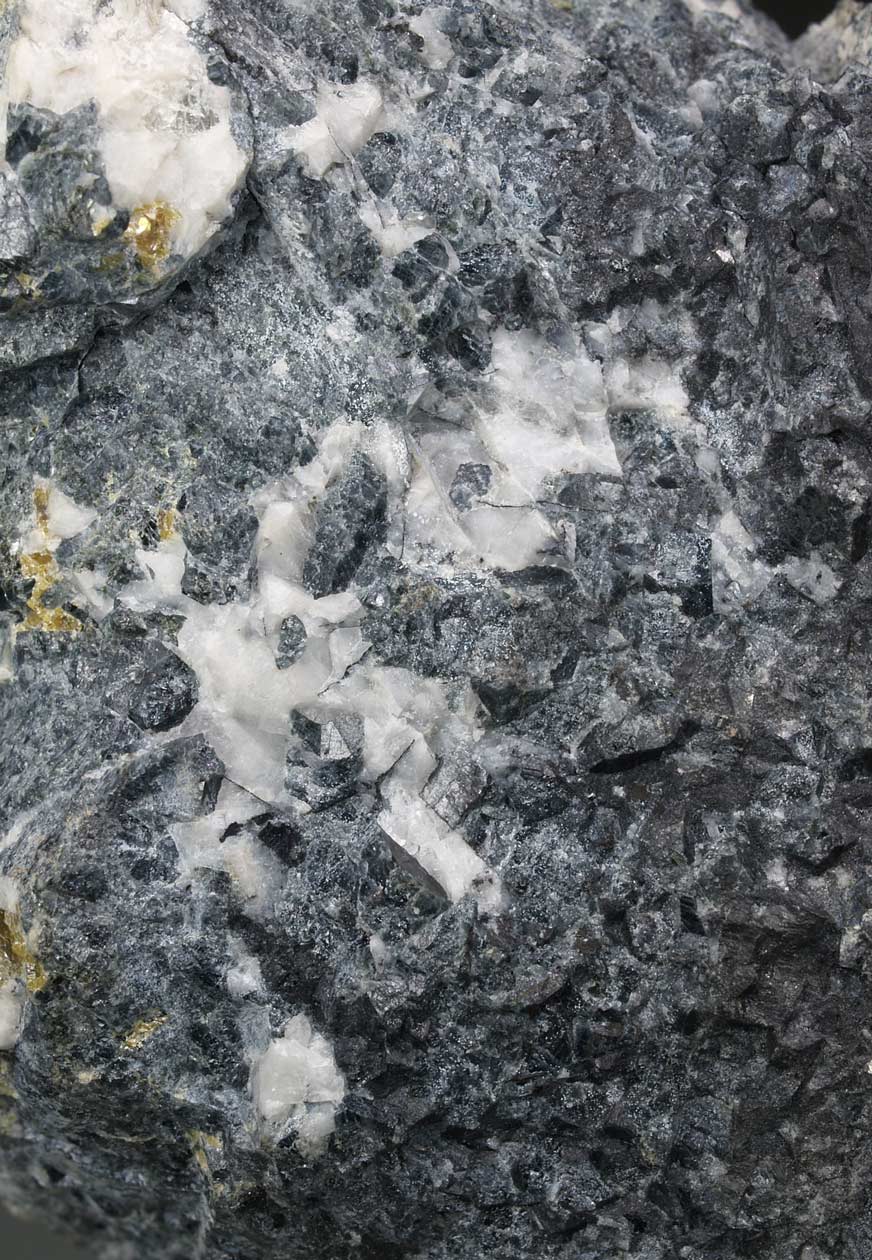
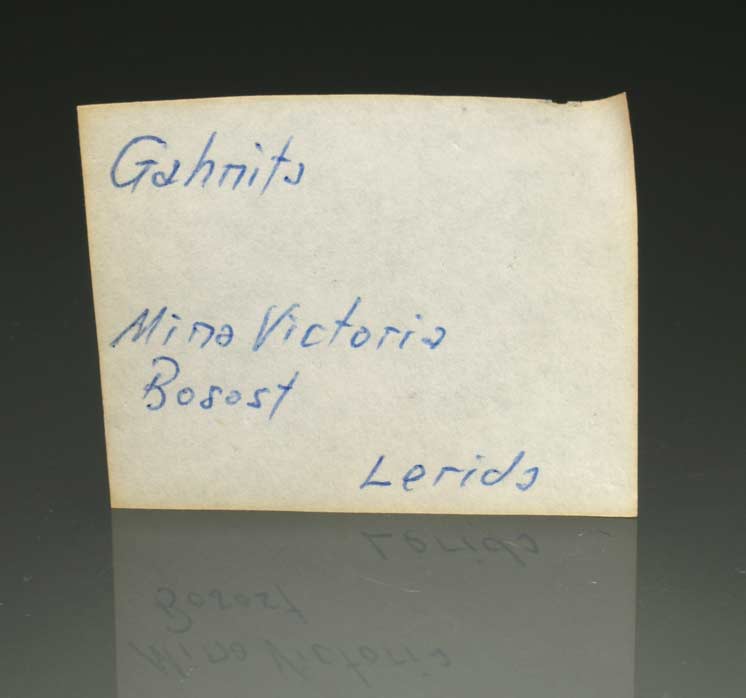
En este antiguo ejemplar podemos observar diversos cristales octaédricos de gahnita con caras y aristas definidas, de color azul profundo, acompañados de esfalerita amarilla. Estas muestras son muy difíciles de conseguir y solo de vez en cuando aparece un clásico como este, procedente de colecciones antiguas, como es el caso. Buen tamaño.
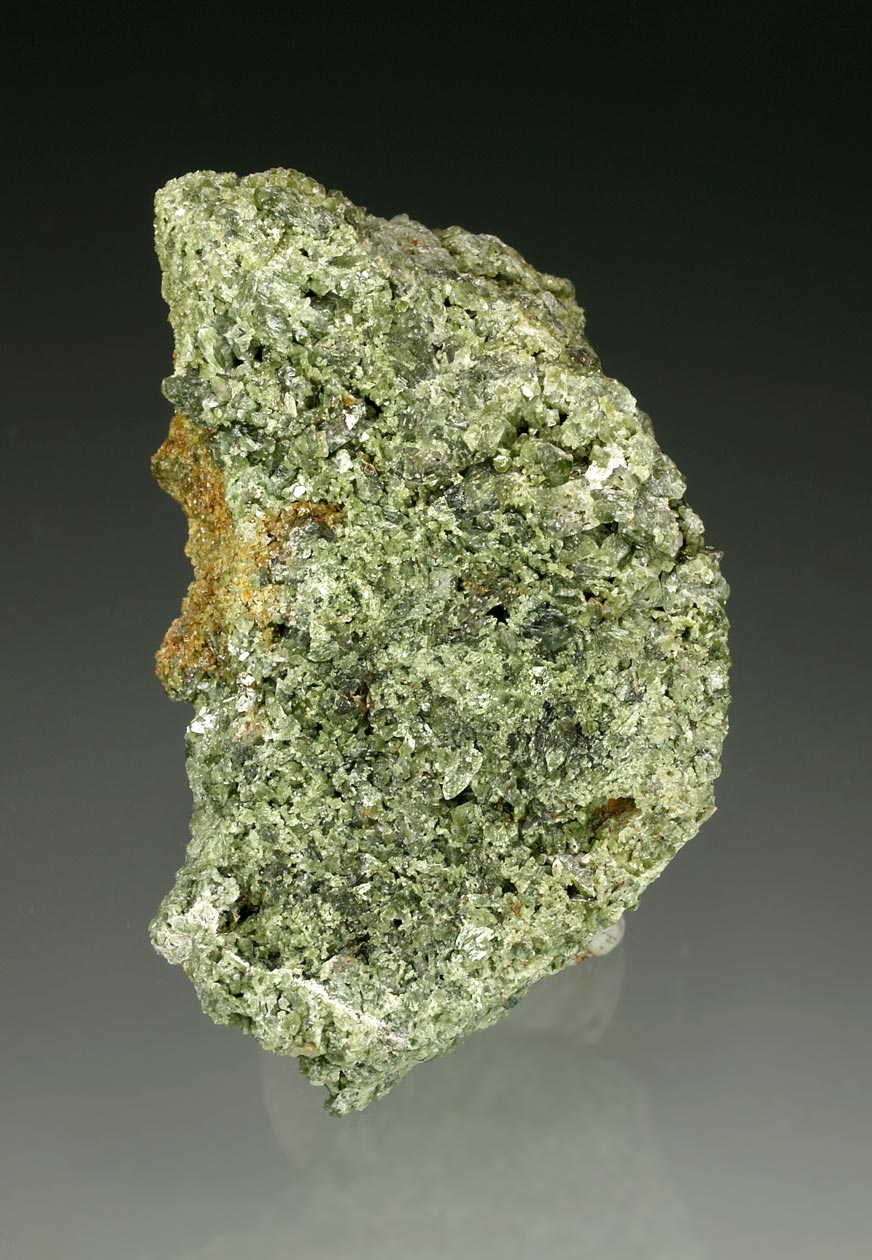
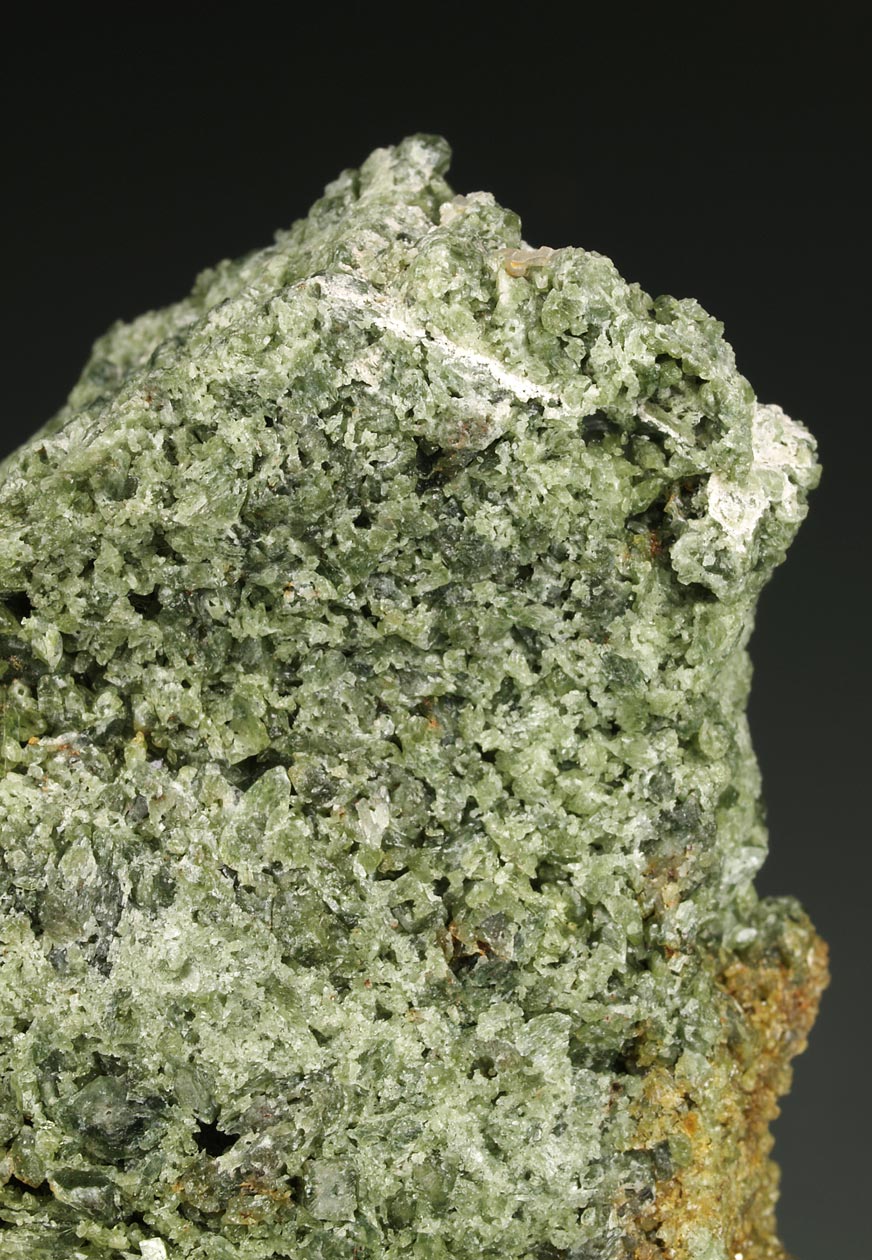
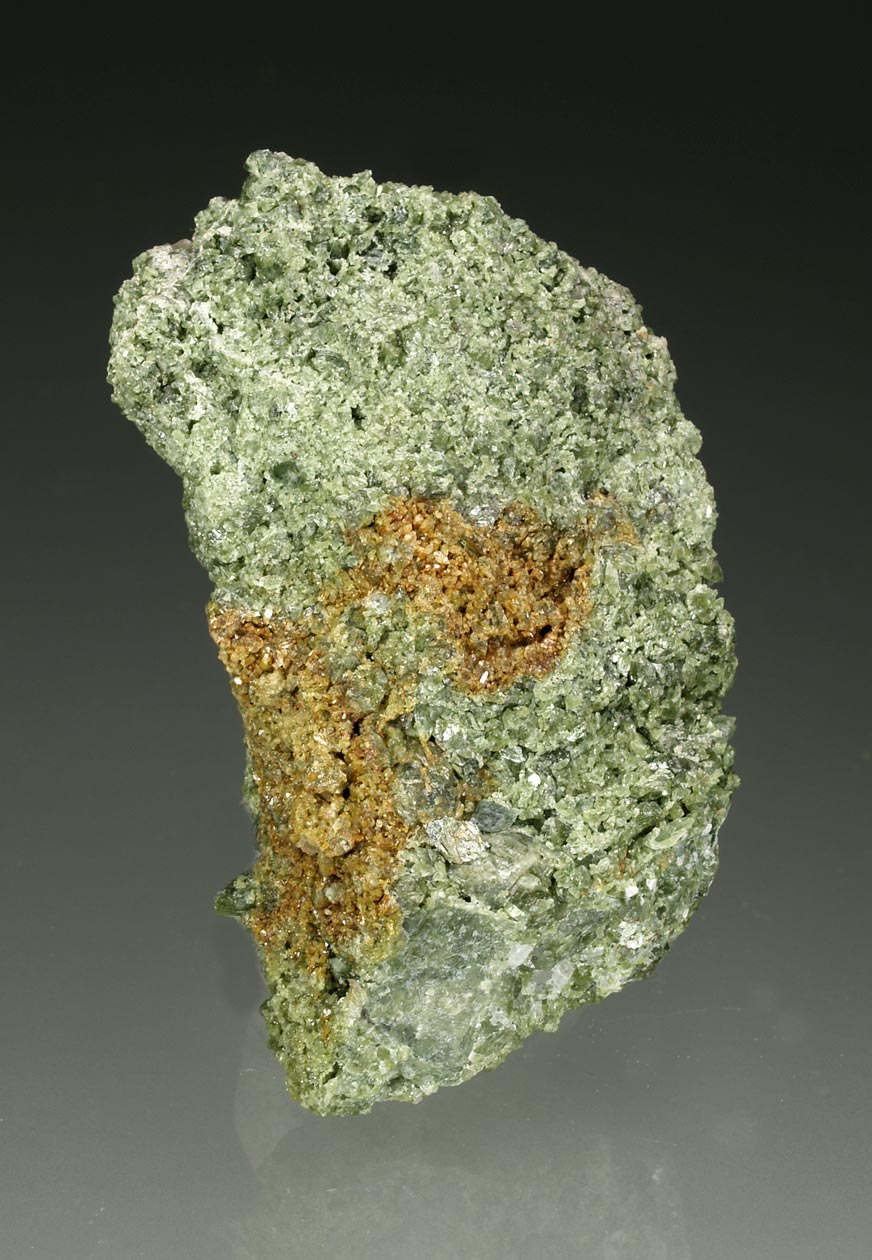
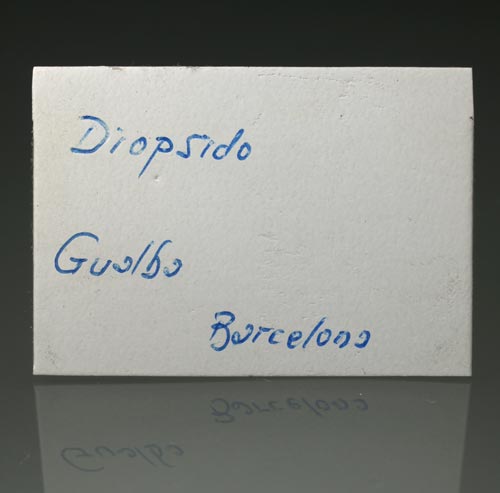
Nutrido agregado de cristales de diópsido, de intenso color verde manzana. En las cavidades podemos observar las formas de los prismas lanceolados. De una localidad clásica catalana, de la que es difícil obtener ejemplares. Para los coleccionistas del "terruño"...
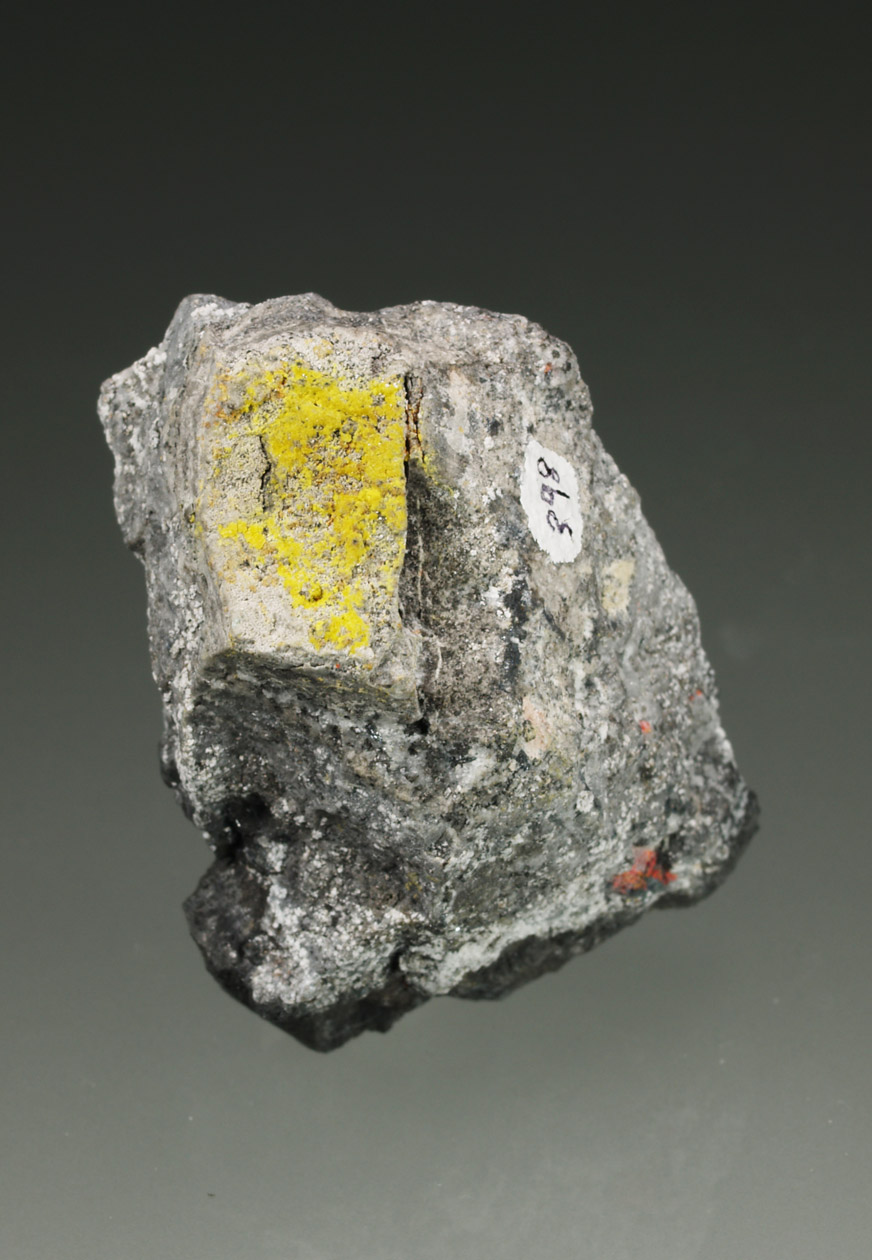
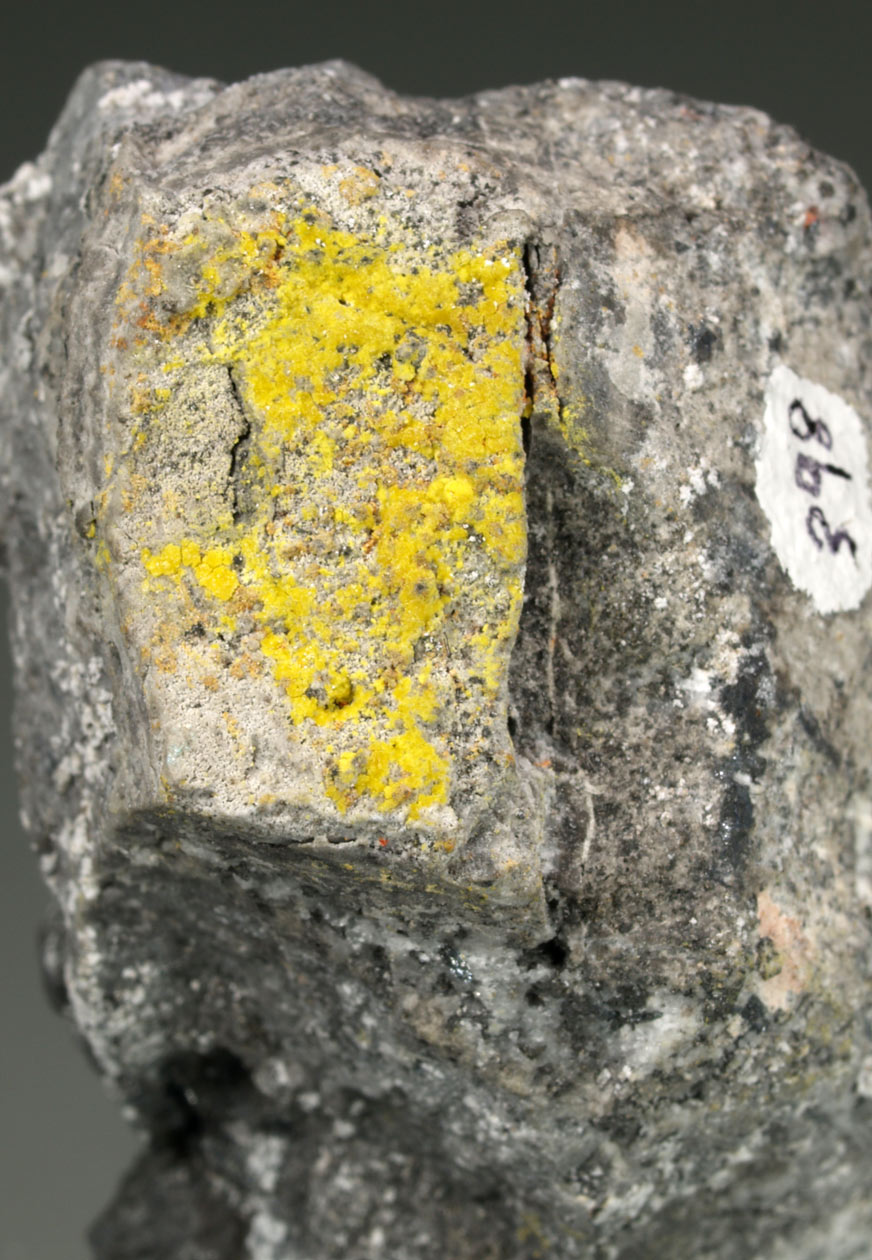
Ejemplar de greenockita de esta localidad clásica de la mineralogia catalana. Bajo aumento se aprecian agregados de intenso color amarillo, con reflejos de lo que podrían ser caras cristalinas. Se trata de sulfuro de cadmio, producto de la alteración de la esfalerita. Imposible de encontrar hoy día.
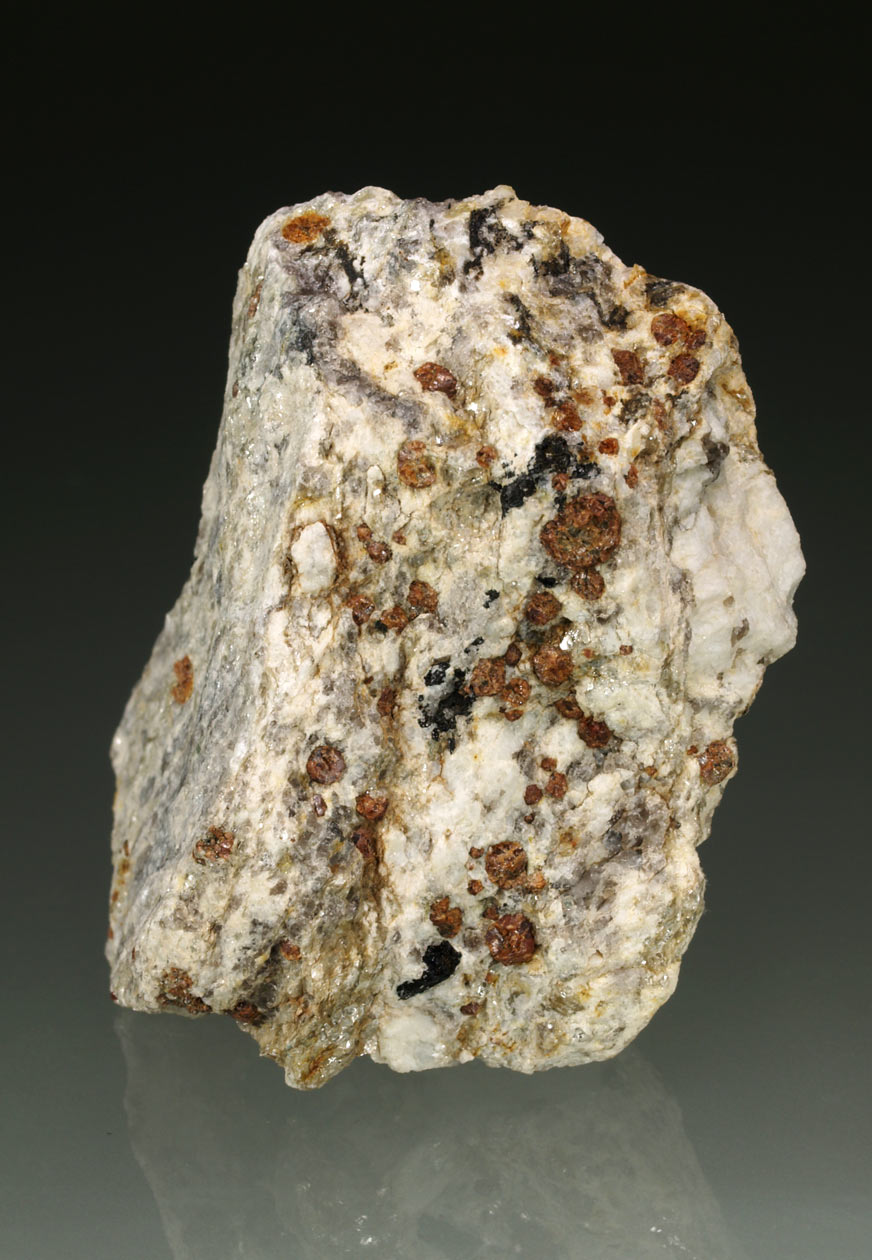
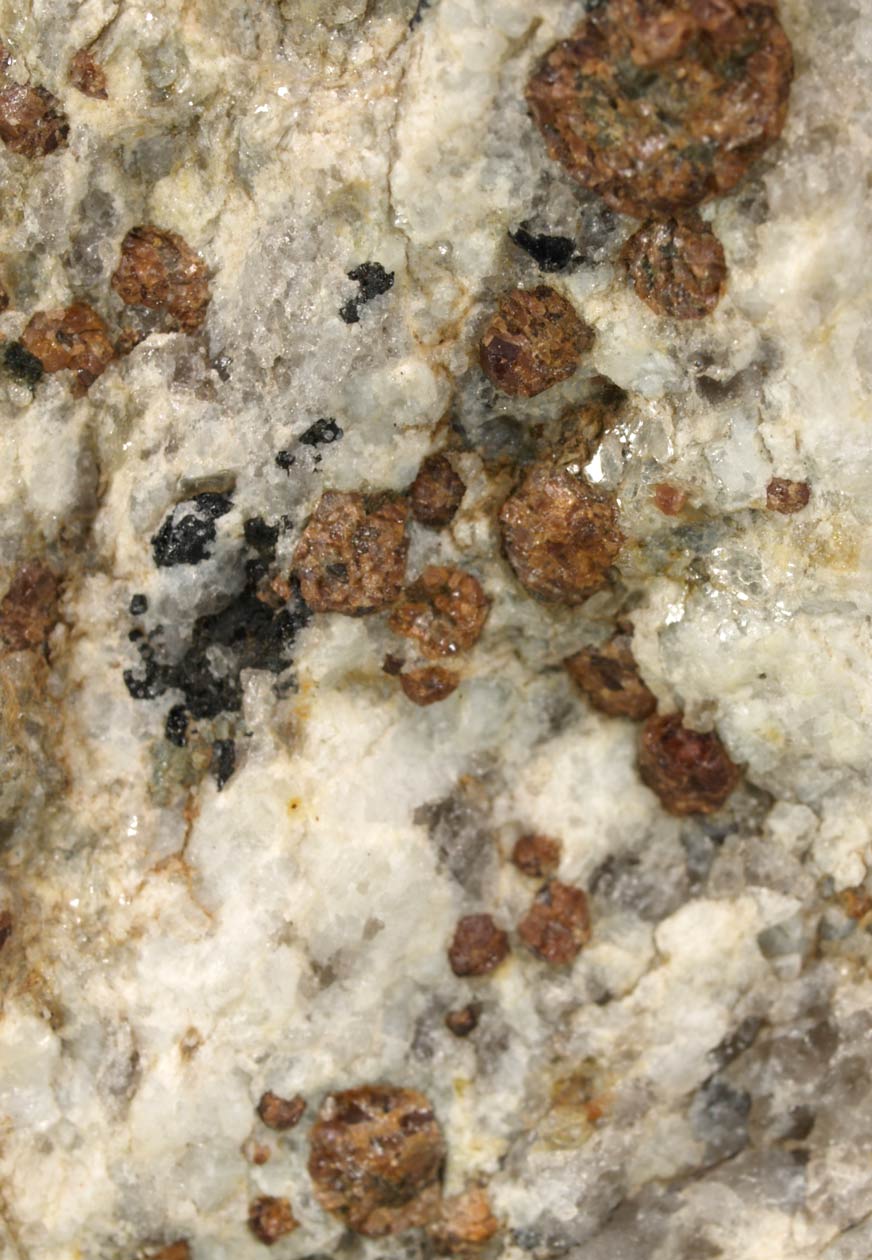
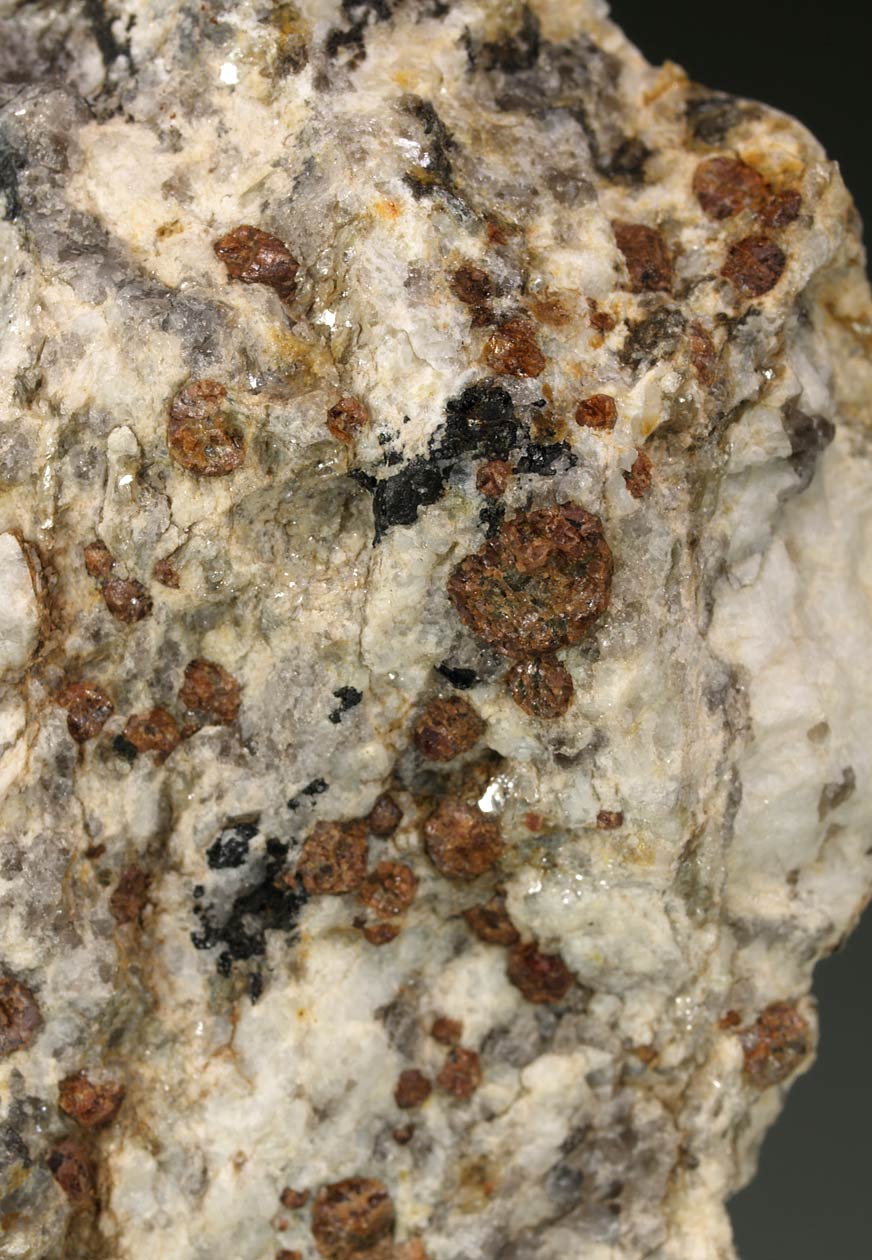
Una antigua pieza del Cap de Creus, en Girona. Se trata de diversos cristales de almandino, con tonos entre rosados a anaranjados, algunos alterados, otros facetados, que se hallan incluídos en una matriz de pegmatita. Se acompañan de chorlo de intenso color negro. Hoy día está prohibido recoger nada en esa zona y cuesta encontrar piezas disponibles.
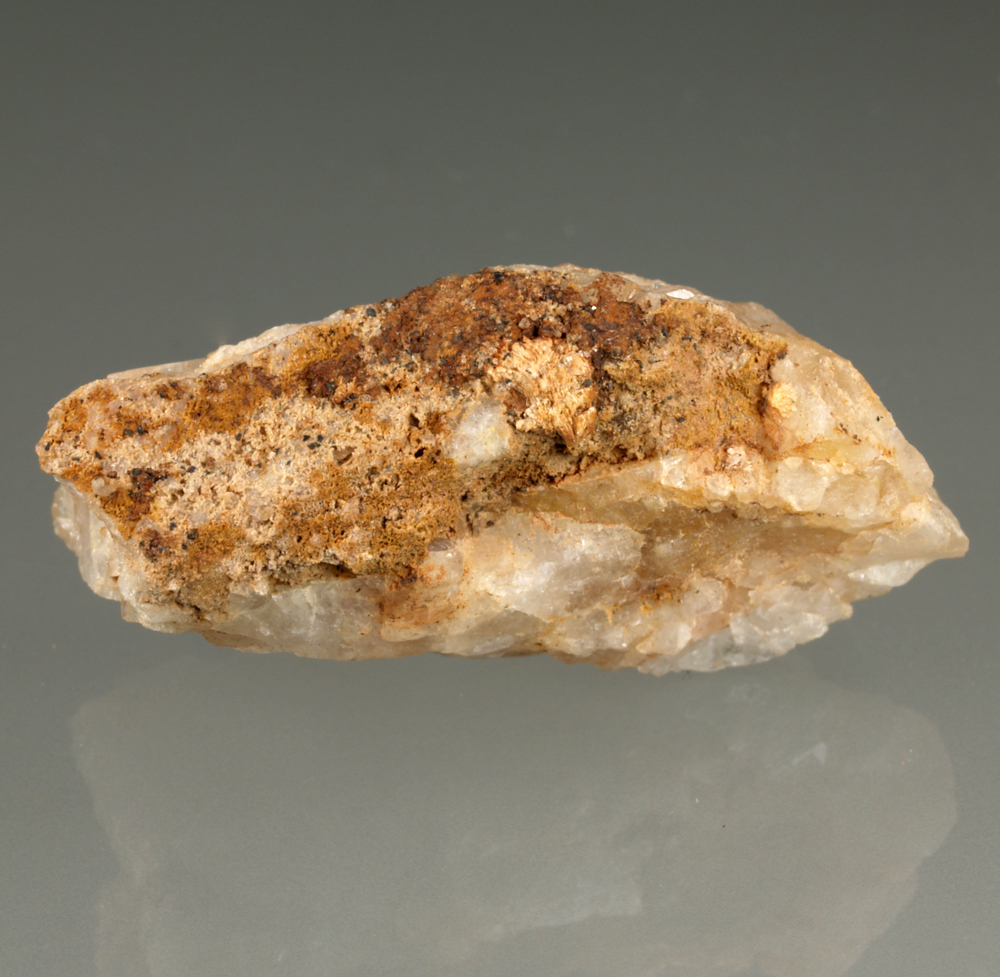
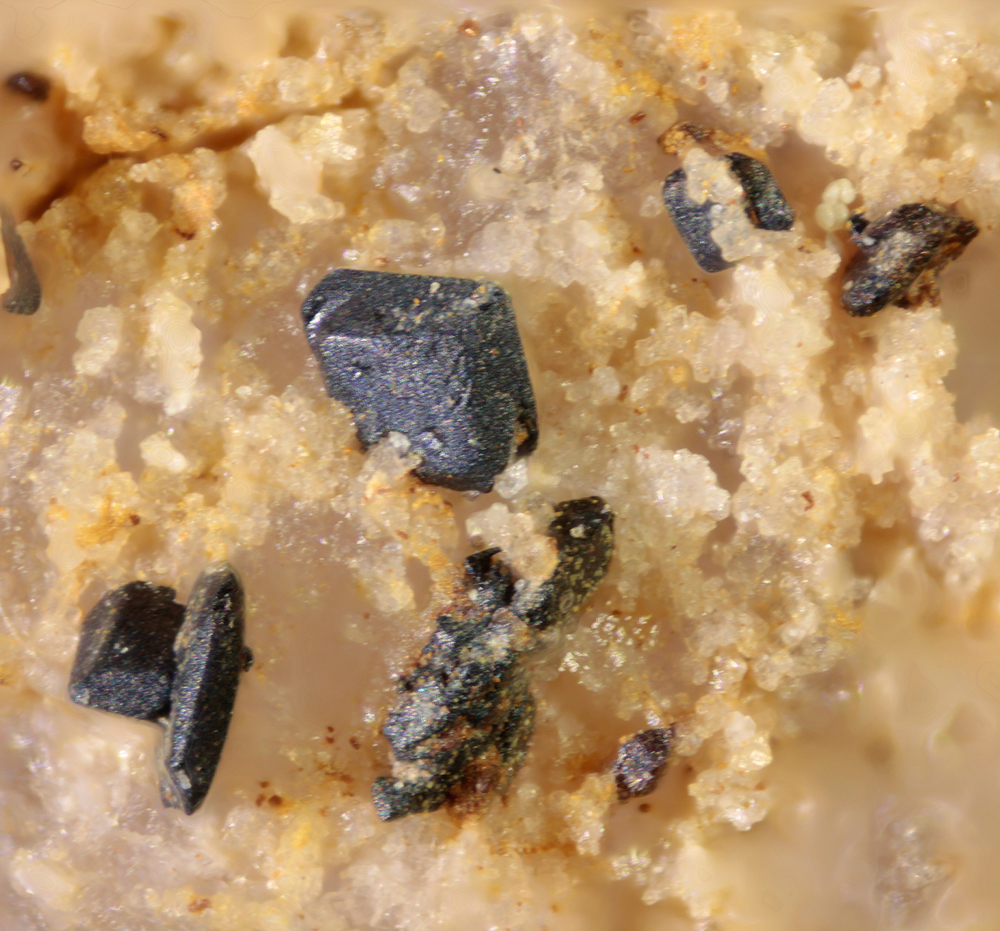
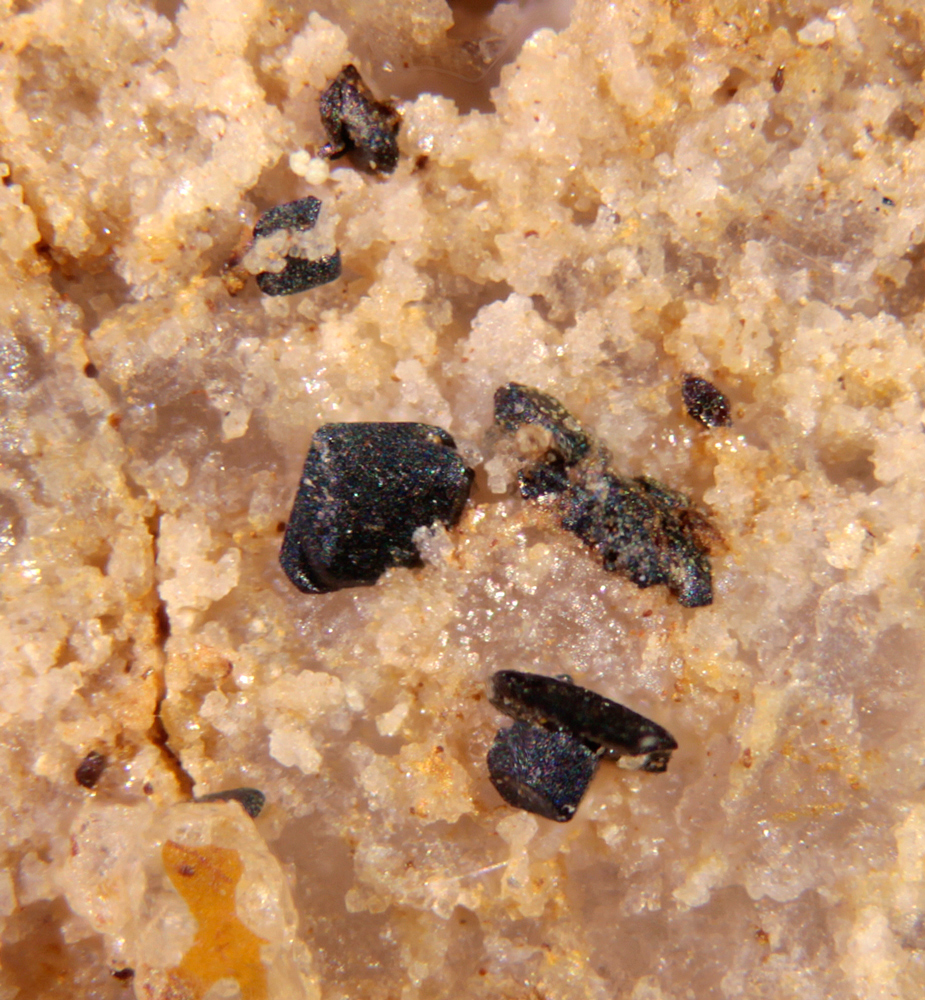
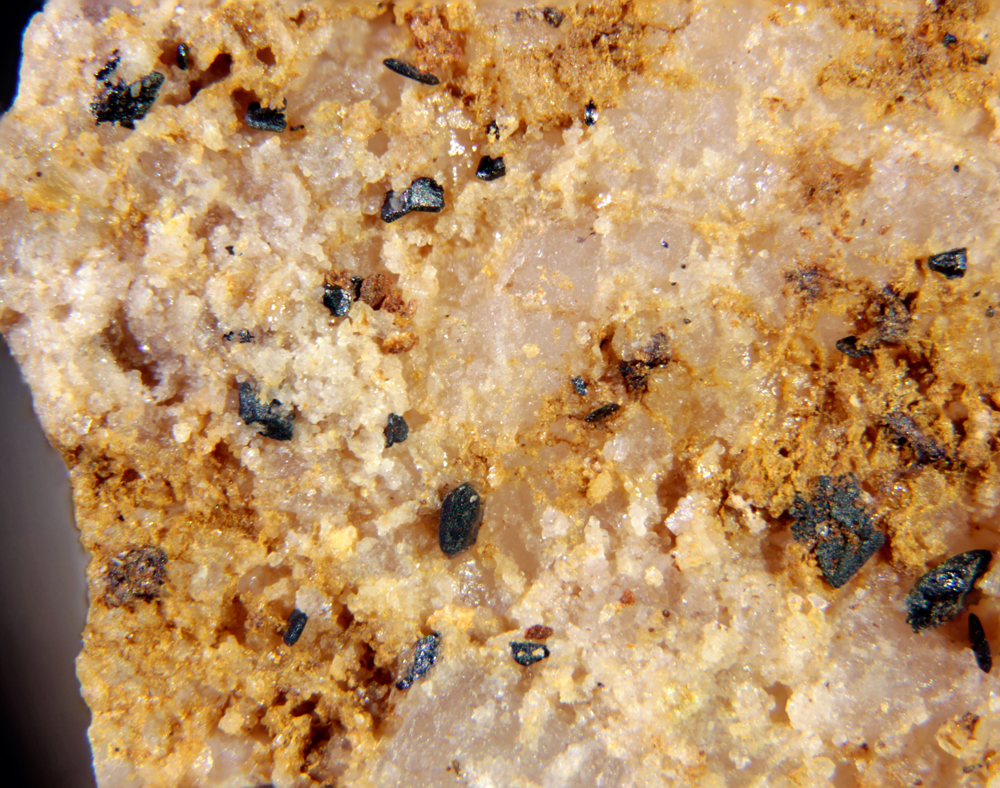
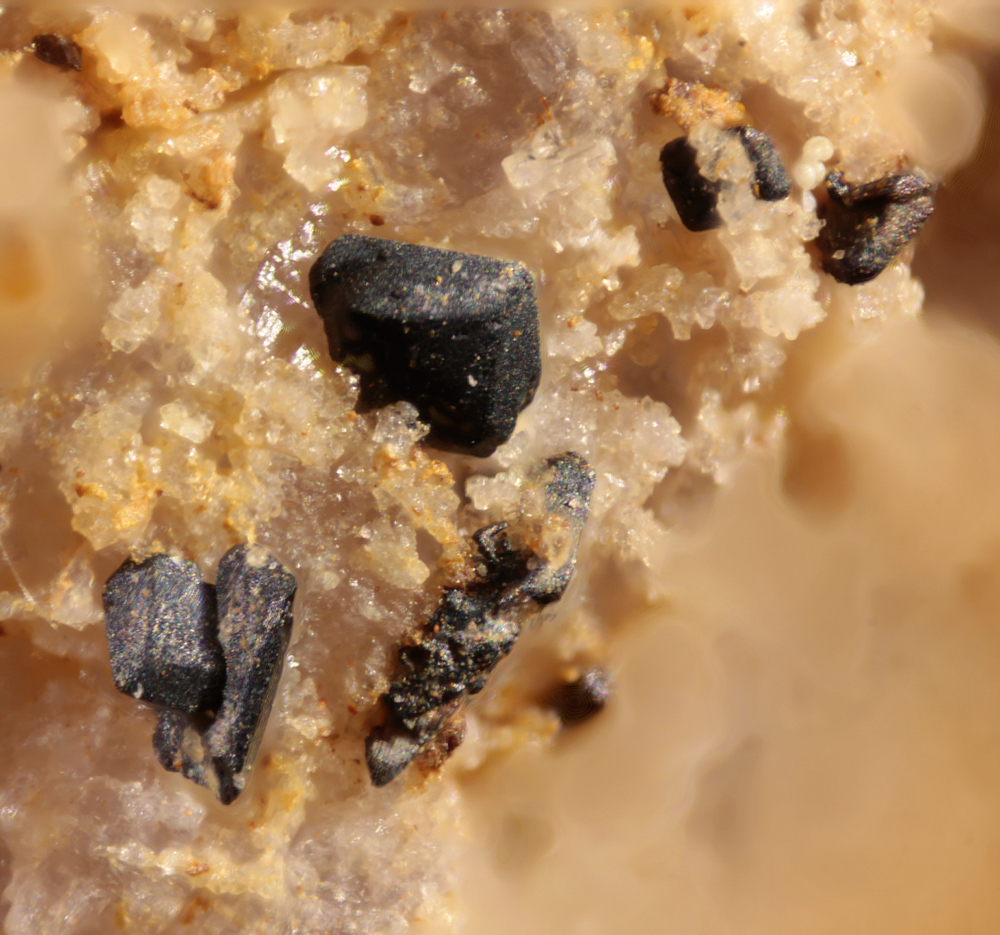
Estos especímenes fueron encontrados en un afloramiento cerca de la mina María Magdalena, cerca de la hermosa ciudad de Ulldemolins (Tarragona, Catalunya). Probablemente, estos cristales son los cristales más definidos de Čechita en todo el mundo. Son brillantes, de color negro y muestran una forma tabular definida por prismas ortorrómbicos de diferente orden y caras pinacoidales. Disposición muy aérea sobre una matriz de fluorita.
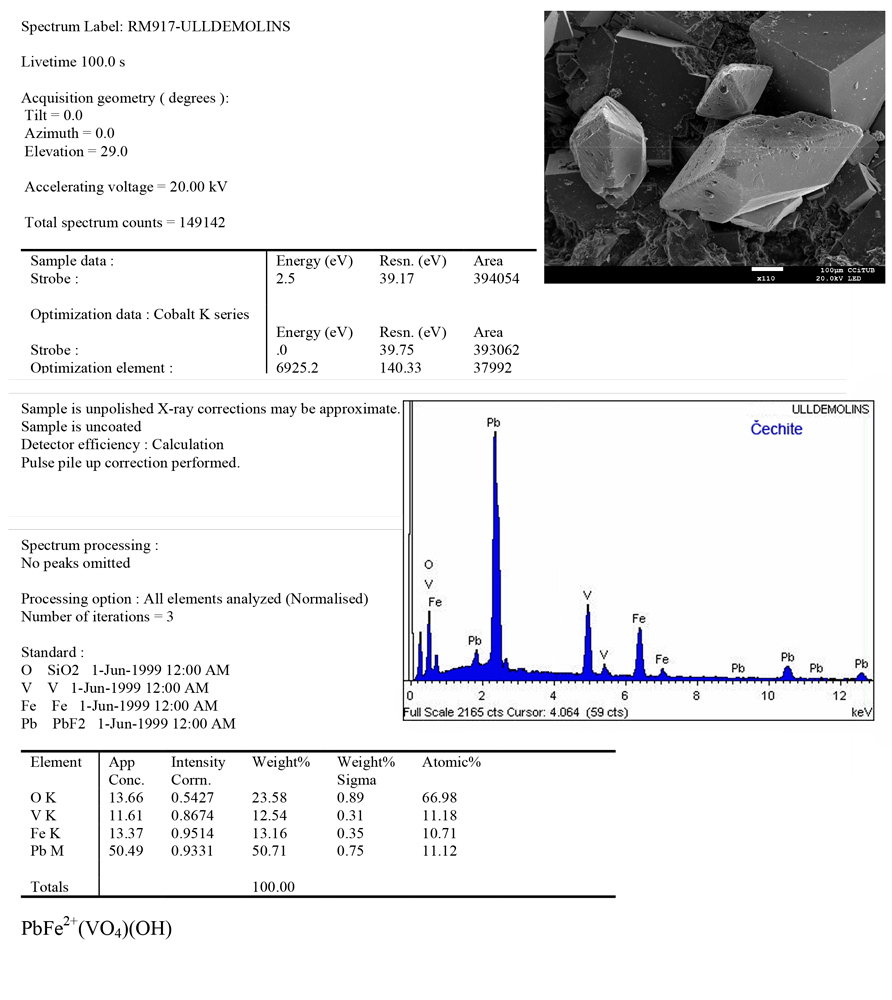
La Čechita es un vanadato de hierro y plomo muy raro que solo se encuentra en algunos lugares del mundo y es la primera cita en la península ibérica. Los análisis SEM-EDS y EPMA muestran que, en algunos casos, en la superficie del cristal hay Cu2+, pero el cristal es PbFe2+(VO4)(OH) puro. En la mayoría de los especímenes (todos) de otras localidades, la presencia de manganeso es importante, pero estos especímenes están libres de Mn. Enviaremos más detalles al comprador.
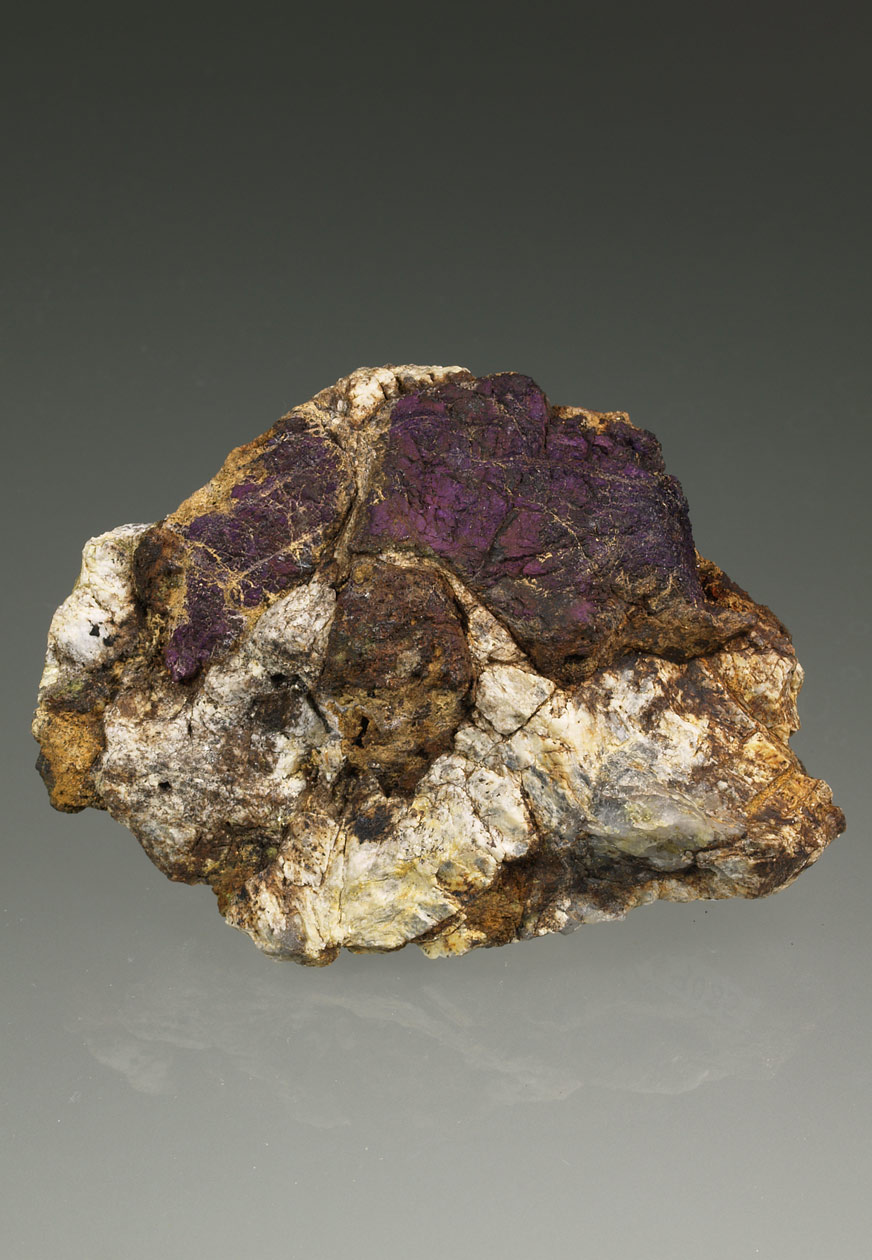
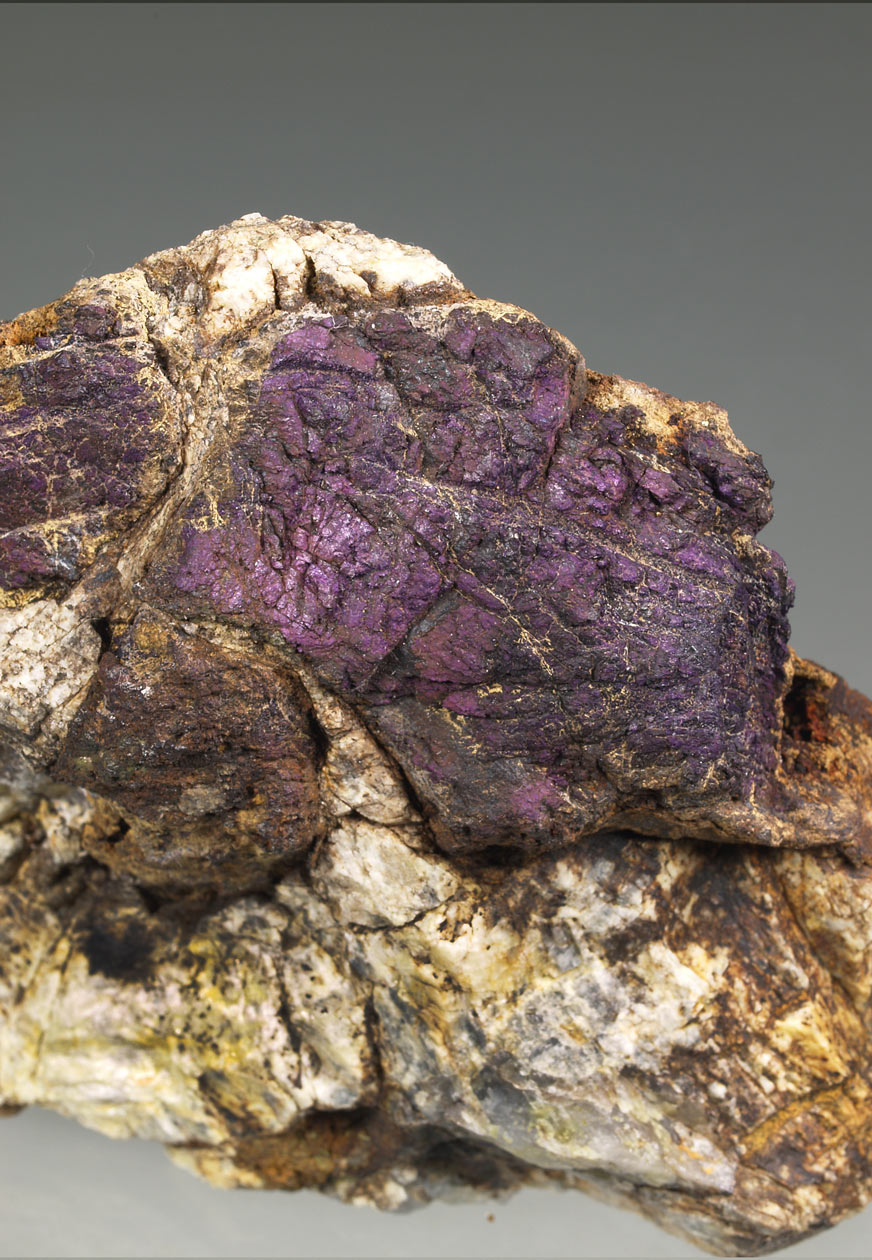
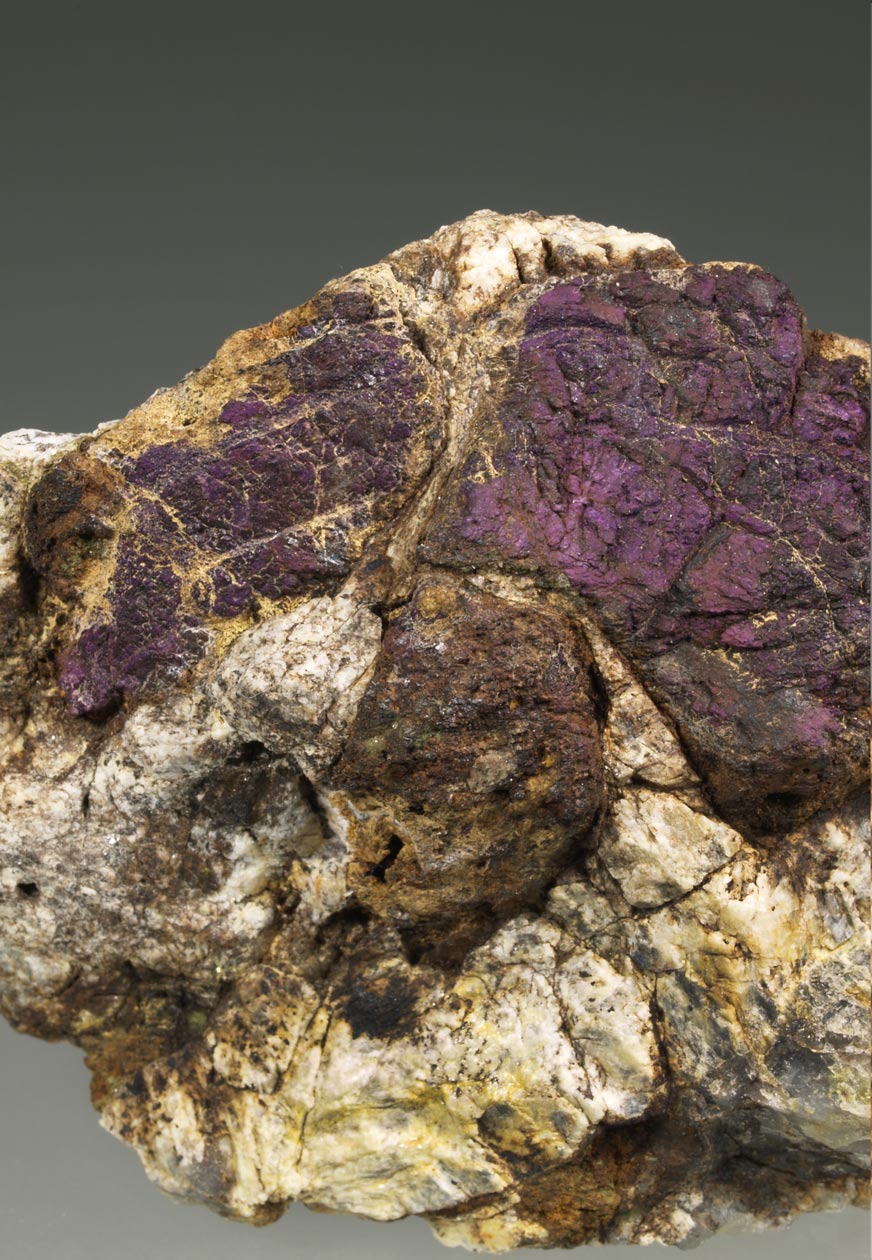
Estos ejemplares de heterosita proceden de una zona clásica para la mineralogía catalana como es el Cap de Creus, en Girona. Proceden de una antigua colección y fueron recogidos, según los propietarios, por los años 70 del siglo pasado. Actualmente en la zona del Cap de Creus está terminantemente prohibido recoger absolutamente nada. Se trata de agregados parduzcos a negro, con cierto brillo, con zonas de violeta muy intenso y englobados en una matriz pegmatítica. No acidificados.
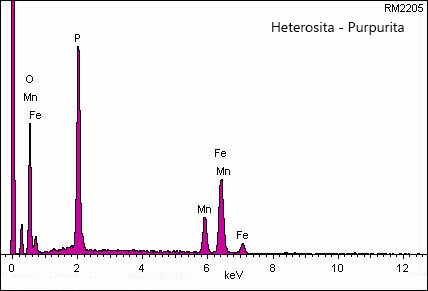
Bareche, en su obra "Els Minerals de Catalunya. Segle XX" (2005), cita en este enclave pegmatítico empordanès la presencia de diversos raros fosfatos de Mn y Fe. Indica que la purpurita se encontró en un solo afloramiento como pequeñas masas de color violeta, junto con heterosita de tono marrón a negro. De estos ejemplares se han analizado diversos fragmentos de tono violeta y parduzcos, los resultados de los cuales indican que el hierro es mayoritario, con una relación Fe:Mn 2:1, coherente con la heterosita. No descartamos que en las muestras se encuentre purpurita (Mn>Fe), considerando la serie heterosita-purpurita. Una oportunidad única.
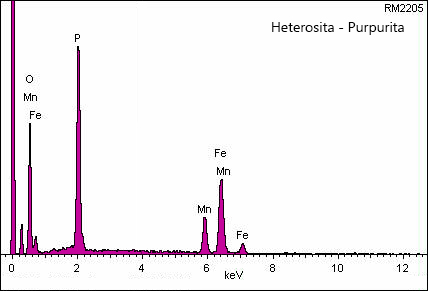
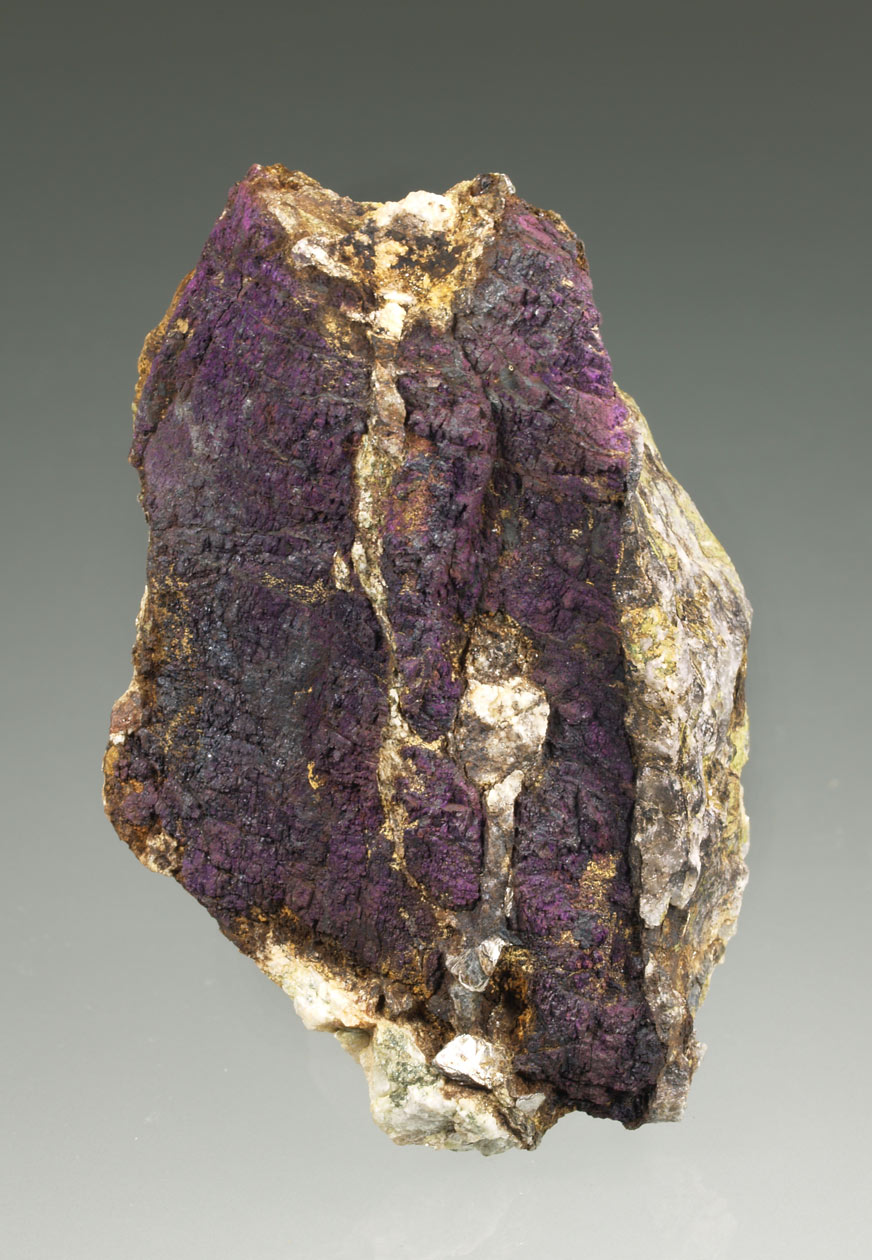
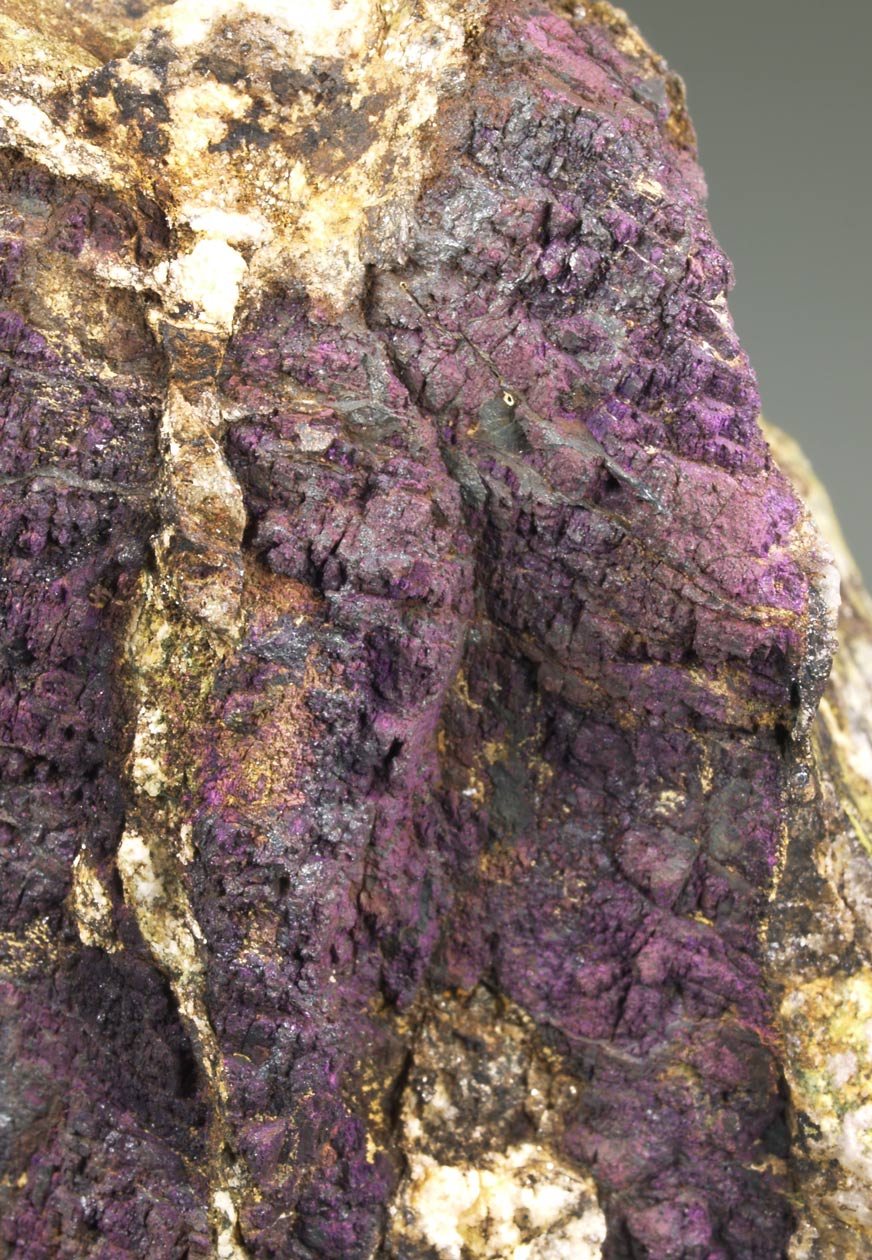
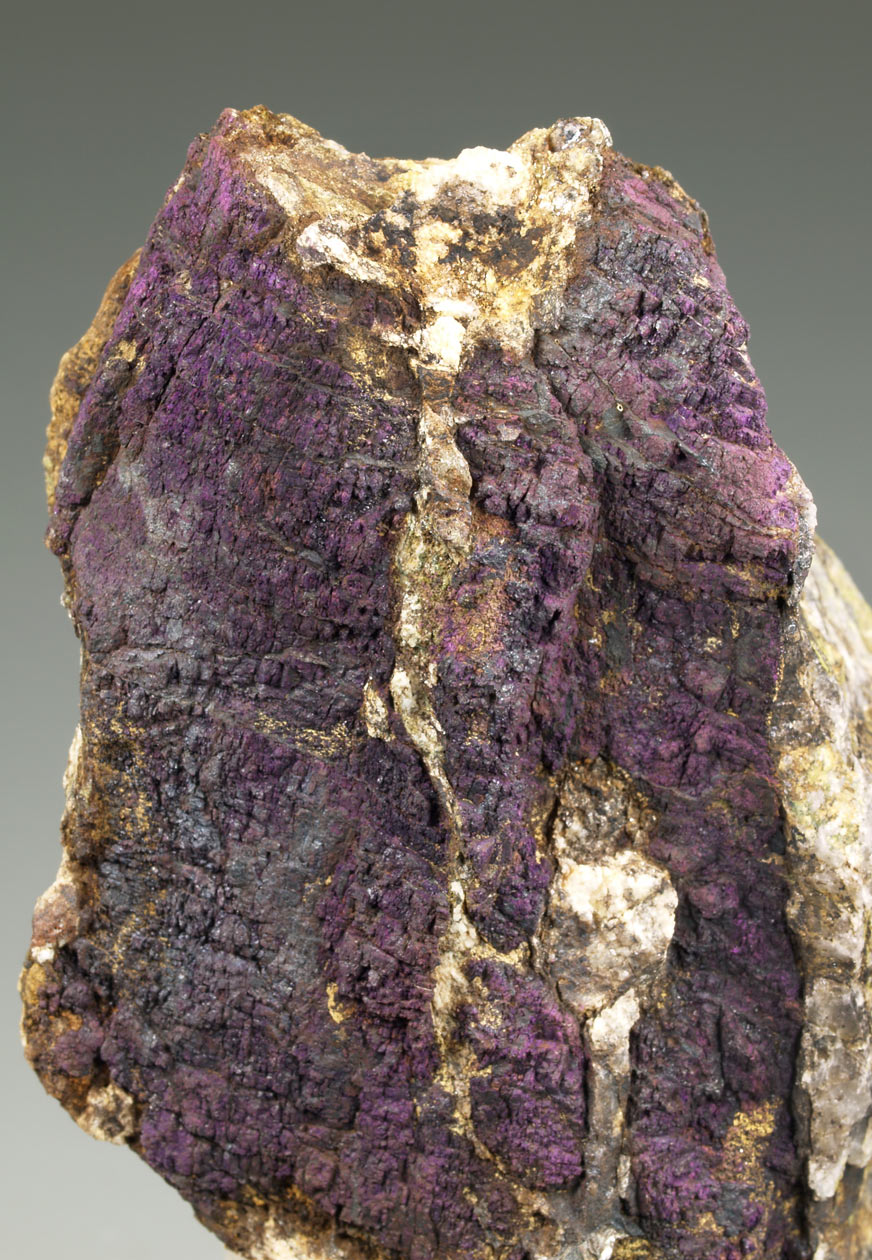
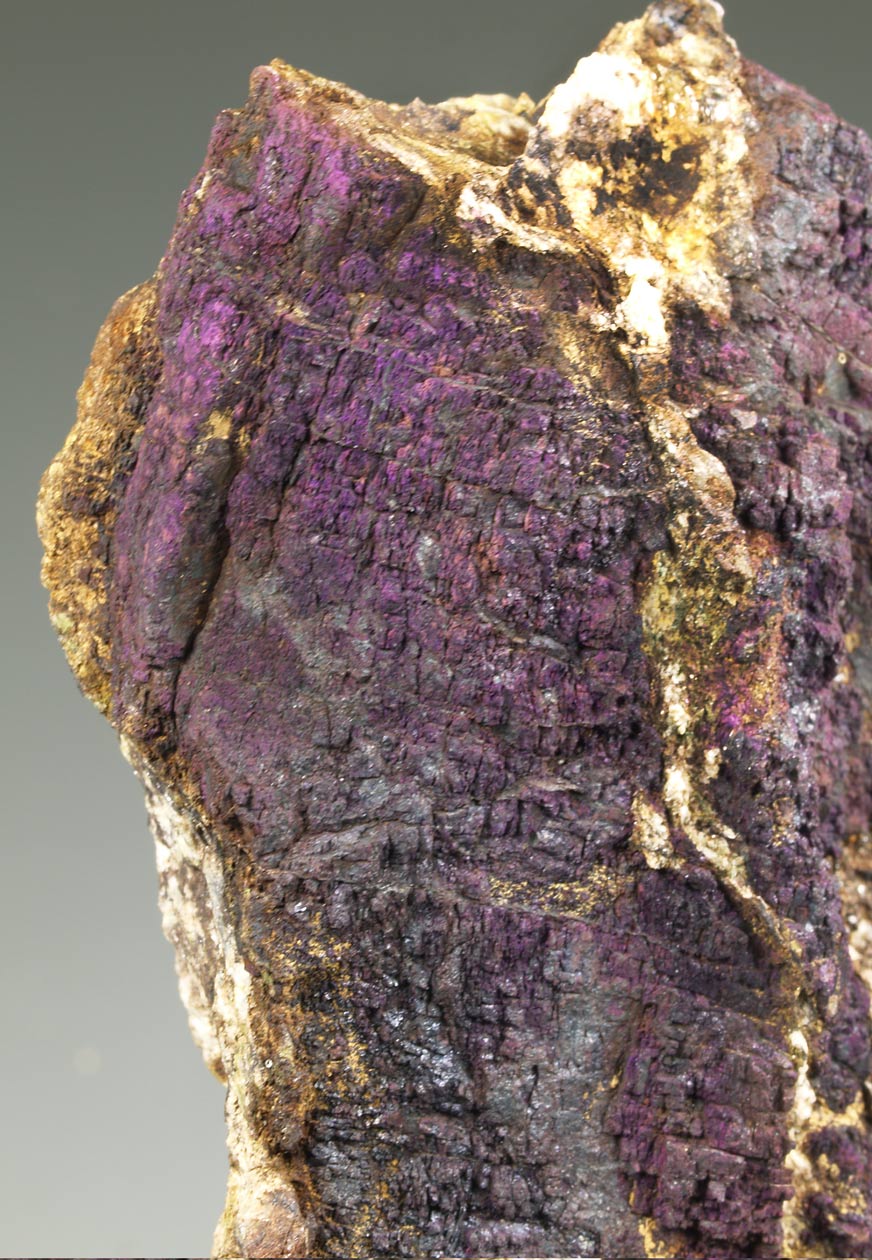
Estos ejemplares de heterosita proceden de una zona clásica para la mineralogía catalana como es el Cap de Creus, en Girona. Proceden de una antigua colección y fueron recogidos, según los propietarios, por los años 70 del siglo pasado. Actualmente en la zona del Cap de Creus está terminantemente prohibido recoger absolutamente nada. Se trata de agregados parduzcos a negro, con cierto brillo, con zonas de violeta muy intenso y englobados en una matriz pegmatítica. No acidificados.
Bareche, en su obra "Els Minerals de Catalunya. Segle XX" (2005), cita en este enclave pegmatítico empordanès la presencia de diversos raros fosfatos de Mn y Fe. Indica que la purpurita se encontró en un solo afloramiento como pequeñas masas de color violeta, junto con heterosita de tono marrón a negro. De estos ejemplares se han analizado diversos fragmentos de tono violeta y parduzcos, los resultados de los cuales indican que el hierro es mayoritario, con una relación Fe:Mn 2:1, coherente con la heterosita. No descartamos que en las muestras se encuentre purpurita (Mn>Fe), considerando la serie heterosita-purpurita. Una oportunidad única.
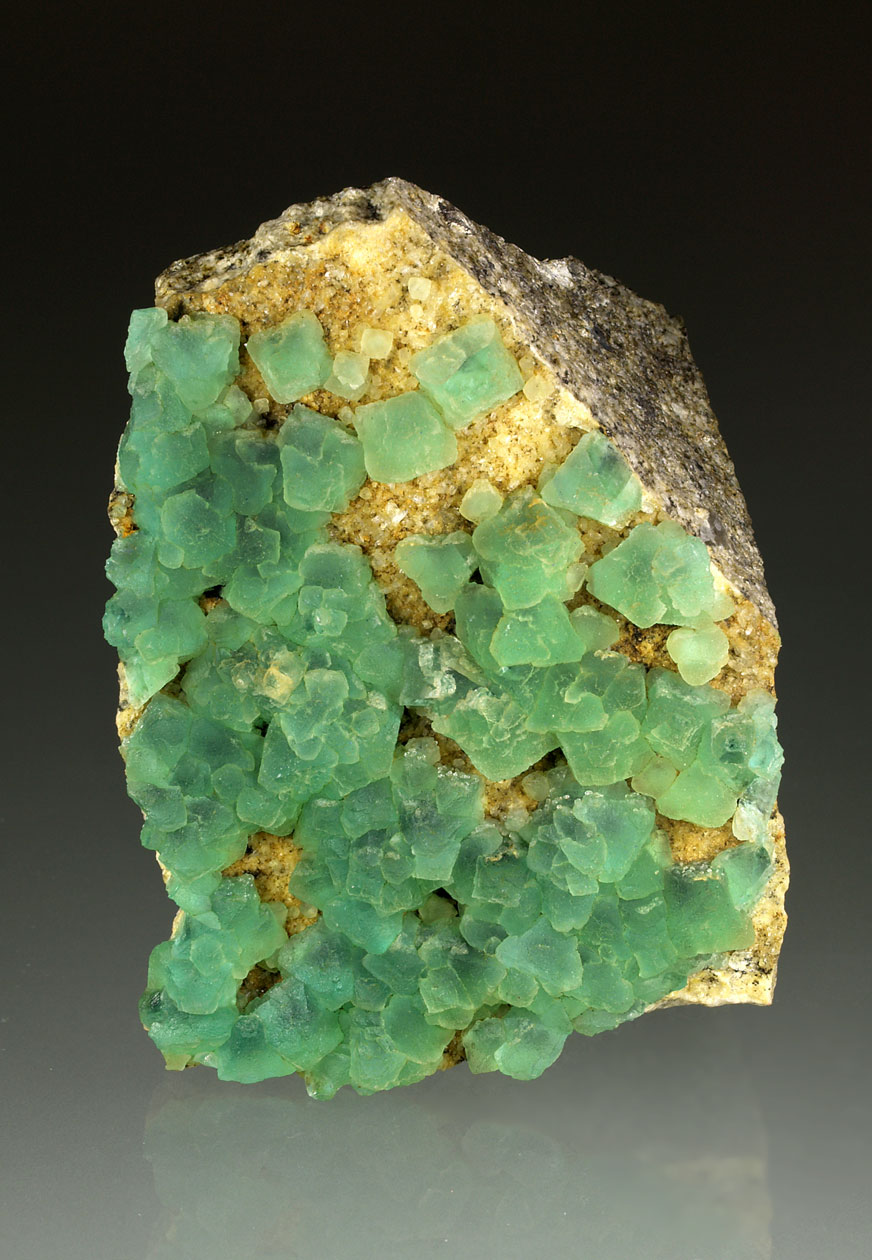
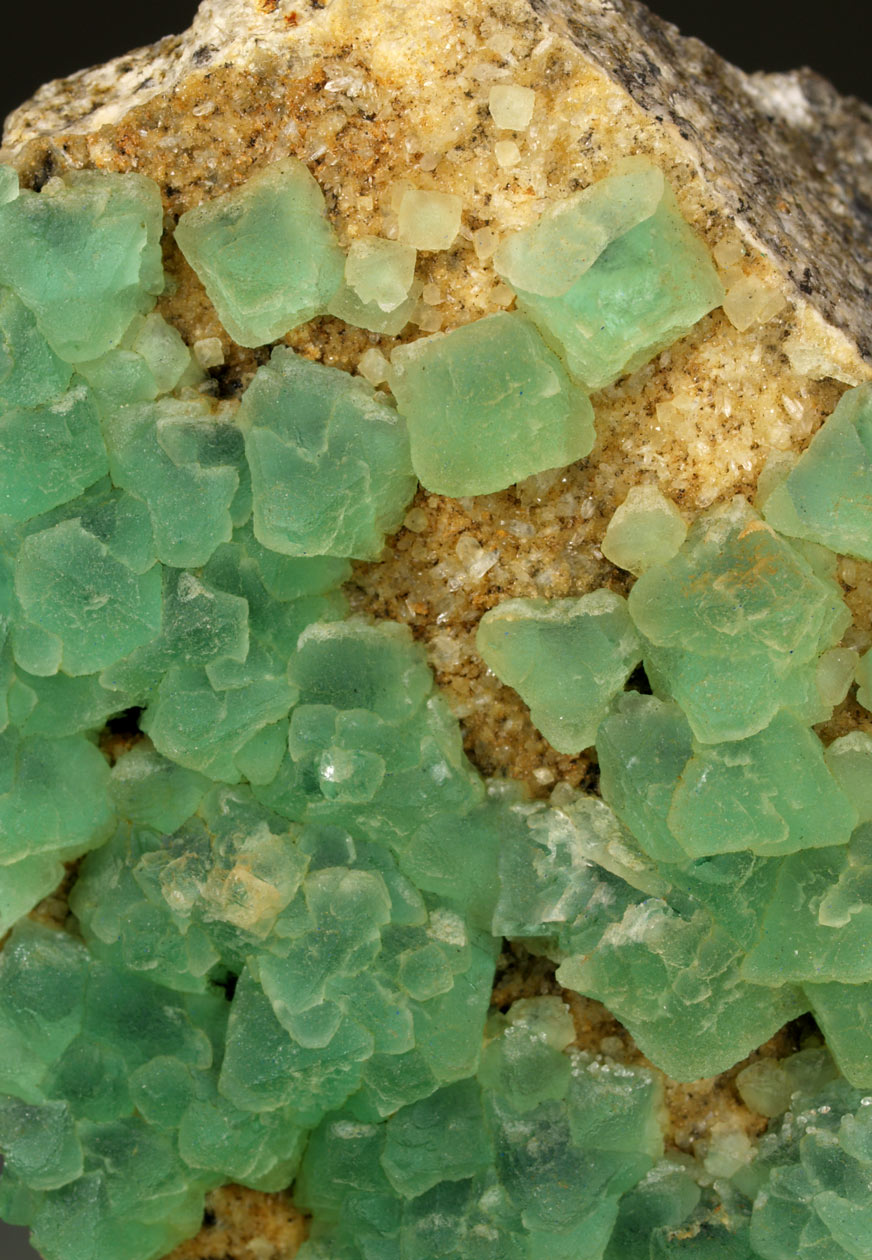
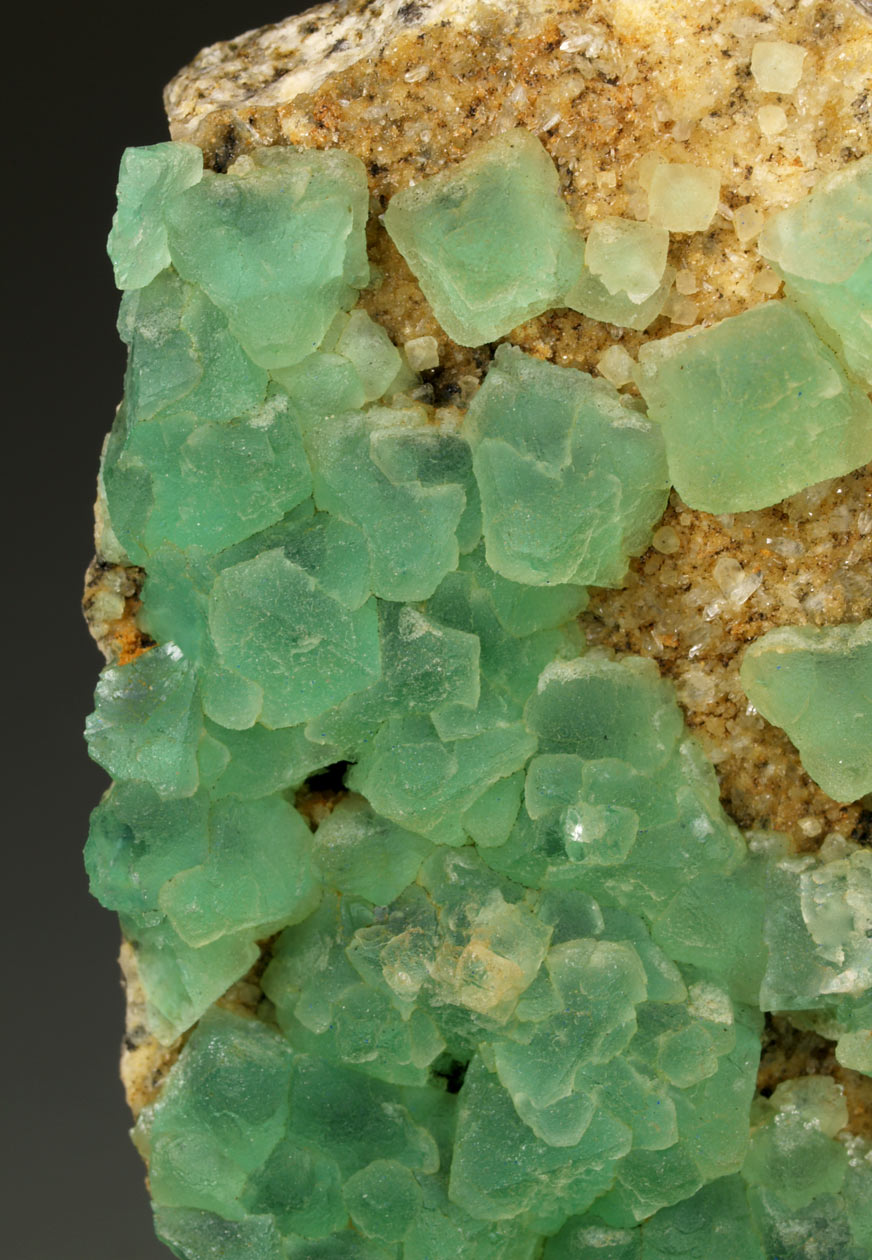
Grupo de de cristales de fluorita que a simple vista parecen simplemente octaedros, pero que si se inspeccionan detenidamente presentan los vértices complejos. Algunos cristales presentan crecimientos paralelos e interpenetrados entre ellos. Color verde, brillo mate. Se acompaña de pequeños cristales de cuarzo. Un clásico entre los clásicos de nuestro país, de la colección Manchion, recogido por el Sr. Manchion en Enero de 1986.
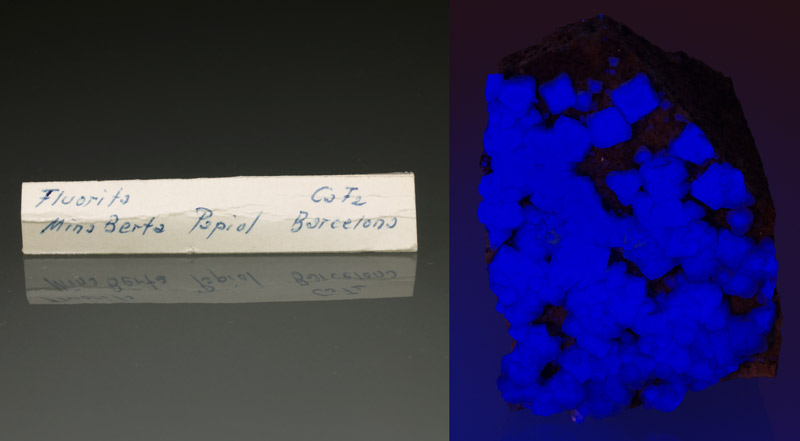
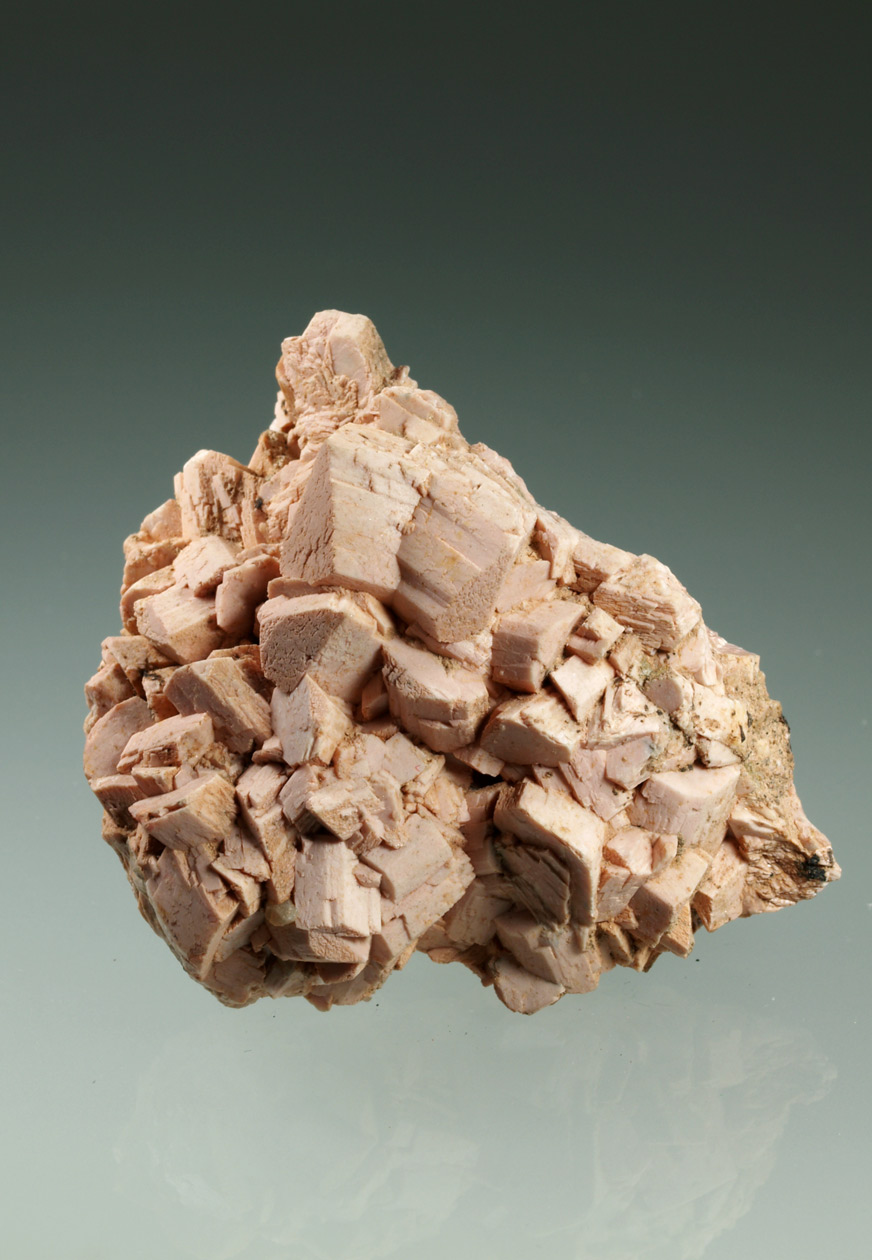
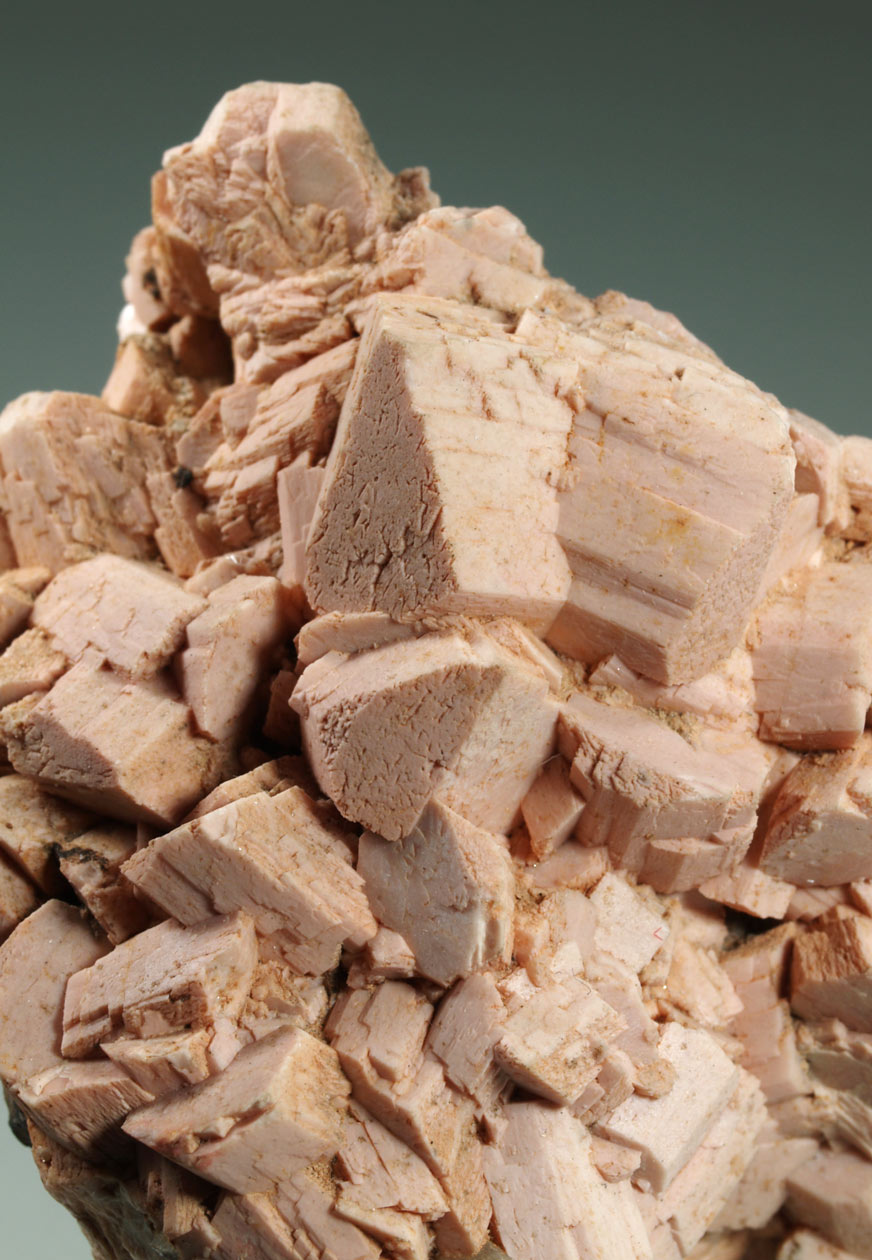
Nutrido grupo de cristales de microclina, algunos de ellos con la macla de Mannebach, bien definidos. Ejemplar perteneciente a la colección del Sr. Manchion, adquirido en la feria de Sant Celoni en marzo de 1985. Una pieza con historia.
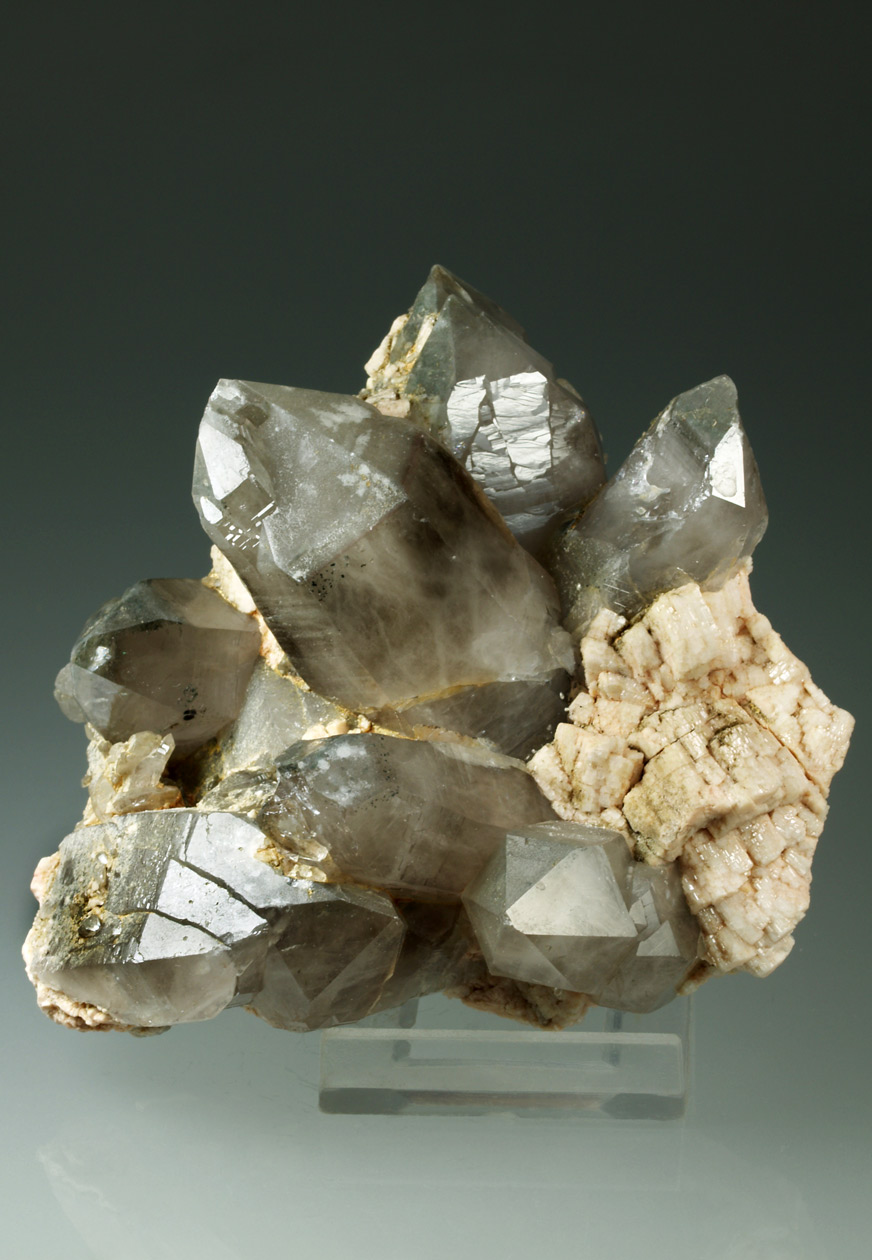
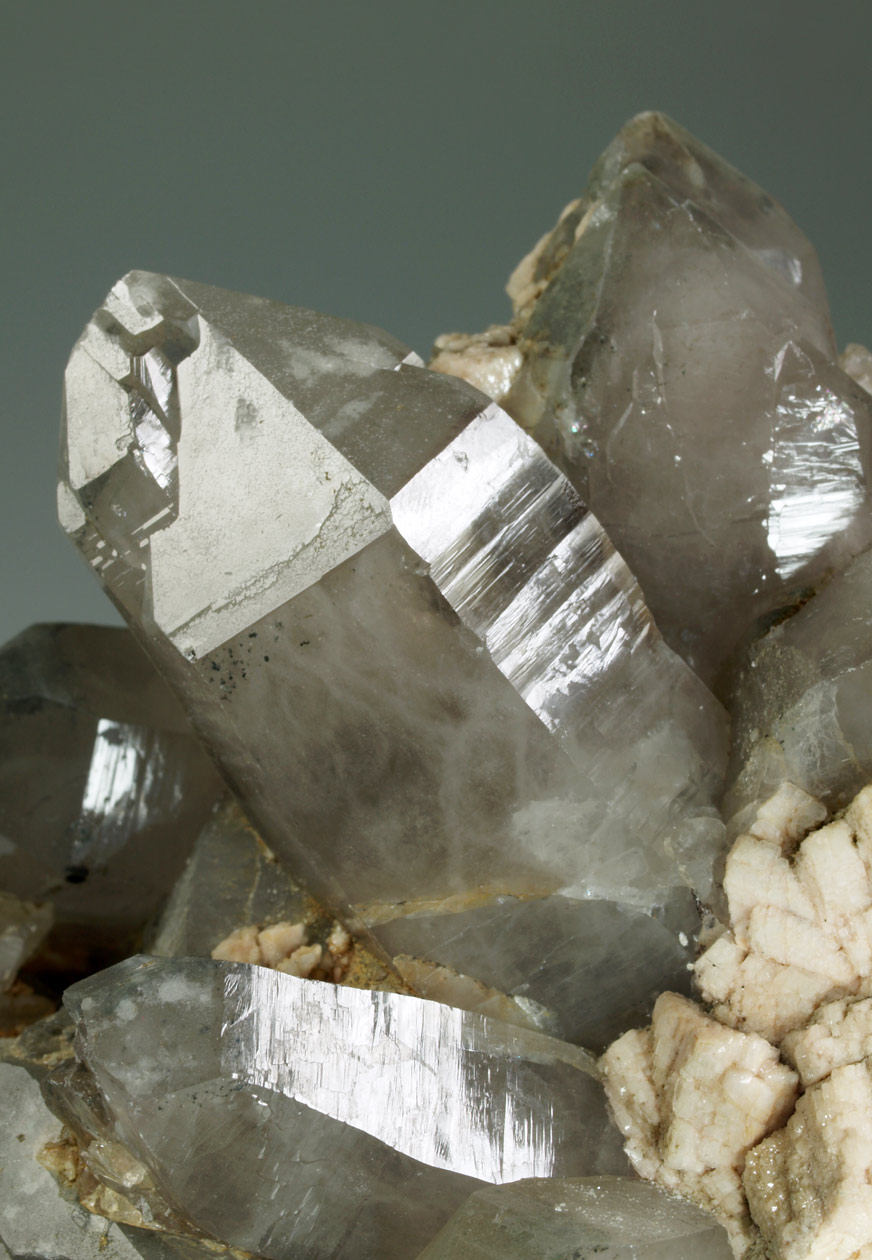
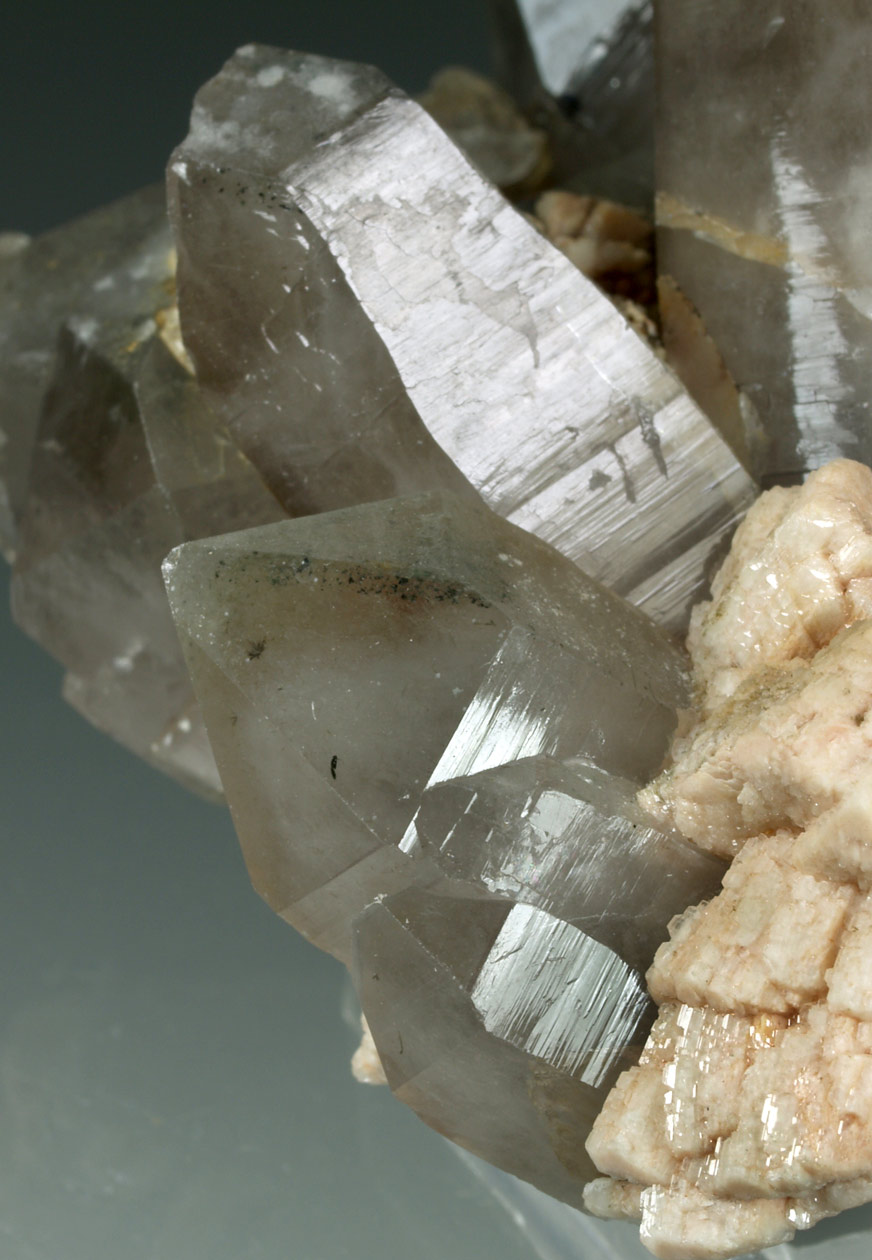
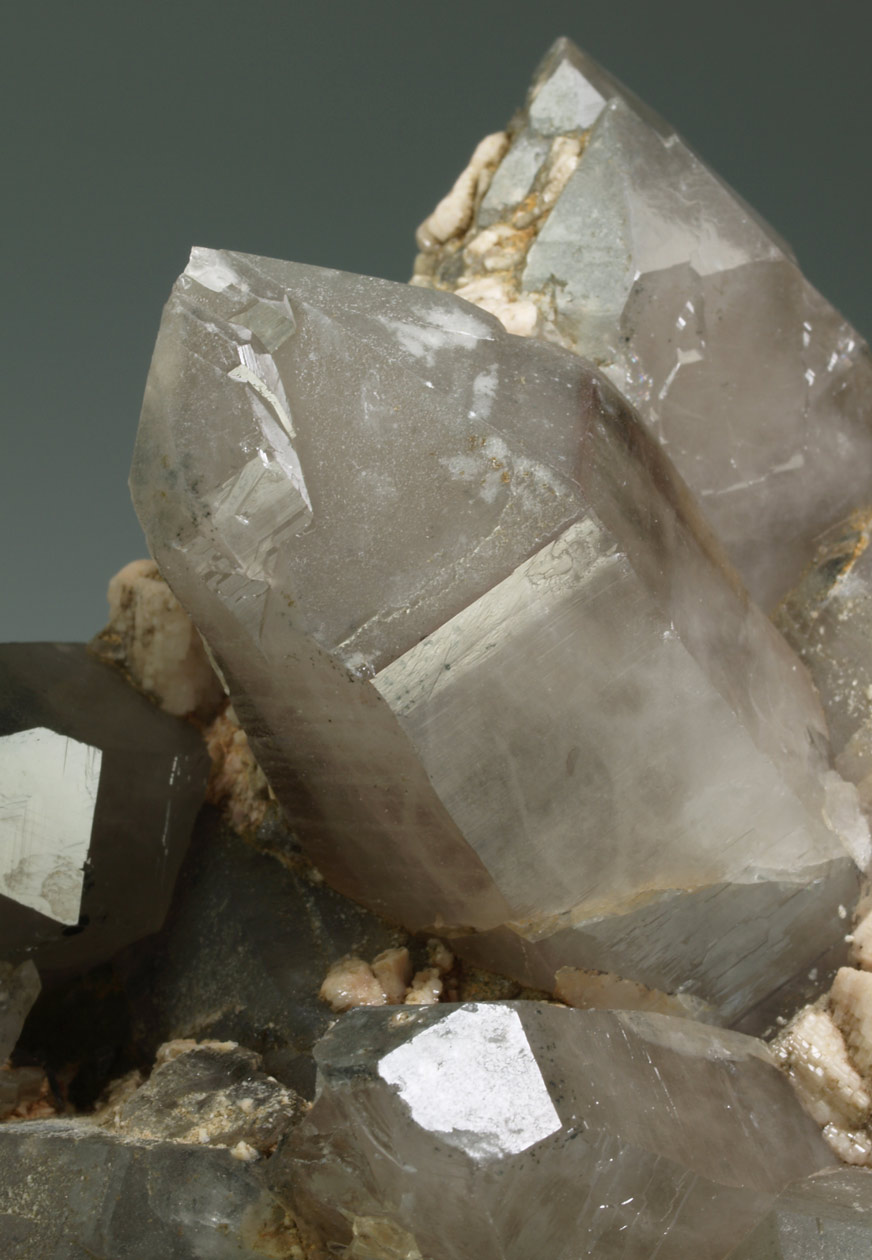
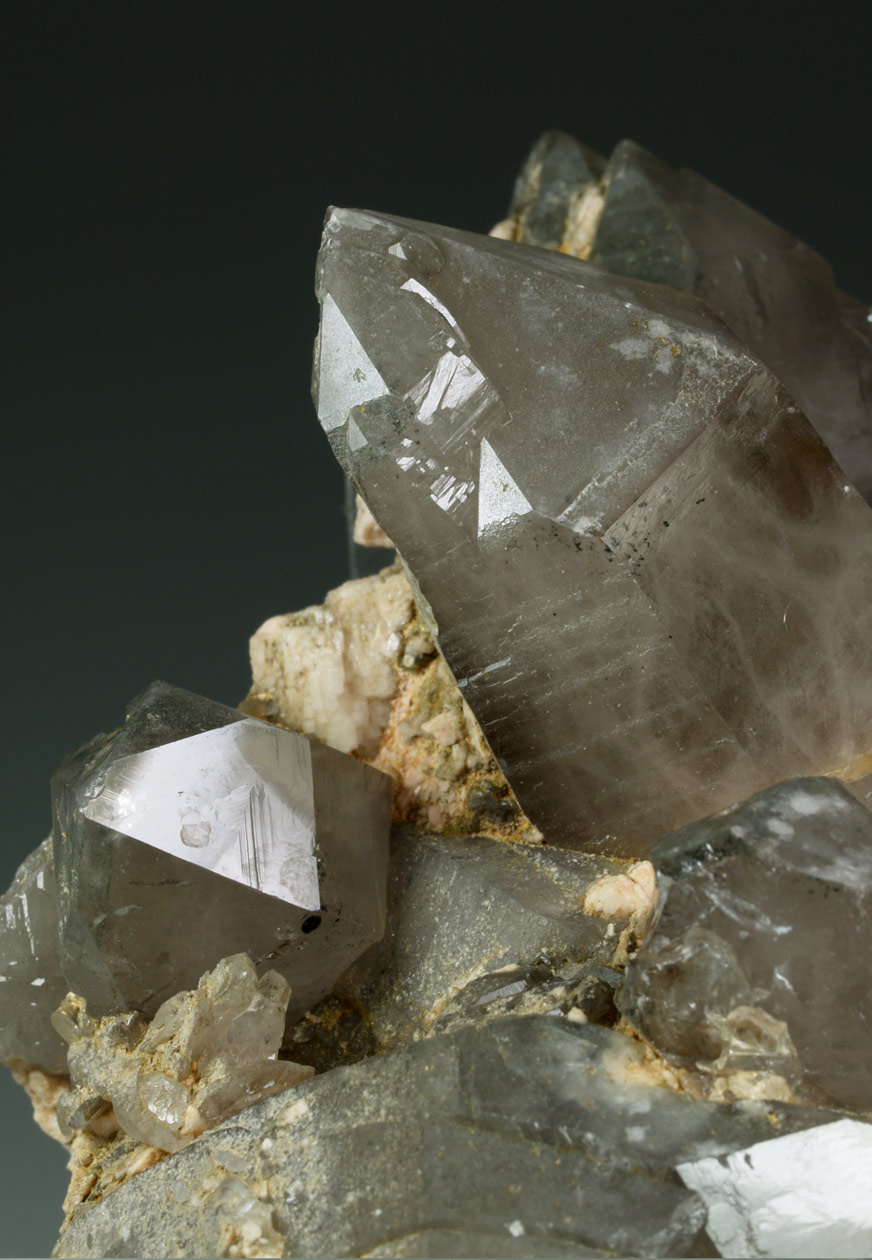
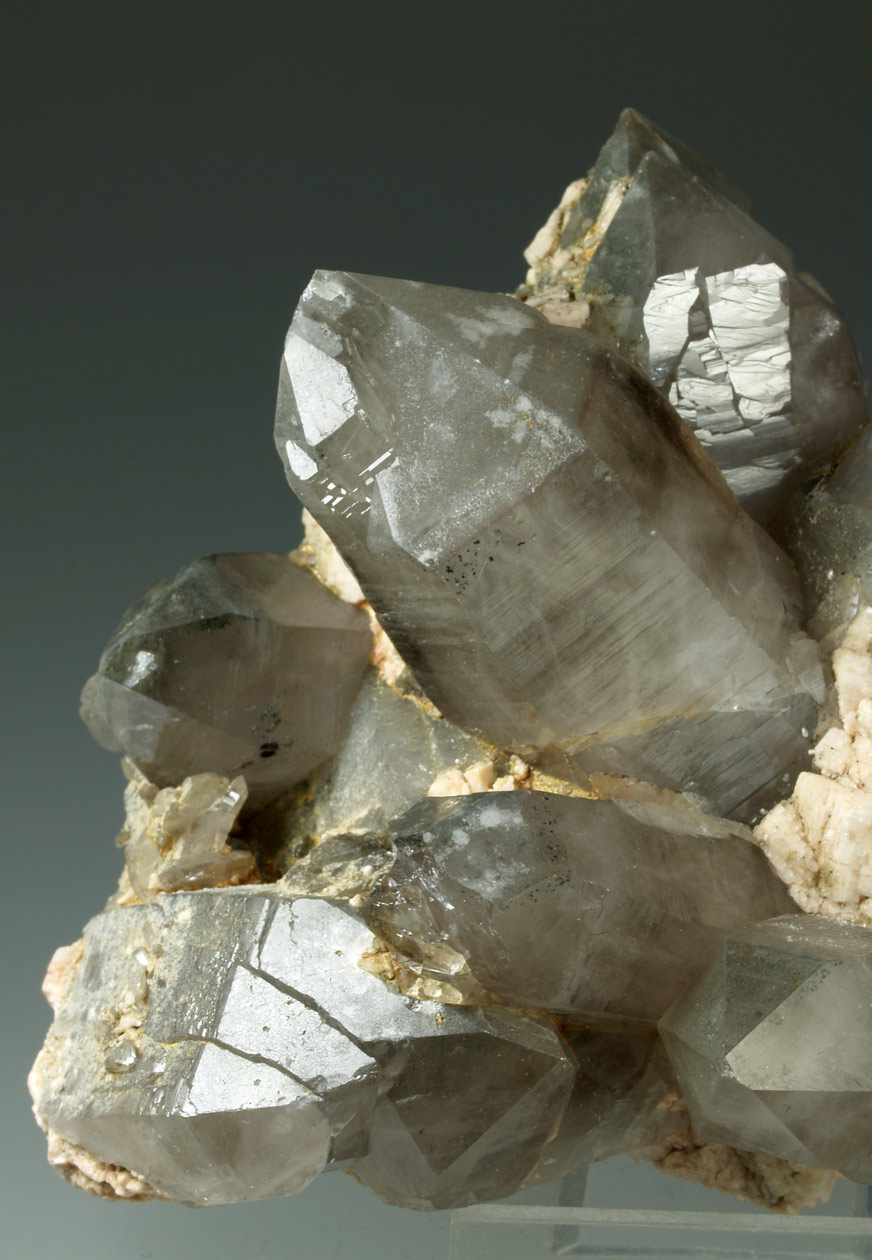
Estético grupo de cristales de cuarzo ahumado sobre una matriz de brillantes cristales de microclina recubiertos de albita. Presentan alguna mella pero para mi es un muy buen, representativo e histórico ejemplar. De una localidad clásica, de la colección Daunis.