- Inicio Acerca de RM Minerales
- Galería de fotos Blog RM Contacto
- Microscopia e instrumentos Pedidos Aviso legal
Copyright 2010-2026
www.rosellminerals.com



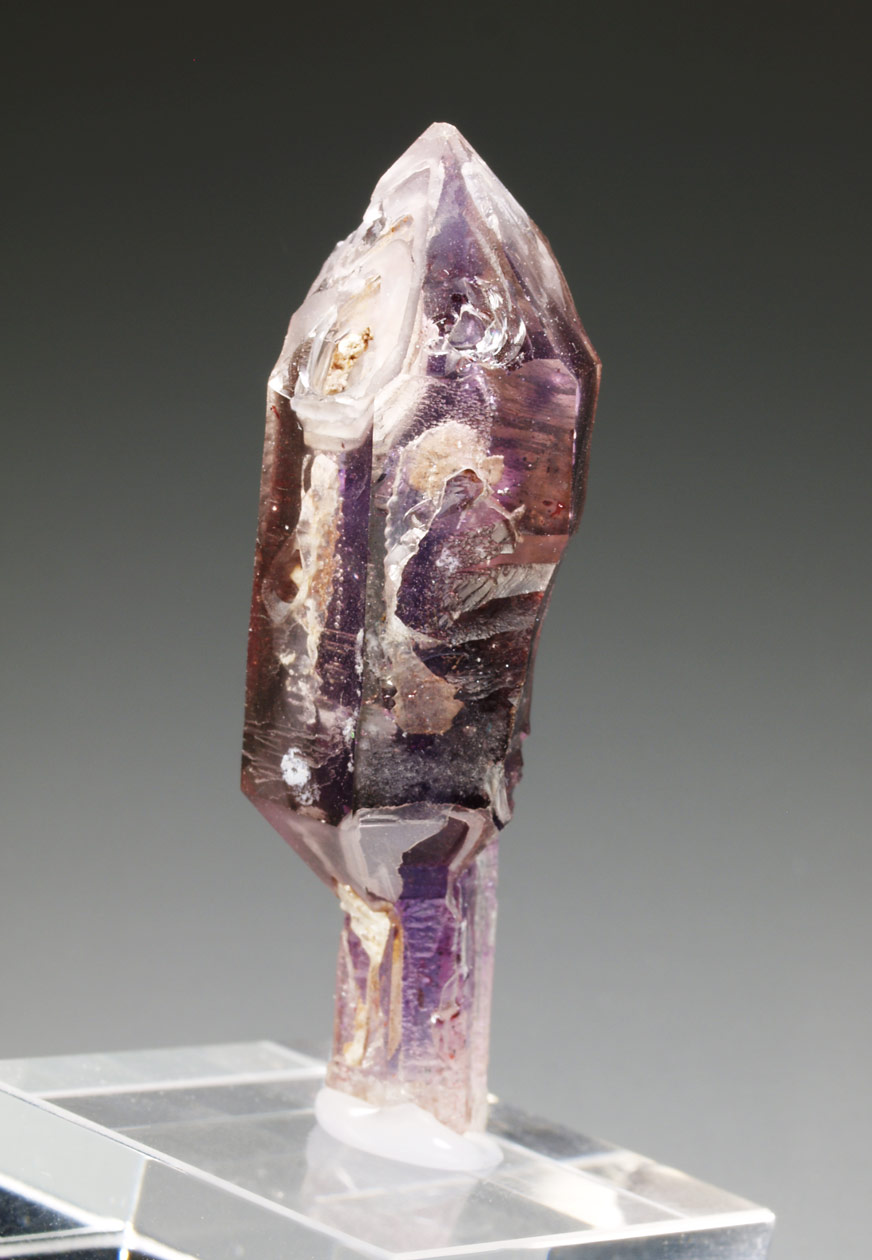
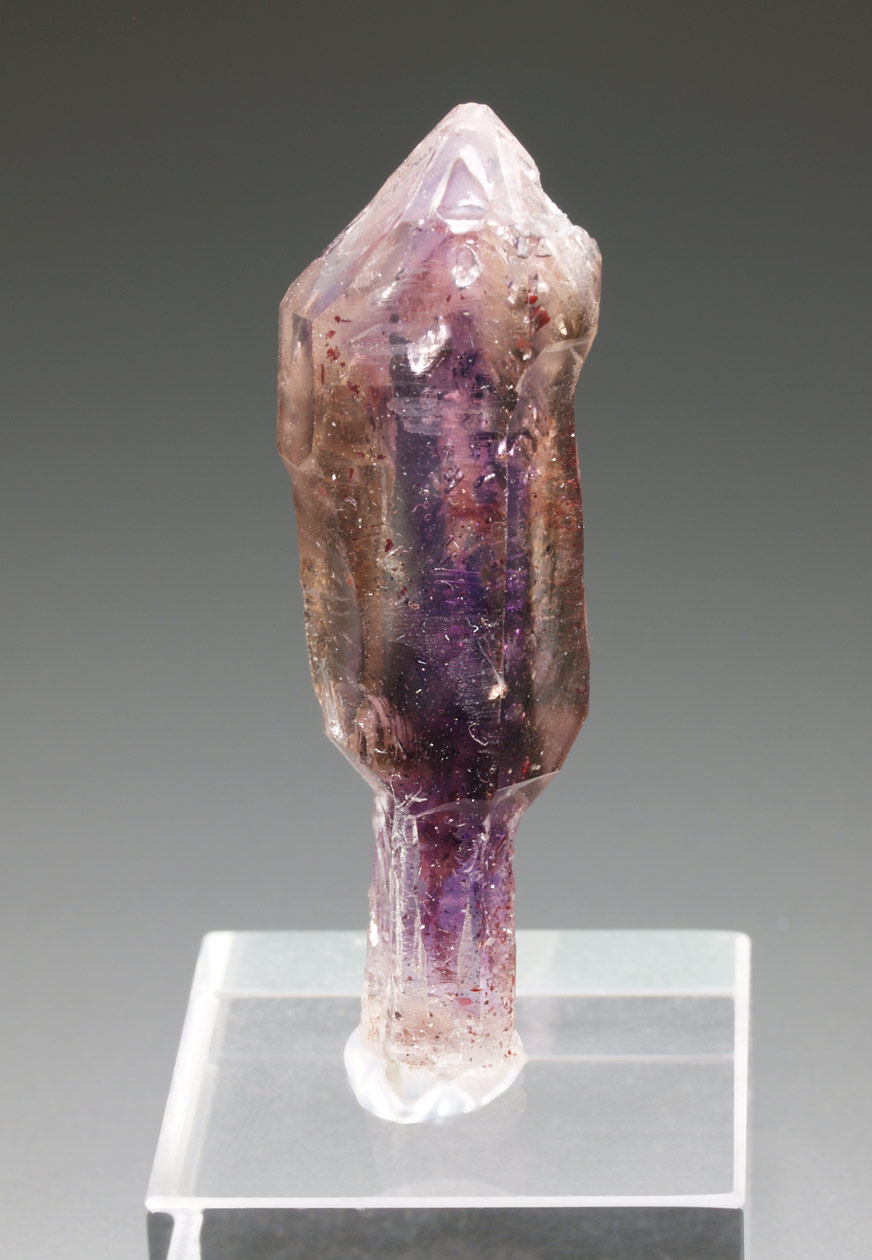
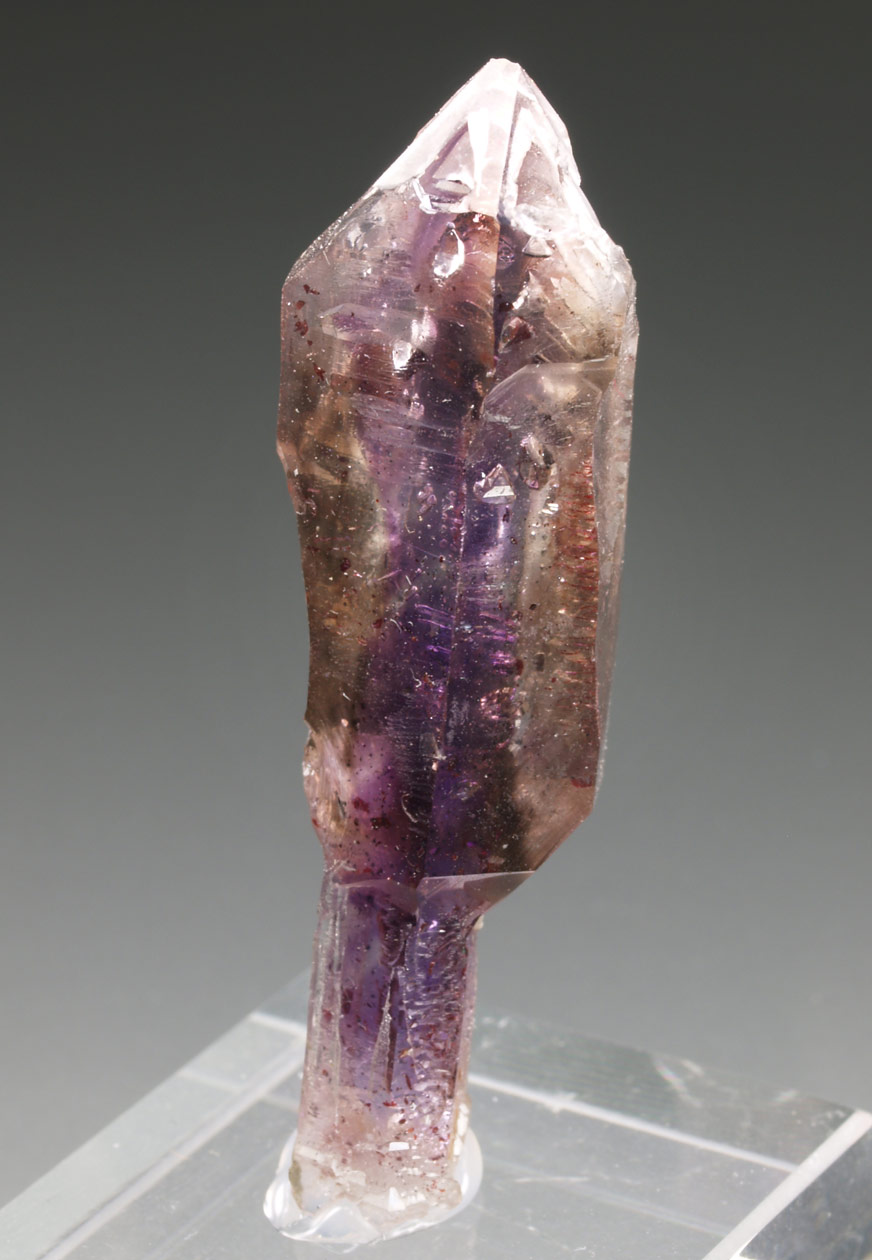
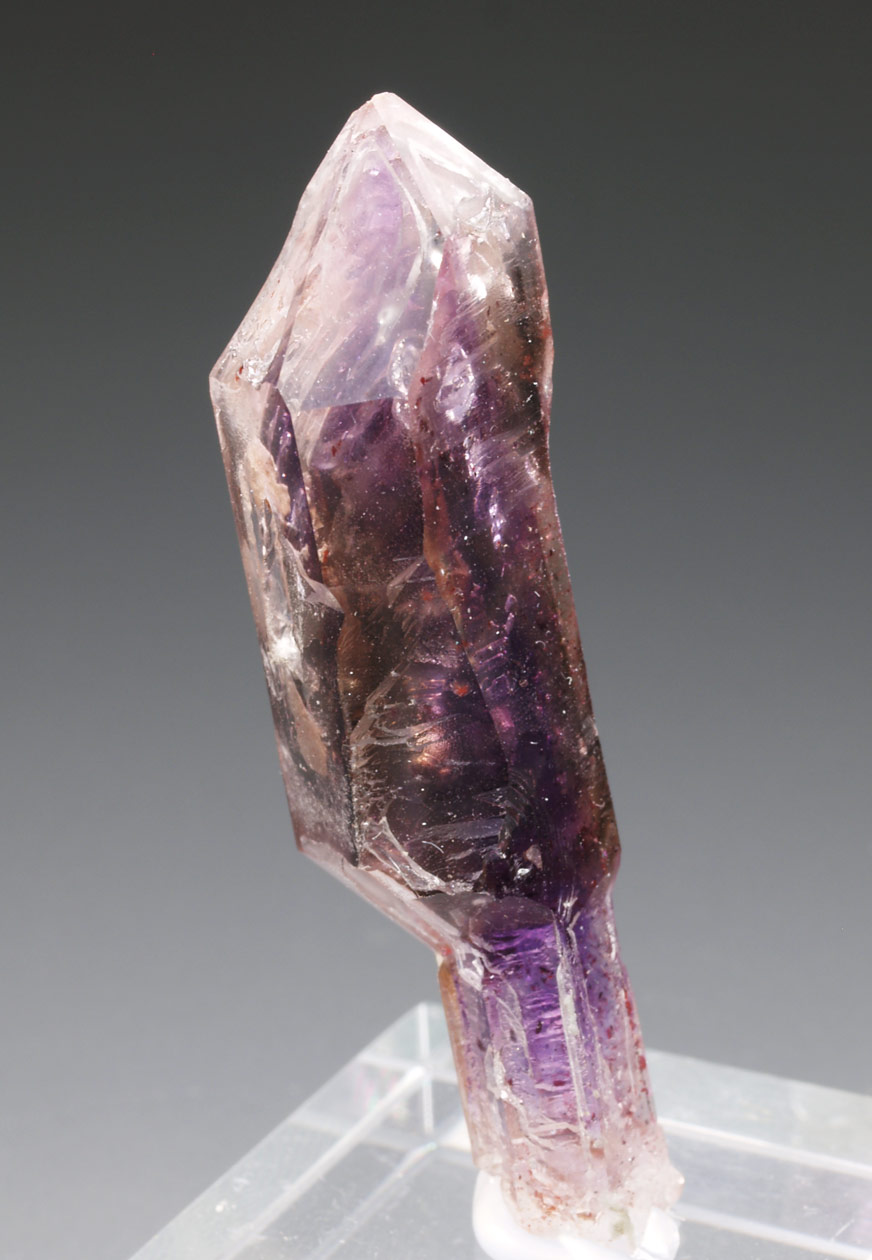
Ejemplar muy interesante y chocante de cuarzo en cetro, transparente y que combina un tono ahumado con una zona amatista. Con caras terminales en fantasma... Un verdadera curiosidad procedente de los Urales.
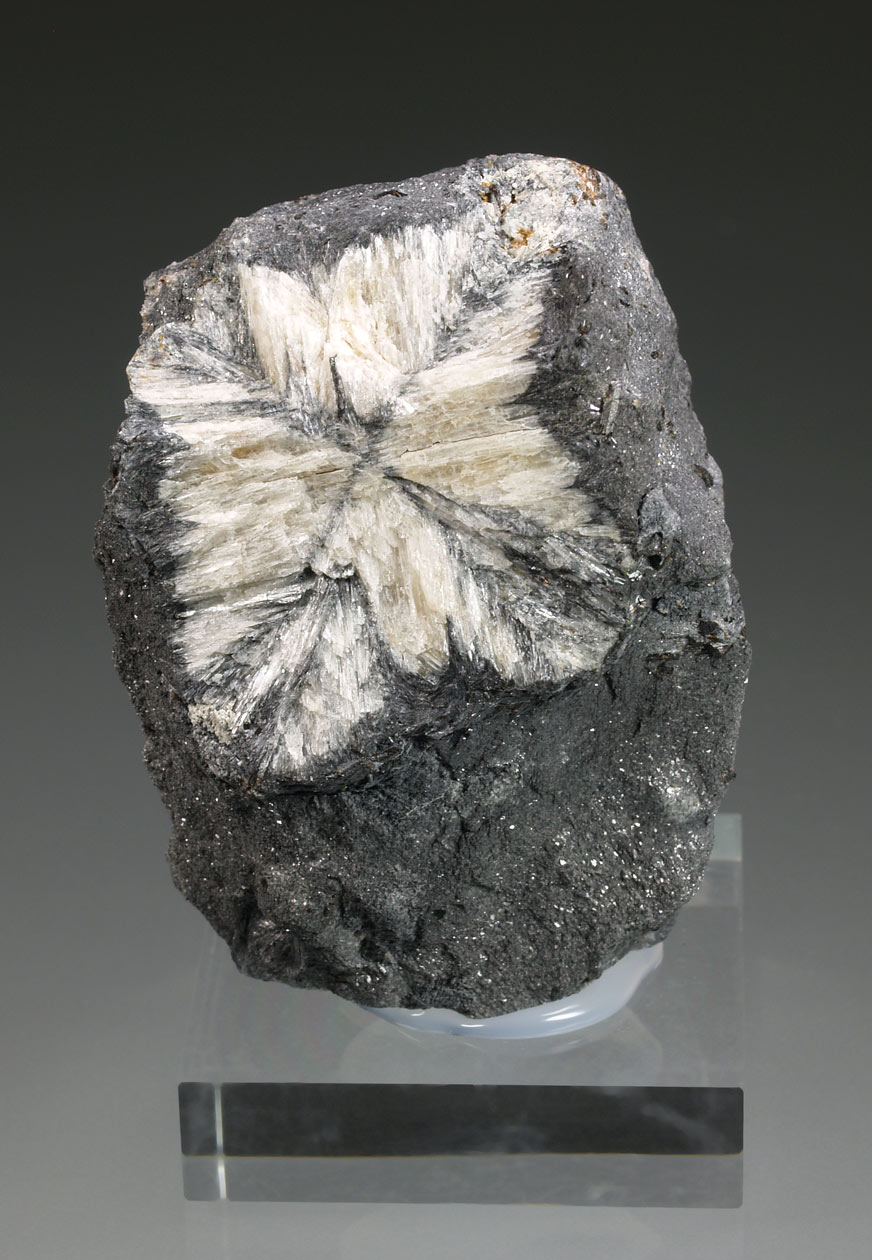
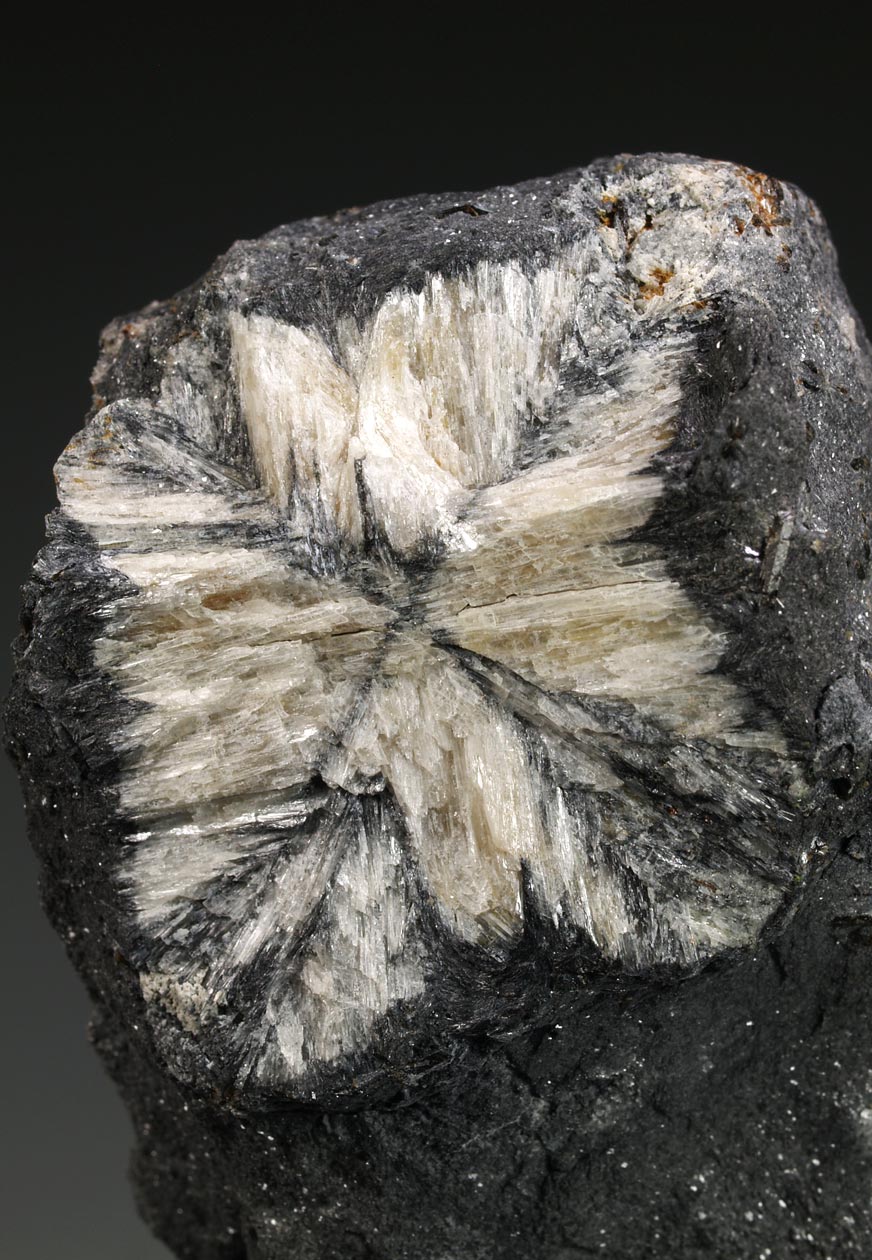
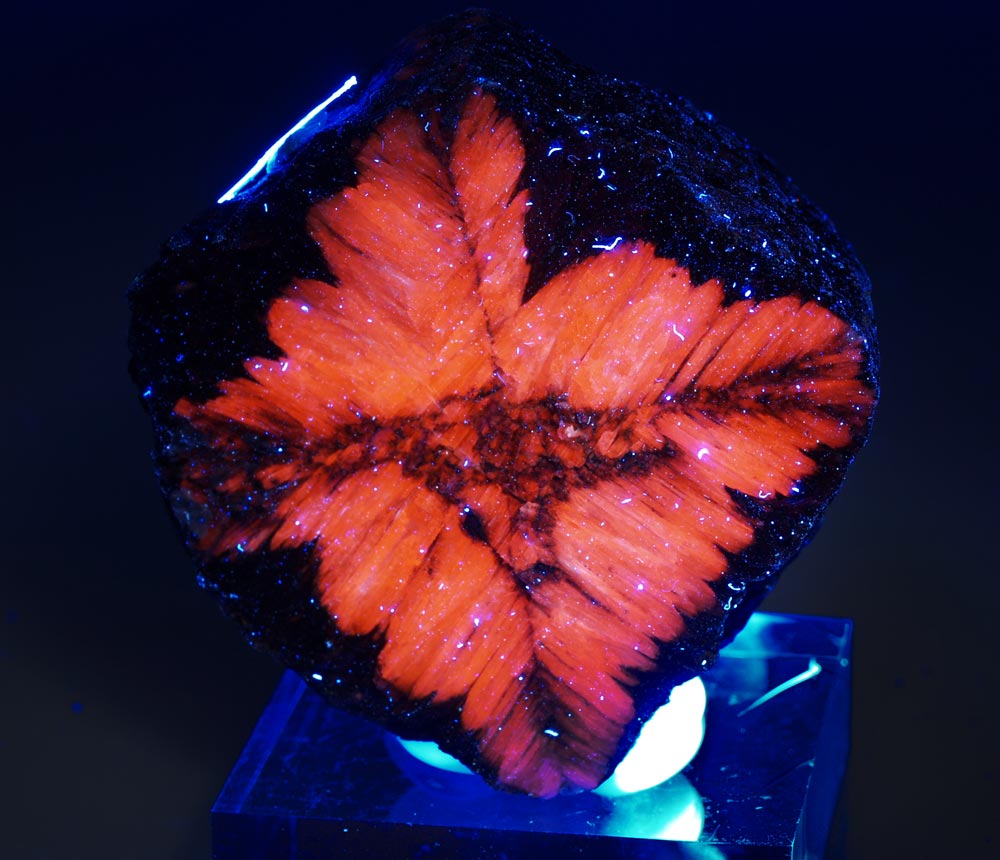
Muy interesantes ejemplares donde la cianita sustituye a la quiastolita, una variedad de andalucita, en una matriz grafítica. El ejemplar presenta características asociadas a la andalucita preexistente, como macla, indicada por las dos orientaciones diferentes de la cianita que la reemplaza. Se acompaña de cristales melados prismáticos de quiastolita. Se han analizado. Para los amantes de las pseudomórfosis raras. Muy fluorescente (naranja) bajo la luz ultravioleta OL.
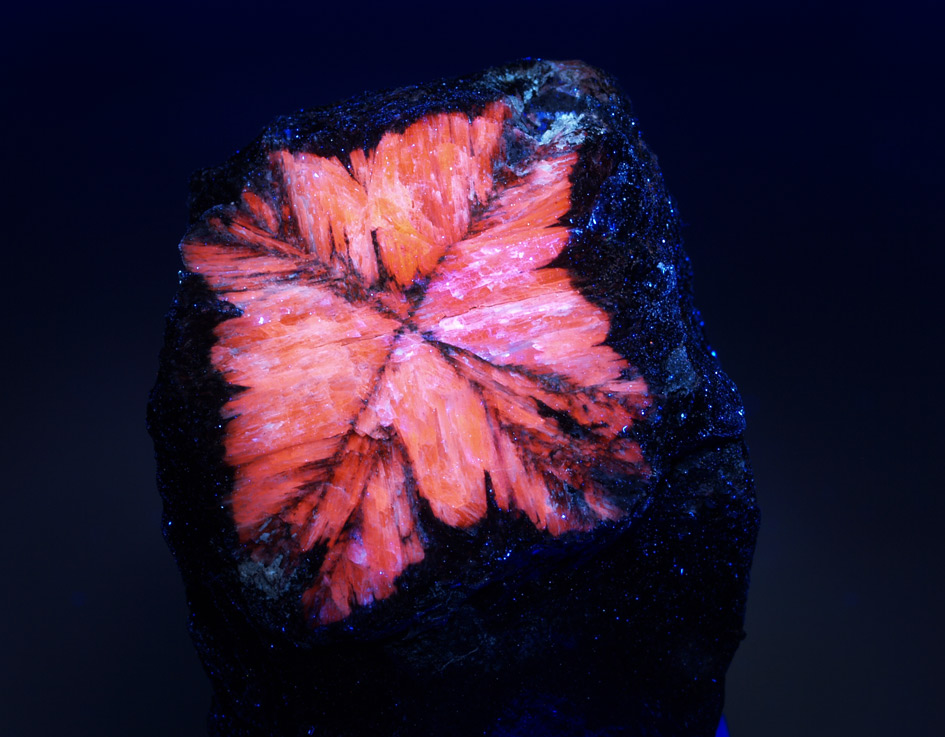
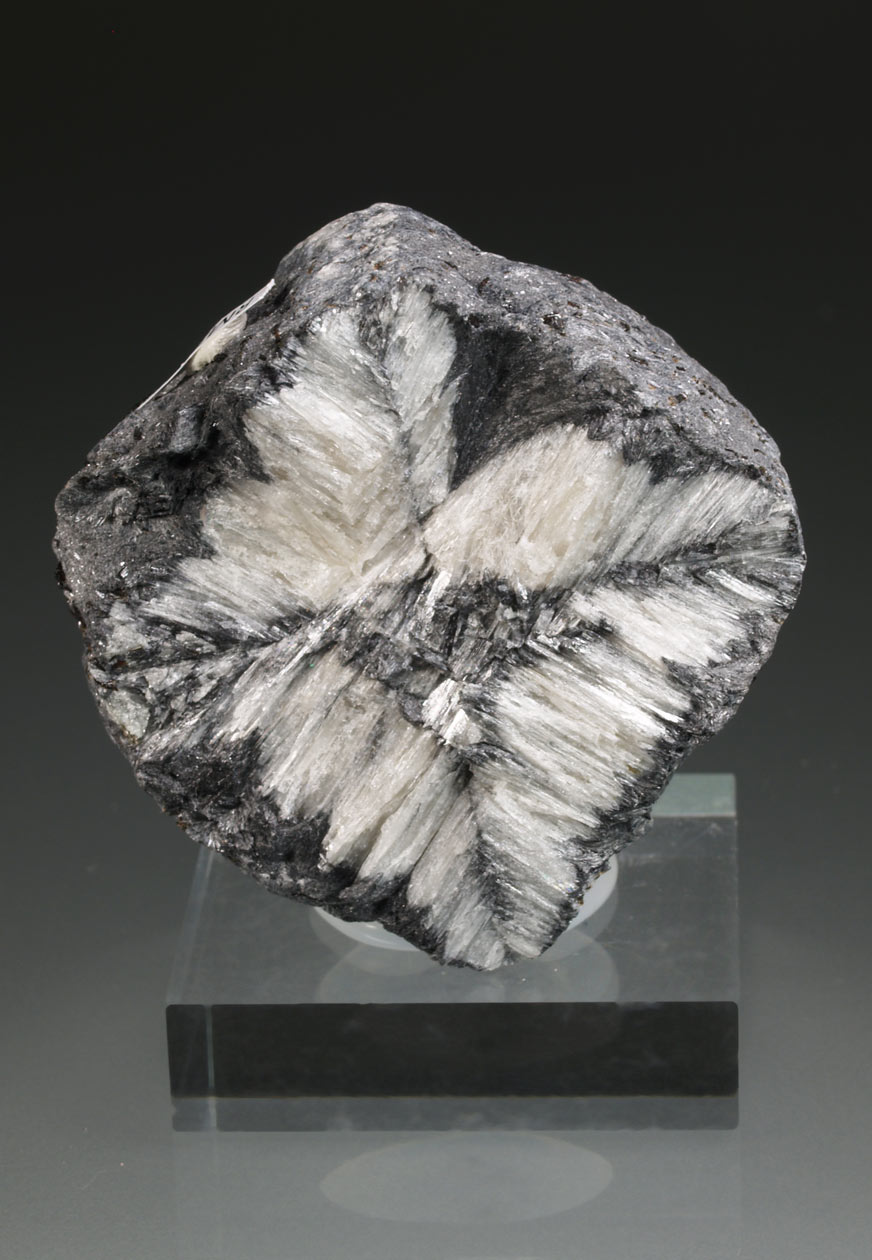
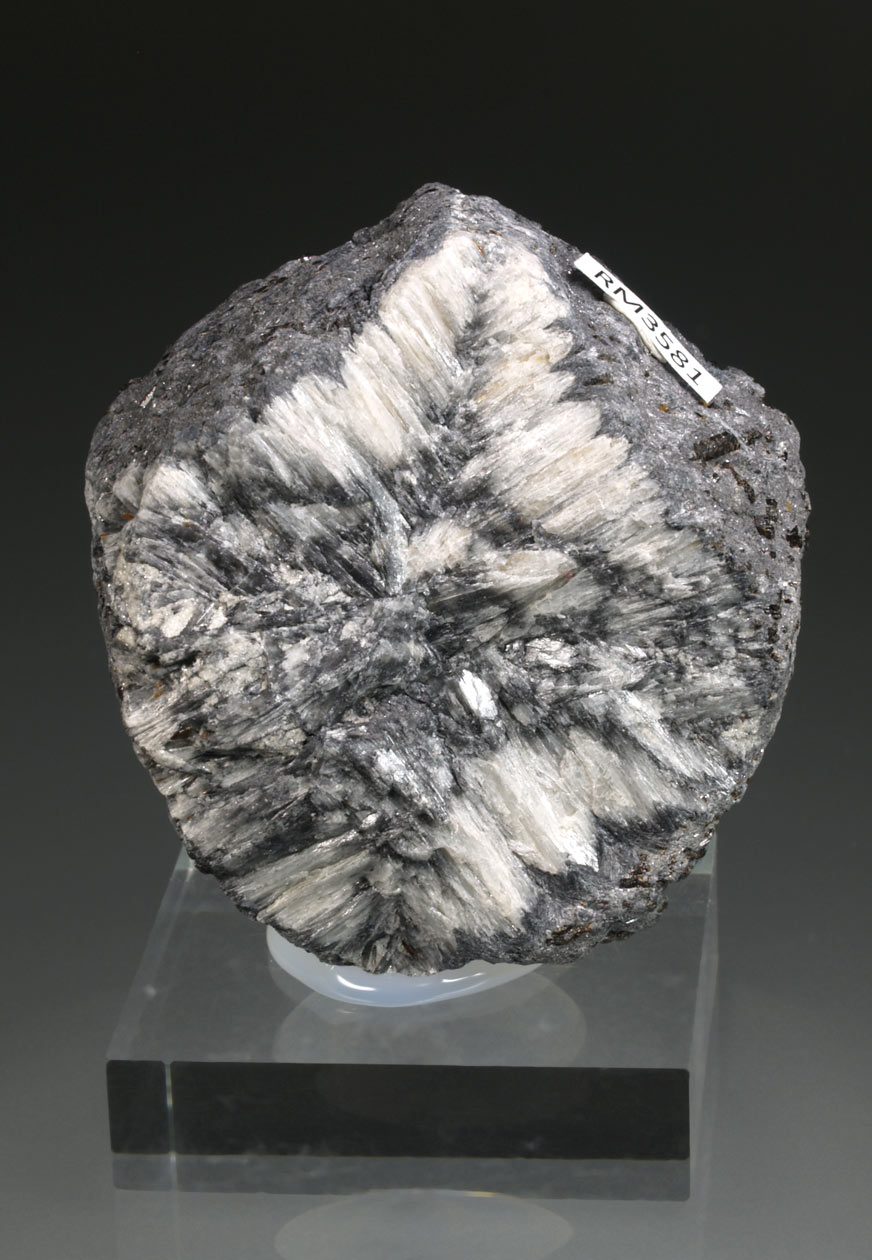
Muy interesantes ejemplares donde la cianita sustituye a la quiastolita, una variedad de andalucita, en una matriz grafítica. El ejemplar presenta características asociadas a la andalucita preexistente, como macla, indicada por las dos orientaciones diferentes de la cianita que la reemplaza. Se acompaña de cristales melados prismáticos de quiastolita. Se han analizado. Para los amantes de las pseudomórfosis raras. Muy fluorescente (naranja) bajo la luz ultravioleta OL.
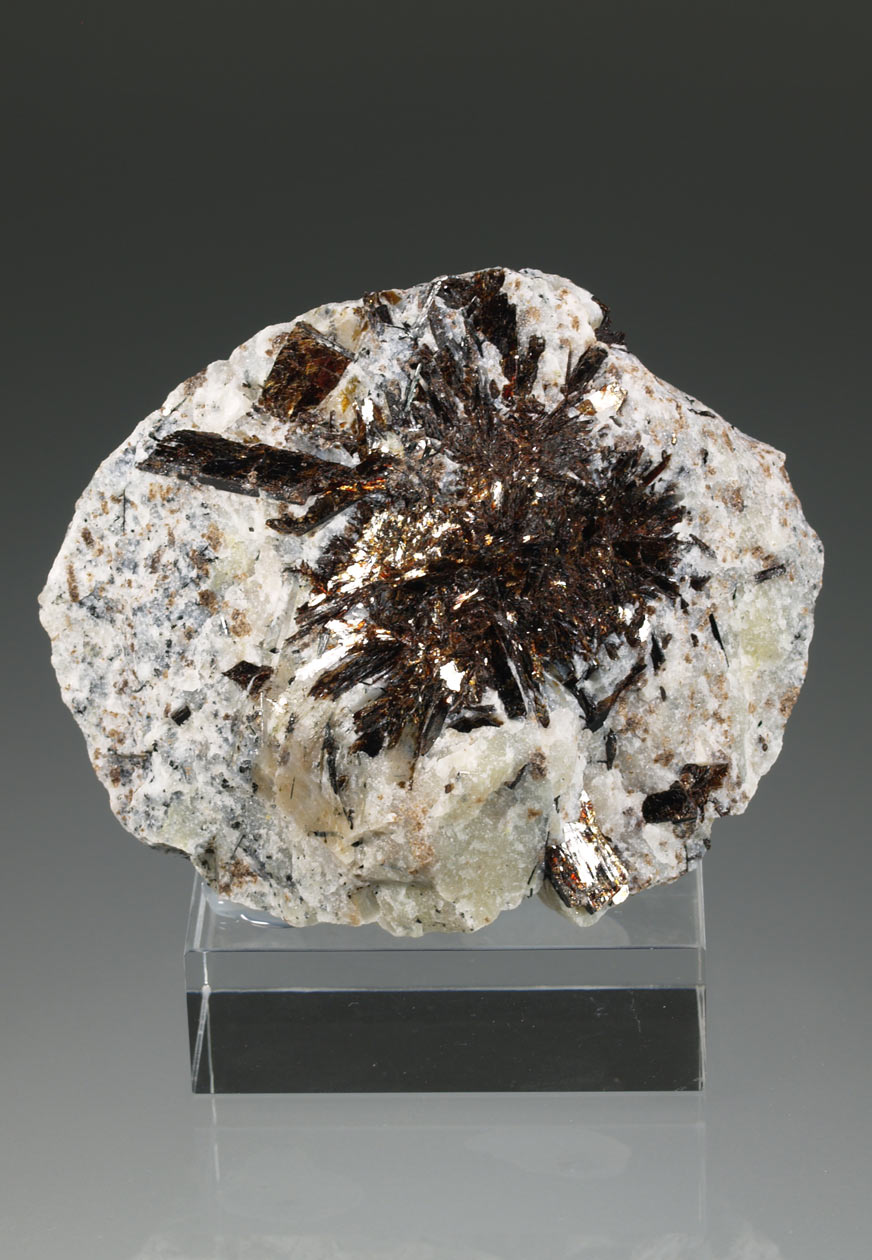
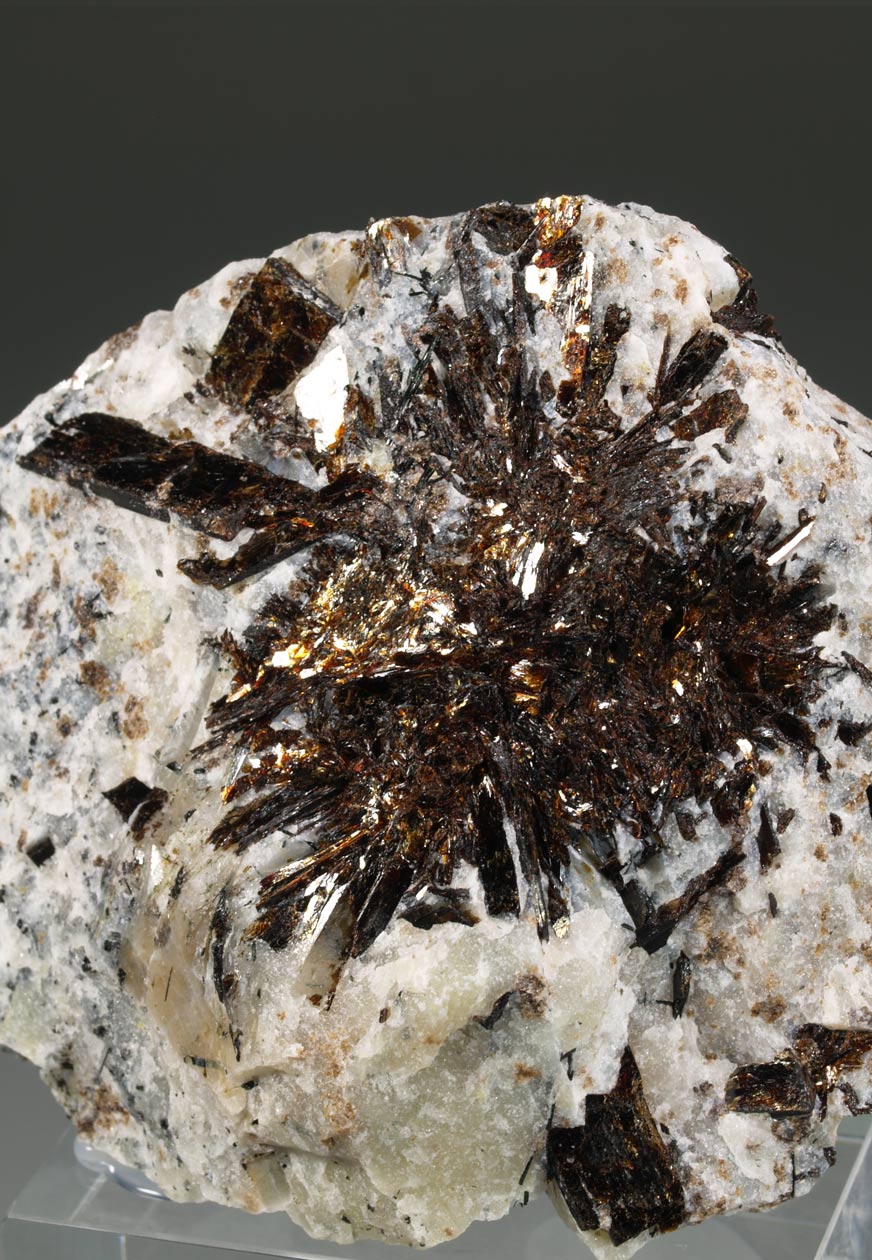
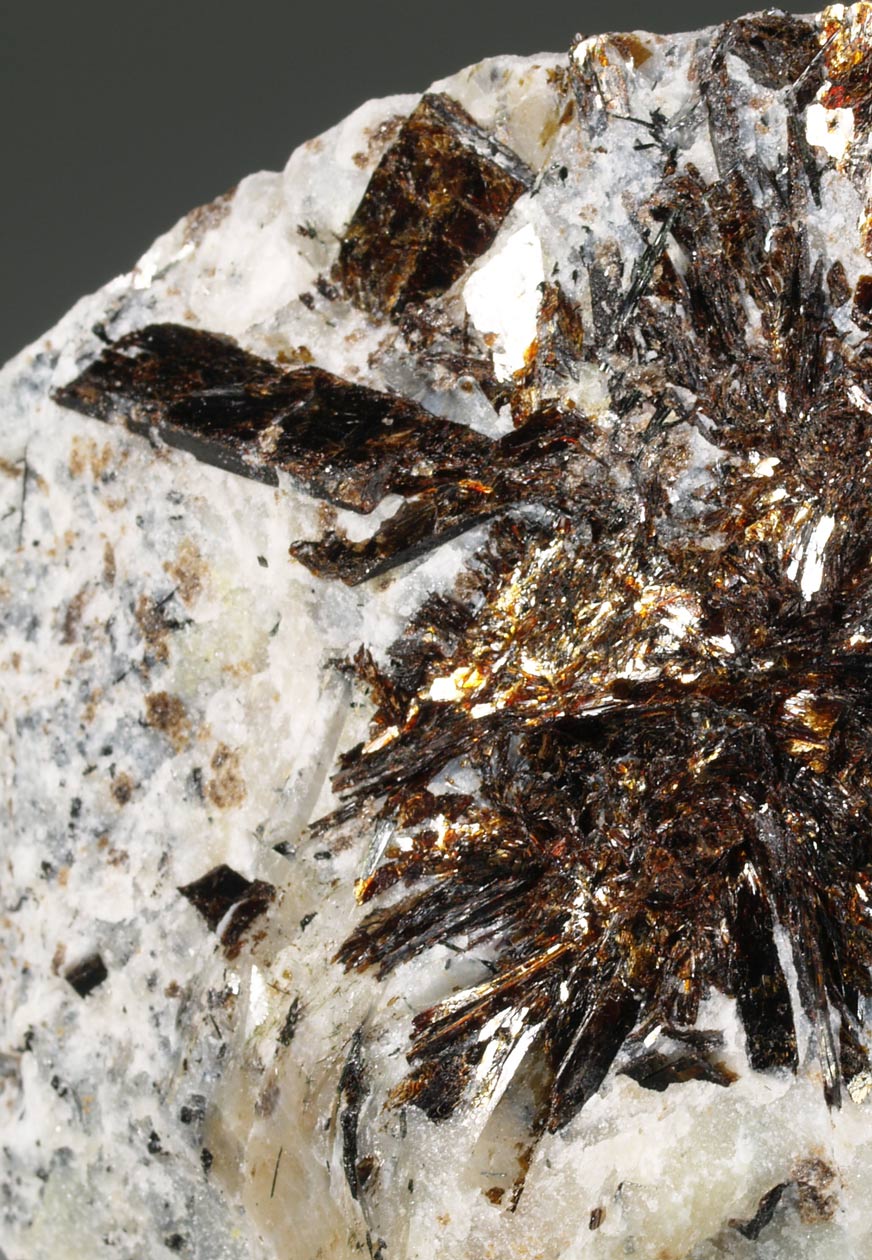
Un ejemplar particularmente estético de esta importante localidad con cristales gruesos, en forma de cristales laminares con brillo metálico, radiando de una parte central, en matriz. De esa estructura su nombre, del griego άστρον ("astron") para "estrella" y φύλλον ("phyllon") para "hoja", en alusión a su hábito de esprays con forma de estrella y aspecto micáceo. Muy buen tamaño.

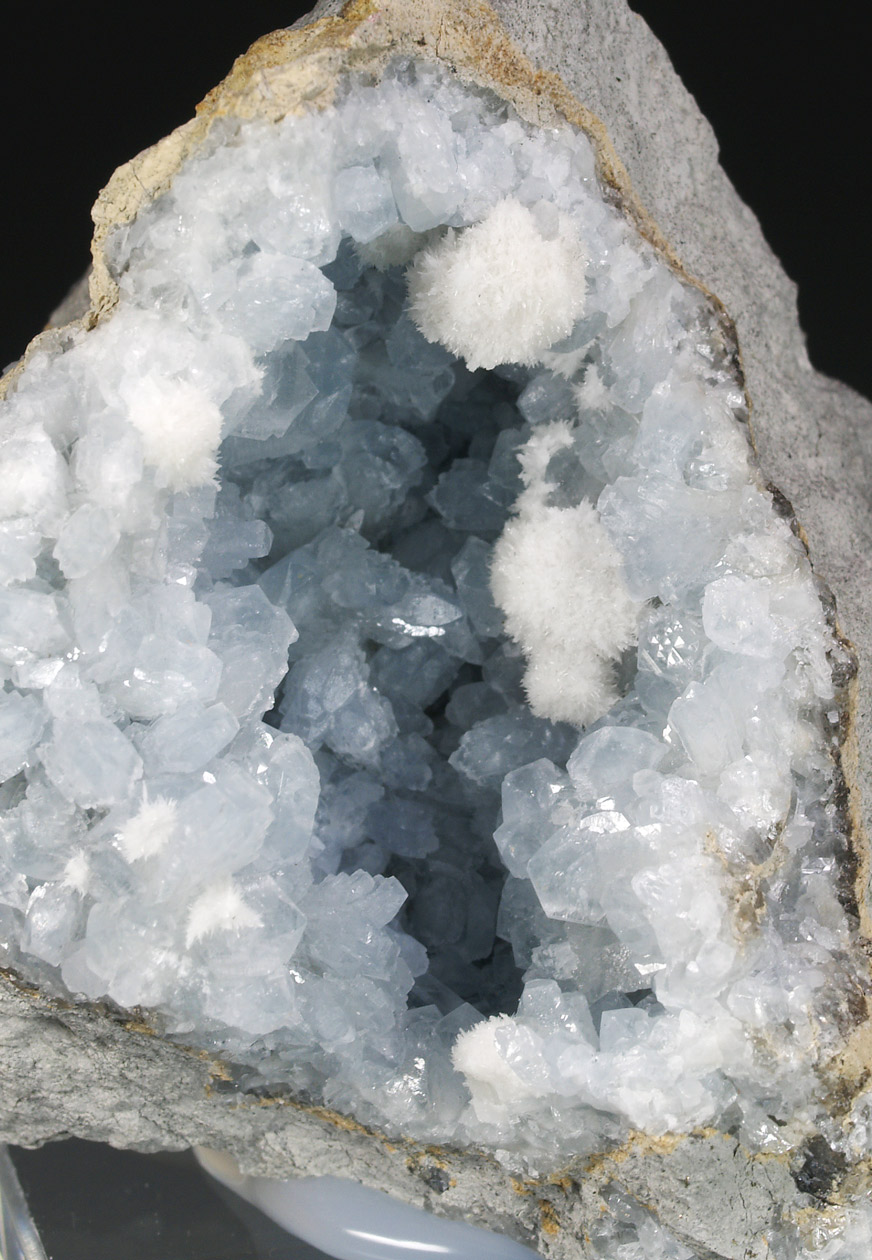
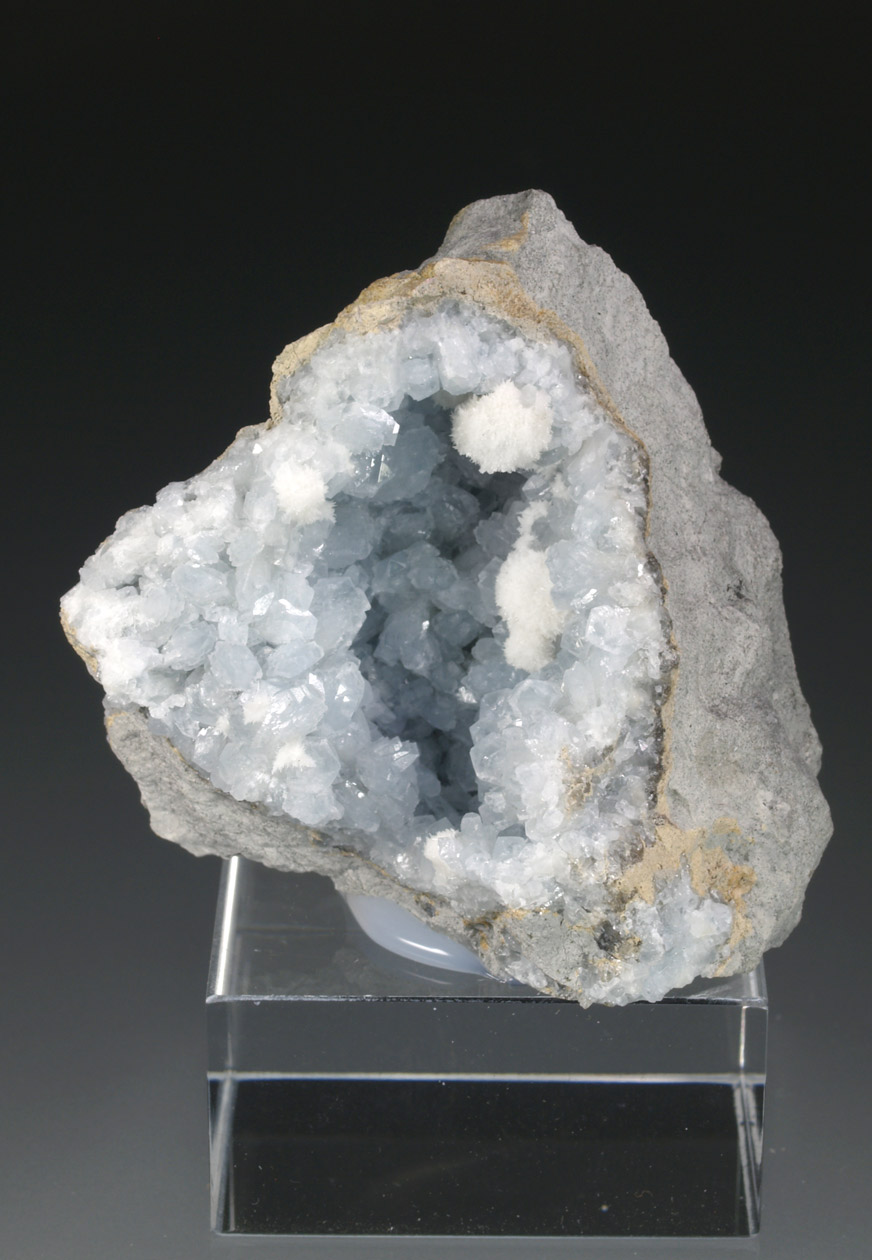
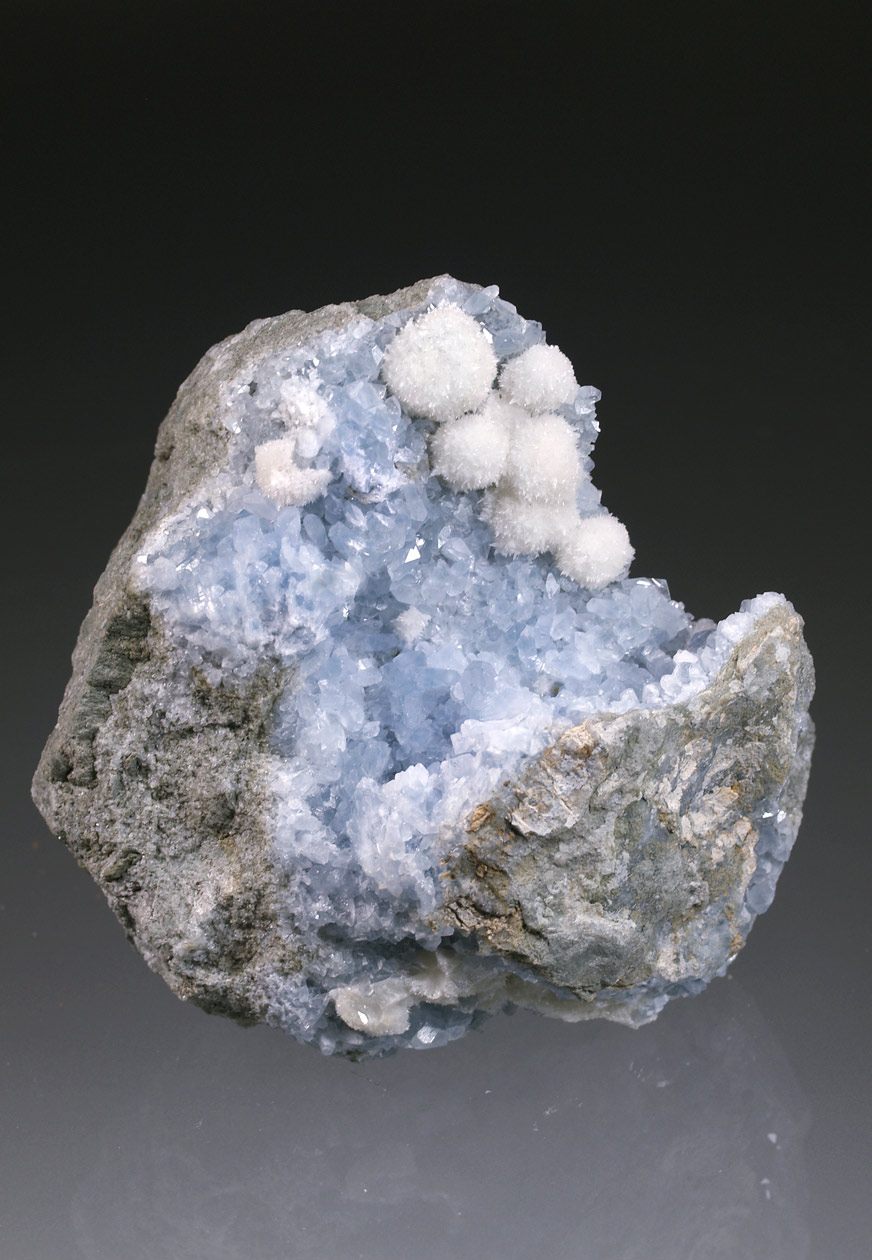
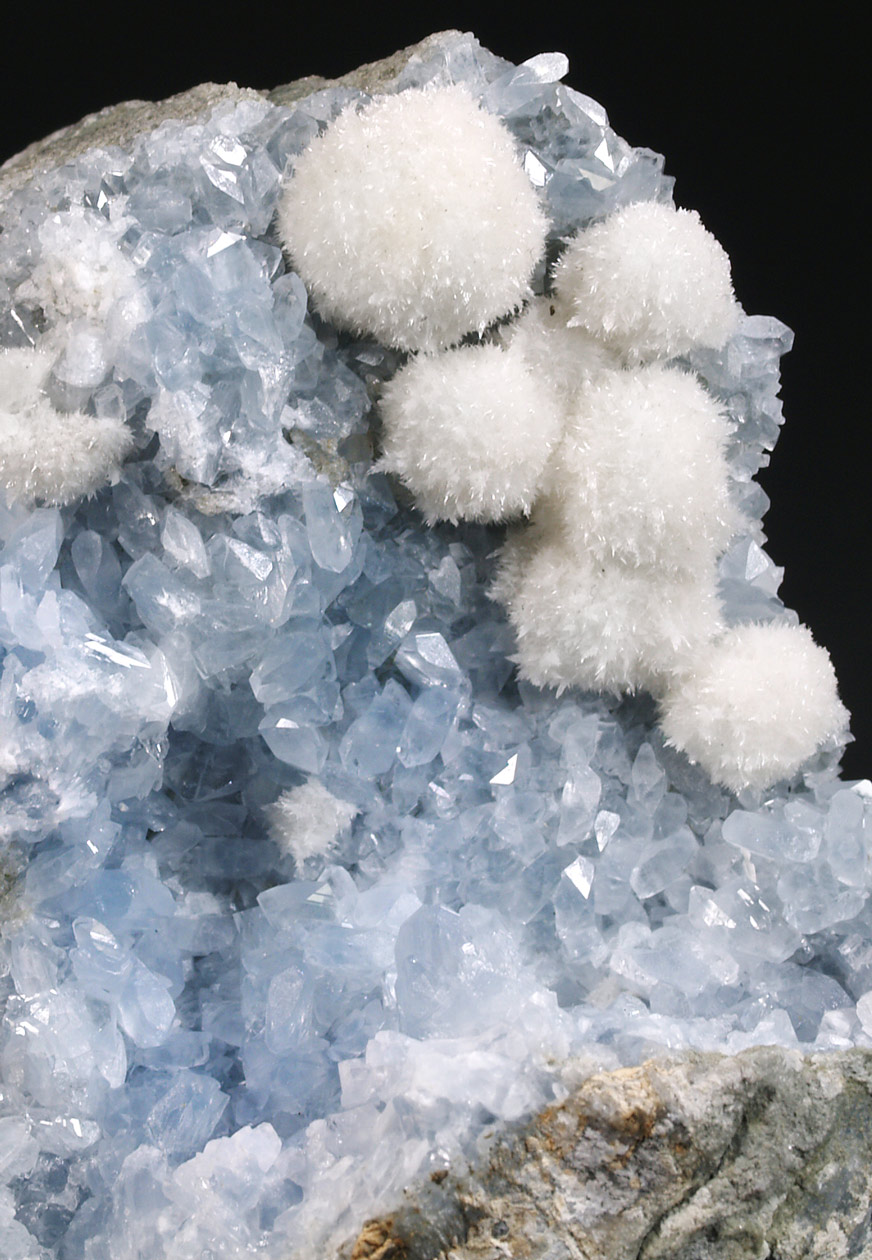
Novedad en SMAM 2025. Se trata de agregados globulares de cristales apuntados de stronitianita (de Strontian, en Escocia, no de estroncio, el elemento), blancos, con cierta transparencia, y que destacan sobre una matriz de cristales de celestina, muy definidos, ricos en facetas, transparentes y brillantes. Proceden de una mina llamada "Siniye Kamni" (rus.Синие Камни) que en ruso significa "piedras azules", según nos indicó el proveedor ruso, uno de los pocos en SMAM. Se ha analizado mediante microscopia electrónica de barrido SEM-EDS.
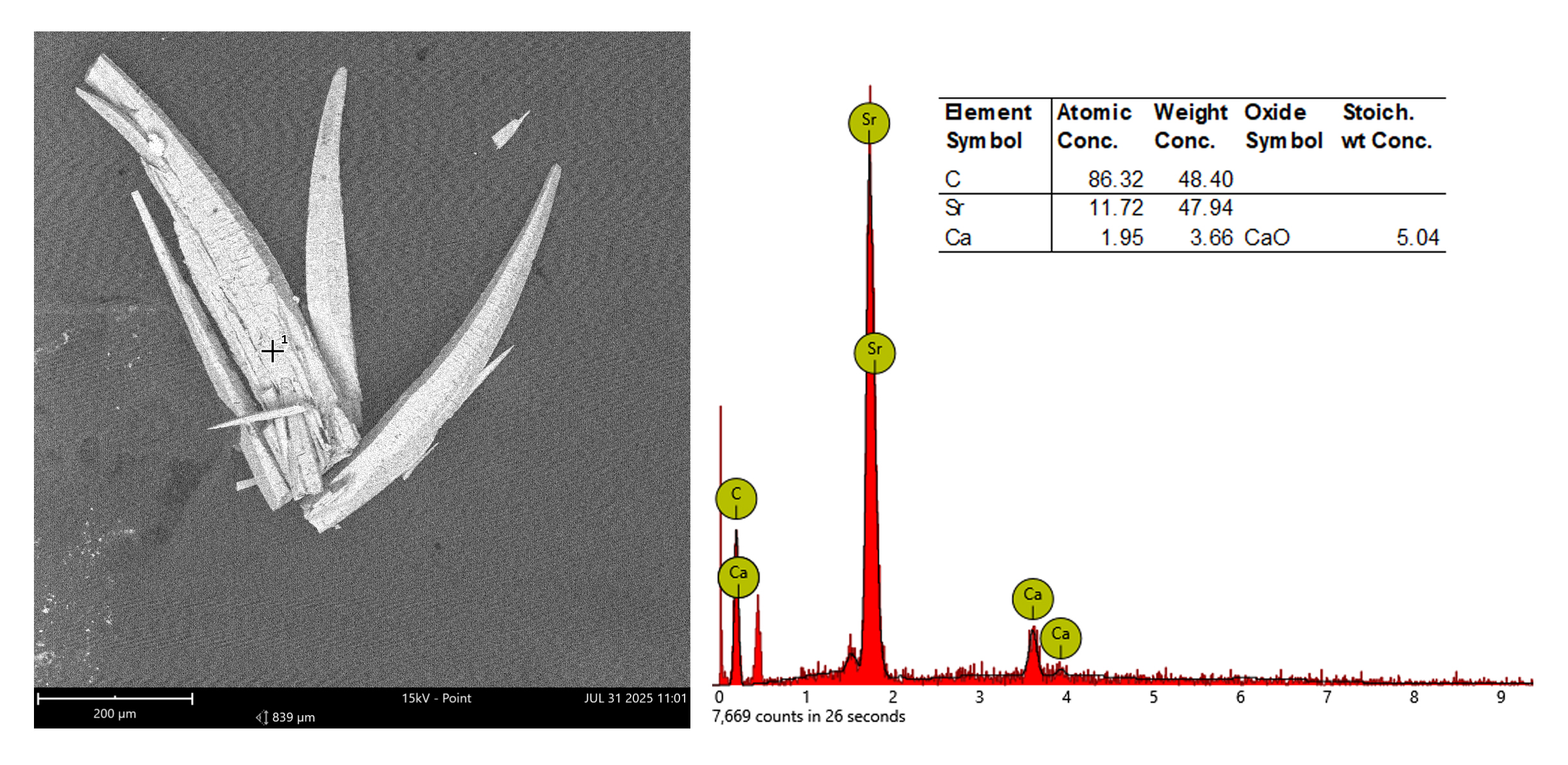
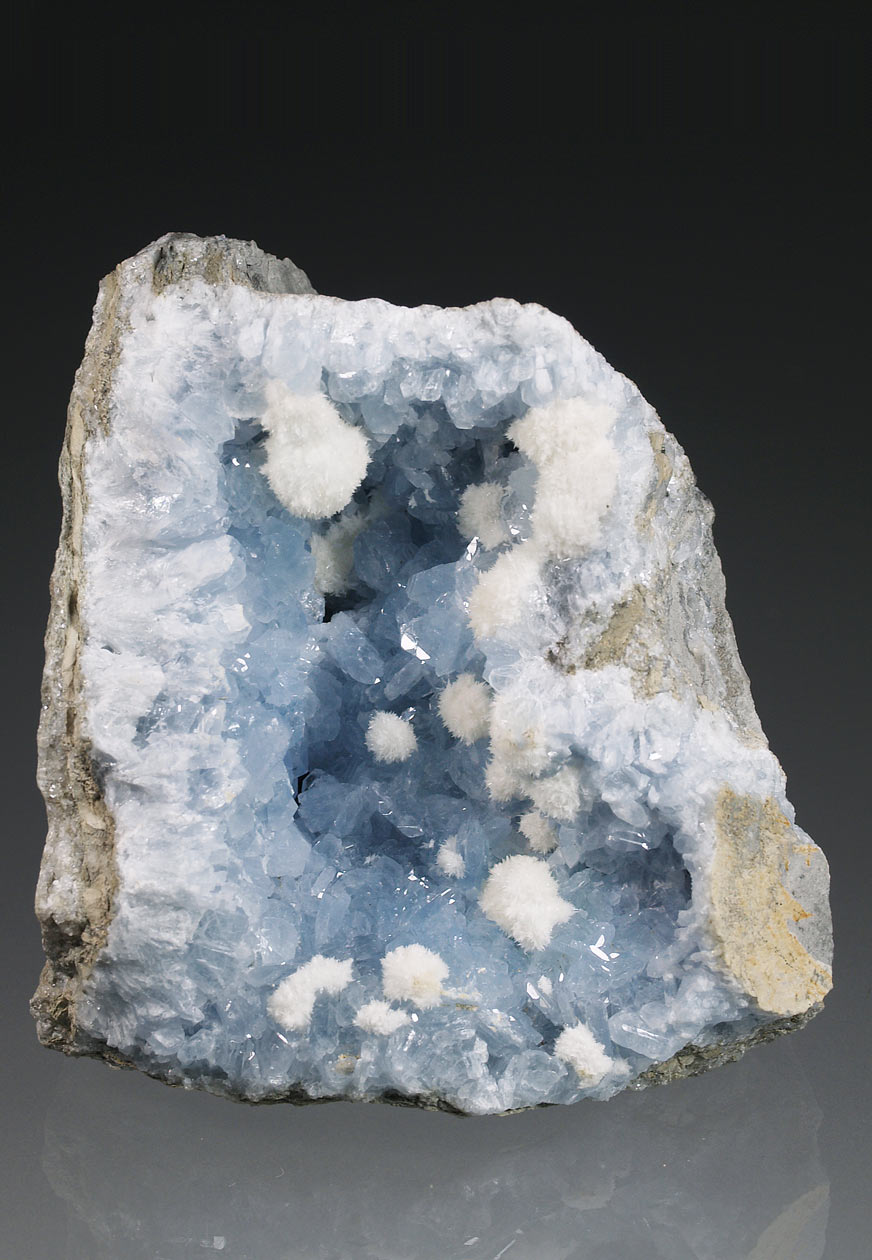
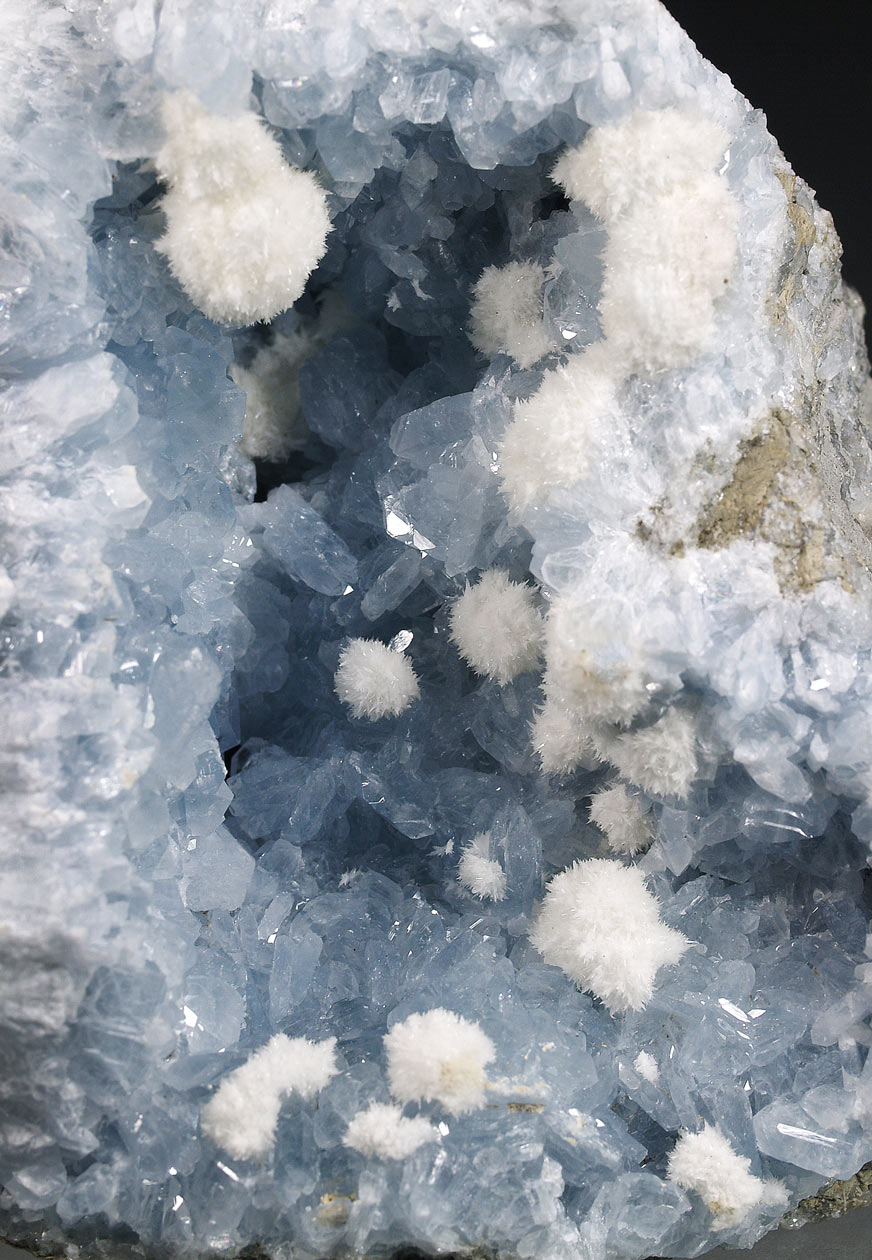
Novedad en SMAM 2025. Se trata de agregados globulares de cristales apuntados de stronitianita (de Strontian, en Escocia, no de estroncio, el elemento), blancos, con cierta transparencia, y que destacan sobre una matriz de cristales de celestina, muy definidos, ricos en facetas, transparentes y brillantes. Proceden de una mina llamada "Siniye Kamni" (rus.Синие Камни) que en ruso significa "piedras azules", según nos indicó el proveedor ruso, uno de los pocos en SMAM. Se ha analizado mediante microscopia electrónica de barrido SEM-EDS.
Novedad en SMAM 2025. Se trata de agregados globulares de cristales apuntados de stronitianita (de Strontian, en Escocia, no de estroncio, el elemento), blancos, con cierta transparencia, y que destacan sobre una matriz de cristales de celestina, muy definidos, ricos en facetas, transparentes y brillantes. Proceden de una mina llamada "Siniye Kamni" (rus.Синие Камни) que en ruso significa "piedras azules", según nos indicó el proveedor ruso, uno de los pocos en SMAM. Se ha analizado mediante microscopia electrónica de barrido SEM-EDS.
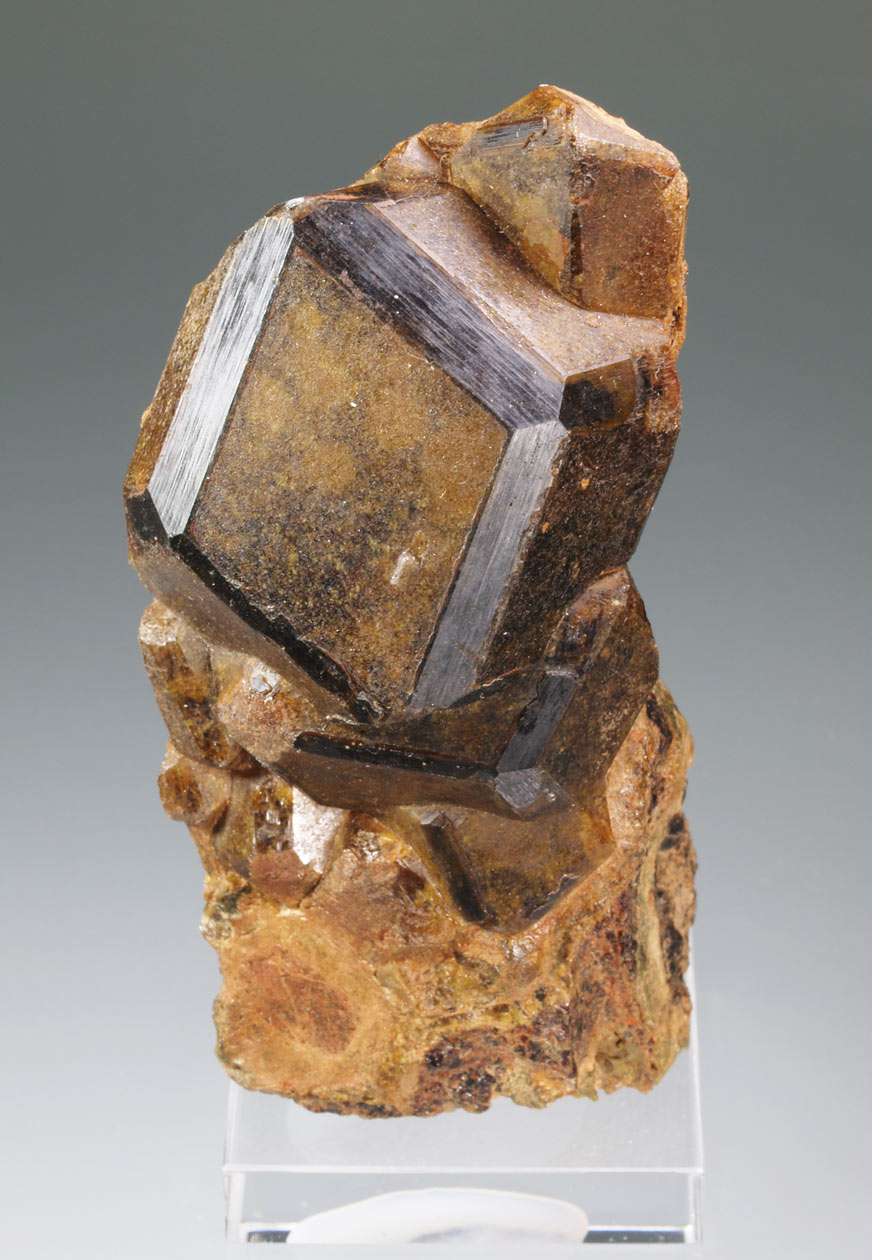
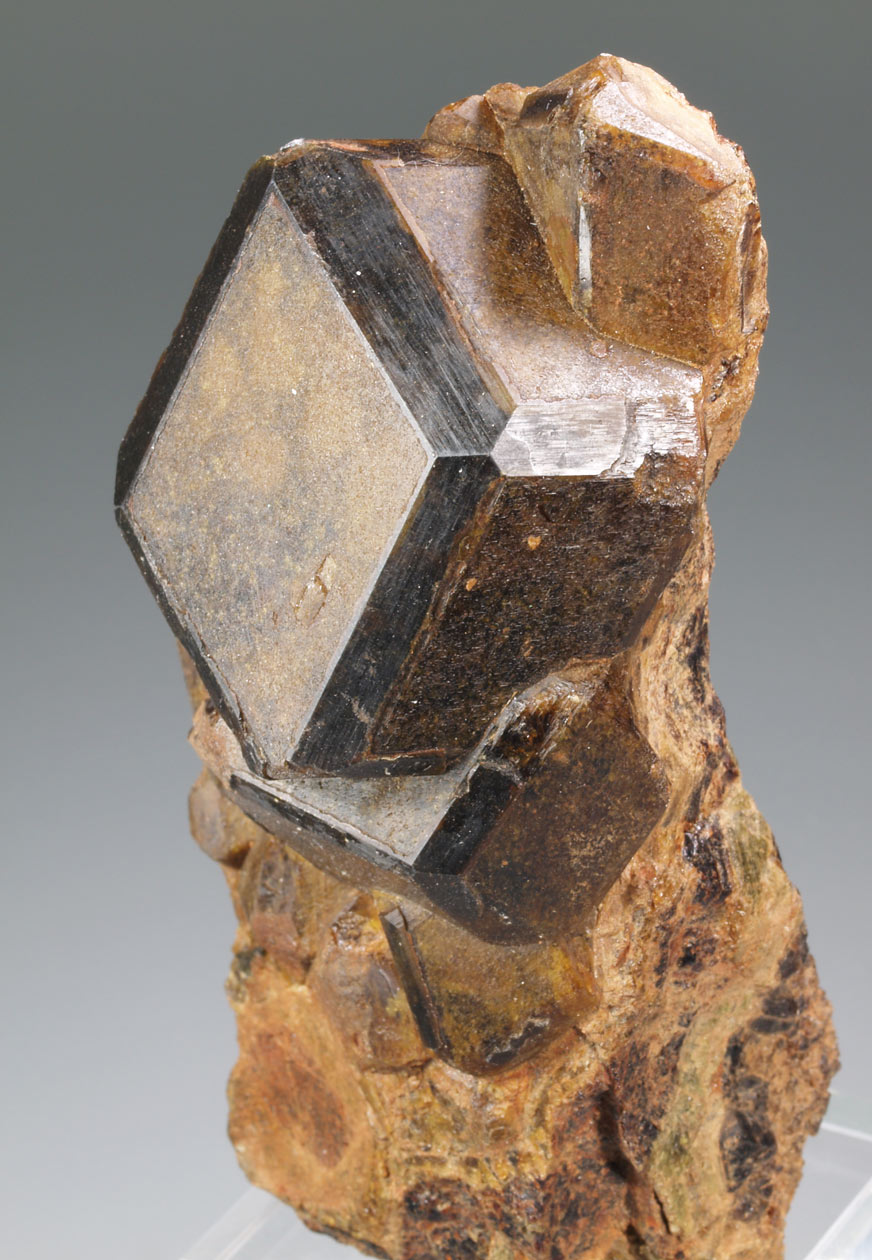

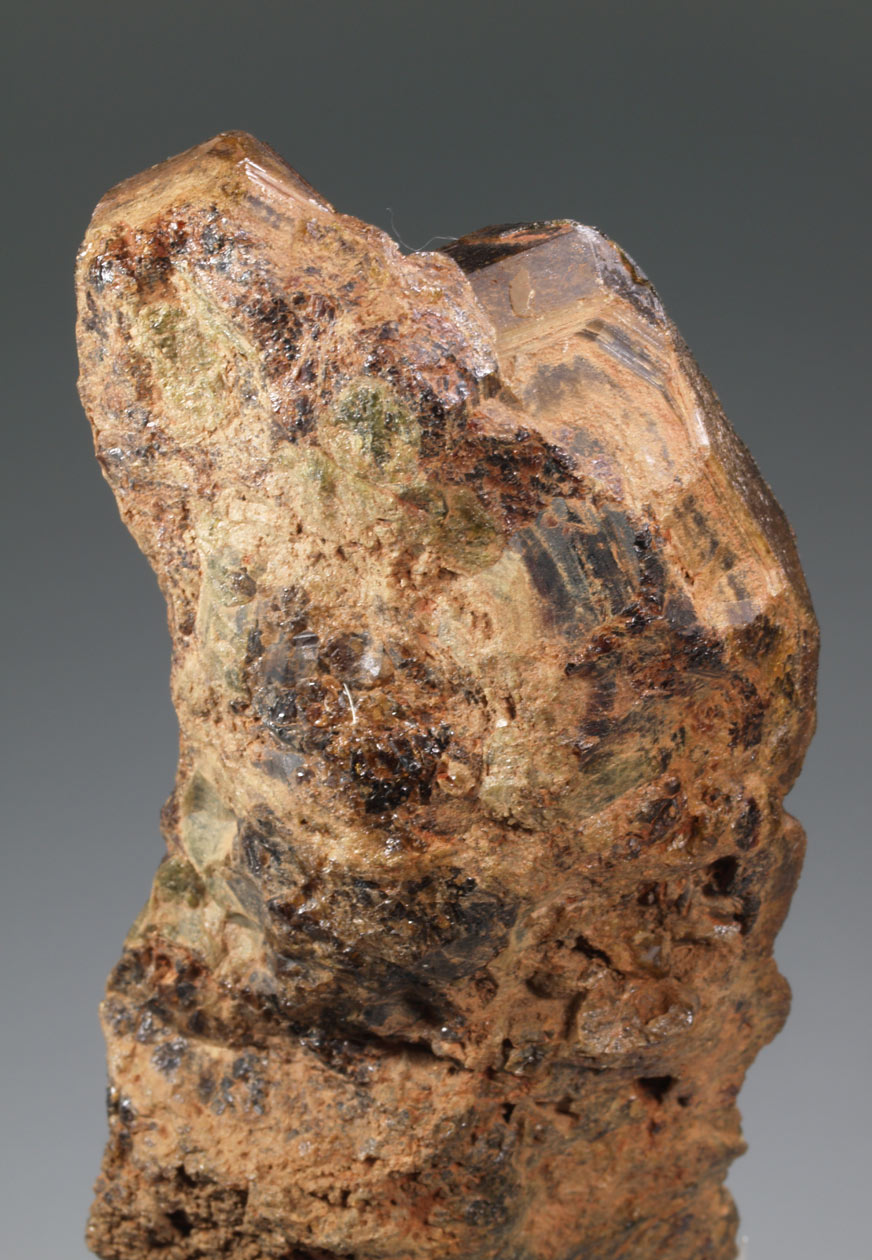
Grupo de cristales de andradita, que nos muestran muy bien definidas las caras del dodecaedro truncadas en las aristas por las del trapezoedro. Tiene un intenso color marron y brillo más marcado en las caras de trapezoedro. Ejemplar procedente de esta clasica localidad rusa poco frecuente en la actualidad.
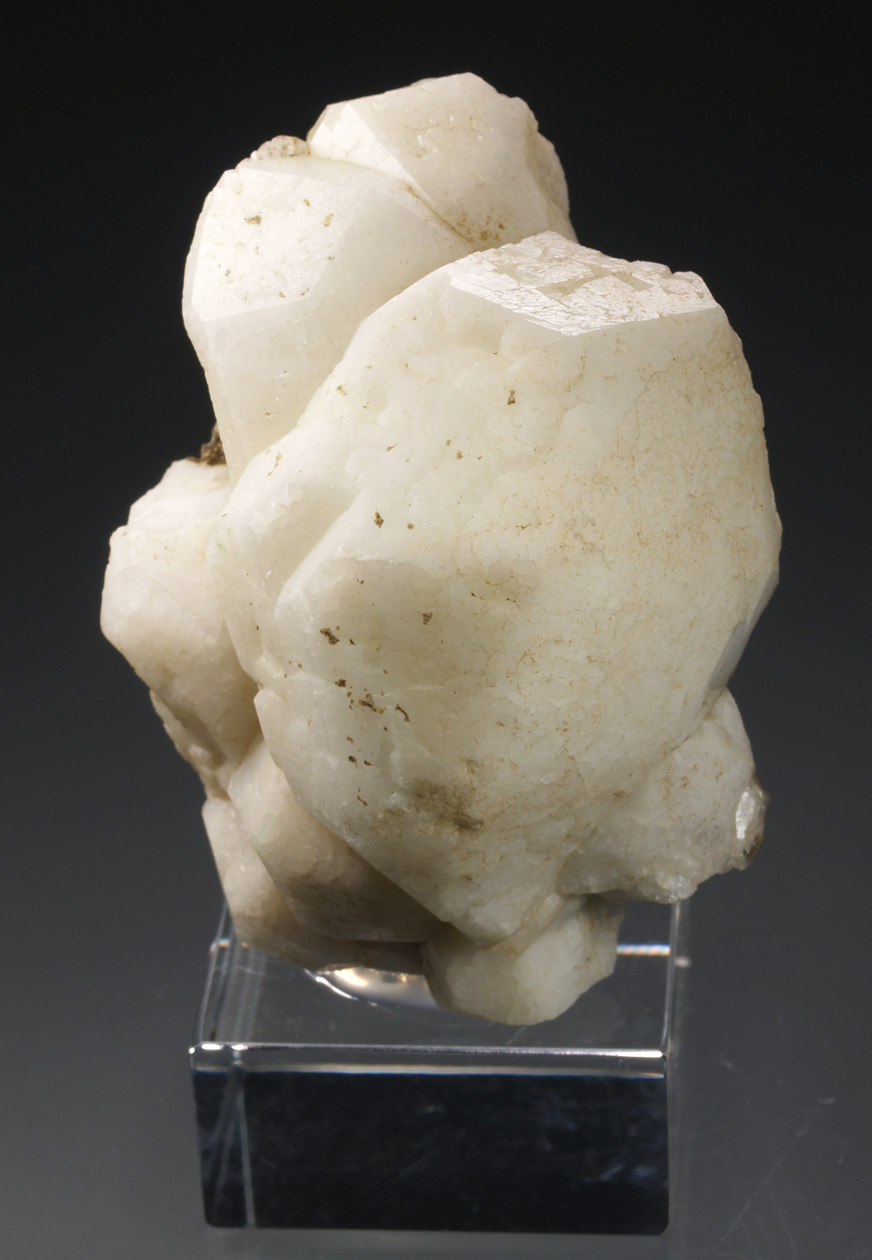
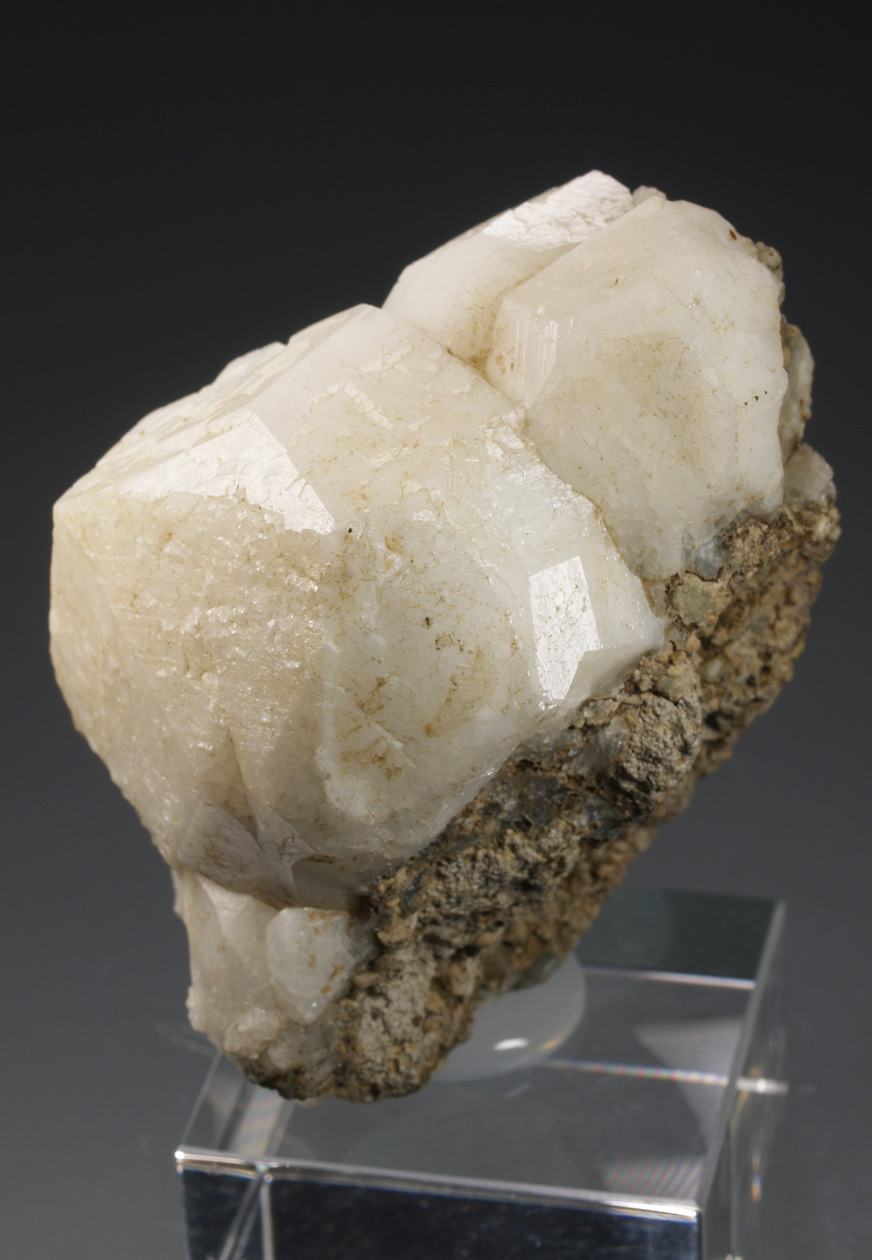
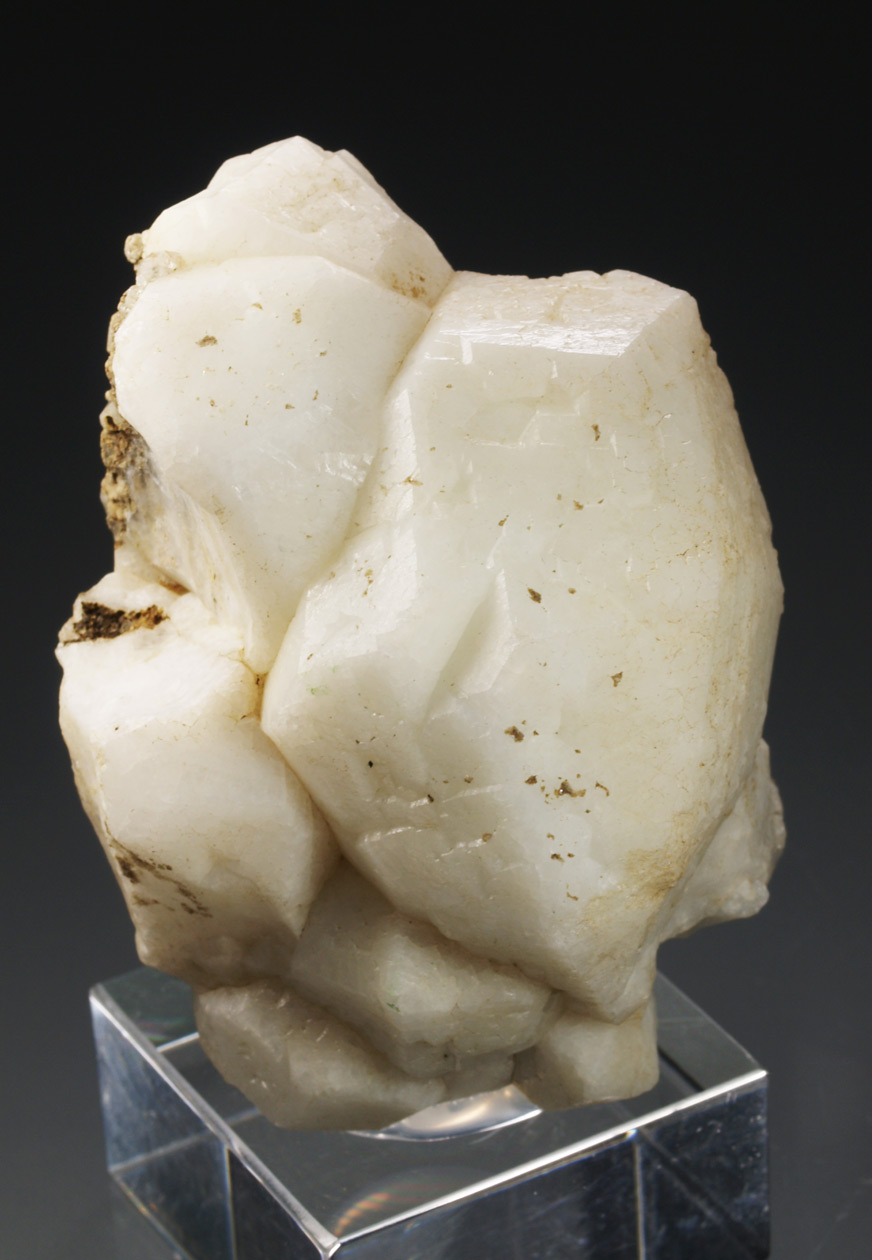
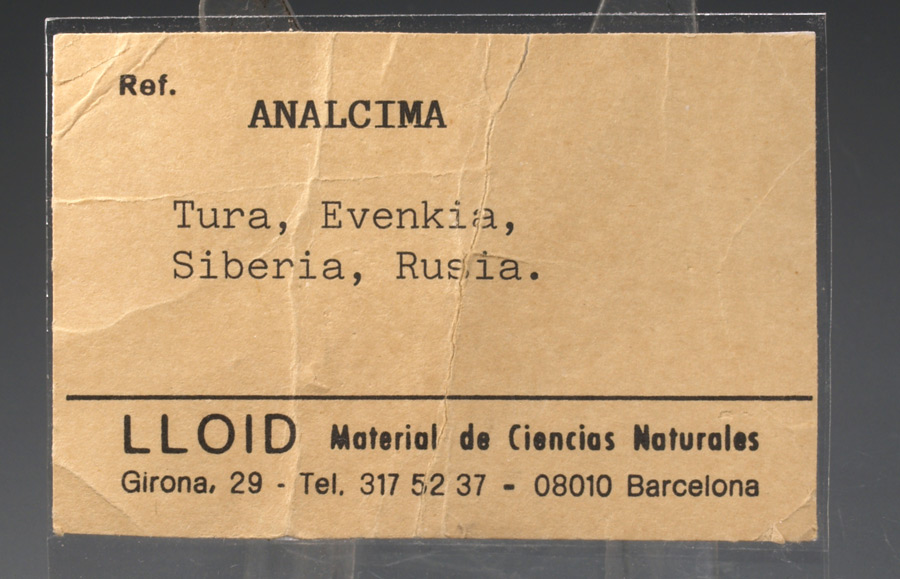
Grupo de cristales de analcima, con un tamaño excepcional, definidos y facetados, con aristas ligeramente curvas. Con una pequeña matriz de roca volcánica. Estas piezas son muy antiguas y difíciles de encontrar hoy día. La pieza se acompaña de una etiqueta de Marçal Lloria, Lloid.
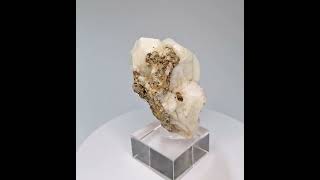
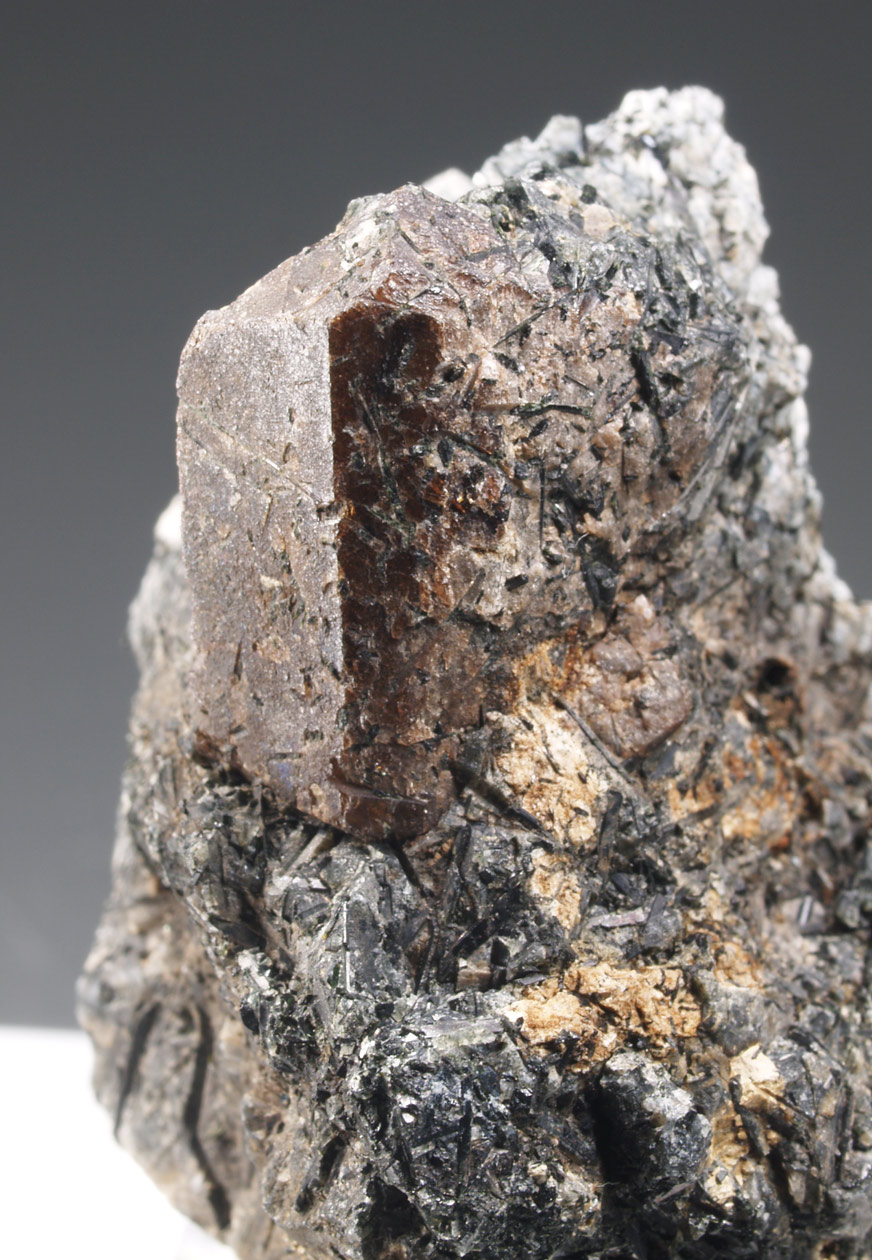
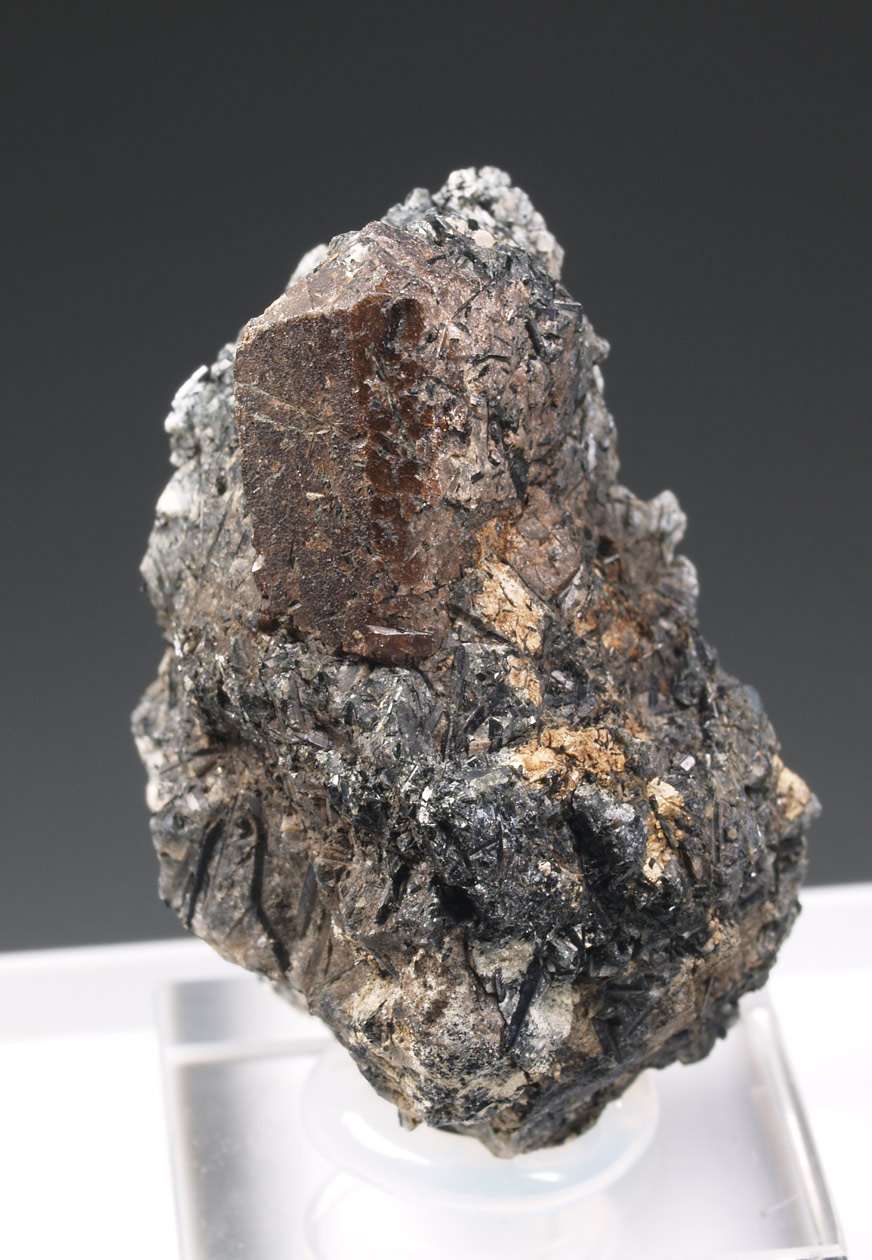
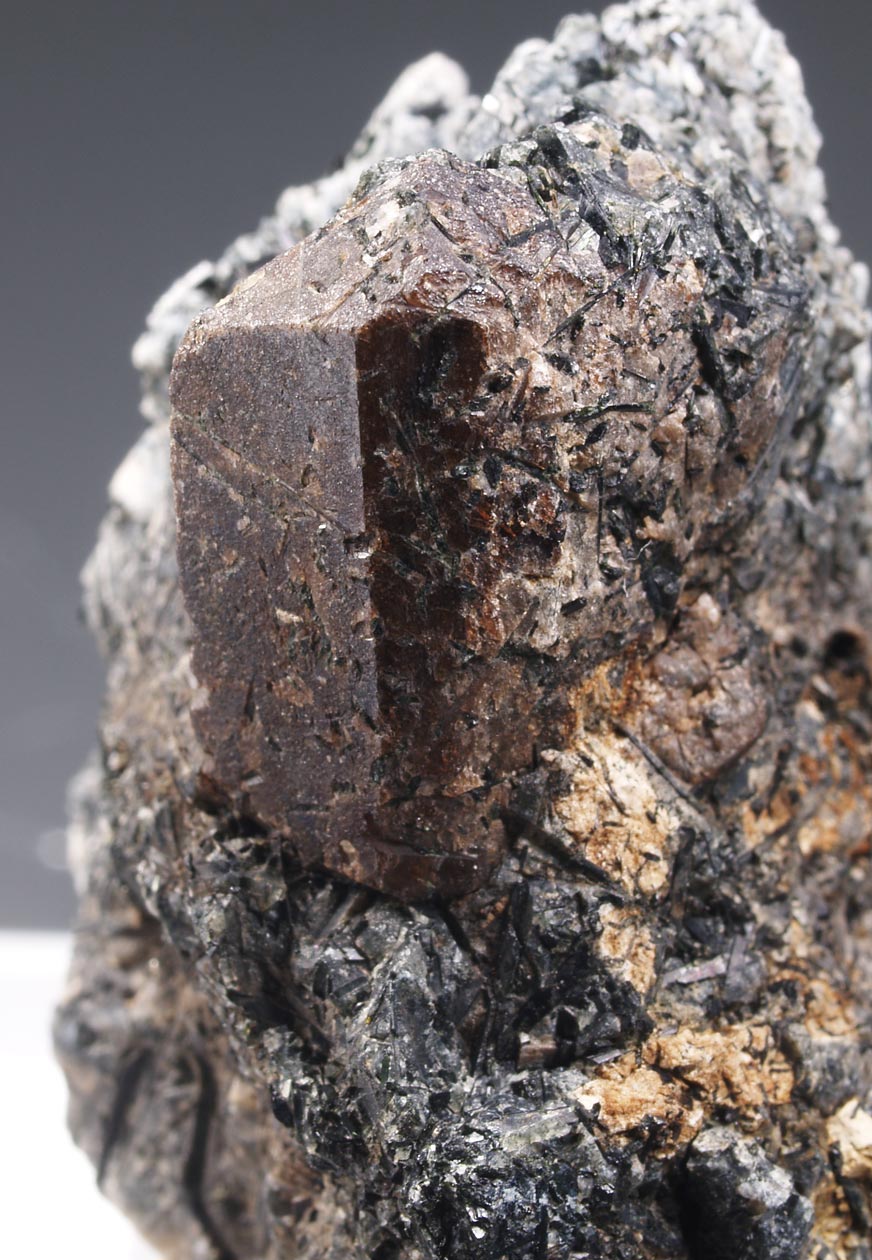
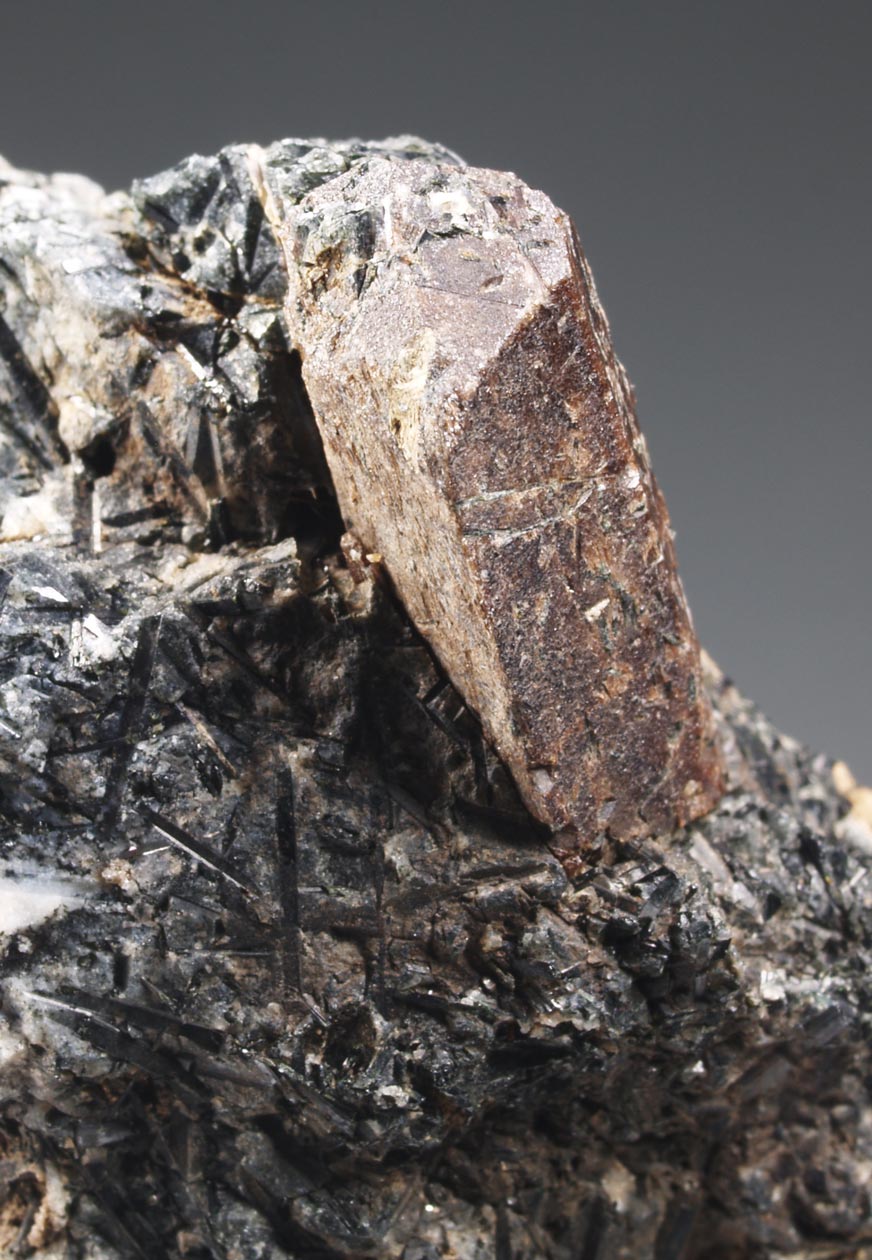
La lorenzenita es un raro silicato de sodio y titanio que se encuentra en pegmatitas y sienitas nefelínicas. En este espécimen podemos observar un cristal de buen tamaño de color marrón, brillante y dispuesto de forma aérea sobre la matriz. Salpicado con inclusiones de agujas de aegirina.
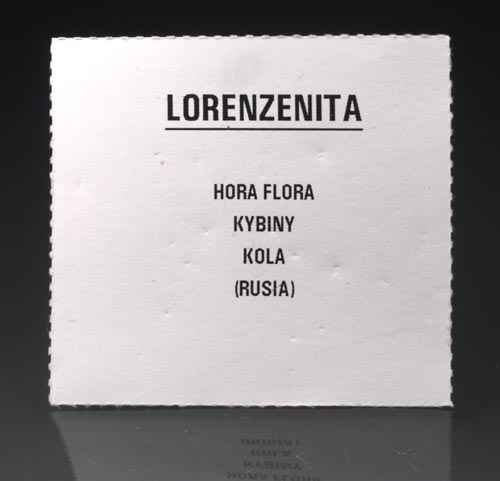
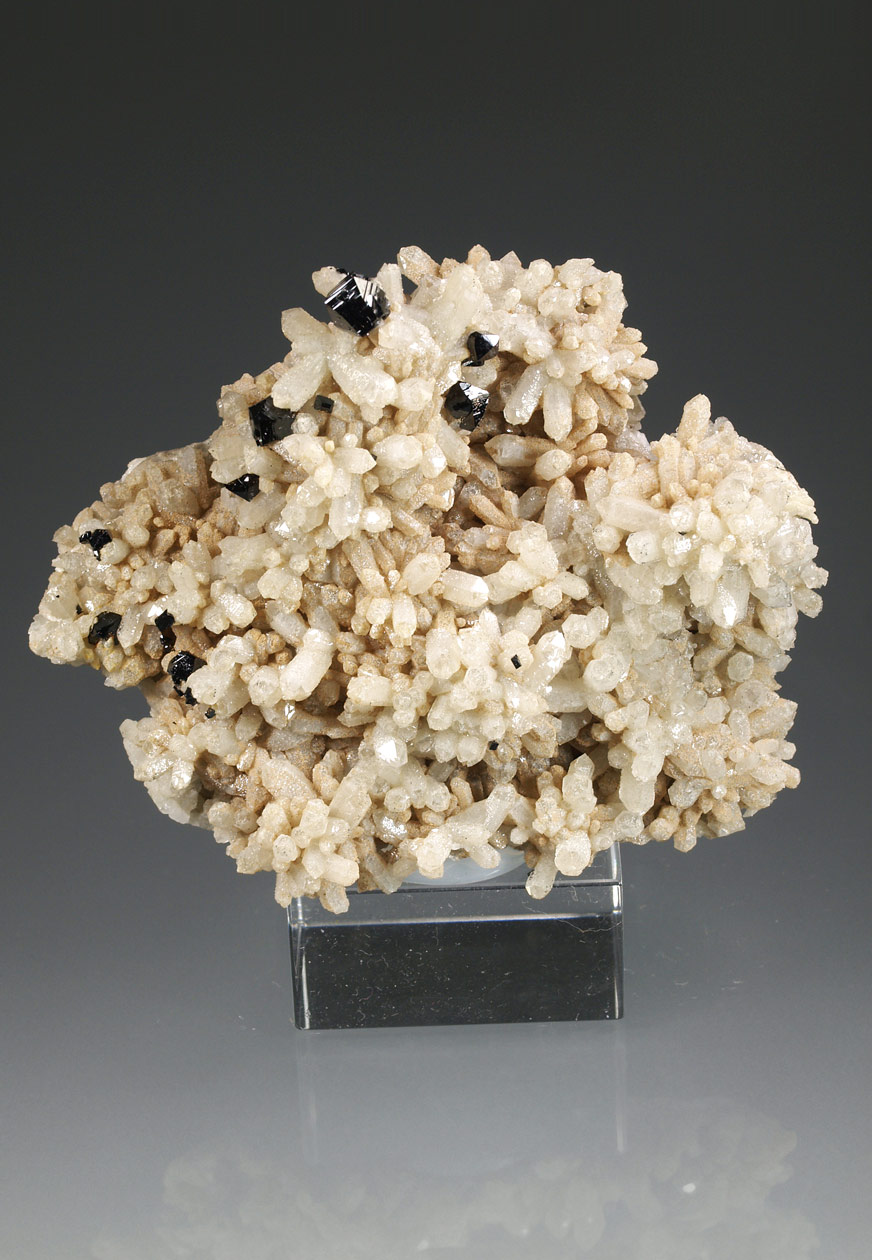
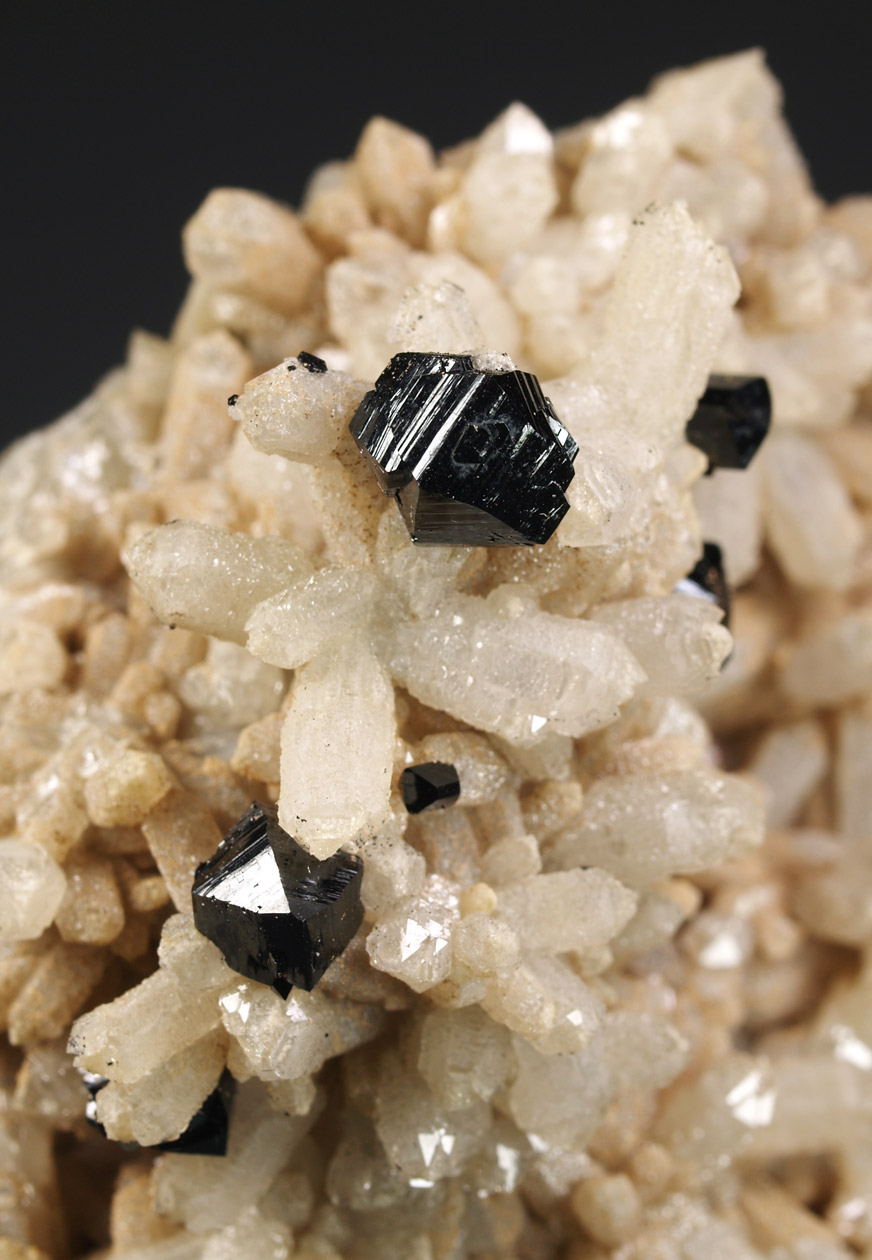
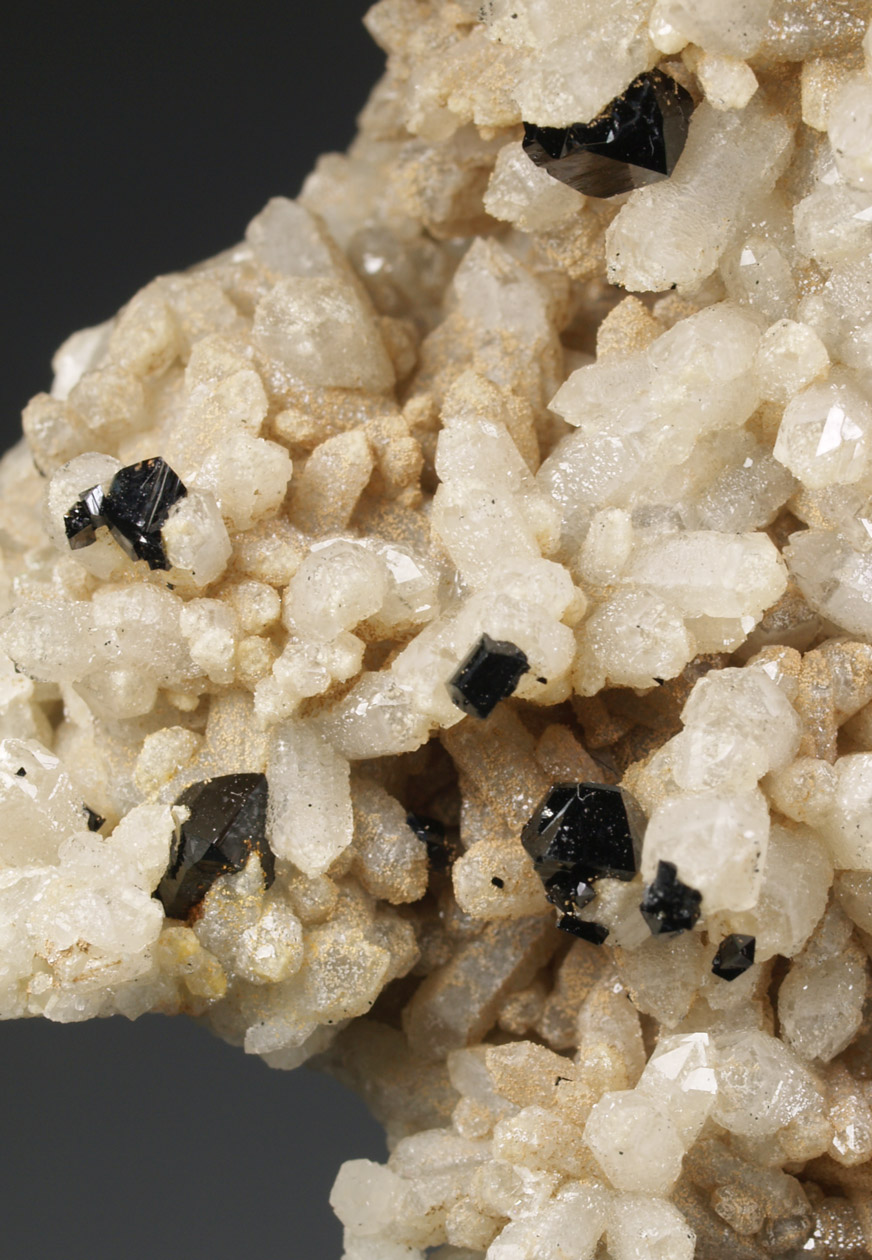
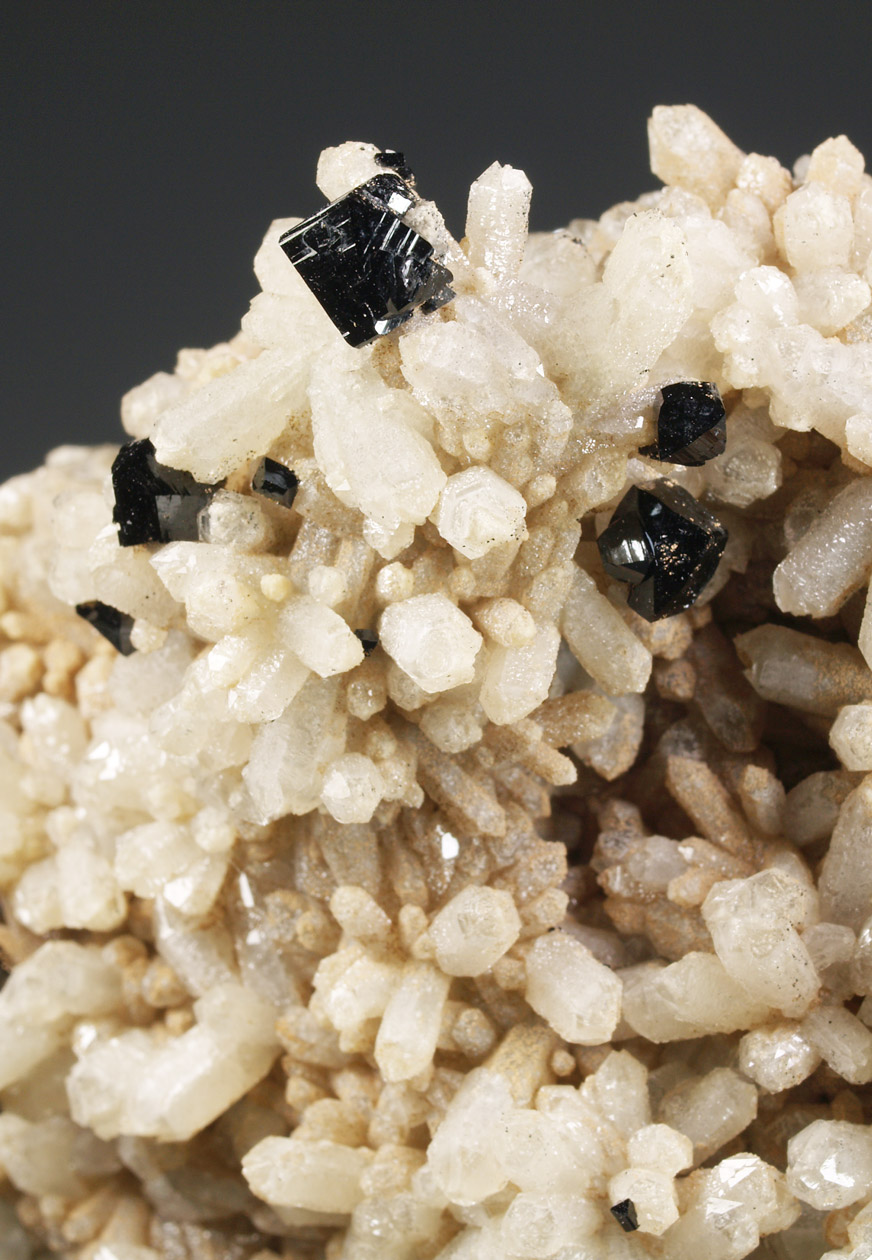
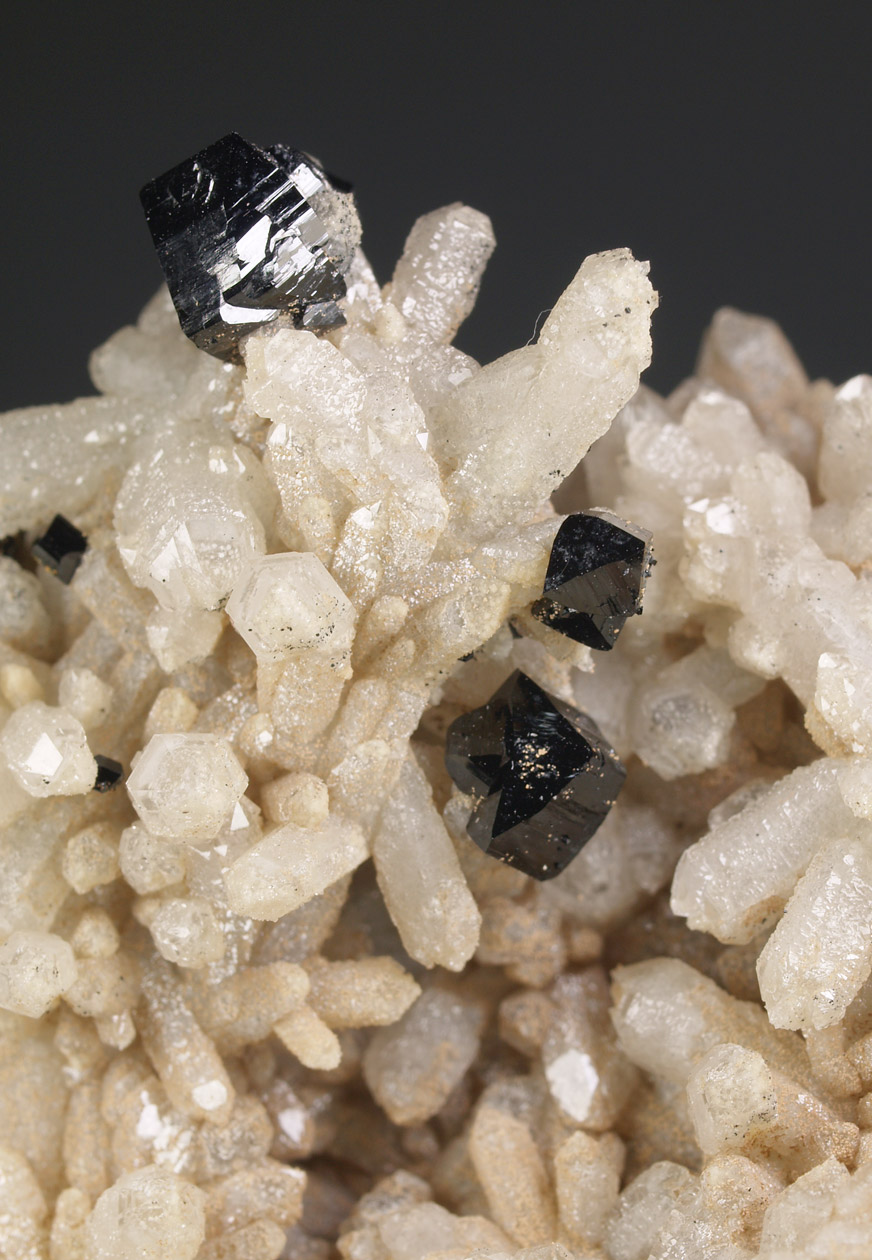
Sobre una drusa de cristales de cuarzo se disponen numerosos cristales de ilvaita, de intenso color negro, biterminados y con maclas. Observando con la lupa podemos ver perfectos cristales biterminados, un placer. Se disponen de forma muy aérea dando al ejemplar una elegancia notable.
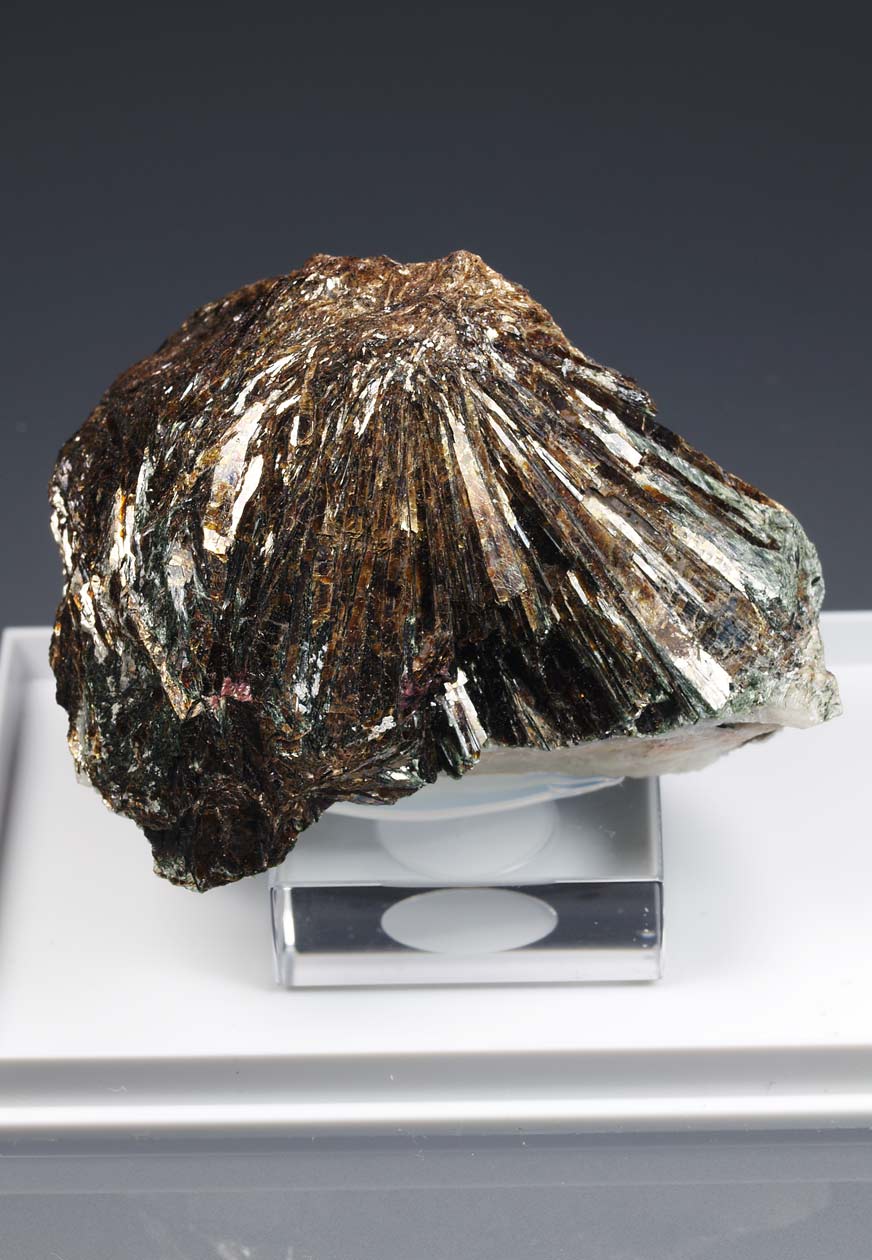
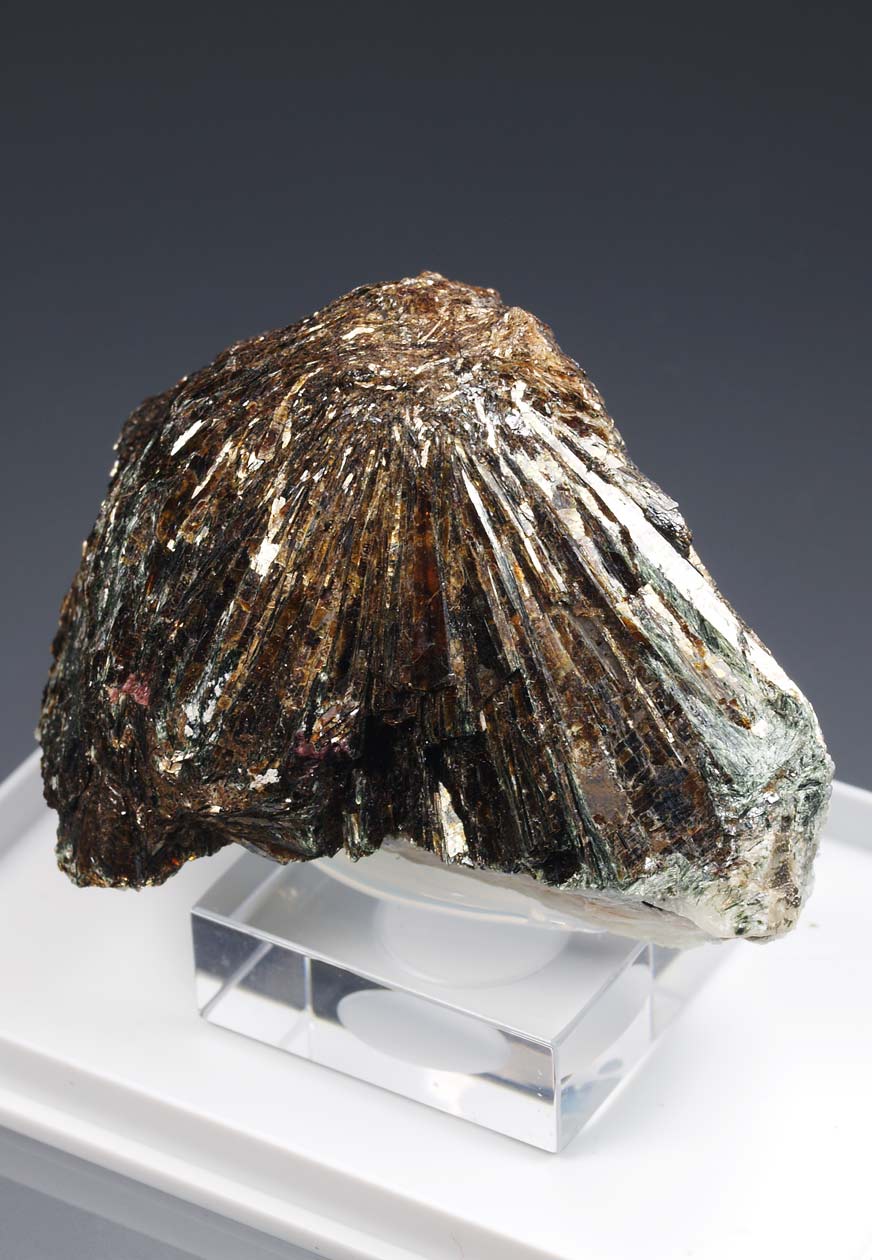
Un ejemplar particularmente estético de esta importante localidad con cristales gruesos, en forma de cristales laminares con brillo metálico, de hasta 35 mm, incrustados en la matriz. Ex. Colección Emili Nicolau.
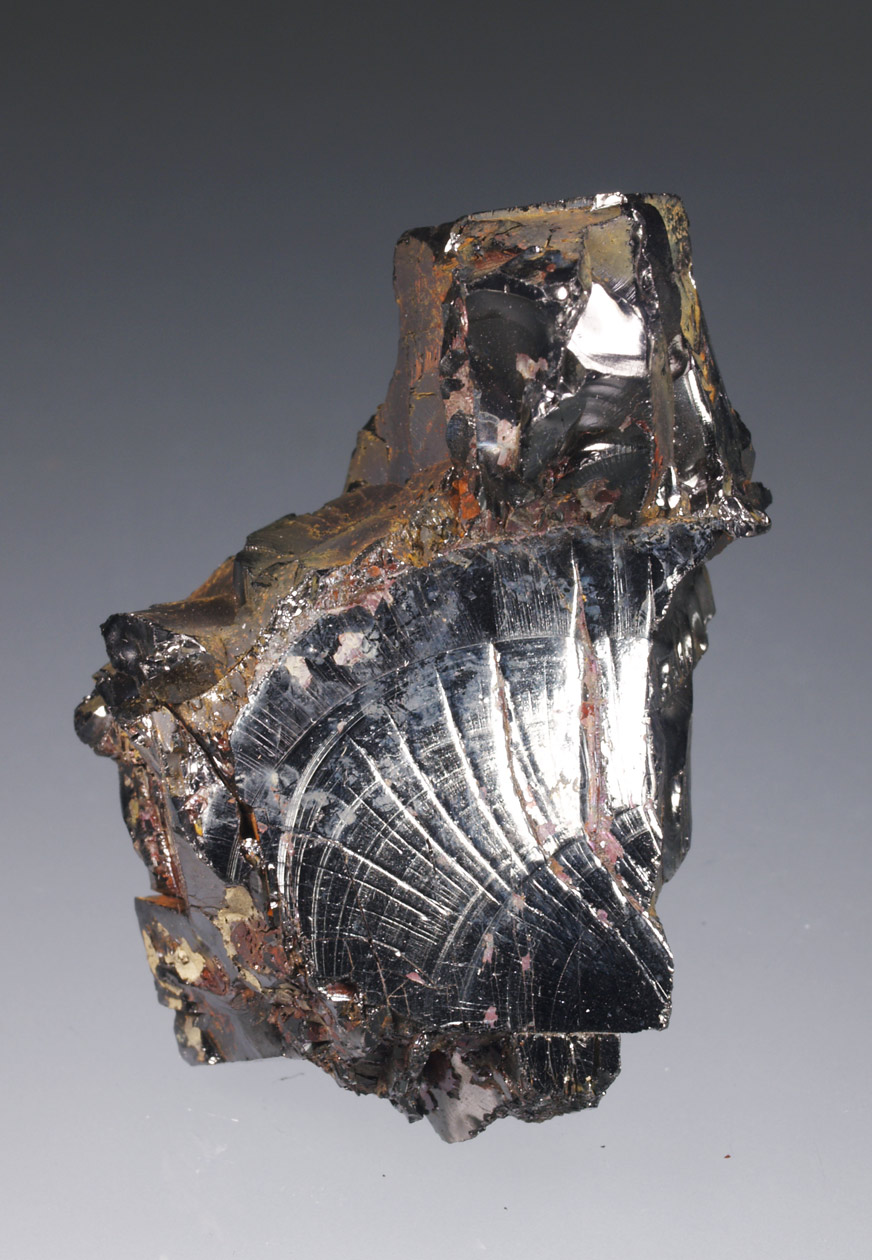
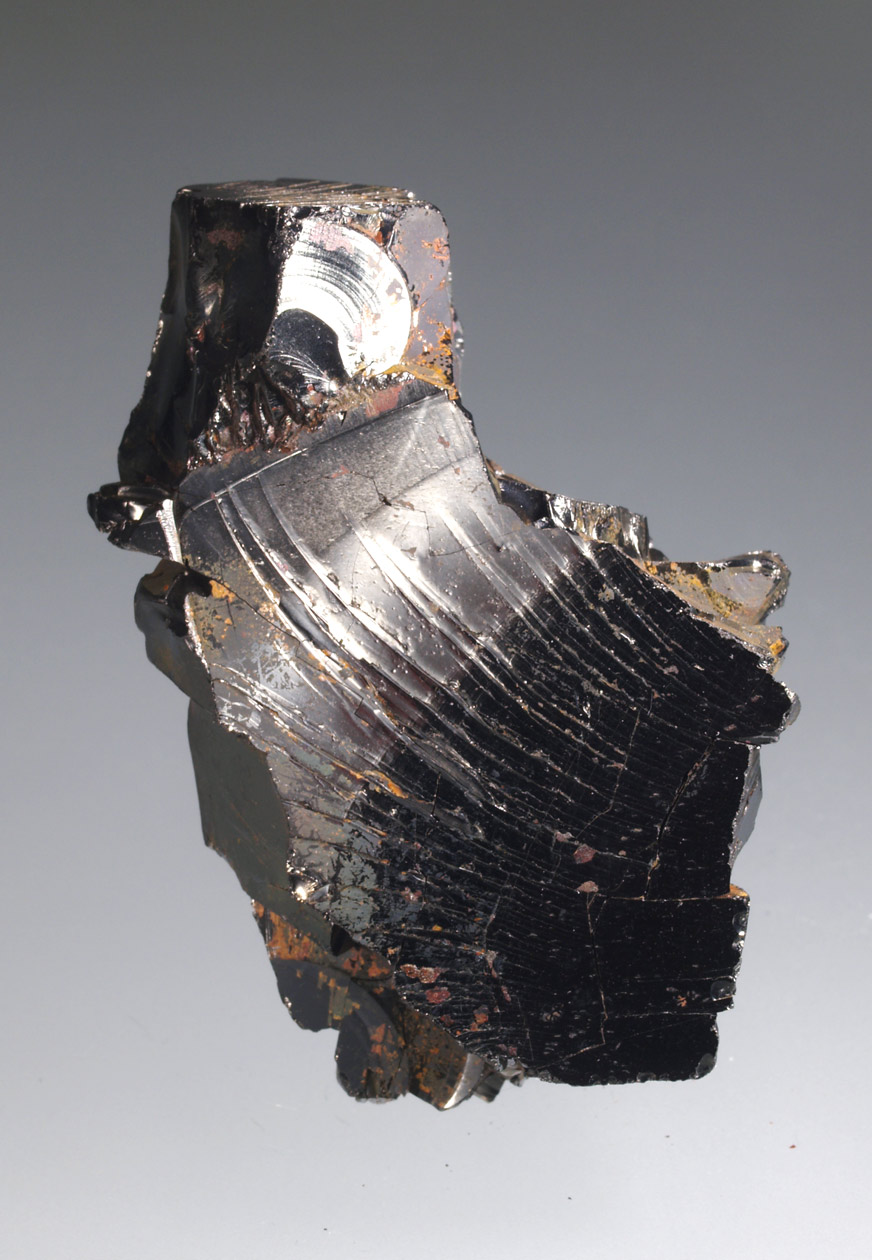
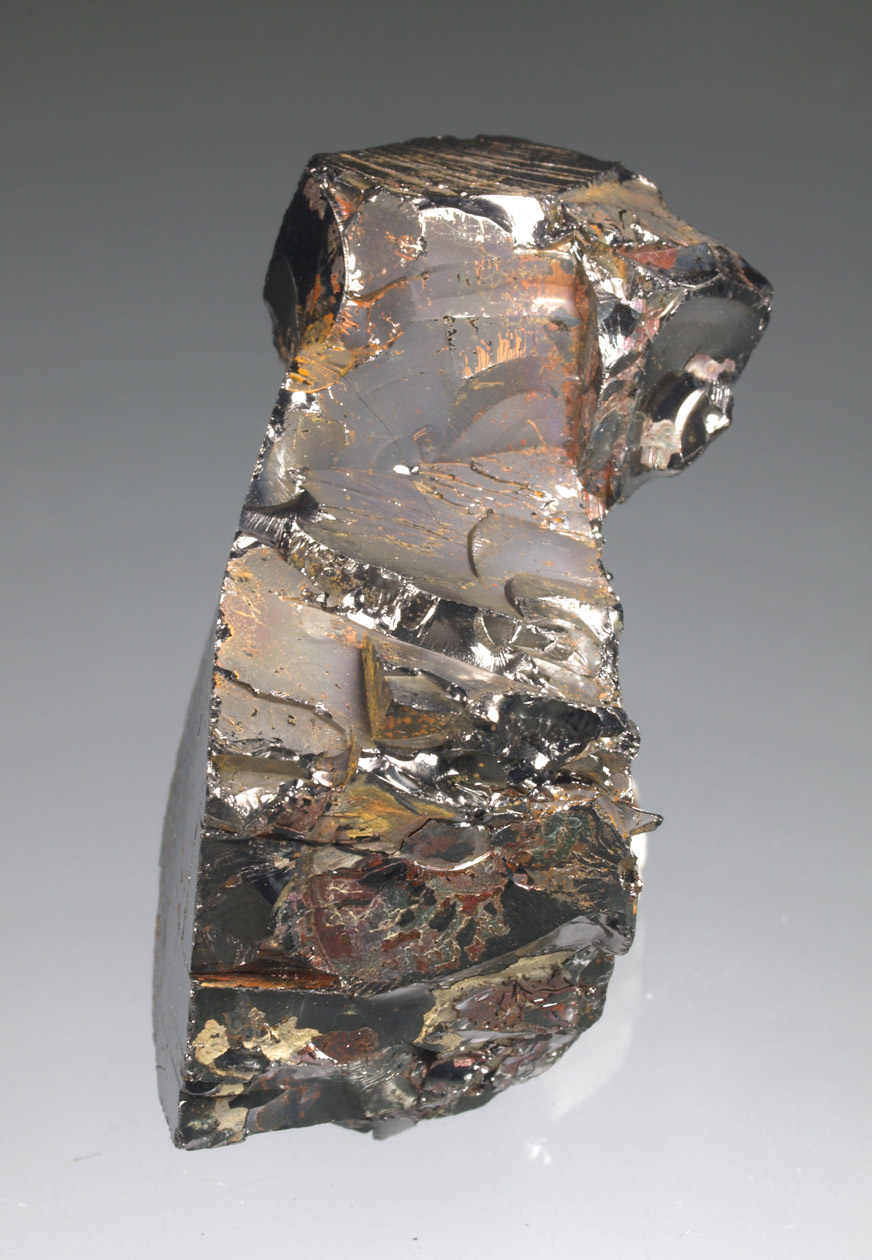
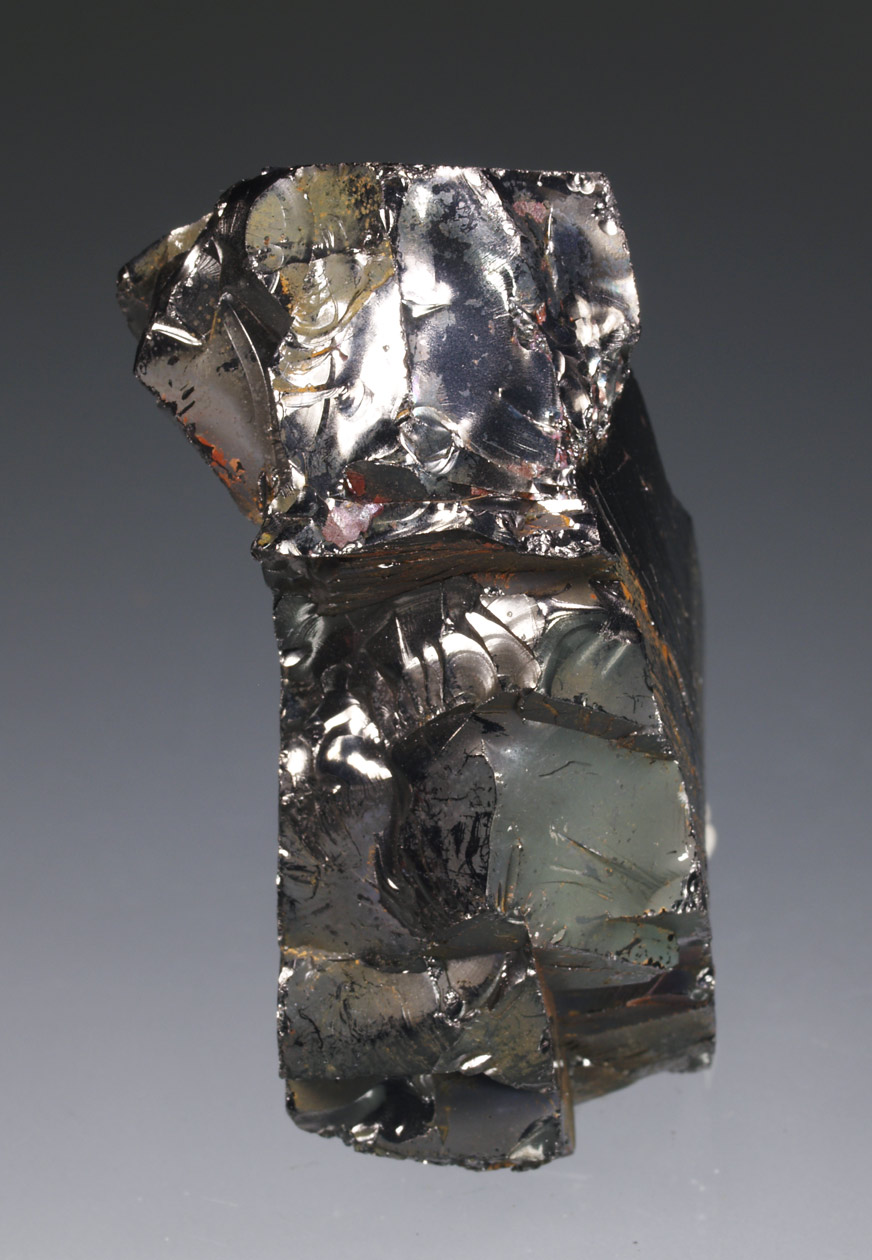
La shungita es una roca, una forma intermedia entre el carbono amorfo y el grafito que contiene carbono (30%), sílice (45%) y micas (alrededor del 20%). La schungita es una roca orgánica formada en los sedimentos precámbricos del fondo marino, con un alto nivel de carbonización y que contiene estructuras regulares tipo fullereno. La shungita obtuvo su nombre del pueblo de Shunga en Karelia (Federación Rusa), ubicado en la orilla del lago Onezhskoe, donde se encuentra el depósito de Zazhoginsky.
La shungita tiene una estructura molecular heterogénea en la que el carbono se presenta como glóbulos de 10 nm distribuidos irregularmente dentro del carbono amorfo. Las propiedades fisicoquímicas y estructurales de la roca se utilizan en diversas aplicaciones industriales y medioambientales, como la metalurgia, la purificación del agua, la termólisis y la organosíntesis de hidrocarburos cíclicos. La shungita es un absorbente eficaz para la eliminación de sustancias orgánicas e inorgánicas, bacterias patógenas y metales pesados del agua contaminada (Ore Geology Reviews, 2004; 24, 1-2:135-154).
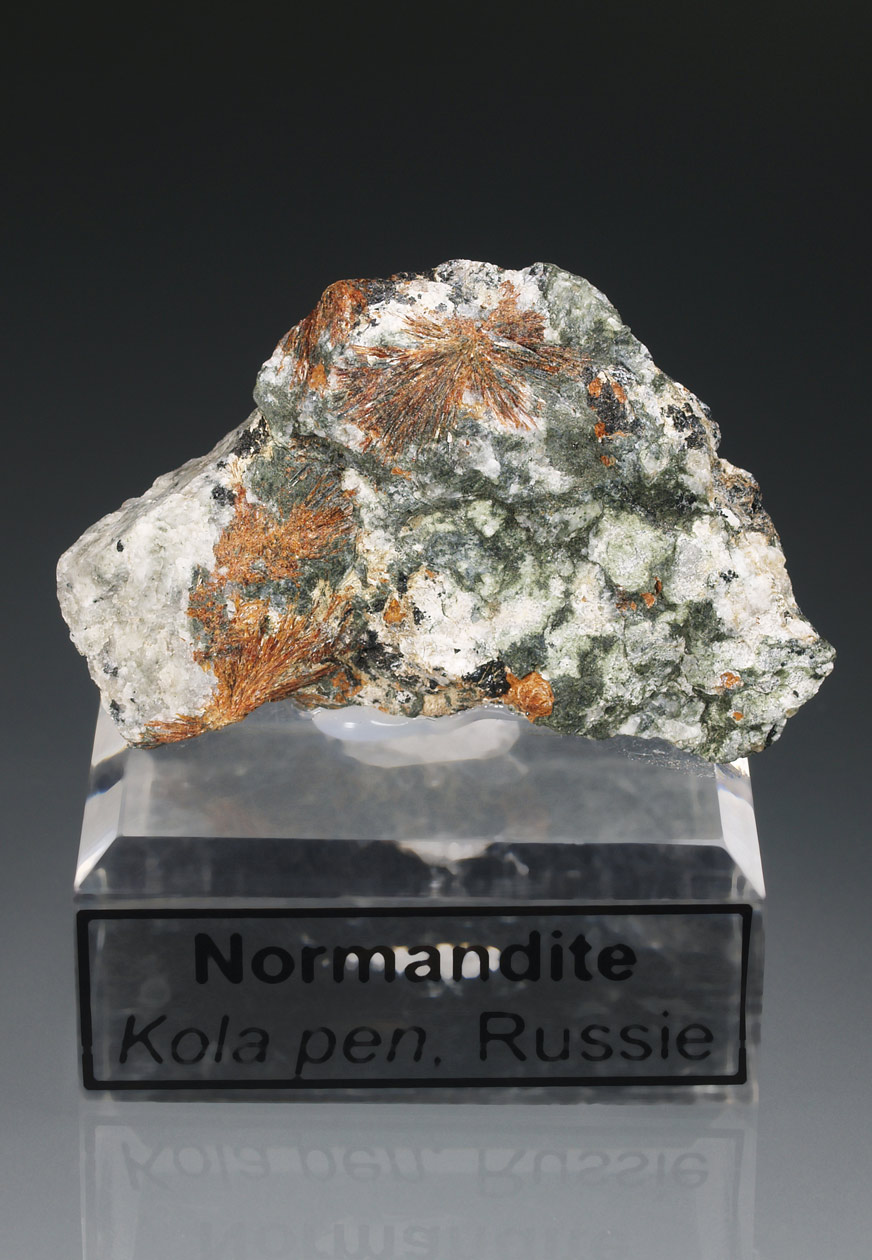
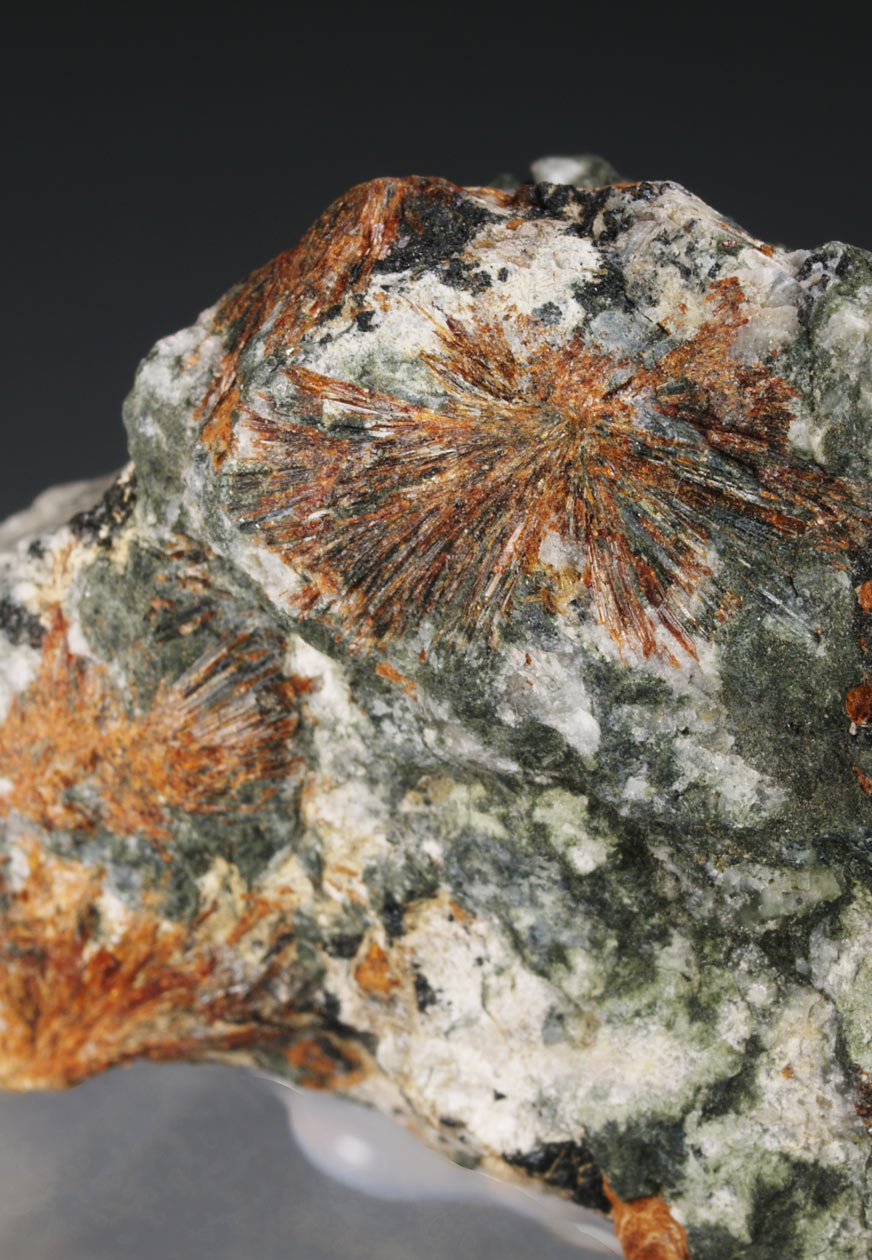
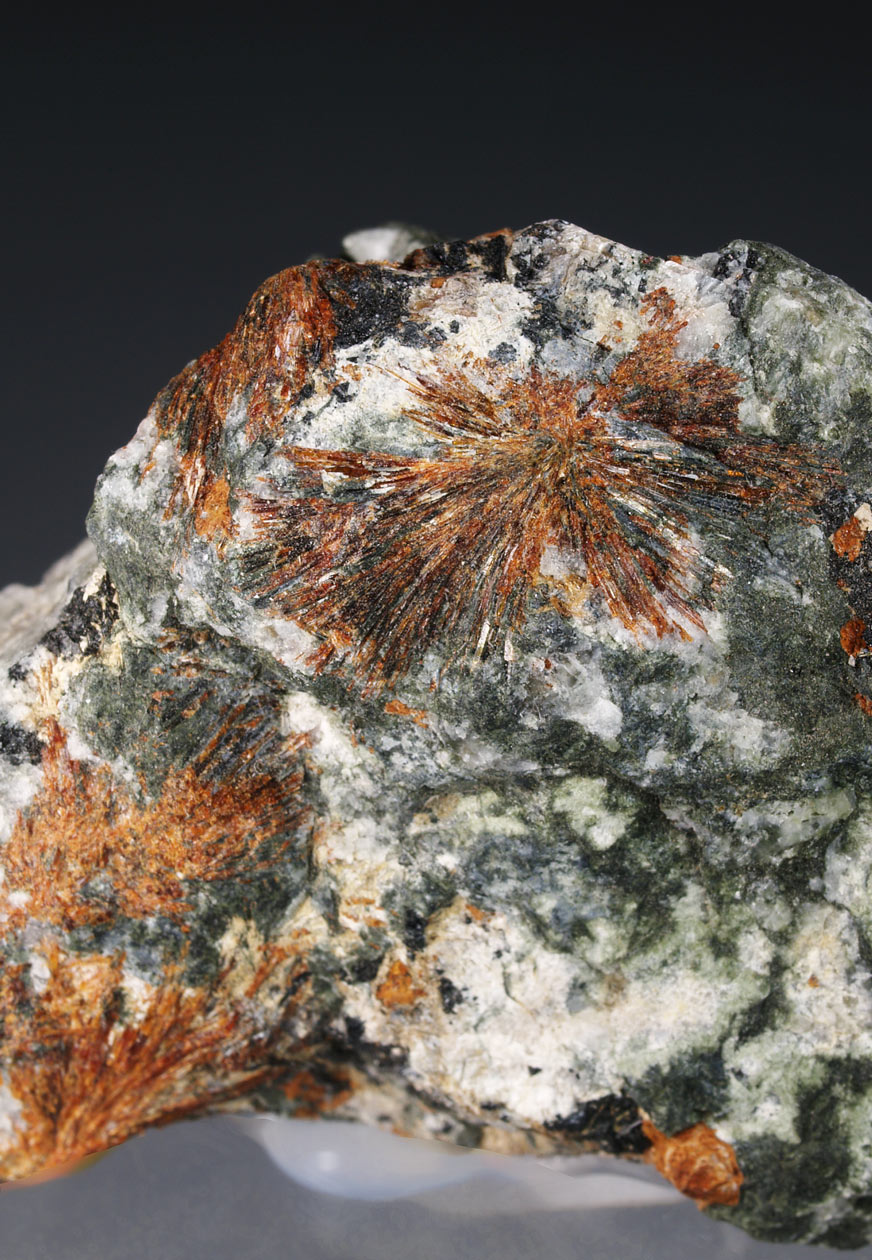
Agregados radiales de normandita, de intenso color naranja y con transparencia. Se disponen en una matriz con aegirina/augita y analcima. Bajo la luz UV de onda larga, la matriz blanca presenta cierta fluorescencia con puntos de intenso naranja. De las pegmatitas alcalinas de la penísula de Kola.
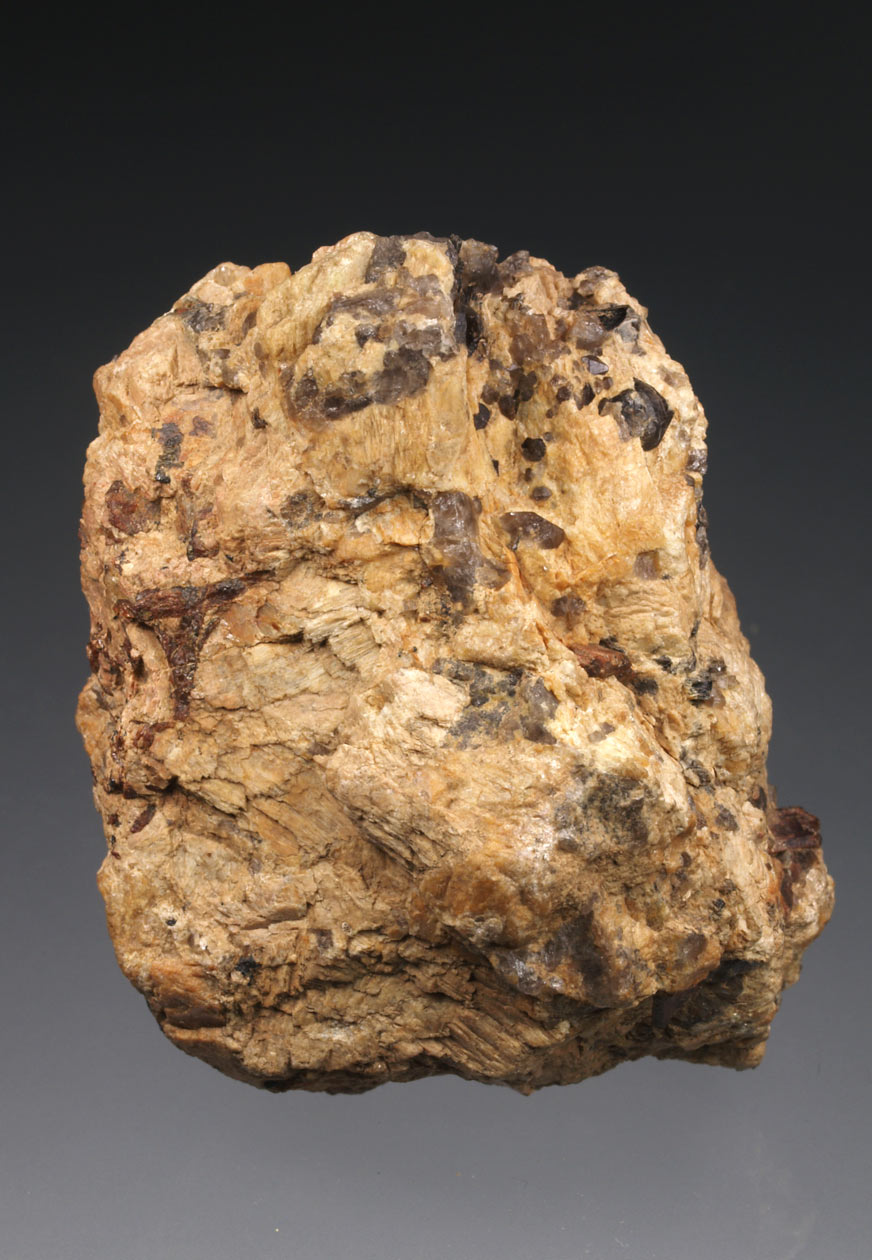
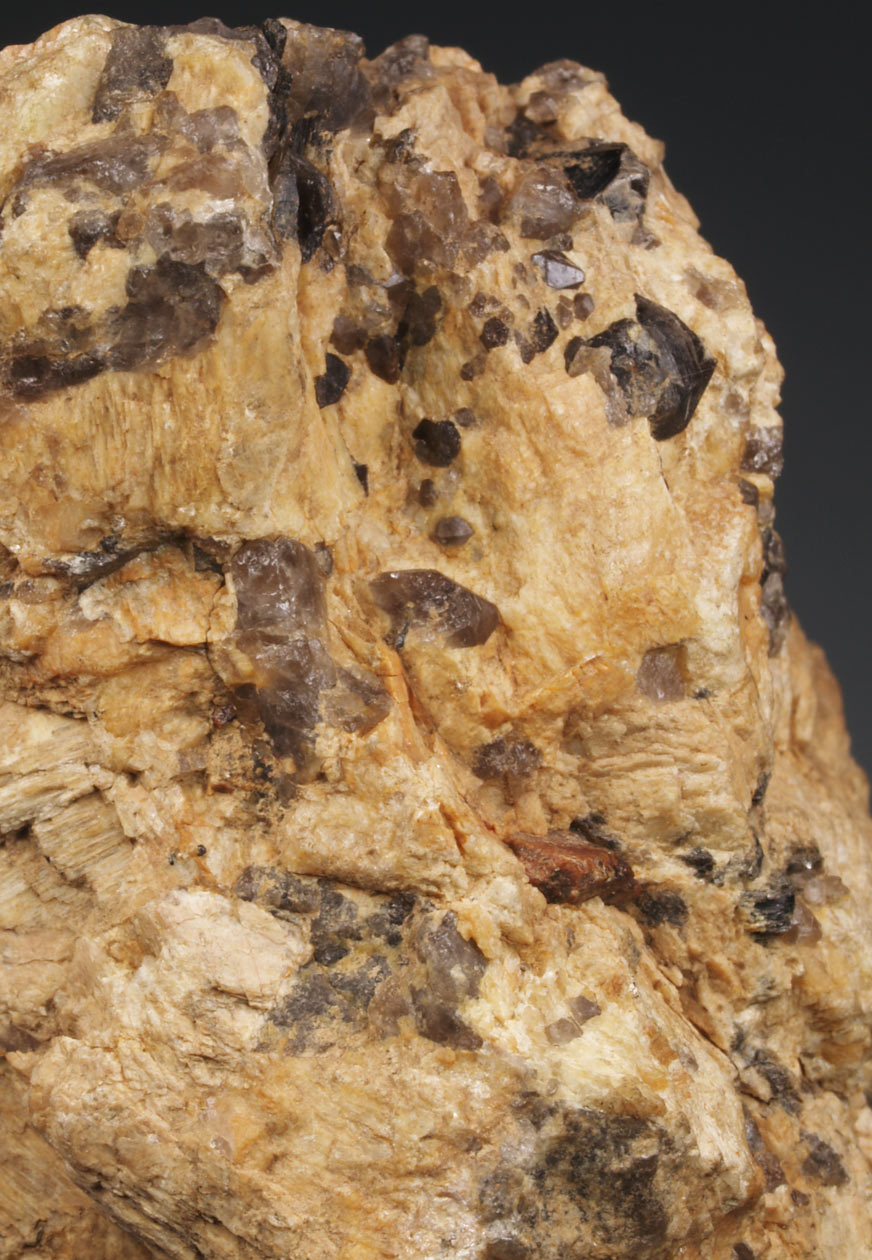
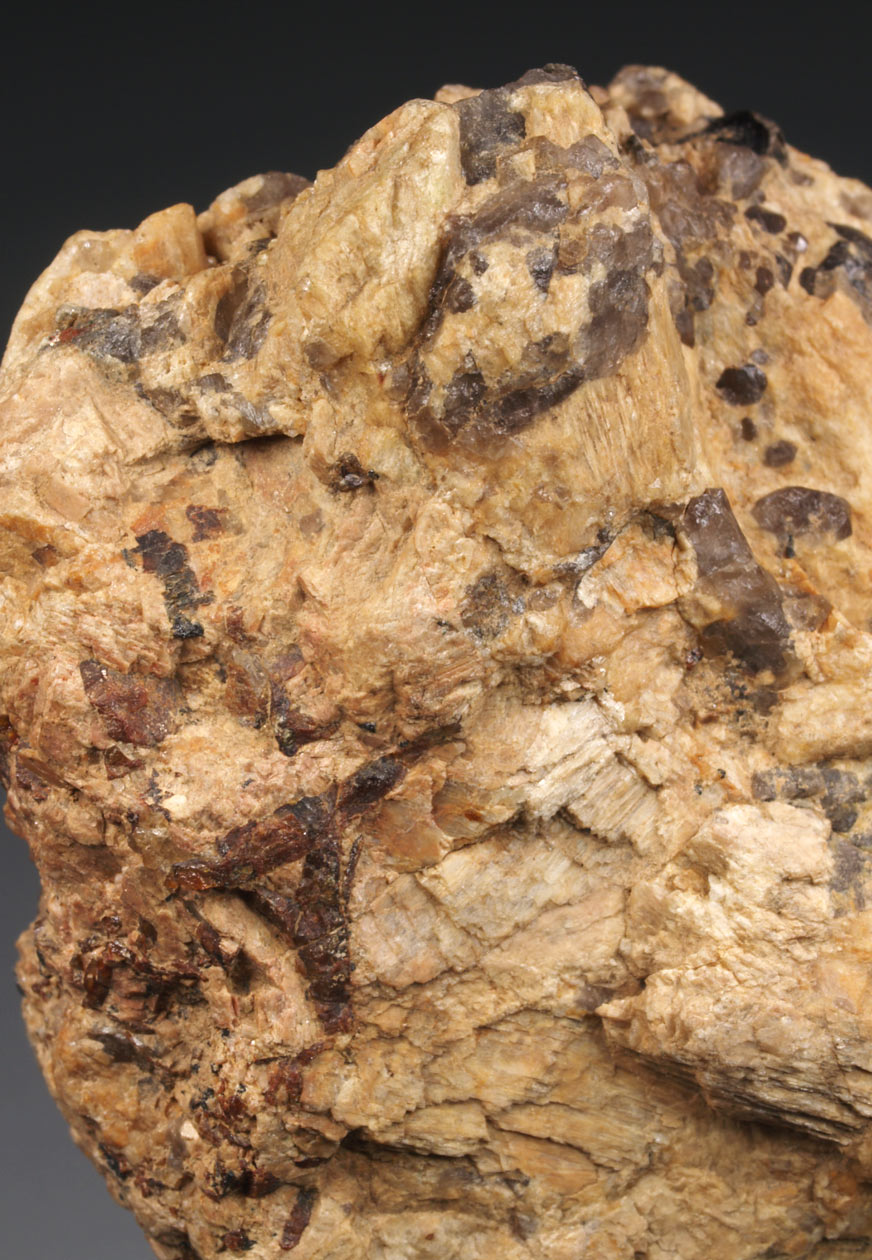
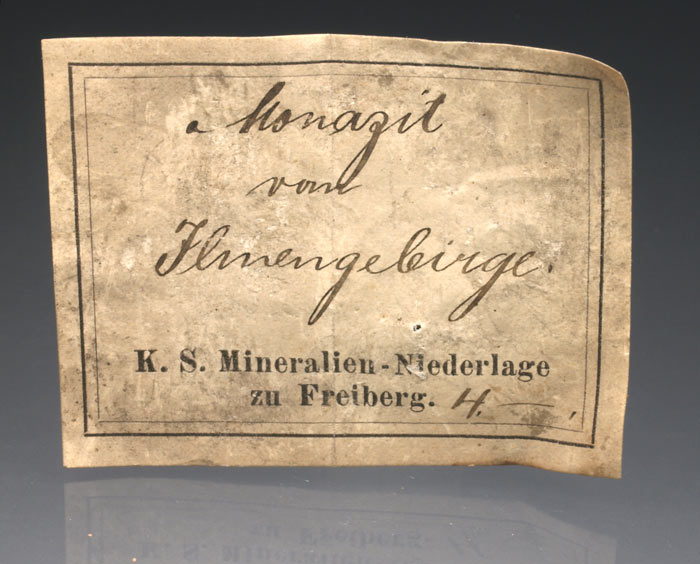
Este ejemplar procedente de la Freiberg Bergakademie y se acompaña de una etiqueta de finales del siglo XIX principios del XX. En la misma podemos leer que el ejemplar fue etiquetado como monacita. Para corroborar este hecho junto con los otros minerales acompañantes procedimos a realizar análisis mediante SEM-EDS. Los resultados indicaron que los cristales de tonos melados a oscuros, con brillo vítreo, se corresponden a monacita-(Ce), que se acompaña de elementos de las tierras raras como neodimio o lantano reemplazando al cerio. También detectamos la presencia de torio, lo que permite explicar que la pieza presente cierta actividad radioactiva. En la matriz de feldespato potásico, con cuarzo, podemos observar pequeños cristales negros con brillo metálico que se corresponderían a miembros de la serie columbita-(Fe)-columbita-(Mn). Así mismo hemos detectado un fosfato-silicato de torio con tierras raras y trazas de aluminio, con una composición similar a la enalita, un miembro independiente del grupo xenotima-torita, aunque no nos ha sido posible confirmarlo. Enviaremos al comprador todos los análisis que dan a este espécimen un valor mineralógico destacable.
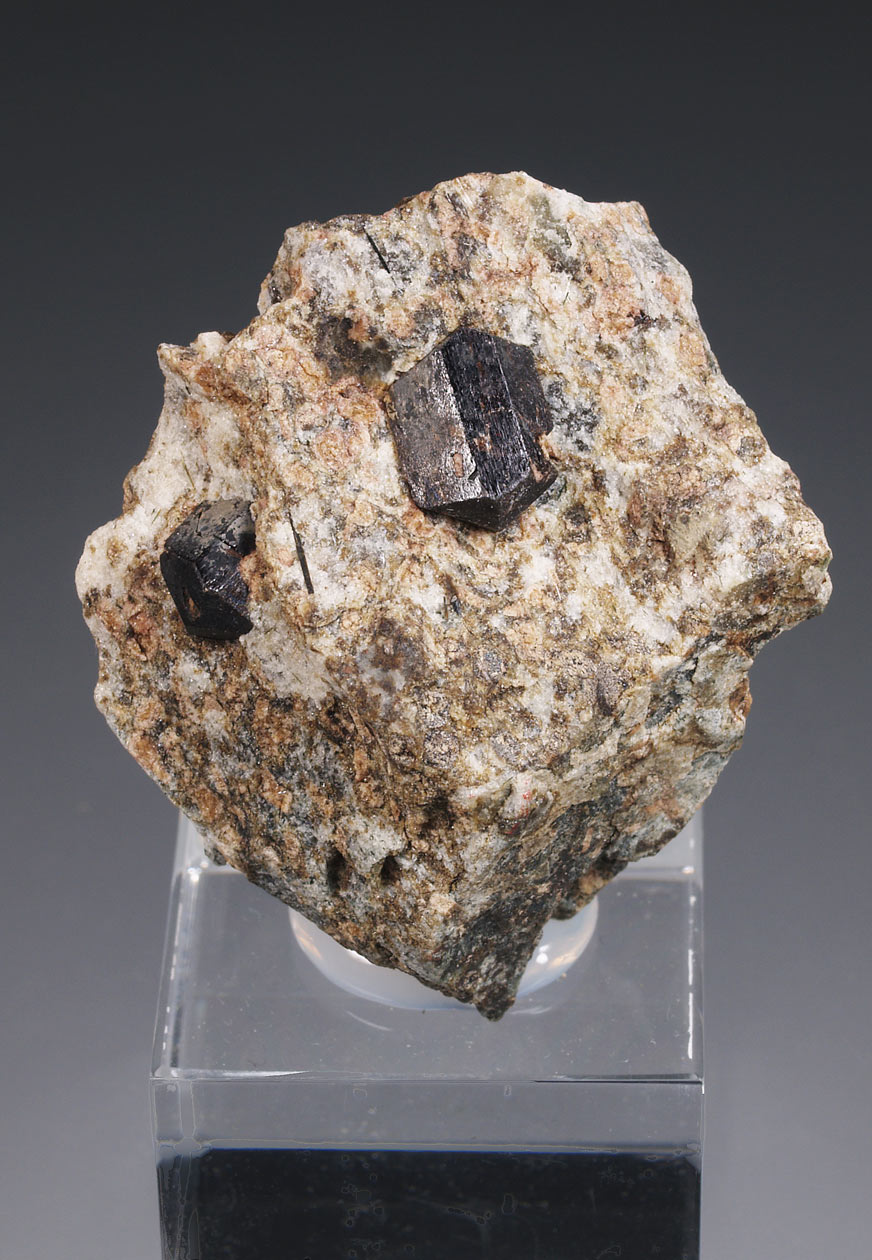
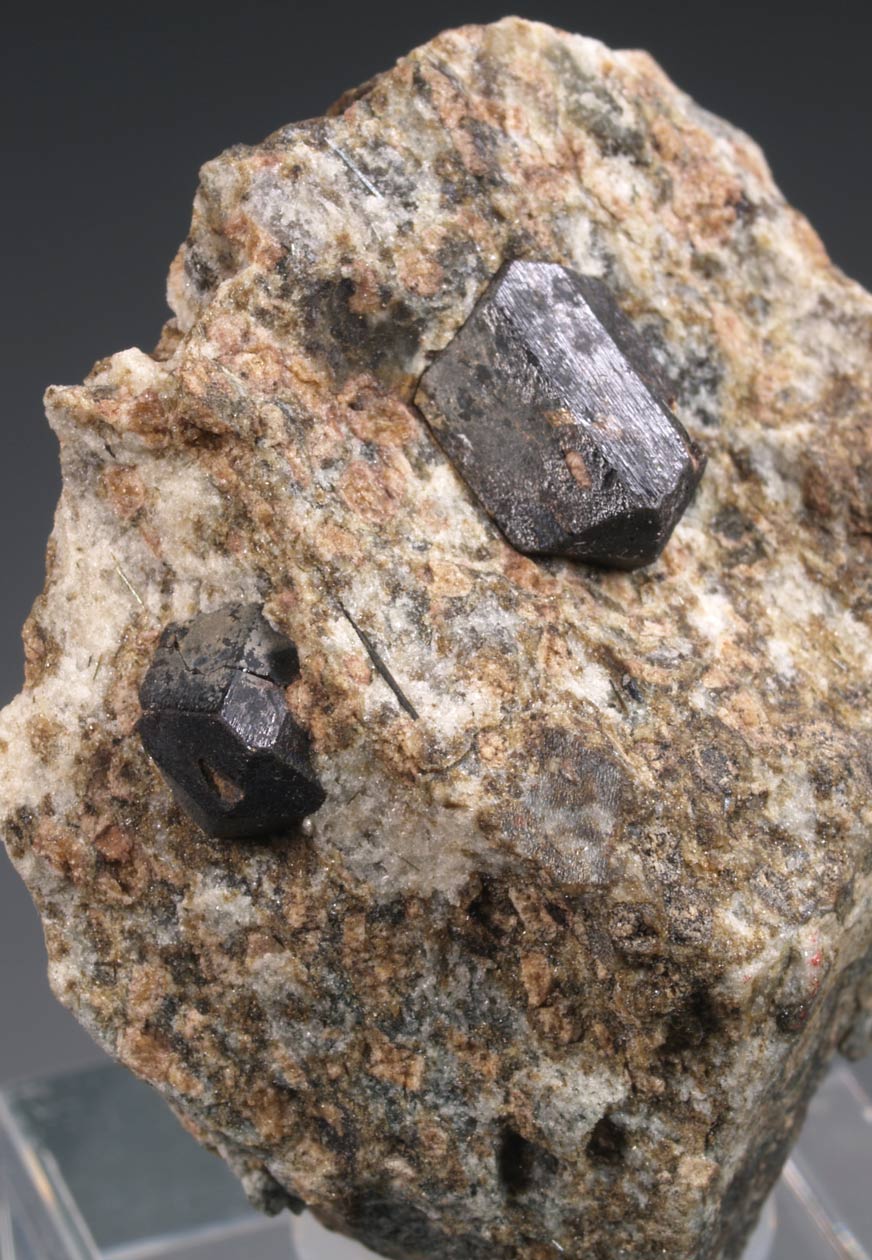
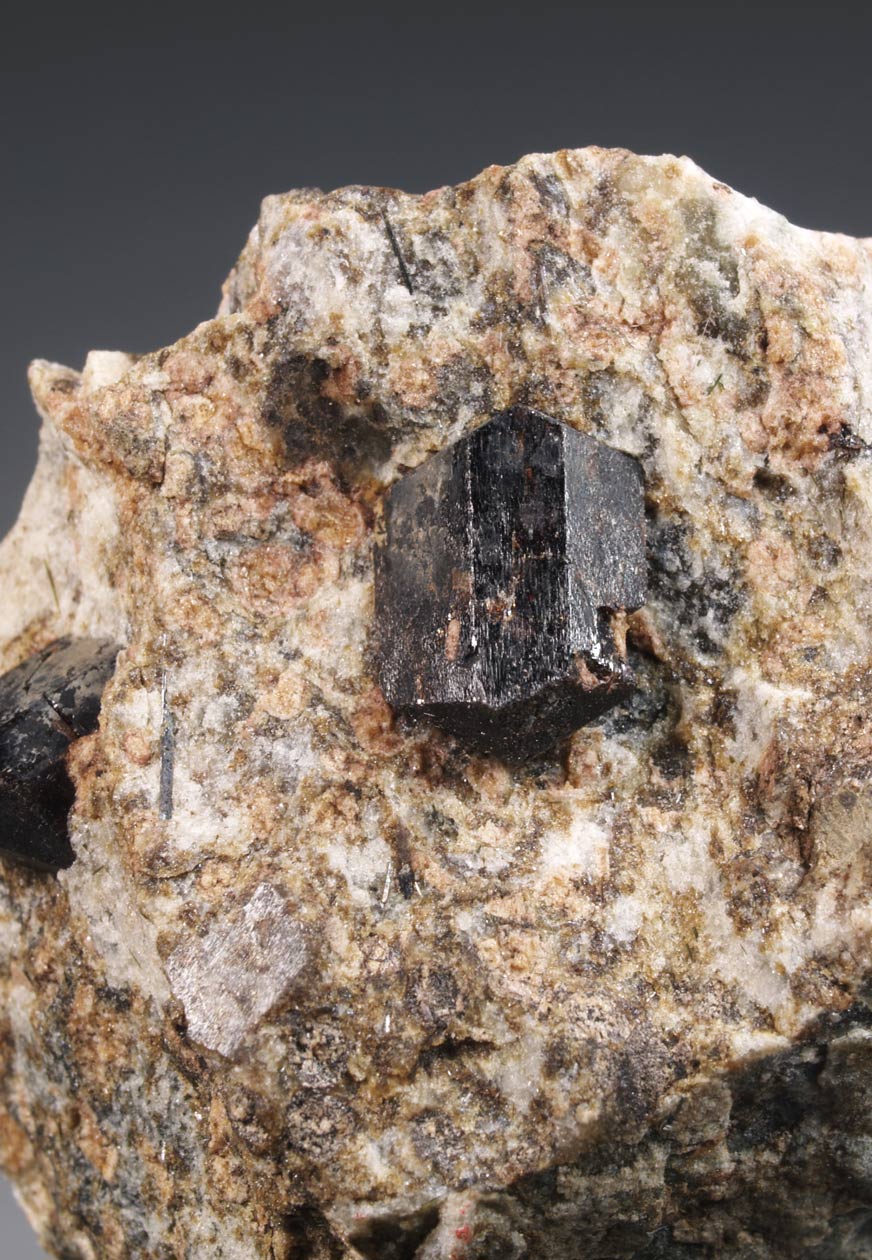
La lorenzenita es un raro silicato de sodio y titanio que se encuentra en pegmatitas y sienitas nefelínicas. En este espécimen podemos observar dos cristales de color marrón, brillantes, definidos y en matriz. Ejemplar de la colección de Joan Astor.
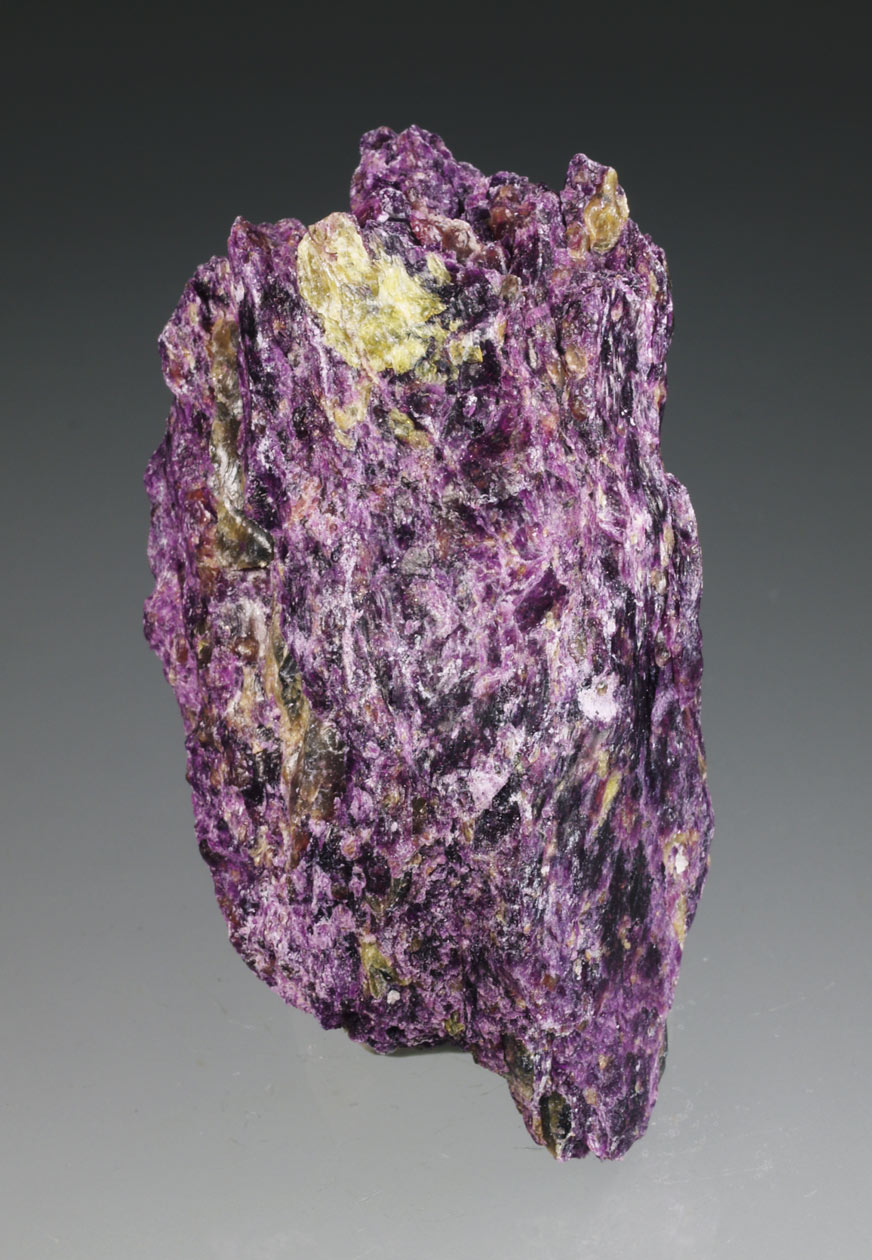
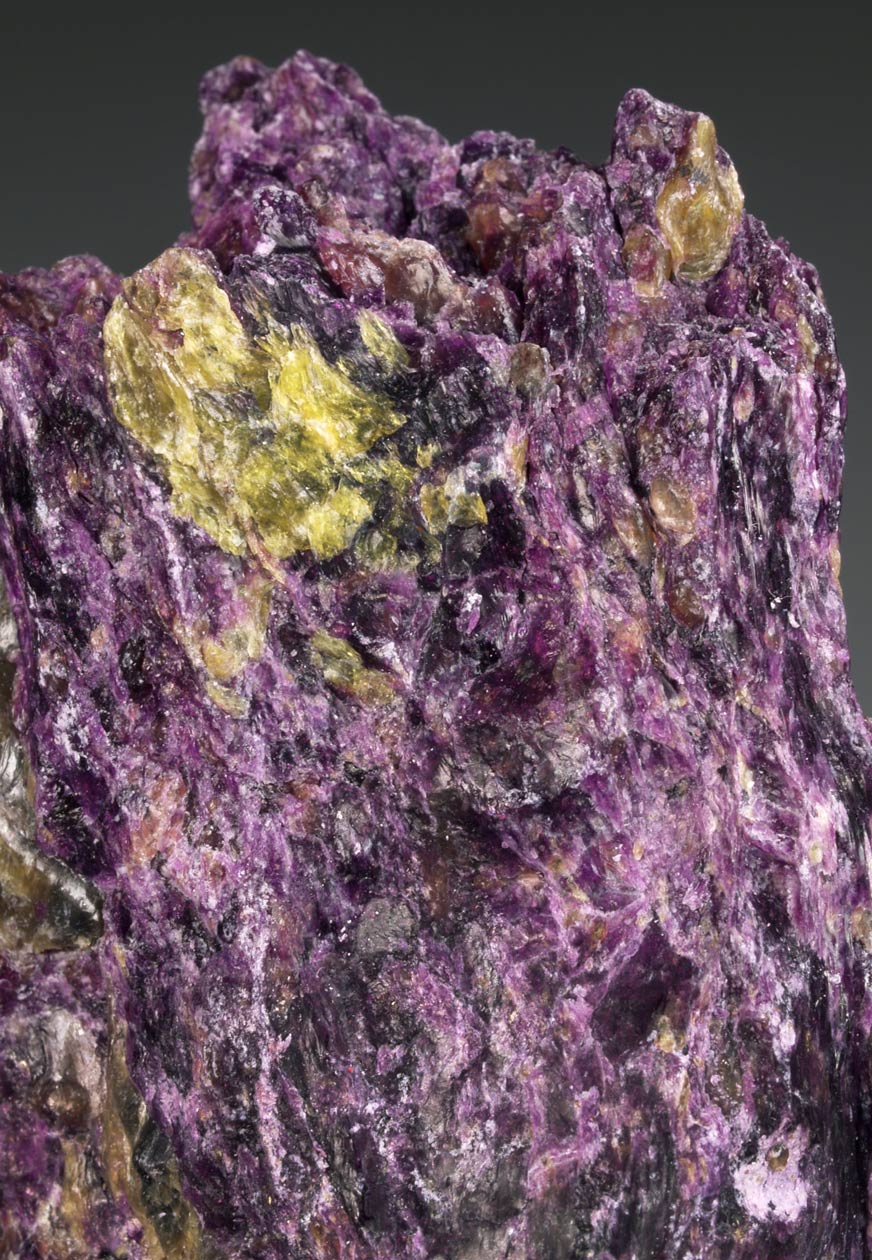
Masa compacta a hojosa de iowaita cromífera de color púrpura, con inclusiones de serpentina de tono verdoso. La iowaita es uno de los minerales clásicos en la localidad y en su mayoría está reemplazada por stichtita, que forma agregados similares pero más claros, de color lila.
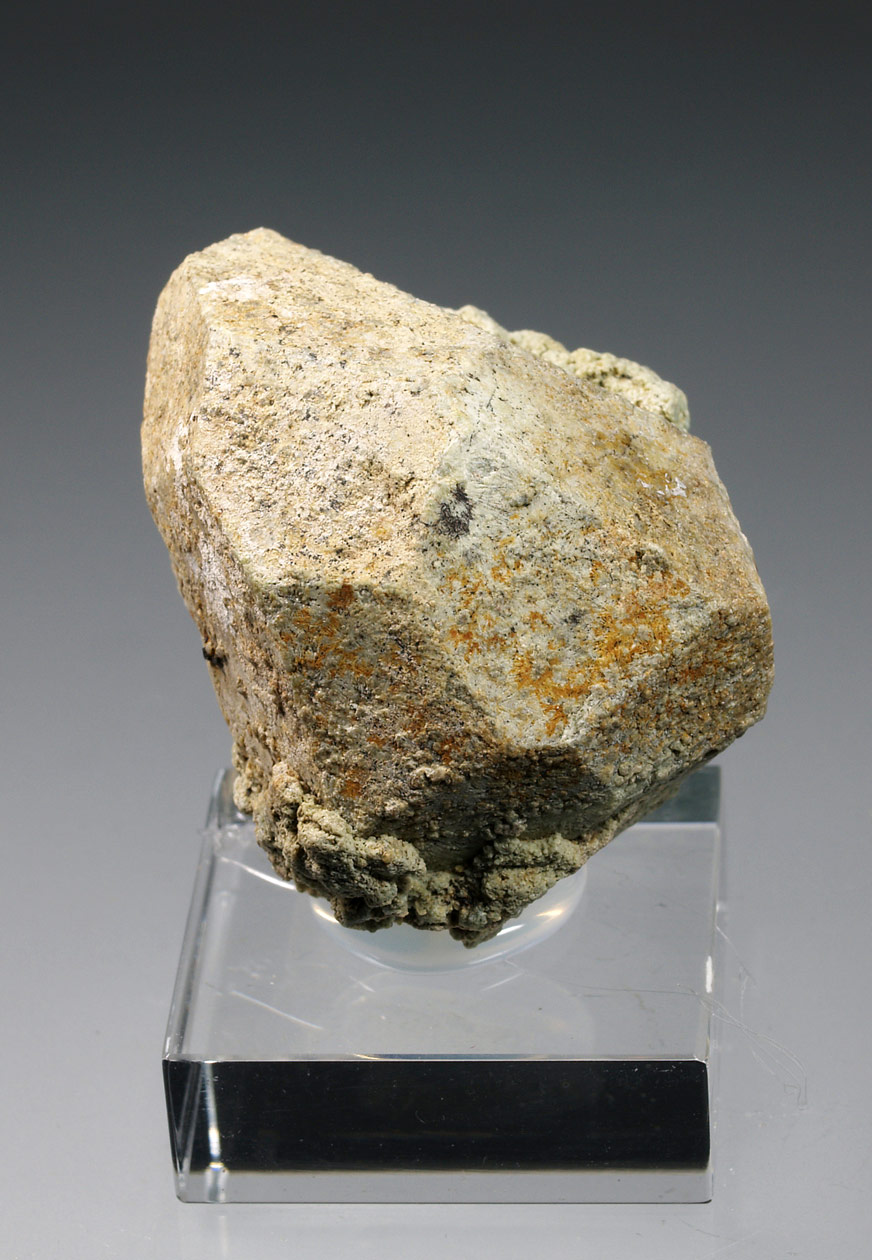
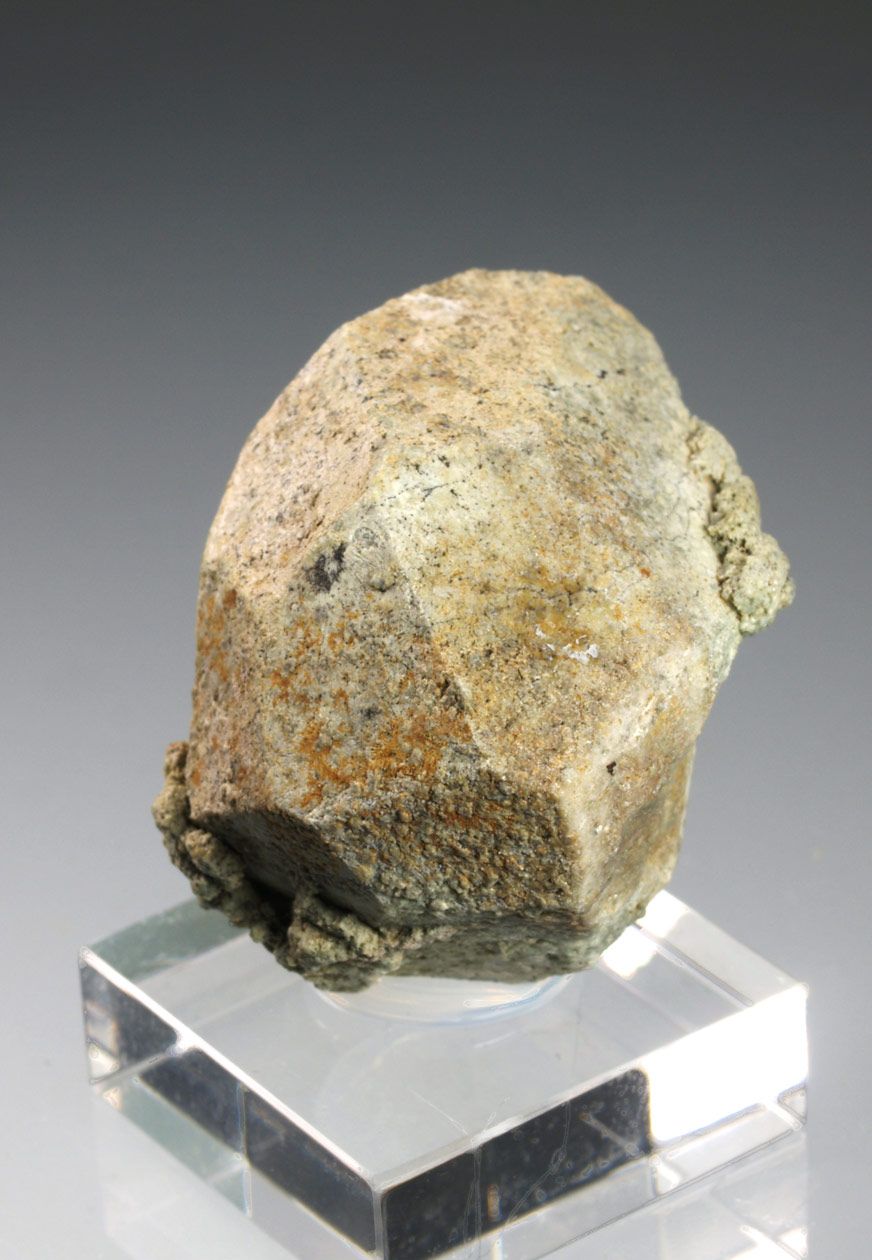
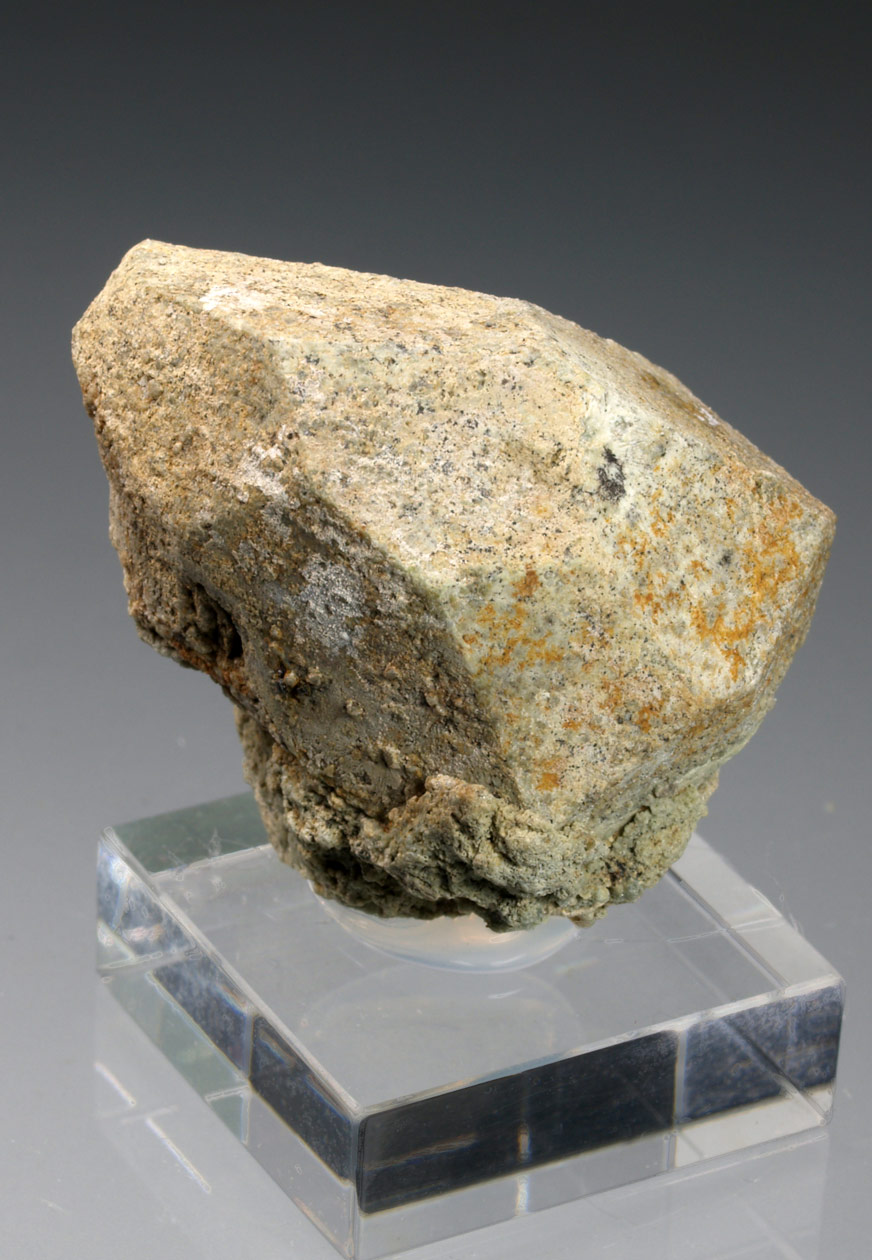
La achtaragdita es un pseudomorfo único, raro y poco conocido, de esta remota localidad siberiana que es la localidad tipo del granate grosularia. Es una variedad de la serie del granate grosularia-hibschita y es (técnicamente, según mindat) un pseudomorfo de hidrogrossularia-clorita-carbonato sobre de lo que antes se consideraba wadalita o algún otro hidrogranate poco habitual. El mineral precursor de estos pseudomorfos hoy día se considera que es helvita. Una rareza para los amantes de las pseudomórfosis.
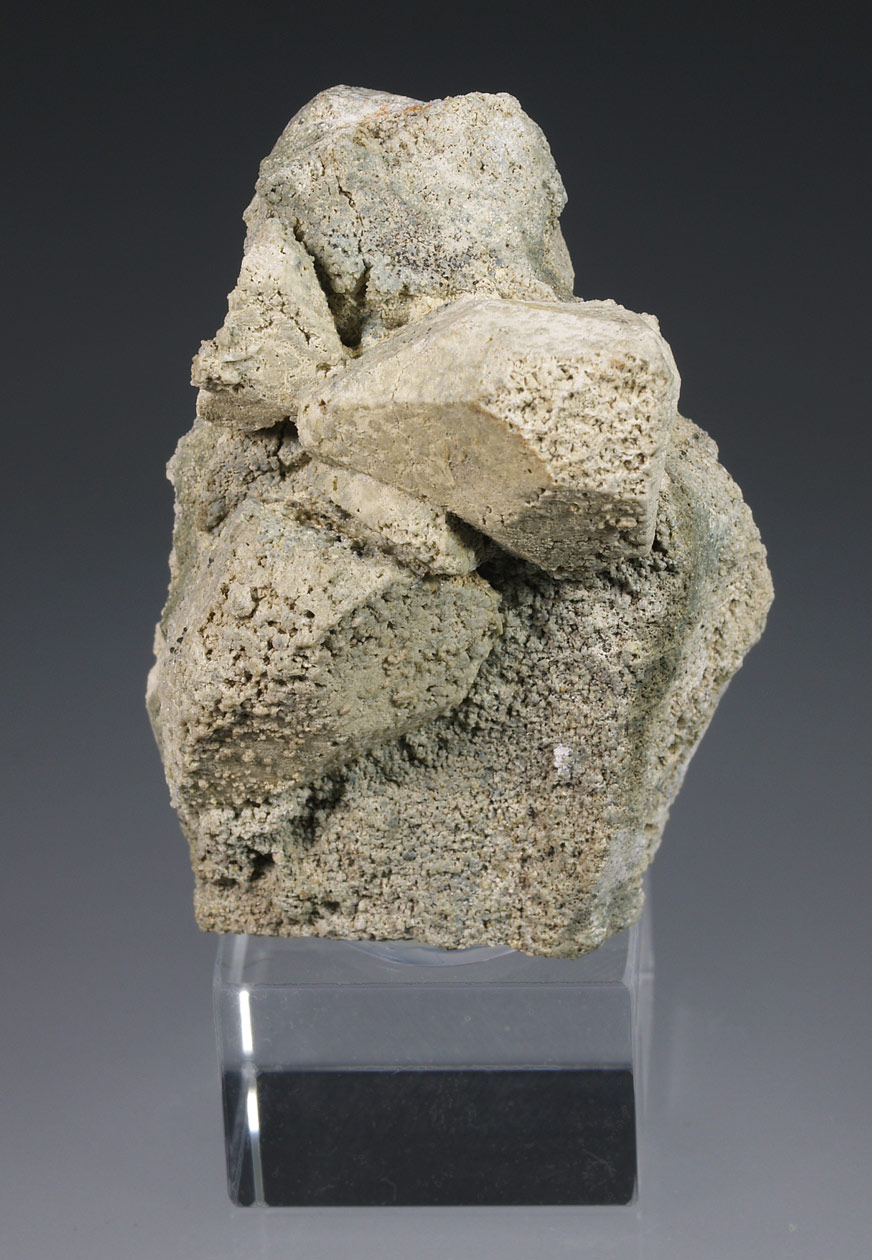
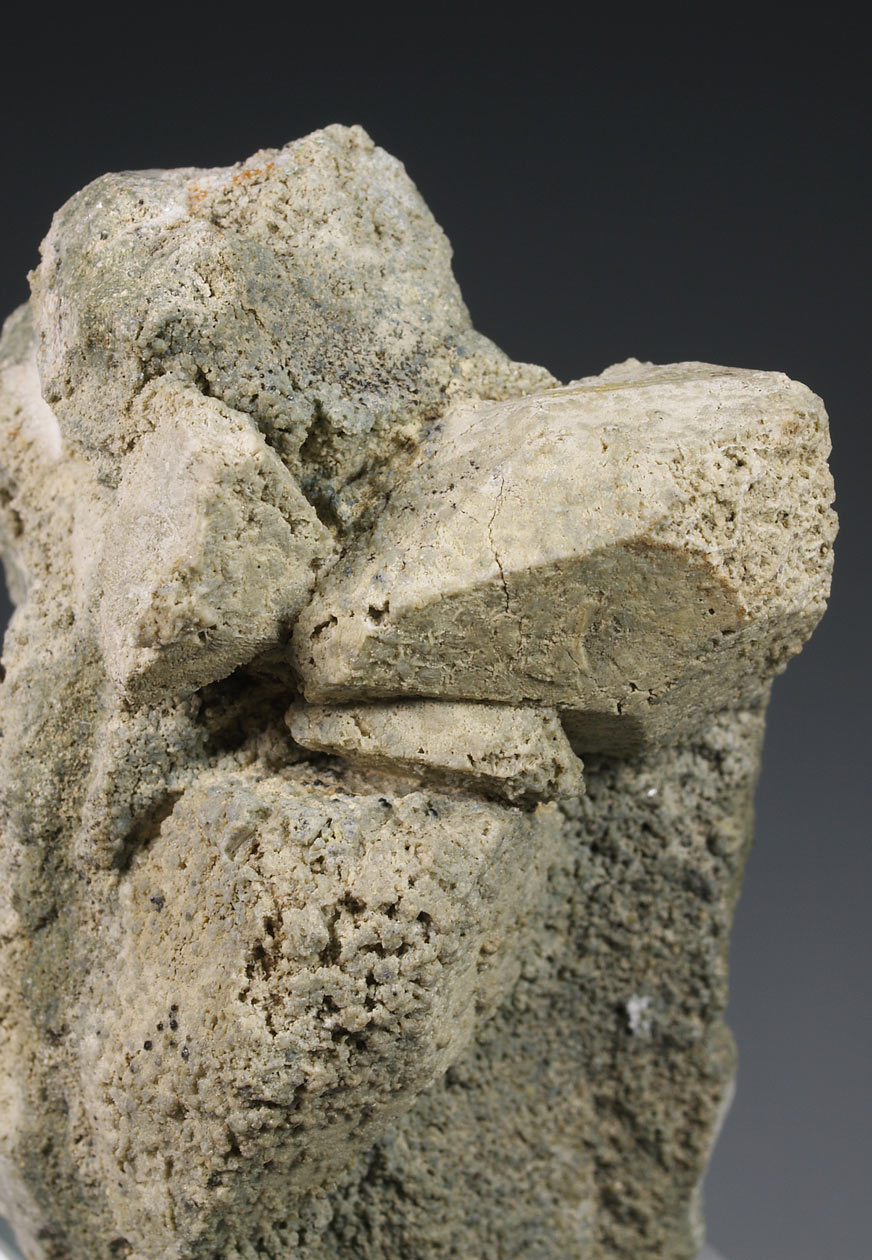
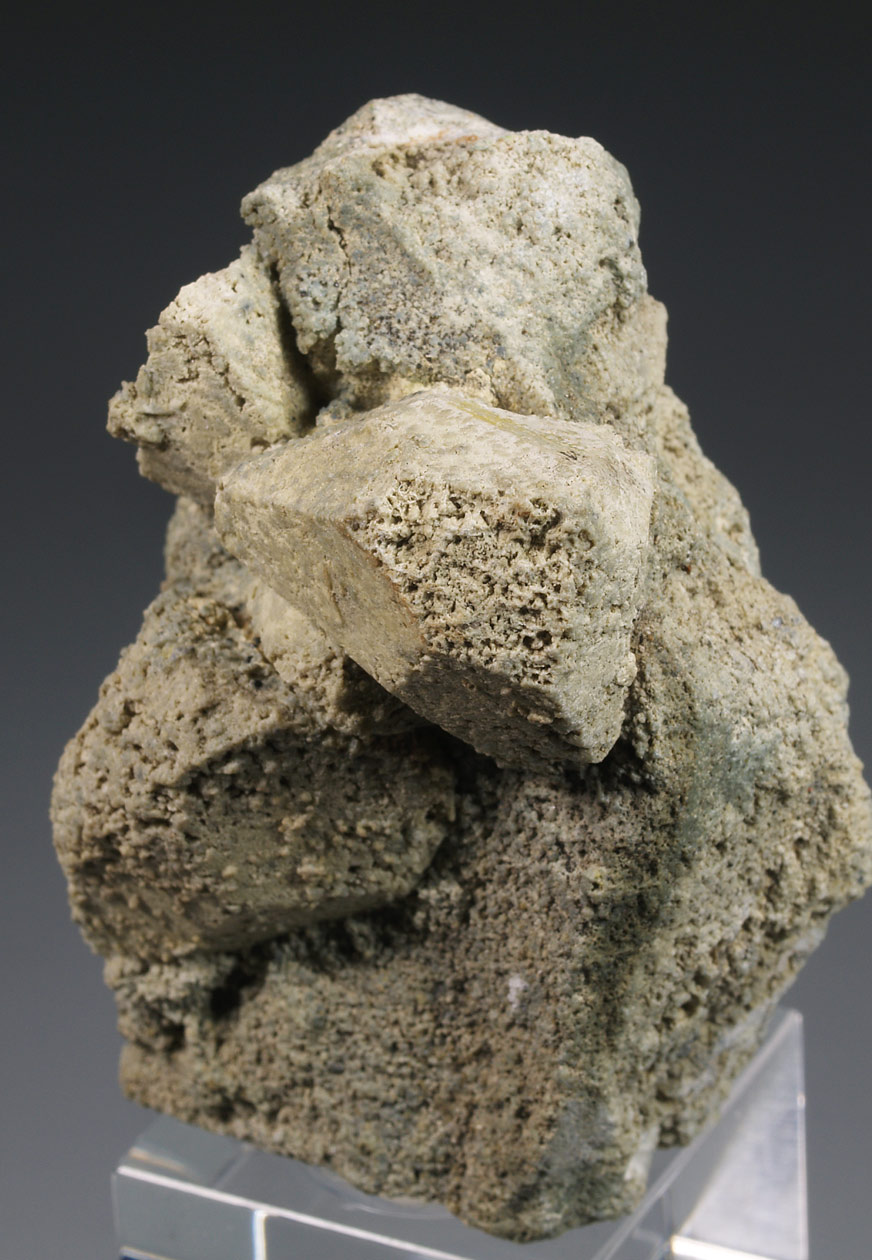
La achtaragdita es un pseudomorfo único, raro y poco conocido, de esta remota localidad siberiana que es la localidad tipo del granate grosularia. Es una variedad de la serie del granate grosularia-hibschita y es (técnicamente, según mindat) un pseudomorfo de hidrogrossularia-clorita-carbonato sobre de lo que antes se consideraba wadalita o algún otro hidrogranate poco habitual. El mineral precursor de estos pseudomorfos hoy día se considera que es helvita. Una rareza para los amantes de las pseudomórfosis.
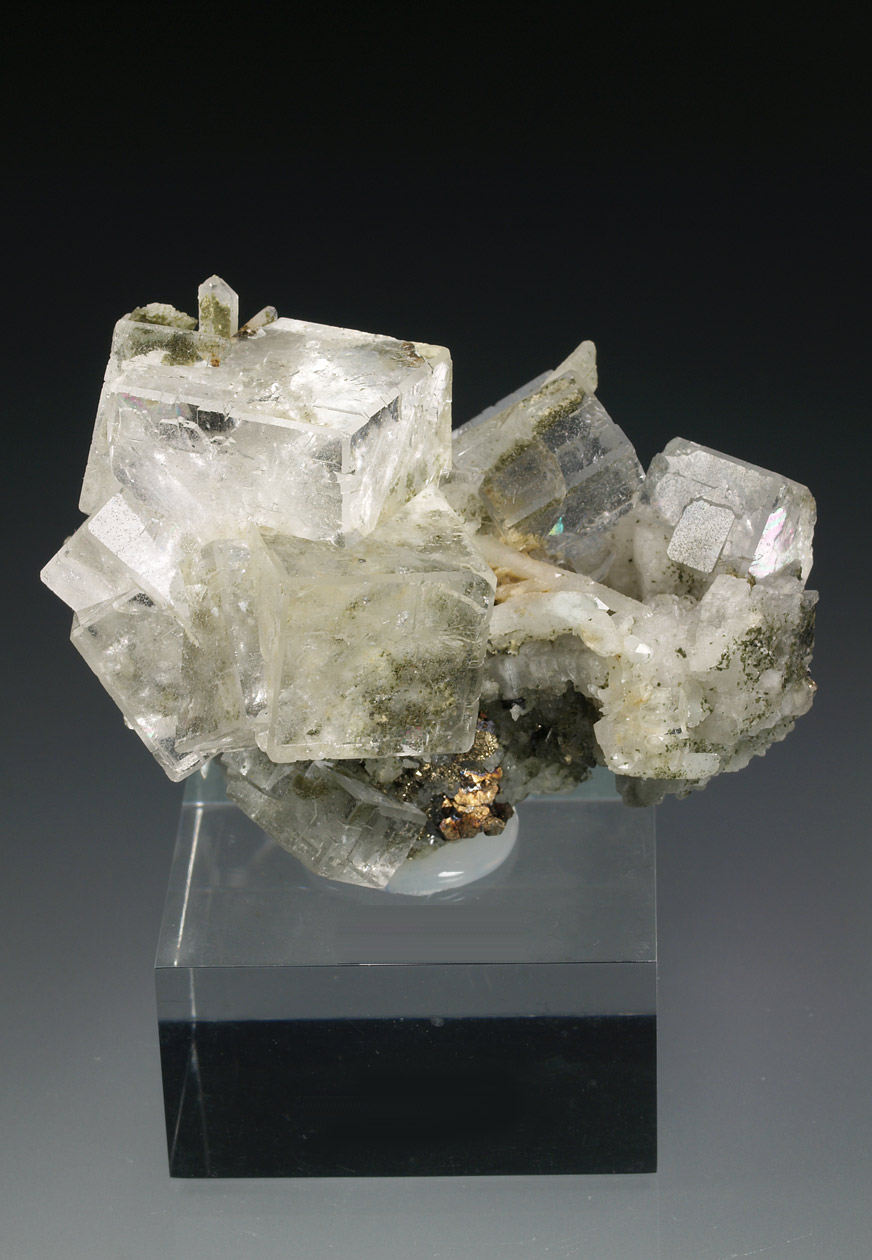
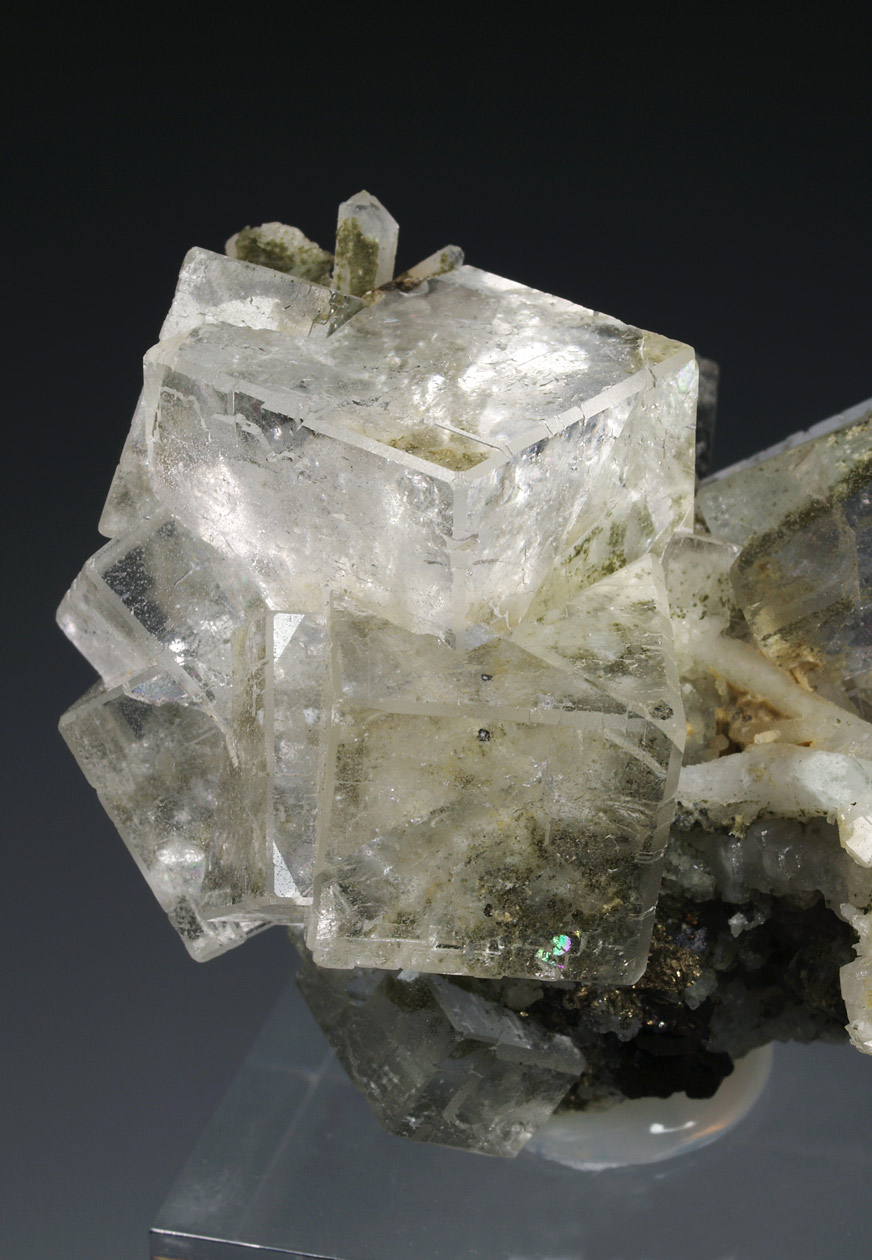
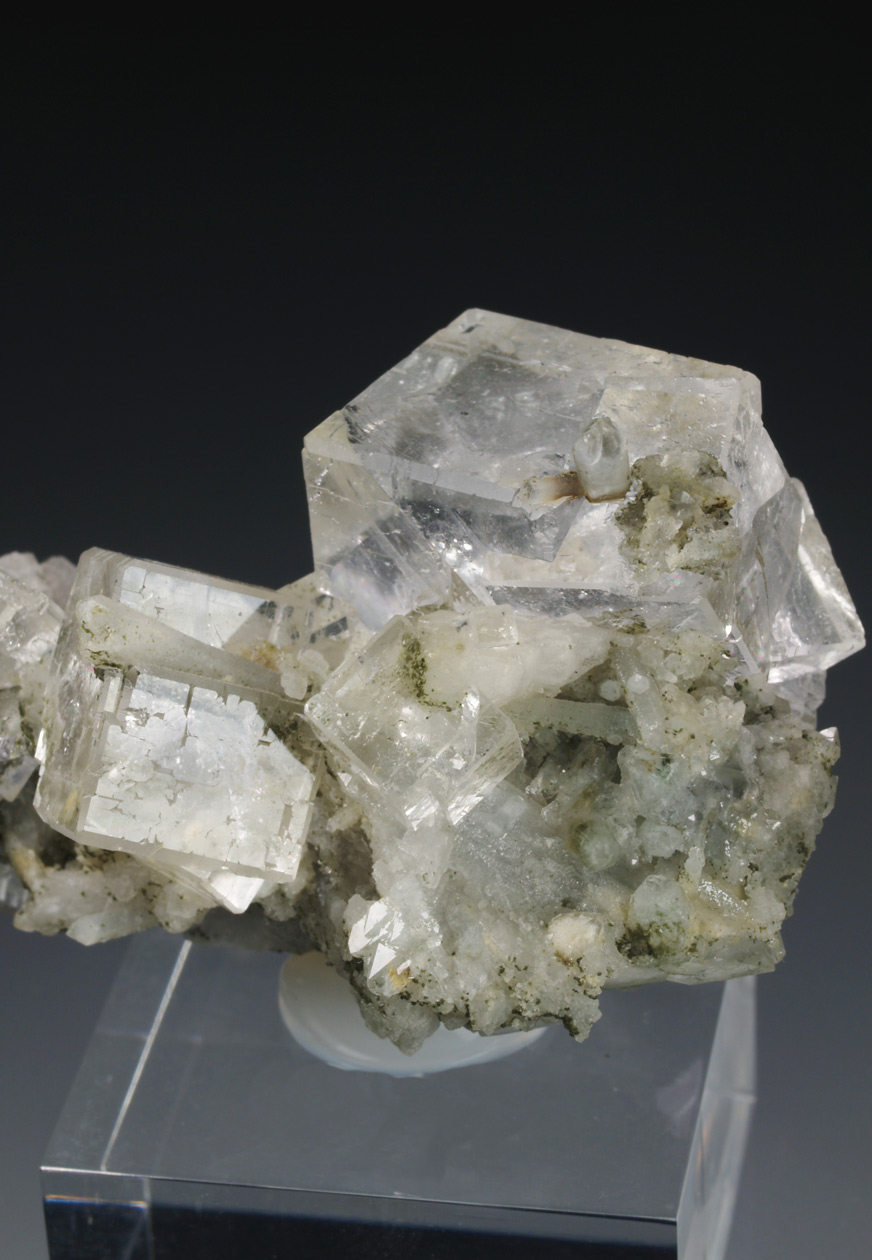
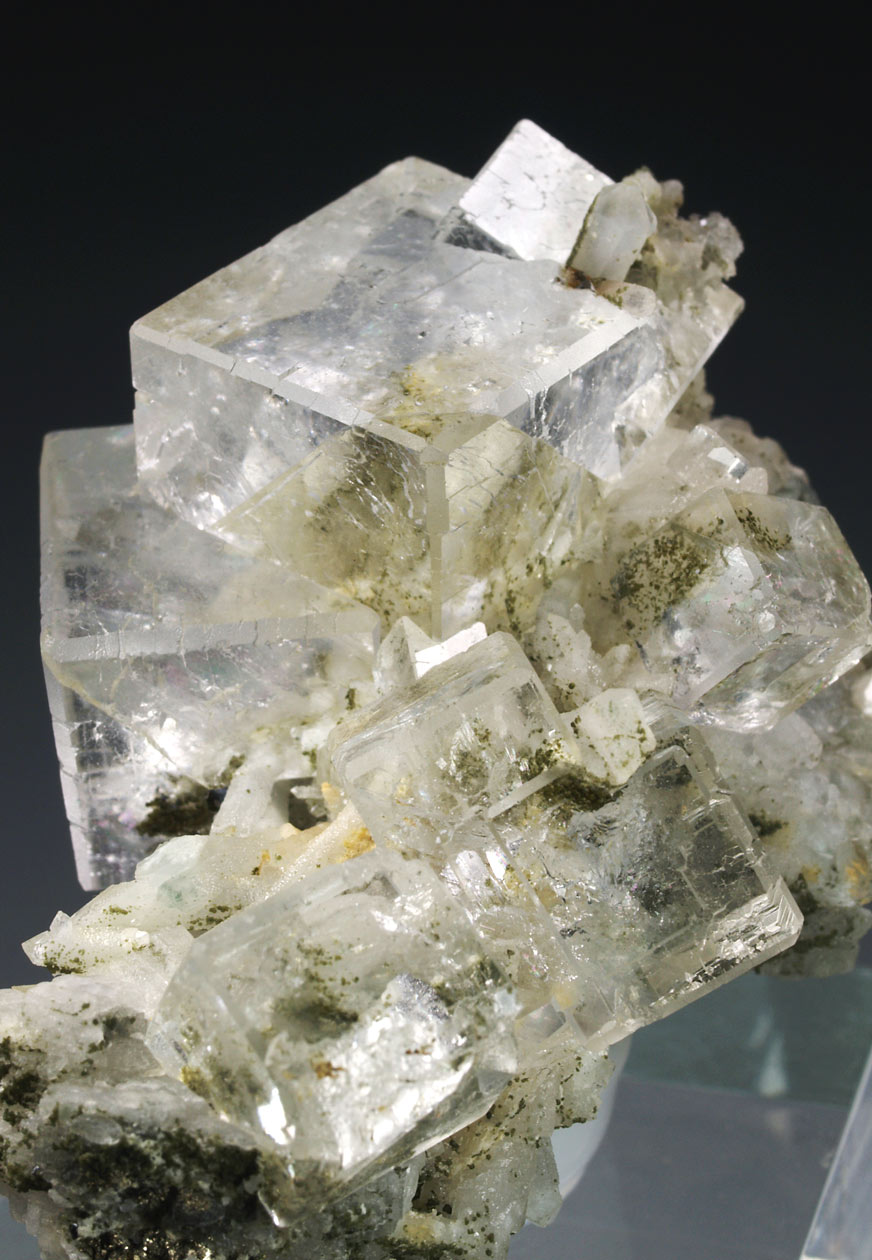
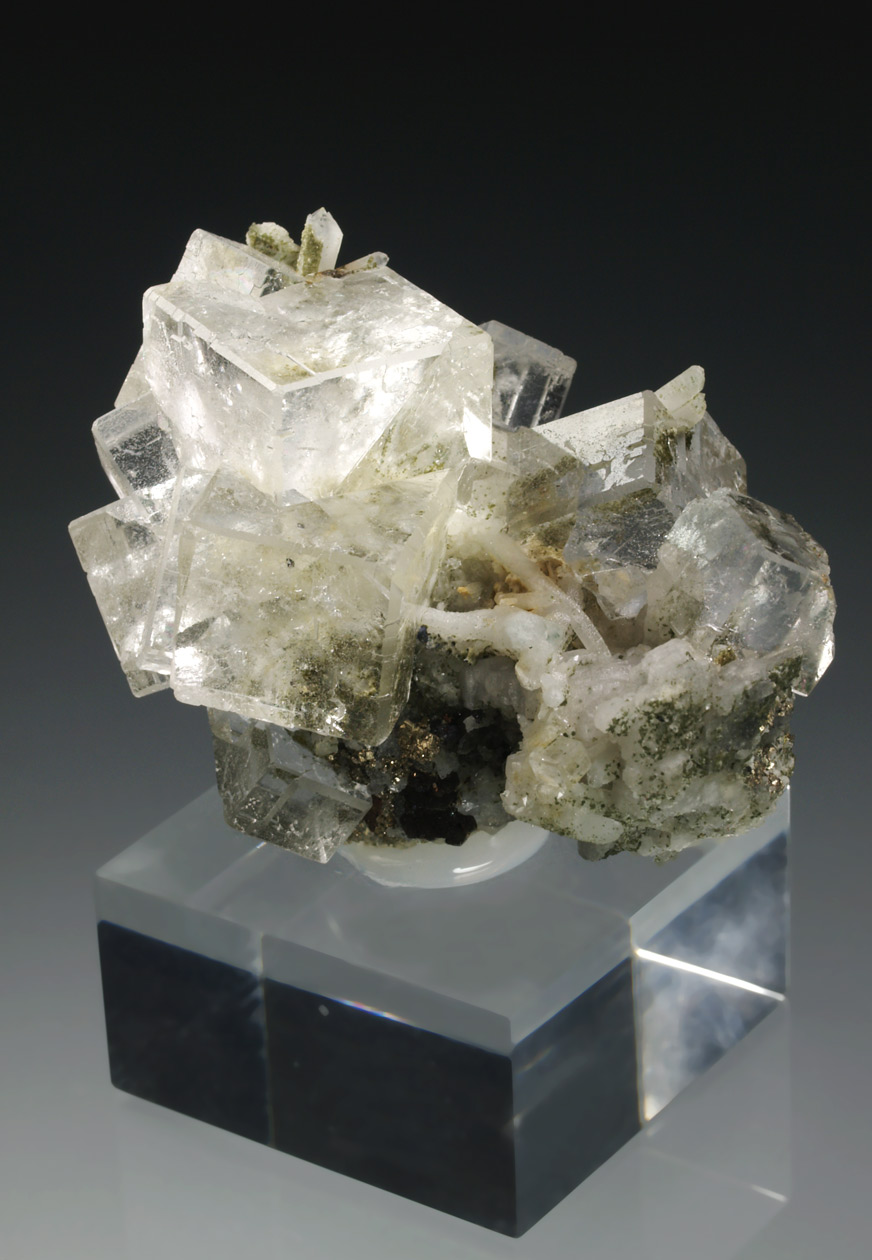
Los ejemplares de fluorita de Dalnegorsk son muy difíciles de fotografiar. Es el caso de esta pieza formada por grupos de cristales cúbicos, transparentes, incoloros, definidos, con las aristas del cubo biseladas por el dodecaedro e inclusiones de formas muy curiosas. Se acompaña de cristales de cuarzo salpicados de clorita verde. Una pieza muy curiosa...
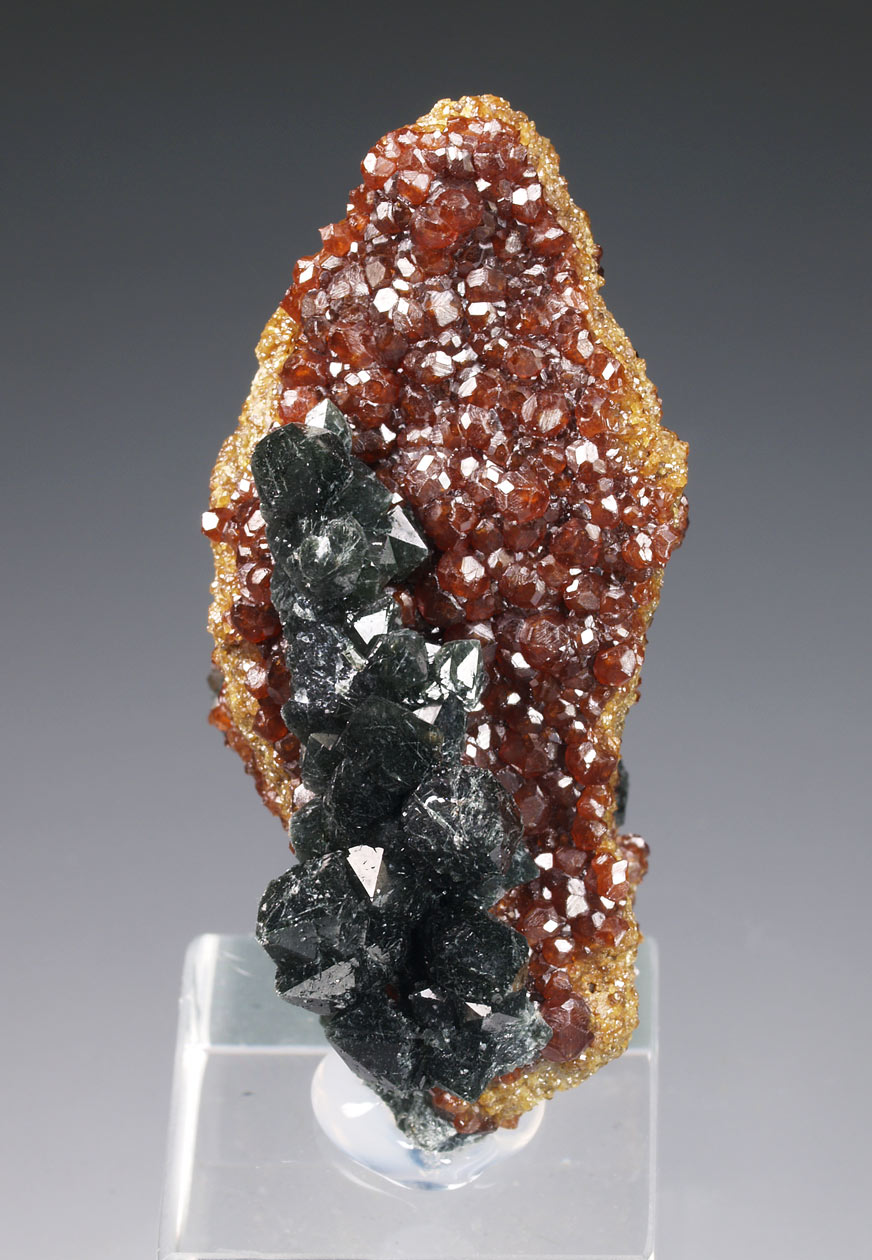
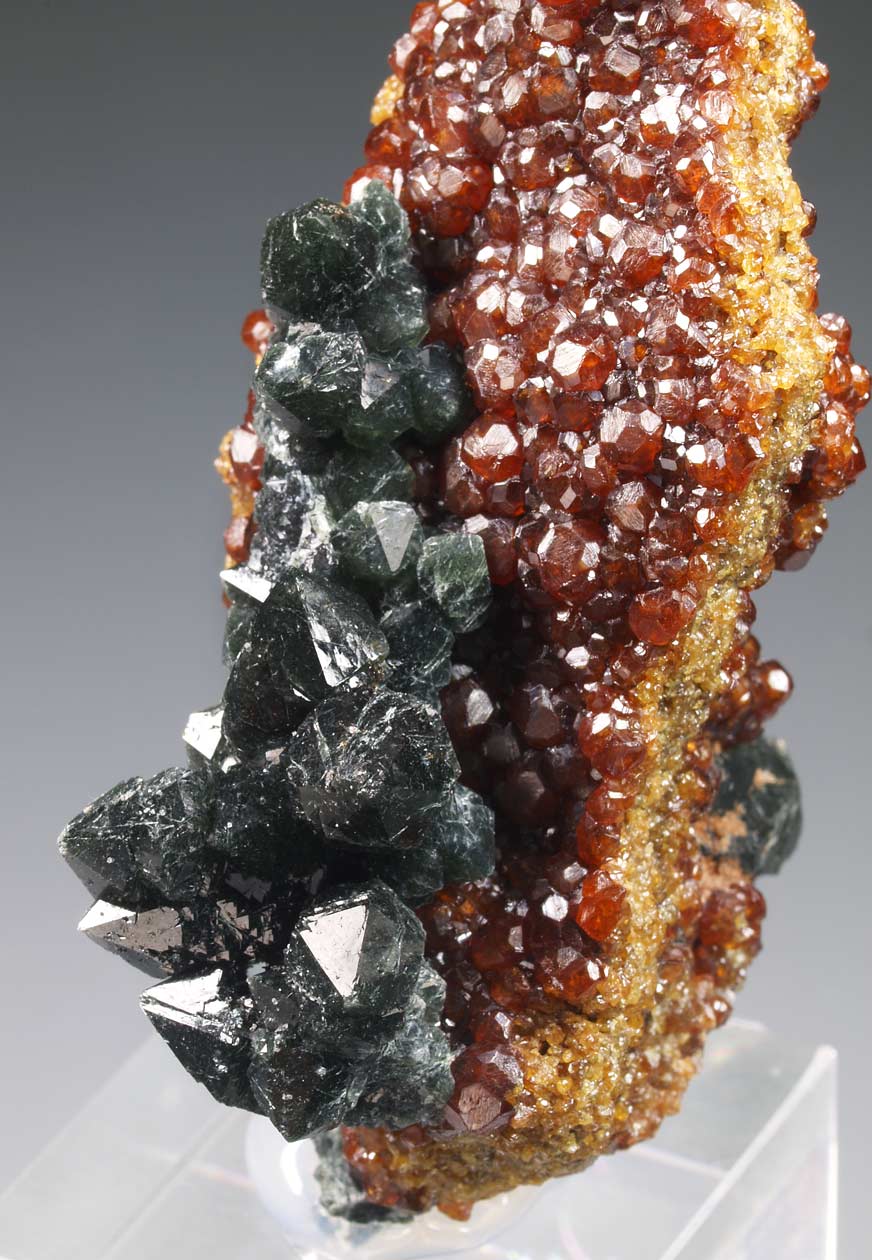
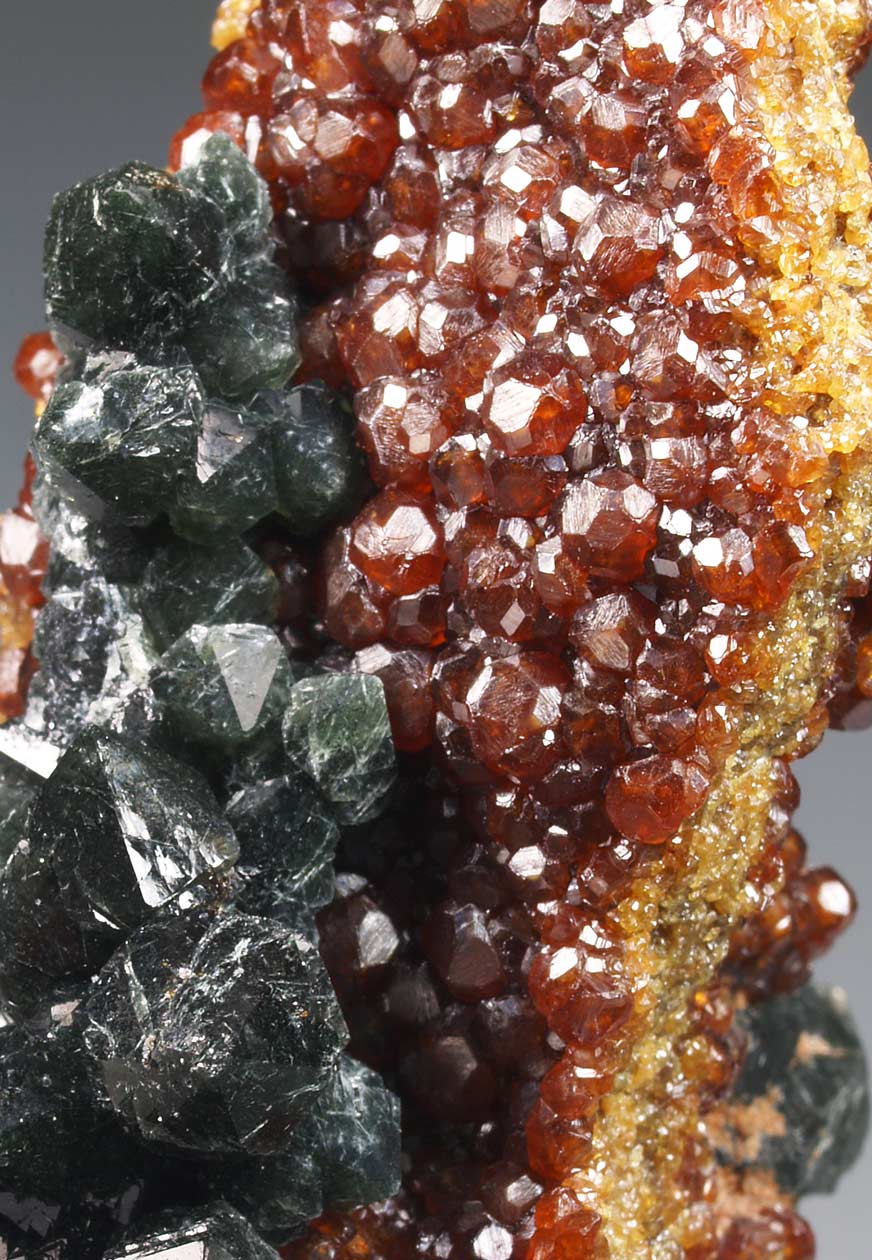
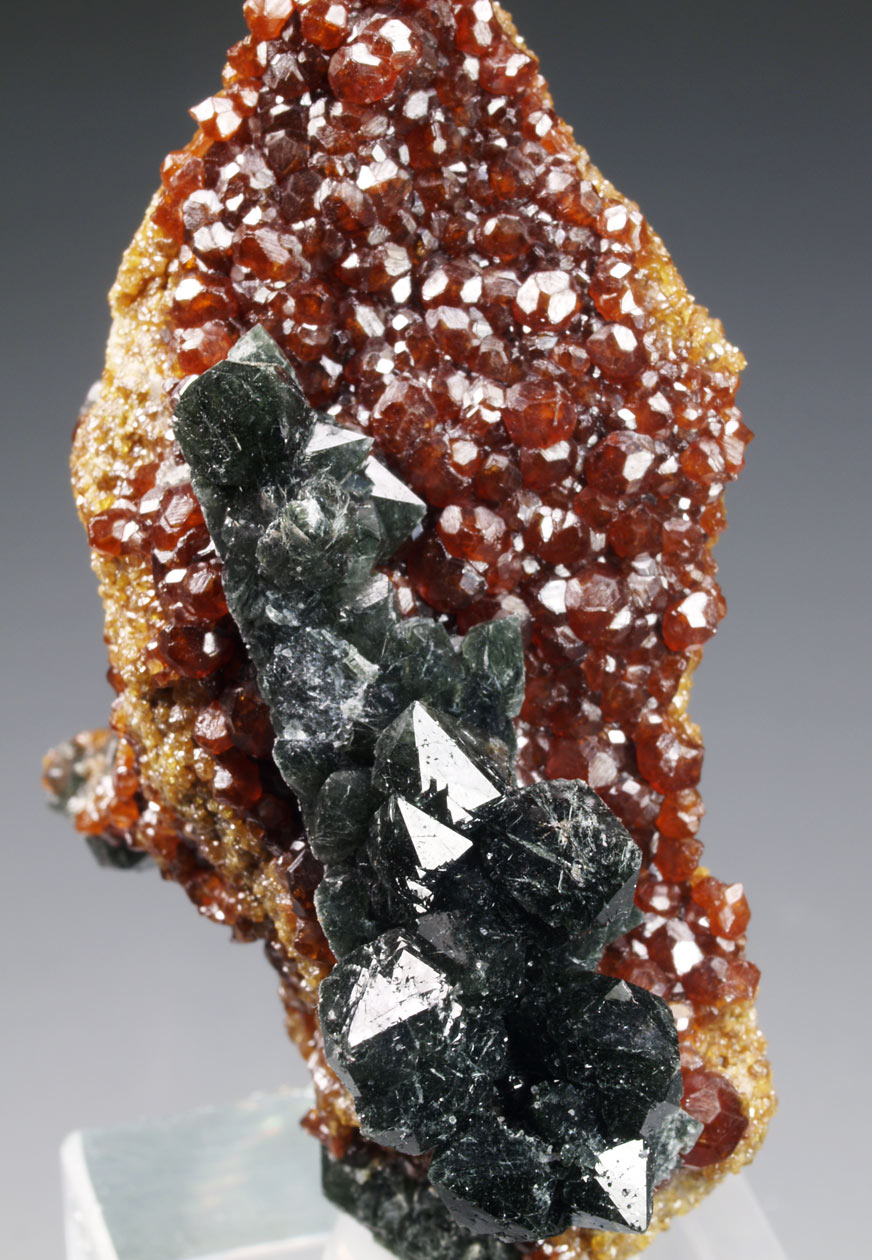
Grupo de cristales de cuarzo prasio, con buen brillo, muy definidos y que contrastan sobre una matriz tapizada de cristales de andradita. Una pieza muy estética.
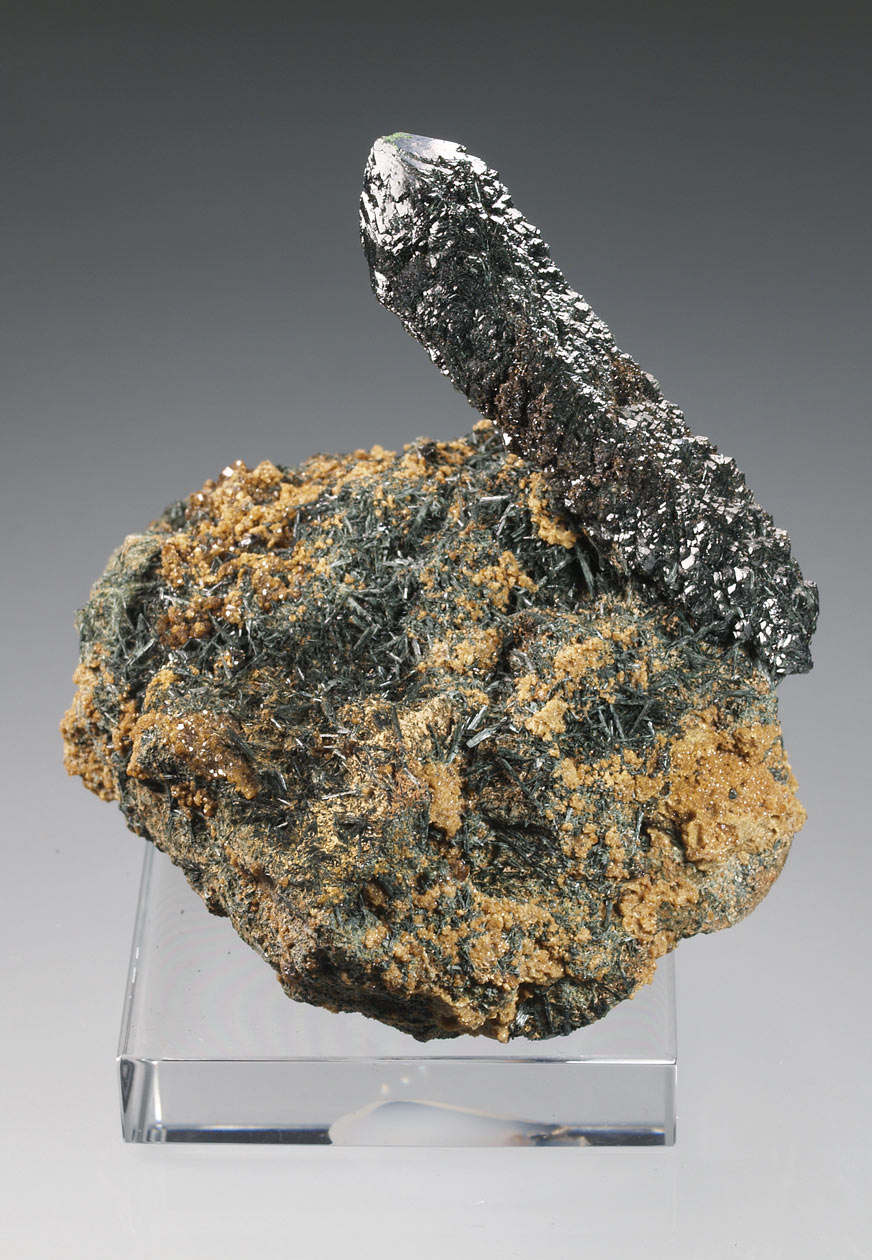
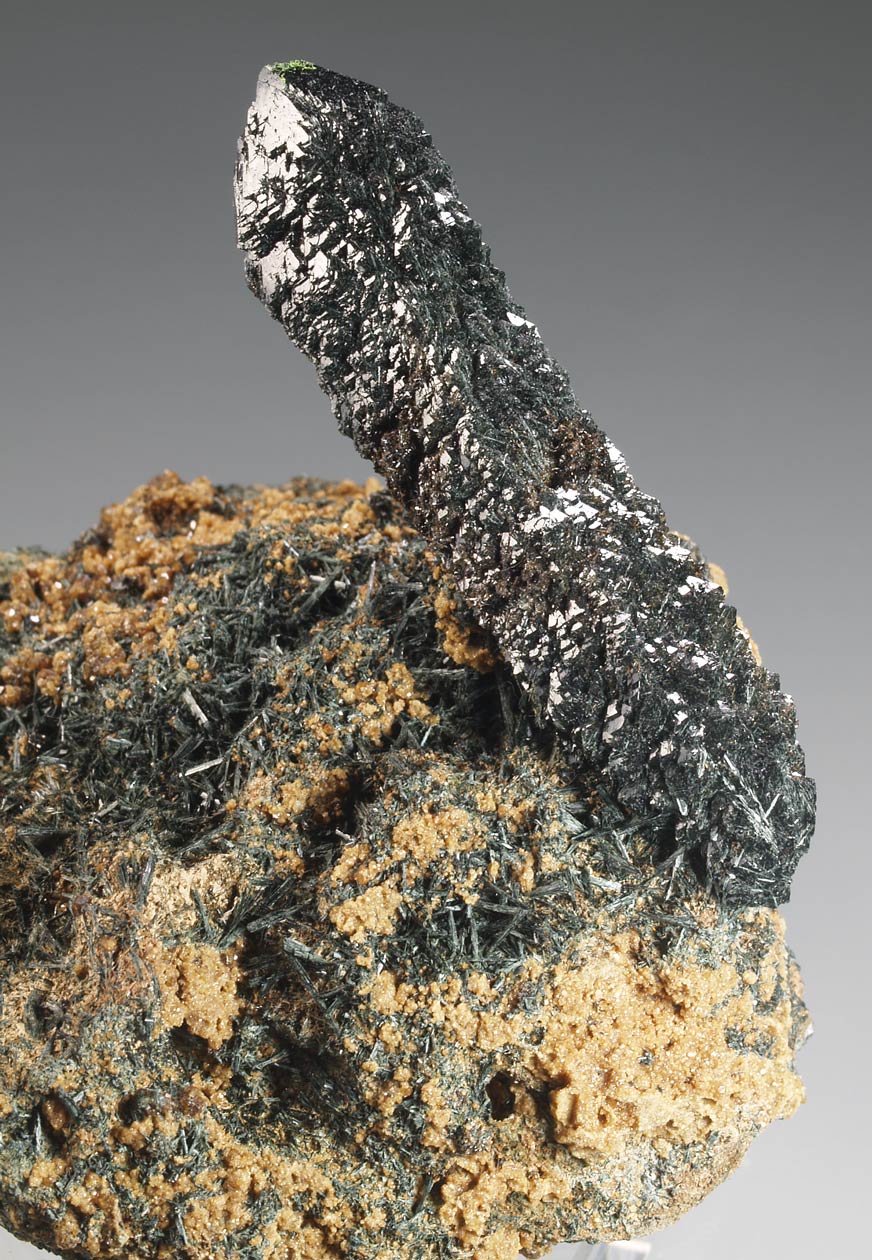
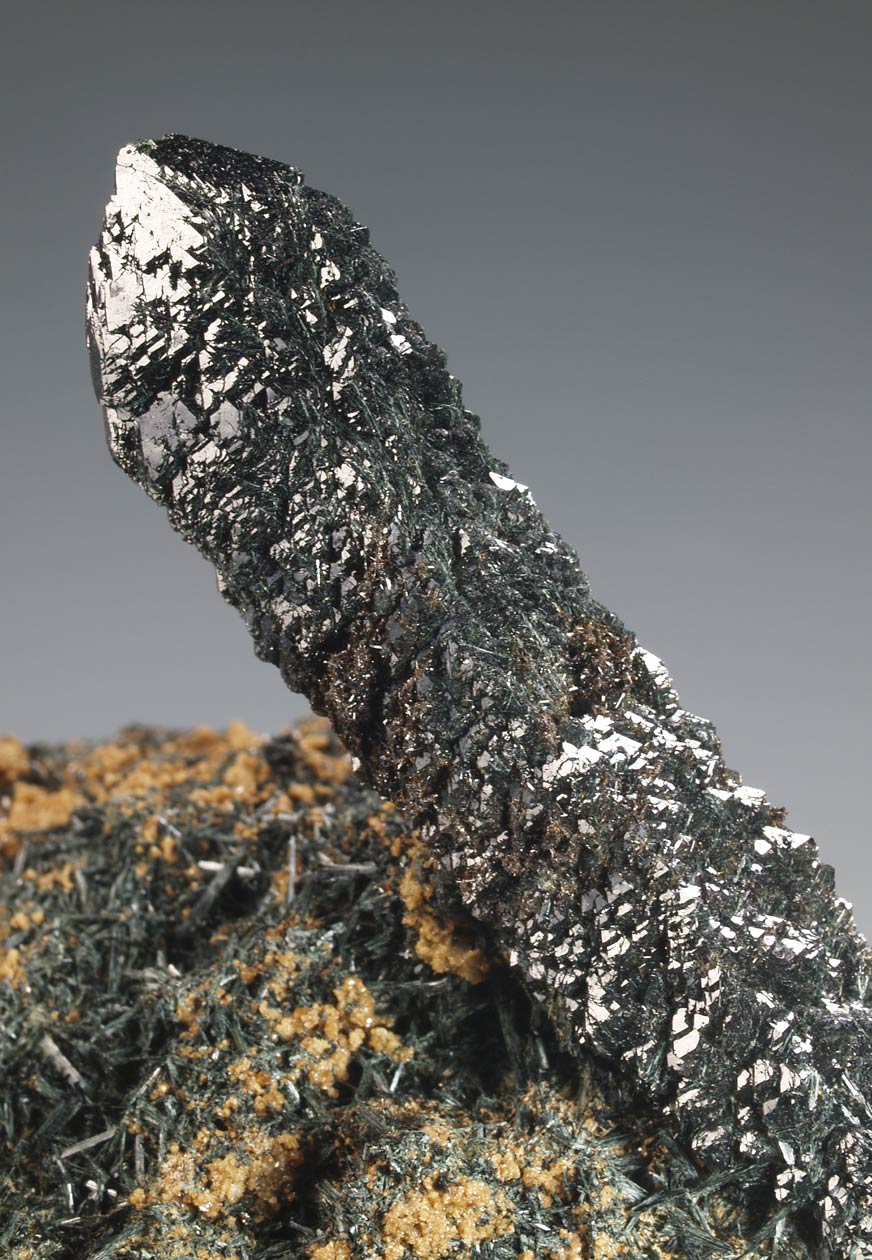
Cristal biterminado y de muy buen tamaño de cuarzo prasio, con intenso color verde y crecimientos policristalinos en las caras del prisma. Ejemplar muy aéreo y estético en una matriz muy rica en pequeños cristales de andradita y agujas verdes de hedenbergita. Una pieza muy estética.
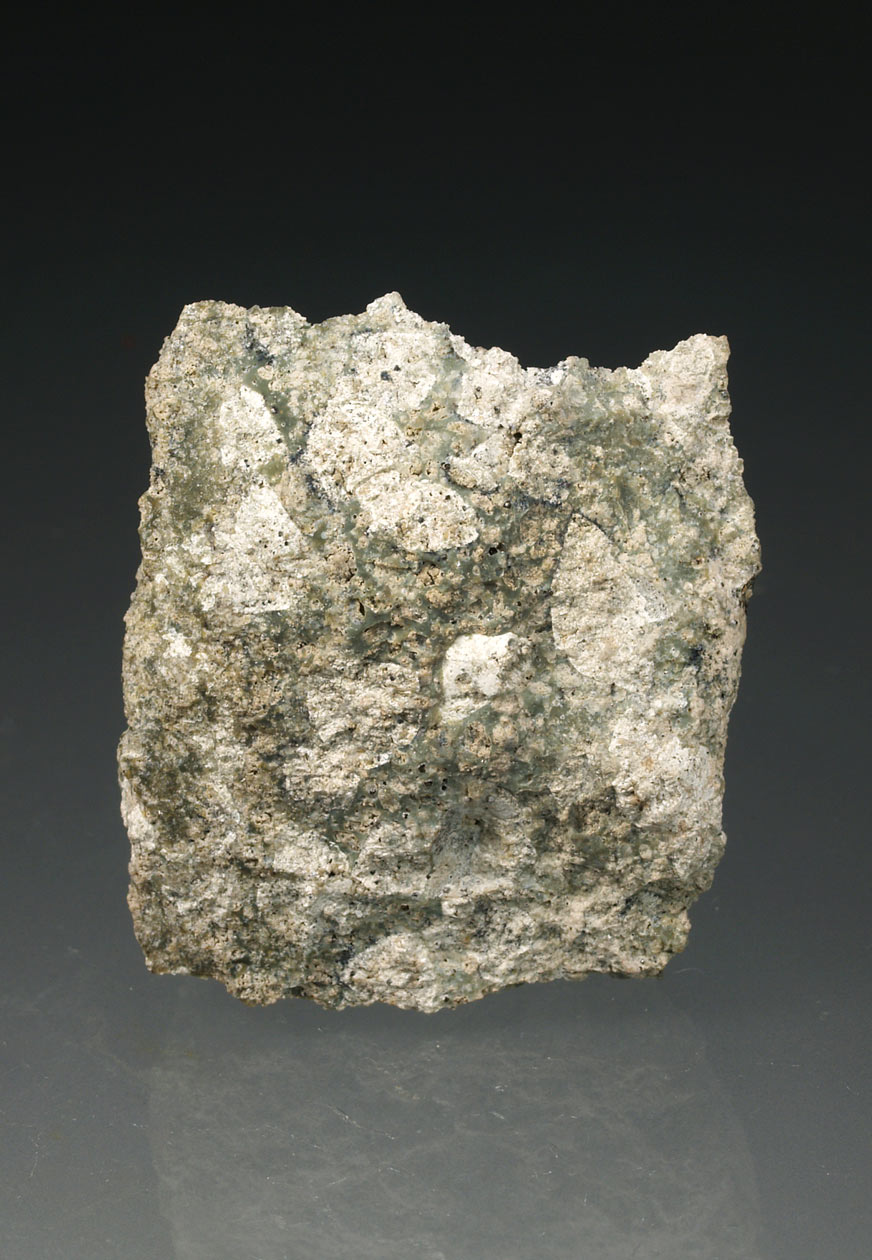
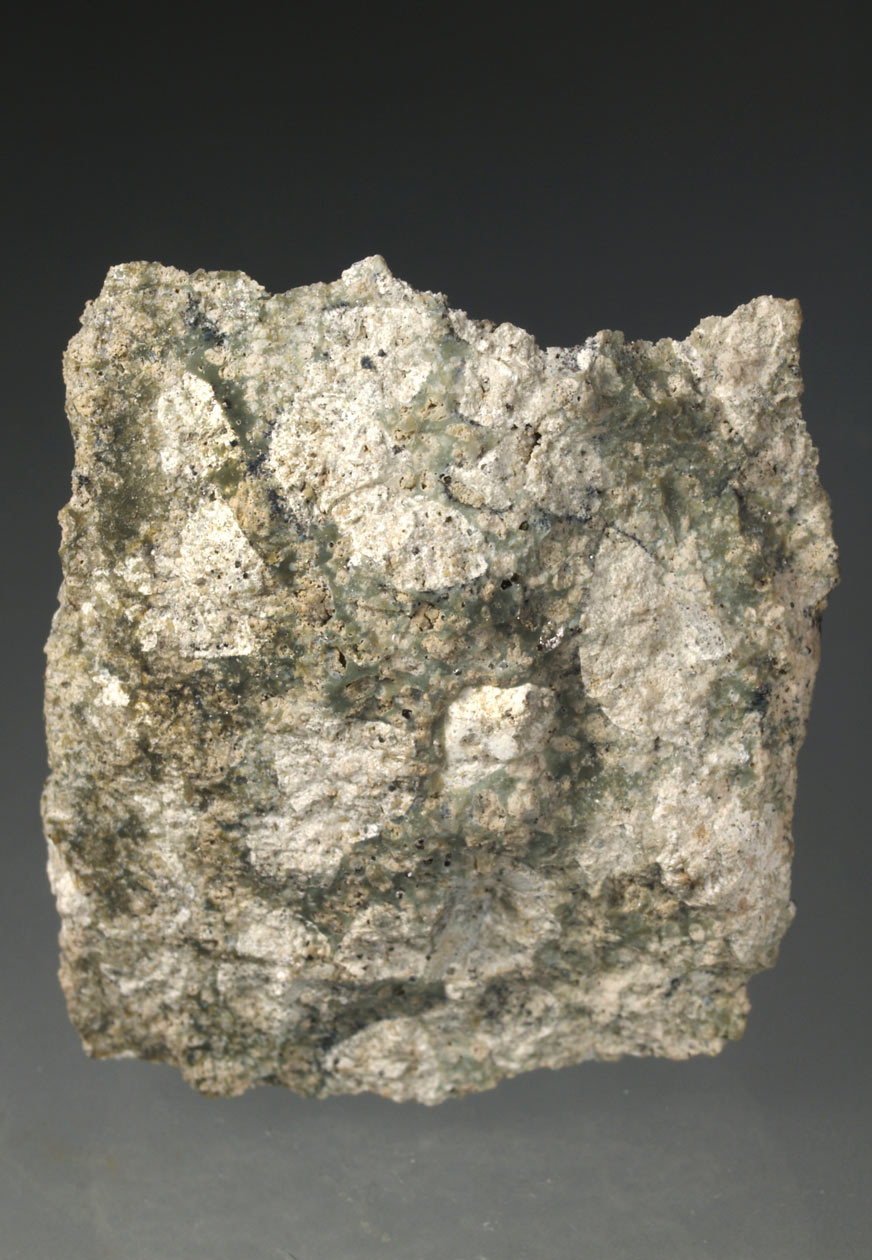
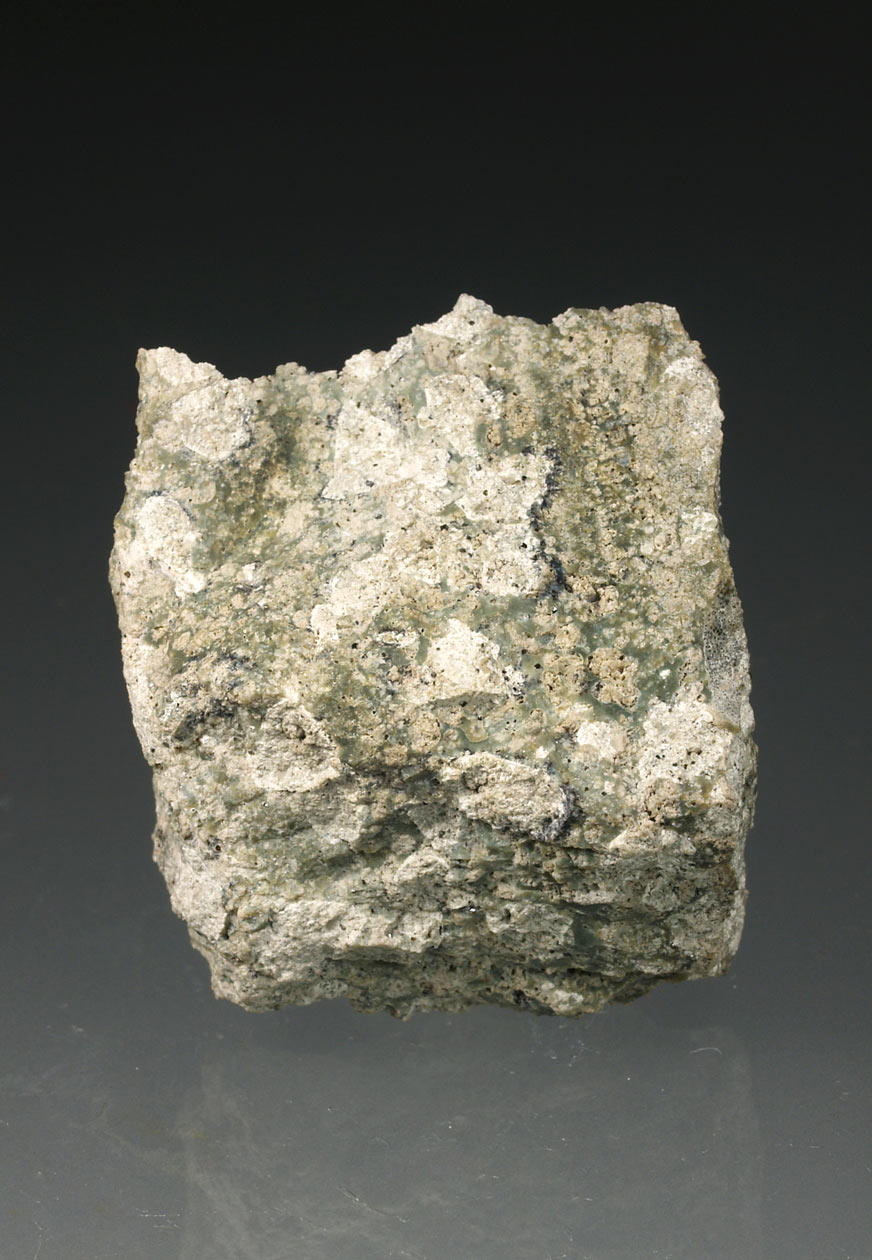
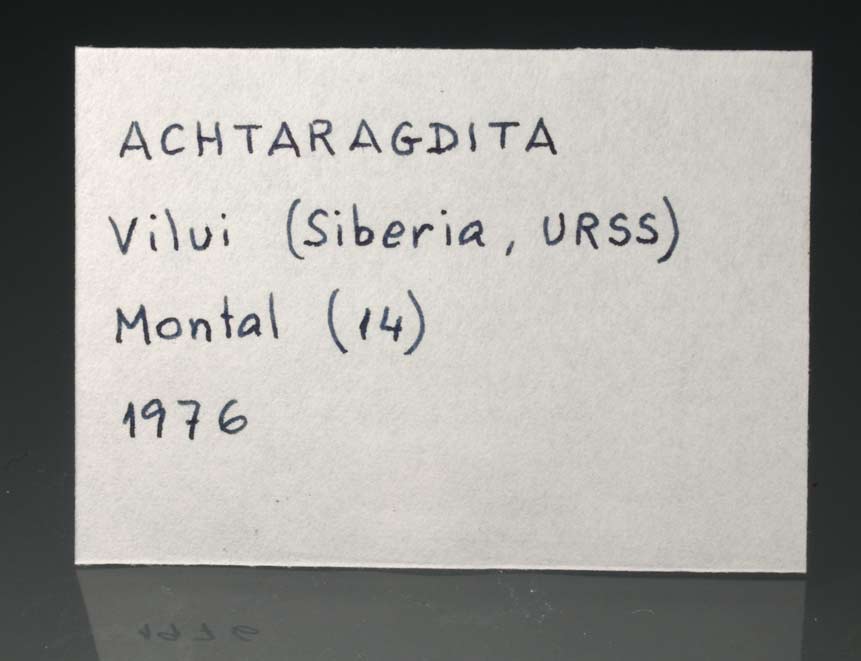
La achtaragdita es un pseudomorfo único, raro y poco conocido, de esta remota localidad siberiana que es la localidad tipo del granate grosularia. Es una variedad de la serie del granate grosularia-hibschita y es (técnicamente, según mindat) un pseudomorfo de hidrogrossularia-clorita-carbonato sobre de lo que antes se consideraba wadalita o algún otro hidrogranate poco habitual. El mineral precursor de estos pseudomorfos hoy día se considera que es helvita. Una rareza para los amantes de las pseudomórfosis.
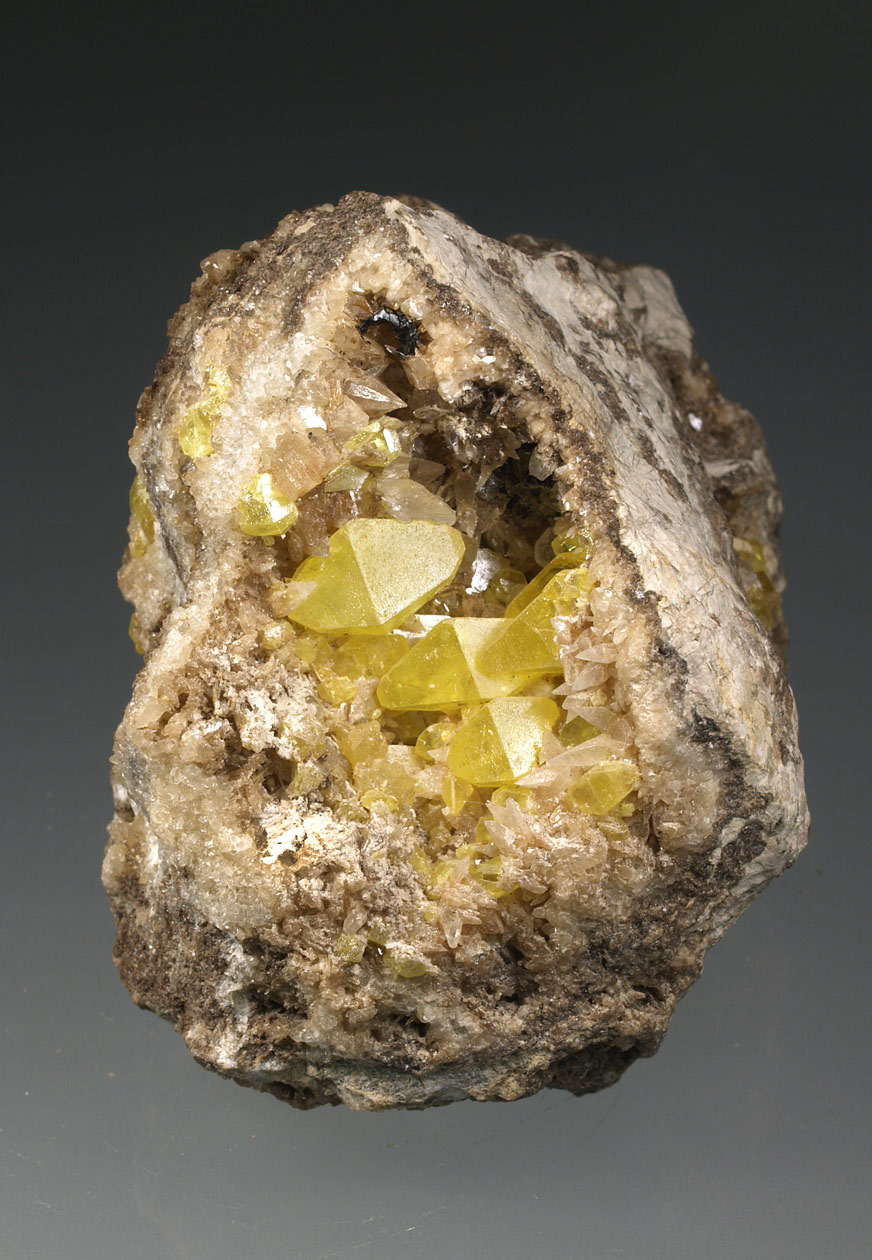
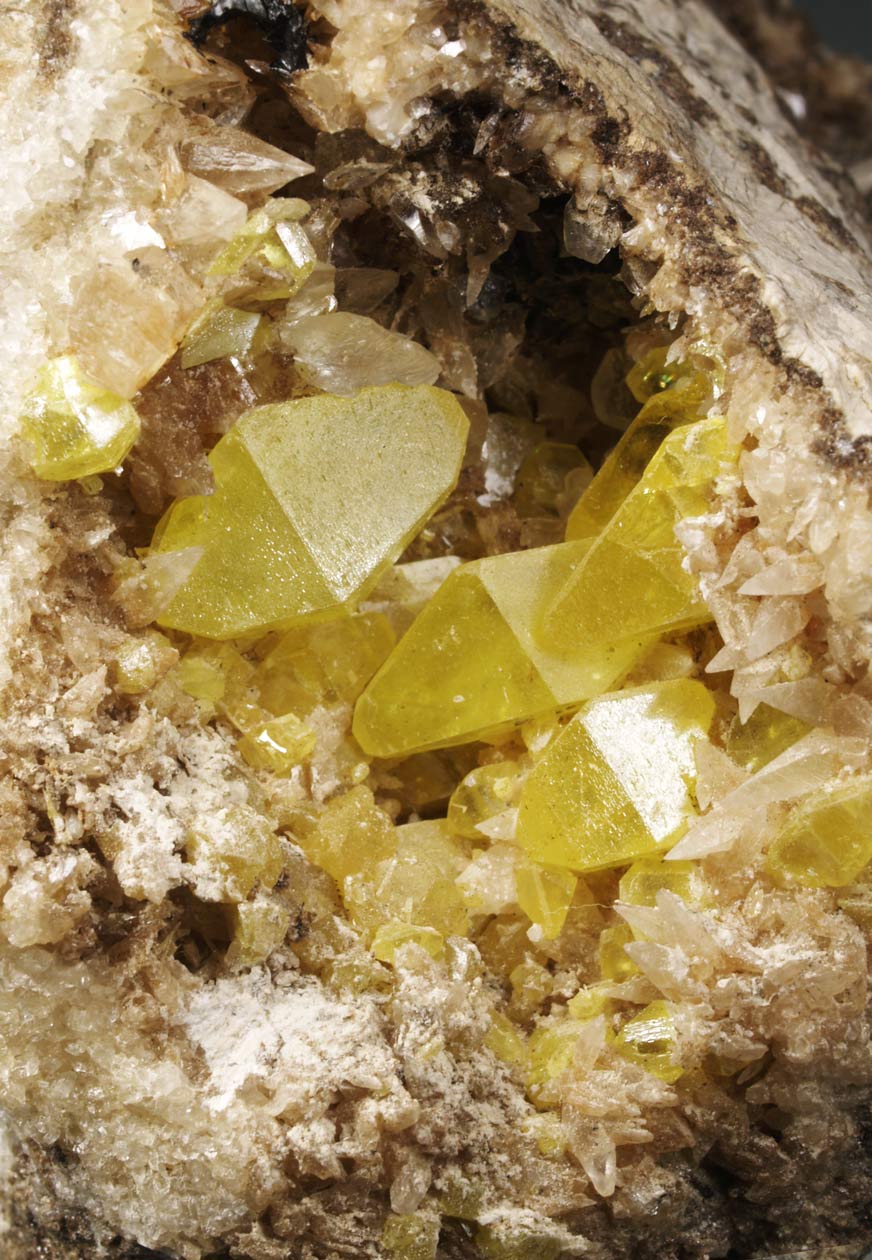
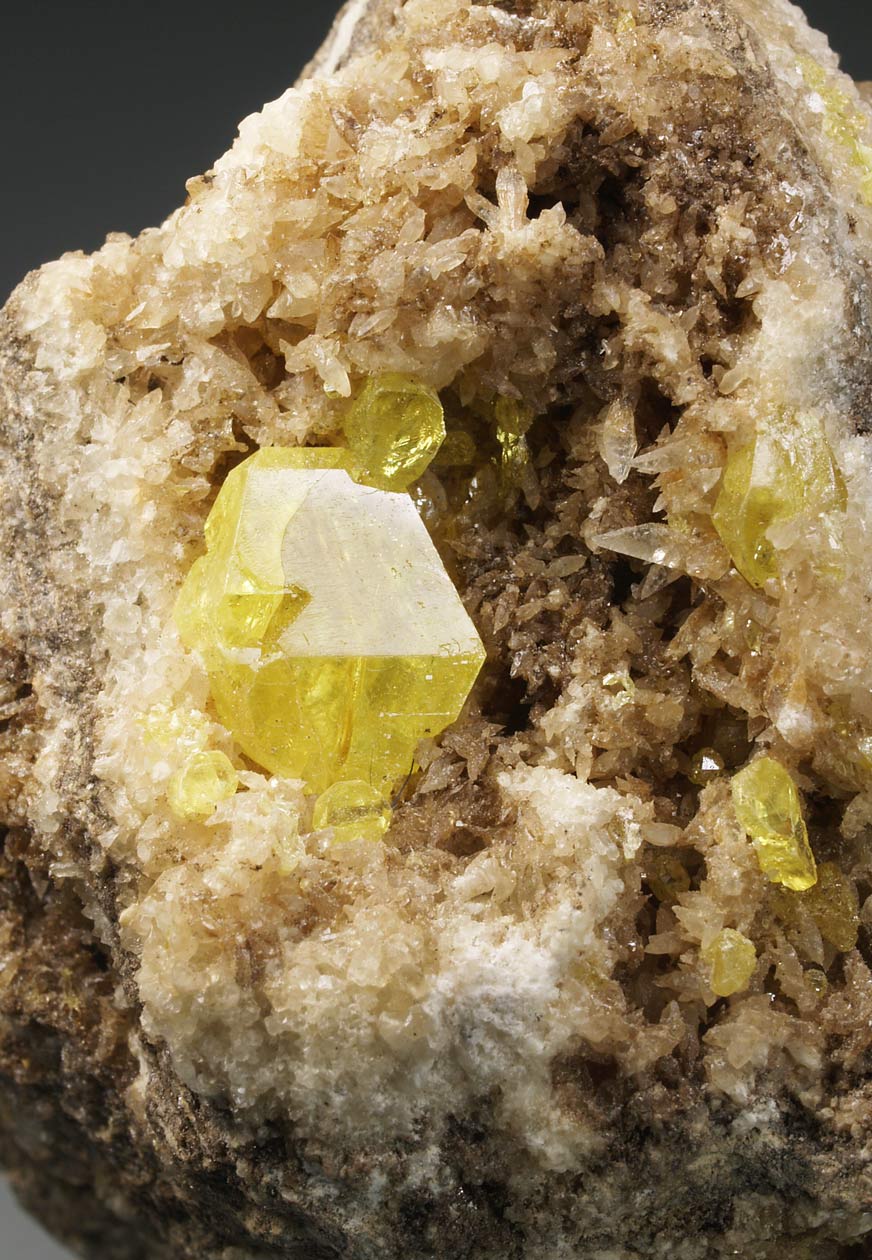
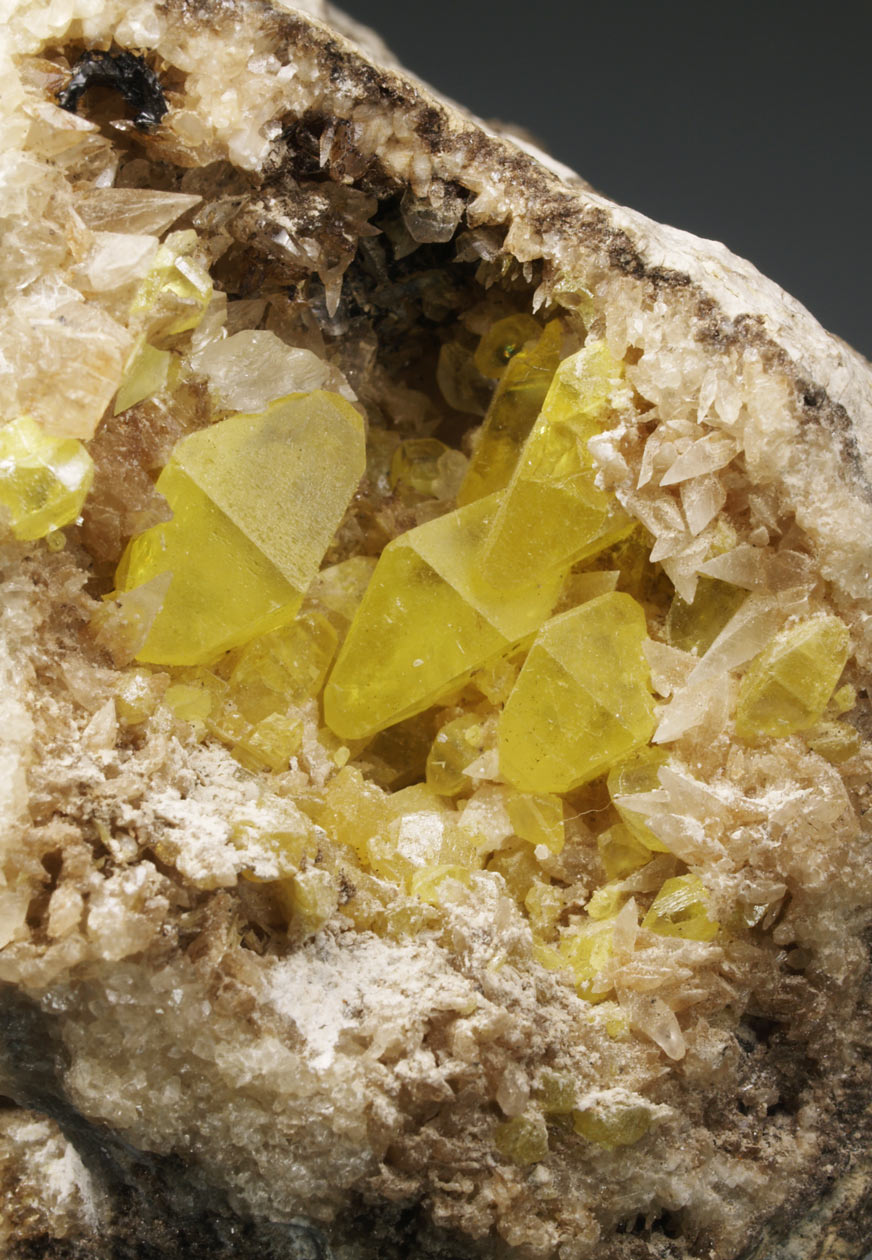
Este es un espécimen de azufre excepcional, tanto para esta lacalidad rusa como por la perfección de los cristales. En una cavidadde la matriz se disponen diversos cristales muy definidos y biterminados de azufre, mostrando claramente las facetas de bipirámides de diferentes órdenes. Con brillo, entre translúcidos a transparentes. Con otro grupo de cristales, uno de ellos predominante, en la parte lateral. En una matriuz con cristales escalenoédricos de calcita. Ejemplares de esta mina y con esta calidad son más que difíciles de ver. Un ejemplar procedente de la colección Astor (Barcelona). Puede encontrar más información de esta localidad en geo.web.ru.
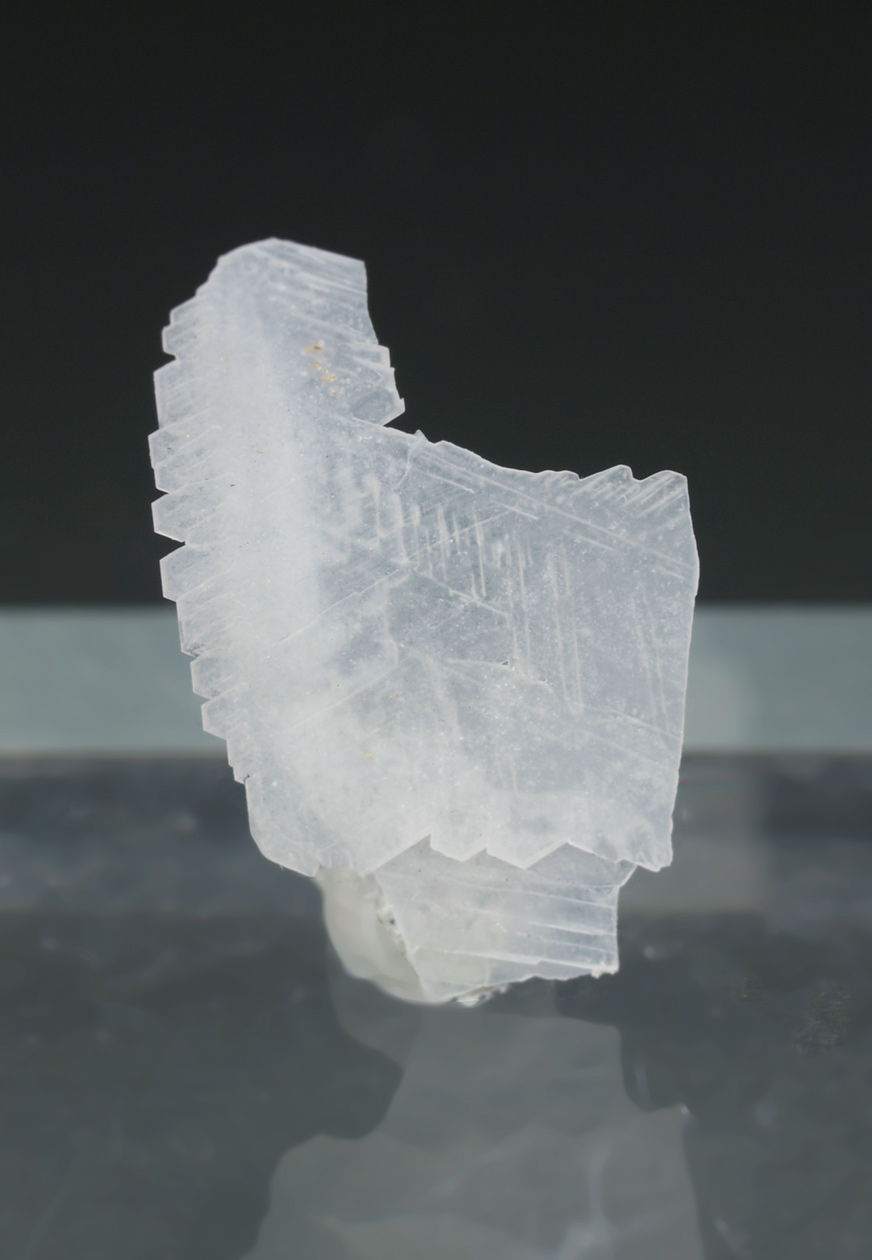
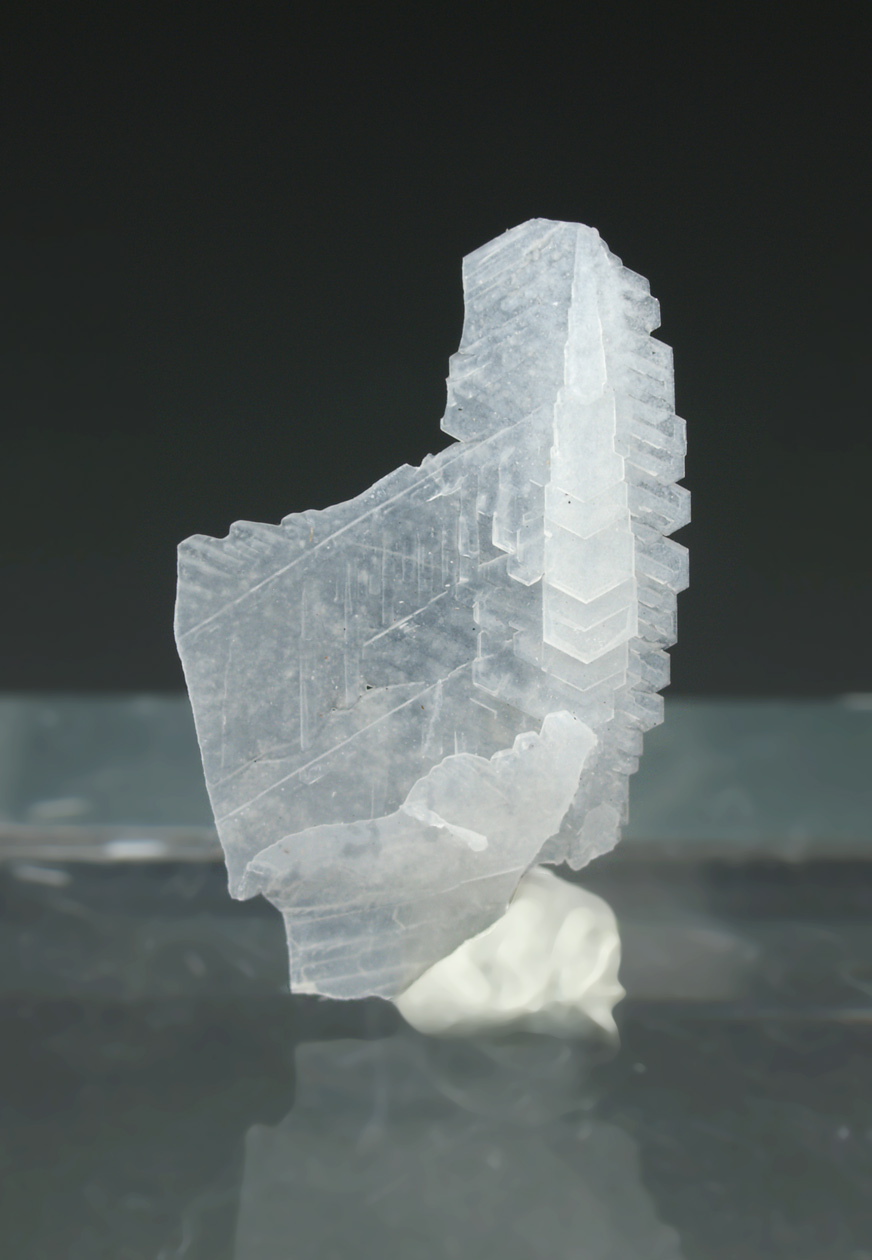
Extraordinario ejemplar laminar de belomarinaita, un extremadamente raro sulfato de potasio y sodio, de buen tamaño, translúcido y con formas cristalinas bien visibles. Se refiere tanto por química y estructura a la aphthitalita. Estos sulfatos se forman en depósito salinos y en las fumarolas volcánicas, como es el caso. Este ejemplar procede de la localidad tipo para la especie. Una oportunidad única para coleccionistas sistemáticos.