- Inicio Acerca de RM Minerales
- Galería de fotos Blog RM Contacto
- Microscopia e instrumentos Pedidos Aviso legal
Copyright 2010-2026
www.rosellminerals.com



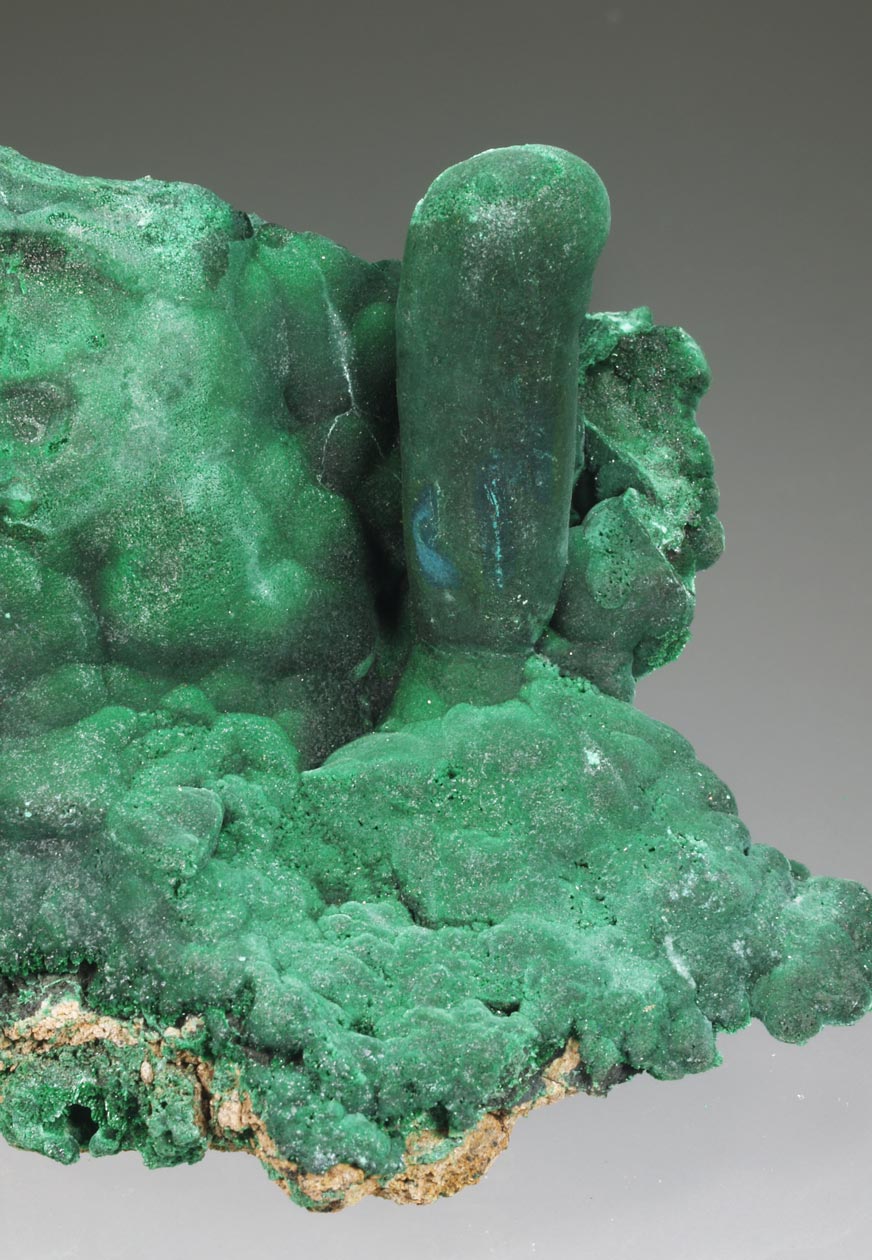
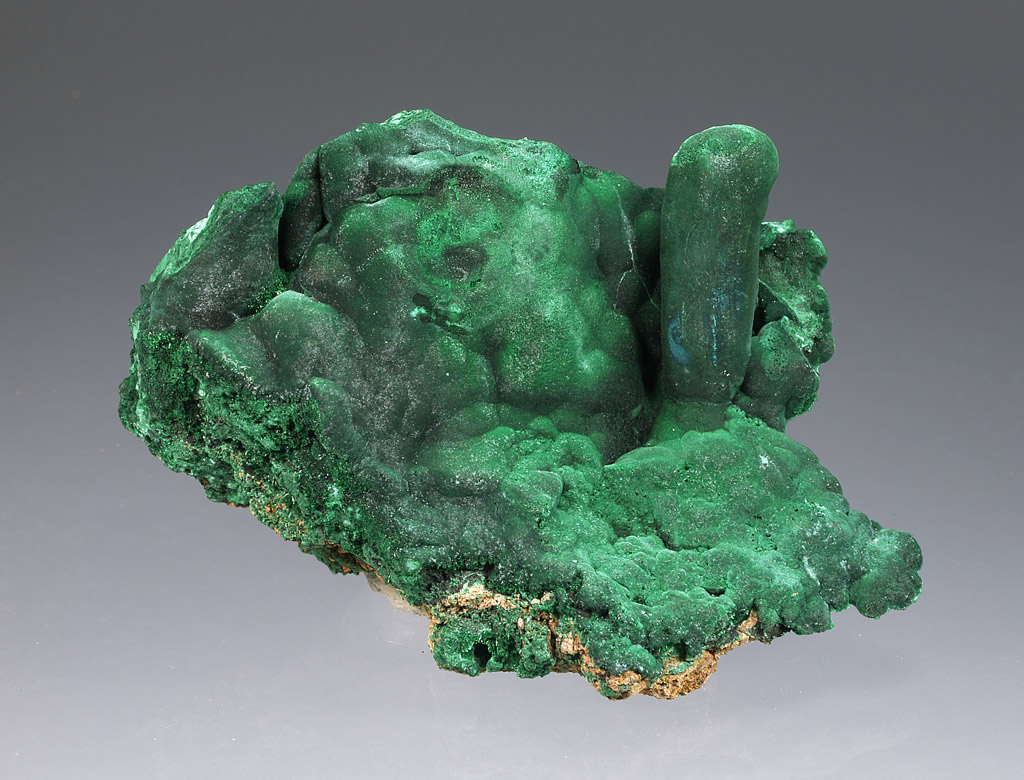
Crecimientos estalactíticos de malaquita, de inteso color verde, brillantes, aterciopelados y dispuestos de forma aérea sobre la matriz.
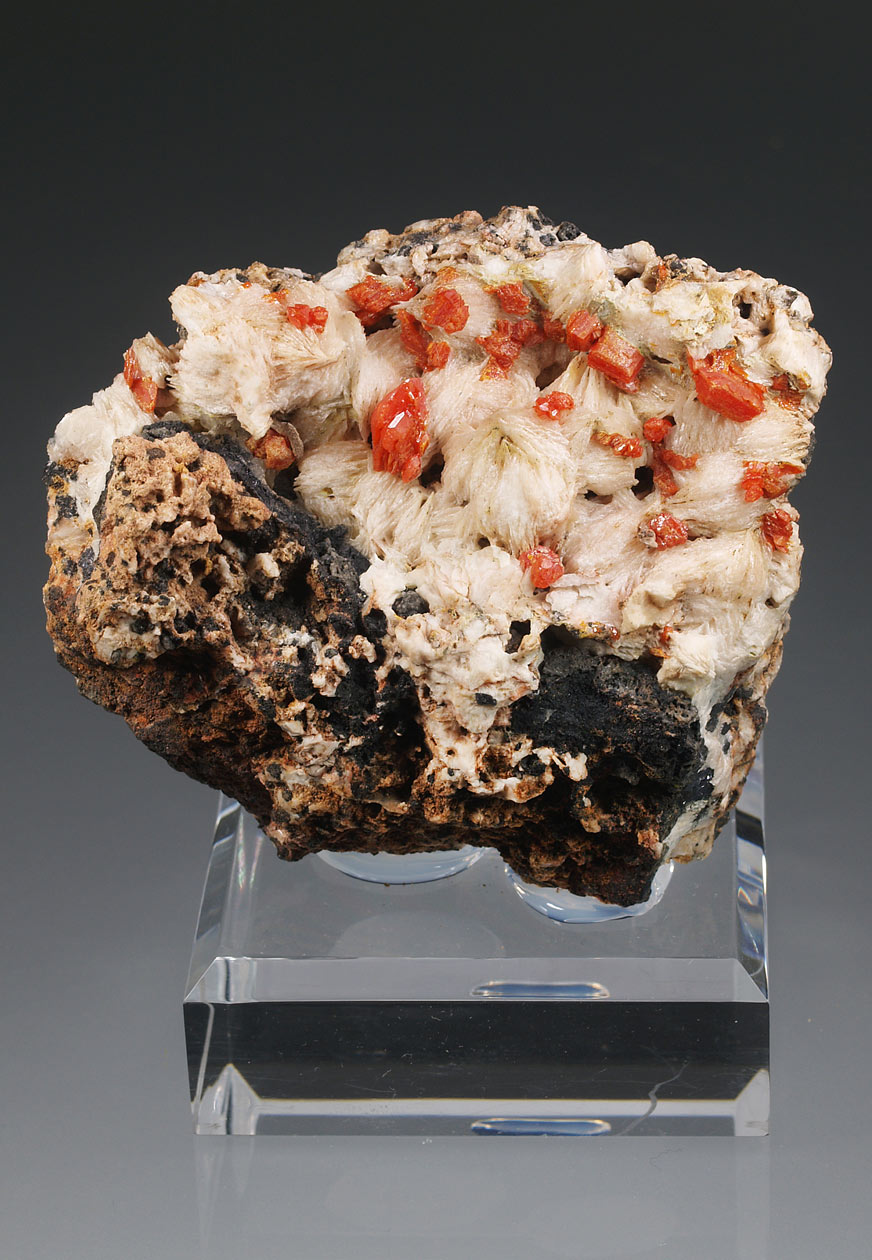
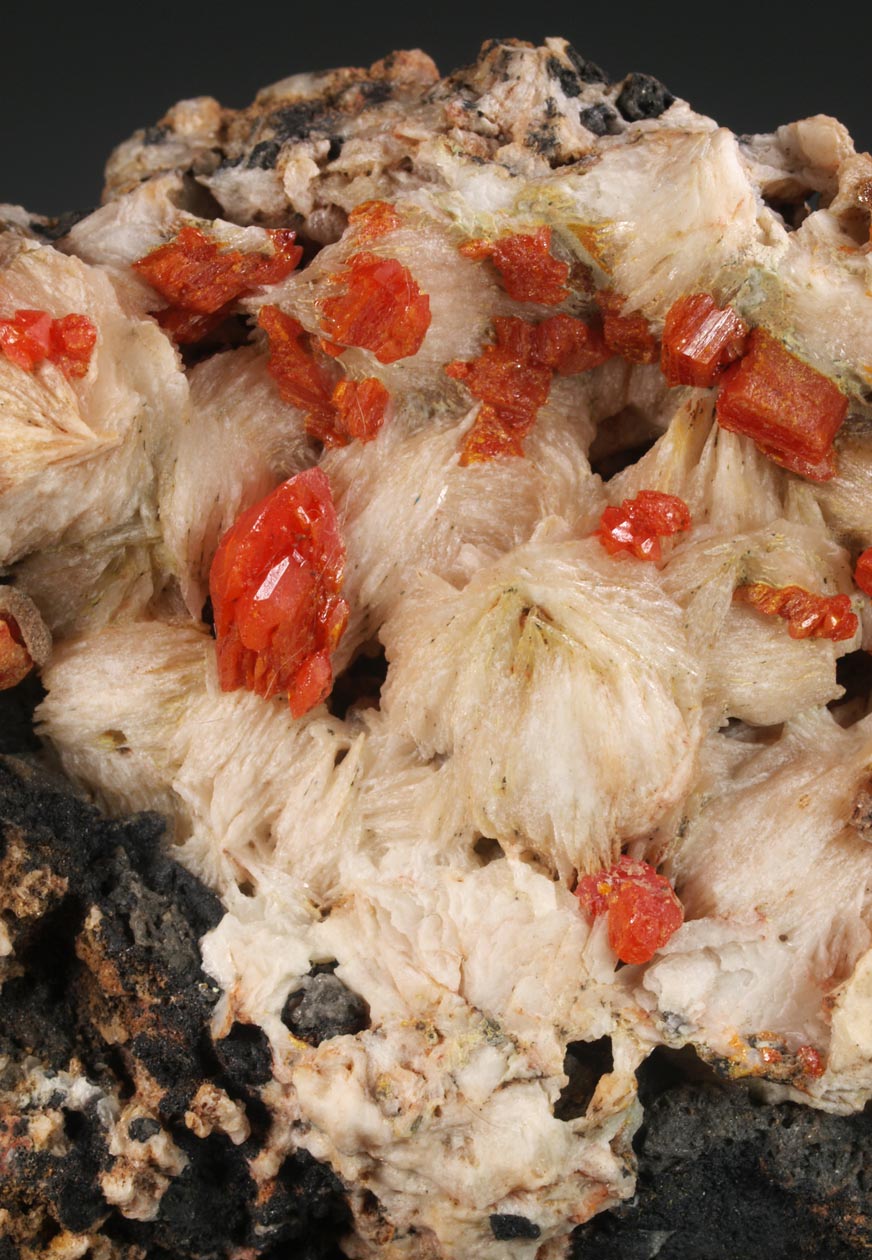
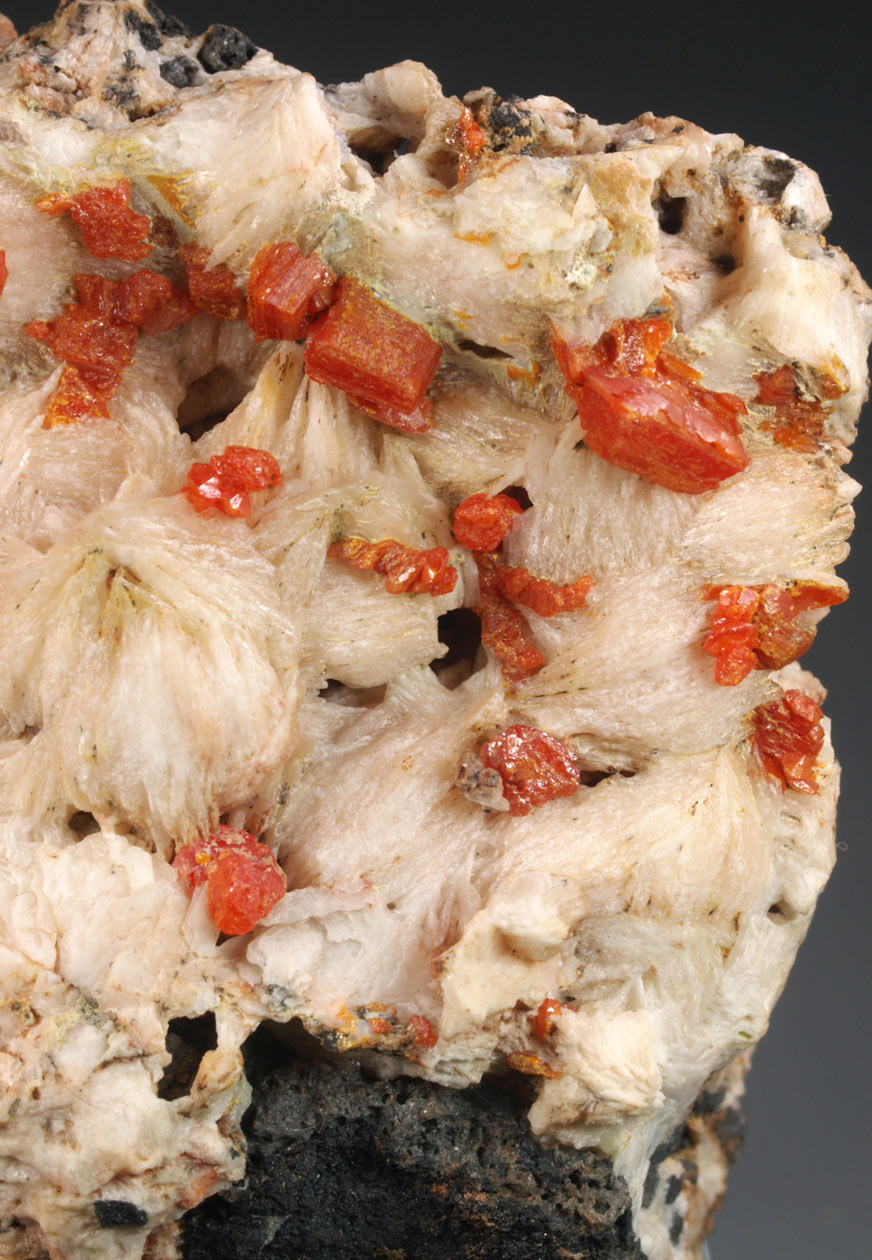
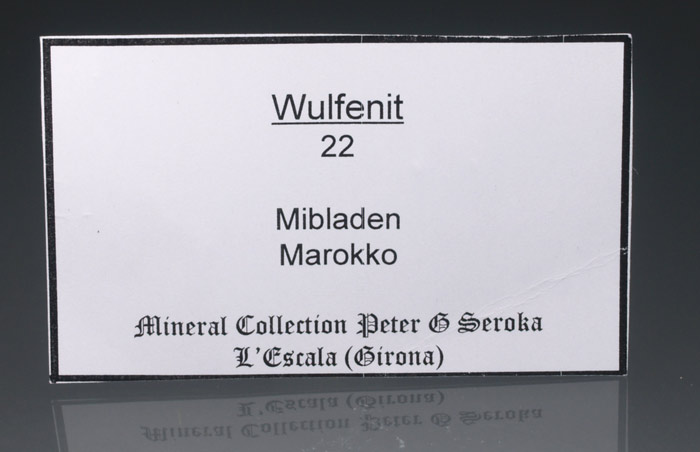
Los ejemplares de wulfenita como el que presentamos son muy poco habituales para esta localidad y aparecieron hace ya bastantes años. Sobre una matriz con galena y barita se disponen numerosos cristales de intenso color naranja, con formas de la bipirámide truncadas por los pinacoides. Se presentan algunos como cristales aislados y en su mayoría en crecimiento paralelo. Este ejemplar procede de la colección de Peter Seroka y antes había pertenecido a la colección Marcus Lueg.
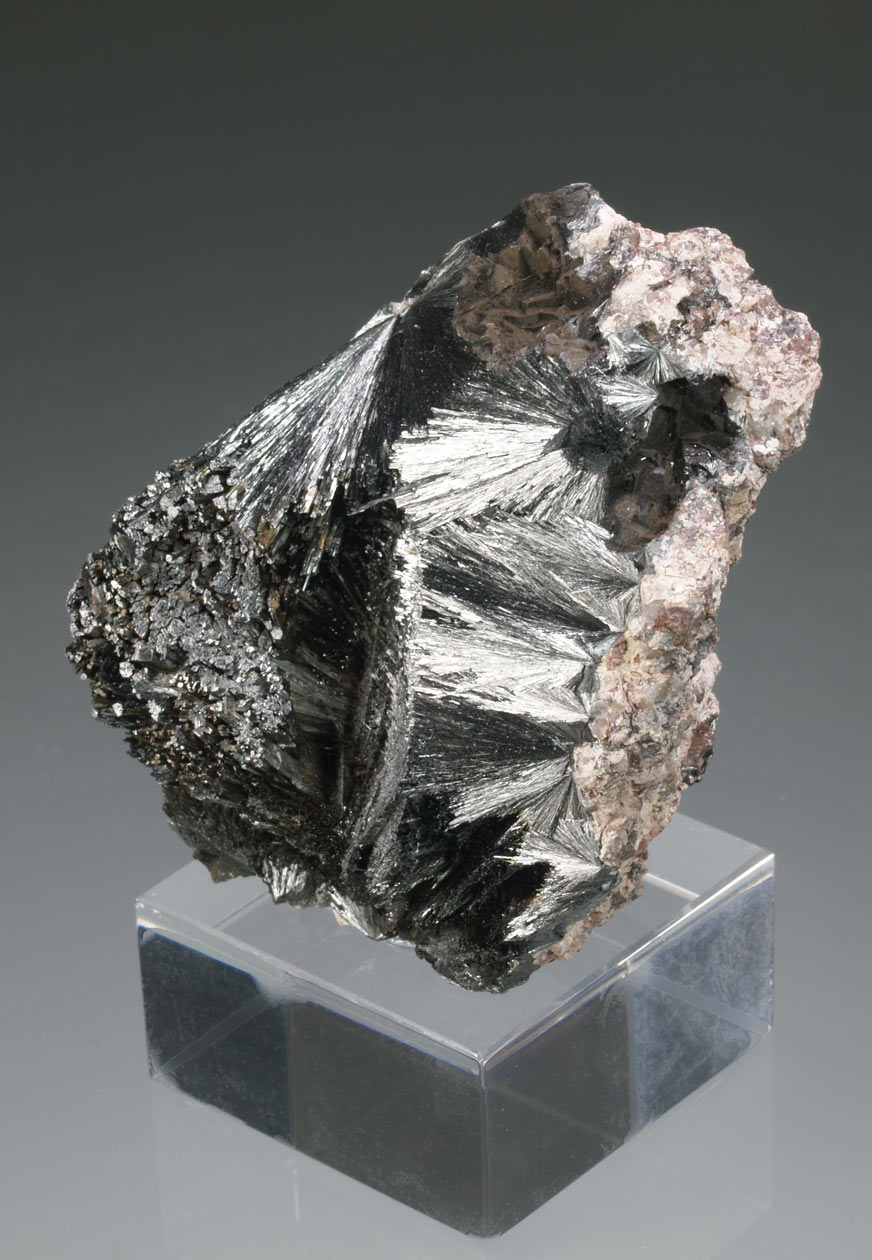
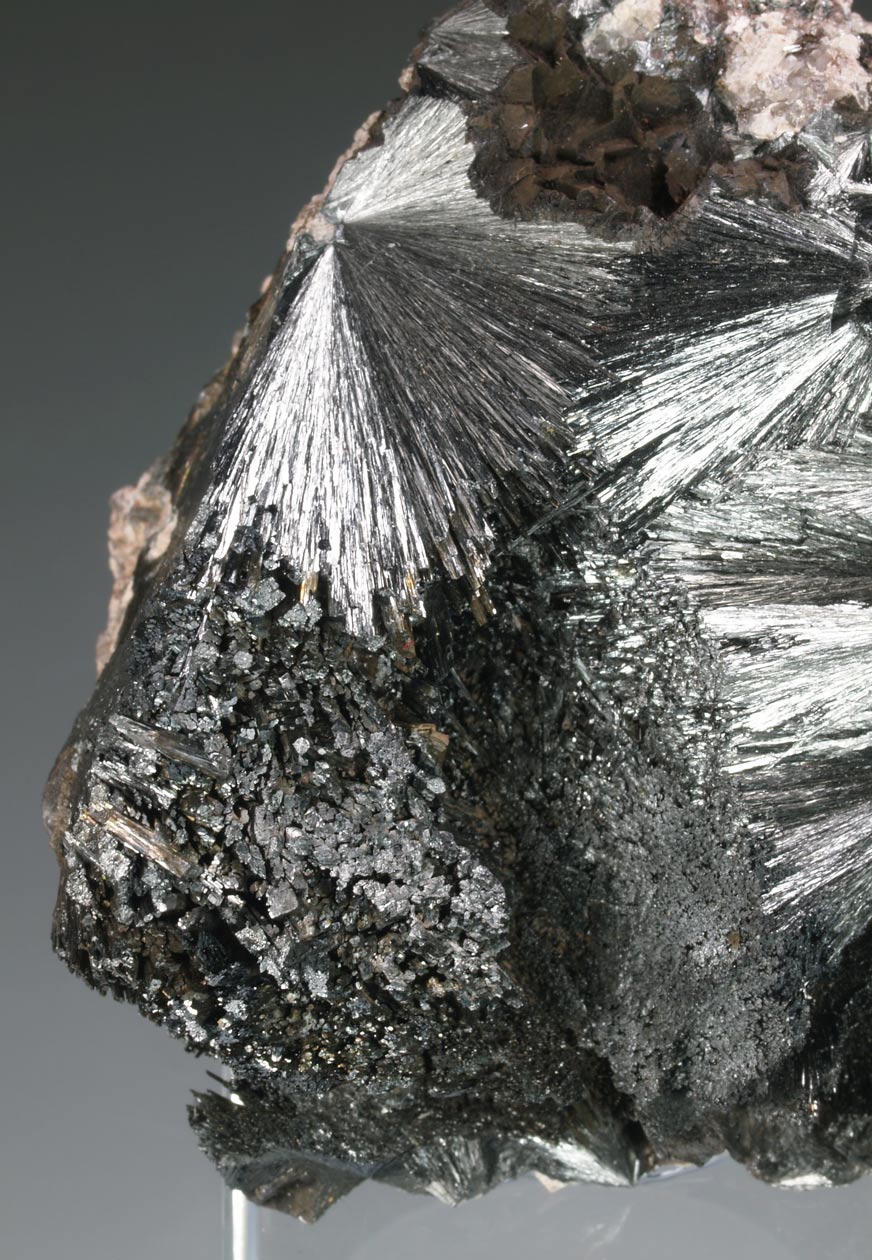
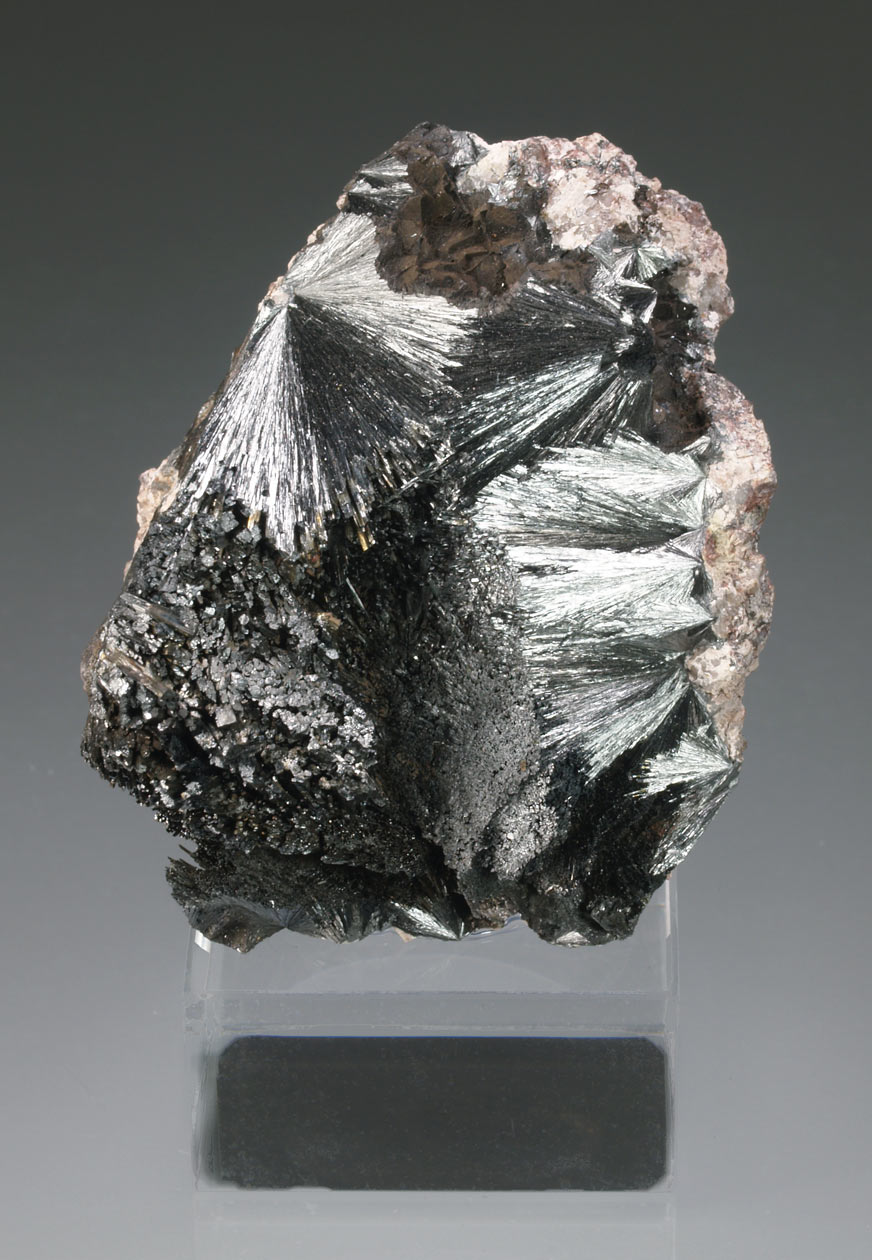
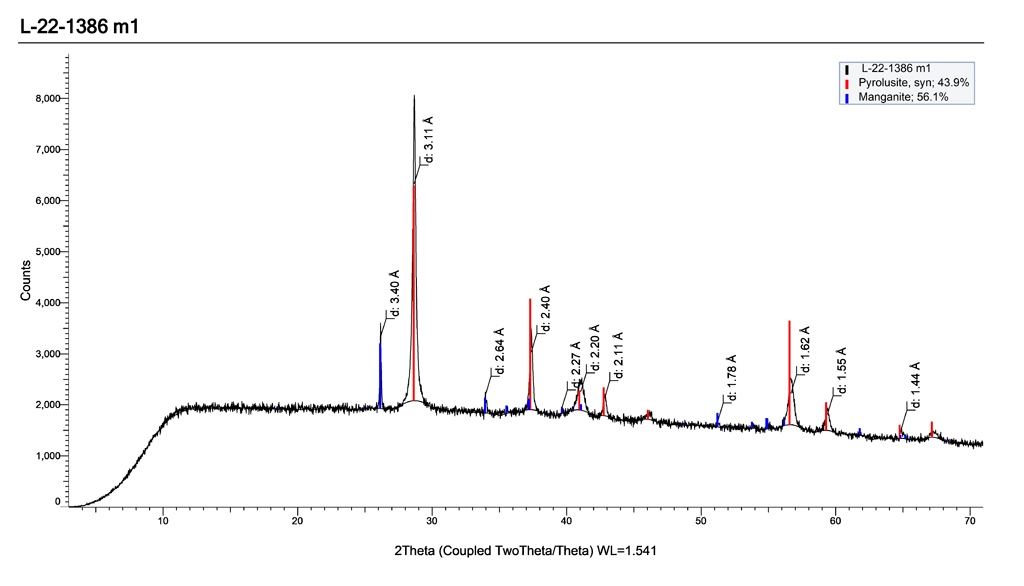
Novedad en Sainte-Marie-aux-Mines 2022. Estos ejemplares proceden de un reciente hallazgo en esta zona minera de la selva negra y que recuerdan a los encontrados hace ya décadas en esta área. Se trata de agregados radiales de cristales de pirolusita, muy brillantes, que sustituyen parcialmente manganita. Mediante difracción de rayos X hemos podido determinar la presencia de ambas especies, incluso con cierto predominio de manganita. Habitualmente se presentan sobre una matriz de granito rosado o como grupos de cristales de buen tamaño en crecimiento paralelo. En los ejemplares podemos observar las caras terminales aplanadas inclinadas. son piezas muy estéticas y que pasarán a formar parte de los mejores especímenes de estas especies para la mineralogía europea. Enviaremos al comprador el espectro de difracción.
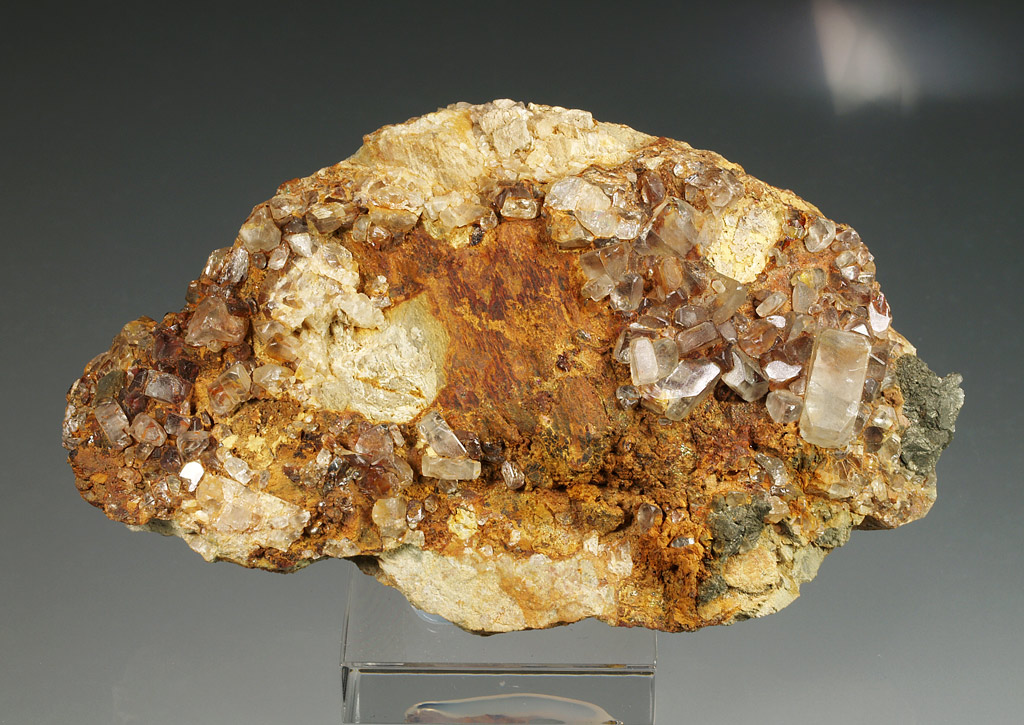
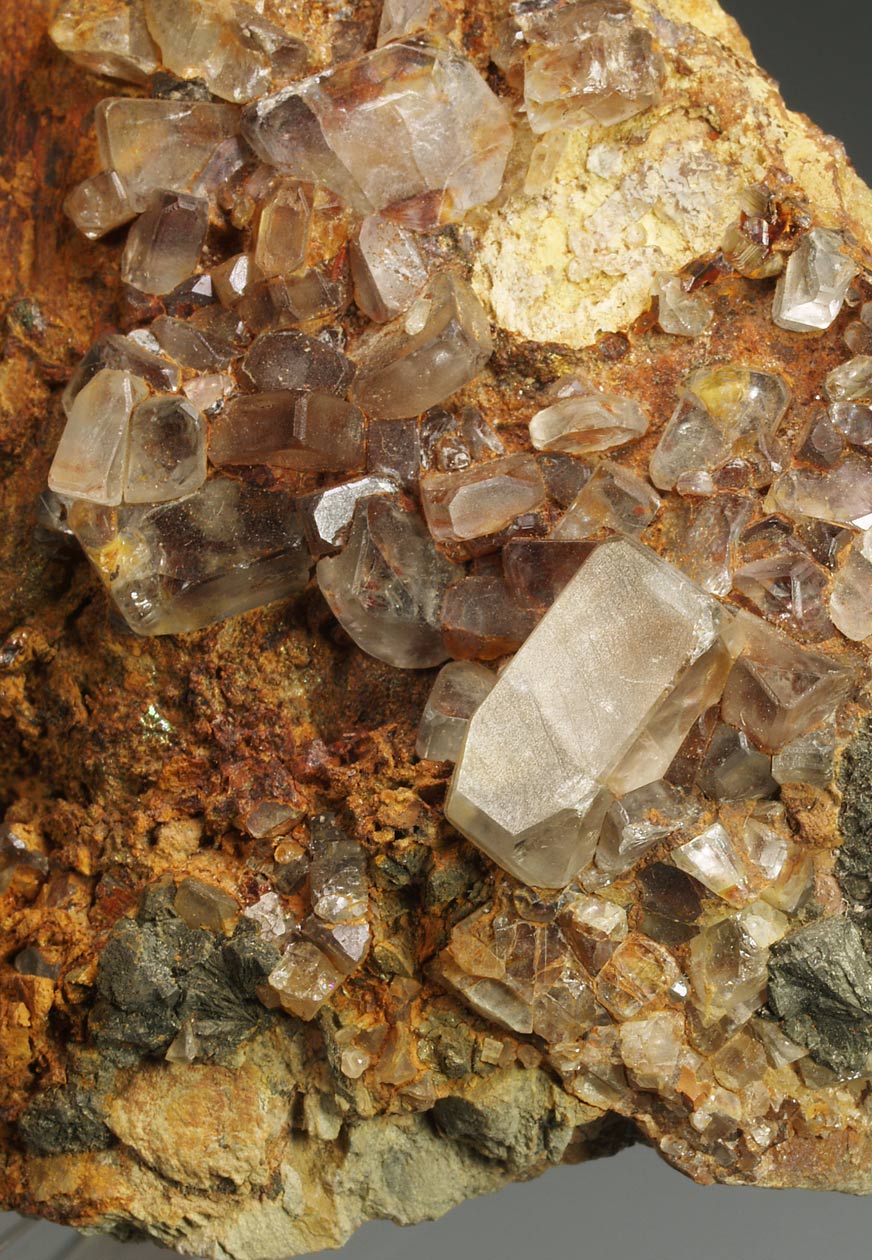
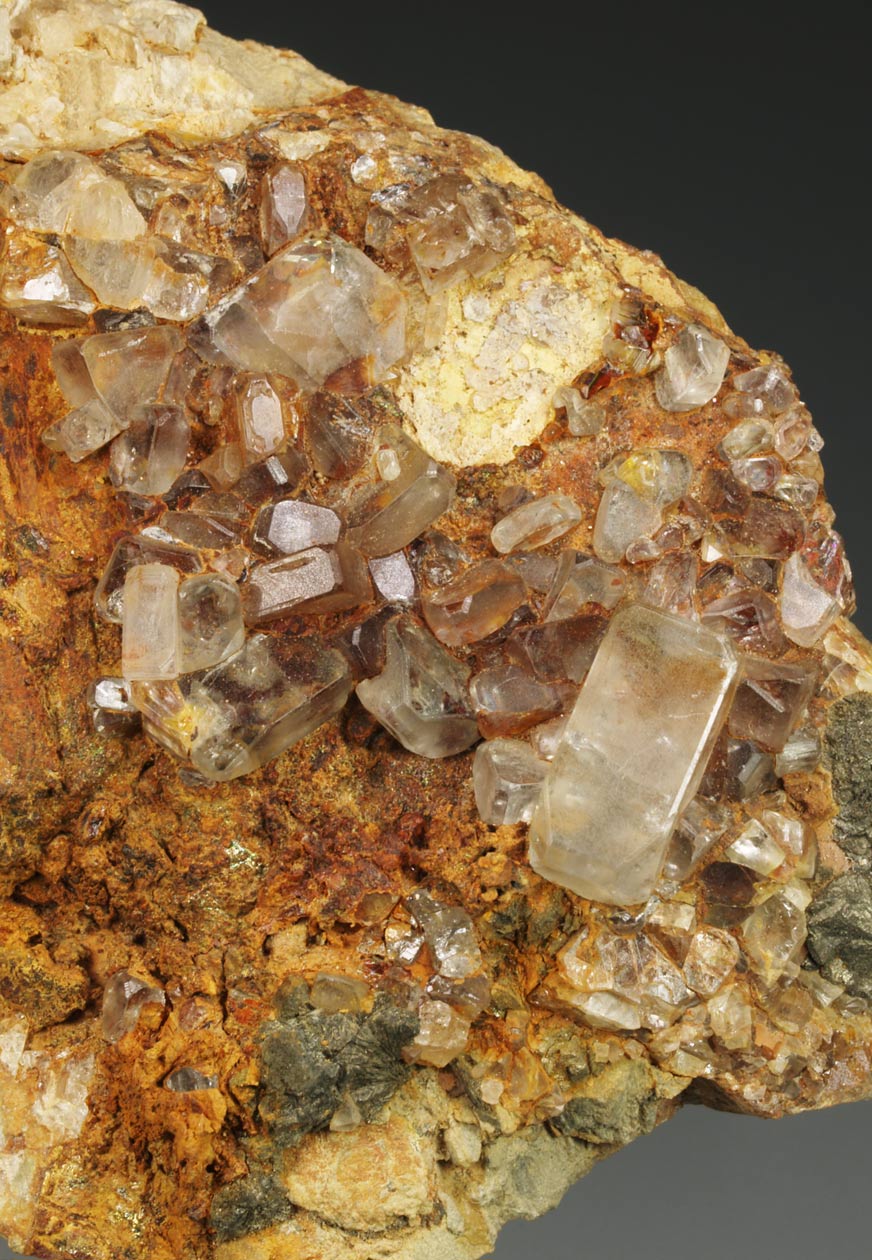
Los cristales de barita de esta cantera son un clásico de la mineralogía catalana. Se presentan en las fisuras de las pizarras, habitualmente recubiertas por óxidos de hierro. En este ejemplar podemos ver diversos grupos de cristales prismáticos, brillantes y transparentes, ricos en caras. Entre ellos destaca uno de mayor tamaño en el que podemos ver las caras de los prismas ortorrómbicos de diversos órdenes truncados por caras pinacoidales. hoy en día cuesta mucho encontrar algún ejemplar en esta explotación y menos con la calidad del que ofrecemos.
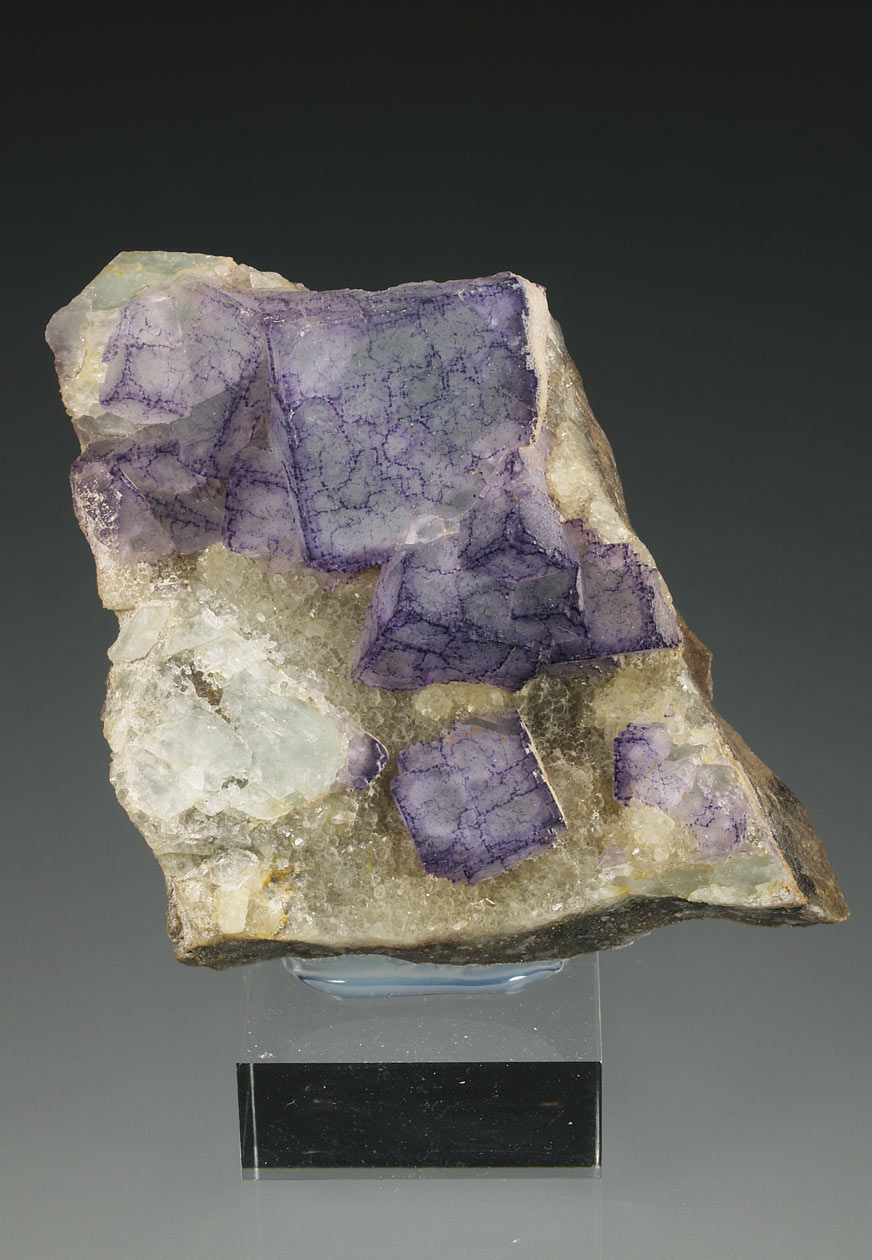
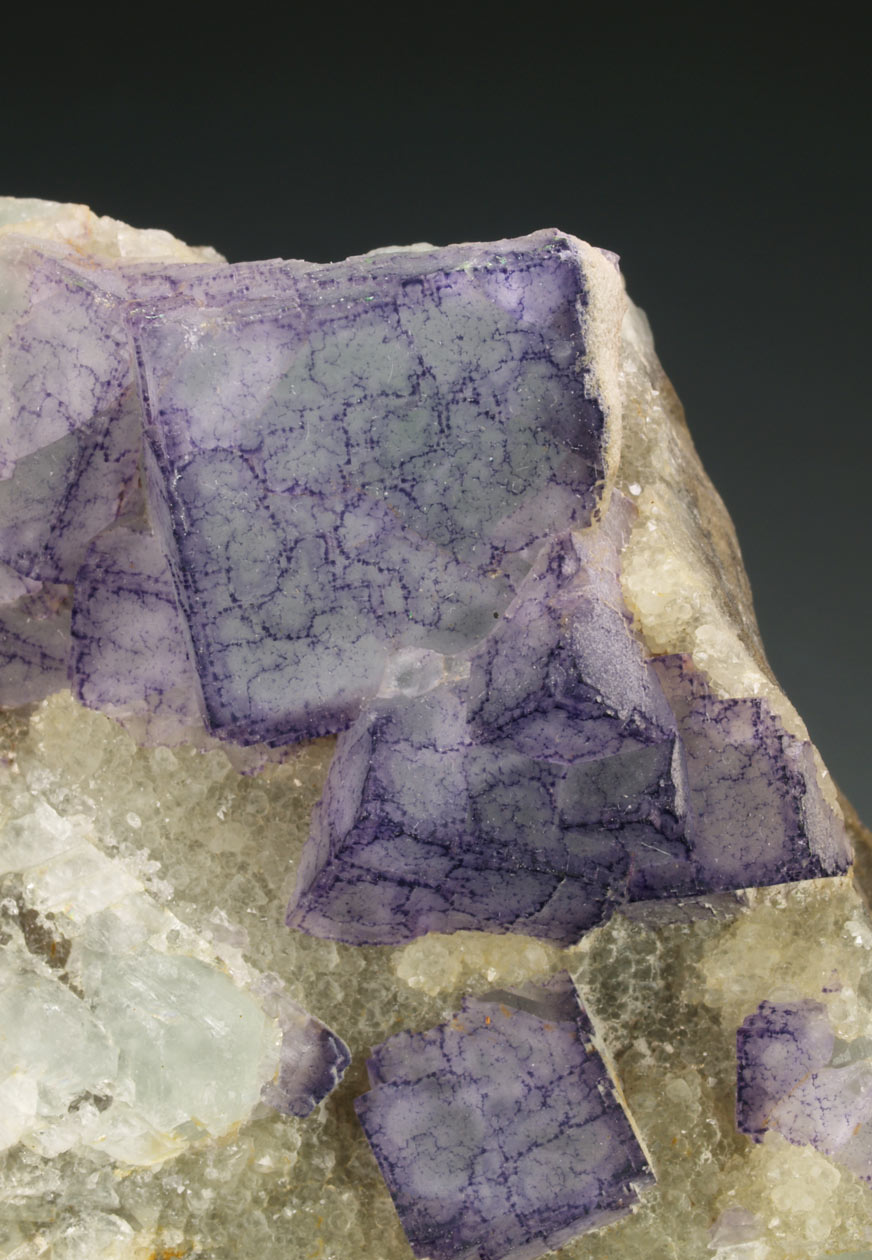
Estos cristales de fluorita presentan un aspecto cúbico con crecimientos en losetas sobre las superficies de las caras. En este espécimen observamos un color violeta a púrpura más intenso en las aristas y en la parte externa de los cristales, mientras que el corazón de estos tiene un suave color verde. Se disponen sobre una matriz con cristales de cuarzo. bajo la luz ultravioleta de onda corta presentan fluorescencia azulada.
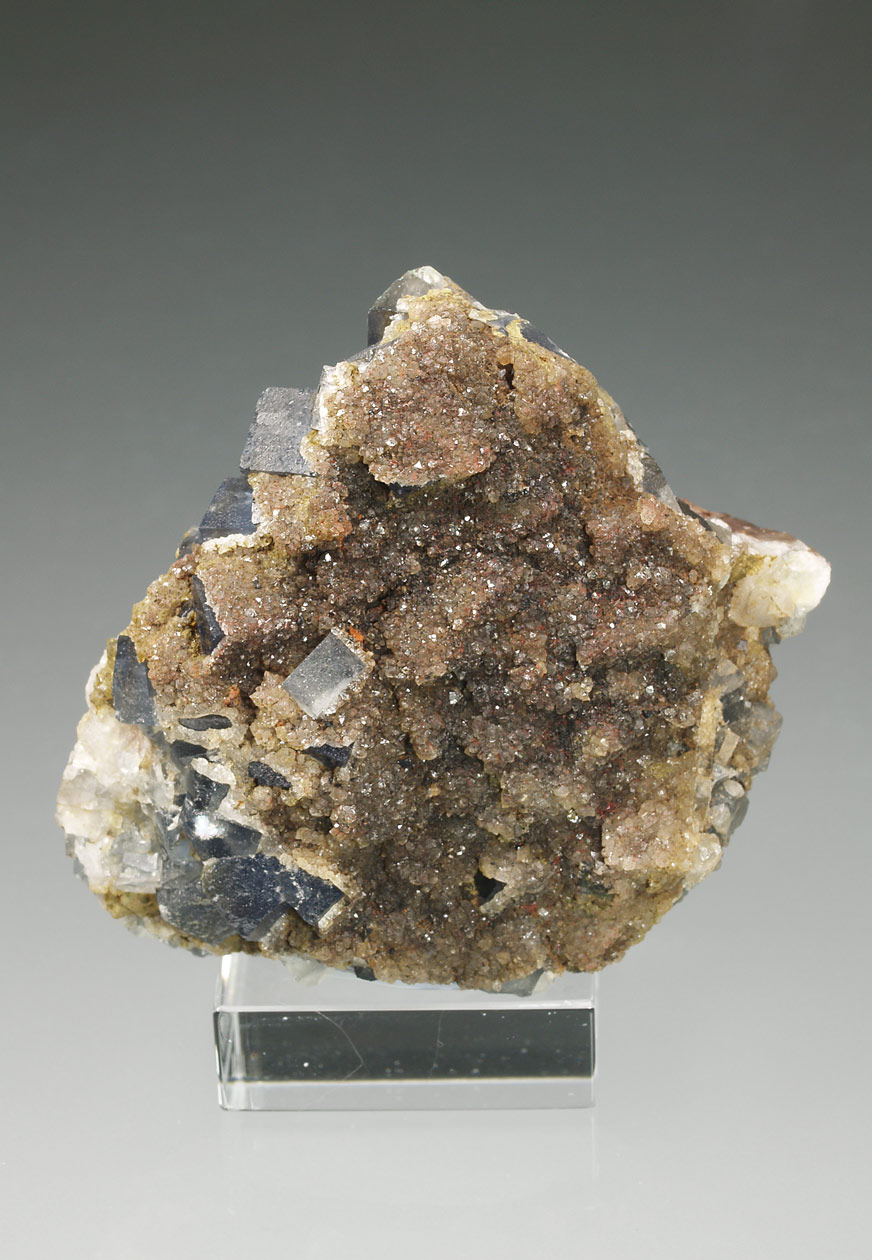
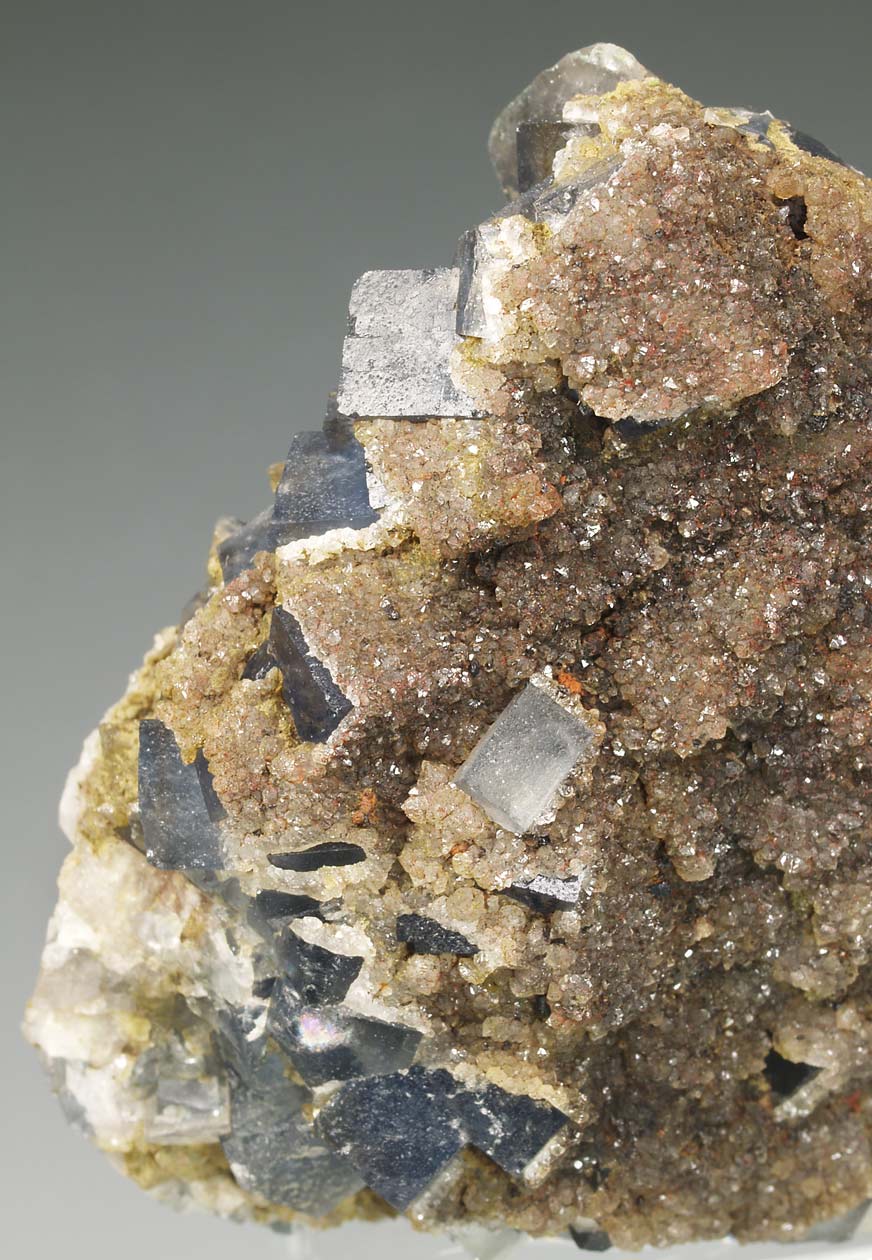
En este ejemplar podemos ver un grupo de cristales de fluorita azulada parcialmente recubiertos por una drusa de cristales de cuarzo diminutos pero muy brillantes.
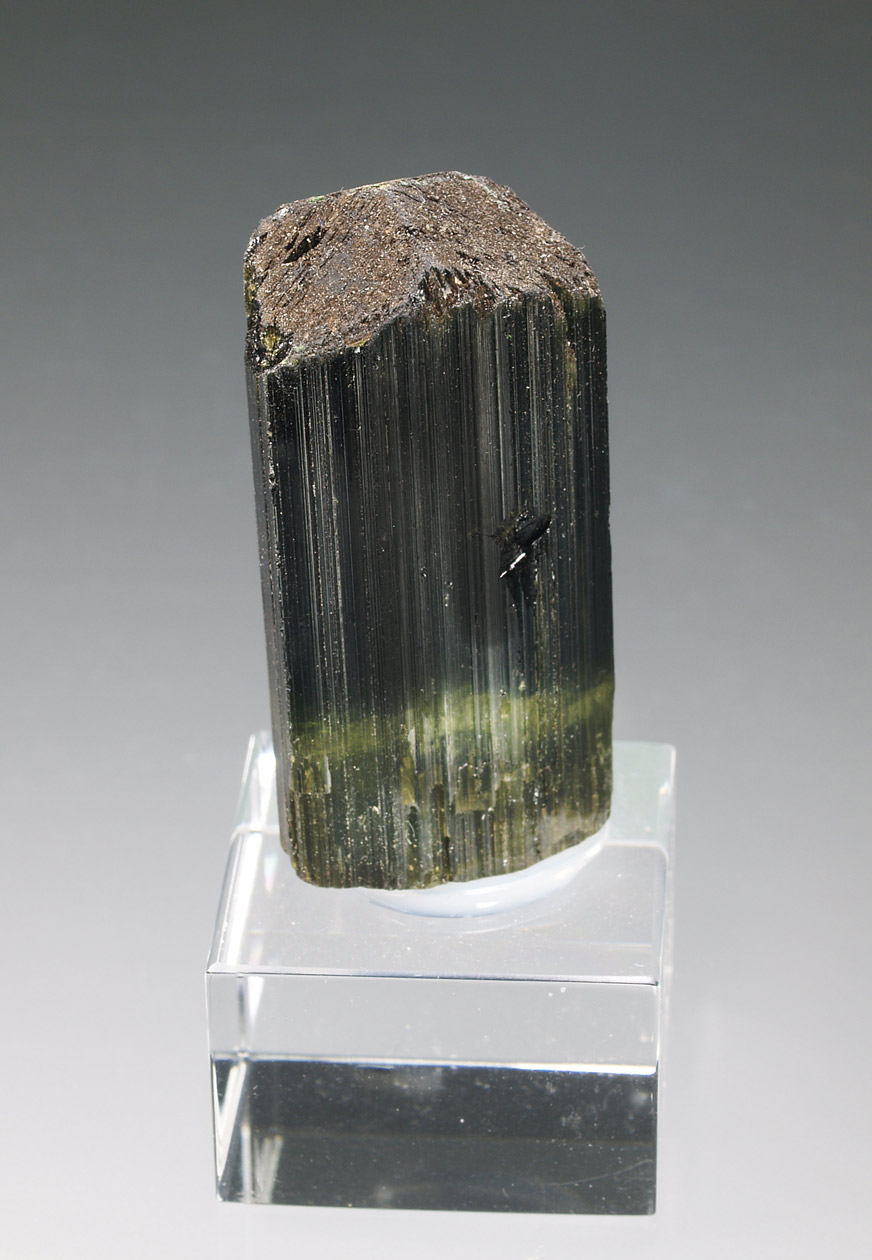
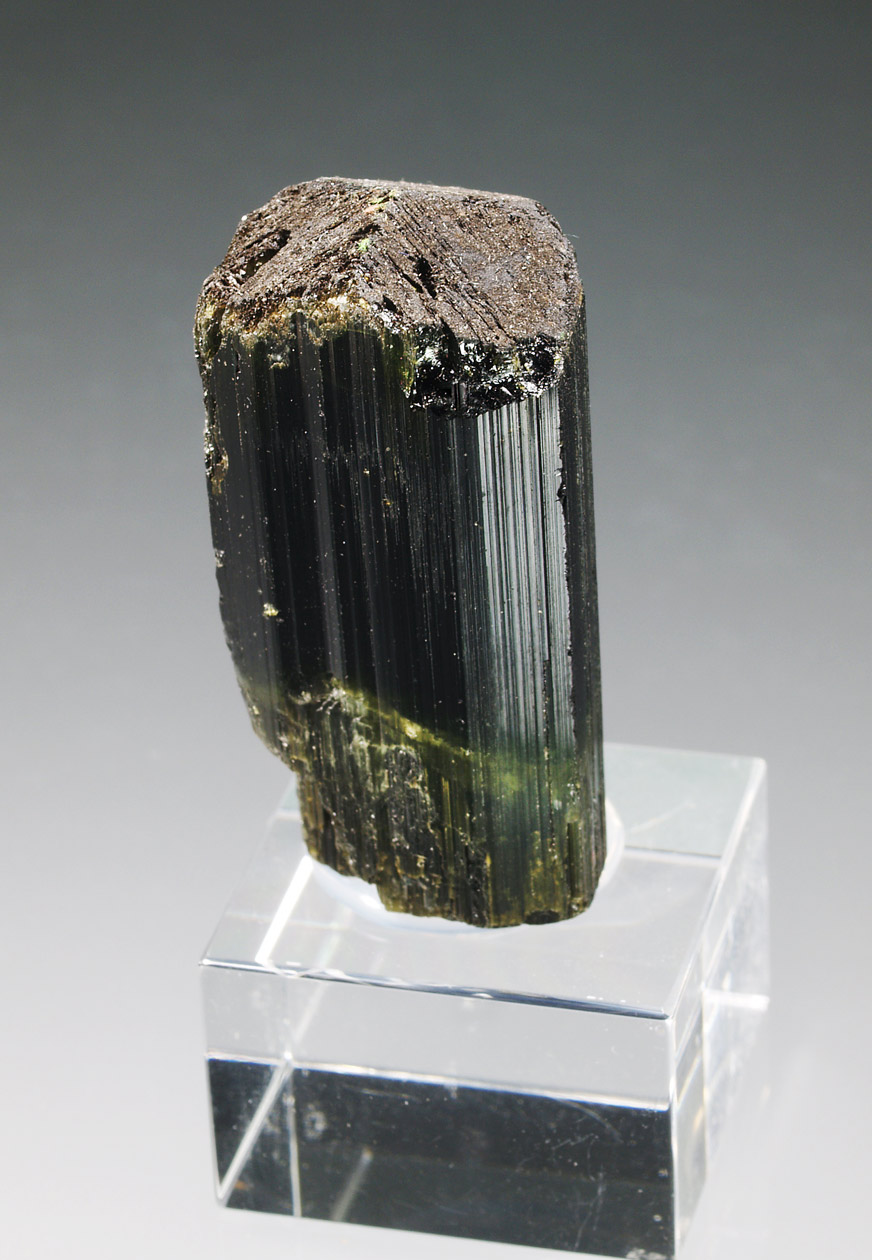
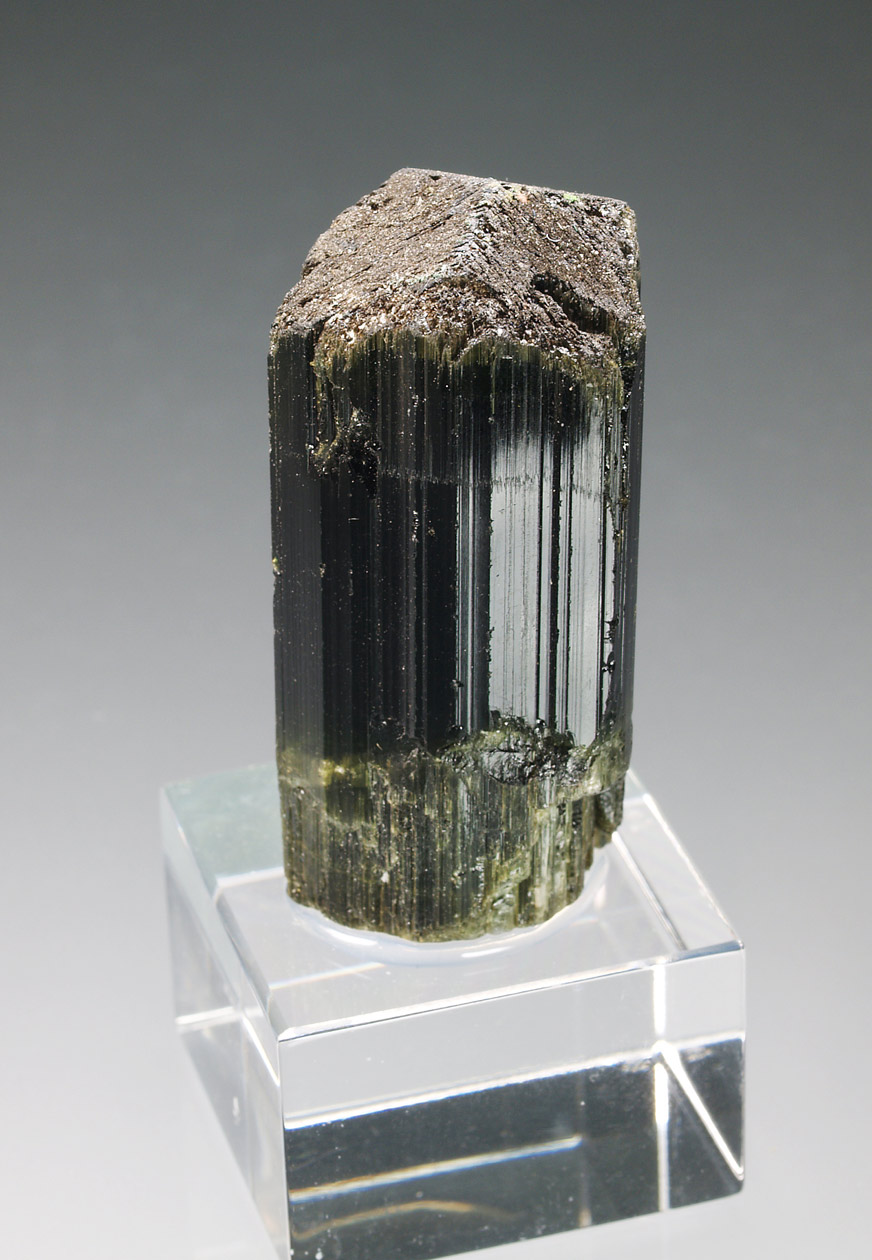
Ejemplar de elbaíta de muy buen tamaño y grosor, que nos muestra los prismas con estriaciones verticales y las caras terminales bien definidas. Destaca el brillo y un color verde más intenso en la parte superior y más claro en la base. Una pequeña joya de Minas Gerais. Procede de la colección Trigo de Mataró.
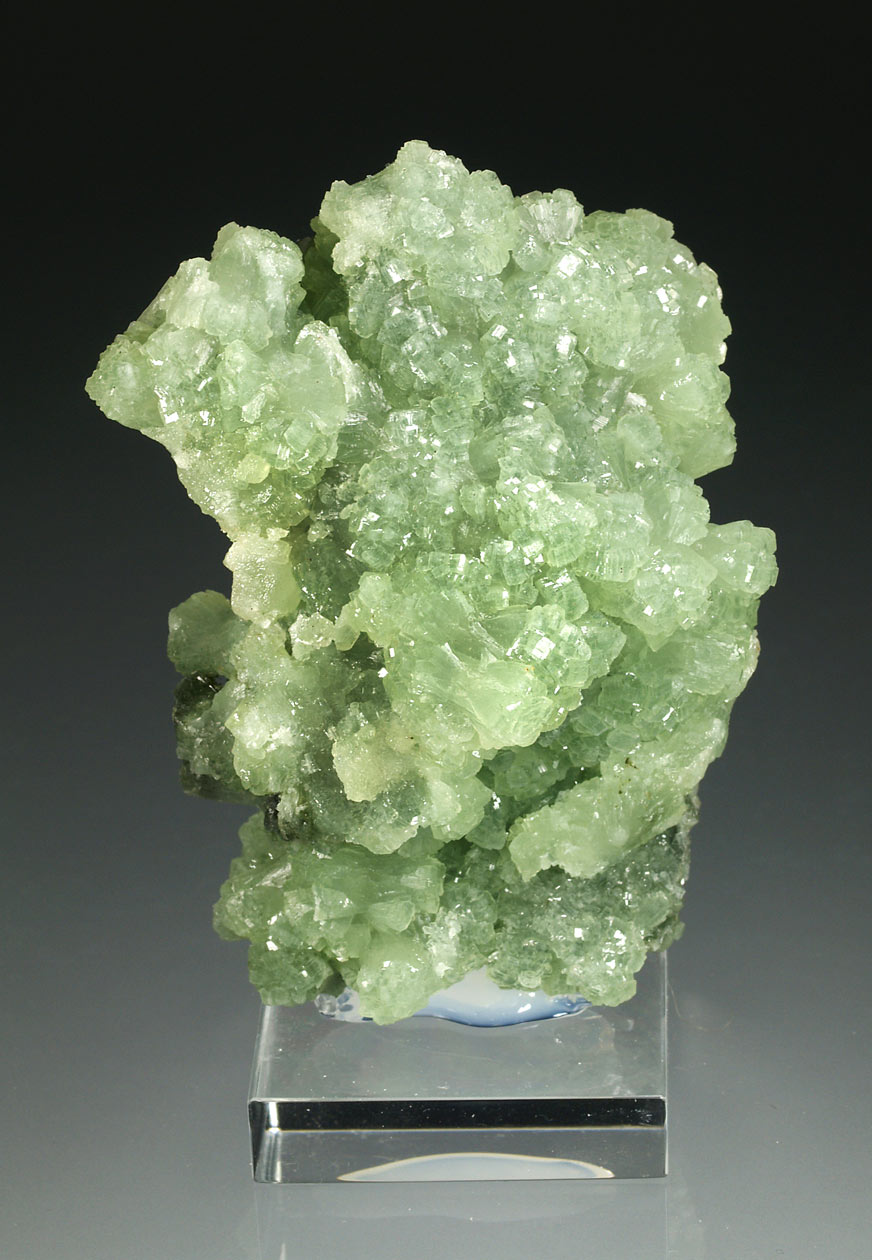
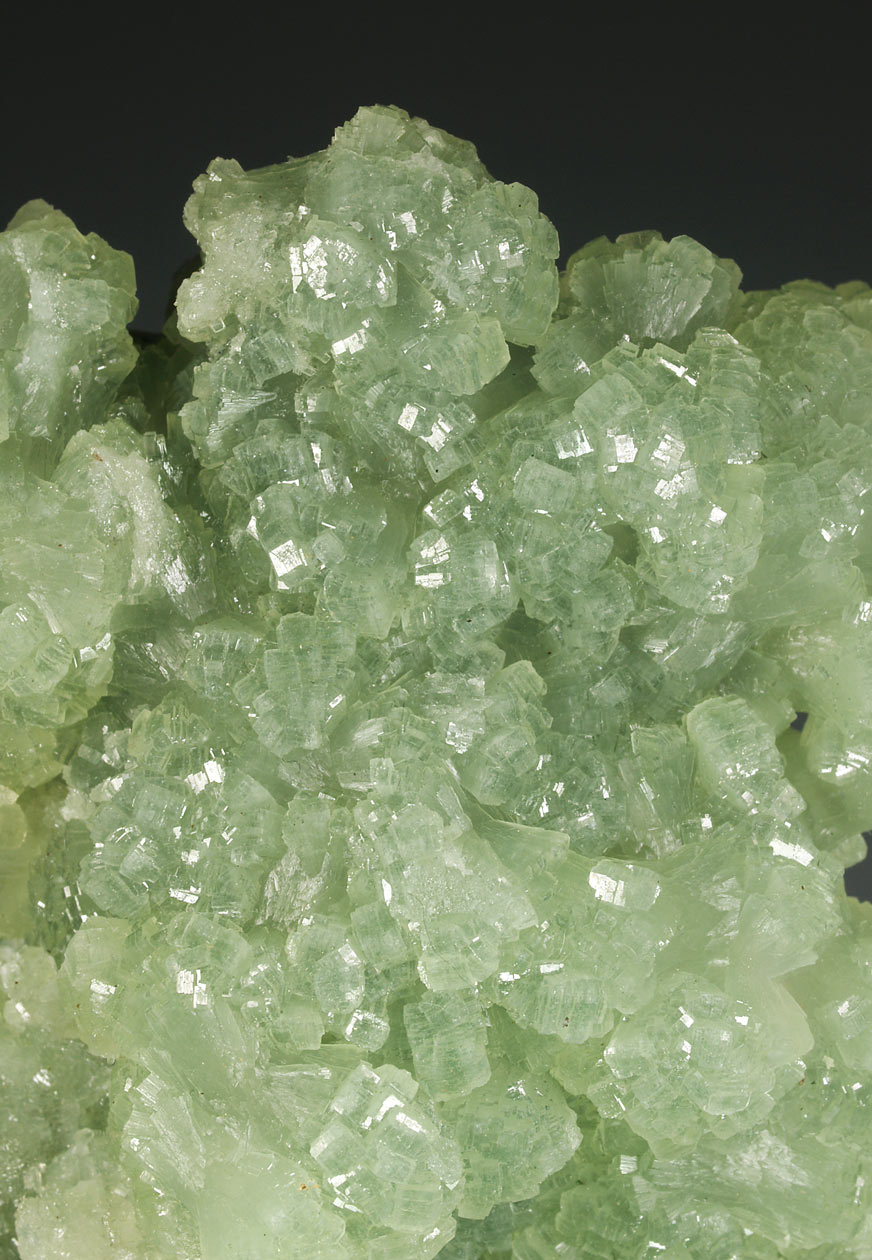
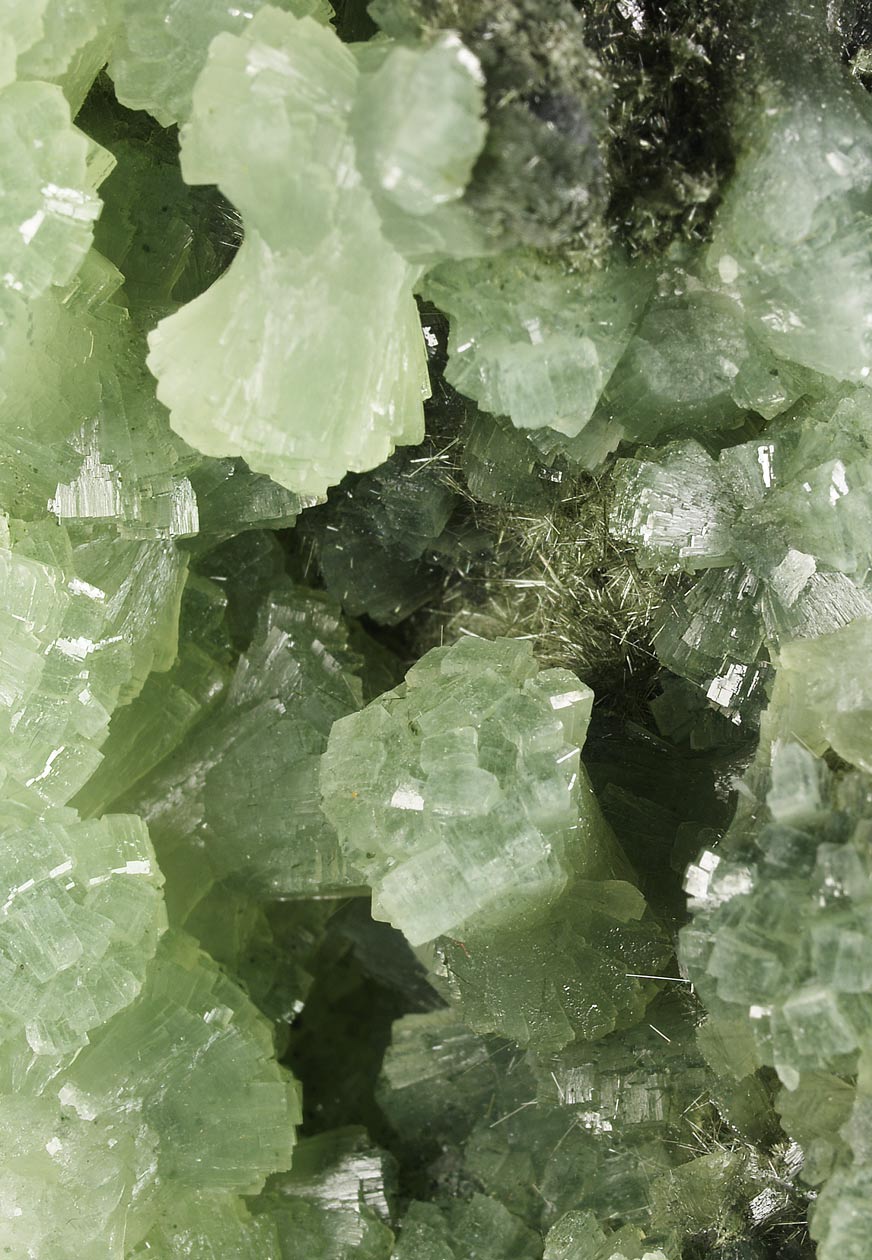
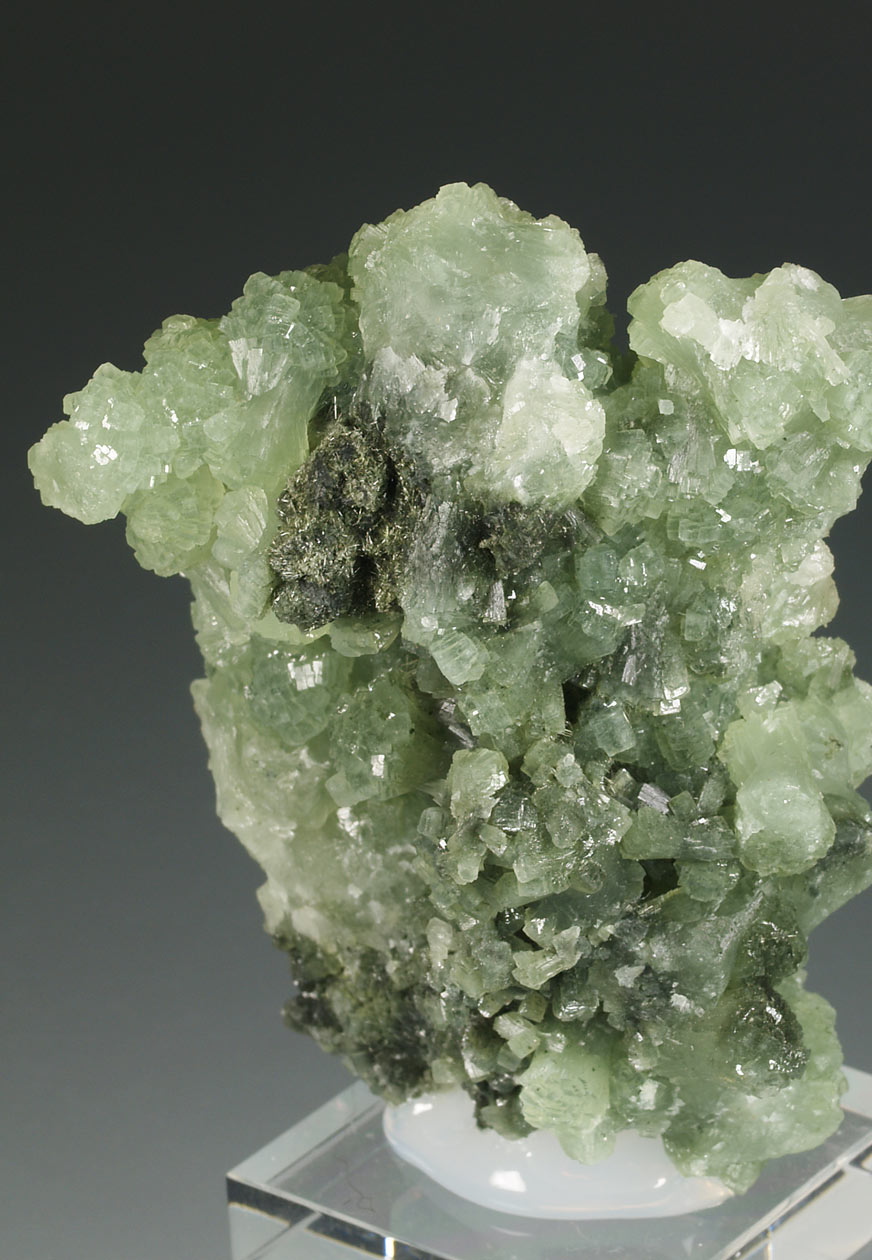
Estos ejemplares de prehnita son una novedad de la feria Mineralexpo Barcelona-Sants 2022. Se trata de agregados globulares y en gavilla de cristales, muy brillantes, translúcidos y de un color verde muy uniforme. En ocasiones se acompañan de pequeños cristales aciculares de actinolita. Proceden de una localidad cercana a Boulemane.
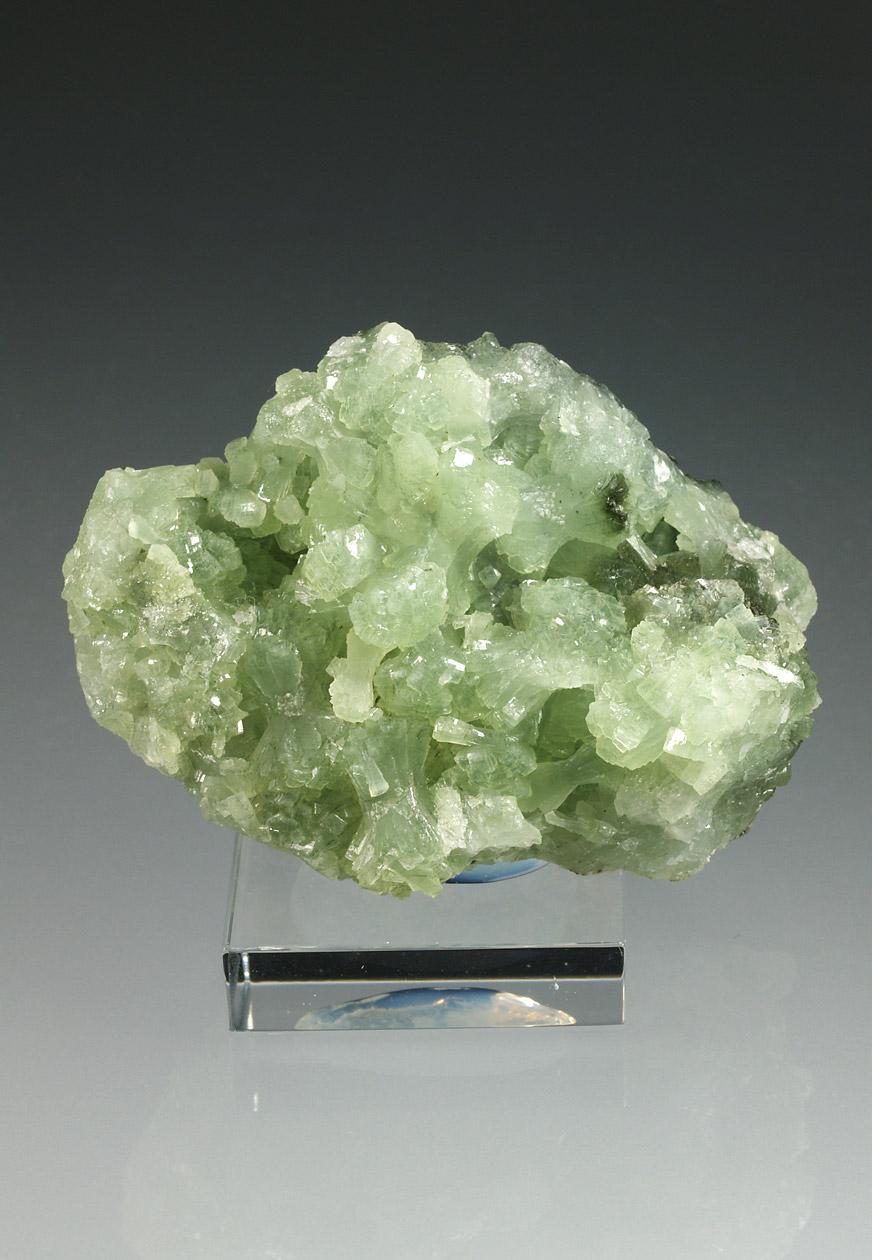
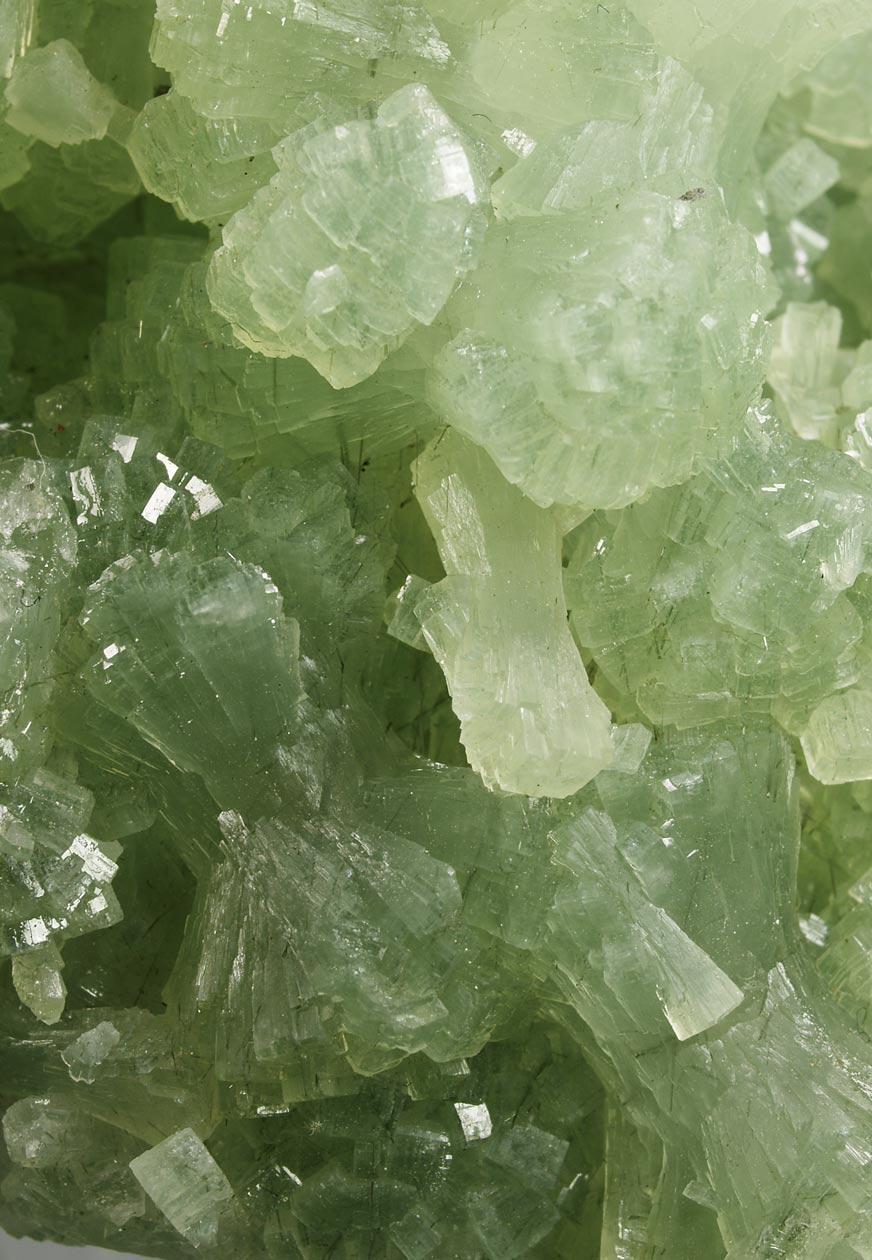
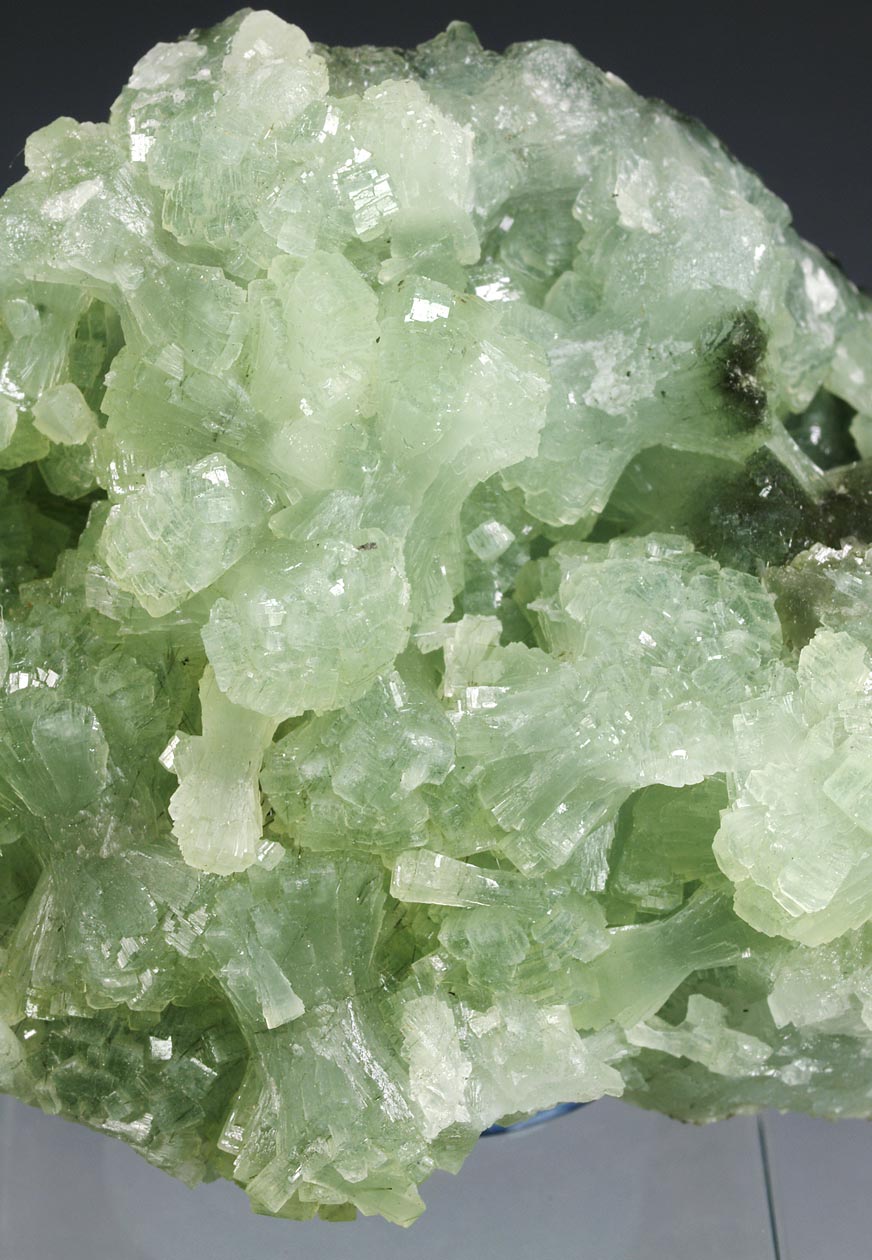
Estos ejemplares de prehnita son una novedad de la feria Mineralexpo Barcelona-Sants 2022. Se trata de agregados globulares y en gavilla de cristales, muy brillantes, translúcidos y de un color verde muy uniforme. En ocasiones se acompañan de pequeños cristales aciculares de actinolita. Proceden de una localidad cercana a Boulemane.
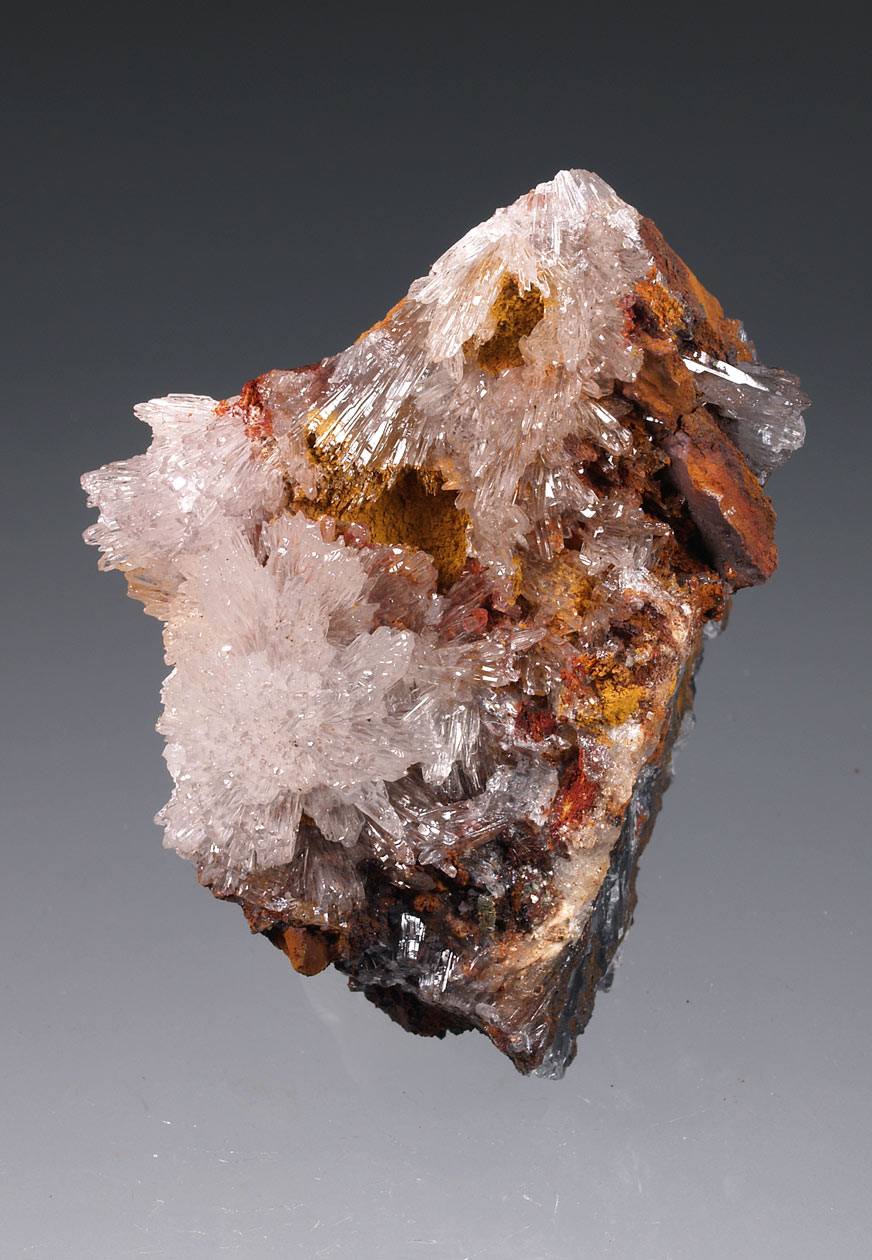
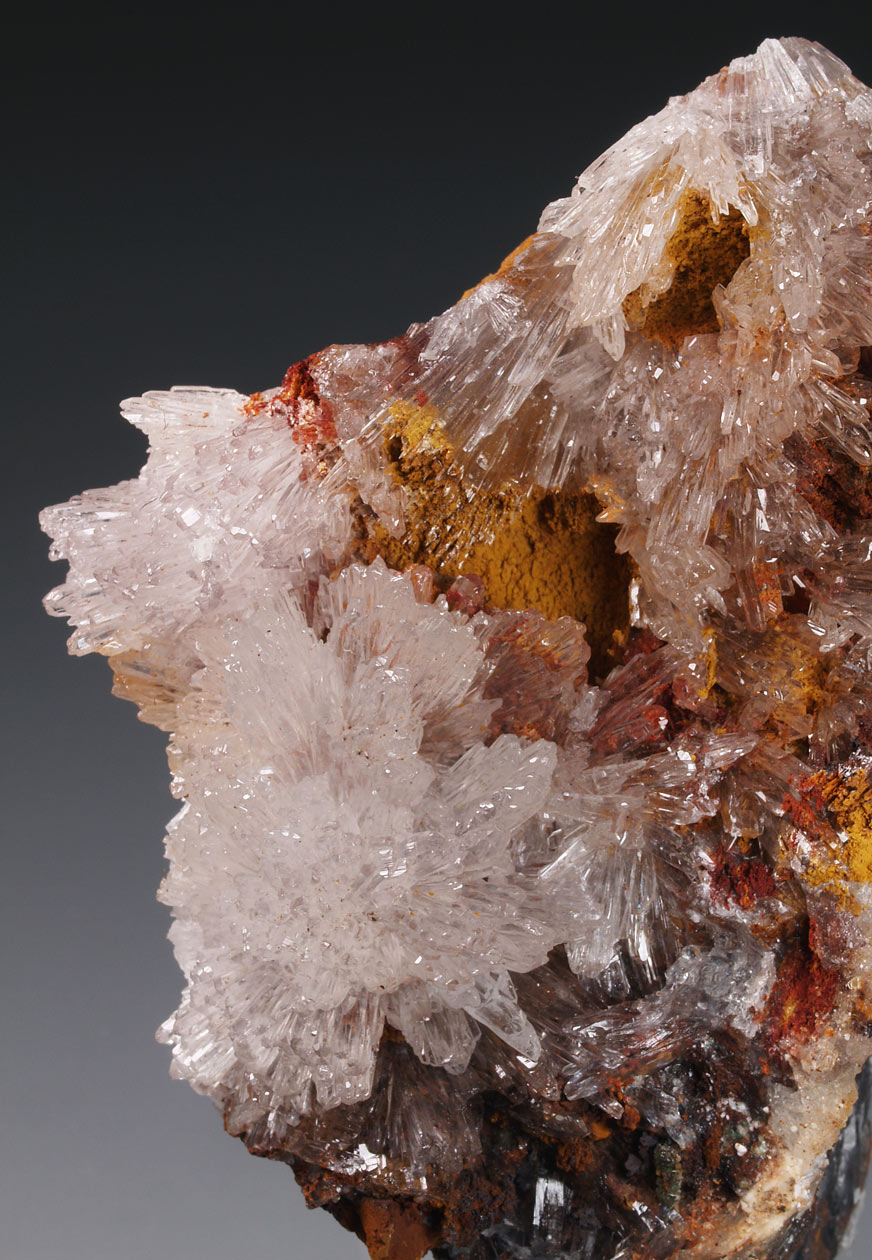
Agregado divergente de cristales de aragonito, muy estéticos, brillantes y con transparencia. Se disponen sobre una matriz con goethita. Los ejemplares de aragonito de Lavrion son apreciados por los coleccionistas por su estética.
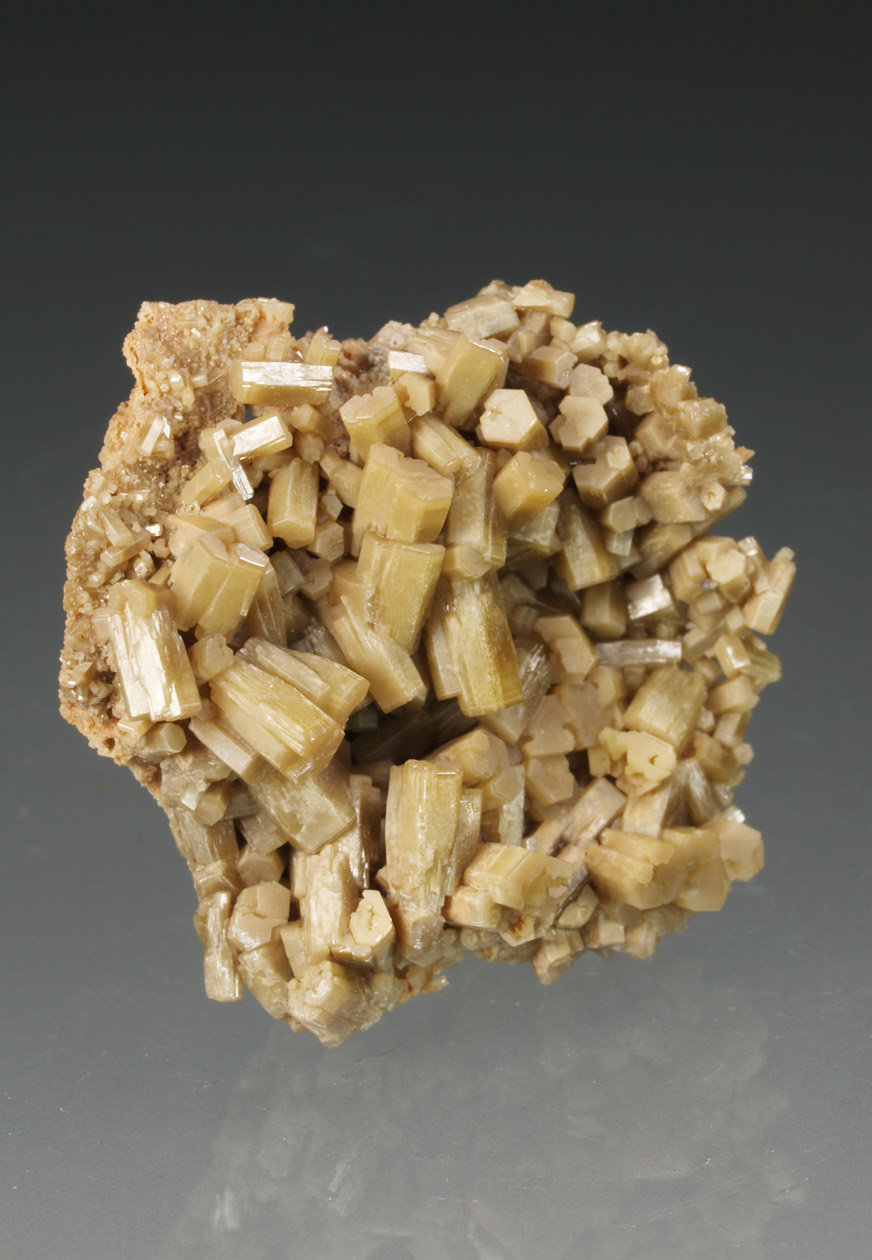
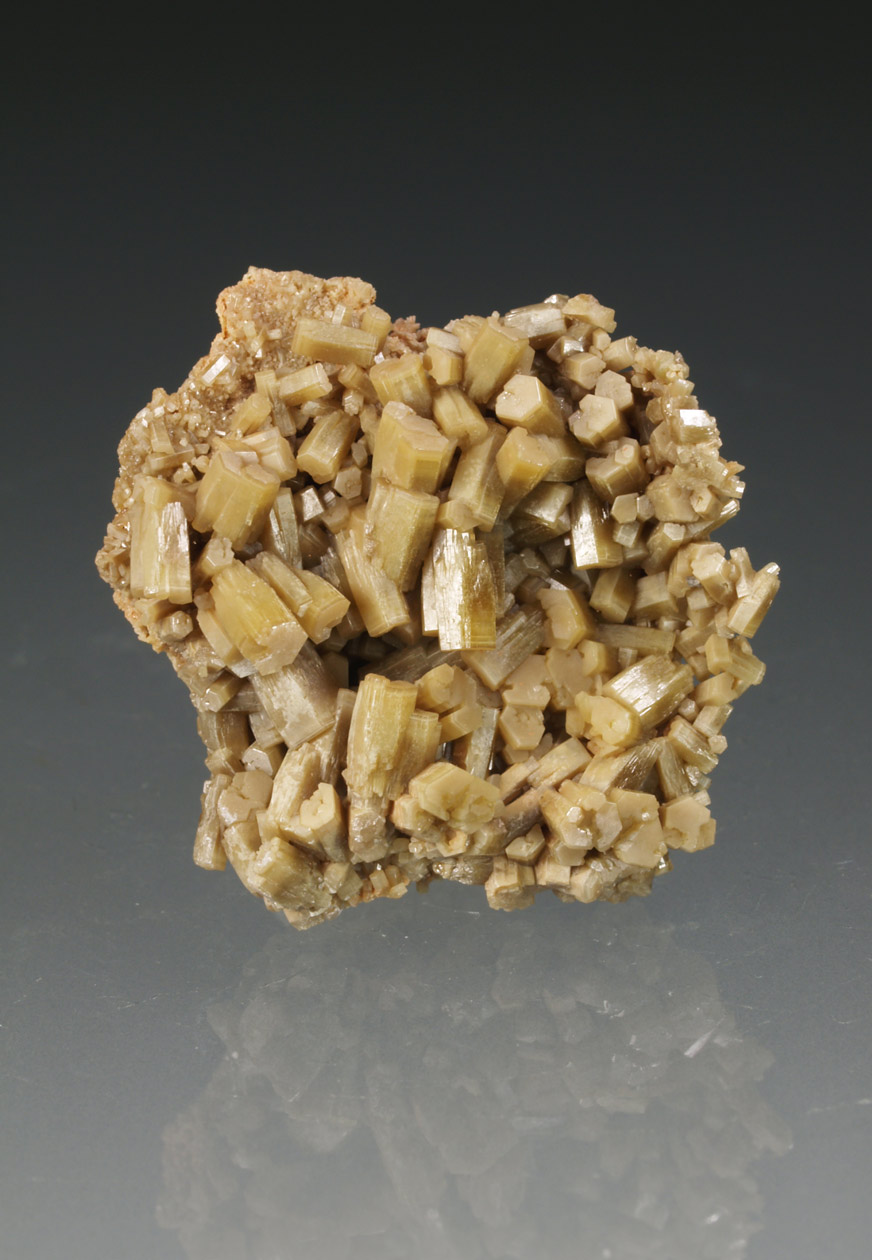
Grupo de cristales de piromorfita de color verde pardo, con formas hexagonales muy marcadas y caras y aristas definidas. Procede de una mina clásica española y de la que han salido ejemplares de buena calidad.
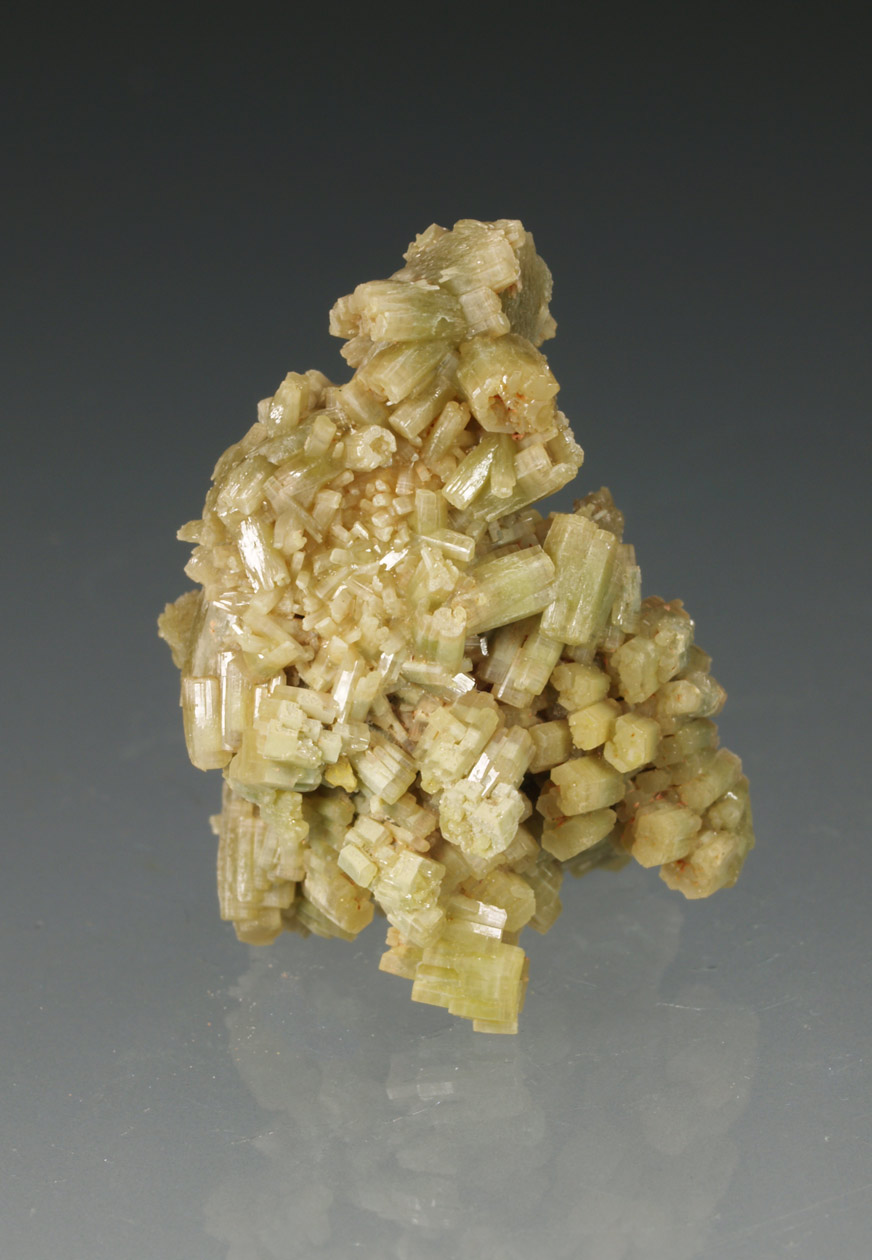
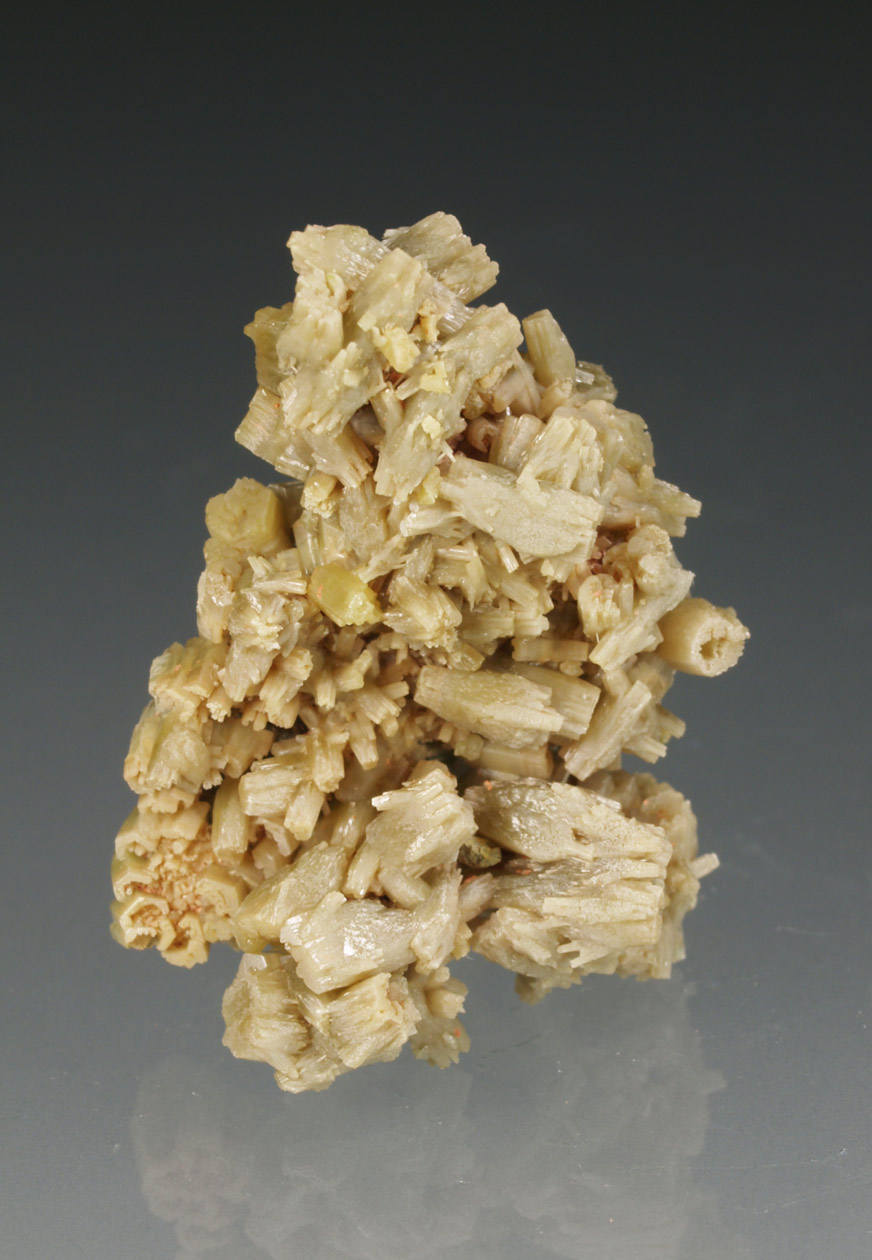
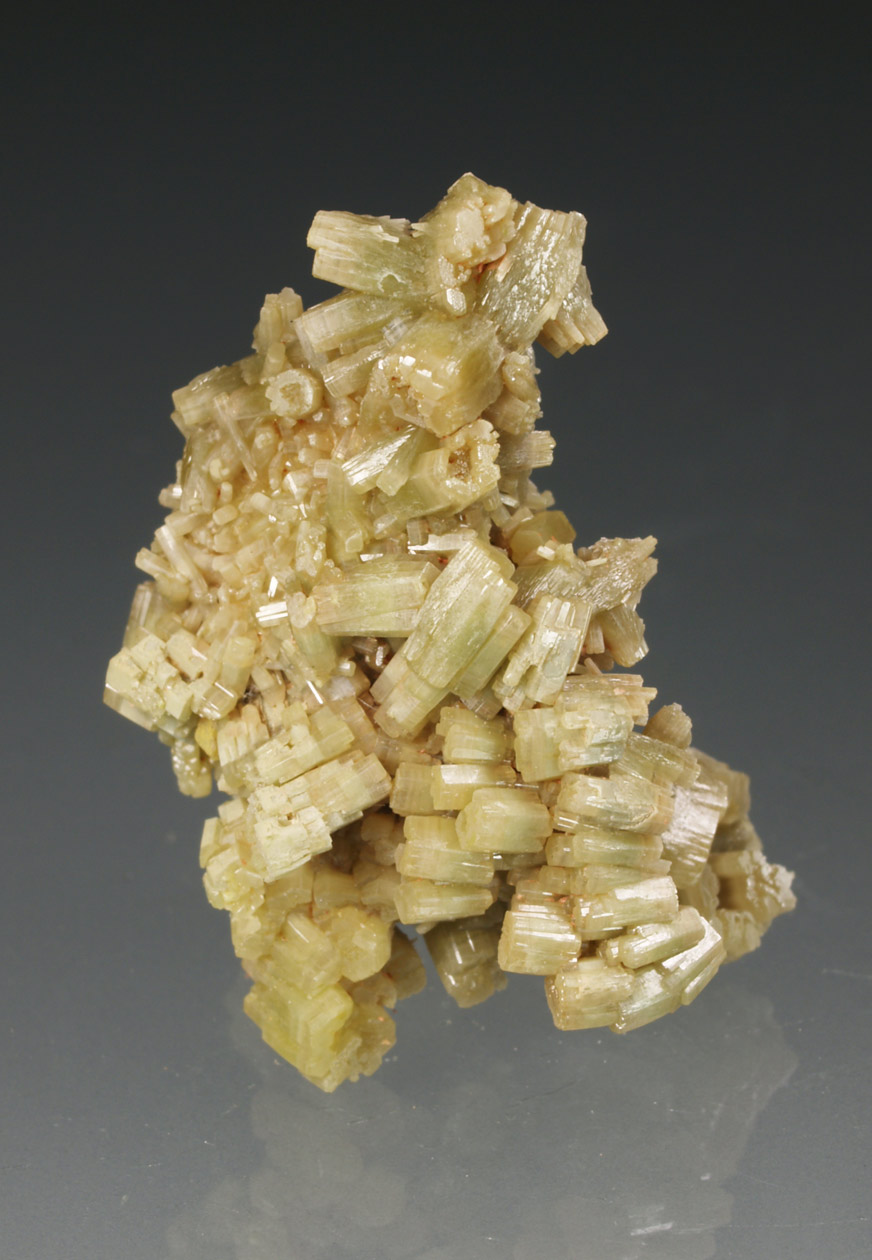
Grupo de cristales de piromorfita de color verde pardo, con formas hexagonales muy marcadas y caras y aristas definidas. Procede de una mina clásica española y de la que han salido ejemplares de buena calidad.
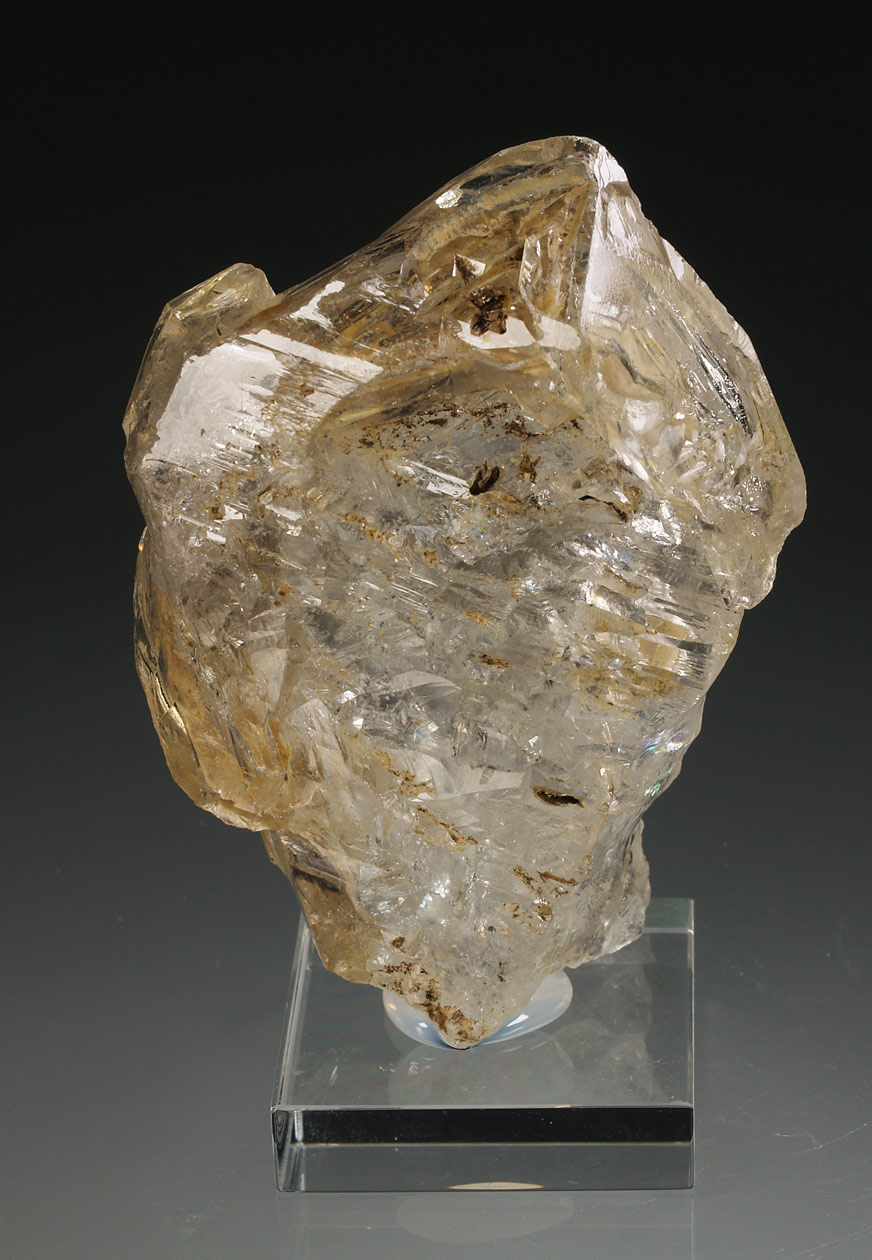
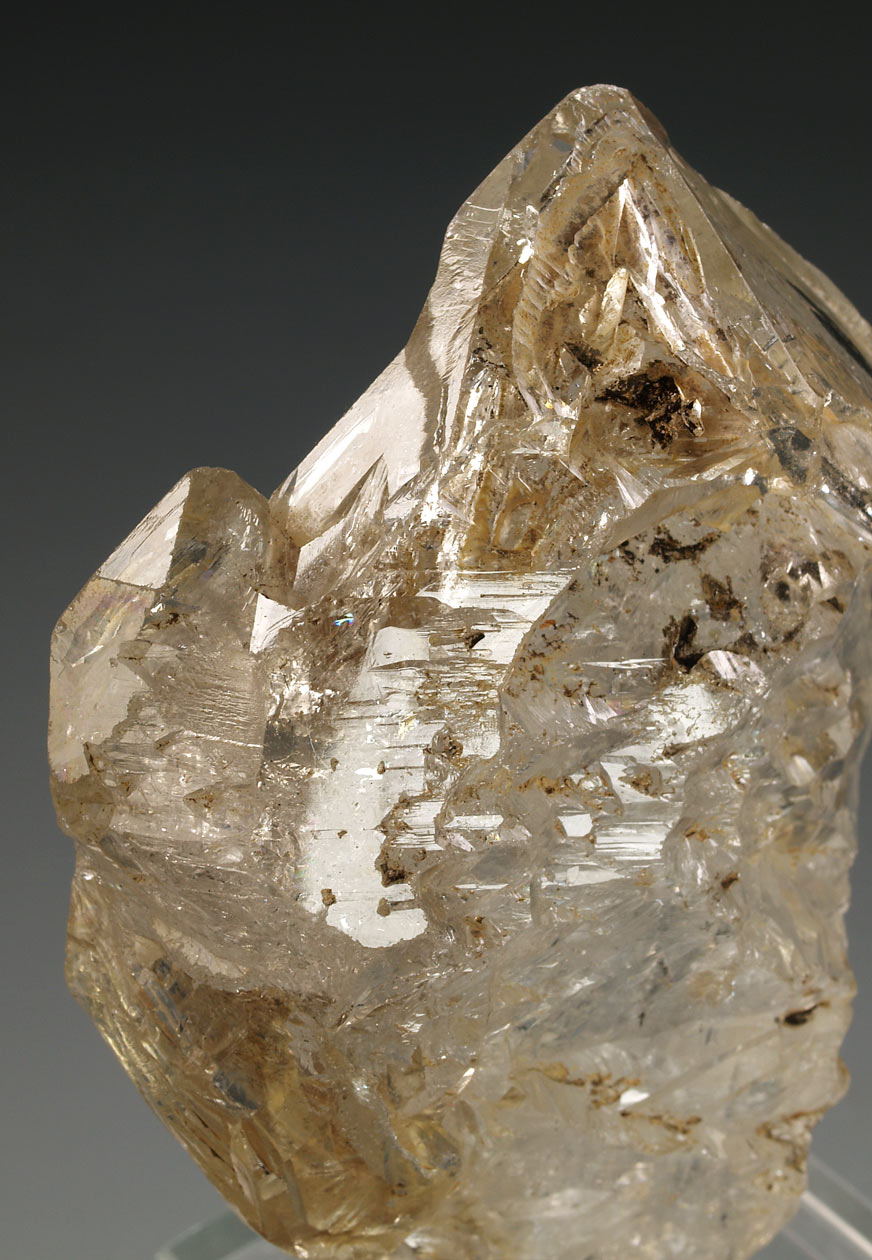
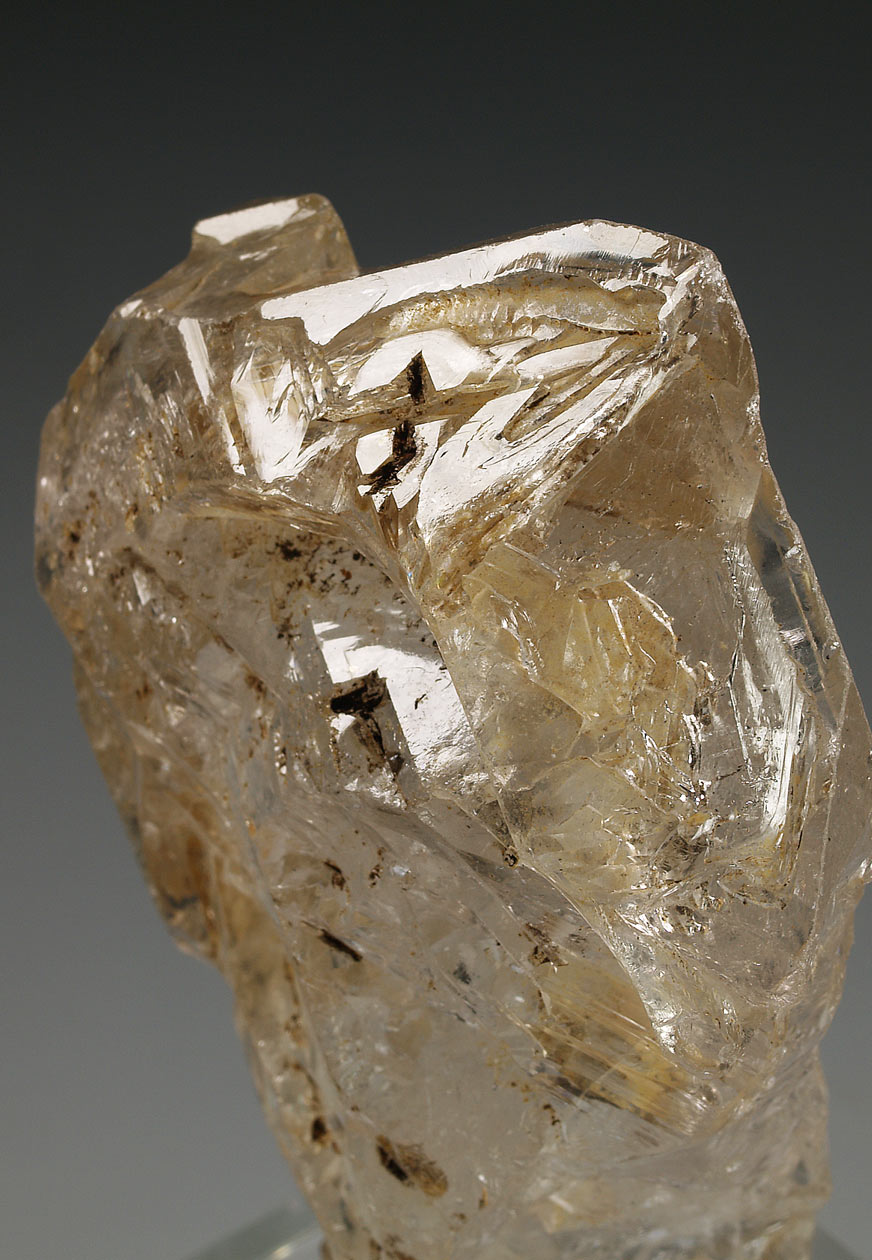
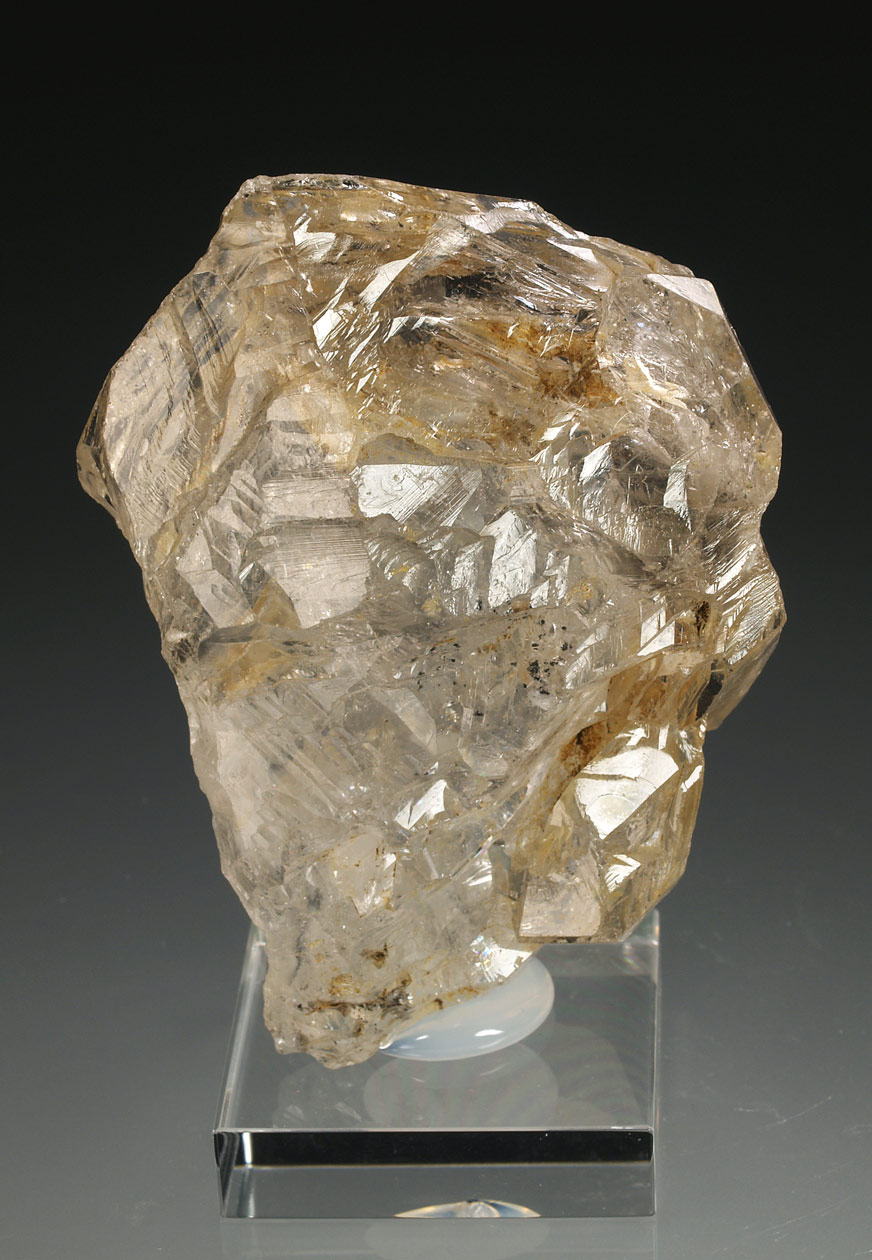
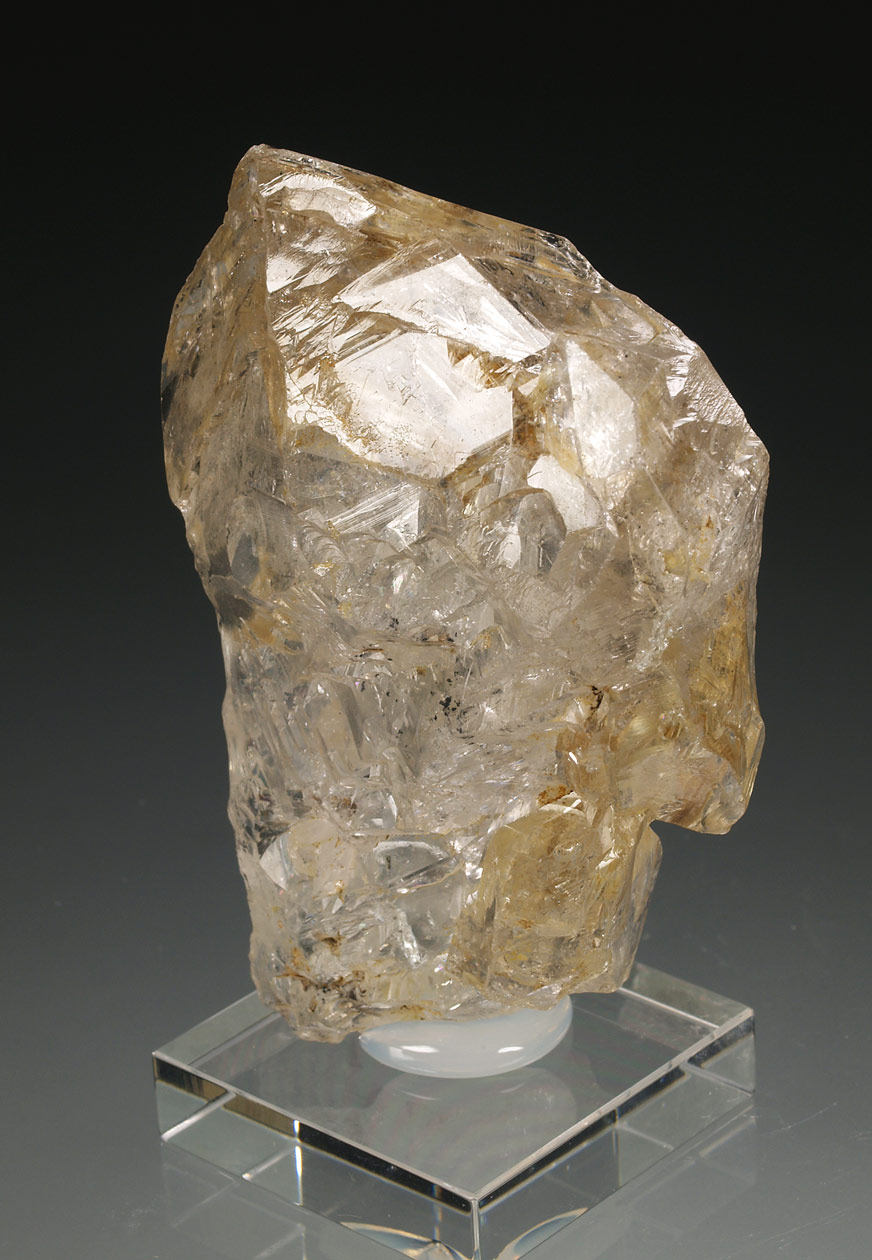
Ejemplar de cuarzo con marcadas formas de crecimiento en "ventana" con inclusiones. Estos cristales de Allos no son muy habituales en el mercado. El paso de Allos está situado en los límites del Parque Nacional de Mercantour, aproximadamente a 20 km del pequeño pueblo de Barcelonnette.
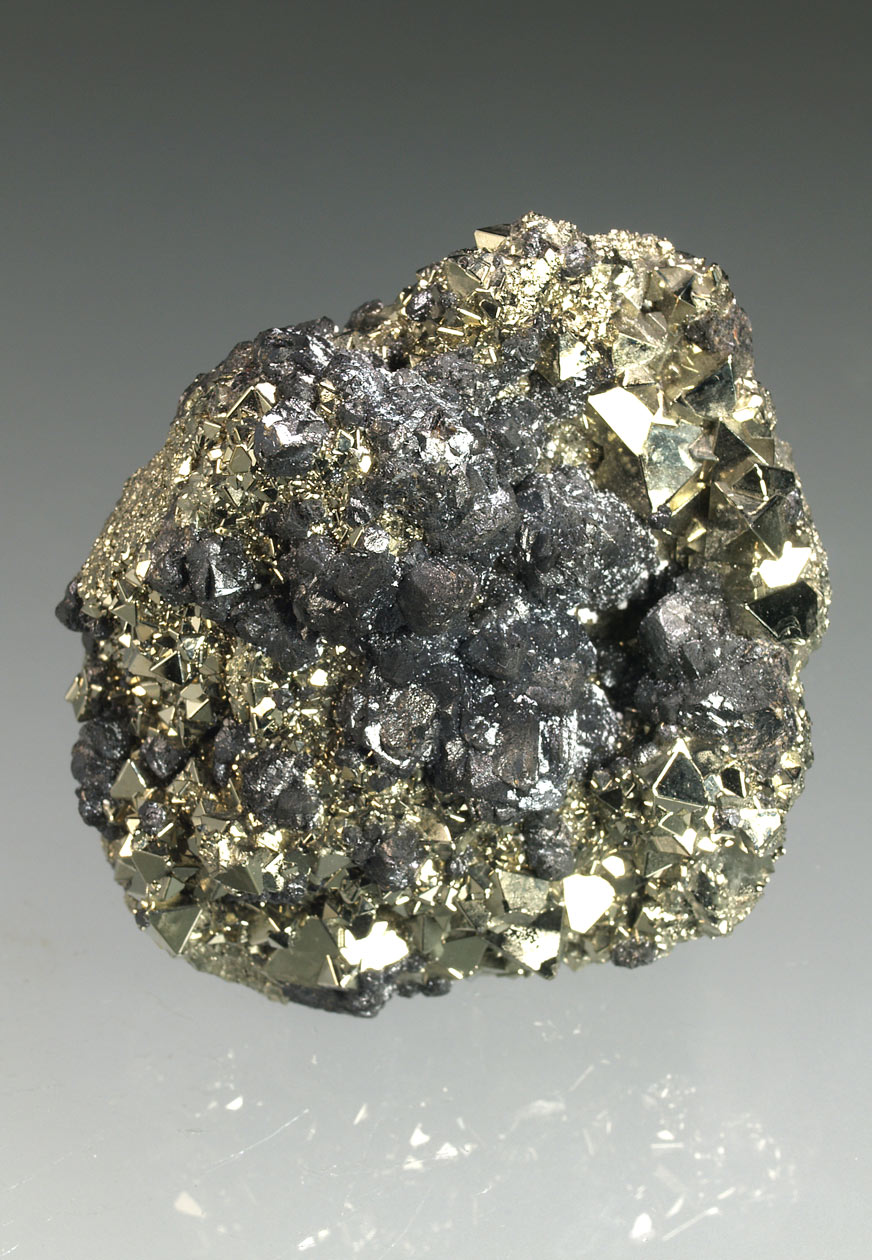
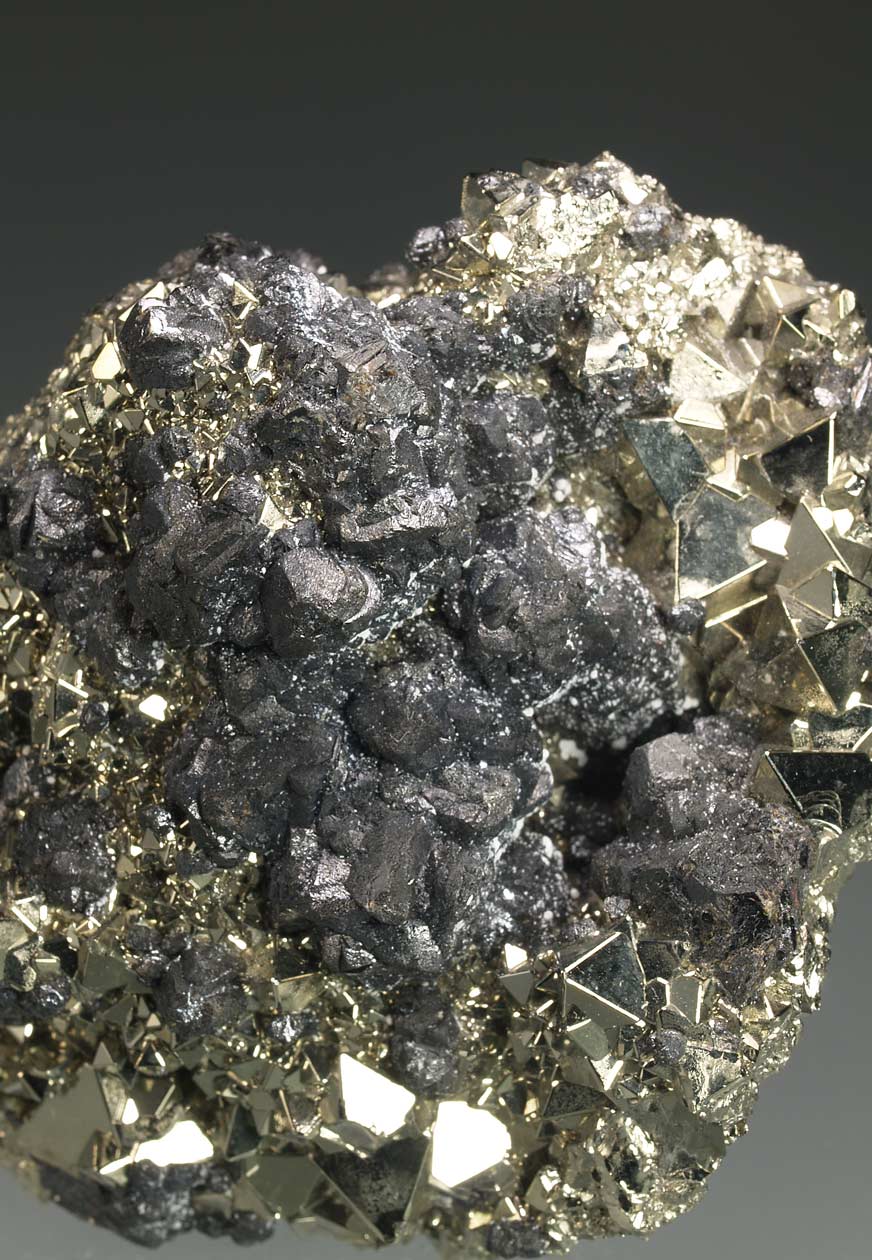
Grupo de cristales octaédricos de pirita, muy brillantes y definidos, que se acompañan de cristales complejos de esfalerita. Sobre ellos observamos numerosos agregados globulares blancos de crandallita (analizados mediante DRX). Esta combinación de minerales es poco habitual en el yacimiento, siendo este fosfato la primera cita.
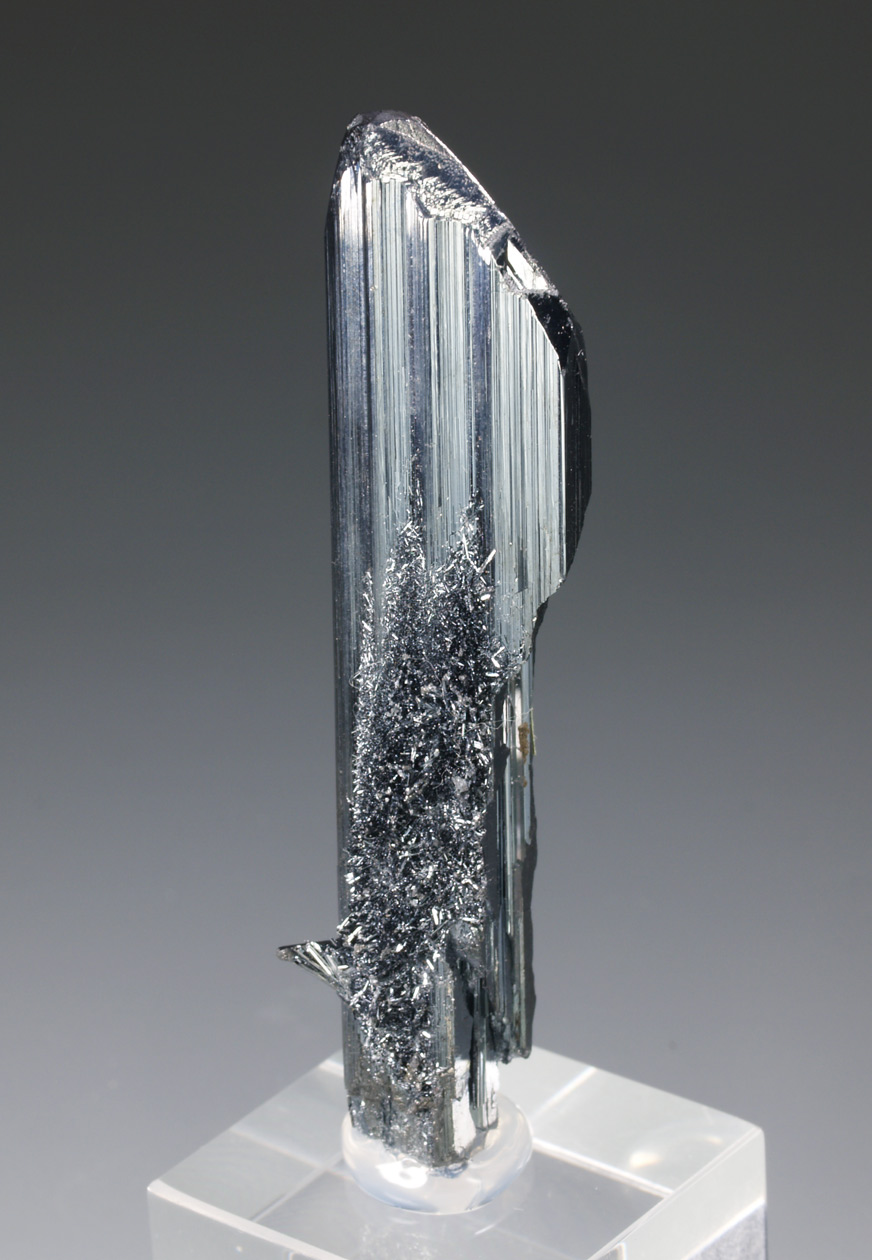
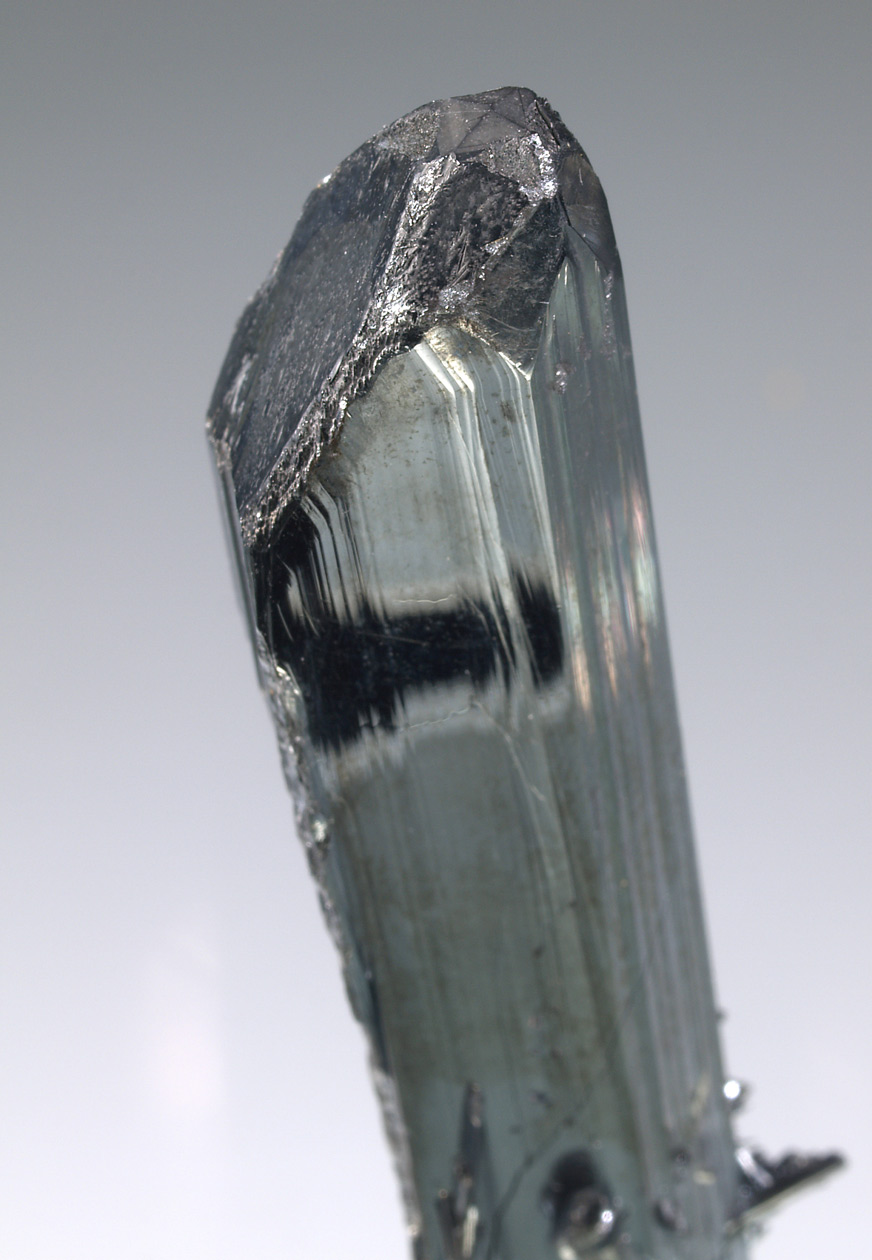
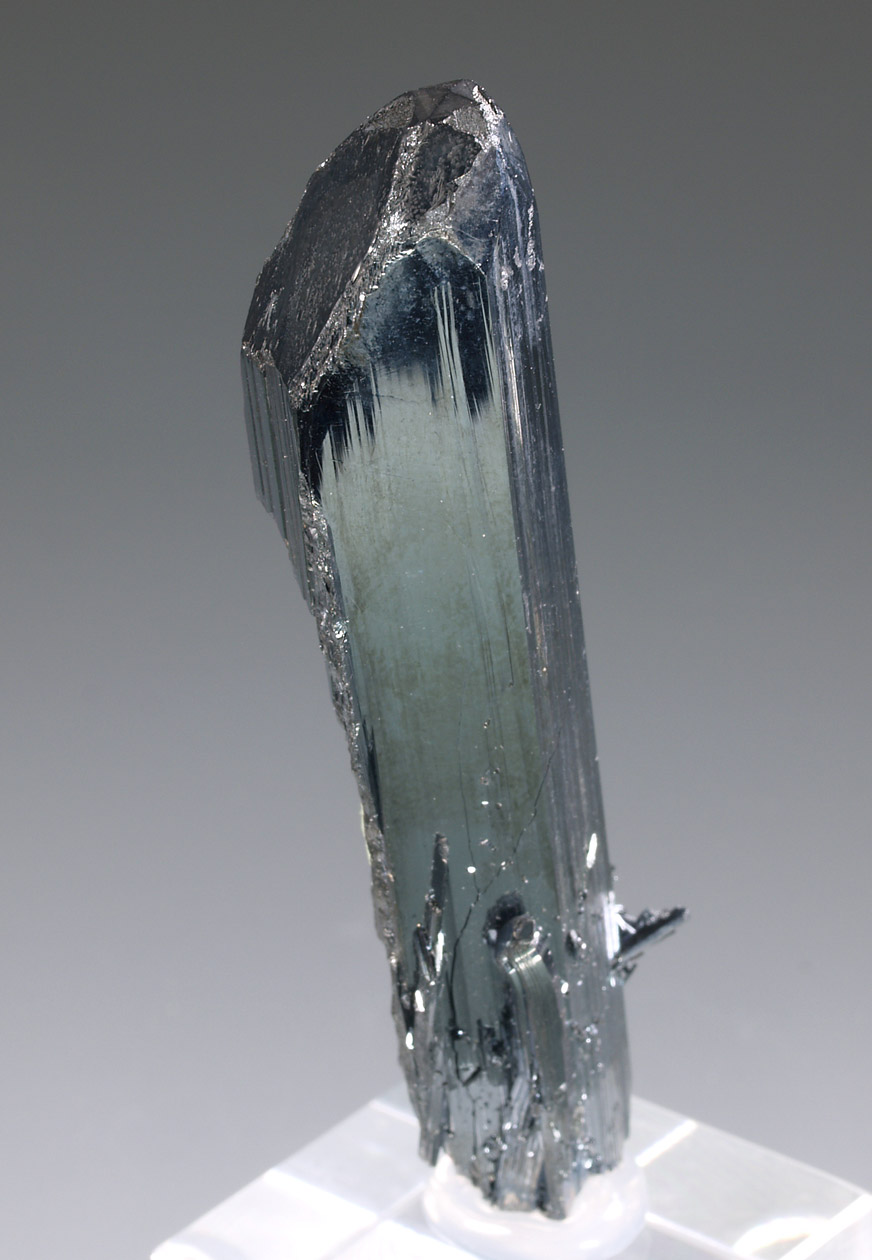
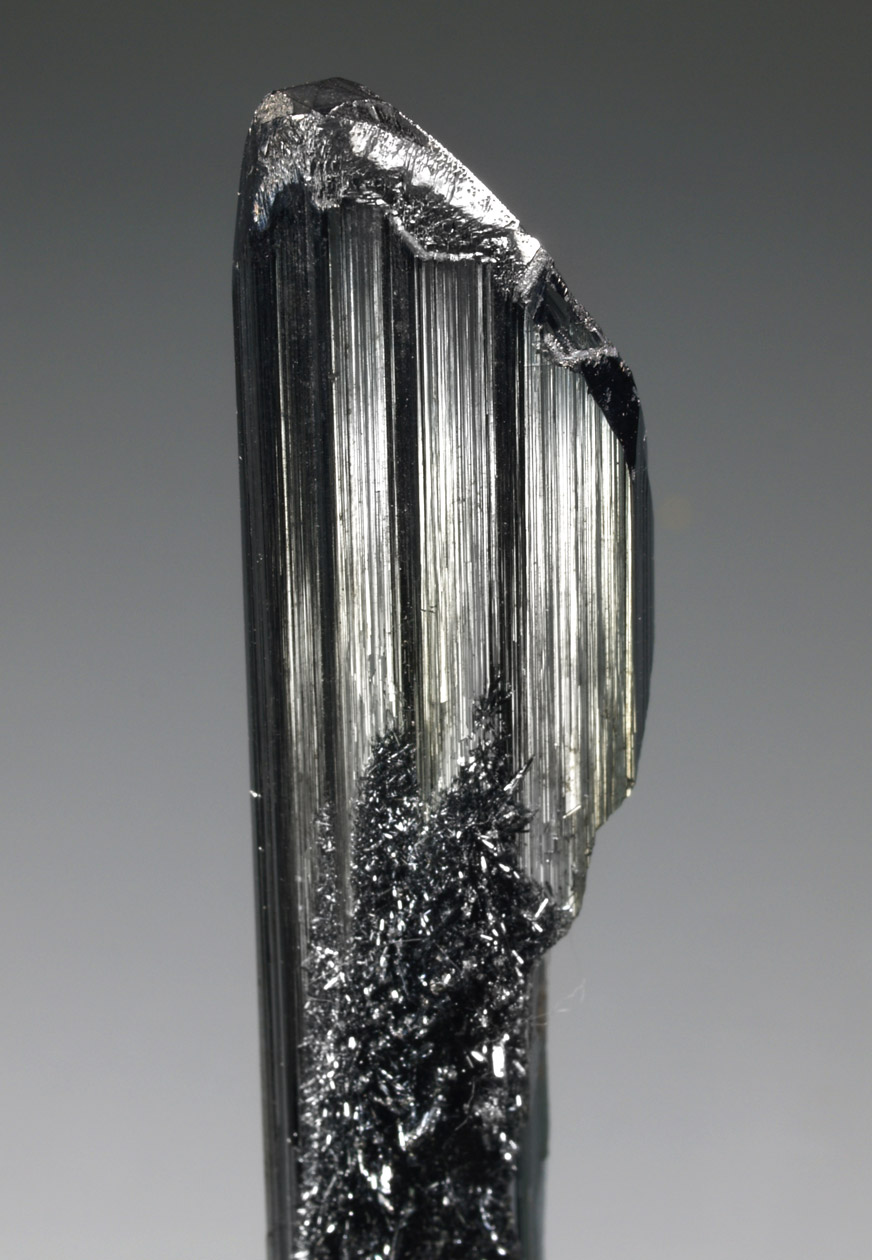
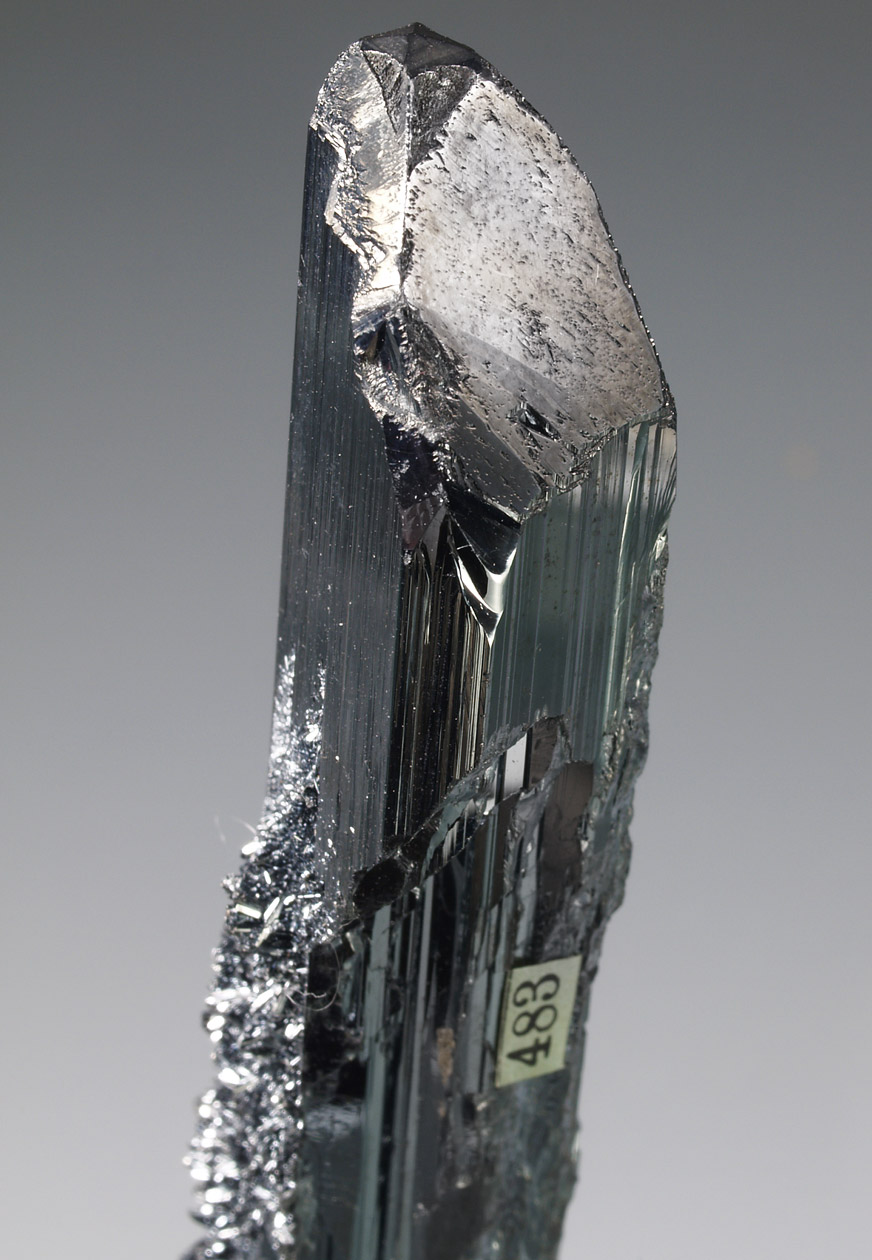
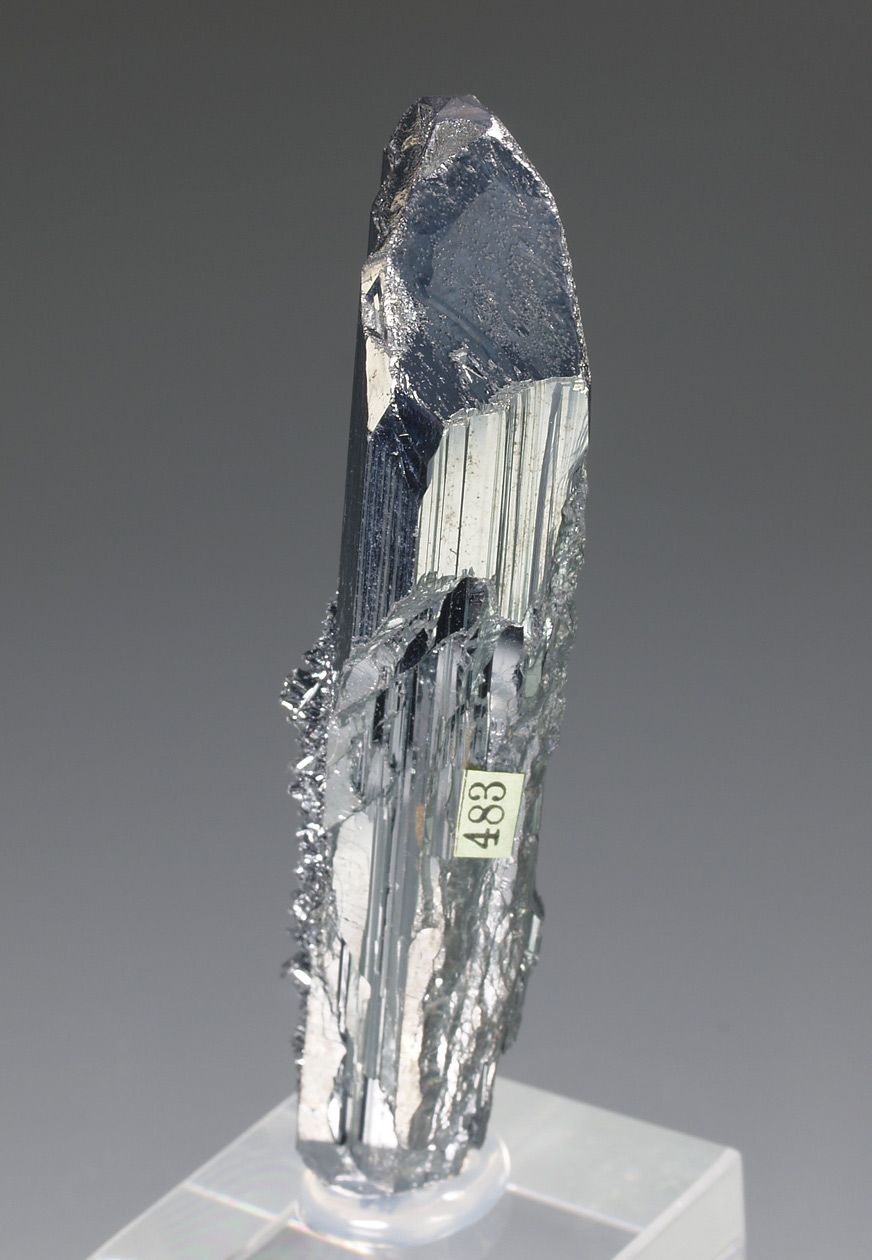
Cristal de muy buen grosor y tamaño de estibnita de esta clásica localidad rumana. Presenta un prisma elongado, con estriaciones, con un brillo excelente. Muy rico en facetas en la parte superior terminal, con caras complejas bipiramidales. Sobre el cristal principal observamos un grupo de cristales del mismo mineral, más finos, que suponen una segunda cristalización. Hoy día cuesta encontrar ejemplares con esta calidad de esta mina. Procede de una antigua colección austríaca.
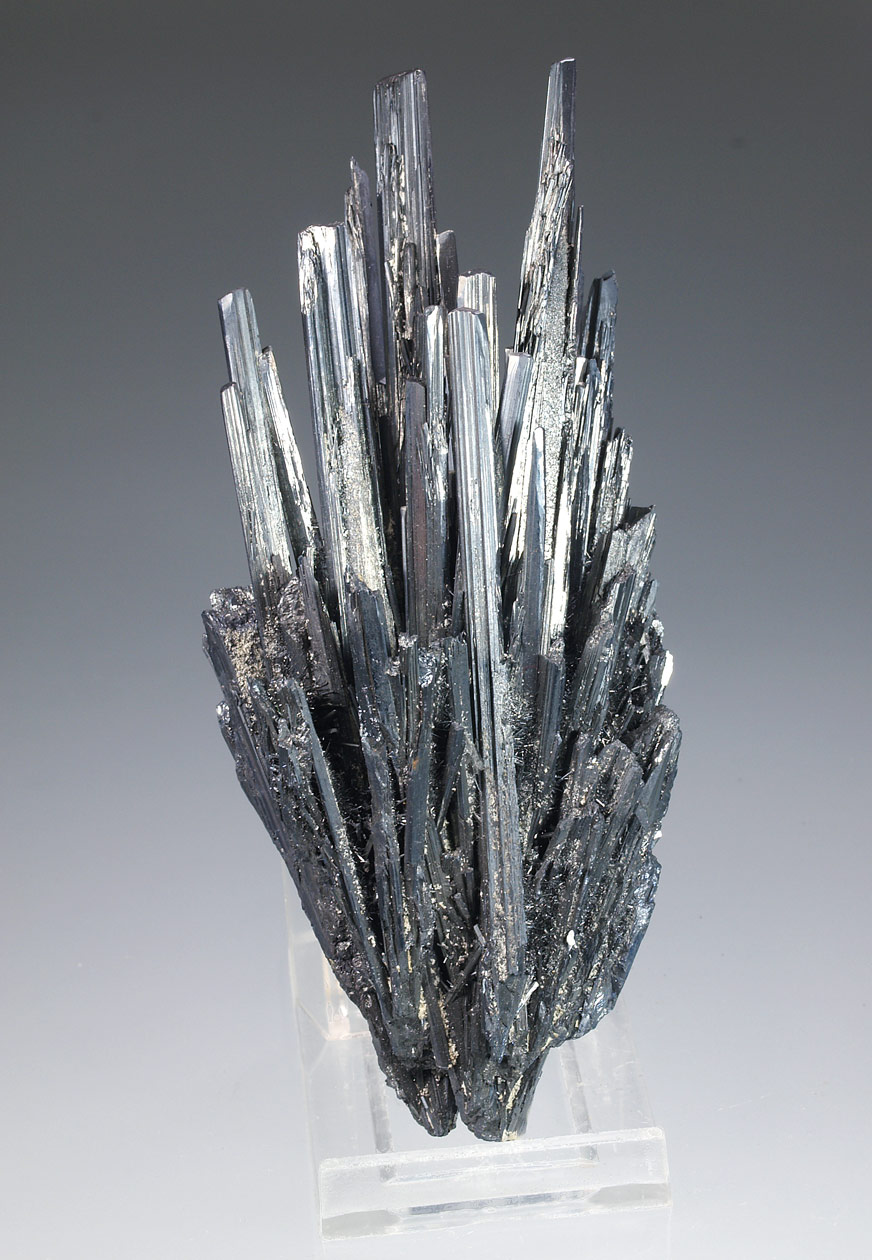
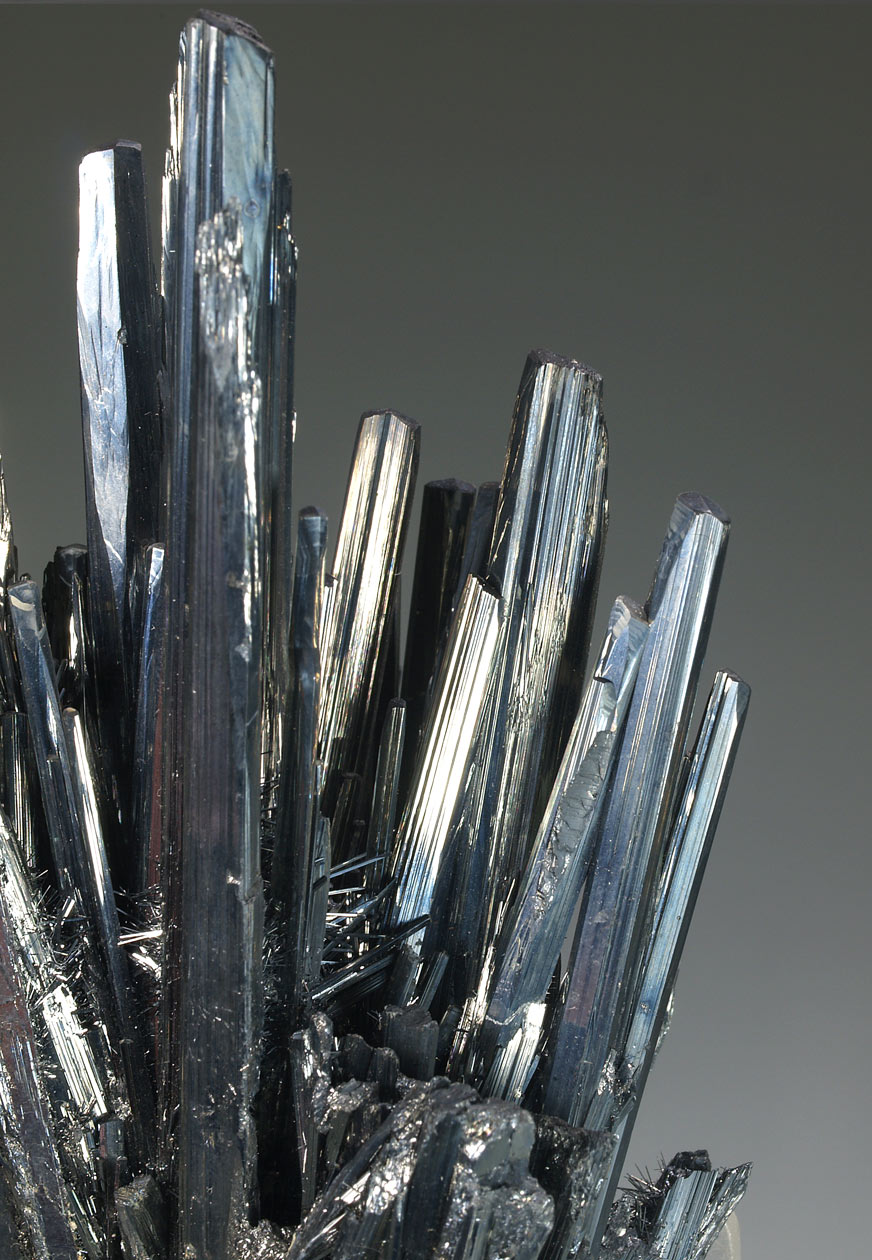
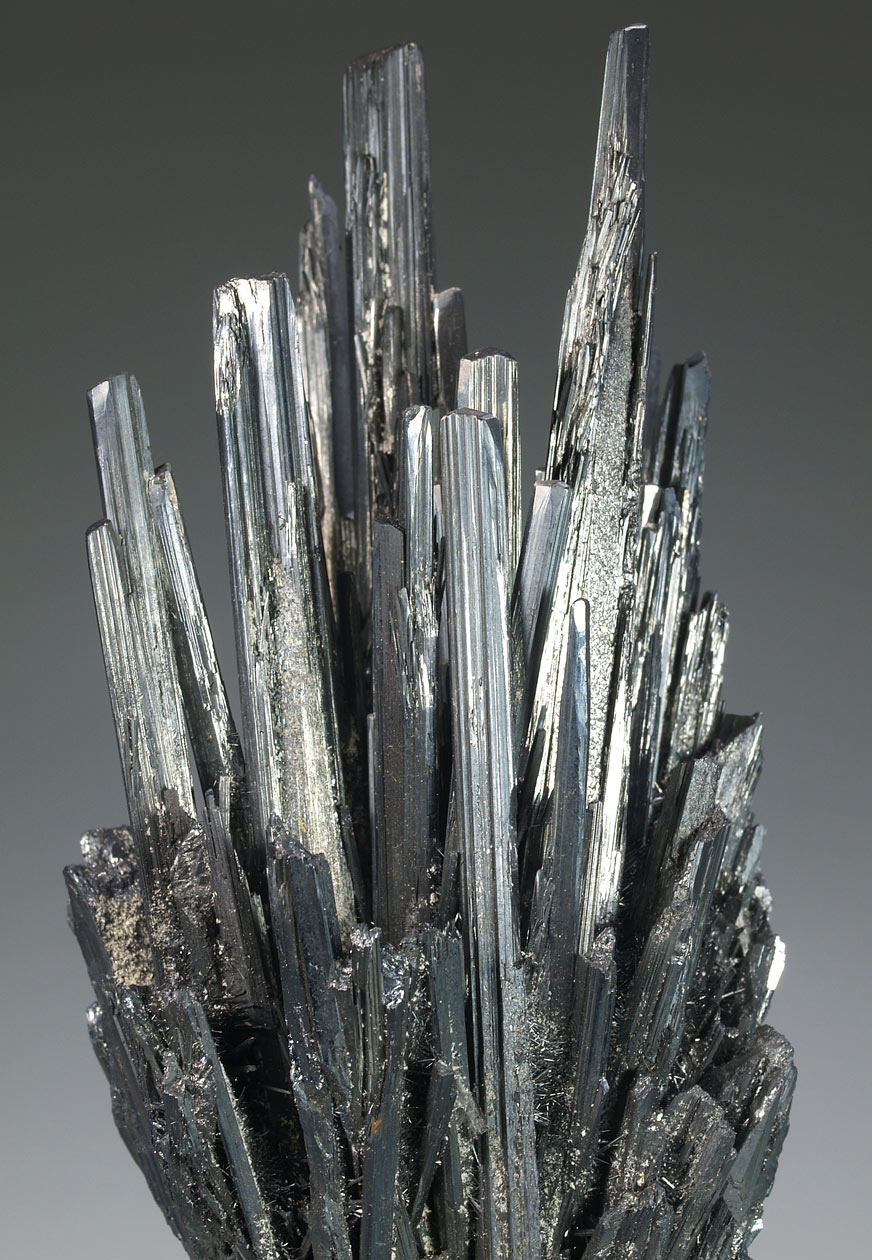
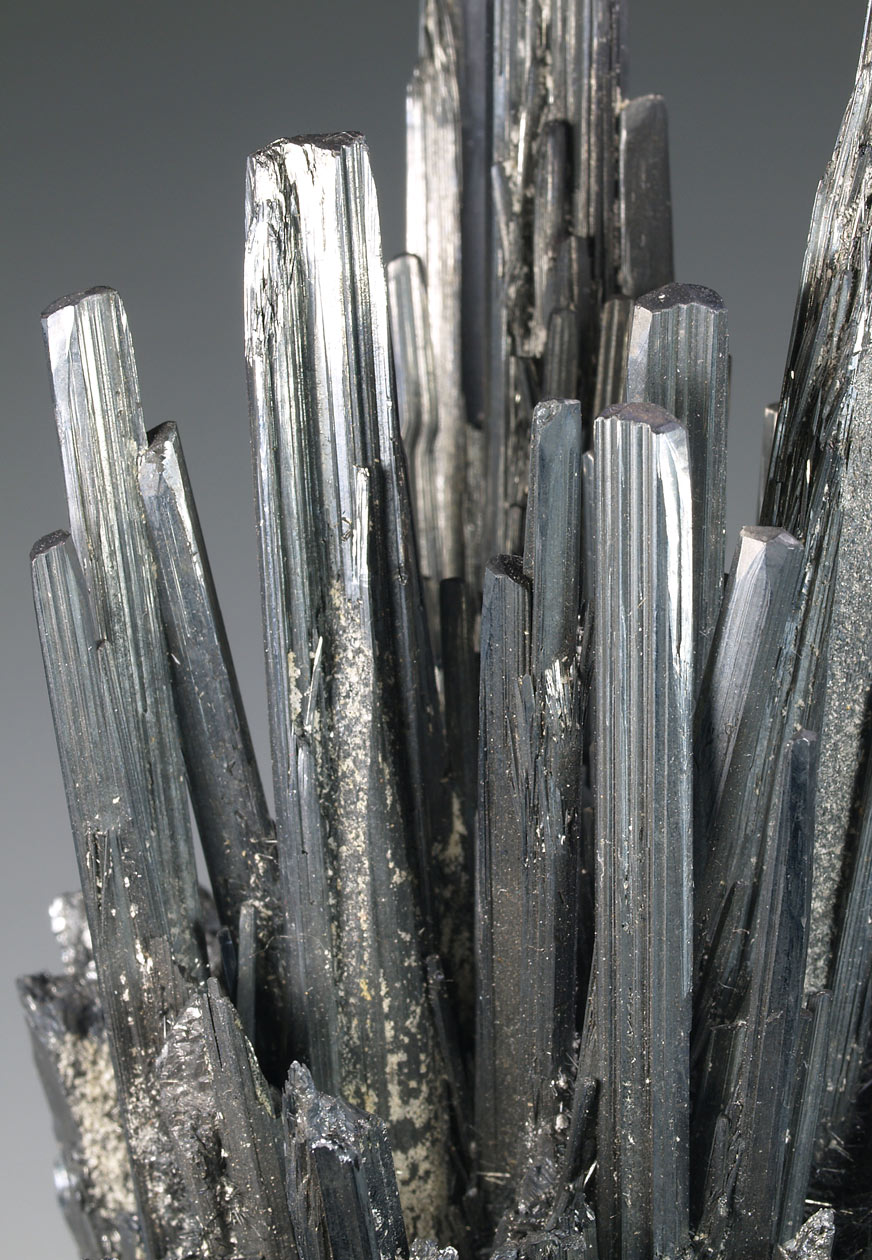
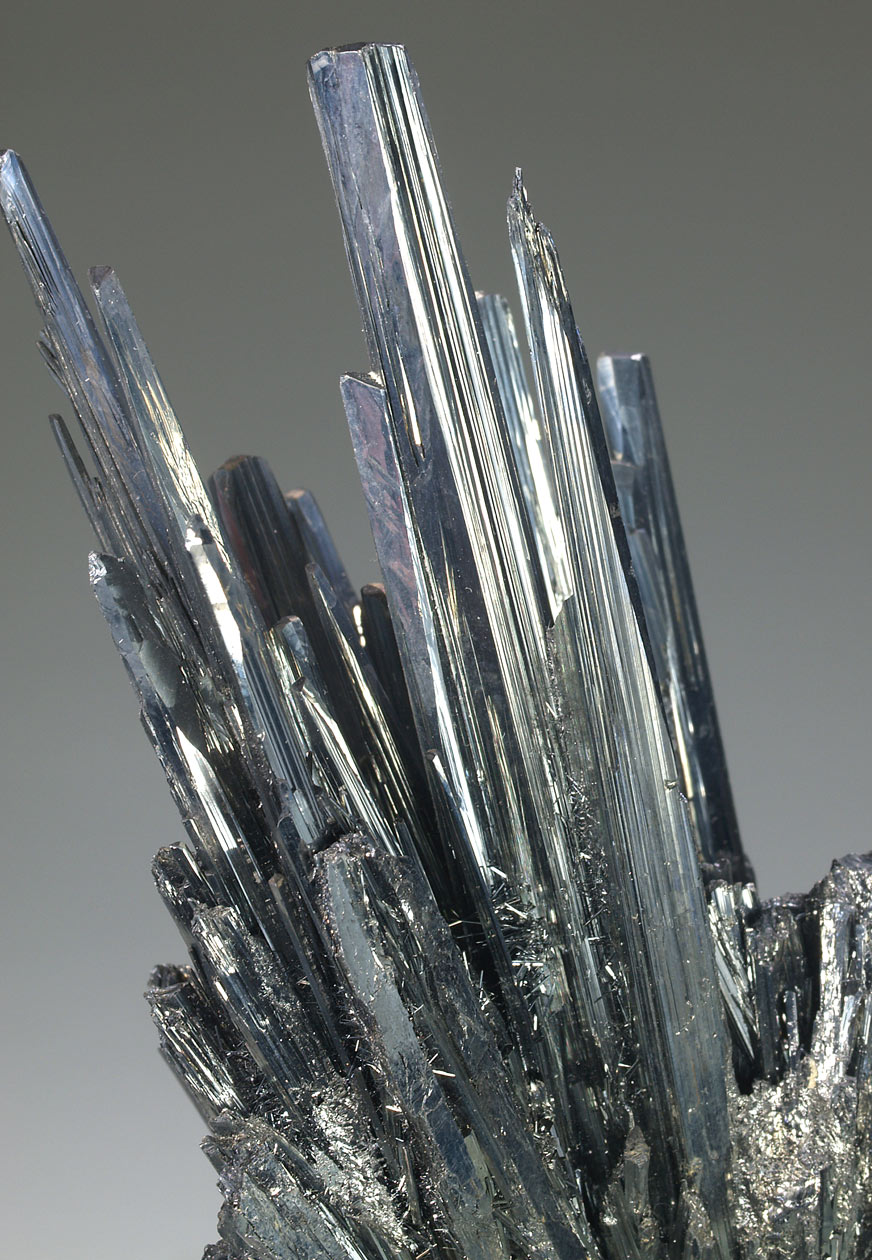
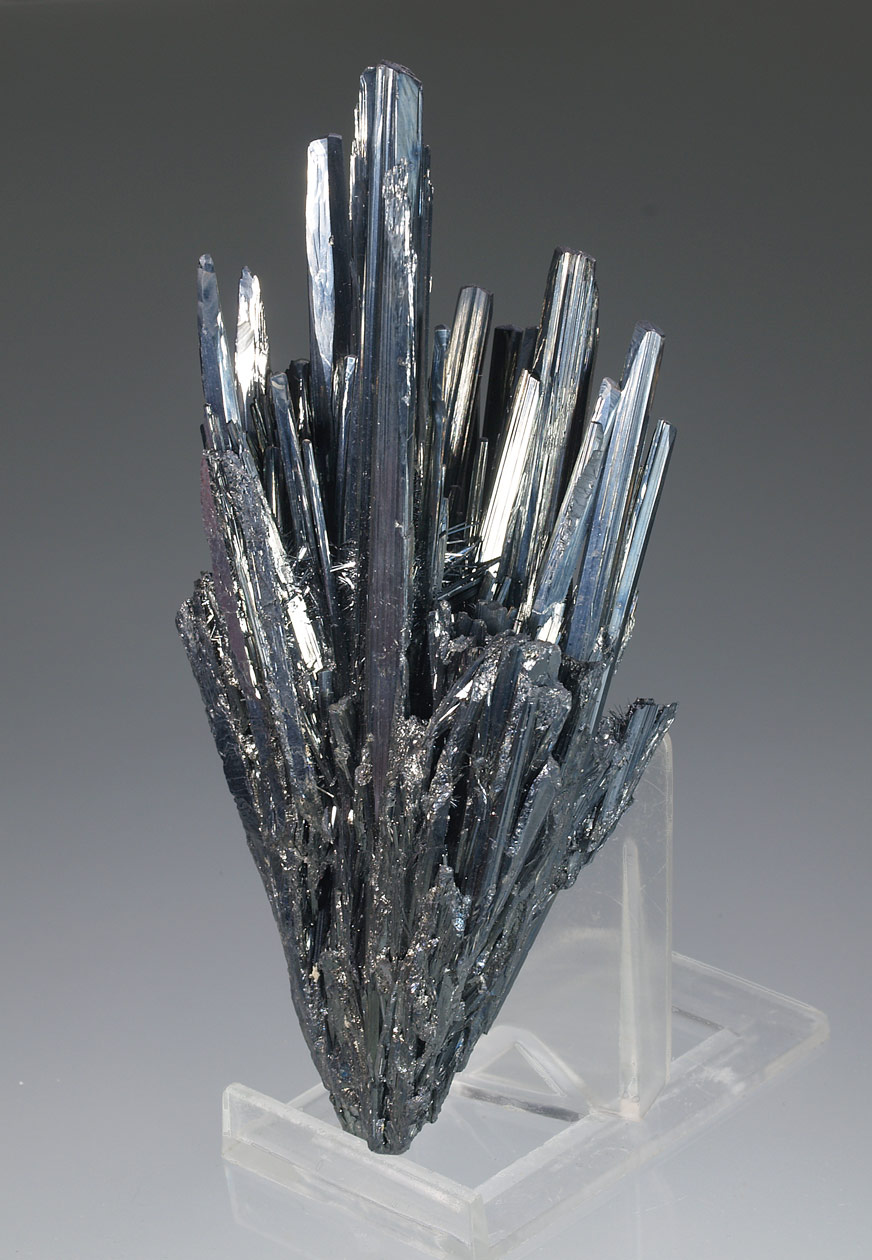
Más que excelente ejemplar de la mina Herja, una localidad rumana clásica a nivel mundial para la estibnita. Esta pieza, de muy buen tamaño, está formada por numerosos grupos de cristales prismáticos, brillantes, con las caras terminales visibles y con grosor. Podemos observar una segunda generación de cristales más finos. Hoy día cuesta encontrar ejemplares con esta calidad, para vitrina de museo. Procede de una antigua colección austríaca.
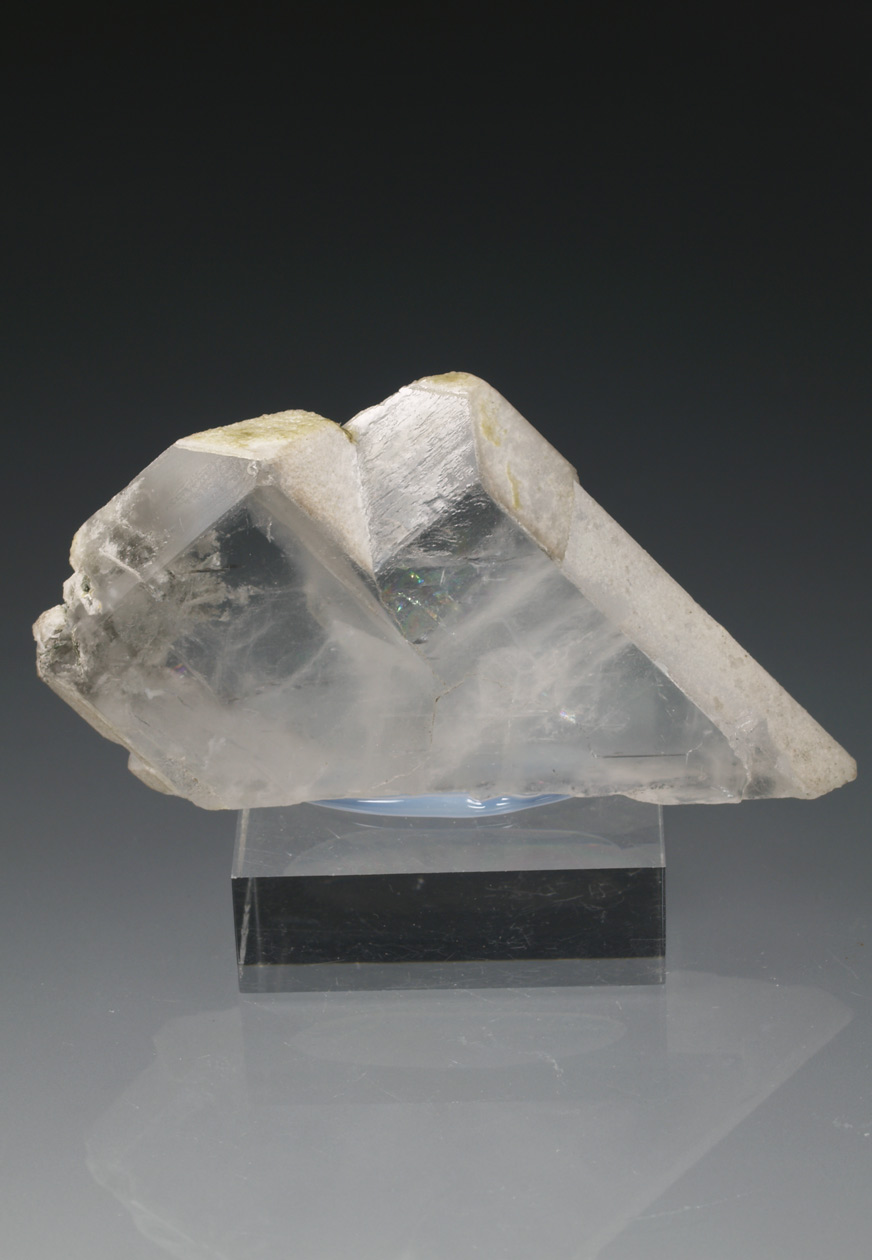
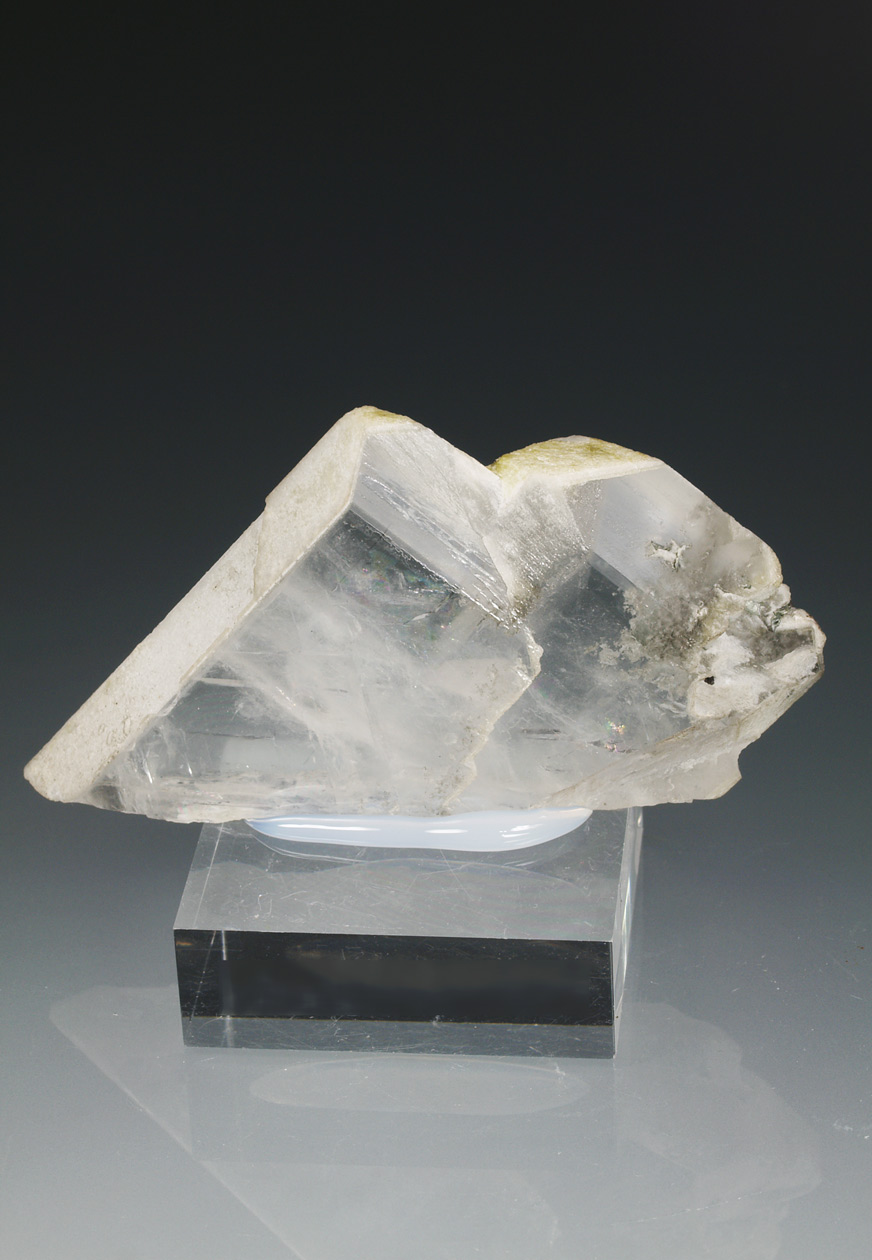
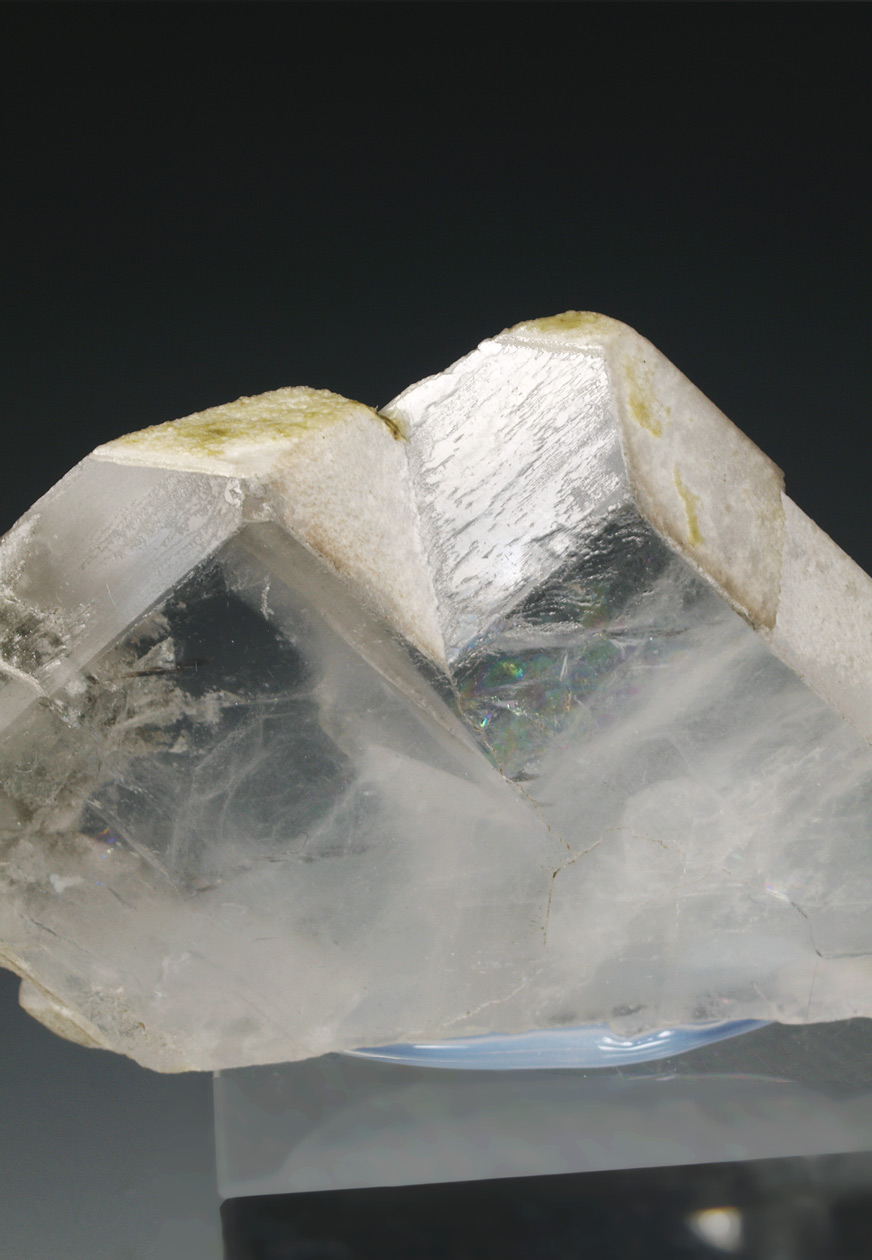
Estos cristales de barita son muy diferentes a los habituales que podemos ver procedentes de esta localidad marroquí e incluso de otros yacimientos famosos por la barita. Se trata de prismas de diferentes órdenes, el de tercer orden predominante, truncados por el de segundo orden. Observamos que se ha formado un crecimiento geométrico de color blanco que solo afecta ciertas caras de los prismas rómbicos. Esta zonación no es nada habitual para la especie. Los cristales presentan transparencia y brillo.
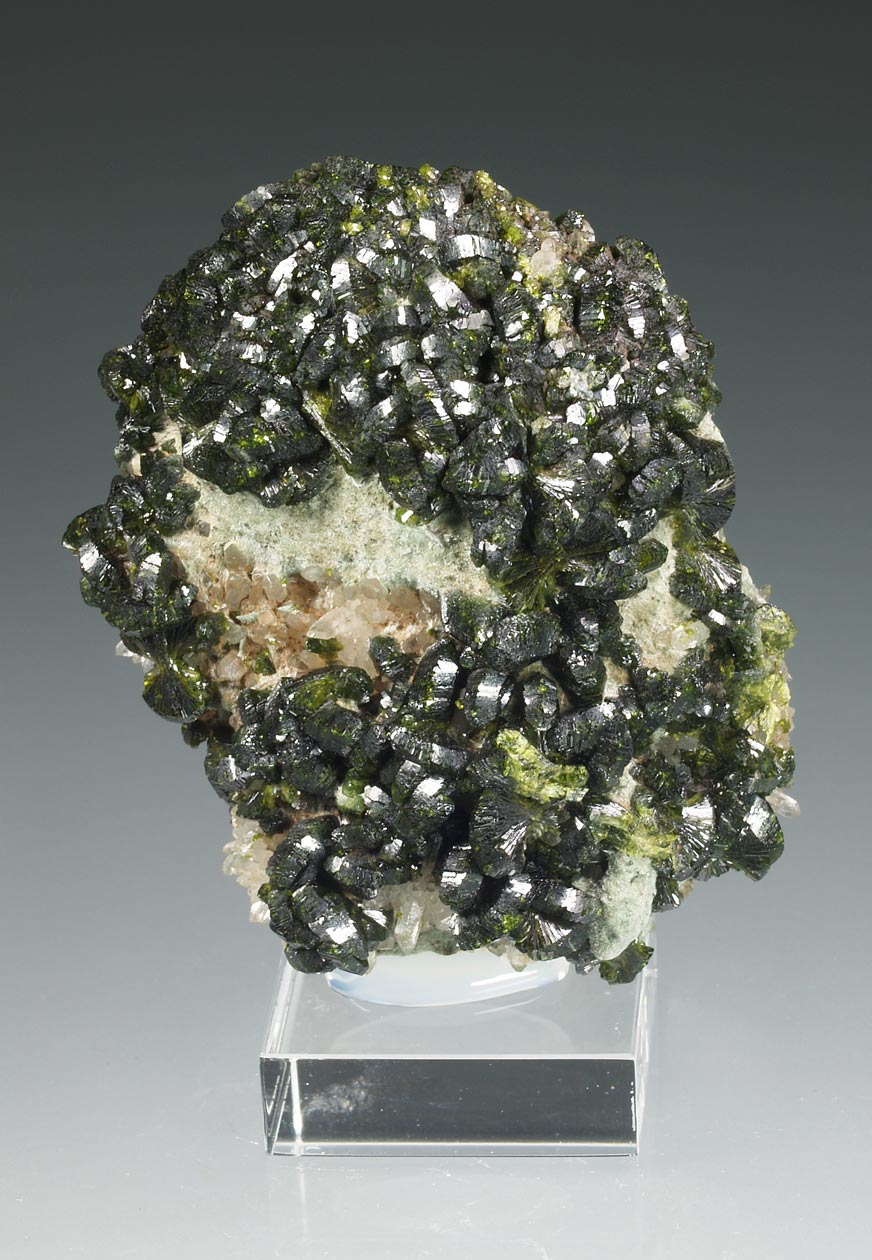
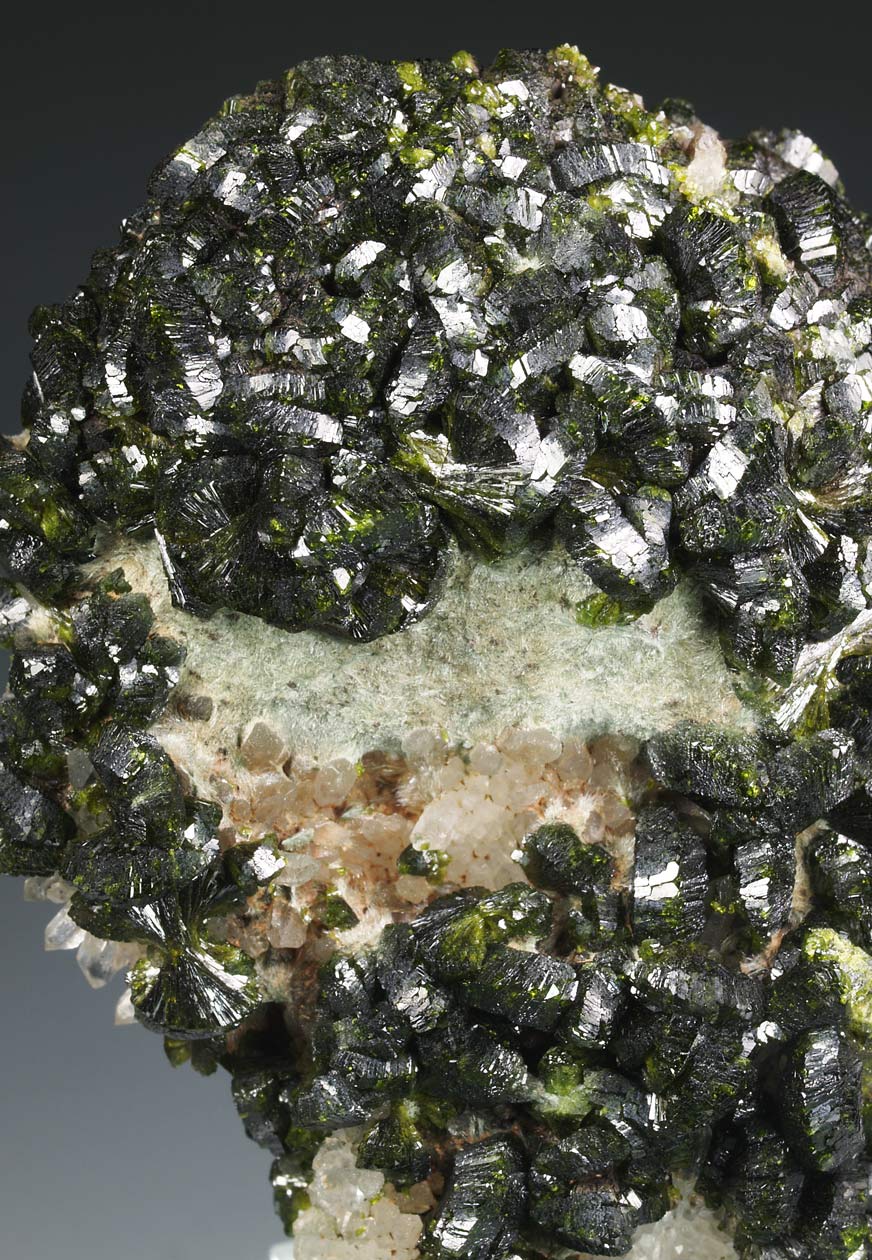
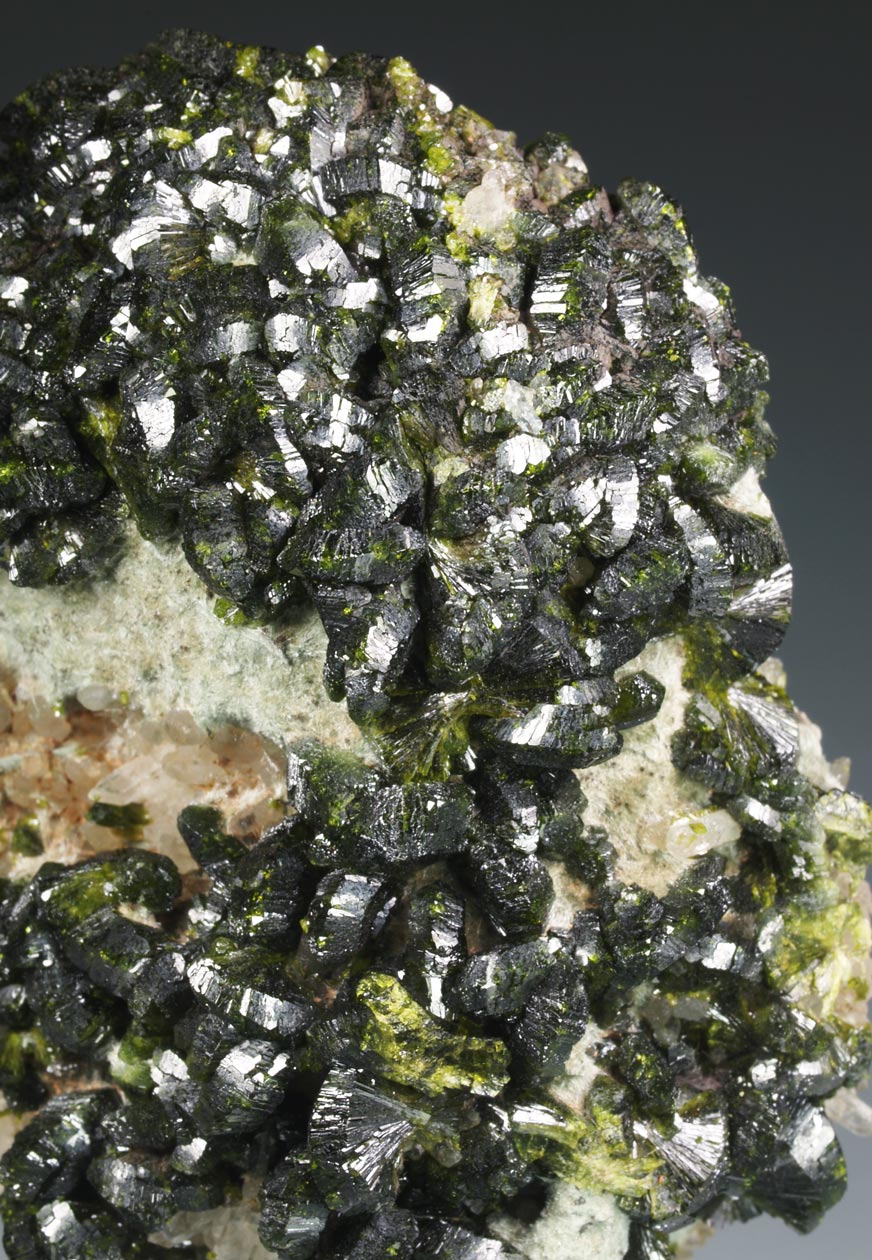
Muy estéticos agregados de cristales de epidota formando haces, con brillo, definidos y con un color verde clásico. Se disponen sobre la matriz con cristales de cuarzo, formando crecimientos concéntricos muy interesantes.
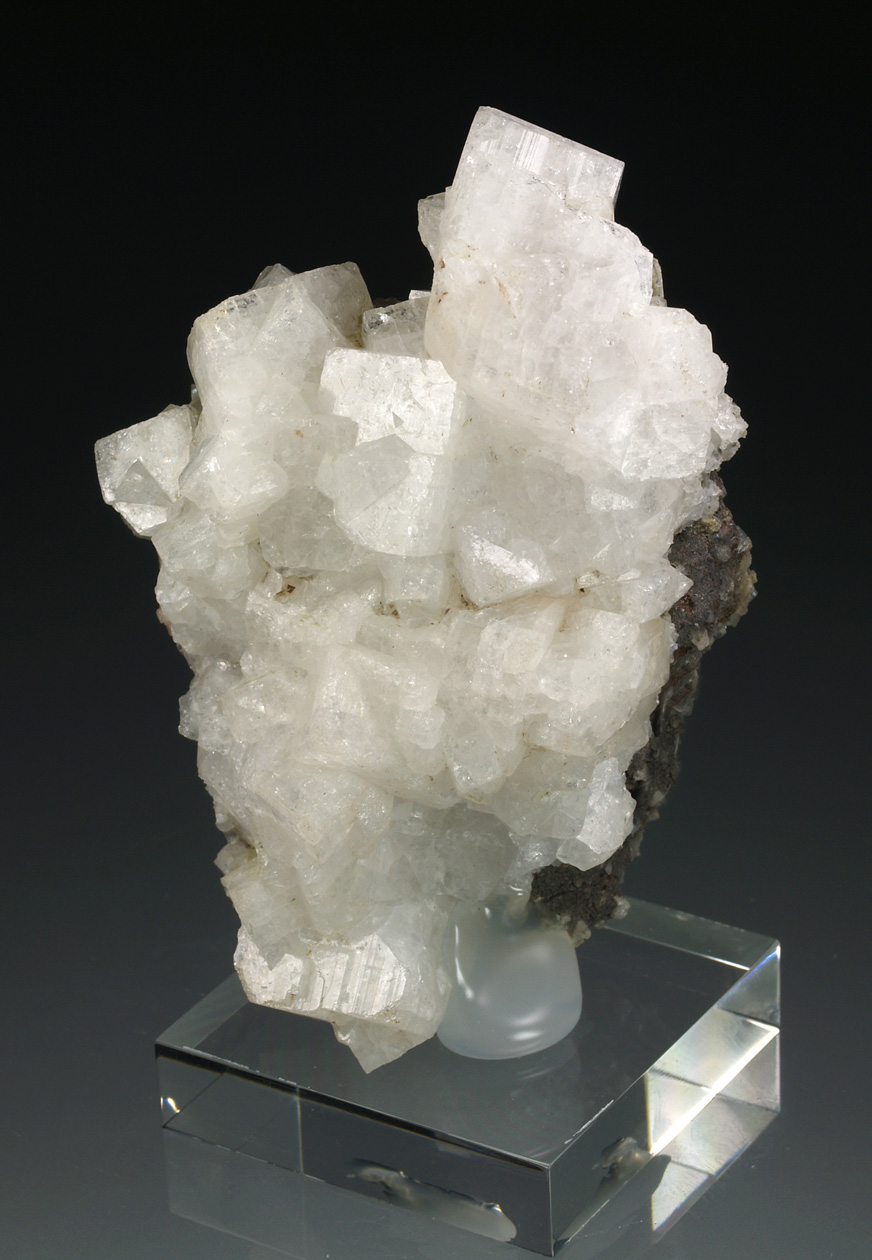
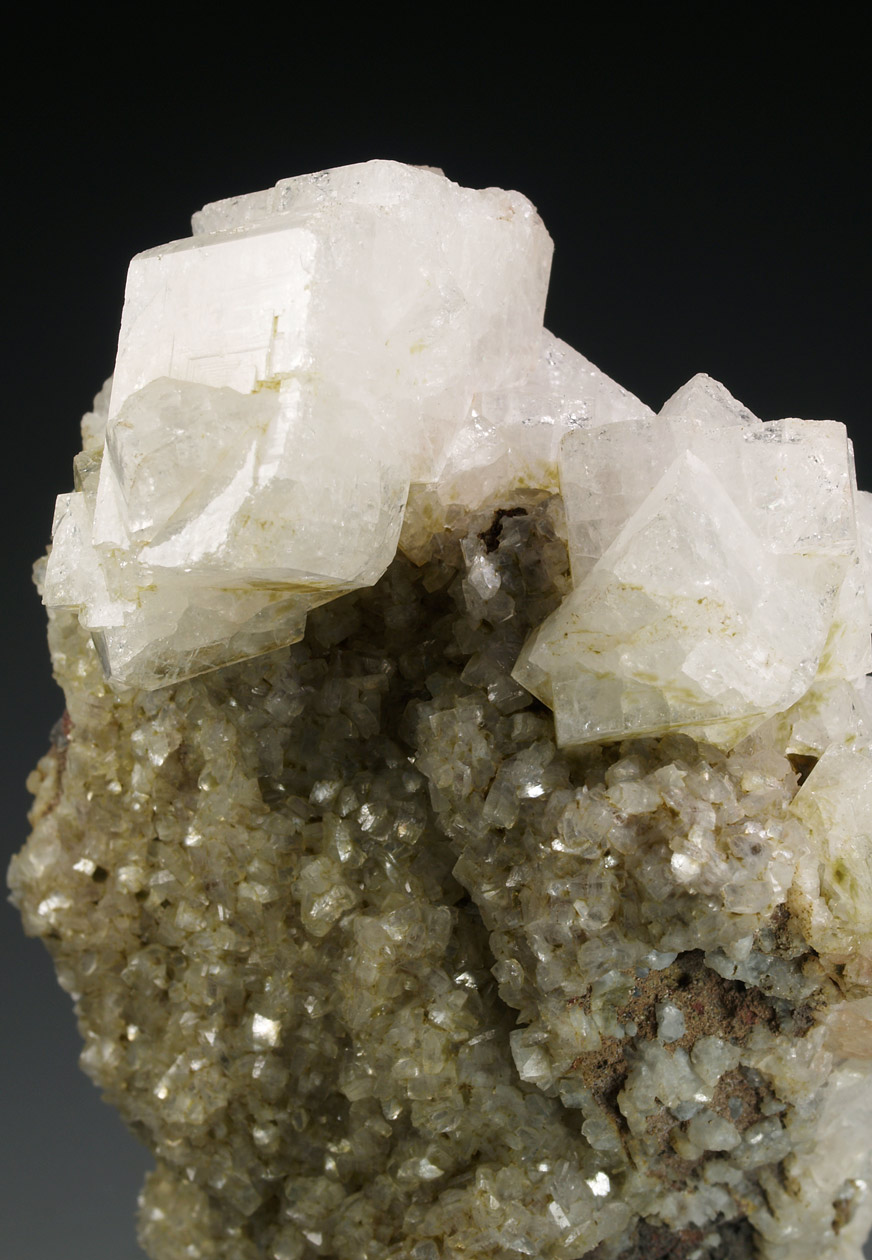
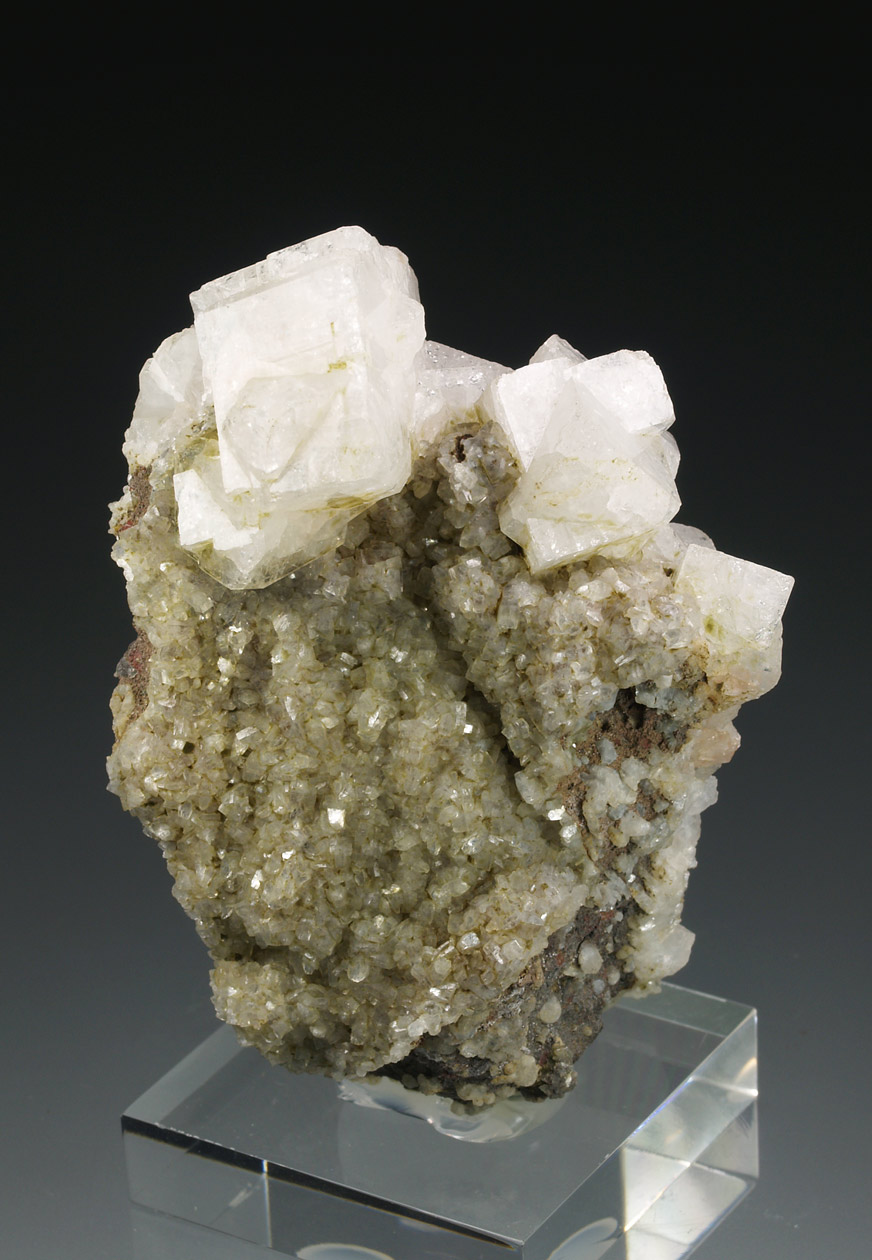
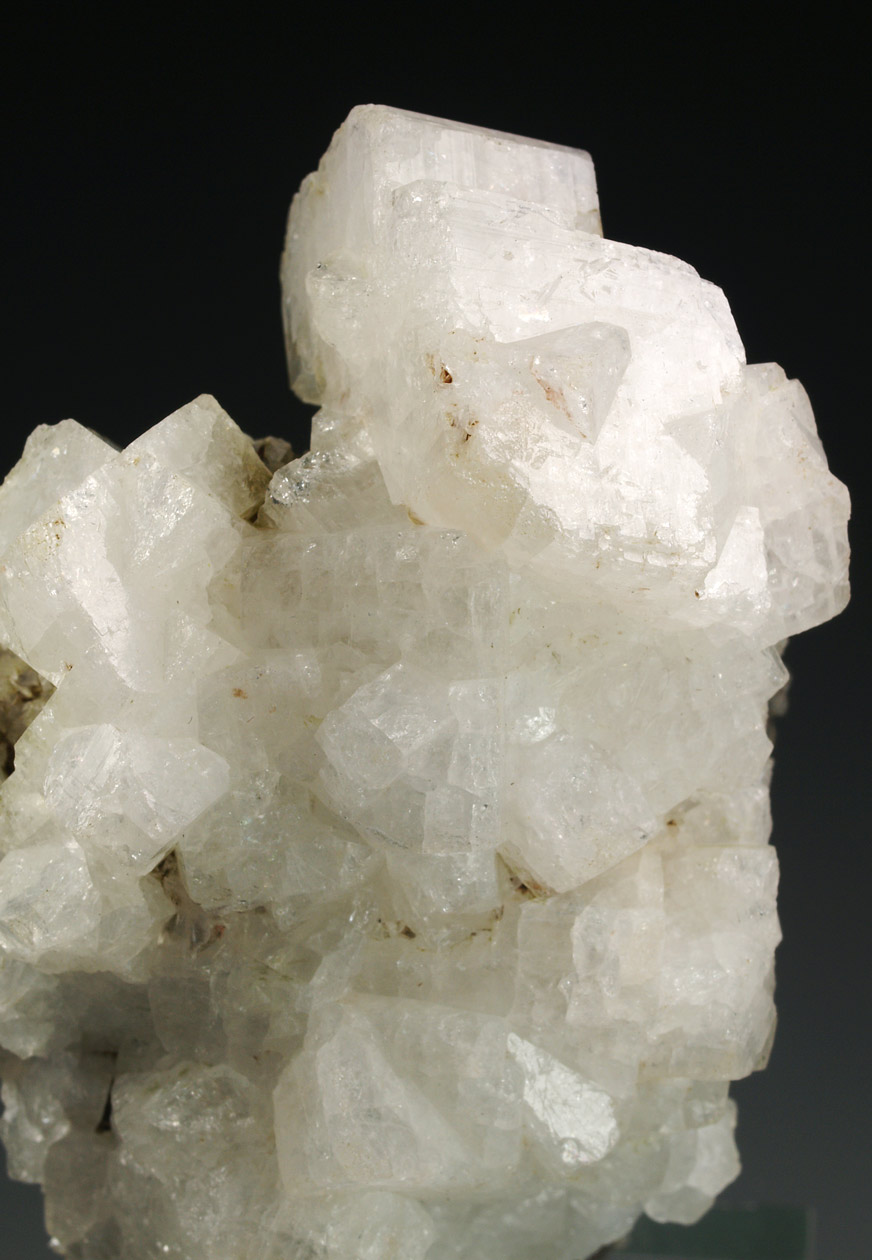
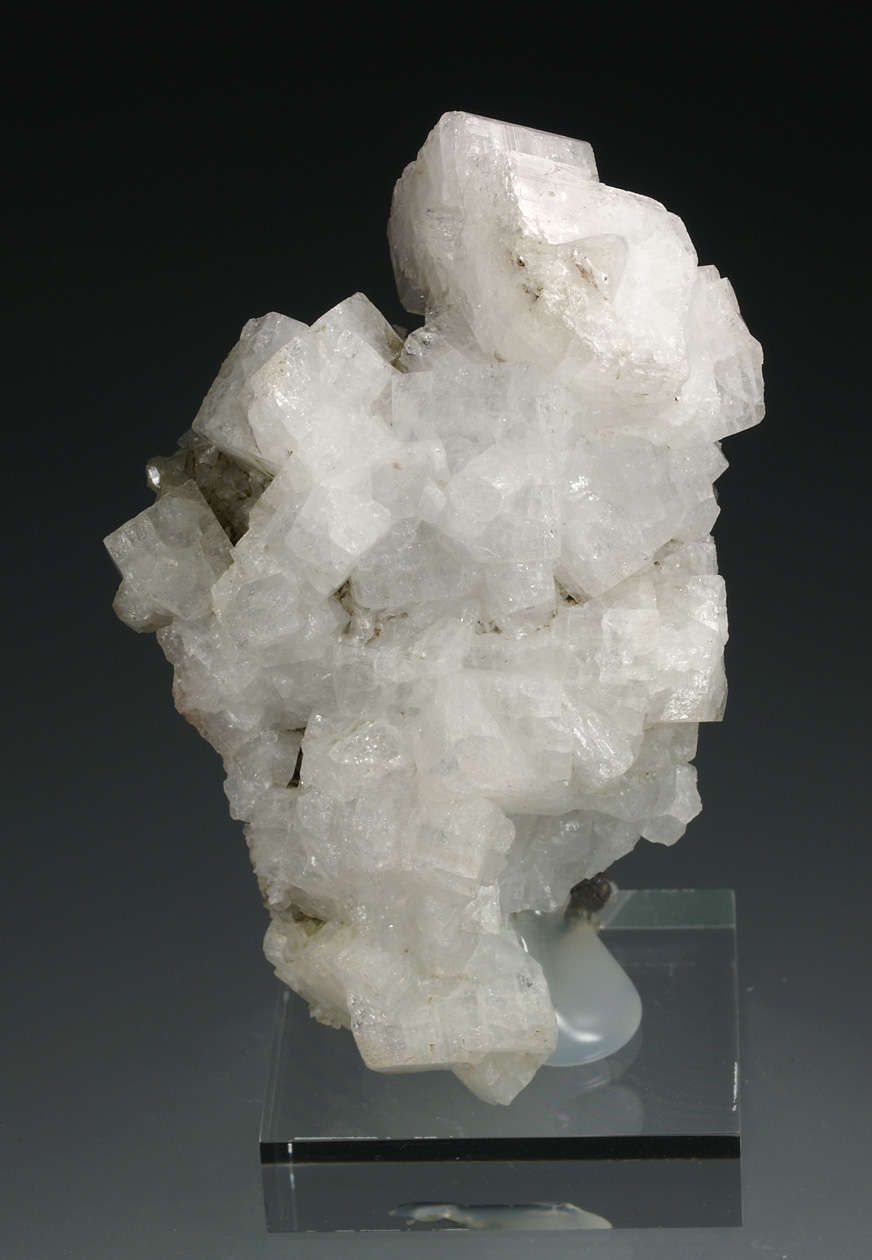
Ejemplar muy rico en cristales de chabazita-Ca, definidos y brillantes, que recubren un lado de la matriz, mientras que en el otro podemos ver numerosos cristales de heulandita con grupos de chabazita-Ca en la parte superior. Este ejemplar procede de las Islas Feroe (Færøerne, que significa «islas de corderos»), un territorio autónomo del Reino de Dinamarca, compuesto por un pequeño archipiélago en el Atlántico Norte, entre el Reino Unido, Noruega e Islandia. No es facil ver zeolitas de esta zona.
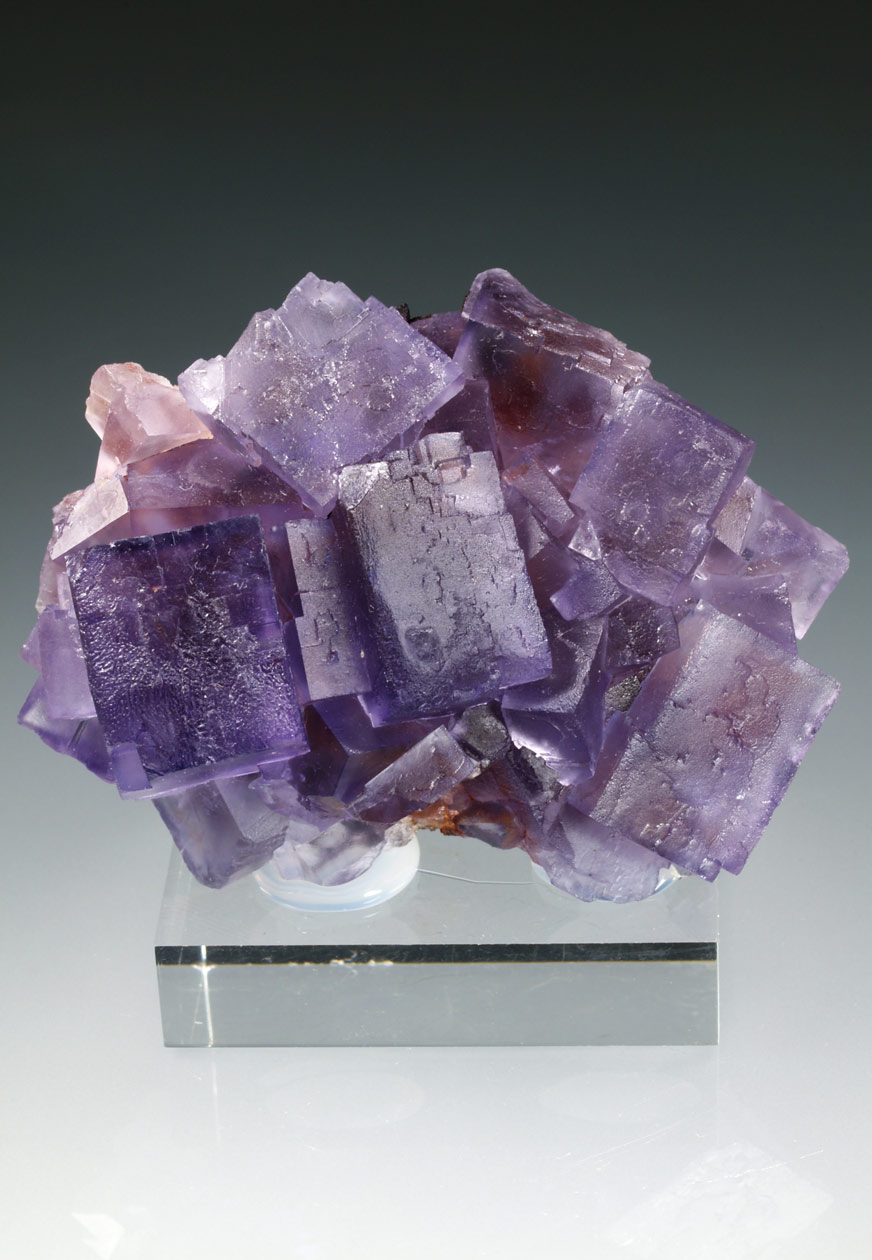
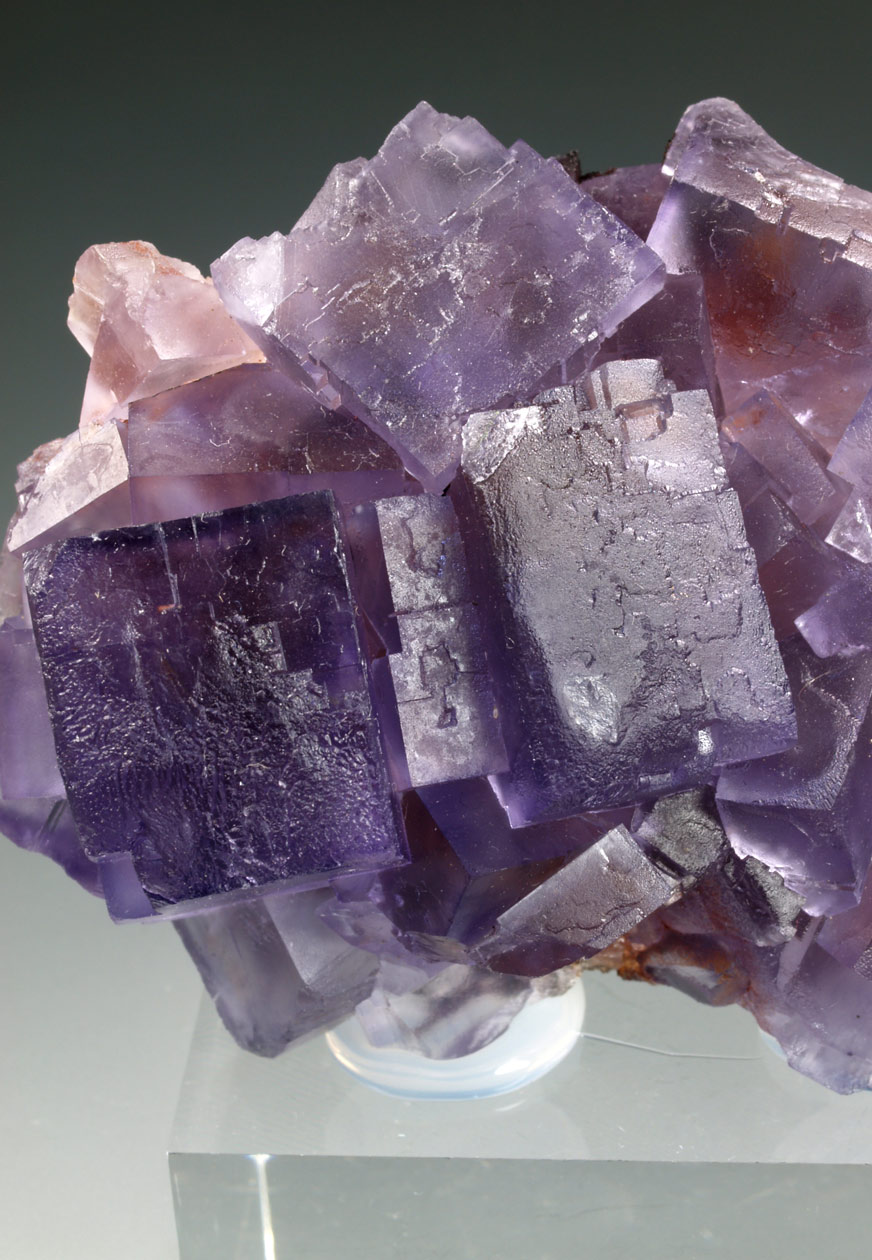
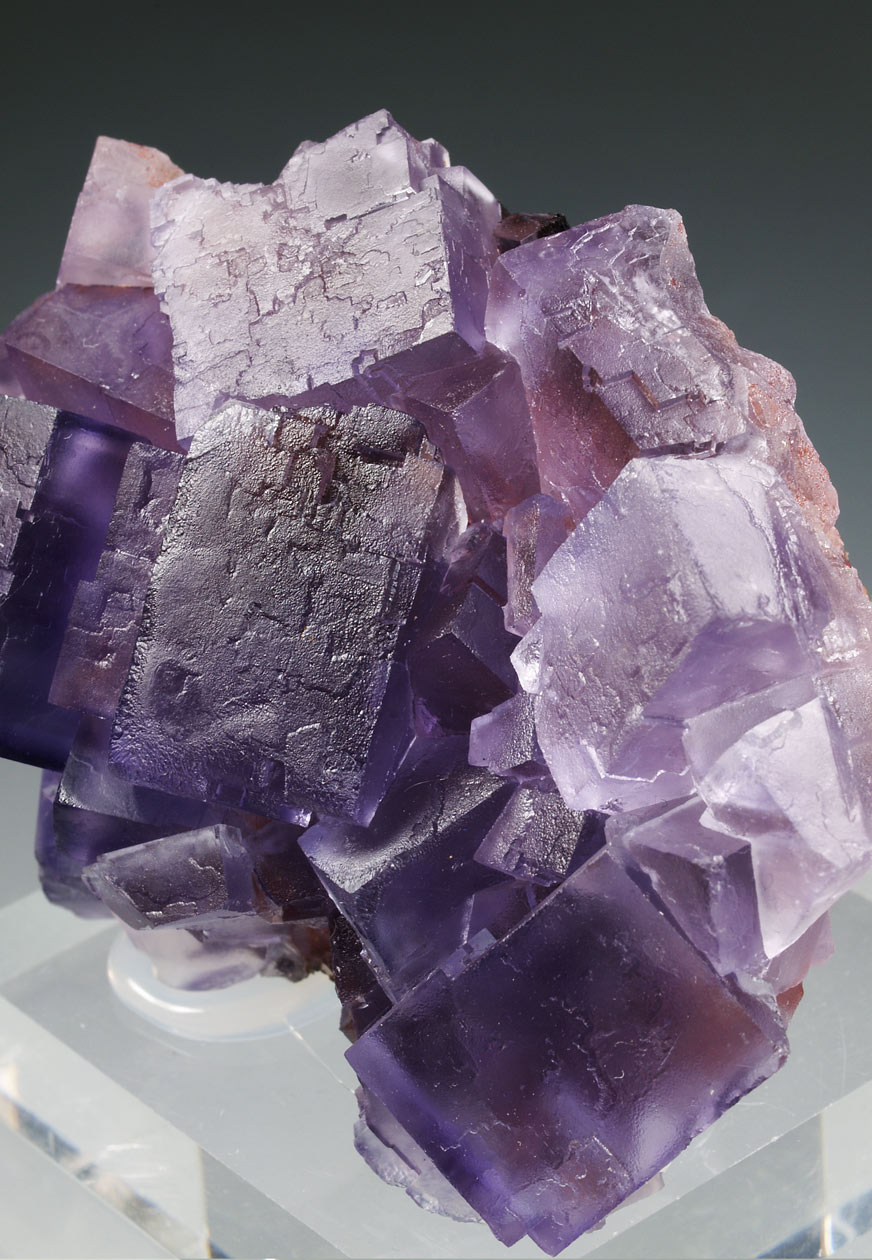
Grupo de cristales cúbicos a prismáticos de fluorita, translúcidos, con un color entre violeta a púrpura según la luz incidente. Ejemplar de buen tamaño y con matriz en la parte posterior. De esta mina clásica marroquí.
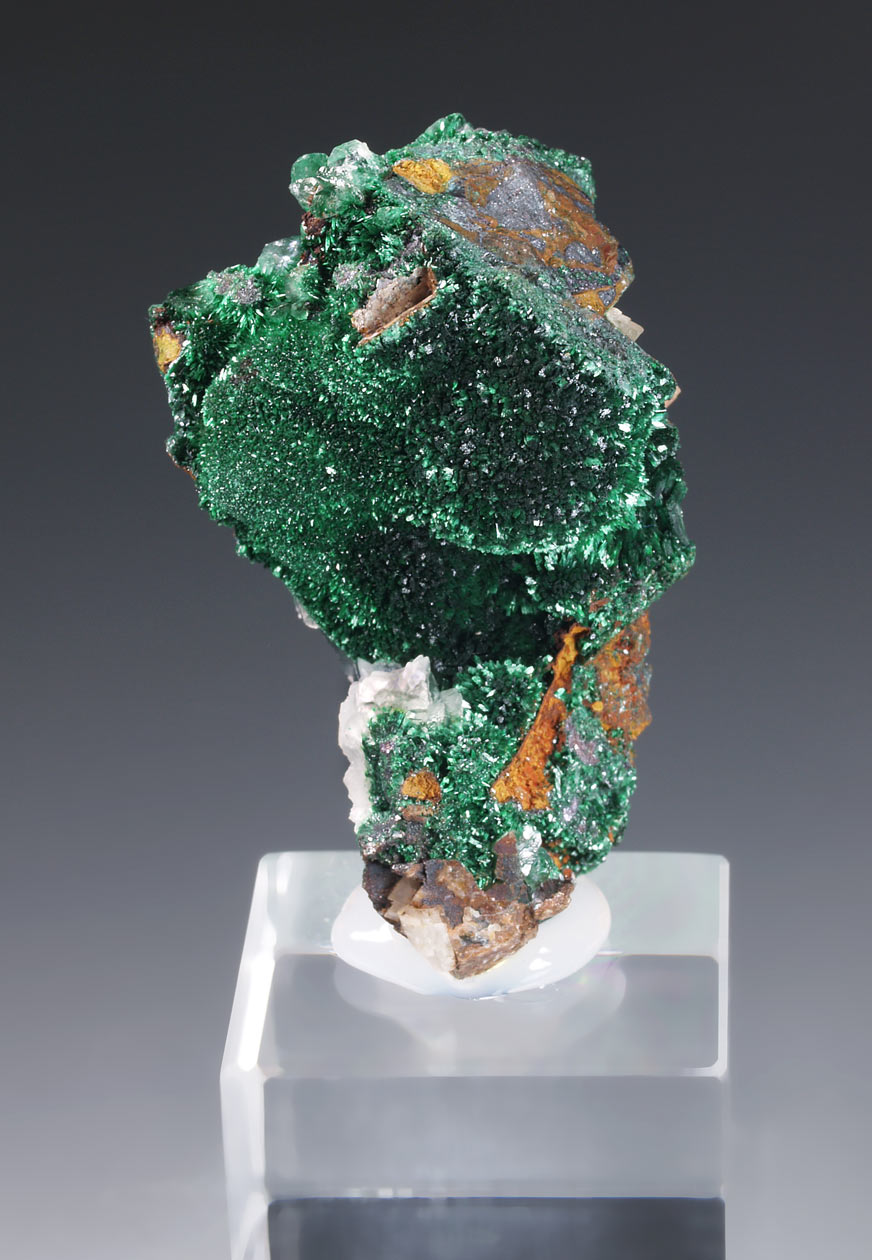
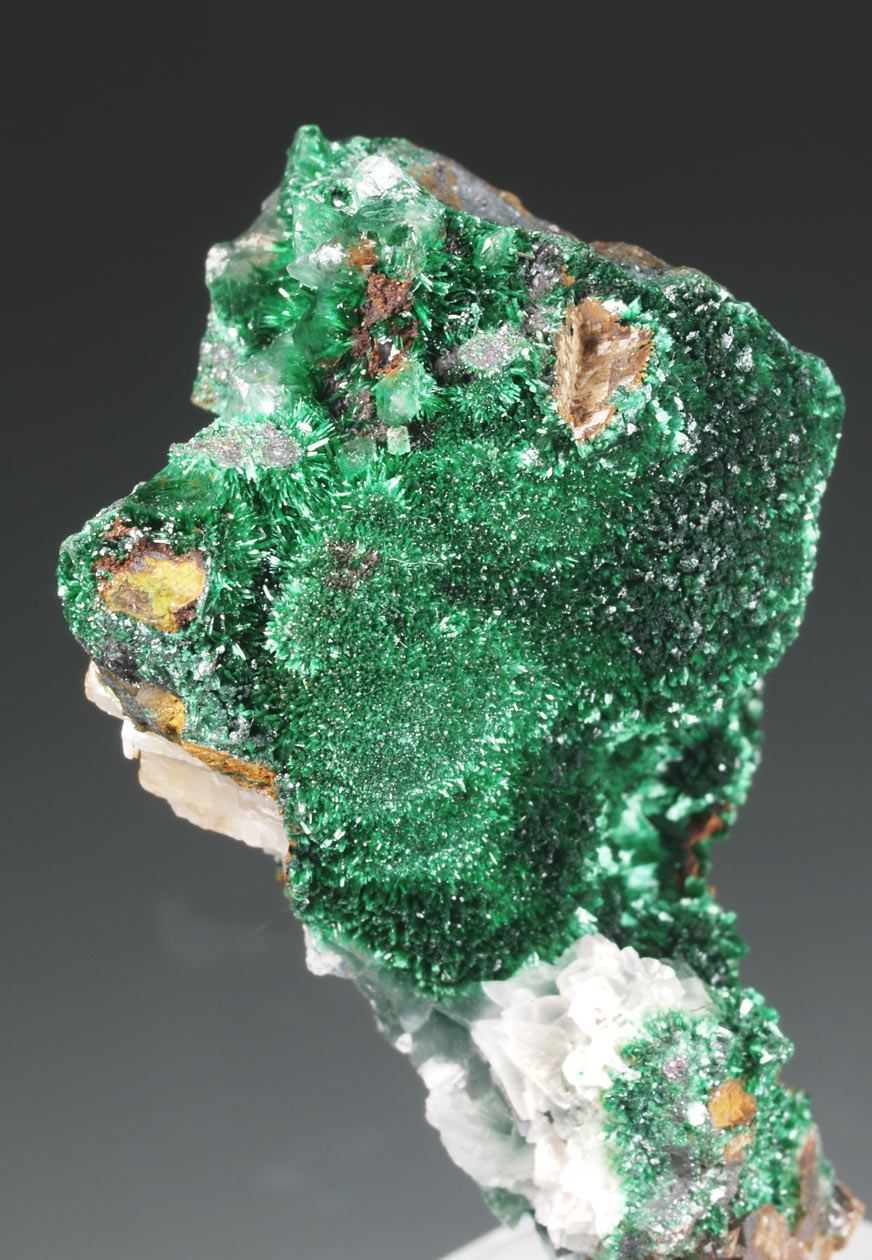
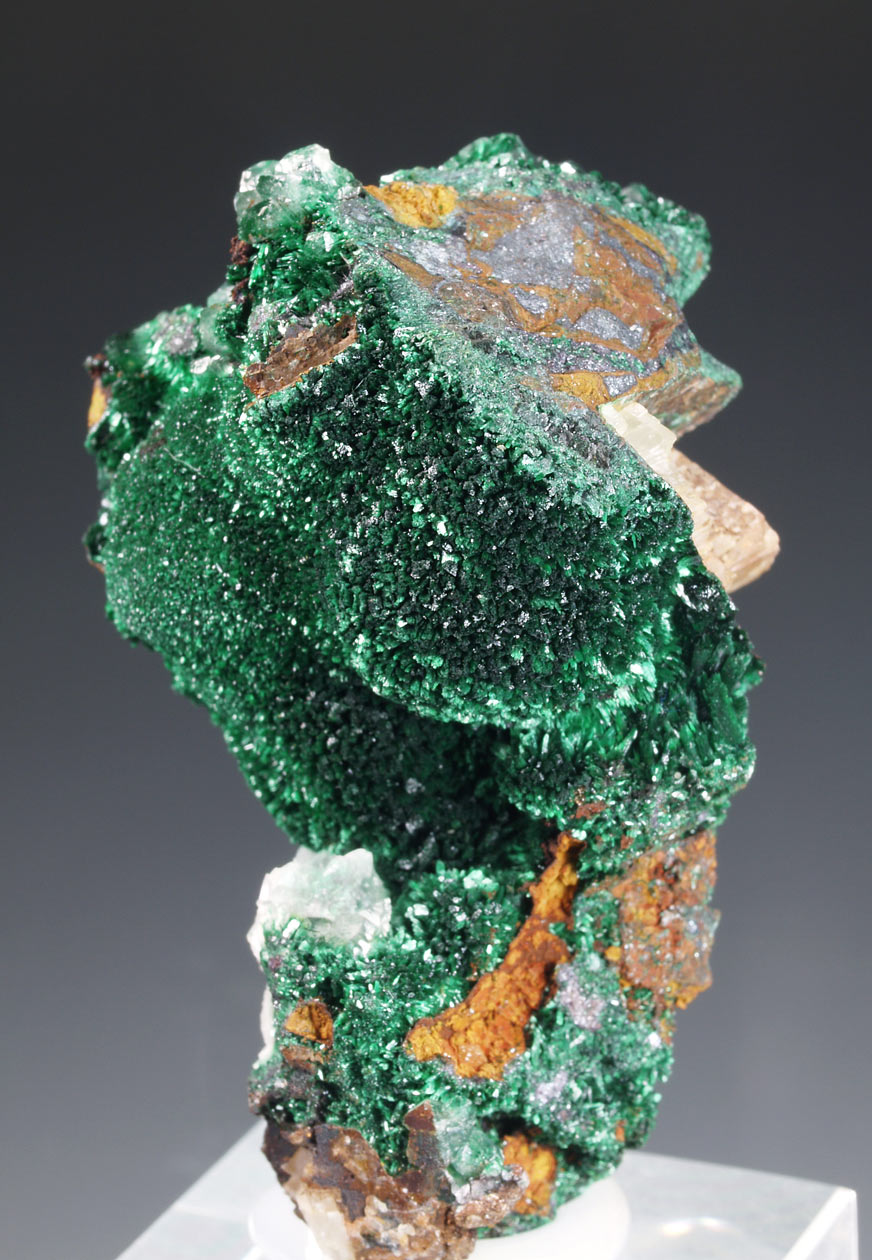
Una novedad de las minas de Bleida. Se trata de grupos de cristales de malaquita, prismáticos a aciculares, formando agregados aterciopelados con intenso brillo y color. Se disponen en las cavidades de una matriz de cuarzo y dolomita, con cuprita.
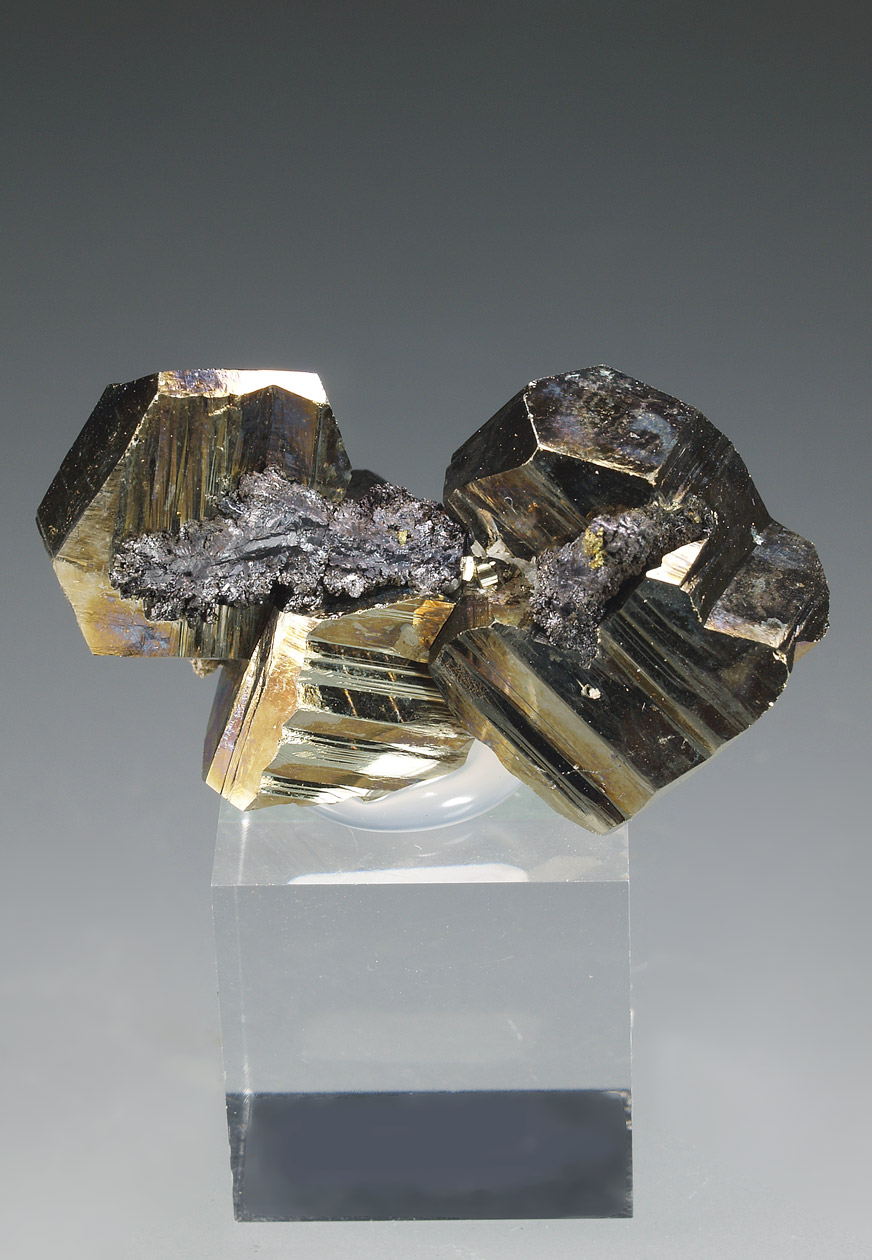
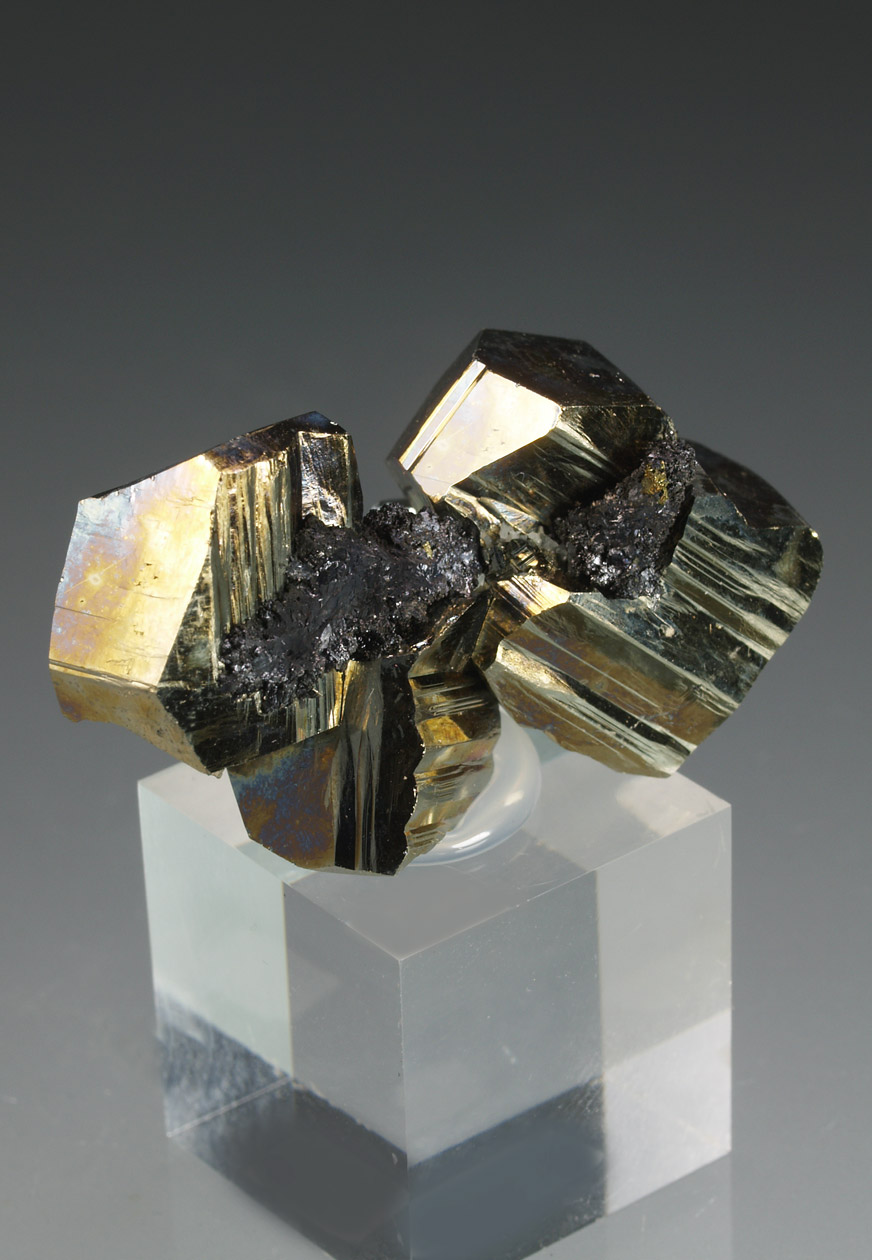
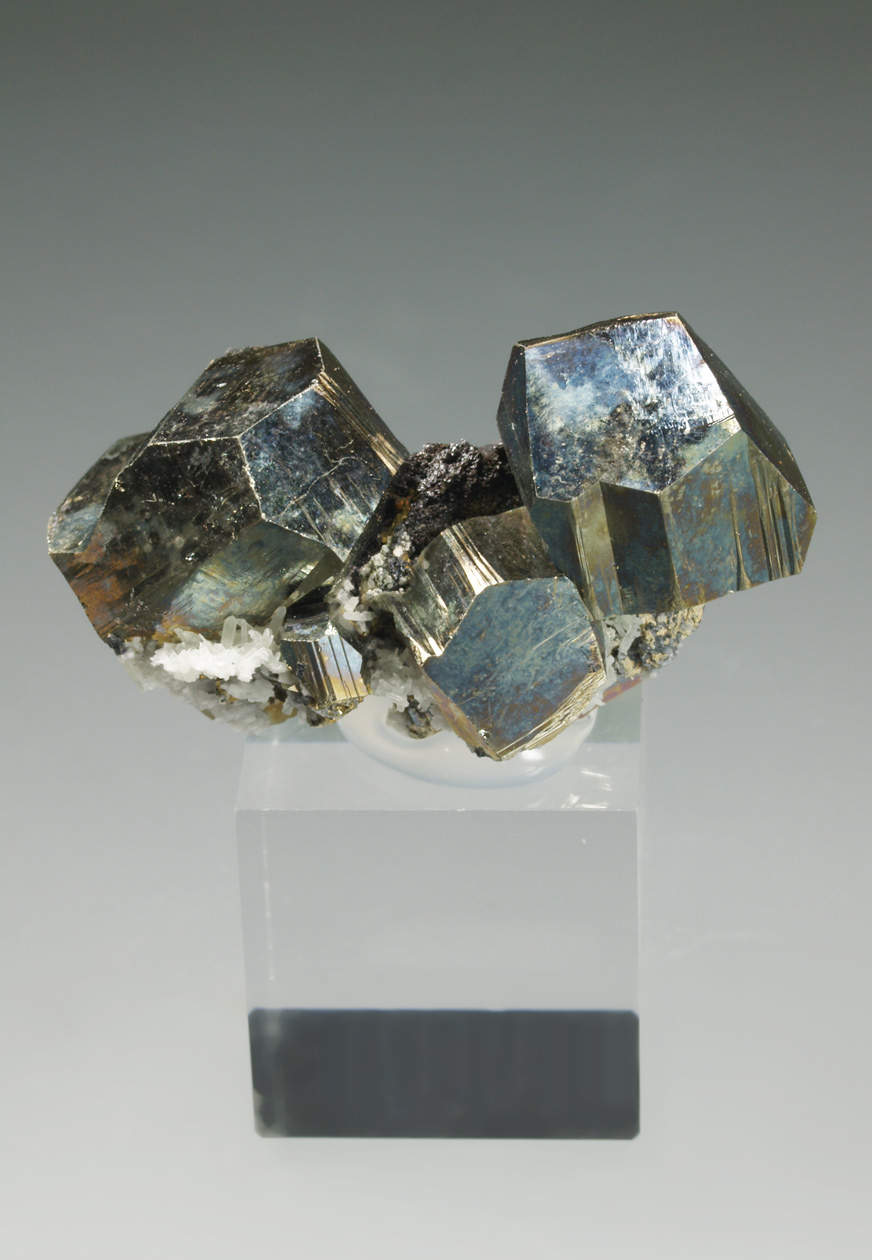
Estos ejemplares de pirita de esta zona minera búlgara son muy estéticos, destacando las complejas formas y maclas de penetración que presentan. Buen brillo y color. Se acompañan de cristales de cuarzo, esfalerita y brillante calcopirita en la matriz. Procede de una zona minera conocida como mina Septemvri, que incluye los siguientes depósitos: Sharenka, Baram, Mogilata, Osikovo y Pechinsko.
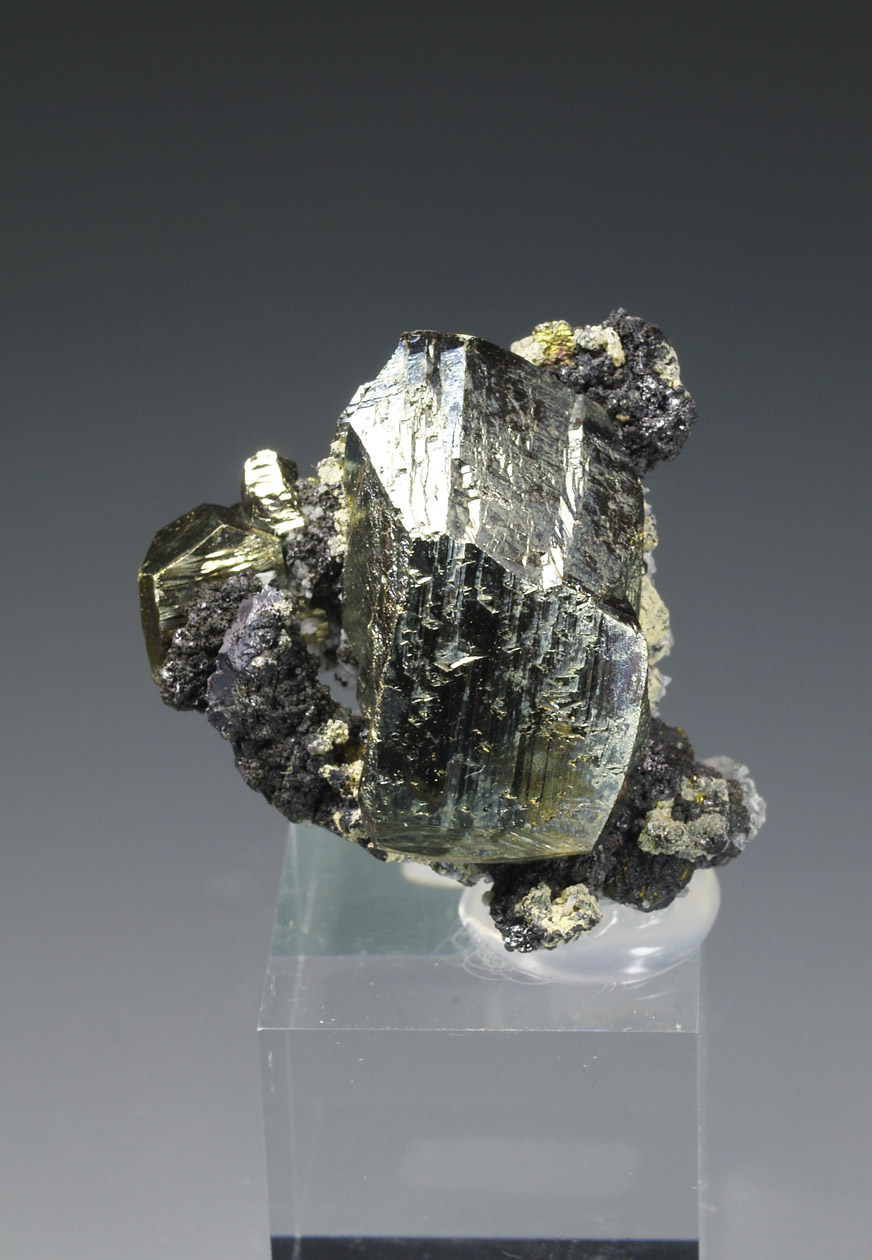
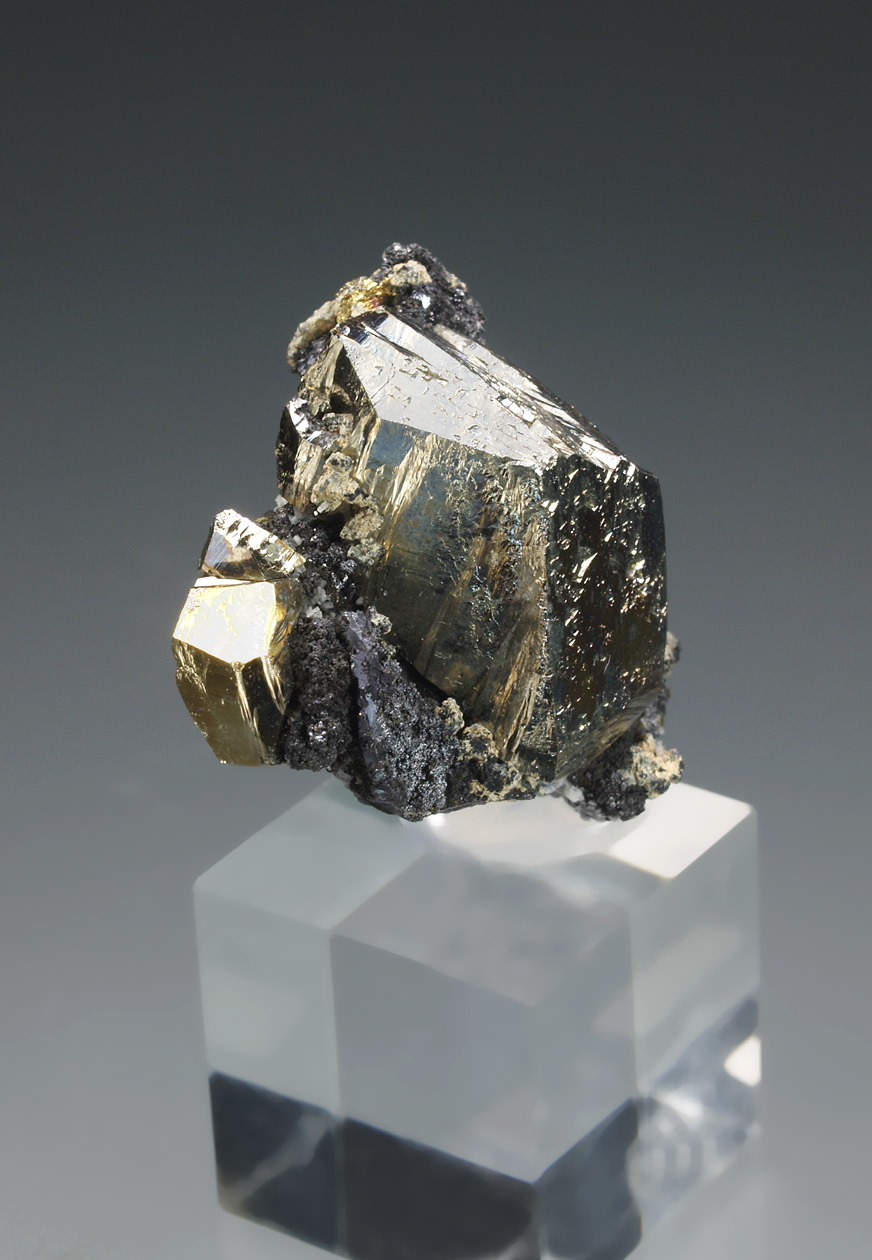
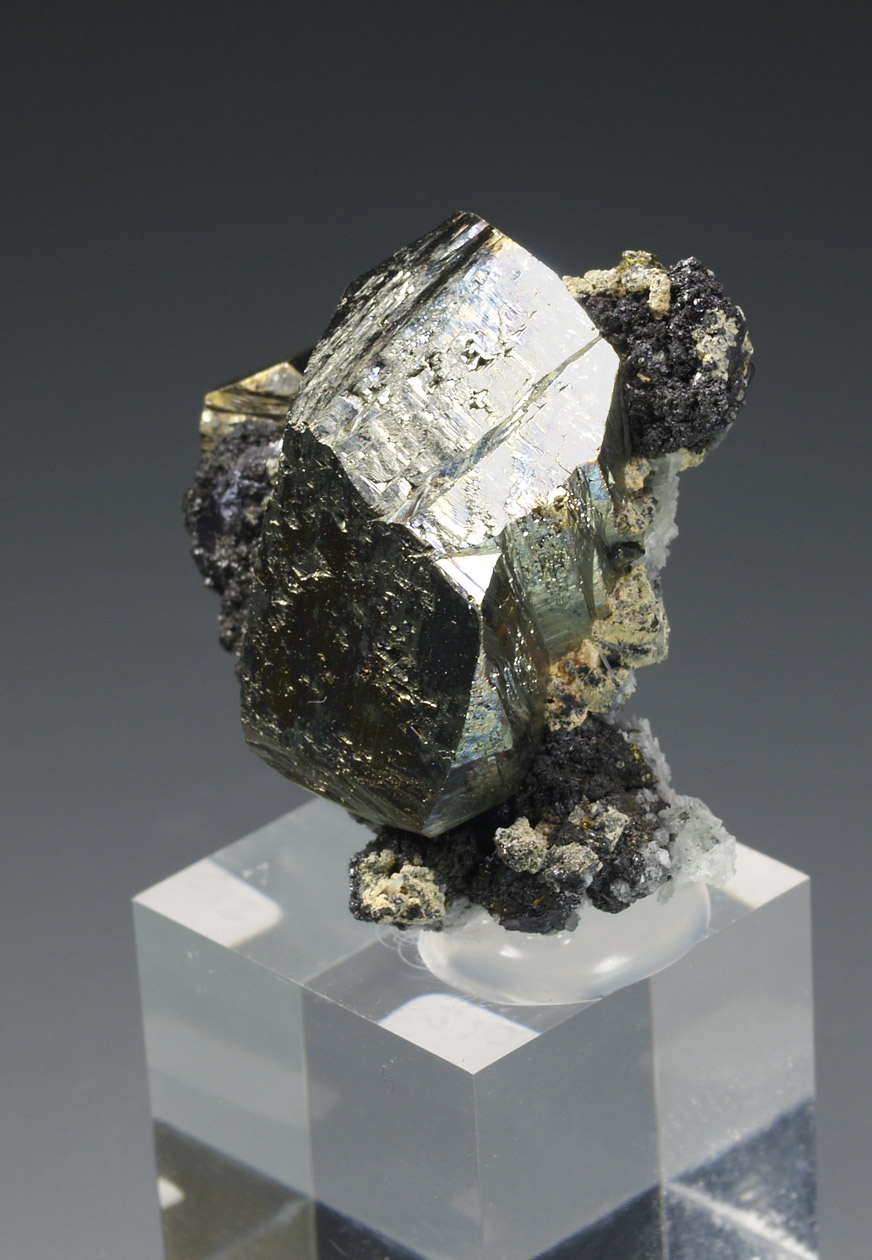
Estos ejemplares de pirita de esta zona minera búlgara son muy estéticos, destacando las complejas formas. Buen brillo y color. Se acompañan de cristales de cuarzo, esfalerita y brillante calcopirita en la matriz. Procede de una zona minera conocida como mina Septemvri, que incluye los siguientes depósitos: Sharenka, Baram, Mogilata, Osikovo y Pechinsko.
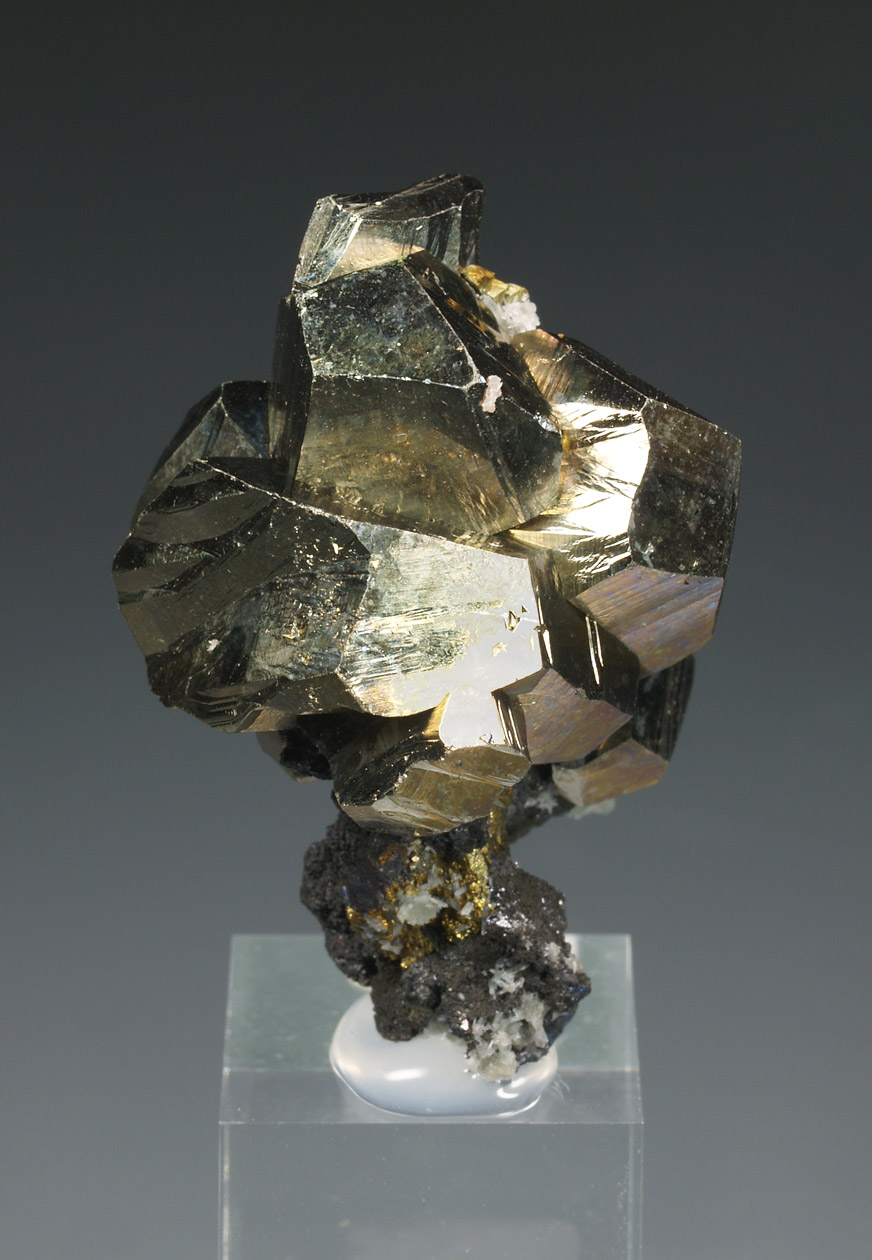
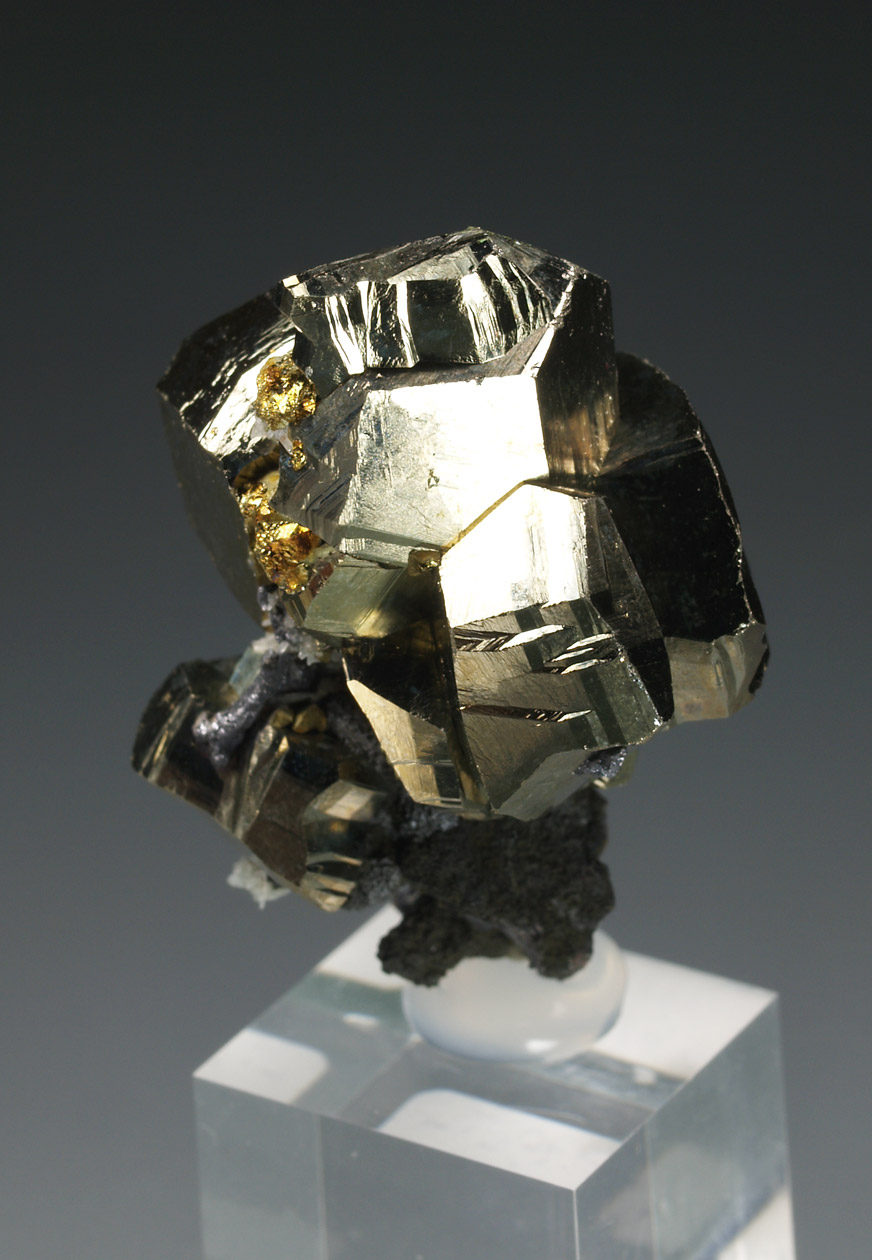
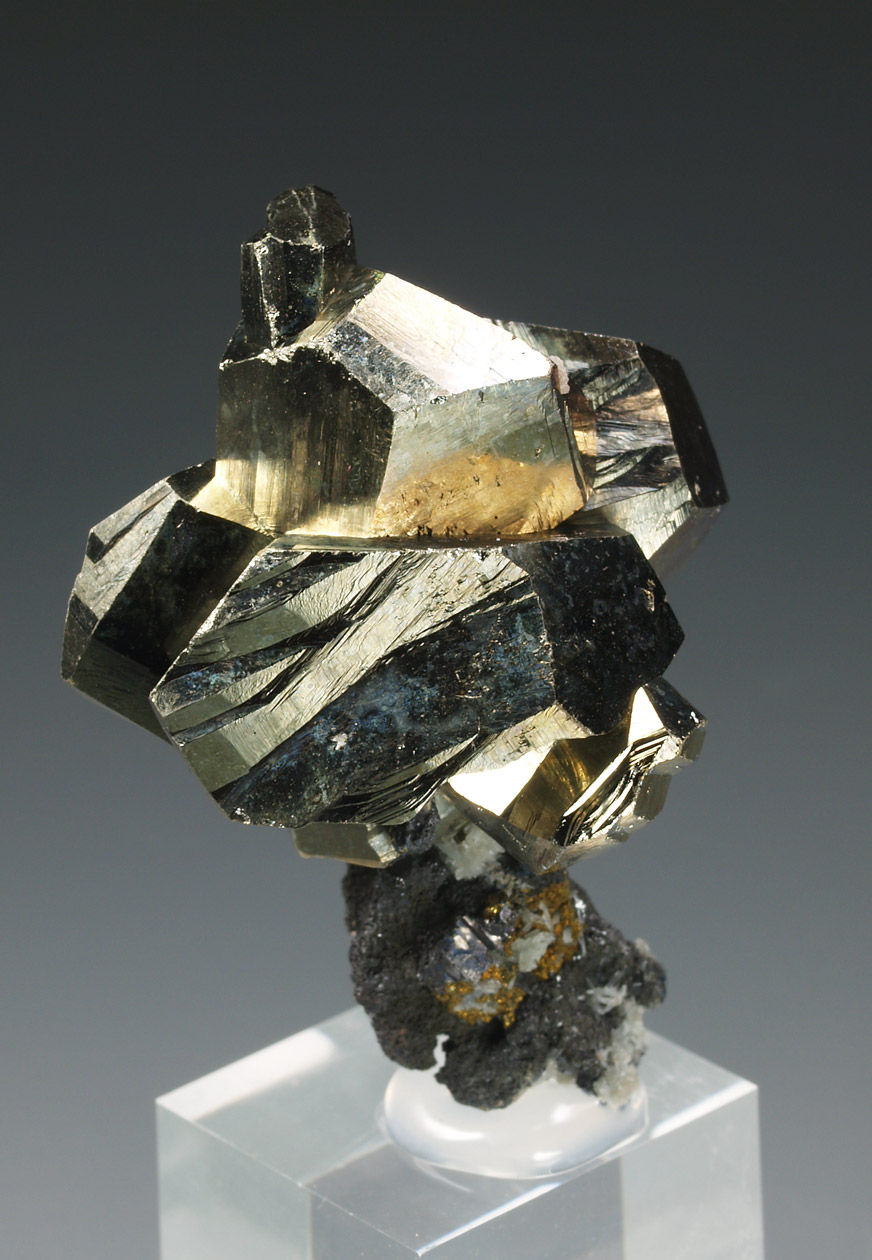
Estos ejemplares de pirita de esta zona minera búlgara son muy estéticos, destacando las complejas formas y maclas de penetración que presentan. Buen brillo y color. Se acompañan de cristales de cuarzo, esfalerita y brillante calcopirita en la matriz. Procede de una zona minera conocida como mina Septemvri, que incluye los siguientes depósitos: Sharenka, Baram, Mogilata, Osikovo y Pechinsko.
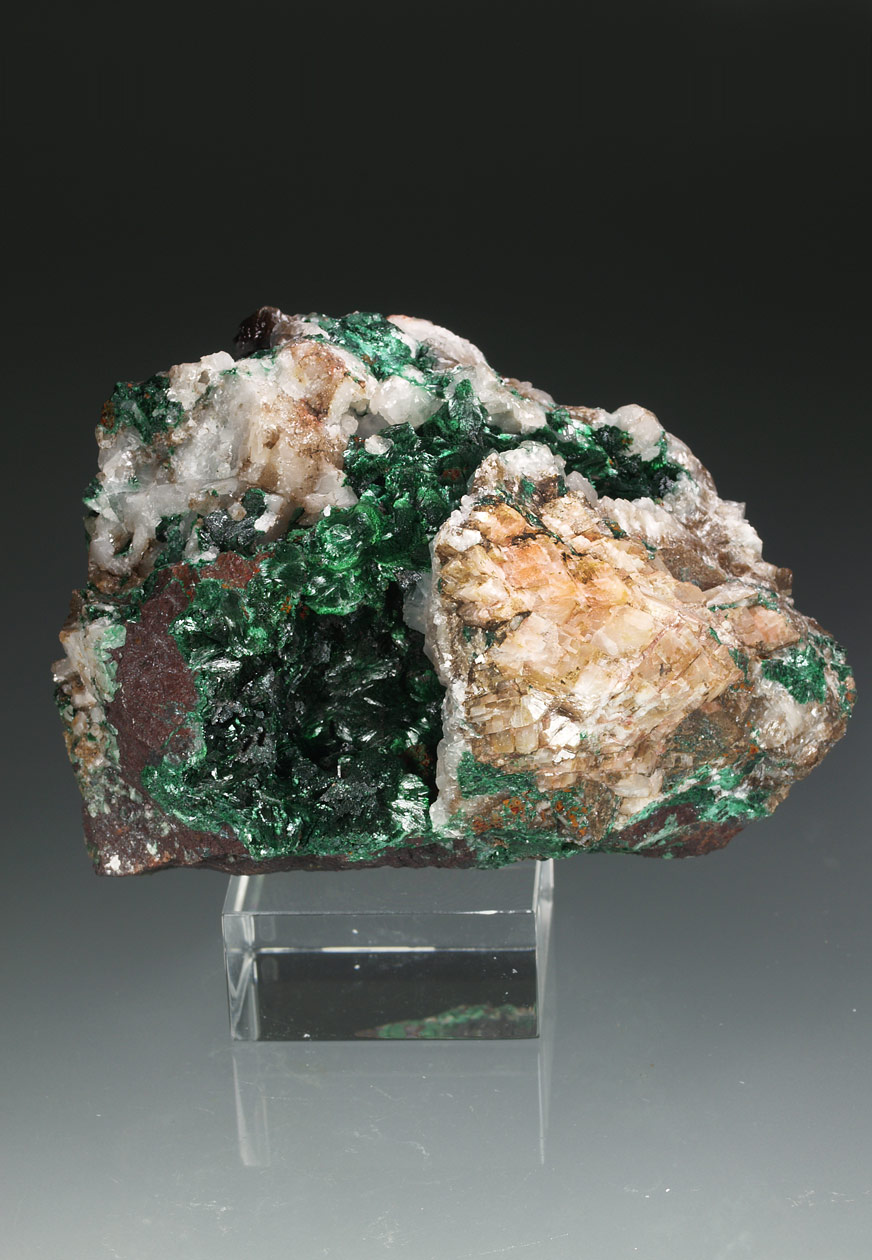
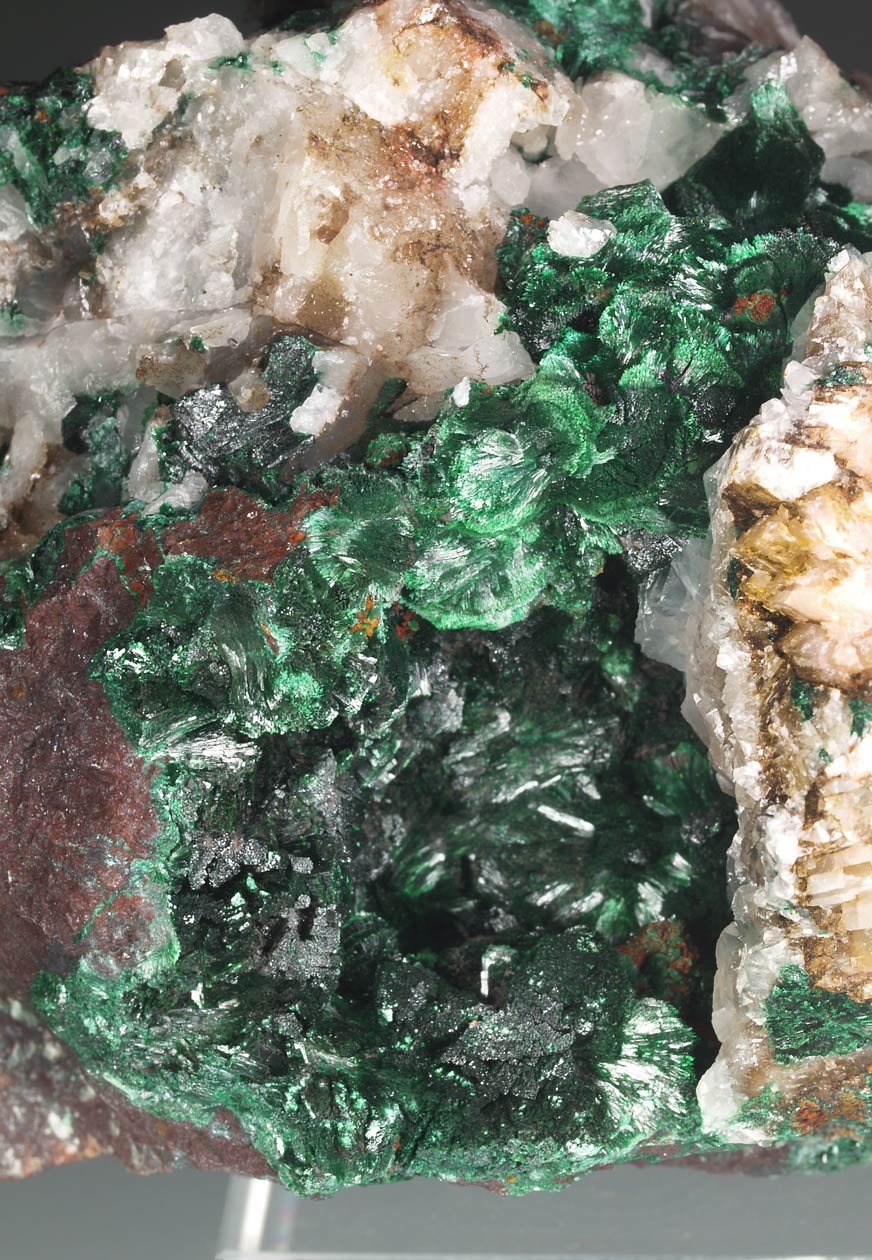
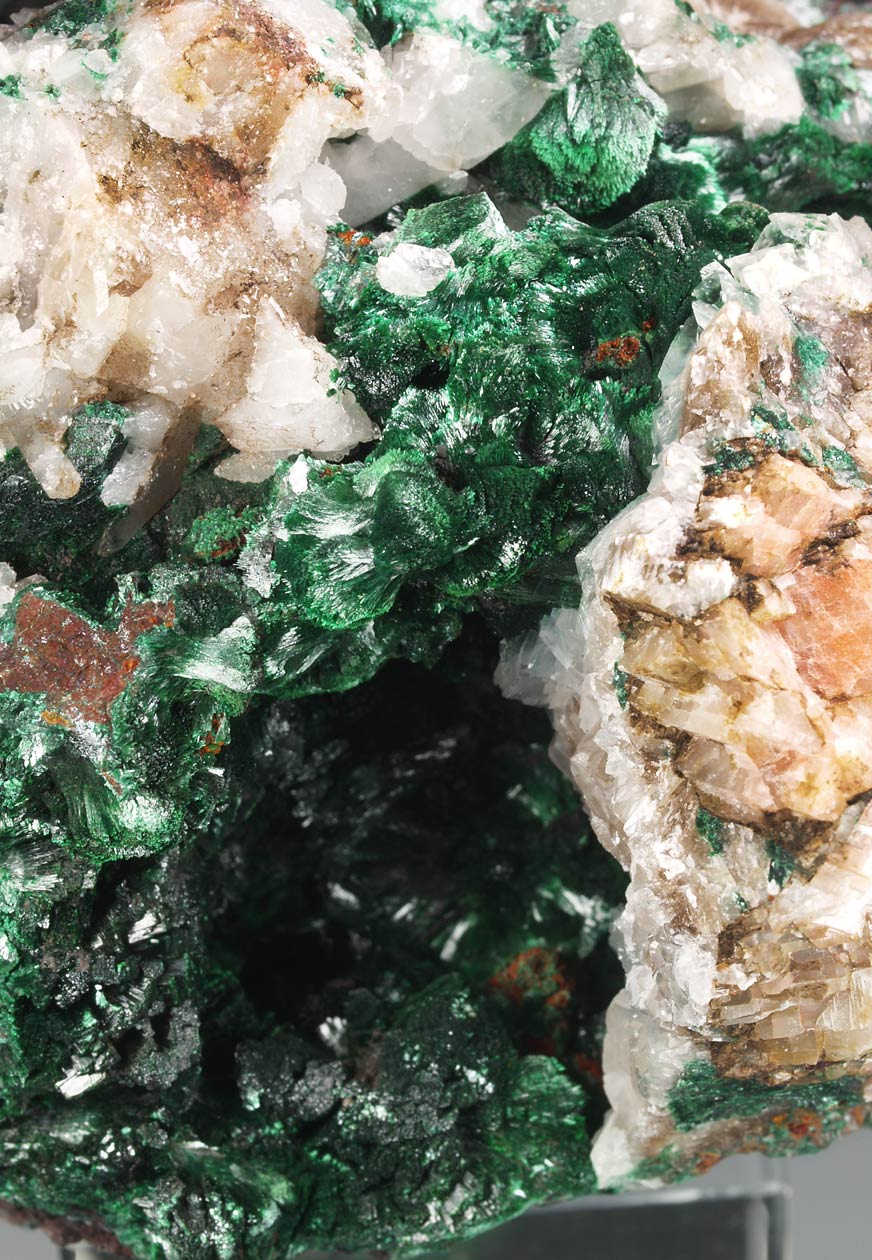
Una novedad de las minas de Bleida. Se trata de grupos de cristales de malaquita, prismáticos a aciculares, formando agregados aterciopelados con intenso brillo y color. Se disponen en las cavidades de una matriz de cuarzo y dolomita, con calcopirita y bornita.