- Home About RM Minerals
- Virtual Photo Museum Blog RM Contact
- Microscopy and instruments How to Buy Disclaimer
Copyright 2010-2026
www.rosellminerals.com



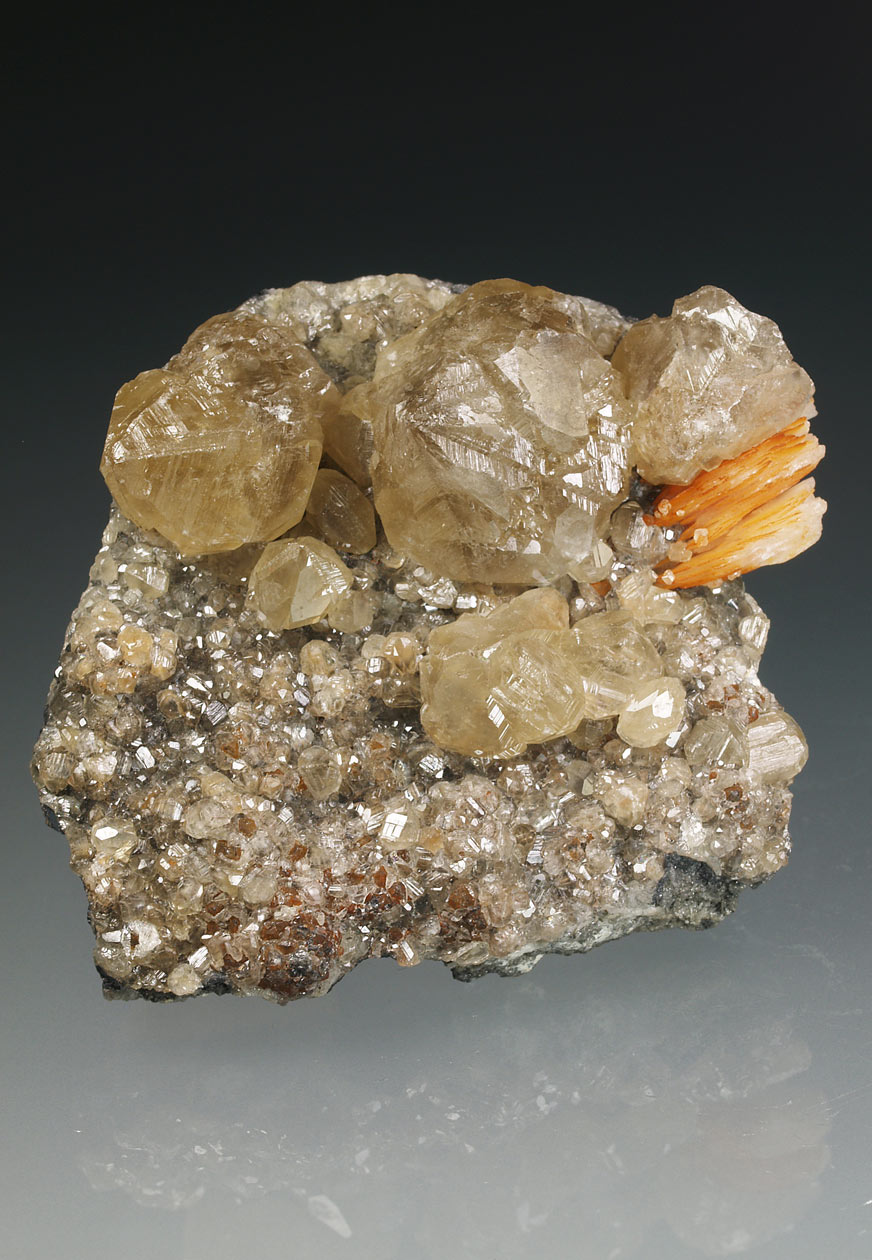
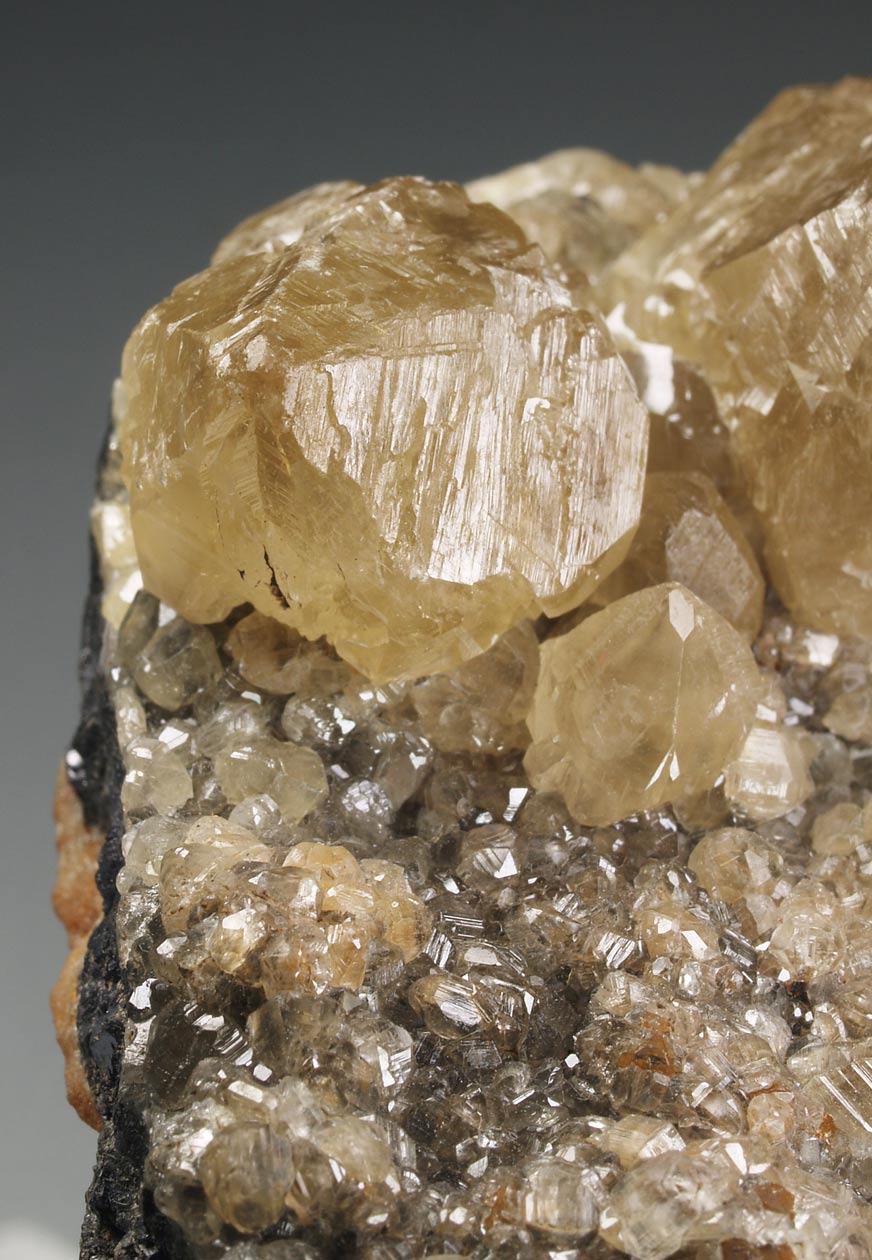
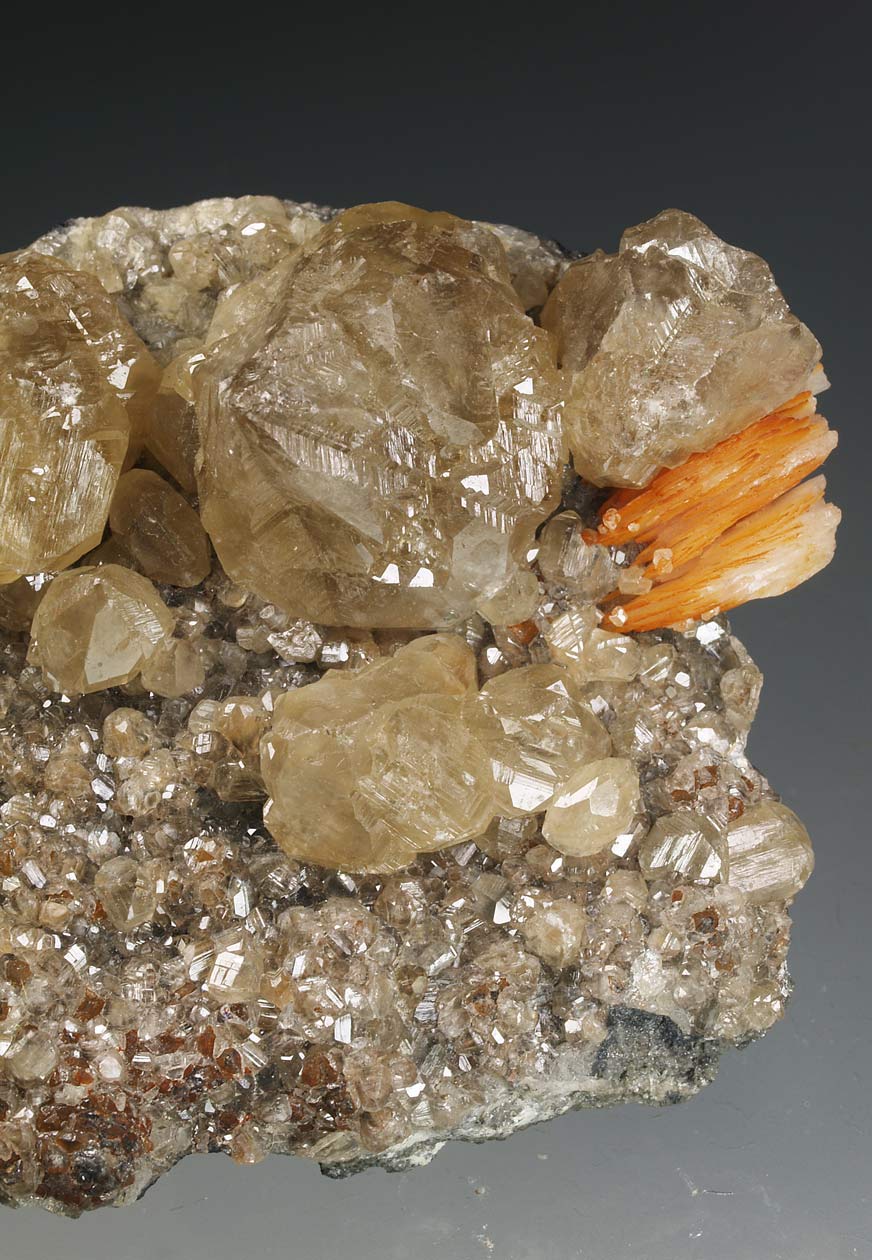
Very brilliant specimen formed by various cerussite crystals, with a cyclic twin, well defined and translucent. They exhibit intense yellow fluorescence under LW-UV light. They are disposed on an upholstered matrix of small crystals of the same species and, to give an aesthetic touch, a group of orange baryte crystals.
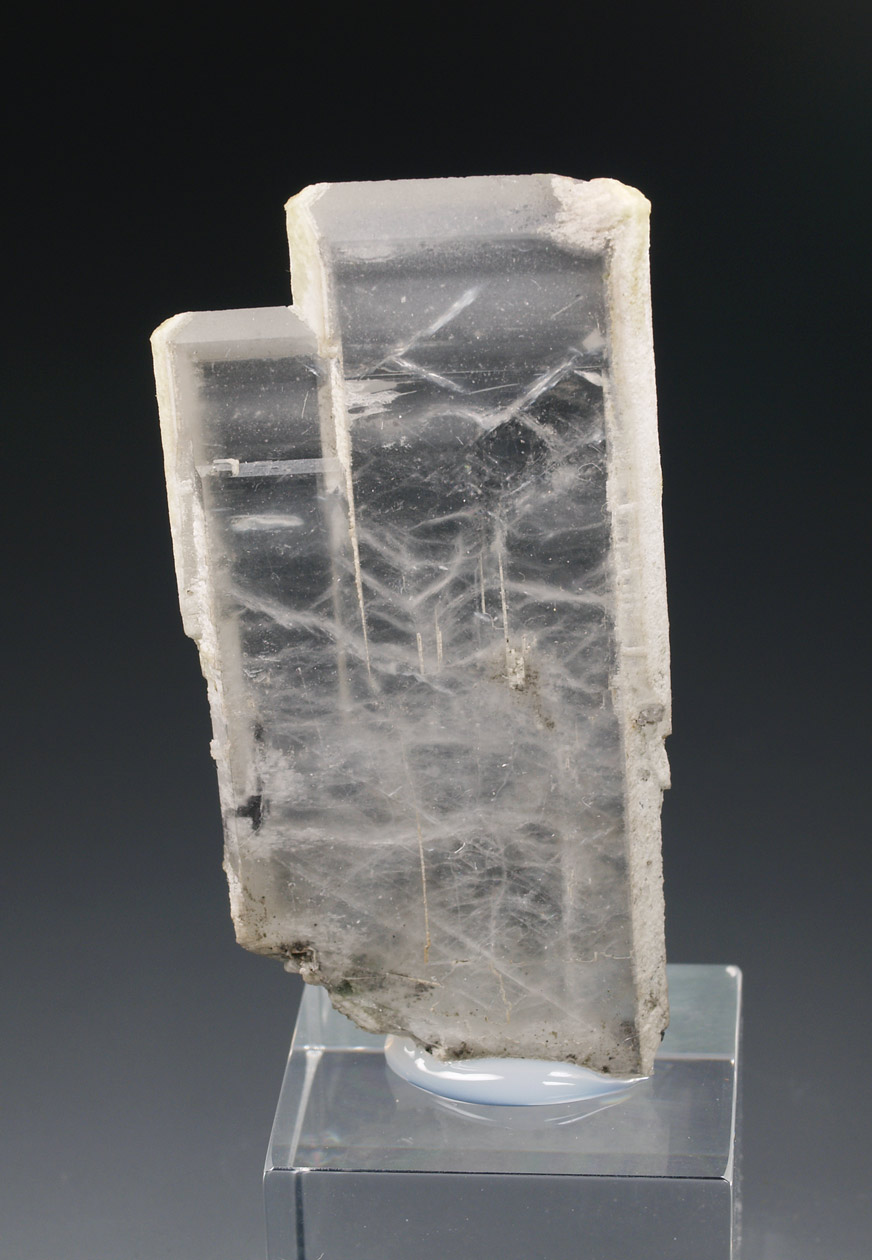
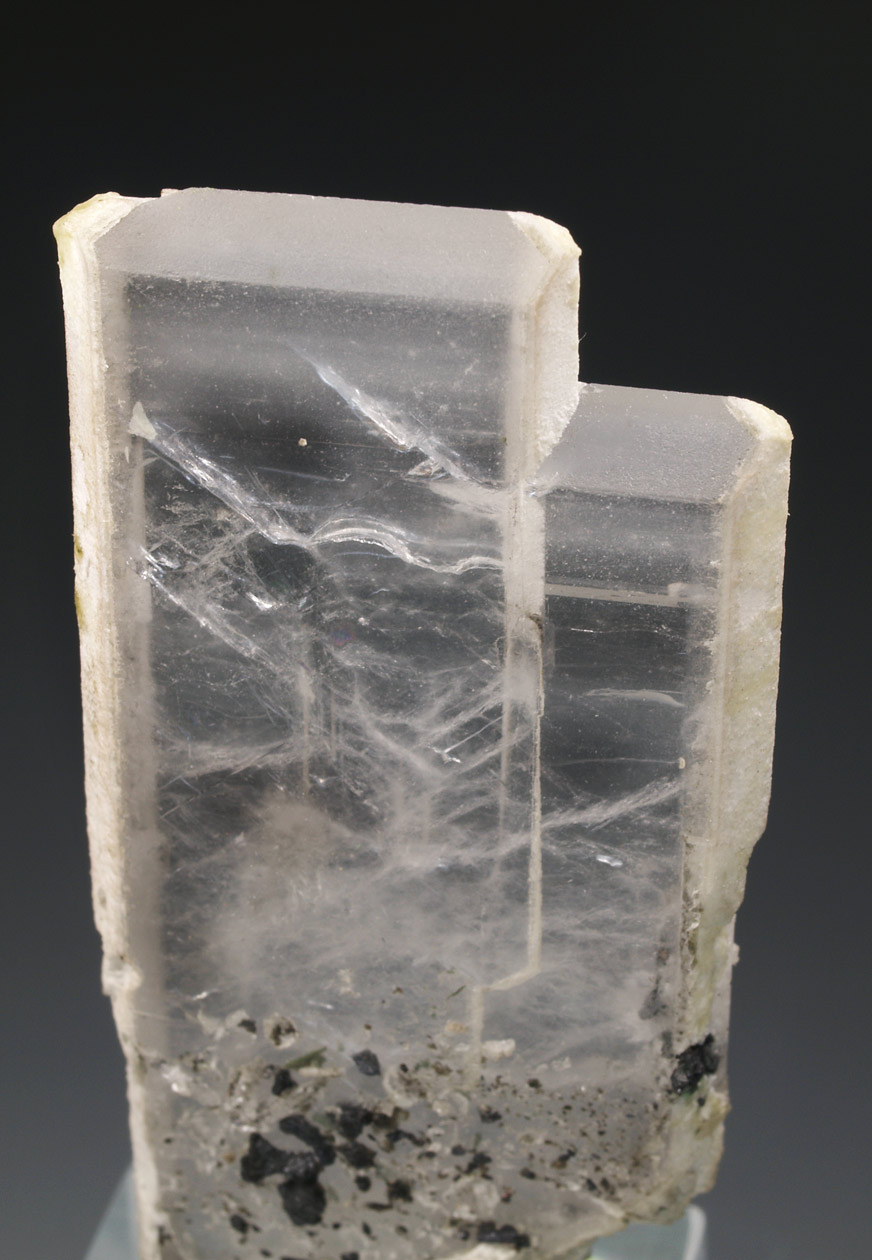
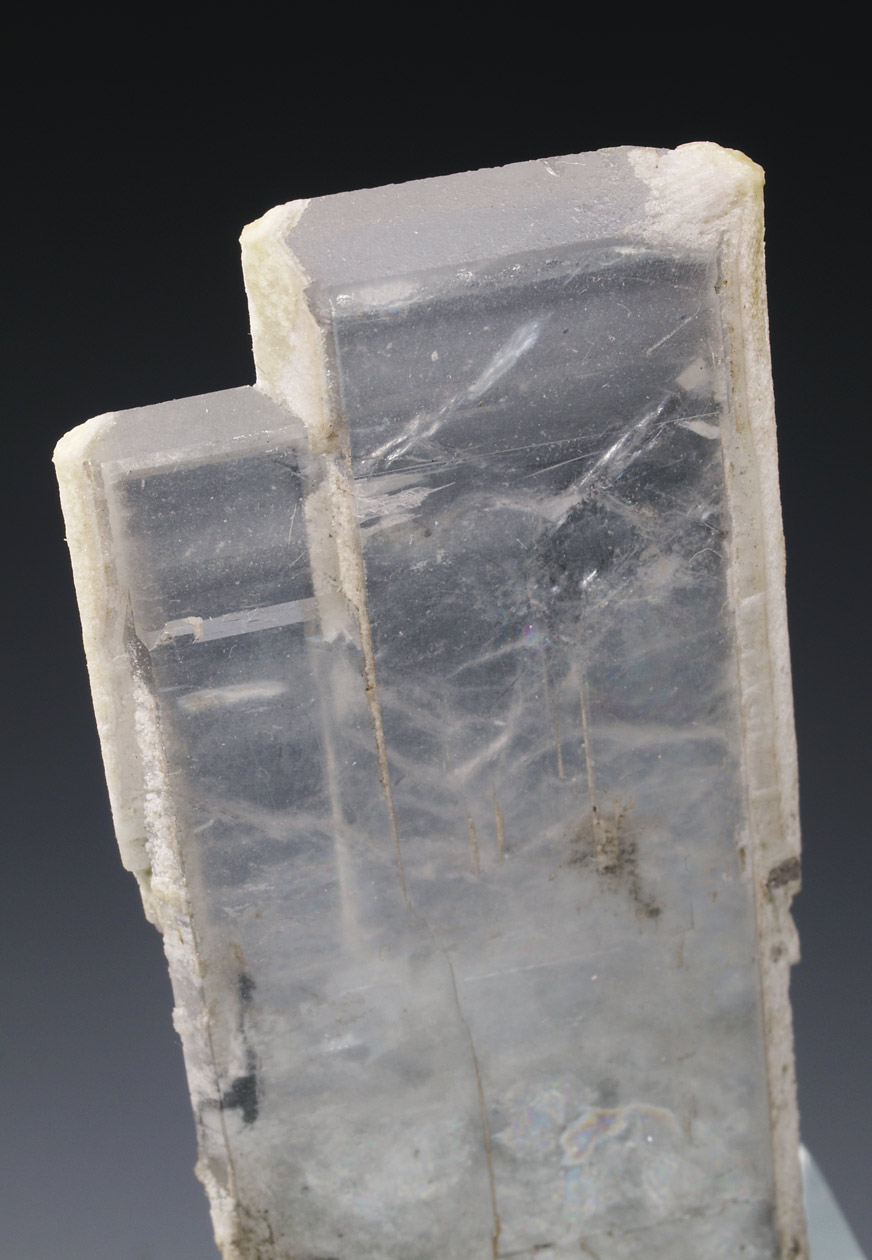
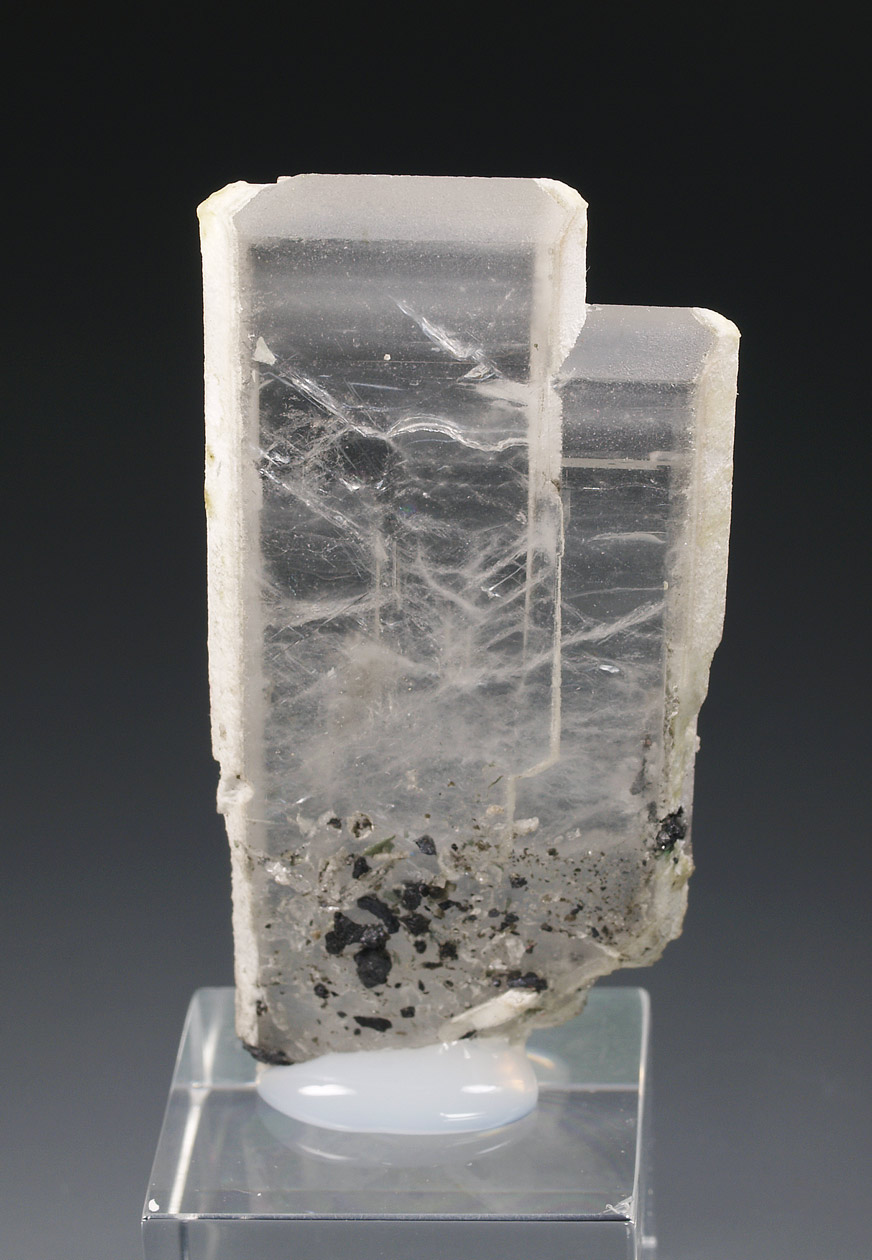
These baryte crystals are very different from the usual ones that we can see coming from this Moroccan locality and even from other deposits famous for baryte. These are prisms of different orders, the predominant third order, truncated by the second order. We observe that a white geometric growth has formed and only affects certain faces of the rhombic prisms. This zoning is unusual for the species. The crystals are transparent and brilliant.
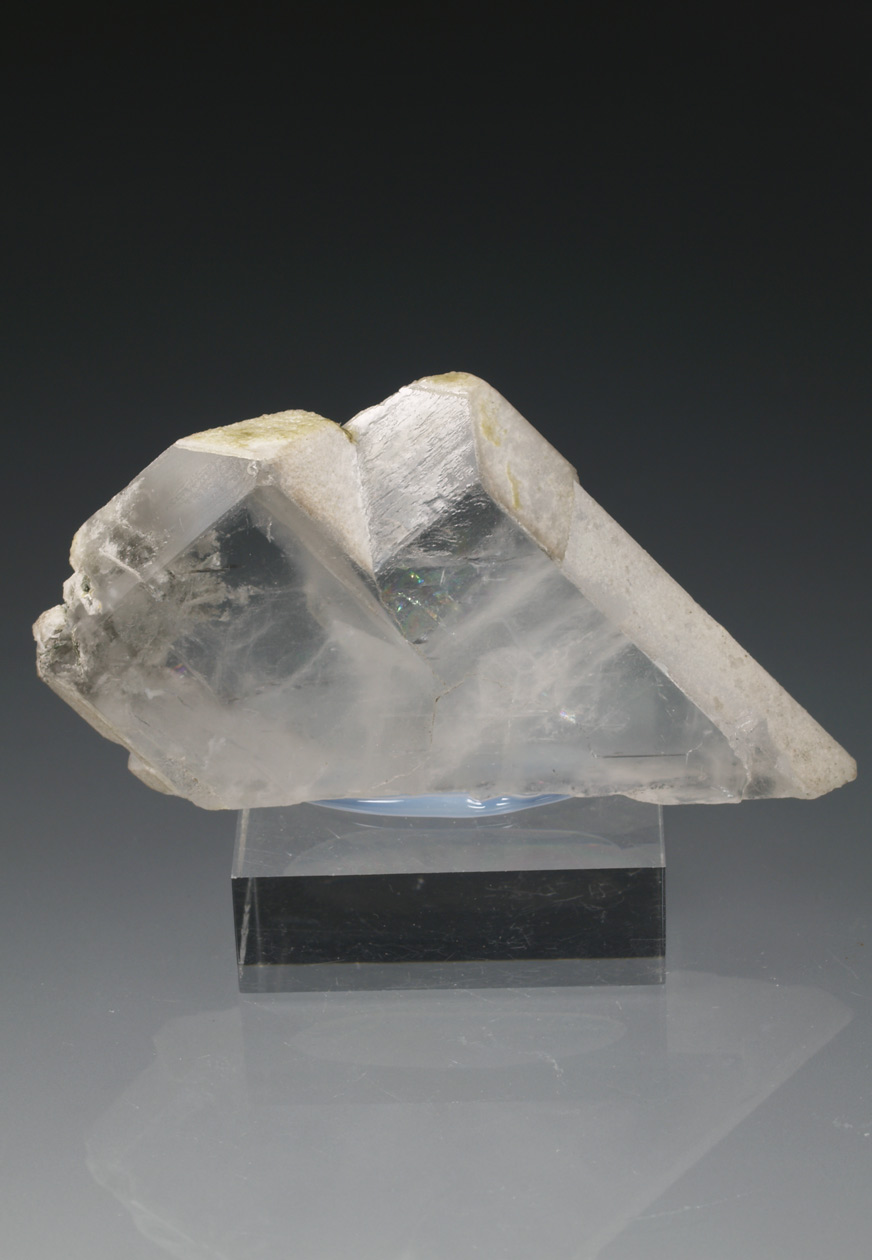
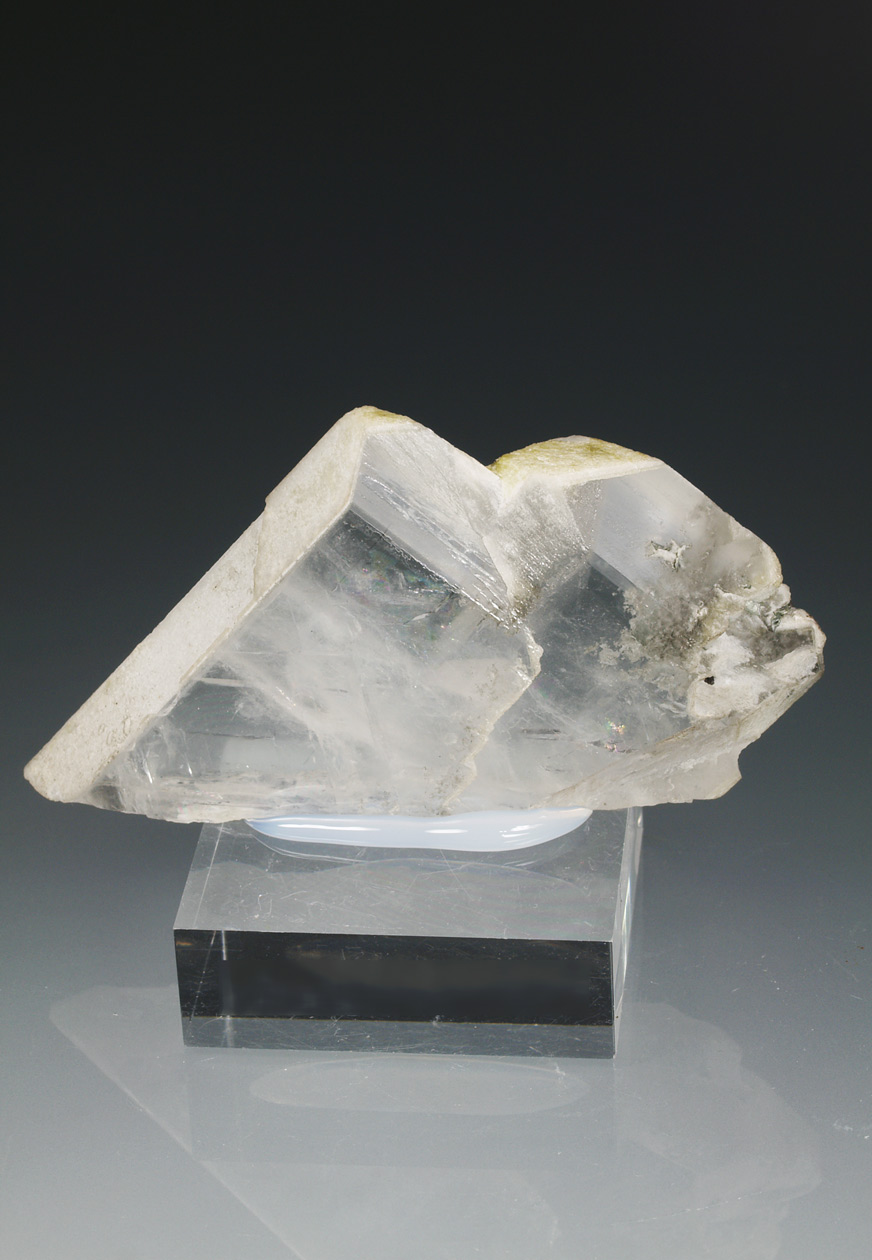
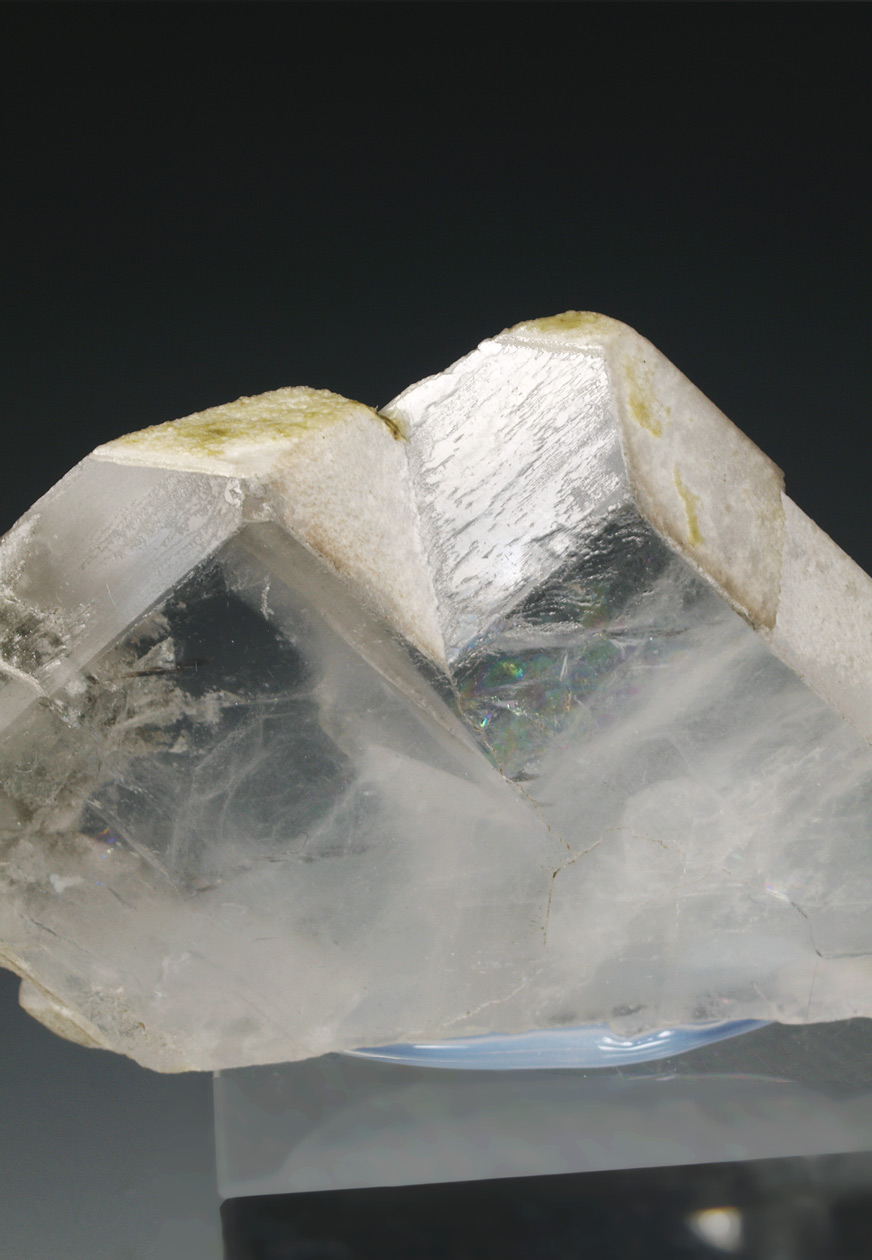
These baryte crystals are very different from the usual ones that we can see coming from this Moroccan locality and even from other deposits famous for baryte. These are prisms of different orders, the predominant third order, truncated by the second order. We observe that a white geometric growth has formed and only affects certain faces of the rhombic prisms. This zoning is unusual for the species. The crystals are transparent and brilliant.
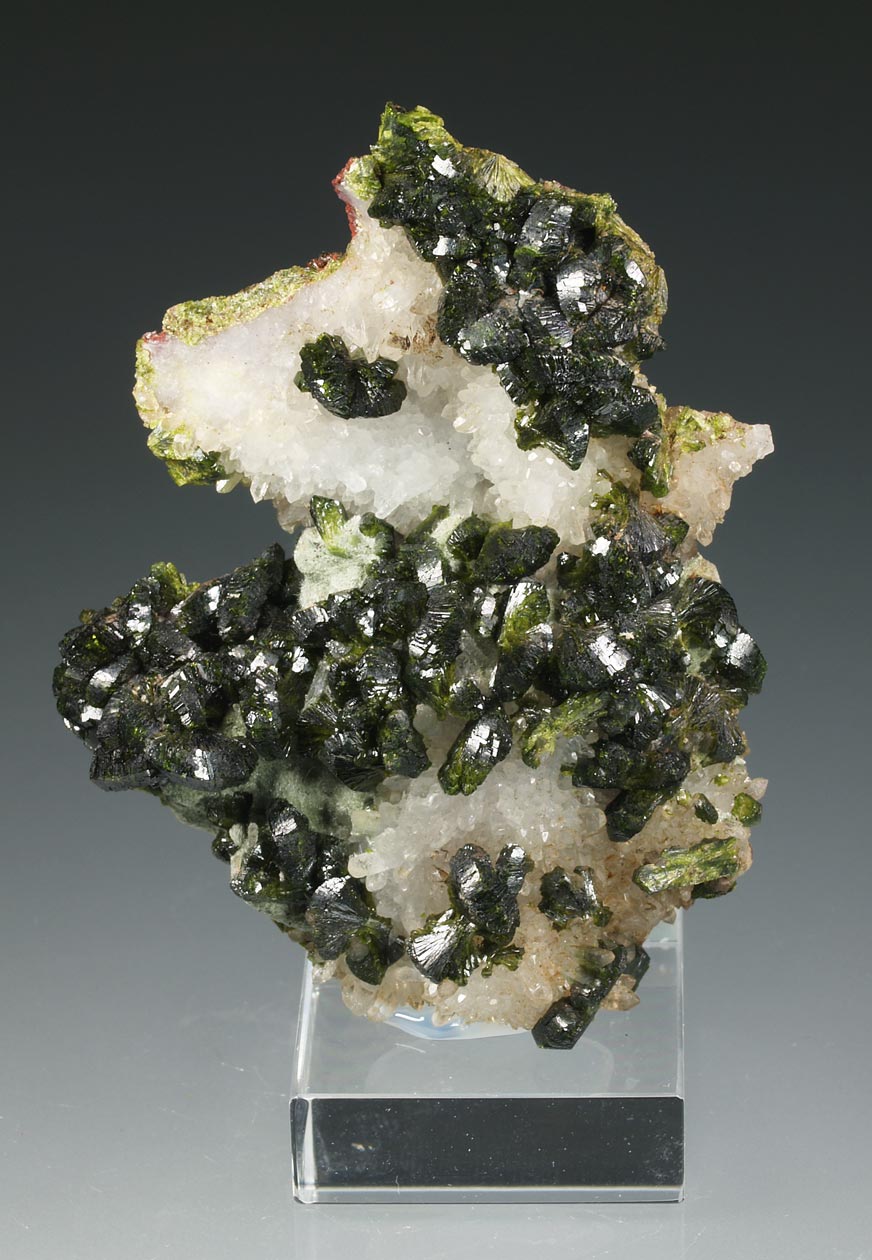
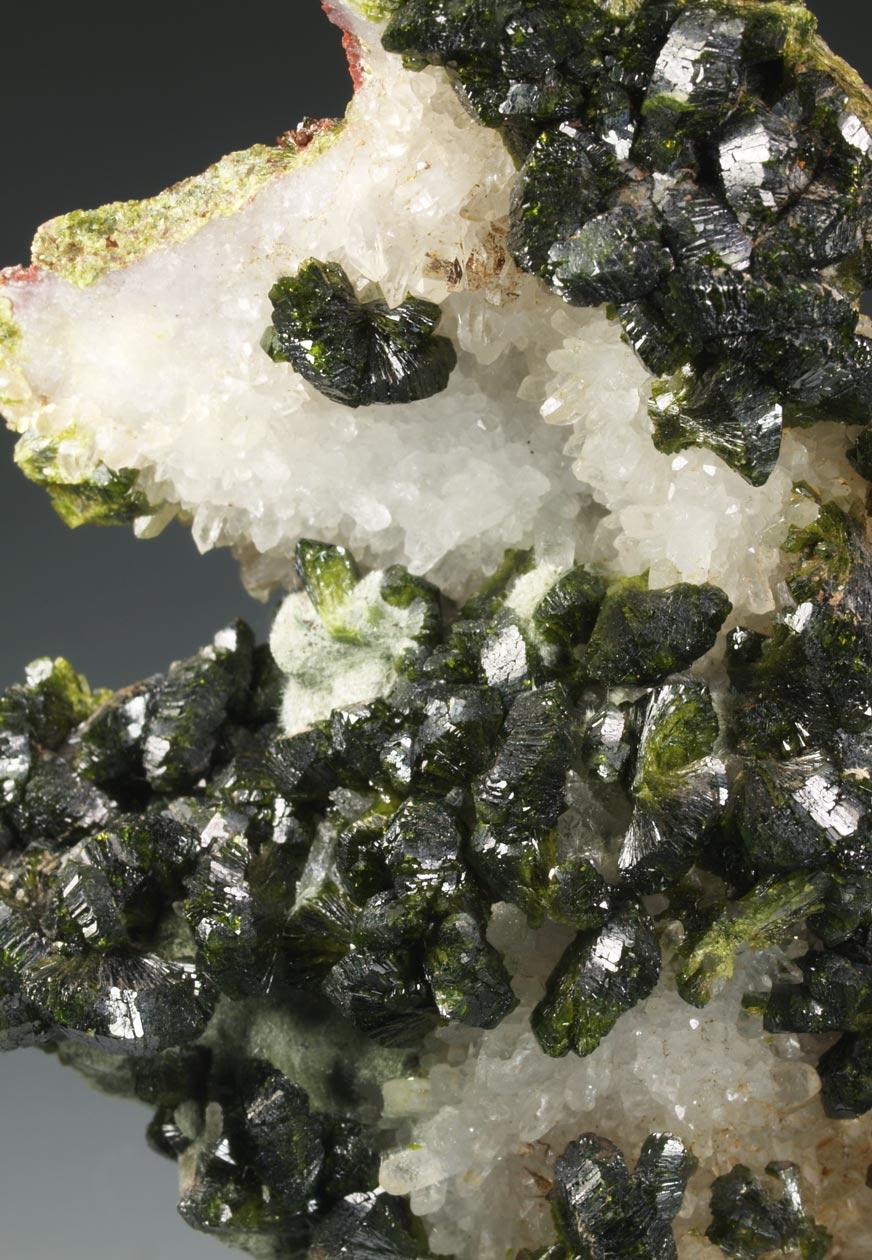
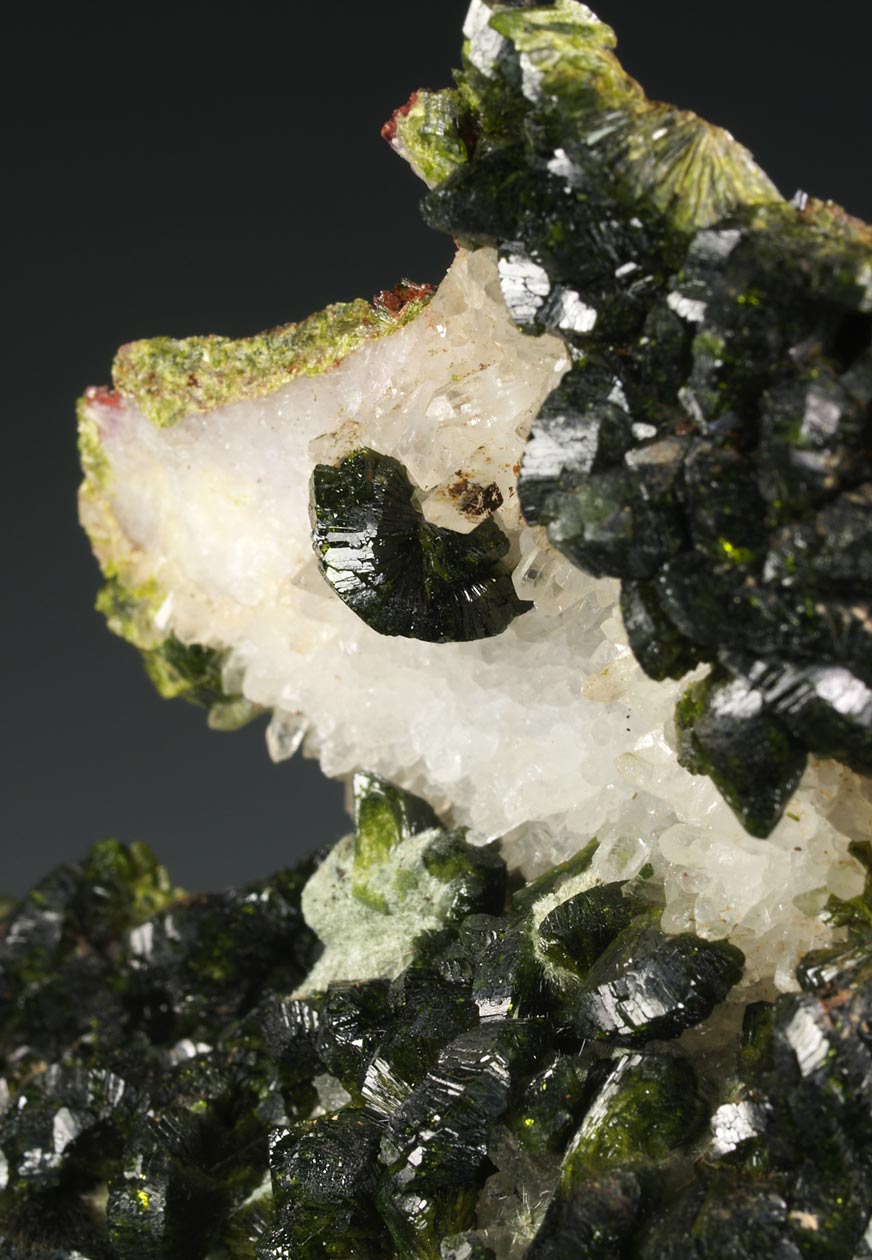
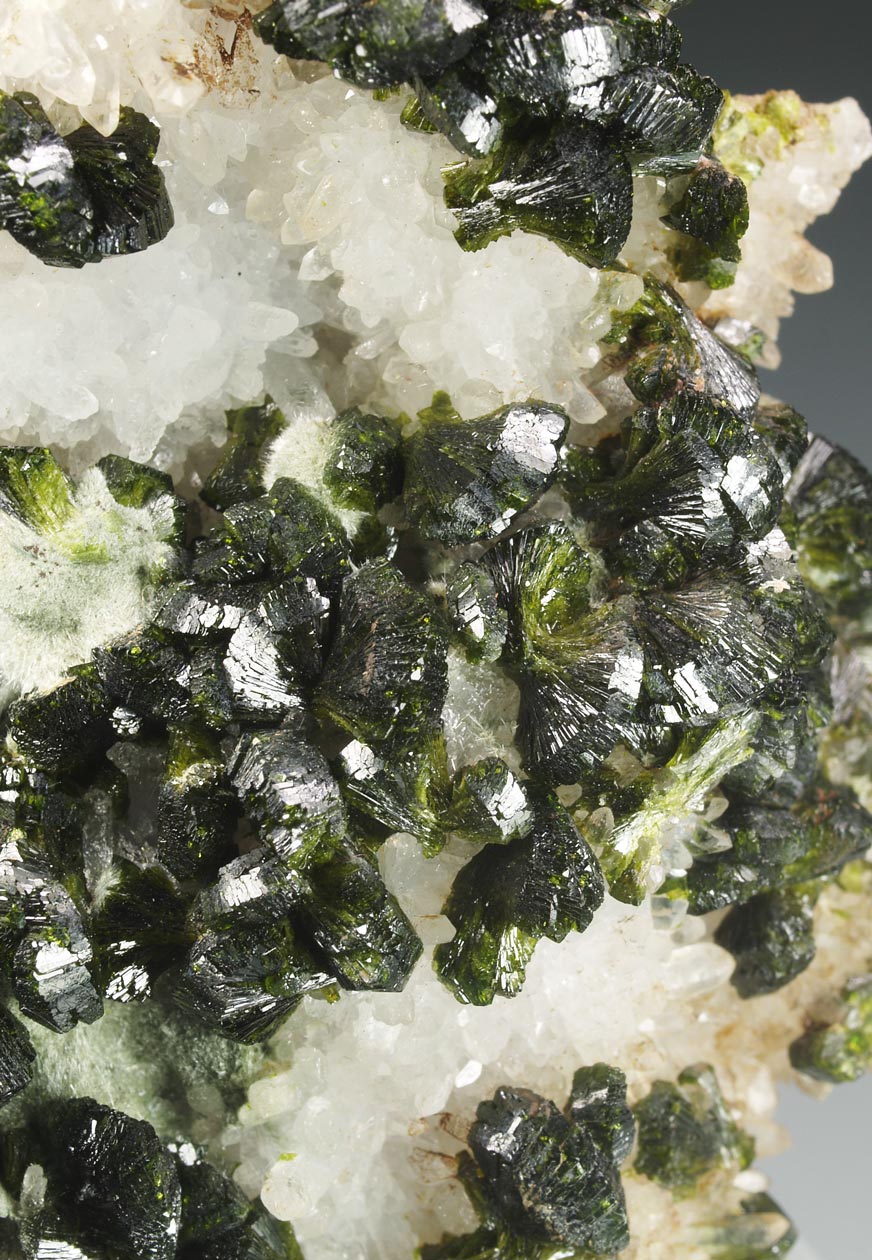
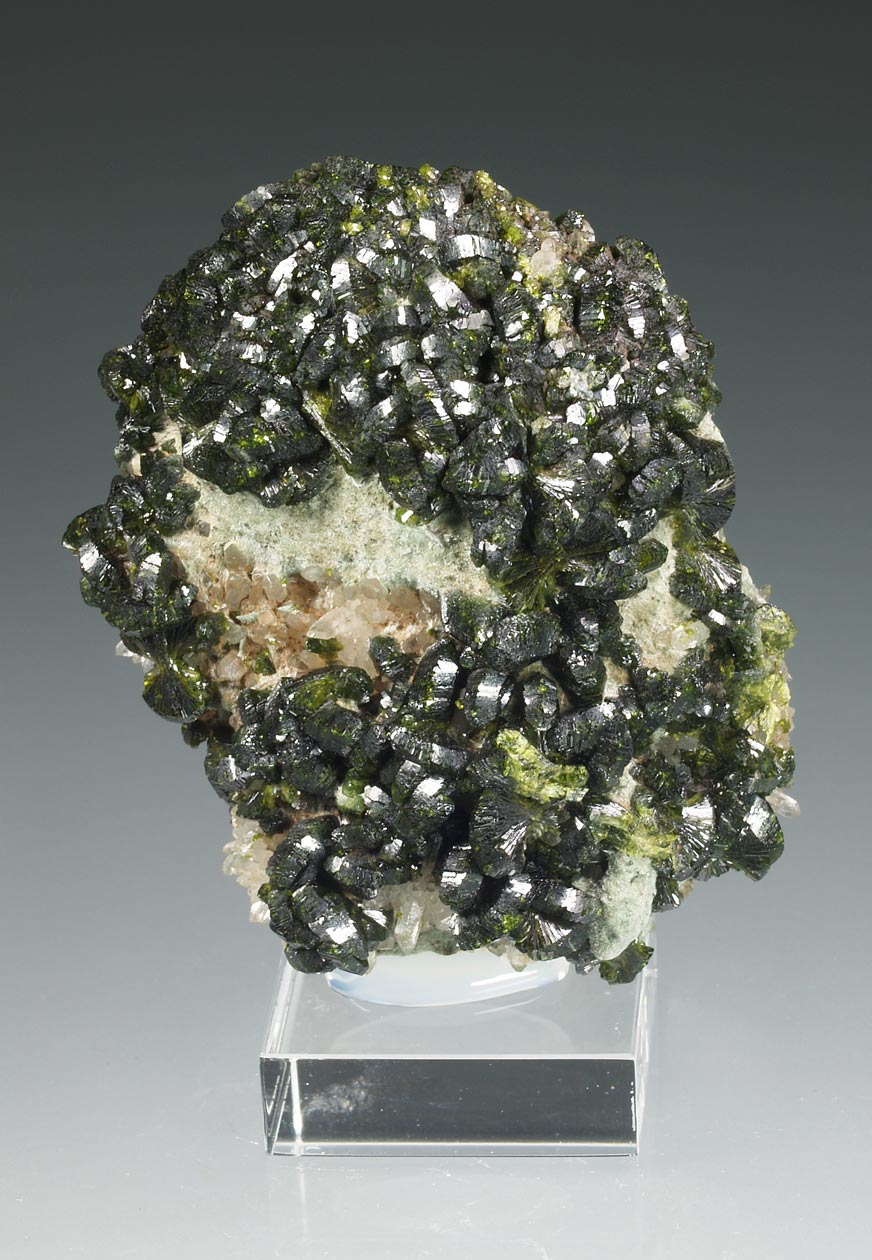
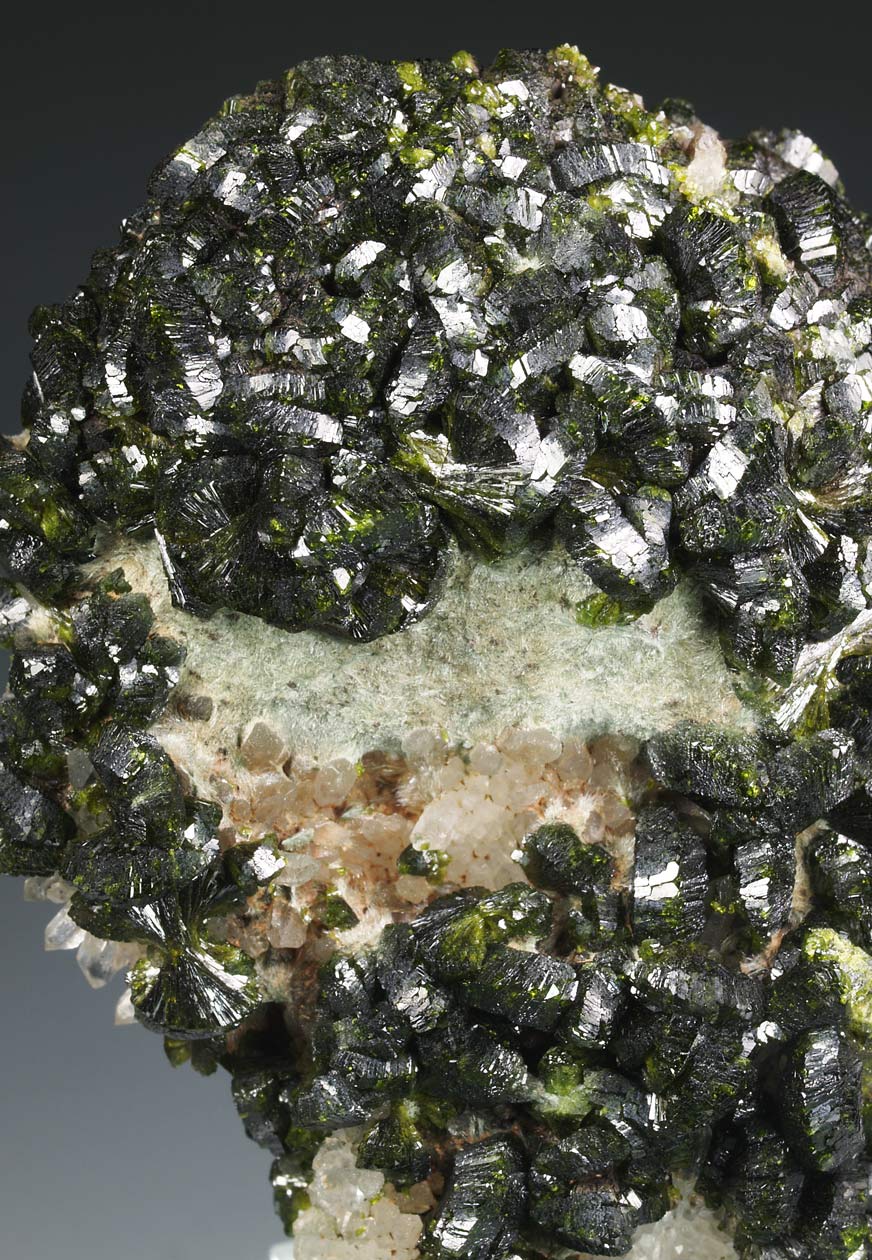
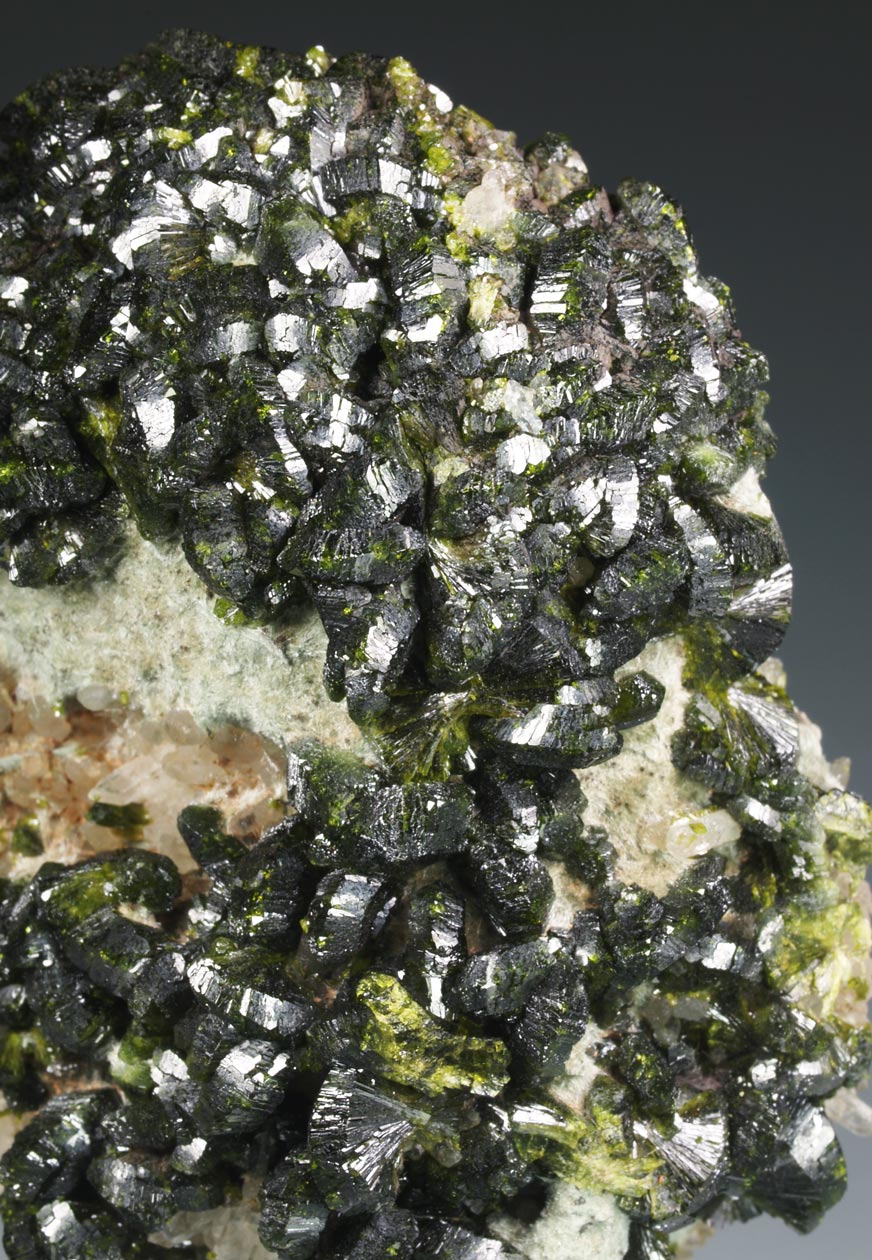
Very aesthetic aggregates of epidote crystals forming beams, with brilliance, defined and with a classic green color. They are arranged in groups and in an isolated way on the matrix with quartz crystals, on which they stand out.
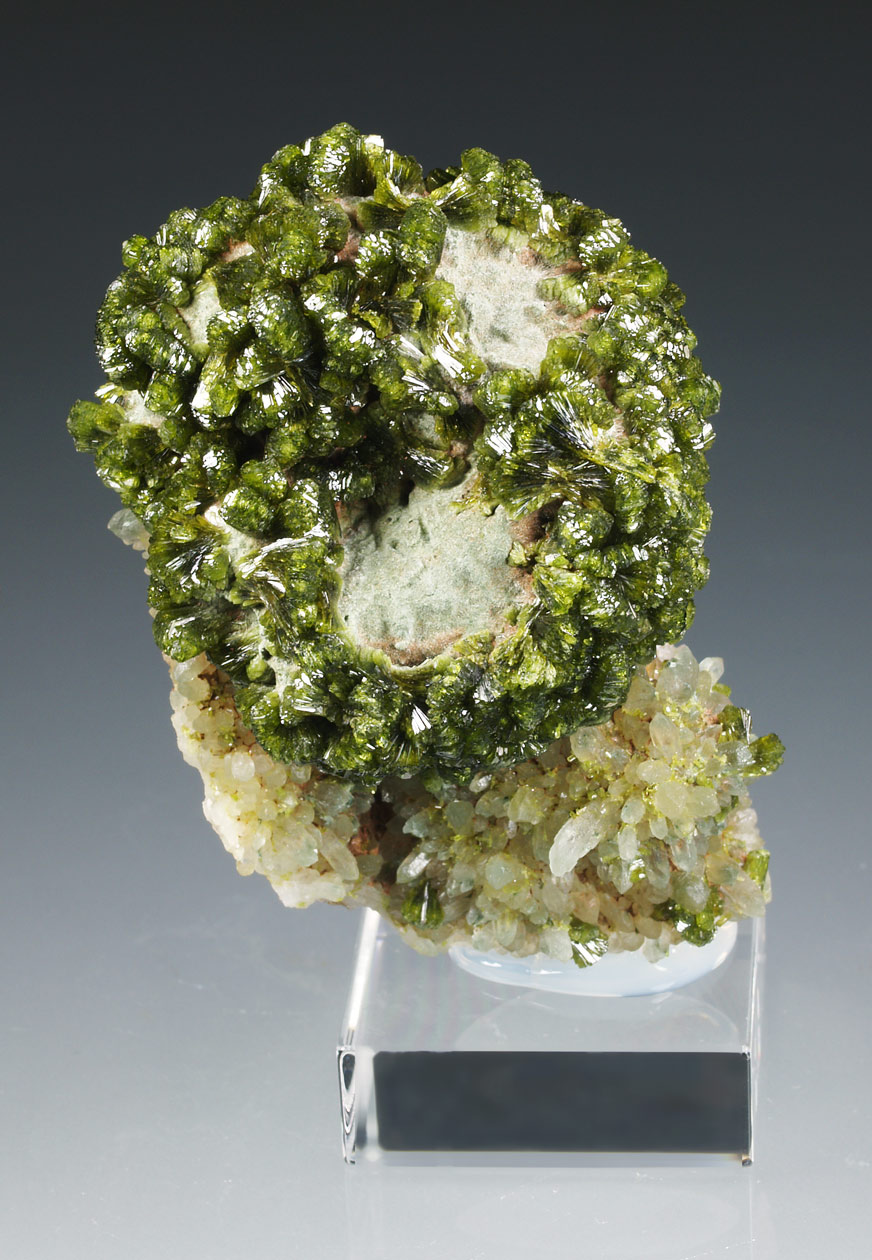
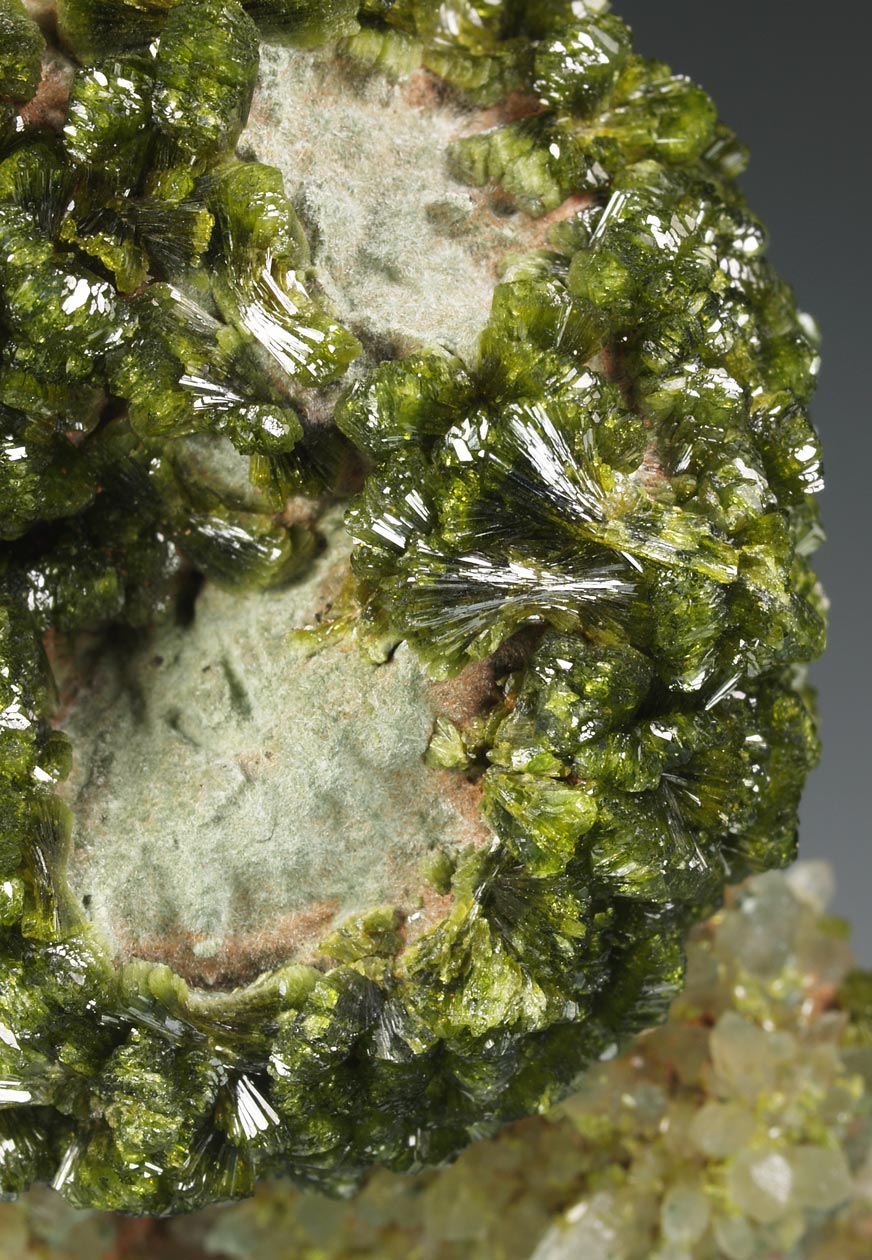
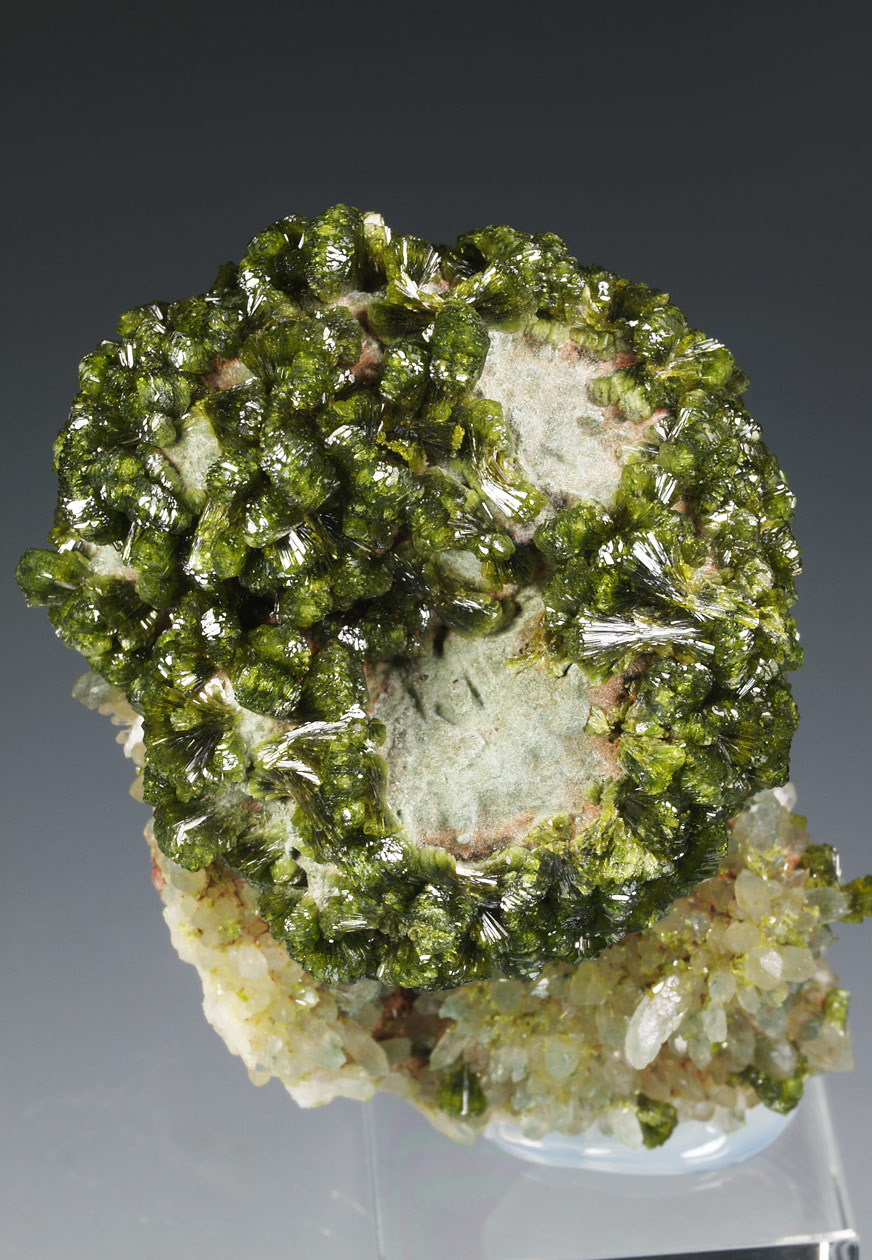
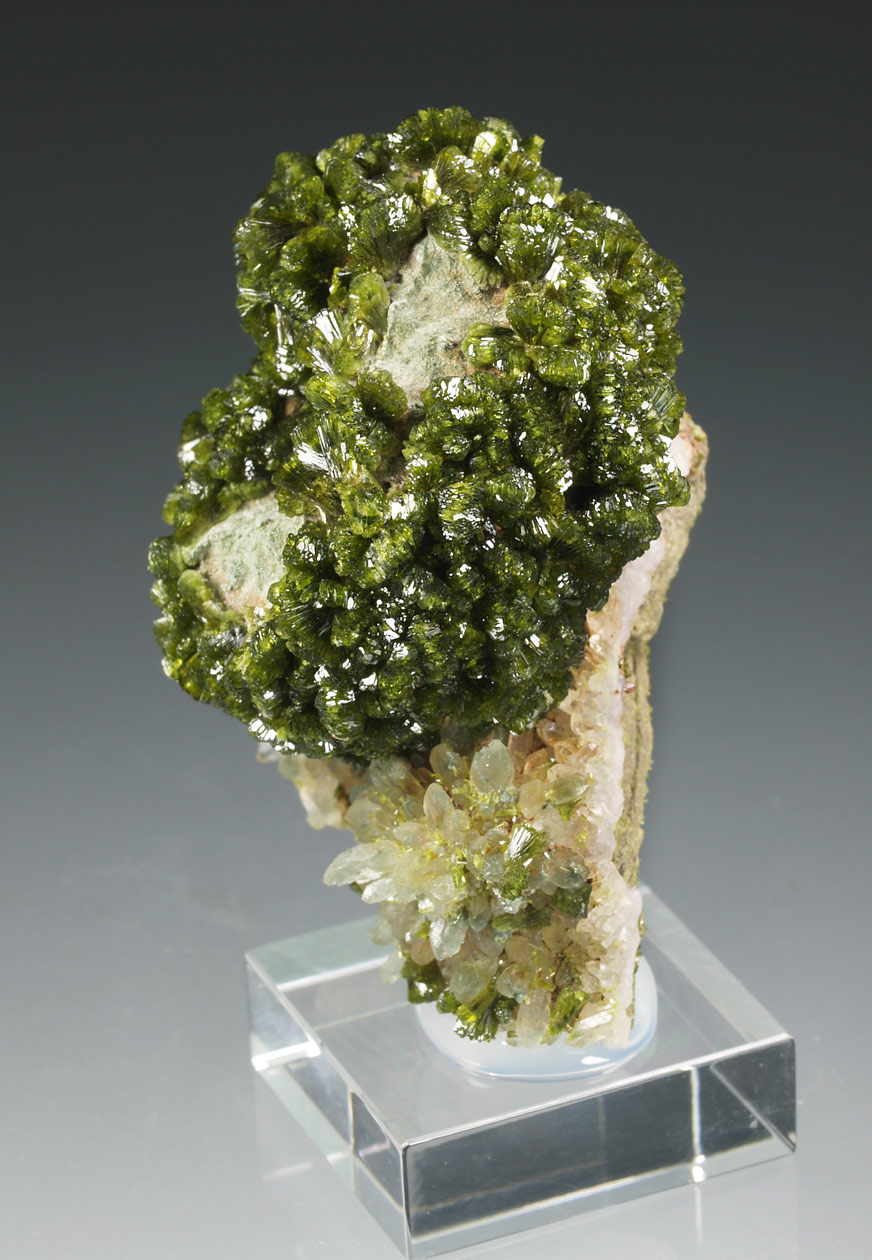
Very aesthetic aggregates of epidote crystals forming beams, with brilliance, defined and with this classic green color. They are disposed on the matrix with quartz crystals, forming very interesting concentric growths.
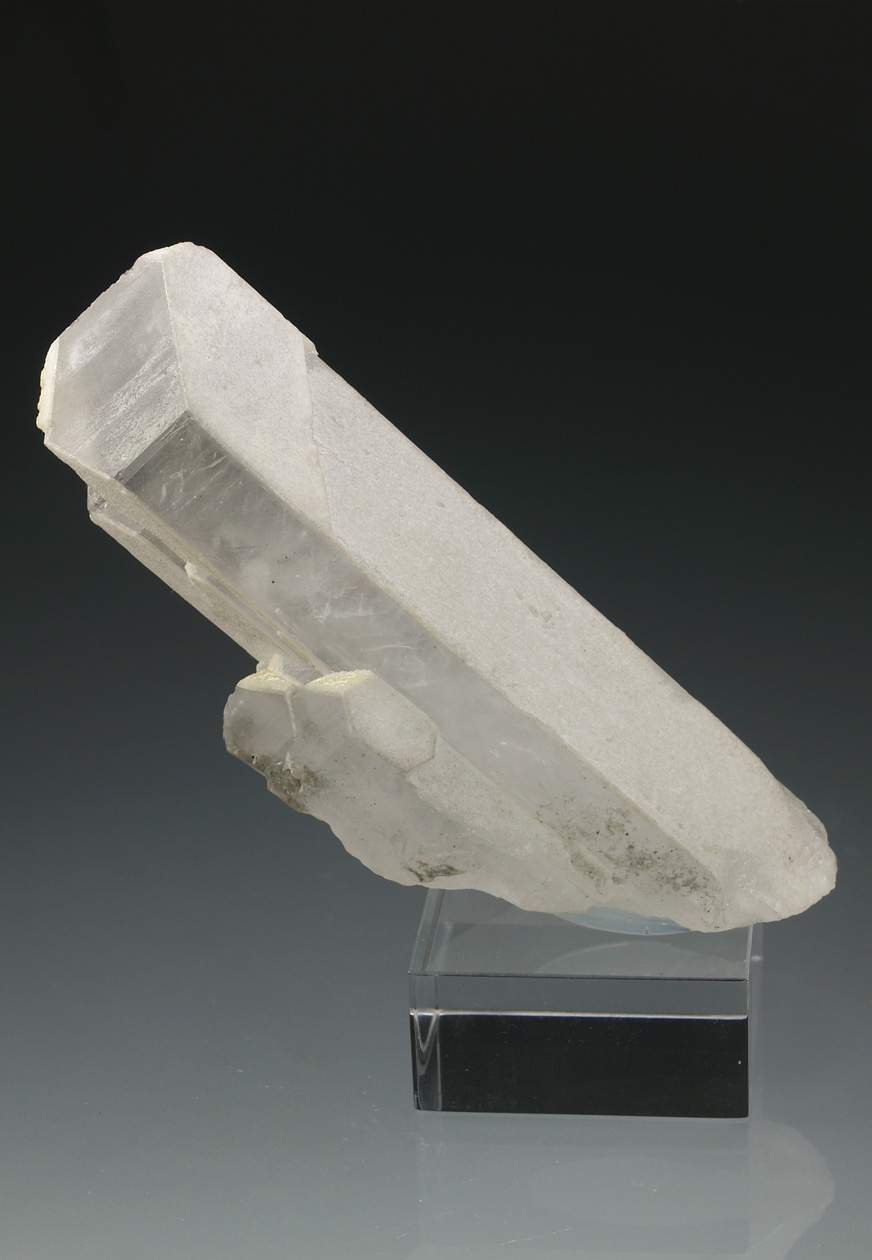
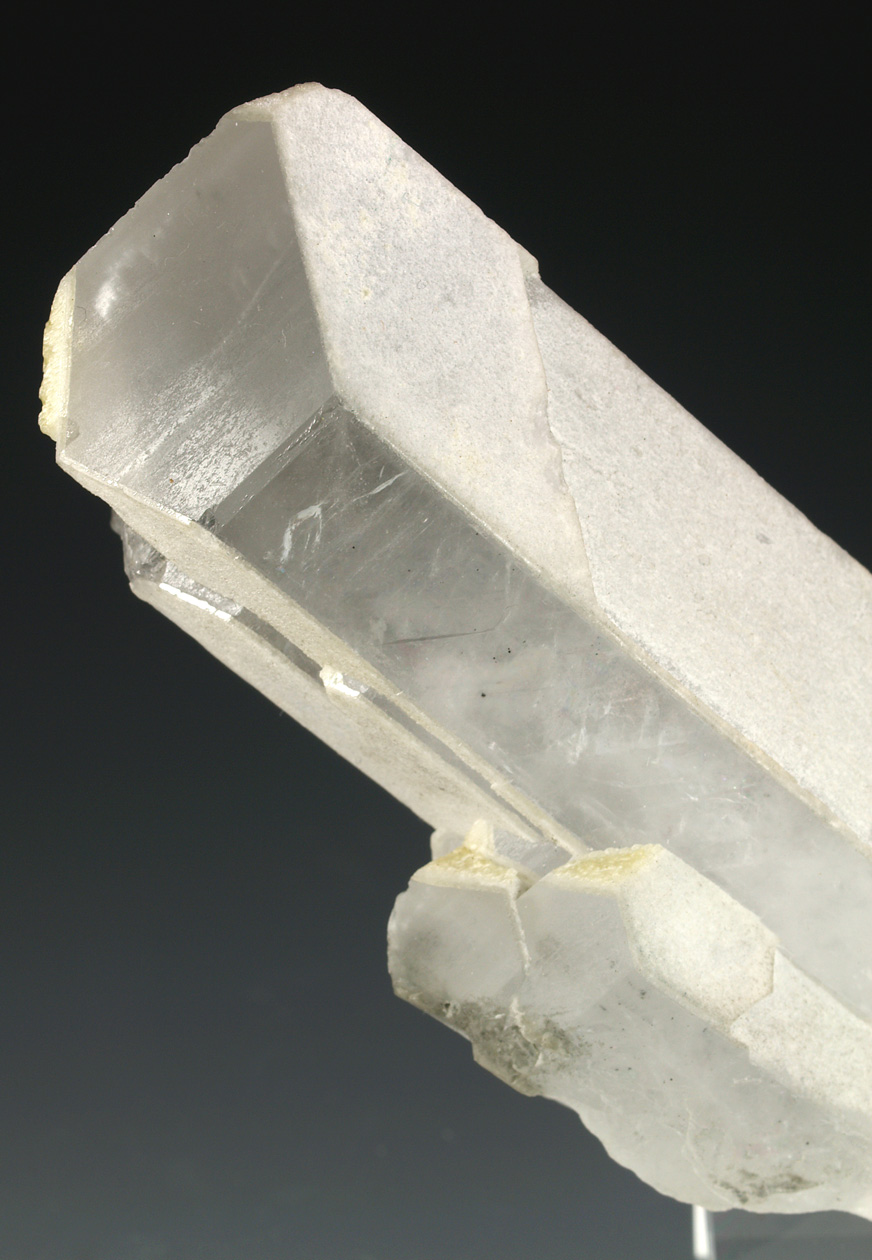
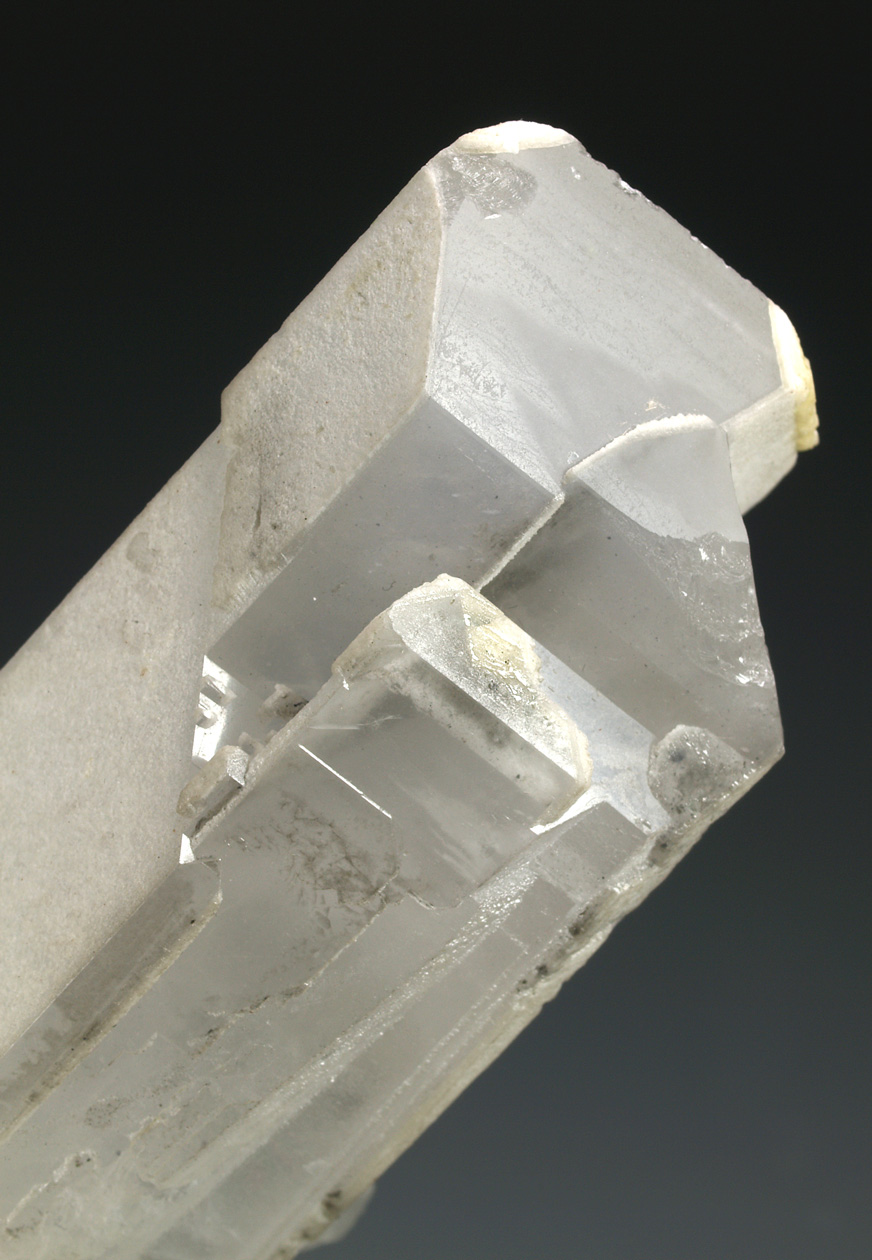
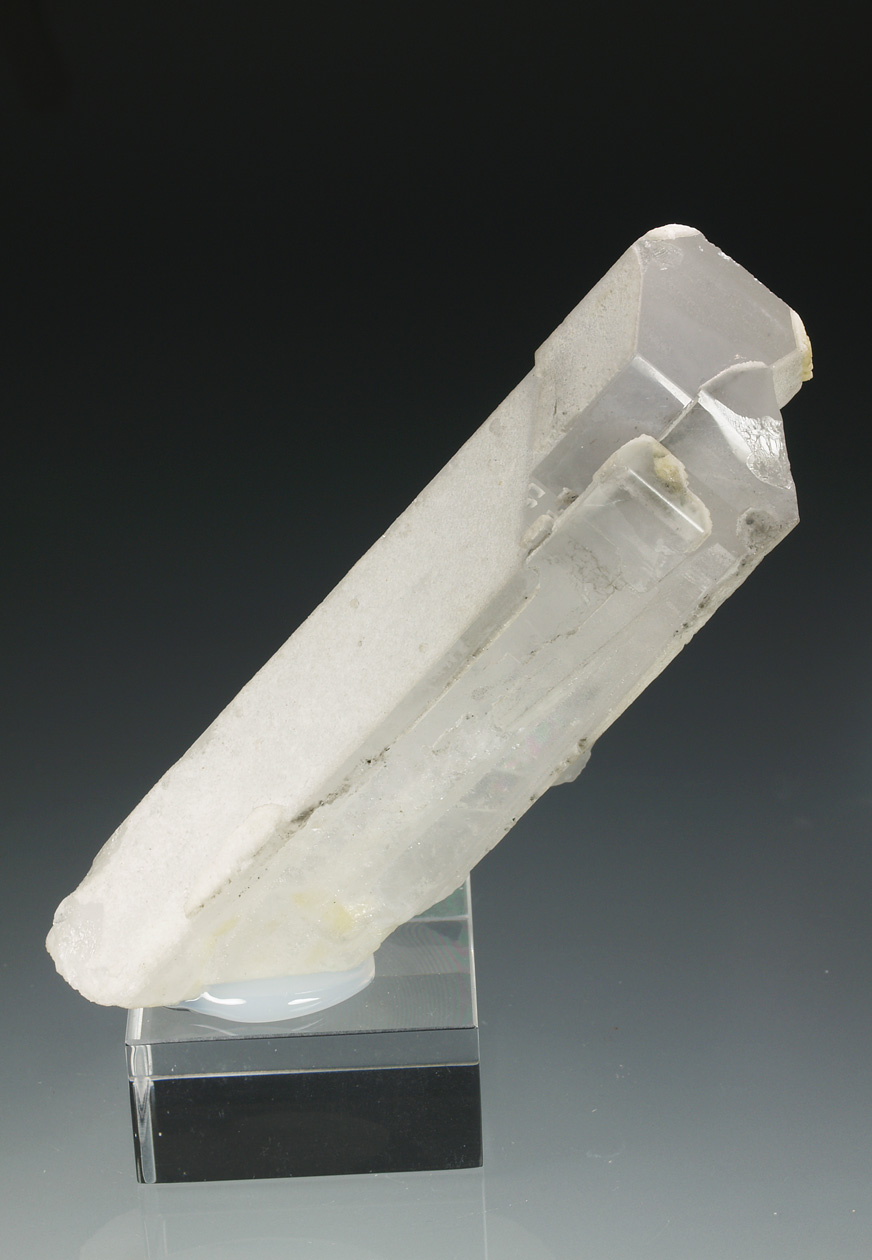
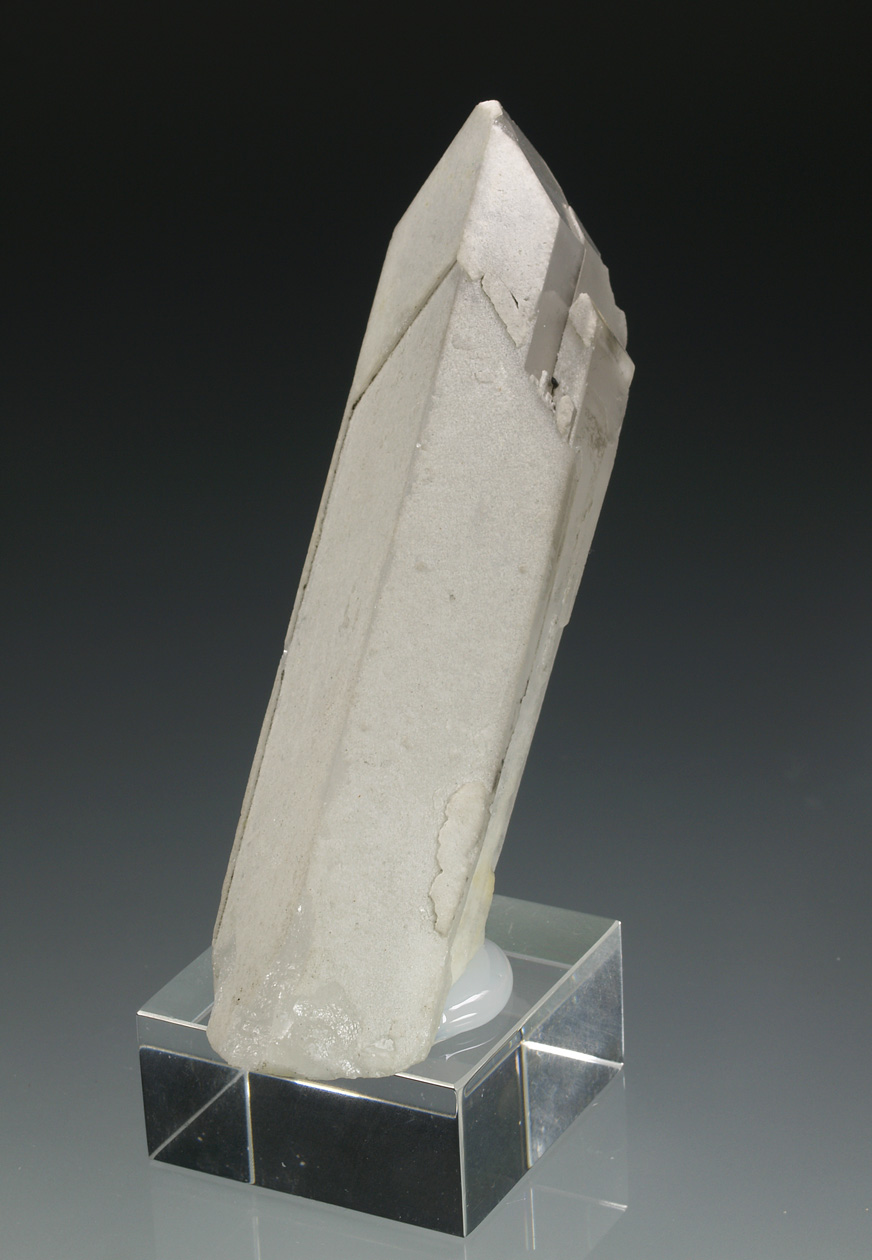
These baryte crystals are very different from the usual ones that we can see coming from this Moroccan locality and even from other deposits famous for baryte. These are prisms of different orders, the predominant third order, truncated by the second order. We observe that a white geometric growth has formed and only affects certain faces of the rhombic prisms. This zoning is unusual for the species. The crystals are transparent and brilliant.
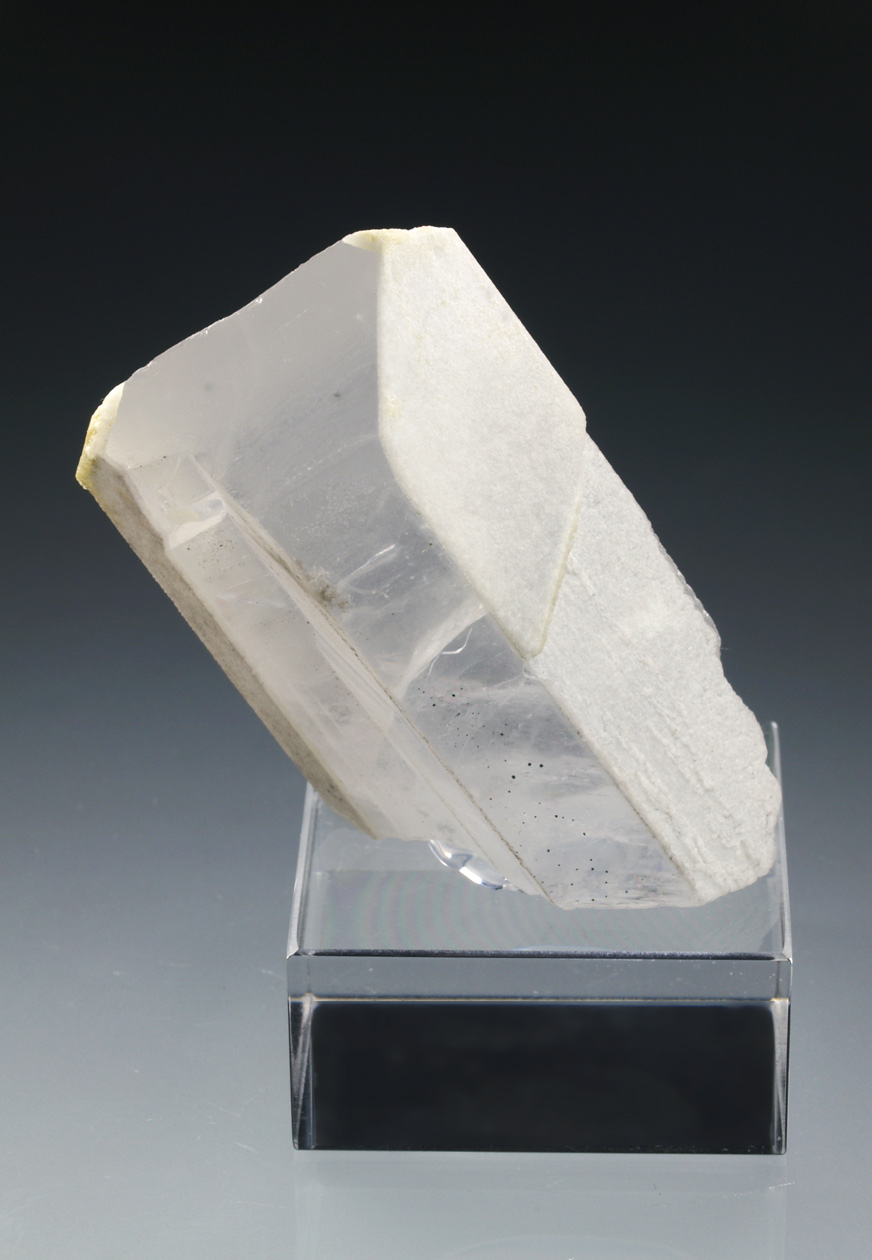
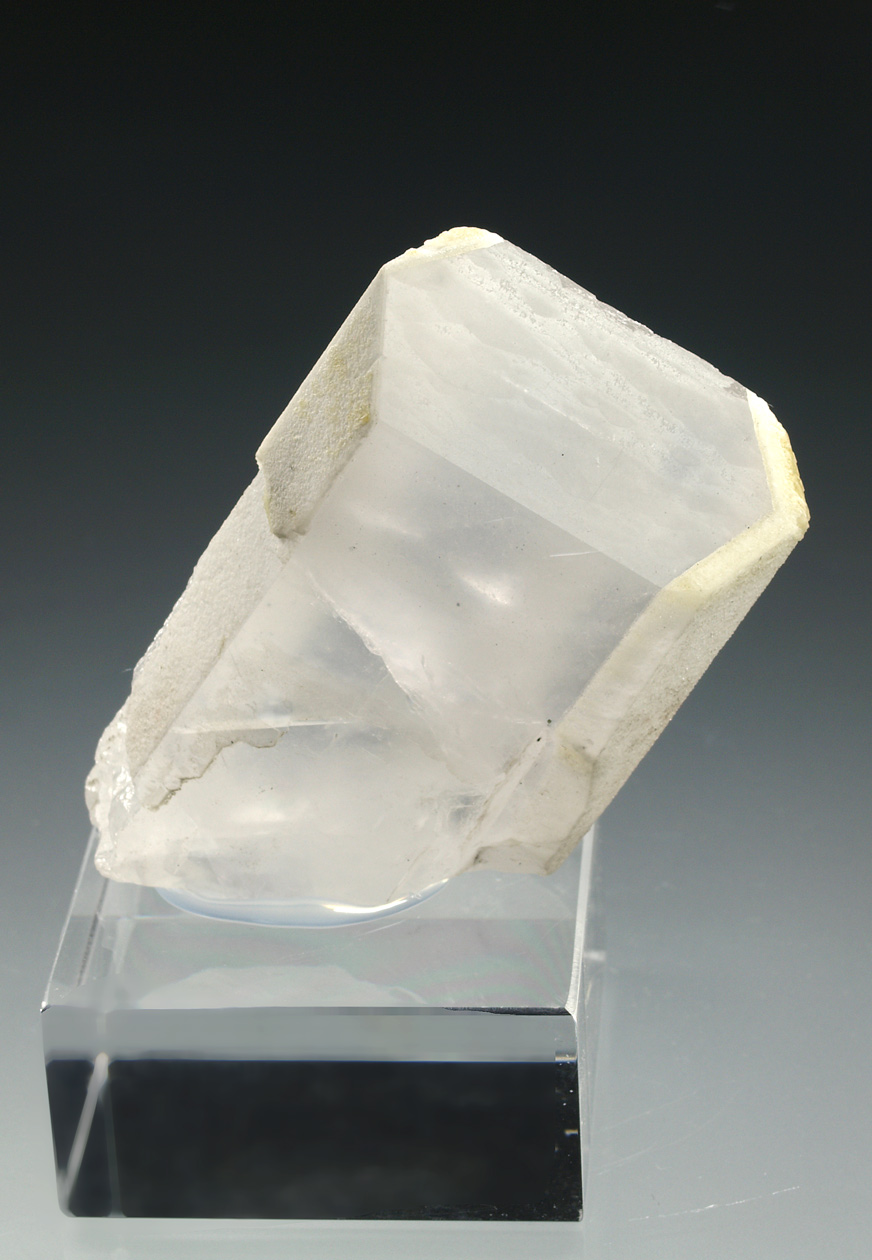
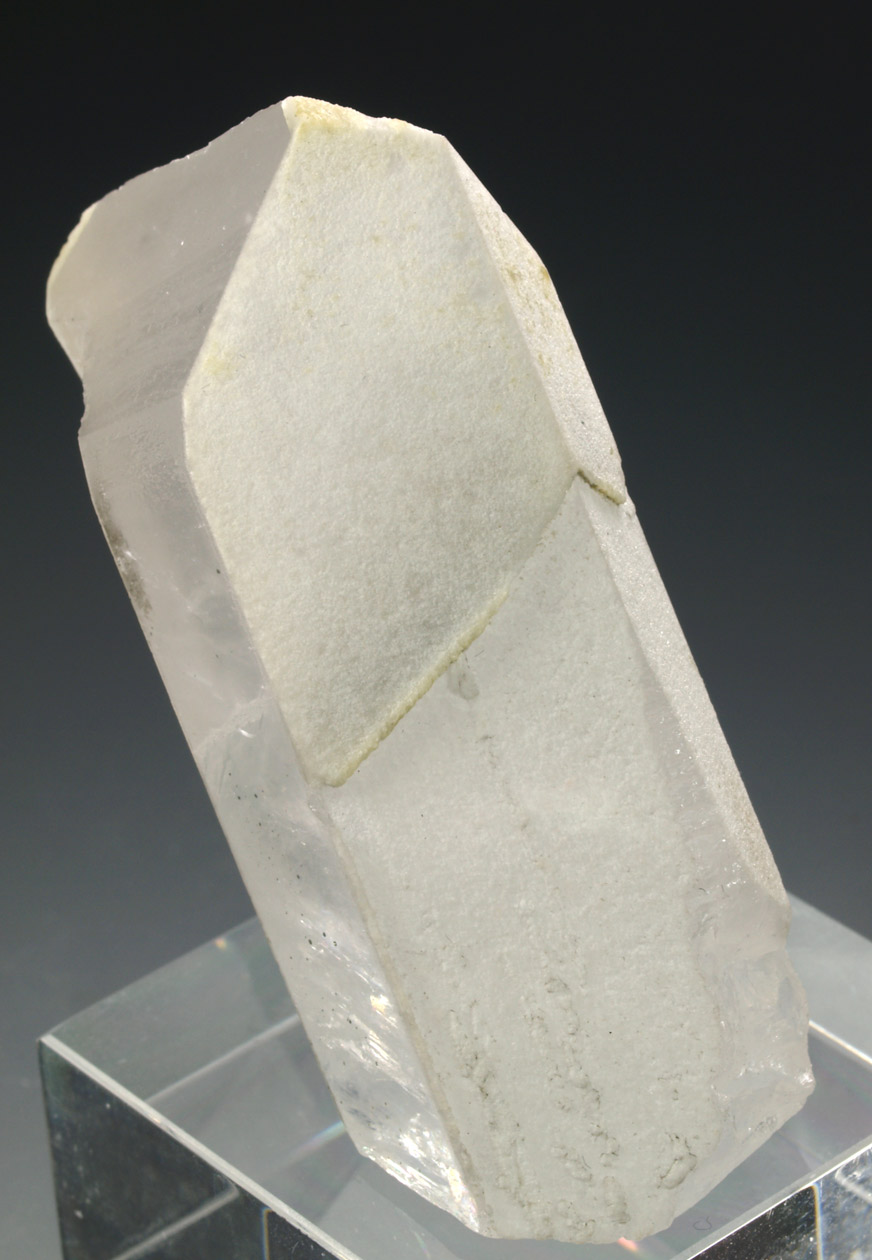
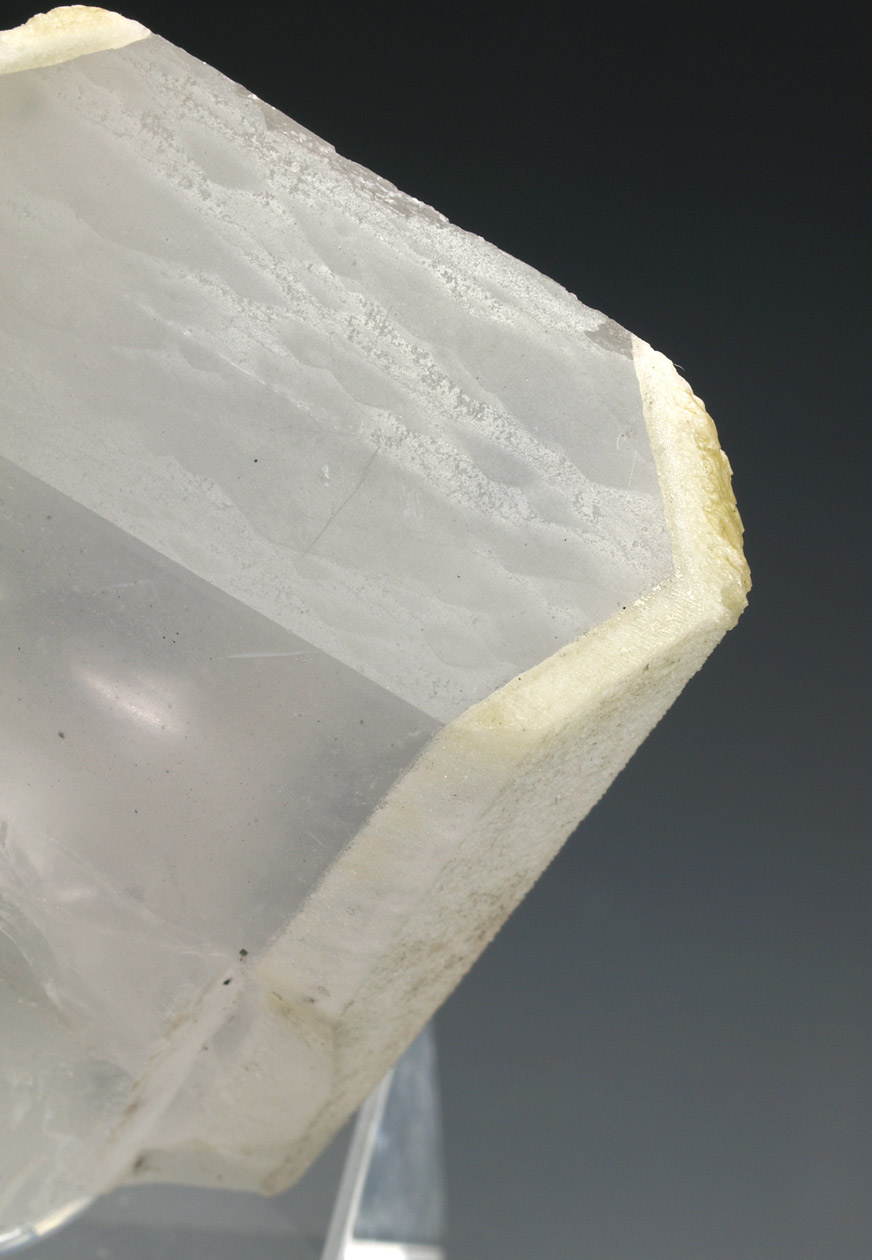
These baryte crystals are very different from the usual ones that we can see coming from this Moroccan locality and even from other deposits famous for baryte. These are prisms of different orders, the predominant third order, truncated by the second order. We observe that a white geometric growth has formed and only affects certain faces of the rhombic prisms. This zoning is unusual for the species. The crystals are transparent and brilliant.
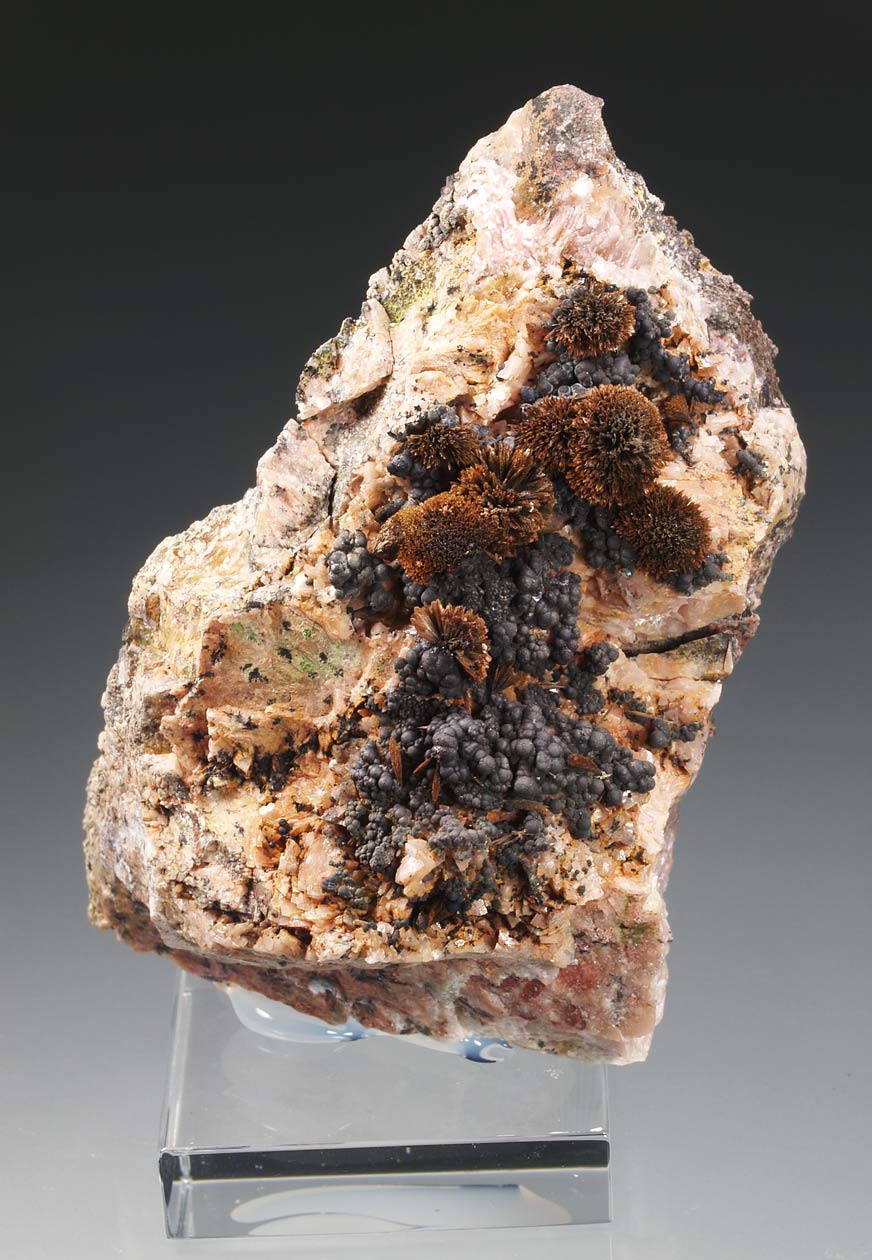
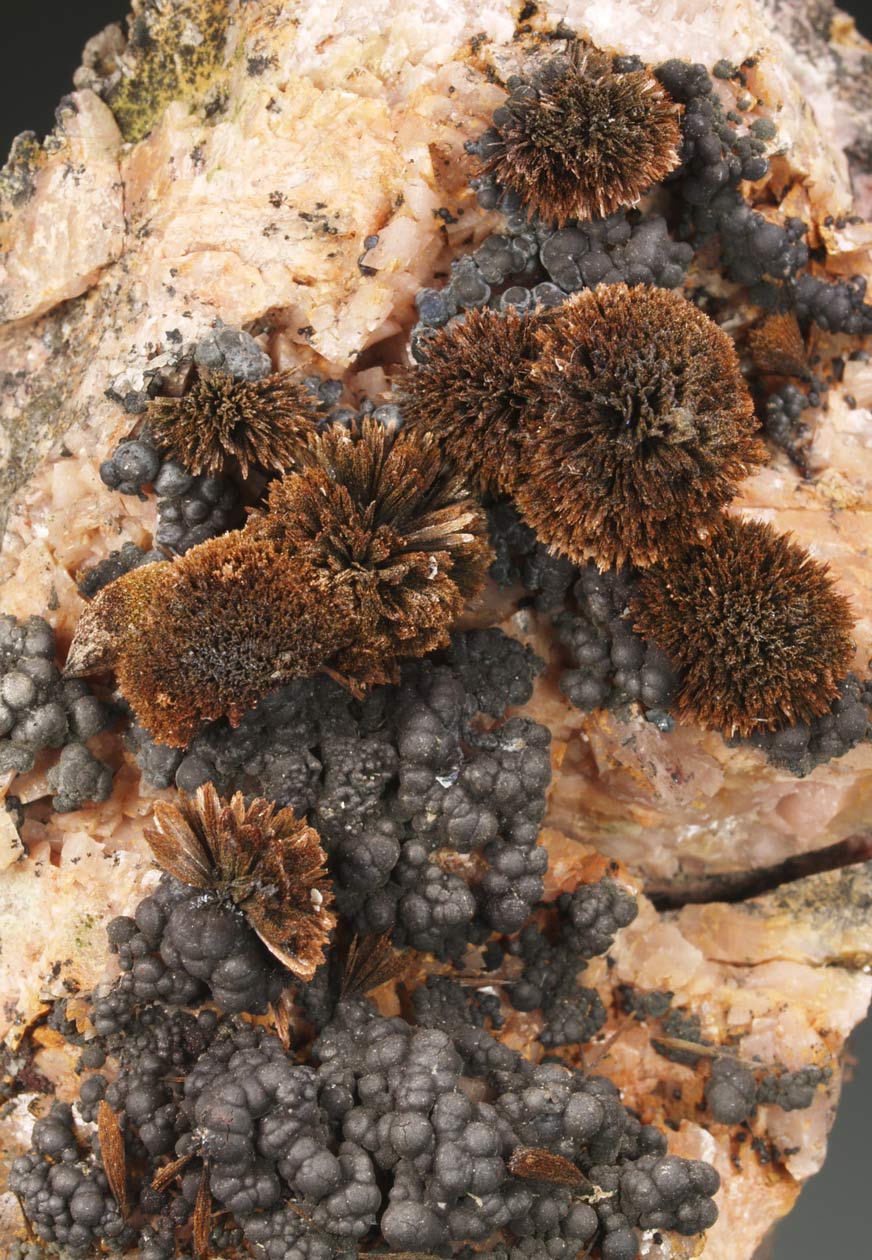
Divergent aggregates of good sized acicular to prismatic goethite crystals. They are accompanied by black globular aggregates that, once analyzed, have turned out to be a first generation of goethite. It is accompanied by small aggregates of green conichalcite crusts, also analyzed. The specimen shows a fissure that has been consolidated, without affecting its stability and aesthetics.
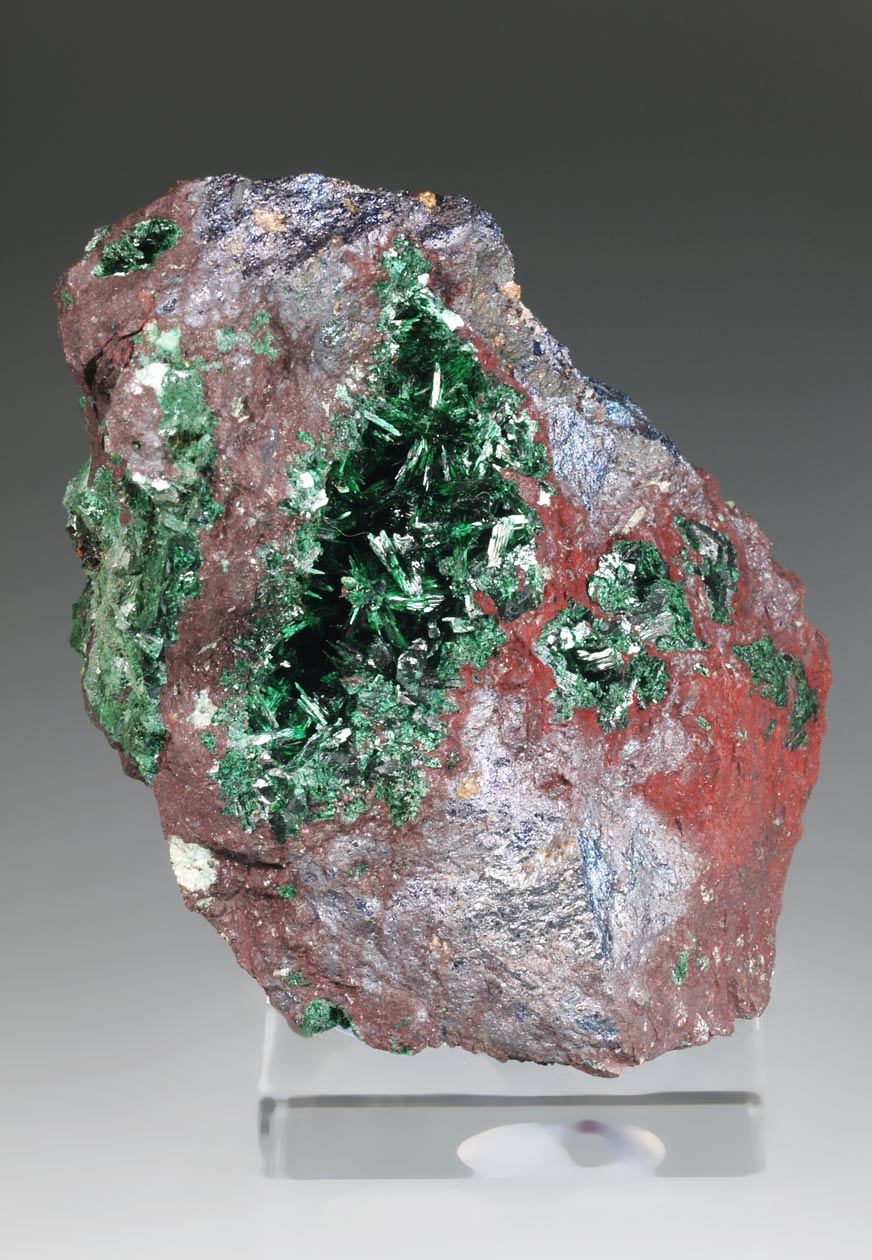
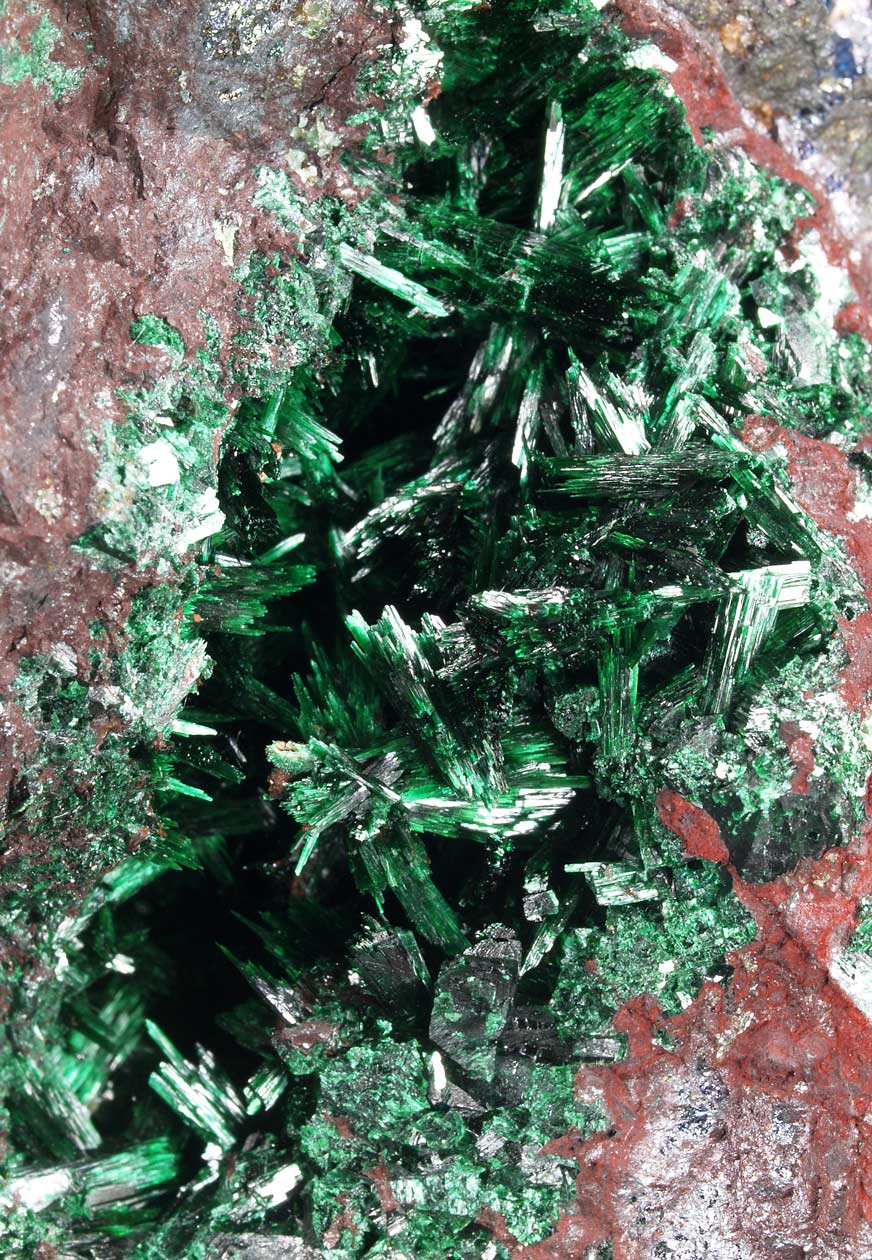
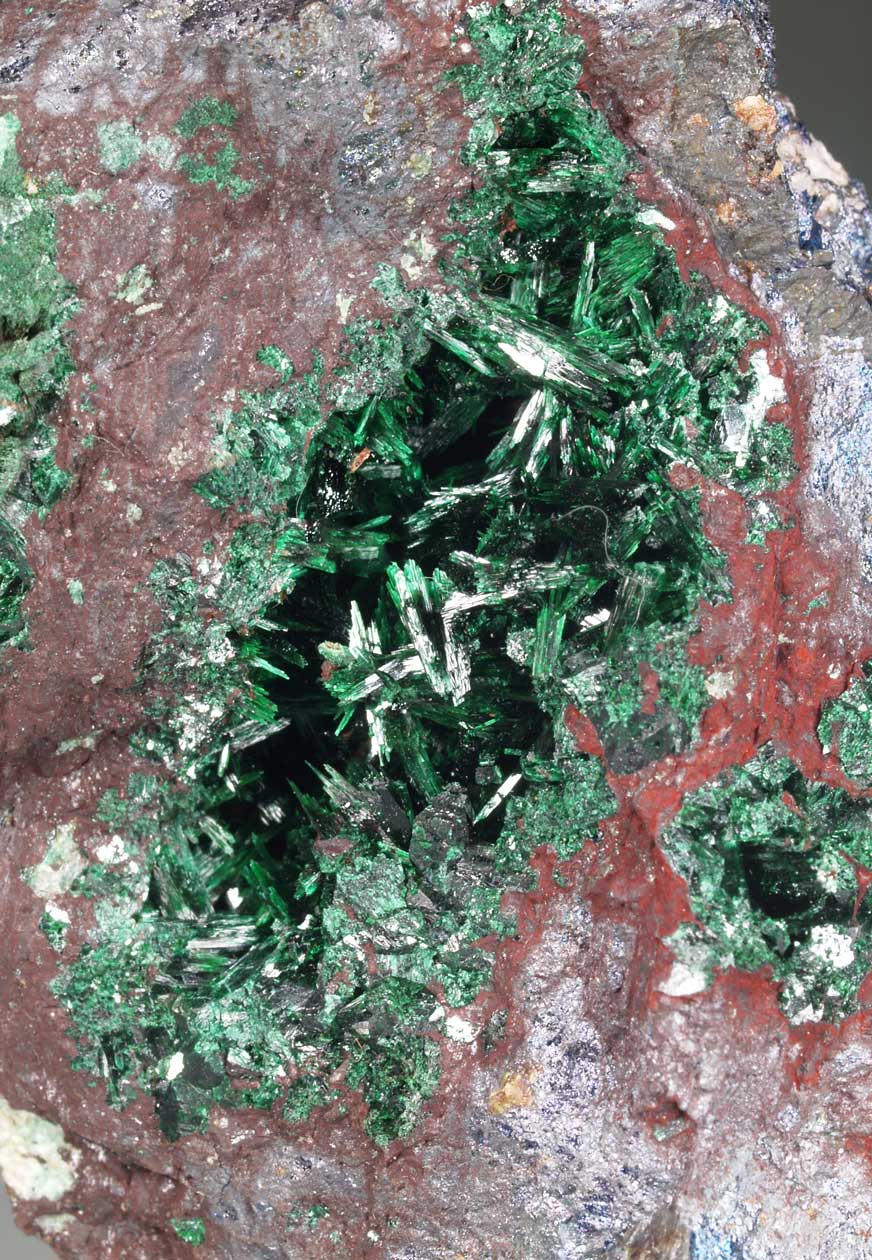
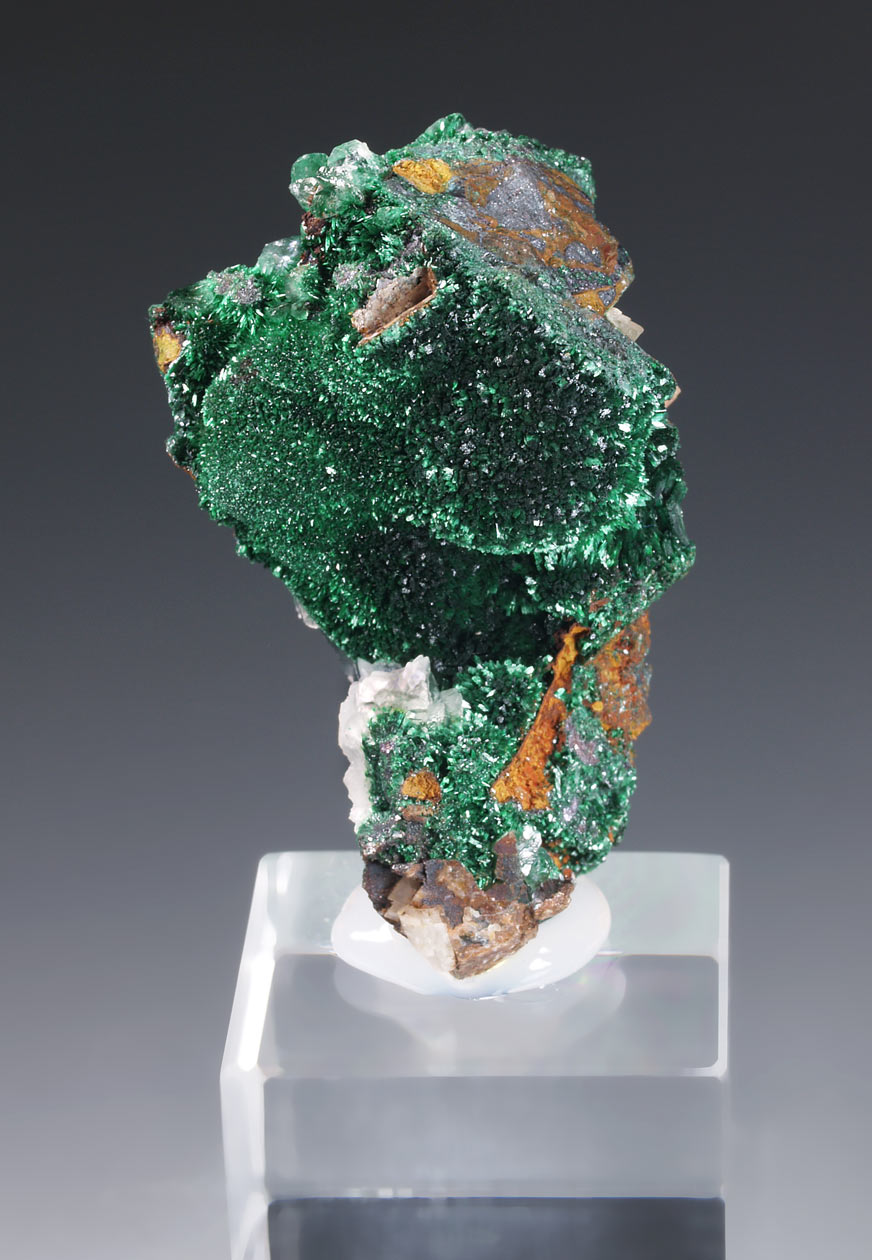
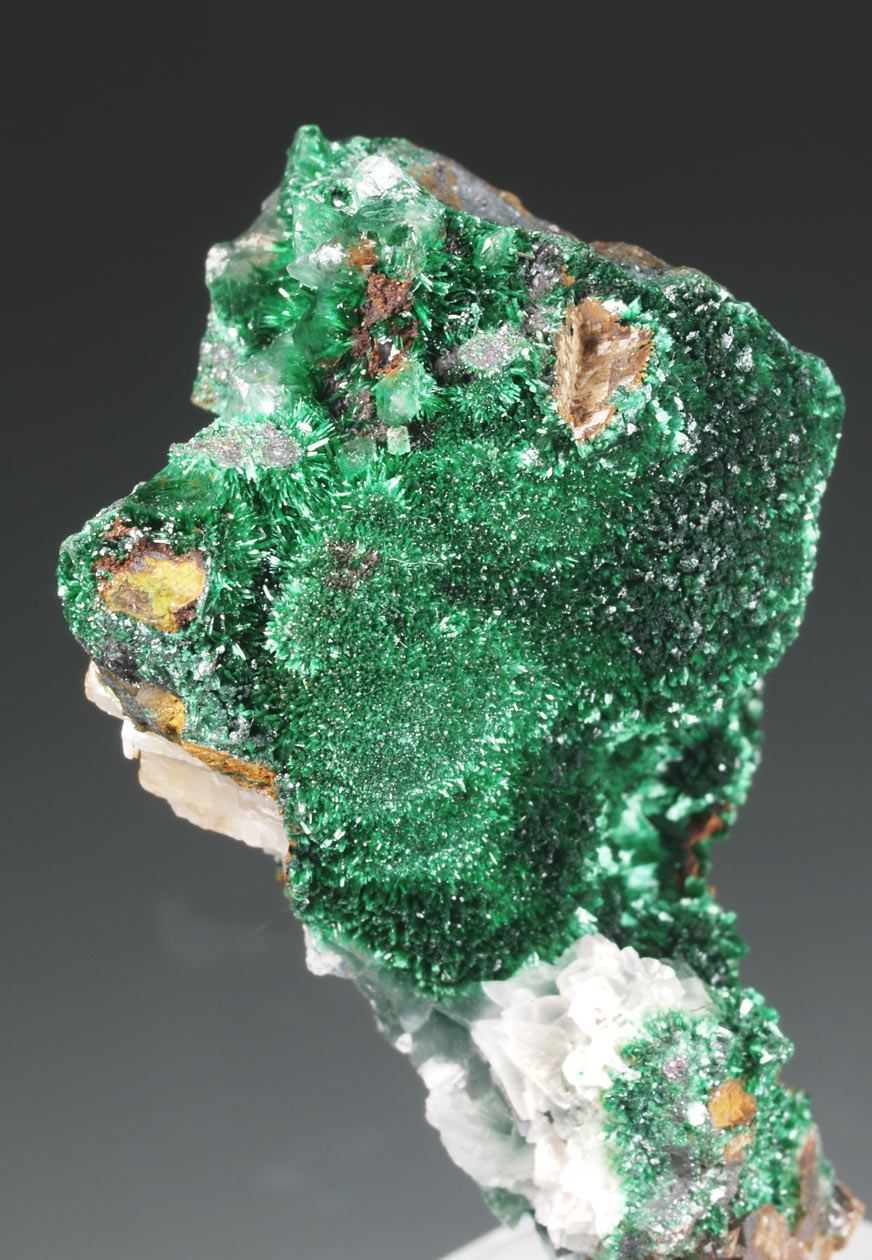
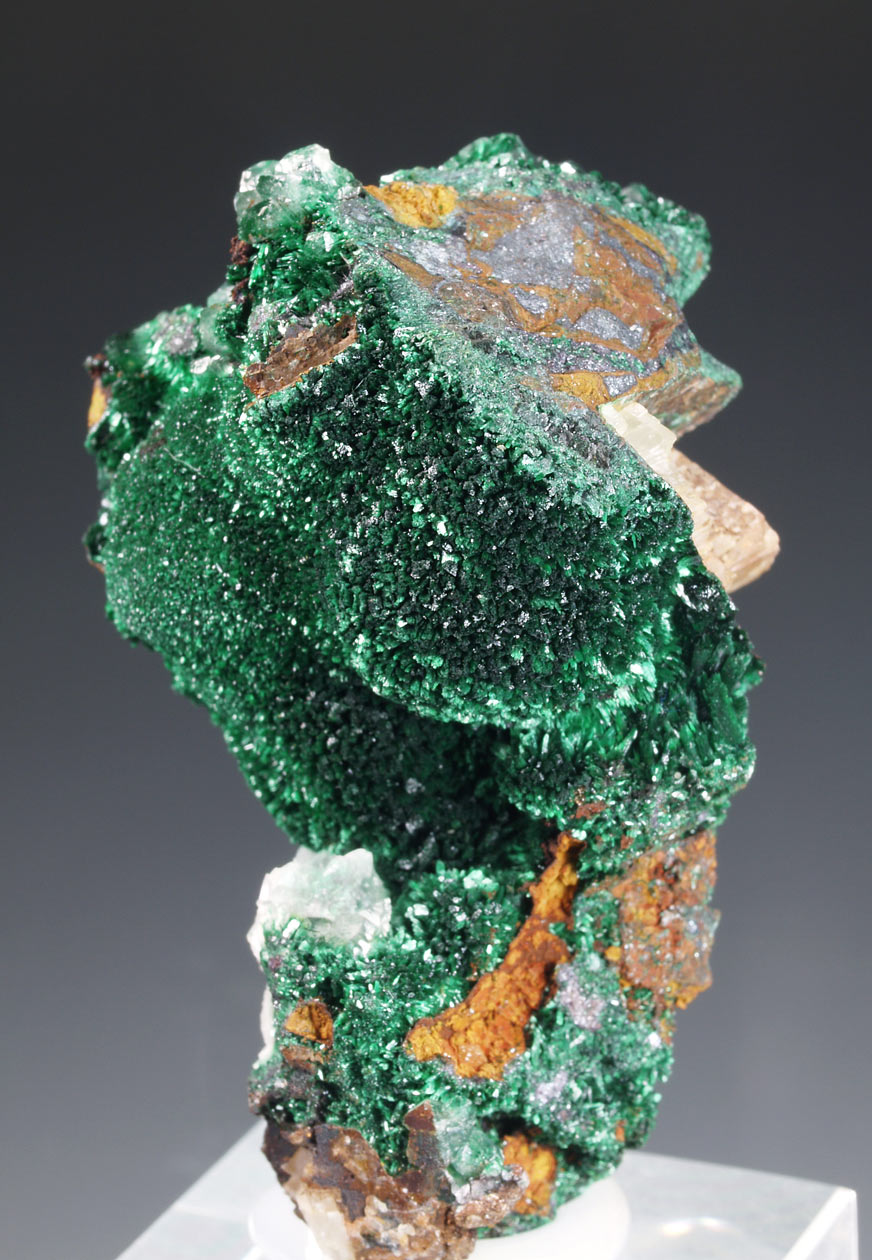
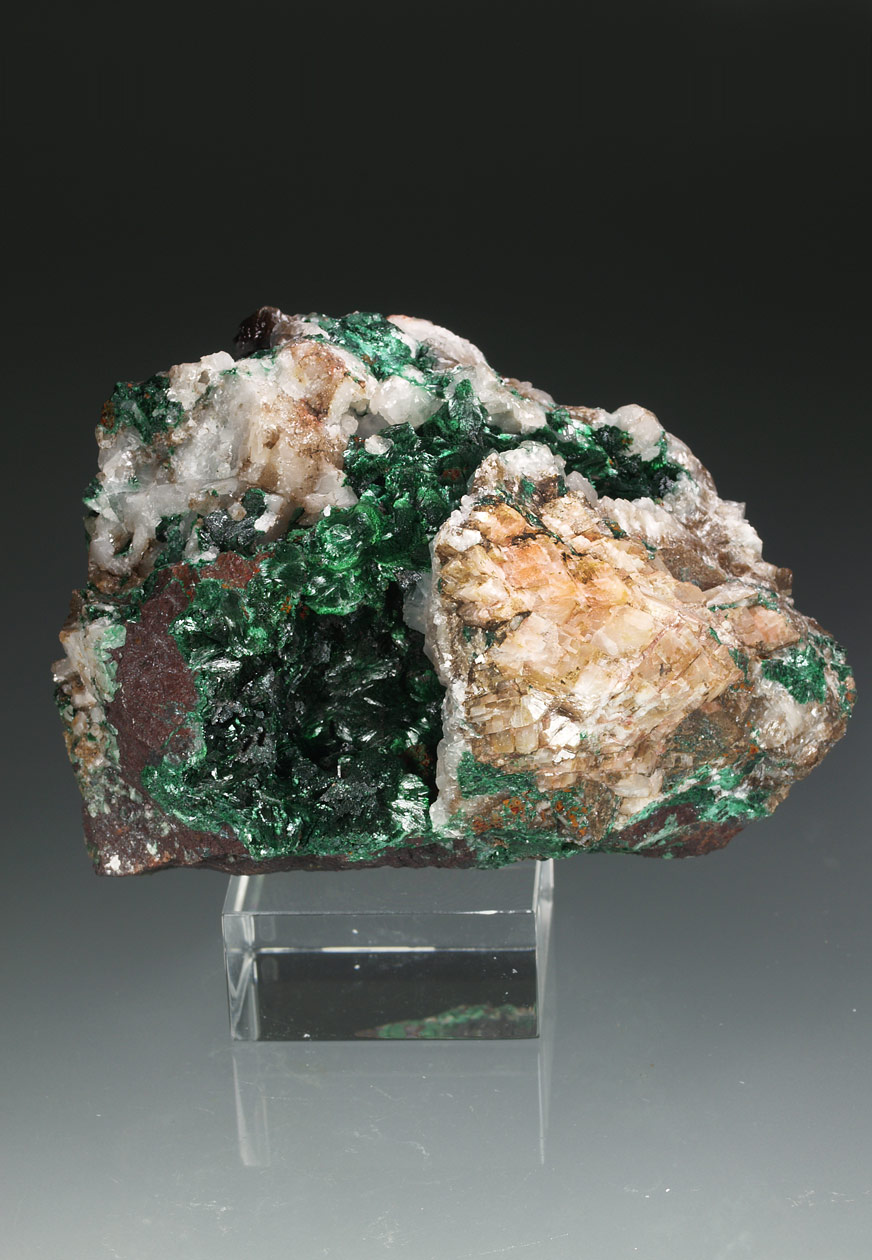
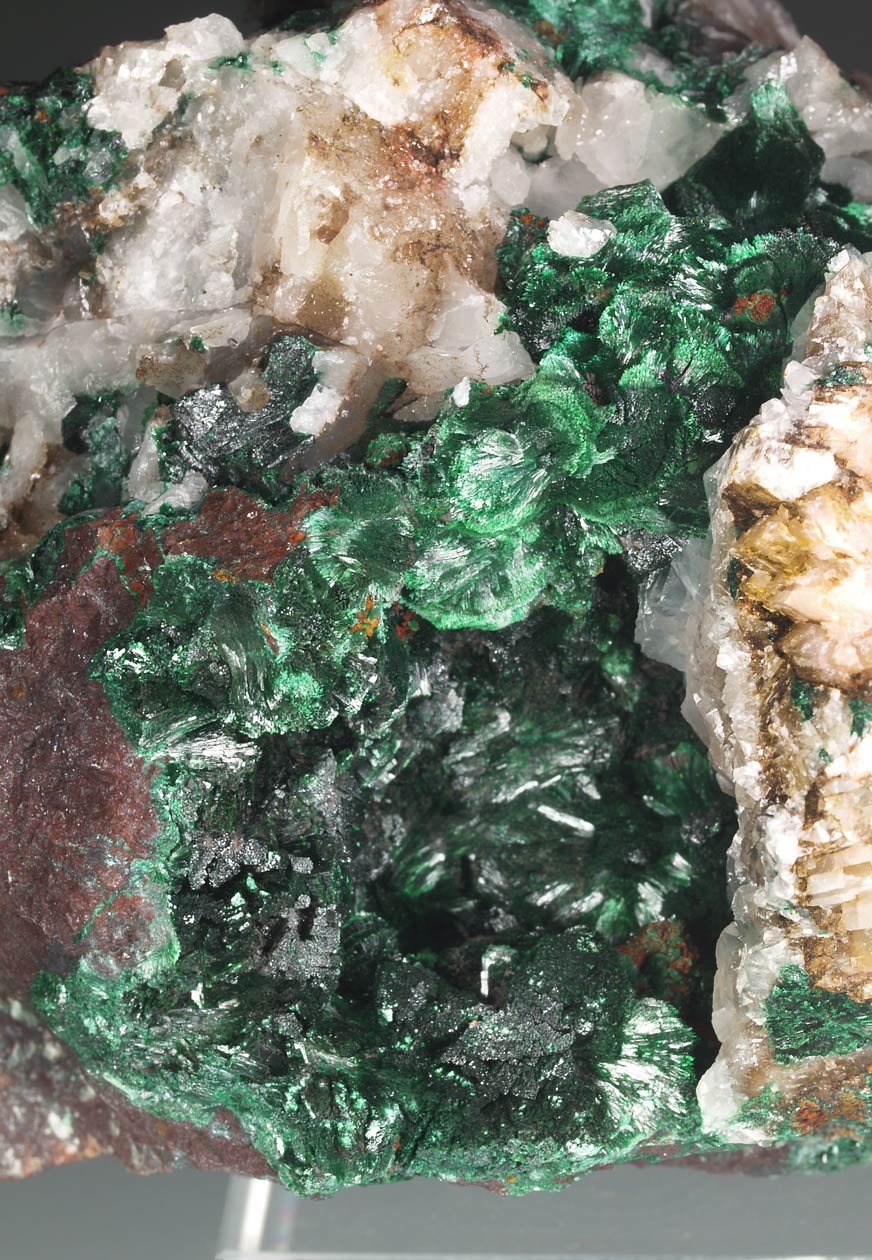
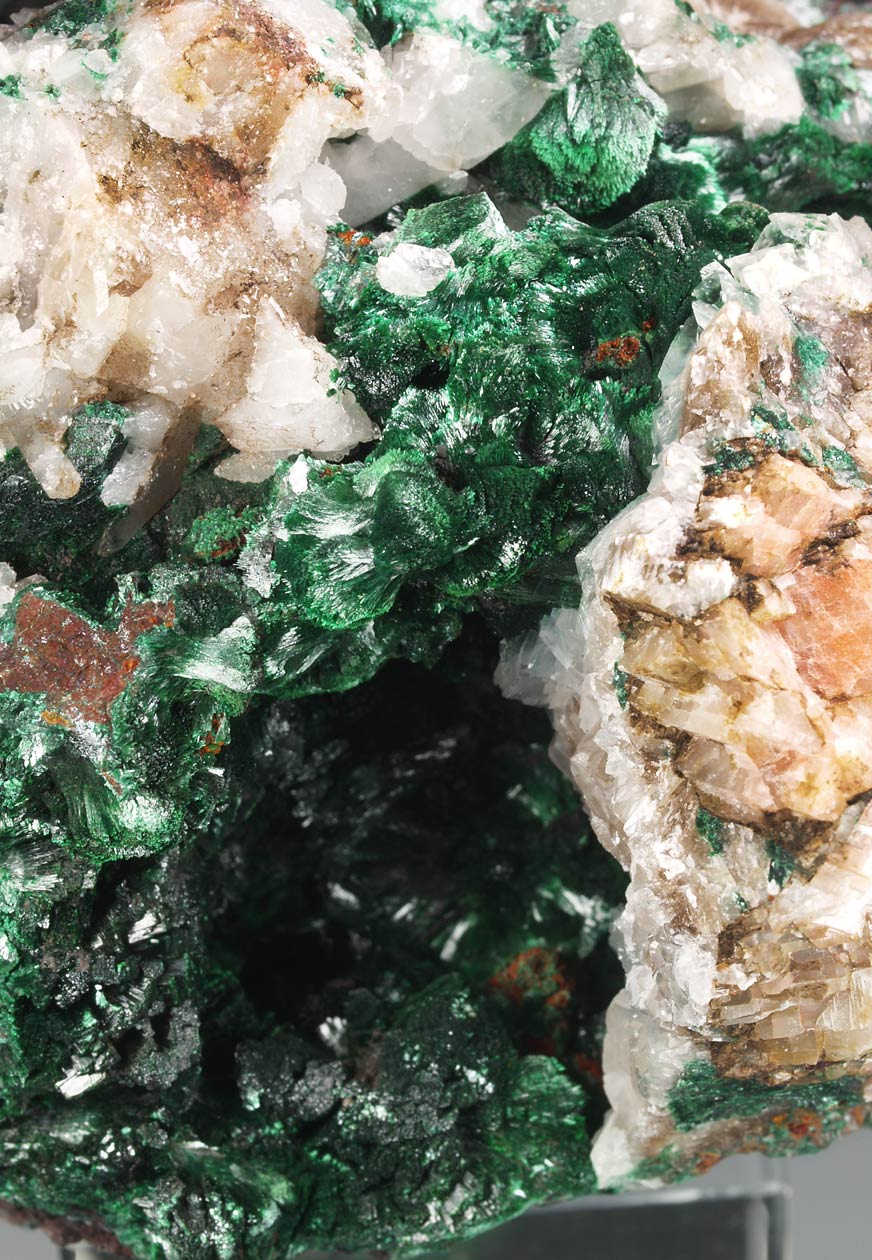
These specimens show us a chalcopyrite matrix partially transformed into irisdecent covellite-bornite and goethite. In the cavities there are numerous aggregates of prismatic malachite crystals, of an intense green, with transparency and brilliance. If we observe them with the magnifying glass we can see that they are faceted crystals. A novelty in the Bleida mines area.
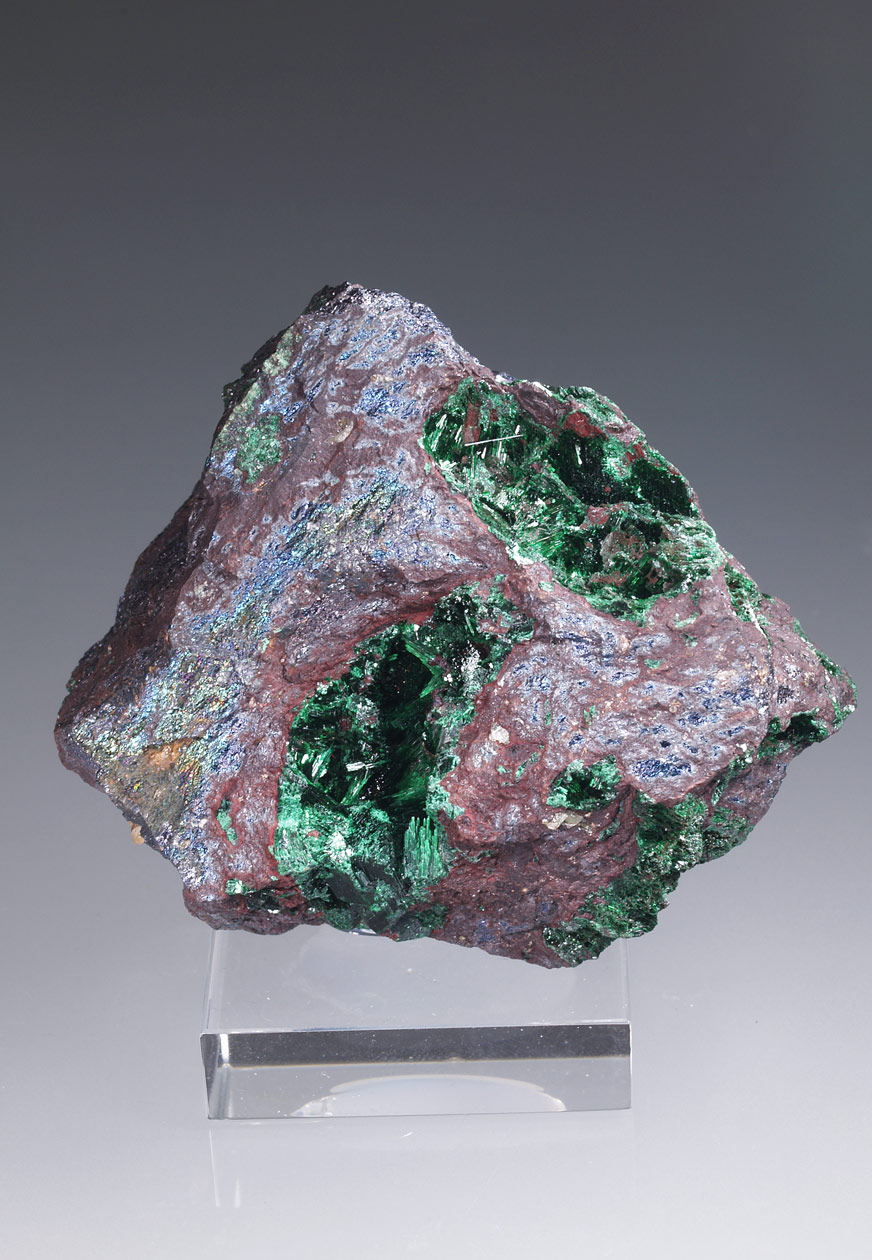
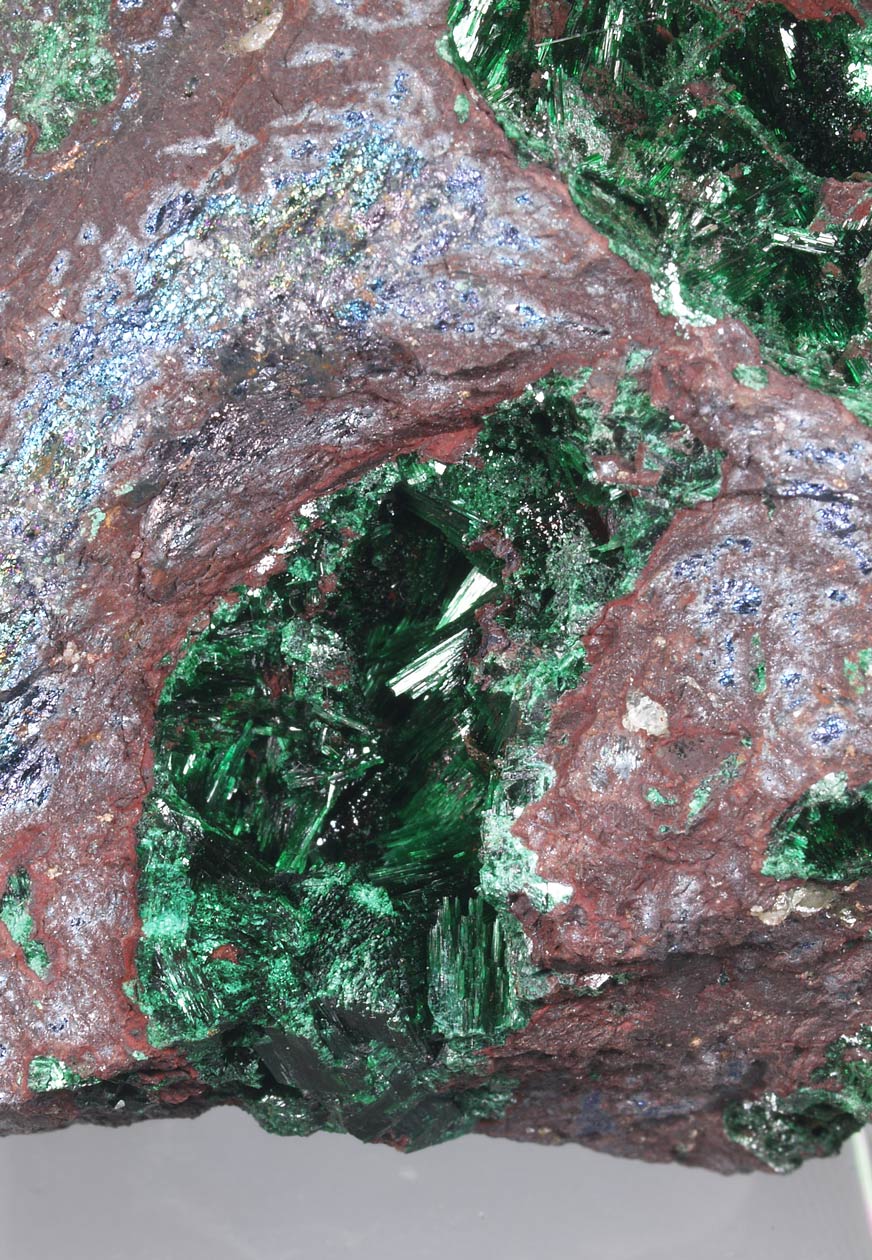
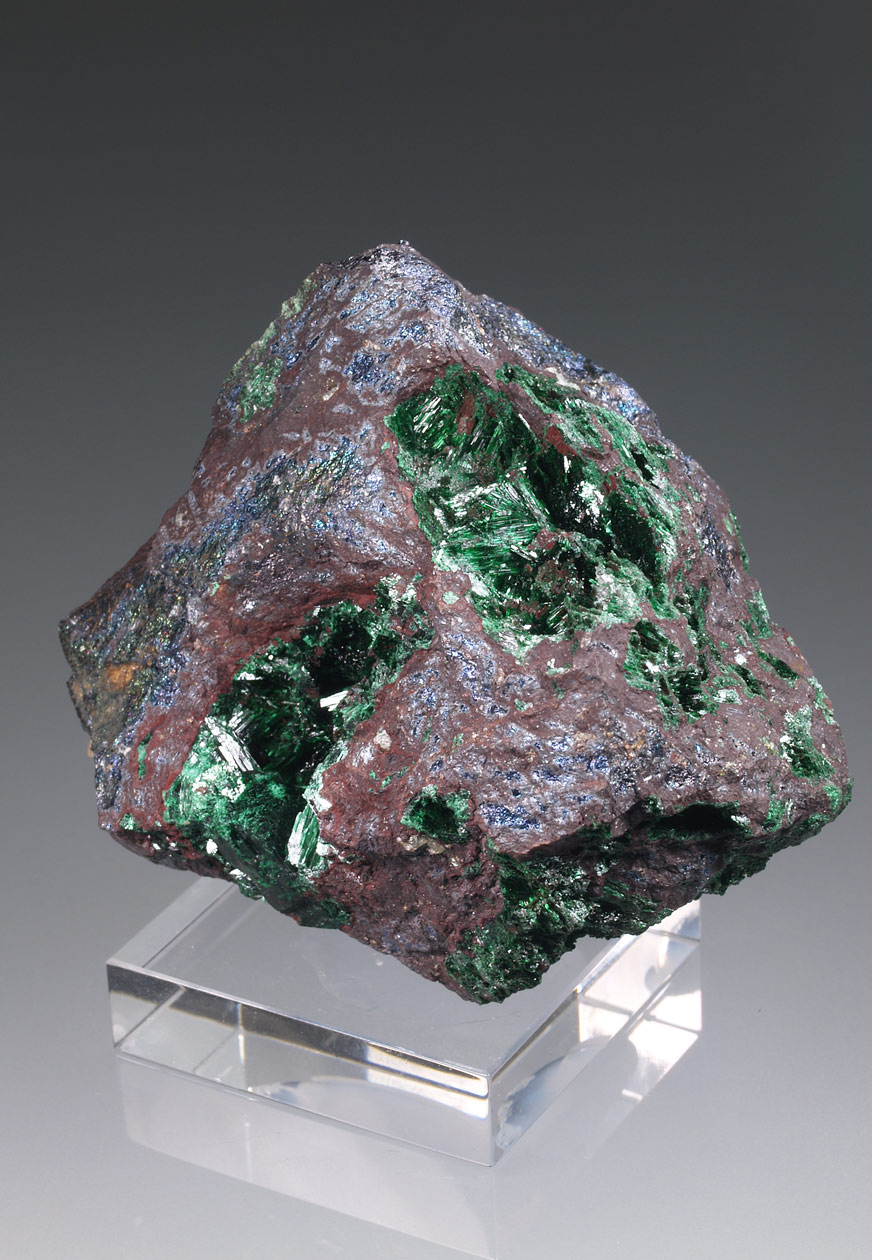
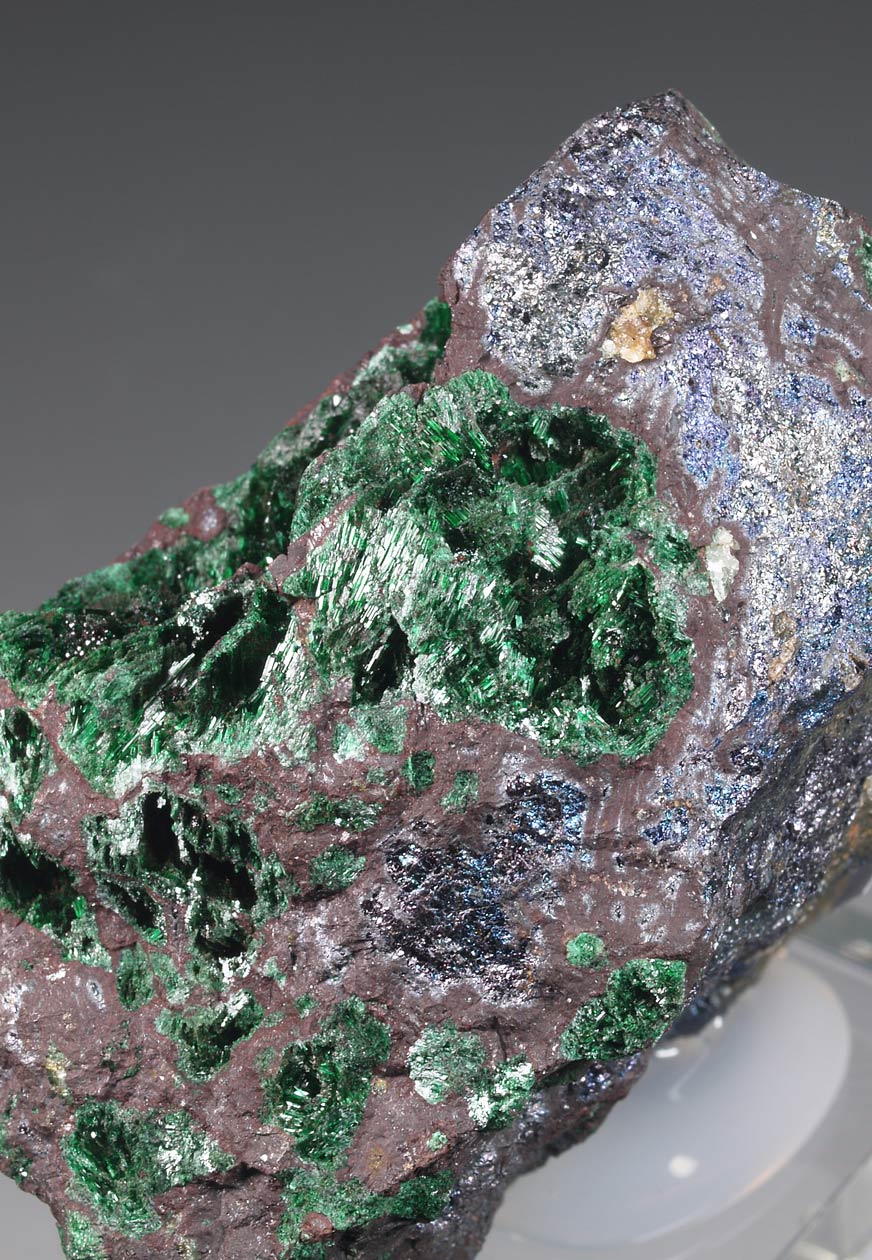
These specimens show us a chalcopyrite matrix partially transformed into irisdecent covellite-bornite and goethite. In the cavities there are numerous aggregates of prismatic malachite crystals, of an intense green, with transparency and brilliance. If we observe them with the magnifying glass we can see that they are faceted crystals. A novelty in the Bleida mines area.
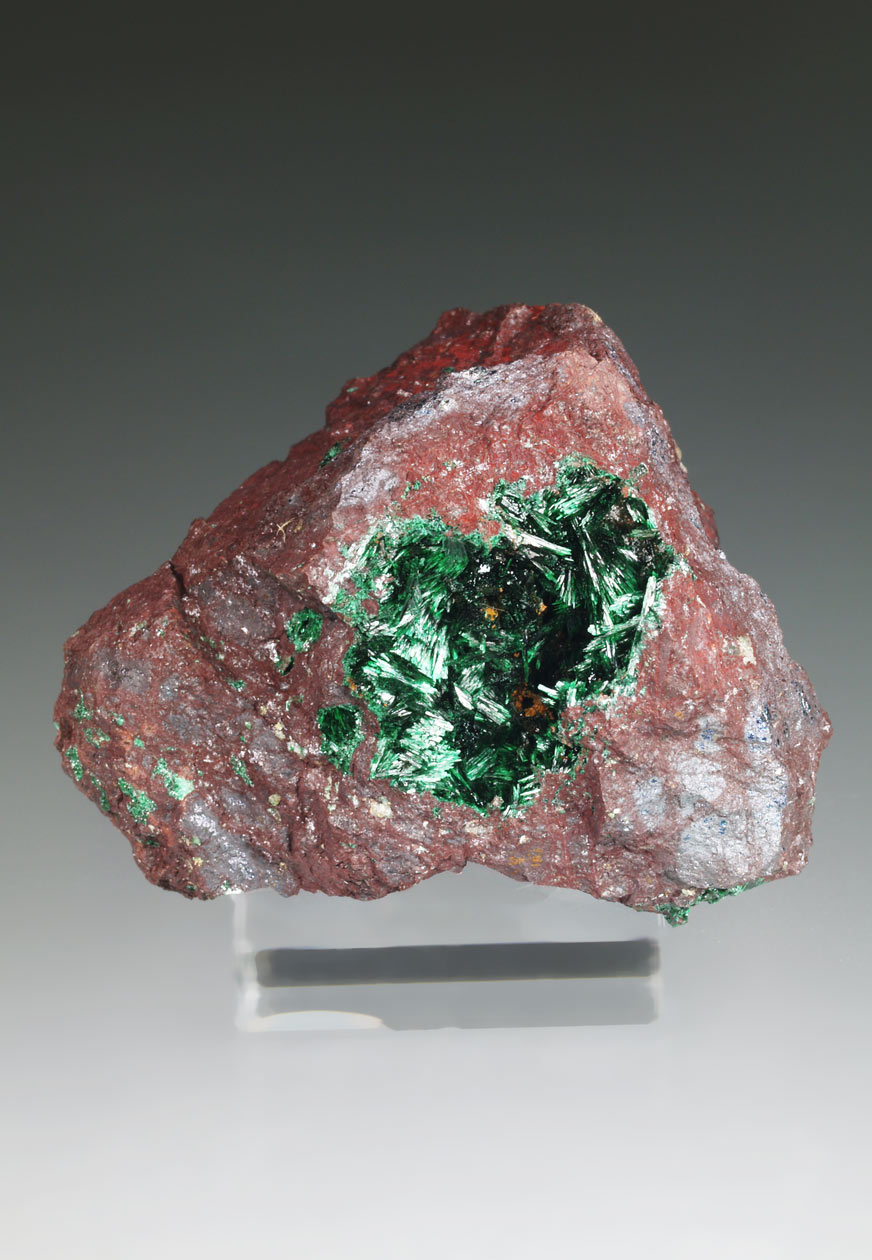
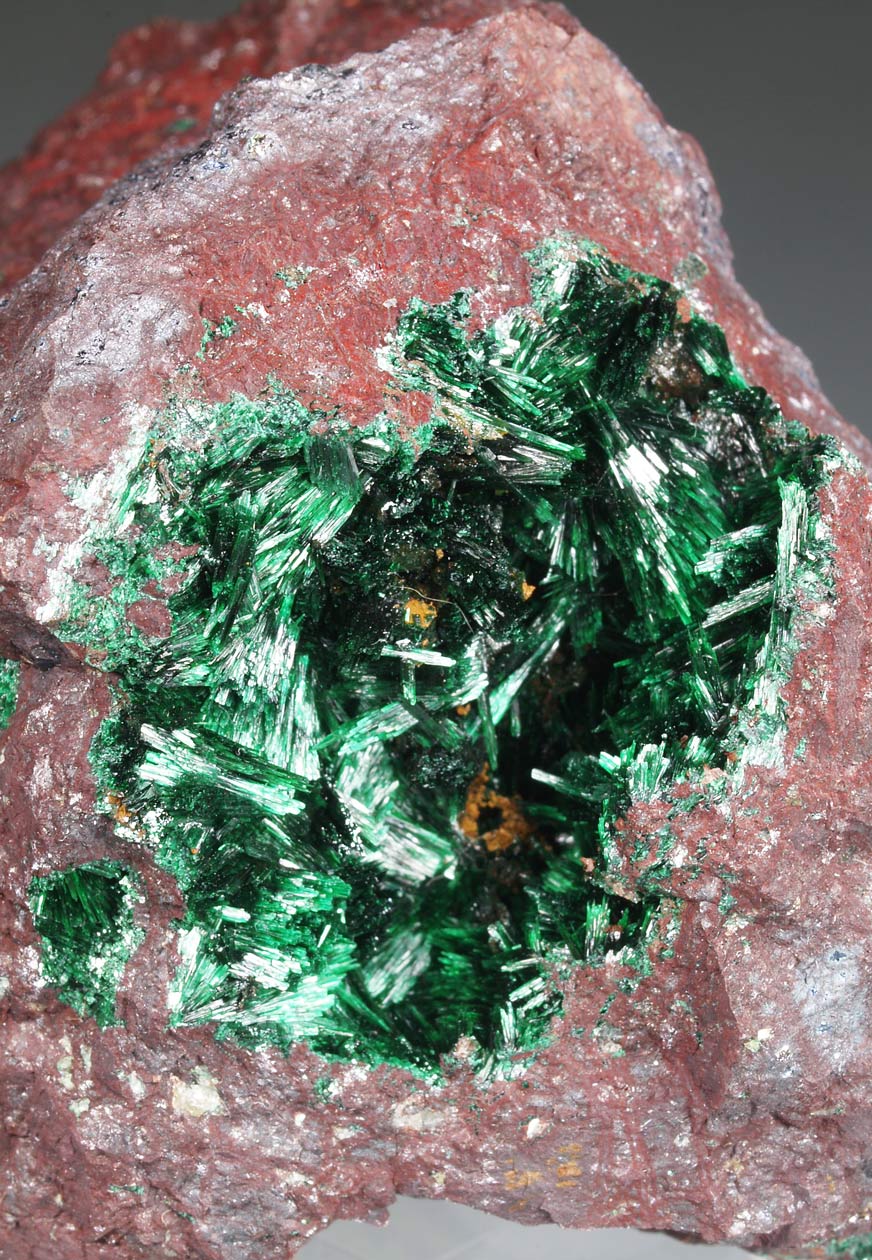
These specimens show us a chalcopyrite matrix partially transformed into covellite-bornite and goethite. In the cavities there are numerous aggregates of prismatic malachite crystals, of an intense green, with transparency and brilliance. If we observe them with the magnifying glass we can see that they are faceted crystals. A novelty in the Bleida mines area.
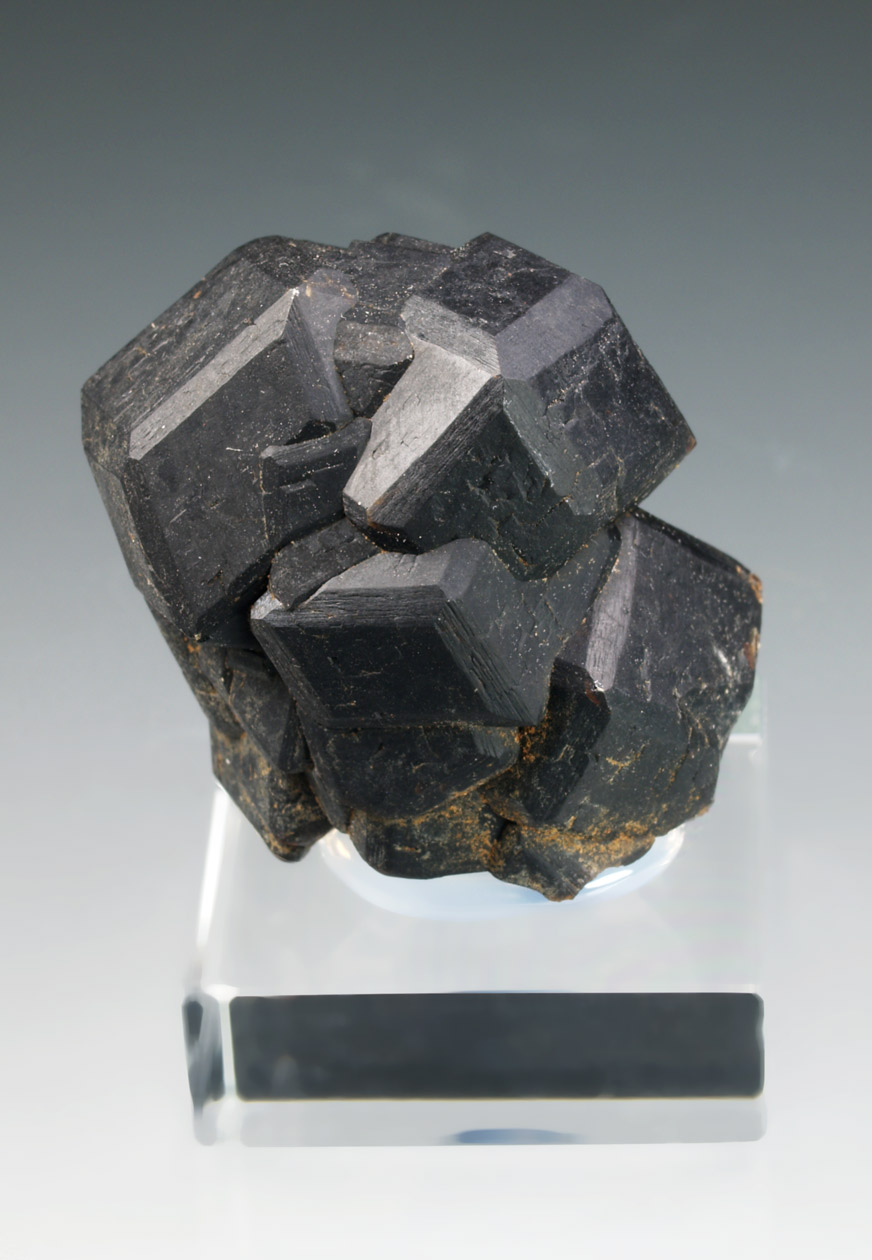
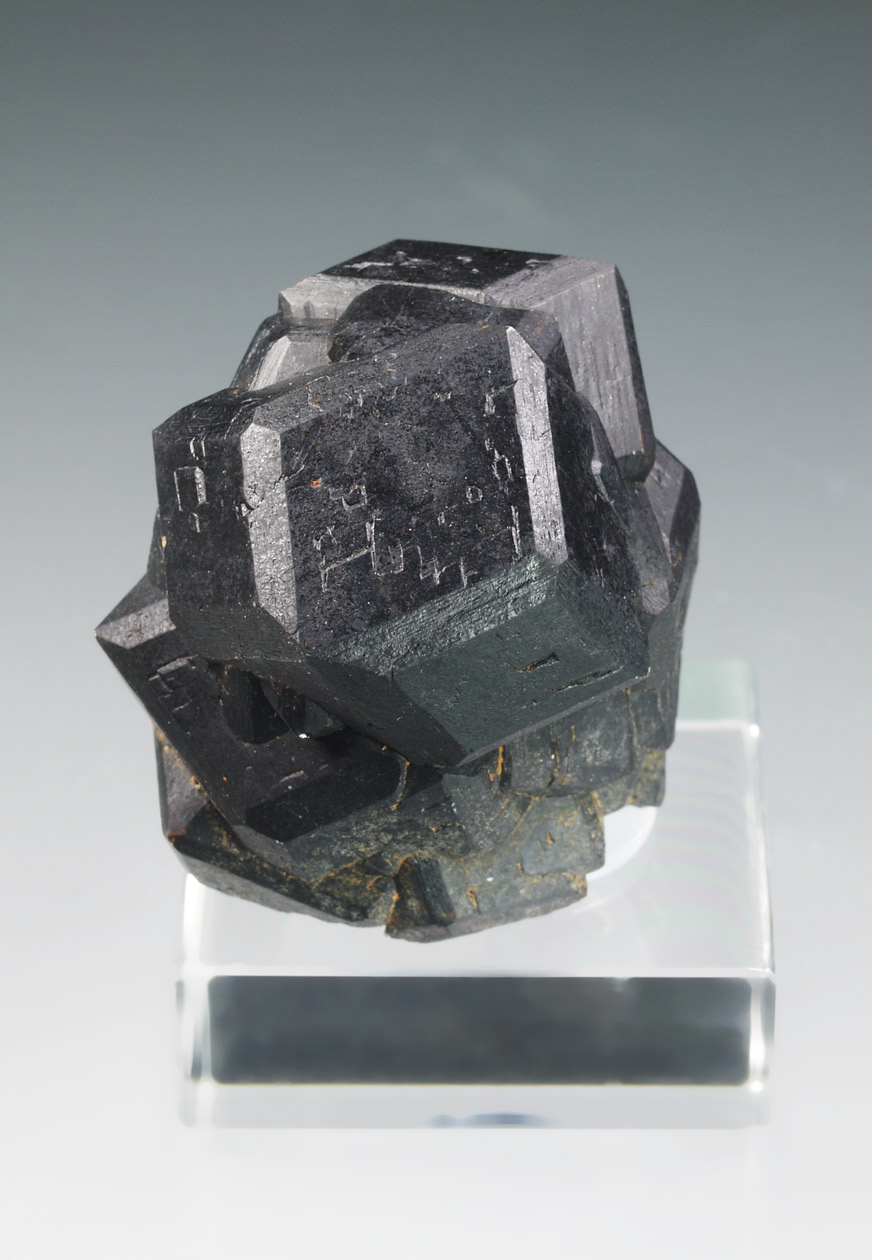
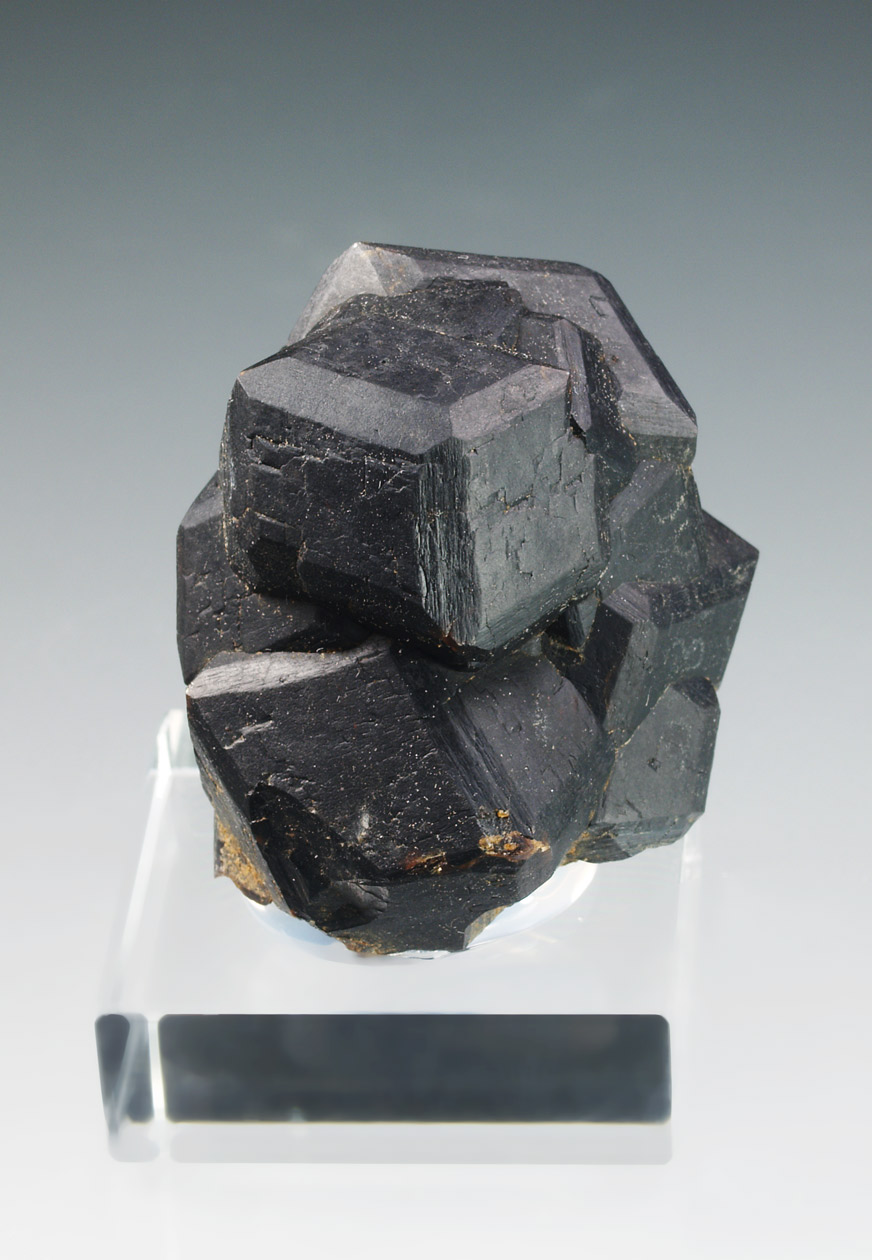
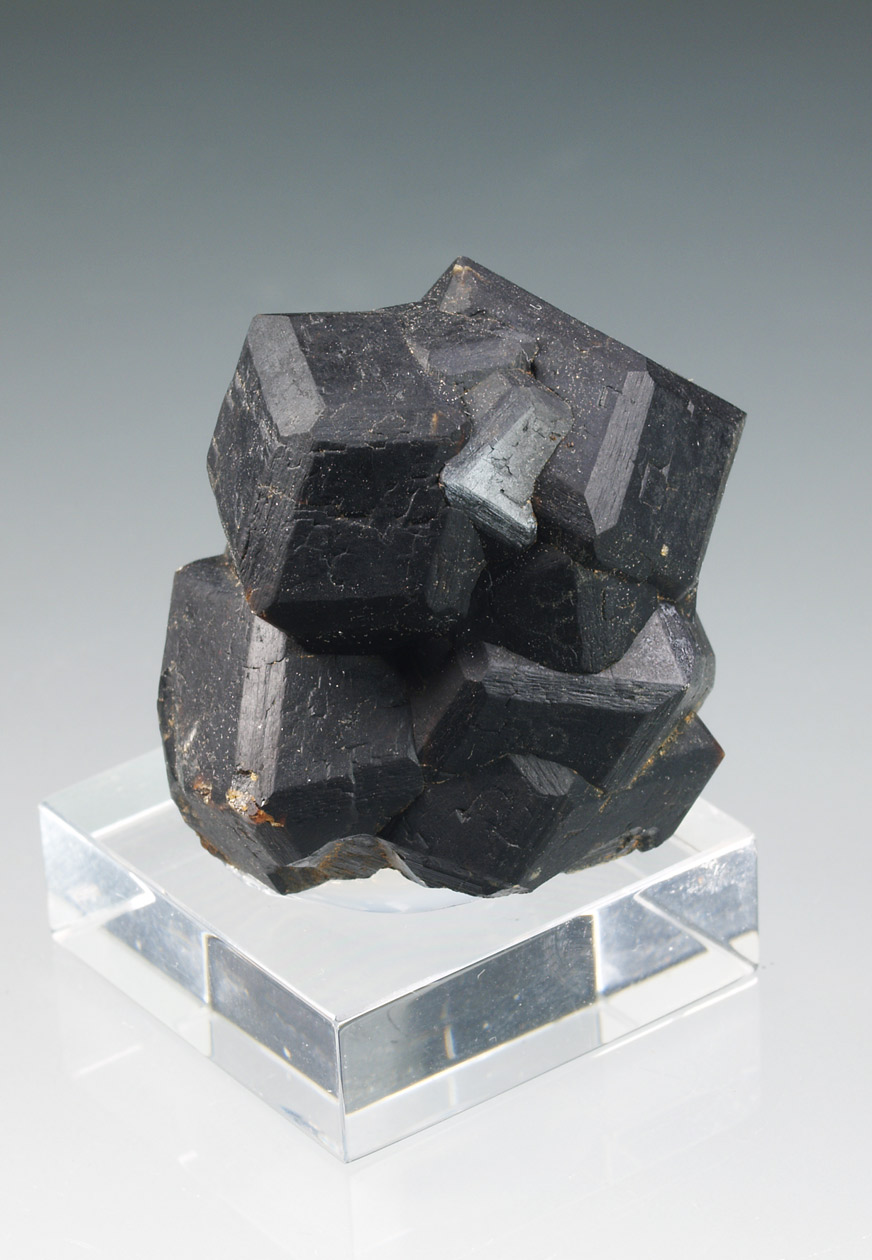
Group of andradite crystals, melanite variety, which show very well defined forms of the dodecahedron, truncated at the edges by those of the trapezohedron. Intense black color, with semi-dull luster.
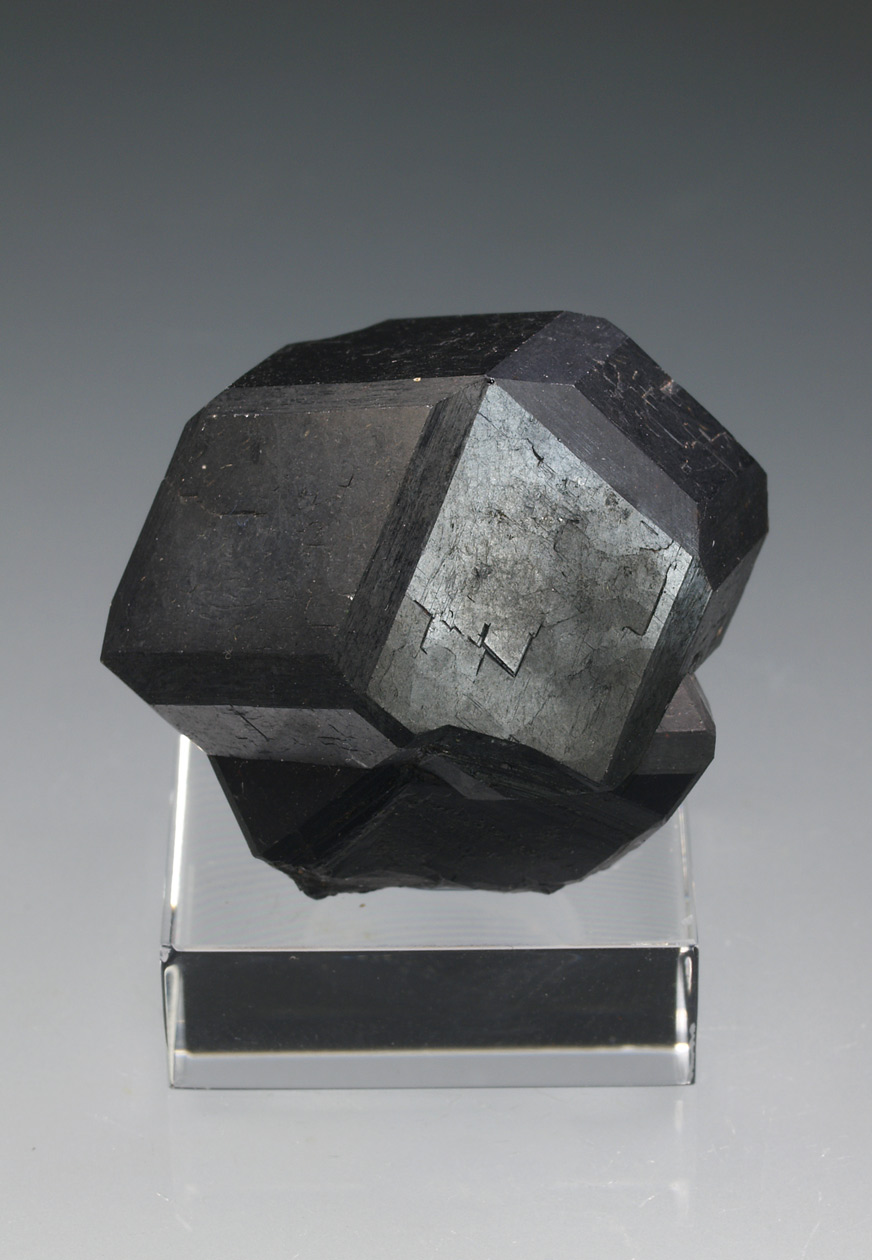
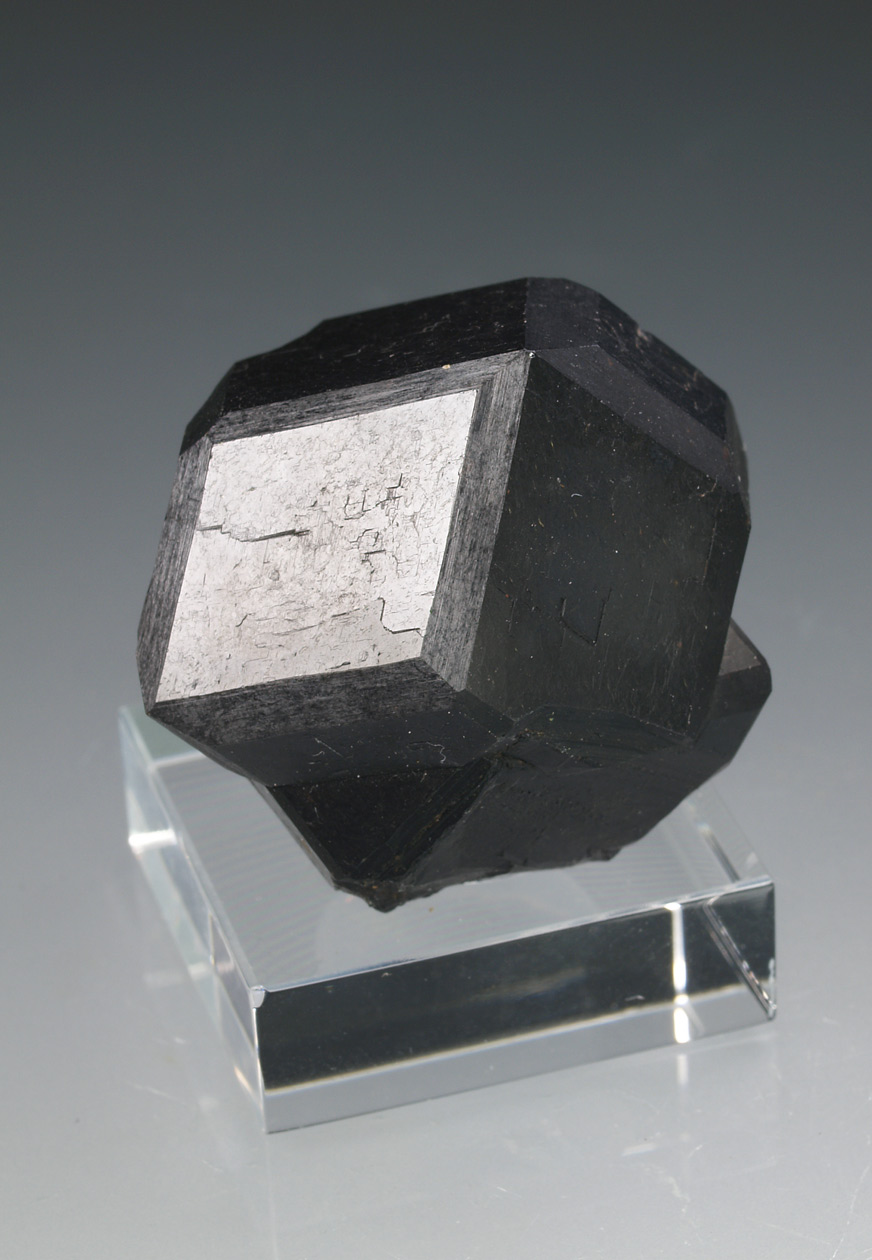
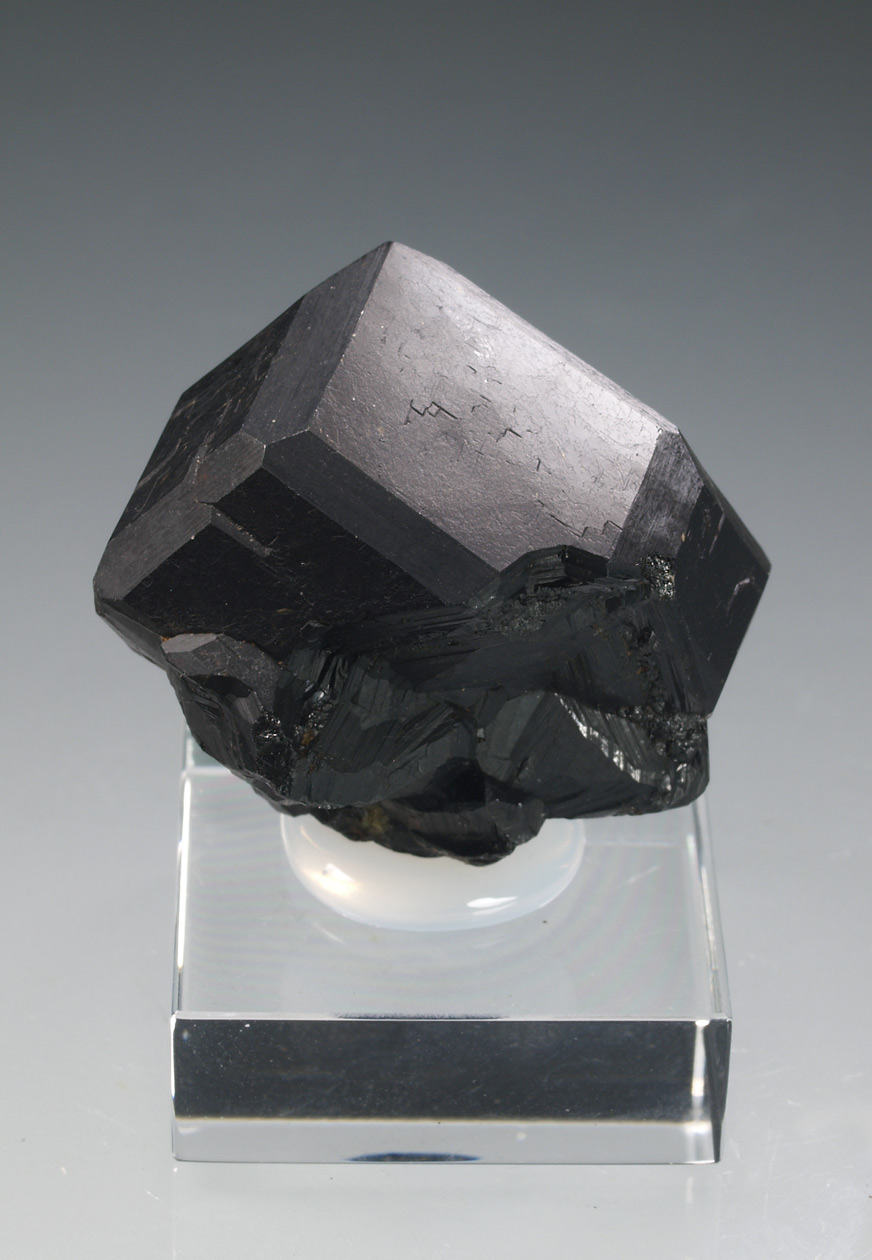
A good size crystal of andradite, melanite variety, which shows very well defined forms of the dodecahedron, truncated at the edges by those of the trapezohedron. Intense black color, with brilliance.
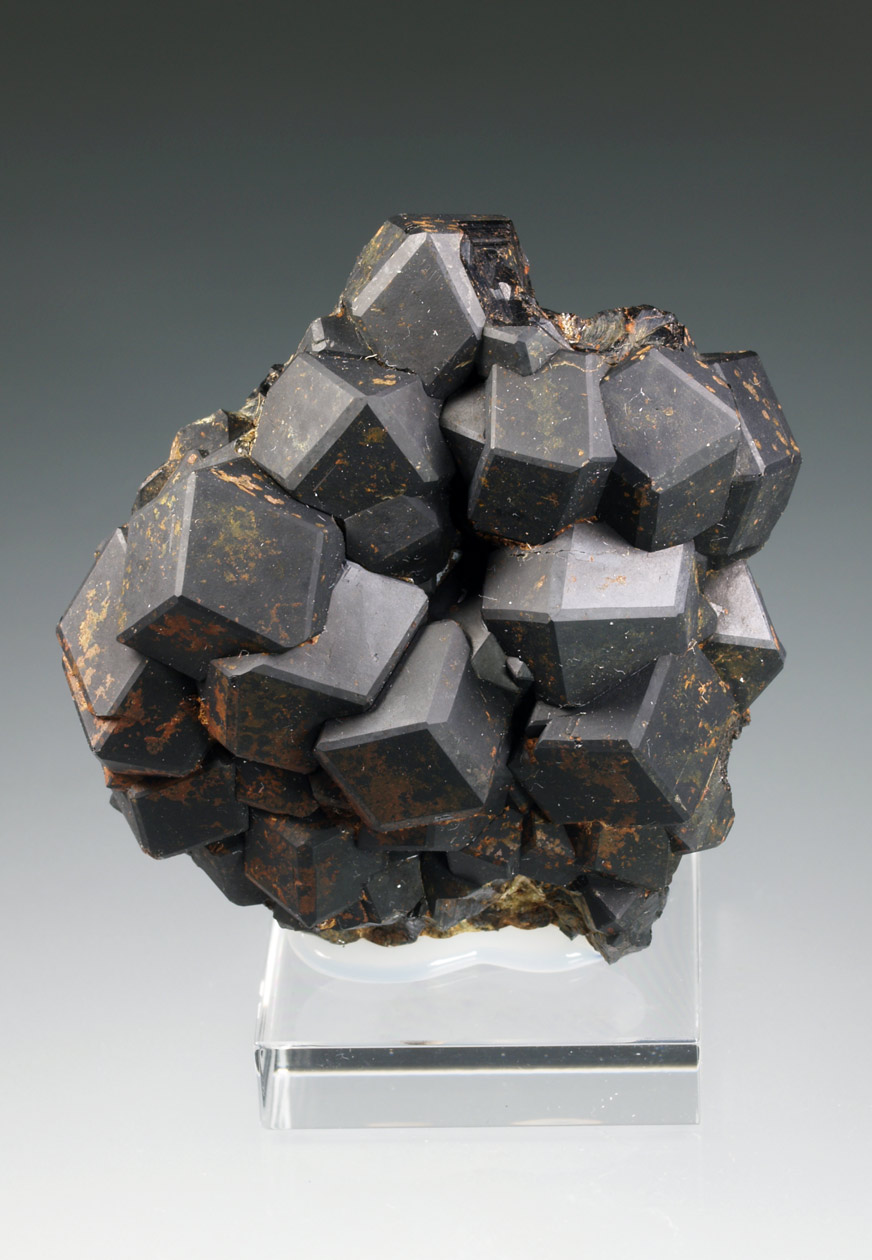
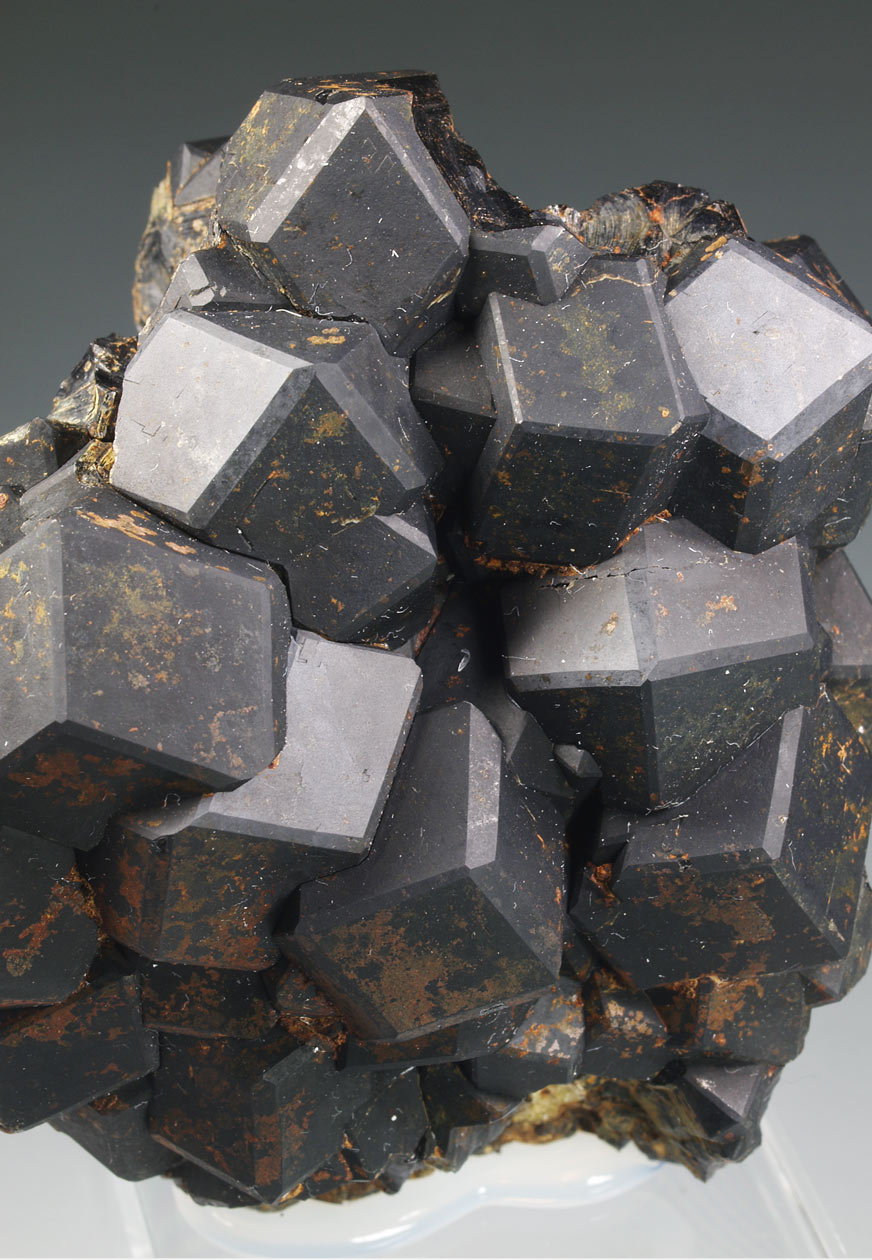
Group of andradite crystals, melanite variety, which show very well defined forms of the dodecahedron, truncated at the edges by those of the trapezohedron. Intense black color, with a semi-matte luster, and small goethite coatings.
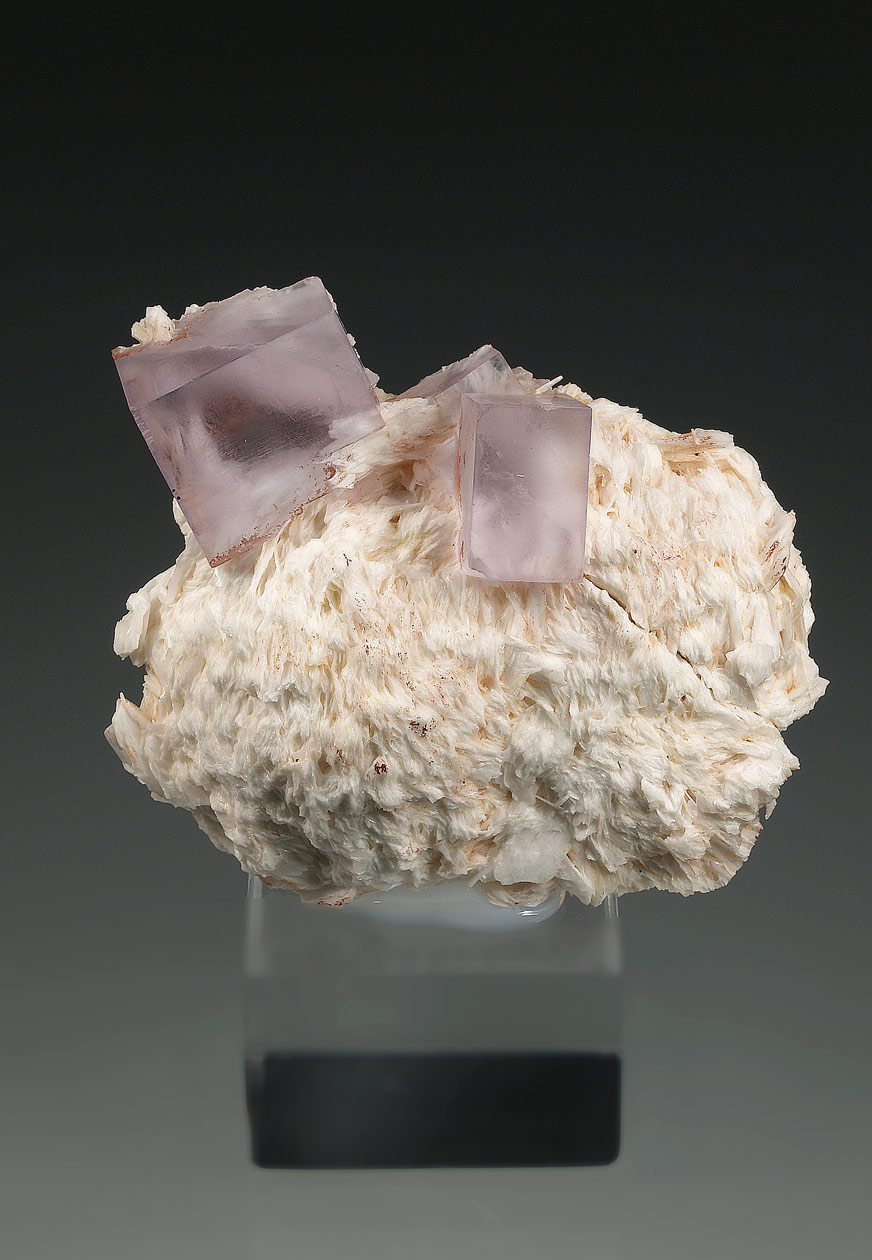
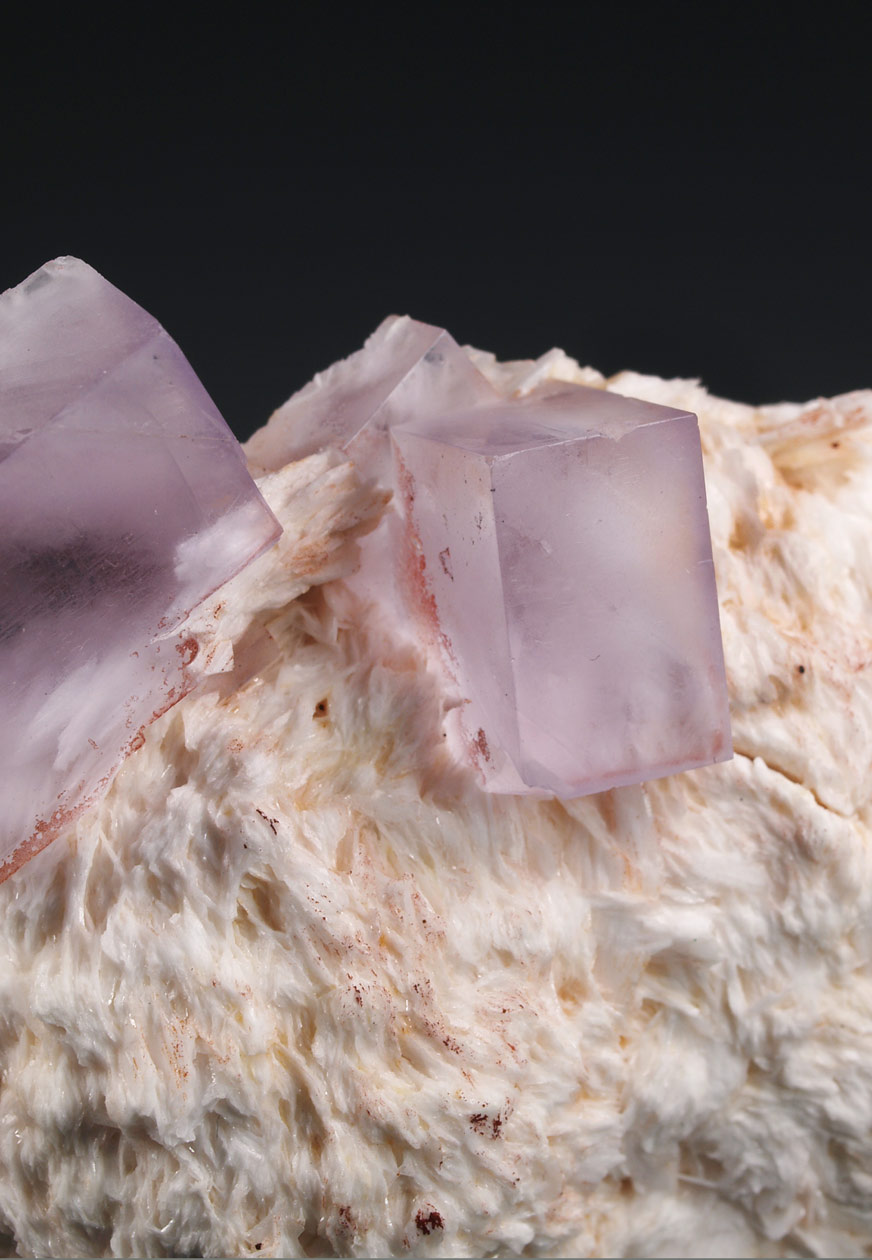
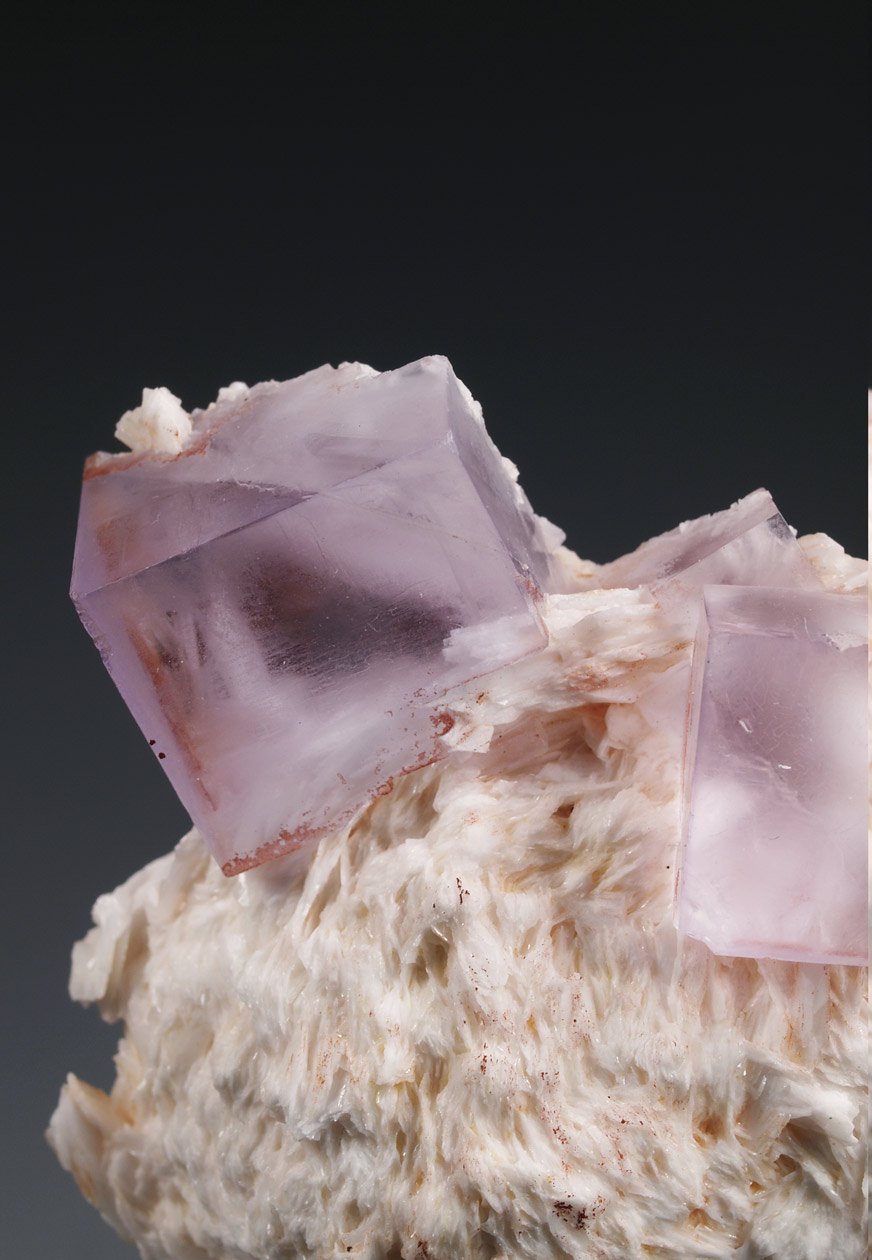
Group of cubic to prismatic fluorite crystals, with a semi-matte luster, transparent to translucent. They are arranged very aerially on a matrix of baryte crystals. From this classic Moroccan mines.
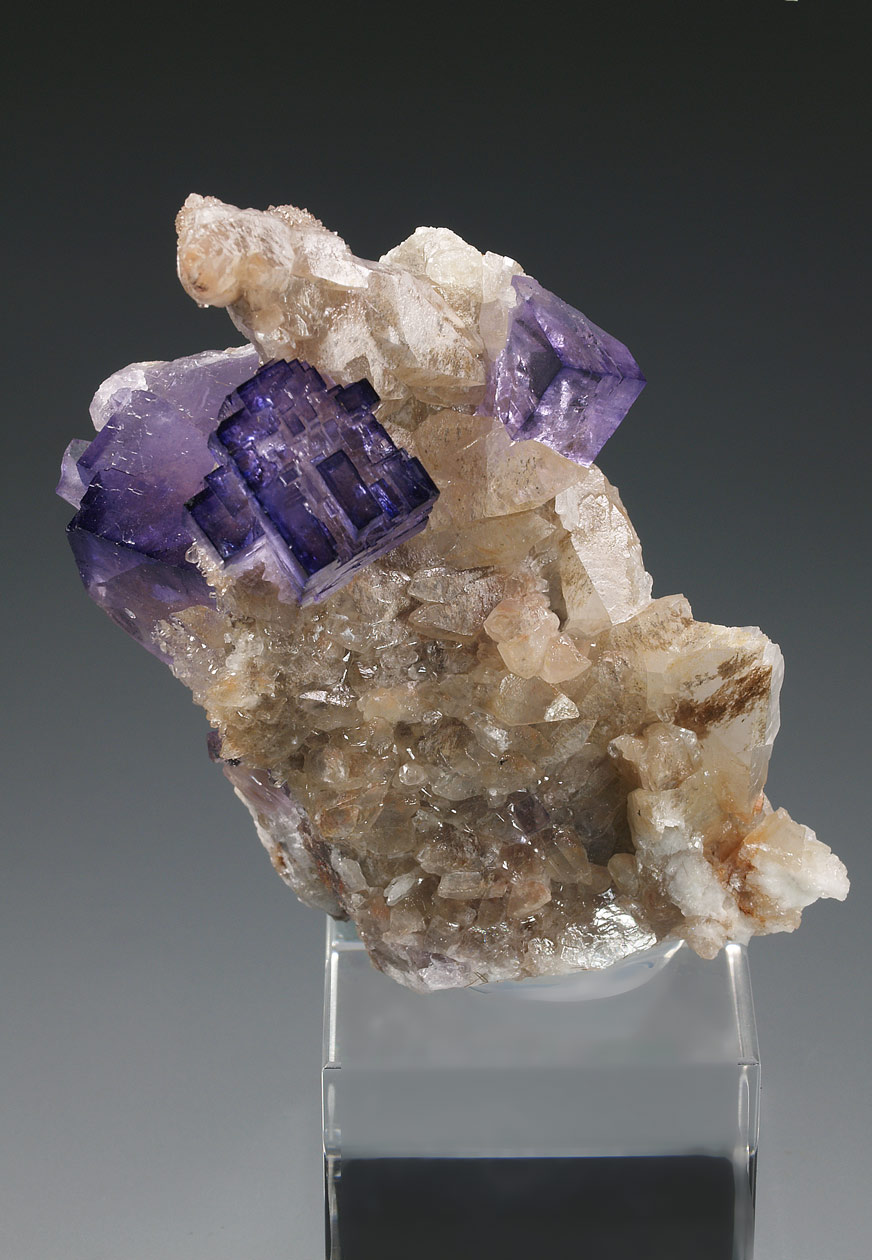
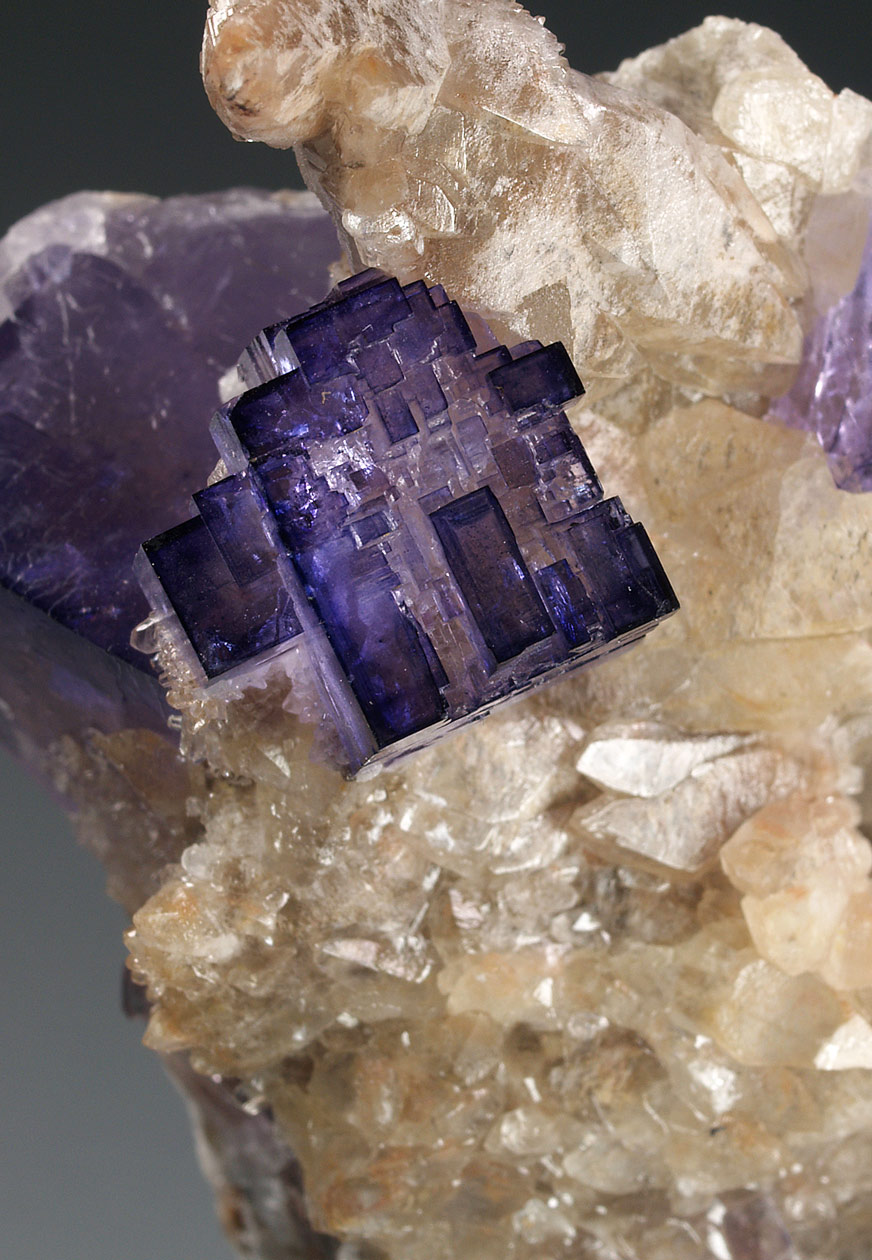
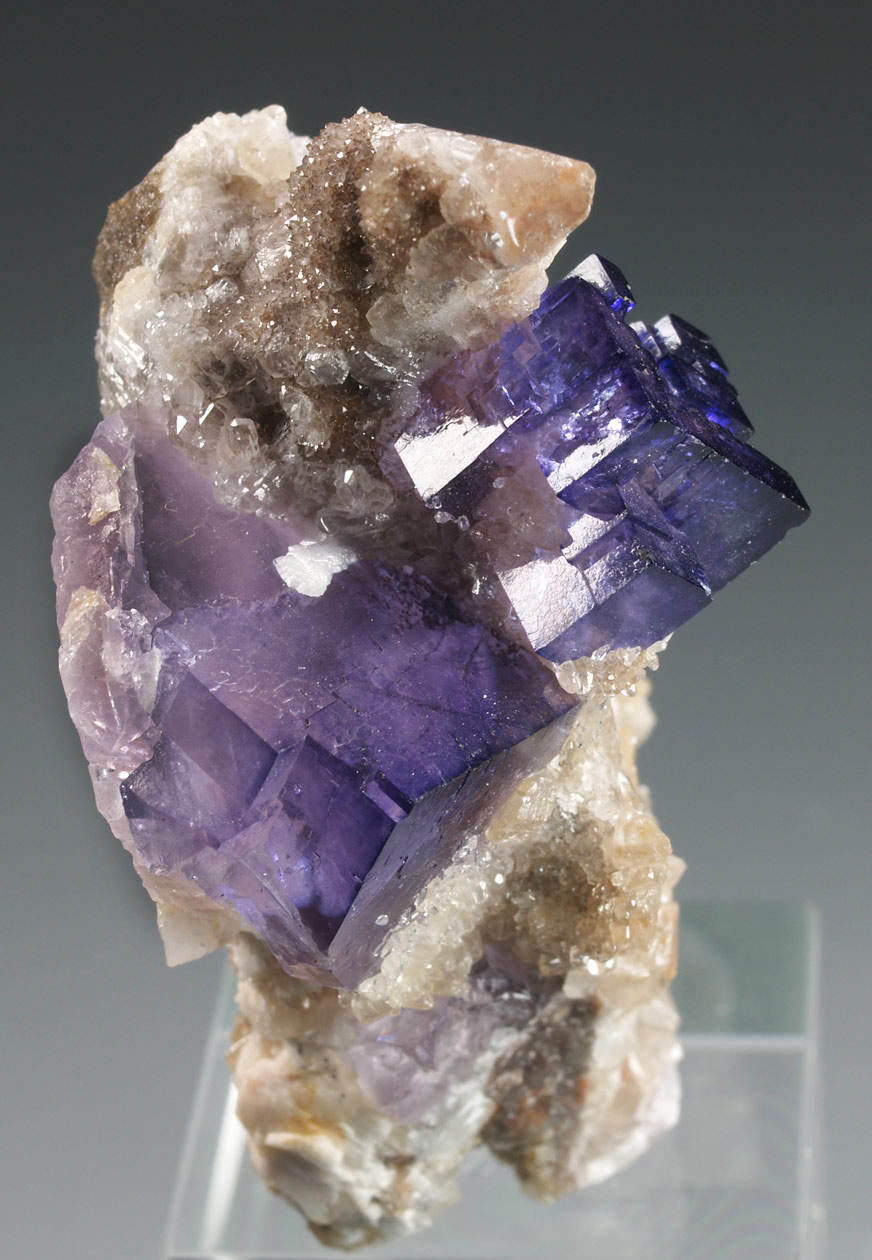
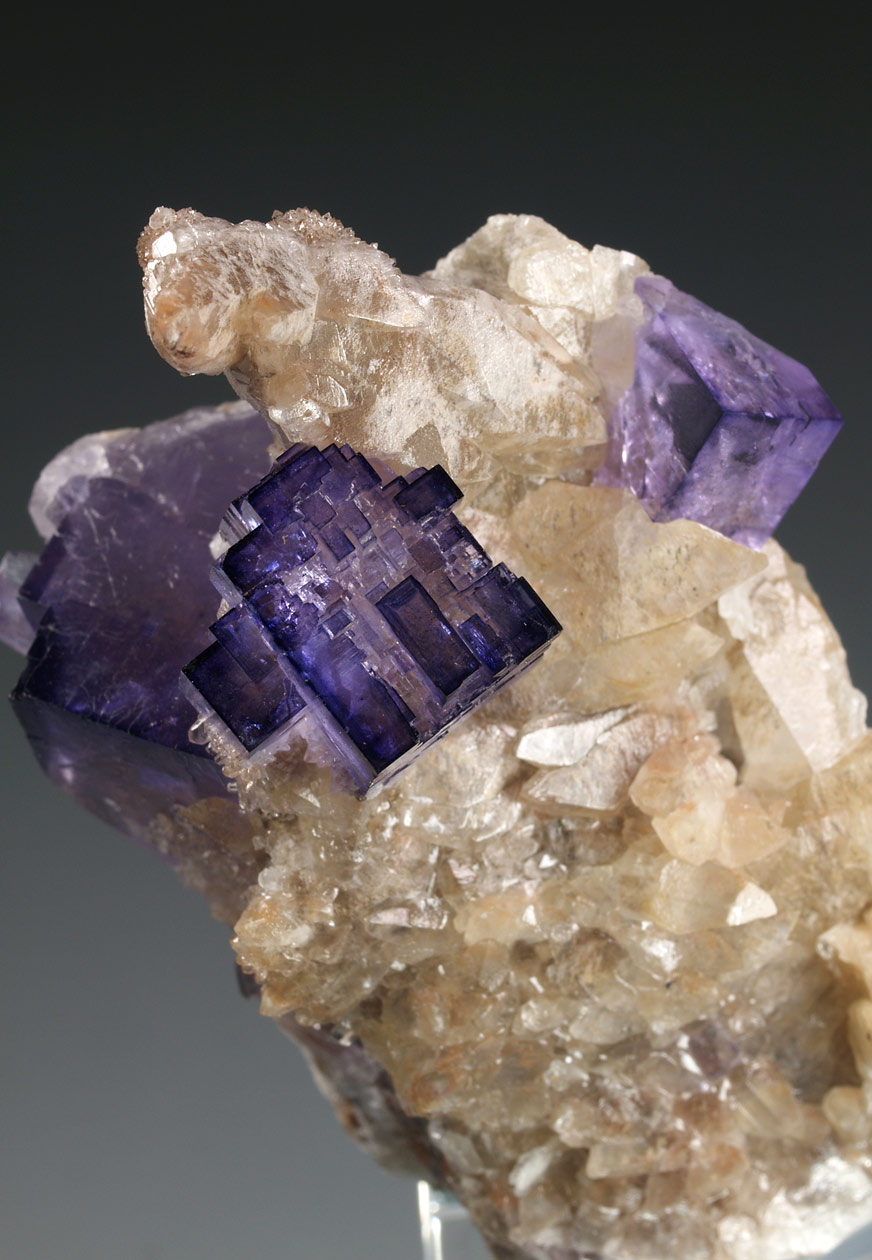
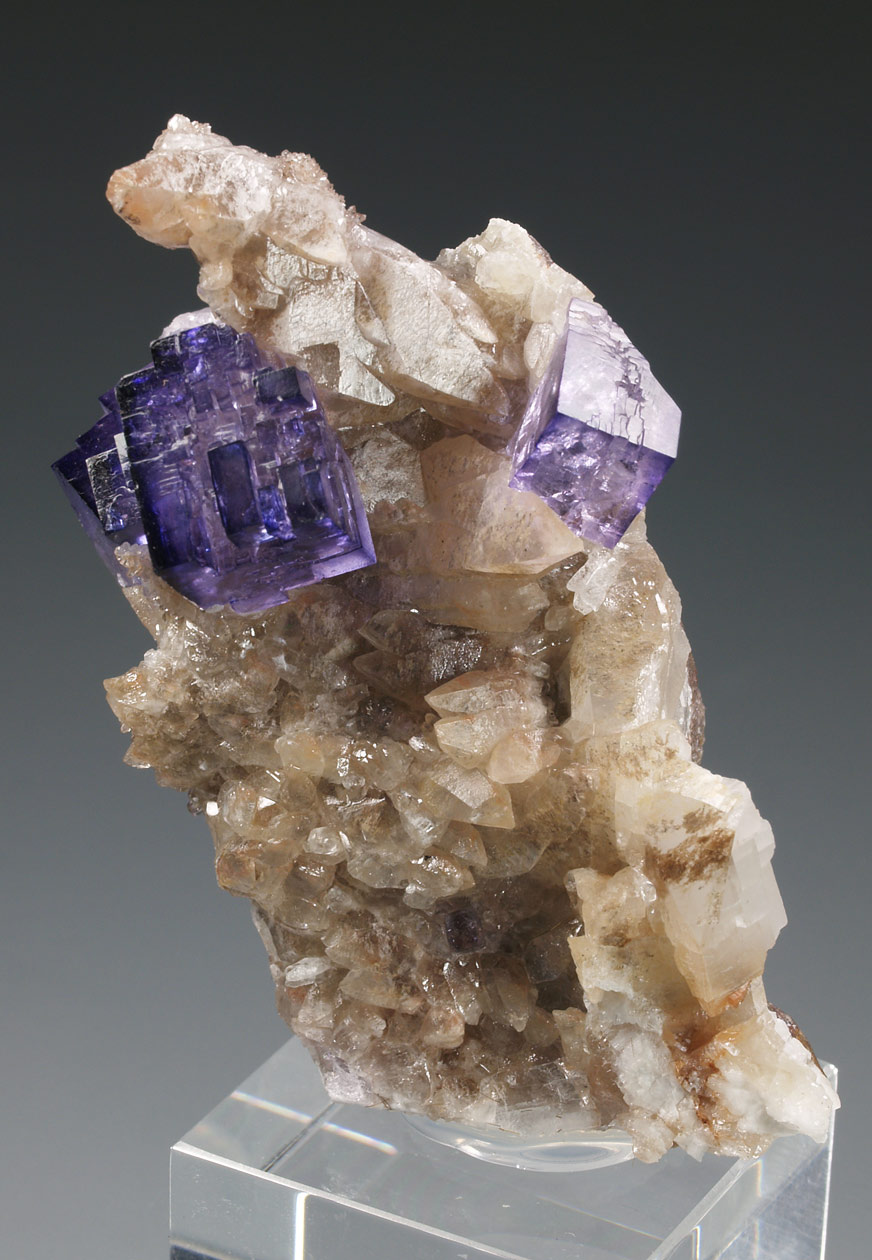
Group of fluorite crystals, very brillinat, with marked color zoning, more intense on the edges. The cube faces show highly aesthetic polysynthetic growths. They are disposed very aerially on a matrix with scalenohedral calcite crystals and small quartz druses. From this classic Moroccan locality.
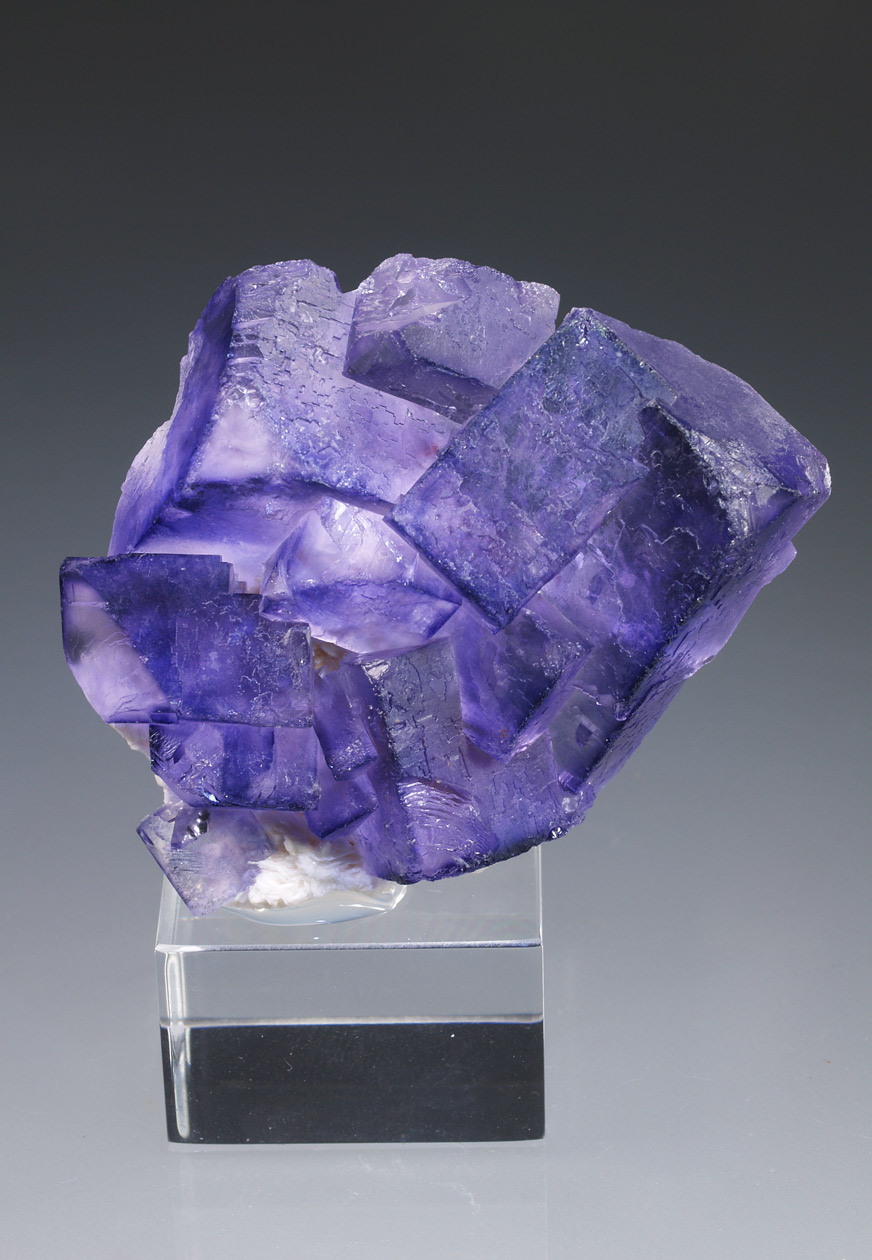
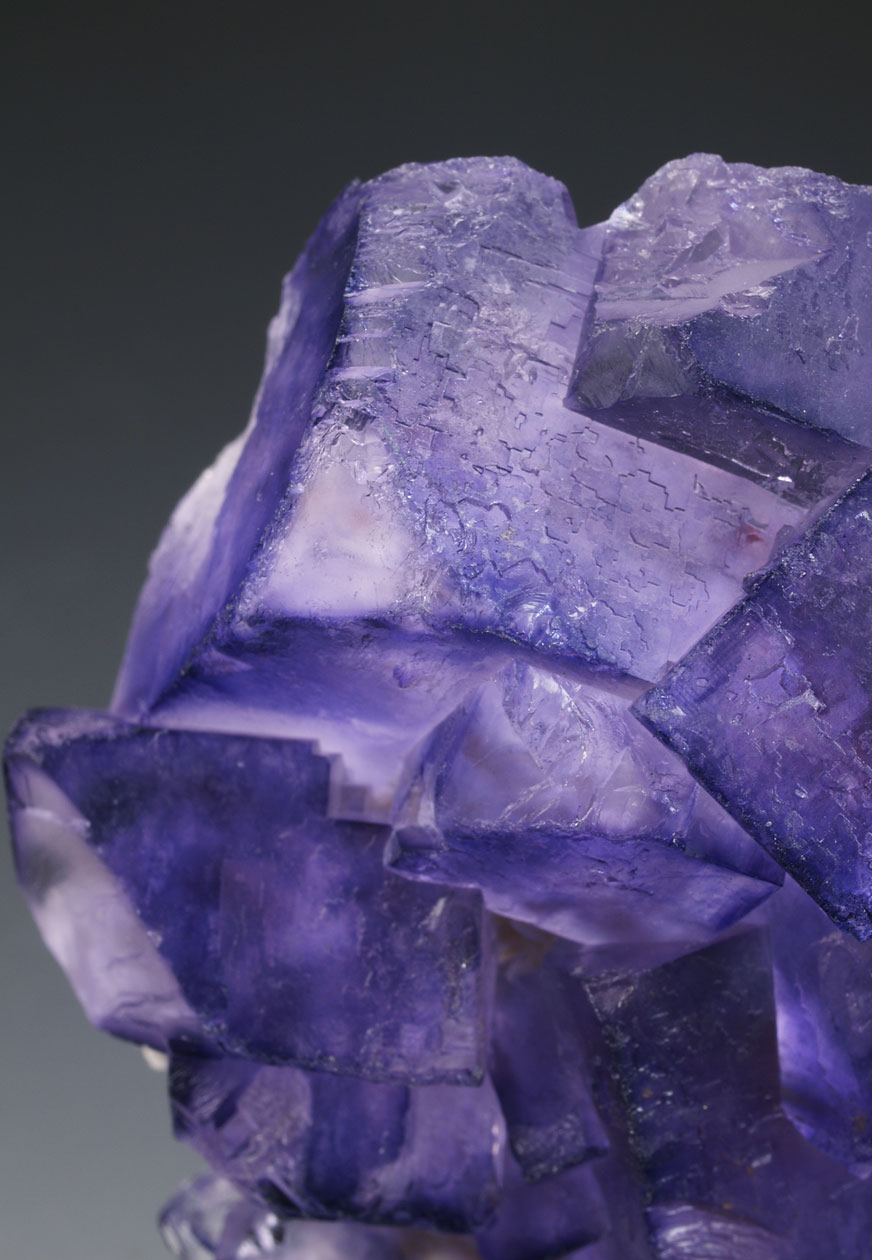
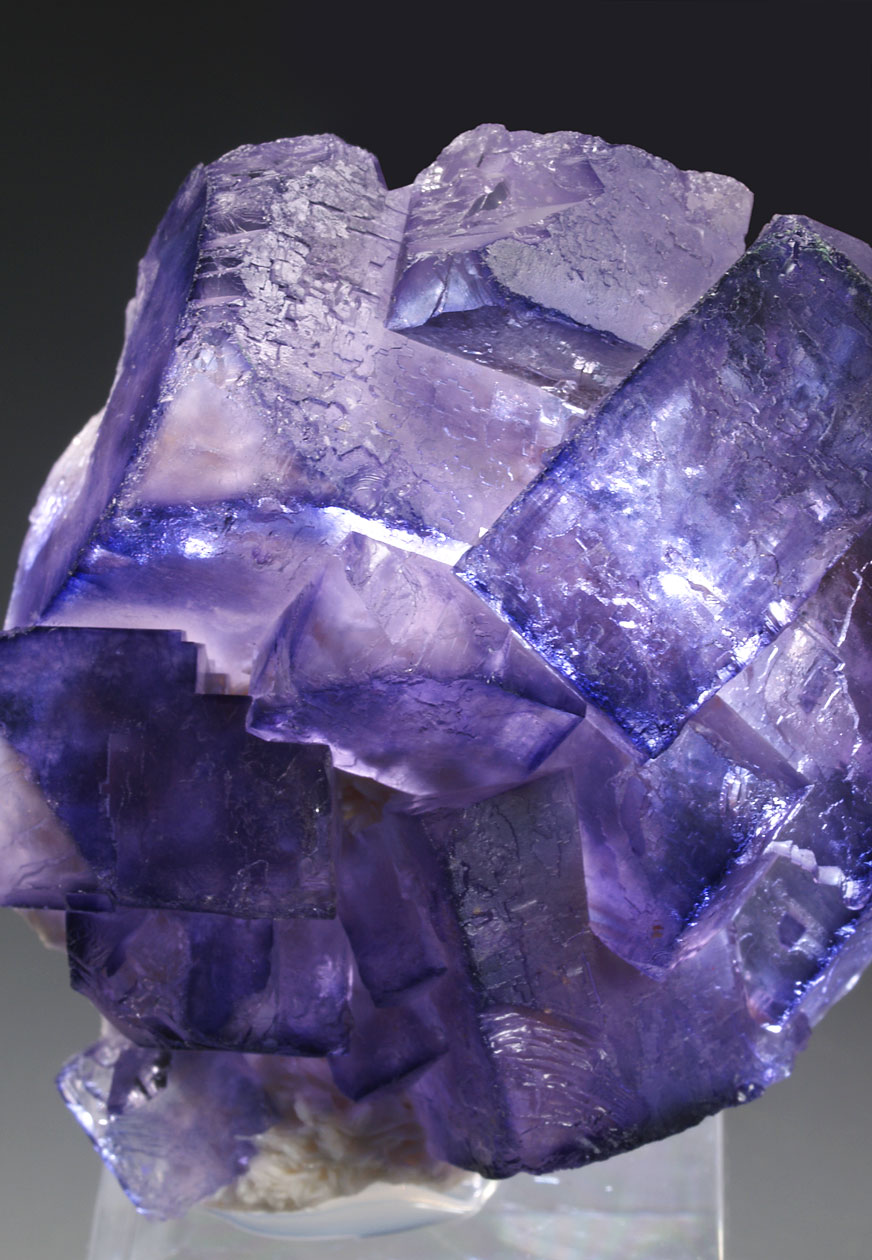
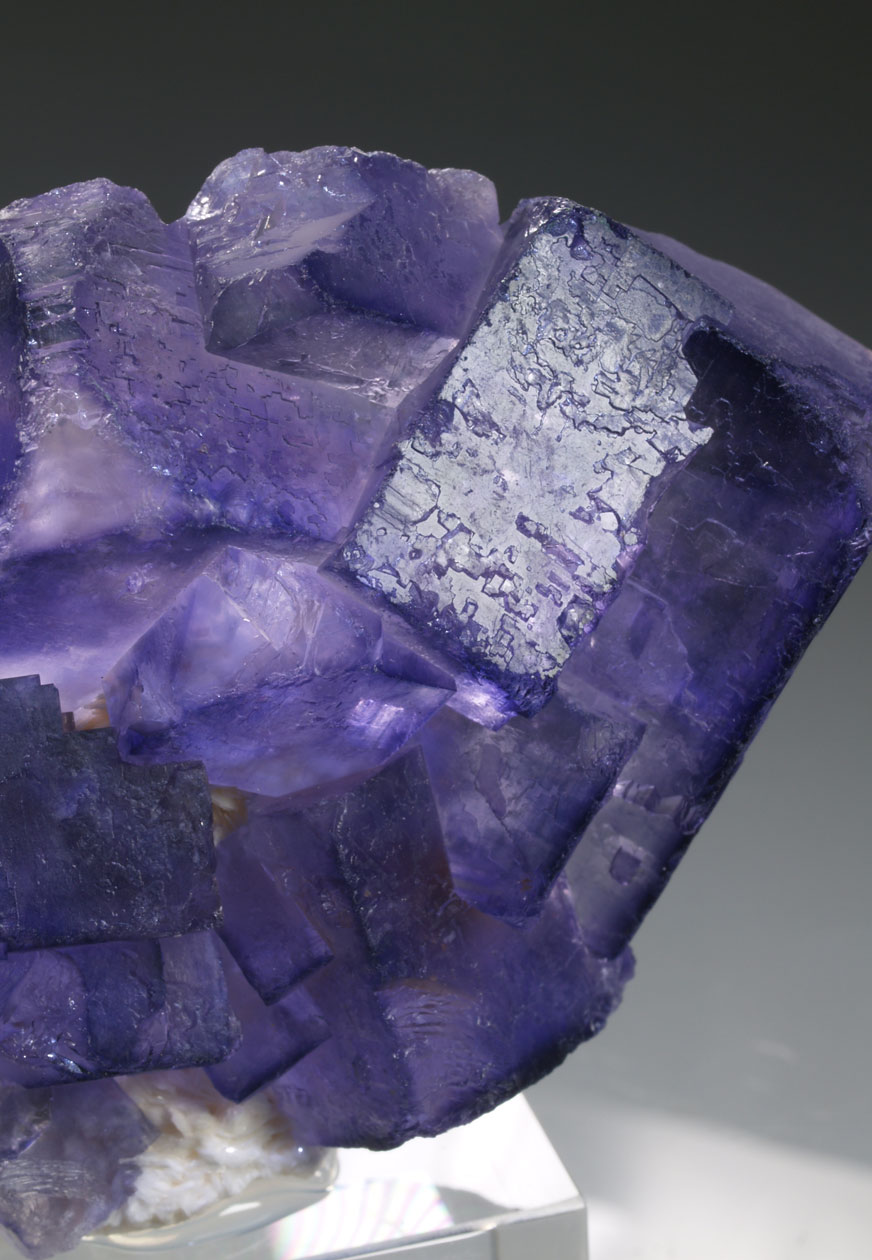
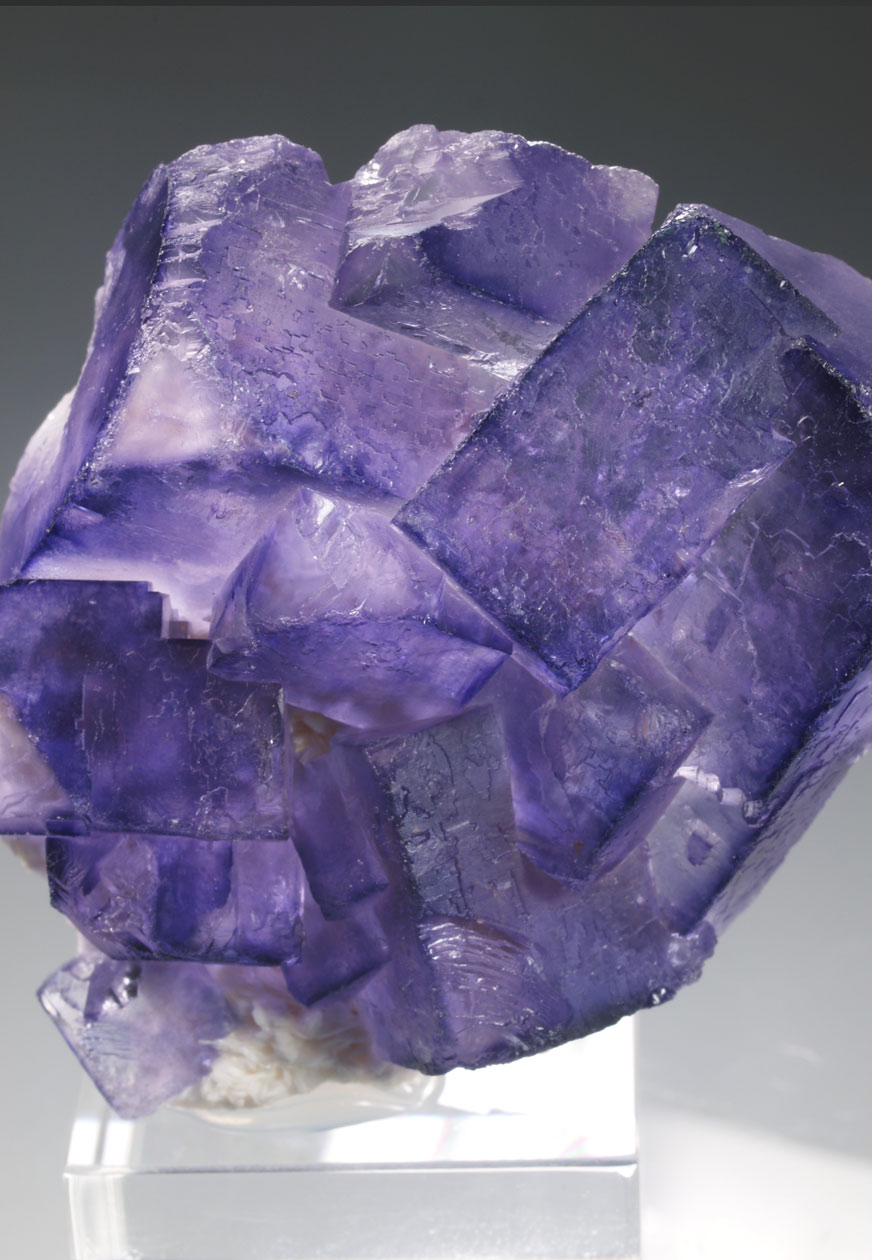
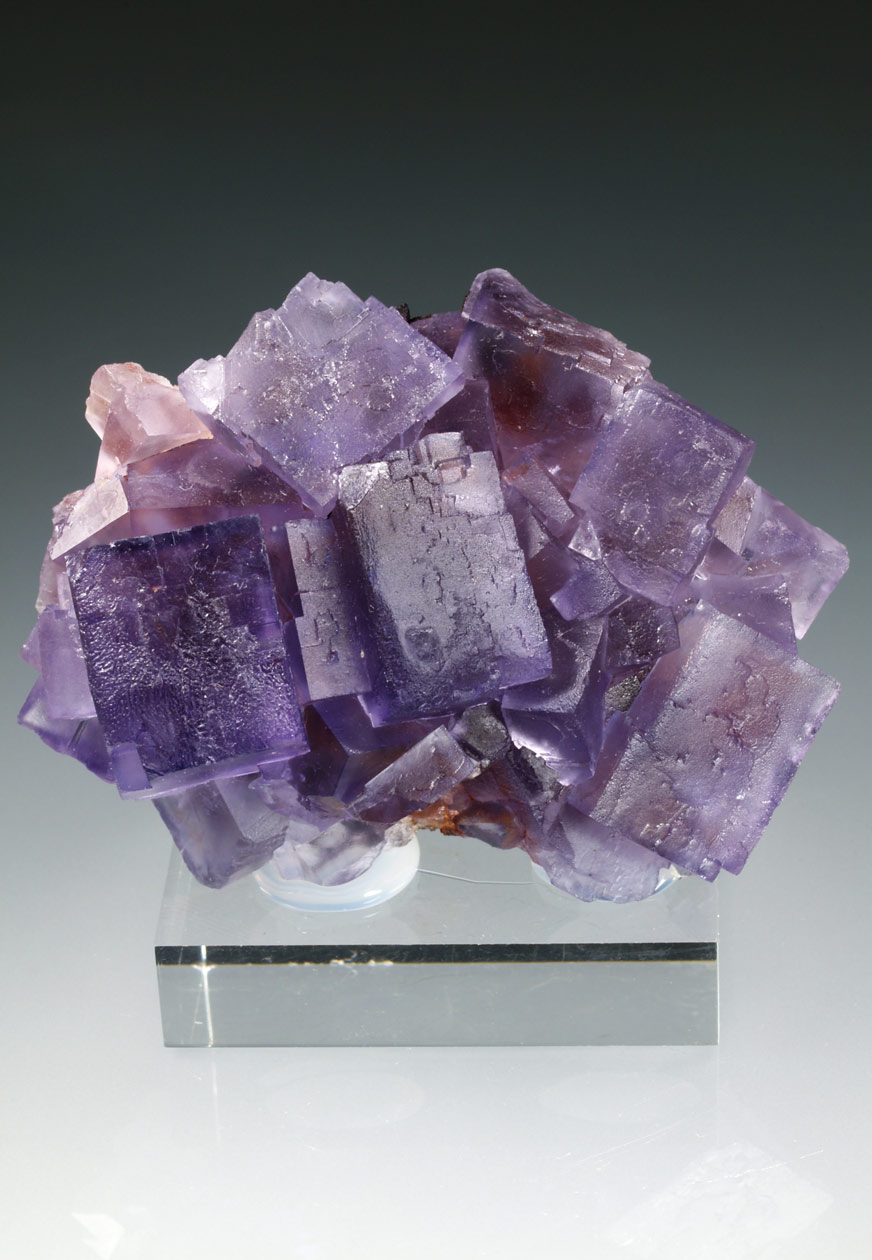
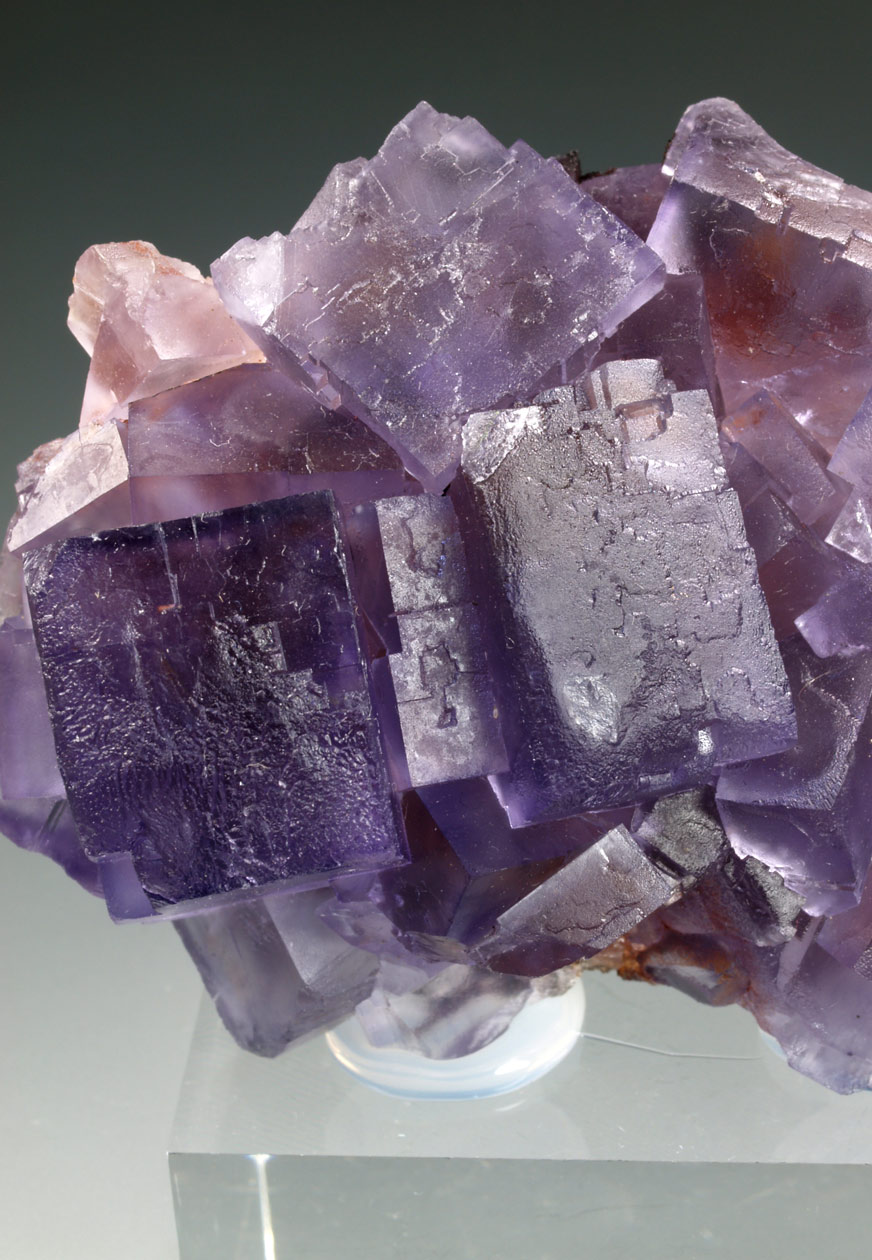
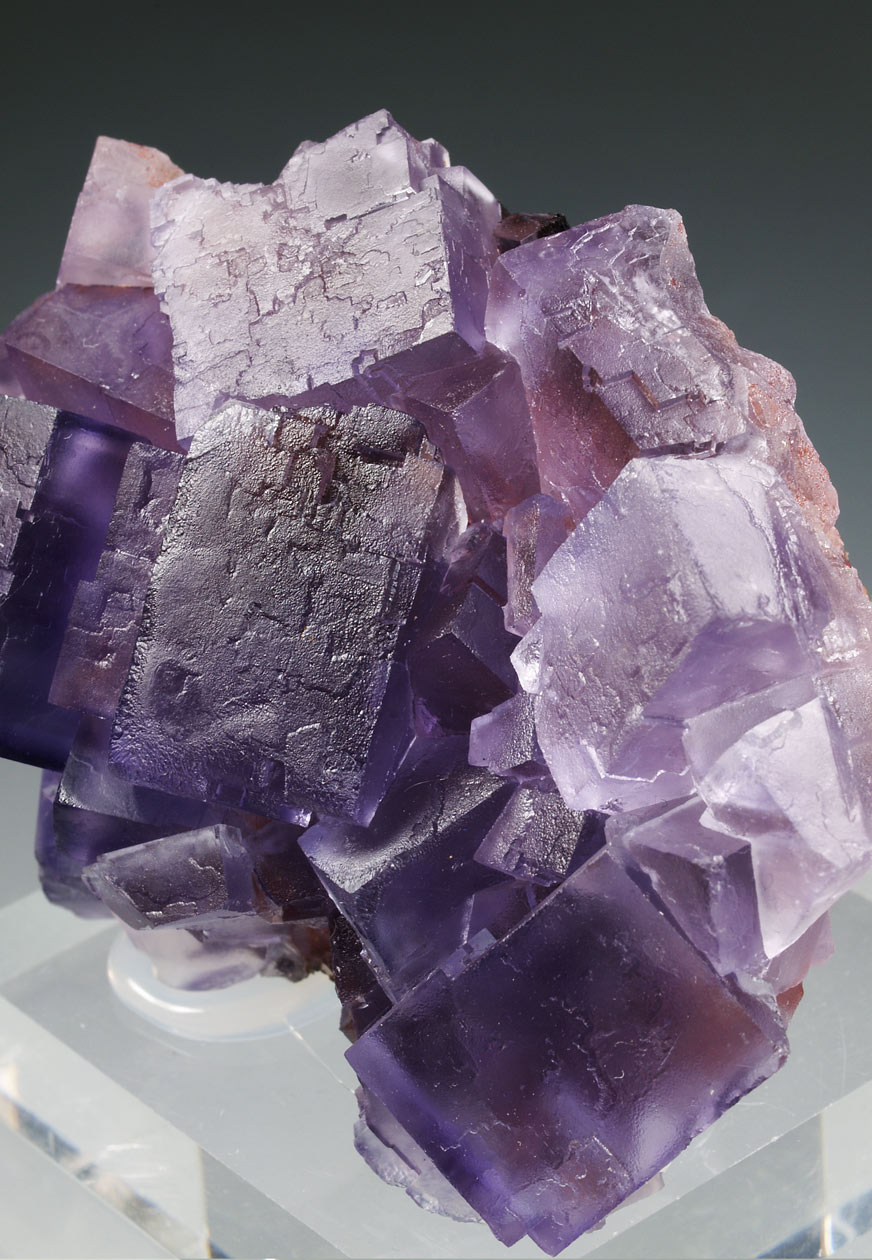
Rich group of fluorite crystals that show us forms of the cube truncated by those of the octahedron. Very good transparence and with staggered growths on the edges. The violet color with zoning stands out in this specimen, intense on the faces of the cube and almost colorless when we observe those of the octahedron. A very interesting specimen. On a small matrix of dolomite.
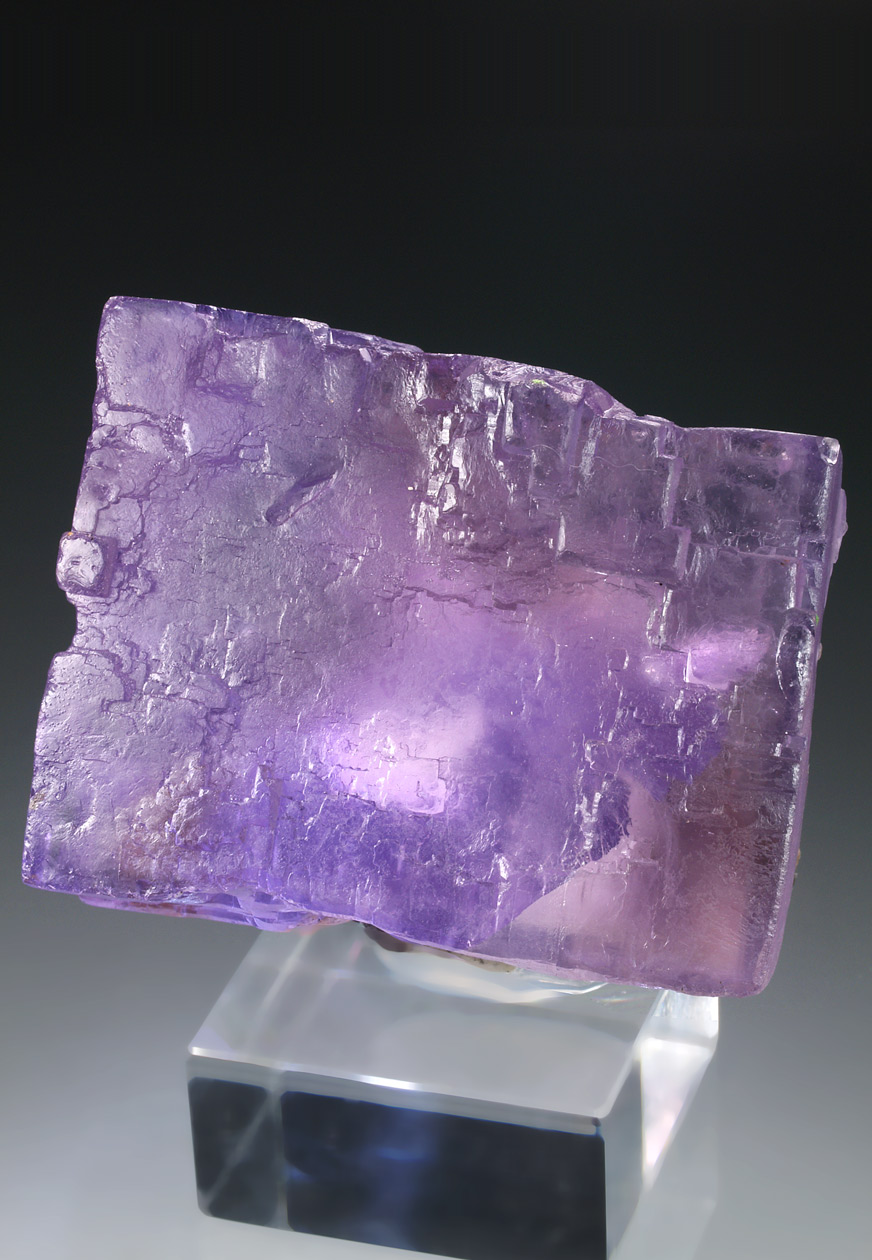
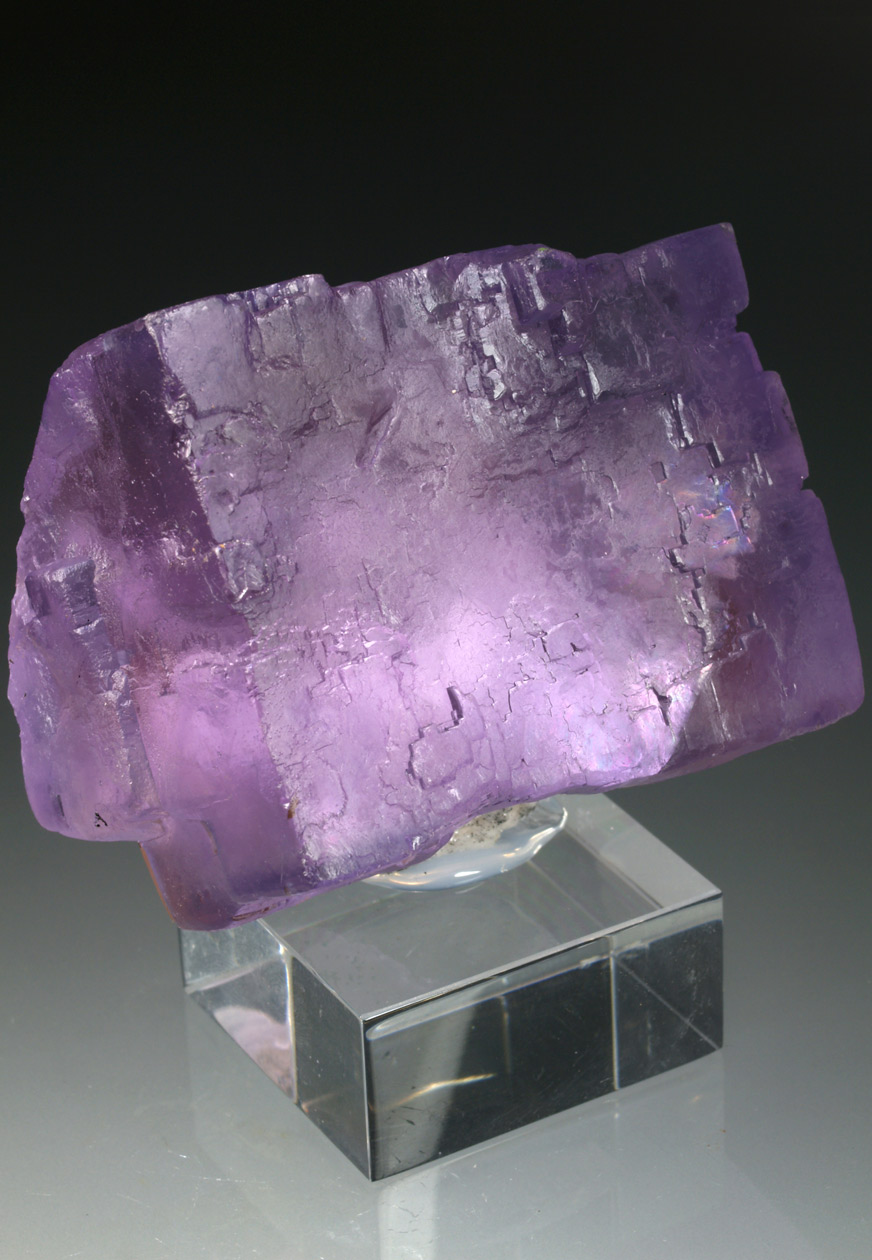
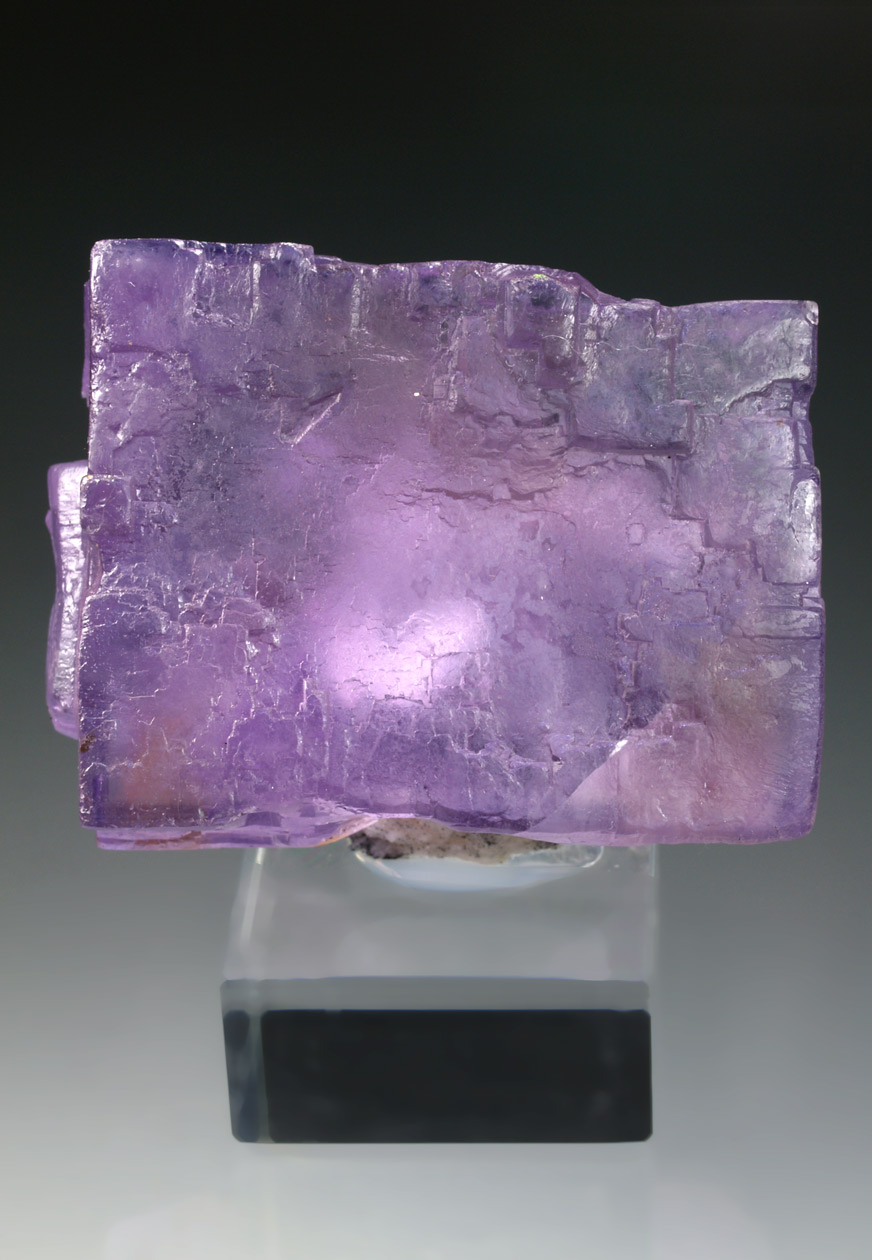
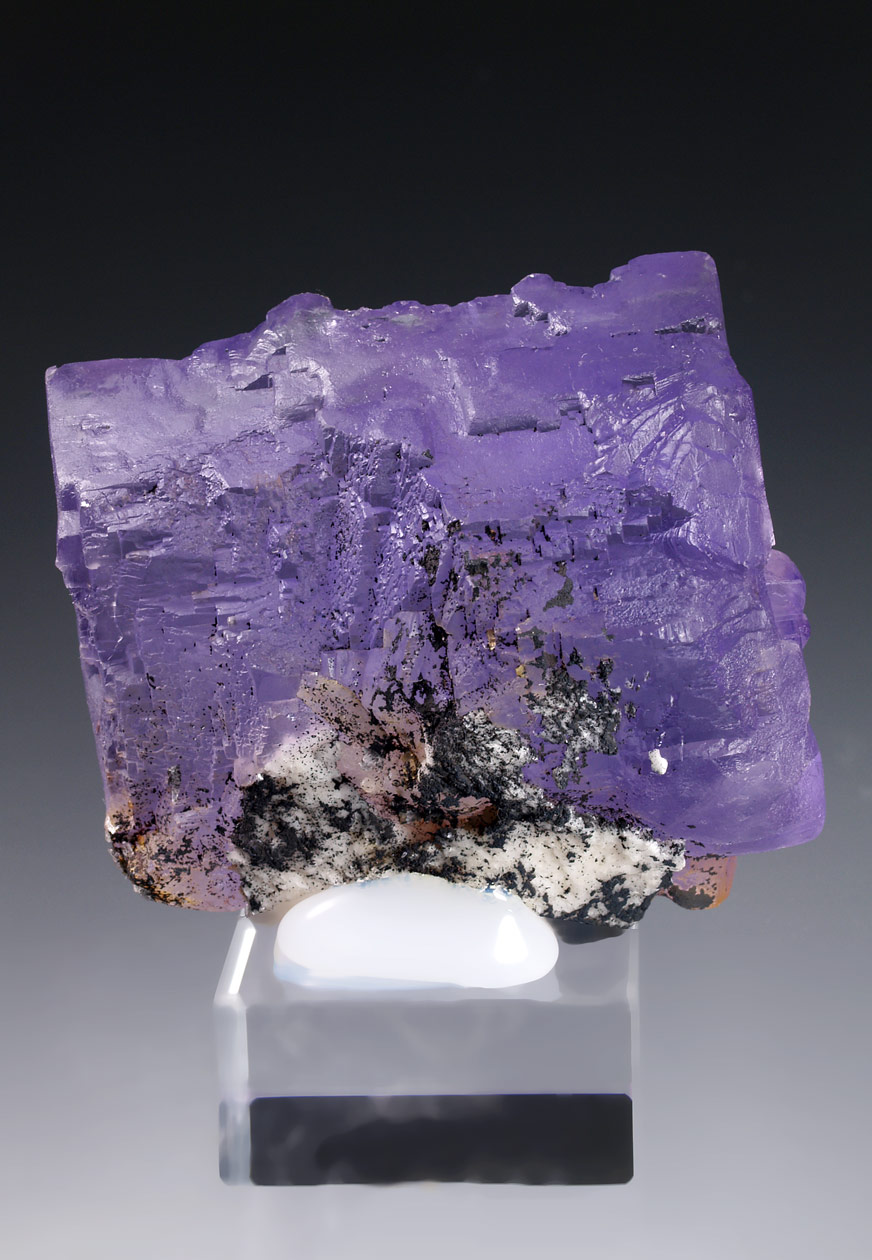
Elongated cubic fluorite crystal of very good size, with tile growths on the faces. Between translucent to transparent and with a very uniform violet color. It is complete on both sides and is placed on a small matrix with quartz.
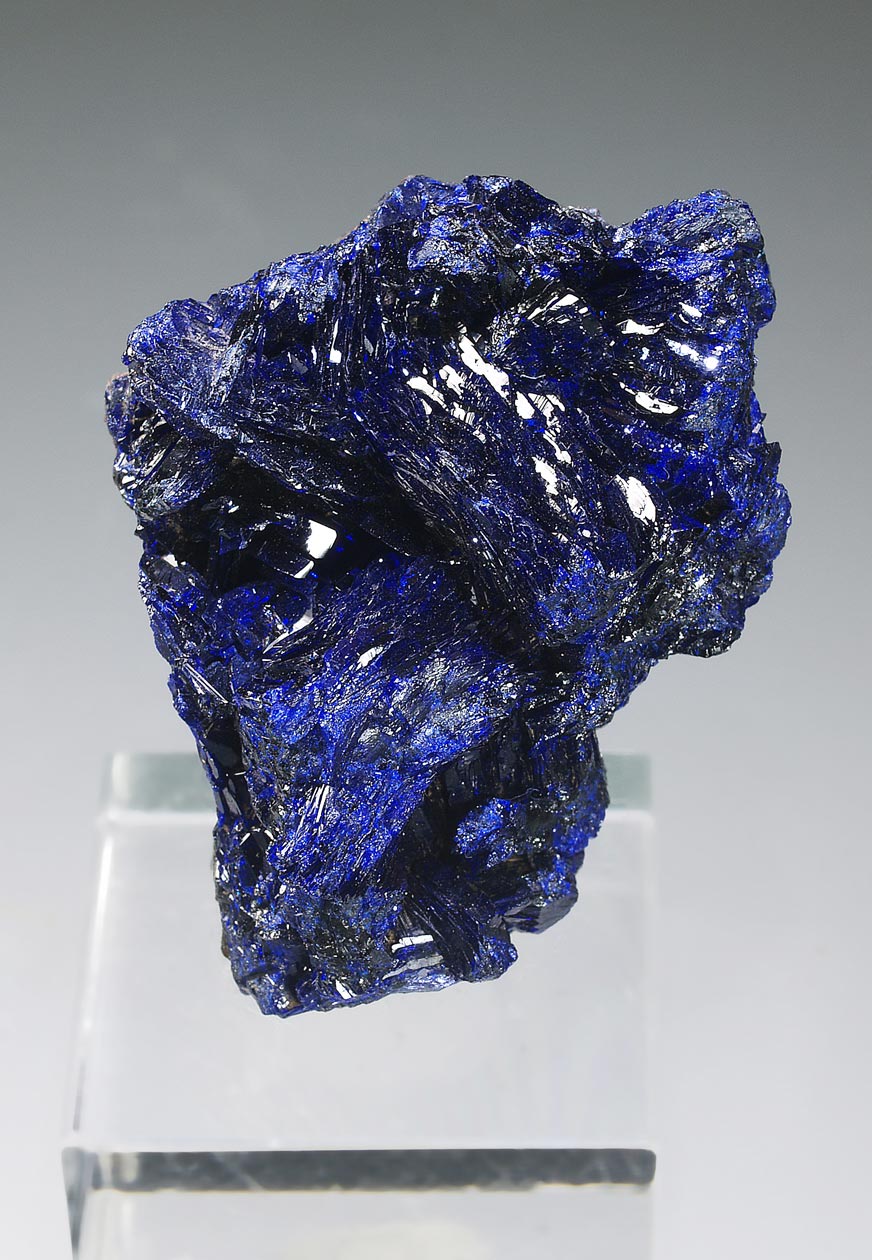
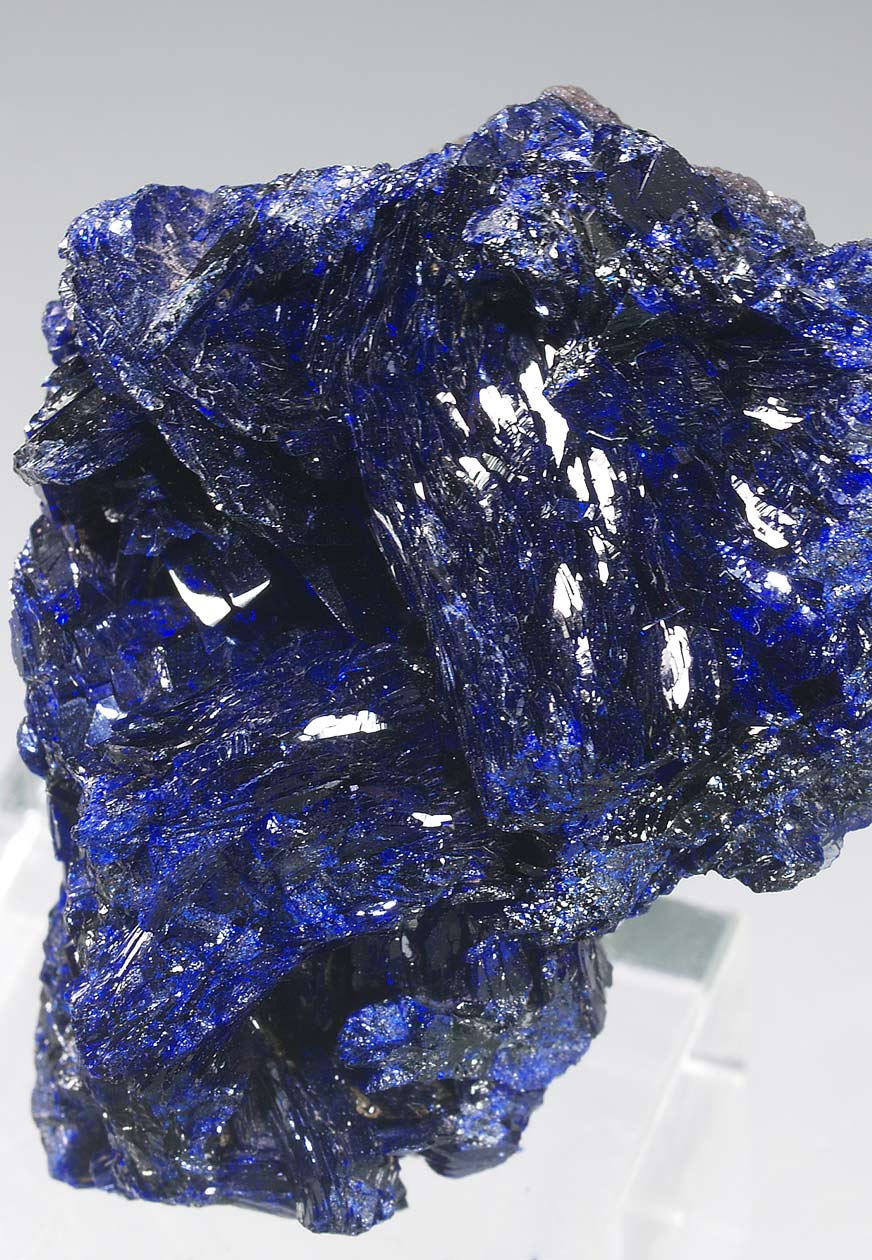
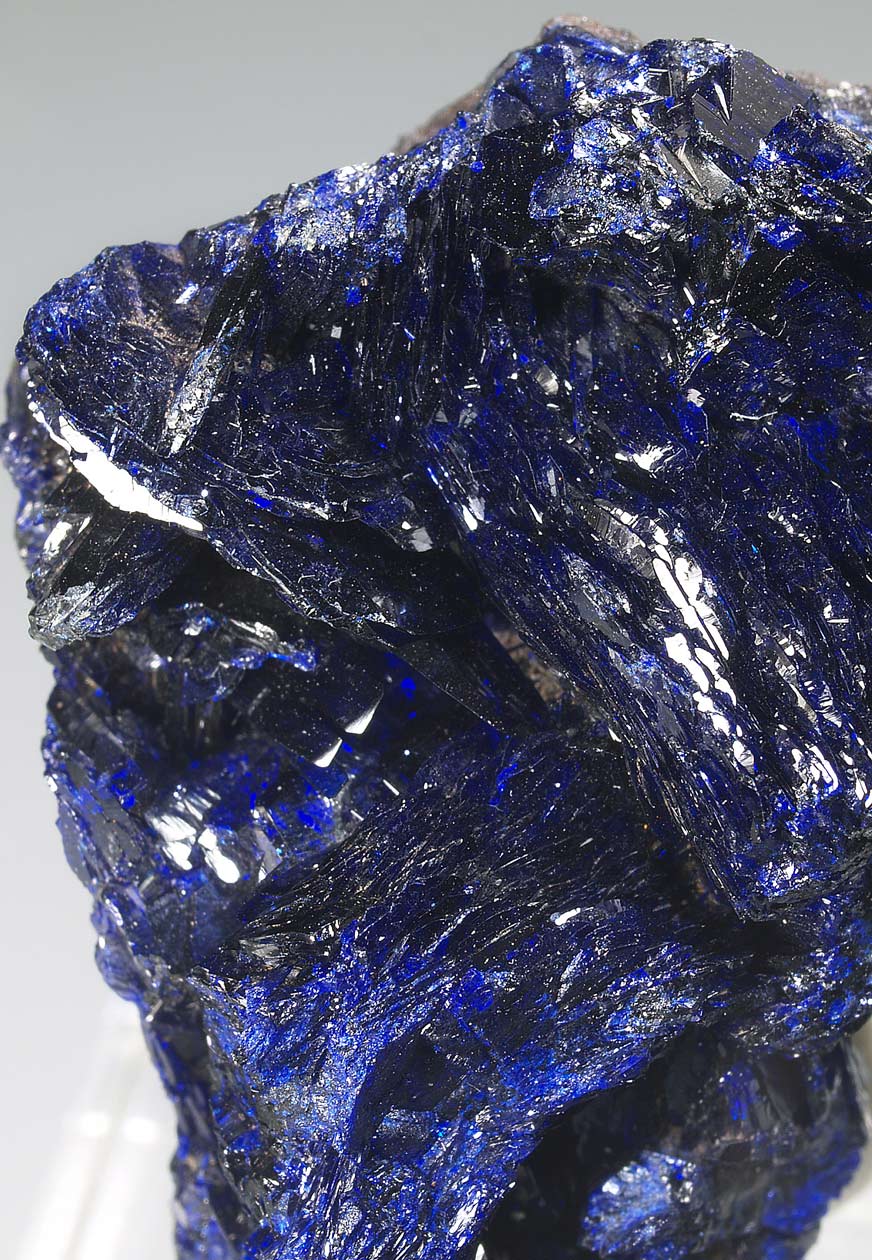
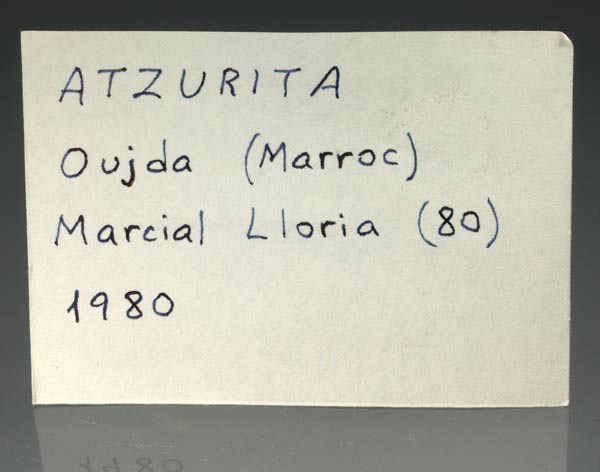
Brilliant aggregate of tabular azurite crystals with this intense and characteristic color. A very aesthetic specimen of this classic Moroccan town. It comes from the Joan Astor collection (Barcelona) who acquired it from Marçal Llòria, from "Lloid-Material de Ciencias Naturales", a well-known Barcelona mineral seller.
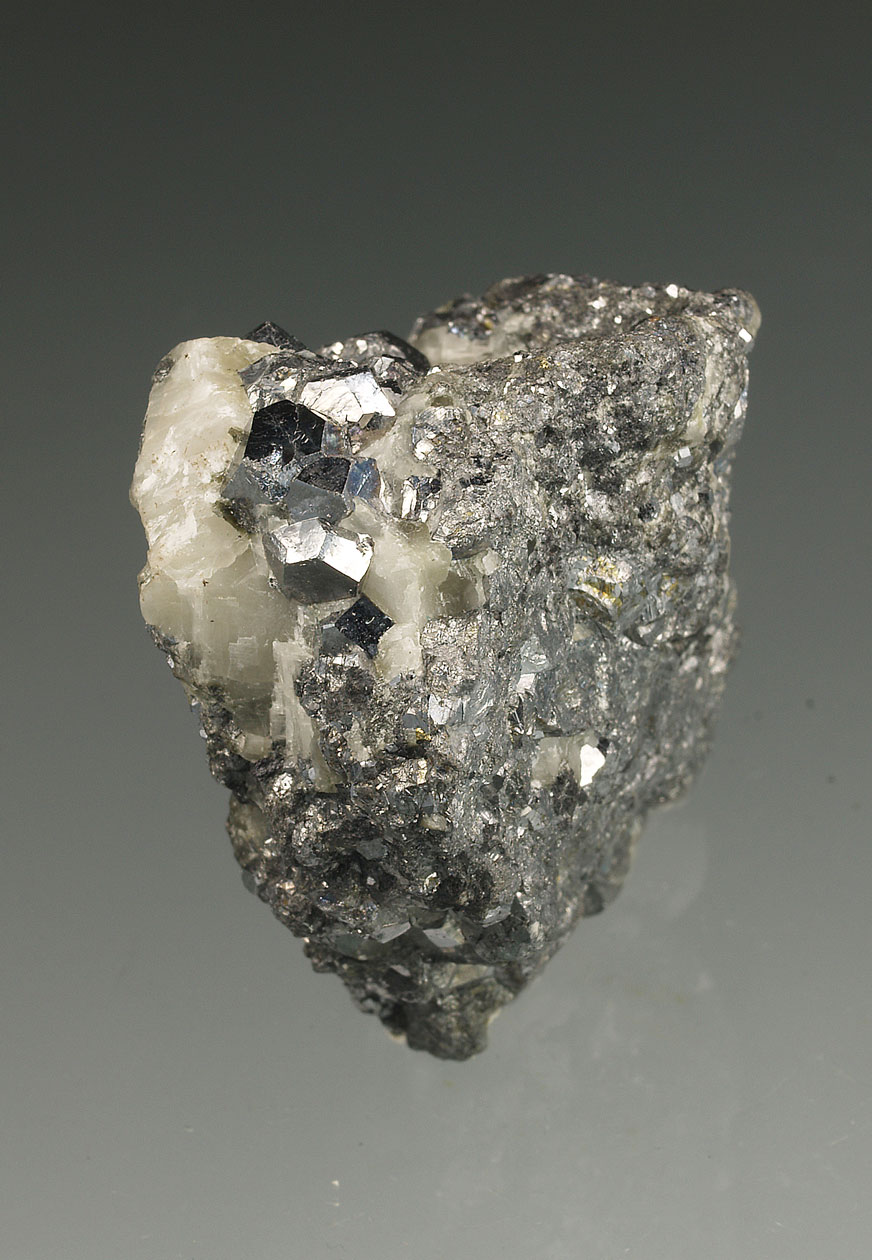
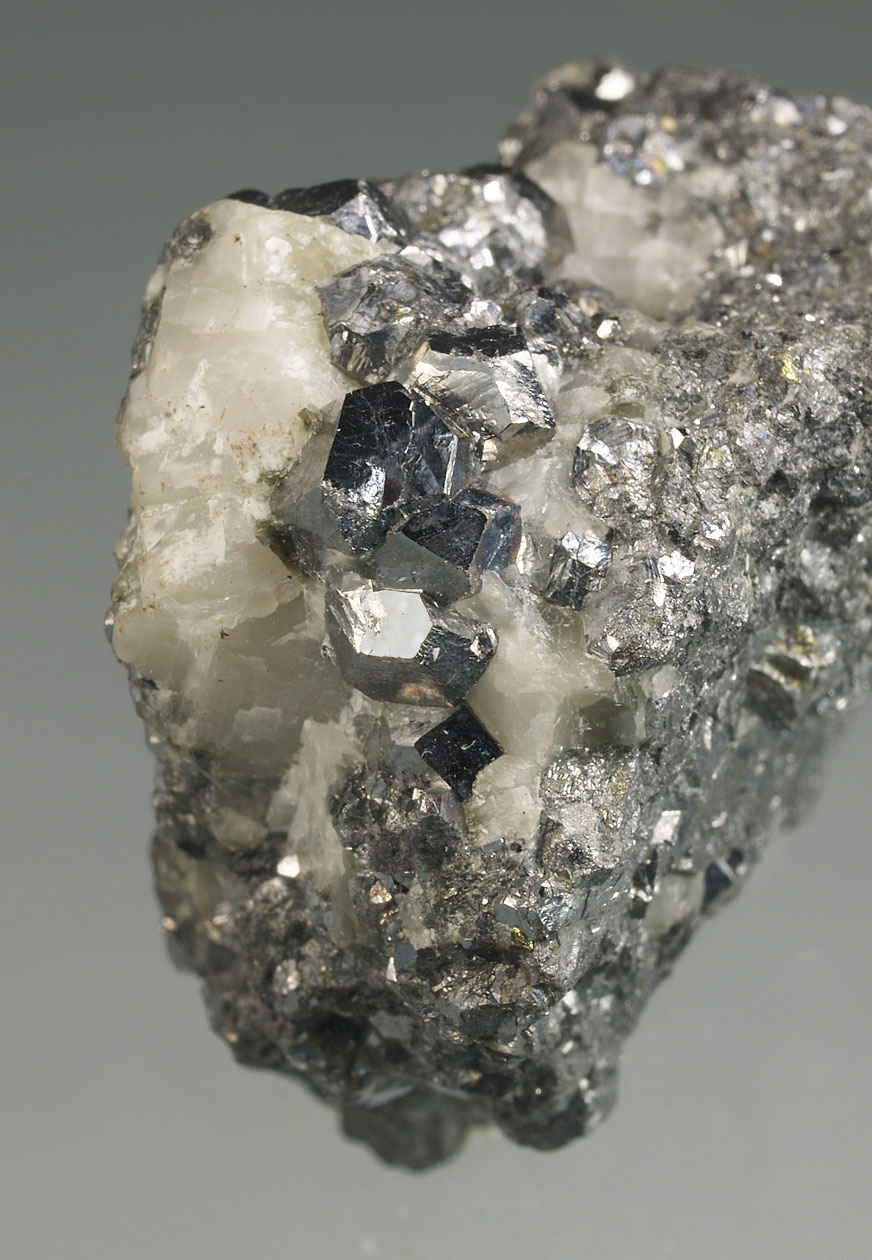
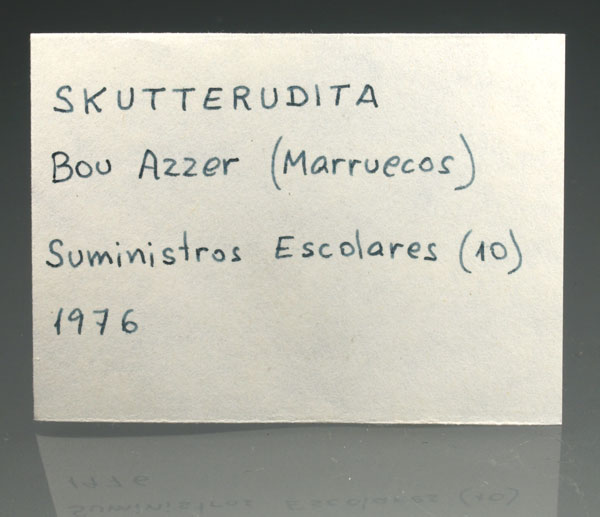
Group of skutterudite crystals, intense luster and well defined faces and edges, showing cube, octahedron and dodecahedron shapes. They are accompanied by white calcite with which they contrast. It belongs from this classic Moroccan mine and from the Joan Astor collection.
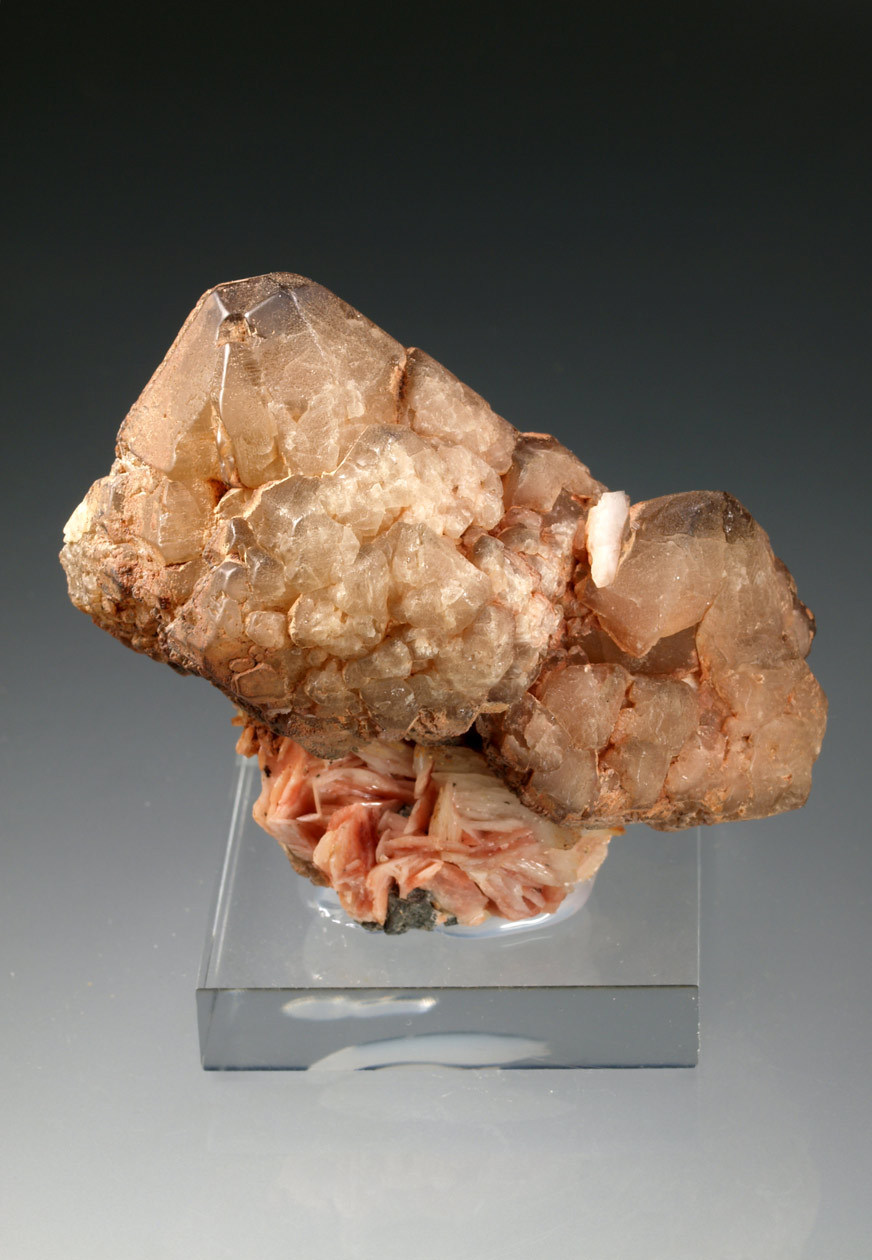
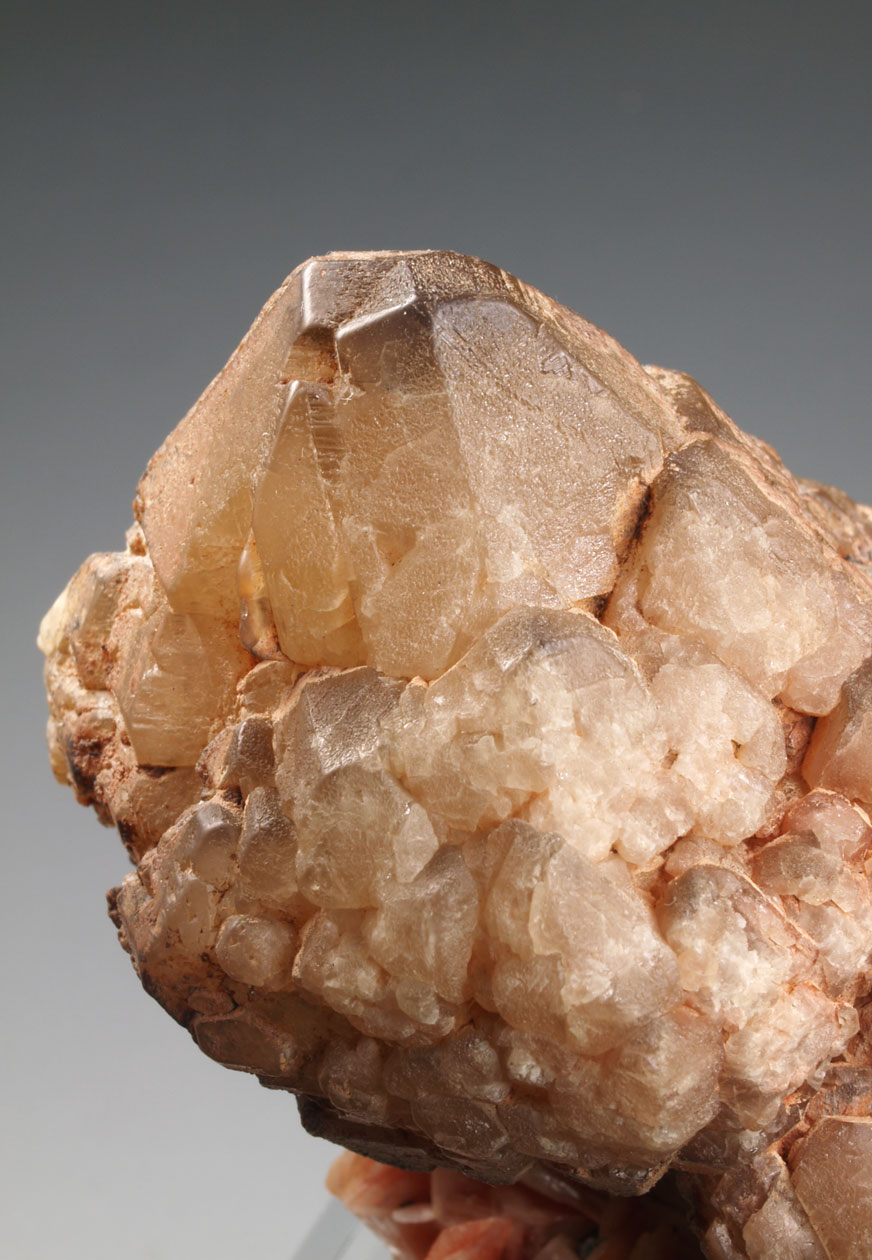
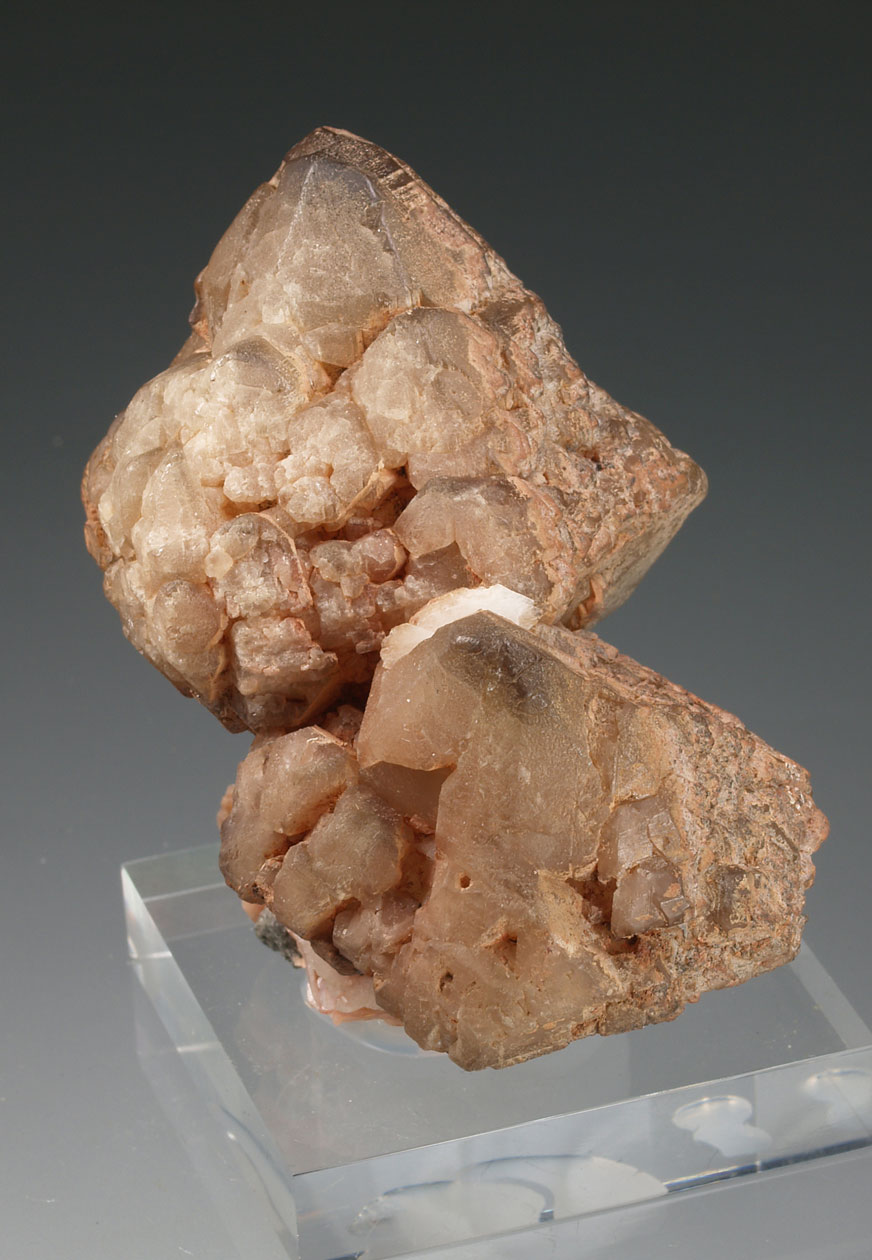
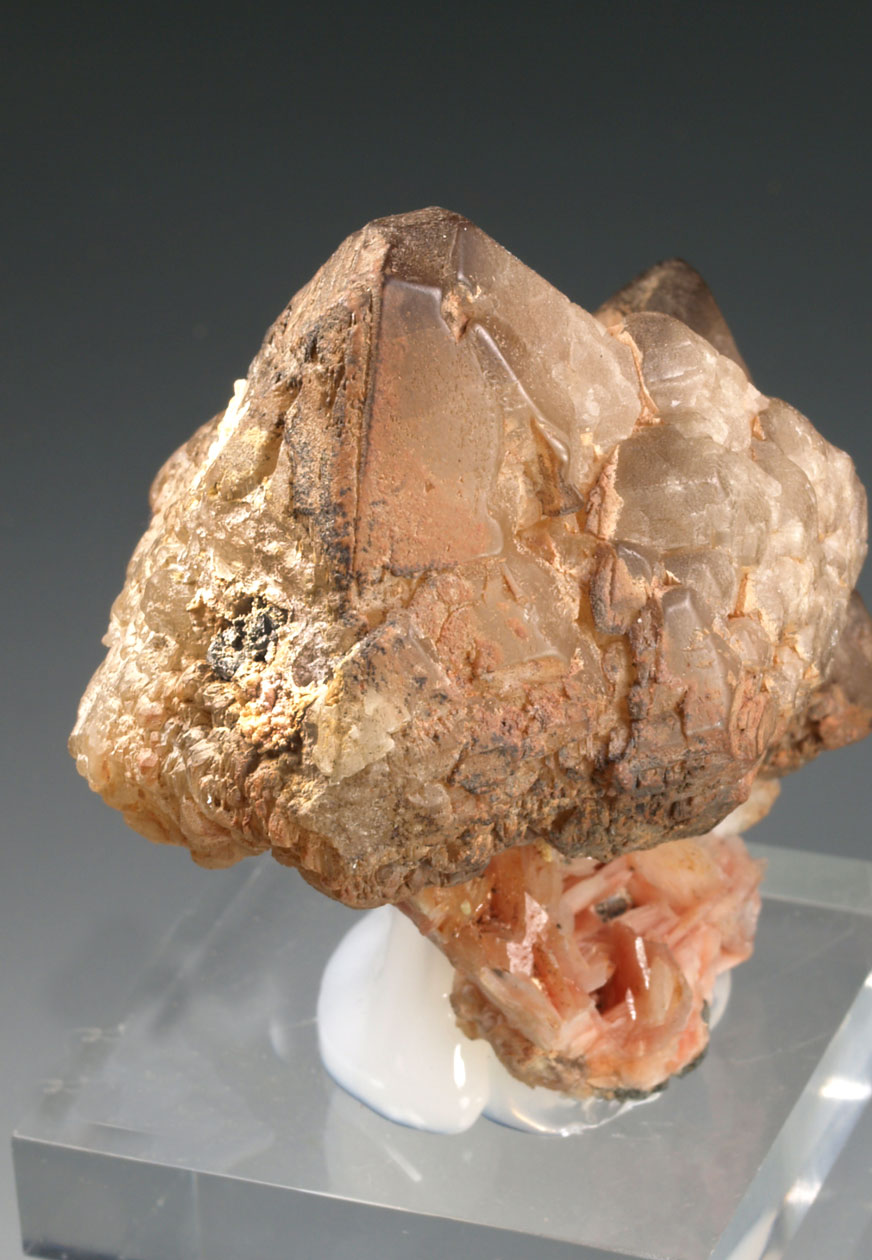
Specimen formed by two cerussite crystals of a more than considerable size. They show the cyclic twin, with staggered growths. At the vertex of the largest crystal we can see the twin clearly. They are not shiny and have a rough crystalline surface on the back, but they are exceptional for their size and crystallography. They are disposed on a small baryte matrix.