- Home About RM Minerals
- Virtual Photo Museum Blog RM Contact
- Microscopy and instruments How to Buy Disclaimer
Copyright 2010-2026
www.rosellminerals.com



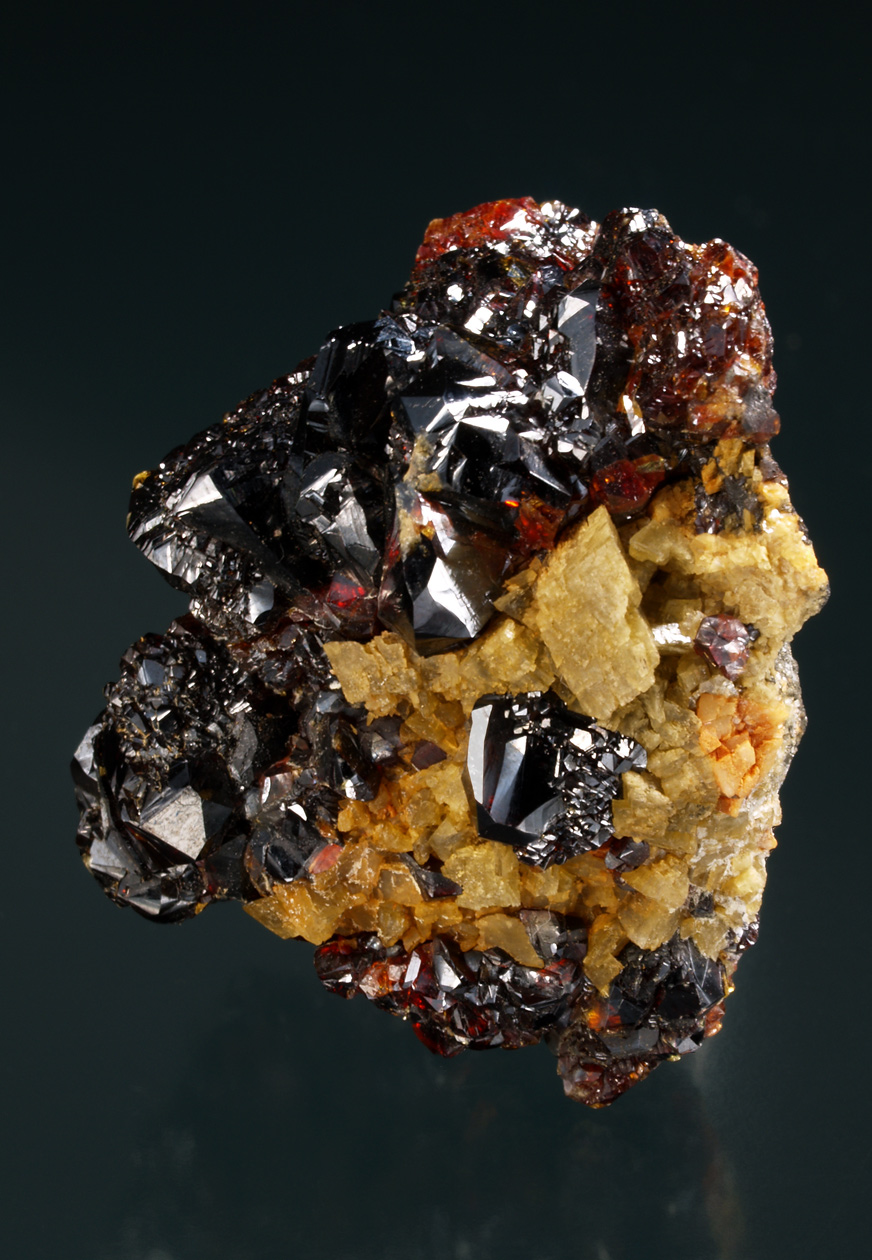
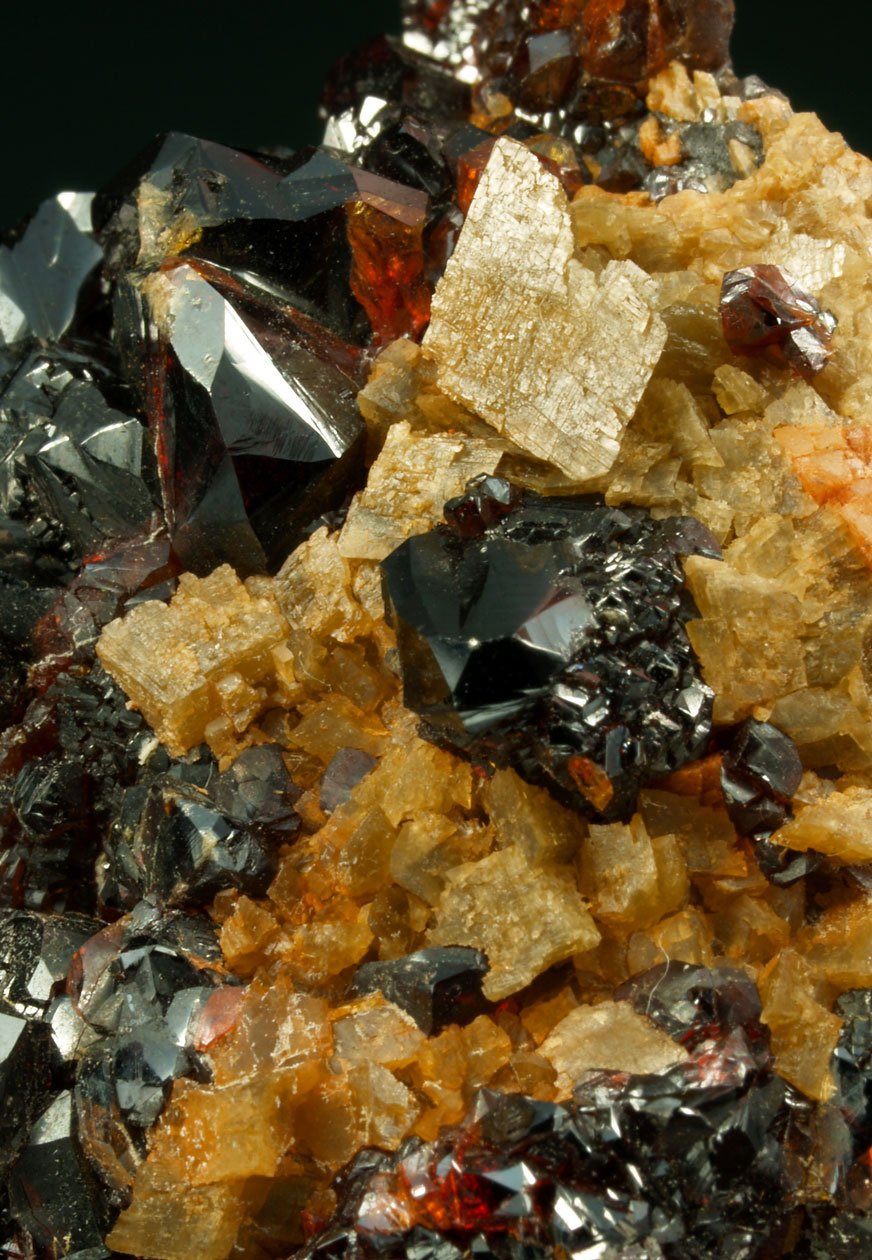
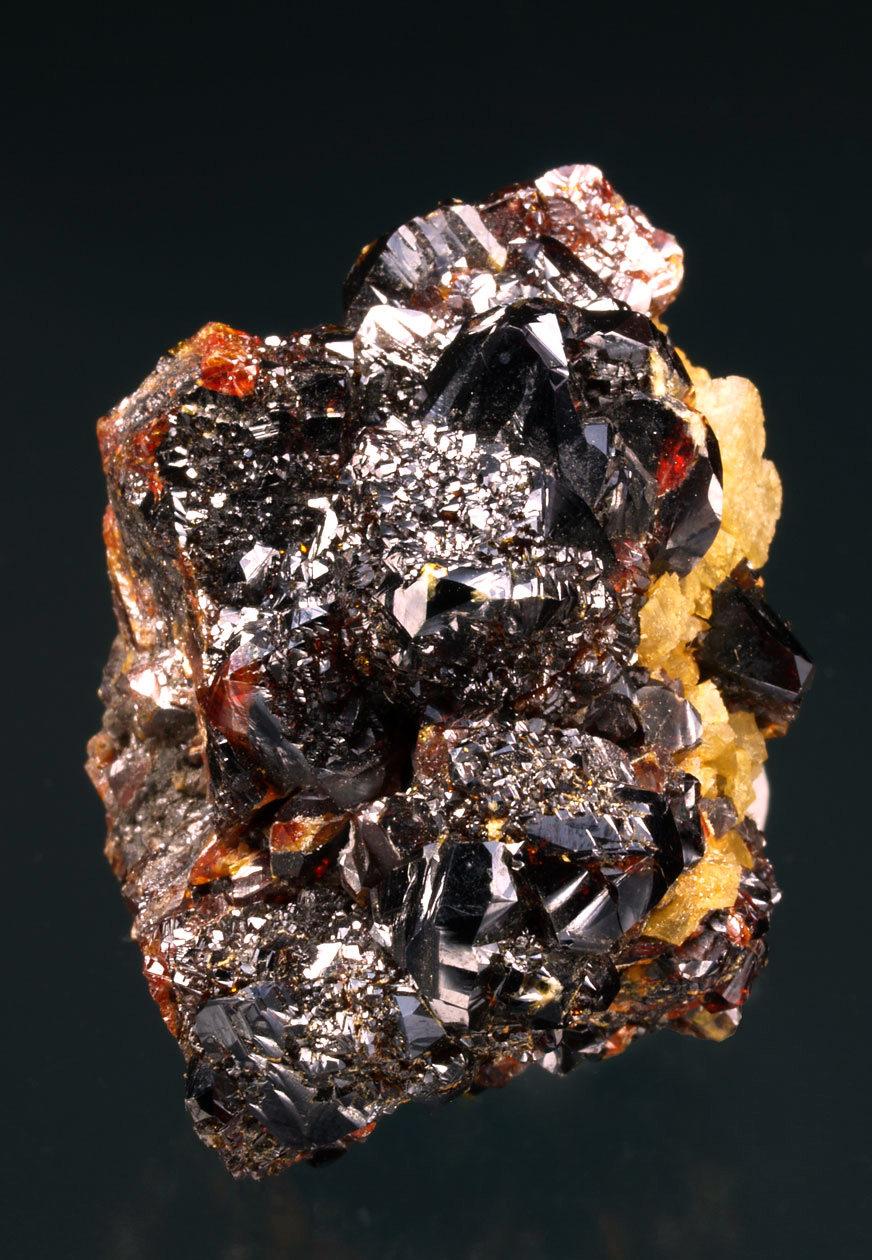
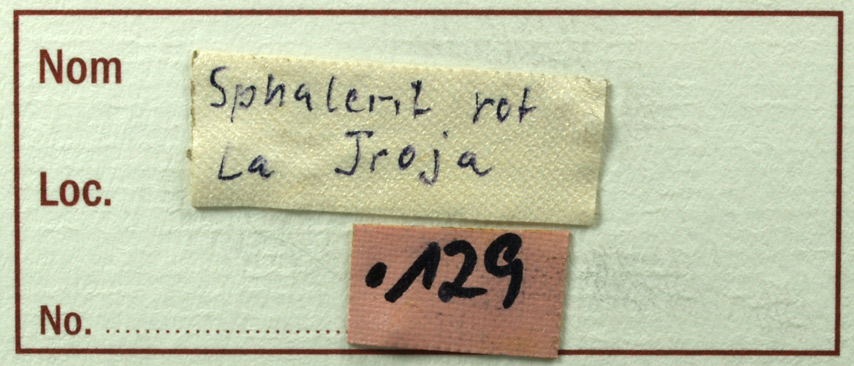
A very brilliant specimen of this classic Basque mine. It shows a sphalerite matrix partially covered with brilliant sphalerite crystals, with slightly curved faces and edges. Good transparency and toasted honey color. It is accompanied by several greenish siderite rhombohedral crystals (up to 9 mm.), with some dolomite. A very aesthetic specimen.
Troya Mine was closed in 1993, only a few years before these specimens were collected in 1990. Nowadays the mine is collapsed and flooded. This specimen was in a former German mineral collection since then.
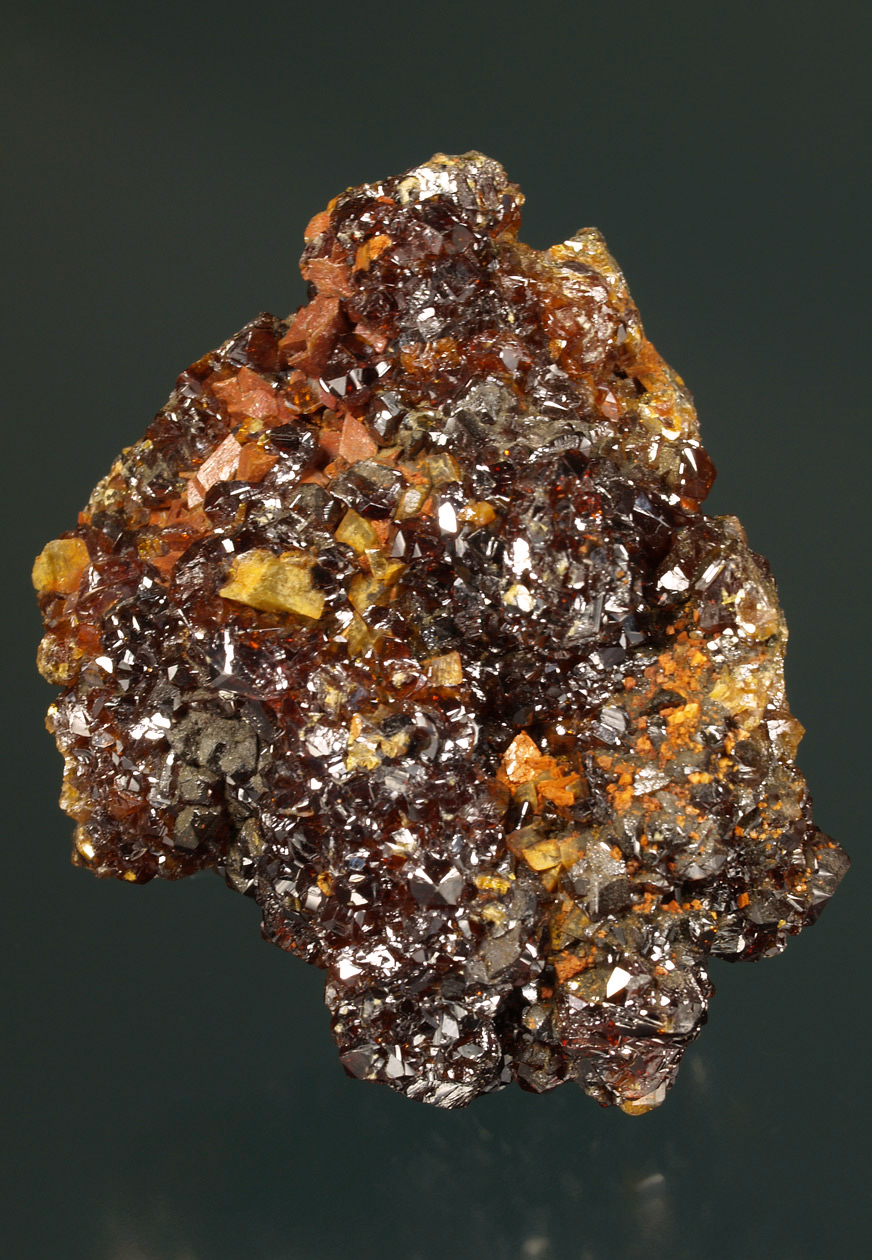
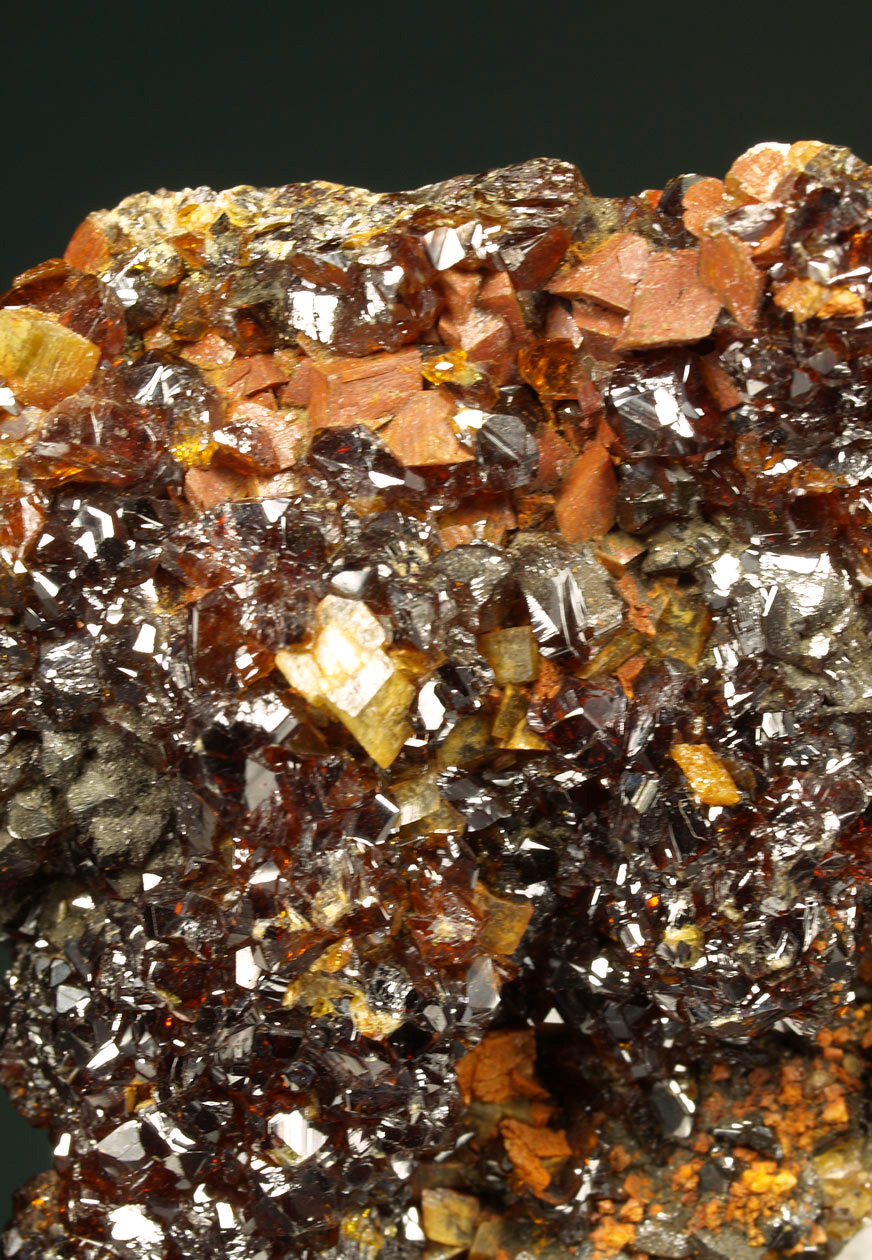
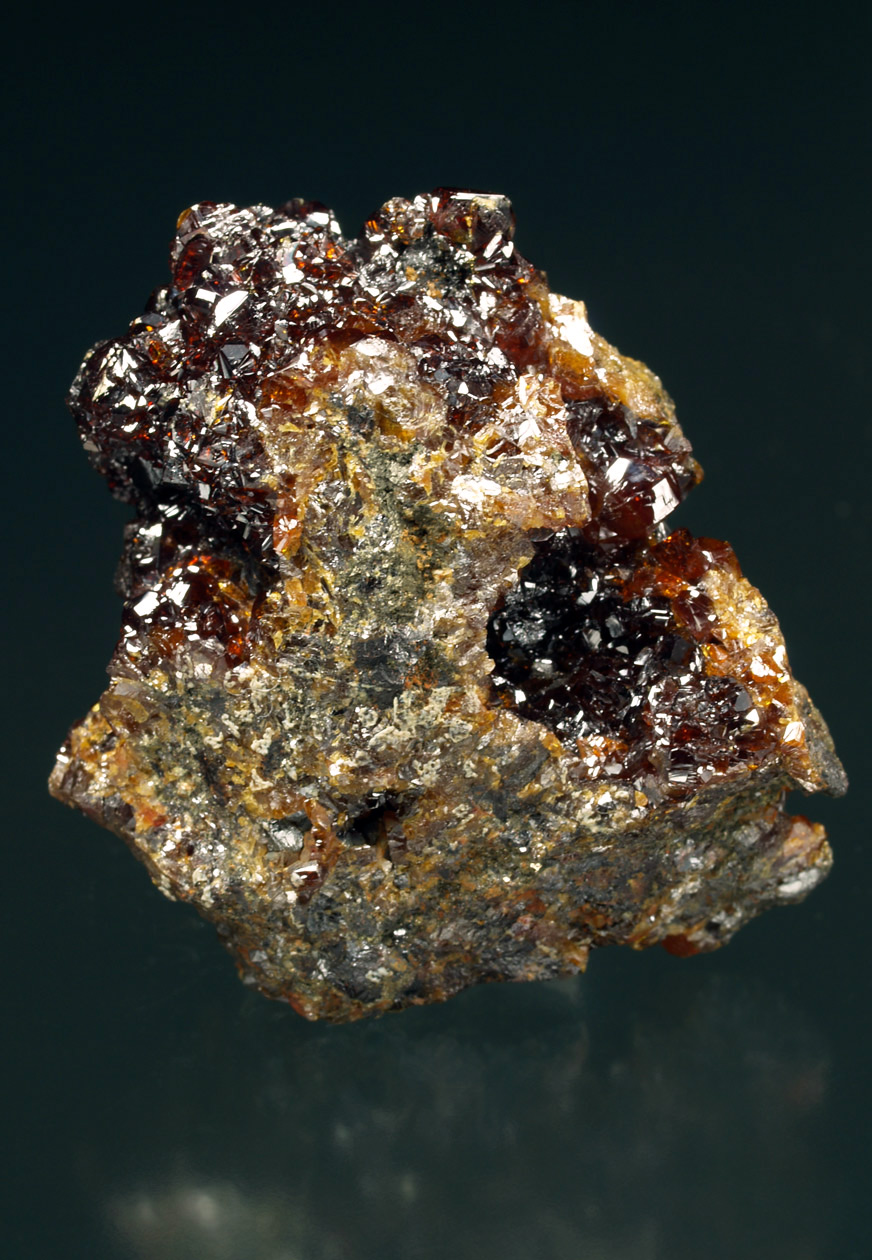
A very nice specimen of this classic Basque mine. It shows a sphalerite matrix with vugs layered by brilliant sphalerite crystals, defined faces and slightly curved edges. Good transparency and toasted honey color. It is accompanied by some greenish siderite rhombohedral crystals partially covered by iron oxydes. Also some minute orange dolomite crystals. Different one.
Troya Mine was closed in 1993, only a few years before these specimens were collected in 1990. Nowadays the mine is collapsed and flooded. This specimen was in a former German mineral collection since then.
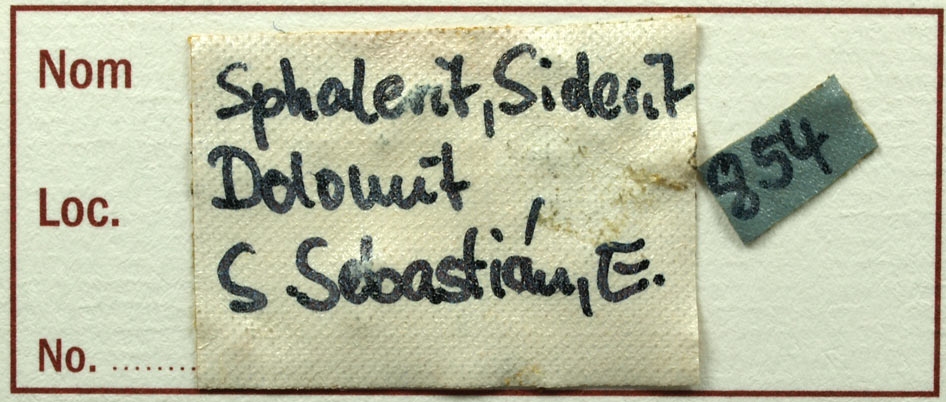
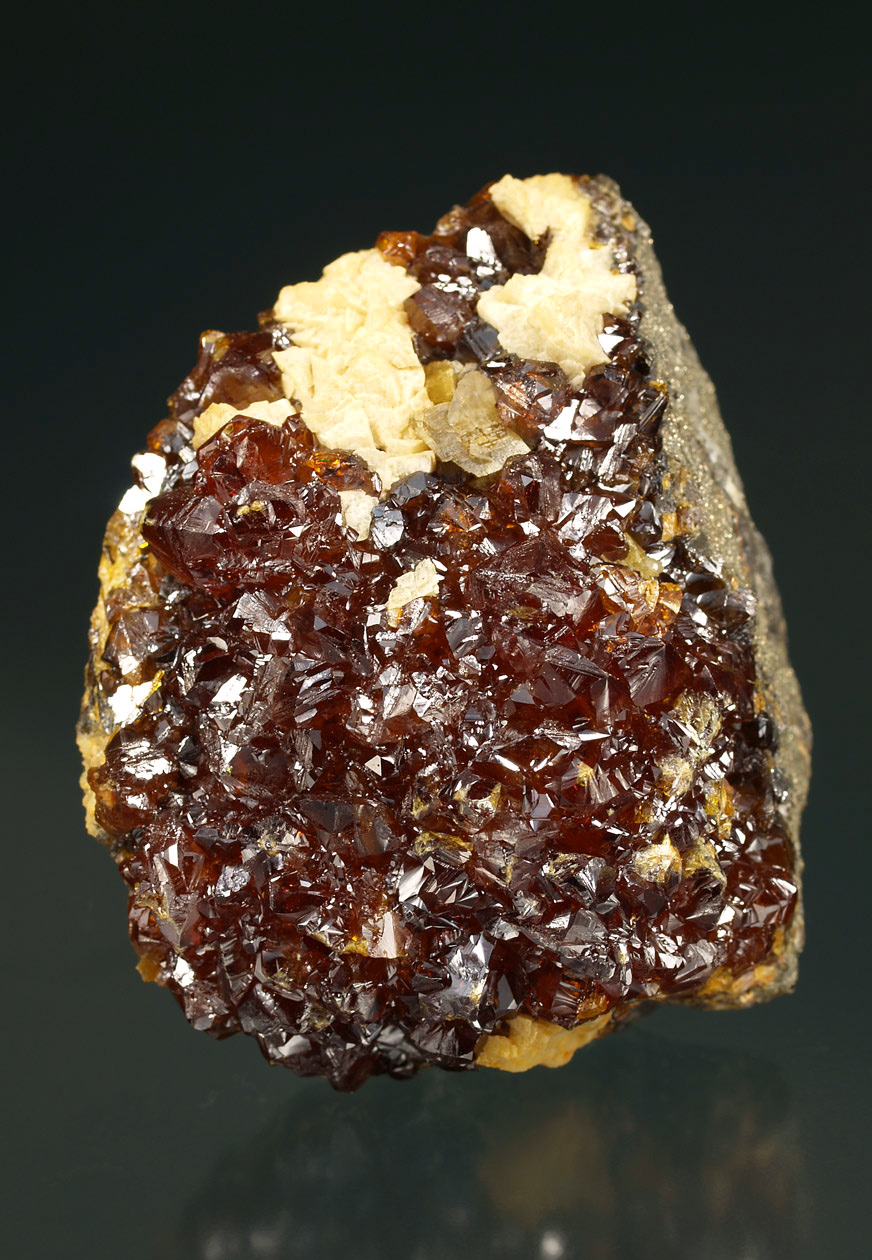
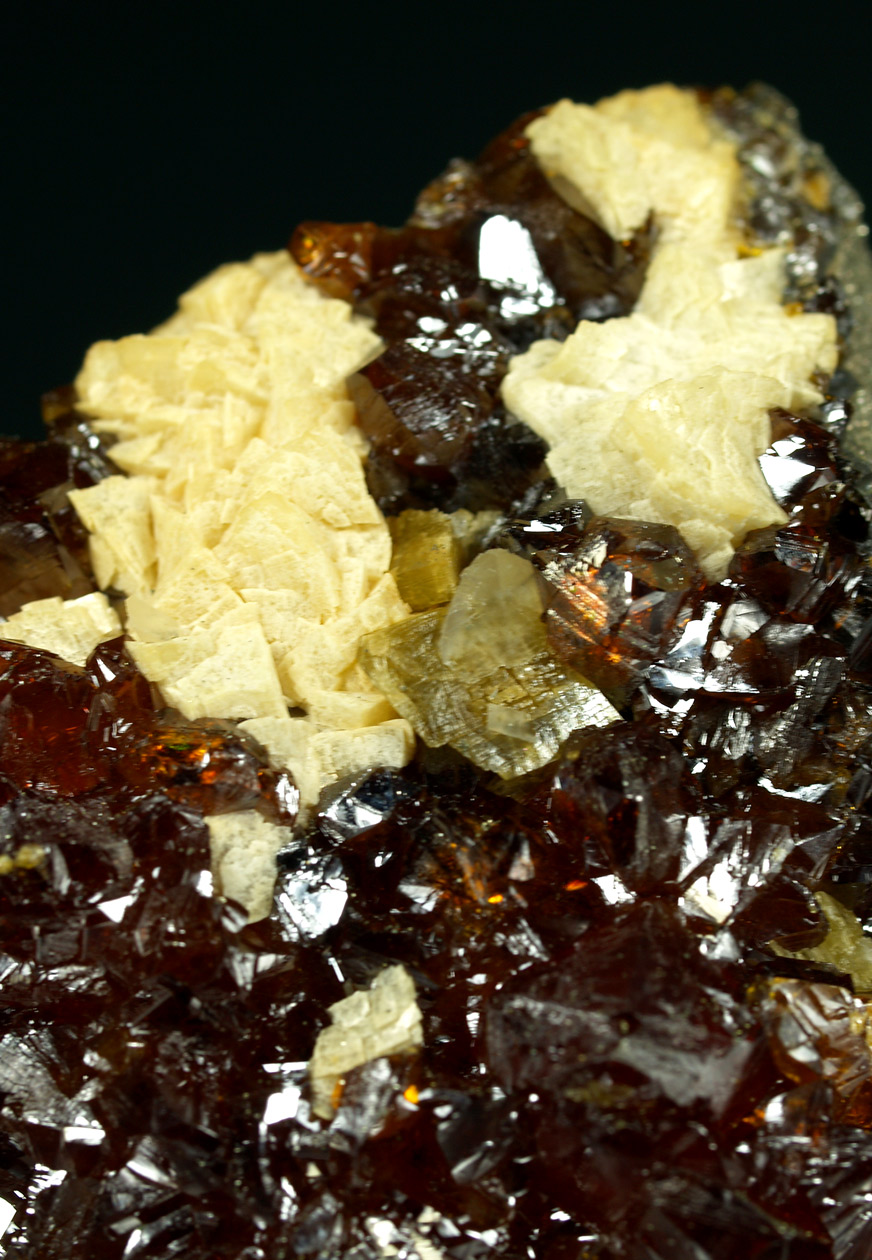
Excellent sphalerite specimen from this Basque classic mine. It shows a matrix of sulfides covered by several brilliant crystals, with defined faces and slightly curved edges. Good transparence with toasted honey-colored tones. It is accompanied by groups of orange color rhombohedral dolomite crystals. Really representative specimen.
Troya Mine was closed in 1993, only a few years before these specimens were collected in 1990. Nowadays the mine is collapsed and flooded. This specimen was in a former German mineral collection since then.
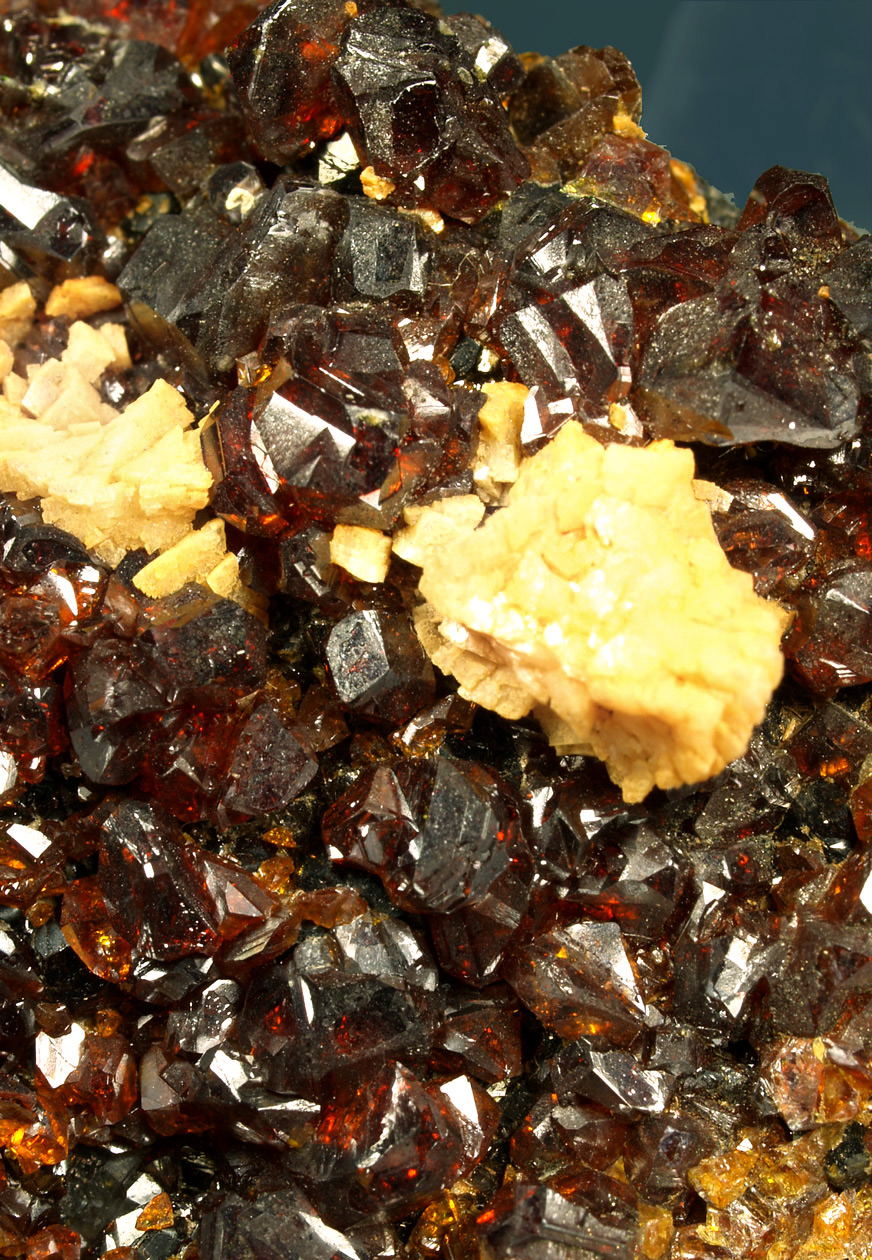
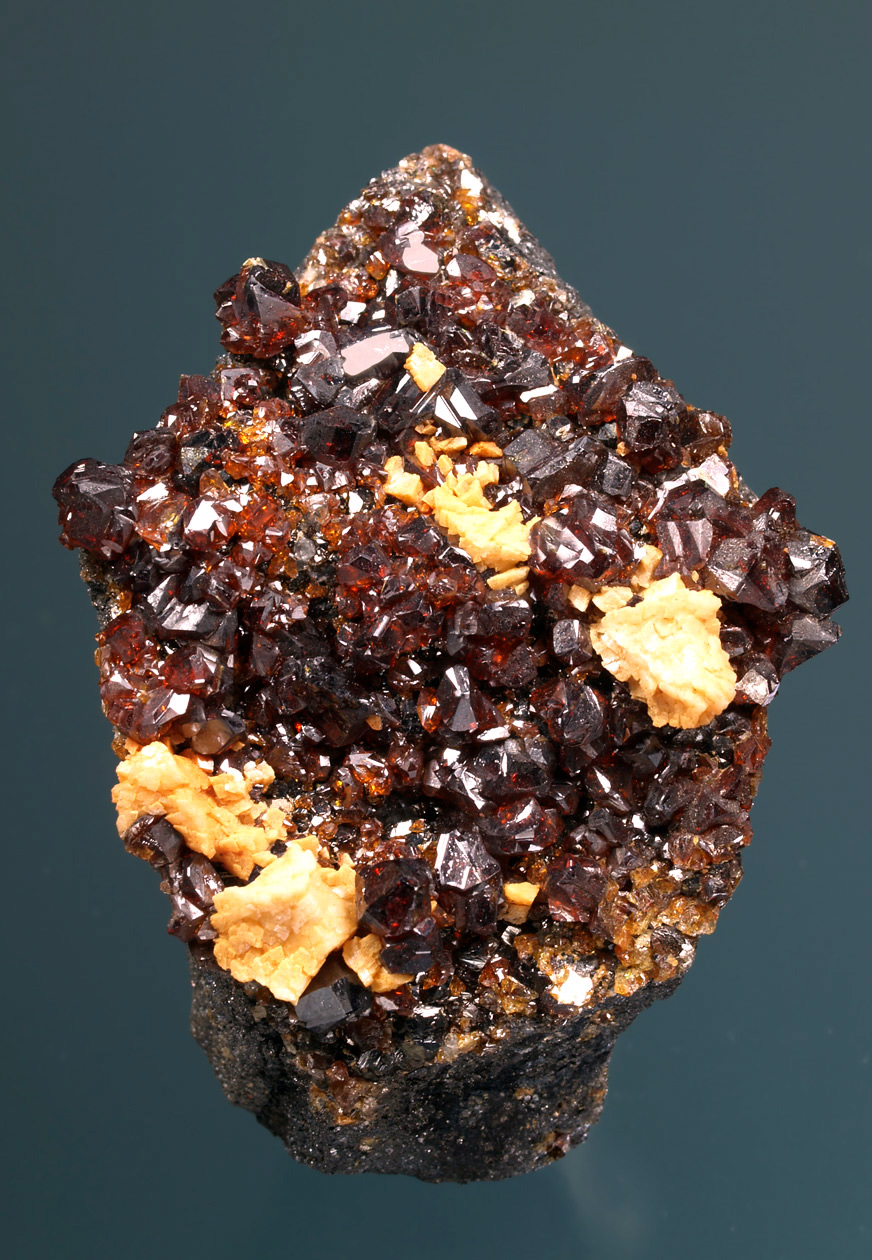
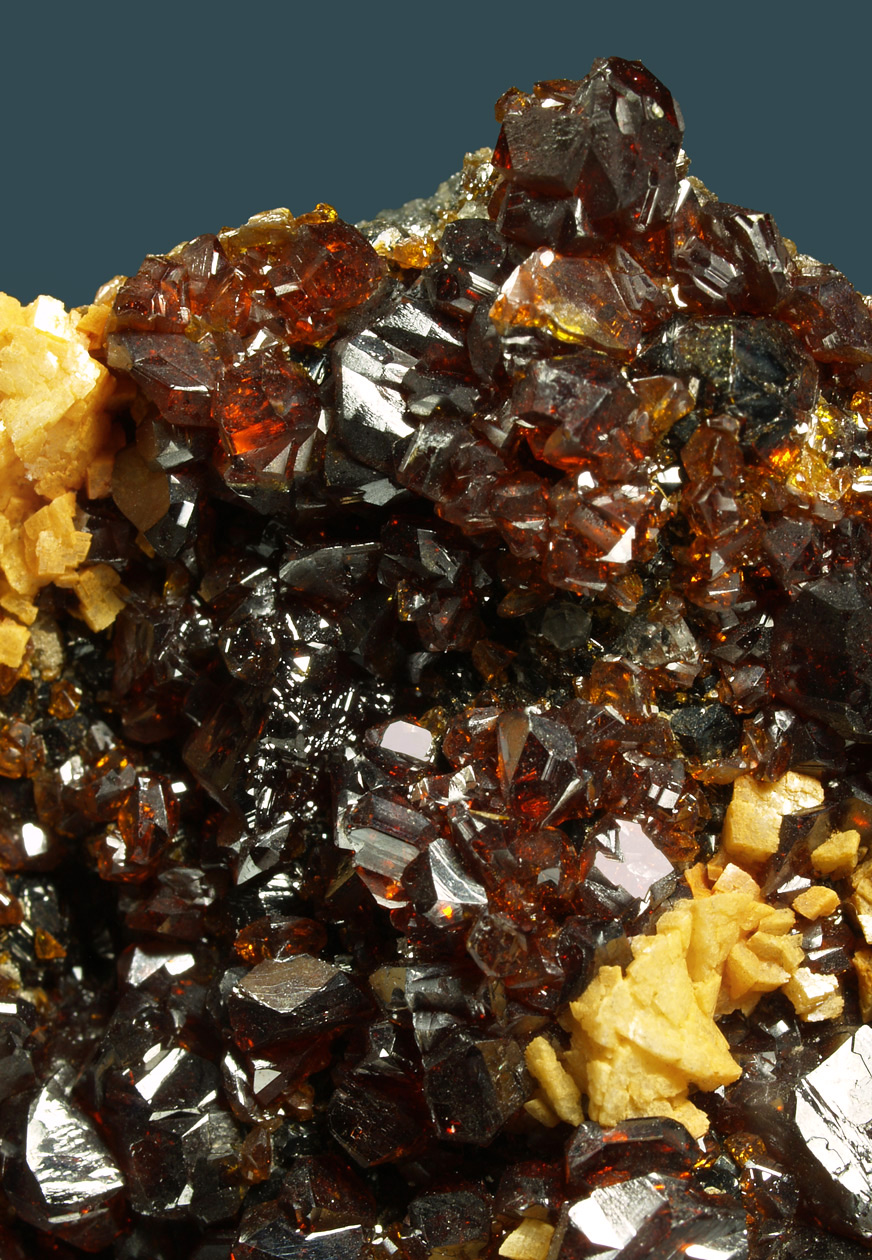
Excellent sphalerite specimen from this Basque classic mine. It shows a matrix of sulfides covered by several brilliant crystals, with defined faces and slightly curved edges. Good transparence with toasted honey-colored tones. It is accompanied by groups of orange color rhombohedral dolomite crystals. Really representative specimen.
Troya Mine was closed in 1993, only a few years before these specimens were collected in 1990. Nowadays the mine is collapsed and flooded. This specimen was in a former German mineral collection since then.
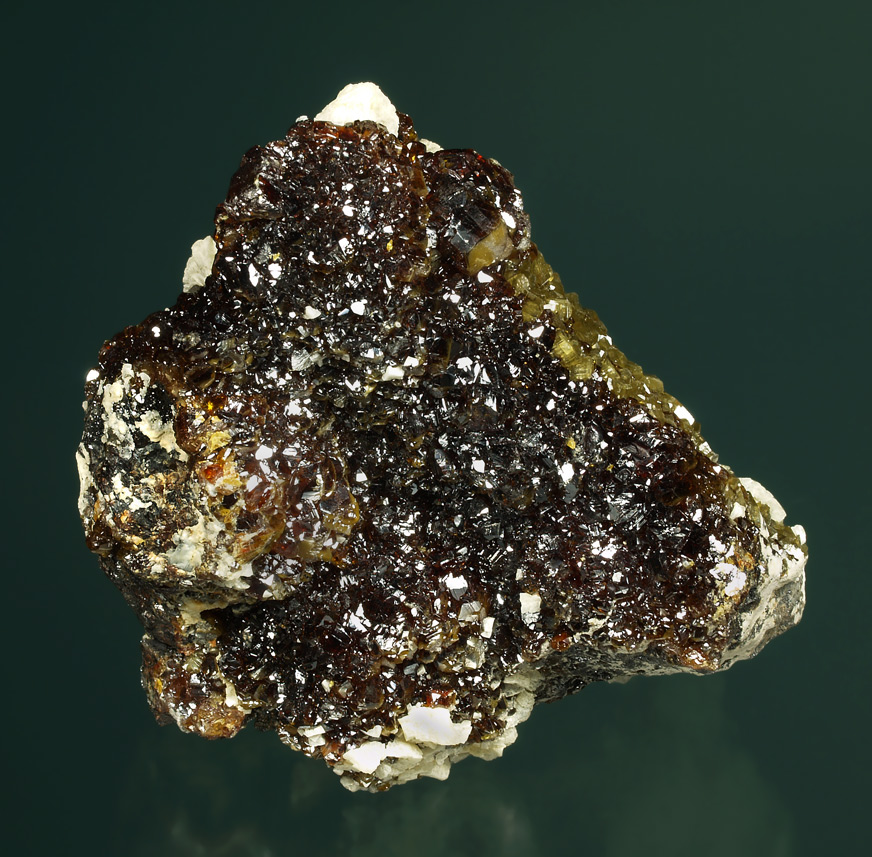
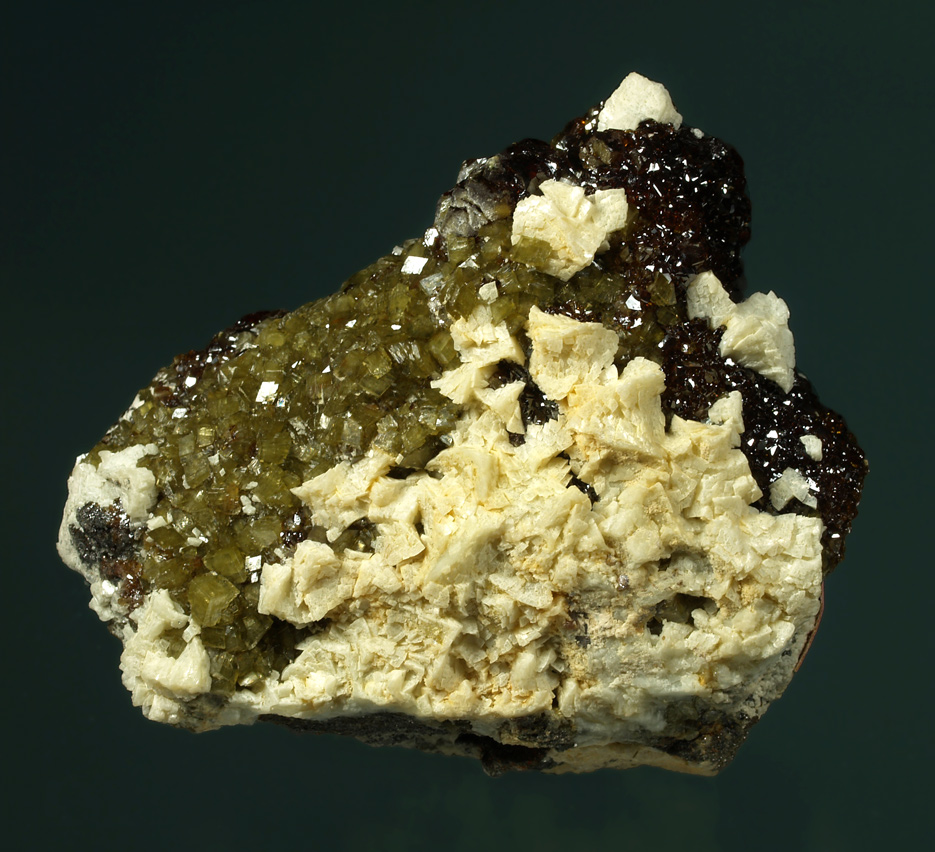
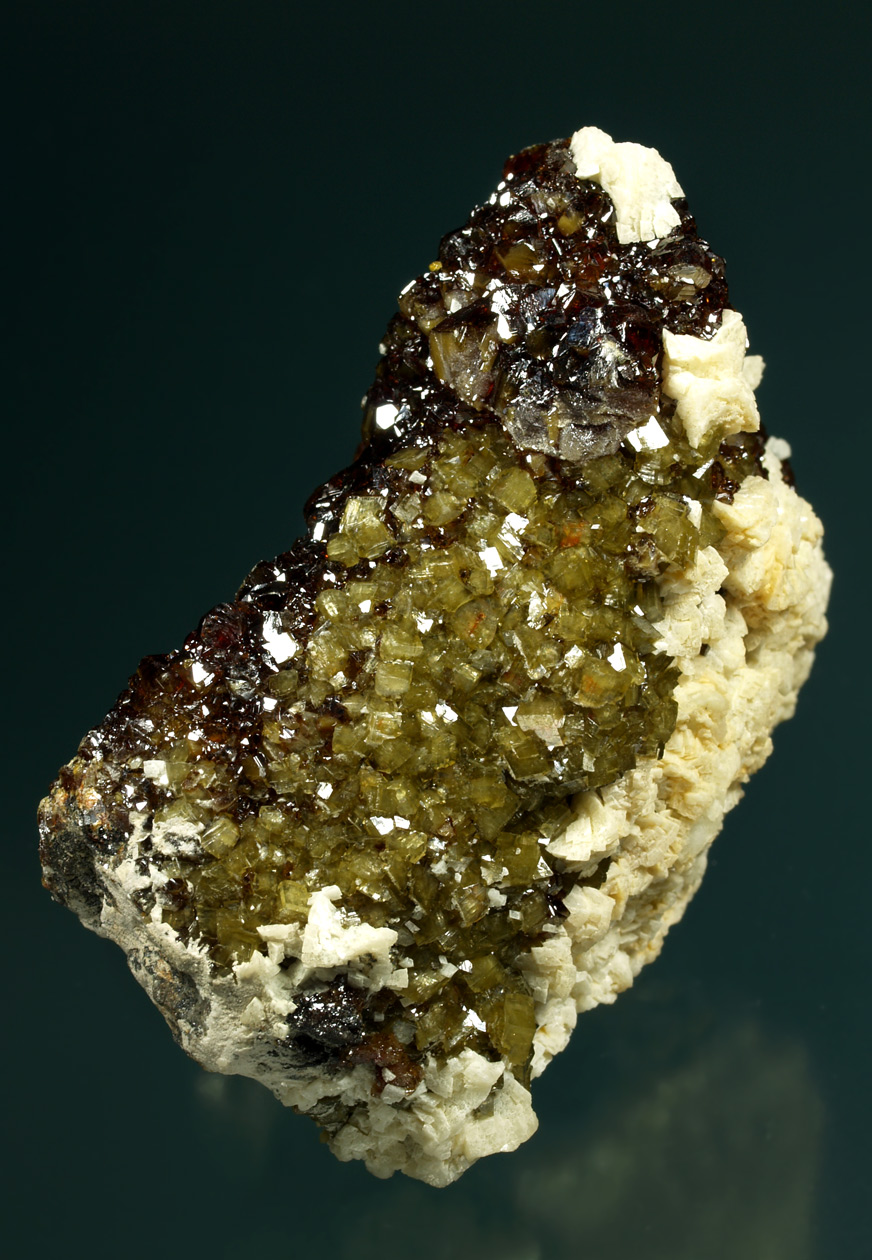
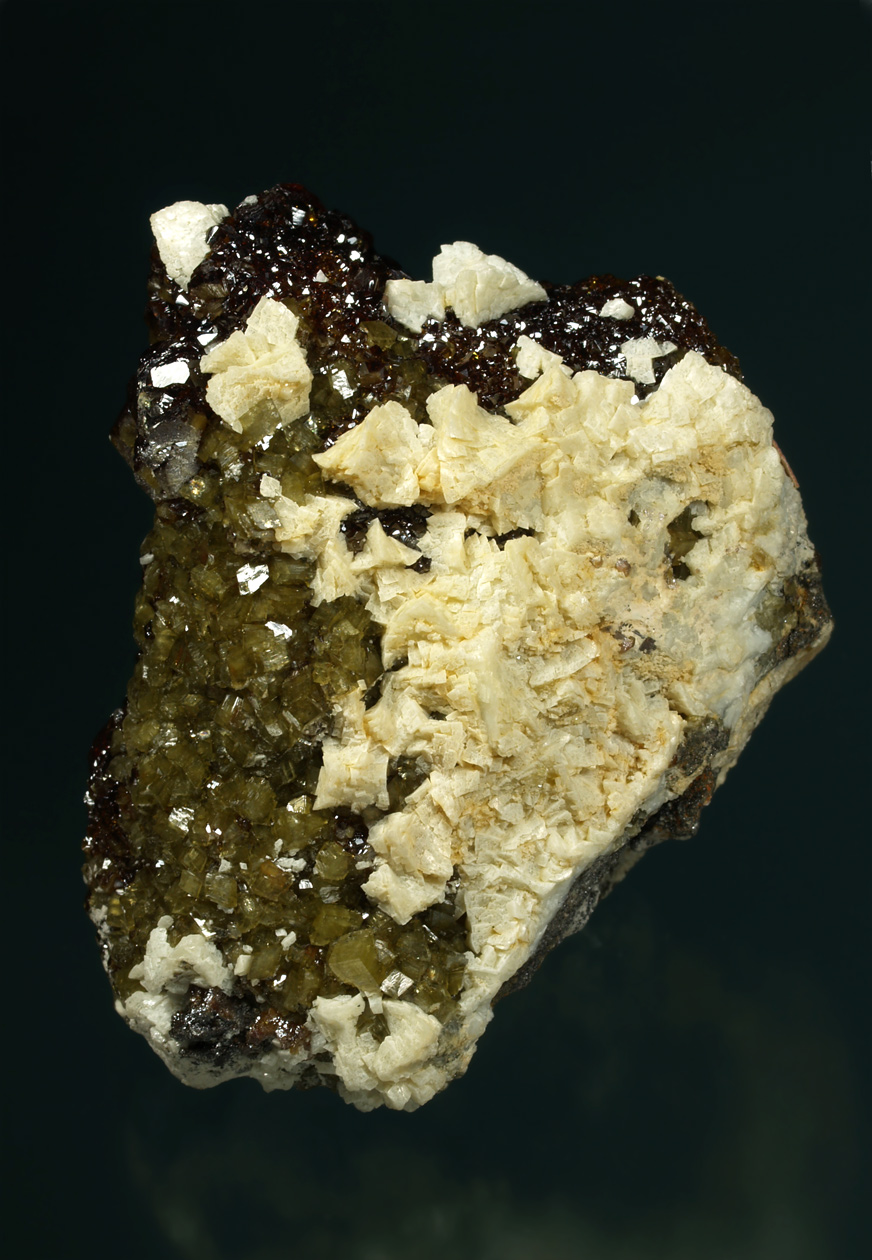
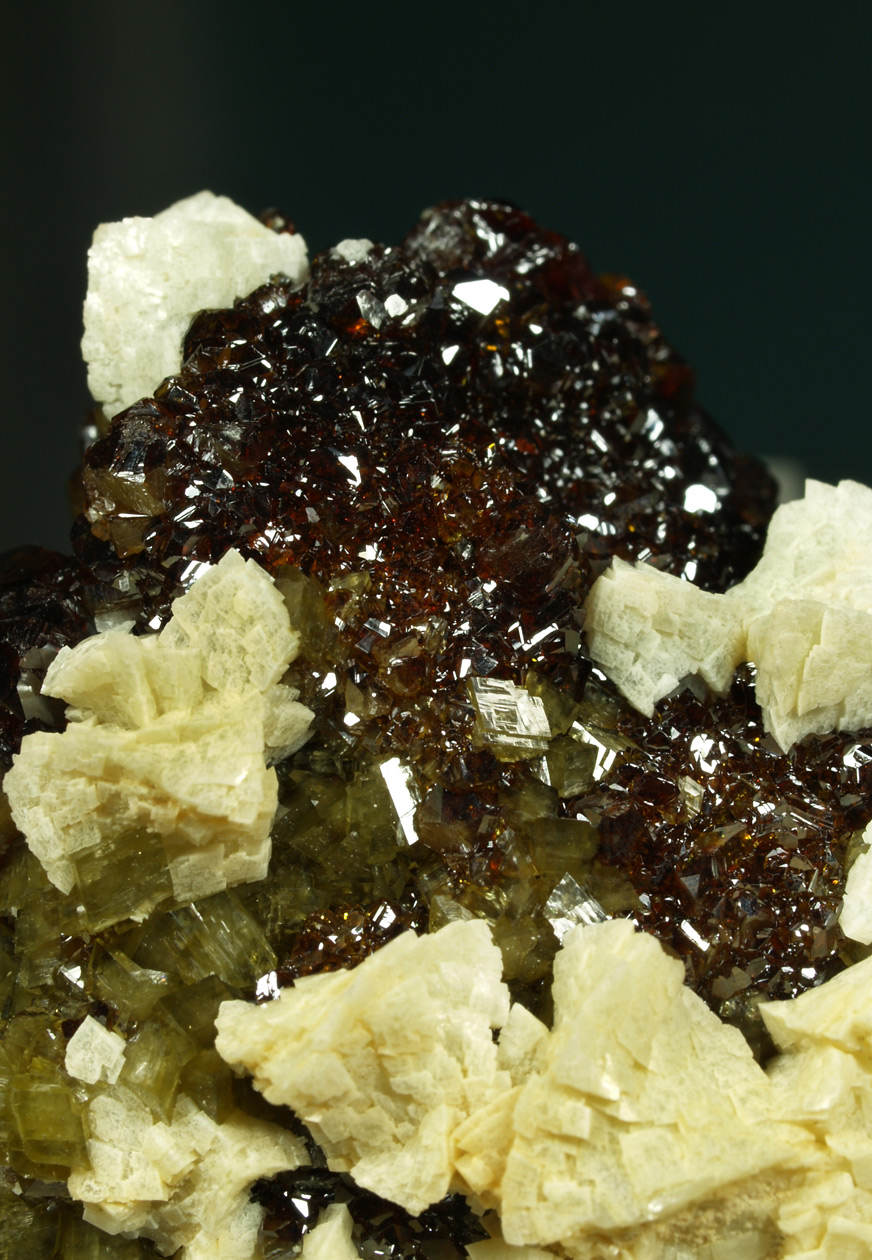
This sample shows two mineralized sides. A first one totally covered by brilliant sphalerite crystals, with complex and curved faces and edges. Good transparence with toasted honey tones. Accompanied by few crystals of siderite. The other specimen side is partially covered by several yellowish-white dolomite crystals and flattened, brilliant and defined rhombohedrons of siderite with greenish tones.
Troya Mine was closed in 1993, only a few years before these specimens were collected in 1990. Nowadays the mine is collapsed and flooded. This specimen was in a former German mineral collection since then.
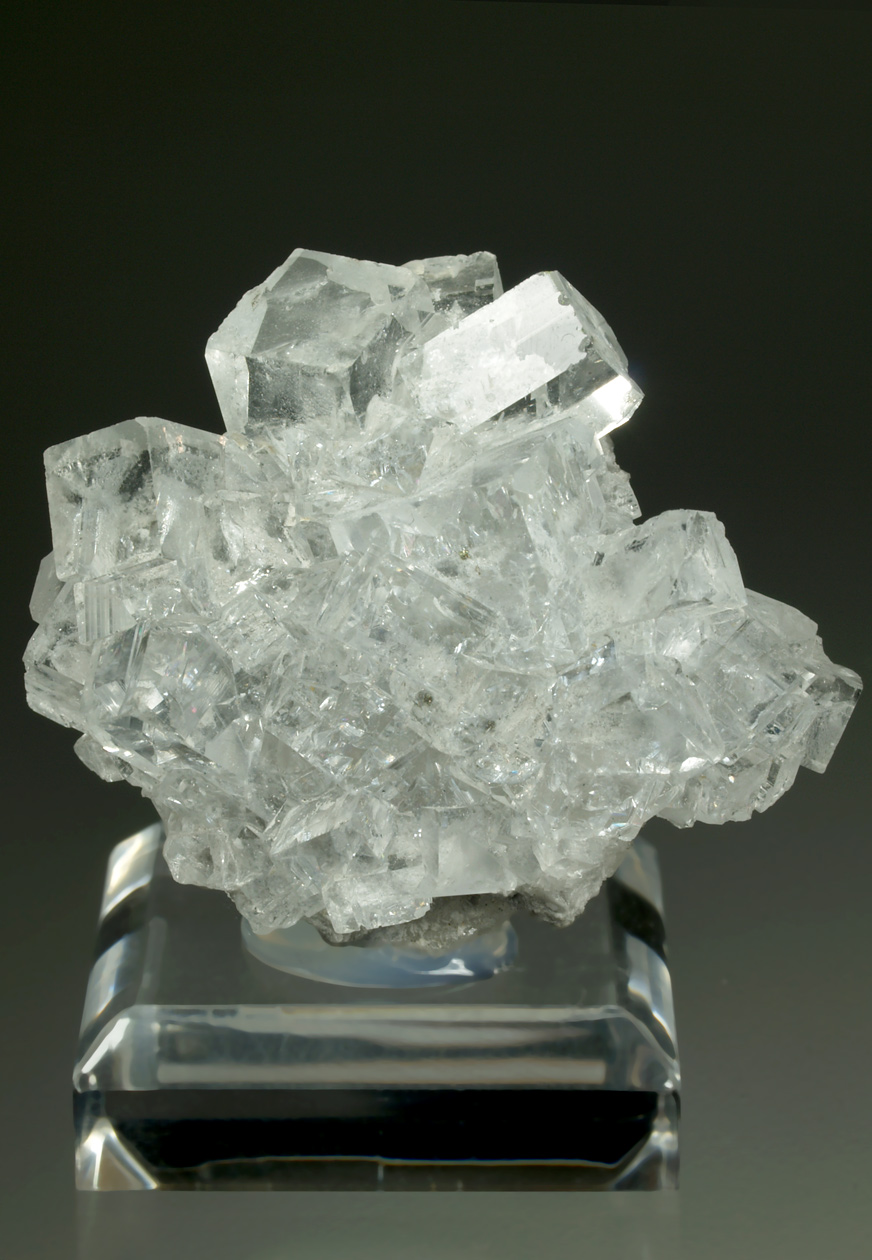
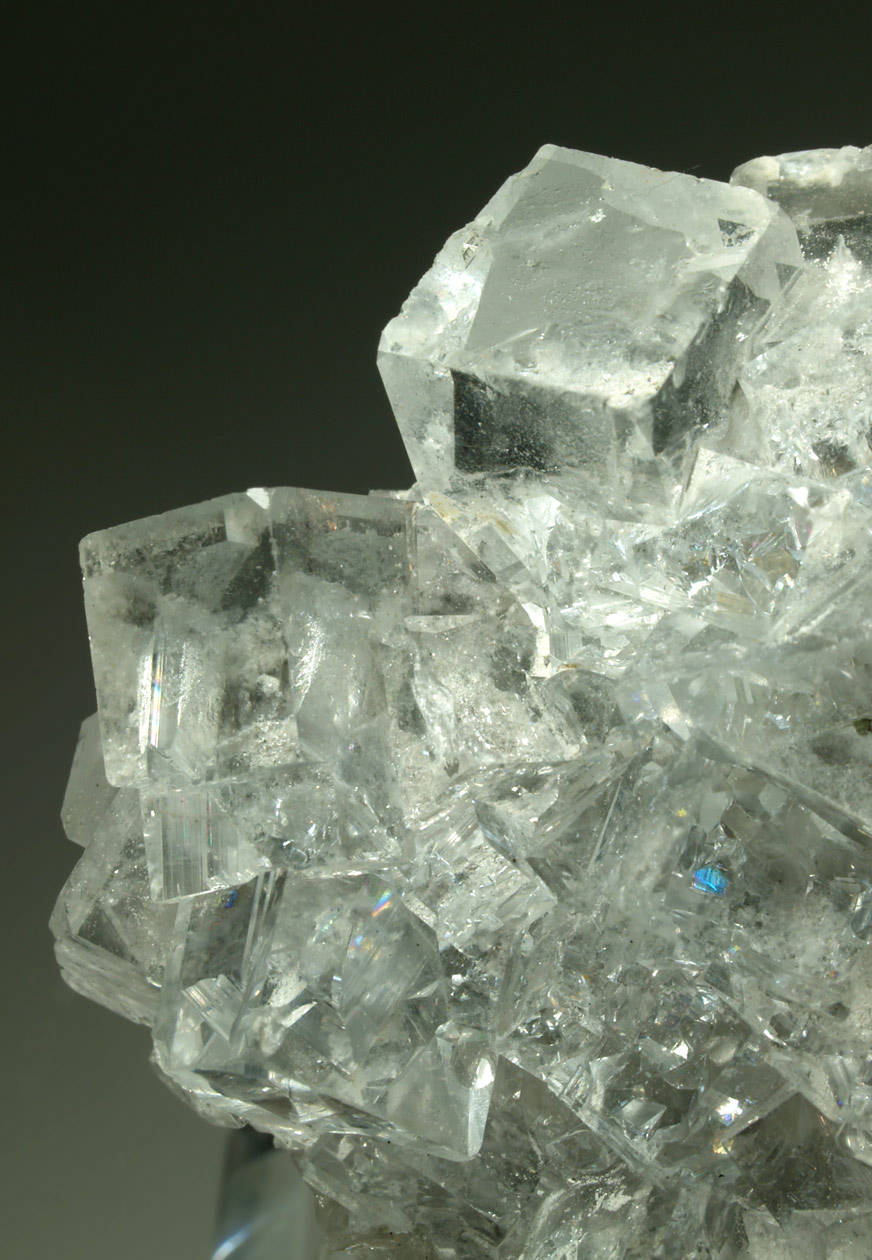
The colorless crystals of fluorite from Emilio mine are well known and show a hyaline transparency. It is hard to capture their brilliance with the camera. This specimen shows a cubic crystal druse with forms of the trapezohedron at the vertices. With some inclusions. Few crystals show small notches on the edges, very common in Emilio fluorite crystals because of its sensitivity to temperature changes, but without affecting their beauty.
A brilliant miniature!
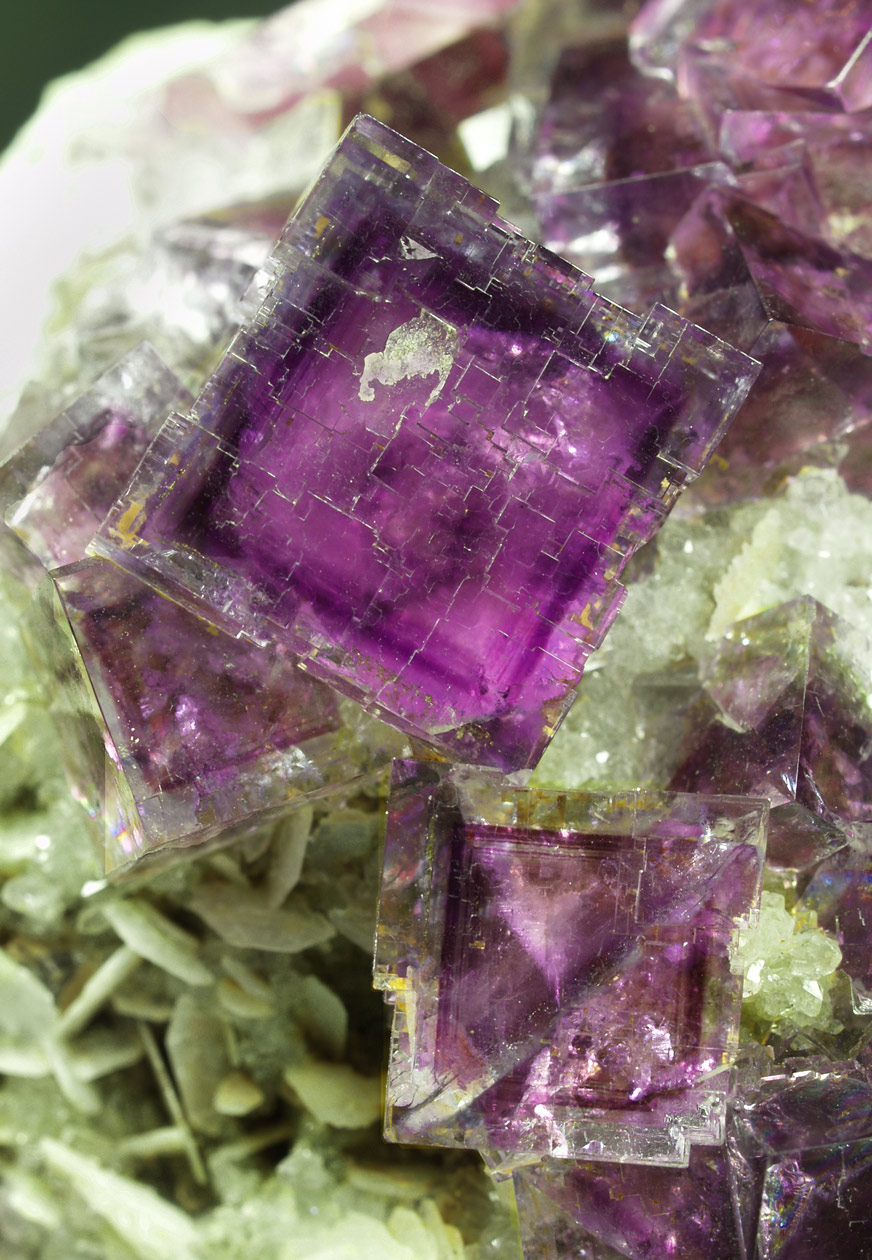
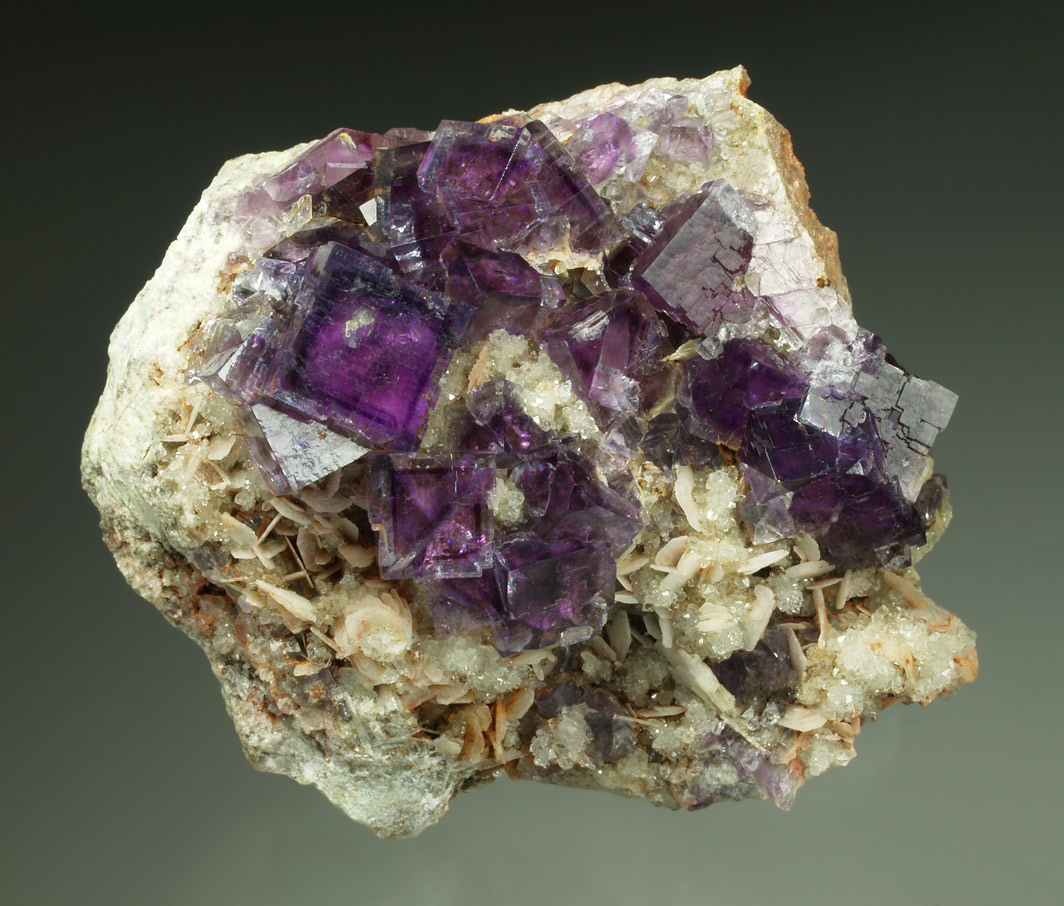
In this brilliant spoecimen we can enjoy some groups of cubic crystals of fluorite with defined edges and echeloned growths on faces. With an excellent transparence and a marked geometric color zoning, from colorless to violet and purple. Fluorite crystals are disposed on a matrix partially covered by small but bright quartz crystals and some tabular barite. An oldie from this mine.
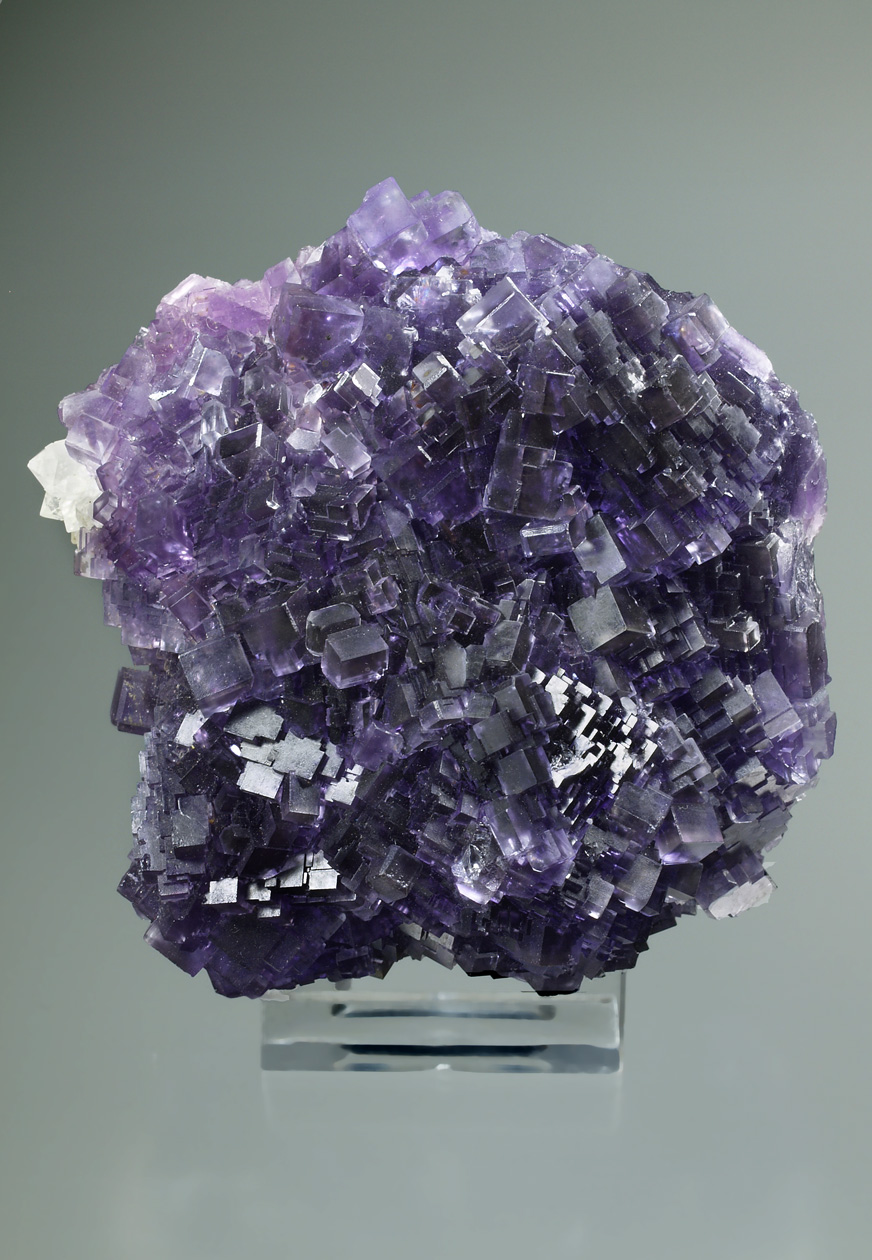
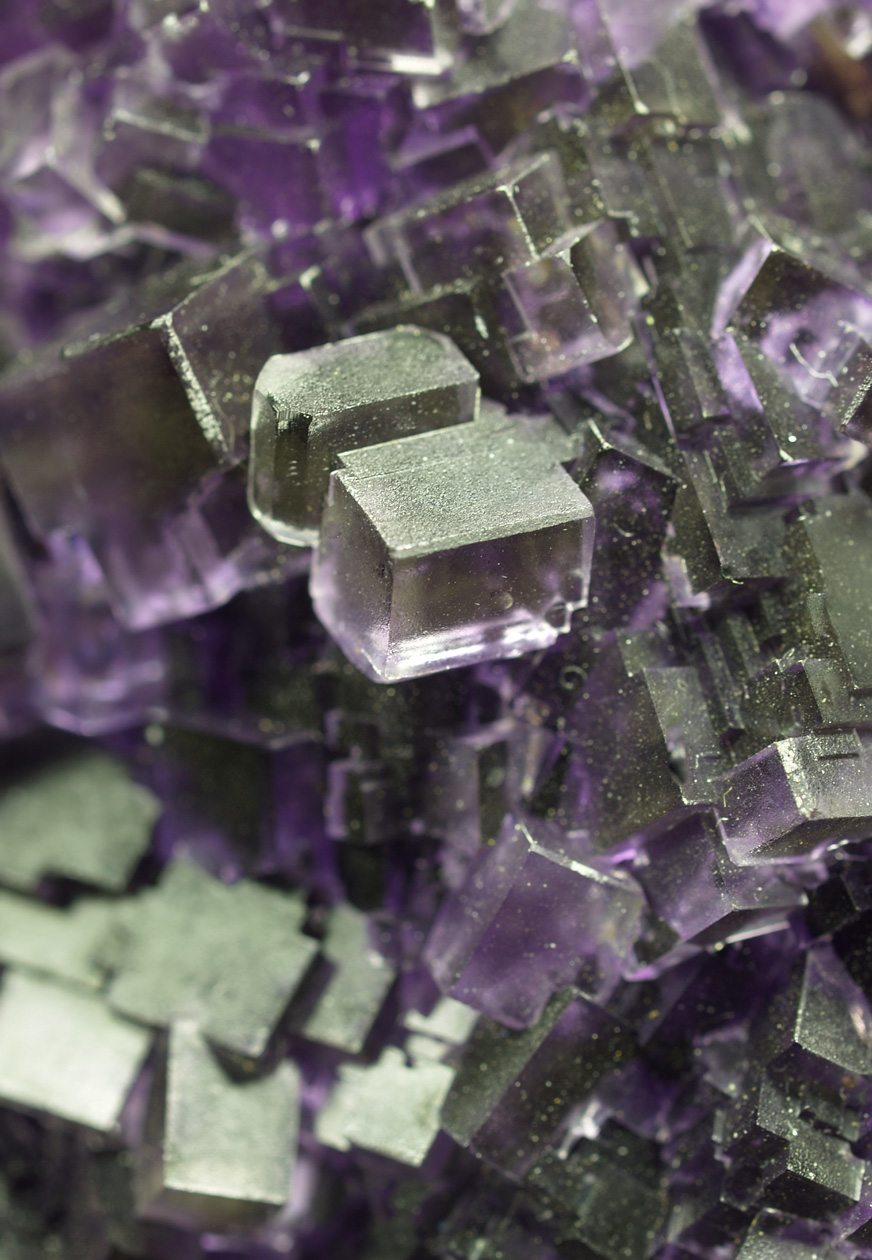
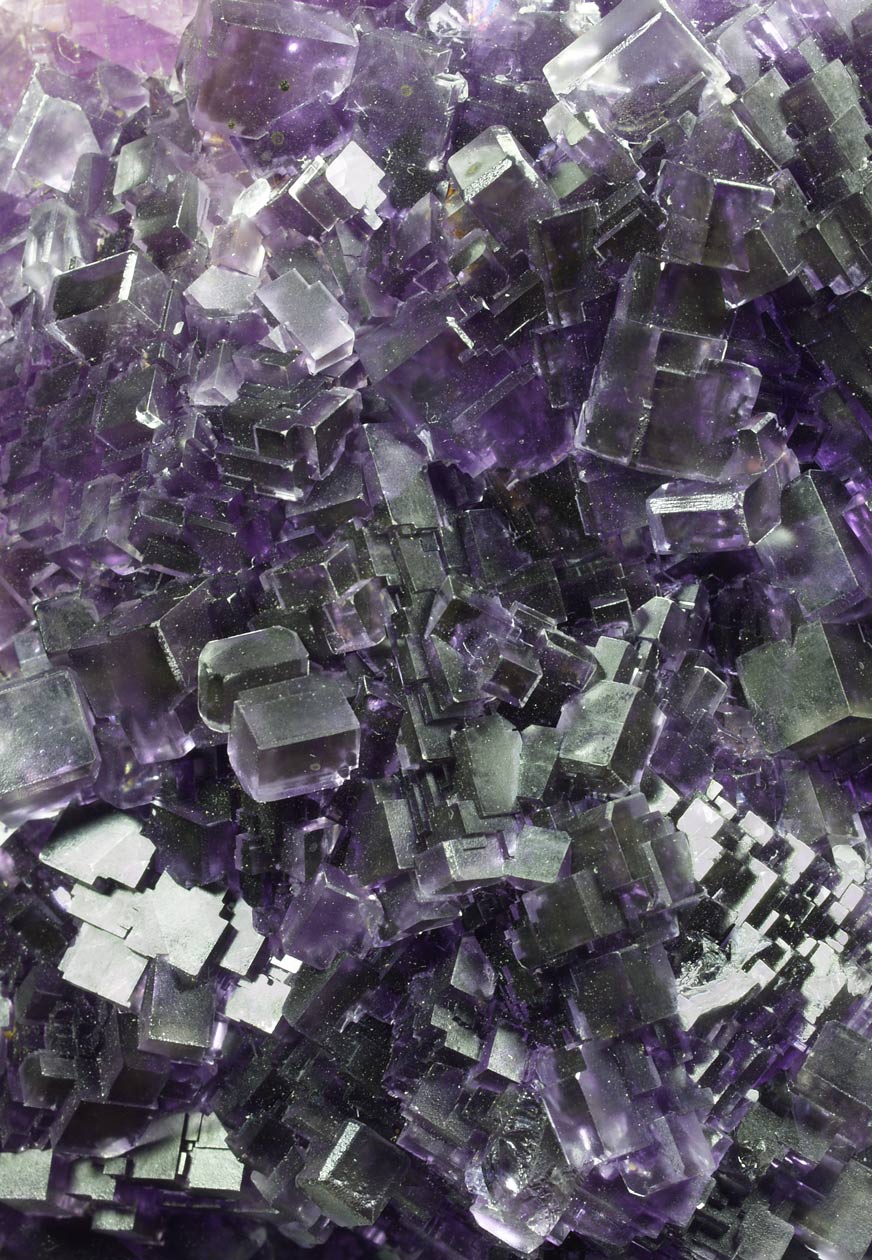
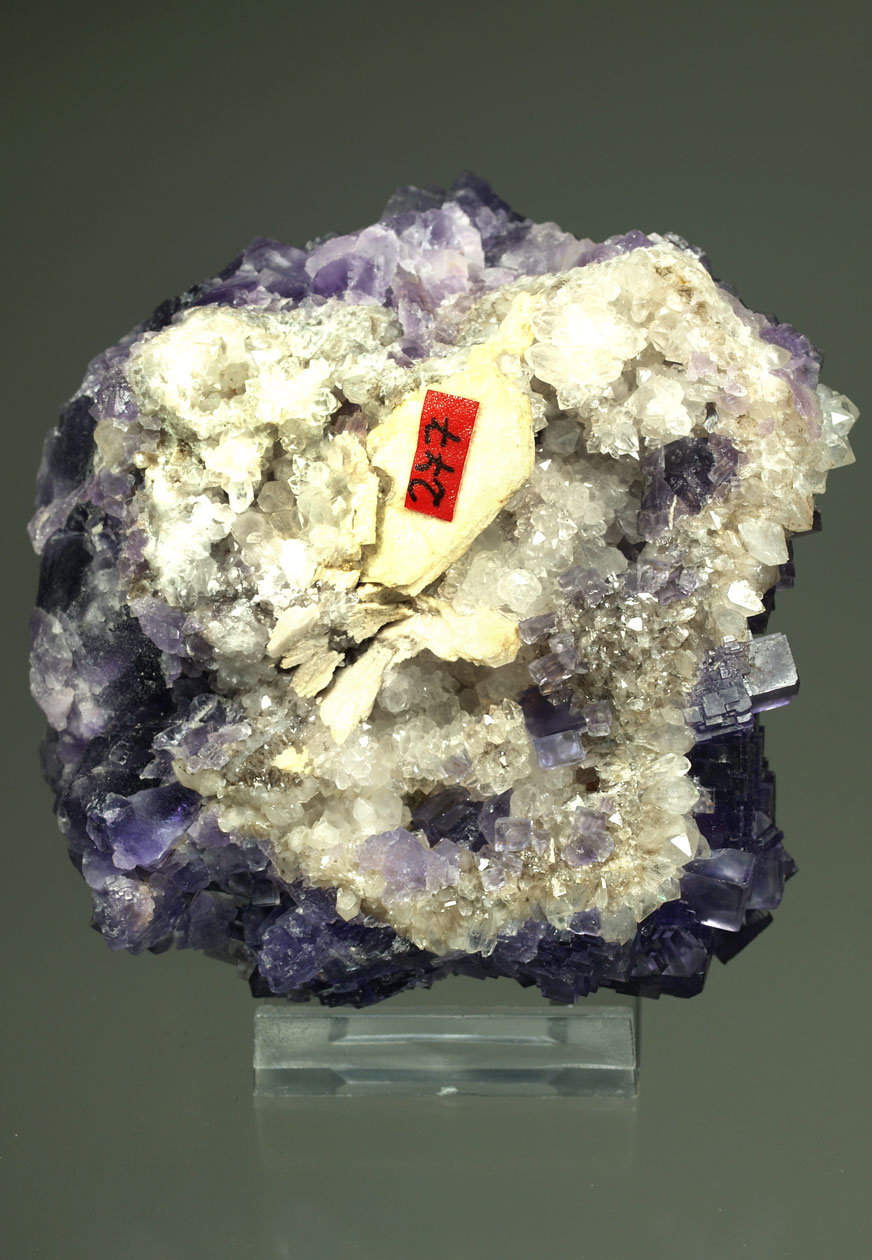
Group of cubic crystals of fluorite, some bevelled by rhombododecahedron, transparent, brilliant, defined and more intense color zoning in the crystal core. Deep violet to purple tones, according to incident light. It is accompanied by quartz and barite crystals clearly visible on the back side. A Spanish classic from a old German collection.
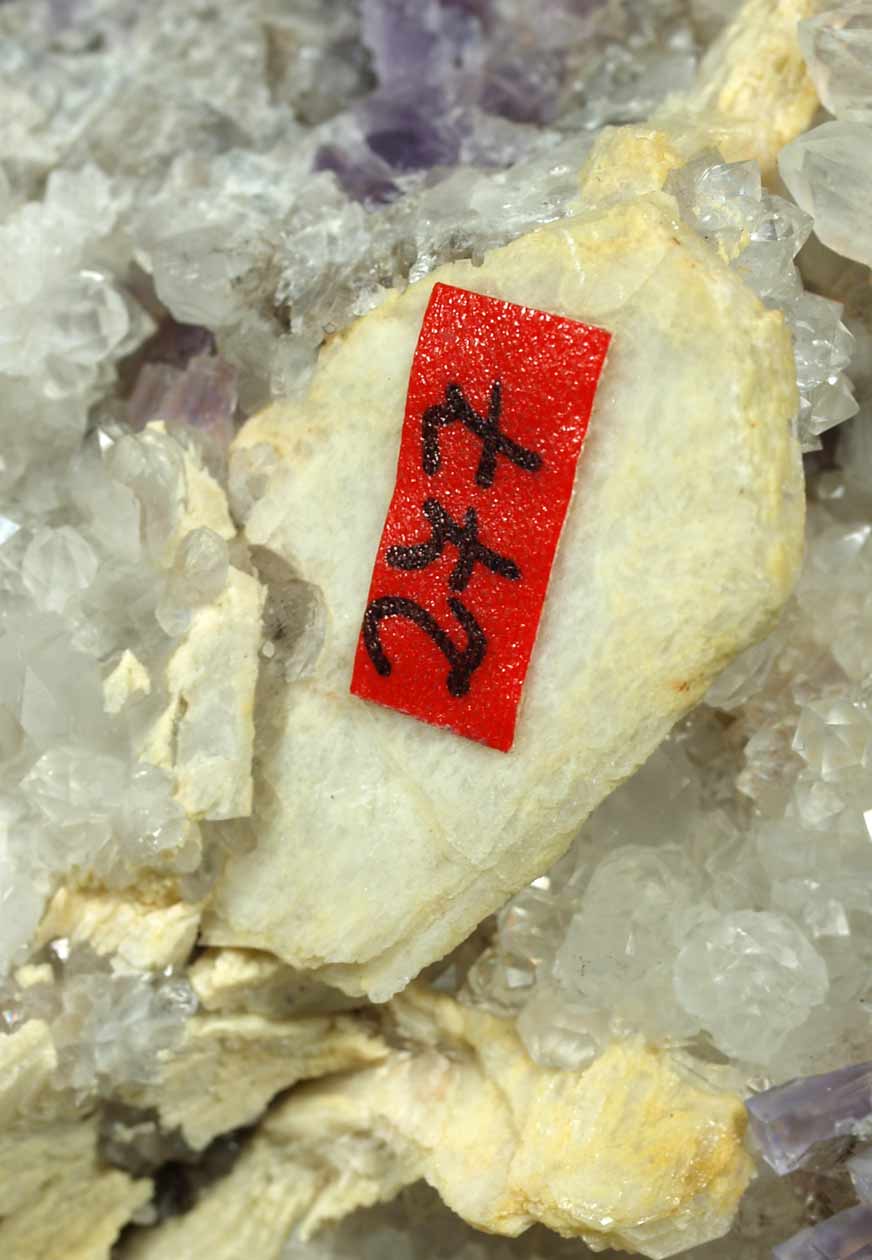
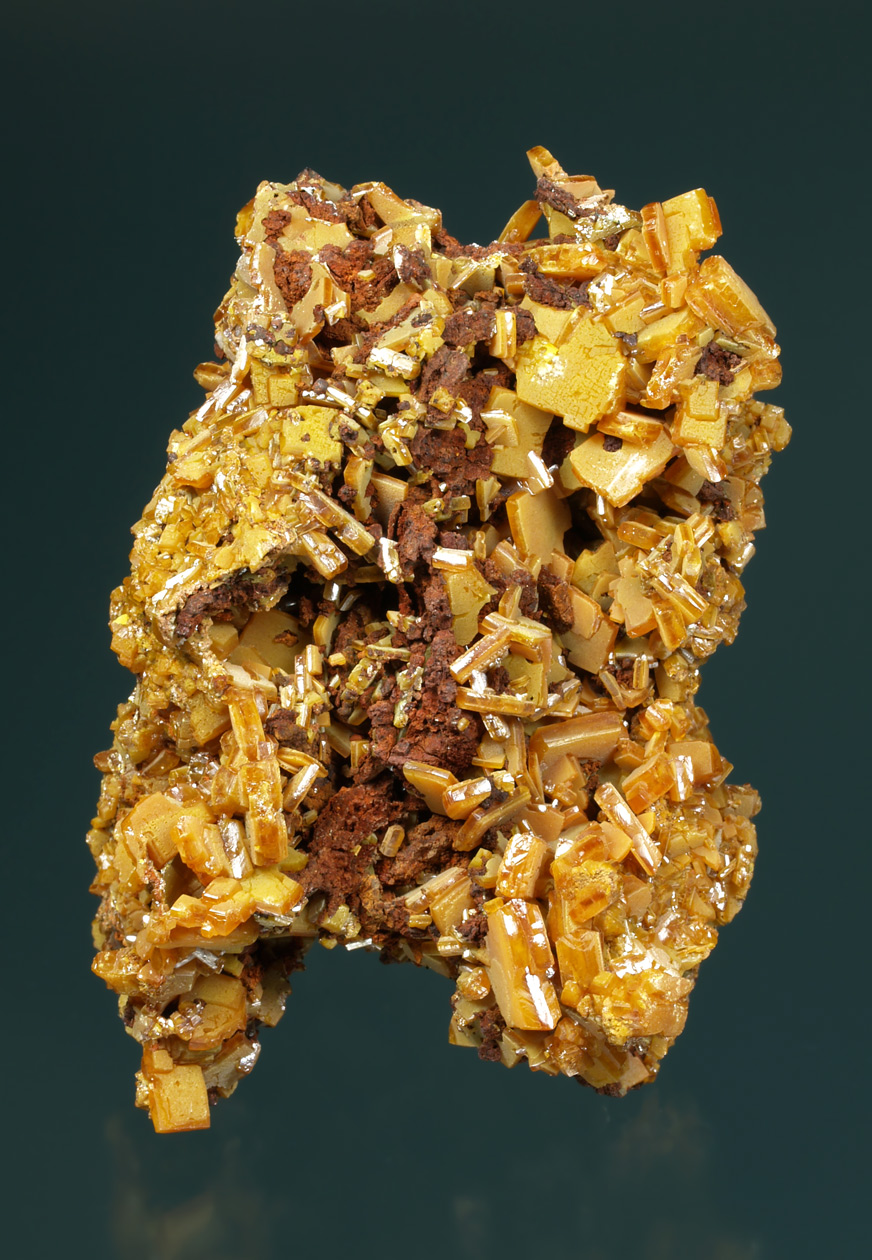
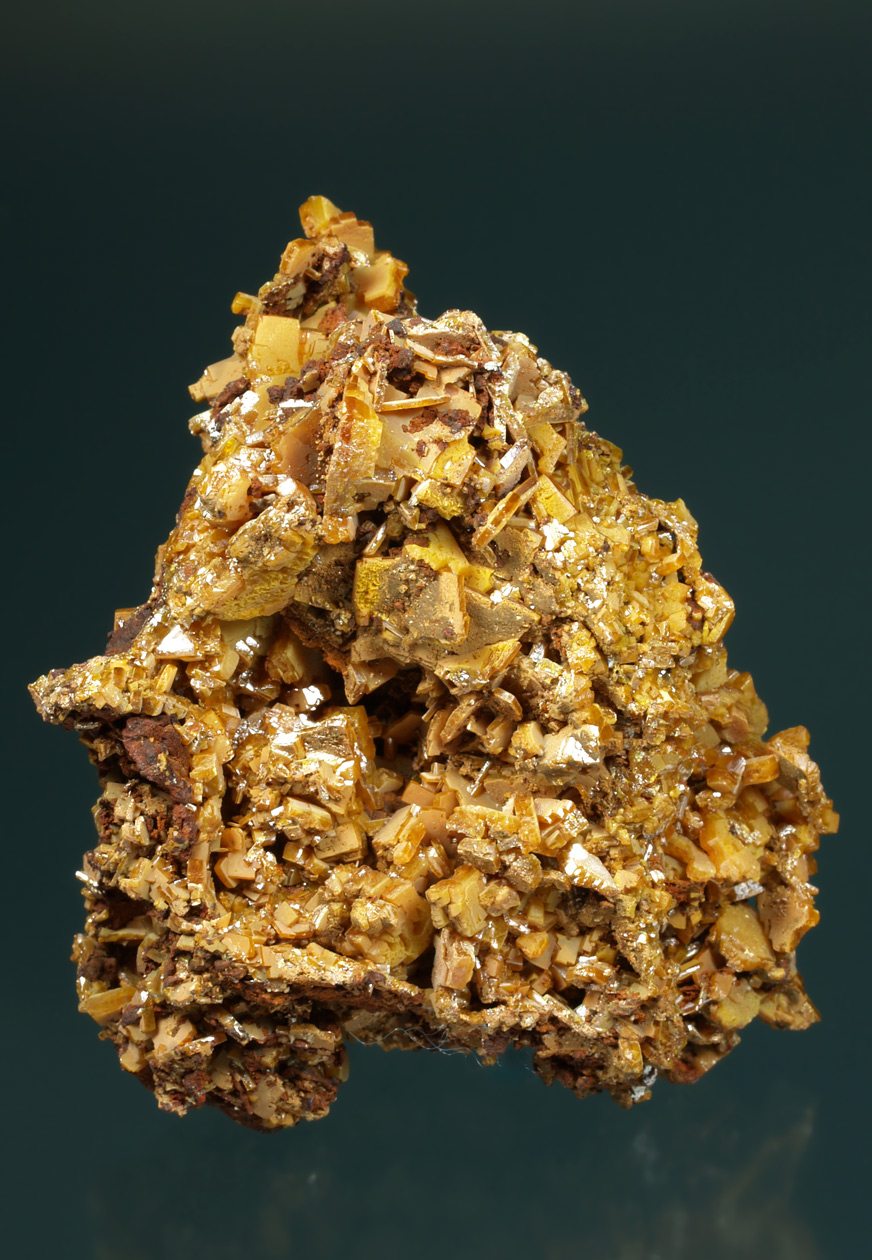
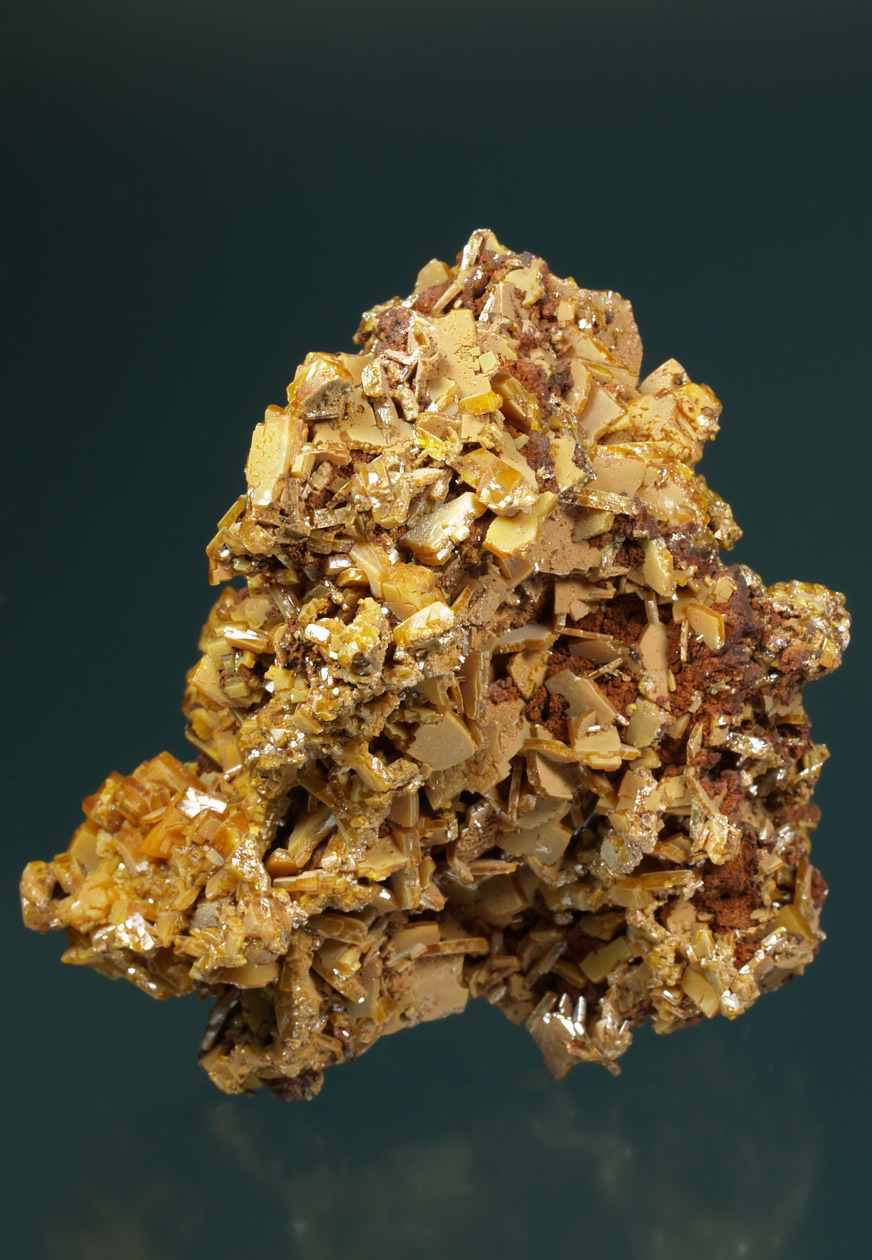
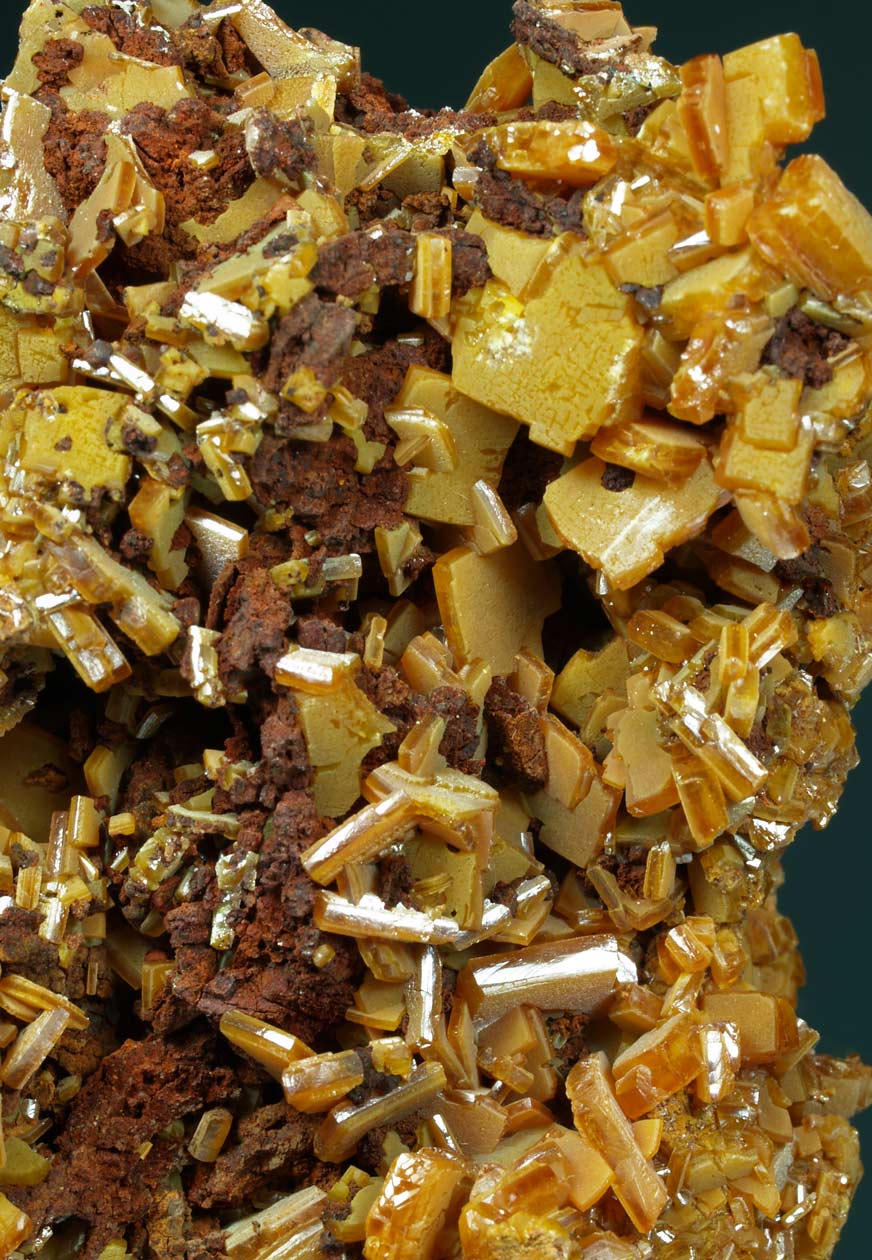
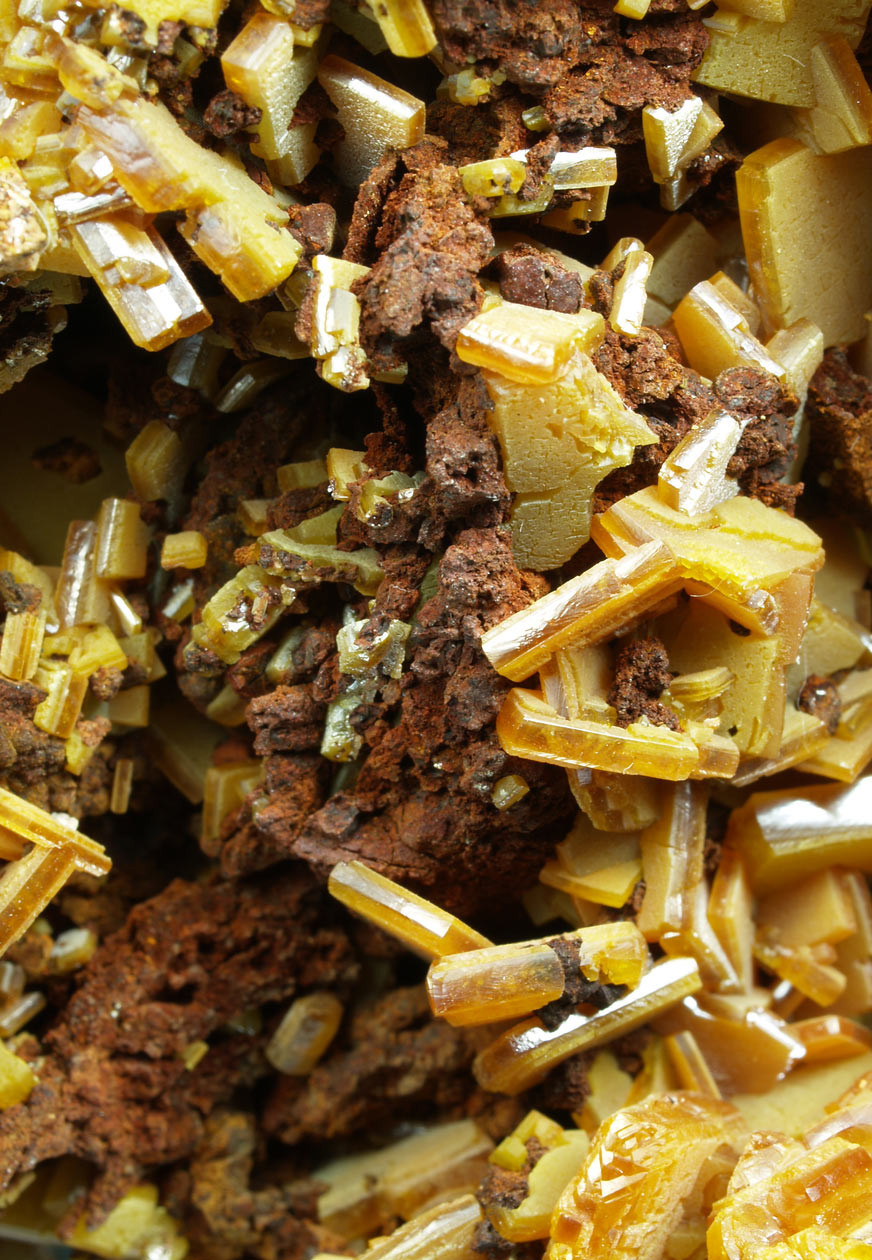
A very rich sample formed by groups of butterscotch tabular thick wulfenite crystals to 9 mm on edge. NIce color, luster and defined faces and edges. This specimen is from an old German collection.
The mine has been exploited for over three centuries. The Miess lead-zinc deposits is one of the richest in Europe. The district has produced the most excellent wulfenite specimens of Europe.
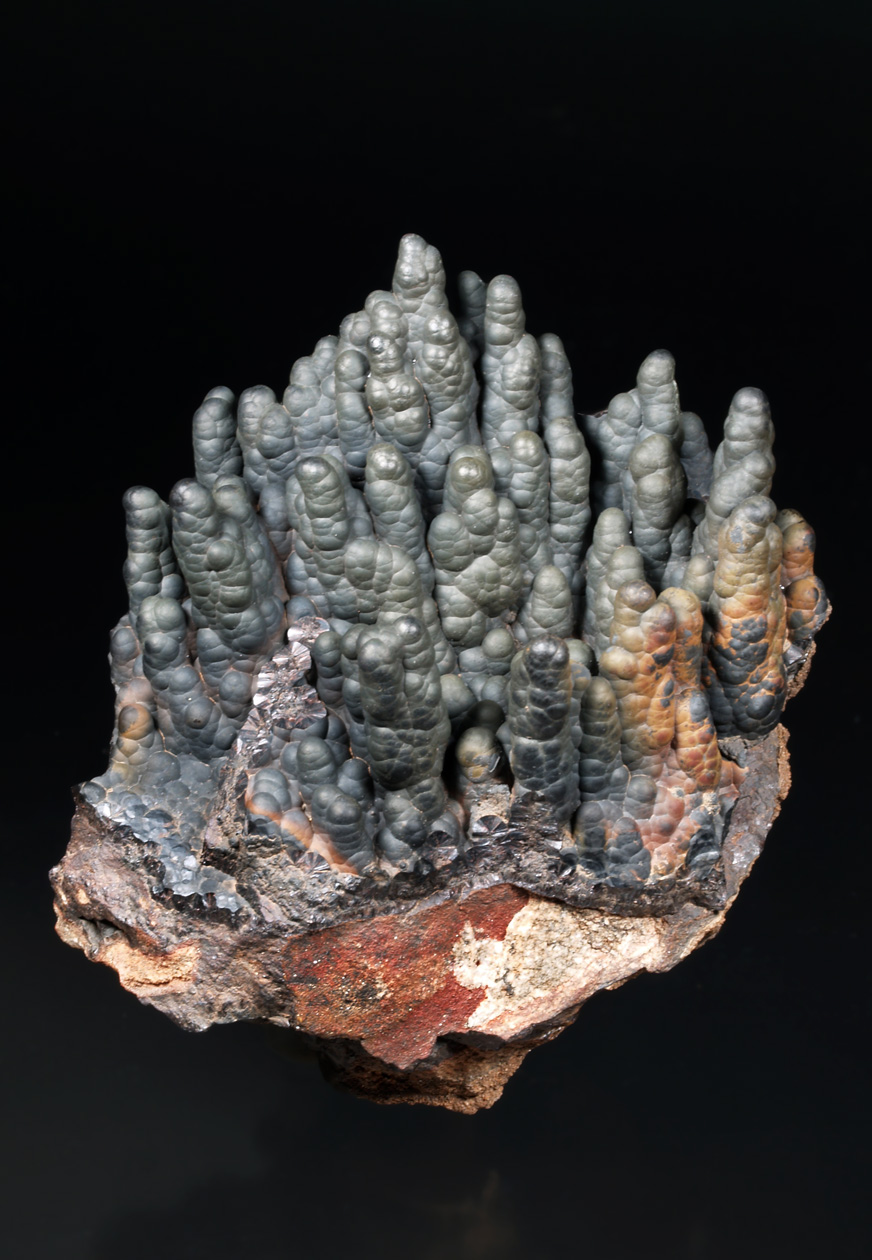
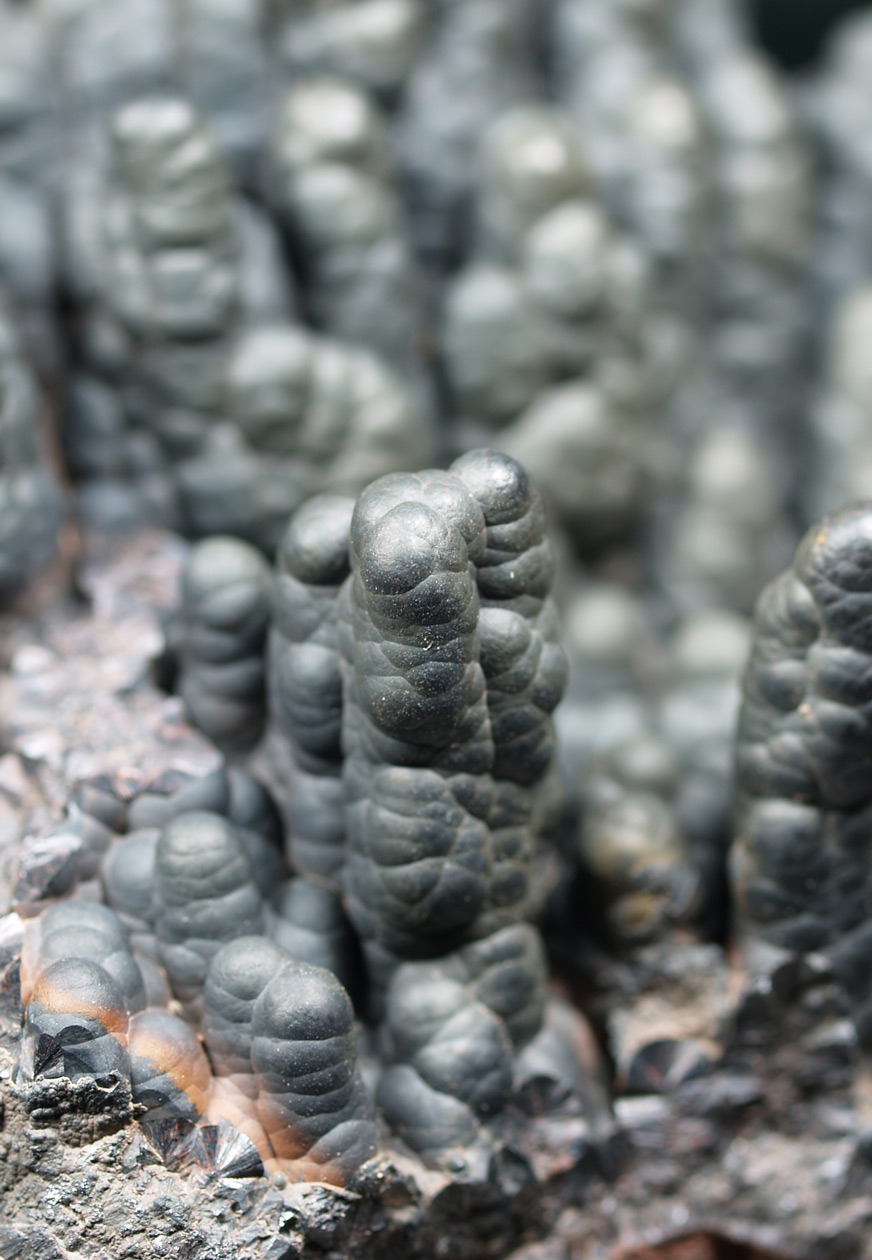
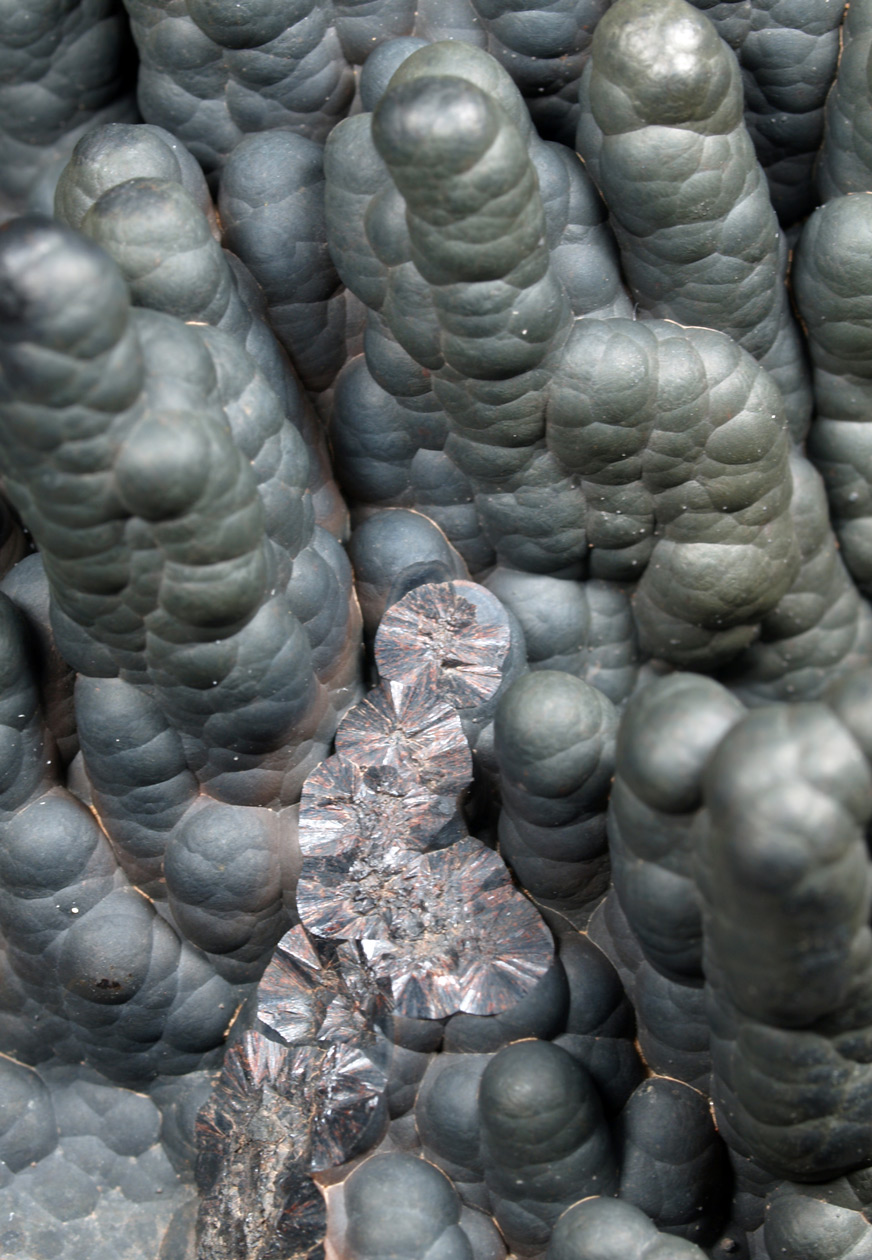
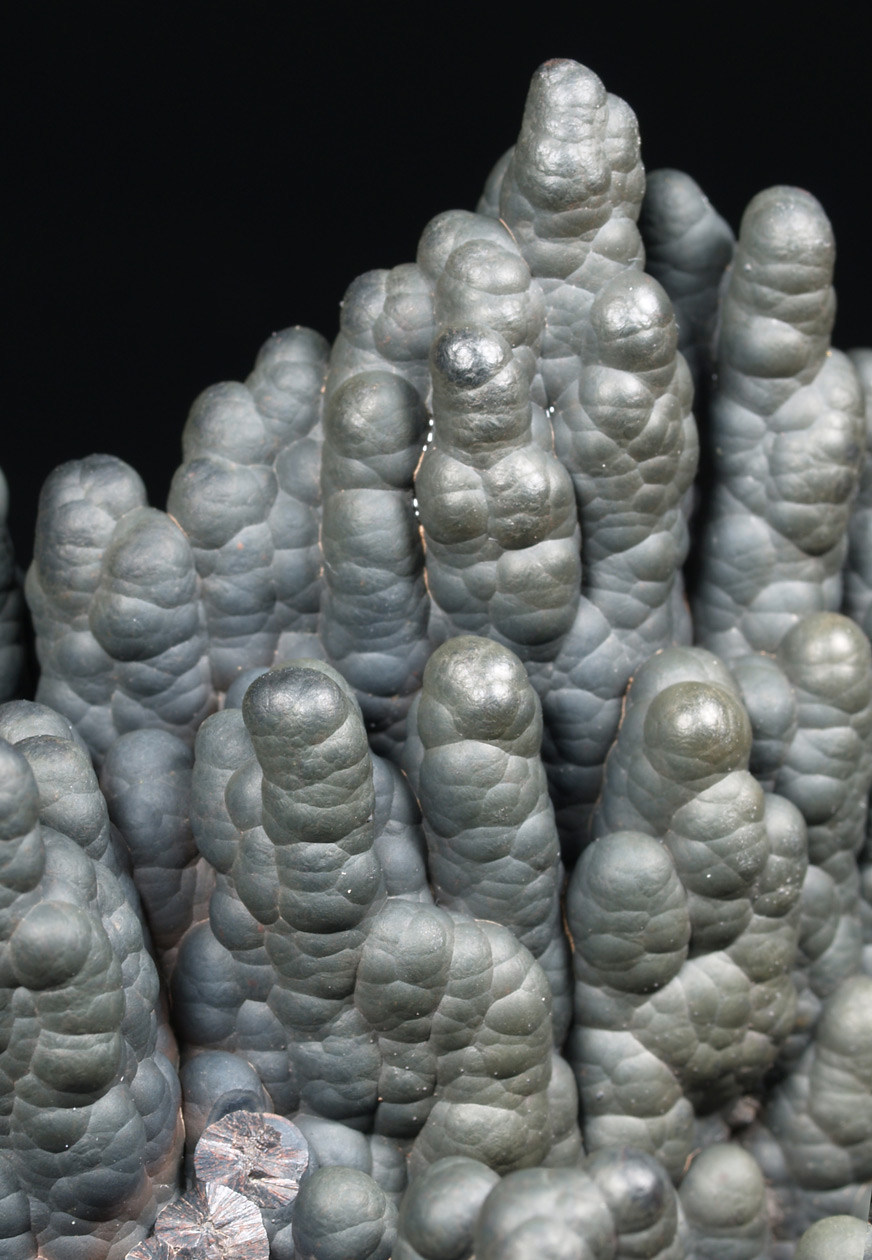
A very aesthetic group of stalactitic goethite-hematite growth showing a very aerial disposition from this classic Moroccan locality. We can observe reddish radiated growths in fractured stalactites on the matrix.
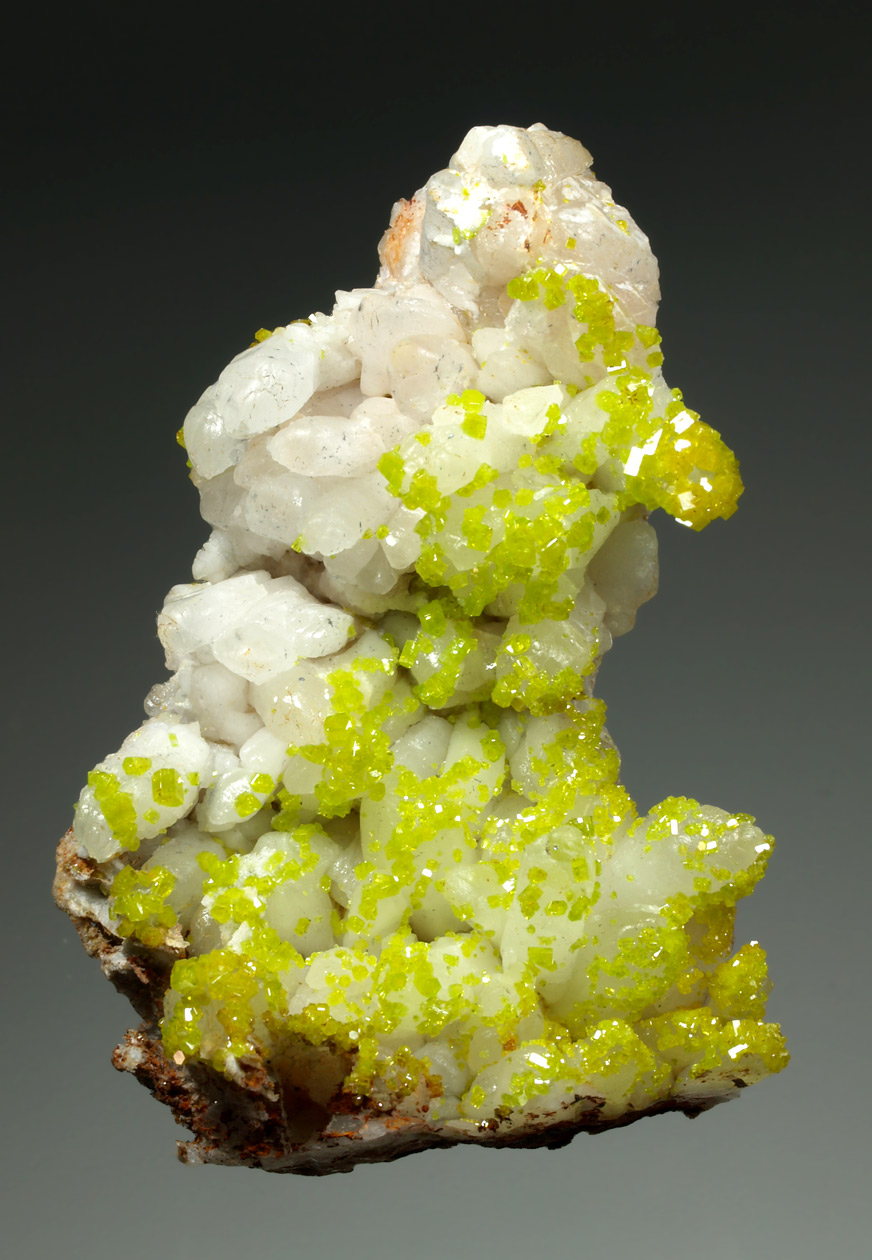
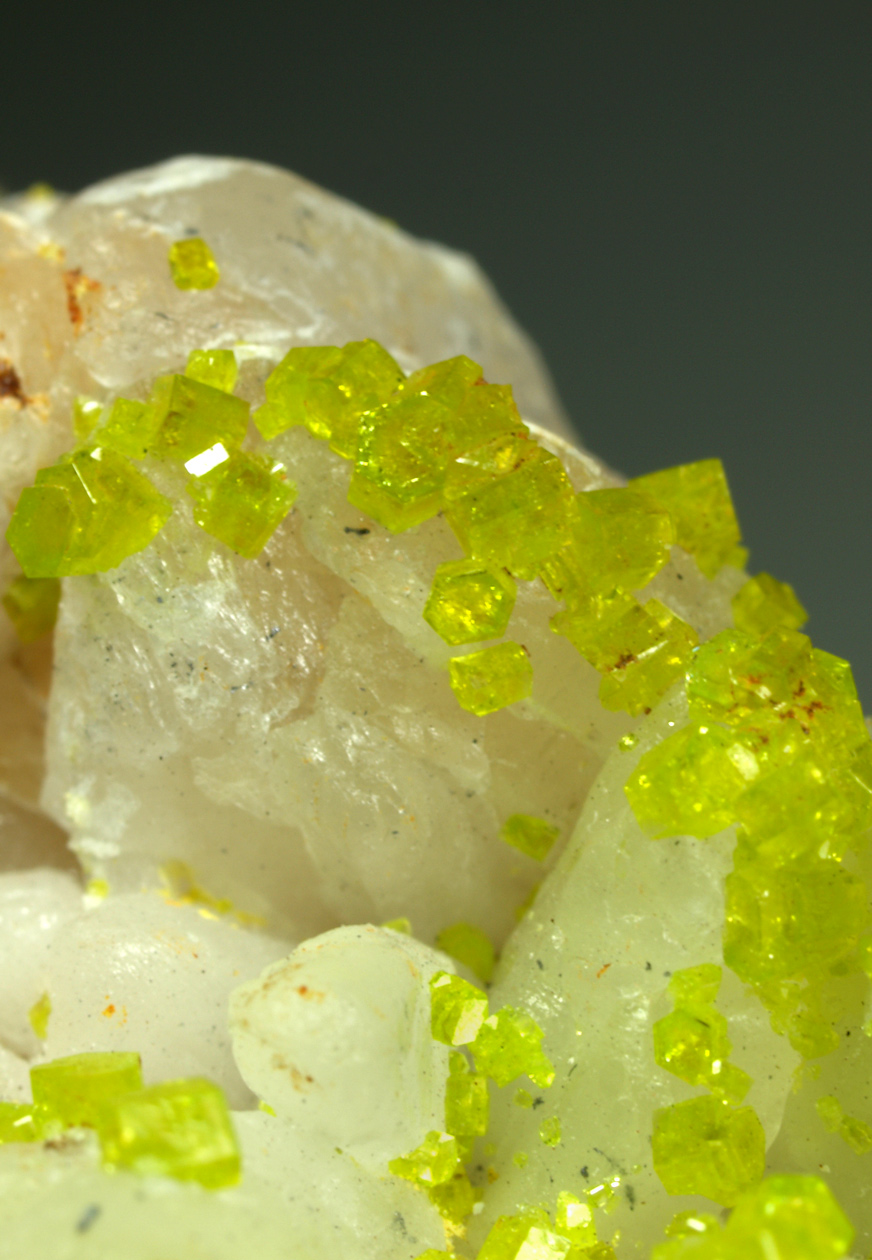
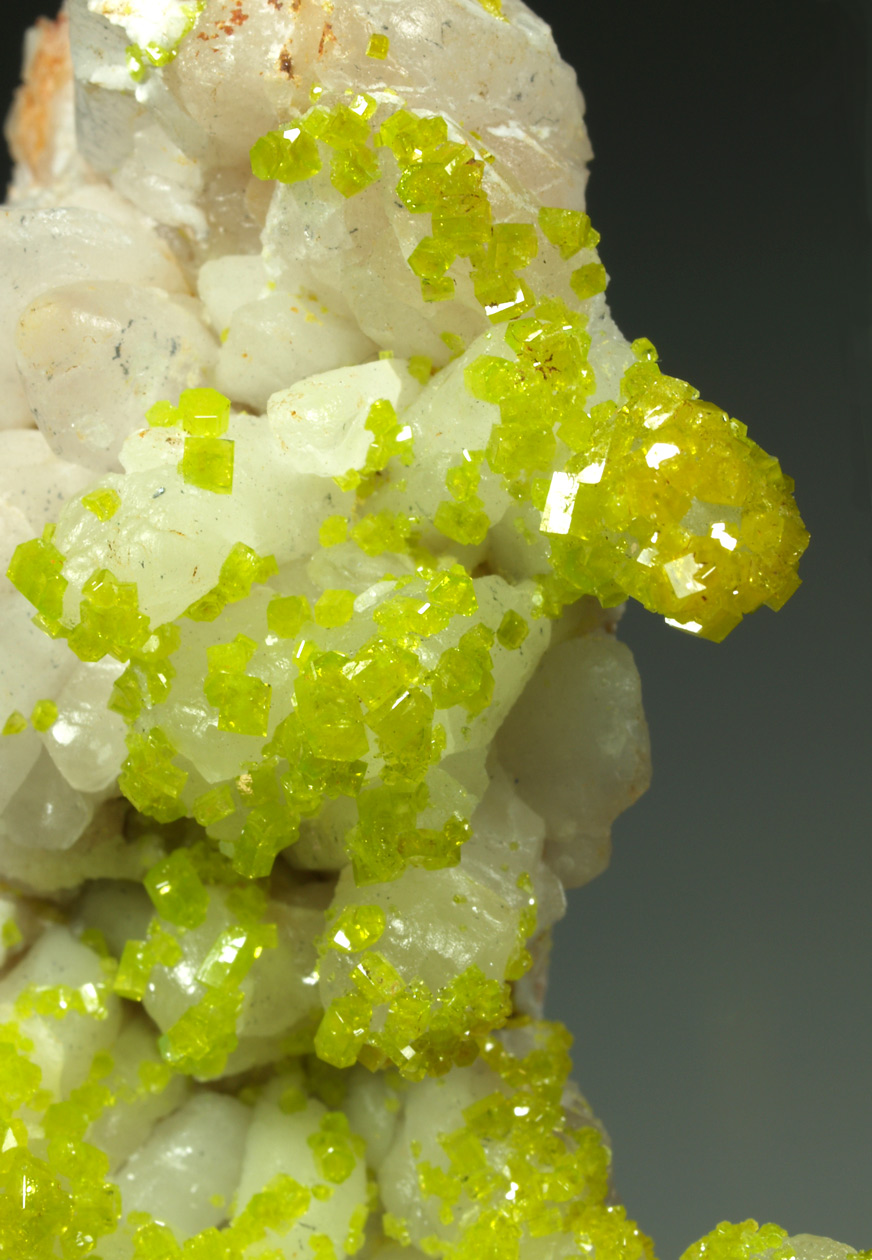
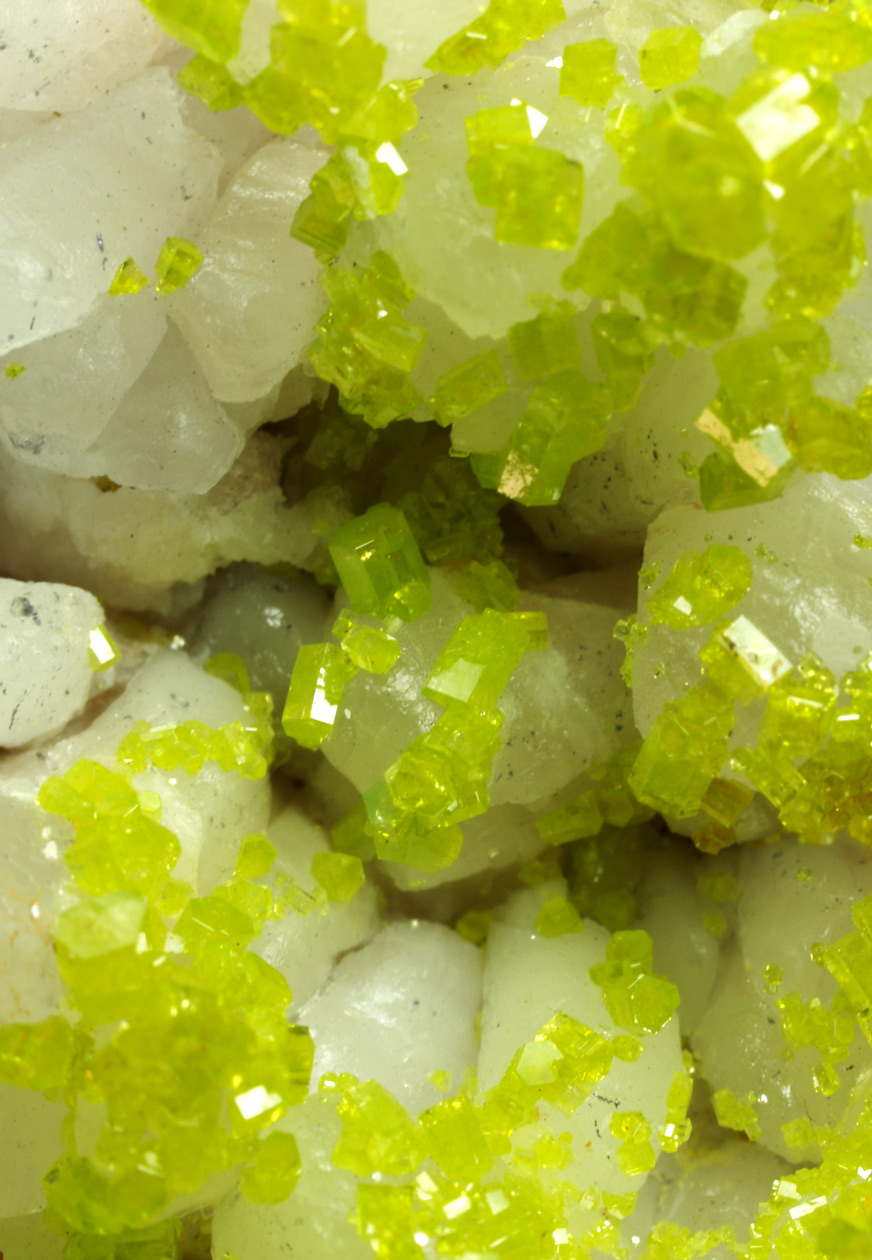
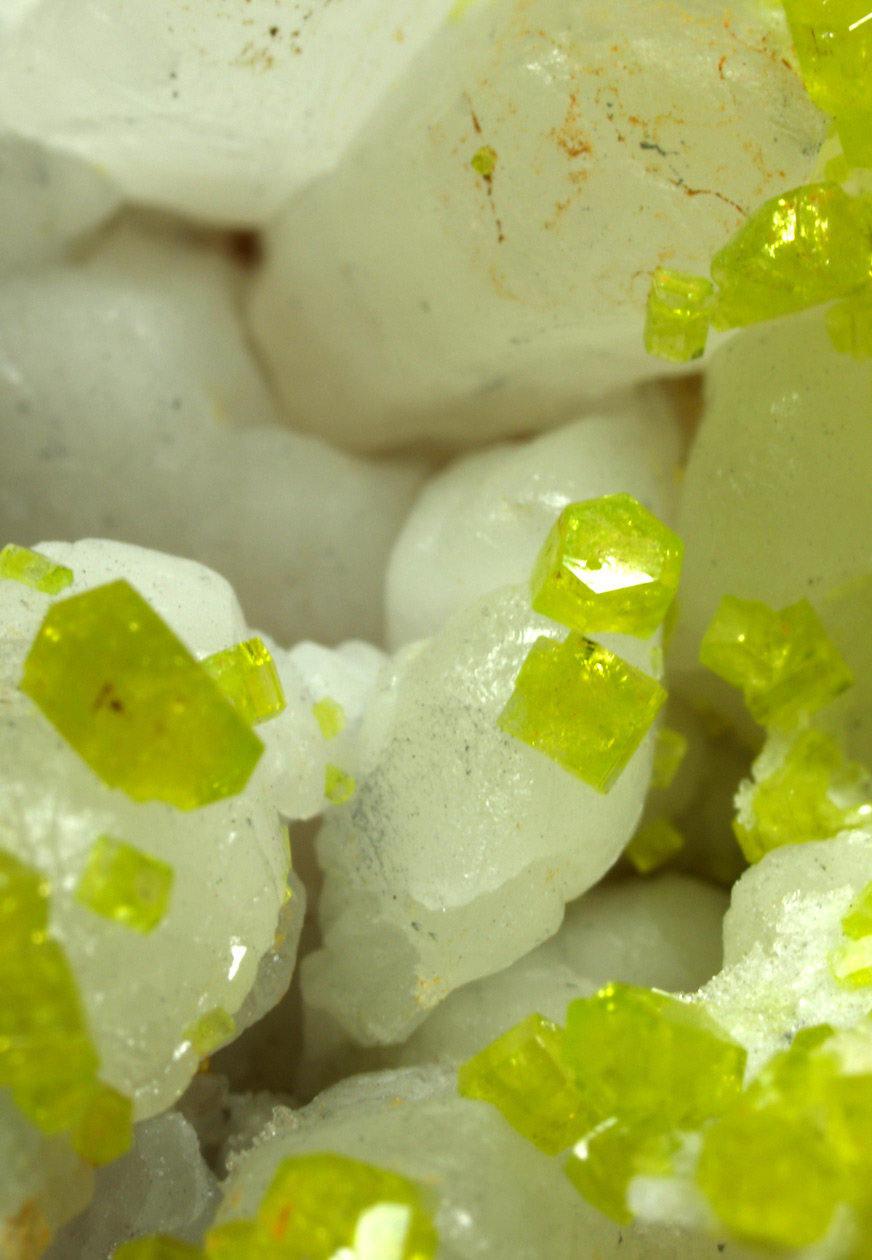
On a matrix formed by corroded quartz crystals, due to chemically aggressive media, are disposed several small pyromorphite crystals of hexagonal prismatic habit, with a extraordinary brilliance, transparence and definition. In addition, its color, almost yellow-green near fluorescent, adds a special touch to this sample. The Daoping Mine has produced a large variety of pyromorphite since ca. 2000 and this is a particular example.
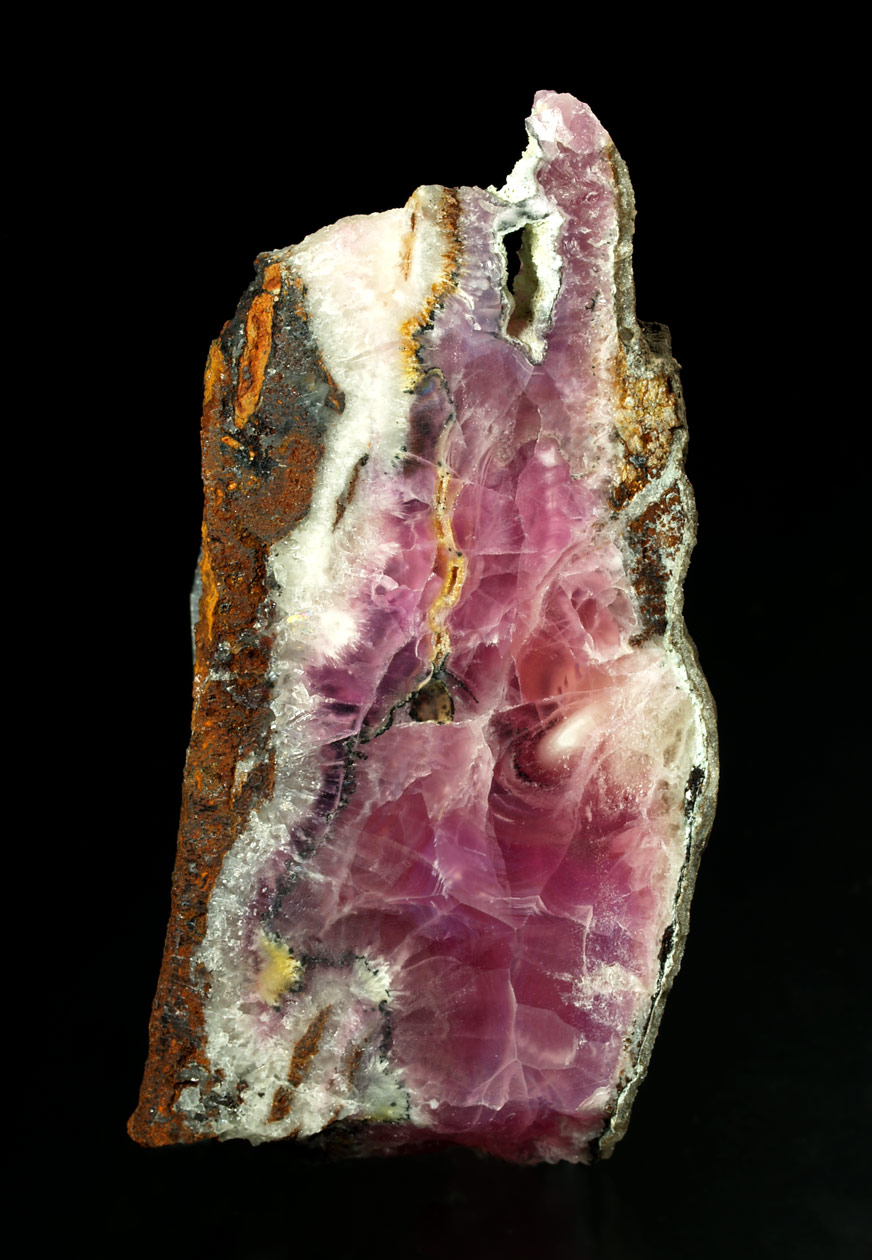
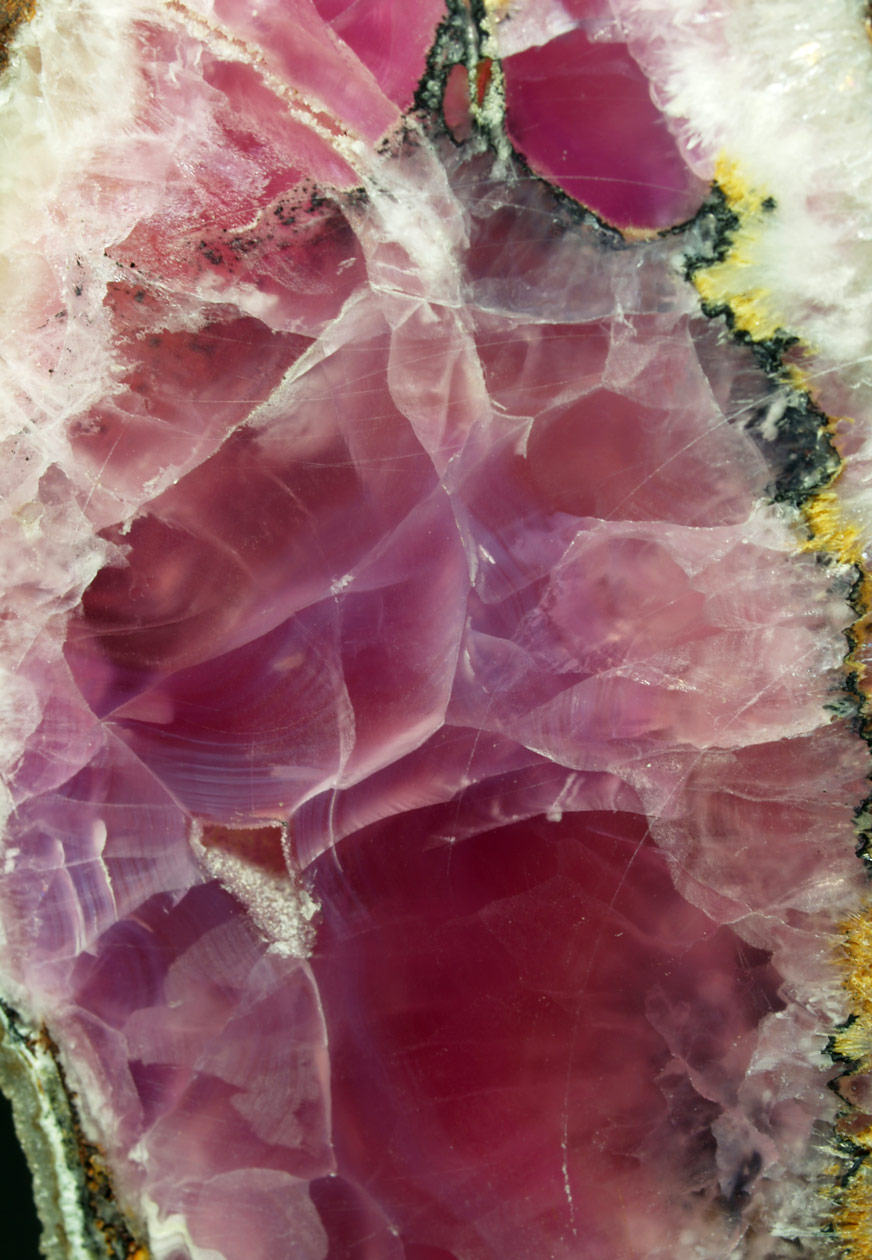
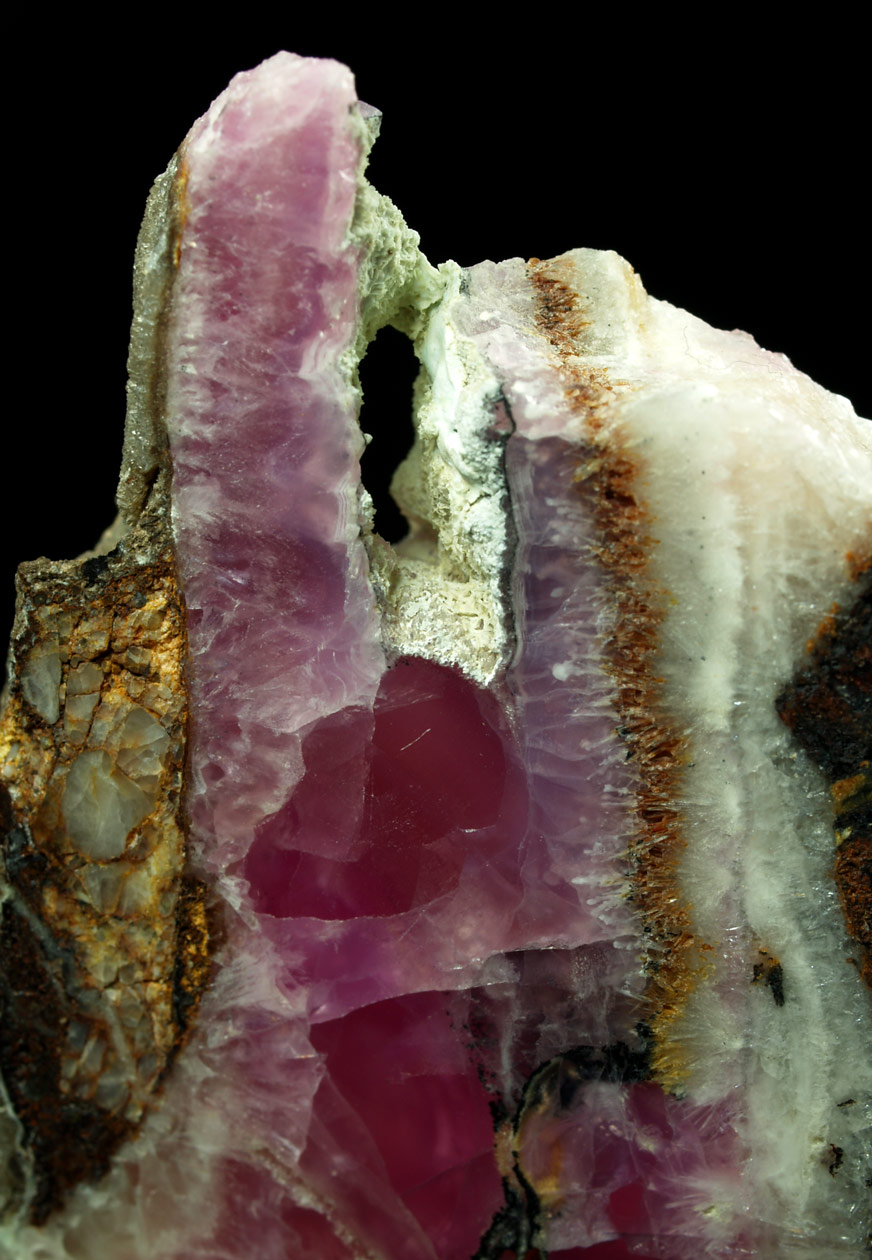
Cobaltoan calcite specimen showing carbonate growths with colours between magenta and yellow, typical for this classic Catalan mine. The mineralization is filling fissures of the Triassic conglomerates. Nowadays mine is partially collapsed and restored and it is impossible to get specimens. This sample is from a previous single finding before shaft was filled and some galleries restored.
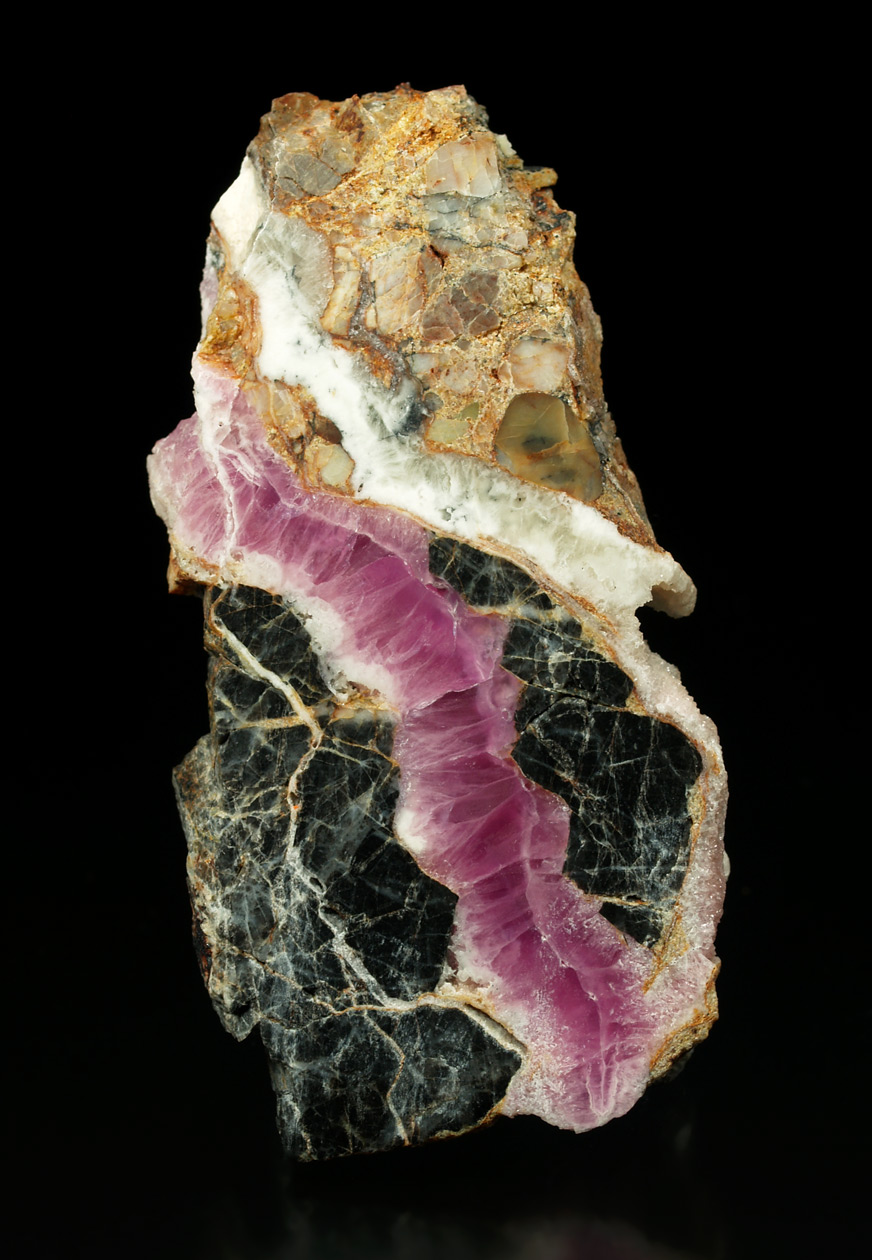
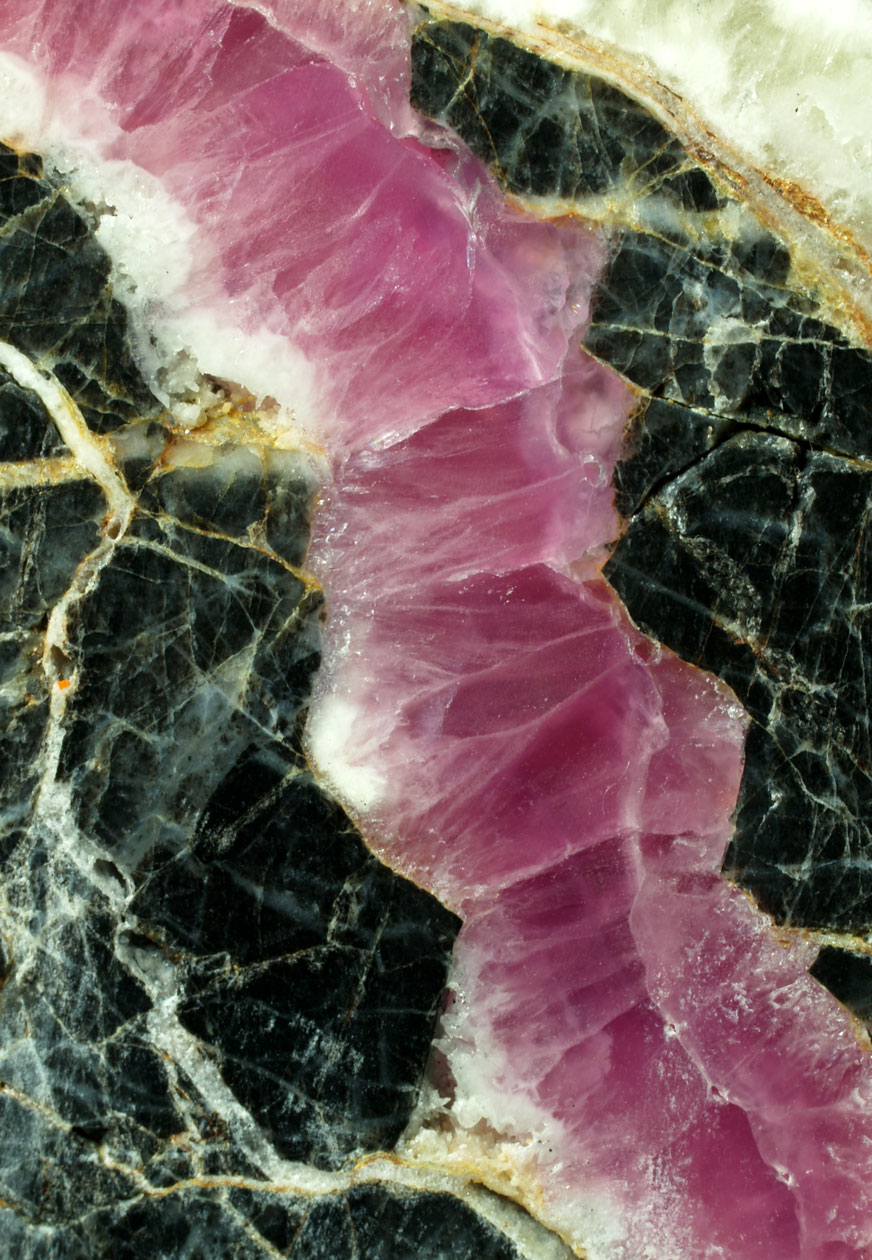
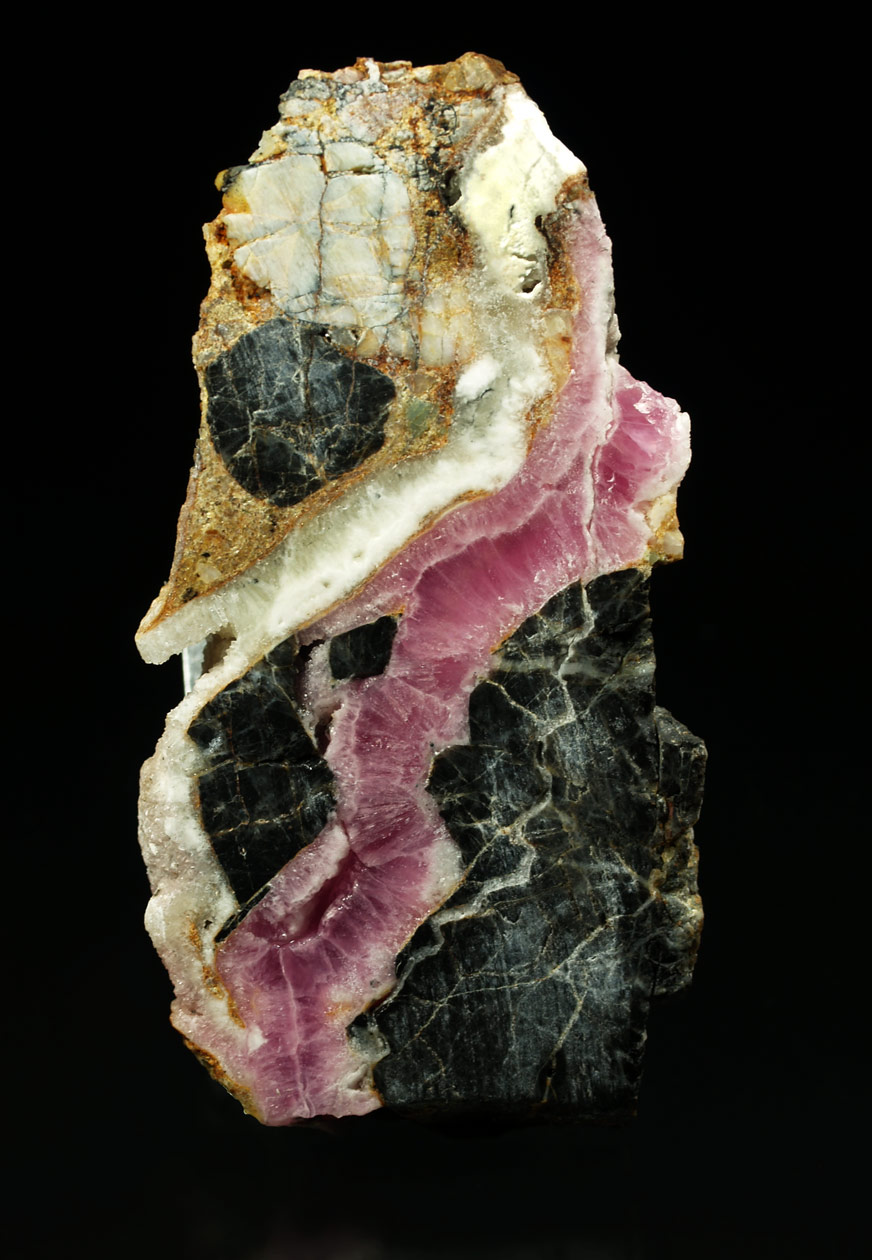
A nice cobaltoan calcite specimen showing concretionary growths with a good and deep colour. The mineralization is filling fissures of the Triassic conglomerates, which are very visible in this specimen. Main side shows a polished section where we can enjoy perfectly banded purple calcite and conglomerate individual clasts. Nowadays mine is partially collapsed and restored and it is impossible to get specimens.
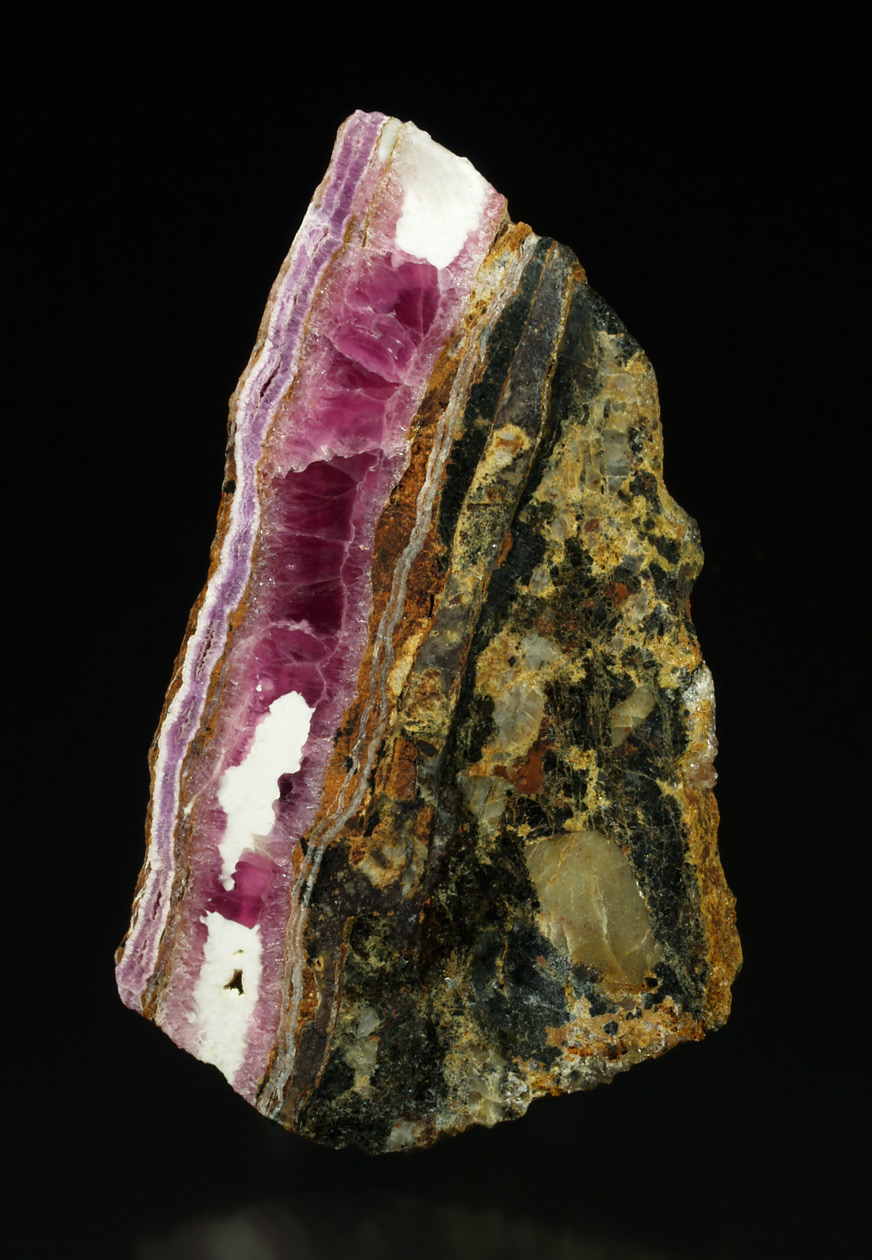
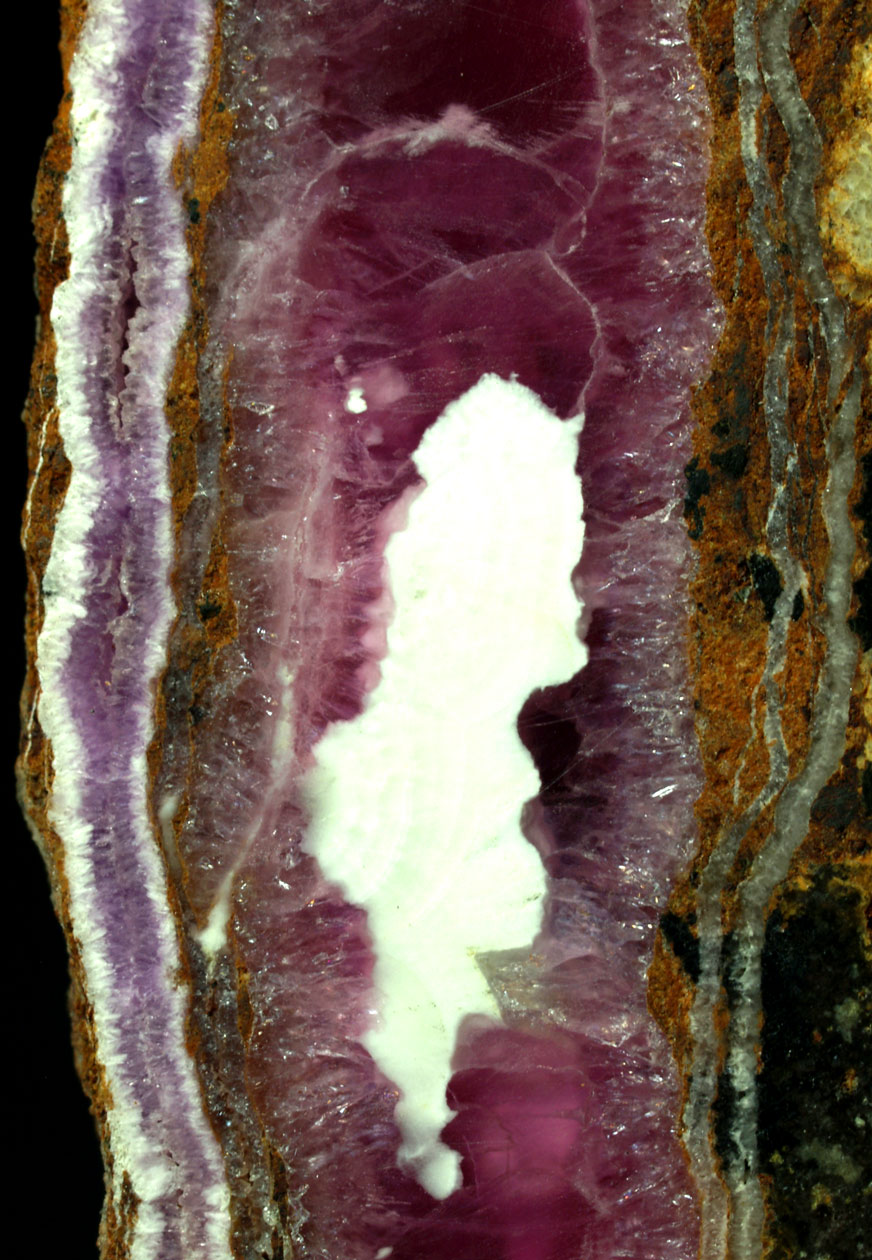
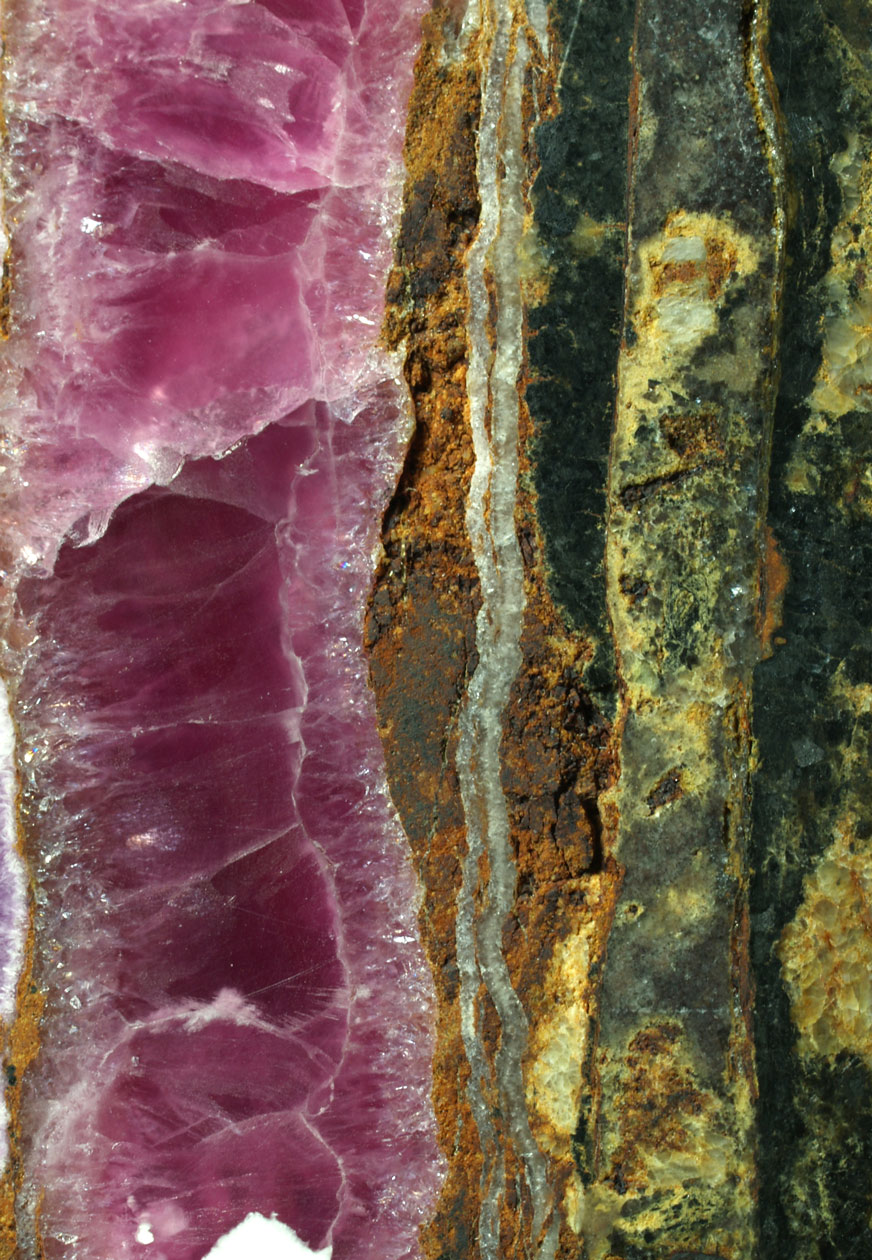
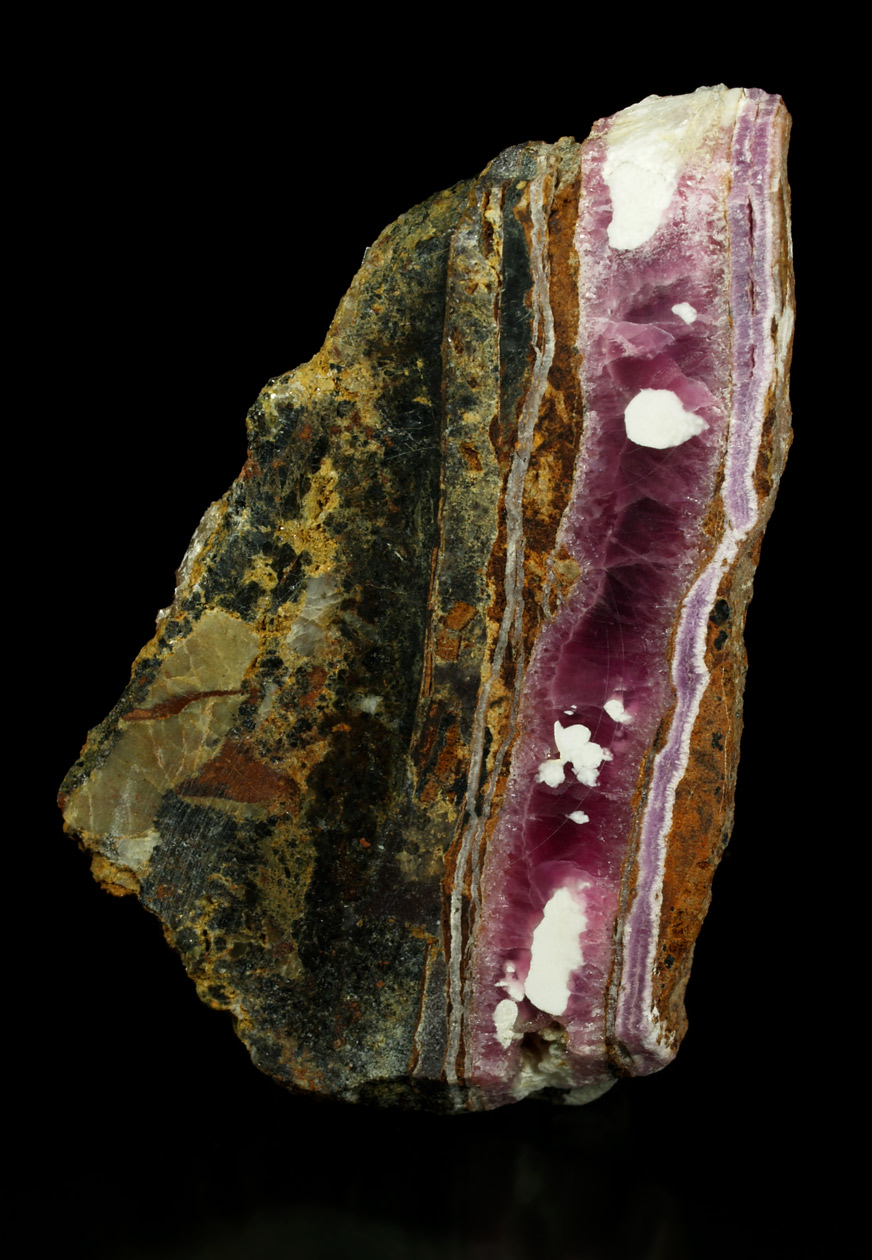
A nice cobaltoan calcite specimen showing polished concretionary growths with a good and deep color and including white aragonite. The mineralization is filling fissures of the Triassic conglomerates, which are visible in this specimen.
Main side shows a polished section where we can enjoy perfectly banded purple calcite and conglomerate individual clasts. Nowadays mine is partially collapsed and restored and it is impossible to get specimens.
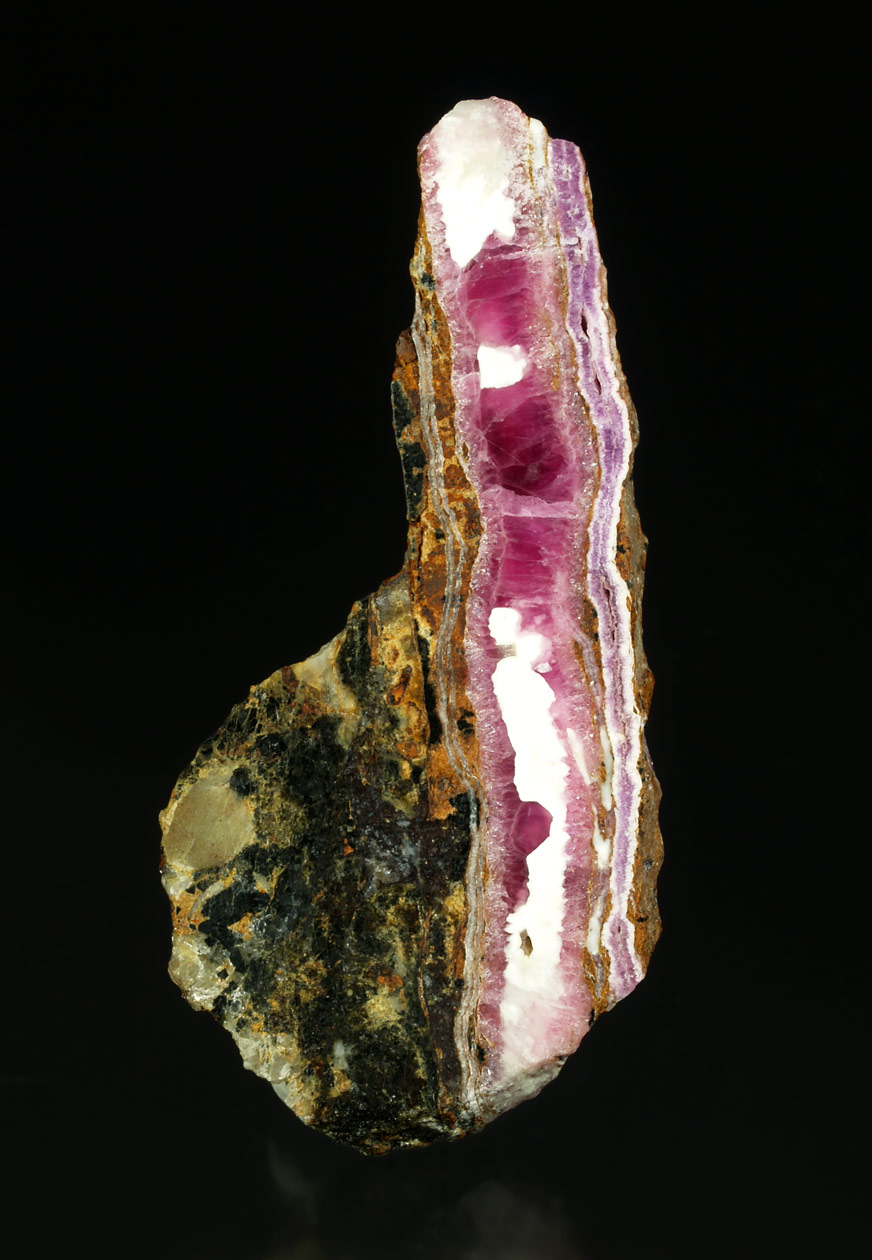
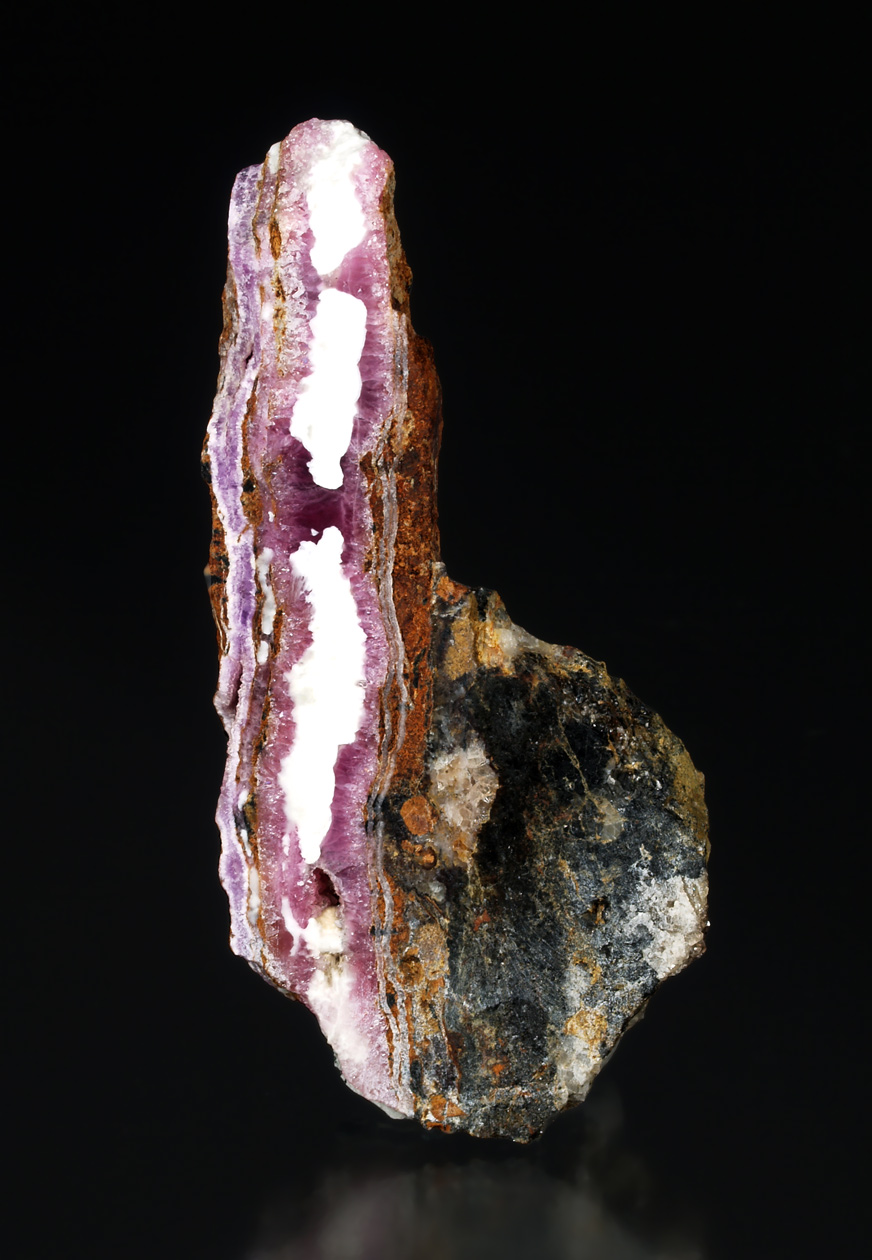
A nice cobaltoan calcite specimen showing polished concretionary growths with a good and deep color and including white aragonite. The mineralization is filling fissures of the Triassic conglomerates, which are visible in this specimen. Main side shows a polished section where we can enjoy perfectly banded purple calcite and conglomerate individual clasts. Nowadays mine is partially collapsed and restored and it is impossible to get specimens.
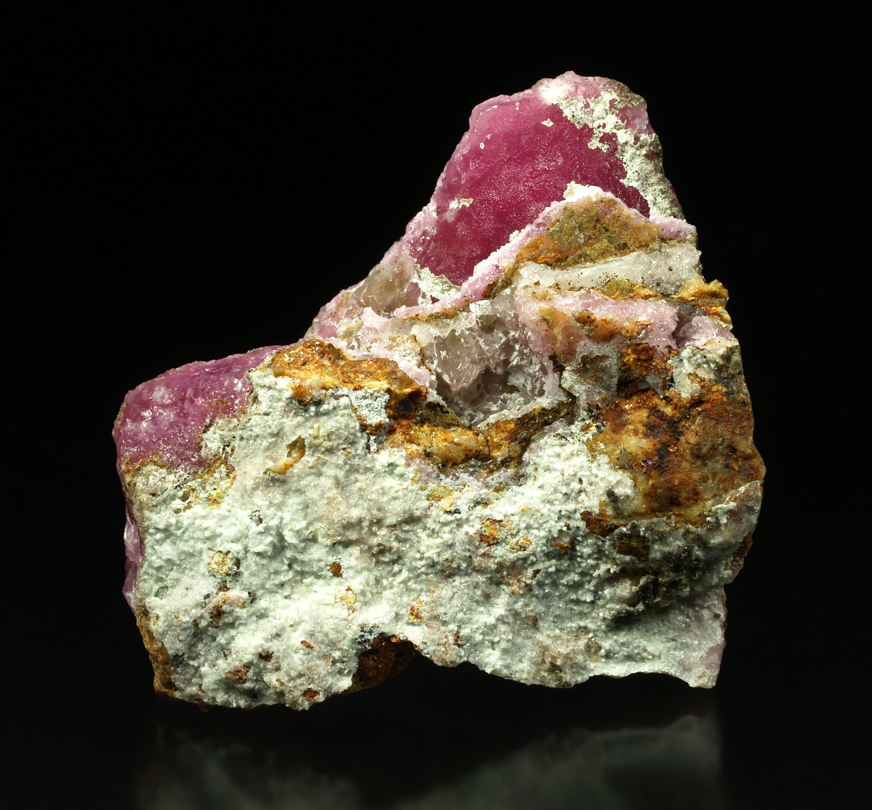
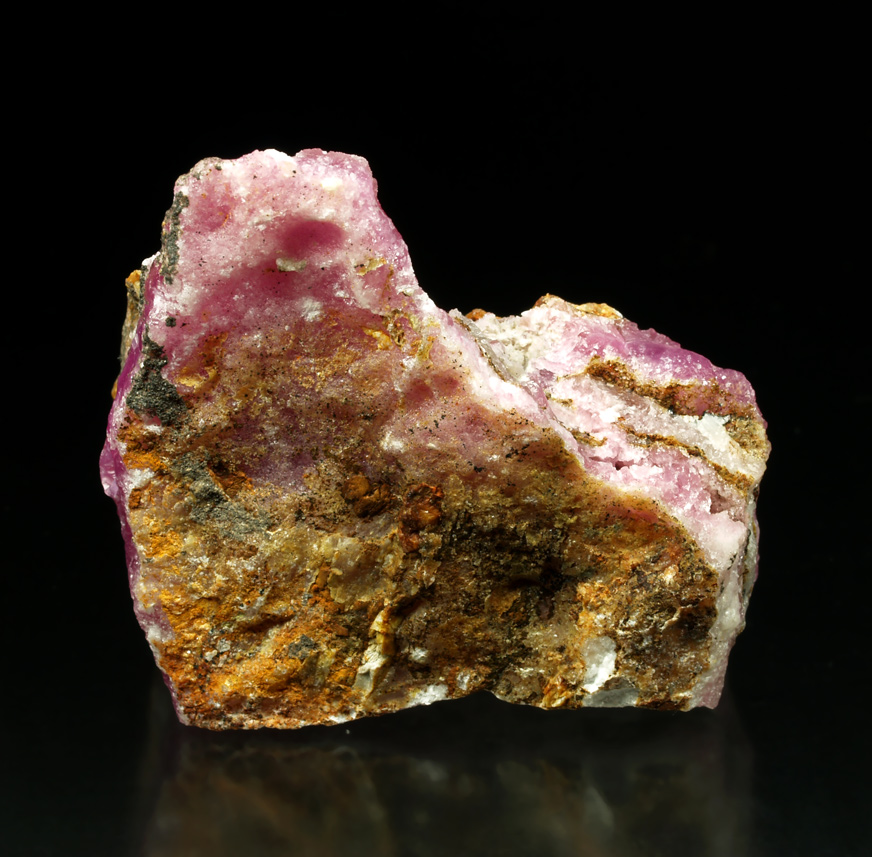
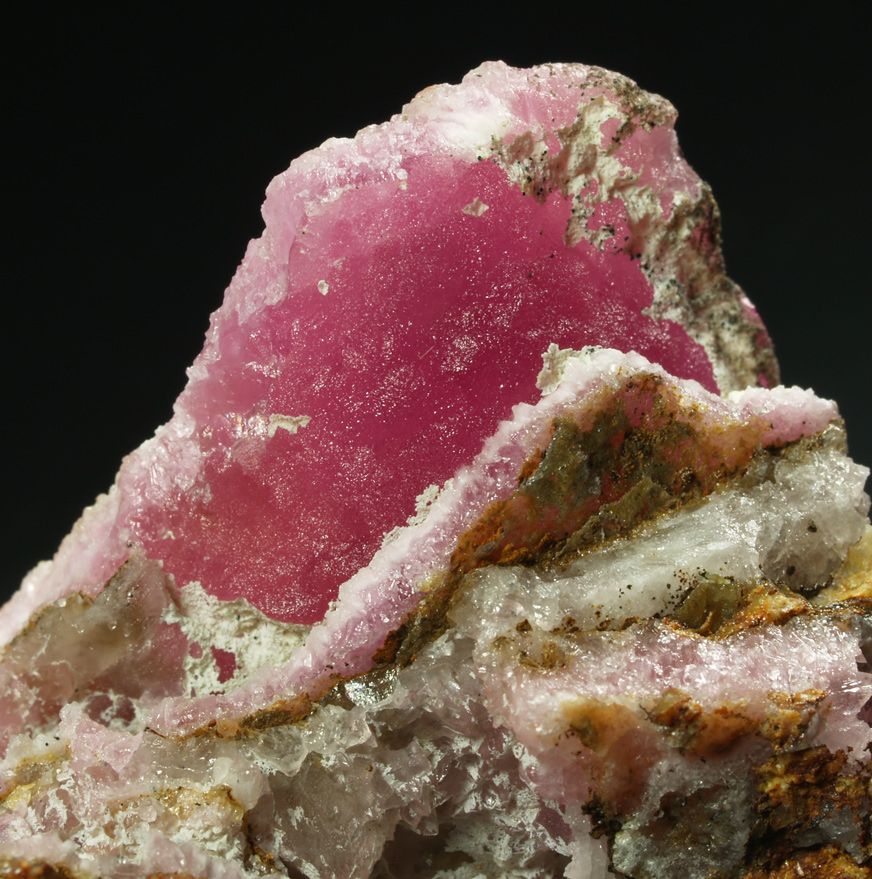
Cobaltoan calcite specimen showing brilliant carbonate growths with colours between magenta and yellow, typical for this classic Catalan mine. The mineralization is filling fissures of the Triassic conglomerates. Nowadays mine is partially collapsed and restored and it is impossible to get specimens. This sample is from a previous single finding before shaft was filled and some galleries restored.
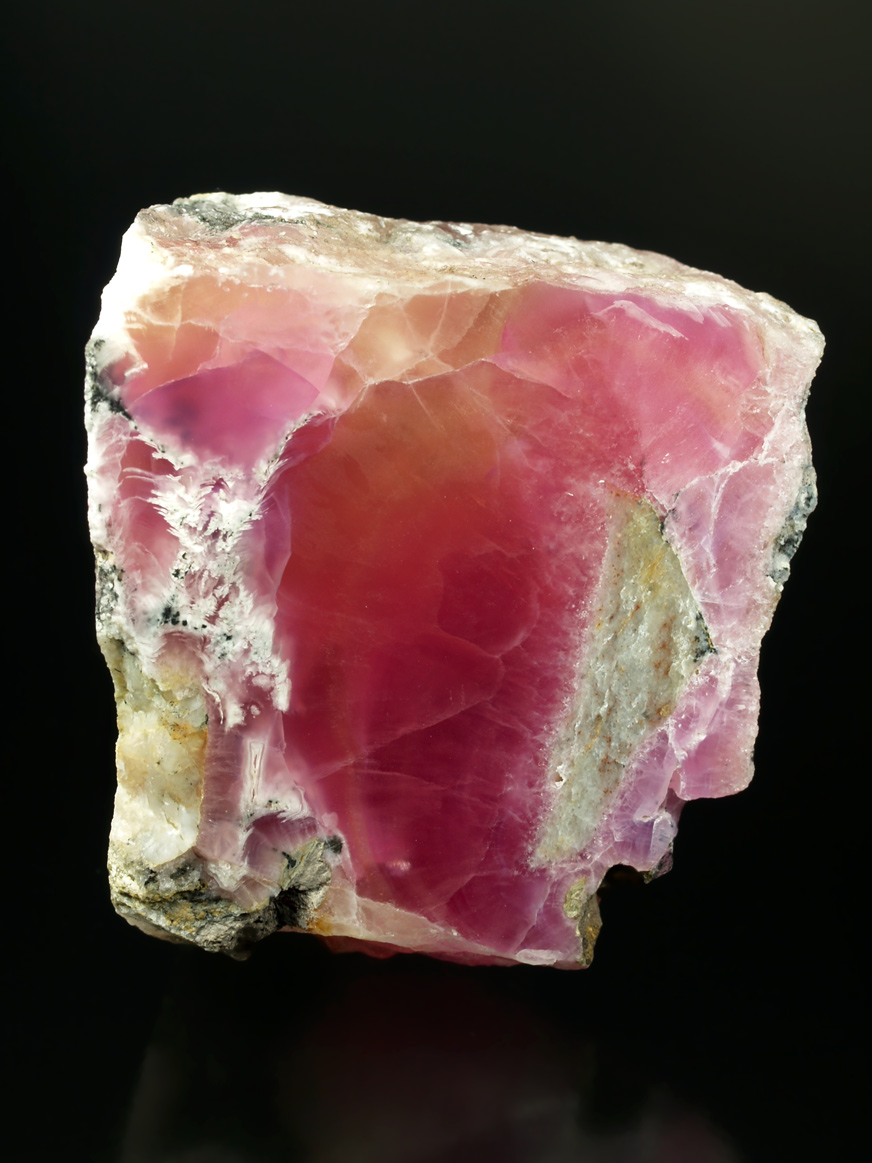
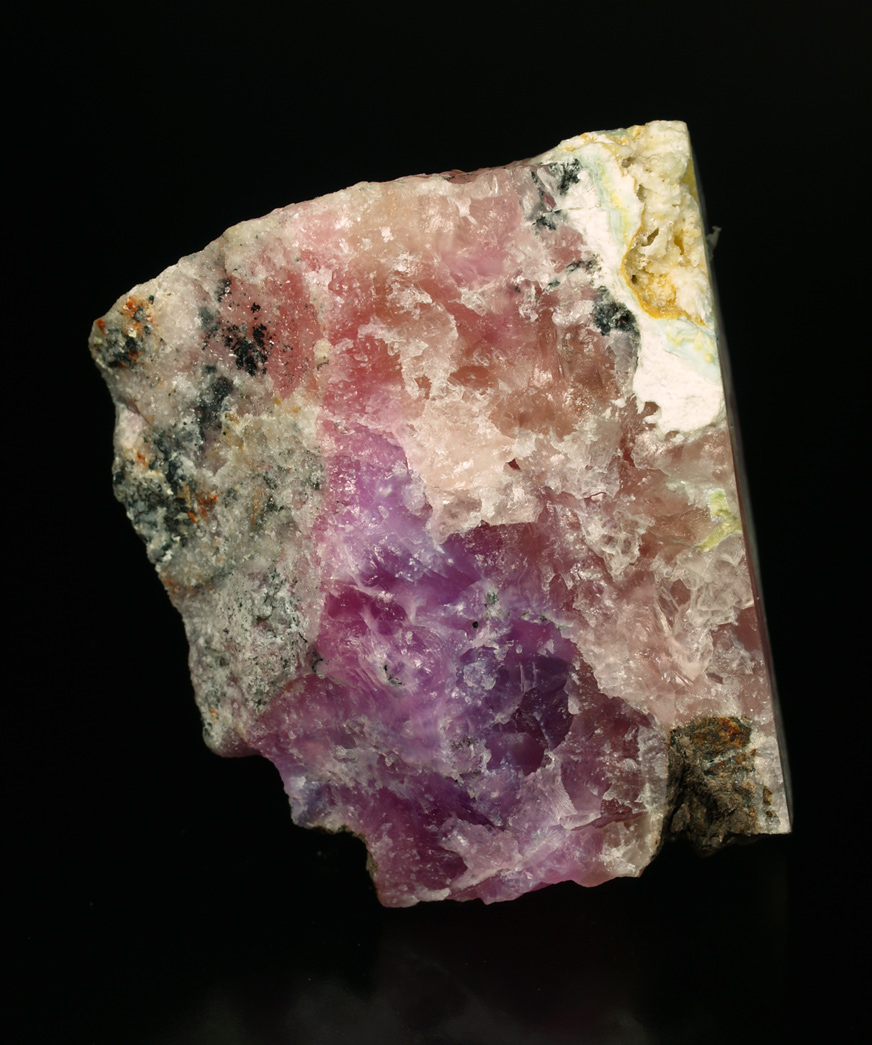
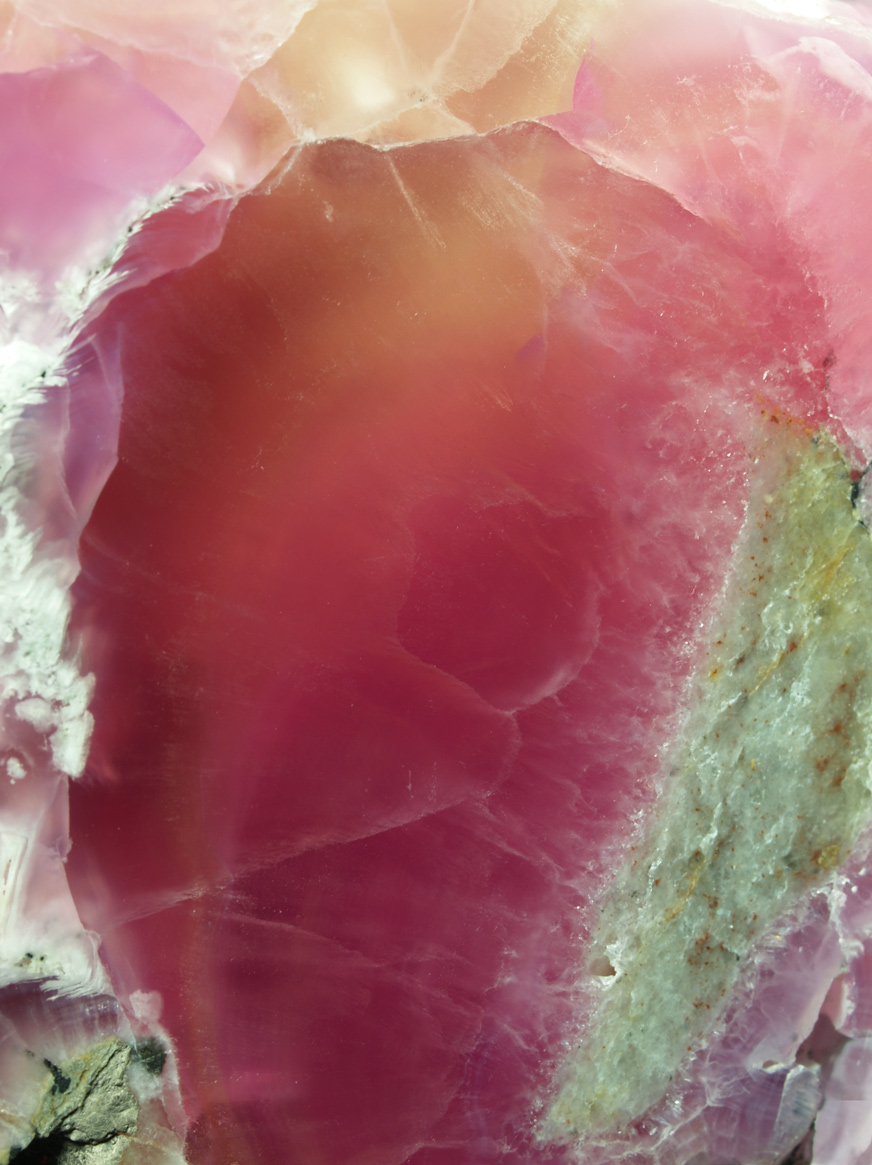
Cobaltoan calcite specimen showing carbonate growths with colours between magenta and yellow, typical for this classic Catalan mine. The mineralization is filling fissures of the Triassic conglomerates. Nowadays mine is partially collapsed and restored and it is impossible to get specimens. This sample is from a previous single finding before shaft was filled and some galleries restored.
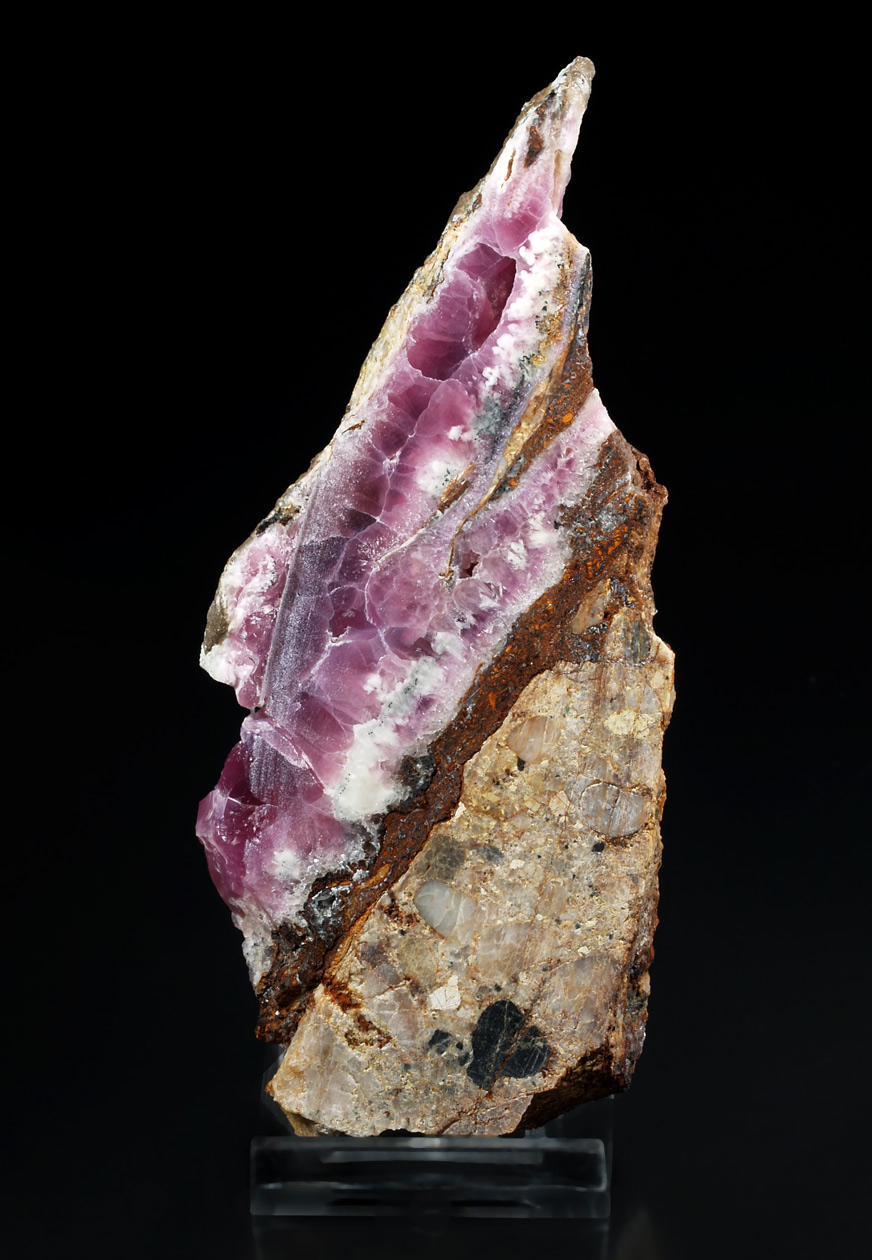
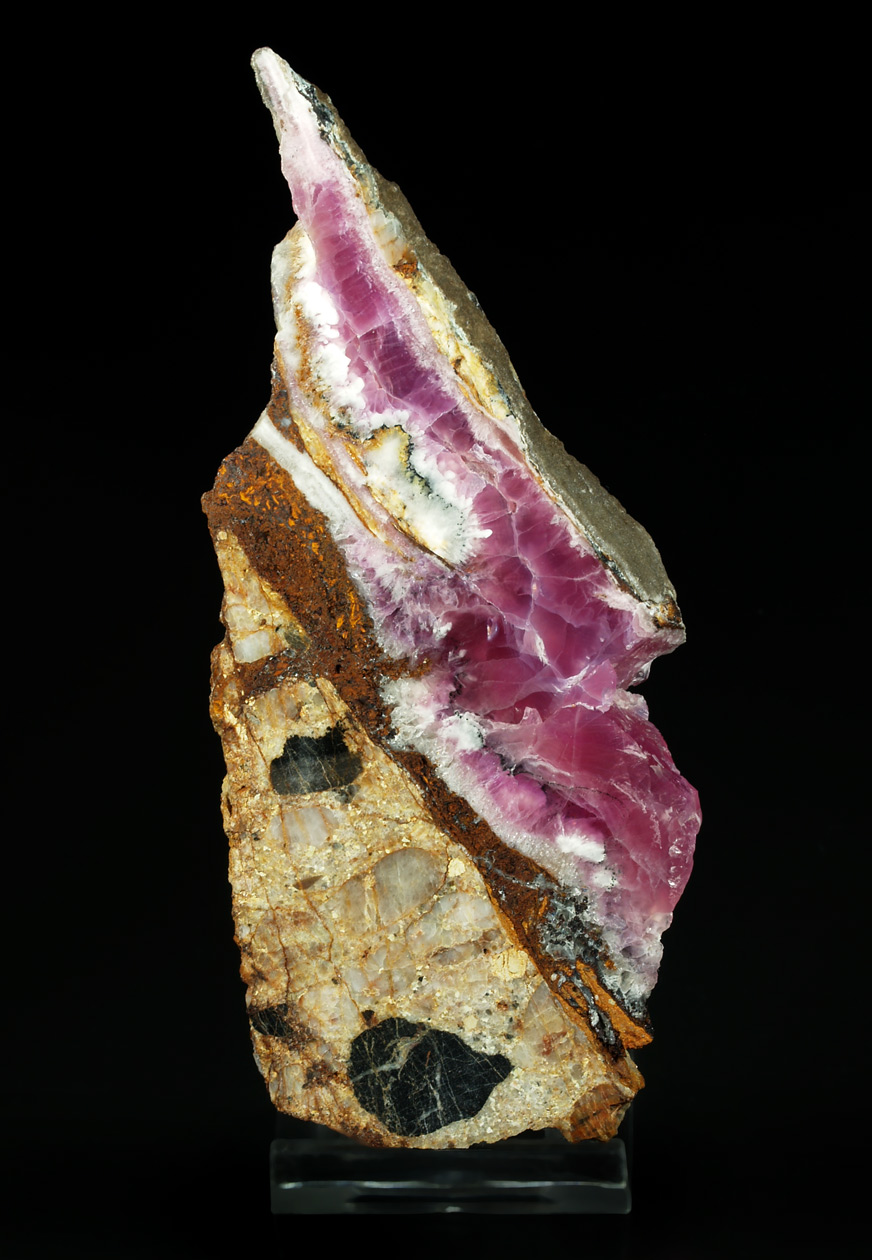
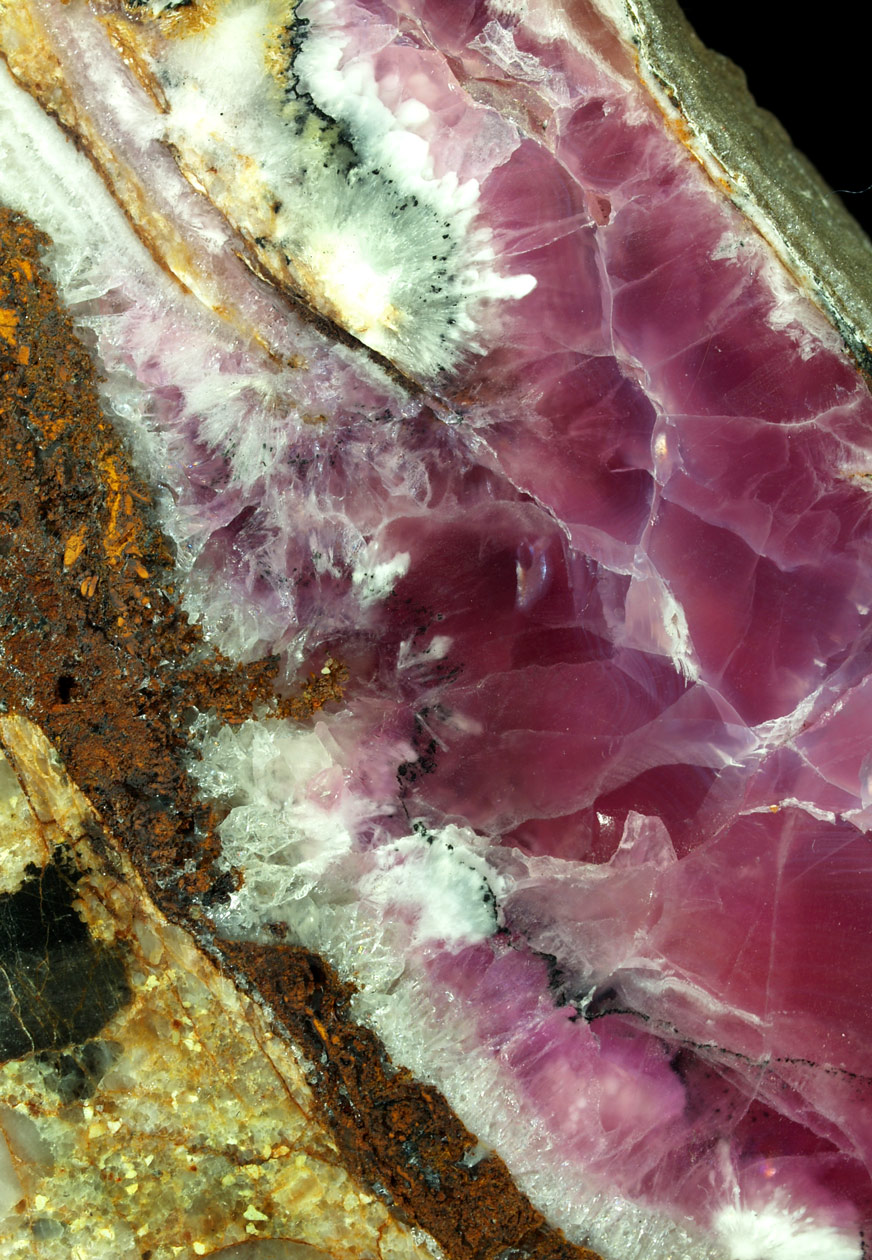
A huge size cobaltoan calcite specimen showing concretionary growths with a good and deep color and covering white aragonite aggregates. The mineralization is filling fissures of the Triassic conglomerates, which are very visible in this specimen.
Main side shows a polished section where we can enjoy perfectly banded purple calcite and conglomerate individual clasts. Nowadays mine is partially collapsed and restored and it is impossible to get specimens.
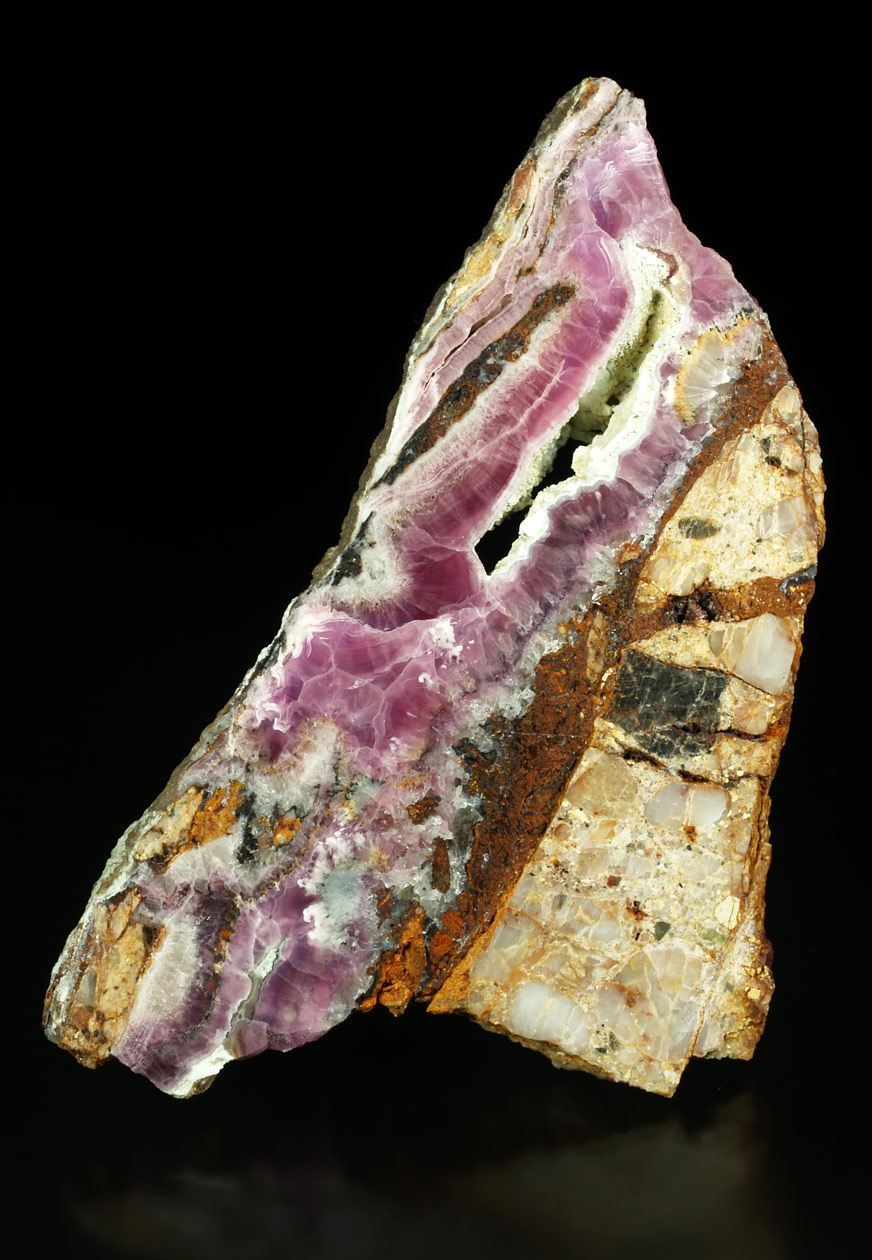
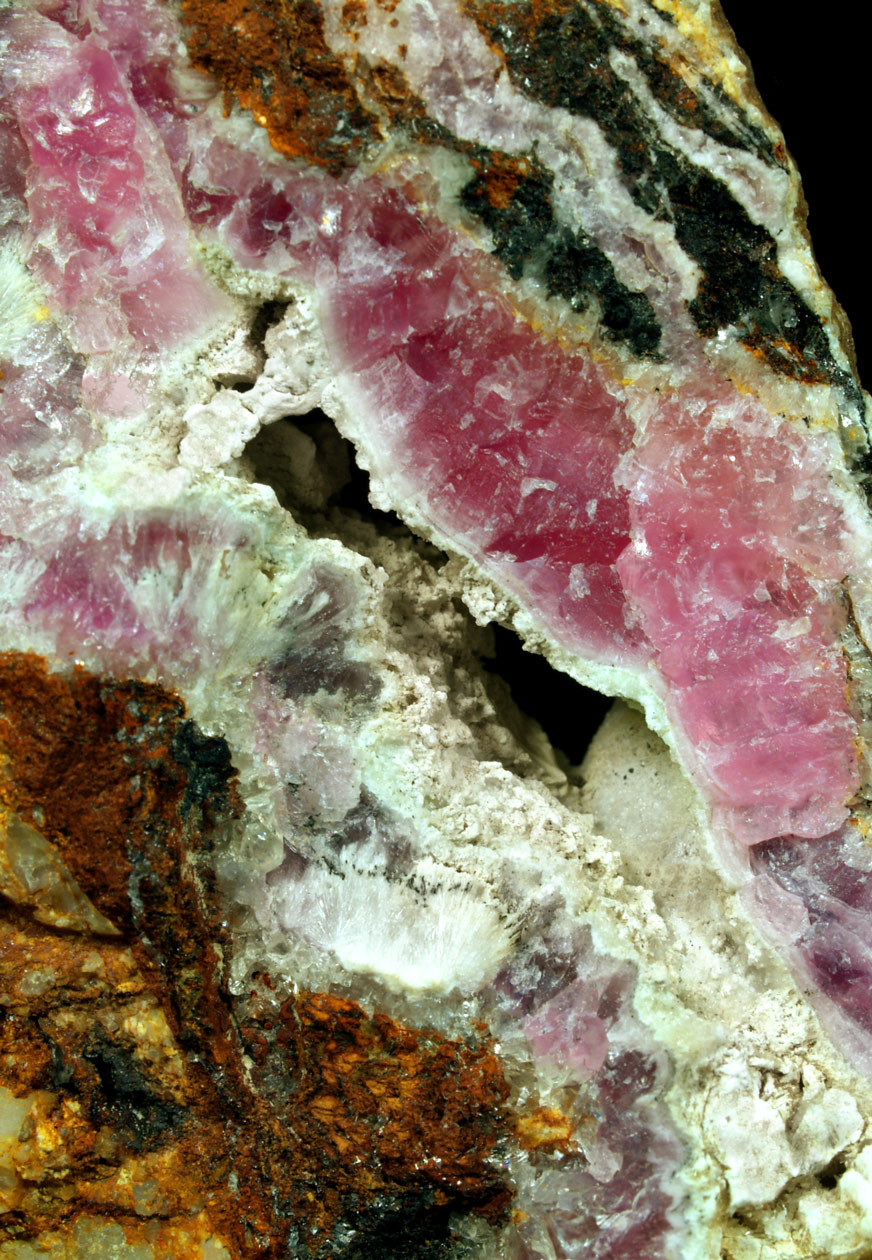
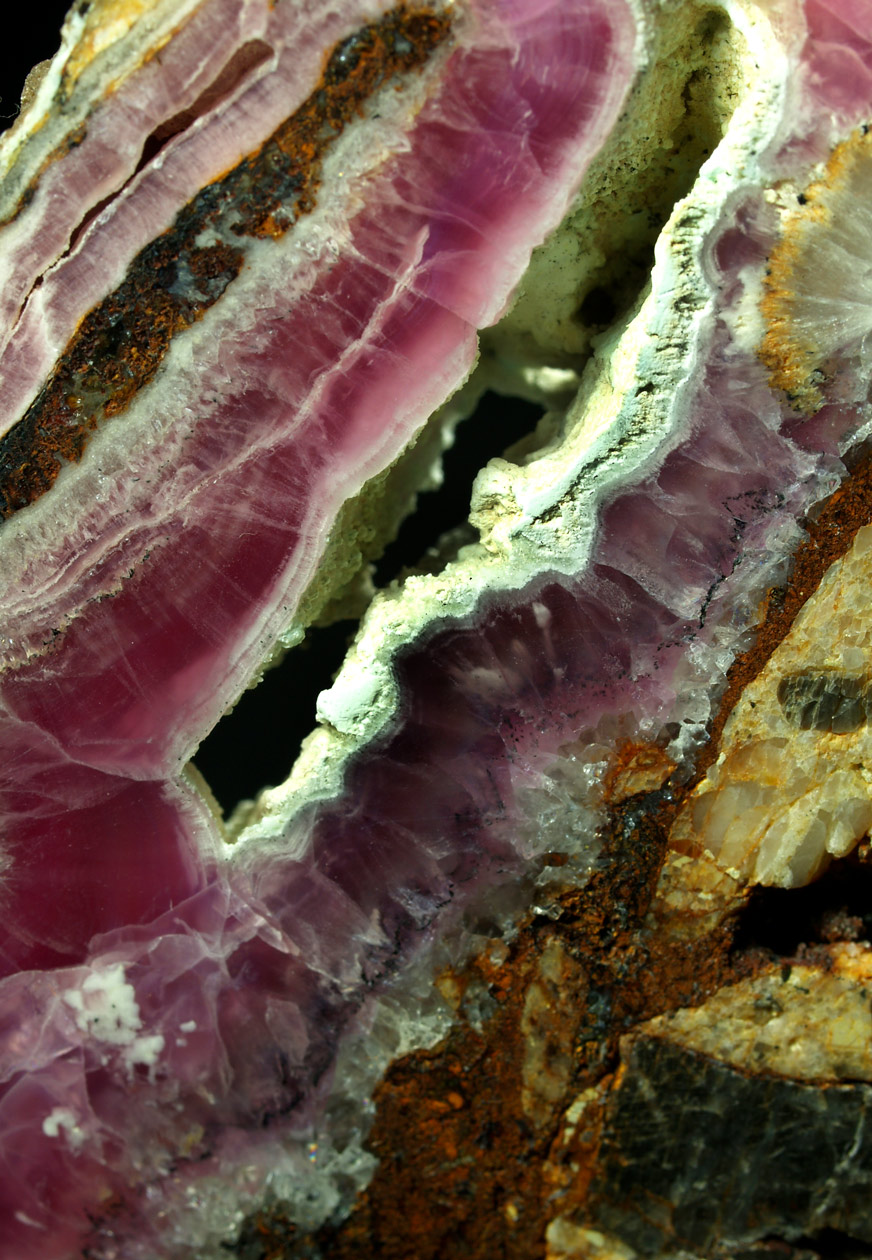
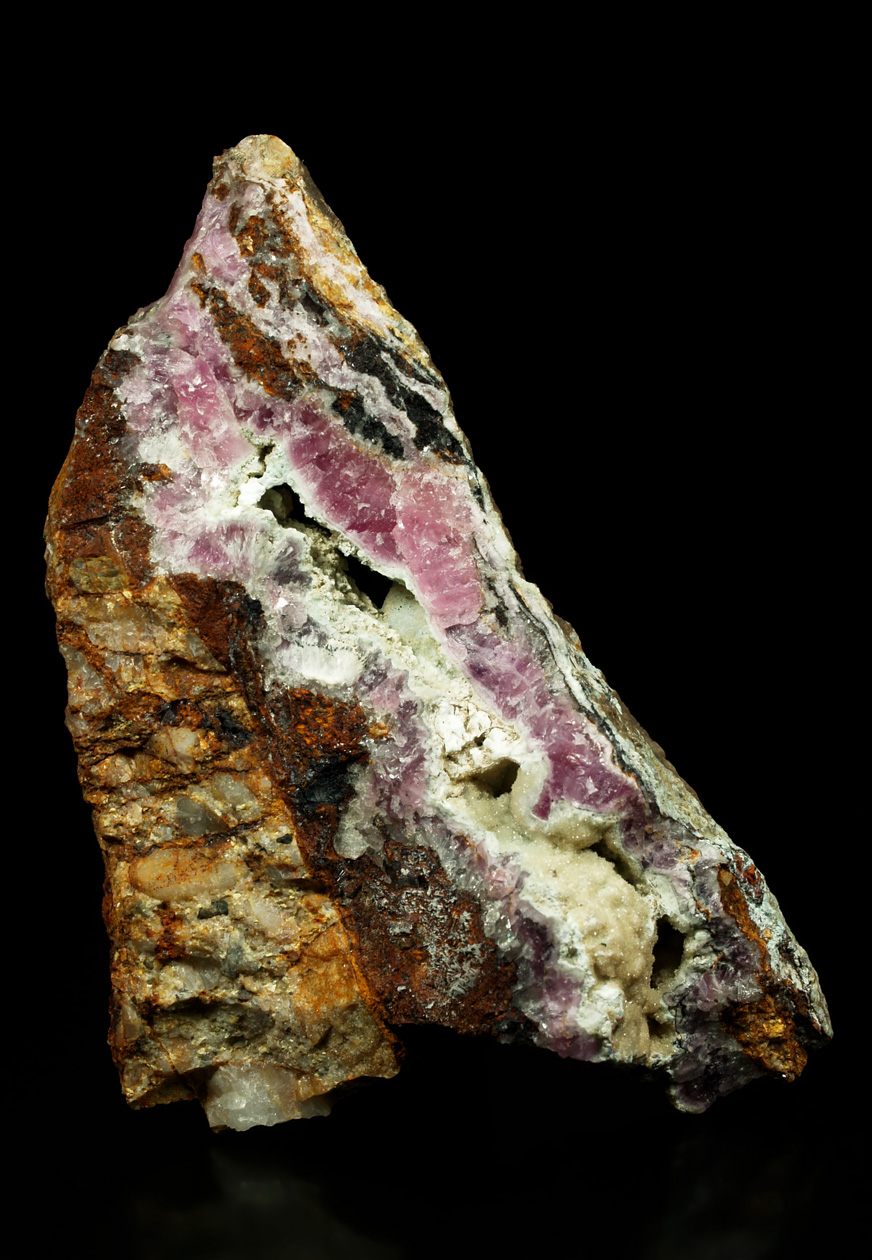
A huge size cobaltoan calcite specimen showing concretionary growths with a good and deep purple color. The mineralization is filling fissures of the Triassic conglomerates, which are very visible in this specimen and with a cavity that gives an aesthetic shape.
One side shows a polished section where we can enjoy perfectly banded purple calcite and conglomerate individual clasts. On the other side fracture is totally natural and not polished. Nowadays mine is partially collapsed and restored and it is impossible to get specimens.
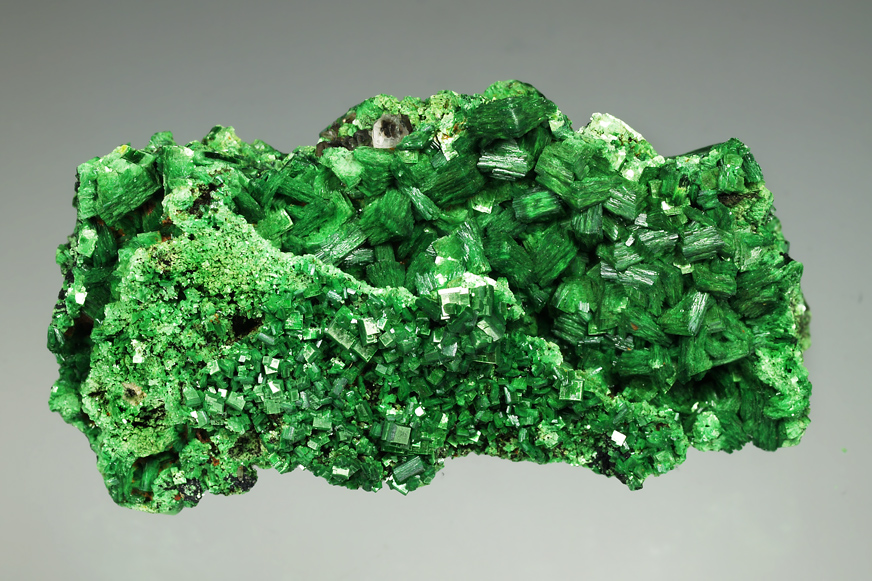
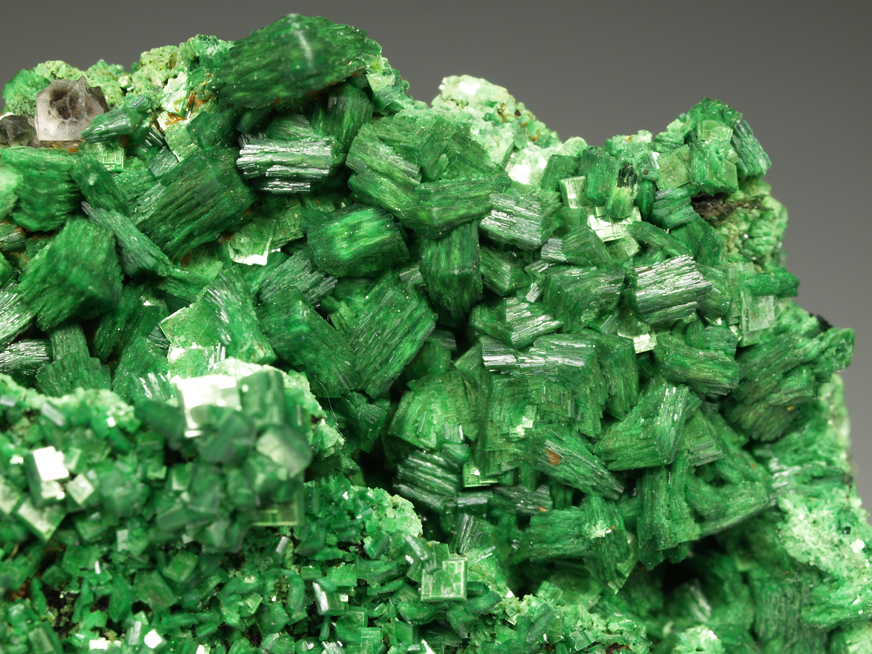
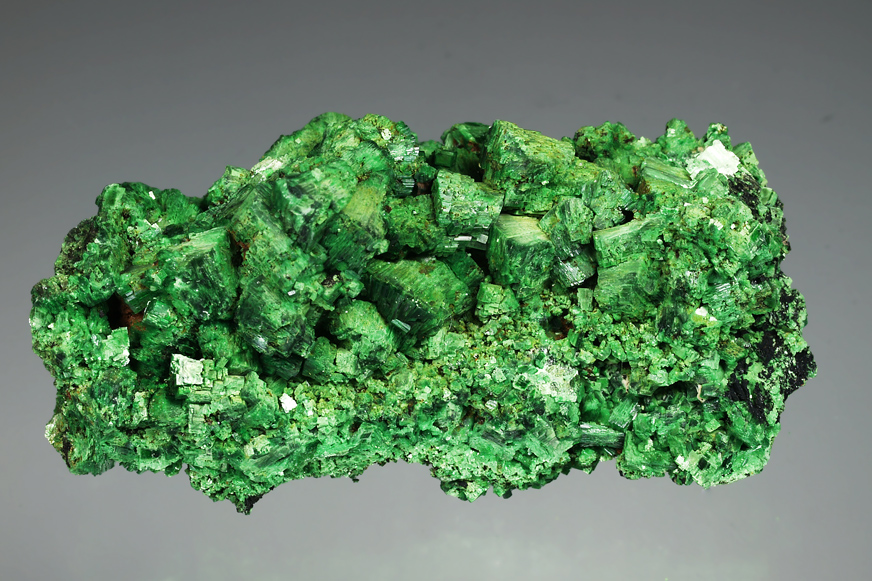
A very rich group of sharp metatorbernite crystals showing tabular tetragonal forms, an intense green color and good luster. They show polysynthetic and echeloned growths, and also as isolated tabular crystals. We can observe a yellowish fluorescence due to the presence of metautunite. This species is visible also as yellowish tones in the core of some exfoliated crystals. A French mineralogy classic not seen since late 70's.
These specimens come from a mineralized vug found in 2009 from were were obtained several floating specimens and some with stalactitic shape. The walls of the fissure were covered by smoky quartz crystals. When samples are mined and pull out of the mine, a partially dehydratation occurs (from 12 to 8 H2O molecules) and torbernite become metatorbernite species. Margabal specimens can be classified as metatorbernite.
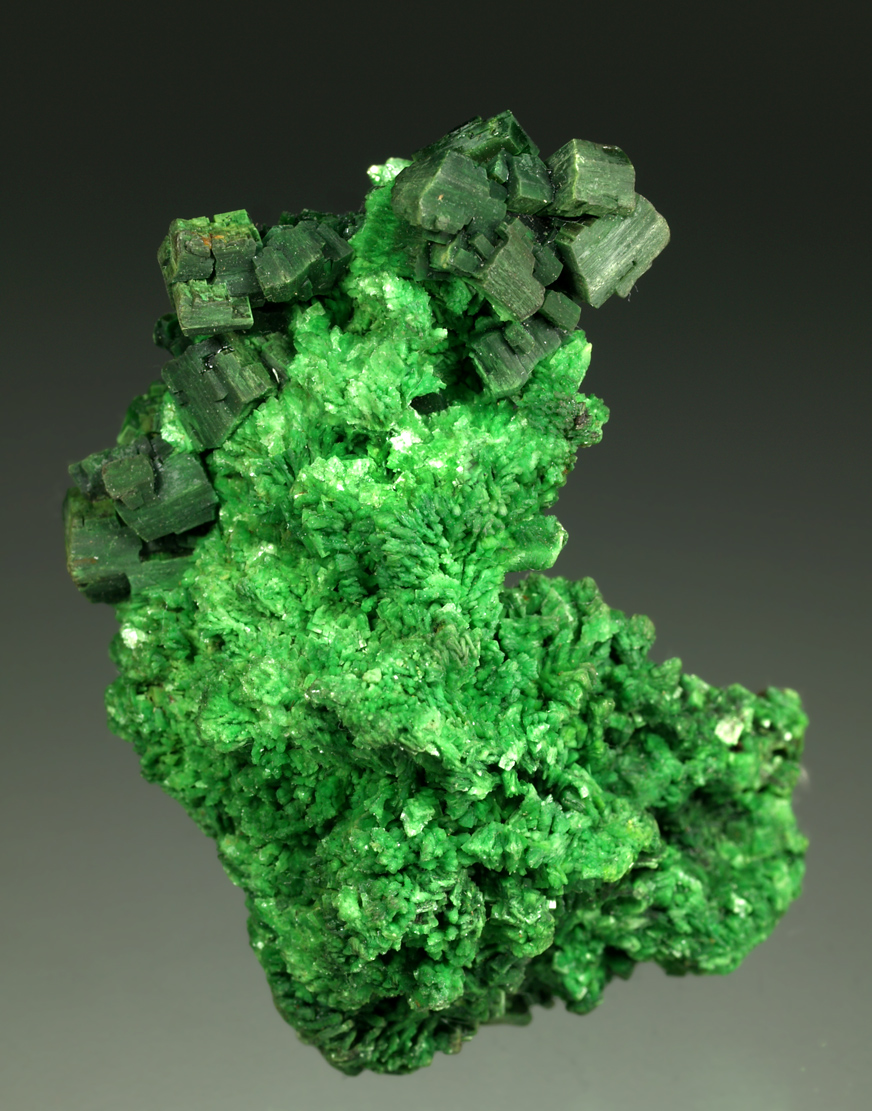
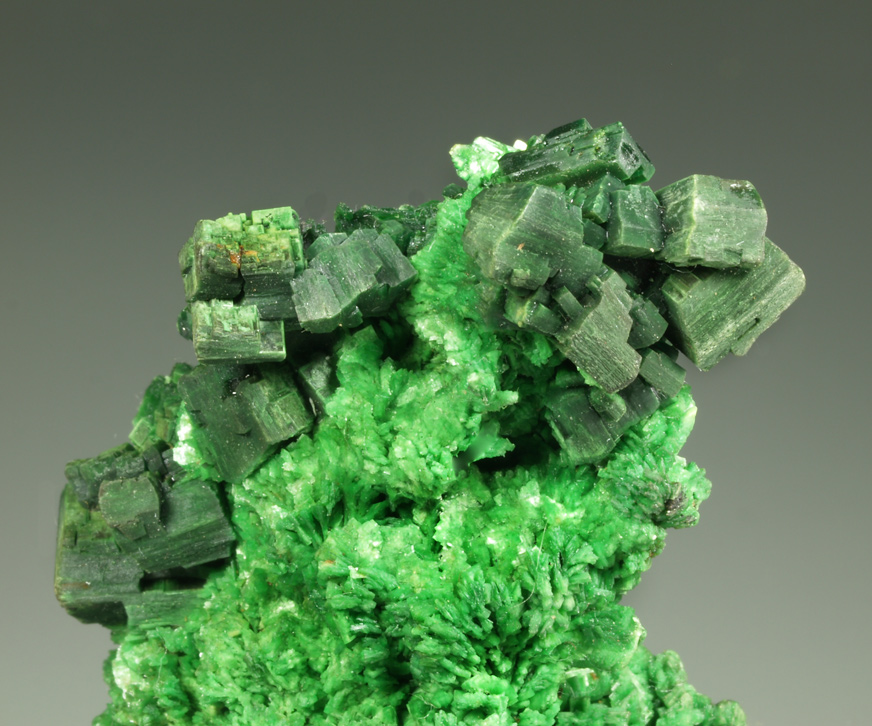
A very aesthetic group of sharp and thick metatorbernite crystals showing tetragonal forms. Very aerial disposed on the top of a matrix of metatorbernite, with an intense green color. We can observe a yellowish fluorescence under UV light due to the presence of metautunite. A French mineralogy classic not seen since late 70's.
These specimens come from a mineralized vug found in 2009 from were were obtained several floating specimens and some with stalactitic shape. The walls of the fissure were covered by smoky quartz crystals. When samples are mined and pull out of the mine, a partially dehydratation occurs (from 12 to 8 H2O molecules) and torbernite become metatorbernite species. Margabal specimens can be classified as metatorbernite.
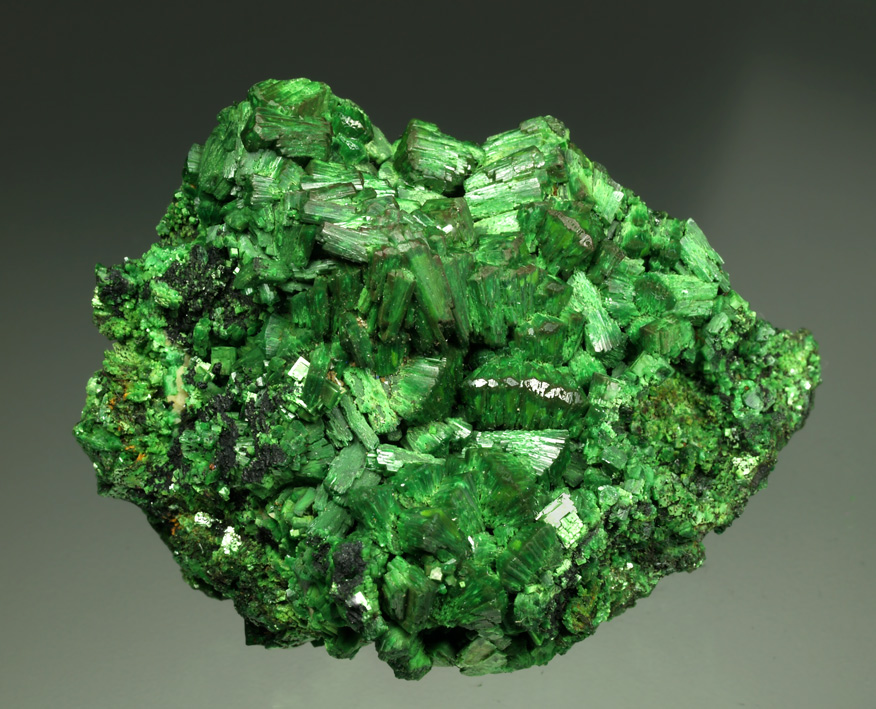
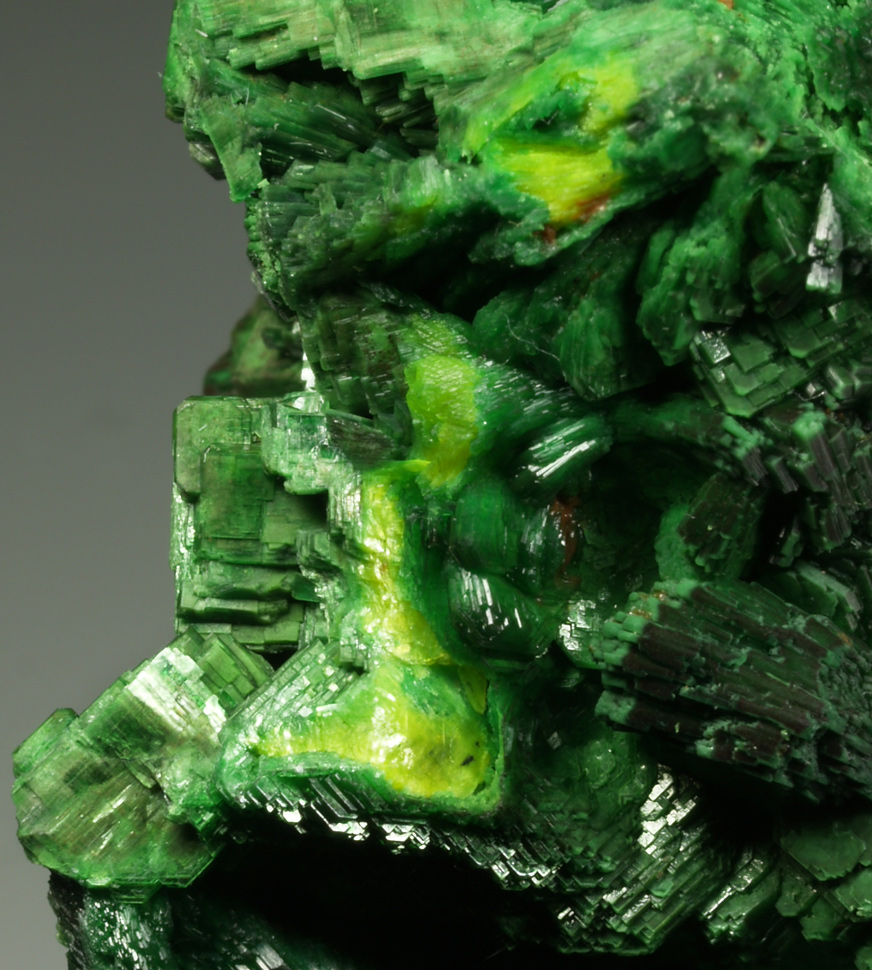
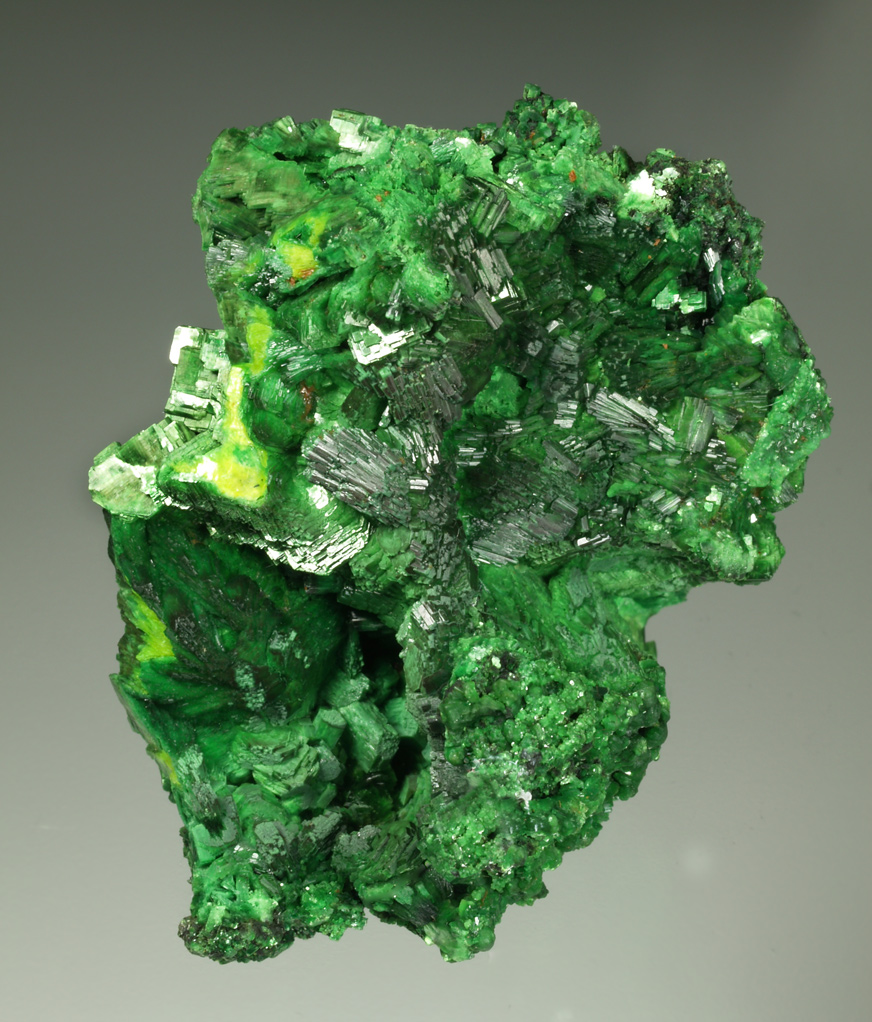
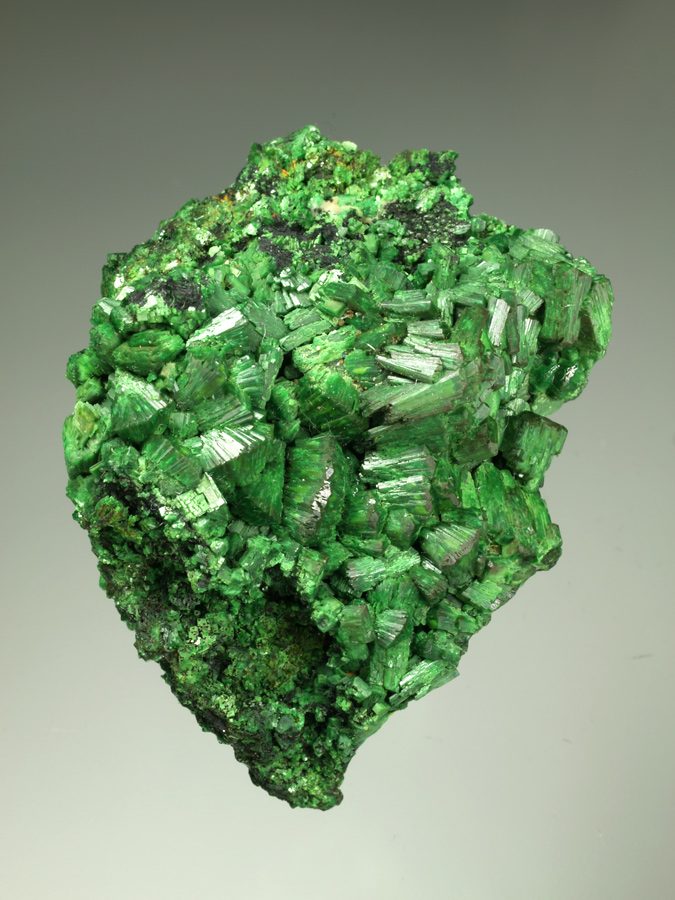
A very rich and huge size group of sharp metatorbernite crystals showing tetragonal forms, an intense green color and good luster. They show a classic polysynthetic and echeloned growth and some vugs from its stalactitic origin on the back side. We can observe a yellowish fluorescence due to the presence of metautunite. This species is visible also as yellowish tones in the core of some exfoliated crystals. A French mineralogy classic not seen since late 70's.
These specimens come from a mineralized vug found in 2009 from were were obtained several floating specimens and some with stalactitic shape. The walls of the fissure were covered by smoky quartz crystals. When samples are mined and pull out of the mine, a partially dehydratation occurs (from 12 to 8 H2O molecules) and torbernite become metatorbernite species. Margabal specimens can be classified as metatorbernite.
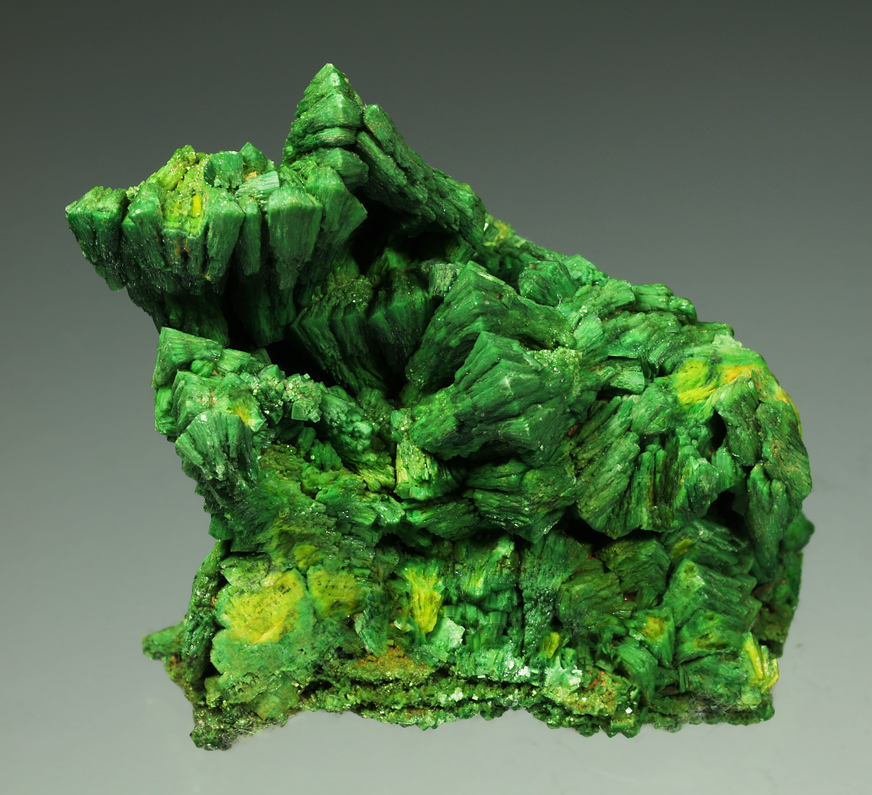
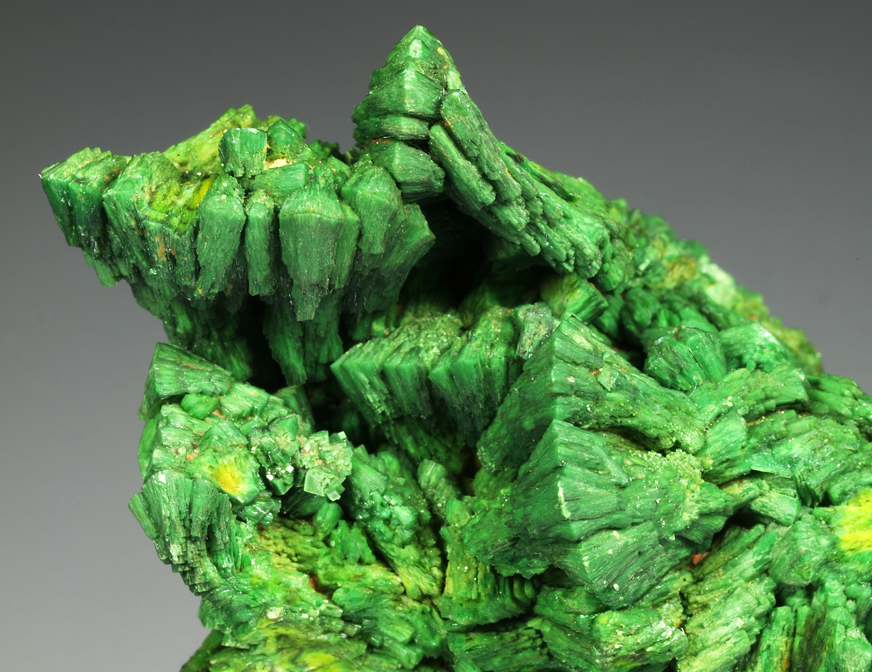
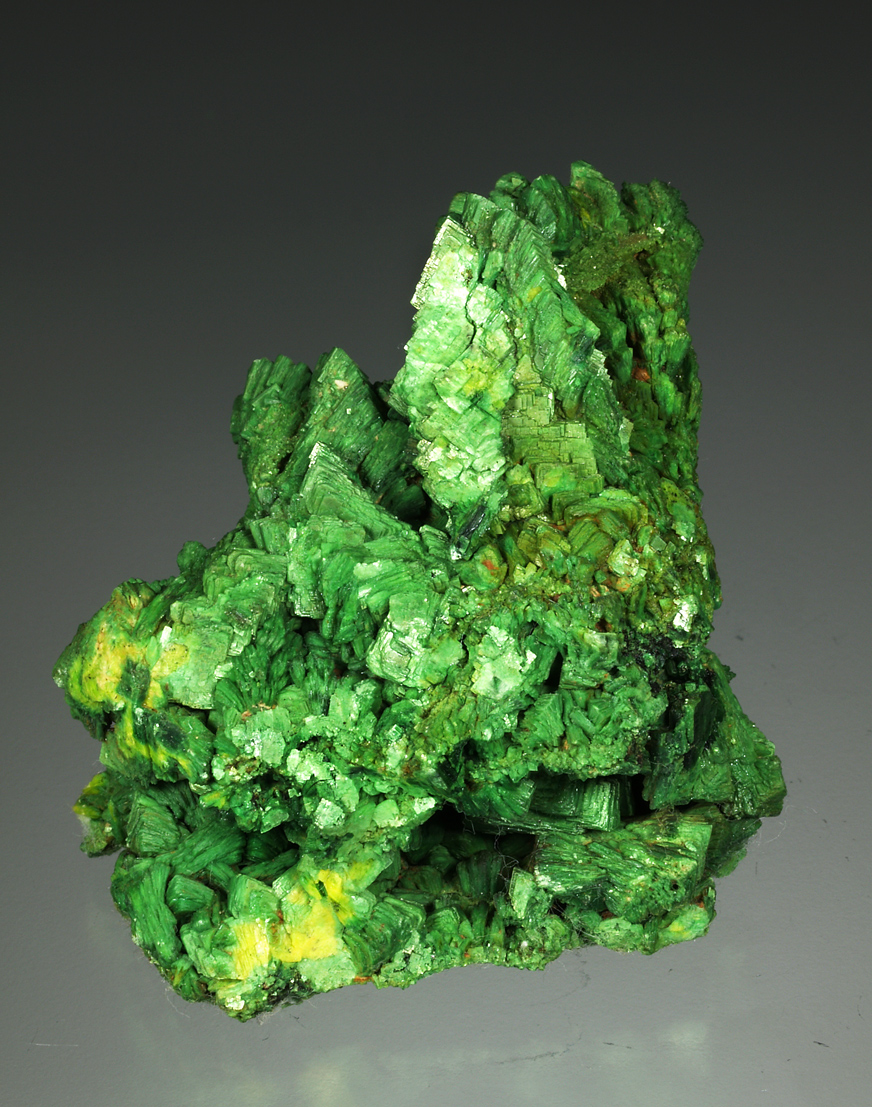
A very rich group of metatorbernite crystals showing tetragonal forms and polysynthetic and echeloned growths, and classic green color. We can observe a yellowish fluorescence due to the presence of metautunite. This species is visible also as yellowish tones in the core of some exfoliated crystals.
When samples are mined and pull out of the mine, a partially dehydratation occurs (from 12 to 8 H2O molecules) and torbernite become metatorbernite species. Margabal specimens can be classified as metatorbernite.
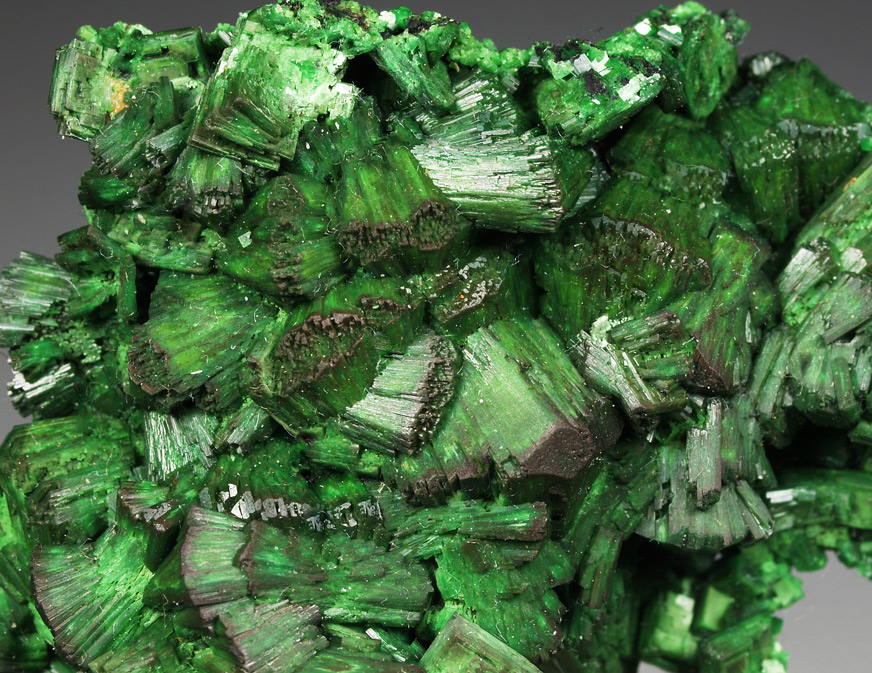
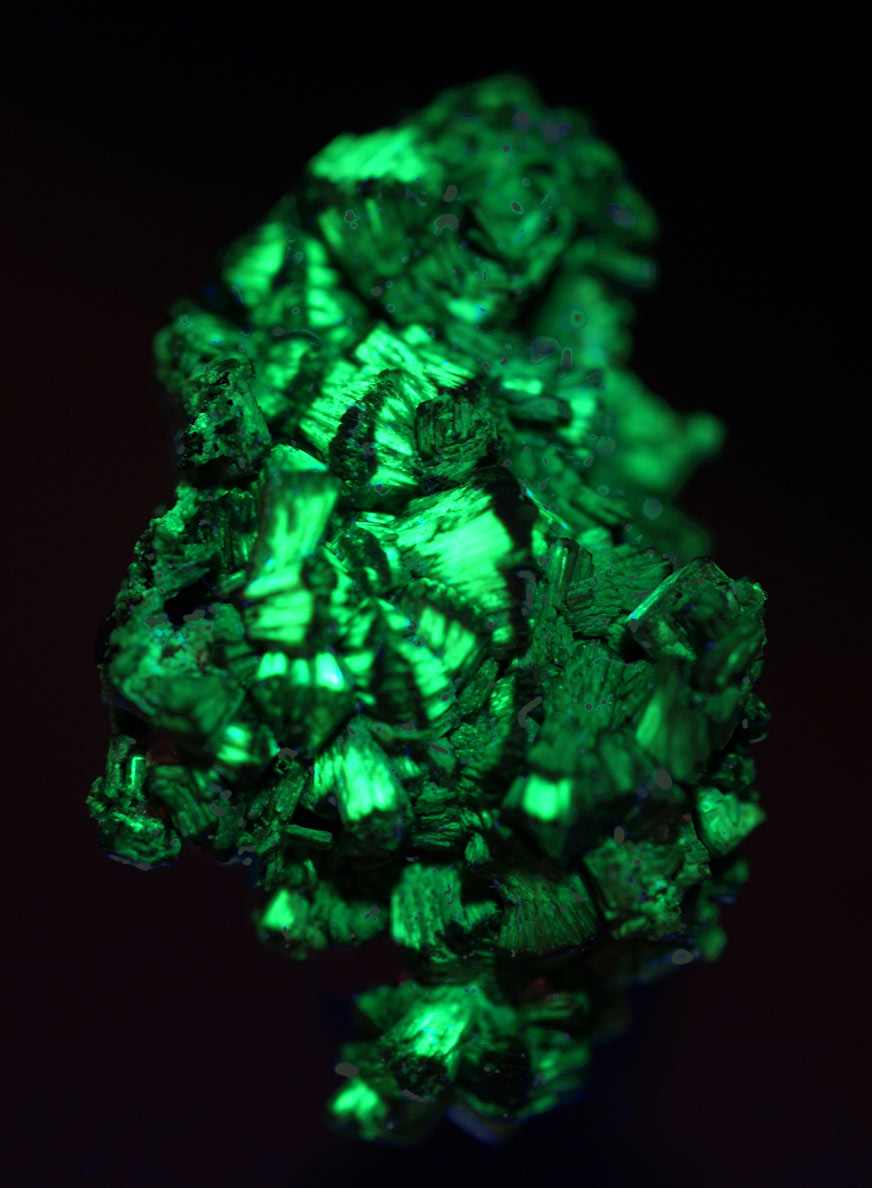
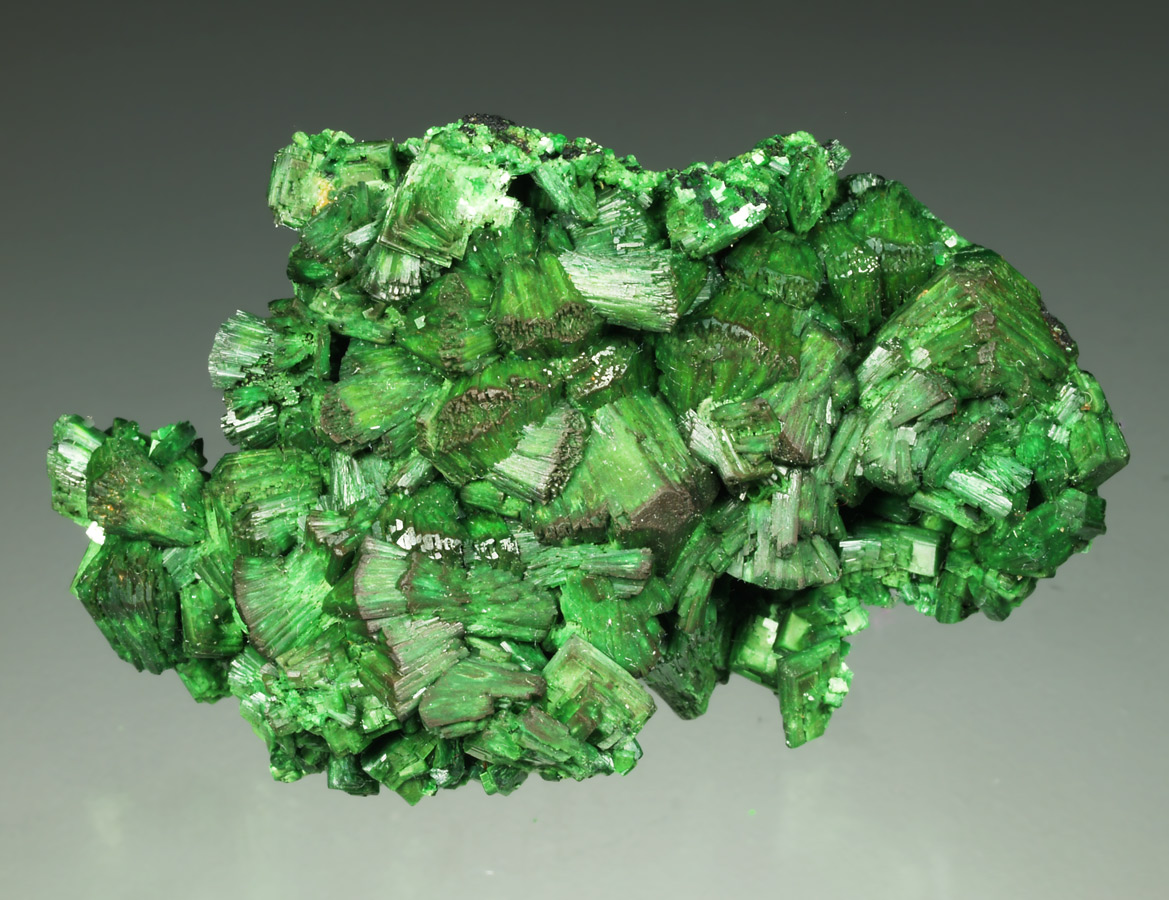
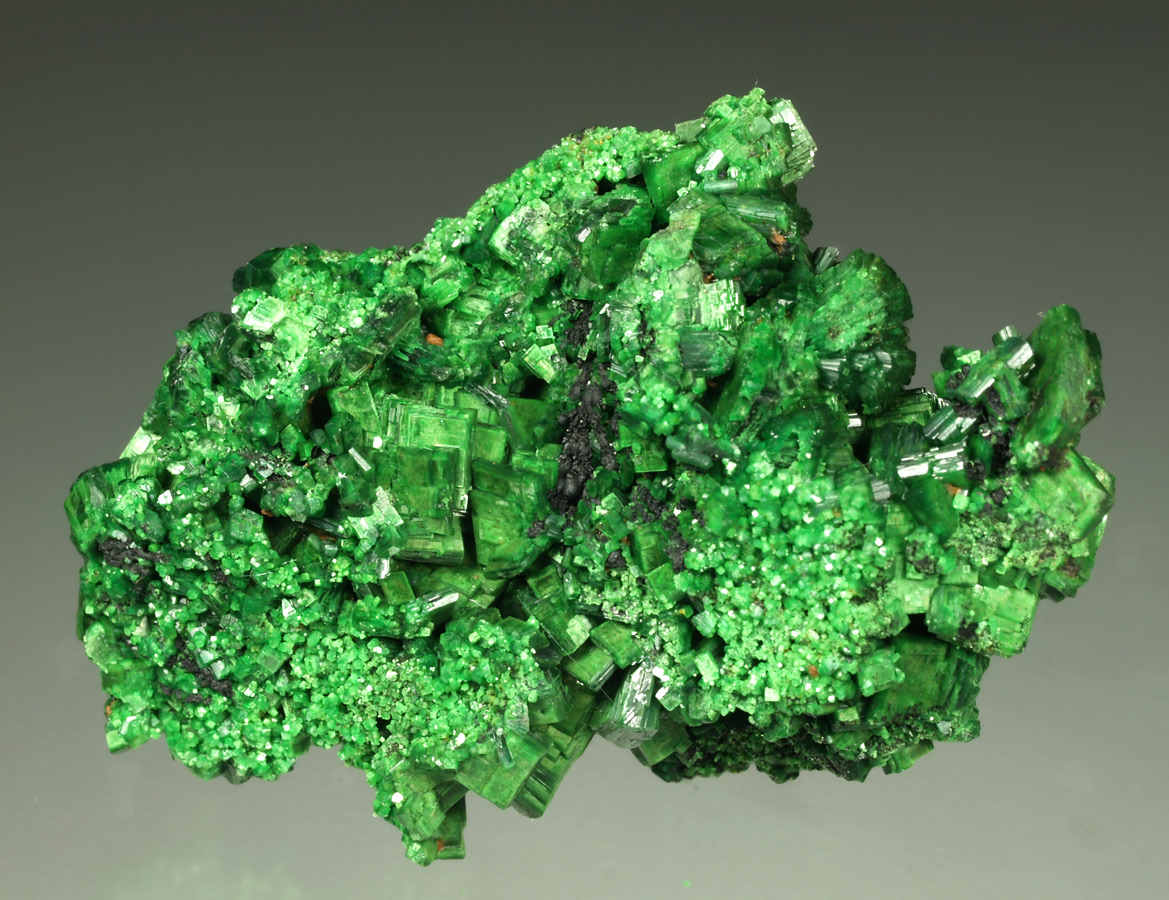
A very rich group of sharp metatorbernite crystals showing tetragonal forms, an intense green color and good luster. Shown in isolated crystals, but also as polysynthetic and echeloned growth. We can observe a yellowish fluorescence due to the presence of metautunite. This species is visible also as yellowish tones in the core of some exfoliated crystals. A French classic not seen since late 70's.
These specimens come from a mineralized vug found in 2009 from were were obtained several floating specimens and some with stalactitic shape. The walls of the fissure were covered by smoky quartz crystals. When samples are mined and pull out of the mine, a partially dehydratation occurs (from 12 to 8 H2O molecules) and torbernite become metatorbernite species. Margabal specimens can be classified as metatorbernite.
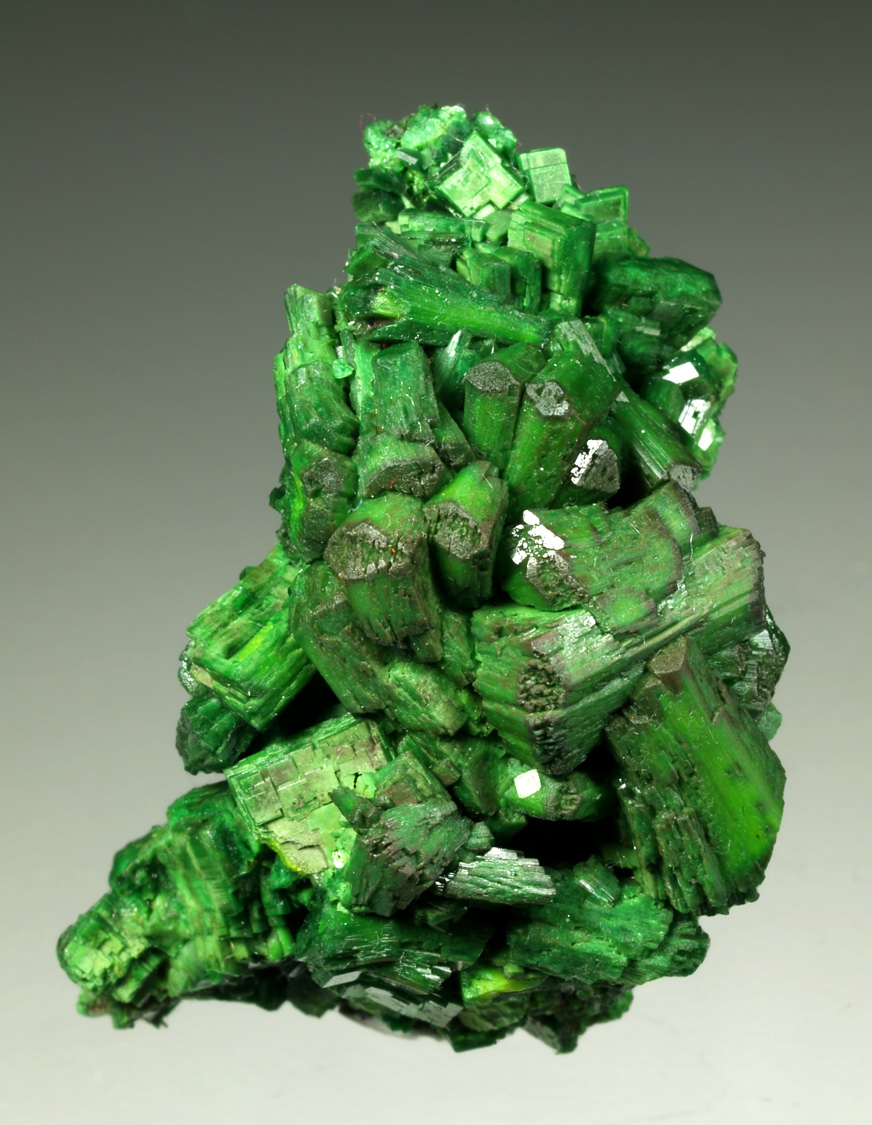
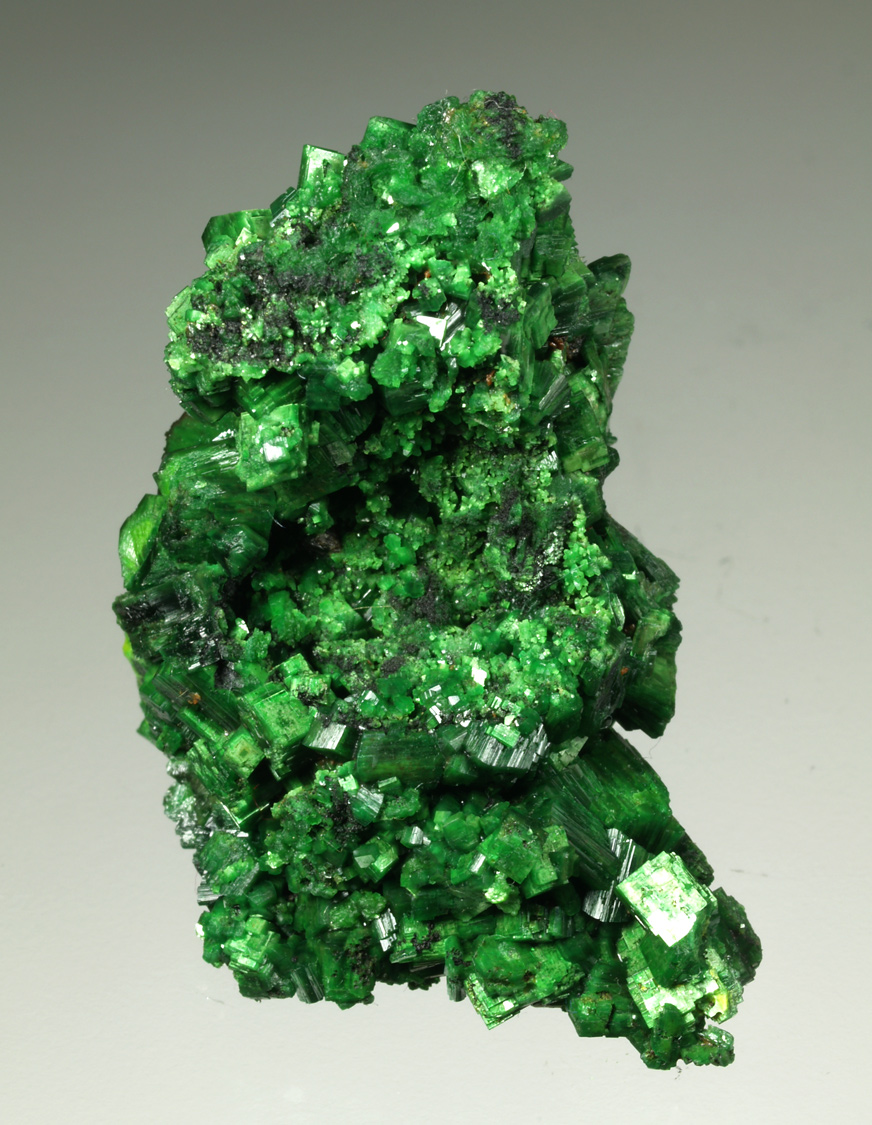
A very rich group of sharp metatorbernite crystals showing tetragonal forms, an intense green color and good luster. Shown in isolated crystals, but also as polysynthetic and echeloned growth. We can observe a yellowish fluorescence due to the presence of metautunite. This species is visible also as yellowish tones in the core of some exfoliated crystals. A French mineralogy classic not seen since late 70's.
These specimens come from a mineralized vug found in 2009 from were were obtained several floating specimens and some with stalactitic shape. The walls of the fissure were covered by smoky quartz crystals. When samples are mined and pull out of the mine, a partially dehydratation occurs (from 12 to 8 H2O molecules) and torbernite become metatorbernite species. Margabal specimens can be classified as metatorbernite.