- Inicio Acerca de RM Minerales
- Galería de fotos Blog RM Contacto
- Microscopia e instrumentos Pedidos Aviso legal
Copyright 2010-2026
www.rosellminerals.com



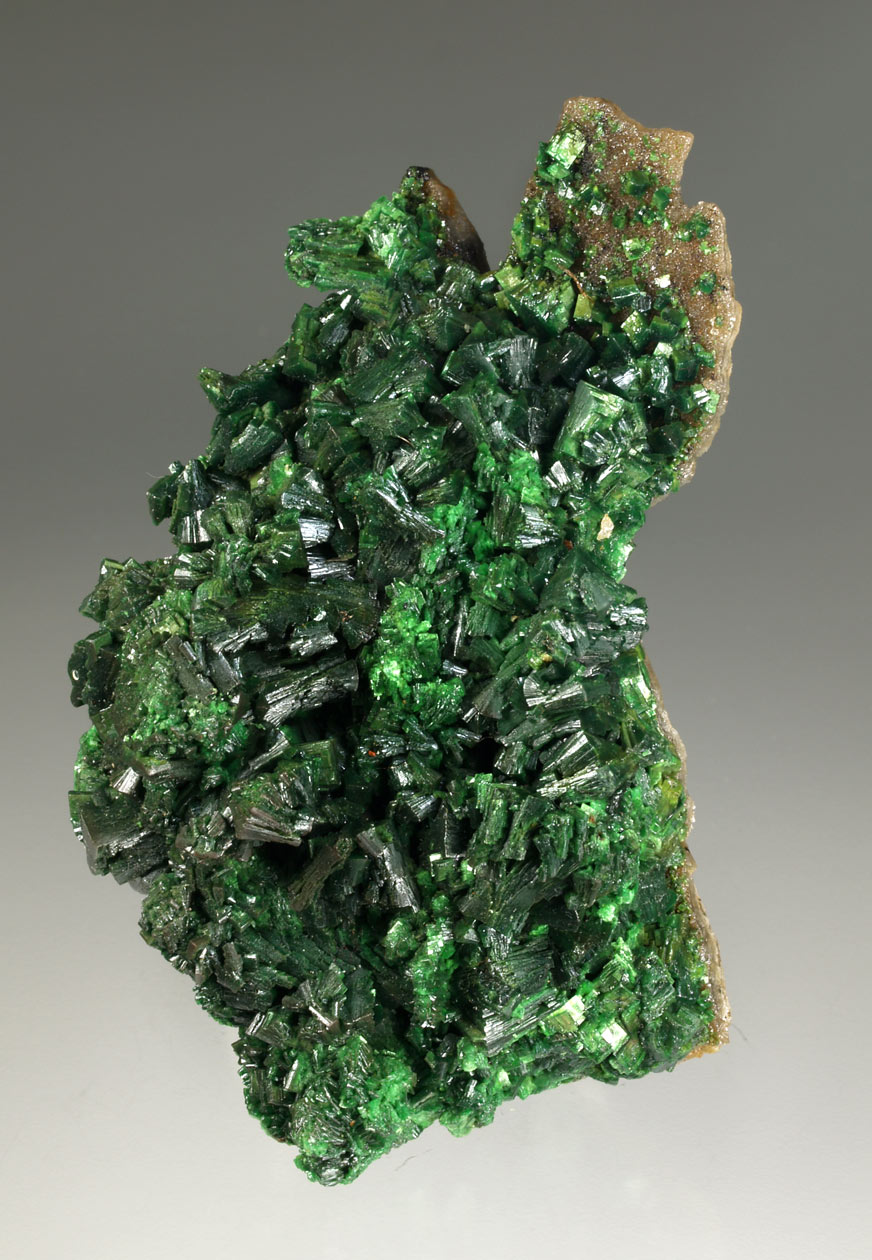
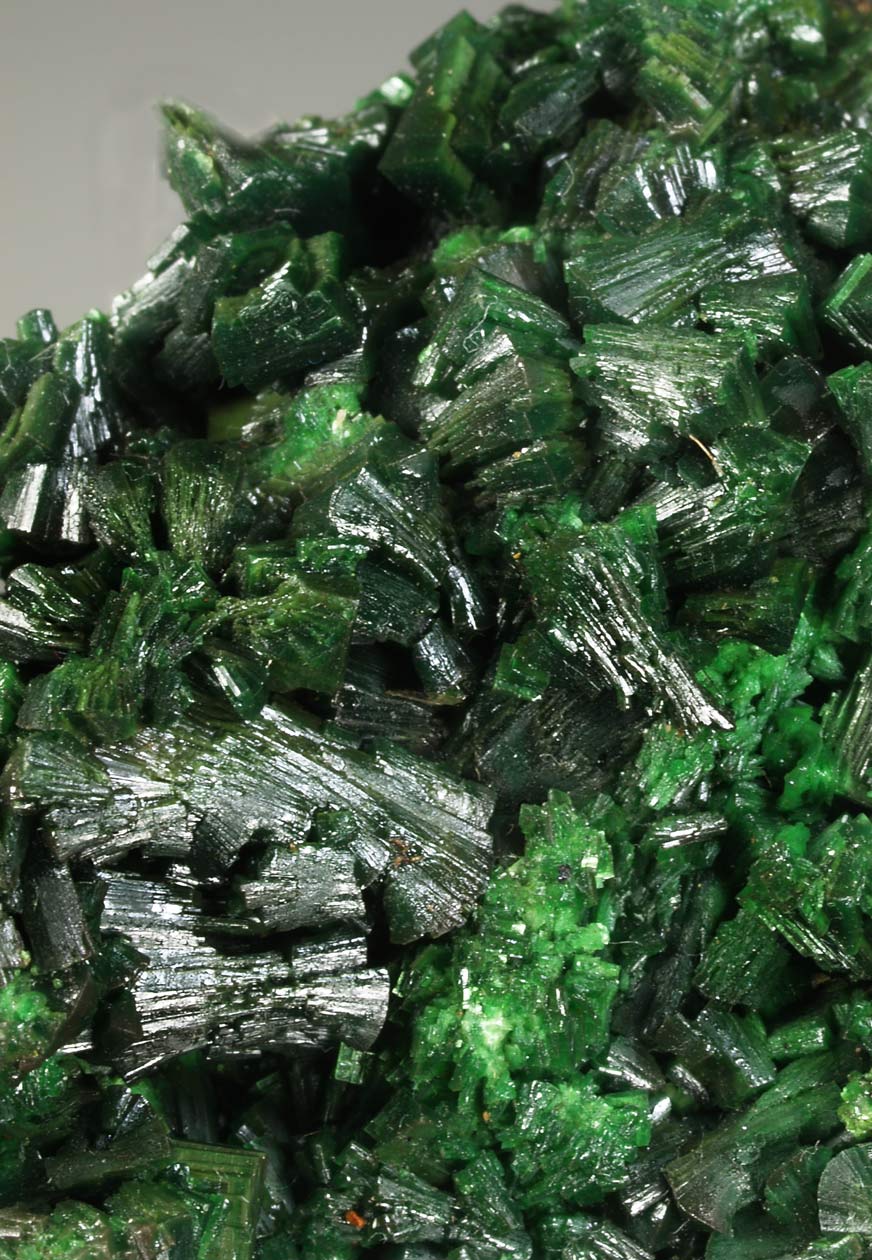
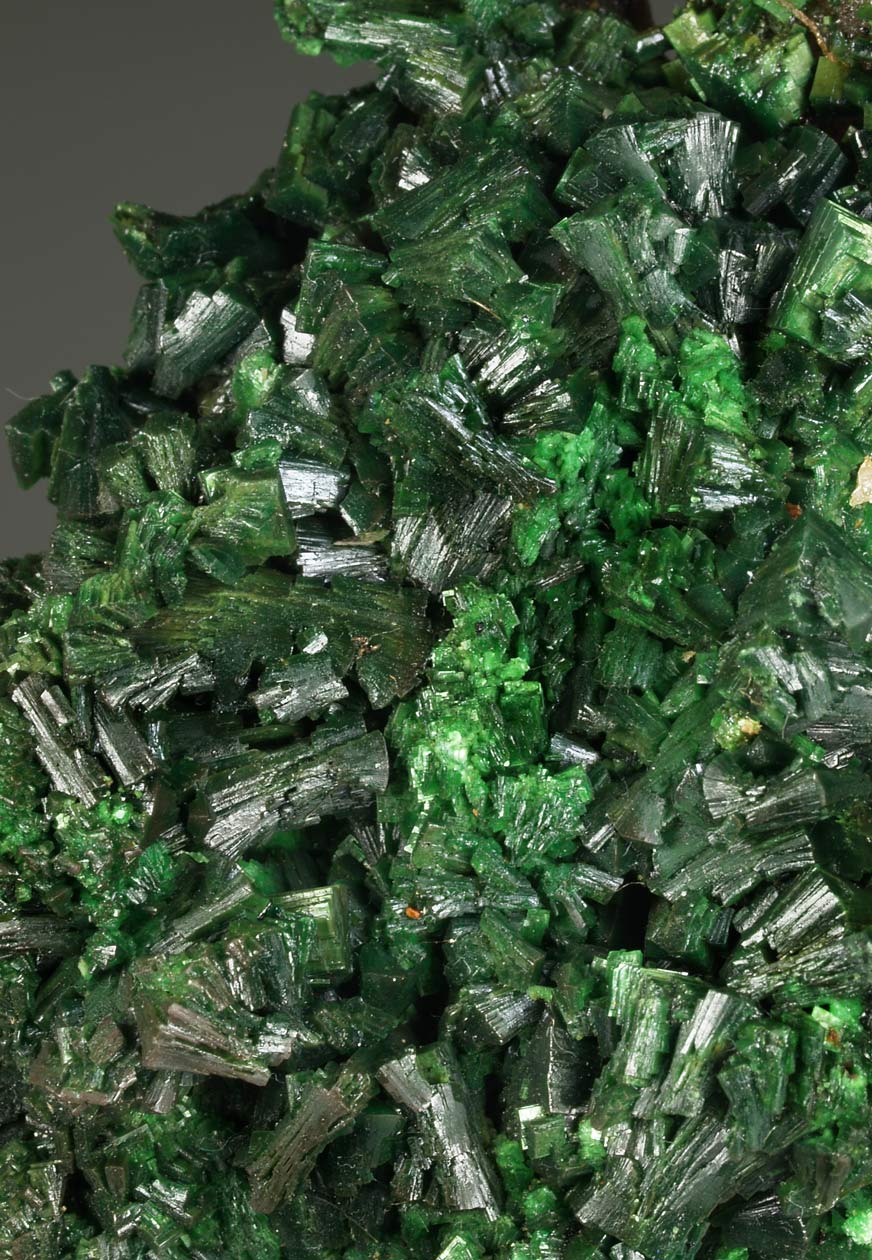
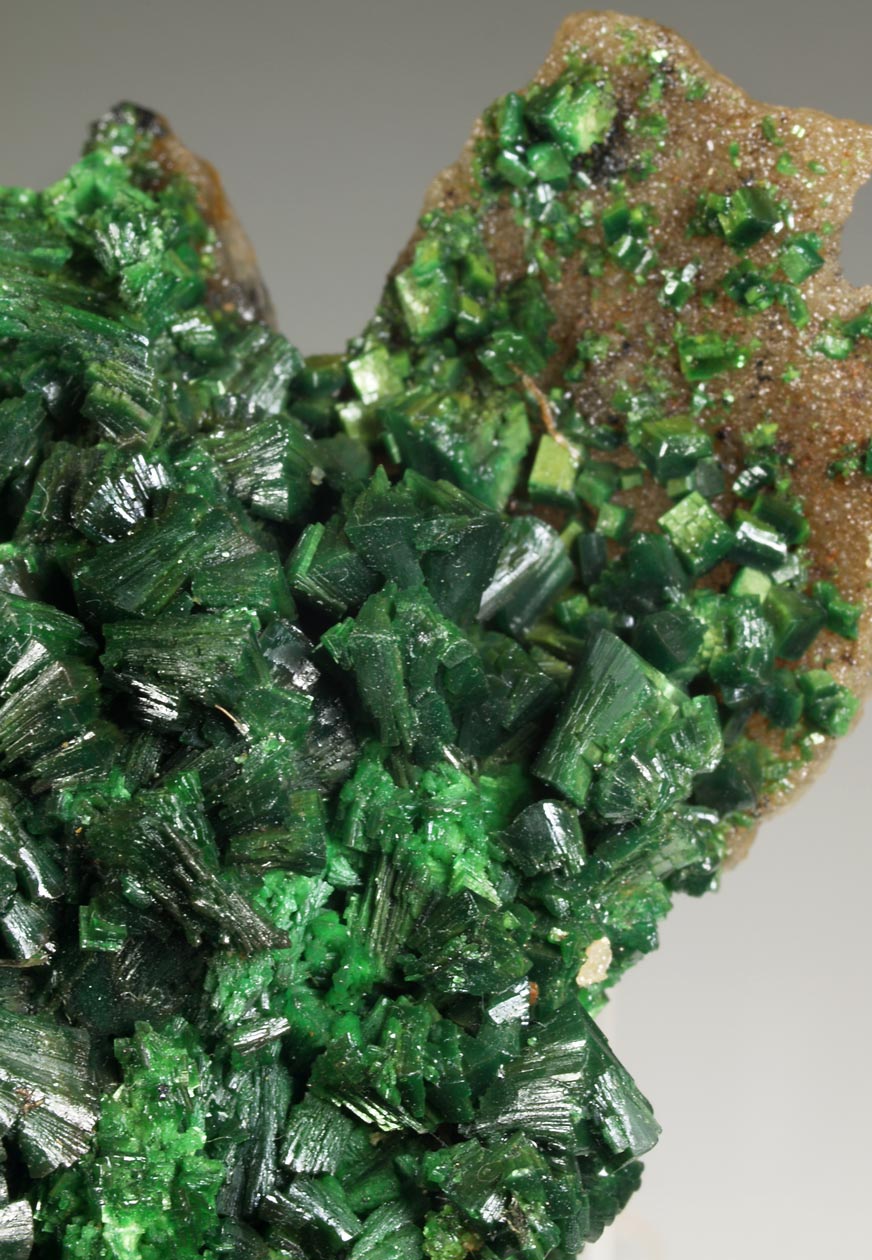
Ejemplar formado por un nutrido grupo de cristales de metatorbernita. Presentan crecimientos polisintéticos y escalonados de cristales tetragonales bien definidos, con un color verde muy característico. Bajo la luz ultravioleta observamos una intensa fluorescencia amarillo-verdosa que nos indica la presencia de otra especie. Los análisis SEM-EDS han permitido identificarla como metaautunita. Podemos decir que la metatorbernita está substituyendo a la metaautunita, observándose la gradación de color incluso en un mismo cristal tabular o en fractura fresca. Enviaremos los análisis al comprador. Se acompaña de cuarzo como matriz encajante. Este ejemplar procede de los hallazgos realizados en los años 90 en esta mina francesa clásica. Ex-colección A. Pouget.
Tanto la metaautunita como la metatorbernita son fases deshidratadas de la autunita y la torbernita. La pérdida de moléculas de agua presentes en la estructura cristalina de estas especies es un hecho habitual cuando el ejemplar se extrae de la mina.
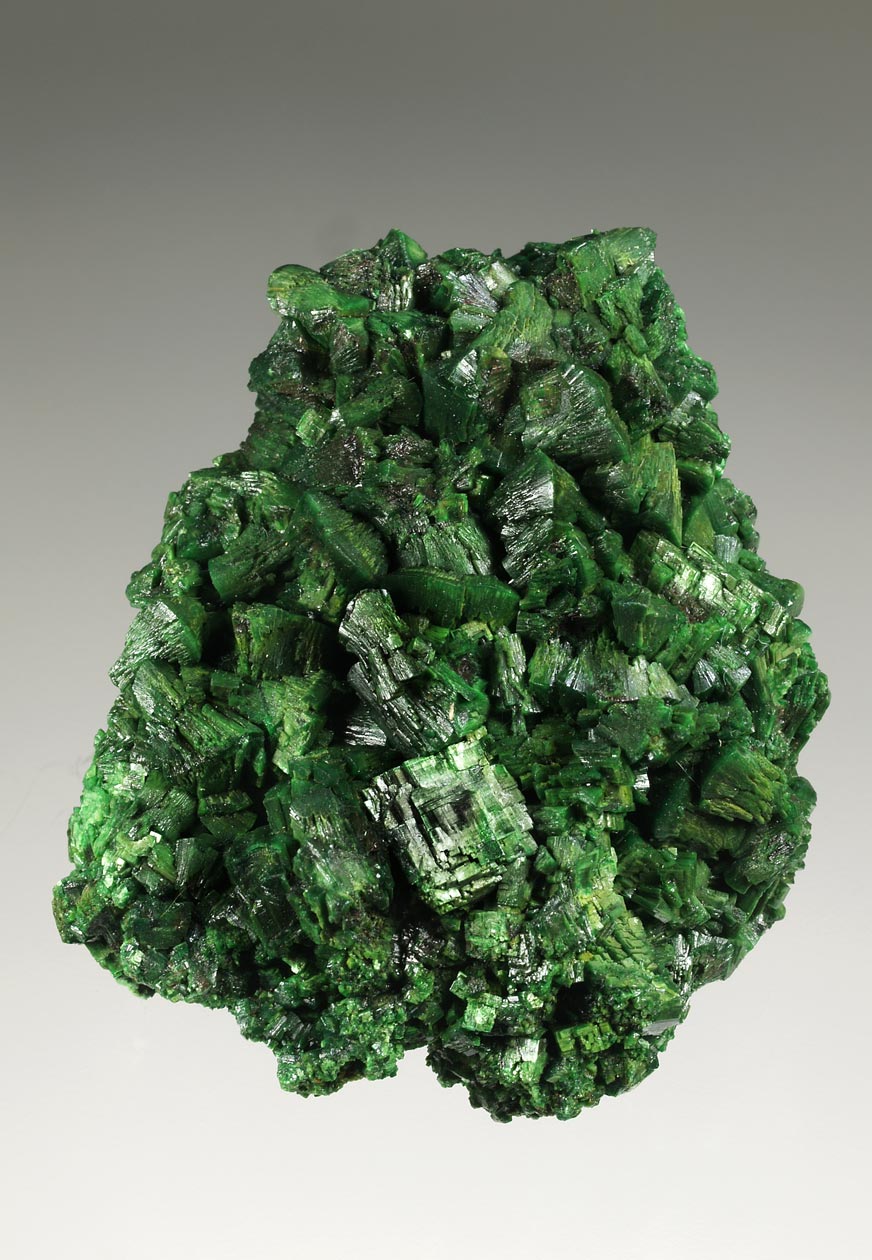
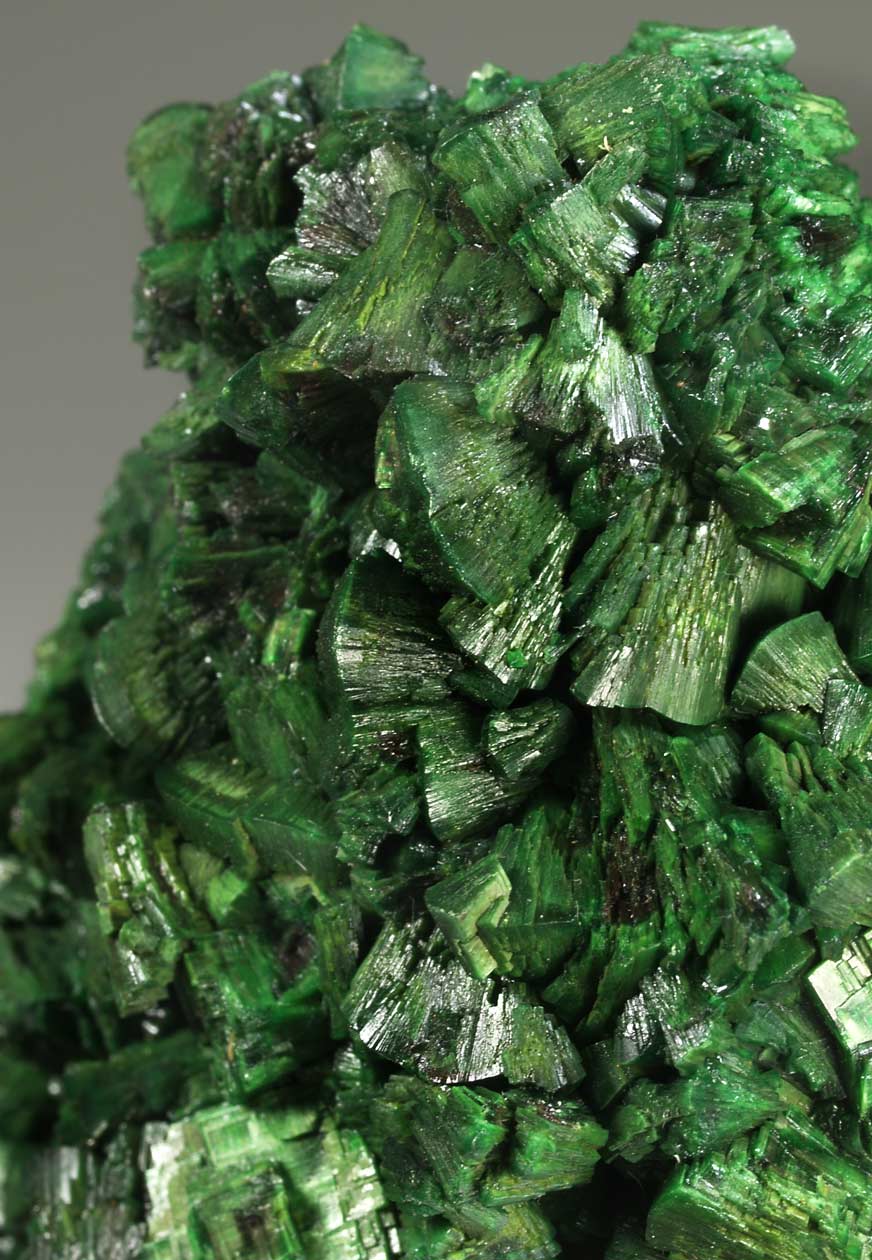
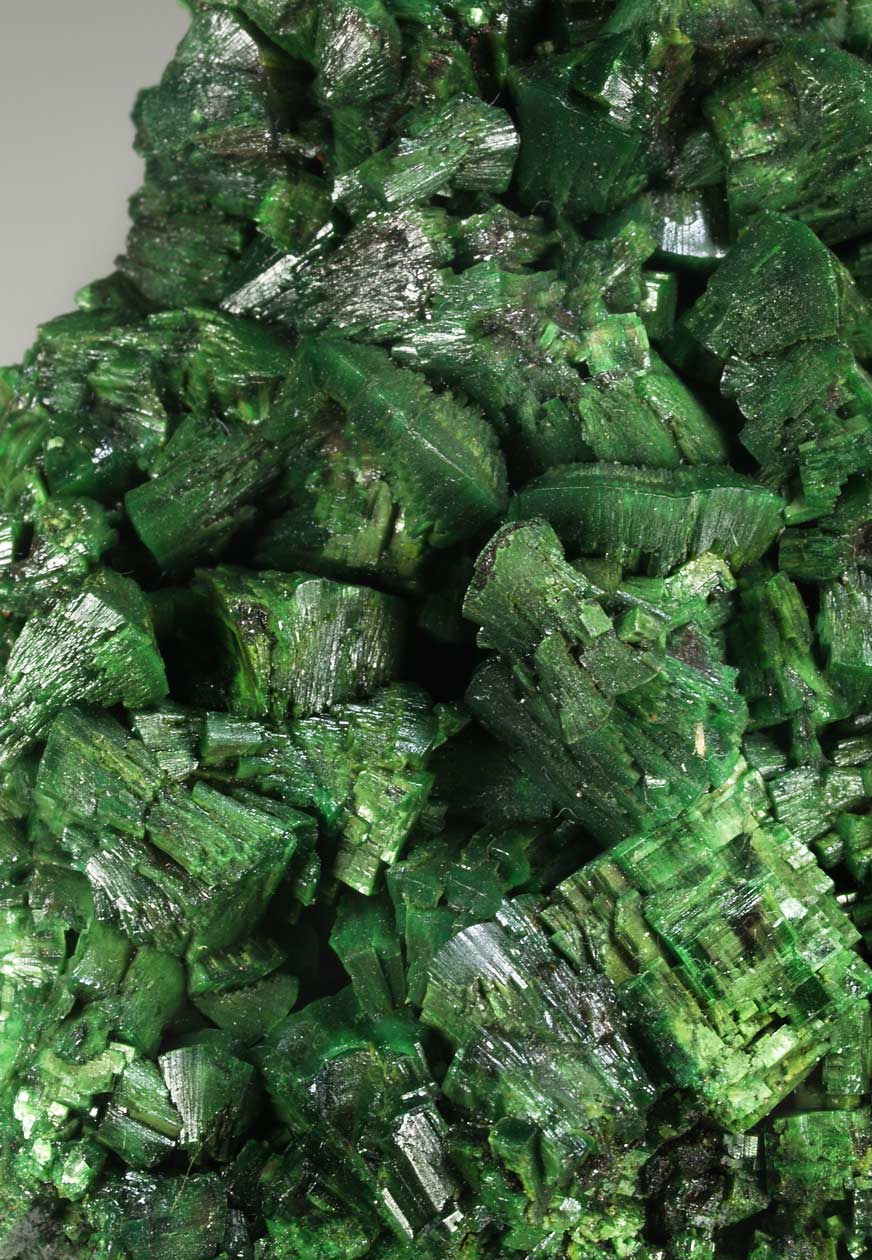
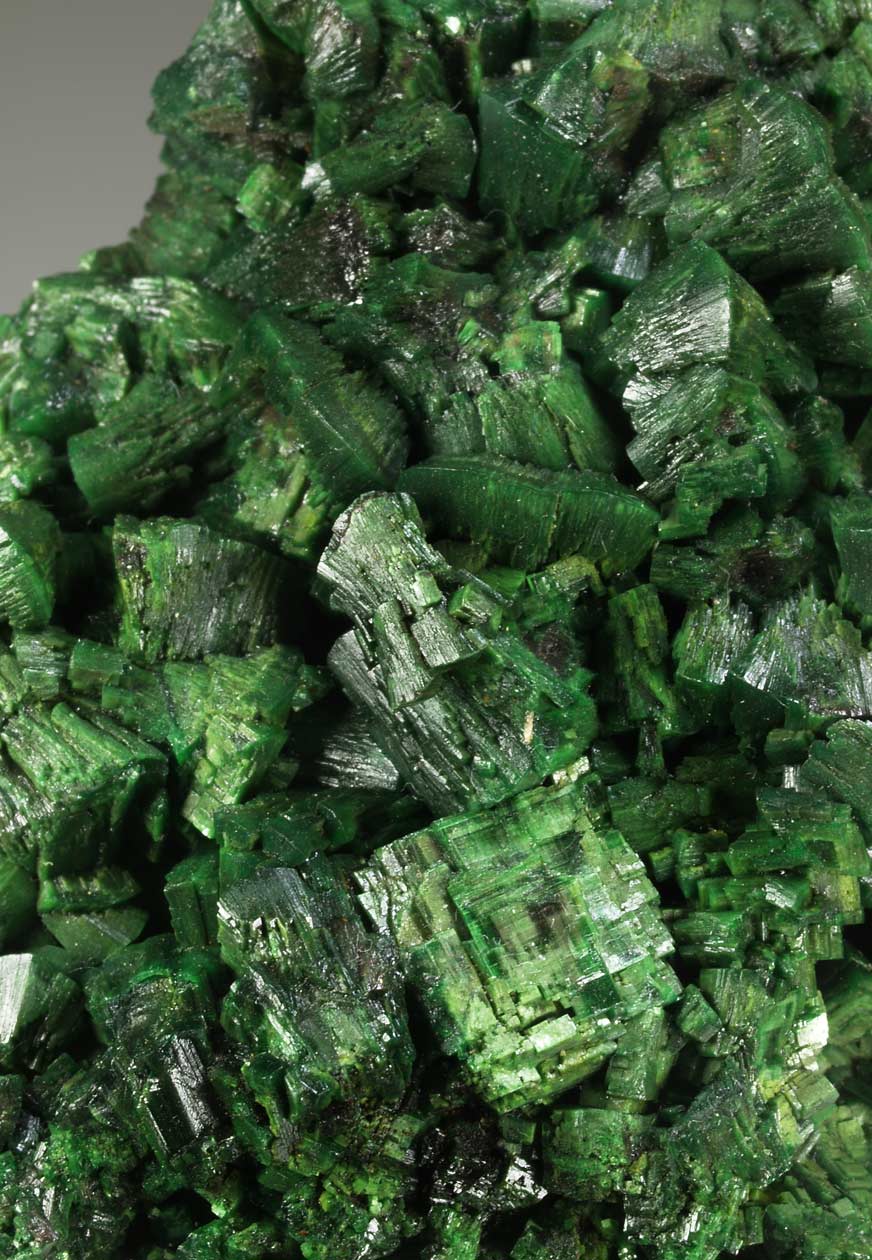
Ejemplar formado por un nutrido grupo de cristales de metatorbernita. Presentan crecimientos polisintéticos y escalonados de cristales tetragonales bien definidos, con un color verde muy característico. Bajo la luz ultravioleta observamos una intensa fluorescencia amarillo-verdosa que nos indica la presencia de otra especie. Los análisis SEM-EDS han permitido identificarla como metaautunita. Podemos decir que la metatorbernita está substituyendo a la metaautunita, observándose la gradación de color incluso en un mismo cristal tabular o en fractura fresca. Enviaremos los análisis al comprador. Este ejemplar procede de los hallazgos realizados en los años 90 en esta mina francesa clásica. Ex-colección A. Pouget.
Tanto la metaautunita como la metatorbernita son fases deshidratadas de la autunita y la torbernita. La pérdida de moléculas de agua presentes en la estructura cristalina de estas especies es un hecho habitual cuando el ejemplar se extrae de la mina.
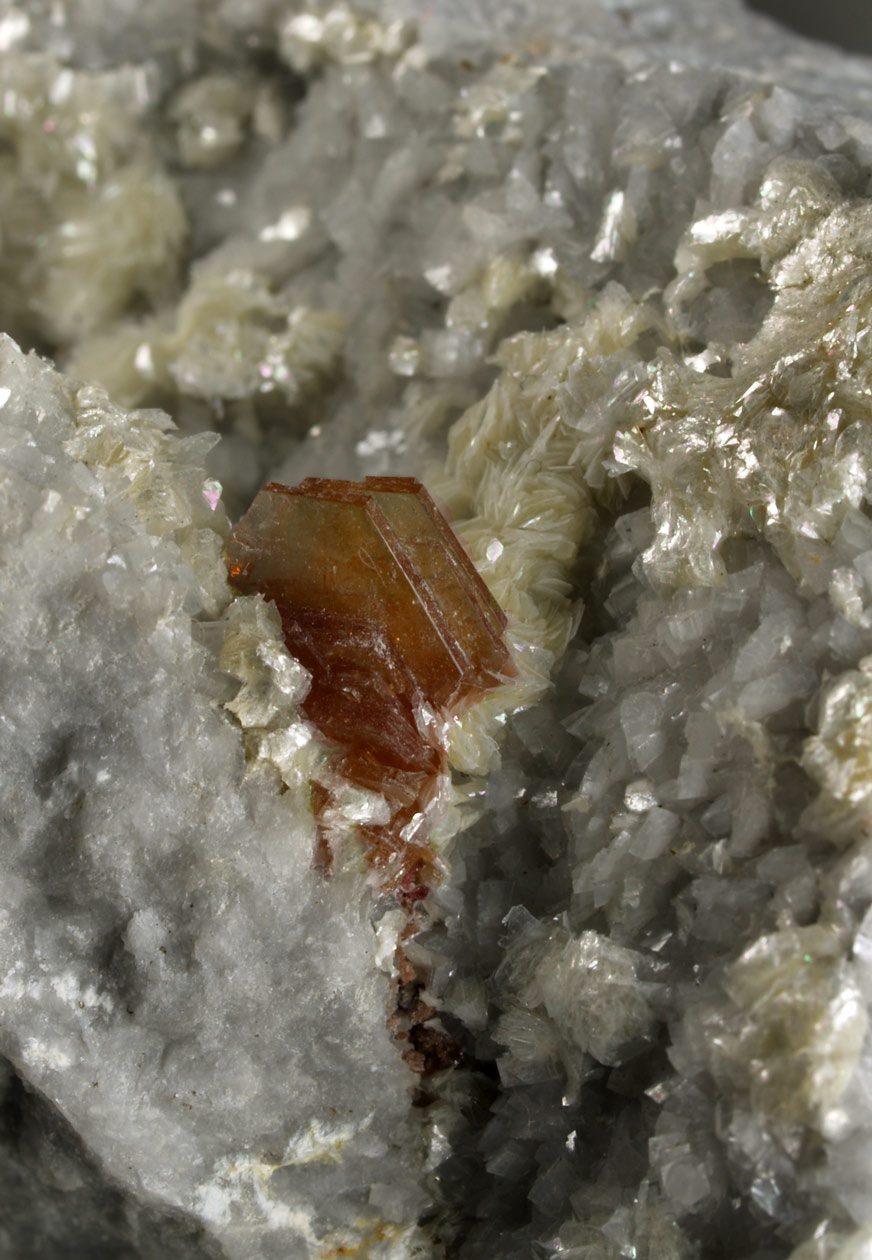
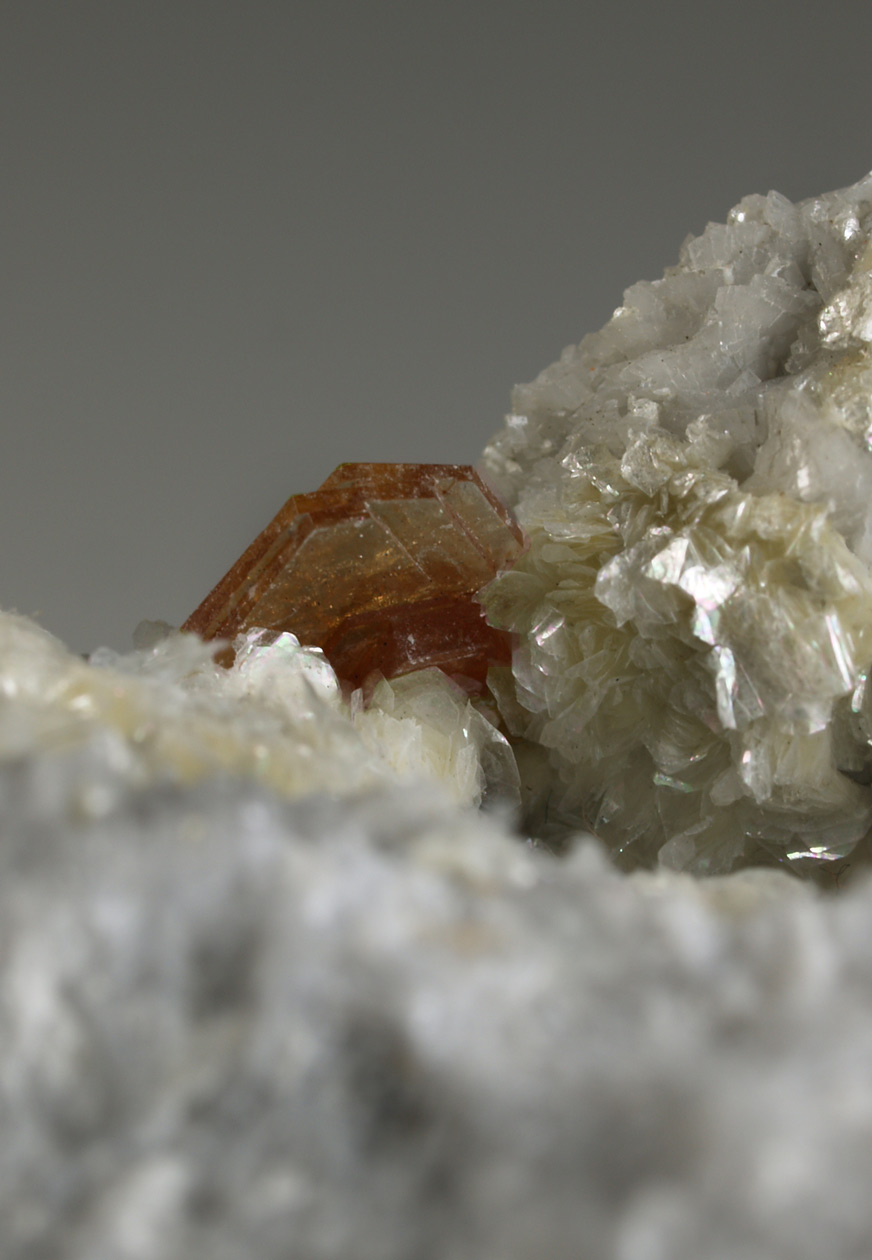
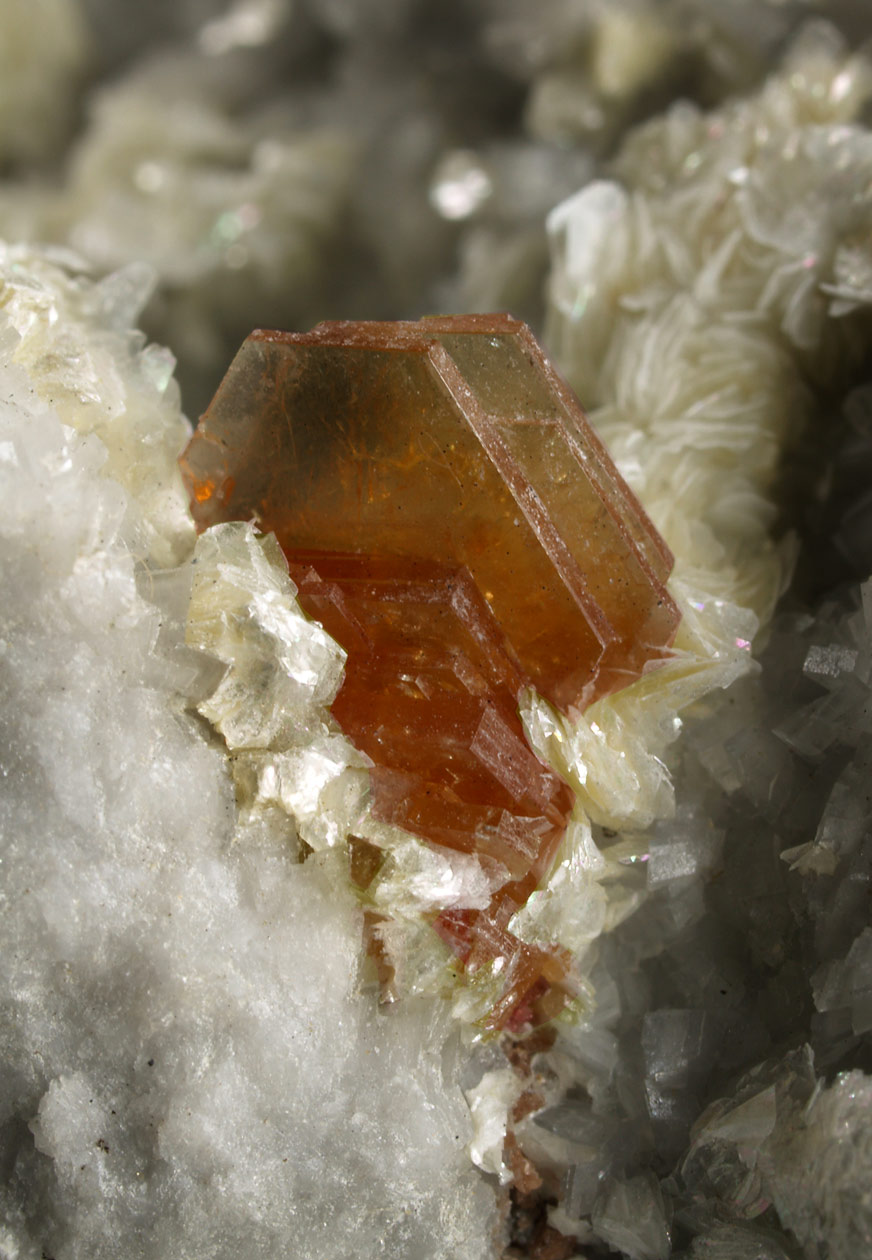
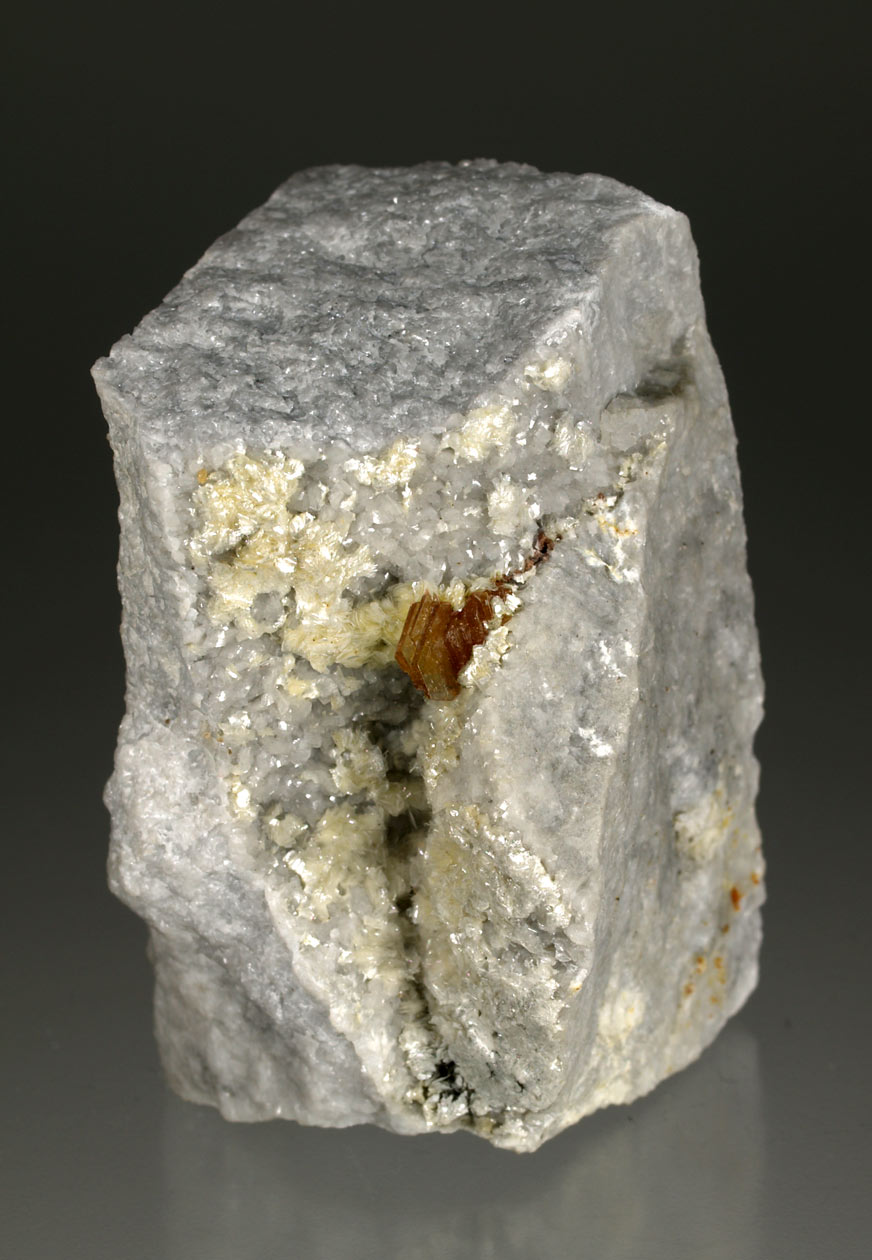
Excelente grupo de cristales de bastnäsita-(Ce), con buen tamaño, transparencia, caras y aristas definidas. Perfectamente dispuesto sobre una matriz de cristales de dolomita con talco. Una oportunidad única para obtener un ejemplar de primera calidad de esta clásica cantera de talco francesa.
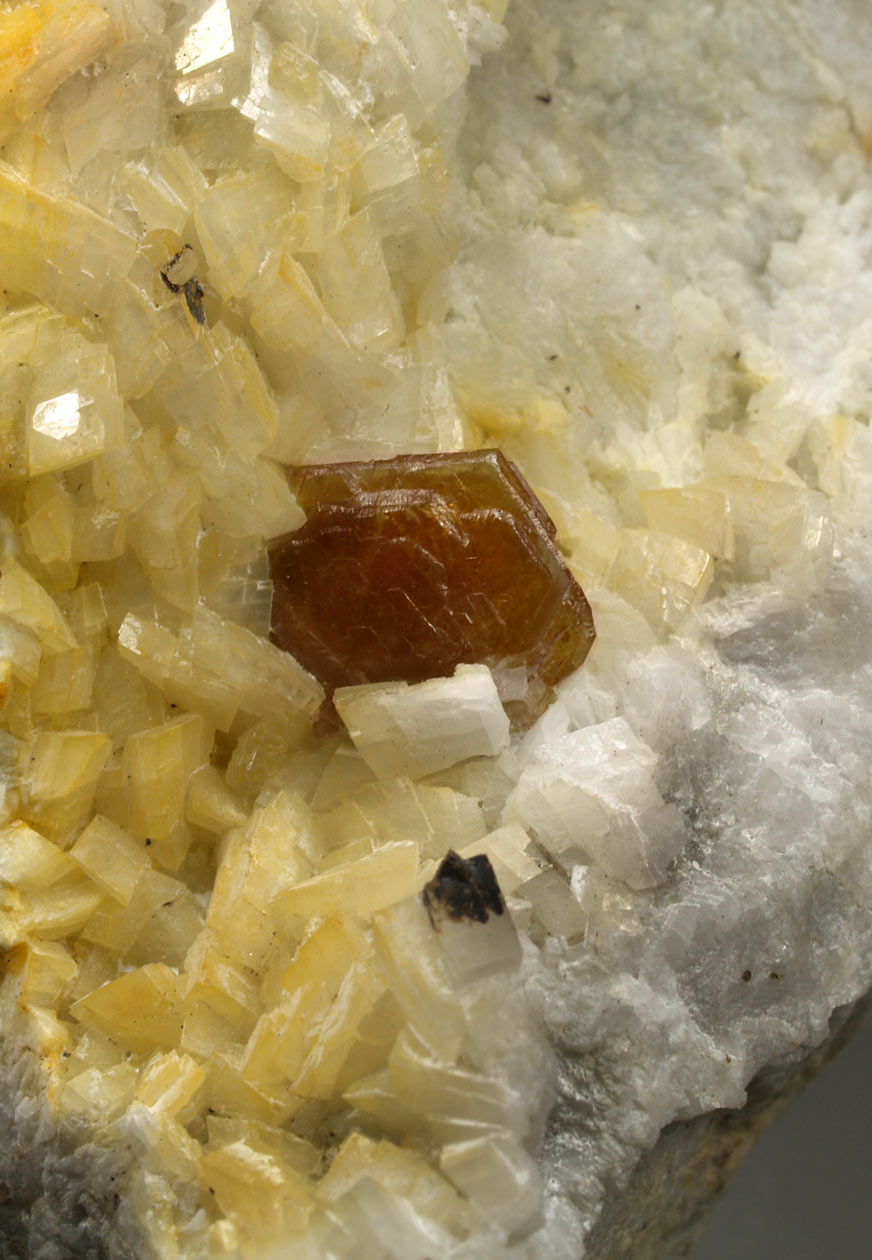
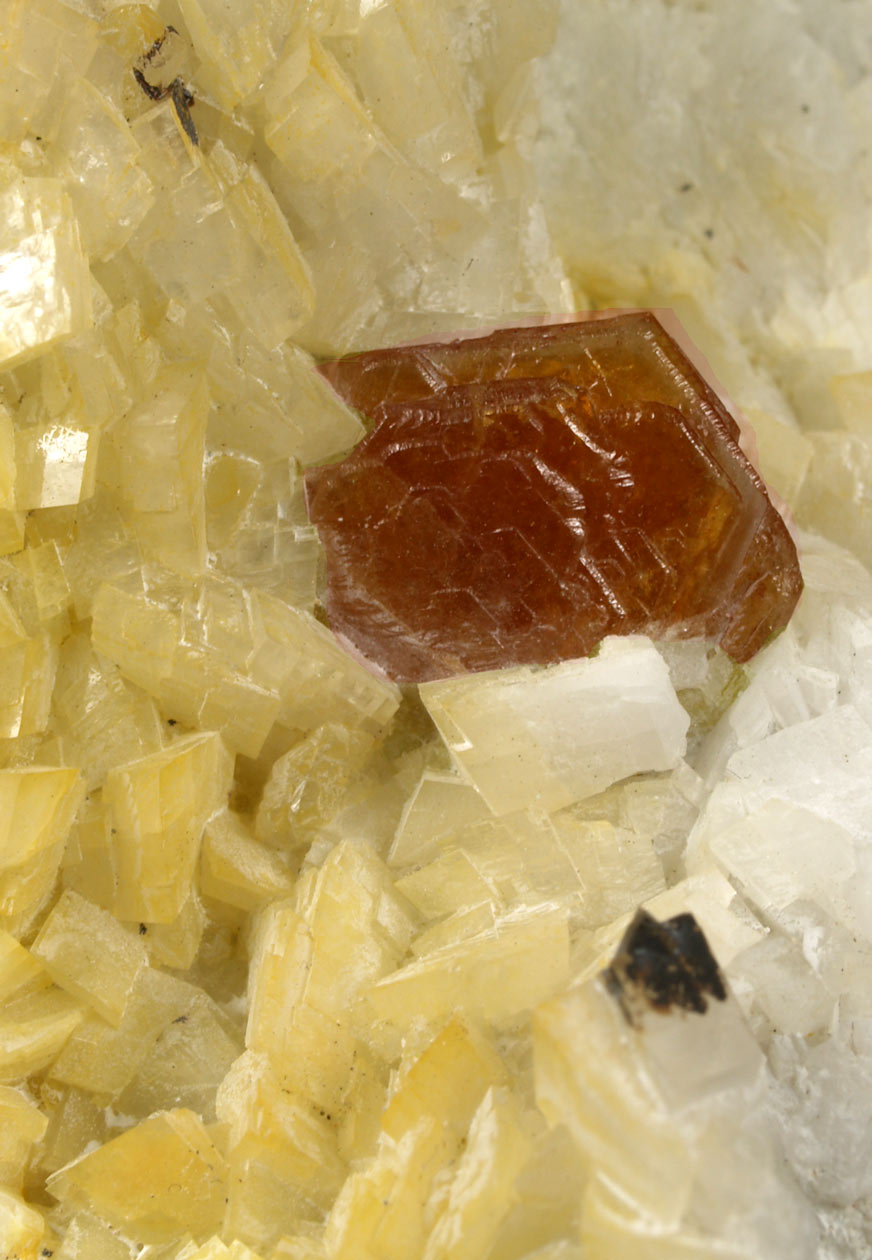
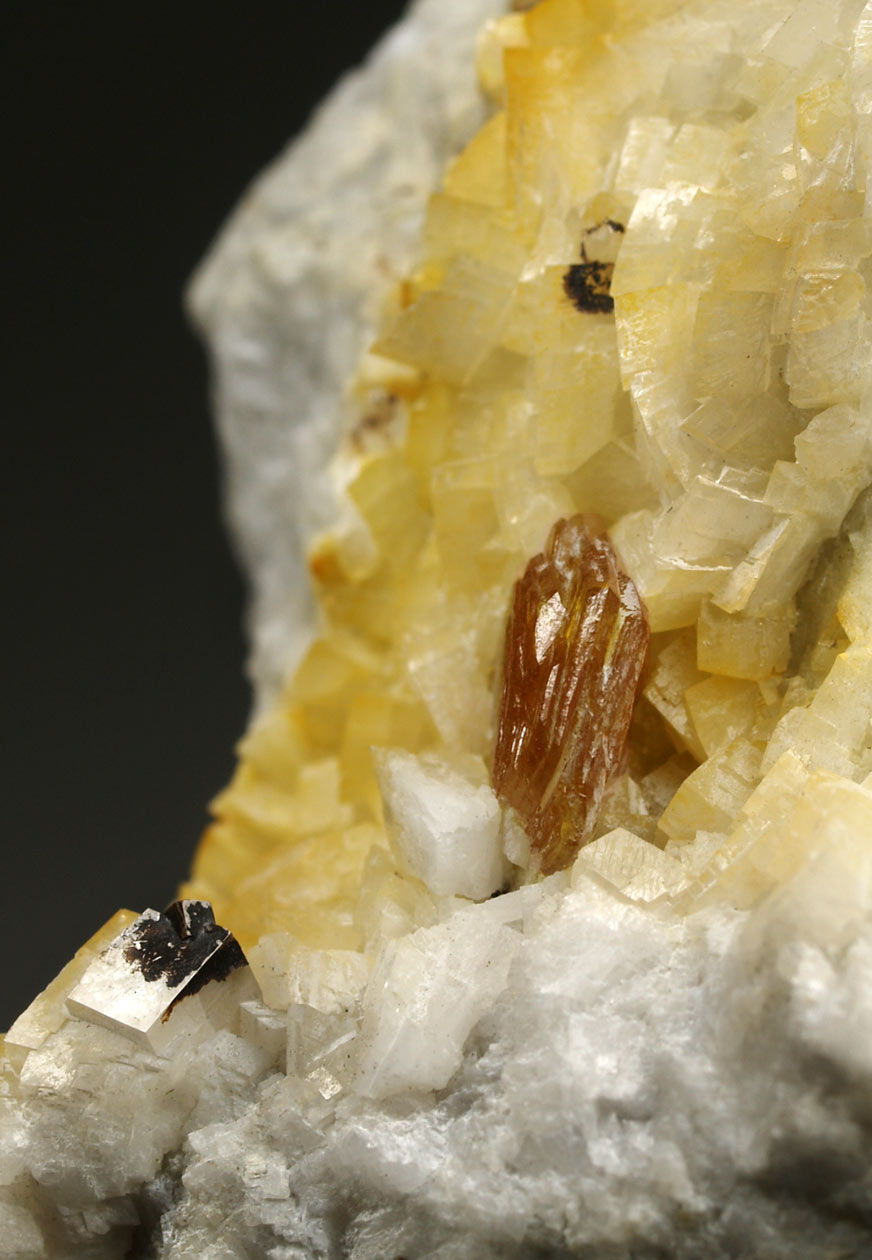
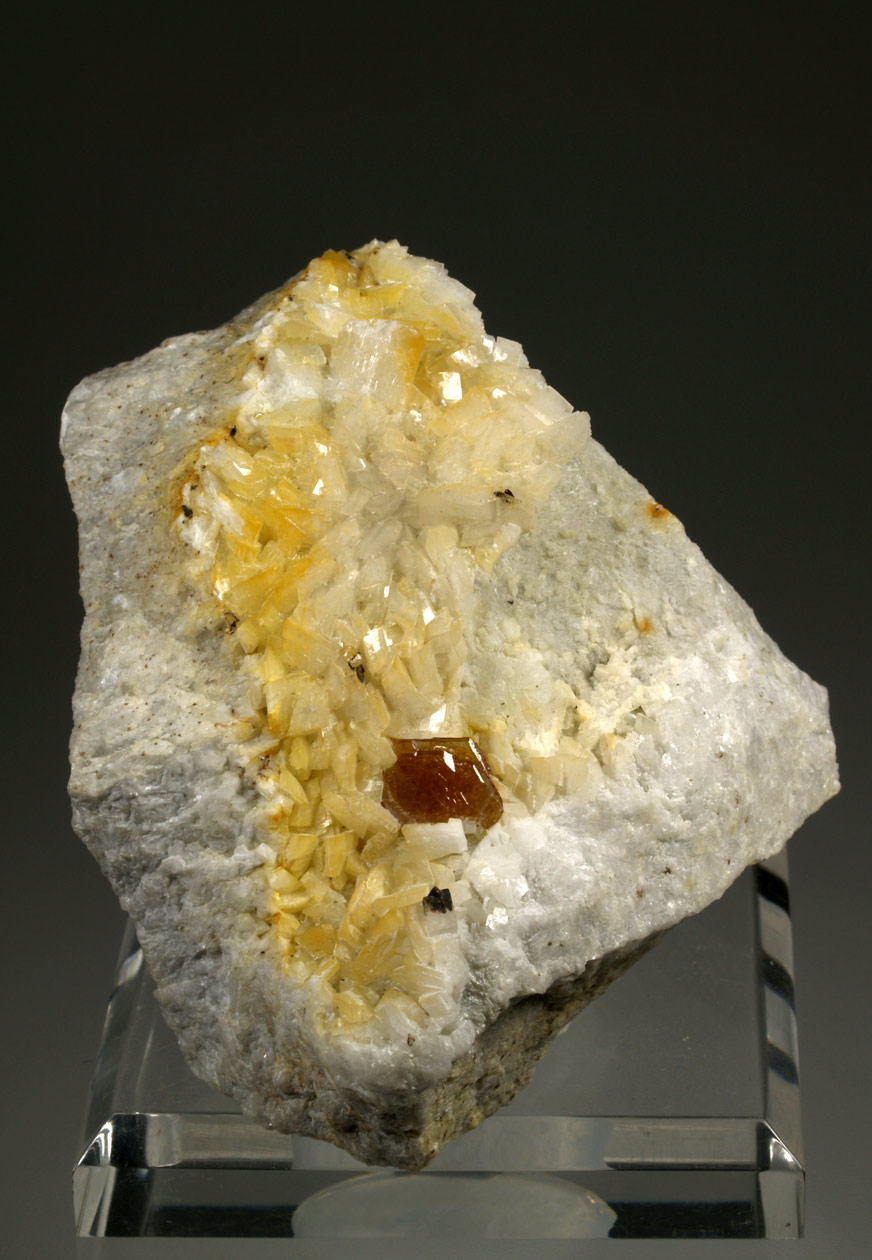
Excepcional grupo de cristales de bastnäsita-(Ce), con buen tamaño, transparencia, caras y aristas definidas. Perfectamente dispuesto sobre una matriz de cristales de dolomita. Una oportunidad única para obtener un ejemplar de primera calidad de esta clásica cantera de talco francesa.
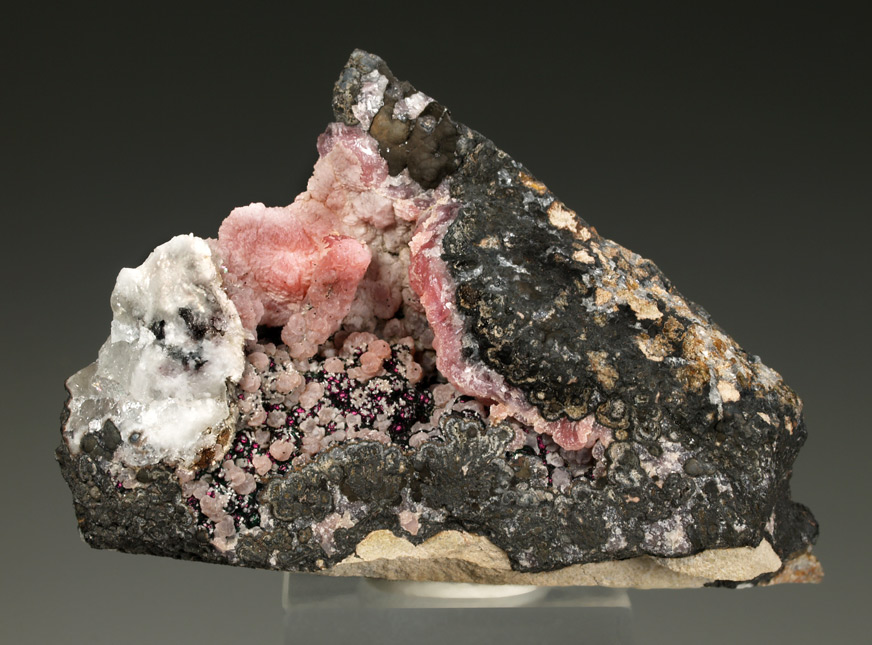
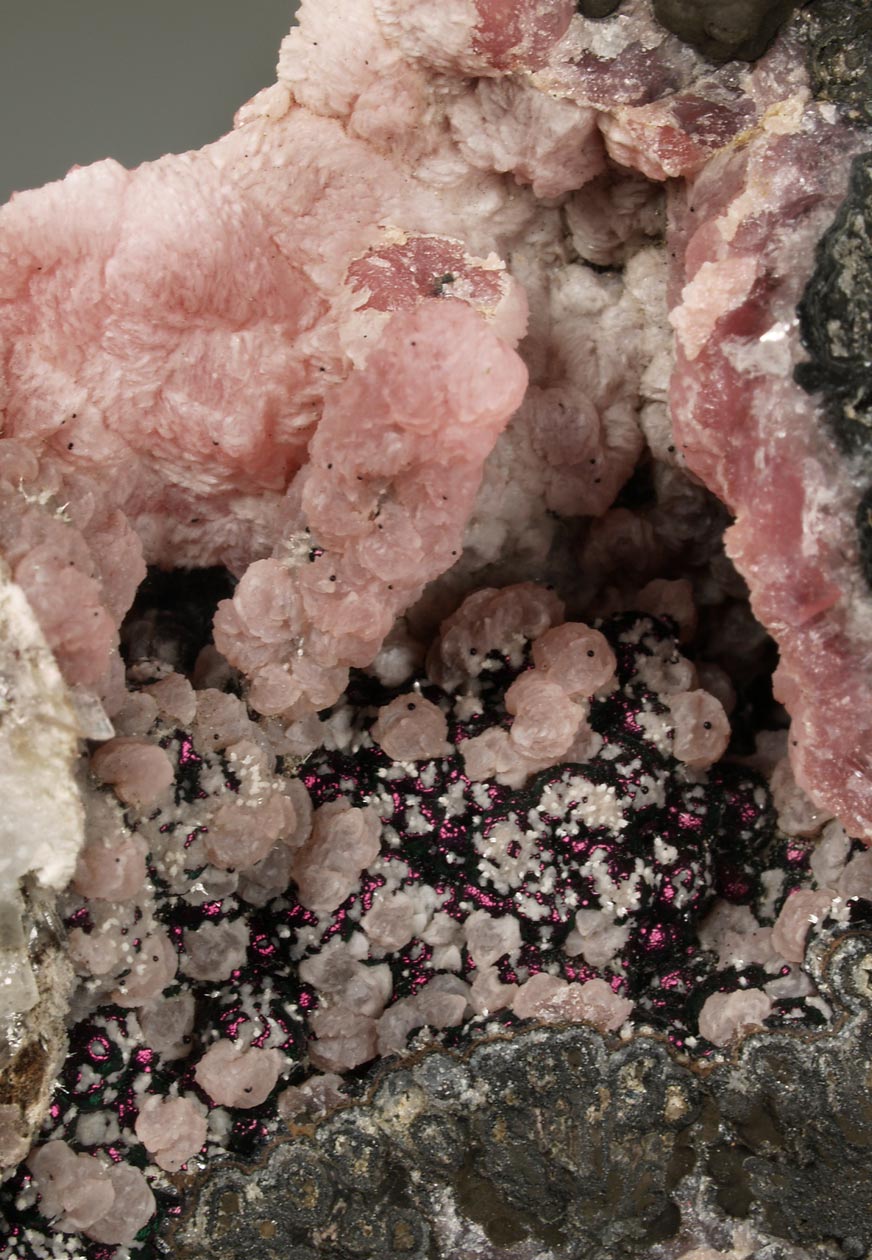
Este ejemplar muestra agregados estalactíticos de rodocrosita de tono rosado asociados a brillantes agregados botrioidales de intenso color negro de kentrolita, un poco habitual silicato de manganeso y plomo. Interesante para sistemáticos y coleccionistas de especies francesas.
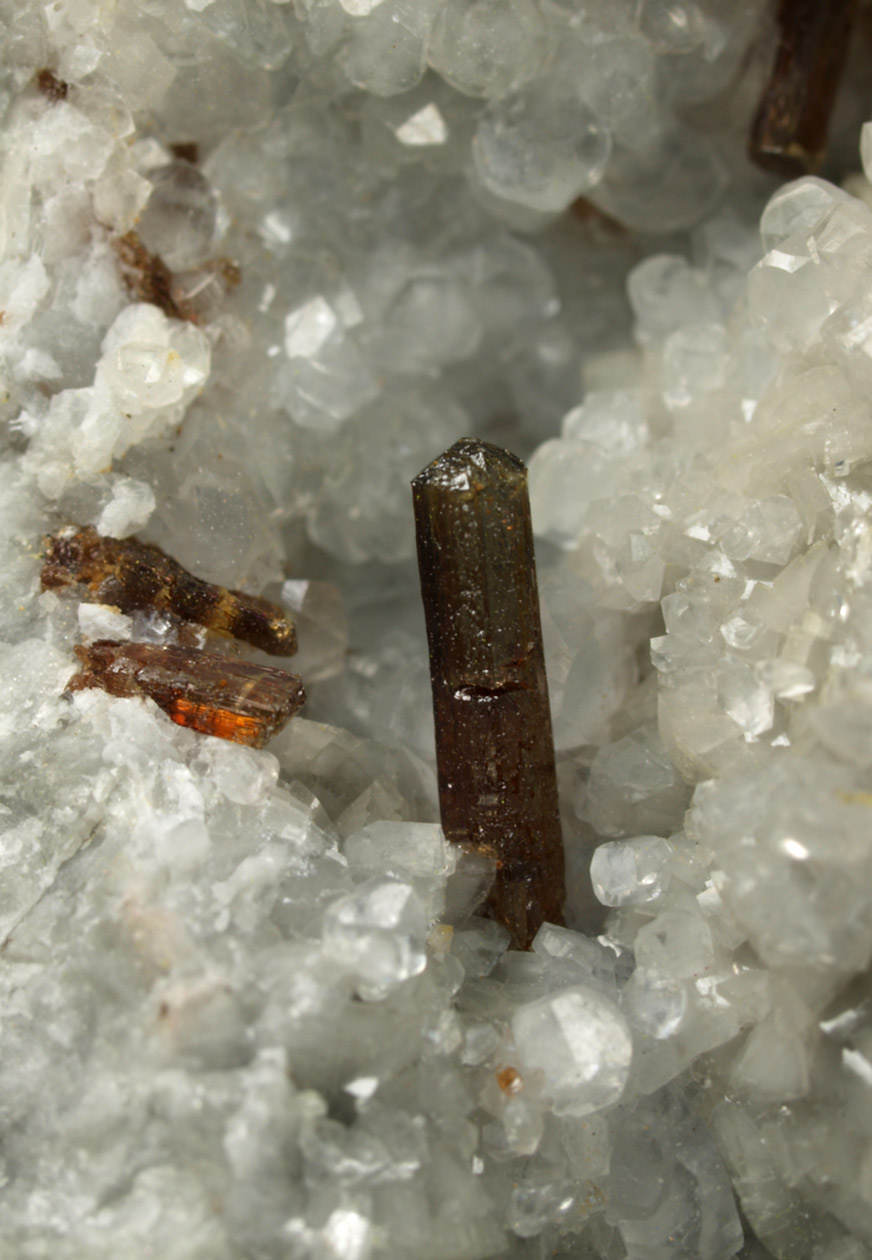
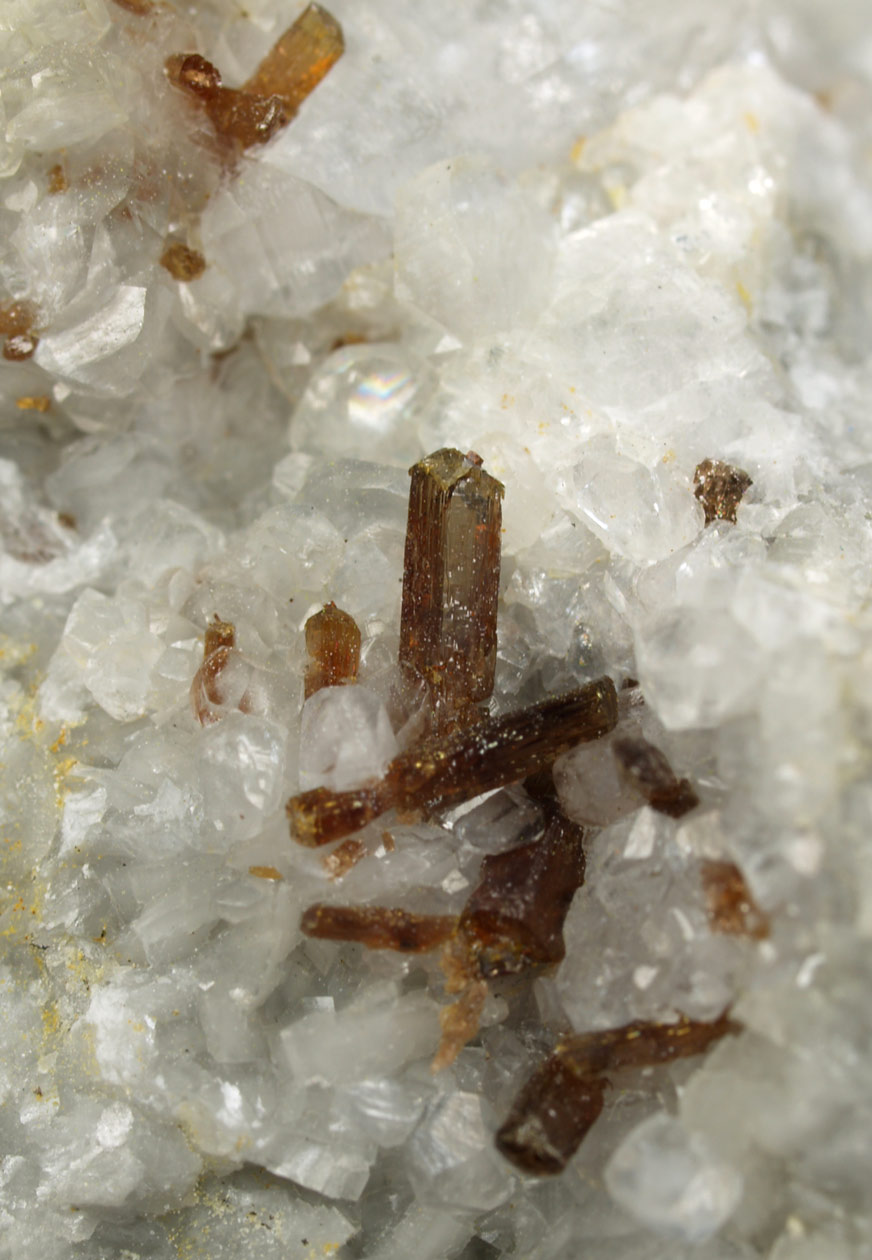
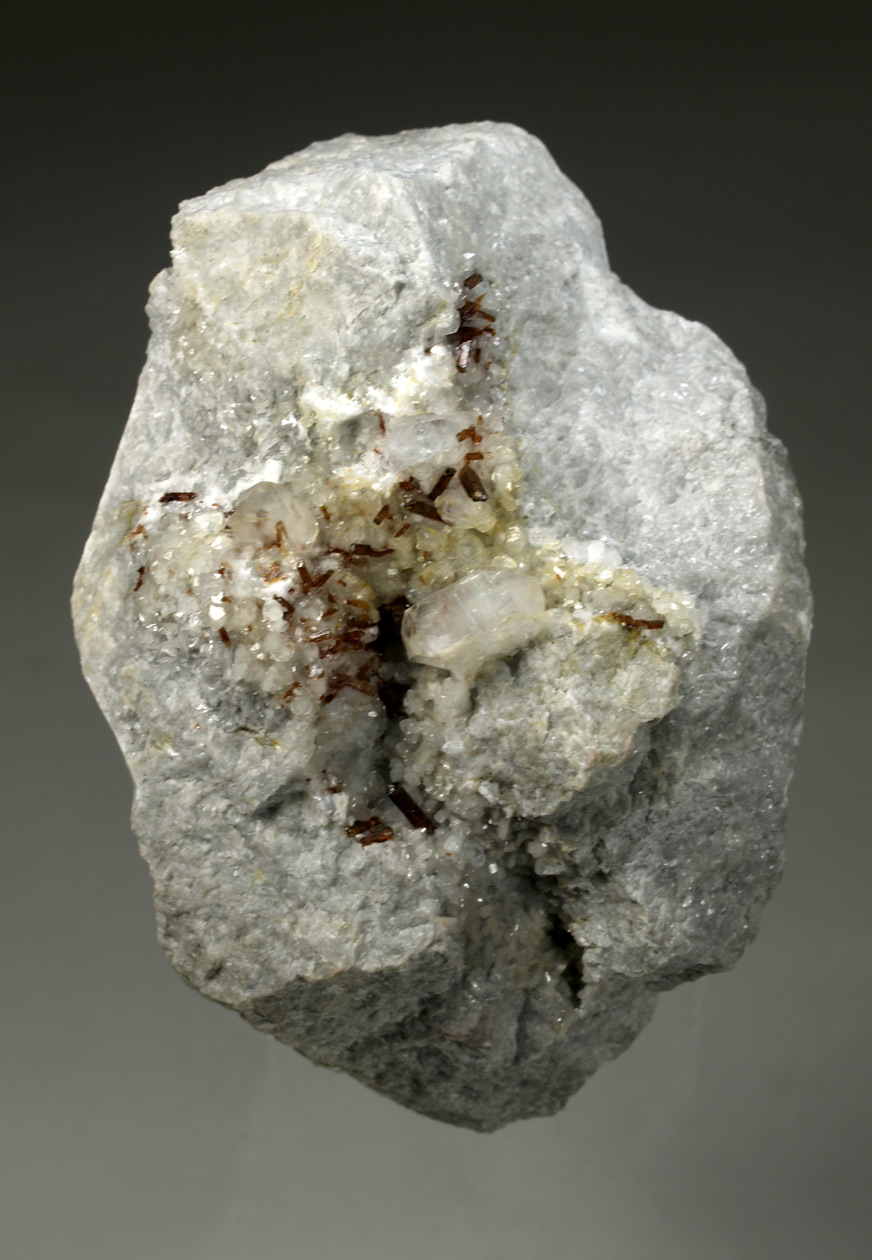
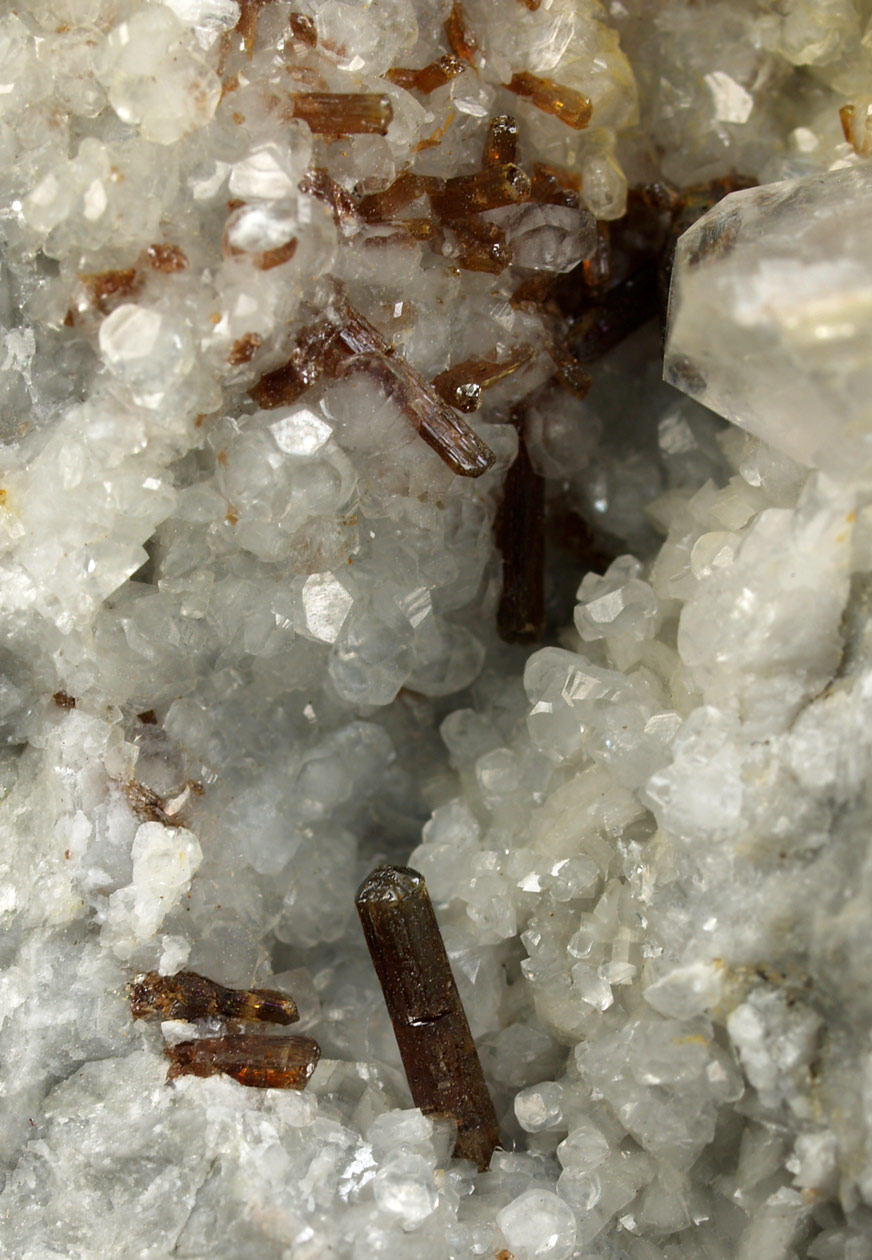
Ejemplar que muestra un nutrido grupo de cristales de allanita-(Ce) dispuestos aleatóriamente sobre una cavidad tapizada de dolomita y calcita. Este mineral de Elementos de Tierras Raras es un clásico de esta localidad francesa. Se presenta como cristales prismáticos muy alargados, con transparencia y color marrón a miel tostada.
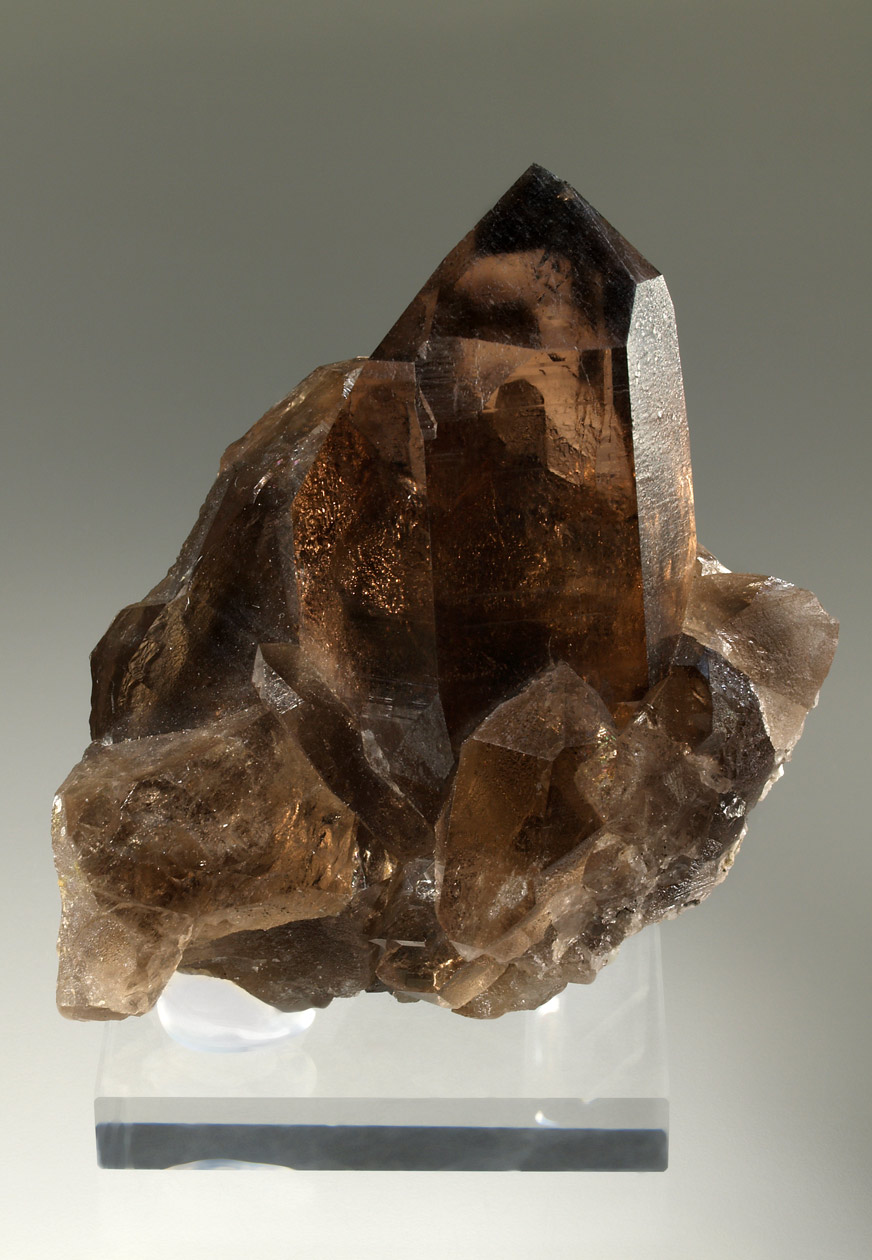
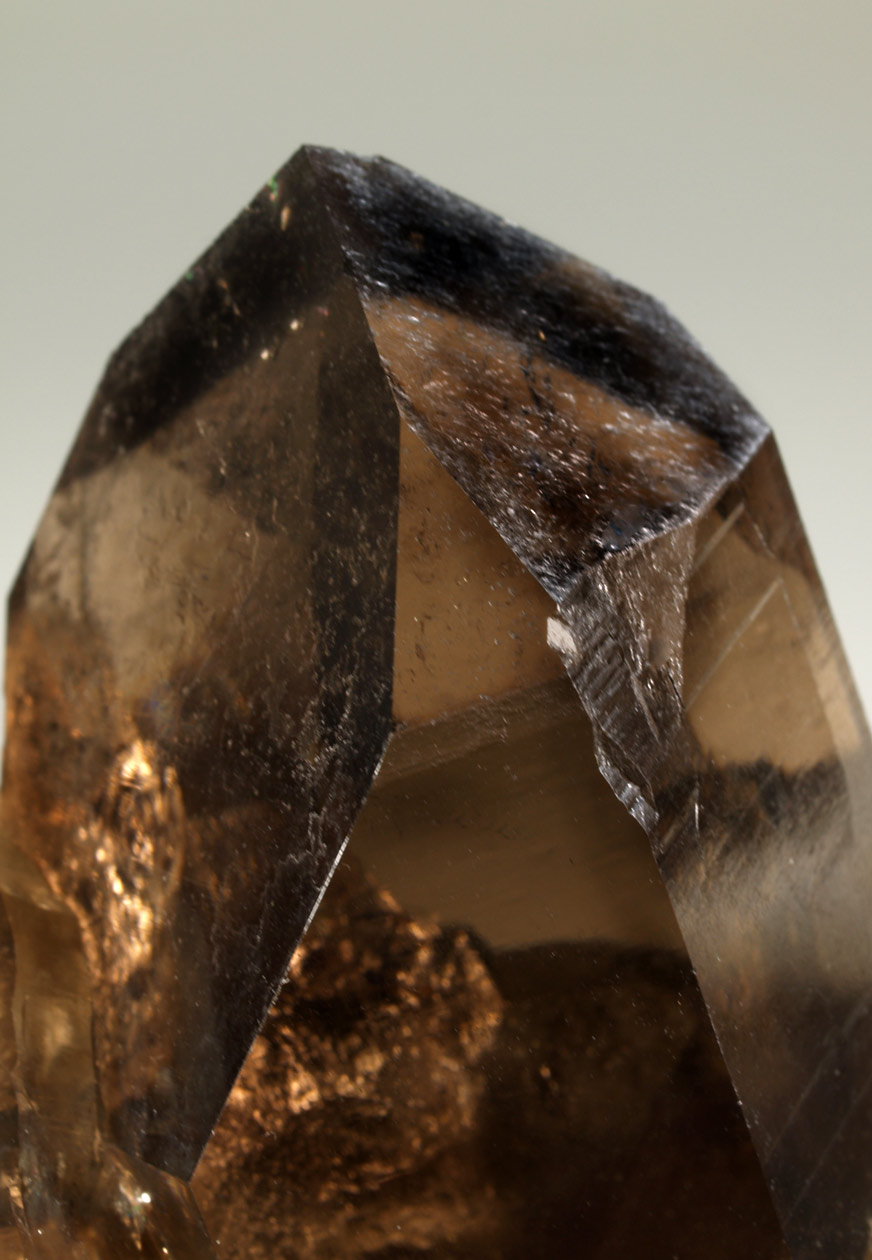
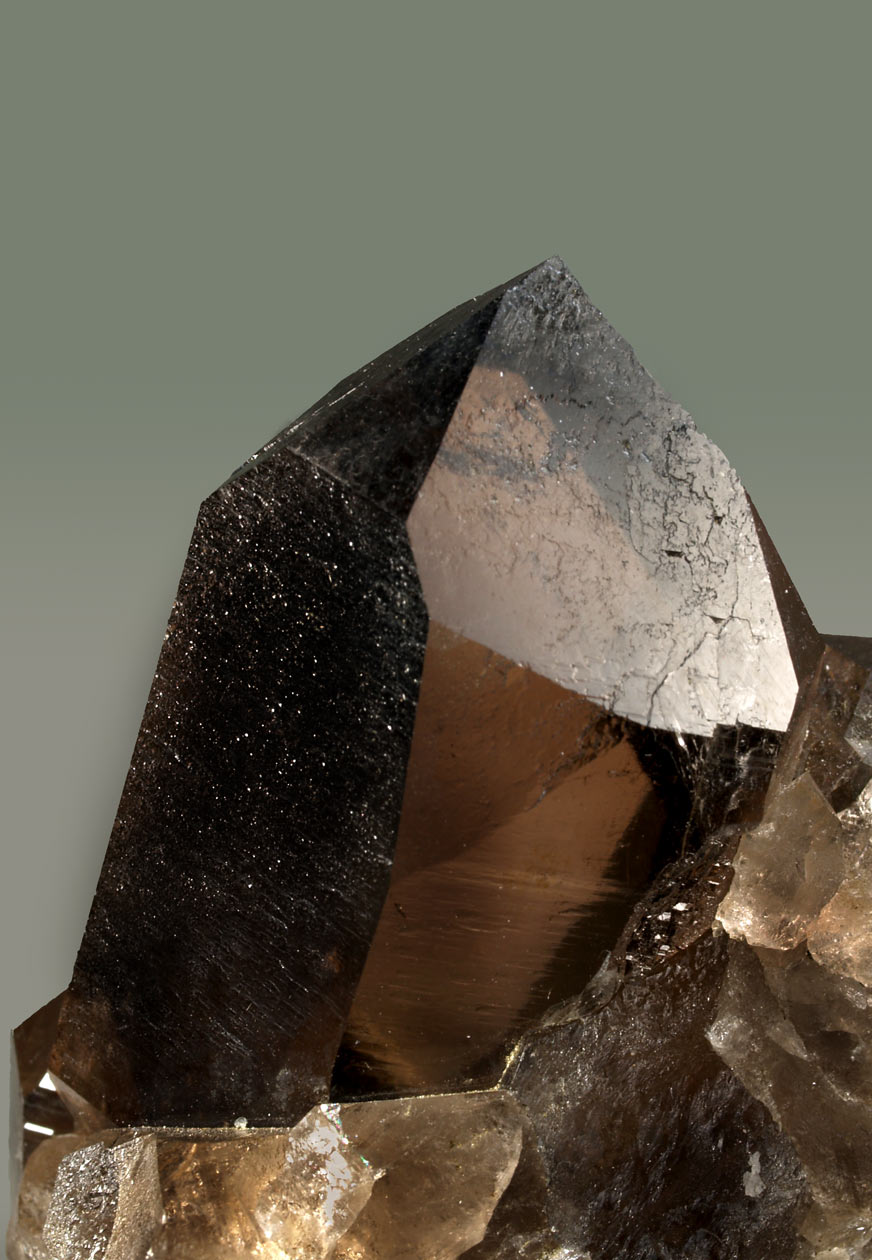
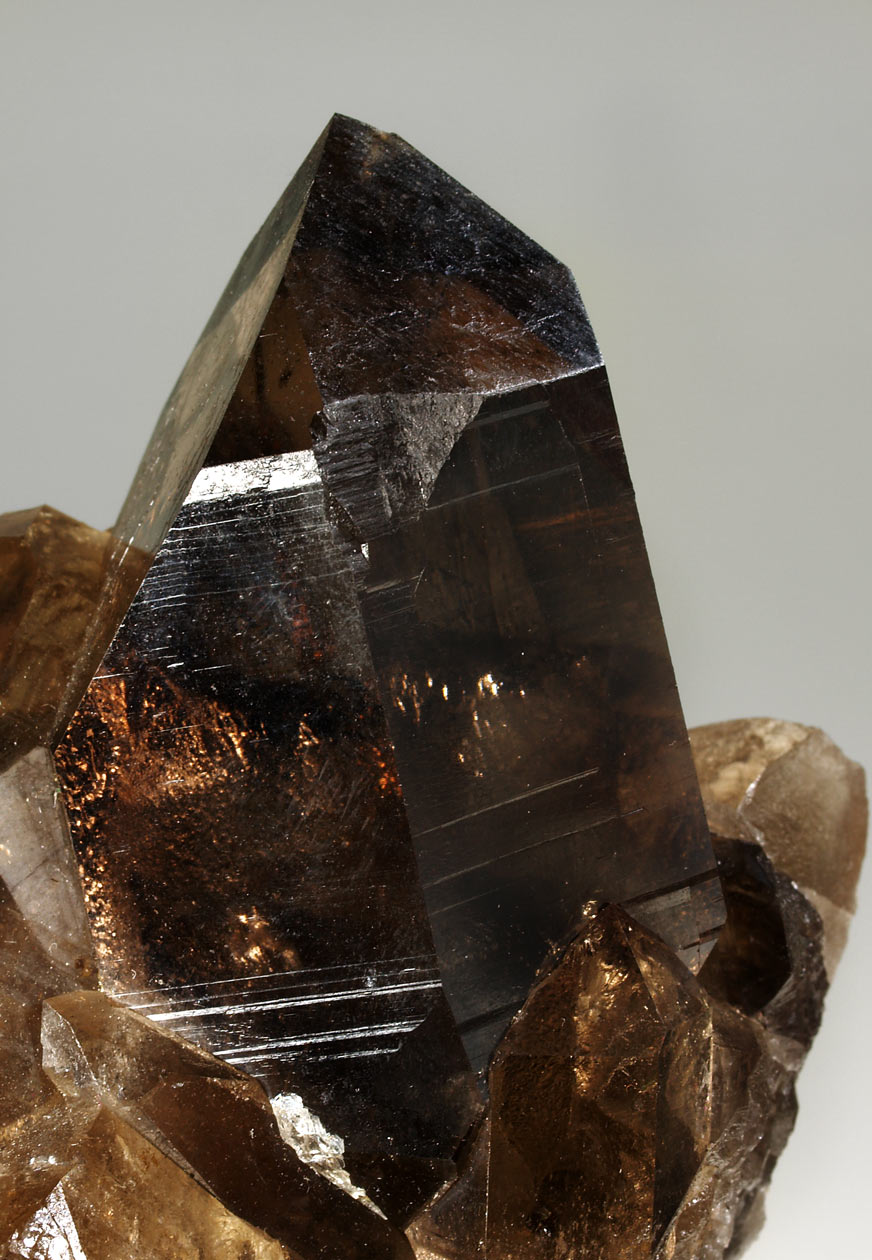
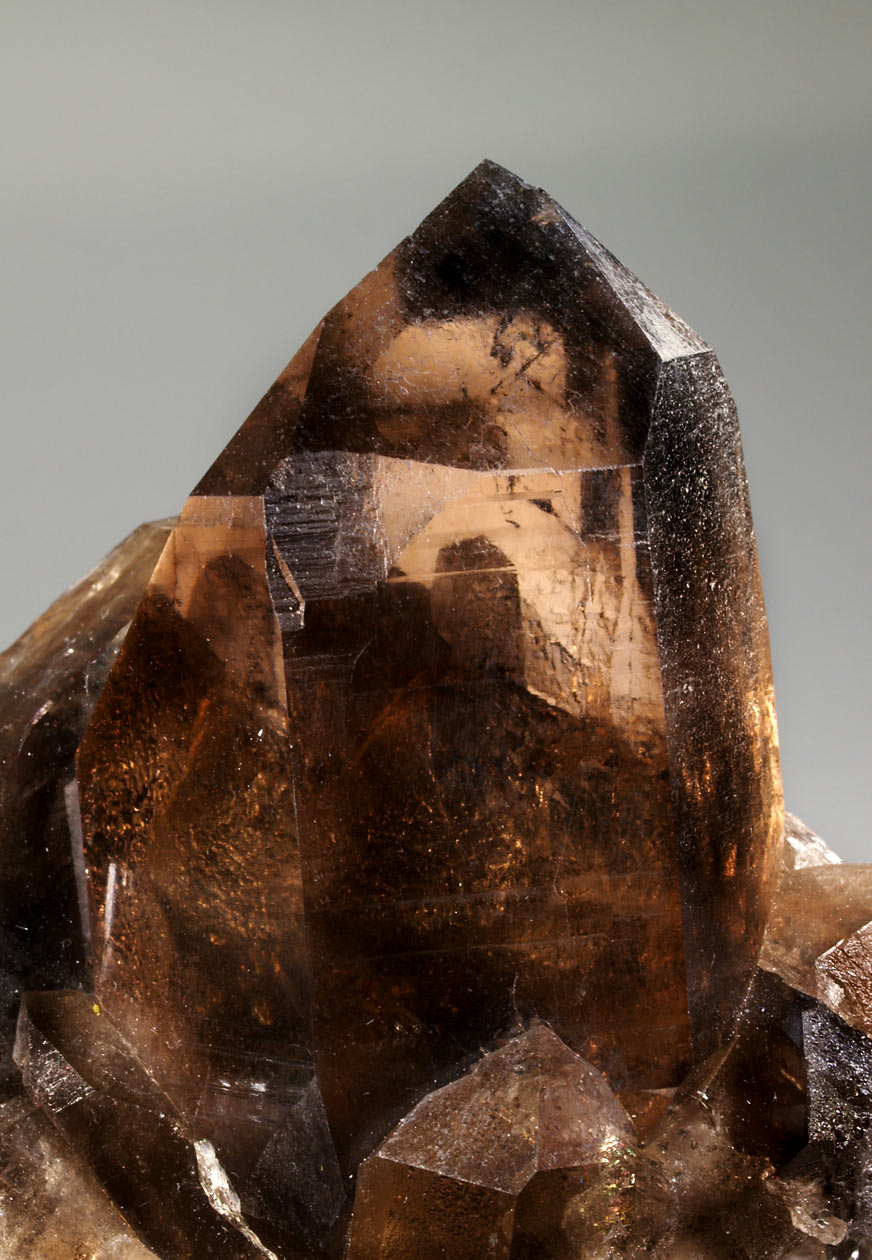
En este ejemplar podemos disfrutar de un grupo de cristales de cuarzo, uno de ellos predominante, con caras y aristas muy definidas. Observamos un prisma bien desarrollado con caras terminales romboédricas y se insinuan las del trapezoedro. La transparencia y el brillo son excelentes y el tono ahumado muy uniforme. No es fácil encontrar ejemplares de cuarzo ahumado alpinos a precios razonables, sin mellas ni golpes, y menos de este tamaño.
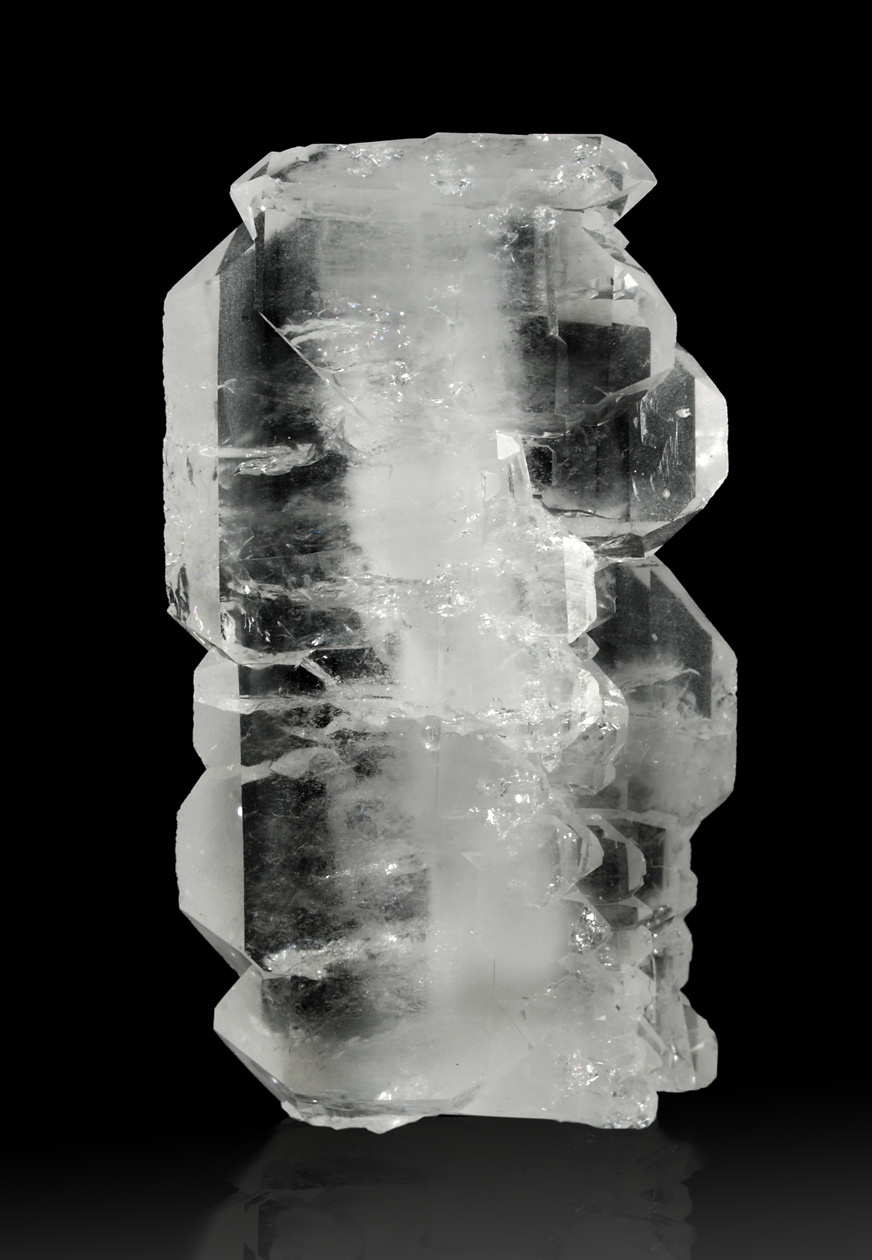
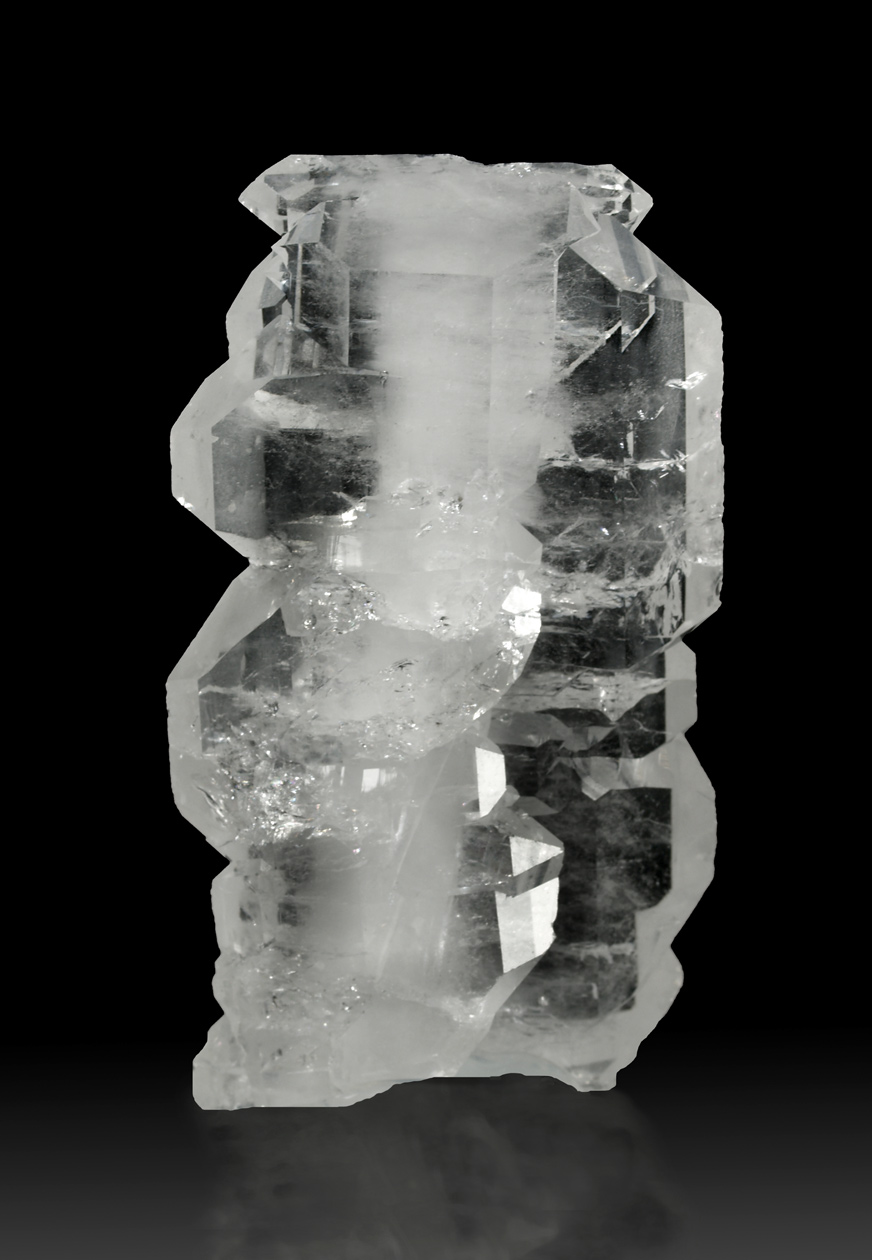
Grupo de cristales de cuarzo en crecimiento paralelo, de aspecto tabular, muy transparentes y biterminados, brillantes y definidos, con muy buen tamaño. Se observa en su interior una ánima, una línea, de tono blanquecino que atraviesa los cristales perpendicularmente entre sus extremos, a este tipo de formación se le llama "faden".
Se trata de un muy reciente hallazgo en la zona alpina del valle de Saint Jean de Maurienne, en territorio francés, cercano a Italia.
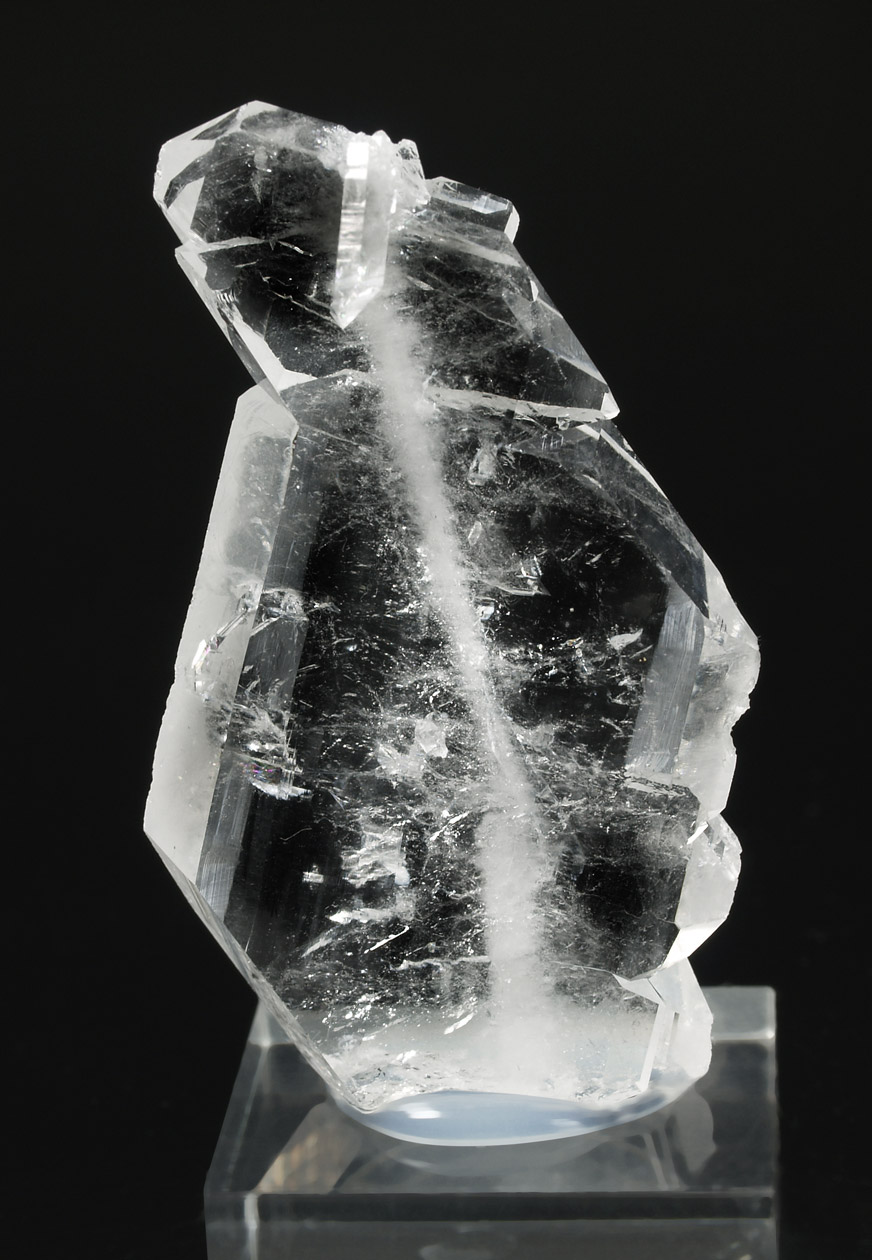
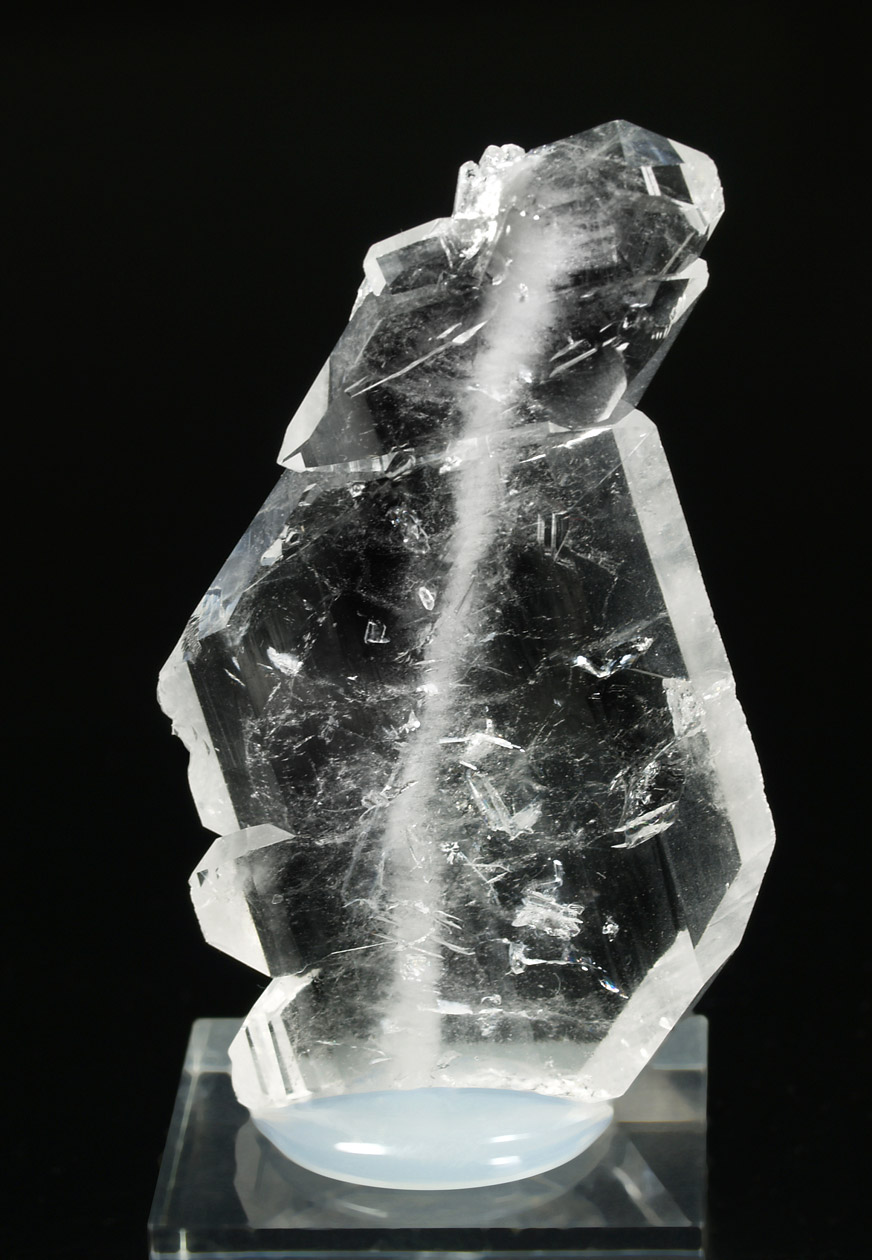
Grupo de cristales de cuarzo en crecimiento paralelo, de aspecto tabular, muy transparentes y biterminados, brillantes y definidos, con muy buen tamaño. Se observa en su interior una ánima, una línea, de tono blanquecino que atraviesa los cristales perpendicularmente entre sus extremos, a este tipo de formación se le llama "faden".
Se trata de un muy reciente hallazgo en la zona alpina del valle de Saint Jean de Maurienne, en territorio francés, cercano a Italia.
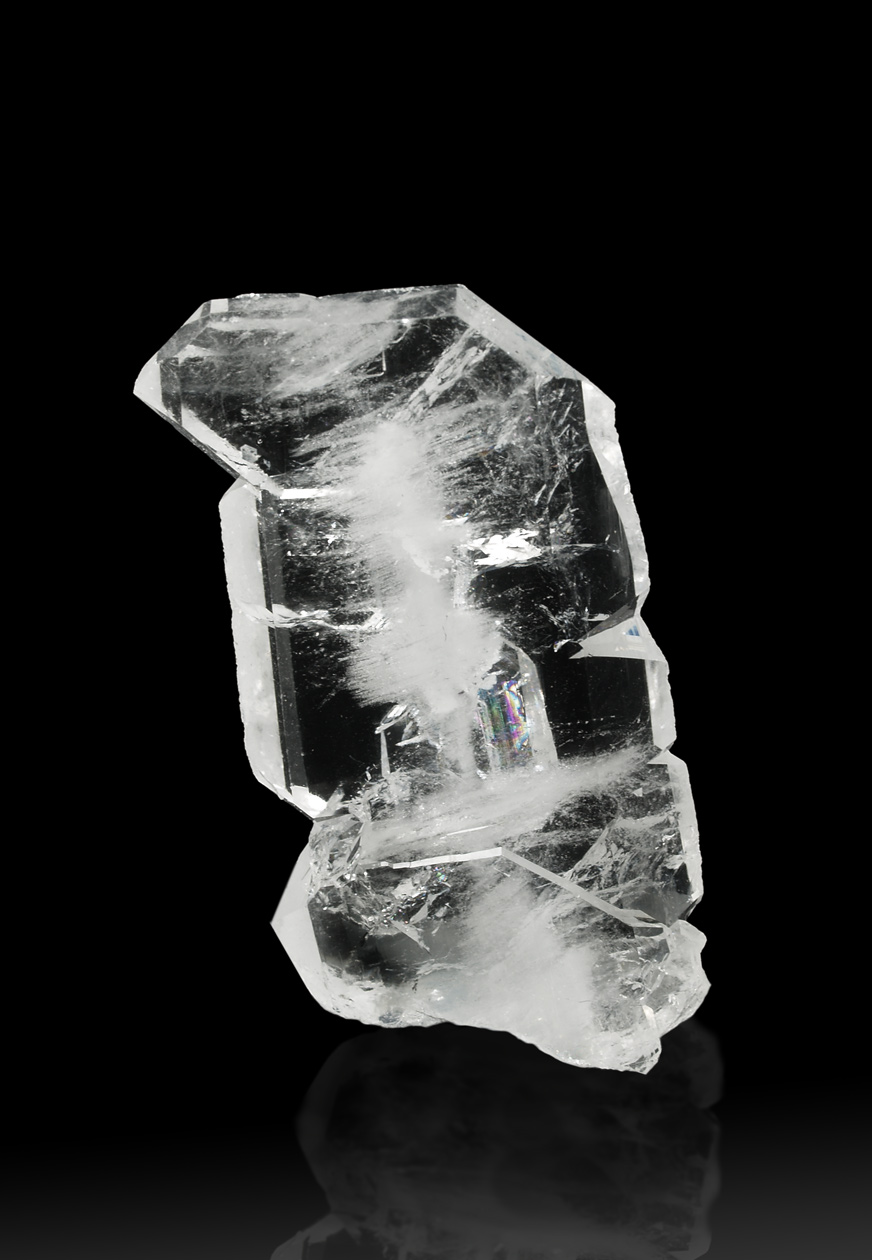
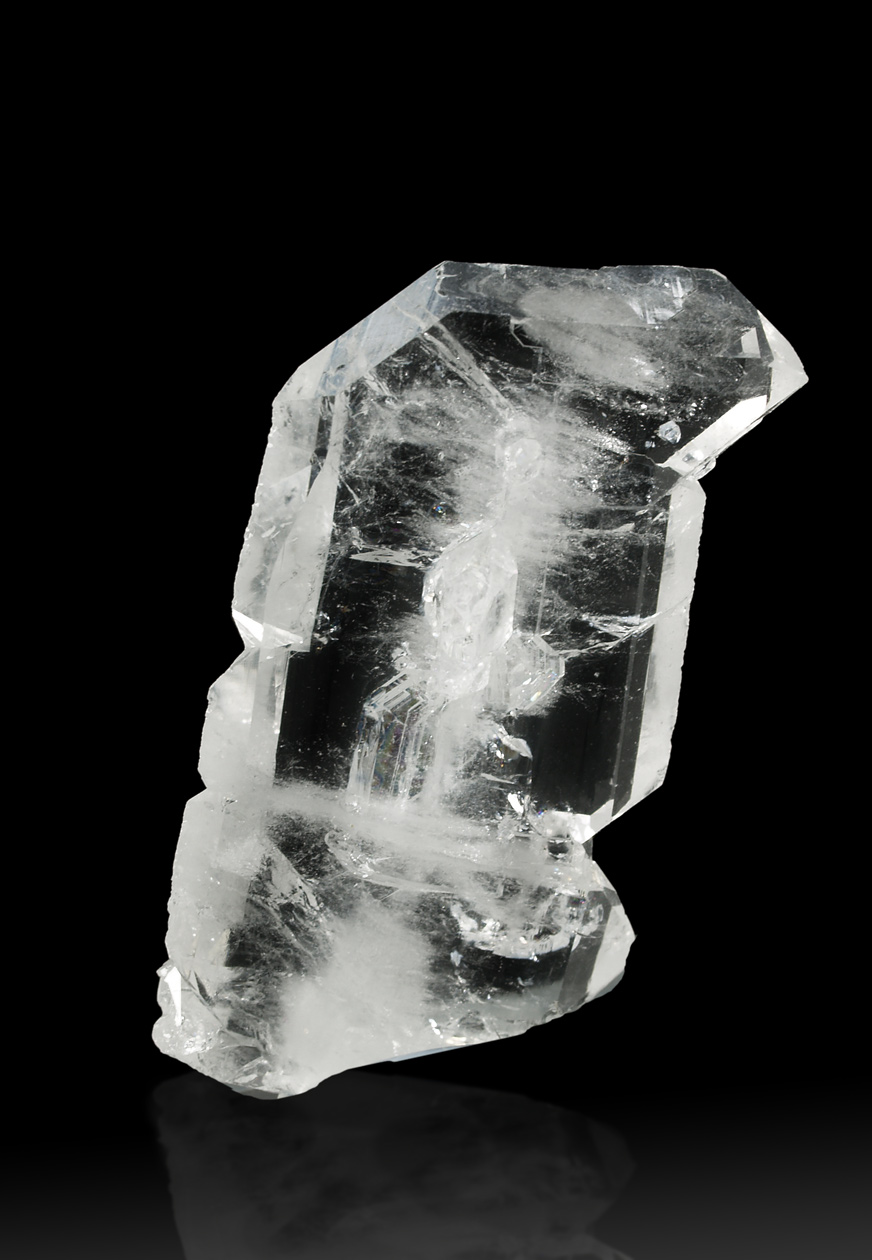
Grupo de cristales de cuarzo en crecimiento paralelo, de aspecto tabular muy aplanados, muy transparentes y biterminados, brillantes y definidos, con muy buen tamaño. Se observa en su interior una ánima, una línea, de tono blanquecino que atraviesa los cristales perpendicularmente entre sus extremos, a este tipo de formación se le llama "faden".
Se trata de un muy reciente hallazgo en la zona alpina del valle de Saint Jean de Maurienne, en territorio francés, cercano a Italia.
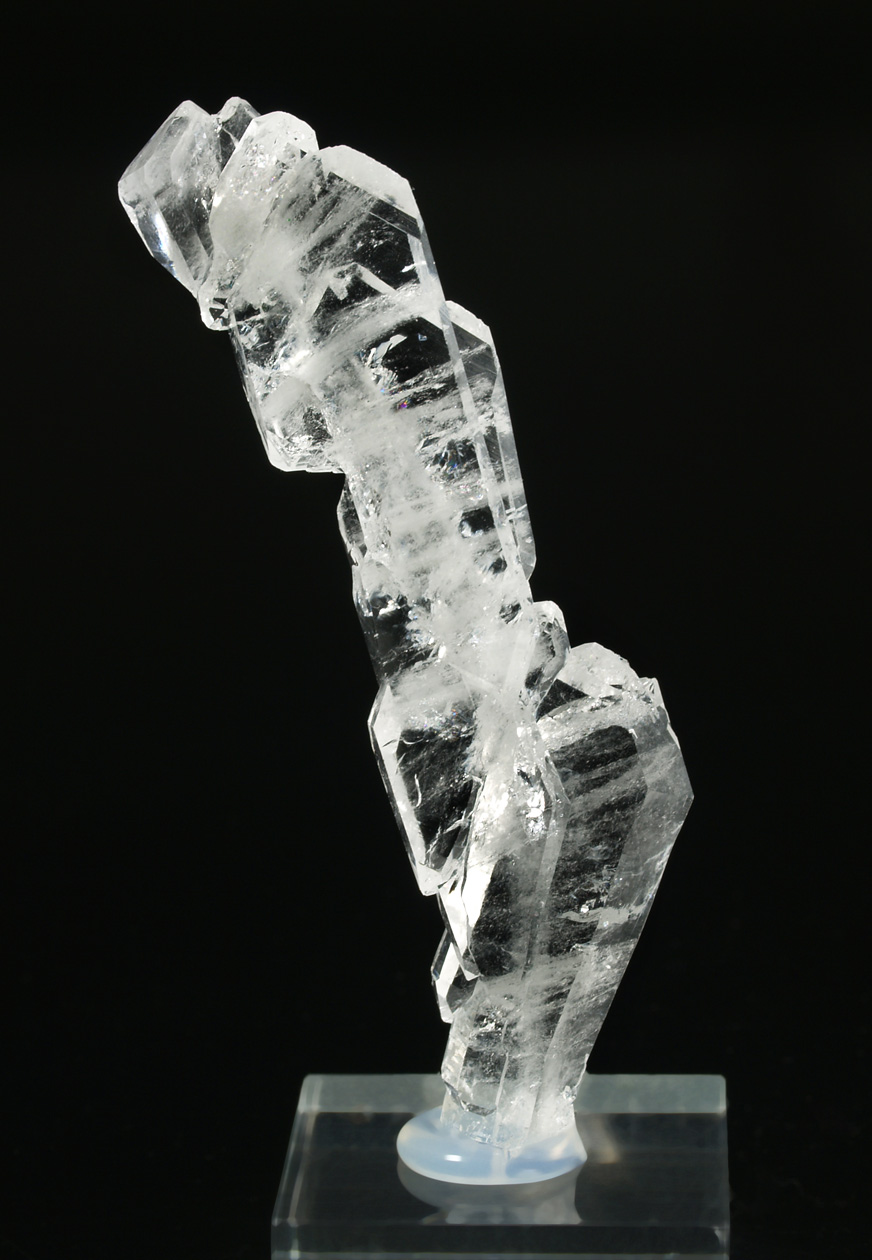
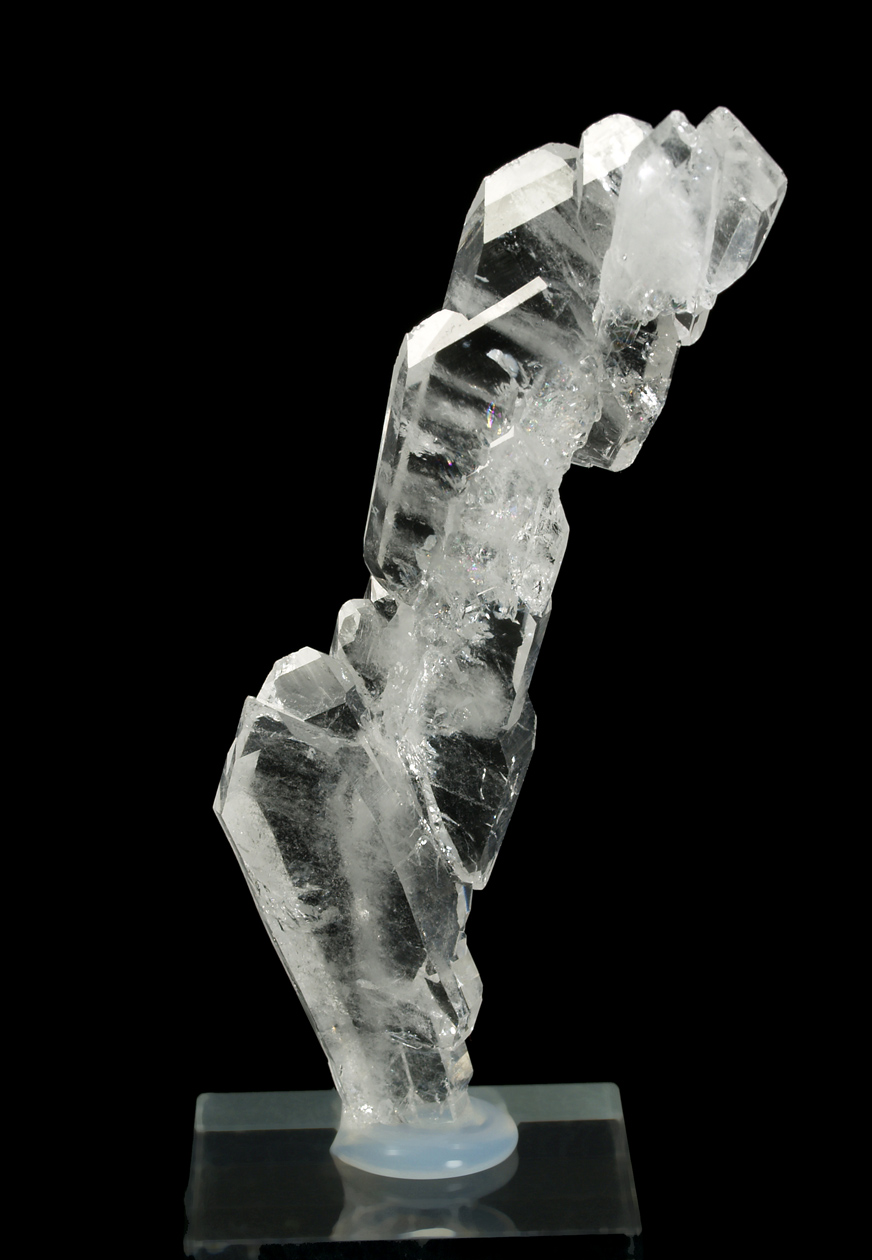
Grupo de cristales de cuarzo en crecimiento paralelo, de aspecto tabular, muy transparentes y biterminados, brillantes y definidos, con muy buen tamaño. Se observa en su interior una ánima, una línea, de tono blanquecino que atraviesa los cristales perpendicularmente entre sus extremos, a este tipo de formación se le llama "faden".
Se trata de un muy reciente hallazgo en la zona alpina del valle de Saint Jean de Maurienne, en territorio francés, cercano a Italia.
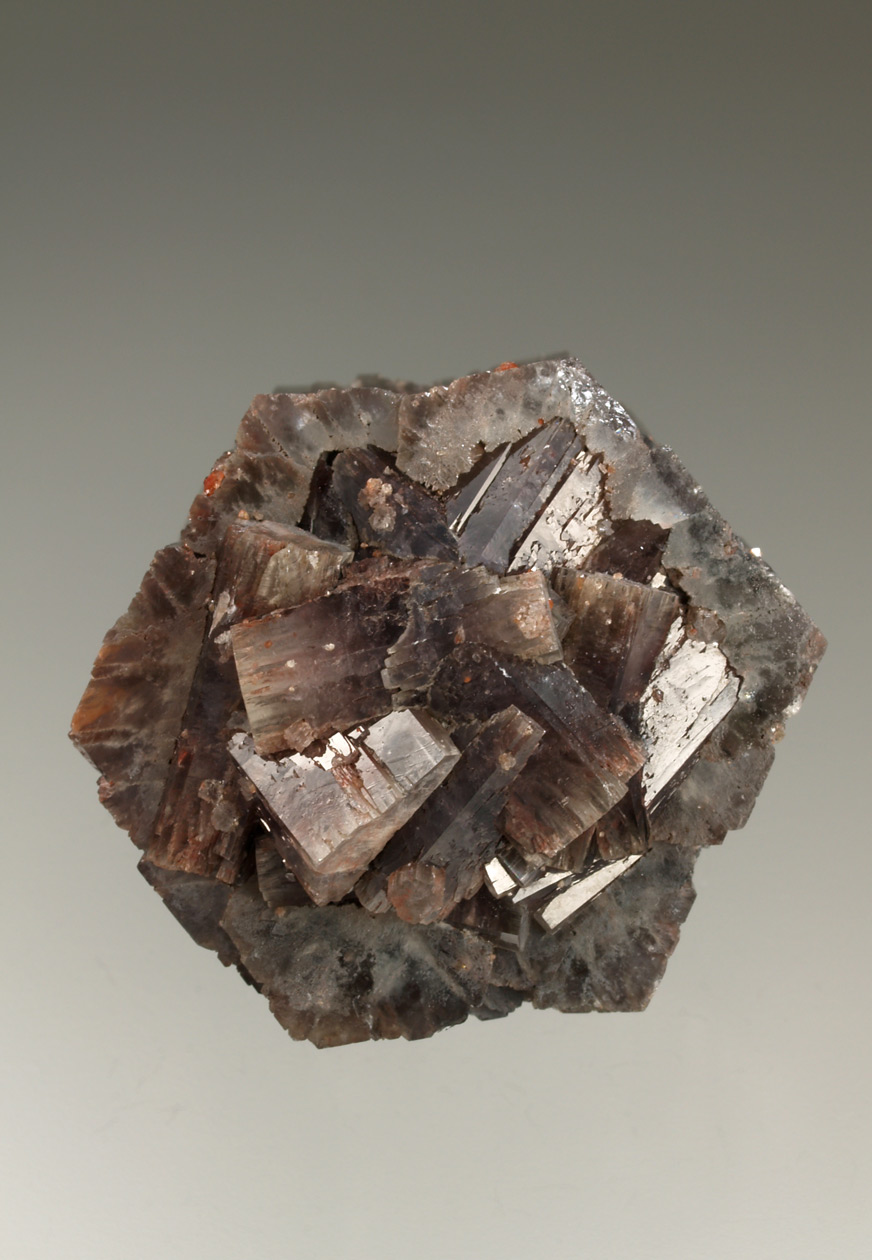
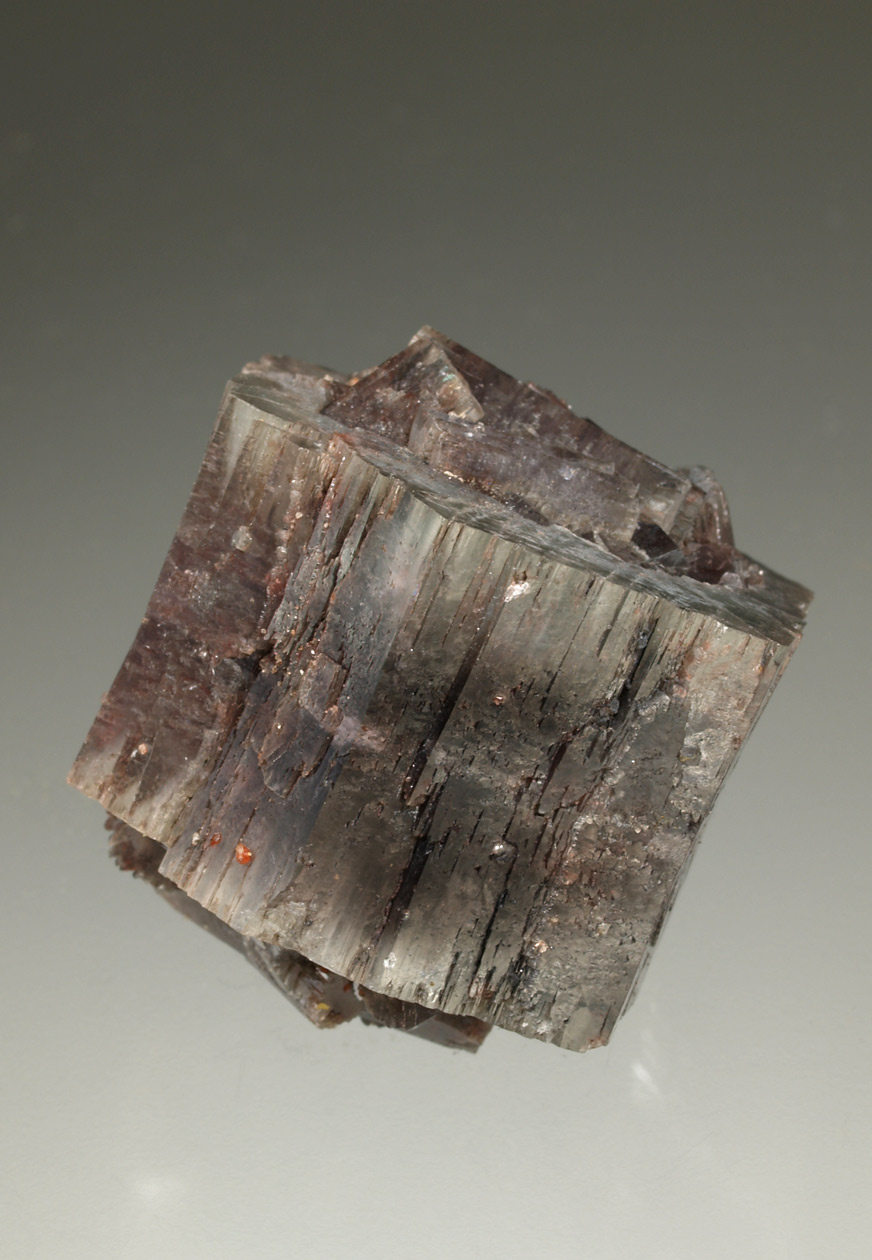
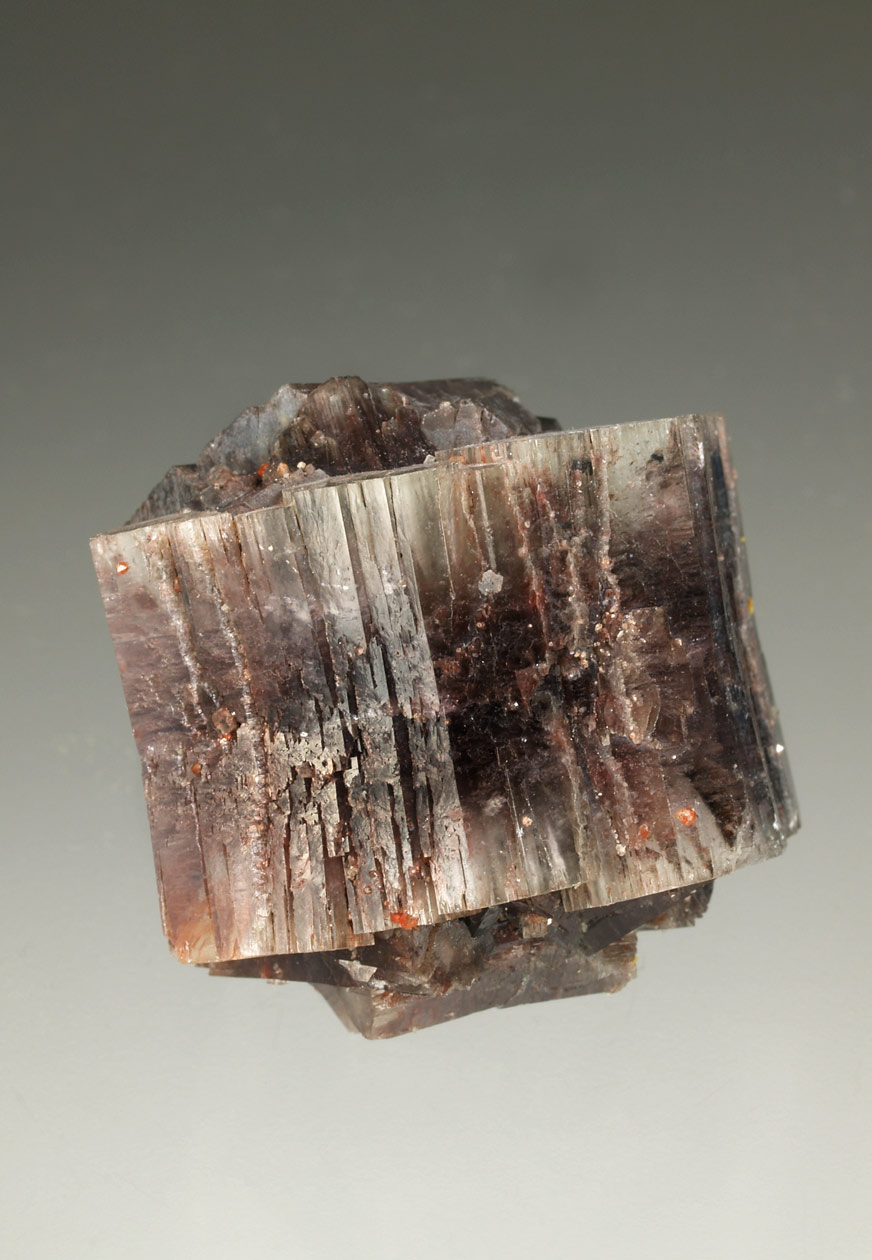
No, no son españoles, son franceses. Este ejemplar nos muestra diversos individuos maclados e interpenetrados entre ellos. Tienen un buen brillo y un color que varía entre marrón, rojizo a incoloro. Con pequeños cristales de cuarzo jacinto, lo que le da un toque distintivo. Dedicado a los coleccionistas de aragonitos.
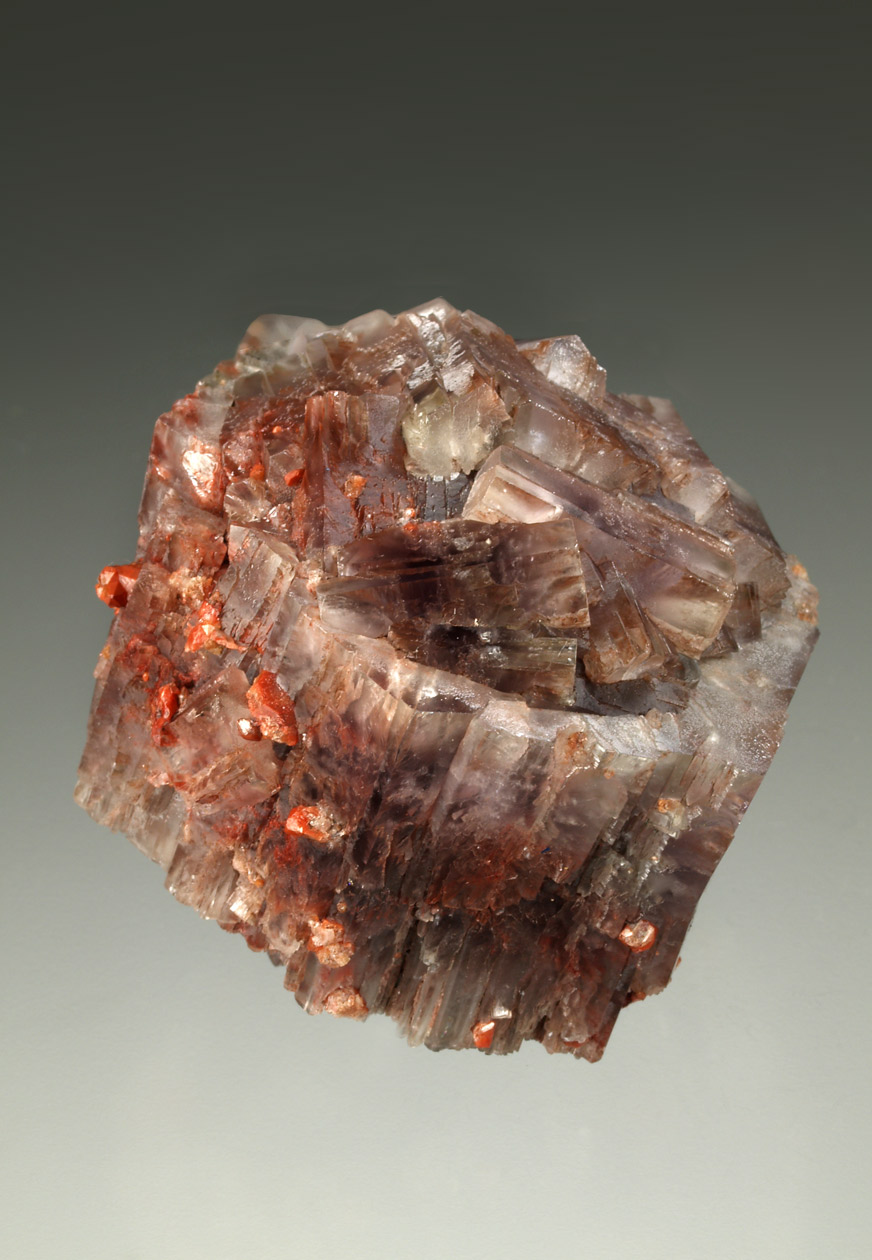
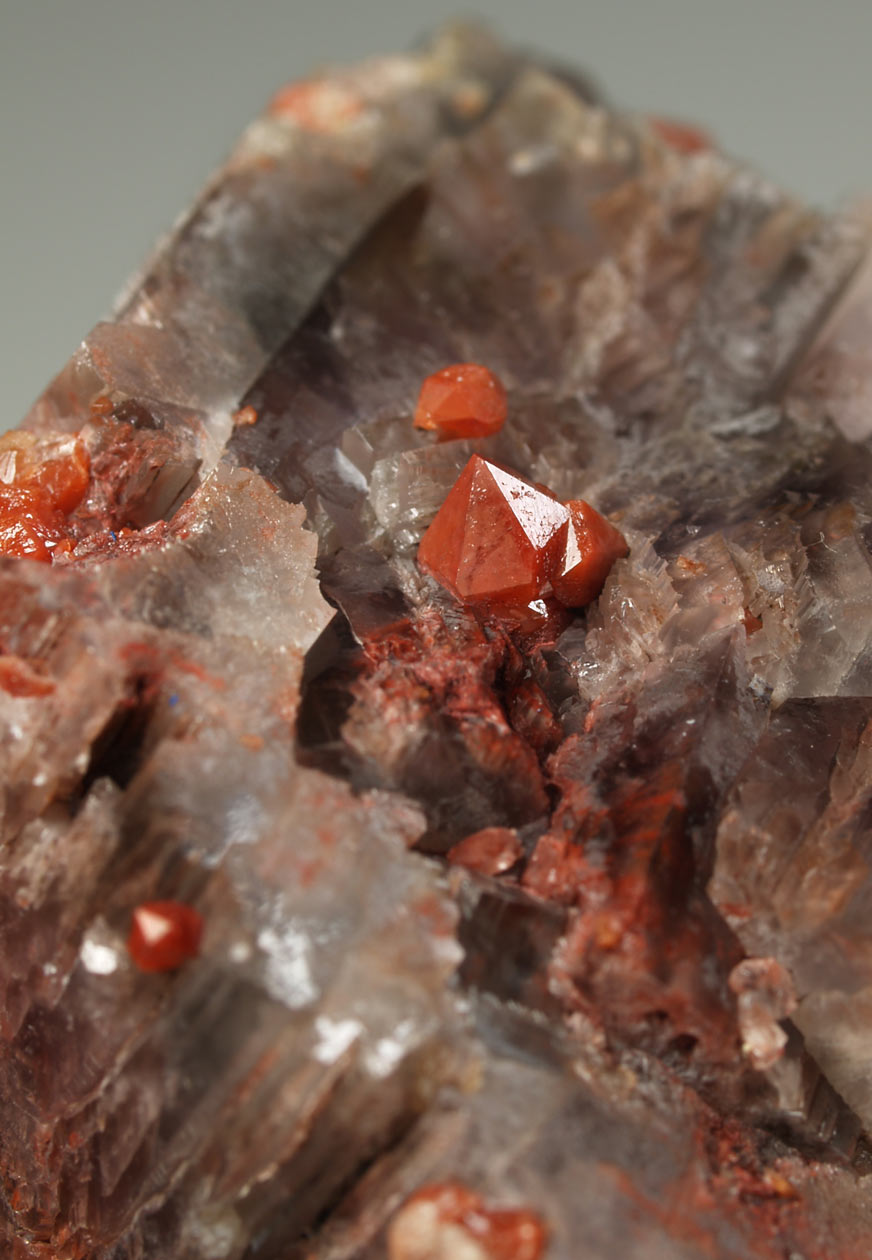
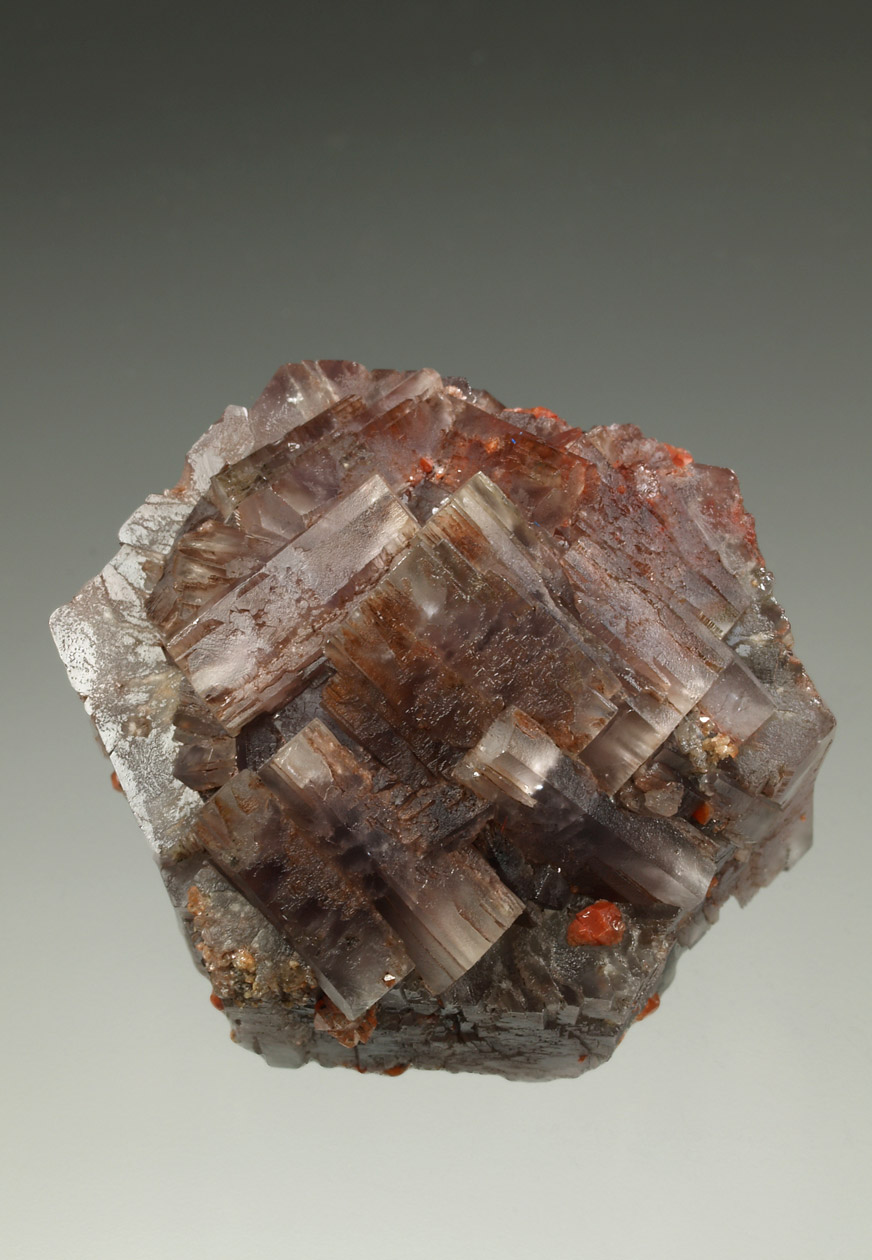
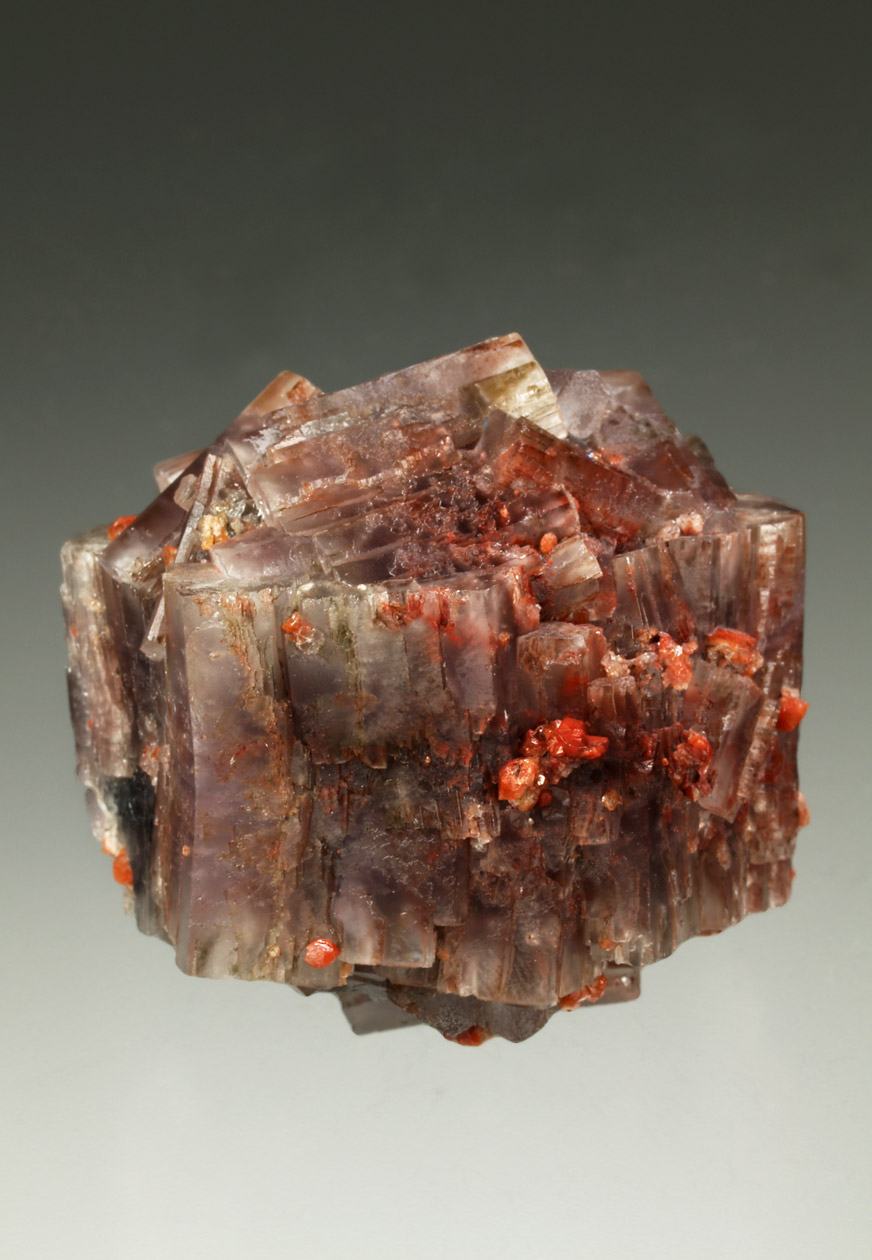
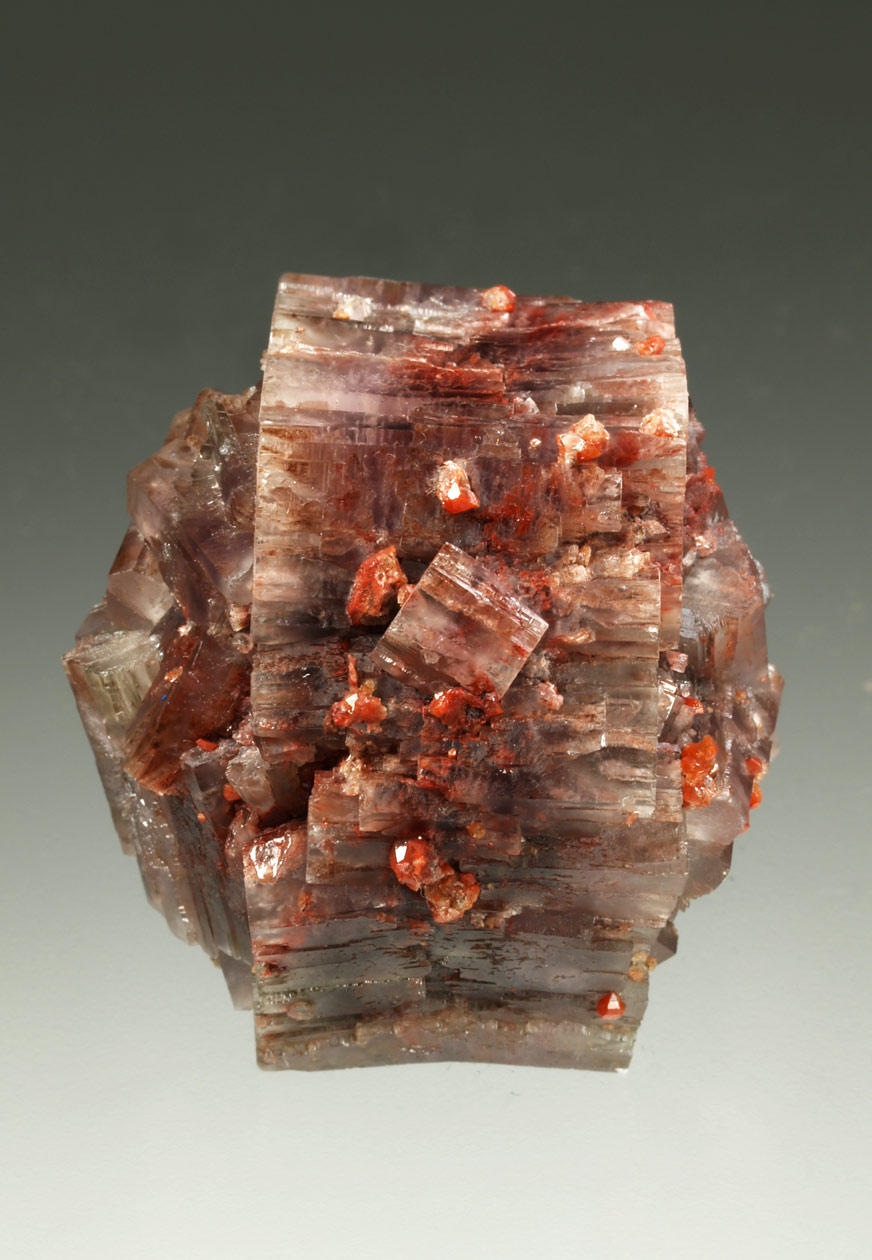
No, no son españoles, son franceses. Este ejemplar nos muestra diversos individuos maclados e interpenetrados entre ellos. Tienen un buen brillo y un color que varía entre marrón, rojizo a incoloro. Salpicado de pequeños cristales de cuarzo jacinto, lo que le da un toque distintivo. Buen tamaño. Dedicado a los coleccionistas de aragonitos.
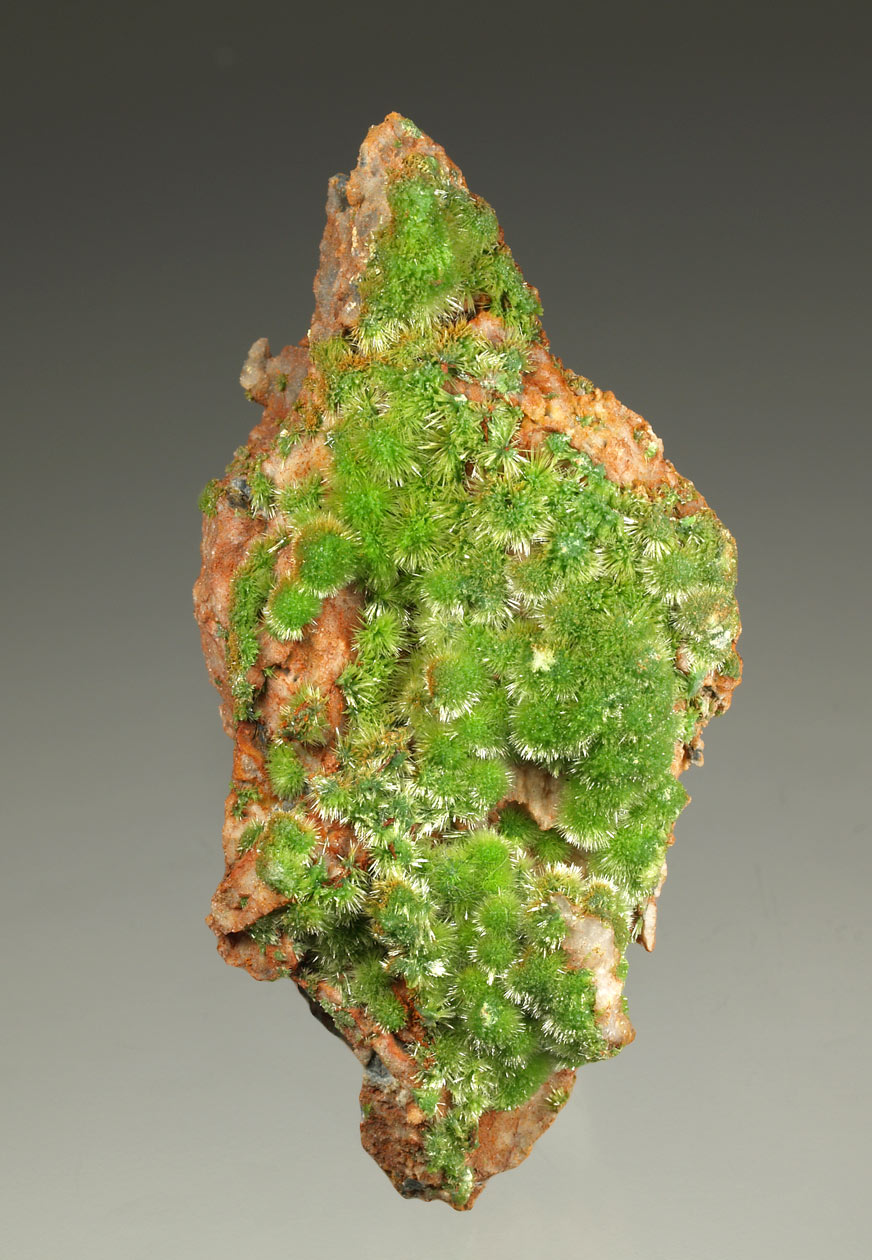
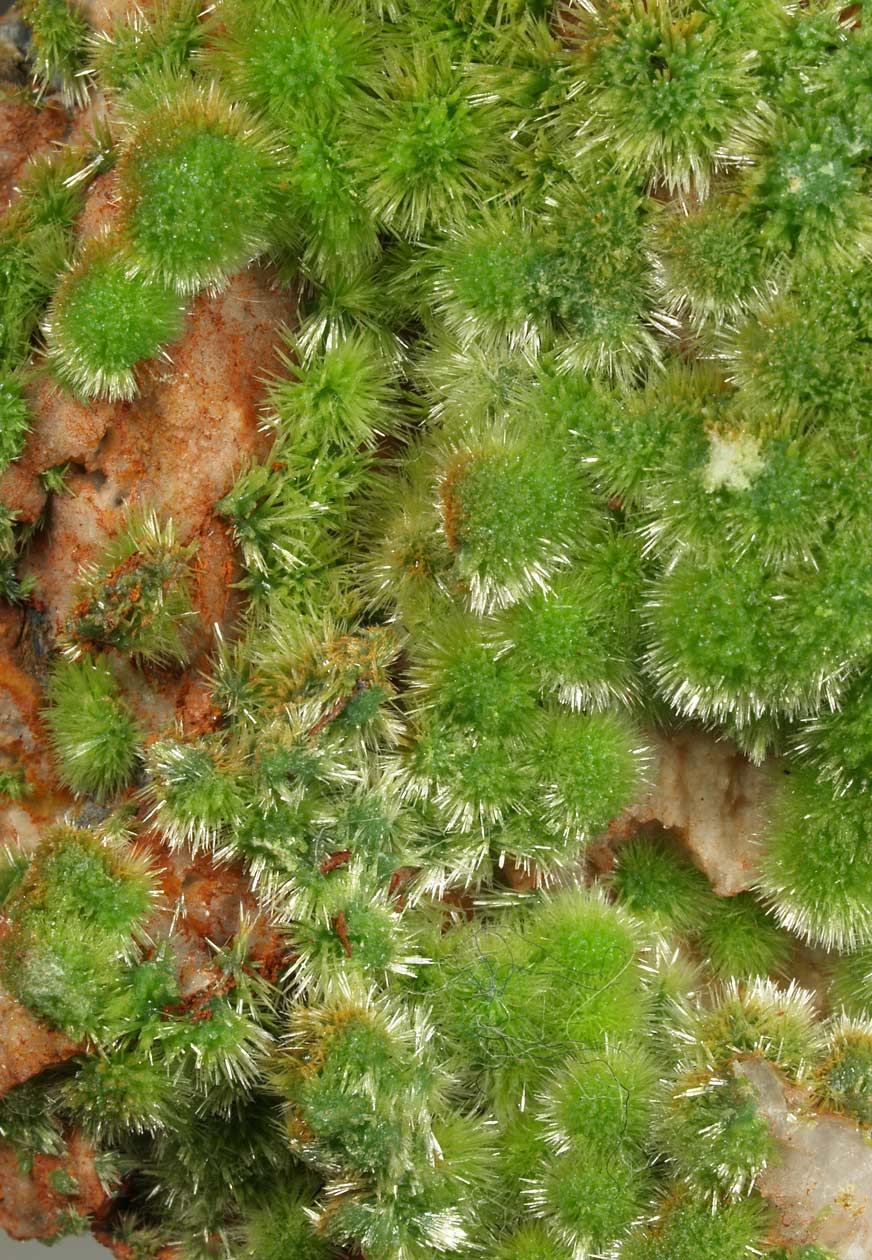
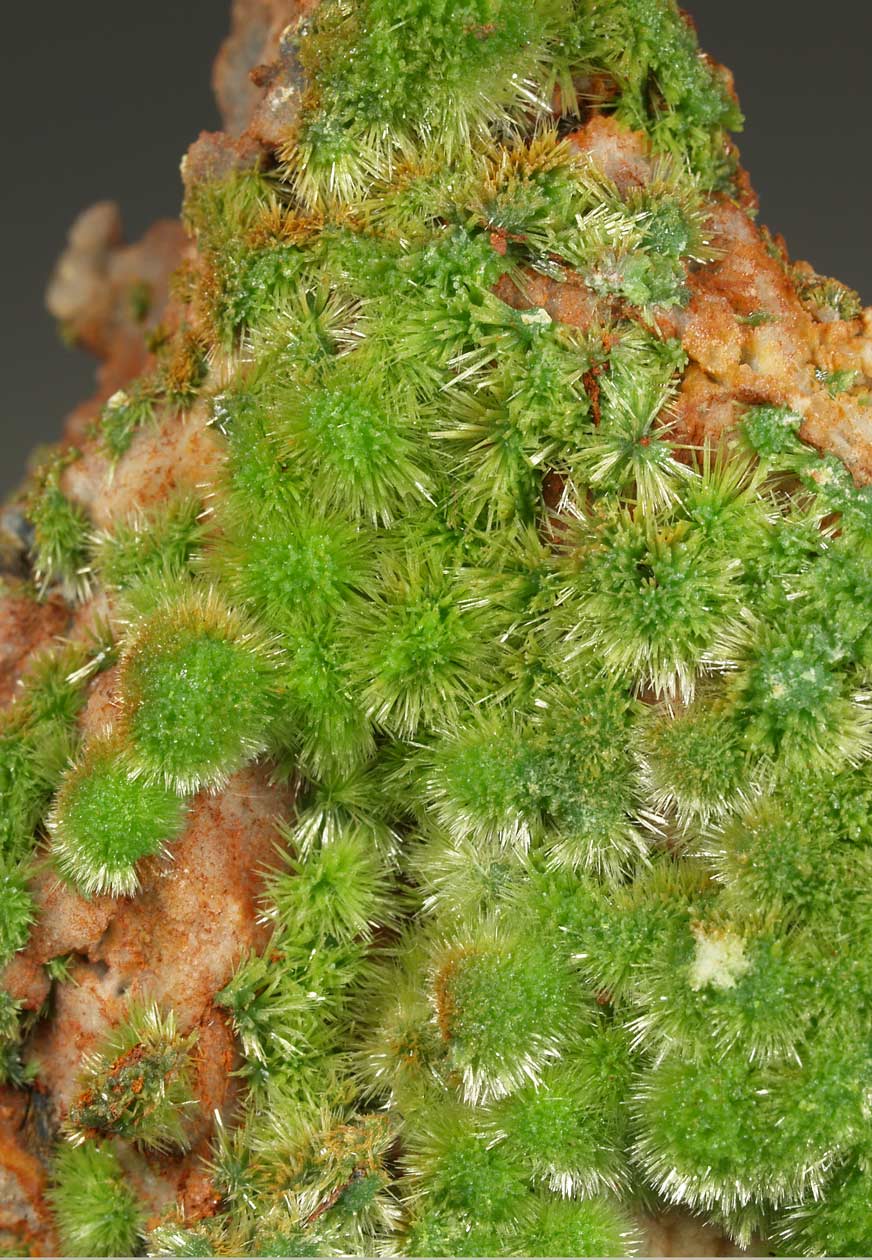
Ejemplar formado por numerosos agregados radiales de cristales aciculares de piromorfita con un uniforme color verde característico y buen brillo. Se disponen sobre una matriz de cuarzo. Con buen tamaño. Un clásico francés de otros tiempos.
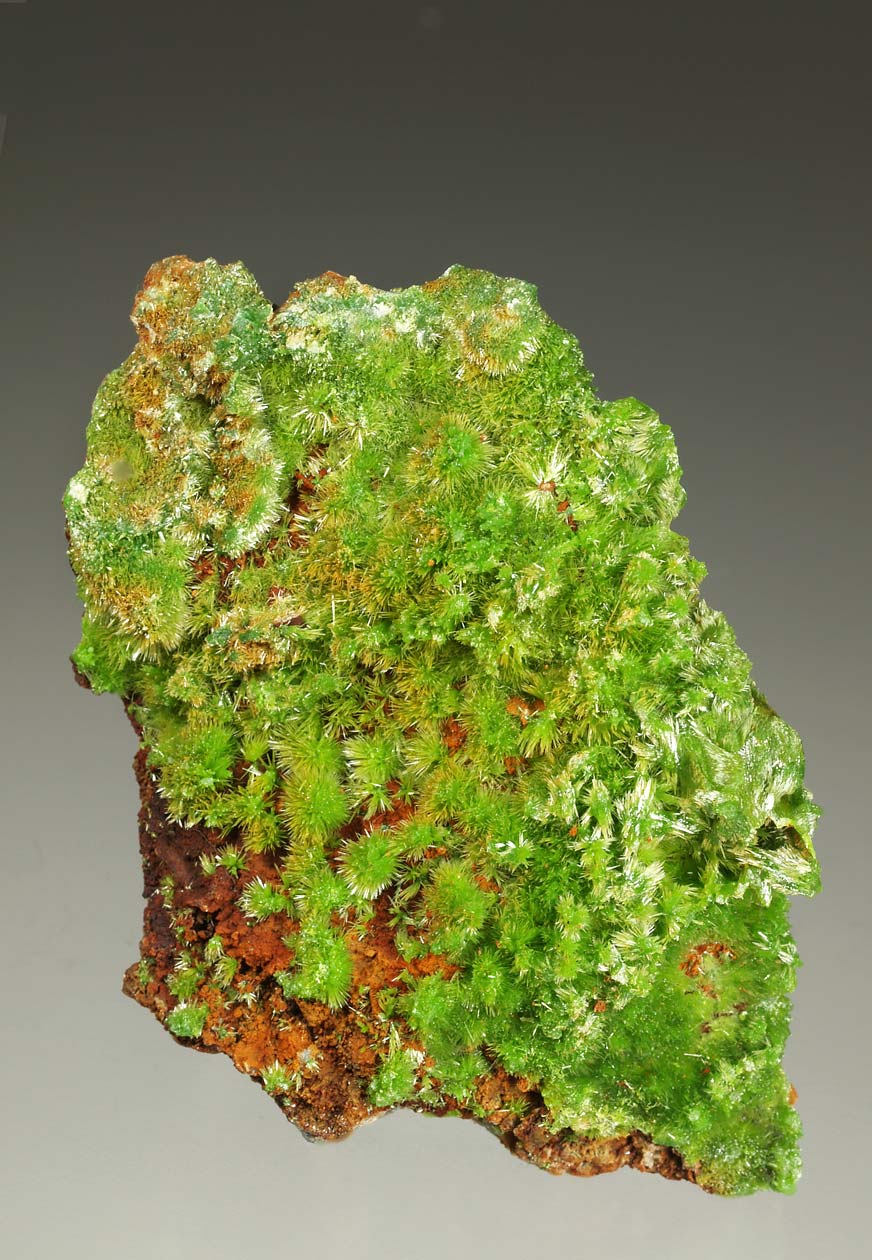
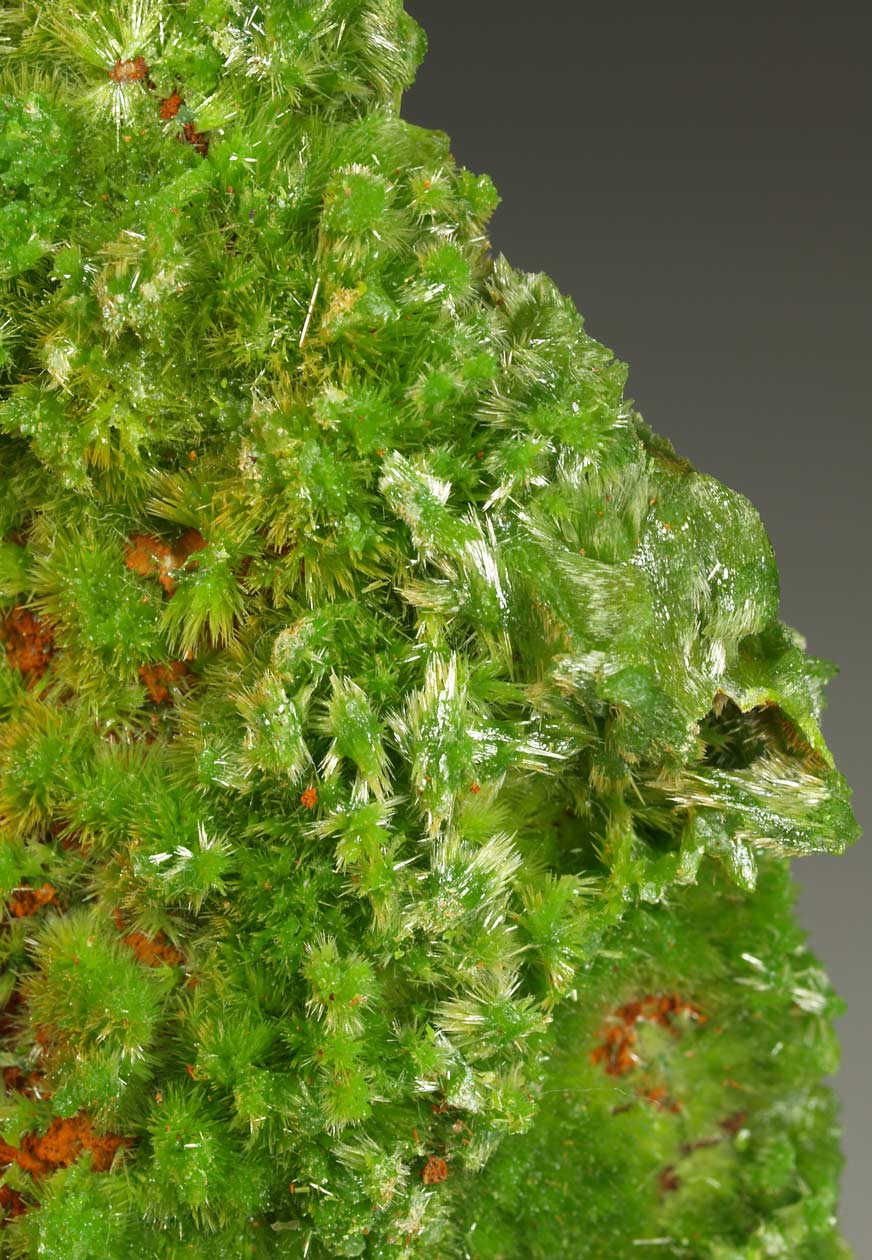
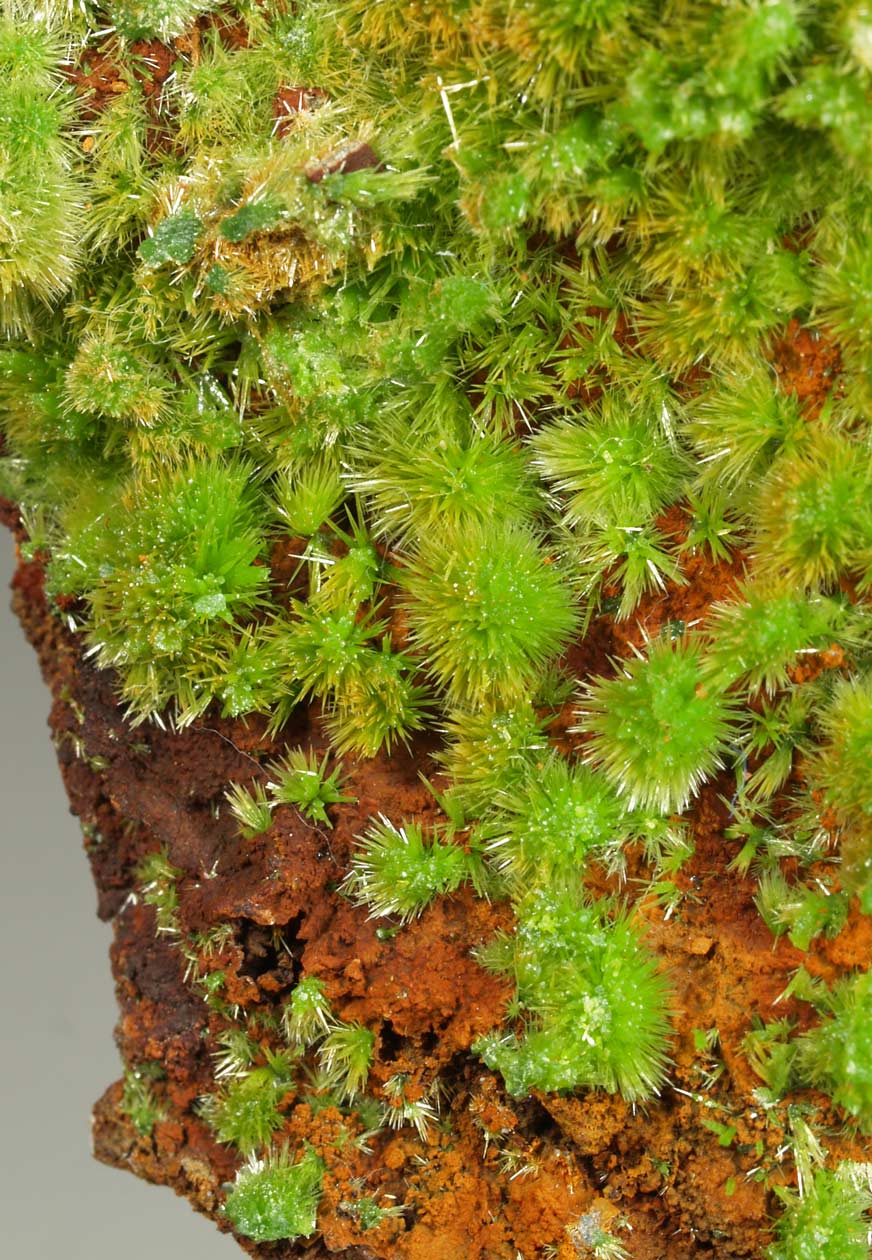
Ejemplar formado por numerosos agregados radiales de cristales aciculares de piromorfita con un uniforme color verde característico y buen brillo. Se disponen sobre una matriz de cuarzo. Un clásico francés de otros tiempos.
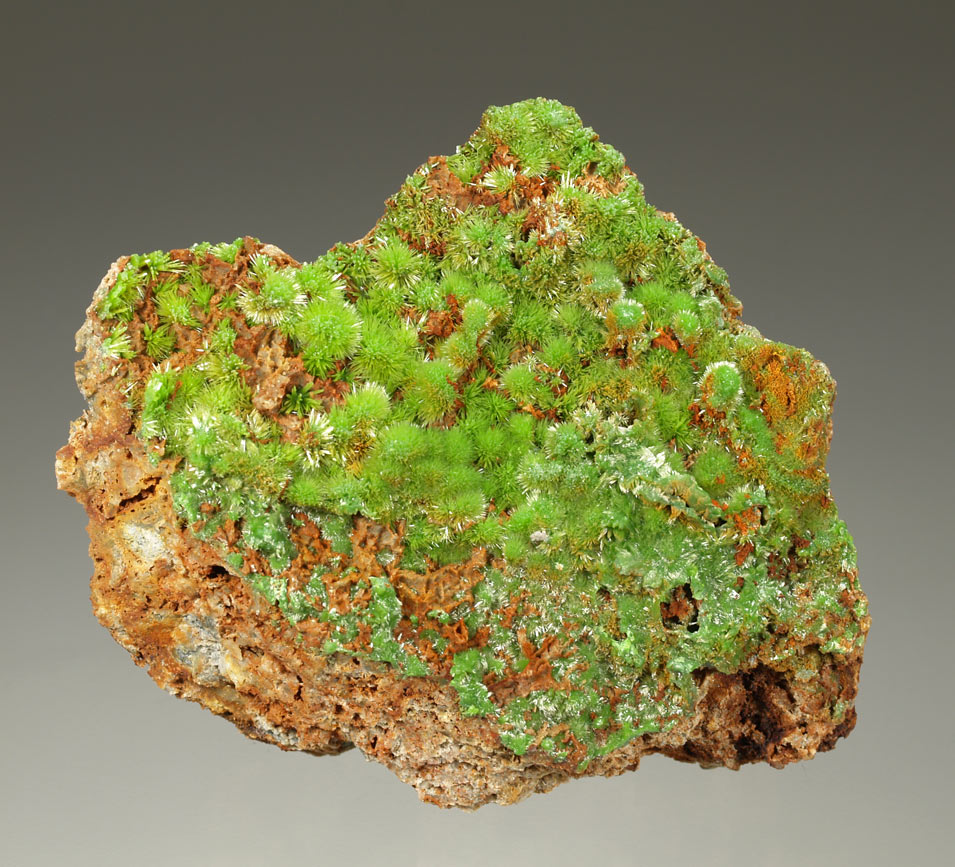
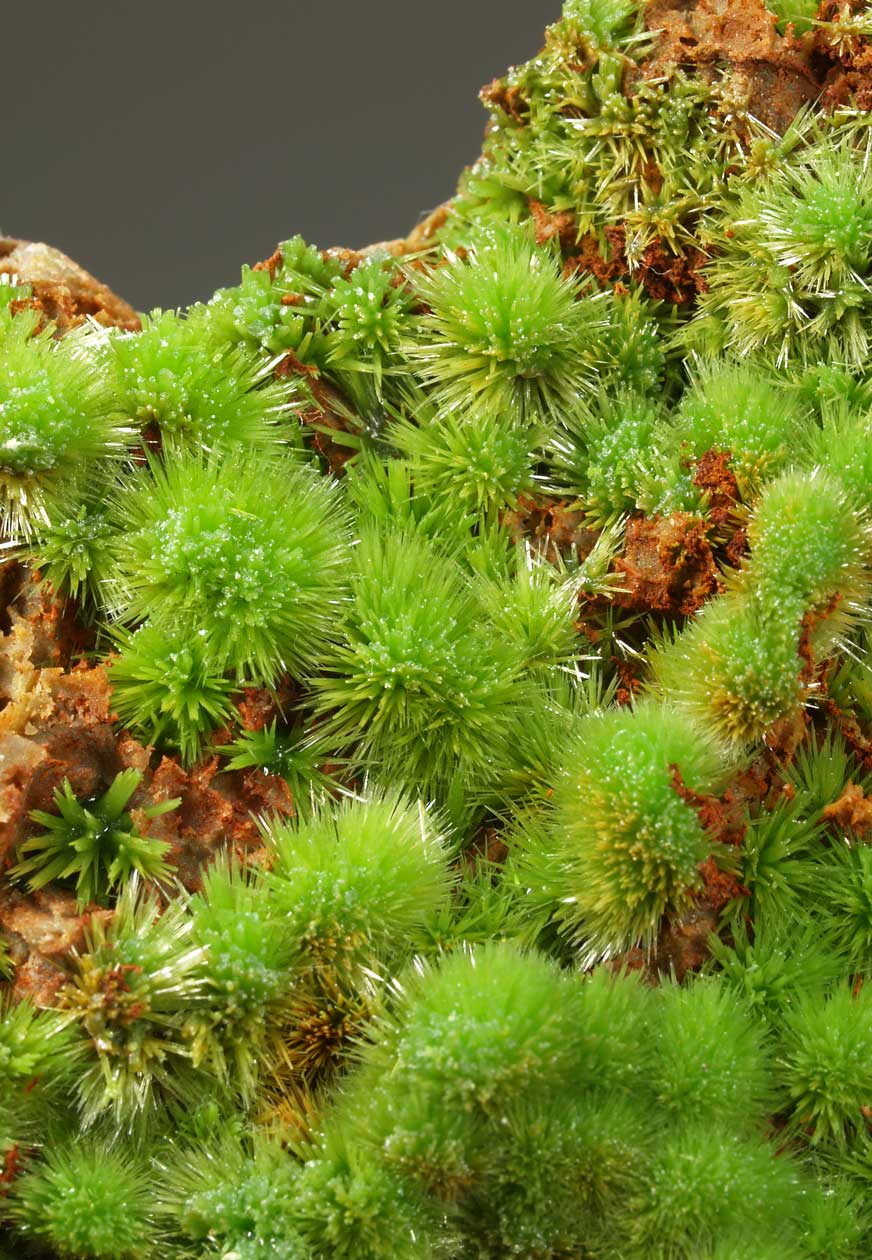
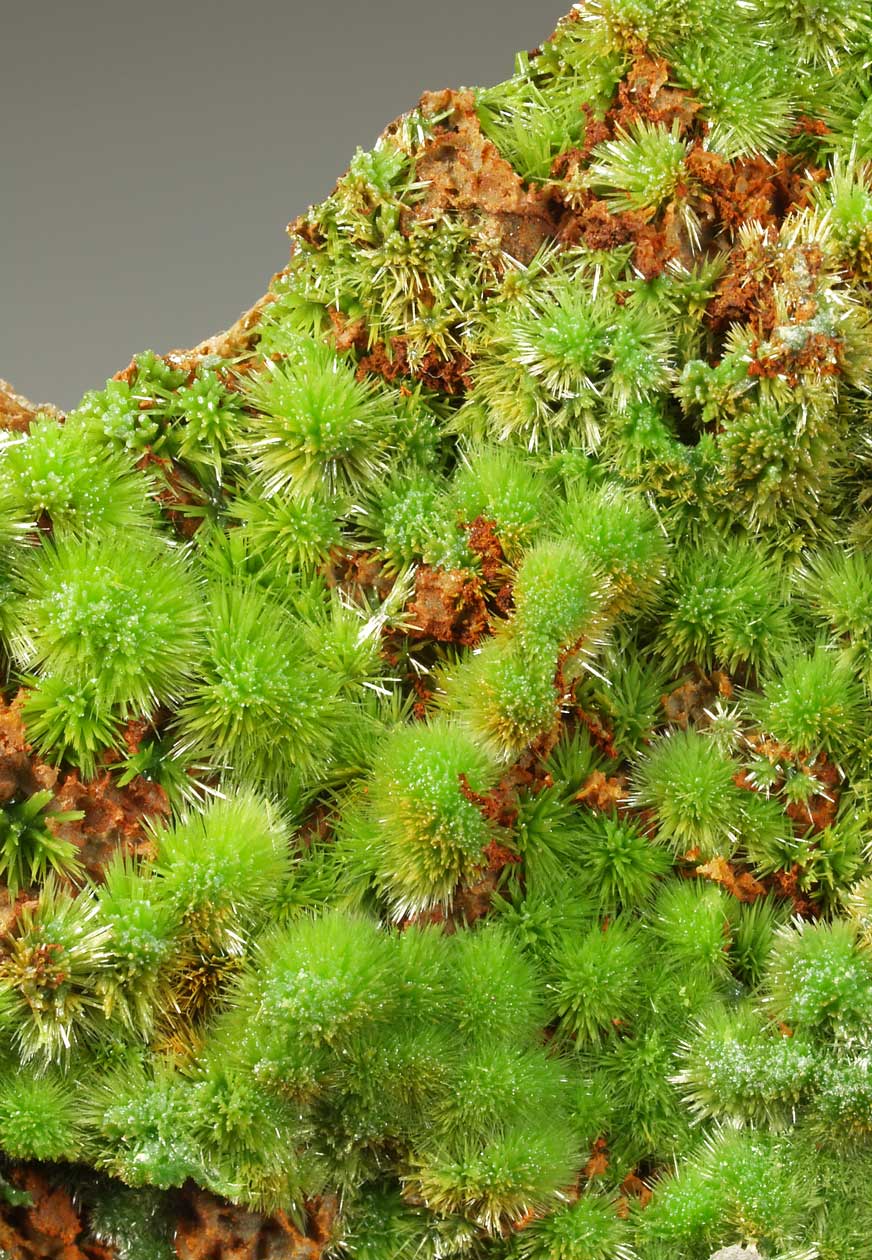
Ejemplar formado por numerosos agregados radiales de cristales aciculares de piromorfita con un uniforme color verde característico y buen brillo. Se disponen sobre una matriz de cuarzo. Con buen tamaño. Un clásico francés de otros tiempos.
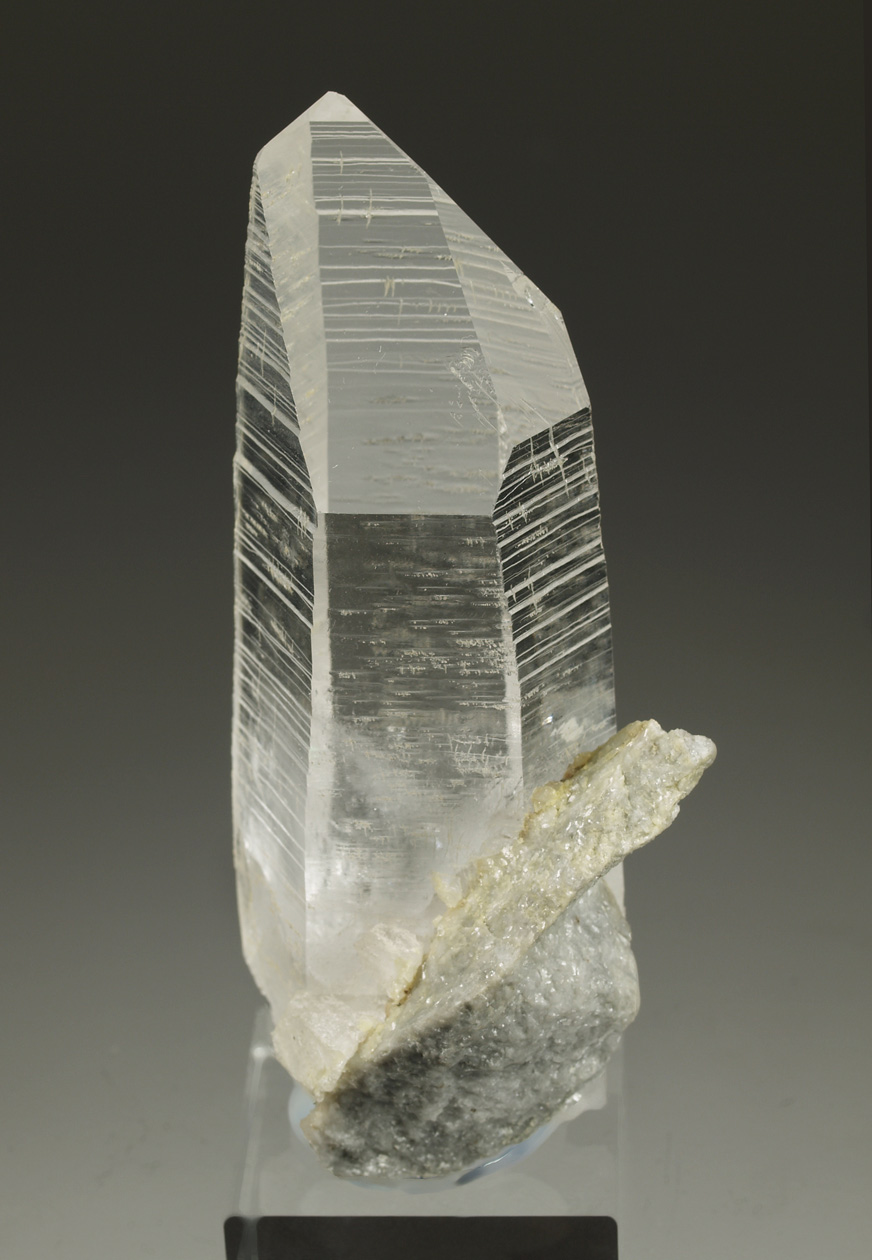
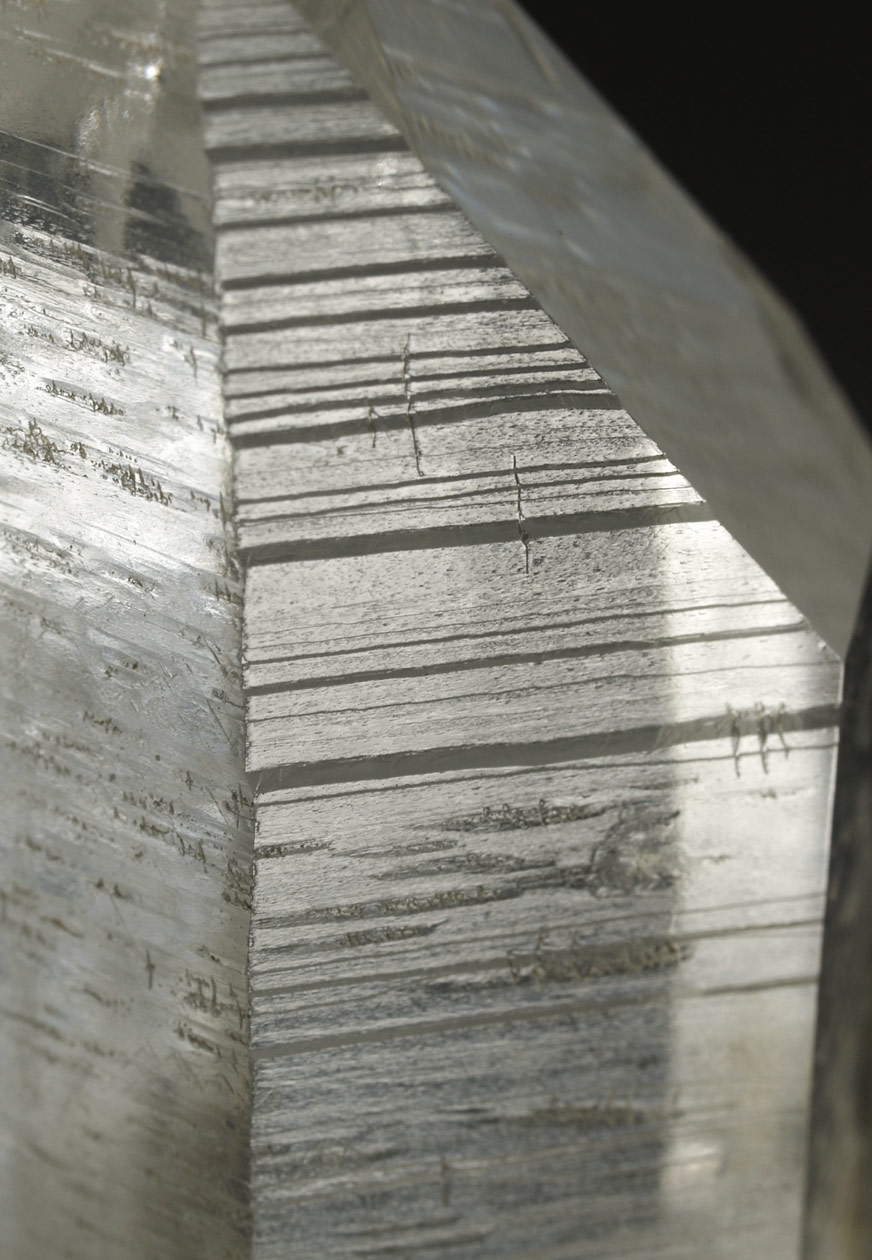
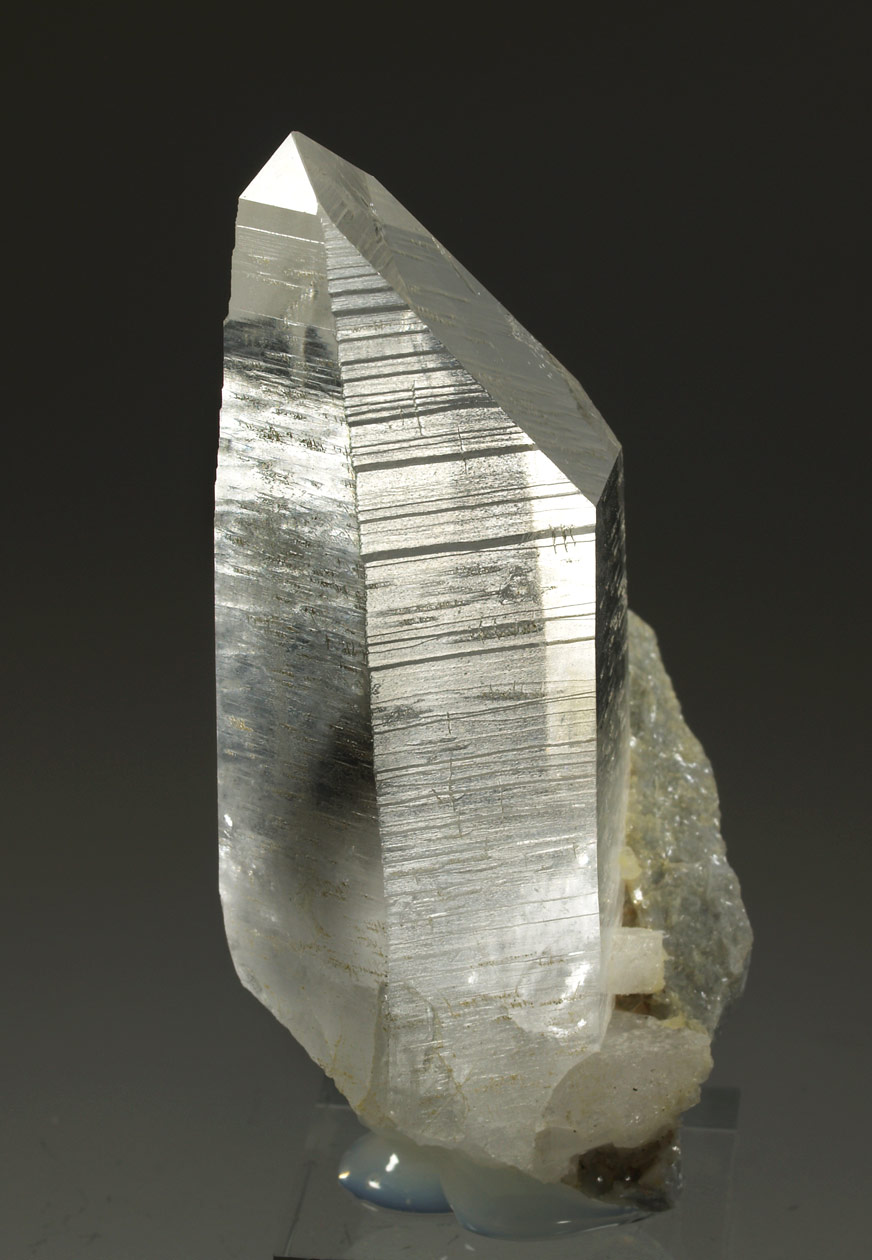
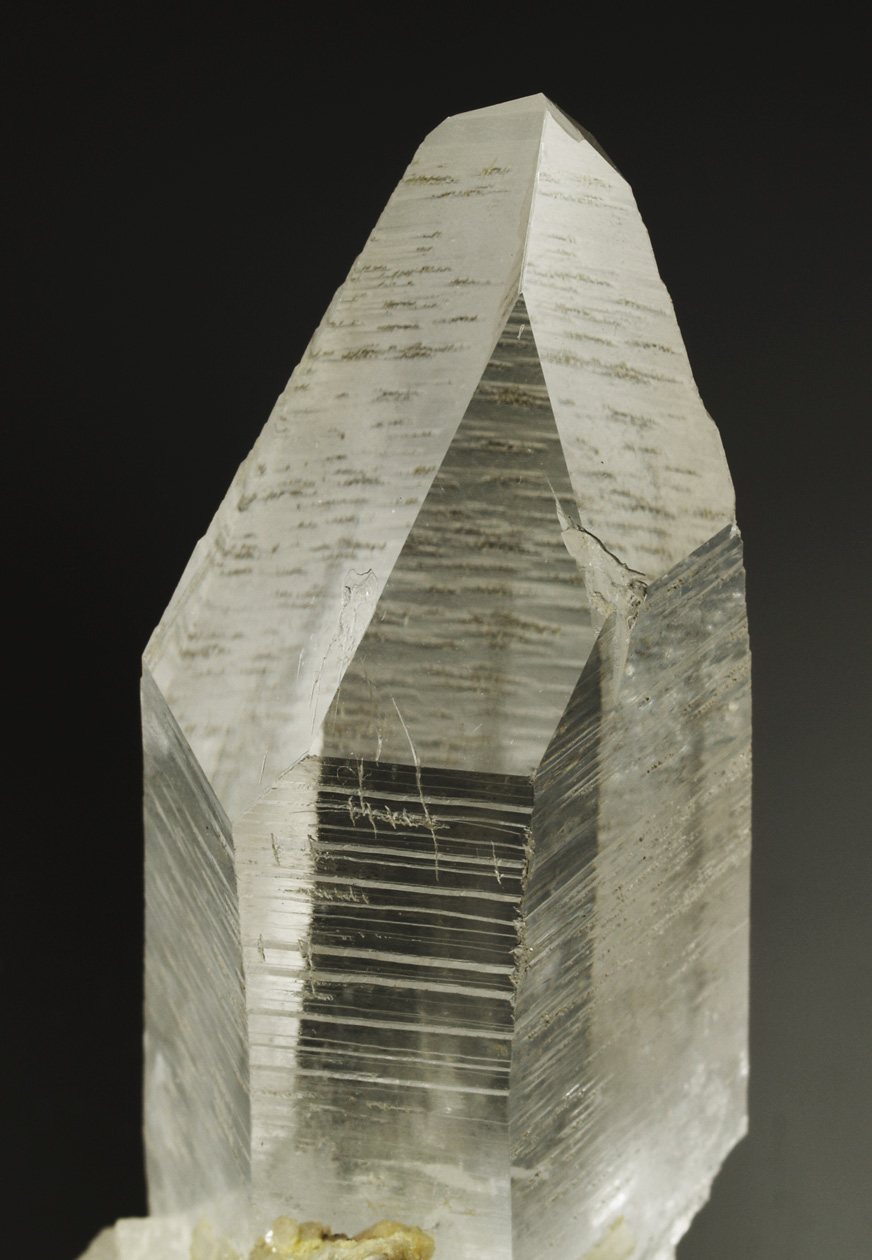
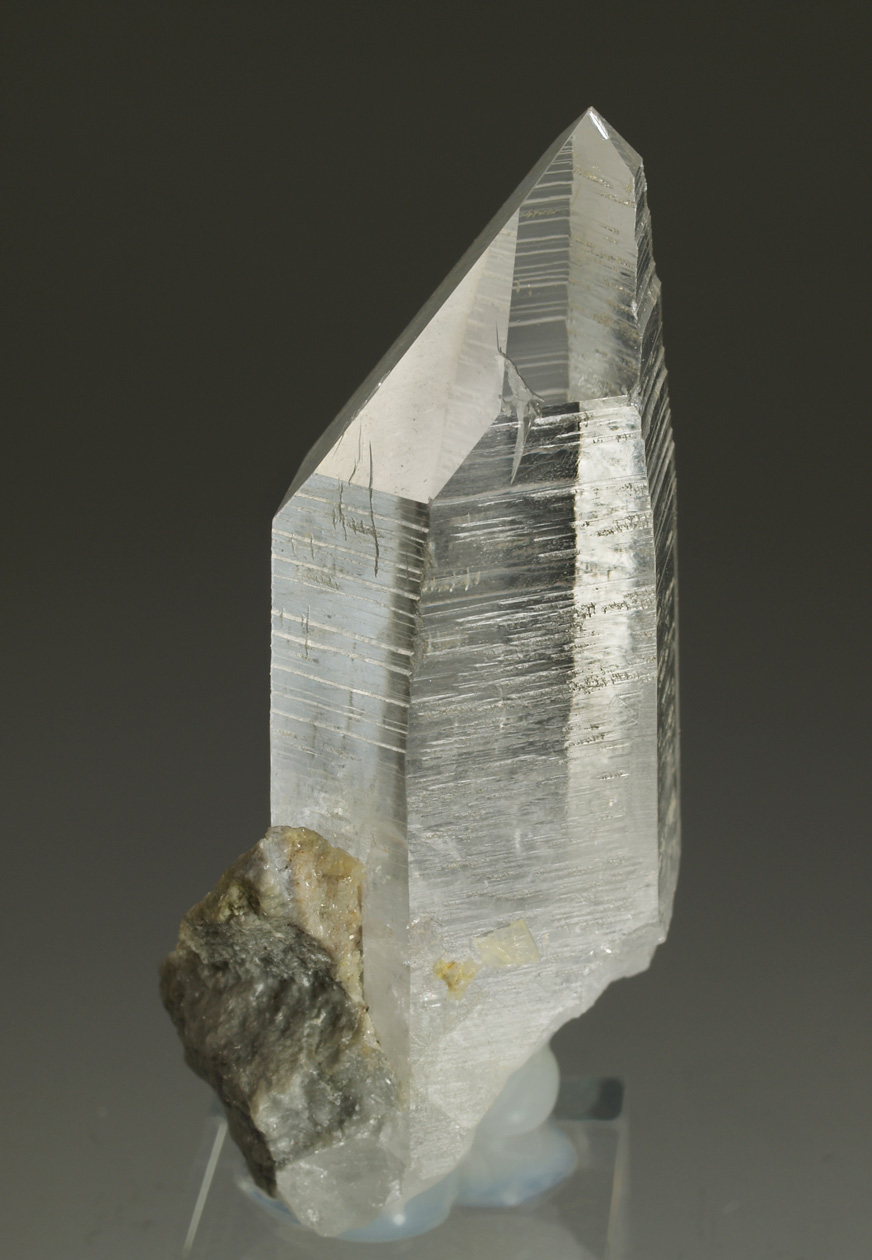
Excepcional cristal de cuarzo hialino que muestra un prisma desarrollado, con estriaciones perpendiculares al eje principal y los romboedros terminales asimétricos. Caras y aristas muy definidas, con una transparencia excelente y mejor brillo. Se acompaña de una pequeña matriz con cristales romboédricos de dolomita. La pieza es mejor que lo que la fotografia puede reflejar. Este ejemplar procede de las geodas que se encuentran en las rocas dolomíticas de la famosa cantera de talco de Trimouns.
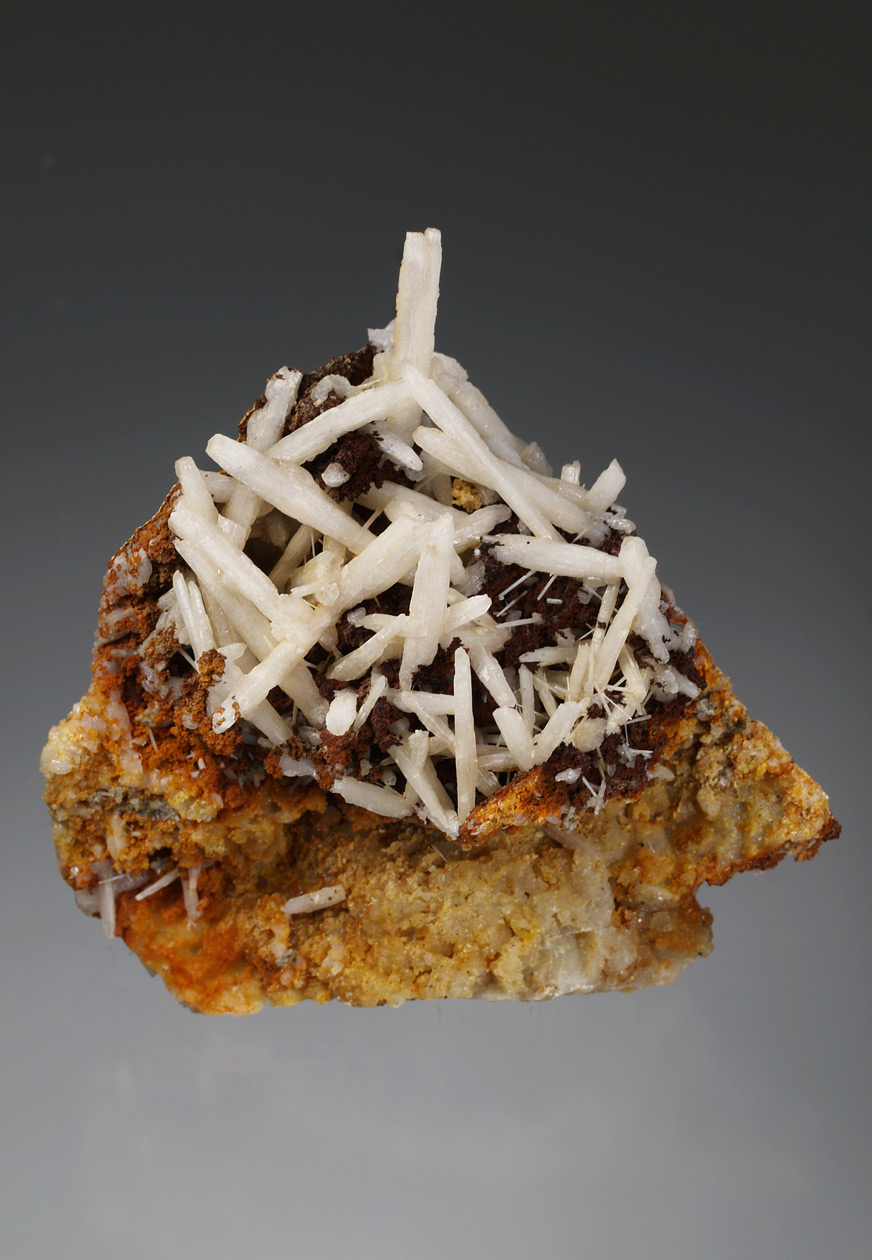
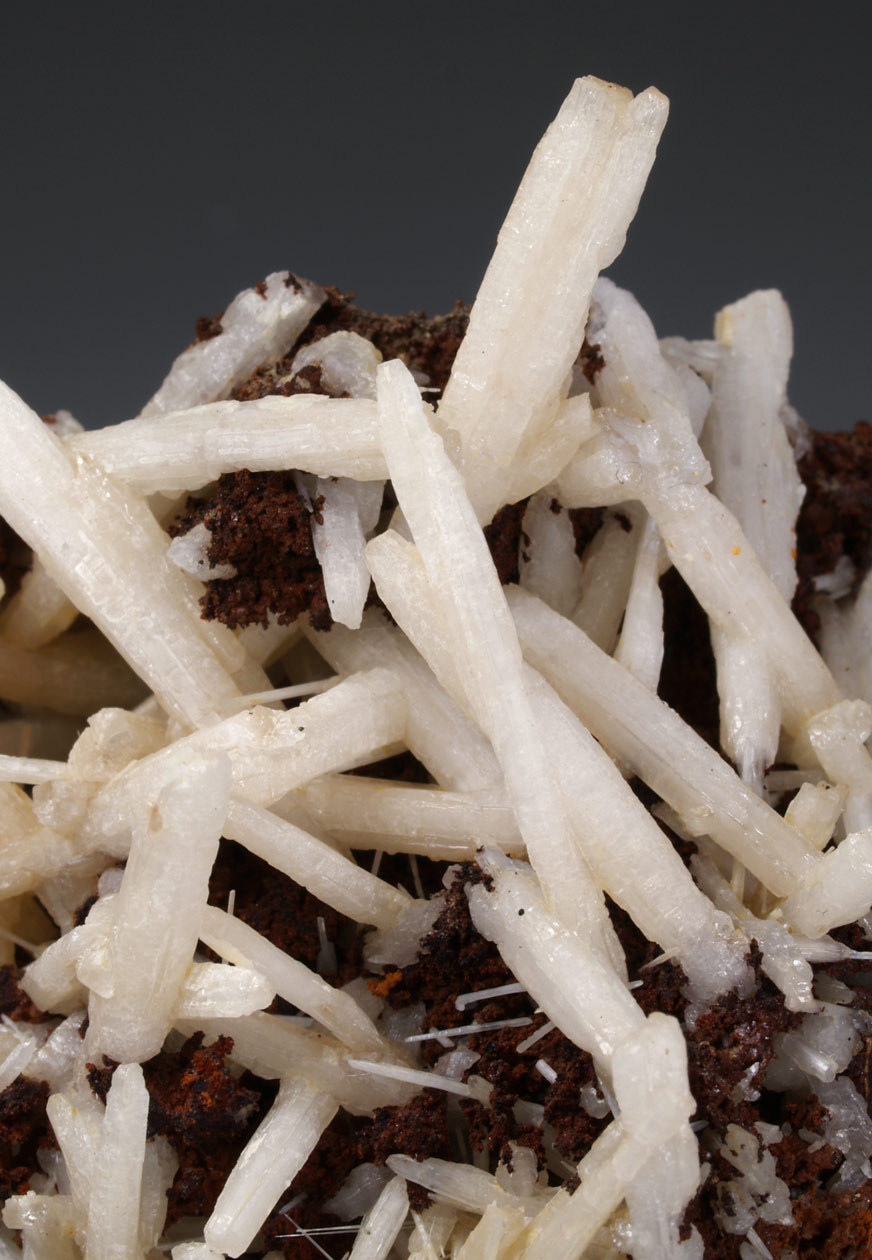
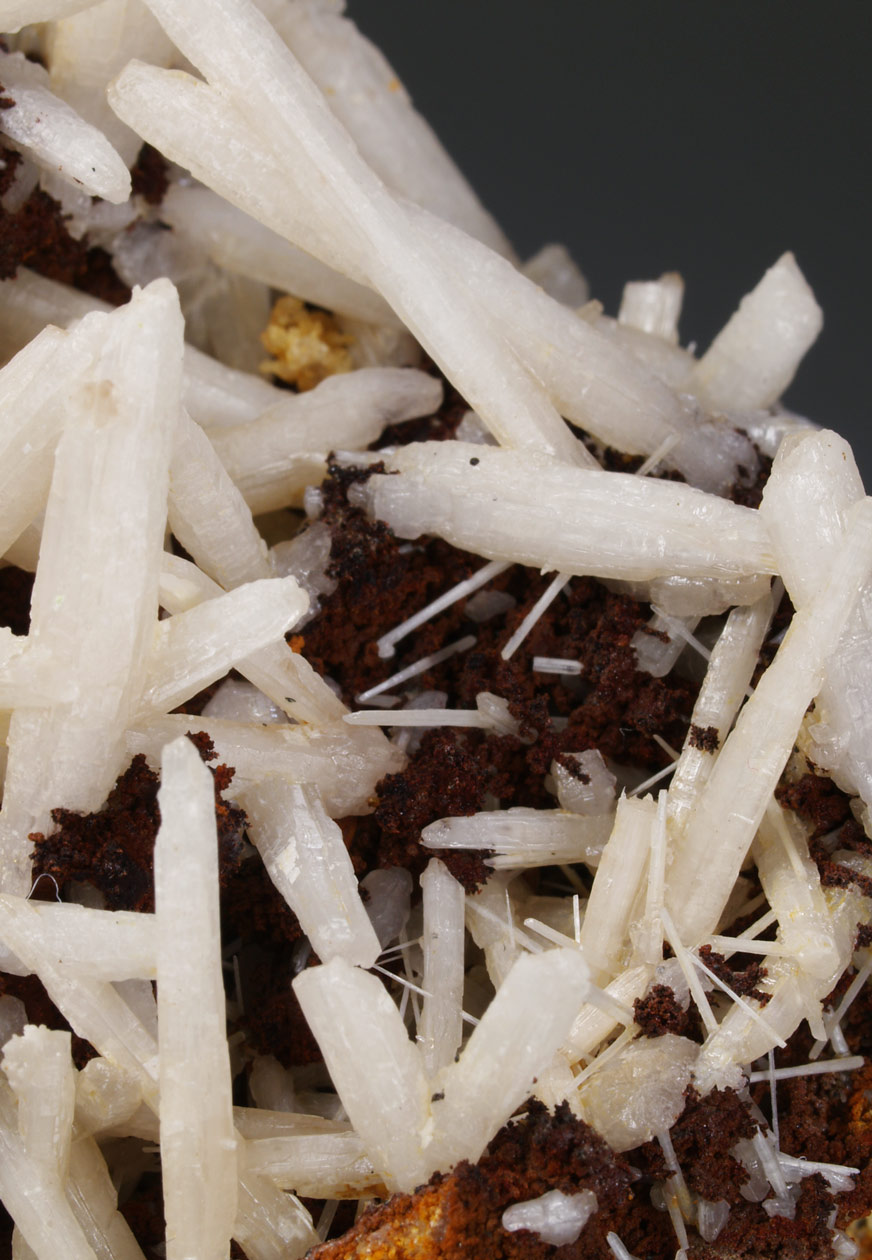
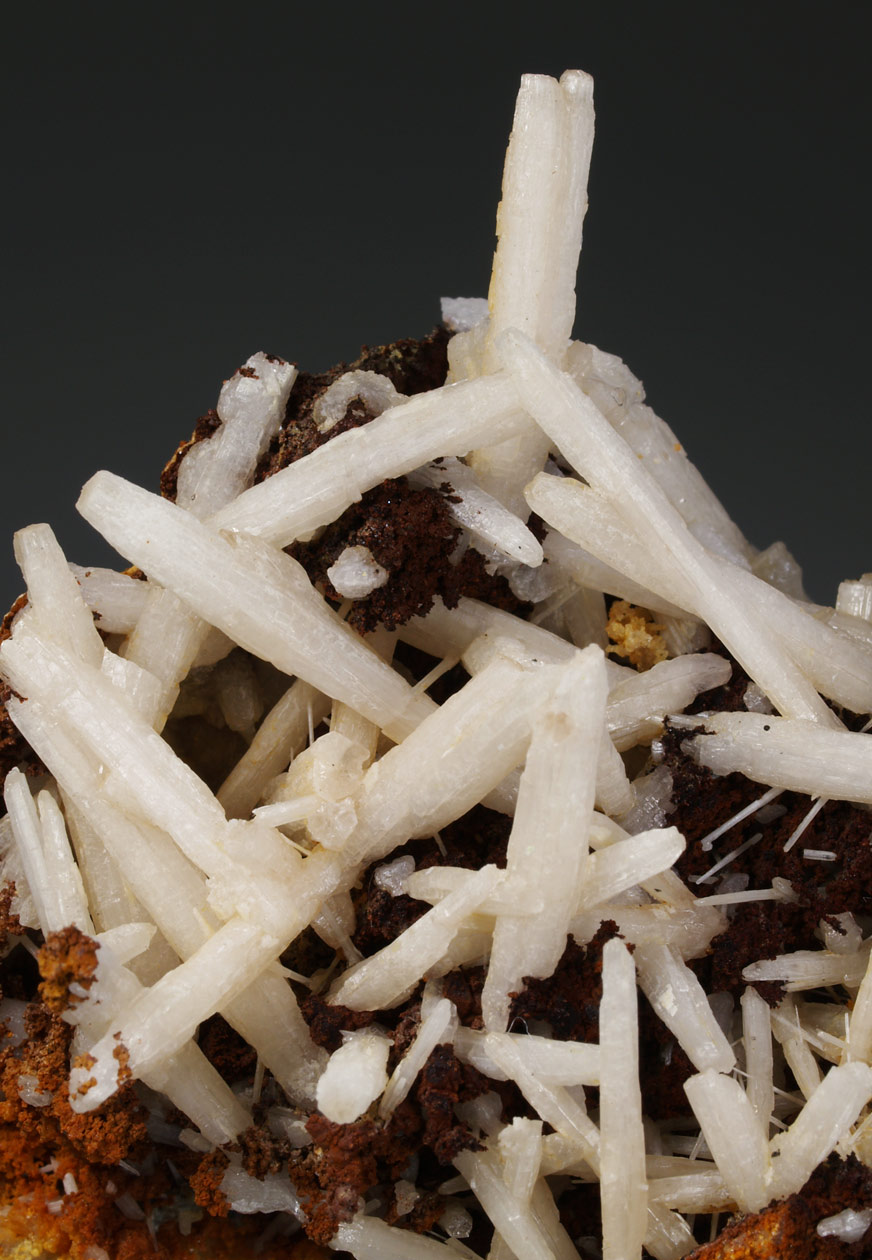
Reciente hallazgo y novedad en Sainte-Marie-aux-Mines 2013. Se trata de un nutrido grupo de cristales prismáticos de cerusita, de color blanco, translúcidos, agudos y de buen tamaño. Con caras estriadas y acabados en formas complejas, con interior hueco. Se disponen de forma aleatoria y estética contrastando con la matriz.
La mina de plomo y plata de Lescure fue explotada ya en época romana y hay documentos que ya la citan a finales del s. XVIII. Aunque los trabajos mineros "serios" se confirman desde 1808 hasta su cierre en 1951. Se conocen estos ejemplares en cristales largos y desde los años 90 no se habían obtenido piezas de esta calidad. Hoy día la mina está cerrada y colapsada (Le Règne Minéral, 85, 2009).
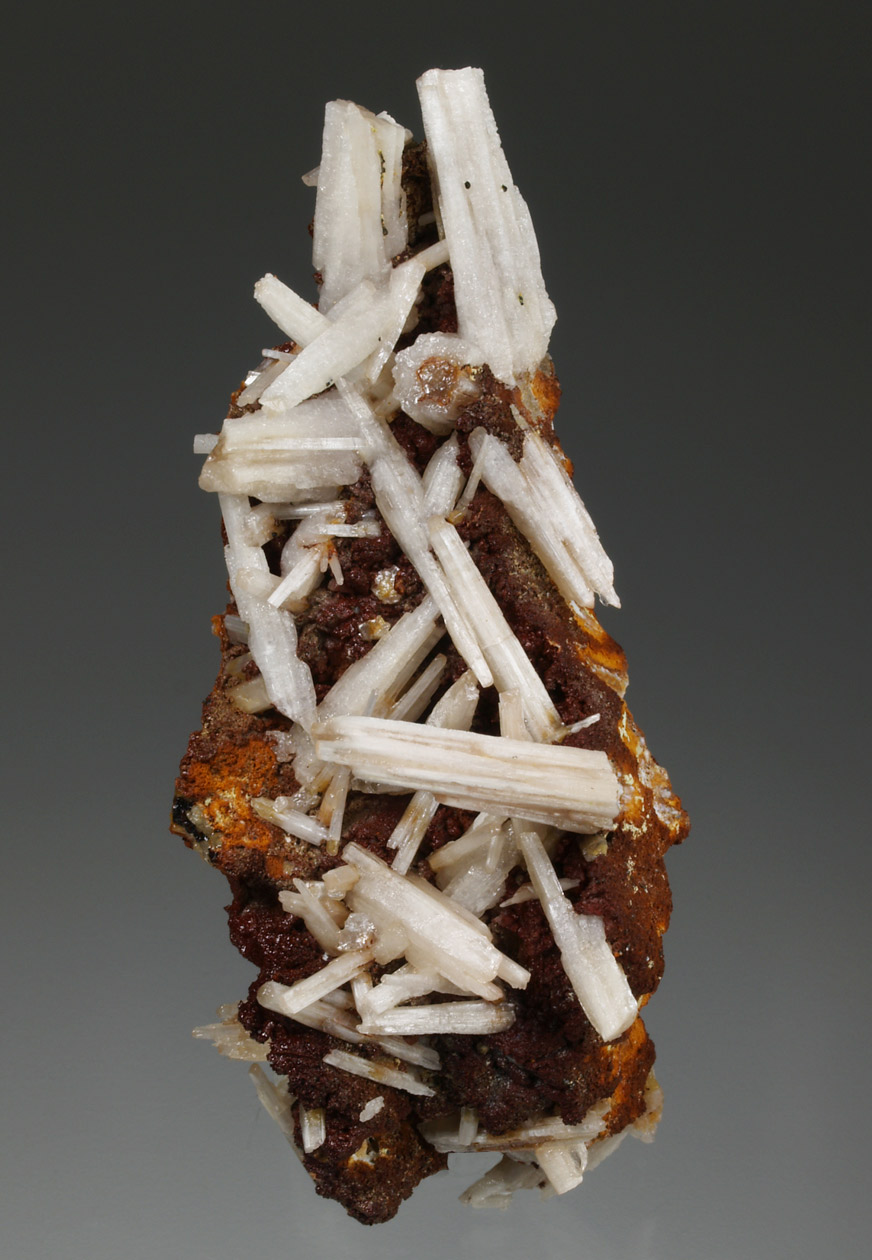
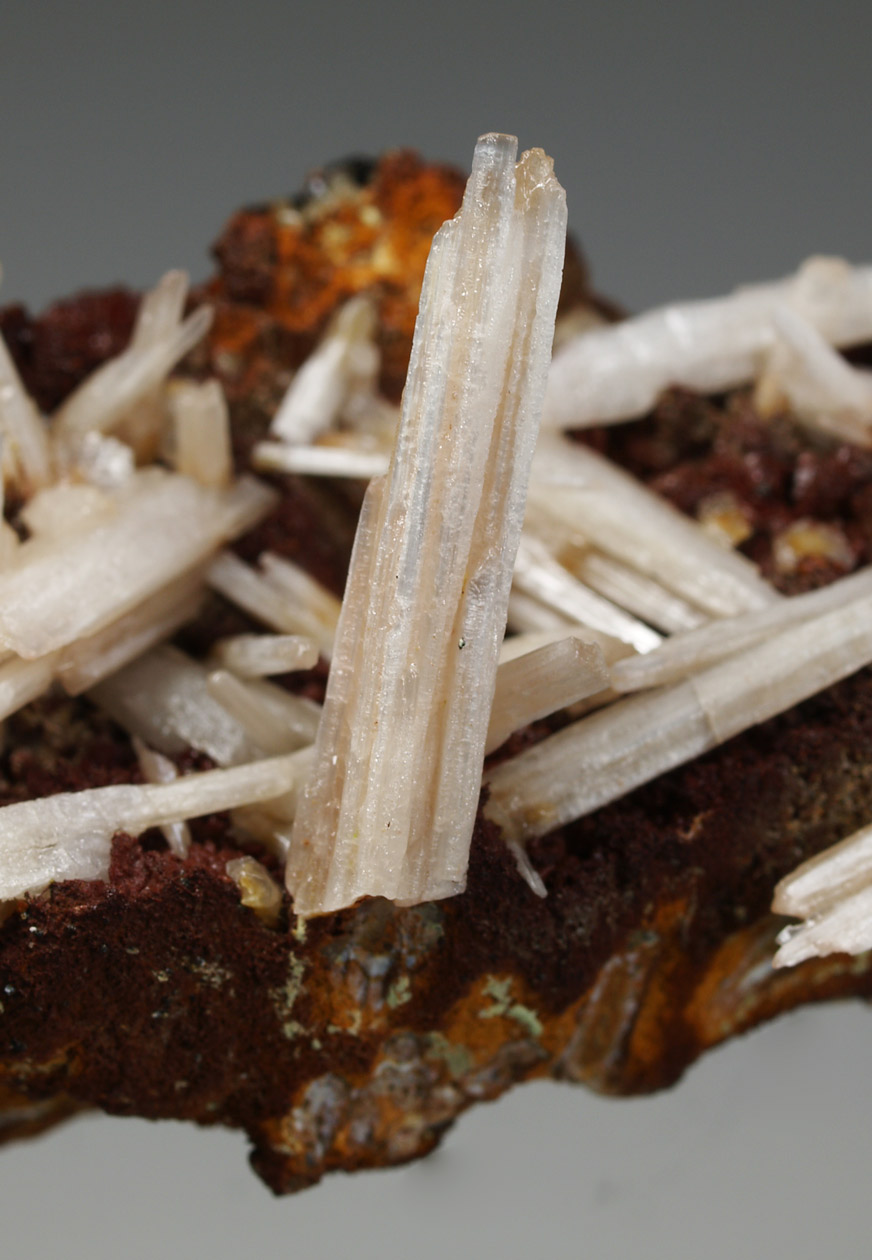
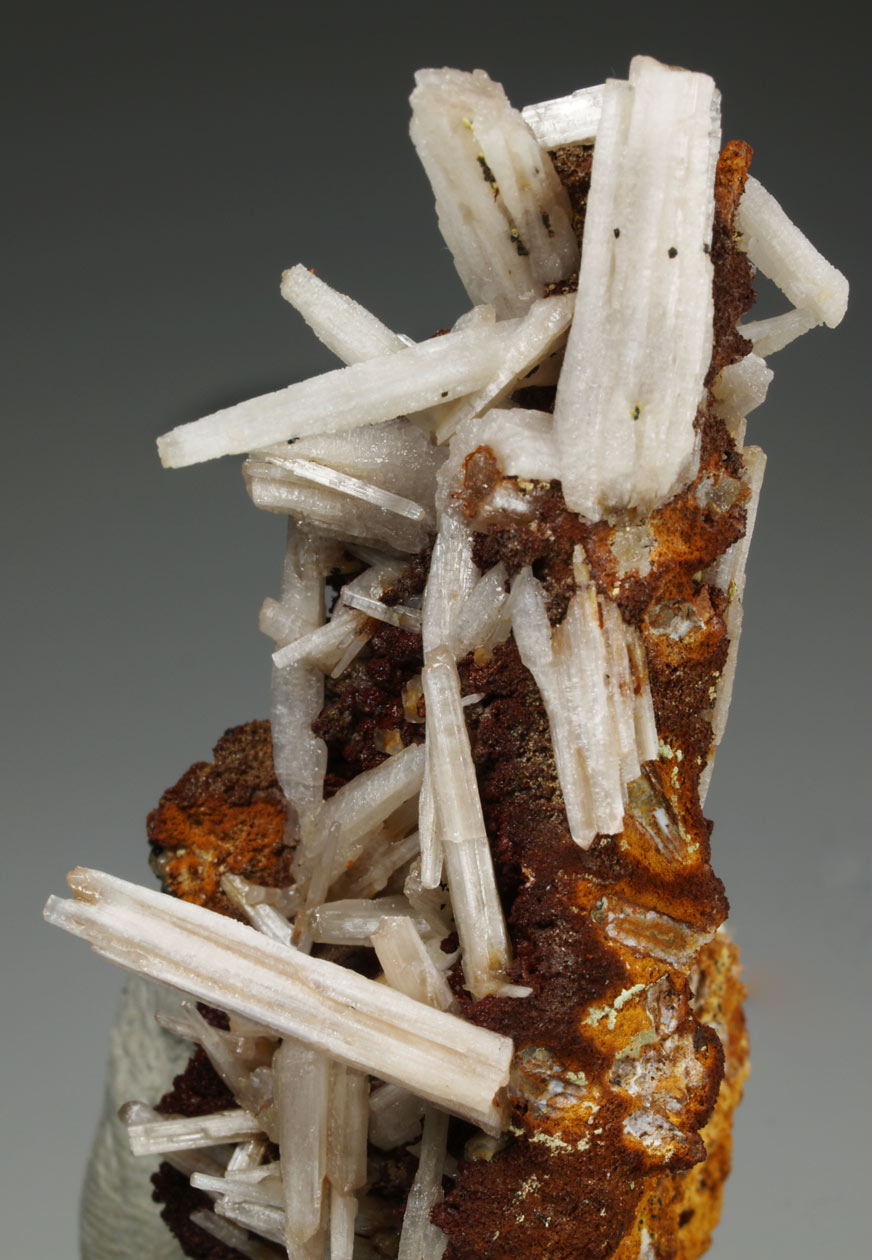
Reciente hallazgo y novedad en Sainte-Marie-aux-Mines 2013. Se trata de un grupo de cristales prismáticos de cerusita, de color blanco, translúcidos, agudos y de buen tamaño. Con caras estriadas y acabados en formas complejas, con interior hueco. Se disponen de forma aleatoria y estética contrastando con la matriz.
La mina de plomo y plata de Lescure fue explotada ya en época romana y hay documentos que ya la citan a finales del s. XVIII. Aunque los trabajos mineros "serios" se confirman desde 1808 hasta su cierre en 1951. Se conocen estos ejemplares en cristales largos y desde los años 90 no se habían obtenido piezas de esta calidad. Hoy día la mina está cerrada y colapsada (Le Règne Minéral, 85, 2009).
-Trimouns-a.jpg)
-Trimouns.jpg)
Se trata de un cristal tabular con definidos contornos hexagonales. Muestra una buena transparencia y color que varia entre el amarillo verdoso al marrón anaranjado en función del tipo de luz que incide sobre él. Se acompaña de allanita-(Ce) alterada como habitualmente sucede en esta paragénesis. Este excelente ejemplar de bastnäsita-(Ce) procede de una mina francesa clásica a nivel mundial en lo que refiere a los minerales que contienen Elementos de Tierras Raras (ETR). Actualmente no es tarea fácil encontrar cristales de bastnäsita-(Ce) de este tamaño y yacimiento.
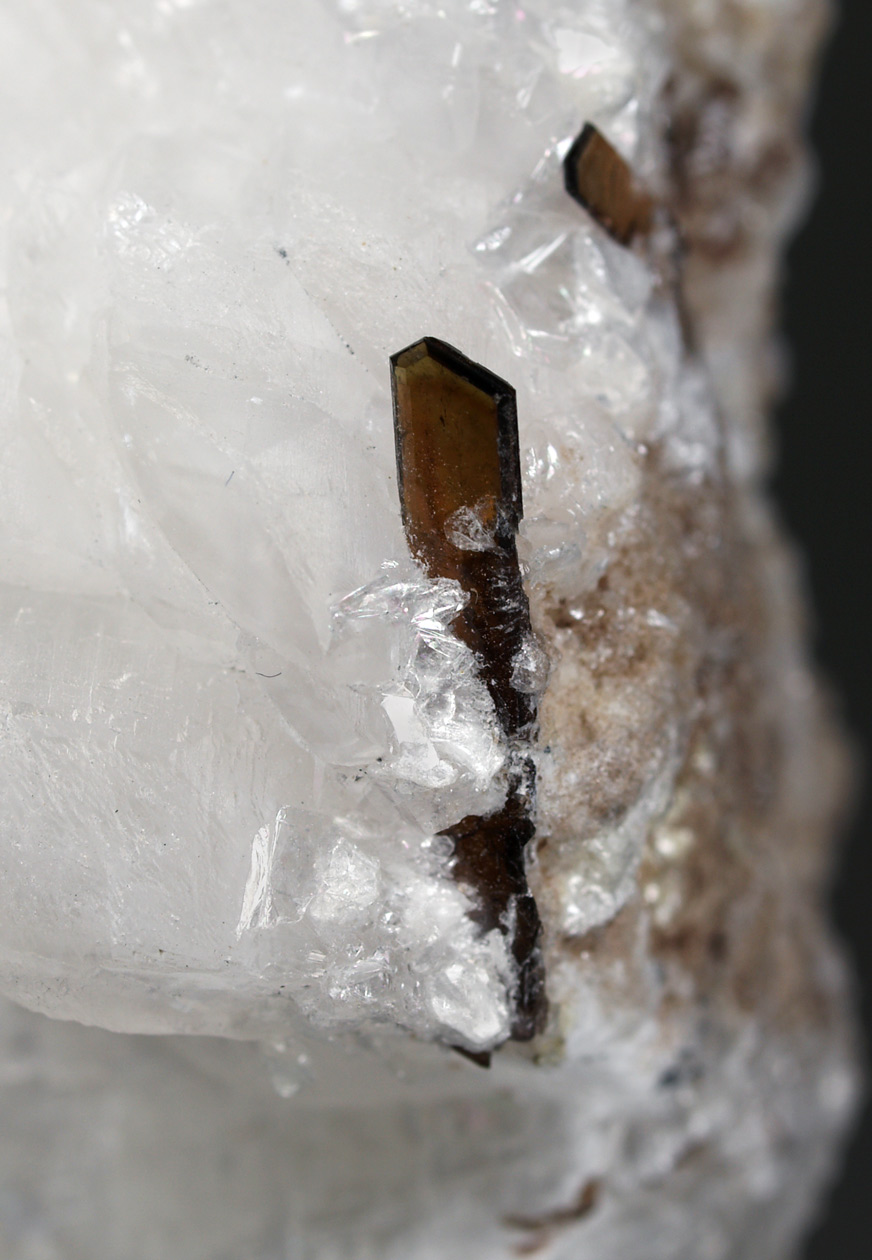
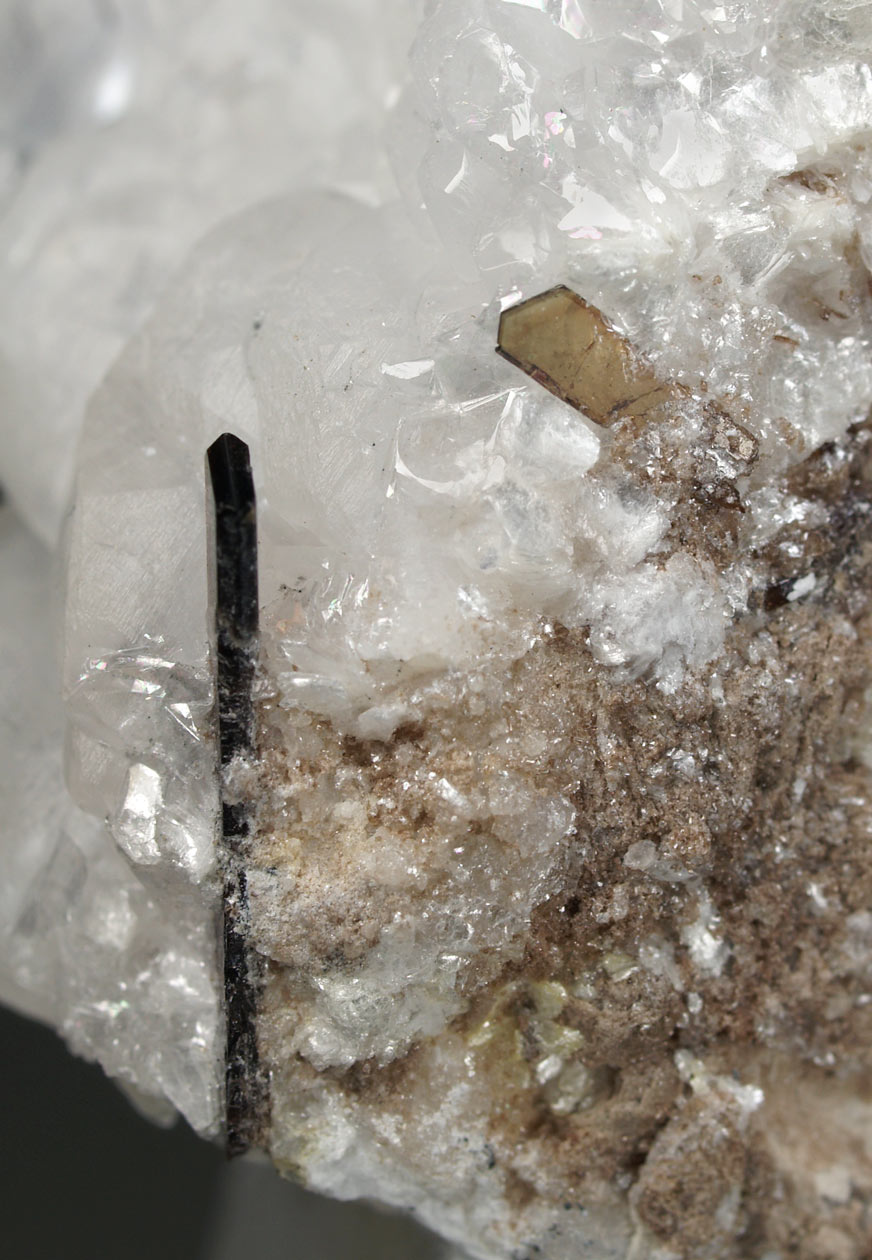
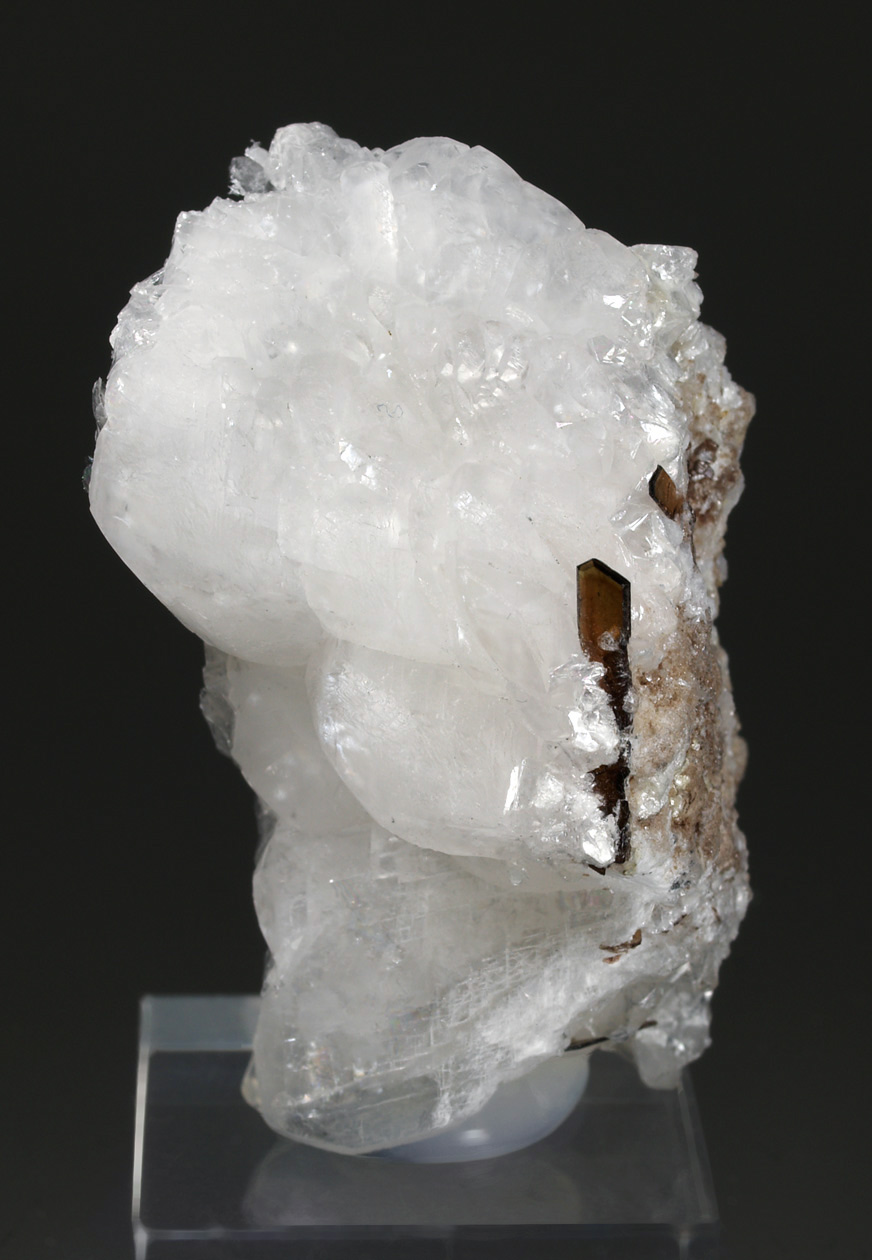
Ejemplar de calidad gema de allanita-(Ce), de buen tamaño, alargado y que muestra caras y aristas muy definidas. Se halla embebido en la matriz de calcita con brillante talco. La transparencia y brillo son excelentes y muestra un zonado tono a miel tostada, con visible pleocroísmo en función de la luz que incide sobre él. Se acompaña de otro cristal menor igualmente definido y transparente. La zona de donde lo extraje ya no existe al haber sido ampliada la cantera. Una pieza de Tierras Raras (REE) de una localidad francesa clásica, estético y difícil de conseguir hoy día.
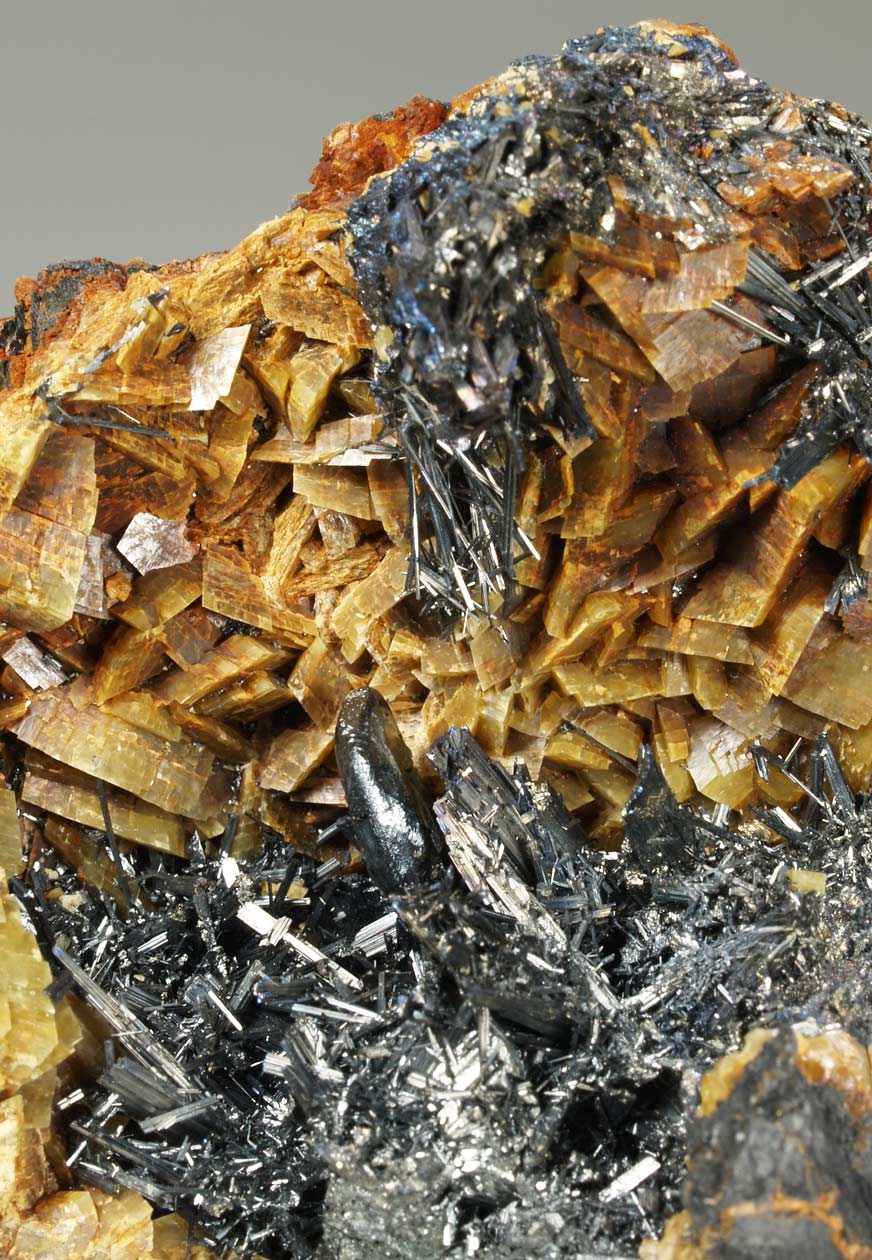
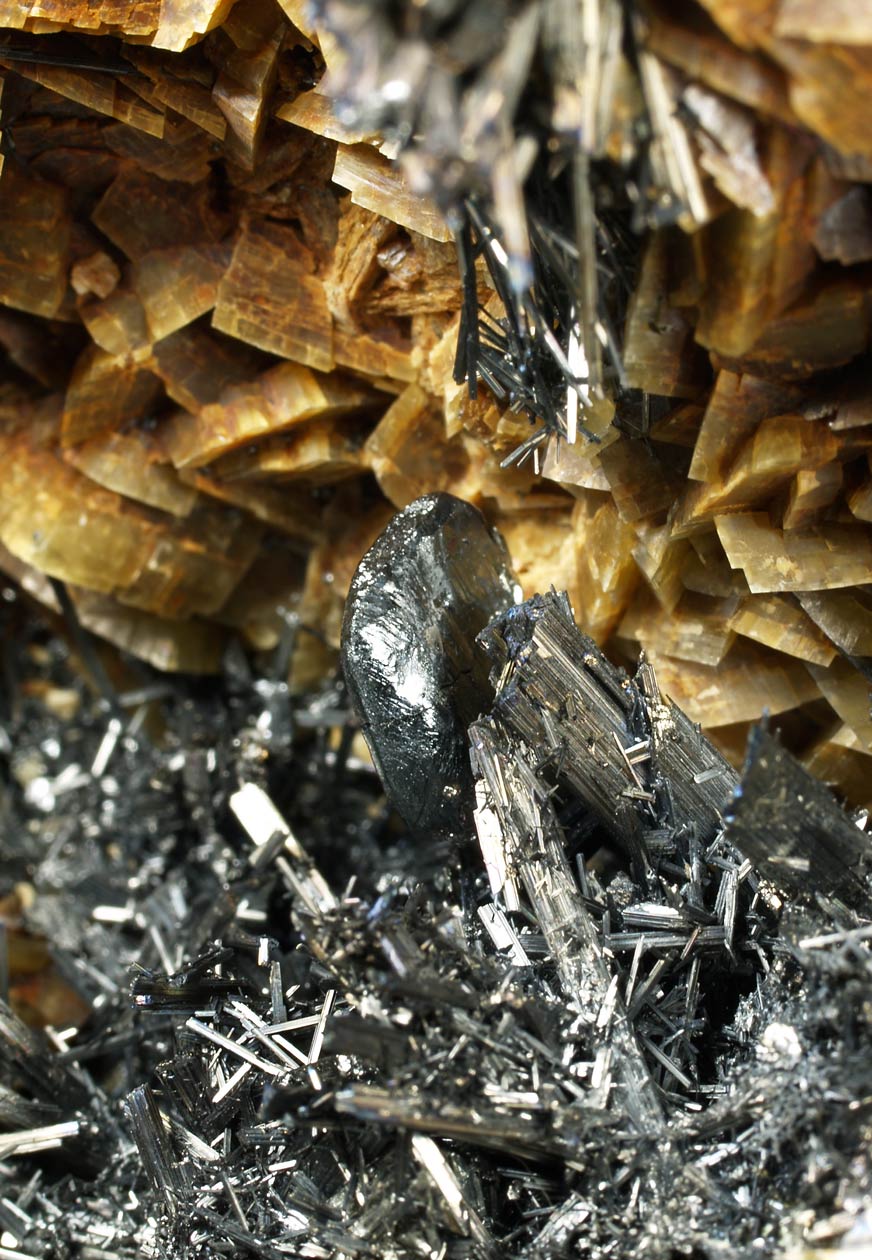
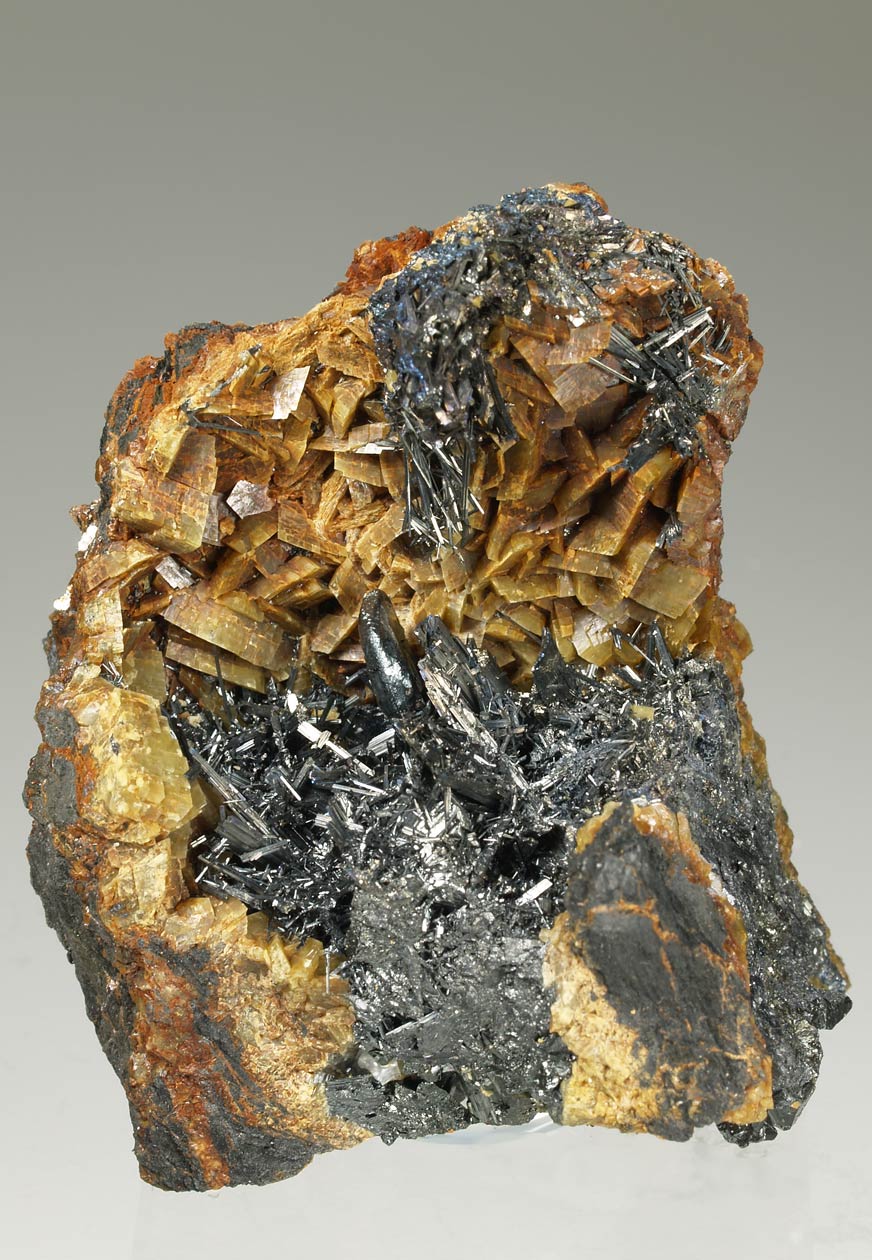
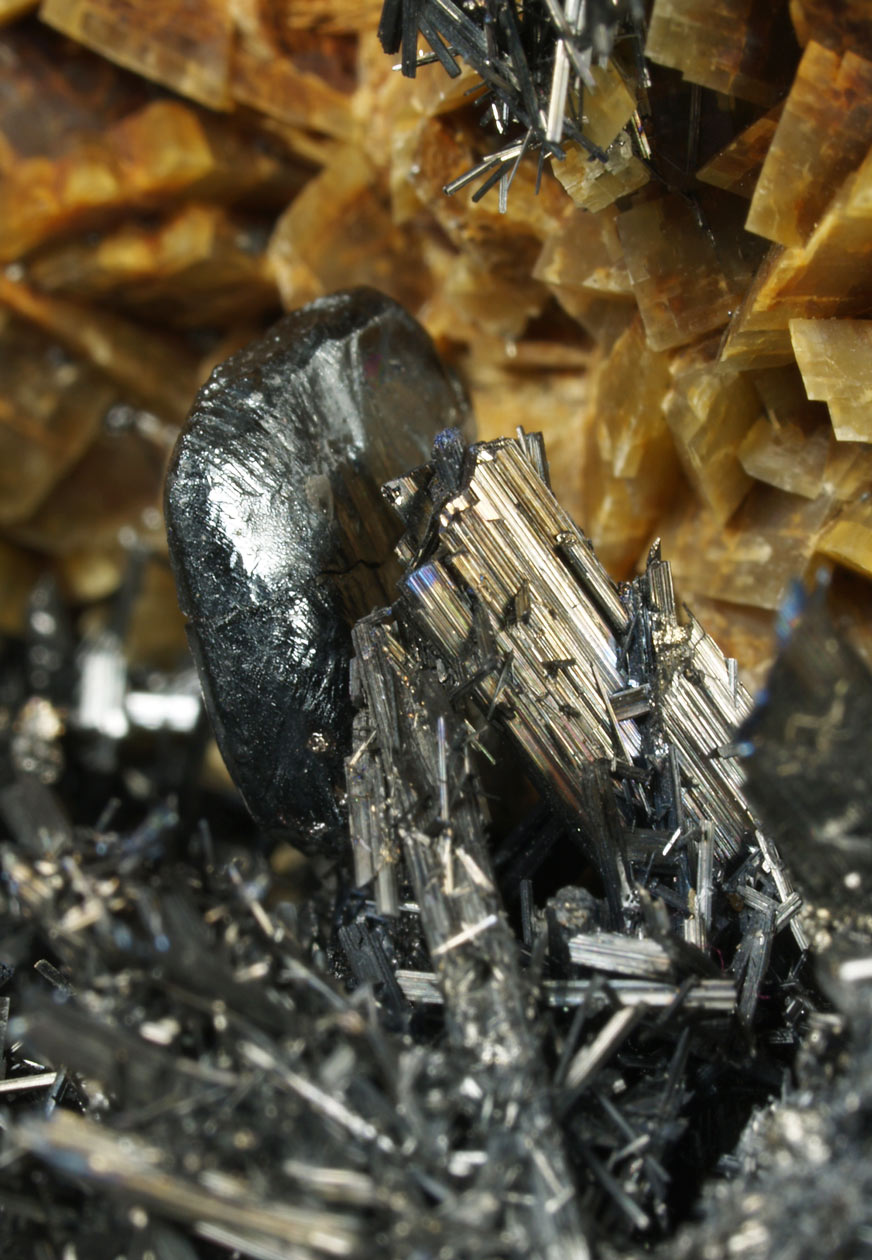
Excelente y rico grupo de cristales prismáticos de zinkenita, alguno de ellos de buen tamaño, que muestran caras estriadas verticalmente, con un gran cristal de calcocita con terminaciones planas a redondeadas. Buen brillo metálico y dispuestos en una cavidad de la matriz recubierta por cristales lenticulares de siderita. Se hallan en este yacimiento recubiertos de calcita. Un ejemplar de calidad de esta poco habitual especie y yacimiento.
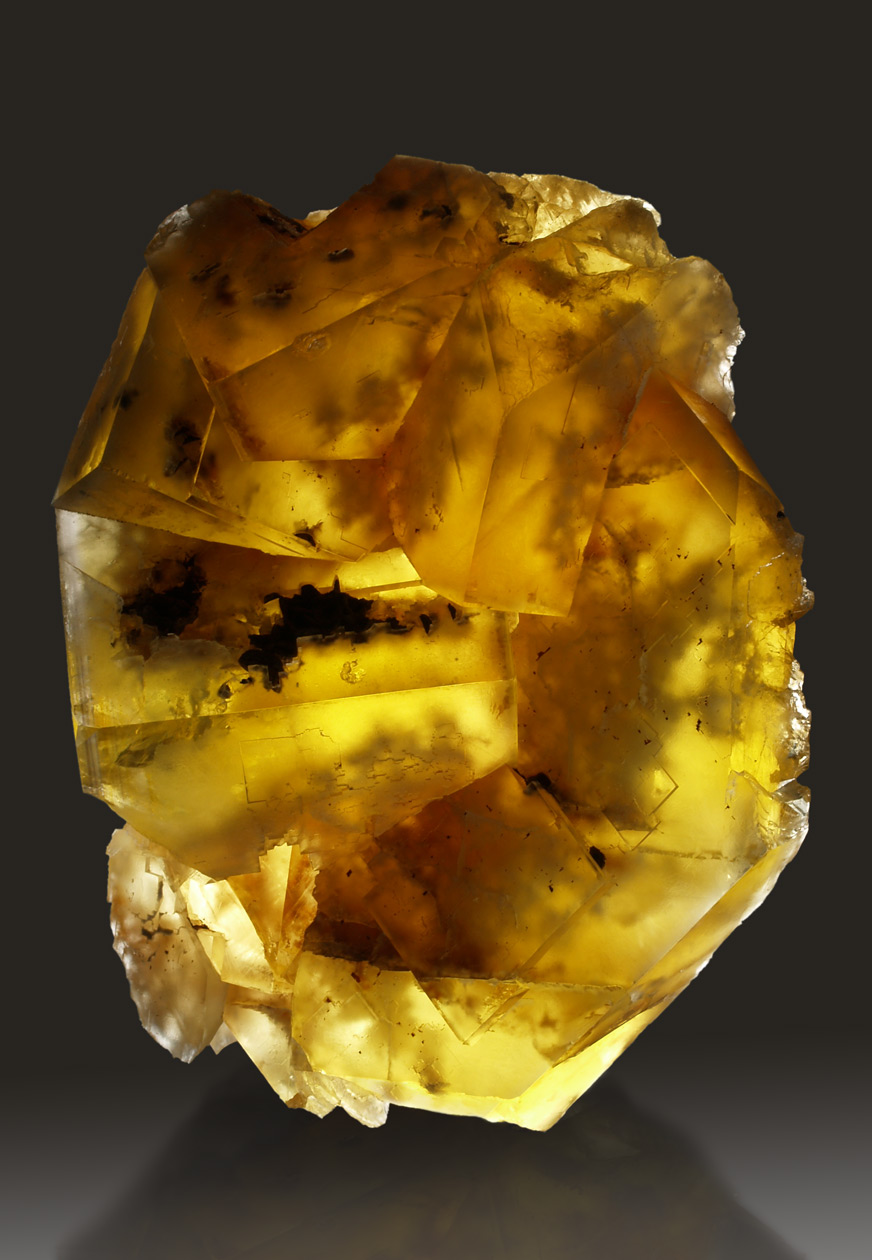
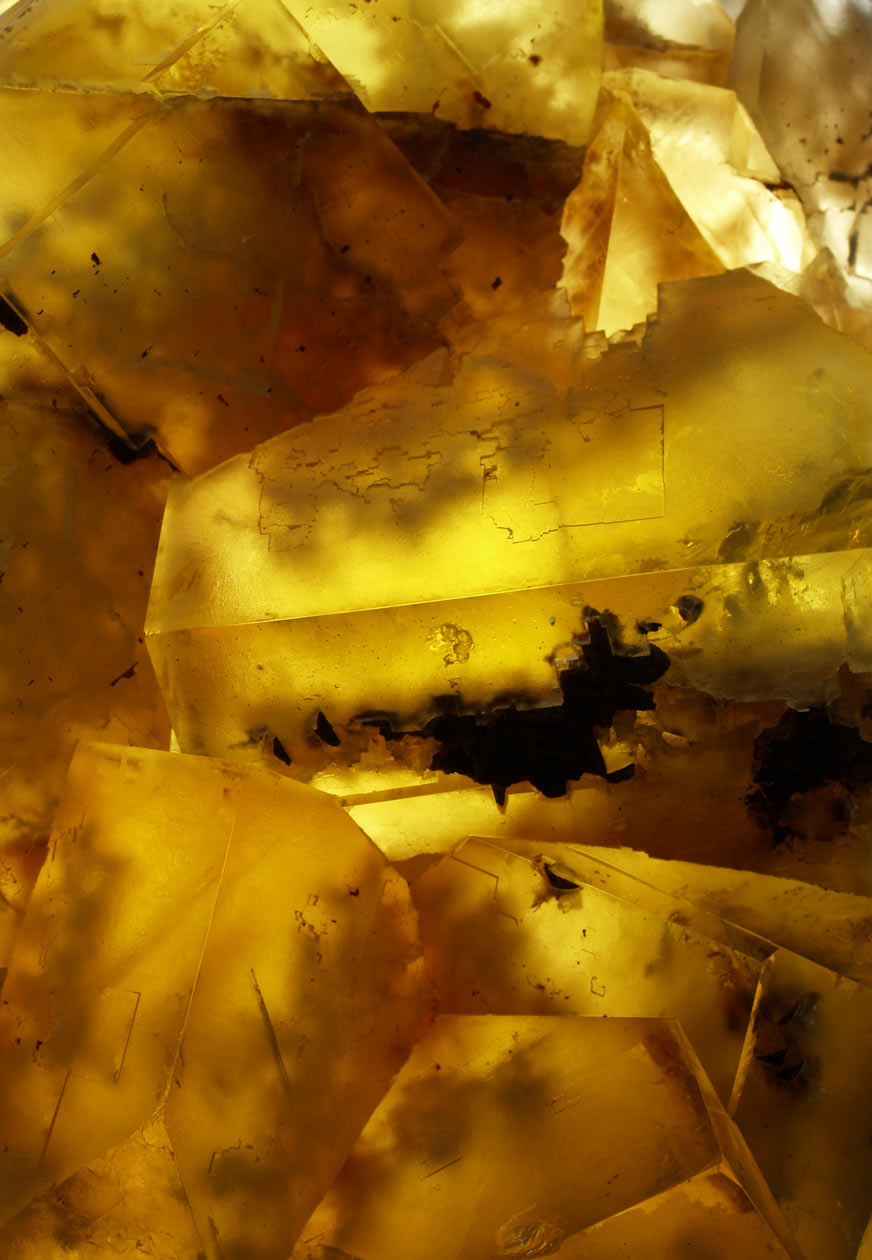
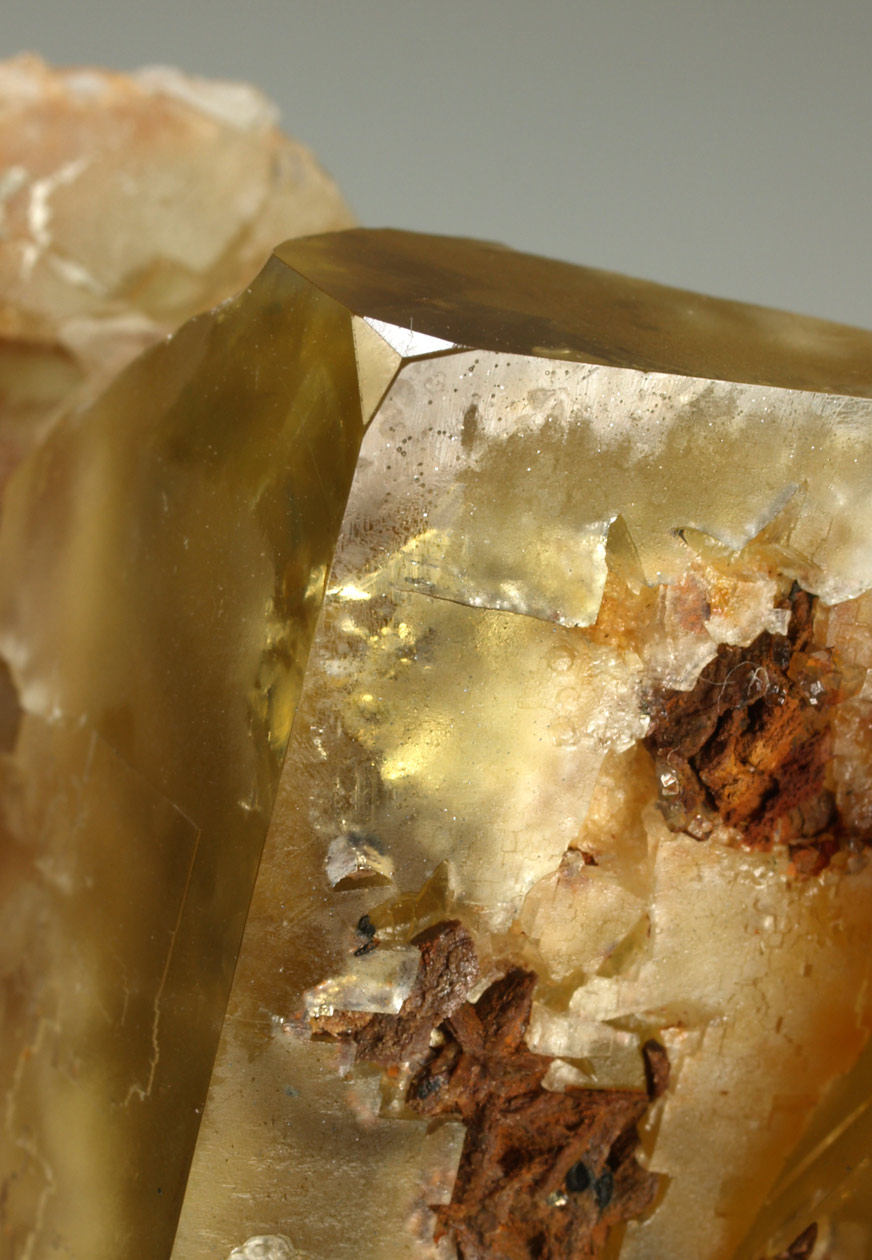
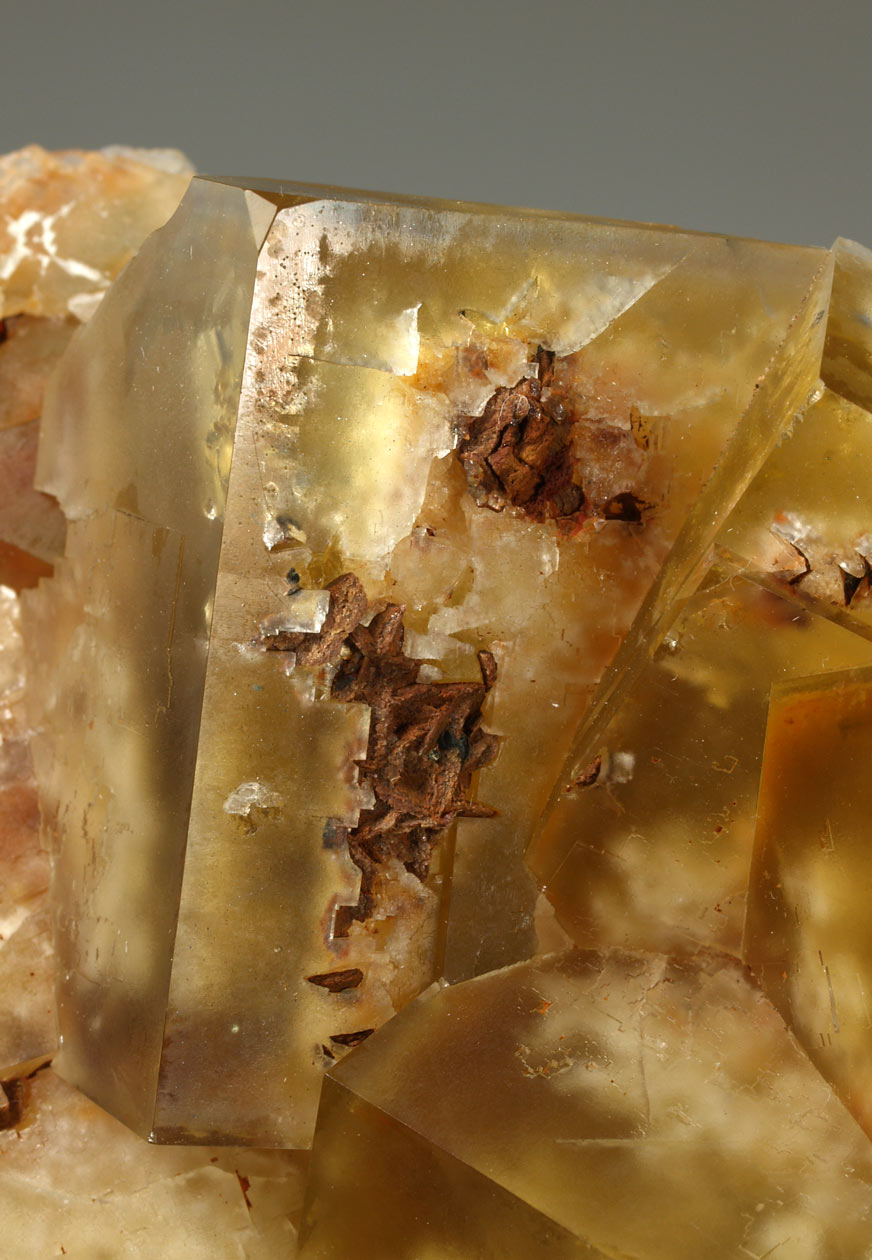
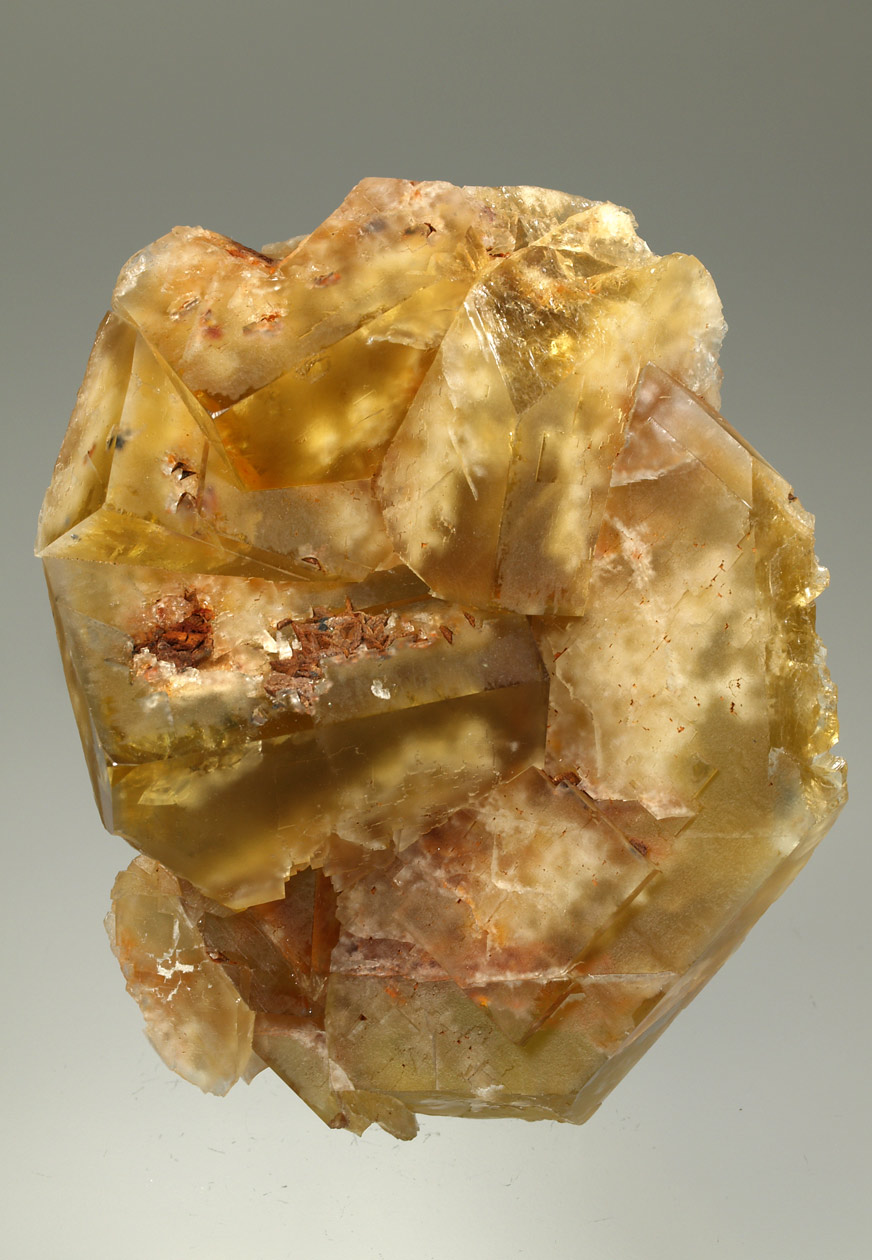
Grupo de cristales de fluorita que muestran formas cúbicas interpenetradas con caras en algunos vértices pertenecientes al trapezoedro. Caras y aristas bien definidas, transparente a translúcido. El color amarillo es uniforme, con curiosas formaciones internas blanquecinas, y algunos grupos de cristales de siderita marrón embebidos en la fluorita. Un ejemplar de buen tamaño de esta mina.
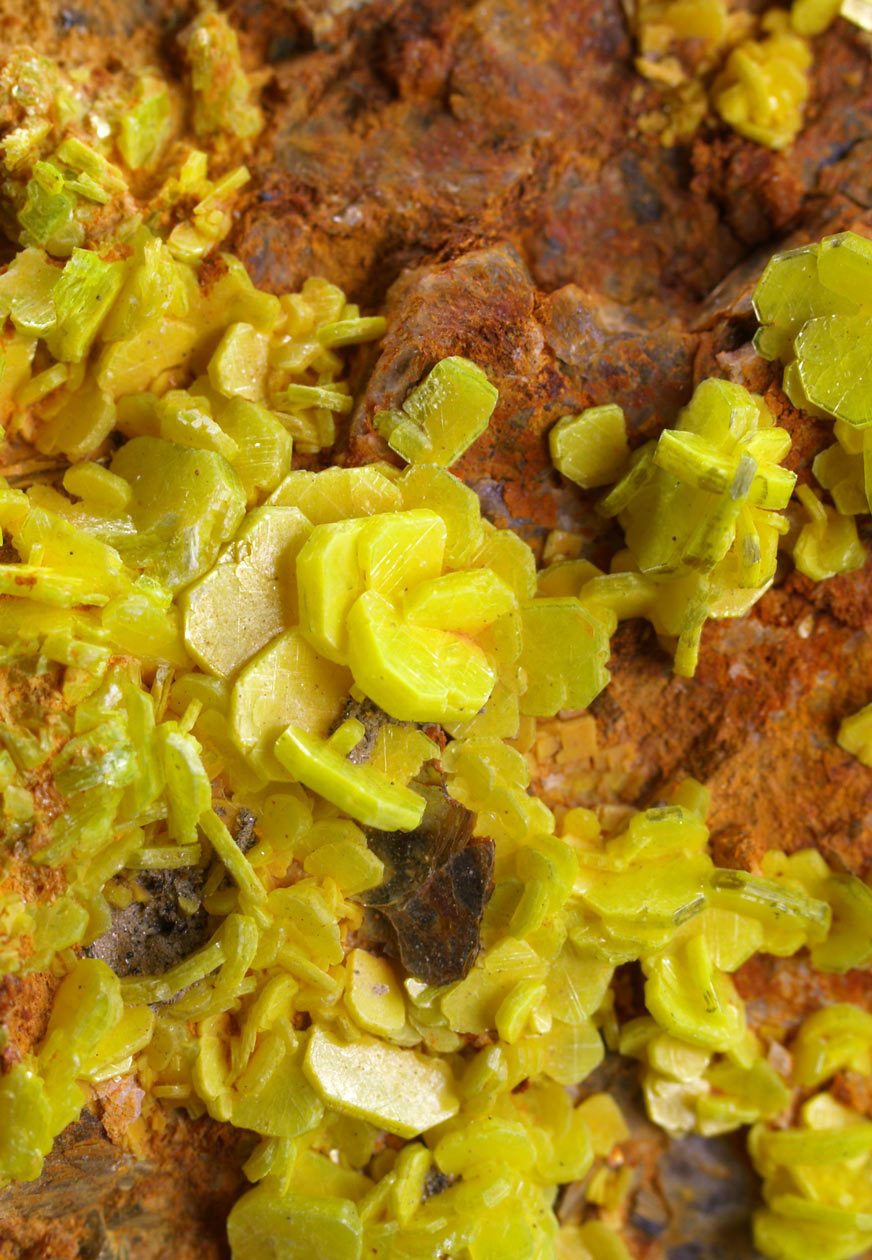
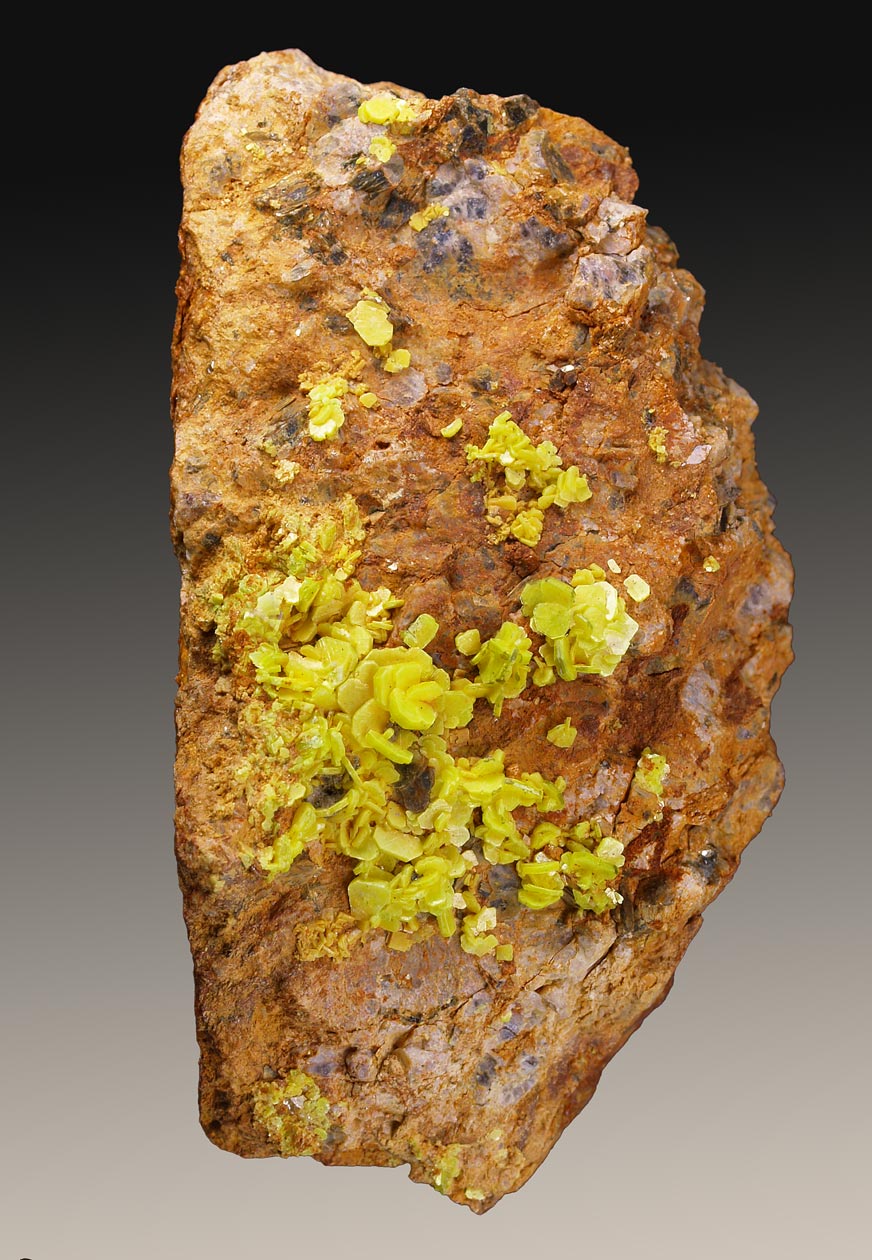
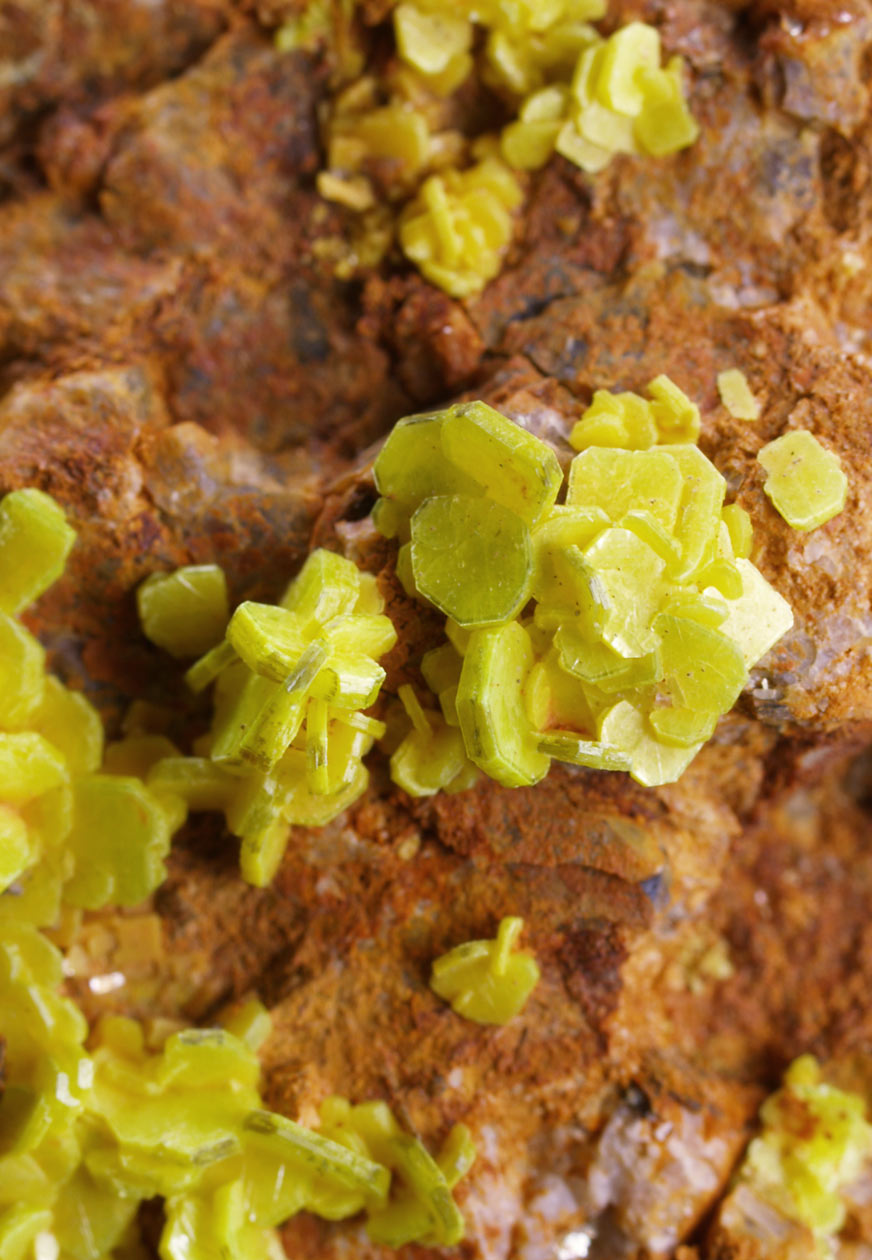
Rosetas de cristales tabulares de contorno hexagonal de autunita, interpenetrados entre sí y también aislados. El color es el amarillo intenso característico de la especie. Los cristales se disponen sobre una matriz de pegmatita. Se trata de un ejemplar extraído a finales de los años 70 y proviene de Vénachat, un campo de pegmatitas de reducida extensión enclavadas en granito, cercano a Compreignac. En esta zona se observan minas del siglo XIX, cercanas a la mina a cielo abierto de uranio explotada por COGEMA entre 1982 y 1987. Una pieza histórica de calidad.
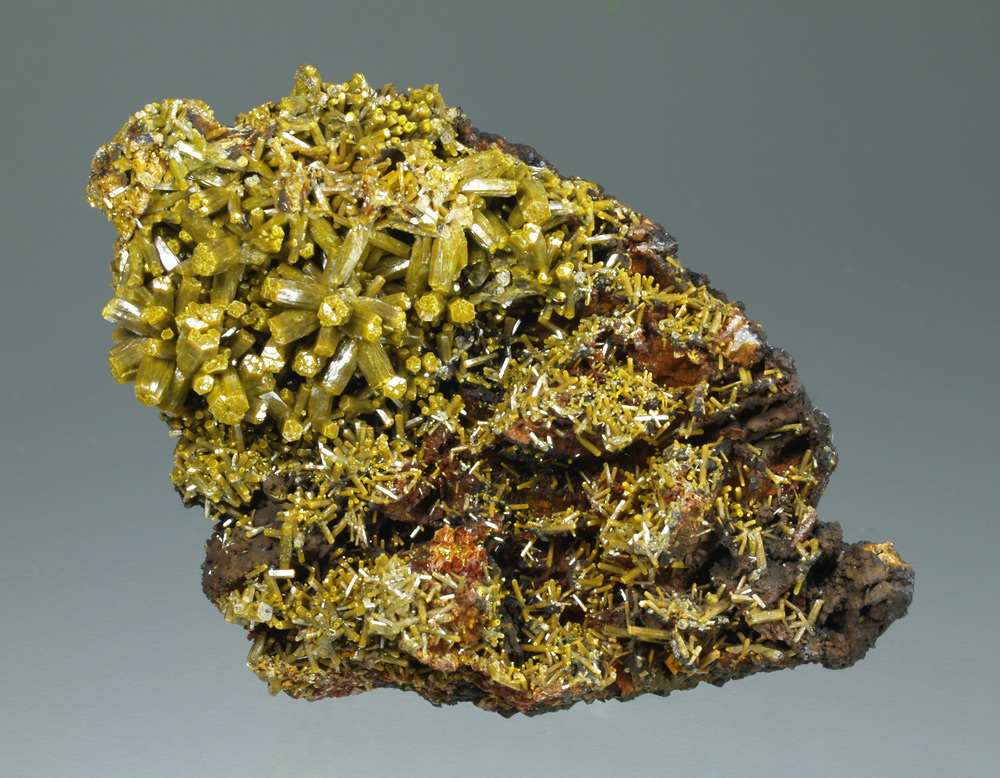
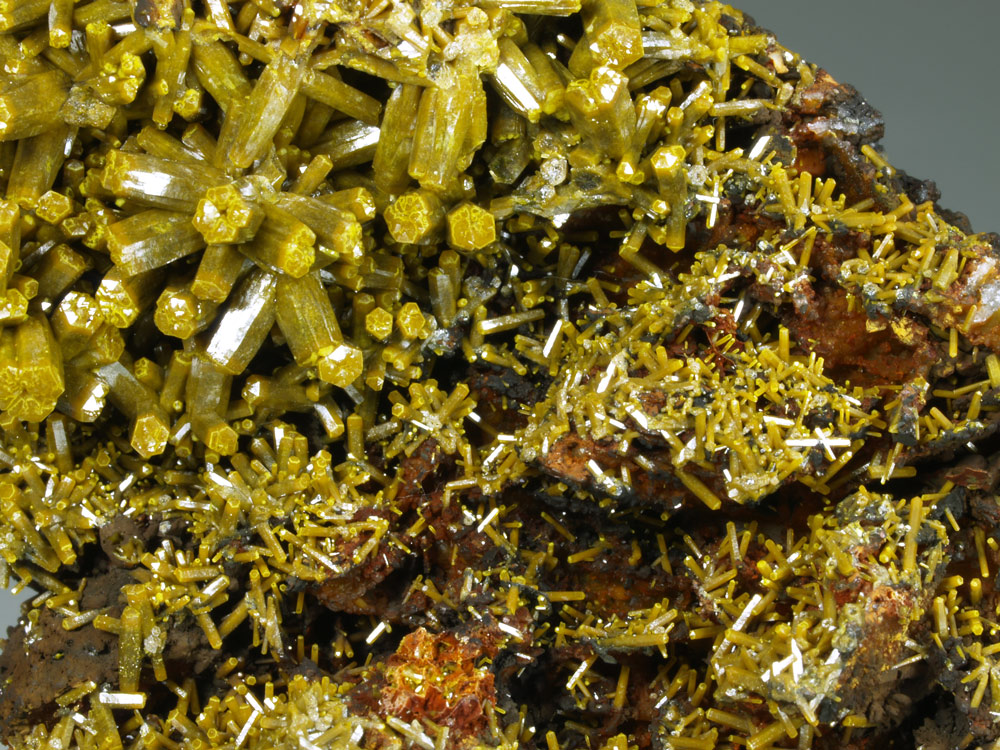
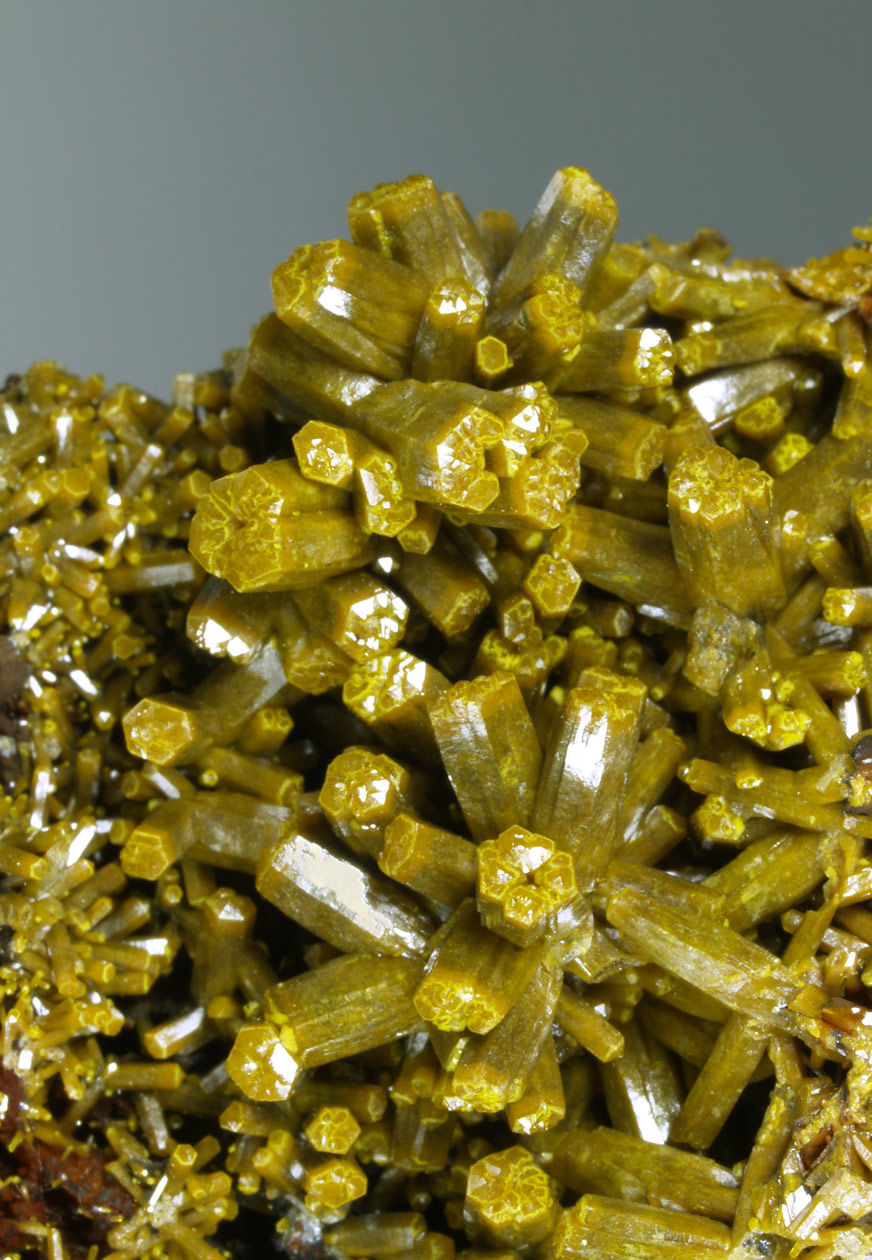
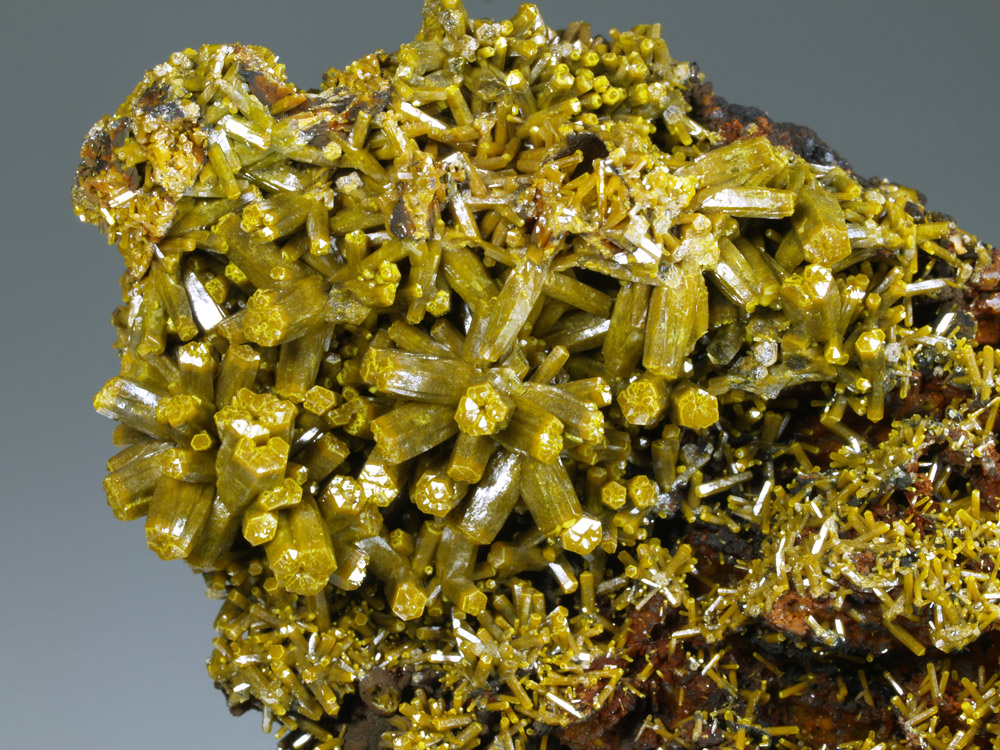
Sobre una matriz de barita se disponen numerosos cristales de piromorfita de intenso color verde oliva. Los cristales se presentan como prismas hexagonales, ligeramente abarrilados, con terminaciones planas pinacoidales. Forman agregados divergentes, algunos de ellos aislados y de prisma desarrollado. Brillantes y definidos. Gran ejemplar. Un clásico entre los clásicos de la mineralogía francesa, difícil de obtener hoy día, ya que la mina está cerrada desde 1981.