- Inicio Acerca de RM Minerales
- Galería de fotos Blog RM Contacto
- Microscopia e instrumentos Pedidos Aviso legal
Copyright 2010-2026
www.rosellminerals.com





Estético ejemplar formado por numerosos cristales de casiterita, prismáticos,muy facetados, con un brillo excepcional y translúcidos, con luces meladas. Este un excelente ejemplar antiguo de la poco conocida mina Seal Hole de Cornualles. Espécimen muy vistoso y poco común en esta mina.


Ejemplar muy rico en cristales de casiterita, muy brillantes, ricamente facetados y de intenso color marrón oscuro. El ejemplar ha sido reparado sin afectar al interés del ejemplar, desde mi punto de vista. Una pieza muy interesante de estas minas de estaño del distrito minero de St Agnes, un clásico inglés.
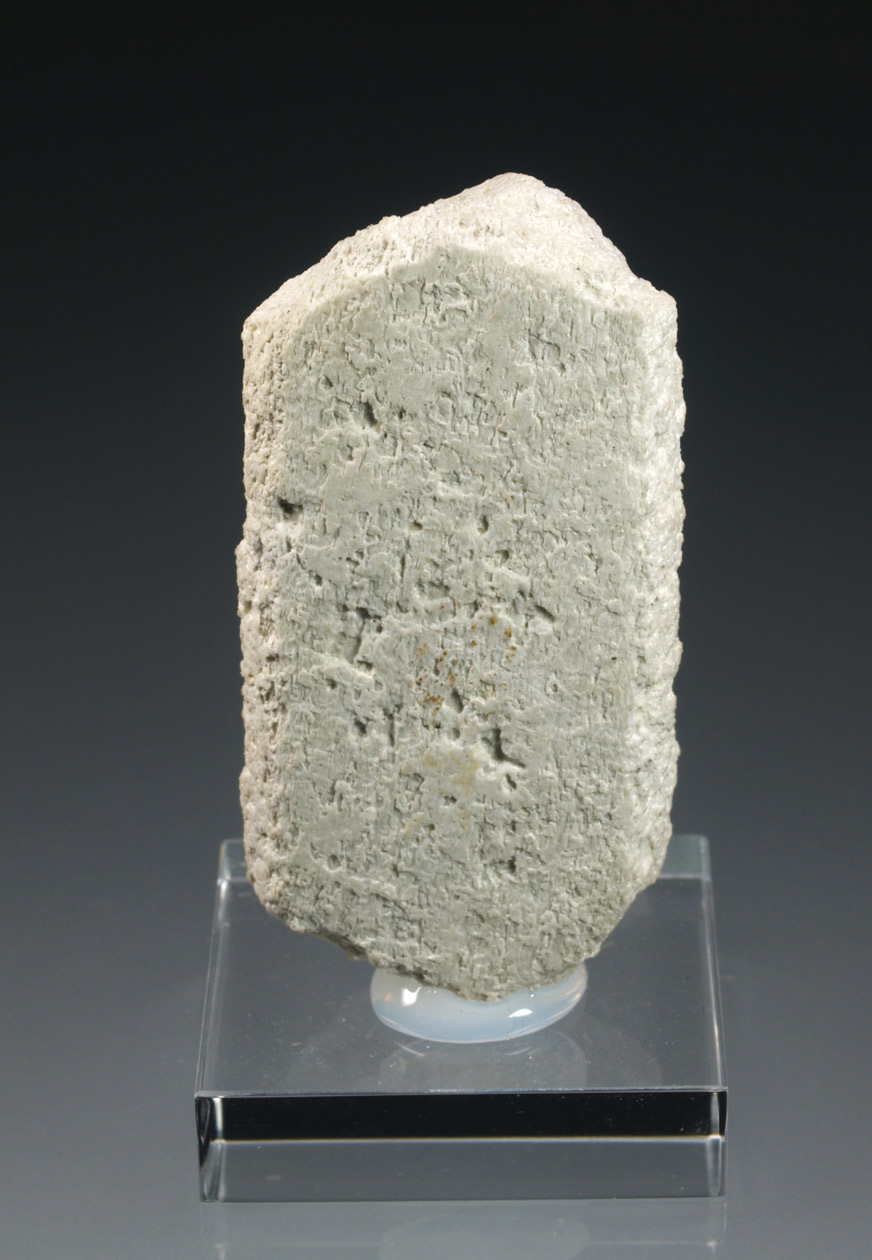
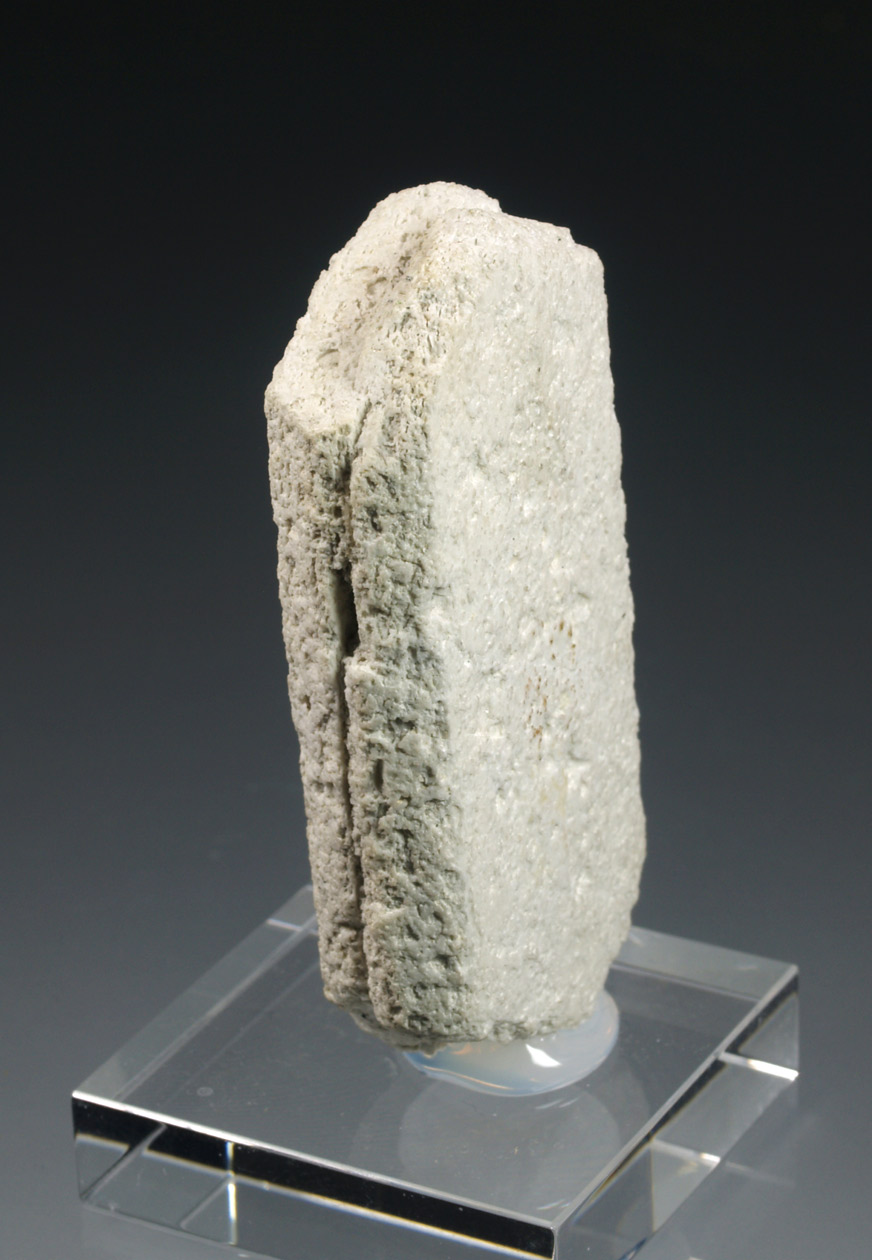
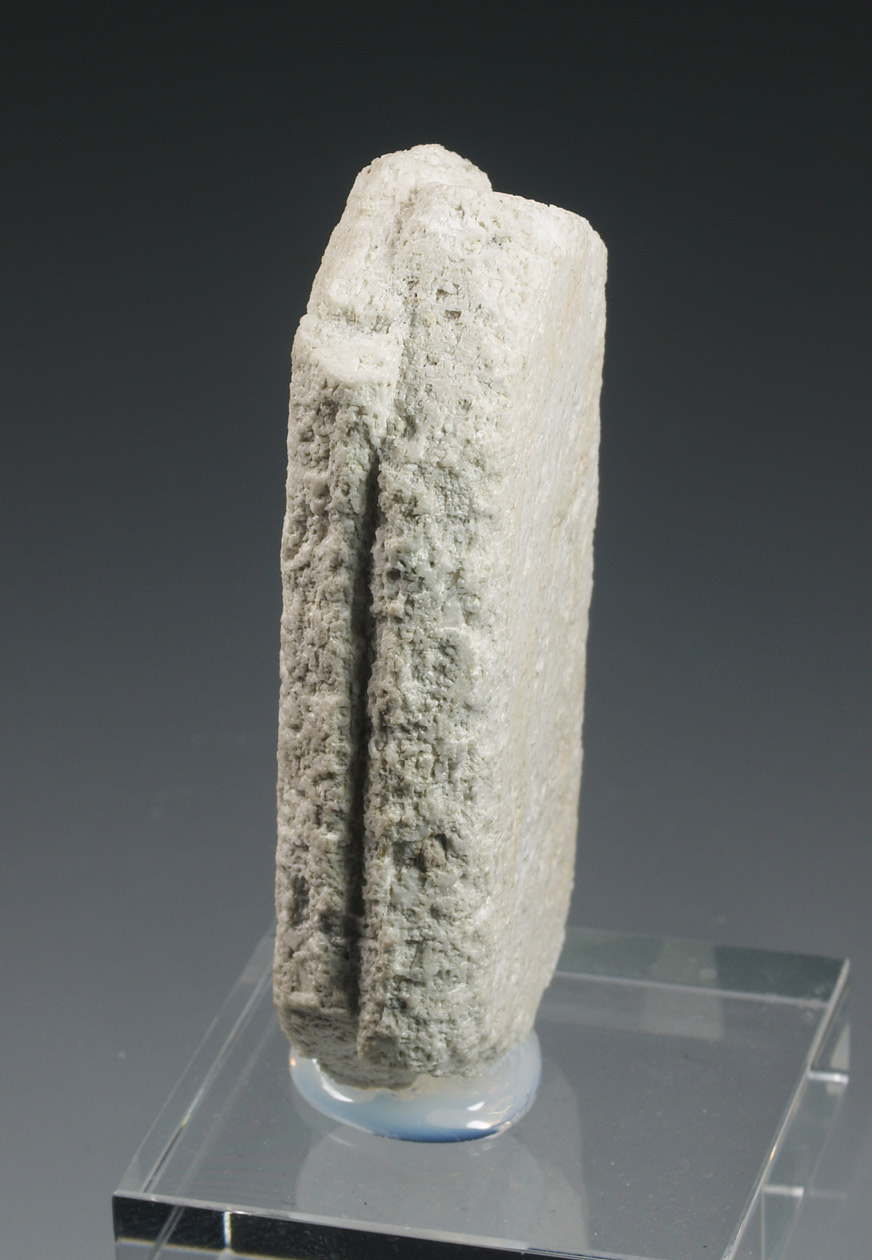
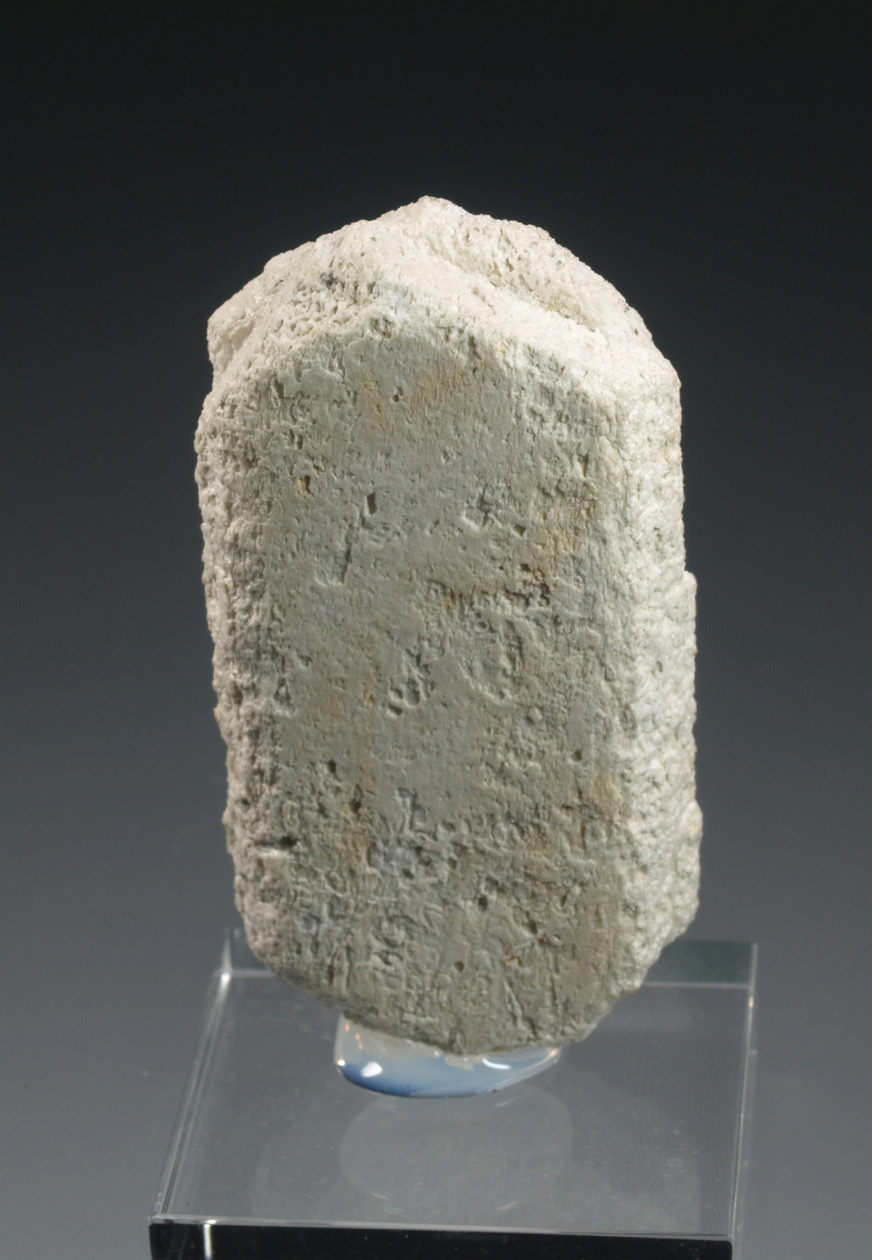
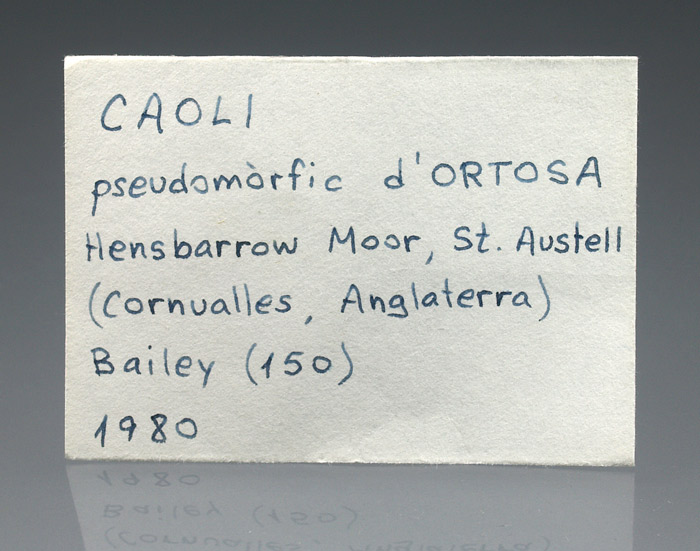
Un antiguo ejemplar de kaolinita pseudomórfica de ortoclasa, de St. Austell, en Cornualles. Un cristal de ortoclasa muy nítido, biterminado y maclado según Carlsbad que ha sido pseudomorfizado por kaolinita. Buen material clásico antiguo de Cornualles. La pieza, adquirida a Bailey a principios delo años 80, perteneció a la colección de Joan Astor y viene con su etiqueta manuscrita.
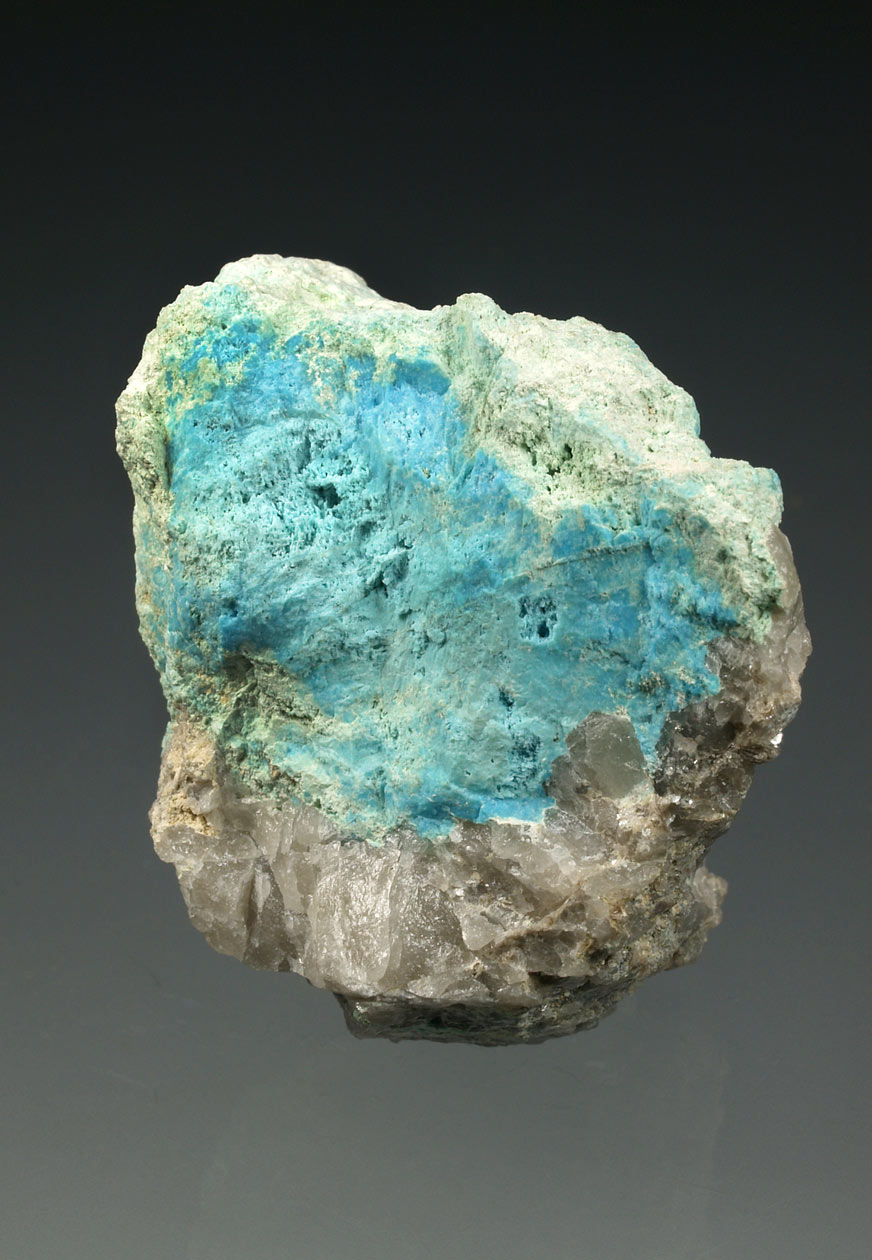
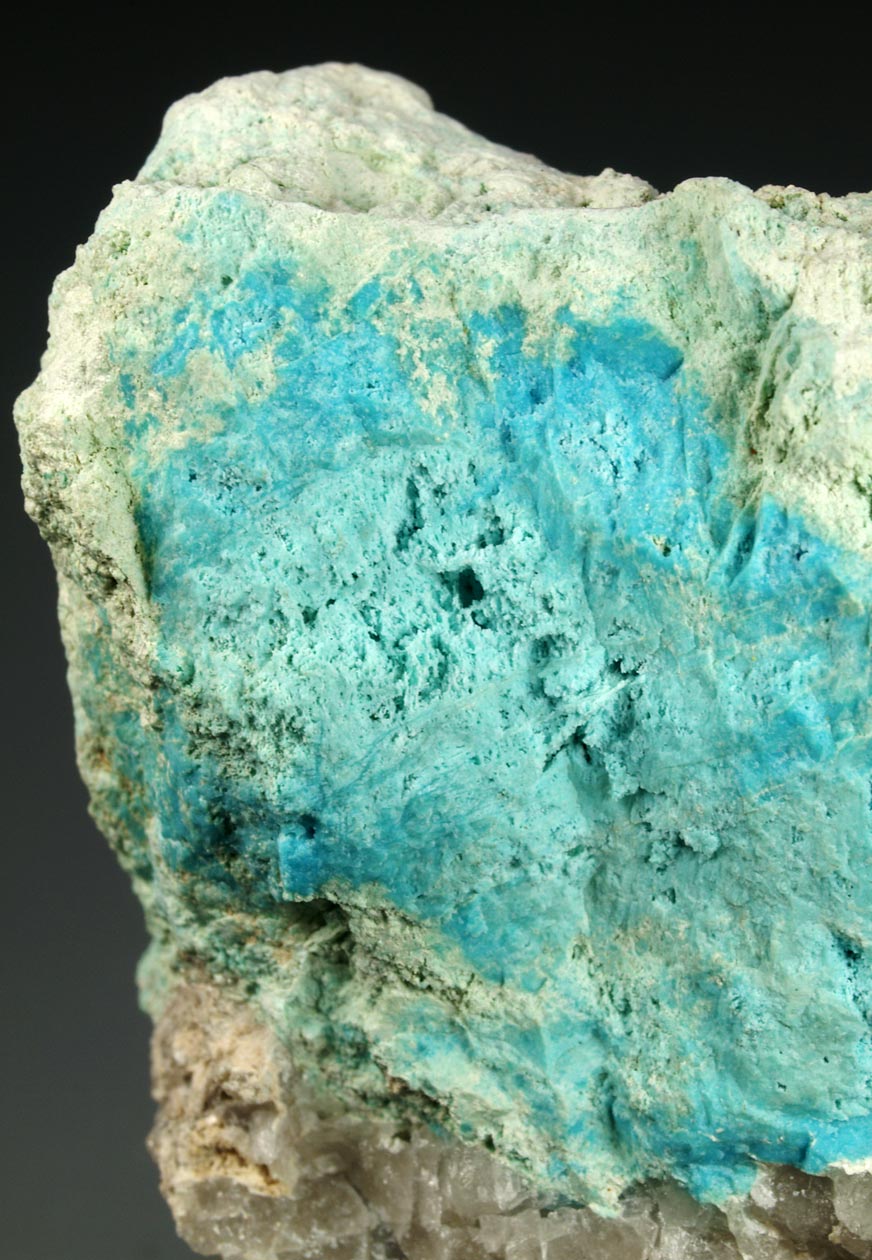
Un espécimen de turquesa (variedad rashleighita) de las minas de Cornwall. Antiguamente, la rashleighita era una especie aprobada, ahora de define como una turquesa con un cierto contenido de hierro, en un punto intermedio entre la calcosiderita y la turquesa. Este ejmplar presenta agregados de color azul cielo, con cavidades con cristales y en matriz de cuarzo. Un clásico inglés procedente de la colección de Joan Astor (Barcelona) y, anteriormente, de la de Martín Oliete (Madrid), conocido coleccionista sistemático.
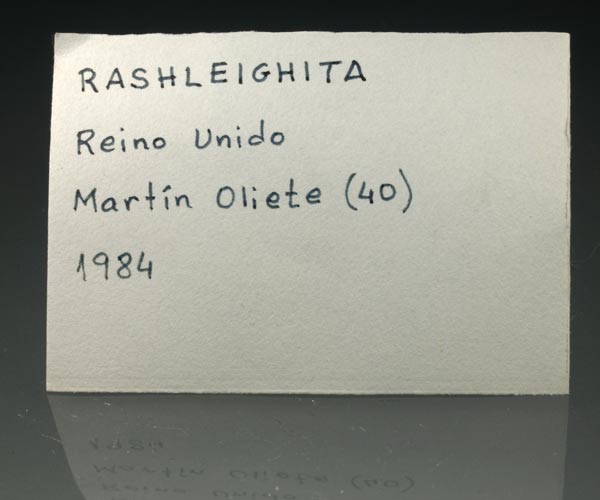
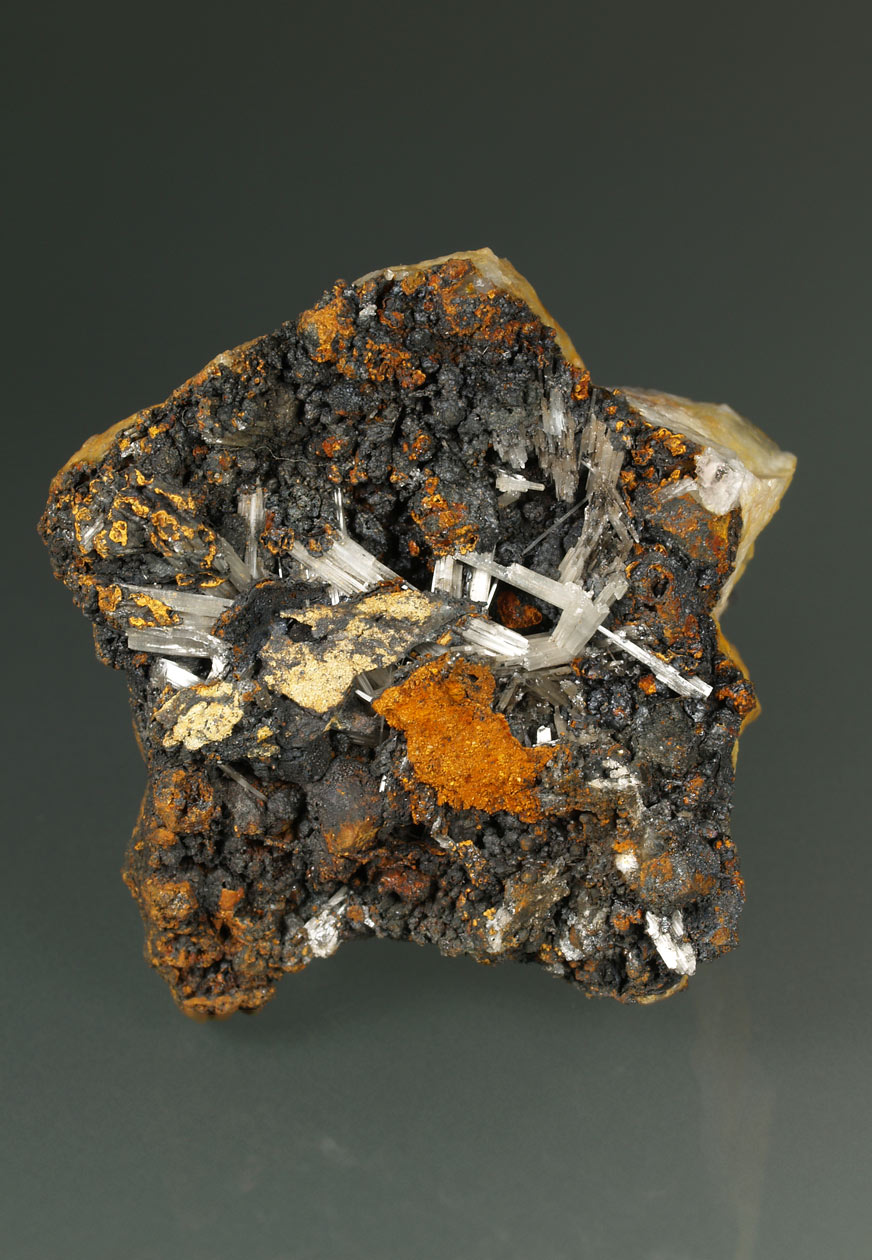
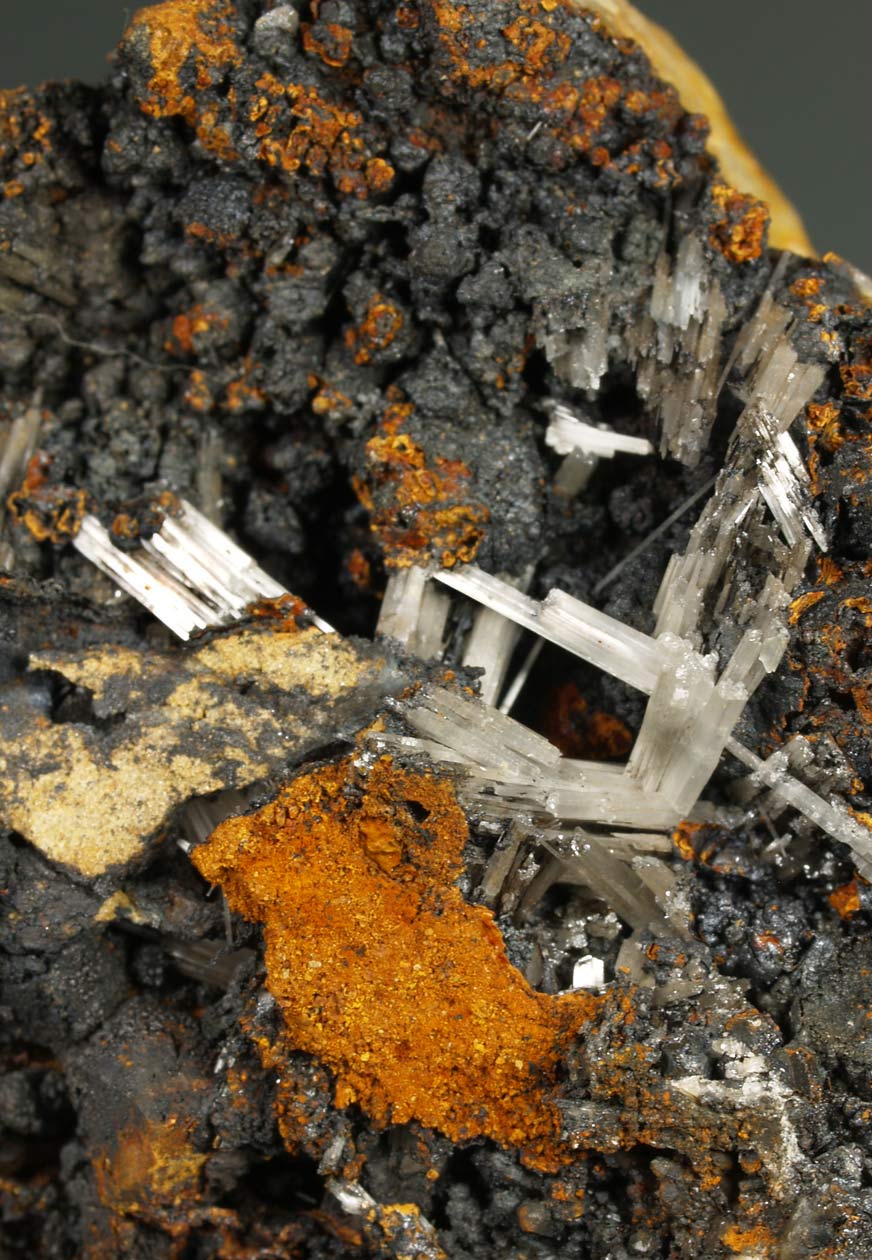
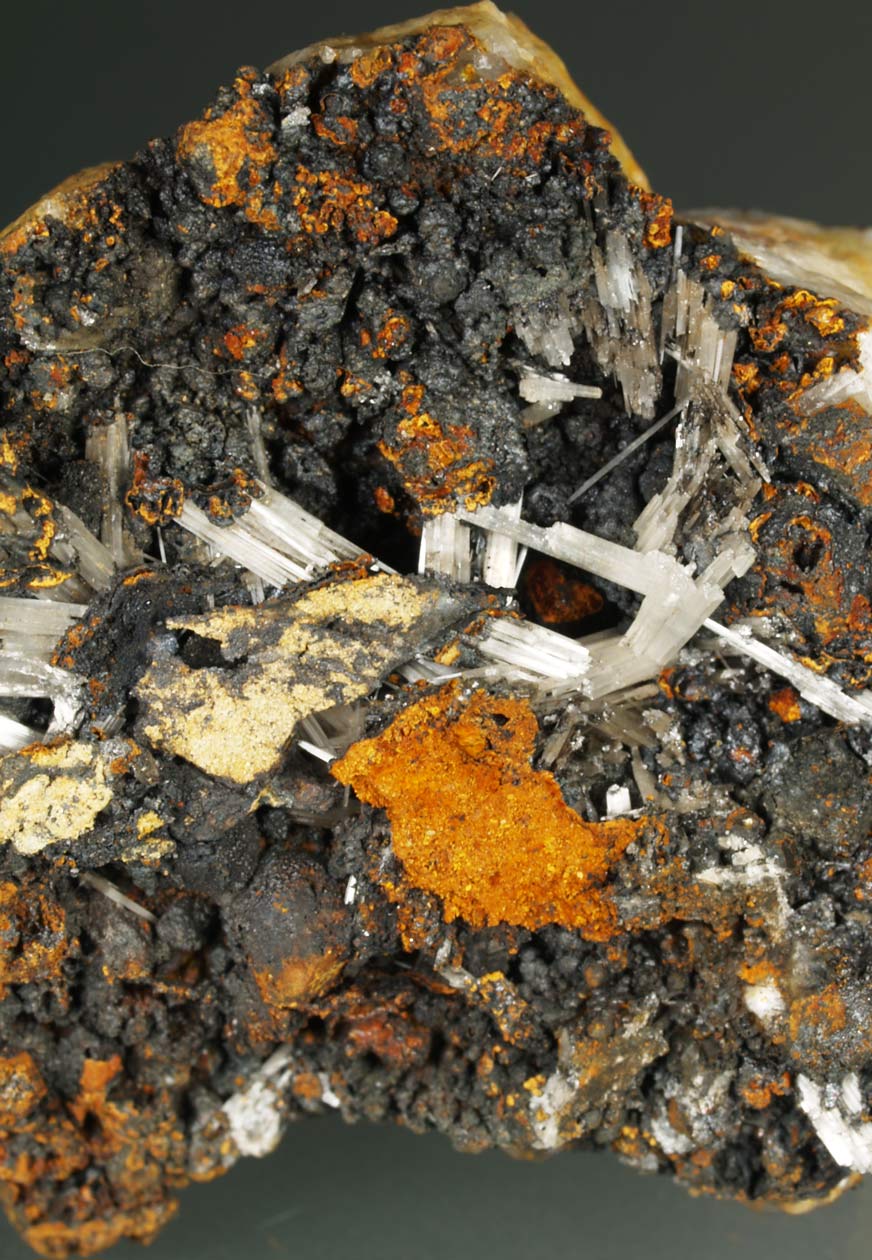
Este ejemplar procede de una adquisición que hice hace más de 10 años (quizás 15) a Baikal Geo. Se trata de un nutrido grupo de cristales entre prismáticos a aciculares de cerusita que destacan sobre la matriz de goethita. Viene etiquetado como procedente de la mina Trevellance, en Cornualles. Esta mina se trabajo hacia los años 1840. Un ejemplar estético e histórico para esta localidad inglesa.
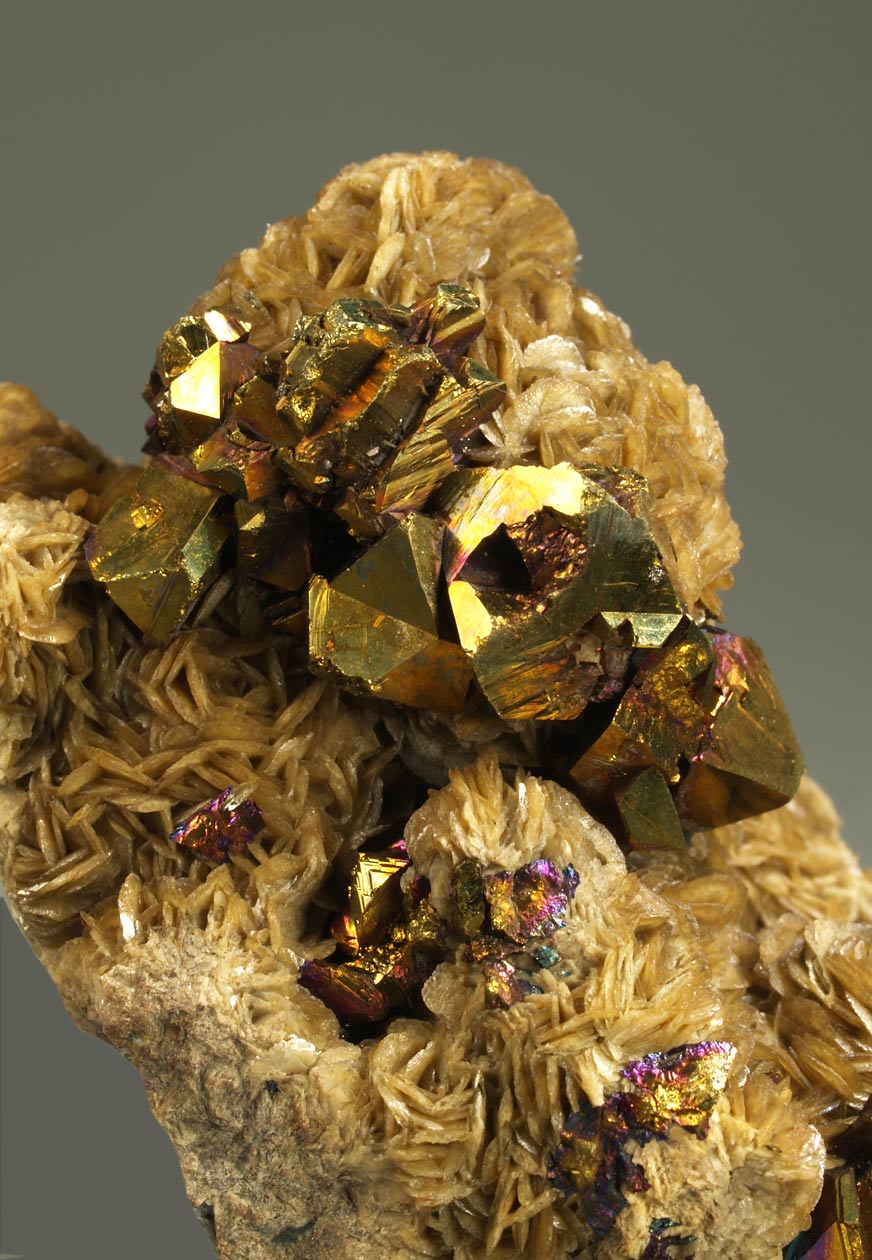
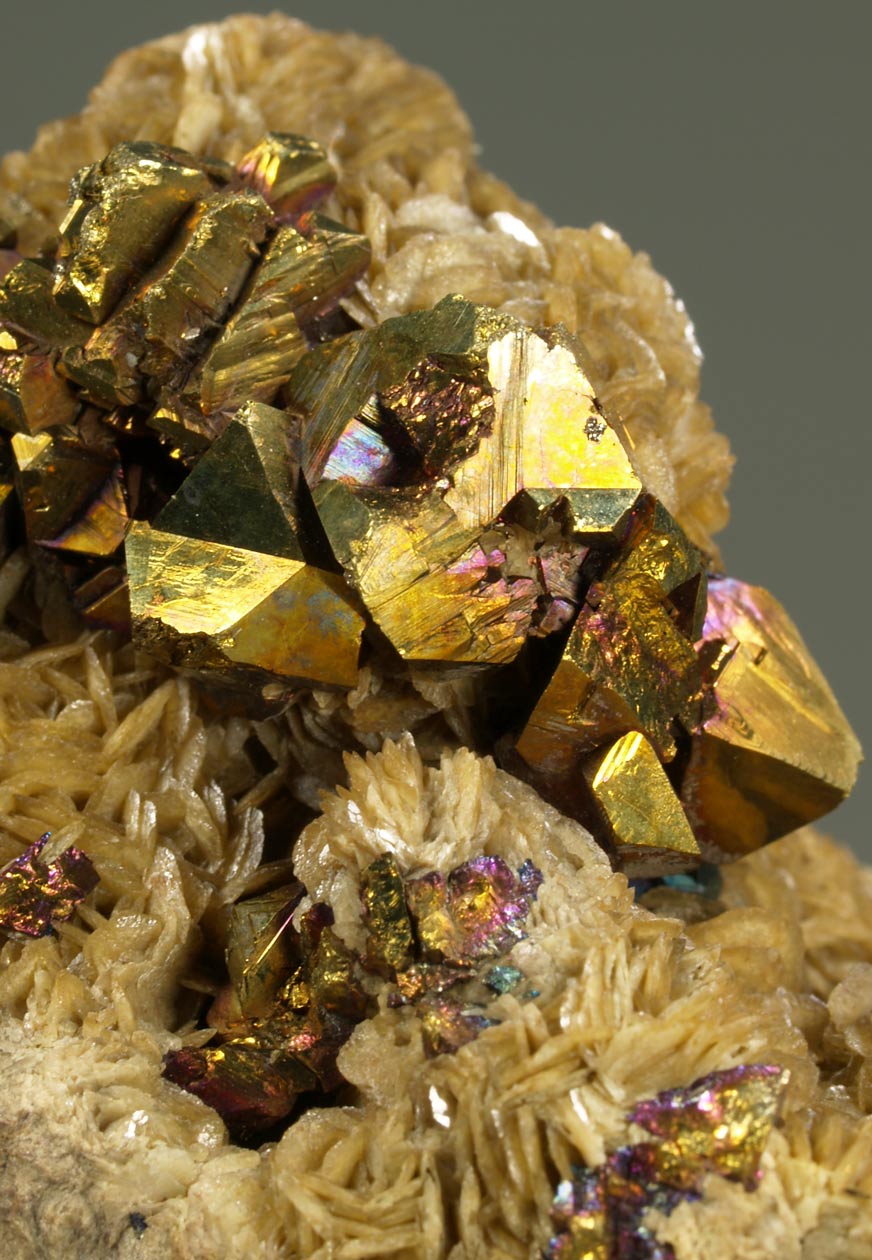
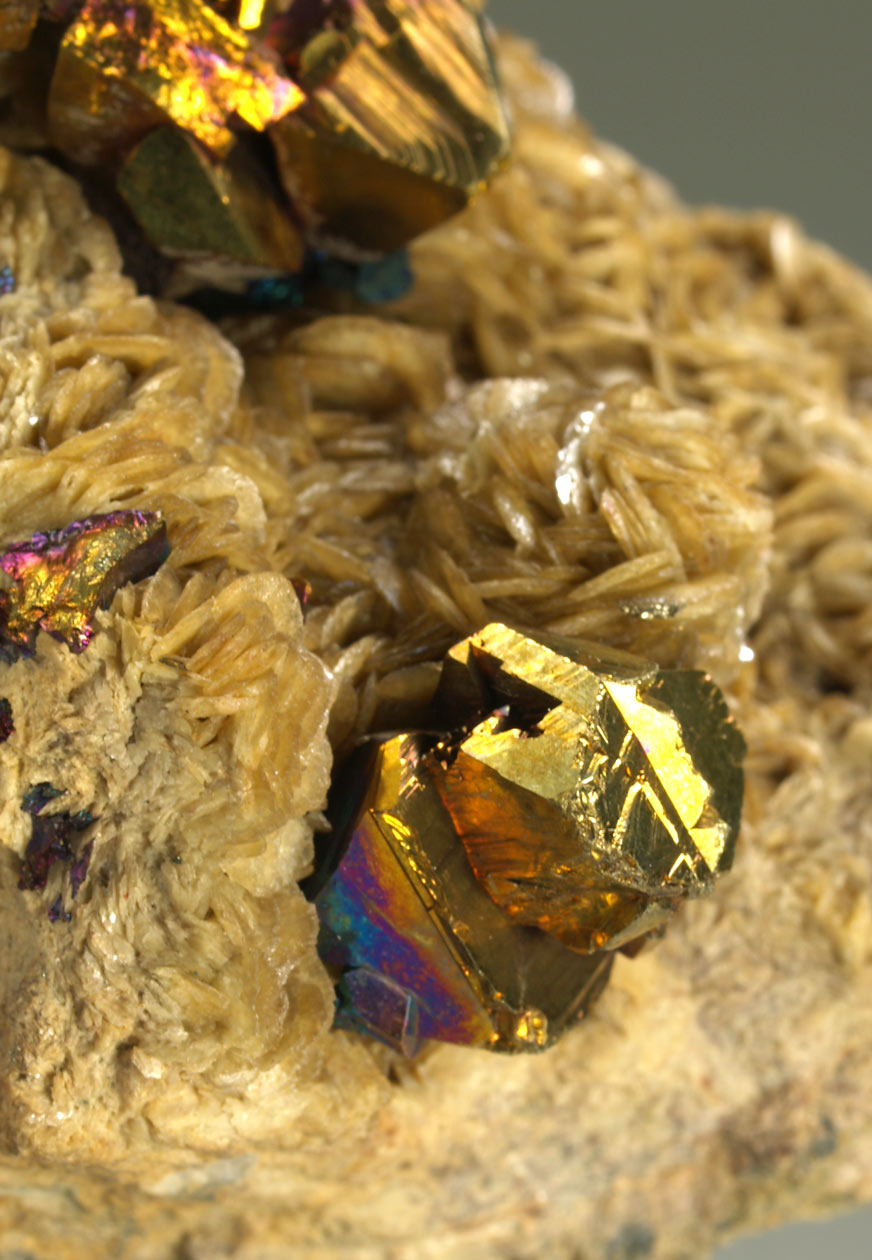
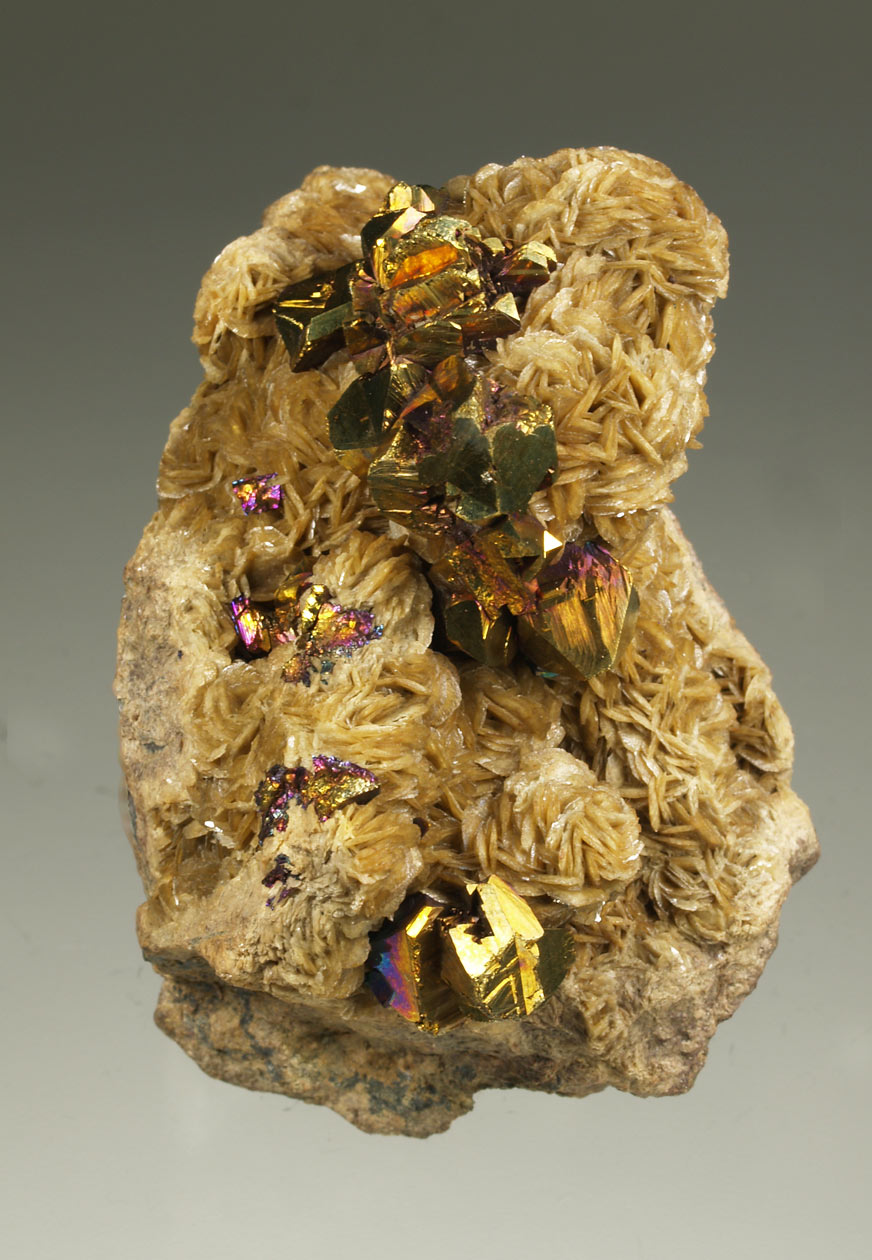
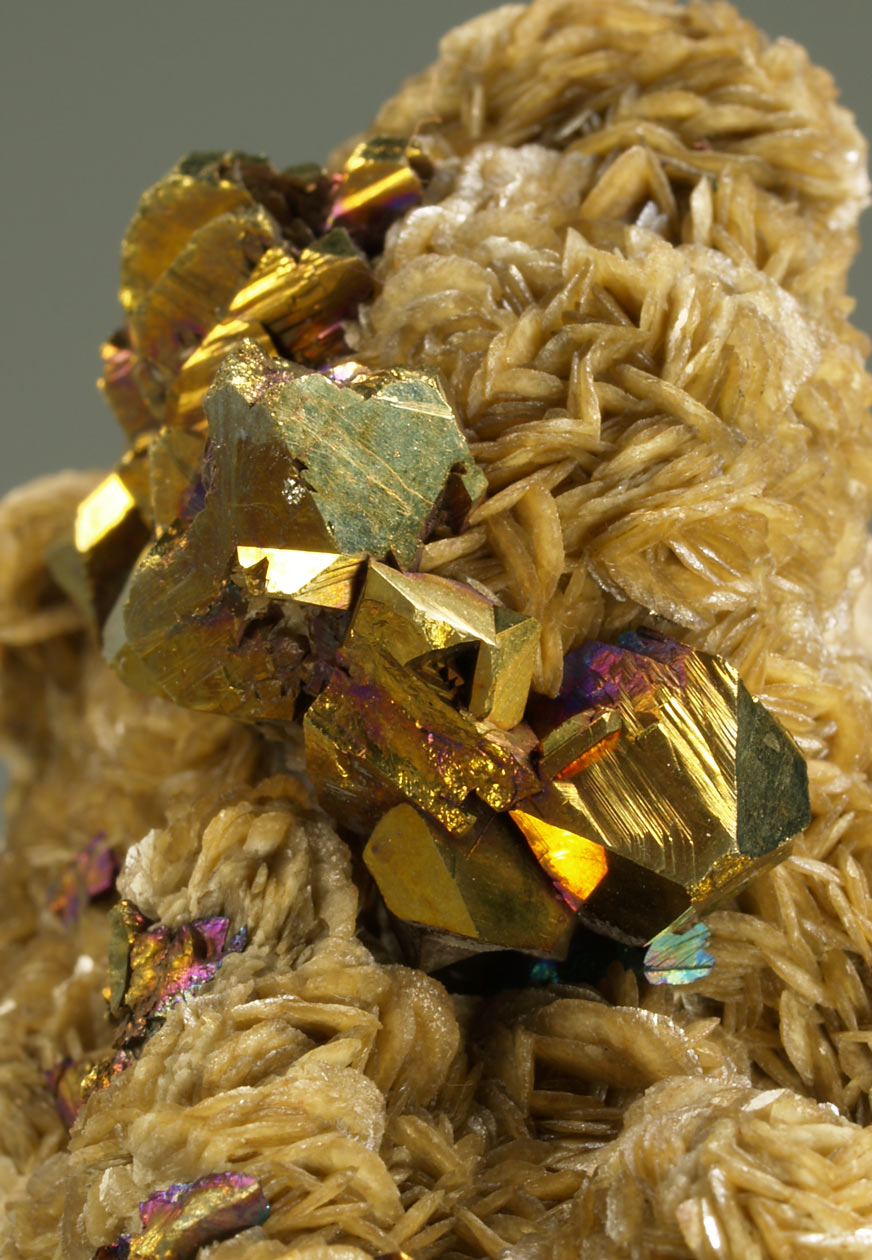
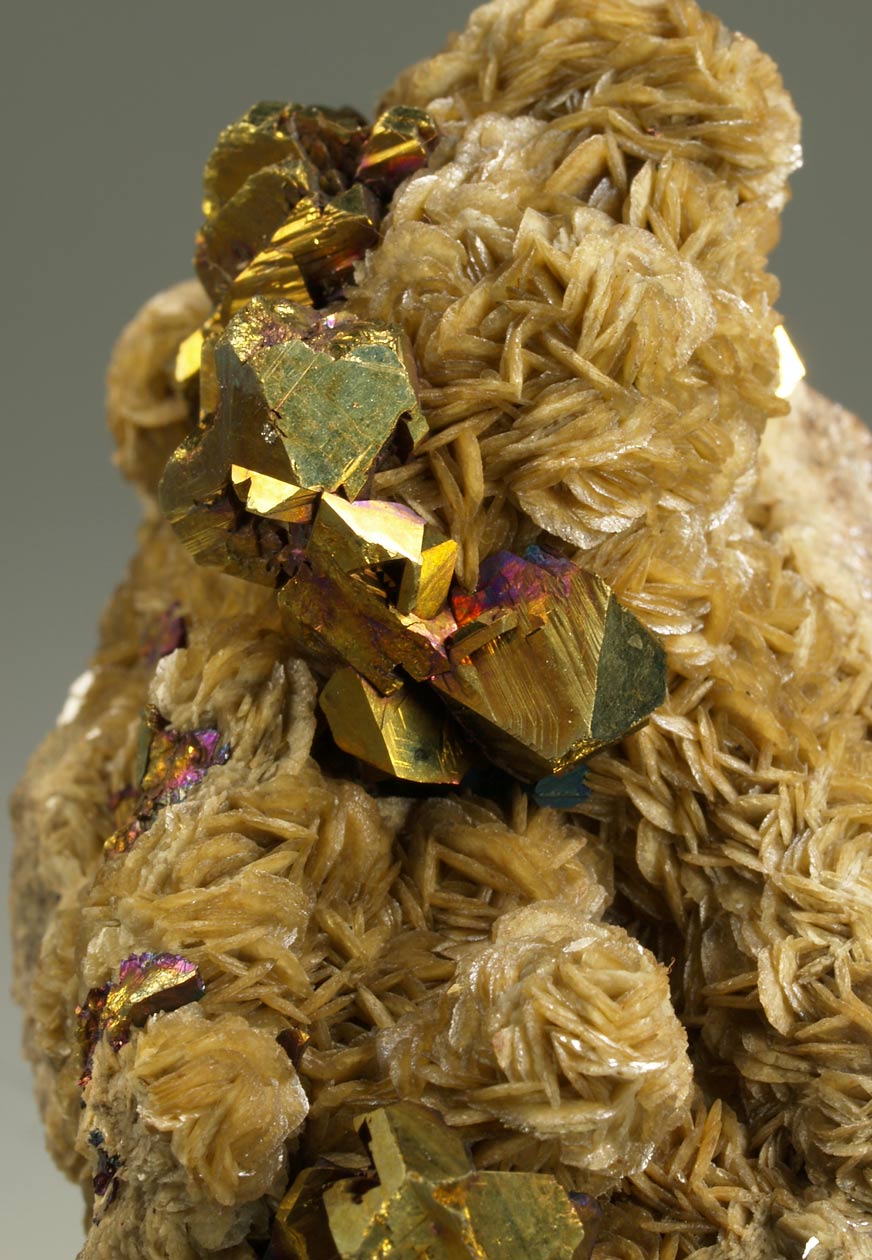
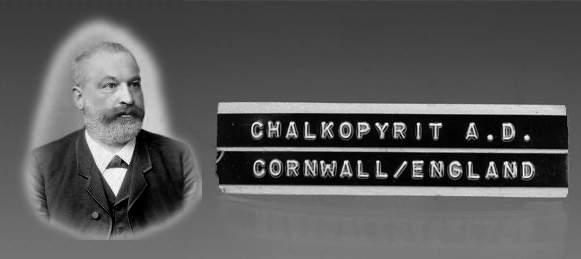
Brillante grupo de cristales de calcopirita, maclados, con formas complejas pero definidas aristas y caras. El color dorado, con iridiscencias, nos indica los años que tiene el ejemplar. La pieza procede de una localidad muy interesante inglesa de la que se conocen escasos ejemplares de calcopirita con esta calidad. Estos ejemplares fueron extraídos a principios del s. XX y se trata de una "antigüedad" mineralógica de la colección del quíimico alemán Clemens A. Winkler, descubridor del germanio.