- Inicio Acerca de RM Minerales
- Galería de fotos Blog RM Contacto
- Microscopia e instrumentos Pedidos Aviso legal
Copyright 2010-2026
www.rosellminerals.com



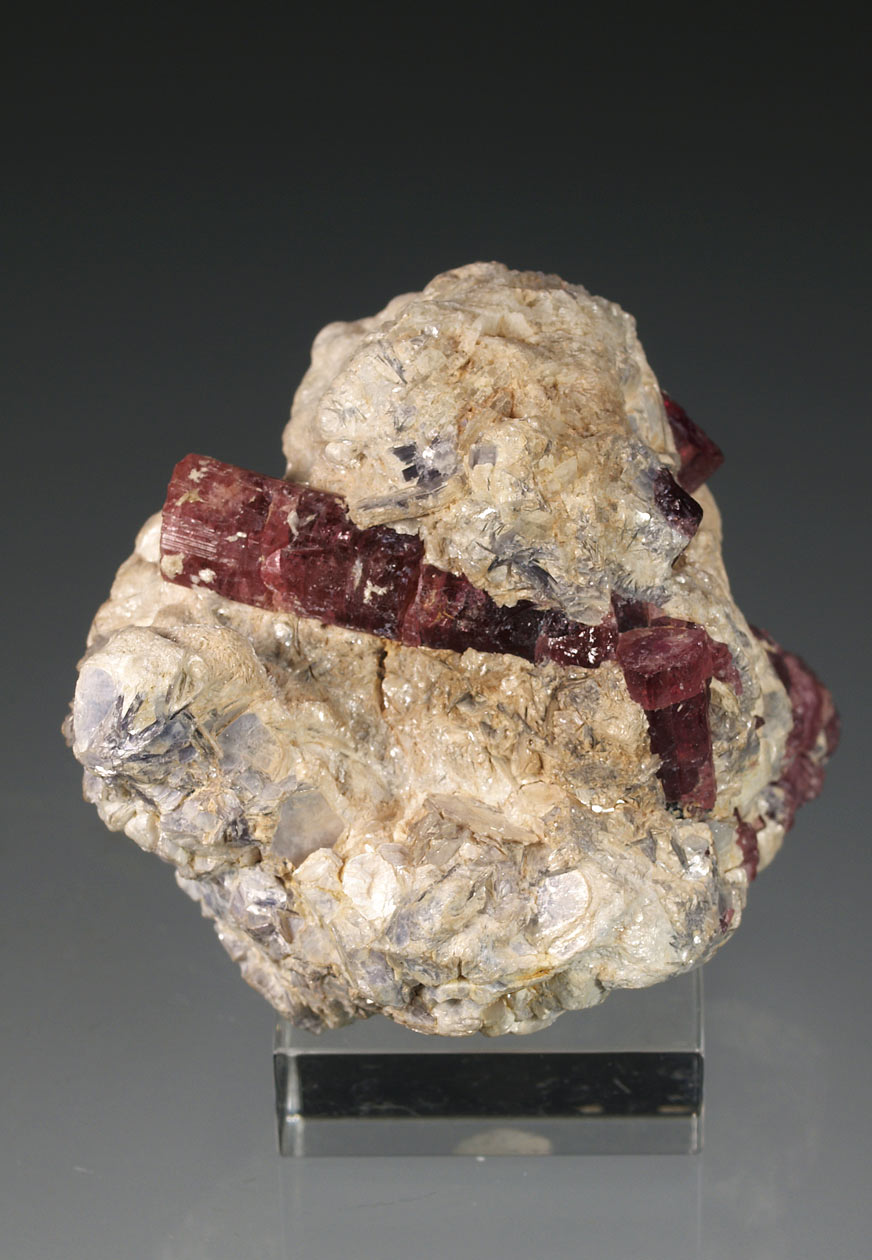
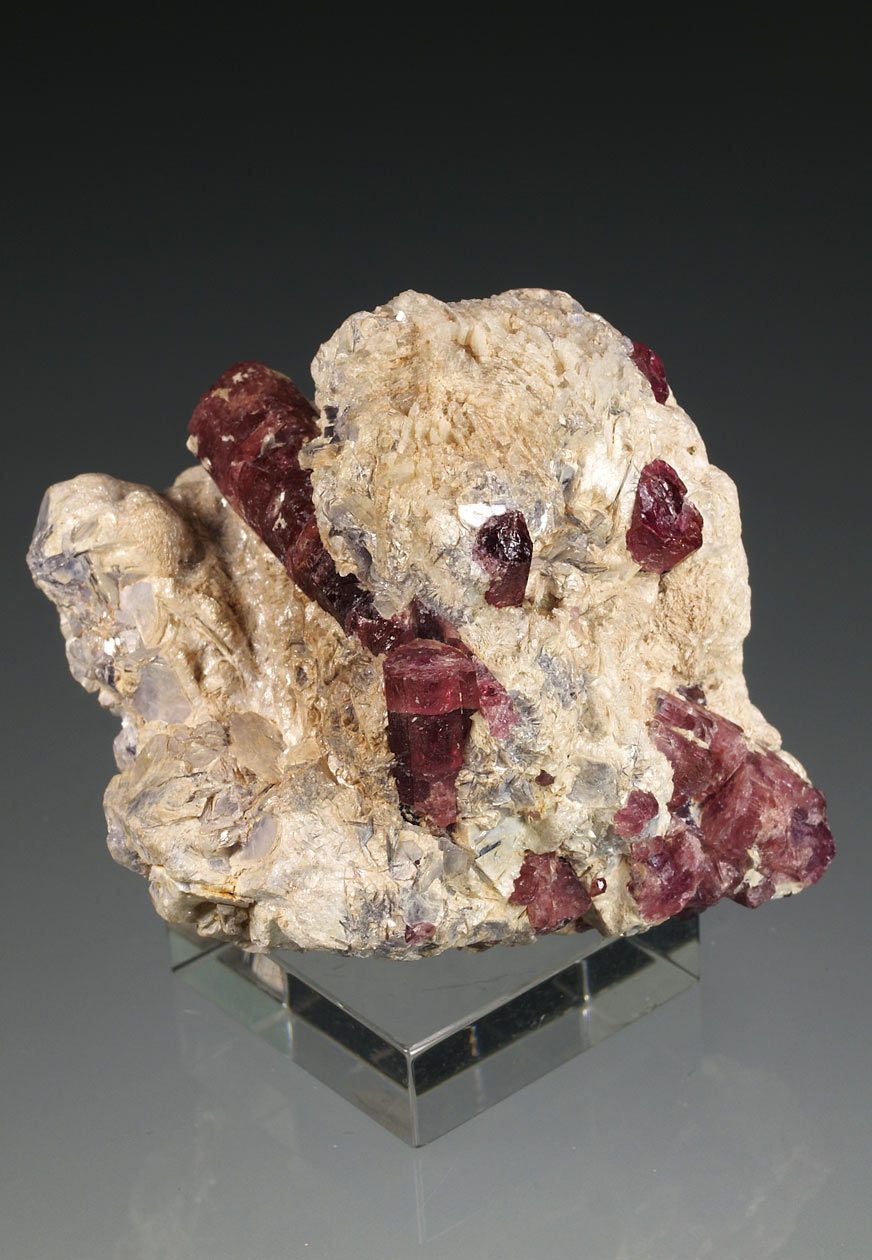
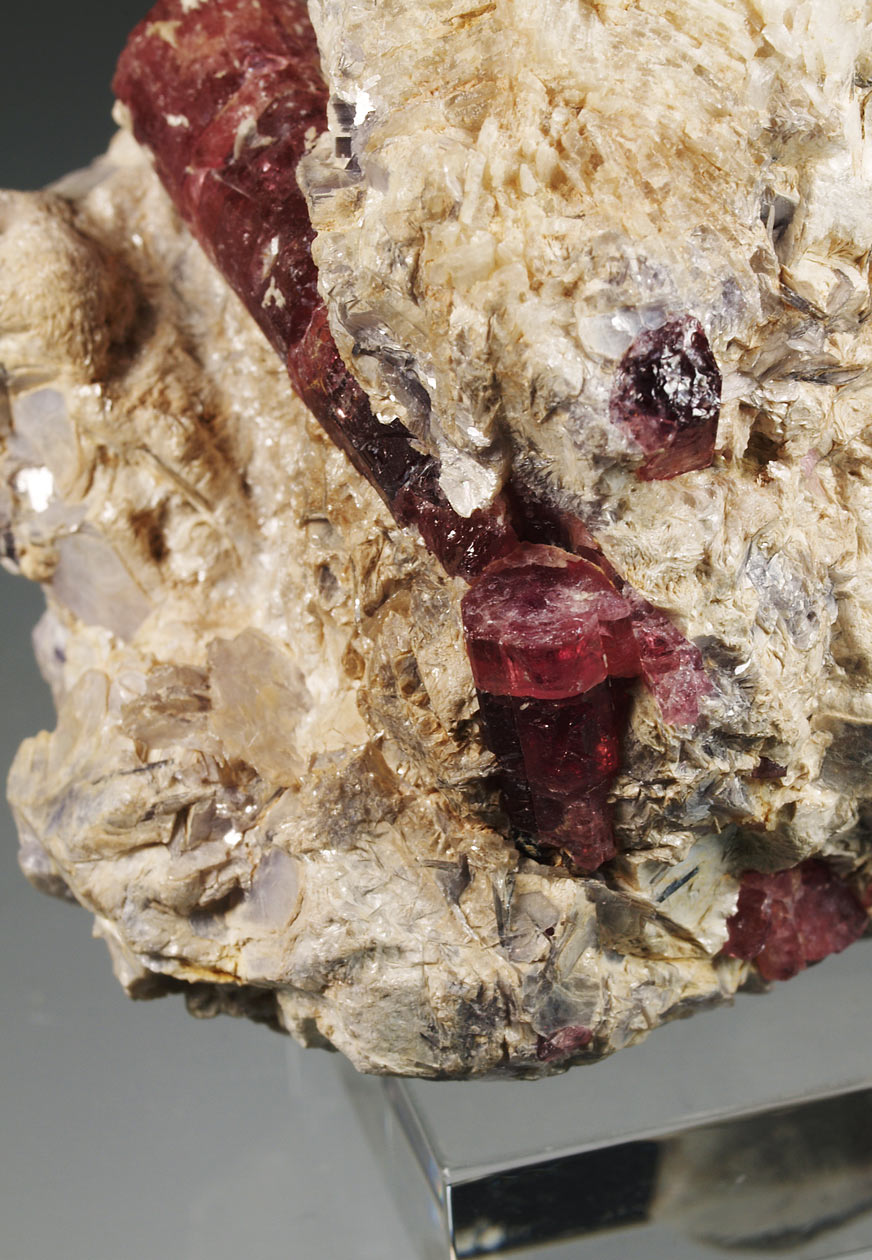
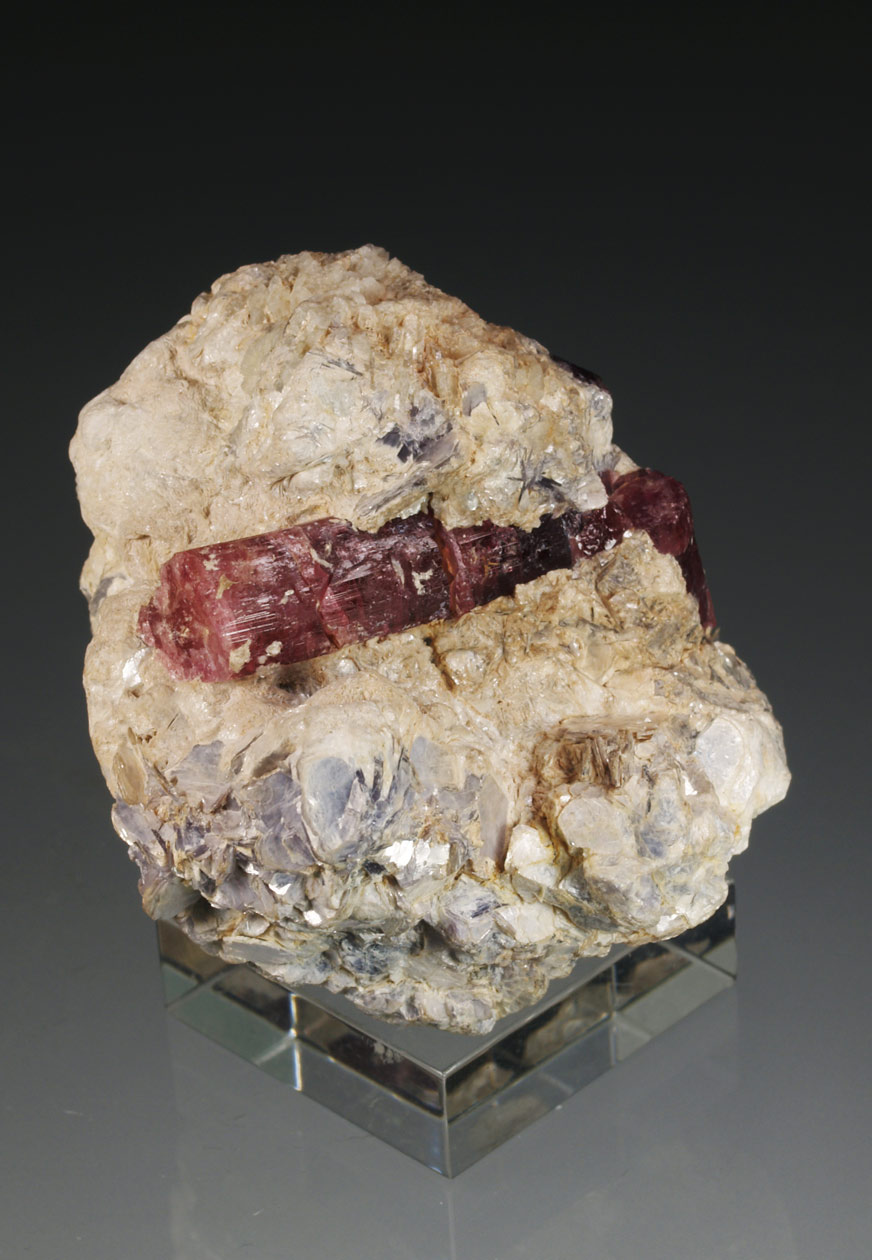
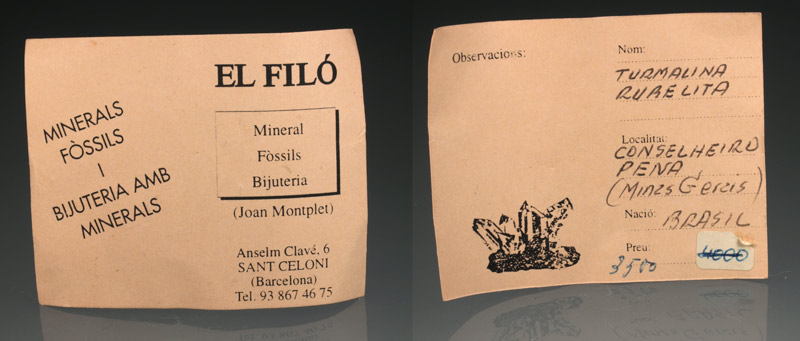
Esta antigua pieza destaca por el tamaño de los cristales y su color. El mayor presenta las clásicas fracturas perpendiculares al eje principal. El menor, con la cara terminal. Son piezas que salieron hace muchos años, hacia los años 70. Este espécimen también destaca por la etiqueta de Joan Montplet, un conocido vendedor de minerales de Sant Celoni (Catalunya).
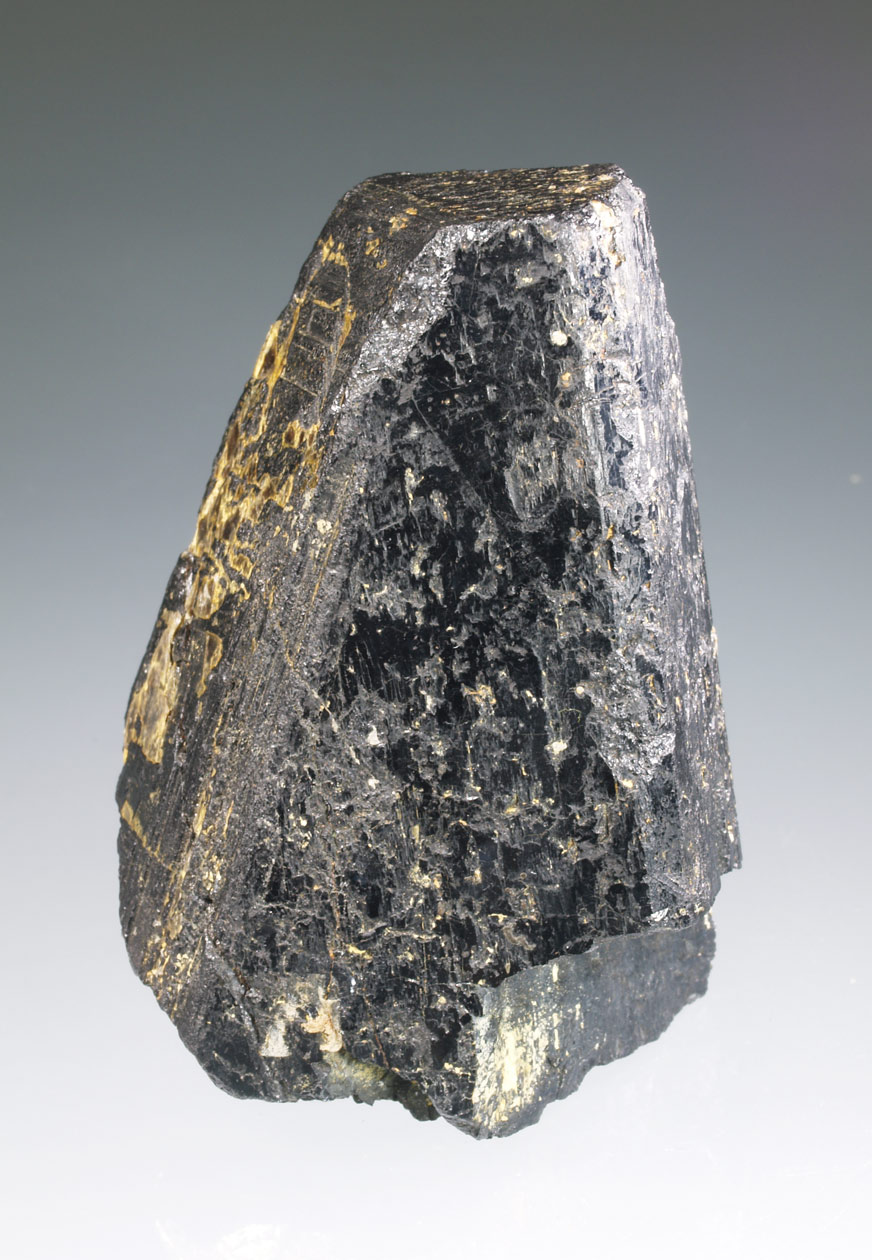
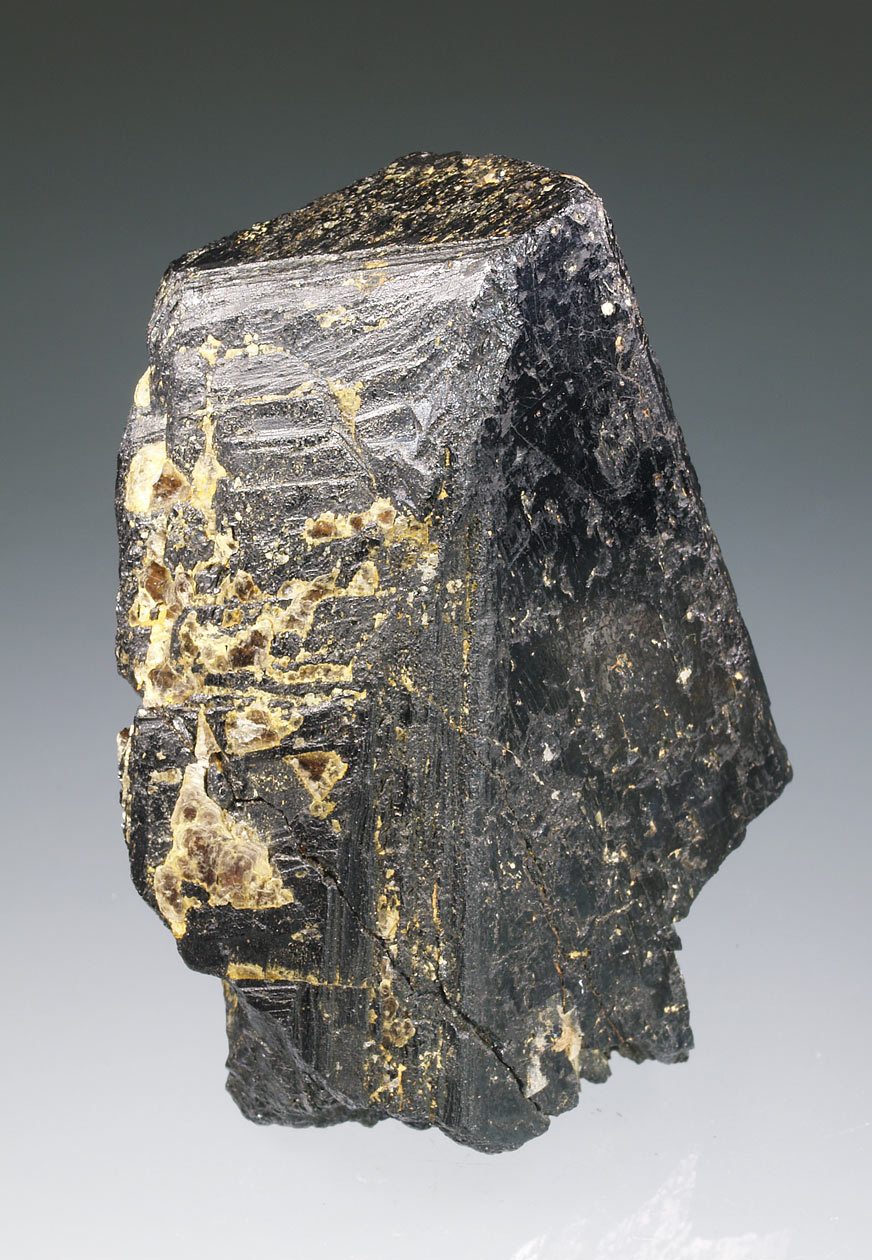
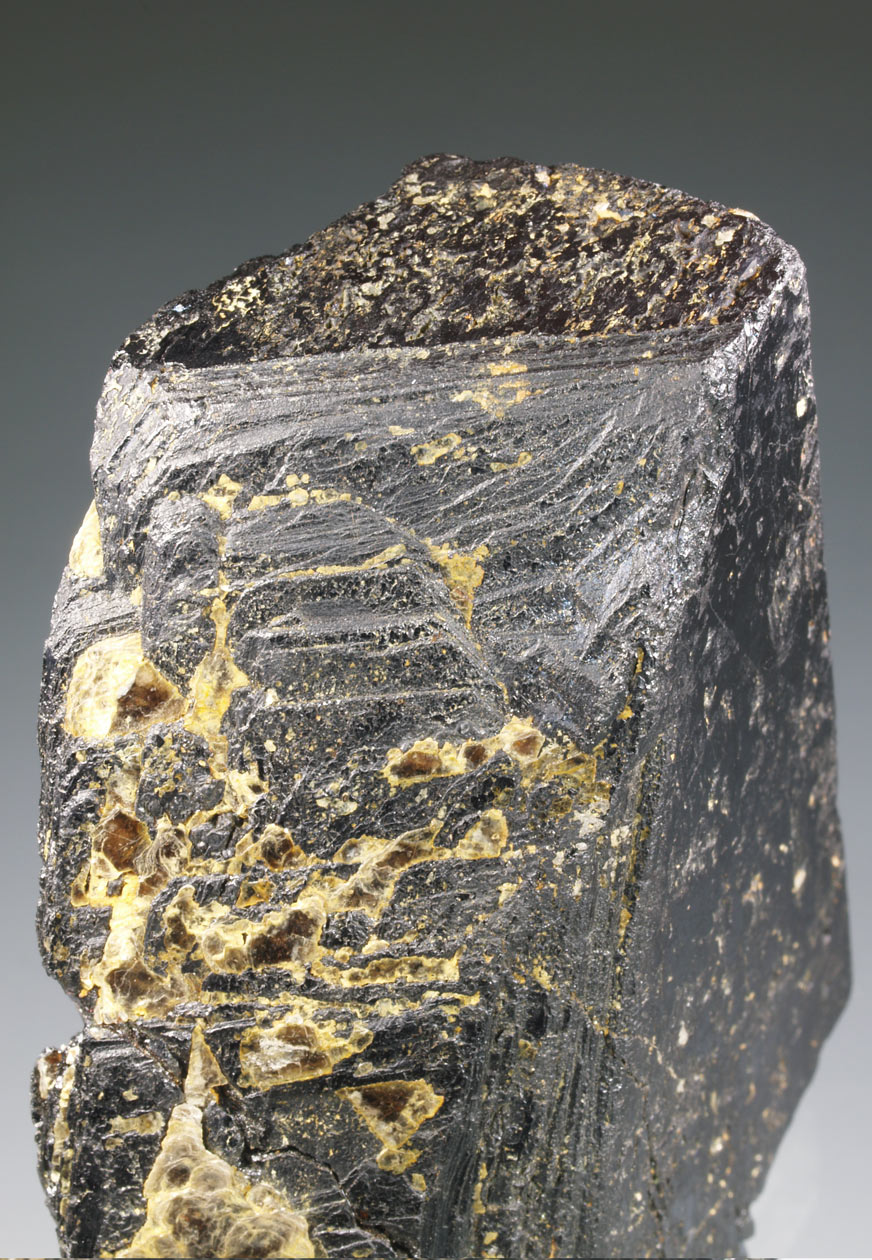
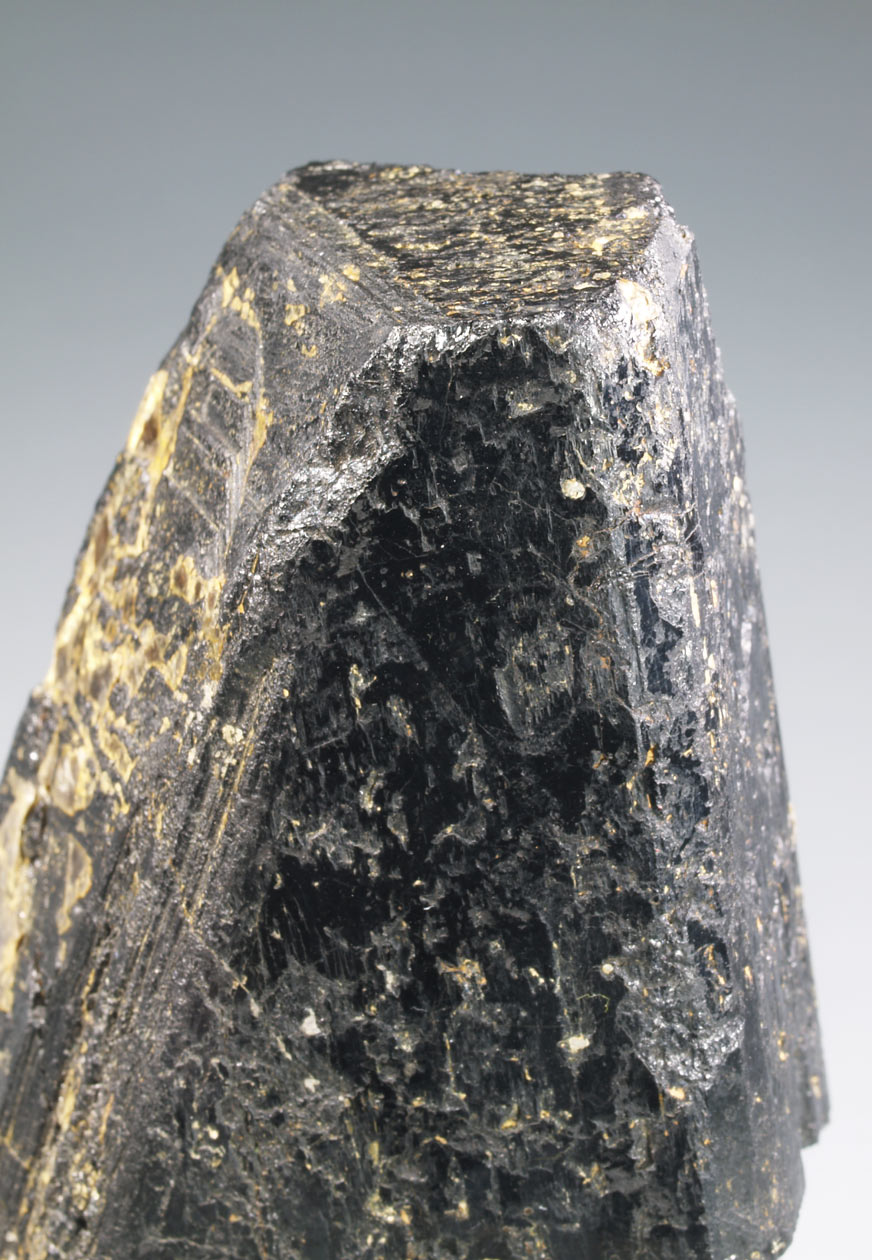
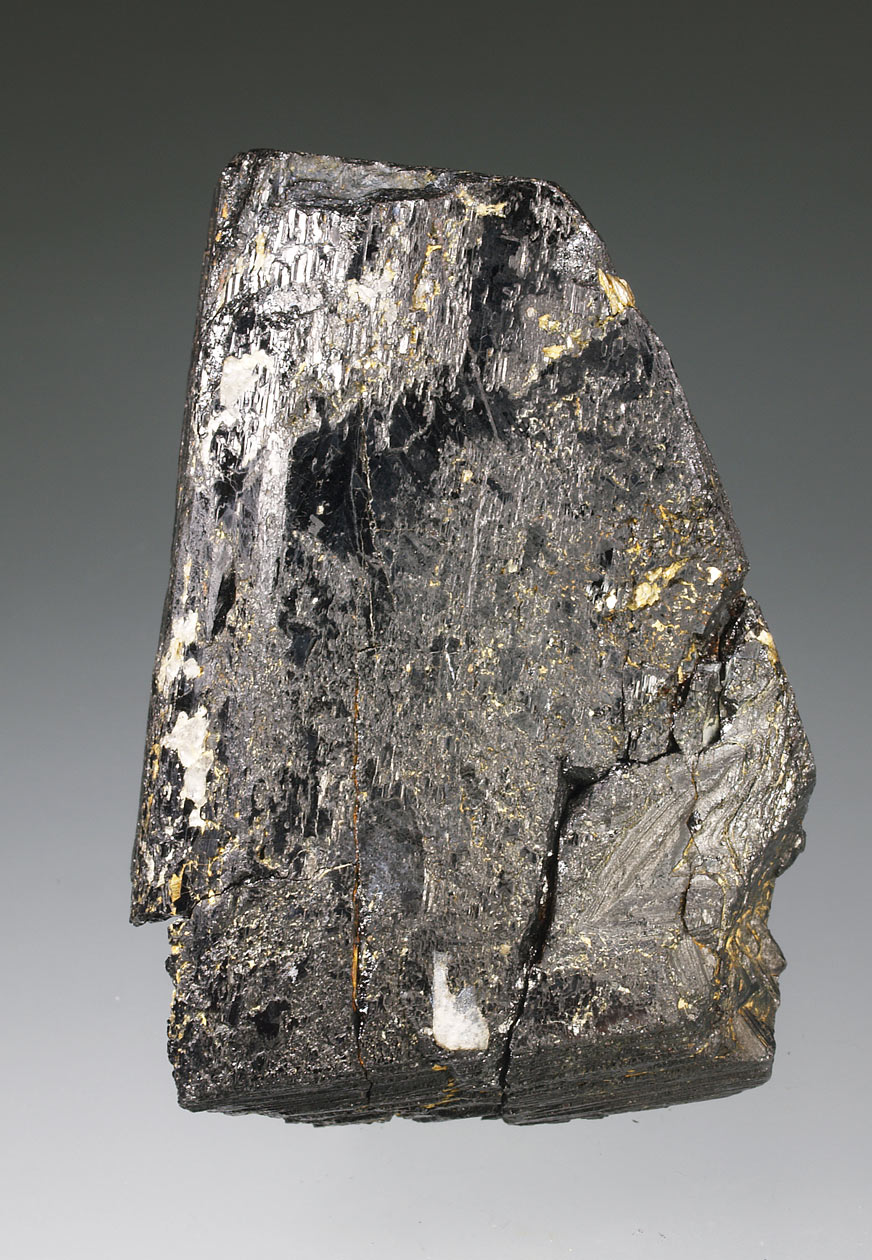
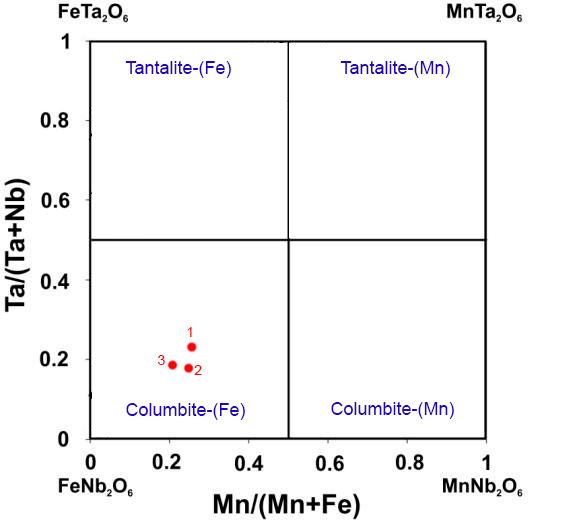
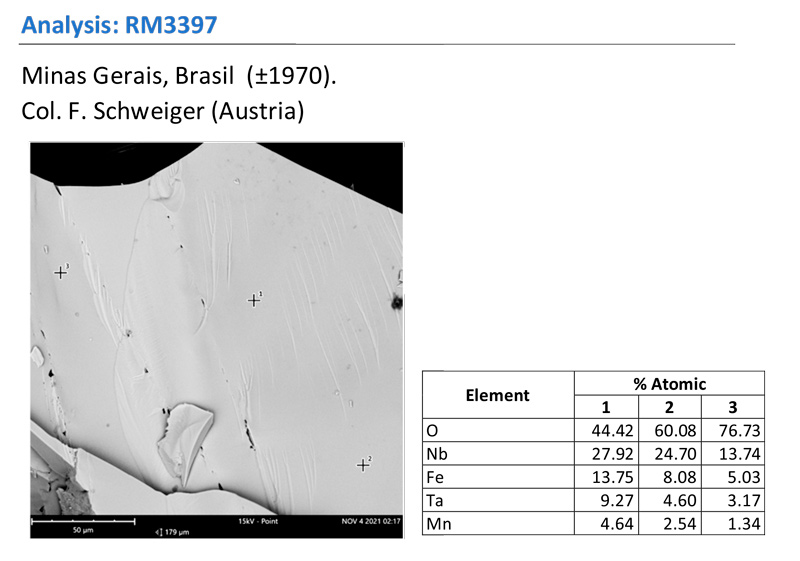
Cristal flotante de columbita-(Fe) de gran tamaño para la especie. Podemos observar numerosas facetas, algunas con estriaciones, brillantes. El ejemplar indica reparado ya que una parte (ver foto) ha sido recolocada en su sitio, sin afectar a la calidad. Se acompaña de lepidolita. Ejemplares de columbita de este tamaño no son nada habituales. Hemos analizado el ejemplar y en el diagrama adjunto podemos ver que los resultados se hallan en el dominio de la columbita-(Fe). Se detectan pequeñas cantidades de titanio. Enviaremos estos datos al comprador. Una pieza excepcional.
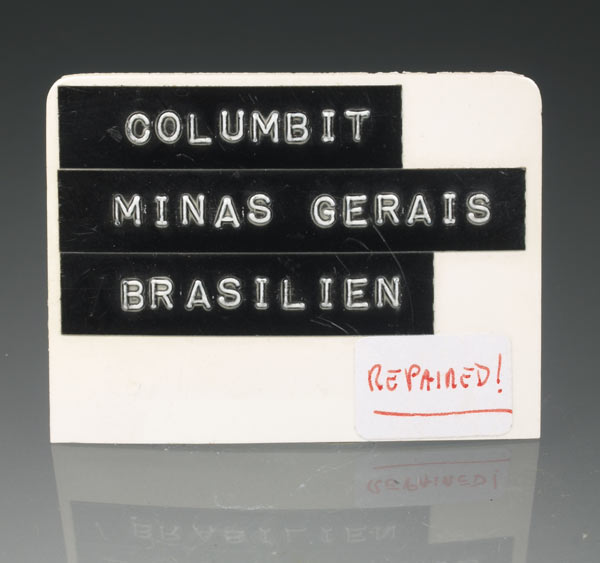
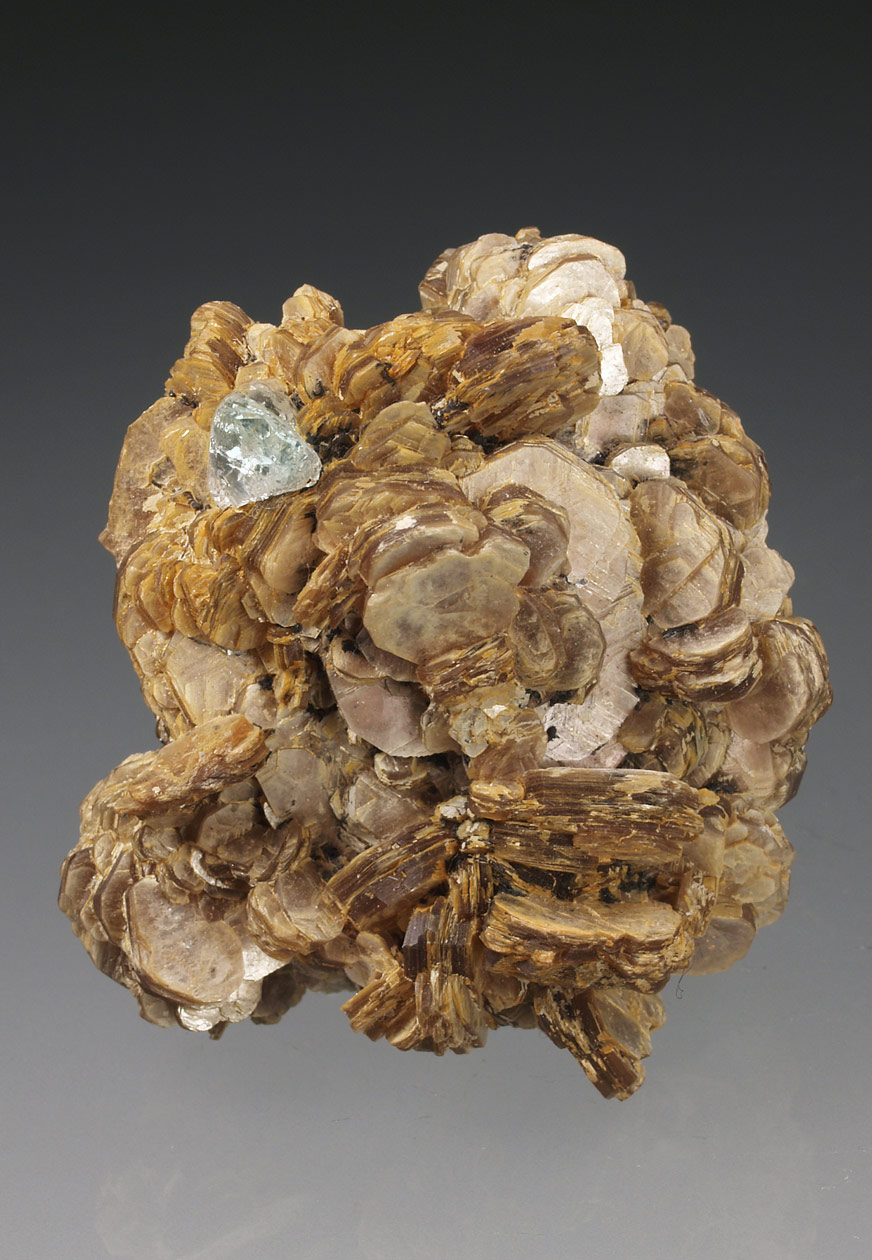
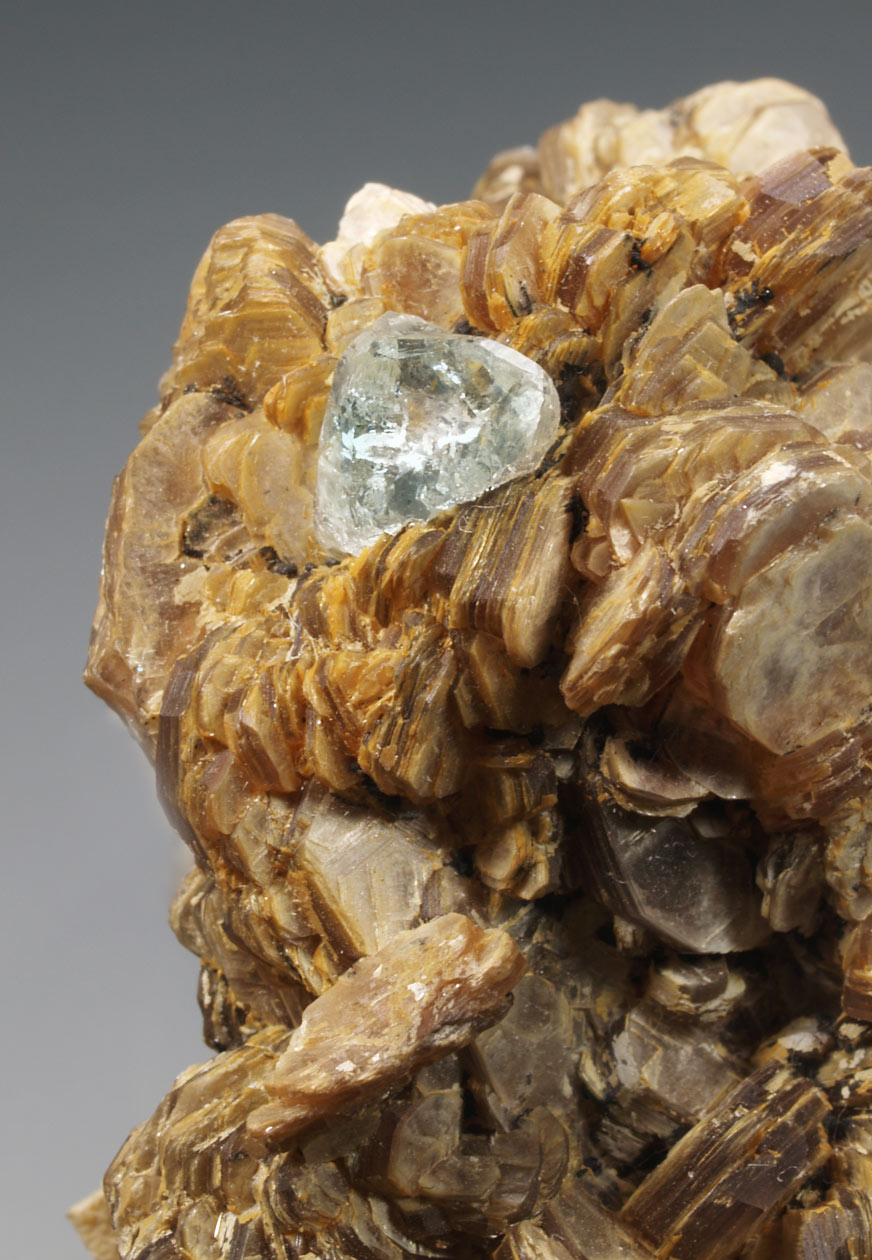
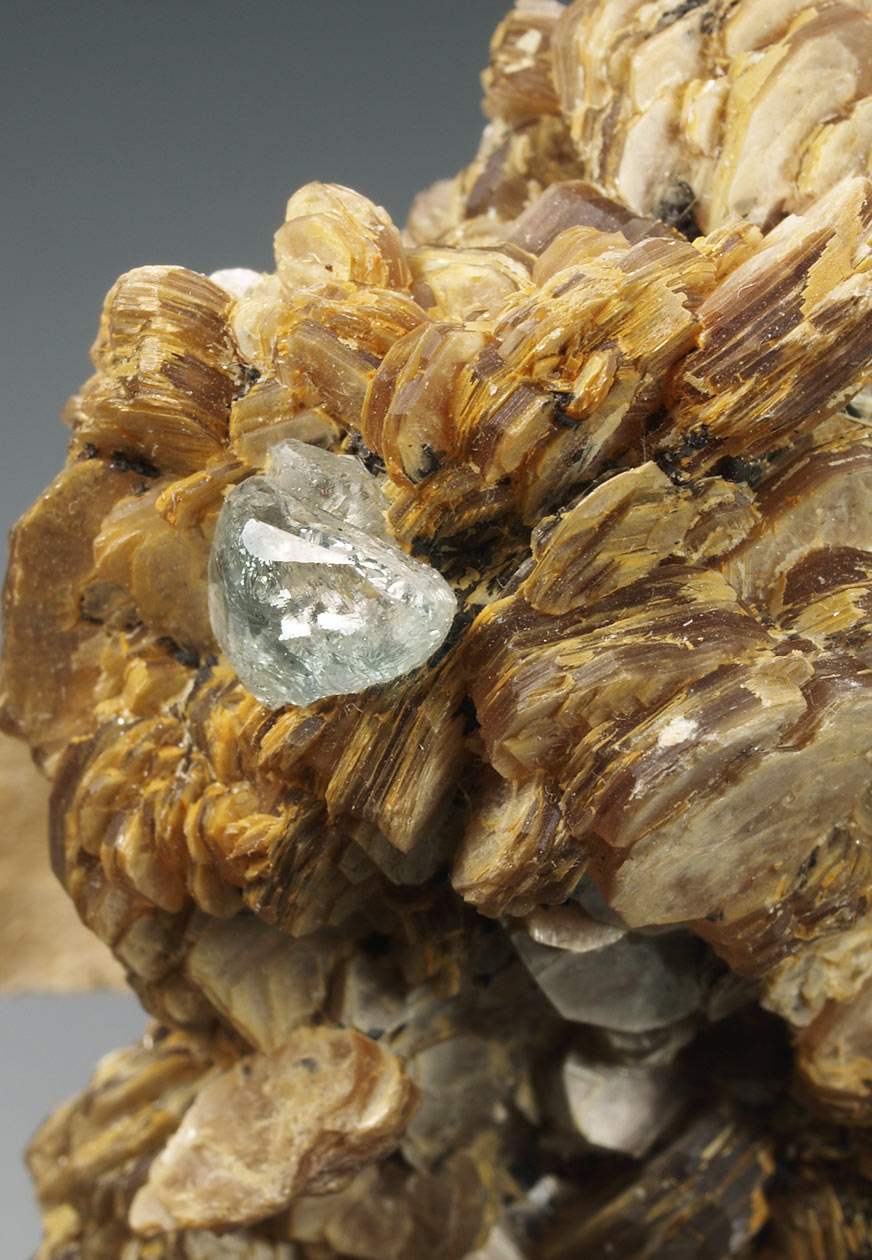
Estético ejemplar formado por grupos de mica lepidolita, brillantes y definidos, sobre los que podemos observar un cristal de topacio, ligeramente azulado y facetado, con una transparencia excelente. Poco habitual en matriz. Con etiqueta antigua manuscrita.
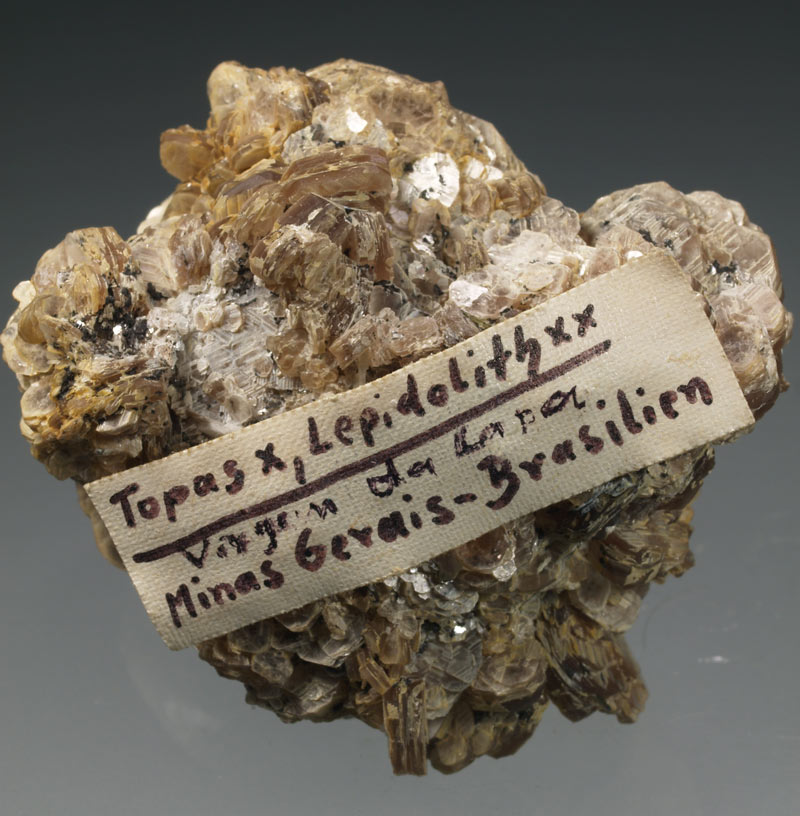
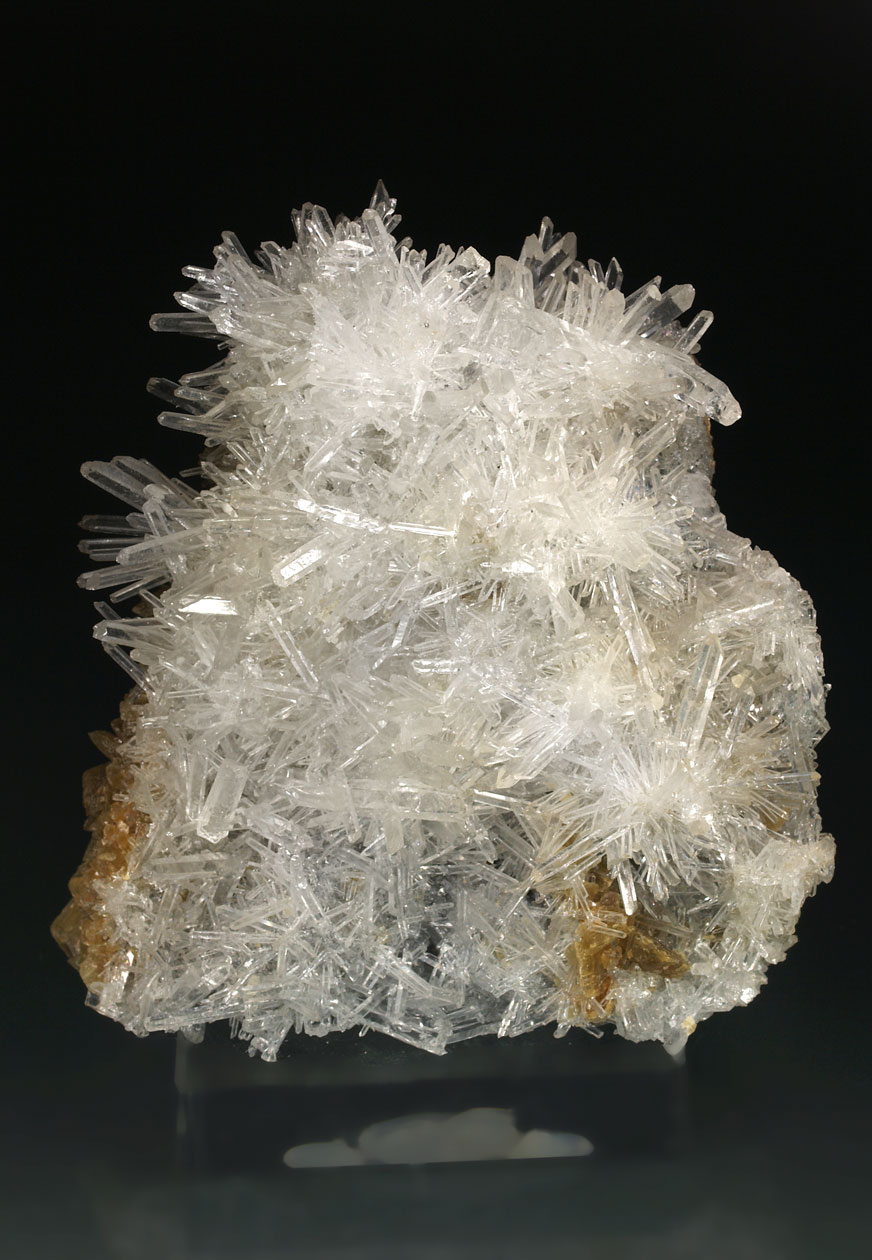
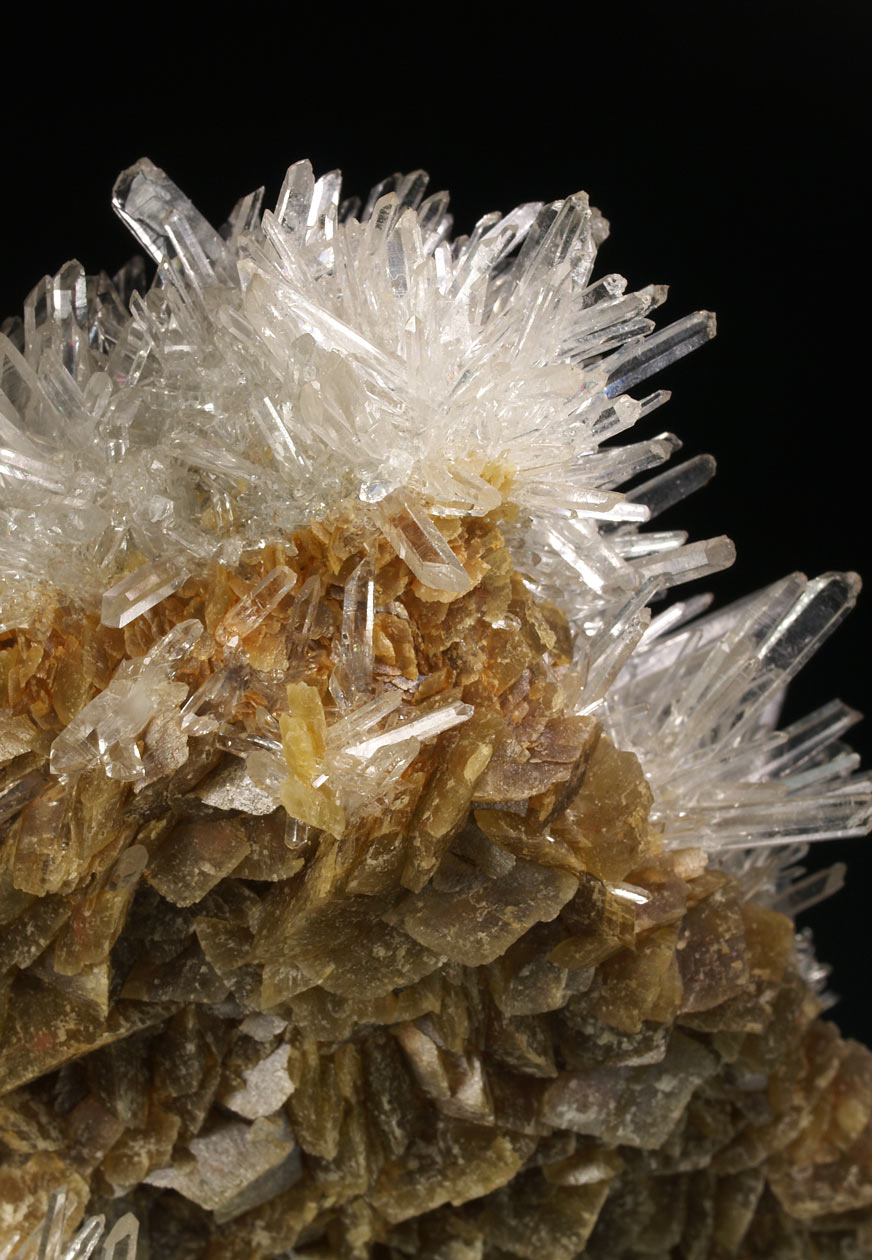
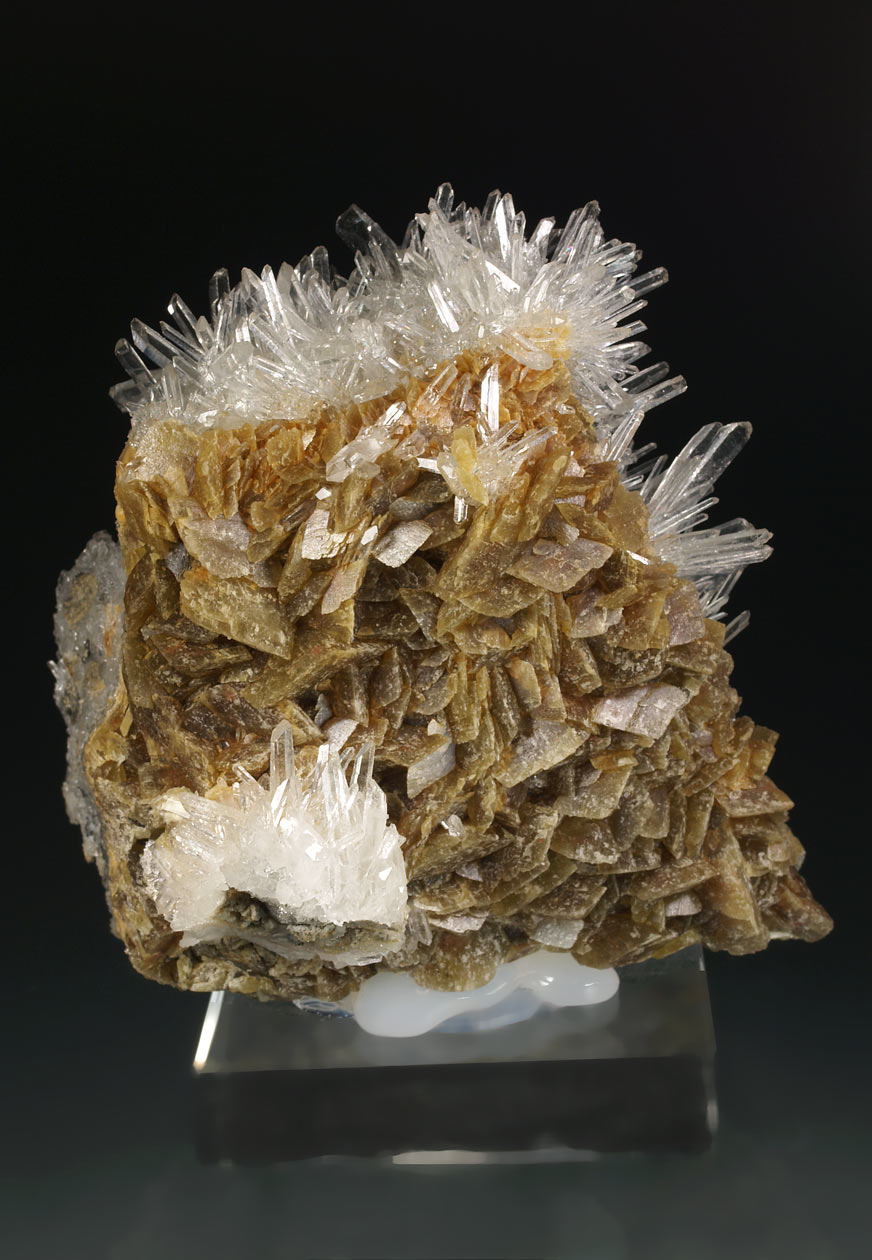
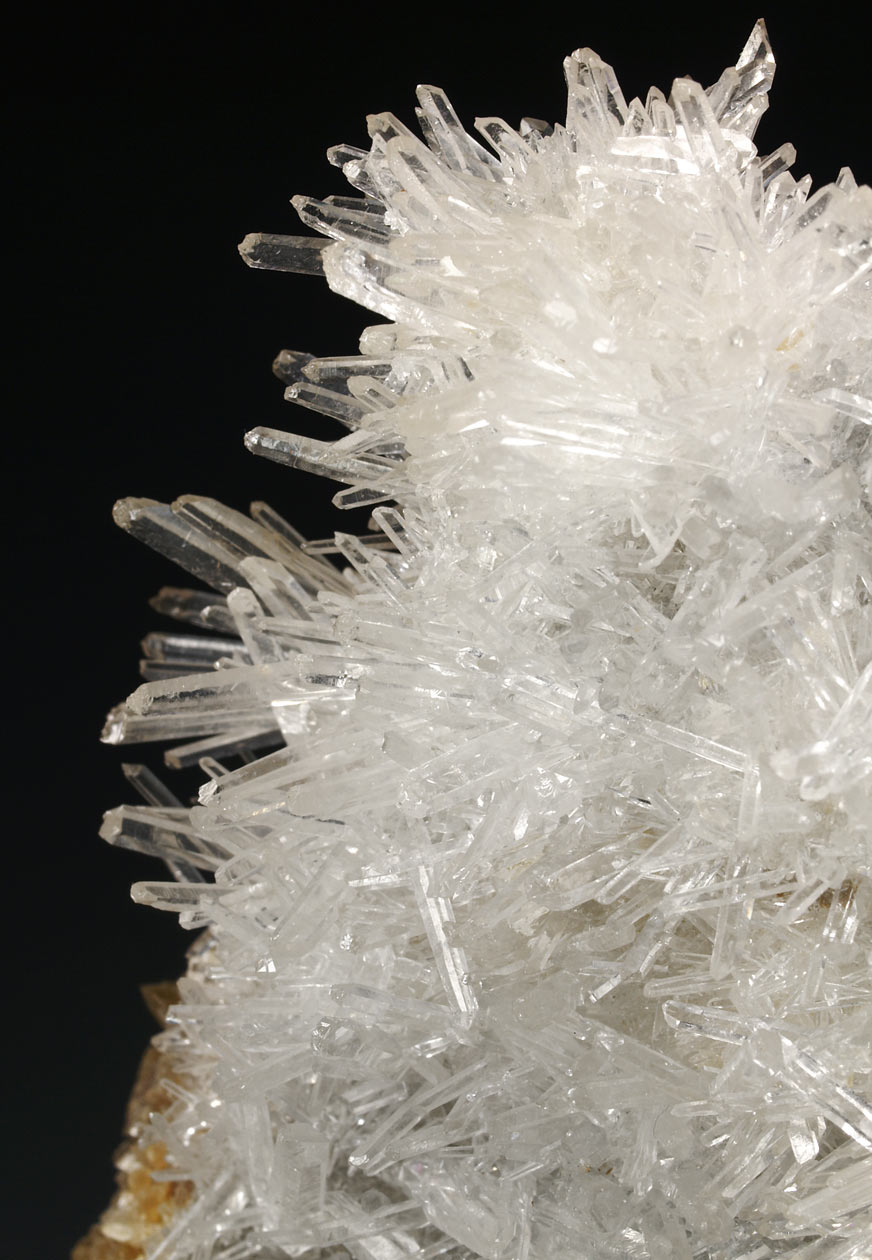
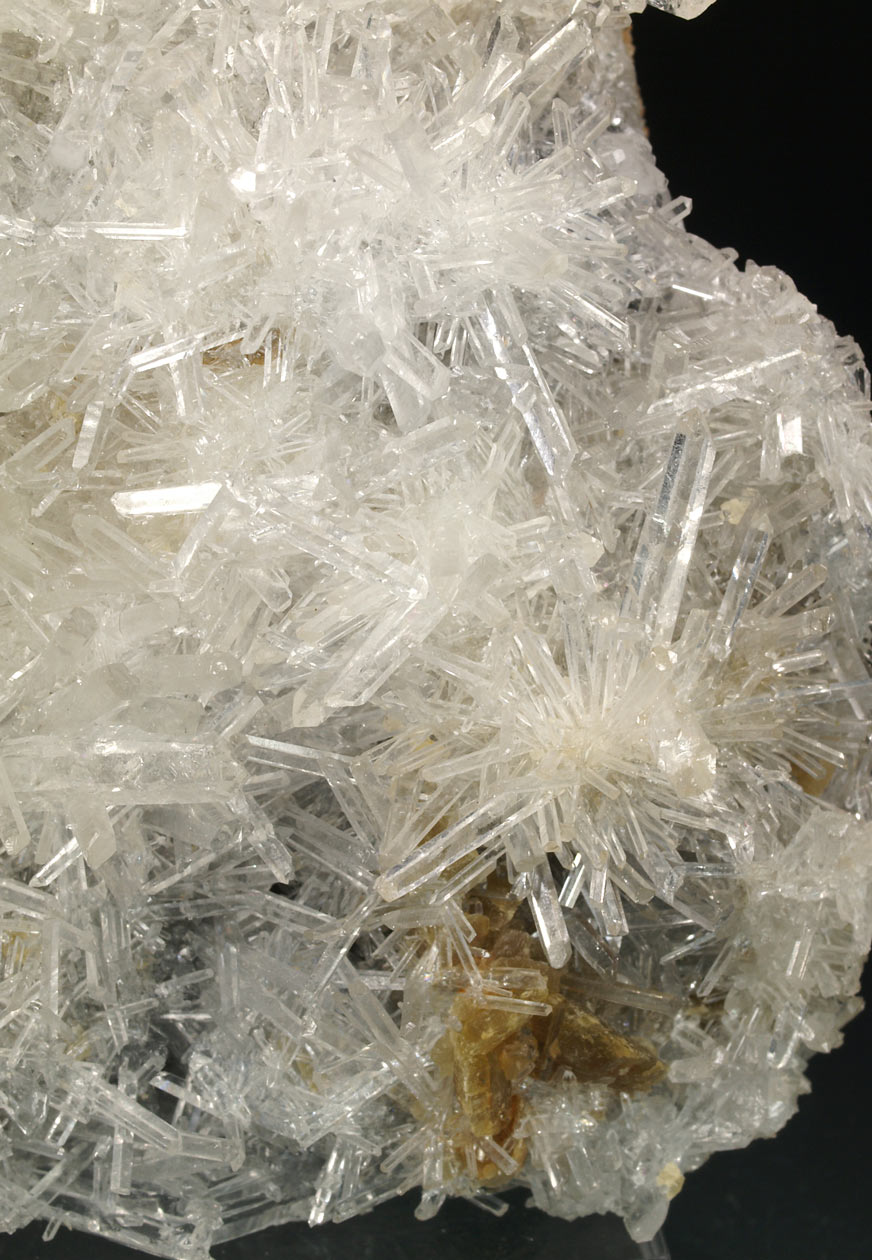
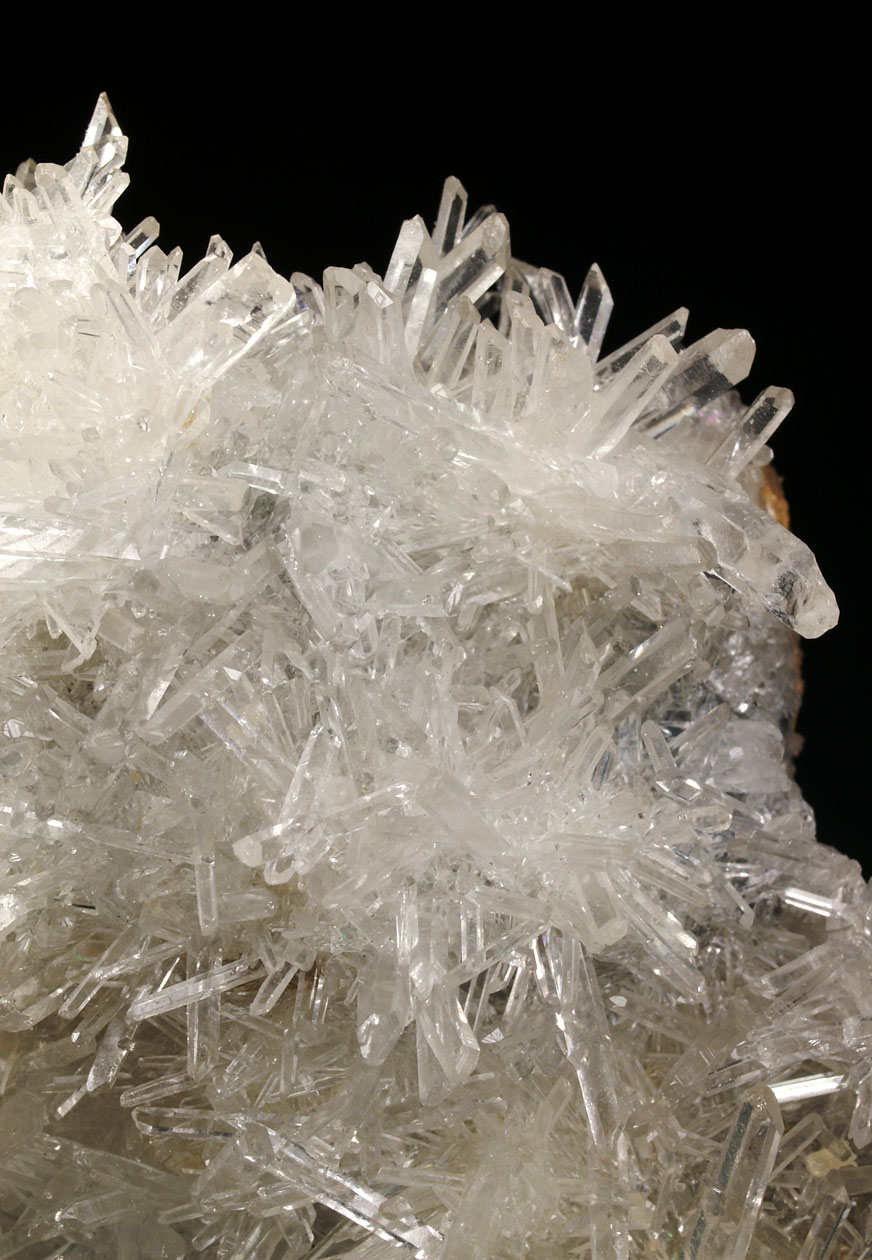
Un ejemplar muy estético de esta mina clásica brasileña. Numerosos agregados de cristales de cuarzo, con un prisma muy elongado, casi aciculares, con las caras terminales bien definidas y con un brillo y una transparencia excepcionales. Forman agregados divergentes sobre una matriz de siderita, visible en la parte posterior, como cristales lenticulares formados por romboedros aplanados. Muy curioso ejemplar y de buen tamaño.
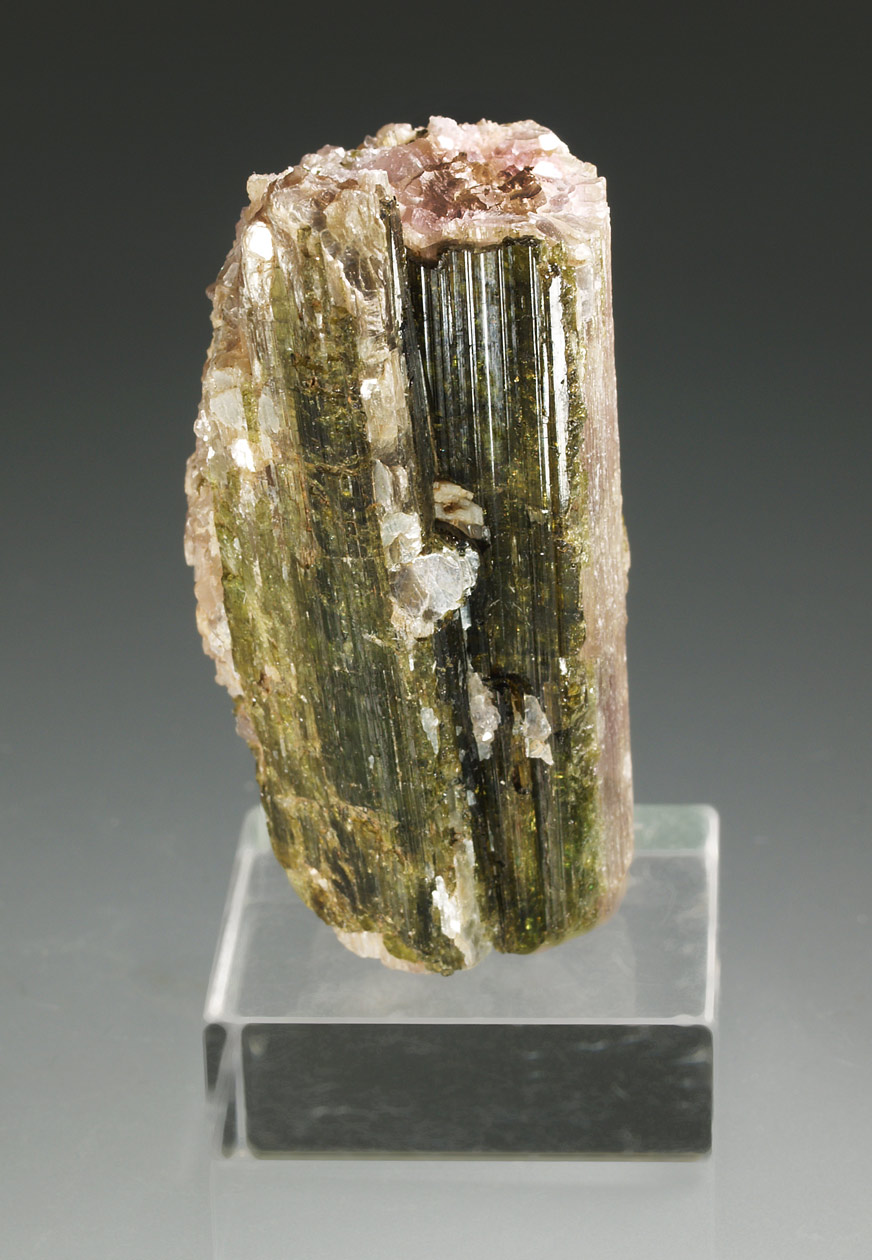
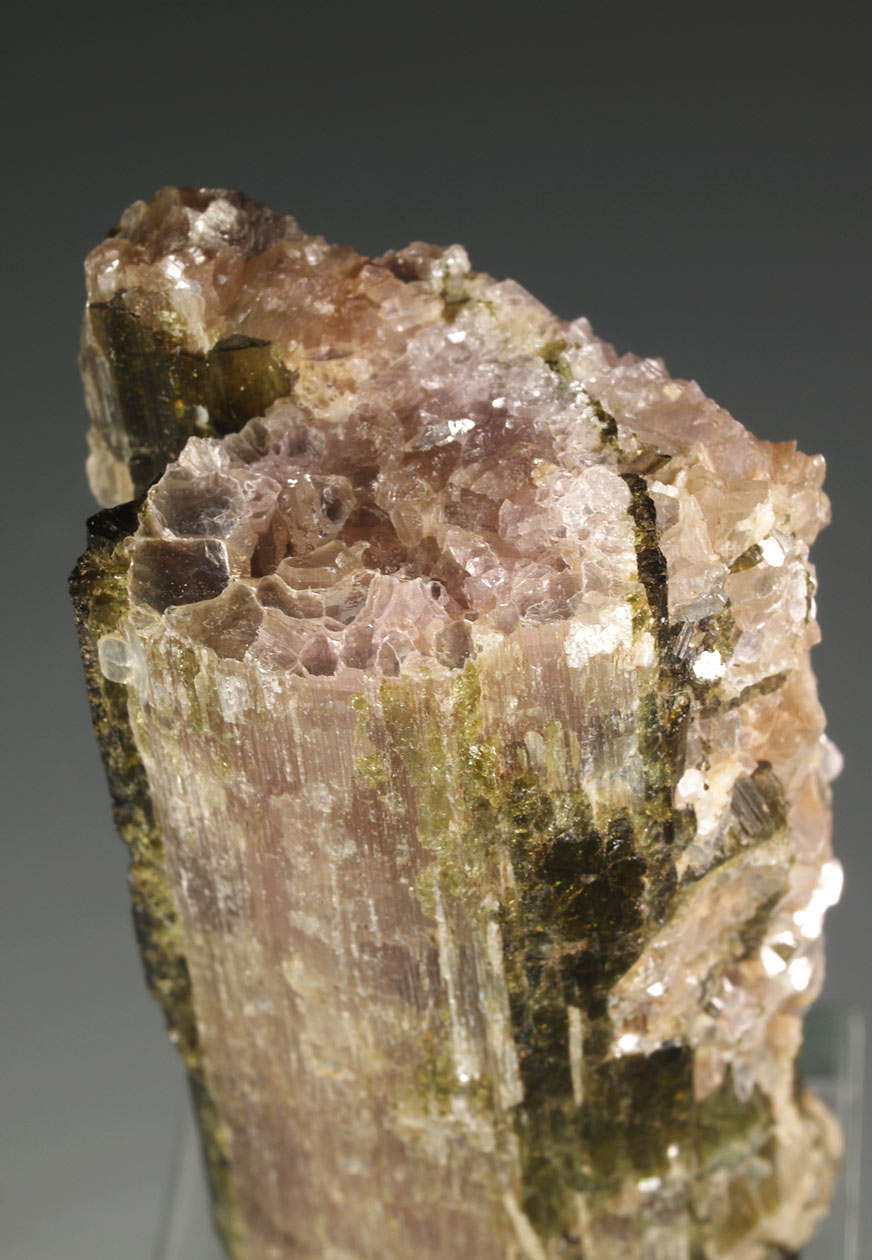
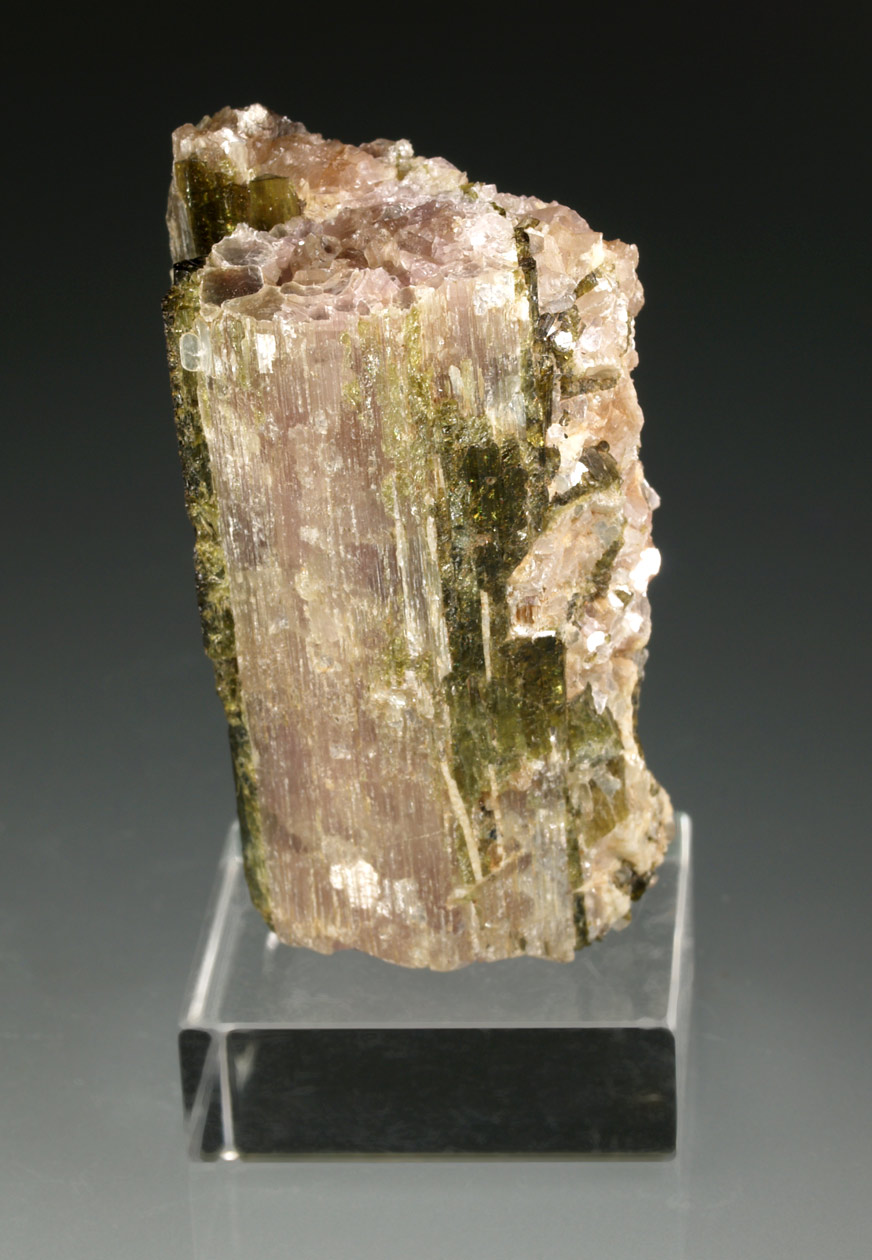
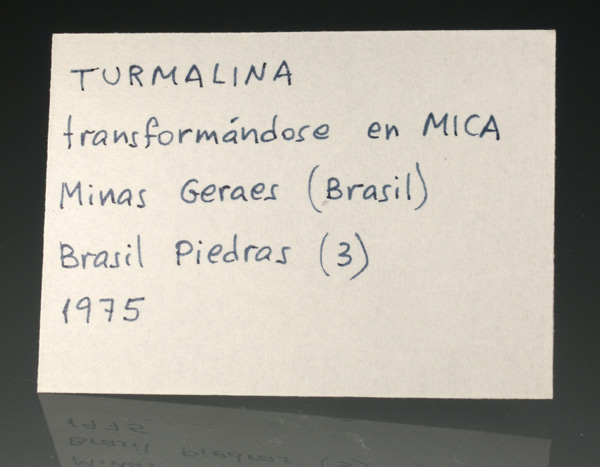
Ejemplar muy interesante de elbaíta que se ha transformado parcialmente en lepidolita. Una curiosidad brasileña. Procede de la colección Joan Astor (Barcelona), con etiqueta manuscrita y mecanografiada.
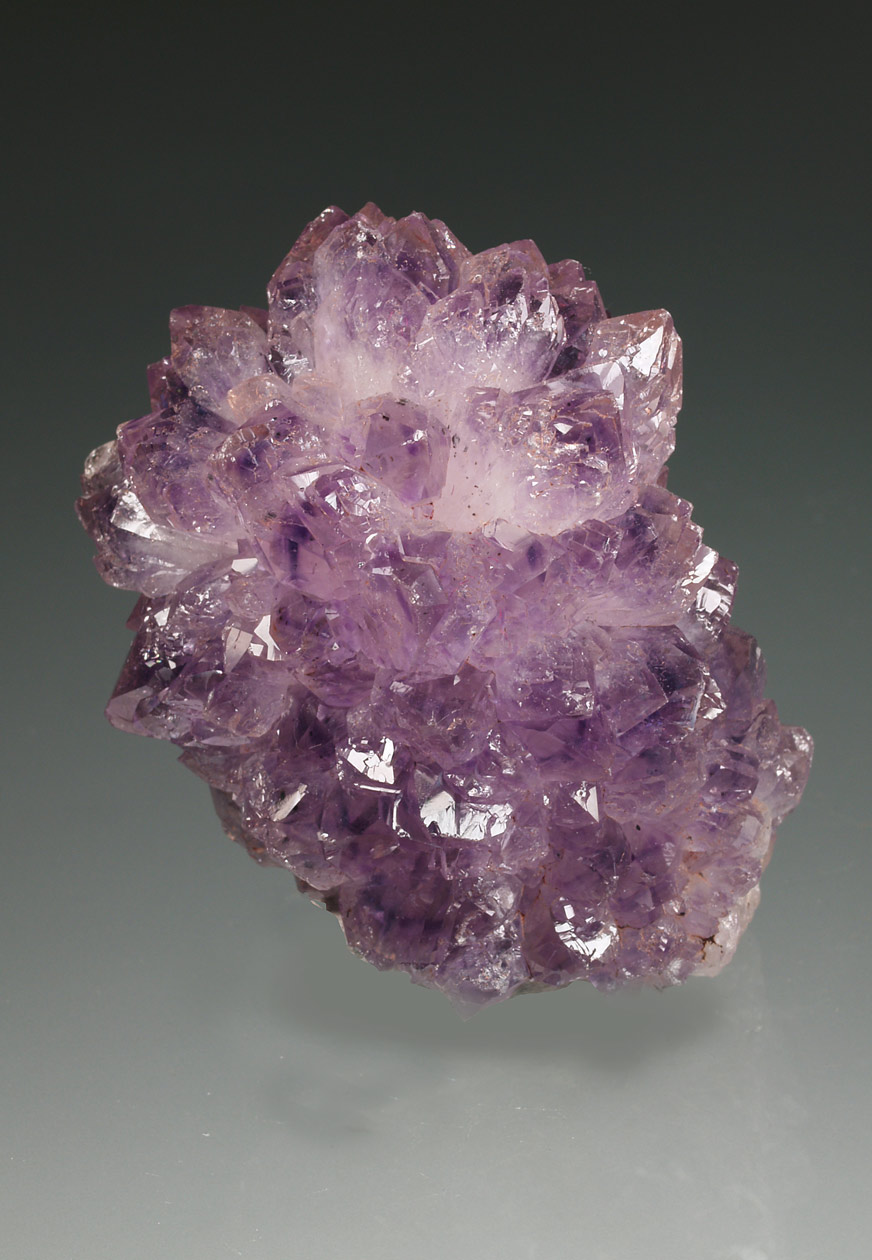
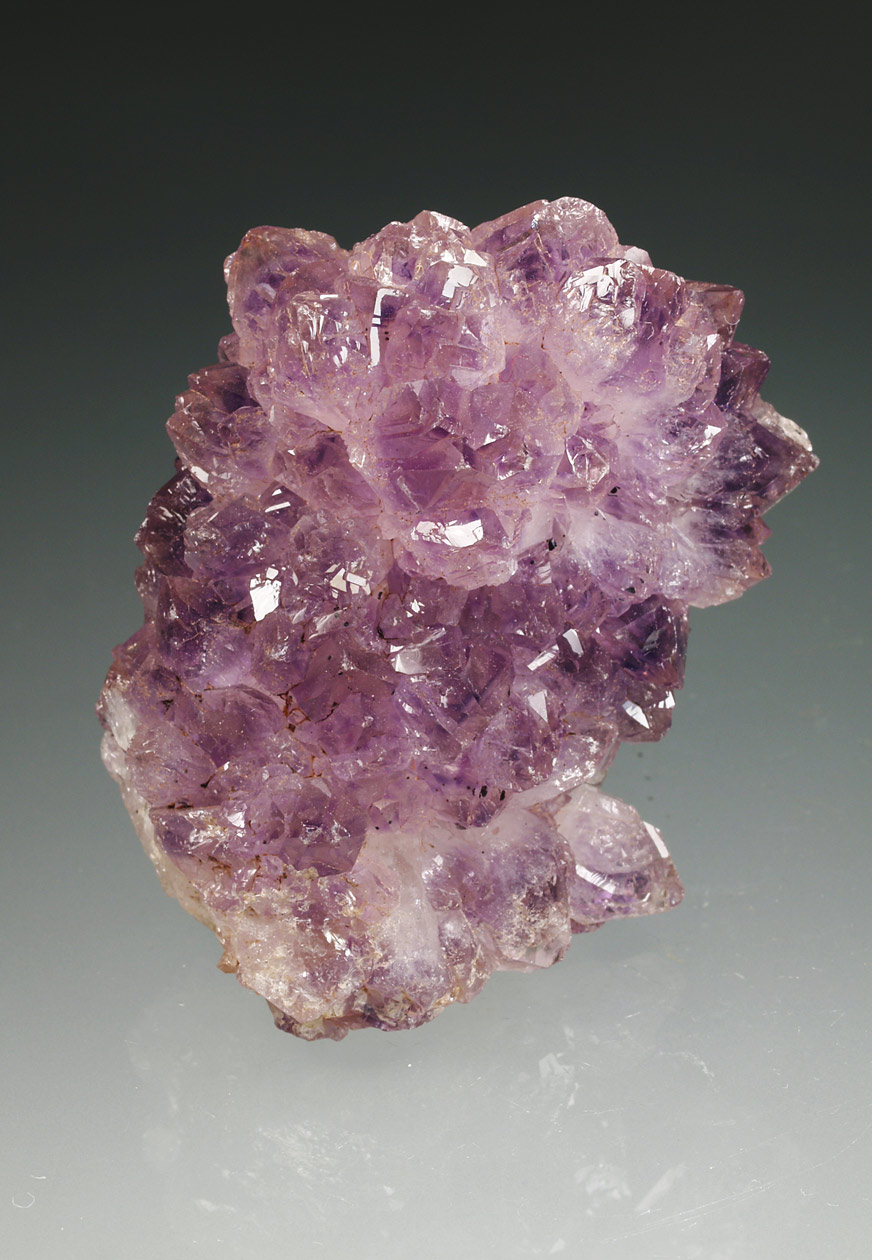
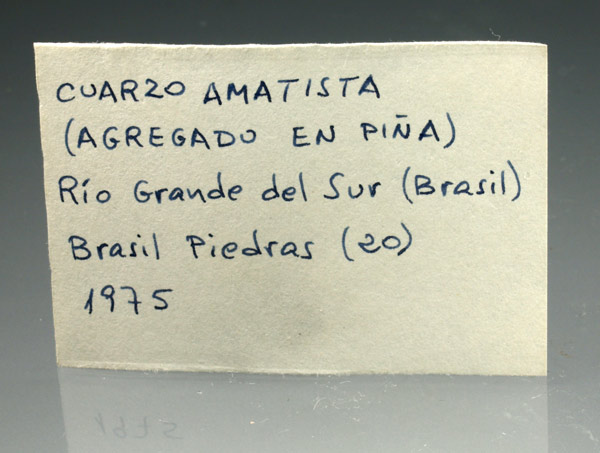
Agregado estalactítico, en piña, de cristales de cuarzo amatista. Brillantes y con un color "amatista" más intenso en las puntas de los cristales. Una pieza estética, común, pero estética... Procede de la colección Joan Astor (Barcelona), con etiqueta manuscrita y caja mecanografiada.
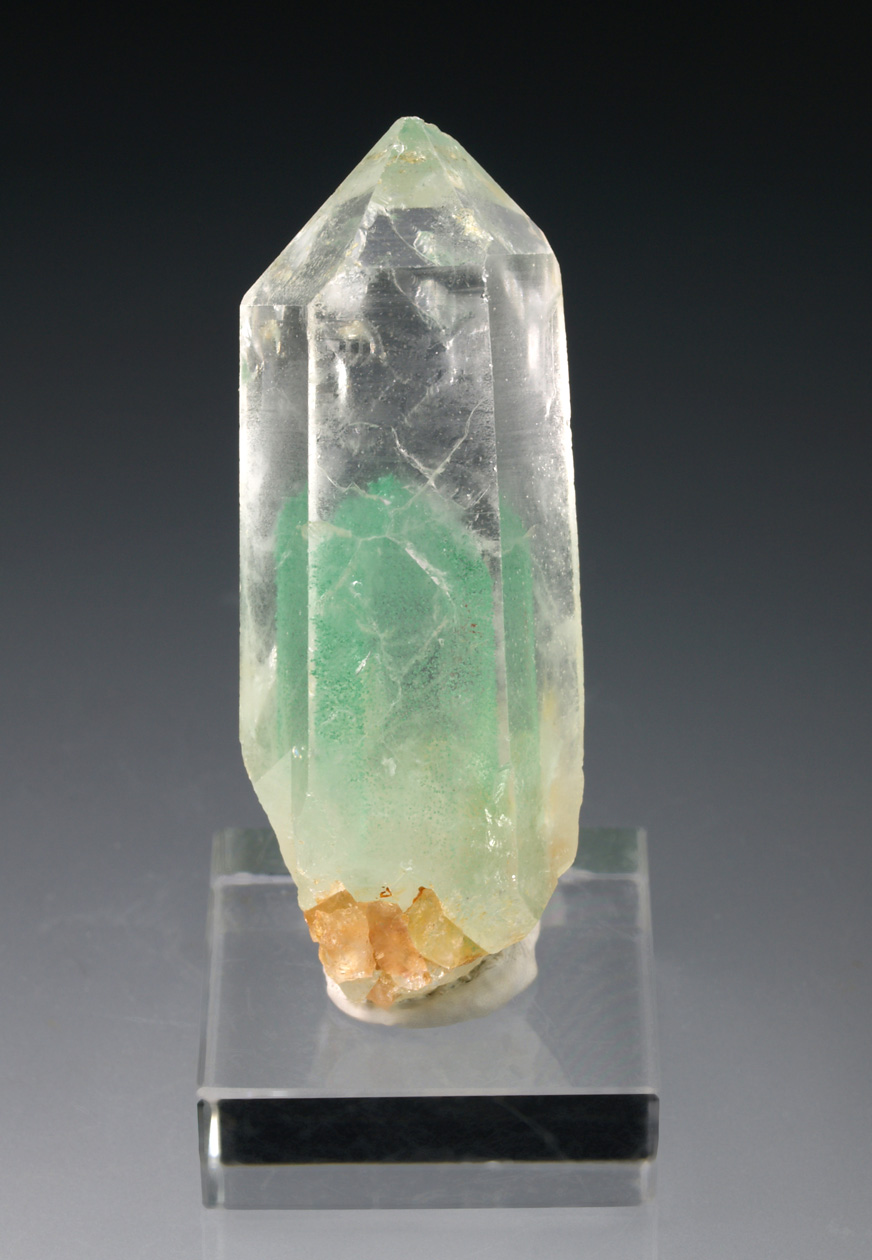
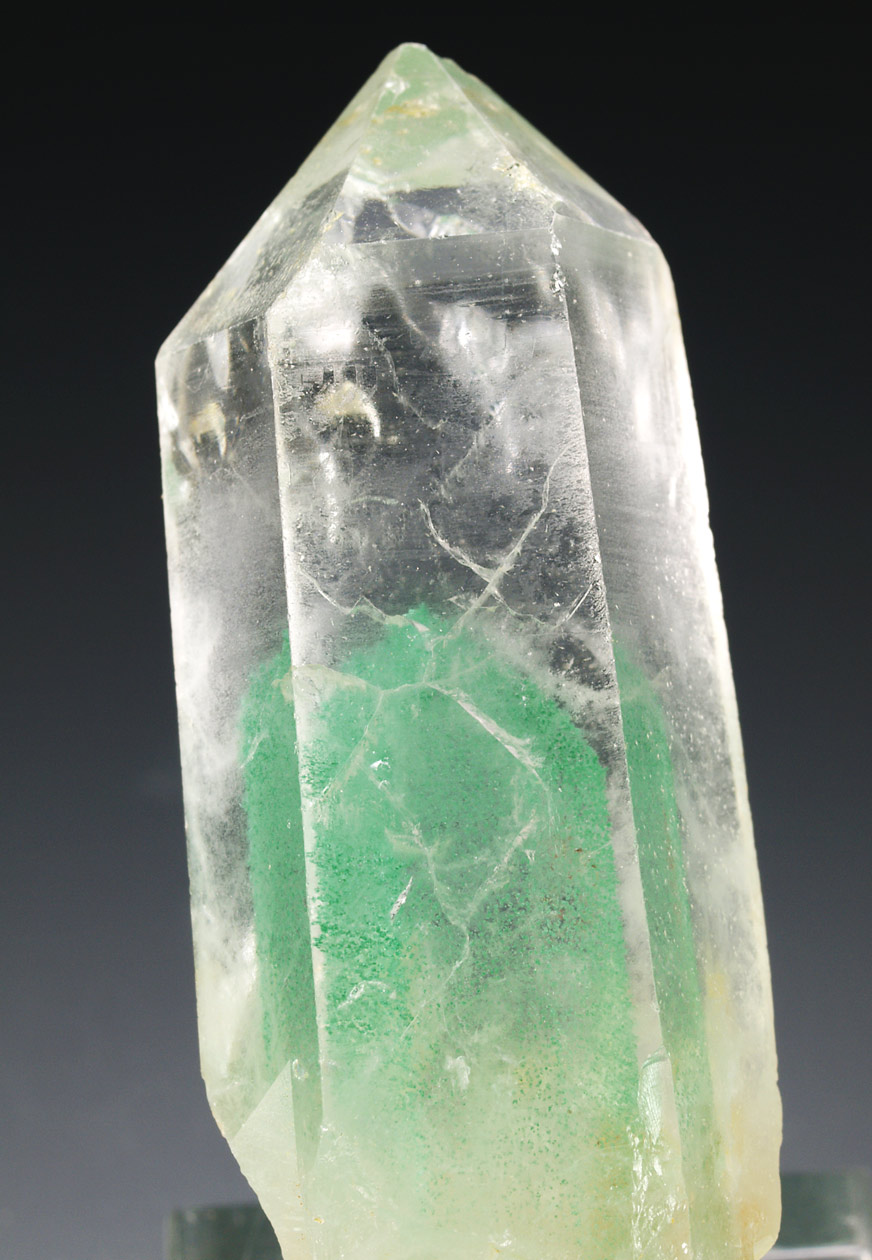
Cristal de cuarzo hialino, de buen tamaño, que nos muestra un "fantasma" interior que sigue la geometría del principal. Con tono verdoso, probablemente debido a un miembro del grupo de la mica, fuchsita. Estos ejemplares son raros de ver hoy en día.

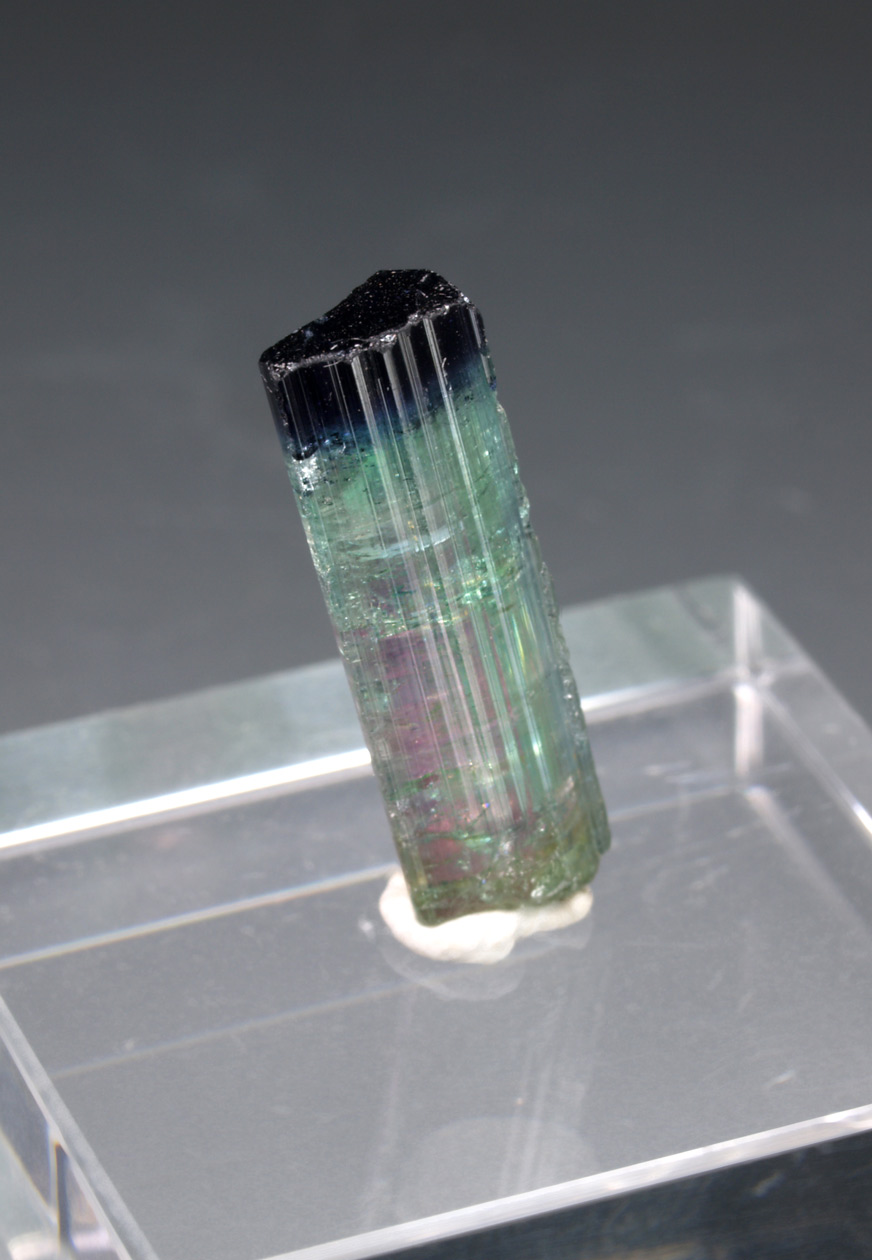
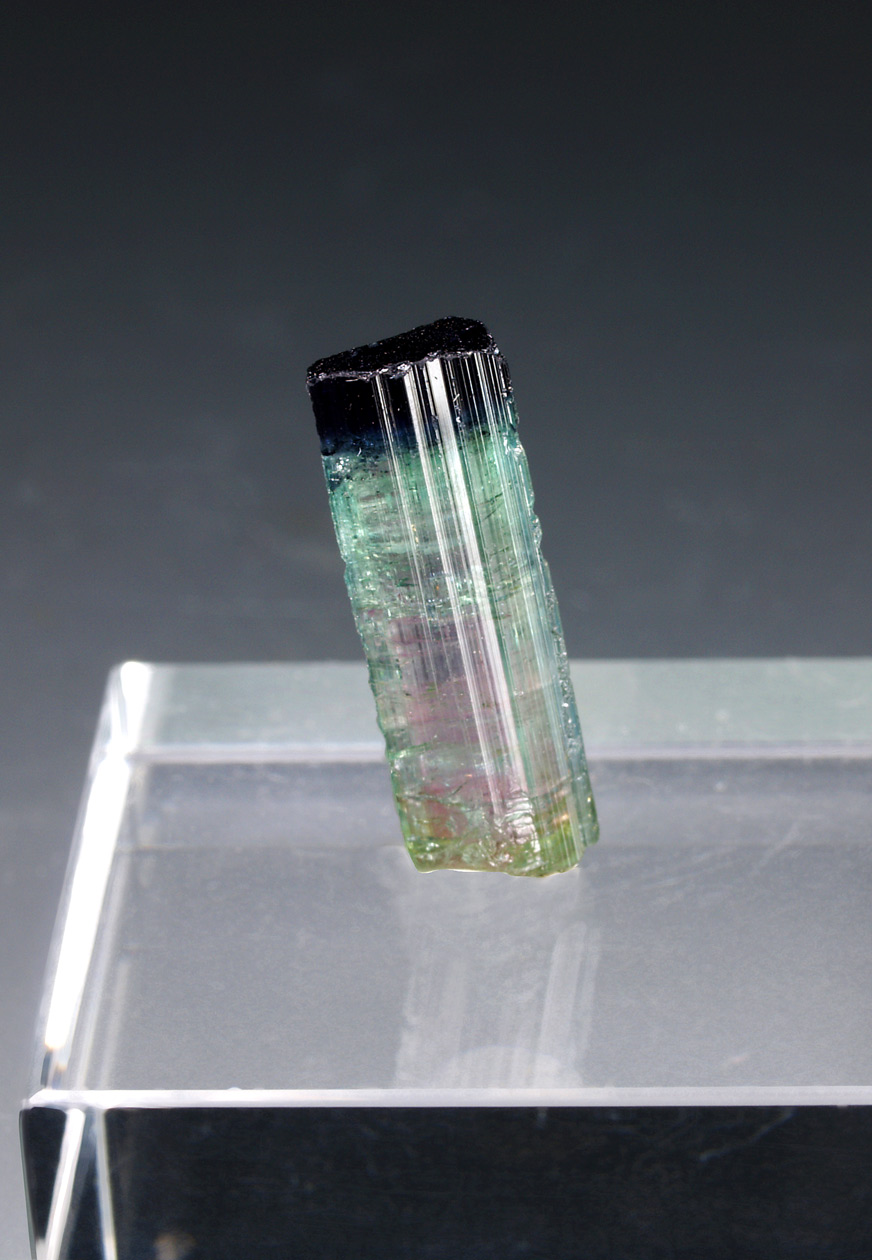
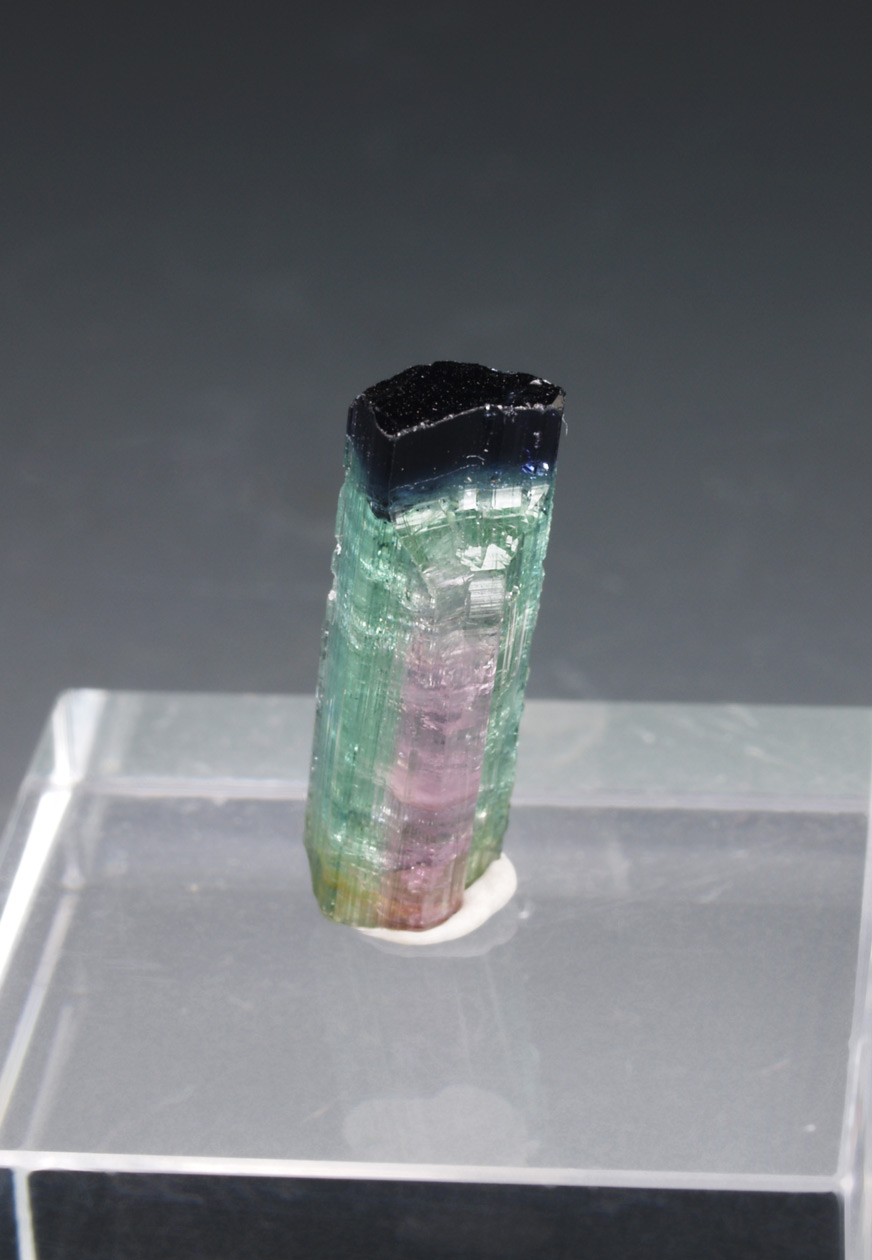
Una pieza de pequeñas dimensiones, pero con una variación de color excepcional. Entre el rojo, al azul, pasando por el verde. Una delicatessen de Brasil.
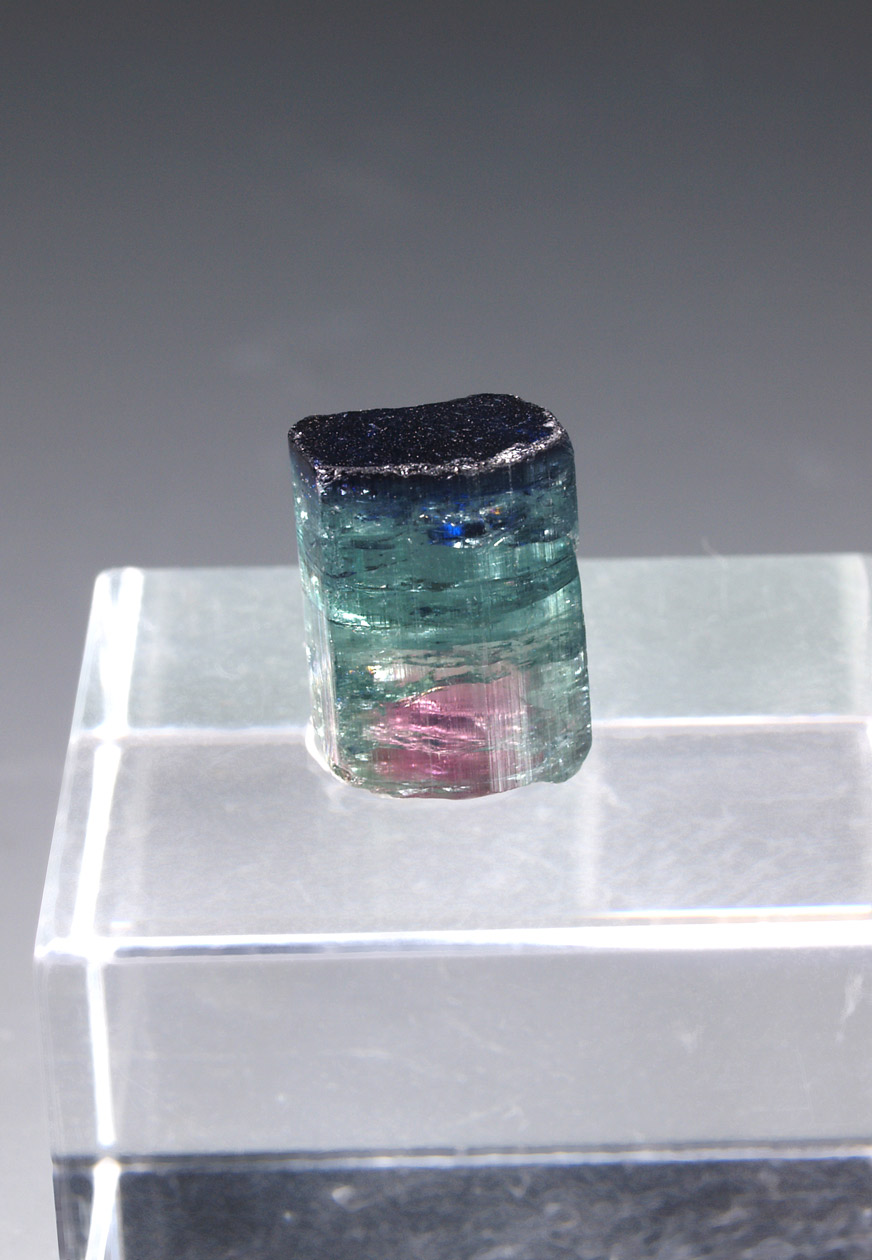
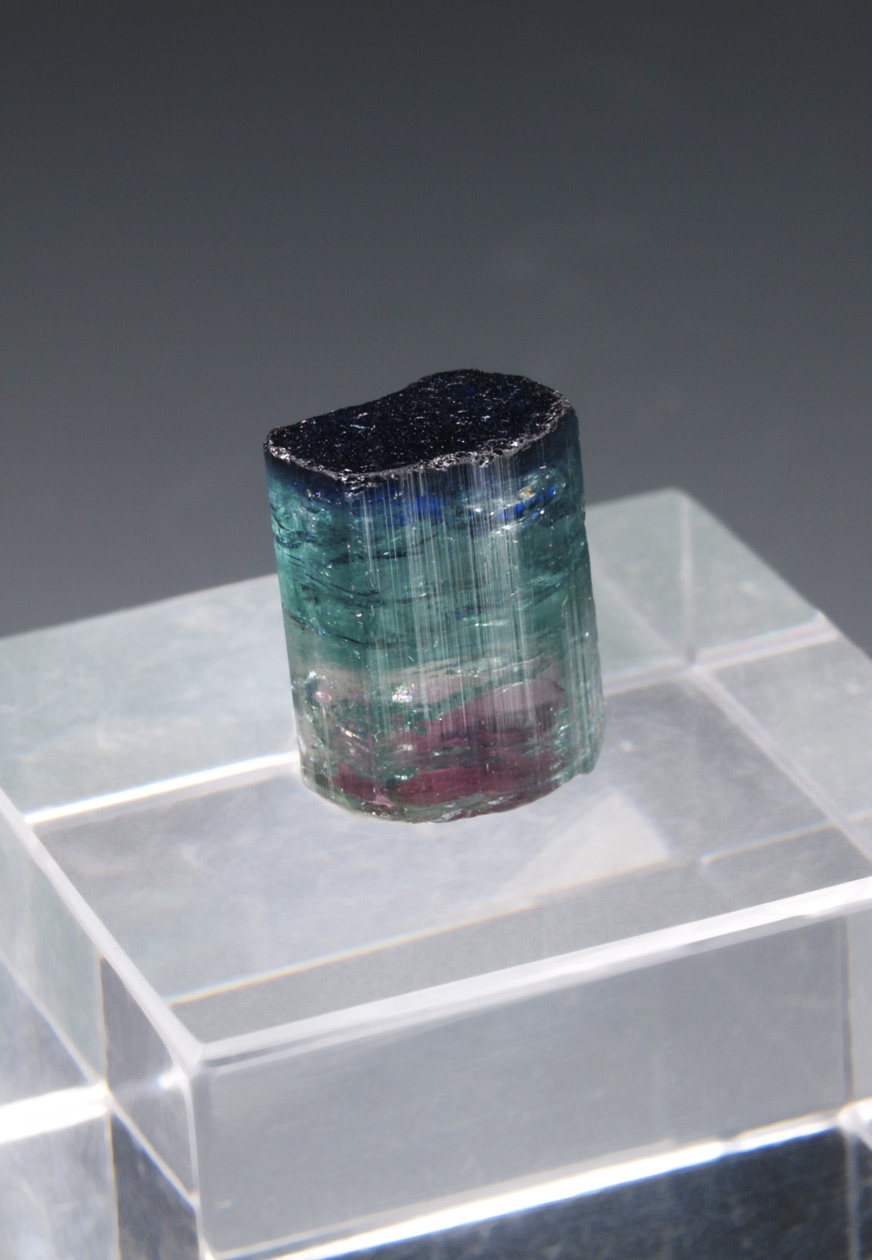
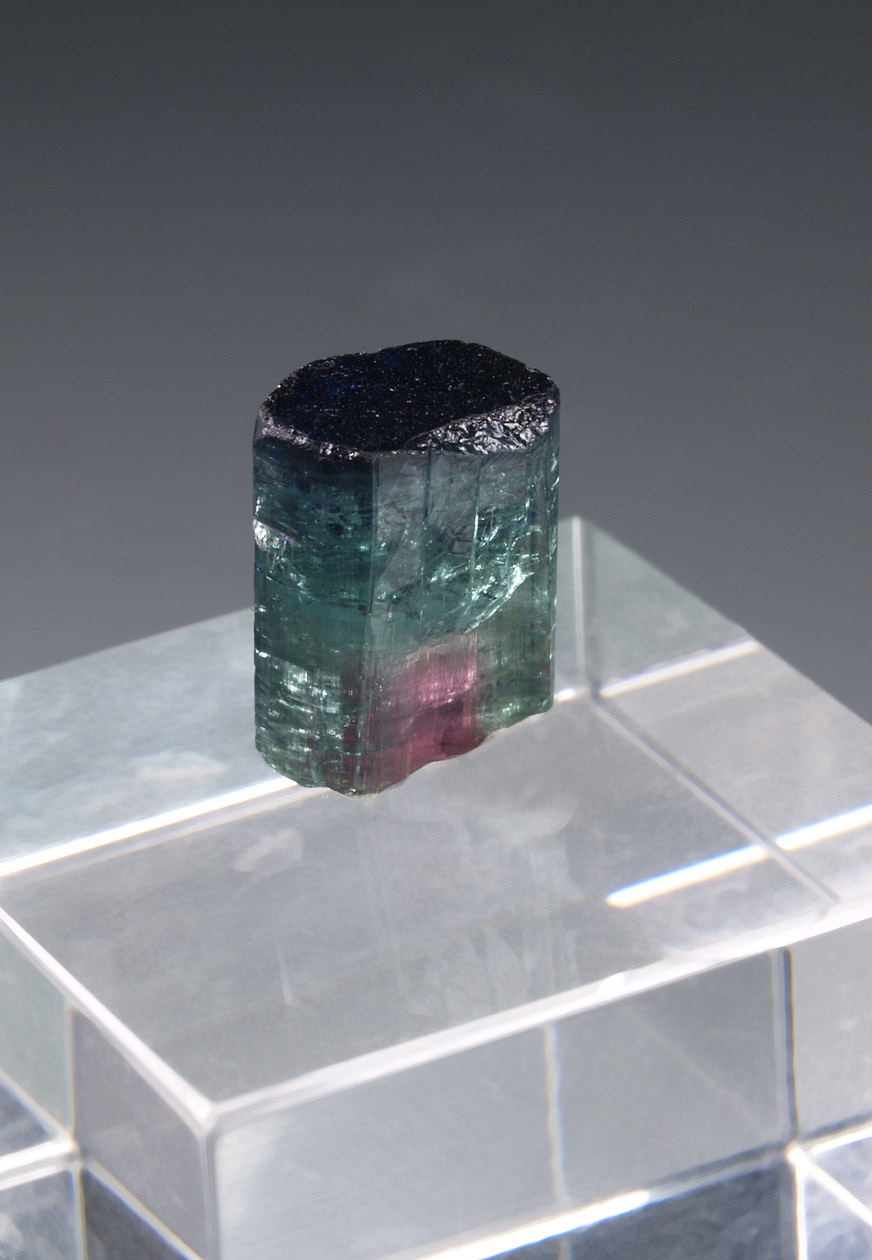
Una pieza de pequeñas dimensiones, pero con una variación de color excepcional. Entre el rojo, al azul, pasando por el verde. Una delicatessen de Brasil.
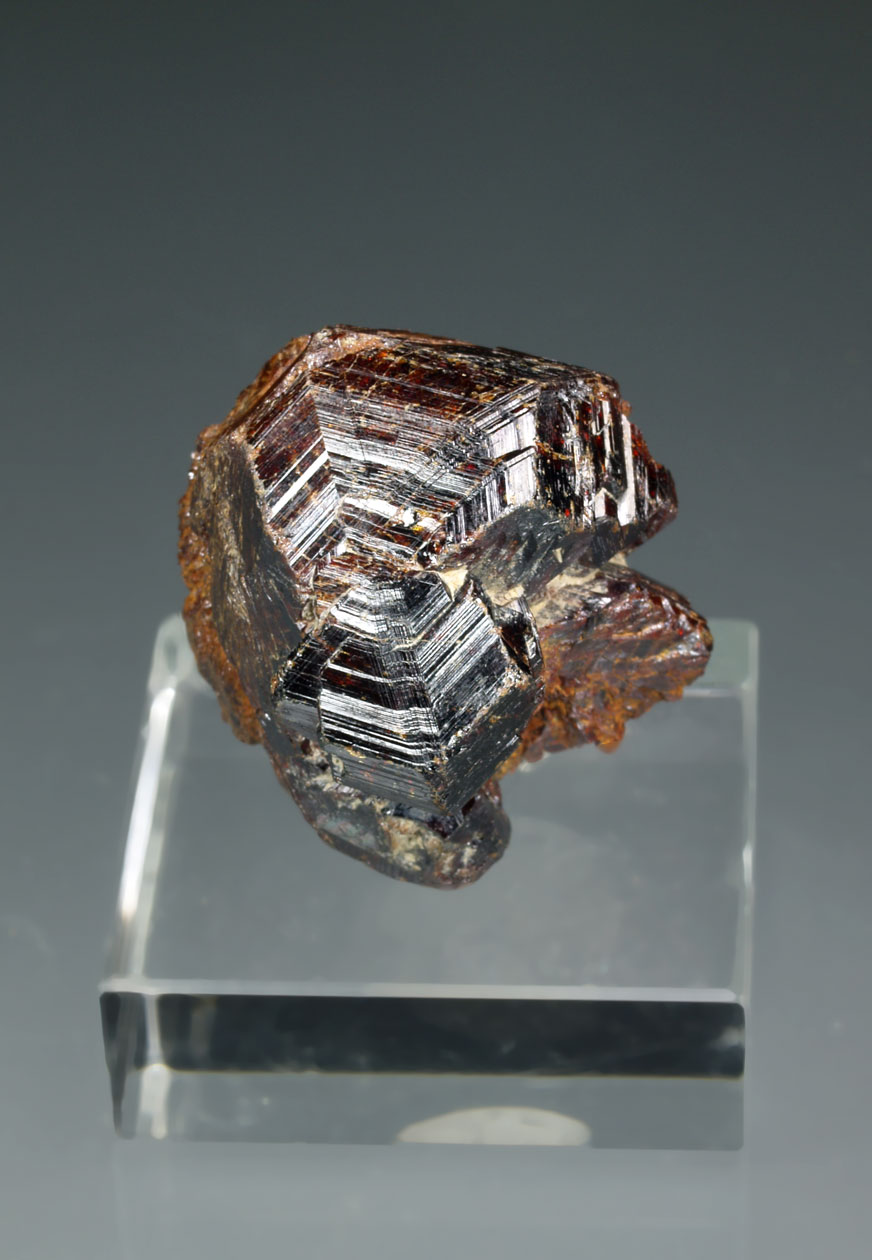
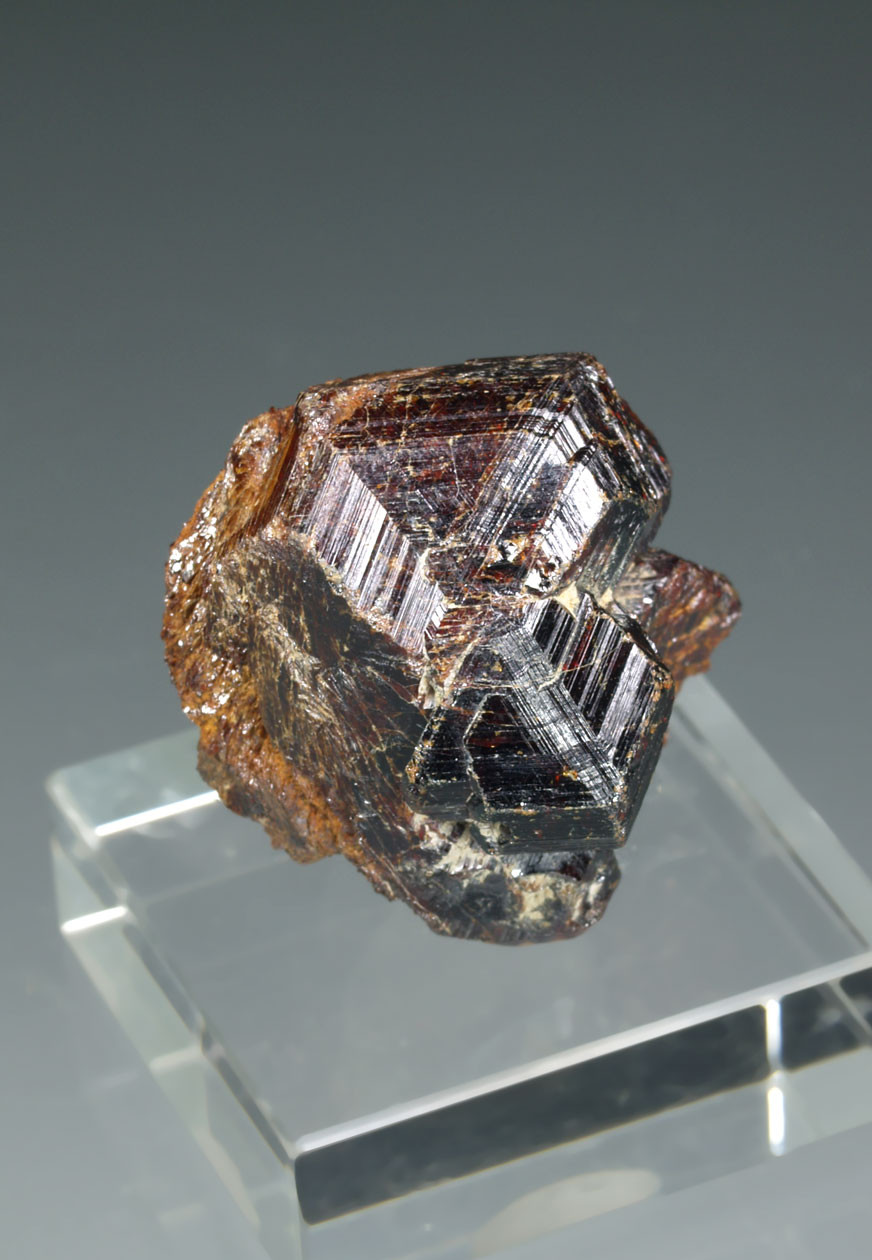
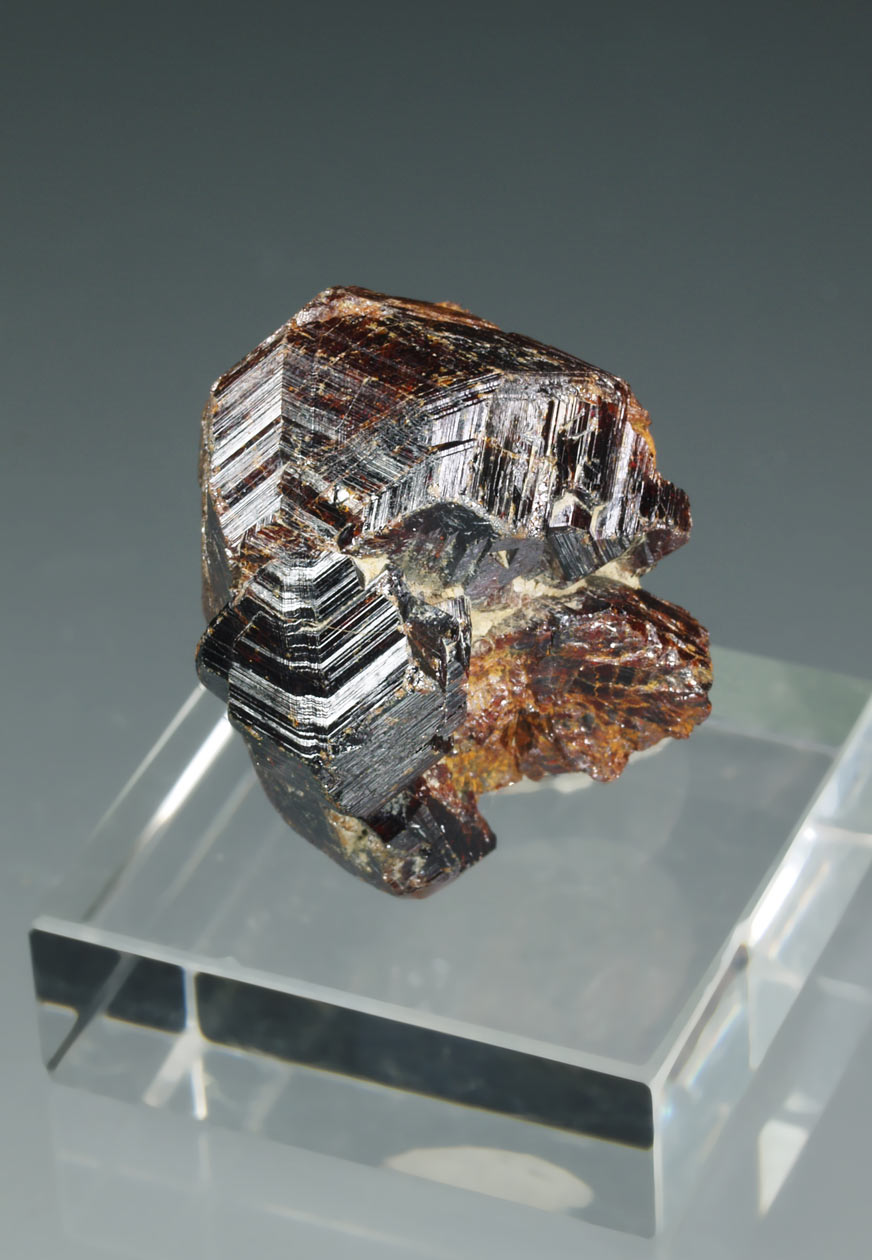
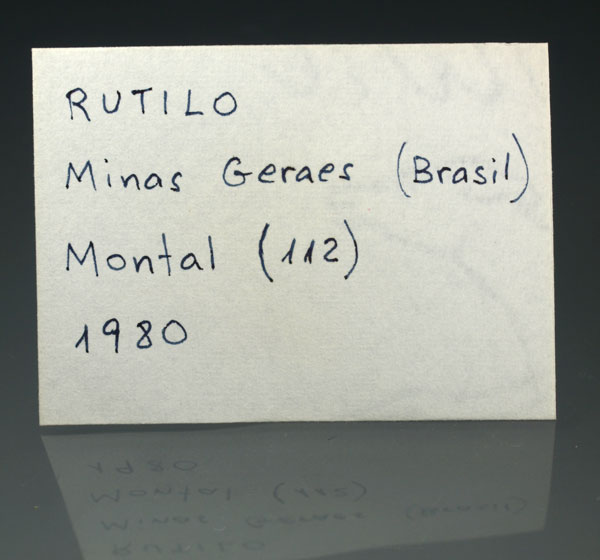
Grupo de cristales de rutilo con una macla cíclica muy visible. Una pieza brillante y con años... De la colecció de J. Astor.
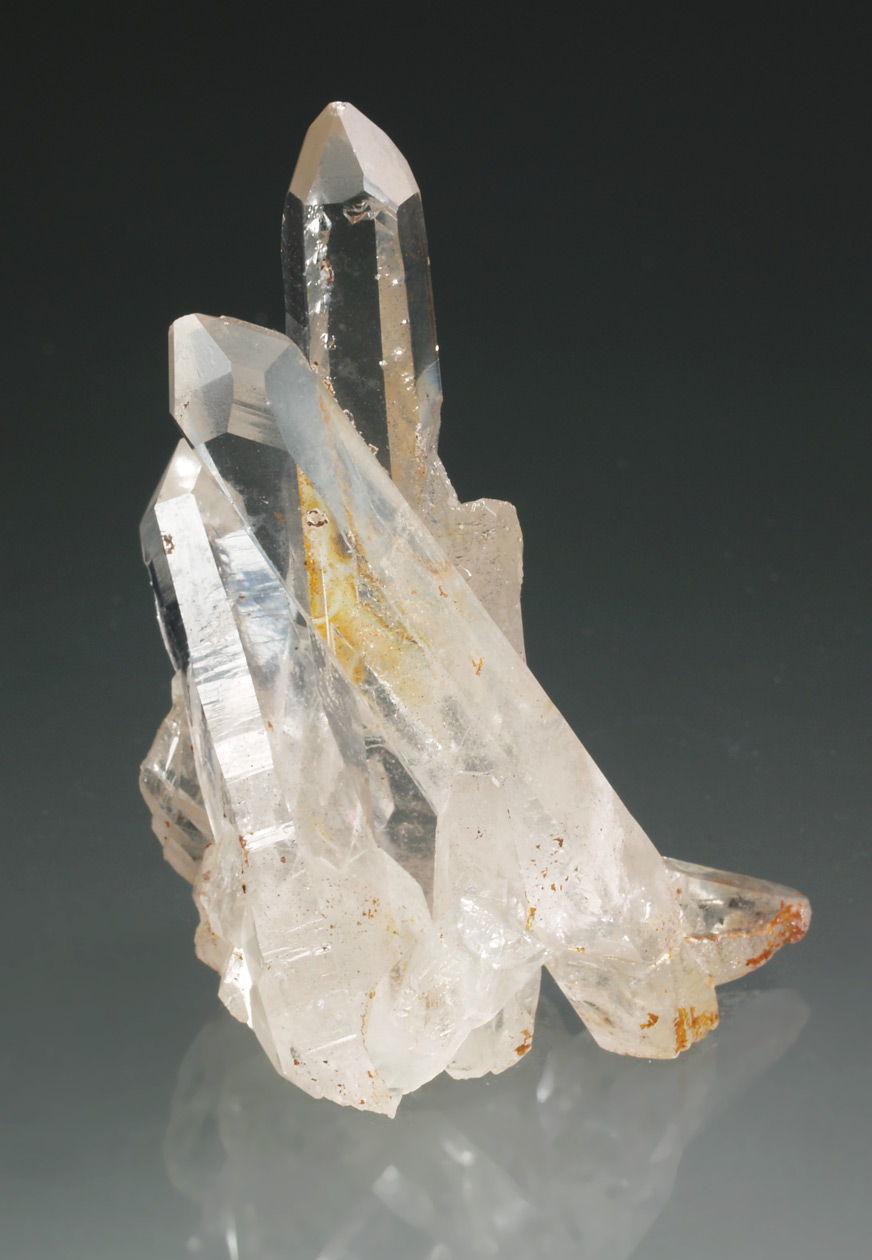
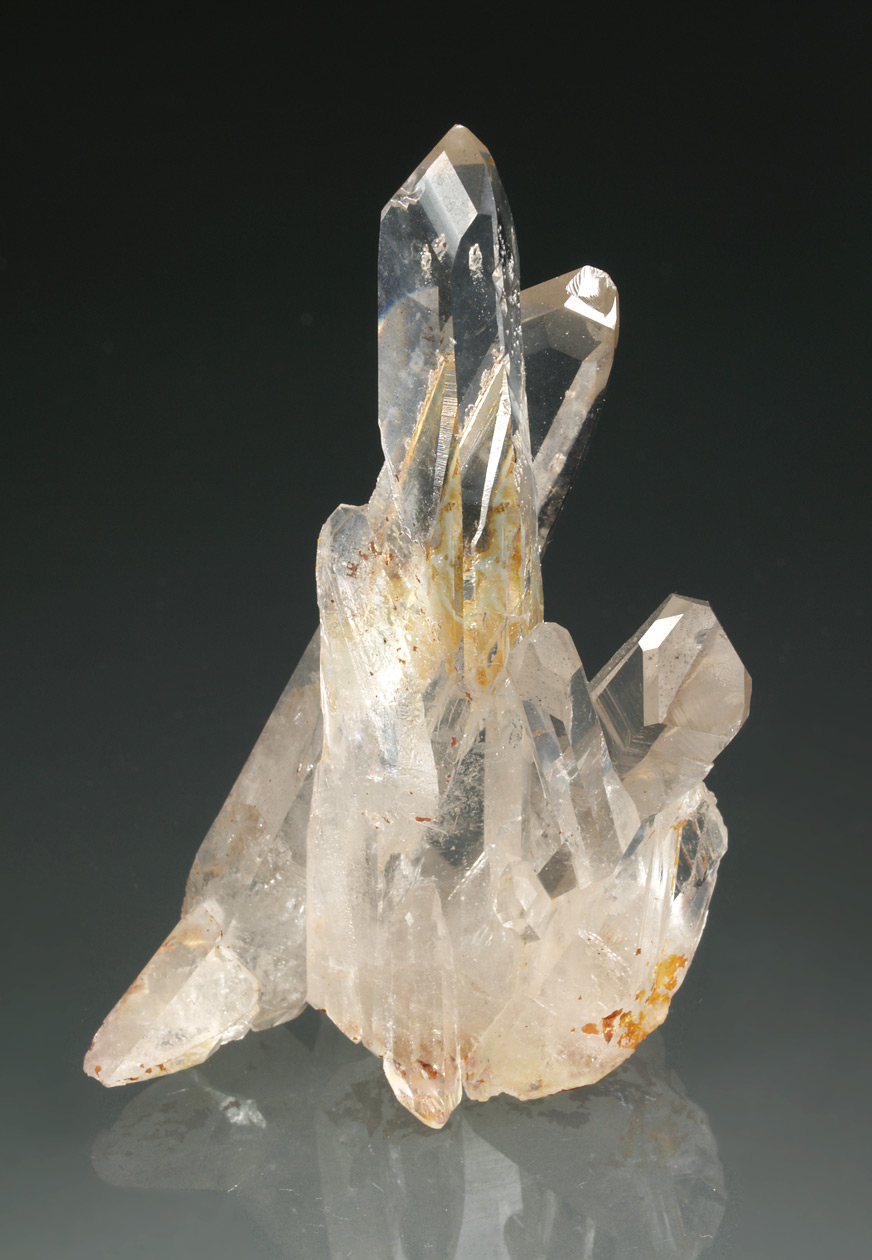
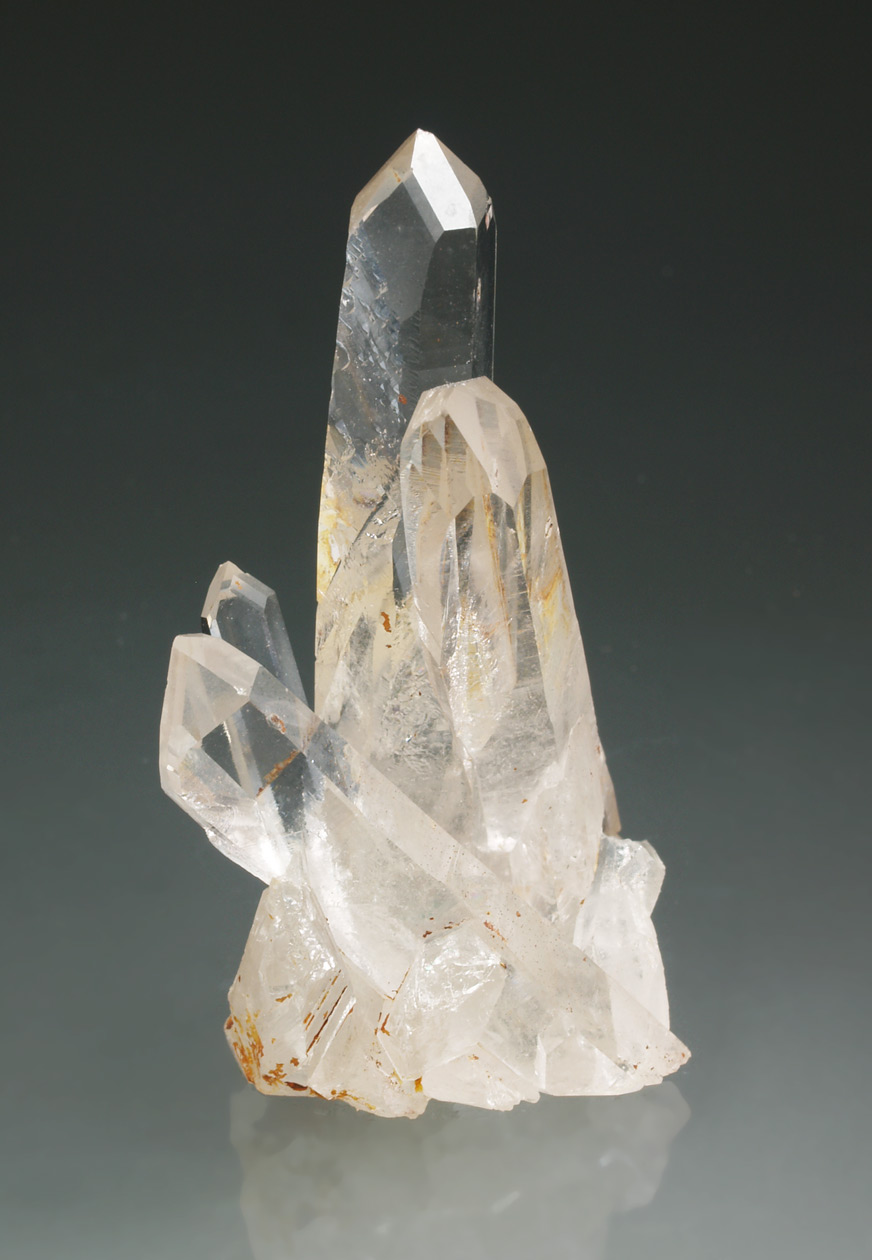
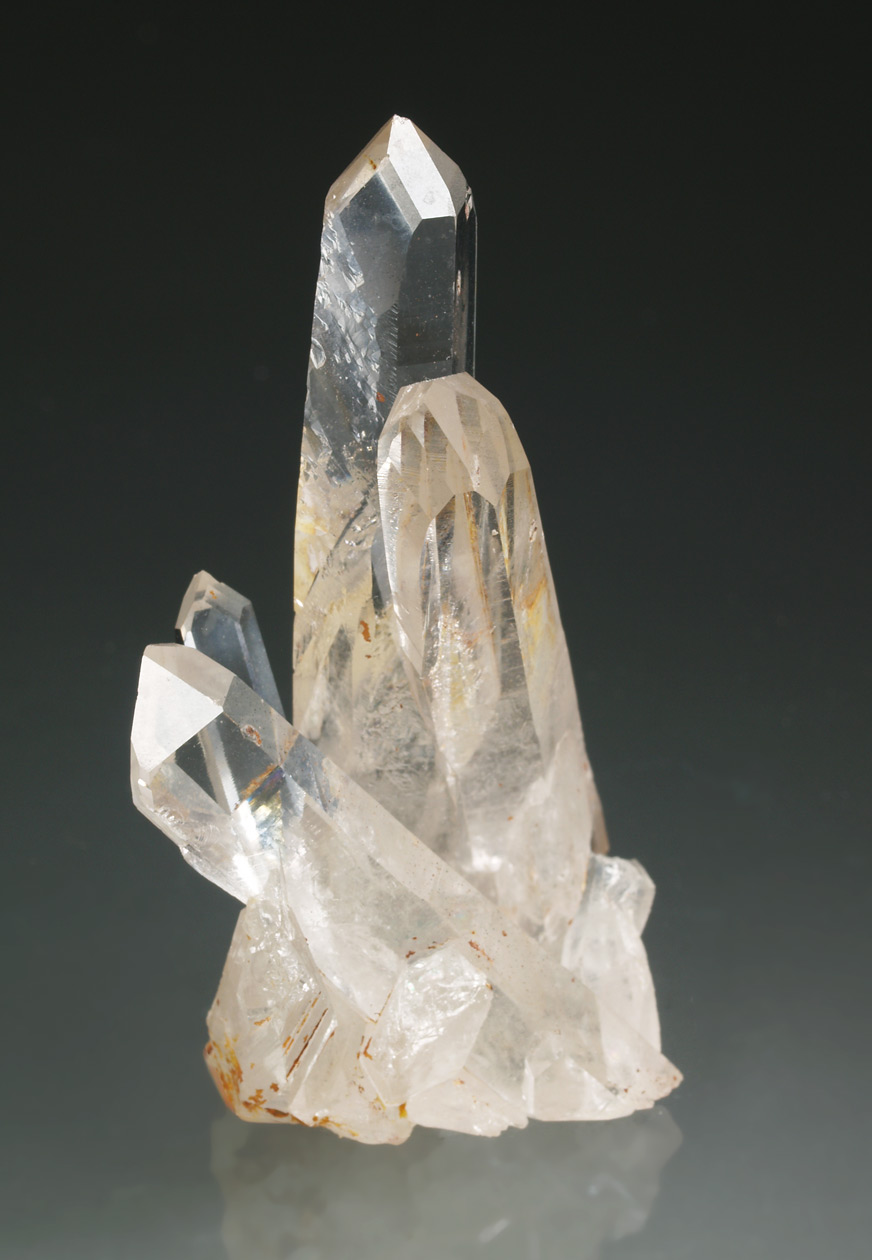
Grupo de cristales de cuarzo muy elongados, con prismas desarrollados y caras terminales romboédricas definidas. Muy transparentes. Algunas caras del prisma muestran oquedades orientadas de crecimiento.
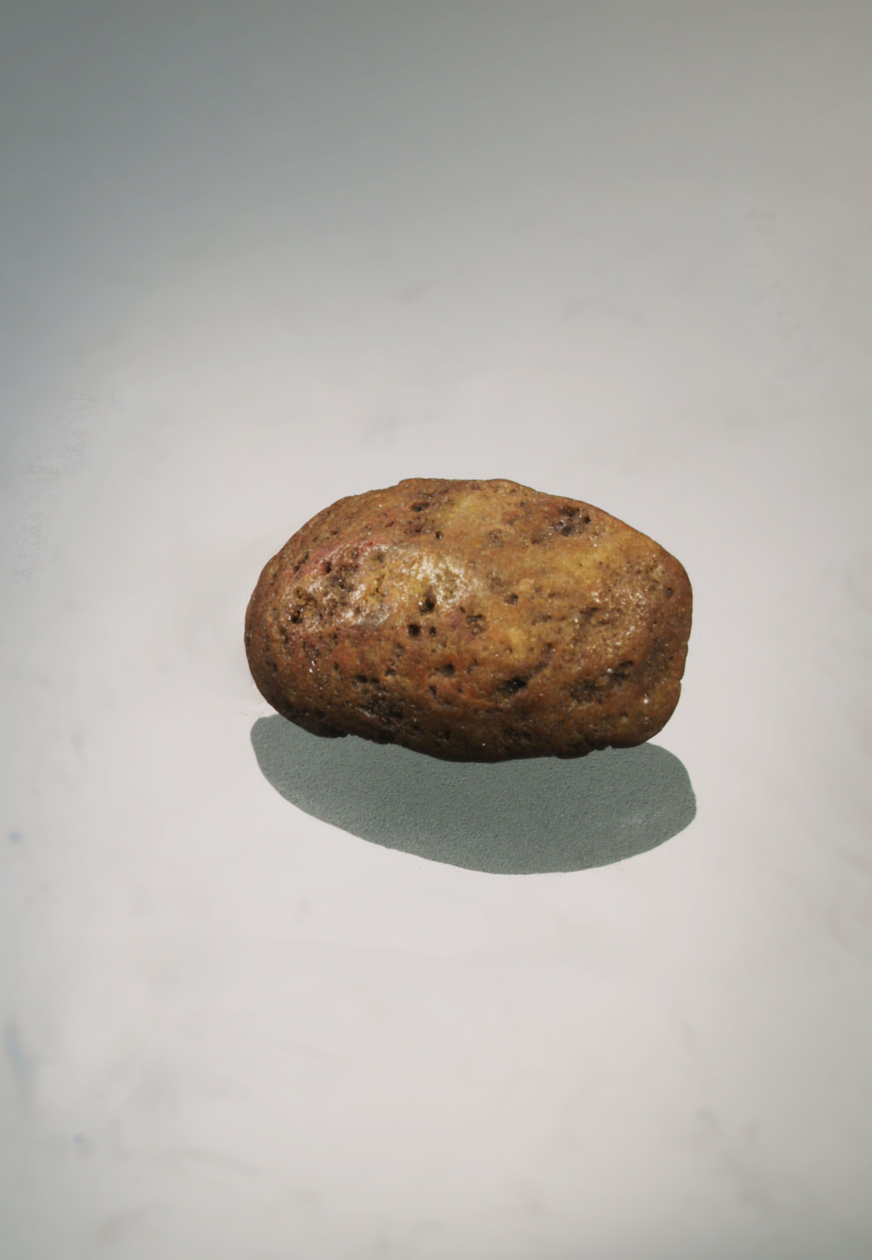
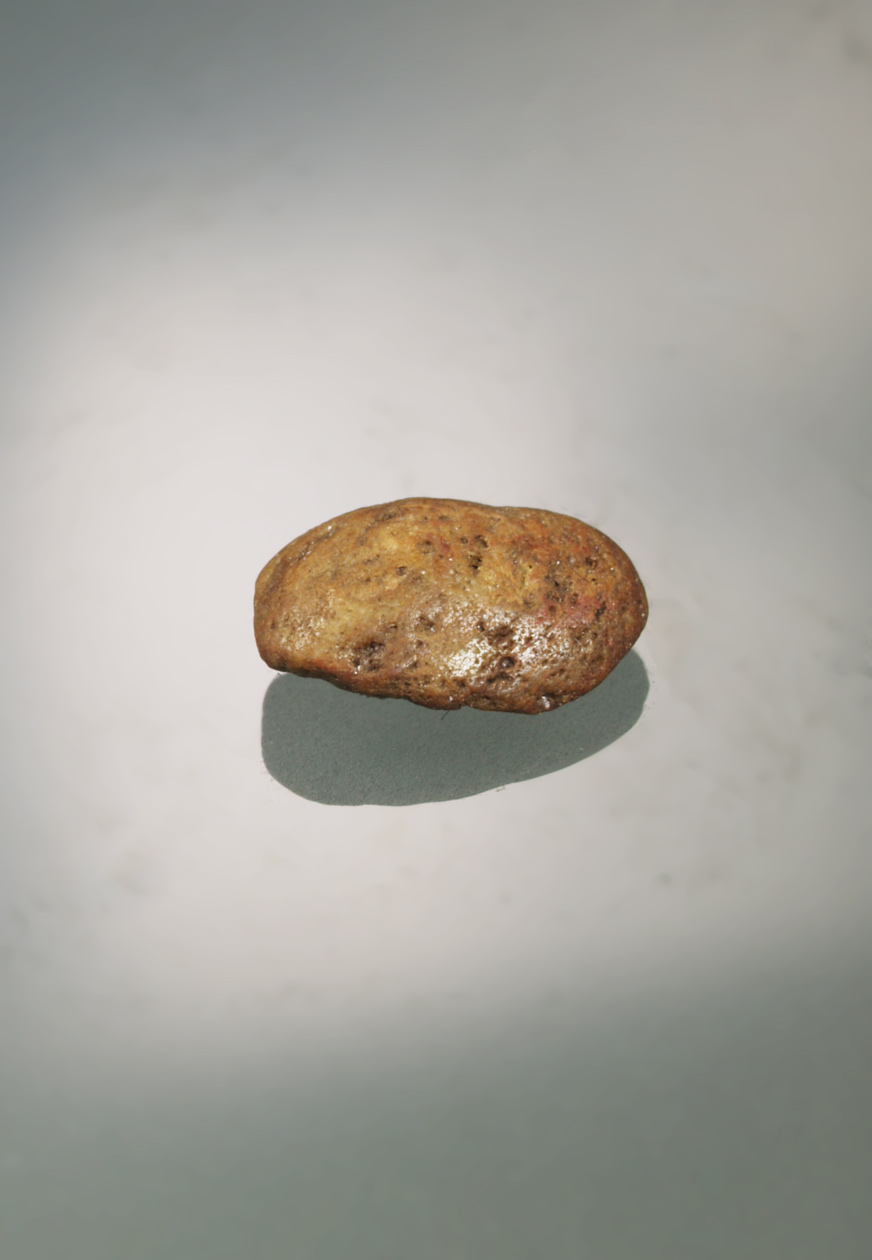
Estos ejemplares aluviales de bahianita son una rareza destacable por su composición. Se trata del único antimoniato de aluminio puro conocido. Estructuralmente relacionado con la simpsonita (Ta en lugar de Sb). Se halla normalmente como pelets rodados en el río Pico das Almas, en Brasil. Procede de esta localidad tipo para la especie.
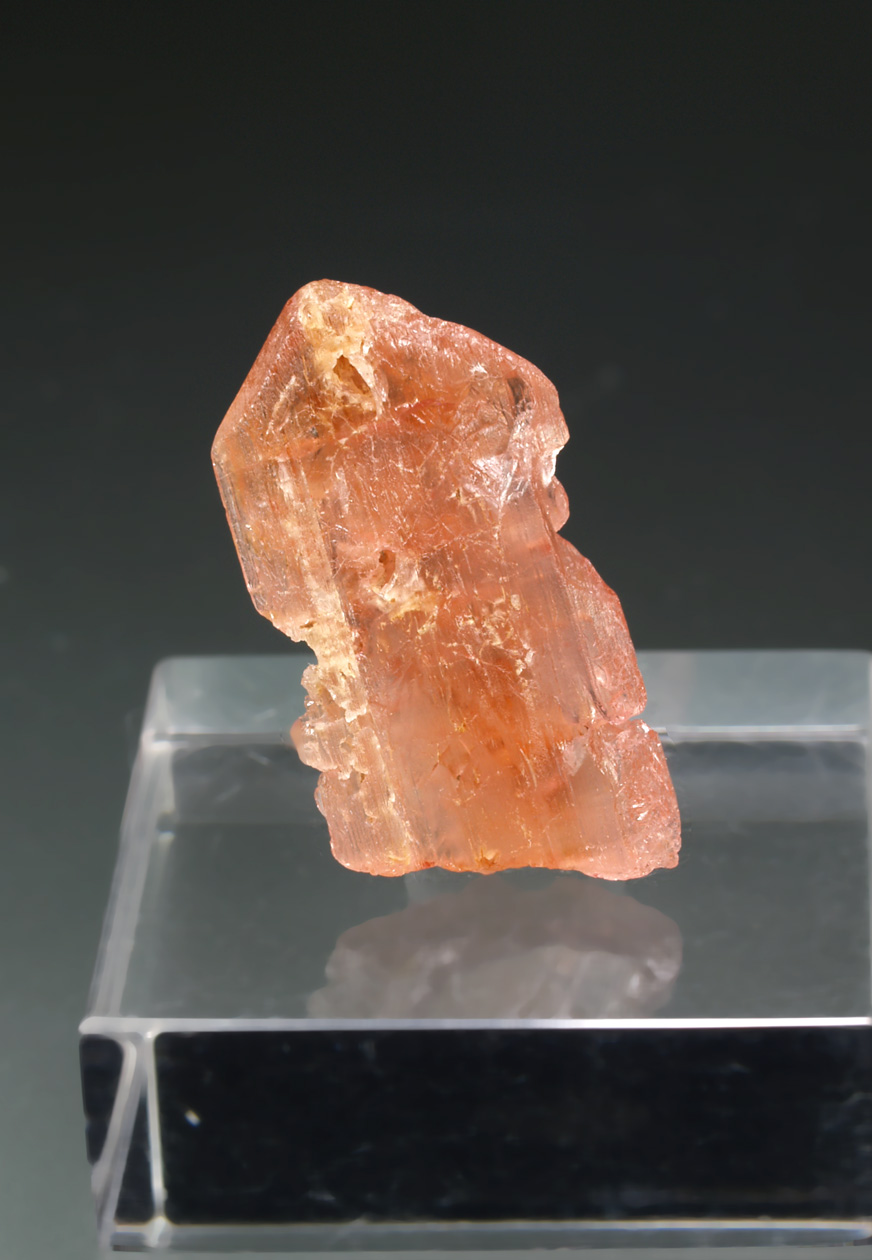
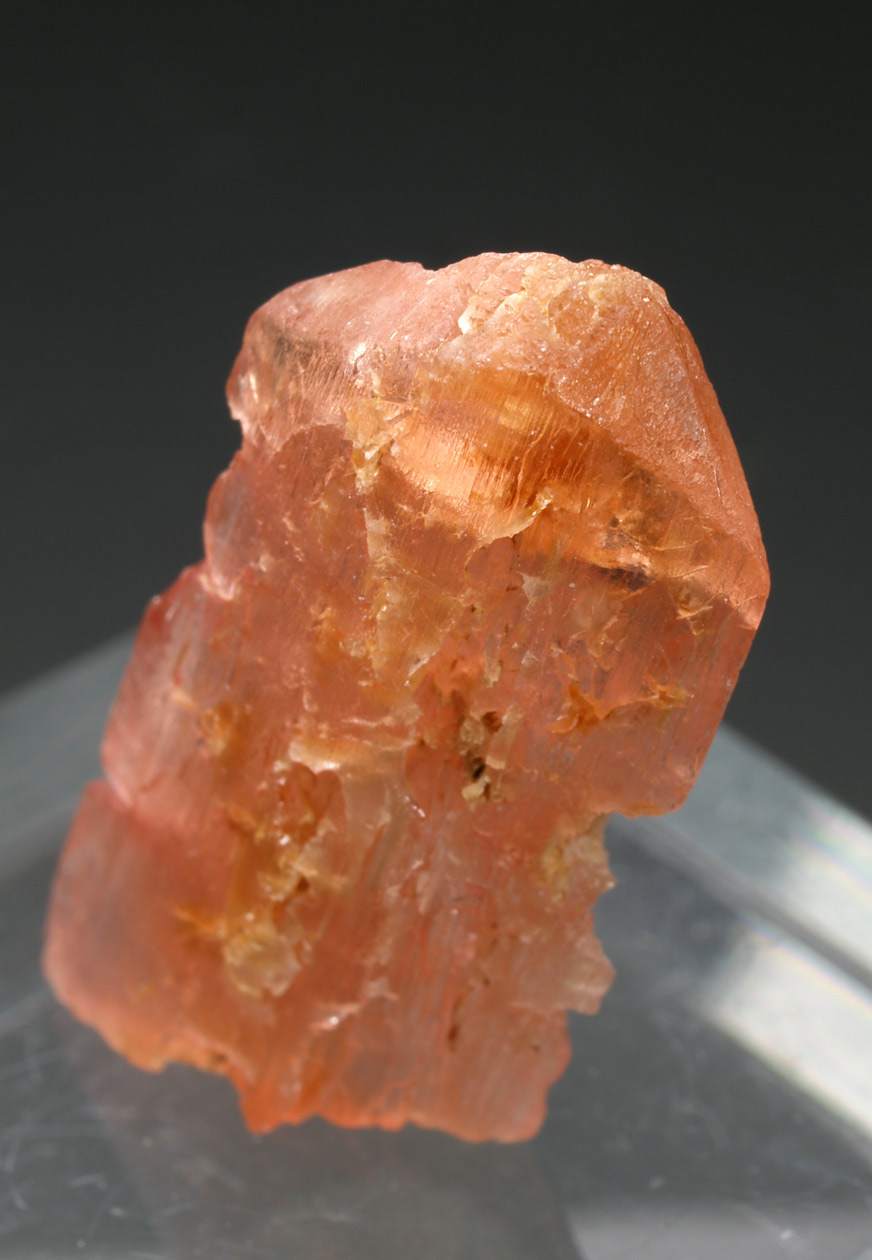
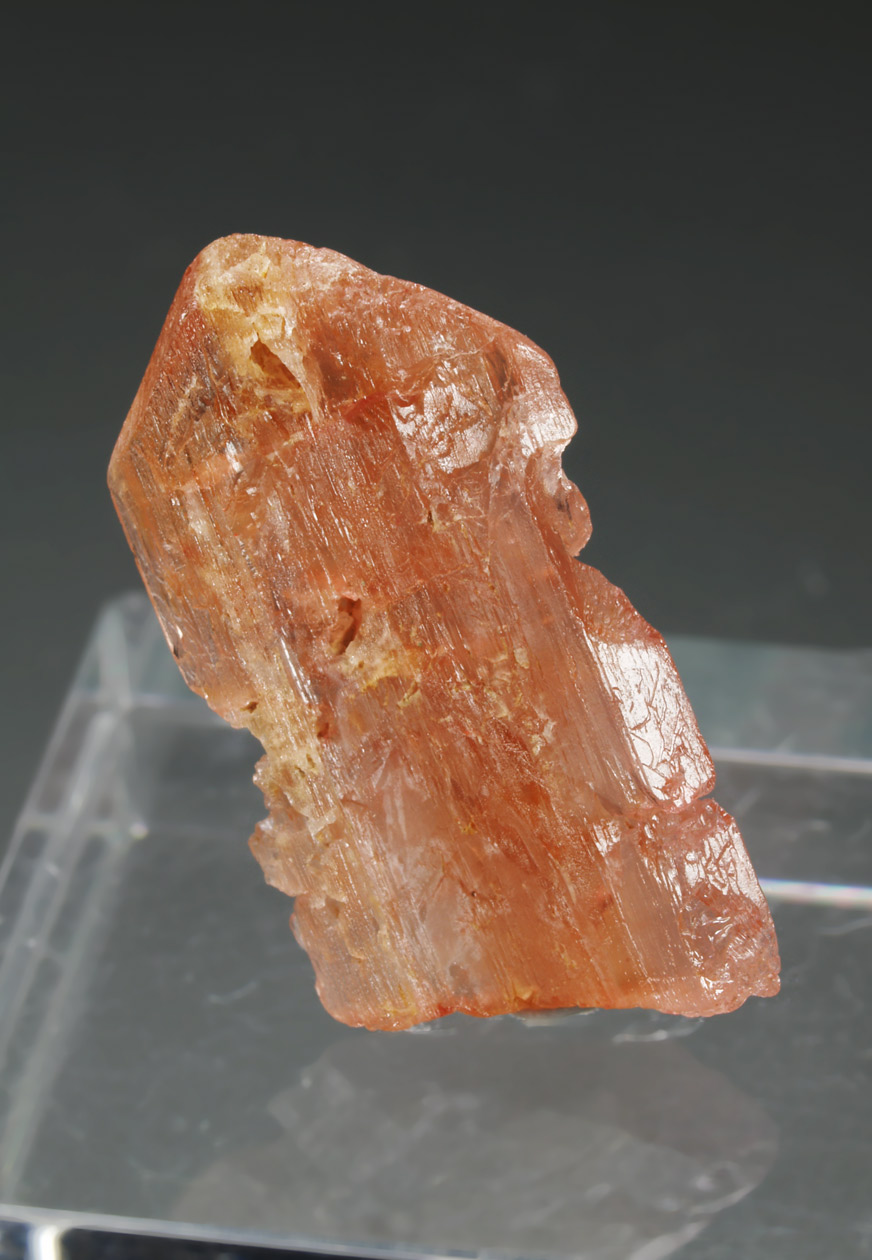
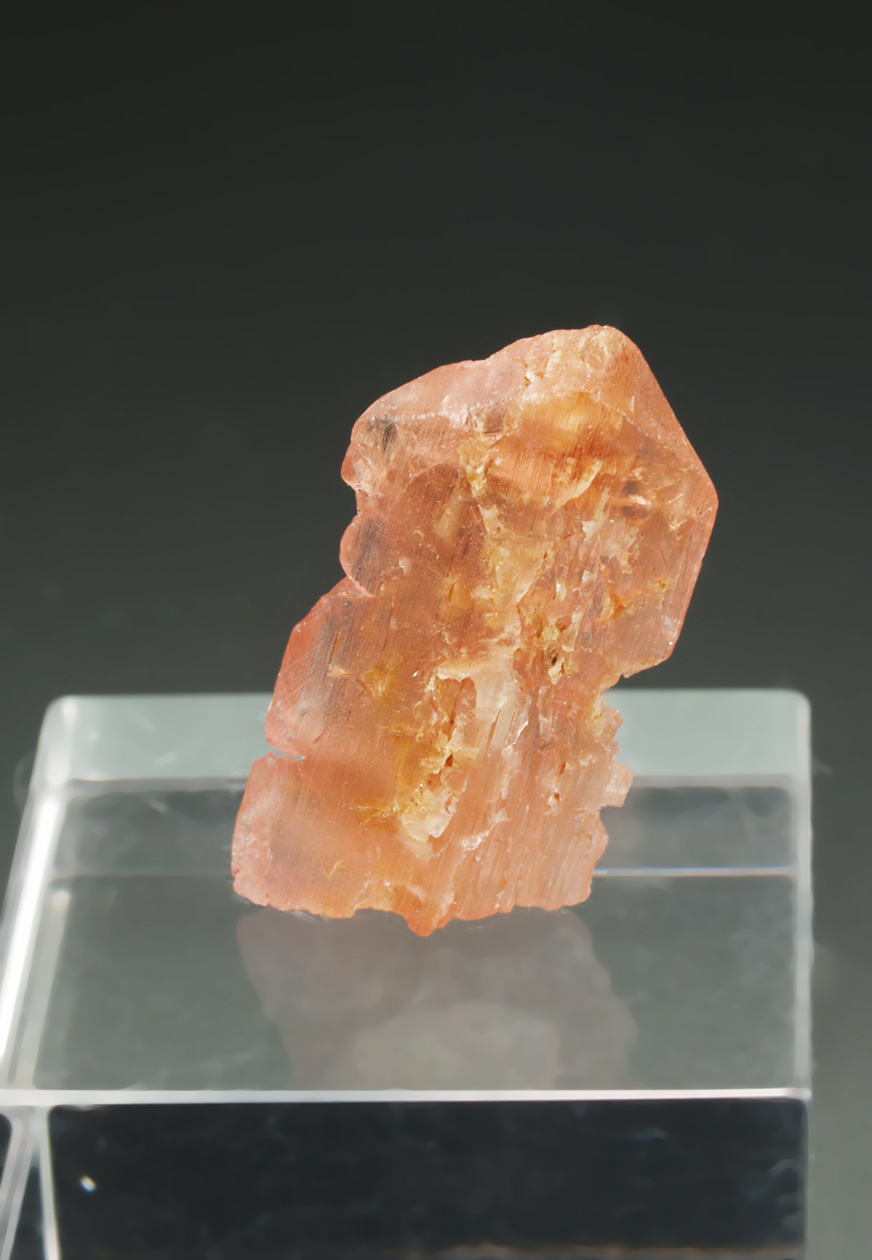
Cristal alargado de childrenita rosa anaranjada, sin matriz. Transparente a translúcido, con brillo y caras terminales definidas, muy inusual para la especie. De la antigua colección de A. Trigo (Mataró).
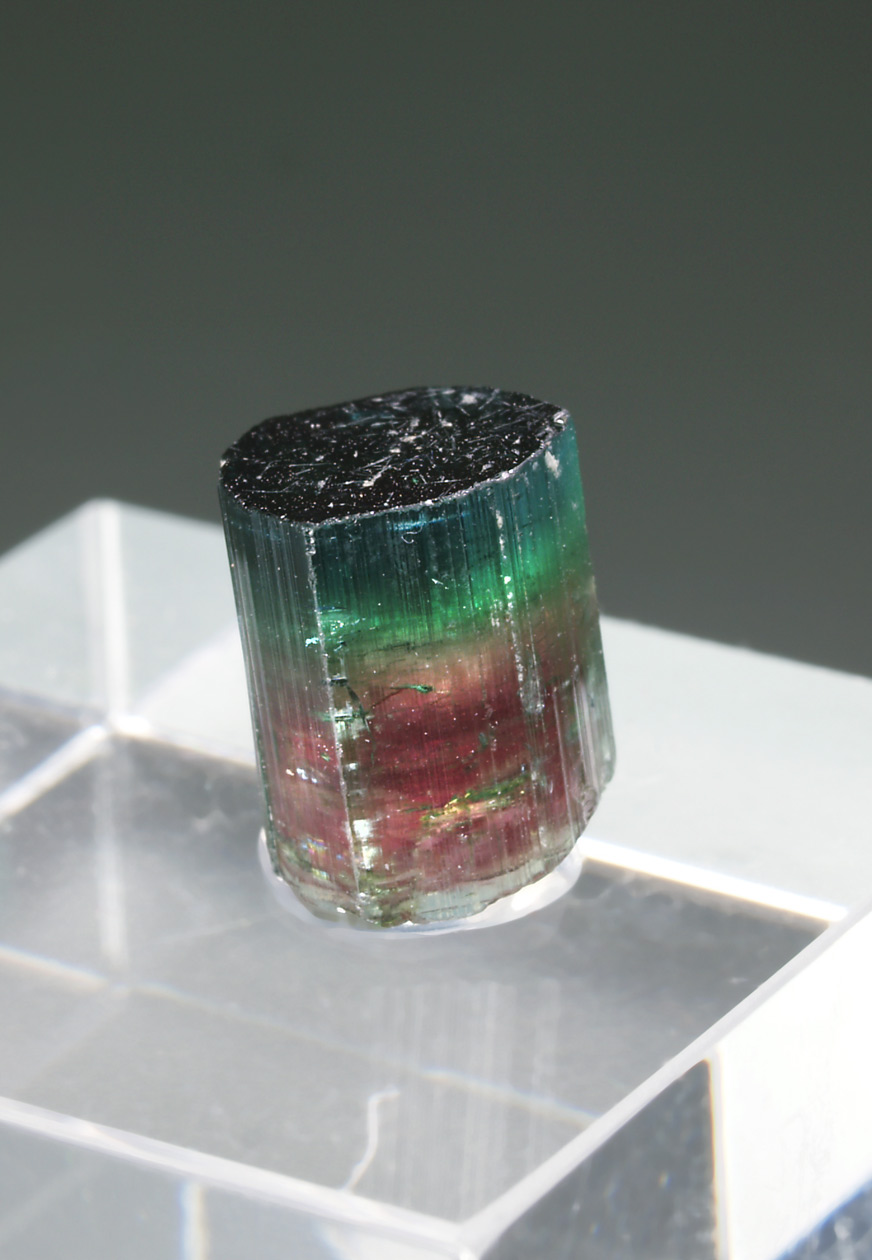
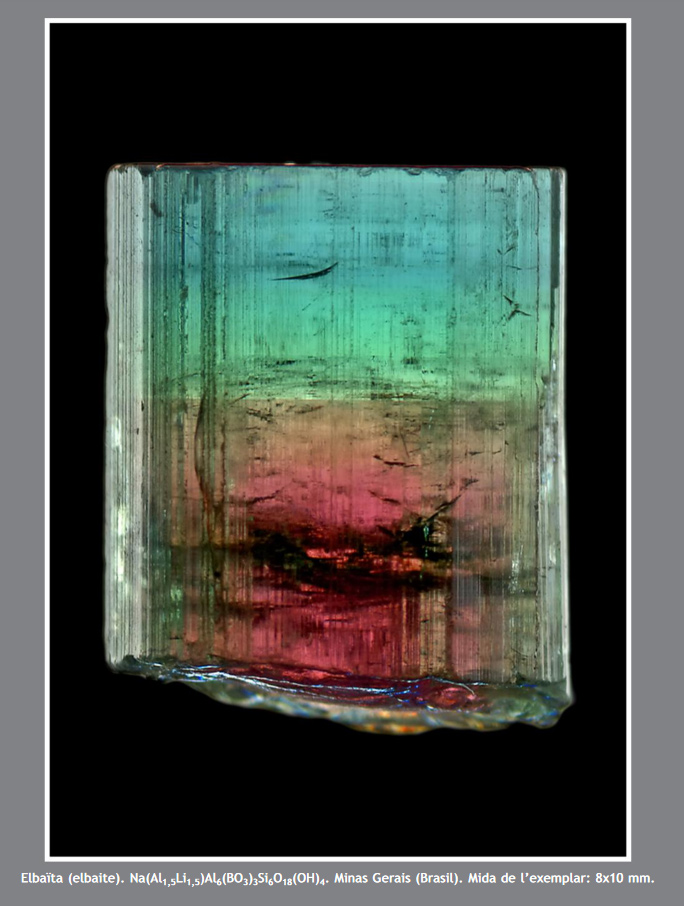
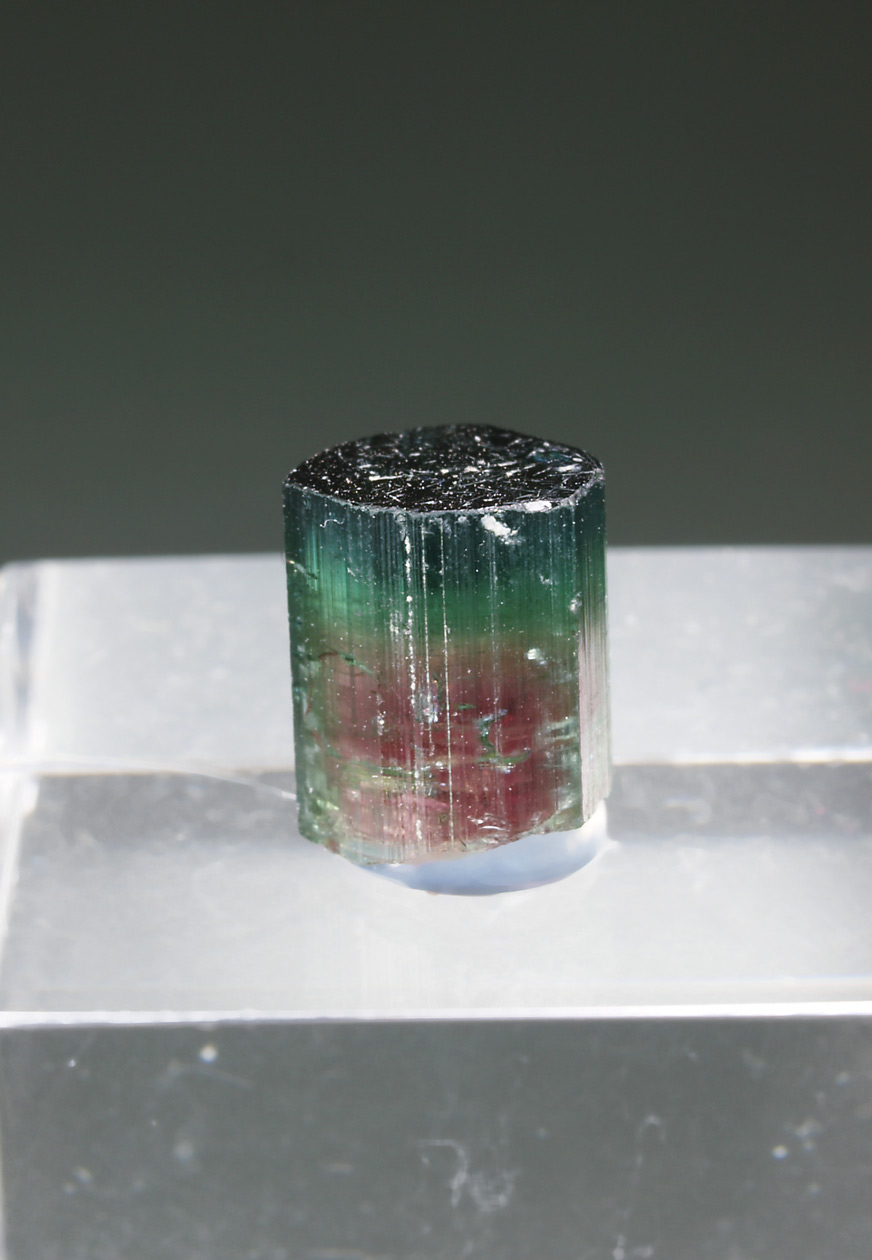
Una pieza de pequeñas dimensiones, pero con una variación de color excepcional. Entre el rojo, al azul, pasando por el verde y el amarillo. Una delicatessen de Brasil, referenciada en la obra publicada de Joan Astor en issuu, que os recomendamos visitar y hojear.
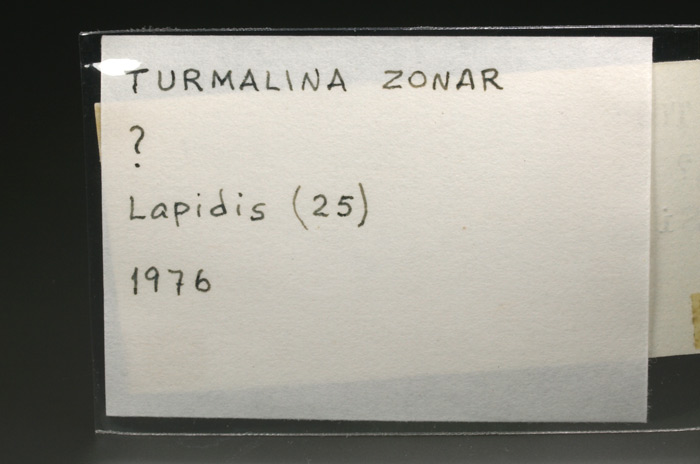


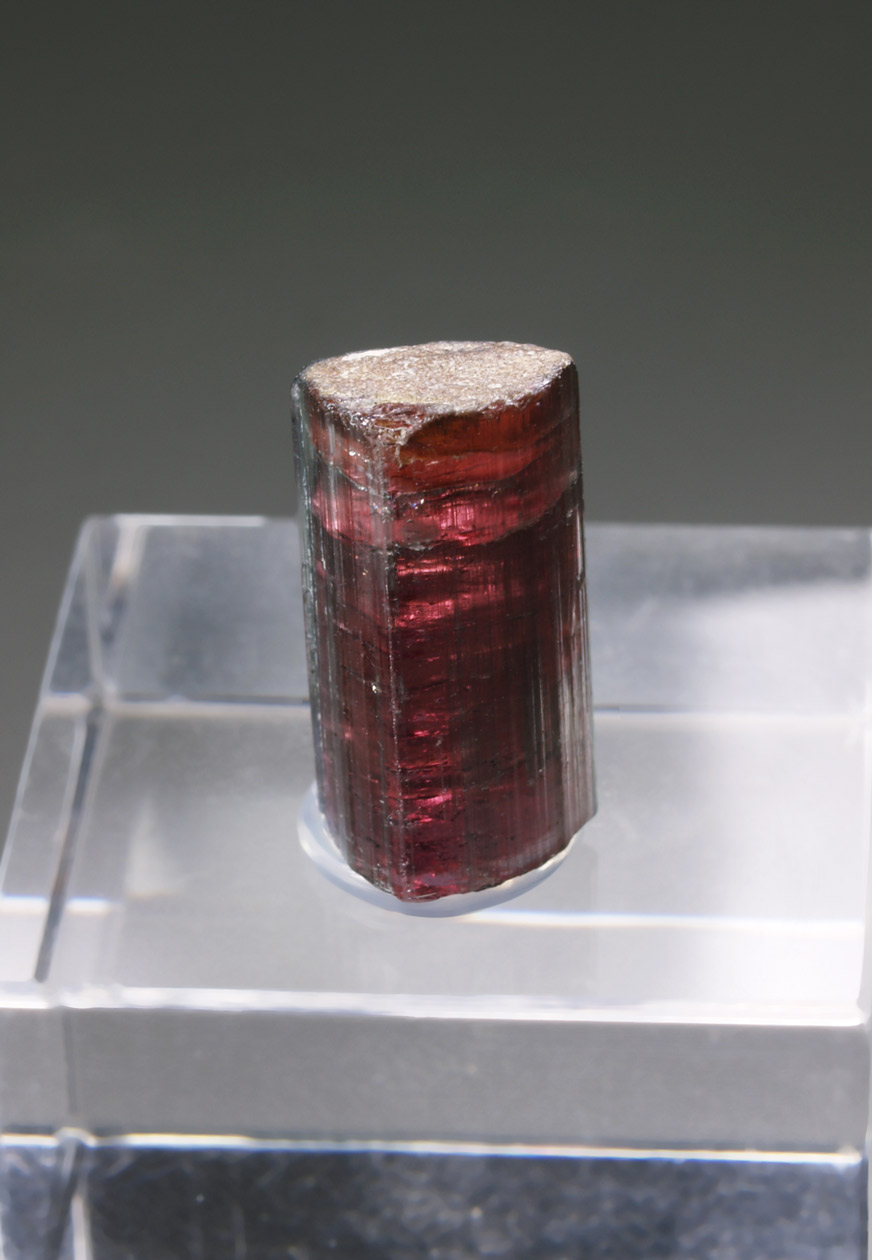
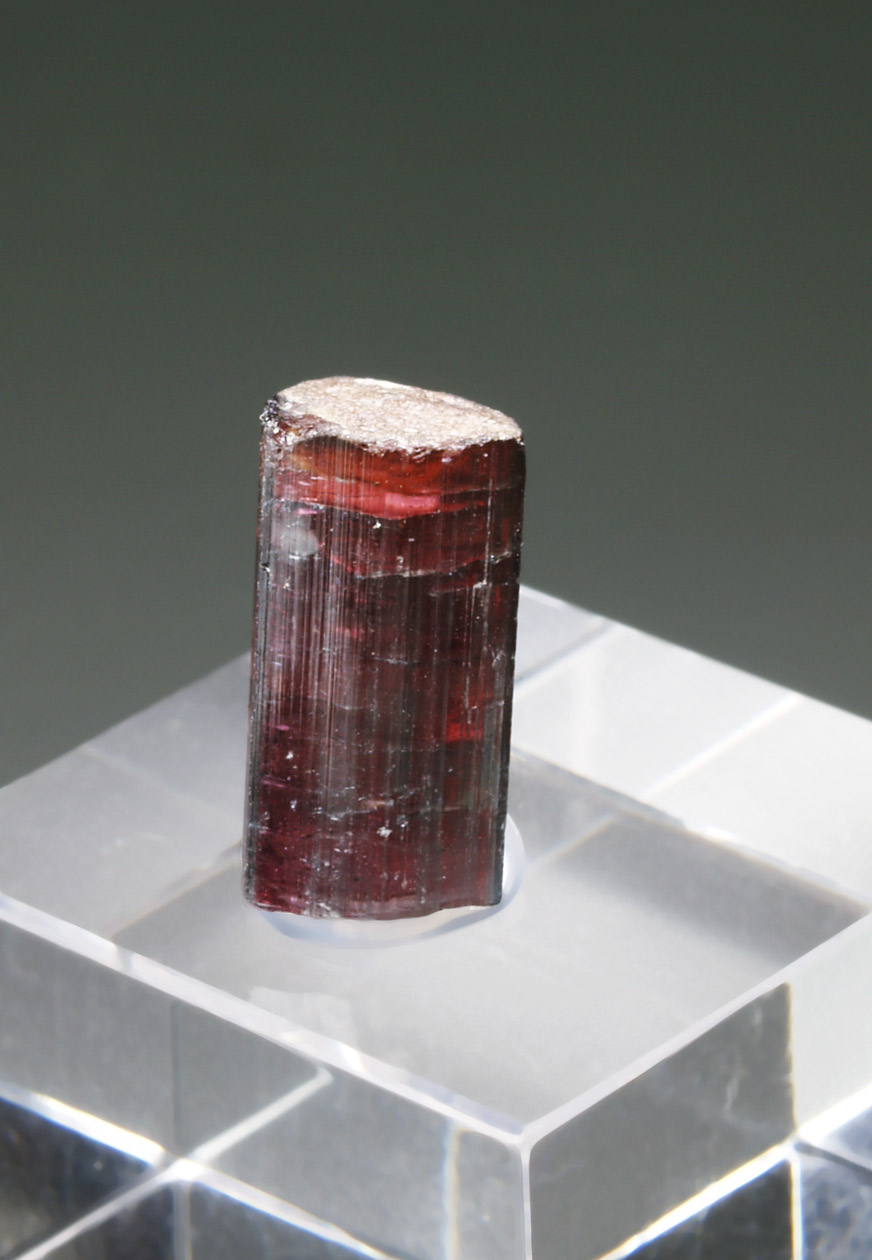
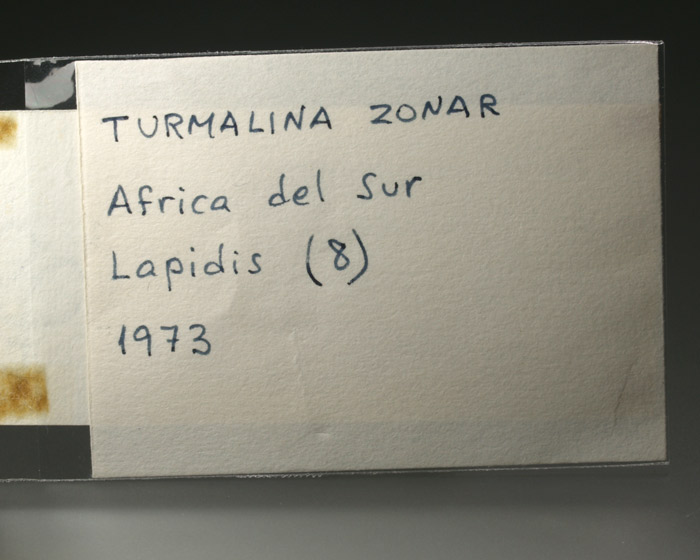
Cristal prismático de elbaíta, de intenso color color rojo granate, con la cara pinacoidal definida truncando el prisma. La etiqueta indica que procede de África del Sur, pero no nos consta que se hayan encontrado ejemplares como este en esta zona del mundo. Una pequeña gema.
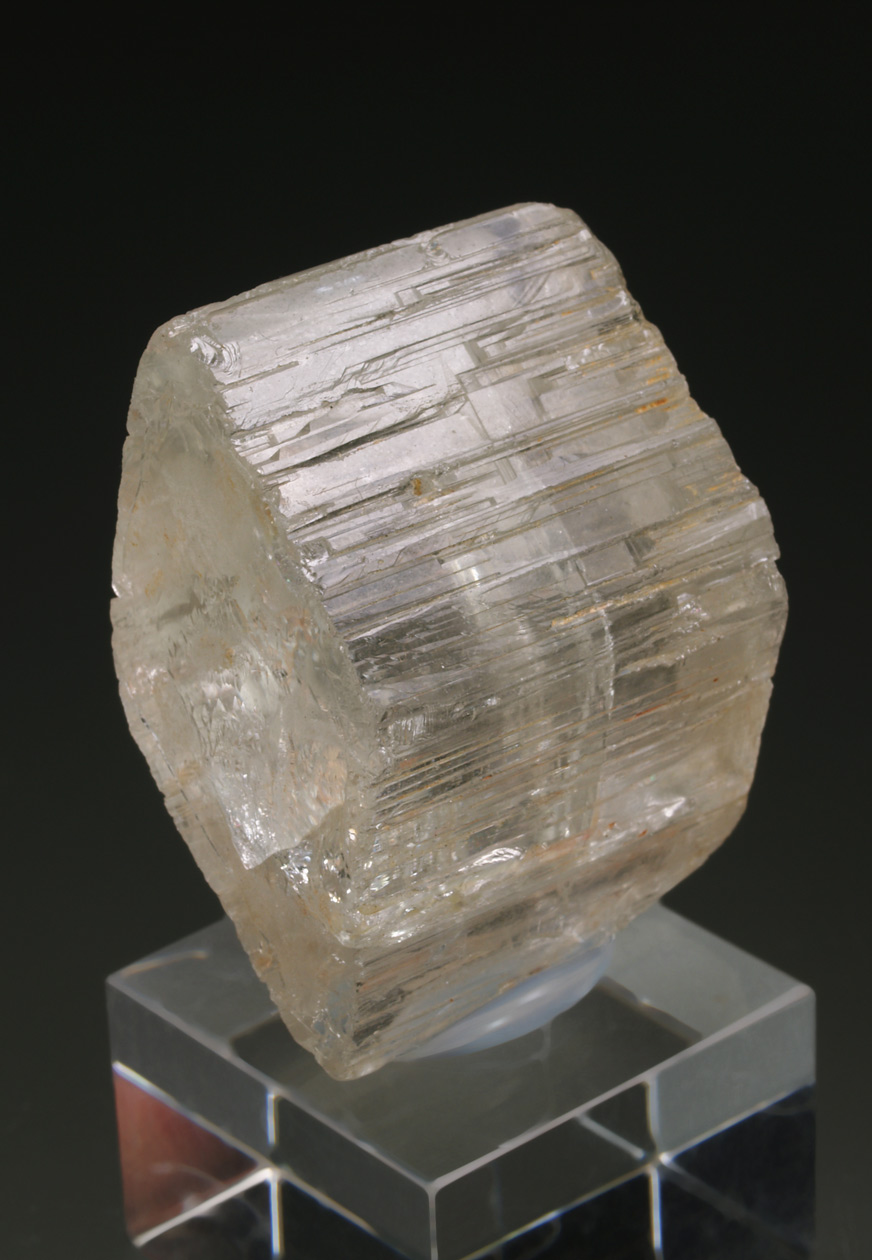
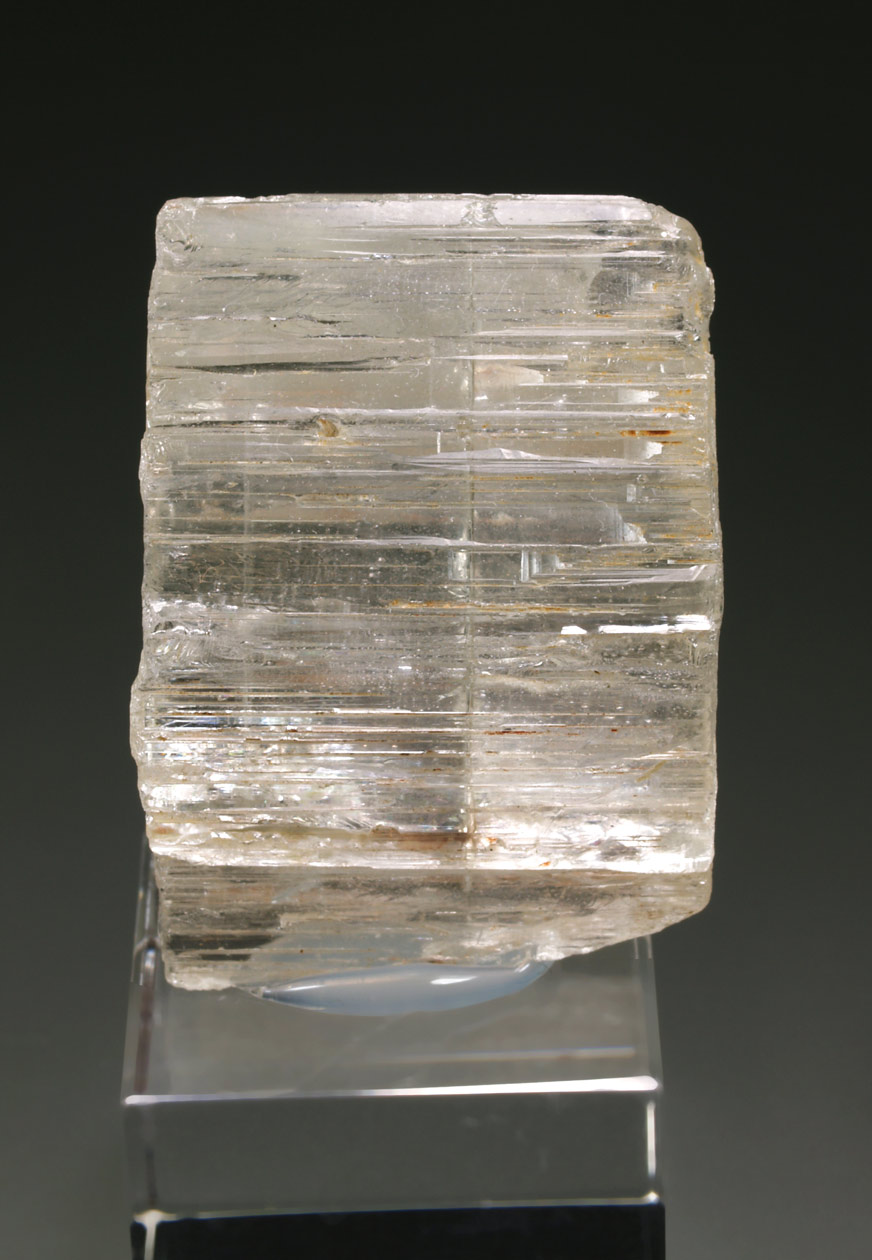
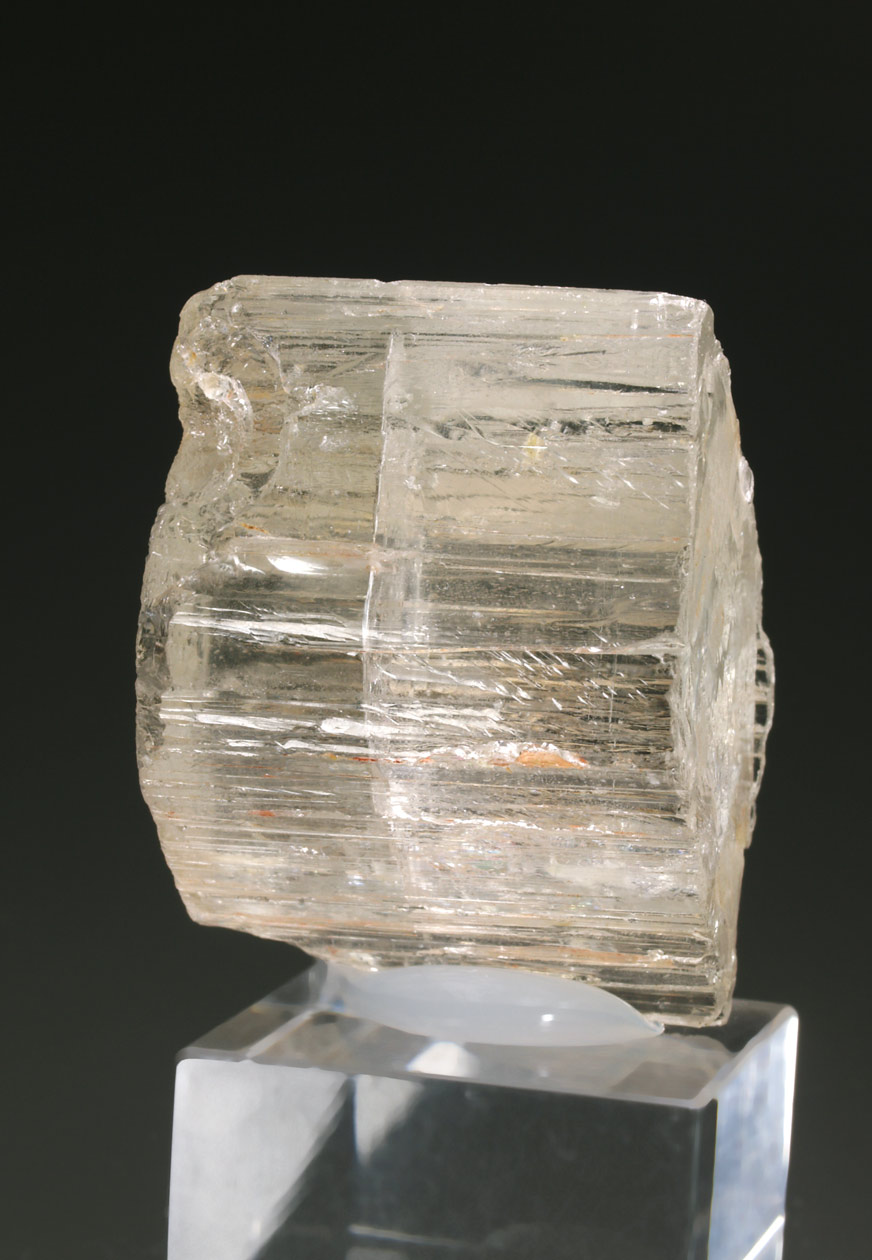
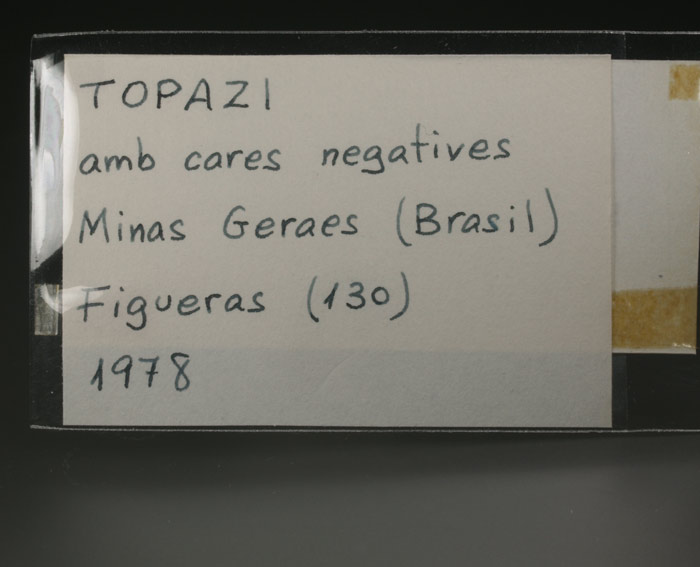
Un ejemplar muy interesante de topacio, en el que podemos ver caras estriadas en el prisma, truncadas por pinacoides, lo que es poco habitual. En la etiqueta indica la presencia de caras "negativas". Transparencia, brillo y con la etiqueta manuscrita de la colección Astor. Comprada a Jordi Figueras, uno de los proveedores de la colección Folch.

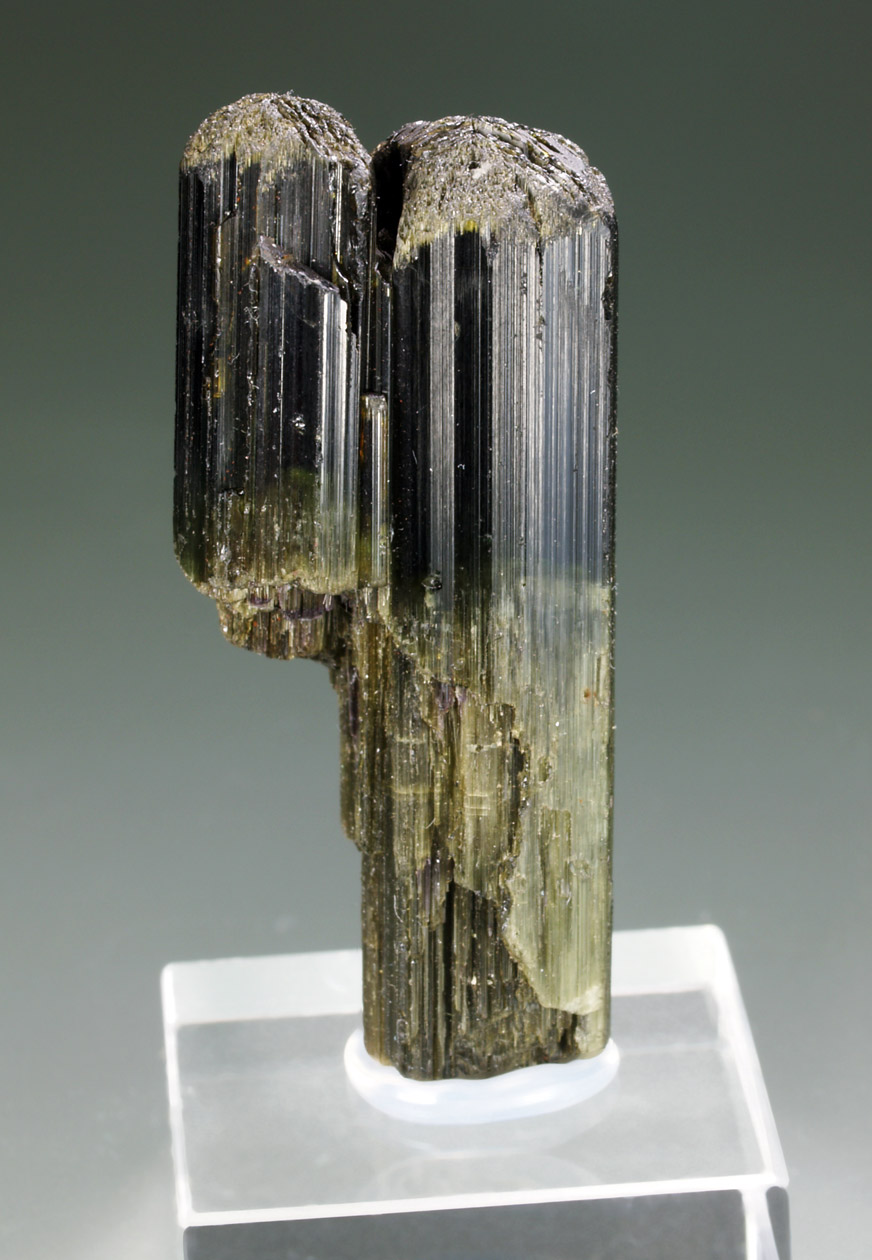
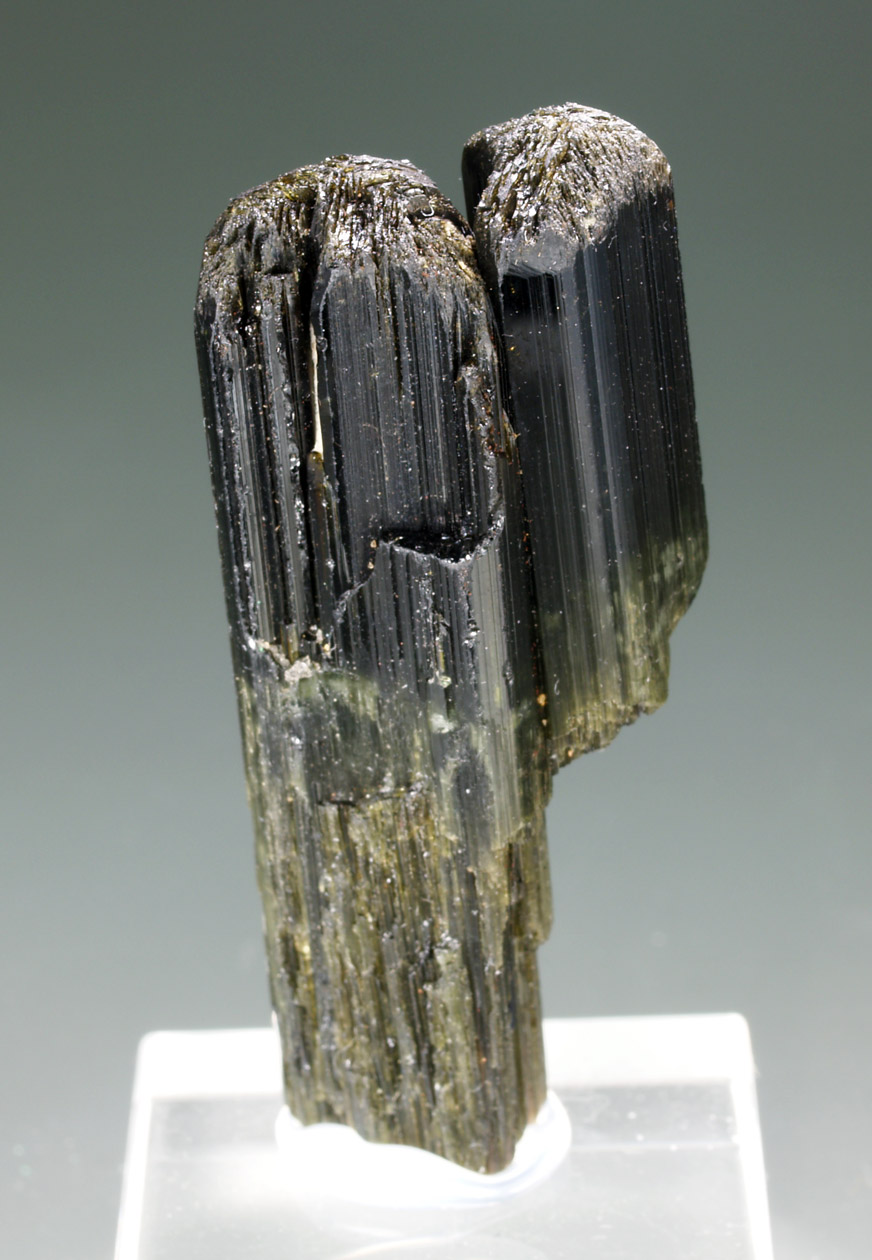
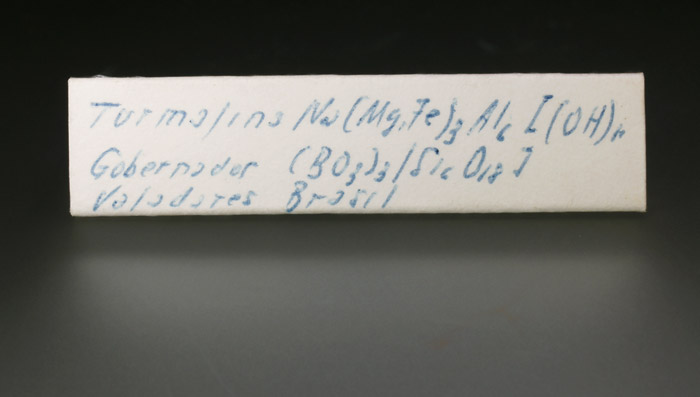
Grupo de cristales de elbaíta, en crecimiento paralelo, con caras prismáticas estriadas, de color verde profundo y buen brillo. De la colección Manchion, con la etiqueta característica.

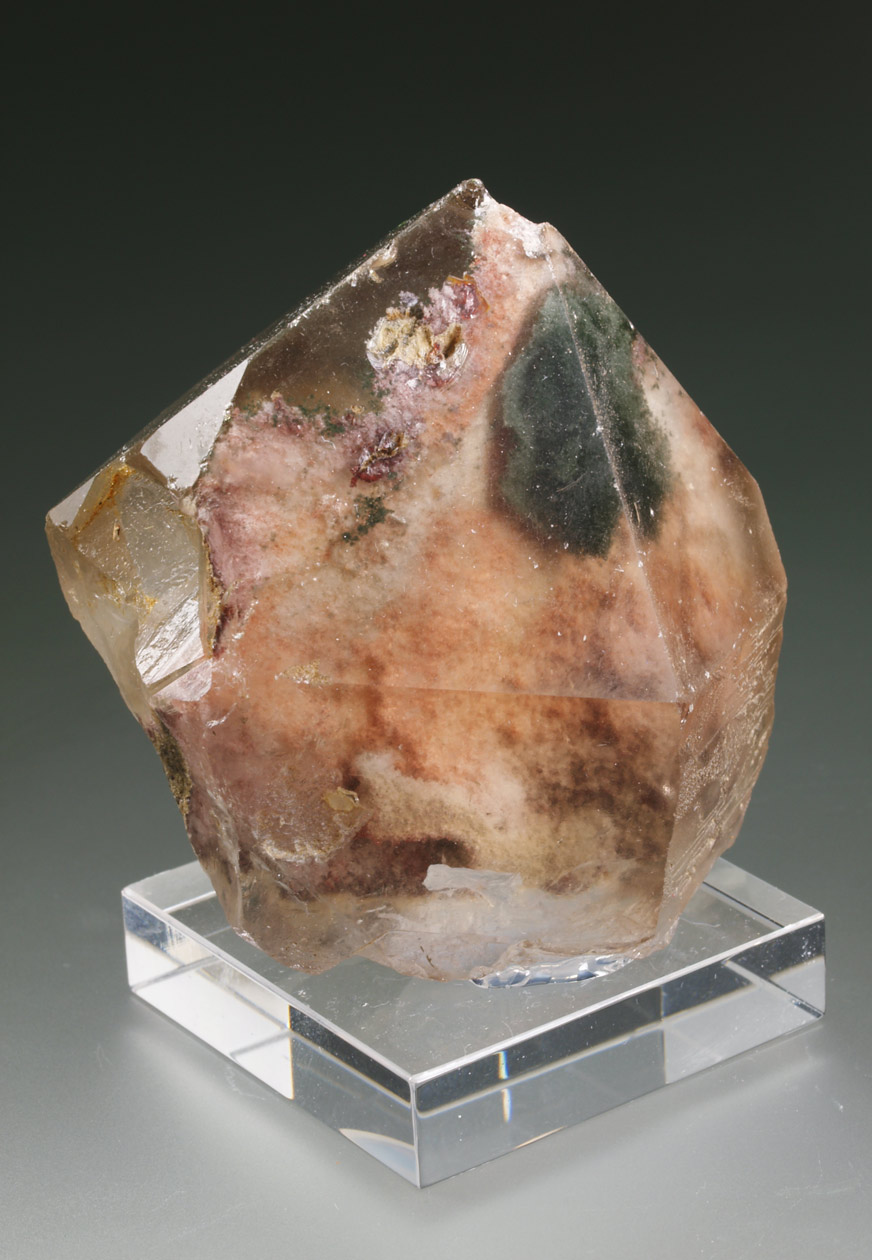
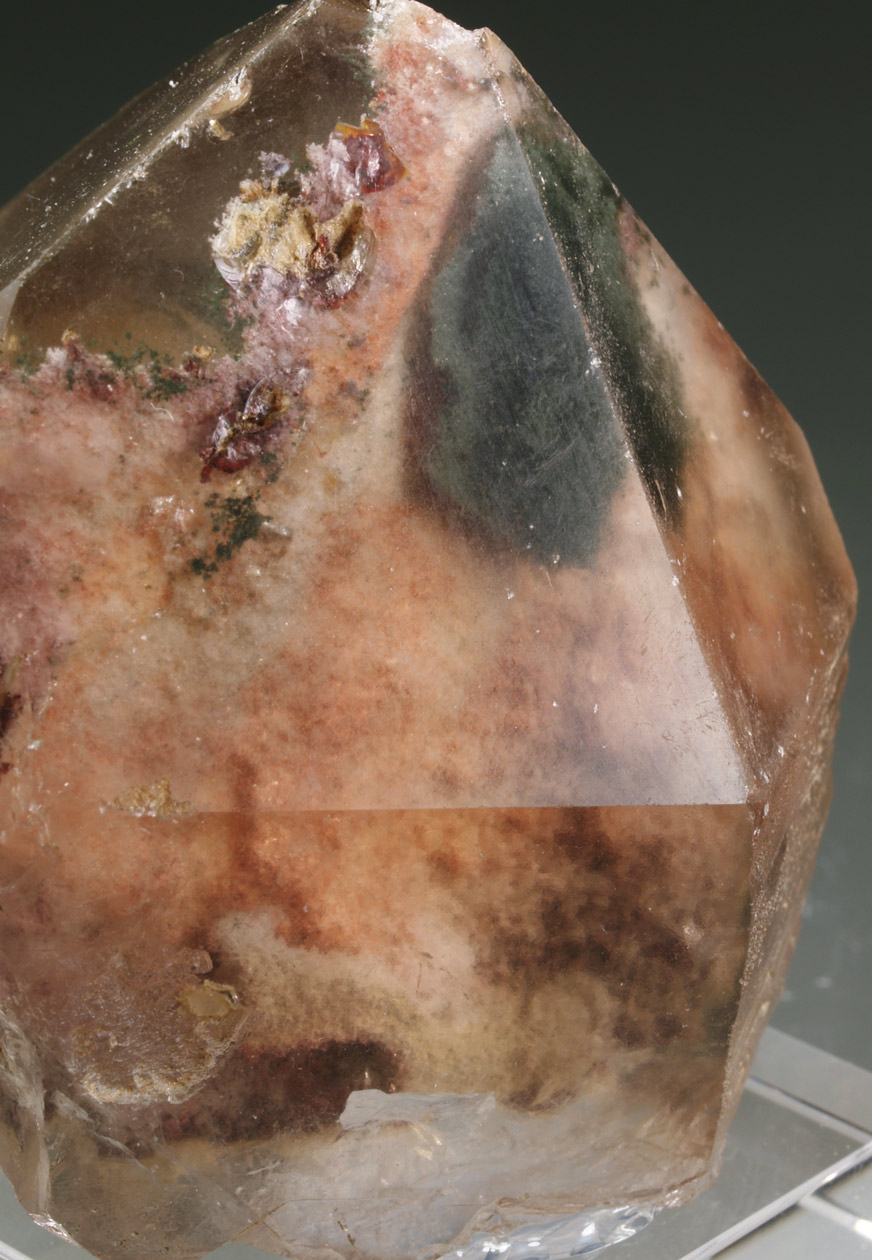
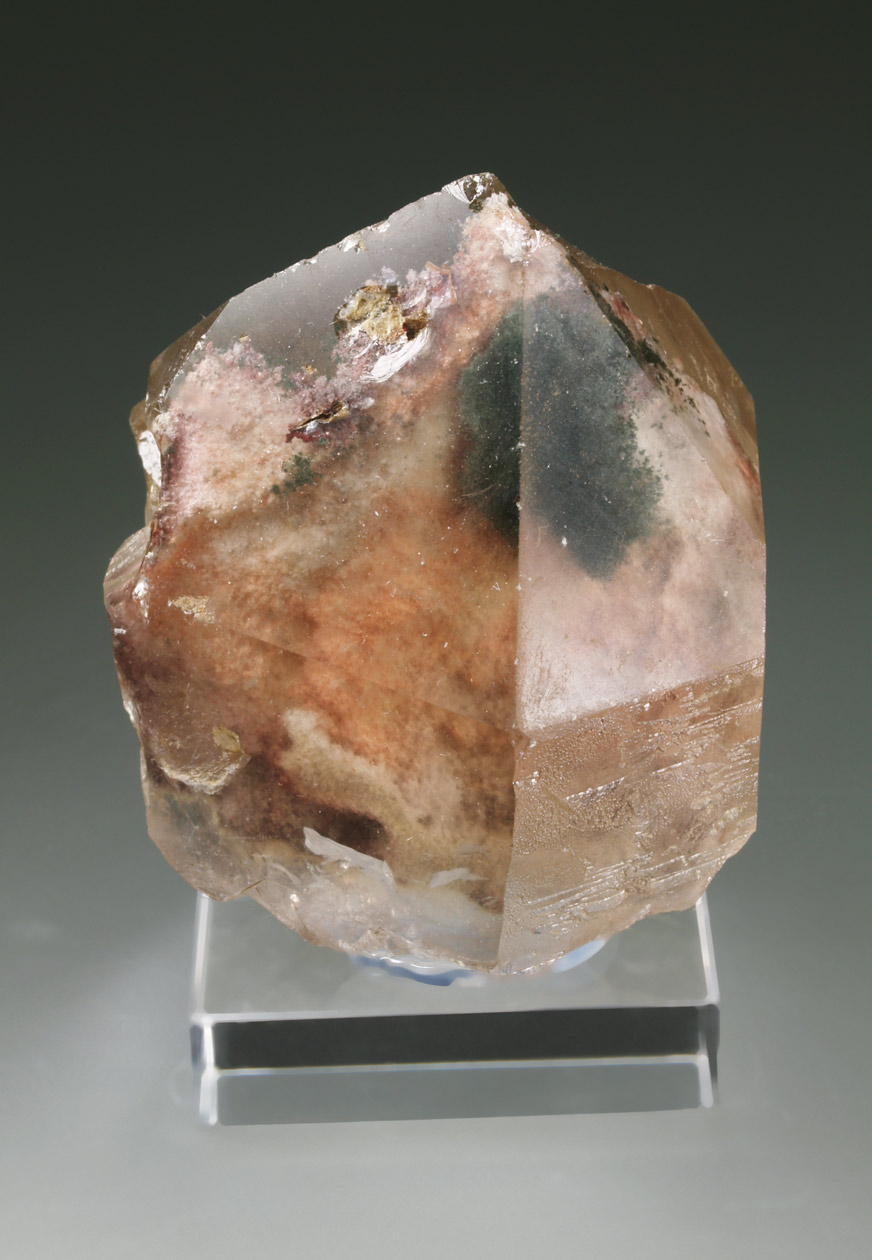
Excelente ejemplo de un cristal de cuarzo con inclusiones. En este ejemplar podemos observar inclusiones de color verde y rojizo, muy probablemente debidas a crecimientos de clorita y óxidos de hierro dentro del cristal en crecimiento. Una pieza muy interesante y estética. De la colección de Joan Astor.
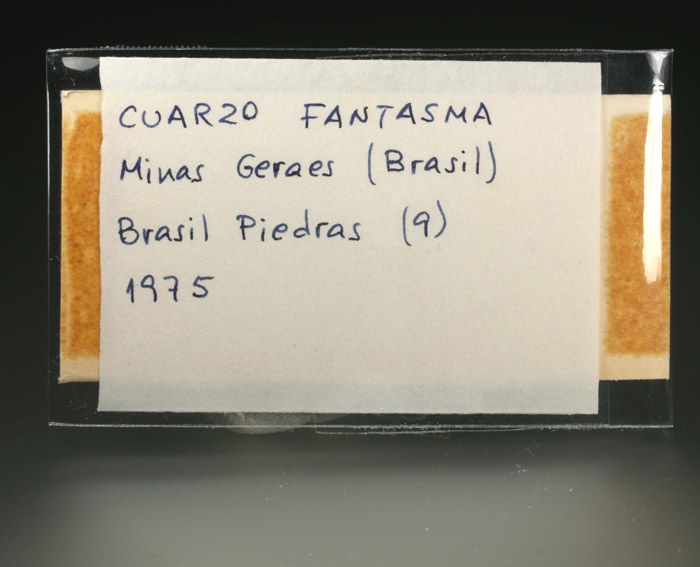
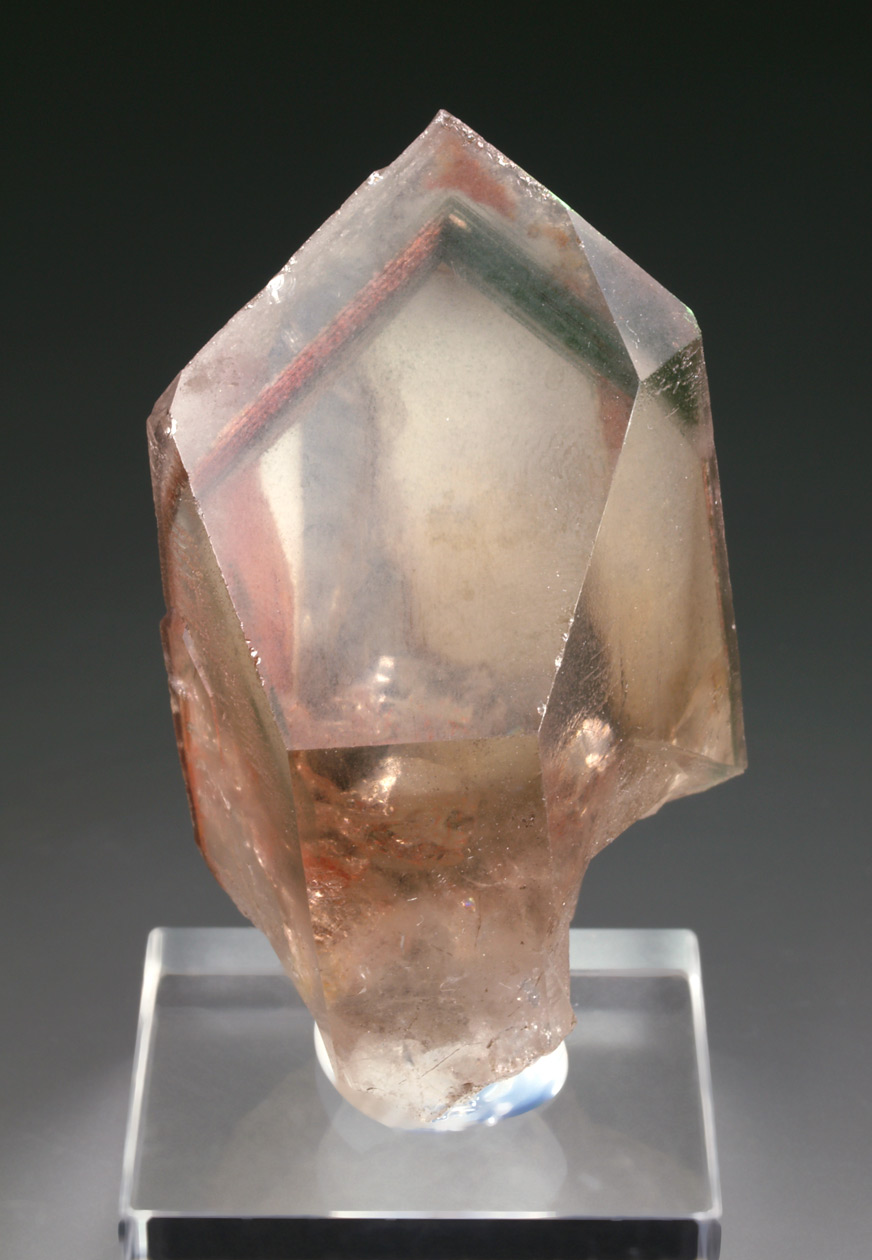
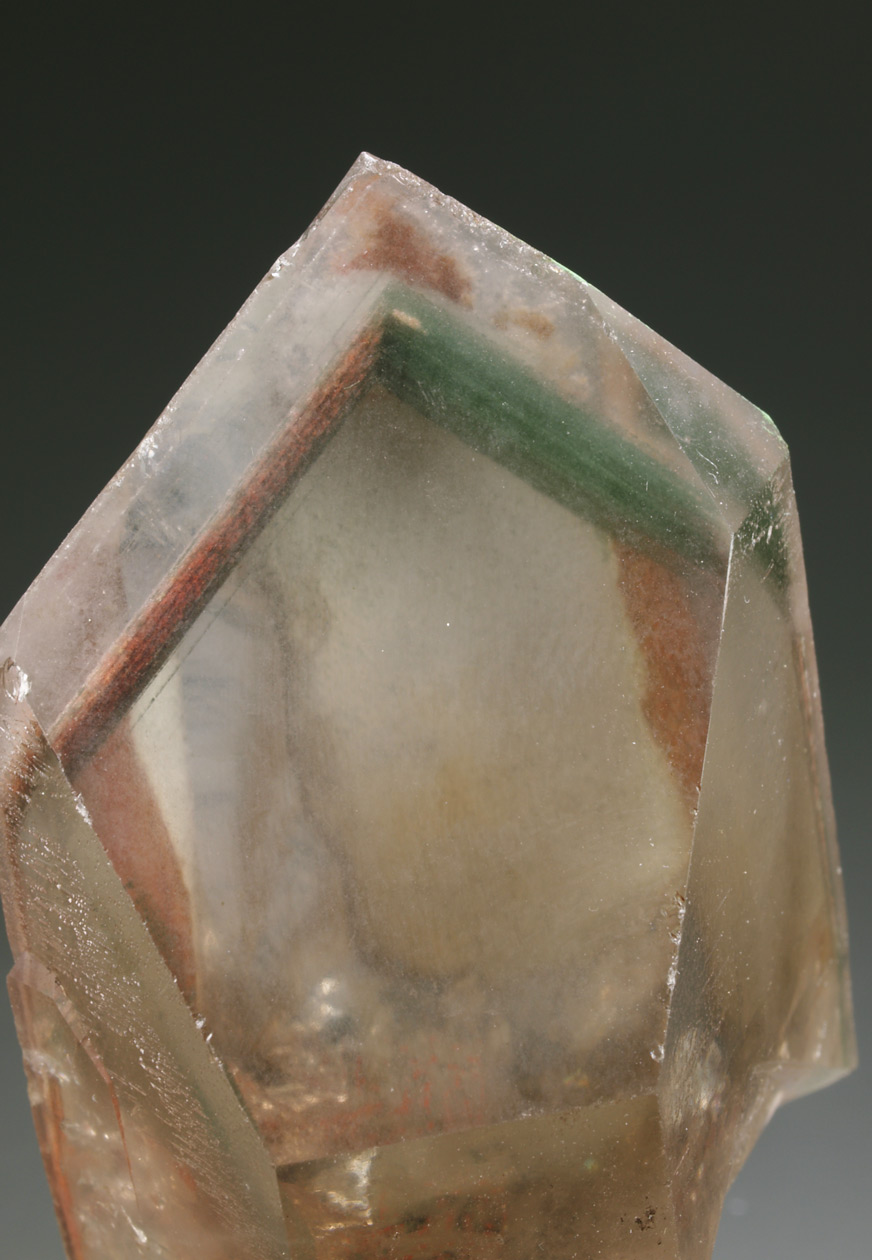
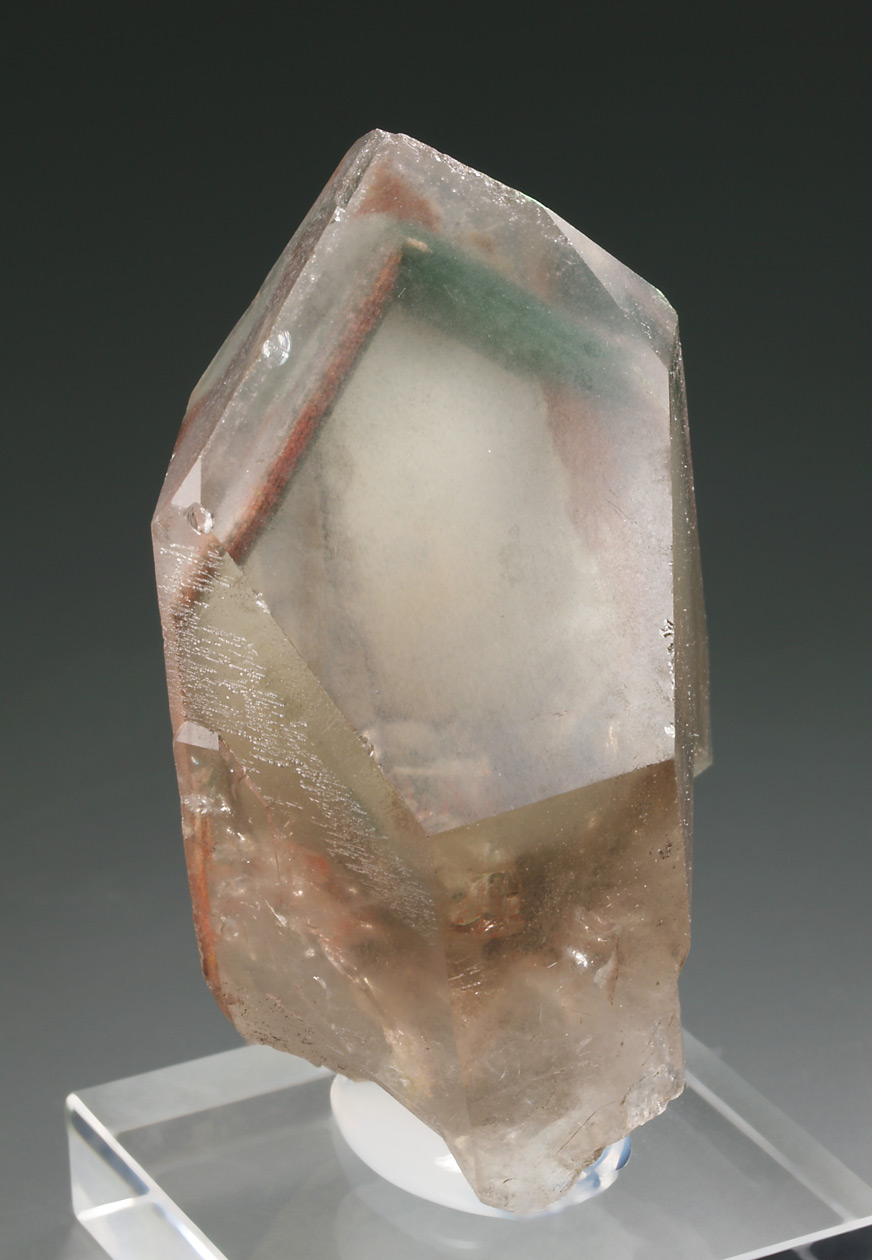
Excelente ejemplo de un cristal de cuarzo con inclusiones geométricas. En este ejemplar podemos observar zonaciones de color verde y rojizo, muy probablemente debidas a crecimientos de clorita y óxidos de hierro sobre las facetas del cristal en crecimiento. Una pieza muy interesante y estética. De la colección de Joan Astor.
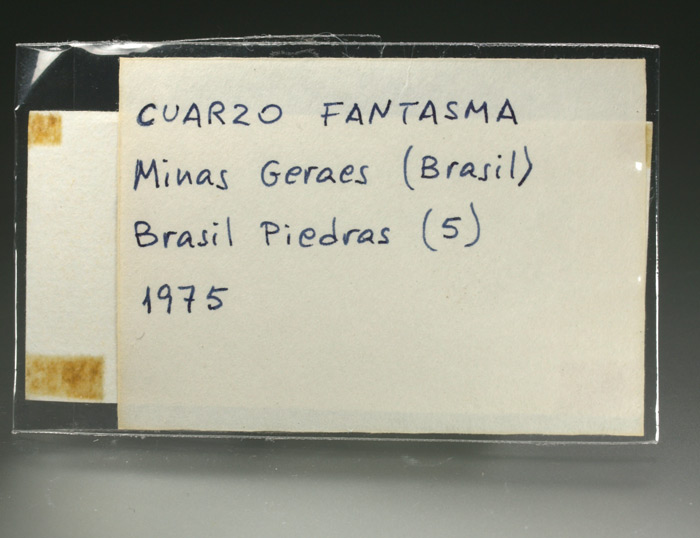
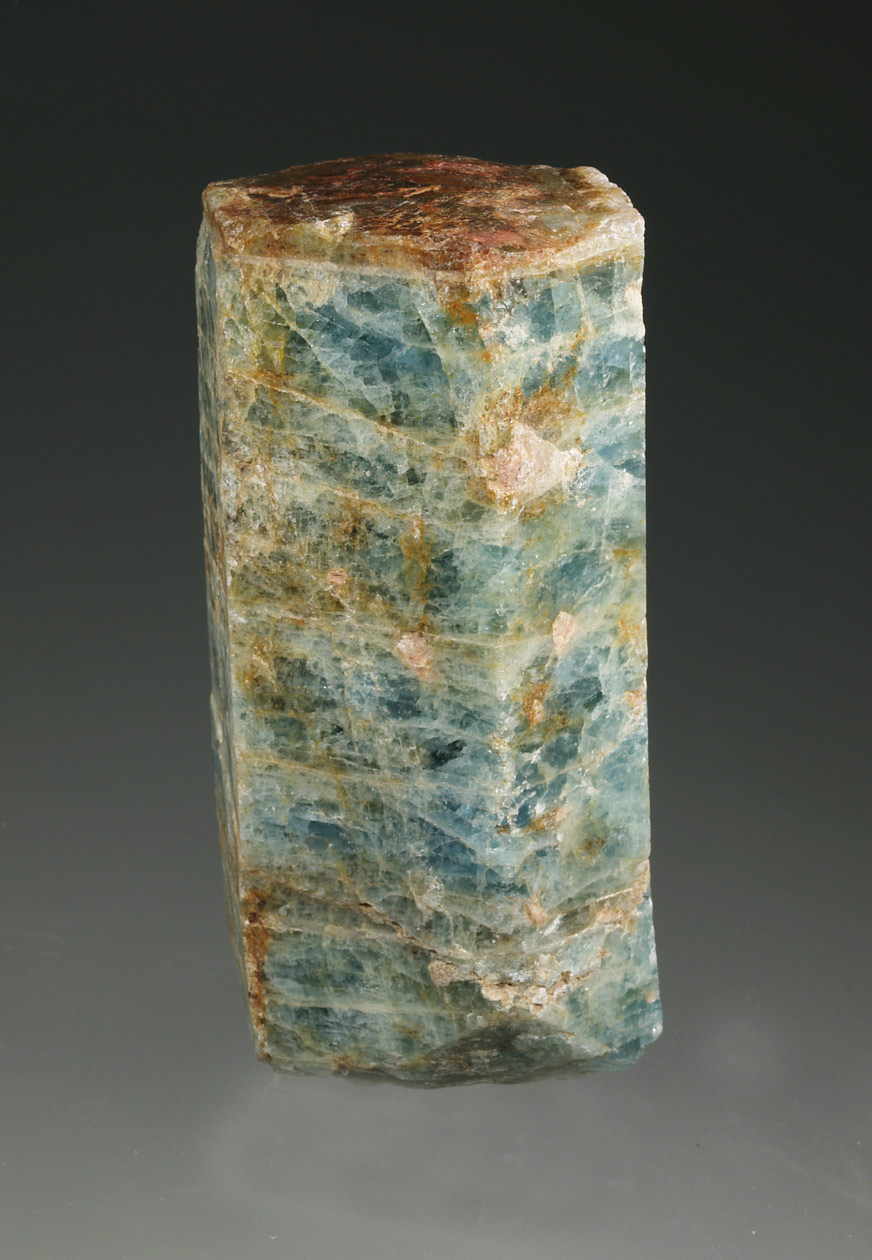
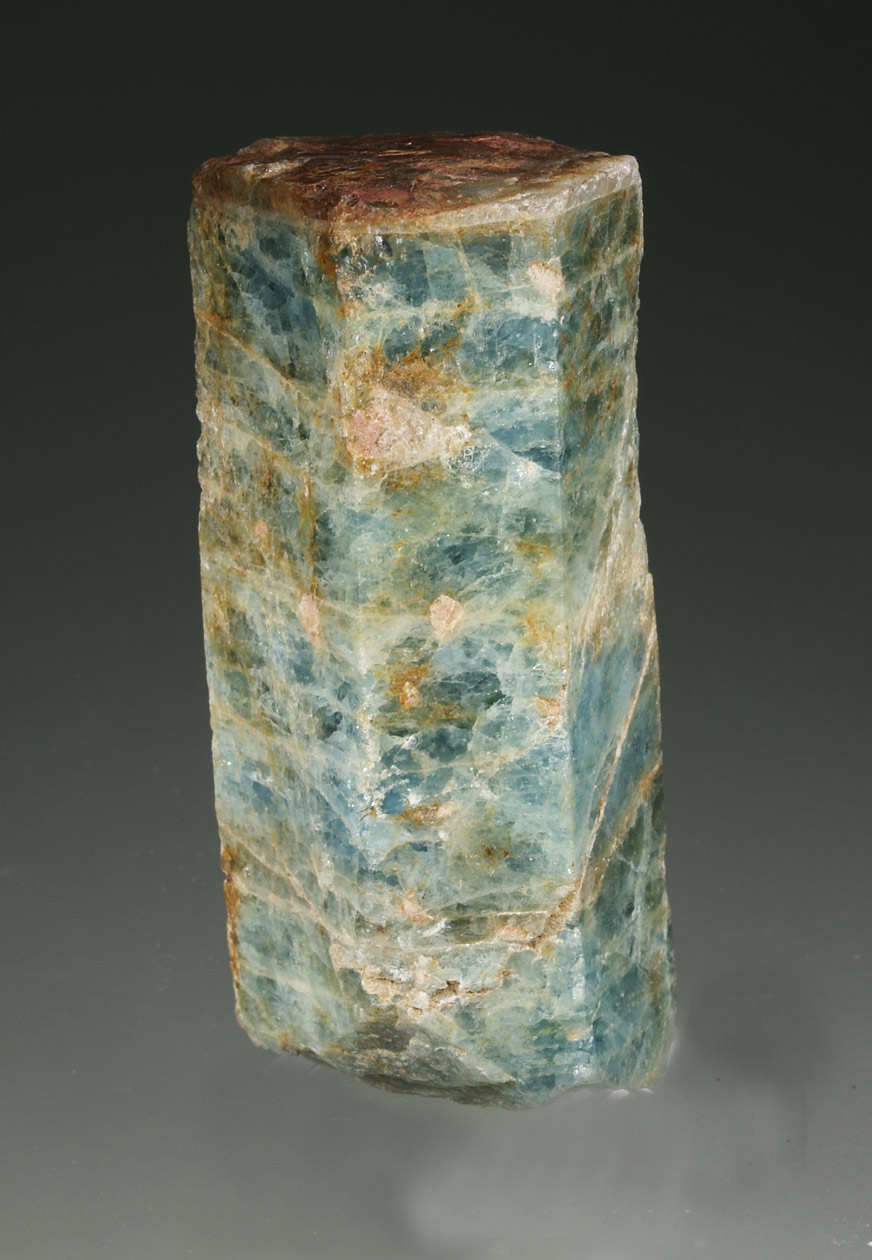
Un buen cristal de berilo, variedad aguamarina, de los de antaño. Muestra las caras del prisma hexagonal y la la del pinacoide terminal. De la colección Manchion (Barcelona).
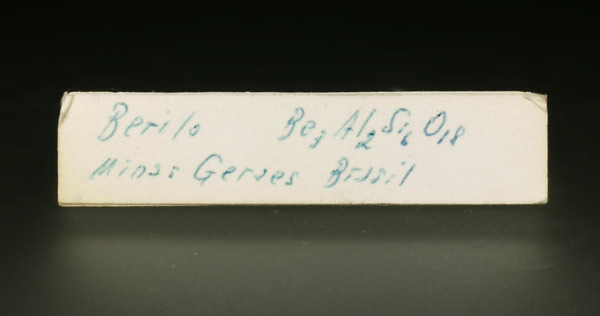
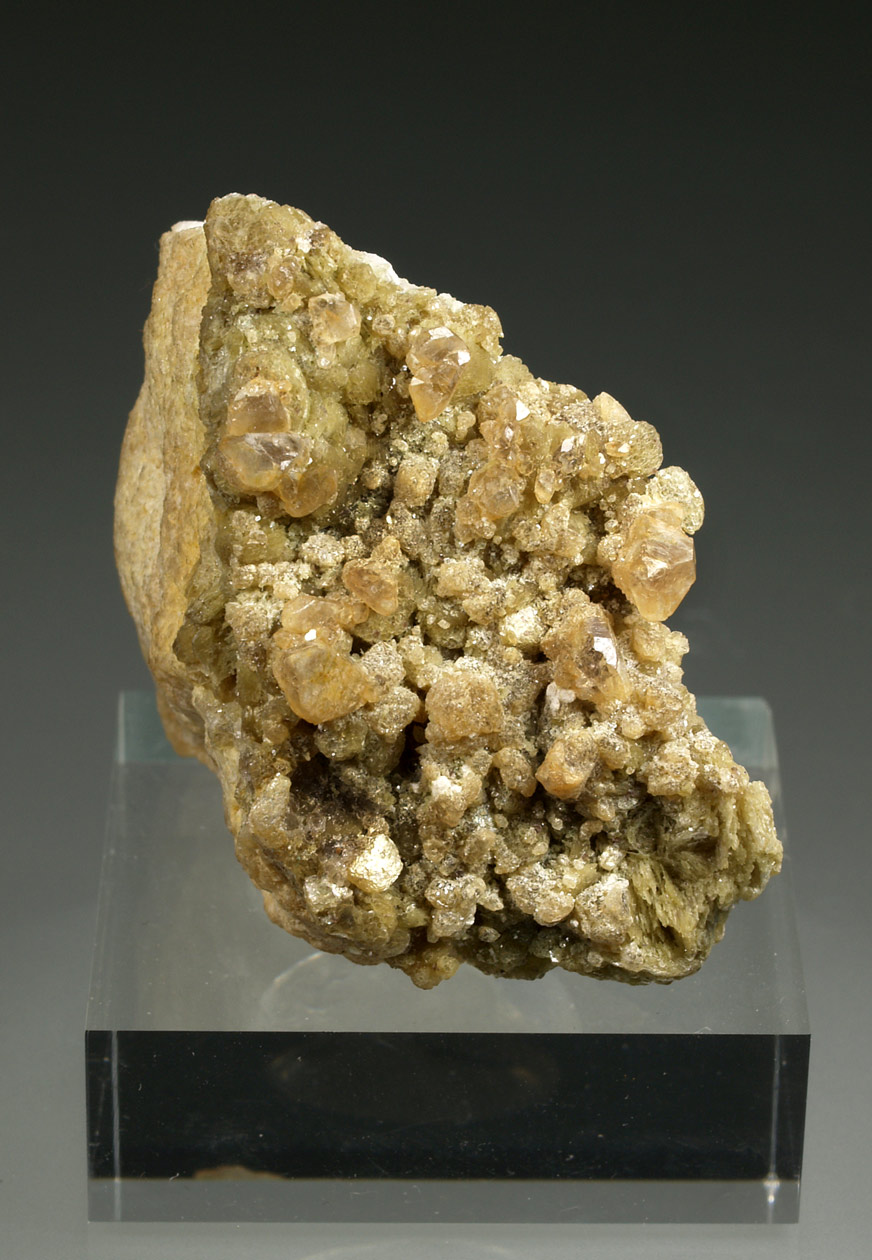
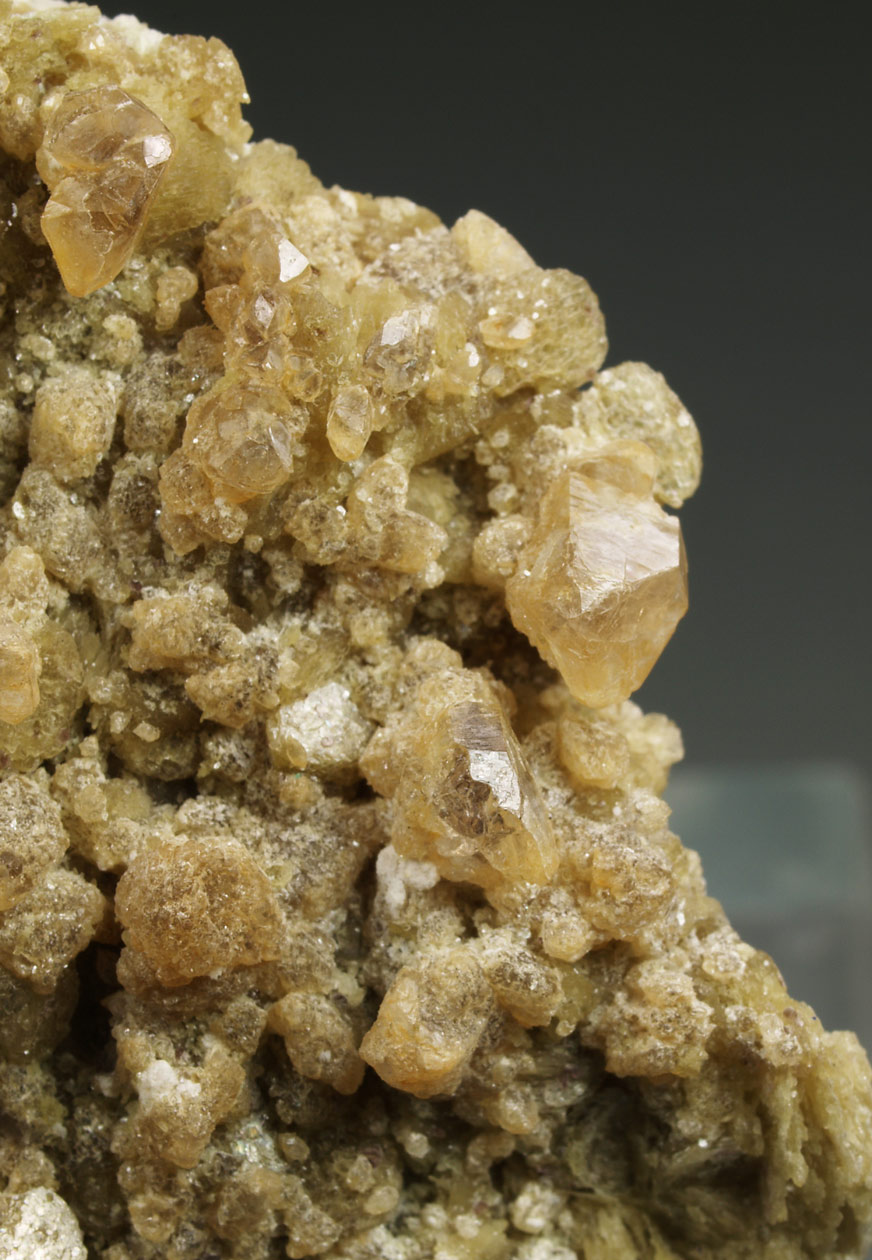
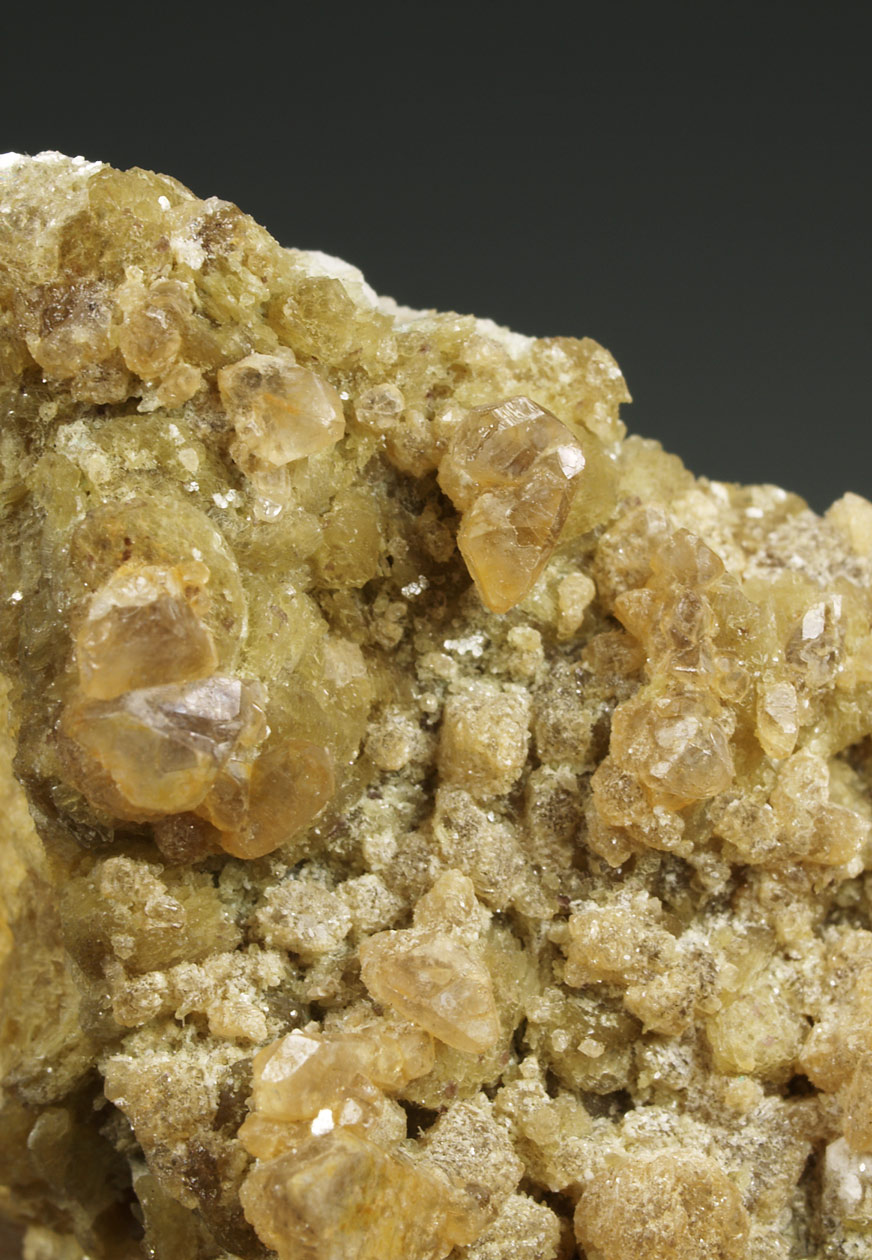
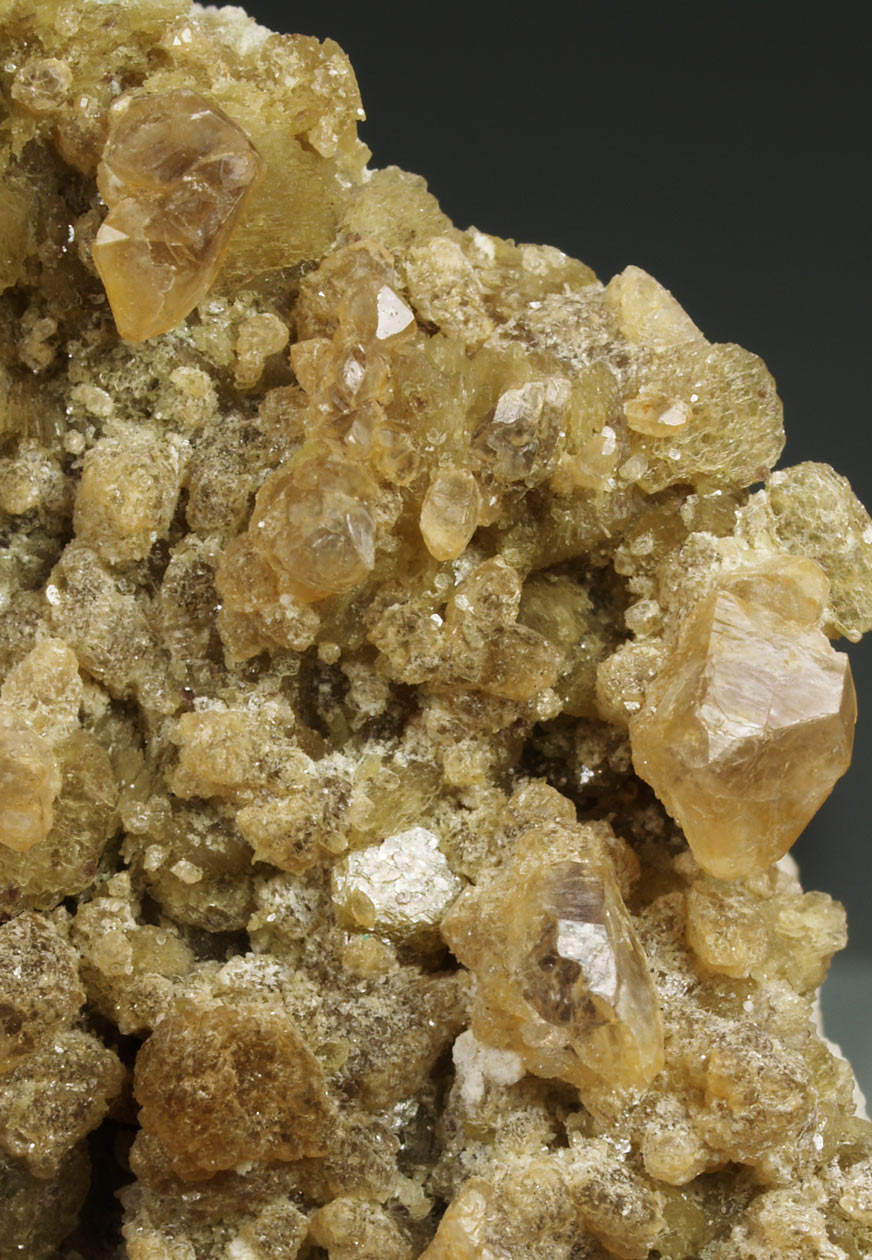
Un clásico ejemplar de hidroxilherderita, de hace años. Bien cristalizado, con cristales monoclínicos idiomórficos translúcidos y definidos, algunos interpenetrados. Brillantes y con un tono amarillo verdoso. Asociado con albita y moscovita de la pegmatita Golconda en Brasil. De la Colección Manchion, adquirido al Dr. Viñals. Previamente mal identificada como herderita.
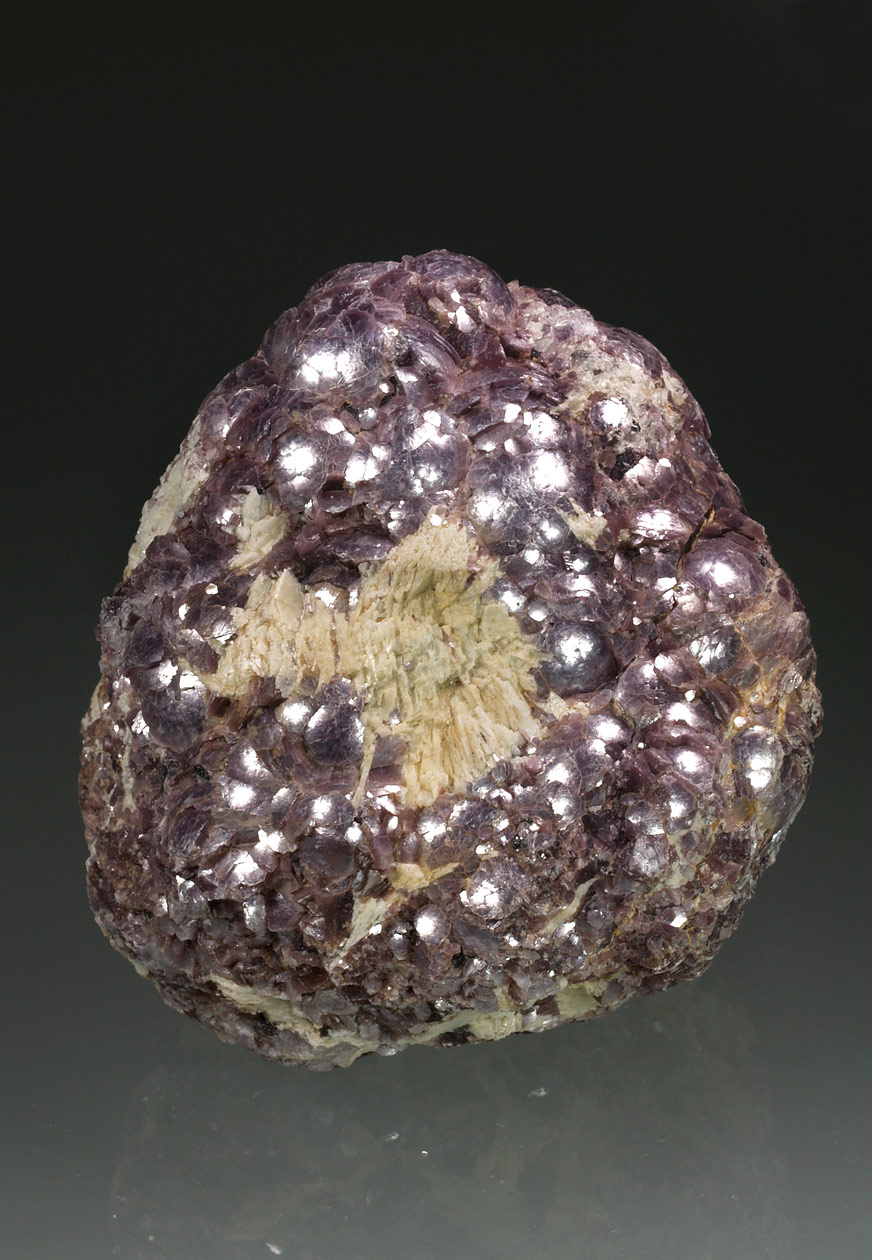
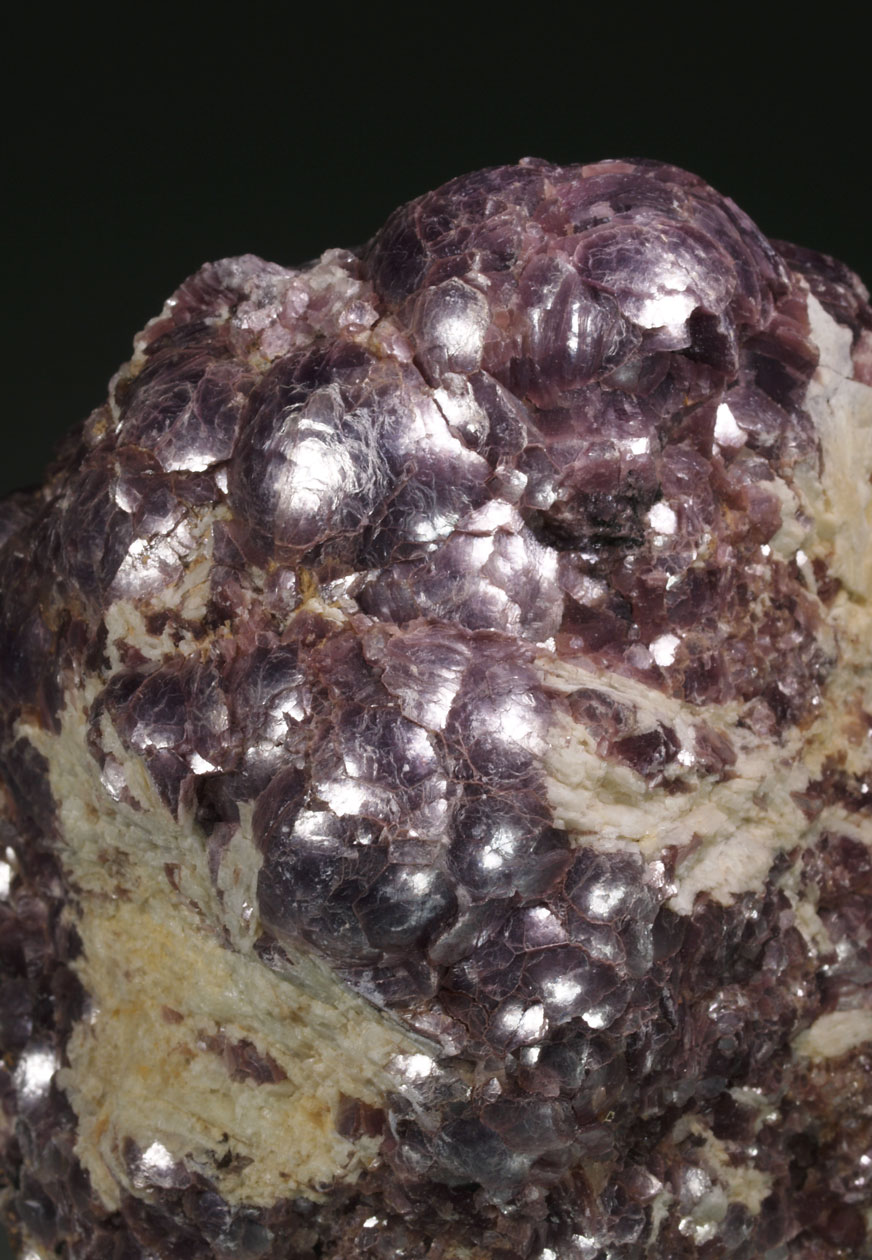
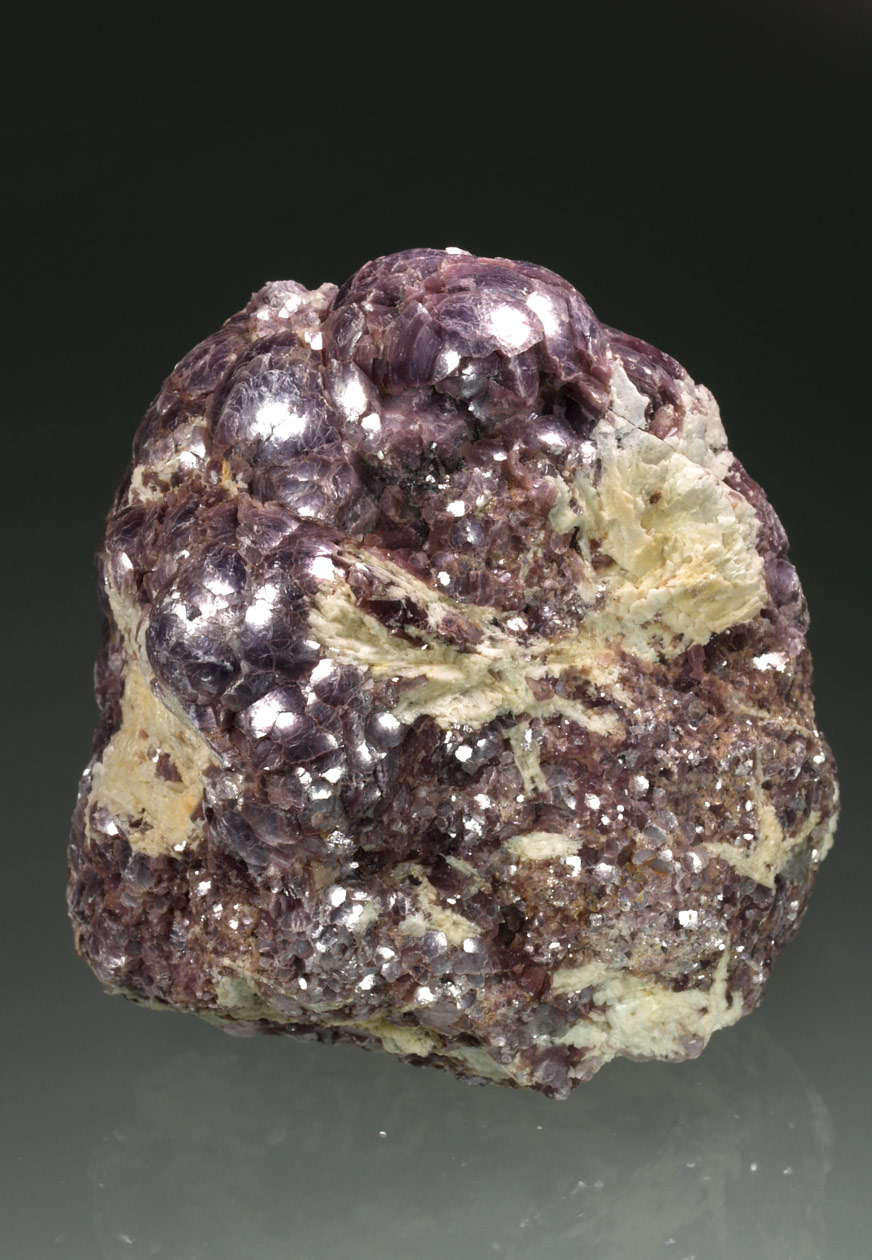
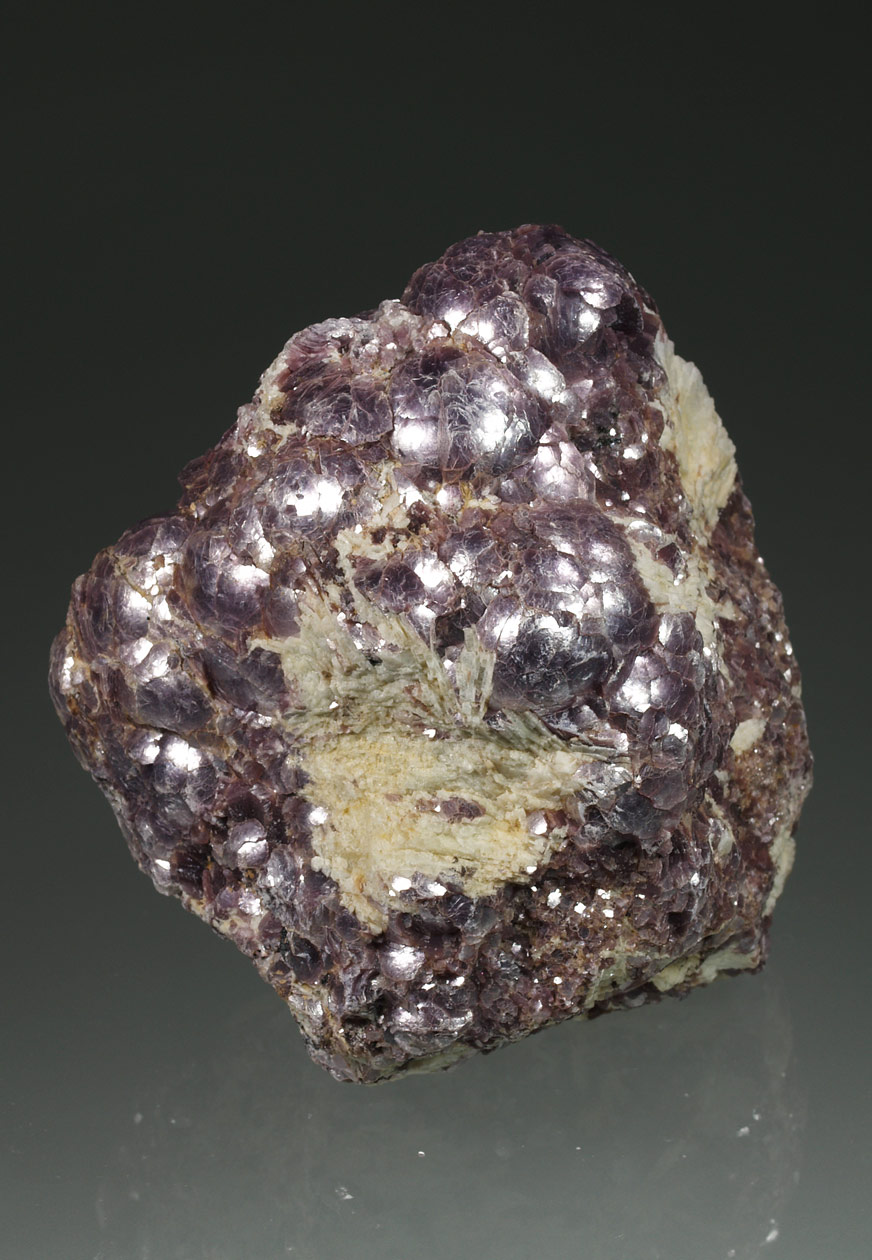
Cristales globulares, curvados, de buen tamaño, de lepidolita, entre el color rosa al lila. Muy buen brillo. La lepidolita es un miembro rico en Li de la serie entre la polilitionita y la trilitionita. Un ejemplar muy estético, procedente de la colección Manchion.
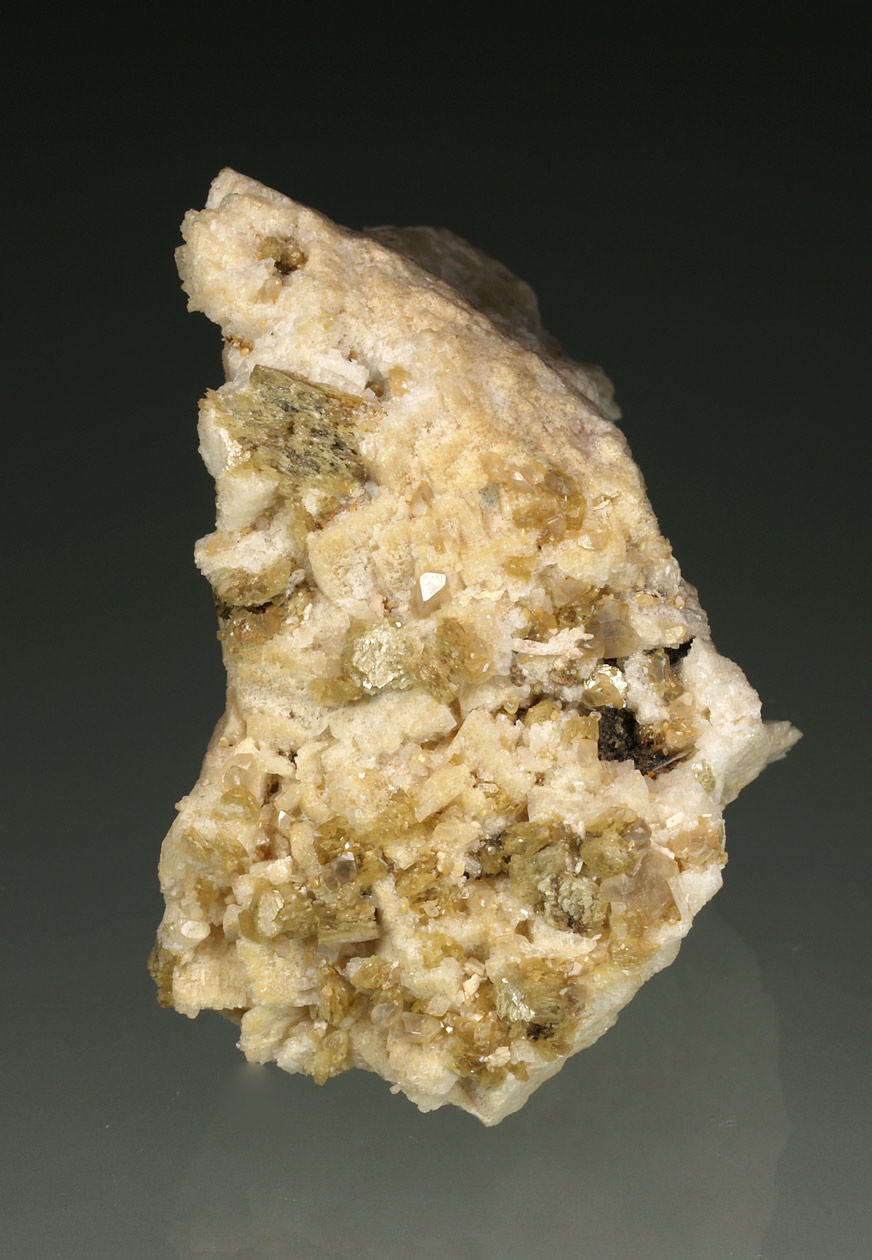
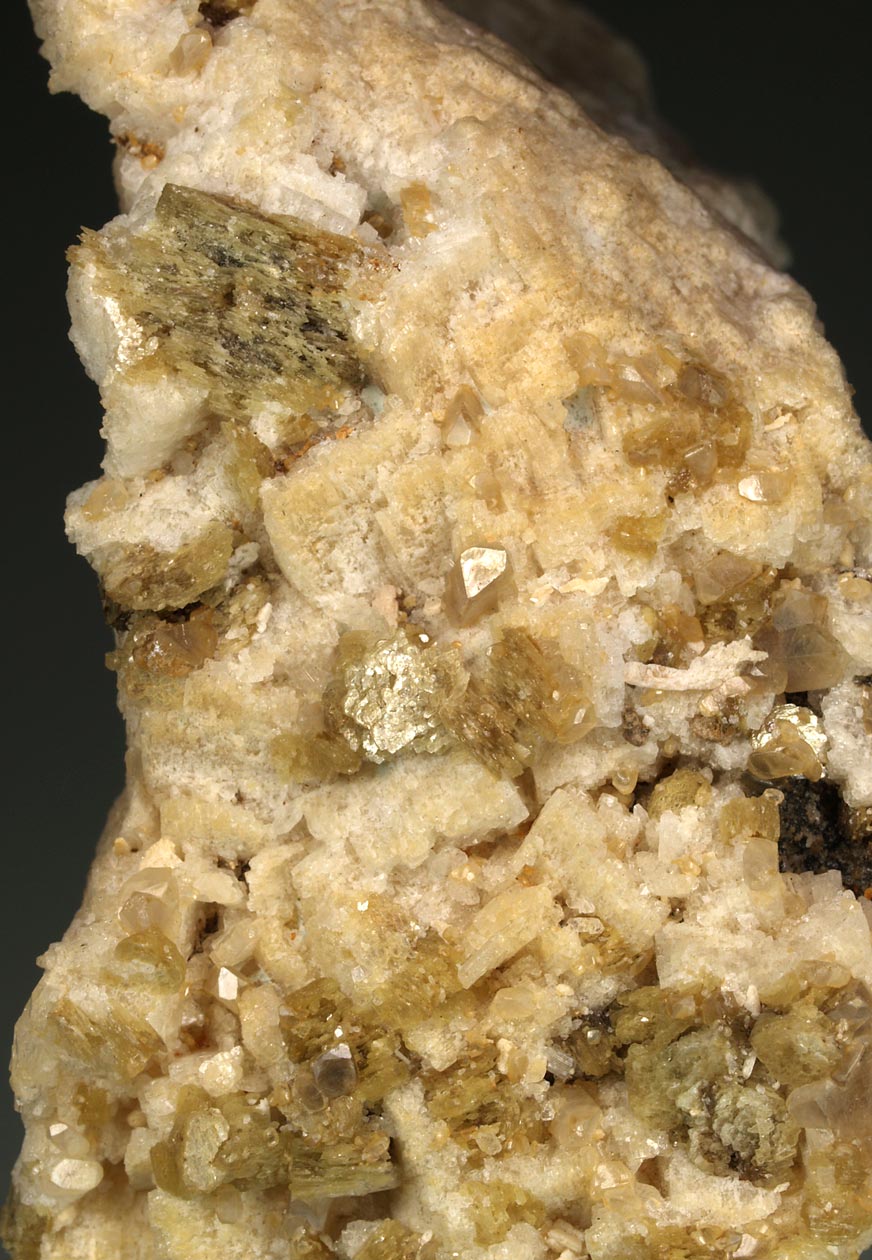
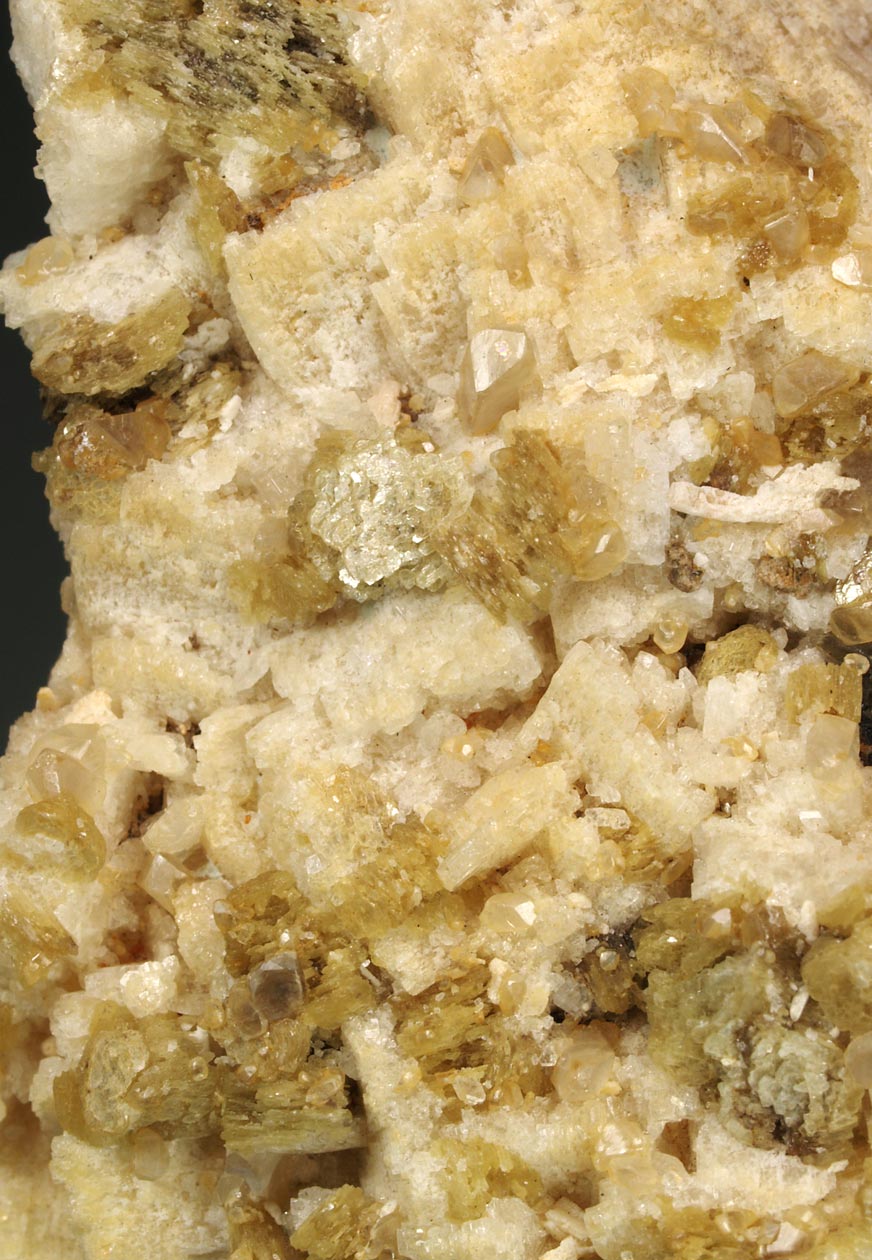
Un clásico ejemplar de hidroxilherderita, de hace años. Bien cristalizado, con cristales monoclínicos idiomórficos translúcidos definidos, algunos interpenetrados. Brillantes y con un tono amarillo verdoso. Asociado con albita y moscovita de la pegmatita Golconda en Brasil. De la Coleccción Manchion, adquirido en 1987 al Dr. Viñals.
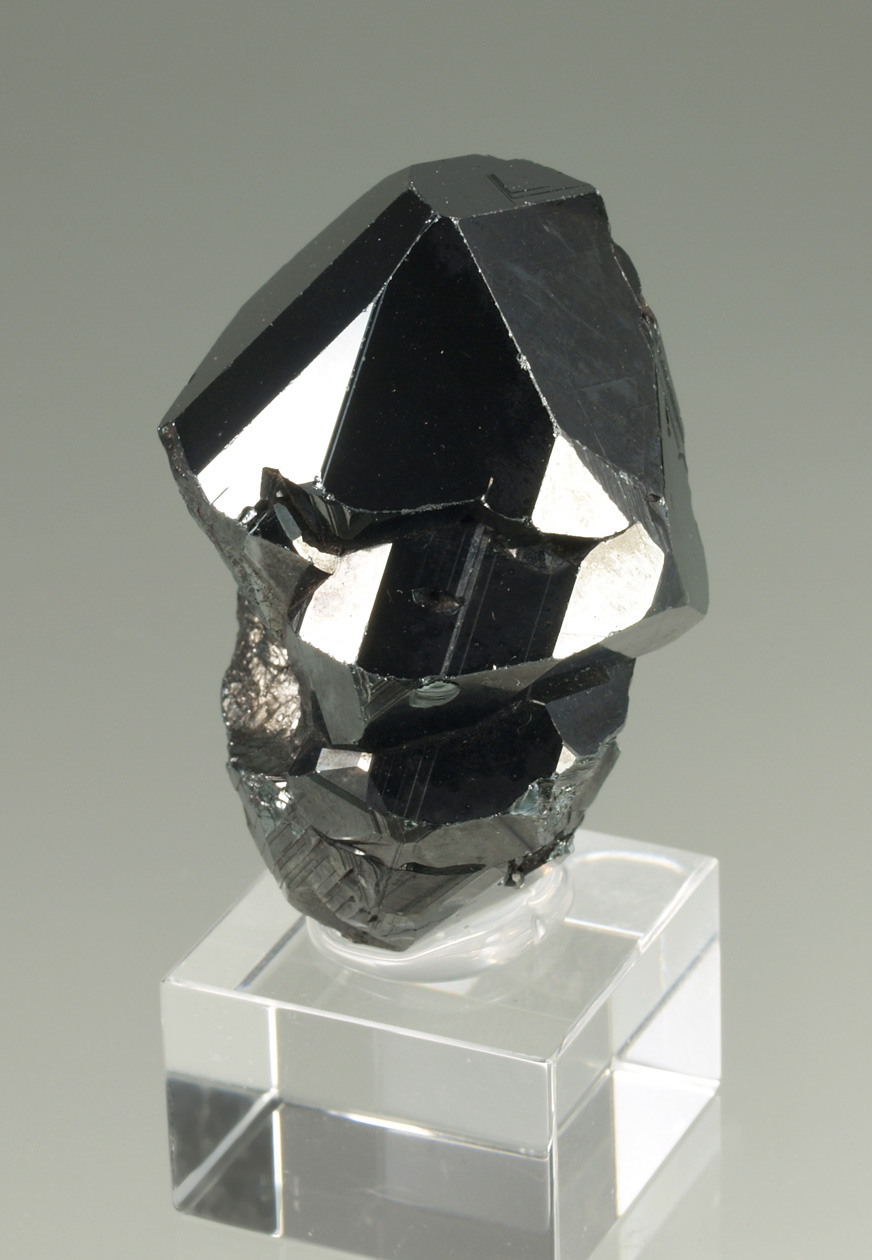
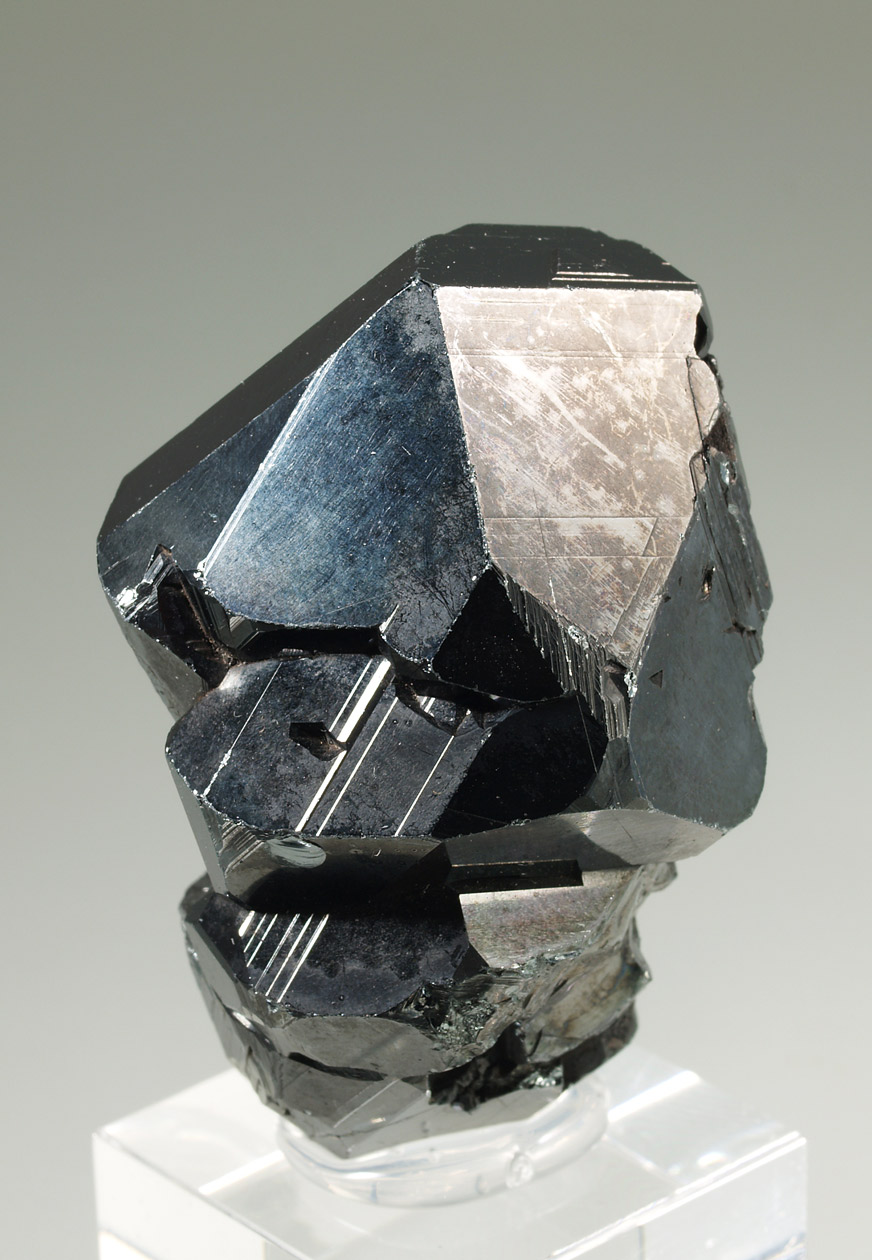
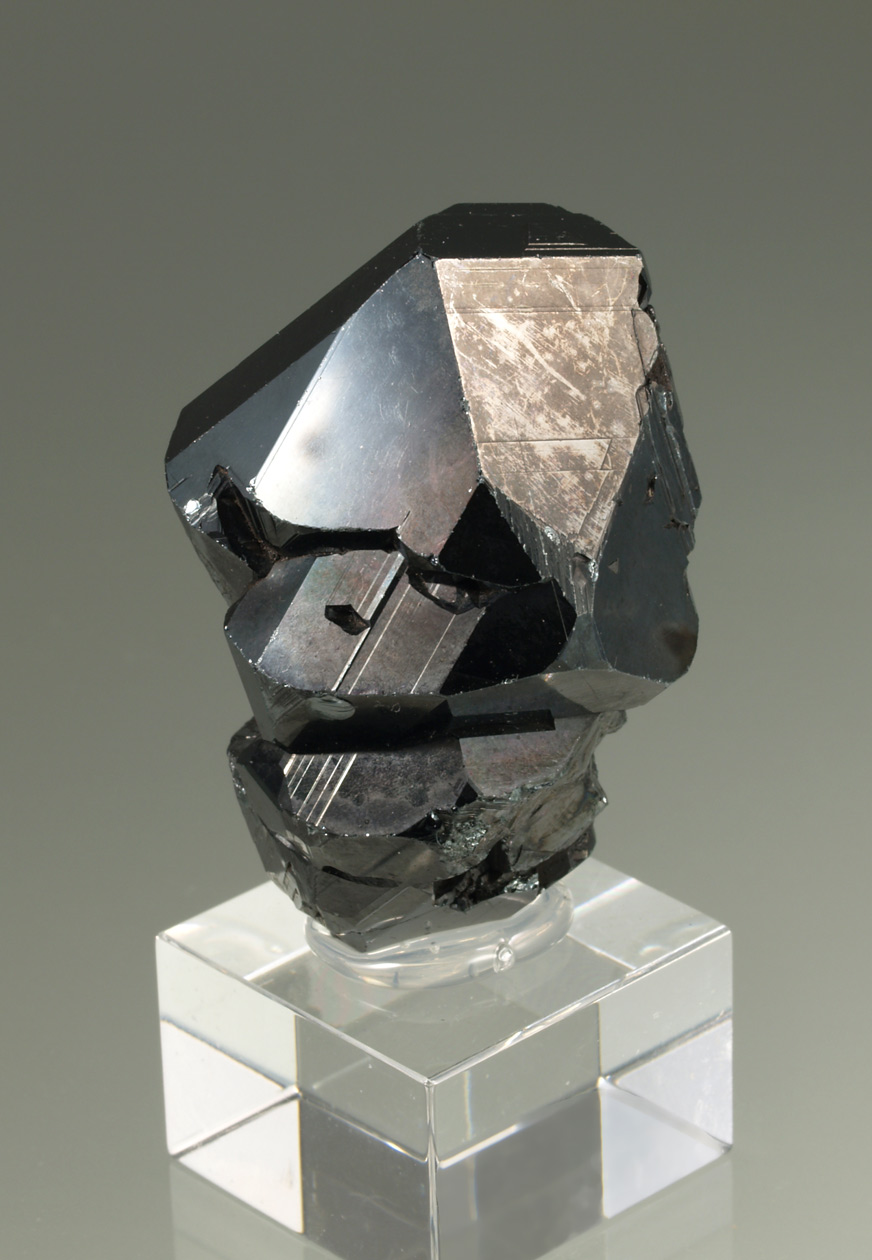
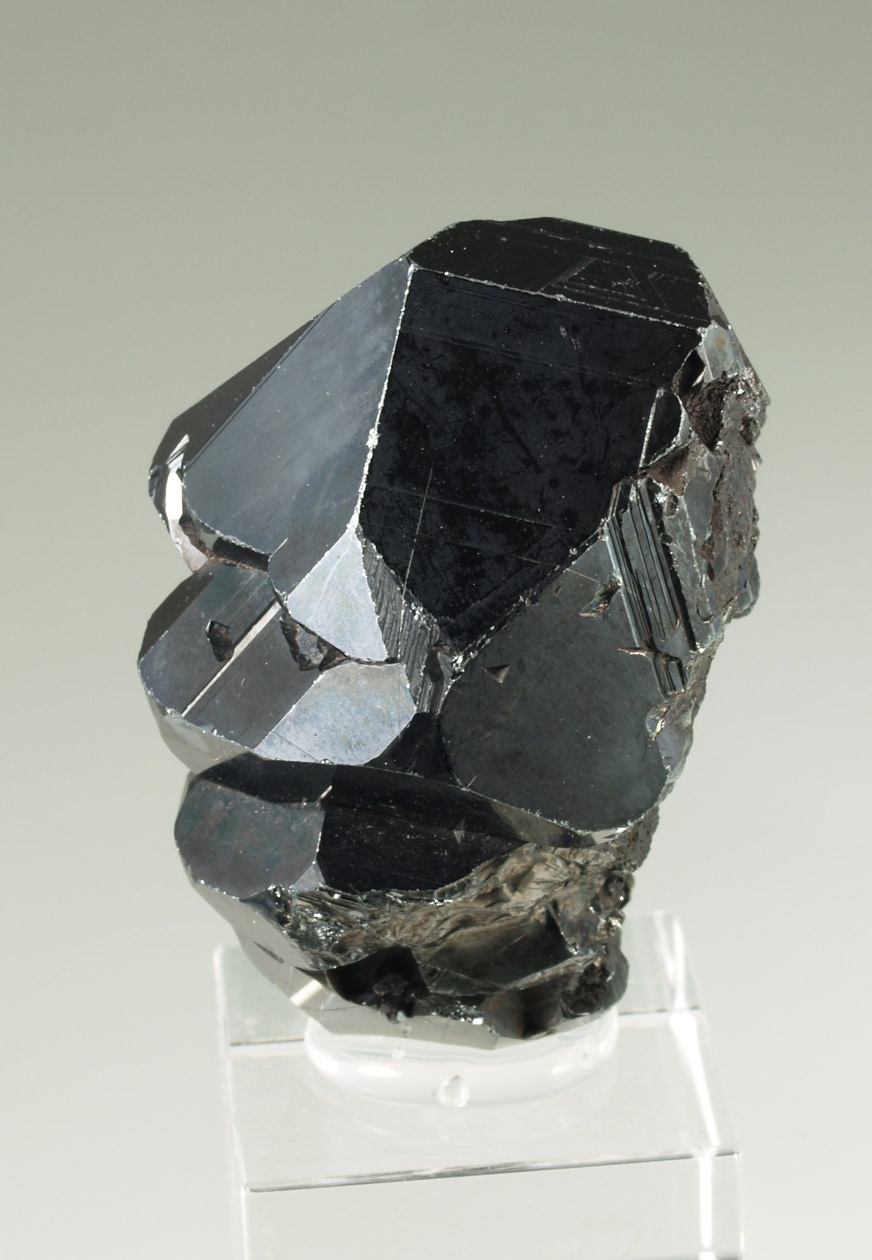
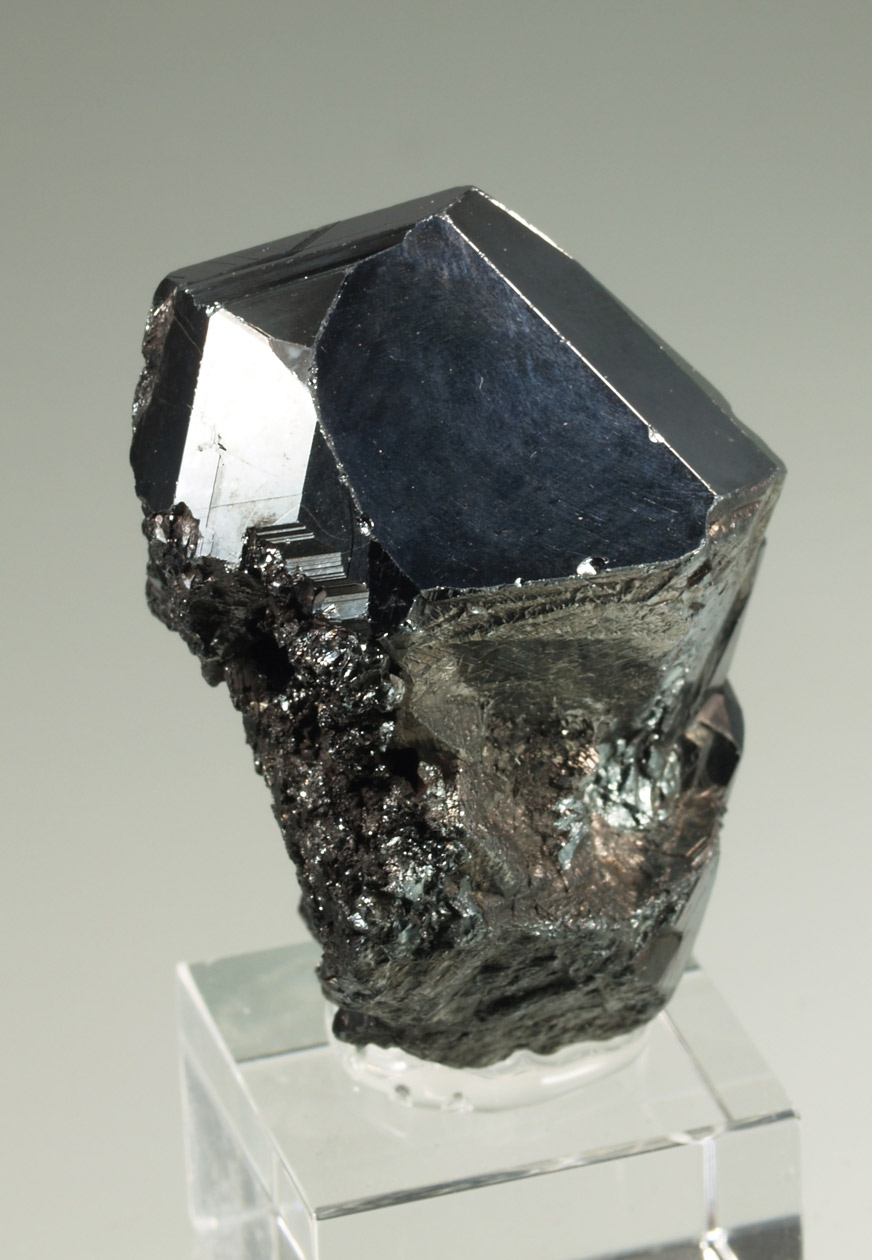
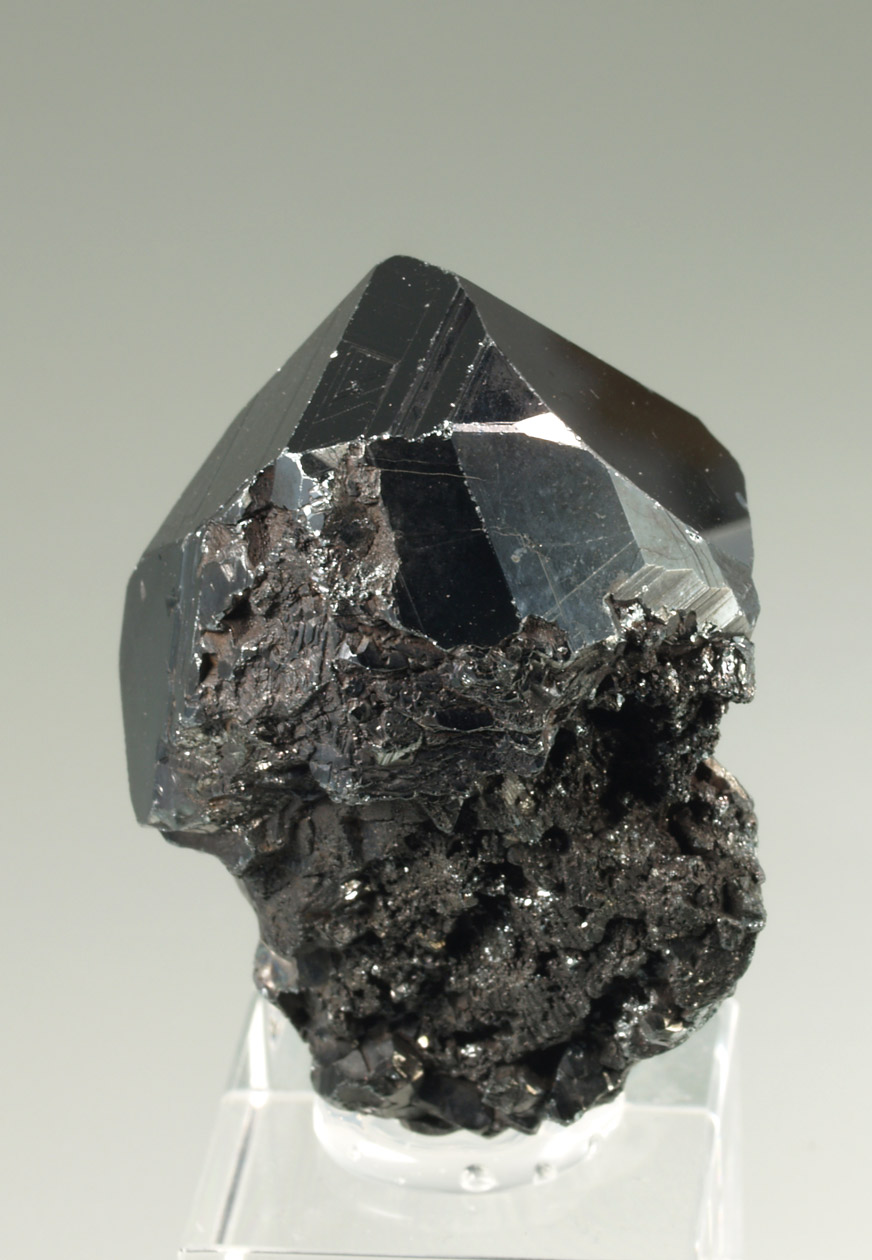
Excelente ejemplar formado por un crecimiento polisintético de cristales de hematites, con un brillo excepcional. Rico en caras, definidas aristas y un buen tamaño para la especie y la localidad.
Rob Lavinsky dijo: Los espléndidos y complejos cristales de hematites forman un ejemplar sorprendente de esta poco conocida localidad brasileña. El majestuoso cristal grande, con numerosas y asombrosas caras, mide 3,5 cm y está casi inmaculado. Esta fina pieza está completa. Selecto y material poco común del stock del comerciante Larry Krause. [ir a mindat]
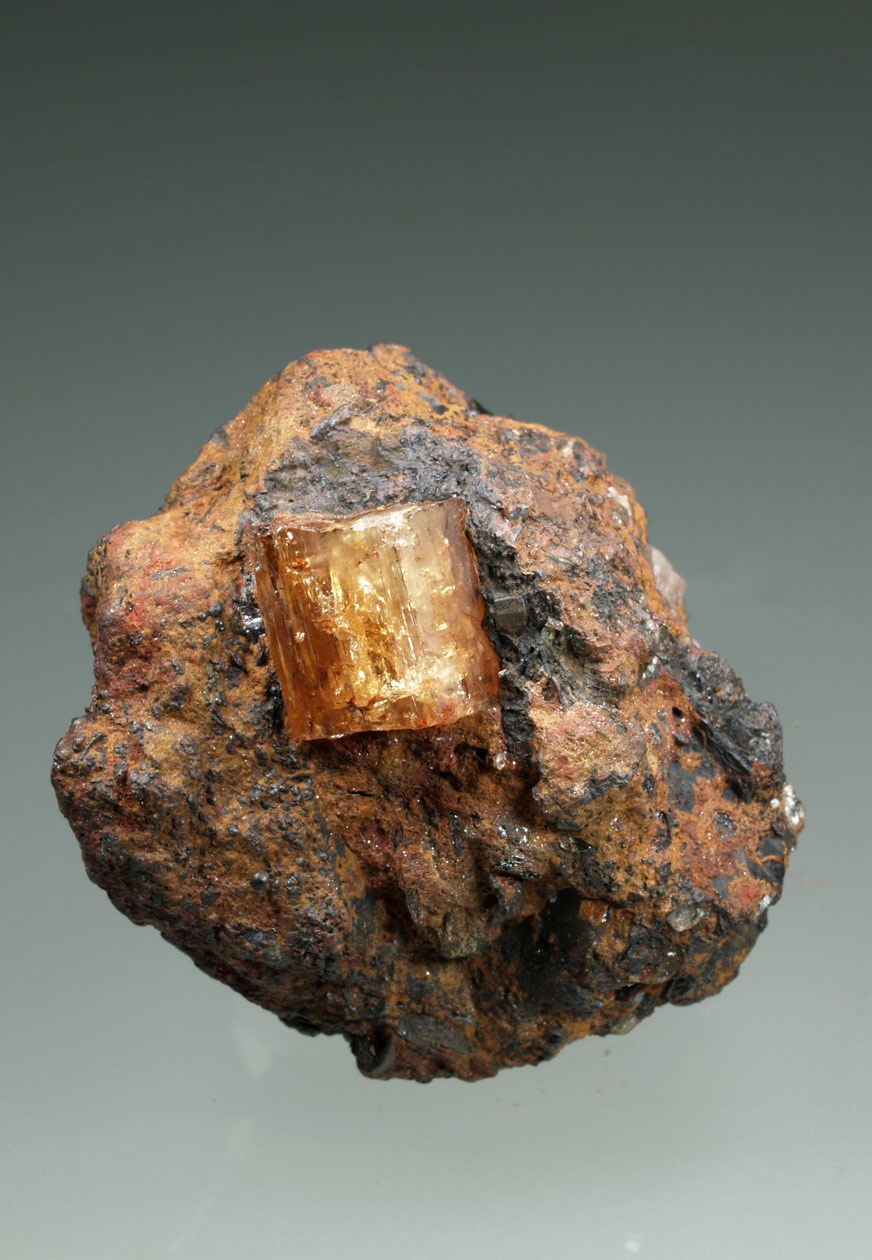
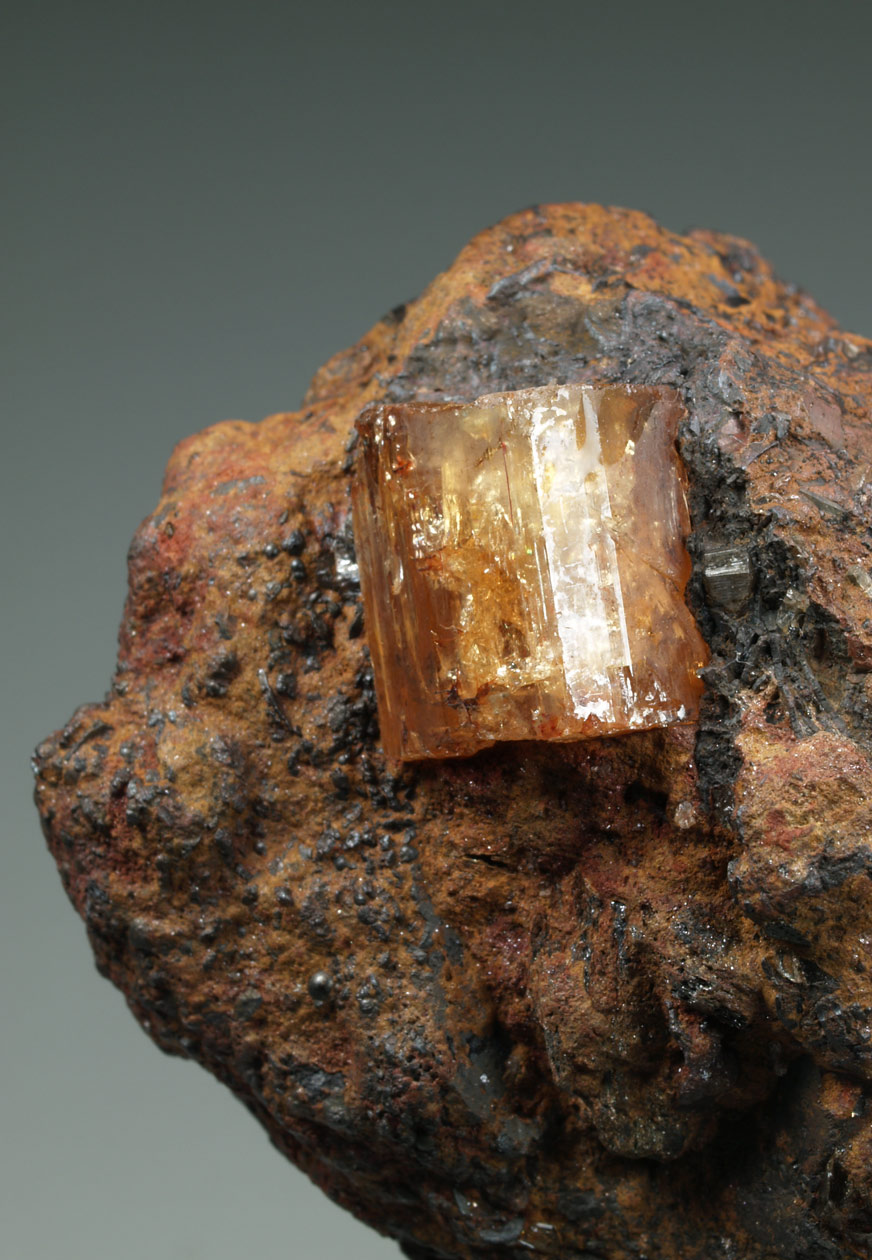
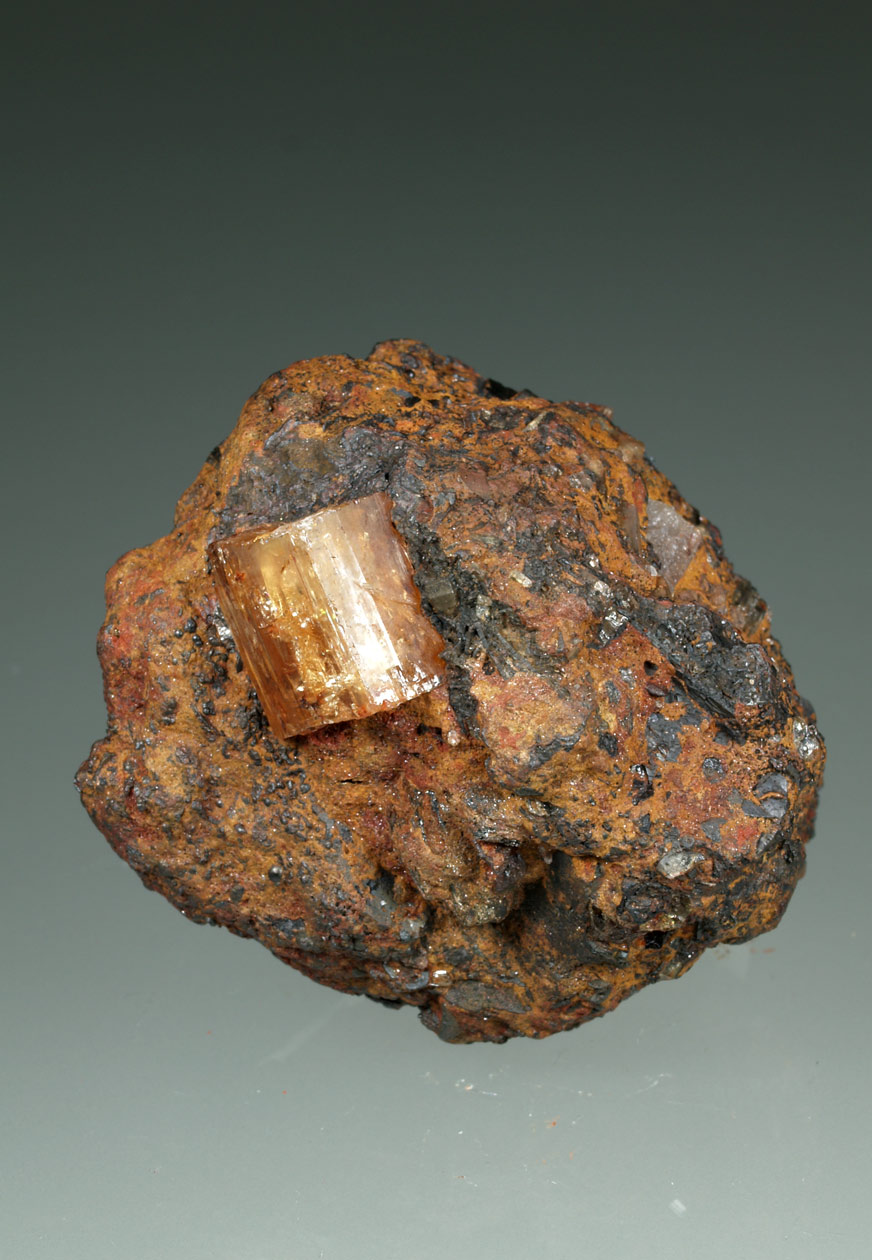
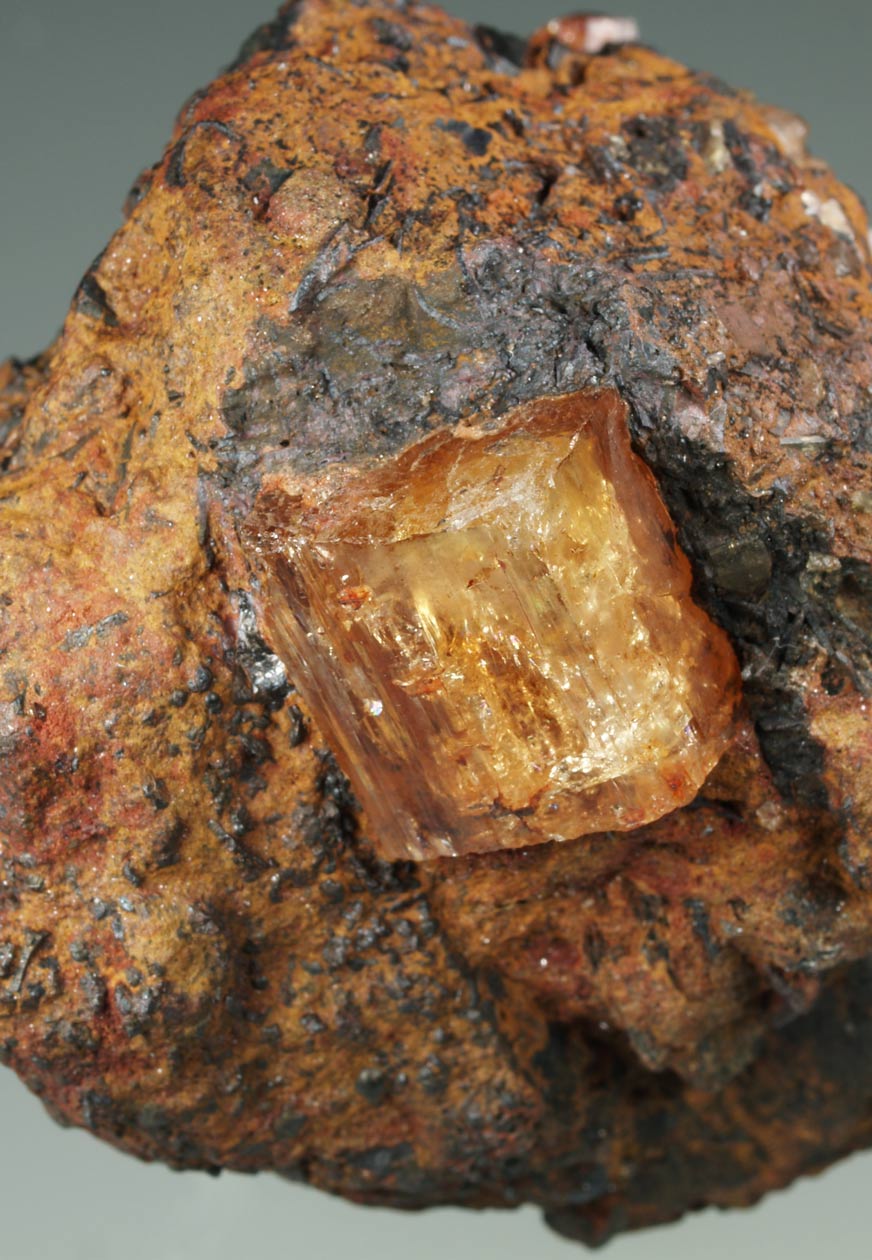
Habitualmente estos topacios imperiales aparecen sueltos, sin la matriz. En este ejemplar podemos disfrutar de un cristal prismático, biterminado por los pinacoides, con brillo, transparencia y color. Con una pequeña mella en una cara lateral, sin afectar a la calidad, invisible. Una gema.