- Home About RM Minerals
- Virtual Photo Museum Blog RM Contact
- Microscopy and instruments How to Buy Disclaimer
Copyright 2010-2026
www.rosellminerals.com



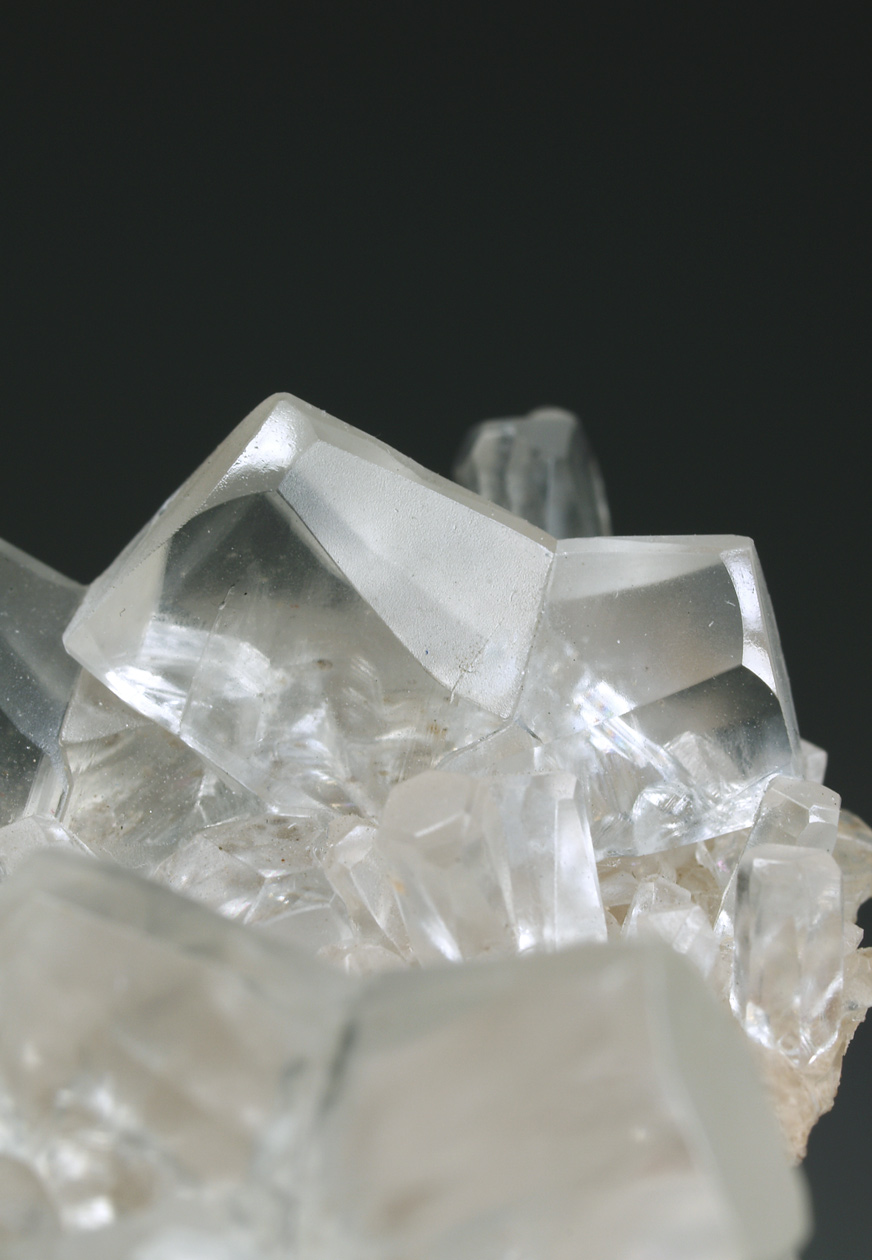
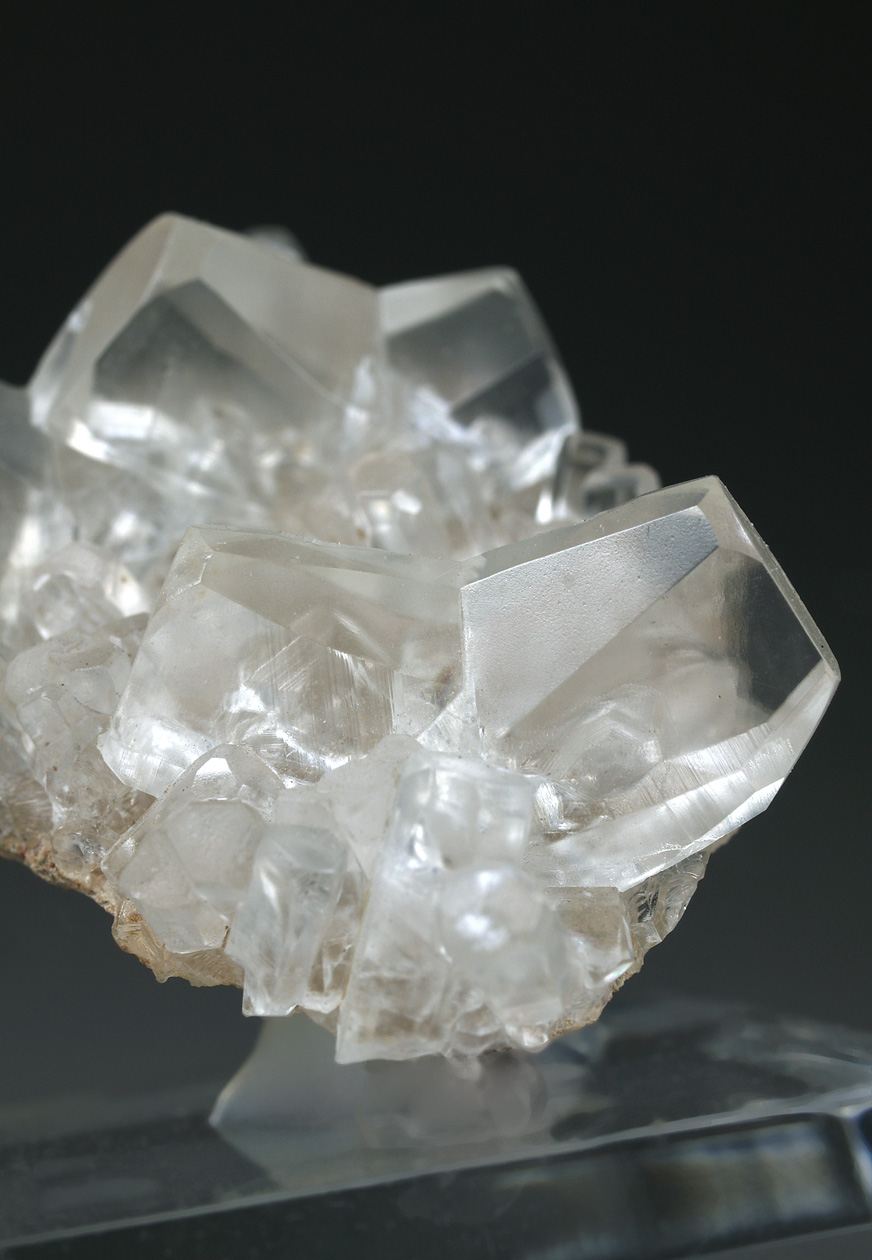
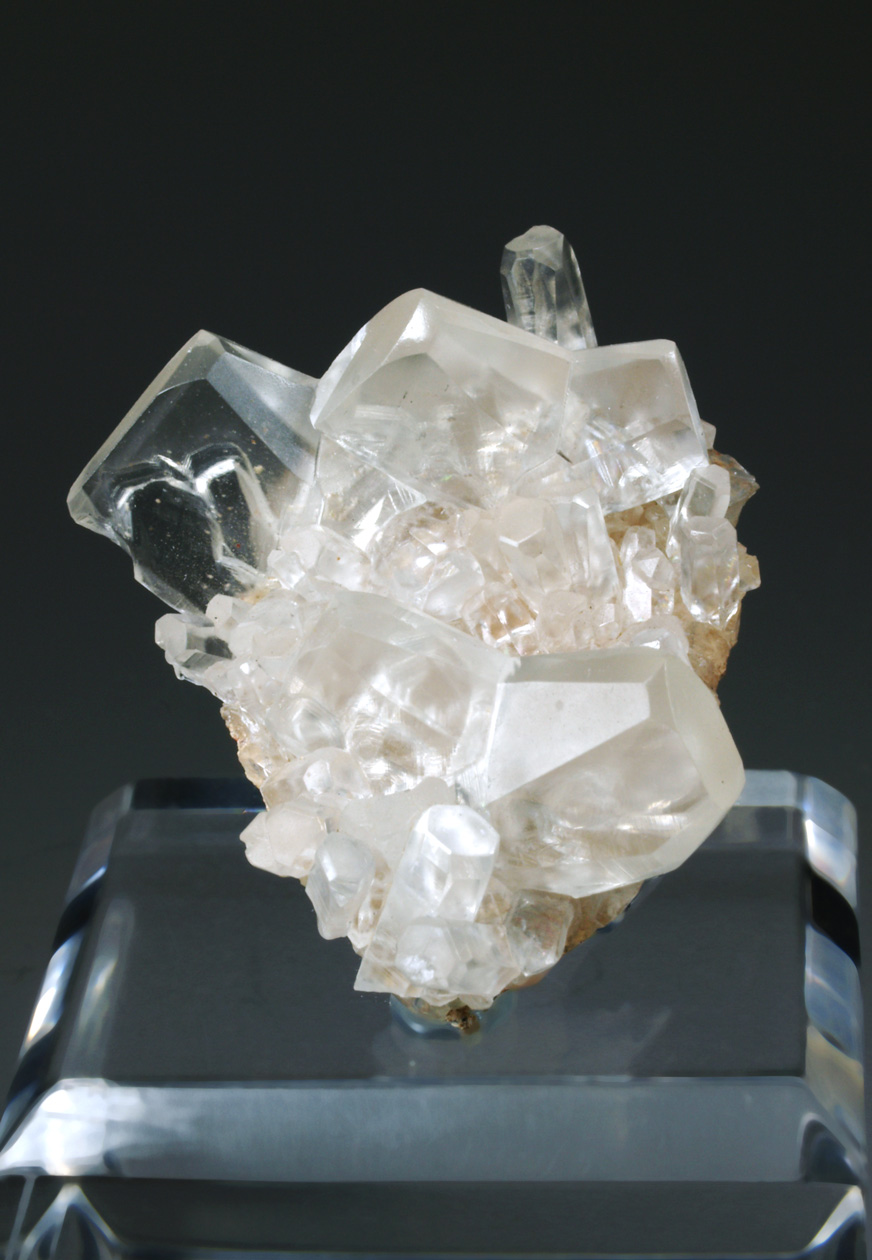
An excellent sample of a calcite showing a marked butterfly twin. Two twinned crystals in the same sample. Good transparence and very aerial disposed. This calcite comes from the deposits of optical calcite of José María Patoni. These mining works are famous worldwide for the purity, transparence and crystallographic complexity of its calcite crystals. Nice miniature.
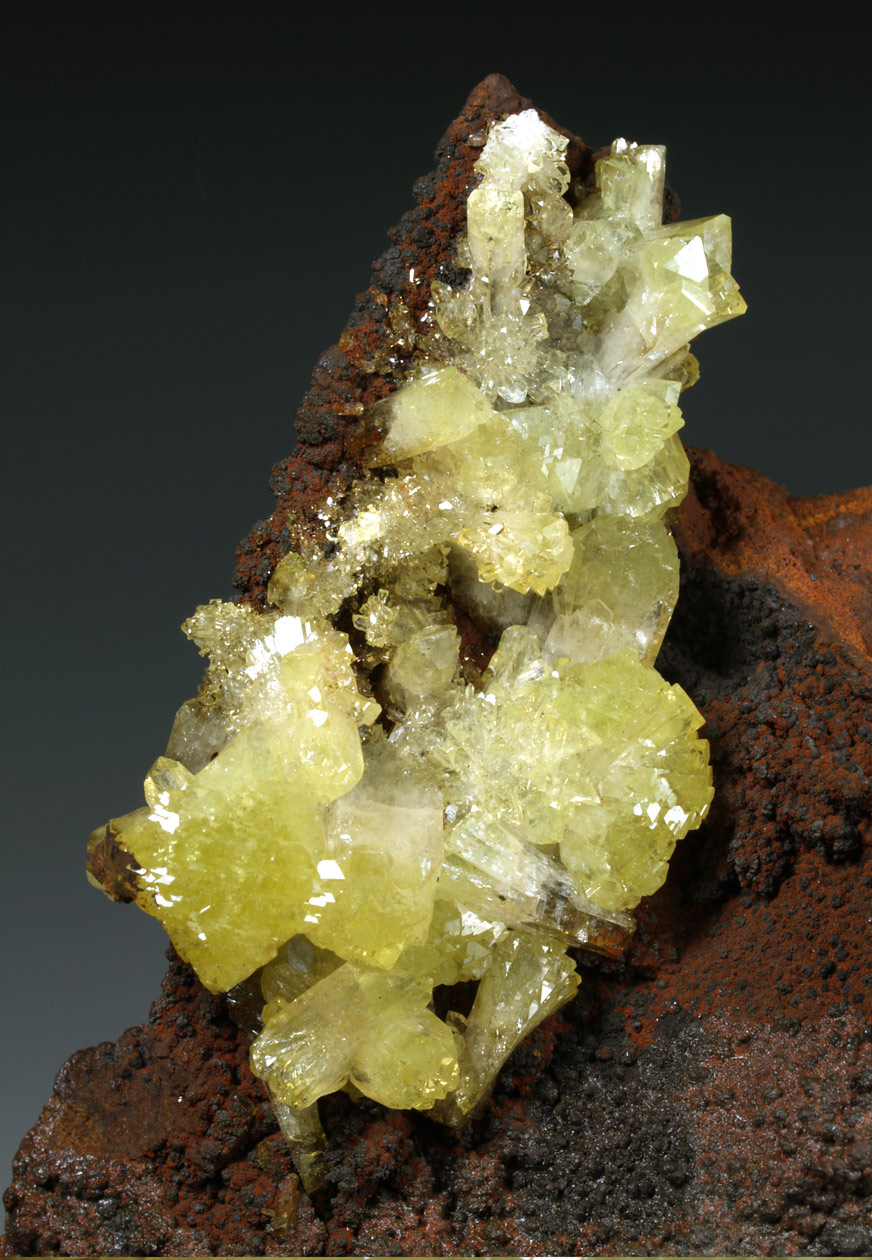
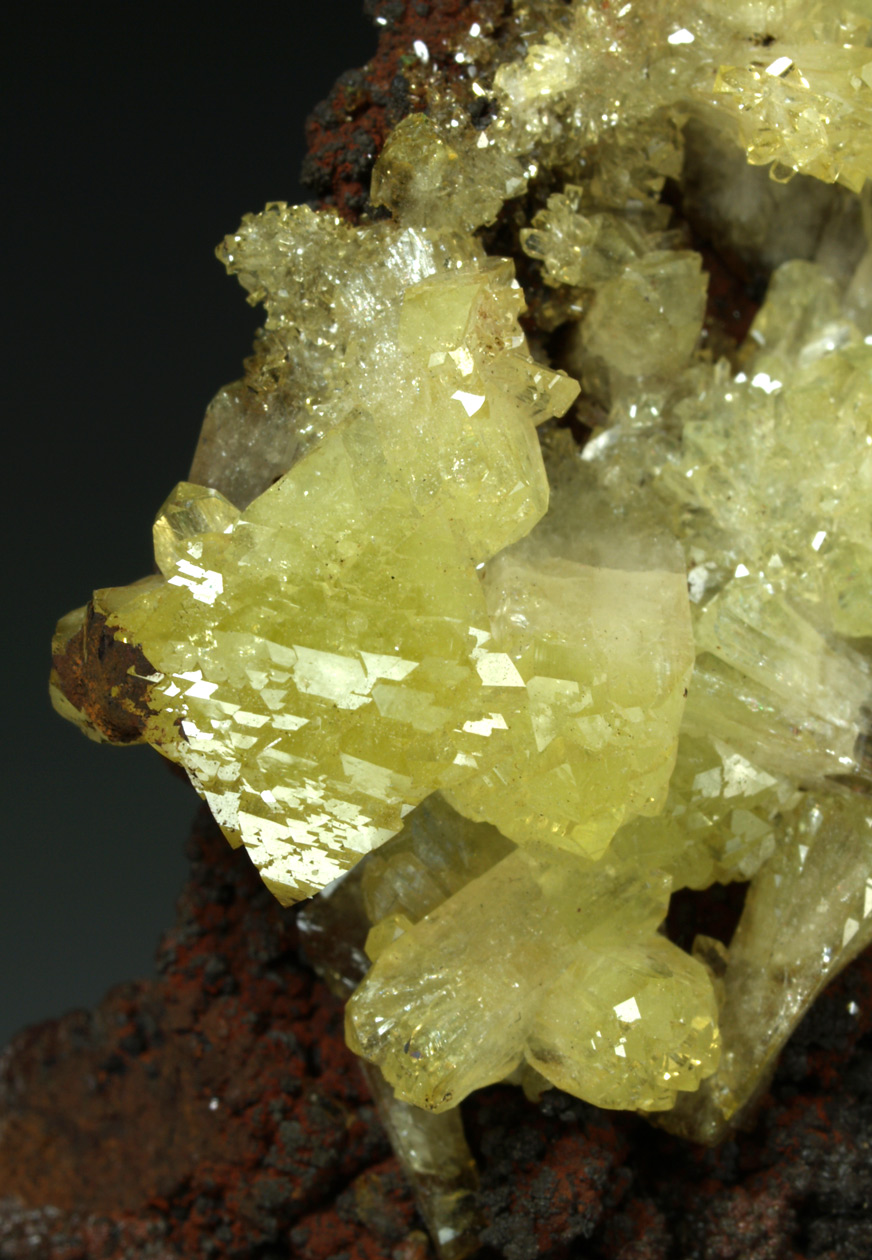
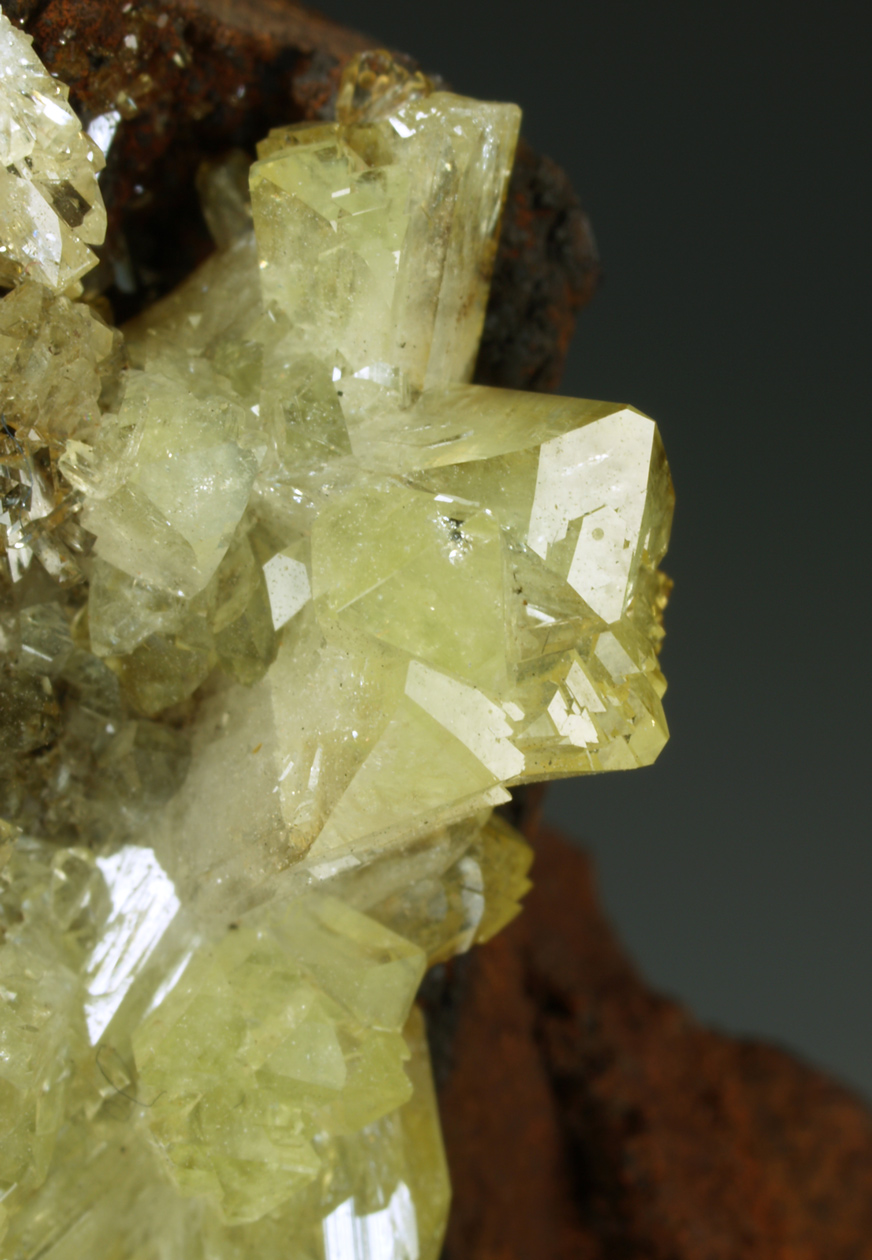
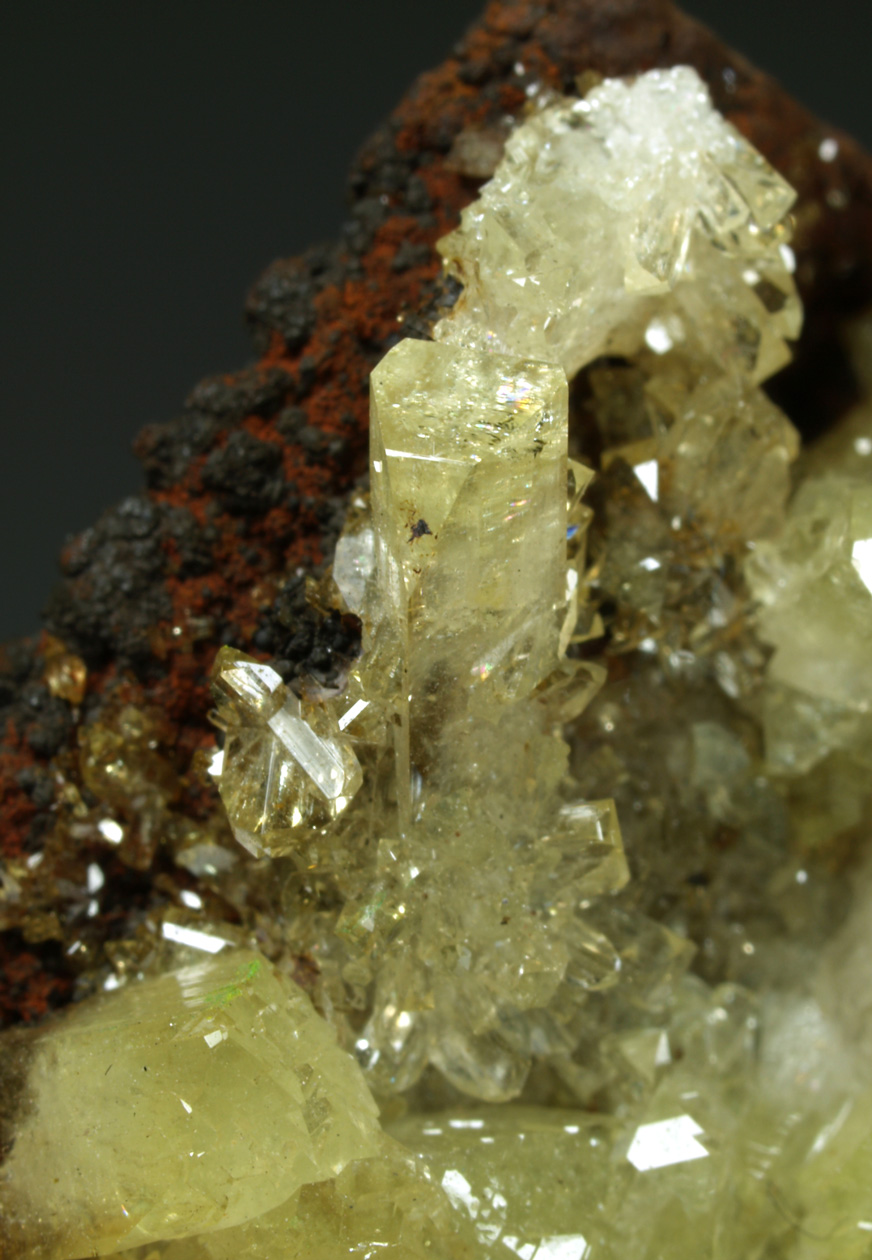
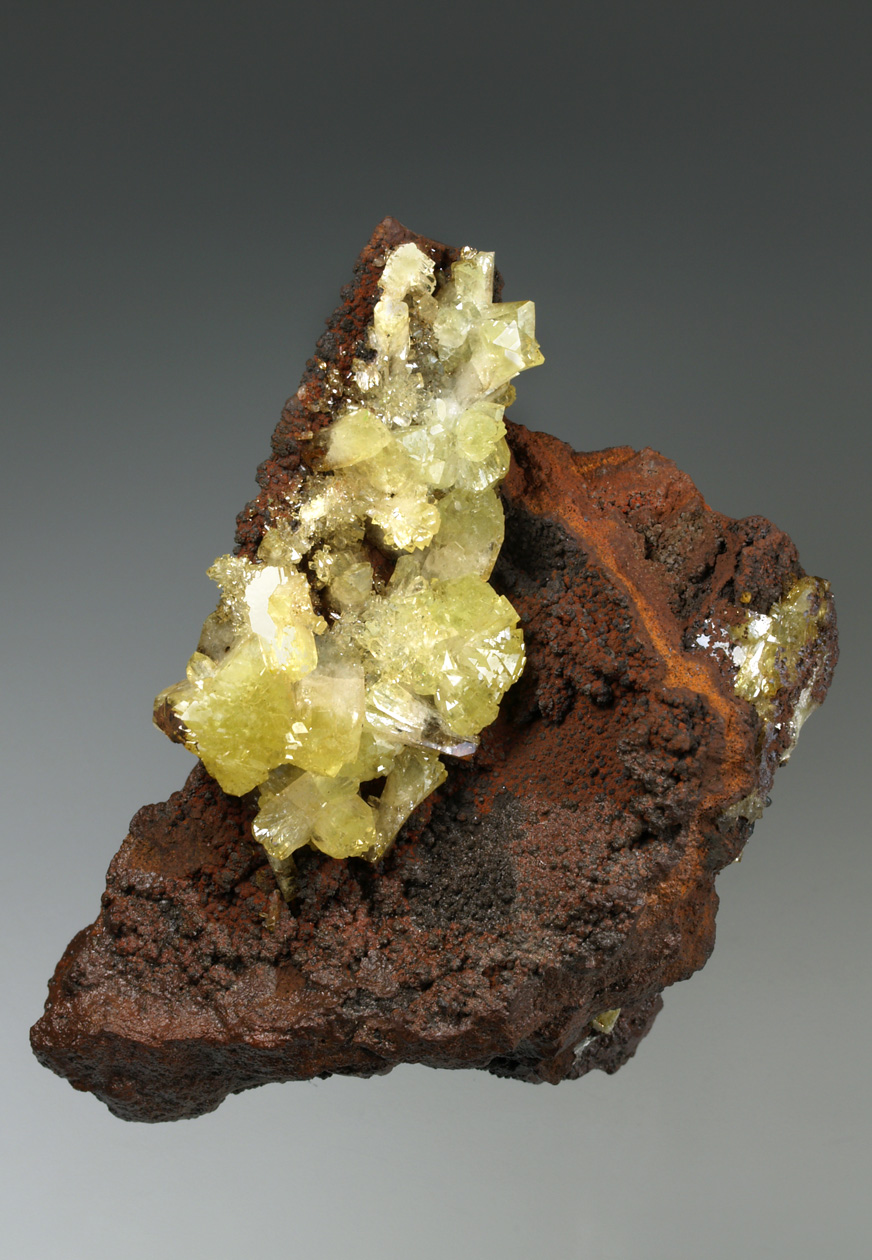
Group of very sharp adamite crystals showing an intense brilliance and color between yellow to colorless. Different orders prisms are present, isome of the end faces can remind the octahedron. Thus, in the specimen we can see very elongated crystals, some other flattened and almost equidimensional. Transparence and luster are really good. Crystals are disposed very aerial on a goethite matrix. This sample belongs to a German collection.
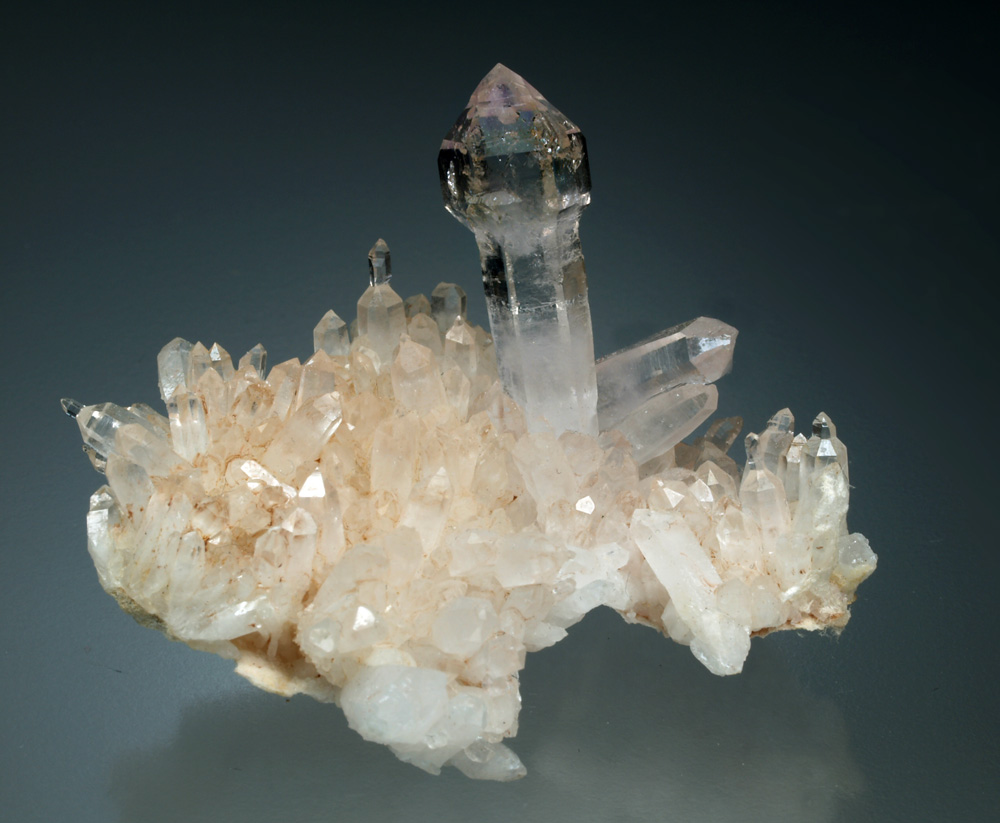
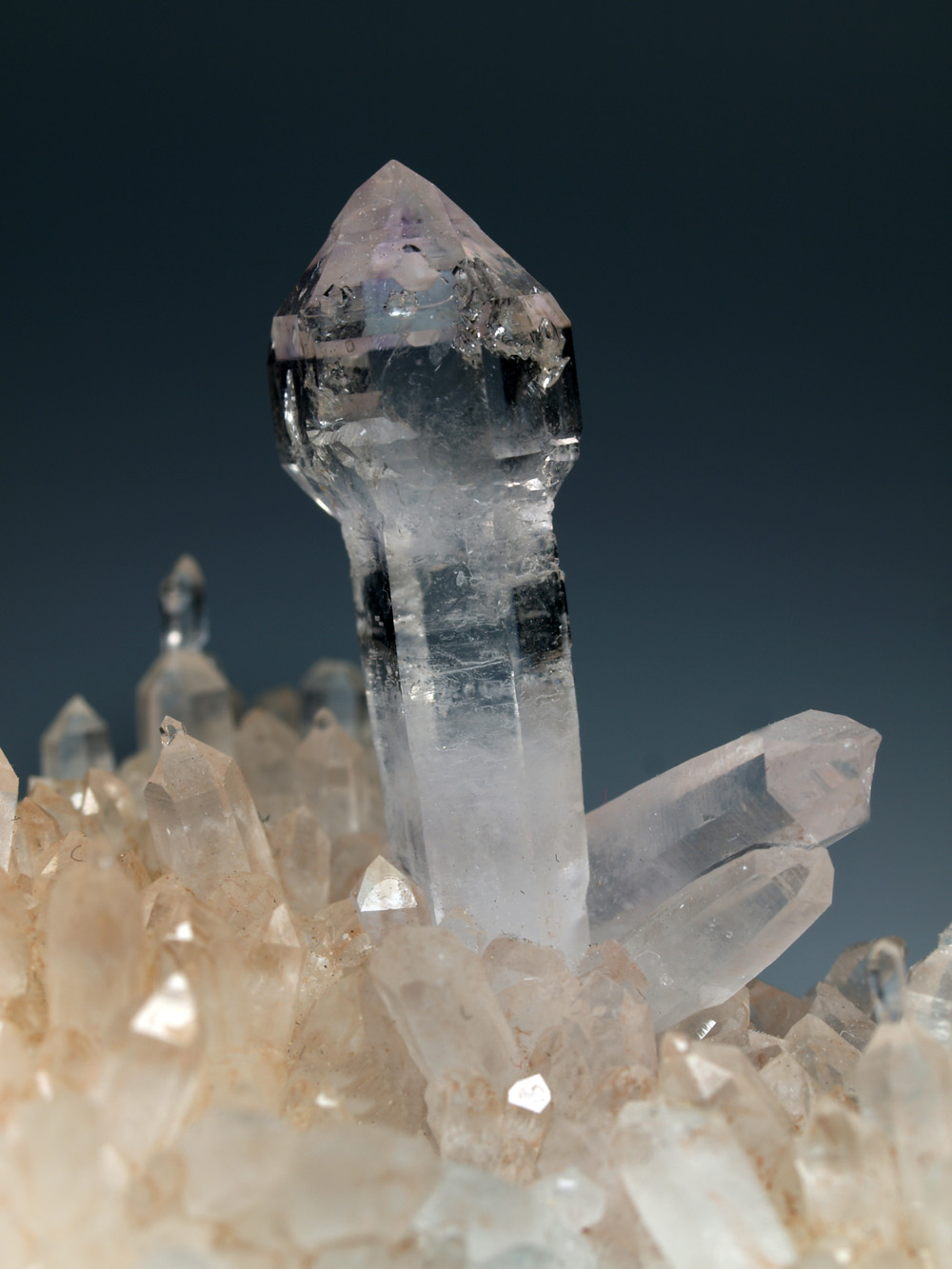
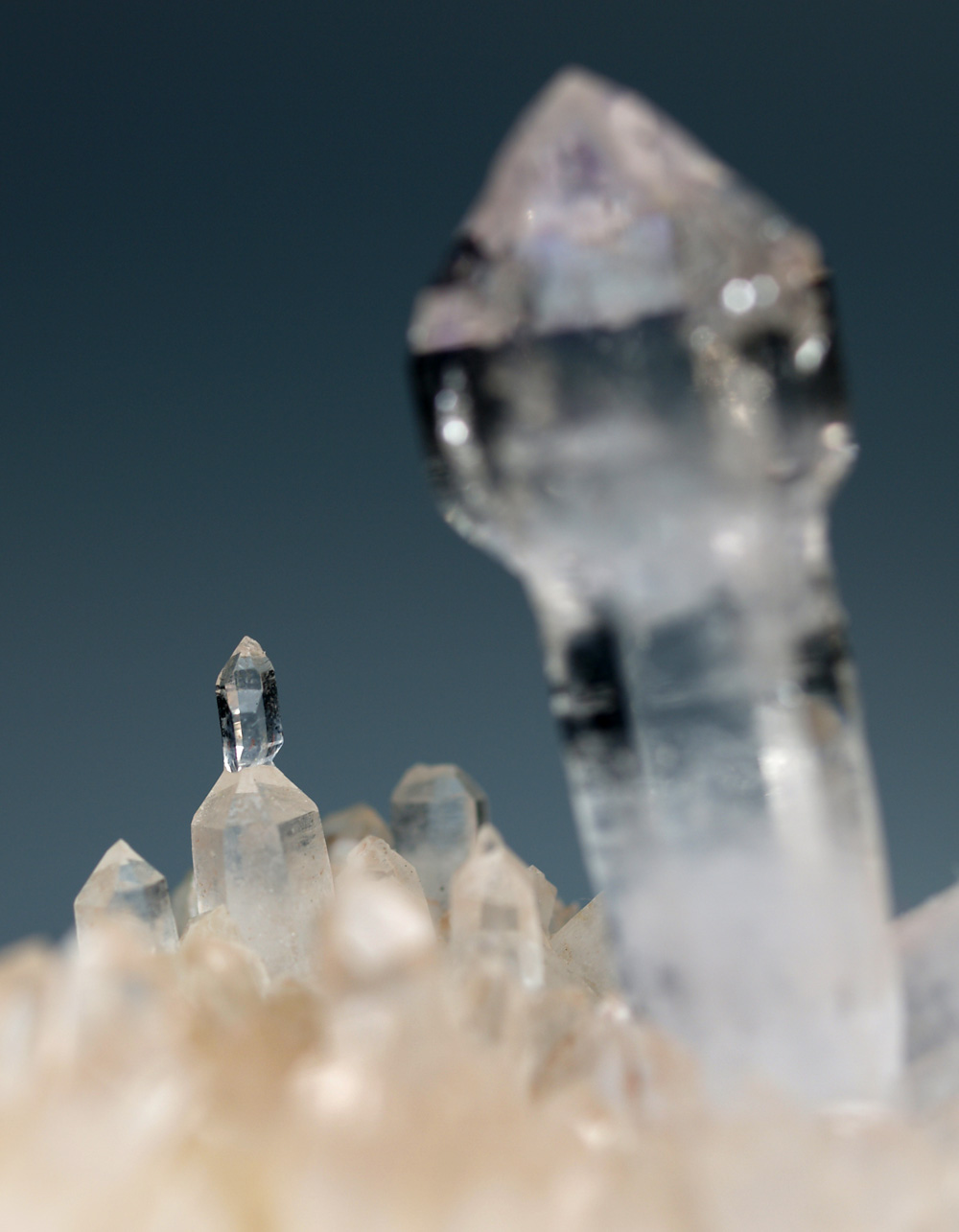
On a matrix totally covered by sharp quartz crystals, some of them with small inverse scepters, one of them more developed shows a perfect scepter shape. An elongated hyaline quartz prism with a scepter on the top with a pale amethystine tone. Really nice miniature.
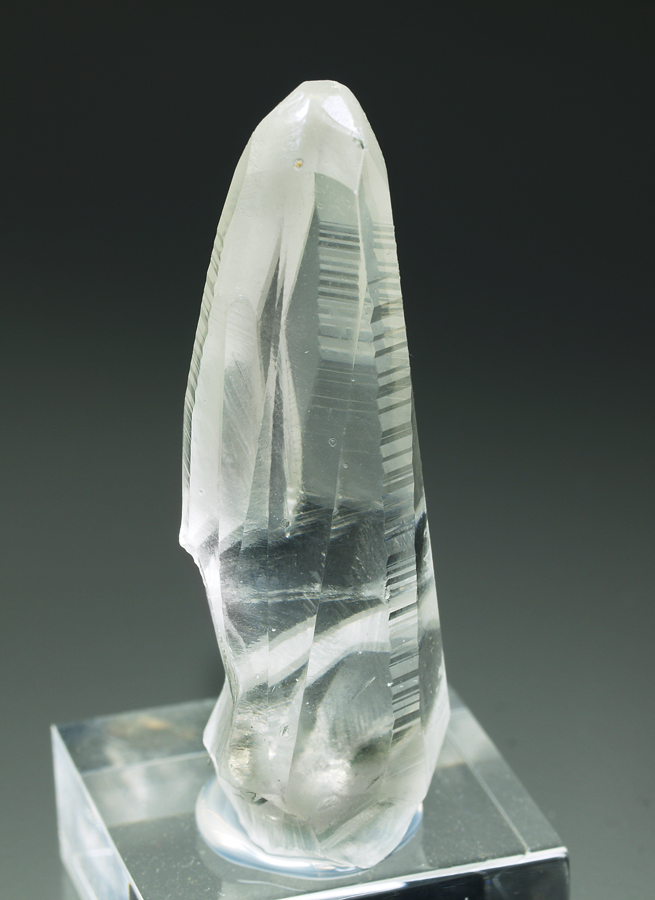
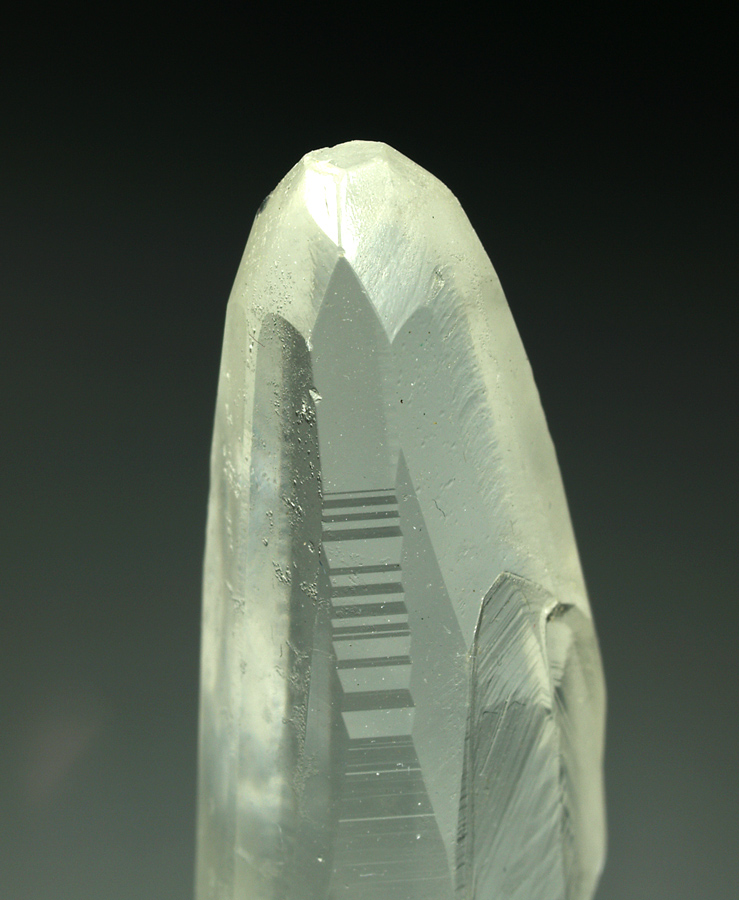
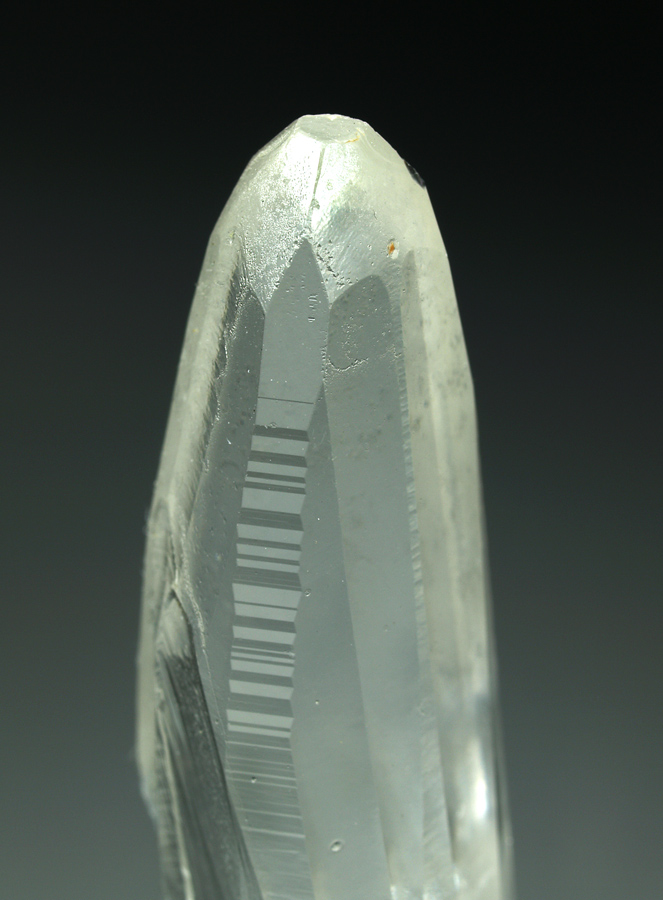
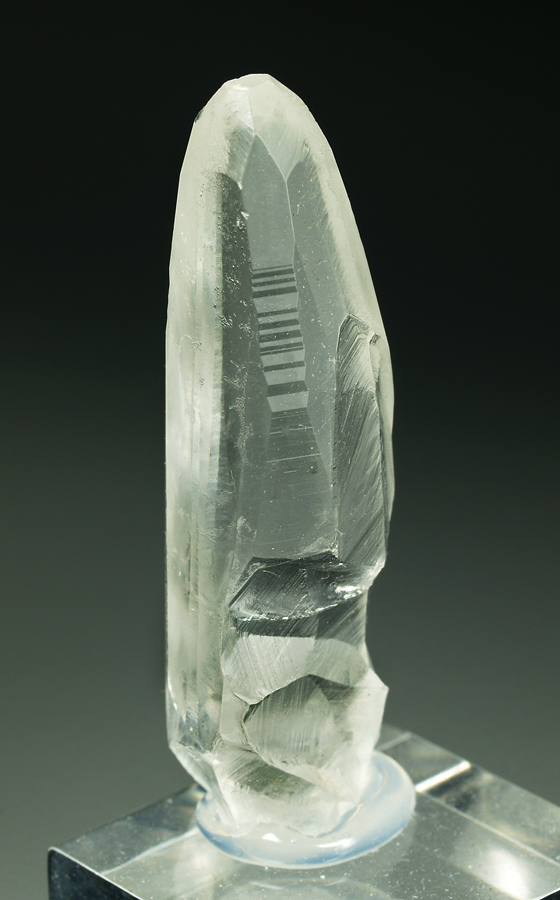
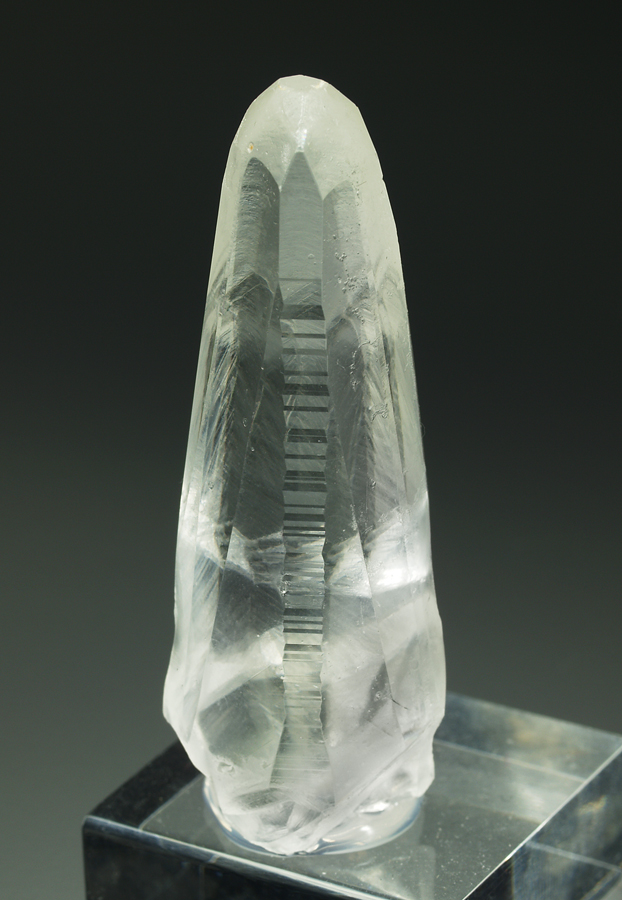
This elongated calcite crystal comes from the deposits of optical calcite of José María Patoni. These mining works are famous worldwide for the purity, transparence and crystallographic complexity of its calcite crystals. These specimens were formed by mineral rich hydrothermal fluids flowing through rhyolitic pyroclastic materials, where they found faults and fissures, a perfect place to grow.
This specimen shows faces of the prism, both scalenohedrons and rhombohedrons (positive and negative), echeloned faces and a small apical pinacoid. Excellent transparence and brilliance. A worlwide classic for calcite and crystallography.
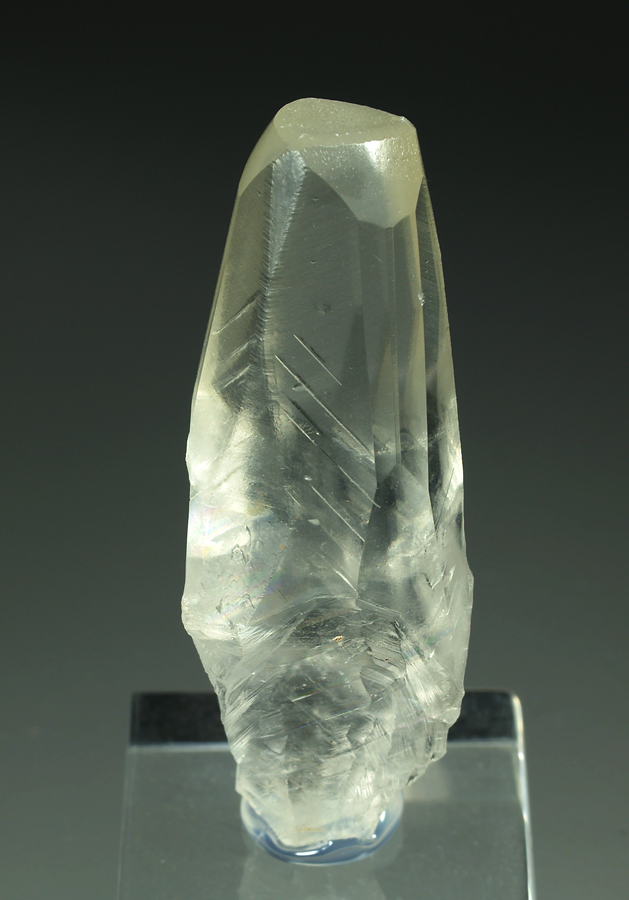
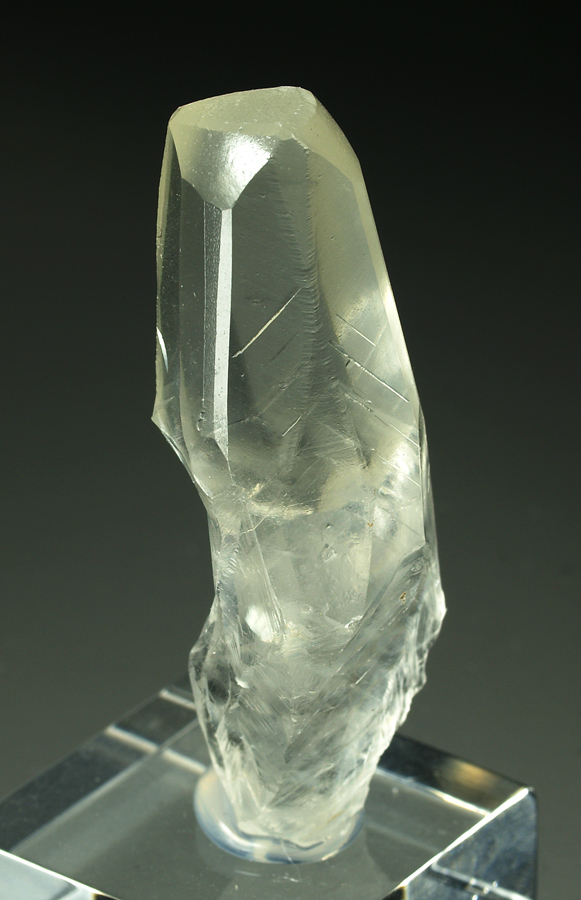
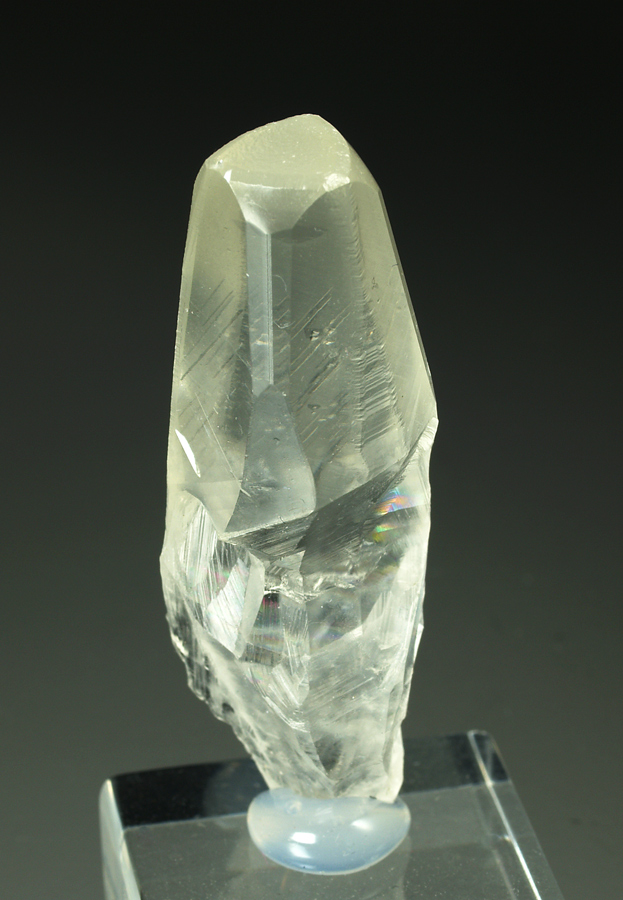
This elongated calcite crystal comes from the deposits of optical calcite of José María Patoni. These mining works are famous worldwide for the purity, transparence and crystallographic complexity of its calcite crystals. These specimens were formed by mineral rich hydrothermal fluids flowing through rhyolitic pyroclastic materials, where they found faults and fissures, a perfect place to grow.
This specimen shows faces of the prism, both scalenohedrons and rhombohedrons (positive and negative), echeloned faces and a small apical pinacoid. Excellent transparence and brilliance. A worlwide classic for calcite and crystallography.
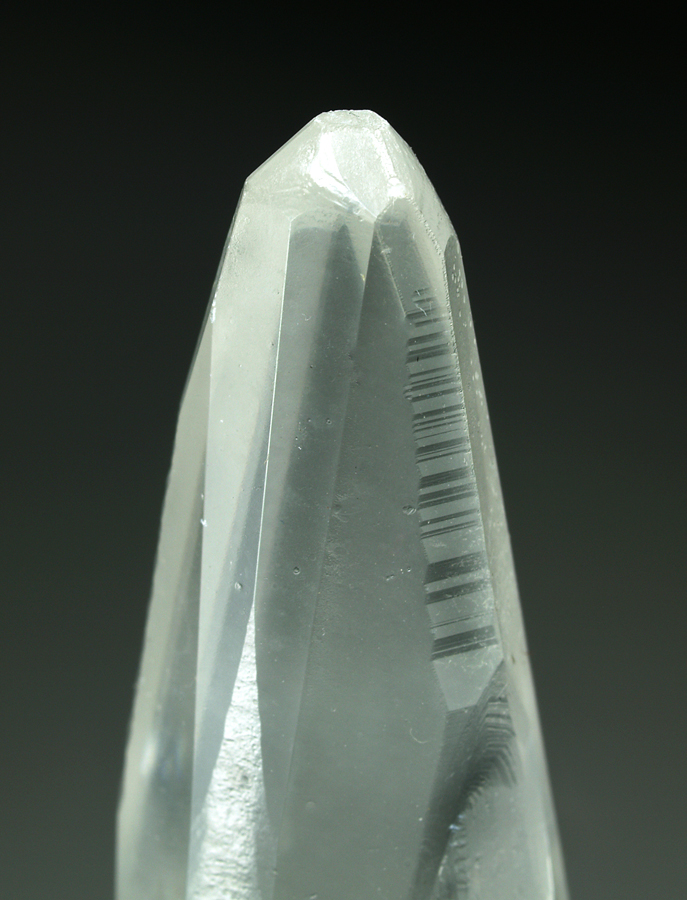
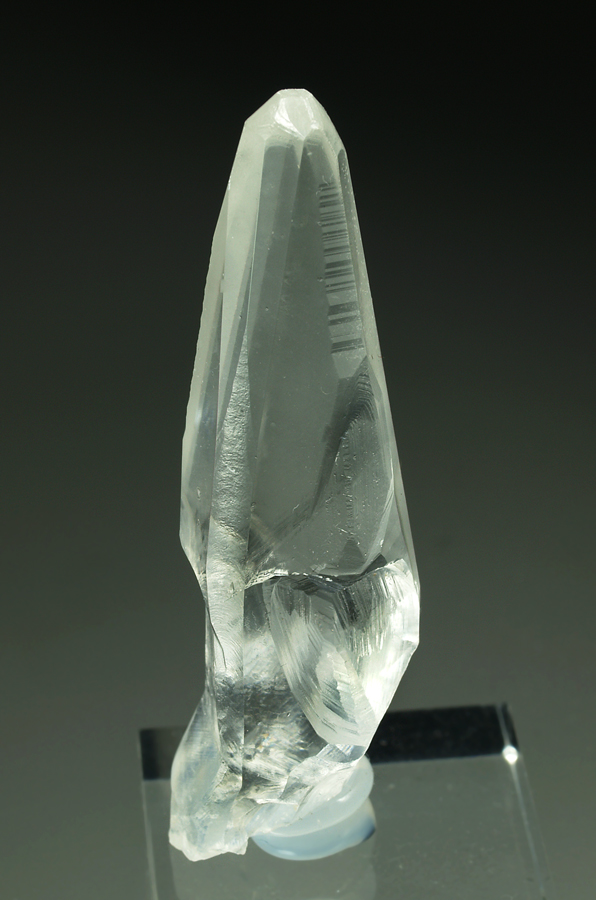
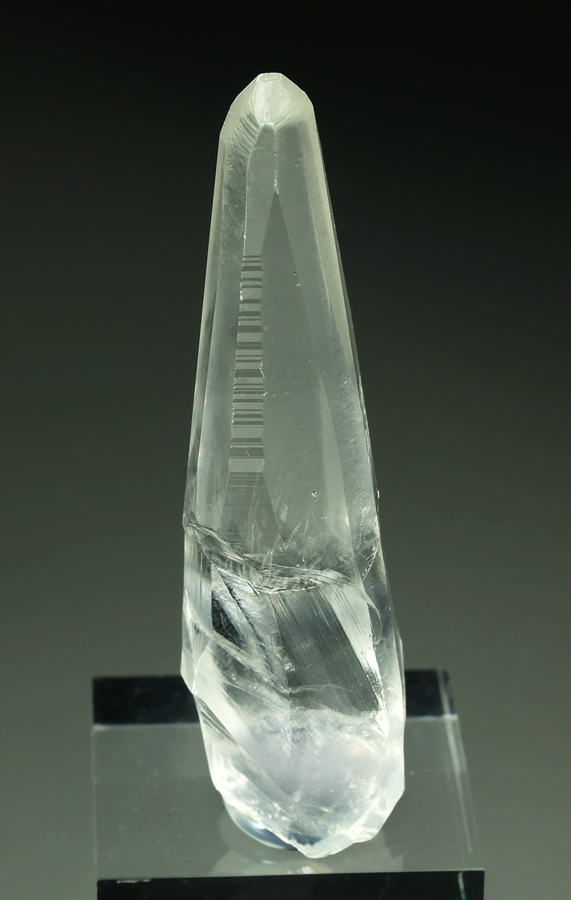
This elongated calcite crystal comes from the deposits of optical calcite of José María Patoni. These mining works are famous worldwide for the purity, transparence and crystallographic complexity of its calcite crystals. These specimens were formed by mineral rich hydrothermal fluids flowing through rhyolitic pyroclastic materials, where they found faults and fissures, a perfect place to grow.
This specimen shows faces of the prism, both scalenohedrons and rhombohedrons (positive and negative), echeloned faces and a small apical pinacoid. Excellent transparence and brilliance. A worlwide classic for calcite and crystallography.
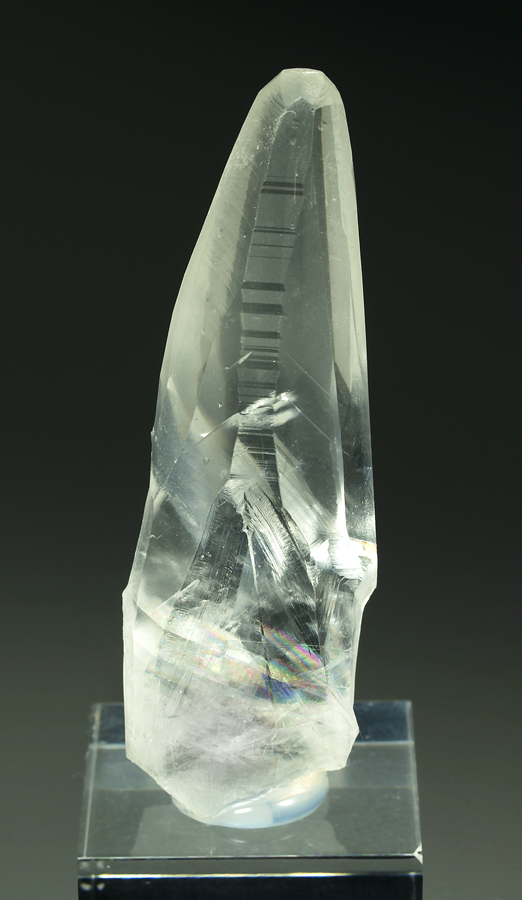
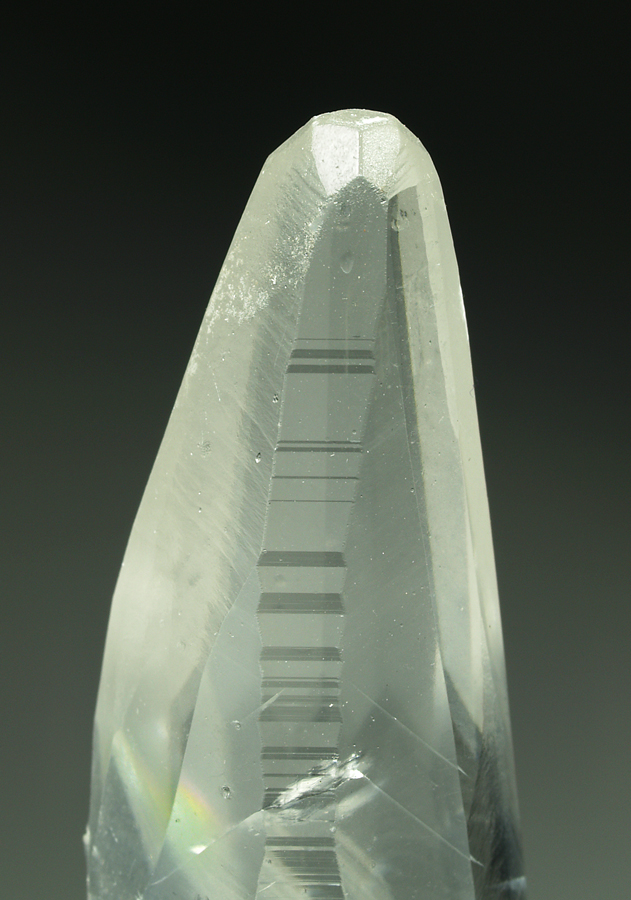
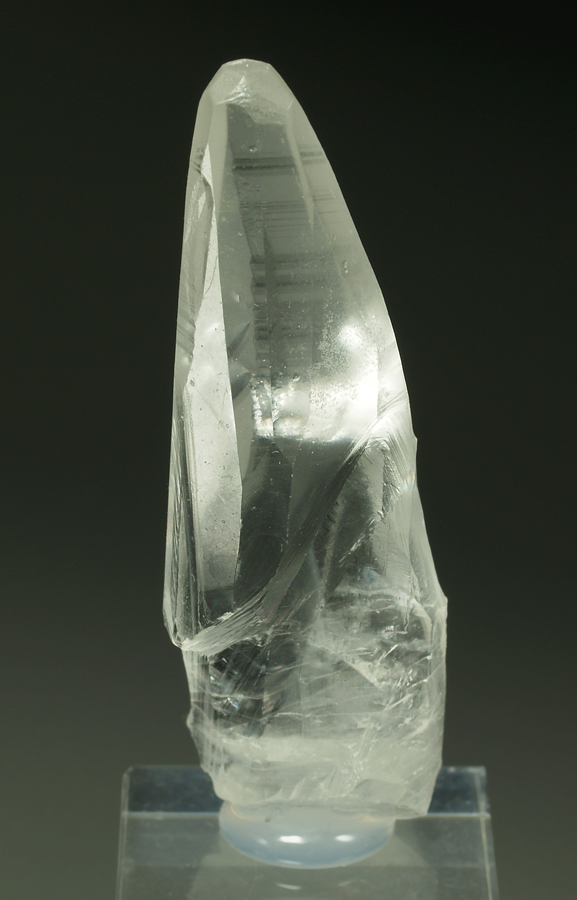
This elongated calcite crystal comes from the deposits of optical calcite of José María Patoni. These mining works are famous worldwide for the purity, transparence and crystallographic complexity of its calcite crystals. These specimens were formed by mineral rich hydrothermal fluids flowing through rhyolitic pyroclastic materials, where they found faults and fissures, a perfect place to grow.
This specimen shows faces of the prism, both scalenohedrons and rhombohedrons (positive and negative), echeloned faces and a small apical pinacoid. Excellent transparence and brilliance. A worlwide classic for calcite and crystallography.
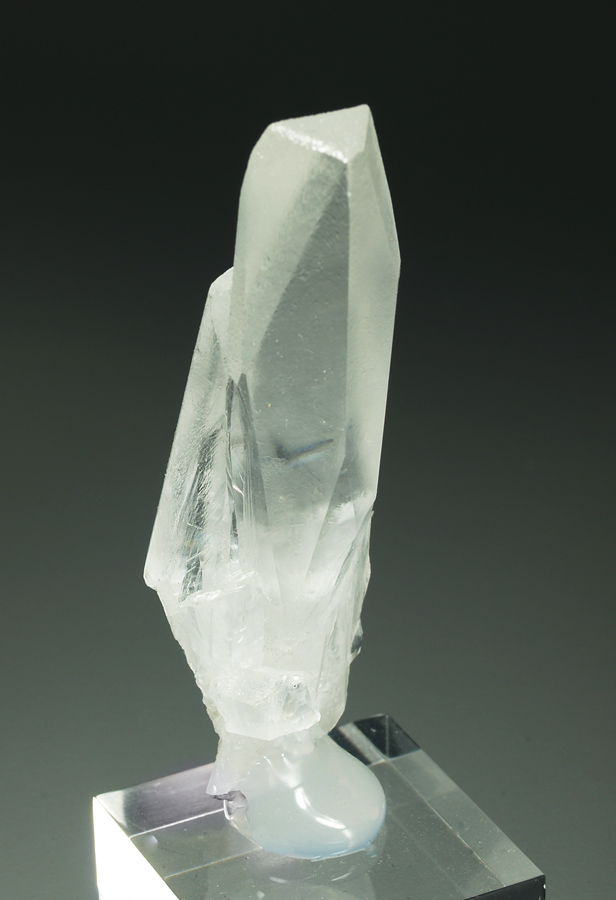
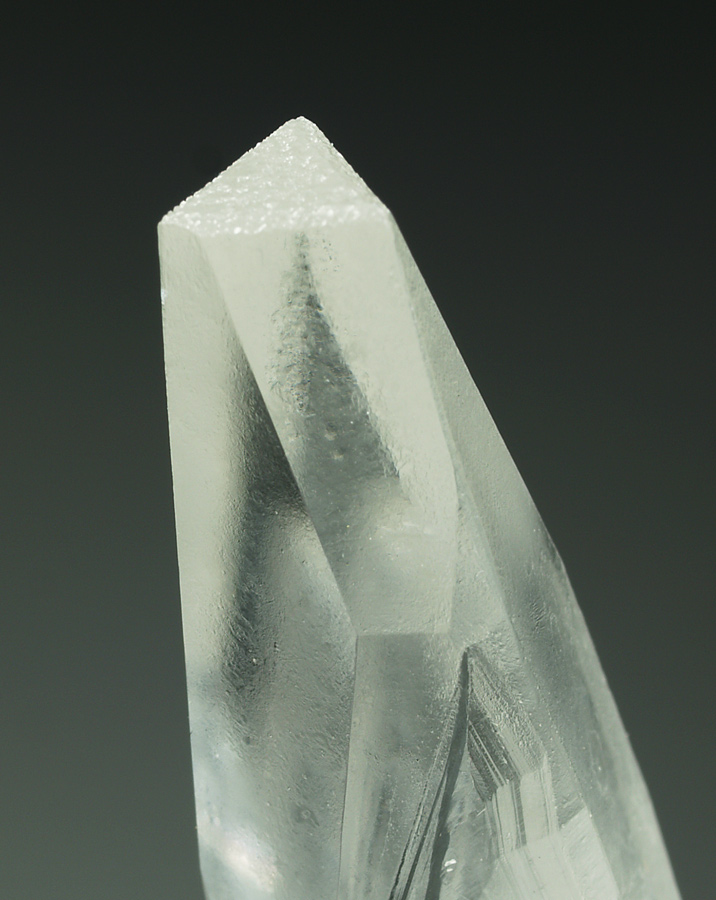
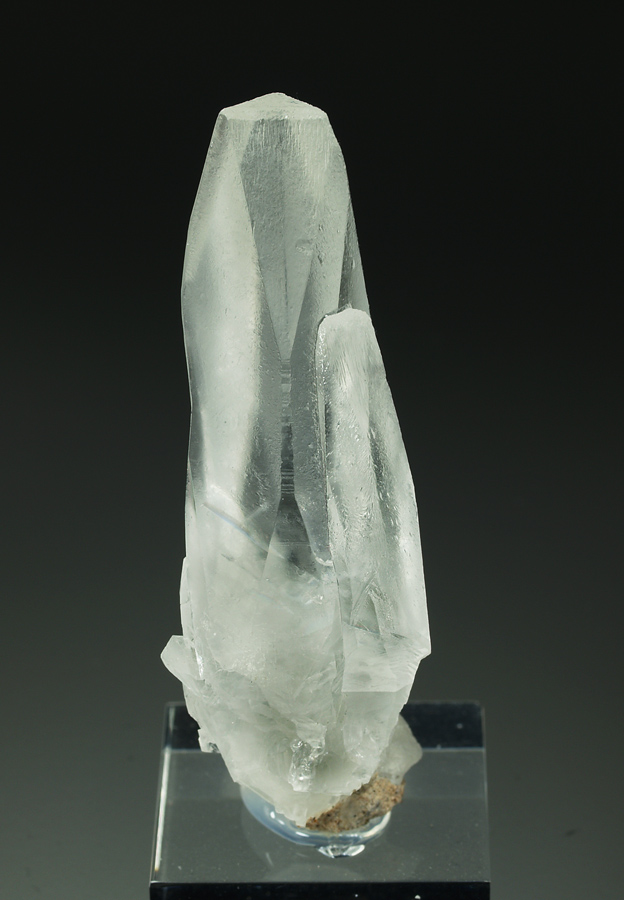
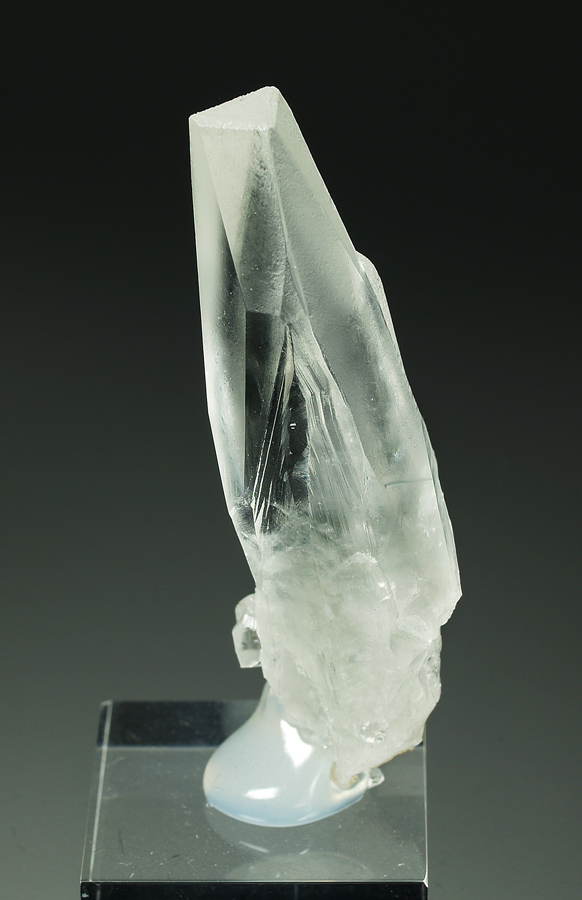
This elongated calcite crystal comes from the deposits of optical calcite of José María Patoni. These mining works are famous worldwide for the purity, transparence and crystallographic complexity of its calcite crystals. These specimens were formed by mineral rich hydrothermal fluids flowing through rhyolitic pyroclastic materials, where they found faults and fissures, a perfect place to grow.
This specimen shows faces of the prism, both scalenohedrons and rhombohedrons (positive and negative), echeloned faces and a marked apical pinacoid. Excellent transparence and brilliance. With a minor matrix. A worlwide classic for calcite and crystallography.